MEDINA VALLEY HEALTH & REHABILITATION CENTER
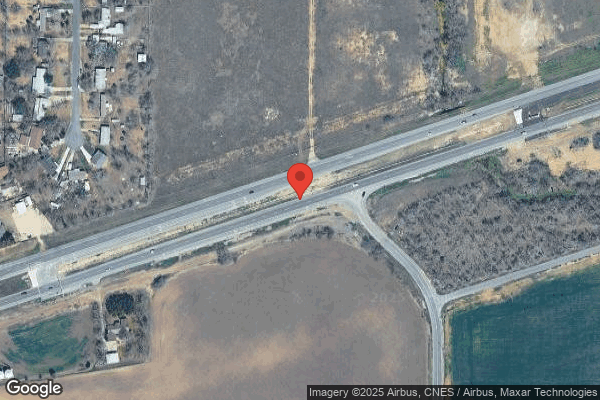

913 HWY 90 W, CASTROVILLE, TX 78009 (830) 931-2900
For profit - Partnership 116 Beds Independent Data: November 2025
Trust Grade
60/100
#521 of 1168 in TX
Last Inspection: November 2024

Within standard 12-15 month inspection cycle. Federal law requires annual inspections.

Overview

Medina Valley Health & Rehabilitation Center has a Trust Grade of C+, indicating it is slightly above average, but still has room for improvement. It ranks #521 out of 1168 facilities in Texas, placing it in the top half, and #2 out of 3 in Medina County, meaning only one local option is rated higher. However, the facility is currently worsening, with the number of issues increasing from 9 in 2023 to 20 in 2024. Staffing is a concern as it has a below-average rating of 2 out of 5 stars, although turnover is relatively low at 39%, which is better than the state average. Notably, there have been serious concerns regarding food safety practices, including expired food items and failure to maintain proper sanitation logs, which could potentially risk residents' health. Additionally, there were issues with residents being subjected to physical restraints without proper consent, impacting their dignity and freedom. While the facility has no fines, which is a positive sign, these weaknesses highlight the need for careful consideration by families.

Trust Score
C+
60/100
In Texas
#521/1168
Top 44%
Safety Record
Low Risk
No red flags
Inspections
Getting Worse
9 → 20 violations
Staff Stability
○ Average
39% turnover. Near Texas's 48% average. Typical for the industry.
Penalties
✓ Good
No fines on record. Clean compliance history, better than most Texas facilities.
Skilled Nurses
⚠ Watch
Each resident gets only 28 minutes of Registered Nurse (RN) attention daily — below average for Texas. Fewer RN minutes means fewer trained eyes watching for problems.
Violations
⚠ Watch
35 deficiencies on record. Higher than average. Multiple issues found across inspections.
★★★☆☆
3.0
Overall Rating
★★☆☆☆
2.0
Staff Levels
★★★☆☆
3.0
Care Quality
★★★☆☆
3.0
Inspection Score
Stable
2023: 9 issues
2024: 20 issues

The Good

  • Full Sprinkler Coverage · Fire safety systems throughout facility
  • No fines on record
  • Staff turnover below average (39%)

    9 points below Texas average of 48%

Facility shows strength in fire safety.

The Bad

3-Star Overall Rating

Near Texas average (2.8)

Meets federal standards, typical of most facilities

Staff Turnover: 39%

Near Texas avg (46%)

Typical for the industry

The Ugly 35 deficiencies on record

Nov 2024 15 deficiencies
CONCERN (D)

Potential for Harm - no one hurt, but risky conditions existed

Notification of Changes (Tag F0580)

Could have caused harm · This affected 1 resident

**NOTE- TERMS IN BRACKETS HAVE BEEN EDITED TO PROTECT CONFIDENTIALITY** Based on interviews and record review, the facility failed to consult with the resident's physician when there was a significant...

Read full inspector narrative →
**NOTE- TERMS IN BRACKETS HAVE BEEN EDITED TO PROTECT CONFIDENTIALITY** Based on interviews and record review, the facility failed to consult with the resident's physician when there was a significant change in the resident's physical, mental, or psychosocial status (that is, a deterioration in health, mental, or psychosocial status in either life-threatening conditions or clinical complications) for 1 (Resident #15) of 8 residents reviewed for resident rights. The facility failed to notify Resident #15's provider of her change of condition on [DATE] when she developed dysuria (a painful or uncomfortable feeling when urinating, often described as a burning, stinging, or itching sensation in the urethra or urethral meatus) and visual hallucinations (Seeing things that aren't there, such as flashing lights, animals, or people). This failure could affect residents by placing them at risk for a delay in medical treatment, decline in health, and death. The findings included: Record review of the admission Record, printed [DATE], reflected Resident #15 was a [AGE] year-old female originally admitted on [DATE] and readmitted on [DATE] with diagnoses that included cerebral infarction (a serious condition that occurs when blood flow to the brain is blocked, causing an area of dead brain tissue), extended spectrum beta lactamase (ESBL) resistance ( enzymes that make bacteria resistant to many antibiotics, including penicillins, cephalosporins, and aztreonam), unspecified Escherichia coli [E. Coli] as the cause of disease ( bacteria commonly found in the intestines of humans and animals, and while most strains are harmless, certain types can cause illness), and personal history of urinary tract infections. Record review of Resident #15's quarterly MDS assessment, dated [DATE], showed her memory was fully intact for daily decision making. Section I of active diagnoses showed she had a UTI in the last 30 days. Record review of the Resident #15's Care Plan showed she was on enhanced barrier precautions related to history of ESBL of the urine, initiated on [DATE], revised on [DATE], with interventions of staff will educate resident on Enhanced Barrier Precautions, proper signage to be clearly indicated, PPE including gown and gloves available outside or near room, alcohol based handrub available, trash can inside room near exit for discarding PPE prior to exit of the room, Proper use of PPE to be observed, use of gown and gloves during high contact resident care activities that promote opportunities for transfer of MDROs (Multidrug-resistant organisms (MDROs) are microorganisms, primarily bacteria, that are resistant to multiple classes of antibiotics and antifungals.), Staff to DON and DOFF PPE (Donning and doffing are terms that refer to putting on and taking off personal protective equipment (PPE)) according to recommendations, which is before any high contact resident care activities like . dressing, bathing/showering, transferring, providing hygiene, changing linens, toileting or assisting with toileting and remove prior to leaving the room, and Standard precautions to be observed regardless of suspected or confirmed infection or colonization status. These precautions are based on the principal that all blood, body fluids, secretions and excretions may contain transmissible infectious agents. Record review of Resident #15's Progress Notes on [DATE] at 4:00 p.m. revealed no notes about Resident #15 reporting dysuria or hallucinations in the previous 9 days. Record review of Resident #15's progress notes, revealed a note created [DATE], for effective date [DATE], stated Late entry: On [DATE] The nurse spoke with the resident about how she had been feeling. The resident stated she felt fine she had some burning during urination however, she did not have any other symptoms concerning a UTI she was encouraged to drink water instead of soda's. The resident was not in any distress or having any behavioral concerns nor did she express concerns on moving to another room. The note was written by LVN A and did not mention if the resident's provider was contacted. During an interview on [DATE] at 3:03 p.m. Resident #15 stated she thought she currently had a UTI. Resident #15 stated she felt burning every time she urinated. Resident #15 stated she knew it was a UTI because she had felt this way before when she had a UTI. Resident #15 stated she also mentally did not feel right. Resident #15 stated she told LVN A the day before [DATE] and told him she had thick mucus she was coughing up. Resident #15 stated LVN A had not done anything, but she knew she had told him a few times about the issues she was having. During a follow up interview on [DATE] at 3:05 p.m. Resident #15 stated what she meant by not feeling right mentally was she experienced a relative who came to visit her and hugged her but later realized she was hallucinating because this relative was deceased . Resident #15 stated this happened to her once before when she had a UTI. Resident #15 stated she was still having burning and hallucinations and no staff or providers had followed up with her about the symptoms at that time. During an interview on [DATE] at 9:42 a.m. LVN A stated the facility used the McGeers criteria (a set of guidelines used to identify healthcare-associated infections (HAIs) in long-term care facilities. The criteria are used to retrospectively count infections, and different categories are used for different types of infections, such as urinary tract infections, respiratory tract infections, and skin and soft tissue infections) to see if symptoms needed to be reported to a provider and treated. LVN A stated a resident would have to have 2 symptoms from the McGeers criteria list, such as painful urination, burning, frequency, flank pain, color, smell, before they would treat the symptoms. LVN A stated if he informed the Resident's NP, he would document this in a nursing note. LVN A stated if he did not document it in a note then he did not notify the provider. LVN A stated he thought he reported the resident's symptom of burning during urination to the NP but could not recall. LVN A stated he did add a note on [DATE] where he recalled the resident reported dysuria on [DATE] but he could not recall other details. LVN A stated he was not required to report the new onset symptom of dysuria to the NP because it did not meet criteria, but he was sure he did pass the information on to the NP. LVN A stated it should have also been passed on during shift change and would be noted in the 24 hour report. LVN A stated however there was nothing in his personal notes or the 24 hour report on [DATE] about the symptoms the resident reported to him. LVN A stated he did have a note in his personal notes on [DATE] where he reported to the NP the resident had new symptoms of mucus and the NP ordered a chest x-ray and an antibiotic. LVN A stated the NP was aware Resident #15 reported burning during urination but did not order anything for her. During an interview on [DATE] at 10:41 a.m. the NP stated he did not expect nurses to report every symptom a resident has to the provider. The NP stated he was not sure if they reported to him Resident #15 had burning during urination on [DATE] and he would not have any notes about this symptom being reported to him because one symptom does not trigger treatment for a UTI unless something else happened. The NP stated he had not ordered treatment since [DATE] to address the discomfort Resident #15 was experiencing during urination. The NP stated he was not aware the resident was still reporting dysuria or had reported hallucinations. The NP stated the resident was known to drink sodas often and this would be considered noncompliance but that also did not mean it should be left untreated. The NP stated if a Resident had an untreated UTI, they could go septic (when chemicals released in the bloodstream to fight an infection trigger inflammation throughout the body. This can cause a cascade of changes that damage multiple organ systems, leading them to fail, sometimes even resulting in death.) if left untreated. The NP stated they would need to collect labs to see if she had any infections but there was no reason for them to do that at the time of the interview on [DATE] at 10:41 a.m The NP stated nursing staff had contacted him on [DATE] about respiratory symptoms Resident #15 had. The NP stated he planned to treat the respiratory symptoms with an antibiotic that could also help with a UTI, but they would still need to do a culture and screen, if it was an infection, to ensure they used the correct antibiotic. During an interview on [DATE] at 3:54 p.m. the DON stated nursing staff is expected to report a change in status to the provider and staff should document they reported symptoms to the provider. The DON stated staff should follow up with a resident when they report symptoms like dysuria and document it. The DON stated the facility charts by exception and dysuria would be considered an exception. The DON stated staff was expected to chart by the end of the day or shift. The DON stated the 24-hour report should have noted the dysuria Resident #15 was experiencing so the next nurse would know about it and monitor the resident. The DON stated she had not personally spoken to Resident #15, dysuria alone was not a symptom of a UTI, she did not think Resident #15 reported mental symptoms, and it was speculation to say the resident had dysuria for the past 10 days. The DON stated the note written by LVN A, entered 10 days after [DATE], stated the resident reported no other symptoms so she was not treated. Record review of the facility's policy titled Notifications of Changes, dated 8/2024, stated The purpose of this policy is to ensure the facility promptly informs the resident, consults the resident's physician; and notifies, consistent with his or her authority, the resident's representative when there is a change requiring notification .Circumstances requiring notification include .2.Significant change in the resident's physical, mental or psychosocial condition such as deterioration in health, mental or psychosocial status. This may include .or b. Clinical complications. 3. Circumstances that require a need to alter treatment. This may include: a. a new treatment .
CONCERN (D)

Potential for Harm - no one hurt, but risky conditions existed

Assessment Accuracy (Tag F0641)

Could have caused harm · This affected 1 resident

**NOTE- TERMS IN BRACKETS HAVE BEEN EDITED TO PROTECT CONFIDENTIALITY** Based on observation, interview and record review the facility failed to ensure the assessment accurately reflected the resident...

Read full inspector narrative →
**NOTE- TERMS IN BRACKETS HAVE BEEN EDITED TO PROTECT CONFIDENTIALITY** Based on observation, interview and record review the facility failed to ensure the assessment accurately reflected the resident's status for 1 of 7 Residents (Resident #36) whose records were reviewed for assessments. MDS staff failed to ensure Resident #36's MDS assessment reflected he was hearing impaired and used an amplifier as a hearing aid. This deficient practice could affect any resident and could result in residents not receiving the care and services as needed. The findings were: Review of Resident #36's face sheet, dated 11/15/24, revealed he was admitted to the facility on [DATE] with diagnoses including unspecified sequelae of cerebral infarction and Major Depressive disorder, recurrent severe without psychotic symptoms. Review of the significant change MDS,, dated 10/1/24, revealed Resident #36's BIMS score was 11 reflecting moderate cognitive impairment; he had minimal difficulty hearing and did not use a hearing device. Review of progress note dated 11/12/2024 read: Was informed by [Resident #36] that he amplifier we provided had worked well for him, but since the wire got damaged and he is not able to hear from it. Administration is in process to try to get another amplifier. Review of Resident #36's Care Plan, revised on 10/8/24, read: The resident is dependent on staff for meeting emotional, intellectual, physical, and social needs r/t dependent Physical Limitations and one of the interventions included Ensure that adaptive equipment that the resident needs is provided and is present and functional. Observation and interview on 11/13/24 at 10:40 AM revealed Resident #36 was lying in bed. He stated he thought he was getting a new amplifier and showed the one he had. He pointed to the the cord and it was noted to be frayed. Interview on 11/15/24 at 5:20 PM with LVN/MDS Coordinator F revealed Resident #36 was hearing impaired and used an amplifier to help him hear. She stated the MDS assessment, dated 10/1/24, did not reflect the use of a hearing device. MDS Coordinator F stated the purpose of an MDS assessment was to identify the needs of the resident and to ensure the resident received services as needed. LVN/MDS Coordinator F was asked for a facility policy for resident assessment on 11/15/24 at 5:30 PM. She did not provide a copy of the facility policy by exit at 8:15 PM.
CONCERN (D)

Potential for Harm - no one hurt, but risky conditions existed

PASARR Coordination (Tag F0644)

Could have caused harm · This affected 1 resident

**NOTE- TERMS IN BRACKETS HAVE BEEN EDITED TO PROTECT CONFIDENTIALITY** Based on interview and record review, the facility failed to ensure all PASRR Level I residents with mental illness were provide...

Read full inspector narrative →
**NOTE- TERMS IN BRACKETS HAVE BEEN EDITED TO PROTECT CONFIDENTIALITY** Based on interview and record review, the facility failed to ensure all PASRR Level I residents with mental illness were provided with a PASRR Level II Evaluation and Assessment for 1 of 2 residents (Resident #55) reviewed for PASRR services. The facility failed to identify Resident#55 as having diagnoses indicative of Mental Illness including MDD on the PASRR screening dated 3/10/23, which would require a PASRR Level II assessment. This deficient practice could place residents at risk of a diminished quality of life related to not receiving or benefiting from specialized services. The findings include: An interview of Resident #55 was attempted on 11/12/24, the resident was a poor historian. Review of Resident #55's admission sheet, dated 7/8/24, noted the resident was admitted to the facility on [DATE] with diagnoses including Type 2 Diabetes Mellitus, Chronic Obstructive Pulmonary Disease, Chronic Kidney Disease, Anxiety Disorder, Dementia, Hypertension, Hyperlipidemia, MDD. Review of Resident #55's quarterly MDS assessment, dated 8/12/24, noted the resident BIMS was 8, indicating he had moderate cognitive impairment; mood indicators were present including little interest or pleasure in doing things and feeling down, depressed, or hopeless; and active diagnoses of Dementia, MDD and Anxiety Disorder. Review of Resident #55's order summary, dated November 2024 indicated the resident received antidepressants, an anxiolytic (a medication to treat anxiety), and a mood stabilizer. Review of Resident #55's care plan, updated on 10/1/24 noted the resident uses psychotropic medications r/t MDD. One of the approaches was to monitor and document the occurrence of for target behavior symptoms (Sadness, inappropriate response to verbal communication, violence/aggression towards staff/others. Review of the admission sheet on 11/15/24 at 4:41 PM, noted an original admission date of 03/10/2023 with documentation of the diagnosis date of MDD as 04/03/2023. Review of the medical record for Resident #55, showed a negative PASRR assessment, dated 3/10/23. Review of the assessments contained in the electronic health record of Resident #55 showed no follow up PASRR Level I or II conducted after the diagnosis of MDD on 04/03/2023. In an interview with the Administrator on 11/15/24 at 4:49 PM regarding the omission of the PASRR assessment, the Administrator acknowledged that Resident #55 did not have a PASRR performed after his diagnosis of MDD on 04/03/2023. The Administrator stated a follow up PASRR was not performed for the resident after his diagnosis of MDD, because the resident was a VA beneficiary, and VA beneficiaries must receive services through the VA. The Administrator stated a PASRR assessment should be conducted even for residents who might qualify to receive services from the Veteran's Administration. The Administrator stated if the facility performed PASRR assessments for all residents with mental illness, no one could get overlooked and not get the services they need. Review of the facility policy, undated, titled Resident Assessment-Coordination with PASRR Program stated all applicants to the facility will be screened for serious mental disorders or intellectual disabilities and related conditions in accordance with the State's Medicaid rules for screening. The policy further stated that a negative Level I screen permits admission to proceed and ends the PASRR process unless a possible serious mental disorder or intellectual disability arises later.
CONCERN (D)

Potential for Harm - no one hurt, but risky conditions existed

Deficiency F0645 (Tag F0645)

Could have caused harm · This affected 1 resident

**NOTE- TERMS IN BRACKETS HAVE BEEN EDITED TO PROTECT CONFIDENTIALITY** Based on interview and record review, the facility failed to identify a diagnosis of mental illness on the preadmission screenin...

Read full inspector narrative →
**NOTE- TERMS IN BRACKETS HAVE BEEN EDITED TO PROTECT CONFIDENTIALITY** Based on interview and record review, the facility failed to identify a diagnosis of mental illness on the preadmission screening and resident review (PASRR) assessment for 1 of 2 residents (Resident #52) whose records were reviewed for PASRR services. The facility failed to recognize on the Level I PASRR screening that Resident #52 had the mental illness diagnoses of Post Traumatic Stress Disorder (PTSD) and Major Depressive Disorder (MDD) which would qualify Resident #52 for a PASRR evaluation. This deficient practice could place residents with mental illness at risk for not obtaining the services needed to treat their mental health diagnoses. The findings include: Attempted to interview Resident #52 on 11/13/24, resident was a poor historian. Record review of Resident #52's admission sheet, dated 5/26/24, noted the resident was admitted to the facility on [DATE] with diagnoses including Parkinson's Disease (a movement disorder of the nervous system), Angina (a condition of insufficient oxygen in the blood causing chest discomfort or shortness of breath), Atrial Fibrillation (abnormal heart rhythm), Chronic Kidney Disease, PTSD, Insomnia, and MDD. Record review of Resident #52's quarterly MDS assessment, dated 10/4/24, noted the resident BIMS was 7, indicating he had severe cognitive impairment; mood indicators were present including little interest or pleasure in doing things and feeling down, depressed, or hopeless; and diagnoses of depression and PTSD. Record review of Resident #52's order summary from November 2024 indicated the resident receives an antidepressant. Record review of Resident #52's care plan, updated on 6/7/24 noted the resident uses and antidepressant r/t Depression. One of the approaches was to monitor and document the change in behavior/mood/cognition; hallucinations/delusions; social isolation, suicidal thoughts, withdrawal. Record review of Resident #52's admission sheet on 11/13/24 at 9:07 AM documented diagnoses including PTSD and MDD. The original date of the admission sheet was noted as 03/27/21. The date of diagnosis for the PTSD was noted as 03/37/21, and the date of diagnosis for the MDD was noted as 03/27/21. Record review on 11/14/24 at 2:56 PM of the assessments in the electronic health record for Resident #52 showed three PASRR Level I assessments were performed on 03/26/21, 08/19/21, and 03/38/22. All three PASRR Level I assessments recorded an answer of 0 (No) in response to the question, Is there evidence or an indicator this is an individual that has a Mental Illness? In an interview with the Administrator on 11/14/24 at 03:16 PM, regarding the error in not identifying Resident #52 with mental illness, the Administrator stated the resident should have had a positive PASRR Level I outcome noted on the assessments and a follow up PASSR Level II performed in accordance with state and federal guidelines. The Administrator stated a PASRR was not performed for the resident, because the resident was a VA beneficiary, and VA beneficiaries must receive services through the VA. Review of the facility policy, undated, titled Resident Assessment-Coordination with PASSR Program stated all applicants to the facility will be screened for serious mental disorders or intellectual disabilities and related conditions in accordance with the State's Medicaid rules for screening.
CONCERN (D)

Potential for Harm - no one hurt, but risky conditions existed

Deficiency F0657 (Tag F0657)

Could have caused harm · This affected 1 resident

**NOTE- TERMS IN BRACKETS HAVE BEEN EDITED TO PROTECT CONFIDENTIALITY** Based on observations, interviews, and record review revealed the facility failed to ensure the comprehensive care plans were re...

Read full inspector narrative →
**NOTE- TERMS IN BRACKETS HAVE BEEN EDITED TO PROTECT CONFIDENTIALITY** Based on observations, interviews, and record review revealed the facility failed to ensure the comprehensive care plans were reviewed and revised by the interdisciplinary team after each assessment, including both the comprehensive and quarterly review assessments for 2 of 7 Residents (Resident #36 and Resident #15) whose records were reviewed for Care Plans. 1. Staff failed to ensure Resident #36's Care Plan reflected he was hearing impaired and used an amplifier as a hearing aid. 2. The facility failed to update Resident #15's Care Plan to reflect a history of UTIs with interventions for staff to monitor the resident for possible UTI symptoms. This deficient practice could affect any resident and result in residents not receiving the care and services they needed. 1. Review of Resident #36's face sheet, dated 11/15/24, revealed he was admitted to the facility on [DATE] with diagnoses including unspecified sequelae of cerebral infarction and Major Depressive disorder, recurrent severe without psychotic symptoms. Review of significant change MDS, dated [DATE], revealed Resident #36's BIMS was 11 reflecting moderate cognitive impairment; he had minimal difficulty hearing and did not use a hearing device. Review of progress note dated 11/12/2024 read: Was informed by [Resident #36] that he amplifier we provided had worked well for him, but since the wire got damaged and he is not able to hear from it. Administration is in process to try to get another amplifier. Review of Resident #36's Care Plan, revised on 10/8/24, read: The resident is dependent on staff for meeting emotional, intellectual, physical, and social needs r/t dependent Physical Limitations and one of the interventions included Ensure that adaptive equipment that the resident needs is provided and is present and functional. Further review revealed the Care Plan did not reflect Resident #36 was hearing impaired and that he used a hearing device. Observation and interview on 11/12/24 at 12:37 PM revealed Resident #36 was lying in bed. He engaged in conversation; was difficult to understand but he made his needs known. Resident #36 stated about two months ago he started having problems hearing. He stated he loved baseball and not able to hear it. Observation and interview on 11/13/24 at 10:40 AM revealed Resident #36 was lying in bed. He stated he thought he was getting a new amplifier and showed the one he had. He pointed to the cord and it was noted to be frayed. Interview on 11/15/24 at 5:20 PM with LVN/MDS Coordinator F revealed Resident #36 was hearing impaired and used an amplifier to help him hear. She stated the Care Plan, dated 10/8/24, did not reflect he was hearing impaired and he used a hearing device. MDS Coordinator F stated the purpose of the Care Plan was to address the needs and services the resident would receive. She stated nursing staff had access to the Care Plan to help them understand the needs of the residents. 2. Record review of the admission Record, printed 11/15/24, reflected Resident #15 was a [AGE] year-old female originally admitted on [DATE] and readmitted on [DATE] with diagnoses that included cerebral infarction (a serious condition that occurs when blood flow to the brain is blocked, causing an area of dead brain tissue), extended spectrum beta lactamase (ESBL) resistance ( enzymes that make bacteria resistant to many antibiotics, including penicillins, cephalosporins, and aztreonam), unspecified Escherichia coli [E. Coli] as the cause of disease ( bacteria commonly found in the intestines of humans and animals, and while most strains are harmless, certain types can cause illness), and personal history of urinary tract infections. Record review of Resident #15's quarterly MDS assessment, dated 10/4/24, showed her memory was full intact for daily decision making. Section I of active diagnoses showed she had a UTI in the last 30 days. Record review of the Resident #15's Care Plan showed she was on enhanced barrier precautions related to history of ESBL of the urine, initiated on 9/28/24, revised on 11/12/24, with interventions of staff will educate resident on Enhanced Barrier Precautions, proper signage to be clearly indicated, PPE including gown and gloves available outside or near room, alcohol based handrub available, trash can inside room near exit for discarding PPE prior to exit of the room, Proper use of PPE to be observed, use of gown and gloves during high contact resident care activities that promote opportunities for transfer of MDROs (Multidrug-resistant organisms (MDROs) are microorganisms, primarily bacteria, that are resistant to multiple classes of antibiotics and antifungals.), Staff to DON and DOFF PPE (Donning and doffing are terms that refer to putting on and taking off personal protective equipment (PPE)) according to recommendations, which is before any high contact resident care activities like . dressing, bathing/showering, transferring, providing hygiene, changing linens, toileting or assisting with toileting and remove prior to leaving the room, and Standard precautions to be observed regardless of suspected or confirmed infection or colonization status. These precautions are based on the principal that all blood, body fluids, secretions and excretions may contain transmissible infectious agents. Another care area initiated and revised on 9/28/24 stated The resident has bowel & bladder incontinence r/t Impaired mobility, Loss of peritoneal tone with interventions to the resident uses disposable briefs, ensure that call light is in reach and assist resident to bathroom PRN, and Check (q 2hrs ) and as required for incontinence. Clean peri-area with each incontinence episode. Change clothing PRN after incontinence episodes. Record review of Resident #15's hospital discharge paperwork, dated 5/16/24, stated chief complaint was respiratory distress and dx of acute respiratory failure and recent UTI. Record review of Resident #15's hospital discharge paperwork, dated 9/24/24, chief complaint was AMS and dx of UTI with sepsis . During an interview on 11/12/24 at 3:03 p.m. Resident #15 stated she thought she currently had a UTI. Resident #15 stated she felt burning every time she urinated. Resident #15 stated she knew it was a UTI because she had felt this way before when she had a UTI. Resident #15 stated she also mentally did not feel right. Resident #15 stated she told LVN A the day before and told him she had thick mucus she was coughing up. Resident #15 stated LVN A had not done anything, but she knew she had told him a few times about the issues she was having. During an interview on 11/14/24 at 9:42 a.m. LVN A stated the facility used the McGeers criteria (a set of guidelines used to identify healthcare-associated infections (HAIs) in long-term care facilities. The criteria are used to retrospectively count infections, and different categories are used for different types of infections, such as urinary tract infections, respiratory tract infections, and skin and soft tissue infections) to see if symptoms needed to be reported to a provider and treated. LVN A stated a resident would have to have 2 symptoms from the McGeers criteria list, such as painful urination, burning, frequency, flank pain, color, and smell before they would treat the symptoms. Interview on 11/15/24 at 5:21 PM with LVN/MDS Coordinator F stated she was new to the role and was told the care plans were all good and already done. The MDS nurse stated Resident #15's care plan did not need to address monitoring for a UTI because staff knew to provide incontinent care and change her brief when residents were prone to UTIs. The MDS nurse stated the resident was oriented and can report UTI symptoms to staff. The MDS nurse stated care areas and interventions should be specific for each resident regardless of if they were oriented or not. LVN/MDS Coordinator F was asked for a facility policy for resident Care Plans on 11/15/24 at 5:30 PM. She did not provide a copy of the facility policy by exit at 8:15 PM. During an interview on 11/15/24 at 6:06 p.m. the DON stated Resident #15's history of UTI's were addressed on the care plan under the enhanced barrier precautions care area. The DON stated some resident with a history of UTIs had a separate care area on their care plans for staff to monitor for UTI symptoms, but it depended on if the resident had a history of UTIs. The DON stated the resident had a few hospital documents that showed a diagnosis of UTI and a personal history of them. The DON stated many times a residents would go to the hospital for other reasons, and they would also find they had a UTI.
CONCERN (D)

Potential for Harm - no one hurt, but risky conditions existed

ADL Care (Tag F0677)

Could have caused harm · This affected 1 resident

**NOTE- TERMS IN BRACKETS HAVE BEEN EDITED TO PROTECT CONFIDENTIALITY** Based on observation, interview and record review the facility failed to ensure residents who were unable to carry out activitie...

Read full inspector narrative →
**NOTE- TERMS IN BRACKETS HAVE BEEN EDITED TO PROTECT CONFIDENTIALITY** Based on observation, interview and record review the facility failed to ensure residents who were unable to carry out activities of daily living received the necessary services to maintain good personal and oral hygiene for 1 of 7 Residents (Resident #36) whose records were reviewed for activities of daily living. Nursing staff failed to brush Resident #36's teeth and wash his face for 1 of 4 survey dates, 11/14/24 and nursing staff failed to clip his nails for an undetermined amount of time. This deficient practice could affect residents who required assistance and could result in poor hygiene and feelings of dissatisfaction. The findings were: Review of Resident #36's face sheet, dated 11/15/24, revealed he was admitted to the facility on [DATE] with diagnoses including unspecified sequele of cerebral infarction and Major Depressive disorder, recurrent severe without psychotic symptoms. Review of significant change MDS assessment, dated 10/1/24, revealed Resident #36's BIMS was 11 reflecting moderate cognitive impairment; his range of motion was impaired on one side (upper and lower extremities) and he was dependent for most ADLs including oral hygiene. Review of Resident #36's Care Plan, revised on read: The resident has an ADL self-care performance deficit r/t CVA with left hemiplegia & right femur head osteonecrosis. Interventions included Provide the level of assistance resident requires in ADL care as follows: GROOMING: (TD) [totally dependent] x 1 Staff. Review of Resident #36's progress notes from 11/1/24 to 11/15/24 did not reveal Resident #36 had refused any type of hygiene care. Review of Resident #36's personal hygiene tracking document How resident maintains personal hygiene, including combing hair, brushing teeth, shaving, applying makeup, washing/drying face and hands (excludes baths and showers) revealed on 11/15/24 at 8:25 am, not applicable. Observation and interview on 11/13/24 at 10:40 AM revealed Resident #36 was lying in bed. He had left hand contracture. His hair looked uncombed, he had not shaven and overall he looked unkept. Further observation revealed his nails were long; about an inch passed his nail beds . The nail on his right pinkie was about 1 and 1/2 inches beyond the nail bed. Resident #36 stated he was diabetic and the nurses had to cut his nails. He stated he asked but nursing staff had staff not cut them. He stated staff only washed his face if he went out for an appointment which was some time last week. He stated other than that staff had not washed his face in a long time. He stated another thing that really bothered him was that staff did not brush his teeth. He stated when he was receiving hospice services staff brushed his teeth regularly. He stated at times nursing staff would swab his mouth but it was not the same. He stated it was important to him and stated he used to brush his teeth regularly. Interview on 11/14/24 at 2:05 PM with CNA D revealed she was the CNA assigned to work with Resident #36 on this date, 11/14/24. She stated normally she would help Residents wash their face and brush their teeth in the morning as needed. She stated she would also help Residents brush their teeth after meals per their request. CNA D stated on this date, 11/14/25, she did not have time to wash Resident #36's face or help him brush his teeth. She stated he required assistance but she spent most of her time showering Residents who were scheduled to be showered. Further interview revealed CNA D stated she would mark on his hygiene task not applicable if she did not provide a Resident with assistance on her scheduled shift. Observation and interview on 11/14/24 at 03:20 PM with LVN I revealed he had worked at the facility since September 2024 and was a new nurse. He stated nail care for Residents was done on Sundays. He stated he was not sure if it was any different for Residents who had diabetes. LVN I stated he made rounds at the beginning and at the end of his shift. He stated he was familiar with Resident #36, but did not know if he was diabetic. He stated the aides had not said anything to him about Resident #36 needing any specific care. Observation revealed Resident #36 lying in bed. He showed LVN I his nails. Resident #36 told LVN I a nurse had to cut his nails because he was diabetic. His nails were long passed his nail beds and some of them were black under the nails. The LVN I revealed he stated he did not know only nurses could cut a Resident's nails. He stated there was brown gunk underneath his nails. He stated it could become an infection control problem if he touched any open areas on his body. Interview with the DON on 11/14/24 at 04:25 PM revealed the charge nurse on duty would be able to cut a Resident's nails who had diabetes on any date as needed. However, typically speaking the charge nurse scheduled to work on Sundays would cut the Resident's nails. This was the day scheduled for Resident nail care. The DON stated Resident #36 had a history of refusing care and it was documented on his Care Plan. The DON stated she expected staff to document refusal of care in a progress note at the time the Resident refused care unless he refused specific care on a daily basis then it would be documented on the Care Plan. Further interview with the DON revealed the CNAs were responsible for providing daily hygiene care as needed and the nurses were to ensure it was done while making their rounds. Observation and interview on 11/14/24 at 04:45 PM revealed Resident #36 lying in bed. He showed the DON his nails and again stated he had asked nursing staff to cut his nails. Resident #36 was able to re-state he understood the nurses should cut his nails because he was diabetic. The DON asked Resident #36 if he refused nail care at any point. He told her he had not refused. She asked again, you never refused. Resident #36 shook his head and stated no. The DON asked Resident #36 if he would allow the nurse to cut his nails. He agreed and it was noted the DON asked ADON E to cut his nails. Further interview with the DON revealed she stated Resident #36's nails were long and according to the length it did not happen overnight. The DON stated the charge nurse should be monitoring residents care needs and should address it at the time they noted an issue. She stated the ADONs were responsible for overseeing the process and should address any concerns brought up by nursing staff and or by the Resident. Review of facility policy, Activities of Daily Living (ADLs) copyright date 2024, read in relevant part: Policy: The facility will, based on the resident's comprehensive assessment and consistent with the resident's needs and choices, ensure a resident's abilities in ADLs do not deteriorate unless deterioration is unavoidable. Care and services will be provided for the following activities of daily living: 1. Bathing, dressing, grooming and oral care.
CONCERN (D)

Potential for Harm - no one hurt, but risky conditions existed

Incontinence Care (Tag F0690)

Could have caused harm · This affected 1 resident

**NOTE- TERMS IN BRACKETS HAVE BEEN EDITED TO PROTECT CONFIDENTIALITY** Based on observations, interviews, and record review the facility failed to ensure that a resident who was incontinent of bladde...

Read full inspector narrative →
**NOTE- TERMS IN BRACKETS HAVE BEEN EDITED TO PROTECT CONFIDENTIALITY** Based on observations, interviews, and record review the facility failed to ensure that a resident who was incontinent of bladder received appropriate treatment and services to prevent urinary tract infections for 2 (Resident #191 and Resident #15) of 2 residents reviewed for catheter care and or incontinent care. 1. The facility failed to ensure CNA L and CNA M did not leave stool on Resident #15 when performing incontinent care. 2. The facility failed to ensure CNA J and CNA K kept Resident #191's urine catheter bag below the level of the bladder during incontinent care. This failure could place residents at risk for urinary tract infections. Findings included: 1. Record review of the admission Record, printed 11/15/24, reflected Resident #15 was a [AGE] year-old female originally admitted on [DATE] and readmitted on [DATE] with diagnoses that included cerebral infarction (a serious condition that occurs when blood flow to the brain is blocked, causing an area of dead brain tissue), extended spectrum beta lactamase (ESBL) resistance ( enzymes that make bacteria resistant to many antibiotics, including penicillin's, cephalosporins, and aztreonam), unspecified Escherichia coli [E. Coli] as the cause of disease ( bacteria commonly found in the intestines of humans and animals, and while most strains are harmless, certain types can cause illness), and personal history of urinary tract infections. Record review of Resident #15's quarterly MDS assessment, dated 10/4/24, showed her memory was fully intact for daily decision making. Section I of active diagnoses showed she had a UTI in the last 30 days. Section H showed the resident was always incontinent of bladder and bowel. Record review of the Resident #15's Care Plan showed she was on enhanced barrier precautions related to history of ESBL of the urine, initiated on 9/28/24, revised on 11/12/24, with interventions of staff will educate resident on Enhanced Barrier Precautions, proper signage to be clearly indicated, PPE including gown and gloves available outside or near room, alcohol based handrub available, trash can inside room near exit for discarding PPE prior to exit of the room, Proper use of PPE to be observed, use of gown and gloves during high contact resident care activities that promote opportunities for transfer of MDROs (Multidrug-resistant organisms (MDROs) are microorganisms, primarily bacteria, that are resistant to multiple classes of antibiotics and antifungals.), Staff to DON and DOFF PPE (Donning and doffing are terms that refer to putting on and taking off personal protective equipment (PPE)) according to recommendations, which is before any high contact resident care activities like . dressing, bathing/showering, transferring, providing hygiene, changing linens, toileting or assisting with toileting and remove prior to leaving the room, and Standard precautions to be observed regardless of suspected or confirmed infection or colonization status. These precautions are based on the principal that all blood, body fluids, secretions and excretions may contain transmissible infectious agents. During an observation on 11/15/24 at 11:16 a.m. CNA L was observed wiping fecal matter from Resident #15's perineal and gluteal area. The fecal soiling was extensive and had spread to the bedding. While the CNA performed multiple wipes, the final pass left visible fecal residue in Resident #15's gluteal cleft. CNA L then put on a clean brief. During an interview on 11/15/24 at 11:48 a.m. CNA L stated she should have kept wiping the resident until the wipe was clean. CNA L stated she did not pay attention to see if the last wipe was heavily soiled or if the resident still had feces on her. CNA L stated she just discarded the wipe and put on a clean brief. CNA L stated she should keep wiping until the wipe had no feces and the resident was clean to prevent infections. 2. Record review of the admission Record, dated 11/15/24, reflected Resident #191 was a [AGE] year-old female originally admitted on [DATE] with diagnoses that included malignant neoplasm of unspecified site of left female breast (cancerous breast tumor), other intervertebral disc degeneration, lumbosacral region with discogenic pain and lower extremity pain (pain in the lower back (lumbosacral area) due to a degenerated intervertebral disc (discogenic pain), which then radiates down into the leg, causing pain in the lower extremity), and retention of urine (unable to empty their bladder, either partially or completely). Record review of Resident #191's admission MDS assessment, dated 10/4/24, showed her memory was fully intact for daily decision making. Section H showed the resident had a urinary catheter and was always incontinent of bowel. Record review of the Resident #191's Care Plan, initiated 11/7/24, showed she had an indwelling foley catheter related to neuromuscular dysfunction of the bladder, with interventions to position catheter bag and tubing below the level of the bladder and off the floor at all times. During an observation on 11/14/24 at 11:41 a.m. CNA J and CNA K were positioning Resident #191 for catheter and incontinent care. CNA J handed the urinary catheter bag to CNA K and raised it above the level of Resident #191's bladder, urine in the tube was observed flowing back toward the resident's bladder. During an interview on 11/14/24 at 11:55 a.m. CNA J and CNA K stated they should keep the catheter bag low on the bed if they need to move it to prevent urine from back flowing and it could cause infection. During an interview on 11/14/24 at 3:23 p.m. the DON stated staff were expected to keep the catheter bag below the level of the residents' bladder so there was no flow back into the bladder, but the facility did only purchase anti flow catheter bags. The DON stated staff should wipe until the resident was clean and there was no visible feces on the resident only. The DON stated a resident could have skin break down if they still had feces on them. Record review of the facility's policy titled Perineal Care, dated 2024, stated It is the practice of this facility to provide perinea! care to all incontinent residents during routine bath and as needed in order to promote cleanliness and comfort, prevent infection to the extent possible, and to prevent and assess for skin breakdown .7. If perineum is grossly soiled, turn resident on side, remove any fecal material with toilet paper, then remove and discard. a. Cleanse buttocks and anus, front to back; vagina to anus in females, scrotum to anus in males using a separate washcloth or wipes. Thoroughly dry . Record review of the facility's policy titled Catheter Care, dated 2023, stated It is the policy of this facility to ensure that residents with indwelling catheters receive appropriate catheter care and maintain their dignity and privacy when indwelling catheters are in use .9. Ensure drainage bag is located below the level of the bladder to discourage backflow of urine or provide anti-flowback device .
CONCERN (D)

Potential for Harm - no one hurt, but risky conditions existed

Pharmacy Services (Tag F0755)

Could have caused harm · This affected 1 resident

**NOTE- TERMS IN BRACKETS HAVE BEEN EDITED TO PROTECT CONFIDENTIALITY** Based on observation, interview, and record review the facility failed to establish a system of records of receipt and dispositi...

Read full inspector narrative →
**NOTE- TERMS IN BRACKETS HAVE BEEN EDITED TO PROTECT CONFIDENTIALITY** Based on observation, interview, and record review the facility failed to establish a system of records of receipt and disposition of all controlled drugs in sufficient detail to enable an accurate reconciliation for two of ten residents (Resident #24 and Resident #41) reviewed for pharmacy services. The facility failed to ensure medication doses noted on the electronic Medication Administration Record (MAR) matched doses recorded on the Controlled Drug Reconciliation Log for Resident #24 and #41. This deficient practice could put residents at risk for pain, anxiety, misappropriation, and drug diversion. Findings include: Review of Resident #24's admission sheet, dated 8/18/24, noted the resident was admitted to the facility on [DATE] with diagnoses including Type 2 Diabetes Mellitus, Chronic Obstructive Pulmonary Disease, Chronic Kidney Disease, Anxiety Disorder, Dementia, Angina, Hypertension, Hyperlipidemia, and Major Depressive Disorder (MDD). Review of Resident #24's quarterly MDS assessment, dated 8/22/24, noted the resident BIMS was 0, indicating she had severe cognitive impairment. The resident had both mood and behavior indicators noting verbal abuse and refusal of care. Review of Resident #24's order summary from November 2024 indicated the resident received an anxiolytic, an antidepressant, and a mood stabilizer. Review of Resident # 24's care plan, updated on 8/25/24 noted the resident uses Klonopin (Clonazepam) r/t anxiety disorder. One of the approaches was to monitor and document target behavior symptoms ANXIOUS, wandering, disrobing, inappropriate response to verbal communication, violence/aggression towards staff/others. Review of Resident #41's admission sheet, dated 3/8/19, noted the resident was admitted to the facility on [DATE] with diagnoses including Pain in Right Knee, Cerebral Infarction, Major Depressive Disorder, Dementia, Coronary Artery Disease, Hypertension, and Generalized Anxiety Disorder. Review of Resident #41's quarterly MDS assessment, dated 10/22/24, noted the resident BIMS was 9, indicating he had moderate cognitive impairment, and received a scheduled pain medication regimen. Review of Resident #41's order summary from November 2024 indicated the resident received an opioid analgesic (a controlled substance) routinely for pain. Review of Resident #41's care plan, updated on 10/8/24, noted the resident is on pain medication therapy r/t disease process. One of the approaches was to administer ANALGESIC medications as ordered and to review (q2h) for pain medication efficacy. Observation of the medication aide cart for the 300/400 hall and interview with Med Aide B was conducted on 11/14/24 at 9:20 AM . During the review of the cart including a review of the controlled medication reconciliation log, it was observed that Resident #41 had an order for Tylenol #3 (Tylenol with Codeine), to take two tablets by mouth three times a day. Tylenol #3 is an analgesic (medication for pain). It was observed that the administered dose of Tylenol #3 was logged out on the electronic medication administration record, but it was not logged out on the controlled medication reconciliation log. The blister pack of Tylenol #3 showed 22 pills were left in the pack. The controlled medication log sheet for Tylenol #3 showed 24 pills were left. It was observed that Resident #24 had an order for Clonazepam 0.5mg, to take 1/2 tablet by mouth twice a day. Clonazepam is an anxiolytic (medication for anxiety). It was observed that the administered dose of Clonazepam was logged out on the electronic medication administration record, but it was not logged out on the controlled medication reconciliation log. The blister pack of Clonazepam showed 34 doses were left. The controlled medication log showed 35 doses were left. Med Aide B stated a medication error could happen if controlled medications were not documented on the controlled medication log immediately after being administered. Med Aide B stated a resident could experience pain or anxiety if they do not receive their analgesic or anxiolytic medication. Review of the facility policy, undated, titled Controlled Substance Administration and Accountability stated the facility will have safeguards in place to prevent loss, diversion, or accidental exposure. The policy further states that all controlled substances obtained from a non-automated medication cart or cabinet are recorded on the designated usage form. Written documentation must be clearly legible with all applicable information provided. The policy also states that in all cases, the dose noted on the usage form or entered in the automated dispensing system must match the dose recorded on the Medication Administration Record (MAR), Controlled Drug Record, or other facility specified form and placed in the patient's medical record. The Controlled Drug Record (or other specified form) serves the dual purpose of recording both narcotic disposition and patient administration.
CONCERN (D)

Potential for Harm - no one hurt, but risky conditions existed

Deficiency F0761 (Tag F0761)

Could have caused harm · This affected 1 resident

**NOTE- TERMS IN BRACKETS HAVE BEEN EDITED TO PROTECT CONFIDENTIALITY** Based on observation, interview, and record review, the facility failed to ensure all medications were labeled in accordance wit...

Read full inspector narrative →
**NOTE- TERMS IN BRACKETS HAVE BEEN EDITED TO PROTECT CONFIDENTIALITY** Based on observation, interview, and record review, the facility failed to ensure all medications were labeled in accordance with currently accepted professional principles for one of ten residents (Resident #55) reviewed for medication labeling and storage. The facility failed to ensure Resident #55's insulin pen was labeled with the date it was opened. This deficient practice could place residents who receive medications at risk of not obtaining the therapeutic level of their prescribed medications. The findings include: Review of Resident #55's admission sheet, dated [DATE], noted the resident was admitted to the facility on [DATE] with diagnoses including Type 2 Diabetes Mellitus, Chronic Obstructive Pulmonary Disease, Chronic Kidney Disease, Anxiety Disorder, Dementia, Hypertension, Hyperlipidemia, and Major Depressive Disorder (MDD). Review of Resident #55's quarterly MDS assessment, dated [DATE], noted the resident BIMS was 8, indicating he had moderate cognitive impairment and a diagnosis of Type 2 Diabetes Mellitus. Review of Resident #55's from [DATE] indicated the resident received a biguanide (insulin response enhancer), insulin glargine, and insulin aspart related to Type 2 Diabetes Mellitus. Review of Resident #55's care plan, updated on [DATE] noted the resident has Diabetes Mellitus with neuropathy. One of the approaches was the resident will receive diabetes medications as ordered by doctor. During an observation of the medication pass on the 200 hall and interview with RN Con [DATE] at 4:30 PM, it was observed that the opened date was not documented on the NovoLog insulin pen for Resident #55. RN C stated the resident could potentially receive expired medication and not get the therapeutic effect of the insulin if the opened date was not recorded on the pen. NovoLog pens expire after 28 days at room temperature. RN C stated without an opened date, it would be unclear when the 28 days had passed. Review of the facility's policy, undated, titled Labeling of Medications and Biologicals stated that all medications and biologicals used in the facility will be labeled in accordance with current state and federal regulations to facilitate consideration of precautions and safe administration of medications. The policy further stated that labels for multi-use vials must include the date the vial was initially opened or accessed (needle-punctured); and all opened or accessed vials should be discarded within 28 days unless the manufacturer specifies a different (shorter or longer) date for that opened vial.
CONCERN (D)

Potential for Harm - no one hurt, but risky conditions existed

Medical Records (Tag F0842)

Could have caused harm · This affected 1 resident

**NOTE- TERMS IN BRACKETS HAVE BEEN EDITED TO PROTECT CONFIDENTIALITY** Based on observation, interviews, and record review, the facility failed to maintain clinical records on each resident that were...

Read full inspector narrative →
**NOTE- TERMS IN BRACKETS HAVE BEEN EDITED TO PROTECT CONFIDENTIALITY** Based on observation, interviews, and record review, the facility failed to maintain clinical records on each resident that were complete and accurately documented in accordance with accepted professional standards and practices for 2 (Resident #15 and Resident #191) of 8 residents reviewed for accuracy and completeness of clinical records. 1. The facility failed to timely document Resident #15's complaints of dysuria (a painful or uncomfortable feeling when urinating, often described as a burning, stinging, or itching sensation in the urethra or urethral meatus) on 11/03/24 and 11/11/24. 2. The facility failed to document a wound care order in active orders, when it was ordered on 11/12/24, and not active until 11/14/24, for wound care treatment for Resident #191 who developed a open reddened area to her gluteal folds after admission. This failure could affect any residents who have medical records and could result in misinformation about professional care provided. Findings included: Record review of the admission Record, printed 11/15/24, reflected Resident #15 was a [AGE] year-old female originally admitted on [DATE] and readmitted on [DATE] with diagnoses that included cerebral infarction (a serious condition that occurs when blood flow to the brain is blocked, causing an area of dead brain tissue), extended spectrum beta lactamase (ESBL) resistance ( enzymes that make bacteria resistant to many antibiotics, including penicillins, cephalosporins, and aztreonam), unspecified Escherichia coli [E. Coli] as the cause of disease ( bacteria commonly found in the intestines of humans and animals, and while most strains are harmless, certain types can cause illness), and personal history of urinary tract infections. Record review of Resident #15's quarterly MDS assessment, dated 10/4/24, showed her memory was fully intact for daily decision making. Section I of active diagnoses showed she had a UTI in the last 30 days. Record review of the Resident #15's Care Plan showed she was on enhanced barrier precautions related to history of ESBL of the urine, initiated on 9/28/24, revised on 11/12/24, with interventions of staff will educate resident on Enhanced Barrier Precautions, proper signage to be clearly indicated. Record review of Resident #15's Progress Notes on 11/12/24 at 4:00 p.m. revealed no notes about Resident #15 reporting dysuria or hallucinations in the previous 9 days. Record review of Resident #15's progress notes, revealed a note created 11/13/24, for effective date 11/04/24, stated Late entry: On 11/03/2024 The nurse spoke with the resident about how she had been feeling. The resident stated she felt fine she had some burning during urination however, she did not have any other symptoms concerning a UTI she was encouraged to drink water instead of soda's. The resident was not in any distress or having any behavioral concerns nor did she express concerns on moving to another room. The note was written by LVN A. During an interview on 11/12/24 at 3:03 p.m. Resident #15 stated she thought she currently had a UTI. Resident #15 stated she felt burning every time she urinated. Resident #15 stated she told LVN A a few times before including on 11/11/24, and told him she had thick mucus she was coughing up. Resident #15 stated LVN A had not done anything, but she knew she had told him a few times about the issues she was having. During a follow up interview on 11/14/24 at 3:05 p.m. Resident #15 stated she was still having burning and hallucinations and no staff or providers had followed up with her about the symptoms at that time. During an interview on 11/14/24 at 9:42 a.m. LVN A stated he did add a note on 11/4/24 for 11/3/24 for the resident's report of burning during urination. This surveyor stated the note showed it was entered on 11/13/24. LVN A said sometimes the medical records system did not save his notes, so he had to enter the note on 11/13/24. LVN A stated if something is not documented then it did not occur. During an interview on 11/15/24 at 3:54 p.m. the DON stated staff should follow up with a resident when they report symptoms like dysuria and document it. The DON stated the facility charts by exception and dysuria would be considered an exception. The DON stated staff was expected to chart by the end of the day or shift. The DON stated the 24-hour report should have noted the dysuria Resident #15 was experiencing so the next nurse would know about it and monitor the resident. The DON stated it was acceptable to chart 10 days later as a late entry. 2. Record review of the admission Record, dated 11/15/24, reflected Resident #191 was a [AGE] year-old female originally admitted on [DATE] with diagnoses that included malignant neoplasm of unspecified site of left female breast (cancerous breast tumor), other intervertebral disc degeneration, lumbosacral region with discogenic pain and lower extremity pain (pain in the lower back (lumbosacral area) due to a degenerated intervertebral disc (discogenic pain), which then radiates down into the leg, causing pain in the lower extremity), and retention of urine (unable to empty their bladder, either partially or completely). Record review of Resident #191's admission MDS assessment, dated 10/4/24, showed her memory was fully intact for daily decision making. Section H showed the resident had a urinary catheter and was always incontinent of bowel. Record review of the Resident #191's Care Plan, initiated 11/7/24, showed resident was at risk for pressure injury and to educate the resident/family/caregivers as to causes of skin breakdown; including: transfer/positioning requirements; importance of taking care during ambulating/mobility, good nutrition and frequent repositioning, and inform the resident/family/caregivers of any new area of skin breakdown. Record review of Resident #191's active order summary, dated 11/14/24, printed at 8:04 a.m., contained no active orders for wound care. Record review of Resident #191's November 2024 TAR, dated 11/14/24, printed at 8:25 a.m. showed an order for apply collagen and zinc to affected area gluteal folds as needed, as needed apply to affected area as needed, with a start date of 11/12/24, and no end date. There was no documentation for wound care on the 12th, 13th, or 14th of November. Record review of an order audit report, dated 11/14/24, revealed an order for apply collagen and zinc to affected area gluteal folds as needed as needed apply to affected area as needed, it showed the order was created on 11/14/24 at 8:05 a.m. The audit showed the order was discontinued on 11/14/2024 at 2:00 p.m. Record review of Resident #191's November 2024 TAR, dated 11/14/24, printed at 6:09 p.m. showed new orders for -Bilateral Gluteal folds Impairment: Abrasion every day shift for Wound Healing Clean area with wound cleanser, pat dry. Apply collagen powder and zinc to affected areas. Leave open to air. with a start date of 11/15/24 and no end date. -Sacrum Impairment: Preventive Care, red skin every day shift for Preventive Care Clean area with wound cleanser, pat dry. Apply topical Triad cream and cover with Foam dressing. with a start date of 11/15/24 and no end date. During an interview on 11/14/24 at 8:02 a.m. RN N stated they should have an order for zinc paste and she was unsure if they had entered the order, but they had been providing wound care to Resident #191 who had developed an in-house skin issue to her gluteal fold area. During an observation on 11/14/24 at 11:41 a.m. Resident #191 was observed with reddened abrasions to the left and right gluteal fold area during incontinent and catheter care. Staff applied zinc to the area. During an interview on 11/14/24 at 3:45 p.m. the DON stated there was an order for wound care for Resident #191 with a start date of 11/12/24. The DON stated there was no missing documentation in the TAR for this order because it was a PRN order. The DON stated they did not need to provide the wound care daily because it was only as needed and that is why it was not documented. The DON stated the audit report, showed the order was entered on 11/14/24 at 8:05 a.m., was incorrect. Record review of the facility's policy titled Documentation in Medical Record, stated Each resident's medical record shall contain an accurate representation of the actual experiences of the resident and include enough information to provide a picture of the resident's progress through complete, accurate, and timely documentation . 1. Licensed staff and interdisciplinary team members shall document all assessments, observations, and services provided in the resident's medical record in accordance with state law and facility policy . 3. Principles of documentation include, but are not limited to: a. Documentation shall be factual, objective, and resident centered. I . False information shall not be documented. ii. Record descriptive and objective information based on first-hand knowledge of the assessment, observation, or service provided. iii. Subjective information shall be recorded only as relevant, such as the resident's verbalizations, in quotation marks. b. Documentation shall be accurate, relevant, and complete, containing sufficient details about the resident's care and/or responses to care .h. Only document conclusions that can be supported by data and avoid bias, labels, and value judgments .
CONCERN (D)

Potential for Harm - no one hurt, but risky conditions existed

Deficiency F0849 (Tag F0849)

Could have caused harm · This affected 1 resident

**NOTE- TERMS IN BRACKETS HAVE BEEN EDITED TO PROTECT CONFIDENTIALITY** Based on interview, and record review, the facility failed to collaborate with hospice representatives and coordinate the hospic...

Read full inspector narrative →
**NOTE- TERMS IN BRACKETS HAVE BEEN EDITED TO PROTECT CONFIDENTIALITY** Based on interview, and record review, the facility failed to collaborate with hospice representatives and coordinate the hospice care planning process for each resident receiving hospice services, to ensure quality of care for the resident, ensuring communication with the hospice medical director, the resident's attending physician, and others participating in the provision of care for 1 of 1 residents (Resident #191) reviewed for hospice services, in that: The facility failed to ensure Resident #191's most recent Physician Certification of Terminal Illness and Hospice Election form were completed and were part of the hospice documents at the facility. This deficient practice could place residents who receive hospice services at-risk of receiving inadequate end-of-life care due to a lack of documentation, coordination of care and communication of resident needs. The findings were: Record review of the admission Record, dated 11/15/24, reflected Resident #191 was a [AGE] year-old female originally admitted on [DATE] with diagnosis that included malignant neoplasm of unspecified site of left female breast (cancerous breast tumor), other intervertebral disc degeneration, lumbosacral region with discogenic pain and lower extremity pain (pain in the lower back (lumbosacral area) due to a degenerated intervertebral disc (discogenic pain), which then radiates down into the leg, causing pain in the lower extremity), and retention of urine (unable to empty their bladder, either partially or completely). Record review of Resident #191's admission MDS assessment, dated 10/4/24, showed her memory was fully intact for daily decision making. Section O showed she was receiving hospice services while a resident. Record review of the Resident #191's Care Plan, initiated 11/7/24, revised 11/13/24, showed the resident had a terminal prognosis related to malignant neoplasm of the breast and is on hospice services with interventions to work cooperatively with hospice team to ensure the resident's spiritual, emotional, intellectual, physical and social needs are met. Record review on 11/14/24 revealed Resident #191's hospice binder and EMR did not have the 3071 Individual election form/cancellation/update and 3074 Physician certification and recertification of the terminal illness form in the records. During an interview on 11/14/24 at 6:47 p.m. the Regional Administrator stated they had reached out to hospice to inquire where the forms were and were told by hospice that they did not need the individual election form because the resident was private pay. During an interview on 11/15/24 at 10:11 a.m. the Director of Clinical Services from the hospice company stated there was confusion previously but they are required to have both forms and they provided them to the facility on [DATE]. The Director stated the hospice company did fill out the forms but did not leave copies with the facility. During an interview on 11/15/24 at 2:42 p.m. the SW stated she was responsible for ensuring the hospice documents were present at the facility and a part of the medical record for Resident #191. The SW stated she was unsure of what documents were needed and referred to the hospice company who told her the documents were not required. The SW stated she did not know what the risk was for the resident if they did not have the proper documents and would need to ask. During an interview on 11/15/24 at 4:15 p.m. the DON stated the hospice binder needed to have the 3071 Individual election form/cancellation/update and 3074 Physician certification and recertification of the terminal illness form when the resident was admitted to hospice. Record review of the facility's policy titled Hospice Services Facility Agreement, dated 2024, stated It is the policy of this facility to provide and/or arrange for hospice services in order to protect a resident's right to a dignified existence, self-determination, and communication with, and access to, persons and services inside and outside the facility .5. The facility has a designated (the Assistant Director of Nursing, or specify the member from the interdisciplinary team) to be responsible for working with hospice representatives to coordinate care to the resident provided by facility and hospice staff. This designee: a. Has a clinical background, b. Functions within their state's scope of practice, and c. Has the ability to assess the resident or have someone that has the skill and capabilities to assess the resident. 6. The designated member of the facility working with hospice representative is responsible for: d. Obtaining the following information from the hospice: i. The most recent hospice plan of care specific to each resident ii. Hospice election form iii. Physician certification and recertification of the terminal illness specific to each resident .
CONCERN (D)

Potential for Harm - no one hurt, but risky conditions existed

Infection Control (Tag F0880)

Could have caused harm · This affected 1 resident

**NOTE- TERMS IN BRACKETS HAVE BEEN EDITED TO PROTECT CONFIDENTIALITY** Based on observations, interviews, and record reviews, the facility failed to maintain an infection prevention and control progr...

Read full inspector narrative →
**NOTE- TERMS IN BRACKETS HAVE BEEN EDITED TO PROTECT CONFIDENTIALITY** Based on observations, interviews, and record reviews, the facility failed to maintain an infection prevention and control program designed to provide a safe, sanitary, and comfortable environment and to help prevent the development and transmission of communicable disease and infection for 1 of 4 residents (Residents #15) reviewed for infection control 1. The facility failed to ensure CNA L and CNA M used appropriate hand hygiene between glove changes when providing incontinent care to Resident #15. These deficient practices could place residents at-risk for infection due to improper care practices. The findings included: Record review of the admission Record, printed 11/15/24, reflected Resident #15 was a [AGE] year-old female originally admitted on [DATE] and readmitted on [DATE] with diagnoses that included cerebral infarction (a serious condition that occurs when blood flow to the brain is blocked, causing an area of dead brain tissue), extended spectrum beta lactamase (ESBL) resistance ( enzymes that make bacteria resistant to many antibiotics, including penicillins, cephalosporins, and aztreonam), unspecified Escherichia coli [E. Coli] as the cause of disease ( bacteria commonly found in the intestines of humans and animals, and while most strains are harmless, certain types can cause illness), and personal history of urinary tract infections. Record review of Resident #15's quarterly MDS assessment, dated 10/4/24, showed her memory was fully intact for daily decision making. Section I of active diagnoses showed she had a UTI in the last 30 days. Section H showed the resident was always incontinent of bladder and bowel. Record review of the Resident #15's Care Plan showed she was on enhanced barrier precautions related to history of ESBL of the urine, initiated on 9/28/24, revised on 11/12/24, with interventions of staff will educate resident on Enhanced Barrier Precautions, proper signage to be clearly indicated, PPE including gown and gloves available outside or near room, alcohol based handrub available, trash can inside room near exit for discarding PPE prior to exit of the room, Proper use of PPE to be observed, use of gown and gloves during high contact resident care activities that promote opportunities for transfer of MDROs (Multidrug-resistant organisms (MDROs) are microorganisms, primarily bacteria, that are resistant to multiple classes of antibiotics and antifungals.), Staff to DON and DOFF PPE (Donning and doffing are terms that refer to putting on and taking off personal protective equipment (PPE)) according to recommendations, which is before any high contact resident care activities like . dressing, bathing/showering, transferring, providing hygiene, changing linens, toileting or assisting with toileting and remove prior to leaving the room, and Standard precautions to be observed regardless of suspected or confirmed infection or colonization status. These precautions are based on the principal that all blood, body fluids, secretions and excretions may contain transmissible infectious agents. During an observation on 11/15/24 at 11:16 a.m. CNA L and CNA M provided incontinent care to Resident #15. CNA M wiped the resident's peri area, removed her gloves, did not perform hand hygiene, and put on new gloves. CNA M again wiped between Resident #15's thighs, removed her gloves, did not perform hand hygiene, and put on new gloves. CNA L and CNA M rolled the dirty brief up partially, both removed their gloves, did not perform hand hygiene, and put on new gloves. CNA M then wiped Resident #15 buttocks and feces fell on the sheets. CNA M then removed her gloves, did not perform hand hygiene, and put on new gloves. CNA L then wiped Resident #15's right side of her buttocks, removed her gloves, did not perform hand hygiene, and put on new gloves. During an interview on 11/15/24 at 11:40 a.m. CNA L and CNA M stated they had been trained on incontinent care at the facility. CNA L and CNA M stated they were unsure if they needed to perform hand hygiene between every glove change but did make sure to wash their hands when they entered a resident room and before they left a resident room. They stated hand hygiene was necessary to prevent infections. During an interview on 11/15/24 at 3:48 p.m. the DON stated staff should perform hand hygiene between each glove change for infection control to prevent infections. Record review of the facility's policy titled Hand Hygiene, dated 2024, stated All staff will perform proper hand hygiene procedures to prevent the spread of infection to other personnel, residents, and visitors. This applies to all staff working in all locations within the facility .6. Additional considerations: a. The use of gloves does not replace hand hygiene. If your task requires gloves, perform hand hygiene prior to donning gloves, and immediately after removing gloves .
CONCERN (D)

Potential for Harm - no one hurt, but risky conditions existed

Room Equipment (Tag F0908)

Could have caused harm · This affected 1 resident

Based on observation, interview, and record review the facility failed to maintain all mechanical, electrical, and patient care equipment in safe operating condition for 1 of 2 multi compartment sinks...

Read full inspector narrative →
Based on observation, interview, and record review the facility failed to maintain all mechanical, electrical, and patient care equipment in safe operating condition for 1 of 2 multi compartment sinks (Dishwashing Sink) reviewed for essential equipment. The facility did not ensure the dishwashing sink was not leaking and used a food safe repair sealant. This failure could place the residents at risk of foodborne illness for consuming food washed in potentially contaminated water. Findings included: During an observation on 11/14/24 at 4:48 p.m. the dishwashing sink middle compartment used to rinse dishes was leaking water from the bottom onto the floor. The sink had a soft, yellowish substance, along the inside of the bottom of the right side of the sink. The sink could not hold water for longer than 5 minutes. During an interview on 11/14/24 at 5:00 p.m. the DS stated she was not sure what to call the yellowish substance in the sink, but it was used to repair a leak in the sink. The DS stated that they did not know if the sealant used was food safe. The DS stated she had discussed getting the sink repaired that day with the MS. During a joint interview on 11/15/24 at 4:53 p.m. the MS stated he did not have the original container for the sealant used on the dishwashing sink and was not sure if it was food safe. The MS and DS stated dishes could possibly not be rinsed correctly if there was something in the water and could get stuck on dishes used for residents' food.
CONCERN (E)

Potential for Harm - no one hurt, but risky conditions existed

Food Safety (Tag F0812)

Could have caused harm · This affected multiple residents

Based on observations, interviews, and record review, the facility failed to store, prepare, distribute, and serve food in accordance with professional standards for food service safety for 1 of 1 kit...

Read full inspector narrative →
Based on observations, interviews, and record review, the facility failed to store, prepare, distribute, and serve food in accordance with professional standards for food service safety for 1 of 1 kitchen, reviewed for kitchen sanitation. 1. The facility failed to ensure that sanitizing buckets were not near containers of food. 2. The facility failed to discard expired flour. 3. The ice machine had an unknown black substance inside the top of the machine. 4. The dishwasher sanitation log was not completed for several days and had an expired bottle of test strips. These failures could place residents who received meals and/or snacks from the kitchen at risk for food borne illness. The findings included: During an observation, during the initial kitchen tour, on 11/12/24 starting at 09:41 a.m., revealed there were 2 sanitizing buckets next to a tray of uncovered onions dated 11/11. There was one container of flour with a discard date of 11/7 and another bag of flour with discard date of 10/28. The dish machine sanitation record log was not filled out for 11/8, 11/9, 11/10, 11/11, and the AM shift of 11/12. There was a bottle of sanitation test strips with an expiration date of 09/2024. The ice machine had an unknown black substance at the top of the machine. The ice machine log showed it was last cleaned on 11/7/24. During an interview on 11/13/24 at 4:45 p.m. Dishwasher Aide O stated he was new, but the log should be completed twice daily to show the sanitizer had been tested and was working during both shifts. During an interview on 11/12/24 at 9:45 p.m. the DS stated they should discard the flour in the container and in the bag because they only keep it for one month. The DS stated maintenance was responsible for cleaning the ice machine. The DS stated she expected staff to fill out the dishwasher logs during the morning and evening shift to make sure the sanitizer levels were adequate. During a joint interview on 11/15/24 at 4:53 p.m. the MS stated he cleaned the ice machine monthly. The MS stated he was not aware the ice machine had an unknown black substance but confirmed from a picture that it should not be in that condition because he did not know what it was and could be dirty. The DS stated it could contaminate the ice. Record review of the facility's policy titled Ice Machines and Portable Ice Carts, dated 2024, stated It is the policy of this facility to ensure that ice machines/carts are working in proper order, cleaned, and maintained as per Federal, State, local, or facility guidance, according to manufacturer's instructions and current standards practice. Policy Explanation: Ice machines/carts can be prone to microbial contamination due to improper handling or storage of ice, poor cleaning, or maintenance of equipment, or through ice handling equipment. Proper cleaning, maintenance, and infection control in relation to ice machines is important to decrease the risk of illness to residents, staff, and visitors. Compliance Guidelines: 1. Ice machines will be cleaned at a frequency specified by the manufacturer or, if manufacturer specifications are absent, at a frequency necessary to preclude accumulation of soil or mold. 2. The facility will determine the frequency at which the ice machine will be cleaned/ sanitized with documentation to support the cleaning procedures. 3. The maintenance director or other designee is responsible for cleaning and maintaining the ice machine at the facility . 5. The ice machine(s) or carts will be cleaned at any time contamination may have occurred or when visibly soiled . notify the maintenance department for any problems with the ice machine. Record review of the facility's policy titled Date Marking for Food Safety, dated 2024, stated Policy: The facility adheres to a date marking system to ensure the safety of ready-to-eat, time/temperature control for safety food .2. The food shall be clearly marked to indicate the date or day by which the food shall be consumed or discarded .
MINOR (B)

Minor Issue - procedural, no safety impact

Garbage Disposal (Tag F0814)

Minor procedural issue · This affected multiple residents

Based on observation, interview and record review, the facility failed to dispose of garbage and refuse properly for 2 of 2 Dumpsters (Dumpster #1 and Dumpster #2) reviewed for disposal of garbage. T...

Read full inspector narrative →
Based on observation, interview and record review, the facility failed to dispose of garbage and refuse properly for 2 of 2 Dumpsters (Dumpster #1 and Dumpster #2) reviewed for disposal of garbage. The facility failed to ensure the waste in Dumpster #1 and Dumpster #2 was not leaking and staining the ground around the dumpsters. These deficient practices could place residents at risk for exposure to germs and diseases carried by vermin and rodents. The findings were: Observation on 11/13/24 at 12:56 p.m. revealed liquid was leaking from the bottom corner of Dumpster #1. There were large brown and reddish stains in front of either dumpster running down the drive way. During an interview on 11/13/24 at 1:00 p.m. the DS stated she had not noticed the stains from the dumpsters before but Dumpster #1 was leaking liquids on to the driveway. The DS stated she would let the MS know so he could power wash the driveway. During an interview on 11/15/24 at 4:53 p.m. the MS stated he had been power washing the driveway that was stained by the leaking dumpsters for an unknown amount of time. The MS stated he was cleaning the driveway weekly and was waiting for new dumpsters to be delivered but it could take more than a month. Record review of the facility's policy titled Disposal of Garbage and Refuse, dated 2024, stated the facility shall properly dispose of kitchen garbage and refuse .2. Garbage and refuse containers shall be durable, cleanable, and free from cracks or leaks and covered when not in use 7. Refuse containers and dumpsters kept outside the facility shall be designed and constructed to have tightly fitting lids, doors, or covers. Containers and dumpsters shall be kept covered when not being loaded. Surrounding area shall be kept clean so that accumulation of debris and insect/rodent attractions are minimized .
Oct 2024 3 deficiencies
CONCERN (D) 📢 Someone Reported This

A family member, employee, or ombudsman was alarmed enough to file a formal complaint

Potential for Harm - no one hurt, but risky conditions existed

Report Alleged Abuse (Tag F0609)

Could have caused harm · This affected 1 resident

**NOTE- TERMS IN BRACKETS HAVE BEEN EDITED TO PROTECT CONFIDENTIALITY** Based on interviews and record reviews the facility failed to ensure that all alleged violations involving abuse, neglect, explo...

Read full inspector narrative →
**NOTE- TERMS IN BRACKETS HAVE BEEN EDITED TO PROTECT CONFIDENTIALITY** Based on interviews and record reviews the facility failed to ensure that all alleged violations involving abuse, neglect, exploitation or mistreatment, including injuries of unknown source and misappropriation of resident property, were reported immediately, but not later than 2 hours after the allegation is made, if the events that cause the allegation involve abuse or result in serious bodily injury, or not later than 24 hours if the events that cause the allegation do not involve abuse and do not result in serious bodily injury, to the administrator of the facility and to other officials (including to the State Survey Agency and adult protective services where state law provides for jurisdiction in long-term care facilities) in accordance with State law through established procedures, for 2 of 8 residents (Residents #1 and #2) reviewed for reporting allegations of abuse and neglect. 1. LVN B and the Administrator heard an allegation of physical and sexual abuse on behalf of Resident #2 and failed to report the allegation to the state agency when Resident alleged CNA C was rough and hugged and kissed her. 2. CNA C and the Administrator heard an allegation of neglect on behalf of Resident #1 and failed to report the allegation to the state agency when CNA C transferred Resident #1 with a mechanical lift by herself without assistance which caused transient pain to Resident #1's head. These failures could place residents at risk for abuse and neglect. The findings included : 1. A record review of Resident #2's admission record dated 10/10/2024 revealed an admission date of 10/20/2023 with diagnoses which included dementia (an umbrella term used to describe a range of neurological conditions affecting the brain that worsen over time. It is the loss of the ability to think, remember, and reason to levels that affect daily life and activities), depression, and anxiety. A record review of Resident #2's quarterly MDS assessment dated [DATE] revealed Resident #2 was a [AGE] year-old female admitted for long term care and assessed with a BIMS score of 04 which indicated severely impaired cognition. Further review revealed Resident #2 was assessed as needing Partial/moderate assistance - Helper does LESS THAN HALF the effort. Helper lifts, holds, or supports trunk or limbs, but provides less than half the effort and Substantial/maximal assistance - Helper does MORE THAN HALF the effort. Helper lifts or holds trunk or limbs and provides more than half the effort for assistance with activities of daily life. A record review of Resident #2's care plan dated 10/10/2024 revealed, The resident has an ADL self-care performance deficit. Receiving restorative services. Resident is refusing to participate in her restorative nursing services, she does not want to have these services . Monitor/document/report PRN any changes, any potential for improvement, reasons for self-care deficit, expected course, declines in function A record review of the facility's human resource records for CNA C revealed CNA C was terminated 12/12/2023 related to failures following facility's policies and procedures. Further review of the employee counseling form dated 11/28/2023 revealed, Resident complained of staff member rushing her during care speaking too loudly resident feels like her space is being invaded and she is rushed. Further review of employee counseling form revealed a handwritten statement authored by LVN B, On 11/28/23 at 8:00 AM resident #2 was crying in bed saying to CNA's and myself to not allow CNA C to take care of her. Resident #2 stated when CNA (C) talks that she talks too loud to me, to the point of shouting. Resident (#2) stated CNA (C) gets upset and states stop when resident attempts to make to participate in her own care and that CNA (C) wants to do everything at a fast pace and stated rough the Resident (#2) stated CNA (C) likes to hug and kiss and make her feel uncomfortable Resident (C) comforted by this nurse (LVN B) and reassured will prevent CNA (C) providing care. A record review of the Texas Unified Licensure Information Portal website accessed 10/09/2024, revealed no evidence of allegations of abuse, neglect, and or exploitation regarding Resident #2 for 11/28/2023. During an interview on 01/10/2024 at 01:15 PM Resident #2 was unable to participate in an interview nor recall historical details. 2. A record review of Resident #1's admission record dated 10/10/2024 revealed an admission date of 03/10/2017 with diagnoses which included Parkinson's disease with dyskinesia (a chronic brain disorder that causes movement problems, mental health issues, and other health concerns - a general term for a range of movement disorders that involve involuntary muscle movements) and dementia (an umbrella term used to describe a range of?neurological conditions affecting the brain that worsen over time. It is the loss of the ability to think, remember, and reason to levels that affect daily life and activities). A record review of Resident #1's quarterly MDS assessment dated [DATE] revealed Resident #1 was an [AGE] year-old male admitted for long term care and supports for Parkinson's disease and difficulty moving. Resident #1 was assessed with a BIMS score of 08 which indicated mild cognitive impairment and was assessed as needing Dependent - Helper does ALL of the effort. Resident does none of the effort to complete the activity. Or, the assistance of 2 or more helpers is required for the resident to complete the activity for assistance with transfers. A record review of Resident #1's care plan dated 10/10/2024 revealed, The Resident (#1) has an ADL self-care performance deficit r/t Dementia, Impaired balance . TRANSFERS: (TD) x 2 Staff A record review of the facility's human resource records for CNA C revealed CNA C was terminated 12/12/2023 related to failures following facility's policies and procedures. Further review of the employee counseling form dated 12/08/2023 revealed, used (name brand mechanical lift) lift by herself potentially harming Resident . employee has been educated and in-serviced on transfer policy in the past Further review of employee counseling form revealed a handwritten statement authored by CNA C revealed, Putting patient in bed with (name brand mechanical lift) didn't have backup so I did it on my own. While the (name brand mechanical lift) was on bed, it flip side wide, patient (Resident #1) hit his head on top of headboard, no beak on head, no redness.) Further review of employee counseling form revealed a handwritten statement authored by RN D, This writer, was notified by CNA (C) that patient had bumped his head against the headboard during a transfer from wheelchair to bed. Assessment began observed no bumps or bruises patient denied pain or discomfort at this time. A record review of Resident #1's nursing progress notes revealed RN D documented, Progress Note Focus: Effective Date: 12/8/2023 21:45:00 Department: Nursing Position: Licensed Vocational Nurse Created By: (RN D) Created Date: 12/8/2023 21:46:39 Note Text: VS: 97.5, 18r, 116/72, 72p, 99%ra. Alerted by CNA (C) that pt bumped his head against the headboard during a transfer into bed, assessment begun, no bumps, bruises or redness observed at this time, pt is on Eliquis 5mg bid. Notified RP (name of representative) of clinical situation approx. 1912, RP verbalized understanding. Notified on call for MD (name of doctor) approx. 1923, informed of clinical situation, NP (name of nurse practitioner) ordered to follow incident report facility protocol and initiate neuro checks . During an interview on 10/11/2024 at 12:48 PM, the Administrator stated the facility had recognized a need to improve performance with reporting allegations of ANE in August 2024 and have developed a performance improvement plan and currently are awaiting the QAPI committee to review and approve the plan. The Administrator stated the facility had not recognized the allegations made on behalf of Resident #1 and Resident #2, although CNA C was terminated for her actions on both incidents (11/28/2023 and 12/08/2023) and had not reported the allegations of abuse or neglect to the state agency. A record review of the facility's undated Abuse, Neglect, Exploitation and Misappropriation Prevention Program policy revealed, Residents have the right to be free from abuse, neglect, misappropriation of resident property and exploitation. This includes but is not limited to freedom from corporal punishment, involuntary seclusion, verbal, mental, sexual or physical abuse, and physical or chemical restraint not required to treat the resident's symptoms. Policy Interpretation and Implementation. The resident abuse, neglect and exploitation prevention program consists of a facility-wide commitment and resource allocation to support the following objectives: . Identify and investigate all possible incidents of abuse, neglect, mistreatment, or misappropriation of resident property. 9. Investigate and report any allegations within timeframes required by federal requirements. 10. Protect residents from any further harm during investigations
CONCERN (D) 📢 Someone Reported This

A family member, employee, or ombudsman was alarmed enough to file a formal complaint

Potential for Harm - no one hurt, but risky conditions existed

Accident Prevention (Tag F0689)

Could have caused harm · This affected 1 resident

**NOTE- TERMS IN BRACKETS HAVE BEEN EDITED TO PROTECT CONFIDENTIALITY** Based on interviews and record reviews the facility failed to ensure each resident received adequate supervision and assistance ...

Read full inspector narrative →
**NOTE- TERMS IN BRACKETS HAVE BEEN EDITED TO PROTECT CONFIDENTIALITY** Based on interviews and record reviews the facility failed to ensure each resident received adequate supervision and assistance devices to prevent accidents for 1 of 8 (Resident #1) residents reviewed for 2 person staff assistance with mechanical lift transfers. CNA C transferred Resident #1 by herself, with a mechanical lift, and caused Resident #1 transient head pain. Resident #1 was assessed as needing more than 1 staff assistance with all transfers. The non-compliance was identified as past non-compliance. The noncompliance began on 12/8/23 and ended on 12/11/23. The facility had corrected the non-compliance before the survey began. This failure could place residents at risk for harm by neglecting to provide more than 1 staff assistance with mechanical lift transfers. The findings included: A record review of Resident #1's admission record dated 10/10/2024 revealed an admission date of 03/10/2017 with diagnoses which included Parkinson's disease with dyskinesia (a chronic brain disorder that causes movement problems, mental health issues, and other health concerns - a general term for a range of movement disorders that involve involuntary muscle movements) and dementia (an umbrella term used to describe a range of neurological conditions affecting the brain that worsen over time. It is the loss of the ability to think, remember, and reason to levels that affect daily life and activities). Record review of Resident #1's MDS assessment dated [DATE] (closest assessment to time of incident) revealed a BIMS score of 8 which indicated a moderate cognitive impairment and a functional status which included substantial/maximimal assistance needed for sit-to-stand and chair/bed transfers. A record review of Resident #1's quarterly MDS assessment dated [DATE] revealed Resident #1 was an [AGE] year-old male admitted for long term care and supports for Parkinson's disease and difficulty moving. Resident #1 was assessed with a BIMS score of 08 which indicated mild cognitive impairment and was assessed as needing Dependent - Helper does ALL of the effort. Resident does none of the effort to complete the activity. Or, the assistance of 2 or more helpers is required for the resident to complete the activity for assistance with transfers. A record review of Resident #1's care plan dated 10/10/2024 revealed, The Resident (#1) has an ADL self-care performance deficit r/t Dementia, Impaired balance . TRANSFERS: initiated on 7/11/2022 and last revised on 8/30/2024 revealed the resident required a mechanical lift with two staff assistance for transfers (TD) x 2 Staff A record review of the facility's human resource records for CNA C revealed CNA C was terminated 12/12/2023 related to failures following facility's policies and procedures. Further review of the employee counseling form dated 12/08/2023 revealed, used (name brand mechanical lift) lift by herself potentially harming Resident . employee has been educated and in-serviced on transfer policy in the past Further review of employee counseling form revealed a handwritten statement authored by CNA C revealed, Putting patient in bed with (name brand mechanical lift) didn't have backup so I did it on my own. While the (name brand mechanical lift) was on bed, it flip side wide, patient (Resident #1) hit his head on top of headboard, no beak on head, no redness.) Further review of employee counseling form revealed a handwritten statement authored by RN D, This writer, was notified by CNA (C) that patient had bumped his head against the headboard during a transfer from wheelchair to bed. Assessment began observed no bumps or bruises patient denied pain or discomfort at this time. A record review of Resident #1's nursing progress notes revealed RN D documented, Progress Note Focus: Effective Date: 12/8/2023 21:45:00 Department: Nursing Position: Licensed Vocational Nurse Created By: (RN D) Created Date: 12/8/2023 21:46:39 Note Text: VS: 97.5, 18r, 116/72, 72p, 99%ra. Alerted by CNA (C) that pt bumped his head against the headboard during a transfer into bed, assessment begun, no bumps, bruises or redness observed at this time, pt is on Eliquis 5mg bid. Notified RP (name of representative) of clinical situation approx. 1912, RP verbalized understanding. Notified on call for MD (name of doctor) approx. 1923, informed of clinical situation, NP (name of nurse practitioner) ordered to follow incident report facility protocol and initiate neuro checks. Record review of Resident #1's Neurochecks dated 12/08/2023 revealed a neuro assessments were conducted from 12/08/2023-12/11/2023 without any change documented to the residents baseline assessment. Record review of Resident #1's [NAME] dated 10/30/2024 revealed: mechanical lift transfers x 2 .Transfers: (ext.) x 2 staff. During a joint interview on 10/11/2024 at 12:48 PM, with the Administrator and the DON, the administrator stated CNA C did transfer Resident #1 by herself on 12/08/2023 and was terminated for her actions on 12/12/2023. The Administrator and the DON stated the staff were in-serviced on more than 1 occasion over the past 10 months on more than 1 person assistance for all mechanical lifts. The Administrator stated the facility policy and expectation was for all staff to provide more than 1 person assistance with all mechanical lifts. During an interview on 10/30/2024 at 1:15 p.m., Resident #1 stated he could not remember the mechanical lift incident on 12/08/2023. Due to his cognitive status, Resident #1 was only able to answer limited yes/no questions. He indicated he did not have any concerns with being transferred with the mechanical lift. During an observation/interview on 10/30/2024 at 1:26 p.m., Resident #1 was observed transferring from wheelchair to bed using a mechanical lift. Two staff members LVN D and CNA E transferred the resident. During the observation both staff members worked together to maneuver and transfer the resident with no concerns for resident safety. Resident #1 appeared calm and comfortable during the transfer and answered yes to feeling safe during the transfer. During interviews on 10/30/2024 between the times of 10:30 AM and 4:00 PM with 15 CNA staff from all shifts including CNA's E, F, G, H, I, J, K, L, M, N, O, P, Q, R, and S, the staff stated they had been trained following Resident #1's 12/08/2024 incident on proper/safe use of mechanical lift transfers. The staff stated all mechanical lift transfers required the use of two staff persons without exception. Staff stated they were trained to get assistance from another CNA, a nurse or a member of management and were to wait for assistance before transferring via mechanical lift. During interviews on 10/30/2024 between the times of 10:30 AM and 4:00 PM with 3 charge nurses, LVN D, LVN B and LVN T stated they had received training on mechanical lift transfers. They stated they were trained to ensure CNA staff were utilizing 2 staff members to transfer residents who required mechanical lift transfers. During an interview on 10/30/2024 at 3:19 p.m., the DON stated on 12/08/2023 LVN D called her and informed Resident #1 hit his head on the headboard during a mechanical lift transfer. She stated she could not remember how the incident occurred, just that Resident #1 hit his head and there were no injuries. She stated neuro assessments were done for 72 hours post incident without any changes or injuries. She stated the charge nurse (unknown name) completed an assessment of Resident #1, a full skin check was done, vitals and neuros. She stated the RP and MD were both notified. She stated the MD ordered monitoring of neuros. She stated that there were no changes in Resident #1's neuro assessment. She stated she does not remember Resident #1 complaining of pain. She stated there was no redness to his skin, no bumps and no injuries. The DON stated CNA C did the transfer by herself. The DON stated when she was notified she told the charge nurse to tell CNA C to clock out and go home. The DON stated CNA C was suspended and went home immediately mid shift. She stated the next day CNA C called her and she (the DON) terminated her because she knew better. The DON stated CNA C admitted to doing the mechanical lift by herself. The DON stated she could not remember if CNA C told her why she did not wait for assistance. The DON stated CNA C had been trained on mechanical lifts prior to the incident. She stated she knew CNA C knew better because she had asked her (The DON) to assist before. The DON stated they conducted in-service training on two person transfers to nursing staff afterwards but she could not remember the exact date. The DON stated staff could review the residents [NAME] or they could ask a nurse if they were unsure how a resident needed to be transferred. The DON stated her expectation was for mechanical lifts, two staff were required and the CNA should go find someone to assist. The DON stated she would rather a resident wait than to have someone fall. She stated safety was a priority. She stated two staff persons were important to ensure patient safety. During an interview on 10/30/2024 at 5:00 p.m., the Administrator stated LVN D reached out to her on 12/08/2023 and informed her CNA C completed a mechanical lift transfer by herself resulting in Resident #1 hitting his head on the headboard. She stated she was told the assessments were fine and Resident #1 did not have any injuries. The Administrator stated she told LVN D to tell the CNA to go home. She stated she told the CNA to go home because they had trained their staff to use two staff on mechanical lifts. She stated they were trained that even if they were the only CNA working on a hallway, that there were multiple staff to ask. She stated CNA C was suspended and she confirmed she had left the building. The Administrator stated the next day, she was terminated. The Administrator stated they completed in-service training on mechanical lift transfers and safety of mechanical lift transfers to direct staff following the incident. She stated all staff were made aware. She stated they explained to staff that they would be terminated because of the potential to hurt someone without a safety (second person) there. She stated she was monitoring staff by spot checking them while they were working. She stated staff know to spot check each other for the second person because they will be terminated otherwise. Record review of a manufacturer instruction manual (undated) revealed: WARNING: Although (manufacturer name) recommends that two assistants be used for all lifting preparation, transferring from and transferring to procedures, our equipment will permit proper operation by one assistant. The use of one assistant is based on the evaluation of the health care professional for each individual case.: Record review of a facility in-service training for mechanical lift transfers were completed on 10/02/2023, 11/23/2023 and 12/11/2023 which included a copy of the facility policy for mechanical lift transfers. A policy was requested on 10/11/2024 at 12:48 PM and the policy was not provided. Attempts to reach CNA C on 10/30/2024 at 1:46 p.m. were unsuccessful and no return call was received prior to exit. Record review of a facility policy, titled Safe Resident Handling/Transfers (undated) revealed: 10. Two staff members must be utilized when transferring residents with a mechanical lift. 11. Staff will be educated on the use of safe handling/transfer practices to include use of mechanical lift devices upon hirer, annually and as the need arises or changes in equipment occur. 13. Staff members are expected to maintain compliance with safe handling/transfer practices. Failure to maintain compliance may lead to disciplinary action up to and including termination of employment. 14. Resident lifting and transferring will be performed according to the resident's individual plan of care. A record review of the facility's undated Abuse, Neglect, Exploitation and Misappropriation Prevention Program policy revealed, Residents have the right to be free from abuse, neglect, misappropriation of resident property and exploitation. This includes but is not limited to freedom from corporal punishment, involuntary seclusion, verbal, mental, sexual or physical abuse, and physical or chemical restraint not required to treat the resident's symptoms. Policy Interpretation and Implementation. The resident abuse, neglect and exploitation prevention program consists of a facility-wide commitment and resource allocation to support the following objectives: . Identify and investigate all possible incidents of abuse, neglect, mistreatment, or misappropriation of resident property. 9. Investigate and report any allegations within timeframe's required by federal requirements. 10. Protect residents from any further harm during investigations
CONCERN (D) 📢 Someone Reported This

A family member, employee, or ombudsman was alarmed enough to file a formal complaint

Potential for Harm - no one hurt, but risky conditions existed

Incontinence Care (Tag F0690)

Could have caused harm · This affected 1 resident

**NOTE- TERMS IN BRACKETS HAVE BEEN EDITED TO PROTECT CONFIDENTIALITY** Based on interviews and record reviews the facility failed to ensure that a resident who is incontinent of bladder receives appr...

Read full inspector narrative →
**NOTE- TERMS IN BRACKETS HAVE BEEN EDITED TO PROTECT CONFIDENTIALITY** Based on interviews and record reviews the facility failed to ensure that a resident who is incontinent of bladder receives appropriate treatment and services to prevent urinary tract infections and to restore continence to the extent possible for 1 of 8 residents (Resident #3) reviewed for catheter care. The facility failed to ensure LVN A used a sterile technique when flushing Resident #3's urinary catheter. This failure could place residents at risk for infection. The findings included: A record review of Resident #3's admission record revealed an admission date of 08/22/2023 with diagnoses which included obstructive and reflux uropathy (a condition when urine can't drain through the urinary tract, causing it to back up into the kidneys) and retention of urine. A record review of Resident #3's quarterly MDS assessment dated [DATE], revealed Resident #3 was a [AGE] year-old male admitted for long term care and assessed with a BIMS score of 15 which indicated no cognitive impairment. Further review revealed Resident #3 was assessed with a urinary catheter. A record review of Resident #3's physician's orders dated 10/10/2024 revealed Resident #3 was prescribed a 100cc flush for their indwelling urinary catheter twice a day at 09:00 am and at 06:00 PM. The order read irrigate foley catheter with 100cc sterile water twice daily indefinitely two times a day for prevent build up blockage so urine can drain out. A record review of Resident #3's treatment administration record revealed LVN A flushed Resident #3's urinary catheter on 10/09/2024 at 09:00 AM. During an interview on 10/10/2024 at 10:22 AM, LVN A stated he was Resident #3's nurse and had flushed Resident #3's indwelling catheter on 10/09/2024. LVN A stated the flush was provided via a non-sterile piston syringe. A record review of a written statement dated 10/10/2024 authored by LVN A revealed, on 10/09/2024 I entered the room of my patient to irrigate his super pubic catheter based on the MD's orders of Irrigate 100cc sterile water twice daily indefinitely. I inadvertently grabbed a brand-new clean non-sterile syringe instead of a sterile syringe. The foley was flushed with 100cc of sterile water. The MD was made aware of the infraction and the patient was informed as well as the RP. During an interview on 10/10/2024 at 10:28 AM, ADON B stated the expectation for indwelling urinary catheters was for the procedure to use a sterile technique and the utilization of a non-sterile syringe would not be a sterile technique and could expose a resident to a potential infection . During an interview on 10/10/2024 at 11:00 AM, the DON stated LVN A had received training on sterile technique with irrigating indwelling catheters and expected LVN A to utilize a sterile technique. The DON stated Resident #3 could have potentially been exposed to infection, the physician had received a report, and was assessed with no signs and or symptoms of distress and would continue to be followed for adverse reactions . A record review of the facility's undated Catheter Irrigation policy revealed, urinary catheters may be irrigated to provide for and maintain constant urinary drainage or to administer medication. urinary catheters shall be irrigated by a licensed nurse under the orders of the physician
Sept 2024 1 deficiency
CONCERN (D) 📢 Someone Reported This

A family member, employee, or ombudsman was alarmed enough to file a formal complaint

Potential for Harm - no one hurt, but risky conditions existed

Deficiency F0761 (Tag F0761)

Could have caused harm · This affected 1 resident

Based on observation, interview, and record review the facility failed to ensure, in accordance with state and federal laws, all drugs and biologicals were stored in locked compartments under proper t...

Read full inspector narrative →
Based on observation, interview, and record review the facility failed to ensure, in accordance with state and federal laws, all drugs and biologicals were stored in locked compartments under proper temperature controls and permitted only authorized personnel to have access to the keys for 1 of 4 medication carts (Medication cart #1) reviewed for medication storage. The facility failed to ensure the Medication cart in the public area was locked. This failure could place residents at risk of medication misuse and drug diversion. Findings include: During observation and interview on 9/21/24 at 11:42 am, Medication cart #1 was observed to be unlocked and unattended by the state investigator and RN A. There were no staff at the nurses' station and there were six residents sitting in the public area where the unlocked medication cart was located. RN A said the medication cart was not supposed to be unlocked. RN A further stated it was important the medication carts were locked because otherwise both residents and visitors had access to medications. During an interview on 9/21/24 at 4:26 pm, the DON said she expected medication carts to be locked when unattended, adding this was the facility policy. The DON said it was important to keep medication carts locked because medications were stored in the carts and the residents were at risk for negative outcomes if they got into the medications. The DON further stated there were residents residing in the facility that were mobile and there was a possibility they were able to open the drawers in the medication carts and access the medications inside. The DON said the charge nurse was responsible for ensuring the medication carts were locked when unattended. The DON further stated when the RN supervisor, ADON, and DON conducted rounds they checked to ensure all medication carts were locked. Record review of the facility's policy titled, Medication Storage copyright 2024, revealed: It is the policy of this facility to ensure all medications housed on our premises will be stored in the pharmacy and/or medication rooms according to the manufacturer's recommendations and sufficient to ensure proper sanitation, temperature, light, ventilation, moisture control, segregation, and security a. All drugs and biologicals will be stored in locked compartments .
Jul 2024 1 deficiency
CONCERN (D) 📢 Someone Reported This

A family member, employee, or ombudsman was alarmed enough to file a formal complaint

Potential for Harm - no one hurt, but risky conditions existed

Report Alleged Abuse (Tag F0609)

Could have caused harm · This affected 1 resident

**NOTE- TERMS IN BRACKETS HAVE BEEN EDITED TO PROTECT CONFIDENTIALITY** Based on observations, interviews, and record review, the facility failed to ensure that all alleged violations involving abuse,...

Read full inspector narrative →
**NOTE- TERMS IN BRACKETS HAVE BEEN EDITED TO PROTECT CONFIDENTIALITY** Based on observations, interviews, and record review, the facility failed to ensure that all alleged violations involving abuse, neglect, exploitation, or mistreatment, including injuries of unknown source and misappropriation of resident property, were reported immediately, but not later than 2 hours after the allegation was made, if the events that cause the allegation involve abuse or serious bodily injury for 1 (Resident #1) of 4 residents reviewed for freedom from abuse, neglect, and exploitation. The facility failed to report an allegation of resident neglect regarding Resident #1's unwitnessed fall with major injury to the State Agency within the allotted time frame of 2 hours. This failure could place all residents at increased risk for potential neglect due to unreported allegations of neglect. The findings included: Record review of Resident #1's face sheet, dated 07/26/2024, revealed Resident #1 was admitted on [DATE] and re-admitted on [DATE] with diagnoses which included: cerebral infarction (damage to tissues in the brain due to a loss of oxygen to the area), chronic idiopathic constipation (difficult time passing stool), traumatic hemorrhage of left cerebrum (blood within the brain tissue), dementia (loss of cognition function), and muscle weakness. Record review of Resident #1's annual MDS assessment dated [DATE] reflected a BIMS score of 1 (severely cognitively impaired). Resident #1 required dependent (helper does all the effort) for eating, oral hygiene, toileting hygiene, dressing, showering/bathing, personal hygiene, and chair/bed-to-chair transfer. Record review of Resident #1's incident report, dated 05/31/2024, revealed [Resident #1] was observed on the floor in dining area at end of 300 hall on 05/31/2024 at 1:20 p.m. Resident had been in Geri chair (a large, padded chair that is designed to help seniors with limited mobility) after being fed lunch. Resident had refused to go to the bed after lunch so was left in area to where he could be visually observed. Geri chair was in reclined position and brake locks on. Asked resident if he hit his head as he smiles and states Yes. Record review of Resident #1's nursing progress note, dated 05/31/2024, revealed Call to 911 and [Resident #1] was transferred to the local acute hospital emergency room for further evaluation on 05/31/2024. Further record review of nursing progress note, dated 06/03/2024, revealed CT at hospital revealed parenchymal hemorrhagic contusion (bruises that occur when the brain has an impact on the surface of the skull) to the left frontal lobe. Returned to the facility on 6/3/2024, no changes in mentation, activities of daily living function, and no new medications. Record review of Resident #1's post fall assessment, dated 05/31/2024, revealed for identified root cause was Resident slid from chair while in dining area after refusing to go to bed, and intervention system change was while up in chair, place near nurses' station for closer monitoring. Record review of Resident #1's Care Plan, dated 05/31/2024, reflected the resident has had an actual fall on 05/31/2024 (unwitnessed) found on floor next to chair - sent to hospital emergency room for evaluation - hit his head - follow up hospital and per CT scan indicated parenchymal hemorrhage contusions (bruises that occur when the brain has an impact on the surface of the skull) and intervention was apply soft helmet to resident as tolerated every shift, apply weighted blanket as needed for comfort to decrease anxiety, give resident sensory activity blanket while in room, increase comfort rounds, may have scoop mattress, may wedge pillow for positioning, and while up on chair, place near nurses station for closer monitoring. Observation on 07/26/2024 at 10:18 a.m. revealed Resident #1 was not in his room. Two fall mats were in place, a wedge pillow on the bed, had a scoop mattress, bed was in low position, and call light was within reach. Further observation on 07/26/2024 at 10:22 a.m. revealed the resident was at the main dining room with other residents and staff for activities. They listened to music. The resident was alert and very well responded. He smiled and was wearing a soft helmet, blanket, and sensory activity blanket. Interview on 07/26/2024 at 10:31 a.m. with LVN A revealed Resident #1 had no changes in mentation, activities of daily living function, and no new medications after he fell from the chair on 05/31/2024. Resident #1 liked attending activities with other residents and watching people at the nursing station. Interview on 07/26/2024 at 10:47 a.m. with ADON revealed Resident #1 fell from the Geri chair on 05/31/2024, and he said he hit his head with a smile, so a nurse called 911. They sent him to the hospital emergency room for further evaluation because he said he hit his head even though he did not have any pain. After this incident was occurred, the care team had a meeting and reviewed the incident. For Resident #1, staff should keep him near nursing station, so every staff could watch him. When the resident was on the bed during daytime, he was anxious because he did not like that, he was alone. The resident liked watching people at the nursing station and attending activities. In an interview on 07/26/2024 at 10:53 a.m. with the Administrator she confirmed she reported the incident to the State Agency on 07/23/2024. However, Resident #1 fell on [DATE] and said he hit his head, so the facility nurses called 911 and sent the resident to the hospital emergency room. The Administrator called Resident #1's doctor because Resident #1's doctor was the same doctor in the hospital. The doctor said any falls where the resident hits his head should be kept in the ICU for further monitoring, so the hospital put Resident #1 in the ICU and watched the resident. Resident #1 had two CT scans at the hospital. One CT scan said Resident #1 had a contusion, and the other CT scan said no change and he was in stable condition comparing to the previous status, and the hospital sent the resident back to the facility. The reason why the Administrator did not report it to the State Agency was that Resident #1 was assessed by his doctor, and the resident had a contusion, but the doctor said it was not major injury because Resident #1 did not change anything regarding mental functions or physical functions by the contusion. However, Resident #1 belonged to VA care and they said it was major injury because Resident #1 had a contusion. That was why the Administrator reported it to the State Agency on 07/23/2024. Further interview on 07/26/2024 at 3:50 p.m. with the Administrator stated the Administrator should report any fall with major injury and injury with unknown origin to the State Agency, and the Administrator had the responsibility to report to prevent possible abuse or neglect. Record review of the facility policy, titled Compliance with reporting allegations of abuse/neglect/exploitation, undated, revealed It is the policy of this facility to report all allegations of abuse/neglect/exploitation or mistreatment, including injuries of unknown sources and misappropriation of resident property are reported immediately to the Administrator of the facility and to other appropriate agencies in accordance with current state and federal regulations within prescribed timeframes and . 8. Reporting/Response: The facility will report all alleged violations and all substantiated incidents to the state agency and to all other agencies as required and take all necessary corrective actions depending on the results of the investigation. The facility will analyze the occurrences to determine what changes are needed, if any, to policies and procedures to prevent further occurrences.
Nov 2023 1 deficiency
CONCERN (D) 📢 Someone Reported This

A family member, employee, or ombudsman was alarmed enough to file a formal complaint

Potential for Harm - no one hurt, but risky conditions existed

Medical Records (Tag F0842)

Could have caused harm · This affected 1 resident

**NOTE- TERMS IN BRACKETS HAVE BEEN EDITED TO PROTECT CONFIDENTIALITY** Based on observation, interview, and record reviews, the facility failed to protect resident's clinical records for 2 of 6 resid...

Read full inspector narrative →
**NOTE- TERMS IN BRACKETS HAVE BEEN EDITED TO PROTECT CONFIDENTIALITY** Based on observation, interview, and record reviews, the facility failed to protect resident's clinical records for 2 of 6 residents (Residents #1 & #5) reviewed for clinical records, in that: MA A failed to lock and disable access to Resident #1's electronic health record while he walked away from his medication cart. LVN B failed to lock and disable access to Resident #5's electronic health record while she walked away from her medication cart. This failure could affect residents by having their records viewed and accessed by unauthorized personnel and violate the HIPAA. The findings included: Record review of Resident #1's face sheet, dated 11/15/2023, reflected an [AGE] year-old female with an admission date of 11/04/2023 and an admitting diagnosis of OTHER FORMS OF ACUTE ISCHEMIC HEART DISEASE (inadequate blood supply (circulation) to a local area due to blockage of the blood vessels supplying the area.) Record review of Resident #5's face sheet, dated 11/15/2023, reflected a [AGE] year-old female with an admission date of 07/10/2023 and an admitting diagnosis of CEREBRAL INFARCTION DUE TO EMBOLISM OF RIGHT MIDDLE CEREBRAL ARTERY (a stroke caused by a blood clot.) Observation on 11/15/2023 at 11:12 AM revealed an unattended medication cart with a computer displaying the physician's orders for Resident #1. Interview on 11/15/2023 at 11:14 AM, MA A stated the unattended medication cart was his. MA A stated he walked away to provide a different resident a cup of orange juice and would normally never leave his computer unlocked. MA stated he was last trained on the HIPAA and resident privacy in the last few months. MA A stated he left it unlocked by accident. MA A stated the risk associated with leaving the EHR open and accessible would be a violation of the HIPAA. Observation on 11/15/2023 at 12:30 PM revealed an additional unattended medication cart with a computer displaying the physician's orders for Resident #5. Interview on 11/15/2023 at 12:34 PM, LVN B stated the unattended medication cart was hers. LVN B stated she walked away to provide medications to a different resident and normally would never leave her computer unlocked. LVN B stated she was last trained on the HIPAA and resident privacy recently but unsure when. LVN B stated she left it unlocked by accident and that due to leaving it unlocked, it potentially left a breach of Resident #5's privacy and violate the HIPAA. Interview on 11/15/2023 at 3:25 PM, the ADM stated it was her expectation that any staff who had access to resident records ensure no one but authorized personnel have access to confidential records. The ADM stated nurses and medication aides were expected to lock their computers if they walked away to protect the privacy of the resident's clinical records. The ADM stated failing to lock their computers created a potential breach of the HIPAA. Record review of the facility's policy titled, Confidentiality of Personal and Medical Records, dated 1/20/2023, reflected, This facility honors the resident's right to secure and confidential personal and medical records. This includes the right to confidentiality of all information contained in a resident's records, regardless of the form of storage or location of the record.
Sept 2023 8 deficiencies
CONCERN (D)

Potential for Harm - no one hurt, but risky conditions existed

Incontinence Care (Tag F0690)

Could have caused harm · This affected 1 resident

**NOTE- TERMS IN BRACKETS HAVE BEEN EDITED TO PROTECT CONFIDENTIALITY** Based on observation, interview, and record review, the facility failed to ensure each resident who was incontinent of bladder r...

Read full inspector narrative →
**NOTE- TERMS IN BRACKETS HAVE BEEN EDITED TO PROTECT CONFIDENTIALITY** Based on observation, interview, and record review, the facility failed to ensure each resident who was incontinent of bladder received appropriate treatment and services to prevent urinary tract infections and restore continence to the extent possible, for 1 of 2 Residents (Resident #76) reviewed for perineal/incontinent care, in that: CNA C failed to clean between Resident #76's vaginal folds during incontinent/peri care This deficient practice could place residents at risk of increased urinary tract infections due to improper care. The findings included: Record review of Resident #76's face sheet, dated 9/22/23 revealed an [AGE] year-old female admitted to the facility on [DATE] and re-admitted on [DATE] with diagnoses that included urinary tract infection, lack of coordination and stage 3 chronic kidney disease (kidneys are damaged and can't filter blood the way they should). Record review of Resident #76's most recent quarterly MDS assessment, dated 6/23/23 revealed the resident was moderately cognitively impaired for daily decision-making skills and was always incontinent of bowel and bladder. Record review of Resident #76's comprehensive care plan, revision date 7/19/23 revealed the resident was at risk of urinary tract infections related to history of urinary tract infections with interventions that included for caregiver teaching to include good hygiene practices, wipe and cleanse from front to back and clean peri area well after bowel movement in order to help prevent bacteria in urinary tract. During an interview on 9/19/23 at 10:39 a.m., Resident #76 revealed she believed she had a urinary tract infection and stated, they leave me soiled most of the time, not always. Observation on 9/21/23 at 4:43 p.m., during incontinent/peri care revealed, CNA C took one wipe and wiped Resident #75's vaginal area from front to back with one pass. CNA C did not clean between Resident #76's vaginal folds. During an interview on 9/21/23 at 5:02 p.m., CNA C stated she had done competency training of female incontinent/peri care approximately 6 months ago. CNA C stated she did not clean between Resident #76's vaginal folds because the resident was contracted, and the resident would not be able to open her legs. CNA C stated, if we move Resident #76's legs too far apart you can actually hear her legs 'crackle' that's why we can't do too much peri care on her. During an interview on 9/22/23 at 1:24 p.m., the DON revealed she was aware Resident #76 had contractures but should have been able to tolerate incontinent/peri care. The DON revealed, wiping down the middle of Resident #76's vagina with one wipe but not cleaning between the vaginal folds was not proper peri care and was considered incomplete incontinent/peri care. The DON revealed, CNA C should have cleaned between Resident #76's vaginal folds because there could be bacteria or urine or feces between the vaginal folds and it could cause an infection. Record review of the competency training titled, CNA Proficiency/Evaluation Tool, Perineal Care, dated 9/1/23 revealed CNA C had satisfied the requirements for completing incontinent/peri care.
CONCERN (D)

Potential for Harm - no one hurt, but risky conditions existed

Deficiency F0726 (Tag F0726)

Could have caused harm · This affected 1 resident

**NOTE- TERMS IN BRACKETS HAVE BEEN EDITED TO PROTECT CONFIDENTIALITY** Based on observation, interview, and record review the facility failed to ensure licensed nurses had the specific competencies a...

Read full inspector narrative →
**NOTE- TERMS IN BRACKETS HAVE BEEN EDITED TO PROTECT CONFIDENTIALITY** Based on observation, interview, and record review the facility failed to ensure licensed nurses had the specific competencies and skill sets necessary to care for residents' needs, and described in the plan of care for 4 of 7 residents (Resident #19, #80, #24, and #20) reviewed for nursing competencies, in that: LVN A failed to administer 7 medications outside of acceptable parameters for safe medication administration for Residents #19, #80, #24 and #20 and stored 2 medication cups with loose pills inside the medication cart. This failure could place residents at risk for not receiving their medications, not receiving the intended therapeutic effects of their medications and could contribute to possible adverse reactions. The findings included: Record review of the nursing competency dated 7/25/23 for LVN E revealed she had satisfied the requirements for medication administration that included executing the 5 rights of medication administration (right patient, right medication, right dose, right time, right route) and giving medication to client following instructions noted in medication book. Observation on 9/20/23 beginning at 3:26 p.m. to 4:40 p.m., of the medication pass in the 300 Unit, revealed LVN A administered two medications to 1 resident at 4:10 p.m. LVN A then excused herself in the middle of medication pass and was observed leaving the unit, going in and out of resident's rooms within the 300 Unit and sat behind the nurse's station in the 300 Unit between 3:26 p.m. to 4:40 p.m. LVN A returned to her medication cart in the 300 Unit and announced to the surveyor she was finished with medication pass. During an observation and interview on 9/20/23 beginning at 4:40 p.m., LVN A opened her medication cart used on the 300 Unit and revealed 2 medication cups with loose pills stored on the top drawer of the medication cart. LVN A stated Resident #82 found the medication cups with loose pills in her room and gave them to LVN A. LVN A identified one medication cup had an Eliquis (an anticoagulant) pill and the other cup had two acetaminophen (over the counter fever reducer, pain relieving) pills. LVN A stated the cups with pills were given to her by Resident #82 at approximately 3:15 p.m. today and should have been discarded at that time but got busy and forgot. During an observation and interview on 9/20/23 beginning at 4:47 p.m., the DON walked into the 300 Unit and looked at the two medication cups with loose pills and was asked if she could identify the pills in the cups placed on top of the 300 Unit medication cart used by LVN A. The DON stated, no I cannot, not by looking at them. The DON asked LVN A about the medication cups with loose pills and LVN A stated the medication cups with loose pills were given to her by Resident #82 and were placed inside the top drawer of the medication cart and forgot to discard them. The DON instructed LVN A to dispose of the two medication cups with loose pills. During a follow up interview on 9/20/23 at 4:50 p.m., LVN A revealed, the two medication cups with loose pills found on the 300 Unit top drawer of the medication cart should have been discarded at the time she received them from Resident #82 because loose pills in the medication cart were considered contaminated. LVN A stated she got busy and forgot to discard the pills. During a follow up interview on 9/20/23 at 5:15 p.m., the DON stated, medications should not be pulled in advance and stated, in my mind it sounds like maybe she (LVN A) popped the pills and then couldn't find the resident, then LVN A put it back in the cart and LVN A knew what it was (the pills) without looking it up. LVN A should not have done that. The DON was asked to provide a Medication Administration Audit Report of the medication pass for LVN A for 9/20/23. 1a. Record review of Resident #19's face sheet, dated 9/21/23 revealed a [AGE] year-old male admitted to the facility on [DATE] and re-admitted on [DATE] and 3/24/23 with diagnoses that included dementia (impaired ability to remember, think, or make decisions that interferes with doing everyday activities) with agitation, Alzheimer's disease (a progressive disease that destroys memory and other important mental functions) and type 2 diabetes (a chronic, long-lasting health condition that affects how your body turns food into energy). Record review of Resident #19's most recent quarterly MDS assessment, dated 8/24/23 revealed the resident was severely cognitively impaired and required insulin injections. Record review of Resident #19's comprehensive care plan, revision date 9/21/23 revealed the resident had diabetes and was at risk for acute diabetic episodes with interventions that included to administer diabetes medications as ordered by doctor. Record review of Resident #19's order summary report, dated 9/21/23 revealed the following: -Admelog Solostar Subcutaneous Solution Pen Injector 100 unit/ml (Insulin Lispro), inject as per sliding scale subcutaneously before meals and at bedtime related to type 2 diabetes with order date 4/12/23 and no end date 1b. Record review of Resident #80's face sheet, dated 9/21/23 revealed a [AGE] year-old male admitted to the facility on [DATE] with diagnoses that included heart failure, dementia, hyperlipidemia (high cholesterol), altered mental status, cognitive communication deficit and paroxysmal atrial fibrillation (an irregular, often rapid heart rate that commonly causes poor blood flow). Record review of Resident #80's most recent quarterly MDS assessment, dated 8/11/23 revealed the resident was severely cognitively impaired for daily decision-making skills and required an anticoagulant and diuretic. Record review of Resident #80's comprehensive care plan, revision date 9/8/23 revealed the resident used anticoagulant therapy related to atrial fibrillation with interventions that included to administer anti-coagulant medications as ordered by the physician. Record review of Resident #80's order summary report, dated 9/21/23 revealed the following: -Eliquis oral tablet 5 mg, give 1 tablet by mouth two times a day related to chronic atrial fibrillation with order dated 6/22/23 and no end date 1c. Record review of Resident #24's face sheet, dated 9/21/23 revealed an [AGE] year old male admitted to the facility on [DATE] and re-admitted on [DATE] with diagnoses that included type 2 diabetes (a chronic, long-lasting health condition that affects how your body turns food into energy), vascular dementia (a common form of dementia caused by an impaired supply of blood to the brain, stroke), dysphagia (difficulty swallowing), hemiplegia affecting right dominant side (paralysis of partial or total body function on one side of the body), gastroesophageal reflux disease (occurs when stomach acid repeatedly flows back into the tube connecting your mouth and stomach, esophagus), and seizures (a burst of uncontrolled electrical activity between brain cells that causes temporary abnormalities in muscle tone or movement, behaviors, sensations or states of awareness.) Record review of Resident #24's most recent significant change MDS assessment, dated 6/29/23 revealed the resident was severely cognitively impaired for daily decision-making skills, and required insulin injections. Record review of Resident #24's comprehensive care plan, revision date 9/18/23 revealed the resident had a history of refusing to take medications with interventions that included to re-approach the resident at intervals and had diabetes and gastroesophageal reflux disease with interventions to administer medications as ordered and had a seizure disorder with interventions to give medications as ordered. Record review of Resident #24's order summary report, dated 9/21/23 revealed the following: -Dexcom G6 device used to check blood sugars with order date 3/27/23 and no end date -Famotidine oral tablet 20 mg, give 1 tablet by mouth two times a day related to gastroesophageal reflux disease with order date 3/29/23 and no end date -Humalog injection solution 100 unit/ml (Insulin Lispro) inject per sliding scale subcutaneously before meals related to type 2 diabetes with order date 3/30/23 and no end date -Levetiracetam (Keppra) oral solution 100 mg/ml give 10 ml by mouth two times a day related to seizures with order date 3/29/23 and no end date -Metformin oral tablet 500 mg, give 1 tablet by mouth two times a day related to type 2 diabetes with order date 3/29/23 and no end date 1d. Record review of Resident #20's face sheet, dated 9/21/23 revealed an [AGE] year-old male admitted to the facility on [DATE] and re-admitted on [DATE] with diagnoses that included dementia (impaired ability to remember, think, or make decisions that interferes with doing everyday activities), heart failure, cognitive communication deficit, edema (swelling of extremities), hyperlipidemia (high cholesterol), hypertension (high blood pressure), and chronic kidney disease (longstanding disease of the kidneys leading to kidney failure). Record review of Resident #20's most recent quarterly MDS assessment, dated 8/31/23 revealed the resident was severely cognitively impaired for daily decision-making skills and required an anticoagulant. Record review of Resident #20's comprehensive care plan, revision date 9/19/23 revealed the resident received anticoagulant therapy with interventions that included to administer anticoagulant medications as ordered by the physician. Record review of Resident #20's order summary report, dated 9/21/23 revealed the following: -Xarelto oral tablet 15 mg, give 1 tablet by mouth in the evening related to atherosclerotic heart disease, take with dinner with order date 1/10/23 and no end date. Record review of the Medication Administration Audit Report, dated 9/21/23 and provided by the DON revealed the following: -9/20/23 Resident #19 was scheduled Admelog (Lispro) Solostar Insulin per sliding scale at 4:30 p.m. The audit revealed LVN A documented the insulin to Resident #19 was administered at 4:01 p.m. and documented as given at 4:02 p.m. -9/20/23 Resident #80 was scheduled Eliquis 5 mg at 5:00 p.m. The audit revealed LVN A documented the Eliquis for Resident #80 was administered at 4:03 p.m. and documented as given at 4:03 p.m. -9/20/23 Resident #24 was scheduled Keppra 100 mg/ml, Famotidine 20 mg, Metformin 500 mg and Humalog insulin at 4:00 p.m. The audit revealed LVN A documented Keppra, Famotidine and Metformin for Resident #24 was administered at 4:23 p.m. and documented as given at 4:23 p.m. The audit further revealed LVN A documented the Humalog insulin to Resident #24 was administered at 4:34 p.m. and documented as given at 4:34 p.m. -9/20/23 Resident #20 was scheduled Xarelto 15 mg at 5:00 p.m. The audit revealed LVN A documented the Xarelto for Resident #20 was administered at 4:34 p.m. and documented as given at 4:34 p.m. During a joint interview on 9/21/23 at 2:39 p.m., the DON and Administrator revealed, after reviewing the random audits of the Medication Administration Audit Report dated 9/21/23, revealed LVN E had been suspended for allowing Resident #43 to self-administer his Advair inhaler without an order or an assessment and for lying to HHSC Surveyor. The DON revealed monthly audits were performed by the ADON who would pull a random MAR (medication administration record) and check to ensure medications were given within the time frame allowed, to ensure there were no blank spaces in the MAR and to check for errors. The DON revealed if an error was found then the facility would investigate. The DON and Administrator revealed it could not be determined LVN A had not given Resident #19, #80, #24 and #20 their medications based on the report but after the surveyor gave a timeline of the events during the medication pass, it was determined LVN A had falsified the medication record. During a telephone interview on 9/22/23 at 3:43 p.m. LVN E revealed, she had administered the medications to Resident's #19, #80, #24 and #20, but admitted she had given the medications before the scheduled time. LVN E revealed, in order to remember who she had given medications to before the scheduled time, she took a piece of paper in which vital signs were written, flipped the page over and wrote down each resident's name. LVN E stated she then went to the computer at a later time and documented in the MAR. LVN E stated she worked the 2:00 p.m. to 10:00 p.m. shift and would make rounds at the beginning of her shift and start to administer medications to stay ahead. LVN E stated, Resident #24 gets combative and it's easier for me to try to give (his medications) early. LVN E stated once the medications were documented in the computer, the piece of paper she used to write the names of the residents she had given medications to was put in the shredder box. LVN E stated she admitted ly was taking shortcuts to stay ahead. LVN E revealed, it was wrong and incorrect to administer medications before the scheduled time because medications given too close together could negatively interact with other medications, such as insulin or antibiotics, because those medications needed to be given at a specific time to keep the medication working. LVN E stated, again, I was taking shortcuts, trying to get by, but it was not okay to break the rules. Record review of the facility policy and procedure titled Medication Storage, copyright 2023 revealed in part, .It is the policy of this facility to ensure all medications housed on our premises will be stored in the pharmacy and/or medication rooms according to the manufacturer's recommendations and sufficient to ensure proper sanitation, temperature, light, ventilation, moisture control, segregation, and security .All drugs and biologicals will be stored in locked compartments (i.e. medication carts, cabinets, drawers, refrigerators, medication rooms) .During a medication pass, medications must be under the direct observation of the person administering medications or locked in the medication storage area/cart . Record review of the facility policy and procedure titled Documentation of Medication Administration, revision date April 2007 revealed in part, .The facility shall maintain a medication administration record to document all medications administered .A nurse .shall document all medications administered to each resident on the resident's medication record (MAR) .Administration of medication must be documented immediately after (never before) it is given.
CONCERN (D)

Potential for Harm - no one hurt, but risky conditions existed

Unnecessary Medications (Tag F0759)

Could have caused harm · This affected 1 resident

**NOTE- TERMS IN BRACKETS HAVE BEEN EDITED TO PROTECT CONFIDENTIALITY** Based on observation, interview, and record review the facility failed to ensure that it was free of medication error rate of 5 ...

Read full inspector narrative →
**NOTE- TERMS IN BRACKETS HAVE BEEN EDITED TO PROTECT CONFIDENTIALITY** Based on observation, interview, and record review the facility failed to ensure that it was free of medication error rate of 5 percent or greater. The facility had a medication error rate of 32% based on 8 out of 25 opportunities, which involved 5 of 7 Residents (Residents #43, #19, #80, #24, and #20) reviewed for medication administration, in that: LVN A allowed Resident #43 to self-administer his inhaler without a physician's order or assessment and failed to administer 7 medications outside of acceptable parameters for safe medication administration for Residents #19, #80, #24 and #20. This failure could place residents at risk for not receiving the intended therapeutic effects of their medications and could contribute to possible adverse reactions. The findings included: 1. Record review of Resident #43's face sheet, dated 9/21/23 revealed a [AGE] year-old male admitted to the facility on [DATE] and re-admitted on [DATE] with diagnoses that included chronic respiratory failure with hypoxia (not enough oxygen in your blood, but your levels of carbon dioxide are close to normal), heart failure, morbid obesity, hypertension (high blood pressure), dependence on supplemental oxygen and edema (swelling of extremities). Record review of Resident #43's most recent quarterly MDS assessment, dated 6/2/23 revealed the resident was moderately cognitively impaired for daily decision-making skills. Record review of Resident #43's comprehensive care plan revealed the resident had congestive heart failure with interventions that included to administer cardiac medications as ordered and was on anticoagulant therapy related to atrial fibrillation with interventions that included to administer medication as ordered by the physician. Further review of the comprehensive care plan revealed Resident #43 used oxygen therapy related to shortness of breath with interventions for continuous oxygen therapy. Record review of Resident #43's order summary report, dated 9/21/23 revealed the following: -Eliquis tablet 5 mg, give 1 tablet two times a day related to paroxysmal atrial fibrillation, order date 10/21/22 and no end date -Advair Diskus Inhalation Aerosol Powder Breath Activated 250-50 mcg/act, 1 puff inhale orally two times a day related to acute respiratory failure with hypoxia, rinse mouth after each use, with order dated 2/3/23 and no end date. -Review of the order summary report revealed there was no order for Resident #43 to self-administer medications Record review of Resident #43's clinical record revealed there was no assessment for the resident to be able to self-administer medications Observation on 9/20/23 at 4:10 p.m. revealed LVN A dispensed one Eliquis tablet 5mg to Resident #43 and then handed the Advair Diskus Inhalation Aerosol Powder Breath Activated 250-50 mcg/act inhaler to Resident #43. Resident #43 administered the inhaler without LVN A's help. LVN A then took the inhaler from Resident #43 and stored it in the medication cart. During an interview on 9/20/23 at 4:50 p.m., LVN A revealed she was not sure if Resident #43 was able to self-administer the Advair Diskus inhaler and was not sure if the resident had had an assessment but had encouraged the resident to self-administer the inhaler in the past. LVN A stated she was not sure if Resident #43 was able to self-administer medications. During an interview on 9/20/23 at 5:15 p.m., the DON revealed, Resident #43 had not had an assessment to self-administer medications and in addition to the assessment, the resident would have to have it care planned that the resident could self-administer medications. 2a. Record review of Resident #19's face sheet, dated 9/21/23 revealed a [AGE] year-old male admitted to the facility on [DATE] and re-admitted on [DATE] and 3/24/23 with diagnoses that included dementia (impaired ability to remember, think, or make decisions that interferes with doing everyday activities) with agitation, Alzheimer's disease (a progressive disease that destroys memory and other important mental functions) and type 2 diabetes (a chronic, long-lasting health condition that affects how your body turns food into energy). Record review of Resident #19's most recent quarterly MDS assessment, dated 8/24/23 revealed the resident was severely cognitively impaired and required insulin injections. Record review of Resident #19's comprehensive care plan, revision date 9/21/23 revealed the resident had diabetes and was at risk for acute diabetic episodes with interventions that included to administer diabetes medications as ordered by doctor. Record review of Resident #19's order summary report, dated 9/21/23 revealed the following: -Admelog Solostar Subcutaneous Solution Pen Injector 100 unit/ml (Insulin Lispro), inject as per sliding scale subcutaneously before meals and at bedtime related to type 2 diabetes with order date 4/12/23 and no end date 2b. Record review of Resident #80's face sheet, dated 9/21/23 revealed a [AGE] year-old male admitted to the facility on [DATE] with diagnoses that included heart failure, dementia, hyperlipidemia (high cholesterol), altered mental status, cognitive communication deficit and paroxysmal atrial fibrillation (an irregular, often rapid heart rate that commonly causes poor blood flow). Record review of Resident #80's most recent quarterly MDS assessment, dated 8/11/23 revealed the resident was severely cognitively impaired for daily decision-making skills and required an anticoagulant and diuretic. Record review of Resident #80's comprehensive care plan, revision date 9/8/23 revealed the resident used anticoagulant therapy related to atrial fibrillation with interventions that included to administer anti-coagulant medications as ordered by the physician. Record review of Resident #80's order summary report, dated 9/21/23 revealed the following: -Eliquis oral tablet 5 mg, give 1 tablet by mouth two times a day related to chronic atrial fibrillation with order dated 6/22/23 and no end date 2c. Record review of Resident #24's face sheet, dated 9/21/23 revealed an [AGE] year old male admitted to the facility on [DATE] and re-admitted on [DATE] with diagnoses that included type 2 diabetes (a chronic, long-lasting health condition that affects how your body turns food into energy), vascular dementia (a common form of dementia caused by an impaired supply of blood to the brain, stroke), dysphagia (difficulty swallowing), hemiplegia affecting right dominant side (paralysis of partial or total body function on one side of the body), gastroesophageal reflux disease (occurs when stomach acid repeatedly flows back into the tube connecting your mouth and stomach, esophagus), and seizures (a burst of uncontrolled electrical activity between brain cells that causes temporary abnormalities in muscle tone or movement, behaviors, sensations or states of awareness.) Record review of Resident #24's most recent significant change MDS assessment, dated 6/29/23 revealed the resident was severely cognitively impaired for daily decision-making skills, and required insulin injections. Record review of Resident #24's comprehensive care plan, revision date 9/18/23 revealed the resident had a history of refusing to take medications with interventions that included to re-approach the resident at intervals and had diabetes and gastroesophageal reflux disease with interventions to administer medications as ordered and had a seizure disorder with interventions to give medications as ordered. Record review of Resident #24's order summary report, dated 9/21/23 revealed the following: -Dexcom G6 device used to check blood sugars with order date 3/27/23 and no end date -Famotidine oral tablet 20 mg, give 1 tablet by mouth two times a day related to gastroesophageal reflux disease with order date 3/29/23 and no end date -Humalog injection solution 100 unit/ml (Insulin Lispro) inject per sliding scale subcutaneously before meals related to type 2 diabetes with order date 3/30/23 and no end date -Levetiracetam (Keppra) oral solution 100 mg/ml give 10 ml by mouth two times a day related to seizures with order date 3/29/23 and no end date -Metformin oral tablet 500 mg, give 1 tablet by mouth two times a day related to type 2 diabetes with order date 3/29/23 and no end date 2d. Record review of Resident #20's face sheet, dated 9/21/23 revealed an [AGE] year-old male admitted to the facility on [DATE] and re-admitted on [DATE] with diagnoses that included dementia (impaired ability to remember, think, or make decisions that interferes with doing everyday activities), heart failure, cognitive communication deficit, edema (swelling of extremities), hyperlipidemia (high cholesterol), hypertension (high blood pressure), and chronic kidney disease (longstanding disease of the kidneys leading to kidney failure). Record review of Resident #20's most recent quarterly MDS assessment, dated 8/31/23 revealed the resident was severely cognitively impaired for daily decision-making skills and required an anticoagulant. Record review of Resident #20's comprehensive care plan, revision date 9/19/23 revealed the resident received anticoagulant therapy with interventions that included to administer anticoagulant medications as ordered by the physician. Record review of Resident #20's order summary report, dated 9/21/23 revealed the following: -Xarelto oral tablet 15 mg, give 1 tablet by mouth in the evening related to atherosclerotic heart disease, take with dinner with order date 1/10/23 and no end date. Record review of the Medication Administration Audit Report, dated 9/21/23 and provided by the DON revealed the following: -9/20/23 Resident #19 was scheduled Admelog (Lispro) Solostar Insulin per sliding scale at 4:30 p.m. The audit revealed LVN A documented the insulin to Resident #19 was administered at 4:01 p.m. and documented as given at 4:02 p.m. -9/20/23 Resident #80 was scheduled Eliquis 5 mg at 5:00 p.m. The audit revealed LVN A documented the Eliquis for Resident #80 was administered at 4:03 p.m. and documented as given at 4:03 p.m. -9/20/23 Resident #24 was scheduled Keppra 100 mg/ml, Famotidine 20 mg, Metformin 500 mg and Humalog insulin at 4:00 p.m. The audit revealed LVN A documented Keppra, Famotidine and Metformin for Resident #24 was administered at 4:23 p.m. and documented as given at 4:23 p.m. The audit further revealed LVN A documented the Humalog insulin to Resident #24 was administered at 4:34 p.m. and documented as given at 4:34 p.m. -9/20/23 Resident #20 was scheduled Xarelto 15 mg at 5:00 p.m. The audit revealed LVN A documented the Xarelto for Resident #20 was administered at 4:34 p.m. and documented as given at 4:34 p.m. Observation on 9/20/23 beginning at 3:26 p.m. to 4:40 p.m., of the medication pass in the 300 Unit, revealed the following: -3:26 p.m., LVN A removed a pill from a medication blister pack and placed it on her ungloved hand and placed the pill in a medication cup. LVN A was approached by this surveyor and was asked if she was in the middle of medication pass. LVN A confirmed she was in the middle of medication pass and was instructed to finish with the medication she was observed placing in the medication cup with her ungloved hand and was informed this surveyor would observe the next medication administered. -3:28 p.m., LVN A entered room [ROOM NUMBER]B in the 300 Unit with the medication cup intended for Resident #57 -3:31 p.m., LVN A continued in room [ROOM NUMBER] and assisted Resident #57, sitting in a wheelchair into the bathroom -3:32 p.m., LVN A exited the bathroom in room [ROOM NUMBER] and went to the linen cart across from room [ROOM NUMBER], in front of the nurse's station on the 300 Unit and retrieved a pair of socks. LVN A returned to room [ROOM NUMBER] and helped Resident #64 in room [ROOM NUMBER]A put on his socks. -3:43 p.m., LVN A continued in room [ROOM NUMBER] and was seen talking to Resident #57 after she helped him to his side of the room from the bathroom -3:44 p.m., LVN A exited room [ROOM NUMBER], returned to the medication cart still in the 300 Unit and documented in her tablet. LVN A stated, Resident #57 had requested x-ray results from the previous day and would take her tablet into the resident's room to provide education. This surveyor told LVN A I would wait for her until she was finished with the Resident #57. -3:52 p.m., LVN A exited room [ROOM NUMBER] and told this surveyor she needed to make a phone call to a medical clinic and went to the nurse's station in the 300 Unit, sat behind the computer and was seen making a phone call -4:06 p.m., LVN A left the nurse's station on the 300 Unit, returned to her medication cart, and excused herself and stated she needed to do something first and left the 300 Unit. -4:10 p.m., LVN A returned to the 300 Unit, opened the medication cart, and revealed she was ready to continue medication pass. LVN A then retrieved an Eliquis 5 mg pill from the blister pack, placed the pill in her ungloved hand and placed the pill in a medication cup. LVN A then retrieved the Advair Diskus Inhalation inhaler from the medication cart. LVN A then took the Eliquis and the Advair inhaler into Resident #43's room. LVN A gave the Eliquis pill to Resident #43 and the resident took the pill with water. LVN A then gave Resident #43 the Advair Diskus inhaler and the resident took the inhaler and administered one puff into his mouth and handed the inhaler back to LVN A. -4:13 p.m., LVN A returned to the medication cart, and then excused herself once again. LVN A stated she needed to do something first and left the unit. -4:19 p.m., LVN A returned to the 300 unit, walked behind the computer at the nurse's station and sat down. LVN A stated she needed to go into the computer and look up a telephone number for Resident #57. -4:21 p.m., LVN A then got up from behind the nurse's station, retrieved a piece of paper from the copy machine at the 300 Unit nurse's station and went back into room [ROOM NUMBER]. LVN A then returned to the 300 Unit nurse's station and sat behind the computer. -4:25 p.m., LVN A then left the 300 Unit nurse's station and entered a room within the 300 Unit with a mechanical lift. -4:32 p.m., LVN A then exited the room within the 300 Unit with the mechanical lift and a plastic bag with clothing. LVN A entered room [ROOM NUMBER] to wash her hands, returned to the 300 Unit nurse's station and sat down behind the computer. -4:40 p.m., LVN A then eventually returned to the medication cart in the 300 Unit and stated to the surveyor she was done with medication pass and stated, I thought you were only observing. During an interview on 9/20/23 at 4:50 p.m., LVN A revealed, Resident #43 had been encouraged to self-administer his Advair inhaler but was not aware if the resident had an assessment or an order to self-administer medication. LVN A then stated, Resident #43 was able to self-medicate. During a joint interview on 9/21/23 at 2:39 p.m., the DON and Administrator revealed, after reviewing the random audits of the Medication Administration Audit Report dated 9/21/23, revealed LVN E had been suspended for allowing Resident #43 to self-administer his Advair inhaler without an order or an assessment and for lying to HHSC Surveyor. The DON revealed monthly audits were performed by the ADON who would pull a random MAR (medication administration record) and check to ensure medications were given within the time frame allowed, to ensure there were no blank spaces in the MAR and to check for errors. The DON revealed if an error was found then the facility would investigate. The DON and Administrator revealed it could not be determined LVN A had not given Resident #19, #80, #24 and #20 their medications based on the report but after the surveyor gave a timeline of the events during the medication pass, it was determined LVN A had falsified the medication record. During a follow up telephone interview on 9/22/23 at 3:43 p.m. LVN E revealed, she had administered the medications to Resident's #19, #80, #24 and #20, but admitted she had given the medications before the scheduled time. LVN E revealed, in order to remember who she had given medications to before the scheduled time, she took a piece of paper in which vital signs were written, flipped the page over and wrote down each resident's name. LVN E stated she then went to the computer at a later time and documented in the MAR. LVN E stated she worked the 2:00 p.m. to 10:00 p.m. shift and would make rounds at the beginning of her shift and start to administer medications to stay ahead. LVN E stated, Resident #24 gets combative and it's easier for me to try to give (his medications) early. LVN E stated once the medications were documented in the computer, the piece of paper she used to write the names of the residents she had given medications to was put in the shredder box. LVN E stated she admitted ly was taking shortcuts to stay ahead. LVN E revealed, it was wrong and incorrect to administer medications before the scheduled time because medications given too close together could negatively interact with other medications, such as insulin or antibiotics, because those medications needed to be given at a specific time to keep the medication working. LVN E stated, again, I was taking shortcuts, trying to get by, but it was not okay to break the rules. Record review of the nursing competency dated 7/25/23 for LVN E revealed she had satisfied the requirements for medication administration. Record review of the facility policy and procedure titled Documentation of Medication Administration, revision date April 2007 revealed in part, .The facility shall maintain a medication administration record to document all medications administered .A nurse .shall document all medications administered to each resident on the resident's medication record (MAR) .Administration of medication must be documented immediately after (never before) it is given .
CONCERN (D)

Potential for Harm - no one hurt, but risky conditions existed

Deficiency F0760 (Tag F0760)

Could have caused harm · This affected 1 resident

**NOTE- TERMS IN BRACKETS HAVE BEEN EDITED TO PROTECT CONFIDENTIALITY** Based on observation, interview, and record review the facility failed to ensure that residents are free of any significant medi...

Read full inspector narrative →
**NOTE- TERMS IN BRACKETS HAVE BEEN EDITED TO PROTECT CONFIDENTIALITY** Based on observation, interview, and record review the facility failed to ensure that residents are free of any significant medication errors for 2 of 7 residents (Resident #19 and #24) observed during medication administration in that: LVN A failed to administer Resident #19's insulin and Resident #24's insulin and seizure medication as prescribed by the physician. These deficient practices placed residents at risk of inadequate therapeutic outcomes, increased negative side effects, and a decline in health. The findings included: 1. Record review of Resident #19's face sheet, dated 9/21/23 revealed a [AGE] year-old male admitted to the facility on [DATE] and re-admitted on [DATE] and 3/24/23 with diagnoses that included dementia (impaired ability to remember, think, or make decisions that interferes with doing everyday activities) with agitation, Alzheimer's disease (a progressive disease that destroys memory and other important mental functions) and type 2 diabetes (a chronic, long-lasting health condition that affects how your body turns food into energy). Record review of Resident #19's most recent quarterly MDS assessment, dated 8/24/23 revealed the resident was severely cognitively impaired and required insulin injections. Record review of Resident #19's comprehensive care plan, revision date 9/21/23 revealed the resident had diabetes and was at risk for acute diabetic episodes with interventions that included to administer diabetes medications as ordered by doctor. Record review of Resident #19's order summary report, dated 9/21/23 revealed the following: -Admelog Solostar Subcutaneous Solution Pen Injector 100 unit/ml (Insulin Lispro, a short-acting insulin), inject as per sliding scale subcutaneously before meals and at bedtime related to type 2 diabetes with order date 4/12/23 and no end date 2. Record review of Resident #24's face sheet, dated 9/21/23 revealed an [AGE] year old male admitted to the facility on [DATE] and re-admitted on [DATE] with diagnoses that included type 2 diabetes (a chronic, long-lasting health condition that affects how your body turns food into energy), vascular dementia (a common form of dementia caused by an impaired supply of blood to the brain, stroke), dysphagia (difficulty swallowing), hemiplegia affecting right dominant side (paralysis of partial or total body function on one side of the body), gastroesophageal reflux disease (occurs when stomach acid repeatedly flows back into the tube connecting your mouth and stomach, esophagus), and seizures (a burst of uncontrolled electrical activity between brain cells that causes temporary abnormalities in muscle tone or movement, behaviors, sensations or states of awareness.) Record review of Resident #24's most recent significant change MDS assessment, dated 6/29/23 revealed the resident was severely cognitively impaired for daily decision-making skills, and required insulin injections. Record review of Resident #24's comprehensive care plan, revision date 9/18/23 revealed the resident had a history of refusing to take medications with interventions that included to re-approach the resident at intervals and had diabetes and gastroesophageal reflux disease with interventions to administer medications as ordered and had a seizure disorder with interventions to give medications as ordered. Record review of Resident #24's order summary report, dated 9/21/23 revealed the following: -Dexcom G6 device used to check blood sugars with order date 3/27/23 and no end date -Humalog injection solution 100 unit/ml (Insulin Lispro, a short-acting insulin) inject per sliding scale subcutaneously before meals related to type 2 diabetes with order date 3/30/23 and no end date -Levetiracetam (Keppra) oral solution 100 mg/ml give 10 ml by mouth two times a day related to seizures with order date 3/29/23 and no end date -Metformin oral tablet 500 mg, give 1 tablet by mouth two times a day related to type 2 diabetes with order date 3/29/23 and no end date Record review of the Medication Administration Audit Report, dated 9/21/23 and provided by the DON revealed the following: -9/20/23 Resident #19 was scheduled Admelog (Lispro) Solostar Insulin per sliding scale at 4:30 p.m. The audit revealed LVN A documented the insulin to Resident #19 was administered at 4:01 p.m. and documented as given at 4:02 p.m. -9/20/23 Resident #24 was scheduled Keppra 100 mg/ml, Metformin 500 mg and Humalog insulin at 4:00 p.m. The audit revealed LVN A documented Keppra and Metformin for Resident #24 was administered at 4:23 p.m. and documented as given at 4:23 p.m. The audit further revealed LVN A documented the Humalog insulin to Resident #24 was administered at 4:34 p.m. and documented as given at 4:34 p.m. Observation on 9/20/23 beginning at 3:26 p.m. to 4:40 p.m. of the medication pass in the 300 Unit with LVN E revealed Resident #19 and Resident #24 were not observed receiving their medications during that time frame as indicated on the MAR (medication administration record). During a joint interview on 9/21/23 at 2:39 p.m., the DON and Administrator revealed, after reviewing the random audits of the Medication Administration Audit Report dated 9/21/23, revealed LVN E had been suspended. The DON revealed monthly audits were performed by the ADON who would pull a random MAR (medication administration record) and check to ensure medications were given within the time frame allowed, to ensure there were no blank spaces in the MAR and to check for errors. The DON revealed if an error was found then the facility would investigate. The DON and Administrator revealed it could not be determined LVN A had not given Resident #19 and Resident #24 their medications based on the report but after the surveyor gave a timeline of the events during the medication pass, it was determined LVN A had falsified the medication record. During a telephone interview on 9/22/23 at 3:43 p.m., LVN E revealed, she had administered the medications to Resident's #19, and #24 but admitted she had given the medications before the scheduled time. LVN E revealed, in order to remember who she had given medications to before the scheduled time, she took a piece of paper in which vital signs were written, flipped the page over and wrote down each resident's name. LVN E stated she then went to the computer later and documented in the MAR. LVN E stated she worked the 2:00 p.m. to 10:00 p.m. shift and would make rounds at the beginning of her shift and start to administer medications to stay ahead. LVN E stated, Resident #24 gets combative and it's easier for me to try to give (his medications) early. LVN E stated once the medications were documented in the computer, the piece of paper she used to write the names of the residents she had given medications to was put in the shredder box. LVN E stated she admitted ly was taking shortcuts to stay ahead. LVN E revealed, it was wrong and incorrect to administer medications before the scheduled time because medications given too close together could negatively interact with other medications, such as insulin or antibiotics, because those medications needed to be given at a specific time to keep the medication working. LVN E stated, again, I was taking shortcuts, trying to get by, but it was not okay to break the rules. Record review of the nursing competency dated 7/25/23 for LVN E revealed she had satisfied the requirements for medication administration. Record review of the facility policy and procedure titled Documentation of Medication Administration, revision date April 2007 revealed in part, .The facility shall maintain a medication administration record to document all medications administered .A nurse .shall document all medications administered to each resident on the resident's medication record (MAR) .Administration of medication must be documented immediately after (never before) it is given .
CONCERN (D)

Potential for Harm - no one hurt, but risky conditions existed

Garbage Disposal (Tag F0814)

Could have caused harm · This affected 1 resident

Based on observation, interview, and record review, the facility failed to dispose of garbage and refuse properly, for 1 of 2 dumpsters in that: Dumpster #1 had the side door open with garbage items ...

Read full inspector narrative →
Based on observation, interview, and record review, the facility failed to dispose of garbage and refuse properly, for 1 of 2 dumpsters in that: Dumpster #1 had the side door open with garbage items visible and garbage on the ground outside the dumpster. This deficient practice could place residents who reside at the facility at risk of unsanitary conditions that could result in the attraction of vermin and rodents and expose them to germs and diseases carried by vermin and rodents. The findings were: Observation on 09/22/23 at 9:50 a.m. revealed Dumpster #1 had a side door and a glove and mask behind the dumpster on the ground. During an Interview with the DM on 09/22/23 at 9:50 a.m. the DM stated the dumpster side door should be closed after use. The DM stated the entire facility staff has access to this dumpster and she normally makes sure it is closed. The DM stated it should be closed to keep rodents out of the dumpsters. During an Interview with Administrator on 09/22/23 at 5:17 p.m., the Administrator stated the dumpsters should not be open, all staff have access to them, maintenance and housekeeping access the dumpsters, if staff saw the dumpster open they should close it. The Administrator stated they needed to stay closed to keep vermin out. Record review of the facility's policy titled Disposal of Garbage and Refuse, dated 2023, stated Policy: the facility shall properly dispose of kitchen garbage and refuse. Policy explanation and compliance guidelines .7. Refuse containers and dumpsters kept outside the facility shall be designed and constructed to have tightly fitted lids, doors, or covers. Containers and dumpsters shall be kept covered when not being loaded. Surrounding area shall be kept clean so that accumulation of debris and insects/ rodent attractions are minimized.
CONCERN (E)

Potential for Harm - no one hurt, but risky conditions existed

Deficiency F0604 (Tag F0604)

Could have caused harm · This affected multiple residents

**NOTE- TERMS IN BRACKETS HAVE BEEN EDITED TO PROTECT CONFIDENTIALITY** Based on observation, interview, and record review, the facility failed to ensure residents had the right to be treated with res...

Read full inspector narrative →
**NOTE- TERMS IN BRACKETS HAVE BEEN EDITED TO PROTECT CONFIDENTIALITY** Based on observation, interview, and record review, the facility failed to ensure residents had the right to be treated with respect and dignity, including the right to be free from any physical restraints imposed for purposes of discipline or convenience, and not required to treat the resident's medical symptoms for 3 of 3 residents (Resident #61, #82 and #40) observed for physical restraints in that: 1. The facility failed to obtain a consent for Resident #61 to wear a wander guard. 2. The facility failed to obtain a consent for Resident #82 to wear a wander guard. 3. The facility failed to obtain a consent for Resident #40 to wear a wander guard. This failure placed residents at risk of unnecessary restriction of their freedom of movement and diminished quality of life. The findings included: 1. Record review of Resident #61's face sheet, dated 09/21/23 documented a [AGE] year-old male admitted to the facility on [DATE] with diagnoses that included psychotic disorder with delusions due to known physiological condition; psychotic disorder with hallucinations due to known physiological condition, homicidal ideations, suicidal ideations, major depressive disorder and generalized anxiety disorder. Record review of Resident #61's MDS dated [DATE] revealed a BIMS score of 12 which indicates moderate cognitive impairment and used a wander/elopement alarm daily. Record review of Resident #61's comprehensive care, revision date 06/15/23, revealed the resident was an elopement risk/wanderer due to impaired safety awareness and trying to leave by going to doors looking for exit to leave; self-removes wander guard at times; will ambulate without walker at times; and resident verbalizes wanting to go home frequently. Interventions included a wander guard was placed on right wrist to alert staff if resident attempts to exit facility unassisted and to distract resident from wandering by offering pleasant diversions, structured activities, food, conversation, television, book. Record review of Resident #61's Wandering/Elopement Risk Evaluation dated 09/07/23 indicated a high risk for elopement. Record review of the electronic health record revealed that Resident #61 did not have a consent for use of the wander guard. Record review of Resident #61's physician orders revealed Wander guard placed to right wrist to alert staff if resident attempts to exit facility unassisted d/t high risk for wandering. EXP August 2026 with no start date for the order. During an interview and observation with Resident #61 on 09/21/23 beginning at 10:58 a.m., resident stated he was trying to figure out how to go home and didn't understand why his wife did not visit more often. A wander guard was observed on Resident #61's wrist during this conversation. 2. Record review of Resident #82's face sheet, dated 09/22/23 revealed an [AGE] year-old female admitted to the facility on [DATE] with diagnoses that included dementia (impaired ability to remember, think, or make decisions that interferes with doing everyday activities), delusional disorders, intermittent explosive disorder, and altered mental status. Record review of Resident #82's most recent admission MDS assessment, dated 08/16/23 revealed the resident was severely cognitively impaired for daily decision-making skills and used a wander/elopement alarm daily. Record review of Resident #82's comprehensive care plan, revision date 09/08/23 revealed the resident was an elopement risk/wanderer with wander guard placed on the resident's left lower extremity with interventions that included to alert staff if resident attempts to exit facility unassisted due to high risk for wandering. Record review of Resident #82's Wandering/Elopement Risk Evaluation, dated 08/09/23 revealed the resident was at moderate risk for elopement. Record review of the electronic record revealed Resident #82 did not have a consent for the use of a wander guard. During an observation on 09/20/23 at 11:31 a.m., Resident #82 was observed self-ambulating in the 300 Unit and a wander guard was observed on the resident's left ankle. During an observation and interview on 09/22/23 beginning at 10:09 a.m., Resident #82 was observed lying in bed and a wander guard was observed on the resident's left ankle. Resident #82 stated she did not know what the thing on her left ankle was and it was placed on her ankle by the facility and was told not to take it off. Resident #82 stated was told by facility staff, could not remember who, that the thing on her ankle was supposed to tell where she was. Resident #82 stated she could not remove the thing and did not like that because it's my body. During an interview on 09/22/23 at 10:23 a.m., LVN B revealed Resident #82 wore a wander guard on the left ankle and was checked daily to ensure the wander guard was operating effectively. LVN B stated Resident #82 had worn the wander guard since the resident had been living in the facility. 3. Record review of Resident #40's face sheet, dated 09/22/23 revealed a [AGE] year-old female admitted to the facility on [DATE] and re-admitted on [DATE] with diagnoses that included psychotic disorder with delusions, dementia, major depressive disorder, and age-related physical debility. Record review of Resident #40's most recent quarterly MDS assessment, dated 08/24/23 revealed the resident was severely cognitively impaired for daily decision-making skills. Record review of Resident #40's comprehensive care plan, revision date 09/21/23 revealed the resident was an elopement risk/wandered related to history of attempts to leave facility unattended, had impaired safety awareness with interventions that included wander guard placed to left ankle to alert staff if resident attempts to exit facility unassisted due to high risk for wandering. Record review of Resident #40's Wandering/Elopement Risk Evaluation, dated 07/13/23 revealed the resident was at moderate risk for elopement. Record review of the electronic record revealed Resident #40 did not have a consent for the use of a wander guard. During an interview on 09/22/23 at 4:40 p.m., the Administrator revealed, any documents related to the use of a wander guard were found in the electronic record. The Administrator revealed the facility had a wander guard binder that identified each resident with a wander guard, and it included a picture of the resident and a brief synopsis of the resident such as name, date of birth and diagnosis. The Administrator revealed residents who used wander guards needed to have a physician's order, a quarterly assessment and the wander guard needed to be care planned. The Administrator revealed she was unsure about having to have a consent. The Administrator revealed, families of residents who used wander guards were notified either in person or by phone and documented in the resident's progress note in the electronic record. The Administrator stated the charge nurse assigned to the resident was responsible for notifying the family/responsible party and documenting the notification in the resident's electronic records under the progress notes. During an observation and interview on 09/22/23 beginning at 4:48 p.m., the DON revealed after a resident is assessed for wandering and a wander guard is deemed necessary, the facility will obtain an order. The DON revealed the charge nurse assigned to the resident would be responsible for notifying the family/responsible person that a wander guard was placed, and the notification should have been documented in the resident's electronic record under the progress notes. After reviewing the electronic record for Residents #61, #82 and #40, the DON was unable to locate a progress note indicating the resident's family/responsible party had been notified the residents were using a wander guard.
CONCERN (E)

Potential for Harm - no one hurt, but risky conditions existed

Food Safety (Tag F0812)

Could have caused harm · This affected multiple residents

Based on observation, interview, and record review, the facility failed to store, prepare, distribute, and serve food in accordance with professional standards for food service safety for 1 of 1 kitch...

Read full inspector narrative →
Based on observation, interview, and record review, the facility failed to store, prepare, distribute, and serve food in accordance with professional standards for food service safety for 1 of 1 kitchen, in that: 1. The facility failed to ensure proper dating was used on dry and refrigerated items. 2. The facility failed to ensure dry food was stored in a proper container. 3. The facility failed to ensure there was paper towels at the hand washing sink. 4. The facility failed to ensure raw meat was thawed properly. These failures could place residents who received meals and/or snacks from the kitchen at risk for food borne illness. The findings were: 1. During an observation on 09/21/23 at 9:32 a.m. a bag of chocolate pudding was in inside of a plastic container with a label butterscotch pudding, Dated: 7/24-8/24. A box next to the plastic container of pudding read CHO PUDDING 06/08/23. No date was on the bag of chocolate pudding. A box of vanilla pudding read VAN PD 06/07/2023. A sticker label on the front of the box of vanilla pudding contained a bar code, item number, item name, and a date of 07/24/23. A date of 07/24 was written in black marker on the front of the box. No date was on the bags of vanilla pudding. A plastic container of syrup condiments with a sticker label read Syrup, date 08/14-09/14. The syrup condiments did not have dates. A plastic container of picante condiments packets had a sticker label that read Picante sauce, date 08/07-09/07. The picante packets did not have dates. A plastic container of brown gravy packets read PG 071223 19:10. The container had a sticker label that read Brown Gravy, 08/14-09/14. During an interview on 09/21/23 at 9:33 a.m. the Dietary Manager stated she was not sure what the expiration date was on the bag of chocolate pudding in the plastic container. The DM stated it came from a box. The DM pointed to a box of other chocolate pudding. The DM stated there was a date on the box but she was not sure what the date meant or what the expiration date was. The DM stated they write dates with a maker on the product boxes when they receive them. The DM stated the date they received the vanilla pudding was 07/24. The DM stated she would need to find out what the dates on the sticker labels or boxes meant. The DM stated they keep condiments for one month. The DM stated they should have thrown out the syrup, picante sauce, and gravy mix because they were past the 1 month, they keep them for. The DM stated the condiments came from boxes that had the expiration dates listed on them, but they had since been discarded because they go by the label on the plastic bin to know when to discard the condiments. During an observation on 09/21/23 at 9:46 a.m. a box with a bag of scrambled egg mix had no date on the box or bag. During an interview on 09/21/23 at 9:47 a.m. the DM stated she did not know what the expiration date was on the scrambled egg mix. The DM stated they normally came with a label which showed the expiration date. The DM stated she needed to ask and find out what the expiration date was for the egg product. The DM stated she had no way of known in that moment if the egg product was expired or not. The DM stated either her or other staff regularly check the food storage for expired food, and they check everything and wrote received dates when they received a shipment. During a follow up interview and observation on 09/22/23 at 10:04 a.m. the DM stated the for the labels that contained a bar code, product name and number, and a date; the date was the shipping date. The DM stated she would check on the dates for the egg products. The DM stated she was told the random letters and numbers on the box was what links the date and she needed to ask corporate what the expiration date was. The DM went to the fridge and pulled a different box of scrambled egg product from the one observed on 09/21/23. During a follow up interview on 09/22/23 at 11:52 a.m. the DM showed this surveyor an email she received which stated 216= August 4th, 3=2023. The expiration date would be August 3rd, 2024. The DM said this date showed the box of egg product observe earlier that morning was not expired. 2. During an observation on 09/21/23 at 9:42 a.m. a bag of dry powdered milk was on a bottom shelf. The top half of the bag of powdered milk was open and exposed. A date of 7/16 was written on the powered milk bag in black marker. Two bags of opened cereal bags were on the shelf. Each one was in a plastic storage bag. Both Ziploc bags of cereal were not sealed and exposed. During an interview on 09/21/23 at 9:42 a.m. the DM stated the bag of powdered milk is normally stored in a plastic container once opened but had accidentally ripped open. The DM stated the plastic storage bags were not properly sealed and should be closed. 3. During an observation on 09/22/23 at 9:40 a.m. the hand washing sink in the kitchen used by all staff did not have any paper towels. This surveyor had to ask for paper towels. The DM came over and refilled the paper towel holder. A staff member at a sink stated he had just used the last paper towel. 4. During an observation on 09/22/23 at 9:41 a.m. a two-compartment sink in the kitchen contained plastic containers on each side with water and two plastic bags of raw fish. There was no running water. During an observation on 09/22/23 at 10:03 a.m. the sink still contained the plastic containers with water and bags of raw fish. During an interview on 09/22/23 at 10:05 a.m. the assistant cook stated he did not realize he grabbed the last paper towel from the hand washing sink. He stated it was an honest mistake and not replacing the paper towels prevents everyone else from drying their hands. The assistant cook stated he got the fish from the freezer earlier and placed it in plastic containers inside a bag and put cold water in the containers. This surveyor asked why there was no running water and the assistant cook then turned on the faucet and began to run water on one side of the sink over one bag of raw fish. This surveyor asked about the other side that was still sitting there without running water and he stated he would need to switch the faucet back and forth to alternate which side had running water. The assistant cook stated he could not give an answer why there needed to be running water over thawing raw meat but if he had to say it was to make sure it was drained down the sink. During a follow up interview on 09/22/23 at 12:05 p.m. the DM stated raw meats thawed in the sink need to be on one side with running water to prevent contamination. The DM stated the paper towels should be restocked by staff when they are low before they run out or staff cannot dry their hands. The DM stated if you do not use a paper towel to turn off the faucet after washing your hands then you contaminate your hands. During an interview on 09/22/23 at 5:17 p.m. the Administrator stated on Monday they receive food products for the menus they will use, and they use the products before they expire. The administrator stated the supplier should be sending food products with the expiration dates. The Administrator stated they have not had issues receiving expired products, they do not stockpile food products, and they use what they received up the week they receive it. The administrator stated if a product does not have a date, they can reach someone to get the date. The administrator stated she would need to review the policy to see how long they hold on to condiments. The administrator stated thawing raw meats in the sink required continuous slow running water or it could be dangerous. The administrator stated the cooks should only be thawing raw meats on one side of the sink, so it was always under continuous running water. The Administrator stated the handwashing sink should always have soap and paper towels. The Administrator stated they have supplies in the kitchen. Record review of the facility's policy titled Food Safety Requirements, dated 2023, stated Policy: it is the policy of this facility to procure food from sources approved or considered satisfactory by federal, state and local authorities. Food will also be stored, prepared, distributed and served in accordance with professional standards for food service safety 1. Food safety practices shall be followed throughout the facilities entire food handling process. This process begins when food is received from the vendor and ends with delivery of the food to the resident. Elements of the process include the following: a. procurement (obtaining) of food from sources approved or considered satisfactory by federal, state, and local authorities. B. The storage of food in a manner that helps prevent deterioration or contamination of the food, including from growth of microorganisms. C. Preparation of food, including thawing, cooking, cooling, holding, and reheating. f. Employee hygienic practices. 3. Facility staff shall inspect all food, food products, and beverages for safe transport and quality upon delivery/ receipt and ensure timely and proper storage. a. Follow contract/ vendor procedures when food arrives damage or concerns are noted. Remove these foods from use. B. Dry food storage. c. refrigerated storage Practices to maintain safe refrigerated storage include .iv. labeling, dating, and monitoring refrigerated foods, including, but not limited to leftovers, so it's used by its use by date, or frozen (where applicable)/ discarded; and v. keeping foods covered or in tight containers. 4. When preparing food, staff shall take precautions in critical control points in the food preparation process to prevent, reduce, or eliminate potential hazard. A. Thawing approved methods for thawing frozen foods include thawing in the refrigerator, submerging under cold water, falling in a microwave oven, or as part of a continuous cooking process. Thawing at room temperature is not acceptable. 7. Staff shall adhere to safe hygienic practices to prevent contamination of food from hands or physical objects. a. Staff shall wash hands according to facilities procedures. Record review of the facility's policy titled Hand Hygiene, dated 2023, stated Policy: all staff will perform proper hand hygiene procedures to prevent the spread of infection to other personnel, residents, and visitors. This applies to all staff working in all locations within the facility. Policy explanation and compliance guidelines. 5. Hand hygiene technique when using soap and water. e. dry thoroughly with a single use towel. f. use clean towel to turn off the faucet.
CONCERN (E)

Potential for Harm - no one hurt, but risky conditions existed

Infection Control (Tag F0880)

Could have caused harm · This affected multiple residents

**NOTE- TERMS IN BRACKETS HAVE BEEN EDITED TO PROTECT CONFIDENTIALITY** Based on observation, interview, and record review, the facility failed to establish and maintain an infection prevention and co...

Read full inspector narrative →
**NOTE- TERMS IN BRACKETS HAVE BEEN EDITED TO PROTECT CONFIDENTIALITY** Based on observation, interview, and record review, the facility failed to establish and maintain an infection prevention and control program designed to provide a safe, sanitary, and comfortable environment and to help prevent the development and transmission of communicable diseases and infections for 2 of 3 residents (Resident #76 and #43) reviewed for infection control practices, in that: 1. CNA C and RN D did not utilize appropriate hand hygiene during incontinent/peri care to Resident #76 2. LVN A placed a medication into the palm of her ungloved hand intended for Resident #43 These failures could place residents at risk of infection or a decline in health. The findings included: 1. Record review of Resident #76's face sheet, dated 9/22/23 revealed an [AGE] year-old female admitted to the facility on [DATE] and re-admitted on [DATE] with diagnoses that included urinary tract infection, lack of coordination and stage 3 chronic kidney disease (kidneys are damaged and can't filter blood the way they should). Record review of Resident #76's most recent quarterly MDS assessment, dated 6/23/23 revealed the resident was moderately cognitively impaired for daily decision-making skills and was always incontinent of bowel and bladder. Record review of Resident #76's comprehensive care plan, revision date 7/19/23 revealed the resident was at risk of urinary tract infections related to history of urinary tract infections with interventions that included for caregiver teaching to include good hygiene practices, wipe, and cleanse from front to back and clean peri area well after bowel movement in order to help prevent bacteria in urinary tract. Observation on 9/21/23 at 4:43 p.m., during incontinent/peri care, CNA C wiped Resident #76's rectal area with a wipe, removed her gloves, did not utilize appropriate hand hygiene, and put on a new pair of gloves and completed incontinent/peri care. Further observation during incontinent/peri care revealed, RN D applied barrier cream to Resident #76's buttock area, removed his gloves, did not utilize appropriate hand hygiene, put on a new pair of gloves, and applied barrier cream to Resident #76's upper left thigh. During an interview on 9/21/23 at 5:02 p.m., CNA C revealed she was supposed to utilize appropriate hand hygiene, such as using hand sanitizer, between glove changes when providing incontinent/peri care to Resident #76 because it was considered cross contamination and could cause the resident to develop an infection such as a urinary tract infection. During an interview on 9/21/23 at 5:14 p.m., RN D revealed he usually carried hand sanitizer with him, did not have hand sanitizer with him and did not want to leave the bedside and keep Resident #76 waiting for a long period of time. RN D stated not utilizing appropriate hand hygiene could result in cross contamination and cause the resident to develop an infection. RN D revealed he had received training on utilizing appropriate hand hygiene by the DON. During an interview on 9/22/23 at 1:24 p.m., the DON revealed staff should be utilizing appropriate hand hygiene practices to prevent an infection. The DON revealed it was necessary to sanitize or wash the hands between glove changes. Record review of the competency training titled, Personal Protective Equipment (PPE) Competency Validation, dated 9/1/23 revealed CNA C had satisfied the requirements for hand washing and effective use of PPE. The competency training revealed in part, .Don gloves: Extend to cover wrist .Remove gloves: Grasp outside of glove with opposite gloved hand; peel off .perform hand hygiene . Record review of the competency training, titled, Licensed Nurse: RN/LVN: Proficiency/Evaluation Tool, dated 2/4/23 revealed RN D had satisfied the requirements for utilizing appropriate hand hygiene. 2. Record review of Resident #43's face sheet, dated 9/21/23 revealed a [AGE] year-old male admitted to the facility on [DATE] and re-admitted on [DATE] with diagnoses that included chronic respiratory failure with hypoxia (not enough oxygen in your blood, but your levels of carbon dioxide are close to normal), heart failure, morbid obesity, hypertension (high blood pressure), dependence on supplemental oxygen and edema (swelling of extremities). Record review of Resident #43's most recent quarterly MDS assessment, dated 6/2/23 revealed the resident was moderately cognitively impaired for daily decision-making skills. Record review of Resident #43's comprehensive care plan revealed the resident had congestive heart failure with interventions that included to administer cardiac medications as ordered and was on anticoagulant therapy related to atrial fibrillation with interventions that included to administer medication as ordered by the physician. Record review of Resident #43's order summary report, dated 9/21/23 revealed the following: -Eliquis tablet 5 mg, give 1 tablet two times a day related to paroxysmal atrial fibrillation, order date 10/21/22 and no end date Observation on 9/20/23 at 4:10 p.m., during the medication pass, LVN A excused herself, was seen placing a phone call at the nurse's station, returned to the medication cart, did not utilize appropriate hand hygiene and then took one Eliquis tablet 5 mg from the blister pack, placed the tablet on her ungloved hand, put the tablet in a medication cup and administered to Resident #43. During an interview on 9/20/23 at 4:50 p.m., LVN A stated, we don't usually put on gloves when we give out medications, but I was not supposed to touch the pill because it was now contaminated. LVN A revealed, Resident #43's Eliquis tablet 5 mg should have been discarded after it was placed on her ungloved hand. During an interview on 9/20/23 at 5:15 p.m., the DON revealed, LVN A should have discarded Resident #43's Eliquis tablet 5 mg after touching with ungloved hand because it was contaminated and an infection control issue. Record review of the competency training titled Licensed Nurses: RN/LVN: Proficiency/Evaluation Tool dated 7/15/23 revealed LVN A had satisfied the requirements for utilizing appropriate hand hygiene practices. Record review of the facility policy and procedure titled Administering Oral Medications, revision date October 2010 revealed in part, .The purpose of this procedure is to provide guidelines for the safe administration of oral medications .Wash your hands . Record review of the facility policy and procedure titled Hand Hygiene, access date June 2023 revealed in part, .All staff will perform proper hand hygiene procedures to prevent the spread of infection to other personnel, residents, and visitors. This applies to all staff working in all locations within the facility .hand hygiene .before preparing or handling medications .
Jul 2022 6 deficiencies
CONCERN (D)

Potential for Harm - no one hurt, but risky conditions existed

Pressure Ulcer Prevention (Tag F0686)

Could have caused harm · This affected 1 resident

**NOTE- TERMS IN BRACKETS HAVE BEEN EDITED TO PROTECT CONFIDENTIALITY** Based on interview, and record review, the facility failed to provide the necessary treatment and services, based on the compreh...

Read full inspector narrative →
**NOTE- TERMS IN BRACKETS HAVE BEEN EDITED TO PROTECT CONFIDENTIALITY** Based on interview, and record review, the facility failed to provide the necessary treatment and services, based on the comprehensive assessment and consistent with professional standards of practice to promote healing and prevent worsening of pressure injuries to 1 of 11 resident (Resident #35) reviewed for wound care, in that: Resident #35's TAR (Treatment Administration Record) did not reflect the resident's wound care treatment for 2 consecutive days. This deficient practice could affect Residents whose records are maintained by the facility and could place them at risk for errors in care and treatment. The findings were: Record review of Resident #35's face sheet, dated 7/27/22 revealed an [AGE] year-old admitted on [DATE] and re-admission date of 7/24/21 with diagnoses that included diabetes, peripheral vascular disease (circulatory condition in which narrowed blood vessels reduce blood flow to the limbs), hyperlipidemia (high cholesterol), hypertension (high blood pressure) and muscle wasting. Record review of Resident #35's most recent quarterly MDS assessment, dated 5/31/22 revealed the resident had a BIMS score of 7, signifying severe cognitive impairment for daily decision-making skills. Further review of the quarterly MDS assessment revealed the resident had an unstageable deep tissue pressure ulcer. Record review of Resident #35's care plan, revision date 6/15/22 revealed the resident had an acquired right heel stage 4 pressure ulcer (full thickness skin loss with extensive destruction) with interventions that included to administer treatments as ordered. Record review of Resident #35's order summary report, dated 7/27/22 revealed an order for wound treatment to the resident's right heel every day shift for wound healing, with order start date 6/29/22 and no end date. Record review of Resident #35's TAR for July 2022 revealed the following: Location: Right heel Type of skin impairment: stage 4, every day shift for Wound healing Treatment order; cleanse area with wound cleanser, pat dry apply betadine (an antiseptic) secure with border dressing. Further review of the TAR revealed missing documentation for wound treatments on 7/23/22 (Saturday) and 7/24/22 (Sunday). During an interview on 7/28/22 at 7:48 a.m., Resident #35 stated he was supposed to receive wound care to the foot on the right heel every day, but had not received wound care over the weekend, 7/23/22 and 7/24/22. Resident #35 stated, he had asked an unknown staff about receiving wound care and was told they would go get somebody, but nobody ever did it. During an interview on 7/28/22 at 9:28 a.m., LVN Treatment Nurse C stated she was typically responsible for providing wound care during the week and as needed and the weekend nurses provided wound care on Saturday and Sunday. LVN Treatment Nurse C stated she was aware Resident #35 had not received wound care over the weekend after reviewing the resident's record on 7/28/22, Monday. LVN Treatment Nurse C stated she reported the incident to the DON. During an interview on 7/28/22 at 9:36 a.m., the DON stated LVN Treatment Nurse C reported to her Resident #35 had not received wound care to the stage 4 wound to the right heel over the weekend, 7/23/22 and 7/24/22. The DON stated, RN D, who was also the prn (as needed) nurse was scheduled 7/23/22 and 7/24/22 and should have completed Resident #35's wound care. The DON stated she had counseled RN D and was told by RN D she was new and didn't realize she needed to do wound care on Resident #35. The DON stated RN D was recently hired and had received training on wound care. The DON stated, not doing the wound care as ordered could cause Resident #35's wound to become infected and if not done as ordered could delay healing. During a telephone interview on 7/28/22 at 5:48 p.m., RN D stated she had been employed by the facility for less than a month. RN D confirmed she had worked the weekend of 7/23/22 and 7/24/22 and was not aware Resident #35 required daily wound care. RN D stated she had not received any competency training on wound care. Record review of the facility document titled, Treatment Nurse Competency Check Off for RN D, dated 6/7/22 revealed in part, .27. Document treatments . Record review of the facility policy and procedure titled, Dressings, Dry/Clean, revision date September 2011, revealed in part, .3. Check the treatment record .Documentation .The following information should be recorded in the resident's medical record, treatment sheet or designated wound form .1. The date and time the dressing was changed .9. The signature and title (or initials) of the person recording the data .
CONCERN (D)

Potential for Harm - no one hurt, but risky conditions existed

Incontinence Care (Tag F0690)

Could have caused harm · This affected 1 resident

**NOTE- TERMS IN BRACKETS HAVE BEEN EDITED TO PROTECT CONFIDENTIALITY** Based on observation, interview, and record review, the facility failed to ensure a resident who is incontinent of bladder recei...

Read full inspector narrative →
**NOTE- TERMS IN BRACKETS HAVE BEEN EDITED TO PROTECT CONFIDENTIALITY** Based on observation, interview, and record review, the facility failed to ensure a resident who is incontinent of bladder receives appropriate treatment and services to prevent urinary tract infections and to restore continence to the extent possible for 1 of 2 residents (Resident #1) reviewed for incontinent care, in that: During incontinent/indwelling urinary catheter care, CMA A did not clean between Resident #1's vaginal folds. This deficient practice could place residents at-risk for infection and skin break down due to improper care practices. The findings were: Record review of Resident #1's face sheet, dated 7/28/22 revealed an [AGE] year old admitted on [DATE] and re-admission date of 12/28/21 with diagnoses that included diabetes, urinary tract infection, chronic kidney disease, neuromuscular dysfunction of bladder (lack of bladder control due to brain, spinal cord or nerve problems), hyperlipidemia (high cholesterol) and hypertension (high blood pressure). Record review of Resident #1's most recent quarterly MDS assessment, dated 4/19/22 revealed a BIMS score of 5 which indicated the resident was severely cognitively impaired for daily decision-making skills. Further review of the quarterly MDS assessment revealed Resident #1 required an indwelling urinary catheter. Record review of Resident #1's care plan, revision date 4/14/22 revealed the resident had a history of urinary tract infections related to chronic use of an indwelling urinary catheter with interventions that included, females to wipe and cleanse from front to back, clean peri area well after bowel movement in order to help prevent bacteria in urinary tract. Record review of Resident #1's order summary report, dated 7/28/22 revealed an order for indwelling urinary catheter care every shift with order start date 4/9/22 and no end date. During an interview on 7/26/22 at 10:52 p.m., Resident #1 stated she had an indwelling urinary catheter in place since admission to the facility. Resident #1 stated she felt like she got a urinary tract infection all the time but could not determine if the infections were due to improper incontinent/indwelling urinary catheter care. Observation on 7/28/22 at 9:09 a.m., during incontinent/indwelling urinary catheter care, CMA A did not clean between Resident #1's vaginal folds. During an interview on 7/28/22 at 9:19 a.m., CMA A confirmed she had not cleaned between Resident #1's vaginal folds during incontinent/indwelling urinary catheter care because she was nervous. CMA A stated, not cleaning between the resident's vaginal folds could result in an infection, such as a urinary tract infection. CMA A stated she had received competency training on incontinent care but could not recall the last time. During an interview on 7/28/22 at 4:06 p.m., the DON stated it was the expectation of the aides to clean within the vaginal folds during incontinent/indwelling urinary catheter care because the resident could be exposed to infection, such as a urinary tract infection. The DON stated she had been responsible, along with the ADON and the MDS Nurse for providing competencies to the aides which included doing a return demonstration at least yearly and randomly. Record review of the Skilled Nursing Pericare competency for CMA A, dated 2/1/22 revealed she had satisfied the requirement for performing incontinent/indwelling urinary catheter care. Record review of the facility policy and procedure titled, Perineal Care, revision date December 2020 revealed in part, .The purpose of this procedure are to provide cleanliness and comfort to the resident, to prevent infection and skin irritation and to observe the resident's skin condition .Steps in the Procedure .8. For a female resident: (1) Separate labia [the inner and outer folds at either side of the vagina] and wash area downward from front to back. Note: If the resident has an indwelling catheter, gently wash the juncture of the tubing from the urethra down the catheter .
CONCERN (D)

Potential for Harm - no one hurt, but risky conditions existed

Tube Feeding (Tag F0693)

Could have caused harm · This affected 1 resident

**NOTE- TERMS IN BRACKETS HAVE BEEN EDITED TO PROTECT CONFIDENTIALITY** Based on observation, interview and record review the facility failed to ensure that a resident who is fed by enteral means rece...

Read full inspector narrative →
**NOTE- TERMS IN BRACKETS HAVE BEEN EDITED TO PROTECT CONFIDENTIALITY** Based on observation, interview and record review the facility failed to ensure that a resident who is fed by enteral means receives the appropriate treatment and services to prevent complications of enteral feeding for 1 of 1 resident (Resident #43) reviewed for enteral feeding tubes in that: LVN B did not rinse or discard the medication syringe after administering medications into Resident #43's enteral feeding tube. This failure could place residents at risk for complications of enteral feeding. The findings were: Record review of Resident #43's face sheet, dated 7/29/22 revealed a [AGE] year old admitted on [DATE] and re-admission date of 7/14/22 with diagnoses that included cerebral infarction (a stroke), gastrostomy status (a tube inserted through the wall of the abdomen directly into the stomach), diabetes, hemiplegia (severe or complete loss of strength) and hemiparesis (mild or partial weakness) affecting left non-dominant side, dementia and dysphagia (difficulty swallowing). Record review of Resident #43's most recent quarterly MDS assessment, dated 6/7/22 revealed a BIMS score of 6 which indicated the resident was severely cognitively impaired for daily decision-making skills and required a feeding tube. Record review of Resident #43's care plan, revision date 7/5/22 revealed the resident required a feeding tube related to cerebral infarction and dysphagia. Observation on 7/28/22 at 7:24 a.m., during the medication pass, LVN B after she administered four different crushed medications into Resident #43's enteral feeding tube with a medication syringe, removed the medication syringe attached to the enteral feeding tube, did not rinse or discard the medication syringe, inserted the plunger into the medication syringe and placed the medication syringe in a plastic sleeve. During an interview on 7/28/22 at 7:39 a.m., LVN B confirmed she had not washed or rinsed the medication syringe after using it to administer medications through Resident #43's enteral feeding tube and should have because there could have been residual left over from the medications and could cause the resident to become infected if the medication syringe was not cleaned properly. LVN B stated she forgot to clean the medication syringe because she was nervous. During an interview on 7/28/22 at 10:53 a.m., the DON stated it was the expectation of the nursing staff to rinse the medication syringe after administering medication through the enteral feeding tube because residual from the medications could be left behind causing infection. The DON stated she was responsible, along with the ADON and MDS nurse for doing competency training on enteral feedings. The DON stated the competencies were done annually and randomly. Record review of the facility document titled, Competency Assessment Administering Medications through an Enteral Tube for LVN B, dated 1/26/22 revealed LVN B satisfied the requirements for performing medication administration through an enteral feeding tube. Further review of the competency assessment revealed in part, .Dilute the crushed or split medications with 15-30 milliliters of warm sterile (or prescribed amount) .Reattach syringe (without plunger) to the end of the tubing .Administer medications by gravity flow .Quickly clamp the tubing when the flush is complete .Remove syringe .Discard all disposable items into designated containers .
CONCERN (D)

Potential for Harm - no one hurt, but risky conditions existed

Infection Control (Tag F0880)

Could have caused harm · This affected 1 resident

Based on observation, interview, and record review, the facility failed to maintain an infection prevention and control program designed to provide a safe, sanitary, and comfortable environment to hel...

Read full inspector narrative →
Based on observation, interview, and record review, the facility failed to maintain an infection prevention and control program designed to provide a safe, sanitary, and comfortable environment to help prevent the development and transmission of infections for 1 of 5 residents (Residents #1) reviewed for medication administration, in that: LVN E Administered an injection without cleaning the injection site for Resident #1. These deficient practices could place residents who receive injections on the 300-hall at-risk for infections. The findings were: Record review of Resident #1's face sheet, dated 7/28/22, revealed an admission date of 8/20/21 and re-admission date of 12/28/21 with diagnoses that included diabetes, urinary tract infection, chronic kidney disease, hyperlipidemia (high cholesterol) and hypertension (high blood pressure). Record review of Resident #1's order summary report, dated 7/28/22, revealed an order for Admelog SoloStar 100 unit/mL Solution Pen-Injector Inject subcutaneously as per sliding scale with order start date 12/30/21 and no end date. Observation on 07/28/2022 at 11:20 a.m. revealed LVN E cleaned the insulin pen injector with an alcohol swab, placed a new needle on the pen, did not cleanse Resident #1's injection site or skin prior to the injection, and injected the patient. Interview on 07/28/2022 at 11:22 a.m. LVN E stated she did not clean the resident's skin or injection site because she only took one alcohol prep pad into the resident's room. LVN E confirmed not cleaning the resident's skin prior to an injection can place them at risk of an infection. Interview on 07/28/22 at 4:57 p.m. with DON stated nurses should be cleaning the resident's arm prior to an injection. She stated not cleaning the injection site prior could place the resident at risk for infection. Record review of policy title Subcutaneous Injection, dated 03/2011, states The purpose of this procedure is to provide guidelines for the administration of medication by subcutaneous injection.Steps in the Procedure .6. Clean the site with an alcohol swab using a circular motion from the proposed site of injection outward.
CONCERN (E)

Potential for Harm - no one hurt, but risky conditions existed

Pharmacy Services (Tag F0755)

Could have caused harm · This affected multiple residents

Based on observation, interview, and record review, the facility failed to establish a system of records of receipt and disposition of all controlled drugs in sufficient detail to enable an accurate r...

Read full inspector narrative →
Based on observation, interview, and record review, the facility failed to establish a system of records of receipt and disposition of all controlled drugs in sufficient detail to enable an accurate reconciliation of controlled drugs for 2 of 3 medication carts (200 hall cart and 300 hall cart) reviewed in that: The 300-hall medication cart contained an inaccurate narcotic log for Resident #32. The 200-hall medication cart contained an inaccurate narcotic log for Resident #47. This deficient practice could place residents at risk of inaccurate care due to improper procedures. The findings were: Record review of Resident #32's admission Record, dated 07/28/2022, revealed an admission date of 09/25/2020 with diagnoses that included chronic kidney disease stage 5, dependence on renal dialysis, and diarrhea. Record review of Resident #32's physician orders for the month of July 2022 revealed an order for Lomotil Tablet 2.5-0.025 MG Give 1 tablet by mouth every 12 hours as needed (Diphenoxylate-Atropine (a narcotic used to treat moderate to severe diarrhea), with order date 4/24/21 and no end date. Record review of Resident #32's controlled substance administration records, dated 06/03/22, revealed there were 26 tablets of 2.5 mg of C-V Diphen/Atrop tablets and documentation it was last administered on 7/27/22 at 8:40 a.m. Observation on 07/28/22 11:22 a.m. with LVN E revealed the 300-hall medication cart contained the blister pack for 2.5 mg of C-V Diphen/Atrop tablets for resident #32 had 25 tablets in the package. LVN E then stated she got distracted with doing blood glucose checks and did not write it down. She stated she gave it earlier before checking another resident's blood glucose at 11:15 a.m. She stated it is difficult when someone asks for PRN medications. She stated she looked at it when she was talking to the resident but did not document it right after administration in the medication administration record or in the narcotic record. LVN E agreed she should document immediately after giving a narcotic. She did not state the effects this could have on the resident. Record review of resident's #42 admission Record, dated 07/28/2022, reveals an admission date of 03/16/2022 with diagnoses that include Alzheimer's disease, chronic kidney disease, anemia, and anxiety disorder. Record review of Resident #42's physician orders for the month of July 2022 revealed an order for Lorazepam Tablet 0.5 MG, Give 0.5 tablet by mouth every 6 hours as needed for anxiety for 14 days with order date 7/28/22 and end date of 08/11/22. Record review of Resident #42's controlled substance administration records, dated 04/07/22, revealed there were 49 tablets of 0.5 mg of Lorazepam tablets and documentation that it was last administered on 7/10/22 at 8:00 a.m. Observation on 07/28/22 11:22 a.m. with LVN F revealed the 200-hall medication cart contained the blister pack 0.5 mg of Lorazepam tablets for resident #42 had 48 tablets in the package. LVN F then stated she gave the Lorazepam to the resident about 30 minutes ago but had not documented in the medication administration record or narcotic record. She stated she should document the medication in the narcotic book after she pops it out of the blister pack. She stated, after I pop it I would verify the count and sign it out. LVN F agreed she did not document when she was required to. She did not elaborate on the effects this could have on the resident. Interview with the DON on 07/28/22 at 4:47 p.m. confirmed nurses should be documenting right after they administer the medication in the medication record and in the narcotic logbook. She explained this way if a medication is refused by the resident it will be disposed and witnessed by 2 nurses. She stated if a nurse did not document this in the narcotic book, immediately after the medication is administered, drug diversion could happen, or the resident could not get the medication and be left in pain. Record review of the facility's policy statement, titled Documentation of Medication Administration, dated 4/2007, revealed in part, The facility shall maintain a medication administration record to document all medications administered .2. Administration of medication must be documented immediately after (never before) it is given. Record review of the facility's policy statement, titled Controlled Substance, dated 12/2012, revealed in part 4. If the count is correct, an individual resident-controlled substance record must contain . i. Time of administration, j. Method of administration . l. Signature of nurse administering medication .
CONCERN (F)

Potential for Harm - no one hurt, but risky conditions existed

Food Safety (Tag F0812)

Could have caused harm · This affected most or all residents

Based on observation, interviews, and record review, the facility failed to store, prepare, distribute, and serve food in accordance with professional standards for food service safety for 1 of 1 kitc...

Read full inspector narrative →
Based on observation, interviews, and record review, the facility failed to store, prepare, distribute, and serve food in accordance with professional standards for food service safety for 1 of 1 kitchen, in that: Chemical test logs were not recorded or maintained for 1 of 1 upright, chemical spray-type dishwasher used for sanitizing dishes used for resident use. These deficient practices could place residents who received meals and/or snacks from the kitchen at risk for food borne illness. The findings were: In an observation and interview on 07/26/2022 at 9:42 AM, Dishwasher A stated she completes a chlorine strip test once at the beginning of her shift and once at the end but does not record it or write it anywhere. Dishwasher A stated she was trained by the DM to complete chlorine strip tests and to complete it twice a day. Dishwasher A stated she was not instructed to record her strip tests during her training. In an interview on 07/26/2022 at 10:09 AM, the Dietary Manager confirmed that the kitchen staff complete chemical strip tests to confirm the chlorine content of the chemical dishwasher was sufficient but did not record the tests. The DM stated that she and her kitchen staff did not record chemical tests for chlorine content due to being unaware of the requirement for recording and maintaining the results. The DM stated the potential risk associated to residents was a lack of infection control due to possible contamination by inadequate sanitation. Record review of facility policy Dietary Services, dated May 2019, read All food preparation areas, food-contact surfaces, dining facilities and equipment are cleaned and sanitized after each use, including all tableware, kitchenware and food-contact surfaces of equipment, except cooking surfaces of equipment and pots and pans that are not used to hold or store food and are used solely for cooking purposes. Record review of the Food Code, U.S. Public Health Service, U.S. FDA, 2017, U.S. Department of H&HS, revealed 4-601.11 Equipment, Food-Contact Surfaces, Nonfood-Contact Surfaces, and Utensils. (A) EQUIPMENT FOOD-CONTACT SURFACES and UTENSILS shall be clean to sight and touch. (B) The FOOD-CONTACT SURFACES of cooking EQUIPMENT and pans shall be kept free of encrusted grease deposits and other soil accumulations. (C) Non-FOOD-CONTACT SURFACES of EQUIPMENT shall be kept free of an accumulation of dust, dirt, FOOD residue, and other debris.
Understanding Severity Codes (click to expand)
Life-Threatening (Immediate Jeopardy)
J - Isolated K - Pattern L - Widespread
Actual Harm
G - Isolated H - Pattern I - Widespread
Potential for Harm
D - Isolated E - Pattern F - Widespread
No Harm (Minor)
A - Isolated B - Pattern C - Widespread

Questions to Ask on Your Visit

  • "Can I speak with families of current residents?"
  • "What's your RN coverage like on weekends and overnight?"

Our Honest Assessment

Strengths
  • • No major safety red flags. No abuse findings, life-threatening violations, or SFF status.
  • • No fines on record. Clean compliance history, better than most Texas facilities.
  • • 39% turnover. Below Texas's 48% average. Good staff retention means consistent care.
Concerns
  • • 35 deficiencies on record. Higher than average. Multiple issues found across inspections.
Bottom line: Mixed indicators with Trust Score of 60/100. Visit in person and ask pointed questions.

About This Facility

What is Medina Valley Health & Rehabilitation Center's CMS Rating?

CMS assigns MEDINA VALLEY HEALTH & REHABILITATION CENTER an overall rating of 3 out of 5 stars, which is considered average nationally. Within Texas, this rating places the facility higher than 99% of the state's 100 nursing homes. This mid-range rating indicates the facility meets federal standards but may have areas for improvement.

How is Medina Valley Health & Rehabilitation Center Staffed?

CMS rates MEDINA VALLEY HEALTH & REHABILITATION CENTER's staffing level at 2 out of 5 stars, which is below average compared to other nursing homes. Staff turnover is 39%, compared to the Texas average of 46%. This relatively stable workforce can support continuity of care.

What Have Inspectors Found at Medina Valley Health & Rehabilitation Center?

State health inspectors documented 35 deficiencies at MEDINA VALLEY HEALTH & REHABILITATION CENTER during 2022 to 2024. These included: 34 with potential for harm and 1 minor or isolated issues.

Who Owns and Operates Medina Valley Health & Rehabilitation Center?

MEDINA VALLEY HEALTH & REHABILITATION CENTER is owned by a for-profit company. For-profit facilities operate as businesses with obligations to shareholders or private owners. The facility operates independently rather than as part of a larger chain. With 116 certified beds and approximately 89 residents (about 77% occupancy), it is a mid-sized facility located in CASTROVILLE, Texas.

How Does Medina Valley Health & Rehabilitation Center Compare to Other Texas Nursing Homes?

Compared to the 100 nursing homes in Texas, MEDINA VALLEY HEALTH & REHABILITATION CENTER's overall rating (3 stars) is above the state average of 2.8, staff turnover (39%) is near the state average of 46%, and health inspection rating (3 stars) is at the national benchmark.

What Should Families Ask When Visiting Medina Valley Health & Rehabilitation Center?

Based on this facility's data, families visiting should ask: "Can you walk me through typical staffing levels on day, evening, and night shifts?" "Can I visit during a mealtime to observe dining assistance and food quality?" "How do you handle medical emergencies, and what is your hospital transfer rate?" "Can I speak with family members of current residents about their experience?" These questions are particularly relevant given the below-average staffing rating.

Is Medina Valley Health & Rehabilitation Center Safe?

Based on CMS inspection data, MEDINA VALLEY HEALTH & REHABILITATION CENTER has a clean safety record: no substantiated abuse findings (meaning no confirmed cases of resident harm), no Immediate Jeopardy citations (the most serious violation level indicating risk of serious injury or death), and is not on the Special Focus Facility watch list (a federal program monitoring the lowest-performing 1% of nursing homes). The facility has a 3-star overall rating and ranks #1 of 100 nursing homes in Texas. While no facility is perfect, families should still ask about staff-to-resident ratios and recent inspection results during their visit.

Do Nurses at Medina Valley Health & Rehabilitation Center Stick Around?

MEDINA VALLEY HEALTH & REHABILITATION CENTER has a staff turnover rate of 39%, which is about average for Texas nursing homes (state average: 46%). Moderate turnover is common in nursing homes, but families should still ask about staff tenure and how the facility maintains care continuity when employees leave.

Was Medina Valley Health & Rehabilitation Center Ever Fined?

MEDINA VALLEY HEALTH & REHABILITATION CENTER has no federal fines on record. CMS issues fines when nursing homes fail to meet care standards or don't correct problems found during inspections. The absence of fines suggests the facility has either maintained compliance or corrected any issues before penalties were assessed. This is a positive indicator, though families should still review recent inspection reports for the full picture.

Is Medina Valley Health & Rehabilitation Center on Any Federal Watch List?

MEDINA VALLEY HEALTH & REHABILITATION CENTER is not on any federal watch list. The most significant is the Special Focus Facility (SFF) program, which identifies the bottom 1% of nursing homes nationally based on persistent, serious quality problems. Not being on this list means the facility has avoided the pattern of deficiencies that triggers enhanced federal oversight. This is a positive indicator, though families should still review the facility's inspection history directly.