COMMUNITY CARE CENTER OF HONDO
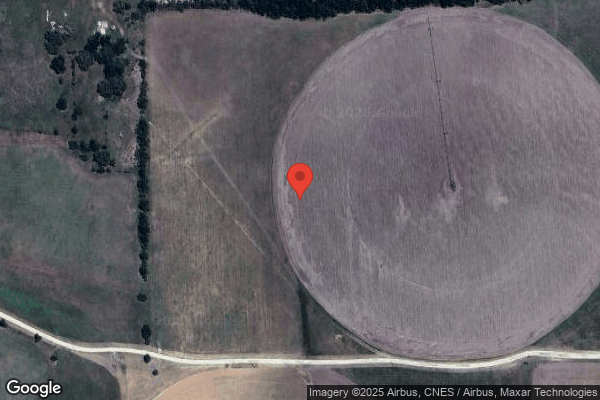
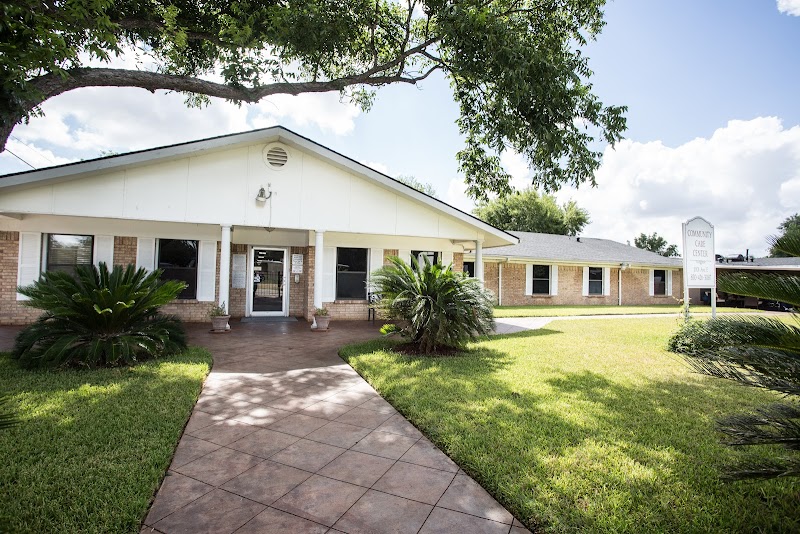
2001 AVE E, HONDO, TX 78861 (830) 426-3087
For profit - Individual 75 Beds Independent Data: November 2025 3 Immediate Jeopardy citations
Trust Grade
15/100
#677 of 1168 in TX
Last Inspection: September 2025

Inspected within the last 6 months. Data reflects current conditions.

Overview

The Community Care Center of Hondo has a Trust Grade of F, indicating significant concerns about the quality of care provided. They rank #677 out of 1168 nursing facilities in Texas, placing them in the bottom half, and #3 out of 3 in Medina County, meaning only one local facility is rated higher. The situation is worsening, as the number of reported issues has increased from 3 in 2024 to 12 in 2025. While staffing is a relative strength with a 3/5 star rating and a turnover rate of 28%, which is below the Texas average, the facility has faced serious challenges, including critical incidents such as a resident developing a maggot infestation in their tracheostomy and another resident eloping from the facility, both of which raised significant safety concerns. Additionally, the $24,918 in fines is concerning, reflecting ongoing compliance problems that families should carefully consider.

Trust Score
F
15/100
In Texas
#677/1168
Bottom 43%
Safety Record
High Risk
Review needed
Inspections
Getting Worse
3 → 12 violations
Staff Stability
✓ Good
28% annual turnover. Excellent stability, 20 points below Texas's 48% average. Staff who stay learn residents' needs.
Penalties
✓ Good
$24,918 in fines. Lower than most Texas facilities. Relatively clean record.
Skilled Nurses
✓ Good
Each resident gets 42 minutes of Registered Nurse (RN) attention daily — more than average for Texas. RNs are trained to catch health problems early.
Violations
⚠ Watch
28 deficiencies on record. Higher than average. Multiple issues found across inspections.
★★☆☆☆
2.0
Overall Rating
★★★☆☆
3.0
Staff Levels
★★★★☆
4.0
Care Quality
★★☆☆☆
2.0
Inspection Score
Stable
2024: 3 issues
2025: 12 issues

The Good

  • 4-Star Quality Measures · Strong clinical quality outcomes
  • Low Staff Turnover (28%) · Staff stability means consistent care
  • Full Sprinkler Coverage · Fire safety systems throughout facility
  • No fines on record
  • Staff turnover is low (28%)

    20 points below Texas average of 48%

Facility shows strength in quality measures, staff retention, fire safety.

The Bad

2-Star Overall Rating

Below Texas average (2.8)

Below average - review inspection findings carefully

Federal Fines: $24,918

Below median ($33,413)

Minor penalties assessed

The Ugly 28 deficiencies on record

3 life-threatening
Sept 2025 11 deficiencies
CONCERN (D)

Potential for Harm - no one hurt, but risky conditions existed

Resident Rights (Tag F0550)

Could have caused harm · This affected 1 resident

**NOTE- TERMS IN BRACKETS HAVE BEEN EDITED TO PROTECT CONFIDENTIALITY** Based on observation, interview, and record review the facility failed to treat each resident with dignity and respect in a mann...

Read full inspector narrative →
**NOTE- TERMS IN BRACKETS HAVE BEEN EDITED TO PROTECT CONFIDENTIALITY** Based on observation, interview, and record review the facility failed to treat each resident with dignity and respect in a manner and environment that enhances his and her quality of life for 1 (Resident #2) of 8 residents reviewed, in that: CNA C referred to Resident #2's brief during catheter care as a diaper.The facility failed to ensure RN B provided privacy to Resident #1 when performing tracheostomy care (a surgical opening made through the front of the neck into the windpipe used to help a person breathe when the normal route through the mouth, nose, or throat is blocked or impaired). This deficient practice could affect residents at the facility who receive assistance with care and could place them at-risk for diminished quality of life, loss of dignity, and low self-esteem. The findings were: 1.Record review of Resident #2's admission record, dated 9/17/25, revealed an initial admission date of 11/24/23 and a readmission date of 11/25/24 with diagnoses that included pneumonia (an infection that inflames the air sacs in one or both lungs), epilepsy (a chronic brain disorder in which groups of nerve cells, or neurons, in the brain sometimes send the wrong signals and cause seizures), and cerebral infarction (occurs because of disrupted blood flow to the brain due to problems with the blood vessels that supply it). Record review of Resident #2's MDS, a Quarterly assessment dated [DATE], revealed under Section C her BIMS (Brief Interview for Mental Status) score was 10 out of 15, which indicated her cognition was moderately impaired. Section H revealed she had an indwelling catheter and was always incontinent of bowel. Record review of Resident #2's care plan, last revised on 9/2/25, revealed the resident had impaired urinary elimination related to neurogenic bladder secondary to neurological impairment as evidenced by use of indwelling foley catheter, post-void residuals (amount of urine left over in the bladder after urination), or urinary retention (holding urine) with intervention to perform catheter care per protocol. During an observation on 9/10/25 at 3:06 p.m. CNA C assisted with catheter care and incontinent care for Resident #2. Resident #2 was falling asleep during the care. CNA C helped to put a new clean brief on the resident. CNA C attempted to wake up the resident and stated, we are going to put on your diaper now. During an attempted interview on 9/11/25 at 2:45 p.m. Resident #2 was sleeping and did not wake up for an interview. During an interview on 9/12/25 at 12:31 p.m. CNA C stated she had used the word diaper instead of brief. CNA C stated she had training on words they were supposed to used instead but would forget when she was in a hurry sometimes. CNA C stated using diaper instead of brief could make the resident feel undignified. Record review of the facility's policy titled Resident Right, dated 6/10/25, stated .Policy Explanation and Compliance Guidelines:.11.The facility will ensure that all direct care and indirect care staff of the members, including properly contractors and volunteers, are educated on the rights of residents and the responsibility of the facility type of care for its residents. Training topics will be appropriate to the individual's role. Resident rights. The resident has the right to a dignified existence, self-determination, and communication with and access to persons and services inside and outside the facility. 2.Record review of Resident #1's face sheet dated 9/11/25 revealed a [AGE] year old male admitted to the facility on [DATE] and re-admitted on [DATE] with diagnoses that included major depressive disorder (mental health condition characterized by a persistent and intense feeling of sadness or loss of interest in activities), pneumonia (infection of the lungs that causes the air sacs to become inflamed and fill with fluid or pus), chronic obstructive pulmonary disease (long-term progressive lung disease that makes it hard to breath), respiratory failure (medical condition in which the lungs cannot provide enough oxygen to the blood, cannot remove enough carbon dioxide from the blood or both), acute bronchitis (short-term inflammation of the bronchial tubes caused by a viral respiratory infection), and tracheostomy status.Record review of Resident #1's most recent quarterly MDS assessment, dated 6/25/25 revealed the resident was cognitively intact for daily decision-making skills and required oxygen and tracheostomy care.Record review of Resident #1's Order Summary Report dated 9/10/25 revealed the following:- Change inner tracheostomy cannula every day shift, with order date 10/10/24 and no end date.Record review of Resident #1's comprehensive care plan dated 6/9/25 revealed the resident was at risk of respiratory distress and infection related to having a tracheostomy and interventions that included to perform tracheostomy care every shift as ordered per the physician. Record review of Resident #1's comprehensive care plan revealed the resident had a tracheostomy and required routine monitoring and suctioning to maintain airway patency, to prevent infection, and support adequate oxygenation with interventions that included to ensure privacy and dignity during all procedures.Observation on 9/11/25 at 9:55 a.m. revealed RN B left Resident #1's bedroom door open during tracheostomy care. Resident #1's bed was placed nearest the bedroom door against the wall. Residents and staff were observed walking in the hallway.During an interview on 9/11/25 at 10:16 a.m., RN B stated she was nervous when performing tracheostomy care to Resident #1 and forgot to close the bedroom door. RN B stated, leaving the bedroom door open was not a dignified thing to do and the door should have been closed to provide privacy.During an interview on 9/11/25 at 10:37 a.m., Resident #1 stated, when nursing provided tracheostomy care they usually closed the bedroom door to provide privacy. Resident #1 stated, I guess she (RN B) forgot (to close the bedroom door) but it did not bother him. Resident #1 stated, I guess RN B was nervous.During an interview on 9/11/25 at 3:13 p.m., the DON stated it was her expectation that staff provided privacy to the residents when providing care because it was the resident's right to dignity. Record review of the facility document titled Resident Rights, with revision date 6/10/25 revealed in part, .The facility will inform the resident both orally and in writing, in a language that the resident understands, of his or her rights and all rules and regulations governing resident conduct and responsibilities during the stay in the facility.Resident rights. The resident has the right to a dignified existence, self-determination, and communication with and access to persons and services inside and outside the facility.Privacy and confidentiality. The resident has a right to personal privacy and confidentiality.Personal privacy includes accommodations, medical treatment.
CONCERN (D)

Potential for Harm - no one hurt, but risky conditions existed

Deficiency F0578 (Tag F0578)

Could have caused harm · This affected 1 resident

**NOTE- TERMS IN BRACKETS HAVE BEEN EDITED TO PROTECT CONFIDENTIALITY** Based on observation, interviews, and record review, the facility failed to ensure the residents had the right to formulate an a...

Read full inspector narrative →
**NOTE- TERMS IN BRACKETS HAVE BEEN EDITED TO PROTECT CONFIDENTIALITY** Based on observation, interviews, and record review, the facility failed to ensure the residents had the right to formulate an advanced directive) for 1 (Resident #4) of 8 residents reviewed for right to formulate advance directive. 1. The facility failed to ensure Resident #4's OOH DNR was incomplete and not able to be used in emergency situations. This failure could affect any residents who have medical records and could result in misinformation about professional care provided.Findings included: 1. Record review of Resident #4's admission Record, dated [DATE], revealed a [AGE] year-old female admitted on [DATE] and readmitted on [DATE] with diagnoses including hypo-osmolality (lower than normal concentration of solutes in the blood) and hyponatremia (low sodium levels), type 2 diabetes mellitus without complications, muscle wasting and atrophy (muscle loss), muscle weakness, wedge compression fracture of T7-T8 (thoracic region- part of the body surrounded by the ribs, located between the neck and the waist) vertebra (spinal injury where the front part of the vertebra collapses, creating a wedge-shaped deformity), subsequent encounter for fracture with routine healing, wedge compression fracture of first lumbar (lower back) vertebra, and wedge compression fracture of third lumbar vertebra. The admission record revealed the resident advance directive was a DNR. Record review of Resident #4's Medicare MDS assessment, dated [DATE], revealed the resident cognition was severely impaired for daily decision making. Record review of Resident #4's comprehensive care plan, initiated [DATE], revealed the resident and or RP/family had advanced directive of choice was to be DNR status, out of hospital DNR with interventions for social services to review residents advance directives and make changes to plan of care as requested by resident or RP. Record review of Resident #4's order summary, dated [DATE], revealed an order for DNR with a start date of [DATE], and no end date. Record review of Resident #4's OOH DNR revealed, the document was signed by the Resident's family member on [DATE]. The family member also signed on the bottom of the document. There was a notary seal stamp on the document from Indiana, [NAME] County. The notary signed the bottom of the DNR. There was no physicians signature, and the notary did not fill out the portion of the document above in the area for the witness or notary to print, date, and sign. Record review of a 2nd OOH DNR for Resident #4's revealed, the document was the same DNR document Resident #4's family member and an out of state notary signed on [DATE]. The document also contained a physician's signature dated [DATE]. The document contained two witness signatures, one from cook D and one from housekeeper E. The dates for the witness signatures were written over and were not legible. During an interview on [DATE] 3:19 p.m. the DON stated all resident's DNRs were in their EMR. The DON stated they did not have physical copies of the DNRs because medical records upload them all in the EMR. The DON stated Medical Records helped complete OOH DNRs and checked to make sure they were valid before she uploaded them into resident's medical record. During an interview on [DATE] at 9:11 a.m. The MDS coordinator stated she had worked for the facility for at least 2 1/2 years and during that time the facility did not have a SW. She stated she had helped with DNR paperwork, but the SW responsibilities were done collaboratively with the DON and the BOM. During an interview on [DATE] 12:20 p.m. CNA C/Medical Records stated she had recently been tasked with direct patient care and occasionally helped with medical records. CNA C stated she had assisted with completing DNR paperwork for residents in the past. CNA C stated she had no formal training on how to complete DNR paperwork and did not think it required a physician's signature to be valid. CNA C stated on the morning of [DATE] she went into the facility and was told by the DON that she had not filled out the DNR paperwork for Resident #4 correctly. CNA C stated normally the DON would review the DNRs before she uploaded them. CNA C stated she thought the DON reviewed Resident #4's OOH DNR paperwork before she uploaded it. CNA C stated if the DNR paperwork was not valid the resident would require life saving measures in an emergency. CNA C stated if the DNR was not filled out correctly it would not be valid, and they would not be honoring the residents wishes. During a follow-up interview on [DATE] at 12:30 p.m. the DON stated she noticed Resident #4's DNR paperwork was missing a physician's signature and had the DNR paperwork signed by a physician on [DATE]. The DON stated they had a physical copy of the DNR, and it was not in the EMR. The DON stated she would go get a copy of the DNR. During an observation and interview on [DATE] at 12:40 p.m. the ADON stated she was unsure where the DON was and would look for a copy of Resident #4's DNR. On the table where the DON had been sitting was a binder with all active resident's DNRs. The binder was open and Resident #4's DNR was removed from the binder. During a follow-up interview and observation on [DATE] at 2:25 p.m. the DON provided the 2nd copy of Resident #4's OOH DNR with witness signatures and a physician signature. The DON stated the 2nd copy had not been uploaded into the resident's record. During an interview on [DATE] at 2:44 p.m. Resident #4's family member stated they were the person who had obtained the OOH DNR paperwork from the facility. The family member stated they did not want Resident #4 to receive CPR due to her age, condition, and statute her bones would most likely break. The family member stated they lived in a different state. The family member stated sometime in June of 2025 the facility mailed them OOH DNR paperwork. The family member stated they took this paperwork to a local notary in their state and signed the OOH DNR. The family member stated they did not fill out the paperwork in front of [NAME] D or Housekeeper E. The family member stated they had not been to the facility since February of 2025. During a phone interview on [DATE] at 2:54 p.m. [NAME] D stated he does assist with DNR paperwork. When this surveyor asked how he assist with DNR paperwork the call was disconnected. During a follow-up phone interview on [DATE] at 3:01 p.m. [NAME] D stated he was in the emergency room, and the call was disconnected. [NAME] D stated he had witnessed Resident #4's family member sign the OOH DNR at the facility. Housekeeper E had no phone number available on the employee roster and was not scheduled to work the day interview attempted. Record review of the facility's policy titled Residents' Rights Regarding Treatment and Advance Directives, dated [DATE], stated Policy: It is the policy of this facility to support and facilitate a resident's right to request, refuse and/or discontinue medical or surgical treatment and to formulate advance directives. Definitions: Advance directive is a written instruction, such as a living will or durable power of attorney for health care, recognized under State law (whether statutory or as recognized by the courts of the State), relating to the provision of health care when the individual is incapacitated. Policy Explanation and Compliance Guidelines: 1. On admission, the facility will determine if the resident has executed an advance directive, and if not, determine whether the resident would like to formulate an advance directive. 2. The facility will provide the resident or resident representative information, in a manner that is easy to understand, about the right to refuse medical or surgical treatment and formulate an advance directive. 3. Upon admission, should the resident have an advance directive, copies will be made and placed in the chart as well as communicated to the staff. 4. The facility will periodically assess the resident for decision-making abilities and approach the health care proxy or legal representative if the resident is determined not to have decision making capacities. 5. The facility will identify or arrange for an appropriate representative for the resident to serve as primary decision maker if the resident is assessed as unable to make relevant health care decisions .
CONCERN (D)

Potential for Harm - no one hurt, but risky conditions existed

Report Alleged Abuse (Tag F0609)

Could have caused harm · This affected 1 resident

**NOTE- TERMS IN BRACKETS HAVE BEEN EDITED TO PROTECT CONFIDENTIALITY** Based on observation, interview and record review the facility failed to ensure that all alleged violations involving abuse, neg...

Read full inspector narrative →
**NOTE- TERMS IN BRACKETS HAVE BEEN EDITED TO PROTECT CONFIDENTIALITY** Based on observation, interview and record review the facility failed to ensure that all alleged violations involving abuse, neglect, including injuries of unknown source were reported immediately, but not later than 2 hours after the allegation was made, if the events that caused result in serious bodily injury for 1 of 8 residents (Resident #4) whose records were reviewed for abuse and neglect: The facility failed to report to the state reporting agency (HHSC) an injury of unknown origin when Resident #4 suffered acute compression fractures to T6/L1/L3 and was not able to say what happened. These deficient practices could affect residents by placing them at risk of not having incidents reported timely and further abuse and neglect. The findings were: Record review of Resident #4's admission Record, dated 09/09/25, revealed a [AGE] year-old female admitted on [DATE] sand readmitted on [DATE] with diagnoses including hypo-osmolality (lower than normal concentration of solutes in the blood) and hyponatremia (low sodium levels), type 2 diabetes mellitus without complications, muscle wasting and atrophy (muscle loss), muscle weakness, wedge compression fracture of T7-T8 (thoracic region- part of the body surrounded by the ribs, located between the neck and the waist) vertebra (spinal injury where the front part of the vertebra collapses, creating a wedge-shaped deformity), subsequent encounter for fracture with routine healing, wedge compression fracture of first lumbar (lower back) vertebra, wedge compression fracture of third lumbar vertebra, and unspecified dementia (impaired ability to remember, think, or make decisions that interferes with doing everyday activities). Record review of Resident #4's Medicare MDS assessment, dated 6/23/25, revealed the resident cognition was severely impaired for daily decision making. Section GG revealed the resident required substantial assistance with toileting hygiene. Record review of Resident #4's comprehensive care plan, initiated 3/7/25, revealed the resident had cognitive loss/dementia or alteration in thought process as evidenced by impaired decision making, short term and or long-term memory loss with interventions to provide reality orientation and validation as needed. Record review of incident report, dated 6/10/25, revealed Resident #4 had an unwitnessed fall. The incident description showed the nursing description: Resident was heard yelling from her room. Staff member went to her room and found her laying on the floor, Resident was unable to vocalize if or where she was having pain. EMS called and reassessed on their arrival. Resident continued to yell when moved. Per EMS, resident unreliable source and will be transported to [Hospital], written by RN F. The Resident description: Resident unable to give description. The incident was not witnessed. Under mental status it showed the resident was oriented to person only (Alert and oriented x1 means the patient is only oriented to person, they can state who they are but are not aware of their location, the date/time, or the situation). Predisposing physiological factors were marked as incontinent, gait imbalance, and recent illness. Predisposing situation factors were marked as admitted within last 72 hours, and ambulating without assist. Record review of Resident #4's nursing progress notes: -6/9/25 2:35 p.m. Writer received report from .hospital re: discharge from hospital. Resident has admitting diagnoses of dehydration and renal insufficiency. No new meds or antibiotics.No redness to bottom or new skin tears. States resident had a CT scan on 6/7/25 due to resident moving her mouth awkwardly. CT showed dislocated mandible; readjusted. ADON and DON made aware. Written by RN F. -6/9/25 5:17 p.m. Resident arrived from [Hospital] via ambulance transport for readmission. Full assessment performed. Resident alert and oriented per baseline.Skin warm/dry. Various bruises noted to left hand and forearm from IV site use. Bruising noted to right hand and forearm also from IV site use. On further assessment, large bruise noted to right side of right breast; resident unable to remember how it was attained. Bruising to right knee with small scab noted from fall before discharged to hospital. No further bruises noted to the rest of her body.No skin breakdown or redness noted to buttocks. Written by RN F. -6/10/25 effective 1:04 p.m. Resident was heard yelling from her room. Staff member went to her room and found her laying on the floor. Resident was unable to vocalize if or where she was having pain. EMS called and reassessed on their arrival. Resident continued to yell when moved. Per EMS, resident unreliable source and will be transported to [Hospital]. DON, ADON, NP and RP aware. This note was struck out on 6/10/25 at 8:07 p.m. due to Incomplete documentation, written by RN F. -6/10/25 created at 8:26 p.m. for 6/10/25 at 1:38 p.m. stated Resident was heard yelling from her room. Staff member went to her room and found her laying on the floor. Resident states she was walking to the restroom when she fell.; unable to vocalize if or where she is having pain. EMS called and reassessed on their arrival. Resident continued to yell when moved. Per EMS, resident unreliable source and will be transported to [Hospital]. DON, ADON, MD and RP aware., written by RN F. -6/10/25 created at 6:41 p.m. stated Writer received hospital update from [Staff] at [Hospital]. Resident is being admitted for compression fractures to the T6, L1, and L3. ADON and DON aware. Written by RN F. Record review of Resident #4's hospital record, dated 6/11/25, stated This is a pleasant frail [AGE] year-old female with past medical history significant for.dementia today was sent from nursing home facility due to episode of fall. Details not very clear. Not sure if patient had head strike or loss of consciousness. Currently awake pleasantly confused Hx (history) obtained from patient, prior medical record, nursing home.general appearance: confused, frail, alert, awake, oriented (x0) (patient is not oriented to person, place, time, or situation) .Neuro/CNS: alert, CANT COMPLETELY ASSESS.CAT SCAN- CT Chest/Abdomen/Pelvis.Impression.1. Suspected acute compression fracture deformities of T6, L1, and L3 vertebral bodies.The patient is unable to provide any meaningful history. She does deny back pain. However, it is difficult to assess what she is and is not able to understand. During an observation on 9/9/25 at 10:42 a.m., Resident #4 was sitting in her wheelchair. Resident #4 smiled and nodded when asked how she was doing. Resident #4 had her call light in her hand and continuously pushed it. A staff member came in the room and asked the resident if she needed anything, and she said no. Resident #4 continued to press the call light. Resident #4 only smiled and did not answer any questions. During an interview on 9/11/25 at 3:29 p.m., The DON stated she was not working the day Resident #4 fell but was made aware. The DON stated she had a fall and was complaining of pain. The DON stated her cognition is alert and orient x1 (alert to person only). The DON stated she thought in the moment after Resident #4 fell she may have been able to state she fell while trying to go to the bathroom, but she would not be able to repeat that after. The DON stated the resident would not be a reliable source because of her dementia. The DON stated she reported the incident to the administrator. The DON stated at that time they decided not to report her injury to the SA because the resident stated she fell going to the bathroom. The DON stated she had some knowledge of reporting requirements and based off the information and what she was able to recall they may have needed to report the unwitnessed fall to the SA once they became aware she had fractures. During an interview on 9/11/25 at 5:11 p.m. RN F stated Resident #4 is oriented x1 to her person only. RN F stated Resident #4 would not be able to recall staff members' names or tell you where she was. RN F stated the resident was always alert and smiling, incontinent of urine, and required x1 assistance from staff for toileting. RN F stated around that time the resident was known to try to self-ambulate to the bathroom. RN F stated Resident #4 had 2 falls in June of 2025. RN F stated the first fall was also unwitnessed. RN F stated the resident was found on the ground on her knees trying to get up. RN F stated she knew she fell the first time because she had hit her nose and had bruising on her knees right away. RN F stated the resident was not able to tell her what happened after the first fall. RN F stated she was sent to the hospital after the first fall and upon her return she fell again within 12 hours of being readmitted . RN F stated the 2nd incident in June of 2025 the resident was heard yelling and found down on the floor in her room. RN F stated the resident was speaking in Spanish to the ADON who translated that she stated she was trying to go to the restroom and fell. RN F stated the resident did speak English and Spanish and spoke to the ADON in Spanish. RN F stated she completed the nursing notes and incident report for the unwitnessed fall on 6/10/25 because she was the charge nurse that day. RN F stated she could have worded the resident's description on the fall report to include what the ADON translated the resident stated in Spanish. RN F stated once EMS arrived the resident continued to cry out as if she was in pain but could not give any details about her pain. RN F stated EMS took her outside to the vehicle and stated because the resident was not able to tell them where her pain was, they would transport her to the hospital. RN F stated the resident had factures after her 2nd fall. During an interview on 9/11/25 at 5:56 p.m. the Administrator stated they would have reported any incidents required by the PL2024-14 or any incident he felt would be reportable. The Administrator stated they had not reported the incident because the resident was able to state what happened right after and because the injuries were not suspicious. Record review of the facility's policy titled Abuse, Neglect, and Exploitation, dated 6/30/25, stated It is the policy of this facility to provide protections for the health, welfare and rights of each resident by developing and implementing written policies and procedures that prohibit and prevent abuse, neglect, exploitation and misappropriation of resident property. N. Identification of Abuse, Neglect and Exploitation A. The facility will have written procedures to assist staff in identifying the different types of abuse - mental/verbal abuse, sexual abuse, physical abuse, and the deprivation by an individual of goods and services. This includes staff to resident abuse and certain resident to resident altercations. B. Possible indicators of abuse include, but are not limited to 1. Resident, staff or family report of abuse. 3. Physical injury of a resident, of unknown source. VII. Reporting/Response A. The facility will have written procedures that include: l. Reporting of all alleged violations to the Administrator, state agency, adult protective services and to all other required agencies ( e.g., law enforcement when applicable) within specified timeframes: a. Immediately, but not later than 2 hours after the allegation is made, if the events that cause the allegation involve abuse or result in serious bodily injury, or b. Not later than 24 hours if the events that cause the allegation do not involve abuse and do not result in serious bodily injury. B. The Administrator will follow up with government agencies, during business hours, to confirm the initial report was received, and to report the results of the investigation when final within 5 working days of the incident, as required by state agencies. Record review of facility's policy titled Accidents and Incidents-Investigation and Reporting, dated 7/2017, stated Policy Statement All accidents or incidents involving residents, employees, visitors, vendors, etc., occurring on our premises shall be investigated and reported to the Administrator. 1. The Nurse Supervisor/Charge Nurse and/or the department director or supervisor shall promptly initiate and document investigation of the accident or incident. 2. The following data, as applicable, shall be included on the Report of Incident/Accident form: a. The date and time the accident or incident took place; b. The nature of the injury/illness (e.g., bruise, fall, nausea, etc.); c. The circumstances surrounding the accident or incident; d. Where the accident or incident took place; e. The name(s) of witnesses and their accounts of the accident or incident; f. The injured person's account of the accident or incident; g. The time the injured person's Attending Physician was notified, as well as the time the physician responded and his or her instructions; h. The date/time the injured person's family was notified and by whom; i. The condition of the injured person, including his/her vital signs; j. The disposition of the injured (i.e., transferred to hospital, put to bed, sent home, returned to work, etc.); k. Any corrective action taken; Follow-up information; m. Other pertinent data as necessary or required; and n. The signature and title of the person completing the report.5. The Nurse Supervisor/Charge Nurse and/or the department director or supervisor shall complete a Report of Incident/Accident form and submit the original to the Director of Nursing Services within 24 hours of the incident or accident. 6. The Director of Nursing shall ensure that the Administrator receives a copy of the Report of Incident/Accident form for each occurrence.
CONCERN (D)

Potential for Harm - no one hurt, but risky conditions existed

Assessment Accuracy (Tag F0641)

Could have caused harm · This affected 1 resident

**NOTE- TERMS IN BRACKETS HAVE BEEN EDITED TO PROTECT CONFIDENTIALITY** Based on observation, interview and record review, the facility failed to ensure the assessment accurately reflected the residen...

Read full inspector narrative →
**NOTE- TERMS IN BRACKETS HAVE BEEN EDITED TO PROTECT CONFIDENTIALITY** Based on observation, interview and record review, the facility failed to ensure the assessment accurately reflected the resident's status for 2 of 13 residents (Residents #1 and #19) reviewed for accuracy.1. The facility failed to ensure Resident #1's quarterly MDS assessment, dated 6/25/25 accurately reflected the resident's use of insulin.2. The facility failed to accurately document Resident #19's dental status on the resident's annual assessment dated [DATE].These failures could place residents at risk for inadequate care due to inaccurate assessments. The findings included: 1. Record review of Resident #1's face sheet dated 9/11/25 revealed a [AGE] year-old male admitted to the facility on [DATE] and re-admitted on [DATE] with diagnoses that included morbid obesity (extremely overweight), hyperlipidemia (abnormally high levels of fat in the blood), hypertension (high blood pressure), heart failure, and chronic kidney failure (long term condition in which the kidneys gradually lose their ability to filter waste products, toxins, and excess fluids from the blood). Record review of Resident #1's most current quarterly MDS assessment dated [DATE] revealed the resident was cognitively intact for daily decision-making skills, and under Section N – Medications, N0300 Injections reflected the resident was given insulin injections. During an interview on 9/9/25 at 3:40 p.m. Resident #1 stated he did not take insulin. During an interview on 9/11/25 at 11:00 a.m., RN B stated she had worked for the facility for the past 3 years and was “very” familiar with Resident #1. RN B stated Resident #1 was not a diabetic and could not recall the resident ever receiving insulin while in the facility. During an interview on 9/11/25 at 1:44 p.m., the MDS Coordinator stated she had accidently marked Resident #1 had received insulin on the quarterly MDS assessment dated [DATE]. The MDS Coordinator stated, Resident #1 was not treated with insulin and the error on the MDS assessment could affect reimbursement to the facility. The MDS Coordinator stated she followed the RAI to help develop the MDS. During an interview on 9/11/25 at 3:13 p.m., the DON stated the MDS assessment was important for reimbursement purposes and drives the care plan. The DON stated, an accurate MDS ensured the resident was getting the proper care. 2. Record review of Resident #19's face sheet revealed the resident was a [AGE] year-old female admitted to the facility on [DATE] with diagnoses including: peripheral autonomic neuropathy (a condition that affects the nerves that control involuntary bodily functions, such as digestion, heart rate, sweating, and urination); vascular dementia (a type of cognitive decline caused by damage to the blood vessels in the brain); anxiety disorder (excessive and persistent worry, fear, and nervousness that can interfere with daily functioning); cellulitis and abscess of mouth (an infection of the skin and underlying tissues and a localized collection of pus caused by bacteria); and dysphagia, oropharyngeal phase (swallowing problems occurring in the mouth and/or the throat). Record review of Resident #19's quarterly MDS assessment dated [DATE] revealed a BIMS score of 07/15, indicating severely impaired cognition. Record review of Resident 19's annual MDS assessment dated [DATE] noted in Section L0200.B that the resident was not edentulous (no natural teeth). Record review of a dental exam note dated 10/11/2024 in Resident #19's electronic health record revealed an X mark in the box next to the number of every tooth, indicating the resident was missing all her natural teeth. Observation on 09/09/2025 at 2:42 PM of Resident #19's mouth revealed Resident #19 was edentulous. During an interview on 09/09/2025 at 2:43 PM, the MDS Coordinator stated Resident #19 was edentulous. During an interview on 09/11/2025 at 1:30 PM, the DON stated if Resident #19 had no natural teeth, her MDS should have indicated this status. During an interview on 09/11/2025 at 1:45 PM, the MDS LVN stated she incorrectly coded Resident #19's annual MDS because she mistakenly believed if a resident had a full set of dentures, the resident was not considered edentulous. The MDS LVN stated it was important to code the assessment correctly to ensure residents received the appropriate care for their conditions. Record review of the facility policy Conducting an Accurate Resident Assessment, revised 06/30/2025, revealed, The purpose of this policy is to assure that all residents receive an accurate assessment, reflective of the resident's status at the time of the assessment, by staff qualified to assess relevant care areas. Accuracy of assessment means that the appropriate, qualified health professionals correctly document the resident's medical, functional, and psychosocial problems and identify resident strengths to maintain or improve medical status, functional abilities, and psychosocial status using the appropriate Resident Assessment Instrument (RAI) (i.e., comprehensive, quarterly, significantly change in status). 6. The physical, mental and psychosocial condition of the resident determines the appropriate level of involvement of physicians, nurses, rehabilitation therapists, activities professionals, medical social workers, dietitians and other professionals, such as developmental disabilities specialists, in assessing the resident, and in correcting resident assessments.
CONCERN (D)

Potential for Harm - no one hurt, but risky conditions existed

Respiratory Care (Tag F0695)

Could have caused harm · This affected 1 resident

**NOTE- TERMS IN BRACKETS HAVE BEEN EDITED TO PROTECT CONFIDENTIALITY** Based on observation, interview, and record review the facility failed to ensure that a resident who needs respiratory care, inc...

Read full inspector narrative →
**NOTE- TERMS IN BRACKETS HAVE BEEN EDITED TO PROTECT CONFIDENTIALITY** Based on observation, interview, and record review the facility failed to ensure that a resident who needs respiratory care, including tracheostomy care and tracheal suctioning, was provided such care, consistent with professional standards of practice, the comprehensive person-centered care plan, the resident's goals, and preferences for 1 of 2 residents (Resident #1) reviewed for oxygen therapy:Resident #1's oxygen concentrator filter was covered in a thick white/gray substance.This failure could affect residents who received respiratory therapy and put them at risk for inadequate or inappropriate amounts of oxygen delivery. The findings included:Record review of Resident #1's face sheet dated 9/11/25 revealed a [AGE] year old male admitted to the facility on [DATE] and re-admitted on [DATE] with diagnoses that included major depressive disorder (mental health condition characterized by a persistent and intense feeling of sadness or loss of interest in activities), pneumonia (infection of the lungs that causes the air sacs to become inflamed and fill with fluid or pus), chronic obstructive pulmonary disease (long-term progressive lung disease that makes it hard to breath), respiratory failure (medical condition in which the lungs cannot provide enough oxygen to the blood, cannot remove enough carbon dioxide from the blood or both), acute bronchitis (short-term inflammation of the bronchial tubes caused by a viral respiratory infection), and tracheostomy status.Record review of Resident #1's most recent quarterly MDS assessment, dated 6/25/25 revealed the resident was cognitively intact for daily decision-making skills and required oxygen and tracheostomy care.Record review of Resident #1's comprehensive care plan with revision date 8/19/25 revealed the resident required oxygen therapy related to hypoxemia via (medical condition where there is an abnormally low level of oxygen in the blood) nasal cannula and at times tracheostomy collar with interventions that included to administer oxygen as ordered, and change cannula or mask and tubing as per facility protocol and as needed.Record review of Resident #1's Order Summary Report dated 9/10/25 revealed the following:- Oxygen: Tubing and Humidifier Change every Sunday night every night shift related to pulmonary hypertension with order date 4/27/25 and no end date.During an observation and interview on 9/11/25 at 9:55 a.m. revealed during tracheostomy care, Resident #1's bedside oxygen concentrator was inspected with RN B. Observation of RN B removing the oxygen concentrator for inspection revealed the filter on the back of the concentrator was covered with a thick white/gray substance. RN B stated the filter on Resident #1's oxygen concentrator was filled with dust and was supposed to be cleaned once a week every Sunday by the night shift. RN B stated she did not routinely check the oxygen concentrator but did change the humidifier container when needed. RN B stated the filter on the oxygen concentrator should be clean because the dirty filter could impact the oxygen being used by the resident and could make them sick and become hypoxic (when the body does not get enough oxygen to meet its needs).During an interview on 9/11/25 at 10:37 a.m., Resident #1 stated the nurses checked the oxygen concentrator every Sunday, including the filter but was not sure if it was done the past Sunday (9/7/25).During an interview on 9/11/25 at 3:13 p.m., the DON stated the oxygen filters should be checked every week by the night shift at the same time the oxygen tubing was changed. The DON stated, if the oxygen filters were dirty, it could affect the quality of oxygen the resident was receiving and could result in an infection.A policy was requested for the maintenance of oxygen concentrators and filters on 9/11/25 at 3:13 p.m. but was not provided at the time of exit.
CONCERN (D)

Potential for Harm - no one hurt, but risky conditions existed

Deficiency F0761 (Tag F0761)

Could have caused harm · This affected 1 resident

**NOTE- TERMS IN BRACKETS HAVE BEEN EDITED TO PROTECT CONFIDENTIALITY** Based on observation, interview and record review the facility failed to ensure all drugs and biologicals used in the facility w...

Read full inspector narrative →
**NOTE- TERMS IN BRACKETS HAVE BEEN EDITED TO PROTECT CONFIDENTIALITY** Based on observation, interview and record review the facility failed to ensure all drugs and biologicals used in the facility were labeled in accordance with currently accepted professional principles, and included the appropriate accessory and cautionary instructions, and the expiration date when applicable for 1 of 4 medication carts (A wing medication cart) and 1 of 2 medication (B wing) storage rooms reviewed for medication storage. 1. The facility failed to ensure Resident #1's metolazone (diuretic that treats fluid retention) had a change direction sticker placed on the package. 2. The facility failed to ensure the B wing emergency cart did not contain expired supplies. These deficient practice could place residents at risk of medication misuse and diversion.1. Record review of Resident #1's physician orders, dated [DATE], revealed an order for metolazone oral tablet 5 mg, give 1 tablet by mouth one time a day every Thursday related to heart failure, with an order date of [DATE], a start date of [DATE], and no end date.Observation and interview on [DATE] at 9:52 a.m. revealed Medication Aide G dispensed a 5mg tablet of metolazone with directions to give 1 tablet by mouth daily on Fridays. It was Thursday and MA G stated they must have just changed the order. MA G then took out a change of direction sticker and placed it on the medication package. MA G stated they should place a change of direction sticker on the medication to alert staff, the order had changed. MA G stated once the sticker was placed on the package, they would compare the MAR order and the package and know they were giving the medication on the correct date. During an interview on [DATE] at 3:20 p.m., the DON stated staff should place a change of direction sticker on a package with an order change. The DON stated nursing staff would have to communicate to the aides if there was a change in directions for a medication. The DON stated since the order was last changed in May of 2025 the pharmacy should have updated the directions on the package by then. The DON stated the resident could possibly miss a dose of the medication if there is no sticker to alert staff the order was changed. 2. During an observation on [DATE] at 11:08 a.m., revealed the B hallway emergency medical cart contained 2 non-rebreather masks (a type of breathing apparatus that includes soft plastic reservoir bag attached to it) with expiration dates of [DATE].During an interview on [DATE] at 11:20 a.m., the DON stated the night shift was responsible for checking the crash cart and removing/replacing expired supplies.Record review of the facility's policy titled Medication Storage, dated [DATE], documented Policy: It is the policy of this facility to ensure all medications housed on our premises will be stored in the pharmacy and/or medication rooms according to the manufacturer's recommendations and sufficient to ensure proper sanitation, temperature, light, ventilation, moisture control, segregation, and security. Unused Medications: The pharmacy and all medication rooms are routinely inspected by the consultant pharmacist for discontinued, outdated, defective, or deteriorated medications with worn, illegible, or missing labels. These medications are destroyed in accordance with our Destruction of Unused Drugs Policy.
CONCERN (D)

Potential for Harm - no one hurt, but risky conditions existed

Infection Control (Tag F0880)

Could have caused harm · This affected 1 resident

**NOTE- TERMS IN BRACKETS HAVE BEEN EDITED TO PROTECT CONFIDENTIALITY** Based on observation, interview, and record review, the facility failed to establish and maintain an infection prevent and contr...

Read full inspector narrative →
**NOTE- TERMS IN BRACKETS HAVE BEEN EDITED TO PROTECT CONFIDENTIALITY** Based on observation, interview, and record review, the facility failed to establish and maintain an infection prevent and control program designed to provide a safe, sanitary, and comfortable environment and to help prevent the development of communicable diseases and infections for 2 of 4 residents (Resident #21 and Resident #41) reviewed for infection control.The facility failed to ensure RN B wore gloves when picking up Resident #21's urostomy tube (surgical procedure that creates an opening, stoma, in the abdominal wall to divert urine away from the bladder and drains into a collection bag) off the floor.The facility failed to ensure RN B wore proper PPE while providing wound care to Resident #41.These deficient practices could place residents at risk for cross contamination and infection.The findings included:1. Record review of Resident #21's face sheet dated 9/9/25 revealed a [AGE] year old female admitted to the facility on [DATE] and re-admitted on [DATE] with diagnoses which included gross hematuria (visible blood in urine), chronic kidney disease stage 3 (moderate reduction in kidney function), diabetes (chronic medical condition in which the body either does not produce enough insulin or cannot effectively use the insulin it produces leading to elevated blood sugar levels), elevated white blood cell count (refers to the number of white blood cells in the blood is higher than the normal range usually caused from infection), and sepsis (the body's response to an infection that triggers widespread inflammation, leading to tissue damage, organ dysfunction, and potentially death).Record review of Resident #21's quarterly MDS assessment dated [DATE] revealed the resident was moderately cognitively impaired for daily decision-making skills and had a urostomy.Record review of Resident #21's Order Summary Report dated 9/9/25 revealed the following:- Change urostomy bag and wafer every Thursday. Monitor stoma for irritation, signs and symptoms of infection, every day. Prefers [family member] to change, with order date 5/18/25 and no end date.Record review of Resident #21's comprehensive care plan initiated on 12/10/24 revealed the resident was at risk of developing and/or spreading infection related to urostomy and interventions that included to utilize enhanced barrier precautions as ordered. Resident #21's comprehensive care plan revealed the urostomy was used to divert urine related to incontinence after childbirth and interventions included to allow the resident's [family member] to change the bag and to provide ostomy care when preferred and to provide ostomy/catheter/diversion care as ordered or as needed.Observation on 9/9/25 at 10:24 a.m. revealed Resident #21 sitting up in a recliner and the urostomy tubing was on the left side of the resident attached to a urostomy bag which was placed inside of a bin. The resident's urostomy tubing was touching the floor.During an observation and interview on 9/10/25 at 4:18 p.m. revealed Resident #21 sitting up in a recliner and the urostomy tubing was on the left side of the resident attached to the urostomy bag that was placed inside of a bin. The resident's urostomy tubing was touching the floor. Resident #21 stated the CNA staff, or the nursing staff emptied the urine bag.During an observation and interview on 9/10/25 at 4:21 p.m., RN B confirmed the urostomy tubing touched the floor and should have been clipped to the resident's clothing to keep it off the floor. Resident #21 stated, CNA D placed the urostomy bag in the bin. RN B took the tubing from the floor and clipped it to the resident's gown without wearing gloves. RN B stated she should have been using gloves because the urostomy tube on the floor was considered cross contamination and because the floor was dirty, and it could also result in a tripping hazard. RN B stated, the urostomy tube touching the floor could cause germs to travel upward from the urostomy tube. RN B stated the use of gloves were to protect herself and the resident from infection. During an interview on 9/11/25 at 11:03 a.m., CNA D stated Resident #21 had a urostomy and the tubing attached to the drainage bag were not supposed to be touching the floor because it was considered an infection control issue and the tubing on the floor could also be considered a trip hazard. CNA D stated, if the urostomy tubing or the drainage bag were touching the floor it could results in the resident getting an infection because the floor was dirty. CNA D stated she made rounds of the residents at least every two hours and it was the responsibility of the nurse aides and the nurses to ensure the drainage bag and tubing were kept off the floor.During an interview on 9/11/25 at 2:46 p.m., the DON stated, Resident #21's urostomy tube should not be on the floor because it was cross contamination and an infection control problem. The DON stated, the urostomy tube touching the floor increased the resident's risk of infection. The DON stated, whichever staff assisted the resident into the recliner was responsible for ensuring the urostomy tube was clipped to the chair and the drainage bag placed in the bin, so it was off the floor. The DON stated, when staff touched the urostomy tube gloves should be worn to prevent cross contamination and to prevent the chance of encountering bodily fluids. The DON stated a resident with a urostomy did not require EBP.2. Record review of Resident #41's face sheet dated 9/10/25 revealed an [AGE] year-old female admitted to the facility on [DATE] with diagnoses which included diabetes (chronic medical condition in which the body either does not produce enough insulin or cannot effectively use the insulin it produces leading to elevated blood sugar levels), lack of coordination, irritable bowel syndrome (chronic functional gastrointestinal disorder characterized by abdominal pain or discomfort that is associated with changes in bowel habits) with diarrhea, and dementia (general term for a decline in cognitive function severe enough to interfere with daily life and independence).Record review of Resident #41's quarterly MDS assessment dated [DATE] revealed the resident was severely cognitively impaired for daily decision-making skills and was at risk for developing pressure ulcers/injuries.Record review of Resident #41's Order Summary Report dated 9/11/25 revealed the following:- Weekly skin assessment on Monday due to wound care services every day shift for wound to left buttock, with order date 6/30/25 and no end date.-Wound to coccyx, cleanse area with normal saline or wound cleanser, pat dry, apply Collagen Powder followed by Medi-Honey to wound bed, cover with dry dressing every Monday, Wednesday, Friday day shift and at bedtime Tuesday, Thursday, Saturday (shower days) for pressure ulcer, with order date 8/11/25 and no end date.Record review of Resident #41's comprehensive care plan initiated on 8/12/25 revealed the resident was at risk for infection related to an open pressure injury to the coccyx and chronic illness with interventions that included to continue wound care services throughout the healing process, educate on infection prevention measures, follow facility infection control policy during dressing change, and maintain strict hand hygiene before and after wound care.Record review of Resident #41's Wound Evaluation and Management Summary document dated 9/8/25 revealed the resident had a Stage 3 pressure wound (full-thickness tissue loss) to the coccyx with moderate serous exudate (type of fluid that can come from a wound; is thin and watery in appearance).Record review of Resident #41's Weekly Skin Assessment/Review document dated 9/8/25 revealed the resident had a wound to the coccyx that had moderate serous drainage.During an interview on 9/10/25 at 1:54 p.m., the DON confirmed Resident #41 had a pressure wound to the buttock area that required daily treatment, and the wound was identified on 6/30/25.Observation on 9/11/25 at 2:11 p.m. revealed RN B performed wound care to Resident #41's wound to the coccyx but did not wear a gown. Resident #41's wound to the coccyx appeared clean and pink, with an opening the size of a quarter. RN B was observed leaning on the resident's bed and placed her forearms on the resident's mattress while obtaining the measurements to the wound. During an interview on 9/11/25 at 2:24 p.m., RN B stated Resident #41 was not on enhanced barrier precautions even though the resident had a wound. RN B stated a resident who had a urinary catheter would be on EBP because the use of an indwelling catheter was long term and more susceptible to infection, whereas as with Resident #41's wound there was less risk of infection because the wound itself was kept covered. During an interview on 9/11/25 at 2:51 p.m., the DON stated there was confusion about the rules for EBP and believed the use of PPE was for chronic infections. The DON stated, the nurse probably should have worn a gown because Resident #41 had an open wound. The DON stated, EBP was utilized to protect the staff and the residents from spread of infection. Record review of RN B's Nursing Orientation/Annual Skills/Competency Checklist dated 8/19/25 revealed she had satisfied the requirements for proper infection control practices including the use of PPE, and standard precautions.Record review of the facility document titled Infection Prevention and Control Program with revision date 4/2/25 revealed in part, .This facility has established and maintains an infection prevention and control program designed to provide a safe, sanitary, and comfortable environment and to help prevent the development and transmission of communicable diseases and infections as per accepted national standards and guidelines.All staff are responsible for following all policies and procedures related to the program.All staff shall assume that all residents are potentially infected or colonized with an organism that could be transmitted during the course of providing resident care services.All staff shall use personal protective equipment (PPE) according to established facility policy governing the use of PPE.Record review of the facility document titled Enhanced Barrier Precautions with revision date 4/10/25 revealed in part, .It is the policy of this facility to implement enhanced barrier precautions for the prevention of transmission of multidrug-resistant organisms.Enhanced barrier precautions (EBP) refer to an infection control intervention designed to reduce transmission of multidrug-resistant organisms that employs targeted gown and gloves use during high contact resident care activities.An order for enhanced barrier precautions will be obtained for residents with any of the following: wounds (e.g., chronic wounds such as pressure ulcers.).Enhanced barrier precautions should be used for the duration of the affected resident's stay in the facility or until resolution of the wound or discontinuation of the indwelling medical device that placed them at higher risk.
CONCERN (E)

Potential for Harm - no one hurt, but risky conditions existed

Deficiency F0727 (Tag F0727)

Could have caused harm · This affected multiple residents

Based on interviews and record review the facility failed to use the services of a registered nurse for at least 8 consecutive hours a day, 7 days a week, for 1 of 1 facility's reviewed for RN hours a...

Read full inspector narrative →
Based on interviews and record review the facility failed to use the services of a registered nurse for at least 8 consecutive hours a day, 7 days a week, for 1 of 1 facility's reviewed for RN hours and 43 residents reviewed, for the months January 1st, 2025, through March 31st, 2025. The facility failed to have RN coverage for 9 days on Thursday 7/10/25, Saturday 7/12/25, Sunday 7/13/25, Wednesday 7/16/25, Saturday 7/26/25, Tuesday 7/29/25, Saturday 8/2/25, Sunday 8/3/25, and Thursday 8/7/25. This failure could place residents at risk for harm by denying residents the advanced critical thinking skills a registered nurse could provide. The findings were: Review of the facility's RN timesheets, 9/15/25, revealed 8 hours of RN coverage were not submitted, missing, or less than 8 hours for Thursday 7/10/25, Saturday 7/12/25, Sunday 7/13/25, Wednesday 7/16/25, Saturday 7/26/25, Tuesday 7/29/25, Saturday 8/2/25, Sunday 8/3/25, and Thursday 8/7/25. During an interview on 9/12/25 at 12:34 p.m. HR stated they had used some agency RNs in July to help cover but they had not used agency RNs in August or September. HR stated she was not aware of any gaps is RN coverage. During an interview joint interview on 9/12/25 at 4:47 p.m. the DON stated she worked at the facility Monday through Friday. The DON stated if an RN called in whoever was on call would be notified. The DON said it could be her who would possibly cover, or they could use agency. The DON stated they now had 4 RNs working full time and had no issues with RN coverage. The DON stated she was not aware of any gaps in coverage for RNs. The DON stated RNs have a higher level of education and there could possibly a lack of assessments by an RN if they did not have RN coverage for 8 hours each day. Record review of the facility's policy titled Nursing Services-Registered Nurse (RN), dated 6/9/25, stated Policy: It is the intent of the facility to comply with Registered Nurse staff mg requirements as per Social Security Act S1919 and S1819. Policy Explanation and Compliance Guidelines: 1. The facility will utilize the services of a Registered Nurse for at least 8 consecutive hours per day, 7 days per week. (The requirement for 8 consecutive hours of RN services can be met by any RN or multiples of RN s. The facility will designate a Registered Nurse to serve as the Director of Nursing on a full time basis.) 2. The Director of Nursing may serve as a charge nurse only when the facility has an average daily occupancy of 60 or fewer residents. 3. The facility is responsible for submitting timely and accurate staffing data through the CMS Payroll Based Journal (PBJ) system.
CONCERN (E)

Potential for Harm - no one hurt, but risky conditions existed

Deficiency F0805 (Tag F0805)

Could have caused harm · This affected multiple residents

**NOTE- TERMS IN BRACKETS HAVE BEEN EDITED TO PROTECT CONFIDENTIALITY** Based on observation, interview, and record review, the facility failed to ensure each resident received and the facility provid...

Read full inspector narrative →
**NOTE- TERMS IN BRACKETS HAVE BEEN EDITED TO PROTECT CONFIDENTIALITY** Based on observation, interview, and record review, the facility failed to ensure each resident received and the facility provided food prepared in a form designed to meet individual needs for ten of ten residents (Residents #4, #15, #19, #25, #27, #29, #33, #34, #36 and #37) reviewed for food and nutrition services.The facility failed to ensure the glazed lemon cake served for the lunch meal on 09/09/2025 was pureed to the correct consistency as required for Residents #4, #15, #19, #25, #27, #29, #33, #34, #36 and #37 who were ordered a pureed diet.This deficient practice could place residents at risk of choking, poor intake, and/or weight loss. The findings included: Record review of Resident #19's face sheet revealed a [AGE] year-old female who was admitted to the facility on [DATE]. Resident #19 had diagnoses which included peripheral autonomic neuropathy (a condition that affects the nerves that control involuntary bodily functions, such as digestion, heart rate, sweating, and urination); vascular dementia (a type of cognitive decline caused by damage to the blood vessels in the brain); anxiety disorder (excessive and persistent worry, fear, and nervousness that can interfere with daily functioning); cellulitis and abscess of mouth (an infection of the skin and underlying tissues and a localized collection of pus caused by bacteria); and dysphagia, oropharyngeal phase (swallowing problems occurring in the mouth and/or the throat).Record review of Resident #19's quarterly MDS assessment dated [DATE] revealed a BIMS score of 07/15, which indicated severe impaired cognition.Record review of the electronic health records for Residents #4, #15, #19, #25, #27, #29, #33, #34, #36 and #37 revealed all ten residents had orders for a pureed texture for food and thin or nectar/mildly thick textures for liquids.Record review of the resident menu for 09/09/2025 for residents whose diet order was a pureed diet was: Pureed lasagna with meat sauce, pureed broccoli and cauliflower blend, pureed garlic breadstick, pureed glazed lemon cake, and a beverage. Observation on 09/09/2025 at 11:45 AM in Resident #19's room revealed the resident was served her lunch tray. The pureed lasagna, pureed vegetables and pureed breadstick were served on one plate and were the appropriate consistency for a pureed diet: smooth, lump-free, and resembling mashed potatoes or pudding. Resident #19 fed herself the pureed lasagna and vegetables with a spoon from the plate on the tray. Observation on 09/09/2025 at 11:46 AM revealed the lemon cake was served in a cup and had a runny texture. When a fork was used to scoop up the cake, the cake dripped continuously through the fork prongs. During an interview on 09/09/2025 at 11:49 AM, Resident #19 stated the texture of the cake in the cup was too loose and not the same consistency as the pureed food on the plate.During an interview on 09/09/2025 at 11:55 AM, the MDS LVN stated the dessert served to Resident #19 was too runny and not the correct form for a pureed diet.During an interview on 09/09/2025 at 12:18 PM, the DM stated the pureed lemon cake was too runny to be served to residents on a pureed diet. She had been busy making copies and was not in the kitchen when the trays went out to the residents to see the consistency of the pureed cake. She believed there were eight residents who received a pureed diet. During an interview on 09/11/2025 at 10:30 AM, [NAME] A stated he pureed the cake for pureed diets, the cake was the proper consistency for pureed diets when it left the kitchen, but it was possible it had thinned out by the time it reached the residents. He knew the consistency of all pureed food should be similar to that of mashed potatoes, and residents who ordered a pureed diets could potentially choke if their food was not in the proper consistency.Record review of the recipe for Pureed Glazed Lemon Cake, 2025, revealed: Ingredients: Glazed Lemon cake (5 servings), *Milk (3/4 cup). Place cake servings in a washed and sanitized food processor; gradually add milk and blend until smooth. Portion with a #10 scoop. *Note: Any liquid specified in the recipe is a suggested amount of liquid (if needed). Some recipes items will require no liquid added to achieve the desired consistency. 1. If product needs thinning, gradually add an appropriate amount of liquid (NOT WATER) to achieve a smooth, pudding or soft mashed potato consistency. 2. If the product needs thickening, gradually add a commercial or natural food thickener (ex, potato flakes or baby rice cereal) to achieve a smooth, pudding or soft mashed potato consistency. 3. Follow any facility policies/procedures, such as the puree volume method procedure, to ensure a correct portion is served. IDDSI: Pureed (PU4) -Perform appropriate IDDSI testing to ensure texture standards are met.Record review of the facility's undated policy, Pureed Diet, undated, revealed, Indication for use: The Pureed Diet is designed for individuals who have difficulty in swallowing or who cannot chew foods of the Dental Soft (Mechanical soft) consistency. 2. The Pureed Diet follows the Regular Diet with alterations in the consistency of foods to a pureed consistency as needed. 3. All foods are prepared in a food processor or blender, with the exception of those foods which are normally in a soft, moist and smooth state (such as puddings, ice cream, mashed potatoes, oatmeal, etc.). 4. Additional liquid is added in the form of broth, gravy, vegetable or fruit Juices, or milk to achieve the appropriate consistency (puddings, smooth mashed potatoes).Record review of the IDDSI Pureed Adult Consumer Handout revealed: Level 4 - Pureed Foods: - Are usually eaten with a spoon; Do not require chewing; Have a smooth texture with no lumps; Hold shape on a spoon; Fall off a spoon in a single spoonful when tilted; are not sticky; Liquid (like sauces) must not separate from solids. IDDSI Fork Drip Test: Liquid does not dollop, or drip continuously through the fork prong.https://www.iddsi.org/images/Publications-Resources/PatientHandouts/English/Adults/4_pureed_adults_consumer_handout_30jan2019.pdf
CONCERN (E)

Potential for Harm - no one hurt, but risky conditions existed

Deficiency F0912 (Tag F0912)

Could have caused harm · This affected multiple residents

Based on observation, interview, and record review the facility failed to ensure bedrooms measured at least 80 square feet per resident in multiple resident bedrooms and at least 100 square feet in si...

Read full inspector narrative →
Based on observation, interview, and record review the facility failed to ensure bedrooms measured at least 80 square feet per resident in multiple resident bedrooms and at least 100 square feet in single resident rooms for 4 of 35 multiple occupancy resident rooms (#A5, #A6, #A9, and #A11) reviewed for physical environment. The facility failed to ensure rooms #A5, #A6, #A9, and #A11, which were multiple occupancy resident rooms, provided a minimum of 80 square feet per resident. This deficient practice could place residents at risk of inadequate space for activities of daily living in their rooms.The findings included:Observation on 9/10/25 at 4:55 p.m. revealed the measurement of rooms designated for three residents were as follows:- room #A5 measured 216.8 sq. ft. (72.6 sq. ft. per resident) with two residents residing in the room- room #A6 measured 220.4 sq. ft. (73.3 sq. ft. per resident) with no residents residing in the room- room #A9 measured 228.7 sq. ft. (76.2 sq. ft. per resident) with one resident residing in the room - room #A11 measured 226 sq. ft. (75.3 sq. ft. per resident) with one resident residing in the room During an interview on 9/11/25 at 11:22 a.m., the Administrator stated four of the facility's rooms, room #A5, #A6, #A9, and #A11 were below 80 square feet required per resident. The Administrator stated he wanted to continue the room waivers for these rooms.Record Review of the Bed Classification Form, dated 9/9/25, revealed resident rooms #A5, #A6, #A9, and #A11 were certified as rooms for 3 residents per room.
CONCERN (F)

Potential for Harm - no one hurt, but risky conditions existed

Deficiency F0576 (Tag F0576)

Could have caused harm · This affected most or all residents

Based on interview and record review, the facility failed to ensure residents had the right to send and receive mail, and to receive letters, packages and other materials delivered to the facility or ...

Read full inspector narrative →
Based on interview and record review, the facility failed to ensure residents had the right to send and receive mail, and to receive letters, packages and other materials delivered to the facility or the resident through a means other than a postal service for 2 of 8 residents (confidential residents) reviewed for resident rights.The facility failed to ensure staff distributed mail received on Saturdays to the residents. This deficient practice could result in residents not receiving mail in a timely manner and a diminished quality of life.The findings included: During a confidential resident group meeting on 9/10/25 at 10:00 a.m., 2 of 8 members from the group meeting stated they did not receive mail on Saturdays because the Front Office Staff didn't work on Saturdays. The residents stated since the front office was locked, the mail delivered on Saturday was held in the front office and did not get delivered until the following Monday. Residents stated, the BOM collected the mail, sorted it, and then gave the mail to the Activity Director who then delivered the mail with the help of a resident. One resident stated, it bothers me a little bit that I don't get mail on Saturday, and I have a family member who lives out of town and there could be a chance I could get something but then I have to wait to get it. During an interview on 9/10/25 at 2:46 p.m., the BOM stated, she collected the mail from the box outside the facility entrance that was delivered by the postman. The BOM stated, the mail retrieved from the outside box was sorted with resident mail and separated from other mail. The BOM stated, she then took any personal mail addressed to the residents and placed them in a box marked Resident Mail that was left in the BOM's office. The BOM stated, then the Activity Director would come into the BOM's office and retrieve any mail that belonged to the residents from the Resident Mail box and delivered them to the residents with the help of a resident. The BOM stated, office hours are Monday to Friday, 8:00 a.m. to 5:00 p.m., but sometimes longer. The BOM stated she lived close to the facility and on most Saturdays would swing by the facility, collect the Saturday mail from the outside box and put the mail into the BOM's office and then lock it. The BOM stated the mail was not delivered to the Residents on Saturdays because the business office was closed. During an interview on 9/10/25 at 4:08 p.m., the Activities Director stated, mail was dropped off in a box outside the facility entry Monday to Saturday. The Activities Director stated, the BOM then took the mail from the outside box, took it to her office and sorted it. The Activities Director stated, any mail belonging to a resident was placed in a box marked, Resident Mail that was found in the BOM's office. The Activities Director stated she then retrieved mail placed in the Resident Mail box and she and a resident helped to distribute the mail to the residents. The Activities Director stated, mail delivery to the residents occurred from Monday to Friday and there was no Saturday delivery because the mail delivered on Saturday was locked in the BOM's office. The Activities Director stated, any mail that was delivered on Saturday, was picked up on Monday and delivered to the residents. The Activities Director stated, if I were waiting for something in the mail and had to wait until Monday to get it, I would want to get it when it came, including on Saturday.During an interview with the Administrator on 9/11/25 at 8:56 a.m. revealed he was not aware residents were not receiving the Saturday mail delivery. The Administrator stated he believed they had a good system in place for delivering the mail. The Administrator stated, the mail should be delivered on Saturday, but sometimes somebody must alert us that that was not happening.Record review of the facility document titled, Resident Rights with revision date 6/10/25 revealed in part, .The facility will inform the resident both orally and in writing, in a language that the resident understands, of his or her rights and all rules and regulations governing resident conduct and responsibilities during the stay in the facility.Resident rights. The resident has the right to a dignified existence, self-determination, and communication with and access to persons and services inside and outside the facility.i. The resident has the right to send and receive mail, and to receive letters, packages and other materials delivered to the facility for the resident.
Apr 2025 1 deficiency 1 IJ
CRITICAL (J) 📢 Someone Reported This

A family member, employee, or ombudsman was alarmed enough to file a formal complaint

Immediate Jeopardy (IJ) - the most serious Medicare violation

Accident Prevention (Tag F0689)

Someone could have died · This affected 1 resident

**NOTE- TERMS IN BRACKETS HAVE BEEN EDITED TO PROTECT CONFIDENTIALITY** Based on observations, interviews and record review failed to ensure the resident environment remains as free of accident hazard...

Read full inspector narrative →
**NOTE- TERMS IN BRACKETS HAVE BEEN EDITED TO PROTECT CONFIDENTIALITY** Based on observations, interviews and record review failed to ensure the resident environment remains as free of accident hazards as is possible; and Each resident receives adequate supervision and assistance devices to prevent accidents for 1 of 1 residents (Resident #1) reviewed for accidents and supervision, in that: Resident #1 eloped on 11/3/2024 out of facility and was across a 35 per mile street, at store near gas pumps, near a highway, that was 40 miles per hour. On 11/2/2024 Resident #1 attempted to elope, before a nurse stopped Resident #1 from going outside. An IJ was identified on 4/25/2025. The IJ template was provided to the facility on 4/25/2025 at 6:41 PM. While the IJ was removed on 4/26/2025 at 7:53 PM. The facility remained out of compliance at a scope of isolated and severity level of no actual harm with a potential for more than minimal harm that is not an immediate jeopardy due to facility's need to evaluate the plan of removal. This failure could place residents at risk of severe injury or even death. The Findings were: Record review of the provider investigation intake #543029 was documented the incident date was 11/3/2024 at 3:00 PM, with Resident #1 missing resident. Record review of the provider investigation intake #543029 was documented Resident #1 was a hospice respite resident, she was interviewed, independently ambulatory, not able to make informed decisions. Record review of Resident #1's admission Record, dated 4/23/2025, was documented she was admitted on [DATE] and was discharged on 11/6/2024. Further review revealed Resident #1 was at facility for respite care with a diagnosis of dementia (a broad term describing a decline in mental abilities, including memory, thinking, and reasoning, that significantly impacts daily life). Record review of Resident #1's discharge MDS, dated [DATE], was documented a planned discharge, admission was 11/1/2024, her BIMS score was 5/15 (severely cognitively impaired), and behavior was present, fluctuates of inattention and disorganized thinking, section for behaviors Resident #1 had delusions, wandering occurred 1 to 3 days. Resident #1 had dementia, Resident #1 was 59 inches and weighs 101 pounds and was on hospice care. Resident #1 was independent with walking 50 feet with two turns. Record review of Resident #1's baseline care plan, dated 11/1/2024, was documented discharge goals was for return to the community and receive respite care. The baseline care plan was documented Resident #1 was independent with walking 10 feet, chair/bed to chair transfer, sit to stand, lying to sitting on side of bed, sit to lying, roll left to right, eating, did not use mobility devices, resident was alert. cognitively impaired, always continent with bowel/bladder, skin was intact with no skin breakdown, and respite for 5 days by LVN A. Record review of Resident #1's care plan, dated 11/3/2025, was documented Resident #1 has had an episode of elopement and was a risk for wandering/elopement identified, initiated 11/3/2025. Interventions included identify triggers for wandering/elopement, identify if there is a certain time of day wandering /elopement, identify if there is a pattern and purpose of wandering, identify wandering/elopement de-escalation behaviors, provide care in a calm and reassuring manner, provide 1:1 supervision as elopement prevention and provide reorientation to surrounding environment. Record review of Resident #1's Elopement Risk Evaluation, dated 11/1/2024, had scored 0 by LVN A. Elopement risk assessment was marked as a yes for resident wanders, and resident wanders aimlessly or non-goal directed. Record review of Elopement Risk Evaluation score of 0 meant no risk. Record review of Resident #1's progress note, dated 11/1/2024 at 4:13 PM, was document Resident #1 arrived at 10 AM with family. Resident #1 was alert and oriented x1 and in good spirits. Resident #1 had dementia diagnoses and ambulated without assistance. Resident #1 wonders, needs supervision, easily re-directed and was very forgetful. Record review of Resident #1's 24-hour report, dated 11/1/2025, was documented Resident #1 was a new admission, hospice resident, respite for 5 days, diagnosis of Dementia, forgetful, pleasant, wonders, easily re-directed, ambulates without assistive devices, and required supervision. Record review of Resident #1's progress note, dated 11/02/24 at 6:31 AM, was documented Resident #1 was adjusting well to facility, was easily re-directed, wonders need continued monitor related to elopement risk/confusion. Record review of Resident #1's progress note, dated 11/02/24 at 4:12 PM, was documented Resident #1 was alert, forgetful and confused at times. Resident #1 was able to communicate well with staff and friendly. Record review of Resident #1's progress note, dated 11/02/24 at 10:56 PM, stated that resident was easily re-directed earlier in the day but became increasingly agitated and was placed on monitoring by LVN B related to an elopement attempt. LVN B stated she thought Resident #1 was still getting used to facility and she informed the oncoming nurse. Record review of Resident #1's 24-hour report, dated 11/2/2025, was documented Resident #1 was a hospice resident, diagnosis of Dementia, forgetful, pleasant, wonders, easily re-directed, ambulates without assistive devices, and required supervision. No changes Record review of Resident #1's progress note, dated 11/03/24, Resident #1 attended an activity with a church group. When the church group walked out, Resident #1 walked out with them. LVN A noticed Resident #1 was missing before dinner. LVN A notified staff to search for Resident #1. RN C found Resident #1 at grocery store gas pumps across the 2-lane road from the facility and near 4 lane highway. A head-to-toe assessment was done by LVN A upon Resident #1's return to the facility, and she was placed on 1:1 until her discharge on [DATE]. Record review of Resident #1's 24-hour report, dated 11/3/2025, was documented Resident #1 was a hospice resident, diagnosis of Dementia, forgetful, pleasant, wonders, easily re-directed, ambulates without assistive devices, and required supervision. Resident #1 was combative 3 episodes. Elopement- resident was brought back to facility safe/unharmed. no distress noted. in good spirits. 1:1 until further notice. ADM notified. Record review of Resident #1's 24-hour report, dated 11/4/2025, was documented Resident #1 was a hospice resident, diagnosis of Dementia, forgetful, pleasant, wonders, easily re-directed, ambulates with supervision due to elopement risk. Resident #1 had 1:1 care redirectable compliant. Record review of Resident #1's 24-hour report, dated 11/6/2025, was documented Resident #1 was a hospice resident, diagnosis of Dementia, forgetful, pleasant, wonders, easily re-directed, ambulates with supervision due to elopement risk. Resident #1 had 1:1 care redirectable compliant. Resident discharged today. Record review of the Elopement drill-in-service included 14 staff signatures. Record review of the staff list provided by facility included 51 staff that worked. full time at the facility. Interview on 4/24/2025 at 3:58 PM with LVN B stated she worked the night shift for the last 8 years. LVN B stated she was not working the day Resident #1 Eloped to store. LVN B stated the night before elopement, Resident #1 was close to the unlocked front door and attempted to elope that night, on 11/3/2025. LVN B stated she was monitoring and staff taking turns watching Resident #1 between monitoring and providing care to other residents. LVN B stated she notified LVN A on the on-coming shift about Resident #1's behaviors and wondering. LVN B stated Resident #1 was not attempting to go out the front door at the end of her shift, in the morning. LVN B stated she was not aware that Resident #1 wondered and had behaviors. LVN B stated the nurse before her shift only told her Resident #1 was on respite. Interview on 4/23/2025 at 1:05 PM with LVN A stated Resident #1 was forgetful, confused easily re-directed, disoriented to the facility, and would go into resident rooms. LVN A stated Resident #1 did not have a wander guard (no wander guard system in facility), was ambulatory, and spoke eloquent. LVN A stated Resident #1 was last seen at the church services, on Sunday. LVN A stated the church services was completed, and was not sure where Resident #1 was, she notified staff inside the facility, but no staff had seen her. LVN A stated she notified RN C that Resident #1 was missing, and she notified the ADM, DON, ADON, MD, hospice. LVN A stated RN C searched the perimeter of the facility with her and had found Resident #1 at the store, near the gas pumps. LVN A stated she stayed at the facility to provide care to residents and about 10 minutes later RN C drove up with Resident #1. LVN A stated she did conduct a head-to-toe assessment and Resident #1 did not have any injuries. LVN A stated Resident #1 had told her she was going shopping. LVN A stated she placed Resident #1 on 1:1 with staff for the rest of her shift and let the on-coming nurse know about the Elopement with Resident #1. Interview on 4/23/2025 at 1:39 PM with CNA V stated LVN A had notified her that Resident #1 was missing, and she took the facility van to search for Resident #1. CNA V stated RN C had found Resident #1 and brought her back to the facility from the store across from the facility. CNA V stated Resident #1 walked across the 2-lane street and across the store, that was near a 4-lane highway. CNA V stated there had been no elopements before or after Resident #1 eloped. Interview on 4/23/2025 at 2:27 PM with RN C stated she went to get Resident #1 for dinner and asked staff if they had seen the resident. LVN A searched the activity room and inside the facility. RN C searched the outside perimeter, and found Resident #1 at the grocery store, near the gas pumps. LVN A stated Resident #1 was missing for 15-20 minutes. LVN A placed Resident #1 on 1:1 monitoring with staff. Interview on 4/23/2025 at 3:36 PM with ADM stated Resident #1 was missing form facility for 10-15 minutes and was found by RN C. The ADM stated the Maintenance Supervisor stated he was working that day, Sunday in the front yard and saw an elderly women leave the church group. Interview on 4/23/20025 at 3:41 PM with the Maintenance Supervisor stated he was working, that Sunday. The Maintenance supervisor stated he was raking the leaves and saw the church group leave the facility but did not know a resident was with the church group. The Maintained Supervisor stated he went inside the facility, and LVN A had notified they had a missing resident that was with church group. The Maintenance supervisor stated, and he started searching for Resident #1. Interview on 4/24/25 at 9:56 AM with ADON stated she was not aware of Resident #1's attempt to elope on 11/02/24. ADON stated her expectations would be for nurse to call her. ADON stated they did not have a wander guard system and the front doors were not locked. ADON stated she would expect the nurse to re-evaluate Resident #1 for elopement risk. ADON stated if she had known about the attempt to elope, she would have initiated the 1:1 sooner. ADON stated if she was aware of Resident #1's wandering behavior, she would have told the nurses to monitor resident 30 minutes to every 1 hour daily. Interview on 4/24/2025 at 1:00 PM with the ADON stated in the morning staff meetings they review the 24-hour reports. The ADON stated they did have an elopement book and Resident #1's picture, admission record was placed in the elopement book. The ADON stated she was not sure when Resident #1 was placed in the Elopement book. The ADON stated the expectation for nurses was to do another Elopement Assessment after an Elopement, she was not sure why Resident #1 did not have one in her chart. Interview on ADON stated Resident #1 was missing for 5 minutes, and LVN A did notify her about the elopement. Interview on 4/24/2025 at 1:50 PM with the ADM stated they had conducted an elopement drill/in-service for staff on the Elopement policy. Interview on 4/26/2025 at 5:00 PM with the Administrator stated, as a result of the elopement, the facility no longer accepts respite care residents who are independently ambulatory and have advanced Alzheimer's. They also make it clear to families during early admission process that they do not have the physical barriers or staffing levels to manage a resident who wanders/exit seeks. An attempted interview on 4/25/2025 at 9:14 AM with family of Resident #1 did not answer, left a voicemail with no return call. Record review of Elopement Policy dated 2001 was documented The facility will identify residents who. are at risk of unsafe wandering and strive to prevent harm while maintaining the least restrictive environment for residents. Policy Interpretation and Implementation 1. If identified as at risk for wandering, elopement, or other safety issues, the resident's care plan Will include strategies and interventions to maintain the resident's safety. o 2. If an employee observes a resident leaving the premises, he/she would: a. attempt to prevent the resident from leaving in a manner. b. get help from other staff members in the immediate vicinity, if necessary; and . c. instruct another staff member to inform the charge nurse or director of nursing services that a resident is attempting to leave or has left the premises. 3. If a resident is missing, initiate the elopement/missing resident emergency procedure: . a. Determine if the resident is out on an authorized leave or pass; b. If the resident as not authorized to leave, initiate a search of the building(s) and premises; and c.If the resident is not located, notify the administrator and the director of nursing services, ·the resident's legal representative, the attending physician, law enforcement officials, and (as necessary) volunteer agencies (i.e., emergency management, rescue squads, etc.). 4. When the resident returns to the facility; the director of nursing services or charge nurse shall: a. examine the resident for injuries. b. contact the attending physician and report findings and conditions of the resident. c. notify the resident's legal representative (sponsor); d. notify search teams that the resident has been located. e. complete and file an incident report; and f. document relevant information in the resident's medical record. The Administrator was notified of an IJ on 4/25/2025 at 6:41 PM and was given a copy of the IJ Template and a Plan of Removal (POR) was requested. The Plan of Removal accepted on 4/26/2025 at 7:53 PM and included the following: Plan of Removal for Immediate Jeopardy Related to Resident Elopement (F689) Facility Name: [name] Facility ID Number: 004531 Date of Immediate Jeopardy Identification: 4-25-2025 Resident Involved: [name] Date of Elopement: 11-3-2025 Date of Return: 11-3-2025 1. On 4/25/2025 the Administrator and Director Nursing notified the Medical Director of Immediate Jeopardy. Medical Director reviewed the facility's Elopement Policy & Procedure and approved its continued use. At the time of this Plan of Removal, resident no longer resides in the facility. 2. On 4/25/2025, the facility conducted an Elopement Assessment on all current residents to identify elopement risks. 3. The facility implemented a change to its Elopement Assessment protocol to require nursing staff to perform elopement assessments on day 1, day 3, and day 5 for all new admissions, followed by quarterly assessments. A new elopement assessment will also be required for residents who are demonstrating new elopement or exit seeking behavior. Residents demonstrating changes of conditions in wandering or exit seeking behavior will be assessed through both clinical and physical methods to determine the cause in their change of condition. The facility will implement appropriate measures to mitigate the risk of elopement appropriate to the resident's needs and risk factors, to include but not limited to: Diagnostic testing Increased supervision Family Intervention Discharge to acute setting for further testing Medication Reviews and adjustments Discharge to appropriate setting Referral to psychological services Any changes of behavior or conditions that increase the resident's risk of elopement must be reported to the Director of Nursing or the Assistant Director of Nursing. 4. The facility DON or her/his designee will monitor compliance to its new elopement assessment protocol by reviewing new admission documentation during its daily clinical review for 4 weeks to ensure compliance. Any discrepancies or deviations from this protocol will be addressed by the DON and/or her designee for compliance. 5. Ad-Hoc QAPI meeting was held on 4-25-2025 with the Medical Director, Facility Administrator, Director of Nursing, and Assistant Director of Nursing to review the deficiency and the plan for removal of immediacy. The verification of the Plan of Removal is as follows: 1. Interview on 4/26/25 at 11:15 AM with the DON stated for the Ad-Hoc QUAPI meeting the ADM and ADON were present, and the Medical Director was in a conference call and reviewed the Elopement policy and discussed the IJ and plan of removal. Record review of Ad hoc meeting on 4/25/25 called MD on phone, conference call attendees were ADM, DON and ADON. Resident #1- At the time of elopement, staff located resident in seven minutes and returned her to the facility. Resident was assessed and found free of any injury and/or distress. Record review of Resident #1's face sheet dated 4/26/25 revealed she was admitted on respite on 11/1/24 and discharged on 11/6/24. Notification - The facility notified resident's responsible party and physician. At the time of the incident, the facility staff notified facility administrator and Director of Nursing. Record review of Resident #1's progress notes dated 11/3/25 at 19:46 was documented LVN A notified the ADM, family, RP, DON and ADON regarding Resident #1's Elopement and placed her on 1:1 care. On 11-4-2024, the facility staff conducted a head count to ensure all residents were accounted for and in the facility. Interview on 4/26/25 at 5:21 PM with ADM and DON stated they talked to 2 charge nurses, and they did a head count to confirm all residents were in the building. 2. Observation on 4/26/25 at 12pm revealed Elopement policy, Elopement binder and Elopement Assessment policy at each nurse's station. (2 nurse's stations). Record review of 51 residents had Elopement Assessment completed on 4/25/25. Record review of current resident list was document with a census of 51. On 4/25/2025, the facility provided education and a copy of the facility's Elopement Policy and Procedure. Facility management verified all staff members received and understood the Elopement Policy and Procedure. Upon confirming receipt, staff members were asked to verbalize their understanding of policy. Record review of the policy on Elopement were emailed to staff and were signed acknowledging they receive the policy. Record review of in-service for Elopement policy dated 4/25/25 had 64 staff signatures. All staff: Interviews on 4/26/25 between 11 AM- 4:45 PM: Training was on Wandering and Elopement, what to do if resident leaves the facility-try to re-direct and be kind, if combative will notify/call nurse/staff to help. If resident missing from facility, first find out if went out on pass with family at each nurse's station, search of the resident in building count resident, notify ADM, DON, and ask staff in the building. If not in building need to notify MD, family and police, staff check out the outside perimeter and beyond. To be the eyes and ears of the facility and be aware of resident coming and going. They have Policy and Elopement book at each nurse station and which resident is at risk. Nursing staff get reported from previous staff of new residents. DON emailed the staff policy and staff had to sign to confirm they received the email policy on Elopement/Wandering: D- Dietary Manager E- Dietary Cook F- Dietary aid G- CNA H- CNA I- Housekeeping J- OT K-CMA P- Laundry, before a CNA Q- Housekeeping/laundry supervisor R- HR S- Maintenance T- Housekeeping U- CNA V- [NAME], CAN Y- CNA (Night shift) Z- CNA (Night shift) AA-, prn, OT CC CNA EE-, OT, prn FF- PT, prn wknds, stated she did get training by DON. 3. Observation on 4/25/25 with nursing in-service on Elopement/Wandering and Assessments. The observation was led by the DON and 4 nurses were present. Record review of Elopement assessment dated [DATE] was documented 13, plus the DON that led the in-service, form nursing department. Interviews with staff on Elopements review policy and educate staff on how to proceed in case of Elopement and only Nursing staff: -Elopement Assessments in-services dated 4/25/2025. Record review of current staff list dated 4/25/25 revealed a total of 64 total staff, 51 current staff and included 14 nurses, that worked routinely and as needed. Interviewed staff the 2 shifts and staff stated they rotate weekend shifts. Interview on 4/26/25 at 11:03 AM with the DON nurses were educated on the Elopement Assessment -Educate on New changes related to when Elopement Assessment will be conducted. Interviews on 4/26/25 between 11 AM- 4:45 PM: Interviewees stated they were trained on Elopement and Assessments. Elopement assessments were to be done on admission, day 3, day 5, quarterly, prn. Nursing was to check for change of condition, notify the DON, MD, and family. If resident was missing check to see if they are out on pass, complete a head count, search inside the facility and outside. Notify RP, ADM, MD, DON and ADON and police. When the resident returned, document elopement assessment, progress notes incident report, and complete any treatment from MD if any injuries. Notify the RP, ADM, MD, DON and ADON and police once the resident is found. Staff stated they also, received an email from ADM/DON on elopement and signed that they received the policy. A- LVN B- LVN L- RN M- ADON N- LVN O- MDS, LVN W- LVN (Night shift) X- LVN (Night shift) BB- LVN DD- LVN prn, Record review of the Elopement in-services revealed All facility nurses were provided education of this new requirement on 4/25/2025. Record review of the staffing list dated 4/26/25 was documented the facility had 14 nurses. 4. Record review of Elopement Assessment Monitoring for New/re-admit Residents sheet was in POR binder, included 1 resident. The 1 re-admit resident elopement assessment was completed on 4/26/25. Resident was admitted on [DATE]. The Elopement Assessment Monitoring included a section for Day 1, Day 3, and Day 5, and included dates of completion section. Interview on 4/26/25 at 3:34 PM with ADON stated she will fill out the monitoring sheet for new/re-admit and change of condition regarding elopements. 5. Interview on 4/26/25 at 11:15 AM with the DON stated for the Ad-Hoc QUAPI meeting the ADM and ADON were present, and the Medical Director was in a conference call and reviewed the Elopement policy and discussed the IJ and plan of removal. Interview on 4/26/25 at 5:38 PM the MD stated he was told by the DON that they had an IJ for F689 on Elopement and participated in the Ad-hoc QUAPI mtg. Record review of Adhoc meeting on 4/25/25 revealed the MD was called on phone, conference call attendees were ADM, DON and ADON. The Administrator will be responsible for ensuring this plan is completed on 4-25-2025. Interview on 4/26/25 at 5:16 PM with ADM confirmed the POR binder was completed by each section and ensured the MD was in agreement with the Elopement policy and plan. Also, conducted elopement assessments for each resident and ensured all staff were educated on Elopement. On 4/26/2025 at 7:53 PM, the Administrator was notified the IJ was removed. However, the facility remained out of compliance at a scope of isolated and severity level of no actual harm with a potential for more than minimal harm that is not an immediate jeopardy due to facility's need to monitor the implementation and effectiveness of its plan of removal.
Aug 2024 3 deficiencies
CONCERN (D)

Potential for Harm - no one hurt, but risky conditions existed

Deficiency F0557 (Tag F0557)

Could have caused harm · This affected 1 resident

**NOTE- TERMS IN BRACKETS HAVE BEEN EDITED TO PROTECT CONFIDENTIALITY** Based on interview and record review, the facility failed to ensure the resident's right to be treated with respect and dignity ...

Read full inspector narrative →
**NOTE- TERMS IN BRACKETS HAVE BEEN EDITED TO PROTECT CONFIDENTIALITY** Based on interview and record review, the facility failed to ensure the resident's right to be treated with respect and dignity for 1 (Resident #53) of 25 residents reviewed, in that: Resident #25 was referred to as a feeder within her clinical record. This deficient practice could cause psychosocial harm due to feelings of embarrassment and loss of dignity. The findings were: Record review of Resident #53's face sheet, dated 08/14/2024, revealed the resident was admitted to the facility on [DATE] with diagnoses including: altered mental status, dysphagia oral phase, and unspecified dementia. Record review of Resident #53's quarterly MDS assessment, dated 06/21/2024, revealed a BIMS score of 04 which indicated severe cognitive impairment. Further review revealed Resident #53 required assistance to complete activities of daily living, including eating. Record review of Resident #53's care plan, edited 07/09/2024, revealed, [Resident #53] is at risk for nutritional impairment [related to] receiving therapeutic diet .[Resident #53] requires a divided plate and queuing with meals. Further review revealed, Cognitive loss/ dementia or alteration in thought processes . Promote dignity. Converse with resident and ensure privacy while providing care. Record review of Resident #53's clinical record revealed a progress note, dated, 05/03/2024, spoke with dietitian regarding weight loss .did explain to dietitian that patient .is more of a feeder x 1 due to forgetfulness and [diagnosis] of Dementia. resident is spoon fed by staff x 1 assist for all meals in dining room. During an interview with the interim DON on 08/14/2024 3:14 p.m., the interim DON stated that the nurse who wrote the progress note, dated, 05/03/2024 was not a full-time staff member and was not scheduled to work in the facility during the survey period. The interim DON stated that it was unacceptable to refer to residents who require assistance with dining as feeders and that was her expectation that staff members do not do so. Record review of the facility policy, Quality of Life - Dignity, Revised August 2009, revealed, Each resident shall be cared for in a manner that promotes and enhances quality of life, dignity, respect and individuality. 1.Residents shall be treated with dignity and respect at all times. 2. Treated with dignity means the resident will be assisted in maintaining and enhancing his or her self-esteem and self-worth . 7. Staff shall speak respectfully to residents at all times, including addressing the resident by his or her name of choice and not labeling or referring to the resident by his or her room number, diagnosis, or care needs.
CONCERN (E)

Potential for Harm - no one hurt, but risky conditions existed

Food Safety (Tag F0812)

Could have caused harm · This affected multiple residents

Based on observation, interview, and record review, the facility failed to store, prepare, distribute, and serve food in accordance with professional standards for 1 of 1 kitchen observed for food ser...

Read full inspector narrative →
Based on observation, interview, and record review, the facility failed to store, prepare, distribute, and serve food in accordance with professional standards for 1 of 1 kitchen observed for food service. -Container of Thick-it had a scoop stored inside container -Two 5-gallon clear food storage containers with dry cereal did not have a label and was not dated. These failures could place residents at risk of food borne illnesses. Findings were: Observation of the facilities kitchen on 08/13/2024 at 9:08 AM revealed a clear container labeled Thick-it contained a scoop in it. Observation of the facility's dry storage in the kitchen on 08/15/2024 at 11:18 AM revealed two clear 5-gallon food storage containers each filled with dry cereal were unlabeled and not dated. Interview with Dietary Manager on 08/15/2024 at 11:48 AM revealed the containers with dry cereal were filled that day and she forgot to label the container. Dietary Manager stated it was the responsibility of all staff to label foods when they are opened. Dietary Manager stated by not labeling open foods it increased the chance of food born illness. Dietary Manager also stated that scoops should not be stored inside containers with foods or ingredients and the scoop that was observed in the container of thick-it was not common practice and could lead to cross contamination or food born illness. Record review of the facility's policy named Food Receiving and Storage, revised December 2008, revealed 6. Dry foods that are stored in bins will be removed from original packaging, labeled and dated (use by date). Such foods will be rotated using a first in - first out system. Review of the Food Code, U.S. Public Health Service, U.S. FDA, 2022, U.S. Department of H&HS, revealed, 3-304.12 In-Use Utensils, Between-Use Storage: (E) In a clean, protected location if the utensils, such as ice scoops, are used only with a food that is not time/temperature control for safety food.
MINOR (B)

Minor Issue - procedural, no safety impact

Deficiency F0912 (Tag F0912)

Minor procedural issue · This affected multiple residents

Based on observation, record review, and interview, the facility failed to ensure that 4 of 35 multiple occupancy resident rooms (#A5, #A6, #A9, and #A11) provided a minimum of 80 square (sq.) feet (f...

Read full inspector narrative →
Based on observation, record review, and interview, the facility failed to ensure that 4 of 35 multiple occupancy resident rooms (#A5, #A6, #A9, and #A11) provided a minimum of 80 square (sq.) feet (ft.) per resident. This deficient practice could place residents at risk of inadequate space for activities of daily living in their rooms. The findings were: Observation on 08/14/2024 beginning at 11:00 a.m. and measurement of rooms designated for three residents revealed room #A5 measured 217 sq. ft. (72.3 sq. ft. per resident) with one resident residing in the room, room #A6 measured 220.5 sq. ft. (73.6 sq. ft. per resident) with no residents residing in the room, room #A9 measured 228 sq. ft. (76.0 sq. ft. per resident) with two residents residing in the room, and room #A11 measured 225 sq. ft.(75.0 sq. ft. per resident) with one resident residing in the room. Observation of resident room # A11 revealed it had 2 light fixtures and 2 call light systems visible. Interview with the Administrator on 08/15/2024 at 9:20 a.m. confirmed that four of the facility's room were below 80 square feet required per resident. The rooms were #A5, #A6, #A9, and #A11, and he wanted to continue the room waivers for these rooms. Record Review of the Bed Classification Form, dated 08/15/2024, revealed resident rooms #A5, #A6, #A9, and #A11 were certified as rooms for 3 residents per room.
Nov 2023 2 deficiencies 2 IJ (1 affecting multiple)
CRITICAL (J) 📢 Someone Reported This

A family member, employee, or ombudsman was alarmed enough to file a formal complaint

Immediate Jeopardy (IJ) - the most serious Medicare violation

Free from Abuse/Neglect (Tag F0600)

Someone could have died · This affected 1 resident

**NOTE- TERMS IN BRACKETS HAVE BEEN EDITED TO PROTECT CONFIDENTIALITY** Based on observation, interview, and record review, the facility failed to protect a resident's right to be free from abuse, neg...

Read full inspector narrative →
**NOTE- TERMS IN BRACKETS HAVE BEEN EDITED TO PROTECT CONFIDENTIALITY** Based on observation, interview, and record review, the facility failed to protect a resident's right to be free from abuse, neglect, misappropriation of resident property, and exploitation for 1 of 6 residents (Resident #1) reviewed for neglect, in that: The facility failed to prevent Resident #1 from having maggots in his tracheostomy site, who was hospitalized on [DATE] for maggot infestation around the tracheostomy and acute on chronic respiratory failure. Resident #1's stoma was suctioned around the trach until it was cleared of all maggots. A bronchoscopy was performed and cleared clots. Resident #1 was admitted to ICU for continued mechanical ventilation. An IJ was identified on 11/12/2023. The IJ template was provided to the facility on [DATE] at 3:59 p.m While the IJ was removed on 11/14/2023 at 3:18 p.m., the facility remained out of compliance at a scope of isolation and severity of actual harm with a potential for more than minimal harm due to facility's need to evaluate the effectiveness of their plan of removal. This deficient practice could place residents at risk of psychosocial harm, place them at risk of a decline in health and/or death. The findings were: Record review of Resident #1's undated facesheet revealed he was admitted to the facility on [DATE], readmitted on [DATE] and discharged on 11/08/2023. Resident #1's diagnoses included tracheostomy (an incision in the windpipe [trachea] for a direct airway to the lungs which results in a stoma for a tracheal tube to allow a person to breath or receive oxygen), chronic respiratory failure (inadequate oxygen and carbon dioxide exchange in the longs), heart disease and morbid obesity (complex chronic condition of excess body weight that can lead to serious health issues). Record review of Resident #1's Electronic Active Physician Orders revealed an order for Change Trach Collar Every Other Day on Shower Days M-W-F once a day on Mon, Wed, Fri. with a start date of 05/20/21. Record review of Resident #1's Electronic Active Physician Orders revealed an order for Trach: Shiley Cuffless 6 XLT with a start date of 05/25/2022. Record review of Resident #1's Electronic Active Physician Orders revealed an order for Monitor Trach stoma site daily for signs and symptoms of infection twice a day with a start date of 08/31/2022. Record review of Resident #1's TARs for October 2023 and November 2023 revealed tracheostomy care was performed three times a week as ordered with no indication the resident refused care. Record review of Resident #1's TARs for October 2023 and November 2023 revealed the trach stoma site was monitored twice a day with no indication of abnormalities noted. Record review of Resident #1's Wound Management report, dated 11/07/2023 revealed the resident had a non-pressure wound on his left thigh and no other skin issues were noted. Record review of Resident #1's most recent MDS, a Quarterly assessment dated [DATE], revealed his BIMS (Brief Interview of Mental Status) was 13 out of 15, indication his cognitive decision-making skills were intact; and required tracheostomy care. Record review of Resident #1's Care Plans for Problem area of Resident #1 is at risk for pneumonia, respiratory infection related to tracheotomy created on 07/20/2023. Under Approaches was Practice methods of infection control while doing trach care and teach Resident to practice methods of trach care. Record review of Resident #1's Care Plans for Problem area of Potential for infection related to tracheostomy, created on 07/20/2023, revealed under approaches was Assist with and provide oral care as needed. Monitor and report signs of hypoxia [low blood oxygen levels] .Monitor and report signs of respiratory distress . Record review of Resident #1's Care Plans for Problem area of Resident #1 has a tracheostomy: Shiley cuffless 6XLT-and is at risk for increased secretions, congestion, respiratory infections and infections to tracheostomy site, created on 12/24/2020. Under approaches was Change inner cannula Shiley size 6 on Monday, Wednesday, and Friday. Change trach [NAME] [sic] on Monday, Wednesday, and Friday (shower days) after shower .monitor for signs/symptoms of infection-report to MD. Record review of Resident #1's nurses note, dated 11/08/2023 by LVN C, revealed Patient reported during shower this afternoon, after coughing. He noted a bug that had fallen from his trach area. Upon assessment, at first no maggots were visible. Patient was then asked to extend his neck upwards where site was more visible and stretched. Maggots were then seen coming out of tracheostomy. Cleansed area with normal saline. Trach care administered. ADON aware. Orders given to send out to Hospital per NP. Administrator contacted RP. Record review of Resident #1's nurses note, dated 11/08/2023 by ADON, revealed This nurse and admin. [administrator] contacted RP in regard to maggots being found in trachea site. RP was informed that resident would be sent to Hospital. RP was understanding of the situation with no concerns stated at this time. Record review of Resident #1's SBAR note, dated 11/08/2023 by ADON, revealed the resident showed no signs of distress and it was noted small bugs appeared to be crawling in the trachea site and the resident was sent to the hospital. Record review of Resident #1's Hospital Emergency Provider Report, dated 11/08/2023 at 1712 (5:12 p.m.) revealed the chief complaint was maggots in trach. Record review of Resident #1's Hospital History & Physical, dated 11/08/2023 at 1942 (7:42 p.m.) revealed Patient is a [AGE] year-old male with past medical history of chronic hypoxic respiratory failure/obstructive sleep apnea/obesity hypoventilation syndrome status post chronic tracheostomy, morbid obesity ., . chronic diastolic heart failure ., who presented to the ER from nursing home for complaints of maggots over the tracheostomy area. Patient states that he noticed some maggots over the area and came to the ER for evaluation, patient denies any fevers, chills or any other complaints. Upon ER presentation, patient was found with adequate vital signs, afebrile [without fever] and with mild central vascular congestion. On examination, patient with multiple maggots over tracheostomy site . Record review of Resident #1's Hospital Critical Care Consult Note, dated 11/08/2023 at 2005 (10:05 p.m.), revealed the resident was admitted to the hospital for maggot infestation around tracheostomy .In ED [Emergency Department], patient was noted to have multiple maggots around his tracheostomy site. With RT [Respiratory Therapy] at bedside, patient was sedated/paralyzed then stoma was suctioned around trach until it was cleared of all maggots. Tracheostomy was then changed however during procedure, patient sustained superficial trauma causing bleeding. As such, bronchoscopy was subsequently performed and cleared of clots. Patient was then upgraded to the ICU for continued sedation/mechanical ventilation. Under Diagnosis was [AGE] year old male .was admitted to the hospital for maggot infestation around tracheostomy, and acute on chronic respiratory failure. Current medications administered in the hospital included Zosyn (an IV antibiotic). Record review of the Intake Investigation Worksheet, revealed the facility notified Texas HHSC on 11/08/2023 at 4:47 p.m. Resident #1 was found to have .maggots in the trach site. Although we could not confirm actual maggots at the time of this report, visual inspection of trach site shows movement underneath the hyper granulated skin of the trach sight [sic] and what appears to be several ends of very small maggots protruding from the hyper granulation of the skin. Based on the size of the possible maggots, this infestation is a current/acute incident. Record review of the facility's Provider Investigation Report revealed the following typed and signed statements: 1. Statement from LVN C - On Wednesday November 8th 2023, at approximately 3:15 [p.m.], I was approached by Resident #2 in the hallway. Resident #2 informed me that his roommate, Resident #1, had told him he had seen a maggot fly out from his neck/trach area and land on his lap. Resident #2 wanted me [LVN C] to go check on Resident #1. I asked Resident #1 if anything was wrong, he responded by saying everything was fine. I asked him if he had seen a maggot land on his lap, he said yes. I proceeded to inspect his Trach and witnessed a small maggot near the trach opening. I further spread the trachea opening and witnessed several more maggots inside the trachea opening. I then informed my Assistant Director of Nursing . 2. Statement from CNA H - On Wednesday November 8th 2023, at approximately 2:45 [p.m.], I showered Resident #1. Resident #1 is particular about his showers in the fact that he likes to clean himself and does not like being watched. I set him up, have [sic] the water running for him and will continually check on him. That day, I did not see any maggots on Resident #1 during the shower or prior to the shower. 3. Statement from ADON - At approximately 3 PM was called down to Resident #1's room by Charge Nurse LVN C. Upon entering the room Resident #1 was noted sitting on the edge of bed and Charge Nurse stated that resident appeared to have maggots in trachea site. Upon further assessment and resident leaning head back, you could see very small maggots inside the site located around the hyper granulation tissue within the trachea site. At this time call was placed to NP [Nurse Practitioner] who stated we [the facility] .need to send out to ER but she would reach out to the resident MD to verify. Resident #1 appeared to be in no distress and stated he felt fine. I spoke with resident and nurse and they both stated that scheduled trachea care had been performed on the last scheduled day. Shortly after received further direction from NP to send [Resident #1] to ER no preference in hospital was given. Administrator was .notified of the situation. 4. Statement from Administrator - On Wednesday 11-10-2023, at approximately 3:00 p.m., I was notified by facility Assistant Director of Nursing (ADON) that Resident #1 had small maggots in his trachea/trach area. The ADON contacted nurse practitioner and obtained an order to send resident to the hospital. The facility staff searched the resident's room for possible infestation, but none was present. At the time of this investigation, the resident remains in the hospital. Record review of a list of residents with trachs provided by the facility, dated 11/10/23, reflected only one resident with a trach. That resident was Resident #1. In an interview on 11/10/2023 at 11:09 a.m., LVN C stated Resident's #1's roommate (Resident #2) informed her Resident #1 told him Resident #1 had coughed up a maggot. LVN C stated she went to Resident #1's room, spoke to Resident #1 about what his roommate mentioned to her, and Resident #1 stated he had coughed in the shower and a maggot came out, but he had thrown it away. LVN C changed his trach collar, had the resident raise his chin up in a hyperextension position and she saw some small maggots trying to crawl out of his stoma (trach site) but did not see any on the resident's inner cannula. She immediately notified the ADON. LVN C stated she had performed trach care to Resident #1 on 11/06/2023, when she assessed the stoma site it was very clean with no odors or insects seen around the site. LVN C stated Resident #1 would not refuse trach care and very seldom would he go outside. In an interview on 11/10/2023 at 3:54 p.m., the ADON stated LVN C informed her Resident #1 had maggots around his trach site, so she came and examined Resident #1. The ADON said she first had Resident #1 lean his head back and she did not see any insects around his trach site until she used her hands to pull the skin on his neck that was around the trach site back and she saw what looked like maggots around the stoma site. The surveyor handed her a ruler with inches and centimeters on it and the ADON said the insects were thin, whitish/yellow, and about 1 cm in length. The ADON stated the insects were on the edge of hyper-granulated tissue that was around the resident's stoma site. The ADON asked Resident #1 if the nurses were doing tracheostomy care and he said they were. The ADON notified Resident #1's physician who gave orders to send the resident to the hospital, notified the resident's responsible party and the administrator. In an interview on 11/10/23 at 1:49 p.m., the Administrator stated Resident #1 would frequently touch his trach site but would not refuse trach care. The Administrator stated he contacted Resident #1's physician who stated the flies would naturally be attracted to any wound. In an interview on 11/11/2023 at 8:03 a.m. with Hospital RN D, she stated Resident #1 arrived on the night shift and maggots were suctioned from his trach site. Hospital RN D stated Resident #1 had been on a ventilator yesterday (11/10/2023) due to irritation to his trachea but today he was off the ventilator and received oxygen via the trach, and the nurse who was caring for Resident #1 was Hospital RN E. In an interview on 11/11/2023 at 8:32 a.m. with Resident #1 in the hospital revealed he could not vocalize but could mouth his responses. When asked if he did his trach site care or the nurses, he mouthed the nurses did it. When asked if he ever saw any insects in the facility, Resident #1 mouthed roaches and flies. When asked who he told about the flies, Resident #1 mouthed Administrator. When asked if he would ever go outside, Resident #1 mouthed no. In an interview on 11/11/2023 at 8:37 a.m., Hospital RN E, reported Resident #1 was receiving IV antibiotics as a precaution due to the presence of maggots in his trachea stoma. In an interview on 11/10/2023 at 12:38 p.m., Resident #2, who was roommate to Resident #1, stated Resident #1 had told him Resident #1 had coughed up a maggot. Resident #2 stated he asked Resident #1 if he had told a nurse & Resident #1 stated he had not. Resident #2 told the nurse who came and spoke with Resident #1. Resident #2 stated he had seen flies in their room and the last time he had seen flies was on 11/08/2023. In a telephone interview on 11/11/2023 at 3:06 p.m., CNA H stated she was in the shower with Resident #1 on 11/08/2023 but did not shower him as he preferred to shower himself and she was only there if he needed assistance. CNA H stated Resident #1 told her he thought he coughed up a little worm and she did not see the worm because Resident #1 had killed it. CNA H stated Resident #1 had told his roommate about the worm and his roommate told the nurse about the worm before she could inform the nurse. Further interview on 11/11/2023 at 12:28 p.m., Resident #2 stated he and Resident #1 kept a fly swatter in their room to kill flies; he looked around the room for it but could not find it for the surveyor. In a telephone interview on 11/11/2023 at 2:10 p.m., CNA G stated on 11/08/2023, after Resident #1 went to the hospital, she removed the bedding from his bed, examined his bedding and mattress for signs of a parasite [maggot] but did not see any. CNA G further stated on 11/09/2023, the day after Resident #1 went to the hospital, she saw a fly in his room and killed it with a fly swatter that was in the room but did not tell the administrator or maintenance director about the fly. In an interview on 11/11/23 at 4:39 p.m. LVN C stated she would put gloves on, use a trach kit, remove Resident # 1's inner cannula, which is disposable, and place a new inner cannula in. LVN C stated she would clean around his trach collar and would clean the area with normal saline and she would have Resident #1 extend his neck up so she could clean around the outer cannula. In an interview on 11/12/23 at 3:11 p.m. LVN K stated when she did trach care Resident #1 will sit up on his bed and will lean back so she can see the trach site. LVN K stated she would use a trach care kit, washed her hands, poured the peroxide into 1 compartment and saline in another compartment. She stated she would remove his inner cannula and throw it away since it was disposable, then she would remove the old gauze pad, change gloves and clean around the trach area with the peroxide/saline mixture with a q-tip. LVN K would take a gauze with normal saline to clean around the stoma/trach area. Then she would pat it dry and get another q-tip and clean out the outer collar and change out the neck collar. LVN K stated when Resident #1 leaned back she had good access to the trach stoma and she could see in the stoma and see the hyper granulation tissue. Record review of the facility's Pest Control Company J's Contract, dated 10/26/2018, revealed Flying Insect Light Trap Service Program, up to 1 Insect Light Traps would be provided to the facility, and the glue board in the light would be changed 12 times a year. Record review of the facility's Pest Control Company J's service statement dated 10/05/2023 revealed the facility was treated for roof rats, cockroaches, all entry/exit doors were treated and did not indicate if the facility was treated for flying insects. Record review of the facility's Pest Control Company J's service statements revealed service was provided to the facility on [DATE], 09/07/2023, 07/12/2023, 06/07/2023, and 05/18/2023. Record review of the facility's Pest Control Company J's service statement for 07/12/2023 revealed the facility was treated for roof rats, cockroaches and only some minor fly and mosquitoes were found during the inspection. Record review of the facility's Pest Control Company J's service statements for 10/05/2023, 09/07/2023, 07/07/2023, and 05/18/2023 revealed the reports did not indicate the facility was treated for flying insects. In an interview on 11/10/2023 at 3:04 p.m., the Maintenance Director stated the facility was serviced monthly by the pest control company, he seldom sees any flies and the facility did not have any wall mounted flying pest control lights. In an interview on 11/11/2023 at 2:46 p.m., the Administrator stated the facility did not have any flying insect lights. When asked how the facility controls flying insects, he stated the facility doors have automatic closures on them, so the door doesn't stay open. In an interview on 11/11/2023 at 3:27 p.m., the Administrator stated other ways the facility controls insects were with housekeeping staff cleaning residents' rooms daily and routine pest control service but occasionally a fly will enter the facility when families bring items for the residents. In an interview on 11/12/2023 at 2:07 p.m., the ADON stated the risk of maggots in the resident's trachea site could result in infection and possibly lead to some respiratory issues. The ADON stated the DON, who was out on medical leave, would monitor the facility's electronic clinical records to ensure the nurses were documenting trachea care was performed and would provide annual skills check-off of the nurse's technique for performing trachea care and upon hire. In an interview on 11/12/23 at 2:45 p.m., the Administrator stated he has not had any grievances about flies or insects from residents. The Administrator stated he could not exactly say what the harm or adverse condition could be of maggots in the trachea site as he was not a clinician, but he could see the possibility of it [a maggot] getting in to his [Resident #1's] lungs and cause a possible infection. Record review of the facility's Abuse Prevention Program policy, revised November 2010, revealed Our residents have the right to be free from abuse, neglect, exploitation, or mistreatment . Under Policy Interpretation and Implementation was 3. Comprehensive policies and procedures have been developed to aid our facility in preventing abuse, neglect or mistreatment of our residents. Our abuse prevention program provides policies and procedures that govern, as a minimum: b) Identifying, correcting and intervening in situations in which abuse, neglect, exploitation, and/or misappropriation of resident property is more likely to occur with the deployment of trained and qualified, registered, licensed, and certified staff on each shift in sufficient numbers to meet the needs of the residents, and assure that the staff assigned have knowledge of the individual residents' care needs and behavioral symptoms; . Record review of the facility's Pest Control policy, revised May 2008, revealed Our facility shall maintain an effective Pest Control Program. Under Policy Interpretation and Implementation was 1. This facility maintains an on-going pest control program to ensure that the building is kept free of insects and rodents. This was determined to be an Immediate Jeopardy (IJ) on 11/12/2023 at 3:59 p.m. The facility Administrator and ADON were notified. The Administrator was provided with the IJ template on 11/12/2023 at 3:59 p.m. On 11/12/2023 the facility provided a plan of removal titled: Plan for Removal. The plan of removal was accepted on 11/13/2023 at 4:45 p.m. It is documented as follows: On 11/12/2023 the Administrator and ADON notified the Medical Director of immediate jeopardy. On 11/12/2023 Maintenance Director/Designee checked all rooms in the facility to make sure, there were no flies. Administrator contacted Pest Control Company on 11/12/2023 to install bug lights in the facility and will be installed as soon as possible. On 11/09/2023 ADON assessed all residents with wounds that reside at the facility - no findings of pests in the wound or s/s of infection, on 11/12/2023 ADON/Designee re-assessed all residents with wounds that are currently in the facility for any insects inside the rooms or on the residents' wounds. No other residents were identified who had had insects in the rooms or on them. The Medical Director was updated on the assessments. On 11/12/2023 Administrator/Designee completed in-services with Maintenance Director and IDT on clean environment to prevent pest infestation inside the facility and on residents, including pest control policy. ADON/Designee in-service staff on abuse and neglect prevention, and clean environment to prevent pest infestation inside the facility and on residents. Staff were instructed to notify the Maintenance Director or supervisor if noted any pest infestation inside the facility and on residents immediately. All staff, including the Agency, newly hired staff, and PRN will be in-service and will not be allowed to start work till done so. The administrator will ensure all staff have completed in-services and training prior to starting work. The training will be completed by 11/12/2023. Ad-Hoc QAPI meeting was held on 11/12/2023, with the Medical Director, NHA (Nursing Home Administrator), Assistant Director of Nursing, and MDS Coordinator to review the deficiency and the plan for removal of immediacy. Starting on 11/12/2023, Maintenance Director/Designee will check all rooms in the facility for any flies daily Monday to Friday, and Manager on Duty Saturday and Sunday once a month. The findings will be immediately brought up to the Administrator for further action, if necessary, as an on-going process. Regional Nurse Consultant will at least monthly verify that bug lights are working, and glue boards are changed. Facility Administrator will be notified of findings. The Administrator/designee will monitor compliance by completing an audit of five (5) residents' rooms per week for four (4) weeks to make sure the environment is clean to prevent pest infestation inside and on residents. This will be initiated on 11/12/2023. Any identified concerns will be addressed immediately and if trends and patterns are identified, the facility will conduct an Ad-Hoc QAPI meeting to discuss if additional interventions are needed to ensure compliance for the next 2 months. The Administrator will be responsible for ensuring this plan is completed on 11/12/2023. The RDO will provide oversight of Administrator to ensure that the items on the plan of removal are reviewed and completed. The facility's POR Verification was as follows: Observation on 11/13/2023 at 2:03 p.m. revealed a wall mounted flying insect light trap was placed by exterior exit door on B Wing across from RM B4 and B6 that led to the center courtyard. Observation on 11/13/2023 at 2:10 p.m. revealed the Service Technician I from Pest Control Company J, had a white can that he was spraying around the door frame of one of the exit doors into the center courtyard from the big dining room at the end of B Wing. In an interview on 11/13/2023 at 2:15 p.m., Service Technician I from Pest Control Company J revealed the white spray can contained a fly bait which he was spraying the door frames and the seams to kill any flies in the facility. In an interview on 11/14/2023 at 8:50 a.m., the ADON stated she assessed residents who had wounds for maggot infestation on 11/09/2023 and on 11/12/2023; and were seen by the wound care physician and the nurses documented a progress note in the residents' clinical record for assessments done on 11/12/2023. In an interview on 11/14/2023 at 9:25 a.m., the ADON stated all the employees except for one, who was out sick, had been in-serviced on Pest Management and Abuse Prevention Program. The ADON stated the maintenance director did rounds in residents' rooms to check for insects. The ADON stated on 11/12/2023 she checked every resident and their rooms for insects and did not find any. In an interview on 11/14/2023 at 9:45 a.m., the Regional Nurse Consultant verified she had conducted the audit of the flying insect light on 11/13/2023. In an interview on 11/14/2023 at 11:38 a.m., the Medical Director stated he was notified of the immediate jeopardy situation at the facility, and he was informed wound assessments had been completed on residents with wounds on 11/12/23 with no negative findings found. In an interview on 11/14/2023 at 11:50 a.m., the Maintenance Director reported he would check the residents' rooms in the morning and initial on the dated Resident Roster their room had been checked. In an interview and observation on 11/14/2023 at 11:53 a.m., the Maintenance Director showed this surveyor a [NAME] Binder that was in a clear, acrylic holder behind the A Wing Nurse's station. The binder was labeled A Wing Maintenance and Pest Sightings Log. Inside the binder was a log sheet staff could record pest sightings and maintenance concerns. In an interview and observation on 11/14/2023 at 11:54 a.m., the Maintenance Director showed this surveyor a Black Binder that was in a clear, acrylic holder behind the B Wing Nurse's station. The binder was labeled B Wing Maintenance and Pest Sightings Log. Inside the binder was a log sheet staff could record pest sightings and maintenance concerns. In an interview on 11/14/2023 at 1:22 p.m., the Administrator stated he called the Medical Director on 11/12/23 and left a message, and then on 11/13/23 the Administrator and ADON went to his office to discuss the situation. The Administrator stated the Maintenance Director will use a daily room roster with the current date to initial off when residents' rooms had been checked for insects. The Administrator stated employees were in-serviced on 11/12/2023 in person or by phone on Pest Management, reporting signs of any pest to the maintenance director and recording on the logbook kept at the nurse's stations. The Administrator stated an Ad Hoc QA meeting was held on 11/12/23 and the IJ situation was discussed with members of the QA committee. The Administrator stated he will audit 5 resident rooms in addition to the monitoring of resident rooms done by the Maintenance Director and record the room audits he does on an audit log. The Administrator stated the company's RDO would be in the facility once a month and he would be checking to ensure the facility was doing the monitoring logs and interventions listed in the POR. During interviews conducted on 11/14/23 between 10:15 a.m. and 3:00 p.m., 34 of 48 staff members (including 12 Certified Nurse Aides, 1 Medication Aides, 4 LVNs, 3 RNs, 3 Administrative Staff, 5 Dietary Staff, 6 Housekeeping/Laundry, and 1 Activity Director) were interviewed and confirmed they received education on abuse, neglect, clean environment, pest control policy, and what to do if insects were found. Record review of the Quality Assessment and Performance Improvement Plan signature page, dated 11/12/2023, revealed an Ad Hoc meeting was held to discuss the incident of Resident #1 on 11/12/2023 at 6:00 PM. In attendance was the Medical Director, Administrator, ADON, and the MDS Nurse. Record review of an undated Audit: Light Audit sheet revealed on 11/13/2023 it was checked to verify the flying insect light was in place, was working and a glue board was in place by Regional Nurse Consultant. Record review of the In-service Training Sign-in Sheet for Clean Environment & Pest Control Policy presented to the IDT on 11/13/2023 revealed 8 IDT members were in-serviced on the facility's Pest Control Policy. Record review of the In-service Training Sign-in Sheet for Pest Management presented to employees on 11/12/2023 revealed 48 employees were in-serviced on the facility's Pest Control Policy and any pest sitting such flies, bugs, etc. must be documented in pest binder located at each nurse's station. Record review of the In-service Training Sign-in Sheet for Abuse & Neglect presented to employees on 11/12/2023 revealed 48 employees were in-serviced on the facility's Abuse Prevention Program. Record review of a list of 16 residents with wounds, dated 11/12/2023, revealed in a hand-written note at the bottom that all the residents had been assessed, no noted concerns or infections noted. Record review of a list of 15 residents with wounds, dated 11/09/2023, revealed in a hand-written note at the bottom that all the residents had been assessed, no noted concerns or infections noted. Record review of 15 of the 15 residents with wounds who were in the facility revealed they all had a wound assessment completed on 11/12/2023 except for one resident, who refused the wound assessment but did consent to a wound assessment the following day. Record review of a Daily Census Report dated 11/12/2023, in the facility's POR binder, revealed next to each residents' name was the ADON's initials and handwritten at the top was check for insects in room or on resident by ADON. Record review of a Daily Census Report dated 11/12/2023, 11/13/2023, and 11/14/2023 in the facility's POR binder revealed next to each residents' name was the Maintenance Director's initials and handwritten at the top was room Inspections for active flies conducted by Maintenance Director. Record review of Pest Control J's service invoice dated 11/13/2023 revealed a technician was in the facility from 1:52 p.m. to 2:30 p.m. and applied spot treatment of Pressurized Fly Bait in the facility. On 11/14/2023 at 3:18 p.m., the Administrator was notified the IJ was removed. However, the facility remained out of compliance at a scope of isolated and severity of actual harm with a potential for more than minimal harm due to the facility's need to monitor the implementation and effectiveness of its POR. .
CRITICAL (K) 📢 Someone Reported This

A family member, employee, or ombudsman was alarmed enough to file a formal complaint

Immediate Jeopardy (IJ) - the most serious Medicare violation

Deficiency F0925 (Tag F0925)

Someone could have died · This affected multiple residents

**NOTE- TERMS IN BRACKETS HAVE BEEN EDITED TO PROTECT CONFIDENTIALITY** Based on observation, interview and record review the facility failed to maintain an effective pest control program so the facil...

Read full inspector narrative →
**NOTE- TERMS IN BRACKETS HAVE BEEN EDITED TO PROTECT CONFIDENTIALITY** Based on observation, interview and record review the facility failed to maintain an effective pest control program so the facility was free of pests for 5 of 6 residents (Resident #1, #2, #3, #5, and #6), in that: 1. The facility failed ensure Resident #1's room was free from flies. Resident #1 was hospitalized on [DATE] for maggot infestation around the tracheostomy and acute on chronic respiratory failure. Resident #1's stoma was suctioned around the trach until it was cleared of all maggots. A bronchoscopy was performed and cleared clots. Resident #1 was admitted to ICU for continued mechanical ventilation. 2. Resident #3, and Resident #5 had a flies in their room as they ate their breakfast and lunch tray on 11/10/2023. 3. Resident #6 had a fly on his shirt while he was eating his noon meal in the dining room on 11/11/2023. 4. Flies were observed in the hallway on A Wing and B Wing on 11/13/2023. An IJ was identified on 11/12/2023. The IJ template was provided to the facility on [DATE] at 3:59 p.m While the IJ was removed on 11/14/2023 at 3:18 p.m., the facility remained out of compliance at a scope of isolation and severity of actual harm with a potential for more than minimal harm due to facility's need to evaluate the effectiveness of their plan of removal. This deficient practice could lead to the spread of diseases and have an adverse effect on the resident's mental health. The findings were: 1. Record review of Resident #1's clinical record revealed he was admitted to the facility on [DATE], readmitted on [DATE] and discharged on 11/8/2023. Resident #1's diagnoses included tracheostomy (an incision in the windpipe [trachea] for a direct airway to the lungs which results in a stoma for a tracheal tube to allow a person to breath or receive oxygen), chronic respiratory failure (inadequate oxygen and carbon dioxide exchange in the longs), heart disease and morbid obesity (complex chronic condition of excess body weight that can lead to serious health issues). Record review of Resident #1's most recent MDS, a Quarterly assessment dated [DATE], revealed his BIMS (Brief Interview of Mental Status) was 13 out of 15, indication his cognitive decision making skills were intact; and required tracheostomy care. Record review of Resident #1's Care Plans for Problem area of Resident #1 is at risk for pneumonia, respiratory infection related to tracheotomy created on 07/20/2023. Under Approaches was Practice methods of infection control while doing trach care and teach Resident to practice methods of trach care. Record review of Resident #1's nurses' note, dated 11/8/23 by LVN C, revealed Patient reported during shower this afternoon, after coughing. He noted a bug that had fallen from his trach area. Upon assessment, at first no maggots were visible. Patient was then asked to extend his neck upwards where site was more visible and stretched. Maggots were then seen coming out of tracheostomy. Cleansed area with normal saline. Trach care administered. ADON aware. Orders given to send out to Hospital per NP. Administrator contacted RP. Record review of Resident #1's nurse's note, dated 11/8/23 by ADON, revealed This nurse and admin. [administrator] contacted RP in regard to maggots being found in trachea site. RP was informed that resident would be sent to Hospital. RP was understanding of the situation with no concerns stated at this time. Record review of Resident #1's SBAR note dated 11/08/2023 revealed the resident showed no signs of distress and it was noted small bugs appeared to be crawling in the trachea site and the resident was sent to the hospital. Record review of Resident #1's Hospital Emergency Provider Report, dated 11/08/2023 at 1712 (5:12 p.m.) revealed the chief complaint was maggots in trach. Record review of Resident #1's Hospital History & Physical, dated 11/08/2023 at 1942 (7:42 p.m.) revealed Patient is a [AGE] year-old male with past medical history of chronic hypoxic respiratory failure/obstructive sleep apnea/obesity hypoventilation syndrome status post chronic tracheostomy, morbid obesity ., . chronic diastolic heart failure ., who presented to the ER from nursing home for complaints of maggots over the tracheostomy area. Patient states that he noticed some maggots over the area and came to the ER for evaluation, patient denies any fevers, chills or any other complaints. Upon ER presentation, patient was found with adequate vital signs, afebrile [without fever] and with mild central vascular congestion. On examination, patient with multiple maggots over tracheostomy site . Record review of Resident #1's Hospital Critical Care Consult Note, dated 11/08/2023 at 2005 (10:05 p.m.), revealed the resident was admitted to the hospital for maggot infestation around tracheostomy .In ED [Emergency Department], patient was noted to have multiple maggots around his tracheostomy site. With RT [Respiratory Therapy] at bedside, patient was sedated/paralyzed then stoma was suctioned around trach until it was cleared of all maggots. Tracheostomy was then changed however during procedure, patient sustained superficial trauma causing bleeding. As such, bronchoscopy was subsequently performed and cleared of clots. Patient was then upgraded to the ICU for continued sedation/mechanical ventilation. Under Diagnosis was [AGE] year old male .was admitted to the hospital for maggot infestation around tracheostomy, and acute on chronic respiratory failure. Current medications administered in the hospital included Zosyn (an IV antibiotic). In an interview on 11/10/2023 at 11:09 a.m., LVN C stated Resident's #1's roommate (Resident #2) informed her Resident #1 told him Resident #1 had coughed up a maggot. LVN C stated she went to Resident #1's room, spoke to Resident #1 about what his roommate mentioned to her, and Resident #1 stated he had coughed in the shower and a maggot came out, but he had thrown it away. LVN C changed his trach collar, had the resident raise his chin up in a hyperextension position and she saw some small maggots trying to crawl out of his stoma (trach site) but did not see in on the resident's inner cannula. She immediately notified the ADON. In an interview on 11/10/2023 at 3:54 p.m., the ADON stated LVN C informed her Resident #1 had maggots around his trach site, so she came and examined Resident #1. The ADON said she first had Resident #1 lean his head back and she did not see any insects around his trach site until she used her hands to pull the skin on his neck that was around the trach site back and she saw what looked like maggots around the stoma site. The ADON notified Resident #1's physician who gave orders to send the resident to the hospital, notified the resident's responsible party and the administrator. In an interview on 11/11/2023 at 8:03 a.m. with Hospital RN D, she stated Resident #1 arrived on the night shift and maggots were suctioned from his trach site. In an interview on 11/11/2023 at 8:32 a.m. with Resident #1 in the hospital revealed he could not vocalize but could mouth his responses. When asked if he ever saw any insects in the facility, Resident #1 mouthed roaches and flies. When asked who he told about the flies, Resident #1 mouthed Administrator. When asked if he would ever go outside, Resident #1 mouthed no. 2. Record review of Resident #2's undated face sheet revealed he was admitted to the facility on [DATE] and readmitted on [DATE] with diagnoses which included cerebral infarction (stroke), cognitive communication deficit (problems with communication due to medical condition), high blood pressure, anxiety disorder, and depressive episodes. Record review of Resident #2's most recent MDS, an Other Payment assessment dated [DATE], revealed his BIMS score was 10 out of 15, indication his cognitive skills for daily decision making were moderately impaired. In an interview on 11/10/2023 at 12:38 p.m., Resident #2, who was roommate to Resident #1, stated Resident #1 had told him that Resident #1 had coughed up a maggot. Resident #2 stated he has seen flies in their room and the last time he had seen flies was on 11/08/2023. Further interview on 11/11/2023 at 12:28 p.m., Resident #2 stated he and Resident #1 kept a fly swatter in their room to kill flies; he looked around the room for it but could not find it for the surveyor. In a telephone interview on 11/11/2023 at 2:10 p.m., CNA G stated on 11/09/2023, the day after Resident #1 went to the hospital, she saw a fly in his room and killed it with a fly swatter that was in the room but did not tell the administrator or maintenance director about the fly. CNA G stated she had seen flies in the facility at times and we have a lot of smokers who go in and out of the facility. In a telephone interview on 11/11/2023 at 3:06 p.m., CNA H stated Resident #1's room was close to the activity area which had an exterior door which staff and visitors would enter the facility through, and she thought the flies might come in through that door. CNA H stated when she does see a fly, she will get a fly swatter or a book to kill the fly. 2. Record review of Resident #3's undated face sheet revealed she was admitted to the facility on [DATE] and readmitted on [DATE] with diagnoses which included arthritis (pain in joints), congestive heart failure (impairment of the heart to pump blood resulting in fluid around the heart), low back pain, difficulty breathing, and diabetes (chronic uncontrolled blood sugar levels). Record review of Resident #3's most recent MDS, a Quarterly assessment dated [DATE], revealed her BIMS score was 14 out of 15, indication her cognitive skills for daily decision making were intact. In an interview on 11/10/2023 at 10:29 a.m., Resident #3 stated she saw a fly that morning (11/10/2023) fly around her breakfast tray. Observation on 11/10/2023 at 10:29 a.m., of Resident #3's room revealed there were no visible flies. Observation on 11/10/2023 at 10:41 a.m., a fly flew around the surveyor's computer while she stood on A Wing Hall outside Resident #3's room. Further interview on 11/10/2023 at 12:33 p.m. with Resident #3 revealed there had been a fly in her room flying around her noon meal tray when she was eating. Observation on 11/10/2023 at 12:33 p.m. of Resident #3's room revealed there were no visible flies. 4. Record review of Resident #5's undated face sheet revealed she was admitted to the facility on [DATE] with diagnoses which included acute bronchitis (respiratory infection), anxiety disorder, pain, vitamin deficiency and depression. Record review of Resident #5's MDS's revealed the admission MDS had not yet been completed. In an interview on 11/10/2023 at 11:05 a.m., Resident #5 stated she had a fly that was flying around her breakfast tray that morning. Observation on 11/10/2023 at 11:05 a.m. of Resident #5's room revealed there were no visible flies. In an interview on 11/13/2023 at 2:11 p.m., Resident #5 stated she saw a fly this morning (11/13/2023) right around breakfast time, he likes to come out then. Observation on 11/13/2023 at 2:11 p.m. of Resident #5's room revealed there was no visible fly in the room. 5. Record review of Resident #6's undated face sheet revealed he was admitted to the facility on [DATE] and readmitted on [DATE] with diagnoses which included, stroke with paralysis on one side, dementia, high blood pressure, and depressive disorder. Record review of Resident #6's most recent MDS, an Other Payment Assessment, dated 10/02/2023 revealed his BIMS score was 7 out of 15 indication his cognitive skills for daily decision making were severely impaired. Observation on 11/11/2023 from 12:16 p.m. to 12:22 p.m. revealed in the big dining room on B Wing, Resident #6 sat in a wheelchair wearing a white top. On the left sleeve of Resident #6's top was a fly. 6. Observation on 11/13/2023 at 2:05 p.m. revealed a fly flew around the overbed table and computer while the surveyor stood on B Wing hallway between rooms B4 and B6. Observation on 11/13/2023 at 2:21 p.m. revealed a fly flew in front of the surveyor's face as she stood in the hallway on A Wing outside of RM A19. Record review of the facility's Pest Control Company J's Contract, dated 10/26/2018, revealed Flying Insect Light Trap Service Program - up to 1 Insect Light Traps would be provided to the facility and the glue board in the light would be changed 12 times a year. Record review of the facility's Pest Control Company J's service statement dated 10/05/2023 revealed the facility was treated for roof rats, cockroaches, all entry/exit doors were treated and did not indicate if the facility was treated for flying insects. Record review of the facility's Pest Control Company J's service statements revealed service was provided to the facility on [DATE], 09/07/2023, 07/12/2023, 06/07/2023, and 05/18/2023. Record review of the facility's Pest Control Company J's service statement for 07/12/2023 revealed the facility was treated for roof rats, cockroaches and only some minor fly and mosquitoes found during the inspection. Record review of the facility's Pest Control Company J's service statements for 10/05/2023, 09/07/2023, 07/07/2023, and 05/18/2023 revealed the reports did not indicate the facility was treated for flying insects. Observations on 11/10/2023 from 10:15 a.m. to 4:55 p.m. revealed no Insect Light Trap was observed in the facility. In an interview on 11/10/2023 at 3:04 p.m., the Maintenance Director stated the facility was serviced monthly by the pest control company, he seldom sees any flies and the facility did not have a wall mounted flying pest control lights. In an interview on 11/11/2023 at 2:46 p.m., the Administrator stated the facility did not have any flying insect lights. When asked how the facility controls flying insects, he stated the facility doors have automatic closures on them, so the door doesn't stay open. In an interview on 11/11/2023 at 3:27 p.m., the Administrator stated other ways the facility controls insects were with housekeeping staff cleaning residents' rooms daily and routine pest control service but occasionally a fly will enter the facility when families bring items for the residents. Record review of the facility's Pest Control policy, revised May 2008, revealed Our facility shall maintain an effective Pest Control Program. Under Policy Interpretation and Implementation was 1. This facility maintains an on-going pest control program to ensure that the building is kept free of insects and rodents. This was determined to be an Immediate Jeopardy (IJ) on 11/12/2023 at 3:59 p.m. The facility Administrator and ADON were notified. The Administrator was provided with the IJ template on 11/12/2023 at 3:59 p.m. On 11/12/2023 the facility provided a plan of removal titled: Plan for Removal. The plan of removal was accepted on 11/13/2023 at 4:45 p.m. It is documented as follows: On 11/12/2023 the Administrator and ADON notified the Medical Director of immediate jeopardy. On 11/12/2023 Maintenance Director/Designee checked all rooms in the facility to make sure, there were no flies. Administrator contacted Pest Control Company on 11/12/2023 to install bug lights in the facility and will be installed as soon as possible. On 11/09/2023 ADON assessed all residents with wounds that reside at the facility - no findings of pests in the wound or s/s of infection, on 11/12/2023 ADON/Designee re-assessed all residents with wounds that are currently in the facility for any insects inside the rooms or on the residents' wounds. No other residents were identified who had had insects in the rooms or on them. The Medical Director was updated on the assessments. On 11/12/2023 Administrator/Designee completed in-services with Maintenance Director and IDT on clean environment to prevent pest infestation inside the facility and on residents, including pest control policy. ADON/Designee in-service staff on abuse and neglect prevention, and clean environment to prevent pest infestation inside the facility and on residents. Staff were instructed to notify the Maintenance Director or supervisor if noted any pest infestation inside the facility and on residents immediately. All staff, including the Agency, newly hired staff, and PRN will be in-service and will not be allowed to start work till done so. The administrator will ensure all staff have completed in-services and training prior to starting work. The training will be completed by 11/12/2023. Ad-Hoc QAPI meeting was held on 11/12/2023, with the Medical Director, NHA (Nursing Home Administrator), Assistant Director of Nursing, and MDS Coordinator to review the deficiency and the plan for removal of immediacy. Starting on 11/12/2023, Maintenance Director/Designee will check all rooms in the facility for any flies daily Monday to Friday, and Manager on Duty Saturday and Sunday once a month. The findings will be immediately brought up to the Administrator for further action, if necessary, as an on-going process. Regional Nurse Consultant will at least monthly verify that bug lights are working, and glue boards are changed. Facility Administrator will be notified of findings. The Administrator/designee will monitor compliance by completing an audit of five (5) residents' rooms per week for four (4) weeks to make sure the environment is clean to prevent pest infestation inside and on residents. This will be initiated on 11/12/2023. Any identified concerns will be addressed immediately and if trends and patterns are identified, the facility will conduct an Ad-Hoc QAPI meeting to discuss if additional interventions are needed to ensure compliance for the next 2 months. The Administrator will be responsible for ensuring this plan is completed on 11/12/2023. The RDO will provide oversight of Administrator to ensure that the items on the plan of removal are reviewed and completed. The facility's POR Verification was as follows: Observation on 11/13/2023 at 2:03 p.m. revealed a wall mounted flying insect light trap was placed by exterior exit door on B Wing across from RM B4 and B6 that led to the center courtyard. Observation on 11/13/2023 at 2:10 p.m. revealed the Service Technician I from Pest Control Company J, had a white can that he was spraying around the door frame of one of the exit doors into the center courtyard from the big dining room at the end of B Wing. In an interview on 11/13/2023 at 2:15 p.m., Service Technician I from Pest Control Company J revealed the white spray can contained a fly bait which he was spraying the door frames and the seams to kill any flies in the facility. In an interview on 11/14/2023 at 8:50 a.m., the ADON stated she assessed residents who had wounds for maggot infestation on 11/09/2023 and on 11/12/2023; and were seen by the wound care physician and the nurses documented a progress note in the residents' clinical record for assessments done on 11/12/2023. In an interview on 11/14/2023 at 9:25 a.m., the ADON stated all the employees except for one, who was out sick, had been in-serviced on Pest Management and Abuse Prevention Program. The ADON stated the maintenance director did rounds in residents' rooms to check for insects. The ADON stated on 11/12/2023 she checked every resident and their rooms for insects and did not find any. In an interview on 11/14/2023 at 9:45 a.m., the Regional Nurse Consultant verified she had conducted the audit of the flying insect light on 11/13/2023. In an interview on 11/14/2023 at 11:38 a.m., the Medical Director stated he was notified of the immediate jeopardy situation at the facility, and he was informed wound assessments had been completed on residents with wounds on 11/12/23 with no negative findings found. In an interview on 11/14/2023 at 11:50 a.m., the Maintenance Director reported he would check the residents' rooms in the morning and initial on the dated Resident Roster their room had been checked. In an interview and observation on 11/14/2023 at 11:53 a.m., the Maintenance Director showed this surveyor a [NAME] Binder that was in a clear, acrylic holder behind the A Wing Nurse's station. The binder was labeled A Wing Maintenance and Pest Sightings Log. Inside the binder was a log sheet staff could record pest sightings and maintenance concerns. In an interview and observation on 11/14/2023 at 11:54 a.m., the Maintenance Director showed this surveyor a Black Binder that was in a clear, acrylic holder behind the B Wing Nurse's station. The binder was labeled B Wing Maintenance and Pest Sightings Log. Inside the binder was a log sheet staff could record pest sightings and maintenance concerns. In an interview on 11/14/2023 at 1:22 p.m., the Administrator stated he called the Medical Director on 11/12/23 and left a message, and then on 11/13/23 the Administrator and ADON went to his office to discuss the situation. The Administrator stated the Maintenance Director will use a daily room roster with the current date to initial off when residents' rooms had been checked for insects. The Administrator stated employees were in-serviced on 11/12/2023 in person or by phone on Pest Management, reporting signs of any pest to the maintenance director and recording on the logbook kept at the nurse's stations. The Administrator stated an Ad Hoc QA meeting was held on 11/12/23 and the IJ situation was discussed with members of the QA committee. The Administrator stated he will audit 5 resident rooms in addition to the monitoring of resident rooms done by the Maintenance Director and record the room audits he does on an audit log. The Administrator stated the company's RDO would be in the facility once a month and he would be checking to ensure the facility was doing the monitoring logs and interventions listed in the POR. During interviews conducted on 11/14/23 between 10:15 a.m. and 3:00 p.m., 34 of 48 staff members (including 12 Certified Nurse Aides, 1 Medication Aides, 4 LVNs, 3 RNs, 3 Administrative Staff, 5 Dietary Staff, 6 Housekeeping/Laundry, and 1 Activity Director) were interviewed and confirmed they received education on abuse, neglect, clean environment, pest control policy, and what to do if insects were found. Record review of the Quality Assessment and Performance Improvement Plan signature page, dated 11/12/2023, revealed an Ad Hoc meeting was held to discuss the incident of Resident #1 on 11/12/2023 at 6:00 PM. In attendance was the Medical Director, Administrator, ADON, and the MDS Nurse. Record review of an undated Audit: Light Audit sheet revealed on 11/13/2023 it was checked to verify the flying insect light was in place, was working and a glue board was in place by Regional Nurse Consultant. Record review of the In-service Training Sign-in Sheet for Clean Environment & Pest Control Policy presented to the IDT on 11/13/2023 revealed 8 IDT members were in-serviced on the facility's Pest Control Policy. Record review of the In-service Training Sign-in Sheet for Pest Management presented to employees on 11/12/2023 revealed 48 employees were in-serviced on the facility's Pest Control Policy and any pest sitting such flies, bugs, etc. must be documented in pest binder located at each nurse's station. Record review of the In-service Training Sign-in Sheet for Abuse & Neglect presented to employees on 11/12/2023 revealed 48 employees were in-serviced on the facility's Abuse Prevention Program. Record review of a list of 16 residents with wounds, dated 11/12/2023, revealed in a hand-written note at the bottom that all the residents had been assessed, no noted concerns or infections noted. Record review of a list of 15 residents with wounds, dated 11/09/2023, revealed in a hand-written note at the bottom that all the residents had been assessed, no noted concerns or infections noted. Record review of 15 of the 15 residents with wounds who were in the facility revealed they all had a wound assessment completed on 11/12/2023 except for one resident, who refused the wound assessment but did consent to a wound assessment the following day. Record review of a Daily Census Report dated 11/12/2023, in the facility's POR binder, revealed next to each residents' name was the ADON's initials and handwritten at the top was check for insects in room or on resident by ADON. Record review of a Daily Census Report dated 11/12/2023, 11/13/2023, and 11/14/2023 in the facility's POR binder revealed next to each residents' name was the Maintenance Director's initials and handwritten at the top was room Inspections for active flies conducted by Maintenance Director. Record review of Pest Control J's service invoice dated 11/13/2023 revealed a technician was in the facility from 1:52 p.m. to 2:30 p.m. and applied spot treatment of Pressurized Fly Bait in the facility. On 11/14/2023 at 3:18 p.m., the Administrator was notified the IJ was removed. However, the facility remained out of compliance at a scope of isolated and severity of actual harm with a potential for more than minimal harm due to the facility's need to monitor the implementation and effectiveness of its POR. .
Jul 2023 7 deficiencies
CONCERN (D)

Potential for Harm - no one hurt, but risky conditions existed

Resident Rights (Tag F0550)

Could have caused harm · This affected 1 resident

**NOTE- TERMS IN BRACKETS HAVE BEEN EDITED TO PROTECT CONFIDENTIALITY** Based on observation, interview and record review, the facility failed to treat each resident with respect and dignity and care ...

Read full inspector narrative →
**NOTE- TERMS IN BRACKETS HAVE BEEN EDITED TO PROTECT CONFIDENTIALITY** Based on observation, interview and record review, the facility failed to treat each resident with respect and dignity and care in a manner and in an environment that promoted maintenance or enhancement of his or her quality of life, for 2 of 24 residents (Resident #36) reviewed for resident rights, in that: Residents #36 and #148 were told they could not flush toilet paper down the toilet of their shared bathroom and must dispose of soiled toilet paper in the receptacle. This failure could place residents needing assistance at risk for diminished quality of life, loss of dignity, and self-worth. The findings included: Record review of Resident #36's face sheet, dated 07/21/2023, reflected a [AGE] year-old female admitted to the facility on [DATE] with a primary diagnosis of acute on chronic right heart failure. Record review of Resident #36's annual MDS, dated [DATE], revealed a BIMS of 12 which indicated moderate impairment. Record review of Resident #36's comprehensive person-centered care plan, dated 07/21/2023, reflected no indication of a limitation on paper in commode use or independence with toileting. Record review of Resident #148's face sheet, dated 07/21/2023, reflected a [AGE] year-old female admitted to the facility on [DATE] with a primary diagnosis of fluid overload. Record review of Resident #148's quarterly MDS, dated [DATE] revealed a BIMS of 14 which indicated no cognitive impairment. Record review of Resident #148's comprehensive person-centered care plan, dated 07/21/2023, reflected no indication of a limitation on paper in commode use or independence with toileting. Observation and interview on 07/20/2023 at 3:01 PM, revealed the bathroom to Room B6 to be a shared bathroom with Room B5. The shared bathroom had a single commode with a sign above it which reflected, Attention: Please do not flush any material down the toilets . No wipes, no paper, thank you for your cooperation. Resident #36 stated she was informed by nursing staff to not flush toilet paper and wet wipes down the toilet as it will cause a clog in the plumbing. Resident #36 stated the sign has been up for as long as she has been in the room since at least a few months ago. Resident #36 stated there was a plumbing leak and the toilet overflowed with toilet water into their bedroom in the last few weeks. Resident #148 stated she remembered the incident and did not know why the toilet clogged but stated she was also told by nursing to not flush anything down the toilet and instead to dispose of soiled paper in the garbage bin in the bathroom. Resident #148 and Resident #36 stated they did not remember which nursing staff told them that but that the sign had explicit instructions on not flushing paper. Interview on 07/20/2023 at 3:41 PM, the MS stated he understood the facility's plumbing to be vulnerable to clogs but had not known of a restriction on toilet paper going into the toilets. The MS stated he had not provided any directive to nursing staff to restrict paper going into the toilets and had only had 1 toilet clog and overflow in the last several months and that that instance was in Room B6 where he repaired the commode within a few hours. The MS stated he was unaware of the sign posted in the bathroom to Room B6 and was not aware of any other bathroom containing a similar sign. Interview on 07/21/2023 at 11:11 AM, the DON stated she was not aware of toilet paper restrictions on toilets in the facility and was not aware of the posted sign in Room B6 related to the flushing of paper into the toilet. The DON stated she had not given a directive to nursing staff to instruct residents to not flush toilet paper down the toilet and to instead use the receptacle. The DON stated residents were able to flush toilet paper into the toilet and to otherwise use the receptacle would be a concern in that it had presented an infection control risk as that was a shared bathroom with soiled paper in the receptacle. The DON stated it was her expectation that staff not tell residents to dispose of toilet paper in waste bins. Interview on 07/21/2023 at 11:11 AM, the ADM stated he was not aware of toilet paper restrictions on toilets in the facility and was not aware of the posted sign in Room B6 related to the flushing of paper into the toilet. The ADM stated it was his expectation that staff not tell residents to dispose of toilet paper in waste bins. Record review of the facility policy and procedure titled, Resident Rights Guidelines for All Nursing Procedures, revision date April 2013 reflected in part, .To provide general guidelines for resident rights while caring for the resident .Prior to having direct-care responsibilities for residents, staff must have appropriate in-service training on residents rights, including: .resident dignity .
CONCERN (D)

Potential for Harm - no one hurt, but risky conditions existed

Deficiency F0563 (Tag F0563)

Could have caused harm · This affected 1 resident

**NOTE- TERMS IN BRACKETS HAVE BEEN EDITED TO PROTECT CONFIDENTIALITY** Based on interview and record review; it was determined the facility failed to ensure residents have the right to receive visito...

Read full inspector narrative →
**NOTE- TERMS IN BRACKETS HAVE BEEN EDITED TO PROTECT CONFIDENTIALITY** Based on interview and record review; it was determined the facility failed to ensure residents have the right to receive visitors of his or her choosing at the time of his or her choosing for 1 of 6 (Resident #31) residents reviewed for resident rights. The facility failed to ensure Resident #31 had the right to receive visitors inside the facility. This failure placed residents at risk of isolation, decreased emotional well being and diminished quality of life. The findings included: Record review of Resident #31's face sheet, dated 7/20/23 revealed a [AGE] year-old male admitted to the facility on [DATE] and re-admitted on [DATE] with diagnoses that included diabetes (a chronic, long-lasting health condition that affects how your body turns food into energy), pneumonia (an infection that inflames the air sacs in one or both lungs), hypertension (high blood pressure), muscle wasting and atrophy (wasting [thinning] or loss of muscle tissue), end stage renal disease and depression. Record review of Resident #31's most recent quarterly MDS assessment, dated 5/5/23 revealed the resident was moderately cognitively impaired for daily decision-making skills. Record review of Resident #31's comprehensive care plan, revision date 5/30/23 revealed the resident had behavioral symptoms and does not follow visiting rules and has visitors outside of exceptable [sic] time frame with the goal to have behavior identified so that staff may intervene quickly. During an interview on 7/18/23 at 9:28 a.m., Resident #31 revealed his family member worked mostly nights and wanted to visit Resident #31 after work, sometimes after midnight. Resident #31 stated, I have asked why she can't visit me, I thought we were a 24-hour facility. Resident #31 revealed LVN A would come into the resident's room, doesn't knock, and will say it's almost midnight and tells his visitor she has to go. Resident #31 revealed he had not been given an explanation why his family member could not visit past midnight. Resident #31 revealed he had been informed by the facility he could only have 30 minutes to an hour for visits if the visits were after midnight. During an interview on 7/20/23 at 4:22 p.m. with Resident #31's roommate revealed it did not bother him when Resident #31's family member visited. Resident #31's roommate revealed he got along with Resident #31. During an interview on 7/20/23 at 4:37 p.m., the DON revealed, the facility did not have any restrictions on visitation as long as the resident agreed with the visitation. The DON revealed there was no time limit imposed on visits as long as the resident agreed to the visit. The DON revealed she was aware Resident #31's family member visited at odd times, like 3:00 a.m. in the morning. The DON revealed she was not aware staff had been telling Resident #31's family member she had to leave the facility when visiting late at night, and further stated, the staff do not have the right to do that. The DON stated, we don't have any visitation rules. During a telephone interview on 7/20/23 at 4:54 p.m., LVN A revealed she was scheduled to work the overnight shift from 7:00 p.m. to 7:00 a.m. LVN A stated, Resident #31's family member comes in at around 11:00 p.m. and will stay sometimes up to 4:00 a.m. LVN A stated, because all the residents are sleeping, the family member has to leave by midnight. LVN A revealed the rule did not apply to any other residents other than Resident #31. LVN A revealed she had made management aware of Resident #31's family member visiting late at night and stated, I leave it up to management since I am actually just agency. During an interview on 7/21/23 at 2:58 p.m., the Administrator revealed, the facility was a 24-hour facility, and the family can visit at any time and Resident #31's family cannot be denied visitation. Record review of the facility policy and procedure, titled Visitation, revision date February 2014 revealed in part, .Our facility permits residents to receive visitors subject to the resident's wishes and the protection of the rights of other residents in the facility .1. We recognize the resident's need to maintain contact with the community in which he or she has lived or is familiar. Therefore, the resident is permitted to have visitors as he/she wishes .2. The facility provides 24-hour access to all individuals visiting with the consent of the resident .
CONCERN (D)

Potential for Harm - no one hurt, but risky conditions existed

Pharmacy Services (Tag F0755)

Could have caused harm · This affected 1 resident

**NOTE- TERMS IN BRACKETS HAVE BEEN EDITED TO PROTECT CONFIDENTIALITY** Based on observation, interview, and record review the facility failed to provide pharmaceutical services (including procedures ...

Read full inspector narrative →
**NOTE- TERMS IN BRACKETS HAVE BEEN EDITED TO PROTECT CONFIDENTIALITY** Based on observation, interview, and record review the facility failed to provide pharmaceutical services (including procedures that assure the accurate acquiring, receiving, dispensing, and administering of all drugs and biologicals) to meet the needs of each resident for 1 of 6 residents (Resident #44) reviewed for pharmacy services in that: The facility failed to accurately transcribe and clarify Resident #44's prescription for levofloxacin (an antibiotic) into the electronic medication administration record. This deficient practice could affect residents who received medications and place them at risk for adverse reaction and/or a decline in health. The findings included: Record review of Resident #44's face sheet, dated 7/21/23 revealed an [AGE] year-old male admitted to the facility on [DATE] with diagnoses that included cerebral infarction (occurs as a result of disrupted blood flow to the brain due to problems with the blood vessels that supply it), pneumonia, dysphagia, oropharyngeal phase (difficulty swallowing occurring in the mouth and/or the throat), pneumonitis due to inhalation of food and vomit and gastrostomy status (a surgical opening into the stomach for the introduction of food; feeding tube). Record review of Resident #44's admission MDS assessment, dated 7/8/23 revealed the resident was severely cognitively impaired for daily decision-making skills and had a feeding tube. Record review of Resident #44's comprehensive care plan, created on 7/17/23 revealed the resident had a potential for dehydration related to NPO (nothing by mouth status) and tube feedings. Record review of Resident #44's current physician's orders, undated revealed the following: -levofloxacin tablet 500 mg oral once a day, 9:00 a.m., with start date 7/13/23 and end date 7/22/23 -Diet: NPO (nothing by mouth), with start date 7/1/23 and no end date Observation on 7/20/23 at 9:07 a.m. during the medication pass with LVN B revealed a medication blister packet of levofloxacin prescribed to Resident #44 with the following instructions on the pharmacy label: -levofloxacin 500 mg tablet, give 1 tablet by mouth daily for 10 days. During an interview on 7/20/23 at 9:50 a.m., LVN B revealed Resident #44 was strictly NPO and received all of the medications and nutrition via the feeding tube. LVN B revealed the pharmacy label was incorrect and the physician's orders should have been clarified for Resident #44's levofloxacin antibiotic to indicate the medication was supposed to be given via the feeding tube and not by mouth. LVN B revealed, Resident #44 could have received the medication incorrectly by mouth by staff who did not know the resident was NPO and could have caused the resident to choke or aspirate. During an interview on 7/20/23 at 4:33 p.m., the DON revealed, Resident #44's levofloxacin antibiotic order should have been clarified to indicate the resident would receive the medication via a feeding tube and not by mouth. The DON revealed, if a new nurse or agency nurse was not familiar with the resident and followed the order as written, the resident could have choked or aspirated. Record review of the facility policy and procedure, titled Administering Medications, revision date December 2012 revealed in part, .Medications shall be administered in a safe and timely manner .5. If a dosage is believed to be inappropriate or excessive for a resident, or a medication has been identified as having potential adverse consequences for the resident or is suspected of being associated with adverse consequences, the person preparing or administering the medication shall contact the resident's Attending Physician or the facility's Medical Director to discuss the concerns .7. The individual administering the medication must check the label THREE (3) times to verify the right resident, right medication, right dosage, right time and right method (route) of administration before giving the medication .
CONCERN (D)

Potential for Harm - no one hurt, but risky conditions existed

Deficiency F0757 (Tag F0757)

Could have caused harm · This affected 1 resident

**NOTE- TERMS IN BRACKETS HAVE BEEN EDITED TO PROTECT CONFIDENTIALITY** Based on interview and record review, the facility failed to ensure each resident's drug regimen was free from unnecessary medic...

Read full inspector narrative →
**NOTE- TERMS IN BRACKETS HAVE BEEN EDITED TO PROTECT CONFIDENTIALITY** Based on interview and record review, the facility failed to ensure each resident's drug regimen was free from unnecessary medications (excessive dose and duplicative therapy) for 1 of 6 residents (Resident #98) reviewed for unnecessary medications in that: The facility failed to address the pharmacist consultant's recommendation for the routine use of antibiotic therapy for Resident #98. This failure could place residents at risk for adverse drug reactions and receiving unnecessary medications. The findings included: Record review of Resident #98's face sheet, dated 7/21/23 revealed a [AGE] year-old female admitted to the facility on [DATE] with diagnoses that included pneumonia, pain, acute candidiasis of vulva and vagina (yeast infection), hypertension (high blood pressure), urinary tract infection, dementia without behavioral disturbance and long-term drug therapy. Record review of Resident #98's most recent quarterly MDS assessment, dated 6/18/23 revealed the resident was moderately cognitively impaired for daily decision-making skills, was occasionally incontinent of urine and frequently incontinent of bowel. Record review of Resident #98's Prescription Order, start date 5/13/23 revealed the following: -Order on hold from 6/16/23 9:00 a.m. to 6/26/23 9:00 a.m. Macrobid capsule 100 mg once a day, start date 5/13/23 and no end date. Diagnosis: Urinary tract infection, site not specified. The section for Special Instructions was blank. Record review of Resident #98's Medication Administration Record for 7/1/23 to 7/21/23 revealed the resident received Macrobid 100 mg oral once a day, diagnosis Urinary tract infection, with order date 5/13/23 and no end date. The section under Special Instructions was blank. Record review of Resident #98's Consultant Pharmacist's Medication Review, for recommendations reviewed for February 2023 revealed, This resident has an order for Macrobid, which is subject to the stop order policy. Please clarify the order to include a stop date. If it is to be used routinely, an indication for a chronic condition should be documented to support usage. A handwritten note indicated prophylaxis on the document. Record review of Resident #98's Medical Director Report for recommendations reviewed for March 2023 made by the pharmacy consultant revealed, this resident has received Macrobid 100 mg po QD for UTI prophylaxis since 1/20/23. Long term antibiotic use may not decrease incidences of UTI but may increase risk of antibiotic resistance. Please evaluate and discontinue this medication. If continued, please document risk vs benefit in your reply below. Thank you, Consultant Pharmacist. The facility did not indicate or document the risk vs benefit for Macrobid per the pharmacy consultant's recommendation. During an interview on 7/21/23 at 11:10 a.m., the DON revealed, Resident #98 had a current order for Macrobid antibiotic but did not currently have a urinary tract infection. The DON revealed she and the ADON were responsible for notifying the physician about pharmacy consultant recommendations, but she had only been the DON for approximately 2 ½ months. The DON revealed Resident #98's order for the use of Macrobid antibiotic therapy should have included the reason for long term use, prophylaxis, per the pharmacy consultant's recommendation. The DON revealed, Resident #98's long term use of antibiotics could result in the resident becoming immune to long term use of Macrobid and the medication would no longer fight the infection resulting in the resident being subjected to stronger antibiotic use which could cause complications. The DON revealed on 7/21/23 at 3:33 p.m., the facility did not have a policy and procedure for pharmacy consults.
CONCERN (D)

Potential for Harm - no one hurt, but risky conditions existed

Infection Control (Tag F0880)

Could have caused harm · This affected 1 resident

**NOTE- TERMS IN BRACKETS HAVE BEEN EDITED TO PROTECT CONFIDENTIALITY** Based on observations, interviews, and record reviews, the facility failed to establish and maintain an infection prevention and...

Read full inspector narrative →
**NOTE- TERMS IN BRACKETS HAVE BEEN EDITED TO PROTECT CONFIDENTIALITY** Based on observations, interviews, and record reviews, the facility failed to establish and maintain an infection prevention and control program designed to provide a safe, sanitary and comfortable environment and to help prevent the development and transmission of communicable diseases and infections for 1 of 2 residents (Resident #34) reviewed for infection control practices, in that: CNA C and CNA D did not utilize appropriate hand hygiene during incontinent/catheter care to Resident #34. These failures could place residents who required incontinent/catheter care at risk for infection or a decline in health. The findings included: Record review of Resident #34's face sheet, dated 7/21/23 revealed a [AGE] year-old male admitted to the facility on [DATE] and re-admitted on [DATE] with diagnoses that included cerebral infarction (a stroke, a disrupted blood flow to the brain due to problems with the blood vessels that supply it), enterocolitis (inflammation of the colon) due to clostridium difficile (a bacteria that causes diarrhea), urinary tract infection, pain and heart failure. Record review of Resident #34's most recent quarterly MDS assessment, dated 6/23/23 revealed the resident was severely cognitively impaired for daily decision-making skills and had an indwelling urinary catheter. Record review of Resident #34's comprehensive care plan, dated 7/16/23 revealed the resident had a urinary tract infection related to indwelling urinary catheter with interventions that included to keep perineal area clean and dry and perform catheter care daily. Record review of Resident #34's current physician's orders, undated revealed the order for catheter care every shift, twice a day, with order date 4/6/23 and no end date. Observation on 7/20/23 at 1:03 p.m., during incontinent/catheter care to Resident #34 revealed CNA C removed her gloves after providing catheter care to Resident #34, did not utilize appropriate hand hygiene and put on a new pair of gloves. CNA C then took Resident #34's indwelling catheter bag from the left side of the resident's bed and gave it to CNA D on the right side of the bed. CNA C and CNA D then assisted Resident #34 onto his right side and CNA C continued with incontinent care. CNA C, after cleaning Resident #34's rectal area and buttocks, removed her gloves, did not utilize appropriate hand hygiene and put on a new pair of gloves. CNA C then took a clean incontinent brief, placed it on the resident's bed and both CNA C and CNA D assisted Resident #34 onto his back. After incontinent/catheter care was completed, CNA C and CNA D removed their gloves, did not utilize appropriate hand hygiene and CNA C took the bed remote to adjust Resident #34's bed. CNA C and CNA D then took the draw sheet from underneath the resident and pulled the resident up in bed. During an interview on 7/20/23 at 1:19 p.m., CNA C revealed she had not utilized appropriate hand hygiene between gloves changes because she and CNA B could not find a bottle of hand sanitizer. CNA C revealed she was supposed to use the wall mounted sanitizer, but it was across the room. CNA C revealed, not utilizing appropriate hand hygiene resulted in cross contamination and it would be an infection control issue. CNA C revealed, cross contamination could make the resident sick, such as developing a bacterial infection such as a urinary tract infection and the infection could be spread to herself and others. During an interview on 7/20/23 at 1:19 p.m., CNA D revealed she had not utilized appropriate hand hygiene between gloves changes because she and CNA C had forgotten the bottle of hand sanitizer. CNA D revealed she had been trained on infection control, including hand hygiene at least annually and last received training about a month ago. During an interview on 7/20/23 at 4:52 p.m., the DON revealed best nursing practice during incontinent/catheter care was to utilize appropriate hand hygiene between glove changes to avoid cross contamination. The DON revealed it was her expectation for staff to perform hand hygiene between glove changes because the gloves were dirty and when removed could be tainted. The DON revealed, cross contamination was infection control issue and could result in the resident developing an infection and the infection could spread to the staff. Record review of CNA C's Handwashing Skills Checklist competency dated 5/23/23 revealed CNA C had satisfied the requirements for utilizing appropriate hand hygiene skills. Record review of CNA D's Handwashing Skills Checklist competency dated 5/24/23 revealed CNA D had satisfied the requirements for utilizing appropriate hand hygiene skills. Record review of the facility policy and procedure titled, Handwashing/Hand Hygiene, Revision date August 2015 revealed in part, .This facility considers hand hygiene the primary means to prevent the spread of infections .3. Hand hygiene products and supplies (sinks, soap, towels, alcohol-based hand rub, etc.) shall be readily accessible and convenient for staff use to encourage compliance with hand hygiene policies .Use an alcohol-based hand rub containing at least 62% alcohol; or, alternatively, soap (antimicrobial or non-microbial) and water for the following situations .b. Before and after direct contact with residents .Before donning sterile gloves .Before handling clean or soiled dressings .After contact with a resident's intact skin .after contact with objects .in the immediate vicinity of the resident .After removing gloves .
CONCERN (F)

Potential for Harm - no one hurt, but risky conditions existed

Deficiency F0925 (Tag F0925)

Could have caused harm · This affected most or all residents

**NOTE- TERMS IN BRACKETS HAVE BEEN EDITED TO PROTECT CONFIDENTIALITY** Based on observations, interviews, and record reviews, the facility failed to maintain an effective pest control program for 1 o...

Read full inspector narrative →
**NOTE- TERMS IN BRACKETS HAVE BEEN EDITED TO PROTECT CONFIDENTIALITY** Based on observations, interviews, and record reviews, the facility failed to maintain an effective pest control program for 1 of 28 rooms and 1 and 1 kitchen reviewed for pests, in that: The facility failed to ensure the pest control program was effective in all areas of the facility. 1. Freezer 2 had one, live, three-centimeter roach and one, live, one-centimeter ant crawling inside the lower compartment. 2. Fridge 3 had two, live, one-centimeter ants crawling inside the lower compartment of the unit. 3. Fridge 2 had two, unmoving, one-centimeter ants inside the lower compartment of the unit. 4. room [ROOM NUMBER] had a live four-inch roach crawling along the wall. This failure could affect residents by increasing their risk of exposure to pests, vector-borne diseases, and infections. The findings included: Observation and interview on 07/19/2023 at 3:22 PM, revealed a single three-centimeter roach and a single one-centimeter ant crawling inside Freezer 2. The DM stated That's a roach and an ant when asked to identify the moving pests. Within Fridge 3, there were two one-centimeter ants crawling around the lower compartment. Within Fridge 2, two one-centimeter ants that were immobile in the lower compartment. The DM stated to the two one-centimeter ants in the refrigerator were unknown and was unable to identify them. The DM stated she had not seen pests within the kitchen reach-in fridges or freezers before today and stated her expected protocol was to report the pest sighting to her MS in the maintenance work order book at the nurse's station. Interview on 07/19/2023 at 3:49 PM, the MS stated he began operating as the facility MS since February of 2023 and since then, he had not received complaints from residents related to pests or received work orders within the work order books related to pest sightings. The MS stated the expected protocol for any staff upon suspecting the existence of pests would be to complete a work order form in the work order books found at the nurse's station. The MS stated he had the pest control vendor visit the facility every three-months and the last visit was in the last few weeks. Interview on 07/21/2023 at 11:01 AM, the DON stated she was not aware of the existence of pests in the facility and expected staff to report pest sightings in the work order books at the nurse stations. The DON stated it was her expectation that pests not be allowed to enter the food storage units intended for residents as that could create a risk for illness. Interview on 07/21/2023 at 3:14 PM, the ADM said he was not aware of the existence of pests in the facility and it was his expectation that staff complete a work order request for pest sightings in the work order books. The ADM stated it was his expectation that pests not be within the food storage as that had a risk of causing illness. Record review of Work Order Book 1 reflected no requested work orders related to pests from 02/01/2023 and 07/21/2023. Record review of Work Order Book 2 reflected no requested work orders related to pests from 02/01/2023 and 07/21/2023. Record review of the Pest Control Policy, titled Pest Control, dated May 2008, reflected Our facility shall maintain an effective pest control program . This facility maintains an on-going pest control program to ensure that the building is kept free of insects and rodents. Record review of the undated facility contract with [Commercial Pest Control Company] revealed they were contracted for pest control services with routine visits every three months. Record review of the facility pest control visits reflected a routine visit occurred on 06/03/2023 without specific indications of pests in the facility.
MINOR (B)

Minor Issue - procedural, no safety impact

Deficiency F0912 (Tag F0912)

Minor procedural issue · This affected multiple residents

Based on observation, record review, and interview, the facility failed to ensure that 4 of 35 multiple occupancy resident rooms (#A5, #A6, #A9, and #A11) provided a minimum of 80 square (sq.) feet (f...

Read full inspector narrative →
Based on observation, record review, and interview, the facility failed to ensure that 4 of 35 multiple occupancy resident rooms (#A5, #A6, #A9, and #A11) provided a minimum of 80 square (sq.) feet (ft.) per resident. This deficient practice could place residents at risk of inadequate space for activities of daily living in their rooms. The findings were: Observation on 07/19/2023 at 10:00 a.m. and measurement of rooms designated for three residents revealed room #A5 measured 217 sq. ft. (72.3 sq. ft. per resident) with one resident residing in the room, room #A6 measured 220.5 sq. ft. (73.6 sq. ft. per resident) with no residents residing in the room, room #A9 measured 228 sq. ft. (76.0 sq. ft. per resident) with two residents residing in the room, and room #A11 measured 225 sq. ft.(75.0 sq. ft. per resident) with one resident residing in the room. Observation of resident room # A11 revealed it had 2 light fixtures and 2 call light systems visible. Interview with the Administrator on 07/21/2023 at 1:30 p.m. confirmed that four of the facility's room were below 81 square feet required per resident. The rooms were #A5, #A6, #A9, and #A11, and he wanted to continue the room waivers for these rooms. Record Review of the Bed Classification Form, dated 07/20/2023, revealed resident rooms #A5, #A6, #A9, and #A11 were certified as rooms for 3 residents per room.
Apr 2023 4 deficiencies
CONCERN (D) 📢 Someone Reported This

A family member, employee, or ombudsman was alarmed enough to file a formal complaint

Potential for Harm - no one hurt, but risky conditions existed

Safe Environment (Tag F0584)

Could have caused harm · This affected 1 resident

Based on observation, interview and record review the facility failed to provide housekeeping services necessary to maintain a sanitary, orderly, and comfortable interior in 1 of 2 showers (Shower A) ...

Read full inspector narrative →
Based on observation, interview and record review the facility failed to provide housekeeping services necessary to maintain a sanitary, orderly, and comfortable interior in 1 of 2 showers (Shower A) used for resident care. Nursing staff left dirty linens (towels and gowns) on the floor, briefs with fecal matter in the trash can, fecal matter on the wall by the trash can containing the dirty briefs, a used wash towel on the floor in Shower A's stall and debris on the floor. In addition, the drainage covers were not placed back to secure drainage openings in both stalls. These findings could affect residents who used the shower and could contribute to feelings of dissatisfaction. The findings were: 1. Observation on 4/6/23 at 4:40 PM during tour of Shower A revealed dirty linens (towels and gowns) on the floor, briefs with fecal matter in the trash can, fecal matter on the wall by the trash can containing the dirty briefs, a used wash towel on the floor in the shower stall and debris on the floor. In addition, the drainage covers were not placed back to secure drainage openings in both stalls. Interview on 4/6/23 at 4:45 PM with CNA A revealed there were dirty linens (towels and gowns) on the floor, briefs with fecal matter in the trash can, fecal matter on the wall by the trash can containing the dirty briefs, a used wash towel on the floor in one of Shower A's stall and debris on the floor. In addition, the drainage covers were not placed back to secure the drainage opening in each stall. CNA A stated Shower A was dirty and the draining opening left uncovered created a safety hazard. She stated residents could step into the opening and hurt their toes. CNA A stated she would not want to shower or have one of her family members shower in Shower A. CNA A stated all trash should be placed inside the plastic liner and disposed of in the dirty barrel. The drainage openings should be covered with the hair catchers, the brown stains on the wall which looked like feces should be cleaned and sanitized. All dirty lines should be removed and placed in the dirty linen barrel. The floor should be swept and mopped. CNA A stated any aide using the shower should clean it after each use and get it ready for the next resident. She stated there were two showers for resident use and she would not think any resident would be happy or comfortable about showering in Shower A in its condition. Interview on 4/6/23 at 4:55 PM with CNA B revealed she was walking out of the shower located on the far right hall. Further observation revealed all linens had been removed and she had a plastic bag. CNA B stated she showered a resident about 2:55 PM. She stated she meant to go back and clean the shower but lost track of time. CNA B confirmed she removed the dirty linens and towel left on the floor and put them in the dirty barrel. She stated she was on her way to dispose of the dirty briefs that she left in the trash can. CNA B confirmed it was her responsibility to clean the shower after each use and she would not expect any resident to want to use the shower in the condition she left it in. CNA B also confirmed the residents could hurt their toes on the drainage openings. Interview on 04/12/2023 at 4:49 PM with the ADON revealed CNA's were responsible for cleaning up the shower after each resident shower they gave. She further stated the DON was ultimately responsible for ensuring it was done to ensure a clean and comfortable environment for the residents. Review of facility policy, Resident Rights, dated October 2016, read in part: 2. Residents' Rights for People in Long Term Care Facilities a. Your rights to safety and good care. ii. Your facility must be clean.
CONCERN (D) 📢 Someone Reported This

A family member, employee, or ombudsman was alarmed enough to file a formal complaint

Potential for Harm - no one hurt, but risky conditions existed

Grievances (Tag F0585)

Could have caused harm · This affected 1 resident

**NOTE- TERMS IN BRACKETS HAVE BEEN EDITED TO PROTECT CONFIDENTIALITY** Based on observation, interview and record review revealed the facility failed to make prompt efforts to resolve grievances the ...

Read full inspector narrative →
**NOTE- TERMS IN BRACKETS HAVE BEEN EDITED TO PROTECT CONFIDENTIALITY** Based on observation, interview and record review revealed the facility failed to make prompt efforts to resolve grievances the resident had for 1 of 5 Residents (Resident #1) whose records were reviewed for resident rights. Resident #1 complained to different staff about her missing gray/brownish recliner for over 1 month and staff failed to reach a resolution. This deficient practice could affect any resident and could contribute to resident's dissatisfaction and feelings of worthlessness. The findings were: Review of Resident #1's face sheet, dated 4/6/23, revealed she was admitted to the facility on [DATE] with diagnoses to include hemiplegia affecting right dominant side and Depression. Further review revealed Resident #1 had a family representative. Review of Resident #1's annual MDS, dated [DATE], her BIMS score was 9 reflecting moderate cognitive impairment. Review of grievances from January to April 2023 revealed on 1/31/23 Resident #1 complained about existing bed was broken. The resolution reflected rental bed provided. Further review revealed no other grievances filed by or on Resident #1's behalf. Observation and interview on 4/5/23 at 11 AM revealed Resident #1 lying in bed. Resident #1 stated she purchased a recliner. She stated she had moved rooms several times and did not know where it was located. Resident #1 stated she had talked to different staff and no one had told her what happened to her recliner. She stated she wanted her recliner in her room. Interview on 4/5/23 at 12 PM with the Complainant revealed he was concerned about Resident #1's personal belongings. He stated Resident #1 moved 4 times in a course of 3 weeks. He stated Resident #1's blue recliner was stored somewhere in the facility but staff could not tell him exactly where it was stored. The Complainant stated Resident #1 told him she did not know what happened to it. He stated the recliner was too small for the Resident but she wanted to know what happened to it. The Complainant stated at the time he met with Resident #1 she was distraught about the situation. He stated he was concerned the room changes along with her missing items could exacerbate her depression. Interview at 4/5/23 at 2 PM with CNA C revealed she had worked at the facility for 32 years. She stated she knew Resident #1 very well and Resident #1 would often ask for her to discuss express concerns. CNA C stated Resident #1 had asked her several times about what happened to her recliner. CNA C stated there were a couple of recliners stored in empty resident rooms. She presented an electric beige/light brown recliner in room A 6 and another electric recliner about the same color in the room across the hallway from A 6. CNA C stated the recliner in room A 6 belonged to Resident #1. It did not have cup holders. CNA C demonstrated it did not work; stated Resident #1 was 311 lbs and did not fit in the recliner. CNA C stated she told Resident #1 the recliner was stored in the facility but stated the Resident was forgetful and she often had to repeat information to Resident #1. CNA C stated she did tell the ADM or DON because they already knew. Interview on 4/6/23 at 9:05 AM with the DOR revealed she filed 2 grievances on Resident #1's behalf. One of them was related to Resident #1's recliner. Resident #1 wanted to know what happened to her recliner and wanted her recliner back in her room. The DOR stated she had provided the grievances to the previous ADM and was not sure who addressed the residents' concerns. The DOR stated Resident #1's recliner was in the last room down hall A on the left-hand side of the hall. It was an electric beige/brownish recliner with two cup holders. The DOR stated she had not talked to Resident #1 further about her recliner. Interview on 4/6/23 at 11 AM with the ADM revealed he did not know what happened with Resident #1's recliner. He stated no one had said anything to him about it and he had provided all grievances for the investigation process. The ADM further stated he or the department heads were responsible for addressing grievances related to their department. He stated he reviewed all grievances to ensure they were addressed and a resolution had been reached. Interview on 4/6/23 at 2:52 PM with Resident #1 revealed the previous AD purchased an electric recliner for her some months back. She stated the recliner was gray/brownish and it had two cup holders. Resident #1 confirmed it was small, but it was not broken. She stated she wanted it back or would like to know where it was stored. She stated staff had not provided her with answers. Interview on 4/6/23 at 3:45 PM with Resident #1's Resident Representative confirmed Resident #1 had bought a recliner. He stated he did not know that it was missing. He stated staff had not called him to talk with him about any of Resident #1's concerns. Interview on 4/6/23 at 5:06 PM with the previous ADM revealed she was aware the AD had purchased Resident #1 a recliner. She stated Resident #1 had moved rooms a couple of times and did not know what happened to her recliner. The previous ADM stated she did not remember if a grievance was filed on Resident #1's behalf regarding her recliner. Review of facility policy, Resident Right dated October 2016 read in part: f. Grievances. A Resident has the right to: i. voice grievances without discrimination or reprisal and. ii. prompt efforts by the facility to resolve grievances the Resident may have. Your personal property rights ii. You may keep and use your own property, including some furniture if there is enough space, unless this interferes with the heath and safety of other Residents. iv. Your facility must try to keep your property from being lost or stolen. If your property is missing, the home must try to find it.
CONCERN (D) 📢 Someone Reported This

A family member, employee, or ombudsman was alarmed enough to file a formal complaint

Potential for Harm - no one hurt, but risky conditions existed

Deficiency F0602 (Tag F0602)

Could have caused harm · This affected 1 resident

**NOTE- TERMS IN BRACKETS HAVE BEEN EDITED TO PROTECT CONFIDENTIALITY** Based on observation, interview and record review revealed the facility failed to ensure residents were free from misappropriati...

Read full inspector narrative →
**NOTE- TERMS IN BRACKETS HAVE BEEN EDITED TO PROTECT CONFIDENTIALITY** Based on observation, interview and record review revealed the facility failed to ensure residents were free from misappropriation of resident property and exploitation for 1 of 6 Residents (Resident #1) whose records were reviewed for misappropriation. Facility staff used Resident #1's personal trapeze (an assistive device used for repositioning while in bed) for Resident #3 without her consent for over one month. This deficient practice could affect any resident and could contribute to continued misappropriation of resident's property. The findings were: Review of Resident #1's face sheet, dated 4/6/23, revealed she was admitted on [DATE] with diagnoses to include hemiplegia affecting right dominant side and Depression. Further review revealed Resident #1 had a family member as her responsible party. Review of Resident #1's annual MDS, dated [DATE], her BIMS score was 9 reflecting moderate cognitive impairment; she required extensive assistance by two people with bed mobility related to limited range of motion on upper and lower right extremities. Review of grievances from January to April 2023 revealed on 1/31/23 Resident #1 complained her existing bed was broken. The resolution reflected rental bed provided. Further review revealed no other grievances filed by or on Resident #1's behalf. Review of delivery ticket, dated 2/3/23, from a contracting supply company, revealed a bariatric bed and pressure reduction foam mattress was delivered to the facility for Resident #1. Observation and interview on 4/5/23 at 11 AM revealed Resident #1 lying in bed. Resident #1 stated she purchased a trapeze which she used on her previous bed to assist her in sitting up while in bed. She stated staff reported they could not transfer her in the mechanical lift with the trapeze on her current bed because it interfered with the transfer. She stated they gave it away and did not know who had the trapeze. Interview on 4/5/23 at 12 PM with the Complainant revealed he was concerned about Resident #1's personal belongings. He stated the facility was allowing Resident #3 to use Resident #1's personal trapeze but Resident #1 told him she did not give the facility permission to do so. The Complainant stated he made a report to the HHSC because Resident #1 was distraught during their visit about the situation. Interview at 4/5/23 at 2 PM with CNA C revealed she had worked at the facility for 32 years. She stated she knew Resident #1 very well and Resident #1 would often ask for her to discuss her concerns. CNA C stated Resident #1 was forgetful and she had to often repeat information to her over and over. CNA C stated Resident #1 had asked her several times about what happened to her trapeze. She stated she explained to Resident #1 each time the trapeze interfered with staff's ability to safely transfer her with a mechanical lift since she received the bariatric bed. CNA C stated she never told Resident #1 another resident was using her trapeze even though she knew Resident #3 was using the trapeze. She stated she did not know what agreement the previous ADM and Resident #1 had reached about the trapeze. Interview on 4/5/23 at 3:06 PM with the ADM revealed he did not know what happened with Resident #1's trapeze and was not aware that Resident #3 was using her trapeze. He stated no one had said anything to him about it and he had provided all grievances for the investigation process. The ADM further stated he or the department heads were responsible for addressing grievances related to their department. He stated he reviewed all grievances to ensure they were addressed and a resolution had been reached. Interview on 4/6/23 at 9:05 AM with the DOR revealed she filed 2 grievances on Resident #1's behalf. One of them was related to Resident #1 trapeze. Resident #1 wanted to know what happened to her trapeze. The DOR also reported staff was not able to safely use the mechanical lift since swapping out Resident #1's bed with a bariatric bed. The DOR stated the trapeze was a standalone piece of equipment and the frame enclosed Resident #1's previous bed. She stated the bariatric bed was wider than her previous bed, the trapeze did not go around it and staff would not roll the base of the mechanical lift under the bed and widened the base for stability with the trapeze in place. Observation on 4/6/23 at 9:15 AM revealed a standalone trapeze enclosing Resident #3's bed. Interview on 4/6/23 at 9:23 AM with the MS revealed the previous MS told him Resident #3 was using Resident #1's trapeze. He stated he did not know any of the details because it happened before he took over the position. The MS stated he was going to remove Resident #1's trapeze from Resident #3's room per the ADM. Interview on 4/6/23 at 2:52 PM with Resident #1 revealed she had told different staff she would be ok with someone else using the trapeze since she was not able to use it. She stated she would have preferred a bed that would have allowed her to use the trapeze. Resident #1 stated staff kept moving her from room to room; she had expressed concerns about other missing personal items and nothing had been done so she did not believe she had a choice about anything. Resident #1 stated staff never approached her directly to tell her another resident was using her trapeze. Observation and interview on 4/6/23 at 3:21 PM revealed a trapeze attached to Resident #3's headboard. Interview with Resident #3 revealed the MS removed the one he was using last night and he installed the one he was using now this morning (4/6/23). Resident #3 stated the one he using was different and it went around his bed. Every time staff moved the bed it made a noise. Resident #3 stated he liked the new one better. Interview on 4/6/23 at 3:45 PM with Resident #1's Resident Representative confirmed Resident #1 had bought a trapeze and was using it on her bed. He stated he did not know it had been removed because her bed was swapped out. Resident #1's Resident Representative stated staff did not notify him or ask for his consent allowing another resident to use the trapeze. He also stated like Resident #1 that if someone else could use it then it would be ok with him but he expected staff to talk with him about it first. Interview on 4/6/23 at 4:10 PM with the ADM revealed he presented a grievance dated 3/21/23 reflecting Resident #1 wanted her personal trapeze reinstalled in her room. It was noted the ADM had a discussion with her about the trapeze impeding with safe transfers. It further noted Resident #1 agreed to allow another resident to use it as needed. The ADM stated he found the grievance on his desk and remembered staff told him that Resident #1 was asking about her trapeze. The ADM stated he talked with Resident #1 but did not obtain a written consent for the use of her personal trapeze. The ADM stated it was not common practice for residents to use each other belongings because it could be perceived as misappropriation of resident property. Interview on 4/6/23 at 5:06 PM with the previous ADM revealed she was aware that Resident #1 bought a trapeze but did not know what happened to it. She stated she did not authorize that another resident use it. Review of facility policy, Abuse, Neglect and Misappropriation of Property Policy, undated, read in part: Community Care Center is committed to ensuring residents are free from neglect, mental or physical abuse, involuntary seclusion, and misappropriation of property of patients/residents entrusted to our care.
CONCERN (D) 📢 Someone Reported This

A family member, employee, or ombudsman was alarmed enough to file a formal complaint

Potential for Harm - no one hurt, but risky conditions existed

Investigate Abuse (Tag F0610)

Could have caused harm · This affected 1 resident

Based on interview and record review the facility failed to report the results of all investigations to officials in accordance with State law, including to the State Survey Agency, within 5 working d...

Read full inspector narrative →
Based on interview and record review the facility failed to report the results of all investigations to officials in accordance with State law, including to the State Survey Agency, within 5 working days of the incident for 2 of 4 self reports (394902 and 362466) reviewed for compliance. 1. The facility failed to provide a 5- day provider investigation report for intake 394902 involving facility staff related to an allegation of infection control. 2. The facility failed to provide a 5- day provider investigation report for intake 362466 involving Resident #3 related to an allegation of Resident Neglect. This deficient practice could affect any resident and could result in allegations not being investigated timely. The findings were: 1. Review of HHSC intake 394902 revealed on 12/16/22 a staff member tested positive for COVID. Review of an email from the previous ADM to HHSC, dated 12/16/23, revealed a staff member tested positive for COVID. The staff member's last day worked was 12/14/23. Interview on 4/6/23 at 4:10 PM with the ADM revealed he was unable to locate the PIR for intake #394902. He stated they had reached out to the previous ADM and she had not returned any calls. He stated he also reached out to Corporate and was waiting on a response. Interview on 4/6/23 at 5:06 PM with the previous ADM revealed she filed all PIR reports and filed them with HHSC. She stated she left the facility at least 1 month ago and could not say where it would be at the facility but it should be available. Interview on 4/12/23 at 4:49 PM with the ADM revealed he stated he was not able to provide documentation the 5-day report #394902 was submitted within the appropriate time frame. 2. Review of HHSC intake #362466 revealed on 7/6/22 Resident #3 made a blanket allegation of staff currently in house abused him. Review of facility PIR's revealed there was a PIR for intake #362466. Further review revealed there was no confirmation that it was transmitted to HHSC. Interview on 4/6/23 at 4:10 PM with the ADM revealed he was unable to locate the confirmation fax transmittal for PIR #362466. Interview on 4/6/23 at 5:06 PM with the previous ADM revealed she filed all PIR reports and filed them with HHSC. She stated she left the facility at least 1 month ago and could not say where it would be at the facility but it should be available. Interview on 4/12/23 at 4:49 PM with the ADM revealed he stated he was not able to provide documentation the 5-day report #362466 was submitted within the appropriate time period. Review of facility policy, Abuse Prohibition Policy-Investigation, dated 12/1/08, read in part: Procedures-1. The facility conducts an internal investigation and reports results of all investigations to the enforcement agency in accordance with state law including the State Survey and Certification Agency within five working days of the incident or according to state applicable law.
Understanding Severity Codes (click to expand)
Life-Threatening (Immediate Jeopardy)
J - Isolated K - Pattern L - Widespread
Actual Harm
G - Isolated H - Pattern I - Widespread
Potential for Harm
D - Isolated E - Pattern F - Widespread
No Harm (Minor)
A - Isolated B - Pattern C - Widespread

Questions to Ask on Your Visit

  • "What changes have you made since the serious inspection findings?"
  • "Can I speak with families of current residents?"
  • "What's your RN coverage like on weekends and overnight?"

Our Honest Assessment

Strengths
  • • 28% annual turnover. Excellent stability, 20 points below Texas's 48% average. Staff who stay learn residents' needs.
Concerns
  • • Multiple safety concerns identified: 3 life-threatening violation(s). Review inspection reports carefully.
  • • 28 deficiencies on record, including 3 critical (life-threatening) violations. These warrant careful review before choosing this facility.
  • • $24,918 in fines. Higher than 94% of Texas facilities, suggesting repeated compliance issues.
  • • Grade F (15/100). Below average facility with significant concerns.
Bottom line: This facility has 3 Immediate Jeopardy findings. Serious concerns require careful evaluation.

About This Facility

What is Community Of Hondo's CMS Rating?

CMS assigns COMMUNITY CARE CENTER OF HONDO an overall rating of 2 out of 5 stars, which is considered below average nationally. Within Texas, this rating places the facility higher than 0% of the state's 100 nursing homes. A rating at this level reflects concerns identified through health inspections, staffing assessments, or quality measures that families should carefully consider.
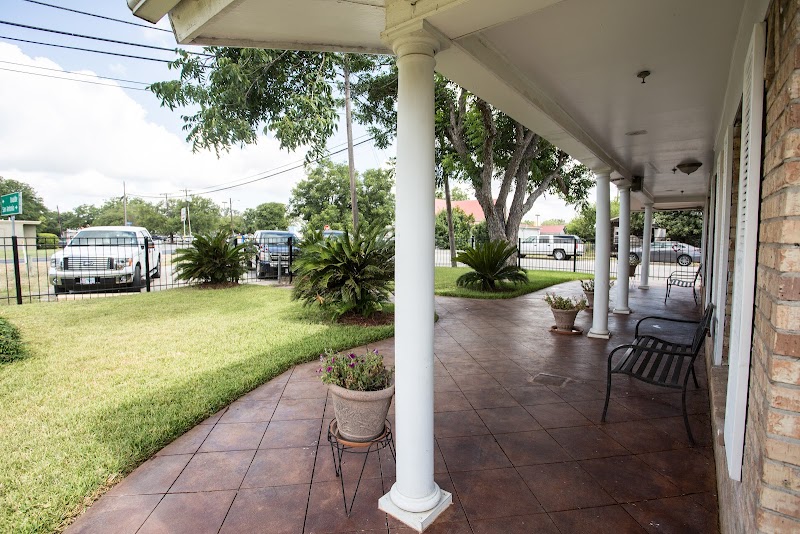
How is Community Of Hondo Staffed?

CMS rates COMMUNITY CARE CENTER OF HONDO's staffing level at 3 out of 5 stars, which is average compared to other nursing homes. Staff turnover is 28%, compared to the Texas average of 46%. This relatively stable workforce can support continuity of care.

What Have Inspectors Found at Community Of Hondo?

State health inspectors documented 28 deficiencies at COMMUNITY CARE CENTER OF HONDO during 2023 to 2025. These included: 3 Immediate Jeopardy (the most serious level, indicating potential for serious harm or death), 23 with potential for harm, and 2 minor or isolated issues. Immediate Jeopardy findings are rare and represent the most serious regulatory concerns. They require immediate corrective action.
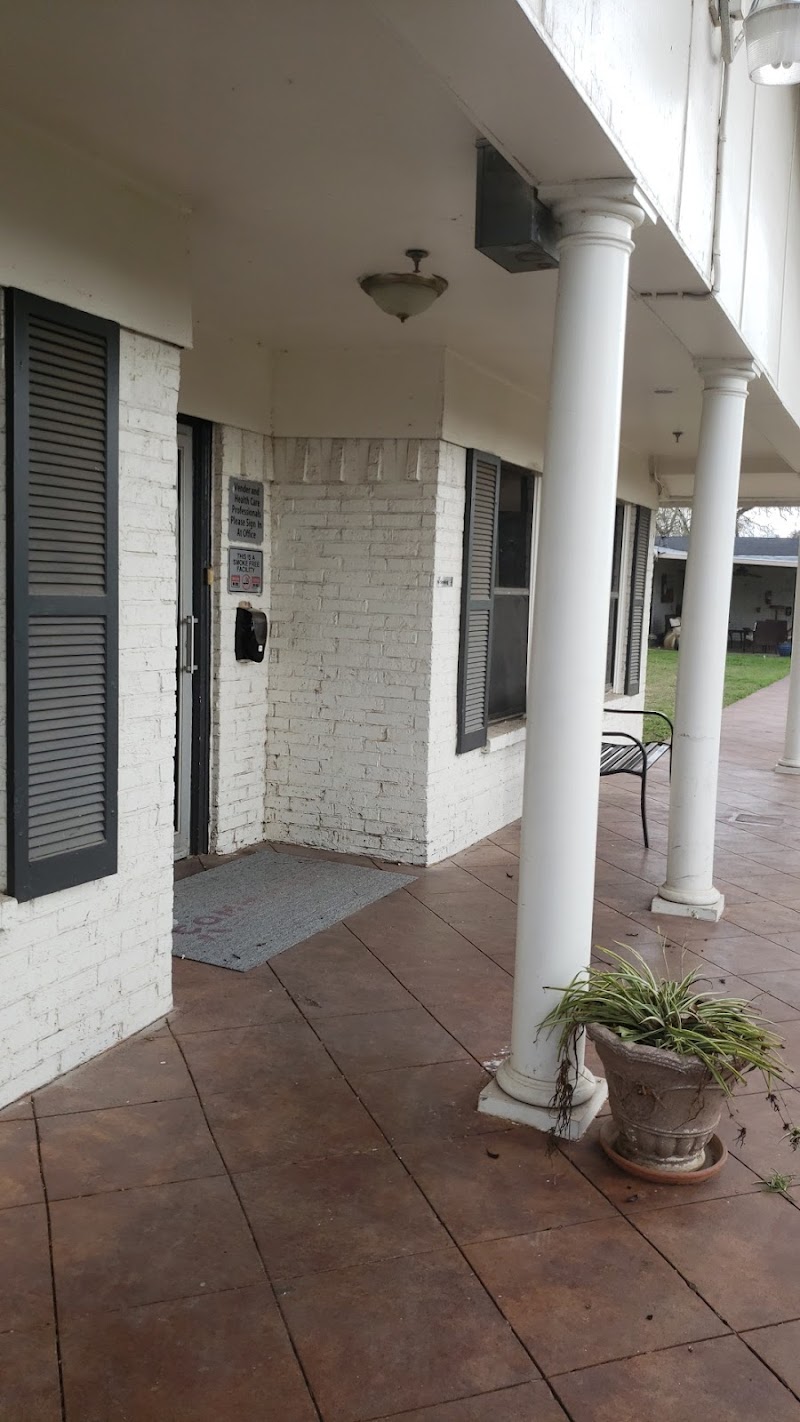
Who Owns and Operates Community Of Hondo?

COMMUNITY CARE CENTER OF HONDO is owned by a for-profit company. For-profit facilities operate as businesses with obligations to shareholders or private owners. The facility operates independently rather than as part of a larger chain. With 75 certified beds and approximately 50 residents (about 67% occupancy), it is a smaller facility located in HONDO, Texas.
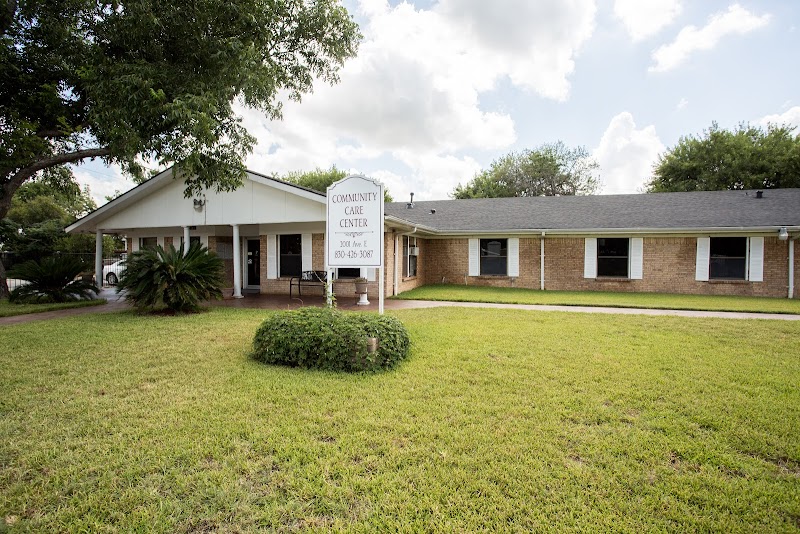
How Does Community Of Hondo Compare to Other Texas Nursing Homes?

Compared to the 100 nursing homes in Texas, COMMUNITY CARE CENTER OF HONDO's overall rating (2 stars) is below the state average of 2.8, staff turnover (28%) is significantly lower than the state average of 46%, and health inspection rating (2 stars) is below the national benchmark.

What Should Families Ask When Visiting Community Of Hondo?

Based on this facility's data, families visiting should ask: "What changes have been made since the serious inspection findings, and how are you preventing similar issues?" "Can I visit during a mealtime to observe dining assistance and food quality?" "How do you handle medical emergencies, and what is your hospital transfer rate?" "Can I speak with family members of current residents about their experience?" These questions are particularly relevant given the facility's Immediate Jeopardy citations.

Is Community Of Hondo Safe?

Based on CMS inspection data, COMMUNITY CARE CENTER OF HONDO has documented safety concerns. Inspectors have issued 3 Immediate Jeopardy citations (the most serious violation level indicating risk of serious injury or death). The facility has a 2-star overall rating and ranks #100 of 100 nursing homes in Texas. Families considering this facility should ask detailed questions about what corrective actions have been taken since these incidents.

Do Nurses at Community Of Hondo Stick Around?

Staff at COMMUNITY CARE CENTER OF HONDO tend to stick around. With a turnover rate of 28%, the facility is 18 percentage points below the Texas average of 46%. Low turnover is a positive sign. It means caregivers have time to learn each resident's needs, medications, and personal preferences. Consistent staff also notice subtle changes in a resident's condition more quickly.

Was Community Of Hondo Ever Fined?

COMMUNITY CARE CENTER OF HONDO has been fined $24,918 across 2 penalty actions. This is below the Texas average of $33,328. While any fine indicates a compliance issue, fines under $50,000 are relatively common and typically reflect isolated problems that were subsequently corrected. Families should ask what specific issues led to these fines and confirm they've been resolved.

Is Community Of Hondo on Any Federal Watch List?

COMMUNITY CARE CENTER OF HONDO is not on any federal watch list. The most significant is the Special Focus Facility (SFF) program, which identifies the bottom 1% of nursing homes nationally based on persistent, serious quality problems. Not being on this list means the facility has avoided the pattern of deficiencies that triggers enhanced federal oversight. This is a positive indicator, though families should still review the facility's inspection history directly.