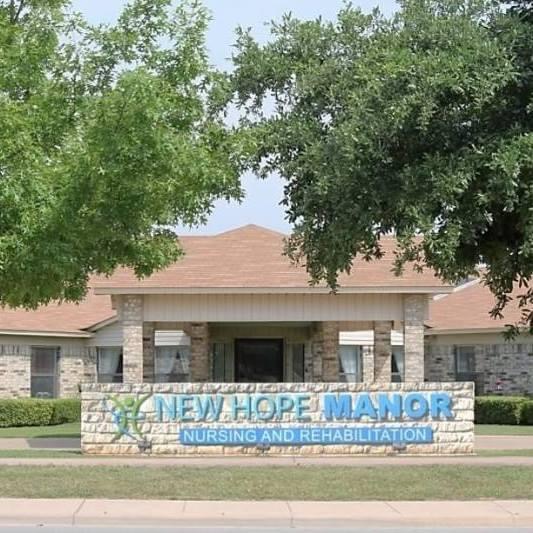
NEW HOPE MANOR

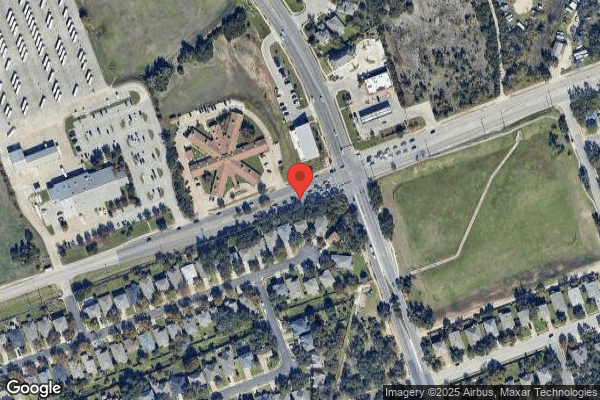
1623 W NEW HOPE DR, CEDAR PARK, TX 78613 (512) 259-3999
For profit - Corporation 114 Beds CARING HEALTHCARE GROUP Data: November 2025 3 Immediate Jeopardy citations
Trust Grade
32/100
#294 of 1168 in TX
Last Inspection: January 2025

Within standard 12-15 month inspection cycle. Federal law requires annual inspections.

Overview

New Hope Manor in Cedar Park, Texas has a Trust Grade of F, indicating significant concerns and overall poor performance. Despite ranking #4 out of 15 facilities in Williamson County, the facility's overall position is concerning, especially with a worsening trend in issues from 4 in 2024 to 8 in 2025. Staffing levels are average, with a turnover rate of 49%, which is slightly below the Texas average, yet there are still significant deficiencies noted. Recent inspections revealed serious incidents, including failure to inform a resident's doctor about worsening symptoms, leading to hospitalization for a fractured kneecap, and inadequate supervision during a transfer which also resulted in injury. While the facility has some strengths, such as a good quality measures rating of 5/5, the critical incidents and poor trust score raise serious concerns for families considering care options here.

Trust Score
F
32/100
In Texas
#294/1168
Top 25%
Safety Record
High Risk
Review needed
Inspections
Getting Worse
4 → 8 violations
Staff Stability
⚠ Watch
49% turnover. Above average. Higher turnover means staff may not know residents' routines.
Penalties
○ Average
$21,648 in fines. Higher than 59% of Texas facilities. Some compliance issues.
Skilled Nurses
⚠ Watch
Each resident gets only 21 minutes of Registered Nurse (RN) attention daily — below average for Texas. Fewer RN minutes means fewer trained eyes watching for problems.
Violations
⚠ Watch
22 deficiencies on record. Higher than average. Multiple issues found across inspections.
★★★★☆
4.0
Overall Rating
★★★☆☆
3.0
Staff Levels
★★★★★
5.0
Care Quality
★★★☆☆
3.0
Inspection Score
Stable
2024: 4 issues
2025: 8 issues

The Good

  • 5-Star Quality Measures · Strong clinical quality outcomes
  • Full Sprinkler Coverage · Fire safety systems throughout facility
  • No fines on record

Facility shows strength in quality measures, fire safety.

The Bad

Staff Turnover: 49%

Near Texas avg (46%)

Higher turnover may affect care consistency

Federal Fines: $21,648

Below median ($33,413)

Minor penalties assessed

Chain: CARING HEALTHCARE GROUP

Part of a multi-facility chain

Ask about local staffing decisions and management

The Ugly 22 deficiencies on record

3 life-threatening
Aug 2025 1 deficiency
CONCERN (D) 📢 Someone Reported This

A family member, employee, or ombudsman was alarmed enough to file a formal complaint

Potential for Harm - no one hurt, but risky conditions existed

PASARR Coordination (Tag F0644)

Could have caused harm · This affected 1 resident

**NOTE- TERMS IN BRACKETS HAVE BEEN EDITED TO PROTECT CONFIDENTIALITY** Based on interviews, and record review, the facility failed to incorporate recommendations from a PASRR evaluation report into a...

Read full inspector narrative →
**NOTE- TERMS IN BRACKETS HAVE BEEN EDITED TO PROTECT CONFIDENTIALITY** Based on interviews, and record review, the facility failed to incorporate recommendations from a PASRR evaluation report into a resident assessment, care planning, and transition of care for 1 (Resident #1) of 6 residents reviewed for PASRR services. The facility failed to submit a complete and accurate request for NFSS in the LTC online portal within 20 days after the IDT meeting. This failure could place residents who were PASRR positive at risk of not getting the PASARR services for a better quality of life and could lead to a decline in health. Findings included: Record review of Resident #1's face sheet, dated 08/13/2025, revealed a [AGE] year-old male, admitted to the facility on [DATE]. Resident #1's diagnoses included kidney failure, hypertension (high blood pressure), rash, cough, fever, lack of coordination, unsteadiness on feet, gastroesophageal reflux disease without esophagitis (heartburn), malaise (feeling of general discomfort), anxiety (feeling of uneasiness or worry), and unspecified intellectual disabilities (disorder characterized by less than average intelligence. Record review of Resident #1's Quarterly MDS, dated [DATE], revealed Resident #1 had a BIMS of 9 indicating moderate impairment. The MDS also indicated the resident had medically complex conditions, Hypertension (high blood pressure), End-stage renal disease, history of falling, weakness, and lack of coordination. Record review of Resident #1's care plan, dated revision date 08/05/2025, revealed Resident #1 was receiving rehabilitation therapy from the services of: Physical Therapy through PASRR services. Resident will complete therapy and achieve the highest level of functioning. The care plan also stated resident requires follow up on the PASRR level 2 screening. History of unspecified intellectual disabilities. Resident screening will be completed according to PASRR guidelines. The Care plan also stated the IDT meeting was on 02/19/2025. Record review of Resident #1's Preadmission Screening and Resident Review, dated 2/18/2025, revealed Resident #1 had intellectual disability. The PASRR indicated Resident #1 needed speech therapy. Record review of verification of Request for PASRR NFSS dated 04/14/2025 revealed the facility did not submit the request in the correct time limit of 20 business days from the IDT meeting. The Request was supposed to be submitted by 03/19/2025. During an interview with the ADM on 08/13/2025 at 1:51pm revealed she had not been trained on PASRR. She said that a resident had a PASRR completed before they were admitted to the facility. She said the MDS nurse was responsible for submitting the correct forms to the state agencies. She said she thought the facility had thirty days after the IDT meeting. She said if those forms were not submitted on time the resident would not get the PASRR services. She said she overlooked the email from the PASRR person with the state. She said she was not intending to disregard the email. She also said that Resident #1 was not denied therapy services. An interview with Resident #1 on 08/13/2024 at 2:03pm was unsuccessful. Resident was lying in bed. Resident appeared to be clean. No equipment was noted. During an interview with the MDS Nurse on 08/13/2025 at 2:26pm, revealed that she was not trained on PASRR. She said the MDSCPC was the one who did PASRR. She said the only thing she knew about PASRR was that a resident had to have the PASRR before they were admitted and then yearly. She said she did not know what the policy was. She said the MDSCPC was responsible for PASRR. She said she did not know who monitored for compliance because she did not do the PASRR's. She said she did not know when the PASSR Request for Specialized Services was supposed to be submitted. She said if not submitted, the resident would not get the services to which they were entitled. She did not know why Resident #1's request was not submitted timely to the NFSS. During an interview with the MDSCPC on 08/13/2025 at 2:38pm, revealed that she had been trained on PASRR. She said the resident had to have a PASRR before being admitted and when they got a new MD or ID diagnosis. She said she was responsible for submitting the forms to the correct state agencies. She said for a new resident the doctor would assess the resident and then she would do the PASRR. She said the process for identifying residents with MD or ID was through initial assessments, then the doctor would review the resident's history and tell her if the resident had a qualifying diagnosis. She said she would submit to the correct authority and if it were positive the facility would do an IDT meeting. She said she thought the facility had 30 days to submit the request form to NFSS. She said she did not know why she submitted the request to NFSS was submitted on 04/14/2025 instead of 03/19/2025. She also said that Resident #1 was already getting therapy services through Medicare part B. During an interview with CRNC on 08/13/2025 at 2:58pm, revealed she had not been trained on PASRR. She said the facility obtains a copy of the PASRR screening upon admission if coming from the hospital and if coming from home the facility did their own PASRR screening. She said the MDSCPC was responsible for making the appropriate referrals. She said that's something that would be noticed on the assessment if the resident had an MD or ID. She said she found out today that the facility had 20 days to submit the request to NFSS. She said that if the referral was not sent to the state agency the resident may not get the services through PASRR. She said she did not know why the facility delayed sending the referral to NFSS for Resident #1. She said that Resident #1 was getting services through his Medicare part B. Record review of Detail Item by Item Guide for Completing the Authorization Request for PASRR Nursing Facility Specialized Services Form Policy dated September 2023 revealed the NF has 20 business days from the date of the initial IDT or a specialized services review meeting to initiate all PASRR nursing facility specialized services (NFSS) for those with a positive PE for ID/DD recommended and agreed to at the meeting.
Jan 2025 7 deficiencies
CONCERN (D)

Potential for Harm - no one hurt, but risky conditions existed

Comprehensive Care Plan (Tag F0656)

Could have caused harm · This affected 1 resident

**NOTE- TERMS IN BRACKETS HAVE BEEN EDITED TO PROTECT CONFIDENTIALITY** Based on observation, interview, and record review, the facility failed to develop and implement a comprehensive person-centered...

Read full inspector narrative →
**NOTE- TERMS IN BRACKETS HAVE BEEN EDITED TO PROTECT CONFIDENTIALITY** Based on observation, interview, and record review, the facility failed to develop and implement a comprehensive person-centered care plan for each resident that included measurable objectives and timetables to meet a resident's medical, nursing, and mental and psychosocial needs for 2 of 8 residents (Residents #23 and #61) reviewed for care plans. 1. The facility failed to update Resident #23's care plan to reflect current fall prevention interventions including a scoop mattress for fall prevention. 2. The facility failed to update Resident #61's care plan to reflect current advanced directives as Do Not Resuscitate. This failure placed residents at risk of not receiving the appropriate care to meet their current needs. Findings included: Record review of Resident #23's face sheet dated 01/29/2025 revealed an [AGE] year-old female admitted on [DATE] with diagnoses including Alzheimer's disease (a brain disorder that causes problems with memory, thinking, and behavior), unsteadiness on feet, need for assistance with personal care, repeated falls, and weakness. Record review of Resident #23's quarterly MDS dated [DATE] revealed the resident had a BIMS score of 1, which indicated her cognition was severely impaired. Record review of Resident #23's care plan dated 08/16/2022 and revised on 12/27/2024 revealed Problem: Resident is at risk for falls 10/3/21 self-transfer from bed, 1/4/23 fell during self-transfer, 5/21/23 slide from w/c, 8/31/24 self-transfer in br. Goal: Effort will be made to prevent falls/falls with injury. Approaches included: therapy, anticipate needs, call light within reach. Remind resident how to use as needed. Monitor for changes in residents' condition that may warrant increased supervision/assistance and notify the physician'. No mention of specialty mattress/scoop mattress revealed in Resident #23's care plan. During an observation on 01/27/2025 at 1:13 PM revealed Resident #23 was sitting up on edge of her low bed on a scoop mattress. During an observation on 01/28/2025 at 10:39 AM revealed Resident #23 was sitting in her wheelchair in her room. Scoop mattress was on Resident #23's bed frame. During an interview on 01/28/2025 at 01:26 PM with LVN E, she stated Resident #23 had falls in the past and they may be using the scoop mattress for that, but she was unsure. She stated that using a scoop mattress should be care planned. Record review of Resident #61's face sheet dated 01/29/2025 revealed an [AGE] year-old male admitted on [DATE] with diagnoses including dementia (a disorder affecting thought process and memory), heart failure (the heart is unable to adequately pump blood to meet the demands of the body), and Type 2 diabetes mellitus (a disorder where the body cannot regulate blood sugars). Record review of Resident #61's Quarterly MDS dated [DATE] revealed the resident had a BIMS score of 5, which indicated his cognition was moderately impaired. Record review of Resident #61's order history dated 9/25/2024-01/29/2025 revealed an order as follows: Code status: DNR with a start date of 01/08/2025 and Code Status: Full Code with a start date of 09/26/2024 and an end date of 01/08/2025. Record review of Resident #61's Care Plan dated 10/10/2024 revealed Problem: Resident with Full Code Status Directive to MD and Family; MPOA no D/C plans anticipated. During an interview on 01/28/2025 at 08:49 AM with the DON revealed that MDSC is responsible for updating care plans. During an interview on 01/28/2025 at 08:52 AM with MDSC revealed she had been employed at the facility for approximately 20 years. She stated she and a coworker work together to update care plans. She stated care plans should have been updated for a change in condition, new order for hospice, new order for therapy, change in diet or new order for antibiotics. She stated she monitored for care plan revision needs during the morning meetings. The MDSC stated care plans should have been updated with advanced directive changes and falls, including all interventions utilized. She stated the care plan helped the team communicate needs of residents so appropriate care can be provided. During an interview on 01/29/2025 at 11:06 AM with LVN G revealed she had been employed with the facility for 8 months. She stated the MDSC is responsible for updating the care plans. LVN G stated care plans should have been updated with any change in conditions. She stated that using a scoop mattress and changing the code status should have been care planned. She stated nurses used the care plans to provide custom care for the residents. During an interview on 01/29/2025 at 1:11 PM with the DON revealed, she expected staff to update the care plans for any change with the resident's care. She stated there was a meeting in the morning that reviewed all changes for all residents and the changes should occur after the meeting. She stated that scoop mattresses were used for the resident to be able to determine where the edge of the bed was in order to prevent falls. The DON stated scoop mattress should have been put in the care plan and the care plan should have been updated with a change in code status order. She stated not updating the care plan could lead to not honoring the resident's preferences, injury, or hospitalization. During an interview on 01/29/2025 at 01:25 PM with the CRN revealed Resident #23 did not have a care plan for a scoop mattress. The CRN stated the scoop mattress was utilized for this resident to indicate where the edge of the bed was. She stated it should have been updated after the last fall. She stated Resident #61 was care planned as full code status for advanced directives. During an interview on 01/29/2025 at 02:57 PM with the ADM, she stated she expected the MDSC to update care plans when changes occur, including fall and code status. She stated the nursing staff used the care plans and not updating them could affect the care provided to the resident. Record Review of facility policy titled Fall-Clinical Protocol dated 2001 and revised in December 2016 revealed: Policy Statement A comprehensive, person-centered care plan that includes measurable objectives and timetables to meet the resident's physical, psychosocial and functional needs is developed and implemented for each resident. Policy Interpretation and Implementation 13. Assessments of residents are ongoing and care plans are revised as information about the residents and the residents' conditions change. 14. The Interdisciplinary Team must review and update the care plan: a. When there has been a significant change in the resident's condition; b. When the desired outcome is not met; c. When the resident has been readmitted to the facility from a hospital stay; and d. At least quarterly, in conjunction with the required quarterly MDS assessment.
CONCERN (D)

Potential for Harm - no one hurt, but risky conditions existed

Tube Feeding (Tag F0693)

Could have caused harm · This affected 1 resident

**NOTE- TERMS IN BRACKETS HAVE BEEN EDITED TO PROTECT CONFIDENTIALITY** Based on observation, interview, and record review the facility failed to ensure a resident who is fed by enteral means receives...

Read full inspector narrative →
**NOTE- TERMS IN BRACKETS HAVE BEEN EDITED TO PROTECT CONFIDENTIALITY** Based on observation, interview, and record review the facility failed to ensure a resident who is fed by enteral means receives the appropriate treatment and services to prevent complications for 1 of 2 residents (Resident #84) reviewed for tube feeding. The facility failed to ensure Resident #84's formula bag and tubing set were changed out daily. This failure could place the resident as risk of illness, altered nutrition, and equipment malfunction. Findings included: Record review of Resident #84's face sheet dated 1/28/2025 revealed an [AGE] year-old female admitted on [DATE] with diagnoses including cerebral infarction (blood supply to the brain is disrupted causing a stroke), acute bronchiolitis (inflammation of the small airways of the lungs), dysphagia (difficulty swallowing), Gastrostomy status (presence of an artificial opening to the stomach in order to provide nutrition), and pneumonia (infection of air sacs in the lungs). Record review of Resident #84's admission MDS dated [DATE] revealed a BIMS score of 10 indicating mild cognitive impairment. Section K-Swallowing/Nutritional Status indicated resident received nourishment exclusively through a feeding tube. Record review of Resident #84's order history dated 10/29/2024-01/29/2025 revealed Enteral Feeding: Change bag QD and Enteral Feeding: Change irrigation set QD. Record review of Resident #84's care plan dated 11/11/2024 revealed Problem: Resident is NPO. Meds, nutrition, and fluids via j-tube. Goal: Effort will be made to prevent experience of an adverse effects from J-tube next 90 days. During observation on 01/27/2025 at 10:47 AM in Resident #84's room revealed Resident #84 receiving formula through an enteral feeding tube. The formula bag was dated and timed 1/27/25 0100 [01:00AM] in black marker. During interview and observation on 01/28/2025 at 01:56 PM in Resident #84's room with LVN G revealed resident receiving formula through an enteral feeding tube. The formula bag was dated and timed 1/27/25 0100 [01:00AM] in black marker. LVN G stated all enteral feeding bags had orders to be changed on the second shift (03:00PM-11:00PM). She stated she needed to review the documentation to verify the bag was changed. She then left the interview and returned with the DON. During an interview on 01/28/2025 at 02:13 PM with the DON revealed the nurse that was responsible for changing out the feeding bags was not at work. She stated that the nurse had worked extra hours and must have gotten the date wrong when she dated the bag. During an interview on 01/29/2025 at 11:06 AM, LVN G stated if a formula bag wasn't changed out as ordered then it could cause infection or spoilage. During an interview on 01/29/2025 at 01:11 PM with the DON revealed she expected her nursing staff to follow the orders. She stated not changing out the formula bag could lead to infections in the resident. During an interview on 01/29/2025 at 02:57 PM with the ADM revealed she expected staff to follow policy. She stated she was unsure of any impact to residents by not following policy.
CONCERN (D)

Potential for Harm - no one hurt, but risky conditions existed

Deficiency F0760 (Tag F0760)

Could have caused harm · This affected 1 resident

**NOTE- TERMS IN BRACKETS HAVE BEEN EDITED TO PROTECT CONFIDENTIALITY** Based on interview and record review the facility failed to ensure residents were free of any significant medication errors for ...

Read full inspector narrative →
**NOTE- TERMS IN BRACKETS HAVE BEEN EDITED TO PROTECT CONFIDENTIALITY** Based on interview and record review the facility failed to ensure residents were free of any significant medication errors for 1 of 3 residents (Resident#40) reviewed for significant med errors . The facility failed to ensure Resident #40's Metoprolol Succinate (prescribed to treat Atherosclerotic heart disease of native coronary artery without angina pectoris) was omitted during medication pass on the morning of 01/27/2025. This failure could place the resident at risk of not receiving the correct/prescribed medications as ordered. Findings include: Review of Resident #40's Face Sheet reflected she was a [AGE] year-old female admitted on [DATE] with diagnoses of Alzheimer's disease, pain, needs for assistance with personal care, Hypertensive heart (a condition that develops when high blood pressure (hypertension) damages the heart over time) and chronic kidney disease (damage or dysfunction of the kidneys), lack of coordination, weakness, fatigue, allergic rhinitis, urinary tract infection and cough. Review of Resident #40's quarterly MDS dated [DATE] reflected a BIMS score of 07 which indicated she was severely impaired cognitively. Review of Resident #40's Care Plan dated 11/29/2024 reflected; Resident #40 with hypertension potential complications. Prescription in use. Goal: Effort will be made for blood pressure remain within normal limits without further complications over next ninety days. Record review of Resident #40's Orders, start date 01/28/2025, reflected an order for Metoprolol Succinate tablet extended release 24 hour; 25 mg. Special instructions: Hold for systolic blood pressure less than 110 or heart rate less than 60. Give once a day. In an observation of medication pass on 01/27/2025 at 09:20 AM, MA A obtained a blood pressure cuff reading for Resident #40 with the following results of: BP 125/48 (Systolic blood pressure - top number is 125 and Diastolic blood pressure - bottom number is 48) with a heart rate of 66. Record review of Resident #40 medication orders revealed special instructions: Hold (omit) for systolic blood pressure less than 110 or heart rate less than 60. Give once a day. During an interview on 01/28/2025 at 01:10 PM MA A stated she probably got nervous while the surveyor was observing her administer medications and that is probably why she misread the order. MA A stated the whole purpose for the blood pressure medication is to help lower the blood pressure, if the medication is omitted the blood pressure will not go down. MA A stated the resident's blood pressure will not be regulated correctly and that's why they need the medication. MA A voiced she has not rec'd any in-service over med pass administration. During an interview on 01/29/2025 at 10:03 AM the DON stated if a resident doesn't get their blood pressure medication as prescribed it could lead to the resident having long term high blood pressure which could cause problems for the resident. The DON stated depending on how high the blood pressure was raised would be determine if it would be immediate harm. The DON stated new staff receive medication administration training during new-hire orientation and they get in-serviced all the time over medication administration. Record review on 01/29/2025 at10:36 AM revealed that on 11/19/2024 staff received in-service training over medication administration. MA A attended the training. Review of Policy Review of Administering Medications with a revision date of April 2019. Policy Statement: Medications are administered in a safe and timely manner, and as prescribed. Policy Interpretation and Implementation 4. Medications are administered in accordance with prescriber orders, including any required time frame.
CONCERN (D)

Potential for Harm - no one hurt, but risky conditions existed

Infection Control (Tag F0880)

Could have caused harm · This affected 1 resident

**NOTE- TERMS IN BRACKETS HAVE BEEN EDITED TO PROTECT CONFIDENTIALITY** Based on observations, interviews, and record review the facility failed to ensure the facility established and maintained an in...

Read full inspector narrative →
**NOTE- TERMS IN BRACKETS HAVE BEEN EDITED TO PROTECT CONFIDENTIALITY** Based on observations, interviews, and record review the facility failed to ensure the facility established and maintained an infection prevention program designed to provide a safe environment and to help prevent the transmission of communicable diseases for one of one staff (MA A) observed for infection control MA A failed to disinfect the blood pressure cuff in between Residents #19 and #40's during usage of obtaining their blood pressure readings for medication administration. This failure could place residents at increased risk of healthcare associated infections. Findings included: Review of Resident #19's Face Sheet reflected she was a [AGE] year-old female with an initial admission date of 10/31/2014 and readmission date of 06/04/2023. Resident #19 has a diagnosis of pneumonia, anxiety, disturbances of salivary secretion, nausea, cellulitis of left lower limb (a common bacterial infection of the skin and underlying tissue), cerebrovascular disease ( a group of conditions that affect the blood vessels in the brain), weakness, pain in left finger(s), cerebral infarction (a condition where blood flow to the brain is interrupted, causing brain tissue to die), hordeolum externum left lower eyelid (refers to a medical term for a stye (bacterial infection) located on the outer edge of the lower left eyelid), essential primary hypertension, nasal congestion, shortness of breath, muscle wasting and atrophy. Review of Resident #19's MDS dated [DATE] reflected a BIMS score of 09 which indicated she is moderately impaired cognitively. Review of Resident #19's Care Plan 01/22/2025 reflected; Resident #19 with hypertension potential for complications. Prescribed medications in use. Effort will be made to have blood pressure within normal limits without further complications and not have any sign or symptoms of dehydration over the next 90 days. Review of Resident #40's Face Sheet reflected she was a [AGE] year-old female admitted on [DATE] with diagnoses of Alzheimer's disease, pain, needs for assistance with personal care, Hypertensive heart (a condition that develops when high blood pressure (hypertension) damages the heart over time) and chronic kidney disease (a long-term condition where the kidneys gradually lose their ability to filter waste products from the blood), lack of coordination (a neurological condition that affects the body's ability to plan and execute smooth, precise movements), weakness (the state or condition of lacking strength), fatigue (a feeling of tiredness, exhaustion, or lack of energy that can interfere with daily activities), allergic rhinitis (a common inflammatory condition of the nasal passages caused by an overreaction of the immune system to allergens), urinary tract infection and cough. Review of Resident #40's quarterly MDS dated [DATE] reflected a BIMS score of 07 which indicated she was severely impaired cognitively. Review of Resident #40's Care Plan dated 11/20/2024 reflected; Resident #40 with hypothyroidism (thyroid gland doesn't make enough thyroid hormone) potential for complications/uncomfortable symptoms. Prescriptions in use. Effort will be made to maintain thyroid hormone level within normal levels. Observation on 01/27/2025 beginning at 09:20 AM revealed MA A did not sanitize the blood pressure cuff in between each resident before and after checking blood pressures for Residents #19 and #40. In an interview on 01/28/2025 at 01:10 PM MA A stated this is her first Medication Aide job. MA A stated she did receive medication administration training during her new hire orientation, and she does not sanitize the blood pressure cuff in between residents. MA A stated she has never witnessed any other staff sanitizing the blood pressure cuffs in between residents. MA A voiced staff receive on going in-services pertaining to falls and cleaning carts, but she can't recall any trainings over blood pressure cuffs. MA A voiced she has been instructed to wash her hands with soap and water in between every three residents when administering medications. In an interview on 01/29/2025 at 08:52 AM, MA B stated she sanitizes the blood pressure cuff in between each resident to ensure infection control and to avoid transferring the flu or germs to other residents. MA B stated she received blood pressure and medication administration training during her new hire orientation and has been instructed to keep 2 blood pressure cuffs on her medication cart so she can alternate cuffs in between residents. MA B could not recall the last time she was in-serviced on blood pressure cuffs, but she verbalized staff are reminded frequently. In an interview on 01/29/2025 at 09:09 AM MA C stated the normal process for using blood pressure cuffs on residents is to wipe it down (sanitize) in between each resident to avoid passing germs. MA C stated staff had been instructed to have two cuffs on their carts so they can alternate them while they are drying off. MA C voiced she did receive blood pressure cuff training during her initial new hire orientation and could not recall the last time she was in-serviced over blood pressure cuffs. In an interview on 01/29/25 at 09:38 AM the ADON stated staff should be sanitizing the blood pressure cuffs with sanitizing wipes for infection control and if staff don't it could lead to germs being spread among residents. The ADON could not recall the last time staff were in-serviced over blood pressure cuffs but voiced they remind staff. In an interview on 01/29/2025 at 10:03 AM the DON stated staff are supposed to wipe blood pressure cuffs down with purple wipes in between each resident if staff don't it could affect infection control and contamination. The DON stated all new staff receive blood pressure cuff and medication administration training during new-hire orientation. The DON voiced staff get in-services anytime they see that type of practice being done in the facility. In an interview on 01/29/25 at 02:02 PM DON stated she is sure MA A received blood pressure cuff training in her new hire orientation. The DON voiced sometimes new hires tend to get overloaded with information and that might be why MA A doesn't recall getting the training during new hire orientation. The DON voiced the way to ensure staff are cleaning the cuffs in between residents it to make staff observations during medication passes and make sure staff are following behaviors. She will make sure to pull MA A to the side to provide a 1:1 education piece to close that gap. Surveyor requested blood pressure cuff and medication administration training records for MA A from DON. Did not receive records prior to exiting the facility. Review of Policy Review of Cleaning and disinfection of resident-care items and equipment with a revision date of October 2018 revealed: Policy Statement: Resident-care equipment, including reusable items and durable medical equipment will be cleaned and disinfected according to current CDC recommendations for disinfection and the OSHA Bloodborne Pathogens Standard. Policy Interpretation and Implementation 1. (d). Reusable items are cleaned and disinfected or sterilized between residents (e.g., stethoscopes, durable medical equipment). 2. (4). Reusable resident care equipment will be decontaminated and/or sterilized between residents according to manufacturer's instructions.
CONCERN (E)

Potential for Harm - no one hurt, but risky conditions existed

Respiratory Care (Tag F0695)

Could have caused harm · This affected multiple residents

**NOTE- TERMS IN BRACKETS HAVE BEEN EDITED TO PROTECT CONFIDENTIALITY** Based on observation, interview, and record review, the facility failed to ensure that residents who needed respiratory care wer...

Read full inspector narrative →
**NOTE- TERMS IN BRACKETS HAVE BEEN EDITED TO PROTECT CONFIDENTIALITY** Based on observation, interview, and record review, the facility failed to ensure that residents who needed respiratory care were provided such care, consistent with professional standards of practice, for 5of 7 residents (Residents #1, Residents #15, Residents #25, Residents #44 and Resident #84) reviewed for respiratory care The facility failed to ensure: 1. Resident #1, Resident #25, Resident #15, and Resident #44's nebulizing mask and tubing were bagged for sanitation when not in use as per the physician's order. 2. The nasal cannula of Resident #84 was uncovered and tucked under the handle of the oxygen concentrator, as observed on 01/27/25. This failure could affect residents who received respiratory services and place them at risk for respiratory infections. The findings included: Record review of Resident #1's face sheet on 01/28/25 revealed a [AGE] year-old female who was admitted to the facility on [DATE]. Her diagnoses were psychotic disturbance, mood disturbance, anxiety, Influenza due to unidentified influenza virus, Hypertension, Dementia and Acute respiratory disease. Record review on 01/28/25 of Resident #1's quarterly MDS assessment, dated 01/19/25 revealed a BIMS assessment could not be completed. Record review on 01/28/25 of Resident #1's care plan dated 12/04/24 did not indicate any respiratory issues or the need for medication using a nebulizer. Record review of Resident #1's physician's order reflected: 1.Ipratropium-Albuterol solution for nebulization; 0.5 mg-3 mg (2.5 mg base)/3 ml. Amount to Administer: One Vial (a small container); Inhalation. Frequency: Every 6 Hours. Start/end date: 01/23/2025 -Open Ended. 2. Replace nebulizer mask Q week and store in dated respiratory bag. Frequency Once a day on Sun, Start/end Date: 12/31/2024 -01/19/2025. Observation on 01/27/24 at 10:20am of Resident #1's room revealed, the mask of the nebulizer and tubing on the side table were exposed to the environment as it was not stored in its protective bag. Record review of Resident #44's face sheet on 01/28/25 revealed a [AGE] year-old male who was initially admitted to the facility on [DATE] and readmitted on [DATE]. His diagnoses were Dementia , intestinal obstruction, Schizoaffective disorder ( a type of mental illness), Dependence on wheelchair, Pain, Cough Hypertensive heart disease and Unsteadiness on feet. Record review on 01/28/25 of Resident #44's initial MDS assessment, dated 01/15/25 revealed a BIMS of 06 indicating severe cognitive impairment. The MDS identified Resident #44 had active diagnosis of COPD. Record review on 01/28/25 of Resident #44's care plan dated 11/20/24 did not indicate any respiratory issues and the need for medication using a nebulizer. Record review of Resident #44's physician's order reflected: 1.Ipratropium bromide solution; 0.02 %; Amount to Administer: 1 Vial; Inhalation. Frequency: Twice a day. Start/end date: 07/21/2023 -Open Ended. 2. Replace nebulizer mask Q week and store in dated respiratory bag. Frequency: Once a day on Sun, Start/end Date: 12/19/2024 -Open ended. Observation on 01/27/24 at 10:30am of Resident #44's room revealed, the mask of the nebulizer on the side table exposed to the environment as it was not stored in a dated respiratory bag as per the physician's order. Record review of Resident #15's face sheet on 01/28/25 revealed a [AGE] year-old male who was admitted to the facility on [DATE]. His diagnoses were Sepsis, Insomnia (lack of sleep), Hypertensive heart disease congestive heart failure ( Heart failure), Acute respiratory failure , Type 2 diabetes mellitus, Need for assistance with personal care and Muscle weakness. Record review on 01/28/25 of Resident #15's initial MDS assessment, dated 01/02/25 revealed a BIMS of 11 indicating moderate cognitive impairment. Record review on 01/28/25 of Resident #15's care plan dated 01/03/25 did not indicate any respiratory issues and the need for medication using a nebulizer for Resident #1. Record review of Resident #15's physician's order reflected: ipratropium-albuterol solution for nebulization; 0.5 mg-3 mg (2.5 mg base)/3 mL; Amount to Administer: ONE VIAL; inhalation Frequency: Twice a day. Start/end date : 01/22/2025 - 01/27/25. Replace nebulizer mask Q week and store in dated respiratory bag when in use. Frequency: once a day on Sunday. Start/end date : 01/20/2025-Open Ended. Observation on 01/27/24 at 10:40 am of Resident #15's room revealed, the mask of the nebulizer and tubing on the side table was exposed to the environment as it was not stored in a dated respiratory bag as per the physician's order. Record review of Resident #25's face sheet on 01/28/25 revealed a [AGE] year-old male who was admitted to the facility on [DATE]. His diagnoses were Dementia, anxiety, Cough, unspecified, psychotic disturbance, mood disturbance, anxiety, fatigue, Chronic kidney disease, stage 3 (A kidney failure with slow progression) ,Weakness and Shortness of breath. Record review on 01/28/25 of Resident #25's quarterly MDS assessment, dated 01/14/25 revealed a BIMS of 0 indicating severe cognitive impairment. MDS indicate Resident #25 had diagnosis of Acute respiratory failure with hypoxia ( respiratory failure with low oxygen intake) Record review on 01/28/25 of Resident #25's care plan dated 11/20/24 did not indicate any respiratory issues and the need for medication using a nebulizer. Record review of Resident #25's physician's order reflected: 1.Ipratropium-albuterol solution for nebulization; 0.5 mg-3 mg (2.5 mg base)/3 mL Amount to Administer: One Vial. Inhalation. Frequency: Twice a day. Start/end date: 01/15/2025 -01/24/2025. 1. Replace nebulizer mask Q week and store in dated respiratory bag when in use. Frequency: once a day on Sunday. Start/end date: 12/31/2024 -Open Ended. Observation on 01/27/24 at 11:55am of Resident #25's room revealed, the mask of the nebulizer and tubing on the side table was exposed to the environment as it was not stored in a dated respiratory bag as per the physician's order. Record review of Resident #84's face sheet dated 1/28/2025 revealed an [AGE] year-old female admitted on [DATE] with diagnoses including cerebral infarction (blood supply to the brain is disrupted causing a stroke), acute bronchiolitis (inflammation of the small airways of the lungs), dysphagia (difficulty swallowing), Gastrostomy status (presence of an artificial opening to the stomach in order to provide nutrition), and pneumonia (infection of air sacs in the lungs). Record review of Resident #84's admission MDS dated [DATE] revealed a BIMS score of 10 indicating mild cognitive impairment. Record review of Resident #84's care plan dated 01/03/2024 revealed Problem: Resident is at increased risk for MDRO (Multi drug resistant organism) related to g-tube/foley catheter, enhanced barrier protection to be used. Approaches included check for compliance with infection prevention practices (e.g. hand hygiene and PPE). No other care plans associated to oxygen or infection. Record review of Resident #84's order history dated 10/29/2024-01/29/2025 revealed oxygen during sleep titrates O2 to keep O2 saturations above 92%. During an observation on 01/27/25 at 10:47am in Resident#84's room revealed a nasal cannula (a tube used for administration of oxygen through the nose) tucked under the handle of the oxygen concentrator and not in a protective bag. During observation and interview on 01/27/2025 at 02:23 PM in Resident #84's room with the DON revealed the nasal cannula was uncovered and tucked under the handle of the oxygen concentrator. The DON stated that all soxygen items should have been in a respiratory bag. She stated that a negative impact to the resident could be infection. During an observations and interview with the DON on 01/27/25 starting at 2:05pm, Resident #1, Resident#44, Resident #15 and Resident #25's rooms revealed the masks and tubing of the nebulizers were not protected in a dated respiratory bag, as per the orders. The DON who witnessed the unprotected nebulizer masks stated masks were supposed to be sanitized before and after use and should have been stored in a protective bag whenever not in use. She stated this was necessary to avoid infections. During an observation by the surveyor and DON, and interview with the DON on 01/28/25 at beginning 9:10am, Resident #1, Resident #15, and Resident #25's rooms revealed the masks and tubing of the nebulizers were not protected in the bags. The DON stated she started in services on 01/27/25 regrading bagging respiratory tubes and masks when not in use. She stated there were staff members still there who had not participated in the refresher in service on bagging masks and tubing when not in use. She stated she would complete the in service for everyone so that all the staff would be educated and ensure that the medical equipment would be protected from contamination. During an interview on 01/29/25 at 1:30pm LVN G stated on 01/28/24 she received an in service on storing respiratory masks and tubing in a protective bag while not in use. She stated it was important to adhere to this practice to reduce the risk of transmitting contagious diseases. She stated she was careful to follow this practice in her nursing career. During an interview on 01/29/25 at 2: 15 pm the ADM stated she heard about the noncompliance in securing the respiratory masks and tubing in the protective bags . She stated the expectation was all staff to be compliant with infection control protocols. She stated the nebulizer masks and tubing were cleaned and safely stored in the protective bags provided. She stated there was a potential for respiratory infectious diseases with such a deficient practice. Record review of facility policies on 01/29/25 revealed there was no policy available for the safe storage of nebulizer and oxygen tubing and masks when not in use. When the Surveyor requested for the policy for safe storage of respiratory tubes and masks , the policy provided was on Oxygen Administration and there was no policy to address the issue in it.
CONCERN (E)

Potential for Harm - no one hurt, but risky conditions existed

Deficiency F0761 (Tag F0761)

Could have caused harm · This affected multiple residents

Based on observation, interview, and record review, the facility failed to properly store and label biologicals for 2 (200 and 400 halls and cart for 100 hall) of 6 medication carts reviewed for drug ...

Read full inspector narrative →
Based on observation, interview, and record review, the facility failed to properly store and label biologicals for 2 (200 and 400 halls and cart for 100 hall) of 6 medication carts reviewed for drug storage. The medication cart for the 200 and 400 halls had three unidentified loose pills. The medication cart for the 100-hall had one loose pill. These deficient practices could affect residents and result in a drug diversion due to medications not being properly disposed and secured. The findings were: Observation of medication cart for the 200 & 400 hall right side cart on 01/27/2025 at 11:07 AM revealed one round orange pill blank on both sides, one small round pill blank on one side and a non-legible letter on the other side. One small round white pill with L16 on one side and blank on the other side. LVN D was able to identify one pill as Levothyroxine, she identified the orange pill as Biscadoyl and thinks the other pill is melatonin. LVN D disposed of the pills into the sharp's container. During an interview on 01/27/2025 at 11:07 AM, LVN D stated she has not ever noticed any loose pills in the medication carts. LVN D stated everybody is responsible for checking the carts for loose pills and checking expiration dates. Staff are to check for loose pills at the beginning of their shifts. LVN D stated if a loose pill accidentally fell out of the cart there could be potential harm if someone accidentally took it. LVN D stated staff have been in-serviced on loose pills in the carts and the last in-service was probably weeks ago. During an interview on 01/27/2025 at 11:20 AM and on 01/28/2025 at 08:52 AM MA B stated she has noticed loose over the counter pills in the medication carts, and she disposes of them in the medication room when she finds them. MA B stated a potential harmful outcome for loose pills in the carts could lead to an issue with infection control. MA B stated the last in-service she received over loose pills in the carts was about a month ago . Observation of medication cart for the 100 hall 01/27/2025 at 11:48 AM revealed one oval pink pill with the number 5 on one side and 894 on the other side. LVN E was only able to identify the pill as Eliquis. LVN E disposed of the pills into the sharps container. During an interview on 01/27/2025 at 11:48 AM, LVN E stated she has not noticed any loose pills in the carts. LVN E stated if she or staff find any loose pills, they should try to figure out what kind of pill they are so they know where to properly dispose them. If narcotic, they are to dispose of them in the drug buster and report loose pills to DON right away. LVN E stated there could be a potential for harm for loose pills in the cart because if it fall out through a small hole in the cart and a resident could take it. LVN E stated every nurse should be checking their carts before they use them. LVN E stated it's been a while since she received an in-service on loose pills. During an interview on 01/28/2025 at 08:52 AM MA B stated sometimes staff get too careless when administering medications and go to fast and that can cause the pills to fall out of the bottles and we forget to find it and or dispose of it immediately. MA B stated if a pill falls staff are to try to find it and dispose of it in the drug buster in the medication room. Staff are to inform the DON of any loose pills in the cart. MA B voiced there could be some potential harm to the residents if there are loose pills in the carts because there are some residents that can't take certain medications and if they take them, it can be dangerous because every pill is different and some of them have to have them crushed and if they take it whole, they can choke. During an interview on 01/29/2025 at 09:09 AM MA C stated she has noticed some loose pills in the carts but not all the time. MA C stated if a pill falls when she is administering medications staff are supposed to dispose of it in the drug buster that is in the medication room. MA C stated loose pills in the medication carts could cause potential harm to the residents because staff might give the wrong medication to another resident by mistake so staff should dispose of any loose pills right away. During an interview on 01/29/2025 at 09:38 AM the ADON stated she has never noticed loose pills in the carts. If staff see loose pills in the carts, they should try to identify it and as long as it is not a narcotic medication, they can throw it away in sharps container. The ADON stated if it is a narcotic medication staff should have a witness with them when they discard of it in the drug buster. The ADON stated staff should let upper management know. The ADON stated if staff don't identify the pills and then give it to a resident that could be harmful to the resident. During an interview on 01/29/2025 at 10:03 AM the DON stated one staff member informed her that she dropped a pill so they searched for the pill in the whole cart and disposed of it in the drug buster. The DON stated staff have been informed to dispose of prescribed medications and or over the counter medications that fall inside the cart into a drug buster in the medication storage room. Staff have also been informed that if the medication is a narcotic, they are to discard the medication with another individual as a witness. The DON stated she does not see any potential harm to residents if there are loose pills in the carts. The DON verbalized nobody will be administering a loose pill that has been dropped in the cart. DON goes into carts to monitor routinely and staff are to check carts before their shifts start. Record review of the Policy/Procedure - Storage of Medications with a revision date of April 2019 revealed: Policy Statement: The facility stores all drugs and biologicals in a safe, secure, and orderly manner. Policy Interpretation and Implementation 2. Drugs and biologicals are store in the packaging, containers or other dispensing systems in which they are received. 3. The nursing staff is responsible for maintaining medication storage and preparation areas in a clean, safe, and sanitary manner. 10. Resident medications are stored separately from each other to prevent the possibility of mixing medications between residents.
CONCERN (E)

Potential for Harm - no one hurt, but risky conditions existed

Food Safety (Tag F0812)

Could have caused harm · This affected multiple residents

Based on observation, interview, and record review the facility failed to store food in accordance with professional standards for food service safety in the facility's only kitchen reviewed for kitch...

Read full inspector narrative →
Based on observation, interview, and record review the facility failed to store food in accordance with professional standards for food service safety in the facility's only kitchen reviewed for kitchen sanitation. The facility kitchen staff failed to label and date 2 foods and discard of 1 food that was beyond use by date stored in the refrigerator. These failures could place residents at risk for food-borne illness and food contamination. The findings include: During an initial tour of the facility kitchen on 01/27/2025 beginning at 09:12 AM revealed the following: 1- 2-quart pitcher with a soup product that was unlabeled 1- serving tray with a sandwich that consisted of 2 pieces of white bread and 2 slices of cheese covered with saran wrap that was unlabeled 1- 2-quart pitcher labeled vejetale (sic) soup with use by date of 1-18-25. During an interview on 01/27/2025 at 09:15 AM with the CD she stated the items should be labeled and discarded by use by date. She stated the previous items would be discarded. She stated consumption by the resident could result in illness. During an interview on 01/29/2025 at 12:43 PM with the DS revealed his expectation for dietary staff were for all food to be labeled and dated and discarded when out of date. He stated consumption of unlabeled food or food beyond the use by date could lead to illness. During an interview on 01/29/2025 at 02:57 PM with the ADM revealed her expectation for dietary staff were for all food be marked and labeled. She stated the use by date varied on the food type. The ADM stated if the residents were to consume the food that was unlabeled or beyond the use by date could have caused illness. Record review of facility policy titled Food Storage dated 2021 revealed. Policy: Sufficient storage facilities will be provided to keep foods safe, wholesome, and appetizing. Food will be stored in an area that is clean, dry, and free from contaminants. Food will be stored, at appropriate temperatures and by methods designed to prevent contamination or cross contamination. Procedure: 12. Leftover food should be stored in covered containers or wrapped carefully and securely and clearly labeled and dated before being refrigerated. Leftover food must be used within 7 days or discarded as per the 2017 Federal Food Code. 13. Refrigerated food storage: f. All foods should be covered, labeled, and dated and routinely monitored to assure that foods (including leftovers) will be consumed by their safe use by dates, or frozen (where applicable), or discarded.
Oct 2024 2 deficiencies 2 IJ
CRITICAL (J) 📢 Someone Reported This

A family member, employee, or ombudsman was alarmed enough to file a formal complaint

Immediate Jeopardy (IJ) - the most serious Medicare violation

Notification of Changes (Tag F0580)

Someone could have died · This affected 1 resident

**NOTE- TERMS IN BRACKETS HAVE BEEN EDITED TO PROTECT CONFIDENTIALITY** Based on observations, interviews, and record review, the facility failed to immediately inform the resident; consult with the r...

Read full inspector narrative →
**NOTE- TERMS IN BRACKETS HAVE BEEN EDITED TO PROTECT CONFIDENTIALITY** Based on observations, interviews, and record review, the facility failed to immediately inform the resident; consult with the resident's physician; and notify, consistent with his or her authority, the resident representative(s) when there is a significant change in the resident's physical, mental, or psychosocial status or a need to alter treatment significantly for one (Resident #1) of four residents reviewed for change in condition. The facility failed to notify the NP in a timely manner when Resident #1 voiced pain to her left knee, swelling, and heat to the touch was observed by LVN B. LVN B noted swelling and warm to touch on Resident #1's knee at approximately 4:00 PM. LVN B noted they contacted the NP when Resident #1's family was present at approximately 10:00 PM. Resident #1 was sent to the hospital and found to have a fractured left patella (kneecap). The noncompliance was identified as PNC IJ. The IJ began on 09/04/24 and ended on 09/21/24. The facility had corrected the noncompliance before the investigation began. This failure placed residents at risk of harm, injuries, and hospitalization. Findings included: Review of Resident #1's face sheet, dated 09/30/24, reflected an [AGE] year-old female who was admitted to the facility on [DATE] and readmitted to the facility on [DATE]. Resident #1 also had diagnoses including displaced transverse fracture (the pieces of an individual's bone moved so much that a gap formed around the fracture when the individual's bone broke) of the left patella, multiple fractures of the ribs on the left side, unspecified fracture of the shaft (the main part of a cylindrical body) of the left femur (thigh bone), and an encounter for other orthopedic aftercare. Review of Resident #1's comprehensive MDS assessment, dated 07/25/24, reflected there was no BIMS score documented. Resident #1 also required partial/moderate assistance with most ADLs except transfers, in which she was dependent on staff assistance. Review of Resident #1's BIMS assessment, dated 09/02/24, reflected a 5 BIMS score, which indicated she had severe cognitive impairment. Review of Resident #1's care plan, revised on 09/09/24, reflected staff noted on 07/19/24 that Resident #1 had an ADL deficit related to her cognitive and physical limitations. Staff were required to notify Resident #1's RP and MD of significant change in condition/function as needed as an intervention that started on 08/12/24. Staff also included revisions that reflected Resident #1 had a left patella fracture without surgical intervention, had the potential for pain and limited joint movement complications, and that staff were required to notify the RP and MD of any significant change in condition. Review of LVN A's statement, dated 09/06/24, reflected on 09/05/24, she received a report that Resident #1 complained of pain, she reached out to the NP, and the NP requested an x-ray of Resident #1's knee. Review of LVN B's statement, undated, reflected on 09/05/24, revealed she was giving a shift change report to the 10 PM-6 AM nurse, went to Resident #1's room to say goodnight, and a family member told her that Resident #1 was saying something was wrong with her leg on the inside and she needed to see an orthopedic doctor. Resident #1 had no complaint of pain, but she had an ice pack on her left knee that she gave to Resident #1. LVN B called the NP and explained the situation and the NP told her to send Resident #1 to the ED for an x-ray. LVN B notified Resident #1's family and called EMS at 10:30 PM. Review of LVN C's statement, undated, reflected on 09/05/24, Resident #1's family was in the room at 10:00 p.m. Resident #1 had an ice pack on her left knee. Resident #1 was not complaining of pain at the time, and the left knee was swollen and warm to touch. The staff member gave Tylenol and muscle rub at that time. Resident #1's family member stated, something is wrong, and she needs and orthopedic Dr. LVN C and the 2-10 PM nurse called the NP and the NP ordered to send Resident #1 to the ER for x-rays. Review of Resident #1's pain assessment, dated 09/04/24, reflected Resident #1 had pain in left knee on 09/04/24. The cause of the pain was Resident #1's left leg was caught on the floor. Resident #1 received a scheduled Norco 5/325 MG that was administered as needed. Review of Resident #1's progress notes reflected the following: -LVN A documented as a late entry on 09/09/24 at 11:45 a.m. for 09/05/24 at 7:30 a.m., Addendum: Notified NP about her [Resident #1's] knee pain at 0730 am. She said if there is no swelling to monitor for any changes. Started the 72 hour follow up. -LVN B documented as a late entry on 09/06/24 at 3:49 p.m. for 09/05/24 at 4:00 p.m., Resident requesting to go to bed as she is sitting in wheelchair in common area. Aide pushed her into the shower room and nurse transferred to shower chair with no pain indicated. She was showered and nurse transferred back to wheelchair with no pain indicated. Nurse transferred resident to bed from wheelchair with no pain indicated with left leg elevated. Spent 30 mins time in room getting all the items situated for resident. She also wanted her movie put on, set up laptop with movie for resident. She is able to communicate pain verbally and via body language and she did not indicate any pain at this time when being placed back to bed. Noticed the left knee was swollen more than the right and hot/warm to touch. At 10pm, [Resident #1's family] translated from resident 'something is wrong and needs to see orthopedic doctor.' At this point we called NP and got verbal order to send her to ED for Xray. -LVN B documented on 09/05/24 at 10:21 p.m., Tylenol and muscle rub on left knee with an ice pack for pain. Knee is swollen and hot to touch. -LVN C documented on 09/05/24 at 10:37 p.m., Left knee swollen and warm to touch. Called NP. Send to ER for x-ray. If nothing is new to knee call for additional pain meds. Family, DON notified. 911 called. Review of Resident #1's 72-hour follow-up, dated 09/05/24, reflected on 09/05/24 LVN A noted during the 6-2 PM shift that Resident #1 had pain to her left knee area. LVN B noted during the 2-10 PM shift that Resident #1's knee was swollen and warm to touch and an ice pack was provided. LVN C noted during the 10-6 AM shift that Resident #1's knee was swollen and warm to touch and Resident #1 was sent to the ER for an x-ray. Review of Resident #1's orders, as of 09/30/24, reflected staff were given a general order on 09/05/24 to send Resident #1 to the ED per NP on-call. Review of Resident #1's hospitalist history and physical, dated 09/06/24, reflected she was sent to the hospital on [DATE] for a chief complaint of knee pain. Left knee x-ray results reflected Resident #1's bones were osteopenic (having reduced bone density) and she had a new acute fracture of the mid patella with approximately 10 mm distraction between major fracture fragments and adjacent soft tissue swelling. Review of Resident #1's operative report, dated 09/06/24, reflected her pre- and post- operative diagnosis was left patella displaced transverse fracture. Resident #1 received surgery on her left patella fracture on 09/09/24. During an interview on 09/30/24 at 10:18 a.m., the ADM stated Resident #1 started swelling in her left knee on 09/05/24. During an observation and interview on 09/30/24 at 12:26 p.m., Resident #1 was lying in her bed with family at bedside. Resident #1 had a black brace on her left leg. Resident #1 stated she told the nurses whenever she was experiencing pain in her left knee on 09/05/24. Resident #1 stated on 09/05/24, she told her family that she felt something was wrong inside her left knee. Resident #1 did not indicate whether she observed swelling in her left knee. Resident #1 stated she went and got surgery at the hospital for her left knee. Resident #1's family stated they observed Resident #1's knee was swollen the night Resident #1 was sent to the hospital. During an interview on 09/30/24 at 1:58 p.m., LVN A stated Resident #1 went to the hospital because she complained of pain to her left knee. LVN A stated she did not observe any swelling to Resident #1's knee on 09/05/24. LVN A stated she did not know why the other nurse (LVN B) reported Resident #1 had swelling to her left knee because she did not see swelling to Resident #1's left knee during her shift, which was before LVN B's shift. LVN A stated she put a progress note later that she observed Resident #1 in the morning (09/05/24 at 7:30 a.m.) and Resident #1 complained of pain to her left knee. LVN A stated she notified the NP about Resident #1's knee pain and was instructed to notify her if there were any changes in Resident #1's knee condition . During an interview on 09/30/24 at 2:11 p.m., LVN B stated on 09/05/24 she observed Resident #1 holding and rubbing her left knee. LVN B stated she believed Resident #1 was holding and rubbing her left knee because Resident #1 was not often up in her wheelchair. LVN B stated she did not notify the NP about observing Resident #1's left knee was swollen more than the right and that it was hot/warm to touch because Resident #1's left knee was always bigger than the other knee. It was Resident #1's surgery leg, there was no swelling any more than normal. LVN B stated the LVN A (day nurse) told her that she notified the NP earlier on 09/05/24 (7:30 a.m.) and the NP told LVN A to let her (NP) know if there were any changes in Resident #1's left knee condition. LVN B stated on 09/05/24 at 10:00 p.m., Resident #1's family translated to her that Resident #1 said something was wrong inside her left leg, and she then notified the NP and got a verbal order to send Resident #1 out to the hospital for an x-ray . During an interview on 09/30/24 at 2:39 p.m., the NP stated Resident #1 complained of pain to her left knee in the morning on 09/05/24 (NP did not indicate what time in the morning Resident #1 complained of pain). She stated staff told her about the pain Resident #1 experienced on 09/05/24 around 1:00 p.m. or 2:00 p.m. and that there was no swelling or redness to her left knee. The NP stated she told staff to monitor and notify her of any changes or swelling to Resident #1's left knee. The NP stated staff did not notify her that Resident #1's left knee was swollen more than the right and hot/warm to touch and would have wanted to be notified of those changes. The NP stated later on in the evening (09/05/24 around 10:00 p.m.), her NP on-call was notified of the pain Resident #1 experienced. The NP stated her NP on-call ordered staff to send Resident #1 to the ER for an x-ray evaluation because the staff told the NP on-call that Resident #1 started to have swelling in her left knee. The NP stated if there was swelling earlier on 09/05/24 in Resident #1's left knee, she should have been notified by staff earlier . During an interview on 09/30/24 at 5:17 p.m., the DON stated LVN A notified the NP about Resident #1 experiencing pain in the left knee earlier in the day on 09/05/24. The NP instructed LVN A and staff to monitor Resident #1's left knee and notify the NP if there were any changes to Resident #1's left knee condition. The DON stated if there was a change in condition and the change in condition was not reported to the NP, then a resident's health and safety could be at risk. The DON stated she was not notified about staff noting that Resident #1's left knee was swollen more than the right and hot/warm to touch earlier in the day on 09/05/24 . The DON stated she expected staff to notify the NP/Physician of any changes in condition. Review of the facility's admission and discharge report, from 09/01/24 through 09/30/24, reflected Resident #1 was discharged to the hospital on [DATE] and returned to the facility on [DATE]. Review of the facility's in-services reflected staff were educated on change in condition on 09/21/24 by RN D, which covered nurses assessing and documenting/reporting change in condition or level of consciousness. Staff were also in-serviced on assessing, treating, and documenting pain and follow-ups and incident reporting on 09/06/24 . Review of the facility's change in a resident's condition or status policy and procedure, revised May 2017, reflected the following: Policy Statement: Our facility shall promptly notify the resident, his or her Attending Physician, and representative (sponsor) of changes in the resident's medical/mental condition and/or status (e.g., changes in level of care, billing/payments, resident rights, etc.). Policy Interpretation and Implementation: 1. The nurse will notify the resident's Attending Physician or physician on call when there has been a(an): b. discovery of injuries of an unknown source; d. significant change in the resident's physical/emotional/mental condition; e. need to alter the resident's medical treatment significantly; i. specific instruction to notify the Physician of changes in the resident's condition. 2. A significant change of condition is a major decline or improvement in the resident's status that: a. Will not normally resolve itself without intervention by staff or by implementing standard disease-related clinical interventions (is not self-limiting); b. Impacts more than one area of the resident's health status; c. Requires interdisciplinary review and/or revision to the care plan; and d. Ultimately is based on the judgment of the clinical staff and the guidelines outlined in the Resident Assessment Instrument. The noncompliance was identified as PNC IJ. The IJ began on 09/04/24 and ended on 09/21/24. The facility had corrected the noncompliance before the investigation began.
CRITICAL (J) 📢 Someone Reported This

A family member, employee, or ombudsman was alarmed enough to file a formal complaint

Immediate Jeopardy (IJ) - the most serious Medicare violation

Accident Prevention (Tag F0689)

Someone could have died · This affected 1 resident

**NOTE- TERMS IN BRACKETS HAVE BEEN EDITED TO PROTECT CONFIDENTIALITY** Based on observations, interviews, and record review, the facility failed to ensure each resident received adequate supervision ...

Read full inspector narrative →
**NOTE- TERMS IN BRACKETS HAVE BEEN EDITED TO PROTECT CONFIDENTIALITY** Based on observations, interviews, and record review, the facility failed to ensure each resident received adequate supervision and assistance devices to prevent accidents for one (Resident #1) of four residents reviewed for change in condition. LVN A did not ensure Resident #1, who had a history of a left hip fracture, had a footrest on her wheelchair before transferring her, resulting in a fractured left patella (kneecap). The noncompliance was identified as PNC IJ. The IJ began on 09/04/24 and ended on 09/21/24. The facility had corrected the noncompliance before the investigation began. This failure placed residents at risk of not receiving adequate assistance devices, accidents during transfers, harm, sustaining injuries, and hospitalization. Findings included: Review of Resident #1's face sheet, dated 09/30/24, reflected an [AGE] year-old female who was admitted to the facility on [DATE] and readmitted to the facility on [DATE]. Resident #1 had diagnoses including displaced transverse fracture (the pieces of an individual's bone moved so much that a gap formed around the fracture when the individual's bone broke) of the left patella with routine healing, unspecified pain, multiple fractures of the ribs on the left side with routine healing, unspecified fracture of the shaft (the main part of a cylindrical body) of the left femur (thigh bone) with routine healing, and an encounter for other orthopedic aftercare. Review of Resident #1's comprehensive MDS assessment, dated 07/25/24, reflected there was no BIMS score documented. Resident #1 also required partial/moderate assistance with most ADLs except transfers, in which she was dependent on staff assistance. Review of Resident #1's BIMS assessment, dated 09/02/24, reflected a 5 BIMS score, which indicated she had severe cognitive impairment. Resident #1 had a fall prior to admission and no falls since admission. Review of Resident #1's care plan, revised on 09/09/24, reflected staff noted Resident #1 had a left patella fracture without surgical intervention and had the potential for pain and limited joint movement complications. The staff were required to apply non weight bearing to her left leg, the immobilizer was not to be removed, transfer her with a sheet using more than four staff members, anticipate her needs, notify the MD with changes, follow-up with x-rays as ordered with results sent to the MD, implement fall risk precautions, maintain extremity alignment as directed, assess for complications, pain, limited range of motion, signs and symptoms of infection, abdominal bruising or numbness, post-op instruction as directed, arrange follow-up appointments as indicated, range of motion/activity as ordered, monitor tolerance/pain control, vitals assessment as directed, pain assessment ongoing, weekly skin assessment and as needed during care, wound care/treatments as directed, and monitor effectiveness. Review of Resident #1's orders, dated 09/30/24, reflected staff were given a general order on 09/05/24 to send Resident #1 to the ED per the NP on-call. Review of Resident #1's progress notes reflected the following: -LVN A documented on 09/04/24 1:34 p.m., Max assist x2 with transfer. Non-weight bearing on left leg. While pushing Resident #1 to the van for appointment, she yelled. Noted Resident #1 dragged her left leg to the floor. Assessed, no swelling or redness noted. Provided footrest. Administered Norco 5/325 mg as needed. After appointment, assessed again, no swelling, no redness. Notified physical therapy. Family aware. -LVN A documented as a late entry on 09/09/24 at 11:45 a.m. for 09/05/24 at 7:30 a.m., Addendum: Notified NP about her [Resident #1's] knee pain at 0730 am. She said if there is no swelling to monitor for any changes. Started the 72 hour follow up. -LVN B documented as a late entry on 09/06/24 at 3:49 p.m. for 09/05/24 at 4:00 p.m., Resident requesting to go to bed as she is sitting in wheelchair in common area. Aide pushed her into the shower room and nurse transferred to shower chair with no pain indicated. She was showered and nurse transferred back to wheelchair with no pain indicated. Nurse transferred resident to bed from wheelchair with no pain indicated with left leg elevated. Spent 30 mins time in room getting all the items situated for resident. She also wanted her movie put on, set up laptop with movie for resident. She is able to communicate pain verbally and via body language and she did not indicate any pain at this time when being placed back to bed. Noticed the left knee was swollen more than the right and hot/warm to touch. At 10pm, [Resident #1's family] translated from resident 'something is wrong and needs to see orthopedic doctor.' At this point we called NP and got verbal order to send her to ED for Xray. -LVN B documented on 09/05/24 at 10:21 p.m., Tylenol and muscle rub on left knee with an ice pack for pain. Knee is swollen and hot to touch. -LVN C documented on 09/05/24 at 10:37 p.m., Left knee swollen and warm to touch. Called NP. Send to ER for x-ray. If nothing is new to knee call for additional pain meds. Family, DON notified. 911 called. Review of LVN A's statement, dated 09/06/24, reflected while she was pushing Resident #1 through the lobby on 09/04/24, at about 7:30 a.m. to the van for an appointment, Resident #1 called out and she stopped. LVN A stated Resident #1's knee was slightly bent and got caught on the floor. LVN A stated she assessed Resident #1 and did not note any swelling or redness. LVN A stated Resident #1 received a narcotic pain medication before the incident. LVN A stated she provided the footrest and Resident #1 left for an appointment. LVN A stated Resident #1 returned from her appointment, complained of pain to the knee area, she administered Norco 5/325 MG, and noted no swelling or redness. LVN A stated Resident #1's family was aware of the incident, and she notified the physical therapy department to offer any changes to Resident #1's treatment. LVN A stated the physical therapy department assessed Resident #1, noted there was no swelling and suggested to apply ice. LVN A stated on 09/05/24, she received a report that Resident #1 complained of pain, she reached out to the NP, and the NP requested an x-ray of Resident #1's knee. Review of the van driver's statement, undated, reflected a nurse was wheeling Resident #1 out in the lobby and the blanket that was on Resident #1's lap got caught up in the wheels of Resident #1's wheelchair. Resident #1 started yelling. The van driver stated the nurse was checking Resident #1 and asking Resident #1 if she was okay. The van driver continued to state the nurse asked Resident #1 if she was in pain and offered pain medication. The van driver stated the nurse left, went to the back somewhere, and returned with pain medication. The van driver stated he thought there was a footrest on Resident #1's wheelchair. The van driver stated Resident #1 kept telling her family that she fell, but that did not happen. The van driver stated that the nurse did not appear to be in a hurry or rush. Review of LVN B's statement, undated, reflected on 09/05/24, revealed she was giving a shift change report to the 10-6 AM nurse, went to Resident #1's room to say goodnight, and a family member told her that Resident #1 was saying something was wrong with her leg on the inside and she needed to see an orthopedic doctor. Resident #1 had no complaint of pain, but she had an ice pack on her left knee that she gave to Resident #1. LVN B called the NP and explained the situation and the NP told her to send Resident #1 to the ED for an x-ray. LVN B notified Resident #1's family and called EMS at 10:30 PM. Review of LVN C's statement, undated, reflected on 09/05/24, Resident #1's family was in the room at 10:00 p.m. Resident #1 had an ice pack on her left knee. Resident #1 was not complaining of pain at the time, the left knee was swollen and warm to touch, the staff member gave Tylenol and muscle rub at that time. Resident #1's family member stated, something is wrong, and she needs and orthopedic Dr. LVN C and the 2-10 PM nurse called the NP and the NP ordered to send Resident #1 to the ER for x-rays. Review of Resident #1's pain assessment, dated 09/04/24, reflected Resident #1 had pain in left knee on 09/04/24. The cause of the pain was Resident #1's left leg was caught on the floor. Resident #1 received a scheduled Norco 5/325 MG that was administered as needed. Review of Resident #1's 72-hour follow-up, dated 09/05/24, reflected on 09/05/24 LVN A noted during the 6-2 PM shift that Resident #1 had pain to her left knee area. LVN A stated she witnessed left leg incident that was not a fall. LVN B noted during the 2-10 PM shift that Resident #1's knee was swollen and warm to touch and an ice pack was provided. LVN B stated Resident #1 had left leg pain. LVN C noted during the 10-6 AM shift that Resident #1's knee was swollen and warm to touch and Resident #1 was sent to the ER for an x-ray. LVN C stated Resident #1 had left leg/knee pain. LVN A documented on 09/04/24 at 7:30 a.m. that while pushing Resident #1 in her wheelchair, Resident #1 yelled. LVN A stated she assessed Resident #1 and Resident #1's left leg got caught on the floor. LVN A stated there was no swelling to Resident #1's knee or surgery area and no redness noted. LVN A stated Resident #1 complained of pain and received Norco 5/325 MG routine pain medication. LVN A stated after Resident #1 returned from her appointment, Resident #1 complained of pain and she administered Norco 5/325 MG as needed, assessed Resident #1 again, noted no swelling or redness, family was aware, incident happened on 09/04/24, and NP was notified and told LVN A that if no swelling to monitor for any changes. Review of Resident #1's hospitalist history and physical, dated 09/06/24, reflected she was sent to the hospital on [DATE] for a chief complaint of knee pain. Left knee x-ray results reflected Resident #1's bones were osteopenic (having reduced bone density) and she had a new acute fracture of the mid patella with approximately 10 mm distraction between major fracture fragments and adjacent soft tissue swelling. Review of Resident #1's hospital progress notes, dated 09/06/24, reflected Resident #1 was admitted on [DATE] for a chief complaint of knee pain. The history and physical section reflected, Apparently had a twisting of knee a couple of days ago when transferring to wheelchair for gastrointestinal appointment. She had knee pain and swelling since then. EMS was called. Knee x-ray showed patella fracture with displacement on the left side. Ortho consulted. Plan is for surgery 9/9 afternoon. Review of Resident #1's operative report, dated 09/06/24, reflected her pre- and post- operative diagnosis was left patella displaced transverse fracture. Resident #1 received surgery on her left patella fracture on 09/09/24. During an interview on 09/30/24 at 10:18 a.m., the ADM stated she still did not know how Resident #1 sustained a fracture. The ADM stated Resident #1 had no falls at the facility. The ADM stated Resident #1 had one incident in which her dress got caught in her wheelchair and LVN A helped pull out her dress. The ADM explained that Resident #1 started swelling in her left knee a few days after that incident. The ADM stated Resident #1 had been doing fine and receiving pain management and treatment anytime she experienced pain . During an interview on 09/30/24 at 11:07 a.m., the ADM stated LVN A was suspended and still suspended at the time of the interview because the facility was waiting for the SSA to investigate Resident #1's incident. During an interview on 09/30/24 at 11:28 a.m., LVN A stated on 09/04/24, she moved Resident #1 out from where Resident #1 was sitting to take Resident #1 to the van. LVN A explained that as she and Resident #1 got to the lobby, Resident #1 yelled out and she stopped the wheelchair. LVN A stated Resident #1 pointed at her dress, she observed Resident #1's long dress was caught in the wheelchair wheel. LVN A stated Resident #1's leg was not really down on the floor. LVN A stated she noticed Resident #1's leg was slightly bent, but there was not any kind of serious falling and Resident #1 did not fall. LVN A stated Resident #1 showed her that her leg was out. LVN A stated at the time of the incident on 09/04/24, Resident #1 did not have footrest attached to her wheelchair. LVN A stated Resident #1 probably was supposed to have a footrest attached to her wheelchair for safety reasons. LVN A stated she did not attach Resident #1's footrest to her wheelchair because she oversighted (overlooked) and did not realize Resident #1 did not have a footrest attached to her wheelchair. LVN A stated staff were supposed to attach residents' footrest to their wheelchairs before pushing a resident in the wheelchair. LVN A stated she left, came back, attached the footrest to Resident #1's wheelchair, and placed Resident #1's leg on the footrest after the incident happened. LVN A stated Resident #1's feet were not on the footrests when she pushed Resident #1 to the lobby before the incident happened. LVN A stated Resident #1's legs were picked up (raised up) when she pushed Resident #1 in her wheelchair. LVN A explained staff usually made sure there was footrest on residents' wheelchairs. LVN A stated staff were required to place residents' feet on the footrest in their wheelchair at times, especially for residents who cognitively do not know how to move their legs. LVN A stated Resident #1 knew how to move her legs. LVN A stated when moving a resident in a wheelchair, staff must ensure resident safety. LVN A stated all nursing staff were responsible for ensuring residents' footrests were attached to their wheelchairs. LVN A stated residents' health and safety could be at risk if their footrest was not attached to their wheelchair because residents could fall out of the wheelchair during a transfer. During an interview on 09/30/24 at 11:54 a.m., the ADM stated she was unsure if staff were in-serviced on proper wheelchair transportation. During an interview on 09/30/24 at 12:07 p.m., CNA E stated she worked during the 6:00 AM through 2:00 PM shift. CNA E stated she was trained on wheelchair transportation. CNA E stated if a resident had issues with their feet or had a footrest, then the resident would have a footrest. CNA E stated CNAs attached footrests to residents' wheelchairs and had nurses monitor to ensure footrests were attached to residents' wheelchairs before transporting residents. CNA E stated residents health or safety could be at risk if a resident did not have a footrest attached to their wheelchair. CNA E stated she worked with Resident #1 and was unsure if Resident #1 required a footrest attached to her wheelchair. CNA E stated she was in-serviced last month on wheelchair transport by the ADON, who taught her how to securely lock the wheelchair in place, how to adjust footrests, and always ensure Resident #1's footrest was attached to her wheelchair when being transported. During an interview on 09/30/24 at 12:18 p.m., CNA F stated she worked during the 6:00 AM through 10:00 PM shift. CNA F stated she was trained on wheelchair transportation. CNA F stated if a resident was unable to lift their legs, then the resident required a footrest attached to their wheelchair. CNA F stated CNAs ensured residents footrests were attached to their wheelchairs after placing residents in their wheelchairs. CNA F stated residents health or safety could be at risk if no footrests were attached to their wheelchairs because residents' feet could get caught if they cannot lift their legs. CNA F stated she worked with Resident #1 and was unsure if Resident #1 required a footrest attached to her wheelchair because Resident #1 never got up when she worked with her. CNA F stated she was in-serviced on wheelchair transport on Monday or Tuesday of last week (09/23/24 or 09/24/24) by the DON. CNA F stated the in-service discussed how to lock residents' wheelchairs before transferring residents in wheelchairs and making sure footrests were attached if residents required footrests. During an observation and interview on 09/30/24 at 12:26 p.m., Resident #1 had two wheelchairs with footrests sitting on the wheelchair seat. Resident #1 was lying in bed and had a knee sleeve on her left leg. Resident #1 also had family in her room at the time of the observation. Resident #1 stated LVN A was transporting her to the van, her foot got caught, and she fell forward. Resident #1 stated she did not have a backrest and footrest attached to her wheelchair the day the incident happened (09/04/24). Resident #1 stated LVN A went back into her room and grabbed her footrest after the incident happened. Resident #1 stated she started feeling pain one or two days after the incident. Resident #1 stated she told the nurses whenever she was experiencing pain in her left knee. Resident #1 stated the following day of the incident (09/05/24), she told her family that she felt something was wrong inside her left knee. Resident #1 did not indicate if she observed swelling in her left knee. Resident #1 stated she went and got surgery at the hospital for her left knee. She stated the staff have been attaching her footrest to her wheelchair whenever they transported her, the staff have been checking on her, the staff have been managing and treating her pain, and she felt safe. Resident #1's family stated they observed Resident #1's knee was swollen the night she was sent to the hospital (09/05/24). During an observation and interview on 09/30/24 at 12:47 p.m., Resident #2 was sitting in his wheelchair. Resident #2's feet were resting on a footrest attached to his wheelchair. Resident #2 stated staff always made sure a footrest was attached to his wheelchair, staff checked on him, treated and managed his pain, and he had no concerns and issues. During an interview on 09/30/24 at 12:51 p.m., LVN G stated she worked during the 6:00 AM through 2:00 PM shift. LVN G stated she was trained and in-serviced on wheelchair transportation last week by the DON and the ADON. LVN G stated she was taught how to put the residents' footrests on their wheelchairs to ensure residents were steady and how to transfer residents according to their diagnoses. LVN G explained that before transporting residents, she ensured their footrests were attached to their wheelchairs. LVN G stated residents could be at risk of getting their legs hurt if footrests were not attached to their wheelchairs because residents' legs could get caught by the wheelchair. LVN G stated CNAs and nurses ensured the residents' footrests were attached to their wheelchairs. LVN G stated residents' health or safety could also be at risk if footrests were not attached to their wheelchairs because their legs could get caught and that could cause an injury and fall. LVN G stated Resident #1 should have been required to have a footrest attached to her wheelchair. LVN G stated Resident #1 did not have a footrest attached to her wheelchair at all times because she did not always want the footrest on. An attempt to interview the van driver was made on 09/30/24 at 1:56 p.m. A voicemail and call back number was left. The van driver did not return the call prior to exit. During an interview on 09/30/24 at 2:39 p.m., the NP stated she was notified on 09/04/24 of Resident #1's incident, but she could not recall the details of the incident at the time of the interview . During an interview on 09/30/24 at 5:17 p.m., the DON stated residents self-propelled themselves in their wheelchairs when they were transporting inside the facility. The DON stated outside the facility, she expected residents' footrests to be present for residents who were unable to self-propel themselves in their wheelchairs. The DON stated she determined residents required footrests by if residents could self-propel in the facility or not. The DON stated newly hired staff completed competencies on ambulating residents in wheelchairs before they began to work with residents. The DON stated she did not know if the facility had a policy on ambulating residents. The DON stated ambulating residents was more of an education topic than an actual policy. The DON stated residents' health and safety could be at risk if they were ambulated without wheelchair footrests by the nurse or a staff member because residents' feet can drop to the ground. The DON stated Resident #1 did not require a footrest in the facility, but she required a footrest when going out of the facility. The DON stated she was notified during the 24-hour report clinical meeting by LVN A of Resident #1's incident. The DON stated the ADON asked for the incident report, which LVN A documented per instruction from the ADON. The DON stated LVN A did not explain why she did not attach a footrest to Resident #1's wheelchair when transporting Resident #1. During an interview on 09/30/24 at 5:48 p.m., the ADM stated she was unsure if the facility had a policy that specifically outlined how to ambulate a resident who was wheelchair dependent. During an interview on 09/30/24 at 6:19 p.m., the DON stated the facility did not have a policy that specifically outlined how staff were to ambulate residents who were wheelchair dependent. The DON stated ambulating resident's protocols were reviewed under the new employee training orientation, which was completed before staff started working with residents. Review of the facility's provider investigation report reflected Resident #1's incident occurred at an unknown date, time, and location. The incident was reported to SSA on 09/06/24 at 2:00 p.m. There were no witnesses and alleged perpetrators. Resident #1 sustained a new acute fracture of the mid patella. LVN B assessed Resident #1 on 09/05/24 at 10:50 p.m. and indicated that Resident #1's family reported to her that Resident #1 said there was something wrong inside her left knee. LVN B noted the left knee was swollen and warm to touch during Resident #1's head-to-toe assessment, provided Resident #1 with pain medication and applied ice to the affected area. Provider response reflected, Once notified by the hospital of the fracture, an internal investigation began. Upon receipt and review of hospital records, it was discovered there were family statements charted by hospital staff that suggested an injury may have been sustained in our facility during transport to gastroenterology appointment on 09/04/24. Based on statements from the family and events reported by staff, it was decidedly prudent for the safely of our residences, to suspend the LVN A on 09/06/24 until it was determined this was not abuse or neglect. When it was substantiated, this did not demonstrate abuse nor neglect the LVN A was reinstated on 09/07/24. The investigation summary reflected, On 9/6/2024, the facility received a call from the hospital and reported that Resident #1 had been diagnosed with a fracture of the left patella with displacement. Resident #1 was admitted to the facility on [DATE] for skilled therapy and medical management. Resident #1 had a history of osteoporosis. Prior to admission to the facility, Resident #1 sustained a fall in July 2024 with left distal peri prosthetic femur fracture requiring open reduction and internal fixation left knee trauma requiring arthroscopic surgery, fractures of the sixth and seventh ribs, followed by a complicated postop course. She is a poor historian with diagnosis of age-related cognitive decline with a BIMS of 5. Investigation revealed hospital records from 09/16/24 stated she had twisted the knee a day or 2 ago when transferring to wheelchair and hit on edge of wheelchair. Employee statements did not support any evidence of that occurrence. LVN charge nurse reports on 09/04/24 while transporting the resident from nurse's station to lobby, in a wheelchair, her left leg slipped to the floor bending her knee slightly. LVN Immediately assessed the knee, and no swelling or redness was noted. Resident #1 did complain of pain but had been given her three times a day scheduled dose of Norco 5/325mg prior to the incident. Resident #1 was being treated for post-surgical pain. Upon return from her appointment, LVN charge nurse reassessed the left knee and no swelling or redness was noted. Resident #1 complained of pain and LVN charge nurse administered as needed Norco 5/325mg at 10:10 a.m. NP was notified, and order was given to monitor for redness and swelling. No redness or swelling was noted in the nurse's notes from 09/04/24 to the evening of 09/05/24. Late evening 09/05/24, Resident #1 presented with left knee redness and swelling. LVN charge nurse called the NP and received an order to transport to the hospital for evaluation and treatment. Per our Investigations, van driver reports on 09/04/24, LVN charge nurse was transporting resident through the lobby to the transport van and saw the resident's long dress get caught in the wheel pulling the leg to the floor. Van driver reports the LVN charge nurse stopped the chair immediately and provided care to Resident #1. Van driver reports the nurse did not appear to be hurried or in a rush. Resident #1's family reports on 09/06/24, Resident #1 reported to her she was put in wheelchair and rushed causing her leg to catch under the wheelchair and falling forward. However, Resident #1 is a poor historian and was unable to reveal details. GI medical assistant with MD stated on 09/19/24, Resident #1 attended an appointment on 09/04/24. The medical assistant stated Resident #1 did not complain of pain unrelated to GI origin during the appointment. Investigative summary reflected, On 9/6/2024, the facility was informed Resident #1 had been diagnosed with a fracture to the left patella with displacement. The investigative process could not definitively identify the cause of the injury therefore we are unable to confirm a specific incident to be solely responsible for the fractured patella. The belief remains the Resident #1 pathological process of osteoporosis increased her risk for serious injury lo the left knee and the injury was not found to be due to abuse or neglect. Provider action taken post-investigation reflected LVN A was suspended, but it was lifted after investigation findings were inconclusive. In-services were also conducted on abuse and neglect, treatment of pain, and ambulating the wheelchair dependent. Review of the facility's incident/accident tracking log for September2024 reflected on 09/04/24 during the day shift, Resident #1 sustained an injury during handling and sustained a patella fracture by an unknown cause in which she was treated in the hospital, the incident was investigated and reported, and staff were trained. Review of the facility's accident/incident report, dated 09/05/24, reflected while pushing Resident #1 through the lobby to an appointment, Resident #1's foot got caught on the carpet. Resident #1 complained of pain, was assessed, and had no redness or swelling noted. The footrest was attached to the wheelchair. The incident happened on 09/04/24 at 7:30 a.m. in the resident's room, the unwitnessed fall occurred while Resident #1 was in her chair, Resident #1 slipped/tripped, had discolored skin, was alert, had no apparent injury, and a minimal bruise on left leg. There were no medication and mental status changes in the last seven days. Resident #1 received a scheduled pain medication Norco 5/325 MG prior to the incident. Resident #1's footrest was provided on the wheelchair. Physical Therapy was notified and suggested applying ice. Review of the facility's admission and discharge report, from 09/01/24 through 09/30/24, reflected Resident #1 was discharged to the hospital on [DATE] and returned to the facility on [DATE]. Review of the facility's in-services reflected staff were educated on abuse and neglect on 09/06/24 by the ADON. Staff were also educated on treatment of pain, ambulation, and abuse and neglect on 09/06/24 by the ADON. The staff were taught that when a resident complains of pain, the nurse must go and assess the resident for pain and administer pain medications as appropriate, the nurse must document administering the medication, outcome and effectiveness of the medication, documentation was paramount, nurses should be notified immediately when a resident complains of pain. Staff were also taught that while ambulating the wheelchair dependent resident to be aware of leg placement of the resident, ensure residents' legs were properly aligned, footrests were to be applied correctly and on the correct wheelchair, ensure their legs and feet were properly aligned, footrests were required every time a staff member assisted the resident with ambulation, only qualified staff may ambulate, self-propelled residents were not required to have footrests unless they were propelled by staff. and at that time footrests would be applied. Staff were also taught to ambulate a resident at a slow steady pace, be mindful of their feet at all times, only one resident was to be ambulated at a time, Trains were never acceptable for the ambulation of residents, all outside appointments required footrests, prepare residents for appointments the day prior and ensure the location of footrests, all incidents were not always falls, and to use the list on the incident report to determine incidents. Staff were educated on fall management clinical protocol on 09/21/24 by RN D, which taught them about all the steps in responding to a fall, assessing, and documenting, and reporting change in condition or level of consciousness. Staff were also educated on abuse prevention falls on 09/21/24 by RN D, which taught them about fall risk residents and fall interventions to implement. Staff were also taught and reviewed on abuse prevention on 09/21/24 by RN D. Review of the facility's change in a resident's condition or status policy and procedure, revised May 2017, reflected the following: Policy Statement: Our facility shall promptly notify the resident, his or her Attending Physician, and representative (sponsor) of changes in the resident's medical/mental condition and/or status (e.g., changes in level of care, billing/payments, resident rights, etc.). Policy Interpretation and Implementation: 1. The nurse will notify the resident's Attending Physician or physician on call when there has been a(an): b. discovery of injuries of an unknown source; d. significant change in the resident's physical/emotional/mental condition; e. need to alter the resident's medical treatment significantly; i. specific instruction to notify the Physician of changes in the resident's condition. 2. A significant change of condition is a major decline or improvement in the resident's status that: a. Will not normally resolve itself without intervention by staff or by implementing standard disease-related clinical interventions (is not self-limiting); b. Impacts more than one area of the resident's health status; c. Requires interdisciplinary review and/or revision to the care plan; and d. Ultimately is based on the judgment of the clinical staff and the guidelines outlined in the Resident Assessment Instrument. Review of the facility's assistive devices and equipment policy and procedure, revised January 2020, reflected, Policy Statement: Our facility maintains and supervises the use of assistive devices and equipment for residents. Policy Interpretation and Implementation: 1. Certain devices and equipment that assist with resident mobility, safety and independence are provided for residents. These may include (but are not limited to): c. Mobility devices (wheelchairs, walkers, and canes). 3. Recommendations for the use of devices and equipment are based on the comprehensive assessment and documented in the resident care plan. 4. Staff and volunteers are trained and demonstrate competency on the use of devices and equipment prior to assisting or supervising residents. 6. The following factors are addressed to the extent possible to decrease the risk of avoidable accid[TRUNCATED]
Jan 2024 2 deficiencies 1 IJ
CRITICAL (J) 📢 Someone Reported This

A family member, employee, or ombudsman was alarmed enough to file a formal complaint

Immediate Jeopardy (IJ) - the most serious Medicare violation

Deficiency F0697 (Tag F0697)

Someone could have died · This affected 1 resident

**NOTE- TERMS IN BRACKETS HAVE BEEN EDITED TO PROTECT CONFIDENTIALITY** Based on observation, interview, and record review, the facility failed to ensure that pain management was provided to a residen...

Read full inspector narrative →
**NOTE- TERMS IN BRACKETS HAVE BEEN EDITED TO PROTECT CONFIDENTIALITY** Based on observation, interview, and record review, the facility failed to ensure that pain management was provided to a resident who required such services, consistent with professional standards of practice for one (Resident #1) of four residents reviewed for pain, in that: The facility failed to provide effective pain management for Resident #1 while on hospice services and comfort measures in place. He was found by his Hospice Nurse on 12/24/23 writhing in pain, thrashing, grimacing, and mouthing help me. This failure resulted in an identification of an Immediate Jeopardy (IJ) on 01/24/24 at 5:01 PM. While the IJ was removed on 01/25/24 at 2:45 PM, the facility remained at a level of no actual harm at a scope of isolated that is not immediate jeopardy due to the facility's need to evaluate the effectiveness of the corrective systems. This failure placed residents at risk for prolonged and unnecessary pain and suffering and a decreased quality of life. Findings included: Review of Resident #1's undated face sheet reflected an [AGE] year-old male who was admitted to the facility on [DATE] with diagnoses including vascular dementia, prostate cancer, and COPD. Review of Resident #1's quarterly MDS assessment, dated 11/03/23, reflected a BIMS was not performed. Section J (Health Conditions) reflected he had received PRN pain medications within the last five days. Review of Resident #1's quarterly care plan, revised 12/21/23, reflected he was on hospice services with an intervention of assessing and monitoring his status and to notify MD, hospice, RP of change in condition or ineffective pain medication. Review of Resident #1's progress notes in his EMR, dated 12/21/23 at 1:53 PM and documented by RN C, reflected the following: .Family (of Resident #1) decided to refer to (hospice agency), and keep [Resident #1] comfortable, NP aware of decision. Review of Resident #1's Hospice Nursing Initial Comprehensive admission Assessment, dated 12/21/23 at 5:00 PM and completed by HN D, reflected the following: What is most important to the [Resident #1] today? Family requests comfort . [Resident #1] appears pre-active and is using morphing PRN for pain and shortness of breath. He is also using a nebulizer. Staff nursing administer medications, and nebulizers. [Resident #1] is [AGE] year-old male veteran with a primary hospice diagnosis of prostate cancer with mets (metastasize) to pelvis and lymph nodes. [Resident #1] was diagnosed in 2016 s/p orchiectomy (a surgery to remove one or both testicles) and then did not follow up . was getting treatment for prostate cancer until late 11/2023 . Today [Resident #1] was diagnosed with hypernatremia (electrolyte problem characterized by increased sodium concentration in the blood), increased BUN and Creatinine and aspiration pneumonia via x-ray. He was on IV fluids and IM Rocephin and will stay on Rocephin till 12/27/23. Family wants to give him a chance have antibiotics help him and IVF but knows this likely will not work. . Pain: pain left hip managed with new pain regimen of morphine 5 mg po every 1-hour PRN Review of Resident #1's progress notes in his EMR, dated 12/22/23 at 11:58 AM and documented by the ADON, reflected the following: Palliative care form signed. Review of Resident #1's physician order, dated 12/21/23, reflected the following: Morphine concentrate - schedule II solution; 100 mg/5 mL (20 mg/ML); Amount to administer: 0.25ML; oral - every hour PRN for pain and dyspnea (shortness of breath) Review of Resident #1's TAR, December of 2023, reflected he was administered morphine by LVN B on 12/22/23 at 2:30 AM, on 12/23/23 at 7:24 AM for pain and agitation. It was documented as being effective (unknown time). He was also administered morphine on 12/23/23 after it was administered by the Hospice Nurse at 4:00 PM and 8:00 PM; on 12/24/23 at 12:00 AM, 4:00 AM, 8:00 AM, and 12:00 PM. Review of Resident #1's Hospice Visit Clinical Note, dated 12/23/23 at 10:22 AM and documented by HN E, reflected the following: [Resident #1] lying in his bed on his back upon RN arrival. [Resident #1] writhing in pain with mouth gaping open and gasping for breath. RN immediately spoke to his nurse [LVN B] who stated he did not receive any morphine overnight and she has given him 0.25 mils a few hours ago. RN called (hospice doctor) immediately and received an order to give one ML morphine Q 15 minutes as needed times three doses to get pain under control. This RN was nurse to administer morphine, [FM A] and [FM F]/MPA were at the beside and continued to stay they only want [Resident #1] to be comfortable. It did require three doses of morphine to get [Resident #1] comfortable as he continued to be in severe pain and shortness of breath until third dose took effect. [Resident #1] continually pulling off nasal cannula from oxygen with his current pain and agitation. For this reason, oxygen level was in the mid 80s when RN able to obtain via pulse oximeter when [Resident #1] finally calm and comfortable. Several medication orders were changed by (hospice doctor) and written to the facility. This includes scheduled morphine and lorazepam every four hours with continued availability of PRN. Morphine every hour for breakthrough pain. (Hospice doctor) sent changes to (pharmacy) as well per their request. RN counted number of medications with RN on staff and assured that [Resident #1] gas enough quantity of both morphine and lorazepam. [Resident #1] has had no intake of food or water in past 24 hours and is currently only oral care at this time. RN worked with staff CNA to get [Resident #1] into a comfortable position. [Resident #1] was resting calmly upon closure of RN visit. RN reminded staff to call hospice company at any time with any change in condition or for any needs, questions, or concerns. [FM A] and [FM F] to come back later to visit and grateful for hospice assistance. [Resident #1] is actively dying and expected to pass within the next 24 to 48 hours. Review of Resident #1's progress notes in his EMR, dated 12/23/23 at 1:15 PM and documented by LVN B, reflected the following: (Late Entry) Restless and agitated. Opens mouth but makes no verbal noise. Hospice nurse present and administered 3 does of 0.5ml Morphine 15 minutes apart per Hospice physician orders. New order for Ativan every 4 hours. Continues to remove oxygen. Morphine effective. Resting in bed in fetal position. During a telephone interview on 01/24/24 at 12:33 PM, HN D stated she admitted Resident #1 for hospice services on 12/21/23. She stated on that day he was not in any obvious pain but ensured facility staff knew he had an order for Morphine PRN for pain, shortness of breath, or agitation. She stated the family was adamant that they wanted palliative/comfort care only for Resident #1. She stated when HN E made her routine visit on 12/23/23 she found Resident #1 in extreme pain and distress. She stated she would have expected facility staff to contact them immediately if they were unable to control his pain. During a telephone interview on 01/24/24 at 12:47 PM, Resident #1's NP stated she last saw him on 12/22/23 and at that time, he appeared comfortable. She stated since Resident #1's order for Morphine was such a low dose and it had a short half-life., She stated she would expect nurses to assess the resident at least every hour after administering to assess the effectiveness. During a telephone interview on 01/24/24 at 12:58 PM, FM A and FM F stated when they walked into Resident #1's room on 12/23/23 around 10:30 AM, HN E was already there. FM A stated he was writhing in agony, thrashing in his bed, and pointing to his back. FM F stated HN E looked completely disheveled with the state Resident #1 was in. FM F stated HN E turned to them and said, He is mouthing 'help me, help me, help me'! FM F stated HN E stated, Honestly, I am not supposed to say this, but this is not okay. FM F stated LVN B walked in to the room and was surprised to see the condition Resident #1 was in and stated, Oh my God, I do not know how this happened and continued to apologize profusely. FM A and FM F continuously repeated how heart-breaking it was to walk in on their loved one in so much distress and pain. They both stated they repeatedly told the facility they wanted comfort measures only and felt like they neglected Resident #1. FM F stated after HN E administered three doses of morphine, Resident #1 finally looked peaceful and comfortable. FM A stated without the hospice agency, they did not know if Resident #1 would have passed away without pain or his dignity. FM A stated they just wanted to ensure this does not happen to anyone else's loved one. During a telephone interview on 01/24/24 at 2:27 PM, HN E stated Resident #1 had an order for morphine every hour or as needed for shortness of breath or pain since 12/21/23. She stated she was not contacted by the facility on 12/23/23 but was making a routine visit. She stated when she walked into Resident #1's room he was absolutely not comfortable as he was showing a lot of symptoms of pain such as thrashing his arms, mouth agape, and was extremely anxious. She stated even lightly touching him made him more agitated. She stated although it was hard to discern, but it did look like he was mouthing help me. She stated she asked LVN B when she last saw Resident #1 and she told her she administered morphine a few hours ago. She stated it appeared LVN B seemed to think his current condition at that time was normal. She stated she was extremely surprised because normally when a resident on hospice resided at a facility with nurses on staff, they typically do not see that type of situation because nurses are trained and licensed to know what to look for when it comes to pain and agitation. She stated she would expect for a resident who was on hospice services and receiving morphine to be assessed at least every hour if not more frequently. She reiterated she was very shocked at the state he was in and was glad she arrived when she did. During an interview on 01/24/24 at 2:44 PM, the ADON stated she saw Resident #1 on 12/21/23 and 12/22/23 and he seemed comfortable. She stated she was not in the building on 12/23/23 and had not heard of anything unusual happening. She stated it depended on resident's condition as to how often a resident should be assessed after being administered pain medication. She stated LVN B had administered Resident #1 morphine a few hours before HN E arrived and a change in condition could have happened five minutes before she arrived. She stated it could happen quickly especially with Resident #1 continuously taking his oxygen off. She stated LVN B marked the morphine as being effective. She stated there was no actual pain assessments in their electronic charting system for the nurses to complete. During a telephone interview on 01/24/24 at 4:17 PM, LVN B stated she started her shift on 12/23/23 at 6:00 AM. She stated she checked on Resident #1 sometime between 6:30-7:00 AM. She stated at that time he was restless, looked like he was in pain, grimacing, moving around a lot, and did not want to keep his oxygen on. She stated she administered morphine at 7:24 AM. She stated she went back assess to see if the morphine had been effective sometime that morning. She stated, nothing seemed to help and did not believe the morphine was helping. She was asked why she marked the morphine as being effective and she stated that must have been a time where he had quieted down. She stated she thought she had contacted hospice. She stated once HN E arrived, she (HN E) administered three doses of morphine every 15 minutes and that settled Resident #1 and he seemed calm and relaxed. She stated HN E then ordered scheduled morphine to be administered every four hours and PRN. She stated she was grateful for HN E as the morphine she administered really seemed to help Resident #1 a lot. Review of the facility's Pain Assessment and Management Policy, revised March of 2020, reflected the following: 1. The pain management program is based on a facility-wide commitment to appropriate assessment and treatment of pain, based on professional standards of practice, the comprehensive care plan, and the resident's choices related to pain management. 2. Pain management is defined as the process of alleviating the resident's pain based on his or her clinical condition and established treatment goals. 3. Pain management is a multidisciplinary care process that includes the following: a. Assessing for the potential for pain; b. Recognizing the presence of pain; c. Identifying the characteristics of pain; d. Addressing the underlying causes of the pain; e. Developing and implementing approaches to pain management; f. Identifying and using specific strategies for different levels and sources of pain; g. Monitoring for the effectiveness of interventions; and h. Modifying approaches as necessary. . 5. Acute pain (or significant worsening of chronic pain) should be assessed every 30 to 60 minutes after pain onset and reassessed as indicated until relief is obtained. Documentation 1. Document the resident's reported level of pain with adequate detail (i.e., enough information to gauge the status of pain and the effectiveness of intervention for pain) as necessary and in accordance with the pain management program. 2. Upon completion of the pain assessment, the person conducting the assessment shall record the information obtained from the assessment in the resident's medical record. Review of the facility's Hospice Program Policy, revised July of 2018, reflected the following: 10. c. Notifying the hospice about the following: (1) A significant change in the resident's physical, mental, social, or emotional status. (2) Clinical complications that suggest a need to alter the plan of care. d. Communicating with the hospice provider (and documenting such communication) to ensure the needs of the resident are addressed and met 24 hours per day. The ADM and ADON were notified on 01/24/24 at 5:01 PM that an Immediate Jeopardy had been identified due to the above failures and an IJ template was provided. The following POR was accepted on 01/25/24 at 12:35 PM: On 1/24/2024 an abbreviated survey was initiated at (facility). On 01/24/2024 the surveyor provided an Immediate Jeopardy (IJ) Template notification that the Regulatory Services has determined that the condition at the facility constituteds an immediate threat to resident health and safety. The notification of Immediate Jeopardy states as follows: Resident #1 was supposed to be on comfort care measures and was found to be in an uncomfortable amount of pain after not being administered pain medication. The facility needs to take immediate action to ensure residents are receiving proper treatment to alleviate pain. The following plan of action outlines immediate interventions employed by the facility to remove any further concerns surrounding the issues: Regional Director of Operations re-educated Administrator on ensuring resident pain control needs are met per current policy by facility staff. Initiated 1/24/2024. Completed 1/24/2024 Regional Nurse Consultant re-educated Interim Director of Nursing and Assistant Director of Nursing on ensuring resident pain control needs are met per current policy by facility. Initiated 1/24/2024. Completed 1/24/2024 Evaluation of all current residents for pain performed by DON/ADON and/or designee with orders verified and any changes required noted and enacted immediately upon finding of IJ allegation. Initiated 1/24/2024. Completed 1/24/2024 DON/designee completed audit of all resident charts for current pain documentation to be performed every shift and as needed according to individualized needs with routine pain assessments added to four consolidated orders found lacking routine pain assessment. There were no relevant findings of unaddressed pain found upon resident assessments and interviews as noted below. Initiated 1/24/2024. Completed 1/25/2024 Re-education of all licensed staff members occurred per DON/ADON and designees in areas of pain control, medication, pain scales, documentation, and communication to adjunct personnel such as hospice and monitoring noting concern, if any, following verbal understanding and post test noted by licensed staff. Initiated 1/24/2024 Completed 1/25/2024 All residents currently receiving pain control or possible pain indications immediately checked by ADON, unit managers, and a designated licensed nursing team member for appropriate interventions if any noted with no relevant findings of unaddressed pain found from resident assessment/interviews. Initiated 1/24/2024 Completed 1/24/2024 Interventions and Monitoring Plan to Ensure Compliance Quickly: The facility will follow current policy and procedure for compliance and maintenance of pain control with understanding of pain control management and communication by nursing staff to be obtained on hire by DON/ADON and/or appointed designee for all full time and PRN staff and at least annually with re-education to be performed by DON/ADON and/or appointed designee as noted per skills checklist. The facility does not employ the use of temporary or agency staff. Initiated: 1/24/2024 Completion: 1/25/2024 Audit of all existing and newly hired nursing staff to be performed weekly by DON and/or designee, to ensure completion of pain management understanding with emphasis on special circumstances, such as palliative care, to be ongoing following completion date per systems put in place. Initiated: 1/24/2023 Completion: 1/25/2024 and ongoing. Any nursing staff identified through ongoing education as noted above that require acute training on pain management will have education performed prior to presenting on shift until such time as knowledge and competencies in pain control and management are adequate. This will be ongoing following completion date per systems put in place. Initiated: 1/24/2024 Completion: 1/25/2024 and ongoing Return demonstration of understanding will be noted by post competency check for each person educated with a written post-test administered by Director of Nursing, Assistant Director of Nursing, and/or designee. For any nursing staff receiving re-education or training on pain control, including medication use, pain scales, documentation, communication, and management not found to be proficient through ongoing nursing proficiency checks following immediate education, on hire, annually, and as needed will receive one on one education with testing performed until such time as knowledge is of sound basis. Staff that are on leave from the facility, as well as newly hired staff in the future will be given the pain competency check off by the same individuals noted above before starting their next shift. This facility does not employ the use of agency personnel. This will be ongoing following the completion date per systems put in place. Initiated: 1/24/2024 Completion: 1/25/2024 and ongoing The facility DON/ADON will act as monitoring liaison to coordinate completion of audits for competencies to include Administrator for continuum of care to be documented through signed attendance sheet in ongoing morning stand up. Initiated: 1/24/2024 Completed: 1/25/2024 and ongoing Audit sheets to ensure nursing staff competency in pain management, documentation, medication, assessment, and communication to be reviewed by DON/ADON for completion by random chart audits and resident assessment at least weekly with indication of last performed check off to be ongoing to ensure addition of any new or returning staff. This will be ongoing following completion date per systems put in place. Initiated: 1/24/2024 Completed: 1/25/2024 and ongoing All new admission or readmission orders to be checked within 24 hours for implementation of pain assessments as ordered and pain scales available for immediate use with discrepancies or omissions to be immediately resolved to ensure adequate pain management. This will be ongoing following completion date per systems put in place. Initiated: 1/24/2024 Completed: 1/25/2024 and ongoing The policy and procedure for maintenance and control of resident pain to be reviewed by Regional [NAME] President of Operations and Regional Nurse Consultant with current policy remaining in place. Any changes to policies that may be required to be implemented will have education provided by DON/ADON and/or appointed designee to affected staff members, including newly hired, full-time and PRN staff upon implementation. Initiated: 1/24/2024 Completed: 1/25/2024 and ongoing All licensed staff not on duty during pain management and control education, as well as all newly hired staff in the future, which will be ongoing, will be checked as noted above prior to returning to the floor for their next scheduled shift. This will be ongoing following completion date per systems put in place. Initiated: 1/24/2024 Completed: 1/25/2024 and ongoing Independent education to be performed in conjunction with facility DON and Regional Nurse Consultant, by hospice company educator designated by facility for all licensed nursing staff as adjunct to facility education on 1/25/24 and every week until all licensed staff has received external pain control and management education by outside, independent source. Any further education to be assessed and implemented from independent education findings. This will be ongoing following completion date per systems put in place. Initiated: 1/24/2024 Completed: 1/25/2024 and ongoing Pain control to include monitoring, medication, communication, and assessment will be reviewed by the QAPI committee to meet 1/25/24 and then q3months with changes to the plan to be made as needed with need for ongoing continuation of competency related to pain control as related to this IJ to be determined by findings during QAPI meetings. This will be ongoing following completion date per systems put in place. Initiated: 1/24/2024 Completed: 1/25/2024 and ongoing The Medical Director was notified of Immediate Jeopardy and apprised of interventions and monitoring initiated with further updates to be given during QAPI meetings. Initiated: 1/24/2024 Completed: 1/24/2024 The Surveyor monitored the POR on 01/25/24 as followed: During an interview on 01/25/24 at 12:43 PM, the ADON stated all staff were in-serviced on all of the topics listed in the POR before the start of their shift. She stated she in-serviced staff the evening prior at 10:00 PM before their 10:00 PM - 6:00 AM shift. She stated a pain assessment was conducted on all residents in the facility with no concerns. During interviews conducted on 01/25/24 between 1:18 PM and 2:27 PM, two RNs, two LVNs, and two CNAs all stated they had been in-serviced prior to working their shift. They were able to describe signs and symptoms of pain such as moaning, yelling, facial grimacing, agitation, and restlessness. The CNAs stated if a resident voiced pain or if they noted any residents showing any signs and symptoms of pain, they would notify their nurse immediately. The nurses stated they needed to document all signs and symptoms of pain, ensure they re-assessed a resident after administering pain medication within 30 minutes to an hour, and completing a pain assessment. The nurses stated if the pain medication did not appear to be effective, they were to document it, and contact the hospice nurse or resident's NP immediately. During observations and interviews on 01/25/24 between 1:28 PM and 1:56 PM, three communicative residents stated they were not in pain and their pain was always addressed when they notified a staff member. Two residents who were sleeping in their rooms were observed and they were showing no signs or symptoms of pain. Observation on 01/25/24 at 2:05 PM revealed nurses, medication aides, and CNAs in the dining room being in-serviced by a hospice agency on signs and symptoms of pain and the importance of addressing and assessing pain. Review of all residents' pain assessments (utilized PAINAD for nonverbal residents), dated 01/24/24, reflected no pain concerns. Review of an in-serviced entitled Reporting Pain Symptoms, dated 01/24/24 and 01/25/25 and conducted by the ADM and the ADON, reflected all nursing staff from all shifts were reeducated on the following: Any staff that notes signs and possible pain or a resident tells staff they are in pain should report this to their charge nurse. The Charge nurse must assess for pain, treat pain, and record effectiveness. Communication is the key to proper care of our residents. Signs and symptoms of pain include: moaning, grimacing, restlessness, voiced pain, and change in behavior. Review of an in-serviced entitled PRN Pain Medication, dated 01/24/24 and 01/25/25 and conducted by the ADM the ADON, reflected nurses for all shifts were reeducated on PRN pain medication and monitoring for effectiveness. Review of an in-serviced entitled Pain Assessments, dated 01/24/24 and 01/25/25 and conducted by the ADM the ADON, reflected all nurses from all shifts were reeducated on the following: Pain assessments must be done at least every shift, and if change in condition causing increased pain. Notify NP/MD/hospice if pain management is not appropriate or not alleviating pain. Document in progress notes details - who notified, what response was given, any new orders, notification of RP and doctor. Review of the facility's Pain Assessment Post Test, dated 01/24/24 and 01/25/25, reflected all staff completed the test with the following questions: 1. Pain Assessments should be completed at least every shift for acute pain or significant changes in levels of chronic pain. (True/False) 2. If upon completion of pain assessment, it is determined that intervention is required, you may: 3. What are signs a resident can display of discomfort or pain? 4. What do you do if the pain medication is not effective? 5. If a hospice resident is experiencing a change in their pain intensity, the licensed nurse should notify the hospice agency immediately. (True/False) 6. What should be included in your progress note documentation regarding the pain event? While the IJ was removed on 01/25/24 at 2:45 PM, the facility remained at a level of actual harm at a scope of isolated that is not immediate jeopardy due to the facility's need to evaluate the effectiveness of the corrective systems.
CONCERN (E) 📢 Someone Reported This

A family member, employee, or ombudsman was alarmed enough to file a formal complaint

Potential for Harm - no one hurt, but risky conditions existed

Pharmacy Services (Tag F0755)

Could have caused harm · This affected multiple residents

**NOTE- TERMS IN BRACKETS HAVE BEEN EDITED TO PROTECT CONFIDENTIALITY** Based on interview and record review, the facility did not provide pharmaceutical services to meet the needs of each resident fo...

Read full inspector narrative →
**NOTE- TERMS IN BRACKETS HAVE BEEN EDITED TO PROTECT CONFIDENTIALITY** Based on interview and record review, the facility did not provide pharmaceutical services to meet the needs of each resident for one (Resident #1) of four residents reviewed for pharmaceutical services, in that: The facility failed to follow a changed physician medication order resulting in Resident #1 receiving four times the intended dose of Erleada (a prescription drug used to treat prostate cancer) for approximately five days. This failure was determined to be PNC due to the facility correcting the deficient practice prior (11/17/23) to the investigation. This deficient practice could place residents at risk overdose, could result in worsening or exacerbation of chronic medical conditions, and hospitalization. Findings included: Review of Resident #1's undated face sheet reflected an [AGE] year-old male who was admitted to the facility on [DATE] with diagnoses including vascular dementia, prostate cancer, and COPD. Review of Resident #1's quarterly MDS assessment, dated 11/03/23, reflected a BIMS was not performed. Review of Resident #1's quarterly care plan, dated 12/21/23, reflected he had prostate cancer with an intervention of administering medication as ordered. Review of Resident #1's physician order, dated 06/02/23, reflected the following: Erleada tablet; 60 mg Directions: Four tabs (240MG); oral; Once a day Review of Resident #1's physician order, dated 11/17/23, reflected the following: Erleada tablet; 240 mg Directions: ONE; oral; Once a day Review of Resident #1's NP assessment, dated 11/17/23, reflected the following: Chief Complaint/Reason for this Visit: Drug overdose/Medication error . [FM A] notified me about the mediation error. [Resident #1] was getting Erleada 60mg tabs x 4 previously but during the last refill the medication was changed to 240mg tabs. [Resident #1] was given Erleada 240mg x 4 tabs instead of Erleada 240mg x 1 tab. Review of Resident #1's NP assessment, dated 11/21/23, reflected the following: Chief Complaint/Reason for this Visit: Follow-up on Erleada Overdose . CBC, CMP reviewed and is stable . DON has notified the Urologist about the drug overdose/medication error. Erleada is on hold since 11/17/23. During a telephone interview on 01/24/24 at 12:47 PM, Resident #1's NP stated he was administered the wrong dose of Erleada for 5-6 days before 11/17/23. She stated she was not notified until Resident #1's FM A informed her. She stated the staff did not review the new order when it came in. She stated it would be her expectation that physician orders be followed as it was part of the Five Rights of medication administration (Right patient, Right drug, Right dose, Right route, Right time). She stated labs were ordered and he was monitored for any signs and symptoms of toxicity and did not believe he was negatively affected by the medication error. During a telephone interview on 01/24/24 at 12:57 PM, FM A stated she was called by a staff member from the facility on 11/17/23 and was notified Resident #1 was almost out of his Erleada. She stated that was impossible because it had just gotten filled at the beginning of November (of 2023). She stated she was aware Resident #1 would at times refuse his medications, so it made sense that he had not run out sooner. She stated she was furious and called the Urologist to find out if it could negatively affect Resident #1. During a telephone interview on 01/24/24 at 1:51 PM, the UPT stated Resident #1 had been on 60 mg tablets of Erleada for a while and then the drug manufacturer came out with a 240 mg tablet in September of 2023 and FM A agreed to switch him to one tablet since he often refused his medications. She stated on 10/02/23 and 11/01/23, the pharmacy refilled his Erleada - 30 240 mg tablets. She stated both refills had a note on them alerting to the dosage change. She stated FM A called the pharmacy in mid-November (could not remember the exact date) and asked for another refill. She stated she told her it was too soon for a refill. She stated once FM A told them (pharmacy) what had happened, they were not sure what toxicity would look like so she reached out to the drug manufacture to find out what too much of the medication would cause but did not receive a conclusive answer. During an interview on 01/24/24 at 2:44 PM, the ADON stated Resident #1 had been receiving four tablets of Erleada since he was admitted in June (of 2023). She stated apparently in November, his Urologist changed the dosage but it got missed by his nurse, LVN B. She stated LVN B and whoever else administered his medication during that timeframe should a have verified the dosage. She stated when LVN B went to administer it after five or six days and noticed he was almost out of the medication, she called FM A who realized he had run out too early. She stated she contacted his Urologist to notify him and was instructed to run labs and monitor him for three days for toxicity concerns. She stated the labs came back normal and he had not had a change in condition from the medication error. During a telephone interview on 01/24/24 at 4:17 PM, LVN B stated apparently the doctor changed the dose and frequency of Resident #1's Erleada medication but did not send a new order, so she followed the original order in (electronic medical charting system). She stated she knew it was a mistake to not verify the order on the bottle and she felt horrible about it. She stated all nurses and medication aides were in-serviced on review each medication that was delivered and updating the MAR as necessary. During an interview on 01/25/24 at 1:28 PM, LVN G stated when a medication was delivered from the pharmacy, the nurses were to check the order to ensure the MAR was correct and updated it if the order had changed. She stated before dispensing medication, all orders should be reviewed. During an interview on 01/25/24 at 1:36 PM, RN H stated all medications should be reviewed against the resident's MAR before administering and when delivered to the facility. During an interview on 01/25/24 at 2:10 PM, MA I stated she always reviewed the medication orders before administering medications to residents. Review of an in-service entitled Proper Medication Verification, dated 11/17/23 and conducted by the DON, reflected nurses and medication aides were in-serviced on the following: When accepting a medication delivery, you must verify the order on the container with the order in our MAR and updated our MAR if necessary. When administering medications, you must compare the container to the order every time! *See attached 10 rights* 10 Rights for Safe Medication Administration: Right Drug, Right Patient, Right Dose, Right Time, Right to Refuse, Right Knowledge and Understanding, Right Questions or Challenges, Right Response or Outcomes, Right Advice Review of the facility's Documentation of Medication Administration Policy, revised April of 2007, reflected that it did not specifically address following physician orders. Review of the facility's Medication Orders Policy, dated January of 2020, reflected the following: Medication orders - When recording orders for medication, specify the type, route, dosage, frequency, strength, and the reason for administration. The policy did not specifically address following physician orders.
Dec 2023 5 deficiencies
CONCERN (D)

Potential for Harm - no one hurt, but risky conditions existed

Deficiency F0638 (Tag F0638)

Could have caused harm · This affected 1 resident

**NOTE- TERMS IN BRACKETS HAVE BEEN EDITED TO PROTECT CONFIDENTIALITY** Based on record review and interview, the facility failed to assess each resident quarterly using the Minimum Data Set form spec...

Read full inspector narrative →
**NOTE- TERMS IN BRACKETS HAVE BEEN EDITED TO PROTECT CONFIDENTIALITY** Based on record review and interview, the facility failed to assess each resident quarterly using the Minimum Data Set form specified by the state and approved by CMS not less frequently than once every 3 months for 2 of seven residents (Resident #2 and #63) reviewed for quarterly assessments. The facility failed to ensure a quarterly MDS assessment was completed within 92 days of the previous quarterly assessment for Resident #2 and Resident #63. This failure could place residents at risk for not having their needs meet. Findings Included: Review of Resident #2's Face Sheet dated, 11/13/2023 reflected a [AGE] year-old female admitted to the facility on [DATE] with the following diagnoses Alzheimer's Disease (A type of brain disorder that causes problems with memory, thinking and behavior. This is a gradually progressive condition.), Multiple Sclerosis (A disease that affects central nervous system. The immune system attacks the myelin, the protective layer around nerve fibers and causes Inflammation and lesions. This makes it difficult for the brain to send signals to rest of the body.), and Age-related debility (a state of general weakness or feebleness that may be a result or an outcome of one or more medical conditions that produce symptoms such as pain, fatigue, cachexia and physical disability, or deficits in attention, concentration, memory, development and/or learning.) Review of Resident #2'Quarterly MDS dated [DATE] was the last quarterly MDS completed and transmitted by the facility. Review of Resident #2's Quarterly MDS dated [DATE] reflected in the electronic medical record the MDS was in progress. In section Z of the MDS, Z0500, Signature of RN Assessment Coordinator Verifying Assessment Completion, was not signed or dated. The Quarterly MDS was required to be completed, signed, and transmitted by the due date of 12/01/2023. Review of Resident #2's last Comprehensive Care Plan was completed on 12/05/2023 and there was not an MDS completed to reflect what was documented on the care plan dated on 12/05/2023. Review of Resident #63's Face Sheet dated, 11/13/2023 reflected a [AGE] year-old female admitted to the facility on [DATE] with diagnoses of Hypertension (High pressure in the arteries (vessels that carry blood from the heart to the rest of the body), history of falling ( to drop to a lower place through loss or lack of support), chronic atrial fibrillation ( causes the chamber of your heart to beat irregularly), major depressive disorder ( causes a persistent feeling of sadness and loss of interest and can interfere with daily routine), bradycardia ( a slow heart rate), and age related physical debility (a state of general weakness or feebleness that may be a result or an outcome of one or more medical conditions that produce symptoms such as pain, fatigue, cachexia and physical disability, or deficits in attention, concentration, memory, development and/or learning). Review of Resident #63'Quarterly MDS dated [DATE] was the last full MDS completed and transmitted by the facility. Review of Resident #63's Quarterly MDS dated [DATE] reflected in the electronic medical record the MDS was in progress. In section Z of the MDS, Z0500, Signature of RN Assessment Coordinator Verifying Assessment Completion, was not signed or dated. The Quarterly MDS was required to be completed, signed and transmitted by the due date of 11/23/2023. Review of Resident #63's last Comprehensive Care Plan was completed on 10/11/2023 and there was not an MDS completed to reflect what was documented on the care plan dated on 10/11/2023. In an interview on 12/14/2023 at 8:40 AM the MDS Coordinator stated the due date for Resident #63's Quarterly MDS was 11/23/2023. She stated she had not transmitted the MDS with the ARD date of 11/9/2023 she stated the assessment was complete, but she had 90 days to do it. She stated the same for Resident #2 with her due date being 12/1/2023 she stated she did not speak well and was maybe not telling the surveyor the right thing so she would speak to her DON and get the DON to explain and bring the facility policy and procedure. In an interview on 12/14/23 at 9:39 AM the DON she stated her expectation was that assessments be completed and transmitted on time. She stated she tracks the completion of the MDS's, and the report did not show any late assessments. She stated after looking in the EMR that Resident #2 and Resident #63 MDSs were still in process and had not been transmitted. She stated it appeared to be an education issue with the MDS Coordinator and she would provide her more training. She further stated she would get with IT to see why her report was not showing the MDS's had not been transmitted to CMS. Review of the facility policy Transmission of the MDS dated 09/2010 reflected All MDS assessments (e.g., admission, annual, significant change, quarterly review, etc.) and discharge and reentry records will be completed and electronically encoded into our facility's MDS information system and transmitted to CMS' QIES Assessment Submission and Processing (ASAP) system in accordance with current OBRA regulations governing the transmission of MDS data . 6.The MDS Coordinator is responsible for ensuring that appropriate edits are made prior to transmitting MDS data and that feedback and validation reports from each transmission are maintained for historical purposes and for tracking.
CONCERN (D)

Potential for Harm - no one hurt, but risky conditions existed

PASARR Coordination (Tag F0644)

Could have caused harm · This affected 1 resident

**NOTE- TERMS IN BRACKETS HAVE BEEN EDITED TO PROTECT CONFIDENTIALITY** Based on observation, record review, and interview the facility failed to ensure a PASRR screening was completed for residents w...

Read full inspector narrative →
**NOTE- TERMS IN BRACKETS HAVE BEEN EDITED TO PROTECT CONFIDENTIALITY** Based on observation, record review, and interview the facility failed to ensure a PASRR screening was completed for residents with mental disorder or an intellectual disability for one of three residents (Resident # 11) reviewed for PASRR Level I screenings. The facility failed to ensure an accurate PASRR Level I screening (a preliminary assessment completed for all individuals prior to admission to a Medicaid - certified nursing facility to determine whether they might have a mental illness or intellectual disability) was completed for Resident #11. Resident #11 was readmitted after hospitalization on 2/08/22 with the diagnosis of Bipolar disorder. This failure could place residents at risk for a diminished quality of life and not receiving necessary care and services accordance with individually assessed needs. Findings include: Review of the Face Sheet for Resident #11 reflected she was a [AGE] year old female admitted on [DATE] with diagnosis of: Chronic Atrial fib , Weakness, Bipolar Disorder(02/08/22), Osteoporosis , unspecified Dementia (2/08/22). Resident #11 was readmitted on [DATE] after hospitalization for change in mental status. Review of the quarterly MDS assessment for Resident #11 dated 8/23/23 reflected a BIMS score of 11 indicating moderately impaired cognitive abilities. Her functional assessment reflected she needed extensive assistance for all ADLs except eating. She was assessed as incontinent of bowel and bladder. Review of the Care Plan dated 11/08/23 for Resident #11 reflected interventions were in place for: Behavioral symptoms- making accusations about roommate, refuses to allow brief changes, Insomnia, Osteoporosis, History of Falls, Resists care-bathing, bipolar disorder with extreme mood swings, Dementia, DNR order in place. Resident #11's care plan listed behavioral symptoms including impaired judgement, dangerous/extreme mood swings and refusal to complete tasks. Review of Records for Resident #11 reflected her PASRR evaluation dated 11/13/2020 was negative and no diagnosis of mental illness was checked. Resident #11 facility records reflected she had a diagnosis of bipolar disorder dated 2/08/22. Review of History and Physical Records for Resident #11 dated 12/16/22 reflected the resident had a diagnosis of Dementia, Bipolar Disorder, a history of falls and high blood pressure. Observation of Resident #11 on 12/12/23 at 10:02 am revealed her room contained a strong urine odor smell. In an interview Resident #11 stated her roommate was responsible for the odor and refused care from staff. Observation of Resident #11 on 12/12/23 at 3:05 pm revealed the urine smell was gone from the room. Resident #11 stated she had received a shower that day, but her roommate had refused to shower. In an interview on 12/13/23 at 9:25 am LVN P stated Resident #11 had a behavior of refusing incontinence care. She stated she tried to stay on top of Resident #11's care and offered to bath her frequently. The LVN stated a Resident #11 had a history of mental illness. In an interview on 12/14/23 at 10:20am the DON stated Resident #11 most recent PASRR uploaded reflected she was negative for mental illness. She consulted with other staff and stated her diagnosis of bipolar disorder was not new and the resident had her needs met and her condition was stable. She stated therefore the PASRR evaluation would be negative for further services. The DON stated the regional coordinator was in the building and a new PASRR evaluation would be completed today. The document the DON showed the surveyor had mental illness diagnosis was checked and bipolar disorder was written in . In a further interview at 10:38 am the DON stated the facility was wrong and the PASRR should have been redone when Resident #11's Bipolar diagnosis was verified. She confirmed the bipolar disorder diagnosis was added on 2/08/22 after Resident #11 returned from an acute care hospital for treatment of Pneumonia. She stated the facility was in the process of redoing the PASRR assessment immediately. In an interview on 12/14/23 at 11:25 am the Administrator stated staff should have been following guidance and reassessing Resident #11's needs when the Bipolar diagnosis was added. Review of the Facility Policy on PASRR assessments supplied to surveyor on 12/14/23 reflected a new PL1 (PASRR level 1) assessment should be completed when a resident returns from hospital. The policy reflects any person diagnosed with a major mental disorder as listed in the Diagnostic and Statistical Manual of Mental Disorders (DSM-III-R) should be noted as positive in a PL1 assessment.
CONCERN (D)

Potential for Harm - no one hurt, but risky conditions existed

ADL Care (Tag F0677)

Could have caused harm · This affected 1 resident

**NOTE- TERMS IN BRACKETS HAVE BEEN EDITED TO PROTECT CONFIDENTIALITY** Based on observation, interviews and record review the staff failed to provide daily hygiene and dressing assistance to one of t...

Read full inspector narrative →
**NOTE- TERMS IN BRACKETS HAVE BEEN EDITED TO PROTECT CONFIDENTIALITY** Based on observation, interviews and record review the staff failed to provide daily hygiene and dressing assistance to one of two residents (Resident #30) reviewed for ADL care. Staff failed to provide Resident #30 with a change of clothes for threee days. The facility failed to assist Resident #30, who required staff assistance, to change her clothes for 3 days on 12/12/23, 12/13/23 and 12/14/23. This failure could place residents at risk of not receiving care and services to meet their needs and a decreased quality of life. Findings include: Review of the Face sheet for Resident #30 reflected she was admitted on [DATE] with diagnosis of: Dementia, Pneumonia, Bronchitis, Heart Failure, Senile Degeneration of brain, Alzheimer's disease, Obstructive Uropathy , Generalized Anxiety disorder. Her chart reflected she had a Do Not Resuscitate (DNR )order and was receiving Palliative care . Review of the MDS for Resident #30 dated 10/04/23 reflected a BIMS score of 5 indicating severe cognitive impairment. Her assessment had no behaviors marked. Her functional assessment reflected she required one person assistance for most ADLs and two person assist for mobilizing. Resident #30 was asessed as requiring moderate or more than half the work for dressing herself. She was assessed as always continent of bowel and bladder. Review of the Care Plan for Resident #30 reflected interventions were in place for: Hard of Hearing with hearing aides, Cognitive loss/Dementia, Osteoporosis , Occasionally incontinent of bowel and bladder, needs extra time for ADLs, Fall risk. The plan listed interventions for one to one activities to be offered in her room. The Care Plan did not mention refusal behaviors except to allow the Resident extra time and to honor her choices for clothing, food and her physical limitations. No other interventions for dressing assistance were listed, only provide time for care and ensure and allow appropriate clothing choices. Review of Progress Notes dated from 9/01/23 to 12/14/23 reflected infrequent notations of Resident #30 refusing to bath. On 12/14/23 a progress note mentioned three aides had reported Resident #30 had refused to change her pink nightgown. The name of the aides was not listed. Review of the Skin Assessment for Resident #30 dated 12/01/23 reflected no impairment of the skin was found. Observation on 12/12/23 at 10:02 am revealed a strong urine smell was present in the room housing Resident #30 and #11 . Resident #30 was seated in her wheelchair, wearing a pink nightgown with her name written on the back. She stated she was fine and had no complaints about her care. Observation on 12/13/23 at 8:55 am of Resident #30 revealed she was wearing the same pink nightgown as the previous day. The strong urine smell in the room was gone. In an interview on 12/13/23 at 9:00 am CNA H she stated she was not aware Resident #30 wore the same clothing as the previous day, she stated she did not regularly work on Hall 4. She stated Resident #30 was due for a shower today . In an interview on 12/13/23 at 9:25 am LVN P stated Resident #30 was due for a shower today and had a behavior of wanting to not change her clothing each day. In an interview on 12/14/23 at 8:15 am LVN P stated Resident #30 should have received a shower yesterday and she had no idea why she would be wearing the same pink nightgown for three days. Observation on12/14/23 at 8:02 am of Resident #30 seated in wheelchair in room [ROOM NUMBER] revealed she was clothed in the same pink nightgown as on previous days. In an interview on 12/14/23 at 8:33 am the DON stated she was not aware Resident #30 was wearing the same pink nightgown for three (3) days. She reviewed computer records and stated Resident #30 was due for a shower on 12/13/23 and she would check if she received one. She noted Resident #30 had a history of behaviors of refusing care, showers and clothing changes. In a further interview on 12/14/23 at 10:00 am the DON stated Residents on 400 hall were bathed twice a week and if a resident refused a shower or bath, they could go up to seven days without a bath. The charge nurse was responsible for supervising Resident care. In an interview on 12/14/23 at 10:30 am CNA G stated she had worked with Resident #30 many times and she just flatly refused to shower or change her clothes at times. She stated her family member visited daily and she would ask her to convince her mom to shower and change. When asked what the facility did when Resident #30 refused care, CNA G responded they called her family member. Observation on 12/14/23 at 10:35 am revealed Resident #30 was seated in her wheelchair and wearing the same pink nightgown with her name on the back. In an interview on 12/14/23 at 11:25 am the Administrator stated her expectation was ADL care would be completed daily by aides. She stated the charge nurse and DON were responsible for overseeing care. The facility stated no policy was available for assisting residents with ADL care.
CONCERN (D)

Potential for Harm - no one hurt, but risky conditions existed

Tube Feeding (Tag F0693)

Could have caused harm · This affected 1 resident

**NOTE- TERMS IN BRACKETS HAVE BEEN EDITED TO PROTECT CONFIDENTIALITY** Based on observation, interviews, and record review, the facility failed to ensure residents who was fed by enteral means, recei...

Read full inspector narrative →
**NOTE- TERMS IN BRACKETS HAVE BEEN EDITED TO PROTECT CONFIDENTIALITY** Based on observation, interviews, and record review, the facility failed to ensure residents who was fed by enteral means, received the appropriate treatment and services to prevent complications of enteral feeding for one (Resident #69) of two reviewed for enteral feeding. LVN A failed to inject air into Resident #69's gastrostomy tube and listen with a stethoscope for air movement. This failure could place residents with gastrostomy tubes at risk of medical complications, and a decline in health due to inappropriate care. Findings included: Review of Review of Resident #69's Face Sheet, dated, 12/12/2023 reflected a [AGE] year-old male admitted to the facility on [DATE] with diagnoses of unspecified protein-calorie malnutrition (a nutritional status in which reduced availability of nutrients leads to changes in body function), feeding difficulties (delays and/ or disorders in the development of eating), and malaise (feeling tired, not hungry, no energy, and body aches). Review of Resident #69's Quarterly MDS, dated , 08/16/2023 reflected Resident #69 was assessed to have a BIMS score of six indicating severe cognitive impairment. Resident #69 was assessed to require assist with eating, personal hygiene, and bathing. Resident #69 had a feeding tube. Review of Resident #69's Comprehensive Care Plan dated 11/29/2023 reflected Resident #69 required a peg tube for adequate nutritional intake and for medications. Interventions: Check for residual before initiating Resident #69's feeding. Monitor for changes that may indicate worsening of Resident#69's condition and notify the physician. Observation of Gastrostomy bolus feeding for Resident #69 on 12/13/23 at 12:10pm revealed care by LVN A was unsafe in two ways. The LVN was observed injecting air into the feeding tube/Gastrostomy with a large syringe and listening with a stethoscope for air movement. This process is known as auscultation and is not recommended due to the risk of introducing infectious agents into the abdomen and the added risk a displaced tube would inject air into the abdomen and lead to other problems. The LVN was observed flushing the feeding tube with water before checking if any residual volume was present, normally performed by gently pulling outward on the feeding syringe. Resident #69 received 250 ml of Nutien 2.0 feeding tube formula and his feeding tube was flushed again with water after the feeding. Resident #69 stated he was comfortable and displayed no signs of gastric distress after the feeding. In an interview on 12/13/23 at 12:35pm LVN A stated she was not aware the use of injecting air for auscultation was no longer recommended. She stated she had been trained in nursing school to use auscultation and had continued to do so. The LVN stated she was aware she did not check or residual volume and stated she may have felt nervous about being observed. In an interview on 12/14/23 at 10:23 am the DON stated she was not aware the auscultation of air was no longer recommended for checking Gastrostomy/feeding tube placement. She consulted the facility policy which reflected tube placement must be verified' but did not reflect how the placement was to be verified. The surveyor referred her to CMS regulation F693. In an interview on 12/14/23 at 11:25 am the Administrator stated her expectation was nursing staff would follow recommended clinical practices. She stated she was not a nurse and depended on licensed staff for safe clinical practices. Review of the Enteral Tube Feeding Policy dated November 2018 the policy reflected the nurse should verify the placement of the tube without describing a method for verifying. Monitor the resident for signs of aspiration or feeding intolerance.
CONCERN (F)

Potential for Harm - no one hurt, but risky conditions existed

Food Safety (Tag F0812)

Could have caused harm · This affected most or all residents

Based on observation, interview, and record review, the facility failed to store, prepare, distribute food in accordance with professional standards for food service safety for one of one kitchen revi...

Read full inspector narrative →
Based on observation, interview, and record review, the facility failed to store, prepare, distribute food in accordance with professional standards for food service safety for one of one kitchen reviewed for kitchen sanitation. The facility failed to ensure Dietary Aide B, Dietary Aide C, and Dietary [NAME] D properly sanitized her hands between tasks. These failures could place residents who were served from the kitchen at risk for health complications, foodborne illnesses, and decreased quality of life. Findings included: 1. Observation on 12/12/2023 beginning at 7:40 AM revealed Dietary Aide B was not wearing gloves. She touched her shirt, picked up her personal cell phone, and touched disinfectant wet cloth to wipe the food prep table. Dietary Aide B touched all the fourchettes (a narrow strip that joins the front and back sections of the fingers of a glove) on both gloves when obtained the gloves from the container. Dietary Aide B did not wash her hands when she placed the pair of gloves on her hands. Dietary Aide B also touched her shirt and touched the disinfectant rag after placing gloves on her hands. She began to open raisin bread package and touched the bread to with all her fingers on her right hand. Dietary Aide B placed the raisin bread in the toaster oven for the resident's breakfast. In an interview on 12/12/2023 at 2:05 PM (interpreter was the Dietary Manager) Dietary Aide B stated she was in a hurry completing her tasks prior to breakfast. She stated she did touch her personal phone, touch her shirt, and may have touched the disinfectant rag to wipe off the food prep table. She stated she did not wash her hands prior to placing gloves on her hands and she did touch the outside of the gloves prior to placing the gloves on her hands. Dietary Aide B stated she touched the raisin bread bag when opening the bag to get the raisin bread and put the bread in the toaster oven. She also stated the germs from her cell phone, her clothes, the disinfectant rag, and the bread bag was considered contaminated. Dietary Aide B stated she was expected to wash her hands when she touched any item considered contaminated. She also stated when she placed gloves on her hands, she was not to touch the outside of the gloves where her fingers go inside the gloves. She stated she did contaminate the gloves. Dietary Aide B stated when she touched the bread and placed the bread in the toaster, she had a potential to contaminate the bread. She stated there was a possibility the bread may have germs on it from her gloves. She also stated if the bread was contaminated and a resident ate the bread, they resident may develop stomach issues such as diarrhea or vomiting from the bacteria. Dietary Aide B stated she had been in serviced within the past two months on hand hygiene and wearing gloves in the kitchen. 2. Observation on 12/12/2023 beginning at 11:50 AM Dietary Aide C was not wearing gloves. She touched her clothes, cleaned the food prep area, the sink with a disinfectant rag, and touched a portion of her hair (underneath the hair covering on the right side of her head). Dietary Aide C moved a tray of small bowls with sliced apple pies in the small bowls from one food prep table to another food prep table. When Dietary Aide C placed the tray of apple pies on the second food prep table some of the cellophane covering the bowls came off and she touched three of the sliced apple pies in bowls with her middle finger, forefinger, and ring finger on both hands. She had a paper towel and discarded the paper towel into the garbage can and touched the lid of the garbage can. Dietary Aide C moved another tray of slice apple pies in the small bowls from one food prep table to another food prep table and she touched two of the apple sliced pies when she re-covered the pies with cellophane. Dietary Aide C walked from the food prep area of the kitchen toward the dishwashing area of the kitchen. She obtained two gloves and placed the gloves in her shirt pocket. Dietary Aide C washed her hands and continued to enter the dishwashing area of kitchen. After she washed her hands, she touched her shirt, her face, and another person shirt with the forefinger, middle finger, and ring finger of her right hand. Dietary Aide C removed the gloves from her shirt pocket with all her fingers on her right hand and touched all the fourchettes (a narrow strip that joins the front and back sections of the fingers of a glove). Dietary Aide C exited the dishwasher room and returned to the kitchen area. She picked up 4 clean plates to be used for the lunch meal with her right gloved hand and all her fingers touched the plates. In an interview on 12/12/2023 at 2:20 PM (interpreter was the Dietary Manager) Dietary Aide C stated she was not wearing gloves and had not washed her hands when she was cleaning the food prep table with disinfectant rag. She stated the entire time she was completing different tasks with moving the bowls of sliced apple pies on a tray she did not wash hands or wear gloves. She stated she moved the apple pies after she had touched the disinfectant rag and after she touched the garbage can lid. Dietary Aide C stated she was trying to get the pies ready for the lunch meal. Dietary Aide C also stated she did touch the applies with her fingers and her fingers were not clean. She stated there was a possibility germs from her hands may contaminate the apple pies. Dietary Aide C stated the only time she washed her hands was when she was going into the dishwasher room. She stated she did place gloves in her shirt pocket. Dietary Aide C stated the pocket of her shirt was considered dirty with germs. She stated her hands and the gloves were contaminated. She stated she did pick up clean dishes in the kitchen area after she exited the dishwasher room. Dietary Aide C stated there was a possibility the dishes had germs on them from her dirty gloves. She stated if a resident ate the apple pie or ate from the plates she touched, the resident had a potential of having gastro problems with their stomach such as: vomiting and diarrhea. She also stated there was a possibility a resident may need to be hospitalized due to becoming very sick with stomach issues. 3. Observation on 12/12/2023 beginning at 12:10 PM the Dietary [NAME] was not wearing gloves. He placed his right hand in his pocket. He did not wash hands prior to placing gloves on his hands. There was one glove from the container that fell onto the floor. Dietary [NAME] picked up the glove from the floor. His forefinger, middle finger, and part of the palm area of his right hand touched the floor. The Dietary [NAME] placed his right hand inside the sandwich bags to open them. He picked up three sandwiches with his right hand and placed them in separate sandwich bags. The dietary manager explained to him the sandwiches needed to be discarded in the garbage. In an interview on 12/13/2023 at 2:35 PM Dietary cook stated he had been in-serviced on wearing gloves and washing hands in the kitchen. He stated he was expected to wash hands and change gloves in between tasks. Dietary [NAME] stated there was a possibility he may have contaminated the sandwiches and the sandwich bags by touching them with his right gloved hand. He stated he did not recall if his right hand or fingers on his right hand touched the floor, however, there was a possibility his hand did touch the floor when picking up the glove. He stated if a resident ate one of the sandwiched, he touched with his glove there was a possibility a resident may ingest bacteria and may become physically ill with a foodborne illness. Dietary [NAME] stated there was a possibility a resident may need to be transferred to hospital for further care from a physician. In an interview on 12/14/2023 at 8:35 AM the Dietary Manager stated all staff were expected to wash their hands when entering the kitchen, prior to placing gloves on their hands and anytime they remove gloves from their hands. He stated if staff was wearing gloves and the staff touched anything considered contaminated such as: disinfectant rag, clothes, inside pockets, floor, bread package, and/or cell phone, the staff was expected to remove gloves and discard the gloves, wash their hands before placing new gloves on their hands. He stated with the bread bag anyone could touched the bread bag prior to the bread being delivered to the kitchen. Dietary Manager stated no one knows who touched the bread bag outside of the facility. He also stated if anyone is touching a disinfectant rag and does not wash their hands, it was a possibility the disinfectant may transfer from the staff hands onto food and contaminate the food. He stated if a resident ate food with a possibility of having bacteria or disinfectant on the food the resident may become seriously ill and would need to be admitted to the hospital. He stated he did not know the extent of illness a resident may receive from bacteria or disinfectant; however, it may affect their immune (protected against a particular disease) system. In an interview on 12/14/2023 at 10:00 AM the Administrator stated all staff was expected to wash their hands prior to placing gloves on their hands. She also stated the staff was expected to remove gloves from their hands if the gloves were contaminated and between tasks. The Administrator stated any parts of clothing, the floor, garbage can lid, touching disinfectant rag would be considered contaminating staff hands and /or gloves. She stated staff was expected to wash their hands and change their gloves immediately. She also stated when the cook touched the sandwiches with contaminated gloves the sandwiches was expected to be thrown away immediately. The Administrator stated if a resident ingested bacteria from their food, plates, and/or silverware there was a potential a resident may become ill with a food borne illness such as vomiting and diarrhea. She also stated a resident may become dehydrated. She stated if the facility were not capable of caring for the resident's physical condition the resident would be transferred to the hospital for further evaluation. Review of the facility's policy on Hand Washing not dated reflected employees will wash hands as frequently as needed throughout the day using proper hand washing procedures. Hands and exposed portions of arms should be washed immediately before engaging in food preparation. When to wash hands: - after touching bare human body parts other than clean hands and wrists - during food preparation, as often as necessary to remove soil or contamination and to prevent cross contamination when changing tasks. - before placing disposable gloves on for working with food and after gloves are removed. - after engaging in other activities that contaminate the hands. Review of the FDA Food Code 2022 Section 2-301.14 When to wash reflected Food employees shall clean their hands and exposed portions of their arms immediately before engaging in food preparation including working with exposed food, clean equipment and utensils and unwrapped single service and single use articles and: A) After touching bare human body parts other than clean hands and clean, exposed portions of arms; E) After handling soiled equipment or utensils F) During food preparation, as often as necessary to remove soil and contamination and to prevent cross contamination when changing tasks.
Feb 2023 1 deficiency
CONCERN (D) 📢 Someone Reported This

A family member, employee, or ombudsman was alarmed enough to file a formal complaint

Potential for Harm - no one hurt, but risky conditions existed

Infection Control (Tag F0880)

Could have caused harm · This affected 1 resident

**NOTE- TERMS IN BRACKETS HAVE BEEN EDITED TO PROTECT CONFIDENTIALITY** Based on observation, interview and record review, the facility failed to maintain an infection and prevention control program t...

Read full inspector narrative →
**NOTE- TERMS IN BRACKETS HAVE BEEN EDITED TO PROTECT CONFIDENTIALITY** Based on observation, interview and record review, the facility failed to maintain an infection and prevention control program that included, at a minimum, a system for preventing and controlling infections for 3 (Residents #1, #2 and #3) of 3 residents reviewed for incontinence care and usage of wrist blood pressure monitor, as indicated by: a) MA A observed not cleaning and disinfecting the wrist blood pressure monitor while using it on Resident # 1 and Resident #2. b) CNA B while providing incontinent care for Resident # 3, contaminated the whole packet of clean wet wipes by touching the packet and pulling out wipes directly from it wearing soiled gloves. This failure could place the residents at the facility at risk of transmission of disease and infection. Findings included: Review of Resident #1's face sheet, dated 2/18/23, reflected Resident #1 admitted to the facility on [DATE]. She was an [AGE] year-old female diagnosed with 2019-nCoV (novel Corona Virus) acute respiratory disease, Hyperlipidemia (high level of fat in blood), Hypertension, Constipation, Age-related cognitive decline, Pain, and Age-related physical debility. Review of Resident #1's care plan, dated 2/18/23, reflected that Resident#1 was tested positive for covid-19 and effort would be made to prevent another covid-19 illness and transmission by encouraging the usage of clean techniques to avoid cross-contamination. Review of Resident #2's face sheet, dated 2/18/23, reflected Resident #2 admitted to the facility on [DATE]. She was an [AGE] year-old female diagnosed with Hypertension, 2019-nCoV (novel Corona Virus) acute respiratory disease, Depression, Dementia, Psychotic disturbance, Mood disturbance, Gastrointestinal hemorrhage (bleeding), Muscle weakness, Unsteadiness on feet, Lack of coordination and need for assistance with personal care. Review of Resident #2's care plan, dated 2/18/23, reflected that Resident#2 tested positive for covid-19 and effort would be made to prevent another covid-19 illness and transmission by encouraging the usage of clean techniques to avoid cross-contamination. During an observation on 2/18/23 beginning at 10:00 AM MA A was administering medications to the residents. As part of the process MA A took the blood pressure of Resident #1 with a wrist blood pressure monitor and then administered the ordered medications. Once the medication administration to Resident#1 was completed, MA A moved on to Resident #2 who resides in the same room and used the same blood pressure monitor on Resident #2 without sanitizing it. After the blood pressure was taken, she stored the blood pressure monitor on the med cart without sanitizing it. MA A failed to sanitize the wrist blood pressure monitor before and after using it on Resident #1 and before and after using it on Resident #2. During an interview on 02/18/23 at 10:45AM MA A, stated she was aware that the blood pressure monitor should be sanitized in between the residents. MA A said she simply forgot to sanitize it because she was in a hurry. MA A stated there was a danger of transmitting diseases from one resident to another if the equipment was not sanitized properly. MA A stated she had not received in-service on disinfection of medical equipment in the recent past. During an interview on 02/18/23 at 2:00 PM the DON stated her expectation was that the nursing staff must follow facility policy/procedure for handwashing and sanitization of medical equipment that includes sanitizing blood pressure monitor every time after the use on residents was essential to stop spreading transmittable diseases. When asked about how the facility identified deficient practices by nursing staff, she stated the DON and ADON observe and/or participate in nursing care with the nurses,MAs and CNAs. Record review on 2/18/23 of facility in-services for the last three months revealed that there were no in-services on cleaning and disinfection of resident -Care Items and equipment. Review of Resident #3's face sheet, dated 2/18/23, reflected Resident #3 admitted to the facility on [DATE]. She was an [AGE] year-old female diagnosed with Dementia, Psychotic disturbance, Mood disturbance, and Anxiety (Primary, Admission), Nausea, Cognitive communication deficit, Pain, History of falling, Unsteadiness on feet, Abnormal posture, Constipation, Muscle weakness, Pain in right toe(s) and Urinary tract infection. Review of Resident #3's care plan, dated 1/25/23, reflected Resident#3 was incontinent with bowel and bladder and effort would be made to keep resident clean, dry, comfortable and odor free by providing incontinent care every 2 hours and PRN for incontinence. During an observation on 02/15/23 at 2:00 PM, CNA B and CNA C provided incontinent care to Resident #3. CNA B and CNA C entered Resident #3's room and donned gloves (putting on disposable gloves) after washing their hands. CNA C was holding and maneuvering the resident so that CNA B could do the incontinent care. CNA B did the cleaning at the perineal area with wipes pulled out directly from the whole packet without changing the gloves and in that process, she touched the packet with soiled gloves. CNA B before leaving the room placed the packet of wipes on the table besides the resident. CNA B contaminated the whole packet of clean wet wipes by touching the packet and pulling out wipes directly from it wearing soiled gloves. During an interview on 02/15/2023 at 2:30 PM, CNA B said she thought she was doing the incontinent care correctly. When the HHSC investigator walked through the process of incontinence care, CNA B stated she was contaminating the packet by touching and holding it while pulling out wipes with soiled gloves. When asked about the training and in- services that she had received for incontinent care and infection control process and procedures, CNA B stated the facility provided infection control related training like hand hygiene, appropriate use of PPEs and sanitization of surfaces and equipment every now and then. She stated she could not remember any specific training she had received for incontinent care recently. When asked how her action could affect the resident, CNA B replied that there was a danger of spreading diseases through contamination. During an interview on 02/18/2023 at 3:00 PM the DON said the packets were contaminated if they touched the packets with soiled gloves. When asked about the risk of staff not following proper infection control protocols during incontinent care, the DON stated there was a risk of the transmission of communicable diseases through contamination. The DON stated in-service on perineal care conducted whenever there were deficiencies in the care. When asked about how the facility identified deficient practices by nursing staff, she stated the DON and ADON observe and/or participate in nursing care with the nurses and CNAs. Record review on 2/18/23 of facility in-services for the last three months revealed that there were no in-services on incontinent care. Review on 2/18/23 of facility policy Cleaning and Disinfection of Resident -Care Items and equipment dated October,2018 reflected: Resident-care equipment, including reusable items and durable medical equipment will be cleaned and disinfected according to current CDC recommendations for disinfection and the OSHA Blood borne Pathogens Standard . . d. Reusable items are cleaned and disinfected or sterilized between residents (e.g., stethoscopes, durable medical equipment). (i)Single resident-use items are cleaned/disinfected between uses by a single resident and disposed of afterwards (e.g., bedpans, urinals). e. Single-use items are disposed of after a single use (e.g., thermometer probe covers) . . 3.Durable medical equipment (DME) must be cleaned and disinfected before reuse by another resident. 4.Reusable resident care equipment will be decontaminated and/or sterilized between residents according to manufacturers' instructions . Review on 2/18/23 of facility policy Personal Protective Equipment- Using Gloves dated September,2010 reflected: Purpose To guide the use of gloves. Objectives 1.To prevent the spread of infection. 2.To protect wounds from contamination. 3.To protect hands from potentially infectious material; and 4.To prevent exposure to the HIV (AIDS) and hepatitis B (HBV) viruses from blood or body fluids . . When gloves are indicated, use disposable single-use gloves . .4. Use non-sterile gloves primarily to prevent the contamination of the employee's hands when providing treatment or services to the patient and when cleaning contaminated surfaces . According to Nurse Aide Increased Infection Control: Module 3: Personal Protective Equipment on the website: https://apps.hhs.texas.gov/providers/NF/credentialing/cna/infection-control/module3/Module_3_PPE_122021_print.html dated 12/20/21 the Health and Human Service, Texas, accessed on 02/18/23, recommended the following for gloves use: Gloves are designed to protect your hands from pathogens and to prevent the spread of pathogens. Unintentionally transferring a pathogen to your bare hands is an easy way to spread a contagion through your facility . DOs: Perform hand hygiene before and after resident contact, even when gloves are worn. Work from clean to dirty. Perform hand hygiene after glove removal. Change gloves as needed during resident care activities. DON'Ts: Touch yourself while wearing contaminated gloves. Handle clean materials, equipment, or surfaces while wearing contaminated gloves. Wear the same pair of gloves for the care of more than one resident. Wash disposable gloves. It is important to note that gloves can spread illnesses just like bare hands. Wearing gloves does not stop the transfer of pathogens. It is very easy for cross-contamination to occur even when wearing gloves. Be mindful of the order in which you touch things (remember clean to dirty) and when you may need to change gloves mid-procedure
Oct 2022 4 deficiencies
CONCERN (D)

Potential for Harm - no one hurt, but risky conditions existed

Incontinence Care (Tag F0690)

Could have caused harm · This affected 1 resident

**NOTE- TERMS IN BRACKETS HAVE BEEN EDITED TO PROTECT CONFIDENTIALITY** Based on observation, interviews and record review, the facility failed to ensure a resident who was incontinent of bladder rece...

Read full inspector narrative →
**NOTE- TERMS IN BRACKETS HAVE BEEN EDITED TO PROTECT CONFIDENTIALITY** Based on observation, interviews and record review, the facility failed to ensure a resident who was incontinent of bladder received appropriate treatment and services to prevent Urinary Tract Infection (UTI's) and to restore continence to the extent possible for one of three residents (Resident #87) reviewed for bladder incontinence. The facility failed to ensure Resident #87's urinary drainage tubing and bag were kept from touching and resting on the floor. This deficient practice could place residents at risk of developing or increased UTI's. The findings include: Record review of Resident #87's face sheet, dated 10/11/22, documented a [AGE] year-old female with an admission date of 06/23/22 with diagnoses which included multiple sclerosis (disease in which the immune system eats away at the protective covering of nerves), tachycardia (fast heart rate), bipolar disorder, weakness, dementia, neuromuscular dysfunction of the bladder, history of urinary tract infections, and muscle spasms. Record review of Resident #87's physician order summary, dated 10/11/22, documented an order started on 03/28/22 for 18 French Foley catheter 30 cc balloon. Record review of Resident #87's physician order summary, dated 10/11/22, documented an order started on 03/28/22 for privacy bag in place on wheelchair/ bed at all times, every shift, day, evening, and night. Record review of Resident # 87's Minimum Data Set (MDS), dated [DATE], revealed: - BIMS of 14, which indicated the resident was cognitively intact -required extensive one-person physical assistance with bed mobility, dressing, toilet use, and personal hygiene. -had an indwelling catheter and is always incontinent. Record review of Resident #87's care plan, dated 09/22/22, documented: start date of 08/15/22 - Category: Indwelling Catheter- Resident with Suprapubic catheter. Goal: Efforts will be made for Suprapubic catheter will remain in place without complications over the next 90 days. Approach: Monitor for signs and symptoms of infection, bladder stones, septicemia (life threatening complications of an infection), skin break down, urine leakage around the catheter, urinary tract infection. Provide Cath care as directed, secure tubing and position tubing and urine collection bag below level of bladder. During an observation of Resident # 87 on 10/11/22 at 10:59 AM revealed she was laying in a low bed with her Foley catheter bag and tubing laying on the floor. During an interview with Resident # 87 on 10/11/22 at 11:03 AM revealed she was unsure when her foley catheter bag fell or why it was placed on the floor. She stated she was unable to move her foley bag or adjust it because she could not turn all the way to pick the foley catheter bag up from the floor. She was able to press the call light for assistance. She revealed she had not had a urinary tract infection lately and could not recall the date of the last infection. During an interview with CNA D on 10/11/22 at 11:19 AM revealed the residents Foley catheter bag and tubing should not be touching the floor and should hang on the side of the bed. She stated she had not worked with Resident #87 and did not know why the foley catheter bag was resting on the floor. She revealed CNA's had been educated and in-serviced by the facility on ensuring the residents catheter did not touch the floor for infection control purposes. She stated when a catheter touched the floor there could be an increased risk of infection for Resident #87. During an interview with LVN A on 10/11/22 at 11:21 AM revealed the Foley catheter should not be on the floor. She stated, the catheter bag should be below the bladder hanging on the bed and not touching the floor. She revealed having the catheter bag and tubing on the floor could cause contamination and bacterial infections. LVN A revealed it's the nurses and CNA's jobs to check the foley catheter every 2 hours and as needed to make sure its secured, not full of urine, and not touching the floor. She revealed it was ultimately the charge nurses jobs to monitor the staff to make sure they were hanging the catheters safely and securely. She was unable to identify who placed the catheter on the floor or if it fell on its own. During an interview with the DON on 10/12/22 at 4:31 PM revealed the Foley catheter and bag should not be on the floor. She revealed it should be hanging on the bed at or below the height of the bladder. The DON stated it's important to not let the Foley catheter touch the floor because of infection control, bacteria could travel up to the bladder and cause infections. She revealed its everyone's jobs to make sure it's not touching the floor, anyone could at least identify it and let a nursing staff know, so they could help fix it or adjust it. She revealed all CNAs had a competency check off for Foley catheter care in June 2022, and staff had been educated on care of a Foley catheter. Record review of the facility's Catheter Care, Urinary Policy, dated September 2014, documented the purpose of this procedure was to prevent catheter-associated urinary tract infections. 2. b. Be sure the catheter tubing and drainage bag are kept off the floor.
CONCERN (D)

Potential for Harm - no one hurt, but risky conditions existed

Deficiency F0919 (Tag F0919)

Could have caused harm · This affected 1 resident

**NOTE- TERMS IN BRACKETS HAVE BEEN EDITED TO PROTECT CONFIDENTIALITY** Based on observation, interview and record review the facility failed to ensure residents had the right to reside and receive se...

Read full inspector narrative →
**NOTE- TERMS IN BRACKETS HAVE BEEN EDITED TO PROTECT CONFIDENTIALITY** Based on observation, interview and record review the facility failed to ensure residents had the right to reside and receive services in the facility with reasonable accommodation of resident needs and preferences for one of twenty residents (Resident #65) reviewed for accommodation of needs. The facility failed to ensure Resident #65's room was equipped with a functioning call light or alternate methods to call for assistance. This failure could place residents at risk for not having his needs met. Findings include: Record review of Resident #65's face sheet, dated 10/12/22, documented an [AGE] year-old female admitted to the facility on [DATE] with diagnoses which included Fractured left femur, unsteadiness of feet, anxiety, dementia, muscle weakness, overactive bladder, and Rheumatoid arthritis. Record review of Resident #65's Quarterly Minimum Data Set (MDS), dated [DATE], revealed Resident #65: -had a BIMS Score of an 8, which indicated the resident had moderate cognitive impairment. -was independent with bed mobility and eating with set up only. -was independent with transfers, locomotion on unit and off unit. -required supervision with set up help only for toilet use and dressing. -was always continent of bowel and bladder. Record review of Resident #65's fall care plan, dated 08/16/22, documented the resident was at risk for falls (resident had a fall on 10/03/21 self-transfer from bed). Goal: Effort will be made to prevent falls/falls with injury. Approach: Call light within reach. Remind resident how to use as needed. Anticipate needs. During an observation of Resident #65 on 10/11/22 at 9:30 AM revealed she was in her bed resting. No call light was noted in the room. Further observation of the call light system outlet on the wall revealed, a severed call light cord. Resident #65 did not have a hand bell or alternate means of calling for aid provided to her. During a interview with Resident #65 on 10/11/22 at 9:35 AM revealed she was unable to voice where the call light was in her room. She stated, I don't have a call light. Resident #65 stated she gets up and asks for help when she needs to contacts staff for help,. She also stated, she did not need help since she could do everything for herself. She was noted with some confusion during the interview she believed she was alone in a home and cooked, cleaned, and provided for herself. During an interview with LVN B on 10/12/22 at 3:32 PM revealed when a resident needed assistance in their room, they should push the call light to alarm the nurses station of which room needed assistance. He stated all call lights should be within reach of the residents at all times. During an observation with LVN B at 10/12/22 at 3:33 PM revealed Resident #65's room did not have a call light. He stated he had no idea how long the resident had been without a call light or why Resident #65's room did not have a calling system. He revealed he never noticed if there was a call light in that room. He revealed the resident was confused but could use a call light and should have had one. He revealed it was everyone's responsibility to ensure the resident's call lights were within reach for safety reasons. He revealed it's important to have a call light to allow residents to call for help to prevent falls and to allow a better standard of care. During an interview and observation of Resident #65's room with MS on 10/12/22 at 3:40 PM revealed Resident #65 did not have a call light or bell in her room. He stated, she did not have a call light system because of her confusion. He revealed he was unsure why she did not have a call light, but he stated she had a bell at her bedside she could ring if she needed anything but while searching Resident #65's room he was unable to locate the bell. He asked Resident #65 where her bell was, and Resident #65 stated I don't have a bell. He revealed he was not sure how long the resident had a been without a bell, or since when the resident received the bell, and he was not sure why Resident #65 did not have a call light. During an interview with CNA C on 10/12/22 at 3:41 PM revealed on Sunday (10/09/22) when she worked, Resident #65 had a call light. She was unsure what happened to the call light or the bell Resident #65 had. She revealed she had been in-serviced on ensuring call lights were within reach of all residents. She revealed it was important that the residents had a call light within reach because if they needed something they could push it to reach a staff member and let them know they needed something. During an interview with the DON on 10/13/22 at 8:41 AM revealed she was unsure why Resident #65 did not have a call light in her room. The DON stated she tried to find documentation from when Resident #65 was on suicidal watch when admitted to the facility about 2 years ago. She revealed when a resident was on suicidal watch, the resident's call light ropes were removed to prevent choking or strangulation and were given another type of bell with no attachments that could be safe. The DON stated, Resident #65 was not on suicide watch and could not give a date of when suicide watch was completed for Resident #65. DON revealed she was unsure why the resident did not get a call light after suicide watch was over. She revealed it was important for all residents to have a call light or call system such as a bell, so they could ring to call for assistance. She revealed staff had been verbally in serviced on placing call lights within reach of residents to prevent falls. She revealed there was no competency check offs or written education for these teachings. The DON revealed she ensured proper placement of call lights by making rounds around the facility when she could. She revealed CNA's and charge nurses made rounds every 2 hours and as needed. Record review of the facility's Answering the Call Light policy, dated October 2010, documented the purpose of this procedure was to respond to the resident's requests and needs.General Guidelines: 1. Explain the call light to the new resident .4. be sure that the call light is plugged in at all times. 5. When the resident is in bed or confined to a chair be sure the call light is within easy reach of the resident .7. Report all defective call lights to the nurse supervisor promptly.
CONCERN (E)

Potential for Harm - no one hurt, but risky conditions existed

Deficiency F0540 (Tag F0540)

Could have caused harm · This affected multiple residents

Abbreviations: AAD- Assistant Activities Director AD-Activities Director ADM-Administrator ADON-Assistant Director of Nursing COOKA-Cook CNA-Certified Nursing Assistant DMA-Dietary Manager A DMB-Diet...

Read full inspector narrative →
Abbreviations: AAD- Assistant Activities Director AD-Activities Director ADM-Administrator ADON-Assistant Director of Nursing COOKA-Cook CNA-Certified Nursing Assistant DMA-Dietary Manager A DMB-Dietary Manager B DON-Director of Nursing DS-Dietary Supervisor HSK-Housekeeping LVN-Licensed Vocational Nurse MS-Maintenance Supervisor
CONCERN (E)

Potential for Harm - no one hurt, but risky conditions existed

Food Safety (Tag F0812)

Could have caused harm · This affected multiple residents

Based on observation, interview, and record review, the facility failed to store, prepare, distribute, and serve food in accordance with professional standards for food service safety for 1 of 1 kitch...

Read full inspector narrative →
Based on observation, interview, and record review, the facility failed to store, prepare, distribute, and serve food in accordance with professional standards for food service safety for 1 of 1 kitchen and 1 of 1 nutrition room reviewed for sanitation. The facility failed to ensure the steam table holding temperatures were accurate. The facility failed to ensure the thermometer calibration for the steam table holding temperatures was done. The facility failed to maintain the monthly temperature logs for the nutrition refrigerator, and the logs were either missing information, scantily recorded, or completely missing, and one was falsified. The facility failed to ensure the thermometer inside the nutrition refrigerator was operable. These failures could place residents at serious risk for complications from food contamination, and/or foodborne illness. The findings were: An interview and observation on 10/11/22 at 09:30 AM during the initial tour of the kitchen with DMA revealed dietary was responsible for stocking, monitoring, and cleaning the nutrition refrigerator. Observation and interview with COOKA on 10/11/22 at 11:55 AM revealed she did not calibrate the thermometer before taking the temperatures of the food on the steamer table. Her readings were: pureed pork = 154 degrees F, pureed rice = 136 degrees F, and mechanically chopped pork = 141 degrees F. She said the thermometer did not always work and it was the only one they had in the kitchen. She said she had never calibrated a thermometer, and she did not know how. She said she puts the number the thermometer showed on the log. She said she did not know if the temperatures were accurate. She said the residents could get sick if the temperatures were not good. She shrugged her shoulders and shook her head from side to side, indicating a no answer when asked if it was ok to make up temperature readings and log them. Food holding on a steamer table should have a temperature of 141 degrees F or above. An interview with the DMA on 10/11/22 at 12:00 PM revealed he would go get more thermometers. When asked who was responsible for monitoring the temperature logs for the steam table, he said he was just filling in for the regular DM (DMB), who was out sick for a couple of days. He said he did not know what kind of teaching nor who teaches or gives in-services to the dietary staff. Observation of the nutrition refrigerator in the dining room on 10/11/22 at 12:05 PM revealed a photo and instructions on how to read a thermometer taped to the outside of the door. The thermometer inside the refrigerator was not the same design as shown on the door and did not work. The temperature logs were blank for 2022 except July 1st; 40 degrees F, 2nd; 40 degrees F, 3rd; 39 degrees F, 4th; 41 degrees F, 5th; 40 degrees F, 6th; 42 degrees F, and June 10th; 36 degrees F, 13th-30th; 38-41 degrees F. An interview with the AAD (assistant activity director) on 10/11/22 at 12:10 PM revealed the photo on the nutrition refrigerator door did not represent the one inside the refrigerator. She also stated the thermometer inside the refrigerator was the only thermometer in the refrigerator or freezer and it was not working. She also stated the temperature logs had not been filled out. Observation of the October nutrition refrigerator log on 10/12/22 at 4:14 PM revealed temperatures written in for the 8, 9, 10, 11, and 12. Except for the 12th, the temperatures recorded were all above the required 41 degrees F. An interview with the DMA on 10/12/22 at 4:20 PM (referring to the broken thermometer in the nutrition refrigerator and the refrigerator logs) revealed he was not sure how long it had been going on, but probably more than 3 years because that was how long he had been (employed) there. He said he should have been more diligent with the monitoring of the nutrition refridgerator logs and thermometer. An interview with the DMA and DMB on 10/13/22 at 02:05 PM revealed: The DMB said the cooks took the temperatures of the food on the steamer table 15 minutes before service, and the temperatures were written in the log. He also explained the temperatures were important so we do not make people sick because of how bacteria would grow if it was not at the correct temperature, especially ground beef. He said the dietary staff were trained to take the temperatures of the food before it went on the steamer table. He said he trained the entire dietary staff. He said he provided in-services like infection control, life safety, cleaning procedures, hairnets, cross-contamination, dishwasher temperatures, and temperatures of food. He said there was no excuse for not calibrating the thermometer. The DMA said he was supposed to do that (the in-services), but DMB did a much better job. He said, we haven't had any incidents. The DMB said in-services were done once a month and as needed. He said he went through the in-service and showed them, then they returned his demonstration. He said if they messed up, he showed them until they got it right. The DMA said he did not know where the numbers came from (on the 8, 9, 10, 11, and 12) on October's log when they were not there before. He said they had no idea how long the thermometer was not working. He said the morning dietary aids were responsible for monitoring the logs. He said he did not know who filled in the October log, then said it was HSK who filled them in. He said he was told by her that another page (for October) had been found and HSK said that's where she got the information, but she had thrown it (the other page) away. DMB said DMA was responsible for monitoring the logs and thermometers. DMA said, he just didn't do it, and to be honest, I didn't think about that refrigerator because the staff cleans that one. DMB said orientation was verbal and a walk-through. He said training consisted of questions being answered, demonstrations, return demonstrations, such as how to use the equipment, and in-services when he could get to them. He said he was unaware the cook did not know how to properly temp the food being served to the residents. He did not provide an answer as to the gaps in the in-services. HSK was unavailable for an interview on 10/13/22 at 2:30 PM. An interview with the ADM on 10/13/22 at 4:30 PM revealed it was time for changes in the leadership in the kitchen to be made. She said DMB recently completed a dietary manager's program dated 05/23/22. She said DMA only had a food manager certificate dated 03/18 20. She said she was unaware of the problems with temperatures-those from both the refrigerator and the steamer table. She said she would make sure she monitored the kitchen more closely. Record review of dietary in-service training reports dated 4/25/22; accident prevention, 05/06/22; minimum notice for requested days off, 07/06/22; handwashing, 08/15/22; dish machine temperatures, 08/28/22; food temperatures, 09/20/22; mandatory hair coverings. There were no in-service records for the months of January, February, March, June, or October. A record review of the facility's un-dated dietary manager's training tool kit on page 14 titled, how to calibrate a food thermometer included three step-by-step instructions with pictures.
Understanding Severity Codes (click to expand)
Life-Threatening (Immediate Jeopardy)
J - Isolated K - Pattern L - Widespread
Actual Harm
G - Isolated H - Pattern I - Widespread
Potential for Harm
D - Isolated E - Pattern F - Widespread
No Harm (Minor)
A - Isolated B - Pattern C - Widespread

Questions to Ask on Your Visit

  • "What changes have you made since the serious inspection findings?"
  • "Can I speak with families of current residents?"
  • "What's your RN coverage like on weekends and overnight?"

Our Honest Assessment

Strengths
  • • Licensed and certified facility. Meets minimum state requirements.
Concerns
  • • Multiple safety concerns identified: 3 life-threatening violation(s). Review inspection reports carefully.
  • • 22 deficiencies on record, including 3 critical (life-threatening) violations. These warrant careful review before choosing this facility.
  • • $21,648 in fines. Higher than 94% of Texas facilities, suggesting repeated compliance issues.
  • • Grade F (32/100). Below average facility with significant concerns.
Bottom line: This facility has 3 Immediate Jeopardy findings. Serious concerns require careful evaluation.

About This Facility

What is New Hope Manor's CMS Rating?

CMS assigns NEW HOPE MANOR an overall rating of 4 out of 5 stars, which is considered above average nationally. Within Texas, this rating places the facility higher than 99% of the state's 100 nursing homes. This rating reflects solid performance across the metrics CMS uses to evaluate nursing home quality.

How is New Hope Manor Staffed?

CMS rates NEW HOPE MANOR's staffing level at 3 out of 5 stars, which is average compared to other nursing homes. Staff turnover is 49%, compared to the Texas average of 46%.

What Have Inspectors Found at New Hope Manor?

State health inspectors documented 22 deficiencies at NEW HOPE MANOR during 2022 to 2025. These included: 3 Immediate Jeopardy (the most serious level, indicating potential for serious harm or death) and 19 with potential for harm. Immediate Jeopardy findings are rare and represent the most serious regulatory concerns. They require immediate corrective action.

Who Owns and Operates New Hope Manor?

NEW HOPE MANOR is owned by a for-profit company. For-profit facilities operate as businesses with obligations to shareholders or private owners. The facility is operated by CARING HEALTHCARE GROUP, a chain that manages multiple nursing homes. With 114 certified beds and approximately 92 residents (about 81% occupancy), it is a mid-sized facility located in CEDAR PARK, Texas.

How Does New Hope Manor Compare to Other Texas Nursing Homes?

Compared to the 100 nursing homes in Texas, NEW HOPE MANOR's overall rating (4 stars) is above the state average of 2.8, staff turnover (49%) is near the state average of 46%, and health inspection rating (3 stars) is at the national benchmark.

What Should Families Ask When Visiting New Hope Manor?

Based on this facility's data, families visiting should ask: "What changes have been made since the serious inspection findings, and how are you preventing similar issues?" "Can I visit during a mealtime to observe dining assistance and food quality?" "How do you handle medical emergencies, and what is your hospital transfer rate?" "Can I speak with family members of current residents about their experience?" These questions are particularly relevant given the facility's Immediate Jeopardy citations.

Is New Hope Manor Safe?

Based on CMS inspection data, NEW HOPE MANOR has documented safety concerns. Inspectors have issued 3 Immediate Jeopardy citations (the most serious violation level indicating risk of serious injury or death). The facility has a 4-star overall rating and ranks #1 of 100 nursing homes in Texas. Families considering this facility should ask detailed questions about what corrective actions have been taken since these incidents.

Do Nurses at New Hope Manor Stick Around?

NEW HOPE MANOR has a staff turnover rate of 49%, which is about average for Texas nursing homes (state average: 46%). Moderate turnover is common in nursing homes, but families should still ask about staff tenure and how the facility maintains care continuity when employees leave.

Was New Hope Manor Ever Fined?

NEW HOPE MANOR has been fined $21,648 across 2 penalty actions. This is below the Texas average of $33,295. While any fine indicates a compliance issue, fines under $50,000 are relatively common and typically reflect isolated problems that were subsequently corrected. Families should ask what specific issues led to these fines and confirm they've been resolved.

Is New Hope Manor on Any Federal Watch List?

NEW HOPE MANOR is not on any federal watch list. The most significant is the Special Focus Facility (SFF) program, which identifies the bottom 1% of nursing homes nationally based on persistent, serious quality problems. Not being on this list means the facility has avoided the pattern of deficiencies that triggers enhanced federal oversight. This is a positive indicator, though families should still review the facility's inspection history directly.