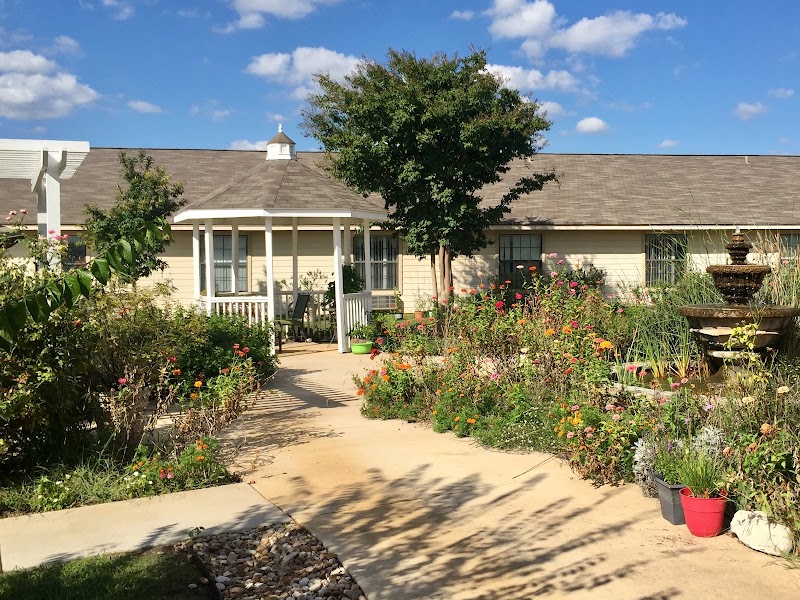
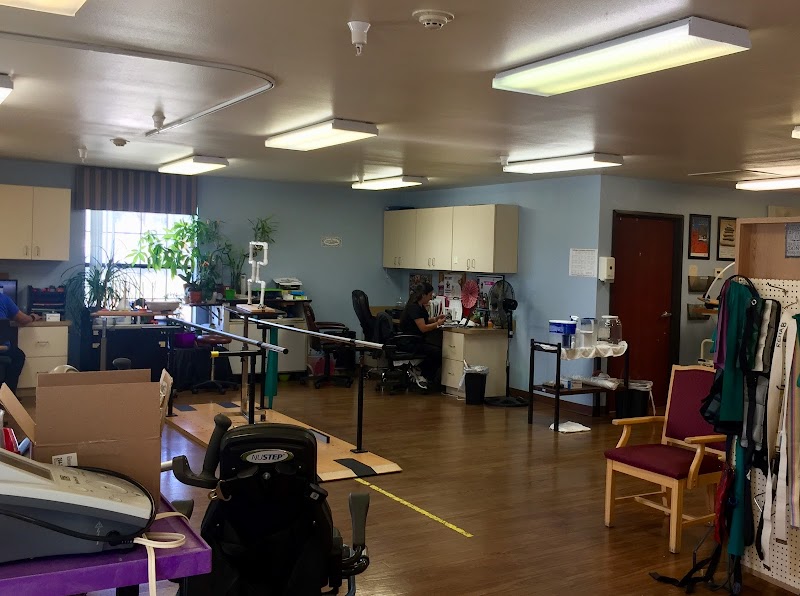
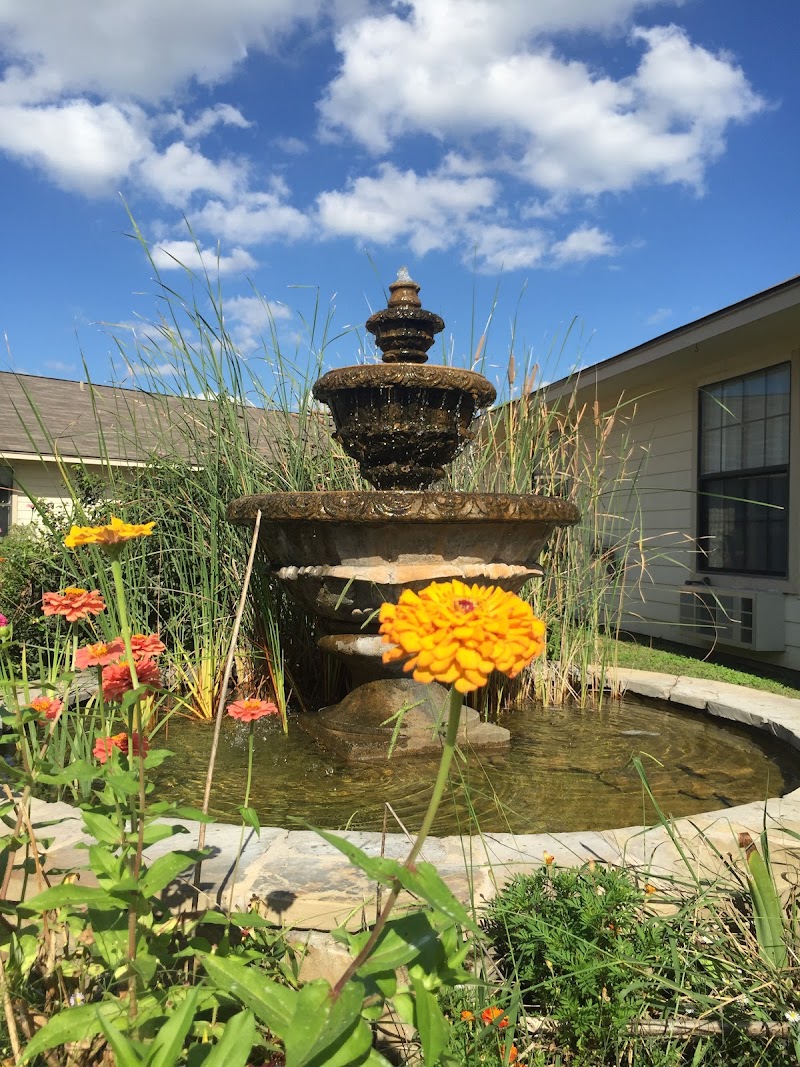
SAGEBROOK NURSING AND REHABILITATION

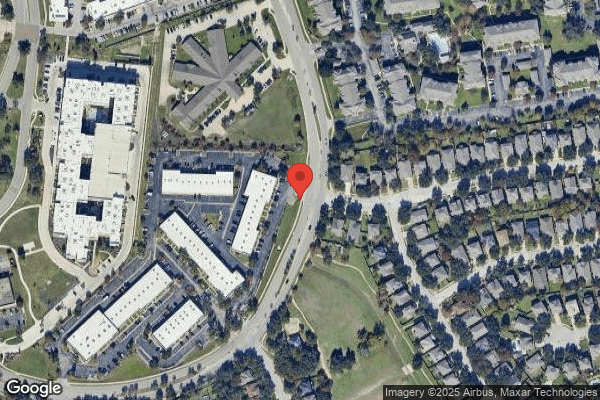
901 DISCOVERY BLVD, CEDAR PARK, TX 78613 (512) 259-9993
For profit - Corporation 124 Beds CARADAY HEALTHCARE Data: November 2025
Trust Grade
65/100
#337 of 1168 in TX
Last Inspection: May 2025

Inspected within the last 6 months. Data reflects current conditions.

Overview

Sagebrook Nursing and Rehabilitation has a Trust Grade of C+, which means it is slightly above average but still has room for improvement. It ranks #337 out of 1,168 facilities in Texas, placing it in the top half overall, and #5 out of 15 in Williamson County, indicating that only four local options are better. The facility's trend is improving, with a significant drop in reported issues from 15 in 2024 to just 2 in 2025. However, staffing is a concern with a rating of 2 out of 5 stars and a high turnover rate of 62%, which is above the Texas average. There have been no fines reported, which is positive, and the facility offers good RN coverage, surpassing 86% of Texas facilities, helping to catch potential issues. Specific incidents noted by inspectors include failing to respect residents' privacy by not knocking before entering rooms and not maintaining proper infection control procedures, such as not performing hand hygiene between resident interactions. Overall, while there are strengths like good RN coverage and no fines, the facility must address staffing issues and ensure that residents receive care that respects their dignity and promotes their well-being.

Trust Score
C+
65/100
In Texas
#337/1168
Top 28%
Safety Record
Low Risk
No red flags
Inspections
Getting Better
15 → 2 violations
Staff Stability
⚠ Watch
62% turnover. Above average. Higher turnover means staff may not know residents' routines.
Penalties
✓ Good
No fines on record. Clean compliance history, better than most Texas facilities.
Skilled Nurses
○ Average
Each resident gets 34 minutes of Registered Nurse (RN) attention daily — about average for Texas. RNs are the most trained staff who monitor for health changes.
Violations
⚠ Watch
21 deficiencies on record. Higher than average. Multiple issues found across inspections.
★★★★☆
4.0
Overall Rating
★★☆☆☆
2.0
Staff Levels
★★★☆☆
3.0
Care Quality
★★★★☆
4.0
Inspection Score
Stable
2024: 15 issues
2025: 2 issues

The Good

  • Full Sprinkler Coverage · Fire safety systems throughout facility
  • No fines on record

Facility shows strength in fire safety.

The Bad

Staff Turnover: 62%

15pts above Texas avg (46%)

Frequent staff changes - ask about care continuity

Chain: CARADAY HEALTHCARE

Part of a multi-facility chain

Ask about local staffing decisions and management

Staff turnover is elevated (62%)

14 points above Texas average of 48%

The Ugly 21 deficiencies on record

May 2025 2 deficiencies
CONCERN (E)

Potential for Harm - no one hurt, but risky conditions existed

Resident Rights (Tag F0550)

Could have caused harm · This affected multiple residents

**NOTE- TERMS IN BRACKETS HAVE BEEN EDITED TO PROTECT CONFIDENTIALITY** Based on observation, interview, and record review, the facility failed to treat each resident with respect and dignity and care...

Read full inspector narrative →
**NOTE- TERMS IN BRACKETS HAVE BEEN EDITED TO PROTECT CONFIDENTIALITY** Based on observation, interview, and record review, the facility failed to treat each resident with respect and dignity and care for each resident in a manner and in an environment that promotes maintenance or enhancement of his or her quality of life for 3 of 10 residents (Resident #71, Resident #191, and Resident #194) reviewed for rights. The facility failed to ensure PTA and RN A knocked on Resident #71, Resident #191, and Resident #194's doors when going into the residents' rooms. The deficient practice could place residents at risk of feeling like their privacy was being invaded or the facility was not their home. Findings included: Review of Resident #71's Face Sheet dated 05/14/2025 revealed she was a [AGE] year-old female who was admitted to the facility on [DATE]. Resident #71's diagnoses included kidney failure, muscle wasting, muscle weakness, difficulty walking, cognitive communication deficit (problems with communication), need for assistance with personal care, respiratory failure, type 2 diabetes mellitus without complications (high blood sugar), morbid obesity, hyperthyroidism (excessive production of thyroid hormones), diarrhea, insomnia (difficulty sleeping), and anxiety (feeling of uneasiness or worry). Record review of Resident #71's admission MDS assessment dated [DATE] revealed Resident #71 had a BIMS score of 14 indicating intact cognitive response. Review of Resident #191's Face Sheet dated 05/14/2025 revealed she was a [AGE] year-old female who was admitted to the facility on [DATE]. Resident #191's diagnoses included end stage renal disease (kidney failure), and discitis lumbar region (a rare and serious medical condition that involves inflammation and infection of the intervertebral disc in the spine). Record review of Resident #191's admission MDS assessment dated [DATE] revealed Resident #191 had a BIMS score of 14 indicating intact cognitive response. Review of Resident #194's Face Sheet dated 05/14/2025 revealed she was a [AGE] year-old female who was admitted to the facility on [DATE]. Resident #194's diagnoses included cerebral infraction (long term effects of a stroke). Record review of Resident #194's admission MDS assessment dated [DATE] revealed Resident #194 had a BIMS score of 03 indicating severe cognitive impairment. Observation while talking to Resident #71 on 05/12/2025 at 10:34 a.m., revealed that PTA and RN A both walked into Resident #71's room without knocking before entering. Observation of 100 hall on 05/12/2025 at 11:13 a.m., revealed that RN A walked into Resident 191's room without knocking before entering. Observation of 100 hall on 05/13/2025 at 08:36 a.m., revealed that RN A walked into Resident 194's room without knocking before entering. During an interview with Resident #71 on 05/12/2025 at 10:35 a.m., revealed that staff do not always knock before entering her room. She said that it did not bother her if staff were coming in and out. She said she did not get upset but would like for staff to knock. During an interview with Resident #194's POA on 05/13/2025 at 1:00 p.m., revealed that he visited Resident #194 daily and stayed for up to 8 hours. He said that staff do not always knock. He said it was mainly the nurses that did not knock. He said that it was not necessary for staff to knock. He said staff were not going to walk into anything going on in the room, so it did not bother him if staff knocked or not. During an interview with Resident #191 on 05/13/2025 at 2:26 p.m., revealed staff do not knock. She said that she would like for staff to knock before entering her room because she said there was no telling what position she could be in. She said that it would irritate her sometimes when staff did not knock, and she would tell them to please knock before coming into her room. During an interview with the PTA on 05/13/2025 at 3:34 p.m., revealed he had been trained on resident rights. He said the policy for knocking on the resident's door was knock, ask if can come in, and tell the resident who you are. He said any staff going into the resident's room should knock before they enter. He said there was not a time that staff do not need to knock. He said if staff did not knock then the resident may feel like their privacy was not being respected. He said everyone was responsible for monitoring to ensure staff were knocking. He said staff monitor by visually watching each other. He said he did not know why he did not knock on Resident # 71's door before entering. He said normally he was going back and forth getting things, but he should be knocking all the time. During an interview with RN A on 05/14/2025 at 8:44 a.m., revealed she had been trained on resident rights. She said the policy for knocking on the residents' doors was knock, wait for them to answer before entering. She also said for residents who could not answer your knock to wait a bit, then go in. She said that staff should always knock on the resident's door. She said that everyone should knock before entering. She said the resident may feel like staff are invading one of their rights by entering and not knocking. She said there was not a reason that staff did not need to knock. She said that the charge nurse was responsible for monitoring to ensure staff knocked. She said that knocking was monitored through observations. She said she did not recall walking into Resident #191, Resident #71, and Resident #194's room without knocking. During an interview with the DON on 05/14/2025 at 8:52 a.m., revealed that she and staff had been trained on resident rights. She said the policy for knocking on the door was always knock before entering. She said the resident would tell staff if it was okay to come into the room. She also said if the resident was nonverbal staff were to still knock tell them who they were and what the staff member was going to do. She said that staff should always knock on the resident's door prior to entering the room. She said everyone should knock before entering the resident's room. She said the resident may feel like they were not respected by staff, or the staff may make the resident feel like they were not seen as a person. She said that there was no reason why staff did not need to knock on the door before entering. She said that all management were responsible for monitoring to ensure that staff are knocking before entering. She said that management monitored through spot checks, and rounds. She said that if management seen staff not knocking, they address it right away. She said she did not know why staff were not knocking on the residents' doors. During an interview with the ADM on 05/14/2025 at 9:02 a.m. he stated he and staff had been trained on resident rights. He said that the policy was that staff were to knock before entering the resident's room. He said all staff were to always knock before going into the resident's room. He said if staff did not knock before entering the room the resident may feel like their privacy was not being respected. He said the only time staff did not have to knock on the door before entering was in the event of an emergency. He said knocking was monitored by everyone. He said everyone holds each other accountable and that knocking was monitored by doing rounds. He said that he did not know why staff did not knock before entering. Record review of Resident Rights Nursing Facilities Policy dated 04/2019 revealed right to be treated with dignity, courtesy, consideration and respect. A person living in a nursing home had the right to privacy.
CONCERN (E)

Potential for Harm - no one hurt, but risky conditions existed

Infection Control (Tag F0880)

Could have caused harm · This affected multiple residents

**NOTE- TERMS IN BRACKETS HAVE BEEN EDITED TO PROTECT CONFIDENTIALITY** Based on observation, interview, and record review the facility failed to establish and maintain an infection prevention and con...

Read full inspector narrative →
**NOTE- TERMS IN BRACKETS HAVE BEEN EDITED TO PROTECT CONFIDENTIALITY** Based on observation, interview, and record review the facility failed to establish and maintain an infection prevention and control program designed to provide a safe, sanitary, and comfortable environment and to help prevent the development and transmission of communicable diseases and infections for 8 of 10 residents (Resident #10, Resident #32, Resident #35, Resident #76, Resident #52, Resident #22, Resident #15 and Resident #193) reviewed for infection control. 1. CNA A did not conduct hand hygiene between each resident when passing lunch trays on the 400 Hall to Residents #10, #35, #76, #52, #22, and #15. 2. During peri-care, CNA B did not sanitize her hands or change gloves when going from the front to the back for Resident #10. 3. RN A did not wear a gown for Enhanced Barrier Precautions when administering medications to Resident #193, who had an enteral feeding tube. 4. RN B did not conduct hand hygiene with glove changes when providing Foley catheter care and wound care to Resident #32. These failures could place residents at risk of transmission of disease and infection. Findings included: Record review of Resident #10's undated face sheet reflected an [AGE] year-old female who was admitted to the facility on [DATE]. Resident #10 had diagnoses which included Alzheimer's disease, muscle weakness, dysphagia (difficulty swallowing), difficulty in walking, diabetes mellitus type 2, and hypertension (high blood pressure). Record review of Resident #10's Quarterly MDS dated [DATE] reflected Resident #10 had a BIMS Score of 08, which indicated moderate cognitive impairment. Record review of Resident #10's Care Plan, last revised on 02/07/25, reflected a focus on ADL care, and more specifically meal set-up and reminders to eat. Record review of Resident #193's undated face sheet reflected a [AGE] year-old male who was admitted to the facility on [DATE]. Resident #193 had diagnoses which included Down's syndrome, gastrostomy status, dysphagia (difficulty swallowing), and muscle weakness. Record review of Resident #193's Quarterly MDS dated [DATE] reflected he had a BIMS Score of 08, which indicated moderate cognitive impairment. Record review of Resident #193's Care Plan, last revised on 05/07/25, reflected he had Enhanced Barrier Precautions related to a PEG tube. Interventions included Enhanced Barrier Precautions will be maintained and resident will not develop an opportunistic infection through review date. Staff to follow Enhanced Barrier Precautions when providing close contact resident care. Record review of Resident #32's undated face sheet reflected a [AGE] year-old male who was admitted to the facility on [DATE]. Resident #32 had diagnoses which included acute cystitis with hematuria (a urinary tract infection with microscopic blood in the urine), muscular weakness, neuromuscular dysfunction of the bladder, pressure ulcer of buttock, and need for personal assistance. Record review of Resident #32's Quarterly MDS dated [DATE] reflected he had a BIMS Score of 08, which indicated moderate cognitive impairment. Resident #32 had a Foley catheter, and he required the assistance of two staff members to provide his activities of daily living . Observation on 05/12/25 at 12:08 PM revealed CNA A was not conducting hand hygiene between each resident when passing lunch trays to resident rooms. CNA A was observed coming out of a room, no hand hygiene conducted, and she picked up a lunch tray and brought it to Resident #35. She went to pick up a tray and brought it to Resident #10. No hand hygiene conducted. CNA A then picked up a tray and brought it to Resident #15. No hand hygiene was observed. On 05/12/25 at 12:19 PM a second cart was brought onto the hall, and CNA A brought a tray to Resident #76. She then returned to the cart and picked up a tray and took it to Resident #52. No hand hygiene was observed. She then picked up a tray and brought it to Resident #22, and no hand hygiene was observed. Interview on 05/12/25 at 12:35 PM with CNA A revealed she had forgotten to use hand sanitizer between each resident when passing lunch trays. CNA A further stated she had been trained on hand hygiene and infection control, and an adverse outcome could be passing an infection to another resident. Observation on 05/14/25 at 09:06 AM revealed CNA B did not change gloves or conduct hand hygiene when going from the front to the back when conducting peri-care for Resident #10. Observation on 5/14/25 at 09:18 AM revealed RN A did not put on a gown during medication administration for Resident #193. His medications were administered via enteral feeding tube, which required any staff providing direct care to wear a gown for Enhanced Barrier Precautions. Interview on 5/14/25 at 09:36 AM with RN A revealed she had forgotten to put on a gown due to feeling nervous. RN A stated the importance of putting on a gown for Enhanced Barrier Precautions was to prevent the spread of infections throughout the facility. RN A further stated she had received training on Enhanced Barrier Precautions and Infection Control. Observation on 05/14/25 at 11:06 AM revealed RN B did not conduct hand hygiene with each glove change when providing Foley catheter care and wound care to Resident #32. During an interview on 04/14/25 at 03:47 PM with DON revealed her expectation of hand hygiene while providing peri-care to residents was handwashing/hand hygiene and glove change should be conducted when going from dirty to clean. The DON stated Enhanced Barrier Precautions should be followed for any resident identified, and when staff are providing resident care. DON further stated an adverse outcome of staff not following proper hand hygiene with glove change and not following Enhance Barrier Precautions puts the resident at risk of an infection. During an interview on 04/14/25 at 04:15 PM with ADM revealed his expectation for infection control protocol while providing resident care was for staff to conduct handwashing before and after to prevent spread of infection. ADM further stated the potential adverse outcome of staff not following infection control protocol during resident care would be placing residents at risk of infections. A record review of the facility's policy titled Infection Control dated October 2017 reflected, To maintain a safe, sanitary, and comfortable environment for personnel, residents, visitors, and the general public and To prevent, detect, investigate, and control infections in the facility.
Dec 2024 2 deficiencies
CONCERN (D) 📢 Someone Reported This

A family member, employee, or ombudsman was alarmed enough to file a formal complaint

Potential for Harm - no one hurt, but risky conditions existed

Report Alleged Abuse (Tag F0609)

Could have caused harm · This affected 1 resident

**NOTE- TERMS IN BRACKETS HAVE BEEN EDITED TO PROTECT CONFIDENTIALITY** Based on interviews and record reviews, the facility failed to ensure that all alleged violations involving abuse, neglect, expl...

Read full inspector narrative →
**NOTE- TERMS IN BRACKETS HAVE BEEN EDITED TO PROTECT CONFIDENTIALITY** Based on interviews and record reviews, the facility failed to ensure that all alleged violations involving abuse, neglect, exploitation or mistreatment, including injuries of unknown source and misappropriation of resident property, are reported immediately, but not later than 2 hours after the allegation is made, if the events that cause the allegation involve abuse or result in serious bodily injury, or not later than 24 hours if the events that cause the allegation do not involve abuse and do not result in serious bodily injury, to the administrator of the facility and to other officials for 1 (Resident #1) of 5 residents reviewed for incidents. The facility failed to report within 2 hours to the SA after Resident #1 alleged sexual abuse to her Hospice caretaker on 12/13/24, who subsequently notified the facility on 12/16/24. The facility did not report Resident #1's allegation to the SA until 12/18/24. This failure could place residents at risk of sexual abuse and receiving substandard quality of care. Findings include: Review of Resident #1's admission record, dated 12/19/24, reflected she was an [AGE] year old female who was readmitted to the facility on [DATE] and had diagnoses including unspecified Alzheimer's disease, generalized muscle weakness, dementia, delusional disorders, unspecified depression, and unspecified anxiety disorder. Review of Resident #1's quarterly MDS assessment, dated 11/22/24, reflected she had a BIMS of 3, which indicated she had severe cognitive impairment. Resident #1's functional abilities section was blank. Resident #1 always had urinary and bowel incontinence. Review of Resident #1's care plan, dated 11/13/24, reflected Resident #1 had an ADL self-care performance deficit and required one CNA to extensively assist with toileting. Resident #1 also had impaired cognitive function and used psychotropic medications. There was special instructions on Resident #1's care plan that indicated, Female caregiver only. During an interview on 12/19/24 at 10:05 a.m., the ADM stated Resident #1 reported a sexual abuse allegation to her Hospice caretaker on 12/13/24. The ADM explained the Hospice caretaker didn't report Resident #1's sexual abuse allegation until 12/16/24. The ADM explained the Hospice caretaker reported Resident #1's sexual abuse allegation to the Hospice Agency on 12/16/24, who reported Resident #1's sexual abuse allegation to the facility on [DATE]. The ADM stated the Hospice Agency reported Resident #1 told her Hospice caretaker that she was raped 3 times. The ADM said, Our (him and the DON's) initial reaction was that we felt [Resident #1's] allegation wasn't reportable, but after further reflection, we felt it was reportable. The ADM stated he knew to report abuse allegations within 2 hours to the SA. The ADM stated he knew anyone at the facility could report an abuse allegation to the SA, but he and the DON were responsible for reporting abuse allegations to the SA within 2 hours. The ADM stated he knew it was important to report abuse allegations within 2 hours to the SA and said, To make sure everything else could be accurately portrayed and to make sure the residents were safe. During an interview on 12/19/24 at 10:06 a.m., the DON stated she interviewed the facility staff and residents on 12/16/24 and found no one was aware of Resident #1's sexual abuse allegation. The DON stated her and the ADM's initial reaction was that they felt Resident #1's allegation wasn't reportable, but after further reflected, they felt it was reportable. The DON stated she knew to report abuse allegations within 2 hours to the SA. The DON stated she knew her and the ADM were responsible for reporting abuse allegations to the SA within 2 hours. The DON stated she knew it was important to report abuse allegations within 2 hours to the SA and said, To make sure the residents were safe. During an interview on 12/19/24 at 11:00 a.m., Resident #1 said, I was raped 3 times. 2-3 months ago, I can't remember what happened. I knew who did it. A man had done it. I don't remember when it happened. The man grabbed me here (Resident #1 pointed at her left and right arm) and threw me down and acted like he knew me. There was a woman involved. The female was violent against me because this part (Resident #1 pointed at both her arms again). She was very frightening, hurt my toes, and acted like she was going to kill me. I don't remember what time of day it happened. It happened 3 different times. I don't remember if they work at the same place. I've seen the man and woman recently. It has been very long since I've seen the woman and man. I don't exactly remember when I last saw the man and woman. Resident #1's statement continued to change several times during the interview. At some point in the interview, Resident #1 had no additional information to provide. Attempts to contact Resident #1's Hospice caretaker were made on 12/19/24 at 2:52 p.m. and at 3:59 p.m. A voicemail and call back number was left on both attempts. Resident #1's Hospice caretaker didn't return the calls before exit. During an interview on 12/19/24 at 2:54 p.m., CNA A stated Resident #1 never reported a sexual abuse allegation to her. CNA A stated she was most recently in-serviced on abuse and reporting online 1-2 weeks ago. CNA A stated she knew the ADM was the abuse and neglect coordinator. CNA A stated she knew to immediately report abuse allegations. During an interview on 12/19/24 at 3:19 p.m., CNA B stated Resident #1 never reported a sexual abuse allegation to her. CNA B stated she was trained and most recently in-serviced on abuse and reporting on 12/18/24 and learned to report right away to the charge nurse if she saw or heard any abuse. CNA B stated she didn't know who the abuse and neglect coordinator was. CNA B stated she knew it was important to immediately report abuse allegations and said, So they could be investigated right away and residents may forget if reporting was prolonged. During an interview on 12/19/24 at 3:39 p.m., LVN C stated Resident #1 never reported a sexual abuse allegation to her. LVN C stated she was most recently in-serviced on abuse and reporting on 12/18/24 and learned the ADM was the abuse and neglect coordinator and to immediately report abuse allegations. LVN C stated she would immediately report abuse allegations. LVN C stated she knew it was important to immediately report abuse allegations and said, So they (the facility) could contact the authorities and to make sure the resident was safe. During an interview on 12/19/24 at 4:00 p.m., CNA D stated he didn't work with Resident #1 because female caregivers were required to work with her. CNA D stated he was most recently in-serviced on abuse and reporting in November or December 2024. CNA D stated he knew to report abuse allegations to the abuse and neglect coordinator. CNA D stated he didn't know who the abuse and neglect coordinator was. CNA D stated he knew to immediately report abuse allegations. CNA D stated he knew it was important to report abuse allegations and said, So the resident won't get violated and so the abuse doesn't lead to something else. During an interview on 12/19/24 at 4:14 p.m., CNA E stated Resident #1 never reported a sexual abuse allegation to her. CNA E stated she was most recently in-serviced on abuse and reporting alleged violations on 12/16/24. CNA E stated she would report abuse immediately to the charge nurse, LVN, RN, ADON, DON, and ADM. CNA E stated she knew the ADM was also the abuse coordinator. CNA E stated she knew it was important to report immediately abuse allegations and said, It's very important because no one deserves to be hit, whatever abuse is, needs to be dealt with, investigated, and needed to be looked into. Review of the facility's in-services from December 2024 reflected staff were trained on abuse and neglect reporting by the ADM and DON on 12/16/24. Staff were taught to report suspected abuse or neglect immediately to the appropriate person and the abuse/neglect coordinator was the ADM. Before 12/16/24, staff were in-serviced on the Abuse, Neglect, and Exploitation policy by the DON on 10/03/24. Staff were taught that the abuse coordinator was the ADM. Review of the facility's Abuse, Neglect, Exploitation and Misappropriation Prevention Program policy, revised April 2021, reflected the following, Policy Statement: Residents have the right to be free from abuse, neglect, misappropriation of resident property and exploitation. This includes but is not limited to freedom from corporal punishment, involuntary seclusion, verbal, mental, sexual or physical abuse, and physical or chemical restraint not required to treat the resident's symptoms. Policy Interpretation and Implementation: The resident abuse, neglect and exploitation prevention program consists of a facility-wide commitment and resource allocation to support the following objectives: . 9. Investigate and report any allegations within timeframes required by federal requirements. Review of the facility's Abuse, Neglect, Exploitation, Misappropriation of Resident Property and Other Incidents that a Nursing Facility Must Report to the Health and Human Services Commission Provider Letter, issued 08/29/24, reflected the following, A NF must report to CII the following types of incidents, in accordance with applicable state and federal requirements: Abuse . Abuse (with or without serious bodily injury) is to be reported immediately, but not later than two hours after the incident occurs or is suspected . HHSC rules define abuse as: The negligent or willful infliction of injury, unreasonable confinement, intimidation, or punishment with resulting physical or emotional harm or pain to a resident; or sexual abuse, including involuntary or nonconsensual sexual conduct that would constitute an offense under Penal Code §21.08 (indecent exposure) or Penal Code Chapter 22 (assaultive offenses), sexual harassment, sexual coercion, or sexual assault . CMS defines abuse as: The willful infliction of injury, unreasonable confinement, intimidation, or punishment with resulting physical harm, pain or mental anguish. Abuse also includes the deprivation by an individual, including a caretaker, of goods or services that are necessary to attain or maintain physical, mental, and psychosocial well-being. Instances of abuse of all residents, irrespective of any mental or physical condition, cause physical harm, pain or mental anguish. It includes verbal abuse, sexual abuse, physical abuse, and mental abuse including abuse facilitated or enabled through the use of technology. Review of the facility's Abuse and Neglect Clinical Protocol, revised March 2018, reflected the following: Definitions: 1. Abuse is defined at §483.5 as the willful infliction of injury, unreasonable confinement, intimidation, or punishment with resulting physical harm, pain or mental anguish. Abuse also includes deprivation by an individual, including a caretaker, of goods or services that are necessary to attain or maintain physical, mental, and psychosocial well-being. Instances of abuse of all residents, irrespective of any mental or physical condition, cause physical harm, pain or mental anguish. It includes verbal abuse, sexual abuse, physical abuse, and mental abuse including abuse facilitated or enabled through the use of technology . 3. Sexual abuse is defined at §483.5 as non-consensual sexual contact of any type with a resident.
CONCERN (D) 📢 Someone Reported This

A family member, employee, or ombudsman was alarmed enough to file a formal complaint

Potential for Harm - no one hurt, but risky conditions existed

Accident Prevention (Tag F0689)

Could have caused harm · This affected 1 resident

**NOTE- TERMS IN BRACKETS HAVE BEEN EDITED TO PROTECT CONFIDENTIALITY** Based on observations, interviews, and record reviews, the facility failed to ensure that each resident receives adequate superv...

Read full inspector narrative →
**NOTE- TERMS IN BRACKETS HAVE BEEN EDITED TO PROTECT CONFIDENTIALITY** Based on observations, interviews, and record reviews, the facility failed to ensure that each resident receives adequate supervision and assistance devices to prevent accidents for 1 (Resident #2) of 5 residents reviewed for unwitnessed falls. The facility failed to adjust Resident #2's wheelchair brakes so they locked in place. On 12/19/24, Resident #2 went to the bathroom unsupervised and fell due to wheelchair brakes not properly locking, subsequently leading to soreness and pain. This failure could place residents at risk of falls, bruises, skin tears, fractures, and hospitalizations. Findings include: Review of Resident #2's admission record, dated 12/19/24, reflected he was a [AGE] year old male who was admitted to the facility on [DATE] and had diagnoses including unspecified dementia, mild cognitive impairment of uncertain or unknown etiology, pain in right hip, generalized muscle weakness, difficulty in walking, unsteadiness on feet, unspecified lack of coordination, fracture of superior rim of right pubis (hip bone), age related osteoporosis, other chronic pain, and repeated falls. Review of Resident #2's quarterly MDS assessment, dated 09/21/24, reflected he had a BIMS of 9, which indicated he had moderate cognitive impairment. Resident #2 had no falls since admission. Resident #2 required supervision or touching assistance with toileting hygiene and partial/moderate assistance with toilet transfers. Resident #2 was occasionally urinary and bowel incontinent. Resident #2 also used a wheelchair as his normally used mobility device. Review of Resident #2's care plan, dated 09/23/24, reflected he had an ADL self-care performance deficit and required limited assistance by one CNA for toileting and to move between surfaces. Resident #2 was also at moderate risk for falls and staff were required to anticipate and meet his needs, be sure his call light was within reach, encourage him to use his call light for assistance as needed, required prompt response to all requests for assistance, ensure he was wearing appropriate footwear when ambulating and mobilizing in wheelchair, was evaluated and treated as ordered or as needed, and required a safe environment with even floors from spills and/or clutter, adequate glare-free light, a working and reachable call light, the bed in low position while in bed, side rails as ordered, handrails on walls and personal items within reach. Review of Resident #2's care plan, dated 12/19/24 at 2:34 p.m., reflected staff revised to include they were to supply a grabber for him and review information on past falls and attempt to determine cause of falls. Review of Resident #2's plan of care, dated 12/19/24 at 2:41 p.m., reflected Resident #2 required supervision and set-up only assistance with toilet use on 12/19/24 at 5:09 a.m. There were no other entries until 12/19/24 at 1:03 p.m. in which Resident #2 required one person extensive, physical assistance with toilet use. Review of Resident #2's progress notes, as of 12/19/24 at 2:24 p.m., reflected the following: *11/23/24 reflected he was on the floor in the bathroom and told staff that he hit his face on the floor when he fell. *10/15/24 reflected he was on the floor in his room, on his buttocks, legs flexed and back to his wheelchair and told staff that he was looking for his phone, then reached for his chair to sit but it was unlocked and he fell. *10/05/24 in which he was found on his knees next to his bed and told staff that he was trying to reach his soda bottle on the floor and slid down. During an observation of Resident #2's hallway on 12/19/24 at 11:20 a.m., there was no staff in the hallway. Resident #2 was yelling, Help me! Help me please! The call light was not on outside Resident #2's room. During an observation of Resident #2's hallway from 12/19/24 11:21 a.m. through 11:29 a.m., there was no staff in the hallway. Resident #2 continued to yell, Help me! Help me please! The call light was not on outside Resident #2's room. During an observation of Resident #2's hallway and interview on 12/19/24 at 11:30 a.m., the surveyor notified CNA F, who walked out the dining area and into the front of Resident #2's hallway, about hearing Resident 2 yelling for help. CNA F and the surveyor walked from the front to back of Resident #2's hallway. The surveyor identified Resident #2's room, whose door was closed. The surveyor and CNA F heard Resident #2 yell inside his closed bathroom, Help me! CNA F opened Resident #2's bathroom door. RN G ran from the front of Resident #2's hallway to Resident #2's room. CNA F, the surveyor, and RN G observed Resident #2's knees on the bathroom floor, his upper body leaning on his wheelchair seat, and his right arm in between the gap of his wheelchair backrest and seat. Resident #2 yelled, I've been calling for help for 30 minutes! I've been waiting for a long time! RN G asked Resident #2 how he fell. Resident #2 yelled, Don't lecture me about falling down and not getting up! I don't want to talk about it! I fell, been face down, and screaming for help for a long time! RN G proceeded to ask Resident #2 if he hit his head. Resident #2 yelled, Enough! RN G asked Resident #2 again if he hit his head during her assessment and Resident #2 denied hitting his head. RN G completed her assessment and determined Resident #2 had no physical injuries. RN G and CNA F helped Resident #2 back into his wheelchair. CNA F left Resident #2's room. RN G asked Resident #2 if he was in any pain. Resident #2 said, Yeah a little bit. I'm sore in this arm (Resident #2 pointed at his left arm). This was the arm I leaned on the wheelchair with. RN G left Resident #2's room to get his pain medication. Resident #2 said, I got up, started using the wheelchair, got up from the wheelchair, it started rolling, and I fell. I've been laying here a long time. I don't call unless it was an emergency. I fell out my wheelchair and couldn't move. I screamed and screamed and screamed. I had a knee on the ground. I was on the ground for a long time. After a while, I thought staff would be here. I think there's several problems at this facility, but one of them is people calling for help because they aren't aware of what they're saying and people like me who call for help and staff don't go and don't answer. Staff do it regularly. It's daily. We don't get any help. To tell you the truth, I was in the position for a while, I made a move and slid down to my knees. My wheelchair brakes were out. I mentioned it to staff that they've gone out a couple times. This happened a hand full of times. The second time I made it to the wheelchair. I'm sorry, it's hard to answer questions, I'm just flustered. I fell into the wheelchair seat with my legs on the ground. RN G returned with Resident #2's pain medication, took Resident #2's blood pressure and pulse, gave him pain medication, and assessed his knees and found no injuries except redness. The DON visited Resident #2's room and asked Resident #2 what happened. The surveyor explained to the DON what occurred. The DON left Resident #2's room. Review of the facility's incident log, dated 12/19/24 at 11:07 a.m., reflected Resident #2's unwitnessed fall was not listed. Review of Resident #2's orders, as of 12/19/24 at 1:54 p.m., reflected no new orders for 12/19/24. The most recent order listed was from 12/09/24. Review of Resident #2's MAR/TAR, as of 12/19/24 at 1:55 p.m., reflected no pain levels documented for 12/19/24. Review of Resident #2's pain level summary, as of 12/19/24 at 1:55 p.m., reflected no pain levels documented for 12/19/24. Review of Resident #2's neurological check list, effective on 12/19/24 at 12:24 p.m., reflected his most recent pulse and blood pressure levels were checked on 12/19/24 at 11:10 a.m. and at normal ranges and his most recent temperature and respiration levels were checked on 11/24/24 at 1:10 a.m The remainder of the neurological check list was blank. Review of the facility's work order report, from 10/01/24 through 12/19/24, reflected a high priority order to adjust the right side of Resident #2's wheelchair break was initiated on 12/19/24 at 12:43 p.m. Before 12/19/24, there was a resolved order related to wheelchair brakes for another resident that was initiated on 11/05/24 at 10:27 a.m. During an observation and interview on 12/19/24 at 12:00 p.m., Resident #2 demonstrated to the surveyor and the MS, who visited Resident #2's room, locking his left wheelchair brake, which locked into place when he motioned his wheelchair forwards and backwards. Resident #2 demonstrated to the surveyor and the MS his right wheelchair brake, which dragged when he motioned his wheelchair forward and backwards and said, It doesn't hold like it should. There were two times of it slipping under me. I had the wheelchair for about a year. I was admitted to the facility over a year ago. I went to the bathroom on my own, but I'm thinking I might need staff to start helping me because of this. The first time it happened I was right in front of the room door. This time, I wasn't near the call light. I couldn't reach it. I don't know exactly how long I was on the floor, but I was on the floor for a long time. The MS said, I've adjusted his (Resident #2's) wheelchair a couple times. The MS told Resident #2, I would like to adjust your wheelchair, but I know it's lunchtime, so I'll adjust it after lunch. The MS left Resident #2's room. During an interview on 12/19/24 at 12:15 p.m., the MS said, I don't know if there was a work order submitted, but I know I tightened it (wheelchair wheels) a couple of times. During an interview on 12/19/24 at 12:49 p.m., the MS stated he worked at the facility for 7 years and 4 months. The MS stated he was responsible for tightening residents' wheelchair locks. The MS said, Once brought to my attention, sometimes I can correct it on the spot. If it is a critical area, it depended on the state of the brakes and condition of the wheelchair if it needed to be adjusted. When asked when Resident #2 most recently informed him about experiencing issues with his wheelchair wheels not locking, the MS said, It's been awhile since he last brought it up. I did it one time. I have adjusted it before. With enough force he could move it. It (Wheelchair locks) clicked in place pretty well. Found one work order (from Resident #2) about a year old and put one in today. When asked when he inspected, repaired and/or replaced wheelchair locks, the MS said, That's constant. Will go good for a while, and then will have one (work order) show up where brakes failed. The brakes with enough force can move and require adjustments. I had a monthly task of checking. Best course was to check with the CNAs and ask if they're noticing any issues with residents transferring into wheelchairs. Nurses and CNAs will tell me. I will do a wheelchair wash every 2-3 times a year. I put a whole assembly line to wash and maintenance wheelchairs. I can't tell you if I kept the documentation, but I don't remember if I kept any while we (him and the staff) washed them. There's no work order record system that's kept, but I do a lot of that stuff. There's a monthly task that is 100% check on every single unit and there's random checks done every month so we can identify any issues specific to wheelchairs. Just functionality of all wheelchairs. That's performed monthly. I don't put it into a specific task. I just do the adjustment and cleared the task as complete. CNAs can also input work orders. The MS stated he knew it was important to inspect and maintain wheelchairs and said, It's the safety part and one could roll out from under them (residents). They can get hurt on the next transfer. Anything reported on the wheelchairs are immediately reported. As soon as they (nursing staff) report it, they have residents put in bed, and I adjust wheelchairs accordingly. I put antiroll back kits on them and put them in a prior months' notice. My job is to make sure people are kept safe and secure. Wheelchairs are important. That's why I wanted[Resident #2's] wheelchair, but he was going to lunch and so I'm going to follow up with him later. During an observation and interview on 12/19/24 from 1:11 p.m. through 1:30 p.m., Resident #2 was still using the same wheelchair. When asked if the MS adjusted his wheelchair, Resident #2 said, No. When asked if staff offered to put him in a different wheelchair for the time being, Resident #2 said, No. During an interview on 12/19/24 at 1:2 p.m., RN G stated she was assigned to work Resident #2's hall on 12/19/24 from 6:00 a.m. through 2:00 p.m. RN G stated she was trained on falls. RN G stated she could not recall when she was most recently in-serviced on falls by the facility. RN G stated she defined an unwitnessed fall as a patient on the floor and said, [Resident #2], clearly gravity took him, but he didn't hit his head and nobody saw it. When asked what she was required to do when a resident had an unwitnessed fall, RN G said, I would initiate neuros right then and there, get vitals, and tell them (residents) to call if they understand. I tell him (Resident #2) all the time and he doesn't listen. We are also supposed to ensure his safety and we remind him. He should call, but he doesn't call. He should have 1 assist with minimal intervention, but sometimes he's a max assist. Sometimes he can help you and sometimes he can't. When asked what happened during Resident #2's fall, RN G stated she was walking down the hallway coming from the dining area to give another resident a sandwich, she didn't hear Resident #2 screaming for help, she observed the surveyor and CNA F at Resident #2's room, rushed into Resident #2's bathroom with CNA F, observed Resident #2's arm in back of his wheelchair, his knees on the bathroom floor, his hips leaning on the wheelchair seat, her and CNA F guided Resident #2 down on his knees, gave Resident #2 time to breathe, and while holding wheelchair, guided Resident 2 back to his wheelchair. RN G stated Resident #2 said, I don't need a lecture, when she asked what happened and if he's in any pain. RN G stated she didn't want to move Resident #2 if he was in pain, but Resident #2 was able to move what she asked and her and CNA F were able to move him. RN G stated she was required to check residents' vitals and pain and if they can move all extremities whenever there was a witnessed or unwitnessed fall and said, He (Resident #2) didn't hit his head, so I didn't think to check pupils but I was ready to. If he hit his head, it would've been part of his neuro checks. I didn't want to wait to take his vitals, but I didn't want to do it right then and there, so I waited 10-15 minutes to check his blood pressure and so he could calm down and verbalize what happened. RN G stated Resident #2 told her that he was just getting off the toilet, didn't ask for help, tried to get back into his wheelchair, reached for the wheelchair and said, The darn brakes, I believe he put weight on the wheelchair and fell in, thankfully he fell into the wheelchair and not all the way back. RN G stated Resident #2 never mentioned to her about his wheelchair wheels not locking and said, He (Resident #2) probably mentioned it to maintenance man himself because he was cognitive of who played what role and would've told someone like [The MS or the ADM]. RN G stated Resident #2 told her that he was in pain in his shoulders and neck, gave him Tylenol 500mg and notified the DON, NP and ADM. When asked if she notified Resident #2's family, RN G said, I don't think he has any family, maybe a friend. I was behind on other stuff, but didn't have time to notify the family, but would be someone I would notify. RN G stated she mentioned that Resident #2 was experiencing issues with his wheelchair to the DON and that the wheelchair wheels needed to be fixed. RN G stated staff offered to push Resident #2's wheelchair to the dining room. RN G stated the MS fixed Resident #1's wheelchair wheel brakes after the surveyor left Resident #2's room on 12/19/24 around 1:40 p.m. RN G stated she knew it was important to follow fall protocol and conduct neuro checks and said, So the resident didn't suffer any injuries, not suffer a brain bleed, and had no injuries anywhere that could be exacerbated if not followed. So yeah to prevent any further injury or harm. And if they have a brain bleed, cannot do neuros because they could be dead. When asked when CNAs check on residents, RN G said, CNAs round on residents as soon as they get to the facility and every two hours. Nurses of course also round on residents. Administration always around on residents and are readily available and I do see a lot of them in the halls. RN G stated she didn't have any other residents report concerns about their wheelchair wheels not locking into place. RN G stated she assumed the MS was responsible for checking on residents' wheelchairs. RN G stated if a resident reported wheelchair issues, she would notify the DON, MS and Housekeeping Supervisor and tell the DON to follow-up with the issue. RN G stated she didn't have access to work order system at the facility, would write down maintenance issues and informed other staff. An attempt to contact CNA F was made on 12/19/24 at 2:36 p.m. A voicemail and call back number was left. CNA F did not return the call. During an interview on 12/19/24 at 4:34 p.m., the DON stated she in-serviced and hosted an all staff meeting that covered fall protocol, who to report falls to, and what to do when falls occur to reiterate importance. The DON stated she most recently in-serviced staff on falls in November 2024 and taught staff about the types of falls, checking for ROM and vitals, CNA reporting to nurse, notifying her of falls, nurses starting neuros, notifying the doctor, family, ADON, her and the NP, and checking for blood thinners. The DON stated nurses were expected to conduct neuros for 72 hours regardless of if the resident hit their head or not. The DON stated she knew it was important to initiate neuros and said, Because they (residents) can have a change in condition and that way you have a timeline when the change in condition occurred and can address it as needed. The DON said the frequency for neurological checks were, 15 minutes first hour, 30 minutes second hour, once an hour, and then every shift until 72 hours was up. The DON stated if there were any changes in condition, staff would notify her even if it was minor. The DON stated she knew it was important to follow fall protocol and said, Because if the resident had an injury, the injury could be reaggravated, it could cause a change in condition, addressing it in a timely fashion so further injury doesn't occur. The DON stated Resident #2 did not call for help and she believed he was more independent than he was. The DON stated staff were supposed to check on Resident #2 every two hours. The DON stated she recently placed Resident #2 on physical therapy services for mobility and were in process of getting a wheelchair more appropriate for him. The DON stated Resident #2 never reported any concerns about his wheelchair having any issues. The DON stated the MS looked at Resident #2's wheelchair before. The DON stated if there were any maintenance issues, she expected staff to put in an order in the facility's work order system or notify her and ADM to notify the MS. The DON stated she knew it was important to notify wheelchair issues and said, So it wouldn't put him at risk for injury again and so he could have more independent mobility. The DON stated the MS was responsible for inspecting and maintaining wheelchairs. The DON stated she did not know how often the MS was required to maintain and fix wheelchairs. The DON stated she expected staff to notify her, the ADM and MS whenever a resident reported a wheelchair issue. The DON stated she expected staff to assess a resident, conduct vitals and neuros, continue the fall process per fall policy, monitor continuously and document if a resident had an unwitnessed fall. The DON stated she defined an unwitnessed fall as If didn't see it, it was unwitnessed. During an interview on 12/19/24 at 5:33 p.m., the RNC said, There's a difference between witnessed and unwitnessed, which was when conducting neuro checks. Unwitnessed fall is going to be neuro checks no matter what. If you can verify the resident didn't hit their head or not, would still do neuro checks. During an interview on 12/19/24 at 5:58 p.m., the ADM stated he could not recall when he most recently in-serviced staff on falls. The ADM stated staff complete annual educations on falls. The ADM stated he defined an unwitnessed fall as no one saw the fall. The ADM stated he expected staff to quickly as they can go and assist if a resident had an unwitnessed fall. The ADM stated if the resident changed planes, he considered it to be an unwitnessed fall. The ADM stated he expected staff to immediately provide care if a resident was found on the ground, knees on the ground, and leaning on the wheelchairs. The ADM stated he expected any staff to check on residents as needed, whenever residents' press the call light, and roughly every two hours. The ADM stated he knew it was important to follow fall protocol and said, To make sure anything isn't serious and no underlying issues occurred that staff didn't know about. The ADM stated he expected his CNAs and nurses to render aide as quickly as they can if there was an unwitnessed fall. The ADM stated he expected staff to report to the nurse or let the MS know how to handle it or have staff enter work orders directly if residents reported wheelchair issues. The ADM said, Generally speaking, therapy and maintenance staff were responsible for adjusting wheelchairs and swapping out wheelchairs. Adding or fixing would be maintenance. The ADM stated he knew it was important to notify the MS of wheelchair malfunction and said, So they can be fixed as quickly as possible and so they don't quickly malfunction. The ADM stated he never been notified of any issues about Resident #2's wheelchair. The ADM stated Resident #2 told an unknown staff member this or last week about his wheelchair. The ADM stated he expected neuro checks to be completed as soon as staff can after the unwitnessed fall incident. The ADM stated he didn't know what level of assistance Resident #2 required to go to the restroom, but believed Resident #2 might be a 1-person assist. Review of the facility's in-services, from 09/01/24 through 12/19/24, reflected staff were trained on falls and fall risk managing policy on unknown date. Staff were also in-serviced on fall precautions by the DON and ADM on 09/04/24 and were taught to ensure all interventions in place. Staff were also in-serviced on neuro checks by the DON and ADM on 09/03/24 and taught it was the nurses responsibility to initiate neuro checks immediately when a patient has an unwitnessed fall and or a witnessed fall with hitting their head and if a neuro check is abnormal to call on-call NP not leave a message in PCC in communications or in NP box. Review of the facility's Logbook Documentation Mobility Aids: Conduct wheelchair inspection, from 09/01/24 through 12/19/24, reflected the MS inspected, repaired, and replaced wheelchairs on 11/05/24, 10/07/24, and 09/11/24. There was no documentation for December 2024. The MS was required to completed the following steps, Inspect wheelchairs for damaged or missing components 1. After lock out or repair work order Is issued, Inspect and or repair (Just a note lock out of a manual wheelchair is not needed) o Check wheelchairs for the following: o Brakes . o Wheels 2. Repair or replace as necessary o Check wheelchair for proper operation 1. Tighten all adjustment points o Items identified as poor condition should be removed from service. Review of the facility's neurological evaluation flow sheet, undated, reflected staff were required to conduct neurological checks according to the following suggested frequency: Complete checks: every 15 minutes x 1 hour, every 30 minutes x 2 hours, every 1 hour x 2 hours, every shift x 72 hours. Staff were also required to date, time, initial, use Glasgow Coma scale to complete assessment, and check and document left and right reactions, arms, legs, blood pressure, pulse, respiration, temperature, and sign for each frequency. Review of the facility's Care Path for Falls, 2014-2021, reflected the following, Fall: Unintentional change in position coming to rest on the ground or onto the next lower surface. Take Vital Signs: Temperature, Blood Pressure, Pulse, Respirations, Oxygen Saturation . Manage in Facility: Document fall per facility policy, monitor vitals for 24-72 hours, monitor neuro checks for 24-72 hours, check for pain level, check for new bruising or other evidence of injury, review of orders for medications associated with increased fall risk . Review of the facility's Accidents and Incidents Investigating and Reporting policy, revised July 2020, reflected the following, Policy Statement: Accidents or incidents involving residents, employees, visitor , vendors, etc., occurring on our premises shall be investigated and reported to the Administrator. Policy Interpretation and Implementation: 1. The Nurse Supervisor/Charge Nurse and/or the department director or supervisor shall promptly initiate and document investigation of the accident or incident. 2. The following data, as applicable, shall be included in the Risk Management report: a. The date and time the accident or incident took place; b. The nature of the injury/illness (e.g., bruise, fall, nausea, etc.); c. The circumstances surrounding the accident or incident; d. Where the accident or incident took place; e. The name(s) of witnesses and their accounts of the accident or incident; f. The injured person's account of the accident or incident; g. The time the injured person's Attending Physician was notified, as well as the time the physician responded and his or her instructions; h. The date/time the injured person's family was notified and by whom; i. The condition of the injured person, including his/her vital signs; j. The disposition of the injured (i.e., transferred to hospital, put to bed, sent home, returned to work, etc.); k. Any corrective action taken; I. Follow-up information; m. Other pertinent data as necessary or required; and n. The signature and title of the person completing the report. Review of the facility's Falls and Fall Risk Managing policy, revised April 2022, reflected the following, Policy Statement: Based on previous evaluations and current data, the staff will identify interventions related to resident's specific risks and causes to try to prevent the resident from falling and to try to minimize complications from falling. Policy Interpretation and Implementation: Definition: According to the MDS, a fall is defined as: Unintentionally coming to rest on the ground, floor or other lower level, but not as a result of an overwhelming external force ( e.g., a resident pushes another resident). An episode where a resident lost his/her balance and would have fallen, if not for another person or if he or she had not caught him/herself, is considered a fall. A fall without injury is still a fall. Unless there is evidence suggesting otherwise, when a resident is found on the floor, a fall is considered to have occurred . Fall Risk Factors: Environmental factors that contribute to the risk of falls include: .e. Improperly fitted or maintained wheelchairs . 2. Resident conditions that may contribute to the risk of falls include: .c. delirium and other cognitive impairment; d. pain; e. lower extremity weakness; . i. functional impairments; . k. incontinence . 3. Medical factors that contribute to the risk of falls include: .d. neurological disorders; and e. balance and gait disorders; Resident-Centered Approaches to Managing Falls and Fall Risk: .6. If falling recurs despite initial interventions, staff will implement additional or different interventions, or indicate why the current approach remains relevant. 7. If underlying causes cannot be readily identified or corrected, staff will try various interventions, based on assessment of the nature or category of falling, until falling is reduced or stopped, or until the reason for the continuation of the falling is identified as unavoidable . Review of the facility's Neurological Assessment policy, undated, reflected the following, Purpose: The purpose of this procedure is to provide guidelines for conducting a neurological assessment (neuro checks) on residents with known or suspected head trauma or acute changes in mental or motor function that may be indicative of a neurological event . Steps in the Procedure: 1. Conduct neurological checks as frequently as ordered . 13. Frequency of neurological checks will be (Total of 72hrs): Every 15 minutes x 4 . The remainder of the policy was blank.
Nov 2024 1 deficiency
CONCERN (D) 📢 Someone Reported This

A family member, employee, or ombudsman was alarmed enough to file a formal complaint

Potential for Harm - no one hurt, but risky conditions existed

Report Alleged Abuse (Tag F0609)

Could have caused harm · This affected 1 resident

**NOTE- TERMS IN BRACKETS HAVE BEEN EDITED TO PROTECT CONFIDENTIALITY** Based on interviews and record reviews, the facility failed to ensure that all alleged violations involving abuse, neglect, expl...

Read full inspector narrative →
**NOTE- TERMS IN BRACKETS HAVE BEEN EDITED TO PROTECT CONFIDENTIALITY** Based on interviews and record reviews, the facility failed to ensure that all alleged violations involving abuse, neglect, exploitation or mistreatment, including injuries of unknown source and misappropriation of resident property, are reported immediately, but not later than 2 hours after the allegation is made, if the events that cause the allegation involve abuse or result in serious bodily injury, or not later than 24 hours if the events that cause the allegation do not involve abuse and do not result in serious bodily injury, to the administrator of the facility and to other officials for 1 (Resident #1) of 4 residents reviewed for incidents. The facility staff failed to inform the ADM of Resident #1's allegation of neglect from 10/19/24 until 10/22/24, subsequently making the ADM's report late to the SA. This failure could place residents at risk of neglect and receiving substandard quality of care. Findings include: Review of Resident #1's admission record, dated 11/21/24, reflected she was an [AGE] year-old female who was admitted to the facility on [DATE] and had diagnoses including unspecified dementia, major depressive disorder, age-related osteoporosis (a disease that causes bones to become weak and more likely to break), and other specified disorders of bone density and structure. Review of Resident #1's quarterly MDS assessment, dated 10/14/24, reflected she had a BIMS score of 12, which indicated she had moderate cognitive impairment. Resident #1's functional abilities section was blank. Resident #1 frequently had urinary incontinence and always had bowel incontinence. Review of Resident #1's care plan, dated 10/22/24, reflected Resident #1 had an ADL self-care performance deficit and required two CNAs to turn and reposition her in bed. Review of Resident #1's progress notes reflected a note made by LVN A on 10/19/24 at 1:26 PM, Resident was found to have bruising to right thumb down to wrist. NOC shift nurse reported to day shift and was found to be a light blue color. Resident not able to push call light button, but able to move around. Resident stated it happened during a transfer and that its been sore since. Family and weekend supervisor notified. Review of Resident #1's self-report, dated 10/22/24, reflected Resident #1 made a neglect allegation at an unknown date. Resident #1 alleged the neglect incident happened on 10/16/24 at 1:00pm in her room. The facility reported Resident #1's neglect allegation to the SA on 10/22/24 at 1:10pm. There were no alleged perpetrators and witnesses. Resident #1 alleged a CNA hurt her arm and thumb during repositioning for care on either 10/16/24 or 10/18/24. Resident #1 was assessed head to toe on 10/19/24 at 1:25 PM by LVN A. LVN A found bruising to Resident #1's right thumb down to her wrist. The facility initiated safe surveys and skin checks for all residents on Resident #1's hall and found there were no other signs of abuse/neglect. The facility also initiated education on abuse/neglect and proper methods of repositioning during care. Resident #1 was unable to remember when the incident occurred and give a description of the CNA that performed the care. Resident #1 was consistent that the CNA was providing service and used her arm to reposition her. Resident #1 stated she didn't feel pain during the care and noticed her thumb was sore and some slight bruising. Resident #1 kept repeating the incident happened either on 10/16/24 or 10/18/24. Resident #1's bruising looked consistent with someone locking hands in a helping manner around Resident #1's lower wrist and thumb area. Resident #1 repeated during all her interviews that the incident happened while a CNA was providing care and didn't feel that the action was done intentionally. The facility interviewed all staff that were assigned to Resident #1's room on the alleged days except for an Agency CNA that would not return calls and had not been to the facility since. All other interviewed staff stated they didn't use Resident #1's hand to reposition Resident #1, but used a draw sheet. The investigation findings were unconfirmed. During an interview on 11/21/24 at 8:56 AM, the DON stated Resident #1 didn't immediately report her alleged neglect incident. The DON stated she didn't know when Resident #1 initially reported her alleged neglect incident. During an interview on 11/21/24 at 9:30 AM, CNA B stated he was in-serviced on abuse and neglect. CNA B stated he knew the ADM was the abuse and neglect coordinator. CNA B stated he would immediately report abuse and neglect. During an interview on 11/21/24 at 9:43 AM, CNA C stated she worked at the facility for 21 years. CNA C stated she was given orientation training on abuse and neglect. CNA C stated she knew the ADM was the abuse and neglect coordinator. CNA C stated she would immediately report abuse or neglect. An attempt to interview Resident #1 was made on 11/21/24 at 9:48 AM. Resident #1 was sleeping in her room. During an interview on 11/21/24 at 9:50 AM, LVN A stated he worked at the facility for 3.5 years. LVN A stated he was given orientation training on abuse. LVN A stated he knew to notify the ADM, who was the abuse and neglect coordinator, on abuse and neglect. LVN A stated he would immediately report abuse or neglect. LVN A stated he was not working when Resident #1 alleged neglect. During an interview on 11/21/24 at 9:54 AM, the ADON stated she knew the ADM was the abuse and neglect coordinator. The ADON stated she would immediately report abuse and neglect. The ADON stated she was not working when Resident #1 alleged neglect. An attempt to interview Resident #1 was made on 11/21/24 at 10:00 AM. Resident #1 was sleeping in her room. During an interview on 11/21/24 at 10:52 AM, LVN A stated he reported what he wrote in his progress note on 10/19/24 to the weekend supervisor. LVN A stated he couldn't recall who the WS was. LVN A stated he knew it was important to immediately report abuse or neglect to ensure it didn't happen to anyone else. LVN A stated he didn't report directly to the DON and ADM because it wasn't something that he saw, Resident #1 didn't have right mindset with her memory, and he just reported it to the weekend supervisor. During an interview on 11/21/24 at 10:56 AM, the ADM stated he couldn't recall when and who reported Resident #1's alleged neglect incident. The ADM stated on 10/21/24, during a morning meeting, it was brought up about Resident #1's alleged neglect incident. The ADM stated he considered Resident #1's alleged incident as neglect and followed the neglect reporting procedures outlined in the provider letter for reporting neglect to the SA. The ADM stated he went by the within 24 hour timeframe for reporting neglect. The ADM stated all staff were responsible for immediately reporting abuse and neglect to him so he could report to the SA. During an interview on 11/21/24 at 11:22 AM, the DON stated she was notified on 10/21/24 during morning meeting about Resident #1's alleged neglect incident. The DON stated she initiated the neglect reporting protocol because it wasn't suspected abuse and because Resident #1 didn't state that the incident was abuse. The DON stated neglect was reported to the SA within 24 hours. The DON stated neglect was reported to the SA within two hours if staff suspected abuse. The DON stated she knew it was important to report abuse and neglect to the SA because staff can remove the alleged staff member from the resident, ensure resident safety, ensure other residents were not harmed, and initiate an investigation. The DON stated residents could be harmed if staff were not reporting within the required timeframes. The DON stated as soon as she's notified of allegations or suspicions of abuse and neglect, she would report right away. The DON stated she did not know why the WS and LVN A, who wrote the progress notes on 10/19/24, didn't report Resident #1's alleged neglect incident to her and the ADM. The DON stated she believed the WS didn't immediately report because the WS didn't think Resident #1 was in immediate danger. An attempt to contact the WS was made on 11/21/24 at 11:32 AM. A voicemail and call back number were left. The WS didn't return the call before exit. Review of the facility's incident log, from 10/01/24 through 11/21/24, reflected Resident #1's bruise incident was on 10/19/24 at 1:20 PM. Review of the facility's in-services, from 10/01/24 through 11/21/24, reflected staff were trained on the abuse and neglect policy and procedure on 10/03/24. Staff were trained on reporting immediately to the ADM of any allegations and suspicions of abuse and neglect. Review of the SA's provider letter for reporting neglect to the SA, issued 08/29/24, reflected: A facility must report to the SA the following types of incidents, in accordance with applicable state and federal requirements: Neglect Do Report: An incident that does not result in serious bodily injury but that involves any of the following: Neglect: Immediately, but not later than 24 hours after the incident occurs or is suspected.
Oct 2024 1 deficiency
CONCERN (D) 📢 Someone Reported This

A family member, employee, or ombudsman was alarmed enough to file a formal complaint

Potential for Harm - no one hurt, but risky conditions existed

Safe Environment (Tag F0584)

Could have caused harm · This affected 1 resident

**NOTE- TERMS IN BRACKETS HAVE BEEN EDITED TO PROTECT CONFIDENTIALITY** Based on observation, interview, and record review, the facility failed to ensure the resident has a right to a safe, clean, com...

Read full inspector narrative →
**NOTE- TERMS IN BRACKETS HAVE BEEN EDITED TO PROTECT CONFIDENTIALITY** Based on observation, interview, and record review, the facility failed to ensure the resident has a right to a safe, clean, comfortable and homelike environment for 2 of 4 (Resident #1 and Resident #2) residents reviewed for environmental concerns. The facility failed to ensure that the Resident #1 and Resident #2's bedding, and Resident #1's air mattress were clean and free of dirt and dried food. These failures could place residents at risk of living in an unsafe, unsanitary, and uncomfortable environment. The findings included: Record review of Resident #1's admission Record dated 10/09/2024 revealed the resident was a [AGE] year-old female, who was admitted to the facility on [DATE]. Resident #1's medical diagnoses included Alzheimer's disease (brain disorder that gets worse over time), dementia (memory, thinking, difficulty), muscle weakness, lack of coordination, weakness, morbid obesity, type 2 diabetes mellitus without complications (high blood sugar), protein-calorie malnutrition, kidney disease, sepsis (a life threatening complication of an infection), cholecystitis (inflammation of the gallbladder), bacteremia (infection in the blood stream), malaise (feeling of general discomfort), major depressive disorder, COVID 19, dysphagia (difficulty swallowing), abnormal weight loss, chronic pain, and cognitive communication deficit (problems with communication). Record review of Resident #1's Quarterly MDS assessment dated [DATE] revealed that Resident #1 had a BIMS score of 01 indicating the resident had severe cognitive impairment. Record review of Resident #2's admission Record dated 10/09/2024 revealed the resident was a [AGE] year-old female, who was admitted to the facility on [DATE]. Resident #2's medical diagnoses included type 2 diabetes mellitus with unspecified complications (high blood sugar), cerebral infarction (long term effects of a stroke), end stage renal disease (end stage of kidney disease), hyperlipidemia (high cholesterol), hypertension (high blood pressure), and depression. Record review of Resident #2's Quarterly MDS assessment dated [DATE] revealed that Resident #2 had a BIMS score of 00 indicating the resident had severe cognitive impairment. Observation of Resident #1's room on 10/09/2024 at 8:02am revealed that the resident was asleep in her bed. The resident's comforter and a sheet were on the floor and there were visible food crumbs, white and brown substance smeared on areas of the mattress and a large area that appeared to be wet or dark stained on the air mattress. Observation of Resident #1's room on 10/09/2024 at 10:12am revealed that the resident's comforter and sheet were still on the floor. The comforter had a dried orange substance on it that appeared to be food. Observation of Resident #1's room on 10/09/2024 at 11:05am revealed that housekeeping was cleaning Resident#1's room. Observation after housekeeping on 10/09/2024 at 11:05am revealed housekeeping cleaned Resident #1's room and that the comforter (the resident's personal comforter) that was on the floor was made on the bed and the air mattress was not cleaned. Lifted the covers and flat sheet and the air mattress still had brown smeared substance and white smeared substance on it. There was also still crumbs of what appeared to be food on the air mattress. An interview with Resident #1 on 10/09/2024 at 11:06am was unsuccessful; Resident #1 would not talk to surveyor. An interview with Resident #1's POA on 10/09/2024 at 9:09am and 10:19am were unsuccessful and call was not returned. An interview with Resident #2's POA on 10/09/2024 at 11:24am revealed that she had an incident about a week before where Resident #2 had dried feces on her bed and her floor. She stated the staff had the let the cleaning solution soak on the floor and come back and clean it up because it had dried. Observation of Resident #2's room on 10/09/2024 at 11:38am revealed that her bed was made and in the middle of her bed was dried brown in color substance that was a little bigger than a quarter. Observation of Resident #2's room on 10/09/2024 at 12:50pm revealed that CNA A was sitting in a chair in Resident #2's room. Resident #2 was observed laying in the bed with the dried food still on the comforter sleeping. An interview with CNA A on 10/09/2024 at 12:50pm revealed that she was watching Resident #2 because she was getting into things and was all over the floor. She also said that the bedding is changed when it gets dirty. She said that the nurses and CNAs were responsible for changing the resident bedding. She said it was not good hygiene to have dirty bedding on a resident's bed. She also said that she did not notice the dried food on the resident's bed. An Interview with the DON on 10/09/2024 at 1:00pm revealed that staff had been trained in resident rights. She stated that the nursing staff were responsible for picking up the resident's rooms. She also said that the nurses and CNAs were responsible for ensuring the resident's bedding was clean. She said that anytime they were soiled the staff were expected to change them. She also said that housekeeping was responsible for wiping down the air mattress when they cleaned the residents' rooms. She said it was a hygiene issue. She stated she did not know why Resident #1 and Resident #2's bedding had dried food on them. An interview with the ADM on 10/09/2024 at 1:38pm revealed that staff were trained on resident rights. He said they did not have a housekeeping policy, but his expectation was if any staff saw the mattress was dirty then it should be cleaned. He said he was not aware that the resident's bedding was dirty. He also said he did not know why the bedding and mattress was not cleaned. An interview with CNA B on 10/09/2024 at 2:34pm revealed she had been trained on resident rights. She stated the CNAs were responsible for changing the resident's bedding and wiping down the air mattresses. She said that the air mattress was to be wiped down when the resident was gotten up and then it was to be air dried. She also said that when the resident's bedding was soiled, or dirty staff were supposed to send it to laundry to be cleaned. She said a resident would never have a blanket or sheet that was dirty. She said the resident may feel nasty or dirty if their bedding is dirty. She said by having dirty bedding the resident could get an infection. She did not know why Resident #1 or Resident #2 had dirty bedding and Resident #1's air mattress was dirty. An interview with CNA C on 10/09/2024 at 2:41pm revealed that she had been trained on resident rights. She stated the CNAs were responsible for picking up and keeping the resident's belongings in place. She said the resident's bedding and air mattress were cleaned the day the resident gets his or her shower. She also said that if the resident's bedding were dirty or the resident spilled something on it then staff would send it to the laundry to be cleaned. She said that by the resident's bedding not being cleaned the resident could get depressed, upset or feel uncomfortable. She stated she did not know why Resident #1 and Resident #2's bedding was dirty. An interview with LVN D on 10/09/2024 at 3:04pm revealed she had been trained on resident rights. She stated that the nursing staff were responsible for ensuring resident's belongings and bedding were clean. She said that was part of the residents' ADLs. She stated the air mattresses were cleaned daily because they did not have sheets on them. She also said that if the air mattress needed cleaning more often staff were to clean them more often. She said that the resident should always have clean bedding, and it should be put in a plastic bag and sent to laundry if it was soiled or dirty. She stated that residents should not be using dirty or soiled blankets or sheets. She said if the resident was bed bound then staff were to change the bedding and clean the resident up. She said residents would not be happy if they had dirty bedding. She said the resident could get ants in their room if they had dirty bedding. She said she did not know why Resident #1 and Resident #2 had dirty bedding. Record review of Homelike Environment Policy revised on February 2021 revealed residents are provided with a safe, clean, comfortable and homelike environment and encouraged to use their personal belongings to the extent possible. The community team members and management maximize to the extent possible the characteristics of the community that reflect a personalized homelike setting. These characteristics include clean, sanitary and orderly environment, clean bed and bath linens that are in good condition.
Jun 2024 1 deficiency
CONCERN (D) 📢 Someone Reported This

A family member, employee, or ombudsman was alarmed enough to file a formal complaint

Potential for Harm - no one hurt, but risky conditions existed

Comprehensive Care Plan (Tag F0656)

Could have caused harm · This affected 1 resident

**NOTE- TERMS IN BRACKETS HAVE BEEN EDITED TO PROTECT CONFIDENTIALITY** Based on interview and record review the facility failed to develop and implement a comprehensive person-centered care plan for ...

Read full inspector narrative →
**NOTE- TERMS IN BRACKETS HAVE BEEN EDITED TO PROTECT CONFIDENTIALITY** Based on interview and record review the facility failed to develop and implement a comprehensive person-centered care plan for each resident, consistent with the resident rights, that included measurable objectives and timetables to meet a resident's medical, nursing, and mental and psychosocial needs that are identified in the comprehensive assessment for one (Resident #1) of five residents reviewed for care plans. The facility failed to ensure a care plan was developed to address Resident #1's psychiatric behaviors such as wandering, insomnia, aggitation, and anxiety. This failure could place residents at risk of not having their individualized needs met, a delay in services, and not receiving adequate care. Findings included: Record review of Resident #1's, undated, face sheet reflected an [AGE] year-old male who was admitted to the facility on [DATE] with diagnoses which included unspecified dementia, type II diabetes , stroke, and hypertension (high blood pressure). Record review of Resident #1's quarterly MDS assessment, dated 04/17/24, reflected a BIMS of 11, which indicated a moderate cognitive impairment. Section D (Mood) reflected he often felt lonely or isolated from those around him. Section E (Behavior) reflected he had no hallucinations, delusions, or physical/verbal behavioral symptoms directed towards others. Record review of Resident #1's quarterly care plan, revised 05/09/24, reflected he used antidepressant medication related to depression and anti-anxiety medications related to anxiety disorder with interventions of administering medications as ordered by the physician. There was no mention of psychiatric behaviors. Record review of Resident #1's physician order, dated 01/15/24, reflected Depakote Oral Tablet Delayed Release 125 MG - Give two tablets by mouth three times a day for behavioral disturbance. Record review of Resident #1's physician order, dated 03/18/24, reflected Zoloft Oral Tablet - Give 100 mg by mouth one time a day for anxiety/depression. Record review of Resident #1's physician order, dated 05/14/24, reflected Buspirone HCl Tablet 5 MG - Give two tablets by mouth three times a day for anxiety. Record review of Resident #1's psychiatric assessment, dated 05/27/24, reflected the following: [Resident #1] is being seen today for the management of psychotropic medications and side effects, and to monitor the effect of medication and for dosage adjustment. [Resident #1]'s psychotropic medication is beneficial in this case to control their psychiatric symptoms and to manage [Resident #1]'s condition and to prevent relapse or hospitalization. Review of Resident #1's progress notes, dated 01/04/24 at 1:10 AM, relected the following: [Resident #1] awake, in hallway, looking at clock on wall, and then back to his room. Review of Resident #1's progress notes, dated 01/06/24 at 12:43 AM, reflected the following: [Resident #1] disoriente to time, even asking staff for time, ambulatin to various clocks on wall to look at time, and then going to bed. Review of Resident #1's progress notes, dated 01/15/24 at 12:10 AM, reflected the following: [Resident #1] has been up and about, constantly coming to nurse, asking for a job, being difficult to redirect. He propels in dining room, drinking from pitchers lying about, and then back to his room. Review of Resident #1's progress notes, dated 01/15/24 at 8:06 PM, reflected the following: [Resident #1] walked out the front door of the building, following the lab tech out . Review of Resident #1's progress notes, dated 01/15/24 at 9:50 PM, reflected the following: DON was notified following [Resident #1]'s exit-seeking and leaving through the front door. During an interview on 06/06/24 at 11:43 AM, Resident #1's FM A stated she was aware he was on a few psychotropic medications. She stated the facility did inform her. She stated since being put on the psychiatric medications he was more calm, less anxious, and he slept through the night. During an interview on 06/06/24 at 12:32 PM, the ADM stated the MDSC was normally responsible for care plans but any nurse could update them. He stated he would expect Resident #1's behaviors to be documented in his care plan. He stated care plans were important to be able to provide necessary care and not providing the best care possible could be a negative outcome if the residents' care plans were not complete and comprehensive. During an interview on 06/06/24 at 12:39 PM, the MDSC stated she was responsible for initial and quarterly care plans and when there was a change in a resident's condition. She stated things such as pain, ADLs, wounds, and falls should be care planned. She stated Resident #1's behaviors, such as his constant wandering, agitation, and confusion, should have been care planned . Record review of the facility's Comprehensive Person-Centered Care Plan Policy, revised December 2016, reflected the following: A comprehensive, person-centered care plan that includes measurable objectives and timetables to meet the resident's physical, psychosocial and functional needs is developed and implemented for each resident . 13. Assessments of residents are ongoing and care plans are revised as information about the residents and the residents' conditions change.
Mar 2024 10 deficiencies
CONCERN (D)

Potential for Harm - no one hurt, but risky conditions existed

Deficiency F0558 (Tag F0558)

Could have caused harm · This affected 1 resident

**NOTE- TERMS IN BRACKETS HAVE BEEN EDITED TO PROTECT CONFIDENTIALITY** Based on observation, interview and record review, the facility failed to accommodate the needs and preferences of five of 24 re...

Read full inspector narrative →
**NOTE- TERMS IN BRACKETS HAVE BEEN EDITED TO PROTECT CONFIDENTIALITY** Based on observation, interview and record review, the facility failed to accommodate the needs and preferences of five of 24 residents (Residents #4, Resident #22, Resident #41, Resident #55, and Resident #64) reviewed for accommodation of needs. The facility failed to place Residents #4, 22, 41,55, and 64's call-lights within reach. This failure affected five residents and placed an additional twenty-five residents who reside at the facility at risk of not having their needs and preferences met and a decreased quality of life. Findings include: Review of Resident #4 Face Sheet dated 03/26/2024 revealed she was an [AGE] year-old female who was admitted to the facility on [DATE]. Resident's diagnosis included dementia, morbid obesity, insomnia, overactive bladder, atrial fibrillation, breast cancer, major depressive disorder, anxiety disorder, COVID 19, adjustment disorder, high blood pressure. Review of Resident #4s Quarterly MDS assessment dated [DATE] revealed her BIMS score was seven. The MDS also revealed that Resident #4 needs limited assistance with transfers, toileting, and bed mobility. Record review of Resident #4''s care plan dated 3/20/2024 revealed in part (Resident #4) is at risk for falls related to: impaired mobility, poor safety awareness and psychotic medication use. Further review of above plan revealed Encourage use of call light and keep call light within reach at all times while in room. Observation and interview on 3/26/2024 at 9:41 AM, Resident #4 sitting in wheelchair, dressed and well groomed. Resident was sitting approximately three feet away from her bed, along the side of her bed. Resident's call-light was hanging straight down from the wall on the floor and out of reach of reach of the resident. Resident #4 said she did not know where her call light was. Review of Resident #22 Face Sheet dated 03/26/2024 revealed she was a [AGE] year-old female who was admitted to the facility on [DATE]. Resident's diagnosis included dementia, muscle weakness, kidney failure, heart failure, vitamin D deficiency, high blood pressure, COVID 19, problems swallowing, water retention, mild cognitive impairment, and allergies. Review of Resident #22's Quarterly MDS assessment dated [DATE] revealed her BIMS score was two. The MDS also revealed that Resident #22 needs extensive assistance with transfers, toileting, and bed mobility. Record review of Resident #22's care plan dated 1/20/2021 revealed in part (Resident #22) is high risk for falls related to: right side weakness, and poor safety awareness. Further review of above plan revealed Be sure the resident's call light is within reach and encourage the resident to use it for assistance as needed. The resident needs prompt response to all requests for assistance. Observation and interview on 3/26/2024 at 9:51 AM, Resident #22 sitting in wheelchair, dressed and well groomed. Resident was sitting approximately two feet away from her bed, toward the foot of the bed. Resident's call-light was laying on the bed behind the resident out of her reach. Resident stated everything was fine and she was good. Review of Resident #41 Face Sheet dated 03/26/2024 revealed she was an [AGE] year-old female who was admitted to the facility on [DATE]. Resident's diagnosis included dementia, type 2 diabetes, morbid obesity, and high blood pressure. Review of Resident #41's Quarterly MDS assessment dated [DATE] revealed her BIMS score was two. The MDS also revealed that Resident #41 needs extensive assistance with transfers, and bed mobility. Resident #41 needs limited assistance with toileting. Record review of Resident #41''s care plan dated 1/10/2023 revealed in part (Resident #41) is moderate risk for falls related to dementia. Further review of above plan revealed Be sure the resident's call light is within reach and encourage the resident to use it for assistance as needed. The resident needs prompt response to all requests for assistance. Observation and interview on 3/26/2024 at 10:06 AM, Resident #41 sitting in wheelchair, dressed and well groomed. Resident was sitting approximately two feet away from her bed, toward the foot of the bed. Resident's call-light was hanging straight down on the wall to the floor. Resident #41 stated that she had to look for her call light most of the time. Resident #41 stated she did not know where her call light was, because call light was behind her on the floor. Review of Resident #51 Face Sheet dated 03/26/2024 revealed she was a [AGE] year-old female who was admitted to the facility on [DATE]. Resident's diagnosis included bleeding of the brain, instability, muscle weakness, lack of coordination, need for assistance with personal care, aphasia, major depressive disorder, high blood pressure, overactive bladder, other fatigue, high level of fat particles in the blood, difficulty swallowing, functional quadriplegia. Review of Resident #51's Quarterly MDS assessment dated [DATE] revealed her BIMS score was zero. The MDS also revealed that Resident #41 is total dependent with transfers, and bed mobility and toileting. Record review of Resident #41's care plan dated 1/10/2023 revealed in part (Resident #51) is high risk for falls related to quadriplegia. Further review of above plan revealed Be sure the resident's call light is within reach and encourage the resident to use it for assistance as needed. The resident needs prompt response to all requests for assistance. Observation on 3/27/2024 at 2:26 PM, Resident #51 sitting in wheelchair, dressed and well groomed. Resident was sitting in her wheelchair at the foot of her bed, Resident #51's call light was laying in the middle of her bed under the sheet. Resident #51 would not respond to questions about call light. Review of Resident #64 Face Sheet dated 03/26/2024 revealed she was a [AGE] year-old female who was admitted to the facility on [DATE]. Resident's diagnosis included dementia, anemia, hypothyroidism, retention of urine, COVID 19 hip fracture, and low levels of blood cells. Review of Resident #64's Quarterly MDS assessment dated [DATE] revealed her BIMS score was eight. The MDS also revealed that Resident #64 is supervision with transfers, and bed mobility. Resident #64 is limited assistance with toileting. Record review of Resident #64's care plan dated 3/13/2024 revealed in part (Resident #64) is moderate risk for falls related to dementia and muscle weakness. Further review of above plan revealed Be sure the resident's call light is within reach and encourage the resident to use it for assistance as needed. The resident needs prompt response to all requests for assistance. Observation on 3/26/2024 at 10:12 AM, Resident #64 was dressed and well groom. Resident #64 was lying in bed, call light was on the bedside table out of reach of the resident. When asked Resident #64 about call light, resident stated looking around for it and stated she uses it when she needs help. Observation on 2/27/2024 at 2:26 PM revealed Resident #64's call light was in the same place it was the day before. Resident #64 call light was still on the bedside table out of reach of the resident. Resident #64 was lying in bed resting. An Interview conducted with CNA F on 03/28/2024 at 10:35 a.m., revealed the policy was call lights are to be within reach of the resident if on the bed or in a chair. She stated all staff are responsible for ensuring the call lights are always within reach of the resident when in the room. CNA F stated that if the call light is not within reach it puts the resident at risk of not getting help if they fall or need something. She stated she did not know why the call lights on the residents were not within their reach. She stated someone may have changed the resident and forgot to put it back. An Interview conducted with LVN D on 03/28/2024 at 11:28 a.m., revealed the policy was call lights should always be within reach of the resident. She stated that everyone is responsible for answering and ensuring the call light is within reach of the resident. She stated it was important to ensure the call light was within reach because the resident has the right to get assistance when they need it. LVN D stated if a resident has an emergency, they could not call for help if the call light is not within reach. She stated she did not know why the call lights were not in reach of the resident. She stated there is never an excuse for the call light not to be within reach of the resident. An interview conducted with the RCN on 03/28/204 at 12:22 p.m., revealed the facility did not have a policy on call lights. An interview conducted with CNA G on 03/28/2024 at 1:26 p.m., revealed the policy was the call light should be put on the bed next to the resident or within his/her reach. She stated the aides are responsible for answering the call lights and ensuring they are in reach of the resident. CNA G stated if a call light is not within reach of the resident the staff do not know if the resident needs help unless they yell out for help. An interview conducted with DON on 03/28/2024 at 1:55 p.m., revealed her expectation is to put the call light in the place where the resident can reach it. She stated they do skill check off and answering call lights is covered in orientation. She stated she did the training verbally with staff and did not have anything in writing. She stated that the call lights should always be within the reach of the resident. The DON stated she did not know why the call lights were not within reach of the resident, but she would educate, and exhibit call light placement with staff. An interview conducted with the Administrator on 03/28/2024 at 2:30 p.m., revealed he did not know if there was a policy, but he does have expectations. He stated his expectation is that the call light was always within reach of the resident. The Administrator stated that all staff were responsible for answering call lights and the placement of the call lights. He stated he did not know why the call lights were not within the reach of the residents . Asked for call light policy never received it.
CONCERN (D)

Potential for Harm - no one hurt, but risky conditions existed

Quality of Care (Tag F0684)

Could have caused harm · This affected 1 resident

**NOTE- TERMS IN BRACKETS HAVE BEEN EDITED TO PROTECT CONFIDENTIALITY** Based on observation, interview and record review, the facility failed to all residents received treatment and care in accordanc...

Read full inspector narrative →
**NOTE- TERMS IN BRACKETS HAVE BEEN EDITED TO PROTECT CONFIDENTIALITY** Based on observation, interview and record review, the facility failed to all residents received treatment and care in accordance with professional standards of practice for 1 of 8 (Resident #47) residents reviewed for edema care. The facility failed to obtain orders and provide treatment for Resident #47's lymphedema. This failure could place residents at risk for untreated medical issues and diminished quality of care. Findings included: A record review of Resident #47's face sheet dated 3/28/2024 reflected a [AGE] year-old female admitted on [DATE] with diagnoses of unspecified dementia, bipolar disorder (mood disorder), anxiety disorder, post-traumatic stress disorder, insomnia (difficulty sleeping), lymphedema (a condition that results in swelling of the leg or arm), hypertension (high blood pressure), gastroesophageal reflux disease (acid reflux), seborrheic dermatitis (skin disorder), and unspecified osteoarthritis (joint disease). A record review of Resident #47's admission MDS dated [DATE] reflected a BIMS score of 9, which indicated moderately impaired cognition. A record review of Resident #47's care plan last revised on 3/11/2024 reflected she had diabetes mellitus (uncontrolled blood sugar), cardiac disease, dehydration or potential fluid deficit and potential for pain. Resident #47's care plan did not reflect her diagnoses of lymphedema and there were no interventions to treat this problem. A record review of Resident #47's physician orders reflected no orders to apply compression stockings, use compression device, or monitor her lymphedema. A record review of Resident #47's progress note dated 2/16/2024 authored by the DON reflected the following: Left pedal/ankle edema: None Right pedal/ankle edema: None A record review of Resident #47's progress note dated 2/17/2024 authored by an unknown author reflected the following: Wanderguard placed on rollator d/t resident's arms and legs being edematous. A record review of Resident #47's progress note dated 2/19/2024 authored by the NP reflected the following: 11. Lymphedema - Bilateral lower and upper lymphedema. Has compression device from home. A record review of Resident #47's physician orders reflected no orders for compression socks or devices and no orders to monitor her lymphedema and associated symptoms. During an observation and interview on 3/26/2024 at 9:51 a.m., Resident #47 was observed sitting in her room and both of her calves were swollen. Resident #47 stated she had lymphedema and it hurt her to do anything. During an interview on 3/28/2024 at 8:41 a.m., Resident #47's family member stated Resident #47 had a compression device in her room which should be used for one hour a day to squeeze the fluid out of Resident #47's legs. Resident #47's family member stated Resident #47 did not take medication for her lymphedema, but a physical therapist at the hospital wanted Resident #47 to wear compression stockings. Resident #47's family member stated she was not sure what the compression device was called, but Resident #47 would put stockings on and then wrap her legs around a sleeve, and the device would squeeze fluid up out of her. Resident #47's family member stated she visited the facility ever day and had never seen the machine being used on Resident #47 and had not seen Resident #47 wearing compression stockings. During an interview on 3/28/2024 at 11:27 a.m., the MDS Coordinator stated that as an LVN, she would expect there to be monitoring in place for residents with lymphedema. In regard to Resident #47, the MDS Coordinator stated, I believe she has compression stockings. The MDS Coordinator stated yes she would expect to see an order to monitor the edema and to notify nursing staff when to apply and remove compression stockings. The MDS Coordinator stated she did not see any orders in Resident #47's chart to treat or monitor her lymphedema. The MDS Coordinator stated the NP or MD put in orders but if they were not in the facility, nurses called them to get the orders and put them in when resident were admitted . The MDS Coordinator stated yes if Resident #47 had a compression device from home, she would expect to see orders associated with its use. The MDS Coordinator stated she saw a progress note in Resident #47's chart which reflected she had a compression device and said I do not see an order for when to use the device. During an observation and interview on 3/28/2024 at 11:36 a.m., PT N was walking with Resident #47 and said I haven't seen her wear them when asked whether Resident #47 wore compression stockings. During an observation interview on 3/28/2024 at 11:46 a.m., LVN E was observed working on Resident #47's hall (200 hall). LVN E stated the process for admitting residents included receiving a folder from the admissions coordinator with the resident's information and then having the ADON or charge nurse input orders after they were approved by the NP. LVN E stated yes Resident #47 had compression stockings, but he was not sure whether she had them on at that moment. LVN E stated he was not aware Resident #47 had a compression device and they probably use it at night. When asked how staff would know when to apply the stockings or use the compression device, LVN E stated, it would be in the orders. During an interview on 3/28/2024 at 11:47 a.m., RN B stated when residents were admitted Monday through Friday, we bring it to the NP, and she approves it when asked how orders were entered. RN B stated if orders were needed and not on the discharge orders from the hospital, she would ask the NP or doctor for the order. RN B stated for a diagnosis of lymphedema, she would expect to see an order specifying when to apply compression wraps. RN B stated no Resident #47 did not have wraps, she was not too familiar with Resident #47 and she usually worked 100 and 300 halls. RN B stated yes she had admitted Resident #47 from home. When asked why she had not contacted the NP about inputting orders related to Resident #47's lymphedema, RN B stated I think I forgot. An observation on 3/28/2024 at 12:01 p.m. revealed Resident #47 was walking down the hall with PT N and she was not wearing compression stockings. During an observation and interview on 3/28/2024 at 3:46 p.m., Resident #47's family member stated she brought the pressure relieving device into the facility the day Resident #47 was admitted and told everyone who was there about the device. Resident #47's family member stated she showed RN A how to use the device and she was not sure whether staff were using it. Resident #47's family member stated Resident #47 had lymphedema for years, and a physical therapist at the hospital said she needed to wear it for an hour a day as well as pressure stockings. Resident #47's family member stated Resident #47's legs were so big they did not fit normal compression stockings. Resident #47's family member stated Resident #47 used to receive lymphedema therapy through the hospital, who provided her with a type of compression bandage that fit Resident #47-Resident #47's family member stated she had brought this to the facility and had told everyone at the facility about the wraps. Resident #47's family member stated she had requested Resident #47's PT records be sent to the facility, but she did not know whether the facility had received them. Observed a roll of bandage and a compression sleeve device sitting inside a bag in Resident #47's room. During an interview on 3/28/2024 at 3:57 p.m., RN A stated as of right now, the pressure machine is not being used. RN A stated when Resident #47 first arrived at the facility, she let the NP know Resident #47 had a pressure relieving device and she was not sure why it had not been used. RN A stated yes she needed an order to use the device and she said she had sent a message to the NP to request an order when Resident #47 arrived. RN A stated she did not think the NP responded to this message. RN A stated Resident #47 would need an order for the compression socks as well, no she had not asked the NP for an order for that, and I try to catch what I can. RN A stated without these orders, Resident #47's situation would not be improved, managed, and maintained the way it was supposed to. RN A stated she had not gone to the DON regarding this matter. During an interview on 3/28/2024 at 2:45 p.m., the DON stated the process for admitting residents involved the admissions coordinator providing hospital discharge orders, the NP checking off medications, the ADON placing medication orders, the admitting nurse doing a head-to-toe assessment, and then we add vital signs and other orders. The DON stated herself, the ADON, or charge nurses were responsible for adding these orders. The DON stated there was an admissions checklist they used. The DON stated she would not expect to see orders for lymphedema if we're not treating it. The DON stated she had not seen the compression device Resident #47's family brought it, and she was not sure when it was brought to the facility. The DON stated pain was monitored through pain assessments and Resident #47's legs looked the same as when she came in. During an interview on 3/28/2024 at 2:50 p.m., the RNC stated standing or queued orders could be entered by anyone but usually nurse managers put them in because there were a lot of agency nurses. The RNC stated she had spoken with the NP who said there was not a reason to treat the lymphedema. The RNC stated, you can't just put a wrap on and said they needed a special order for it. The RNC stated not having orders to treat lymphedema could be a quality-of-life issue if it were painful but said Resident #47 had not mentioned pain with anyone. The RNC stated there was not a policy on admitting residents. During an interview on 3/28/2024 at 4:28 p.m., the Administrator stated he could not say for sure what happened with Resident #47 but said that the NP said orders for lymphedema did not come with her primary orders and they can only go off what they were given. The Administrator stated providers made decisions based on diagnoses and he was not sure whether it was investigated as to why Resident #47 came in with equipment and what to do with it. The Administrator stated he did not know enough clinically to say what a potential negative outcome could be. During an interview on 3/28/2024 at 5:08 p.m., the NP stated she did not know why an order had not been placed for Resident #47's compression device and she was not aware of Resident #47's compression stockings. The NP stated she had seen Resident #47 when she first came in, and she had just seen her once more that day (3/28/2024). Polices on quality of care and edema were requested on 3/28/2024 at 3:39 p.m. and were not provided prior to exit.
CONCERN (D)

Potential for Harm - no one hurt, but risky conditions existed

Deficiency F0806 (Tag F0806)

Could have caused harm · This affected 1 resident

**NOTE- TERMS IN BRACKETS HAVE BEEN EDITED TO PROTECT CONFIDENTIALITY** Based on observation, interview and record review, the facility failed to ensure all residents received food that accommodated t...

Read full inspector narrative →
**NOTE- TERMS IN BRACKETS HAVE BEEN EDITED TO PROTECT CONFIDENTIALITY** Based on observation, interview and record review, the facility failed to ensure all residents received food that accommodated the resident's preferences for 1 of 8 (Resident #58) residents reviewed for food preferences. The facility served Resident #58 food items she disliked as reflected on her meal ticket. This failure placed residents at risk of decreased appetite and oral intake. Findings included: A record review of Resident #58's face sheet dated 3/28/2024 reflected an [AGE] year-old female readmitted on [DATE] with diagnoses of cerebral palsy (a group of disorders that affect movement, muscle tone, balance, and posture), type 2 diabetes (uncontrolled blood sugar), dysphagia (difficulty swallowing), anxiety disorder, hypertension (high blood pressure), primary insomnia (difficulty sleeping), hyperlipidemia (high cholesterol), obstructive sleep apnea (breathing disorder), encephalopathy (disease of the brain), and unspecified atrial fibrillation (irregular heartbeat). A record review of Resident #58's annual MDS assessment dated [DATE] reflected a BIMS score of 15, which indicated minimally impaired cognition. A record review of Resident #58's care plan last revised on 3/20/2024 reflected she was resistive to insulin therapy and staff were to allow the resident to make decisions about her treatment regimen to provide a sense of control. A record review of Resident #58's orders reflected an order dated 3/06/2024 for a low concentrated sweets (LCS) diet. During an observation and interview on 3/27/2024 at 9:51 a.m., Resident #58 was observed wheeling herself down the 200 hall. Resident #58 reported the menu had a lot of bread, sweets and potatoes. Resident #58 stated she was diabetic and said her diabetes was well controlled through her diet, so she did not take medication. During an observation and interview on 3/27/2024 at 1:26 p.m., Resident #58 was observed eating lunch. Resident #58's tray ticket reflected the cheese stuffed shell with marinara & parmesan, broccoli florets, and garlic bread were struck through. Resident #58's tray ticket reflected her dislikes/intolerances included bread, broccoli, brussel sprouts, caked, cucumber, lactose, potatoes and sausage. Resident #58's meal tray contained the stuffed cheese shell with marinara & parmesan, broccoli, garlic bread and rice. Resident #58 stated, oh, it's all bread. During an observation and interview on 3/28/2024 at 12:03 p.m., Resident #58 was eating lunch in the dining room. Resident #58's meal ticket reflected the pineapple upside down cake was struck through. Resident #58 stated she had been served it anyway, and she ate it because it was there on her tray. Resident #58 stated she did not like cake because she knew she was not supposed to have it. Resident #58's lunch ticket reflected cake was still listed under her dislikes/intolerances . During an interview translated by HHSC's translating services on 3/28/2024 at 12:21 p.m., CK O stated she had served lunch that day (3/28/2024) and the day prior (3/27/2024). When asked how she ensured residents did not receive items they disliked, CK O stated, the ticket says. CK O stated no she was not familiar with Resident #58. However, when asked why Resident #58 received cake, pasta and bread on 3/27/2024 when her ticket reflected she was not to receive those items, CK O stated she puts what the resident asks for. CK O stated that on 3/27/2024, DA P told her Resident #58 wanted a regular plate. When asked why on that day (3/28/2024) Resident #58 received cake when her ticket had it crossed through, CK O stated another lady put the dessert on the tray. During an interview on 3/28/2024 at 12:35 p.m., the Dietary Manager stated Resident #58 liked broccoli despite her meal ticket indicating otherwise. During an interview on 3/28/2024 at 2:40 p.m., the DON stated she wanted to make sure they gave residents food they were wanting. The DON stated the dietary department checked trays and nurses should confirm the tickets to make sure diets were correct. The DON stated it should be common sense when asked how nurses were trained on checking tray tickets. The DON stated if Resident #58 received foods she did not like it could cause decreased intake and stated yes receiving more carbohydrates than she wanted could affect blood sugar. During an interview on 3/28/2024 at 4:18 p.m., the Administrator stated nurses were supposed to check trays and his expectation was for residents to not receive what they did not want. The Administrator stated Resident #58 receiving foods she did no want could ruin her appetite. A record review of the facility's policy titled Alternate Food Choices and Substitutions and Honoring Preferences dated 2018 reflected the following: Policy: The foci lily believes that adequate nutrition is essential to each resident's well-being and good health. An alternate entrée and vegetable will be offered at each meal. The facility also supports resident choice and allowing residents to choose foods by honoring their food preferences. Other substitutions will also be available in the event a resident does not choose the main meal or the alternate. 2. The Nutrition & Food service Manager or designee will obtain the resident's food preferences upon admission and record preferences in the tray card system. 4. If a resident's preferences indicate they dislike the main meal, the alternate will be served unless the resident requests a substitution. 7. The Nutrition & Food service Manager will be informed by the Nutrition & Food service staff or the resident's request so that the resident's preferences can be updated. 8. If a resident consistently ref uses meals, alternates and substitutions for three or more meals, the Nutrition & Food service Manager will be notified. The Nutrition & Food service Manager will visit the resident to determine if a change in diet or preferences is appropriate. A record review of the facility's policy titled Diet Order Accuracy dated 2018 reflected the following: Policy: The facility will conduct routine audits of the diet orders to ensure that residents receive the diet as ordered by the physician. 4. 4. Any discrepancies will be investigated. If the tray card system is in error, it will be updated. If the diet noted on the diet roster is incorrect. the Nutrition & Foodservice Department will request that Nursing write a clarification order to have the diet changed on the physician's order sheet.
CONCERN (E)

Potential for Harm - no one hurt, but risky conditions existed

Resident Rights (Tag F0550)

Could have caused harm · This affected multiple residents

**NOTE- TERMS IN BRACKETS HAVE BEEN EDITED TO PROTECT CONFIDENTIALITY** Based on observation, interview, and record review, the facility failed to treat each resident with respect and dignity and care...

Read full inspector narrative →
**NOTE- TERMS IN BRACKETS HAVE BEEN EDITED TO PROTECT CONFIDENTIALITY** Based on observation, interview, and record review, the facility failed to treat each resident with respect and dignity and care for each resident in a manner and in an environment that promotes maintenance or enhancement of his or her quality of life for 4 of 6 (Resident #7, Resident #46, Resident #52 Resident #58, 139 and Resident #188) residents in 1 of 1 dining room. The facility failed to promote Resident #7, 46, 52, 58, 139 and 188's dignity while dining when staff did not serve the resident their lunch tray at the same time as other residents at the same table. This failure could affect all residents who were eat in the dining room, by contributing to poor self-esteem, and unmet needs. Findings included: Review of Resident #7 Face Sheet dated 03/26/2024 revealed he was a [AGE] year-old male who was admitted to the facility on [DATE]. Resident's diagnosis included dementia, type 2 diabetes, Aphasia, delusional disorder, Parkinson's disease, high blood pressure, blockage in the artery, kidney failure, iron deficiency, difficulty swallowing, schizoaffective, insomnia, heart disease, heart failure, gout, COVID 19, problem in the brain, and breakdown of muscle tissue. Review of Resident #46 Face Sheet dated 03/26/2024 revealed she was a [AGE] year-old female who was admitted to the facility on [DATE]. Resident's diagnosis included Alzheimer's, muscle weakness, abnormalities of gait and mobility, weakness, hypothyroidism, blocked artery, arthritis, depression, anxiety, insomnia, delusional disorder, difficulty swallowing, insomnia, COVID 19, lack of coordination, and age-related physical disability. Review of Resident #52 Face Sheet dated 03/27/2024 revealed she was a [AGE] year-old female who was admitted to the facility on [DATE]. Resident's diagnosis included dementia, type 2 diabetes, brain bleeding, kidney disease, major depressive disorder, adjustment disorder, heart failure, anemia, hypothyroidism, nicotine dependency, high blood pressure, heart disease, constipation, COVID 19, and slower than normal heart rate. Review of Resident #58 Face Sheet dated 03/26/2024 revealed she was an [AGE] year-old female who was admitted to the facility on [DATE]. Resident's diagnosis included cerebral palsy, type 2 diabetes, respiratory failure, slurred and slow speech, ulcers, COVID 19, iron deficiency, reflux disease, intestinal bleed, retention of water with loss of sodium, low potassium, sepsis, iron deficiency, anxiety disorder, insomnia, sleep apnea, high blood pressure, hernia, brain disease, heart attack, irregular heartbeat, inflammation of the lungs due to food and vomit, and weak and brittle bones. Review of Resident #139 Face Sheet dated 03/27/2024 revealed she was an [AGE] year-old male who was admitted to the facility on [DATE]. Resident's diagnosis included Alzheimer's disease with late onset. Review of Resident #188 Face Sheet dated 03/27/2024 revealed she was a [AGE] year-old female who was admitted to the facility on [DATE]. Resident's diagnosis included lack of coordination, communication deficit, asthma, type 2 diabetes, sleep apnea, high blood pressure, heart disease, repeated falls, surgical wound, long term use of insulin, and brief stroke attacks. Observation of the dining services on 03/26/2024 at 12:18pm revealed that Resident #46 and Resident #58 did not receive their meal tray until 18 minutes after their table mate received her tray. Resident #7 did not receive his meal tray until 20 minutes after his table mate received his tray. Observation of dining services on 03/27/2024 at 7:38am revealed Resident # 52 and Resident #188 did not receive their meal tray until 15 minutes after their table mate got her tray. Observation of dining services on 03/27/2024 at 11:34am revealed Resident #139 did not receive his meal tray until 10 minutes after his tablemates. An interview with CNA F on 03/28/2024 at 10:54am revealed the policy for dining tray pass was that all residents at the same table are to receive their meal tray before staff move on to the next table. She stated the aides, and the nurses were responsible for ensuring all residents were served at the same table. CNA F stated that by not feeding the residents at the same table at the same time could make the resident feel like he or she were forgotten and get upset. She also stated residents may feel like he or she is not as important as the other residents. Interview with LVN D on 03/28/2024 at 11:40am revealed the policy for tray pass in the dining room was they start with one table ensure all residents had their food before moving to the next table. She stated that by not giving a resident his/her tray at the same time as others at the table could result in the resident getting upset, resident may feel like staff are picking on them, or feel like he/she is being looked over or not important. LVN D stated there was miscommunication that occurred and that is not a valid excuse for residents to not be served their trays at the same time. Interview with the DON on 03/28/2024 at 1:49pm revealed the policy was when passing trays, they complete one table at a time and ensure residents at the same table are eating at the same time. She stated if residents are not given his/her tray at the same time the resident that did not get their tray may get upset or angry, frustrated. She stated the resident may also wonder why they have not gotten their tray or if they are even going to eat. The DON stated it was evident that the trays were not checked, staff did not communicate to the kitchen staff which residents in the dining room did not have a tray. An interview conducted with the Dietary Manager on 03/28/2024 at 2:00pm revealed the policy on passing trays in the dining room was that staff could not pass meal trays to another table until everyone at the previous table were served. She stated the nurse in the dining room is responsible for ensuring all residents at a table are served before moving to the next table. Stated if a resident did not get his/her tray at the same time as other residents at their table could result in the resident feeling upset and if the resident is hungry the resident does not want to watch others eat. The Dietary Manager stated that on 03/26/2024 she was given order of where residents were seated. She stated she pulled those meal tickets and when residents were seated for lunch the list, she was given was incorrect. She stated it got better on 03/27/2024 because she came out of the kitchen and made a list of the residents in the dining room and pulled those meal tickets. She stated it was a hit and miss when the trays came. An interview with the Administrator on 03/28/2024 at 2:52pm revealed he did not know if there was a policy, but the expectation was for all residents at the same table be served at the same time. Stated whoever is passing trays was responsible for ensuring all residents at the same table were served at the same time. He stated by not giving the residents at the same table their meals together were a dignity issue and the resident may feel left out. Stated he did not know why the residents were not served at the same time. The Administrator stated staff may not of had the correct order of residents. He stated his expectation is the meal trays come off the line in order. Record Review of Meal Service Policy dated 2018 revealed all residents at one table will be served at the same time prior to serving resident at other tables.
CONCERN (E)

Potential for Harm - no one hurt, but risky conditions existed

Deficiency F0567 (Tag F0567)

Could have caused harm · This affected multiple residents

**NOTE- TERMS IN BRACKETS HAVE BEEN EDITED TO PROTECT CONFIDENTIALITY** Based on interview, and record review, the facility failed to manage the personal funds of the resident deposited with the facil...

Read full inspector narrative →
**NOTE- TERMS IN BRACKETS HAVE BEEN EDITED TO PROTECT CONFIDENTIALITY** Based on interview, and record review, the facility failed to manage the personal funds of the resident deposited with the facility for 3 (Resident #2, Resident #4, and Resident #20) of five residents reviewed for trust funds. The facility failed to ensure Resident #2, 4, and 20 had ready access to his personal funds on the weekends. This failure could place twenty-seven residents whose funds are managed by the facility of not receiving funds deposited with the facility and not having their rights and preferences honored. Findings Included: Interview on 03/27/2024 at 9:00 AM in the Resident Group Meeting revealed Resident #2, Resident #4, and Resident #20 did not have access to their funds on the weekend or after 5 pm. Resident #2 stated that the residents can only get their money when the business office manager was there. Resident #4, and Resident #20 both stated that they had trouble getting their money because they had a lot of turnovers in the office, and there was not a business office manager to give them their money. Review of Resident #2 Face Sheet dated 03/26/2024 revealed she was an [AGE] year-old female who was admitted to the facility on [DATE]. Face Sheet revealed she was responsible for herself and received her own financial statements. Review of Resident #2's Quarterly MDS assessment dated [DATE] revealed her BIMS score was fifteen and her active diagnoses included diabetes, Parkinson's disease, pneumonia, asthma, and respiratory failure. Review of Resident #4 Face Sheet dated 03/26/2024 revealed she was an [AGE] year-old female who was admitted to the facility on [DATE]. Face Sheet revealed she was responsible for herself and received her own financial statements. Review of Resident #4s Quarterly MDS assessment dated [DATE] revealed her BIMS score was seven and did not have any diagnoses. Review of Resident #20 Face Sheet dated 03/27/2024 revealed she was an [AGE] year-old female who was admitted to the facility on [DATE]. Face Sheet revealed she her sister was her responsible party and received her financial statements. Review of Resident #20's Quarterly MDS assessment dated [DATE] revealed her BIMS score was fourteen and her active diagnoses included Sepsis, Parkinson's disease, and respiratory failure. Parkinson's disease, pneumonia, asthma, and respiratory failure. Interview on 03/28/2024 at 1:23 PM with DON revealed the BOM was responsible for maintaining the resident's trust fund. She stated that residents could schedule an appointment or just go up to the BOM's office and get what they needed. The DON stated that if the BOM was not in, she or the Administrator could get the residents their funds. She also stated that the residents have access Monday through Friday from 8 to 5 pm. She also revealed her, the Administrator or the BOM is not at the facility on the weekend. Interview on 03/28/2024 at 2:34 PM with the Administrator revealed that he revealed worked Monday through Friday. He stated that residents would get money from their trust fund from the business office manager. He stated the only time residents would not be able to get money is if they do not have the funds the resident is requesting in the facility. He said at that point they would do a reconciliation of the cash box send it to corporate to approve; corporate would send them a check to cash to replenish the cash box funds. He stated sometimes the process to replenish the funds could take a few days. The Administrator stated that the residents could get their funds if someone who can give out the cash was at the facility. Interview on 03/28/2024 at 2:58 PM with the BOM revealed residents are allowed to get their funds when they want, however she stated she has Trust Fund Hours normally from 9 am to 5 pm. She stated that the residents could request their funds anytime they want but she does have a 300-dollar cap. She revealed that if a resident wants the funds to pay a bill, she will tell the resident to bring her the bill and she will pay it for the resident. The BOM also stated that if the resident wants money for a field trip that is on the weekend the resident knows to ask before Friday. She also revealed that if a family showed up and decided last minute to take the resident out on a weekend or after 5 pm that the resident family can bring her a receipt and she will reimburse them for the residents' items purchased on the outing. She stated there is no one at the facility on the weekends to give the residents money. The BOM stated that by residents' not having access to their money on the weekends could make them feel excluded, disappointed, or cheated because they could not participate. Record Review of Personal Funds Policy dated 03/2021 revealed the facility is to provide the resident access to funds of fifty dollars or less with in twenty-four hours, and access to funds of fifty dollars or more within three banking days. Record Review of Resident Rights signed by the Administrator, DON, and BOM revealed the resident has the right to have access to money and property deposited with the facility. Review of the list with the number of residents whose funds were managed by the facility provided by the Assistant Business Office Manager on 02/28/2024 reflected twenty-seven residents.
CONCERN (E)

Potential for Harm - no one hurt, but risky conditions existed

Deficiency F0578 (Tag F0578)

Could have caused harm · This affected multiple residents

**NOTE- TERMS IN BRACKETS HAVE BEEN EDITED TO PROTECT CONFIDENTIALITY** Based on observation, interview and record review, the facility failed to ensure all residents had the right to participate, dis...

Read full inspector narrative →
**NOTE- TERMS IN BRACKETS HAVE BEEN EDITED TO PROTECT CONFIDENTIALITY** Based on observation, interview and record review, the facility failed to ensure all residents had the right to participate, discontinue or refuse to participate in experimental research for 4 of 4 residents (Resident #2, Resident #16, Resident #65 and Resident #67) reviewed for participation in experimental research. The facility failed to review and maintain in residents' chart signed consents for a sleep study for Residents #2, #16, #65, and #67 This failure placed residents at risk of not knowing how their personal information was used and being unaware of their right to refuse to participate in the study. Findings included: A record review of Resident #2's face sheet dated 3/27/2024 reflected an [AGE] year-old female readmitted on [DATE] with diagnoses of unspecified dementia, chronic obstructive pulmonary disease (lung disease), type 2 diabetes (uncontrolled blood sugar), epilepsy (seizure disorder), hypertension (high blood pressure), chronic diastolic (congestive) heart failure, chronic kidney disease, bipolar disorder (mood disorder), dysphagia (difficulty swallowing), and sleep disorder. A record review of Resident #2's 5-day Medicare MDS assessment dated [DATE] reflected a BIMS score of 15, which indicated no cognitive impairment. A record review of Resident #2's care plan last revised on 3/18/2024 reflected she had a mood problem related to her diagnosis of bi-polar disorder and was to be observed for any changes in need for sleep. Resident #2's care plan did not reflect her participation in the sleep study. A record review of Resident #2's electronic medical record on 3/27/2024 reflected no signed consent for her participation in the sleep study. A record review of Resident #16's face sheet dated 3/27/2024 reflected a [AGE] year-old female admitted on [DATE] with diagnoses of hemiplegia and hemiparesis (paralysis of one side of the body), aphasia (difficulty communicating), dysphagia (difficulty swallowing) following cerebral infarction (stroke), alcohol dependence, uncomplicated, depression, anxiety disorder, other insomnia (difficulty sleeping), hypertension (high blood pressure), osteoporosis (bone disease), and personal history of traumatic brain injury. A record review of Resident #16's quarterly MDS assessment dated [DATE] reflected a BIMS score of 11, which indicated moderately impaired cognition. A record review of Resident #16's care plan last revised on 3/22/2024 reflected he had potential for pain related to physical disability, depression and disease process, and staff were to observe and report any changes in his usual sleep patterns. Resident #16's care plan did not reflect her participation in the sleep study. A record review of Resident #16's electronic medical record on 3/27/2024 reflected no signed consent for her participation in the sleep study. A record review of Resident #65's face sheet dated 3/27/2024 reflected a [AGE] year-old male admitted on [DATE] with diagnoses of unspecified dementia, anemia, hypertension (high blood pressure), and benign prostatic hyperplasia (enlarged prostate). A record review of Resident #65's quarterly MDS assessment dated [DATE] reflected a BIMS score of 14, which indicated minimally impaired cognition. A record review of Resident #65's care plan last revised on 3/13/2024 reflected he was at risk for pain related to fracture and staff were to observe and report changes in sleep patterns. Resident #65's care plan did not reflect his participation in the sleep study. A record review of Resident #65's electronic medical record on 3/27/2024 reflected no signed consent for his participation in the sleep study. A record review of Resident #67's face sheet dated 3/27/2024 reflected a [AGE] year-old female readmitted on [DATE] with diagnoses of unspecified dementia , muscle weakness, hyperlipidemia (high cholesterol), heart disease, anemia, major depressive disorder (depression), hypertension (high blood pressure), atherosclerosis (narrowing of arteries), and peripheral vascular disease (poor circulation). A record review of Resident #67's quarterly MDS assessment dated [DATE] reflected a BIMS score of 12, which indicated moderately impaired cognition. A record review of Resident #67's care plan last revised on 9/14/2023 reflected she had ADL self-care performance deficit and was bedfast all or most of the time. Resident #67's care plan did not reflect his participation in the sleep study. A record review of Resident #67's electronic medical record on 3/27/2024 reflected no signed consent for her participation in the sleep study. During an interview on 3/27/2024 at 9:35 a.m., the Administrator stated the experimental research began in June or July of 2023. The Administrator stated residents participating wore a wrist band which sensed the amount of light in the room and tracked their vitals. The Administrator stated part of the study was to implement environmental interventions with residents to improve sleep quality. The Administrator stated the DON would have residents' consents for the study. During an interview on 3/27/2024 at 12:50 p.m., the DON stated the facility obtained soft consents for the sleep study by calling residents' families. The DON stated the facility then fielded the consents to the University conducting the experimental research. During an observation and interview on 3/28/2024 at 10:34 a.m., Resident #16 was observed sitting in her room and she stated the sleep study started a couple months prior, she was not sure how long it went on for, and she had no concerns about it . An observation on 3/28/2024 at 10:36 a.m., revealed Resident #67 was sleeping and was unable to be interviewed regarding the sleep study. During an observation and interview on 3/28/2024 at 10:42 a.m., Resident #65 was observed sitting at the nurse's station. Resident #65 did not respond when asked how the sleep study had gone, but stated they're cutting it off Friday and pointed to a black wristband on his left wrist. During an observation and interview on 3/28/2024 at 11:12 a.m., Resident #2 was observed on the 100 hall and she stated she was not sure how long the study had lasted but it had not bothered her in any way. During an interview on 3/28/2024 at 2:47 p.m., the DON stated no that prior to 3/27/2024, Resident #2's, Resident #16's, Resident #65's and Resident #67's signed consents were not stored at the facility because it's external. The DON stated no she had not reviewed the signed consents and what all they entailed. The DON stated herself, RN C, the SW and the RNC were involved in obtaining consents for the study through doing a soft check off, informing families what the study consisted of, and allowing the University to follow up with families who initially consented to the study. The DON stated RN C was affiliated with the University conducting the research study, and the facility hired her to coordinate the study. The DON stated there would be no outcome of failing to store signed consents in the facility. During an interview on 3/28/2024 at 2:48 p.m., the RNC stated RN C was the point person for the study and oversaw everything with families. RNC stated RN C had the hard copies of the consents at her house and on her computer. During an interview on 3/28/2024 at 4:11 p.m., the Administrator stated he had not read the consents for the experimental research but they were reviewed by the facility's corporate team before the research started. The Administrator stated generally speaking, provider consents would be uploaded into residents' charts at some point, but they did not house consents for all treatments with outside entities.
CONCERN (E)

Potential for Harm - no one hurt, but risky conditions existed

Deficiency F0583 (Tag F0583)

Could have caused harm · This affected multiple residents

**NOTE- TERMS IN BRACKETS HAVE BEEN EDITED TO PROTECT CONFIDENTIALITY** Based on observation, interview, and record review the facility failed to ensure resident rights for personal privacy for 7 of 7...

Read full inspector narrative →
**NOTE- TERMS IN BRACKETS HAVE BEEN EDITED TO PROTECT CONFIDENTIALITY** Based on observation, interview, and record review the facility failed to ensure resident rights for personal privacy for 7 of 7 residents (Resident # 4, Resident # 18, Resident #36, Resident # 44, Resident #50, Resident #65, Resident #68, and Resident #69) reviewed for personal privacy. The facility posted personal incontinent information on the inside of Resident #4, 36, 44,50,65, and 68's closet. The facility posted Resident #69's incontinent information on the outside of his bathroom door that was visible by anyone walking past the resident's room. The deficient practice could affect all residents in the facility who are incontinent and could result in the resident being humiliated and cause embarrassment to the residents. Findings included: Review of Resident #4 Face Sheet dated 03/26/2024 revealed she was an [AGE] year-old female who was admitted to the facility on [DATE]. Resident's diagnosis included dementia, morbid obesity, insomnia, overactive bladder, atrial fibrillation, breast cancer, major depressive disorder, anxiety disorder, COVID 19, adjustment disorder, high blood pressure. Review of Resident #36 Face Sheet dated 03/28/2024 revealed she was a [AGE] year-old female who was admitted to the facility on [DATE]. Resident's diagnosis included Dementia, muscle weakness, protein-calorie malnutrition, multiple sclerosis, weak and brittle bones due to age, nerve malfunction, urinary tract infection, joint replacement, low platelet level, circulation disease, bladder infection, fast heart rate, repeated falls, altered mental state, weakness, COVID 19 and feeling of discomfort. Review of Resident #44 Face Sheet dated 03/28/2024 revealed she was a [AGE] year-old male who was admitted to the facility on [DATE]. Resident's diagnosis included Dementia, muscle weakness, difficulty communicating, respiratory failure, cirrhosis of liver, type 2 diabetes, pneumonia, cellulitis, anemia, high blood pressure, instability, shortness of breath, difficulty walking, lack of coordination, low red and white blood cells, inflammation of bone, high level of fat particles in the blood, excess fluid in the kidneys, and COVID 19 Review of Resident #50 Face Sheet dated 03/28/2024 revealed she was an [AGE] year-old female who was admitted to the facility on [DATE]. Resident's diagnosis included Dementia, muscle weakness, expressive language disorder, lack of coordination, difficulty communicating, protein-calorie malnutrition, reflux disease, depression, urinary tract infection, sepsis, bladder infection, light headedness and dizziness, difficulty walking, repeated falls, fainting and collapse, and COVID 19 Review of Resident #65 Face Sheet dated 03/28/2024 revealed she was a [AGE] year-old male who was admitted to the facility on [DATE]. Resident's diagnosis included Dementia, anemia, high blood pressure, prostatic cancer, and fluid filled sac around the testicle. Review of Resident #65 Face Sheet dated 03/28/2024 revealed she was an [AGE] year-old female who was admitted to the facility on [DATE]. Resident's diagnosis included anemia, high blood pressure, type 2 diabetes, protein-calorie malnutrition, vitamin D deficiency, seasonal allergies, high levels of fat particles in the blood, low potassium, narrowing of heart valve, and inflammation of the colon. Review of Resident #68 Face Sheet dated 03/28/2024 revealed she was an [AGE] year-old male who was admitted to the facility on [DATE]. Resident's diagnosis included dementia. Observation of residents' rooms on 03/26/2024 at 9:39 am revealed a sign that was visible from the hall that stated, resident # 69 wears pull ups only no brief/diaper. An Interview conducted with MA M on 03/27/2024 at 1:44 pm revealed policy was that staff and family cannot post personal information about a resident. He stated by posting incontinent information about a resident violated the resident's privacy, and that the resident might feel embarrassed by the information posted. He stated if family put person information up about a resident the CNA and Med Aides would let the charge nurse know so the nurse can talk to the family. MA M stated he has not noticed the sign on Resident #68's door. He stated the resident's family must have posted the information. He did not think the DON was aware of the posting on the resident's door. An interview with Resident # 69 on 03/27/2024 at 1:56 pm revealed the resident was embarrassed by the sign that was posted stating he wore pullups. Resident wanted the sign to be taken down. Resident's wife (who is also a patient) stated surveyor needed to talk to her daughter. An interview on 03/27/2024 at 2:14 pm was attempted with Resident #69's daughter. Left daughter a message and did not get an answer or a call back. An interview with CNA F on 03/28/2024 at 10:39 am revealed the policy was that the sign about briefs must be posted inside the resident's closet. She revealed all residents that were incontinent had a sign on the inside of their closet door that stated the resident's name, and brief size. CNA F stated the Medical Records put the signs up so that staff will know what size the resident wears when doing rounds. She stated on the outside of the door it is more visible to anyone that walks by but when it is on the inside it is less visible. She stated most visitors will not go into a resident's closet so they would not see the sign. CNA F stated that most of the residents do not know the signs are there but if they did, they would want them to be taken down. She also stated that some residents might be okay with it being there because the resident would get the right brief. Observation of the signs CNA F mentioned above on 03/28/2024 at 10:49 am revealed that Resident #4, Resident # 36, Resident #44, Resident #50, Resident #65, and Resident #68 all had signs posted inside their closet that said What do I wear? The (resident's name), room number, brief or pull up, and size. An interview with LVN D on 03/28/2024 at 11:32 am revealed staff is not to hang signs on residents' doors and visitors should not have access to any personal information about a resident. She stated that the Medical Records is the one who puts signs up in resident's rooms. She stated if a sign were posted with resident personal information, it becomes a dignity and privacy issue, and the resident could be embarrassed. She stated when family members put up signs the staff try to educate them on residents' rights. She stated no one would want personal information about them posted and they would want it taken down. Observation on 03/28/2024 at 11:38 am while talking to a nurse in the hall a friend of Resident #44 came by and said she was going to go into the resident's closet to get him a jacket because he was cold. An interview on 03/28/2024 at 11:55 am with Medical Records revealed that the signs about incontinent care cannot be posted where they can be seen, stated the signs are posted on the inside of the resident's closet or inside the resident's bathroom. She stated that the signs being posted inside the residents' closets were implemented by the previous administrator. She stated if the information was misused the resident could be offended by the sign or be embarrassed. Medical Records stated that visitors typically do not go into a residents closet but could see the sign being posted in the bathroom as an issue. An interview with the DON on 03/28/2024 at 1:23 pm revealed that posting information about the resident is a dignity issue. She stated if the sign has the resident's name on it then it could not be visible to the public and that the old administration was the one who initiated the signs being posted in the closet. She stated the resident might get embarrassed or depressed if the signs are posted with incontinent information. The DON stated the sign on Resident #69's bathroom door should have been taken down when the staff did the quality-of-life rounds. She stated staff have a quality-of-life check list that is supposed to be done daily. An interview with the Administrator on 03/28/2024 at 2:41 pm revealed hanging signs with personal information about a resident was not allowed at all in their rooms depending on what was being posted. He stated that the signs were posted by Medical Records. The Administrator stated that if personal information about incontinent care is posted it messes with the resident's dignity and can make the resident sad, depressed, or embarrassed. He stated he has not had residents' family post personal information in a resident's room and did not think there was a policy against family posting personal information. Record Review of the quality-of-life checklist could not be done due to the facility not providing the checklist. Record Review of Statement of Resident Rights signed by the Administrator, DON, Medical Records revealed residents have the right to privacy, to have facility information about the resident maintained as confidential.
CONCERN (E)

Potential for Harm - no one hurt, but risky conditions existed

Comprehensive Care Plan (Tag F0656)

Could have caused harm · This affected multiple residents

**NOTE- TERMS IN BRACKETS HAVE BEEN EDITED TO PROTECT CONFIDENTIALITY** Based on observation, interview and record review, the facility failed to develop and implement a comprehensive person-centered ...

Read full inspector narrative →
**NOTE- TERMS IN BRACKETS HAVE BEEN EDITED TO PROTECT CONFIDENTIALITY** Based on observation, interview and record review, the facility failed to develop and implement a comprehensive person-centered care plan for 6 of 8 residents (Resident #47, Resident #58, Resident #2, Resident #16, Resident #65, Resident #67) reviewed for comprehensive care plans. The facility failed to revise Resident #47's care plan to reflect interventions for her diagnosis of lymphedema. The facility failed to revise Resident #58's care plan to reflect interventions for her diagnosis of diabetes mellitus. The facility failed to revise Resident #2's, Resident #16's, Resident #65's, and Resident #67's care plan to reflect their participation in an experimental research study. These failures placed residents at risk of not having interventions in place to meet their needs. Findings included: A record review of Resident #47's face sheet dated 3/28/2024 reflected a [AGE] year-old female admitted on [DATE] with diagnoses of unspecified dementia, bipolar disorder (mood disorder), anxiety disorder, post-traumatic stress disorder, insomnia (difficulty sleeping), lymphedema (a condition that results in swelling of the leg or arm), hypertension (high blood pressure), gastroesophageal reflux disease (acid reflux), seborrheic dermatitis (skin disorder), and unspecified osteoarthritis (joint disease). A record review of Resident #47's admission MDS dated [DATE] reflected a BIMS score of 9, which indicated moderately impaired cognition. A record review of Resident #47's care plan last revised on 3/11/2024 reflected she had diabetes mellitus (uncontrolled blood sugar), cardiac disease, dehydration or potential fluid deficit and potential for pain. Resident #47's care plan did not reflect her diagnoses of lymphedema and there were no interventions to treat this problem. A record review of Resident #58's face sheet dated 3/28/2024 reflected an [AGE] year-old female readmitted on [DATE] with diagnoses of cerebral palsy (a group of disorders that affect movement, muscle tone, balance, and posture), type 2 diabetes (uncontrolled blood sugar), dysphagia (difficulty swallowing), anxiety disorder, hypertension (high blood pressure), primary insomnia (difficulty sleeping), hyperlipidemia (high cholesterol), obstructive sleep apnea (breathing disorder), encephalopathy (disease of the brain), and unspecified atrial fibrillation (irregular heartbeat). A record review of Resident #58's annual MDS assessment dated [DATE] reflected a BIMS score of 15, which indicated minimally impaired cognition. A record review of Resident #58's care plan last revised on 3/20/2024 reflected she was resistive to insulin therapy and staff were to allow the resident to make decisions about her treatment regimen to provide a sense of control. Resident #58's care plan did not reflect her diagnosis of diabetes or any interventions to treat potential problems related to the diagnosis. A record review of Resident #2's face sheet dated 3/27/2024 reflected an [AGE] year-old female readmitted on [DATE] with diagnoses of unspecified dementia, chronic obstructive pulmonary disease (lung disease), type 2 diabetes (uncontrolled blood sugar), epilepsy (seizure disorder), hypertension (high blood pressure), chronic diastolic (congestive) heart failure, chronic kidney disease, bipolar disorder (mood disorder), dysphagia (difficulty swallowing), and sleep disorder. A record review of Resident #2's 5-day Medicare MDS assessment dated [DATE] reflected a BIMS score of 15, which indicated no cognitive impairment. A record review of Resident #2's care plan last revised on 3/18/2024 reflected she had a mood problem related to her diagnosis of bi-polar disorder and was to be observed for any changes in need for sleep. Resident #2's care plan did not reflect her participation in the sleep study. A record review of Resident #16's face sheet dated 3/27/2024 reflected a [AGE] year-old female admitted on [DATE] with diagnoses of hemiplegia and hemiparesis (paralysis of one side of the body), aphasia (difficulty communicating), dysphagia (difficulty swallowing) following cerebral infarction (stroke), alcohol dependence, uncomplicated, depression, anxiety disorder, other insomnia (difficulty sleeping), hypertension (high blood pressure), osteoporosis (bone disease), and personal history of traumatic brain injury. A record review of Resident #16's quarterly MDS assessment dated [DATE] reflected a BIMS score of 11, which indicated moderately impaired cognition. A record review of Resident #16's care plan last revised on 3/22/2024 reflected he had potential for pain related to physical disability, depression and disease process, and staff were to observe and report any changes in his usual sleep patterns. Resident #16's care plan did not reflect her participation in the sleep study. A record review of Resident #65's face sheet dated 3/27/2024 reflected a [AGE] year-old male admitted on [DATE] with diagnoses of unspecified dementia, anemia, hypertension (high blood pressure), and benign prostatic hyperplasia (enlarged prostate). A record review of Resident #65's quarterly MDS assessment dated [DATE] reflected a BIMS score of 14, which indicated minimally impaired cognition. A record review of Resident #65's care plan last revised on 3/13/2024 reflected he was at risk for pain related to fracture and staff were to observe and report changes in sleep patterns. Resident #65's care plan did not reflect his participation in the sleep study. A record review of Resident #67's face sheet dated 3/27/2024 reflected a [AGE] year-old female readmitted on [DATE] with diagnoses of unspecified dementia , muscle weakness, hyperlipidemia (high cholesterol), heart disease, anemia, major depressive disorder (depression), hypertension (high blood pressure), atherosclerosis (narrowing of arteries), and peripheral vascular disease (poor circulation). A record review of Resident #67's quarterly MDS assessment dated [DATE] reflected a BIMS score of 12, which indicated moderately impaired cognition. A record review of Resident #67's care plan last revised on 9/14/2023 reflected she had ADL self-care performance deficit and was bedfast all or most of the time. Resident #67's care plan did not reflect his participation in the sleep study. During an observation and interview on 3/26/2024 at 9:51 a.m., Resident #47 was observed sitting in her room and both of her calves were swollen. Resident #47 stated she had lymphedema and it hurt her to do anything. During an observation and interview on 3/27/2024 at 9:51 a.m., Resident #58 was observed wheeling herself down the 200 hall. Resident #58 reported the menu had a lot of bread, sweets and potatoes. Resident #58 stated she was diabetic and said her diabetes was well controlled through her diet, so she did not take medication. During an observation and interview on 3/28/2024 at 10:34 a.m., Resident #16 was observed sitting in her room and she stated the sleep study started a couple months prior, she was not sure how long it went on for, and she had no concerns about it. An observation on 3/28/2024 at 10:36 a.m. revealed Resident #67 was sleeping and was unable to be interviewed regarding the sleep study. During an observation and interview on 3/28/2024 at 10:42 a.m., Resident #65 was observed sitting at the nurse's station. Resident #65 did not respond when asked how the sleep study had been going on but stated they're cutting it off Friday and pointed to a black wristband on his left wrist. During an observation and interview on 3/28/2024 at 11:12 a.m., Resident #2 was observed on the 100 hall, and she stated she was not sure how long the study had lasted but it had not bothered her in any way. During an observation and interview on 3/28/2024 at 11:16 a.m., the MDS Coordinator stated the facility's policy on comprehensive care plans was to revise them quarterly. The MDS Coordinator stated they looked at care plans during care plan meetings with family and changes would be made as needed. The MDS Coordinator stated ultimately herself was responsible for revising care plan but said each department did their part. The MDS Coordinator stated that since she had the entire facility, she had a PRN person, LVN Q, who assisted with revising care plans. The MDS Coordinator stated yes she expected to see diagnoses of lymphedema and diabetes on residents' care plans. The MDS Coordinator stated she had not care-planned residents' participation in experimental research and it just didn't occur to me. The MDS Coordinator stated she thought it was a good idea to care plan residents' participation in the sleep study. The MDS Coordinator stated, they switch who they're doing the study with so often. The MDS Coordinator stated she ensured care plans were person-centered and comprehensive through knowing the residents and from asking floor staff their opinion on good interventions. The MDS Coordinator stated she had worked there a long time. The MDS Coordinator stated when they reviewed care plans, they had one person looking at diagnoses while another person looked at the care plan and it was a team effort. Observed the MDS Coordinator look at her computer and then said it got missed in regard to Resident #47's and Resident #58's diagnoses of lymphedema and diabetes, respectively, not being on their care plans. The MDS Coordinator stated if orders were in place and the care was there, she did not think there would be any outcome on residents. During an interview on 3/28/2024 at 2:40 p.m., the DON stated care plans were reviewed every 90 days and if things need adjusted, they should be reviewed. The DON stated the MDS Coordinator was responsible for ensuring care plans were person-centered and comprehensive. The DON stated she expected to see a diagnosis of diabetes on a resident's care plan but no not with a diagnosis of lymphedema, because we don't treat it. The DON stated with the experimental research with Resident #2, Resident #16, Resident #65, and Resident #67, since there was no medication involved and it did not affect their emotional status, she did not think it needed to be in the care plan. The DON stated if there were something the facility could do for quality of life or to manage needs, if they did not update it in the care plan, it could cause a bad outcome. During an interview on 3/28/2024 at 4:11 p.m., the Administrator stated care plans were updated as needed or quarterly, and any nurse could update the care plan but generally the MDS Coordinator monitored care plans. The Administrator stated diagnoses such as diabetes mellitus and lymphedema should be in the care plan and he was not sure whether participation in experimental research should be included. The Administrator stated if there were no orders there to monitor and it were not being addressed, there could be a negative affect on residents. A record review of the facility's policy titled Care Plans, Comprehensive Person-Centered dated March 2022 reflected the following: Policy Statement A comprehensive, person-centered care plan that includes measurable objectives and timetables lo meet the resident's physical, psychosocial and functional needs is developed and implemented for each resident. Policy Interpretation and Implementation 1. The interdisciplinary team (IDT), in conjunction with the resident and his/her family or legal representative, develops and implements a comprehensive, person-centered care plan for each resident. 3. The care plan interventions arc derived from a thorough analysis of the information gathered as part of the comprehensive assessment. 7. The comprehensive, person-centered care plan: a. includes measurable objectives and timeframes; b. describes the services that arc to be furnished to attain or maintain the resident's highest practicable physical, mental, and psychosocial well-being, including: (1) services that would otherwise be provided for the above, but arc not provided due to the resident exercising his or her rights, including the right to refuse treatment; (3) which professional services arc responsible for each element of care; c. includes the resident's stated goals upon admission and desired outcomes; d. builds on the resident's strengths; and c. reflects currently recognized standards of practice for problem areas and conditions. 9. Care plan interventions arc chosen only after dnta gathering, proper sequencing of events. Careful consideration of the relationship between the resident's problem areas and their causes, and relevant clinical decision making. 10. When possible, interventions address the underlying source(s) of the problem [NAME](s), not just symptoms or triggers. 11. Assessments of residents arc ongoing and care plans arc revised as information about the residents and the residents' conditions change. 12. The interdisciplinary team reviews and updates the care plan: a. when there has been a significant change in the resident's condition; b. when the desired outcome is not met; c. when the resident has been readmitted to the facility from a hospital stay; and d. at least quarterly, in conjunction with the required quarterly MDS assessment.
CONCERN (E)

Potential for Harm - no one hurt, but risky conditions existed

ADL Care (Tag F0677)

Could have caused harm · This affected multiple residents

**NOTE- TERMS IN BRACKETS HAVE BEEN EDITED TO PROTECT CONFIDENTIALITY** Based on observation, interview and record review, the facility failed to ensure all residents who were unable to carry out acti...

Read full inspector narrative →
**NOTE- TERMS IN BRACKETS HAVE BEEN EDITED TO PROTECT CONFIDENTIALITY** Based on observation, interview and record review, the facility failed to ensure all residents who were unable to carry out activities of daily living received the necessary services to maintain grooming and personal and oral hygiene for 3 of 8 (Resident #32, Resident #57 and Resident #58) residents reviewed for ADL's. The facility failed to ensure Resident #32 received nail care. The facility failed to ensure Resident #57 and Resident #58 received shaving care. These failures placed residents at risk of poor personal hygiene. Findings included: A record review of Resident #32's face sheet dated 3/28/2024 reflected a [AGE] year-old female readmitted on [DATE] with diagnoses of dementia, muscle weakness, type 2 diabetes (uncontrolled blood sugar), cognitive communication deficit (difficulty communicating), hypertension (high blood pressure), cerebral infarction (stroke), and major depressive disorder (depression). A record review of Resident #32's annual MDS assessment dated [DATE] reflected a BIMS score of 9, which indicated moderately impaired cognition. Section GG (Functional Abilities and Goals) reflected Resident #32 required partial/moderate assistance with personal hygiene. A record review of Resident #32's care plan last revised on 3/07/2024 reflected she had ADL self-care performance deficit and required supervision by one staff with personal hygiene. Resident #32's care plan also reflected nails should always be cut straight across, never cut corners. A record review of Resident #32's bathing schedule reflected she was last bathed on 3/27/2024. A record review of Resident #32's progress notes dated 2/27/2024-3/28/2024 reflected no refusals of nail care. A record review of Resident #57's face sheet dated 3/28/2024 reflected a [AGE] year-old female readmitted on [DATE] with diagnoses of Alzheimer's disease (type of dementia), paraphilias (a condition characterized by abnormal sexual desires), unspecified severe protein-calorie malnutrition (unintended weight loss), anxiety disorder, and Parkinson's disease (Chronic degenerative disorder). A record review of Resident #57's quarterly MDS assessment dated [DATE] reflected a BIMS score of 02, which reflected severely impaired cognition. Section GG (Functional Abilities and Goals) reflected Resident #57 required partial/moderate assistance with personal hygiene. A record review of Resident #57's care plan last revised on 3/18/2024 reflected she had ADL self-care performance deficit and required extensive assistance by one staff with personal hygiene. A record review of Resident #57's bathing schedule reflected she was last bathed on 3/26/2024. A record review of Resident #57's progress notes dated 2/27/2024-3/28/2024 reflected no documented refusals of shaving care. A record review of Resident #58's face sheet dated 3/28/2024 reflected an [AGE] year-old female readmitted on [DATE] with diagnoses of cerebral palsy (a group of disorders that affect movement, muscle tone, balance, and posture), type 2 diabetes (uncontrolled blood sugar), dysphagia (difficulty swallowing), anxiety disorder, hypertension (high blood pressure), primary insomnia (difficulty sleeping), hyperlipidemia (high cholesterol), obstructive sleep apnea (breathing disorder), encephalopathy (disease of the brain), and unspecified atrial fibrillation (irregular heartbeat). A record review of Resident #58's annual MDS assessment dated [DATE] reflected a BIMS score of 15, which indicated minimally impaired cognition. Section GG (Functional Abilities and Goals) reflected Resident #58 required supervision or touching assistance with personal hygiene. A record review of Resident #58's care plan last revised on 3/20/2024 reflected she had ADL self-care performance deficit and required extensive assistance by one staff with personal hygiene. A record review of Resident #58's bathing record reflected she was last bathed on 3/27/2024. A record review of Resident #58's progress notes dated 2/27/2024-3/28/2024 reflected no documented refusals of shaving care. An observation. During an observation and interview on 3/26/2024 at 10:40 a.m., Resident #32 was observed in her room with fingernails which had about 3 mm of whites showing. Resident #32 stated yeah they were long and said she was not sure when the last time they were trimmed. Resident #32 stated her last shower was Friday 3/22/2024 and staff did not trim her nails that day. An observation and interview on 3/27/2024 at 9:58 a.m., revealed Resident #58 was in her wheelchair in the 200 hall and had facial hair on her chin about 2-3 mm long. Resident #58 stated she used to have an electric razor at home and would take care of her facial hair. Resident #58 stated she had a shower that morning and no staff had never offered to shave her. Resident #58 stated yes she would like to be offered a trim. During an observation and interview on 3/27/2024 at 2:28 p.m., Resident #32 was observed in bed and her fingernails were observed to have about 3 mm of whites showing. Resident #32 stated no staff had not offered to trim her nails. During an observation and interview on 3/28/2024 at 8:56 a.m., CNA K stated, on shower days we trim their nails. CNA K stated CNAs did shaves and nail trimming on shower days at least three times a week or if you see they're not looking good. CNA K stated Resident #58 did not usually refuse shaves. CNA K stated he was not sure when the last time Resident #32 had been offered a nail trim. CNA K entered Resident #32's room and stated her fingernails needed to be trimmed. CNA K then entered Resident #58's room and stated she had little spikes of hair and said Resident #58 told him she wanted to be shaved. During an observation and interview on 3/28/2024 at 9:11 a.m., Resident #58 was observed in the 200 hall with small patches of hair on her chin. Resident #58 stated someone had shaved her, but they missed a spot and she could still feel facial hair on her chin. An observation on 3/28/2024 at 9:17 a.m. revealed Resident #57 was on the 300 hall mumbling to herself. Resident #57 had facial hair on her chin which was about 3-4 mm long. Resident #57 was non-interviewable. During an observation and interview on 3/28/2024 at 9:17 a.m., CNA L stated she worked for a staffing agency and it was her first time working on the 300 hall. CNA L stated if she saw female residents with facial hair, she would shave them. CNA L stated Sundays were when residents were given shaves. CNA L stated she did not know when Resident #57 had been bathed last. Observed CNA L walk over to Resident #57 and CNA L stated, she has hair and yes she could use a shave. During an interview on 3/28/2024 at 2:40 p.m., the DON stated residents' nails should be checked and shaves should be done as needed and on shower days. The DON stated CNAs provided this care. The ODN stated the expectation was that CNAs knew how to provide the care and if they had questions, they needed to get with their charge nurse. The DON stated staff were trained on providing personal hygiene during CNA school and during orientation at the facility. The DON stated she had not seen Resident #57's or Resident #58's facial hair, and she had not seen Resident #32's fingernails. The DON stated if residents did not receive nail care or shaves, it could cause embarrassment or residents could scratch themselves. During an interview on 3/28/2024 at 4:09 p.m., the Administrator stated CNAs should check for nails and facial hair during showers. The Administrator stated CNAs were monitored by the DON and nurse management. The Administrator stated if residents did not receive shaving or nail care, it could affect dignity or quality of life. A record review of the facility's policy titled Activities of Daily Living (ADLs), Supporting dated March 2018 reflected the following: Policy Statement Residents will [be] provided with care, treatment and services as appropriate to maintain or improve their ability to carry out activities or daily living (ADLs). Residents who are unable to carry out activities of daily living independently will receive the services necessary to maintain good nutrition, grooming and personal and oral hygiene. Policy Interpretation and Implementation 2. Appropriate care and services will be provided for residents who are unable to carry out ADLs independently, with the consent or the resident and in accordance with the plan of care, including appropriate support and assistance with: a. Hygiene (bathing, dressing, grooming, and oral care); 4. If residents with cognitive impairment or dementia resist care, staff will attempt to identify the underlying cause or the problem and not just assume the resident is refusing or declining care. Approaching the resident in a different way or al a different time, or having another staff member speak with the resident may be appropriate.
CONCERN (E)

Potential for Harm - no one hurt, but risky conditions existed

Infection Control (Tag F0880)

Could have caused harm · This affected multiple residents

**NOTE- TERMS IN BRACKETS HAVE BEEN EDITED TO PROTECT CONFIDENTIALITY** Based on observation, interview, and record review, the facility failed to maintain an Infection prevention and control program ...

Read full inspector narrative →
**NOTE- TERMS IN BRACKETS HAVE BEEN EDITED TO PROTECT CONFIDENTIALITY** Based on observation, interview, and record review, the facility failed to maintain an Infection prevention and control program designed to provide a safe, sanitary, and comfortable environment and to help prevent the development and transmission of communicable disease and infection for 2 of 7 residents (Resident #85 and Resident #26) reviewed for infection control, in that: 1. The facility failed to ensure Resident #26 received peri-care by not following infection control techniques such as handwashing and changing gloves, and 2. The facility failed to place a barrier between Resident #85's left heel wound and her mattress while providing wound care. These deficient practices placed residents at risk for infections and diminished quality of life. Findings include: A record review of undated face sheet for Resident #85 reflected a [AGE] year-old female admitted on [DATE] with diagnoses of Osteomyelitis, cognitive communication deficit, chronic obstructive pulmonary disease, diabetes mellitus type 2, chronic pain, urinary tract infection, hypertension, and cellulitis of right lower limb. A record review of Quarterly MDS assessment for Resident #85 dated 3/05/24 reflected a BIMS score of 08, which indicated severely impaired cognition. Resident #85 required extensive assistance with ADLs and was a 2-person transfer with mechanical lift. A record review of undated face sheet for Resident #26 reflected a [AGE] year-old female admitted on [DATE] with diagnoses of Dementia, hypertension, chronic obstructive pulmonary disease with exacerbation, diabetes mellitus type 2, depression, chronic pain, muscle weakness. A record review of Quarterly MDS assessment dated [DATE] for Resident #26 reflected a BIMS score of 11, which indicated mildly impaired cognition. Resident #26 required moderate assistance from another person and had bowel and bladder incontinence. A record review of Care Plan dated Resident #26's Care Plan dated 1/03/24 reflected one person assist required for ADL's, including personal hygiene and toileting. An observation on 03/27/24 at 02:30 PM of Resident #26 receiving peri-care with CNA-I revealed gloves were donned, but no hand hygiene or glove change observed when going from cleansing peri-area to cleansing bottom. CNA-I was observed not changing her gloves throughout peri-care process. Interview on 03/27/24 at 2:46 PM revealed CNA-I had been nervous and forgot to change her gloves and conduct hand hygiene when providing peri-care for Resident #26. CNA-I further stated she did not gather all of her supplies to conduct peri-care. 2. Record review of Resident #85's wound doctor's notes, dated 3/06/24, reflected the following: Wound location- Right heel, Stage 4 pressure injury, pressure ulcer measuring 6 cm x 6 cm x 0.4 cm, no tunneling and no undermining noted. exudate: heavy amount of purulent drainage Dressing used: Bactroban, Calcium Alginate Wound location- Left heel, unstageable pressure injury, pressure ulcer Measuring 3 cm x 2.5 cm x 0.3 cm, no tunneling and no undermining noted. Exudate: moderate amount of purulent drainage An observation on 3/28/24 at 10:22 am of wound care for Resident #85 provided by Treatment Nurse. The wound was documented in physician orders and skin assessment as a deep tissue injury and located on left and right heel. Interview with Treatment Nurse revealed Resident #85 admitted to facility with right heel wound. Facility had her on low air loss mattress and she developed left deep tissue injury. Resident #85 had diagnosis of vascular issues, cellulitis, and open areas on right lower extremity. Treatment nurse further stated the wound care doctor saw Resident #85 on 3/27/24 and prescribed Doxycycline. Observed Resident #85 in bed with bolsters on both heels and air loss mattress. Resident #85 denied need for pain medication. All supplies were gathered before the dressing change. Supplies were handled in a way to prevent contamination. Supplies were dedicated to and labeled for one individual. Multi-dose medications were used appropriately. Hand hygiene was performed properly before preparing to clean field. Clean field was prepared. Surface was cleaned with antiseptic wipes following manufacturer guidelines. Surface barrier was applied on top of clean field. Supplies were placed on surface barrier in aseptic manner. Hand hygiene was performed properly before starting the procedure. Clean gloves and PPE were donned according to Standard or Contact precautions. Surgical mask was not used for wound care. A barrier was not positioned under the left heel wound prior to wound care being provided. Left foot was over bare air loss mattress with resident positioned on her right side. The old dressing left heel was removed and discarded immediately. The old dressing left foot did display the date 3/27/24 and initials JD. Observed Left foot over air loss mattress with resident on her right side. Soiled Coban wrap applied over kerlix wrap to left foot/ankle. Right heel and lower leg bandage removed, soiled Coban wrap rolled up, Treatment nurse stated they use the Coban wrap for one week. Left heel did not have a barrier during wound care, right heel did not until foil was placed under right heel. Dirty gloves were removed and discarded. Hand hygiene was performed properly before accessing clean supplies. Clean gloves were donned prior to cleansing wound using aseptic non-touch technique* Dirty supplies were discarded in trash receptacle. Gloves were removed and hand hygiene performed after dressing change is complete. Reusable equipment was cleaned and/or disinfected appropriately. Wound cart was cleaned and utilized appropriately. During an interview on 01/04/24 at 01:46 PM with LVN E revealed she should have brought hand sanitizer to the bedside while conducting wound care for Resident #314, and an adverse outcome of not sanitizing hands when changing gloves would be a possible wound infection. During an interview on 1/5/24 at 10:30 am, CNA G stated that she was trained on infection control and resident items on the floor would concern her. She stated that she would sanitize them first before residents handle them. She stated that a nasal cannula on the floor should be trashed and replaced with a new one. If it could not be replaced, she stated it should be sanitized. Failing to sanitize could lead to an infection for the resident. During an interview on 3/28/24 at 03:47 PM, the DON revealed her expectation of hand hygiene while providing peri-care to residents was handwashing/hand hygiene and glove change should be conducted when going from dirty to clean, such as after removing and disposing of the old dressing, and after going from clean to dirty, such as gathering and setting up wound care field and then removing old dressing. DON further stated an adverse outcome of staff not following infection protocol while providing resident care would be a possible wound infection. During an interview on 3/28/24 at 04:15 PM, the ADM revealed his expectation for infection control protocol while providing resident care was for staff to conduct handwashing before and after to prevent spread of infection. ADM further stated the potential adverse outcome of staff not following infection control protocol during resident care would be placing residents at risk of infections. A record review of the facility's policy titled Infection Control dated October 2017 reflected, To maintain a safe, sanitary, and comfortable environment for personnel, residents, visitors, and the general public and To prevent, detect, investigate, and control infections in the facility.
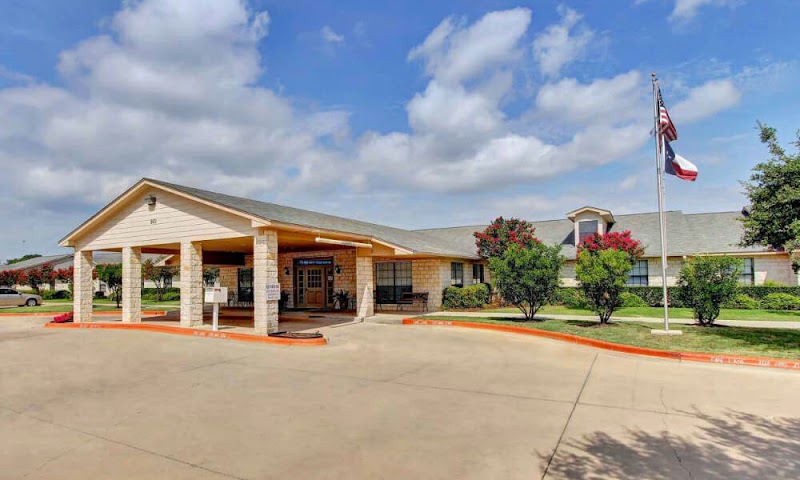
Aug 2023 2 deficiencies
CONCERN (D) 📢 Someone Reported This

A family member, employee, or ombudsman was alarmed enough to file a formal complaint

Potential for Harm - no one hurt, but risky conditions existed

Comprehensive Care Plan (Tag F0656)

Could have caused harm · This affected 1 resident

**NOTE- TERMS IN BRACKETS HAVE BEEN EDITED TO PROTECT CONFIDENTIALITY** Based on interview and record review, the facility failed to develop and implement a comprehensive person-centered care plan for...

Read full inspector narrative →
**NOTE- TERMS IN BRACKETS HAVE BEEN EDITED TO PROTECT CONFIDENTIALITY** Based on interview and record review, the facility failed to develop and implement a comprehensive person-centered care plan for each resident that included measurable objectives and timeframes to meet a resident's medical, nursing, and mental and psychosocial needs that were identified in the comprehensive assessment for 1 of 17 residents reviewed for care plans. Resident #11 did not have a completed comprehensive care plan for several care areas. This failure could place residents at risk of not having their care needs met. Findings included: Review of the undated face sheet for Resident #11 reflected a [AGE] year-old female admitted to the facility on [DATE] with diagnoses of history of urinary tract infections, cerebral infarction, expressive language disorder, muscle weakness, cognitive, communication deficit, type two diabetes mellitus, chronic, obstructive, pulmonary disease, asthma, aphasia, atherosclerotic, heart, disease, hyper lipidemia, unspecified, convulsions, repeated falls, depression, anxiety, disorder, lipoprotein deficiency, gastroesophageal, reflux, disease, hypothyroidism, and edema. Review of the admission MDS for Resident #11 dated 08/05/23 reflected a BIMS score of 13, indicating an intact cognitive response. It reflected that no rejection of care or other behaviors were exhibited. It reflected she was occasionally incontinent of bladder and bowel. It reflected a history of falls prior to admission. It reflected the following in the area of functional status: Bed Mobility- limited assistance of one person Transfer- extensive assistance of one person Dressing- extensive assistance of one person Toilet Use- extensive assistance of one person Personal Hygiene- extensive assistance of one person Bathing- total dependence Reflection of a care area assessment summary reflected the following: For each triggered Care Area, indicate whether a new care plan, care plan revision, or continuation of current care plan is necessary to address the problem(s) identified in your assessment of the care area. The Care Planning Decision column must be completed within 7 days of completing the RAI (MDS and CAA(s)). Check column B if the triggered care area is addressed in the care plan. The following areas were marked as triggered care areas and also marked for a care planning decision: Communication. Functional/Rehabilitation Potential. Urinary Incontinence and Indwelling Catheter Activities. Nutritional Status. Pressure Ulcer. Psychotropic Drug Use Review of the care plan for Resident #11 dated 08/07/23 reflected the following, with no information specific to the resident in any care plan item where specify is noted: PROBLEM: The resident has an ADL self-care performance deficit r/t _____. GOAL: The resident will maintain current level of function in through the review date. INTERVENTIONS: ORAL CARE: The resident has (SPECIFY: own teeth, upper/lower dentures, broken teeth, carious teeth, sore gums, bridgework). The resident requires oral inspection (SPECIFY FREQ) Report changes to the Nurse.o SIDE RAILS: 1/4 rails up as per Dr.s order for safety during care provision, to assist with bed mobility. Observe for injury or entrapment related to side rail use. PROBLEM: The resident has a behavior problem (SPECIFY) r/t______ GOALS: The resident will have fewer episodes of (SPECIFY: behavior) (SPECIFY: daily/weekly) by review date. o The resident will have no evidence of behavior problems (SPECIFY) by review date. NO INTERVENTIONS PROBLEM: The resident is/has potential to be (physically/verbally) aggressive (SPECIFY) r/t_____ GOAL: The resident will verbalize understanding of need to control physically aggressive behavior through the review date. o The resident will not harm self or others through the review date. NO INTERVENTIONS PROBLEM: The resident has impaired cognitive function/dementia or impaired thought processes r/t_____ GOALS: The resident will maintain current level of cognitive function through the review date. o The resident will maintain current level of decision-making ability by (SPECIFY how) by review date. NO INTERVENTIONS PROBLEM: The resident has a communication problem r/t_____ GOAL: The resident will be able to make basic needs known by (SPECIFY) on a daily basis through the review date. INTERVENTIONS: Anticipate and meet needs. PROBLEM: The resident wishes to (SPECIFY return/be discharged ) to (SPECIFY home, another facility). GOAL: The resident will (SPECIFY) verbalize/communicate an understanding of the discharge plan and describe the desired outcome by the review date. o The resident's discharge goals are: (SPECIFY abilities, dates, milestones). NO INTERVENTIONS PROBLEM: The resident has dehydration or potential fluid deficit r/t_____ GOAL: The resident will be free of symptoms of dehydration and maintain moist mucous membranes, good skin turgor. INTERVENTIONS: Administer medications as ordered. Monitor/document for side effects and effectiveness. PROBLEM: The resident is (SPECIFY High, Moderate, Low) risk for falls r/t GOALS: The resident will be free of falls through the review date. o The resident will be free of minor injury through the review date. NO INTERVENTIONS PROBLEM: The resident has nutritional problem or potential nutritional problem (SPECIFY) r/t______ GOAL: o The resident will maintain adequate nutritional status as evidenced by maintaining weight within (X)% of (SPECIFY BASELINE), no s/sx of malnutrition, and consuming at least (X)% of at least (SPECIFY) meals daily through review date. INTERVENTIONS: Explain and reinforce to the resident the importance of maintaining the diet ordered. Encourage the resident to comply. Explain consequences of refusal, obesity/malnutrition risk factors. During an interview on 08/23/23 at 01:20 PM, the MDSN stated she was responsible for creating care plans and overseeing the care plan creation process for compliance. The MDSN stated when they admitted a new resident, the charge nurse started the care plan and within 21 days the comprehensive care plan was done. She stated she thought she was trained to do it that way by her corporate MDS nurse a long time ago. The MDSN stated in an ideal world, they would have put in what they already knew, and they would have a couple weeks to get to know the resident and then complete the care plan. The MDSN stated staff used the care plans when they went over them with family members, and the nurses used them on the halls. She stated she was not sure if the CNAs used information from the care plans on their point of care documentation system. The MDSN stated she had not entered any of the specific information on Resident #11's care plan, and it should have been done. The MDSN stated there was probably an opportunity for there to be a negative impact when a comprehensive care plan was not completed, but there was so much information in other areas of the chart that she did not know if it would negatively impact any residents. She stated the care plans were a work in progress, and Resident #11's care plan was one she had on her list but had not finished yet. During an interview on 08/23/23 at 02:50 PM, the DON stated the actual facts should have been on Resident #11's care plan. She stated the template that said Specify and did not specify was not adequate. She stated the MDSN was responsible for ensuring those got done, but she oversaw the MDSN. During an interview on 08/23/23 at 03:00 PM, the ADM stated it was her expectation that the care plans be person-specific and created on time. She stated Resident #11 should have had a completed care plan. Review of facility policy dated March 2022 and titled Care Plans, Comprehensive Person-Centered reflected the following: A comprehensive, person-centered care plan that includes measurable objectives and timetables to meet the resident's physical, psychosocial, and functional needs is developed and implemented for each resident. 1.The interdisciplinary team, IDT, in conjunction with the resident and his/her family, or legal representative, develop and implement a comprehensive, person-centered care plan for each resident. 2. The comprehensive, person-centered care plan is developed within seven (7) days of the completion of the required MDS assessment (admission, annual or significant change in status), and no more than 21 days after admission. 7. The comprehensive person-centered care plan: a. Includes measurable, objectives, and b. Describe the services that are to be furnished to a attain or maintain the residence, highest practicable, physical, mental, and psychosocial well-being, including (1) services that would otherwise be provided for the above, but are not provided due to the resident, exercising his or her rights, including the right to refuse treatment c. Includes the resident stated goals on admission and desired outcomes d. Builds on the residence, strengths; & e. Reflect currently recognized standards of practice for problem, areas and conditions.
CONCERN (D) 📢 Someone Reported This

A family member, employee, or ombudsman was alarmed enough to file a formal complaint

Potential for Harm - no one hurt, but risky conditions existed

Incontinence Care (Tag F0690)

Could have caused harm · This affected 1 resident

**NOTE- TERMS IN BRACKETS HAVE BEEN EDITED TO PROTECT CONFIDENTIALITY** Based on observation, interview, and record review, the facility failed to ensure that a resident who is incontinent of bladder ...

Read full inspector narrative →
**NOTE- TERMS IN BRACKETS HAVE BEEN EDITED TO PROTECT CONFIDENTIALITY** Based on observation, interview, and record review, the facility failed to ensure that a resident who is incontinent of bladder received appropriate treatment and services to prevent urinary tract infections and to restore continence to the extent possible for 1 of 10 residents reviewed for toileting and incontinent care. Resident #11 was not provided with incontinent care or assistance to the toilet on 8/23/23 from 01:51 AM to 10:55 AM. This failure could place residents at risk of urinary tract infection, skin breakdown, and indignity. Findings included: Review of the undated face sheet for Resident #11 reflected a [AGE] year-old female admitted to the facility on [DATE] with diagnoses of history of urinary tract infections, cerebral infarction, expressive language disorder, muscle weakness, cognitive, communication deficit, type two diabetes mellitus, chronic, obstructive, pulmonary disease, asthma, aphasia, atherosclerotic, heart, disease, hyper lipidemia, unspecified, convulsions, repeated falls, depression, anxiety, disorder, lipoprotein deficiency, gastroesophageal, reflux, disease, hypothyroidism, and edema. Review of the admission MDS assessment for Resident #11 dated 08/05/23 reflected a BIMS score of 13, indicating an intact cognitive response. It reflected that no rejection of care or other behaviors were exhibited. It reflected she was occasionally incontinent of bladder and bowel. It reflected the following in the area of functional status: Toilet Use- extensive assistance of one person. Review of the care plan for Resident #11 dated 08/07/23 reflected the following: PROBLEM: The resident has an ADL self-care performance deficit r/t _____. GOAL: The resident will maintain current level of function in through the review date. INTERVENTIONS: ORAL CARE: The resident has (SPECIFY: own teeth, upper/lower dentures, broken teeth, carious teeth, sore gums, bridgework). The resident requires oral inspection (SPECIFY FREQ) Report changes to the Nurse.o SIDE RAILS: 1/4 rails up as per Dr.s order for safety during care provision, to assist with bed mobility. Observe for injury or entrapment related to side rail use. PROBLEM: The resident has a behavior problem (SPECIFY) r/t______ GOALS: The resident will have fewer episodes of (SPECIFY: behavior) (SPECIFY: daily/weekly) by review date. o The resident will have no evidence of behavior problems (SPECIFY) by review date. NO INTERVENTIONS. Review of the POC (CNA documentation) for Resident #11 dated 08/23/23 reflected she was marked as having been provided incontinent care at 01:51 AM by CNA C and at 11:37 AM by CNA D. Observation and interview on 08/23/23 at 07:45 AM, 08:57 AM, and 09:50 AM revealed Resident #11 was laying in bed in a nightgown. She was very hard of hearing but when asked if she needed to go to the bathroom, she stated no and when asked if she was dry and comfortable, she stated yes. Observation on 08/23/23 at 10:50 AM revealed the call light for Resident #11 was on. She stated she needed to go to the bathroom. She was laying in her bed with one leg hanging off the side of the bed and tried to sit up next to her walker. Within one minute, CMA B came into the room and asked what Resident #11 needed. She said she did not need anything. CMA B asked if she needed to go to the bathroom, and she could not hear him. CMA B assisted her with applying her hearing aides and asked her again if she needed to go to the bathroom. She laughed and pursed her brow, and he asked if she would like the help of a female to use the bathroom. She stated yes, and CNA D entered the room a few minutes later. Resident #11 continued to say she did not need to go to the bathroom, and CNA D continued to encourage her and help her up. When Resident #11 stood up, the back of her pajamas was completely wet and soiled and her bed pad was completely wet and soiled. There was evidence of both urine and feces leaking out of her brief. During an interview on 08/23/23 at 12:50 PM, CMA B stated it was not usually his role to take residents to the bathroom, but he worked as a medication aide on that hall all the time, so he was close to the residents. CMA B stated the CNAs checked on Resident #11, and he sometimes worked on the hall as a CNA. He stated sometimes you had to push her to go to the bathroom and not accept her first answer. CMA B stated the current situation in healthcare was that there were staffing issues, and much of the staff were from a staffing agency. He stated for the staff who knew their residents, they knew Resident #11 needed extra encouragement. CMA B stated he told the nurse if she completely refused, as that was their procedure. CMA B stated if she had to sit or lay in her urine or feces for hours, it could cause her to feel embarrassed. During an interview on 08/23/23 at 01:00 PM, LVN A stated CNA C was the aide assigned to work with Resident #11. LVN A stated it was his expectation and facility policy that the CNAs checked on residents every two hours and provided toileting assistance or incontinent care if needed. LVN A stated he knew Resident #11 had a tendency to believe she was more independent than she was and would sometimes refuse help. LVN A stated the CNAs should have tried other methods or approaches to ensure Resident #11 was toileted or changed often enough, and they should have reported back any refusals, especially if there was loose stool leaking out of her brief. LVN A stated since Resident #11 was new to the facility, they were still learning what she could and could not do, and he felt sure they would have to take over her care at some point. LVN A stated the ADON or DON would need to reclassify her has more dependent. When asked how agency staff were oriented to the residents they were to care for, he stated they rounded with the tenured CNAs and the nurses on duty oriented them. When asked if he had oriented CNA C, he stated CNA C was not new to the facility and had worked there before, and someone else must have oriented him. During an interview on 08/23/23 at 01:10 PM, CNA C said his procedure was to check each resident every two hours or more often depending on the individual. CNA C stated Resident #11 admitted to the facility and could do very little for herself, and then she got more independent, and now even if he offered to help her, she said no. He stated he always checked on her, and she said she was okay. When asked if she went to the bathroom by herself, he said she needed help to get to the bathroom and could not go by herself. When asked if he documented it as a refusal when she said she did not need help, he said no. He stated he had not seen her leak or soil her bed. When asked if he had assisted her with toileting since the episode he documented at 01:51 AM, CNA C stated he had not helped her. When asked if he had told the nurse she had refused to be changed or toileted for nine hours, he stated he had not. During an interview on 08/23/23 at 01:40 PM, the ADON stated her expectation was that CNAs rounded every two hours on each resident and asked if they had to use the bathroom. The ADON stated the CNAs could not just ask them but needed to try to touch them and get near them to make sure they were dry and clean and did not need to be assisted. She stated they also needed to check using their senses of smell. She stated the briefs also had color sensors on them when they became wet. The ADON stated her expectation was the same for a resident who claimed to be more independent or refused care. She stated if residents refused, the staff were to try another way to communicate with them. The ADON stated the agency CNAs were oriented through skills checks and not necessarily to each individual resident. The ADON stated she had told the nurses she expected them to help orient new staff. The ADON stated she was familiar with Resident #11, and her understanding was the resident could get up and walk around in her room on her own, but it was not the expectation she had that staff let her toilet herself, because she was a fall risk. She stated a potential negative impact on the resident of not being changed for nine hours was skin breakdown. When asked how she monitored the floor staff for compliance with rounding, toileting, and incontinent care, she stated they had yearly skills checks. During an interview on 08/23/23 at 02:50 PM, the DON stated the management team monitored for compliance with provision of incontinent care with observations during frequent rounds she and the ADON made. She stated she also looked at trends in skin issues as well as resident complaints. The DON stated she told her floor staff they needed to plan that new residents always needed more care and assistance than they expected. She stated if the resident was not cognitively intact, then the needs should have been anticipated. The DON stated it was not consistent with her expectations for staff to stick their head in a door and just leave if the resident refused for nine hours. The DON said it is not consistent with what she would hope would happen. She stated she hoped when the CNA got Resident #11 up, he would have provided incontinent care. The DON stated she understood he may not have gotten her up. The DON stated each resident was different and their bodies would respond to stressors differently, but skin breakdown was a possible negative impact. She stated Resident #11 had been assessed and did not have skin breakdown. During an interview on 08/23/23 at 03:00 PM, ADM stated she monitored for compliance with toileting and incontinent care policies by running through morning clinicals and the CNA documentation system to make sure it was being completed. She stated the two main ways she oversaw the process was to review the documentation and make observations on the halls. The ADM stated she would hope going nine hours without provision of incontinent care would not happen to any resident. The ADM stated the CNA who experienced the refusals should have reported to the nurse who should have reported to them so they could investigate if something in the resident's plan of care needed to change. She stated a potential impact of the failure was skin issues over time and discomfort in the short-term. Review of facility policy dated March 2018 and titled Activities of Daily Living (ADLs), Supporting reflected the following: Residents will provided with care, treatment and services, as appropriate to maintain or improve their ability to carry out activities of daily living (ADLs). Residents who are unable to carry out activities of daily living are independently will receive the service is necessary to maintain good nutrition, grooming, and personal and oral hygiene. 2. Appropriate care and services will be provided for residents who are unable to carry out ADLs independently, with the consent of the resident, and in accordance with the plan of care, including appropriate support, and assistance with: c. Elimination (toileting). 4. If residents with cognitive impairment or dementia, resist care, staff will attempt to identify the underlying cause of the problem, and not just assume the resident is refusing or declining care. Approaching the resident in a different way, or at a different time, or having another staff member, speak with the resident may be appropriate. 7. The resident's response to interventions will be monitored, evaluated and revised as appropriate.
Jan 2023 2 deficiencies
CONCERN (D)

Potential for Harm - no one hurt, but risky conditions existed

Respiratory Care (Tag F0695)

Could have caused harm · This affected 1 resident

**NOTE- TERMS IN BRACKETS HAVE BEEN EDITED TO PROTECT CONFIDENTIALITY** Based on observation, interview, and record review, the facility failed to provide residents respiratory care consistent with pr...

Read full inspector narrative →
**NOTE- TERMS IN BRACKETS HAVE BEEN EDITED TO PROTECT CONFIDENTIALITY** Based on observation, interview, and record review, the facility failed to provide residents respiratory care consistent with professional standards of practice for 1 or 30 residents (Resident #25) reviewed for oxygen therapy. The facility failed to ensure Tthe oxygen tubing on Resident #25 was receiving oxygenwas dated with and a humidifier bottle on the oxygen concentrator was not empty for an unknown time. This failure placed residents at risk of nose and throat discomfort, dryness of nasal passagewayskin breakdown , inadequate respiratory care, and infection control. The findings included: Review of Resident #25's fFace Ssheet, dated 01/26/2,3 reflected a [AGE] year-old female admitted to the facility on [DATE] with diagnoses of COPD ,( a lung disease that blocks airflow and make it difficult to breathe ,), asthma, ( a condition in which the airways become inflamed which makes it difficult to breathe), DM (, a disease that results in too much sugar in the blood), chronic cough, anemia (, a condition that does not have enough healthy red blood cells), anxiety (, a feeling of excessive and persistent worry) , HTN (high blood pressure), and muscle weakness. Review of Resident #25's MDS assessment, dated 12/21/22, reflected a BIMs score of 12, indicatinges mild cognitive impairment. MDS indicated Resident #25 requires required oxygen therapy. Review of Resident #25's cCare Pplan, dated 07/31/20, reflected Resident #25 is was at risk for altered respiratory/SOB status/difficulty breathing related to diagnosis of COPD. Observation and interview on 01/25/23 at 12:10 PM revealed Resident #25 was lying in bed receiving oxygen on 4L via nasal cannula (oxygen tube). The humidifier, dated 01/22/23, was empty and had no water inside the bottle. Resident #25 stated her sister had passed away and has had not been paying attention to the oxygen and did not know when the oxygen humidifier was changed. Interview on 01/25/23 at 12:19 PM, LVN B stated Resident #25 was on continuous oxygen. LVN B stated the humidifier should not have been emptied. LVN B stated she only glanced at the oxygen at the beginning of the shift and ensured the oxygen was turned on, but did not pay attention to the humidifier. LVN B stated the humidifier was used for the nose to be kept moist. Interview on 01/26/23 at 11:10 AM, the ADON stated the humidifier should not been emptyied. ADON stated the purpose of having the humidifier is for the nose to not get dry. It is the responsibility of nurses to ensure the oxygen items were working properly. Interview on 01/26/23 at 3:17 PM, the DON stated that oxygen greater than 3L requires required a humidifier. DON stated the purpose of the humidifier was to prevent nasal passage from drying out. DON stated the humidifier should not been emptied Interview on 01/26/23 at 3:29 PM, the ADM stated her expectation for the staff was for physician orders and facility policies to be followed . Record review of facility's oxygen administration policy, dated revised on October 2010, reflected 8. Check the mask, tank, humidifying jar, etc., to be sure they are in good working order and are securely fastened. Be sure there is water in the humidifying jar and that the water levels high enough that the water bubbles as oxygen flows through .
CONCERN (E)

Potential for Harm - no one hurt, but risky conditions existed

Safe Environment (Tag F0584)

Could have caused harm · This affected multiple residents

Based on observations, interviews, and record reviews, the facility failed to ensure that residents had a safe homelike environment for 2 (100-hall shower and 300-hall shower) of 2 shower rooms review...

Read full inspector narrative →
Based on observations, interviews, and record reviews, the facility failed to ensure that residents had a safe homelike environment for 2 (100-hall shower and 300-hall shower) of 2 shower rooms reviewed for environment. The facility failed to ensure the residents were provided with a safe, sanitary, and comfortable homelike environment . These failures placed residents at risk of living in an unsafe, unsanitary, and uncomfortable environment. Findings included: Observation and interview on 01/24/23 at 10:52 AM, accommodated by CNA H, of the shower room between 100 and 200-hall revealed it had three cans of shaving creams, a bottle of body lotion, four bottle of deodorants, a razor, a toothpaste, a barrier cream ointment, a scissor on an open shelf unlocked and unattended . CNA H stated items should not have been left unattended and should have been taken out right after the resident showers and the door should have been locked. CNA H stated the reason for not leaving it unattended was to prevent cross-contamination. Observation and interview on 01/24/23 at 11:02 AM, accommodated by CNA M, of the shower room on 300-hall revealed it had two bottles of shampoos, two bags of soap, and a toothpaste on an open shelf unlocked and unattended. Inside an unlocked cabinet located inside the shower had a nail clipper, three bottles of body lotions, two cans of shaving creams, a bottle of deodorant, and a toothpaste . CNA M commented the items inside the cabinet seemed to belong to an employee used as their locker. CNA M stated the items should not been there due to infection control and that other people should not use other people's things. CNA M stated the best practice was to take the items back to the resident's room once the shower had been completed. CNA M stated we staff had in-services done on these topics by the management team but cannot could not recall the date in-service was conducted. Interview on 01/26/23 at 11:10 AM, the ADON stated no chemicals and items mentioned earlier in the observation should not have been inside the shower room unattended. ADON stated the scissors and razors are hazards and if it got into the wrong hands, it would could have beenbeen a safety concern. The other items would have been considered hazardous if it got spilled. ADON stated the razor after it had been used should have been discarded into the sharp containers which was located inside the shower room, the scissors, after been used, should have been returned to the nurse's cart and lotions and other solitary items gotwere returned to the resident's room. Interview on 01/26/23 at 3:17 PM, DON stated items observed inside the shower room should not have beebeen kept there because it was a safety concern and could cause harm to residents. DON stated items belonged to the residents should have been put back into their rooms and items that were one-time use, should have been disposed in the sharp containers. CNAs are responsible to put back the items after it had been used. Scissors and nail clippers should have been stored in the nurses' cart. or area where not accessible by the resident. Interview on 01/26/23 at 3:29 PM, ADM stated the items taken with the resident into the shower, should have camecome back with the resident. ADM stated there could have been many unidentified risks to residents if items are left unattended Record review of facility's Homelike environment policy, dated revised February 2021, reflected, Resident are provided with a safe, clean, comfortable and homelike environment and encouraged to use their personal belongings to the extent possible.
Understanding Severity Codes (click to expand)
Life-Threatening (Immediate Jeopardy)
J - Isolated K - Pattern L - Widespread
Actual Harm
G - Isolated H - Pattern I - Widespread
Potential for Harm
D - Isolated E - Pattern F - Widespread
No Harm (Minor)
A - Isolated B - Pattern C - Widespread

Questions to Ask on Your Visit

  • "Why is there high staff turnover? How do you retain staff?"
  • "Can I speak with families of current residents?"
  • "What's your RN coverage like on weekends and overnight?"

Our Honest Assessment

Strengths
  • • No major safety red flags. No abuse findings, life-threatening violations, or SFF status.
  • • No fines on record. Clean compliance history, better than most Texas facilities.
Concerns
  • • 21 deficiencies on record. Higher than average. Multiple issues found across inspections.
  • • 62% turnover. Above average. Higher turnover means staff may not know residents' routines.
Bottom line: Mixed indicators with Trust Score of 65/100. Visit in person and ask pointed questions.

About This Facility

What is Sagebrook Nursing And Rehabilitation's CMS Rating?

CMS assigns SAGEBROOK NURSING AND REHABILITATION an overall rating of 4 out of 5 stars, which is considered above average nationally. Within Texas, this rating places the facility higher than 99% of the state's 100 nursing homes. This rating reflects solid performance across the metrics CMS uses to evaluate nursing home quality.

How is Sagebrook Nursing And Rehabilitation Staffed?

CMS rates SAGEBROOK NURSING AND REHABILITATION's staffing level at 2 out of 5 stars, which is below average compared to other nursing homes. Staff turnover is 62%, which is 15 percentage points above the Texas average of 46%. High turnover can affect care consistency as new staff learn residents' individual needs.

What Have Inspectors Found at Sagebrook Nursing And Rehabilitation?

State health inspectors documented 21 deficiencies at SAGEBROOK NURSING AND REHABILITATION during 2023 to 2025. These included: 21 with potential for harm.

Who Owns and Operates Sagebrook Nursing And Rehabilitation?

SAGEBROOK NURSING AND REHABILITATION is owned by a for-profit company. For-profit facilities operate as businesses with obligations to shareholders or private owners. The facility is operated by CARADAY HEALTHCARE, a chain that manages multiple nursing homes. With 124 certified beds and approximately 85 residents (about 69% occupancy), it is a mid-sized facility located in CEDAR PARK, Texas.

How Does Sagebrook Nursing And Rehabilitation Compare to Other Texas Nursing Homes?

Compared to the 100 nursing homes in Texas, SAGEBROOK NURSING AND REHABILITATION's overall rating (4 stars) is above the state average of 2.8, staff turnover (62%) is significantly higher than the state average of 46%, and health inspection rating (4 stars) is above the national benchmark.

What Should Families Ask When Visiting Sagebrook Nursing And Rehabilitation?

Based on this facility's data, families visiting should ask: "How do you ensure continuity of care given staff turnover, and what is your staff retention strategy?" "Can you walk me through typical staffing levels on day, evening, and night shifts?" "Can I visit during a mealtime to observe dining assistance and food quality?" "How do you handle medical emergencies, and what is your hospital transfer rate?" These questions are particularly relevant given the facility's high staff turnover rate and the below-average staffing rating.

Is Sagebrook Nursing And Rehabilitation Safe?

Based on CMS inspection data, SAGEBROOK NURSING AND REHABILITATION has a clean safety record: no substantiated abuse findings (meaning no confirmed cases of resident harm), no Immediate Jeopardy citations (the most serious violation level indicating risk of serious injury or death), and is not on the Special Focus Facility watch list (a federal program monitoring the lowest-performing 1% of nursing homes). The facility has a 4-star overall rating and ranks #1 of 100 nursing homes in Texas. While no facility is perfect, families should still ask about staff-to-resident ratios and recent inspection results during their visit.

Do Nurses at Sagebrook Nursing And Rehabilitation Stick Around?

Staff turnover at SAGEBROOK NURSING AND REHABILITATION is high. At 62%, the facility is 15 percentage points above the Texas average of 46%. High turnover means new staff may not know residents' individual needs, medications, or preferences. It can also be disorienting for residents, especially those with dementia who rely on familiar faces. Families should ask: What is causing the turnover? What retention programs are in place? How do you ensure care continuity during staff transitions?

Was Sagebrook Nursing And Rehabilitation Ever Fined?

SAGEBROOK NURSING AND REHABILITATION has no federal fines on record. CMS issues fines when nursing homes fail to meet care standards or don't correct problems found during inspections. The absence of fines suggests the facility has either maintained compliance or corrected any issues before penalties were assessed. This is a positive indicator, though families should still review recent inspection reports for the full picture.

Is Sagebrook Nursing And Rehabilitation on Any Federal Watch List?

SAGEBROOK NURSING AND REHABILITATION is not on any federal watch list. The most significant is the Special Focus Facility (SFF) program, which identifies the bottom 1% of nursing homes nationally based on persistent, serious quality problems. Not being on this list means the facility has avoided the pattern of deficiencies that triggers enhanced federal oversight. This is a positive indicator, though families should still review the facility's inspection history directly.