CLEVELAND HEALTH CARE CENTER
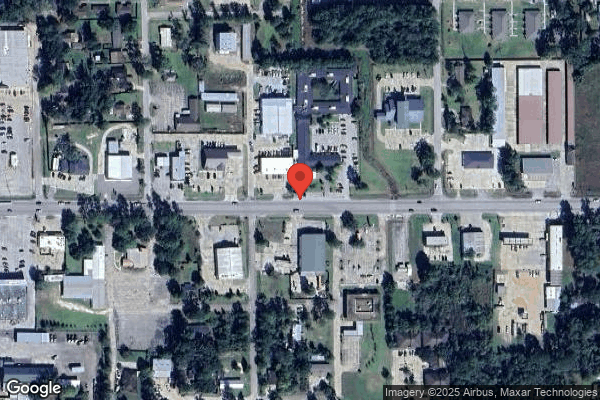
903 E HOUSTON ST, CLEVELAND, TX 77327 (281) 593-3737
Non profit - Corporation 142 Beds HEALTH SERVICES MANAGEMENT Data: November 2025 2 Immediate Jeopardy citations
Trust Grade
46/100
#211 of 1168 in TX
Last Inspection: April 2025

Within standard 12-15 month inspection cycle. Federal law requires annual inspections.

Overview

Cleveland Health Care Center has a Trust Grade of D, indicating below-average performance with some concerns about care and safety. Ranking #211 out of 1168 facilities in Texas places it in the top half, while being #1 of 4 in Liberty County suggests it is the best local option. The facility is improving, as it reduced its issues from 5 in 2024 to just 1 in 2025. Staffing is a mixed bag; with a 3/5 star rating and a 40% turnover rate, it is below the state average, which is good, but the RN coverage is concerning as it is lower than 97% of Texas facilities. Specific incidents of concern include a resident who fell from their chair due to inadequate supervision, resulting in serious injuries, and another incident where the care plan for a resident was not properly implemented, potentially risking their safety. Overall, while there are strengths in staffing stability, the facility has significant areas that need improvement.

Trust Score
D
46/100
In Texas
#211/1168
Top 18%
Safety Record
High Risk
Review needed
Inspections
Getting Better
5 → 1 violations
Staff Stability
○ Average
40% turnover. Near Texas's 48% average. Typical for the industry.
Penalties
✓ Good
$30,198 in fines. Lower than most Texas facilities. Relatively clean record.
Skilled Nurses
⚠ Watch
Each resident gets only 8 minutes of Registered Nurse (RN) attention daily — below average for Texas. Fewer RN minutes means fewer trained eyes watching for problems.
Violations
⚠ Watch
11 deficiencies on record. Higher than average. Multiple issues found across inspections.
★★★★☆
4.0
Overall Rating
★★★☆☆
3.0
Staff Levels
★★☆☆☆
2.0
Care Quality
★★★★☆
4.0
Inspection Score
Stable
2024: 5 issues
2025: 1 issues

The Good

  • Full Sprinkler Coverage · Fire safety systems throughout facility
  • No fines on record
  • Staff turnover below average (40%)

    8 points below Texas average of 48%

Facility shows strength in fire safety.

The Bad

Staff Turnover: 40%

Near Texas avg (46%)

Typical for the industry

Federal Fines: $30,198

Below median ($33,413)

Moderate penalties - review what triggered them

Chain: HEALTH SERVICES MANAGEMENT

Part of a multi-facility chain

Ask about local staffing decisions and management

The Ugly 11 deficiencies on record

2 life-threatening 1 actual harm
Apr 2025 1 deficiency
CONCERN (D)

Potential for Harm - no one hurt, but risky conditions existed

Comprehensive Care Plan (Tag F0656)

Could have caused harm · This affected 1 resident

**NOTE- TERMS IN BRACKETS HAVE BEEN EDITED TO PROTECT CONFIDENTIALITY** Based on observation, interview, and record review the facility failed to develop and implement a comprehensive person-centered ...

Read full inspector narrative →
**NOTE- TERMS IN BRACKETS HAVE BEEN EDITED TO PROTECT CONFIDENTIALITY** Based on observation, interview, and record review the facility failed to develop and implement a comprehensive person-centered care plan to meet each resident's medical, nursing, mental, and psychosocial needs for 1 of 18 residents reviewed for care plans. (Resident #57) The facility did not have a care plan to address Resident #57's use of polymyxin b-trimethoprim ophthalmic solution (antibiotic eye drops to treat eye infections). This failure could place residents at risk of not having their individual needs met and not receiving needed services. Findings included: Record review of a face sheet dated 04/30/25 indicated Resident #57 was a [AGE] year-old female admitted on [DATE] and readmitted [DATE]. Her diagnoses included dementia (a group of thinking and social symptoms that interfere with daily functioning). Record review of the most recent annual MDS assessment dated [DATE] indicated Resident #57 had a BIMS score of 0 indicating severely impaired cognition and had adequate vision. Record review of physician's orders dated 04/30/25 indicated Resident #57 was prescribed polymyxin b-trimethoprim ophthalmic solution 10,000 units per 1ml to instill 1 drop in both eyes three times a day for an eye infection with a start date of 04/24/2025 for 7 Days. Record review of Resident #57's care plans printed on 04/30/25 indicated the care plan did not address Resident #57's use of polymyxin b-trimethoprim ophthalmic solution for an eye infection. Record review of Resident #57's MAR printed 04/30/25 indicated she received polymyxin b-trimethoprim ophthalmic solution three times a day for 7 days with a start day of 04/24/25. During an observation on 04/28/25 at 12:10 p.m., Resident #57 was up in her wheelchair, and her eyes and the skin around her eyes appeared pink and irritated. Resident #57 denied pain but was confused and did not respond when asked if she received eye drops. During an interview on 04/30/25 at 2:11 p.m., LVN A said she was providing care for Resident #57 today and Resident #57 received antibiotic eye drops. She said the nurses did not complete care plans, and the MDS nurse was responsible for care plans. She said the antibiotic eye drops were not care planned and should be. She said it was possibly missed. LVN A said the resident risk of antibiotic eye drops not care planned was the staff may not be made aware to complete assessments of the resident during antibiotic administration or doing a follow up of the antibiotic after completion. During an interview on 04/30/25 at 2:16 p.m., MDS nurse B said she was responsible for updating care plans with the quarterly and comprehensive MDS assessments. She said the ADON was responsible for acute care plans involving antibiotics. She said she was educated on completion of care plans. She said it was possibly missed. MDS nurse B said the resident risk of antibiotic eye drops not care planned was possibly the antibiotic not being reevaluated after 7 days or the medication given too long. During an interview on 04/30/25 at 2:21 p.m., the ADON said she was responsible for acute care plans for antibiotics. She said she was the infection preventionist. She said the IDT double checks all the new antibiotic orders in the morning meeting to ensure they were all care planned and met antibiotic stewardship qualifications. The ADON said she was off Friday 04/25/25 and HHS entered the building Monday, 04/28/25 morning and she just she missed it. She said every morning she generated a report of new antibiotics prescribed by physicians for morning meeting to review and care plan. The ADON said she was educated to care plan all new antibiotics. She said the resident risk of antibiotic eye drops not care planned was staff may not be aware of interventions to be implemented, and the interventions may not be added to the nursing [NAME] (a nursing tool that summarizes patient information). During an interview on 04/30/25 at 2:40 p.m., the DON said Resident #57's antibiotic eye drops should have been care planned. She said the ADON was responsible for initiation of the infection control program and care planning all new antibiotics. She said the IDT was the back up with weekly meetings to address all new antibiotics prescribed. The DON said the ADON initiated the antibiotic stewardship program, updated the IDT, and ensured all antibiotics were care planned. She said when the ADON was not in the building she was the back up. She said Resident #57's antibiotic eye drops not care planned was overlooked. The DON said the ADON was educated to care plan all acute care plans. She said the resident risk of an antibiotic not care planned was after the infection resolved it would be hard to identify if an infection was a repeat infection or a new infection and could be overlooked. The DON said her expectation was the antibiotic stewardship program be followed, all new antibiotics care planned and in the IDT meetings the staff ensure all new antibiotics were care planned. During an interview on 04/30/25 at 2:46 p.m., the Administrator said the ADON was responsible for acute care plans for antibiotics. She said the IDT was the backup, including the DON and MDS nurses to care plan all new medication and orders after morning meetings. The Administrator said Resident #57's antibiotic eye drops were ordered on a Friday, HHS entered on Monday, and the facility did not have their usual meeting Monday morning, 04/28/25 and it was missed. She said the facility got out of their routine. The Administrator said the resident risk was not following regulations by the antibiotic eye drops not care planned. She said the physician order ensured the nurses gave the medication and it had a stop date ordered so there was no resident risk. She said the risk was not following the regulations of care planning. The Administrator said her expectation was all care plans completed accurately and timely. Record review of a facility policy titled, Comprehensive Care Plans dated 2025, indicated, . It is the policy of this facility to develop and implement a comprehensive person-centered care plan for each resident, consistent with resident rights, that includes measurable objectives and time frames to meet a resident's medical, nursing, and mental and psychosocial needs and {ALL} services that are identified in the resident's comprehensive assessment and meet professional standards of quality.
Aug 2024 2 deficiencies 1 Harm
SERIOUS (G) 📢 Someone Reported This

A family member, employee, or ombudsman was alarmed enough to file a formal complaint

Actual Harm - a resident was hurt due to facility failures

Incontinence Care (Tag F0690)

A resident was harmed · This affected 1 resident

**NOTE- TERMS IN BRACKETS HAVE BEEN EDITED TO PROTECT CONFIDENTIALITY** Based on interview and record review the facility failed to ensure a resident who was incontinent of bladder received appropriat...

Read full inspector narrative →
**NOTE- TERMS IN BRACKETS HAVE BEEN EDITED TO PROTECT CONFIDENTIALITY** Based on interview and record review the facility failed to ensure a resident who was incontinent of bladder received appropriate treatment and services to prevent urinary tract infections and to restore continence to the extent possible for 1 of 3 residents (Resident #1) reviewed for catheter care. The facility failed to change a suprapubic catheter monthly for Resident #1 as ordered by the physician. Resident #1 developed a UTI in June 2024 and his SPT was obstructed and calcified due to lack of adequate care per urology appointment on 8/1/2024. This failure could place residents at risk for urinary tract infections, pain, confusion and sepsis (infections that spread to the blood) and urinary calcifications. Findings include: Record review of Resident #1's face sheet, dated 08/28/2024, indicated [AGE] year-old male who was initially admitted to the facility on [DATE] and recently readmitted [DATE]. Resident #1 had diagnoses which included dementia (loss of cognitive functioning), protein-calorie malnutrition (a nutritional status in which reduces availability of nutrients leads to change in body composition and function), atherosclerotic heart disease (condition where the blood vessels become narrowed and hardened due to buildup of fats in the blood vessel wall), benign prostatic hyperplasia (a noncancerous enlargement of the prostate gland), stroke with weakness to non-dominant side, language deficit following stroke, hypertension (condition in which the force of the blood against the artery walls is too high), anemia (condition that develops when your blood produces lower than normal amount of health red blood cells), calculus of kidney (hard deposits made of minerals and salts that form inside your kidney) and urinary stents (thin tube inserted into the ureter to prevent or treat obstruction of the urine flow from the kidney). Record review of Resident #1's Quarterly MDS assessment, dated 11/09/2023, indicated he was severely impaired cognitively, was dependent for showering/bathing, toileting hygiene, dressing upper and lower body, putting on/taking off footwear, all mobility and required set up and clean up for eating and oral care. He had a catheter for urinary output. Record review of Resident #1's care plan, dated 11/17/2022 and revised on 08/28/2024, indicated he had a Suprapubic Catheter for Obstructive and Reflux Uropathy. Interventions included: The resident had a Suprapubic Catheter. Position catheter bag and maintain tubing below the level of the bladder, make sure tubing was secured. Change dressing at site of suprapubic catheter daily as ordered. Check tubing for kinks as needed. Document and notify physician for signs and symptoms of pain/discomfort of catheter, urination, and/or frequency, document and notify physician for signs and symptoms of UTI: pain, burning, blood-tinged urine, cloudiness, no output, deepening of urine color, increased pulse, increased temp, urinary frequency, foul smelling urine, fever, chills, altered mental status, change in behavior, change in eating patterns and maintain catheter bag dependent of bladder for proper drainage. Record review of Resident #1's urology appointment note, dated 11/01/2024, indicated discussion with the facility DON several times regarding the SPT was significantly calcified intraoperatively, indicative of it not being exchanged for several months, facility license staff must exchange SPT every four weeks, next change due 11/27/2023, and instructions provided of how to properly exchange SPT. Record review of Resident #1's progress note, dated 11/01/2023, indicated the resident had an appointment today at 2PM and was transported and accompanied by a staff member to the urology clinic and seen by the urologist with orders for the monthly SPT changes with instructions. Record review of Resident #1's progress note, dated 11/01/2023, indicated order note from urology to exchange 16 straight SPT tube every 4 weeks, infuse 60cc of sterile saline through old catheter and use catheter plug after, clean area with iodine or hibiclens prior to exchanging, deflate balloon until no more water comes out of balloon, remove old catheter and insert new one, inflate balloon with 5cc of sterile water, allow catheter to fully drain and attach bedside bag. Apply dressing around SPT tube one time a day starting on the 1st and ending on the last day of month every month for changing of suprapubic catheter. Record review of Resident #1's progress note, dated 11/01/2023, indicated the DON spoke with the urologist regarding the resident catheter care and the urologist gave order to change suprapubic catheter. Explained to urologist via the phone the resident refused to have catheter changed at the facility and sent to the ER for change and urologist aware of this. Record review of Resident #1's progress note, dated 11/01/2023, indicated the facility staff obtained consent from the PA, MD and RP to administer Ativan 0.5mg 1 tablet by mouth every 24 hours as needed for replacement of suprapubic catheter. Record review of Resident #1's progress note indicated, on 11/11/2023, resident was transferred to the local hospital for blood in urine and blood clots in brief when incontinent care provided. Record review of Hospital records indicated Resident #1 was hospitalized on [DATE] to 11/22/2023 for blood in urine, bleeding from penis, and UTI and urology exchanged suprapubic catheter on 11/21/2023 and next exchange was due in 4 weeks. Record review of Hospital records indicated Resident #1 was hospitalized on [DATE] to 12/19/2023 for blood in urine and generalized weakness and urology exchanged suprapubic catheter on 12/13/2023 and next exchange was due in 1 month. Record review of Resident #1's progress note, dated 01/11/2024, indicated the resident returned from new urologist appointment with new orders to change SPT every 3 weeks. If catheter had blood & clots or if it became clogged with catheter 18 French size (upsize) no new appointment noted. Resident #1's SPT patent and draining to bedside bag clear dark yellow urine. No indication the SPT was changed at appointment. Record review of Resident #1's progress note, dated 01/26/2024, indicated Resident #1's SPT was clogged resident brief urine noted attempted to flush catheter per order unable to and notified the DON. The DON changed SPT with 22 French catheter. SPT patent and draining amber colored urine, resident tolerated procedure well. Old/removed SPT catheter noted to be plugged with urine calcification. Record review of Resident #1's progress note, dated 02/05/2024, indicated Resident #1's SPT was clogged unable to flush, resident brief with urine noted attempted to flush SPT per order unable to and notified the DON. The DON changed SPT with 22 French catheter. SPT patent and draining amber colored urine, resident tolerated procedure well. Old/removed SPT catheter noted to be plugged with urine calcification. Record review of Resident #1's progress note, dated 03/09/2024, indicated Resident #1's SPT was changed with 22 French 30 ml bulb. Record review of Resident #1's progress note, dated 04/11/2024, indicated Resident #1's returned to the facility accompanied by facility designee with new appointment 05/10/2024 at 11:30 AM with new urologist for cystoscopy at local hospital. New order received for Diazepam 5mg to be administered 30 minutes prior to urology appointment scheduled 05/10/24 at 11:30 AM. The resident was transported via facility by assigned facility designee. No indication the SPT was changed at appointment. Record review of Resident #1's progress note, dated 05/10/2024, indicated Resident #1's went to appointment with new urologist, returned with progress note for Resident #1 to return to see original urologist for surgery to remove his left kidney stint since it was causing blood in the urine. No indication the SPT was changed at appointment. Record review of Resident #1's progress note, dated 06/05/2024, indicated Resident #1 was diagnosed with a polymicrobial (multiple types of bacteria) UTI. With chronic suprapubic catheter may have chronic colonization but given leukocytosis will go ahead and start antibiotics- Omnicef twice a day for 7 days. Will need to follow up on sensitivities and adjust antibiotics accordingly. Recommend evaluation by urology as soon as possible. Record review of Resident #1's progress note, dated 06/11/2024 indicated wound culture of Suprapubic site obtained at approx. 5am this morning. Drainage brown with some blood noted. No foul smell or abnormal drainage noted. Site without redness. Cover applied to Suprapubic site. Record review of Resident #1's progress note dated 06/11/2024, indicated wound culture of suprapubic catheter insertion site indicated infection and antibiotics of Cipro initiated. Afebrile. Resident has voiced no concerns and no obvious concerns noted. Fluids were offered and encouraged. Will continue to observe for the remainder of this shift. Record review of Resident #1's progress note, dated 06/11/2024, indicated Resident #1's SPT was changed with 20 French 10 ml bulb. No drainage from site. Urine return flow thick brownish mucus in tubing. Resident offered water. Resident accepted sips. Record review of Resident #1's progress note, dated 07/01/2024, indicated Resident #1's foley bag was changed out due to leaking. No indication the SPT was changed. Record review of Resident #1's progress note, dated 07/01/2024 to 07/30/2024, reflected no documentation or indication Resident #1's SPT was changed as ordered. Record review of Resident #1's urology appointment note, dated 08/01/2024, indicated discussion with the facility administrator the lack of adequate SPT management. Examination indicated SPT obstructed and calcified. Unable to irrigate. SPT removed with calcification noted at the distal end with obstruction of the lumen. Foul smelling cloudy urine drained with new 20 French catheter. Procedures: Catheter: Type Supra pubic. Procedure New catheter size: 20 French Sterile water infused through catheter into the bladder, the balloon was deflated without difficulty, the old catheter was removed, a new catheter was re-inserted without any difficulty with good urine return, the balloon was inflated with 5 mL of sterile water, the bladder was irrigated with 100 mL of sterile water. Recovery the patient tolerated the procedure well. Record review of Resident #1's progress note, dated 08/19/2024, indicated Resident #1 had a new SPT (22 French/30 cc bulb) placed by the DON and assistance from nursing staff. Record review of a treatment administration record for [DATE], April 2024, May 2024 and July 2024 indicated no documentation of the suprapubic catheter for Resident #1 being changed. Record review of Resident #1's physician orders indicated a physician's order, dated 10/14/2023, with start date of 10/15/2023, change urinary catheter:16 French (suprapubic) every 4 weeks one time a day every 28 day(s) related to obstructive and reflux uropathy with end date of 12/10/2023. Record review of Resident #1's physician orders indicated a physician's order, dated 7/26/2023 with start date of 07/26/2023 Urinary Catheter: Change Suprapubic Catheter and drainage bag as needed due to clinical indications of infection (sediment, foul odor, dark in color), obstruction (slow drainage), or when the closed system is compromised. Infuse 60cc sterile saline through old catheter and use catheter plug after. Clean area with iodine or hibiclens, inflate with 5cc of sterile water. Flush PRN with 400cc of sterile saline if blood appears or tube was not draining. every shift for urinary retention with end date of 12/10/2023. Record review of Resident #1's physician's orders indicated a physician's order, dated 11/01/2023, to exchange 16 straight SPT tube every 4 weeks, infuse 60cc of sterile saline through old catheter and use catheter plug after, clean area with iodine or hibiclens prior to exchanging, deflate balloon until no more water comes out of balloon, remove old catheter and insert new one, inflate balloon with 5cc of sterile water, allow catheter to fully drain and attach bedside bag. Apply dressing around SPT tube one time a day starting on the 1st and ending on the last day of month every month for changing of suprapubic catheter with end date of 12/10/2023. Record review of Resident #1's physician orders indicated a physician's order, dated 01/12/2024 with start date of 01/12/2024, Urinary Catheter:(/Suprapubic) Catheter in place. Size: 16 French Bulb:10mL. change catheter every three weeks irrigate with saline. may up size to 18fr if becomes clogged, with end date of 01/26/2024. Record review of Resident #1's physician orders indicated a physician's order, dated 01/12/2024 with start date of 01/12/2024, Urinary Catheter: Change (Suprapubic) catheter and drainage bag PRN due to clinical indications of infection (sediment, foul odor, dark in color), obstruction (slow drainage), or when the closed system was compromised as needed for catheter care prn every shift on hold from 03/18/2024 01:50 to 03/21/2024 01:49 with no end date identified. Record review of Resident #1's physician orders indicated a physician's order, dated 01/26/2024 with start date of 01/26/2024, Urinary Catheter:(/Suprapubic) Catheter in place. Size: 20 French, Bulb:10mL change catheter every three weeks irrigate with saline every shift, with end date of 03/13/2024. Record review of Resident #1's physician orders indicated a physician's order, dated 03/13/2024 with start date of 03/13/2024, Urinary Catheter:(/Suprapubic) Catheter in place. Size: 22 French, Bulb:30mL. change catheter every three weeks irrigate with saline every shift on hold from 03/18/2024 01:50 to 03/21/2024 01:49, with end date of 08/01/2024. Record review of Resident #1's physician orders indicated a physician's order, dated 08/01/2024 with start date of 08/02/2024, Urinary Catheter:(/Suprapubic) Catheter in place. Size: 22 French, Bulb: 30mL. change catheter every three weeks irrigate with saline. Every day shift every 21 day(s) related to obstructive and reflux uropathy, change suprapubic catheter on today with end date of 08/03/2024. Record review of Resident #1's physician orders indicated a physician's order, dated 08/19/2024 with start date of 09/09/2024, Urinary Catheter:(/Suprapubic) Catheter in place. Size: 22French, Bulb:30mL. change catheter every three weeks irrigate with saline every day shift every 21 day(s) related to obstructive and reflux uropathy, change suprapubic catheter on today with end date of 08/28/2024. During an interview on 08/28/2024 at 2:30 PM, LVN A said Resident #1's SPT was changed every 3 weeks and as needed if blocked or clogged. LVN A said Resident #1's orders for the SPT to be changed several times over the last few months from every month to every 3 weeks. LVN A said the CN had to assess the SPT ever shift and report any concerns to the PA/MD. LVN A said she changed Resident #1's SPT and assisted the DON in changing Resident #1's SPT due to resident was restless and did not like the SPT changed. LVN A said the facility staff flushed the SPT if needed and would replace SPT if needed. LVN A said Resident #1 would refuse SPT to be changed and would have to send to the local ER for assessment or for SPT to be changed if clogged or blocked and the resident refused for it to be changed. LVN A said when orders for the SPT to be changed were received from the MD, licensed facility staff would write the order in the electronical medical record and assign the task to be done on the scheduled date. LVN A said the SPT change would generate of the treatment task to be done on the scheduled date. LVN A said the treatment task would also have a task to perform SPT change PRN if clogged or blocked and order to flush as needed. LVN A said she recalled assisting the DON with changing Resident #1's SPT earlier this month but could not recall prior to that date when she changed the SPT, she said she would have documented it in the resident's progress note and on the treatment administration record when done. During an interview on 08/28/2024 at 3:30 PM, CNA C said he provided catheter care at the beginning and end of every shift or when needed. CNA C said he provided catheter care to Resident #1 which included cleaning the catheter tubing, tube insertion site, keeping tubing secured to leg and unkinked, and emptied the catheter drain bag. CNA C said any drainage from the insertion site, cloudy, dark, blood, and/or foul-smelling odor from urine or insertion site, decreased urine output, blocked catheter and/or leaking drain bag was reported to the CN immediately. CNA C said Resident #1's urine was normally a dark amber with some sediment in the tubing but would clear with fluid intake and the CN was aware of Resident's #1 urinary output. The CNA said he would the clean catheter insertion site with soap and water and pat dry, keep the area clean and dry due to located in abdominal fold. CNA C said he would report to the CN any redness, foul odor, draining at the catheter insertion site. During an interview at on 08/29/2024 at 2:30 PM, LVN D said Resident #1's SPT was changed every 3 weeks and as need if blocked or clogged. LVN D said the CN had to assess the SPT every shift and report any concerns to the PA/MD. LVN D said she had changed Resident #1's SPT but did not recall the date she last changed it or when it was due to be changed. LVN D said it will be populated in the TAR on the next scheduled date it needs to be changed. LVN D said she received training on changing and caring for SPT and was competent in providing the care. LVN D said facility staff flushed the SPT if needed and would replace SPT if needed. LVN D said Resident #1 would refuse SPT to be changed and they would have to send to the local ER for assessment or for SPT to be changed if clogged or blocked and the resident refused for it to be changed. LVN D said when orders for the SPT to be changed were received from the MD, licensed facility staff would write the order in the electronical medical record and assign the task to be done on the scheduled date. LVN D said the SPT change would generate of the TAR to be done on the scheduled date. LVN D said the TAR would also have a task to perform SPT change PRN if clogged or blocked and order to flush as needed. LVN D said if she had changed Resident #1's SPT it would be documented in the treatment administration record and progress note. During an interview on 8/29/2024 at 5:30 PM, the DON said Resident #1 SPT should have been changed as ordered by physician or documentation indicating why the SPT was not changed. The DON said Resident #1 went to the ER and several urologist appointments where the SPT was changed but those records should have been requested by facility staff and verified if SPT was changed and if the SPT was changed by during urologist appointments it should have been documented on the progress notes. The DON said the SPT was to be changed by nursing staff in the facility, doctor's orders should have been followed, and if not performed the PA/MD and/or urologist should be notified. The DON said she changed Resident #1's SPT and/or assisted staff with changing the SPT and it should be documented on a progress note and e-signed in the treatment administration record. She said residents not receiving appropriate care could make them susceptible to urinary tract infections, blockage and increase calcifications with history of kidney stones. During an interview on 8/29/2024 at 5:45 PM, the Administrator said she expected Resident #1's SPT to be changed as ordered by the PA/MD or urologist. She said if it was not able to be done at the facility as the physician ordered then an appointment should be made for the resident to have the SPT change done at the urologist office or outpatient setting. The Administrator said she was made aware of Resident #1's lack of adequate SPT management on 08/01/2024 by the urologist and added the concern to the QAPI and it was currently being monitored. She said residents not receiving appropriate SPT management could cause an infection, blockage, discomfort, and increase calcification. Record review of the facility's policy Indwelling catheter use and removal indicated it is the policy of this facility to ensure that indwelling urinary catheters that are inserted or remain in place are justified or removed according to regulations and current standards of practice. Compliance Guidelines: 4. If an indwelling catheter is in use, the facility will provide appropriate care for the catheter in accordance with current professional standards of practice and resident care policies and procedures that include but are not limited to: a. Documentation of the involvement of the resident representative in the discussion of the risks and benefits of the use of the catheter, removal of the catheter when criteria or indication for use is no longer present, and the right to decline the use of the catheter; b. Timely and appropriate assessments related to the indication for use of an indwelling catheter; c. Identification and documentation of clinical indications for the use of the catheter; as well as criteria for discontinuation of the catheter when the indication for use is no longer present; d. Insertion, ongoing care and catheter removal protocols that adhere to professional standards of practice and infection prevention and control procedures; e. Response of the resident during the use of the catheter; and f. Ongoing monitoring for changes in condition related to potential catheter-associated urinary tract infections, recognizing, reporting and addressing such changes
CONCERN (D) 📢 Someone Reported This

A family member, employee, or ombudsman was alarmed enough to file a formal complaint

Potential for Harm - no one hurt, but risky conditions existed

Deficiency F0773 (Tag F0773)

Could have caused harm · This affected 1 resident

**NOTE- TERMS IN BRACKETS HAVE BEEN EDITED TO PROTECT CONFIDENTIALITY** Based on interview and record review, the facility failed to provide or obtain laboratory services ordered by a physician, physi...

Read full inspector narrative →
**NOTE- TERMS IN BRACKETS HAVE BEEN EDITED TO PROTECT CONFIDENTIALITY** Based on interview and record review, the facility failed to provide or obtain laboratory services ordered by a physician, physician assistant, nurse practitioner or clinical nurse specialist in accordance with state law, including scope of practice laws and promptly notify the ordering physician, physician assistant, nurse practitioner, or clinical nurse specialist of laboratory results that fell outside of clinical reference ranges in accordance with facility policies and procedures for notification of a practitioner or per the ordering physician orders for 1 of 4 residents (Resident #1) reviewed for laboratory services. The facility failed to report laboratory results received on 11/02/2023 and 11/18/2023 for Resident #1 in a timely manner to the urologist. The facility failed to obtain laboratory results for Resident #1 collected on 11/8/2023 in a timely manner and report the results to the urologist. These failures could place residents at risk of not receiving timely diagnosis and treatment, and not receiving appropriate monitoring for health and well-being. Findings include: Record review of Resident #1's face sheet, dated 08/28/2024, indicated [AGE] year-old male who was initially admitted to the facility on [DATE] and recently readmitted [DATE]. Resident #1 had diagnoses which included dementia (loss of cognitive functioning), protein-calorie malnutrition (a nutritional status in which reduces availability of nutrients leads to change in body composition and function), atherosclerotic heart disease (condition where the blood vessels become narrowed and hardened due to buildup of fats in the blood vessel wall), benign prostatic hyperplasia (a noncancerous enlargement of the prostate gland), stroke with weakness to non-dominant side, language deficit following stroke, hypertension (condition in which the force of the blood against the artery walls is too high), anemia (condition that develops when your blood produces lower than normal amount of health red blood cells), calculus of kidney (hard deposits made of minerals and salts that form inside your kidney) and urinary stents (thin tube inserted into the ureter to prevent or treat obstruction of the urine flow from the kidney). Record review of Resident #1's Quarterly MDS assessment, dated 11/09/2023, indicated he was severely impaired cognitively, was dependent for showering/bathing, toileting hygiene, dressing upper and lower body, putting on/taking of footwear, all mobility and required set up and clean up for eating and oral care. He had a catheter for urinary output. Record review of Resident #1's care plan, dated 11/17/2022 and revised on 08/28/2024, indicated he had a Suprapubic Catheter for Obstructive and Reflux Uropathy. Interventions included: The resident has a Suprapubic Catheter. Position catheter bag and maintain tubing below the level of the bladder, make sure tubing is secured, Change dressing at site of suprapubic catheter daily as ordered, Check tubing for kinks as needed. Document and notify physician for signs and symptoms of pain/discomfort of catheter, urination, and/or frequency, document and notify physician for signs and symptoms of UTI: pain, burning, blood-tinged urine, cloudiness, no output, deepening of urine color, increased pulse, increased temperature, urinary frequency, foul smelling urine, fever, chills, altered mental status, change in behavior, change in eating patterns and maintain catheter bag dependent of bladder for proper drainage. Record review of Resident #1's progress note, dated 11/01/2023, indicated the resident had an appointment today at 2PM and was transported and accompanied by a staff member to the urology clinic and seen by the urologist with orders for monthly SPT changes with instructions, labs for 24-hour urine collection, PTH, intact and calcium, BMP, Uric Acid, Stonerisk Diagnostic profile (profile is designed to analyze the chemical composition of urine to help understand the causes of kidney stone formation and prevent future occurrences) follow up appointment in 6 weeks. All care has resume upon return to facility. Staff will continue to monitor for any change in condition during this shift. Record review of Resident #1's urology appointment note, dated 11/01/2023, indicated treatments include labs of Basic Metabolic Panel, Stonerisk diagnostic profile, PTH, intact and calcium and Uric acid to be performed to determine etiology of stone formation. Lab request order, dated 11/01/2023, for test ordered Basic Metabolic Panel, Stonerisk (R) Diagnostic Profile, PTH, Intact and Calcium and Uric Acid with instructions attached on collecting a 24-hour urine sample. Record review of Resident #1's order recap indicated a physician's order, dated 11/01/2023, to obtain labs of intact PTH, basic metabolic panel and uric acid and a physician's order, dated 11/03/2023, to obtain a 24-hour collection of urine when proper container is picked up from local MD's office on 11/06/2023 and return collection along with a smaller urine analysis cup for stone risk testing to both be delivered and performed at the local MD's office lab. Record review of Resident #1's progress notes indicated, on 11/06/2023, the charge nurse received the following: 24-hour collection kit and Stonerisk diagnostic profile, items delivered by the facility transport staff and the urine collection to start on the morning of 11/07/2023. Record review of Resident #1's progress notes indicated, on 11/07/2023, 24-hour urine collection initiated. Record review of Resident #1's progress note indicated, on 11/08/2023, 24-hour urine and urine sample were collected, and sample transported to the local MD office for testing. Record review of Resident #1's Treatment Administration Record (TAR) for November 2023 indicated the treatment order start date of 11/06/2023 and discontinued on 11/10/2023 to obtain a 24-hour collection of urine when proper container was picked up from local the MD's office on 11/06/2023, return collection along with a smaller urinalysis cup for Stonerisk testing to both be delivered and performed at the local MD's office lab every shift for reminder, facility staff e-signed the treatment was completed on 11/06/2023, 11/07/2023 and 11/08/2023. Record review of Resident #1's final Laboratory Report for Basic Metabolic Panel, PTH, intact and calcium and Uric acid indicated collection date of 11/02/2023 and received, reported and reviewed date of 11/02/2023 no abnormal results indicated but notes to interpret results with caution due to slight or moderate hemolysis of blood sample. The Facility staff provided a final report for Protein, total and protein electrophoresis, 24 hour urine and immunofixation report collection date 11/08/2023 and received and reported date of 11/18/2023. No results uploaded in Resident #1's medical records of lab results for Stonerisk (R) Diagnostic Profile. No indication the final lab results of Basic Metabolic Panel, PTH, intact and calcium and Uric acid indicated collection date of 11/2/2023 and final report for Protein, total and protein electrophoresis, 24-hour urine and immunofixation report collection date 11/08/2023 was reported to the ordering urologist and no indication the ordering urologist was notified of Stonerisk (R) Diagnostic Profile results or omitted lab test. Record review of Resident #1's progress note indicated, on 11/11/2023, the resident was transferred to the local hospital for blood in urine and blood clots in the brief when incontinent care was provided. During an interview on 8/28/2024 at 2:45 PM, LVN A said the process for lab orders was to write the order in the system for the labs requested, submit the lab request to the contracted lab and they would schedule the lab technician to come to the facility and collect the blood sample, if it was related to urine sample, facility staff would collect the urine, label the specimen and leave the request and sample in the refrigerator for the lab technician to pick up. LVN A said once the lab results were completed, the facility received the results were reviewed by facility staff and printed for the facility NP or MD to review or faxed to the ordering physician. LVN A said lab results were uploaded into the system under results and/or miscellaneous tab. LVN A said Resident #1 had labs ordered on 8/1/2024 from his urologist but some of the labs requested could not be done by the facility contracted lab and had to be sent to the local MD's office for a specific lab to collect specimen and give final lab results, those were still pending. LVN A said she called and faxed the urologist office the results from the blood work and was informed the urine sample collected was not completed correctly and requested it to be recollected. LVN A said the urine sample was recollected for the Stonerisk Diagnostic Profile on or around 08/06/2024 and taken to a local MDs office for results to be given by a specific lab and results were pending from the recent specimen collected. LVN A said she asked the MD/PA about the Stonerisk Diagnostic Profile test results during rounds on 8/27/2024, but the MD/PA said this test could take up to 4 weeks. LVN A said once the results from the StoneRisk Diagnostic Profile collected on or around 08/06/2024 were available they should be reviewed by facility staff, the facility MD/PA and faxed to the urologist. LVN A said she was unaware of the lab or urine results from November 2023 ordered by the urologist but would follow the same process. LVN A was unable to locate the Stonerisk Diagnostic Profile results for November 2023 in the electronic medical record system. During an interview on 08/28/2024 at 9:20 AM, MD B said the facility failed to obtain the labs he ordered or failed to provide the results to his office from 11/2023 and this was causing difficultly in treating Resident #1 appropriately. MD B said Resident #1 had a history of kidney stones and had a urinary stent in place and he ordered the Stonerisk Diagnostic Profile test back in November 2023 and recently in August 2024 to help determine Resident #1's treatment plan but he had not received the lab results from the facility. MD B said this test required a 24-hour urine collected and it could not be collected during an office visit. During an interview on 8/29/2024 at 5:45 PM, the DON said Resident #1 had labs ordered following a urologist appointment on 11/01/2023 and 08/01/2024. The DON said the orders were added to the electronic medical records and contracted laboratory was notified of the labs requested. The DON said the standard labs were collected but the urine collection for Stonerisk Diagnostic Profile was not a test that could be completed by the facility contracted lab, so the facility had to recollect the urine sample and send it to a local physician's office to be ran by an outside lab. The DON was unable to provide documents that the routine labs (Basic Metabolic Panel, Uric Acid, PTH, intact and calcium) results ordered on 11/01/2023 and/or the recollect urine specimen for Stonerisk Diagnostic Profile collected on 11/08/2024 (to be ran by outside labs) were reported to the ordering urologist. The DON said Resident #1 was hospitalized on [DATE] and was seen by the urologist during the hospital stay. The DON said when a physician or consulting physician ordered labs the expectation was for the labs to be collected as ordered. The DON said the licensed facility staff receiving the order should write an order in the electronical medical records which indicated the labs ordered, when it was collected and who should receive the results, and staff should notify the facility contracted lab to schedule the ordered labs. The DON said once the labs were completed and results submitted to the facility the licensed facility staff should report the results to the ordering physicians. The DON said a delay in reporting lab results could result in a delay in the physician being able to appropriately treat a potential illness. During an interview on 08/29/2024 at 6:00 PM, the Administrator said the facility needed better a process in place for tracking lab orders, results and physician notification. The Administrator said lab orders needed to be executed and carried out as ordered by the physician and/or consulting physicians. The Administrator said the licensed facility staff receiving the order should write an order in the electronical medical records which indicated the labs ordered, when it was collected and who should receive the results, and staff should notify the facility contracted lab to schedule the ordered labs. The Administrator said once the labs were completed and results submitted to the facility the licensed facility staff should report the results to the ordering physician(s) which included any consulting physicians. The Administrator said some of the specialized tests could not be completed by the facility contracted laboratory services and needed to utilize outside laboratories for these tests. The Administrator said a delay in reporting lab results could result in a delay in the physician being able to appropriately treat a potential illness and/or cause adverse effects. Record review of the facility's policy Physician, Physician Assistant, Nurse Practitioner or Clinical Nurse Specialist Lab Notification indicated it is the policy of this facility to timely notify the physician, physician assistant, nurse practitioner or clinical nurse specialist of lab results. Policy Explanation and Compliance Guidelines: 1. The facility must promptly notify the attending physician, physician assistant, nurse practitioner or clinical nurse specialist of lab results that fall outside of clinical reference ranges in accordance with facility policies and procedures for notification of a practitioner or per ordering physician's orders. Delayed notification may contribute to delays in changing the course of treatment or care plan . Guidelines: 1. Upon receipt of the lab result, document as received in the lab log. 2. Determine if the lab result requires immediate or non-immediate notification, according to the physician order or facility policies and procedures. 3. Immediate notifications - a. Call physician, physician assistant, nurse practitioner or clinical nurse specialist office with lab result and resident current condition. b. Fax result. c. Staple fax confirmation to original fax and place in lab log binder under notifications. d. Place original lab result in medical record and flag for signature. e. Document notification of result and condition (date, time, name of individual reported to, new orders if applicable). f. Notify and document notifications to resident representative, if applicable. g. Implement new orders. 4. Non-immediate notifications - a. Place original lab result in physician, physician assistant, nurse practitioner or clinical nurse specialist folder at desk for physician review and signature. b. Place copy of lab result in medical record. c. Replace copy with signed original, once signature is obtained. 5. If there is no response from the physician, physician assistant, nurse practitioner or clinical nurse specialist within 2 hours of an immediate notification, contact the Director of Nursing or his/her designee for further instructions.
Mar 2024 3 deficiencies
CONCERN (D)

Potential for Harm - no one hurt, but risky conditions existed

Deficiency F0645 (Tag F0645)

Could have caused harm · This affected 1 resident

**NOTE- TERMS IN BRACKETS HAVE BEEN EDITED TO PROTECT CONFIDENTIALITY** Based on observation, interview, and record review, the facility failed to ensure preadmission screening for individuals identif...

Read full inspector narrative →
**NOTE- TERMS IN BRACKETS HAVE BEEN EDITED TO PROTECT CONFIDENTIALITY** Based on observation, interview, and record review, the facility failed to ensure preadmission screening for individuals identified with MI, DD, or ID were evaluated for services for 1 of 18 residents reviewed for resident assessment (Resident #68). The facility did not have an accurate PASRR level 1 screening (PL1) for Resident #68 upon admission date of 05/12/23. This failure could place residents who have a diagnosis of mental disorder, developmental disability, or intellectual disability at risk for a diminished quality of life and not receiving necessary care and services in accordance with individually assessed needs. Findings included: Record review of a face sheet dated 03/11/24 indicated Resident #68 was a [AGE] year-old male admitted [DATE] with diagnoses of Parkinson's disease (a disorder of the central nervous system that affects movement including tremors) and schizophrenia (a disorder that affects a person's ability to think, feel, and behave clearly). Record review of an admission MDS dated [DATE] indicated Resident #68 was not PASSR positive and had a BIMS score of 12 indicating moderately impaired cognition. The MDS indicated Resident #68 had diagnoses of Parkinson's disease and schizophrenia and received an antipsychotic medication 7 of 7 days. Record review of the most recent quarterly MDS dated [DATE] indicated Resident #68 had a BIMS score of 15 indicating intact cognition. He had diagnoses of Parkinson's disease and schizophrenia and received an antipsychotic medication. Record review of a care plan dated 05/15/23 indicated Resident #68 had a care plan indicating he was PASRR positive and would receive any PASRR service recommended. Record review of physician's orders dated 03/12/24 indicated Resident #68 was prescribed fluphenazine HCL (an antipsychotic medication to treat schizophrenia) 2.5 mg two times a day for schizophrenia with a start date of 11/27/23. Record review of a PASRR level 1 screening completed by the transferring facility dated 05/11/23 indicated Resident #68 was negative for mental illness, intellectual disability, and developmental disability and negative for dementia as the primary diagnosis. There was no PASRR Level II Screening or Form 1012 (Mental Illness/Dementia Resident Review) found in the clinical record from the resident's admission on [DATE] to 03/12/24. During an observation and interview on 03/11/24 at 09:48 a.m., Resident #68 was lying in bed with no observed distress. He said he was treated well and received needed care. During an interview on 03/12/24 02:10 p.m., MDS Nurse B said she completed Resident #68's PL1s and MDS' part time. She said she did not enter Resident #68's PL1 or MDS and was unaware he had a negative PL1. She said with his diagnosis he should have had a positive PL1. MDS Nurse B said it was overlooked. MDS Nurse B said Resident #68's PL1 should have been corrected before now. MDS Nurse B said the risk to residents of a PL1 form incorrect was a resident would not receive services he was entitled to. During an interview on 03/12/24 at 12:00 p.m., MDS Nurse A said she started in January 2024 and was now responsible for PASRR forms. She said MDS Nurse B was her backup. She said she was educated on PASSR forms. After Surveyor F intervention, MDS Nurse A completed a 1012 form and uploaded a new positive PL1 into the Long-Term Care system for Resident #68. MDS Nurse A said the risk of an incorrect PL1 was a resident could miss out on deserved services. She said Resident #68 received psych services currently. MDS Nurse A said Resident #68's PL1 should have been corrected sooner. During an interview on 03/12/24 2:40 p.m., the DON said MDS Nurses A and B were educated on PASRR forms and were each other's back up. She said MDS Nurse A was ultimately responsible for PASRR forms. She said Resident #68's form was overlooked. The DON said the risk to residents of a PL1 being incorrect was a resident may not receive services they were entitled to. The DON said her expectation was proper screening to determine PASRR eligibility. During an interview on 03/12/24 2:45 p.m., the Administrator said MDS Nurses A and B were educated on PASRR forms and were each other's back up. The Administrator said MDS Nurse A was ultimately responsible for PASRR forms. She said Resident #68's form was overlooked. The Administrator said the risk of a PL1 being incorrect was a resident may not receive services they were entitled to. The Administrator said her expectation was proper screening to determine PASRR eligibility. Record review of the facility policy, revised March 2019, titled, admission Criteria indicated, .9. All new admissions and readmissions are screened for mental disorders (MD), intellectual disabilities (ID) or related disorders (RD) per the Medicaid Pre-admission Screening and Resident Review (PASRR) process. A. The facility conducts a Level I PASRR screen for all potential admissions, regardless of payer source, to determine it the individual meets the criteria for a MD, ID or RD. Record review of the October 2023 Long-Term Care Facility Resident Assessment Instrument 3.0 User's Manual titled, A1500: Preadmission Screening and Resident Review (PASRR) Item Rationale Health-related Quality of Life indicated . o All individuals who are admitted to a Medicaid certified nursing facility, regardless of the individual's payment source, must have a Level I PASRR completed to screen for possible mental illness (MI), intellectual disability (ID), developmental disability (DD), or related conditions o Individuals who have or are suspected of having MI or ID/DD or related conditions may not be admitted to a Medicaid-certified nursing facility unless approved through Level II PASRR determination. Those residents covered by Level II PASRR process may require certain care and services provided by the nursing home, and/or specialized services provided by the State.
CONCERN (D)

Potential for Harm - no one hurt, but risky conditions existed

Deficiency F0658 (Tag F0658)

Could have caused harm · This affected 1 resident

**NOTE- TERMS IN BRACKETS HAVE BEEN EDITED TO PROTECT CONFIDENTIALITY** Based on interview and record review, the facility failed to provide services as outlined by the comprehensive care plan, to mee...

Read full inspector narrative →
**NOTE- TERMS IN BRACKETS HAVE BEEN EDITED TO PROTECT CONFIDENTIALITY** Based on interview and record review, the facility failed to provide services as outlined by the comprehensive care plan, to meet professional standards of quality for consultation with the resident's physician when there was a significant change in the resident's condition or a need to alter treatment significantly for one (Resident #9) of 18 residents reviewed for following physician's orders. The facility failed to implement Resident #9's care plan when her blood pressure and/or heart rate was below prescribed parameters and did not notify her physician in March 2024. (03/01/24, 03/02/24,03/03/24, 03/04/24, 03/05/24, 03/06/24, 03/08/24, 03/09/24, 03/10/24, 03/11/24, 03/12/24 and 03/13/24). The failure placed residents, who required blood pressure and heart rate monitoring, at risk for complications due to delayed physician intervention. Findings included: Record review of Resident #9's clinical record indicated she was admitted on [DATE], was [AGE] years old with diagnoses which included hypertension (high blood pressure). Record review of the quarterly MDS assessment dated [DATE] indicated Resident #9 had a BIMS score of 09 which indicated cognition was moderately impaired. She had a diagnosis of hypertension. Review of Resident #9's care plan revised on 06/08/23 indicated the resident had diagnosis of hypertension and was at risk for/potential for elevated blood pressure. The interventions included monitoring vital signs as ordered and notifying MD (medical doctor) of significant abnormalities Record review of physician orders dated March 2024 indicated Resident #9 was prescribed amlodipine besylate 10 mg (used to lower blood pressure) daily for hypertension. Hold if blood pressure reading was below 110/60 and heart rate below 60. Record review of the MAR dated March 1 - 13, 2024 indicated on the following dates at 9:00 a.m., Resident #9's amlodipine besylate was held and there was no indication in the clinical record the physician had been notified: 03/01/24, 03/02/24, 03/03/24, 03/04/24, 03/05/24, 03/06/24, 03/08/24, 03/09/24, 03/10/24, 03/11/24, 03/12/24; and 03/13/24. There were no recorded vital signs of Resident #9's on the March 2024 MAR. Record review of nurse's notes for Resident #9 dated March 1 through March 12, 2024, gave no indication of notifying the physician of the blood pressure medication being held for 12 of 13 opportunities. During an interview and record review on 03/13/24 at 8:15 a.m., MA C said she took the resident's vital signs prior to medication administration, and she would document on a piece of paper and gave them to the charge nurse following the morning medication pass. She said the was no designated area on the electronic record to document blood pressure or heart rate on a resident's individual MAR. MA C was said she was unsure what the charge nurses did with the vital signs, and there should be an area on the electronic MAR to document resident's vital signs. During an interview and record review on 03/13/24 at 8:40 a.m., LVN D and LVN E reviewed Resident #9's current electronic MAR and acknowledged the absence of a place for documentation of vital signs. They both said they had thought all residents' vital signs were documented on their MAR and acknowledged Resident #9's MAR lacked an area for documentation and should have been documented. LVN E said anytime a resident had vital signs out of parameters, the physician should be notified, especially if there was a pattern of medications being withheld. LVN D said the physician for Resident #9 should be notified and made aware of consistent withholding of the blood pressure medications. During an interview and record review on 03/13/24 at 9:08 a.m., the DON said her expectations were for residents with prescribed parameters for administration of medications to have documentation of those vital signs. She added she will conduct chart audits and it was her responsibility to assure accuracy of resident's clinical records. She acknowledged Resident #9's March MAR did not have vital signs documented and should have. The policy Administering Medications dated April 2019 indicated . If a dosage is believed to be inappropriate or excessive for a resident, or a medication has been identified as having potential adverse consequences for the resident or is suspected of being associated with adverse consequences, the person preparing or administering the medication will contact the prescriber, the resident's attending physician or the facility's medical director to discuss the concerns.
CONCERN (D)

Potential for Harm - no one hurt, but risky conditions existed

Pharmacy Services (Tag F0755)

Could have caused harm · This affected 1 resident

**NOTE- TERMS IN BRACKETS HAVE BEEN EDITED TO PROTECT CONFIDENTIALITY** Based on interview, and record review, the facility failed to provide pharmaceutical services to ensure the accurate administrat...

Read full inspector narrative →
**NOTE- TERMS IN BRACKETS HAVE BEEN EDITED TO PROTECT CONFIDENTIALITY** Based on interview, and record review, the facility failed to provide pharmaceutical services to ensure the accurate administration of medications for 1 of 18 residents reviewed for medication administration. (Resident #9) The facility did not document blood pressure or heart rate for Resident #9 on the MAR, before administering medications with orders that included instructions to hold for prescribed parameters. This deficient practice failure could place residents with prescribed medication parameters at risk of not receiving the desired therapeutic effects of their medications. Findings included: Record review of Resident #9's clinical record indicated she was admitted on [DATE], was [AGE] years old with diagnoses which included hypertension (high blood pressure). Record review of the quarterly MDS assessment dated [DATE] indicated Resident #9 had a BIMS score of 09 which indicated cognition was moderately impaired. She had a diagnosis of hypertension. Review of Resident #9's care plan revised on 06/08/23 indicated the resident had diagnosis of hypertension and was at risk for/potential for elevated blood pressure. The interventions included monitoring vital signs as ordered and notifying the MD (medical doctor) of significant abnormalities. Record review of physician orders dated March 2024 indicated Resident #9 was prescribed amlodipine besylate 10 mg (used to lower blood pressure) daily for hypertension. Hold if blood pressure reading was below 110/60 and the resident's heart rate below 60. Record review of the MAR dated March 1 - 13, 2024 indicated on the following dates at 9:00 a.m., Resident #9's amlodipine besylate was held and there was no indication in the clinical record of blood pressure or heart being obtained prior to administration of medications: 03/01/24, 03/02/24, 03/03/24, 03/04/24, 03/05/24, 03/06/24, 03/08/24, 03/09/24, 03/10/24, 03/11/24, 03/12/24; and 03/13/24. Record review of nurse's notes for Resident #9 dated March 1 through March 12, 2024, gave no indication of daily blood pressure or heart rate documentation. During an interview and record review on 03/13/24 at 8:15 a.m., MA C said she takes the resident's vital signs prior to medication administration and documents on paper and gives them to the charge nurse following the morning medication pass. She said the was no designated area on the electronic record to document blood pressure or heart rate on resident's individual medication administration record. MA C was said she was unsure what the charge nurses do with the vital signs, and there should be an area on the electronic MAR to document resident's vital signs. During an interview and record review on 03/13/24 at 8:40 a.m., LVN D and LVN E reviewed Resident #9's current electronic MAR and acknowledged the absence of documentation of vital signs. They both said they had thought all resident's vital signs were documented on their MAR and acknowledged Resident #9's MAR lacked an area for documentation and should have been documented. During an interview and record review on 03/13/24 at 9:08 a.m., the DON said her expectations were for residents with prescribed parameters for administration of medications to have documentation of those vital signs. She added she will conduct chart audits and it was her responsibility to assure accuracy of resident's clinical records. She acknowledged Resident #9's March 2024 MAR did not have vital signs documented and should have. The policy Pharmacy Services Overview dated April 2019 indicated . Medications are received, labeled, stored, administered, and disposed of according to all applicable state and federal laws and consistent with standards of practice.
Aug 2023 3 deficiencies 2 IJ
CRITICAL (J) 📢 Someone Reported This

A family member, employee, or ombudsman was alarmed enough to file a formal complaint

Immediate Jeopardy (IJ) - the most serious Medicare violation

Comprehensive Care Plan (Tag F0656)

Someone could have died · This affected 1 resident

**NOTE- TERMS IN BRACKETS HAVE BEEN EDITED TO PROTECT CONFIDENTIALITY** Based on interview and record review, the facility failed to develop and implement a comprehensive person-centered care plan for...

Read full inspector narrative →
**NOTE- TERMS IN BRACKETS HAVE BEEN EDITED TO PROTECT CONFIDENTIALITY** Based on interview and record review, the facility failed to develop and implement a comprehensive person-centered care plan for 1 of 11 residents (Resident #1) reviewed for care plans. The facility failed to ensure Resident #1's care plan included supervision and fall prevention interventions to prevent Resident #1 from falling from her Geri-chair (chairs useful for those with mobility issues and can also be used for bedridden patients who have difficulty sitting upright in a conventional wheelchair) and sustaining fractures to her hip and pelvis on 7/20/23. An Immediate Jeopardy (IJ) situation was identified on 08/09/23 at 11:40 am. The IJ template was provided to the facility on [DATE] at 11:40 a.m. While the IJ was removed on 08/10/23, the facility remained out of compliance at a scope of isolated and a severity level of actual harm that is not immediate jeopardy due to the facility's need to evaluate the effectiveness of the corrective systems. This failure could place residents at risk of accidents, injuries, and death due to lack of supervision and fall preventions. The findings included: Record review of a face sheet dated 07/31/23 indicated Resident #1 was a [AGE] year-old female, admitted on [DATE], and her diagnoses included Alzheimer's disease (problems with memory, thinking and behavior), repeated falls, and dementia (the loss of cognitive functioning - thinking, remembering, and reasoning - to such an extent that it interferes with a person's daily life and activities). Record review of an MDS assessment dated [DATE] indicated Resident #1 was sometimes able to understand others and make herself understood, and she had a BIMS of 6 (severe cognitive impairment). She utilized a wheelchair for mobility. She had a history of falls prior to admission. Record review of a care plan dated 06/01/23, indicated Resident #1 had a Geri-chair for comfort. Interventions included honor family wishes. The care plan did not include interventions for safety, accident prevention, or supervision. Record review of a care plan dated 05/16/23 (revised 07/20/23) indicated Resident #1 was at risk for falls. Interventions included anticipate the resident's needs, encourage use of appropriate footwear (SPECIFY even floors free of spills and/or clutter, adequate, glare-free light; a working and reachable call light; bed in low position at night; enabling devices to sides of bed; handrails on walls; personal items within reach), and Resident call light to be placed within reach and encourage the resident to use it for assistance as needed. The resident needs prompt response to all requests for assistance. The care plan did not address interventions specific to Resident #1's Geri-chair. Record review of a care pan dated 07/21/23 indicated Resident #1 had an actual fall with serious injury and was sent to the ER on [DATE]. Intervention included continue interventions on at risk plan. The care plan did not address Resident #1's level of supervision or fall from the Geri-chair to prevent further falls. Record review of a fall assessment dated [DATE] completed by LVN C indicated a score of 21 (high risk). Record review of an incident report dated 05/26/23, completed by LVN B, indicated Resident #1 fell from her Geri-chair and was on the floor. Family had just left her side. There were no observed injuries. ROM performed and resident was able to move all four limbs. There was no pain noted. Record review of an incident report dated 06/05/23, completed by the DON, indicated Resident #1 was in her Geri-chair. Resident #1 was trying to get up and put her leg between the side of the chair and had a skin tear. Resident #1 was kicking and would not let the DON touch her leg. No additional injuries were noted. Record review of progress note dated 06/12/23 at 3:18 p.m., completed by the Administrator indicated the facility spoke with Resident #1's family regarding the requested Geri-chair. Resident #1's family requested the Geri-chair to replace the high back wheelchair. The family was advised the wheelchair was safest due to Resident #1 putting her legs down the side of the Geri-chair and was frequently found with her legs in an awkward position. Staff frequently put pillows and other positioning devices to cushion the chair and were concerned for her safety. Family stated they still wanted the Geri-chair and understood the risks. The Administrator explained and reiterated the facility would honor Resident #1's and family rights but explained again that the risks could be falls, falls with major injuries, potential for skin tears or entrapment on the side of the geri chair should her leg get stuck. Resident #1's family again stated understanding and wanted to move forward with the Geri-chair. Hospice was notified of the conversation and Geri-chair would be used for Resident #1. Record review of late entry progress note dated 07/20/23 at 3:26 p.m. for effective date of 07/17/23 at 3:24 p.m., completed by the Administrator indicated the facility contacted hospice and asked for assistance for Resident #1 with her Geri-chair. Resident #1 continued to put her legs on the side of the chair and the facility was worried about safety/injury to resident should she have a fall. Hospice indicated they previously ordered a pad for the chair for additional safety. Record review of an incident report dated 07/20/23, completed by LVN B, indicated CNA D noticed Resident #1 was sitting on the floor. Resident #1 was scooting on her buttocks and displayed no signs of pain. Head to toe assessment and range of motion was performed with no signs of pain or discomfort. Resident #1 was placed in bed and she had delayed complaint of pain. Hospice was notified and ordered x-ray of left leg. Resident #1's pain level was a 10 and she was alert. CNA D had exited the room prior to Resident #1's fall to pass lunch trays. Record review of a progress note dated 07/20/23 at 12:21 p.m., completed by LVN B, indicated Resident #1 was on the floor sitting on her buttocks. Performed ROM and no complaint of pain to bilateral legs. Record review of progress note dated 07/20/23 at 12:36 p.m., completed by LVN B indicated head to toe assessment performed and ROM with no complaint of pain or discomfort. Resident was scooting her buttocks on the floor to the bed by the door (roommate's bed) with no pain and trying to get off the floor. CNA D assisted her off the floor and onto her bed. Record review of progress note dated 07/20/23 at 12:52 p.m., completed by LVN B, indicated Resident #1 was sitting on the floor and scooting on her bottom to the bed next to her. ROM was done and Resident #1 was able to move both legs with no pain or discomfort. There was no open or raised area to her head. Record review of progress note dated 07/20/23 at 12:52 p.m., completed by LVN B, indicated hospice returned call to facility and ordered x-ray to left leg, hip and upper and lower leg. Record review of progress note dated 07/20/23 at 1:46 p.m., completed by LVN B, indicated Resident #1's family arrived and Resident #1 was in pain. Family did not want to wait for STAT (x-ray) as it was taking too long and wanted Resident #1 sent out 911 (emergency). Record review of progress note dated 07/20/23 at 3:26 p.m., completed by the Administrator, indicated she spoke with family in office after resident had a fall. Family was concerned resident had fall out of Geri-chair and explained they were going to meet her at the ER for her evaluation and possible treatment. Family wanted the tray to be placed over the Geri-chair at all times to prevent her from getting up. The administrator explained to family that the facility was not able to impede movement of a resident as the facility did not want to restrain residents and it caused even more risk for injury. Resident #1's family member stated she got approval for the tray. The administrator asked the family member who she got approval from and she said the name of the administrator. The administrator informed the family member that was never a conversation that was had and asked if she was thinking of someone else. The family member said she was not sure but she wanted the tray. The administrator began to try and continue conversation and the family member stated she needed to go to meet Resident #1 at the hospital. Record review of hospital records dated 07/20/23 indicated Resident #1 sustained an acute comminuted intertrochanteric fracture of the left femur with impaction, foreshortening, and varus angulation (hip fracture) and a subacute mildly displaced fracture of the right pubic body (part of the pelvis) as well as a subacute nondisplaced right inferior ramus (part of the pubis) . and subacute nondisplaced longitudinal fracture of the right hemisacrum (sacral vertebrae). During an interview on 07/27/23 at 11:37 a.m., LVN B said on 7/20/23 CNA D pushed Resident #1 (in a wheelchair) to her room after she (Resident #1) ate lunch and transferred to her Geri-chair. She said she was called to the room and found Resident #1 on the floor beside her Geri-chair. She was sitting on her buttocks. LVN B said Resident #1 was scooting on her buttocks toward her roommate's bed. She said she assessed Resident #1. Resident #1 was moving all her limbs and had no signs of pain. She said she told CNA D to put her back in the bed. She said CNA D and CNA E picked Resident #1 up and put her in bed. She said she walked back to the nurse station and called hospice and the family. She said she had not given any medications for pain when she called hospice or the family. Hospice ordered an x-ray. She said she heard hollering and was getting the pain medication ready when the family arrived. She said she arrived in the room with the medication but the family did not want the morphine given. She said she explained the effectiveness of morphine and the family changed their mind. She said Resident #1 did have fall mat for use by the bed but could not recall where the fall mat was after Resident #1 fell from the Geri-chair. Resident #1's family did not want to wait for the x-ray to be done in the facility and wanted her sent out to the hospital. She said she notified hospice and hospice indicated they were already on the way to evaluate her. Hospice agreed to send her to the hospital. She said the family blamed the facility for Resident #1 falling and getting out of the Geri-chair. She said Resident #1 was usually at the nurse's station or in the common area across from the nurse station when she was in the Geri-chair. She said she did not know if Resident #1 was supposed to be left alone in her room in the geri-chair. During an interview on 07/27/23 at 12:46 p.m., CNA D said she took Resident #1 to her room after lunch in the dining room. She said she transferred her to her Geri-chair. She said she put pillows and a blanket on the chair and set her in front of the TV. She said she left the room to continue delivering lunch trays. CNA D said she was going to put Resident #1 in bed after she finished delivering lunch trays. She walked by the room once and Resident #1 was in her chair. She said she went into another resident's room and heard a loud noise. She said she came out of the room and saw Resident #1 on the floor. CNA D said she called for LVN B and reported Resident #1 fell from her Geri-chair to the floor. Resident #1 was laying on the floor then she sat up and started scooting on the floor on her buttocks. She was not crying and had no pain. LVN B asked her to lift her foot to see if she could stretch it out and move it. She did not cry or complain. LVN B left the room. She said (CNA D) used a gait belt to lift her off the floor and put her in bed. Resident #1 did not cry in pain until she put her in bed. She said she went to the nurse station and told LVN B. LVN B said she would give her some pain medication. She said Resident #1's family arrived around the same time she told the nurse of Resident #1's pain. She said Resident #1 was usually a 1-person assist with care or transfers unless she was aggressive. During an interview on 07/31/23 at 9:37 a.m., the Administrator said fall interventions were not in Resident #1's care plan. She said the interventions were being documented in the incident reports but not placed into the care plan. She said it was probably due to the change in MDS staffing. She said the DON would continue to monitor and follow up- to ensure all residents' care plans were completed as required. During an interview on 07/31/23 at 11:21 a.m., MDS LVN I said she took over the MDS position in May 2023. She said Resident #1's care plans were not completed and did not include supervision in the Geri-chair. She said it was just missed. She said normally, the MDS was completed and then the care plans were completed. She said the care plans populate the care record. During an interview on 07/31/23 at 11:55 a.m., the Administrator said Resident #1's baseline status was 1-person transfer. She said it was the facility's expectation the care plan was completed after the MDS as required for each resident. She said Resident #1's care plan was missed and not completed during staff transition in May 2023. She said residents were at risk of not receiving care as required if their care plans were not completed. During an interview on 07/31/23 at 1:38 p.m., the DON said Resident #1 was admitted to the facility from home due to falls. She said Resident #1's family wanted the Geri-chair. She said hospice provided a high back wheelchair and Resident #1 had a fall. She said the family insisted on the Geri-chair. She said the chair was provided by hospice services. She said the family was educated on the risks. She said Resident #1 had extra care and supervision when she was in the chair. She said Resident #1 was at the nurse station or in the sensory room across from the nurse station. She said sometimes the aides would put her in room without supervision. She said sometimes Resident #1 was in her bed when she was in her room. She said a family member would frequently be with Resident #1 per family preference. She said she believed a fall mat was in place on the floor next to the bed when Resident #1 was in her bed. She said she was not sure why Resident #1's care plan was not specific to fall prevention related to the Geri-chair. She said fall mats were usually added to fall prevention care plans. She said it was the facility's expectation the residents' care plans were completed as required. She said residents were at risk of not receiving care as required if their care plans were not completed. During an interview on 08/02/23 at 4:30 p.m., the Administrator said Resident #1's family member and family were advised of the dangers of Resident #1 using a Geri-chair, including falls. She said the family was advised the Geri-chair was not the safest for Resident #1 but they wanted to continue the use of the Geri-chair. She said the family wanted the tray on the Geri-chair utilized to keep Resident #1 in the chair. She said the facility was restraint-free and the tray was removed from the chair. She said the facility did not have enhanced supervision for Resident #1 when she was in the Geri-chair. She said she was not aware Resident #1's care plans were not completed. Record review of the facility's Care Plan policy dated 2001 (revised March 2022) indicated A comprehensive, person-centered care plan that includes measurable objectives and timetables to meet the resident's physical, psychosocial and functional needs is developed and implemented for each resident. The Administrator and DON were notified of the Immediate Jeopardy on 08/09/23 at 11:40 a.m. and the Administrator was provided the Immediate Jeopardy template. The facility was asked to provide a Plan of Removal to address the Immediate Jeopardy. The Facility's Plan of Removal for Immediate Jeopardy was accepted on 08/10/23 at 7:04 a.m. and reflected the following: Resident # 1 was sent to the hospital on 7/20/2023 and did not return. Resident #1 admitted to a new skilled nursing facility and will not be returning to [the facility]. The Geri-chair used by resident #1 was picked up after resident discharged and will not be returning to [the facility]. There are no other Geri-Chairs at [the facility]. 8/9/2023: All residents determined at risk for fall and/or accidents/hazards by therapy related to mobility device, including wheelchairs, rollators, walkers, canes, etc. had plan of care reviewed and/or updated by nursing administration as needed. 100% of residents will be reviewed by nursing administration to determine they have up to date fall risk assessments and appropriate interventions in place in the care plan. Will be completed by 9 pm on 8/9/2023. 8/9/23: All staff in the facility will be in-serviced on fall risks related to mobility devices including wheelchairs, rollators, walkers, canes, etc by 9 pm on 8/9/23. Any staff not in the facility will not be allowed to work until they receive the training and post-test. This training will be included in the new hire orientation process to be completed by nursing administration for new hires and temporary staff.? This training will be conducted by facility Administrator, Administrative Nursing Team, Regional Compliance Nurse, and Regional Director of Rehabilitation for a local therapy provider.? 8/9/23: Ad-Hoc QAPI will be completed on 8/9/23 by 9 pm with QAPI Committee including Medical Director related to alleged failure to prevent residents from receiving appropriate care and interventions to prevent residents from falling and sustaining serious injury or harm and the alleged failure to provide adequate supervision and assistance to prevent accidents. QAPI will also include the alleged failure to develop and implement a comprehensive person-centered care plan for each resident to meet a resident's medical, nursing, and psychosocial needs that are identified in the comprehensive assessment.? A post-test will be given to all staff by DON or designee to show competency at the time of inservicing.? They must pass with 100%. Staff will include nursing, dietary, maintenance, housekeeping, & therapy. New admission chart checks of residents determined to be a high risk for falls utilizing a mobility device including wheelchairs, rollators, walkers, canes, etc. that could potentially pose accidents/hazards will be referred to therapy by DON or IDT members for immediate screening of device use, knowledge, and understanding. If device is deemed to be inappropriate upon therapy screening, therapy evaluation will be made and immediate action taken by therapy to determine an appropriate device for use.? If a family and/or resident still chooses to use the device including wheelchairs, rollators, walkers, canes, etc., if the device is deemed unsafe for the resident, the facility will work with family on a safe and appropriate discharge plan for the resident.? On 08/10/23 the surveyor confirmed the facility implemented their plan of removal sufficiently to remove the IJ by: During an interview on 08/10/23 at 2:30 p.m., the Administrator said all residents had been reviewed by therapy and nursing administration to determine appropriateness of mobility devices used and fall risk. Care plans of residents evaluated to be at risk of falls had been reviewed and updated by nursing administration. She said nursing staff had completed in-service training on fall risks related to mobility devices and required to pass a post test at the completion of the in-service. During an interview on 08/10/23 at 2:40 p.m., the DON said new admission charts of residents determined to be at high risk of falls or high risk of falls using mobility devices would be referred to therapy for immediate screening of device use, knowledge, and understanding. She said QAPI meeting was held 08/09/23 and plans were approved for therapy evaluations, care plan updates, and in-service trainings. Monitoring system was determined and started. She said during morning meetings and QAPI all new admissions would be reviewed to ensure resident assessments and level of supervision were adequate to meet their needs. During an interview on 08/10/23 at 3:00 p.m., the ADON said she was assisting the DON in new admission chart checks. She said any resident determined to be at high risk for falls or poor safety with mobility device would be immediately referred to therapy for safety evaluation. During an interview on 08/10/23 at 3:10 p.m., the DOR said all residents had been reviewed for safety and fall risk and safety with mobility devices. Evaluations were documented and given to nursing administration. During interviews on 08/10/23 from 3:20 p.m. to 4:30 p.m. with 3 LVNs and 3 CNAs who normally worked the 6 a.m. to 6 p.m. shift and 3 LVNs and 3 CNAs who normally worked the 6 p.m. to 6 a.m. shift indicated they were able to correctly state fall risks related to mobility devices, changes in mobility or safety, and notification of nursing administration and physical therapy if they noted changes in a resident's condition, ADLs, or mobility status. Record review of facility in-services dated 08/09/23 and 08/10/23 indicated staff were trained regarding fall risks related to mobility devices including wheelchairs, rollators, walkers, and canes. Record review of post tests dated 08/09/23 and 08/10/23 indicated staff were tested on fall risks related to mobility devices including wheelchairs, rollators, walkers, and canes and scored 100%. Record review of facility therapy mobility device screen indicated all residents had been reviewed/evaluated by therapy for fall risk and safety with mobility devices and mobility. On 08/10/23 at 4:55 p.m., the Administrator was informed the IJ was removed; however, the facility remained out of compliance at a scope of isolated and a severity level of actual harm that is not immediate jeopardy due to the facility's need to complete in-service training and evaluate the effectiveness of the corrective systems. On 08/28/23, the surveyor re-entered the facility. During an interview on 08/28/23 at 10:10 a.m., the Administrator and DON said they implemented a no Geri-chair policy effective 08/01/23. They Administrator and DON said after Resident #1 discharged to another facility, the Geri-chair was picked up and there were no other Geri-chairs in the facility. They said the facility completed an audit of residents and fall risk assessments on 08/09/23 and the IDT did not identify any current residents at risk. During observations on 08/28/23 from 10:54 a.m. to 08/28/23 at 4:30 p.m., 11 residents that used wheelchairs for mobility and were at risk for falls were observed (8 residents in their room and 3 residents in common areas). There were no fall hazards observed in resident rooms, common areas, secure unit, or halls. Fall interventions observed included beds in the lowest position, scoop mattresses, fall mats, and call lights/water within reach. Call lights were answered in less than 3 minutes. Staff were observed checking on residents on enhanced supervision every 15 minutes. There were no Geri-chairs observed in the facility. During interviews on 08/28/23 at 11:00 a.m. to 08/28/23 at 4:00 p.m., 4 nurses and 6 CNAs (that worked all shifts) said they were trained on 08/9/23 and 08/10/23 and were aware of each resident's level of supervision and provided examples of fall interventions. Staff said a resident's level of supervision was on the resident's care plan and [NAME]. Staff said they would notify the DON, ADON or charge nurse if there was a concern or issue related to resident falls, fall interventions, or level of supervision. Staff said they were trained on accident prevention and supervision and use the 24-report to document communication with other staff about any resident issues or concerns. During interviews on 08/28/23 at 11:13 a.m. to 08/28/23 at 3:00 p.m., 6 residents at risk for falls said staff checked on them regularly and they had no concerns. Record review of two new admission and readmission resident assessments indicated fall risk/safety assessments were completed and accurate. Record review of fall risk assessments of 11 residents at risk for falls were complete and included appropriate fall interventions. Record review of care plans of 11 residents at risk for falls included appropriate fall interventions. Record review of the facility's audit of residents and falls risks completed 08/09/23 indicated the IDT did not identify any current residents at risk of having safety issues related to being left alone in their wheelchair. Record review of the facility's Geri-chair policy dated 08/01/23 indicated .the facility will not admit a resident with a geri-chair. Hospice will be notified to not bring a geri-chair for their patients. Therapy will evaluate the most appropriate mobility device for a resident if there is a change of condition including broda chairs or reclining wheelchairs .
CRITICAL (J) 📢 Someone Reported This

A family member, employee, or ombudsman was alarmed enough to file a formal complaint

Immediate Jeopardy (IJ) - the most serious Medicare violation

Accident Prevention (Tag F0689)

Someone could have died · This affected 1 resident

**NOTE- TERMS IN BRACKETS HAVE BEEN EDITED TO PROTECT CONFIDENTIALITY** Based on interview and record review, the facility failed to ensure each resident received adequate assistance and supervision t...

Read full inspector narrative →
**NOTE- TERMS IN BRACKETS HAVE BEEN EDITED TO PROTECT CONFIDENTIALITY** Based on interview and record review, the facility failed to ensure each resident received adequate assistance and supervision to prevent accidents for 1 of 11 residents (Resident #1) reviewed for accidents. The facility failed to ensure adequate supervision to prevent falls. On 7/20/23, Resident #1 fell out of her Geri-chair (chairs useful for those with mobility issues and can also be used for bedridden patients who have difficulty sitting upright in a conventional wheelchair) and sustained a fractured left hip and fractured pelvis that required surgical intervention. An Immediate Jeopardy (IJ) situation was identified on 08/09/23 at 11:40 am. The IJ template was provided to the facility on [DATE] at 11:40 a.m. While the IJ was removed on 08/10/23, the facility remained out of compliance at a scope of isolated and a severity level of actual harm that is not immediate jeopardy due to the facility's need to evaluate the effectiveness of the corrective systems. This failure could place residents at risk of accidents, injuries, and death due to lack of supervision and fall interventions. Findings included: Record review of a face sheet dated 07/31/23 indicated Resident #1 was a [AGE] year-old female, admitted on [DATE], and her diagnoses included Alzheimer's Disease (problems with memory, thinking and behavior), repeated falls, and dementia (the loss of cognitive functioning - thinking, remembering, and reasoning - to such an extent that it interferes with a person's daily life and activities). Resident #1 was discharged to hospital on [DATE] and not readmitted to the facility. Record review of an MDS assessment dated [DATE] indicated Resident #1 was sometimes able to understand others and make herself understood, and she had a BIMS of 6 (severe cognitive impairment). She required extensive physical assist of one staff for bed mobility and toileting. She utilized a wheelchair for mobility. She had a history of falls prior to admission. Record review of an undated care plan provided by the facility on 07/31/23 indicated Resident #1 was at risk for falls. Interventions included anticipate the resident's needs, encourage use of appropriate footwear (SPECIFY even floors free of spills and/or clutter, adequate, glare-free light; a working and reachable call light; bed in low position at night; enabling devices to sides of bed; handrails on walls; personal items within reach), and Resident call light to be placed within reach and encourage the resident to use it for assistance as needed. The resident needs prompt response to all requests for assistance. The care plan did not address interventions specific to Resident #1's Geri-chair. Record review of a care pan dated 07/21/23 indicated Resident #1 had an actual fall with serious injury and was sent to the ER on [DATE]. Intervention included continue interventions on at risk plan. The care plan did not address Resident #1's level of supervision or fall from the Geri-chair to prevent further falls. Record review of a care plan dated 06/01/23, indicated Resident #1 had a Geri-chair for comfort. Interventions included honor family wishes. The care plan did not include interventions for safety, accident prevention, or supervision. Record review of a fall assessment dated [DATE] completed by LVN C indicated a score of 21 (high risk). Record review of an incident report dated 05/26/23, completed by LVN B, indicated Resident #1 fell from her Geri-chair and was on the floor. Family had just left her side. There were no observed injuries. ROM performed and resident was able to move all four limbs. There was no pain noted. Record review of an incident report dated 06/05/23, completed by the DON, indicated Resident #1 was in her Geri-chair. Resident #1 was trying to get up and put her leg between the side of the chair and had a skin tear. Resident #1 was kicking and would not let the DON touch her leg. No additional injuries were noted. Record review of progress note dated 06/12/23 at 3:18 p.m., completed by the Administrator indicated the facility spoke with Resident #1's family regarding the requested Geri-chair. Resident #1's family requested the Geri-chair to replace the high back wheelchair. The family was advised the wheelchair was safest due to Resident #1 putting her legs down the side of the Geri-chair and was frequently found with her legs in an awkward position. Staff frequently put pillows and other positioning devices to cushion the chair and were concerned for her safety. Family stated they still wanted the Geri-chair and understood the risks. The Administrator explained and reiterated the facility would honor Resident #1's and family rights but explained again that the risks could be falls, falls with major injuries, potential for skin tears or entrapment on the side of the geri chair should her leg get stuck. Resident #1's family again stated understanding and wanted to move forward with the Geri-chair. Hospice was notified of the conversation and Geri-chair would be used for Resident #1. Record review of late entry progress note dated 07/20/23 at 3:26 p.m. for effective date of 07/17/23 at 3:24 p.m., completed by the Administrator indicated the facility contacted hospice and asked for assistance for Resident #1 with her Geri-chair. Resident #1 continued to put her legs on the side of the chair and the facility was worried about safety/injury to resident should she have a fall. Hospice indicated they previously ordered a pad for the chair for additional safety. Record review of an incident report dated 07/20/23, completed by LVN B, indicated CNA D noticed Resident #1 was sitting on the floor. Resident #1 was scooting on her buttocks and displayed no signs of pain. Head to toe assessment and range of motion was performed with no signs of pain or discomfort. Resident #1 was placed in bed and she had delayed complaint of pain. Hospice was notified and ordered x-ray of left leg. Resident #1's pain level was a 10 and she was alert. CNA D had exited the room prior to Resident #1's fall to pass lunch trays. Record review of a progress note dated 07/20/23 at 12:21 p.m., completed by LVN B, indicated Resident #1 was on the floor sitting on her buttocks. Performed ROM and no complaint of pain to bilateral legs. Record review of progress note dated 07/20/23 at 12:36 p.m., completed by LVN B indicated head to toe assessment performed and ROM with no complaint of pain or discomfort. Resident was scooting her buttocks on the floor to the bed by the door (roommate's bed) with no pain and trying to get off the floor. CNA D assisted her off the floor and onto her bed. Record review of progress note dated 07/20/23 at 12:52 p.m., completed by LVN B, indicated Resident #1 was sitting on the floor and scooting on her bottom to the bed next to her. ROM was done and Resident #1 was able to move both legs with no pain or discomfort. There was no open or raised area to her head. Record review of progress note dated 07/20/23 at 12:52 p.m., completed by LVN B, indicated hospice returned call to facility and ordered x-ray to left leg, hip and upper and lower leg. Record review of progress note dated 07/20/23 at 1:46 p.m., completed by LVN B, indicated Resident #1's family arrived and Resident #1 was in pain. Family did not want to wait for STAT (x-ray) as it was taking too long and wanted Resident #1 sent out 911 (emergency). Record review of progress note dated 07/20/23 at 1:47 p.m., completed by LVN B, indicated Resident #1's family members asked for pain medication for delayed pain. Record review of progress note dated 07/20/23 at 3:26 p.m., completed by the Administrator, indicated she spoke with family in office after resident had a fall. Family was concerned resident had fall out of Geri-chair and explained they were going to meet her at the ER for her evaluation and possible treatment. Family wanted the tray to be placed over the Geri-chair at all times to prevent her from getting up. The administrator explained to family that the facility was not able to impede movement of a resident as the facility did not want to restrain residents and it caused even more risk for injury. Resident #1's family member stated she got approval for the tray. The administrator asked the family member who she got approval from and she said the name of the administrator. The administrator informed the family member that was never a conversation that was had and asked if she was thinking of someone else. The family member said she was not sure but she wanted the tray. The administrator began to try and continue conversation and the family member stated she needed to go to meet Resident #1 at the hospital. Record review of Resident #1's physician orders dated 05/17/23 indicated: -morphine sulfate oral solution 20 mg/5 ml .25 ml by mouth every 2 hours as needed for pain/SOB. Record review of Resident #1's physician orders dated 05/20/23 indicated hydrocodone-acetaminophen oral tab 5-325 mg 1 tab by mouth every 6 hours as needed for pain. Record review of Resident #1's MAR dated 07/20/23 indicated LVN B administered Resident #1 morphine sulfate oral solution 20/mg/5 ml .25 at 1:11 p.m. Record review of hospital records dated 07/20/23 indicated Resident #1 had a fall with hip pain and sustained an acute comminuted intertrochanteric fracture of the left femur with impaction, foreshortening, and varus angulation (hip fracture) and a subacute mildly displaced fracture of the right pubic body (part of the pelvis) as well as a subacute nondisplaced right inferior ramus (part of the pubis) . and subacute nondisplaced longitudinal fracture of the right hemisacrum (sacral vertebrae). Record review of the facility investigation dated 07/26/23 indicated On 07/20/23 Resident #1, was noted to have an unwitnessed fall in her room. LVN B evaluated and no apparent distress or injury upon immediate assessment. Resident #1 began complaining of pain while in bed shortly thereafter the fall. Facility immediately notified MD and Hospice and medicated the resident for pain. Hospice gave orders for STAT Xray to hip due to complaint of pain. Resident family arrived and opted to go ahead and send Resident #1 to (hospital) for further eval and treatment instead of waiting for the x-ray. Facility was notified on 07/20/23 that Resident #1 was admitted with an acute left hip fracture. Upon investigation. Resident #1 was ambulating without assist in her room when she had the fall. Resident has a history of frequent falls. Resident has Alzheimer's disease and is on hospice services. Resident #1 is extensive assist with poor safety awareness. Resident #1 is not interviewable and a poor historian. Resident does have a roommate, however roommate is not interviewable. Staff interviews were initiated and staff report that Resident #1 had just been brought back to her room after lunch as she eats in the main dining room. After they brought her back to her room, they began passing trays to the rest of the residents on the hall and it was this at this time, she had her fall. Resident #1 will be evaluated and seen by therapy upon return back from the hospital and will be readmitted on hospice services. Resident family member, MD and Ombudsman notified of the incident. In service initiated with staff on fall prevention. Inservice initiated on Abuse and Neglect. Resident had L (left) hip surgery on Friday 07/21/23 and is stable at this time. In conclusion, after a thorough investigation the facility determines the injury of unknown origin to be unfounded. The L (left) hip fracture was a direct result of her fall that occurred on 07/20/23. The resident (Resident #1) will be monitored closely once returned to the facility. The facility will continue to monitor the well-being of the residents. During an interview on 07/27/23 at 11:37 a.m., LVN B said on 7/20/23 CNA D pushed Resident #1 (in a wheelchair) to her room after she (Resident #1) ate lunch and transferred to her Geri-chair. She said she was called to the room and found Resident #1 on the floor beside her Geri-chair. LVN B said Resident #1 was sitting on her buttocks. LVN B said Resident #1 was scooting on her buttocks toward her roommate's bed. She said she assessed Resident #1. Resident #1 was moving all her limbs and had no signs of pain. She said she told CNA D to put her back in the bed. She said she assumed CNA D and CNA E picked Resident #1 up and put her in bed. She said she walked back to the nurse station and called hospice and the family. She said she had not given any medications for pain when she called hospice or the family. Hospice ordered an x-ray. She said she heard hollering and was getting the pain medication ready when the family arrived. She said she arrived in the room with the medication but the family did not want the morphine given. She said she explained the effectiveness of morphine and the family changed their mind. She said Resident #1 did have fall mat for use by the bed but could not recall where the fall mat was after Resident #1 fell from the Geri-chair. Resident #1's family did not want to wait for the x-ray to be done in the facility and wanted her sent out to the hospital. She said she notified hospice and hospice indicated they were already on the way to evaluate her. Hospice agreed to send her to the hospital. She said the family blamed the facility for Resident #1 falling and getting out of the Geri-chair. She said Resident #1 was usually at the nurse station or in the common area across from the nurse station when she was in the Geri-chair. She said she did not know if Resident #1 was supposed to be left alone in her room in the geri-chair. During an interview on 07/27/23 at 11:58 a.m., a family member said the first call from the facility on 7/20/23 was at 12:23 p.m. and she was informed of Resident #1's fall. She said she arrived at the facility about 1 hour later and Resident #1 was screaming. She said there was no staff in the room. She said Resident #1 was in her bed. She said the fall mat was rolled up and against the wall. She said Resident #1 was left alone in her room and had fallen from the Geri-chair. During an interview on 07/27/23 at 12:36 a.m., CNA E said CNA D took Resident #1 to her room after lunch in the dining room. She said she was delivering lunch trays on the hall. She said Resident #1's Geri-chair was in the middle of the room in front of the TV. Resident #1 was sitting on her buttocks and she was scooting on the floor. She said LVN B was in the room with CNA D. She said she left the room to continue delivering lunch trays on the hall. During an interview on 07/27/23 at 12:46 p.m., CNA D said she took Resident #1 to her room after lunch in the dining room. She said she transferred her to her Geri-chair. She said she put pillows and a blanket on the chair and set her in front of the TV. She said she left the room to continue delivering lunch trays. CNA D said she was going to put Resident #1 in bed after she finished delivering lunch trays. She walked by the room once and Resident #1 was in her chair. She said she went into another resident's room and heard a loud noise. She said she came out of the room and saw Resident #1 on the floor. CNA D said she called for LVN B and reported Resident #1 fell from her Geri-chair to the floor. Resident #1 was laying on the floor then she sat up and started scooting on the floor on her buttocks. She was not crying and had no pain. LVN B asked me to lift her foot to see if she could stretch it out and move it. She did not cry or complain. LVN B left the room. CNA D said she used a gait belt to lift Resident #1 off the floor and put her in bed by herself. Resident #1 did not cry in pain until she put her in bed. She went to the nurse station and told LVN B of Resident #1's pain. LVN B said she would give her some pain medication. She said Resident #1's family arrived around the same time she told LVN B of Resident #1's pain. During an interview on 07/27/23 at 4:30 p.m., the Administrator said Resident #1's family members were advised of the dangers of Resident #1 using a Geri-chair, including falls. She said the family was advised the Geri-chair was not the safest for Resident #1 but they wanted to continue the use of the Geri-chair. She said the family wanted the tray on the Geri-chair utilized to keep Resident #1 in the chair. She said the facility was restraint-free and the tray was removed from the chair. She said the facility did not have enhanced supervision for Resident #1 when she was in the Geri-chair. During an interview on 07/31/23 at 1:38 p.m., the DON said she was out of the facility and did not have her computer to access information. She said Resident #1 was admitted to the facility from home due to falls. She said Resident #1's family wanted the Geri-chair. She said hospice provided a high back wheelchair and Resident #1 had a fall. She said the family insisted on the Geri-chair. She said the chair was provided by hospice services. She said the family was educated on the risks. She said Resident #1 had extra care and supervision when she was in the chair. She said Resident #1 was at the nurse station or in the sensory room across from the nurse station. She said sometimes the aides would put her in room without supervision. She said sometimes Resident #1 was in her bed when she was in her room. She said a family member would frequently be with Resident #1 per family preference. Record review of the facility's Safety and Supervision policy dated 2001 (revised July 2017) indicated: Our facility strives to make the environment as free from accident hazards as possible. Resident safety and supervision and assistance to prevent accidents are facility wide priorities. Individualized, Resident-Centered Approach to Safety-1. Our individualized resident-centered approach to safety and accident hazards for individual residents. 2. The interdisciplinary care team shall analyze information obtained from assessments and observation to identify any specific accident and hazards or risks for individual residents. 3. The care team shall target interventions to reduce individual risks related to hazards in the environment, including adequate supervision and assistive devices. 4. Implementing interventions to reduce accident risks and hazards . 5. Monitoring the effectiveness of interventions . Systems Approach to Safety-1. The facility-oriented and resident-oriented approaches to safety are used together to implement a systems approach to safety, which considers the hazards identified in the environment and individual risk factors, and then adjust interventions accordingly. 2. Resident supervision is a core component of the systems approach to safety. The type and frequency of residents supervision is determined by the individual resident's assessed needs and identified hazards in the environment. 3. The type and frequency of resident supervision may vary among resident and over time for the same resident. During an interview via email on 08/07/23 at 10:18 a.m., the Administrator indicated the facility did not have a policy for the use Geri-chairs. The Administrator and DON were notified of the Immediate Jeopardy on 08/09/23 at 11:40 a.m. and the Administrator was provided the Immediate Jeopardy template. The facility was asked to provide a Plan of Removal to address the Immediate Jeopardy. The Facility's Plan of Removal for Immediate Jeopardy was accepted on 08/10/23 at 7:04 a.m. and reflected the following: Resident # 1 was sent to the hospital on 7/20/2023 and did not return. Resident #1 admitted to a new skilled nursing facility and will not be returning to [the facility]. The Geri-chair used by resident #1 was picked up after resident discharged and will not be returning to [the facility]. There are no other Geri-Chairs at [the facility]. 8/9/2023: All residents determined at risk for fall and/or accidents/hazards by therapy related to mobility device, including wheelchairs, rollators, walkers, canes, etc. had plan of care reviewed and/or updated by nursing administration as needed. 100% of residents will be reviewed by nursing administration to determine they have up to date fall risk assessments and appropriate interventions in place in the care plan. Will be completed by 9 pm on 8/9/2023. 8/9/23: All staff in the facility will be in-serviced on fall risks related to mobility devices including wheelchairs, rollators, walkers, canes, etc by 9 pm on 8/9/23. Any staff not in the facility will not be allowed to work until they receive the training and post-test. This training will be included in the new hire orientation process to be completed by nursing administration for new hires and temporary staff.? This training will be conducted by facility Administrator, Administrative Nursing Team, Regional Compliance Nurse, and Regional Director of Rehabilitation for a local therapy provider.? 8/9/23: Ad-Hoc QAPI will be completed on 8/9/23 by 9 pm with QAPI Committee including Medical Director related to alleged failure to prevent residents from receiving appropriate care and interventions to prevent residents from falling and sustaining serious injury or harm and the alleged failure to provide adequate supervision and assistance to prevent accidents. QAPI will also include the alleged failure to develop and implement a comprehensive person-centered care plan for each resident to meet a resident's medical, nursing, and psychosocial needs that are identified in the comprehensive assessment.? A post-test will be given to all staff by DON or designee to show competency at the time of inservicing.? They must pass with 100%. Staff will include nursing, dietary, maintenance, housekeeping, & therapy. New admission chart checks of residents determined to be a high risk for falls utilizing a mobility device including wheelchairs, rollators, walkers, canes, etc. that could potentially pose accidents/hazards will be referred to therapy by DON or IDT members for immediate screening of device use, knowledge, and understanding. If device is deemed to be inappropriate upon therapy screening, therapy evaluation will be made and immediate action taken by therapy to determine an appropriate device for use.? If a family and/or resident still chooses to use the device including wheelchairs, rollators, walkers, canes, etc., if the device is deemed unsafe for the resident, the facility will work with family on a safe and appropriate discharge plan for the resident.? On 08/10/23 the surveyor confirmed the facility implemented their plan of removal sufficiently to remove the IJ by: During an interview on 08/10/23 at 2:30 p.m., the Administrator said all residents had been reviewed by therapy and nursing administration to determine appropriateness of mobility devices used and fall risk. Care plans of residents evaluated to be at risk of falls had been reviewed and updated by nursing administration. She said nursing staff had completed in-service training on fall risks related to mobility devices and required to pass a post test at the completion of the in-service. During an interview on 08/10/23 at 2:40 p.m., the DON said new admission charts of residents determined to be at high risk of falls or high risk of falls using mobility devices would be referred to therapy for immediate screening of device use, knowledge, and understanding. She said QAPI meeting was held 08/09/23 and plans were approved for therapy evaluations, care plan updates, and in-service trainings. Monitoring system was determined and started. She said during morning meetings and QAPI all new admissions would be reviewed to ensure resident assessments and level of supervision were adequate to meet their needs. During an interview on 08/10/23 at 3:00 p.m., the ADON said she was assisting the DON in new admission chart checks. She said any resident determined to be at high risk for falls or poor safety with mobility device would be immediately referred to therapy for safety evaluation. During an interview on 08/10/23 at 3:10 p.m., the DOR said all residents had been reviewed for safety and fall risk and safety with mobility devices. Evaluations were documented and given to nursing administration. During interviews on 08/10/23 from 3:20 p.m. to 4:30 p.m. with 3 LVNs and 3 CNAs who normally worked the 6 a.m. to 6 p.m. shift and 3 LVNs and 3 CNAs who normally worked the 6 p.m. to 6 a.m. shift indicated they were able to correctly state fall risks related to mobility devices, changes in mobility or safety, and notification of nursing administration and physical therapy if they noted changes in a resident's condition, ADLs, or mobility status. Record review of facility therapy mobility device screen indicated all residents had been reviewed/evaluated by therapy for fall risk and safety with mobility devices and mobility. Record review of facility in-services dated 08/09/23 and 08/10/23 indicated staff were trained regarding fall risks related to mobility devices including wheelchairs, rollators, walkers, and canes. Record review of post tests dated 08/09/23 and 08/10/23 indicated staff were tested on fall risks related to mobility devices including wheelchairs, rollators, walkers, and canes and scored 100%. On 08/10/23 at 4:55 p.m., the Administrator was informed the IJ was removed; however, the facility remained out of compliance at a scope of isolated and a severity level of actual harm that is not immediate jeopardy due to the facility's need to complete in-service training and evaluate the effectiveness of the corrective systems. On 08/28/23, the surveyor re-entered the facility. During an interview on 08/28/23 at 10:10 a.m., the Administrator and DON said they implemented a no Geri-chair policy effective 08/01/23. They Administrator and DON said after Resident #1 discharged to another facility, the Geri-chair was picked up and there were no other Geri-chairs in the facility. They said the facility completed an audit of residents and fall risk assessments on 08/09/23 and the IDT did not identify any current residents at risk. During observations on 08/28/23 from 10:54 a.m. to 08/28/23 at 4:30 p.m., 11 residents that used wheelchairs for mobility and were at risk for falls were observed (8 residents in their room and 3 residents in common areas). There were no fall hazards observed in resident rooms, common areas, secure unit, or halls. Fall interventions observed included beds in the lowest position, scoop mattresses, fall mats, and call lights/water within reach. Call lights were answered in less than 3 minutes. Staff were observed checking on residents on enhanced supervision every 15 minutes. There were no Geri-chairs observed in the facility. During interviews on 08/28/23 at 11:00 a.m. to 08/28/23 at 4:00 p.m., 4 nurses and 6 CNAs (that worked all shifts) said they were trained on 08/9/23 and 08/10/23 and were aware of each resident's level of supervision and provided examples of fall interventions. Staff said a resident's level of supervision was on the resident's care plan and [NAME]. Staff said they would notify the DON, ADON or charge nurse if there was a concern or issue related to resident falls, fall interventions, or level of supervision. Staff said they were trained on accident prevention and supervision and use the 24-report to document communication with other staff about any resident issues or concerns. During interviews on 08/28/23 at 11:13 a.m. to 08/28/23 at 3:00 p.m., 6 residents at risk for falls said staff checked on them regularly and they had no concerns. Record review of two new admission and readmission resident assessments indicated fall risk/safety assessments were completed and accurate. Record review of fall risk assessments of 11 residents at risk for falls were complete and included appropriate fall interventions. Record review of care plans of 11 residents at risk for falls included appropriate fall interventions. Record review of the facility's audit of residents and falls risks completed 08/09/23 indicated the IDT did not identify any current residents at risk of having safety issues related to being left alone in their wheelchair. Record review of the facility's Geri-chair policy dated 08/01/23 indicated .the facility will not admit a resident with a geri-chair. Hospice will be notified to not bring a geri-chair for their patients. Therapy will evaluate the most appropriate mobility device for a resident if there is a change of condition including broda chairs or reclining wheelchairs .
CONCERN (D) 📢 Someone Reported This

A family member, employee, or ombudsman was alarmed enough to file a formal complaint

Potential for Harm - no one hurt, but risky conditions existed

Pharmacy Services (Tag F0755)

Could have caused harm · This affected 1 resident

**NOTE- TERMS IN BRACKETS HAVE BEEN EDITED TO PROTECT CONFIDENTIALITY** Based on observation, interview, and record review, the facility failed to provide pharmaceutical services (including procedures...

Read full inspector narrative →
**NOTE- TERMS IN BRACKETS HAVE BEEN EDITED TO PROTECT CONFIDENTIALITY** Based on observation, interview, and record review, the facility failed to provide pharmaceutical services (including procedures that assure the accurate acquiring, receiving, dispensing, and administering of all drugs and biologicals) to meet the needs of each resident for 1 of 11 residents (Resident #1) reviewed for medication administration. The facility failed to ensure LVN B administered Resident #1's medication per policy. LVN B gave Resident #1's family member a hydrocodone tablet (controlled pain medication) to administer to Resident #1 rather than attempting to administer the medication herself. This failure could place residents at risk of not receiving all their prescribed medication as ordered. The findings were: Record review of a face sheet dated 07/31/23 indicated Resident #1 was a [AGE] year-old female, admitted on [DATE], and her diagnoses included Alzheimer's (problems with memory, thinking and behavior), repeated falls, and dementia (the loss of cognitive functioning - thinking, remembering, and reasoning - to such an extent that it interferes with a person's daily life and activities). Record review of an MDS assessment dated [DATE] indicated Resident #1 was sometimes able to understand others and make herself understood, she had a BIMS of 6 (severe cognitive impairment). She utilized a wheelchair for mobility. She had a history of falls prior to admission. Record review of an incident report dated 07/20/23, completed by LVN B, indicated CNA D noticed Resident #1 was sitting on the floor. Resident #1 was scooting on her buttocks and displayed no signs of pain. Head to toe assessment and range of motion was performed with no signs of pain or discomfort. Resident #1 was placed in bed and she had delayed complaint of pain. Hospice was notified and ordered x-ray of left leg. Resident #1's pain level was a 10 and she was alert. CNA D had exited the room prior to Resident #1's fall to pass lunch trays. Record review of a progress note dated 07/20/23 at 12:52 p.m., completed by LVN B, indicated hospice returned call to facility and ordered x-ray to left leg, hip and upper and lower leg. Record review of a progress note dated 07/20/23 at 1:46 p.m., completed by LVN B, indicated Resident #1's family arrived and Resident #1 was in pain. Family did not want to wait for STAT (x-ray) as it was taking too long and wanted Resident #1 sent out 911 (emergency). Record review of Resident #1's physician orders dated 05/20/23 indicated hydrocodone-acetaminophen oral tab 5-325 mg 1 tab by mouth every 6 hours as needed for pain. Record review of a progress note dated 07/20/23 at 1:47 p.m., completed by LVN B, indicated Resident #1's family members asked for pain medication for delayed pain. Record review of Resident #1's MAR dated 07/20 23 indicated hydrocodone-acetaminophen oral tablet 5-325 (combination medication is used to relieve moderate to severe pain) was documented as unknown by LVN B at 1:40 p.m. Record review of Resident #1's narcotic control sheet dated 07/20/23 indicated LVN B dispensed 1 tab of hydrocodone/APAP (acetaminophen) 5/325 mg and then documented the medication as wasted. During an interview on 07/27/23 at 11:37 a.m., LVN B said Resident #1 had fallen out of her wheelchair and after CNA D put her in her bed, Resident #1 began complaining of pain. She said she was preparing the morphine for administration when the family arrived. She said the family did not want the morphine so she took it back to discard and then the family changed their mind because she had explained how it was short acting. She said she returned to Resident #1's room and administered the morphine. She said she returned to the nurse station. She said the family wanted to give Resident #1 more pain medication. She said a family member came to the nurse station and asked for more pain medication. She gave a family member the hydrocodone in a med cup to take to Resident #1. She said should not have given the medication to a family member to administer to Resident #1. She said she was inserviced on 07/20/23 on proper medication administration and written up for the incident. During an interview on 07/27/23 at 11:58 a.m., a family member said the first call from the facility was on 07/20/23 at 12:23 p.m. and she was informed of Resident #1's fall. She said she arrived at the facility about 1 hour later and Resident #1 was screaming. She said there was no staff in the room. She said Resident #1 was in her bed. She said the fall mat was rolled up and against the wall. She said another family member was sent to the nurse station to ask for pain medications. She said the other family member brought a hydrocodone in a medication cup. She said it was totally inappropriate and decided Resident #1 needed 911. She said Resident #1 was left alone in her room and fell from the Geri-chair. During an interview on 07/27/23 at 12:28 p.m., a second family member said she went to the nurse station to tell LVN B that Resident #1 needed pain medication. She said LVN B went to the nurse cart, unlocked the cart, and dispensed a hydrocodone into a medication cup. She said LVN B gave her the medication cup with the hydrocodone to give to Resident #1. She said she took the medication to Resident #1's room and gave it to another family. She said Resident #1 would not take the medication and the other family member took the hydrocodone to the Administrator and informed the Administrator that LVN B had given the hydrocodone to a family member to administer to Resident #1. During an observation on 07/27/23 at 1:45 p.m. (with the Administrator present) of the facility video recording, Resident #1's family arrived on 07/20/23 at 1:00 p.m. At 1:29 p.m. LVN B was at the medication cart, unlocked the control medication, dispensed medication into a medication cup, and gave the medication cup to a family member. During an interview on 07/31/23 at 2:02 p.m., the Administrator said it was brought to her attention on 07/20/23 that LVN B had given Resident #1's family member a hydrocodone to administer to Resident #1. She said LVN B was written up on 07/20/23 and inserviced on medication administration. She said it was the facility's expectation medications were administered per policy. She said there was a risk residents would not receive their medications as they should if not administered as required. Record review of the facility's Administering Medications policy dated 2001 (revised April 2019) indicated .Only persons licensed or permitted by this state to prepare, administer and document the administration of medications may do so.
Feb 2023 2 deficiencies
CONCERN (D)

Potential for Harm - no one hurt, but risky conditions existed

Deficiency F0761 (Tag F0761)

Could have caused harm · This affected 1 resident

Based on observation, interview and record review, the facility failed to ensure that drugs and biologicals used in the facility were secured properly for 1 of 6 medication carts (Hall 100 nurse medic...

Read full inspector narrative →
Based on observation, interview and record review, the facility failed to ensure that drugs and biologicals used in the facility were secured properly for 1 of 6 medication carts (Hall 100 nurse medication cart) reviewed for drug storage. The facility failed to ensure Hall 100 medication cart was secured when not in use or unattended. This failure could place residents who reside in the facility at risk of possible drug diversion. The findings included: During an observation and interview on 2/5/23 at 8:50 a.m. the Hall 100 nurse medication cart was unlocked and across the hall from a room on Hall 100 and LVN D was in the room speaking with a resident with her back to the cart. The medication cart was not in her sight and no staff was in the hall within eyesight. LVN D returned to the medication cart and said she just went to the resident and said she should have locked the cart to prevent any of the residents from getting into her cart. The medication cart contained insulin, cards of prescription medications, and over the counter medications. During an observation and interview on 2/5/23 at 11:38 a.m. to 11:43 a.m., the Hall 100 nurse medication cart in front of the nurse's station on Hall 100 and was unlocked and contained insulin, cards of prescription medications, and over the counter medications. There were no nursing staff in sight and after observing the unlocked and unattended medication cart. During an observation and interview on 2/5/23 at 11:44 a.m., the DON was walking towards the unlocked medication cart and LVN D opened a door and walked out of a room behind the nurse's station. LVN D said yes that the unlocked medication cart was hers. LVN D said no one else had the keys and she must have left it unlocked again. LVN D said she had been trained to secure her medication cart any time it was not in her eyesight. During an interview on 2/5/23 at 11:46 a.m., The DON said the nurses were responsible for securing their carts. Record review of Security of Medication Cart policy dated April 2007 indicated The medication cart shall be secured during medication passes. 1. The nurse must secure the medication cart during the medication pass to prevent unauthorized entry. 2 The medication cart should be parked in the doorway of the resident's room during the medication pass. 3. The cart must be locked before the nurse enters the resident's room. 4. Medication carts must be securely locked at all times when out of the nurse's view. 5 When the medication cart is not being used, it must be locked and parked at the nurse's station .
CONCERN (D)

Potential for Harm - no one hurt, but risky conditions existed

Deficiency F0805 (Tag F0805)

Could have caused harm · This affected 1 resident

Based on observation, interview and record review, the facility failed to provide food in a form designed to meet individual needs for residents reviewed for food form. The facility failed to ensure ...

Read full inspector narrative →
Based on observation, interview and record review, the facility failed to provide food in a form designed to meet individual needs for residents reviewed for food form. The facility failed to ensure the residents who required a pureed textured diet, received the appropriate food form to meet their needs on 02/05/23 for the noon meal. The pureed food had lumps of food not fully pureed and was thick and dry in consistency. This failure could place the residents at risk of aspiration and choking. Findings included: During observation of a test tray on 02/05/23 at 12:55 p.m., the pureed chili, pureed corn chips and pureed refried beans contained small lumps of partially pureed food particles and were thick and dry in consistency. The food items were not of pudding consistency and were not easily swallowed. During an interview on 02/05/23 at 12:57 p.m. [NAME] A said he was the person responsible for pureeing the food. During a taste test, he said the pureed food did have lumps of food that had not been fully pureed and was thick, dry and not of pudding consistency. He said the residents could possibly have difficulty swallowing the food. During an interview on 02/06/23 at 3:10 p.m., DM B said she had come from a sister facility that morning to in-service [NAME] A on how to puree food and the correct consistency of pureed food. She said she did in-service [NAME] A on the consistency of the pureed food that morning. She said the pureed food should be of pudding consistency. She said the possible negative outcome of the pureed food not being the correct consistency would be the residents could choke. During an interview on 02/06/23 at 3:30 p.m., the administrator said the pureed food should be the appropriate texture for the diet the resident was ordered. She said the possible negative outcome would be the resident could aspirate. She said her expectations were for the residents to receive the food in the correct consistency. During an interview on 02/06/23 at 3:40 p.m., DM C said the pureed food should be of baby food consistency, not too thick or dry. She said the possible negative outcome of the pureed food being too thick and dry was the residents could choke. She said she had trained [NAME] A on how to puree food and the dietitian had trained her. She said her expectations were for the residents to receive the correct form of food as ordered. Record review of the diet roster dated 02/06/23 indicated 8 residents received a pureed diet. Review of the undated IDDSI- Level 4 Pureed policy indicated: Definition: A diet used in the dietary management of dysphagia with food texture modification described as foods that are smooth and lump-free, not firm or sticky, require no chewing or bolus formation, fall off of the spoon as an intact spoonful, and hold shape on a plate . A column titled Foods not Recommended indicated any item that is not pureed or has lumps. Protein foods not pureed into smooth, lump free items.
Understanding Severity Codes (click to expand)
Life-Threatening (Immediate Jeopardy)
J - Isolated K - Pattern L - Widespread
Actual Harm
G - Isolated H - Pattern I - Widespread
Potential for Harm
D - Isolated E - Pattern F - Widespread
No Harm (Minor)
A - Isolated B - Pattern C - Widespread

Questions to Ask on Your Visit

  • "What changes have you made since the serious inspection findings?"
  • "Can I speak with families of current residents?"
  • "What's your RN coverage like on weekends and overnight?"

Our Honest Assessment

Strengths
  • • 40% turnover. Below Texas's 48% average. Good staff retention means consistent care.
Concerns
  • • Multiple safety concerns identified: 2 life-threatening violation(s), 1 harm violation(s), $30,198 in fines. Review inspection reports carefully.
  • • 11 deficiencies on record, including 2 critical (life-threatening) violations. These warrant careful review before choosing this facility.
  • • $30,198 in fines. Higher than 94% of Texas facilities, suggesting repeated compliance issues.
  • • Grade D (46/100). Below average facility with significant concerns.
Bottom line: Trust Score of 46/100 indicates significant concerns. Thoroughly evaluate alternatives.

About This Facility

What is Cleveland Health's CMS Rating?

CMS assigns CLEVELAND HEALTH CARE CENTER an overall rating of 4 out of 5 stars, which is considered above average nationally. Within Texas, this rating places the facility higher than 99% of the state's 100 nursing homes. This rating reflects solid performance across the metrics CMS uses to evaluate nursing home quality.
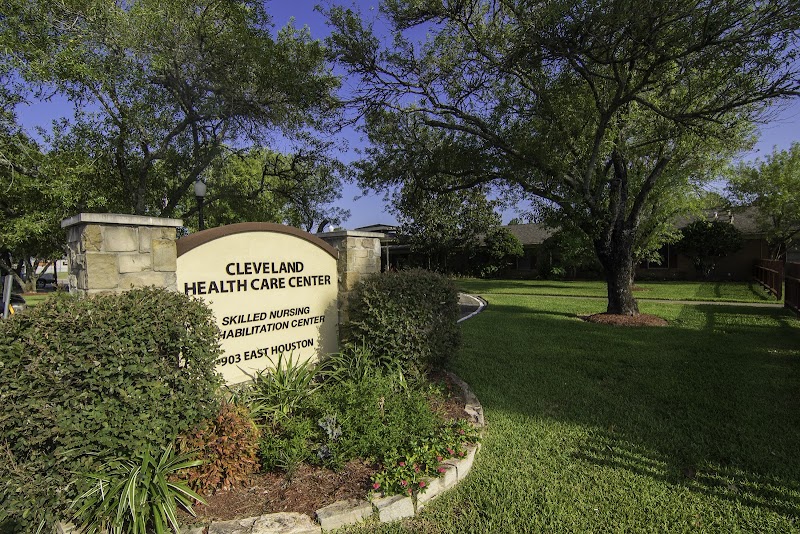
How is Cleveland Health Staffed?

CMS rates CLEVELAND HEALTH CARE CENTER's staffing level at 3 out of 5 stars, which is average compared to other nursing homes. Staff turnover is 40%, compared to the Texas average of 46%. This relatively stable workforce can support continuity of care.

What Have Inspectors Found at Cleveland Health?

State health inspectors documented 11 deficiencies at CLEVELAND HEALTH CARE CENTER during 2023 to 2025. These included: 2 Immediate Jeopardy (the most serious level, indicating potential for serious harm or death), 1 that caused actual resident harm, and 8 with potential for harm. Immediate Jeopardy findings are rare and represent the most serious regulatory concerns. They require immediate corrective action.
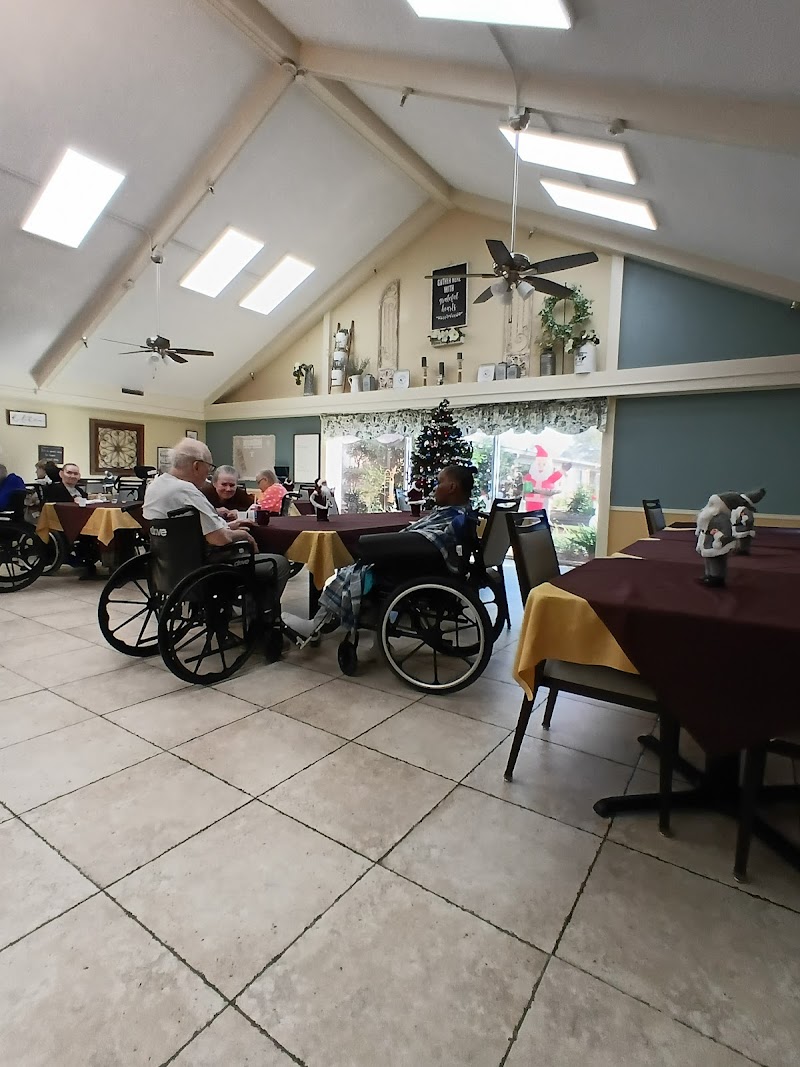
Who Owns and Operates Cleveland Health?

CLEVELAND HEALTH CARE CENTER is owned by a non-profit organization. Non-profit facilities reinvest revenue into operations rather than distributing to shareholders. The facility is operated by HEALTH SERVICES MANAGEMENT, a chain that manages multiple nursing homes. With 142 certified beds and approximately 76 residents (about 54% occupancy), it is a mid-sized facility located in CLEVELAND, Texas.
How Does Cleveland Health Compare to Other Texas Nursing Homes?

Compared to the 100 nursing homes in Texas, CLEVELAND HEALTH CARE CENTER's overall rating (4 stars) is above the state average of 2.8, staff turnover (40%) is near the state average of 46%, and health inspection rating (4 stars) is above the national benchmark.

What Should Families Ask When Visiting Cleveland Health?

Based on this facility's data, families visiting should ask: "What changes have been made since the serious inspection findings, and how are you preventing similar issues?" "Can I visit during a mealtime to observe dining assistance and food quality?" "How do you handle medical emergencies, and what is your hospital transfer rate?" "Can I speak with family members of current residents about their experience?" These questions are particularly relevant given the facility's Immediate Jeopardy citations.

Is Cleveland Health Safe?

Based on CMS inspection data, CLEVELAND HEALTH CARE CENTER has documented safety concerns. Inspectors have issued 2 Immediate Jeopardy citations (the most serious violation level indicating risk of serious injury or death). The facility has a 4-star overall rating and ranks #1 of 100 nursing homes in Texas. Families considering this facility should ask detailed questions about what corrective actions have been taken since these incidents.

Do Nurses at Cleveland Health Stick Around?

CLEVELAND HEALTH CARE CENTER has a staff turnover rate of 40%, which is about average for Texas nursing homes (state average: 46%). Moderate turnover is common in nursing homes, but families should still ask about staff tenure and how the facility maintains care continuity when employees leave.

Was Cleveland Health Ever Fined?

CLEVELAND HEALTH CARE CENTER has been fined $30,198 across 2 penalty actions. This is below the Texas average of $33,381. While any fine indicates a compliance issue, fines under $50,000 are relatively common and typically reflect isolated problems that were subsequently corrected. Families should ask what specific issues led to these fines and confirm they've been resolved.

Is Cleveland Health on Any Federal Watch List?

CLEVELAND HEALTH CARE CENTER is not on any federal watch list. The most significant is the Special Focus Facility (SFF) program, which identifies the bottom 1% of nursing homes nationally based on persistent, serious quality problems. Not being on this list means the facility has avoided the pattern of deficiencies that triggers enhanced federal oversight. This is a positive indicator, though families should still review the facility's inspection history directly.