CLYDE NURSING CENTER
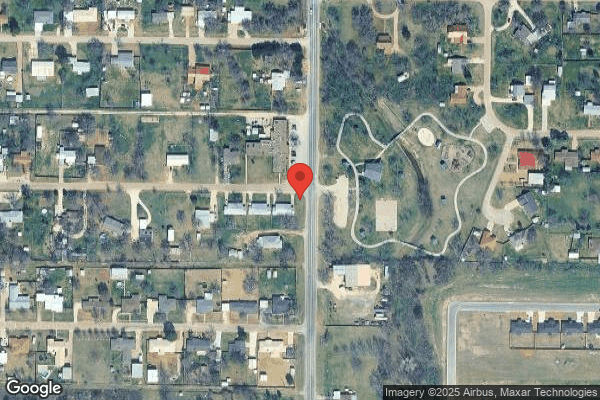

806 STEPHENS ST, CLYDE, TX 79510 (325) 893-4288
For profit - Individual 48 Beds ADVANCED HEALTHCARE SOLUTIONS Data: November 2025
Trust Grade
90/100
#28 of 1168 in TX
Last Inspection: April 2025

Within standard 12-15 month inspection cycle. Federal law requires annual inspections.

Overview

Clyde Nursing Center has received a Trust Grade of A, indicating excellent quality and high recommendation for families considering this facility. It ranks #28 out of 1,168 nursing homes in Texas, placing it in the top half of facilities statewide, and #1 out of 2 in Callahan County, meaning it is the best local option. The facility is improving, having reduced its number of issues from 2 in 2024 to 1 in 2025, although it still faces some concerns, including 8 identified issues in total. Staffing is a weakness, earning only 2 out of 5 stars, though the turnover rate of 38% is better than the state average, suggesting some stability among staff. While there have been no fines, which is positive, recent inspector findings revealed lapses in food safety practices, such as improper food storage and failure to perform hand hygiene in the kitchen, as well as concerns about individualized care plans for residents, which could impact their health and well-being. Overall, Clyde Nursing Center has notable strengths but also areas that families should carefully consider.

Trust Score
A
90/100
In Texas
#28/1168
Top 2%
Safety Record
Low Risk
No red flags
Inspections
Getting Better
2 → 1 violations
Staff Stability
○ Average
38% turnover. Near Texas's 48% average. Typical for the industry.
Penalties
✓ Good
No fines on record. Clean compliance history, better than most Texas facilities.
Skilled Nurses
⚠ Watch
Each resident gets only 15 minutes of Registered Nurse (RN) attention daily — below average for Texas. Fewer RN minutes means fewer trained eyes watching for problems.
Violations
○ Average
8 deficiencies on record. Average for a facility this size. Mostly minor or procedural issues.
★★★★★
5.0
Overall Rating
★★☆☆☆
2.0
Staff Levels
★★★☆☆
3.0
Care Quality
★★★★★
5.0
Inspection Score
Stable
2024: 2 issues
2025: 1 issues

The Good

  • Full Sprinkler Coverage · Fire safety systems throughout facility
  • No fines on record
  • Staff turnover below average (38%)

    10 points below Texas average of 48%

Facility shows strength in fire safety.

The Bad

Staff Turnover: 38%

Near Texas avg (46%)

Typical for the industry

Chain: ADVANCED HEALTHCARE SOLUTIONS

Part of a multi-facility chain

Ask about local staffing decisions and management

The Ugly 8 deficiencies on record

Apr 2025 1 deficiency
CONCERN (E)

Potential for Harm - no one hurt, but risky conditions existed

Food Safety (Tag F0812)

Could have caused harm · This affected multiple residents

Based on observations, interviews, and record reviews, the facility failed to properly store, prepare, distribute, and serve food in accordance with professional standards for food service safety for ...

Read full inspector narrative →
Based on observations, interviews, and record reviews, the facility failed to properly store, prepare, distribute, and serve food in accordance with professional standards for food service safety for 1 of 1 kitchen reviewed. The facility failed to ensure food was labeled properly in the refrigerator. The facility failed to ensure food was discarded per manufacture instructions. The facility failed to ensure that staff performed hand hygiene when entered the kitchen. These failures could place residents that eat out of the kitchen at risk for food borne illnesses. The findings included: During an observation on 04/22/25 between 10:10 AM and 10:30 AM, of the kitchen, the DM entered the kitchen from the dining room and failed to perform hand hygiene when he entered the kitchen. The refrigerator contained a container of ham, out of its original container, was not labeled with an item description, open date or a use by date and an open carton of thickened milk with an open date of 04/02/25 and manufacture instructions on the container that stated, Discard if not used within 4 days of opening. During an observation on 04/22/25 at 11:20 AM, the DM entered the kitchen from the dining area and failed to perform hand hygiene. The DM retrieved a scoop from a drawer and handed it to the Cook, prior to performing hand hygiene. During an interview on 04/24/25 at 11:42 AM, the DM stated his expectation was food out of original container, in the refrigerator, should have been labeled with food description and open date. The DM stated the thickened milk should have been discarded per the manufacture recommendations. The DM stated all staff were responsible to check food for freshness, label food with open date, use by date and item description. The DM stated he was responsible to monitor and that he checks items daily. The DM stated residents could have been exposed to foodborne illness if food was not labeled correctly, or if food was not discarded per manufacture recommendations. The DMs stated what led to the failure was that staff had gotten sidetracked. He stated prior to him becoming DM, there had been staff turnover. The DM stated what led to failure of the thickened milk was that the other products had a 7-day discard and he had overlooked it. The DM stated his expectation was that hand hygiene be performed upon entrance into kitchen and when hands became soiled. The DM stated staff had been trained and were responsible to know to perform hand hygiene, and he was responsible for monitoring. The DM stated the effect on residents could have been exposure to foodborne illness. The DM stated what led to failure was there was a lot going on that morning, and he had gotten sidetracked trying to get everything done. During an interview on 04/24/25 at 11:47 AM, the Dietician stated her expectation was that food be labeled with food description and use by date and that if manufacture directions stated to discard after a certain number of days, then the items should have been discarded. The Dietician stated her expectation was that staff wash their hands when entering the kitchen. The Dietician stated failure to wash hands could have caused residents to be exposed to bacteria that could have led to illness. The Dietician stated that the effect on residents if food had gone past use by date or not labeled incorrectly it could have caused food to loose flavor or not being good. The Dietitian stated this could have caused residents to have a loss of satisfaction of their meals. The Dietitian stated it was the responsibility of the DM to ensure food was labeled and discarded correctly. The Dietician stated what led to these failures was lack of proper training, been turnover in dietary managers over the past few months. Record review of the facility's policy titled, Storage of Frozen and Refrigerated Foods dated 10/2017 revealed; Refrigerated products that are opened must be labeled with an opened on date. The use by date is 7 days from when the product was opened, unless there is a manufacturer's use by, expiration or sell by date. For all foods that have a manufacturer use by , sell by or expiration dates this date will be used. Record review of the facility's policy titled, Hand Washing dated 11/2017 revealed: Dietary Staff will wash their hands before starting work and: Upon re-entry into the kitchen.
Mar 2024 2 deficiencies
CONCERN (D) 📢 Someone Reported This

A family member, employee, or ombudsman was alarmed enough to file a formal complaint

Potential for Harm - no one hurt, but risky conditions existed

Deficiency F0761 (Tag F0761)

Could have caused harm · This affected 1 resident

Based observations, interviews, and record reviews the facility failed to store all drugs and biologicals in locked compartments for 1 of 2 medication carts reviewed for label and storage of drugs and...

Read full inspector narrative →
Based observations, interviews, and record reviews the facility failed to store all drugs and biologicals in locked compartments for 1 of 2 medication carts reviewed for label and storage of drugs and biologicals. The facility failed to ensure 1 of 2 medication carts were locked when unattended. This failure could place residents at risk of having access to unauthorized medications, wound care and medical supplies leading to possible harm or drug diversions. Findings included: During an observation on 03/04/2024 at 8:55 a.m. an unlocked medication cart was seen on North Hall in between nurses' station and administration offices. There were residents sitting in wheelchair around cart and two residents walking down the North Hall. Inside of treatment cart were one pair of bandage scissors, more than five Nystatin (prescription anti-yeast) powders, and one bottle of Hibicleanse (Antiseptic/Antimicrobial) wash soap. During an interview on 03/04/2024 at 08:55 a.m., the ADON stated that she expected the treatment cart to be locked when unsupervised. She stated that she was unaware of which nurse was responsible for the treatment cart at this time. During an interview on 03/04/2024 at 2:26 p.m., RN A stated that he was not clocked in at the time treatment cart was found unlocked. He stated that after 9:00 a.m., he was responsible for the treatment cart. He stated that he received keys from LVN B after the treatment cart was found unlocked. He stated that the treatment cart should be locked when not supervised. During an interview on 03/04/2024 at 02:27 p.m., LVN B stated she was in the building working as a nurse during the time that treatment cart was found unlocked. She stated that she had not touched the treatment cart during that time. During an interview on 03/04/2024 at 02:29 p.m., the ADMN stated LVN C worked the shift prior to the treatment cart being unlocked. He stated she worked from six o'clock p.m. to six o'clock a.m. The ADMN stated the best way to contact LVN C would be to call her during her work hours and that she would be at work 03/04/2024 at 6 o'clock p.m. During a phone interview on 03/04/2024 at 06:08 p.m., LVN C stated she received treatment cart keys from RN A on 03/03/2024 at six o'clock p.m. LVN C stated she gave treatment cart keys to LVN B when she left at 03/04/2024 at six o'clock a.m. LVN C stated the treatment cart should be locked when unsupervised. LVN B stated treatment cart could have not been locked back when she opened it later in her shift to get out a bandage. She stated it was a busy time and she may have forgotten to lock treatment cart back. She stated it was the nurse's responsibility to lock treatment cart when not supervised. LVN C stated not locking treatment cart could affect residents by allowing resident to have access to items in the treatment cart such as scissors and prescription medications that could cause harm. She stated the ADON and the DON were who were to monitor that treatment carts were locked appropriately by the nurses. During an interview on 03/05/2024 at 11:23 a.m., the DON stated the nurses were responsible for locking both medication and treatment carts. She stated she and the cooperate nurse attempted to find a facility policy on locking treatment carts, and they could not find one. She stated that they used the CDC and CMS guidelines for ensuring treatments and medications were stored appropriately. The DON stated her expectation would be for the treatment cart to be locked when unsupervised. She stated that unlocked treatment cart could affect residents by them having adverse reaction to substances in the cart that could lead to harm. She stated she was unaware of why the treatment cart was unlocked. The DON stated both her and the ADON were responsible for monitoring staff locked carts appropriately. According to the Centers for Medicare and Medicaid Services website https://www.cms.gov/Medicare/Provider-Enrollment-and-Certification/SurveyCertificationGenInfo/Downloads/Survey-and-Cert-Letter-13-36.pdf accessed on 03/06/2024 revealed: Medications and biologicals are accessible only to authorized staff and are locked when not under the direct observation of the authorized staff.
CONCERN (E) 📢 Someone Reported This

A family member, employee, or ombudsman was alarmed enough to file a formal complaint

Potential for Harm - no one hurt, but risky conditions existed

Comprehensive Care Plan (Tag F0656)

Could have caused harm · This affected multiple residents

**NOTE- TERMS IN BRACKETS HAVE BEEN EDITED TO PROTECT CONFIDENTIALITY** Based on interview and record review, the facility failed to develop and implement a person-centered, comprehensive care plan fo...

Read full inspector narrative →
**NOTE- TERMS IN BRACKETS HAVE BEEN EDITED TO PROTECT CONFIDENTIALITY** Based on interview and record review, the facility failed to develop and implement a person-centered, comprehensive care plan for each resident, consistent with resident rights, that included measurable objectives and timeframes to meet residents medical, nursing, mental and psychosocial needs that were identified in the comprehensive assessment for 4 (Resident #5, Resident #9, Resident #18, and Resident #24) of 4 residents reviewed for care plans. The facility failed to ensure care plans specified measurable objectives that could be evaluated or quantified for Resident #5, Resident #9, Resident #18, and Resident #24. This failure could place residents at risk for not receiving care and services individualized to meet their specific physical, mental, and/or emotional needs. Findings included: Review of Resident #5's face sheet revealed a [AGE] year-old male admitted to the facility on [DATE] with medical diagnoses of stroke, left side paralysis, anxiety, depression, loss of muscle mass, and difficulty walking. Review of Resident #5's MDS dated [DATE], revealed in Section C - Cognitive Patterns C0500. BIMS Summary Score, Resident #5 scored 15 out of 15 indicating intact cognition. Review of Resident #5's Comprehensive Care Plan revised 01/11/24 revealed the following focus care areas with objectives that were not measurable: Focus: Fragile Skin: [resident] has fragile skin related to the aging process and is at risk for bruising easily and skin tears with an objective of [Resident's] risk for the development of skin tears and bruising will be minimized ., Focus: Cognitive Impairment: [resident] has impaired cognition and is at risk for a further decline in cognitive and functional abilities related to: recent CVA with an objective of [Resident] will have needs met in a timely manner. , Focus: [Resident] has impaired visual function and is at risk for falls, injury, and a decline in functional ability d/t my glaucoma (a group of diseases that damage the nerve in the back of the eye), with an objective of [Resident] will maintain optimal quality of life . , Focus: [Resident] is at risk for the following items and/or diagnosis: Falls with an objective of Staff will be aware of the risks factors and/or diagnosis in POC (Plan of Care)/[NAME] (information quick reference used in nursing), Focus: [Resident] has a communication problem related to Hearing deficit with an objective of [Resident} will have needs met in a timely manner ., Focus: I, [resident], have renal (kidney) failure r/t Kidney disease with an objective of I, [resident], will be able to resume normal daily activities of daily living . , Focus: [Resident] has oral/dental health problems broke/carious (decaying) teeth r/t Poor oral hygiene with an objective of [Resident] will tolerate diet . , Focus: [Resident] uses psychotropic medications (antidepressants) related to depression with an objective of [Resident] will maintain the highest level of function possible and not experience a decrease in functional abilities . , Focus: [Resident] is at risk for pain related to: Post CVA - hemiplegia or Hemiparesis Arthritis with an objective of Pain or discomfort will be relieved within a timely manner of receiving pain medications or treatments as ordered by the physician, Focus: I, [resident], have OsteoArthritis (tissue breakdown in the joints) with an objective of I, [resident] will maintain acceptable level of comfort ., Focus: I, [resident], have Hemiplegia (paralysis on one side of the body)/Hemiparesis (complete paralysis of half of the body) d/t my recent Stroke with an objective of I, [resident] will maintain optimal status and quality of life within limitations imposed by Hemiplegia/Hemiparesis ., and Focus: [Resident] has fragile skin related to the aging process and is at risk for bruising easily and skin tears with an objective of [Resident's] risk for the development of skin tears and bruising will be minimized . Review of Resident #9's face sheet revealed a [AGE] year-old female admitted to the facility on [DATE] with medical diagnoses of macular degeneration (loss of central vision), anxiety, major depression, post-traumatic stress disorder (disorder that develops after a shocking, scary, or dangerous event), low level of potassium in her blood, low thyroid function, high blood pressure, spondylosis (abnormal wear on the cartilage and bones in the neck and vertebrae), right and left shoulder pain, and heart disease. Review of Resident #9's MDS dated [DATE], revealed in Section C - Cognitive Patterns C0500. BIMS Summary Score Resident #9 scored 14 out of 15 indicating intact cognition. Review of Resident #9's Comprehensive Care Plan revised 02/24/2024, revealed the following focus care areas with objectives that were not measurable: Focus: Resident has impaired visual function and is at risk for falls, injury, and a decline in functional ability r/t her macular degeneration with an objective of Resident will maintain optimal quality of life and not experience a decline in ADL functional abilities or an injury related to vision loss. , Focus: Resident has an ADL Self Care Performance Deficit and is at risk for not having their needs met in a timely manner with an objective of Resident will participate to the best of their ability and maintain current level of functioning with activities of daily living (ADLs). The resident will improve current level of function in Bed Mobility, Transfers, Eating, Dressing, Toilet Use and Personal Hygiene, . Resident will be able to: , Focus Resident is on a Regular Diet, NAS and at nutritional & hydration risk related to Anxiety, Depression with an objective of Resident will maintain a normal bowel elimination pattern, Focus: The resident has dentures with an objective of The resident will tolerate diet . , Focus: Resident uses psychotropic medications (antidepressants, antipsychotics, and hypnotics) related to depression, generalized anxiety disorder, Pain management, and hallucinations with an objective of The resident will show decreased episodes of signs and symptoms of depression . , Focus: The resident is on Potassium with an objective of I [Resident], will have electrolyte (minerals in the blood that carry an electrical current) balance restored . , and Focus: Resident has fragile skin elated to the aging process and is at risk for bruising easily and skin tears with an objective of The resident's risk for the development of skin tears and bruising will be minimized . Review of Resident #18's face sheet revealed an [AGE] year-old female admitted to the facility on [DATE] with medical diagnoses of Alzheimer's disease, dementia, major depression, hearing loss, heart disease, high blood pressure, atrial fibrillation (upper chambers of the heart beat irregularly), diverticulitis (bulging pouches in the digestive tract), and post-traumatic stress disorder. Review of Resident #18's MDS dated [DATE], revealed in Section C - Cognitive Patterns C0500. BIMS Summary Score Resident #18 scored 14 out of 15 indicating intact cognition. Review of Resident #18's Comprehensive Care Plan revised 02/11/2024, revealed the following focus care areas with objectives that were not measurable: Focus: Resident has impaired cognition and is at risk for a further decline in cognitive and functional abilities related to: Alzheimer's and dementia with objectives of Resident will have needs met in a timely manner, dignity will be maintained, and current level of functioning will be maintained ., and Resident will maintain current level of cognitive function without a decline ., Focus: Resident has a communication problem related to Hearing deficit with an objective of Resident will have needs met in a timely manner, dignity will be maintained, and current level of functioning will be maintained ., Focus: Resident has an ADL Self Care Performance Deficit and is at risk for not having their needs met in a timely manner. Performance deficit is related to Cognitive impairment., Impaired balance/impaired coordination, with an objective of Resident will participate to the best of their ability and maintain current level of functioning with activities of daily living (ADLs) . , Focus: Resident has a behaviors problem as evidenced by: getting in others personal space when she [NAME] they are in the way or her way with an objective of The resident's behavior will not interfere with the delivery of care or services, or result in harm to self or others ., Focus: Resident exhibits verbally abusive behaviors at times and is at risk for harm and not having their needs met in a timely manner. Cussing, derogatory comments, and bullying with an objective of Resident's verbal behaviors will not interfere with the delivery of ADL cares by staff . , Focus: Resident is on Mechanical Soft Diet and at nutritional & hydration risk related to Depression with an objective of Resident will maintain a normal bowel elimination pattern., Focus: The resident is edentulous (lacking teeth) and uses dentures with an objective of The resident will tolerate diet ., Focus: Resident uses psychotropic medications (antidepressants, anxiolytics) related to depression with an objective of The resident will show decreased episodes of signs and symptoms of depression . , and Focus: resident is able to effectively communicate the presence of pain and will notify staff when they are in pain. Resident is at risk for pain related to: Accident/Fall, Arthritis with an objective of Resident's pain level will be at or below their acceptable level as verbalized by the resident . Acceptable level of pain: , Review of Resident #24's face sheet revealed a [AGE] year-old female admitted to the facility on [DATE] with medical diagnoses of epilepsy, bacteria in the urine, itching, history of falls, heart attack, coronary artery disease, high blood pressure, high cholesterol, and heartburn. Review of Resident #24's MDS dated [DATE], revealed in Section C - Cognitive Patterns C0500. BIMS Summary Score Resident #24 scored 15 out of 15 indicating intact cognition. Review of Resident #24's Comprehensive Care Plan revised 01/11/24 revealed the following focus care areas with objectives that were not measurable: Focus: [Resident] has impaired cognition and is at risk for a further decline in cognitive abilities with an objective of [Resident] will have needs met in a timely manner, dignity will be maintained, and current level of functioning will be maintained. , Focus [Resident] is at risk for the following items and/or diagnosis: Behaviors, Falls with an objective of Staff will be aware of the risks factors and/or diagnosis in POC/[NAME], Focus: [Resident] has a communication problem related to her comprehension ability with an objective of [Resident] will have needs met in a timely manner, dignity will be maintained, and current level of functioning will be maintained. , and Focus: [Resident exhibits verbally abusive behaviors at times and is at risk for harm and not having their needs met in a timely manner with an objective of [Resident's] verbal behaviors will not interfere with the delivery of ADL cares by staff. During an interview on 03/06/24 at 11:18 AM, RN A stated if an objective could not be measured there would be no way to determine if an objective was achieved. During an interview on 03/06/24 at 11:34 AM, the DON stated the DON or designee were responsible for monitoring care plans. She stated LVN B was responsible for compiling care plans. The DON explained that all staff work together to identify care focus areas. The DON stated changes on care plans were communicated to direct care staff on the [NAME]. She stated acute changes were communicated to staff during daily clinical meetings conducted by the DON, or by posted in-services. The DON stated she or the ADON would come in early to make sure the night staff were informed. She stated objectives on the care plans must be measurable in order to monitor resident's progress or to identify if resident's progress was not occurring. The DON acknowledged the objectives reviewed needed to be reworded. She was unable to state why the objectives were not measurable. She stated the effect of unmeasurable objectives on residents may be if a decline were happening, they would not be able to appropriately address because there was no baseline to compare to. During an interview on 03/06/24 at 12:02 PM, LVN B stated she was responsible for creating care plans. She stated the failure occurred because objectives were computer generated selections and due to time constraints, she did not go through and individualize the objectives. LVN B was not able to state how unmeasurable objectives could affect a resident. LVN B stated restructuring objectives was an option to make the objectives individualized and measurable. Review of the facility policy titled Comprehensive Care Plans dated 02/10/2021 revealed It is the policy of this facility to develop and implement a comprehensive person-centered care plan for each resident, consistent with resident rights, that includes measurable objectives and timeframes to meet a resident's medical, nursing, and mental and psychosocial needs that are identified in the resident's comprehensive assessment.
May 2023 1 deficiency
CONCERN (E) 📢 Someone Reported This

A family member, employee, or ombudsman was alarmed enough to file a formal complaint

Potential for Harm - no one hurt, but risky conditions existed

Infection Control (Tag F0880)

Could have caused harm · This affected multiple residents

**NOTE- TERMS IN BRACKETS HAVE BEEN EDITED TO PROTECT CONFIDENTIALITY** Based on observation, interview, and record review the facility failed to establish and maintain an infeciton prevention and con...

Read full inspector narrative →
**NOTE- TERMS IN BRACKETS HAVE BEEN EDITED TO PROTECT CONFIDENTIALITY** Based on observation, interview, and record review the facility failed to establish and maintain an infeciton prevention and control program to help prevent the development and transmission of communicable diseases and infections for 4 of 36 residents (Resident's #1, #2, #3, and #4) reviewed for infection control. Upon learning on 05/18/23 of Resident #1's positive diagnosis of scabies the facility failed to notify the MD until 05/19/23 and start the isolation protocol This failure could place residents at risk for developing rashes and skin irritation resulting in residents scratching. Findings included: Closed Record review of Resident #1's electronic face sheet, dated 5/19/23 revealed he was a [AGE] year-old male, admitted to the facility on [DATE] with diagnoses to include Atopic Dermatitis, hypertension, Type 2 Diabetes, and Multiple sclerosis. Record review of Resident #1's Progress notes dated 5/17/23 revealed: Phone call to PoA regarding son we sent to ER due to low blood pressure, low temperature, and coarse lung sounds. When EMS was here, they were unable to obtain a BP. Action: Right lobe rub, left lobe diminished unable to take deep breaths at this time. Grey to white pale in color, cool to touch. Resident is becoming visibly upset and attempting to talk with nurse but unable to communicate clearly for self. During an observation on 5/19/23 at 9:45 AM Resident #1 room was the only room with contact isolation signage and PPE set out. During an interview on 5/22/23 at 11:45 AM Regional RRN-D stated she thought it was psoriasis, but the dermatologist diagnosed Resident #1 with eczema on 8/27/22. She stated that the itching in residents seemed to get much worse after resident showers. She stated she has no idea what is caused the rashes in the facility. She stated that they thought that the issue may be coming from the showers because things seemed to get worse for the residents after their showers. She stated but they really did not know what caused the issue. She stated based off the biopsy results done on 5/15/23 she did believe scabies are in the facility. She stated she was not exactly sure how they got in the facility or how to get rid of them. She stated that there had been an ongoing issue with rashes in the facility for a while now. She stated she is not sure why the DON did not call the Medical Director or any of the resident's primary care physicians after the scabies confirmation. She stated the DON should have put all residents that had an unusual rash on isolation immediately. Record review of Resident #2's electronic face sheet, dated 5/22/23 revealed she was a [AGE] year-old female, admitted to the facility on [DATE] with diagnoses to include Folliculitis, Cellulitis, and Muscle Wasting. During an interview on 5/19/2023 at 2:25PM Resident #2 stated she is extremely itchy. She stated her back is the worst part. She stated the itching gets much worse after showering or when she gets hot. During an observation on 5/19/23 at 2:25 PM Resident #2 arms had several small bumps and itch marks. Legs had small bumps and itch marks and back has small bumps. Record review of Resident #3's electronic face sheet, dated 5/22/2023 revealed she was a [AGE] year-old female, admitted to the facility on [DATE] with diagnoses to include Cellulitis, Hypertension, and Muscle Weakness. During an interview on 5/19/2023 at 2:45PM Resident #3 stated the itching is bad. She stated she really is not sure what it is. She stated her back is bad. She stated whatever they are doing is not working. She stated that she has been treated by the facility for skin lice out of precaution, but that did nothing for her. She stated she has never been put on isolation because she was told that her rash was associated to her Cellulitis. She stated the rash has been around for a while. She stated it gets bad at night and when she takes her shower. During an observation on 5/19/23 at 2:45 PM Resident #3 skin has bumps and bites down the right arm, a few of the spots were bleeding. Record review of Resident #4's electronic face sheet, dated 5/22/23 revealed she was a [AGE] year-old male, admitted to the facility on [DATE] with diagnoses to include Epilepsy, Muscle Weakness, and Muscle wasting. During an interview on 5/19/2023 at 3:15 PM Resident #4 stated she had a rash on her arms and legs. She stated she has no idea how she got it. She stated it does it but not to bad. She stated it get much worse when she gets hot or goes to get her shower. During an interview on 5/19/23 at 2:00 PM DON stated that about 9:30 AM on 5/18/23 she called the hospital and the hospital stated that Resident #1 did have scabies confirmed through the biopsy done on 5/15/23. She stated that somehow the hospital had the results of the biopsy, but she did not. She stated she did not call the medical director or any of the other physicians that have residents in the facility. She stated she did not put up any isolation carts or signage for any other residents. She stated that Resident #1 had isolation up due to being immunocompromised, the isolation was not up due to scabies. She stated the facility was not sure what the resident had, she stated that he was diagnosed with eczema and dermatitis. She stated that there were a few other residents that did have unknown rashes on them in the facility, but she did not think they needed to be isolated because the facility did not believe they were scabies. During an interview on 5/19/2023 at 3:05 PM MD-A stated he never received a call yesterday, 5/18/23 from facility confirming the scabies diagnosis. He stated that with the confirming diagnosis he would have suggested to do a skin assessment of all residents and any resident with a rash should go on isolation. He stated that all residents with rash that went on isolation would prevent the spread of the scabies in the facility if they had not already had spread through the facility. He stated he went to the facility on Saturday 5/20/23 to do a skin assessment of all residents and 6 residents were put on isolation for unknown rash. He stated of the 6 residents only one resident was suspected of scabies but not confirmed. During an observation on 5/22/2023 at 10:45 AM 6 residents now on contact isolation for unknown rash in the facility. During an interview on 5/19/2023 at 3:40 PM NA-B stated she got scabies on 5/7/23 in the facility after giving residents showers all day. She stated she believes that they are all over the facility. She stated that she started not feeling well that night and went to urgent care. She stated the doctor did not scrape test her or anything. She stated that the doctor said it looks like scabies but there is no (tracking). She stated at that point she pulled her shirt down to show the top of her chest to the doctor and there was tracking. She stated the doctor diagnosed her with scabies and did prescribe her scabies medication and it worked within about two days she was feeling better, and the rash was gone, this was all done on 5/7/23. She stated she let the facility know she was diagnosed with scabies. She stated she was allowed to come back to work on 5/8/23 but she did not feel well and wanted to stay out of the facility until the entire rash was gone. She stated she returned to work on 5/17/23. She stated the rash has returned as of today 5/19/23. She stated she believes she is just re-infecting herself each time she goes back to work. During an interview on 5/19/2023 at 3:57 PM RN-C stated that because he was the charge nurse, he has worked every hallway and had worked directly with Resident #1. stated that he went to his doctor on 5/10/23 because he started to have red bumps show up all over his body, primarily armpits, forearms, belly, and inner legs. He stated that due to the suspicion of scabies in the facility he told his doctor. He stated his doctor diagnosed him with scabies and he was prescribed scabies medication. He stated he let the facility know that he was diagnosed with scabies. He stated that no scraping test was done to confirm scabies. He stated he started his medication on 5/10/23 and came back to work on 5/12/23. He stated he is about to do his final treatment as of today 5/19/23. During an phone interview on 5/22/23 at 12:35 PM CNA-E stated she has no idea what is in that building but it is bad. She stated if you do not really work in the shower room or with the residents you will not get the rash. She stated but if you work with residents or in the shower room all day, you are going to get some sort of rash. She stated if you are off for a few days the rash seems to go away but when she comes back to work it comes back. She stated it sucks because the facility has no idea how to prevent it. She stated she was sent home today because she had the rash on her left hand. She stated she did not believe the facility knows how to get rid of the issue and once it is gone how to prevent it. During an interview on 5/22/23 at 2:45 PM AD-F stated she did get the rash. She stated that she can be off a few days, and everything will go away but when she comes back to the facility, she will get the rash again. She stated she did not think the facility really knows what it is. She stated she did believe it is scabies and the facility either did not know how to get rid of them or did not know how to prevent them from coming back once they are gone. Record review of facilities Scabies Guidelines dated 6/11/19 states: The goals of scabies treatment are to: kill the mite. Treat any persons who have been in close contact with the infected person. Prevent scabies from returning. Record review of Facilities Transmission-Based (Isolation) Precautions dated 10/24/22 stated: It is our policy to take appropriate precautions to prevent the transmission of pathogens, based on the pathogens modes of transmission. For training and quick referencing purposes, a summary of precautions is contained at the end of this policy. 8. Contact Precautions. A. intended to prevent transmission of pathogens that are spread by direct or indirect contact with the resident or resident's environment. Type and during of transmission-Based Precautions chart: Scabies-Contact isolation-duration: 24 hours after initiation of treatment. Prevention and Control: Scabies, per CDC guidelines. Scabies mites generally do not survive more than 2 to 3 days away from human skin. Children and adults usually can return to childcare, school, or work the day after treatment. Accessed: 5/22/2023 https://www.cdc.gov/parasites/scabies/prevent.html#:~:text=Scabies%20mites%20generally%20do%20not,work%20the%20day%20after%20treatment.
Feb 2023 4 deficiencies
CONCERN (D)

Potential for Harm - no one hurt, but risky conditions existed

Pharmacy Services (Tag F0755)

Could have caused harm · This affected 1 resident

**NOTE- TERMS IN BRACKETS HAVE BEEN EDITED TO PROTECT CONFIDENTIALITY** Based on observation, interview, and record review, the facility failed to provide pharmaceutical services (including procedures...

Read full inspector narrative →
**NOTE- TERMS IN BRACKETS HAVE BEEN EDITED TO PROTECT CONFIDENTIALITY** Based on observation, interview, and record review, the facility failed to provide pharmaceutical services (including procedures that assure the accurate acquiring, receiving, dispensing, and administering of all drugs and biologicals) to meet the needs of 1 of 40 residents (Resident #12), 1 of 1 treatment carts and 1 of 1 crash carts reviewed for pharmacy services. 1. The facility failed to ensure the Treatment Cart #1 did not include an opened and expired tube of Aspercreme (creme used for joint pain) for Resident #12. 2. There was an opened and expired bottle of Hibiclens (used for cleansing skin of bacteria) and opened and expired bottle of olive oil. (Used for all residents, as needed). 3. The facility failed to ensure the crash cart #1 did not have expired Sodium Chloride. These failures could place residents at risk of not receiving the therapeutic benefit of medications, adverse reactions to medications and worsening of symptoms of diseases. Findings Included: Review of Resident #12's face sheet dated 2/9/23 revealed, a [AGE] year-old female admitted to the facility on [DATE] with diagnoses which included: Myocardial Infarction (heart attack), Hypertension (high blood pressure), restless leg syndrome (uncomfortable sensation in legs), Polyneuropathy (peripheral nerve damage). Review of Resident #12's care plan dated 01/13/23 stated goal for Resident #12 was that Resident #12 will not have severe pain through the review date, interventions- administer pain medications per MD order. Review of Resident #12's MDS dated [DATE] revealed nothing on pain. Review of Resident #12's physician's orders dated 01/31/22 revealed, Aspercreme Original Crème 10%, to be applied to affected joints topically, as needed for pain. Observation on 02/09/2023 at 08:30 AM, inventory of the treatment cart #1 with the DON revealed one tube of Aspercreme Original Crème 10%-1.25 ounce (expiration date 11/9/22) with Resident #12's name on RX label. Observation on 02/09/2023 at 08:30 AM also revealed the following expired medications (for all residents -standing orders): one 8-ounce bottle of Hibeclens (expiration date 05/22) and a 250ml bottle of olive oil (expiration date 1/23/23). Observation on 02/09/2023 at 09:30 AM revealed four disposable vials of Sodium Chloride on Crash Cart #1 (expired 2022). Interview on 02/09/2023 at 11:30 AM with the DON and ADON, The DON stated that night shift was responsible of checking medication cart for expired/discontinued medications. The ADON stated that she usually does spot checks weekly. The ADON stated that she just checked it last week but failed to look at expiration dates. The DON stated that it was important to check expiration dates because the medications can lose potency and therefore resident does not receive desired effect. The DON stated that expired/discontinued medications are to be removed from medication/treatment carts and placed in the locked closet in her office until the pharmacist comes to facility to destroy. Record review of the facility policy titled Medication Storage dated January 20, 2021, reads in part: Medication carts are routinely inspected for discontinued, outdated, defective, or deteriorated medications with worn, illegible, or missing labels. These medications are removed and destroyed in accordance with the facility policy.
CONCERN (D)

Potential for Harm - no one hurt, but risky conditions existed

Medical Records (Tag F0842)

Could have caused harm · This affected 1 resident

**NOTE- TERMS IN BRACKETS HAVE BEEN EDITED TO PROTECT CONFIDENTIALITY** Based on observation, interview, and record review, the facility failed to maintain medical records that are complete and accura...

Read full inspector narrative →
**NOTE- TERMS IN BRACKETS HAVE BEEN EDITED TO PROTECT CONFIDENTIALITY** Based on observation, interview, and record review, the facility failed to maintain medical records that are complete and accurately documented for 1 of 3 residents (Resident #240) who were reviewed for documentation of indwelling catheter care. RN A did not document Foley Catheter change for R#240 as required by policy This failure could affect residents who receive catheter care and put them at risk for urinary tract infections. Findings included: Review of Resident #240's electronic face sheet dated 2/09/2023 revealed resident was a [AGE] year-old male and was admitted to the facility on [DATE] with diagnoses of Hemiplegia (paralysis of one side of body) and Hemiparesis (muscle weakness to one side of body) following Cerebral Infarction (stoke)-affecting left non-Dominant side, Obstructive and Reflux Uropathy (urine cannot drain through the urinary tract) and Kidney Failure. Review of Resident #240's admission MDS dated [DATE] revealed a BIMS of 12 making him moderately cognitively intact. He could understand and be understood. He had no other behavior issues, no rejection to care, required one person assistance with ADLs, and admitted with indwelling catheter. Review of Resident #240's comprehensive plan of care dated 01/12/2023 revealed he had an indwelling urinary catheter related to his obstructive uropathy with urine retention, and under interventions .change urinary catheter per routine schedule as ordered by the physician. Review of Resident #240's physician orders dated 01/19/2023 revealed, Change Foley catheter every 5th day of the month and PRN. During an interview on 02/09/2023 at 9:32 AM, Resident #240 stated that his catheter had not been changed since January 5th when he was residing at another SNF. Resident #240 stated that his catheter should have been changed on February 05, 2023, but this had not occurred. Resident #240 stated that he was not experiencing any pelvic pain at this time and stated that yesterday he observed blood-tinged urine draining through catheter tubing into collection bag. Observation on 02/09/2023 at 9:40 AM of Resident #240's Foley catheter system revealed amber colored urine in tubing and collection bag, excessive sediment observed within the drainage tubing, anti-reflux valve (flap that prevents urine back flow into the drainage tubing) and collection bag. Record review for Resident #240 revealed that on 01/05/2023 RN A entered initials on the facility TAR's (Treatment Administration Record) but did not document changing Resident #240's catheter in the Nursing Progress Notes or the Daily Skilled Notes, per facility policy (Foley Catheter Guideline). Review of RN A's nursing progress notes and Daily Skilled Nursing Note (for Resident #240) dated, 02/03/2023 at 11:19 AM, read in part, Resident has catheter Foley catheter patent and draining amber urine Physician was not contacted. Review of RN A's nursing progress notes and Daily Skilled Nursing Note (for Resident #240) dated, 02/05/2023 at 10:44 AM, revealed in part, Resident has catheter Foley catheter is patent and draining yellow cloudy urine with sediment noticeable. During an interview on 02/09/2023 at 10:48 AM, the DON stated that RN A or any nurse working the weekend day shift was to review the TAR's to review for treatments due during their shift. The DON stated that the Med-Aide reviews the MAR's (Medication Administration Record) for medications due during their shift. The DON stated that on 02/05/2023 the RN A was working and was responsible for reviewing the TAR's. The DON stated that there was a Med-Aide working on 02/05/2023 who would be responsible for medication administration. The DON stated that it was her expectation that documentation should be entered into the Nursing Progress Notes and Daily Skilled Notes if a resident has a treatment done (including catheter changes), per facility policy ((Foley Catheter Guideline). The DON stated that this should be completed along with initialing on the TAR's. During an interview on 02/09/2023 at 11:00 AM, RN A stated that he was not able to recall which residents had catheter changes on 02/05/2023. RN A stated that he would have to review the TAR's to see who had catheter changes. During an interview on 02/09/2023 at 11:28 AM, RN A stated that after reviewing TAR's, he determined that two residents were scheduled to have Foley Catheter changes on 02/05/2023. RN A stated that Resident #8 was scheduled to have catheter changed but this had been completed on 02/03/2023, so he did not perform the catheter change. RN A stated that Resident #240 was scheduled for Foley catheter change and stated that he changed Resident #240's Foley catheter. RN stated that he initialed this on the TAR's but did not document in Daily Skilled Note or Nursing Progress Note. RN A asked if he was supposed to document catheter changes in progress notes. Interview on 02/08/23 at 4:09 PM, the Administrator stated that his expectations were that all staff follow facility policies and procedures. Record review of facility policy, Foley Catheter Guideline revised 02/2016, revealed in part, The intent of this policy is to provide guidance for staff caring for residents with urinary catheters and to assist in the prevention of catheter-associated urinary tract infections (CAUTI) The clinical indication for inserting a urinary catheter should be documented in the patient's medical record Catheter care should be provided daily and as necessary Evaluate the color of urine and for urine leaks around the catheter, tubing, or drainage bag Documentation- Physician Orders, Treatment Administration Record, Nurses Progress Notes.
CONCERN (D)

Potential for Harm - no one hurt, but risky conditions existed

Infection Control (Tag F0880)

Could have caused harm · This affected 1 resident

**NOTE- TERMS IN BRACKETS HAVE BEEN EDITED TO PROTECT CONFIDENTIALITY** Based on observation, interview, and record review, the facility failed to maintain an infection prevention program designed to ...

Read full inspector narrative →
**NOTE- TERMS IN BRACKETS HAVE BEEN EDITED TO PROTECT CONFIDENTIALITY** Based on observation, interview, and record review, the facility failed to maintain an infection prevention program designed to provide a safe, sanitary, and comfortable environment and to help prevent the development and transmission of communicable diseases and infections for 1 (Resident #16) of 2 residents reviewed for wound care, in that: RN B failed to perform sanitary wound care for Resident #16, per facility policy. This failure could place residents with wounds or pressure ulcers at risk for cross contamination and infection. Findings included: Record review of Resident #16's face sheet, dated 02/09/2023, revealed that she was an [AGE] year-old female who was admitted to the facility on [DATE]. Resident #16's diagnoses included Dementia (Loss of Memory and Intellectual Functioning), Heart Failure, Colostomy (artificial opening in abdominal wall to allow fecal matter to be removed), Protein-Calorie Malnutrition (Inadequate intake of Proteins/Calories), Contracture of Upper Right Arm (Shortening and Hardening of Muscles, Tendons, or other tissue), Kidney Disease, Contractures of bilateral lower extremities and Muscle Wasting. Record review of the quarterly MDS assessment dated [DATE] revealed Resident #16 had a BIMS score of 3, indicating she had severe cognitive impairment. Resident #16 required total dependence of staff for her activities of daily living. Resident #16 was frequently incontinent of bladder and had a colostomy. Resident #16 had one unstageable pressure injuries presenting as deep tissue injury with pressure reducing device in place for wheelchair and bed. Record review of Resident #16's care plan, dated 01/03/23, revealed in part: Resident #16 has an ADL Self-care deficit due to functional limitations in range of motion and decreased mobility. Resident #16 has a terminal illness and is receiving hospice or palliative care. Resident #16 has the potential for development of a pressure ulcer related to urinary incontinence and impaired mobility with interventions of administer analgesics as needed for discomfort or pain, if necessary to provide pain management prior to dressing changes and repositioning, check frequently for wetness, every two hours and provide incontinence care as needed, weekly skin checks to monitor for redness, pressure sores, open areas, and other changes to skin integrity, pressure reducing devices on bed/chair, including heel pressure reducing device. Record review of Resident #16's physician orders, dated 02/03/23 revealed in part: Apply skin prep to great toe and second toe on Right foot. Cleanse Left lower lateral leg wound with wound cleanser, pat dry, apply Xeroform (Medicated gauze), apply ADB pad (Abdominal Pad used for absorption of discharge from a wound) and wrap with Kerlix (Rolled gauze) every day for wound healing. Cleanse Right heel with wound cleanser, pat dry, apply Triad cream to affected area and cover with padded dressing. Cleanse right lower coccyx (stage 2 pressure ulcer) with wound cleanser, pat dry, apply barrier cream and cover with foam sacral (Area of the first and second vertebrae-lowest part of spine near buttock) dressing. Observation on 02/07/23 at 2:30 PM revealed Resident #16's door had a sign posted Enhanced Barrier Precautions which stated everyone entering room must: Clean hands (including before entering and when leaving room) Wear gloves and gown with High-Contact Care Activities (dressings, bathing, transferring, changing linens, providing hygiene, assisting with toileting, providing care with central lines/urinary catheters/feeding tubes/trach. Put on gloves before entering and discard before exiting room. Put on gown before entering and discard before exiting room. Observation of boxes of gloves and clean disposable gowns hanging on Resident #16's door (under sign). Observation and interview on 02/07/23 at 2:40 PM revealed RN B applied disposable gown and gloves before entering Resident #16's room. No observation (by surveyor) of RN B washing hands or using hand sanitizer prior to applying gloves. RN B placed wound care supplies on Resident # 16's dresser and, placed red bio-hazard trash bag on Resident #16's mattress (at the foot of bed). RN B used scissors to remove old bandage to Resident #16's Left lower lateral leg and placed scissors on top of the red biohazard trash bag (within the interior of bag). RN B then placed dressing (removed from leg) in the red bio-hazard trash bag. RN B changed gloves without washing hands or using hand sanitizer. RN B sprayed wound cleanser on wound and used gauze to wipe off excess exudate/drainage from wound and placed gauze in the red bio-hazard trash bag. RN B opened Xeroform and placed it on Resident #16's leg wound and stated that she did not bring enough Xeroform to cover wound. RN B removed her gloves and left the resident's room to get more Xeroform. RN B did not wash hands, use hand sanitizer and RN B did not remove the disposable gown when exiting the room. RN B returned to Resident #16's room without changing gown and applied a new pair of gloves before entering room without washing hands or using hand sanitizer. RN B applied Xeroform and followed wound care orders. RN B took gloves off and placed them in the red bio-hazard trash bag and applied new pair of gloves without washing hands or using hand sanitizer. RN B took scissors out of the red bio-hazard trash bag and used scissors to remove bandage from Resident 16's Right heel without sanitizing the scissors. RN B placed scissors on Resident #16's blanket (beside red bio-hazard trash bag), removed dressing from the Right heel and placed it in red bio-hazard bag. RN B removed gloves, placed it in red bio-hazard trash bag, and applied a new pair of gloves without washing hands or using hand sanitizer. RN B sprayed wound cleanser on the Right heel, patted dry with gauze and placed gauze in the red bio-hazard trash bag. RN B applied Triad cream to wound of heel and covered wound with padded dressing. RN B removed gloves, placed it in red bio-hazard trash bag, and applied a new pair of gloves without washing hands or using hand sanitizer. RN B removed dressing from right lower coccyx and performed wound care without changing gloves. Resident #16 was repositioned by aide that assisted RN B during wound care. RN B removed gloves and applied new pair of gloves without washing hands or using hand sanitizer and wiped scissors and supplies to be taken out of room with disinfecting wipes. RN B exited room, placed supplies on treatment cart (located by Resident #16's door) and removed disposable gown and gloves and disposed of them in bin (located in hall by Resident #16's door). RN B then documented treatment in computer without observation of hand washing or use of hand sanitizer. RN B pushed treatment cart to next resident's room to perform wound care. RN B used hand sanitizer prior to entering the next resident room and wound care was observed with no issues observed regarding infection control. Interview on 02/08/23 at 11:23 AM, the DON stated that RN B informed DON that she did not perform wound care per policy/procedure (on 02/07/23 prior to ending her shift) and stated this occurred because she was nervous with state staff watching her. The DON stated that her expectations were that all staff should follow facility policies and procedures with all treatments. The DON stated that hands should be washed (or hand sanitizer used) between glove changes. The DON stated she had done hand hygiene, wound care, and infection control in-services with RN B, when they spoke. Interview on 02/08/23 at 11:51 AM, RN C stated that the facility corporate office had put Enhanced Barrier Precautions into effect with all of their facilities to use due to CDC guidance, as a precaution designed to reduce transmission of multidrug-resistant organisms (MDRO's) in nursing homes. Interview on 02/08/23 at 4:09 PM, the Administrator stated that his expectations were that all staff follow facility policies and procedures. Record review of facility policy, Infection Prevention and Control Program revised 10/27/2022, revealed in part: This facility has established and maintains an infection prevention and control program designed to provide a safe, sanitary, and comfortable environment and to help prevent the development and transmission of communicable diseases and infections as per accepted national standards and guidelines Hand hygiene shall be performed in accordance with our facility's established hand hygiene procedures All staff shall use personal protective equipment (PPE) according to established facility policy. Record review of facility policy, Hand Hygiene revised 02/11/2022, revealed in part: All staff will perform proper hand hygiene procedures to prevent the spread of infection to other personnel, residents, and visitors Hand hygiene is a general term for cleaning your hands by handwashing with soap and water or the use of an antiseptic hand rub, also known as alcohol-based hand rub (ABHR) The use of gloves does not replace hand hygiene. If your task requires gloves, perform hand hygiene prior to donning gloves, and immediately after removing gloves.
CONCERN (E)

Potential for Harm - no one hurt, but risky conditions existed

Comprehensive Care Plan (Tag F0656)

Could have caused harm · This affected multiple residents

**NOTE- TERMS IN BRACKETS HAVE BEEN EDITED TO PROTECT CONFIDENTIALITY** Based on interview and record review the facility failed to develop and implement a comprehensive, person-centered care plan for...

Read full inspector narrative →
**NOTE- TERMS IN BRACKETS HAVE BEEN EDITED TO PROTECT CONFIDENTIALITY** Based on interview and record review the facility failed to develop and implement a comprehensive, person-centered care plan for each resident that included measurable objectives and time frames to meet, attain, and/or maintain the resident's highest practicable physical, mental, and psychosocial well-being for 4 of 19 residents (Residents #1, #9, #13, #24) reviewed for care plans in that: Resident #1 did not have a care plan in place for oxygen use. Resident #9's fall care plan did not address the use of a bed alarm as an intervention to prevent falls. Resident #13's fall care plan did not address the use of a chair alarm as an intervention to prevent falls. Resident #24's fall care plan did not address the use of a bed alarm as an intervention to prevent falls and there was no care plan in place regarding his right foot ulcer. These failures could affect residents by placing them at risk of not receiving individualized care and services to meet their needs. The findings included the following: Resident #1 Review of Resident #1's admission Record dated 2/8/23 revealed: She was a [AGE] year-old female originally admitted to the facility 2/12/2014 and her most recent admission date was 6/13/22. Her admission diagnoses included Alzheimer's Disease with late onset, recurrent pneumonia, protein-calorie malnutrition, cognitive communication deficit, aphasia, generalized anxiety disorder, GERD, hypertension, STEMI (heart attack), congestive heart failure, history of falls, COPD, convulsions, major depressive disorder. Review of Resident #1's Quarterly MDS dated [DATE], revealed: She had a mental status score of 0 out of 15 indicating severe cognitive impairment. Her oxygen use was not documented in the quarterly MDS assessment. Review of Resident #1' Order Summary dated 2/8/23 revealed the following orders: Change O2 tubing and humidifier bottle every night shift every Thursday for oxygen use ensure that tubing is dated when changed (order date 12/05/22, start date 12/08/22). Monitor O2 saturation. Notify physician if SpO2 falls below 90% every shift (order date 12/05/22, start date 12/05/22). O2 @ 3LPM via NC. Monitor O2 saturation and notify MD if SpO2 falls below 90% as needed for low oxygen blood saturations/wheezing (order date 12/05/22, start date 12/05/22). Record Review of Resident #1's care plan dated 11/08/2022 did not address the use of oxygen. Review of Resident #1's Care Plan, last revised 11/8/22, revealed (in part): Focus - Resident is at risk for respiratory compromise secondary to dx of COPD; Goal - Resident will maintain her current respiratory status during the next 90 days; Interventions - Monitor Resident for SOB, cyanosis, fatigue. Monitor respiratory rate, lung sounds PRN. Resident #9 Review of Resident #9's admission Record dated 2/9/23 revealed: She was an [AGE] year-old female admitted to the facility 10/05/22 with diagnoses which included vascular dementia, hypertension, cerebral ischemia, pressure ulcer of the sacral region stage 3, pressure ulcer of left heel stage 4, neuralgia and neuritis. Review of Resident #9's Quarterly MDS assessment dated [DATE] revealed: She scored 3 out of 15 on her mental status exam indicating severe cognitive impairment. She had 3 falls reported since the last assessment. Daily use of bed alarm and chair alarm were documented on the quarterly MDS assessment. Review of Resident #9's Order Summary dated 2/9/23 revealed the following orders: Alarming pressure mat to bed to alert staff of attempted unassisted transfers every shift for poor safety awareness related to vascular dementia (order date 2/8/23, start date 2/8/23). Record Review of Resident #9's care plan dated 02/06/2023 did not address bed alarm as an intervention. Resident #13 Review of Resident #13's admission Record dated 2/9/23 revealed: She was a [AGE] year-old female admitted to the facility 6/28/22 with diagnoses which included dementia, peripheral vascular disease, hypertension, aphasia, Alzheimer's Disease with late onset, major depressive disorder, and insomnia. Review of Resident #13's Quarterly MDS assessment dated [DATE] revealed: She scored 3 out of 15 on her mental status exam indicating severe cognitive impairment. She had no reported falls since the last assessment. Daily use of bed alarm and chair alarm were documented in quarterly MDS assessment. Review of Resident #13's Order Summary dated 2/9/23 revealed the following orders: Alarm to wheelchair to alert staff if resident attempts to get up without assistance d/t lack of safety awareness every shift related to dementia (order date 2/8/23, start date 2/9/23). LAL mattress with bolsters to bed set on comfort setting 1 every shift for skin protection (order date 6/28/22, start date 6/28/22). Low bed with mat every shift (order date 6/28/22, start date 6/28/22). Pressure alarm to bed to alert staff of attempts to transfer unassisted every shift for fall prevention (order date 2/8/23, start date 2/9/23). Record Review of Resident #13's care plan dated 01/17/2023 did not address bed alarm as an intervention. Resident #24 Review of Resident #24's admission Record dated 2/9/23 revealed: He was an [AGE] year-old male originally admitted to the facility 8/7/20 with the most recent admission date of 1/13/23. He had diagnoses which included dementia, Type 2 Diabetes Mellitus, non-pressure chronic ulcer of the right foot, benign prostatic hyperplasia, repeated falls, major depressive disorder, hypertension, history of heart attack, and chronic kidney disease stage 3. Review of Resident #24's Quarterly MDS assessment dated [DATE] revealed: He scored 3 out of 15 on his mental status exam indicating sever cognitive impairment. He was a high risk for developing pressure ulcers. He had no unhealed pressure ulcers at the time of the assessment. He had a diabetic foot ulcer at the time of the assessment. He used pressure reducing devices for his chair and bed, and application of ointment /medication for skin and ulcer treatment. Daily use of a bed alarm was documented. Use of a chair alarm was not documented. Review of Resident #24's Order Summary dated 2/9/23 revealed: Admit to this nursing facility under care of Dr. X for wound care, dementia, and atherosclerotic heart disease (order date1/13/23). Alarming pressure mat to bed every shift to alert staff to unassisted transfers poor safety awareness related to dementia, check for function and placement Q shift (order date 1/13/23, start date 1/13/23). Pressure alarm to wheelchair to alert staff of attempts to transfer unassisted due to poor safety awareness ensure proper placement and function every shift for resident safety related to dementia (order date 2/8/23, start date 2/9/23). Prevalon boot to right foot when up to aid in wound healing every shift for wound healing (order date 1/13/23, start date 1/13/23). Tx to right foot ulcer: cleanse wound, and peri wound with normal saline. Apply wound dressing of honey gel, apply secondary wound dressing on silicone bordered foam every dayshift for right foot ulcer (order date 1/13/23, start date 1/13/23). Record Review of Resident #24's care plan dated 01/26/2023 did not address the care of the ulcer/wound on his right foot and Resident #24's care plan dated 01/26/2023 did not address bed alarm as an intervention. Interview on 2/9/23 at 11:35 AM with the Administrator, the DON and Regional Compliance RN, the Administrator stated that MDS nurse was responsible for starting care plans. Regional Compliance RN stated that corporate policy was that the comprehensive care plan was initiated based on the CAAs triggered from the MDS assessment completed by the MDS nurse but once the care plan was started, all clinical staff had access to it in the EMR and was able to update interventions as needed. When asked what should be included on a care plan, the DON stated fall risk, psychotropic medications, diagnoses, pressure ulcer or skin risk, code status, ADLs and interventions for all of the care plan areas. The Regional Compliance RN described fall interventions as things put in place to prevent additional fall occurrences such as bed or chair alarms, fall mats, appropriate footwear. The Administrator stated that falls were part of the facility's quality measures and the missing care plans should have been addressed. The Administrator stated the MDS nurse had been working the night shift to help with staffing shortages and she was unavailable to be interviewed. The DON stated that she was unaware that oxygen use required a care plan of its own, and that having it listed as an intervention for a disease process was sufficient. When asked how staff without access to resident charts knew how to care for resident's oxygen, DON stated they used the [NAME] which was populated by the care plan. The DON stated that if the information regarding oxygen parameters and maintenance was not on the care plan it would not be on the [NAME], she then stated she understood that meant the staff would not know how to properly care for the resident. Review of the facility policy Care Plans and CAA (Care Area Assessments) revision date 5/16/2016 revealed in part: Purpose: The purpose of this guide is to ensure that an interdisciplinary (IDT) approach is utilized in addressing the Care Area Triggers (CATs) that were generated by the completion of the Minimum Data Set (MDS) in order to effectively address the Care Area Assessments (CAAs) and ultimately achieve the completion of an effective comprehensive plan of care for each resident. The policy contained no information on what should be included in each resident's care plan and the facility provided no other policies regarding care plans prior to exit.
Understanding Severity Codes (click to expand)
Life-Threatening (Immediate Jeopardy)
J - Isolated K - Pattern L - Widespread
Actual Harm
G - Isolated H - Pattern I - Widespread
Potential for Harm
D - Isolated E - Pattern F - Widespread
No Harm (Minor)
A - Isolated B - Pattern C - Widespread

Questions to Ask on Your Visit

  • "Can I speak with families of current residents?"
  • "What's your RN coverage like on weekends and overnight?"

Our Honest Assessment

Strengths
  • • Grade A (90/100). Above average facility, better than most options in Texas.
  • • No major safety red flags. No abuse findings, life-threatening violations, or SFF status.
  • • No fines on record. Clean compliance history, better than most Texas facilities.
  • • 38% turnover. Below Texas's 48% average. Good staff retention means consistent care.
Concerns
  • • No significant concerns identified. This facility shows no red flags across CMS ratings, staff turnover, or federal penalties.
Bottom line: Generally positive indicators. Standard due diligence and a personal visit recommended.

About This Facility

What is Clyde Nursing Center's CMS Rating?

CMS assigns CLYDE NURSING CENTER an overall rating of 5 out of 5 stars, which is considered much above average nationally. Within Texas, this rating places the facility higher than 99% of the state's 100 nursing homes. This rating reflects solid performance across the metrics CMS uses to evaluate nursing home quality.
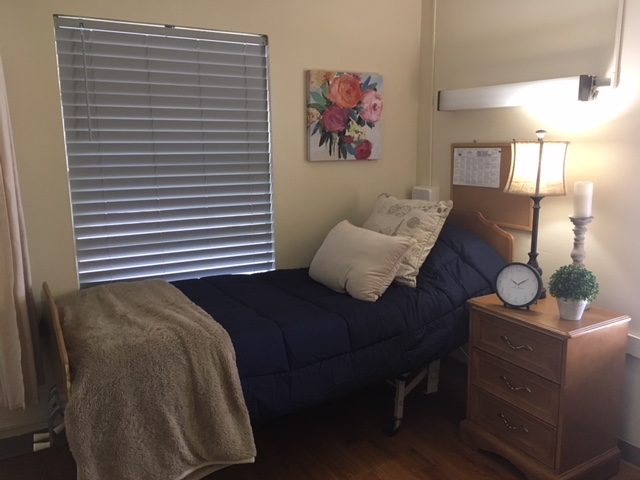
How is Clyde Nursing Center Staffed?

CMS rates CLYDE NURSING CENTER's staffing level at 2 out of 5 stars, which is below average compared to other nursing homes. Staff turnover is 38%, compared to the Texas average of 46%. This relatively stable workforce can support continuity of care.

What Have Inspectors Found at Clyde Nursing Center?

State health inspectors documented 8 deficiencies at CLYDE NURSING CENTER during 2023 to 2025. These included: 8 with potential for harm.
Who Owns and Operates Clyde Nursing Center?

CLYDE NURSING CENTER is owned by a for-profit company. For-profit facilities operate as businesses with obligations to shareholders or private owners. The facility is operated by ADVANCED HEALTHCARE SOLUTIONS, a chain that manages multiple nursing homes. With 48 certified beds and approximately 39 residents (about 81% occupancy), it is a smaller facility located in CLYDE, Texas.
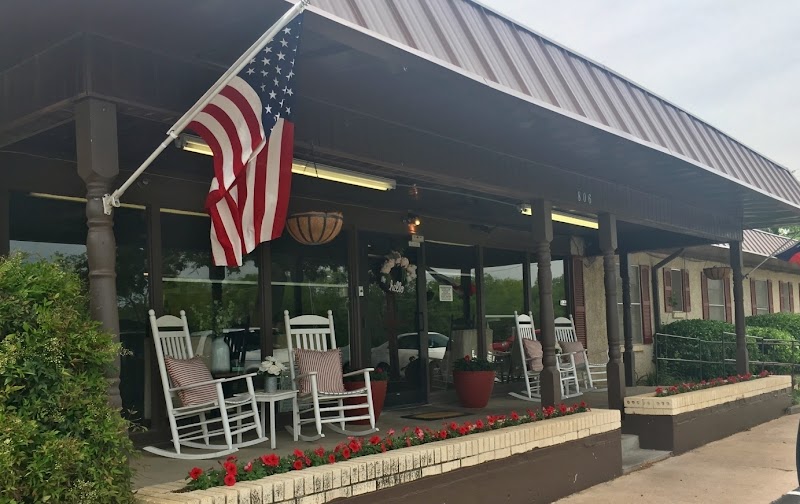
How Does Clyde Nursing Center Compare to Other Texas Nursing Homes?

Compared to the 100 nursing homes in Texas, CLYDE NURSING CENTER's overall rating (5 stars) is above the state average of 2.8, staff turnover (38%) is near the state average of 46%, and health inspection rating (5 stars) is much above the national benchmark.

What Should Families Ask When Visiting Clyde Nursing Center?

Based on this facility's data, families visiting should ask: "Can you walk me through typical staffing levels on day, evening, and night shifts?" "Can I visit during a mealtime to observe dining assistance and food quality?" "How do you handle medical emergencies, and what is your hospital transfer rate?" "Can I speak with family members of current residents about their experience?" These questions are particularly relevant given the below-average staffing rating.

Is Clyde Nursing Center Safe?

Based on CMS inspection data, CLYDE NURSING CENTER has a clean safety record: no substantiated abuse findings (meaning no confirmed cases of resident harm), no Immediate Jeopardy citations (the most serious violation level indicating risk of serious injury or death), and is not on the Special Focus Facility watch list (a federal program monitoring the lowest-performing 1% of nursing homes). The facility has a 5-star overall rating and ranks #1 of 100 nursing homes in Texas. While no facility is perfect, families should still ask about staff-to-resident ratios and recent inspection results during their visit.

Do Nurses at Clyde Nursing Center Stick Around?

CLYDE NURSING CENTER has a staff turnover rate of 38%, which is about average for Texas nursing homes (state average: 46%). Moderate turnover is common in nursing homes, but families should still ask about staff tenure and how the facility maintains care continuity when employees leave.

Was Clyde Nursing Center Ever Fined?

CLYDE NURSING CENTER has no federal fines on record. CMS issues fines when nursing homes fail to meet care standards or don't correct problems found during inspections. The absence of fines suggests the facility has either maintained compliance or corrected any issues before penalties were assessed. This is a positive indicator, though families should still review recent inspection reports for the full picture.

Is Clyde Nursing Center on Any Federal Watch List?

CLYDE NURSING CENTER is not on any federal watch list. The most significant is the Special Focus Facility (SFF) program, which identifies the bottom 1% of nursing homes nationally based on persistent, serious quality problems. Not being on this list means the facility has avoided the pattern of deficiencies that triggers enhanced federal oversight. This is a positive indicator, though families should still review the facility's inspection history directly.