Copperas Cove LTC Partners, Inc.
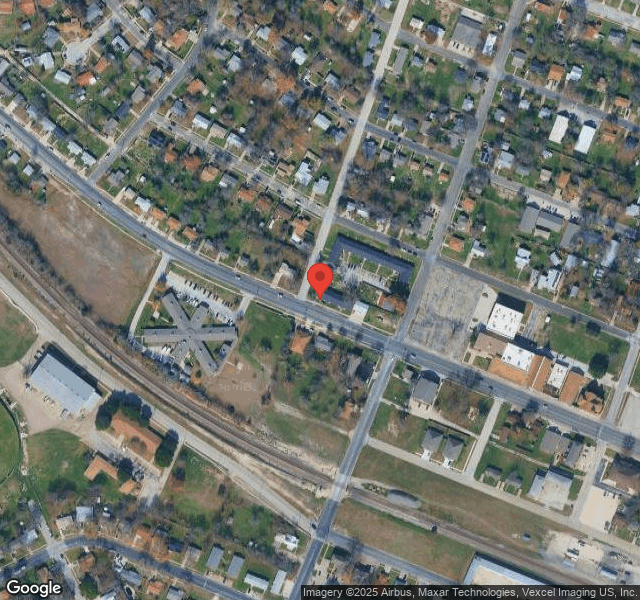
607 W Ave B, Copperas Cove, TX 76522 (254) 547-1033
For profit - Corporation 123 Beds GULF COAST LTC PARTNERS Data: November 2025 2 Immediate Jeopardy citations
Trust Grade
21/100
#690 of 1168 in TX
Last Inspection: September 2024

Within standard 12-15 month inspection cycle. Federal law requires annual inspections.

Overview

Copperas Cove LTC Partners, Inc. has received a Trust Grade of F, indicating significant concerns about the facility's care and operations. Ranking #690 out of 1168 in Texas places them in the bottom half, and they are last among the four nursing homes in Coryell County. Although the facility is improving, having reduced their issues from 11 in 2024 to 4 in 2025, they still face serious problems, including two critical deficiencies that resulted in hospitalization for residents due to inadequate supervision and failure to follow discharge orders. Staffing is a mixed bag; while turnover is slightly better than the state average at 45%, they have concerningly low RN coverage, less than 95% of other Texas facilities, which could affect the quality of care. Furthermore, the facility has incurred $31,990 in fines, indicating ongoing compliance issues, and recent inspections revealed that food safety practices were not adequately followed, posing potential health risks to residents.
Trust Score
F
21/100
In Texas
#690/1168
Bottom 41%
Safety Record
High Risk
Review needed
Inspections
Getting Better
11 → 4 violations
Staff Stability
○ Average
45% turnover. Near Texas's 48% average. Typical for the industry.
Penalties
✓ Good
$31,990 in fines. Lower than most Texas facilities. Relatively clean record.
Skilled Nurses
⚠ Watch
Each resident gets only 9 minutes of Registered Nurse (RN) attention daily — below average for Texas. Fewer RN minutes means fewer trained eyes watching for problems.
Violations
⚠ Watch
30 deficiencies on record. Higher than average. Multiple issues found across inspections.
★★☆☆☆
2.0
Overall Rating
★★☆☆☆
2.0
Staff Levels
★★★☆☆
3.0
Care Quality
★★☆☆☆
2.0
Inspection Score
Stable
2024: 11 issues
2025: 4 issues

The Good

  • Full Sprinkler Coverage · Fire safety systems throughout facility
  • No fines on record
  • Staff turnover below average (45%)

    3 points below Texas average of 48%

Facility shows strength in fire safety.

The Bad

2-Star Overall Rating

Below Texas average (2.8)

Below average - review inspection findings carefully

Staff Turnover: 45%

Near Texas avg (46%)

Typical for the industry

Federal Fines: $31,990

Below median ($33,413)

Moderate penalties - review what triggered them

Chain: GULF COAST LTC PARTNERS

Part of a multi-facility chain

Ask about local staffing decisions and management

The Ugly 30 deficiencies on record

2 life-threatening
Jul 2025 1 deficiency 1 IJ
CRITICAL (J) 📢 Someone Reported This

A family member, employee, or ombudsman was alarmed enough to file a formal complaint

Immediate Jeopardy (IJ) - the most serious Medicare violation

Accident Prevention (Tag F0689)

Someone could have died · This affected 1 resident

**NOTE- TERMS IN BRACKETS HAVE BEEN EDITED TO PROTECT CONFIDENTIALITY** Based on interview and record review, the facility failed to ensure the residents environment remained as free of accident hazar...

Read full inspector narrative →
**NOTE- TERMS IN BRACKETS HAVE BEEN EDITED TO PROTECT CONFIDENTIALITY** Based on interview and record review, the facility failed to ensure the residents environment remained as free of accident hazards as is possible and ensure each resident received adequate supervision for one (Resident #1) of three residents reviewed for accidents and hazards. The facility failed to ensure CNA A did not provide personal care for Resident #1 without another staff member (which he required) on 07/27/25. She yanked on his right arm when attempting to roll him to his side, and he heard a pop. He was in excruciating pain and was subsequently diagnosed with a shoulder sprain at the hospital. The noncompliance was identified as PNC. The IJ began on 07/27/25 and ended on 07/29/25. The facility had corrected the noncompliance before the survey began. This deficient practice placed residents at risk of pain, injury, and hospitalization. Findings included:Review of Resident #1's undated face sheet reflected he was a [AGE] year-old male who was admitted to the facility on [DATE] with diagnoses including morbid obesity, PTSD, major depressive disorder, and unspecified lack of coordination. Review of Resident #1's quarterly MDS assessment, dated 06/26/25, reflected a BIMS score of 15, indicating he was cognitively intact. Section GG (Functional Abilities) reflected he required extensive assistance (2+ personal physical assist) with toileting/repositioning. Review of Resident #1's quarterly care plan, dated 06/28/25, reflected he required total care with all aspects of daily care with an intervention of staff assisting him in daily care. Review of Resident #1's progress note, dated 07/27/25 at 11:15 AM and documented by RN B, reflected the following: While in to see resident and bring his meds, noted facial grimace and he was rubbing his right upper arm and shoulder. [Resident #1] explained that he had a bad, rough night and thinks he got hurt at his rt shoulder (his bad arm), after hearing and feeling a pop while being repositioned in bed. Rated pain 8-9/10. Review of Resident #1's progress note, dated 07/27/25 at 2:33 PM and documented by the ADM, reflected the following: Received information resident upset regarding the care that was provided during the night shift. He further reports as the CNA finally came in early this morning towards the end of her shift around 5:45 - 6AM she was distracted while providing care and yanked on his right arm causing pain to his shoulder. He heard a pop and told her she had hurt him. Review of Resident #1's progress note, dated 07/27/25 at 9:40 PM and documented by RN B, reflected the following: NP was notified earlier regarding [Resident #1]'s situation and orders were ok'd for rt shoulder x ray. [Resident #1] stated the tramadol for pain and the bio freeze helped ‘a lot!' Review of Resident #1's hospital records, dated 07/28/25, reflected a right shoulder sprain. During an interview on 07/30/25 at 11:32 AM, Resident #1 stated he had recently had his pain medication, so he was not experiencing pain. He stated in the morning of 07/27/25, CNA A was in a rush to change his brief and was not paying attention to him. She stated when going to turn him, she yanked on his right arm, and he heard a pop. He stated he saw stars in his eyes while he was screaming and telling her she hurt him. He stated his pain was over a 10 and he felt pain from his shoulder to his wrist. He stated he was supposed to have two people providing him care, and he normally did. He stated he got an x-ray the same day, the results came back the next day saying he had a fracture. He stated the staff sent him to the hospital where he was told it was just a sprain. He stated the staff had been giving him pain medication when he needed it which was managing his pain, and he was happy CNA A got fired. He did not have any further concerns. During an interview on 07/30/25 at 11:40 AM, the CRN, the ADM, and the DON stated CNA A was suspended the same day (07/27/25) and texted the DON the following day stating she had quit. They were unable to get a statement from her. The ADM stated Resident #1's RP, NP, and the Ombudsman were notified of the incident immediately. The DON stated a STAT x-ray was immediately ordered, they conducted safe surveys on all residents, emotional assessments were being conducted for Resident #1 every shift by nursing staff, and all staff were in-serviced on abuse and neglect, resident rights, and ADL self-care. During an interview on 07/30/25 at 11:52 AM, RN B stated on 07/27/25 in the morning she asked Resident #1 how his night was, and he told her he had a rough night. She asked him to explain further, and he told her CNA A was really rough with him and he felt a pop when she yanked his right arm. She stated she assessed him, administered him pain medication, applied bio freeze, and notified the ADM, his RP, and the NP. The NP ordered a STAT x-ray which was done that day. She stated she was in-serviced that day on abuse and neglect and safe ADL care. She stated no one should provide care to a resident alone when they required two people. During an interview on 07/30/25 at 1:18 PM, MA C stated she was recently in-serviced by the DON and ADM on abuse and neglect and two-person assistance. She stated the ADM was their abuse and neglect coordinator and types of abuse could be stealing, verbal, or physical. She stated if a resident required two people for any kind of care, they must find someone to assist them, no matter what. She stated the aides looked in the Kardex (documentation system) to determine how much assistance a resident needed. During an interview on 07/30/25 at 1:26 PM, LVN D stated she was recently in-serviced on safe ADL care, abuse and neglect, and resident rights. She stated her abuse and neglect coordinator was their ADM and different types of abuse were physical, emotional, or negligence. She stated the aides looked in the Kardex to locate what kind of assistance the residents needed, and the nurses would look in their care plans. She stated if a resident needed two people for care, utilizing one person would never be acceptable. She stated she told the aides all the time that if they needed help with transfers or care, she was always available to assist. During a telephone interview on 07/30/25 at 1:58 PM, Resident #1's NP stated she was notified of the incident between him and CNA A in the morning of 07/27/25 and ordered a STAT x-ray. She stated she assessed him the following morning, 07/28/25. She stated she believed the facility handled the situation appropriately and had no concerns. During an interview on 07/30/25 at 2:04 PM, CNA E stated she was recently in-serviced on resident rights, safety, abuse and neglect, and checking the Kardex. She stated the abuse and neglect coordinator is the ADM, and different types of abuse could be verbal, emotional, or physical. She stated no one should ever provide care to a resident by themselves when they required two people because anything could happen. She stated she could get hurt or the resident could get hurt. During an interview on 07/30/25 at 2:11 PM, CNA F stated she was recently in-serviced on abuse and neglect and checking the Kardex to check the assistance level needed for residents. She stated their ADM was the abuse and neglect coordinator and types of abuse were sexual, physical, verbal, emotional, and financial. She stated if a resident needed two people with care, she would never provide care by herself. She stated it could risk her life, their life, and her license. On 07/30/25 at 11:58 AM and 2:45 PM, telephone calls were made to CNA A. A call was not returned prior to exit. Review of the facility's self-report to HHSC, dated 07/27/25, reflected the ADM reported the incident between Resident #1 and CNA A the same day it occurred. Review of CNA A's suspension form, dated 07/27/25, reflected she was on an unpaid suspension due to the incident between herself and Resident #1. Review of an in-service, dated 07/27/25 and conducted by the ADON, reflected all staff were in-serviced on their resident rights policy. Review of an in-service, dated 07/27/25 and conducted by the ADON, reflected all staff were in-serviced on their ADL policy. Review of an in-service, dated 07/27/25 and conducted by the ADON, reflected all staff were in-serviced on their abuse and neglect policy and recognizing signs of abuse and neglect. Review of an in-service, dated 07/27/25 and conducted by the ADON, reflected all staff were in-serviced on the following: It is critically important to use the right amount of staff for safe resident transfers and repositioning, protecting both residents from falls and injuries, and staff from bodily injuries. Review of safe survey's conducted for all residents, dated 07/28/25, reflected no concerns or issues. Review of an in-service, dated 07/29/25 and conducted by the DON, reflected all staff were in-serviced on professionalism. Review of the facility's QAPI agenda, dated 07/29/25, reflected the ADM, the MD, the DON, the ADON, the BOM, the SW, and the AD were in attendance. Review of the facility's Resident Rights Policy, dated 2021, reflected employees shall treat all residents with kindness, respect, and dignity and residents had the right to be free from abuse and neglect. Review of the facility's ADL Policy, revised March 2018, reflected appropriate care and services will be provided for residents who are unable to carry out ADLs independently, with the consent of the resident and in accordance with the plan of care. Review of the facility's Identifying Abuse Policy, date April 2021, reflected it defined the different types of abuse such as physical, verbal, mental, and sexual. Review of the facility's Abuse and Neglect Policy, revised March 2018, reflected any allegations of abuse or neglect will be investigated followed through with a cause identification, treatment/management, and monitoring and follow-up. Review of the facility's Performance Expectations Policy, dated 01/01/25, reflected conduct that was dishonest, insubordinate, immoral, or illegal would not be tolerated.
Jul 2025 1 deficiency
CONCERN (E) 📢 Someone Reported This

A family member, employee, or ombudsman was alarmed enough to file a formal complaint

Potential for Harm - no one hurt, but risky conditions existed

Pharmacy Services (Tag F0755)

Could have caused harm · This affected multiple residents

**NOTE- TERMS IN BRACKETS HAVE BEEN EDITED TO PROTECT CONFIDENTIALITY** Based on interview and record review the facility failed to ensure the resident's right to be free from abuse, neglect, misappro...

Read full inspector narrative →
**NOTE- TERMS IN BRACKETS HAVE BEEN EDITED TO PROTECT CONFIDENTIALITY** Based on interview and record review the facility failed to ensure the resident's right to be free from abuse, neglect, misappropriation of resident property and exploitation for three of five residents (Resident #1, Resident #2, and Resident #3 ) reviewed for drug diversion. 1. The facility failed to ensure LVN A did not take 100 (one hundred) Torsemide 100 mg tablets prescribed for Resident #1.2. The facility failed to ensure LVN A did not take 100 (one hundred) Torsemide 100 mg tablets prescribed for Resident #2.3. The facility failed to ensure LVN A did not take 30 (thirty) Torsemide 100 mg tablets prescribed for Resident #3. These failures could place residents at risk of misappropriation, medication errors and compromised health conditions. Findings include: Record review of the facility's self-report intake, dated 5/5/2025, revealed the following: Narrative of The IncidentSame nurse entered orders for three different residents for the same medication, Torsemide. The medications were then discontinued after the pharmacy delivered the medications. Medications were signed in by same nurse and facility unable to locate three of the four medication cards that were delivered. The Medical Director and NP deny giving nurse orders for Torsemide on any of the identified residents.1. Record review of Resident #1's face sheet, dated 7/9/2025, revealed a [AGE] year-old female who was re-admitted to the facility on [DATE]. Her diagnoses included: Hypothyroidism (thyroid produces too much thyroid hormone), Hypertension (high blood pressure), Age-related decline (natural changed in thinking speed, memory and cognitive abilities that occur when people age, Cerebral Infarction. Record review of Resident #1's Quarterly MDS assessment, dated 6/26/2025, revealed she had a BIMS score of 3, which indicated severely impaired cognition. Record review of Resident #1's Care Plan, initiated 4/10/2025, revealed focus areas which included: I have a Vitamin/Mineral deficiency. Intervention listed as Administer medication as ordered by M.D Record review of Resident #1's Order Summary, dated 3/8/2025 at 12:40 AM, revealed an unauthorized order entered in PCC by LVN-A for Torsemide Oral Tablet 100mg. Give (1) tablet by mouth two times a day for fluid overload. A verbal order was entered in PCC by LVN-A on 3/8/2025 at 9:24 PM to discontinue the Torsemide 100mg. Record review of the Delivery Manifest Report Details, Manifest ID: M412308X0000638512, dated 3/8/2025, revealed LVN-A received sixty (60) Torsemide 100mg tablets order for Resident #1. 2. Record review of Resident #2's face sheet, dated 7/9/2025, revealed a [AGE] year-old female resident who was admitted to the facility on [DATE]. Her diagnoses included: Senile Degeneration of the Brain (cognitive decline), Major Depressive Disorder (persistent sadness and loss of interest in activities) and Hyperlipidemia (high cholesterol). Record review of Resident #2's Quarterly MDS assessment, dated 5/16/2025, revealed she had a BIMS score of 7, which indicated severely impaired cognition. Record review of Resident #2's Care Plan, initiated 5/4/2025, revealed focus areas which included: I have a Vitamin/Mineral deficiency. Intervention listed as Administer medication as ordered by M.D. Record review of Resident #2's Order Summary, dated 4/23/2025 at 9:16 PM, revealed an unauthorized verbal order was entered in PCC by LVN-A for Torsemide Oral Tablet 100mg. Give (1) tablet by mouth two times a day for edema. A verbal order was entered in PCC by LVN-A on 4/23/2025 at 9:16 PM to discontinue the Torsemide 100mg. Record review of Delivery Manifest Report Details, Manifest ID: M412308X0000640574, dated 4/26/2025, revealed LVN-A received ten (10) Torsemide 100mg tablets order for Resident #2. Record review of Resident #2's Physician's Order, dated 4/29/2025 at 3:22 AM, revealed an unauthorized verbal order was entered in PCC by LVN-A for Torsemide Oral Tablet 100mg. Give (1) tablet by mouth two times a day for edema. A verbal order was entered in PCC by LVN-A on 4/29/2025 at 3:22 AM to discontinue the Torsemide 100mg. Record review of Resident #2's Physician's Order, dated 4/29/2025 at 5:03 PM, revealed an unauthorized phone order was entered in PCC by LVN-A to discontinue the Torsemide 100mg. Record review of Delivery Manifest Report Details, Manifest ID: M412308X0000640770, dated 5/1/2025, revealed LVN-A received thirty (30) Torsemide 100mg tablets order for Resident #2. 3. Record review of Resident #3's face sheet, dated 7/9/2025, revealed a [AGE] year-old female who was admitted to the facility on [DATE]. Her diagnoses included: Type 2 Diabetes (body does not produce enough insulin), Hypertension (high blood pressure and Hyperlipidemia (high cholesterol). Record review of Resident #3's Quarterly MDS assessment, dated 5/16/2025, revealed she had a BIMS score of 7, which indicated severely impaired cognition. Record review of Resident #3's Order Summary, dated 5/2/2025 at 9:55 PM, revealed an unauthorized verbal order was entered in PCC by LVN-A for Torsemide Oral Tablet 100mg. Give (1) tablet by mouth two times a day for edema. A verbal order was entered in PCC by LVN-A on 5/3/2025 at 10:46 PM to discontinue the Torsemide 100mg. Record review of the Delivery Manifest Report Details, Manifest ID: M412308X0000640825, dated 5/3/2025 revealed LVN-A received thirty (30) Torsemide 100mg tablets order for Resident #3. During an interview on 7/9/2025 at 4:45 PM, the CMA employed with the facility for one-year, stated she was in-serviced on misappropriation within the last month. She said she would report misappropriation and/or drug diversions to the DON and ADM. She said she had not seen any medications that were not been locked in the medication cart or room.During an interview on 7/9/2025 at 5:10 PM, CNA employed at the facility for 18 months, stated she received monthly training on misappropriation and stated she would report to the charge nurse, DON, and ADM. She said she had not seen any medications that had not been locked in the medication cart or room. During an interview on 7/9/2025 at 5:25 PM, LVN-C employed at the facility for three-years, stated she received monthly in-services on misappropriation. She said if she had identified something was missing, she would have tried to locate it and then report to the DON if it could not be located. She said when medications were received from the pharmacy, the nurse was responsible to receive them, sort and verify all medications were accounted for and they were passed off to the CMAs to put them into the medication cart. She said nurses were only allowed to enter standing orders and should have obtained an approval from the nurse practitioner or medical director for all other medication orders. She said, It was illegal to enter medication orders if we did not have approval from the medical director. During an interview on 7/9/2025 at 5:40 PM, LVN-D employed at the facility for ten-years, stated when medications were delivered by the pharmacy, the nurse checked the medications against the inventory and then it was handed-off to the medication aide and placed on the medication cart. She said narcotics were placed in the locked narcotics box by the nurse. She said nurses were only allowed to enter standing orders into PCC. She identified potential harm as, We could kill someone. During an interview with the DON on 7/9/2025 at 6:00 PM, the DON employed at the facility for three-months, stated she had placed at the nurses' station a misappropriation in-service and staff were reviewing. She reviewed the process for receiving medications when the pharmacy delivered them. She said only nurses were approved to sign for the medications and the nurse was to ensure the medication count was correct. She said two signatures were required when narcotics were received. She said she ran a report from the pharmacy system and could see that LVN-A signed for the missing Torsemide, which required only one signature. She said all mediation orders were reviewed daily by the DON and ADON. Three of the four medication cards for Torsemide remained missing at the time of the interview. She said she spoke with LVN-A who admitted she entered the orders and discontinue orders into PCC to check the functionality of the system. She said LVN-A denied receiving the Torsemide from the pharmacy and she did not know the whereabouts of the medication. During an interview with the ADM on 7/9/2025 at 6:30 PM, the ADM employed at the facility for eighteen-months, stated when the pharmacy dropped of medications, the nurses were responsible to verify each medication that was delivered and sign for the medication. She said nurses were not allowed to enter medication orders without an order from the nurse practitioner or medical director. She identified harm as the resident could have been double-dosed, had an allergic reaction, potentially overdosed, and had drug to drug interactions. She said the DON and ADON were responsible to review the medication orders during the week and the RN Supervisor was responsible on the weekends. She said the process had been tightened up (improved) since the Torsemide drug diversion. An interview was attempted on 7/9/2025 with LVN-A and was unsuccessful. Interviews were attempted on 7/10/2025 and 7/14/2025 with the Medical Director and were unsuccessful. Record review of the facility's in-service titled, Discontinued Medications, 2001 MED-PASS Revised April 2007, reflected the following: Policy statement - Staff shall destroy discontinued medications or shall return them to the dispensing pharmacy in accordance with facility policy. Policy Interpretation and Implementation:1. A practitioner's order to discontinue a resident's medication must be documented in the resident's clinical record and on the medication administration record (MAR).2. The nurse receiving the order to discontinue a medication is responsible for recording the information (e.g., writing discontinued date, dating, and initialing MAR) and notifying the dispensing pharmacy of the discontinuation.3. Discontinued medications must be destroyed or returned to the issuing pharmacy in accordance with established policies.
Feb 2025 2 deficiencies
CONCERN (D) 📢 Someone Reported This

A family member, employee, or ombudsman was alarmed enough to file a formal complaint

Potential for Harm - no one hurt, but risky conditions existed

Transfer Requirements (Tag F0622)

Could have caused harm · This affected 1 resident

**NOTE- TERMS IN BRACKETS HAVE BEEN EDITED TO PROTECT CONFIDENTIALITY** Based on record review and interviews the facility failed to ensure that one (1) resident (Resident #1) of eight residents revie...

Read full inspector narrative →
**NOTE- TERMS IN BRACKETS HAVE BEEN EDITED TO PROTECT CONFIDENTIALITY** Based on record review and interviews the facility failed to ensure that one (1) resident (Resident #1) of eight residents reviewed for transfer or discharge had the required documentation in the resident's medical record made by the physician and failed to provide information to the receiving health care provider for a safe and effective transition of care. The facility discharged Resident #1 on 9/18/2025 without physician documentation in the EMR and without providing any clinical information for continuity of care to the receiving provider. This failure could put residents at risk for inappropriate discharge from the facility and cause psychological harm. The findings included: Review of Resident #1's Face Sheet dated 2/7/2025 reflected a [AGE] year-old female admitted to the facility on [DATE] with diagnoses that included acute kidney failure, anemia (low iron count in the blood), anxiety disorder, sleep disorder, chronic pain syndrome, hypertension (high blood pressure), and traumatic brain injury. Review of Resident # 1's order dated 9/18/2025 reflected Discharge immediately to law enforcement after assault and resisting arrest. Resident is a danger to herself and others. Review of the MD letter dated 2/11/2025 reflected: By allowing [Resident #1] to remain in the facility I felt it would pose an immediate threat to the safety and wellbeing of the other residents residing in the facility. Review of Resident #1's progress notes dated 9/18/2025 at 12:20 pm reflected MD called regarding residents' behavior and new order given to immediately discharge resident [due to] her being a danger to herself and others. Further review reflected Resident #1 had become verbally and physically aggressive towards staff by ramming her walker into the staff. The police were called and had come to the facility and arrested Resident #1. Additional review of progress notes reflected no progress note from the MD regarding clinical or medical reasons for immediate discharge of Resident #1. During an interview on 2/12/2025 at 10:50 am the former MD stated Resident #1 had an escalation of behaviors on 9/18/2025 where she verbally and physically assaulted staff. He had given an order for her immediate discharge because the police had come to the facility and arrested Resident #1. The MD stated he had not provided any progress note in the EMR explaining how resident was a danger to herself or others until 2/12/2025. The MD provided a written letter regarding Resident #1's discharge at the time of this interview on 2/12/2025. During an interview on 2/12/2025 at 12;30 pm, the ADM stated the police did not tell the facility where Resident #1 was being taken, so no medical records or clinical information was provided for Resident #1 at the time of her arrest and discharge. She stated to her knowledge, no one from the behavioral health hospital contacted the facility for information and no nursing staff from the facility had contacted the behavioral health hospital where Resident #1 was admitted providing medical or clinical records for continuity of care. The ADM also stated she was not aware the former MD had not put a progress note in the EMR when Resident #1 was discharged . During an interview on 2/12/2025 at 12:35 pm, the DON stated that Resident #1 left with the police, she did not attempt to find out what behavior health facility Resident #1 had been taken to for treatment. The DON stated she did not provide any clinical information or medical records to the behavior health hospital where Resident #1 was taken after she was arrested. The DON stated the facility never heard from the behavior health hospital and once [Resident #1] was discharged I didn't think about it. It wasn't something we thought we needed to do. The DON stated a safe discharge was important to keep residents safe and ensure they would get the care they need. During an interview on 2/12/2025 at 1:01 pm, the MR staff stated she had not been contacted by anyone from the behavioral health hospital for medical records for Resident #1 and MR staff stated she had not provided any medical records for continuity of care when Resident #1 was arrested. MR staff stated the place where Resident #1 would not have known anything about her care without the facility providing medical records. During an interview on 2/12/2025 at 4:49 pm, the ADM stated her expectation was that all residents receive a safe discharge. The ADM stated her concerns with an unsafe discharge included a resident having adequate living space and adequate care. The ADM further stated for emergency discharges there should have been a progress note from the former MD to address the safety concerns with having Resident #1 on the facility. Review of the facility policy Transfer or Discharge, Emergency revised August 2018 reflected: Residents will not be transferred unless: c. The safety of individuals in the facility is endangered due to the clinical or behavioral status of the resident, d. The health of individuals in the facility would otherwise be endangered. Further review of the policy reflected: 4. Should it become necessary to make an emergency transfer or discharge to a hospital or other related institution, our facility will implement the following procedures: a. Notify the resident's Attending Physician; b. Notify the receiving facility that the transfer is being made; c. Prepare the resident for transfer; d. Prepare a transfer form to send with the resident.
CONCERN (E) 📢 Someone Reported This

A family member, employee, or ombudsman was alarmed enough to file a formal complaint

Potential for Harm - no one hurt, but risky conditions existed

Food Safety (Tag F0812)

Could have caused harm · This affected multiple residents

Based on observations, interviews, and record review the facility failed to store, prepare, and distribute food in accordance with professional standards for food service safety in 1 of 1 kitchen revi...

Read full inspector narrative →
Based on observations, interviews, and record review the facility failed to store, prepare, and distribute food in accordance with professional standards for food service safety in 1 of 1 kitchen reviewed for kitchen and food sanitation. 1. The facility failed to ensure food in the refrigerator was properly sealed from air-borne contamination. 2. The facility failed to ensure food stored in 1 of 1 reach in freezer and 2 of 2 reach in refrigerators were labeled and dated with use by date. These failures could place residents at risk for food contamination and foodborne illness. Findings Included: Observations on 02/12/25 at 09:32 AM in the facility's only kitchen revealed: 1 of 1, 3-door reach in refrigerator contained: - 1 large metal tray of cheesecake was not covered or sealed from air-borne contaminants or labeled with use by date. - 1 large metal tray of gelatin, 1 medium plastic container of diced tomatoes, 1 medium plastic container of grape jelly, 1 medium plastic container of caramel, 1 medium plastic container of pumpkin filling, 1 medium plastic container of ketchup, 2 medium plastic containers marked BKF, 2 large zip-sealed bags of tortillas, and 1 large zip-sealed bag containing individually wrapped sandwiches were not labeled or dated with use by date. 2 of 2 reach in freezers contained 1 medium zip-sealed bag of enchiladas, 3 large bags of okra, 3 large bags of French fries, 1 large bag of French toast sticks, and 1 small zip-sealed bag of ice cream that were not labeled or dated with use by date. In an interview on 02/12/25 at 09:40 AM with the DM, she stated it was her expectation that all items stored in the refrigerator and freezers were covered and sealed off from contaminants. She stated the cheesecake tray should've been covered and not exposed. She stated it was her expectation that all food items were labeled to identify what the item was and dated with the open date or the prepared date. She stated she did not believe items needed to have the use by date. She stated the dietary staff were trained on when to throw items out. She stated a potential negative outcome to not having food items covered or dated was that's how you get sick from items not being covered or knowing when it's made. In an interview on 02/12/25 at 03:21 PM with [NAME] A, she stated that items stored in the refrigerator and freezers should be completely covered and have the date the item was opened or prepared as well as the use by date. She stated items were rotated every 3 days and said, I am not sure why they don't have the use by date, but I am sure we will get penalized for it . In an interview on 02/12/25 at 4:44 PM with the ADM, she stated it was her expectation that items stored in the freezers and refrigerator were covered, labeled, and dated with the date the item was prepared or placed in the refrigerator/ freezer. She stated she did not believe items needed to be labeled with the use by date and said she didn't think the facility policy stated that either. She stated that food items that were left uncovered could cause food borne illness. She stated food borne illnesses have the potential to affect all residents when food items were not dated. Review of the facility Food Receiving and Storage policy last revised November 2022 reflected: Food shall be received and stored in a manner that complies with safe food handling practices. All foods stored in the refrigerator or freezer are covered, labeled, and dated (use by date). Refrigerated foods are labeled, dated, and monitored so they are used by their use-by date, frozen, or discarded. Review of the 2022 U.S. Food and Drug Administration Food Code revealed: 3-501.17 Ready-to-Eat, Time/Temperature Control for Safety Food, Date Marking. (A) Except when PACKAGING FOOD using a REDUCED OXYGEN PACKAGING method as specified under § 3-502.12, and except as specified in (E) and (F) of this section, refrigerated, READY-TO-EAT, TIME/TEMPERATURE CONTROL FOR SAFETY FOOD prepared and held in a FOOD ESTABLISHMENT for more than 24 hours shall be clearly marked to indicate the date or day by which the FOOD shall be consumed on the PREMISES, sold, or discarded when held at a temperature of 5ºC (41ºF) or less for a maximum of 7 days. The day of preparation shall be counted as Day 1. (B) Except as specified in (E) - (G) of this section, refrigerated, READY-TO-EAT TIME/TEMPERATURE CONTROL FOR SAFETY FOOD prepared and PACKAGED by a FOOD PROCESSING PLANT shall be clearly marked, at the time the original container is opened in a FOOD ESTABLISHMENT and if the FOOD is held for more than 24 hours, to indicate the date or day by which the FOOD shall be consumed on the PREMISES, sold, or discarded, based on the temperature and time combinations specified in (A) of this section and: P if (1) The day the original container is opened in the FOOD ESTABLISHMENT shall be counted as Day 1; Of and (2) The day or date marked by the FOOD ESTABLISHMENT may not exceed a manufacturer's use-by date if the manufacturer determined the use-by date based on FOOD safety. 3-501.18 Ready-to-Eat, Time/Temperature Control for Safety Food, Disposition. (A) A FOOD specified in 3-501.17(A) or (B) shall be discarded if it: (2) Is in a container or PACKAGE that does not bear a date or day; or 3-302.11 Packaged and Unpackaged Food - Separation, Packaging, and Segregation. FOOD shall be protected from cross contamination by: (4) Except as specified under Subparagraph 3-501.15(B)(2) and in (B) of this section, storing the food in packages, covered containers, or wrappings.
Oct 2024 1 deficiency 1 IJ
CRITICAL (J) 📢 Someone Reported This

A family member, employee, or ombudsman was alarmed enough to file a formal complaint

Immediate Jeopardy (IJ) - the most serious Medicare violation

Quality of Care (Tag F0684)

Someone could have died · This affected 1 resident

**NOTE- TERMS IN BRACKETS HAVE BEEN EDITED TO PROTECT CONFIDENTIALITY** Based on interviews and record review, the facility failed to provide the necessary care and service to attain or maintain the h...

Read full inspector narrative →
**NOTE- TERMS IN BRACKETS HAVE BEEN EDITED TO PROTECT CONFIDENTIALITY** Based on interviews and record review, the facility failed to provide the necessary care and service to attain or maintain the highest practicable physical, mental, and psychosocial wellbeing for 1 (Resident # 1) of 6 (Resident's 2.3.4.5.amd 6) residents reviewed for following hospital discharge orders. The facility failed to follow hospital discharge orders for follow up with Urology secondary to a urethral stent (a thin tube placed between the kidney and bladder to help urine flow) placement on 4/26/2024. On 10/12/24 at 5:10 PM an Immediate Jeopardy (IJ) was identified. While the IJ was removed on 10/16/24, the facility remained out of compliance at a scope of Isolated and a severity level of potential for more than minimal harm due to the facility continuing to monitor the implementation and effectiveness of their plan of removal. This failure resulted in Resident # 1 with worsening medical condition and Hospitalization. Finding included: Review of Resident # 1's face sheet reflected a [AGE] year old male originally admitted on [DATE] with a readmission on [DATE] with diagnoses that included type 2 diabetes mellitus without complications (is a chronic condition that happens when you have persistently high blood sugar levels effecting your body not to use insulin properly), obstructive and reflux uropathy (a disorder of the urinary tract that occurs due to obstructed urinary flow and can be either structural or functional, which can cause a backup of urine into the kidneys), and discharged to the hospital on [DATE]. Review of Resident # 1 Quarterly MDS dated [DATE] reflected a BIMS score of 10 (10-12 suggests moderate cognitive impairment). Review of Resident #1's Care plan dated 9/18/2024 ad 10/11/2024 reflected in part: Focus: Resident # 1 has a hx of UTI's (infection that affects the urinary tract, the system for drainage of urine), urinary retention (the inability to completely empty the bladder), obstructive and reflux uropathy (a disorder of the urinary tract that occurs due to obstructed urinary flow and can be either structural or functional, which can cause back up of urine into the kidneys.) Goal: Resident will not have an UTI through the review date. Target Date 12/6/2024. Interventions/Task Check at least every 2 hours for incontinence, wash, rinse, and dry soiled areas. Encourage adequate fluid intake, monitor/document/report to MD PRN for s/sx of UTI: Frequency, urgency, malaise (a vague feeling of bodily discomfort), foul smelling urine, dysuria (pain with urination), fever, nausea, vomiting, flank( lower back) pain, supra-pubic (area around the genitals), hematuria (blood in the urine), cloudy urine, altered mental status, loss of appetite, and behavioral changes. Review of Resident # 1's medical record of Hospital A's history and physical and discharge orders dated 8/16/2024 reflected an order for follow up with urology in 1 week. The discharge diagnosis was a ureteral stone (stone in the urethra (a thin tube leading from the bladder) with hydronephrosis (a swelling of one or both kidneys due to urine build up). Review of Resident # 1's medical records reflected no order for urology follow up from readmission [DATE]) through discharge (10/10/2024 ). Resident was assessed on 10/9/2024 for weakness, found to have a low-grade temperature all other vitals, resident was offered to go to emergency room and refused, MD was notified. On 10/10/2024 resident was found unresponsive with low blood pressure, emergency phone line was contacted, resident was transferred to the hospital. MD was notified. ADON notified Daughter of transfer. Review of outside medical records of Resident # 1's for Hospital B's admitting history and physical dated 10/10/2024 by Physician C reflected Abdominal CT scan showed the presence of severe left-sided hydronephrosis (an accumulation of urine around the kidney) in spite of the presence of a stent. It was felt the patient likely septic shock is from the left Pyelonephritis (kidney infection). Admitting diagnosis to Hospital B on 10/10/2024 include Septic shock (a potentially fatal medical condition that occurs when sepsis, which is organ injury or damage in response to infection, leads to a dangerously low blood pressure and other abnormalities), occlusion of ureteral stent, acute renal failure, left pyelonephritis, and respiratory failure (the result of inadequate oxygen flow). Resident was incubated (a tube placed in the airway to assist with oxygen flow) and placed in ICU upon admission . In an interview with the ADON on 10/12/2024 at 1:30 PM he stated that the readmission process was similar to the admission process. After report was received by the nurse and the resident has returned to the building and an assessment has been completed, the orders were reviewed. All new orders were to be verified with the resident's physician, medication orders were then sent to the pharmacy, and any follow up appointments sent to transportation for scheduling. He was not sure how the appointment for Resident # 1 was missed and he admitted he reviewed the orders again and was not able to locate the orders. It was his expectation that all orders to be confirmed with resident doctor and followed . He stated that after the orders are uploaded to the electronic medical record it is review by the DON or himself. He stated that not setting up the follow up appointment could result in worsening medical condition and failure of interventions that may have occurred during the appointment or hospital stay. Interview with RN Weekend supervisor on 10/12/2024 at 1:00 PM she stated that she also works are the charge nurse during the week at times. She stated when a resident returns from the hospital the nurse assigned to the hall , completes a head to toe assessment, reviews the discharge information and calls the doctor with any changes, sends any medication to pharmacy, any follow up appointments are sent to the transportation coordinator and the discharge paperwork is placed in the medical records basket. She stated missing an order could be harmful to the resident. Interview with DON on 10/14/2024 at 9:30 am she stated that when a resident is returned to the facility from a medical appointment or hospital stay the nurse assigned to their hall will do an physical assessment, review the discharge or review of medical appointment and call to verify with the doctor any new orders, fax new medications to pharmacy and notify transportation of any new appointments. She or the ADON will review the discharge or review of medical appointment once uploaded to the medical record which can be sometimes 2-3 later depending on when the resident returned to the building. She stated that potential harm is possible when doctors' appointment is missed either not scheduled or not attended. In an interview with CNA E who was responsible for transportation on 10/14/2024 at 1:30 PM she stated that she was not notified of an appointment for Resident # 1 for urology consult in August and she reviewed her book to verify. Attempted a phone interview with the agency nurse that readmitted Resident # 1 on 8/16/2024, no answer, and no voicemail set up . Interview with the ADM on 10/12/2024 at 3 PM revealed her expectations were that when a resident returned from the facility after seeing a medical provider, either a doctor visit, emergency room visit, or hospital stay that the order was to be reviewed and carried out . Nursing is responsible for carrying out physician orders, the nurse assigned to the hall does the assessment and order review when the resident returns to the facility. Review on 12/12/2024 at 1:00 PM of the policy titled admission Assessment and Follow up: Role of the Nurse revised September 2012 revealed 7. Conduct an admission assessment (history and physical) including a. A summary of the individual's recent medical history, including hospitalization, acute illness, and overall status prior to admission. B. Relevant medical, social, and family history C. a list of active medical diagnoses and patient problems (such as recurrent fall or impaired mobility) especially those most related to reasons for admission to the facility and those that are affecting function. This was determined to be an Immediate Jeopardy (IJ) on 10/12/2024 at 5:10 PM. The Administrator was notified. The Administrator was provided with the IJ template on 10/14/2024 at 6:00 PM. The following Plan of Removal submitted by the facility was accepted on 10/16/24 at 8:07 am: Plan of Removal for Immediate Jeopardy F 684. Action Taken The following is a plan of removal, which was immediately implemented at the facility, to remedy the immediate jeopardy which was imposed on 10/14/2024 at 5:10 PM. On 10/12/2024 an abbreviated survey was initiated at the facility. On 10/14/2024 the surveyor provided an immediate Jeopardy (IJ) Template notification the regulatory services have determined that the condition at the facility constitutes an immediate threat to resident health and safety. The notification of Immediate Jeopardy states as follows: The facility failed to follow physician orders regarding a follow up appointment that needed to be completed for the resident. The follow actions will be completed by 5:00 PM on 10/15/2024 with continued follow-up scheduled staff. 1. An Inservice regarding Physician orders policy and procedure of admission/readmission was initiated with licensed clinical staff on 10/14/2024 by the DON and ADON. Scheduled staff will be completed before allowing patient assignment/care. 2. The past 90 days of active admissions/readmission will have a full chart order review by the Regional Corporate nurse, the DON, and the ADON to ensure compliance with applicable physician orders in place. 41 residents' readmission/admission orders were reviewed for accuracy. Of the 41 residents 12 residents required physician contact/order review to ensure accuracy. This will be completed by 10/15/2024. 3. Regional nurse-corporate completed an in-service with the DON and ADON regarding review of physician orders and implementation of orders per policy and procedure. This was completed 10/14/2024. 4. A review of the policy titled admission assessment and follow up- Role of the Nurse was reviewed on 10/14/2024 at 5:45 PM by the regional director of operation and the Regional Nurse Consultant with the following changes in response to this identified immediate jeopardy: * Title change to include readmissions as part of the policy with definition that admission in the policy represents readmission as well as defined. * The policy has been reviewed and updated to define who is responsible for the initial step of the admission/readmission process and implementation of a follow up process for compliance review. Monitoring for complaint ,(IJ) the DON and/designee will review all admission/readmissions and follow up accordingly regarding orders daily during the weekdays. The weekend RN supervisor will be responsible for Saturday and Sunday admission/readmission audit reviews. The IDT will review and assess the admissions/readmissions weekly to determine what further actions/ interventions or changes were needed if necessary. Members of the meeting were to include the ADM, the DON, the ADON, the MDS Coordinator, the Social Worker, the Therapy representative, the RNC, and RDO. Record review of in-service dated 10/15/2024 and 10/16/2024 revealed all licensed staff that were on duty between 10/12/2024 and 10/16/2024 signed the in-service for Physician orders and Admission/readmission policy . All staff not in serviced will complete the training prior to the start of their shift. Record review of audit of charts reviewed by the RNC and the DON revealed 12 residents which needed order verification . All residents' physicians were notified, and order clarification obtained. In an interview on 10/16/2024 at 10:15 am the DON and the ADON stated they were in-serviced by the RNC on physician orders and the changes to the admission policy on 10/15/2024. Interview on 10/16/2024 from 10:30 to 1:30 PM with 6/ 11 of Clinical staff from the AM staff, revealed they were in-serviced by the DON or the ADON on Physician orders and admission policy prior to the start of their shift. All staff interviewed were able to verbalize understanding and changes to policies . An attempt was made to contact a PM shift staff member with no answer and no returned phone call. On 10/12/24 at 6:00 PM an Immediate Jeopardy (IJ) was identified. While the IJ was removed on 10/16/24, the facility remained out of compliance at a scope of Isolated and a severity level of potential for more than minimal harm due to the facility continuing to monitor the implementation and effectiveness of their plan of removal.
Sept 2024 9 deficiencies
CONCERN (D)

Potential for Harm - no one hurt, but risky conditions existed

Deficiency F0558 (Tag F0558)

Could have caused harm · This affected 1 resident

**NOTE- TERMS IN BRACKETS HAVE BEEN EDITED TO PROTECT CONFIDENTIALITY** Based on observations, interviews, and record review the facility failed to ensure the right to receive services in the facility...

Read full inspector narrative →
**NOTE- TERMS IN BRACKETS HAVE BEEN EDITED TO PROTECT CONFIDENTIALITY** Based on observations, interviews, and record review the facility failed to ensure the right to receive services in the facility with reasonable accommodation of resident needs and preferences for 2 (Resident #41 and Resident #58) of 14 residents reviewed for reasonable accommodation of needs. The facility failed to ensure the call light system in Resident #41's room was in a position that was accessible to Resident #41. The facility failed to ensure the call light system in Resident #58's room was in a position that was accessible to Resident #58. This failure could place Resident #41 and Resident #58 at risk of being unable to obtain assistance when needed and help in the event of an emergency. Findings included: Review of Resident #41's Face Sheet, dated 09/19/2024, reflected that Resident #41 was an [AGE] year-old male admitted [DATE]. Resident #41 was diagnosed with Alzheimer's disease (disorder that causes the brain to shrink and brain cells to eventually die) and heart failure (heart does not pump as well as it should). Review of Resident #41's Comprehensive MDS (Minimum Data Set: tool used to measure health status) Assessment, dated 09/01/24, reflected that Resident #41 had moderate cognitive impairment with a BIMS (Brief Interview for Mental Status: tool used to screen cognitive function) score of 08. This assessment reflected that Resident #41 had a previous fall and required assistance with self-care needs. Review of Resident #41's Care Plan, dated 08/28/24, reflected that Resident #41 required assistance with daily care. One intervention was to encourage Resident #41 to assist in his daily care as able. Another focus was that the resident has high potential for falls due to waking without assistive devices. Interventions listed in the care plan were to observe gait and report changes to therapy and encourage resident to have rest periods during the day. An observation on 09/17/24 at 09:10 AM revealed that Resident #41 was lying in bed with his eyes closed. Resident #41's call light was looped over the fixture on the wall where the call light was plugged in. Review of Resident #58's Face Sheet, dated 09/19/24, reflected that Resident #58 was an [AGE] year-old male admitted [DATE]. Resident #58 was diagnosed with dementia (decline in cognitive abilities) and major depressive disorder (feeling extremely sad, empty, or hopeless). Review of Resident #58's Quarterly MDS Assessment, dated 08/02/24, reflected that Resident #58 had severely impaired cognition with a BIMS score of 07. Resident #58 had experienced falls and required assistance with all areas of self-care. Review of Resident #58's Care Plan, dated 05/11/24, reflected that the resident lost balance while walking without assistive device. One intervention was to re-educate Resident #58 to ask for assistance as needed. An observation on 09/17/24 at 09:12 revealed that Resident #58 was lying in bed. Resident #58's call light was looped over the fixture on the wall where the call light was plugged in. During an interview on 09/17/24 at 10:15 AM, CNA G stated that the residents' call lights should have been within reach. CNA G stated that if a resident fell, had an emergency, or needed anything, the call light should be in his or her hand. CNA G stated that the residents depend on staff, and she tried to spend time with them and get to know their needs. During an interview on 09/17/24 at 10:25 AM, CNA H stated that the residents should have had their call lights within reach. CNA H stated that the residents forgot what the call light was and had to be reminded every day what it was and how to use it. She stated that she checked more often on the ones who did not remember to use their call light. CNA H stated that if residents have their call light in reach, she can get to them quickly to get a drink, take them to the restroom, or help them with whatever they need. During an interview on 09/17/24 at 12:45 PM, the ADON stated that all residents, even those who forget to use their call light, should have access to call any time they need assistance. The ADON stated that residents may try to get up, and risk falling, if they do not have their call light. During an interview with the DON on 09/17/24 at 01:00 PM, she stated that it was important that the residents were able to express their needs. The DON stated that some of the residents were not able to get up on their own and that the call light was a safety net. The DON stated that some residents need assistance with transfers and must be able to make their needs known timely. She stated that staff round and check on the residents frequently, but a resident may need something soon after a staff member left his or her room. She stated that the call light should always be within reach. The facility's policy Answering the Call Light, revised March 2021, reflected that when the resident is in bed or confined to a chair be sure the call light is within easy reach of the resident.
CONCERN (D)

Potential for Harm - no one hurt, but risky conditions existed

Deficiency F0583 (Tag F0583)

Could have caused harm · This affected 1 resident

**NOTE- TERMS IN BRACKETS HAVE BEEN EDITED TO PROTECT CONFIDENTIALITY** Based on observations, interviews, and record review, the facility failed to provide the right to personal privacy during medica...

Read full inspector narrative →
**NOTE- TERMS IN BRACKETS HAVE BEEN EDITED TO PROTECT CONFIDENTIALITY** Based on observations, interviews, and record review, the facility failed to provide the right to personal privacy during medical treatment and personal care for two (Resident #1 and Resident #10) of thirteen residents reviewed for privacy. 1. The facility failed to ensure LVN E would close Resident #1's door while administering the resident's bolus feeding (method of tube feeding that delivers large amount of formula over a short period of time). 2. The facility failed to ensure CNA B and CNA D would close Resident #10's door while transferring the resident. These failures could place the residents at risk of not having their right to personal privacy maintained. Findings included: 1. Review of Resident #1's Face Sheet, dated 09/18/2024, reflected the resident was a [AGE] year-old female admitted on [DATE]. Resident #1's pertinent diagnoses included cerebral palsy (neurological condition that affects muscle movement) and dysphagia (difficulty in swallowing). Review of Resident #1's Quarterly MDS Assessment, dated 07/05/2024, reflected the resident was unable to complete the interview to determine the BIMS score. The Quarterly MDS Assessment indicated the resident was on a feeding tube (tube placed into the stomach to help get nutrition) while a resident of the facility. Review of Resident #1's Care Plan, dated 08/19/2024, reflected the resident required tube feeding. Review of Resident #1's Physician Order, dated 07/07/2023, reflected three times a day Nutren 2.0 1 can and Leave Upright 30-45 minutes at 0500, 1100, and 1700. Observation and interview with LVN E on 09/18/2024 at 10:41 AM revealed LVN E was about to do a bolus feeding for Resident #1 through the resident's g-tube (gastrostomy feeding tube: a tube that is surgically inserted through the skin of the belly and into the stomach). LVN E took Resident #1 from the activity area, ushered her to her room, and positioned her beside her bed. LVN E took the things needed from the nurse's cart and placed them on the resident's side table. LVN E proceeded to provide bolus feeding. LVN E did not close the door or pull the privacy curtain while providing the bolus feeding. LVN E stated she forgot to close the door before she provided the bolus feeding. She said the door should be closed every time a bolus feeding was given to provide privacy and give dignity to the resident. She said she would make sure she would close the door every time she would do a bolus feeding. 2. Review of Resident #10's Face Sheet, dated 09/18/2024, reflected resident was a [AGE] year-old male admitted on [DATE]. Resident #10's pertinent diagnoses included unsteadiness on feet and abnormalities of gait and mobility. Review of Resident #10's Quarterly MDS Assessment, dated 07/05/2024, reflected the resident had a moderate impairment in cognition with a BIMS score of 09. The Quarterly MDS Assessment indicated the resident was dependent on staff for chair/bed-to-chair transfer. Review of Resident #10's Care Plan, dated 09/17/2024, reflected the resident required two people for safe transfer due to paralysis on right side via Hoyer lift used for transfers. Review of Resident #10's Physician Order, dated 03/09/2022, reflected may use Hoyer lift for safe transfer. Observation on 09/17/2024 at 10:40 AM revealed CNA B and CNA D were about to transfer Resident #10 from the bed to wheelchair through Hoyer lift. CNA B and CNA D put the Hoyer sling under Resident #10. CNA D went out of the room to get the wheelchair from the hall. CNA B went out of the room and took the Hoyer lift from the hall. CNA B did not close the door after getting the Hoyer lift from the hall. CNA B and CNA D proceeded to transfer Resident #10 to his wheelchair. The door was open during the transfer. CNA B went out of the room with the Hoyer lift while CNA D stayed with the resident. In an interview with CNA D on 09/17/2024 at 11:37 AM, CNA D stated they should have closed the door before transferring Resident #10 to his wheelchair. She said the door should be closed to provide privacy to the resident. She said closing the door or pulling the privacy curtain should be done not only during transfers but every time care was provided. In an interview with CNA B on 09/17/2024 at 1:03 PM, CNA B stated he did not close the door after getting the Hoyer lift from the hall. CNA B said the door should have been closed when they transferred Resident #10. He said transferring the resident with the door open would be a dignity issue. CNA B said the resident could be embarrassed or their self-esteem could be affected when other people could see that he was dependent on others to go to his wheelchair. In an interview with LVN F on 09/17/2024 at 1:49 PM, LVN F stated the door should be closed every time a staff was providing care to the residents. LVN F said some residents could not communicate and even though they were feeling embarrassed, they could not verbalize it. LVN F said she would remind the CNAs to close the door every time they transfer a resident or every time they were providing care. In an interview with the DON on 09/18/2024 at 12:36 PM, the DON stated the door should be closed when the bolus formula was given to Resident #1 and the door should be closed when Resident #10 was transferred to his wheelchair. She said the door should be closed to provide privacy to the residents and to avoid embarrassment. The DON said all the staff, including her, were responsible in providing dignity to the residents. The DON said the expectation was for the staff to make sure that they were providing care, the residents' door should be closed, or the privacy curtain should be pulled. She concluded that she would continually remind the staff the importance of providing privacy and dignity through an in-service. In an interview with the Administrator on 09/18/2024 at 12:49 PM, the Administrator stated the staff must make sure that the residents were provided privacy when providing care to prevent embarrassment. She said the expectation was for the staff to close the door, not only during transfer and bolus feeding, but during all care provided. Said she would collaborate with the DON and the ADON to do an in-service about privacy and dignity. In an interview with the ADON on 07/19/2024 at 8:49 AM, the ADON stated all care should be done in the privacy of the residents' room. He said care should be done where with the door was closed to provide dignity. He said it did not matter if the residents care or not, the door should still be closed while providing care. He said it was important that the residents would be safe and would not be embarrassed. He said he would coordinate with the DON to do an in-service about dignity. Record review of facility's policy, Dignity 2001 MED-PASS, Inc. revised February 2021 revealed Policy Statement: each resident shall be cared for a manner that promotes and enhances his or her sense of well-being Feelings of self-worth and self-esteem . Staff promote, maintain, and protect resident privacy, including bodily privacy during assistance with personal care and during treatment procedures.
CONCERN (D)

Potential for Harm - no one hurt, but risky conditions existed

Pressure Ulcer Prevention (Tag F0686)

Could have caused harm · This affected 1 resident

**NOTE- TERMS IN BRACKETS HAVE BEEN EDITED TO PROTECT CONFIDENTIALITY** Based on observations, interviews, and record review the facility failed to ensure residents with pressure ulcers received care ...

Read full inspector narrative →
**NOTE- TERMS IN BRACKETS HAVE BEEN EDITED TO PROTECT CONFIDENTIALITY** Based on observations, interviews, and record review the facility failed to ensure residents with pressure ulcers received care and treatment consistent with professional standards of practice to promote healing and prevent further development of skin breakdown or pressure ulcers for one (Resident #66) of three resident reviewed for pressure ulcers. The facility failed to ensure LVN F cleaned the pressure ulcer on Resident #66's right heel from inside to outside. This failure could place the residents with pressure ulcers at risk for worsening of existing pressure ulcers. Findings included: Review of Resident #66's Face Sheet, dated 09/18/2024, reflected the resident was an [AGE] year-old male admitted on [DATE]. One of Resident #66's diagnosis was type 2 diabetes mellitus (body has higher sugar level) without complications. Review of Resident #66's Quarterly MDS Assessment, dated 08/13/2024, reflected the resident was cognitively intact with a BIMS score of 14. The Quarterly MDS Assessment indicated the resident had one or more unhealed pressure ulcers. Review of Resident #66's Comprehensive Care Plan, dated 07/27/2024, reflected the resident had an unstageable pressure injury right heel R/T immobility, nutrition, and disease process with one of the interventions to administer treatments as ordered. Review of Resident #66's Physician's Order, dated 08/15/2024, reflected Cleanse unstageable to right heel with NS, pat dry, apply betadine, and cover with foam border dressing one time a day AND as needed, or if it becomes soiled or comes off. Observation and interview on 09/17/2024 at 1:07 PM revealed LVN F prepared the things needed for Resident #66's wound care. LVN F washed her hands and put on a pair of gloves. She put pillows under Resident #66's right leg to access his right heel. LVN F peeled off the old dressing from the resident's right heel and discarded it. She took off her gloves and put on a new pair of gloves. She did not sanitize her hands before putting on the new pair of gloves. LVN F took some gauze, sprayed wound cleanser on the gauze, and started to clean the wound on the resident's right heel. LVN F started from inside the wound and then proceeded to clean around the wound using the same gauze. After cleaning around the wound, LVN F used the same gauze and cleaned again the inside of the wound. She did not get another gauze to clean the inside of the wound again. LVN F took the betadine, applied it to the wound, and covered the wound with a 4 by 4 border foam dressing. LVN F stated the proper way to clean the wound was from inside to outside. She said after cleaning the skin around the wound, the gauze should have been discarded. She said she should have gotten a clean gauze to clean the inner part of the wound again and not use the gauze that she used to clean the skin around the wound. LVN F said the gauze that touched the outside of the wound must not touch the inner portion of the wound because the skin surrounding the wound was not clean. She said she would remember to be careful to not touch the wound with the gauze that already touched the skin outside of the wound because the existing wound could get infected. In an interview with the DON on 09/18/2024 at 12:36 PM, the DON stated the proper way of cleaning the wound was from the inside to outward. The DON said this method would promote healing, prevent cross contamination, and prevent infection. The DON said the expectation was for the staff to have a conscious effort in doing the right method of wound care. The DON further added she would re-educate the staff regarding wound care and closely monitor if they were following the policy and procedure for wound care. In an interview with the Administrator on 09/18/2024 at 12:49 PM, the Administrator stated the staff should do whatever was the right procedure in doing wound care to promote healing. The Administrator said the expectation was for the staff to make sure proper technique was used in doing wound care to prevent wound infection. The Administrator said he would collaborate with the clinicians to remind the staff to use the proper technique for wound care. In an interview with the ADON on 07/19/2024 at 8:49 AM, the ADON stated the proper technique in cleaning the wound was cleaning the center first and then the outside of the wound. The ADON also said the gauze should be discarded after each wipe. The ADON said improper wound care could cause cross contamination and infection. The ADON said the expectation was for the staff to know how to clean a wound to prevent unfavorable outcomes. The ADON said he would do an in-service about wound care and monitor their adherence to the right procedure of wound care. Review of facility's policy Dressing, Sterile2001 MED-PASS, Inc. revised September 2013 revealed Procedure: . 14. Cleanse the wound from least contaminated area to the most contaminated area (usually, from the center outward).
CONCERN (D)

Potential for Harm - no one hurt, but risky conditions existed

Accident Prevention (Tag F0689)

Could have caused harm · This affected 1 resident

**NOTE- TERMS IN BRACKETS HAVE BEEN EDITED TO PROTECT CONFIDENTIALITY** Based on observations, interviews, and record reviews, the facility failed to ensure that residents' environment remained free o...

Read full inspector narrative →
**NOTE- TERMS IN BRACKETS HAVE BEEN EDITED TO PROTECT CONFIDENTIALITY** Based on observations, interviews, and record reviews, the facility failed to ensure that residents' environment remained free of accident hazards as was possible for 1 (Resident #1) of 4 residents reviewed for accident prevention. The facility failed to obtain physician orders or a physician assessment as of 09/18/24 for Residents #1 for the usage of a scoop mattress prior to installing the mattress to assist in fall prevention. This failure could prevent residents from having an environment that was free and clear of accidents and hazards. Findings included: Record review of Resident #1's Face Sheet, dated 09/18/2024, reflected she was a [AGE] year-old female admitted on [DATE]. Relevant diagnoses included cerebral palsy (congenital disorder), lack of coordination, and abnormal involuntary movements. Record review of Resident #1's Quarterly Minimum Data Set (MDS) dated [DATE] reflected, she had a Brief Interview for Mental Status (BIMS) score of 99 (severe cognitive impairment) and for ADL care it reflected assistance for transfers, toileting, and bathing and the resident was totally dependent for assistance. Record review of Resident #1's physician orders dated 09/18/24 reflected no orders for a scoop mattress and no physician assessment was observed in the facility system records. An observation on 09/17/24 at 10:41 AM of Resident #1's bed revealed she was sleeping on a scoop mattress, which had the upper and lower sides of the mattress raised at least 6 inches. In an interview on 09/18/24 at 12:45 PM, the ADON and the DON advised that Resident #1 was sleeping on a scoop mattress because she had a habit of rolling off her bed, especially at night. She stated the resident was assessed by the nursing staff and physician, and the scoop mattress did not pose as a risk to the resident. They both stated the resident should have had physician orders for the scoop mattress and the use of the scoop mattress should have been added to the care plan. The DON stated the risk of the resident not having physician orders for the scoop mattress could result in the resident injuring herself if she attempted to get out of the bed. In an interview on 09/19/24 at 11:00 AM, the Administrator stated she had been at the facility for 4 months. She stated she was advised by the DON that there were no physician orders on file and there should have been one. She stated the risk of not having physician orders before providing the resident with the scoop mattress was that the resident could have a fall trying to get out of the bed. The facility's policy Physician Services (02/2021), reflected The medical care of each resident is supervised by a licensed physician. The attending physician will determine the relevance of any recommended interventions from other disciplines.
CONCERN (E)

Potential for Harm - no one hurt, but risky conditions existed

Safe Environment (Tag F0584)

Could have caused harm · This affected multiple residents

**NOTE- TERMS IN BRACKETS HAVE BEEN EDITED TO PROTECT CONFIDENTIALITY** Based on observations, interviews, and record review the facility failed to provide a safe, clean, comfortable, and homelike env...

Read full inspector narrative →
**NOTE- TERMS IN BRACKETS HAVE BEEN EDITED TO PROTECT CONFIDENTIALITY** Based on observations, interviews, and record review the facility failed to provide a safe, clean, comfortable, and homelike environment including but not limited to receiving treatment and supports for daily living safely for 7 (room [ROOM NUMBER], #2, #3, #4, #5, #6, and #7) of 20 resident rooms reviewed for cleanliness and sanitization. The facility failed to ensure that Resident Rooms #1, #2, #3, #4, #5, #6, and #7 were thoroughly cleaned and sanitized. This deficient practice could place residents at risk of living in an unclean and unsanitary environment which could lead to a decreased quality of life. Findings included: An observation on 09/17/24 at 10:38 AM of Resident room [ROOM NUMBER] reflected the windowsill had black dirt particles on it. The air vent on the upper portion of the wall had thick dust between the vents. An observation on 09/17/24 at 10:44 AM of Resident room [ROOM NUMBER] reflected the air vent on the upper portion of the wall had thick dust between the vents. An observation on 09/17/24 at 10:46 AM of Resident room [ROOM NUMBER] reflected the windowsill had black dirt particles on it. The air vent on the upper portion of the wall had thick dust between the vents. An observation on 09/17/24 at 10:50 AM of Resident room [ROOM NUMBER] reflected the air vent on the upper portion of the wall had thick dust between the vents. An observation on 09/17/24 at 11:01 AM of Resident room [ROOM NUMBER] reflected the handrails in the resident bathroom had white stains all over it. The front of the toilet seat was cracked and chipped. There were dark stains near the connection of the base of the toilet and the toilet tank. An observation on 09/17/24 at 11:16 AM of Resident room [ROOM NUMBER] reflected the air vent on the upper portion of the wall had thick dust between the vents. The drain hole in the bathroom sink had rust around the outer portion of the ring. The top to the toilet tank was slightly off. An observation on 09/17/24 at 11:26 AM of Resident room [ROOM NUMBER] reflected the air vent on the upper portion of the wall had thick dust between the vents. The air condition unit in the resident's room had dark dirt and dust all over the front of the unit. The shower floor in the resident bathroom had black marks near the shower wall. In an interview on 09/19/24 at 10:34 AM, Housekeeping M stated she had been at the facility for 4 months. She stated they had trained her to clean all parts of the bathroom and all parts of the room. She was shown pictures of the concerns observed in Resident rooms #1, #2, #3, #4, #5, #6, and #7. She stated they were supposed to ensure that the air vents in the resident rooms were cleaned. She stated they were to clean all the areas she had observed in the pictures. She stated that the risk of not cleaning the air vents was it could cause some residents to have breathing problems and for the dirt, yeah, not good. In an interview on 09/19/24 at 11:00 AM, the Administrator stated she had been at the facility for 4 months. She was advised of all the findings in the resident rooms. She stated that her housekeeping supervisor was on medical leave, and she had the maintenance director responsible for managing the housekeeping department. She was shown pictures of the concerns observed in Resident rooms #1, #2, #3, #4, #5, #6, and #7, and she stated that she would have the maintenance director address the concerns. She stated the concerns observed could cause breathing issues and infection. In an interview on 09/19/24 at 12:00 PM, the Maintenance Director stated that he was responsible for supervising the housekeeping in the facility during the absence of the Housekeeping Supervisor. He was shown pictures of the concerns observed in Resident rooms #1, #2, #3, #4, #5, #6, and #7, and he stated housekeeping should clean all those areas daily. He stated housekeeping was supposed to clean the air vents at least once a week, and they should clean all areas of the resident room, including the bathroom floors and the handrails. He stated it was just him in maintenance, so he had not been able to check housekeeping's cleaning effort. He advised that not cleaning the room thorough could cause an infection. Review of the facility's policy on Cleaning and Disinfection of Environmental Surfaces (08/2019) reflected Environmental surfaces will be cleaned and disinfected according to current CDC recommendations for disinfection of healthcare facilities and the OSHA Bloodborne Pathogens Standard.
CONCERN (E)

Potential for Harm - no one hurt, but risky conditions existed

Comprehensive Care Plan (Tag F0656)

Could have caused harm · This affected multiple residents

**NOTE- TERMS IN BRACKETS HAVE BEEN EDITED TO PROTECT CONFIDENTIALITY** Based on observations, interviews, and record review, the facility failed to develop and implement a comprehensive person-center...

Read full inspector narrative →
**NOTE- TERMS IN BRACKETS HAVE BEEN EDITED TO PROTECT CONFIDENTIALITY** Based on observations, interviews, and record review, the facility failed to develop and implement a comprehensive person-centered care plan for each resident, consistent with the resident rights set forth that included measurable objectives and timeframes to meet a resident's medical, nursing, and mental and psychosocial needs that were identified in the comprehensive assessment for a resident for three (Resident #10, Resident #11, and Resident #52) of eight residents reviewed for Care Plans. The facility failed to ensure Residents #10, #11, and #52 were care planned for oxygen administration. This failure could place the residents at risk of not receiving the necessary care and services. Findings included: Review of Resident #10's Face Sheet, dated 09/18/2024, reflected the resident was a [AGE] year-old male admitted on [DATE]. Resident #10's pertinent diagnoses included chronic obstructive pulmonary disease (a chronic inflammatory lung disease that causes obstructed airflow from the lungs) and history of COVID. Review of Resident #10's Quarterly MDS Assessment, dated 07/05/2024, reflected the resident had a moderate impairment in cognition with a BIMS score of 09. The Quarterly MDS Assessment indicated the resident was on oxygen therapy while a resident of the facility. Review of Resident #10's Comprehensive Care Plan on 08/21/2024 reflected no care plan for oxygen therapy. Review of Resident #10's Physician Order, dated 01/28/2023, reflected May apply O2 per nasal cannula at 2-4L when in room for shortness of breath every shift for Shortness of Breath. Observation and interview with Resident #10 on 09/17/2024 at 9:09 AM revealed Resident #10 was in his bed, awake. It was observed that he had a nasal cannula connected to an oxygen concentrator at 3 liters per minute. According to Resident #10, he was on oxygen all day and all night. Review of Resident #11's Face Sheet, dated 09/18/2024, revealed Resident #11 was a [AGE] year-old female who was admitted to the facility 12/21/2022. Relevant diagnoses included hypertension and anemia (a problem of not having enough healthy red blood cells to carry oxygen to the body's tissue). Review of Resident #11 Quarterly MDS Assessment, dated 07/28/24, revealed Resident #9 had a moderate impairment in cognition with a BIMS score of 12. The Quarterly MDS Assessment indicated the resident was on oxygen therapy during admission and while a resident of the facility. Review of Resident #11's Comprehensive Care Plan on 08/21/2024 reflected no care plan for oxygen therapy. Review of Resident #11's Physician Order, dated 06/28/2024, revealed O2 @2LPM per nasal cannula at HS, at bedtime. Observation and interview with Resident #11 on 09/04/2024 at 8:46 AM revealed Resident #11 was in her wheelchair, awake. It was observed that she had a nasal cannula connected to an oxygen concentrator. The nasal cannula was coiled on top of the oxygen concentrator. According to Resident #11, she would only use it if she was having difficulty in breathing. She said she seldom used the oxygen. Review of Resident #52's Face Sheet, dated 09/18/2024, revealed Resident #52 was a [AGE] year-old female who was admitted to the facility 07/25/2024. Relevant diagnoses included asthma (lung disorder caused by narrowing of the airways) and anemia. Review of Resident #52 Quarterly MDS Assessment, dated 07/28/24, revealed Resident #52 was cognitively intact with a BIMS score of 15. The Quarterly MDS Assessment indicated the resident was on oxygen therapy while a resident of the facility. Review of Resident #52's Comprehensive Care Plan on 08/21/2024 reflected no care plan for oxygen therapy. Review of Resident #52's Physician Order, dated 07/25/2024, revealed O2 @ 2L/min via NC every 1 hours as needed for SOB or SAT < 92%. Observation and interview with Resident #52 on 09/04/2024 at 9:19 AM revealed that Resident #52 was in her bed, awake. It was observed that she had a nasal cannula connected to an oxygen concentrator. According to Resident #52, she usually wore oxygen at night but would leave it inside the room every time she would go out of the room. In an interview with the DON on 09/18/2024 at 12:36 PM, the DON stated it was important that every resident had a comprehensive care plan to make sure they received the appropriate and suitable care they needed. The DON said the care plan should be in place so that the staff providing care would be on the same page. The DON stated the care plan was important because it reflected the resident's needs. She said the care plan should be resident-centered and should show what specific care the resident needed. She said without the care plan, there could be confusion on the care of the residents. She said the expectation was for all residents to have a complete and detailed care plan. She said she would coordinate with the ADON and the MDS Nurse to audit the care plans of the residents and make sure all the care provided were care planned. In an interview with the Administrator on 09/18/2024 at 12:49 PM, the Administrator stated all the residents should have a care plan appropriate to their needs. She said without the care plan, the staff would not know the goals and the interventions needed by the residents. She said without the care plan, there could be confusion on the care and services of the residents. The Administrator concluded that the expectation was for the staff to ensure the residents were care planned accordingly. She said she would coordinate with the DON and the MDS Nurse to make sure all the residents were care planned. In an interview with the MDS Nurse on 09/19/2024 at 8:38 AM, the MDS Nurse said she was responsible in making the care plans for the residents. She opened Resident #10's care plan and saw that Resident #10 did not have a care plan for oxygen administration. She said she would make a care plan for Resident #10. After finishing Resident #10's care plan for oxygen therapy, she opened Resident #52's care plan, and saw she did not have a care plan for oxygen. She said she would make a care plan for Resident #52's oxygen, as well. After doing Resident #52's care plan for oxygen, she opened Resident #11's care plan, and saw Resident #52 did not have a care plan for oxygen. She said she would make a care plan for Resident #52's oxygen. The MDS Nurse stated care plans were important to ensure the residents were getting the care needed. She said care plans served as guides on how the staff would take care of the residents. The MDS Nurse said without the care plans, the staff could miss significant interventions needed by the residents. She concluded that she would review the care plans of the residents and would make changes accordingly. In an interview with the ADON on 07/19/2024 at 8:49 AM, the ADON stated it was important that residents have a care plan to fully provide the care and services the residents needed. The ADON said that for this case, there should be a care plan for oxygen administration. He said without the care plan, there could be confusion on the care of the residents, and their needs would not be addressed. She said she was responsible in making the care plan. She said the expectation was all the issues of the residents were care planned. Record review of facility's policy, Care Plans, Comprehensive Person-Centered MED-PASS, Inc. revised December 2016 revealed Policy statement: A comprehensive care plan, person-centered care plan . to meet the resident's physical, psychological, and functional needs is developed and implemented for each resident . 8. Describe services that are to be furnished.
CONCERN (E)

Potential for Harm - no one hurt, but risky conditions existed

Respiratory Care (Tag F0695)

Could have caused harm · This affected multiple residents

**NOTE- TERMS IN BRACKETS HAVE BEEN EDITED TO PROTECT CONFIDENTIALITY** Based on observations, interviews, and record review, the facility failed to ensure that residents, who needed respiratory care,...

Read full inspector narrative →
**NOTE- TERMS IN BRACKETS HAVE BEEN EDITED TO PROTECT CONFIDENTIALITY** Based on observations, interviews, and record review, the facility failed to ensure that residents, who needed respiratory care, were provided such care consistent with professional standards of practice, the comprehensive person-centered care plan, and the residents' goals and preferences for six (Resident #10, Resident #11, Resident #52, Resident #61, Resident #68, and Resident #222) of twelve residents reviewed for Respiratory Care. 1. The facility failed to ensure that Resident #10, #11, #52, and #68's nasal cannula (flexible tube used to deliver oxygen to the nose through two prongs) were properly stored. 2. The facility failed to ensure that Resident #61's CPAP (continuous positive airway pressure: machine use to deliver pressurized air through a mask to keep airways open) was stored properly. 3. The facility failed to ensure that Resident #222's nebulizer (machine that turns liquid medication into a mist and breathed directly into the lungs) was stored properly. The facility failed to provide humidified (moistened) oxygen to Resident #222. These failures could place the residents at risk for respiratory infection and not having their respiratory needs met. Findings included: 1. Review of Resident #10's Face Sheet, dated 09/18/2024, reflected the resident was a [AGE] year-old male admitted on [DATE]. Resident #10's pertinent diagnoses included chronic obstructive pulmonary disease (a chronic inflammatory lung disease that causes obstructed airflow from the lungs) and history of COVID. Review of Resident #10's Quarterly MDS Assessment, dated 07/05/2024, reflected the resident had a moderate impairment in cognition with a BIMS score of 09. The Quarterly MDS Assessment indicated the resident was on oxygen therapy while a resident of the facility. Review of Resident #10's Comprehensive Care Plan on 08/21/2024 reflected no care plan for oxygen therapy. Review of Resident #10's Physician Order, dated 01/28/2023, reflected May apply O2 per nasal cannula at 2-4L when in room for shortness of breath every shift for Shortness of Breath. Observation and interview with Resident #10 on 09/17/2024 at 9:09 AM revealed Resident #10 was in his bed, awake. It was observed that he had a nasal cannula connected to an oxygen concentrator at 3 liters per minute. According to Resident #10, he was on oxygen all day and all night. The nasal cannula was on the floor. He said staff went inside the room to check on him but did not notice the nasal cannula was on the floor. Review of Resident #11's Face Sheet, dated 09/18/2024, revealed Resident #11 was a [AGE] year-old female who was admitted to the facility 12/21/2022. Relevant diagnoses included hypertension and anemia (a problem of not having enough healthy red blood cells to carry oxygen to the body's tissue). Review of Resident #11's Quarterly MDS Assessment, dated 07/28/24, revealed Resident #9 had a moderate impairment in cognition with a BIMS score of 12. The Quarterly MDS Assessment indicated the resident was on oxygen therapy during admission and while a resident of the facility. Review of Resident #11's Comprehensive Care Plan on 08/21/2024 reflected no care plan for oxygen therapy. Review of Resident #11's Physician Order, dated 06/28/2024, revealed O2 @2LPM per nasal cannula at HS, at bedtime. Observation and interview with Resident #11 on 09/04/2024 at 8:46 AM revealed Resident #11 was in her wheelchair, awake. It was observed that she had a nasal cannula connected to an oxygen concentrator. The nasal cannula was coiled on top of the oxygen concentrator. The nasal cannula was not bagged. According to Resident #11, she would seldom use the oxygen and she never saw a bag for the nasal cannula. Review of Resident #52's Face Sheet, dated 09/18/2024, revealed Resident #52 was a [AGE] year-old female who was admitted to the facility 07/25/2024. Relevant diagnoses included asthma (lung disorder caused by narrowing of the airways) and anemia. Review of Resident #52's Quarterly MDS Assessment, dated 07/28/24, revealed Resident #52 was cognitively intact with a BIMS score of 15. The Quarterly MDS Assessment indicated the resident was on oxygen therapy while a resident of the facility. Review of Resident #52's Comprehensive Care Plan on 08/21/2024 reflected no care plan for oxygen therapy. Review of Resident #52's Physician Order, dated 07/25/2024, revealed O2 @ 2L/min via NC every 1 hours as needed for SOB or SAT > 92%. Observation and interview with Resident #52 on 09/04/2024 at 9:19 AM revealed that Resident #52 was in her bed, awake. It was observed that she had an oxygen concentrator at the side of her bed with a nasal cannula connected to it. The nasal cannula was hanging on top of the oxygen concentrator. The nasal cannula was not bagged. According to Resident #52, she usually wore oxygen at night but would leave it inside the room every time she would go out of the room. Review of resident #68's Face Sheet, dated 09/19/24, reflected that Resident #68 was a [AGE] year-old female admitted [DATE]. Resident #68 had a diagnoses of left tibia (long bone in lower leg) fracture and subsequent encounter for closed fracture (surgery to repair fracture). Resident #68 also had a diagnosis of COPD. Review of Resident #68's Comprehensive MDS Assessment, dated 08/27/24, reflected that Resident #68 had intact cognition with a BIMS score of 15. Resident #68 had a diagnosis of COPD and was administered oxygen therapy. Review of Resident #68's Care Plan, dated 09/03/2024, reflected that Resident #68 had COPD. An intervention was to identify and eliminate sources of respiratory irritation such as cigarette smoke, pollen, perfumes. An observation and interview on 09/17/24 at 08:52 AM revealed that Resident #68 was sitting up in bed. Resident #68's nasal cannula was looped over the bedrail and not secured in a bag. The humidifier bottle was connected to the oxygen concentrator. The humidifier bottle had about 15 ml of water in it. There was no date on the oxygen tubing or humidifier bottle. Resident #68 stated they have been saying they will add water to the humidifier bottle. Resident #68 stated that she has told different staff members that it's drying me out. 2. Review of Resident #61's Face Sheet, dated 09/19/2024, reflected that Resident #61 was a [AGE] year-old female. Resident #61 admitted on [DATE] with COPD (lung disease that blocks airflow and makes it difficult to breathe) and frontotemporal neurocognitive disorder (damage to the frontal and temporal lobes of the brain). Review of Resident #61's Physician Orders, dated 02/02/24, reflected CPAP (continuous positive airway pressure: machine used to deliver pressurized air through a mask to keep airways open) per settings on machine at bedtime. Review of Resident #61's Quarterly MDS Assessment, dated 09/03/2024, reflected a BIMS Assessment was not appropriate because the resident was rarely/never understood and that Resident #61 was severely impaired - never/rarely made decision regarding tasks of daily life. Resident #61's Quarterly MDS Assessment reflected that Resident #61 had not used a CPAP within the last 14 days. Review of Resident #61's Comprehensive Care Plan, dated 07/15/2024, reflected that Resident #61 was using a CPAP and one interventions for this focus included Staff will continue to apply CPAP as ordered. Staff will continue to monitor her for decline in respiratory status and report to doctor. An observation on 09/17/24 at 09:25 AM revealed that Resident #61's CPAP machine was on the table next to her bed. The attached tubing and face mask was lying on the floor beside the resident's bed. 3. Review of Resident #222's Face Sheet, dated 09/19/24, reflected that Resident #222 was a [AGE] year-old male. Resident #222 admitted on [DATE] with COPD and pneumonia (infection in the lungs). Review of Resident #222's Comprehensive MDS Assessment, dated 09/09/24, reflected that Resident #222 had severe cognitive impairment with a BIMS score of 6. Resident #222 had a diagnosis of COPD and was administered oxygen therapy. An observation on 09/17/24 at 8:45 am revealed that Resident #222 was lying in bed with his eyes closed. Resident #222's nebulizer mask was on the bedside table and not stored in a bag. Resident #222's nasal cannula tubing was connected to the oxygen concentrator (medical device that provides extra oxygen) and not to the humidifier bottle (adds moisture to air to help prevent nasal and throat irritation). The empty humidifier bottle was secured to the front of the oxygen concentrator. There was no date on the nebulizer tubing, the nasal cannula tubing, or the empty humidifier bottle. During an interview with LVN G on 09/17/24 at 09:35 AM, she stated that the nasal cannula should have been bagged. LVN G stated that the nebulizer mask and CPAP should have also been bagged when the resident was not using them. She stated that because these items were not covered, they could have gotten bacteria on them and potentially caused the residents to get sick. Observation and interview with LVN F on 09/17/2024 at 10:21 AM, LVN F stated the nasal cannula should not be exposed nor touching anything because it could cause cross contamination and infection. LVN F said the nasal cannula should be bagged when not in use. LVN F said she would go to Resident #10, #11, and #52's room, would disconnect the nasal cannula, and would throw it in the trash can. She said she was going to change all of it and put it in a bag if the residents were not using it. In an interview with the DON on 09/18/2024 at 12:36 PM, the DON stated the nasal cannula should be bagged when not in use to keep it clean. She said if the nasal cannulas were not bagged, were exposed, or touching surfaces that were not clean, there could be cross contamination, respiratory infection, or compromised oxygen administration. The DON said the staff, including her, were responsible in monitoring if the nasal cannula, the breathing mask, and the CPAP were bagged when not in use. She said there should be water in the humidifier to prevent irritation in the nose and throat. She said the expectation was for the staff to be mindful in making sure that the nasal cannula, the breathing mask, and the CPAP mask of the residents would be bagged when not in use. The DON said she would conduct an in-service and check-off about the respiratory care. She said she would personally monitor if the staff were bagging the nasal cannula the breathing mask, and the CPAP. In an interview with the Administrator on 09/18/2024 at 12:49 PM, the Administrator stated everything that the residents were using should be kept clean to prevent infection. She said, for this incident, the nasal cannula the nasal cannula the breathing mask, and the CPAP should be bagged every time the resident was not using it. The Administrator said she would coordinate with the DON on how to go forward about the issue of respiratory care. In an interview with the ADON on 07/19/2024 at 8:49 AM, the ADON stated the nasal cannula, the nasal cannula, the breathing mask, and the CPAP mask should be bagged when not in use. He said the purpose for bagging the nasal cannula was to prevent it from being exposed and touching surfaces that were dirty. He said cross contamination and possible respiratory infections could occur. He said the humidifier should have water in it to prevent dryness of the nasal passage. He said the expectation was for the staff to bag the nasal cannula when not in use. He said she would coordinate with the DON pertaining to respiratory care. Record review of facility's policy, Departmental (Respiratory Therapy) - Prevention of Infection MED-PASS, Inc. revised November 2011 revealed Purpose: The purpose of this procedure is to guide prevention of infection associated with respiratory therapy . Steps . 4. Check water levels of refillable humidifier units daily . d. refill with distilled water . 7. Change the oxygen cannulae and tubing every seven days . 8. Keep the oxygen cannula and tubing . in a plastic bag when not in use . Nebulizer . 7. Store the circuit in plastic bag, marked with date.
CONCERN (E)

Potential for Harm - no one hurt, but risky conditions existed

Food Safety (Tag F0812)

Could have caused harm · This affected multiple residents

Based on observations, interviews, and record reviews the facility failed to ensure food was stored, prepared, distributed, and served in accordance with professional standards for food service safety...

Read full inspector narrative →
Based on observations, interviews, and record reviews the facility failed to ensure food was stored, prepared, distributed, and served in accordance with professional standards for food service safety for the facility's only kitchen, reviewed for food storage, labeling, dating, and kitchen sanitation. 1. The facility failed to ensure foods in the refrigerator were properly sealed from air-borne contaminations. 2. The facility failed to ensure a pitcher containing juice, located in the refrigerator, was cleaned. 3. The facility failed to ensure the ice scoop holder, located in the kitchen area, was cleaned. 4. The facility failed to ensure the food stored in the refrigerator and freezer were labeled with the use by date. These failures could place residents at risk for cross contamination and other air-borne illnesses. Findings included: Observations on 09/17/24 from 8:30 AM to 8:38 AM in the facility's only kitchen reflected: One large zip locked bag of frozen fries did not have a use by date. One large zip locked bag of frozen chicken parts did not have a use by date. One large zip locked bag of frozen pancakes did not have a use by date. One large zip locked bag of frozen okra did not have a use by date. One large container of refrigerated rice was wrapped in aluminum foil and was not sealed from air-borne contaminants. One large container of refrigerated tuna was wrapped in aluminum foil and was not sealed from air-borne contaminants. One large, refrigerated pitcher, containing a red beverage had a blue lid that had white, brownish, and black stains all over the lid and in the pouring spout. The ice scoop holder, next to the ice machine in the kitchen area, had yellowish fluids in the bottom of the scoop holder. In an interview on 09/19/24 at 09:00 AM, the Dietary Manager stated she had been at the facility nearly 15 years. She was shown the pictures of the concerns observed in the facility's only kitchen. She stated all staff, including herself were responsible for storing and dating food. She stated the food should be labeled and dated properly and staff should not have wrapped the food in aluminum foil to store it. She stated the kitchen staff cleaned the kitchen daily and the items observed should not have been in those conditions. She stated these issues could cause an infection within residents. In a follow up interview with the Dietary Manager on 09/12/24 at 10:00 AM, she stated she was the person overall responsible for ensuring the kitchen was meeting guidelines for food storage and kitchen sanitization. She was shown images of all the concerns observed in the kitchen. The DM advised she spoke with the staff about ensuring the tea was covered once it was prepared. She stated she did a full in-service for food rotation and storage pertaining to what the proper procedures were dealing with food rotation and storage. Further they completed a customer satisfaction training in reference to resident rights, and options on the food items. The DM advised a full in-service was done regarding proper labeling and cleaning logs of food items. She stated everyone in the kitchen was responsible for ensuring items such as the pitcher, and whoever prepares the tea was responsible for ensuring the cover was placed on it once the tea was done. In an interview on 09/19/24 at 11:00 AM, the Administrator stated she had been at the facility for 4 months. She was advised of all the findings in the facility kitchen, and she stated that she expected her dietary manager to ensure that those concerns were not in the kitchen. She stated the concerns observed would cause food-borne illnesses. Record review of the facility's policy Food Receiving and Storage (November 20222) revealed Food shall be received and stored in a manner that complies with safe food handling practices. All foods stored in the refrigerator or freezer are covered, labeled, and dated (use by date). Record review of the facility's policy Kitchen Sanitization (November 20222) revealed The food service area is maintained in a clean and sanitary manner. Review of the U.S. Food and Drug Administration (FDA) Code (2022) revealed, PACKAGED FOOD shall be labeled as specified in LAW, including 21 CFR 101 FOOD Labeling, 9 CFR 317 Labeling, Marking Devices, and Containers, and 9 CFR 381 Subpart N Labeling and Containers, and as specified under § 3-202.18. FOOD shall be protected from contamination that may result from a factor or source not specified under Subparts 3-301 - 3-306. Review of TITLE 21--FOOD AND DRUGS CHAPTER I--FOOD AND DRUG ADMINISTRATION DEPARTMENT OF HEALTH AND HUMAN SERVICES. SUBCHAPTER B - FOOD FOR HUMAN CONSUMPTION PART 110 -- CURRENT GOOD MANUFACTURING PRACTICE IN MANUFACTURING, PACKING, OR HOLDING HUMAN
CONCERN (E)

Potential for Harm - no one hurt, but risky conditions existed

Infection Control (Tag F0880)

Could have caused harm · This affected multiple residents

**NOTE- TERMS IN BRACKETS HAVE BEEN EDITED TO PROTECT CONFIDENTIALITY** Based observations, interviews, and record review, the facility failed to maintain an Infection Prevention and Control Program d...

Read full inspector narrative →
**NOTE- TERMS IN BRACKETS HAVE BEEN EDITED TO PROTECT CONFIDENTIALITY** Based observations, interviews, and record review, the facility failed to maintain an Infection Prevention and Control Program designed to provide a safe, sanitary, and comfortable environment and to help prevent the development and transmission of communicable diseases and infections for two (Resident #66 and Resident #68) of eight residents observed for Infection Control. 1. The facility failed to ensure that CNA A performed hand hygiene while providing incontinent care to Resident #66. 2. The facility failed to ensure that LVN F performed hand hygiene during Resident #66's wound care. 3. The facility failed to ensure that CNA C performed hand hygiene while providing incontinent care to Resident #68. These failures could place the residents at risk of cross-contamination and development of infections. Findings included: 1. Review of Resident #66's Face Sheet, dated 09/18/2024, reflected resident was an [AGE] year-old male admitted on [DATE]. One of Resident #66's diagnoses was unspecified pain. Review of Resident #66's Quarterly MDS Assessment, dated 08/13/2024, reflected the resident was cognitively intact with a BIMS score of 14. The Quarterly MDS Assessment indicated the resident was always incontinent for bowel. Review of Resident #66's Comprehensive Care Plan, dated 07/27/2024, reflected the resident required total assistance with all daily care and the goal was the resident would maintain highest level of personal hygiene. Observation on 09/17/2024 at 11:12 AM revealed CNA A put on a gown and a pair of gloves once she was inside Resident #66's room. She did not wash her hands before putting on the gloves. CNA A went to the bathroom and took a urinal. She went back to the resident and drained his catheter bag. CNA A went back to the bathroom, poured the urine in the toilet bowl, and flushed it. She took off her gloves, unfastened the resident's brief, and tucked it on the middle. She did not have any gloves on when she unfastened the brief and tucked it in between the resident's legs. After tucking the brief, she put on a pair of gloves and instructed the resident to roll to his right. She did not do hand hygiene before putting on a pair of gloves. She pulled some wipes and started to clean the resident's bottom. After cleaning the resident's bottom, she took the new brief, and put it under the resident. She did not change her gloves after cleaning the resident's bottom. She instructed the resident to roll back and started to clean the front part of the resident. After cleaning the resident's front part, she closed the brief, fastened both sides, took off her gloves, threw it on the waste can, and went out of the room. She did not wash her hands after incontinent care. In an interview with CNA A on 09/18/2024 at 1:45 PM, CNA A stated hands should be washed or sanitized before and after doing incontinent care. She said the hands should also be sanitized before putting on clean gloves. CNA A said hand hygiene was important to prevent the spread of germs and that staff had an in-service about infection control on a monthly basis. She said she should have done hand hygiene, changed her gloves after touching the soiled brief, after cleaning the resident's bottom, and before touching the new brief. She said she should not touch the soiled brief with bare hands because the germs could transfer from the soiled brief to her hands and to everything that she touched. 2. Review of Resident #66's Face Sheet, dated 09/18/2024, reflected resident was an [AGE] year-old male admitted on [DATE]. One of Resident #66's diagnoses were type 2 diabetes mellitus (body has higher sugar level) without complications. Review of Resident #66's Quarterly MDS Assessment, dated 08/13/2024, reflected the resident was cognitively intact with a BIMS score of 14. The Quarterly MDS Assessment indicated the resident had one or more unhealed pressure ulcers. Review of Resident #66's Comprehensive Care Plan, dated 07/27/2024, reflected the resident had an unstageable pressure injury right heel R/T immobility, nutrition, and disease process with one of the interventions to administer treatments as ordered. Review of Resident #66's Physician's Order, dated 08/15/2024, reflected Cleanse unstageable to right heel with NS, pat dry, apply betadine, and cover with foam border dressing one time a day AND as needed for if it becomes soiled or comes off. Observation and interview on 09/17/2024 at 1:07 PM revealed LVN F prepared the things needed for Resident #66's wound care. LVN F washed her hands, put on a pair of gloves, peeled off the old dressing from the resident's right heel, and discarded it. LVN F removed her gloves and put on a new pair of gloves. She did not sanitize her hands before putting on the new pair of gloves. She proceeded to do wound care. After cleaning the wound, she removed her gloves and threw them in the trash can. She took a 2 by 2 foam dressing and put her initials on it. She then put on a new pair of gloves and covered the wound with the foam dressing. She did not sanitize her hands before putting on a new pair of gloves. She said she did wash her hands before wound care, but she should have performed hand hygiene before putting on a new pair of gloves. She said not sanitizing the hands before donning a new pair of gloves could cause the spread of germs and infection. She said she would include a bottle of hand sanitizer on the things needed for wound care. 3. Review of Resident #68's Face Sheet, dated 09/18/2024, reflected the resident was a [AGE] year-old female admitted on [DATE]. Resident #68 was diagnosed muscle weakness and lack of coordination. Review of Resident #68's Comprehensive MDS Assessment, dated 08/27/2014, reflected the resident was cognitively intact with a BIMS score of 15. The Comprehensive MDS Assessment indicated Resident #68 was frequently incontinent for bladder and always incontinent for bowel. Review of Resident #68's Comprehensive Care Plan, dated 07/02/2024, reflected the resident required extensive assistance with daily care due to inability to bear weight on left lower leg and the goal was to maintain the highest level of hygiene. Observation and interview on 09/18/2024 at 7:29 AM revealed CNA C was about to do Resident #68's incontinent care. She took a towel and covered the resident's table before placing the things needed for incontinent care. CNA C washed her hands and put on a pair of gloves. She opened a new brief and put it on the table. She pulled some wipes and put it on top of the table. She positioned herself on the left side of the bed. She unfastened the brief, pushed it between the resident's legs, and started cleaning the front part of the resident using the front to back technique. She did it three times. She removed her gloves and put on a new pair of gloves. She did not sanitize before putting on the new pair of gloves. She instructed the resident to roll to the right and cleaned the bottom of the resident. She removed her gloves and put on a new pair of gloves. She told the resident to roll to the other side. CNA C transferred to the right side of the bed bringing with her the brief and the wipes on the left hand and the waste basket on the right hand. She put the wipes and brief beside the resident's legs and placed the waste basket beside her. She cleaned the bottom of the resident again. After cleaning the resident's bottom, she reached out and took the brief, and placed it under the resident. She did not change her gloves before touching the new brief. She told the resident to roll back, and she fixed the brief. CNA C stated she did wash her hands before and after doing incontinent care. She said the hands should also be sanitized before putting on clean gloves. CNA C said hand hygiene was important to prevent the spread of germs and infection. She said she should have done hand hygiene in between changing of gloves and changed her gloves after touching the soiled brief and the trash can. She said they did have in-services about infection control and hand washing but she cannot remember when. In an interview with the DON on 09/18/2024 at 12:36 PM, the DON stated all the staff should know that hand hygiene was the most effective way to prevent cross contamination and infection. She said, first, hands should be washed before and after incontinent care. She continued that secondly, the gloves should be changed after touching any soiled items, whether it was a soiled brief, or the trash can. She said the gloves should also be changed after cleaning the residents' bottom and before touching the new brief. She said every time the gloves were changed, staff should do hand hygiene before putting on the new gloves. She said this was applicable for incontinent care and wound care as well. She said the expectation was for the staff to do hand hygiene before and after any care, to change their gloves from dirty to clean, and to do hand hygiene when changing the gloves. She said she will do an in-service about infection control immediately after the interview and she would monitor the staff personally. In an interview with the Administrator on 09/18/2024 at 12:49 PM, the Administrator stated not doing hand hygiene before and after any care, not changing the gloves after touching soiled items, and not sanitizing the hands in between changing of gloves contribute to cross contamination and probable infection. She said the expectation was for the staff to follow the policy and procedures pertaining to infection control. She said she would collaborate with the DON to in-service the staff about infection control. In an interview with the ADON on 07/19/2024 at 8:49 AM, the ADON stated hand hygiene was included in all the procedures of any care. He said the staff should be mindful when taking care of the residents. He said the staff should do hand hygiene before and after any care, should change the gloves when transitioning from dirty to clean, after touching the waste can, after touching the soiled brief, and after cleaning the residents' bottom. He said the hands should be washed or sanitized before putting on a new pair of gloves. He said all the issues discussed were causes of cross contamination and probable development of infections. He said the expectation was for the staff to do hand hygiene before and after every care, after changing their gloves, when transitioning from a dirty area to a clean area. The ADON said he would coordinate with the DON on how to go forward. Review of facility policy, Handwashing/Hand Hygiene2001 MED-PASS, Inc. revised October 2023 revealed Policy Statement: This facility considers hand hygiene the primary means to prevent the spread of healthcare-associated infections . indications of hand hygiene . a. immediately before touching the resident . c. after contact with blood, body fluids, or contaminated surface . d. after touching a resident . f. before moving from work on a soiled body site to a clean body site . g. immediately after glove removal.
Jul 2024 1 deficiency
CONCERN (D) 📢 Someone Reported This

A family member, employee, or ombudsman was alarmed enough to file a formal complaint

Potential for Harm - no one hurt, but risky conditions existed

ADL Care (Tag F0677)

Could have caused harm · This affected 1 resident

**NOTE- TERMS IN BRACKETS HAVE BEEN EDITED TO PROTECT CONFIDENTIALITY** Based on interviews and record review, the facility failed to ensure residents who were unable to carry out activities of daily ...

Read full inspector narrative →
**NOTE- TERMS IN BRACKETS HAVE BEEN EDITED TO PROTECT CONFIDENTIALITY** Based on interviews and record review, the facility failed to ensure residents who were unable to carry out activities of daily living received necessary services to maintain personal hygiene for one (Resident #1) out of five residents reviewed for showers. The facility failed to provide showers to Resident #1, her preferred method of bathing. Resident #1 was administered two (2) showers, her preferred method of bathing, from her admission on [DATE] until 07/15/2024. This failure placed residents at risk of a decline in hygiene, at risk of skin breakdown, level of satisfaction with life, and feelings of self-worth. Findings included: Review of Resident #1's face sheet dated 07/12/2024 reflected a [AGE] year-old female resident admitted on [DATE], diagnosed with neuromuscular dysfunction of bladder and type 2 diabetes. Review of Resident #1's quarterly MDS , dated 04/18/2024, reflected a BIMS score of 15, indicating no cognitive impairment. Section G (Functional Status) reflected she required extensive assistance with all ADLs. Review of Resident #1's care plan dated 04/19/2024 reflected staff will shower her as requested. Review of Resident #1's bathing task in her EMR, from 06/16/2024 - 07/12/2024, reflected no documentation that a shower/bath had been given. Review of Resident #1's shower sheets reflected she had a bed bath on 04/24/2024, 04/29/2024, 05/16/2024, 05/25/2024, Review of Resident #1's shower sheets reflected she had a shower on 04/18/2024 and 05/21/2024. Review of Resident #1's shower sheets reflected no indicator of if she had a shower or a bed bath, only the signature of a CNA on the shower sheet on 06/18/2024 and 06/72/24. In an interview with Resident #1 on 07/15/2024 at 11:32 am she revealed she was not getting her showers. She said her hair gets oily and greasy and she feels dirty because she wore adult briefs. She did not feel like the wipes used to clean her removed all the dirt after she had a bowel movement. She felt she needed a shower to get her cleaned instead of bed baths . In an interview with the DON on 07/15/2024 at 1:02 pm she revealed that the residents made a choice of how they want to be cleaned and the residents were asked what they preferred. She said she did not know that there was an issue with Resident #1's bathing and the number of times Resident #1 has been cleaned. She stated it was not acceptable and it would be addressed. She said that the lack of bathing can cause pressure ulcers, infections, and many issues up to and including death. Review of in-service dated 07/08/2024 revealed that nursing staff was in-serviced that showers need to be done on every shift. Review of facility dignity policy dated 02/2021 reflected that reach resident will be cared for in a manner that promoted and enhanced his or her sense of wellbeing, level of satisfaction with life, and feelings of self-worth and self-esteem. Review of facility bath shower/tub policy dated 02/2028 reflected that the purpose of this procedure was to promote cleanliness, provide comfort to the resident, and to observe the condition of the resident's skin.
Jul 2023 3 deficiencies
CONCERN (D)

Potential for Harm - no one hurt, but risky conditions existed

Deficiency F0679 (Tag F0679)

Could have caused harm · This affected 1 resident

**NOTE- TERMS IN BRACKETS HAVE BEEN EDITED TO PROTECT CONFIDENTIALITY** Based on observation, interview, and record review, the facility failed to provide, based on the comprehensive assessment and ca...

Read full inspector narrative →
**NOTE- TERMS IN BRACKETS HAVE BEEN EDITED TO PROTECT CONFIDENTIALITY** Based on observation, interview, and record review, the facility failed to provide, based on the comprehensive assessment and care plan and the preferences of each resident, an ongoing program to support residents in their choice of activities, both facility-sponsored group and individual activities and independent activities, designed to meet the interests of and support the physical, mental, and psychosocial well-being of each resident, encouraging both independence and interaction in the community for two of 20 residents (Residents #24 and 27) reviewed for activities. Residents #24 and 27, who spent most of their time in their rooms, did not have a program of activities based on their needs and preferences. This failure placed residents at risk of depression and diminished quality of life. Findings included: Review of the undated face sheet for a resident number 24 reflected an [AGE] year old female admitted to the facility on [DATE] with diagnoses of Alzheimer's disease, reduced mobility, need for assistance with personal care, dementia, lack of coordination, unsteadiness on feet, difficulty in walking, cognitive communication deficit, abnormalities of gait and mobility, malaise, limitation of activities, due to disability, muscle wasting atrophy, chronic pain, chronic, obstructive, pulmonary disease, and hypertension. Review of a significant change MDS for Resident #24 dated 05/30/23 reflected she could not participate in the BIMS assessment for cognitive status. Review of Preferences for Customary Routine and Activities section reflected a staff assessment identifying Listening to Music as Resident #24's preference. Review of the care plan for Resident #24 dated 07/07/22 reflected the following: Resident requires extensive assistance of staff for all transfers, she does not wheel self once up. All mobility per staff. There was no care planning present for activity preferences. Review of a quarterly activity assessment for Resident #24 dated 05/16/23 and completed by the AD reflected she participated in bingo and arts & crafts with assistance. It also reflected that knowing her likes and dislikes at this point was difficult due to lack of communication from her, but she needed one to one assistance to participate in activities. Review on 07/19/23 of activity progress notes recorded by the AD for Resident #24 from 03/31/23 to 06/12/23 reflected weekly notes listing the activities in which she participated, which included bingo, church, music therapy, arts & crafts, and parties. There were no notes recorded beyond 06/12/23. Observation on 07/17/23 at 08:42 AM revealed Resident #24 laying in her bed with her eyes closed and no music or other diversion in the room. Observation on 07/17/23 at 09:35 AM revealed Resident #24 laying in her bed with her eyes closed and no music or other diversion in the room. Observation on 07/17/23 at 10:13 AM revealed Resident #24 laying in her bed with her eyes closed and no music or other diversion in the room. Observation on 07/17/23 at 12:07 PM in a gerichair at lunch in the dining room with staff helping her eat. Observation on 07/17/23 at 01:35 PM revealed Resident #24 laying in her bed with her eyes closed and no music or other diversion in the room. Observation on 07/17/23 at 03:12 PM revealed Resident #24 laying in her bed with her eyes closed and no music or other diversion in the room. Observation on 07/18/23 at 08:09 AM revealed Resident #24 laying in her bed with her eyes closed and no music or other diversion in the room. Observation on 07/18/23 at 11:33 AM PM revealed Resident #24 laying in her bed with her eyes closed and no music or other diversion in the room. Observation on 07/18/23 at 02:47 PM revealed Resident #24 laying in her bed with her eyes closed and no music or other diversion in the room. Observation on 07/19/23 at 08:15 AM revealed Resident #24 laying in her bed with her eyes closed and no music or other diversion in the room. Observation on 07/19/23 at 10:00 AM revealed Resident #24 laying in her bed with her eyes closed and no music or other diversion in the room. Observation on 07/19/23 at 01:44 PM revealed Resident #24 laying in her bed with her eyes closed and no music or other diversion in the room. Review of Resident #27's face sheet dated 7/19/2023 reflected a [AGE] year-old male readmitted on [DATE] with diagnoses of Alzheimer's disease (type of dementia), hypermetropia (far-sightedness), unspecified pain, dysphagia (difficulty swallowing), spondylosis (age-related condition affecting joints), dorsalgia (back pain), adult failure to thrive, severe protein-calorie malnutrition, respiratory failure, kidney failure, and anxiety. Review of Resident #27's MDS assessment dated [DATE] reflected a BIMS score of 8, which indicated moderately impaired cognition. Review of Resident #27's care plan last revised on 7/05/2023 reflected he was on hospice, resided on the secured unit, and staff were to provide activities to him. There were no interventions related to activity preference, participation or involvement. Review of Resident #27's quarterly activity participation review dated 7/02/2023 reflected Resident #27 did not participate in any activities and could not recognize his likes or dislikes. The assessment reflected Resident #27's activity goals were not met and Interventions/approaches have not been effective in attaining goals. New interventions/approaches have been added to the care plan. The assessment reflected we tried to many ways to encourage [Resident #27] to participate in activities but he prefer to stay in bed. There were no details as to which interventions, if any, were attempted for group or one-on-one activities. \ Review of Resident #27's progress notes reflected the following: On 4/21/2023 the AD documented that Resident #27 did not socialize or participate in activities that week. On 4/28/2023 the AD documented that Resident #27 did not socialize or participate in activities that week. On 5/05/2023 the AD documented that Resident #27 did not socialize or participate in activities that week. On 5/12/2023 the AD documented that Resident #27 did not socialize or participate in activities that week. On 5/19/2023 the AD documented that Resident #27 did not socialize or participate in activities that week. On 5/26/2023 the AD documented that Resident #27 did not socialize or participate in activities that week. On 6/02/2023 the AD documented that Resident #27 did not socialize or participate in activities that week. On 6/09/2023 the AD documented that Resident #27 did not socialize or participate in activities that week. On 6/16/2023 the AD documented that Resident #27 did not socialize or participate in activities that week. On 6/30/2023 the AD documented that Resident #27 did not socialize or participate in activities that week. On 7/07/2023 the AD documented that Resident #27 did not socialize or participate in activities that week. On 7/14/2023 the AD documented that Resident #27 did not socialize or participate in activities that week. During an observation and interview on 7/17/2023 at 9:05 a.m., Resident #27 was observed lying in his bed. Resident #27 stated he had no concerns with his care. An observation on 7/17/2023 at 10:41 a.m. revealed residents of the secured unit were congregating in the dining room and participating in a painting activity. Resident #27 was not present. During an observation and interview on 7/18/2023 at 8:15 a.m., Resident #27 was observed lying in bed and he stated he had a headache. An observation of the secured unit on 7/18/2023 at 11:59 a.m. revealed the AA was playing cards with some residents in the dining room. Resident #27 was not present. During an observation and interview on 7/19/2023 at 3:15 p.m., Resident #27 stated he would enjoy playing cards and liked all kinds of music. During an interview on 07/19/23 at 02:44 PM, the AD stated they had been keeping Resident #24 in activities before the past month, but she had been declining. The AD stated before the decline, Resident #24 came out for bingo and even though she would not play, they had her sit in there. The AD stated they did music therapy every day. When asked if Resident #24 was in music therapy this week, the AD stated she was not, because the CNAs woke her up early and got her back in bed early. The AD stated Resident #24 had not been in anything because she had been laying down. The AD clarified that meant Resident #24 had not received any activities since the last progress notes was entered on 06/12/23. When asked if the AD ever went into Resident #24's room to provide in-room activities, the AD stated Resident #24 was always sleeping when she went to her room. The AD stated since Resident #24 went on Hospice, a lot of things had changed with the resident, and the AD was trying to focus on the bigger group for activities, because that is what the activities program was for. The AD stated she was frustrated, because the CNAs just kept Resident #24 in her room and only got her up for meals. When asked again if she had provided any in-room activities for Resident #24, the AD stated she had spoken the other day to Resident #24's Hospice nurse about doing some music therapy, because some music therapy players with headphones had been donated. When asked precisely when she had spoken with the Hospice nurse, the AD stated it was two weeks prior but she idd not know exactly what day. When asked if she had implemented the music therapy with the donated machines, she said she had not. When asked why the Resident #24 had not received any music therapy since the conversation, the AD stated she had been very busy. The AD stated it was important that Resident #24 received activities, and a possible negative impact could be that Resident #24 could decline more due to being lonely. During an interview on 7/19/2023 at 3:15 p.m., the AD stated she did not do one-on-one activities with Resident #27, and she did not know what kind of activities he enjoyed. The AD stated they tried to get Resident #27 to participate in activities but did not provide any examples or details describing interventions attempted. The AD stated the AA did activities with residents in the secured unit and documented activity participating in a book. The AD stated she checked the AA's activity log for that week and did not see any activities that Resident #27 had participated in. During an interview on 07/19/23 at 03:42 PM, the DON stated she had seen the staff bring Resident #24 out to the common area for bingo and parties. The DON stated she could not say for sure whether she had seen Resident #24 in these activities in the past month or not. She stated she had not seen Resident #27 receiving any activities in his room, but she did not think he liked to do very much, even prior to going on Hospice. The DON stated her expectations as far as providing activities to residents who had experienced a decline and were staying in their rooms most of the time or residents who were refusing group activities was that the group activities would not be offered as often, but she would expect that new and creative options of recreational therapy be devised and offered. She stated a potential impact of not offering any recreational therapy to any person no matter their stage of life could be depression. During an interview on 07/19/23 at 03:54 PM, the ADM stated residents who have declined and were spending most of their time in their rooms such as Resident #24 and 27 should still have received activities according to their preferences. The ADM stated he had instructed the AD just the week prior to increase the one-on-one activities, especially for the residents who spend most of their time in their rooms. The ADM stated he had also instructed her to make sure she was documenting visits. He stated the instruction was not in response to any failure on the AD's part but a part of ongoing staff development. When asked if the AD had enough time in her schedule to meet the requirement of providing in-room activities, the ADM stated she did have enough time with her activity assistant. When asked if the AD had access to resources that would assist her in developing activity plans for residents with changing needs, he stated they had tabs on the online training system for additional training modules that addressed many subjects and probably included activities. The ADM stated he was not sure if she had ever noticed the extra tab and he had not specifically pointed it out to her. When asked how he monitored for compliance with requirements for activities, he stated he did rounds and spoke to residents. He stated he did not have a particular process for monitoring compliance, but he frequently spoke to residents and family members to make sure they did not have any unmet needs. The ADM stated a potential negative impact of not receiving activities was the resident could suffer from depression and decreased quality of life. Review of facility policy dated June 2018 and titled Activity Programs reflected the following: Activity programs are designed to meet the needs of and support the physical, mental and psychosocial well-being of each resident. 1. The activities program is provided to support the well-being of residents and to encourage both independence and community interaction. 2. Activities offered are based on the comprehensive resident-centered assessment and the preferences of each resident. 3. The activities program is ongoing and includes facility-organized group activities, independent individual activities and assisted individual activities. Activities are considered any endeavor, other than routine ADLs, in which the resident participates, that is intended to enhance his or her sense of well-being and to promote or enhance physical, cognitive, or emotional health or activity programs are designed to encourage maximum individual participation and are geared to the individual resident's needs. 5. Our activity programs consist of individual, small group, and large group activities that are designed to meet the needs and interests of each resident. Activity programs include activities that promote: a. self-esteem; b. comfort; c. pleasure; d. education; e. creativity; f. success; and g. independence. Review of facility policy dated June 2018 and titled Individual Activities and Room Visit Program reflected the following: Individual activities will be provided for those residents whose situation or condition prevents participation in other types of activities, and for those residents who do not wish to attend group activities. Residents who are able to maintain an independent program will have supplies available to them. 1. Individual activities are provided for individuals who have conditions or situations that prevent them from participating in group activities, or who do not wish to do so. 2. For those residents whose condition or situation prevents participation in group activities, and for those who do not wish to participate in group activities, the activities program provides individualized activities, consistent with the overall goals of an effective activities program. 3. Individualized activities offered are reflective of the resident's activity interests, as identified in the activity assessment, progress, notes, and the resident's comprehensive care plan. 4. It is recommended that residents with in-room activity programs receive, at a minimum, three in room visits per week. A typical in room visit is 10 to 15 minutes in length but may be longer is appropriate for the resident. 5. Activities for residents with behavioral or emotional problems and cannot participate in group. Activities include: a. uncomplicated activities that can be adapted to the level of the individuals, attention, span, and function; b. Activities, requiring short periods of concentration, to reduce frustration; and c. Activities tailored to address, specific underlying causes of the individuals behavior or attention limitation (e.g., familiar occupation-related activities, exercise and movement activities, engaging the resident in conversation, and using one to one activities such as looking at familiar pictures and photo albums). 6. Residents who choose not to attend group activities are encouraged to participate an independent activities. It is the responsibility of the facility and the activity staff to make regular contact with the residents who choose to pursue independent activities, maintain appropriate records, and offer supplies, as needed.
CONCERN (D)

Potential for Harm - no one hurt, but risky conditions existed

Deficiency F0806 (Tag F0806)

Could have caused harm · This affected 1 resident

**NOTE- TERMS IN BRACKETS HAVE BEEN EDITED TO PROTECT CONFIDENTIALITY** Based on observation, interview, and record review, the facility failed to ensure each resident received food that accommodates ...

Read full inspector narrative →
**NOTE- TERMS IN BRACKETS HAVE BEEN EDITED TO PROTECT CONFIDENTIALITY** Based on observation, interview, and record review, the facility failed to ensure each resident received food that accommodates resident allergies, intolerances, and preferences for one of eight residents (Resident #169) reviewed for food preferences. Resident #169 was not given any meat or meat alternative in her meals for her first fourteen meals at the facility. This failure placed residents at risk of weight loss, slow wound healing, and a lack of enjoyment. Findings included: Review of the undated face sheet for resident number 169, reflected a [AGE] year-old female admitted to the facility on [DATE] with diagnoses of dementia and hypertension. Review of MDS assessments for Resident #169 reflected that none had yet been completed. Review of the baseline care plan for Resident #169 dated 07/14/23 reflected the following: Resident is here for LTC. Able to make basic needs known. Mechanical soft diet and only eats fish for meat on Fridays. Review of nursing progress notes for Resident #169 reflected the following on 07/14/23 12:39 PM Note Text: resident arrived for admission using walker and family present. A&O with some short term memory impairment noted. Res is pleasant and cooperative. denies pain or discomfort at this time. resident able to put herself in bed and position for comfort. instructed on room, call light, TV etc. Able to voice needs, denies needs at this time. lunch tray served. res diet reg/reg/no meat on Fridays except fish. Review of admission Mini Nutritional Assessment for Resident #169 dated 07/18/23 reflected the following conditions: -Weight 106 lbs; Height 66 inches (BMI 17) -Food intake decline over the past three months: severe decline in intake -Weight loss during the last three months: weight loss greater than 3 kg (6.6.lbs) -Body mass intake weight in kg/height in m2: BMI less than 19 Review of an article from the Annals of Geriatric Medicine and Research titled What is the optimal Body Mass Index Range for Older Adults? and dated 03/22/22 reflected that an optimal body mass index for an older female (average age [AGE]) was 27-28. Observation and interview on 07/17/23 at 12:50 PM revealed the lunch tray for Resident #169 had lima beans, tomatoes and okra, and corn bread but no meat. When asked if she ate meat, Resident #169 stated she liked meat and needed protein. She stated she only ate fish on Fridays for religious reasons, but she never said she did not want meat the other days of the week and did not understand why she had not received any meat. She stated she had not been receiving meat on her tray and thought the facility did not offer meat. During an interview on 07/17/23 at 12:55 PM, CNA A stated she did not know why Resident #169 had no meat on her tray. She looked at Resident #169's meal ticket and pointed out that it said, No meat. CNA A stated she had not spoken to Resident #169 about whether she wanted meat on her tray or not. Review of the lunch meal ticket for Resident #169 on 07/17/23 reflected Grnd Pork Roast w/ Gravy was crossed out with pen, and NO MEAT printed at the bottom. Observation on 07/18/23 at 08:07 AM revealed Resident #169 had no meat on her breakfast tray. She had oatmeal, eggs, and toast on her tray and ate everything on her plate until it was empty. Review of the breakfast meal ticket for Resident #169 on 07/18/23 reflected Grnd Sausage Link was crossed out in pen, and NO MEAT was printed on the bottom. Observation on 07/18/23 at 12:15 PM revealed Resident #169 had no meat on her lunch tray. On her tray were mashed potatoes, green peas, a roll, and a piece of yellow cake with chocolate frosting. Review of the lunch meal ticket for Resident #169 reflected Grnd Swiss Steak was crossed out, and NO MEAT was printed at the bottom. During an interview on 07/19/23 at 10:55 AM, the DM stated she had not gone to speak with Resident #169 yet and had not met her. The DM stated Resident #169 had not received meat on her tray since she admitted , because that was what she and the family had requested. The DM stated she had been by Resident #169's room but the resident was always asleep when she went by. The DM stated she had interpreted the family's request and all the paperwork to mean Resident #169 did not want meat at all but only fish on Fridays. When asked how she would meet a resident's need for protein if the resident did not eat meat, the DM stated they did not really have a game plan in their system for a vegetarian. The DM stated they would need to call the dietitian. When asked if she had done that, she said she had not. During an interview on 07/19/23 at 03:29 PM, the DON stated she monitored for compliance with diet orders by doing chart checks and participating in the care plan process. The DON stated Resident #169 came right around lunch on 07/14/23, and they wrote a ticket for Resident #169 and handed it to the DM. The DON stated they continued to try to ensure all the aspects of a new resident's care are accurate by initiating the care planning process and getting the family in for a care plan meeting as early as possible in the resident's stay. The DON stated she spoke to the family during Resident #169's admission and knew that the resident did not eat any meat other than fish on Fridays but ate regular meat the rest of the week. The DON stated she thought she also spoke to the DM about it and thought they were on the same page. The DON stated she also tried to assist with serving meals and tried to visit new residents in their rooms. The DON stated she had been in Resident #169's room several times and had not noticed or been alerted to the fact that she was not receiving meat with her meals. The DON stated she was also not aware the facility did not have a vegetarian diet plan. The [NAME] stated potential negative impacts to the resident not receiving meat or a meat alternative could be skin breakdown and weight loss. During an interview on 07/19/23 at 03:54 PM the ADM stated it was the DM's job to make sure she had the preferences correct for all new admissions. The ADM stated he monitored for compliance with diet preferences by ensuring that all residents are interviewed for receiving the correct foods at mealtime and making sure their food tasted good. He stated that was part of customer service 101. When asked who was responsible for providing that service, he stated he did not have a designee to go back and ask how things were going. The ADM stated a potential negative outcome could have been weight loss. Review of facility policy dated September 2008 and titled Resident Food Preferences reflected the following: Individual food preferences will be assessed upon admission and communicated to the interdisciplinary team. Modifications to diet will only be ordered with the resident's or representative's consent. 1. Upon the resident's admission or within 24 hours after his/her admission, the dietitian or nursing staff will identify a resident's food preferences. 2. When possible, staff will interview the resident directly to determine food preferences based on history and life patterns related to food and mealtimes. 3. Nursing staff will document the resident's food and eating preferences in the care plan. 4. The dietitian and nursing staff, assisted by the physician, will identify any nutritional issues and dietary recommendations that might be in conflict with the resident's food preferences. Review of facility policy dated October 2017 and titled Food and Nutrition Services reflected the following Policy statement- Each resident is provided with a nourishing, palatable, well-balanced diet that meets his or her daily nutritional and special dietary needs, taking into consideration the preferences of each resident.
CONCERN (F)

Potential for Harm - no one hurt, but risky conditions existed

Food Safety (Tag F0812)

Could have caused harm · This affected most or all residents

**NOTE- TERMS IN BRACKETS HAVE BEEN EDITED TO PROTECT CONFIDENTIALITY** Based on observation, interview and record review, the facility failed to store, prepare, distribute and serve food in accordanc...

Read full inspector narrative →
**NOTE- TERMS IN BRACKETS HAVE BEEN EDITED TO PROTECT CONFIDENTIALITY** Based on observation, interview and record review, the facility failed to store, prepare, distribute and serve food in accordance with professional standards for food service safety for one of one kitchen reviewed for sanitation. The DM failed to ensure all items were dated when they were opened. The DM failed to properly store beverages. CK B failed to reheat food to the temperature required for serving. These failures placed residents at risk of foodborne illness. Findings included: During an interview and observation of the kitchen on 7/17/2023 at 8:22 a.m., the reach-in refrigerator contained an opened container of mayonnaise dated 6/30/2023, an opened container of sweet and sour sauce dated 6//09/2023, an opened container of tartar sauce dated 5/19/2023, and an opened container of mustard dated 6/9/2023. CK B stated all opened items should have two dates-a received date and an opened date. CK B stated if it were an opened date, the container would say opened. CK B stated the dates on the condiments were received dates and not opened dates. An observation on 7/17/2023 at 12:03 p.m. revealed a jug of milk filled with a yellow unidentifiable substance dated 7/17/2023. A manufacturer's use-by date of 7/03/2023 was printed on the milk jug. An observation of meal service on 7/17/2023 at 12:05 p.m. revealed CK B took the service line temperatures of food items prior to serving lunch. CK B measured the sliced pork to be 120 degrees Fahrenheit and proceeded to serve it to residents. During an interview on 7/17/2023 at 12:08 p.m. CK B stated when she had taken the temperature of the pork before slicing it on the counter, it was 160 degrees Fahrenheit. During an interview and observation on 7/17/2023 at 12:14 p.m., CK B stated the alternate items for lunch that day were on the stove. Observed a steam pan of meatballs on the stove but the burner underneath it was not turned on. During an interview and observation on 7/17/2023 at 12:40 p.m., the meatballs were observed on the stove and the burner was still turned off. The DM measured the temperature of the meatballs to be 100 degrees Fahrenheit. The DM stated staff had just finished serving lunch and so the temperatures were lower than when they started. The DM stated the minimum temperature for serving was 140 degrees Fahrenheit. An observation on 7/18/2023 at 10:36 a.m. revealed DA C was pouring a yellow substance and a brown substance out of milk jugs into cups. DA C stated the jugs contained lemonade and tea, respectively. The jugs were not labeled with the beverage they contained. DA C stated when the milk ran out, they washed the jugs in the dish machine, and when the lemonade or tea ran out, they ran the jugs through the dish machine again. When asked whether the material was safe to go through the dish machine, DA C stated he believed it was since it was a low-temperature dish machine and he did not think it would melt plastic. An observation on 7/19/2023 at 9:07 a.m. revealed a milk jug full of an unknown brown substance dated with marker 6/30/2023 and it had a printed manufacturer's use-by date of 7/09/2023. During an interview on 7/19/2023 at 9:08 a.m., DA E stated she did not know how many times they reused the milk jugs. DW D stated the brown substance in the milk jug was tea. During an observation and interview on 7/19/2023 at 9:09 a.m., DW D stated she reused the milk jugs until they started looking bad or if the label started coming off. Observed the milk jugs to be cloudy and dented. The DM stated the cloudiness was from the tea discoloring the plastic. The DM stated staff hand washed the jugs with liquid dish soap, rinsed them, and sanitized them in the three compartment sink. The DM stated dietary staff had started using the milk jugs to store other beverages about a month ago because they switched from the juice fountain to powdered juice mix and they wanted a way to chill it before serving. The DM stated the jugs were not labeled because they knew what it was. The DM stated that on 7/17/2023, CK B should have reheated the pork after slicing it but there was not enough time. The DM stated if foods were below 140 degrees, they needed to be reheated and that was the minimum temperature for holding foods on the steam table. The DM stated DA C had been using the dish machine to wash the milk jugs and she did not believe it washed them thoroughly. During an interview on 7/19/2023 at 1:56 p.m., the DM stated opened food items should have a received date and an opened date, and she had just in-serviced staff on that. The DM stated she trained staff in these areas via in-services but did not always put it on paper when she trained them. The DM stated she had trained all staff on holding temperatures for food and yes she believed single use plastics were an approved material to be reused. The DM stated a potential negative outcome of not serving food at proper temperatures and not storing food properly could cause bacterial to form and it could get people sick. During an interview on 7/19/2023 at 2:11 p.m., the RDN stated foods needed to be covered, labeled and dated with the date staff put the food in the refrigerator. The RDN stated there should be a date on items when they were opened. When asked what the minimum holding temperature was for serving foods, the RDN stated, we like them above 140 for sure and 139 is the state reg. when asked what staff should do if they measured pork to be 120 degrees Fahrenheit before serving, the RDN stated they put it back in the oven and reheat it to 165. The RDN stated dietary staff were trained on time/temperature control for food safety via in-services given by the DM or herself. The RND stated she visited the facility twice a month and completed a sanitation audit once a month. The RDN stated they all know what to do and stated she had spoken with staff the week prior during her visit about labeling and dating, and they verbalized an understanding. The RDN stated no she had not seen staff using milk jugs to store tea and juice. When asked how reusing single-use containers such as milk jugs could contribute to safety and/or sanitation concerns, the RDN stated, we can't do that. The RDN stated no it was not an approved material to be reused and it was for a single use. The RDN stated the DM was responsible for monitoring the kitchen for food safety, food storage and sanitation. The RDN stated the DM monitored by checking temperature logs and checking the refrigerator, and she was the day-to-day person for ensuring they're doing what they're supposed to be doing. When asked what a potential negative outcome was if food were not stored or served properly, the RDN stated it could cause bacterial growth, nausea, vomiting and even death. The RDN stated it's a sanitation issue. During an interview on 7/19/2023 at 3:49 a.m., the ADM stated staff should date foods when they were opened. The ADM stated if a food item was below the minimum holding temperature for service, he expected them to make sure it reached temperature and put it back in the oven. The ADM stated dietary staff were trained on time/temperature control for food safety and [NAME] storage by the DM and it was the DM's responsibility to monitor the kitchen for sanitation and food safety. The ADM stated the DM monitored via observing the kitchen and checking temperature logs. When asked what a potential negative outcome was if food were not stored properly and served at appropriate temperature, the ADM stated, we'd always be concerned for foodborne illness. A record review of the facility's policy titled Food Receiving and Storage dated October 2017 reflected the following: Policy Statement Foods shall be received and stored in a manner that complies with safe food handling practices. Policy Interpretation and Implementation 8. All foods stored in the refrigerator or freezer will be covered, labeled and dated (use by date). A record review of the facility's policy titled Food Preparation and Service dated April 2019 reflected the following: Food Preparation and Service Policy Statement Food and nutrition services employees prepare and serve food in a manner that complies with safe food handling practices. Policy Interpretation and Implementation Food Preparation, Cooking and Holding Time/Temperatures 1. The danger zone for food temperatures is between 41°F and 135°F. This temperature range promotes the rapid growth of pathogenic microorganisms that cause foodborne illness. 2. Potentially hazardous foods include meats, poultry, seafood, cut melon, eggs, milk, yogurt and cottage cheese. 3. The longer foods remain in the danger zone the greater the risk for growth of harmful pathogens. Therefore, PHF must be maintained below 41°F or above 135°F. 9. Previously cooked food is reheated to an internal temperature of 165°F for at least 15 seconds. Reheated foods that are not consumed within 2 hours are discarded. Food Service/Distribution 1. Proper hot and cold temperatures are maintained during food service. Foods that are held in the temperature danger zone are discarded after 4 hours. 2. The temperatures of foods held in steam tables are monitored throughout the meal by food and nutrition service staff. A record review of the 2017 Food Code reflected the following: 4-502.13 Single-Service and Single-Use Articles, Use Limitation. (A) SINGLE-SERVICE and SINGLE-USE ARTICLES may not be reused. 3-501.16 Time/Temperature Control for Safety Food, Hot and Cold Holding. (A) Except during preparation, cooking, or cooling, or when time is used as the public health control as specified under §3-501.19, and except as specified under [paragraph] (B) and in [paragraph] (C ) of this section, TIME/TEMPERATURE CONTROL FOR SAFETY FOOD shall be maintained: (1) At 57°C (135°F) or above, except that roasts cooked to a temperature and for a time specified in [paragraph] 3-401.11(B) or reheated as specified in [paragraph] 3-403.11(E) may be held at a temperature of 54°C (130°F) or above; or (2) At 5ºC (41ºF) or less. 3-501.17 Ready-to-Eat, Time/Temperature Control for Safety Food, Date Marking. (B) Except as specified in (E) -(G) of this section, refrigerated, READY-TO-EAT TIME/TEMPERATURE CONTROL FOR SAFETY FOOD prepared and PACKAGED by a FOOD PROCESSING PLANT shall be clearly marked, at the time the original container is opened in a FOOD ESTABLISHMENT and if the FOOD is held for more than 24 hours, to indicate the date or day by which the FOOD shall be consumed on the PREMISES, sold, or discarded, based on the temperature and time combinations specified in (A) of this section and: (1) The day the original container is opened in the FOOD ESTABLISHMENT shall be counted as Day 1; and (2) The day or date marked by the FOOD ESTABLISHMENT may not exceed a manufacturer's use-by date if the manufacturer determined the use-by date based on FOOD safety.
Feb 2023 1 deficiency
CONCERN (D) 📢 Someone Reported This

A family member, employee, or ombudsman was alarmed enough to file a formal complaint

Potential for Harm - no one hurt, but risky conditions existed

Free from Abuse/Neglect (Tag F0600)

Could have caused harm · This affected 1 resident

**NOTE- TERMS IN BRACKETS HAVE BEEN EDITED TO PROTECT CONFIDENTIALITY** Based on interview and record review, the facility failed to ensure the resident's right to be free from abuse for one (Resident...

Read full inspector narrative →
**NOTE- TERMS IN BRACKETS HAVE BEEN EDITED TO PROTECT CONFIDENTIALITY** Based on interview and record review, the facility failed to ensure the resident's right to be free from abuse for one (Resident #1) of four residents reviewed for abuse. 1. CNA-A and CNA-B were seen on video surveillance verbally abusing Resident #1. This failure could cause mental or emotional anguish in the residents who reside in the facility . Findings included: Record review of face sheet dated 2/8/23 revealed Resident #1 was a [AGE] year-old male with a diagnosis of dementia without behaviors and schizophrenia. Record review of Care Plan dated 6/12/22 for Resident #1 revealed he has potential to demonstrate verbally abusive behaviors and behaviors are to be monitored. Record review of MDS dated [DATE] for Resident #1 revealed he had a BIMS of 5 indicating the resident is cognitively impaired. Record review of abuse, neglect, and exploitation policy undated revealed if abuse, neglect, or exploitation is suspected staff should notify abuse coordinator immediately. Alleged perpitrator should be suspended during investigation and abuse coordinator should report suspected abuse to state agency. Record Review of electronic surveillance at facility dated 1/10/23 revealed a video of CNA-A and CNA-B speaking to Resident #1 in the hallway. When Resident #1 asked to go outside to smoke CNA-A told him Do I look like a smoke shop to you?. CNA-B was sitting in a chair in the hallway and told Resident #1 to go back to his room. When he turned to walk away CNA-B said you are Lucifer and I wish you would die already. Resident #1 repeated back what CNA-B said to her and CNA-B kicked her foot toward Resident #1. Resident #1 pushed his walker toward CNA-B and she got up from the chair and walked down the hallway while speaking loudly to Resident #1. Resident #1 pushed his walker down the hallway toward CNA-B and CNA-B pushed the walker back at Resident #1 forcefully. In an interview on 2/8/23 at 1:25PM Resident #1 , said he felt safe at facility and staff treated him well. He said he had a difficult time remembering things sometimes. He said he had no concerns with the facility or care he is receiving. In an interview on 2/8/23 at 1:28PM with CNA-C, she stated if she suspected abuse, she would stop the abuse if able and report it to the Abuse Coordinator . She said she felt the facility did a good job with training staff to prevent abuse and an adequate job training staff to work with dementia patients. She said Resident #1 did become moody at times but most of the time he was calm. In an interview on 2/8/23 at 3:18PM with the Administrator, and the ADON, said they were made aware of the incident on 1/10/23 after the altercation was diffused. They said an assessment of Resident #1 was completed and no acute findings were present. They said there was no witnesses to the incident. They stated following the incident CNA-A and CNA-B were both moved away from Resident #1, sent home, suspended, and were terminated the next day (1/11/23). They said all employees were in-serviced on abuse and reporting abuse on 1/10/23. They said all employees went through abuse training upon hire and at least annually. They said all employees received training for dementia and behaviors regularly. They stated they were aware upon watching the video CNA-A and CNA-B both needed to be referred to the state nursing aide registry and had tried to do this after reporting the abuse allegation to the state agency. ADON said the nursing aide registry told her the state agency would have to report CNAs and that the facility could not file report.
Jun 2022 11 deficiencies
CONCERN (D)

Potential for Harm - no one hurt, but risky conditions existed

PASARR Coordination (Tag F0644)

Could have caused harm · This affected 1 resident

**NOTE- TERMS IN BRACKETS HAVE BEEN EDITED TO PROTECT CONFIDENTIALITY** Based on interview and record review, the facility failed to coordinate assessments with the pre-admission screening and residen...

Read full inspector narrative →
**NOTE- TERMS IN BRACKETS HAVE BEEN EDITED TO PROTECT CONFIDENTIALITY** Based on interview and record review, the facility failed to coordinate assessments with the pre-admission screening and resident review program (PASRR) to the maximum extent practicable to avoid duplicative testing and effort for 1 of 4 (Resident # 31) residents reviewed for PASRR. The facility failed to refer Resident #31 for PASRR Level ll assessment when a diagnosis of Mental Illness was identified after admission. This failure could affect residents with mental illnesses and place them at risk of not being assessed to receive needed services. Findings included: Record review of a face sheet dated 6/7/2022 indicated Resident # 31 was [AGE] year-old female with an original admission date of 7/5/2018 and a current admission date of 3/12/2020 with diagnoses of Bipolar Disorder dated 7/05/2018, Major depressive disorder dated 7/05/2018, and generalized anxiety disorder dated 7/05/2018. Record review of a significant change MDS dated [DATE] indicated Resident #31 was usually understood and understands others. Resident #31's BIMS (score was an 8 indicating she had moderately impaired cognition. The MDS section, Preadmission Screening and Resident Review indicated Resident #31 did not have a serious mental illness and the section named Level II Preadmission Screening and Resident Review Conditions the box for serious mental illness was not marked indicating a presence of a mental illness. The MDS in the section of Resident Mood Interview indicated Resident #31 had the feelings of feeling down, depressed, or hopeless over 12-14 of the assessment days. The MDS section of Psychiatric/mood disorder indicated anxiety disorder, depression, and Bipolar disorder. The MDS section Medications received indicated Resident #31 received antipsychotic, antianxiety and antidepressants 7 of the 7 days reviewed and indicating received on a daily basis. Record review of the consolidated physician orders dated 6/7/2022 indicated Resident # 31 was referred to [local] psychiatric Services on 9/27/2019, Bupropion HCL 150 mg one tablet by mouth one time daily for Bipolar disorder current episode depressed, Seroquel 125 mg by mouth at bedtime for Bipolar disorder current episode depressed, and Zoloft 50 mg by mouth every morning for Bipolar disorder current episode depressed. Record review of a comprehensive care plan dated 4/10/21 with a revision date of 5/11/2021 indicated Resident #31 was prescribed Seroquel (an antipsychotic medication) for the treatment of Bipolar disorder . The interventions included to administer the medication as ordered, and the staff would monitor for adverse reactions. Record review of Resident #31's PASRR Level 1 Screening completed on 7/05/2018 indicated section C0100 there was no evidence of an indicator this was an individual with a Mental Illness. During an interview on 6/08/2022 at 11:06 a.m., the MDS nurse indicated she did not realize the MDS was not accurate until the surveyor asked to review the PASSR Level 1 Screen . The MDS nurse indicated she was responsible to ensure the PASSR was completed accurately and failing to do so could result in a resident not receiving needed services. The MDS nurse indicated Resident #31 did have diagnoses of a serious mental illness of Bipolar Disorder and Major Depression. The MDS nurse indicated Resident #31 was not receiving psychological services from the local authority or the facility contracted psychological services group. During an interview on 6/08/2022 at 12:07 p.m., the DON indicated the MDS nurse and the Regional MDS nurse was responsible for ensuring the accuracy of the PASRRs. The DON indicated Resident #31 did have qualifying diagnoses for PASRR services. The DON indicated she was unaware of Resident #31 was not receiving psychiatric services for the facility's contracted psychiatric group, but she indicated she would research the matter . During an interview on 6/08/2022 at 12:36 p.m., the Administrator indicated the MDS nurse had made her aware of the inaccurate PASRR screen for Resident #31. The Administrator indicated the MDS nurse was responsible for ensuring the PASRR was completed accurately to reflect the resident's status. The Administrator indicated Resident #31 and other residents may not receive the needed services when the PASRR was completed inaccurately. Record review of the facility's policy and procedure for PL1/PASRR/NFSS 1012/PCSP with a revision date of 1/16/2019 indicated the facility will ensure compliance with all Phase l and Phase ll guidelines of the PASRR process for long term care. The policy indicated the MDS coordinator, marketing/admissions team/social worker/administrator/director of nurses were responsible to ensure the policy was enforced. Under section of procedures 1. F. If at any time a resident has a significant change, admits to hospice, discharges to another facility, or you receive information that might indicate the resident may have a mental illness diagnosis or condition not contained in the medical record, submit a PL I form for the resident to be evaluated by the Local Authority.
CONCERN (D)

Potential for Harm - no one hurt, but risky conditions existed

Comprehensive Care Plan (Tag F0656)

Could have caused harm · This affected 1 resident

**NOTE- TERMS IN BRACKETS HAVE BEEN EDITED TO PROTECT CONFIDENTIALITY** Based on interview and record review, the facility failed to implement a person-centered plan of care and provide services that ...

Read full inspector narrative →
**NOTE- TERMS IN BRACKETS HAVE BEEN EDITED TO PROTECT CONFIDENTIALITY** Based on interview and record review, the facility failed to implement a person-centered plan of care and provide services that were furnished to attain or maintain the resident's highest practicable physical, mental, and psychosocial well-being for 1 of 14 residents reviewed for plans of care (#47). The facility failed to care plan Resident #47 was not to have straws with her drinks. These failures could place residents at risk of not having their individualized needs met in a timely manner and communicated to providers and could result in injury and/or a decline in physical well-being. Findings included: Record review of a face sheet dated 6/7/2022 indicated Resident #47 was an [AGE] year-old female admitted on [DATE] and readmitted on [DATE] with the diagnosis of acute respiratory failure with not enough oxygen difficulty swallowing, and dementia. Record review of a physician's order dated 5/21/2019 indicated Resident #47 had an order for no straws with drinks. Record review of an MDS dated [DATE] indicated Resident #47 was usually understood and usually could understand others. The MDS indicated Resident #47 required limited assistance of one staff for eating. Record review of the undated comprehensive care plan in its entirety failed to mention Resident #47's diagnosis of difficulty swallowing and the need for no straws. During an observation and interview on 6/6/2022 at 2:32 p.m., Resident #47 had a water pitcher with a straw in it on her over bed table. On the overbed light in Resident #47's room a sign was posted on green copy paper indicating NO STRAWS. Resident #47 was not able to be interviewed due to cognitive impairment. During an observation on 6/7/2022 at 10:26 a.m., Resident #47's water pitcher at bedside had a straw in the pitcher. The signage on the overbed light for Resident #47's bed indicated NO STRAWS. During an interview on 6/7/2022 at 11:25 a.m., the speech therapist said Resident #47 was on speech therapy at the present time. The speech therapist said Resident #47 was working on cognition and swallowing to ensure the toleration of her mechanical soft diet and thin liquids. The speech therapist said she was unaware of the physician's order for no straws. The speech therapist indicated she believed the signage was old. During an observation and interview on 6/7/2022 at 12:07 p.m., LVN A said she was responsible for the care of Resident #47. LVN A said Resident #47 had a history of aspiration of fluids. LVN A said Resident #47 was not to have a straw due to being at risk for aspiration. LVN A removed the straw during the interview. During an interview on 6/8/2022 at 12:07 p.m., the DON said the care plan directed the care of a resident. The DON said when the care changes for a resident the care plan should be updated. The DON said the MDS nurse was responsible for updating the care plan and the Regional MDS nurse had oversight of the facility MDS nurse . During an interview on 6/8/2022 at 12:36 p.m., the Administrator said she expected the care plan to be updated to accurately reflect the resident's needs. The Administrator said the DON was responsible for ensuring the accuracy of the care plan as she signs off on them. Record review of the facility's undated policy, Policy and Procedure Comprehensive Care Planning indicated the purpose was to ensure every resident had a comprehensive, complete, accurate, and all-inclusive specific care plan written timely to meet all requirements of the Resident Assessment Instrument and regulatory process to include all input from the intradisciplinary team members. 7. Every resident will have all active medical diagnosis along with medications and treatments related to the specific needs of each resident care planned and revised routinely. Record review of the facility's policy, Physician orders dated June 2004 indicated physician orders must be given and managed in accordance with applicable laws and regulations.
CONCERN (D)

Potential for Harm - no one hurt, but risky conditions existed

Deficiency F0657 (Tag F0657)

Could have caused harm · This affected 1 resident

**NOTE- TERMS IN BRACKETS HAVE BEEN EDITED TO PROTECT CONFIDENTIALITY** Based on observation, interview, and record review, the facility failed to ensure the comprehensive care plan was reviewed and r...

Read full inspector narrative →
**NOTE- TERMS IN BRACKETS HAVE BEEN EDITED TO PROTECT CONFIDENTIALITY** Based on observation, interview, and record review, the facility failed to ensure the comprehensive care plan was reviewed and revised by the interdisciplinary team after each assessment for 1 of 14 (Resident #'s 32)) residents reviewed for care plans. The facility failed to update Resident # 32's care plan to indicate she no longer needed to wear a helmet for safety due to falls. These failures could place residents at risk of not having their individualized needs met in a timely manner and communicated to providers and could result in injury and/or a decline in physical well-being. Findings included: 1.Record review of a face sheet dated 6/8/2022 indicated Resident #32 was a [AGE] year-old female who admitted on [DATE] with the diagnoses of early onset Alzheimer's disease (a memory destroying disease), and difficulty swallowing. Record review of a Care plan dated 10/17/2019 indicated Resident #32 had a high potential for falls and no safety awareness. The goal was Resident #32 would remain free of falls over the next 90 days. The interventions included staff will continue to use a wheelchair when Resident #32 was unsteady, and staff will re-apply a helmet for preventative measures for head injuries. Record review of a MDS dated [DATE] indicated Resident #32 sometimes understood others and was sometimes understood. The MDS indicated Resident #32's daily decision-making abilities were severely impaired. The MDS indicated Resident #32 required extensive assistance with bed mobility, total assistance with dressing, eating, toilet use, and personal hygiene. The MDS indicated Resident #32 had no activity in the areas of transfers, walking in room or corridor, locomotion on or off the unit and bathing. The MDS section Balance indicated Resident #32 was not steady with moving from a seated to standing position and surface to surface transfers. The MDS section for falls indicated no falls since admission, reentry, or previous assessment. During an observation on 6/6/2022 at 2:33 p.m., Resident #32 was lying in bed there was no helmet the resident and no one was in the room. During an observation and interview on 6/7/2022 at 8:28 a.m., Resident #32 was in her room alone sitting in her Geri chair with no helmet on. CNA E indicated she was unaware of Resident #32 needing to wear a helmet. During an interview on 6/7/2022 at 12:07 p.m., LVN A said she was unaware of Resident #32 needing to wear a helmet. LVN A stated she was unaware the care plan indicated Resident #32 was to wear a helmet to prevent serious head injuries from falls. LVN A indicated the care plan directs the care a resident would need. LVN A said she was responsible for ensuring the care plan was followed by the nursing staff . During an interview on 6/7/2022 at 4:28 p.m., LVN A said the Resident #32's helmet was discontinued 2021 in September or October . LVN A was unsure why the care plan was not updated . During an interview on 6/8/2022 at 8:52 a.m., LVN K said she was responsible for the care of Resident #32. She said when Resident #32 was in the unit she required the use of a helmet for falls but now she does not require the use of a helmet. LVN K indicated the care plan directed the resident care needs.
CONCERN (D)

Potential for Harm - no one hurt, but risky conditions existed

Accident Prevention (Tag F0689)

Could have caused harm · This affected 1 resident

**NOTE- TERMS IN BRACKETS HAVE BEEN EDITED TO PROTECT CONFIDENTIALITY** Based on observation, interview, and record review the facility failed to ensure the environment was free of accident and hazard...

Read full inspector narrative →
**NOTE- TERMS IN BRACKETS HAVE BEEN EDITED TO PROTECT CONFIDENTIALITY** Based on observation, interview, and record review the facility failed to ensure the environment was free of accident and hazards for 1 of 1 resident reviewed for transfers. (Resident #1) The facility failed to ensure Resident #1 was transferred using a gait belt on two separate occasions. This failure could place residents at risk of injuries and falls. Findings included: Record review of a face sheet dated 6/8/2022 indicated Resident #1 was a [AGE] year-old female admitted on [DATE] with the diagnoses of muscle weakness, need for assistance with personal care, knee contractures and arthritis. Record review of a MDS dated [DATE] indicated Resident #1 was usually understood by others and was usually understood. Resident #1's BIMS was a 6 indicating severe cognition problems. The MDS indicated Resident #1 required total assistance of two staff for transfers. The MDS indicated Resident #1 required extensive assistance of one staff with bed mobility, locomotion, and eating. The MDS in the area of balance indicated Resident #1 was not steady in moving from seated to standing position and surface to surface transfers. Record review of a comprehensive care plan dated 12/18/2021 indicated Resident #1 was at risk to fall due to a past stroke with left sided weakness and use of medications. The goal was to remain free from falls. Interventions included restorative therapy to continue to enhance quality of life and staff will assist with transfers. The care plan also indicated Resident #1 had limited physical mobility requiring the assistance of one for all transfers. The interventions indicated were staff to assist Resident #1 with all transfers, staff will encourage to be out of bed and to refer to physical therapy as needed. During an observation and interview on 6/7/2022 at 8:25 a.m., CNA E transferred Resident #1 by having Resident #1 place her arms around CNA E's neck then CNA E encircled her arms around Resident #1's back and then pivoted her to the wheelchair. CNA E said she was the float aide assisting on Hall 100 today. CNA E said she should have used a gait belt. CNA E said she had been trained on transferring with a gait belt. CNA E said Resident #1 could suffer a fall if not transferred with a gait belt. During an observation and interview on 6/8/22 at 11:59a.m., CNA G applied shoes on Resident #1 and then assisted her with a sitting up on the side of the bed. CNA G placed the wheelchair next to bed and locked the chair. CNA G wrapped her arms around the Resident #1's waist, lifted her off the bed, and pivoted her into the wheelchair. CNA G stated she had a gait belt available, but she never used one on Resident #1 because she was so light, and Resident #1 was able to push up with her feet to assist with the transfer. CNA G said she was unsure when her last in-service was on transferring a resident. CNA G stated she was taught in CNA training to use a gait belt with every transfer. CNA G stated not using a gait belt could result in Resident #1 falling. During an interview on 6/8/2022 at 12:07 p.m., the DON stated she was responsible for ensuring residents were transferred appropriately using a gait belt. The DON said the employees have annual checkoffs in July 2022. The DON indicated CNA G had just been certified as a nurse aide and therefore had not had an annual check off with the facility. The DON said she was unaware of new hire check offs, but the new employee receives 3 days of orientation. The DON said she had not conducted a recent in-service on transfers but had made gait belts available for all nursing staff. During an interview on 6/8/2022 at 12:36 p.m., the Administrator stated she expected the nursing staff to use a gait belt with transfers. The Administrator stated not using a gait belt with transfers could cause an injury to the resident or the employee. The Administrator stated the DON was responsible for transfer compliance. The Administrator was unsure of a form for checkoffs upon hire to ensure competency. Record review of the facility's Procedural Guideline #39-Assisting a Resident to Transfer to Chair or Wheelchair, dated 1/2022 indicated the purpose was to transfer a resident to chair or wheelchair without trauma or avoidable pain. The policy included guidelines and precautions with moving and lifting of residents of knowing the abilities and limitations of the resident to participate in the move, request special instruction from the nurse as needed prior to the move . 4.A. Apply the transfer belt over the resident's clothing around the waist and check the fit by inserting fingers under it . E. Grasp the transfer belt with an under-hand grip and move the resident forward so the feet are flat on the floor. F. Lean forward and instruct the resident to place hand on your shoulders. Do not let the resident put their arms around your neck. G. Place your hands on either side of the transfer belt, and on prearranged signal, gradually assist the resident up into a standing position, supporting the knees and feet with your legs and feet as appropriate.
CONCERN (D)

Potential for Harm - no one hurt, but risky conditions existed

Deficiency F0760 (Tag F0760)

Could have caused harm · This affected 1 resident

**NOTE- TERMS IN BRACKETS HAVE BEEN EDITED TO PROTECT CONFIDENTIALITY** Based on interview and record review the facility failed to ensure that its residents were free of significant medication errors...

Read full inspector narrative →
**NOTE- TERMS IN BRACKETS HAVE BEEN EDITED TO PROTECT CONFIDENTIALITY** Based on interview and record review the facility failed to ensure that its residents were free of significant medication errors in of 1 of 14 residents (Resident #40) reviewed for significant medication errors. The facility failed to hold Resident #40 Metoprolol tartrate (high blood pressure medicine) on 5-1-22, 5-5-22, 5-10-22, 5-14-22 and 5-16-22 based on the MD blood pressure parameters. The facility failed to hold Resident #40 Norvasc (blood pressure medicine) on 5-1-22 and 5-10-22 based on the MD blood pressure parameters. These failures could place residents at risk of medical complications and a decrease in therapeutic dosages of their medications as ordered by the physician. Findings included: Record Review of Resident #40 admission record indicated the resident was [AGE] year-old male with a history of hemiplegia (paralysis on one side of the body), encephalopathy (brain disease), altered mental status, hypertension and hypotension. Resident #40 was admitted on [DATE]. Record Review of MDS dated [DATE] indicates that Resident #40 has a BIMS score of 7 for severely impaired cognition. Section I of the MDS indicates a diagnosis of hypertension. Record Review of Resident #40's order summary report dated 6-7-22 indicated the following: - Metoprolol tartrate tab 25 mg. Give 0.5 tab by mouth one time a day related to hypertension. Hold if bp is under 110/60 or pulse under 60. Start date 4-06-22 -Norvasc 2.5mg Give 1 tab by mouth in the morning for hypertension. Hold if blood pressure was under 110 systolic or 60 diastolic or pulse under 60. Start date 4-20-22. Record Review of care plan dated 9-30-19 and revision on 10-10-19 indicated Resident #40 had hypertension. The goal indicated the resident will remain free from signs and symptoms of hypertension. An intervention indicated that blood pressure readings will be avoided after physical activity or emotion distress. Record Review of Resident #40's MAR dated 5-1-22 to 5-31-22 indicated: -On 5-1-22 blood pressure reading was 89/64 and pulse 66. MA administered Metoprolol and Norvasc outside of MD parameters. -On 5-5-22 blood pressure reading was 95/49 and pulse 63. MA administered Metoprolol outside of MD parameters. -On 5-10-22 blood pressure reading was 98/56 and pulse 68. MA administered Metoprolol and Norvasc outside of MD parameters. -On 5-14-22 blood pressure reading was 84/54 and pulse 70. MA administered Metoprolol outside of MD parameters. -On 5-16-22 blood pressure reading was 102/50 and pulse 55. Metoprolol was given outside of MD parameters. An attempted Interview with MA on 6-8-22 at 8:56 a.m. and 11:12 a.m., was unsuccessful. Interview with MA L on 6-8-22 at 09:31a.m., , MA L stated she has worked at the facility since 2012. MA L stated if blood pressure reading was below the parameters set by the MD, she would not give the blood pressure medications. MA L stated she would hold the medication and notify the charge nurse. MA L stated if blood pressure medication was given it could cause cardiac arrest. MA L stated residents having low blood pressure and holding their medication should have been reported to the charge nurse and doctor. MA L stated Resident #40 should have had his blood pressure monitored every 2 hours. MA L stated they had an in-service a week ago on medications but could not remember if it was focused on med errors. Interview with LVN K on 6-8-22 at 8:11 a.m., LVN K reported she has worked at the facility for 3 years. LVN K stated they have in-services weekly, and they had an in-service last week on medication errors. LVN K stated the MA should not have given the blood pressure medication outside of the MD parameters and low blood pressure readings should have reported to her. LVN K stated the charge nurse was responsible for checks the TARS and the MA was also responsible for notifying the charge nurse. LVN K stated the DON was responsible for checking the electronic charts daily and letting the charge know if something was wrong. LVN K stated taking the blood pressure medication when having a low blood pressure could be fatal. LVN K stated t it could result in hypotension and they must rush the resident to the hospital. LVN K stated she was responsible for calling the MD if residents have low blood pressure and holding the medication. LVN K stated Resident #40 should have had his blood pressure checked later in the day. LVN K stated that holding the medication should have been be documented in the progress notes. Interview with the DON on 6-8-22 at 9:19 a.m., the DON stated Resident #40's blood pressure medicine should have been held. The DON stated not holding the blood pressure medication could result in the resident having hypotension or crashing. The DON stated the MA should have notified the charge nurse when the blood pressure reading was low and what kind of cuff she was using. The DON stated the charge nurse would then take it with a manual cuff if an automatic was used and notified the MD of low reading. DON stated that resident vital signs are on the electronic chart and the DON is notified when vital signs are, out of whack, or any changes in condition. The DON stated she was responsible for monitoring the electronic charts. The DON stated she monitored the electronic charts PRN and management discussed any changes in conditions in their morning meeting. The DON stated the charge nurse was responsible for monitoring the vital signs and medications given by the medication aide and she was responsible for following up on the charge nurse. DON reported she was not sure when the last in-service was provided on medication errors. Interview with the Administrator on 6-8-22 at 9:37 a.m., Administrator stated she expected staff to follow the instructions/parameters that were indicated by the MD. The Administrator stated nursing staff should have notified the MD. Administrator stated the DON and ADON are responsible for checking the MARs and resident vital signs to make sure it was done correctly. Interview with Resident #40's MD on 6-8-22 at 8:40 a.m., the MD stated the facility could have used nursing judgement and called him to discuss the low blood pressure reading and he might have let them give the blood pressure medication depending on who the resident was, their body frame and past blood pressure readings, or the facility could have used the parameters he put in place for holding the medication. The MD stated that the facility was responsible for notifying him of any changes in conditions. Record Review of the facility's policy, Administrating Medications dated April 2019 indicated the DON supervises and directs all personnel who administer medications and or have related functions.
CONCERN (D)

Potential for Harm - no one hurt, but risky conditions existed

Laboratory Services (Tag F0770)

Could have caused harm · This affected 1 resident

**NOTE- TERMS IN BRACKETS HAVE BEEN EDITED TO PROTECT CONFIDENTIALITY** Based on interview, and record review the facility failed to ensure that laboratory services were obtained to meet the needs of ...

Read full inspector narrative →
**NOTE- TERMS IN BRACKETS HAVE BEEN EDITED TO PROTECT CONFIDENTIALITY** Based on interview, and record review the facility failed to ensure that laboratory services were obtained to meet the needs of residents for 1 of 14 residents reviewed for laboratory services (Resident #14). The facility did not obtain a physician's ordered complete blood count (CBC) level for Resident #14. This failure could place residents at risk of not receiving lab services as ordered. Findings included: A record review on 6/7/22 of the undated face sheet indicated Resident #14 admitted [DATE] and was [AGE] years old. A record review on 6/7/22 of the physician's orders dated June 2022 indicated Resident #14 had diagnoses that included: Hallucinations, (seeing things that are not there), major depression, dementia with Lewy bodies, (significant mental decline), dysphagia following cerebrovascular disease, (trouble swallowing after a stroke), and osteoarthritis, (degenerative joint disease). The physician's orders indicated: 11/30/21, CBC every 3 months. A record review on 6/7/22, the MDS dated [DATE] indicated Resident #14 had short- and long-term memory problems, unclear speech, was sometimes understood by others and sometimes understood others. The MDS indicated she required the extensive assistance of 2 or more staff for bed mobility and transfer. A record review on 6/7/22, of the Care Plan dated 6/6/22 indicated Resident #14 had impaired cognitive function with dementia and required placement on the secure unit due to wandering. The Care Plan Indicated Resident #14 required limited to extensive staff participation for bed mobility and transfer. During an interview 6/7/22 at 2:19 PM, the DON said Resident #14 was due a CBC in February of 2022, but she did not have it. The DON said the CBC lab had not been done since November 2021. The DON the risk not getting the ordered CBC for a resident was you would not know lab values which could show if a resident had an infection, a problem, or possible side effects of a medication. The DON said the lab they use only allows a year's (12 months) worth of time to be ordered at once. She said Resident #14's order for a CBC had an original date of 11/30/20, therefore it would have fallen off 11/30/21. She said it was not the computer system that caused the lab order to fall off, it was the lab they used. During an interview 6/7/22 at 2:23 PM, the ADON said the labs falling off after a year, and not getting them reordered was a communication problem. She said she and the DON thought MDS nurse was doing it. She said she had been at this facility since March 2022 and the DON had been at this facility since the end of February 2022. The ADON said it would be important to get an ordered CBC on a resident because that would let you know her hemoglobin and show if there were signs of an infection. During an interview on 6/7/22 at 2:46 PM, the MDS nurse said she was not responsible for ensuring labs were obtained and orders renewed for labs that fell off after a year. She said she did not know until today labs fell off the physician's orders after a year. She said she had never been responsible for renewing labs after a year's time. She said the old DON and ADON were in the facility in November of 2021 and the DON that was in the facility in November 2021 asked her to assist putting in orders for Resident #14 and several other residents. She said she put in the physician's orders for Resident #14 for the CBC that was to be drawn every 3 months. She said with the new DON and ADON usually the ADON or the floor nurse will put in orders. She said if she was given orders from a MD, she would put them in. She said she misunderstood an email that was sent out by the DON in May of 2022. She said the DON indicated the ADON was responsible for pharmacy recommended labs and she understood the email to mean the ADON was responsible for all lab responsibilities including renewals of MD orders. During an interview on 6/7/22 at 2:58 PM, the DON said she had been at this facility since February of 2022. She said at some point the MDS nurse was responsible for lab orders that needed to be renewed but she did not know when. She said the ADON was responsible for pharmacy recommendations regarding lab orders. She said she did not know who was responsible for renewing lab orders in November of 2021 because she was not the DON of the facility at that time. She said there was a miscommunication all the way around with who was responsible for labs that needed to be renewed after one year. She said she sent out an email in May of 2022 indicating the ADON was responsible for all pharmacy recommended labs. She said the MDS nurse misunderstood the email and believed the ADON was responsible for all labs that needed to be reviewed or renewed. The DON said the risk of not getting labs ordered by the MD could be UTI's, not knowing what blood levels were, and all kinds of things the labs would reveal that the MD would need to know. During an interview on 6/7/22 at 3:11 PM, the ADON said she never thought she was responsible for renewing orders for labs that were over a year old, (labs that had fallen off). She said she was only responsible for lab recommendations from the pharmacy. She said she never checked the labs that were over a year old, or nearly a year old because she thought the MDS nurse did that. She said no one checking the labs that need to be renewed was bad for everyone. She said she was unsure what labs for residents could be missing or not done. She said they were currently doing an audit to see what labs were not done. She said they needed a system for tracking labs. She said she got to this facility in March of 2022. She said she could run a report from PCC (Point Click Care) to show what labs were due for each MD. She said at this time there was no tracking of lab monitoring in place. During a telephone interview on 6/08/22 at 8:04 AM, a representative for the lab company said they never received a standing order for a CBC for Resident #14 every 3 months on 11/30/20 or 11/30/21. She said if they had received a standing order the order would have continued and would not have fallen off. She said the order for a CBC was given to them as a one-time order. She said orders do not fall off and orders are followed as long as the MD wants them followed. She said she did not have any documentation she could send me. During an interview on 6/8/22 at 8:19 AM, the DON said she would speak with the representative at the lab company to make sure they had the process for calling in standing orders correct. She said they started a lab review yesterday for all residents. During an interview on 6/8/22 at 8:43 AM, the administrator said she expected labs ordered by the MD to be done whether they were one time labs or standing orders for labs. She said the risk of residents not getting their labs would be they could need a medication change with an increased or decreased dosage, may need alternate medication, or abnormal labs could result in hospitalization. During an interview on 6/8/22 at 9:04 AM the ADON said a standing order could be put into the pharmacy for one year but the orders had to be renewed after a year because the lab would not accept orders past one year. She said they could put in a standing order 4 times for every 3 months order, since the lab would only accept orders for one year. She said the orders would have to be renewed annually. A record review on 6/8/22 of a lab revealed Resident #14 had a CBC on 11/10/21. A record review on 6/8/22 of a policy and procedure for Physician's Orders dated June 2004 provided by the DON 6/7/22 indicated: Physician orders must be given and managed in accordance with applicable laws and regulations .All physician orders must be carried out in accordance with state and federal laws. A record review on 6/8/22 of a policy and procedure Lab and Diagnostic Test Results-Clinical Protocol, dated November 2018, provided by the DON 6/7/22 indicated: 1. The physician will identify and order diagnostic and lab testing based on the resident's diagnostic and monitoring needs. 2.The staff will process test requisitions and arrange for tests. 3.The laboratory, diagnostic radiology provider, or other testing source will report test results to the facility .
CONCERN (D)

Potential for Harm - no one hurt, but risky conditions existed

Infection Control (Tag F0880)

Could have caused harm · This affected 1 resident

**NOTE- TERMS IN BRACKETS HAVE BEEN EDITED TO PROTECT CONFIDENTIALITY** Based on observation, interview, and record review, the facility failed to establish and maintain an infection prevention and co...

Read full inspector narrative →
**NOTE- TERMS IN BRACKETS HAVE BEEN EDITED TO PROTECT CONFIDENTIALITY** Based on observation, interview, and record review, the facility failed to establish and maintain an infection prevention and control program designed to provide a safe, sanitary, and comfortable environment and to help prevent the development and transmission of communicable diseases and infections for 1 of 3 (Resident #26) reviewed for incontinent care infection control practices. MA H failed to use several wipes when cleansing Resident #26 perineal area and buttocks. MA H failed to remove the soiled gloves prior to touching the clean brief, bed linen, Resident #26's purse, bed remote and, cloth teddy bear, and overbed table. MA H failed to wash her hands or use hand sanitizer before or after providing care to Resident #26. This failure could place any resident at the facility requiring incontinent care at risk for infections including but not limited to urinary tract infections. Findings included: Record review of a face sheet dated 6/7/2022 indicated Resident #26 was an [AGE] year-old-female who admitted on [DATE] and readmitted [DATE] with the diagnoses of need of assistance with personal care, lack of coordination, and unspecified dementia. Record review of the comprehensive care plan dated 5/12/2015 with a revision on 11/6/2-17 and a target date of 7/24/2022 indicated Resident #26 was incontinent of bowel and bladder. The goal was to remain free from skin breakdown due to incontinence. The interventions included to check Resident #26 every 2 hours and as needed for incontinence with need to wash, rinse, and dry the perineum. Record review of an MDS dated [DATE] indicated Resident #26 understands and was understood. The MDS indicated Resident #26 required limited assistance with bed mobility, extensive assistance with transfers, dressing, toilet use, and personal hygiene. Resident #26 required total assistance with bathing. During an observation and interview on 6/7/2022 at 8:53 a.m., MA H wiped Resident #26's perineal area 5 times using the same wet wipe. Then MA H rolled Resident #26 over and cleansed her bottom wiping 5 times with one other wet wipe. MA H used two wet wipes in the entire incontinent process. MA H while holding the last wet wipe in her right gloved hand applied the clean brief, reapplied the bed linen, moved Resident #26's black purse to the top of her bed, moved the cloth teddy bear to the top of the bed, used the bed remote to readjust the height of the bed, touched her own mask and moved the over bed table back over the Resident #26. MA H removed the trash from the trash can, opened the resident's door, walked down the hallway to the soiled utility before removing her gloves and cleansing of her hands. MA H indicated she was unaware she only used two wipes with incontinent care. MA H said not performing incontinent care correctly, washing of hands and removing of gloves could cause spreading of germs, and cross contamination. MA H said, I was so nervous. Record review of a Certified Nursing Assistant Competency Evaluation dated 5/25/2021 indicated MA H was provided with annual competency in the areas of hand washing, perineal care, gait belt transfers, Hoyer lift, transfer, tub/shower baths. The Skills Competency Evaluation indicated 7. Using wipe cleanses the genital area, moving front to back, while using a new wipe for each stroke. 9. Using clean, wipe, cleanse the outer perineal area. Do not use dirty hand to gather wipes. 13. Change gloves and apply clean brief/waterproof pad avoiding contamination. 16. Remove gloves and wash hands prior to leaving resident's room. 17. After disposing of linen, and placing used equipment in designated storage area, wash hands. The Skills Competency Evaluation for MA H indicated she performed satisfactorily. During an interview on 6/8/2022 at 12:07 p.m., the DON indicated she expected the nursing staff providing incontinent care to use the one and done method. She indicated one wet wipe and discard. The DON indicated she expected the staff to washing their hands or use hand sanitizer. The DON said she expected the nursing staff to change their gloves when touching clean from dirty. The DON indicated the nursing staff have been checked off on incontinent care recently and this was an annual check off as well. The DON indicated she had not provided a recent in-service regarding incontinent care. The DON indicated she expected correct incontinent care to prevent infections, skin, and infection control issues. During an interview on 6/8/2022 at 12:36 p.m., the Administrator indicated she expected the nursing staff when providing incontinent care to provide the incontinent care according to the policy and procedure. The Administrator indicated following the policy and procedure would prevent infection, infection control issues and ensure safety. The Administrator indicated residents could have a negative outcome such as an infection. The Administrator indicated nursing was responsible for skills check offs annually and periodic checks to ensure compliance. According to the CDC Epidemiology and Prevention of UTI a component of prevention a Urinary Tract Infection was to provide good perineal hygiene and UTIs are common and a significant cause of harm in long term care facilities. Accessed at https://www.cdc.gov/nhsn/pdfs/training/2018/ltcf/epidemmiology-prevention-uti-508.pdf accessed on 6/09/2022. Record review of the facility's Infection Control policy, dated April 2012 indicated the facility's infection control policies and practices are intended to facilitate maintaining a safe, sanitary, and comfortable environment and to help prevent and manage transmission of disease and infections. The objectives were to prevent, detect, investigate, and control infections in the facility. 4. All personnel will be trained on our infection control policies and practices upon hire and periodically thereafter, including where and how to find and use pertinent procedures and equipment related to infection control. The depth of employee training shall be appropriate to the degree of direct resident contract and job responsibilities.
CONCERN (E)

Potential for Harm - no one hurt, but risky conditions existed

Safe Environment (Tag F0584)

Could have caused harm · This affected multiple residents

**NOTE- TERMS IN BRACKETS HAVE BEEN EDITED TO PROTECT CONFIDENTIALITY** Based on observation, interview, and record review, the facility failed to provide a safe, clean, and comfortable environment fo...

Read full inspector narrative →
**NOTE- TERMS IN BRACKETS HAVE BEEN EDITED TO PROTECT CONFIDENTIALITY** Based on observation, interview, and record review, the facility failed to provide a safe, clean, and comfortable environment for 7 of 41 (#s 102, 104, 106, 107, 108, 110 and 111) rooms and 3 of 15 residents reviewed for environment. (Resident #6, Resident #40 and Resident #42) -The facility did not replace the missing arm pads for both arms of wheelchair for Resident #42. -The facility failed to repair deep scrapped areas on the walls of resident room #'s 104, 106, 108, 110 and 111. -The facility failed to repair the over bed lights for resident room #'s 102; 107, and 108. These failures could place the residents at risk for unsafe environment. Findings included: Resident #42 Record Review of Resident #42 admission records indicate he is a [AGE] year-old male that was admitted on [DATE]. Resident #42 has a history of depression, chronic pain, post-traumatic stress disorder. Record Review of Residents #42 MDS dated [DATE] indicates he had a BIMS score of 14 which indicated an intact cognition. Section G of MDS under ADL Self-Performance indicated Resident #42 required limited assistance with transfers and one-person physical assist. Section G0600 indicates that Resident #42 uses a wheelchair for mobility and section G0300 indicates that Resident #42 is scored a 2 for not steady and only able to stabilize with staff assistance during surface-to-surface transfers. Record Review of Resident #42 care plan dated 4-8-22 indicated the resident was at risk for falls due to transferring himself to and from wheelchair without asking for help. The goal was to remain free from falls and the Interventions was staff will ensure the wheelchair was in good condition. During observation and interview on 6-6-22 at 10:00 am, Resident #42 was propelling himself down the hallway and stated that he was going outside to smoke, arm pads were missing from both sides of his wheelchair. Resident #42 stated that he had one missing arm pad when he was admitted to the facility and the other recently fell off. Resident #42 stated that he has been really careful not to bump his arms on the bolts. During observation on 6-8-22 at 11:00 a.m., Resident #42 was sitting up in wheelchair in his room, no padding on either arm rest of wheelchair. During interview with Resident #42 on 6-8-22 at 12:08 p.m., Resident #42 stated he never reported the missing arm pads on his wheelchair to anyone. Resident #42 stated he just made sure he was careful every time he tried to transfer himself so that he did not hit his arms. Resident #40 Record Review of Resident #40 admission record indicates he was a [AGE] year-old male with a history of hemiplegia, encephalopathy (brain disease), altered mental status, and hypotension. Resident #40 was admitted on [DATE]. Record Review of MDS dated [DATE] indicated Resident #40 has a BIMS score of 7 for severely impaired cognition. Section G of the MDS under ADL Self-Performance for bed mobility, Resident #40 required extensive assistance with bed mobility and one person assist with bed mobility. Under transfers, Resident #40 was required total dependence with all transfers and one person assist. During observation on 6-6-22 at 10:10 am, Resident #40 was lying in bed covered up with blankets, bed was pushed up against the wall and the foot of the bed was up against the window; the bottom of the window frame was broken in half and the wood in the center was sticking straight up towards the blinds. Resident #42 is not interviewable. During observation on 6-7-22 at 9:12 am, Resident #40 was lying in bed and the window frame remained broken. Resident #42 is not interviewable. During observation on 6-8-22 at 11:15 am, Resident #40 was lying in bed covered with blankets and window frame remained broken with wood sticking up. During interview with the maintenance director at 11:15 am, the maintenance director stated he had not worked in several months due to a car wreck and multiple surgeries. The Maintenance director stated employees are responsible for putting in a work order either online or in the order book and he checked the books and his computer daily on the days he worked. The Maintenance director stated he was not aware of the broken window frame and stated there was not an order to fix it. Record Review of the work orders indicated that no request had been made to fix the broken window frame. The Maintenance director stated he had started on 100 hall last week doing repairs such as painting and was currently on the 200 hall. He stated he would continue until he was finished will all the halls. The Maintenance director stated he walked into each room weekly to do water temperature checks and he had not noticed the broken window frame. He stated the broken frame could result in the resident getting hurt. He stated he was responsible for fixing all wheelchairs that are provided by the facility. He stated the only equipment that he does not fix are the ones under warranty by the VA because it would void the warranty on them. He stated the nursing or therapy department would notify him using the communication form online or do a work order in the maintenance book that a wheelchair needs to be fixed and he would take care of it. The Maintenance director stated he was not aware Resident #42 needed his wheelchair arm pads replaced. During an interview with MA L on 6-8-22 at 9:31 a.m., MA L stated she had worked at the facility since 2012. MA L stated a wheelchair with no arm pads or a broken window frame should be reported to the maintenance man immediately using a form in his book at the nurse's station. MA L stated most of the time she would notify the charge nurse and the charge nurse will complete the maintenance form, or she will just tell the maintenance man when she saw him, and he would fix it. MA L stated she was not aware of the broken window frame or the wheelchair with no arm pads. During an interview with LVN K on 6-8-22 at 8:11 a.m., LVN K stated she had worked at the facility for 3 years. LVN K stated every resident admitted to the facility was evaluated by the therapy department and therapy department was responsible for making sure the residents wheelchairs fit them properly and were in good working order. LVN K stated therapy discussed any issues they have with residents in the Focus meeting every morning. LVN K stated they should immediately tell maintenance about the broken wheelchair because it could hurt the resident and that was what residents used to position themselves. LVN K stated staff should call maintenance immediately for the broken wood sticking up in the window because the resident could get hurt on the wood. LVN K stated the charge nurses make rounds at least every hour and go into every room. LVN K stated they use communication notes in the computer to communicate issues with maintenance and the maintenance director checked his book every day he worked. LVN K stated everyone was responsible for reporting the wheelchair with no arm pads and the broken wood in the window because someone could get hurt. LVN K stated she was not aware of the broken window frame or the wheelchair with no arm pads. During interview on 6-8-22 at 9:19 am., DON stated the broken wood in the window frame should have been reported by whoever saw it. The DON stated that nursing and Maintenance should have been notified. She stated Resident #40 could have moved his arms and hit it or got cut. DON reported nursing staff was required to make rounds every hour and walk into each room and check on residents. DON stated that management made room rounds every Monday, Wednesday, and Friday to check rooms and make sure that everything was tidy and neat. DON reported housekeeping cleaned all the resident's rooms daily and should have noticed the broken window and reported it. DON stated the broken window should not have been missed for more than 1 shift. DON stated Resident #42's wheelchair with no arm pads should have been reported immediately. DON stated the admitting nurse should have noticed the wheelchair and the resident should have been given a loner wheelchair until his could be fixed. DON stated every resident that was admitted to the facility was evaluated by the therapy department and they made sure the residents wheelchairs are the proper size and in working order. DON stated the broken wheelchair could put resident #42 at risk for injury. During interview with the Administrator on 6-8-22 at 9:49 a.m., the Administrator stated the broken window should be reported by whomever finds it. The Administrator stated a work order should have been completed and the broken window should have been reported to her. The Administrator stated she expected nursing staff to complete 2-hour rounds on all residents and includes checking the rooms to make sure they have working light bulbs and rooms are neat/tidy. The Administrator stated residents could have been injured from the broken wood on the window frame or they could have been cut. The Administrator stated she was responsible for Maintenance if there was no one available or when Maintenance was out on leave. The Administrator stated the missing padding on the wheelchair pads should have been reported and fixed. The Administrator stated that if it was a VA resident the facility cannot fix the wheelchair because it could void the warranty, but the resident should have been given a loner wheelchair until his wheelchair can be fixed. The Administrator stated it was the responsibility of the admitting nurse to report the wheelchair. The Administrator stated every resident was looked at by therapy and therapy was responsible for making sure the residents wheelchairs are working properly. During interview with the Rehab Director at 10:59 a.m., the Rehab director stated she had been with the facility for 3.5 years. The Rehab director stated she does not evaluate every resident, but therapy does screen every resident. The Rehab director stated that resident #42 would have been screened if he was independent and therapy must wait for authorization for all Veterans Affairs (VA) residents. The Rehab Director stated they are responsible for checking wheelchairs when therapy's screen residents. The Rehab Director stated the residents get their wheelchairs mixed up a lot and Resident #42 might not have been in his own wheelchair at the time of screening. The Rehab Director stated if Resident #42 was screened and the arm rest was missing, she would have notified maintenance at that time. The Rehab Director stated the missing arm pads could result in resident having sores on his arm and make it difficult for him to transfer. The Rehab Director stated there are extra wheelchairs available at facility that residents can borrow until they can get he's fixed. Record Review of the Maintenance log on 6-8-22 indicated no orders were logged for Resident #40 or Resident #42. During an observation on 6/6/2022 at 10:01 a.m., resident room [ROOM NUMBER] had deep scratches down to the sheet rock at the head of the bed. During an observation on 6/6/2022 at 10:03 a.m., resident room [ROOM NUMBER] had deep scratches down to the sheet rock on the right side of the bed. During an observation on 6/6/2022 at 10:13 a.m., resident room [ROOM NUMBER] had deep scratches down to the sheet rock at the head of the bed. During an observation and interview on 6/6/2022 at 10:18 a.m., Resident #6's over the bed light did not have a string to turn the light off. The overbed light fixture had a thin blanket thumb tacked to the wall so that the room was dim enough to sleep. Resident # 6 indicated the light did not have a string therefore she could not sleep without covering the light with a blanket. Resident #6 indicated she had made the maintenance staff, but it has yet to be fixed. The room did not have an alternate light source overhead. During an observation on 6/6/2022 at 12:15 p.m., resident room [ROOM NUMBER]B the over the bed light only flickered it did not produce any usable light. There was not a lighting source in the ceiling for this room. The only light source available was the over the bed light for bed A. During an observation on 6/6/2022 at 12:20 p.m., resident room [ROOM NUMBER]'s over the bed light did not function. The room does not have an alternate light source overhead. The lighting in the room was supplied by the light over A bed . During an observation on 6/7/2022 at 10:27 a.m., resident room [ROOM NUMBER] had scratches on the wall down to the sheet rock on the left side of the bed. During an observation on 6/7/2022 at 4:12 p.m., resident room [ROOM NUMBER] had scratches to the wall down to the sheet rock on the right side of the bed. During an observation and interview on 6/8/2022 at 10:54 a.m., the maintenance supervisor indicated he was responsible for ensuring the resident room walls were maintained in resident room #'s 104, 106, 108, 110 and 111, and over bed lights were functionable for resident room #'s 102; 107, and 108. The maintenance supervisor indicated he was advised of rooms needing repair by the staff by receiving work orders and by the new computer system (TELLS) which emails him a work order immediately. The maintenance supervisor indicated a resident could fall due to poor lighting and a resident could be embarrassed by their home appearing unmaintained. During an interview on 6/8/2022 at 12:07 p.m., the DON said she expected the resident rooms to be repaired, and the over the bed lights to function properly. The DON indicated a resident could suffer a fall from poor lighting. Record Review of Work Orders, Maintenance dated April 2010 indicated Maintenance work orders shall be completed to establish a priority of maintenance service.
CONCERN (E)

Potential for Harm - no one hurt, but risky conditions existed

ADL Care (Tag F0677)

Could have caused harm · This affected multiple residents

**NOTE- TERMS IN BRACKETS HAVE BEEN EDITED TO PROTECT CONFIDENTIALITY** Based on observation, interview, and record review, the facility failed to provide the necessary services to maintain grooming a...

Read full inspector narrative →
**NOTE- TERMS IN BRACKETS HAVE BEEN EDITED TO PROTECT CONFIDENTIALITY** Based on observation, interview, and record review, the facility failed to provide the necessary services to maintain grooming and personal hygiene for 7 of 14 residents reviewed for ADLs. (Resident #'s 1, 23, 26, 29, 31, 32, and 47) The facility did not provide assistance with facial hair removal for Resident #'s 23, 26, 29, 31, and 32. The facility did not ensure Resident #'s 1, 23, 26, 29, 31, 32, and 47 was routinely assisted with a shower. These failures could place residents who were dependent of staff to perform personal hygiene at risk for embarrassment, decreased self-esteem, or decreased quality of life. Findings included: 1 .Record review of a face sheet dated 6/8/2022 indicated Resident #1 was a [AGE] year-old female admitted on [DATE] with the diagnoses of muscle weakness, need for assistance with personal care, knee contractures and arthritis. Record review of a comprehensive care plan dated 5/14/2021 with a revision on 6/7/2021 indicated Resident #1 had an ADL self-care performance deficit with a goal of will gain more independence with daily care by staff will assist with showering as requested . Record review of an Annual MDS dated [DATE] indicated Resident #1 usually understood others and was usually understood. Resident #1's BIMS was a 6 indicating severe cognition problems. The MDS indicated Resident #1 required total assistance of two staff for transfers. The MDS indicated Resident #1 required extensive assistance of one staff with bed mobility, locomotion, and eating. The MDS indicated Resident #1 required total assistance of one staff to bathe. Record review of the undated shower roster indicated Resident #1 was scheduled for a shower on Monday-Wednesday-Friday on the 6:00 p.m. to 6:00 a.m. shift. Record review of Resident #1's bath sheets dated from 5/9/2022 through 6/8/2022 indicated Resident #1 had 6 showers of the 13 scheduled opportunities. 2.Record review of a face sheet dated 6/7/2022 indicated Resident #23 was an [AGE] year-old female, admitted on [DATE] and readmitted on [DATE] with the diagnoses of Alzheimer's disease (memory loss disease), need for assistance with personal care, lack of coordination, muscle weakness and cognitive communication deficit. The most recent Annual MDS dated [DATE] indicated Resident #23 rarely understood and sometimes understands. The MDS indicated Resident #23 required extensive assistance of 2 staff for bed mobility, transfers, and dressing. She requires extensive assistance of one staff for locomotion, and personal hygiene. Resident #23 required total assistance of two staff for bathing. The comprehensive care plan with a revision date of 1/17/2017 indicated Resident #23 had an ADL self-care deficit and at times requires staff assistance and needs to be reminded to complete her ADLs with a goal she will maintain her current level of function. The intervention included the resident required extensive staff assistance with bathing/showering. Record review of the undated shower roster indicated Resident #23 was to be provided a shower on Tuesday-Thursday-Saturday on the 6:00 a.m. to 6:00 p.m. shift. Record review of the shower sheets dated 5/12/22 through 6/7/22 indicated Resident #23 was provided 6 showers of the 11 scheduled from 5/14/2022 until 6/7/2022. During an observation on 6/6/2022 at 2:42 p.m., Resident #23 had hair to her chin. Resident #23 was non-verbal and could not communicate her feelings regarding hair to her chin. During an observation on 6/7/2022 at 10:29 p.m., Resident #23 continued to have hair to her chin. 3 .Record review of a face sheet dated 6/7/2022 indicated Resident #26 was an [AGE] year-old-female who admitted on [DATE] and readmitted [DATE] with the diagnoses of need of assistance with personal care, lack of coordination, and unspecified dementia. Record review of the comprehensive care plan dated 5/12/2015 with a revision on 1/25/2018 and a target date of 7/24/2022 indicated Resident #26 had an ADL self-care deficit related to her intellectual disability with a goal of maintaining a current level of function. The intervention included Resident #26 required one staff to assist with participation to dress, personal hygiene, and bathing. Record review of an Annual MDS dated [DATE] indicated Resident #26 understands and was understood. The MDS indicated Resident #26 required limited assistance with bed mobility, extensive assistance with transfers, dressing, toilet use, and personal hygiene. Resident #26 required total assistance with bathing. Record review of the undated shower roster indicated Resident #26 was scheduled Monday-Wednesday-Friday on the 6:00 p.m. to 6:00 a.m. shift to receive her scheduled showers. Record review of the shower sheets dated 5/9/22 through 6/8/22 indicated Resident #26 was scheduled for 13 showers opportunities and received 8 showers. During an observation on 6/6/2022 at 9:57 a.m., Resident #26 had long hairs on her chin. During an observation on 6/6/2022 at 12:20 p.m., Resident #26 continued to have hairs to her chin. 4.Record review of a face sheet dated 6/7/2022 indicated Resident #29 was a [AGE] year-old female who admitted on [DATE] and readmitted on [DATE] with the diagnoses of unsteadiness on feet, weakness, lack of coordination, and dementia. Record review of a comprehensive care plan dated 12/29/2021 indicated Resident #29 required extensive assistance with all aspects of daily care with a goal to maintain good body hygiene. The care plan interventions included staff will assist with Resident #29's showers. Record review of the most recent significant change MDS dated [DATE] indicated Resident #29 was understood and understands. The MDS indicated Resident #29 required extensive assistance of one staff for bathing. Record review of the undated shower roster indicated Resident #29 was not named on the shower roster for any scheduled showers. Record review of the shower sheets indicated Resident #29 received showers on the following days: -5/9/22 -5/18/22 -5/23/22 -5/27/22 -6/1/22 During an observation and interview on 6/6/2022 at 10:15 a.m., Resident #29 had chin hairs and she indicated she had not had a shower since the last Wednesday on 6/1/2022. 5.Record review of a face sheet dated 6/7/2022 indicated Resident # 31 was [AGE] year-old female with an original admission date of 7/5/2018 and a current admission date of 3/12/2020 with diagnoses of Bipolar Disorder dated 7/05/2018, Major depressive disorder dated 7052018, and generalized anxiety disorder dated 7/05/2018. Record review of a comprehensive care plan 10/25/2019 indicated Resident #31 had an ADL self-care deficit with a goal to improve her current level of function. The care plan failed to address the bathing needs of Resident #31. Record review of the most recent significant change MDS dated [DATE] indicated Resident #31 was usually understood and understands others. The MDS indicated Resident #31 had a BIMS of 8 indicating moderate cognitive impairment. The MDS indicated Resident #31 required total assistance of 1 staff for bathing. Record review of the undated shower rosters indicated Resident #31 was scheduled for a shower on Tuesday-Thursday-Saturday on the 6:00 p.m.- 6:00 a.m. Record review of the shower sheets dated 5/19/22 through 6/7/22 indicated Resident #31 received 4 showers out of 9 scheduled opportunities. During an observation and interview on 6/6/2022 at 9:40 a.m., Resident #31 said she had one shower since last week. Resident #31 indicated her shower days were Tuesday-Thursday and Saturday. Resident #31 had hairs to her chin, and she voiced she needed them to be shaved off . During an observation and interview on 6/7/2022 at 10:32 a.m., Resident #31 said she had not had a shower and nor had her hairs been shaved. Resident #31 said not getting her showers and shaved were normal routine. During an observation on 6/7/2022 at 2:00 p.m., Resident #31 continued to have hair to her chin. During an interview on 6/7/2022 at 4:12 p.m., CNA F indicated he was responsible for the showers on 100 Hall. CNA F indicated he showered Resident #31 this morning. CNA F indicated he failed to notice the hairs to Resident #31's chin. CNA F said he would take care of them at this time. CNA F said shaving was one of his tasks . 6.Record review of a face sheet dated 6/8/2022 indicated Resident #32 was a [AGE] year-old female who admitted on [DATE] with the diagnoses of early onset Alzheimer's disease (a memory destroying disease), and difficulty swallowing. Record review of a Care plan dated 10/17/2019 indicated Resident #32 indicated she required hands on assistance with most daily care and would have her needs met by the staff providing her showers. Record review of a Significant Change MDS dated [DATE] indicated Resident #32 sometimes understood others and was sometimes understood. The MDS indicated Resident #32's daily decision-making abilities were severely impaired. The MDS indicated Resident #32 required extensive assistance with bed mobility, total assistance with dressing, eating, toilet use, and personal hygiene. The MDS indicated Resident #32 had no activity in the areas of transfers, walking in room or corridor, locomotion on or off the unit and bathing. Record review of the undated resident shower roster indicated Resident #32 would have a shower on Monday-Wednesday-Friday on the 6:00 a.m.- 6:00 p.m. shift. Record review of the shower sheets dated 5/9/2022 through 6/8/2022 indicated Resident #32 had 4 showers provided out of 14 scheduled showers. During an observation on 6/6/2022 at 10:08 a.m., Resident #32 had long hairs to her chin. 7.Record review of a face sheet dated 6/7/2022 indicated Resident #47 was an [AGE] year-old female admitted on [DATE] and readmitted on [DATE] with the diagnosis of acute respiratory failure with lack of sufficient oxygen difficulty swallowing, and dementia. Record review of an Annual MDS dated [DATE] indicated Resident #47 was usually understood and usually could understand others. The MDS indicated Resident #47 required total assistance of one staff member for bathing. Record review of the undated comprehensive care plan for Resident #47 failed to address her ADL needs. Record review of the resident undated shower roster indicated Resident #47 was scheduled Monday-Wednesday-Friday 6:00 a.m. -6:00 p.m. shift. Record review of the resident shower sheets dated 5/9/22 through 6/8/22 indicated Resident #47 was provided 6 showers of the 14 scheduled showers. During an interview with the resident council on 6/7/22 at 2:59 p.m., Resident #29 indicated she had not had a shower since the last Wednesday. During an interview on 6/7/2022 at 4:16 p.m., LVN A stated the CNAs were responsible for the showers. LVN A said the binder at the nurse's desk had the resident shower roster. LVN A said the CNAs should review the shower roster daily and complete the shower sheets. LVN A the shower sheets were then turned in to the nurse. LVN A said she was responsible for reviewing the shower sheets, signing the shower sheets, and turning them in to the ADON by placing in the 24-hour binder . During an observation and interview on 6/8/2022 at 8:32 a.m., CNA G stated she was responsible for ADLs on 100 Hall. CNA G said the shower book contained the shower lists and the shower sheets. CNA G said she completed a shower sheet after the shower and turned it into the nurse. CNA G said shower and shaving were the tasks provided on shower days. CNA G said a female resident would not want to have hairs to their chin, this would be embarrassing. CNA G said she was unable at times to provide showers due to staffing challenges. CNA G said she did not notice Resident #26 and Resident #32's hairs to their chins. CNA G indicated she would shave Resident #26 and 32's hairs to the chins. During an interview on 6/8/2022 at 8:52 p.m., LVN K said she was responsible for the residents on Hall 100. LVN K said ensuring a resident received their ADLs were her responsibility. LVN K said the shower roster indicated the days a resident would receive a shower. LVN K said the CNAs would complete a shower sheet and she was required to sign the sheet indicating there were no issues. LVN K indicated shaving was a task completed by the CNAs and should be done with ADLs. LVN K indicated a female resident would feel embarrassed with hairs to their chins. During an interview on 6/8/2022 at 12:07 p.m., the DON said the charge nurses were responsible for ensuring the showers and shaving were completed by the CNAs. The DON said there was no auditing tool to ensure residents received their scheduled showers . The DON indicated she would implement a tool to mark showers provided. The DON indicated the lack of showers could affect a resident's skin condition and could cause infections. The DON said facial hair on a woman could affect their self-esteem. During an interview on 6/8/2022 at 12:36 p.m., the Administrator stated she expect a resident's ADLs to be completed in their entirety. She said not having their showers and shaving could impact their health and dignity. The Administrator indicated the ADON was responsible for monitoring the ADLs. Record review of the facility's Procedural Guideline #28 indicated shaving the Resident dated 1/2022 indicated the purpose was to shave the resident and maintain appearance and self-esteem.
CONCERN (E)

Potential for Harm - no one hurt, but risky conditions existed

Food Safety (Tag F0812)

Could have caused harm · This affected multiple residents

Based on observation, interview, and record review, the facility failed to store, prepare, distribute, and serve food in accordance with professional standards for food safety in the facility's only k...

Read full inspector narrative →
Based on observation, interview, and record review, the facility failed to store, prepare, distribute, and serve food in accordance with professional standards for food safety in the facility's only kitchen. The facility failed to dispose of items in the milk cooler prior to expiration. The facility did not ensure the juice machine spigot (dispenser) was clean. These failures could place residents at risk for foodborne illness. Findings included: During observations of the kitchen on 06/06/2022 at 09:30 a.m. the following was noted: * The milk cooler contained 8 unopened gallons of whole milk with best by date 06/02/22 * Two unopened 32 oz containers of Ready Care Thickened Water with best by date 05/30/22. * brown gooey substance observed in the juice machine spigot. During an observation on 06/06/2022 at 9:40 a.m., 8 gallons of whole milk with best by date 06/02/2022 and two 32 oz containers of Ready Care Thickened Water with best by date 05/30/2022 was removed from the milk cooler by the Dietary Manager. During an observation of the kitchen on 06/07/2022 at 10:35 a.m. the following were noted: * brown gooey substance observed in the juice machine spigot. During an interview on 06/08/22 at 9:59 a.m., Dietician M said all dietary staff was responsible for checking food items past the best by date. Dietician M indicated her last visit was 1/25/22 and she did not observe any issues with food items past the best by date. She said food items past the best by date should be discarded. Dietician M said using food items past the best by date could put residents at risk for foodborne illness. During an interview on 06/08/22 at 10:59 a.m., Dietary Aide B said all dietary aides were responsible for checking food items past the best by date. Dietary B said she did not realize the milk or ready care thickened water was out of date until surveyor intervention. Dietary B could not give a reason on why she did not check the milk cooler prior to surveyor intervention for items past the best by date. Dietary Aide B said the evening dietary aides were responsible for cleaning the juice nozzle daily and the morning aides were responsible for putting the nozzle back on the juice machine. Dietary Aide B said she could not remember the last time the juice nozzle was cleaned. Dietary Aide B said not cleaning the nozzle or using food items past the best by date could cause foodborne illness. During an interview on 06/08/22 at 11:10 a.m., the Dietary Manager said the dietary aides were responsible for ensuring food items are not expired or past the best by date. The Dietary Manager said milk was delivered every Friday and she expected the dietary aides to discard any items in the milk cooler past the best by date. She stated she was responsible for overseeing the kitchen. The Dietary Manager said there was not a system in place on how she monitored staff to ensure they checked food items past the best by date. The Dietary Manager said food items past the expiration or best by date should be discarded immediately. The Dietary Manager said she review the dietician sanitation audit with staff monthly but has not conducted an in-service with staff in the past 2-3 months. The Dietary Manager said she could not give a reason on why she has not in-serviced her staff about discarding items past the best by date. The Dietary Manager said the evening dietary aides were responsible for cleaning the juice spigot daily. The Dietary Manager said the juice machine was monitored by daily spot checks. The Dietary Manager said she did not check the machine on Monday due to state been in the building. The Dietary Manager said the juice machine was cleaned on Friday. The Dietary Manager said using food items past the expiration/best by date or not cleaning the spigot daily could put residents at risk for foodborne illness. During an interview on 6/8/22 at 1:15 p.m., the Administrator said food items past the expiration or past best buy dates should be discarded and not used. The Administrator said the Dietary Manager was responsible for ensuring that food items was discarded after the best by date by maintaining it herself or designee. The Administrator said dietary was responsible for cleaning the juice spigot. The Administrator said she did not know how often but she would expect at least daily. The Administrator said not cleaning the spigot or food items kept past the expiration/best by date could cause an adverse reaction such as foodborne illness. Record review of the facility's Refrigerators and Freezers policy revised on 4/2006 indicated . use by dates will be completed with expiration dates on all prepared food in refrigerates. Expiration dates on unopened food will be observed and use by dates indicated once food is opened Supervisors will be responsible for ensuring food items in pantry, refrigerators, and freezers are not expired pr past perish dates.
CONCERN (E)

Potential for Harm - no one hurt, but risky conditions existed

Room Equipment (Tag F0908)

Could have caused harm · This affected multiple residents

Based on observation, interview, and record review the facility failed to maintain all equipment in safe operating condition for 1 of 1 freezer in the kitchen. The facility did not ensure the kitchen'...

Read full inspector narrative →
Based on observation, interview, and record review the facility failed to maintain all equipment in safe operating condition for 1 of 1 freezer in the kitchen. The facility did not ensure the kitchen's reach in freezer was free from ice build-up. This failure could place residents at risk of safety hazards and food spoilage and could result in of injury and illness. Findings included: During observations of the kitchen on 06/06/2022 at 09:30 a.m. the following were noted: * ice build-up inside the reach in door facing freezer. Ice observed inside and around the freezer fan. During an observation of the kitchen on 06/07/2022 at 10:35 a.m. the following were noted: * ice build-up inside the reach in door facing freezer. Ice observed inside the reach in freezer. During an observation of the kitchen on 06/08/2022 at 12:20 p.m. the following were noted: * ice build-up inside the reach in door facing freezer. Ice observed inside and around the freezer fan. Record review of a Quality Assurance Monitor I Kitchen/Food Service Observation sanitization audit dated 1/25/22 completed by Dietician M indicated the freezer had ice build-up. Record review of a Quality Assurance Monitor I Kitchen/Food Service Observation sanitization audit dated 2/16/22 completed by Dietician N indicated freezer door not sealing properly and freezer gasket lining was broken, not sealing properly with significant frost. During an interview on 6/8/22 at 9:59 a.m., Dietician M said she was aware of the ice build-up inside the reach in freezer. She said this issue was documented in her sanitation report that was sent to the Administrator, Dietary Manager, DON, and the Regional Nurse via email but she also notified the Dietary Manager of any findings during her walk through. Dietician M said ice build-up in the reach in freezer could cause food spoilage. During an attempted telephone interview on 06/08/22 at 10:24 a.m., with Dietician N was unsuccessful due to no answer and no return call. Record review of the maintenance log did not indicate any concerns from dietary listed on there. During an interview on 6/8/22 at 10:59 a.m., Dietary Aide B said the evening dietary aides were responsible for cleaning the juice nozzle daily and the morning aides were responsible for putting the nozzle back on the juice machine. Dietary Aide B said she could not remember the last time the juice nozzle was cleaned. Dietary Aide B said not cleaning the nozzle could cause bacteria growth and foodborne illness. During an interview on 6/8/22 at 11:10 a.m., the Dietary Manager said she was aware of the ice build-up inside the reach in freezer. The Dietary Manager said she had reported the ice build-up to maintenance since March 2022 by writing it down on the environmental worksheet and verbal on several occasions, but the issue had not been resolved. The Dietary manager said the freezer and fan should not have any ice build-up in it. The Dietary manager said ice build-up could cause the freezer to freeze up and food not be at the correct temperature During an interview on 6/8/22 at 11:27 a.m., the Maintenance director said he was not aware of the ice-build up in the reach in freezer. He said he has been in and out due to medical issues since February 2022. The Maintenance director said he came back full time around May 2022. The Maintenance director said any issues were usually brought to his attention when they were put on the maintenance log. The Maintenance director said a new system was put in place about a few weeks ago where staff will report any issues directly through his email. During an interview on 6/8/22 at 1:15 p.m., the Administrator said the dietary manager was responsible for reporting any issues happening in the kitchen at morning stand up meetings. The administrator said she had not been made aware of the current ice build-up in the freezer until surveyor intervention. The Administrator stated in the absence of the maintenance director that she should have followed up on the concerns listed from the dietician sanitation reports regarding the equipment malfunction that was sent to her via email. The Administrator said she was ensuring equipment in the facility were maintained and working by utilizing a computer software system that has check offs and logs book indicating the equipment was maintained. She said she was monitoring this by visual and verbal inspection. The Administrator said this was important to maintain properly functioning of equipment to meet resident's needs. The Administrator said this equipment failure could potentially cause food born illness due to improper temperature. Record review of the facility's Refrigerators and Freezers policy revised on 4/2006 indicated .supervisors will inspect refrigerators and freezers monthly for gasket condition, fan condition, presence of rust, excess condensation, and any other damage or maintenance needs. Necessary repairs will be initiated immediately .
Understanding Severity Codes (click to expand)
Life-Threatening (Immediate Jeopardy)
J - Isolated K - Pattern L - Widespread
Actual Harm
G - Isolated H - Pattern I - Widespread
Potential for Harm
D - Isolated E - Pattern F - Widespread
No Harm (Minor)
A - Isolated B - Pattern C - Widespread

Questions to Ask on Your Visit

  • "What changes have you made since the serious inspection findings?"
  • "Can I speak with families of current residents?"
  • "What's your RN coverage like on weekends and overnight?"

Our Honest Assessment

Strengths
  • • 45% turnover. Below Texas's 48% average. Good staff retention means consistent care.
Concerns
  • • Multiple safety concerns identified: 2 life-threatening violation(s), $31,990 in fines. Review inspection reports carefully.
  • • 30 deficiencies on record, including 2 critical (life-threatening) violations. These warrant careful review before choosing this facility.
  • • $31,990 in fines. Higher than 94% of Texas facilities, suggesting repeated compliance issues.
  • • Grade F (21/100). Below average facility with significant concerns.
Bottom line: Trust Score of 21/100 indicates significant concerns. Thoroughly evaluate alternatives.

About This Facility

What is Copperas Cove Ltc Partners, Inc.'s CMS Rating?

CMS assigns Copperas Cove LTC Partners, Inc. an overall rating of 2 out of 5 stars, which is considered below average nationally. Within Texas, this rating places the facility higher than 0% of the state's 100 nursing homes. A rating at this level reflects concerns identified through health inspections, staffing assessments, or quality measures that families should carefully consider.
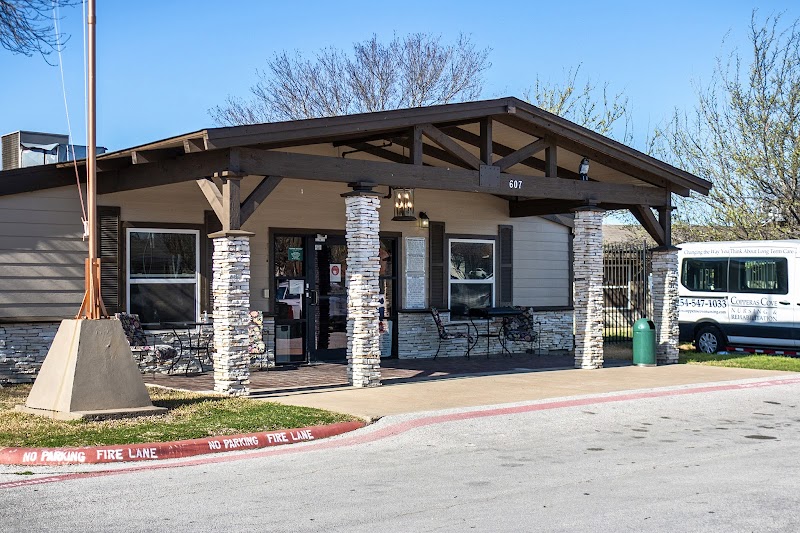
How is Copperas Cove Ltc Partners, Inc. Staffed?

CMS rates Copperas Cove LTC Partners, Inc.'s staffing level at 2 out of 5 stars, which is below average compared to other nursing homes. Staff turnover is 45%, compared to the Texas average of 46%. This relatively stable workforce can support continuity of care.

What Have Inspectors Found at Copperas Cove Ltc Partners, Inc.?

State health inspectors documented 30 deficiencies at Copperas Cove LTC Partners, Inc. during 2022 to 2025. These included: 2 Immediate Jeopardy (the most serious level, indicating potential for serious harm or death) and 28 with potential for harm. Immediate Jeopardy findings are rare and represent the most serious regulatory concerns. They require immediate corrective action.

Who Owns and Operates Copperas Cove Ltc Partners, Inc.?

Copperas Cove LTC Partners, Inc. is owned by a for-profit company. For-profit facilities operate as businesses with obligations to shareholders or private owners. The facility is operated by GULF COAST LTC PARTNERS, a chain that manages multiple nursing homes. With 123 certified beds and approximately 77 residents (about 63% occupancy), it is a mid-sized facility located in Copperas Cove, Texas.

How Does Copperas Cove Ltc Partners, Inc. Compare to Other Texas Nursing Homes?

Compared to the 100 nursing homes in Texas, Copperas Cove LTC Partners, Inc.'s overall rating (2 stars) is below the state average of 2.8, staff turnover (45%) is near the state average of 46%, and health inspection rating (2 stars) is below the national benchmark.

What Should Families Ask When Visiting Copperas Cove Ltc Partners, Inc.?

Based on this facility's data, families visiting should ask: "What changes have been made since the serious inspection findings, and how are you preventing similar issues?" "Can you walk me through typical staffing levels on day, evening, and night shifts?" "Can I visit during a mealtime to observe dining assistance and food quality?" "How do you handle medical emergencies, and what is your hospital transfer rate?" These questions are particularly relevant given the facility's Immediate Jeopardy citations and the below-average staffing rating.

Is Copperas Cove Ltc Partners, Inc. Safe?

Based on CMS inspection data, Copperas Cove LTC Partners, Inc. has documented safety concerns. Inspectors have issued 2 Immediate Jeopardy citations (the most serious violation level indicating risk of serious injury or death). The facility has a 2-star overall rating and ranks #100 of 100 nursing homes in Texas. Families considering this facility should ask detailed questions about what corrective actions have been taken since these incidents.

Do Nurses at Copperas Cove Ltc Partners, Inc. Stick Around?

Copperas Cove LTC Partners, Inc. has a staff turnover rate of 45%, which is about average for Texas nursing homes (state average: 46%). Moderate turnover is common in nursing homes, but families should still ask about staff tenure and how the facility maintains care continuity when employees leave.

Was Copperas Cove Ltc Partners, Inc. Ever Fined?

Copperas Cove LTC Partners, Inc. has been fined $31,990 across 2 penalty actions. This is below the Texas average of $33,399. While any fine indicates a compliance issue, fines under $50,000 are relatively common and typically reflect isolated problems that were subsequently corrected. Families should ask what specific issues led to these fines and confirm they've been resolved.

Is Copperas Cove Ltc Partners, Inc. on Any Federal Watch List?

Copperas Cove LTC Partners, Inc. is not on any federal watch list. The most significant is the Special Focus Facility (SFF) program, which identifies the bottom 1% of nursing homes nationally based on persistent, serious quality problems. Not being on this list means the facility has avoided the pattern of deficiencies that triggers enhanced federal oversight. This is a positive indicator, though families should still review the facility's inspection history directly.