HOUSTON COUNTY NURSING HOME
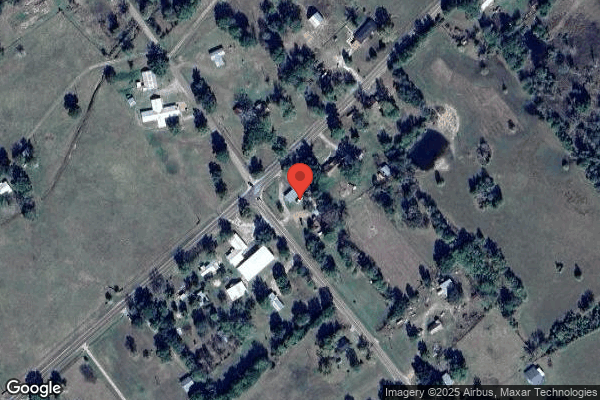
100 N E LOOP 304, CROCKETT, TX 75835 (936) 544-7884
For profit - Corporation 90 Beds Independent Data: November 2025
Trust Grade
90/100
#70 of 1168 in TX
Last Inspection: June 2025

Inspected within the last 6 months. Data reflects current conditions.

Overview

Houston County Nursing Home in Crockett, Texas, has received an excellent Trust Grade of A, indicating high quality and strong recommendations. It ranks #70 out of 1168 facilities in Texas, placing it in the top half, and is the best option among three nursing homes in Houston County. The facility is improving, with issues decreasing from eight in 2024 to just two in 2025. While staffing is a concern with a low rating of 1 out of 5 stars, turnover is relatively low at 21%, suggesting that staff generally stays, though their coverage is average. The facility has had no fines, which is a good sign, but recent inspections revealed issues such as improper food storage and infection control practices that could potentially harm residents.

Trust Score
A
90/100
In Texas
#70/1168
Top 5%
Safety Record
Low Risk
No red flags
Inspections
Getting Better
8 → 2 violations
Staff Stability
✓ Good
21% annual turnover. Excellent stability, 27 points below Texas's 48% average. Staff who stay learn residents' needs.
Penalties
✓ Good
No fines on record. Clean compliance history, better than most Texas facilities.
Skilled Nurses
⚠ Watch
Each resident gets only 14 minutes of Registered Nurse (RN) attention daily — below average for Texas. Fewer RN minutes means fewer trained eyes watching for problems.
Violations
⚠ Watch
15 deficiencies on record. Higher than average. Multiple issues found across inspections.
★★★★★
5.0
Overall Rating
★☆☆☆☆
1.0
Staff Levels
★★★★★
5.0
Care Quality
★★★★★
5.0
Inspection Score
Stable
2024: 8 issues
2025: 2 issues

The Good

  • 5-Star Quality Measures · Strong clinical quality outcomes
  • Low Staff Turnover (21%) · Staff stability means consistent care
  • Full Sprinkler Coverage · Fire safety systems throughout facility
  • No fines on record
  • Staff turnover is low (21%)

    27 points below Texas average of 48%

Facility shows strength in quality measures, staff retention, fire safety.

The Bad

No Significant Concerns Identified

This facility shows no red flags. Among Texas's 100 nursing homes, only 1% achieve this.

The Ugly 15 deficiencies on record

Jun 2025 2 deficiencies
CONCERN (D)

Potential for Harm - no one hurt, but risky conditions existed

ADL Care (Tag F0677)

Could have caused harm · This affected 1 resident

**NOTE- TERMS IN BRACKETS HAVE BEEN EDITED TO PROTECT CONFIDENTIALITY** Based on observation, interview, and record review, the facility failed to ensure a resident who is unable to carry out activiti...

Read full inspector narrative →
**NOTE- TERMS IN BRACKETS HAVE BEEN EDITED TO PROTECT CONFIDENTIALITY** Based on observation, interview, and record review, the facility failed to ensure a resident who is unable to carry out activities of daily living receives the necessary services to maintain personal hygiene for 1 of 4 residents (Residents #22) reviewed for ADL care. The facility failed to clean/groom Resident #22's fingernails that had a dark, brown substance underneath them on 6/2/2025 and 6/3/2025. This failure could place residents who required assistance from staff for ADLs at risk of not receiving care and services to meet their needs which could result in poor care. Findings included: Record review of an admission Record dated 6/3/2025 for Resident #22 indicated she admitted to the facility on [DATE] and was [AGE] years old with diagnoses of dementia (symptoms that affect memory, thinking and social abilities), Alzheimer's disease (a brain disorder that destroys memory and thinking skills), anemia (low levels of red blood cells which carry oxygen in the body), and hypertension (high blood pressure). Record review of a Quarterly MDS assessment dated [DATE] for Resident #22 indicated she was rarely/never understood with a BIMS score of 0. She was dependent on staff for personal hygiene. Record review of a care plan dated 12/23/2024 for Resident #22 indicated she had self-care performance deficit related to Alzheimer's. She requires total assistance of staff for personal hygiene. There was not a care plan to indicate that she resisted nail care. During an observation on 6/2/2025 at 10:08 AM, Resident #22 was in bed resting with her eyes closed. Her fingernails had a dark, brown substance underneath them. During an observation on 6/2/2025 at 2:08 PM, Resident #22 was in bed awake. She did not answer or acknowledge when spoken to. Her fingernails had a dark, brown substance underneath them. During an observation on 6/3/2025 at 9:06 AM, Resident #22 was in bed awake. Her fingernails still had a dark, brown substance underneath them. During an observation and interview on 6/3/2025 at 9:18 AM, CNA A said she only worked at the facility 3 days a week, and Resident #22 received a bed bath on Mondays, Wednesdays, and Fridays. She said they washed the residents from top to bottom. She said the nurse aides were to clean resident nails on bath days. She observed Resident #22's fingernails and said that they needed to be cleaned and everyone was responsible for ensuring their nails were clean. She said she would not like it if her nails were dirty. She said sometimes Resident #22 would not allow staff to clean her nails but other times she would. She said she would clean her nails. During an interview on 6/3/2025 at 2:57 PM, Agency LVN B said she nurse aides were responsible for performing nail care if the resident was not diabetic. She said she was not aware of Resident #22's nails being dirty. She said she would be upset if her nails were dirty, and she had to rely on staff to clean them for her. During an interview on 6/4/2025 at 10:05 AM, the DON said the nurse aides were responsible for cleaning fingernails daily when care was provided. She said she was made aware of Resident #22's nails being dirty on yesterday, 6/3/2025, by staff. She said it would hurt her feelings if she relied on staff to keep her nails clean and it would be unsanitary if they did not clean them. She said she planned to monitor residents weekly and continue educating staff going forward. During an interview on 6/4/2025 at 11:20 AM, the Administrator said the nurse aides were responsible for cleaning nails daily and as needed. He was made aware of Resident #22's nails on yesterday 6/3/2025 and checked on her yesterday evening to ensure staff had cleaned them. He said he planned on training staff to clean resident nails after meals and incontinent care. He said he would not like it if he was dependent on staff to clean his nails. Record review of a facility policy titled Nail Care dated 12/3/2024 indicated, .The purpose of this procedure is to provide guidelines for the provision of care to a resident's nails for good grooming and health. 3. Routine cleaning and inspection of nails will be provided during ADL care on an ongoing basis .
CONCERN (E)

Potential for Harm - no one hurt, but risky conditions existed

Infection Control (Tag F0880)

Could have caused harm · This affected multiple residents

Based on observations, interviews, and record reviews the facility failed to establish and maintain an infection prevention and control program designed to provide a safe, sanitary, and comfortable en...

Read full inspector narrative →
Based on observations, interviews, and record reviews the facility failed to establish and maintain an infection prevention and control program designed to provide a safe, sanitary, and comfortable environment and to help prevent the development and transmission of communicable diseases and infections for 2 of 2 clean linen carts reviewed for infection control. The facility failed to store peri wash solution in a sealed container on the clean linen carts. This failure could place residents at risk of exposure to communicable diseases and infections. Findings Include: During an observation on 06/04/2025 at 9:30am, 2 out of 2 clean linen carts was observed having a pale of peri wash solution uncovered on each of them (solution identified by LVN D). During an interview on 6/4/2025 at 9:35am with CNA-C she said she uses a pale with peri wash solution in its daily to clean residents during incontinent care. She said they are to wear gloves and keep the container closed when not using the pale to wet dry cloths in the peri wash solution. She said they normally put plastic over the pale to cover it and to prevent cross contaminating the solution. She said if the solution becomes contaminated and used on residents, staff will be spreading germs and bacteria that could cause illness to the residents. During an interview on 6/4/2025 at 10:37am with LVN-D he said he uses a peri wash solution from a pale on the clean linen cart as needed for peri care of residents. He said all staff are to wear gloves when dipping clean cloths, in the peri wash solution and cover the solution immediately after use to prevent cross contamination and unsanitary practice for incontinent care. He said inappropriate use and storage of the peri wash solution could aide in spreading illness to residents. During an interview on 6/4/2025 at 10:41am with CNA-E she said she does not like using the peri wash solution from the pale due to feeling it is not sanitary. She said germs, bacteria, infections, stomach bugs and more could be transmitted from resident to resident if the solution becomes contaminated. She said they are trained to use gloves and keep the container of peri wash solutions closed when not in use. During an interview on 06/04/25 at 11:13 AM with the Assistant Administrator She said she's aware of the aides using a pale with peri wash solution in it to wet dry/clean cloths used for the resident peri wash needs. She said the pale is stored on the clean linen carts. She said the aides should cover the pale completely when it's not in use. She said if the pale is not covered particles could fall in it and the solution could become stagnant and not safe for the resident. She said a resident could be exposed to cross contamination and cause illness, infection or irritation if not used correctly. During an interview on 06/04/25 at 11:28 AM with the DON she said the peri wash solution should be covered when not being used. She said the solution is to wet a dry/clean cloth for the resident's peri wash needs and after wetting the cloth the aides should cover the solution immediately to prevent debris, germs, or bacteria from getting in the peri wash solution. She said residents could come in contact with a soiled or contaminated solution and cause illness or infections to spread among residents. During an interview on 06/04/25 at 12:09 PM with the Administrator, he said the peri wash solution should be covered and not left open to air. He said the peri wash solution could become contaminated with many germs and bacteria if not covered. He said residents could become ill due to cross contamination of an unsanitary solution. Record review of a Standard Precautions Infection Control Policy dated 2024 revealed Policy: All staff are to assume that all residents are potentially infected or colonized with an organism that could be transmitted during the course of providing resident care services. Therefore, all staff shall adhere to standard Precautions to prevent the spread of infection to residents, staff, and visitors. Record review of a Perineal Care Policy revealed, Policy: It is the practice of this facility to provide perineal care to all incontinent residents during routine bath and as needed to promote cleanliness and comfort, prevent infection to the extent possible, and to prevent and assess for skin breakdown.
May 2024 8 deficiencies
CONCERN (D) 📢 Someone Reported This

A family member, employee, or ombudsman was alarmed enough to file a formal complaint

Potential for Harm - no one hurt, but risky conditions existed

Deficiency F0604 (Tag F0604)

Could have caused harm · This affected 1 resident

**NOTE- TERMS IN BRACKETS HAVE BEEN EDITED TO PROTECT CONFIDENTIALITY** Based on interview, and record review, the facility failed to ensure that the resident was free from physical or chemical restra...

Read full inspector narrative →
**NOTE- TERMS IN BRACKETS HAVE BEEN EDITED TO PROTECT CONFIDENTIALITY** Based on interview, and record review, the facility failed to ensure that the resident was free from physical or chemical restraints imposed for purposes of discipline or convenience and that are not required to treat the resident's medical symptoms for 1 of 3 residents (Resident #188) reviewed for physical restraints. The facility failed to obtain physician order, informed consent, and pre-restraint assessment for Resident #188 before implementing bed alarm (position change alarm) on [DATE]. This failure could place residents in the facility at risk of decreased quality of life, injury and being subjected to restraints for purposes of convenience or discipline. Findings included: Record review of a facility face sheet dated [DATE] for Resident #188 indicated that he was a [AGE] year-old male admitted to the facility on [DATE] with diagnoses including: malignant neoplasm of prostate (prostate cancer that had spread to other locations in the body), hypertension (high blood pressure), and type 2 diabetes mellitus (uncontrolled blood sugar). Record review of a comprehensive MDS dated [DATE] for Resident #188 indicated that he was rarely/never understood and was unable to complete BIMS interview. Section C (Cognitive Patterns) indicated that he was severely cognitively impaired. Behavior section indicated that he exhibited verbal and physical behaviors directed toward others and other behavioral symptoms not directed at others. Section P (Restraints and Alarms) incorrectly reflected that he did not use a bed alarm. Record review of a comprehensive care plan dated [DATE] for Resident #188 indicated that use of a position change alarm was not addressed. Record review of Resident #188's closed record indicated that there was no signed informed consent or pre-restraint assessment. Record review of nurses notes in Resident #188's closed chart indicated that bed alarm use was documented on the following dates: [DATE] at 3:00 pm [DATE] at 1:30 am [DATE] at 9:00 am [DATE] at 11:00 am [DATE] at 4:30 am [DATE] at 12:45 pm [DATE] at 10:10 pm [DATE] at 7:30 am [DATE] at 8:00 am [DATE] at 10:00 pm [DATE] at 12:30 am [DATE] at 8:15 am Record review of nurses notes for Resident #188 indicated that he expired on [DATE] and was not observed or interviewed. During an interview on [DATE] at 9:38 am CNA H said that there were no residents currently using bed alarms that she was aware of. During an interview on [DATE] at 9:45 am LVN G said that she was unaware of any current residents using bed alarms. During an interview on [DATE] at 10:10 am DON said, hospice probably brought that (bed alarm) in and they normally write the orders. During an interview on [DATE] at 1:15 pm DON said that Resident #188 was on hospice and the hospice company had brought the bed alarm in but did not write the order. She said it was ultimately her responsibility to ensure the proper orders were in place. She said going forward she would ensure that hospice orders were entered correctly. She said residents could be at risk of lack of proper care if orders, consents, and proper assessments were not done. During an interview on [DATE] at 1:40 pm Administrator said that Resident #188 had been on hospice, and they must not have put the order in. He said residents who use bed alarms without proper consents, orders and care plans could be at risk of falls and harm. Record review of a facility policy titled Restraints undated, read .The resident has the right to be free from any physical or chemical restraints imposed for purpose of discipline or convenience, and not required to treat the resident's medical symptoms. The intent is for each resident to reach his/her highest practicable well-being in a restraint free environment unless the resident has medical symptoms that warrant the use of restraints. For those residents whose care plans indicate the need for restraints, we will engage in a systematic process of implementation, reduction, or elimination of restraints to assure that the least restrictive device required is used . Record review of a facility policy titled Physician Orders undated, read .All care given to the resident will have the direct order of the attending physician . Policy for Bed Alarms requested none provided prior to exit.
CONCERN (D) 📢 Someone Reported This

A family member, employee, or ombudsman was alarmed enough to file a formal complaint

Potential for Harm - no one hurt, but risky conditions existed

Assessment Accuracy (Tag F0641)

Could have caused harm · This affected 1 resident

**NOTE- TERMS IN BRACKETS HAVE BEEN EDITED TO PROTECT CONFIDENTIALITY** Based on interview, observation and record review, the facility failed to ensure the MDS assessment accurately reflected the res...

Read full inspector narrative →
**NOTE- TERMS IN BRACKETS HAVE BEEN EDITED TO PROTECT CONFIDENTIALITY** Based on interview, observation and record review, the facility failed to ensure the MDS assessment accurately reflected the resident's status for 2 of 13 residents (Resident #33 and Resident #188) reviewed for accuracy of assessments. The facility failed to accurately code the [DATE] MDS for a restraint (geri-chair with tray) used for Resident #33. The facility failed to accurately code the comprehensive MDS dated [DATE] for a bed alarm use for Resident #188 with a physician order summary report effective [DATE] for the use of the bed alarm. This failure could put residents at risk for lack of proper care and decreased quality of life. Findings included: Record review of a facility face sheet dated [DATE] for Resident #33 indicated that he was an [AGE] year-old male admitted to the facility on [DATE] with diagnoses including: Alzheimer's disease, dementia, and history of falling. Record review of a quarterly MDS assessment dated [DATE] for Resident #33 indicated that he was rarely/never understood and could not complete BIMS interview. Section C (Cognitive Patterns) indicated that he had severely impaired cognition. Section P (Restraints and Alarms) incorrectly reflected that Resident #33 did not use a geri-chair with tray to prevent rising (trunk restraint). Record review of a comprehensive care plan dated [DATE] for Resident #33 indicated that he was at high risk for falls and had an intervention to provide a safe environment, follow doctors' orders for geri-chair with tray, due to disease process. Record review of a physician order summary report dated [DATE] for Resident #33 indicated that he had the following physician orders: Patient to be up to geri-chair with tray (trunk restraint) in place due to inability to support unstable trunk and significant fall risk; every shift; dated [DATE]. Remove geri-chair tray every 2 hours and reposition resident. Remove tray during mealtime; every day and night shift; dated [DATE]. Record review of a form titled Informed Consent for Use of Restraints indicated that Resident's responsible party had signed the form on [DATE]. Record review of medical record for Resident #33 indicated that a Pre-Restraining Assessment form was completed on [DATE] and on [DATE]. Record review of a form titled Restraint Implementation/Reduction/Elimination Trial dated [DATE] through [DATE] indicated that elimination trial was attempted during these dates and was unsuccessful. During an observation on [DATE] at 9:39 am Resident #33 was observed at nurses' station, sitting in geri-chair. Geri-chair tray not in place, staff member approached resident saying, it is time to put your tray back in place. Tray applied to geri-chair per staff member. Resident #33 not interviewed due to inability to answer questions. Record review of a facility face sheet dated [DATE] for Resident #188 indicated that he was a [AGE] year-old male admitted to the facility on [DATE] with diagnoses including: malignant neoplasm of prostate (prostate cancer that had spread to other locations in the body), hypertension (high blood pressure), and type 2 diabetes mellitus (uncontrolled blood sugar). Record review of a comprehensive MDS dated [DATE] for Resident #188 indicated that he was rarely/never understood and was unable to complete BIMS interview. Section C (Cognitive Patterns) indicated that he was severely cognitively impaired. Section P (Restraints and Alarms) incorrectly reflected that he did not use a bed alarm. Record review of a comprehensive care plan dated [DATE] for Resident #188 indicated that use of a position change alarm was not addressed. Record review of Resident #188's closed record indicated that there was no signed informed consent or pre-restraint assessment. Record review of nurses notes in Resident #188's closed chart indicated that bed alarm use was documented on the following dates: [DATE] at 3:00 pm [DATE] at 1:30 am [DATE] at 9:00 am [DATE] at 11:00 am [DATE] at 4:30 am [DATE] at 12:45 pm [DATE] at 10:10 pm [DATE] at 7:30 am [DATE] at 8:00 am [DATE] at 10:00 pm [DATE] at 12:30 am [DATE] at 8:15 am Record review of nurses notes for Resident #188 indicated that he expired on [DATE] and was not observed or interviewed. During an interview on [DATE] at 1:15 pm DON said that someone offsite in the state of Oklahoma was currently doing their MDS's until they could get someone trained. She said they would send her the information and she would complete them. She said residents could be at risk of not getting appropriate care if MDS's and care plans were not completed accurately. During an interview on [DATE] at 1:40 pm Administrator said that going forward he was expecting the new MDS nurse that was currently in training to complete assessments accurately. He said residents could be at risk of not getting the care they needed since care plan focus areas were pulled over from assessment data. Record review of a facility policy titled MDS undated, read .The Director of Nursing/MDS Coordinator will assess residents in a timely manner .
CONCERN (D) 📢 Someone Reported This

A family member, employee, or ombudsman was alarmed enough to file a formal complaint

Potential for Harm - no one hurt, but risky conditions existed

Comprehensive Care Plan (Tag F0656)

Could have caused harm · This affected 1 resident

**NOTE- TERMS IN BRACKETS HAVE BEEN EDITED TO PROTECT CONFIDENTIALITY** Based on interview and record review the facility failed to develop and implement a comprehensive person-centered care plan for ...

Read full inspector narrative →
**NOTE- TERMS IN BRACKETS HAVE BEEN EDITED TO PROTECT CONFIDENTIALITY** Based on interview and record review the facility failed to develop and implement a comprehensive person-centered care plan for 1 of 12 residents (Resident #188) reviewed for care plans. The facility failed to develop a comprehensive care plan for the use of a bed alarm for Resident #188 that was put into use on [DATE] This failure could place residents at risk of inappropriate care and decreased quality of life. Findings included: Record review of a facility face sheet dated [DATE] for Resident #188 indicated that he was a [AGE] year-old male admitted to the facility on [DATE] with diagnoses including: malignant neoplasm of prostate (prostate cancer that had spread to other locations in the body), hypertension (high blood pressure), and type 2 diabetes mellitus (uncontrolled blood sugar). Record review of a comprehensive MDS dated [DATE] for Resident #188 indicated that he was rarely/never understood and was unable to complete BIMS interview. Section C (Cognitive Patterns) indicated that he was severely cognitively impaired. Section P (Restraints and Alarms) incorrectly reflected that he did not use a bed alarm. Record review of a comprehensive care plan dated [DATE] for Resident #188 indicated that use of a position change alarm was not addressed. Record review of nurses notes in Resident #188's closed chart indicated that bed alarm use was documented on the following dates: [DATE] at 3:00 pm [DATE] at 1:30 am [DATE] at 9:00 am [DATE] at 11:00 am [DATE] at 4:30 am [DATE] at 12:45 pm [DATE] at 10:10 pm [DATE] at 7:30 am [DATE] at 8:00 am [DATE] at 10:00 pm [DATE] at 12:30 am [DATE] at 8:15 am Record review of nurses notes for Resident #188 indicated that he expired on [DATE] and was not observed or interviewed. During an interview on [DATE] at 1:15 pm DON said that someone offsite in the state of Oklahoma was currently doing their MDS's and care plans until they could get someone trained. She said they would send her the information and she would complete them. She said residents could be at risk of not getting appropriate care if MDS's and care plans were not completed accurately. During an interview on [DATE] at 1:40 pm Administrator said that going forward he was expecting the new MDS nurse that was currently in training to complete assessments and care plans accurately. He said residents could be at risk of not getting the care they needed since care plan focus areas were pulled over from assessment data on the MDS. Record review of a facility policy titled Care Plan undated, read .The care plan will describe the services that are to be furnished to attain or maintain the resident's highest practicable physical, mental, and psychosocial well-being . Record review of a facility policy titled Restraints undated, read .For those residents whose care plans indicate the need for restraints, we will engage in a systematic process of implementation, reduction or elimination of restraints to assure that the least restrictive device required is used .
CONCERN (D)

Potential for Harm - no one hurt, but risky conditions existed

Deficiency F0700 (Tag F0700)

Could have caused harm · This affected 1 resident

**NOTE- TERMS IN BRACKETS HAVE BEEN EDITED TO PROTECT CONFIDENTIALITY** Based on observation, interview, and record review the facility failed to attempt to use appropriate alternatives prior to insta...

Read full inspector narrative →
**NOTE- TERMS IN BRACKETS HAVE BEEN EDITED TO PROTECT CONFIDENTIALITY** Based on observation, interview, and record review the facility failed to attempt to use appropriate alternatives prior to installing a side or bed rail, assess the resident for risk of entrapment from bed rails prior to installation, and review the risks and benefits of bed rails with the resident or resident representative and obtain informed consent prior to installation for 1 of 35 residents (Resident #16) reviewed for bed rails. The facility failed to obtain an order, complete an assessment, obtain informed consent, or attempt to use an alternative for the use of bedrails for Resident #16 who had full bed rails on both sides of her bed from 5/6/2024 to 5/8/2024. This failure could place residents at risk of entrapment or injury. Findings included: Record review of an admission Record dated 5/8/2024 for Resident #16 indicated she admitted to the facility on [DATE] and was [AGE] years old with diagnosis of morbid obesity (overweight), polyneuropathy (nerve damage that affects the hands and feet), monoplegia of lower limb (paralysis that affects one side of the body such as the arm or leg), and PVD (decreased blood flow to the legs and feet). Record review of active physician orders dated 5/8/2024 for Resident #16 did not indicate an order for bedrails. Record review of a Quarterly MDS dated [DATE] for Resident #16 indicated she did not have any impairment in thinking with a BIMS of 15, required partial/moderate assistance with transfers from chair to bed. Restraints and alarms did not indicate the use of bed rails. Record review of a Care Plan dated 4/28/2024 for Resident #16 indicated she was at risk for falls related to BLE (both lower extremities) impairment with interventions to anticipate and meet her needs. Bedrails was not on the care plan. Record review of a monthly summary dated 4/3/2024 for Resident #16 indicated she required extensive assistance with bed mobility and did not have any restraints that included bedrails. Record review of assessments for Resident #16 indicated there were no assessments for bed rails. Record review of a resident care plan conference report dated 4/9/2023 for Resident #16 indicated there was not a consent of siderail by the resident or representative. During an observation and interview on 5/6/2024 at 10:47 AM, Resident #16 was sitting up in a wheelchair. She had side rails on both sides of the bed that were down and said the put them up when in bed on occasions when she had bad leg spasms and the rails had been on the bed for years. She said she had gotten into trouble once before when she had them up at night and a staff member told her she could not use them. She said the staff do not pull them up or down for her as she can do it on her own. During an interview on 5/8/2024 at 9:30 AM, the DON said that Resident #16 was able to move the bedrails up and down on her own. When questioned if the resident had an order or consent for the bedrails, she stated that she did not. She said that Resident #16 was the only resident in the facility that had bed rails on their bed. During an interview on 5/8/2024 at 11:15 AM, LVN G said she had been employed at the facility since October 2023 and was the charge nurse in the facility for her shift. When questioned if there were any residents in the facility that used bedrails, she stated there was not anyone in the facility, then clarified that Resident #16 had bed rails. She said Resident #16 was able to use them on her own and could pull them up and down. She said the nursing staff do not complete any assessments on bedrails for Resident #16. During an interview on 5/8/2024 at 11:20 AM, the DON said Resident #16 had bedrails since admission to the facility and used them on her own. She said she used them for her leg due to having spastic leg cramps and was unable to control her left leg as it could make her flip off of the bed. She said she was not aware that Resident #16 was using the bed rails and alternative were not discussed with her. She said Resident #16 did not have a consent for the bedrails because they were not aware the resident was using them. She said no one in the facility was monitoring or assessing the use of bed rails. She said going forward, they would discuss with Resident #16 about taking the bed rails off or if she would like to keep them and obtain an order and consent for them. She said residents could get entrapped and inure themselves if bed rails were used. She said the bed rails came with the bed. She said the facility did not have a policy for bedrails.
CONCERN (E)

Potential for Harm - no one hurt, but risky conditions existed

Abuse Prevention Policies (Tag F0607)

Could have caused harm · This affected multiple residents

Based on interviews and record review, the facility failed to implement written policies and procedures that prohibit and prevent abuse, neglect, and exploitation of residents for 5 of 14 staff (CNA B...

Read full inspector narrative →
Based on interviews and record review, the facility failed to implement written policies and procedures that prohibit and prevent abuse, neglect, and exploitation of residents for 5 of 14 staff (CNA B, CNA C, CNA D, CNA E and CNA F) reviewed for abuse policies. The facility failed to implement their own written policy and procedure for screening by not completing a Nurse Aide Registry (NAR) check for CNA B, CNA C, CNA D, CNA E and CNA F annually for 2023 and 2024. This failure could place residents in the facility at risk of Abuse, Neglect, or Exploitation. Findings included: During an interview 05/07/2024 5:00 PM, the Administrative Assistant said she obtained the employee misconduct registry search (EMR) on 5/06/24, upon the entrance of the survey team, for all employees. She said she did not run the NAR annually because the nurse aide certification date was listed on the EMR when she accessed the EMR site. She said she thought the EMR was good enough. During an interview 05/08/24 8:00 AM the DON she said criminal history checks, EMR and NAR are required on hire as outlined in the policy. The EMR and NAR were required annually per state requirements. She said not doing the EMR/NAR annually put the facility at risk of employing staff that have criminal charges and prevent them from being employable. During an interview 05/08/24 1:30 PM the Administrator said the Administrative Assistant was responsible for performing EMR/NAR and criminal history checks on hire. The NAR should be conducted on hire and annually for Nurse Aides. The EMR on all other employees on hire and annually. He said not doing an EMR/NAR annually on the CNA's put the facility at risk of employing staff that have criminal charges and prevent them from being employable. He said the Administrative Assistant would complete the NAR on the Nurse Aides today and put them in the employee file. During a record review of nurse aide employee files, there was no evidence of annual NAR checks on Nurse Aides: CNA B hire date 04/15/2020. CNA C hire date 09/16/2022. CNA D hire date 09/04/2007. CNA E hire date 06/25/2022. CNA F hire date 09/06/2021. Record Review of an undated Abuse Policy Abuse Prevention Page No. A3a POLICY: Facility will prohibit mistreatment, neglect, and abuse of residents and misappropriation of resident property but not limited to, facility staff, other residents, consultants or volunteers, staff of other agencies serving the residents, family members or legal guardians, friends or other individuals through the implementation of seven components: 1. Screening of potential employees. 2. Training of employees (both new and ongoing training for all employees). 1. Prevention of occurrences. 2. Identification of possible incidents and allegations which need investigation. 3. Investigation of incidents and allegations. 4. Protection of residents during investigation, and 5. Reporting of incidents, investigations, and facility response to the results of their investigations . Page A3c The Administrator, or designee, is responsible for implementing policies and procedures that prohibit mistreatment, neglect, abuse, and misappropriation of resident property. I. The facility will screen potential employees for a history of abuse, neglect, or mistreatment of residents, including checking with the appropriate licensing boards and registries. (Criminal Background Check, Registry and Driving Checks: Pre-Employment). The facility will not employ individuals who: o Have been found guilty by a court of law of abusing, neglecting, or mistreating others o Had a finding entered the State Nurse Aide Registry concerning abuse, neglect, mistreatment of others or misappropriation of their property.
CONCERN (E) 📢 Someone Reported This

A family member, employee, or ombudsman was alarmed enough to file a formal complaint

Potential for Harm - no one hurt, but risky conditions existed

Infection Control (Tag F0880)

Could have caused harm · This affected multiple residents

**NOTE- TERMS IN BRACKETS HAVE BEEN EDITED TO PROTECT CONFIDENTIALITY** Based on observations, interviews, and record reviews, the facility failed to establish and maintain an infection prevention and...

Read full inspector narrative →
**NOTE- TERMS IN BRACKETS HAVE BEEN EDITED TO PROTECT CONFIDENTIALITY** Based on observations, interviews, and record reviews, the facility failed to establish and maintain an infection prevention and control program designed to provide a safe, sanitary, and comfortable environment and to help prevent the development and transmission of communicable diseases and infections for 1 of 5 staff (CNA H) reviewed for infection control. The facility failed to ensure CNA H washed or sanitized her hands when passing out meal trays to residents on Hall 400 in rooms [ROOM NUMBER] on 5/6/2024. These failures could place residents at risk of exposure to communicable diseases and infections. Findings included: During an observation on 5/6/2024 from 11:50 AM-12:05 PM, CNA H was on hall 400 to pass lunch trays. CNA H went into the room of 401, 402 and 404 on hall 400, touching bedside tables and set up meal trays and did not sanitize her hands before or after passing trays to the residents. During an interview on 5/6/2024 at 12:05 PM, CNA H said she had been employed at the facility for 2 years and at mealtimes was responsible for passing out the trays. She said staff were required to set up for the ones that needed it and assist as needed. She said she was taught to sanitize her hands before and after passing the trays. She said she did not sanitize after each tray that was given to the residents on hall 400. She said she did after some, and she must have forgotten on the others. She said residents could be at risk for infections if staff did not sanitize their hands while passing meal trays. During an interview on 5/8/2024 at 1:15 PM, the DON said staff should be sanitizing their hands between residents when passing trays. She said they have had trainings on infection control with hand hygiene recently. She said residents could be at risk of infections. She said going forward they would continue to in-service staff on hand hygiene and continue to monitor. She said the facility did not have a policy for infection control during dining or meal service. During an interview on 5/8/2024 at 1:20 PM, the Administrator said all staff should sanitize their hands when passing meal trays before and after and there was a risk of cross contamination. He said they would in-service staff and do a return demonstration with hand hygiene going forward with passing meal trays. Record review of CDC.gov/hand hygiene last reviewed January 30, 2020 indicated, .Hand Hygiene Guidance: Healthcare personnel should use an alcohol-based hand rub or wash with soap and water for the following clinical indications: Immediately before touching a patient; after touching a patient or the patient's immediate environment; Healthcare facilities should: Require healthcare personnel to perform hand hygiene in accordance with Centers for Disease Control and Prevention (CDC) recommendations .
CONCERN (E)

Potential for Harm - no one hurt, but risky conditions existed

Deficiency F0919 (Tag F0919)

Could have caused harm · This affected multiple residents

**NOTE- TERMS IN BRACKETS HAVE BEEN EDITED TO PROTECT CONFIDENTIALITY** Based on observation, interview, and record review, the facility failed to be equipped to allow residents to call for staff thro...

Read full inspector narrative →
**NOTE- TERMS IN BRACKETS HAVE BEEN EDITED TO PROTECT CONFIDENTIALITY** Based on observation, interview, and record review, the facility failed to be equipped to allow residents to call for staff through a communication system which relays the call directly to a centralized staff work area for 2 of 15 residents (Resident #4 and Resident #13) reviewed for call lights. The facility failed to ensure Resident #4's emergency call button in the bathroom had a pull cord on 5/6/2024 and 5/7/2024. The facility failed to ensure Resident #13's call light was within reach while in bed on 5/6/2024 and 5/7/2024 These failures could place residents at risk of injury, pain, hospitalization, and a diminished quality of life. Findings included: 1. Record review of a face sheet dated 5/07/2024 for Resident #4 indicated she was a 90-year female admitted [DATE] with diagnosis of dementia (altered thinking related to aging), history of healed fracture of the hip and weakness. Record review of a quarterly MDS dated [DATE] for Resident #4 indicated she had moderate impairment in thinking with a BIMS score of 7. She required setup/clean up assistance with toileting and was continent of bowel and occasionally incontinent of urine. Record review of a care plan dated 12/29/2023 revised on 5/4/2024 for Resident #4 indicated, TOILETING AND TOILET TRANSFERS, Resident #4 is independent at this time. During an observation and interview on 5/06/2024 at 9:10 AM the bathroom call button in Resident #4's room did not have a pull string. The call button was attached to the wall in the bathroom by the grab bar with only three inches of metal cord hanging down. Resident #4 was in the room and said she had been at the facility for several years and used her bathroom all the time. She said most days she transferred herself to the toilet but required help sometimes. During an interview on 5/07/2024 at 1:42 PM, CNA A said she had been employed at the facility for a while and was assigned to the hall where Resident #4 resided frequently and cared for her. She said Resident #4 admitted to the facility several years ago and required assistance to transfer at times, but she was able to transfer herself most of the time depending on how she was doing that day. During an observation and interview on 5/07/2024 at 3:00 PM in the bathroom of Resident #4, housekeeping said she was unaware that the strings attached to the call light in the bathrooms needed to go to the floor. She said she had not been trained to look for the cords while she was cleaning. She said she could see that it would be a problem if a resident fell and could not reach the call light because they were lying on the floor. She said the Administrator would be responsible for checking them and replacing them as needed. 2. Record review of an admission Record dated 5/7/2024 for Resident # 13 indicated she admitted to the facility on [DATE] and was [AGE] years old with diagnoses of Alzheimer's Disease (brain disorder that affects memory, thinking, and behavior), hypothyroidism (thyroid gland does not produce enough thyroid hormone to keep the body running normally), scoliosis (curve in the spine) and hypertension (high blood pressure). Record review of a Quarterly MDS dated [DATE] for Resident #13 indicated she was rarely/never understood. She was always incontinent of bowel/bladder. Record review of a care plan revised 4/30/2024 for Resident #13 indicated she was at risk for falls related to unaware of safety needs from impaired cognition with interventions to be sure call light is within reach and encourage to use it for assistance as needed; answer promptly. During an observation on 5/6/2024 at11:02 AM, Resident #13 was lying in bed, no call light observed, unable to answer questions. Call light for Resident #13's room with no string attached only a small metal string noted on the wall that was unreachable by the resident. During an observation on 5/6/2024 at 3:39 PM, Resident #13 was in bed awake, pleasantly confused with the call light on the wall with only a short metal string, no string in place that would reach to the resident. During an observation on 5/7/2024 at 9:26 AM, Resident #13 was in bed awake, call light on wall with only metal string, not in reach for the resident. During an interview on 5/7/2024 at 2:25 PM, CNA A said she had been employed at the facility since 2010 and worked full time. She said all staff were responsible for the call lights. She said she had been at work since 6 am and noticed earlier that Resident # 13 did not have a string attached to the call light. She said she reported it to the Administrator who attached a string for the resident. She said the resident had been known to remove the string in the past and she had been able to find it. She said call lights should be in reach all the time and if not, a resident could fall or try to get up without assistance. During an interview on 5/7/2024 at 3:15 PM, the DON said the call light strings should be long enough to reach the floor. She said the Administrator was responsible for checking the call lights. She said that they have no log or policy regarding the call light system. She said if the call light strings in the bathrooms were not long enough, or if they were not in reach for a resident in the bed, residents could fall and not be able to call for help. During an interview on 5/8/2024 at 1:30 PM, the Administrator said he owned and operated the facility and served as maintenance also. He said he was responsible for checking the calls lights in all the rooms in the facility. He said staff notified him if any call lights were missing strings. He said he checked Resident #4's call lights yesterday 5/7/2024 and added a string to the metal cord and added a string to Resident #13's call light earlier that day. He said a resident would be on the floor for a while if they had a fall and could not reach the string to call for help. A copy of a policy on call lights was requested and none was provided prior to exit.
CONCERN (F)

Potential for Harm - no one hurt, but risky conditions existed

Food Safety (Tag F0812)

Could have caused harm · This affected most or all residents

Based on observation, interview, and record review the facility failed to store, prepare, distribute, and serve food in accordance with professional standards for food service safety in the facility's...

Read full inspector narrative →
Based on observation, interview, and record review the facility failed to store, prepare, distribute, and serve food in accordance with professional standards for food service safety in the facility's only kitchen reviewed for food safety requirements and kitchen sanitation. 1. The facility failed to ensure the DA wore a hairnet effectively to cover all of her hair on 5/6/2024. 2. The facility failed to ensure foods stored in the refrigerators, freezers and dry pantry were labeled, dated, and not kept past their expiration dates on 5/6/2024 3. The facility failed to ensure items were not stored on the floor in the dry pantry area on 5/6/2024. 4. The facility failed to ensure personal foods for staff were not kept in the refrigerators that were designated for the kitchen on 5/6/2024. 5. The facility failed to ensure one of the freezers (freezer #2)was at an appropriate temperature to keep foods frozen solid on 5/6/2024. 6. The facility failed to procure eggs from vendors that meets federal, state, or local approval on 5/6/2024 7. The facility failed to ensure containers of flour and sugar were not stored on the floor, were clean and sealed properly on 5/6/2024. 8. The facility failed to ensure the dish rack that stored cups and bowls were clean on 5/6/2024. These failures could place residents at risk of foodborne illness and food contamination. Findings included: During an initial tour observation in the kitchen on 5/6/2024 9:30 a.m., revealed DA had on a hair net that did not completely cover her hair. She had hair that was sticking out on the sides of her head by her ears and at the back of her head. During an interview on 5/6/2024 at 9:32 AM, DA said her hair was fine in texture and it would not stay underneath the hairnet. She said she knew it was supposed to be all covered and that parts of her hair could get in the resident's food. During an observation and interview on 5/6/2024 at 9:33 AM, freezer #1 had two packages of a white, blocked type substance in plastic bags identified by the [NAME] as diced chicken. There was one small cup of thawed and refrozen ice cream. There was an item wrapped in plastic wrap that was not dated and the DA said she could not identify what it was, and the [NAME] said she believed it was turkey. One single corn dog was sitting on the shelf with on date, two frozen plastic bags of an orange hard substance and the [NAME] said she believed there were peaches used to make desserts that was not dated or labeled. There was a lemon and pecan pie with no dates. During an observation and interview on 5/6/2024 at 9:40 AM, refrigerator #1 had one head of lettuce that was not dated or labeled, one bottle of chocolate syrup with an expiration date of 2021, two dozen brown eggs that the [NAME] said belonged to an employee at the facility who would bring them in for the kitchen to use and they were yard eggs; three containers of Greek yogurt were in a plastic bag and the DA said they belonged to the DM; two sheet pans of bacon were prepped on parchment paper stacked on top of each other not dated or labeled; and one bowl of ribs covered with plastic wrap dated 5/1/2024. During an observation and interview on 5/6/2024 at 9:50 AM, freezer #2 temperature was 40 degrees that had a tray of melted pudding, three bags of soft hashbrowns that was not dated or labeled in plastic bags, two packages of thawed chicken and dumplings not dated or labeled. The [NAME] said the chicken and dumplings was removed and placed in the freezer to thaw out of the upcoming meal; two bags of soft tator tot box that was open and not dated or labeled; one bag of soft rolls identified by the [NAME] not dated or labeled; two bags of soft, baby carrots not dated or labeled, two bags of okra that was soft and not dated or labeled; one bag of a meat substance identified by the [NAME] at beef tips was not dated or labeled. The [NAME] said that they were aware that freezer #2 was not working properly. She said it was supposed to be getting fixed and the Administrator was aware. During an observation and interview on 5/6/2024 at 10:00 AM, refrigerator #2 had four containers of prepped meals dated 5/2/2024, 5/4/2024, 4/25/2024 and 5/3/2024. [NAME] said they belonged to the Assistant Administrator. During an observation on 5/6/2024 at 10:03 AM, the dry pantry area had (four) five-gallon bottles of water stored on the floor with aluminum foil on the tops secured with rubber bands; one box of chicken bouillon cubes that expired 3/2022; and one container of hot chocolate that expired 3/2022. During an interview on 5/6/2024 at 10:08 AM, the DA and [NAME] both said it was the responsibility of all staff that worked in the kitchen to make sure items were dated and labeled along with all leftovers to be thrown away in three days. They both said there were three staff that worked in the kitchen and that included them and the DM. During an observation and on 5/6/2024 at 2:30 PM, a revisit in the kitchen revealed clean dishes that consisted of cups and bowls were stored on a dish rack that was dirty with the bowls facing top down. The [NAME] said she cleaned the rack when it looked dirty and said she would clean it. DA was present and her hair was not completely covered by the hairnet and had hair sticking out by her ears and at the back of her neck. During an interview on 5/6/2024 at 2:35 PM, DM stated she had been employed at the facility for two years. She assured she labeled everything she put in the freezers and the refrigerators. She stated she checked other labels and dates when she had time but stayed very busy and could not check them more than once per week. She stated the Administrator had to call someone to come out and repair freezer #2. She stated they had issues with the freezer off and on and it had been repaired in the past. She stated the Administrator, and the Assistant Administrator always stored their personal food items in the kitchen refrigerators and freezers and said they should not be storing personal items in the kitchen. She stated that outdated food items should be thrown away and not served and if it were served to residents, it could make them sick. She said the water bottles were stored on the floor and should not be. She stated there was no other place than on the floor to store them and that they had been in the same place since she started over two years ago. She said staff that were in the kitchen had to wear a hairnet and if hair was not completely covered then hair could get into the resident's food. She stated when storing canned or packaged goods they should be rotated with the nearest date in front of the farthest date. She said that she was very nervous when the Surveyor entered the kitchen for observations and was doing the best she could. She said there were only three people that worked in their kitchen and on the days that the [NAME] was off, she worked in her place so a lot of things that should be done, she could not do. During an observation on 5/7/2024 at 8:25 AM, the DM was wearing gloves and prepping meat for the Hamburger Steak that was on the lunch menu by placing the patties on a sheet pan. She dropped a piece of paper on the floor and picked it up and proceeded to prepare the meat with the same gloves on. During an interview on 05/7/2024 at 8:27 AM, the Surveyor asked the DM about picking up a piece of paper off the floor and proceeding to prep the meat for lunch. She stated she did not remember picking up the paper and was nervous. The DM told the Surveyor that she should have removed her gloves, washed her hands, changed her gloves and that by not using proper sanitation it could contaminate the food. Record review of an In-Service dated 1/6/2024 titled hand washing was conducted by the DM to the kitchen staff. During an observation on 5/7/2024 at 11:05 AM, the DM did not remove her gloves after she prepped the steam table food. She looked through several drawers for a thermometer and came back to the steam table and began checking the temperatures of the hamburger patties without washing her hands or changing gloves. She was observed not using alcohol wipes between checking the temperatures of the foods on the steam table, she rinsed the thermometer under water from the hand sink and wiped it off with a paper towel that she was holding in her hand prior to rinsing the thermometer. She checked the temperature of the hamburger patties and mashed potatoes with the same technique. The RD was present in the kitchen and intervened and told her to use alcohol wipes to sanitize the thermometer when checking the temperatures of the remainder of the foods on the steam table. During an interview on 5/7/2024 at 11:00 AM, the RD stated he recognized areas of concern during his observation in the kitchen and would in-service kitchen staff in the attempt to make some corrections. The RD stated he would Inservice staff on infection control, cross contamination, dating, and labeling items stored in the refrigerator and freezer as well as discarding expired foods. Record review of monthly in-services conducted by the RD on 5/7/2024 to the dietary staff included cross contamination and labeling and dating of foods. During an interview on 5/8/2024 at 9:00 AM, the Assistant Administrator said the meals in the kitchen that were prepped and stored in one of the refrigerators were for her and the Administrator. She said the kitchen staff would prepare them a meal at lunch and they saved them a tray after the residents ate. She said they were not going to store their personal meals in the refrigerators in the kitchen anymore and was not aware until the Surveyor said something about it. She said they would correct the issues and check daily by the Administrator going forward. She said they would take the issues found in the kitchen to QAPI (Quality Assurance and Performance Improvement) at their next meeting. She said all staff in the kitchen should wash their hands between tasks and no items should ever be stored on the floor. She said personal foods for staff should be kept separate and foods should be labeled and dated when they arrived. She said items removed from the original box should be dated and labeled as well. She said the kitchen staff had a cleaning schedule that they should go by. She said the kitchen should have two thermometers, one designated for hot and another one for cold foods. She said thermometers should be cleaned using alcohol wipes between foods. She said hair should totally covered under a hairnet. She said foods stored in the freezer should be frozen solid. She said they would in-service staff in the kitchen and would come up with a checklist for them to use. During an interview on 5/8/2024 at 1:20 PM, the Administrator said the DM was responsible for the kitchen and expected all staff that worked in the kitchen to follow infection control practices and all the processes. He said staff should have their hair covered by a hairnet when in the kitchen. He said foods should be labeled and dated. He said he was not aware of freezer #2 needing repair until 5/6/2024. He said freezer #2 has had issues in the past that needed to be repaired. He said going forward they would train all staff in the kitchen on all of the processes. He said he was aware of all of the issues that were observed in the kitchen on 5/6/2024 and 5/7/2024. He said the RD did conduct in-services with the kitchen staff on 5/7/2024. He said residents could be at risk of cross contamination and food borne illnesses if staff did not follow the processes in the kitchen. Record review of a facility policy titled Good Hygiene Practices for Food Services Employees revised 3/11 indicated, .Hair Restraints: Nutrition Service employees will wear hair restraints such as hats, hair coverings or nets, that are designed and worn to effectively control and keep their hair from contacting exposed food, clean equipment, utensils; Egg Guidelines: Use only pasteurized egg products; Food brought into the facility from an outside source is discouraged and will not be stored in, prepared by or served by the Nutrition Services Department; Maintain efficient refrigeration through proper cleaning and maintenance of the unit . Record review of a facility policy titled Sanitation of Nutrition Services Department revised 3/11 indicated, .The Nutrition Services Staff will maintain the sanitation of the Nutrition Services Department through compliance with a written, comprehensive cleaning schedule developed for the facility by the Manager of Nutrition Services in conjunction with the Dietitian. Cleaning Procedures: 1. d. Food must be stored at least 6 inches above the floor . Record review of a facility policy titled Storage of Dry Food and Supplies revised 3/11 indicated, .The Nutrition Services Department will store dry food and supplies according to policy guidelines and state regulations. Container guidelines: Metal or plastic containers with tight fitting covers, labeled top and side, must be used for storing products. Date and properly rotate all products to ensure freshness . Record review of a facility policy titled Food Storage revised 2/11 indicated, .Food Storage areas are maintained in clean, safe, and sanitary manner. 2. All foods or food items not requiring refrigeration should be stored at least 6 above the floor, on shelves, racks, dollies, or other surfaces which facilitate thorough cleaning. All packaged food, canned foods, or food items stored will be kept clean and dry at all times. 4. Frozen foods will be stored at 0 degrees F or below at all times. (Note: There is an accurate thermometer in each refrigerator, freezer, an in storerooms used for perishable foods.) 5. All foods stored in walk-in refrigerators and freezers will be stored above the floor on shelves, racks, dollies, or other surfaces that facilitate thorough cleaning . Record review of the FDA Food Code 2022 indicated, .Chapter 2. Management and Personnel; 2-3-1.14 When to Wash. F. During food preparation, as often as necessary to remove soil and contamination and to prevent cross contamination when changing tasks; 2-402 Hair Restraints: Food employees shall wear hair restraints such as hats, hair coverings or nets that are designed and worn to effectively keep their hair from contacting exposed food; 3-3-4.15 Gloves, Use Limitation: A. If used, single use gloves shall be used for only one task such as working with ready-to eat food or with raw animal food, used for not other purpose, and discarded when damaged or soiled, or when interruptions occur in the operation .
Apr 2023 5 deficiencies
CONCERN (D)

Potential for Harm - no one hurt, but risky conditions existed

Deficiency F0582 (Tag F0582)

Could have caused harm · This affected 1 resident

**NOTE- TERMS IN BRACKETS HAVE BEEN EDITED TO PROTECT CONFIDENTIALITY** Based on interview and record review the facility failed to ensure each resident was informed before, or at the time of admissio...

Read full inspector narrative →
**NOTE- TERMS IN BRACKETS HAVE BEEN EDITED TO PROTECT CONFIDENTIALITY** Based on interview and record review the facility failed to ensure each resident was informed before, or at the time of admission, and periodically during the residents stay, of services available in the facility and of charges for those services, which included charges for services not covered under Medicare/Medicaid or by the facility's per diem rate for 3 of 3 residents (Resident #3, Resident #7 and Resident #11) reviewed for beneficiary notice. The facility failed to ensure Resident #3, Resident #7 and Resident #11 was given a Skilled Nursing Facility Advance Beneficiary Notice (SNF ABN) when discharged from skilled services at the facility prior to covered days being exhausted. This failure could place the residents who were discharged at risk of not having knowledge of changes to services in a timely manner to allow the resident or their representative the option of appealing the denial of services. Findings: Record review of facility face sheet dated 04/12/2023 indicated Resident # 3 admitted [DATE] with diagnosis of dementia. A significant change MDS dated [DATE] was completed for Covid positive status and isolation. A Physician order dated 12/30/2022 indicated Resident # 3 admitted to skilled services for Covid positive status and isolation, discharged from skilled services on 01/08/2023 and remained in the facility. The facility issued a NOMNC (Notice of Medicare Non-Coverage) on 01/06/2023 but facility failed to issue SNF ABN. Record review of facility face sheet dated 04/12/2023 indicated Resident # 7 admitted [DATE] with diagnosis of heart failure. A significant change MDS dated [DATE] was completed for Covid positive status and isolation. A Physician order dated 01/01/2023 indicated Resident # 7 admitted to skilled services for Covid positive status and isolation, discharged from skilled services on 01/10/2023 and remained in the facility. The facility issued a NOMNC (Notice of Medicare Non-Coverage) on 01/08/2023 but facility failed to issue SNF ABN. Record review of facility face sheet dated 04/12/2023 indicated Resident # 11 admitted [DATE] with diagnosis of senile degeneration of brain. A significant change MDS dated [DATE] was completed for Covid positive status and isolation. A Physician order dated 01/04/2023 indicated Resident # 11 admitted to skilled services for Covid positive status and isolation, discharged from skilled services on 01/17/2023 and remained in the facility. The facility issued a NOMNC (Notice of Medicare Non-Coverage) on 01/15/2023 but facility failed to issue SNF ABN. Record review of SNF Beneficiary Notice indicated Residents #3, Resident # 7, and Resident # 11 remained in the facility at the end of Medicare part A stay and did not receive the SNF ABN notification form. During an interview on 04/12/23 at 08:57 AM the Assistant Admin stated she was responsible for issuing the NOMNC and had never issued a SNF ABN for residents that remained in the facility. She stated she had been trained on the proper notifications but missed the need for a SNF ABN. She stated she was the only person at the facility that handled the discharges and issued the residents or responsible party their appropriate forms. She stated the risk could be resident not being aware of their full benefits. She stated she would see that going forward the correct forms are given at discharge and would participate in any trainings available for her to learn more. Record review of CMS guidelines Beneficiary Notice Guidelines, approved by CMS-10124-DENC December 31, 2011, revealed Scenario Part A stay will end because: SNF (Skilled Nursing Facility) determines the beneficiary no longer requires daily skilled services. Resident has days remaining in the benefit period. Resident will remain in the facility (custodial care) Skilled Nursing Facility Advance Beneficiary Notice (SNF ABN) CMS-10055 (2018) and Notice of Medicare Non-Coverage (NOMNC) CMS-10123 (12/31/11)) to be completed.
CONCERN (D)

Potential for Harm - no one hurt, but risky conditions existed

Respiratory Care (Tag F0695)

Could have caused harm · This affected 1 resident

**NOTE- TERMS IN BRACKETS HAVE BEEN EDITED TO PROTECT CONFIDENTIALITY** Based on observation, interview and record review the facility failed to ensure that a resident who needed respiratory care was ...

Read full inspector narrative →
**NOTE- TERMS IN BRACKETS HAVE BEEN EDITED TO PROTECT CONFIDENTIALITY** Based on observation, interview and record review the facility failed to ensure that a resident who needed respiratory care was provided such care, consistent with professional standards of practice, the comprehensive person-centered care plan, the residents' goals and preferences for 1 of 6 residents (Resident #11) reviewed for respiratory care. The facility failed to ensure Resident #11's oxygen nasal cannula tubing and prefilled humidifier was dated as specified in their policy. These deficient practices could place residents at risk of developing respiratory infections and complications. Findings: Record review of facility face sheet dated 04/12/2023 indicated Resident # 11 was admitted on [DATE] with diagnosis of senile degeneration of the brain (loss of brain function). Record review of Resident # 11's order summary report dated 04/12/2022 indicated an order for Oxygen 2 to 5 liters per nasal cannula as needed for shortness of breath with a start date of 07/10/2022. Record review of Resident # 11's significant change in status MDS dated [DATE] indicated oxygen therapy. Record review of Resident # 11's comprehensive care plan dated 01/04/2023 indicated resident was Covid positive and required intervention with oxygen therapy. During an observation on 04/10/2023 at 09:43 AM Resident # 11 was lying in bed with oxygen in place at 3 liters per nasal cannula. The oxygen nasal cannula and humidifier bottle was undated. During an interview on 04/10/2023 at 2:16 PM Resident # 11's family member stated Resident # 11 used oxygen daily. During an interview on 04/10/2023 at 03:04 PM LVN A stated the night shift changes out the oxygen tubing and bottles. She stated the tubing and humidifier bottle should be dated and when not in use it should be bagged for infection control purposes. She stated the risks could be malfunction, improper oxygen delivery, and infection control. During a phone interview on 04/12/2023 at 05:30 AM LVN B stated she had worked night shift at the facility for 3 years. She stated she was trained during orientation by LVN C. She stated that oxygen tubing is changed every Friday and is to be dated and humidifier bottles were changed monthly and dated. She stated that the nurse then signs the treatment record indicating it was changed. She stated she was not aware Resident # 11 did not have a treatment order to change their tubing weekly and humidifier monthly. She stated the risk could be respiratory infections. During a phone interview on 04/12/2023 at 08:00 AM LVN C stated she had worked night shift at the facility for 21 years. She stated she had been responsible for training new staff on hire on the procedure for changing oxygen tubing and humidifier bottles. She stated the facility policy was to change oxygen tubing every Friday and date the tubing and change the humidifier botte monthly and date the bottle. She stated in the past the nurse would initial the treatment record that the task was completed but recently noticed the oxygen orders were no longer on the treatment record. She stated she thought she changed Resident # 11's oxygen tubing Friday 04/07/2023. She stated the risk could be infection control and oxygen not working properly. During an interview on 04/12/2023 at 08:35 AM the DON stated that the night shift nurse was responsible for changing out oxygen tubing on Fridays and that the tubing should be dated. She stated the humidifier bottles are changed out monthly on the 10th and should be dated as well. She stated the nurse should then sign out on the treatment administration record that the task was complete. She stated she was not sure why Resident # 11 did not have a treatment for changing out their tubing and humidifier but would see that it was corrected. She stated she was responsible for oversight and ensuring this process was followed. She stated she would provide retraining on the proper process for changing out oxygen supplies and expected the facility policy was followed. During an interview on 04/12/2023 at 08:33 AM the Assistant Admin stated the DON is responsible for nursing oversight but she would oversee that the nursing staff are trained on the facilities oxygen policy and procedure. She stated she expects that all staff are following the policy and procedure and oxygen tubing and humidifier bottles are dated. She stated the risk could be infection control. Record review of undated facility policy titled Oxygen Concentrator indicated' .3. Other c. each month the night charge nurse will change the humidifier bottle. a. write the date on the bottle. b. every Friday night charge nurse will change oxygen tubing with a new one, write date on tubing and discard old into the trash.
CONCERN (D)

Potential for Harm - no one hurt, but risky conditions existed

Deficiency F0761 (Tag F0761)

Could have caused harm · This affected 1 resident

**NOTE- TERMS IN BRACKETS HAVE BEEN EDITED TO PROTECT CONFIDENTIALITY** Based on observation, interview and record review the facility failed to ensure drugs and biologicals used in the facility were ...

Read full inspector narrative →
**NOTE- TERMS IN BRACKETS HAVE BEEN EDITED TO PROTECT CONFIDENTIALITY** Based on observation, interview and record review the facility failed to ensure drugs and biologicals used in the facility were labeled in accordance with currently accepted professional principles, and included the appropriate accessory and cautionary instructions, and the expiration date when applicable for 1 of 3 medication carts (treatment cart) reviewed for labeling and storage. The facility failed to remove expired glucose control solution and ensure the glucometer strips had an open date located on the nurse medication cart used for treatments. This deficient practice could place residents at risk for receiving improper glucose monitoring and could result in residents not receiving the intended therapeutic effects of their medications causing a health decline. Findings: During an observation on [DATE] at 11:00 AM the nurse treatment cart contained glucometer strips with no open date and directions on the bottle indicated to use within 3 months of opening. Glucose control solution was dated [DATE] and directions on the bottle indicated to use within 3 months of opening. During an interview on [DATE] at 01:57 PM LVN A stated the night nurses were responsible for the glucometer checks and maintaining the control solution and strips. She stated all nurses however are trained on use of glucometers and control monitoring. She stated she had not performed the task of checking glucometer controls in a long time and the risk of using expired strips and control solutions could be inaccurate blood sugar results. During a phone interview on [DATE] at 05:30 AM LVN B stated she had worked the night shift at the facility for 3 years. She stated that the night nurses are responsible for checking the glucometer controls and she has only followed the expiration date on the bottles. She stated she was unaware of the use within 3 months date for the control solution and glucometer strips. She stated she was trained on glucometer controls but that was a while ago. She stated the risk of using expired strips could be inaccurate blood glucose results. During a phone interview on [DATE] at 08:00 AM LVN C stated she had worked the night shift at the facility for 21 years. She stated she was not aware of the use within 3 months of opening instructions for glucometer control solution and test strips. She stated she was trained by the DON but that was years ago. She stated the risk could be incorrect blood glucose results. During an interview on [DATE] at 08:20 AM the DON stated the night nurses were responsible for monitoring the glucometer controls and they had all been trained at some point to date glucometer strips and glucose solution and dispose of after 90 days. She stated the risk could be inaccurate blood glucose results. She stated she would see that all nurses were retrained and expects all staff to follow the facility policy and product directions. During an interview on [DATE] at 08:30 AM the Assistant Admin stated the DON was responsible for nursing oversight and she would ensure all nurses are trained on policy and procedure for glucometer checks and monitoring. She stated she was not aware of the risk but could be the glucometer not reading accurately. Record review of an undated facility policy titled Glucometer Control Test indicated, .#1 Check the expiration date of the control solution. Discard unused control solution 90 days after opening.
CONCERN (D)

Potential for Harm - no one hurt, but risky conditions existed

Deficiency F0805 (Tag F0805)

Could have caused harm · This affected 1 resident

Based on observation, interview, and record review, the facility failed to ensure the pureed meat and corn were prepared in a form designed to meet individual needs for 1 of 1 lunch meal reviewed for ...

Read full inspector narrative →
Based on observation, interview, and record review, the facility failed to ensure the pureed meat and corn were prepared in a form designed to meet individual needs for 1 of 1 lunch meal reviewed for food form and preparation. This failure could place residents who received pureed meat and vegetables at risk of not having nutritional needs met by consuming foods that could cause choking and decreased meal intakes. Findings included: The pureed steak fingers and corn prepared on 04/11/23 for the noon meal was not pureed to a smooth pudding like consistency. During an observation and interview on 04/11/23 at 11:12 a.m., the DM was preparing the pureed meat and corn for the lunch meal. She said she had worked at the facility since June of 2022 and has been a DM for six years. She said she learned to puree at her previous job, the Registered Dietician came into the facility and demonstrate how to puree. The DM said she had three residents in the facility on a pureed diet. She placed the steak fingers in the Robot Coupe and added 1/2 cup of gravy and processed. She then poured the steak fingers into a serving pan to place on the steamtable. The pureed meat had the texture of chunky oatmeal. The surveyor requested to sample the puree for consistency, and it was not a smooth, pudding like consistency. The DM then placed the cream style corn into the Robot Coupe and processed. She then poured it into a pan and placed it on the steam table to serve. The corn was chunky with corn husk in it, and not a smooth pudding like consistency. During an interview on 04/11/23 at 11:30 a.m., the DM said the Robot Coupe just does not get the pureed smooth and it is not going to get any better than that. During an observation on 04/11/23 at 12:00p.m, of the test tray the pureed meat and corn was chunky and not of a smooth texture. During an interview with the Administrator on 04/11/23 at 2:00 PM, he said he would try sharpening the blade to see if that helped. He said he had the Robot Coupe a long time. During an interview on 04/12/23 8:00 AM, with the DM she said if the puree was not a pudding like consistency a resident could choke. During an interview on 4/12/23 at 8:15AM with the DON she said if there was any texture to the food resident #1 would spit it out. During an interview on 04/12/23 at 8:31 a.m., with the Assistant Administrator she said they bought a new blender. She said she expects the DM to pay attention to the consistency and texture of the food and make sure it purees to a smooth consistency. She said if they were serving something that was difficulty to puree, they could offer a substitute for the residents on a pureed diet. She said she expects the RD to come at lunch time and watch the puree process to make sure it being done correctly. She said not pureeing to a smooth consistency could cause the residents to choke. During an interview on 04/12/23 at 2:00 p.m., with the Administrator he said he expects the pureed to be of appropriate consistency. He said not pureeing to pudding consistency could cause the resident to choke. Record review of Nutrition Therapy for Pureed Food indicates. (undated) This diet consists of foods that can be are easy to swallow because they are blended, whipped, or mashed until they are a pudding-like texture. All foods on this diet should be smooth and free from lumps.
CONCERN (D)

Potential for Harm - no one hurt, but risky conditions existed

Infection Control (Tag F0880)

Could have caused harm · This affected 1 resident

**NOTE- TERMS IN BRACKETS HAVE BEEN EDITED TO PROTECT CONFIDENTIALITY** Based on observation, interview, and record review, the facility failed to establish and maintain an infection prevention and co...

Read full inspector narrative →
**NOTE- TERMS IN BRACKETS HAVE BEEN EDITED TO PROTECT CONFIDENTIALITY** Based on observation, interview, and record review, the facility failed to establish and maintain an infection prevention and control program designed to provide a safe, sanitary, and comfortable environment and to help prevent the development and transmission of communicable diseases and infections for 1 of 2 residents reviewed for infection control. (Resident #21) CNA D did not wash or sanitize her hands when changing gloves while performing incontinent care for Resident #21. This failure could place residents at risk of exposure to communicable diseases and infections. Findings included: Record review of an admission record dated 4/12/2023 for # Resident # 21 indicated she admitted to the facility on [DATE] and was [AGE] years old with diagnoses of type 2 diabetes, dementia (memory loss), major depressive disorder (persistent feeling of sadness and loss of interest) and hypertension. Record review of a Quarterly MDS Assessment for Resident #21 dated 4/6/2023 indicated she was rarely/never understood. She was always incontinent of bowel and bladder. She was totally dependent with personal hygiene and required one-person physical assist. Record review of a care plan dated 11/21/2022 for Resident #21 indicated she had an ADL self-care performance deficit related to dementia and limited mobility with an intervention of personal hygiene that she was totally dependent on staff. She had bowel/bladder incontinence related to dementia with intervention for incontinence to check every 2 hours and prn. During an observation on 4/11/2023 at 8:57 AM, CNA D and CNA E were in the room of Resident #21 to provide incontinent care. Both CNA D and CNA E washed their hands in the bathroom and applied gloves. CNA E assisted CNA D with turning and repositioning Resident #21. CNA D provided incontinent care wiping from front to back. CNA D removed her gloves after cleaning the perineal area and placed them in the trash. CNA D applied clean gloves without washing or sanitizing her hands. CNA E rolled Resident #21 onto her right side and stool was present and CNA D cleaned Resident #21's rectal area. CNA D wiped Resident #21's rectum several times wiping from front to back. CNA D removed her gloves and placed them in the trash along with the soiled brief. CNA D applied clean gloves without washing or sanitizing her hands. Both CNA D and CNA E placed a clean brief underneath Resident #21 and secured it. Resident #21 was repositioned in bed. Both CNA D and CNA E removed their gloves and placed them in the trash and washed their hands in the bathroom. During an interview on 4/11/2023 at 9:06 AM, CNA D said she had been employed at the facility since 2010. She said the facility provided in-services on different topics such as safety, falls, dementia, incontinent care, handwashing monthly. She said she was taught when providing incontinent care to start with the front before moving to the back and before moving to the back to change gloves. She said after cleaning the resident she would change the resident into a clean brief and apply clean gloves. She said she was not told to do anything to her hands after changing gloves or before applying them. She said she was taught to change gloves when moving from clean to dirty. During an interview on 4/11/2023 at 3:15 PM, the DON said it had been a while since the staff received any check offs on handwashing and hand hygiene. She said the last time it was done was before COVID. She said she had tried to instill to staff to perform a lot of handwashing prior to procedures and after they were completed. She said if staff washed or sanitized their hands between glove changes, it would take too long during the care to allow their hands to dry. She said their policy did not reflect to wash or sanitize hands between glove changes. She said she tried to give in-services to staff on incontinent care once a year. She said she was not aware of the regulation of infection control related to hand hygiene but would make changes to their policy and procedures. She said there could be a risk of cross contamination and risk for infection if staff did not wash or sanitize their hands between glove changes. She said she had been so consumed with COVID and just did not think about it. Record review of a facility in-service dated 12/26/2022 conducted by the DON on Handwashing indicated CNA D was in attendance. Record review of a facility policy titled Incontinent Care undated indicated, .To keep residents clean, dry, and comfortable and to retain the maximum amount of dignity. 1. Wash hands. 3. Put on gloves. 7. Change gloves. 12. Change gloves. 13. Pull clean linens. 14. Fasten brief, if applicable. 18. Remove gloves and wash hands . CDC Guidelines for Hand Hygiene dated January 30, 2020, indicated, .The Core Infection Prevention and Control Practices for Safe Care Delivery in All Healthcare Settings recommendations of the Healthcare Infection Control Practices Advisory Committee (HICPAC) include the following strong recommendations for hand hygiene in healthcare settings. Healthcare personnel should use an alcohol-based hand rub or wash with soap and water for the following clinical indications: Immediately before touching a patient, before moving from work on a soiled body site to a clean body site on the same patient, immediately after glove removal .
Understanding Severity Codes (click to expand)
Life-Threatening (Immediate Jeopardy)
J - Isolated K - Pattern L - Widespread
Actual Harm
G - Isolated H - Pattern I - Widespread
Potential for Harm
D - Isolated E - Pattern F - Widespread
No Harm (Minor)
A - Isolated B - Pattern C - Widespread

Questions to Ask on Your Visit

  • "Can I speak with families of current residents?"
  • "What's your RN coverage like on weekends and overnight?"

Our Honest Assessment

Strengths
  • • Grade A (90/100). Above average facility, better than most options in Texas.
  • • No major safety red flags. No abuse findings, life-threatening violations, or SFF status.
  • • No fines on record. Clean compliance history, better than most Texas facilities.
  • • 21% annual turnover. Excellent stability, 27 points below Texas's 48% average. Staff who stay learn residents' needs.
Concerns
  • • 15 deficiencies on record. Higher than average. Multiple issues found across inspections.
Bottom line: Generally positive indicators. Standard due diligence and a personal visit recommended.

About This Facility

What is Houston County's CMS Rating?

CMS assigns HOUSTON COUNTY NURSING HOME an overall rating of 5 out of 5 stars, which is considered much above average nationally. Within Texas, this rating places the facility higher than 99% of the state's 100 nursing homes. This rating reflects solid performance across the metrics CMS uses to evaluate nursing home quality.

How is Houston County Staffed?

CMS rates HOUSTON COUNTY NURSING HOME's staffing level at 1 out of 5 stars, which is much below average compared to other nursing homes. Staff turnover is 21%, compared to the Texas average of 46%. This relatively stable workforce can support continuity of care.

What Have Inspectors Found at Houston County?

State health inspectors documented 15 deficiencies at HOUSTON COUNTY NURSING HOME during 2023 to 2025. These included: 15 with potential for harm.

Who Owns and Operates Houston County?

HOUSTON COUNTY NURSING HOME is owned by a for-profit company. For-profit facilities operate as businesses with obligations to shareholders or private owners. The facility operates independently rather than as part of a larger chain. With 90 certified beds and approximately 37 residents (about 41% occupancy), it is a smaller facility located in CROCKETT, Texas.

How Does Houston County Compare to Other Texas Nursing Homes?

Compared to the 100 nursing homes in Texas, HOUSTON COUNTY NURSING HOME's overall rating (5 stars) is above the state average of 2.8, staff turnover (21%) is significantly lower than the state average of 46%, and health inspection rating (5 stars) is much above the national benchmark.

What Should Families Ask When Visiting Houston County?

Based on this facility's data, families visiting should ask: "Can you walk me through typical staffing levels on day, evening, and night shifts?" "Can I visit during a mealtime to observe dining assistance and food quality?" "How do you handle medical emergencies, and what is your hospital transfer rate?" "Can I speak with family members of current residents about their experience?" These questions are particularly relevant given the below-average staffing rating.

Is Houston County Safe?

Based on CMS inspection data, HOUSTON COUNTY NURSING HOME has a clean safety record: no substantiated abuse findings (meaning no confirmed cases of resident harm), no Immediate Jeopardy citations (the most serious violation level indicating risk of serious injury or death), and is not on the Special Focus Facility watch list (a federal program monitoring the lowest-performing 1% of nursing homes). The facility has a 5-star overall rating and ranks #1 of 100 nursing homes in Texas. While no facility is perfect, families should still ask about staff-to-resident ratios and recent inspection results during their visit.

Do Nurses at Houston County Stick Around?

Staff at HOUSTON COUNTY NURSING HOME tend to stick around. With a turnover rate of 21%, the facility is 25 percentage points below the Texas average of 46%. Low turnover is a positive sign. It means caregivers have time to learn each resident's needs, medications, and personal preferences. Consistent staff also notice subtle changes in a resident's condition more quickly.

Was Houston County Ever Fined?

HOUSTON COUNTY NURSING HOME has no federal fines on record. CMS issues fines when nursing homes fail to meet care standards or don't correct problems found during inspections. The absence of fines suggests the facility has either maintained compliance or corrected any issues before penalties were assessed. This is a positive indicator, though families should still review recent inspection reports for the full picture.

Is Houston County on Any Federal Watch List?

HOUSTON COUNTY NURSING HOME is not on any federal watch list. The most significant is the Special Focus Facility (SFF) program, which identifies the bottom 1% of nursing homes nationally based on persistent, serious quality problems. Not being on this list means the facility has avoided the pattern of deficiencies that triggers enhanced federal oversight. This is a positive indicator, though families should still review the facility's inspection history directly.