WINFIELD REHAB & NURSING

1108 E LOOP 304, CROCKETT, TX 75835 (936) 544-0150
For profit - Individual 83 Beds ADVANCED HEALTHCARE SOLUTIONS Data: November 2025 9 Immediate Jeopardy citations
Trust Grade
0/100
#1157 of 1168 in TX
Last Inspection: September 2024

Within standard 12-15 month inspection cycle. Federal law requires annual inspections.

Overview

Winfield Rehab & Nursing has received a Trust Grade of F, indicating significant concerns about the quality of care provided. They rank #1157 out of 1168 nursing homes in Texas, placing them in the bottom half of facilities in the state and #3 out of 3 in Houston County, meaning there are no better local options available. While the facility is showing some improvement, having reduced issues from 23 in 2024 to 5 in 2025, they still have a concerning history, including $364,432 in fines, which is higher than 99% of Texas facilities, suggesting serious compliance problems. Staffing is rated poorly with a turnover rate of 58%, which is about average, and less RN coverage than 75% of Texas facilities, meaning residents may not receive adequate oversight. Specific incidents include failure to protect residents from physical and verbal abuse, as well as neglect related to the management of pressure injuries, highlighting significant weaknesses despite some quality measures being rated as good.

Trust Score
F
0/100
In Texas
#1157/1168
Bottom 1%
Safety Record
High Risk
Review needed
Inspections
Getting Better
23 → 5 violations
Staff Stability
⚠ Watch
58% turnover. Above average. Higher turnover means staff may not know residents' routines.
Penalties
○ Average
$364,432 in fines. Higher than 61% of Texas facilities. Some compliance issues.
Skilled Nurses
⚠ Watch
Each resident gets only 14 minutes of Registered Nurse (RN) attention daily — below average for Texas. Fewer RN minutes means fewer trained eyes watching for problems.
Violations
⚠ Watch
46 deficiencies on record. Higher than average. Multiple issues found across inspections.
★☆☆☆☆
1.0
Overall Rating
★☆☆☆☆
1.0
Staff Levels
★★★★☆
4.0
Care Quality
★☆☆☆☆
1.0
Inspection Score
Stable
2024: 23 issues
2025: 5 issues

The Good

  • 4-Star Quality Measures · Strong clinical quality outcomes
  • Full Sprinkler Coverage · Fire safety systems throughout facility
  • No fines on record

Facility shows strength in quality measures, fire safety.

The Bad

1-Star Overall Rating

Below Texas average (2.8)

Significant quality concerns identified by CMS

Staff Turnover: 58%

12pts above Texas avg (46%)

Frequent staff changes - ask about care continuity

Federal Fines: $364,432

Well above median ($33,413)

Significant penalties indicating serious issues

Chain: ADVANCED HEALTHCARE SOLUTIONS

Part of a multi-facility chain

Ask about local staffing decisions and management

Staff turnover is elevated (58%)

10 points above Texas average of 48%

The Ugly 46 deficiencies on record

9 life-threatening
May 2025 2 deficiencies 2 IJ
CRITICAL (J) 📢 Someone Reported This

A family member, employee, or ombudsman was alarmed enough to file a formal complaint

Immediate Jeopardy (IJ) - the most serious Medicare violation

Deficiency F0604 (Tag F0604)

Someone could have died · This affected 1 resident

**NOTE- TERMS IN BRACKETS HAVE BEEN EDITED TO PROTECT CONFIDENTIALITY** Based on observation, interview and record review the facility failed to ensure that residents were free from physical and chemi...

Read full inspector narrative →
**NOTE- TERMS IN BRACKETS HAVE BEEN EDITED TO PROTECT CONFIDENTIALITY** Based on observation, interview and record review the facility failed to ensure that residents were free from physical and chemical restraints imposed for purposes of discipline or convenience and were not required to treat the resident's medical symptoms for 1 of 11 residents (Resident #8) reviewed for restraints. The facility failed to ensure Resident #8 was free from physical restraint when CNA A physically restrained him during incontinence care on 4/27/25. An Immediate Jeopardy (IJ) situation was determined to have existed between 4/27/2025 to 4/28/25. It was determined to be past non-compliance due to the facility having implemented actions that corrected the non-compliance prior to the beginning of the survey. This failure could place residents at risk for physical restraint. Findings include: Record review of Resident #8's admission record, dated 5/1/25, indicated Resident #8 was a [AGE] year-old male who was admitted to the facility on [DATE]. Resident #8 had a primary diagnosis which included Alzheimer's Disease (progressive brain disorder that slowly damages memory, thinking, and behavior) and secondary diagnoses which included Ataxia (lack of muscle coordination and control) and cognitive communication deficit (difficulty communicating). Record review of Resident #8's MDS, dated [DATE], revealed he had a BIMS of 3, which indicated severe cognitive impairment. He was dependent on staff for toileting hygiene, shower/bath, putting on/taking off footwear, and lower body dressing; he required maximum assistance with oral hygiene and personal hygiene. He was able to eat independently. He was always incontinent of bowel and bladder. Record review of Resident #8's comprehensive care plan, revision on 11/15/23 , indicated Resident #8 had impaired cognition and was at risk for further decline related to a diagnose of Alzheimer's Disease. Interventions were in place which indicated identifying yourself at each interaction, provide clear instructions using simple sentences, and stopping personal care to return later if he became agitated. Record review of a witness statement, dated 4/27/25 given by RN C, indicated she saw CNA B leave Resident #8's room crying. RN C said CNA B told her Resident #8 was swinging his arms and CNA A grabbed Resident #8's hands and pushed them into resident's chest. The same witness statement indicated RN C removed CNA A from Resident #8's room and notified the ADM. During an observation on 4/29/25 at 12:00 p.m. revealed Resident #8 was sitting in a geri chair (specialized recliner) in the day room watching television; he appeared to be clean and well groomed, with no offensive odors. There were no visible skin tears, marks, or bruising on his skin. Resident #8 became agitated in response to attempted interview as indicated by fidgeting in his chair and raising his voice shouting no. Observation of a video recording (8 seconds long with no visible time stamp or date) from Resident #8's in-room camera showed CNA A physically restraining Resident #8 by pushing Resident #8's hands into his chest and holding him down on the bed. Resident #8 can be heard crying out in the video clearly stating Ow. During an interview on 4/30/25 at 11:20 a.m., the ADM said CNA A was agency staff and completed all his required training through that agency. The ADM said CNA A had not worked at the facility previously and Resident #8 was his first interaction with a resident at the facility. The ADM said CNA B went into Resident #8's room to assist CNA A with incontinent care. The ADM said CNA B left the room and reported to RN C that CNA A was being rough with Resident #8. The ADM said RN C notified him of alleged abuse and he suspended CNA A immediately pending investigation. The ADM said he requested video from the camera in Resident #8's room but Resident's RP (responsible party) was unable to send the video. The ADM said RP sent a video clip that would not open. The ADM said CNA A was sent home immediately pending investigation and would not be allowed back at the facility. During an interview on 4/30/25 at 6:15 p.m., CNA B said she went into Resident #8's room with CNA A to assist with incontinent care. She said Resident #8 was sleeping, and CNA A yanked his blankets off him. She said Resident #8 woke up startled and grabbed her hand and started squeezing it. She said CNA A grabbed Resident #8's hands, pushed them down into his chest, and held him down on the bed. CNA B said she told CNA A they wouldn't be able to change the resident right now because he was upset, but CNA A insisted they could and told her to go get the Hoyer lift so they could transfer Resident #8 to his chair. CNA B said she left the room and reported to the charge nurse, RN C, that CNA A was being rough with Resident #8. During a telephone interview on 5/1/25 at 8:19 a.m., CNA A said he and CNA B went into Resident #8's room to assist with incontinent care. CNA A said he woke Resident #8 up, introduced himself, and explained the care he was going to provide. CNA A said when he attempted to roll Resident #8 onto his side Resident #8 became combative and grabbed CNA B's hand and squeezed it. CNA A said CNA B told him they wouldn't be able to change Resident #8 right now because of his behaviors. CNA A said he continued to try and change Resident #8's brief and Resident #8 began swinging his fists around. CNA A said he grabbed Resident #8's hands and held them down to the resident's chest to avoid injuries. CNA A said he knew he was not supposed to physically restrain a resident; he said he should have left the room and come back later to provide care . CNA A said RN C told him to leave the resident room and informed he was being suspended pending investigation. He did not know why he did not leave the room to return later. During an interview on 5/1/25 at 9:10 a.m. Resident #8's RP said she was notified on 4/27/25 of the alleged abuse and watched the video recording from the camera in Resident #8's room. The RP said CNA A and CNA B went into Resident #8's room and CNA A yanked the blankets off him. The RP said Resident #8 was scared and became combative with staff, grabbing CNA B's hand. The RP said CNA A grabbed Resident #8's hands and pushed them down into his chest, holding him down on the bed. She said CNA B told CNA A she was going to get the nurse and left the room. The RP said she did not know how to send the entire video of the incident from the in-room camera, but was able to send an 8 second clip to the ADM. Record review of CNA A personnel file indicated all required background checks and abuse, neglect, and exploitation training had been completed by CNA A's staffing agency. Record review of the facility policy titled Restraint Free Environment, dated 10/24/22, indicated It is the policy of this facility that each resident shall attain and maintain his/her highest practicable well-being in an environment that prohibits the use of restraints for discipline or convenience and limits restraint use to circumstances in which resident has medical symptoms that warrant use of restraints It was determined these failures placed residents in an IJ situation on 4/27/25 to 4/28/25. The facility corrected the noncompliance on 4/28/2025 by the following: CNA A was immediately removed from resident care and suspended then terminated. Appropriate notifications to abuse coordinator, RP and providers were made Began ongoing in-service on 4/27/25 for all staff which covered abuse/neglect and required reporting to the facility abuse coordinator. Began ongoing in-service for all staff dated 4/27/25 which covered using no force or minimal force with residents and reporting any pain during personal care to charge nurse . The in-service was provided to all-staff members. Completed QAA Resident Questionnaires, dated 4/28/25, indicated 10 of 10 residents interviewed had not experienced any physical or verbal mistreatment, were treated with dignity and respect, and felt safe in the facility. Staff interviews conducted with staff of varying disciplines on two separate shifts including LVN (3), RN (1), CNA (7), CMA (1), LCSW (1) revealed all staff interviewed were had received abuse and neglect training upon hire, annually, and had additional in-services covering abuse, neglect, mandatory reporting, and using minimal force with residents.
CRITICAL (J) 📢 Someone Reported This

A family member, employee, or ombudsman was alarmed enough to file a formal complaint

Immediate Jeopardy (IJ) - the most serious Medicare violation

Accident Prevention (Tag F0689)

Someone could have died · This affected 1 resident

**NOTE- TERMS IN BRACKETS HAVE BEEN EDITED TO PROTECT CONFIDENTIALITY** Based on observation, interview and record review the facility failed to ensure residents received adequate supervision and assi...

Read full inspector narrative →
**NOTE- TERMS IN BRACKETS HAVE BEEN EDITED TO PROTECT CONFIDENTIALITY** Based on observation, interview and record review the facility failed to ensure residents received adequate supervision and assistance devices to prevent accidents for 1 of 11 residents (Resident #1) reviewed for accidents. The facility failed to keep Resident #1 in a safe environment to prevent an elopement on 4/24/2025 when she followed a visitor out of the facility. An Immediate Jeopardy (IJ) situation was determined to have begun on 4/24/2025 and ended on 4/28/25. It was determined to be past non-compliance due to the facility having implemented actions that corrected the non-compliance prior to the beginning of the survey. This failure could place residents at risk for serious injury and accidents. Findings include: Record review of Resident #1's admission record, dated 5/1/2025, indicated a [AGE] year-old female who was readmitted to the facility on [DATE]. Resident #1 had diagnoses which included unspecified dementia (decline in cognitive function), anxiety disorder , and senile degeneration of brain (mental deterioration associated with aging). Record review of Resident #1's MDS, dated [DATE], indicated she had a BIMS of 6, which indicated severe cognitive impairment. She required moderate assistance with eating; she required maximum assistance with oral hygiene, upper body dressing, and personal hygiene; she was dependent on staff assistance for showering/bathing, putting on/taking off clothes, putting on/taking off footwear, and toileting hygiene. She was frequently incontinent of bowel and bladder. She had no history of wandering behavior. Record review of Resident #1's comprehensive care plan, dated 4/5/25, indicated she was at risk for falls and further cognitive decline. Interventions were in place which included identify yourself at each interaction, reduce distractions, and ensuring resident was wearing appropriate footwear when ambulating. Record review of Resident #1's elopement assessments, dated 3/15/25 and 3/22/25, indicated she had an elopement risk score of 0 which indicated lowest risk. Record review of incident report #1122 for an elopement dated 4/24/25 indicated the facility was notified of Resident #1's elopement at approximately 8:35 p.m. The same incident report indicated ADM was notified of the elopement at 8:42 p.m. and staff were sent to escort Resident #1 back to the facility. Post-incident assessment completed on 4/24/25 at 9:00 p.m. indicated resident was alert and oriented to person, place, time, and situation, and had no injuries noted. Record review of a progress note, dated 4/24/25 at 6:30 p.m. by LVN G, indicated resident was noted behind the nurse's station trying to use the phone to go home; education and redirection was ineffective. Record review of progress note, dated 4/24/25 at 7:26 p.m. by LVN G, indicated resident asked her what would happen if she opened the door. LVN G noted resident standing up by the door and walking back and forth; education and redirection was ineffective. During an observation and interview on 4/29/25 at 11:00 a.m., Resident #1 was in her room sitting on the bed, she appeared clean and well-groomed with no offensive odors; she had no visible skin tears, marks, or bruising. Resident #1 said she left the facility because she wanted to go home. Resident #1 said she asked a nurse to open the door for her to go home and the nurse refused, so when she saw people exiting the facility and she followed them out. During an interview on 4/30/25 at 11:00 a.m., Regional Consultant Nurse (RNC) said the facility first learned of the elopement when staff at the nursing facility next door called to ask if Resident #1 was a resident at their facility. She said Resident #1 used to work as a CNA and had gone to the nursing facility next door thinking she was going to work. The RNC said Resident #1 had no previous history of wandering or exit-seeking behaviors and her prior elopement scores were all 0. The RNC said the first time Resident #1 exhibited wandering or exit-seeking behaviors was on 4/24/25, the day of the elopement. The RNC said LVN G had identified these behaviors and charted them in Resident #1's medical record but did not notify any other staff or do anything to intervene. The RNC said two staff members assisted Resident #1 back to the facility and she was immediately assessed for injuries with non noted and placed on 1-to-1 observation . The RNC said Resident #1 would remain on 1-to-1 observation until psychiatric services evaluated the resident. She said all resident's had new elopement assessments completed and placed into the elopement binder at the nurses' station. She said LVN G was suspended pending the investigation. During an interview on 4/30/25 at 11:20 a.m., the ADM said the facility was unable to determine how Resident #1 exited the facility. The ADM said Resident #1 stated she saw visitors exiting the facility and asked them to hold the door for her and followed them out. The ADM said when the facility was notified of the elopement maintenance tested all the door magnetic locks and alarms and they were functioning correctly. The ADM said Resident #1 was immediately placed on 1-to-1 supervision and the facility in-serviced all staff on abuse, neglect, exploitation and missing resident policies and held elopement drills with staff . During an interview on 4/30/25 at 2:00 p.m., the Maintenance Director said following the elopement on 4/25/24 he verified all door locks and alarms were functioning and hung signs on the exit doors to alert visitors that residents may try to follow them out. He said he was responsible for completing regular weekly checks of door locks and alarms and recording the inspections in a logbook. He said he had not identified any concerns related to the door locks or alarms. During an observation on 4/30/25 from 2:15 p.m. - 2:45 p.m. revealed the Maintenance Director checked all door magnetic locks and alarms; the locks functioned properly, and alarms were audible . Each exit door had a sign posted, prominently displayed at eye-level, indicating a resident could attempt to follow visitors out. Interview attempted for LVN G - phone calls were not returned. Record review of an elopement incident report, dated 4/24/25, indicated at 8:35 PM a CNA at the next-door nursing facility called and reported Resident #1 was at their facility asking to use a phone to call her family to go home. The incident report indicated Resident #1 was alert and oriented to person, situation, place, and time and had no noted injury . Record review of the facility's policy titled Missing Resident Policy, last revised 8/15/23, indicated .This facility ensures that residents who exhibit wandering behavior and/or are at risk for elopement receive adequate supervision to prevent accidents and receive care in accordance with their person-centered plan of care addressing the unique factors contributing to wandering or elopement risk It was determined these failures placed residents in an IJ situation on 4/24/25 to 4/28/25. The facility corrected the noncompliance on 4/28/2024 by the following: Resident #1 placed on 1-to-1 supervision pending psychiatric evaluation to determine safe placement. Resident head counts conducted on 4/24/25 following elopement accounted for all residents. New elopement assessments completed for all residents and placed in elopement binder located at nurse's station. All exit doors locks and alarms were checked by facility maintenance staff and verified to be functioning. Each exit door had a sign posted, prominently displayed at eye-level, indicating a resident could attempt to follow visitors out. An associate disciplinary memo dated 4/25/25 indicated LVN G was suspended pending investigation. QAA Staff questionnaire dated 4/25/25 concerning resident's following staff out of building. Ad Hoc QAPI meeting held to develop a performance improvement plan and ensure safety of resident's going forward. Performance Improvement Plan, dated 4/24/25, titled Exit Seeking/Missing Resident indicated the following action items: 1.) The facility maintenance director and/or designee completed environmental assessments to include checking the function of all the facility exit doors to ensure proper function. 2.) Complete head to toe physical assessment performed by facility staff nurse and telehealth physician assistance, no injuries noted. 3.) Educate facility direct care staff on Missing Resident Policy. Document education using in-service sign in sheet so that compliance can be validated. 4.) Complete a missing resident drill with facility direct care staff. Document drill using drill sign in sheet so that compliance can be validated. 5.) All facility residents were reassessed using the Elopement/Wandering Risk Assessments. No other like residents were identified. 6.) The DON /Designee will conduct weekly random missing resident drills two (2) times a week for six (6) weeks to ensure facility staff know the proper procedure for locating missing residents. Results of weekly observations will be reviewed in the facility morning meeting by the Administrator and/or designee. 7.) Review findings monthly at QAPI meeting for three months to ensure compliance. 8.) Conduct an AdHOC QAPI meeting regarding the facility resident exiting the facility and the facility's plan to follow up to sustain compliance. Physician progress notes, dated 4/25/25, indicated Resident #1 was seen by telehealth provider indicated exit-seeking behavior was an acute new problem and Resident #1's condition was stable. Review of a comprehensive care plan dated 4/25/25 showed care plan was updated to reflect wandering/exit seeking behavior with appropriate interventions in place to redirect resident from restricted areas and use verbal redirection to dissuade exit-seeking behavior. Completed in-service for all staff dated 4/24/25, topic discussed Do Not let any residents out the door without the charge nurse's permission. Completed in-service for all staff dated 4/25/25, topic discussed Missing Resident for all staff. Emergency Response Drill for missing resident, dated 4/25/25, a drill took place between 5:00 p.m. and 5:13 p.m . Emergency Response Drill for missing resident, dated 4/28/25, a drill took place between 3:22 p.m. and 3:25 p.m . Emergency Response Drill for missing resident, dated 4/28/25, a drill took place between 7:07 p.m. and 7:12 p.m . Record review of Elopement Binder indicated all residents had new elopement assessments completed on 4/24/25 . Record review of QAPI minutes from Ad Hoc meeting held on 4/25/25 at 1:15 p.m. to discuss facility's notification regarding Resident #1's elopement and plan to sustain compliance. Record review of a logbook titled Doors Mag Lock for April and March of 2025 indicated all weekly checks were completed and no problems were identified. Observations on 4/30/25 between 2:00 p.m. and 2:45 p.m. of facility exits revealed all magnetic locks and door alarms were functioning. Signs were prominently displayed at each door at eye-level notifying people exiting the facility to not allow residents to follow them out the door. Interviews with staff of various disciplines on two (2) different shifts were interviewed. All staff members said they attended in-service training after the elopement and topics covered not allowing residents to exit the facility without permission from the charge nurse and missing resident response. All staff were all able to verbalize appropriate action to take in the event of a missing resident including identifying exit-seeking behavior, immediately responding to door alarms, looking for missing resident inside the building, outside the building, and notifications including to local police. Staff were able to verbalize to be wary of residents following staff or visitors out of the building and not to allow residents to exit the building without permission from the charge nurse. Staff interviews included LVN (3) RN (1) CNA (7) CMA (1) LCSW (1).
Mar 2025 3 deficiencies
CONCERN (D) 📢 Someone Reported This

A family member, employee, or ombudsman was alarmed enough to file a formal complaint

Potential for Harm - no one hurt, but risky conditions existed

Abuse Prevention Policies (Tag F0607)

Could have caused harm · This affected 1 resident

**NOTE- TERMS IN BRACKETS HAVE BEEN EDITED TO PROTECT CONFIDENTIALITY** Based on observation, interview and record review the facility failed to implement written policies and procedures that prohibit...

Read full inspector narrative →
**NOTE- TERMS IN BRACKETS HAVE BEEN EDITED TO PROTECT CONFIDENTIALITY** Based on observation, interview and record review the facility failed to implement written policies and procedures that prohibit and prevent neglect for 1 of 8 (Resident #1) residents reviewed for abuse and neglect. The facility did not implement their policy to report to HHSC within 24 hours when a fall incident to Resident #1 occurred on 3/04/2025. This failure could place residents at risk of injuries, abuse, and/or neglect. Findings included: Record review of undated admission record printed on 3/08/25 indicated Resident #1 was an [AGE] year-old female who admitted on [DATE] with diagnoses including Alzheimer's disease (a progressive brain disorder that causes memory loss, confusion, and other cognitive decline), depression (a common mental health condition characterized by persistent feelings of sadness, loss of interest, and low energy that can significantly interfere with daily life), cognitive communication deficit (difficulty communicating due to brain damage), arthropathy (any disease or condition that affects the joints) and dementia (an umbrella term for a group of diseases that cause a decline in mental ability severe enough to interfere with daily life, encompassing memory, thinking, and behavior). Record review of quarterly MDS dated [DATE] indicated Resident #1 had difficulty communicating some words or finishing thoughts but was but was able if prompted or given time and usually understood others. The MDS indicated Resident #1 had severe cognitive impairment in thinking with a BIMS score of 00 and was totally dependent on staff for transfers. Record review of a care plan for Resident #1 revised on 01/11/2024 indicated she had an ADL self-care performance deficit and was at risk for not having their needs met in a timely manner. Interventions included: Transfers: dependent: mechanical lift x 2 NA. Record review of a care plan for Resident #1 revised on 1/14/25 indicated she had the potential for falls related to cognitive impairment, incontinence, gait/balance problems and confusion. Interventions included: Staff education/assist with transfers dated 8/12/2024. Record review of progress note for Resident #1 indicated the following: -3/4/25 at 6:10pm Completed by LVN C- Called to room by [NA B]. [Resident #1] [was] lying on her right side on the floor. She is positioned between the mechanical lift legs. [NA B] reported [Resident #1] was sliding off sling when [NA B] was transferring [Resident #1] from Geri-chair to bed. [NA B] grabbed [Resident #1s] shirt and mechanical lift sling and assisted [Resident #1] to the floor. Action: Head to toe assessment completed. [Resident #1] moved all extremities within normal limits for this resident. No knots [NAME] on scalp. No pain when pressure applied to all joints. [Resident #1] stated I'm ok. -3/4/25 at 8:01pm Completed by LVN C: Data: [virtual medical visit] provider, and doctor notified of event and [Resident #1's] assessment. Action: Provider given details of incident and resident's assessment. Provider video chatted with resident. Response: Orders received for fall precautions, neuros per facility protocol, notify clinician for any change in condition. -3/4/25 at 8:41pm_[Virtual Medical Visit] note - Date of Service: 3/4/25 @ 7:59pm, Details: Nurse Name: [LVN C], Patient Name: [Resident #1] Primary Chief Complaint: Fall Without Injury History Present Illness: [AGE] year-old female who had a fall that evening. [NA B] was transferring [Resident #1] from Geri chair to bed using a mechanical lift . [Resident #1] started sliding out of sling and the [NA B] was able to grab [Resident #1's] shirt and mechanical lift sling and lowered [Resident #1] to the ground. [Resident #1] denied pain or injuries. [Resident #1] had good ROM without c/o pain. No deficits noted - at [Resident #1] baseline. No obvious injuries, lacerations, abrasions, bleeding. [Resident #1] did not hit her head. Witnessed. Neuro was checks started and were normal. Record review of 72-hour neuro checks report dated effective 3/4/25 indicated Resident #1 had no change in neuro status. [Resident #1] did not follow finger with her eyes and her neuro remain at baseline and voiced no pain complaints. During an observation and attempted interview on 3/9/25 at 2:03pm, Resident #1 was in her room lying in bed resting, she did not respond to questions asked. Resident #1 did was clean, well-groomed with no unpleasant odor. There was no visible bruising, skin tears or marks to Resident #1's upper body area. Record review of witness statement form dated 3/4/25 completed by NA B indicated the following: [NA B] used mechanical lift, connected all 4 loops on mechanical lift, and pushed the button. [Resident #1] was in the air, she leaned forward, and [NA B] saw [Resident #1] coming out of the [mechanical lift ] swing. [NA B] immediately grabbed both the sling and [Resident #1] shirt, brought [Resident #1] close to [NA B] while supporting [Resident #1] back and head; once safely on the floor [NA B] got help. Record review of a skills validation checklist for transfers dated 1/24/2025 indicated NA B was in attendance by her signature and was observed by the DON on mechanical lift transfer. Record review of Administrator's typed statement dated 3/4/25 regarding the incident indicated the following: At 6:27 pm [the Administrator] received a call from DON stating there had been an accident involving the mechanical lift. [NA B] was putting [Resident #1] to bed BY HERSELF using the mechanical lift. [Resident #1] was not injured and did not hit the floor, per [NA B]. [NA B] stated she knew she was not to use the mechanical lift without a partner, but that she was trying to get her residents in bed. She stated when [the facility] is short, we just do what we have to do sometimes. [NA B] also stated she used blue hooks on one side and green hooks on the other side when she put [Resident #1] in the mechanical lift sling. She stated [Resident #1] was facing her as she steered the mechanical lift and as she got close to the bed, [Resident #1] started to fall toward her, she grabbed her shirt and wrapped her arm around her causing [Resident #1] to turn in the sling. She stated at no time did [Resident #1] hit the floor. [NA B] stated she lowered [Resident #1] to the floor. [NA B] gave us a written statement and was suspended investigation. Staff presents were in-serviced on mechanical lift usage and gave a return demonstration. [Name of Virtual Medical Visit Provider] was called and did a Facetime visit, doctor was notified and a QAPI meeting was had. All nursing staff will be in-serviced that are on the facility employee roster. Record review of an undated typed note provided by the Administrator indicated the following: An off-cycle QAPI meeting was held on March 4, 2025, at approximately 8:13 pm via phone conversation with medical director to discuss an incident in which [Resident #1] was lowered from the mechanical lift by a [NA B] as [Resident #1] started to fall from the sling. We discussed the facility's follow up plan to sustain compliance. The following individuals were in attendance: Facility Medical Director - via phone, Facility Administrator and the Facility Interim DON. During an attempted interview on 3/12/2025 at 9:11am, the NA B was called but she did not answer, and it went to voice mail and a message was left to return the call related to the investigation. During a phone interview on 3/12/25 at 9:17am, LVN C said she had been employed at the facility for about 13 years and worked the 6pm-6am as a charge nurse. She said she was the nurse on duty the day Resident #1 was involved in the mechanical lift fall incident on 3/4/25. She said NA B ran out into the hall and yelled for help, LVN C said herself, the DON who no longer worked there and several others who she could not recalled ran and assisted. LVN C said she saw Resident #1 laying on the floor between the legs of the lift and NA B explained what happened. She Said NA B explained she was transferring Resident #1 from chair to bed using the mechanical lift and Resident #1 started slipping or coming out the mechanical lift sling, and NA B explained to her she grabbed Resident #1 by her shirt and guided Resident #1 to the floor. LVN C said she could tell NA B did grab Resident #1 by the shirt because Resident #1's shirt did appear to be gathered as if used as described by NA B. LVN C said the resident was assessed by her, they moved the lift out of the way, checked her vital signs, and talked to Resident #1 and she voiced she was okay and they assisted Resident #1 back into bed. LVN C said Resident #1 did not appear distressed, no injuries and did not appear to be in pain so she was not sent out to the hospital. LVN C said she notified the appropriate people and doctor ordered fall precautions and initiate the 72-hour neuro checks post fall. Record review of the state agency reporting system revealed from 3/4/25 -3/9/25 there were no self-reported incidents submitted regarding Resident #1's mechanical lift fall incident. During an interview on 3/9/25 at 4:20pm Regional Nurse Consultant said she was not an employee of the facility when the incident occurred with Resident #1 and replied No, the incident was not reported to HHSC, the incident was investigated by the facility, and it was determined that the incident did not meet HHSC criteria of neglect. [Resident #1] did not have any injury, emotional harm, pain, and/or death due to the mechanical lift incident. Therefore, it was determined that this incident did not meet the reportable criteria defined in HHSC provider letter. It was [Regional Nurse Consultant] expectation that the facility staff are to use the mechanical lift in accordance with the facility mechanical lift and the clinical manufacturer guidelines. During an interview on 3/9/25 at 5:33pm, the Administrator said all allegations of abuse and neglect was reportable to the state agency, but it just depended on each situation, and she determined what allegations were reported to state agency by following the guidelines in the Long-Term Care Regulation Provider Letter issued 8/29/24 and followed the facility's Abuse Policy. Administrator said it was her responsible for making reports of allegations to the state agency, but according to the most recent provider letter she felt the letter did not indicate potential for severe injury due to the neglectful actions of a staff member was a reportable incident and especially since Resident #1 was not hurt. The Administrator said she was the Abuse Coordinator. The Administrator said Resident #1's family has electronic monitoring in her room, and she had reached out the day of the incident to Resident #1's family requesting to see the video footage or for the family member to review it and also reached a couple of times during family member's visit and she said the family member had not followed up and said they was satisfied with care provided. Record review of an undated associate disciplinary memorandum for NA B indicated on 3/4/25 she was suspended for transferring a resident using the mechanical lift without assistance resulting in an unsafe transfer of resident. Effective 3/7/25 after completion of investigation NA B discharged [terminated] due to failure to follow policy of two-person transfer using the mechanical lift . Record review of termination form dated 3/7/25 indicated NA B was terminated involuntary on 3/7/25 due to a safety violation. Her hired date was 3/20/23 and NA B last day worked was on 3/4/25. NA B transferred a resident using the mechanical lift without assistance resulting in an unsafe transfer of a resident. Record review of a Validation Checklist Mechanical List undated indicated, .Purpose: To determine if the staff is performing mechanical lift procedure in accordance with the facility's standard of practice. 1. Employee understands the maximum weight for each lift. 2. Employee understands to inspect sling for tears or loose stitching and report any findings to DON or designee. 3. Employee understands to not use any plastic back incontinence pad or seat cushion between resident and sling that could cause sliding. 4. Lifting the Resident: must have two staff members when using a lift. 5. Explain procedure to resident. 6. The adjustable legs must be in the maximum opened position and always locked while resident is in the lift. 7. Make sure the arms of the sling (leg sections) are crossed under the resident's legs and attach on the opposite side hook. 8. Match the corresponding colors on each side of the sling for an even lift of the resident. 9. When the sling is elevated a few inches, check to make sure that all hooks are connected to lift. 10. Do not lock the rear casters of the lift, this could cause tipping of the lift. 12. Use the steering handle when moving the lift. 13. When moving the resident lift away from the bed or chair, turn the resident so that he/she faces the employee transferring from or to a wheelchair, shower or bed is locked. 14. Employee understands how to activate the emergency release. 15. Employee understands to inspect lift for wear, tear, and broken parts: reporting any findings to DON or designee . Record review of a revised facility policy titled Abuse, Neglect and Exploitation dated 9/6/24 indicated, It is the policy of this facility to provide protections for the health, welfare and rights of each resident by each resident by developing and implementing written policies and procedures that prohibit and prevent abuse, neglect, exploitation and misappropriation of resident property Policy Explanation and Compliance Guidelines: .2) The facility's abuse prevention coordinator is responsible for reporting allegations or suspected abuse, neglect, or exploitation to the state survey agency and other officials in accordance with state law . VII) Reporting/Response: A) The facility reports abuse and abuse allegations that include: 1)Reporting allegation involving staff to-resident abuse . 2)Reporting of all alleged violations to the Administrator, state agency, adult protective services and to all other required agencies within specific timeframes: a)Immediately, but not later than 2 hours after the allegation is made, if the events that cause the allegation involves abuse (with or without bodily injury) . c) Not later than 24 hours after the incident occurs or is suspected. An incident that does not result in serious bodily injury but that involves any of the following: -Neglect . B) The Administrator will follow up with government agencies, during business hours, to confirm the initial repot was received, and to report the results of the investigation when final withing 5 working days of the incident, as required by state agencies .
CONCERN (D) 📢 Someone Reported This

A family member, employee, or ombudsman was alarmed enough to file a formal complaint

Potential for Harm - no one hurt, but risky conditions existed

Report Alleged Abuse (Tag F0609)

Could have caused harm · This affected 1 resident

**NOTE- TERMS IN BRACKETS HAVE BEEN EDITED TO PROTECT CONFIDENTIALITY** Based on observation, interview and record review the facility failed to ensure that all alleged violations involving abuse, neg...

Read full inspector narrative →
**NOTE- TERMS IN BRACKETS HAVE BEEN EDITED TO PROTECT CONFIDENTIALITY** Based on observation, interview and record review the facility failed to ensure that all alleged violations involving abuse, neglect, exploitation or mistreatment, including injuries of unknown source and misappropriation of resident property, are reported immediately, but , but not later than 2 hours after forming the suspicion, if the events that cause the suspicion result in serious bodily injury, or not later than 24 hours if the events that cause the suspicion do not result in serious bodily injury for 1 of 5 (Resident #1) residents reviewed for abuse and neglect. The facility did not report to the state agency within 24 hours when NA B dropped Resident #1 during a mechanical lift transfer on 3/4/25. These failures could place residents at risk for serious injury and accidents. Findings included: Record review of undated admission record printed on 3/08/25 indicated Resident #1 was an [AGE] year-old female who admitted on [DATE] with diagnoses including Alzheimer's disease (a progressive brain disorder that causes memory loss, confusion, and other cognitive decline), depression (a common mental health condition characterized by persistent feelings of sadness, loss of interest, and low energy that can significantly interfere with daily life), cognitive communication deficit (difficulty communicating due to brain damage), arthropathy (any disease or condition that affects the joints) and dementia (an umbrella term for a group of diseases that cause a decline in mental ability severe enough to interfere with daily life, encompassing memory, thinking, and behavior). Record review of quarterly MDS dated [DATE] indicated Resident #1 had difficulty communicating some words or finishing thoughts but was but was able if prompted or given time and usually understood others. The MDS indicated Resident #1 had severe cognitive impairment in thinking with a BIMS score of 00 and was totally dependent on staff for transfers. Record review of a care plan for Resident #1 revised on 01/11/2024 indicated she had an ADL self-care performance deficit and was at risk for not having their needs met in a timely manner. Interventions included: Transfers: dependent: mechanical lift x 2 NA. Record review of a care plan for Resident #1 revised on 1/14/25 indicated she had the potential for falls related to cognitive impairment, incontinence, gait/balance problems and confusion. Interventions included: Staff education/assist with transfers dated 8/12/2024. Record review of progress note for Resident #1 indicated the following: -3/4/25 at 6:10pm Completed by LVN C- Called to room by [NA B]. [Resident #1] [was] lying on her right side on the floor. She is positioned between the mechanical lift legs. [NA B] reported [Resident #1] was sliding off sling when [NA B] was transferring [Resident #1] from Geri-chair (chair that reclines) to bed. [NA B] grabbed [Resident #1s] shirt and mechanical lift sling and assisted [Resident #1] to the floor. Action: Head to toe assessment completed. [Resident #1] moved all extremities within normal limits for this resident. No knots [NAME] on scalp. No pain when pressure applied to all joints. [Resident #1] stated I'm ok. -3/4/25 at 8:01pm Completed by LVN C: Data: [virtual medical visit] provider, and doctor notified of event and [Resident #1's] assessment. Action: Provider given details of incident and resident's assessment. Provider video chatted with resident. Response: Orders received for fall precautions, neuros per facility protocol, notify clinician for any change in condition. -3/4/25 at 8:41pm_[Virtual Medical Visit] note - Date of Service: 3/4/25 @ 7:59pm, Details: Nurse Name: [LVN C], Patient Name: [Resident #1] Primary Chief Complaint: Fall Without Injury History Present Illness: [AGE] year-old female who had a fall that evening. [NA B] was transferring [Resident #1] from Geri chair to bed using a mechanical lift . [Resident #1] started sliding out of sling and the [NA B] was able to grab [Resident #1's] shirt and mechanical lift sling and lowered [Resident #1] to the ground. [Resident #1] denied pain or injuries. [Resident #1] had good ROM without c/o pain. No deficits noted - at [Resident #1] baseline. No obvious injuries, lacerations, abrasions, bleeding. [Resident #1] did not hit her head. Witnessed. Neuro was checks started and were normal. Record review of 72-hour neuro checks report dated effective 3/4/25 indicated Resident #1 had no change in neuro status. [Resident #1] did not follow finger with her eyes and her neuro remain at baseline and voiced no pain complaints. During an observation and attempted interview on 3/9/25 at 2:03pm, Resident #1 was in her room lying in bed resting, she did not respond to questions asked. Resident #1 did was clean, well-groomed with no unpleasant odor. There was no visible bruising, skin tears or marks to Resident #1's upper body area. Record review of witness statement form dated 3/4/25 completed by NA B indicated the following: [NA B] used mechanical lift , connected all 4 loops on mechanical lift , and pushed the button. [Resident #1] was in the air, she leaned forward, and [NA B] saw [Resident #1] coming out of the [mechanical lift ] swing. [NA B] immediately grabbed both the sling and [Resident #1] shirt, brought [Resident #1] close to [NA B] while supporting [Resident #1] back and head; once safely on the floor [NA B] got help. Record review of a skills validation checklist for transfers dated 1/24/2025 indicated NA B was in attendance by her signature and was observed by the DON on mechanical lift transfer. Record review of Administrator's typed statement dated 3/4/25 regarding the incident indicated the following: At 6:27 pm [the Administrator] received a call from DON stating there had been an accident involving the mechanical lift. [NA B] was putting [Resident #1] to bed BY HERSELF using the mechanical lift . [Resident #1] was not injured and did not hit the floor, per [NA B]. [NA B] stated she knew she was not to use the mechanical lift without a partner, but that she was trying to get her residents in bed. She stated when [the facility] is short, we just do what we have to do sometimes. [NA B] also stated she used blue hooks on one side and green hooks on the other side when she put [Resident #1] in the mechanical lift sling. She stated [Resident #1] was facing her as she steered the mechanical lift and as she got close to the bed, [Resident #1] started to fall toward her, she grabbed her shirt and wrapped her arm around her causing [Resident #1] to turn in the sling. She stated at no time did [Resident #1] hit the floor. [NA B] stated she lowered [Resident #1] to the floor. [NA B] gave us a written statement and was suspended investigation. Staff presents were in-serviced on mechanical lift usage and gave a return demonstration. [Name of Virtual Medical Visit Provider] was called and did a Facetime visit, doctor was notified and a QAPI meeting was had. All nursing staff will be in-serviced that are on the facility employee roster. Record review of an undated typed note provided by the Administrator indicated the following: An off-cycle QAPI meeting was held on March 4, 2025, at approximately 8:13 pm via phone conversation with medical director to discuss an incident in which [Resident #1] was lowered from the mechanical lift by a [NA B] as [Resident #1] started to fall from the sling. We discussed the facility's follow up plan to sustain compliance. The following individuals were in attendance: Facility Medical Director - via phone, Facility Administrator and the Facility Interim DON. During an attempted interview on 3/12/2025 at 9:11am, the NA B was called but she did not answer, and it went to voice mail and a message was left to return the call related to the investigation. During a phone interview on 3/12/25 at 9:17am, LVN C said she had been employed at the facility for about 13 years and worked the 6pm-6am as a charge nurse. She said she was the nurse on duty the day Resident #1 was involved in the mechanical lift fall incident on 3/4/25. She said NA B ran out into the hall and yelled for help, LVN C said herself, the DON who no longer worked there and several others who she could not recalled ran and assisted. LVN C said she saw Resident #1 laying on the floor between the legs of the lift and NA B explained what happened. She Said NA B explained she was transferring Resident #1 from chair to bed using the mechanical lift lift and Resident #1 started slipping or coming out the mechanical lift sling, and NA B explained to her she grabbed Resident #1 by her shirt and guided Resident #1 to the floor. LVN C said she could tell NA B did grab Resident #1 by the shirt because Resident #1's shirt did appear to be gathered as if used as described by NA B. LVN C said the resident was assessed by her, they moved the lift out of the way, checked her vital signs, and talked to Resident #1 and she voiced she was okay and they assisted Resident #1 back into bed. LVN C said Resident #1 did not appear distressed, no injuries and did not appear to be in pain so she was not sent out to the hospital. LVN C said she notified the appropriate people and doctor ordered fall precautions and initiate the 72-hour neuro checks post fall. Record review of the state agency reporting system revealed from 3/4/25 -3/9/25 there were no self-reported incidents submitted regarding Resident #1's mechanical lift fall incident. During an interview on 3/9/25 at 4:20pm Regional Nurse Consultant said she was not an employee of the facility when the incident occurred with Resident #1 and replied No, the incident was not reported to HHSC, the incident was investigated by the facility, and it was determined that the incident did not meet HHSC criteria of neglect. [Resident #1] did not have any injury, emotional harm, pain, and/or death due to the mechanical lift incident. Therefore, it was determined that this incident did not meet the reportable criteria defined in HHSC provider letter. It was [Regional Nurse Consultant] expectation that the facility staff are to use the mechanical lift in accordance with the facility mechanical lift and the clinical manufacturer guidelines. During an interview on 3/9/25 at 5:33pm, the Administrator said all allegations of abuse and neglect was reportable to the state agency, but it just depended on each situation, and she determined what allegations were reported to state agency by following the guidelines in the Long-Term Care Regulation Provider Letter issued 8/29/24 and followed the facility's Abuse Policy. Administrator said it was her responsible for making reports of allegations to the state agency, but according to the most recent provider letter she felt the letter did not indicate potential for severe injury due to the neglectful actions of a staff member was a reportable incident and especially since Resident #1 was not hurt. The Administrator said she was the Abuse Coordinator. The Administrator said Resident #1's family has electronic monitoring in her room, and she had reached out the day of the incident to Resident #1's family requesting to see the video footage or for the family member to review it and also reached a couple of times during family member's visit and she said the family member had not followed up and said they was satisfied with care provided. Record review of an undated associate disciplinary memorandum for NA B indicated on 3/4/25 she was suspended for transferring a resident using the mechanical lift without assistance resulting in an unsafe transfer of resident. Effective 3/7/25 after completion of investigation NA B discharged [terminated] due to failure to follow policy of two-person transfer using the mechanical lift . Record review of termination form dated 3/7/25 indicated NA B was terminated involuntary on 3/7/25 due to a safety violation. Her hired date was 3/20/23 and NA B last day worked was on 3/4/25. NA B transferred a resident using the mechanical lift without assistance resulting in an unsafe transfer of a resident. Record review of a revised facility policy titled Abuse, Neglect and Exploitation dated 9/6/24 indicated, It is the policy of this facility to provide protections for the health, welfare and rights of each resident by each resident by developing and implementing written policies and procedures that prohibit and prevent abuse, neglect, exploitation and misappropriation of resident property Policy Explanation and Compliance Guidelines: .2) The facility's abuse prevention coordinator is responsible for reporting allegations or suspected abuse, neglect, or exploitation to the state survey agency and other officials in accordance with state law . VII) Reporting/Response: A) The facility reports abuse and abuse allegations that include: 1)Reporting allegation involving staff to-resident abuse . 2)Reporting of all alleged violations to the Administrator, state agency, adult protective services and to all other required agencies within specific timeframes: a)Immediately, but not later than 2 hours after the allegation is made, if the events that cause the allegation involves abuse (with or without bodily injury) . c) Not later than 24 hours after the incident occurs or is suspected. An incident that does not result in serious bodily injury but that involves any of the following: -Neglect . B) The Administrator will follow up with government agencies, during business hours, to confirm the initial repot was received, and to report the results of the investigation when final withing 5 working days of the incident, as required by state agencies .
CONCERN (D) 📢 Someone Reported This

A family member, employee, or ombudsman was alarmed enough to file a formal complaint

Potential for Harm - no one hurt, but risky conditions existed

Accident Prevention (Tag F0689)

Could have caused harm · This affected 1 resident

**NOTE- TERMS IN BRACKETS HAVE BEEN EDITED TO PROTECT CONFIDENTIALITY** Based on observations, interviews, and record review, the facility failed to ensure residents received adequate supervision and ...

Read full inspector narrative →
**NOTE- TERMS IN BRACKETS HAVE BEEN EDITED TO PROTECT CONFIDENTIALITY** Based on observations, interviews, and record review, the facility failed to ensure residents received adequate supervision and assistance devices to prevent accidents for 1 of 5 residents reviewed for accidents. (Resident #1). The facility failed to properly secure Resident #1 during a mechanical lift transfer on 3/4/25 when she fell out of the mechanical lift and there was a potential for severe injury due to the neglectful actions of NA B. These failures could place residents at risk for serious injury and accidents. The noncompliance was determined to be past noncompliance (PNC). The past noncompliance began on 3/4/25 and ended on 3/7/25. The facility had corrected the noncompliance before the survey began. Findings included: Record review of undated admission record printed on 3/08/25 indicated Resident #1 was an [AGE] year-old female who admitted on [DATE] with diagnoses including Alzheimer's disease (a progressive brain disorder that causes memory loss, confusion, and other cognitive decline), depression (a common mental health condition characterized by persistent feelings of sadness, loss of interest, and low energy that can significantly interfere with daily life), cognitive communication deficit (difficulty communicating due to brain damage), arthropathy (any disease or condition that affects the joints) and dementia (an umbrella term for a group of diseases that cause a decline in mental ability severe enough to interfere with daily life, encompassing memory, thinking, and behavior). Record review of quarterly MDS dated [DATE] indicated Resident #1 had difficulty communicating some words or finishing thoughts but was but was able if prompted or given time and usually understood others. The MDS indicated Resident #1 had severe cognitive impairment in thinking with a BIMS score of 00 and was totally dependent on staff for transfers. Record review of a care plan for Resident #1 revised on 01/11/2024 indicated she had an ADL self-care performance deficit and was at risk for not having their needs met in a timely manner. Interventions included: Transfers: dependent: mechanical lift x 2 NA. Record review of a care plan for Resident #1 revised on 1/14/25 indicated she had the potential for falls related to cognitive impairment, incontinence, gait/balance problems and confusion. Interventions included: Staff education/assist with transfers dated 8/12/2024. Record review of progress note for Resident #1 indicated the following: -3/4/25 at 6:10pm Completed by LVN C- Called to room by [NA B]. [Resident #1] [was] lying on her right side on the floor. She is positioned between the mechanical lift legs. [NA B] reported [Resident #1] was sliding off sling when [NA B] was transferring [Resident #1] from Geri-chair (reclining chair) to bed. [NA B] grabbed [Resident #1s] shirt and mechanical lift sling and assisted [Resident #1] to the floor. Action: Head to toe assessment completed. [Resident #1] moved all extremities within normal limits for this resident. No knots [NAME] on scalp. No pain when pressure applied to all joints. [Resident #1] stated I'm ok. -3/4/25 at 8:01pm Completed by LVN C: Data: [virtual medical visit] provider, and doctor notified of event and [Resident #1's] assessment. Action: Provider given details of incident and resident's assessment. Provider video chatted with resident. Response: Orders received for fall precautions, neuros per facility protocol, notify clinician for any change in condition. -3/4/25 at 8:41pm_[Virtual Medical Visit] note - Date of Service: 3/4/25 @ 7:59pm, Details: Nurse Name: [LVN C], Patient Name: [Resident #1] Primary Chief Complaint: Fall Without Injury History Present Illness: [AGE] year-old female who had a fall that evening. [NA B] was transferring [Resident #1] from Geri chair to bed using a mechanical lift. [Resident #1] started sliding out of sling and the [NA B] was able to grab [Resident #1's] shirt and mechanical lift sling and lowered [Resident #1] to the ground. [Resident #1] denied pain or injuries. [Resident #1] had good ROM without c/o pain. No deficits noted - at [Resident #1] baseline. No obvious injuries, lacerations, abrasions, bleeding. [Resident #1] did not hit her head. Witnessed. Neuro was checks started and were normal. Record review of 72-hour neuro checks report dated effective 3/4/25 indicated Resident #1 had no change in neuro status. [Resident #1] did not follow finger with her eyes and her neuro remain at baseline and voiced no pain complaints. During an observation and attempted interview on 3/9/25 at 2:03pm, Resident #1 was in her room lying in bed resting, she did not respond to questions asked. Resident #1 did was clean, well-groomed with no unpleasant odor. There was no visible bruising, skin tears or marks to Resident #1's upper body area. Record review of witness statement form dated 3/4/25 completed by NA B indicated the following: [NA B] used mechanical lift, connected all 4 loops on mechanical lift, and pushed the button. [Resident #1] was in the air, she leaned forward, and [NA B] saw [Resident #1] coming out of the [mechanical lift] swing. [NA B] immediately grabbed both the sling and [Resident #1] shirt, brought [Resident #1] close to [NA B] while supporting [Resident #1] back and head; once safely on the floor [NA B] got help. Record review of a skills validation checklist for transfers dated 1/24/2025 indicated NA B was in attendance by her signature and was observed by the DON on mechanical lift transfer. Record review of Administrator's typed statement dated 3/4/25 regarding the incident indicated the following: At 6:27 pm [the Administrator] received a call from DON stating there had been an accident involving the mechanical lift. [NA B] was putting [Resident #1] to bed BY HERSELF using the mechanical lift. [Resident #1] was not injured and did not hit the floor, per [NA B]. [NA B] stated she knew she was not to use the mechanical lift without a partner, but that she was trying to get her residents in bed. She stated when [the facility] is short, we just do what we have to do sometimes. [NA B] also stated she used blue hooks on one side and green hooks on the other side when she put [Resident #1] in the mechanical lift sling. She stated [Resident #1] was facing her as she steered the mechanical lift and as she got close to the bed, [Resident #1] started to fall toward her, she grabbed her shirt and wrapped her arm around her causing [Resident #1] to turn in the sling. She stated at no time did [Resident #1] hit the floor. [NA B] stated she lowered [Resident #1] to the floor . During an attempted interview on 3/12/2025 at 9:11am, the NA B was called but she did not answer, and it went to voice mail and a message was left to return the call related to the investigation. During a phone interview on 3/12/25 at 9:17am, LVN C said she had been employed at the facility for about 13 years and worked the 6pm-6am as a charge nurse. She said she was the nurse on duty the day Resident #1 was involved in the mechanical lift fall incident on 3/4/25. She said NA B ran out into the hall and yelled for help, LVN C said herself, the DON who no longer worked there and several others who she could not recalled ran and assisted. LVN C said she saw Resident #1 laying on the floor between the legs of the lift and NA B explained what happened. She Said NA B explained she was transferring Resident #1 from chair to bed using the mechanical lift and Resident #1 started slipping or coming out the mechanical lift sling, and NA B explained to her she grabbed Resident #1 by her shirt and guided Resident #1 to the floor. LVN C said she could tell NA B did grab Resident #1 by the shirt because Resident #1's shirt did appear to be gathered as if used as described by NA B. LVN C said the resident was assessed by her, they moved the lift out of the way, checked her vital signs, and talked to Resident #1 and she voiced she was okay and they assisted Resident #1 back into bed. LVN C said Resident #1 did not appear distressed, no injuries and did not appear to be in pain so she was not sent out to the hospital. LVN C said she notified the appropriate people and doctor ordered fall precautions and initiate the 72-hour neuro checks post fall. Record review of the state agency reporting system revealed from 3/4/25 -3/9/25 there were no self-reported incidents submitted regarding Resident #1's mechanical lift fall incident. During an interview on 3/9/25 at 2:27pm The Administrator indicated the mechanical lift fall incident that occurred on 3/4/25 with Resident #1 was not reported to HHSC due to not meeting HHSC reportable criteria of neglect. The incident involving [Resident #1] did not meet the neglect reportable criteria as [Resident #1] did not have any evidence of an injury, emotional harm, pain and/or death. During an interview on 3/9/25 at 4:20pm Regional Nurse Consultant said she was not an employee of the facility when the incident occurred with Resident #1 and replied No, the incident was not reported to HHSC, the incident was investigated by the facility, and it was determined that the incident did not meet HHSC criteria of neglect. [Resident #1] did not have any injury, emotional harm, pain, and/or death due to the mechanical lift incident. Therefore, it was determined that this incident did not meet the reportable criteria defined in HHSC provider letter. It is [Regional Nurse Consultant] expectation that the facility staff are to use the mechanical lift in accordance with the facility mechanical lift and the clinical manufacturer guidelines. During an interview on 3/9/25 at 5:33pm, the Administrator said all allegations of abuse and neglect was reportable to the state agency, but it just depended on each situation, and she determined what allegations were reported to state agency by following the guidelines in the Long-Term Care Regulation Provider Letter issued 8/29/24 and followed the facility's Abuse Policy. Administrator said it was her responsible for making reports of allegations to the state agency, but according to the most recent provider letter she felt the letter did not indicate potential for severe injury due to the neglectful actions of a staff member was a reportable incident and especially since Resident #1 was not hurt. The Administrator said she was the Abuse Coordinator. The Administrator said Resident #1's family has electronic monitoring in her room, and she had reached out the day of the incident to Resident #1's family requesting to see the video footage or for the family member to review it and also reached a couple of times during family member's visit and she said the family member had not followed up and said they was satisfied with care provided. She said the previous DON had started in-servicing staff and began an investigation and determined that it was an accident. Record review of an undated associate disciplinary memorandum for NA B indicated on 3/4/25 she was suspended for transferring a resident using the mechanical lift without assistance resulting in an unsafe transfer of resident. Effective 3/7/25 after completion of investigation NA B discharged [terminated] due to failure to follow policy of two-person transfer using the mechanical lift. Record review of termination form dated 3/7/25 indicated NA B was terminated involuntary on 3/7/25 due to a safety violation. Her hired date was 3/20/23 and NA B last day worked was on 3/4/25. NA B transferred a resident using the mechanical lift without assistance resulting in an unsafe transfer of a resident. Record review of a Validation Checklist Mechanical List undated indicated, .Purpose: To determine if the staff is performing mechanical lift procedure in accordance with the facility's standard of practice. 1. Employee understands the maximum weight for each lift. 2. Employee understands to inspect sling for tears or loose stitching and report any findings to DON or designee. 3. Employee understands to not use any plastic back incontinence pad or seat cushion between resident and sling that could cause sliding. 4. Lifting the Resident: must have two staff members when using a lift. 5. Explain procedure to resident. 6. The adjustable legs must be in the maximum opened position and always locked while resident is in the lift. 7. Make sure the arms of the sling (leg sections) are crossed under the resident's legs and attach on the opposite side hook. 8. Match the corresponding colors on each side of the sling for an even lift of the resident. 9. When the sling is elevated a few inches, check to make sure that all hooks are connected to lift. 10. Do not lock the rear casters of the lift, this could cause tipping of the lift. 12. Use the steering handle when moving the lift. 13. When moving the resident lift away from the bed or chair, turn the resident so that he/she faces the employee transferring from or to a wheelchair, shower or bed is locked. 14. Employee understands how to activate the emergency release. 15. Employee understands to inspect lift for wear, tear, and broken parts: reporting any findings to DON or designee . Record review of a facility policy titled Incident/Accident Policy revised on 11/17 indicated, .It is the policy of this facility to report and investigate all incidents and accidents that occur in the facility or on facility property in a timely manner. 9. The Administrator and Director of Nursing will review the incident/accident to determine if investigation is required . Record review of a mechanical lift policy last reviewed on 9/13/24 indicated Policy: To enable one individual to lift and move a resident safely, with as little effort as possible. Record review of a facility policy titled Fall Management System revised on 1/3/17 indicated, .Fundamental Information: A fall occurs when there is an unintentional coming to rest on the floor, ground, or other lower level but not as a result of an overwhelming external force (ex: resident pushes another resident) .A fall without injury is still a fall . It was determined these failures resulted in Resident #1's mechanical lift fall on 3/4/25. Facility took the following actions to correct the noncompliance: Record review of Administrator's typed statement dated 3/4/25 indicated in-services was conducted on 3/4/25 [Name of Virtual Medical Visit Provider] with staff regarding mechanical lift usage and gave a return demonstration. [Name of Virtual Medical Visit Provider] was called and did a Facetime visit, doctor was notified and a QAPI meeting was had. All nursing staff was in-serviced that are on the facility employee roster. During interviews with 7 CNA s and 4 LVNs covering day and night shifts indicated they were In-serviced by the previous DON and ADON who showed them the proper way to use the lift with a return demonstration. During an observation on 3/9/25 at 1:52pm, NA D and NA E provided a return demonstration with no issues or concerns. Record Review of [NA B] provided a written statement and was suspended on 03/04/2025 during investigation and later terminated involuntary on 3/7/25 due to a safety violation. Record review of an undated typed note provided by the Administrator indicated the following: An off-cycle QAPI meeting was held on March 4, 2025, at approximately 8:13 pm via phone conversation with medical director to discuss an incident in which [Resident #1] was lowered from the mechanical lift by a [NA B] as [Resident #1] started to fall from the sling. We discussed the facility's follow up plan to sustain compliance. The following individuals were in attendance: Facility Medical Director - via phone, Facility Administrator, and the Facility Interim DON.
Sept 2024 14 deficiencies 1 IJ
CRITICAL (J) 📢 Someone Reported This

A family member, employee, or ombudsman was alarmed enough to file a formal complaint

Immediate Jeopardy (IJ) - the most serious Medicare violation

Accident Prevention (Tag F0689)

Someone could have died · This affected 1 resident

**NOTE- TERMS IN BRACKETS HAVE BEEN EDITED TO PROTECT CONFIDENTIALITY** Based on observations, interviews, and record review, the facility failed to ensure residents received adequate supervision and ...

Read full inspector narrative →
**NOTE- TERMS IN BRACKETS HAVE BEEN EDITED TO PROTECT CONFIDENTIALITY** Based on observations, interviews, and record review, the facility failed to ensure residents received adequate supervision and assistance devices to prevent accidents for 1 of 24 residents reviewed for accidents. (Resident #20) The facility failed to properly secure Resident #20 during a mechanical lift transfer on 8/30/2024 when she fell out of the mechanical lift and hit her head and left shoulder on the door in her room resulting in a subdural hematoma and a left shoulder separation. On 9/10/2024 at 10:00 AM an Immediate Jeopardy (IJ) situation was identified. While the IJ was removed on 9/10/2024 at 3:53 PM, the facility remained out of compliance at a potential for harm with a scope identified as isolated due to the facility continuing to monitor the implementation and effectiveness of their Plan of Removal. These failures could place residents at risk for serious injury and accidents. Findings included: 1.Record review of an admission Record dated 9/9/2024 for Resident #20 indicated she admitted to the facility on [DATE] and was [AGE] years old with diagnoses of ID (limitation in metal abilities that affect thinking, learning and everyday life skills), DD (a group of conditions due to an impairment in physical, learning, language, or behavior areas), hypertension and unspecified convulsions (involuntary contraction of the muscles that result in uncontrollable shaking). Record review of a Quarterly MDS assessment dated [DATE] for Resident #20 indicated she had severe impairment in thinking with a BIMS score of 3. She was totally dependent on staff for transfers. Record review of a care plan for Resident #20 revised on 9/1/2024 indicated she had an ADL self-care performance deficit and is at risk for not having their needs met in a timely manner. Interventions included: left arm splint/sling to immobilize left shoulder. She is non-complaint refusing to wear it at times. Transfers: dependent: hoyer lift x 2 CNA. Record review of a care plan for Resident #20 revised on 10/5/2023 indicated she had the potential for falls related to cognitive impairment secondary to intellectual disabilities. Interventions included: hoyer lift x2 CNA for transfers from bed to chair/gurney or chair/gurney to bed dated 8/24/2024. Staff training on hoyer lift transfers dated 8/31/2024. Record review of an incident report for Resident #20 dated 8/30/2024 at 8:25 PM by LVN W indicated a witnessed fall occurred in the resident's room during a transfer with a mechanical lift. Statements by witnessed staff NA A and CNA B indicated, .they were getting the resident ready to put her back in bed after her shower. As they were in the door frame putting the straps on the mechanical lift, they started pushing the lift into the room and one of the straps came off and her head and shoulder hit the door . The Administrator, DON, and responsible party were notified. Record review of an X-ray report dated 8/20/2024 for Resident #20 indicated she had a widening of the AC joint seen measuring approximately 6 mm suggesting AC joint separation (collarbone separated from the shoulder blade) of unknown acuity. Record review of a CT scan of head dated 8/30/2024 for Resident #20 indicated she had a small subdural hematoma and a soft tissue trauma. Record review of TULIP for the facility did not indicate a self-report was submitted to report the serious bodily injury of Resident #20. During an observation and interview on 9/9/2024 at 9:22 AM, Resident #20 was in her bed awake, alert to person and coloring on a piece of paper. Her Best Friend was present and said she had been with the resident since February 2024 and worked Monday-Friday with her from 8 am-11 am. She said Resident #20 had a fall about a week ago when she fell from the lift and had a left shoulder bruise and pain in her head. Resident #20 was very hard to understand when she spoke and pointed to her left shoulder and said it hurt. During an observation and interview on 9/9/2024 at 1:10 PM, CNA C and CNA D were in the room of Resident #20 to provide care. Resident #20 was transferred from her wheelchair to her bed using a mechanical lift. CNA D was operating the lift, the legs were widened, and the lift was positioned over the wheelchair. The lift sling straps were placed on the lift using the last strap which was a faded purple in color, and they connected the sling to all 3 hooks on both sides of the lift for a total of 6 straps. The wheelchair was checked and locked, the resident was lifted and positioned over the bed, and the staff did not lock the legs on the lift. The mechanical lift was taken back into the hallway and locked. Observation of the lift sling for the resident was faded in color and no manufacturer's tag was present. Both staff said the sling looked like one of the old ones. During an interview on 9/9/2024 at 1:35 PM, CNA D said she had been employed at the facility for 2 1/2 years and worked all over the facility and was not specifically assigned to a hall. She said she was supposed to be off that day on 9/9/2024 but came in to help. She said on the day Resident #20 had a fall from the mechanical lift, she was not working, and the incident occurred on the night shift. She said following the incident, they were taught how to properly use a mechanical lift, how to lift properly, and how to secure the lift pad along with safe transfers. She said when operating the mechanical lift, they should widen the base, apply the brakes so it does not move, apply straps, and make sure they do not move, make sure straps were intact, proceed with lifting with another person helped to guide and double checked that everything was good. She said they would then proceed to unlock the brakes and continue with the transfer. She said during the transfer with Resident #20, she did not apply the brakes when she moved her to the bed. She said the other CNA (CNA C) that helped her made her nervous and it was too late to apply the brake. She said she was watching the resident's legs and wanted to make sure they were on the bed. She said it was never too late to apply the brakes, but she did not. She said residents could be at risk for falls, breaking something, or a head injury if they were not transferred properly using the mechanical lift. During a phone interview on 9/9/2024 at 6:33 PM, CNA B said she had been employed at the facility since July 2024 and worked 6 pm-6 am on hall 200. She said the incident involving Resident #20 on 8/30/2024, she was helping NA A. She said the resident had a shower and they were taking her back to her room. She said Resident #20 was on a shower bed and they placed the lift sling underneath her in the shower room. She said the mechanical lift had 6 rings (3 on each side) and the straps were placed on all 6 rings. She said NA A was operating the lift and she was helping to guide the resident. She said the resident was in the hallway in front of her room door and they were in the process of lifting Resident #20 with the lift and one of the straps by her left leg came off and was not sure why. She said the resident began to lean to the left side and NA A started trying to lower the resident down and she could not catch her. She said Resident #20 fell on her left side in the doorway hitting her head and left shoulder on the door. She said the resident fell to the floor. She said they immediately called the nurse, who was across the hall in another resident's room. She said the nurse came in and assessed the resident taking vital signs and called 911. She said following the incident that same night, they had an Inservice provided by a therapist who showed them the proper way to use the lift with a return demonstration. She said she was suspended pending investigation for 2 days and came back to work on 9/1/2024. She said prior to the incident, she had a check off at a previous facility but not since returning to work in the facility. She said since being employed at the facility this time, she only had skills check off that included mechanical lift transfers on the night of the incident. Record review of a Nursing Assistant Skills Review Checklist dated 7/10/2024 for CNA B indicated she was successful with mechanical lift transfers. Record review of a skills validation checklist for transfers dated 8/30/2024 indicated CNA B was in attendance by her signature and was observed by the PTA on mechanical and gait belt transfer. Record review of an Associate Disciplinary Memorandum dated 8/30/2024 for CNA B indicated she was suspended for transferring a resident using the mechanical lift and a strap slipped off causing the resident to fall and hit her head and shoulder. During a phone interview on 9/9/2024 at 6:52 PM, NA A said she was not certified as a nurse aide and would be testing on tomorrow 9/10/2024. She said she had been employed at the facility for almost a year and worked 6 pm-6 am and assigned to work hall 300 where Resident #20 resided. She said on 8/30/2024 she needed help with Resident #20 since she was a 2-person transfer and had CNA B to help with her shower and transfer. She said they put the straps on the lift and got her ready to take her in the room. She said the resident was on a shower bed. She said one of the lift straps came off and the resident was dangling and hit her head and left shoulder on the middle of the door. She said she tried to lower the lift and the resident fell to the floor. She said prior to the incident, she had a skills check off that included lift transfers. She said the nurse came in and checked on the resident and she stayed with her until she was transferred out to the hospital. She said she was suspended for a 1 1/2 days and she did what she had been taught to do and was not sure how the strap came off. Record review of a Nursing Assistant Skills Review Checklist dated 7/2/2024 for NA A indicated she was successful with mechanical lift transfers. Record review of a skills validation checklist for transfers dated 8/30/2024 indicated NA A was in attendance by her signature and was observed by the PTA on mechanical and gait belt transfer. Record review of an associate disciplinary memorandum dated 8/30/2024 for NA A indicated she was suspended for transferring a resident using the mechanical lift and a strap slipped off causing the resident to fall and hit her head and shoulder. During a phone interview on 9/9/2024 at 7:02 PM, LVN U said she had been employed at the facility for 13 years and worked 6 pm-6 am as a charge nurse. She said the day of the incident on 8/30/2024 with Resident #20, she was down hall 300 where Resident #20 resided. She said she was aware the staff had taken her to the shower room. She said at the time of the incident, she was in across the hall checking a resident's blood sugar. She said she heard a noise like something hit the wall or something. She said she looked across the hall and saw Resident #20 on the floor between the legs of the lift. She said the resident was assessed by her, they moved the lift out of the way, checked her vital signs, and talked to her. She said shortly after, her arm and legs started jerking for a few seconds and they placed her on her side. She said it happened again and after that she was ok, was comfortable. She said the resident left and went to the hospital. She said she had never seen the resident had any seizure activity before and did not recall if the resident was taking any medications for seizures either. She said the staff were in-serviced on how to use a mechanical lift and someone from therapy demonstrated the proper way to use it with return demonstration that same night. Record review of a skills validation checklist for transfers dated 8/30/2024 indicated LVN U was in attendance by her signature and was observed by the PTA on mechanical and gait belt transfer. During an observation and interview on 09/10/24 8:36 AM, the Maintenance Supervisor was in the hallway of hall 300. Shown a picture of the Hoyer lift sling that was on Resident yesterday and he said they had checked all the slings on 8/31/2024 after the incident when she fell from the sling. He said they inspected all the slings in the facility after the incident with Resident #20 and they were in working order. Resident #20 was propelling herself down the hall in a wheelchair and he observed the sling that was in use for her on 9/9/2024 and said he did not see anything wrong with the sling the resident was using. He checked the straps and said they were good, but the color was the only thing that was faded. He said the binding was intact. During an interview on 9/10/2024 at 8:45 AM, the Administrator was shown a picture of the sling that was in use for Resident #20 and said the sling looked ok, stitching was ok on the straps, and the color was faded. She said following the fall with Resident #20, they checked all the slings in the facility but was unsure about that particular sling. She said the sling should not be in use for the resident. She said new slings had been ordered but had not arrived at the facility yet and they ordered the full body ones. During an observation and interview on 9/10/2024 at 11:05 AM, the Laundry staff said she had been employed at the facility for 15 years. She said she washed the lift slings with personal clothes and hung them to air dry. She said she checked the slings first to make sure they were not damaged and completed a checklist for the slings. She said on the checklist they would sign their name and date it when a sling came into the laundry room. She said once the slings were dry, they were taken back to the supply room on hall 400. The lift slings were observed in the supply room and the manufacturer label warning that indicated: do not wash with bleach. Slings can suffer damage during washing and drying. Check sling before each use. Bleached, torn, cut, frayed or broken slings are unsafe, and could result in serious injury or death to patient. Destroy and discard worn slings. She said they started completing a checklist back in May 2024 for the slings and prior to that they did not have one. She said the nurse aides were responsible for checking the lift slings prior to use. She said if a worn or damaged lift sling was in use, residents could be at risk for slipping or falling along with injuring any body part. Record review of a sling inventory check list undated indicated laundry staff started the checklist on 5/6/2024. The checklist had a box for staff to complete for the resident's name or number and date. The checklist did not have any resident's name listed on the checklist and only had staff signatures with dates and a check mark by the in column. During an interview with the interim DON on 9/11/24 at 8:10AM she said she had been employed at the facility since July 20, 2024. She said she was not at the facility on the evening when Resident had a fall from the mechanical lift. She said the Administrator called to notify that they had started in-servicing staff along with the ADON and began an investigation and determined that it was an accident. She said she was not directly involved in the investigation of the incident with Resident . She said yesterday 9/10/2024, CNA C had been informed by the Administrator that she would be suspended and would be able to return to work today after completing a skills check off on the proper use of a mechanical lift and a return demonstration. During an interview on 9/11/2024 at 9:20 AM, CNA C said she had been employed for 17 years and worked 6 am-6 pm shift. She said she had a mechanical lift transfer check off in the past. She said she was suspended yesterday (9/10/2024) following the incident and before she could return to work today, she had to complete a competency check off on proper use of a mechanical lift. She said residents could hurt themselves with the lift moving if they were left unattended. During an interview on 9/11/2024 at 11:42 AM, the Administrator said she was notified by staff on 8/30/2024 about Resident #20 falling out of the mechanical lift. She said she went to the facility and started an investigation with talking to the nurse aides involved, had them perform a demonstration on how they connected the lift sling, and what they did. She said after the investigation, it was determined the incident was an accident as the staff were not aware of how the strap came off. She said she sent all the information to her regional support team who then informed her that it was an accident and was witnessed by staff that it did not need to be reported to the state agency. She said they informed her that it did not meet the guidelines for reporting as there were not any problems with the sling or lift. Requested a mechanical lift policy/transfer and the Administrator said the facility did not have a policy and used a mechanical lift checklist as a policy for staff. Record review of a Validation Checklist Mechanical List undated indicated, .Purpose: To determine if the staff is performing mechanical lift procedure in accordance with the facility's standard of practice. 1. Employee understands the maximum weight for each lift. 2. Employee understands to inspect sling for tears or loose stitching and report any findings to DON or designee. 3. Employee understands to not use any plastic back incontinence pad or seat cushion between resident and sling that could cause sliding. 4. Lifting the Resident: must have two staff members when using a lift. 5. Explain procedure to resident. 6. The adjustable legs must be in the maximum opened position and always locked while resident is in the lift. 7. Make sure the arms of the sling (leg sections) are crossed under the resident's legs and attach on the opposite side hook. 8. Match the corresponding colors on each side of the sling for an even lift of the resident. 9. When the sling is elevated a few inches, check to make sure that all hooks are connected to lift. 10. Do not lock the rear casters of the lift, this could cause tipping of the lift. 12. Use the steering handle when moving the lift. 13. When moving the resident lift away from the bed or chair, turn the resident so that he/she faces the employee transferring from or to a wheelchair, shower or bed is locked. 14. Employee understands how to activate the emergency release. 15. Employee understands to inspect lift for wear, tear, and broken parts: reporting any findings to DON or designee . Record review of a facility policy titled Incident/Accident Policy revised on 11/17 indicated, .It is the policy of this facility to report and investigate all incident and accidents that occur in the facility or on facility property in a timely manner. 9. The Administrator and Director of Nursing will review the incident/accident to determine if investigation is required . This was determined to be an Immediate Jeopardy (IJ) on 9/10/2024 at 10:00 AM. The facility's Administrator and Interim DON were notified. The Administrator was provided the IJ template on 9/10/2024 at 10:29 AM. The following Plan of Removal (POR) submitted by the facility was accepted on 9/10/2024 at 4:02 PM. Tag Cited: F-689 Issue Cited: Free of Accidents/Hazards/Supervision Failure to ensure a safe transfer of resident using a Mechanical Lift. 1. Immediate Action Taken A. Resident # 20 was sent to the ER for evaluation/treatment on 8/30/2024 B. Resident #20 returned to facility on 9/1/2024; head to toe physical assessment was completed upon return to the facility and documented; new diagnosis Acute Right Subdural Hematoma, no midline shift; Left Shoulder Separation Grade 1 C. On 9/10/2024 The DON and/or designee trained all facility nurses and nurse aides on the use of mechanical lift. All facility nurses and nurse aides were trained prior to their next shift. D. On 9/10/24 The DON and/or designee completed a skills validation with return demonstration on all facility nurses and nurse aides on the use of Hoyer lifts to ensure knowledge and understanding of training. All facility nurses and nurse aides were trained prior to their next shift. E. The MDS Coordinator and/or designee reviewed the care plans for each resident who requires the use of a mechanical lift to ensure resident specific interventions were present. F. On 9/10/2024, the facility discarded the mechanical lift sling that was faded in color without a manufacturer's tag. G. On 9/10/24, CNA A was suspended pending retraining and will not be reinstated until CNA A is able to demonstrate competency with Hoyer lift skills validation. H. On 9/10/24, CNA B was suspended pending retraining and will not be reinstated until CNA B is able to demonstrate competency with Hoyer lift skills validation. This was completed on 9/10/2024 by 10:00 pm. 2. Identification of Residents Affected or Likely to be Affected: A. No other residents identified, on 9/10/24 the DON/Designee completed an audit on all facility resident's requiring Hoyer lift transfers to ensure interventions currently in place are appropriate for resident's receiving required care and transfer interventions. This will be completed on 9/10/24 by 10:00 pm. 3.Actions to Prevent Occurrence/Recurrence: A. As of 9/10/2024, any staff member hired for facility nurse and/or nurse aide positions will be provided the following by the facility DON and/or designee: o In-service education on the Mechanical Lift will be completed by the facility DON and/or designee during orientation. o Skills Validation with Return Demonstration will be completed by facility DON and/or designee during orientation. B. The DON/Designee will conduct weekly random observations two (2) times a week for eight (8) weeks to ensure staff are transferring residents who require Hoyer lift properly. C. Results of weekly observations will be reviewed in the morning meeting by the Administrator or designee On 9/10/2024 the facility's Administrator notified the Medical Director to conduct an Ad Hoc QAPI meeting regarding the Immediate Jeopardy the facility received related to Accidents/Hazards/Supervision and reviewed plan to sustain compliance. Date Facility Asserts Likelihood for Serious Harm No Longer Exists: _____9/10/2024____________ Surveyors monitored the Plan of Removal as follows: Record review of hospital record for Resident #20 dated 8/30/2024 at 11:27 PM indicated she was admitted to the facility following a fall from a mechanical lift at the nursing home. Record review of a late entry admit/readmit progress note dated 9/1/2024 at 5:00 PM for Resident #20 indicated she arrived at the facility from a hospital with an admitting diagnosis of subdural hematoma. Record review of an in-service program attendance record dated 9/10/2024 indicated training was provided to RN N, LVN U, ADON L, CNA Q, CNA X, and CNA Y on mechanical lift transfers. Record review of a Transfer Skills Validation dated 9/10/2024 indicated ADON L, MDS Coordinator, DON, LVN U, CNA B, RNA, RN N, CNA X, CNA F, and CNA Y were observed performing a transfer with a mechanical lift. Record review of the care plans for residents who require a mechanical lift for transfers indicated 12 out of 66 residents were care planned appropriately with interventions for mechanical lift transfers. Record review of an attestation dated 9/10/2024 by the Administrator indicated she discarded in the dumpster at the back of the facility, the mechanical sling that was faded in color without a manufacturer's tag. Record review of an Associate Disciplinary Memorandum for CNA D dated 9/10/2024 was suspended for improper use of a mechanical lift. Record review of an Associate Disciplinary Memorandum for CNA C dated 9/10/2024 was suspended for improper use of a mechanical lift. Record review of an Ad Hoc QAPI meeting dated 9/10/2024 indicated at approximately 3:30 PM the facility discussed with the medical director the mechanical lift incident with Resident #20 and the facility's follow-up plan to sustain compliance. The Administrator, the Interim DON, the MDS Coordinator, and the Regional Nurse were in attendance. Observations and interviews on 9/11/2024 from 2:00 PM to 3:19 PM included: During an observation on 9/11/2024 at 2:00 PM, RNA and CNA C were in the room of Resident #61 to transfer him from his wheelchair to his bed using a mechanical lift. Resident #61 was transferred properly and safely without any issues or concerns noted by RNA and CNA C. During an interview on 9/11/2024 at 2:21 PM, RNA said he had been employed at the facility for 3 years. He received training on the proper of use of a mechanical lift and the MDS Coordinator and the DON showed them how to use the lift with a return demonstration. He said he was taught all steps on how to properly attach the straps for residents' safety. During an interview on 9/11/2024 at 2:24 PM, CNA C said she had been employed at the facility for 17 years. She said she had training on proper use of use of the mechanical lift, was instructed to make sure the wheels were locked, and positioned correctly. She said she did a check off with a return demonstration. During an interview on 9/11/2024 at 2:29 PM, CNA T said she had been employed at the facility for 3 years. She said she had a training on how to use the mechanical lift and the ADON conducted a demonstration on the use of the mechanical lift. She said the DON had another demonstration this morning and she had to complete a return demonstration. During an interview on 9/11/2024 at 2:45 PM, CNA D said she had been employed at the facility for 2 ½ years. She said she was suspended after the incident on 9/10/2024 and came back to work today after lunch. She said she had to complete an in-service on proper use of a mechanical lift before she was allowed to return. She said she was taught the correct operation of the lift by the DON with a return demonstration. During an interview on 9/11/2024 at 2:49 PM, CNA S said she had been employed at the facility for 6 months. She said she had an in-service training on the mechanical lift and the DON showed them how to properly use it and had to complete a return demonstration. During an interview on 9/11/2024 at 2:52 PM, CNA V said she had been employed at the facility since 2019. She said she had an in-service training on the mechanical lift and was shown how to properly use it and had to complete a return demonstration. During an interview on 9/11/2023 at 3:01 PM, CNA F said she had been employed at the facility for 2 years. She said she received training on the use of the mechanical lift with the MDS Coordinator. She said they discussed the different sling sizes and demonstrated how to use it. She said they must make sure the wheels were locked and did a return demonstration. She said they were also shown a video on how to properly use the lift. During an observation on 9/11/2024 at 3:07 PM, CNA S and CNA T both transferred Resident #20 from her wheelchair to her bed using a mechanical lift properly and safely. During an interview on 9/11/2024 at 3:09 PM, CNA R said she worked and had been employed at the facility for 1 ½ years. She said she received training on the use of the mechanical lift with a return demonstration. She said you must make sure it was locked. During an interview on 9/11/2024 at 3:15 PM, ADON L said she received training on the mechanical lift and provided training to the staff in the facility. She said she had a return demonstration on proper use and safety of the mechanical lift. During an interview on 9/11/2024 at 2:17 PM, LVN P said she received training on the mechanical lift with proper use, which required 2 people to operate, how to use the slings, and which colors on the sling straps to use on the lift. She said she completed a return demonstration. During an interview on 9/11/2024 at 2:19 PM, MA O said she received training on the mechanical lift with proper use, weight limits, and make sure it was locked. She said she completed a return demonstration with the DON. All above staff were able to appropriately answer questions regarding the proper use of the mechanical lift and had return demonstrations to show knowledge of training. The Administrator was informed the Immediate Jeopardy was removed on 9/11/2024 at 3:53 PM. The facility remained out of compliance at a severity level of no actual harm with potential for more than minimal harm that is not immediate jeopardy with a scope of isolated due to the facility's need to evaluate the effectiveness of the corrective systems that were put into place.
CONCERN (D)

Potential for Harm - no one hurt, but risky conditions existed

Report Alleged Abuse (Tag F0609)

Could have caused harm · This affected 1 resident

**NOTE- TERMS IN BRACKETS HAVE BEEN EDITED TO PROTECT CONFIDENTIALITY** Based on observations, interviews, and record review, the facility failed to ensure that all alleged violations involving abuse,...

Read full inspector narrative →
**NOTE- TERMS IN BRACKETS HAVE BEEN EDITED TO PROTECT CONFIDENTIALITY** Based on observations, interviews, and record review, the facility failed to ensure that all alleged violations involving abuse, neglect, exploitation or mistreatment, including injuries of unknown source and misappropriation of resident property, were reported immediately, but not later than 2 hours after the allegation was made, if the events that cause the allegation involve abuse or result in serious bodily injury for 1 of 8 residents (Resident #20) reviewed for neglect. The facility did not report to the state agency within 2 hours when an allegation of neglect occurred on 8/30/2024 that involved Resident #20 who had a fall from a mechanical lift and sustained a right subdural hematoma (brain bleed) and a left shoulder joint separation. This failure could place vulnerable residents at risk of harm due to delays in reporting an allegation of neglect. Findings included: Record review of an admission Record dated 9/9/2024 for Resident #20 indicated she admitted to the facility on [DATE] and was [AGE] years old with diagnoses of ID (limitation in metal abilities that affect thinking, learning and everyday life skills), DD (a group of conditions due to an impairment in physical, learning, language, or behavior areas), hypertension, and unspecified convulsions (involuntary contraction of the muscles that result in uncontrollable shaking). Record review of a Quarterly MDS assessment dated [DATE] for Resident #20 indicated she had severe impairment in thinking with a BIMS score of 3. She was totally dependent on staff for transfers. Record review of a care plan for Resident #20 revised on 9/1/2024 indicated she had an ADL self-care performance deficit and was at risk for not having their needs met in a timely manner. Interventions included: left arm splint/sling to immobilize the left shoulder. She was non-complaint, refused to wear it at times. Transfers: dependent: Hoyer lift x 2 CNA. Record review of a care plan for Resident #20 revised on 10/5/2023 indicated she had the potential for falls related to cognitive impairment secondary to intellectual disabilities. Interventions included: Hoyer lift x2 CNA for transfers from bed to chair/gurney or chair/gurney to bed, dated 8/24/2024. Staff training on Hoyer lift transfers, dated 8/31/2024. Record review of an incident report for Resident #20 dated 8/30/2024 at 8:25 PM by LVN W indicated a witnessed fall occurred in the resident's room during a transfer with a mechanical lift. Statements by witnessed staff NA A and CNA B indicated, .they were getting the resident ready to put her back in bed after her shower. As they were in the door frame putting the straps on the mechanical lift, they started pushing the lift into the room and one of the straps came off and her head and shoulder hit the door . The Administrator, the DON, and the responsible party were notified. Record review of an X-ray report dated 8/20/2024 for Resident #20 indicated she had a widening of the AC joint seen measuring approximately 6 mm suggesting AC joint separation (collarbone separated from the shoulder blade) of unknown acuity. Record review of a CT scan of head dated 8/30/2024 for Resident #20 indicated she had a small subdural hematoma and a soft tissue trauma. Record review of TULIP for the facility did not indicate a self-report was submitted to report the serious bodily injury of Resident #20. During an observation and interview on 9/9/2024 at 9:22 AM, Resident #20 was in her bed awake, alert to person and coloring on a piece of paper. Her Friend was present and said she had been with the resident since February 2024 and worked Monday-Friday with her from 8 am-11 am. She said Resident #20 had a fall about a week ago when she fell from the lift and had a left shoulder bruise and pain in her head. Resident #20 was very hard to understand when she spoke and pointed to her left shoulder and said it hurt. During a phone interview on 9/9/2024 at 6:33 PM, CNA B said she had been employed at the facility since July 2024 and worked 6 pm-6 am on hall 200. She said the incident involving Resident #20 on 8/30/2024, she was helping NA A. She said the resident had a shower and they were taking her back to her room. She said Resident #20 was on a shower bed and they placed the lift sling underneath her in the shower room. She said the mechanical lift had 6 rings (3 on each side) and the straps were placed on all 6 rings. She said NA A was operating the lift and she was helping to guide the resident. She said the resident was in the hallway in front of her room door, they were in the process of lifting Resident #20 with the lift, and one of the straps by her left leg came off and was not sure how. She said the resident began to lean to the left side and NA A started trying to lower the resident down and she could not catch her. She said Resident #20 fell on her left side in the doorway hitting her head and left shoulder on the door. She said the resident fell to the floor. She said they immediately called the nurse, who was across the hall in another resident's room. She said the nurse came in and assessed the resident, taking vital signs and called 911. Record review of an Associate Disciplinary Memorandum dated 8/30/2024 for CNA B indicated she was suspended for transferring a resident using the mechanical lift and a strap slipped off causing the resident to fall and hit her head and shoulder. During a phone interview on 9/9/2024 at 6:52 PM, NA A said she was not certified as a nurse aide and would be testing on tomorrow 9/10/2024. She said she had been employed at the facility for almost a year and worked 6 pm-6 am and assigned to work hall 300 where Resident #20 resided. She said on 8/30/2024 she needed help with Resident #20 since she was a 2-person transfer and had CNA B to help with her shower and transfer. She said they put the straps on the lift and got her ready to take her in the room. She said the resident was on a shower bed. She said one of the lift straps came off and the resident was dangling and hit her head and left shoulder on the middle of the door. She said she tried to lower the lift and the resident fell to the floor. She said prior to the incident, she had skills check off that included lift transfers. She said the nurse came in and checked on the resident and she stayed with her until she was transferred out to the hospital. She said she was suspended for a 1 1/2 days and she did what she had been taught to do and was not sure how the strap came off. Record review of an associate disciplinary memorandum dated 8/30/2024 for NA A indicated she was suspended for transferring a resident using the mechanical lift and a strap slipped off causing the resident to fall and hit her head and shoulder. During a phone interview on 9/9/2024 at 7:02 PM, LVN W said she had been employed at the facility for 13 years and worked 6 pm-6 am as a charge nurse. She said the day of the incident on 8/30/2024 with Resident #20, she was down hall 300 where Resident #20 resided. She said she was aware the staff had taken her to the shower room. She said at the time of the incident, she was across the hall checking a resident's blood sugar. She said she heard a noise like something hit the wall or something. She said she looked across the hall and saw Resident #20 on the floor between the legs of the lift. She said the resident was assessed by her, they moved the lift out of the way, checked her vital signs, and talked to her. She said shortly after, her arm and legs started jerking for a few seconds and they placed her on her side. She said it happened again and after that she was ok, was comfortable. She said the resident left and went to the hospital. During an interview on 9/11/2024 at 11:42 AM, the Administrator said she was notified by staff on 8/30/2024 about Resident #20 falling out of the mechanical lift. She said she went to the facility and started an investigation with by talking to the nurse aides involved, had them perform a demonstration on how they connected the lift sling, and what they did. She said after the investigation, it was determined the incident was an accident as the staff were not aware of how the strap came off. She said she sent all the information to her regional support team who then informed her that it was an accident that was witnessed by staff and that it did not need to be reported to the state agency. She said they informed her that it did not meet the guidelines for reporting as there were not any problems with the sling or lift. During an interview on 9/11/2024 at 3:00 PM, the Regional Nurse and Regional Director both said after the incident on 8/30/2024 they were notified by the facility staff of the incident. They said a discussion was made about the findings of the incident after the facility had investigated and based on the reporting guidelines by the state agency, the incident did not involve any abuse or neglect and it was not reported to the state agency. Both said they used PL 19-17 for guidance to see if the incident needed to be reported and it did not meet the guidelines. Record review of a facility policy titled Abuse, Neglect, and Exploitation revised on 9/6/2024 indicated, .It is the policy of this facility to provide protections for the health, welfare and rights of each resident by developing and implementing written policies and procedures that prohibit and prevent abuse. VII. Reporting/Response: A. Reporting all alleged violations to the Administrator, state agency, withing specified time frames: a. Immediately, but not later than 2 hours after the allegation is made, if the events that cause the allegation involves abuse (with or without bodily injury) b. An incident that results in serious bodily injury and involves any of the following: Neglect .
CONCERN (D)

Potential for Harm - no one hurt, but risky conditions existed

Smoking Policies (Tag F0926)

Could have caused harm · This affected 1 resident

**NOTE- TERMS IN BRACKETS HAVE BEEN EDITED TO PROTECT CONFIDENTIALITY** Based on observations, interviews, and record review, the facility failed to follow their own established smoking policy for 1 o...

Read full inspector narrative →
**NOTE- TERMS IN BRACKETS HAVE BEEN EDITED TO PROTECT CONFIDENTIALITY** Based on observations, interviews, and record review, the facility failed to follow their own established smoking policy for 1 of 8 resident (Resident #15) reviewed for smoking. The facility failed to follow their policy on smoking when Resident #15 had smoking materials that included a lighter in his possession from 9/9/2024-9/11/2024. These failures could place residents at risk of injury, burns, and an unsafe smoking environment. The findings included: Record review of an admission Record for Resident #15 dated 9/10/2024 indicated he admitted to the facility on [DATE] and was [AGE] years old with diagnoses of atherosclerotic heart disease (arteries become narrowed and hardened due to a buildup of plaque), heart failure, type 2 diabetes, and COPD (a group of lung disease that affect breathing). Record review of an admission MDS assessment dated [DATE] for Resident #15 indicated he did not have any impairment in thinking with a BIMS score of 15. He required supervision with personal hygiene. Record review of a care plan dated 6/18/2024 for Resident #15 indicated he was a smoker and at risk for injury. Interventions included to remind resident and family that all cigarettes, lighters, matches, and smoking paraphernalia must be kept at the nurse's station. The resident was a dependent smoker and required staff supervision to reduce the risk for smoking related injuries. During an observation and interview on 9/9/2024 at 9:30 AM, Resident #15 was in the room in a power chair and said she had been at the facility for 3-4 months. He said he was a smoker, and the facility kept his cigarettes locked up, but he kept a lighter with him. A blue lighter was observed in his room in a cup on the overbed table. During an observation and interview on 9/11/2024 at 9:06 AM, Resident #15 was in his room watching television and said his lighter was on his bed covered up with a napkin. He said the director (Administrator) was aware that he kept it on him. He said he was not able to go smoke by himself and he tried to follow by the rules. He said he had problems in the past with the staff not having lighters during smoke times and he wanted to be sure he had one. He said he was not supposed to keep it with him according to the rules. During an interview on 9/11/2024 at 11:42 AM, the Administrator said smoking materials that included cigarettes and lighters were kept at the nurse station behind the desk and the extra cigarettes were locked in the medication room. She said she removed the lighter from Resident #15 earlier today and he told her that he was tired of not having one available at smoke times. She said she had taken lighters from him before. She said going forward she would interview the smokers to make sure they were not keeping lighters on them. She said if residents kept lighters there could be a risk of them deciding to smoke in their rooms. Record review of a facility policy titled Smoking Policy revised on 7/14/2023 indicated, .It is the policy of this facility to provide a safe and healthy environment for residents, visitors, and employees as related to smoking. 6. Retention, storage and distribution of smoking accessories are to be kept under the control of center staff when not in use. This included cigarettes, electronic cigarettes, pipes, lighters, matches, lighter fluid, etc .
CONCERN (D)

Potential for Harm - no one hurt, but risky conditions existed

Deficiency F0941 (Tag F0941)

Could have caused harm · This affected 1 resident

Based on interviews and record review, the facility failed to ensure employees received the required training effective communications for 2 of 17 new employees (Interim DON and CNA S) reviewed for tr...

Read full inspector narrative →
Based on interviews and record review, the facility failed to ensure employees received the required training effective communications for 2 of 17 new employees (Interim DON and CNA S) reviewed for training. The facility did not ensure an effective communication training was completed by the Contract Interim DON and CNA S during orientation. This failure could place residents at risk of miscommunication and social isolation due to lack of staff training. Findings included: Record review of employee files indicated the following staff had not completed training during orientation on effective communication: * Interim DON, hire date 07/30/24; and * CNA S, hire date 03/15/24. During an interview on 9/11/2024 at 9:24 AM, HR said she was responsible for completing the orientation and other paperwork. She said she was not aware of the required trainings for employees on hire had to be completed before they started resident care until the Surveyor requested the trainings for selected employees. She said going forward she would complete a checklist for the required trainings. She said staff could be at risk of lack of information and residents could be at risk of harm for a multitude of things if staff did not receive the training they needed. HR said she usually gave the new employees two weeks to complete the new hire training before they were released to work on their own. HR said going forward she will make sure all training is completed before resident care is started. During an interview on 9/11/2024 at 9:32 AM, the Administrator said the staff were watching videos on trainings by logging into a website and have continued to watch them that included abuse/neglect, blood borne pathogens, misuse of resident property, resident rights, dementia, and fall prevention. She said she was ultimately responsible for ensuring the staff received the required trainings during orientation prior to employment and annually. She said if staff were not receiving the training, they would not know how to care for residents, and it may have a negative impact on their care. She said there was a system in place and a check list for the trainings. Record review of a facility policy dated 11/29/2022 indicated, .It is the policy of this facility to develop, implement, and maintain an effective training program for all new and existing staff, individuals providing services under a contractual arrangement, and volunteers, consistent with their expected roles. 5. Training requirements should be met prior to staff and volunteers independently providing services to residents, annually, and as necessary based on the facility assessment. 6. Training contents includes, at a minimum: a. Effective communication for direct care staff. b. Resident Rights and facility responsibilities for caring of residents. C. Elements and goals of the facility's QAPI program . g. Restraints, h. HIV, i. Dementia management and care of the cognitively impaired .
CONCERN (D)

Potential for Harm - no one hurt, but risky conditions existed

Deficiency F0942 (Tag F0942)

Could have caused harm · This affected 1 resident

Based on interviews and record review, the facility failed to ensure the rights of the resident and responsibilities of the facility were completed for 2 of 17 employees (Interim DON and CNA S) review...

Read full inspector narrative →
Based on interviews and record review, the facility failed to ensure the rights of the resident and responsibilities of the facility were completed for 2 of 17 employees (Interim DON and CNA S) reviewed for training. The facility failed to ensure the rights of the resident and responsibilities of the facility training was completed by the Interim DON and CNA S during orientation. These failures could affect residents and place them at risk of being uninformed due to lack of staff training. Findings include: Record review of employee files indicated the following staff had not completed resident rights and responsibilities of the facility training during orientation: * Interim DON, hire date 07/30/24; and * CNA S, hire date 03/15/24. During an interview on 9/11/2024 at 9:24 AM, HR said she was responsible for completing the orientation and other paperwork. She said she was not aware of the required trainings for employees on hire had to be completed before they started resident care until the Surveyor requested the trainings for selected employees. She said going forward she would complete a checklist for the required trainings. She said staff could be at risk of lack of information and residents could be at risk of harm for a multitude of things if staff did not receive the training they needed. HR said she usually gave the new employees two weeks to complete the new hire training before they were released to work on their own. HR said going forward she will make sure all training is completed before resident care is started. During an interview on 9/11/2024 at 9:32 AM, the Administrator said the staff were watching videos on trainings by logging into a website and have continued to watch them that included abuse/neglect, blood borne pathogens, misuse of resident property, resident rights, dementia, and fall prevention. She said she was ultimately responsible for ensuring the staff received the required trainings during orientation prior to employment and annually. She said if staff were not receiving the training, they would not know how to care for residents, and it may have a negative impact on their care. She said there was a system in place and a check list for the trainings. Record review of a facility policy dated 11/29/2022 indicated, .It is the policy of this facility to develop, implement, and maintain an effective training program for all new and existing staff, individuals providing services under a contractual arrangement, and volunteers, consistent with their expected roles. 5. Training requirements should be met prior to staff and volunteers independently providing services to residents, annually, and as necessary based on the facility assessment. 6. Training contents includes, at a minimum: a. Effective communication for direct care staff. b. Resident Rights and facility responsibilities for caring of residents. C. Elements and goals of the facility's QAPI program . g. Restraints, h. HIV, i. Dementia management and care of the cognitively impaired .
CONCERN (D) 📢 Someone Reported This

A family member, employee, or ombudsman was alarmed enough to file a formal complaint

Potential for Harm - no one hurt, but risky conditions existed

Deficiency F0943 (Tag F0943)

Could have caused harm · This affected 1 resident

Based on interviews and record review, the facility failed to ensure employees received the required training on Abuse, Neglect, and Exploitation and dementia management training for 2 of 17 (Interim ...

Read full inspector narrative →
Based on interviews and record review, the facility failed to ensure employees received the required training on Abuse, Neglect, and Exploitation and dementia management training for 2 of 17 (Interim DON and CNA S) reviewed for training. The facility did not ensure Abuse, Neglect, and Exploitation and dementia management training was completed by the Interim DON and CNA S during orientation. This failure could place residents with dementia at risk of abuse, neglect, and exploitation and a poor quality of care by staff with inadequate training when caring for dementia residents. Findings included: Record review of employee files indicated the following staff had not completed Abuse, Neglect, and Exploitation and dementia management training was completed by the Interim DON and CNA S during orientation. * Interim DON, hire date 07/30/24; and * CNA S, hire date 03/15/24. During an interview on 9/11/2024 at 9:24 AM, HR said she was responsible for completing the orientation and other paperwork. She said she was not aware of the required trainings for employees on hire had to be completed before they started resident care until the Surveyor requested the trainings for selected employees. She said going forward she would complete a checklist for the required trainings. She said staff could be at risk of lack of information and residents could be at risk of harm for a multitude of things if staff did not receive the training they needed. HR said she usually gave the new employees two weeks to complete the new hire training before they were released to work on their own. HR said going forward she will make sure all training is completed before resident care is started. During an interview on 9/11/2024 at 9:32 AM, the Administrator said the staff were watching videos on trainings by logging into a website and have continued to watch them that included abuse/neglect, blood borne pathogens, misuse of resident property, resident rights, dementia, and fall prevention. She said she was ultimately responsible for ensuring the staff received the required trainings during orientation prior to employment and annually. She said if staff were not receiving the training, they would not know how to care for residents, and it may have a negative impact on their care. She said there was a system in place and a check list for the trainings. Record review of a facility policy dated 11/29/2022 indicated, .It is the policy of this facility to develop, implement, and maintain an effective training program for all new and existing staff, individuals providing services under a contractual arrangement, and volunteers, consistent with their expected roles. 5. Training requirements should be met prior to staff and volunteers independently providing services to residents, annually, and as necessary based on the facility assessment. 6. Training contents includes, at a minimum: a. Effective communication for direct care staff. b. Resident Rights and facility responsibilities for caring of residents. C. Elements and goals of the facility's QAPI program . g. Restraints, h. HIV, i. Dementia management and care of the cognitively impaired. j. Abuse, Neglect, and Exploitation prevention .
CONCERN (D)

Potential for Harm - no one hurt, but risky conditions existed

Deficiency F0947 (Tag F0947)

Could have caused harm · This affected 1 resident

Based on interviews and record review, the facility failed to ensure CNAs completed Abuse, Neglect, and Exploitation (ANE) and dementia management trainings for 1 of 5 CNAs (CNA S) reviewed for traini...

Read full inspector narrative →
Based on interviews and record review, the facility failed to ensure CNAs completed Abuse, Neglect, and Exploitation (ANE) and dementia management trainings for 1 of 5 CNAs (CNA S) reviewed for training. The facility did not ensure ANE, and dementia management trainings were completed by CNA S during orientation. This failure could place residents with dementia at risk of abuse, neglect, and exploitation and a poor quality of care by staff with inadequate training when caring for dementia residents. Findings included: Record review of employee files indicated CNA S, hire date 3/15/24, had not completed ANE and dementia management trainings during orientation. During an interview on 09/11/24 at 9:15 AM the Interim DON indicated she expected nursing staff to have all of the trainings during orientation and for them to have their annual trainings as required. She indicated all trainings were done in the computer except for the skills competencies she conducted on CNAs and LVNs upon hire. She indicated staff not having the trainings as required could cause residents not to receive the care needed. During an interview on 9/11/2024 at 9:24 AM, HR said she was responsible for completing the orientation and other paperwork. She said she was not aware of the required trainings for employees on hire had to be completed before they started resident care until the Surveyor requested the trainings for selected employees. She said going forward she would complete a checklist for the required trainings. She said staff could be at risk of lack of information and residents could be at risk of harm for a multitude of things if staff did not receive the training they needed. HR said she usually gave the new employees two weeks to complete the new hire training before they were released to work on their own. HR said going forward she will make sure all training is completed before resident care is started. During an interview on 9/11/2024 at 9:32 AM, the Administrator said the staff were watching videos on trainings by logging into a website and have continued to watch them that included abuse/neglect, blood borne pathogens, misuse of resident property, resident rights, dementia, and fall prevention. She said she was ultimately responsible for ensuring the staff received the required trainings during orientation prior to employment and annually. She said if staff were not receiving the training, they would not know how to care for residents, and it may have a negative impact on their care. She said there was a system in place and a check list for the trainings. Record review of a facility policy dated 11/29/2022 indicated, .It is the policy of this facility to develop, implement, and maintain an effective training program for all new and existing staff, individuals providing services under a contractual arrangement, and volunteers, consistent with their expected roles. 5. Training requirements should be met prior to staff and volunteers independently providing services to residents, annually, and as necessary based on the facility assessment. 6. Training contents includes, at a minimum: g. Restraints, h. HIV, i. Dementia management and care of the cognitively impaired. J. Abuse, Neglect, and exploitation .
CONCERN (E) 📢 Someone Reported This

A family member, employee, or ombudsman was alarmed enough to file a formal complaint

Potential for Harm - no one hurt, but risky conditions existed

Infection Control (Tag F0880)

Could have caused harm · This affected multiple residents

**NOTE- TERMS IN BRACKETS HAVE BEEN EDITED TO PROTECT CONFIDENTIALITY** Based on observations, interviews, and record review, the facility failed to establish and maintain an infection prevention and ...

Read full inspector narrative →
**NOTE- TERMS IN BRACKETS HAVE BEEN EDITED TO PROTECT CONFIDENTIALITY** Based on observations, interviews, and record review, the facility failed to establish and maintain an infection prevention and control program designed to provide a safe, sanitary, and comfortable environment and to help prevent the development and transmission of communicable diseases and infections for 4 of 10 staff (CNA F, Medication Aide H, Medication Aide M, and ADON L) observed for compliance to infection control standards during meal and medication pass. 1. The facility failed to ensure CNA F washed or sanitized her hands before and after resident contact when passing out meal trays to residents on Hall 100. 2. The facility failed to ensure Medication Aide H washed or sanitized before and after resident contact during medication pass. 3. The facility failed to ensure Medication Aide M washed or sanitized before and after resident contact during medication pass. 4. The facility failed to ensure reusable equipment was sanitized. These failures could place residents at risk of exposure to communicable diseases and infections. Findings included: 1.During observation of meal service on 09/09/2024 at 12:30 PM to 12:48 PM, CNA F did not wash or sanitize hands prior to exiting rooms or handling meal trays for the next room for the following rooms: room [ROOM NUMBER] took meal tray into room, repositioned resident linens, adjusted bed using bed controller and moved bedside table in position with tray on top of table; room [ROOM NUMBER] opened milk, used bed controller to adjust bed, repositioned bedside table; room [ROOM NUMBER] opened health shake and soda can then pushed residents wheelchair up to table; room [ROOM NUMBER] turned on light switch, pushed bedside table to resident; room [ROOM NUMBER] opened door and placed meal tray on table; room [ROOM NUMBER] placed meal tray on table; room [ROOM NUMBER] placed meal tray on table; room [ROOM NUMBER] placed meal tray on table; room [ROOM NUMBER] placed meal tray on table; room [ROOM NUMBER] placed meal tray on table and pushed bedside table to resident; room [ROOM NUMBER] opened door and placed tray on table; room [ROOM NUMBER] opened door and placed tray on table; room [ROOM NUMBER] moved remote from bedside table, moved wallet from table, set up meal tray, turned on room light; room [ROOM NUMBER] removed personal items from bedside table, removed drink from personal refrigerator, opened drinks, applied residents personal spices to soup. During an interview on 09/09/2024 at 1:32 PM CNA F said that she was the transportation aide but would work on the floor as a CNA when needed. She said that she did not have an assigned hall but worked where she was needed. She said that when she was passing trays on hall 100, she did not sanitize her hands after exiting rooms when passing out the trays. She said that not sanitizing or washing hands could spread germs to the residents. She said that she has had hand hygiene training and that skills check off included hand hygiene. She said that the facility provided hand sanitizer and that sanitizer stations were located down each hall. 2. Record review of a face sheet dated 9/10/2024 for Resident #66 indicated she admitted to the facility on [DATE] and was [AGE] years old with diagnoses of cancer of the liver, blindness of the right eye, and weakness. Record review of an admission MDS assessment dated [DATE] for Resident #66 indicated she had no impairment in thinking with a BIMS score of 15. During an observation and interview on 09/10/2024 at 7:30 AM Medication Aide H sprayed her hands with an aerosol disinfectant spray and rubbed them together then administered medications to Resident #66. Medication Aide H said that she did not like the way the alcohol hand rubbed felt on her hands and she chose to use the spray. After administration of medications to Resident #66, Medication Aide H went in the bathroom and washed her hands then returned to her medication cart. Medication Aide H said that she would use the spray before and then she only washed her hands afterward between residents, but she did not use alcohol hand gel when prepping medications, taking blood pressures, or entering her cart. Medication Aide H said that she was aware the facility policy for hand hygiene specified the use of alcohol hand gel for sanitizing her hands, but she chose to use the spray and thought that the spray would kill any germs she potentially came into contact with. 3.Record review of a face sheet dated 9/10/2024 for Resident #20 indicated he admitted to the facility on [DATE] and was [AGE] years old with diagnoses of cerebrovascular disease (disease of the brain circulatory system), knee pain, and weakness. Record review of a Quarterly MDS assessment dated [DATE] for Resident #20 indicated he had moderate impairment in thinking with a BIMS score of 11. During an observation on 09/11/24 at 07:45 AM Medication Aide M did not sanitize with alcohol-based sanitizer or wash her hands before or after taking Resident # 8's blood pressure with a wrist cuff that was wrapped with tape to keep the battery cover plate in place. Medication Aide M then entered medication cart for hall 100 and prepared medications for Resident #8. Medication Aide M did not sanitize her hands before or after medication administration to Resident # 8. Medication Aide M said that she should have sanitized before and after each resident contact and not doing so, could spread infections. Medication Aide M said that the tape would not allow proper sanitizing of her wrist cuff and that using it could spread infection resident to resident. 4. During an observation and interview on 09/10/24 at 11:25 AM of the 200/300 Nurse medication cart an electronic thermometer sticky paper tape with brown edges with debris attached in the top medication drawer. The thermometer was sitting beside gauze pads and alcohol pads. ADON L said that the broken thermometer should not be in use due to it not being cleaned properly due to the tape. ADON L said the broken cuff with the dirty tape wrapped around it could transmit infection resident to resident. During an interview with the Interim DON on 9/11/2024 at 9:00 AM she stated that the facility policy was that staff was to use hand sanitizer each time they exit a resident room regardless of the reason why they were in the room. She said that she expected the staff to use hand sanitizer and wash hands according to the facility policy. She stated that the residents and staff were at risk when hand hygiene was not performed. She said that germs can be spread to other rooms if staff do not sanitize their hands when exiting a resident room. She said that she would be reviewing the hand hygiene policy with all staff. During an interview on 09/11/24 at 1:00 PM with ADON L she said that all staff had been in-serviced on hand hygiene and the requirement to use alcohol-based sanitizer. ADON L said that not using correct hand hygiene could result in the spread of infections. During an interview on 09/11/24 at 2:13 PM with the Interim DON, she said that all staff had been in-serviced on hand hygiene and the requirements to use alcohol-based sanitizer if not using soap and water. The Interim DON said that using reusable equipment with tape on it would impede the sanitization of the medical device between residents. The DON said the staff should be removing any broken items from use and not applying tape to keep it together. The DON said that not sanitizing the equipment could spread infections. During an interview on 09/11/24 at 02:30 PM with the Administrator, she said that all staff had been in-serviced on hand hygiene and the requirements to use alcohol-based sanitizer of not using soap and water between resident interventions. She said that not using correct hand hygiene could result in the spread of infections. The Administrator said that the staff could not clean and sanitize equipment that had tape applied and by doing so they could spread infections. Record Review of nurse aide skills review checklist indicated that handwashing procedural guideline demonstration was completed correctly for CNA F on 7/15/2024. Record Review of a staff in-service dated 8/12/2024 titled Infection Control Quarterly Training Guidelines that included review of the hand hygiene policy was signed by CNA F. Record Review of a staff in-service dated 8/13/2024 titled Infection Control Quarterly Training Guidelines that included review of the hand hygiene policy was signed by ADON L. Record Review of a staff in-service dated 8/14/2024 titled Infection Control that was signed by Medication Aide H. Record review of a facility policy titled Hand Hygiene with a revised date of 2/11/2022 indicated .All staff will perform proper hand hygiene procedures to prevent the spread of infection to other personnel, residents, and visitors. This applies to all staff working in all locations within the facility. Hand hygiene is a general term for cleaning your hands by handwashing with soap and water or the use of an antiseptic hand rub, also known as alcohol-based hand rub. A condition listed on the hand hygiene table included between resident contacts. Record Review of a Facility Policy: Infection Prevention and Control Program dated 10/24/2022- revised 3/26/2024 Indicated . This facility has established and maintains an infection prevention and control program designed to provide a safe, sanitary, and comfortable environment and help prevent the development and transmission of communicable diseases and infections as per accepted national standards and guidelines . 10. Equipment Protocol: a. all reusable items and equipment requiring special cleaning, disinfection, or sterilization shall be sanitized.
CONCERN (E)

Potential for Harm - no one hurt, but risky conditions existed

Deficiency F0919 (Tag F0919)

Could have caused harm · This affected multiple residents

**NOTE- TERMS IN BRACKETS HAVE BEEN EDITED TO PROTECT CONFIDENTIALITY** Based on observations, interviews, and record review, the facility failed to be equipped to allow residents to call for staff th...

Read full inspector narrative →
**NOTE- TERMS IN BRACKETS HAVE BEEN EDITED TO PROTECT CONFIDENTIALITY** Based on observations, interviews, and record review, the facility failed to be equipped to allow residents to call for staff through a communication system which relayed the call directly to a centralized staff work area for 3 of 24 residents (Resident #7, Resident #65, and Resident #38) reviewed for call lights. The facility failed to ensure Resident #7, #65, and #38's emergency call light string in the bathroom were not tied in knots or wrapped around the grab bar on 9/9/2024-9/11/2024. These failures could place residents at risk of injury, pain, hospitalization, and a diminished quality of life. Findings included: 1. Record review of an admission Record dated 9/10/2024 for Resident #7 indicated she admitted to the facility on [DATE] and was [AGE] years old with diagnoses of ID (limitation in metal abilities that affect thinking, learning and everyday life skills), down syndrome (a genetic disorder caused by an extra chromosome), end stage renal disease (kidneys do not function normally), and type 2 diabetes. Record review of a Quarterly MDS assessment dated [DATE] for Resident #7 indicated she did not have any impairment in thinking with a BIMS score of 14. She was independent with ADLs except for showering/bathing. She was always continent of bladder and bowel. Record review of Resident #7's care plan dated 4/20/2023 and revised on 9/10/2023 indicated he was at risk for falls related to gait/balance problems. Interventions included to place her call light within reach and encourage her to use it for assistance as needed. During an observation and interview on 9/9/2024 at 9:45 AM, Resident #17 was in her room and said she had been at the facility for a long time. She said she was able to use her bathroom. Her call light string in the bathroom was not long enough to reach the floor. During an observation on 9/10/2024 at 1:52 PM, Resident #17 was not in her room and the bathroom call light string was not long enough to reach the floor. 2. Record review of an admission Record dated 9/10/2024 for Resident #65 indicated she admitted to the facility on [DATE] and was [AGE] years old with diagnoses of fracture of upper and lower end of left fibula (the leg bone that forms the calf and ankle), anxiety disorder, and depression disorder. Record review of a Quarterly MDS assessment dated [DATE] for Resident #65 indicated she did not have any impairment in thinking with a BIMS score of 15. She was independent with toileting hygiene and always continent of bladder and bowel. Record review of a care plan for Resident #65 revised on 5/28/2024 indicated she had the potential for falls related to gait/balance problems. Interventions included to place the resident's call light in reach and encourage the resident to use it for assistance as needed. During an observation and interview on 9/9/2024 at 11:35 AM, Resident #65 said she had been at the facility for 4 months. She said she was able to go to the bathroom on her own and did not realize the call light string in the bathroom was not long enough. The call light string in the bathroom was not long enough to reach the floor. During an observation and interview on 9/10/2024 at 1:49 PM, Resident #65 was in her room. She said she has never seen anyone check the call lights in the bathroom. She observed the call light in the bathroom and said if she fell, she would not be able to reach the call light in the bathroom because it was too short. 3. Record review of an admission Record dated 9/10/2024 for Resident #38 indicated she admitted to the facility on [DATE] and was [AGE] years old with diagnoses of type 2 diabetes, ID (limitation in metal abilities that affect thinking, learning and everyday life skills), and hypertension. Record review of an Annual MDS assessment dated [DATE] for Resident #38 indicated she had severe impairment in thinking with a BIMS score of 6. She was independent with toileting hygiene and was always continent of bladder and bowel. During an observation and interview on 9/9/2024 at 11:45 AM, Resident #38 was in her room sitting up in a wheelchair and said she had been at the facility for 10 years. Her call light string in the bathroom was wrapped around the grab bar and she said she did not wrap the string around the grab bar, and it had always been that way. During an observation and interview on 9/10/2024 at 1:47 PM, Resident #38 was in her room sitting in a wheelchair. Her call light string was at an appropriate length close to the floor. She said the call light string in the bathroom unwrapped on its own fell. She said there had not been anyone in the room to check the call light string in the bathroom. During an observation and interview on 9/10/2024 at 1:53 PM, CNA F said she was assigned to hall 300 today 9/10/2024 where Resident #65, #38, and #7 resided. She said she had been employed at the facility for 2 years. She said the nurse aides were responsible for checking the call light strings in the bathrooms and if there was a problem, then they would let the Maintenance Supervisor know. She observed the call lights in the bathrooms of Resident #7 and #65 and said the strings were tied in a double knot and the residents would not be able to reach them if they fell. She said residents could not reach them and could be lying on the floor for a long period of time. During an observation and interview on 9/11/2024 from 9:57 AM-10:05 AM, the Maintenance Supervisor said he was responsible for checking the call light strings in the resident bathrooms. He said he had a checklist that he went by and checked the facility weekly for call light strings. He said normally staff would let him know if there was a problem with the call light strings. He said the facility had problems with them being wrapped around the grab bars in the bathrooms at times. He observed the call light string in the bathroom of Resident #65 and said her string had knots in it and needed to be longer. He untied the string, and the call light string was the appropriate length and not touching the floor. He went into the room of Resident #7 and said her call light string in the bathroom was too short, was tied in knots, and untied it. He said residents might not be able to reach the strings if they fell and could be there for a long time. Record review of a Tasks in Use dated 8/19/2024 indicated there were not any tasks assigned for maintenance to check the call lights. During an interview on 9/11/2024 at 11:42 AM, the Administrator said no one was responsible for checking the call lights in the resident bathrooms and was not aware that the Maintenance Supervisor was checking them. She was aware that the call lights in the bathroom needed to be close to the floor. She said going forward she would add them to the quality-of-life rounds checks where the department heads had assigned rooms they checked daily. She said residents could be at risk for lying in the floor for a while until someone came in. Record review of a facility policy titled Call Light Response dated 2/10/2021 indicated, .The purpose of this policy is to assure the facility is adequately equipped with a call light at each resident's bedside, toilet, and bathing facility to allow residents to call for assistance. 1. All staff shall be educated on the proper use of the resident call system, including how the system works, and ensuring resident access to the call light. 5. With each interaction in the resident's room or bathroom, staff will ensure the call light is within reach of resident and secured, as needed.
CONCERN (E)

Potential for Harm - no one hurt, but risky conditions existed

Deficiency F0940 (Tag F0940)

Could have caused harm · This affected multiple residents

Based on interviews and record review, the facility failed to develop, implement, and maintain an effective training program for 3 of 17 employees (Interim DON, Dietary Manager, and CNA S) new and exi...

Read full inspector narrative →
Based on interviews and record review, the facility failed to develop, implement, and maintain an effective training program for 3 of 17 employees (Interim DON, Dietary Manager, and CNA S) new and existing staff reviewed for training. The facility failed to ensure the Interim DON was trained on HIV, dementia, and restraint reduction on hire. The facility failed to ensure the Dietary Manager was trained on dementia annually. The facility failed to ensure CNA S was trained on HIV, dementia, and restraint reduction on hire. This failure could place residents at risk of not receiving care to attain or maintain their highest practicable physical, mental, and psychosocial well-being due to lack of staff training. Findings included: Record review of the personnel file for the Interim DON indicated she was hired at the facility on 7/30/2024 by contract and did not have on hire training on HIV and restraint reduction until 8/14/24 and had no training for dementia. Record review of the personnel file for the Dietary Manager indicated she was originally hired at the facility on 06/26/2012 and now was an employee by contract. The personnel file indicated the Dietary Manager did not have annual training on dementia. Record review of the personnel file for CNA S indicated she was hired at the facility on 3/15/2024 and did not receive training on HIV and dementia until 4/17/24. CNA S did not receive restraint training until 8/28/24 after a reprimand for non-completion by the Administrator. During an interview on 9/11/2024 at 9:24 AM, HR said she was responsible for completing the orientation and other paperwork. She said she was not aware of the required trainings for employees on hire had to be completed before they started resident care until the State Surveyor requested the trainings for selected employees. HR said she usually gave the new employees two weeks to complete the new hire training before they were released to work on their own. HR said going forward she will make sure all training is completed before resident care is started. She said going forward she would complete a checklist for the required trainings. She said staff could be at risk of lack of information and residents could be at risk of harm for a multitude of things if staff did not receive the training they needed. During an interview on 9/11/2024 at 9:32 AM, the Administrator said the staff were watching videos on trainings by logging into a website and have continued to watch them that included abuse/neglect, blood borne pathogens, misuse of resident property, resident rights, dementia, and fall prevention. She said she was ultimately responsible for ensuring the staff received the required trainings during orientation prior to employment and annually. She said if staff were not receiving the training, they would not know how to care for residents, and it may have a negative impact on their care. She said there was a system in place and a check list for the trainings.
CONCERN (E)

Potential for Harm - no one hurt, but risky conditions existed

Deficiency F0944 (Tag F0944)

Could have caused harm · This affected multiple residents

Based on interviews and record review, the facility failed to ensure Quality Assurance and Performance Improvement (QAPI) training that outlines and informs staff of the elements and goals of the faci...

Read full inspector narrative →
Based on interviews and record review, the facility failed to ensure Quality Assurance and Performance Improvement (QAPI) training that outlines and informs staff of the elements and goals of the facility's QAPI program was completed for 3 of 17 employees (Interim DON, Dietary Manager, and CNA S) reviewed for orientation and annual training. The facility did not ensure QAPI training was completed by the Interim DON, the Dietary Manager, and CNA S during their orientation. This failure could place staff and residents at risk for not being aware of facility programs, implementation, and monitoring. Findings included: Record review of employee files indicated the following staff had not completed QAPI training during orientation: Record review of the personnel file for the Interim DON indicated she was hired at the facility on 7/30/2024 by contract and did not have on hire training for Quality Assurance and Performance Improvement (QAPI) training. Record review of the personnel file for the Dietary Manager indicated she was originally hired at the facility on 06/26/2012 and now is an employee by contract. The personnel file indicated the Dietary Manager did not have annual training on Quality Assurance and Performance Improvement (QAPI) training. Record review of the personnel file for CNA S indicated she was hired at the facility on 3/15/2024 and did not receive training on Quality Assurance and Performance Improvement (QAPI) training until 4/17/24. During an interview on 9/11/2024 at 1:58 PM, HR said she was responsible for completing the orientation and other paperwork. She said she was not aware of the required trainings for employees on hire had to be completed before they started resident care until the Surveyor requested the trainings for selected employees. She said going forward she would complete a checklist for the required trainings. She said staff could be at risk of lack of information and residents could be at risk of harm for a multitude of things if staff did not receive the training they needed. HR said she usually gave the new employees two weeks to complete the new hire training before they were released to work on their own. HR said going forward she will make sure all training is completed before resident care is started. During an interview on 9/11/2024 at 2:05 PM, the Administrator said the staff were watching videos on trainings by logging into a website and have continued to watch them that included abuse/neglect, blood borne pathogens, misuse of resident property, resident rights, dementia, and fall prevention. She said she was ultimately responsible for ensuring the staff received the required trainings during orientation prior to employment and annually. She said if staff were not receiving the training, they would not know how to care for residents, and it may have a negative impact on their care. She said there was a system in place and a check list for the trainings. Record review of a facility policy dated 11/29/2022 indicated, .It is the policy of this facility to develop, implement, and maintain an effective training program for all new and existing staff, individuals providing services under a contractual arrangement, and volunteers, consistent with their expected roles. 5. Training requirements should be met prior to staff and volunteers independently providing services to residents, annually, and as necessary based on the facility assessment. 6. Training contents includes, at a minimum: . c. Elements and goals of the facility QAPI program .g. Restraints, h. HIV, i. Dementia management and care of the cognitively impaired .
CONCERN (E)

Potential for Harm - no one hurt, but risky conditions existed

Deficiency F0945 (Tag F0945)

Could have caused harm · This affected multiple residents

Based on interviews and record review, the facility failed to provide the mandatory training on standards, policies, and procedures for an infection prevention and control program for 3 of 17 employee...

Read full inspector narrative →
Based on interviews and record review, the facility failed to provide the mandatory training on standards, policies, and procedures for an infection prevention and control program for 3 of 17 employees (Interim DON, Dietary Manager, and CNA S) new and existing staff reviewed for training. The facility failed to ensure the Interim DON was trained on an infection prevention and control program on hire. The facility failed to ensure Dietary Manager was trained on an infection prevention and control program annually. The facility failed to ensure CNA S was trained on an infection prevention and control program on hire. This failure could place residents at risk of illness due to lack of staff training. Findings included: Record review of the personnel file for the Interim DON indicated she was hired at the facility on 7/30/2024 by contract and did not have on hire training for infection prevention and control program until 8/14/24. Record review of the personnel file for the Dietary Manager indicated she was originally hired at the facility on 06/26/2012 and now is an employee by contract. The personnel file indicated the Dietary Manager did not have annual training on an infection prevention and control program. Record review of the personnel file for CNA S indicated she was hired at the facility on 3/15/2024 and did not receive training on an infection prevention and control program until 4/17/24. During an interview on 9/11/2024 at 1:58 PM, HR said she was responsible for completing the orientation and other paperwork. She said she was not aware of the required trainings for employees on hire had to be completed before they started resident care until the Surveyor requested the trainings for selected employees. She said going forward she would complete a checklist for the required trainings. She said staff could be at risk of lack of information and residents could be at risk of harm for a multitude of things if staff did not receive the training they needed. HR said she usually gave the new employees two weeks to complete the new hire training before they were released to work on their own. HR said going forward she will make sure all training is completed before resident care is started. During an interview on 9/11/2024 at 2:05 PM, the Administrator said the staff were watching videos on trainings by logging into a website and have continued to watch them that included abuse/neglect, blood borne pathogens, misuse of resident property, resident rights, dementia, and fall prevention. She said she was ultimately responsible for ensuring the staff received the required trainings during orientation prior to employment and annually. She said if staff were not receiving the training, they would not know how to care for residents, and it may have a negative impact on their care. She said there was a system in place and a check list for the trainings. Record review of a facility policy dated 11/29/2022 indicated, .It is the policy of this facility to develop, implement, and maintain an effective training program for all new and existing staff, individuals providing services under a contractual arrangement, and volunteers, consistent with their expected roles. 5. Training requirements should be met prior to staff and volunteers independently providing services to residents, annually, and as necessary based on the facility assessment. 6. Training contents includes, at a minimum .d. Written standards, policies, procedures for the facility's infection control program . g. Restraints, h. HIV, i. Dementia management and care of the cognitively impaired .
CONCERN (E)

Potential for Harm - no one hurt, but risky conditions existed

Deficiency F0946 (Tag F0946)

Could have caused harm · This affected multiple residents

Based on interview and record review, the facility failed to ensure training on Compliance and Ethics was completed for 3 of 17 employees (Interim DON, Dietary Manager, and CNA S) reviewed for trainin...

Read full inspector narrative →
Based on interview and record review, the facility failed to ensure training on Compliance and Ethics was completed for 3 of 17 employees (Interim DON, Dietary Manager, and CNA S) reviewed for training. The facility failed to ensure the Interim DON was trained on compliance and ethics on hire. The facility failed to ensure Dietary Manager was trained on compliance and ethics annually. The facility failed to ensure CNA S was trained on compliance and ethics on hire. This failure could place residents at risk of not receiving care to attain or maintain their highest practicable physical, mental, and psychosocial well-being due to lack of staff training. Findings included: Record review of the personnel file for the Interim DON indicated she was hired at the facility on 7/30/2024 by contract and did not have on hire training on compliance and ethics. Record review of the personnel file for the Dietary Manager indicated she was originally hired at the facility on 06/26/2012 and now was an employee by contract. The personnel file indicated the Dietary Manager did not have annual training on compliance and ethics. Record review of the personnel file for CNA S indicated she was hired at the facility on 3/15/2024 and did not receive training on compliance and ethics. During an interview on 9/11/2024 at 9:24 AM, HR said she was responsible for completing the orientation and other paperwork. She said she was not aware of the required trainings for employees on hire had to be completed before they started resident care until the Surveyor requested the trainings for selected employees. She said going forward she would complete a checklist for the required trainings. She said staff could be at risk of lack of information and residents could be at risk of harm for a multitude of things if staff did not receive the training they needed. HR said she usually gave the new employees two weeks to complete the new hire training before they were released to work on their own. HR said going forward she will make sure all training is completed before resident care is started. During an interview on 9/11/2024 at 9:32 AM, the Administrator said the staff were watching videos on trainings by logging into a website and have continued to watch them that included abuse/neglect, blood borne pathogens, misuse of resident property, resident rights, dementia, and fall prevention. She said she was ultimately responsible for ensuring the staff received the required trainings during orientation prior to employment and annually. She said if staff were not receiving the training, they would not know how to care for residents, and it may have a negative impact on their care. She said there was a system in place and a check list for the trainings. Record review of a facility policy dated 11/29/2022 indicated, .It is the policy of this facility to develop, implement, and maintain an effective training program for all new and existing staff, individuals providing services under a contractual arrangement, and volunteers, consistent with their expected roles. 5. Training requirements should be met prior to staff and volunteers independently providing services to residents, annually, and as necessary based on the facility assessment. 6. Training contents includes, at a minimum .e. Written standards, policies, and procedures for the facility's compliance and ethics program . g. Restraints, h. HIV, i. Dementia management and care of the cognitively impaired .
CONCERN (E)

Potential for Harm - no one hurt, but risky conditions existed

Deficiency F0949 (Tag F0949)

Could have caused harm · This affected multiple residents

Based on interviews and record review, the facility failed to provide mandatory effective behavioral health training for 2 of 15 employees (Interim DON and CNA S) reviewed for training. The facility f...

Read full inspector narrative →
Based on interviews and record review, the facility failed to provide mandatory effective behavioral health training for 2 of 15 employees (Interim DON and CNA S) reviewed for training. The facility failed to ensure effective behavioral health training was provided to the Interim DON and CNA S on hire. This failure could place residents with behaviors at risk of not receiving care to attain or maintain their highest practicable physical, mental, and psychosocial well-being due to lack of staff training. Findings included: Record review of CNA S's personnel file revealed the CNA S was hired on 03/15/2024 and had not completed on hire behavioral health training as required by policy and regulation. Record review of the Interim DON's personnel file revealed the Interim DON was hired on 07/30/2024 and had not completed on hire behavioral health training as required by policy and regulation. During an interview on 9/11/2024 at 9:24 AM, HR said she was responsible for completing the orientation and other paperwork. She said she was not aware of the required trainings for employees on hire had to be completed before they started resident care until the Surveyor requested the trainings for selected employees. She said going forward she would complete a checklist for the required trainings. She said staff could be at risk of lack of information and residents could be at risk of harm for a multitude of things if staff did not receive the training they needed. HR said she usually gave the new employees two weeks to complete the new hire training before they were released to work on their own. HR said going forward she will make sure all training is completed before resident care is started. During an interview on 9/11/2024 at 9:32 AM, the Administrator said the staff were watching videos on trainings by logging into a website and have continued to watch them that included and behavioral health. She said she was ultimately responsible for ensuring the staff received the required trainings during orientation prior to employment and annually. She said if staff were not receiving the training, they would not know how to care for residents, and it may have a negative impact on their care. She said there was a system in place and a check list for the trainings. Record review of a facility policy dated 11/29/2022 indicated, .It is the policy of this facility to develop, implement, and maintain an effective training program for all new and existing staff, individuals providing services under a contractual arrangement, and volunteers, consistent with their expected roles. 5. Training requirements should be met prior to staff and volunteers independently providing services to residents, annually, and as necessary based on the facility assessment. 6. Training contents includes, at a minimum: .f. Behavioral health including informed trauma care. g. Restraints, h. HIV, i. Dementia management and care of the cognitively impaired .
Jul 2024 7 deficiencies 4 IJ (3 affecting multiple)
CRITICAL (J) 📢 Someone Reported This

A family member, employee, or ombudsman was alarmed enough to file a formal complaint

Immediate Jeopardy (IJ) - the most serious Medicare violation

Accident Prevention (Tag F0689)

Someone could have died · This affected 1 resident

**NOTE- TERMS IN BRACKETS HAVE BEEN EDITED TO PROTECT CONFIDENTIALITY** Based on observation, interview, and record review, the facility failed to ensure residents received adequate supervision and as...

Read full inspector narrative →
**NOTE- TERMS IN BRACKETS HAVE BEEN EDITED TO PROTECT CONFIDENTIALITY** Based on observation, interview, and record review, the facility failed to ensure residents received adequate supervision and assistance devices to prevent accidents for 1 of 14 residents (Resident #12) reviewed for accidents. The facility failed to properly secure Resident #12 during transport in the facility van on 3/2/2024 when he fell out of his wheelchair into the facility van. On 4/4/2024 his wheelchair lifted off the floor from defective floor straps. An Immediate Jeopardy (IJ) situation was identified on 6/26/2024 at 2:40 PM. While the IJ was removed on 6/27/2024 at 1:35 PM, the facility remained out of compliance at a scope of isolated and a severity level of no actual harm with potential for more than minimal harm that is not immediate jeopardy due to the facility's need to evaluate the effectiveness of their corrective systems. This failure could place residents at risk for serious injury and accidents. Findings included: Record review of an admission Record for Resident #12 dated 6/26/2024 indicated he admitted to the facility on [DATE] and was discharged on 6/20/2024. He was [AGE] years old with diagnoses of type 2 diabetes, orthopedic after following surgical amputation (surgery after following removal of a bone), acquired absence of left leg above the knee (surgical removal of the left leg above the knee), hypertension, and end stage renal disease (kidney failure). Record review of a Quarterly MDS Assessment for Resident #12 dated 4/25/2024 indicated he had moderate impairment in thinking with a BIMS score of 12. He required partial/moderate assistance to supervision with ADL's and used a wheelchair for mobility. He had two falls since admission with no injury and 1 fall with injury. Special Treatment, Procedures, and Programs while a resident included dialysis during the 14 day look back period. Record review of a care plan for Resident #12 revised on 6/24/2024 indicated he had an ADL self-care performance deficit with interventions of wheelchair independent. He has the potential for falls related to incontinence, gait/balance problems with interventions to educate the resident/family/caregivers about safety reminders and what to do if a fall occurs. Record review of an incident report for Resident #12 dated 3/2/2024 by RN FF indicated, Resident slide out of wheelchair per transport driver. Dressing change completed to left BKA due to dressing saturated with serosanguineous fluid (thin, watery fluid). Resident assessed for any other injuries at this time. Resident asked if he was having pain, resident denied. Resident not taken to the hospital. No injuries observed at time of incident. Record review of an incident report for Resident #12 dated 4/4/2024 by RN FF indicated, 1430 (2:30 PM) was reported to this nurse that this resident en route back to the facility fell backwards in the transportation van est. time 1225 (12:25 PM). When resident arrives to facility, resident to have assessment performed. 1535 (3:35 PM) Resident to facility. Resident received in wheelchair taken to room. Resident AAOx's 4, no new raised areas on back of head no injuries noted, resident denied hitting back of head and/or LOC. No N/V, no dizziness, no blurry vision, [NAME] well, resp. even and unlabored. Abd soft with positive bowel sounds. Resident informed resident that should he have N/V, dizziness, any changes in vision. He is to let nursing staff be aware. No injuries observed at time of incident. Not taken the hospital. He was oriented to person, place, and time. During a phone interview on 6/25/2024 at 9:13 PM, RN FF said she had been employed at the facility for 2 years and was full time on the 6a-6p shift and worked halls 200 and 300. She said Resident #12 was discharged to the hospital after an appointment. She said some time back in April 2024, she was working and was called to go outside of the facility by CNA C who was the driver of the van. She said CNA C entered the facility and told her Resident #12 had fallen in the van. She said she went outside and asked him if he was hurt and if he had hit his head, she said he denied hitting his head, but did fall on his knee. She said his wheelchair was present. She said he told her he just went down on his knee and was not complaining of anything at that time. She said CNA C took him to dialysis and she notified dialysis of the fall. She said later on she had heard he had fallen another time. During an interview on 6/26/2024 at 8:22 AM, ADON D said she had been employed at the facility for 3 years. She said she was responsible for scheduling the resident's appointments. She said she scheduled the appointments for the residents and placed them on the calendar and then scheduled the transportation. She said some of their residents were Medicaid transports and they received transportation from an outside company. She said Resident #12 admitted in January 2024 and initially was transported to dialysis via the facility van and his dialysis days were Tuesday, Thursday, and Saturday. She said they stopped sometime in mid-February providing transport to dialysis and then began with an outside company for transport. She said the Transport Aide and CNA C were the staff assigned to provide transport. She said CNA C had not been assigned transport in quite some time since February 2024. She said she was aware of the incidents with Resident #12 where he fell out of his wheelchair during transport in the facility van. She said if the transport were local then there would only be the driver, if longer distance then they would send two people for the transport. During an interview on 6/26/2024 at 8:39 AM, CNA C said she had been employed at the facility for 2 years, currently was on back up for transport and started driving in January 2024. She said she was involved with one of the 2 incidents with Resident #12. She said the incident involved transport in the facility van. She said Resident #12 was loaded in the van and they were driving through the parking lot, she felt something warm on her leg and got on the brakes, stopped the van, looked back and saw that Resident #12 was on the floor of the van down on one knee. She said she got out to check on him, backed the van up and came inside and got the nurses. She said the nurses came outside, picked him up and placed him back in his chair She said the nurse rewrapped his leg which had been leaking from the night before and they proceeded to go to dialysis. She said on the way, Resident #12said he was not feeling well and did not want to go and they went to the facility. She said the Transport Aide taught her how to load residents into the van and basically went by a checklist for transports. She said Maintenance at that time went over the skills and checked her off, but no longer worked at the facility. She said following the incidents they had in-services on safety and protocols with using the safety harnesses. She said she did not use the safety harnesses during the transport of Resident #12. She said she was trained on using the safety harness-lap belt but said Resident #12 did not want to wear it. She said she would drive slowly to ensure he did not fall. She said he did not want to wear the seat belt. She said before scheduled transports, she only checked the mileage and did not do any type of inspection of the van and was not sure if she had to do any type of inspection before transports. During an observation and interview on 6/26/2024 at 8:58 AM, CNA C was observed showing the facility van to the State Surveyor in the back parking lot. She said the facility van was out of service and needed repairs on the wheelchair ramp lift. She said there was one strap for the ramp that was placed at the back of the wheelchair, no lap belt, said it never had a lap belt. Inside the van, she demonstrated how the floor harness connected to the seat belt across their lap. She said Resident #12 did not want the lap belt across him during transport. Record review of a disciplinary memorandum for CNA C dated 3/4/2024 by the Administrator indicated a formal written disciplinary action that indicated anytime driving a resident, must be secured, if they refuse to be secured by the seatbelt, the resident will not be transported. Record review of a checklist for community driver van-bus for CNA C dated 12/27/2023 indicated she demonstrated competency on safe transfers and application of seat belt. During an interview on 6/26/2024 at 9:20 AM, the Transport Aide said she had been employed at the facility for a year and was full time as the transport driver. She said there was an incident that occurred in April 2024 while she transported Resident #12 to a doctor's appointment out of town on the way back. She said they used the facility van for transport that day. She said they were leaving a doctor appointment and headed back. She said she was at a stop light, and it turned green and went to turn and Resident #12 was heard saying whoa whoa whoa, put on the hazard lights, and noticed that his wheelchair was leaning backwards. She said he was still strapped by the wheels, and she had RA with her to help check on him and said everything was still locked. She said she parked, and they both checked on him and unstrapped him and re-strapped. She said she called the DON to inform her about what happened and about 5-10 minutes later, the Administrator called and asked how he was leaning backwards if he was strapped. She said they arrived back to the facility, met with the Maintenance Supervisor, and went to check the straps in the van and started realizing that some of the straps were worn. She said the straps when in the locked position, if pulled hard enough would release. She said they found a total of four that were worn, and they were ordered the same day. She said Resident #12 never fell out of his wheelchair. She said she received training by the previous Maintenance Supervisor initially but had not had one since then. She said the straps she chose to check that day were ok, but she did not check all the straps that morning before they left and only checked the ones she was using. She said following the incident, she had an in-service on the safety of the straps and had one previously with another incident. She said she would check with the Maintenance Supervisor to see if he had a copy of the manufacturer's guidelines for the straps. Record review of an orientation checklist for community driver van-bus for the Transport Aide dated 12/23/2021 indicated she was able to work all securement properly. Request for the manufacturer's guidelines for the straps in the van by the Transport Aide and none was provided. During an observation and interview on 6/26/2024 at 10:00 AM, the Transport Aide said the facility was not using a rental wheelchair accessible van for transports as of Friday 6/21/2024 because of issues with the lift. She provided a return demonstration with a staff member in a wheelchair on how to properly load into the van: she demonstrated the proper way to load, secure and unload safely. She said the rental company did not show the staff how to properly secure a resident into the rental van. She said if a new van driver were hired, the Maintenance Supervisor would do a check off with them. During an observation and interview on 6/26/2024 at 10:10 AM, the Maintenance Supervisor was outside in the back parking lot where the facility van was located. He said he had been employed at the facility for 3 months. He said he was not sure who would train new drivers at the facility, and he had never been trained at the facility since being employed for van safety. He said he was not sure who would do it. He said he conducted a monthly check of the van of the tires and oil, but the mechanics inside of the vehicle he did not check. He said if there was a problem with the lift, they would send it out for repairs. He demonstrated how to load a wheelchair in the van, backed it onto the ramp and positioned the wheelchair in the van with the front of the wheelchair facing the side door entrance. He secured the wheelchair by the back wheels and the front wheels. He had difficulty securing the seat belt around the wheelchair where a resident would be positioned. During an interview on 6/26/2024 at 10:20 AM, the Regional Director of Operations said most likely the Maintenance Supervisor would be the person responsible for training a new person hired for transport for the facility. Attempted a phone interview on 6/26/2024 at 11:00 AM with Resident #12, voicemail box was full and was unable to leave a message. During a phone interview on 6/26/2024 at 11:07 AM, the Wheelchair Rental Van representative said when the rental van was dropped on 6/21/2204, no training was provided to the facility staff on how to properly secure a wheelchair in the van or how to use the ramp. He said the facility was responsible for ensuring their staff were trained. He said he would assume that the facility would train their staff and all of their vans had q-straints (wheelchair securement system) and shoulder seat belts inside of the vehicles for safety. During an interview on 7/1/2024 at 1:31 PM, the Administrator said she had been employed at the facility for 6 ½ years. She said the transport drivers were responsible for ensuring the residents were secure and wore safety belts. She said the Maintenance Supervisor had a list for the drivers to check the overall function of the van. She said she was unaware that the drivers were not using the checklist. She said the facility van was out of service because the lift mechanism was not working properly and had been out of service for about 4 weeks. She said they had used the facility next door van and last week rented a van and used an outside transport company for the residents. She said currently the facility was not transporting anyone because the rental had some issues, and they were having to change to a different one because there were some straps that did not work. She said Maintenance should be doing a check of the van monthly or weekly. She said the Maintenance Supervisor received an in-service. She said if a resident refused to wear a seat belt, then the driver should refuse to take them and report it to her. She said there was a risk for resident safety if residents were not properly secured in the van. Record review of a facility policy titled Transportation Policy and Procedure for Facility Based Vehicle (Van) revised 3/13 indicated, .In order for our residents to maintain the highest practical, physical, mental and psychosocial well being it is the policy of this facility to utilize the Facility vehicle (van) for residents who because of medical or special needs, require transportation. Driver Responsibilities: d. Maintain the cleanliness of the vehicle and assure that the vehicle is in good repair and in full compliance with all recommended maintenance as per vehicle operating manual. e. Maintain a current log notebook to include: 1. Vehicle maintenance log, which will include but not limited to, a recommended routine maintenance as per the vehicle's operating manual. 3. Vehicle utilization log, which will include for each use if the vehicle; the date, the driver's name, the mileage at the beginning and end of use, purpose and destination of use, and the initials of the facility Administrator authorizing the use. F. Complete daily facility-based vehicle maintenance log and follow instructions accordingly. G. Keep a copy of this transportation policy and Procedure in the vehicle at all times. H. Must call 911 immediately should a resident become unresponsive or sustain a fall. Record review of facility in-service for March and April 2024 did not indicate a training was provided to any staff in the facility on safety during transport. Record review of the weekly vehicle maintenance logs for the facility van indicated no weekly log since 2022. This was determined to be an Immediate Jeopardy (IJ) on 6/26/2024 at 2:40 PM. The facility's Regional Director of Operations, Regional Nurse Consultant JJ, Regional Nurse Consultant HH and DON were notified. The Regional Director of Operations was provided the IJ template on 6/26/2024 at 3:12 PM. The following Plan of Removal (POR) submitted by the facility was accepted on 6/27/2024 at 10:46 AM. Plan of Removal - F 689 Free of Accidents and Hazards/supervision/devices Tag Cited: F-689 Issue Cited: Free of Accidents/Hazards/Supervision Failure to in-Service staff on safety precautions during transport and the use of seat belts. 1. Immediate Action Taken A. Resident # 12 is currently out of the facility on 6/20/2024 B. The facility's van immediately stopped all van transport on 6/26/2024 at 8:00am C. The Regional Director of Operations or designee completed the following with the three facilities designated van drivers: o In-service education on the Transportation Policy which provides direction on duties of driver, driving of the van, how to operate the wheelchair lift and the wheelchair securement system, how to transport more than 1 wheelchair o In-service education on weekly maintenance log that van drivers complete and provides to administrator/designee o Completed a skills validation check list on van drivers to acknowledge skills competence on how to operate the wheelchair lift and the wheelchair securement system. Completed a return demonstration. o All van drivers sign job description duties o Facility will decline transport to any resident who refuses to comply with Texas laws to wear a seat belt. The expectation is that all residents riding in facility van will wear a seat belt and have proper wheelchair securement if applicable. Facility will assist with alternate methods of transportation (ambulance, community ride and share vans, family members etc.) This was completed on 6/27/2024. 2. Identification of Residents Affected or Likely to be Affected: A. No other residents identified, all scheduled van transports for the remainder of the week will be transported by an outside vendor. This will allow the facility time for training all van drivers, complete skills competencies and return demonstration, with all van drivers. 3.Actions to Prevent Occurrence/Recurrence: A. As of 6/26/2024, any staff member hired for van transports will be provided the following by the facility maintenance supervisor o In-service education on the Transportation Policy which provides direction on duties of driver, driving of the van, how to operate the wheelchair lift and the wheelchair securement system, how to transport more than 1 wheelchair prior to driving the van o In-service education on weekly maintenance log that van driver completes and provides to administrator/designee o Completed a skills validation check list on van driver to acknowledge skills competence on how to operate the wheelchair lift and the wheelchair securement system. Completed a return demonstration. o Have van driver sign job description duties o Understand that in the event a resident refuse to wear a seatbelt or have wheelchair securement if applicable, that the administrator or designee will be notified immediately to schedule alternate transportation o Understand, that in the event of an emergency, pull over immediately as soon as it is safe to do so and call 911which is stated in the facility's Van Transportation policy B. The weekly maintenance log will be reviewed in the morning meeting by the Administrator or designee On 6/26/2024 the facility's Administrator notified the Medical Director regarding the Immediate Jeopardy the facility received related to Accidents/Hazards/Supervision and reviewed plan to sustain compliance Surveyors monitored the Plan of Removal as follows: Record review of the admission Record for Resident #12 indicated he discharged from the facility on 6/20/2024. Record review of a Weekly Vehicle Maintenance Log dated 6/26/2024 by the Maintenance Supervisor and Regional Director of Operation for the rental van indicated the van was out of service for two straps not working, to be returned. Record review of an in-service on the Transportation Policy dated 6/26/2024 indicated training was provided to the Transport Aide, CNA C, and the Maintenance Supervisor. Record review of an in-service on the weekly vehicle maintenance log dated 6/26/2024 indicated training was provided to the Transport Aide, CNA C, and the Maintenance Supervisor. Record review of an orientation checklist for community driver dated 6/26/2024 indicated the Transport Aide, CNA C and the Maintenance Supervisor had a skills validation check off with return demonstration. Record review of a signed van drivers job description duties dated 6/26/2024 indicated training was provided to CNA C, the Transport Aide, and the Maintenance Supervisor. Record review of an in-service on declining transport for any resident who refuses to comply with Texas laws to wear a seat belt dated 6/26/2024 indicated training was provided to CNA C, the Transport Aide, and the Maintenance Supervisor. Record review of an appointment reminder for Resident #16 indicated he had an appointment scheduled for 6/27/2024 and the facility would contact EMS for transport. Record review of an appointment reminder dated 6/28/2024 and 6/29/2024 indicated no transports were scheduled. Record review of an appointment reminder for Resident #12 indicated he had an appointment scheduled for 7/1/2024 but was in the hospital. Record review of an appointment reminder for Resident #17 indicated she had an appointment scheduled for 7/1/2024 and the transport was scheduled with a contract transport company. Record review of an appointment reminder for Resident #18 indicated she had an appointment scheduled for 7/2/2024 and the transport was scheduled with a contract transport company. Record review of an in-service on in the event of an emergency dated 6/27/2024 indicated training was provided to CNA C, the Transport Aide, and the Maintenance Supervisor. Record review of an AdHoc QAPI dated 6/26/2024 indicated the Regional Nurse Consultant JJ, Regional Director of Operations, Regional Nurse Consultant HH, DON and the Medical Director were in attendance. Interviews on 6/27/2024 from 1:09 PM to 1:19 PM included: CNA C Transport Aide Maintenance Supervisor During an interview on 6/27/2024 at 1:09 PM, CNA C said she received in-service training on their job descriptions as a van driver, safety precautions, how to properly put on seatbelts, check straps, driving and maintenance logs, and loading onto ramp and lift. She said she had skills check off on 6/26/2024. She said if a resident refused to wear a seatbelt, then they were not able to transport as it was against the law to not wear one and let the resident know they would not be able to transport them. She said in the event of an emergency, dial 911. During an interview on 6/27/2024 at 1:13 PM, the Transport Aide said she had in-service training and went over job duties, how to load, unload, basic necessities in the van, and emergency precautions during transport. She said she had skills check off on 6/26/2024. She said if a resident refuses to wear a seatbelt, let them know they cannot transport, and in the event of an emergency pull over and call 911, then call to the facility. She said they were currently not using the van as of 6/26/2024 and they have arranged alternate transport for residents scheduled. She said they discussed their job descriptions and to have necessities on the van for the resident. During an interview on 6/27/2024 at 1:19 PM, the Maintenance Supervisor said he had in-service training and discussed how to secure a resident in the van, where to put seat belts, and how to secure wheelchairs. He said if a resident refused to wear a seatbelt, then they do not go anywhere. He said to check maintenance logs weekly and when they were transporting take them snacks, blankets and etc. He said in the event of an emergency pull over and call 911. He said he had a skills check off on 6/26/2024. He said the van was currently out of service because they found two straps that were defective as of 6/26/2024. All above staff were able to appropriately answer questions. The Regional Nurse Consultant JJ was informed the Immediate Jeopardy was removed on 6/27/2024 at 1:35 PM; however, the facility remained out of compliance at a scope of isolated and a severity level of no actual harm with potential for more than minimal harm that is not immediate jeopardy due to the facility's need to evaluate the effectiveness of the corrective systems that were put into place.
CRITICAL (K) 📢 Someone Reported This

A family member, employee, or ombudsman was alarmed enough to file a formal complaint

Immediate Jeopardy (IJ) - the most serious Medicare violation

Free from Abuse/Neglect (Tag F0600)

Someone could have died · This affected multiple residents

**NOTE- TERMS IN BRACKETS HAVE BEEN EDITED TO PROTECT CONFIDENTIALITY** Based on interview and record review the facility failed to ensure residents had the right to be free from abuse, neglect, misap...

Read full inspector narrative →
**NOTE- TERMS IN BRACKETS HAVE BEEN EDITED TO PROTECT CONFIDENTIALITY** Based on interview and record review the facility failed to ensure residents had the right to be free from abuse, neglect, misappropriation of resident property, and exploitation for 11 of 18 residents (Residents #1, #2, #3, #4, #5, #6, #7, #8, #9, #10, and #11) reviewed for abuse and neglect. The facility failed to protect Resident #1 from verbal abuse from Housekeeper A on 10/25/23 when Housekeeper A called Resident #1 a Nasty MF. The facility failed to protect Resident #1 from abuse from Resident #3 on 12/19/23 when Resident #3 hit Resident #1 on the arm. The facility failed to protect Resident #1 from abuse from Resident #6 on 8/6/23 when Resident #6 hit Resident #1 on her back. The facility failed to protect Resident #2 from abuse from Resident #3 on 2/4/24 when Resident #3 hit Resident #2 on her left shoulder. The facility failed to protect Resident #4 from abuse from Resident #5 on 10/6/23 when Resident #4 slapped Resident #5 because he grabbed her breast. The facility failed to protect Resident #7 from abuse from Resident #6 on 8/16/23 when Resident #6 hit Resident #7 on the head because he asked her to stop pulling on his wheelchair. The facility failed to protect Resident #11 from abuse from Resident #8 on 11/7/2023 when Resident #8 hit Resident #11 in the stomach with his hand. The facility failed to protect Resident #9 from abuse from MA B on 11/1/2023 when MA B pushed Resident #9 roughly in her wheelchair into her room. The facility failed to protect Resident #9 from abuse from Resident #8 on 12/30/2023. On 12/30/2023 when he was observed in the room by staff with his hands under the covers feeling of Resident #8's breasts. The facility failed to protect Resident #8 from abuse from Resident #10 between 2/26/2024 to 3/27/2024. On 2/26/2024 Resident #10 hit Resident #8 on his left arm in the dining room. On 3/25/2024 Resident #10 hit Resident #8 on his left shoulder and hand in the dining room. On 3/27/2024 Resident #10 hit Resident #8 on the hand in the dining room. The facility failed to protect Resident #8 from abuse from Resident #9 on 4/21/2024 when she was observed hitting Resident #8 on the left shoulder with a closed fist in the dining room. An Immediate Jeopardy (IJ) situation was identified on 6/25/24 at 6:30 PM. While the IJ was removed on 6/28/24 at 5:00 PM, the facility remained out of compliance at a scope of pattern and a severity level of no actual harm with potential for more than minimal harm that is not immediate jeopardy due to the facility's need to evaluate the effectiveness of their corrective systems. These failures could place residents at risk for severe negative psychosocial outcomes which could prevent them from achieving their highest practicable physical, mental, and psychosocial well-being. Findings included: 1.Record review of the face sheet dated 6/24/24 indicated Resident #1 was an [AGE] year-old female admitted to the facility originally on 11/14/17 with the most recent readmission on [DATE], with diagnoses rheumatoid arthritis without rheumatoid factor (inflammation in lining of joints), hypertension (elevated blood pressure), and dementia without behavioral disturbance (mental disorder in which a person loses the ability to think, remember, learn, make decisions, and solve problems). Record review of Resident #1's quarterly MDS assessment dated [DATE] indicated Resident #1's BIMS score was 15 indicating no cognitive impairment. Section E behavior of the MDS indicated Resident #1 did not have any physical, verbal, or other behavioral symptoms. Record review of Resident #1's care plan dated 11/1/23 and revised on 4/23/24 indicated Resident #1 had a behavior problem as evidenced by verbal outbursts at times with interventions that included: 1. Monitor behavior episodes and attempt to determine underlying cause. Consider location, time of day, persons involved, and situations. Document behaviors and interventions in behavior log. 2. When she becomes agitated intervene before the agitation escalates by guiding away from source of distress, engaging calmly in conversation, or attempting to other interventions. If response is aggressive then approach at a later time after ensuring the safety of the resident and nearby residents. 3. Intervene as necessary to protect the rights and safety of others. Remove her to an alternate location when needed to protect the rights and safety of others. 4. Psychiatric consult per indication of physician's order. Record review of facility incident report dated 8/6/23 for Resident #1, indicated Resident #1 hit Resident #6 on the hand/arm. Resident #1 then approached nursing staff and said I sure did hit her. She kicked me and I have the right to defend myself. Record review of provider investigation report dated 8/11/23 indicated Resident #1 and Resident #6 were in a physical altercation on 8/6/23 at 5:45 PM. The provider investigation report indicated Resident #1 and Resident #6 were sitting near the TV when apparently Resident #6 hit Resident #1, Resident #1 said stop and hit Resident #6 on the arm. This was originally reported that Resident #6 hit Resident #1 and Resident #1 hit Resident #6 in the head. The provider investigation report indicated the residents were kept separated until evaluated by the Psychologist and felt they were not a threat to each other or others. Record review of witness statement provided by RN EE undated indicated I noticed the resident (Resident #6) sitting in front of another resident (Resident #1), in her wheelchair. The other resident (Resident #1) was reaching her arms towards Resident #6, and I relocated Resident #6 to the nurse's station. Signed by RN EE. Record review of witness statement provided by Dietary Helper Z undated indicated On Sunday August 6,2023 I was in the dish room, and Dietary Helper told me to look at Resident #6 and Resident #1. I did not see Resident #6 hit Resident #1, but I did see Resident #1 tap Resident #6 on the arm. The nurse moved Resident #6 away from Resident #1 to the nurse/s station. Signed by Dietary Helper Z. Record review of witness statement provided by Dietary Helper undated indicated On Sunday August 6, 2023, I was picking up dishes in the dining room when I heard Resident #1 tell Resident #6 to stop! I saw Resident #6 hit Resident #1 and then Resident #1 hit Resident #6 back on the arm. Then the nurse moved Resident #6 away from Resident #1. Signed by the Dietary Helper. Record review of behavioral health organization diagnostic assessment dated [DATE] at 2:49 PM indicated the reason for the referral was: conflict with another resident. Record review of Resident #1's clinical record revealed Resident was seen by behavioral health on 8/7/23 and not again until 11/6/23. Record review of provider investigation report dated 11/1/23 indicated that Resident #1 was in a verbal altercation with Housekeeper A on 10/25/23. The report indicated Resident #1, and Housekeeper A were cussing at each other. The provider investigation report indicated Housekeeper A was allowed to return to work on 10/31/23. Record review of Resident #1's progress notes from 10/23/23 through 10/27/23 revealed there was no documentation of the resident to staff incident that occurred on 10/25/23. Record review of written witness statement undated provided by Housekeeper A indicated I went to help the resident off the floor. The blood was everywhere. I was cleaning up the blood off the floor. There was a towel already there. I picked up the towel to put it in the dirty laundry. The resident (Resident #1) started cursing me, calling me a mother fucker and saying I didn't know how to do my job, because she didn't like me putting the towel in laundry. She continued cursing me calling me a nasty MF and I said no you're the nasty MF, you need to go to your room and let me do my job, but she continued calling me MF and cursing me. I just walked off. Signed by Housekeeper A. Record review of typed witness statement undated provided by Resident #1 indicated I told Housekeeper A not to put that towel with blood on it in the laundry. Put it in a plastic bag first. He then said to me, shut up you F*****g b***h! signed by Resident #1. Record review of typed witness statement undated provided by Resident #2 indicated I didn't hear everything that was said, but I heard Resident #1 say F**K you. And I heard Housekeeper A say, F**k you I heard lots of curse words. Record review of Employment Action/Disciplinary Notice Form dated 10/31/23 indicated Housekeeper A was cleaning up biohazard accident (blood) on the floor with some towels and a resident (Resident #1) started to have a verbal altercation with Housekeeper A, profanities were used by both Resident #1 and Housekeeper A during the exchange. Action to be taken: Final written action to be given to Housekeeper A as agreed upon with Administrator. Signed by Housekeeper A on 10/31/23. Record review of in-service dated 10/31/23 titled Inappropriate behavior/Language in the workplace signed by Housekeeper A. Record review of Employment Action/Disciplinary Notice Form dated 3/27/24 for Housekeeper A revealed Housekeeper A received a written verbal warning for Professionalism in Workplace. Record review of in-service sign in sheet titled Professionalism, Inappropriate languages, Inappropriate Behaviors dated 3/27/24 signed by Housekeeper A and 1 other employee. During an interview on 6/24/24 at 10:45 AM LVN R Said she was on duty the day that Housekeeper A and Resident #1 were arguing. LVN R said she heard Housekeeper A and Resident #1 yelling and saying cuss words and went over and separated them. She said she told Housekeeper A to get off the hall and he left. She said she does not remember anything that Housekeeper A said. She said she called and reported the incident to the Administrator. She said Housekeeper A was suspended for at least 3 days. Said she never witnessed Housekeeper A talk like that to any other resident. During an interview on 6/24/24 at 10:52 AM Resident #1 said another resident had a stroke and fell on the floor and busted her head open. Resident #1 said she told Housekeeper A to get something to mop up the blood. She said Housekeeper A told her Fuck that you don't tell me what to do you don't work here. Resident #1 said Housekeeper A told her That is why you are in the nursing home because you have AIDS. Resident #1 said her, and Housekeeper A had made up and were friends now. Resident #1 said Housekeeper A still worked at the facility. During an interview on 6/24/24 at 11:00 AM Resident #2 said she remembers when Resident #1's room flooded and Housekeeper A and Resident #1 got into a rather heated argument, she said she can't remember what all was said but that they were screaming and cussing at each other. Resident #2 said Housekeeper A still worked at the facility. During an interview on 6/24/24 at 12:00 PM Housekeeper A said he had worked at the facility for about 4 years. He said there was a resident that had fallen, and blood was on the floor, so he got a towel to clean up the blood. Housekeeper A said Resident #1 said to him you can't clean up the blood with the towel. Housekeeper A said Resident #1 was going off and he told Resident #1 to leave me the hell alone. Housekeeper A said he apologized to Resident #1 but said he didn't like blood and he was trying to hurry up and get away from it. He said Resident #1 just stirs him up. Housekeeper A said he did not think he told Resident #1 to shut up, he said he might have been wrong and slipped and said it. Housekeeper A said he never told Resident #1 shut up you fucking bitch. Housekeeper A said himself and Resident #1 have not had any incidents since. Housekeeper A said he was trained on abuse before the incident. Housekeeper A said he was trained on forms of abuse after the incident. Housekeeper A said he had never had a verbal altercation with any other resident. Housekeeper A said his written statement that he had given at the time of the incident was true and correct and was signed by him. Record review of provider investigation report dated 12/26/23 and signed by the Administrator indicated Resident #1 was involved in a physical altercation with Resident #3 on 12/19/23. The provider investigation report indicated Resident #3 went into Resident #1's room and was picking up some of her stuff. Resident #1 told her to put her stuff down and to get out of her room. Resident #3 put down what she had, and slapped Resident #1 on the arm. Resident #1 slapped her back on the arm. Record review of facility incident report for Resident #1 dated 12/19/23 at 5:45 PM indicated This resident (Resident #1) witnessed asking another resident (Resident #3) to leave her room and put her belonging back. When other resident (Resident #3) exited Resident #1's room she proceeded to hit Resident #1 on her arm. This resident (Resident #1) seen hitting other resident (Resident #3) back on her arm. Resident #1 told nursing staff I told her to come out my room and put my stuff back and she come out and hit me. I sure did hit her back. She need to stay out my room messing with my stuff. The incident report indicated the immediate action taken: Residents separated and redirected. This resident (Resident #1) assessed, and no apparent injuries noted at this time. Resident #1 then taken into her assigned room. Record review of Resident #1's progress notes from 12/7/23 through 12/20/23 revealed there was no documentation regarding the resident-to-resident altercation that occurred on 12/19/23. Record review of witness statement provided by MA CC undated indicated I heard Resident #1 yell for Resident #3 to get out of her room. I ran to hurry Resident #3 out of her room. Resident #3 told her no and was picking up Resident #1's stuff off of her table and I'm unsure of what else she had. Resident #1 told her to put her stuff down, stop touching my stuff and to get out. I'm still trying to get Resident #3 to come out but she kept saying no this is mine, Resident #3 said no it isn't and to get out again. Resident #3 look at her and then just hit her and Resident #1 hit her back I stepped in and told them both to stop hitting. Resident #3 finally left her room. Record review of Psychological Services Progress Note for Resident #1 dated 12/21/23 at 6:21 PM indicated nursing home staff requested her to be seen due to a conflict with another residents. Signed by Psychologist. Surveyor requested behavior monitoring and interventions report for Resident #1 on 6/27/24 at 10:15 AM from Regional Nurse Consultant HH and Regional Nurse JJ. The Surveyor had not received requested documentation by the time of surveyor exit on 7/1/24. 2. Record review of the face sheet dated 6/26/24 indicated Resident #2 was a [AGE] year-old female admitted to the facility originally on 2/3/22 with the most recent readmission on [DATE], with diagnoses metabolic encephalopathy (problem in the brain caused by a chemical imbalance in the blood), epilepsy (seizures), and generalized anxiety disorder (constant worry). Record review of Resident #2's quarterly MDS assessment dated [DATE] indicated Resident #2's BIMS score was 15 indicating that Resident #2 was cognitively intact. Section E behavior of the MDS indicated Resident #2 did not have any physical, verbal, or other behavioral symptoms. Record review of Resident #2's care plan dated 6/14/23 and revised on 2/20/24 indicated Resident #2 had a communication problem due to a hearing deficit with interventions that included: 1. Ensure/provide a safe environment: call light in reach, adequate low glare light, bed in the lowest position and wheels locked, avoid isolation. 2. Monitor for/record confounding problems: decline in cognitive status, mood, decline in ADL . During an interview on 6/24/24 at 11:00 AM Resident #2 said the medication aide was giving her medication and said Resident #3 walked up to them and said she was going to get her medication too. Resident #2 said Resident #3 just hit her on her left shoulder and back for no reason. Resident #2 said when Resident #3 hit her it did not hurt but it startled her. She said she was not afraid of Resident #3, and said she saw Resident #3 in the dining room later that evening, but she just stayed away from her. Resident #2 said the medication aide witnessed the incident but cannot remember who it was. Record review of provider investigation report dated 2/8/24 and signed by the Administrator indicated on 2/4/24 at 12:45 PM: Resident #3 hit Resident #2 across the back with a wet pair of pants. The provider investigation report revealed Resident #3 was taken to her room, and Resident #2 went to her room. The provider investigation report revealed the provider action taken was: continue to monitor residents for well being and safety. 2. Inservice staff on dealing with difficult behaviors and Resident #3 was transferred to another facility with a secured unit on 2/6/24. Record review of facility incident report dated 2/4/24 indicated Med aide reported to this nurse that Resident #3 hit Resident #2 on her back. The incident report indicated Resident #2 said .she was trying to help Resident #3 get back to her room and Resident #3 started yelling at her and hit her across the back just below the left shoulder. Record review of progress note dated 2/5/23 at 9:21 AM written by LVN R indicated Resident #3 hit Resident #2 on her back below her left shoulder. Record review of typed witness statement provided by Resident #2 undated indicated On Sunday, February 4, 2024 @ about 1:00 PM, I was coming down Hall 1 and Resident #3 was in the hallway between our rooms, I told Resident #3 where her room was and she told me to shut up, then hit me on my left shoulder and back. The med aid then took Resident #3 to her room. A short time earlier, my [family member] and I were visiting in my room and Resident #3 opened my door, and then shut it without incident. Signed by Resident #2. Record review of written witness statement provided by MA GG undated indicated On the date of February 4, 2024, about or between 12:15 PM - 12:30 PM, I was on hall 1 on a med pass. I saw Resident #2 coming down the hall in her wheelchair, I was close to her room waiting for her so I could give her medications. She was halfway down the hall when Resident #3 walked out of another resident room, Resident #2 was passing Resident #3 swung a wet pair of pants and hit Resident #2 across the back of her shoulders and in back of her head, I stepped in and walked Resident #3 to the nurses station and reported it to the nurse on duty LVN R. Resident #2 went to her room and LVN R went in to do an assessment, and normal activities were resumed. Signed by MA GG. Record review of a behavioral health solution psychological services progress note dated 2/5/24 indicated Resident #2 had been receiving psychiatric services weekly since 6/19/23. The psychological progress note did not address the resident-to-resident altercation on 2/4/24. Record review of behavior monitoring, and interventions report dated 2/1/24-2/29/24 revealed one day of documentation on with no behaviors observed on 2/29/24. 3. Record review of the face sheet dated 6/25/24 indicated Resident #3 was a [AGE] year-old female admitted to the facility originally on 5/3/21 with the most recent readmission on [DATE], with diagnoses Alzheimer's disease (progressive disease that destroys memory and other important mental functions), dementia without behavioral disturbance (mental disorder in which a person loses the ability to think, remember, learn, make decisions, and solve problems), and cognitive communication deficit (difficulty communicating effectively). Record review of Resident #3's quarterly MDS assessment dated [DATE] indicated Resident #3's BIMS score was 3 indicating severe cognitive impairment. Section E behavior of the MDS indicated Resident #3 did not have any physical, verbal, or other behavioral symptoms. Record review of Resident #3's care plan dated 12/19/23 and revised on 3/4/24 indicated Resident #3 had a behavior problem as evidenced by resident-to-resident conflict with interventions that included: 1. Monitor behavior episodes and attempt to determine underlying cause. Consider location, time of day, persons involved, and situations. Document behaviors and interventions in behavior log. 2. When she becomes agitated intervene before the agitation escalates by guiding away from source of distress, engaging calmly in conversation, or attempting to other interventions. If response is aggressive then approach at a later time after ensuring the safety of the resident and nearby residents. 3. Intervene as necessary to protect the rights and safety of others. Remove her to an alternate location when needed to protect the rights and safety of others. 4. Psychiatric consult per indication of physician's order. Record review of Resident #3's progress note dated 2/5/23 at 12:45 PM written by LVN R revealed: Resident #3 hit Resident #2 on her back below her left shoulder, Resident #3 unable to explain what happened and stated, she made me mad. Resident #3 denied hitting Resident #2. Record review of facility incident report dated 2/4/24 indicated on 2/4/24 .Resident #3 hit Resident #2 on her back just below her left shoulder. Record review of a behavioral health solution psychological services progress note dated 2/5/24 indicated Resident #3 had been receiving psychiatric services weekly since 2/6/23. The psychological progress note did not address the resident-to-resident altercation on 2/4/24. Record review of Resident #3's clinical record indicated Resident #3 discharged from the facility to another nursing facility with a secured unit on 2/6/24. Surveyor requested behavior monitoring and interventions report for Resident #3 on 6/27/24 at 10:15 AM from Regional Nurse Consultant HH and Regional Nurse JJ. The Surveyor had not received requested documentation by the time of surveyor exit on 7/1/24. 4. Record review of the face sheet dated 6/25/24 indicated Resident #4 was a [AGE] year-old female admitted to the facility originally on 4/12/22 with the most recent readmission on [DATE], with diagnoses dementia with behavioral disturbances (mental disorder in which a person loses the ability to think, remember, learn, make decisions, and solve problems accompanied by agitation, depression, and psychosis), dementia without behavioral disturbance (mental disorder in which a person loses the ability to think, remember, learn, make decisions, and solve problems), and cognitive communication deficit (difficulty communicating effectively). Record review of Resident #4's quarterly MDS assessment dated [DATE] indicated Resident #4's BIMS score was 6 indicating severe cognitive impairment. Section E behavior of the MDS indicated Resident #4 had delusions. Section E behavior of the MDS indicated Resident #4 had physical behavioral symptoms directed toward others, verbal behavioral symptoms directed toward others, and other behavioral symptoms not directed toward others that occurred 1 to 3 days. Section E wandering of the MDS indicated Resident #4 had that type of behavior daily. Record review of Resident #4's care plan dated 6/1/23 and revised on 11/1/23 indicated Resident #3 had a behavior problem as evidenced by: clothing items thrown on the floor creating increased risk for slip, trip, or falls with interventions that included: 1. When she becomes agitated intervene before the agitation escalates by guiding away from source of distress, engaging calmly in conversation, or attempting to other interventions. If response is aggressive then approach at a later time after ensuring the safety of the resident and nearby residents. 2. Intervene as necessary to protect the rights and safety of others. Remove resident to an alternate location when needed to protect the rights and safety of others. Record review of provider investigation report dated 10/13/24 signed by the Administrator indicated on 10/6/23 at 3:22 PM: .Resident #4 had told Resident #5 to quit following her, and when he continued to stand there she slapped him. The provider investigation report revealed alternate placement was being looked at and the residents were on 1:1 supervision and staff were educated on resident-to-resident altercations. Record review of incident report dated 10/6/23 for Resident #4 revealed .Resident slapped another resident in the face/neck area. Resident #4 stated he grabbed my boob so I slapped him. Record review of Resident #4's progress notes dated 10/4/23 through 10/7/23 revealed there was no documentation of the resident-to-resident altercation that occurred on 10/6/23. Record review of staffing schedules dated 10/8/23 through 10/17/23 indicated: 10/6/23- no staffing schedule provided to show 1 on 1 monitoring of Resident #4. 10/7/23- no staffing schedule provided to show 1 on 1 monitoring of Resident #4. 10/9/23-Showed staffing 1 on 1 coverage for Resident #4 unknown hours. 10/11/23-Showed staffing 1 on 1 coverage for Resident #4 from 7:00 AM to 4:30 PM and 6:00 PM to 6:00AM. 10/12/23-Showed staffing 1 on 1 coverage for Resident #4 from 7:00 AM to 4:30 PM and unknown after that. 10/15/23- Showed staffing 1 on 1 coverage for Resident #4 from 7:00 AM to 4:30 PM, and 6:00 PM to 6:00 AM. 10/17/23- No 1 on 1 staffing coverage for Resident #4 shown. Record review of Resident #4's clinical record indicated she had been receiving behavioral health solution psychological services weekly from 8/18/23 to 10/23/23. Record review of behavioral health solution psychological services progress note dated 10/9/23 at 3:05 PM indicated: Patient's Response to Intervention: Discussed the issue she had with another resident and she has no memory of the incident. The progress note did not indicate when the incident occurred or with who. The progress note did not address 1 on 1 monitoring with Resident #4. Record review of behavioral health solution psychological services progress note dated 10/16/23 did not address the resident-to-resident altercation or 1 on 1 monitoring with Resident #4. Record review of behavioral health solution psychological services progress note dated 10/23/23 did not address the resident-to-resident altercation or 1 on 1 monitoring with Resident #4. The progress note revealed Resident #4 was not seen by the psychologist due to Resident #4 being transferred to another facility. Record review of Resident #4's clinical record indicated Resident #4 discharged from the facility on 10/16/23. Surveyor requested behavior monitoring and interventions report for Resident #4 on 6/27/24 at 10:15 AM from Regional Nurse Consultant HH and Regional Nurse JJ. The Surveyor had not received requested documentation by the time of surveyor exit on 7/1/24. 5. Record review of the face sheet dated 6/25/24 indicated Resident #5 was a [AGE] year-old male admitted to the facility originally on 1/20/23, with diagnoses benign neoplasm of meninges (brain tumor), type 2 diabetes (high blood sugar), and cognitive communication deficit (difficulty communicating effectively). Record review of Resident #5's quarterly MDS assessment dated [DATE] indicated Resident #5's BIMS score was 00 indicating severe cognitive impairment. Section E behavior of the MDS indicated Resident #5 did not have any physical, verbal, or other behavioral symptoms. Record review of Resident #5's care plan dated 1/25/23 and revised on 3/1/24 indicated Resident #5 wanders related to cognitive impairment and is at risk for injury. He wanders around facility attempting to go in other residents rooms. Interventions included: 1. Redirect if he enters a restricted area. 2. Monitor him for tailgating when visitors are in the building or on the unit. Record review of Resident #5's progress notes dated between 10/2/23 through 10/7/23 revealed there was no documentation of the resident-to-resident altercation that occurred on 10/6/23. Record review of provider investigation report dated 10/13/24 signed by the Administrator indicated on 10/6/23 at 3:22 PM: .Resident #4 had told Resident #5 to quit following her, and when he continued to stand there she slapped him. The provider investigation report revealed alternate placement was being looked at and the residents were on 1:1 supervision and staff were educated on resident-to-resident altercations. Record review of incident report dated 10/6/23 for Resident #5 revealed .another resident slapped him across the face neck area. Resident #5 stated I was walking down the hall and then she hit me and pointed to the left side of his face. Record review of staffing schedules dated 10/8/23 through 10/17/23 (no staffing schedules provided prior to 10/8/23 or after 10/17/23) indicated: 10/6/23- no staffing schedule provided to show 1 on 1 monitoring of Resident #5. 10/7/23- no staffing schedule provided to show 1 on 1 monitoring of Resident #5. 10/9/23-Showed staffing 1 on 1 coverage for Resident #5 from 6-12. 10/12/23- Staffing showed 1 on 1 coverage for Resident #5 from 6:40 AM to 5:00PM and 6:00 PM to 6:00AM. 10/13/23- Showed staffing 1 on 1 coverage for Resident #5 7:00 AM to 6:00 PM and 6:00 PM to 6:00 AM. 10/14/23-Showed staffing 1 on 1 coverage for Resident #5 11:00am to 6:00 PM and 6:00 PM to 6:00 AM. 10/17/23- Showed staffing 1 on 1 coverage for Resident #5 6-?. Record review of behavioral health solution psychological services progress note date 10/16/23 did not address 1 on 1 monitoring or the resident-to-resident altercation that occurred on 10/6/23. Surveyor requested behavior monitoring and interventions report for Resident #5 on 6/27/24 at 10:15 AM from Regional Nurse Consultant HH and Regional Nurse JJ. The Surveyor had not received requested documentation by the time of surveyor exit on 7/1/24. 6. Record review of the face sheet dated 6/25/24 indicated Resident #6 was a [AGE] year-old female admitted to the facility originally on 4/24/18 with the most recent readmission on [DATE], with diagnoses Alzheimer's disease (progressive disease that destroys memory and other important mental functions), dementia without behavioral disturbances (mental disorder in which a person loses the ability to think, remember, learn, make decisions, and solve problems), and cognitive communication deficit (difficulty communicating effectively). Record review of Resident #6's quarterly MDS assessment dated [DATE] indicated Resident #6's BIMS score was 3 indicating severe cognitive impairment. Section E behavior of the MDS indicated Resident #6 had physical behavioral symptoms directed toward others that occurred 1 to 3 days. Record review of Resident #6's care plan dated 1/29/23 and revised on 6/20/23 indicated Resident #6 had a behavior problem as evidenced by: Incident occurring on 1/29/23 with resident-to-resident altercation with interventions that included: 1. Monitor behavior episodes and attempt to determine underlying cause. Consider location, time of day, persons involved, and situations. Document behaviors and interventions in behavior log. 2. When she becomes agitated intervene before the agitation escalates by guiding away from sour[TRUNCATED]
CRITICAL (K) 📢 Someone Reported This

A family member, employee, or ombudsman was alarmed enough to file a formal complaint

Immediate Jeopardy (IJ) - the most serious Medicare violation

Abuse Prevention Policies (Tag F0607)

Someone could have died · This affected multiple residents

**NOTE- TERMS IN BRACKETS HAVE BEEN EDITED TO PROTECT CONFIDENTIALITY** Based on interview and record review the facility failed to develop and implement written policies and procedures that prohibite...

Read full inspector narrative →
**NOTE- TERMS IN BRACKETS HAVE BEEN EDITED TO PROTECT CONFIDENTIALITY** Based on interview and record review the facility failed to develop and implement written policies and procedures that prohibited and prevented abuse, neglect, and exploitation of residents and misappropriation of resident property for 11 of 18 residents (Resident #1, #2, #3, #4, #5, #6, #7, #8, #9, #10, and #11) reviewed for abuse policies. The facility failed to protect Resident #1 from verbal abuse from Housekeeper A on 10/25/23 when Housekeeper A called Resident #1 a Nasty MF. The facility failed to protect Resident #1 from abuse from Resident #6 on 8/6/23 when Resident #6 hit Resident #1 on her back. The facility failed to protect Resident #1 from abuse from Resident #3 on 12/19/23 when Resident #3 hit Resident #1 on the arm. The facility failed to protect Resident #2 from abuse from Resident #3 on 2/4/24 when Resident #3 hit Resident #2 on her left shoulder. The facility failed to protect Resident #4 from abuse from Resident #5 on 10/6/23 when Resident #4 slapped Resident #5 because he grabbed her breast. The facility failed to protect Resident #7 from abuse from Resident #6 on 8/16/23 when Resident #6 hit Resident #7 on the head because he asked her to stop pulling on his wheelchair. The facility failed to protect Resident #11 from abuse from Resident #8 on 11/7/2023 when Resident #8 hit Resident #11 in the stomach with his hand. The facility failed to protect Resident #9 from abuse from MA B on 11/1/2023 when MA B pushed Resident #9 roughly in her wheelchair into her room. The facility failed to protect Resident #9 from abuse from Resident #8 on 12/30/2023. On 12/30/2023 when he was observed in the room by staff with his hands under the covers feeling of Resident #8's breasts. The Administrator failed to report an incident of abuse on 12/30/2023 when Resident #8 was found in the room of Resident #9 when he was observed in the room by staff with his hands under the covers feeling of Resident #8's breasts. The facility failed to protect Resident #8 from abuse from Resident #10 between 2/26/2024 to 3/27/2024. On 2/26/2024 Resident #10 hit Resident #8 on his left arm in the dining room. On 3/25/2024 Resident #10 hit Resident #8 on his left shoulder and hand in the dining room. On 3/27/2024 Resident #10 hit Resident #8 on the hand in the dining room. The facility failed to protect Resident #8 from abuse from Resident #9 on 4/21/2024 when she was observed hitting Resident #8 on the left shoulder with a closed fist in the dining room. An Immediate Jeopardy (IJ) situation was identified on 6/25/24 at 6:30 PM. While the IJ was removed on 6/28/24 at 5:00 PM, the facility remained out of compliance at a scope of pattern and a severity level of no actual harm with potential for more than minimal harm that is not immediate jeopardy due to the facility's need to evaluate the effectiveness of their corrective systems. These failures could place residents at risk of abuse which could lead to further abuse and neglect of other residents. Findings included: 1.Record review of the face sheet dated 6/24/24 indicated Resident #1 was an [AGE] year-old female admitted to the facility originally on 11/14/17 with the most recent readmission on [DATE], with diagnoses rheumatoid arthritis without rheumatoid factor (inflammation in lining of joints), hypertension (elevated blood pressure), and dementia without behavioral disturbance (mental disorder in which a person loses the ability to think, remember, learn, make decisions, and solve problems). Record review of Resident #1's quarterly MDS assessment dated [DATE] indicated Resident #1's BIMS score was 15 indicating no cognitive impairment. Section E behavior of the MDS indicated Resident #1 did not have any physical, verbal or other behavioral symptoms. Record review of Resident #1's care plan dated 11/1/23 and revised on 4/23/24 indicated Resident #1 had a behavior problem as evidenced by verbal outbursts at times with interventions that included: 1. Monitor behavior episodes and attempt to determine underlying cause. Consider location, time of day, persons involved, and situations. Document behaviors and interventions in behavior log. 2. When she becomes agitated intervene before the agitation escalates by guiding away from source of distress, engaging calmly in conversation, or attempting to other interventions. If response is aggressive then approach at a later time after ensuring the safety of the resident and nearby residents. 3. Intervene as necessary to protect the rights and safety of others. Remove her to an alternate location when needed to protect the rights and safety of others. 4. Psychiatric consult per indication of physician's order. Record review of provider investigation report dated 8/11/23 indicated Resident #1 and Resident #6 were in a physical altercation on 8/6/23 at 5:45 PM. The provider investigation report indicated Resident #1 and Resident #6 were sitting near the TV when apparently Resident #6 hit Resident #1, Resident #1 said stop and hit Resident #6 on the arm. This was originally reported that Resident #6 hit Resident #1 and Resident #1 hit Resident #6 in the head. The provider investigation report indicated the residents were kept separated until evaluated by the Psychologist and felt they were not a threat to each other or others. Record review of facility incident report dated 8/6/23 for Resident #1, indicated Resident #1 hit Resident #6 on the hand/arm. Resident #1 then approached nursing staff and said I sure did hit her. She kicked me and I have the right to defend myself. Record review of witness statement provided by RN EE undated indicated I noticed the resident (Resident #6) sitting in front of another resident (Resident #1), in her wheelchair. The other resident (Resident #1) was reaching her arms towards Resident #6, and I relocated Resident #6 to the nurse's station. Signed by RN EE. Record review of witness statement provided by Dietary Helper Z undated indicated On Sunday August 6,2023 I was in the dish room and Dietary Helper told me to look at Resident #6 and Resident #1. I didn't see Resident #6 hit Resident #1, but I did see Resident #1 tap Resident #6 on the arm. The nurse moved Resident #6 away from Resident #1 to the nurse/s station. Signed by Dietary Helper Z. Record review of witness statement provided by Dietary Helper undated indicated On Sunday August 6, 2023, I was picking up dishes in the dining room when I heard Resident #1 tell Resident #6 to stop! I saw Resident #6 hit Resident #1 and then Resident #1 hit Resident #6 back on the arm. Then the nurse moved Resident #6 away from Resident #1. Signed by the Dietary Helper. Record review of behavioral health organization diagnostic assessment dated [DATE] at 2:49 PM indicated the reason for the referral was: conflict with another resident. Record review of Resident #1's clinical record revealed Resident was seen by behavioral health on 8/7/23 and not again until 11/6/23. Record review of provider investigation report dated 11/1/23 indicated that Resident #1 was in a verbal altercation with Housekeeper A on 10/25/23. The report indicated Resident #1, and Housekeeper A were cussing at each other. The provider investigation report indicated Housekeeper A was allowed to return to work on 10/31/23. Record review of Resident #1's progress notes dated between 10/23/23 through 10/27/23 revealed there was not a incident documented in the progress notes that occurred on 10/25/23. Record review of written witness statement undated provided by Housekeeper A indicated I went to help the resident off the floor. The blood was everywhere. I was cleaning up the blood off the floor. There was a towel already there. I picked up the towel to put it in the dirty laundry. The resident (Resident #1) started cursing me, calling me a mother fucker and saying I didn't know how to do my job, because she didn't like me putting the towel in laundry. She continued cursing me calling me a nasty MF and I said no you're the nasty MF, you need to go to your room and let me do my job, but she continued calling me MF and cursing me. I just walked off. Signed by Housekeeper A. Record review of typed witness statement undated provided by Resident #1 indicated I told Housekeeper A not to put that towel with blood on it in the laundry. Put it in a plastic bag first. He then said to me, shut up you F*****g b***h! signed by Resident #1. Record review of typed witness statement undated provided by Resident #2 indicated I didn't hear everything that was said, but I heard Resident #1 say F**K you. And I heard Housekeeper A say, F**k you I heard lots of curse words. Record review of Employment Action/Disciplinary Notice Form dated 10/31/23 indicated Housekeeper A was cleaning up biohazard accident (blood) on the floor with some towels and a resident (Resident #1) started to have a verbal altercation with Housekeeper A, profanities were used by both Resident #1 and Housekeeper A during the exchange. Action to be taken: Final written action to be given to Housekeeper A as agreed upon with Administrator. Signed by Housekeeper A on 10/31/23. Record review of in-service dated 10/31/23 titled Inappropriate behavior/Language in the workplace signed by Housekeeper A. Record review of provider investigation report dated 12/26/23 and signed by the Administrator indicated Resident #1 was involved in a physical altercation with Resident #3 on 12/19/23. The provider investigation report indicated Resident #3 went into Resident #1's room and was picking up some of her stuff. Resident #1 told her to put her stuff down and to get out of her room. Resident #3 put down what she had, and slapped Resident #1 on the arm. Resident #1 slapped her back on the arm. Record review of facility incident report for Resident #1 dated 12/19/23 at 5:45 PM indicated This resident (Resident #1) witnessed asking another resident (Resident #3) to leave her room and put her belonging back. When other resident (Resident #3) exited Resident #1's room she proceeded to hit Resident #1 on her arm. This resident (Resident #1) seen hitting other resident (Resident #3) back on her arm. Resident #1 told nursing staff I told her to come out my room and put my stuff back and she come out and hit me. I sure did hit her back. She need to stay out my room messing with my stuff. The incident report indicated the immediate action taken: Residents separated and redirected. This resident (Resident #1) assessed and no apparent injuries noted at this time. Resident #1 then taken into her assigned room. Record review of Resident #1's progress notes dated between 12/7/23 and 12/20/23 revealed there was no documentation regarding the resident-to-resident altercation that occurred on 12/19/23. Record review of witness statement provided by MA CC undated indicated I heard Resident #1 yell for Resident #3 to get out of her room. I ran to hurry Resident #3 out of her room. Resident #3 told her no and was picking up Resident #1's stuff off of her table and I'm unsure of what else she had. Resident #1 told her to put her stuff down, stop touching my stuff and to get out. I'm still trying to get Resident #3 to come out but she kept saying no this is mine, Resident #3 said no it isn't and to get out again. Resident #3 look at her and then just hit her and Resident #1 hit her back I stepped in and told them both to stop hitting. Resident #3 finally left her room. Record review of Psychological Services Progress Note for Resident #1 dated 12/21/23 at 6:21 PM indicated nursing home staff requested her to be seen due to a conflict with another residents. Signed by Psychologist. Surveyor was not provided with requested behavior monitoring and interventions report for Resident #1 by the time of surveyor exit on 7/1/24. 2. Record review of the face sheet dated 6/26/24 indicated Resident #2 was a [AGE] year-old female admitted to the facility originally on 2/3/22 with the most recent readmission on [DATE], with diagnoses metabolic encephalopathy (problem in the brain caused by a chemical imbalance in the blood), epilepsy (seizures), and generalized anxiety disorder (constant worry). Record review of Resident #2's quarterly MDS assessment dated [DATE] indicated Resident #2's BIMS score was 15 indicating that Resident #2 was cognitively intact. Section E behavior of the MDS indicated Resident #2 did not have any physical, verbal or other behavioral symptoms. Record review of Resident #2's care plan dated 6/14/23 and revised on 2/20/24 indicated Resident #2 had a communication problem due to a hearing deficit with interventions that included: 1. Ensure/provide a safe environment: call light in reach, adequate low glare light, bed in the lowest position and wheels locked, avoid isolation. 2. Monitor for/record confounding problems: decline in cognitive status, mood, decline in ADL . Record review of provider investigation report dated 2/8/24 and signed by the Administrator indicated on 2/4/24 at 12:45 PM: Resident #3 hit Resident #2 across the back with a wet pair of pants. The provider investigation report revealed Resident #3 was taken to her room, and Resident #2 went to her room. The provider investigation report revealed the provider action taken was: continue to monitor residents for well being and safety. 2. Inservice staff on dealing with difficult behaviors and Resident #3 was transferred to another facility with a secured unit on 2/6/24. Record review of facility incident report dated 2/4/24 indicated Med aide reported to this nurse that Resident #3 hit Resident #2 on her back. The incident report indicated Resident #2 said .she was trying to help Resident #3 get back to her room and Resident #3 started yelling at her and hit her across the back just below the left shoulder. Record review of progress note dated 2/5/23 at 9:21 AM written by LVN R indicated Resident #3 hit Resident #2 on her back below her left shoulder. Record review of typed witness statement provided by Resident #2 undated indicated On Sunday, February 4, 2024 @ about 1:00 PM, I was coming down Hall 1 and Resident #3 was in the hallway between our rooms, I told Resident #3 where her room was and she told me to shut up, then hit me on my left shoulder and back. The med aid then took Resident #3 to her room. A short time earlier, my husband and I were visiting in my room and Resident #3 opened my door, and then shut it without incident. Signed by Resident #2. Record review of written witness statement provided by MA GG undated indicated On the date of February 4, 2024, about or between 12:15 PM - 12:30 PM, I was on hall 1 on a med pass. I saw Resident #2 coming down the hall in her wheelchair, I was close to her room waiting for her so I could give her meds. She was halfway down the hall when Resident #3 walked out of another resident room, Resident #2 was passing Resident #3 swung a wet pair of pants and hit Resident #2 across the back of her shoulders and in back of her head, I stepped in and walked Resident #3 to the nurses station and reported it to the nurse on duty LVN R. Resident #2 went to her room and LVN R went in to do an assessment, and normal activities were resumed. Signed by MA GG. Record review of a behavioral health solution psychological services progress note dated 2/5/24 indicated Resident #2 had been receiving psychiatric services weekly since 6/19/23. The psychological progress note dated 2/5/24 did not address the resident-to-resident altercation on 2/4/24. Record review of behavior monitoring, and interventions report dated 2/1/24-2/29/24 revealed one day of documentation with no behaviors observed on 2/29/24. 3. Record review of the face sheet dated 6/25/24 indicated Resident #3 was a [AGE] year-old female admitted to the facility originally on 5/3/21 with the most recent readmission on [DATE], with diagnoses Alzheimer's disease (progressive disease that destroys memory and other important mental functions), dementia without behavioral disturbance (mental disorder in which a person loses the ability to think, remember, learn, make decisions, and solve problems), and cognitive communication deficit (difficulty communicating effectively). Record review of Resident #3's quarterly MDS assessment dated [DATE] indicated Resident #3's BIMS score was 3 indicating severe cognitive impairment. Section E behavior of the MDS indicated Resident #3 did not have any physical, verbal or other behavioral symptoms. Record review of Resident #3's care plan dated 12/19/23 and revised on 3/4/24 indicated Resident #3 had a behavior problem as evidenced by resident-to-resident conflict with interventions that included: 1. Monitor behavior episodes and attempt to determine underlying cause. Consider location, time of day, persons involved, and situations. Document behaviors and interventions in behavior log. 2. When she becomes agitated intervene before the agitation escalates by guiding away from source of distress, engaging calmly in conversation, or attempting to other interventions. If response is aggressive then approach at a later time after ensuring the safety of the resident and nearby residents. 3. Intervene as necessary to protect the rights and safety of others. Remove her to an alternate location when needed to protect the rights and safety of others. 4. Psychiatric consult per indication of physician's order. Record review of Resident #3's progress note dated 2/5/23 at 12:45 PM written by LVN R revealed: Resident #3 hit Resident #2 on her back below her left shoulder, Resident #3 unable to explain what happened and stated, she made me mad. Resident #3 denied hitting Resident #2. Record review of provider investigation report dated 2/8/24 and signed by the Administrator indicated on 2/4/24 at 12:45 PM: Resident #3 hit Resident #2 across the back with a wet pair of pants. The provider investigation report revealed Resident #3 was taken to her room, and Resident #2 went to her room. The provider investigation report revealed the provider action taken was: continue to monitor residents for wellbeing and safety. 2. Inservice staff on dealing with difficult behaviors and Resident #3 was transferred to another facility with a secured unit on 2/6/24. Record review of facility incident report dated 2/4/24 indicated on 2/4/24 .Resident #3 hit Resident #2 on her back just below her left shoulder. Record review of a behavioral health solution psychological services progress note dated 2/5/24 indicated Resident #3 had been receiving psychiatric services weekly since 2/6/23. The psychological progress note dated 2/5/24 did not address the resident-to-resident altercation on 2/4/24. Record review of Resident #3's clinical record indicated Resident #3 discharged from the facility to another nursing facility with a secured unit on 2/6/24. Surveyor was not provided with requested behavior monitoring and interventions report for Resident #3 by the time of surveyor exit on 7/1/24. 4. Record review of the face sheet dated 6/25/24 indicated Resident #4 was a [AGE] year-old female admitted to the facility originally on 4/12/22 with the most recent readmission on [DATE], with diagnoses dementia with behavioral disturbances (mental disorder in which a person loses the ability to think, remember, learn, make decisions, and solve problems accompanied by agitation, depression, and psychosis), dementia without behavioral disturbance (mental disorder in which a person loses the ability to think, remember, learn, make decisions, and solve problems), and cognitive communication deficit (difficulty communicating effectively). Record review of Resident #4's quarterly MDS assessment dated [DATE] indicated Resident #4's BIMS score was 6 indicating severe cognitive impairment. Section E behavior of the MDS indicated Resident #4 had delusions. Section E behavior of the MDS indicated Resident #4 had physical behavioral symptoms directed toward others, verbal behavioral symptoms directed toward others, and other behavioral symptoms not directed toward others that occurred 1 to 3 days. Section E wandering of the MDS indicated Resident #4 had that type of behavior daily. Record review of Resident #4's care plan dated 6/1/23 and revised on 11/1/23 indicated Resident #3 had a behavior problem as evidenced by: clothing items thrown on the floor creating increased risk for slip, trip, or falls with interventions that included: 1. When she becomes agitated intervene before the agitation escalates by guiding away from source of distress, engaging calmly in conversation, or attempting to other interventions. If response is aggressive then approach at a later time after ensuring the safety of the resident and nearby residents. 2. Intervene as necessary to protect the rights and safety of others. Remove resident to an alternate location when needed to protect the rights and safety of others. Record review of Resident #4's progress notes dated 10/4/23 through 10/7/23 revealed there was no documentation of the resident-to-resident altercation that occurred on 10/6/23. Record review of provider investigation report dated 10/13/24 signed by the Administrator indicated on 10/6/23 at 3:22 PM: .Resident #4 had told Resident #5 to quit following her, and when he continued to stand there, she slapped him. The provider investigation report revealed alternate placement was being looked at and the residents were on 1:1 supervision and staff were educated on resident-to-resident altercations. Record review of incident report dated 10/6/23 for Resident #4 revealed .Resident slapped another resident in the face/neck area. Resident #4 stated he grabbed my boob so I slapped him. Record review of staffing schedules dated 10/8/23 through 10/17/23 indicated: 10/6/23- no staffing schedule provided to show 1 on 1 monitoring of Resident #4. 10/7/23- no staffing schedule provided to show 1 on 1 monitoring of Resident #4. 10/9/23-Showed staffing 1 on 1 coverage for Resident #4 unknown hours. 10/11/23-Showed staffing 1 on 1 coverage for Resident #4 from 7:00 AM to 4:30 PM and 6:00 PM to 6:00AM. 10/12/23-Showed staffing 1 on 1 coverage for Resident #4 from 7:00 AM to 4:30 PM and unknown after that. 10/15/23- Showed staffing 1 on 1 coverage for Resident #4 from 7:00 AM to 4:30 PM, and 6:00 PM to 6:00 AM. 10/17/23- No 1 on 1 staffing coverage for Resident #4 shown. Record review of Resident #4's clinical record indicated she had been receiving behavioral health solution psychological services weekly from 8/18/23 to 10/23/23. Record review of behavioral health solution psychological services progress note dated 10/9/23 at 3:05 PM indicated: Patient's Response to Intervention: Discussed the issue she had with another resident and she has no memory of the incident. The progress note did not indicate when the incident occurred or with who. The progress note did not address 1 on 1 monitoring with Resident #4. Record review of behavioral health solution psychological services progress note dated 10/16/23 did not address the resident-to-resident altercation or 1 on 1 monitoring with Resident #4. Record review of behavioral health solution psychological services progress note dated 10/23/23 did not address the resident-to-resident altercation or 1 on 1 monitoring with Resident #4. The progress note revealed Resident #4 was not seen by the psychologist due to Resident #4 being transferred to another facility. Record review of Resident #4's clinical record indicated Resident #4 discharged from the facility on 10/16/23. Surveyor was not provided with requested behavior monitoring and interventions report for Resident #4 by the time of surveyor exit on 7/1/24. 5. Record review of the face sheet dated 6/25/24 indicated Resident #5 was a [AGE] year-old male admitted to the facility originally on 1/20/23, with diagnoses benign neoplasm of meninges (brain tumor), type 2 diabetes (high blood sugar), and cognitive communication deficit (difficulty communicating effectively). Record review of Resident #5's quarterly MDS assessment dated [DATE] indicated Resident #5's BIMS score was 00 indicating severe cognitive impairment. Section E behavior of the MDS indicated Resident #5 did not have any physical, verbal or other behavioral symptoms. Record review of Resident #5's care plan dated 1/25/23 and revised on 3/1/24 indicated Resident #5 wanders related to cognitive impairment and is at risk for injury. He wanders around facility attempting to go in other residents rooms. Interventions included: 1. Redirect if he enters a restricted area. 2. Monitor him for tailgating when visitors are in the building or on the unit. Record review of Resident #5's progress notes dated between 10/2/23 through 10/7/23 revealed there was no documentation of the resident-to-resident altercation that occurred on 10/6/23. Record review of provider investigation report dated 10/13/24 signed by the Administrator indicated on 10/6/23 at 3:22 PM: .Resident #4 had told Resident #5 to quit following her, and when he continued to stand there she slapped him. The provider investigation report revealed alternate placement was being looked at and the residents were on 1:1 supervision and staff were educated on resident-to-resident altercations. Record review of incident report dated 10/6/23 for Resident #5 revealed .another resident slapped him across the face neck area. Resident #5 stated I was walking down the hall and then she hit me and pointed to the left side of his face. Record review of staffing schedules dated 10/8/23 through 10/17/23 (no staffing schedules provided prior to 10/8/23 or after 10/17/23) indicated: 10/6/23- no staffing schedule provided to show 1 on 1 monitoring of Resident #5. 10/7/23- no staffing schedule provided to show 1 on 1 monitoring of Resident #5. 10/9/23-Showed staffing 1 on 1 coverage for Resident #5 from 6-12. 10/12/23- Staffing showed 1 on 1 coverage for Resident #5 from 6:40 AM to 5:00PM and 6:00 PM to 6:00AM. 10/13/23- Showed staffing 1 on 1 coverage for Resident #5 7:00 AM to 6:00 PM and 6:00 PM to 6:00 AM. 10/14/23-Showed staffing 1 on 1 coverage for Resident #5 11:00am to 6:00 PM and 6:00 PM to 6:00 AM. 10/17/23- Showed staffing 1 on 1 coverage for Resident #5 6-?. Record review of behavioral health solution psychological services progress note date 10/16/23 did not address 1 on 1 monitoring or the resident-to-resident altercation that occurred on 10/6/23. Surveyor was not provided with requested behavior monitoring and interventions report for Resident #5 by the time of surveyor exit on 7/1/24. 6. Record review of the face sheet dated 6/25/24 indicated Resident #6 was a [AGE] year-old female admitted to the facility originally on 4/24/18 with the most recent readmission on [DATE], with diagnoses Alzheimer's disease (progressive disease that destroys memory and other important mental functions), dementia without behavioral disturbances (mental disorder in which a person loses the ability to think, remember, learn, make decisions, and solve problems), and cognitive communication deficit (difficulty communicating effectively). Record review of Resident #6's quarterly MDS assessment dated [DATE] indicated Resident #6's BIMS score was 3 indicating severe cognitive impairment. Section E behavior of the MDS indicated Resident #6 had physical behavioral symptoms directed toward others that occurred 1 to 3 days. Record review of Resident #6's care plan dated 1/29/23 and revised on 6/20/23 indicated Resident #6 had a behavior problem as evidenced by: Incident occurring on 1/29/23 with resident-to-resident altercation with interventions that included: 1. Monitor behavior episodes and attempt to determine underlying cause. Consider location, time of day, persons involved, and situations. Document behaviors and interventions in behavior log. 2. When she becomes agitated intervene before the agitation escalates by guiding away from source of distress, engaging calmly in conversation, or attempting to other interventions. If response is aggressive then approach at a later time after ensuring the safety of the resident and nearby residents. 2. Intervene as necessary to protect the rights and safety of others. Remove resident to an alternate location when needed to protect the rights and safety of others. Record review of Resident #6's progress notes dated 8/14/23 through 8/16/23 revealed there was no documentation of the resident-to-resident altercation that occurred on 8/16/23. Record review of provider investigation report dated 8/21/23 signed by the Administrator indicated on 8/16/23 at 2:00 PM: While Resident #7 was sitting in the TV room watching tv Resident #6 grabbed hold of his chair to pull herself forward. Resident #7 told her to stop and Resident #6 hit him on the back of the head. The provider investigation report revealed Resident #6 was placed on 1 on 1 supervision since the incident and the doctor ordered Rexulti to see if it would help with Resident #6's behaviors. Record review of incident report dated 8/16/23 for Resident #6 revealed Resident #6 was sitting in dining room in wheelchair when she wheeled over to another resident and started pulling on his wheelchair. Resident #7 told Resident #6 not to pull on his chair and then Resident #6 hit resident #7 on the back of the head with her hand. Surveyor was not provided staffing schedule sheets showing staffing schedule for 1 to 1 monitoring for Resident #6 by the time of surveyor exit on 7/1/24. Record review of behavioral health solutions psychologists progress note dated 8/7/23, 11/6/23 and 2/27/24 revealed Resident #6 was not seen by psychiatric services in reference to the resident-to-resident altercation involving Resident #7. Record review of Resident #6's clinical record indicated Resident #6 was discharged to another nursing facility on 10/14/23. Surveyor was not provided with requested behavior monitoring and interventions report for Resident #6 by the time of surveyor exit on 7/1/24. 7. Record review of the face sheet dated 6/27/24 indicated Resident #7 was a [AGE] year-old male admitted to the facility originally on 8/4/23, with diagnoses transient cerebral ischemic attack (stroke), acute respiratory failure with hypoxia (problems breathing), and cognitive communication deficit (difficulty communicating effectively). Record review of Resident #7's quarterly MDS assessment dated [DATE] indicated Resident #7's BIMS score was 9 indicating moderate cognitive impairment. Section E behavior of the MDS indicated Resident #7 did not have any physical, verbal, or other behavioral symptoms. Record review of Resident #7's care plan dated 8/5/23 and revised on 9/1/23 indicated Resident #7 had fragile skin related to the aging process and was at risk for bruising easily and skin tears with intervention that included: 1. Use caution during transfers and bed mobility to prevent striking arms, legs, and hands against sharp or hard surfaces. Record review of provider investigation report dated 8/21/23 signed by the Administrator indicated on 8/16/23 at 2:00 PM: While Resident #7 was sitting in the TV room watching tv Resident #6 grabbed hold of his chair to pull herself forward. Resident #7 told her to stop and Resident #6 hit him on the back of the head. The [TRUNCATED]
CRITICAL (K) 📢 Someone Reported This

A family member, employee, or ombudsman was alarmed enough to file a formal complaint

Immediate Jeopardy (IJ) - the most serious Medicare violation

Pressure Ulcer Prevention (Tag F0686)

Someone could have died · This affected multiple residents

**NOTE- TERMS IN BRACKETS HAVE BEEN EDITED TO PROTECT CONFIDENTIALITY** Based on observation, interviews and record review, the facility failed to ensure the necessary treatment and services, in accor...

Read full inspector narrative →
**NOTE- TERMS IN BRACKETS HAVE BEEN EDITED TO PROTECT CONFIDENTIALITY** Based on observation, interviews and record review, the facility failed to ensure the necessary treatment and services, in accordance with comprehensive assessment and professional standards of practice, to prevent development of pressure injuries was provided for 3 of 4 Residents (Resident #13, Resident #14 and Resident #15) reviewed for pressure injuries. The facility failed to implement interventions to prevent pressure ulcer or injury development for Resident #13 and Resident #14. The facility failed to provide ongoing skin assessments causing undiscovered wounds for Resident #13 and Resident #14 to go untreated. The facility failed to implement the wound care physicians' recommendations for Resident #13. The facility failed to identify and treat wound to Resident #13's right outer ankle. The facility failed to identify and treat wound to Resident #14's left heel. The facility failed to ensure preventative equipment was in working order for Resident #15 on 6/27/24 when Resident #15 was lying on a deflated low air loss mattress for an undetermined amount of time. An IJ was identified on 6/27/24 at 5:24 PM. The IJ template was provided to the facility on 6/27/24 at 5:24 PM. While the IJ was removed on 6/28/24 at 5:22 PM, the facility remained out of compliance at a scope of pattern and a severity level of no actual harm with potential for more than minimal harm that is not immediate jeopardy because all staff had not been trained on pressure ulcer prevention and management. These failures could place residents at risk for new development or worsening of existing pressure injuries, pain, and decreased quality of life. Findings included: 1. Record review of the face sheet dated 6/26/24 indicated Resident #13 was an [AGE] year-old male admitted to the facility on [DATE] with diagnoses including chronic kidney disease, diabetes, hypertension (elevated blood pressure), and congestive heart failure (a chronic condition in which the heart does not pump blood as well as it should). Record review of the MDS dated [DATE] indicated Resident #13 usually understood others and was usually understood by others. The MDS indicated Resident #1 had a BIMS score of 0 and had severe cognitive impairment. The MDS indicated Resident #13 required substantial/maximum assistance with toileting hygiene, showering/bathing, moving from sitting to lying, and moving from lying to sitting on the side of the bed. The MDS indicated Resident #13 was dependent with transfers. The MDS indicated Resident #13 was at risk for developing pressure ulcers/injuries. The MDS indicated Resident #13 had 1 stage 4 (full thickness tissue loss with exposed bone, tendon or muscle. Slough (any yellowish material noted in the wound bed) or eschar may be present on some parts of the wound bed. Often includes undermining and tunneling. The MDS indicated the 1 stage 4 pressure ulcer was present upon admission to the facility. Record review of the care plan last revised on 6/9/24 indicated Resident #13 had a pressure ulcer and was at risk for infection, pain, and a decline in functional abilities with interventions that included:1. Notify physician and responsible party of changes in status. 2. Provide wound care per physician's order. Keep dressing clean, dry, and intact. Replace the dressing as needed for soiling. 3. Monitor dressing to ensure it is intact and adhering. Report loose or soiled dressings to treatment or charge nurse. 4. Routinely evaluate and document the wound dimensions, drainage, and condition of surrounding tissue. Notify the physician as needed for changes. 5. Monitor and document for signs and symptoms of infection such as foul-smelling drainage, redness, swelling, tenderness, fever, and red lines or streaking originating at the wound. Notify the physician when detected. 6. Weekly skin checks to monitor for redness, circulatory problems, pressure sores, open areas, and other changes in skin integrity. Report new conditions to the physician. Record review of the physician orders dated 6/26/24 indicated Resident #13 had an order to: 1. left distal foot: cleanse wound with normal saline, pat dry, apply leptospermum honey, and alginate calcium, then cover with gauze island with border daily. 2. left lateral foot wound: cleanse with normal saline, apply betadine, and cover with gauze island with border daily. 3. left distal lateral foot wound: cleanse with normal saline, pat dry with gauze, apply betadine, leave open to air. 4. Right distal medial foot: cleanse with normal saline, pat dry, apply leptospermum honey, and alginate calcium, then secure with gauze island with border daily. 5. Perform head to toe skin assessment. Document any changes in skin integrity in the medical record. Every day shift every FRI for wound prevention/early identification notify the physician of any changes in skin integrity. Record review of Braden Scale for Predicting Pressure Sore Risk dated 5/23/24 revealed Resident #13's score of 17 which indicated Resident #13 was at low risk for developing a pressure sore. Record review of Braden Scale for Predicting Pressure Sore Risk dated 5/16/24 revealed Resident #13's score of 17 which indicated Resident #13 was at low risk for developing a pressure sore. Record review of Braden Scale for Predicting Pressure Sore Risk dated 5/9/24 revealed Resident #13's score of 14 which indicated Resident #13 was at moderate risk for developing a pressure sore. Record review of Braden Scale for Predicting Pressure Sore Risk dated 5/2/24 revealed Resident #13's score of 13 which indicated Resident #13 was at moderate risk for developing a pressure sore. Record review of Braden Scale for Predicting Pressure Sore Risk dated 4/19/24 revealed Resident #13's score of 13 which indicated Resident #13 was at moderate risk for developing a pressure sore. Record review of the TAR for June 2024 indicated Resident #13 was scheduled to have wound care to his left distal medial foot (site 1), left lateral foot (site 3), left distal lateral foot (site 4), and right distal medial foot (site 5). Resident #13 had a physician's order to Perform head to toe skin assessment. Document any changes in skin integrity in the medical record. Every day shift every Fri for wound prevention/early identification notify the physician of any changes in skin integrity. The June TAR indicated the head-to-toe skin assessment had been completed on 6/20/24. Record review of Resident #13's clinical record revealed Resident #13 did not have a documented skin assessment with wound measurements or description of wound. Record review of Wound Evaluation & Management Summary completed by the wound care physician dated 6/3/24 indicated Resident #13 had: 1. Stage 4 pressure wound to the Left, Distal, Medial Foot Full Thickness measuring 1.1 x 1.2 x 0.1 centimeter. with recommendations to Float Heels in Bed; Pressure off-loading boot. 2. Unstageable of the Left, Lateral Foot Full Thickness measuring 1.8 x 1.5 x not measurable centimeters with recommendations to Reposition per facility protocol; float heels in bed; pressure off-loading boot; off-load wound. 3. Stage 3 pressure wound of the left, distal, lateral foot full thickness measuring 0.5 x 0.5 x not measurable centimeters with recommendations for Pressure off-loading boot; off-load wound; reposition per facility protocol. Record review of Wound Evaluation & Management Summary completed by the wound care physician dated 6/13/24 indicated Resident #13 had: 1. Stage 4 pressure wound to the Left, Distal, Medial Foot Full Thickness measuring 1.1 x 1.2 x 0.1 centimeter. with recommendations to Float Heels in Bed; Pressure off-loading boot. 2. Unstageable of the Left, Lateral Foot Full Thickness measuring 1.8 x 1.5 x not measurable centimeters with recommendations to Reposition per facility protocol; float heels in bed; pressure off-loading boot; off-load wound. 3. Stage 3 pressure wound of the left, distal, lateral foot full thickness measuring 0.5 x 0.5 x not measurable centimeters with recommendations for Pressure off-loading boot; off-load wound; reposition per facility protocol. Record review of Wound Evaluation & Management Summary completed by the wound care physician dated 6/19/24 indicated Resident #13 had: 1. Stage 4 pressure wound to the Left, Distal, Medial Foot Full Thickness measuring 0.8 x 0.7 x 0.1 centimeter. with recommendations to Float Heels in Bed; Pressure off-loading boot. 2. Unstageable of the Left, Lateral Foot Full Thickness measuring 0.8 x 0.7 x not measurable centimeters with recommendations to Reposition per facility protocol; float heels in bed; pressure off-loading boot; off-load wound. 3. Stage 4 pressure wound of the left, distal, lateral foot full thickness measuring 1.3 x 0.8 x not measurable centimeters with recommendations for Pressure off-loading boot; off-load wound; reposition per facility protocol. 4. Stage 4 pressure wound of the right, distal, medial foot full thickness measuring 1.5 x 1.5 x 0.3 with recommendations off-load wound; reposition per facility protocol; pressure off-loading boot. Investigations: Recommended And/Or Reviewed: Arterial Doppler Pending as of 6/19/2024. Record review of Wound Evaluation & Management Summary completed by the wound care physician dated 6/26/24 indicated Resident #13 had: 1. Stage 4 pressure wound to the Left, Distal, Medial Foot Full Thickness measuring 0.8 x 0.7 x 0.1 centimeter. with recommendations to Float Heels in Bed; Pressure off-loading boot. 2. Unstageable of the Left, Lateral Foot Full Thickness measuring 0.8 x 0.7 x not measurable centimeters with recommendations to Reposition per facility protocol; float heels in bed; pressure off-loading boot; off-load wound. 3. Stage 4 pressure wound of the left, distal, lateral foot full thickness measuring 1.3 x 0.8 x 0.2 centimeters with recommendations for Pressure off-loading boot; off-load wound; reposition per facility protocol. 4. Stage 4 pressure wound of the right, distal, medial foot full thickness measuring 1.5 x 1.5 x not measurable centimeters with recommendations off-load wound; reposition per facility protocol; pressure off-loading boot. Record review of Wound Evaluation & Management Summary completed by the wound care physician dated 6/27/24 indicated Resident #13 had: had: 1. Stage 4 pressure wound to the Left, Distal, Medial Foot Full Thickness measuring 0.8 x 0.7 x 0.1 centimeter. with recommendations to Float Heels in Bed; Pressure off-loading boot. 2. Unstageable of the Left, Lateral Foot Full Thickness measuring 0.8 x 0.7 x not measurable centimeters with recommendations to Reposition per facility protocol; float heels in bed; pressure off-loading boot; off-load wound. 3. Stage 4 pressure wound of the left, distal, lateral foot full thickness measuring 1.3 x 0.8 x 0.2 centimeters with recommendations for Pressure off-loading boot; off-load wound; reposition per facility protocol. 4. Stage 4 pressure wound of the right, distal, medial foot full thickness measuring 1.5 x 1.5 x not measurable centimeters with recommendations off-load wound; reposition per facility protocol; pressure off-loading boot. 5. Arterial wound of the right, posterior ankle full thickness measuring 1.2 x 1.5 x not measurable centimeters Depth is unmeasurable due to presence of nonviable tissue and necrosis. With recommendations off-load wound; reposition per facility protocol; pressure off-loading boot. Record review of Resident #13's nursing progress notes dated 6/1/24 to 6/27/24 revealed Resident #13 did not have documentation of wound measurements, description of wounds, or weekly skin assessments. 2. Record review of face sheet dated 6/28/24 indicated Resident #14 was a [AGE] year-old male that admitted to the facility on [DATE] with the most recent admission of 5/15/24 with diagnoses that included: urinary tract infection (infection in the urine), pressure ulcer of sacral region stage 4, acquired absence of right leg above knee (right leg amputation above the knee). Record review of the MDS dated [DATE] indicated Resident #14 understood others and was understood by others. The MDS indicated Resident #14 had a BIMS score of 15 and was cognitively intact. The MDS indicated Resident #14 required substantial/maximum assistance with showering/bathing, tub/shower transfer, and lower body dressing. The MDS indicated Resident #14 required partial/moderate assistance for upper body dressing. The MDS indicated Resident #14 was dependent for putting on/taking off footwear. The MDS indicated Resident #14 required set up or clean up assistance with eating, personal hygiene, and oral hygiene. The MDS indicated Resident #14 was independent with rolling left and right, sit to lying, lying to sitting on side of bed, and chair/bed to chair transfer. The MDS indicated Resident #14 was at risk for developing pressure ulcers/injuries. The MDS indicated Resident #14 had 1 stage 4 (full thickness tissue loss with exposed bone, tendon or muscle. Slough (any yellowish material noted in the wound bed) or eschar may be present on some parts of the wound bed. Often includes undermining and tunneling. The MDS indicated the 1 stage 4 pressure ulcer was present upon admission to the facility. Record review of the care plan last revised on 5/2/24 indicated Resident #14 had a pressure ulcer and was at risk for infection, pain, and a decline in functional abilities with interventions that included:1. Notify physician and responsible party of changes in status. 2. Provide wound care per physician's order. Keep dressing clean, dry, and intact. Replace the dressing as needed for soiling. 3. Monitor dressing to ensure it is intact and adhering. Report loose or soiled dressings to treatment or charge nurse. 4. Routinely evaluate and document the wound dimensions, drainage, and condition of surrounding tissue. Notify the physician as needed for changes. 5. Monitor and document for signs and symptoms of infection such as foul-smelling drainage, redness, swelling, tenderness, fever, and red lines or streaking originating at the wound. Notify the physician when detected. 6. Weekly skin checks to monitor for redness, circulatory problems, pressure sores, open areas, and other changes in skin integrity. Report new conditions to the physician. 7. Pressure relieving/reducing devices on bed/chair. 8. Low air loss mattress. Record review of the physician orders dated 6/28/24 indicated Resident #14 had an order to: 1. (site 14) Skin tear wound of the left ischium: cleanse with normal saline, pat dry, apply leptospermum honey then cover with gauze island with border daily. 2. (skin 1) Sacrum wound: Cleanse wound with normal saline, pat dry, with gauze, apply collagen sheet to wound bed, then negative pressure wound therapy on Monday, Wednesday, and Friday weekly. Record review of Resident #14's nurse progress notes dated 6/1/24 through 6/27/24 revealed no documentation of weekly skin assessment or wound assessment with updated measurements, description of wound, or treatment order. Record review of Braden Scale for Predicting Pressure Sore Risk dated 6/5/24 revealed Resident #14's score of 20 which indicated Resident #14 was not at risk for developing a pressure sore. Record review of Braden Scale for Predicting Pressure Sore Risk dated 5/29/24 revealed Resident #14's score of 20 which indicated Resident #14 was not at risk for developing a pressure sore. Record review of Braden Scale for Predicting Pressure Sore Risk dated 5/22/24 revealed Resident #14's score of 20 which indicated Resident #14 was not at risk for developing a pressure sore. Record review of Braden Scale for Predicting Pressure Sore Risk dated 5/15/24 revealed Resident #14's score of 17 which indicated Resident #14 was at low risk for developing a pressure sore. Record review of Braden Scale for Predicting Pressure Sore Risk dated 4/10/24 revealed Resident #14's score of 14 which indicated Resident #14 was at moderate risk for developing a pressure sore. Record review of Record review of Wound Evaluation & Management Summary completed by the wound care physician dated 6/3/24 indicated Resident #14 had: 1. Stage 4 pressure wound sacrum full thickness measuring 1.6 x 0.6 x 0.4 centimeters with recommendations of limit sitting to 60 minutes; upgrade offloading chair cushion; reposition per facility protocol; low air loss mattress; off-load wound. 2. Skin tear wound of the left ischium full thickness measuring 1.2 x 0.6 x not measurable centimeters with recommendations of reposition per facility protocol; off-load wound. Record review of Wound Evaluation & Management Summary completed by the wound care physician dated 6/13/24 indicated Resident #14 was not seen by the wound care doctor due to declined to be seen because he has to go smoke. Record review of Record review of Wound Evaluation & Management Summary completed by the wound care physician dated 6/19/24 indicated Resident #14 had: 1. Stage 4 pressure wound sacrum full thickness measuring 1.6 x 0.5 x 0.4 centimeters with recommendations of limit sitting to 60 minutes; upgrade offloading chair cushion; reposition per facility protocol; low air loss mattress; off-load wound. 2. Skin tear wound of the left ischium full thickness measuring 1.0 x 0.6 x 0.1 centimeters with recommendations of reposition per facility protocol; off-load wound. Record review of Wound Evaluation & Management Summary completed by the wound care physician dated 6/26/24 indicated Resident #14 had: 1. Stage 4 pressure wound sacrum full thickness measuring 1.3 x 0.5 x 0.4 centimeters with recommendations of limit sitting to 60 minutes; upgrade offloading chair cushion; reposition per facility protocol; low air loss mattress; off-load wound. 2. Skin tear wound of the left ischium full thickness measuring 1.0 x 0.6 x 0.1 centimeters with recommendations of reposition per facility protocol; off-load wound. Record review of Wound Evaluation & Management Summary completed by the wound care physician dated 6/27/24 indicated Resident #14 had: 1. Stage 4 pressure wound sacrum full thickness measuring 1.3 x 0.5 x 0.4 centimeters with recommendations of limit sitting to 60 minutes; upgrade offloading chair cushion; reposition per facility protocol; low air loss mattress; off-load wound. 2. Skin tear wound of the left ischium full thickness measuring 1.0 x 0.6 x 0.1 centimeters with recommendations of reposition per facility protocol; off-load wound. 3. non-pressure wound of the left heel undetermined thickness measuring 0.5 x 1.2 x not measurable centimeters with recommendation to pad the wheelchair. 3. Record review of the face sheet dated 6/28/24 indicated Resident #15 was an [AGE] year-old male admitted to the facility on [DATE] with the most recent admission on [DATE] with diagnoses including severe protein calorie malnutrition (nutritional status in which reduced availability of nutrients leads to changes in body composition and function), pressure ulcer of left heel, unstageable, muscle weakness, and abnormal weight loss. Record review of the MDS dated [DATE] indicated Resident #15 understood others and was understood by others. The MDS indicated Resident #15 had a BIMS score of 0 and had severe cognitive impairment. The MDS indicated Resident #15 required substantial/maximum assistance with rolling left and right, moving from sitting to lying, and moving from lying to sitting on the side of the bed. The MDS indicated Resident #15 was partial/moderate assist with eating, oral hygiene, toileting hygiene, shower/bathing, upper and lower body dressing, putting on/taking off footwear, and personal hygiene. The MDS indicated Resident #15 was dependent with transfers. The MDS indicated Resident #15 was at risk for developing pressure ulcers/injuries. The MDS indicated Resident #15 had 1 unstageable (slough and/or eschar: known by not stageable due to coverage of wound bed by slough and/or eschar). The MDS indicated the 1 unstageable pressure ulcer was present upon admission to the facility. Record review of the care plan last revised on 3/11/24 indicated Resident #15 had an unstageable pressure ulcer to his left heel and was at risk for infection, pain, and a decline in functional abilities with interventions that included:1. Notify physician and responsible party of changes in status. 2. Provide wound care per physician's order. Keep dressing clean, dry, and intact. Replace the dressing as needed for soiling. 3. Monitor dressing to ensure it is intact and adhering. Report loose or soiled dressings to treatment or charge nurse. 4. Routinely evaluate and document the wound dimensions, drainage, and condition of surrounding tissue. Notify the physician as needed for changes. 5. Monitor and document for signs and symptoms of infection such as foul-smelling drainage, redness, swelling, tenderness, fever, and red lines or streaking originating at the wound. Notify the physician when detected. 6. Weekly skin checks to monitor for redness, circulatory problems, pressure sores, open areas, and other changes in skin integrity. Report new conditions to the physician. Record review of the physician orders dated 6/28/24 indicated Resident #15 had an order to: (site 1) left heel wound: cleanse with normal saline gauze, pat dry, apply leptospermum honey, then cover non-sterile gauze, secure with gauze island with border daily. Record review of Resident #15's nurse progress notes dated 6/1/24 through 6/27/24 revealed no documentation of weekly skin assessment or wound assessment with updated measurements, description of wound, or treatment order. Record review of Braden Scale for Predicting Pressure Sore Risk dated 4/28/24 revealed Resident #15's score of 12 which indicated Resident #15 was at high risk for developing a pressure sore. Record review of Braden Scale for Predicting Pressure Sore Risk dated 4/21/24 revealed Resident #15's score of 12 which indicated Resident #15 was at high risk for developing a pressure sore. Record review of Braden Scale for Predicting Pressure Sore Risk dated 4/18/24 revealed Resident #15's score of 12 which indicated Resident #15 was at high risk for developing a pressure sore. Record review of Braden Scale for Predicting Pressure Sore Risk dated 4/11/24 revealed Resident #15's score of 14 which indicated Resident #15 was at moderate risk for developing a pressure sore. Record review of Braden Scale for Predicting Pressure Sore Risk dated 4/4/24 revealed Resident #15's score of 12 which indicated Resident #15 was at high risk for developing a pressure sore. Record review of Record review of Wound Evaluation & Management Summary completed by the wound care physician dated 6/3/24 indicated Resident #15 had: 1. Stage 4 pressure wound of the left heel full thickness measuring 2.3 x 2.3 x 0.2 centimeters with recommendations to reposition per facility protocol; float heels in bed; pressure off-loading boot; off-load wound. Record review of Record review of Wound Evaluation & Management Summary completed by the wound care physician dated 6/13/24 indicated Resident #15 had: 1. Stage 4 pressure wound of the left heel full thickness measuring 2.3 x 2.3 x 0.2 centimeters with recommendations to reposition per facility protocol; float heels in bed; pressure off-loading boot; off-load wound. Record review of Record review of Wound Evaluation & Management Summary completed by the wound care physician dated 6/19/24 indicated Resident #15 had: 1. Stage 4 pressure wound of the left heel full thickness measuring 2.3 x 2.3 x 0.2 centimeters with recommendations to reposition per facility protocol; float heels in bed; pressure off-loading boot; off-load wound. Record review of Record review of Wound Evaluation & Management Summary completed by the wound care physician dated 6/26/24 indicated Resident #15 had: 1. Stage 4 pressure wound of the left heel full thickness measuring 2.1 x 2.0 x 0.2 centimeters with recommendations to reposition per facility protocol; float heels in bed; pressure off-loading boot; off-load wound. During an interview and observation on 6/24/24 at 10:33 AM Resident #13 was lying in bed awake and alert with bilateral feet uncovered with bilateral feet not floated, and no dressing to the left distal medial foot or the left lateral foot. Resident #13 did not have feet off loaded or pressure off loading boots in place. Resident #13 did not have a low air loss mattress on his bed. Resident #13 was not able to answer questions appropriately due to cognition. During an interview on 6/27/24 at 9:17 AM the Regional Nurse Consultant HH said weekly skin assessments were signed off on in the ETAR and documented in a nurse progress note that they were completed. She said if a wound was identified then it was documented in a system called Gentell and in a progress note. She said the wound care physician usually came to the facility once a week and documents on a wound evaluation and management summary note and if needed a nurse from Gentell comes to the facility to see the residents. She said if it was a wound that does not require the wound care doctor or the Gentell nurse then it would be documented in the progress notes in the medical record. During an observation on 6/27/24 at 11:01 AM of wound care provided by the Treatment Nurse and LVN DD, on Resident #13 sitting in geri chair to bilateral feet, resident had on gripper socks with no other preventative measures in place. Wounds observed were: stage 4 pressure ulcer of lateral medial left foot, Stage 3 of left lateral distal foot, unstageable of left lateral foot, and stage 4 right distal medial foot. Also observed undocumented wound to the right posterior ankle open with thick adherent black necrotic tissue (eschar) in the center measuring 1.2cm x 1.5cm x not measurable due to eschar with light serous exudate with no treatment applied. During an interview on 6/27/24 at 11:01 AM the Treatment Nurse said he had worked at the facility PRN for about 2 years, he said he performs wound care Monday through Friday for the last 2 years but was not full time. He said he and LVN DD were responsible for completing weekly skin assessments. He said he signs off the TAR for the weekly skin assessments but does not document the skin assessment anywhere else. He said the wound care doctor comes in once a week usually on Wednesdays and sees all pressure wounds in the facility. He said the next day after the wound care doctor came, LVN DD enters the new orders in the medical record and documents the wound assessment from the wound care doctor into the Gentell report. The Treatment Nurse said he did not measure any wounds in the building, he said the wound care doctor is the only person that measures wounds that he is aware of. He said if he did a skin assessment that revealed a new wound, he would usually text the wound care doctor for orders. He said he would sometimes let the charge nurse know of a new wound but the charge nurse did not notify the family or the doctor of the wound. He said he did not document the wound anywhere else and did not measure the wound. He said the next time the wound care doctor was in the facility he would see the resident and determine the type of wound, measure the wound, and document the description of the wound on the Wound Evaluation & Management Summary. The Treatment Nurse said he did not do any other documentation on the wound except enter the new order for wound care. He said he did not notify the families of any new wounds or updates on existing wounds. He said Resident #13 had seen the wound care doctor the day before and did not know how the wound care doctor had missed the new undocumented wound to his right posterior ankle. He said he would notify the doctor and get new orders to treat the new wound. When surveyor asked if anyone assessed wounds or documented wound measurements between 6/3/24 and 6/13/24 when the wound care doctor did not come, he said no one. During an interview on 6/27/24 at 11:01 AM LVN DD said she had worked at the facility as needed usually on Wednesdays when the wound care doctor came in and the day after the wound care doctor came to the facility. She said she enters in all new orders from the wound care doctor the following day after he made rounds. She said she enters the information from the wound care doctor on the Gentell report. She said weekly skin assessments were signed off on the TAR but there was no other documentation that they do. She said the wound care doctor measures all pressure wounds weekly when he comes, and the Treatment Nurse does not measure the wounds. She said she only does wound care if the Treatment Nurse wanted a day off. She said Resident #13 rubbed his feet back and forth a lot and if they put pillows under his feet Resident #13 would usually kick them around. She said she had never seen a pressure relieving boot for Resident #13. During an observation and interview on 6/27/24 at 2:40 PM Resident #14 was observed sitting up in a wheelchair in his room, awake and alert. Resident #14 had a above the knee right leg amputation. Resident #14's left leg was discolored with redness and purple blueish color below the knee and foot. He said on his left heel he had a spot that the wheelchair peg had rubbed, and it had been there for about 1 ½ years. Observed an undocumented dime size spot that was not open but has a brown scab like area that was hard to the left heel with dry skin surrounding the area. He said he had a rash in the peri area that the night aide usually puts a cream on. Observed residents' bed was a low air loss mattress. Observed black rolled up sock to Resident 14's left wheelchair footrest. Resident #14 said he rolled up a sock and rubber banded it to the footrest of his wheelchair to keep the peg from rubbing on his left heel. Resident #14 said the facility staff had not treated or looked at his left foot. Resident #14 said no one ever came in to assess his skin. He said once a week or every other week the wound care doctor came in and looked at his buttocks for about 2 minutes and leaves but did not ever look at any other part of his skin. During an observation and interview on 6/27/24 at 2:52 PM Resident #15 was observed lying in bed awake and alert. Resident #15 had a dressing to the left heel dated 6/27/24. Resident #15 was observed laying on a deflated low air loss mattress in his room. Upon further inspection it was determined that resident's bed frame was able to be felt due to resident's low air loss mattress being deflated. Resident #15 said he did not know for how long the mattress had been deflated. When surveyor asked Resident #15 if he was having any pain at that time Resident #15 responded yes. Resident #15 was not able to tell where the pain was or how long he had the pain. During an observation and interview on 6/27/24 at 2:52 PM The Wound Care Consultant said she had come to the facility on 6/27/24 at the request of the facility. She said if the facility needed advice on a wound she would come to the facility if they requested her to. She said she did not normally come to the facility very of[TRUNCATED]
CONCERN (D) 📢 Someone Reported This

A family member, employee, or ombudsman was alarmed enough to file a formal complaint

Potential for Harm - no one hurt, but risky conditions existed

Report Alleged Abuse (Tag F0609)

Could have caused harm · This affected 1 resident

**NOTE- TERMS IN BRACKETS HAVE BEEN EDITED TO PROTECT CONFIDENTIALITY** Based on interview and record review, the facility failed to ensure that all alleged violations involving abuse, neglect, or mis...

Read full inspector narrative →
**NOTE- TERMS IN BRACKETS HAVE BEEN EDITED TO PROTECT CONFIDENTIALITY** Based on interview and record review, the facility failed to ensure that all alleged violations involving abuse, neglect, or mistreatment are reported immediately or not later than 2 hours for 2 of 15 residents reviewed for abuse and neglect. (Residents #8 and #9) The Administrator failed to report an allegation of abuse on 12/30/2023 when Resident #8 was observed in the room of Resident #9 with his hands under the covers by staff feeling of Resident #9's breasts. This failure could place residents at risk for further abuse and neglect. Findings included: 1.Record review of a face sheet for Resident #9 dated 6/25/2024 indicated she admitted to the facility on [DATE] and was [AGE] years old with diagnoses of Alzheimer's Disease (a progressive disease that destroys memory and other important mental functions. Record review of a Quarterly MDS for Resident #9 dated 3/22/2024 indicated she had severe impairment in thinking with a BIMS score of 5. She required set up assistance with eating and partial/moderate assistance with personal hygiene, toileting hygiene and dressing. Record review of a care plan for Resident #9 revised 6/9/2022 indicated she had severe cognitive impairment related to dementia with interventions that she needed supervision/assistance with all decision making. 2. Record review of a face sheet for Resident #8 dated 6/30/2024 indicated he admitted to the facility on [DATE] and was [AGE] years old with diagnoses of intellectual disabilities (significant limitations in both thinking and learning), and major depressive disorder (persistent feeling of sadness and loss of interest that can interfere with daily life),. Record review of a Quarterly MDS Assessment for Resident #8 dated 2/14/2024 indicated he had severe impairment in thinking with a BIMS score of 00. He did not have any physical behaviors directed toward others. Record review of an Annual MDS Assessment for Resident #8 dated 3/21/2024 indicated he had severe impairment in thinking with a BIMS score of 00. He did not have any physical behaviors directed toward others. Record review of a care plan for Resident #8 revised on 2/26/2024 indicated he had a problem of inappropriate sexual behaviors and or other related behaviors in the presence of others with interventions to intervene as necessary to protect the rights and safety of others. Record review of a nurse progress note for Resident #8 dated 12/30/2023 at 1:30 AM by LVN J indicated, Resident found in female residents room, had hands under cover and feeling of resident, female resident wasn't upset at this time, resident removed from room and taken to his room and put to bed, Adm notified of incident. During an interview on 6/25/2024 at 11:20 AM, the Administrator said Resident #8 was care planned for touching a female resident inappropriately and that resident was Resident #9, but that Resident #8 only patted her on the leg above the cover and staff reported it to her. During a phone interview on 6/25/2024 at 11:59 AM, LVN J said she and another aide were on the hall and heard a chair move in Resident #9's room and looked in her room as they periodically checked on her. She said Resident #8 had his hands under the covers and was feeling of her breasts. She said Resident #9 was awake. She said they immediately removed Resident #8 from the room and took him to his room. She said she called the Administrator and DON and told Resident #8 that he could not go to her room anymore. She said the Administrator notified the POA for Resident #8 and she notified the Administrator She said she stayed with Resident #9 for a few minutes, and she was able to go back to sleep. She said conducted an assessment on Resident #9 and did not find anything. She said she reported the incident to the Administrator right after it happened. She said after she talked to the Administrator, they placed Resident #8 on 15-minute monitoring for a few days. During an interview on 6/25/2024 at 12:07 PM, the DON said Resident #8 was care planned for touching female residents inappropriately because sometimes he would touch them on their hands or legs when in the dining room. She said the RP of Resident #9 had called the Administrator and told her on one occasion that Resident #8 was in the room of Resident #9 and touched her and the RP saw it on camera that he was in the room. She said the Administrator said Resident #9 did not seemed disturbed by the touching. She said she was not aware of the incident where the nurse documented that Resident #8 had touched a female resident inappropriately on 12/30/2023. She said after reviewing the progress note dated 12/30/2023, the incident should have been investigated. She said that it was abuse. She said Resident #8 had a tendency to touch inappropriately but only on the hands and arms, and sometimes he would go to the doors of female residents as he was a wanderer. She said the incident should have been reported right after it happened to the Administrator who was the abuse coordinator. During an interview on 6/25/2024 at 12:18 PM, the Administrator stated the progress note dated 12/30/2023 for Resident #8 was referring to Resident #9. She said she was aware of the incident and had called the family member and reported that Resident #8 was in the room and asked her if she had seen anything on the camera in the Resident #9's room. She said the family member informed her that she did see Resident #8 in the room and her mother seemed fine and was not bothered by it. She said Resident #9 had a BIMS that was very low. When questioned what she did following the phone conversation with the RP, she said she could not recall exactly what she did. She said she did not report the incident to the state agency because Resident #9 did not have any emotional side effects from the incident. She said Resident #9 liked Resident #8 and she was not in a vegetative state where she could not say if the touching was unwanted or not. She said she did not see this incident as any type of abuse. During an interview on 6/25/2024 at 12:40 PM, the Regional Director of Operations said usually the Administrators would reach out to him for guidance to see if any incident needed to be reported or not. He said he reviewed the progress note for Resident #8 dated 12/30/2023 but did not have anything documented to show that the facility had reached out to him or not. He said there should have been a conversation about the incident, and it should have been reported to the state agency and reported within 2 hours. Record review of a facility policy titled Abuse, Neglect and Exploitation dated 10/24/2022 indicated, .It is the policy of this facility to provide protections for the health, welfare, and rights of each resident by developing and implementing written polices and procedures that prohibit and prevent abuse, neglect, exploitation and misappropriation of resident property. VII. Reporting/Response: A. The facility reports abuse and abuse allegations that include: 2. Reporting of all alleged violations to the Administrator, state agency, within specified timeframes: a. Immediately, but not later than 2 hours after the allegation is made, if the event that cause the allegation involve abuse . Record review of a facility policy titled Resident Rights-Sexual Activity dated 12/14/2016 indicated, .Sexual abuse is non-consensual sexual activity of any type with a residents .
CONCERN (E) 📢 Someone Reported This

A family member, employee, or ombudsman was alarmed enough to file a formal complaint

Potential for Harm - no one hurt, but risky conditions existed

Deficiency F0728 (Tag F0728)

Could have caused harm · This affected multiple residents

**NOTE- TERMS IN BRACKETS HAVE BEEN EDITED TO PROTECT CONFIDENTIALITY** Based on observations, interviews, and record reviews the facility failed to ensure 6 of 11 (NA H, NA K, NA L, NA M, NA O, NA P)...

Read full inspector narrative →
**NOTE- TERMS IN BRACKETS HAVE BEEN EDITED TO PROTECT CONFIDENTIALITY** Based on observations, interviews, and record reviews the facility failed to ensure 6 of 11 (NA H, NA K, NA L, NA M, NA O, NA P) staff were not working in the facility longer than four months without having completed a nurse aide competency evaluation program. The facility failed to ensure NA H, NA K, NA L, NA M, NA O, NA P became certified within four months of hire as full-time staff. This deficient practice place residents at risk for receiving care from an individual whose skill level was not known. The findings included: Record review of the facility staff roster provided upon entrance undated indicated the following staff were listed as nursing staff/trainee with hire dates: *Nurse Aide H hire date of 7/14/2023. *Nurse Aide K hire date of 7/14/2023. *Nurse Aide L hire date of 8/28/2023. *Nurse Aide M a hire date of 8/25/2023. *Nurse Aide O a hire date of 10/14/2023. *Nurse Aide P a hire date of 1/25/2024. Record review of employee personnel files indicated the following staff had not completed a training and competency evaluation program, or a competency evaluation program approved by the State: *Nurse Aide H *Nurse Aide K *Nurse Aide L *Nurse Aide L *Nurse Aide M *Nurse Aide O *Nurse Aide P During an observation and interview on 6/27/2024 at 8:29 AM, NA L was assigned to work on hall 400. She said she had been employed at the facility for over a year as a hospitality aide and been assigned as an aide on the floor for 9 months. She said she was not certified as a nurse aide. She was to answer the call light for residents on the hall and assisted them with choosing meal options from the menu. She lowered the head of the bed for the resident. She said she was assigned to work on hall 400 and there was only one aide assigned to each hall. She said she was responsible for providing all ADL care to the residents on her hall. She answered the call light for a resident in room [ROOM NUMBER], assisted her with choosing meal options from the menu from the kitchen and lowered the head of the bed for the resident. She said she logged into TULIP once a few months ago and had not completed a skills test or written test to become certified. She said when she first started on the floor, ADON Q taught her how to shave, bathe, brush teeth and etc. She said she did not have a test date scheduled to become certified. Record review of the staffing schedule dated 6/27/2024 indicated NA L was assigned to work hall 400 and had initialed by her name for the shift. During an interview on 6/28/2024 at 11:15 AM, ADON Q said she, the DON, and ADON D were responsible for staffing. She said HR was keeping up with the online training portions for the staff in the facility and the non-certified nurse aides. She said before the staff can test, they had to have 24 hours of continuing education and then that information was submitted into the TULIP portal. She said they had an extension to get them certified until the end of April 2024. She said she just heard that they had until the end of June 2024. She said they currently had 6 staff in the facility that were classified as hospitality aides, and they were non-certified which included NA H, NA K, NA L, NA M, NA O and NA P. She said she oversaw to make sure they had their 24 hours and then would schedule them to take the written and skills test. She said there was not anyone that checked to make sure those staff were getting the trainings required but she tried to check weekly as she could. She said she did not have any documentation to show the audits on where she checked them. She said she stayed on them about getting their trainings done. She said there was usually one aide assigned to each hall except for hall 2 that sometimes had 2 aides. She said on yesterday 6/27/2024 when NA L worked, she was only supposed to assist with personal care and not provide care by herself and was not aware that she had been providing care on her own. She said she was not certain how many months the non-certified staff had to be certified. During an interview on 6/28/2024 at 12:13 PM, Regional Nurse Consultant HH said she was a NATCEP Program Director, and the facility was not part of the program. She said the staff needed to take a course on their own because the waiver had ended April 30, 2024. She said the non-certified aides were not to provide any hands-on care and was not aware that they were. She said staff should be certified within 4 months of hire. She said there was a risk for injury and negative outcomes if staff were allowed to work and provide personal care and not have proper training. She said her expectations were that they become certified and if they have had their hours of training, they had to get certified within the allotted time frame and work alongside a certified nurse aide, only if they have had their proper training. Attempted an interview on 7/1/2024 at 1:00 PM, HR was out of the facility on vacation and not available by phone. During an interview on 7/1/2024 at 1:31 PM, the Administrator said the facility had a total of 10 non-certified aides. She said she was aware that the non-certified aides were assigned halls by themselves but was not aware they were providing care by themselves. She said the DON and both ADON's were responsible for ensuring trained staff were working the halls and providing personal care. She said the DON and ADON's were responsible for ensuring they received the appropriate training to become certified and should be certified within the 4-month time frame and that they could not be providing any direct care to the residents alone. She said they can pass ice and make beds only. She said she expected all aides would be certified and that no hospitality aide could work unless working directly with a certified nurse aide. She said there was a risk for residents not receiving care they needed and deserved. Record review of a facility policy titled Nursing Services and Sufficient Staff dated 4/10/2022 indicated, .It is the policy of this facility to provide sufficient staff with appropriate competencies and skill sets to assure resident safety and attain or maintain the highest practicable physical, mental, and psychosocial well-being of each resident. 6. The facility must ensure that nurse aides are able to demonstrate competency in skills and techniques necessary to care for the residents' needs . Record review of a Long-Term Regulatory Provider Letter 2023-05 revised 5/8/2023 indicated, .Nurse aide Hire date begins on or after 5/11/2023-certification date 4 months from date of hire . Record review of Nurse Aide job description, undated, reflected: nurse aides were to complete a nursing and competency program and become certified without a precise time stated.
CONCERN (F) 📢 Someone Reported This

A family member, employee, or ombudsman was alarmed enough to file a formal complaint

Potential for Harm - no one hurt, but risky conditions existed

Safe Environment (Tag F0584)

Could have caused harm · This affected most or all residents

Based on observation and interviews the facility failed to provide a safe, functional, sanitary, and comfortable environment for residents for 4 of 4 resident shower rooms (Halls 100, 200, 300 and 400...

Read full inspector narrative →
Based on observation and interviews the facility failed to provide a safe, functional, sanitary, and comfortable environment for residents for 4 of 4 resident shower rooms (Halls 100, 200, 300 and 400) observed for resident environment. The facility failed to ensure the shower rooms in the facility were clean. There was a black substance on the bathroom tiles and baseboards on 6/24/2024 and 6/25/2024. This failure could place residents at risk for an unsafe and unsanitary environment. The Findings included: During an observation on 6/24/2024 at 10:25am of the 400-hall shower room revealed an out of order sign on the door. Shower room was cluttered with multiple things being stored in the shower room such as a mechanical lift and wheelchair, and several miscellaneous items. The shower room had a black substance around room where the floor and wall met. During an observation on 6/24/2024 at 11:00am of the 100 Hall shower room revealed multiple items being stored in the shower room. Shower room smelled strongly of vinegar (CNA on the hall said the maintenance man had sprayed the shower room for gnats). Shower room had black substance around room where the floor and wall met. Observation on 6/24/2024 at 12:10pm of the 200-Hall shower room revealed miscellaneous items stored such as boxes of briefs and multiple residents' personnel items such as clothes and shower products. Staff cell phone plugged in being charged lying on top of the resident items. Shower room had black substance around room where the floor and wall met. During an interview on 6/24/2024 at 10:45am LVN R said she worked PRN and mostly on halls 100 and 400 since 2016. She said 400 hall shower room had been shut down for a long time and it did not look like it was going to be fixed. She said there had been no problems with resident receiving showers. During an observation on 6/25/2024 at 9:17 AM, the shower room on hall 300 had a black substance on the baseboards and on the shower wall. During an observation and interview on 6/25/2204 at 9:17 AM, HSK F was on hall 300, said she had been employed at the facility for 2 months and was responsible for cleaning halls 200, 300, the resident rooms and bathrooms and the shower rooms. She observed the shower room on hall 300 and said it needed a deep clean and there was a black substance of mildew or mold on the floor and baseboards. She said she would not want to shower in a room that had mold or mildew because it was dirty. She said housekeeping were responsible for cleaning the shower rooms. During an observation and interview on 6/25/2204 at 9:26 AM, CNA G was on hall 100. She said she had been employed at the facility for 3 years and worked 6a-6p. She observed the shower room on hall 100 and said the shower room had mold on the floors and baseboards. She said she would not want to shower in a room that had mold and would not like it as it would not be clean enough for her. She said the Housekeeping Supervisor deep cleaned the shower rooms at times but did not remember the last time it was done. During an observation and interview on 6/25/2024 at 9:32 AM, the Housekeeping Supervisor said he had been employed at the facility for 19 years. He said the housekeeping staff were responsible for cleaning the shower rooms daily. He said he recently bought a machine to clean the shower room floors. He observed the shower room on hall 200 said the black substance that was on the floors and baseboards was black mold and it needed to be recalked, and the floors needed to be scrubbed. He said the floors had been in that condition for about 2 weeks. He said he would not want to shower in a room that had mold on the floors and was dirty. He said it would make him feel neglected. He said he was not aware of the condition of the other shower rooms but would take care of it. He said the shower room on hall 400 was out of order and in need of repairs. During an interview on 6/25/2024 at 9:40 AM, the Administrator said all the shower rooms had some kind of mold with a black substance that needed attention. She said she was aware of the shower rooms, and they should be cleaned daily. She said she was not sure what they were using to clean the shower rooms with. She said housekeeping were responsible for cleaning the shower rooms daily. She said she expected the shower rooms to be cleaned every time and would not like it if she had to use the shower room and it had mold. She said she did not go in on a regular basis to check them to make sure they were clean but going forward would inspect the shower rooms daily. She said she expected them to stay clean and look nice for the residents. A copy of a facility policy for cleaning of the facility was requested from the Administrator and none was provided.
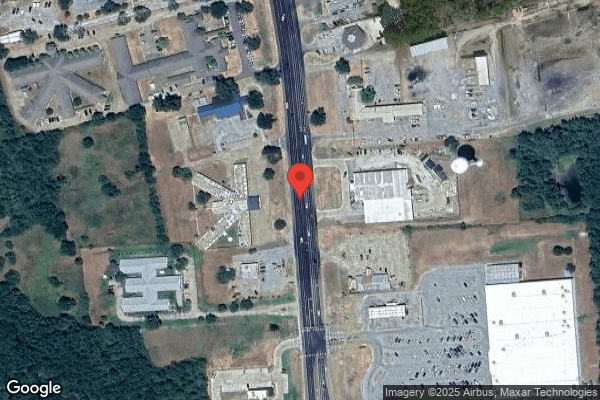
Jun 2024 2 deficiencies 2 IJ
CRITICAL (J) 📢 Someone Reported This

A family member, employee, or ombudsman was alarmed enough to file a formal complaint

Immediate Jeopardy (IJ) - the most serious Medicare violation

Notification of Changes (Tag F0580)

Someone could have died · This affected 1 resident

**NOTE- TERMS IN BRACKETS HAVE BEEN EDITED TO PROTECT CONFIDENTIALITY** Based on interview and record review, the facility failed to notify and consult with the resident's physician when there was a n...

Read full inspector narrative →
**NOTE- TERMS IN BRACKETS HAVE BEEN EDITED TO PROTECT CONFIDENTIALITY** Based on interview and record review, the facility failed to notify and consult with the resident's physician when there was a need to alter treatment for 1 of 8 residents (Resident #1) reviewed for notification of changes. The facility failed to ensure the physician was notified of a change in condition when Resident #1 did not have a bowel movement for 14 days. Resident #1 had contained fecal perforation in her rectum and expired at the hospital on 6/8/2024. The noncompliance was identified as PNC. The IJ began on 06/04/2024 and ended on 06/06/2024. The facility had corrected the noncompliance before the survey began. This failure could place residents at risk of not receiving appropriate medical treatments, deterioration of health, hospitalization, and death. Findings included: Review of face sheet dated 06/07/2024 indicated Resident #1 was [AGE] years old, admitted on [DATE] with diagnoses of hemiplegia and hemiparesis (paralysis and weakness to one side of the body) following cerebral infarction (stroke) affecting left non-dominant side, adjustment disorder with mixed disturbance of emotions and conduct, feeding difficulties, cognitive communication deficit, contracture to right and left hand and wrists, and visual loss. Review of quarterly MDS, dated [DATE], revealed Resident #1 had a BIMS score of 15, indicating no cognitive impairment and a score of 03 for bowels, indicating always incontinent. Review of care plan revised 05/31/2024, revealed Resident #1's had interventions in place for not eating food to include providing supplements, monitor bowel movements, notify physician as needed for constipation, administer stool softeners/laxatives as ordered PRN and document effectiveness, and report to nurse any changes in loss of appetite and constipation. Review of MARS between May 2024 through June 2024 for Resident #1 indicated routine pain medication of Tylenol 650 mg three times a day, Biscadoyl 5 mg every other day for constipation, and hydrochlorothiazide 12.5 mg once a day as diuretic were administered as ordered and a PRN order for MiraLax every 24-hours as needed for constipation was not administered for the month of June 2024. Review of hospital records, dated 06/04/2024, reflected Resident #1 was sent to the hospital with labored breathing and change in mental status. Hospital records reflected she had diagnoses of respiratory failure, altered mental status, hypotension, sepsis, hyperkalemia, and hyponatremia. Review of x-ray dated 06/04/2024 reflected Resident #1 had a CT of abdomen and pelvis and included findings of a large stool likely to reflect stercoral colitis (chronic constipation leading to stagnation of fecal matter, increase in volume, impaction, and eventual deformation of the colon). Review of facility investigation synopsis, dated 06/05/2024, revealed the following: Tuesday, June 4, 2024 08:00 am: Facility [CNA] reported to facility nurse that [Resident #1] was acting different, resident was not drinking out of a straw like she normally does. Resident was unable to verbalize what was wrong when asked by facility nurse. MD was notified of above orders and orders were received for stat UA, CBC, and CMP. Lab notified of new order, awaiting results. 12:10 pm: Resident noted with a decline in condition; Resident was noted by facility nurse as having labored breathing and facility nurse was unable to obtain )2 sat; 911 notified and MD [MD] was notified of transfer via EMS to ER for evaluation and treatment. RP notified of transfer to the ER for evaluation and treatment. Wednesday, June 5, 2024 3:00 pm: [RP C] arrived at the facility requesting to visit with the facility administrator, he presented the administrator with a written letter from the resident's [RP D] requesting the following information under the open records act: o A copy of resident's medical record chart for the last 30 days reflecting when resident had a bowel movement o Policy and procedures on what the proper channels are for when a patient doesn't have a bowel movement in three days. o When was the last time resident has been examined by a licensed physician? o What time and what's the staff member or nurse that found resident in medical distress and what happened at that point? An investigation was initiated by facility administrator and director of nursing. An in service was conducted with facility staff on bowel monitoring clinical practice guidelines with post test. facility staff completed bowl assessment on all residents identified with no bowel movements x 3 days; residents identified as no bowel movement x 3 days were placed in monitoring for signs/symptoms of Constipation and MD notified of any abnormal symptoms. Upon completion of bowel assessments on all facility residents, there were no residents identified with no bowel movements x 3 days. A QAPI meeting was held with this facility's medical director by phone conversation to discuss above mentioned incident and facility follow up to sustain compliance. Review of in-service, dated 06/05/2024, revealed education was provided to nursing staff on bowel movement monitoring and to report when a resident has no bowel movement for three days. Review of in-service, dated 06/06/2024, revealed education was provided to nursing staff on notification of changes and when and how to report a resident that had a change in condition. Review of in-service, dated 06/06/2024, revealed education was provided to supervisory staff on obtaining bowel monitoring reports. Review of task sheet for bowel incontinence for Resident #1, dated 06/07/2024, revealed no bowel movement was recorded for 14 days between 05/19/2024 and 6/2/2024. During an interview on 06/07/2024 at 10:15 AM, the Administrator, DON, and MDS Nurse said the DON said Resident #1 was sent out to the hospital because she was starting to have a change in condition with her mental and breathing status. The Administrator said Resident #1's hospital diagnosis was sepsis. The Administrator, DON, and MDS Nurse said there were concerns reviewed for fecal impaction and the hospital ER records revealed Resident #1's abdomen was soft, non-distended with no swelling but that there were concerns reviewed for fecal impaction and in-services were provided to nursing staff on notification of residents not going to the bathroom over 3 days on 06/05/2024 and 06/06/2024. During an interview on 06/07/2024 at 12:20 PM, CNA A said that she had been employed at the facility for two years and that CNA's are responsible for monitoring and documenting bowel movements. CNA A said she had received training on bowel monitoring during in-services yesterday and that she would notify her nurse if a resident had not had a bowel movement after 3 days. She said she normally did not work with Resident #1. During an interview on 06/07/2024 at 12:42 PM, CNA B said she had been employed at the facility for two years. CNA B said she last took care of Resident #1 on Friday, 05/31/2024 and that she had no bowel movement on her shift while she was taking care of her. CNA B said she had received training of bowel monitoring and that she would report to the nurse if a resident had not had a bowel movement for 3 days. During an interview on 06/07/2024 at 1:01 PM, CNA E said she had been employed at the facility for 19 years and provided care for Resident #1 on a routine basis. CNA E said CNA's were responsible for recording resident bowel movements and would report to the nurse if someone did not go to the bathroom for three to four days. CNA E said the only resident with a concern for bowel monitoring on her hall was Resident #1 and that she had two bowel movements the day she was sent out to the hospital but no bowel movements for several days prior. CNA E said she did not report to the nurse that she had missed a bowel movement for over 3 days because she was not made aware during report that it was a concern during shift change. CNA E said on the day Resident #1 got sent out to the hospital after she gave her a bed bath in the morning, she was very weak and she had two small putty (clay like) stools, but the day before she was okay and did a 180 degree turnaround. CNA E said she notified the ADON of her change in condition and that Res #1's stomach was swelling on the Friday or Sunday before she was sent out and thought she had to have a bowel movement because her stomach was cramping. CNA E said that was the first time she reported cramping, has never had constipation, and goes to the bathroom. CNA E said the nurse tried to give her a laxative then around the weekend before she was sent to the hospital, but Resident #1 refused, and they also offered to send her to the hospital then and she refused. CNA E said sometimes Resident #1 would go a couple of days without a bowel movement at her baseline. CNA E said Resident #1 would only drink liquids ever since she last got Coronavirus Disease of 2019 (severe acute respiratory syndrome aka SARS-COV-2) and had not been eating food for months. CNA E said Res #1 would drink a health shake, soda, and water at every meal. CNA E said she felt bad Resident #1 declined rapidly that day and hoped she improved to come back to the facility. She said that ultimately CNA's were responsible for documenting and reporting bowel movements. She said it was important for staff to report a resident not having a bowel movement over 3 days because it could cause bowel blockage and possible hospitalization. She said she had received training by in-services yesterday and when to report changes in resident condition. During an interview on 06/07/2024 at 1:23 PM, LVN G said she had been employed 2 years at the facility. LVN G said she did not normally provide care for Resident #1 but that she was the one that sent her out to the hospital. LVN G said on 06/04/2024 at 8:00 AM she was notified by the CNA that Resident #1 could not drink anything through her straw, MD was notified and stat labs were ordered. LVN G said she continued to monitor Resident #1 and at noon she significantly declined and was struggling to breath before the stat labs were completed and LVN G sent her to the emergency room. LVN G said Resident #1 was not having any kind of pain or swelling in her abdomen during that time and was having a decline in her mental status. LVN G said the nurses are responsible for monitoring bowel movements that the CNA's document. LVN G said CNA's notify her if there are any concerns regarding residents not going to the bathroom for several days. LVN G said she had received training on bowel monitoring and that CNA's report to the nurse if it has been more that 3 days or if a resident complained of abdominal pain. LVN G said she did not review anything about Resident #1's bowel movements in her shift change reports. LVN G said she felt CNA's were documenting appropriately. LVN G said she had no concerns related to fecal impaction for Resident #1 the day she sent her to the hospital and that it was not her main concern when she assessed Resident #1. She said it was important for CNA's to notify her of any residents not using the bathroom after three days because it could prevent fecal impaction, sepsis, deterioration of health, hospitalization, or even death. During an interview on 06/07/2024 at 2:24 PM, RN H said she had been employed since April 2023. RN H said Res #1 was normally hers and last saw her on Sunday, 6/2/24 at baseline. RN H said she was not having any problems with constipation that was reported to her and nobody informed her Res #1 did not have a bowel movement for several days. RN H said CNA E did not tell her Resident #1 did not have a bowel movement the last two days she worked, Sunday and Monday. RN H said anytime the CNA's notify her of concerns with bowel movements her protocol would be to then pull up the task to see the last time it was documented and go to orders to see if the resident has a stool softener to administer, and if not she would call the doctor. RN H said if someone had told her Resident #1 was not having a bowel movement in those two days, Sunday and Monday (6/2/2023 and 06/03/2024), I would have done something about it. RN H said it would be important for CNA's to report the resident had not had a bowel movement because it could cause constipation, could rupture the intestine, and could cause fecal impaction. RN H said CNA E gave her fluids as normal and Res #1 had no complaints of anything, no facial grimacing or anything noted. RN H said she was not here the day Resident #1 was sent out to the hospital. RN H said since this was her first day returning to work, she was running a report of bowel movement records for all residents together. RN H said she was not aware of any additional resident's had constipation concerns and felt it was an isolated incident. RN H said Res #1's children would have called her if they knew she was constipated because they were very observant and involved and had placed a camera in her room. RN H said the facility has provided training on bowel movement monitoring and notification through in-services prior to returning to work since the incident. During a phone interview on 06/07/2024 at 3:00 PM, the MD said LVN G texted him that Resident #1 was not looking good, and he sent her to the ER. MD said at that time he was not notified of any concerns with her bowel movements. The MD said he was not aware of any constipation or fecal impaction concerns with Resident #1 and that he was available by phone if there were any concerns, he needed to know about so that he could ensure residents were receiving proper care. During a phone interview on 06/11/2024 at 3:16 PM, the MD said staff are usually good at letting him know if there was someone that did not have a bowel movement with 48-72 hours. The MD said if a resident had not a bowel movement for 14 days, he would order some lab work and abdominal x rays, review medication and order an enema. The MD said Resident #1 was on Biscadoyl already and had Miralax PRN, but she refused to take the Miralax. The MD said the NP saw her on 5/9/24 and she was not having a bowel movement and when you would talk to Resident #1, she would say everything was fine. The MD said he did not have any concerns with the facility believed Resident #1 was 4 days out from not having a bowel movement, but he was not in front of his computer and would talk to the Administrator about it. The MD said the facility usually notifies him and expects them to notify him within 24-48 hours of any concerns. The MD said some residents can go 3 to 4 days without a bowel movement at their baseline, but it depended on the resident and expected to be notified after 3 to 4 days. The MD said he was not sure why it was not reported to him for several days and was not aware she went 14 days without a bowel movement but that he was not in front of his computer. The MD said he met with the facility regarding Resident #1 and felt it was an isolated incident. He said today was the first time he had heard she did not have a bowel movement for 14 days and that if he would have known he would have ordered her an x-ray and reviewed medication. During an interview on 06/12/2024 at 1:31 PM, the MD said he did not have a continued concern about the facility not notifying him of residents with no bowel movements. The MD said that it was a concern he was not notified about Resident #1 not having one for several days, but believed it was an isolated incident and protocols were put in place during the QAPI meeting to ensure it did not happen again. The MD said he had already discussed with the facility and put things in place after the meeting. The MD said there were no concerns moving forward and had discussed protocols to include staff training and contacts updated. The MD said the facility had since updated him of constipation concerns since the protocols were put in place. During a phone interview on 6/11/2024 at 8:48 AM, RP D said Resident #1 had a severe case of sepsis and large ball of bowel that appeared to have punctured her colon and thought they might have to cut her colon out. RP D said Resident #1 was on life support and there was nothing they could do for her at the hospital. RP D said he had asked weeks ago when Resident #1 lost her appetite and was notified she was not eating. RP D said he had a camera in her room and his cousin visited Resident #1 and spoke to her this last Sunday before she expired. RP D said on Sunday, 6/2/2024, she was not talking as much because about 2 weeks ago she said her side was hurting when the ADON was in the room. RP D said the facility then gave Resident #1 Tylenol and he spoke with the nurse, got notes from the nurse the night before and she did not have any complaints. RP D said staff informed the family they heard Resident #1 complain about her stomach, but they did not wish to be named. RP D said at the hospital Resident #1's stomach was hard and was told she would die instantly if they had the surgery. RP D said Resident #1 was paralyzed and legally blind and there was nothing wrong with her mind and did not have any medicine except for blood pressure medicine. RP D said Resident #1 expired from severe sepsis shock. During an interview on 6/11/2024 at 10:46 AM, the ADM and DON said Resident #1 expired on Saturday, 06/08/2024, at the hospital and that they have requested and refused hospital records. At 11:00 AM, the DON said she did not receive a report that Resident #1 having side pain or constipation but that the NP had ordered MiraLax PRN if she needed it. The DON said she provided in-services on bowel monitoring because of concerns brought to their attention from Resident #1's RP and started monitoring bowels to make sure that staff were documenting and reporting if they had not gone to the bathroom every 3 to 4 days. The DON said staff did not report Resident #1 not going to the bathroom and believed it may have been missed due to other nurse aides on the hall not communicating between shifts. The DON said Resident #1 had a bowel movement that morning before she was transported to the hospital. The DON said nurse aides report to their charge nurse and document if they have had a bowel movement so it will alert the nurse on electronic health record system to check the resident. The DON said now in their morning meetings, if there is an alert on the electronic health record staff review it in the morning meetings. The DON said that there were currently no additional residents since Resident #1 that had not had a BM in over three days. The DON said interventions were put in place to ensure it does not happen again to include pulling a full bowel movement report and completing in-services with our nursing staff to pull bowel movement report very shift. The DON said the charge nurses are pulling the bowel movement report and aides would be responsible for monitoring bowel movements. The DON said nurse aides could not see the history of bowel movements. The DON said she looked at Resident #1's bowel movement report with their computer and have had problems with internet outages and have contacted the help desk due to the weather. The DON said it was important to notify the charge nurses of a resident having no bowel movement within 3-4 days and know the resident's bowel schedule because of the different complications that can occur such as what happened to Resident #1. The DON said with the nurse aides, they know their residents well and if they do not have something ordered for constipation, staff are expected to notify the physician to ensure efforts are made to ensure the residents avoids complications or deterioration in health. During an interview on 06/11/2024 at 11:08 AM, the HA said she had been employed at the facility for almost a year. The HA said the aides monitor bowel movements and that they have not provided training on bowel monitoring but that she has not returned to the facility since Resident #1 was sent out. The HA said Resident #1 was on the hall she last worked and the last time she saw her would be the prior Sunday before last, 5/31/2024. The HA said Resident #1 was talking to her like she always did and was not complaining. The HA said Resident #1 did not have a bowel movement with her for two weeks. The HA said she changed her at 8:00 PM, 12:00 AM, and 4:00 AM and would always ask for things. The HA said Resident #1 was never having any pain in her abdomen. The HA said she did not know that she should have notified someone about Resident #1 not having a bowel movement and said she was just being trained. The HA said nobody notified her that Resident #1 was not having a bowel movement. The HA said the computer system should have prompted a red flag and that made her think she was at least having a bowel movement during the day but come to find out it had been 2 weeks. The HA said she was not sure if Resident #1 was aware that she was not having a bowel movement. The HA said she acknowledged Resident #1 going over 4 days without a bowel movement should have been reported to avoid her being sent out to the hospital and that if they would have kept up with her bowel movement monitoring Resident #1 may still be alive today. The HA said she had not seen her eat food and that she would drink a shake and did not eat much since she has been there. During an interview on 06/11/2024 at 12:21 PM, the Administrator said she received letter from an attorney the day Resident #1 expired on 6/8/24 with request to maintain all records possibly from RP D. The Administrator said it had been months since they talked to RP D. The Administrator said RP J asked the facility to comb her hair recently but that was her main concern and she informed her that she would get one of her staff down there to fix her hair. The Administrator said family for Resident #1 had a camera in her room to communicate with her and had a family friend visit that reported no concerns. The Administrator said she expected staff to report after three days of no bowel movement. The Administrator said for Resident #1 they had reviewed for weeks in morning meeting that her only intake was ensure and water and there was a concern with her not eating but not for her bowel movements. The administrator said the aides were responsible for monitoring bowel movements and reporting concerns and are making sure staff pulls the report every morning in meeting. The Administrator said Resident #1 had the ability to express what was going on with her and believed losing the internet due to weather was part of the problem for documenting and reporting. The Administrator said the facility lost power the weekend before she was sent to the hospital and on June 1st, 2024, that weekend it was down all weekend and was not notified until coming to work on Monday. During an interview on 06/11/2024 at 1:00 PM, the ADON said she had been employed at the facility for 8 years. The ADON said she last saw Resident #1 on 5/20/24 and she was doing good. The ADON said she did not know when it was, but around last month Resident #1 was complaining about her side and the ADON listened to her bowel sounds at abdomen for movement. The ADON said Resident #1's family was on the camera and reported she was hurting so they offered her Tylenol and she refused. The ADON said her family wanted her to go out to the hospital and she refused to go and after the pain medication she did not complain anymore and had no tenderness to the area. The ADON said on that day, Resident #1 kept saying both sides were hurting and had a routine stool softener she would take but would not take the MiraLax. The ADON said she talked to CNA E the next day and reported she had a small bowel movement. The ADON said Resident #1 had not been eating for a while and ever since she had COVID-19 upon recovery she stopped eating food and would only eat a couple bites of food sometimes brought in from family. The ADON said the nurse aides were responsible for reporting if a resident had not had a bowel movement for over 3 days and said she thinks Resident #1's bowel movements were not reported due to a lack of communication and that they should have relayed that information during their shift report. The ADON said staff is expected to notify the nurse if a resident was not having a bowel movement in report and that it does prompt up on the electronic dashboard in their system if they had not had one for several days but with the weather causing internet failure staff may have not documented yet or seen the prompt. The ADON said paper charting was completed during internet outage. The ADON said the facility has provided training on bowel movement monitoring by conducting in-services with all staff. The ADON said they had reviewed this morning about pulling up reports on the computer to see if someone did not have a bowel movement for the last 3 days. The ADON said prior to Resident #1 being sent to the hospital they used to run the bowel movement sheet and go talk to that person or aide to see if they may have had one or was documentation accurate so they would go visit each person. The ADON said she has reviewed bowel movement reports and did not have any similar constipation concerns with any other residents. The ADON said CNA E was usually pretty good about reporting bowel movements and she may get busy but usually is good about reporting. The ADON said signs and symptoms of possible fecal impaction included nausea, abdomen hard or tender, and decreased appetite. The ADON said she had no changes other than Resident #1's side pain a couple of weeks ago and that was the last time she heard her complain and her family tried to send her out to the ER, and she refused to go. During a phone interview on 06/11/2024 at 3:00 PM, the NP said she has been off for the last three weeks and visits the facility twice a month. The NP said if she had seen Resident #1 it would only be during one of those on-site visits and she could not recall when she last saw her. The NP said the nurses will tell her which residents have concerns when she is there. The NP said staff normally report residents not having any bowel movements and said she would assume they would report a resident not having one for over 3 days. The NP said if she was aware Resident #1 had not had a bowel movement for several days she would have assessed her medicines, prescribed stool softeners, and review medicine like MiraLax and most of the time there are already PRN orders in place to administer, and request to do an x-ray scan if medicine was not effective. The NP said she had no concerns with care and services provided by the facility and was not aware that Resident #1 had not had a bowel movement for that long. The NP said it would be important to report if a resident had not had a bowel movement for over 3 days because it could indicate a possible bowel blockage. The NP said staff they report concerns appropriately when she is at the facility. During an interview on 06/11/2024 at 3:11 PM, the hospital ICU Nurse said Resident #1 was admitted on [DATE] at 5:37 PM with a diagnosis of septic shock, respiratory failure, septic shock that was first unclear on etiology and including UTI, pneumonia, and then abdominal because she showed colitis on her imaging. The hospital ICU Nurse said on 6/7/24 a CAT scan revealed she had a fecal contained severe constipation and contained perforation along the rectum. The hospital ICU Nurse said x-rays were showing severe colonic distension and constipation and the outside hospital (hospital she was transferred from) showed stercoral colitis. Review of facility policy, titled Clinical Practice Guideline: Bowel Monitoring, review date 02/09/2024, revealed the following: Anticipated Outcome The aim of this guideline is [to] provide guidance to avoid constipation or fecal incontinence in order to achieve evacuation of the bowel. Fundamental information A stooling frequency of less than 3 times a week may still be considered normal if not associated with abdominal discomfort in the absence of bowel sounds. A daily bowel movement is not necessary, but a resident that has not had a bowel movement for 4-7 days should be monitored closely for signs and symptoms of Constipation. Stool softeners, suppositories and enemas may be used to assist the resident with rectal evacuation. Process o Bowel movements are monitored by nursing staff observation that a patient has had a bowel movement or a report from the patient that a bowel movement has occurred. o If the patient has not had a bowel movement for 4-7 days monitor for signs and symptoms of constipation; abdominal distension, pain, nausea/vomiting, loss of appetite, decrease bowel sounds o Notify the Physician of the abnormal symptoms o Provide the patient with fluids and juices as indicated. o Administer stool softener, suppositories, enemas and fibers as ordered. o Continue to monitor the patient during 4 to 7 days for bowel movement, adverse signs and symptoms. o Notify the physician if there is increased tenderness, rigidity, distinction, absence or decrease vowel sound for abnormal bowel movement e.g. blood or mucus in stool. o Monitor [EHR] reports Documentation Progress Notes, Medication Administration Record During an interview on 06/11/2024 at 5:23 PM, the Administrator requested an IJ PNC and provided additional information to include a QAPI meeting and in-service documentation. Review of Performance Improvement Project Report, titled Bowel Movement Monitoring, start date of 06/06/2024 revealed the following: .Goal: Establish a procedure for to avoid constipation or fecal impaction in order to achieve evacuation of the bowel that optimizes therapeutic benefits and minimizes associated risks . 4.) DON/Designee to pull no BM x 3 days report; resident is to be monitored for signs/symptoms of constipation and notify MD of any abnormal symptoms. 5.) Results of no BM x 3 days report will be discussed with admin/DON during morning clinical start up meeting. 6.) review findings monthly at QAPI meeting for three months to ensure compliance. Review of Clinical and Order Alerts Listing Report, dated 06/1/2024 through 06/08/2024, revealed bowel movement report was gerenated. Review of Daily Census Report, dated 06/06/2024 and signed by the DON, revealed a bowel assessment validation was completed on all facility residents and no residents were identified [with] no bowel movements for 3 days. During a phone interview on 06/12/2024 at 9:24 AM, CNA K said she had been employed for one to two years at the facility and had received in-service training on bowel monitoring and notification of changes yesterday, 06/11/2024, and the week prior. CNA K said that if a resident does not have a bowel movement for 3 to 4 days, she would notify her nurse. CNA K said she had no residents she had that were going that long without a bowel movement. During a phone interview on 06/12/2024 at 9:31 AM, CNA L said she had been employed as an aide at the facility for over a year. CNA L said the timeframe she would report bowel concerns was 3 days of a resident not going to the bathroom. CNA L said there were in-services over bowel monitoring and notifying staff of changes last week. She said all of her residents were going to the bathroom within the timeframe Resident #1 was documented as not going to the bathroom and that she works with the same residents every time she works. An IJ PNC was determined on 06/12/2024 at 11:06 AM. The administrator was provided with updated template on 06/12/2024 at 11:06 AM. The surveyor confirmed PNC had been implemented su[TRUNCATED]
CRITICAL (J) 📢 Someone Reported This

A family member, employee, or ombudsman was alarmed enough to file a formal complaint

Immediate Jeopardy (IJ) - the most serious Medicare violation

Quality of Care (Tag F0684)

Someone could have died · This affected 1 resident

**NOTE- TERMS IN BRACKETS HAVE BEEN EDITED TO PROTECT CONFIDENTIALITY** Based on interviews and record reviews the facility failed to provide residents treatment and care in accordance with profession...

Read full inspector narrative →
**NOTE- TERMS IN BRACKETS HAVE BEEN EDITED TO PROTECT CONFIDENTIALITY** Based on interviews and record reviews the facility failed to provide residents treatment and care in accordance with professional standards of practice and the comprehensive person-centered care plan for 1 of 8 residents reviewed for quality of care. (Resident #1) The facility failed to monitor Resident #1's significant change of no bowel movements for 14 days between 05/19/2024 through 06/02/2024. Resident #1 was sent to the emergency room on [DATE] and x-ray showed she had a contained fecal perforation in her rectum and expired at the hospital on 6/8/2024. The noncompliance was identified as PNC. The IJ began on 06/04/2024 and ended on 06/06/2024. The facility had corrected the noncompliance before the survey began. This failure could place residents at risk for deterioration of health, hospitalization, or death. Findings included: Review of face sheet dated 06/07/2024 indicated Resident #1 was [AGE] years old, admitted on [DATE] with diagnoses of hemiplegia and hemiparesis (paralysis and weakness to one side of the body) following cerebral infarction (stroke) affecting left non-dominant side, adjustment disorder with mixed disturbance of emotions and conduct, feeding difficulties, cognitive communication deficit, contracture to right and left hand and wrists, and visual loss. Review of quarterly MDS, dated [DATE], revealed Resident #1 had a BIMS score of 15, indicating no cognitive impairment and a score of 03 for bowels, indicating always incontinent. Review of care plan revised 05/31/2024, revealed Resident #1's had interventions in place for not eating food to include providing supplements, monitor bowel movements, notify physician as needed for constipation, administer stool softeners/laxatives as ordered PRN and document effectiveness, and report to nurse any changes in loss of appetite and constipation. Review of MARS between May 2024 through June 2024 for Resident #1 indicated routine pain medication of Tylenol 650 mg three times a day, Biscadoyl 5 mg every other day for constipation, and hydrochlorothiazide 12.5 mg once a day as diuretic were administered as ordered and a PRN order for MiraLax every 24-hours as needed for constipation was not administered for the month of June 2024. Review of hospital records, dated 06/04/2024, reflected Resident #1 was sent to the hospital with labored breathing and change in mental status. Hospital records reflected she had diagnoses of respiratory failure, altered mental status, hypotension, sepsis, hyperkalemia, and hyponatremia. Review of x-ray dated 06/04/2024 reflected Resident #1 had a CT of abdomen and pelvis and included findings of a large stool likely to reflect stercoral colitis (chronic constipation leading to stagnation of fecal matter, increase in volume, impaction, and eventual deformation of the colon). Review of facility investigation synopsis, dated 06/05/2024, revealed the following: Tuesday, June 4, 2024 08:00 am: Facility [CNA] reported to facility nurse that [Resident #1] was acting different, resident was not drinking out of a straw like she normally does. Resident was unable to verbalize what was wrong when asked by facility nurse. MD was notified of above orders and orders were received for stat UA, CBC, and CMP. Lab notified of new order, awaiting results. 12:10 pm: Resident noted with a decline in condition; Resident was noted by facility nurse as having labored breathing and facility nurse was unable to obtain )2 sat; 911 notified and MD [MD] was notified of transfer via EMS to ER for evaluation and treatment. RP notified of transfer to the ER for evaluation and treatment. Wednesday, June 5, 2024 3:00 pm: [RP C] arrived at the facility requesting to visit with the facility administrator, he presented the administrator with a written letter from the resident's [RP D] requesting the following information under the open records act: o A copy of resident's medical record chart for the last 30 days reflecting when resident had a bowel movement o Policy and procedures on what the proper channels are for when a patient doesn't have a bowel movement in three days. o When was the last time resident has been examined by a licensed physician? o What time and what's the staff member or nurse that found resident in medical distress and what happened at that point? An investigation was initiated by facility administrator and director of nursing. An in service was conducted with facility staff on bowel monitoring clinical practice guidelines with post test. facility staff completed bowl assessment on all residents identified with no bowel movements x 3 days; residents identified as no bowel movement x 3 days were placed in monitoring for signs/symptoms of Constipation and MD notified of any abnormal symptoms. Upon completion of bowel assessments on all facility residents, there were no residents identified with no bowel movements x 3 days. A QAPI meeting was held with this facility's medical director by phone conversation to discuss above mentioned incident and facility follow up to sustain compliance. Review of in-service, dated 06/05/2024, revealed education was provided to nursing staff on bowel movement monitoring and to report when a resident has no bowel movement for three days. Review of in-service, dated 06/06/2024, revealed education was provided to nursing staff on notification of changes and when and how to report a resident that had a change in condition. Review of in-service, dated 06/06/2024, revealed education was provided to supervisory staff on obtaining bowel monitoring reports. Review of task sheet for bowel incontinence for Resident #1, dated 06/07/2024, revealed no bowel movement was recorded for 14 days between 05/19/2024 and 6/2/2024. During an interview on 06/07/2024 at 10:15 AM, the Administrator, DON, and MDS Nurse said The DON said Resident #1 was sent out to the hospital because she was starting to have a change in condition with her mental and breathing status. The Administrator said Resident #1's hospital diagnosis was sepsis. The Administrator, DON, and MDS Nurse said there were concerns reviewed for fecal impaction and the hospital ER records revealed Resident #1's abdomen was soft, non-distended with no swelling but that there were concerns reviewed for fecal impaction and in-services were provided to nursing staff on notification and monitoring of residents not going to the bathroom over 3 days on 06/05/2024 and 06/06/2024. During an interview on 06/07/02024 at 12:13 PM, the Ombudsman said her of her main concerns during her visit was no documentation of bowel movements. During an interview on 06/07/2024 at 12:20 PM, CNA A said that she had been employed at the facility for two years and that CNA's are responsible for monitoring and documenting bowel movements. CNA A said she had received training on bowel monitoring during in-services yesterday and that she would notify her nurse if a resident had not had a bowel movement after 3 days. She said she normally did not work with Resident #1. During an interview on 06/07/2024 at 12:42 PM, CNA B said she had been employed at the facility for two years. CNA B said she last took care of Resident #1 on Friday, 05/31/2024 and that she had no bowel movement on her shift while she was taking care of her. CNA B said she had received training of bowel monitoring and that she would report to the nurse if a resident had not had a bowel movement for 3 days. During an interview on 06/07/2024 at 1:01 PM, CNA E said she had been employed at the facility for 19 years and provided care for Resident #1 on a routine basis. CNA E said CNA's were responsible for recording resident bowel movements and would report to the nurse if someone did not go to the bathroom for three to four days. CNA E said the only resident with a concern for bowel monitoring on her hall was Resident #1 and that she had two bowel movements the day she was sent out to the hospital but no bowel movements for several days prior. CNA E said she did not report to the nurse that she had missed a bowel movement for over 3 days because she was not made aware during report that it was a concern during shift change. CNA E said on the day Resident #1 got sent out to the hospital after she gave her a bed bath in the morning, she was very weak and she had two small putty (clay like) stools, but the day before she was okay and did a 180 degree turnaround. CNA E said she notified the ADON of her change in condition and that Res #1's stomach was swelling on the Friday or Sunday before she was sent out and thought she had to have a bowel movement because her stomach was cramping. CNA E said that was the first time she reported cramping, has never had constipation, and goes to the bathroom. CNA E said the nurse tried to give her a laxative then around the weekend before she was sent to the hospital, but Resident #1 refused, and they also offered to send her to the hospital then and she refused. CNA E said sometimes Resident #1 would go a couple of days without a bowel movement at her baseline. CNA E said Resident #1 would only drink liquids ever since she last got Coronavirus Disease of 2019 (severe acute respiratory syndrome aka SARS-COV-2) and had not been eating food for months. CNA E said Res #1 would drink a health shake, soda, and water at every meal. CNA E said she felt bad Resident #1 declined rapidly that day and hoped she improved to come back to the facility. She said that ultimately CNA's were responsible for documenting and reporting bowel movements. She said it was important for staff to report a resident not having a bowel movement over 3 days because it could cause bowel blockage and possible hospitalization. She said she had received training on bowel monitoring by in-services yesterday and when to report changes in resident condition. During an interview on 06/07/2024 at 1:23 PM, LVN G said she had been employed 2 years at the facility. LVN G said she did not normally provide care for Resident #1 but that she was the one that sent her out to the hospital. LVN G said on 06/04/2024 at 8:00 AM she was notified by the CNA that Resident #1 could not drink anything through her straw, MD was notified and stat labs were ordered. LVN G said she continued to monitor Resident #1 and at noon she significantly declined and was struggling to breath before the stat labs were completed and LVN G sent her to the emergency room. LVN G said Resident #1 was not having any kind of pain or swelling in her abdomen during that time and was having a decline in her mental status. LVN G said the nurses are responsible for monitoring bowel movements that the CNA's document. LVN G said CNA's notify her if there are any concerns regarding residents not going to the bathroom for several days. LVN G said she had received training on bowel monitoring and that CNA's report to the nurse if it has been more that 3 days or if a resident complained of abdominal pain. LVN G said she did not review anything about Resident #1's bowel movements in her shift change reports. LVN G said she felt CNA's were documenting appropriately. LVN G said she had no concerns related to fecal impaction for Resident #1 the day she sent her to the hospital and that it was not her main concern when she assessed Resident #1. She said it was important for CNA's to notify her of any residents not using the bathroom after three days because it could prevent fecal impaction, sepsis, deterioration of health, hospitalization, or even death. During an interview on 06/07/2024 at 2:24 PM, RN H said she had been employed since April 2023. RN H said Res #1 was normally hers and last saw her on Sunday, 6/2/24 at baseline. RN H said she was not having any problems with constipation that was reported to her and nobody informed her Res #1 did not have a bowel movement for several days. RN H said CNA E did not tell her Resident #1 did not have a bowel movement the last two days she worked, Sunday and Monday. RN H said anytime the CNA's notify her of concerns with bowel movements her protocol would be to then pull up the task to see the last time it was documented and go to orders to see if the resident has a stool softener to administer, and if not she would call the doctor. RN H said if someone had told her Resident #1 was not having a bowel movement in those two days, Sunday and Monday (6/2/2023 and 06/03/2024), I would have done something about it. RN H said it would be important for CNA's to report the resident had not had a bowel movement because it could cause constipation, could rupture the intestine, and could cause fecal impaction. RN H said CNA E gave her fluids as normal and Res #1 had no complaints of anything, no facial grimacing or anything noted. RN H said she was not here the day Resident #1 was sent out to the hospital. RN H said since this was her first day returning to work, she was running a report of bowel movement records for all residents together. RN H said she was not aware of any additional resident's had constipation concerns and felt it was an isolated incident. RN H said Res #1's children would have called her if they knew she was constipated because they were very observant and involved and had placed a camera in her room. RN H said the facility has provided training on bowel movement documentation and monitoring through in-services prior to returning to work since the incident. During a phone interview on 06/07/2024 at 3:00 PM, the MD said LVN G texted him that Resident #1 was not looking good, and he sent her to the ER. MD said at that time he was not notified of any concerns with her bowel movements. The MD said he was not aware of any constipation or fecal impaction concerns with Resident #1 and that he was available by phone if there were any concerns, he needed to know about so that he could ensure residents were receiving proper care. During a phone interview on 06/11/2024 at 3:16 PM, the MD said staff are usually good at letting him know if there was someone that did not have a bowel movement with 48-72 hours. The MD said if a resident had not a bowel movement for 14 days, he would order some lab work and abdominal x rays, review medication and order an enema. The MD said Resident #1 was on Biscadoyl already and had Miralax PRN, but she refused to take the Miralax. The MD said the NP saw her on 5/9/24 and she was not having a bowel movement and when you would talk to Resident #1, she would say everything was fine. The MD said he did not have any concerns with the facility believed Resident #1 was 4 days out from not having a bowel movement, but he was not in front of his computer and would talk to the Administrator about it. The MD said the facility usually notifies him and expects them to notify him within 24-48 hours of any concerns. The MD said some residents can go 3 to 4 days without a bowel movement at their baseline, but it depended on the resident and expected to be notified after 3 to 4 days. The MD said he was not sure why it was not reported to him for several days and was not aware she went 14 days without a bowel movement but that he was not in front of his computer. The MD said he met with the facility regarding Resident #1 and felt it was an isolated incident. He said today was the first time he had heard she did not have a bowel movement for 14 days and that if he would have known he would have ordered her an x-ray and reviewed medication. During an interview on 06/12/2024 at 1:31 PM, the MD said he did not have a continued concern about the facility not notifying him of residents with no bowel movements. The MD said that it was a concern he was not notified about Resident #1 not having one for several days, but believed it was an isolated incident and protocols were put in place during the QAPI meeting to ensure it did not happen again. The MD said he had already discussed with the facility and put things in place after the meeting. The MD said there were no concerns moving forward and had discussed protocols to include staff training and contacts updated. The MD said the facility had since updated him of constipation concerns since the protocols were put in place. During a phone interview on 6/11/2024 at 8:48 AM, RP D said Resident #1 had a severe case of sepsis and large ball of bowel that appeared to have punctured her colon and thought they might have to cut her colon out. RP D said Resident #1 was on life support and there was nothing they could do for her at the hospital. RP D said he had asked weeks ago when Resident #1 lost her appetite and was notified she was not eating. RP D said he had a camera in her room and his cousin visited Resident #1 and spoke to her this last Sunday before she expired. RP D said on Sunday, 6/2/2024, she was not talking as much because about 2 weeks ago she said her side was hurting when the ADON was in the room. RP D said the facility then gave Resident #1 Tylenol and he spoke with the nurse, got notes from the nurse the night before and she did not have any complaints. RP D said staff informed the family they heard Resident #1 complain about her stomach, but they did not wish to be named. RP D said at the hospital Resident #1's stomach was hard and was told she would die instantly if they had the surgery. RP D said Resident #1 was paralyzed and legally blind and there was nothing wrong with her mind and did not have any medicine except for blood pressure medicine. RP D said Resident #1 expired from severe sepsis shock. During an interview on 6/11/2024 at 10:46 AM, the ADM and DON said Resident #1 expired on Saturday, 06/08/2024, at the hospital and that they have requested and refused hospital records. At 11:00 AM, the DON said she did not receive a report that Resident #1 having side pain or constipation but that the NP had ordered MiraLax PRN if she needed it. The DON said she provided in-services on bowel monitoring because of concerns brought to their attention from Resident #1's RP and started monitoring bowels to make sure that staff were documenting and reporting if they had not gone to the bathroom every 3 to 4 days. The DON said staff did not report Resident #1 not going to the bathroom and believed it may have been missed due to other nurse aides on the hall not communicating between shifts. The DON said Resident #1 had a bowel movement that morning before she was transported to the hospital. The DON said nurse aides report to their charge nurse and document if they have had a bowel movement so it will alert the nurse on electronic health record system to check the resident. The DON said now in their morning meetings, if there is an alert on the electronic health record staff review it in the morning meetings. The DON said that there were currently no additional residents since Resident #1 that had not had a BM in over three days. The DON said interventions were put in place to ensure it does not happen again to include pulling a full bowel movement report and completing in-services with our nursing staff to pull bowel movement report very shift. The DON said the charge nurses are pulling the bowel movement report and aides would be responsible for monitoring bowel movements. The DON said nurse aides could not see the history of bowel movements. The DON said she looked at Resident #1's bowel movement report with their computer and have had problems with internet outages and have contacted the help desk due to the weather. The DON said it was important to notify the charge nurses of a resident having no bowel movement within 3-4 days and know the resident's bowel schedule because of the different complications that can occur such as what happened to Resident #1. The DON said with the nurse aides, they know their residents well and if they do not have something ordered for constipation, staff are expected to notify the physician to ensure efforts are made to ensure the residents avoids complications or deterioration in health. During an interview on 06/11/2024 at 11:08 AM, the HA said she had been employed at the facility for almost a year. The HA said the aides monitor bowel movements and that they have not provided training on bowel monitoring but that she has not returned to the facility since Resident #1 was sent out. The HA said Resident #1 was on the hall she last worked and the last time she saw her would be the prior Sunday before last, 5/31/2024. The HA said Resident #1 was talking to her like she always did and was not complaining. The HA said Resident #1 did not have a bowel movement with her for two weeks. The HA said she changed her at 8:00 PM, 12:00 AM, and 4:00 AM and would always ask for things. The HA said Resident #1 was never having any pain in her abdomen. The HA said she did not know that she should have notified someone about Resident #1 not having a bowel movement and said she was just being trained. The HA said nobody notified her that Resident #1 was not having a bowel movement. The HA said the computer system should have prompted a red flag and that made her think she was at least having a bowel movement during the day but come to find out it had been 2 weeks. The HA said she was not sure if Resident #1 was aware that she was not having a bowel movement. The HA said she acknowledged Resident #1 going over 4 days without a bowel movement should have been reported to avoid her being sent out to the hospital and that if they would have kept up with her bowel movement monitoring Resident #1 may still be alive today. The HA said she had not seen her eat food and that she would drink a shake and did not eat much since she has been there. During an interview on 06/11/2024 at 12:21 PM, the Administrator said she received letter from an attorney the day Resident #1 expired on 6/8/24 with request to maintain all records possibly from RP D. The Administrator said it had been months since they talked to RP D. The Administrator said RP J asked the facility to comb her hair recently but that was her main concern and she informed her that she would get one of her staff down there to fix her hair. The Administrator said family for Resident #1 had a camera in her room to communicate with her and had a family friend visit that reported no concerns. The Administrator said she expected staff to report after three days of no bowel movement. The Administrator said for Resident #1 they had reviewed for weeks in morning meeting that her only intake was ensure and water and there was a concern with her not eating but not for her bowel movements. The administrator said the aides were responsible for monitoring bowel movements and reporting concerns and are making sure staff pulls the report every morning in meeting. The Administrator said Resident #1 had the ability to express what was going on with her and believed losing the internet due to weather was part of the problem for documenting and reporting. The Administrator said the facility lost power the weekend before she was sent to the hospital and on June 1st, 2024, that weekend it was down all weekend and was not notified until coming to work on Monday. During an interview on 06/11/2024 at 1:00 PM, the ADON said she had been employed at the facility for 8 years. The ADON said she last saw Resident #1 on 5/20/24 and she was doing good. The ADON said she did not know when it was, but around last month Resident #1 was complaining about her side and the ADON listened to her bowel sounds at abdomen for movement. The ADON said Resident #1's family was on the camera and reported she was hurting so they offered her Tylenol and she refused. The ADON said her family wanted her to go out to the hospital and she refused to go and after the pain medication she did not complain anymore and had no tenderness to the area. The ADON said on that day, Resident #1 kept saying both sides were hurting and had a routine stool softener she would take but would not take the MiraLax. The ADON said she talked to CNA E the next day and reported she had a small bowel movement. The ADON said Resident #1 had not been eating for a while and ever since she had COVID-19 upon recovery she stopped eating food and would only eat a couple bites of food sometimes brought in from family. The ADON said the nurse aides were responsible for reporting if a resident had not had a bowel movement for over 3 days and said she thinks Resident #1's bowel movements were not reported due to a lack of communication and that they should have relayed that information during their shift report. The ADON said staff is expected to notify the nurse if a resident was not having a bowel movement in report and that it does prompt up on the electronic dashboard in their system if they had not had one for several days but with the weather causing internet failure staff may have not documented yet or seen the prompt. The ADON said paper charting was completed during internet outage. The ADON said the facility has provided training on bowel movement monitoring by conducting in-services with all staff. The ADON said they had reviewed this morning about pulling up reports on the computer to see if someone did not have a bowel movement for the last 3 days. The ADON said prior to Resident #1 being sent to the hospital they used to run the bowel movement sheet and go talk to that person or aide to see if they may have had one or was documentation accurate so they would go visit each person. The ADON said she has reviewed bowel movement reports and did not have any similar constipation concerns with any other residents. The ADON said CNA E was usually pretty good about reporting bowel movements and she may get busy but usually is good about reporting. The ADON said signs and symptoms of possible fecal impaction included nausea, abdomen hard or tender, and decreased appetite. The ADON said she had no changes other than Resident #1's side pain a couple of weeks ago and that was the last time she heard her complain and her family tried to send her out to the ER, and she refused to go. During a phone interview on 06/11/2024 at 3:00 PM, the NP said she has been off for the last three weeks and visits the facility twice a month. The NP said if she had seen Resident #1 it would only be during one of those on-site visits and she could not recall when she last saw her. The NP said the nurses will tell her which residents have concerns when she is there. The NP said staff normally report residents not having any bowel movements and said she would assume they would report a resident not having one for over 3 days. The NP said if she was aware Resident #1 had not had a bowel movement for several days she would have assessed her medicines, prescribed stool softeners, and review medicine like MiraLax and most of the time there are already PRN orders in place to administer, and request to do an x-ray scan if medicine was not effective. The NP said she had no concerns with care and services provided by the facility and was not aware that Resident #1 had not had a bowel movement for that long. The NP said it would be important to report if a resident had not had a bowel movement for over 3 days because it could indicate a possible bowel blockage. The NP said staff they report concerns appropriately when she is at the facility. During an interview on 06/11/2024 at 3:11 PM, the hospital ICU Nurse said Resident #1 was admitted on [DATE] at 5:37 PM with a diagnosis of septic shock, respiratory failure, septic shock that was first unclear on etiology and including UTI, pneumonia, and then abdominal because she showed colitis on her imaging. The hospital ICU Nurse said on 6/7/24 a CAT scan revealed she had a fecal contained severe constipation and contained perforation along the rectum. The hospital ICU Nurse said x-rays were showing severe colonic distension and constipation and the outside hospital (hospital she was transferred from) showed stercoral colitis. Review of facility policy, titled Clinical Practice Guideline: Bowel Monitoring, review date 02/09/2024, revealed the following: Anticipated Outcome The aim of this guideline is [to] provide guidance to avoid constipation or fecal incontinence in order to achieve evacuation of the bowel. Fundamental information A stooling frequency of less than 3 times a week may still be considered normal if not associated with abdominal discomfort in the absence of bowel sounds. A daily bowel movement is not necessary, but a resident that has not had a bowel movement for 4-7 days should be monitored closely for signs and symptoms of Constipation. Stool softeners, suppositories and enemas may be used to assist the resident with rectal evacuation. Process o Bowel movements are monitored by nursing staff observation that a patient has had a bowel movement or a report from the patient that a bowel movement has occurred. o If the patient has not had a bowel movement for 4-7 days monitor for signs and symptoms of constipation; abdominal distension, pain, nausea/vomiting, loss of appetite, decrease bowel sounds o Notify the Physician of the abnormal symptoms o Provide the patient with fluids and juices as indicated. o Administer stool softener, suppositories, enemas and fibers as ordered. o Continue to monitor the patient during 4 to 7 days for bowel movement, adverse signs and symptoms. o Notify the physician if there is increased tenderness, rigidity, distinction, absence or decrease vowel sound for abnormal bowel movement e.g. blood or mucus in stool. o Monitor [EHR] reports Documentation Progress Notes, Medication Administration Record Review of facility policy, titled Resident Rights, revised 02/20/2021, revealed the following: .Policy Explanation and Compliance Guidelines: . 11. The facility will ensure that all staff members are educated on the rights of residents and the responsibility of the facility to properly care for its residents . Resident Rights . 2. Planning and Implementing Care . b . iv. The right to receive the services and/or items included in the plan of care . During an interview on 06/11/2024 at 5:23 PM, the Administrator requested an IJ PNC and provided additional information to include a QAPI meeting and in-service documentation. Review of Performance Improvement Project Report, titled Bowel Movement Monitoring, start date of 06/06/2024 revealed the following: .Goal: Establish a procedure for to avoid constipation or fecal impaction in order to achieve evacuation of the bowel that optimizes therapeutic benefits and minimizes associated risks . 4.) DON/Designee to pull no BM x 3 days report; resident is to be monitored for signs/symptoms of constipation and notify MD of any abnormal symptoms. 5.) Results of no BM x 3 days report will be discussed with admin/DON during morning clinical start up meeting. 6.) review fidnings monthly at QAPI meeting for three months to ensure compliance. During a phone interview on 06/12/2024 at 9:24 AM, CNA K said she had been employed for one to two years at the facility and had received in-service training on bowel monitoring and notification of changes yesterday, 06/11/2024, and the week prior. CNA K said that if a resident does not have a bowel movement for 3 to 4 days, she would notify her nurse. CNA K said she had no residents she had that were going that long without a bowel movement. During a phone interview on 06/12/2024 at 9:31 AM, CNA L said she had been employed as an aide at the facility for over a year. CNA L said the timeframe she would report bowel concerns was 3 days of a resident not going to the bathroom. CNA L said there were in-services over bowel monitoring and notifying staff of changes last week. She said all of her residents [TRUNCATED]
Aug 2023 9 deficiencies
CONCERN (D)

Potential for Harm - no one hurt, but risky conditions existed

Resident Rights (Tag F0550)

Could have caused harm · This affected 1 resident

**NOTE- TERMS IN BRACKETS HAVE BEEN EDITED TO PROTECT CONFIDENTIALITY** Based on observation, interview and record review, the facility failed to treat each resident with respect and dignity and care ...

Read full inspector narrative →
**NOTE- TERMS IN BRACKETS HAVE BEEN EDITED TO PROTECT CONFIDENTIALITY** Based on observation, interview and record review, the facility failed to treat each resident with respect and dignity and care in a manner that promotes maintenance or enhancement of his or her quality of life for 2 of 16 residents (Residents # 4 & # 44) reviewed for resident rights. The facility failed to ensure Residents # 4 & # 44 were assisted with eating in a dignified manner. This failure could place residents at risk for decreased quality of life, quality of care, and self-esteem. Findings: Resident #4 Record review of a facility face sheet for Resident #4 dated 8/2/23 indicated that she was a [AGE] year-old female admitted to the facility on [DATE] with diagnoses including: multiple sclerosis (a disabling disease of the brain and spinal cord), metabolic encephalopathy (occurs when problems with your metabolism cause brain dysfunction), and muscular dystrophy (a group of genetic diseases that cause progressive weakness and degeneration of skeletal muscles). Record review of a comprehensive MDS for Resident #4 dated 6/18/23 indicated a BIMS score of 14 indicating she was cognitively intact. Record review of a comprehensive care plan for Resident #4 revised 6/23/23 indicated that resident was dependent on 1 person for eating. Resident #44 Record review of a facility face sheet for Resident #44 dated 8/2/23 indicated she was an [AGE] year-old female admitted to the facility on [DATE] with diagnoses including: metabolic encephalopathy (occurs when problems with your metabolism cause brain dysfunction), hypertension (high blood pressure), and dementia (a loss of cognitive functioning - thinking, remembering, and reasoning - to such an extent that it interferes with a person's daily life and activities). Record review of a quarterly MDS for Resident #44 dated 5/26/23 indicated a BIMS score of 6, indicating severe cognitive impairment. Record review of a comprehensive care plan for Resident #44 revised on 1/24/22 indicated that resident was dependent on 1 person for eating. During an observation on 7/31/23 at 12:30 pm LVN F and NA E were observed standing and conversing with each other while feeding Resident's # 4 and #44. During an interview with NA E on 8/1/23 at 3:05 pm she said she knew she was not supposed to stand over residents while feeding them because it was a dignity issue. She said she was supposed to pay attention to residents while feeding and she was not thinking about it. During an interview with LVN F on 8/2/23 at 10:00 am, she said she has been employed at this facility for a couple of years and she normally does not stand over residents to feed them. She said it could make the resident feel intimated and it was a dignity issue. During an interview with the DON on 8/2/23 at 10:05 am, she said she had already in-serviced involved staff members and was working on an in-service for the remaining staff on dignity and respect. She said going forward, she would expect her staff to understand that dignity was a resident right and not to stand over residents to feed them. During an interview with Administrator on 8/2/23 at 10:45 am, she said standing over residents to feed them was a resident right and dignity issue and she expected her staff to know that as well. She said that she was preparing an in-service for all staff. Record review of a facility policy titled Promoting/Maintaining Resident Dignity dated 2/12/2017, indicated .all staff members are involved in providing care to residents to promote and maintain resident dignity . and .when interacting with a resident, pay attention to the resident as an individual . and .It is the practice of the facility to promote care for residents in a manner and in an environment that maintains or enhances each resident's dignity and respect .
CONCERN (E)

Potential for Harm - no one hurt, but risky conditions existed

Abuse Prevention Policies (Tag F0607)

Could have caused harm · This affected multiple residents

Based on interviews and record review, the facility failed to implement written policies and procedures to prohibit and prevent abuse, neglect, and exploitation for 3 of 16 staff (Licensed Social Work...

Read full inspector narrative →
Based on interviews and record review, the facility failed to implement written policies and procedures to prohibit and prevent abuse, neglect, and exploitation for 3 of 16 staff (Licensed Social Worker, Activity Director, and Food Service Supervisor) reviewed for develop and implement abuse policies. The facility failed to ensure the Human Resource (HR) Coordinator implemented the facility's abuse/neglect policy and procedure when she failed to complete training to prevent abuse, neglect, and exploitation upon hire and annually for the Licensed Social Worker, Activity Director, and annually for the Food Service Supervisor. This failure could place residents at risk for abuse, neglect, exploitation, and misappropriation of property. Findings included: Record review of the facility's Abuse/Neglect policy revised on 02/01/2021, indicated . The resident has the right to be free from abuse, neglect, misappropriation of resident property, and exploitation as defined in this subpart .The facility will provide and ensure the promotion and protection of resident rights . Procedure II. Training on freedom of abuse will occur on hire and annually .to include: 1.Activities to constitute abuse, neglect, and misappropriation. 2. Procedures for reporting abuse. 3.Dementia Management and Resident Abuse Prevention. .6. Discuss behavioral interventions that can be used for inappropriate resident behaviors. Record review of Licensed Social Worker's personnel file on 08/02/23, indicated she was hired on 04/15/23 and had no documentation of abuse training on hire. Record review of the Activity Director's personnel file on 08/02/23, indicated she was hired on 03/20/23 and had no documentation of abuse training on hire. Record review of the Food Service Supervisor's personnel file on 08/02/23, indicated she was hired on 11/08/21 and had no documentation of abuse training annually. During an interview on 08/02/23 at 9:22 AM, the Human Resource Coordinator said she was responsible for ensuring the employees abuse training was completed annually and upon hire. The Human Resource Coordinator the corporate training program had recently changed, and the trainings were missed. The HR Coordinator said the abuse training should be completed on hire and annually to ensure that all employees were knowledgeable on abuse, neglect, and exploitation and how to report it. The HR coordinator said the Activity Director's and Licensed Social Worker's training were not completed on hire as required by policy. The HR Coordinator said the Food Service Supervisor's abuse annual training should have been completed by 11/08/22 and that the FSS had transferred from a sister facility, and she had no documentation of any abuse training in her file. During an interview on 08/02/23 at 1:01 PM, the Administrator said the abuse training was required at the time of hire with the background check before any staff started employment. The Administrator said they were assigned annually. The Administrator said the risk for not completing abuse training could cause the employee to not know what constitutes abuse, procedures to report abuse and the risk for resident abuse. The Administrator said the HR Coordinator was responsible for ensuring the abuse training was completed upon hire and annually.
CONCERN (E)

Potential for Harm - no one hurt, but risky conditions existed

Pharmacy Services (Tag F0755)

Could have caused harm · This affected multiple residents

**NOTE- TERMS IN BRACKETS HAVE BEEN EDITED TO PROTECT CONFIDENTIALITY** Based on observation, interview, and record review, the facility failed to provide pharmaceutical services, including procedures...

Read full inspector narrative →
**NOTE- TERMS IN BRACKETS HAVE BEEN EDITED TO PROTECT CONFIDENTIALITY** Based on observation, interview, and record review, the facility failed to provide pharmaceutical services, including procedures that assures the accurate acquiring, receiving, dispensing, and administering of medications for 1 of 1 medication storage room and 1 of 2 medication carts (100/400 medication aide cart) reviewed for pharmacy services. The facility failed to remove expired influenza vaccines, hepatitis B vaccine, and Tuberculin PPD (purified protein derivative) from the refrigerator located inside the medication storage room. The facility failed to remove expired Latanoprost eye drops from the medication cart 100/400 for Resident #3. These failures could place residents who receive medications at risk of not receiving the intended therapeutic benefit of the medications Findings: 1. During an observation of the medication storage room on 08/01/23 at 10:35 am, the medication refrigerator had 8 vials of Influenza vaccine with an expiration date of 6/29/2023, 1 vial of Hepatitis B vaccine with an expiration date of 11/08/2022, and 1 vial of Tuberculin PPD with an open date of 6/24/2023 and should have been discarded on 7/24/2023. 2. Record review of facility face sheet dated 8/02/23 indicated that Resident #3 was a [AGE] year-old female admitted to the facility on [DATE] with diagnoses including type 2 diabetes (high blood sugar), glaucoma (a disease that damages your eye's optic nerve), and hypertension (high blood pressure). During an observation of medication carts on 08/01/2023 at 2:00 PM, latanoprost eye drops for Resident #3 were labeled with an opened date of 6/18/23. Package insert indicated that once opened, medication should be discarded after 6 weeks. Medication should have been discarded on 7/30/23. During an interview on 08/01/23 at 10:45 am LVN A stated she had been employed at the facility a few weeks and she was not sure who was responsible checking the medication storage room for expired medications, but she would check the expiration date of any medicine before she gave it. She stated if a resident was to receive expired medication it could cause an adverse effect. During an interview on 08/01/2023 at 10:50 am LVN B stated she went through the OTC medications weekly with the medication aide but did not check the refrigerator medications. She stated the charge nurses checked the refrigerator but not sure on any schedule. She stated the charge nurses administer injectable medications and if a resident were to receive expired medicine it could make them sick, have an adverse reaction or be ineffective. During an interview on 08/01/2023 at 10:55 am RN C stated she had worked at the facility for 16 months as a charge nurse and the charge nurses and night nurses were responsible for ensuring all expired medications were removed and disposed of properly. She stated the nurses gave vaccinations to the residents as needed and the expiration date should be checked before administering any medicine. She stated multi-dose vials should be dated when opened and discarded after 30 days or when the manufacturer specifies. She stated the risk could be ineffective medicine or an adverse reaction. During an interview on 08/01/2023 at 11:00 am the DON stated all nurses and medication aides were responsible for checking for expired medications in the storage room and medication carts. She stated she randomly checks the storage room and medication carts but overlooked the expired vaccinations in the refrigerator. She stated there was no system or audit tool she used but would put in place a new system for removing expired medications. She stated she thought the pharmacist checked for expired medications when she came once a month and would check that report. She stated she expected all nurses to check the expiration date of all medications before administering them in order to avoid an adverse reaction. During an interview on 08/01/23 at 2:10 pm MA G stated that she worked at the facility prn (as needed) and had been at the facility for several years. She stated that she was unaware of how long the eye drops were good for once opened and that she had not been told to discard them after any length of time. She stated residents receiving outdated medications could be at risk of adverse reactions. During an interview on 08/01/2023 at 3:58 pm the consultant pharmacist stated she visited the facility monthly, and she audited the medication room and medication carts for expired medications. She stated she did an audit at her July visit on 07/25/2023 but missed the expired vaccinations in the refrigerator. She stated when she found expired medications, she would remove them and then have an informal one on one with the nurse or medication aide about removing expired medications. She stated the risk to the resident receiving expired medications could be ineffective medication action. During an interview on 08/02/2023 at 10:45 am the administrator stated that the medication storage room and medication carts were the responsibility of the charge nurses, medication aides, and the consultant pharmacist. She stated she expected all expired medications to be removed from carts and the storage room and for the DON or ADON to ensure that the task was done. She stated the risk to residents receiving expired medications could be the medication not working as it should. Record review of vial labels for 8 vials of Influenza vaccine had an expiration date of 6/29/2023, 1 vial of Hepatitis B vaccine had an expiration date of 11/08/2022, and 1 vial of Tuberculin PPD had an open date of 6/24/2023 and should have been discarded on 7/24/2023. Record review of a prescription label for Latanoprost Eye Drops on 08/01/2023 at 2:00 PM for Resident #3 showed an opened date of 6/18/23. Package insert indicated that once opened, medication should be discarded after 6 weeks. Medication should have been discarded on 7/30/23. Record review of Med Cart/Room Check report by consultant pharmacist dated 7/25/2023 indicated no expired medications were in the medication room refrigerator or on any medication carts. Record review of facility policy titled Medication Storage dated 1/20/2021 indicated, .8. medication carts are routinely inspected for outdated medications, 9. unused medications: the pharmacy and all medication rooms are routinely inspected by the consultant pharmacist for discontinued, outdated . Record review of facility policy titled Injection safety dated 5/2/2019 indicated' .multi-dose medications are discarded within 28 days of opening unless the manufacturer specifies a different date . Record review of manufacturer insert for Tuberculin PPD indicated .A vial of Tuberculin PPD which has been entered and in use for 30 days should be discarded.
CONCERN (E)

Potential for Harm - no one hurt, but risky conditions existed

Food Safety (Tag F0812)

Could have caused harm · This affected multiple residents

Based on observation, interview, and record review, the facility failed to ensure food was stored, prepared, and distributed under sanitary conditions in 1of 1 kitchen reviewed for kitchen sanitation....

Read full inspector narrative →
Based on observation, interview, and record review, the facility failed to ensure food was stored, prepared, and distributed under sanitary conditions in 1of 1 kitchen reviewed for kitchen sanitation. The floor underneath the dish machine was dirty with a slimy, black mold looking substance. There was a pink sticky substance spilled in the bottom of the three-door refrigerator. These failures could place the residents at risk of foodborne illnesses. Findings include: During an observation 07/31/23 at 9:40 AM the floor underneath the dish machine in the kitchen had a black, slimy mold looking substance on it. During an observation 07/31/23 at 9:50 AM a pink sticky substance was spilled in the bottom of the three-door refrigerator. During an interview on 07/31/23 at 9:22 AM [NAME] D said she had worked at the facility since 2009. She said they had not figured out how to get behind the pipe on the floor to clean under the dish machine. During an interview 08/02/23 at 9:30 AM the Dietary Manager said she had worked at the facility since November of 2021, she said they had fell behind on doing their deep cleaning the last month. She said the refrigerator was not on a cleaning schedule. She said she thought the pink substance spilled in the bottom of the refrigerator was juice. She said it was everyone's responsibility to keep the refrigerator clean. She said not keeping the kitchen clean and sanitized could make the residents sick. During an interview 08/02/23 at 12:59 PM the Administrator said her expectations for the kitchen was for the floor under the dish machine and the refrigerator to be placed on the cleaning schedule. She said the cleaning schedule would be monitored by the Dietary Manager and the Administrator for compliance. She said not keeping the kitchen clean and sanitized could make the residents sick. Record review of a daily cleaning schedule dated 07/30/23 for AM and PM shifts indicated: This checklist is to be completed by AM and PM cooks. At shift change, AM cook needs to do a walkthrough of all the kitchen. If manager is on site, inform manager when you are doing a walk through. PM cook must turn checklist in to a designated location for manager review. Further review of AM and PM checklist indicated: Entire dishwashing area wiped down and cleaned after dinner ware washing. Under the dishwasher is swept and mopped. Record Review of a facility policy, Titled Equipment Cleaning Procedures revised 2/2015 indicated: . 5. Daily cleaning assignments will be given to the dietary staff. For example, cleaning assignments may be listed on a cleaning assignment form, an index cared dry erase board etc., include equipment or environment to be cleaned, the responsible person, and completion deadline. The equipment assignment system needs to include the following through the staff completing an assignment need to inform the manager of completion and the manager needs to check for accuracy and completeness.
CONCERN (E)

Potential for Harm - no one hurt, but risky conditions existed

Medical Records (Tag F0842)

Could have caused harm · This affected multiple residents

**NOTE- TERMS IN BRACKETS HAVE BEEN EDITED TO PROTECT CONFIDENTIALITY** Based on interviews and record reviews, the facility failed to maintain medical records on each resident that were complete and ...

Read full inspector narrative →
**NOTE- TERMS IN BRACKETS HAVE BEEN EDITED TO PROTECT CONFIDENTIALITY** Based on interviews and record reviews, the facility failed to maintain medical records on each resident that were complete and accurate, in accordance with accepted professional standards and practices for 4 of 10 residents (Residents #10, #13, #26, and #217) reviewed for accurate records. The facility failed to ensure Resident #10, Resident #13, Resident #26, and Resident #217's progress notes in the medical record were updated accordingly when physician notifications were made per facility policy. This deficient practice could affect residents whose records are maintained by the facility and could place them at risk for errors in care and risk to safety. Findings: Resident #10 Record review of a facility face sheet for Resident #10 indicated that she was a [AGE] year-old female admitted to the facility on [DATE] with diagnoses including: intellectual disabilities (a term for when a person has limited mental abilities and skills for daily life), down syndrome (genetic disorder associated with physical growth delays, characteristic facial features and mild to moderate developmental and intellectual disability), type 2 diabetes, and end stage renal disease (kidneys no longer work as they should to meet the body's needs). Record review of a comprehensive care plan for Resident #10 revised 5/17/23 indicated that .for any blood sugars not within the acceptable parameters as dictated by the physician, document and notify the physician . Record review of Resident #10's blood sugar readings under the weights and vitals tab in the electronic record indicated that resident had a blood sugar reading of 53 on 7/18/23 and did not reflect any progress notes documenting physician notification of an abnormal blood sugar reading on 7/18/23. Resident #13 Record review of a facility face sheet for Resident #13 indicated that he was a [AGE] year-old male admitted to the facility on [DATE] with diagnoses including: type 2 diabetes, tachycardia (fast heart rate), and epilepsy (seizures). Record review of comprehensive care plan for Resident #13 revised 7/10/23 indicated that .for any blood sugars not within the acceptable parameters as dictated by the physician, document and notify the physician . Record review of Resident #13's blood sugar readings under the weights and vitals tab in the electronic record indicated that he had the following blood sugar readings: 7/29/23 - 414, 7/29/23 - 455, 7/26/23 - 420, 7/25/23 - 418, 7/17/23 - 406 and 7/16/23 - 402, but did not reflect any progress notes documenting physician notification of abnormal blood sugar readings on 7/16/23, 7/17/23, 7/25/23, 7/26/23, or 7/29/23. Resident #26 Record review of a facility face sheet for Resident #26 indicated that she was an [AGE] year-old female admitted to the facility on [DATE] with diagnoses including: type 2 diabetes, dementia, and hypertension. Record review of comprehensive care plan for Resident #26 revised 9/20/22 indicated that .for any blood sugars not within the acceptable parameters as dictated by the physician, document and notify the physician . Record review of Resident #26's blood sugar readings under the weights and vitals tab in the electronic record indicated the following abnormal blood sugar readings: 7/28/23 - 401, 7/22/23 - 425, and 7/17/23 - 404, but did not reflect any progress notes documenting physician notification of abnormal blood sugar readings on 7/17/23, 7/22/23, or 7/28/23. Resident #217 Record review of a facility face sheet for Resident #217 indicated that she was a [AGE] year-old female admitted to the facility on [DATE] with diagnoses including: type 2 diabetes, asthma, and hypertension. Record review of a comprehensive care plan for Resident #217 revised on 7/31/23 indicated that .for any blood sugars not within the acceptable parameters as dictated by the physician, document and notify the physician . Record review of Resident #217's blood sugar readings under the weights and vitals tab in the electronic record indicated the following abnormal blood sugars: 7/6/23 - 59 and 7/5/23 - 57, but did not reflect any progress notes documenting physician notification of abnormal blood sugar readings on 7/5/23 or 7/6/23. During an interview with RN C on 8/1/23 at 7:45 am, she said she had been a long-time hospital nurse and has been in this facility for 2 years. She said that if she were to check a resident's blood sugar and it was too low, she would immediately treat for the low blood sugar and then notify the physician. She said in the case of a high blood sugar she would immediately notify the physician. She said there were parameters in the computer for physician notification because each resident is different, and each doctor likes their own parameters. She said anytime she notified a physician regarding a resident, she documented it in a progress note. During a phone interview with the MD on 8/1/23 at 8:22 am, who was the physician for all 4 residents, he said he would expect to be notified for any blood sugar less than 70 or higher than 401. He said the facility had been good at communicating with him and had been notifying him of any resident's blood sugars that were out of parameters. During an interview with DON on 8/2/23 at 10:10 am, she said they are working out some new systems since they have a new medical director but she would expect her nurses to always document physician notification in a progress note when the MD was notified. She said she understood the medical record should be a complete picture of a resident and easily accessible for any healthcare providers that may need to access it. During an interview with Administrator on 8/2/23 at 10:45 am she said that going forward that she expected her nurses to document every notification to the physician so that their documentation will be complete. Record review of a facility policy titled Clinical Document Guideline dated 3/14/2014 with a revision date of 3/25/2014 indicated that .The patient's clinical record provides a record of the health status, including observations, history and prognosis and serves as the primary document describing healthcare services provided to the patient . Facility policy requested for Electronic Medical Records from Administrator on 8/2/23 at 10:50 am, none provided.
CONCERN (E)

Potential for Harm - no one hurt, but risky conditions existed

Deficiency F0941 (Tag F0941)

Could have caused harm · This affected multiple residents

Based on interview and record review, the facility failed to provide effective communications mandatory training for 3 of 16 direct care staff (LVN M, Activity Director, and Licensed Social Worker) re...

Read full inspector narrative →
Based on interview and record review, the facility failed to provide effective communications mandatory training for 3 of 16 direct care staff (LVN M, Activity Director, and Licensed Social Worker) reviewed for training. The facility failed to ensure effective communication training was provided to LVN M, Activity Director, and Licensed Social Worker. This failure could affect residents and place them at risk of miscommunication and social isolation due to lack of staff training. Findings included: Record review of the personnel file for LVN M revealed a hire date of 02/05/2020 and no evidence of annual training on effective communication. Record review of the personnel file for Activity Director revealed a hire date of 03/06/2023 and no evidence of new hire training on effective communication. Record review of the personnel file for Licensed Social Worker revealed a hire date of 04/15/2023 and no evidence of new hire training on effective communication. During an interview on 08/02/23 at 9:22 AM, the Human Resource Coordinator said she was responsible for ensuring the employees effective communication training was completed annually and upon hire. The Human Resource Coordinator the corporate training program had recently changed, and the trainings were missed. The HR Coordinator said the effective communication training should be completed on hire and annually to ensure that all employees were knowledgeable. The HR coordinator said the Activity Director's and Licensed Social Worker's training were not completed on hire as required by policy. The HR Coordinator said LVN M's effective communication should have been completed on or before 02/02/23. During an interview on 08/02/23 at 1:01 PM, the Administrator said effective communication training was required at the time of hire before any staff started employment. The Administrator said they were assigned annually. The Administrator said the risk for not completing effective communication training could cause the employee to not know what other means of communication were available i.e., tablets or communication boards and methods for the hearing impaired or cognitively impaired residents. The Administrator said the HR Coordinator was responsible for ensuring all required training was completed upon hire and annually. During an interview on 08/02/23 at 1:15 PM, the DON stated she was responsible for monitoring for incomplete training modules of the nursing staff. The DON stated one reason for staff failing to complete training was a breakdown in communication. She stated the consequences to residents was they may not receive the care expected. Review of the facility's policy titled I Training Program, Training requirements, dated 11/29/2022 revealed item #6. Training content includes, at a minimum: A. Effective communication for direct staff.
CONCERN (E)

Potential for Harm - no one hurt, but risky conditions existed

Deficiency F0942 (Tag F0942)

Could have caused harm · This affected multiple residents

Based on interview and record review, the facility failed to provide the required education on the rights of the resident and the responsibilities of a facility to properly care for its residents for ...

Read full inspector narrative →
Based on interview and record review, the facility failed to provide the required education on the rights of the resident and the responsibilities of a facility to properly care for its residents for 5 of 17 employees (Activity Director, ADON N, DON, Food Service Supervisor, and LVN M) reviewed for training, in that: The facility failed to ensure required education was provided on the rights of the resident and responsibilities of a facility to properly care for its residents was conducted with the Activity Director, ADON N, DON, Food Service Supervisor and LVN M This failure could affect residents and place them at risk of being uninformed due to lack of staff training. The findings were: Record review of the personnel file for the Activity Director revealed a hire date of 03/06/2023 and no evidence of new hire training on resident rights and the responsibilities of a facility to properly care for its residents. Record review of the personnel file for ADON N revealed a hire date of 03/01/2021 and no evidence of annual training on resident rights and the responsibilities of a facility to properly care for its residents. Record review of the personnel file for the DON revealed a hire date of 03/01/2021 and no evidence of annual training on resident rights and the responsibilities of a facility to properly care for its residents. Record review of the personnel file for the Food Service Supervisor revealed a hire date of 11/08/2021 and no evidence of annual training on resident rights and the responsibilities of a facility to properly care for its residents. Record review of the personnel file for LVN M revealed a hire date of 02/05/2020 and no evidence of annual training on resident rights and the responsibilities of a facility to properly care for its residents. During an interview on 08/02/23 at 9:22 AM, the Human Resource Coordinator said she was responsible for ensuring the employees resident Rights training was completed annually and upon hire. The Human Resource Coordinator stated the corporate training program had recently changed, and the trainings were missed. The HR Coordinator said the effective mandatory training should be completed on hire and annually to ensure that all employees were knowledgeable. The HR coordinator said the Activity Director's and Licensed Social Worker's training were not completed on hire as required by policy. During an interview on 08/02/23 at 1:01 PM, the Administrator said all mandatory training was required at the time of hire before any staff started employment. The Administrator said they were assigned annually. The Administrator said the risk for not completing resident rights training could cause the employee to not know what the rights were and could lead to violations. The Administrator said the HR Coordinator was responsible for ensuring all required training was completed upon hire and annually. During an interview on 08/02/23 at 1:15 PM, the DON stated she was responsible for monitoring for incomplete training modules of the nursing staff. The DON stated one reason for staff failing to complete training was a breakdown in communication. She stated the consequences to residents was they may not receive the care expected. Review of the facility's policy titled I Training Program, Training requirements, dated 11/29/2022 revealed item #6. Training content includes, at a minimum: . B. Resident Rights and facility responsibilities for caring of residents.
CONCERN (E)

Potential for Harm - no one hurt, but risky conditions existed

Deficiency F0943 (Tag F0943)

Could have caused harm · This affected multiple residents

Based on interview and record review, the facility failed to provide the required annual or new hire Abuse training including all activities that constitute abuse, neglect, exploitation, and misapprop...

Read full inspector narrative →
Based on interview and record review, the facility failed to provide the required annual or new hire Abuse training including all activities that constitute abuse, neglect, exploitation, and misappropriation of resident property, procedures for reporting incidents of abuse, neglect, exploitation, or the misappropriation of resident property, dementia management and resident abuse prevention. for 3 of 16 employees (Licensed Social Worker, Activity Director, and Food Service Supervisor) reviewed for training. The facility failed to ensure abuse training including activities that constitute abuse, neglect, exploitation, and misappropriation of resident property, procedures for reporting incidents of abuse, neglect, exploitation, or the misappropriation of resident property, Dementia management and resident abuse prevention was provided to the Licensed Social Worker, Activity Director, and Food Service Supervisor. This failure could affect residents and place them at risk Abuse due to lack of staff training. Findings included: Record review of Licensed Social Worker's personnel file indicated she was hired on 04/15/23 and had no documentation of new hire abuse training including all activities that constitute abuse, neglect, exploitation, and misappropriation of resident property, procedures for reporting incidents of abuse, neglect, exploitation, or the misappropriation of resident property, dementia management and resident abuse preventionon hire. Record review of the Activity Director's personnel file indicated she was hired on 03/20/23 and had no documentation of new hire abuse training including all activities that constitute abuse, neglect, exploitation, and misappropriation of resident property, procedures for reporting incidents of abuse, neglect, exploitation, or the misappropriation of resident property, dementia management and resident abuse preventionon hire. Record review of the Food Service Supervisor's personnel file indicated she was hired on 11/08/21 and had no documentation of annual abuse training including all activities that constitute abuse, neglect, exploitation, and misappropriation of resident property, procedures for reporting incidents of abuse, neglect, exploitation, or the misappropriation of resident property, dementia management and resident abuse prevention annually. During an interview on 08/02/23 at 11:26 AM, the Human Resource Coordinator said she was responsible for ensuring the employees abuse training was completed annually and upon hire. The Human Resource Coordinator the corporate training program had recently changed, and the trainings were missed. The HR Coordinator said the abuse training including all activities that constitute abuse, neglect, exploitation, and misappropriation of resident property, procedures for reporting incidents of abuse, neglect, exploitation, or the misappropriation of resident property, dementia management and resident abuse prevention should be completed on hire and annually to ensure that all employees were knowledgeable on abuse, neglect, and exploitation and how to report it. The HR coordinator said the Activity Director's and Licensed Social Worker's training were not completed on hire as required by policy. The HR Coordinator said the Food Service Supervisor's abuse annual training should have been completed by 11/08/22 and that the FSS had transferred from a sister facility, and she had no documentation of any abuse training in her file. During an interview on 08/02/23 at 1:36 PM, the Administrator said the abuse training was required at the time of hire with the background check before any staff started employment. The Administrator said they were assigned annually. The Administrator said the risk for not completing abuse training could cause the employee to not know what constitutes abuse, procedures to report abuse and the risk for resident abuse. The Administrator said the HR Coordinator was responsible for ensuring the abuse training was completed upon hire and annually. Review of the facility's policy titled I Training Program, Training requirements, dated 11/29/2022 revealed item #6. Training content includes, at a minimum: J Abuse, Neglect and Exploitation prevention. Record review of the facility's Abuse/Neglect policy revised on 02/01/2021, indicated . II. Training on freedom of abuse will occur on hire and annually .to include: 1.Activities to constitute abuse, neglect, and misappropriation. 2. Procedures for reporting abuse. 3.Dementia Management and Resident Abuse Prevention. .6. Discuss behavioral interventions that can be used for inappropriate resident behaviors
CONCERN (E)

Potential for Harm - no one hurt, but risky conditions existed

Deficiency F0949 (Tag F0949)

Could have caused harm · This affected multiple residents

Based on interview and record review, the facility failed to provide mandatory effective behavioral health training for 8 of 17 employees (Activity Director, ADON N, ADON O, the DON, CNA L, Licensed S...

Read full inspector narrative →
Based on interview and record review, the facility failed to provide mandatory effective behavioral health training for 8 of 17 employees (Activity Director, ADON N, ADON O, the DON, CNA L, Licensed Social Worker, LVN B, and LVN M) reviewed for training, in that: The facility failed to ensure effective behavioral health training was provided to the Activity Director, ADON N, ADON O, the DON, CNA L, Licensed Social Worker, LVN B, and LVN M. This failure could place residents with behaviors at risk of not receiving care to attain or maintain their highest practicable physical, mental, and psychosocial well-being due to lack of staff training. The findings were: Record review of the personnel file for the Activity Director revealed a hire date of 03/06/23 and no evidence of new hire training on effective behavioral health. Record review of the personnel file for ADON N revealed a hire date of 03/01/23 and no evidence of new hire training on effective behavioral health. Record review of the personnel file for ADON O revealed a hire date of 03/11/16 and no evidence of annual training on effective behavioral health. Record review of the personnel file for the DON revealed a hire date of 03/01/21 and no evidence of annual training on effective behavioral health. Record review of the personnel file for CNA L revealed a hire date of 03/20/23 and no evidence of annual training on effective behavioral health. Record review of the personnel file for LVN B revealed a hire date of 03/01/2020 and no evidence of annual training on effective behavioral health. Record review of the personnel file for LVN M revealed a hire date of 02/05/2020 and no evidence of annual training on effective behavioral health Record review of the personnel file for the Licensed Social Worker revealed a hire date of 04/15/2023 and no evidence of new hire training on effective behavioral health. During an interview on 08/02/23 at 9:22 AM, the Human Resource Coordinator said she was responsible for ensuring the employees training was completed annually and upon hire. The Human Resource Coordinator the corporate training program had recently changed, and the trainings were missed. The HR Coordinator said the mandatory training should be completed on hire and annually to ensure that all employees were knowledgeable. The HR coordinator said the Activity Director's and Licensed Social Worker's training were not completed on hire as required by policy since there was no new hire packet signed in the employee files. The HR Coordinator said annual behavioral health trainings were not completed by ADON N, ADON O, DON, CNA L, LVN B, and LVN M. During an interview on 08/02/23 at 1:01 PM, the Administrator said mandatory training was required at the time of hire before any staff started employment. The Administrator said they were then assigned annually. The Administrator said the risk for not completing effective behavioral training could put the residents at risk for injuries or staff not being able to recognize and report negative behaviors. The Administrator said the HR Coordinator was responsible for ensuring all required training was completed upon hire and annually. During an interview on 08/02/23 at 1:15 PM, the DON stated she was responsible for monitoring for incomplete training modules of the nursing staff. The DON stated one reason for staff failing to complete training was a breakdown in communication. She stated the consequences to residents was they may not receive the care expected. Review of the facility's policy titled I Training Program, Training requirements, dated 11/29/2022 revealed item #6. Training content includes, at a minimum: Behavioral health including informed trauma care. G. Restraints H. HIV I. Dementia Management and care of the cognitively impaired.
May 2022 9 deficiencies
CONCERN (D)

Potential for Harm - no one hurt, but risky conditions existed

Safe Environment (Tag F0584)

Could have caused harm · This affected 1 resident

**NOTE- TERMS IN BRACKETS HAVE BEEN EDITED TO PROTECT CONFIDENTIALITY** Based on observation, interview, and record review, the facility failed to provide a safe environment for 2 of 35 residents (Res...

Read full inspector narrative →
**NOTE- TERMS IN BRACKETS HAVE BEEN EDITED TO PROTECT CONFIDENTIALITY** Based on observation, interview, and record review, the facility failed to provide a safe environment for 2 of 35 residents (Residents #10 and #12) reviewed for safe environment. The facility failed to ensure items were not placed on top of the overhead lights in the rooms of Residents # 10 and # 12. These failures could place residents at risk of living in an unsafe environment. Findings included: Record review of Resident #10's face sheet revealed a [AGE] year-old female who was admitted on [DATE] with diagnoses of Dementia, Insomnia, Dysphagia (difficulty swallowing), and history of falling. Record review of Resident #12's face sheet revealed a [AGE] year old female originally admitted on [DATE] and readmitted on [DATE] with diagnoses of Hemiplegia (paralysis of one side of the body) and Hemiparesis (weakness or inability to move one side of the body), Major depressive disorder, Cognitive communication deficit, and Atrial fibrillation (an abnormally rapid and irregular rhythm of the heart). During an observation on 5/24/22 at 9:03 a.m., revealed 8 stuffed animals and 1 plastic toy baby bottle on the overhead light in Resident #10's room. During an interview on 05/24/22 at 09:22 a.m., , LVN E stated that the stuffed animals on the overhead light could be a possible fire hazard and removed them immediately. During an interview on 05/24/22 at 03:18 p.m., ADON A stated stuffed animals on a light could potentially be a fire hazard. She also stated they would in-service staff to help prevent this from happening in the future. During an interview with Maintenance on 05/24/22 at 03:19 p.m., he stated he would always try to remove anything that he saw on the lights, and that as the lights heats up and get hot it could be a potential fire hazard. During an observation on 5/24/22 at 3:21 p.m., revealed multiple stuffed animals on top of the overhead light in Resident #12's room. During an interview on 05/24/22 at 03:31 p.m., Maintenance reported he had no policy for environmental hazards, but that he would be going room to room right now to make sure no other lights have anything on them. Record review revealed the facility had no policy on environmental safety. During an interview on 05/25/022 at 03:00 pm, the Administrator stated she would be getting an in-service ready to implement a new policy on environmental safety and fire hazards. They currently have no policy for environmental safety, and no one responsible for monitoring for fire hazards.
CONCERN (D)

Potential for Harm - no one hurt, but risky conditions existed

PASARR Coordination (Tag F0644)

Could have caused harm · This affected 1 resident

**NOTE- TERMS IN BRACKETS HAVE BEEN EDITED TO PROTECT CONFIDENTIALITY** Based on interview and record review, the facility failed to coordinate with the LIDDA (Local intellectual and developmental dis...

Read full inspector narrative →
**NOTE- TERMS IN BRACKETS HAVE BEEN EDITED TO PROTECT CONFIDENTIALITY** Based on interview and record review, the facility failed to coordinate with the LIDDA (Local intellectual and developmental disability authorities) or LMHA (Local mental health authority) to schedule an interdisciplinary (IDT) meeting in a timely manner after admitting residents with MI (mental illness), ID (intellectual disability) or DD (developmental disability) or after a resident is determined to have MI, ID or DD through a resident review for 2 of 5 residents (Resident #39 and Resident #53) reviewed for PASSR (Preadmission Screening and Resident Review) Assessments. The facility failed to coordinate with the state-designated authority by not conducting an IDT meeting within 14 calendar days after admission to the facility. These failures could place residents with intellectual and developmental disabilities at risk of not receiving services that would enhance their quality of life. Findings included: 1.Record review of an admission Record for Resident #39 dated 5/25/2022 indicated he admitted to the facility on [DATE] and was [AGE] years old with diagnoses of moderate intellectual disabilities (slow in understanding), GERD (reflux disease, and BPH (enlarged prostate). Record review of an admission MDS dated [DATE] for Resident #39 indicated he was considered by the state level II PASSR process to have serious mental illness and/or intellectual disability or a related condition of intellectual disability. He was rarely/never understood. Record review of a Care Plan for Resident #39 dated 4/11/2022 indicated he was PASSR positive related to a history of intellectual disabilities. The facility IDT has determined that he has been deemed PASSR positive on the PASSR evaluation that was conducted by the designated LIDDA/LMHA which may place the resident at risk for not having the ordered specialized services provided. Interventions included the IDT will arrange for a meeting with the designated LIDDA/LMHA representative within 14 days of admission. IDT meeting minutes and information will be uploaded and transmitted within 3 business days of meeting. Record review of Resident #39's PASSR Level 1 indicated the initial screening was completed on 3/28/2022. Resident was positive for ID. Record review of Resident #39's PASSR Evaluation dated 3/28/2022 indicated he resided in an intermediate care facility for individuals with an intellectual disability or related conditions. Recommended services provided/coordinated by nursing facility was for specialized occupation therapy (OT). Record review of Resident #39's PASSR Comprehensive Service Plan (PCSP) indicated an initial IDT meeting was conducted at the facility on 4/26/2022 with the resident, DON, LA (local authority) representative for ID via phone, MDS and SW were present. Nursing Facility Specialize Services indicated OT was refused by the resident. IDD Specialized Services for habilitation coordination was ongoing and independent living skills training was new. Record review of the LTC Online portal summary for Resident #39 indicated he had a PL1 entry dated 3/28/2022 and he was positive for ID. Online portal dated 3/28/2022 indicated forms were submitted and the resident was pending placement in a nursing facility. On 3/29/2022 the resident was placed in a nursing facility and the PE (PASSR evaluation) was confirmed to be on file. On 4/20/2022 the PASSR Level 1 screening dated 3/28/2022 had been inactivated because a new PASSR Level 1 was submitted for the resident on 4/20/2022. Record review of Resident #39's progress notes indicated no social services notes were documented. During an interview on 5/24/2022 at 4:25 PM, the MDS nurse said Resident #39 admitted to the facility on [DATE] and his PL1 was not completed until 4/20/2022 and was entered into the online portal. She said she was not responsible for entering the PL1, but the social worker was. She said the facility should have the PL1 completed before admission into the facility. She said usually it had to be entered into the online portal within 3 days. She said the facility hasn't had a meeting with the local authority and should have one within 14 days of admission to the facility. She said she had not received any formal training on PASSR but has completed some online trainings. During an interview on 5/25/2022 at 10:35 AM, the SW said she had been employed at the facility since September 2018 and was currently PRN. She said when Resident #39 admitted to the facility he came from a group home and that facility was supposed to enter the PASSR Level 1 screening. She said she contacted local authority after he was admitted to the facility and there was some confusion about the information showing up in the online portal, so she generated another PASSR Level 1 screening dated 4/20/2022. After that local authority came out and completed the PE on 4/21/2022 and an initial IDT meeting was conducted at the facility on 4/26/2022. She said the PL1 should be completed before a resident admits into the facility and the initial IDT meeting should be conducted within 14 days of admission to the facility. She said the resident could be at risk of missing out on services needed such as psych services if the resident was admitted as PASSR positive. During an interview on 5/25/2022 at 10:55 AM, the Administrator said when asked about PASSR that her understanding was a PASSR Level 1 had to be done within 14 days but was unsure. She was unaware Resident #39 was admitted to the facility and did not have an initial IDT meeting within 14 days. She said going forward she was going to make sure the admission process included having the PASSR Level 1 in the facility before the resident admits. 2. Record review of a Face Sheet for Resident #53 dated 5/25/2022 indicated he admitted to the facility on [DATE] and was a [AGE] year-old male with diagnoses of unspecified mental disabilities, schizoaffective disorder, anxiety disorder, conversion disorder with seizures or convulsions, hydrocephalus (water on the brain), legal blindness, hypotension (low blood pressure), constipation, contracture of right hand, muscle wasting and atrophy, dysphagia, lack of coordination, cognitive communication deficit, aphasia, personal history of Covid-19, and history of corrected cleft lip and palate. Record review of a Care Plan for Resident #53 initiated on 10/27/2021 indicated he was PASSR positive related to a history of intellectual and developmental disabilities. The facility IDT has determined that he had been deemed PASSR positive on the PASSR evaluation that was conducted by the designated LIDDA/LMHA. Interventions included the IDT will arrange for a meeting with the designated LIDDA/LMHA representative within 14 days of admission. Record review of Resident #53's PASSR Level 1 indicated the initial screening was completed on 10/15/2021. Resident was positive for IDD. Record review of Resident #53's PASSR Evaluation dated 10/15/2021 indicated that he previously resided in another nursing facility. Recommended services provided/coordinated by nursing facility was for specialized occupational therapy (OT). Record review of Resident #53's PASSR Comprehensive Service Plan (PCSP) indicated an initial IDT meeting was conducted at the facility on 11/1/2021 with the resident's mother (attended by phone), DON, LA (local authority) representative for ID, ADON, Rehab Director, Case Manager, and Social Services Director in attendance. This was past the 14-day requirement. During an interview on 5/25/2022 at 10:35 AM, the SW stated she had been employed at the facility since September 2018 and was full time until May 16, 2022 when she went PRN. She revealed that Resident #53's IDT was not done until 11/1/2022, which was 17 days past his admission date. She also provided a copy of the PASRR Comprehensive Service Plan (PCSP) Form. She stated the procedure is to hold the IDT within 14 days of admission to the facility. Resident #53's admission date was 10/15/2021, and his Level 2 PASRR was completed on 10/15/2021. During an interview on 5/25/2022 at 10:55 AM, the Administrator said when asked about PASSR that her understanding was that a PASSR Level 1 had to be done within 14 days but was unsure and the social worker was responsible the PASSR information. She said residents could be at risk of not getting services if their PASSR information was not completed timely and accurately. Record review of a facility policy titled Preadmission and Screening Resident Review (PASSR) Rules with a review date of 7/15/21 indicated, .The purpose of this guideline is to direct the user through the PASSR procedures. If Positive: Social worker/Designee schedules IDT meeting and it is held within 14 days of admit with the resident, LAR, RN, DOR and LIDDA/LMHA in attendance, documents within 3 days of the meeting date. The nursing facility has 15 business days from the date of the initial IDT meeting or annual specialized services review to initiate all PASSR nursing facility specialized serviced recommended and agreed upon. Review of the, Intellectual and Developmental Disability Preadmission Screening and Resident Review (IDD-PASRR) Handbook (7/29/2021). Section 2510 NF Enters Initial IDT/SPT Meeting Information (Revision 19-0; Effective July 7, 2019) Following the IDT meeting, the NF enters the following information from the IDT meeting int the LTC online portal on the PASRR Comprehensive Service Plan (PCSP) form: The date of the IDT meeting The names and titles of the IDT members in attendance All specialized services agreed upon during the meeting, if any; and The determination of whether the person is best served in a facility or community setting
CONCERN (D)

Potential for Harm - no one hurt, but risky conditions existed

Deficiency F0661 (Tag F0661)

Could have caused harm · This affected 1 resident

**NOTE- TERMS IN BRACKETS HAVE BEEN EDITED TO PROTECT CONFIDENTIALITY** Resident #63 Discharge 05/24/22 04:00 PM Resident admitted to the facility on [DATE] from the hospital for rehab, discharged hom...

Read full inspector narrative →
**NOTE- TERMS IN BRACKETS HAVE BEEN EDITED TO PROTECT CONFIDENTIALITY** Resident #63 Discharge 05/24/22 04:00 PM Resident admitted to the facility on [DATE] from the hospital for rehab, discharged home on 2/26/22 with home health services. 5/24/2022 11:30 AM During an interview with medical records [NAME] said she had been employed at the facility since September 2021. She said the resident left on the weekend and discharge plans were in place already, the physician didn't come on the weekend to complete the discharge summary. Spouse decided to take her home. Record review of Resident #63 closed records indicated there was not a discharge summary. Based on interview and record review, the facility failed to implement an effective discharge planning process for 2 of 2 residents reviewed for discharge planning. (Resident #7 and #63) The facility did not develop a Post-Discharge Plan of Care for Resident # 7 or # 63. This failure could place residents discharged home at risk of not receiving appropriate resources after discharge. Findings include: A Face Sheet dated 02/03/22, indicated Resident #7 was a [AGE] year old female admitted on [DATE] with diagnoses including critical illness myopathy, (disease of limb and respiratory muscles) hypomagnesemia, ( dysphagia, unspecified injury of shoulder and upper arm, anemia, hypothyroidism, moderate protein calorie malnutrition, hypo-osmolality (blood has a high concentration of salt) and hyponatremia, (level of sodium in the body is to low) depression, generalized anxiety disorder, essential primary hypertension, pneumonia, anxiety disorder, gastro-esophageal reflux disease without esophagitis, pain in right wrist and unspecified convulsions. A Face Sheet dated 02/07/22, indicated Resident # 63 was a [AGE] year-old female resident with diagnoses of critical illness myopathy, (a disease of limb and respiratory muscles) hypokalemia, gastro esophageal reflux disease without esophagitis, constipation, type 2 Diabetes, obesity, depression, disorder of brain, essential hypertension, other pulmonary embolism without acute coronary (acute right heart failure) pulmonale, unspecified atrial fib,( fast irregular heart beat) muscle wasting and atrophy, not elsewhere classified, muscle wasting generalized, unsteady on feet. The census record indicated Resident #7 discharged home on [DATE]. The census record indicated Resident # 63 discharged home on 2/5/22. The clinical record reviewed for Resident #7 indicated there was no post-discharge plan of care instructions. #63. The clinical record reviewed for Resident #63 indicated there was no post-discharge plan of care instructions. During an interview with the ADM on 05/25/22 at 9:15 a.m., she said Medical Records does them and I guess I'm going to have to make sure they get done. The Social Worker was responsible for notifying residents and families of discharge needs when the resident discharges home from the facility, but her last day was last Friday. During an interview on 05/25/22 at 11:30 a.m., Medical Records she said there is no discharge summary for Resident #7 or #63 because they both left over the weekend and the physician would not come up on the weekends and do one. She said that is something they need to work on is to get the Physician to do a discharge summary every time.
CONCERN (E)

Potential for Harm - no one hurt, but risky conditions existed

Pressure Ulcer Prevention (Tag F0686)

Could have caused harm · This affected multiple residents

**NOTE- TERMS IN BRACKETS HAVE BEEN EDITED TO PROTECT CONFIDENTIALITY** Based on observation, interview, and record review the facility failed to ensure residents received care consistent with profess...

Read full inspector narrative →
**NOTE- TERMS IN BRACKETS HAVE BEEN EDITED TO PROTECT CONFIDENTIALITY** Based on observation, interview, and record review the facility failed to ensure residents received care consistent with professional standards of practice, to prevent pressure ulcers and necessary treatment and services to promote healing for 3 of 6 residents (Resident #17, Resident #29, and Resident #213) reviewed for pressure ulcers. The facility failed to ensure Resident #17, Resident #29 and Resident #213 received wound care treatments to prevent the development of or worsening of pressure ulcers. These failures could place residents with pressure ulcers at risk for improper wound management, the development of new pressure ulcers and deterioration in existing pressure ulcers/injuries. The findings included: 1. Record review of an admission Record dated 5/25/2022 for Resident #17 indicated she admitted to the facility on [DATE] and was [AGE] years old with diagnoses of cardiomegaly (enlarged heart), squamous cell carcinoma of skin (cancer of skin), hypertension, aortic aneurysm (a bulge in the large artery in the heart), and COPD (a group of lung disorders that cause difficulty breathing). Record review of an Annual MDS assessment dated [DATE] for Resident #17 indicated moderate impairment in thinking with a BIMS score of 12. She had at least one stage 3 (full thickness tissue loss) unhealed pressure ulcer. Skin and ulcer/injury treatments included pressure ulcer/injury care, application of nonsurgical dressings and applications of ointments/medications. Record review of a Care Plan for Resident #17 dated 12/9/2021 indicated a focus of pressure wound risk related to incontinence, necessity of bed mobility and low BMI. Record review of a physician treatment order for Resident #17 dated 5/1/2022-5/31/2022 indicated an order to cleanse stage 3 left buttock with wound cleanser, pat dry, apply skin prep to peri wound, cover with opsite dressing with pad daily and prn. Review of a Treatment administration record dated 5/2/2022 indicated wound care to Resident #17's left buttock was not performed on 5/7/2022, 5/8/2022, 5/21/2022 and 5/22/2022. No initials were present to indicate the wound care was performed. 2. Record review of an admission Record for Resident #29 dated 5/25/2022 indicated she admitted to the facility on [DATE] and was [AGE] years old with diagnoses of osteoarthritis (breakdown of bone), hypertension, and Type 2 diabetes. Record review of a Significant Change MDS for Resident #29 dated 2/13/2022 indicated she was rarely/never understood. She was rarely/never understood, totally dependent with most ADL's (activities of daily living) and was at risk of developing pressure ulcers/injuries. Record review of a Care Plan for Resident #29 dated 4/21/2022 indicated a focus on pressure ulcers and she was at risk for infection, pain, and a decline in functional abilities. Interventions included to cleanse left heel with normal saline, pat dry, apply honey dressing, cover with dry dressing, and [NAME] with kerlix daily and prn for soiled or compromised dressing. Provide wound care per physician's order. Keep dressing clean, dry, and intact. Record review of a Treatment Administration Record dated 5/1/2022 to 5/31/2022 for Resident #29 indicated a wound care order to her left heel to be performed daily was not performed on 5/21/2022 and 5/22/2022. No initials were present to indicate the wound care was performed. Record review of active physician orders dated 4/22/2022 for Resident #29 indicated an order to cleanse her left heel with normal saline, pat dry, apply honey dressing and cover with dry dressing, then wrap with kerlix daily and prn. 3. Record review of an admission Record dated 5/25/2022 for Resident #213 indicated she admitted to the facility on [DATE] and was [AGE] years old with diagnoses of pressure ulcer of left buttock stage 3 (full thickness tissue loss of left buttock), folate deficiency anemia (decreased red blood cells), Type 2 diabetes, dementia, and hypertension. Record review of MDS for Resident #213 indicated an admission MDS was in progress but not complete. Record review of a Baseline Care Plan for Resident #213 dated 5/10/2022 indicated she was at risk for alteration in skin integrity with normal progression of disease process with an unavoidable, predictable decline expected and an ADL self-care deficit as evidenced by bed mobility, transfer, dressing, bathing and incontinent of bowel/bladder. Record review of a physician order dated 5/11/2022 with a start date of 5/12/2022 for Resident #213 indicated an order to cleanse sacrum with wound cleanser, apply skin prep to peri wound, apply silvasorb gel to wound bed, cover with silicone foam dry dressing daily. Record review of a Treatment Administration Record for Resident #213 dated 5/12/2022 indicated wound care to her sacrum was not completed on 5/14/2022, 5/21/2022 and 5/22/2022. No initials were present to indicate wound care was performed. During an interview on 5/24/2022 at 10:00 AM, the Treatment nurse said she had been employed at the facility for 10 months as the treatment nurse. She said she worked at the facility and provided treatments and wound care to the residents on Monday-Friday. She said on the weekends the charge nurses were responsible for providing wound care and treatments to the residents. She said when she came in for her shift on yesterday 5/23/2022 she noticed in the treatment record that some of the residents that required daily wound care treatments did not get their dressings changed. She said there was not any documentation in the records for the residents and she noticed when she was providing wound care that the dressings were not changed. She said the nurses are supposed to document on the resident treatment record by initialing in the box with the corresponding date. She said Resident #17, Resident #29 and Resident #213 did not have any documentation that wound care was performed. She said it has been an issue at the facility for a while and the DON and ADON's were aware. She said if a resident did not receive the wound care treatment as ordered by the physician the residents could develop worsening of their wounds and infections. During an interview on 5/24/2022 at 12:00 PM, ADON A and ADON B both said the charge nurses were responsible for wound care and treatments on the weekends. Both said that the RN coverage on the weekends have been working the floor and not performing treatments and wound care. They both said they knew it was a problem with wound care treatments being skipped on the weekends sometimes and the nurses knew they were supposed to provide wound care and treatments to the residents. During an interview on 5/24/2022 at 12:05 PM, the DON said wound care/treatments being missed on the weekends had been a problem for about the past 4 months. She said the charge nurses were responsible for performing wound care/treatments on the weekends when someone was not dedicated to perform them. She said a blank box on the treatment record was indication that the treatment/wound care was not done. She said if initials were present that would indicate it was done. She said the facility had been having trouble finding someone to just work the weekends to perform wound care/treatments. She said she just found out this morning about Resident # 17, Resident #29 and Resident #213 not receiving wound care this past weekend on 5/21/22 and 5/22/22. She said the treatment nurse told the ADON's this morning. She said the facility was working on getting someone dedicated to work the weekends to perform wound care/treatments. She said the risk to the residents would include infection and worsening of the wounds if the residents did not receive the wound care treatments that were ordered by the physician. She said going forward the residents would receive wound care every day as ordered by their physician. During an interview on 5/24/2022 at 3:40 PM, Resident #29's daughter said she visited with her mother every day during the week Monday-Friday. She said she usually didn't visit on the weekends and was unaware that her mother did not receive any wound care over the past weekend on 5/21/2022 and 5/22/2022. She said she would be talking with the DON to find out why her mother did not receive wound care on 5/21/2022 and 5/22/2022. During an interview on 5/24/2022 at 3:50 PM, Resident #213 said she was unable to remember if the nurse changed her dressing on 5/21/2022 or 5/22/2022. During an interview on 5/24/2022 at 3:55 PM, Resident #17 was confused and unable to answer questions about who performed wound care and if she received wound care on 5/21/2022 and 5/22/2022. Record review of a facility policy titled Skin Management Guideline with a revision date of 8/7/2018 indicated, .The purpose of the policy is to describe the process steps for identification of patients at risk for the development of pressure ulcers, identify prevention techniques and interventions to assist with the management of pressure ulcer/injury and skin alterations. 3. A daily skin evaluation is completed by the licensed nurse or wound nurse for those patients with pressure injury/ulcers. Documentation that the skin evaluation was completed is entered on the Treatment Administration Record .
CONCERN (E)

Potential for Harm - no one hurt, but risky conditions existed

Pharmacy Services (Tag F0755)

Could have caused harm · This affected multiple residents

Based on observation, interview, and record review the facility failed to provide pharmaceutical services including procedures that assure the accurate administering, ordering and reconciliation of al...

Read full inspector narrative →
Based on observation, interview, and record review the facility failed to provide pharmaceutical services including procedures that assure the accurate administering, ordering and reconciliation of all drugs to meet the needs of residents reviewed for pharmacy services and to establish and follow a policy to provide pharmacy services to ensure medications were destroyed in accordance with State and Federal laws or rules of the Drug Enforcement Administration for 3 of 12 months reviewed for drug destruction. (January, February, and March of 2022) The facility did not have a licensed pharmacist and 2 facility staff witness and sign the drug destruction log during each drug destruction occurrence and maintain receipt of delivery of controlled drugs for destruction at a receiving medical waste management service for two years. These failures could put residents at risk for misappropriation and drug diversion. Findings included: Record review of Drug Destruction and Drug Destruction Policies indicated drug destruction logs dated January, February and March 2022 only contained signature of one witness: -January was signed by ADON B along with Consultant Pharmacist dated 1/19/22, -February is signed by DON along with Consultant Pharmacist dated 2/15/22, and -March is signed by DON along with Consultant Pharmacist dated 3/17/22. The logs did not include 2 staff witnesses. The waste disposal service or reverse distributor did not provide proof of destruction within 30 days of receipt of dangerous drugs or controlled substances sealed container. Such document was not attached to the Record of Transfer: Dangerous Drugs and Controlled Substances Form (there were no such forms available as described by facility policy). The facility had no receipts for record of transfer to the waste disposal service for drug destruction until requested by this surveyor. The past 12 months were obtained by fax from Cyntox Biohazard Solutions by the Administrator on 05/25/2022. The listing sheets of logged drugs for destruction were not labeled with a number of each sheet and total number of sheets to account for all listed drugs that were destroyed each month. The cover sheet did not contain a statement indicating the number of inventory pages that are attached and each of the attached pages were not initialed by the consultant pharmacist and witnesses as required by regulation. During an interview on 05/24/22 at 10:00 a.m., the DON said the facility did not have the receipts from the waste disposal management, but the administrator is obtaining them. The DON said she thought one signature was good enough for destruction. The missing signatures occurred while the regular Consultant Pharmacist was not available, and they had a replacement for three months. During an interview on 05/25/22 at 11:30 a.m., ADON B said she was not aware that two signatures are required by regulation. She signed in January 2022 when the DON was out of the facility. Record Review on 5/25/22 of the facilities blank form titled: Facilities Statement for Destruction of Dangerous and Controlled Drugs for Long Term Care Facilities. Form contains an area for Signature of Consultant Pharmacist and two Witnesses with areas for Signature Title and License #of each witness. (a)The facility must establish procedures for storing and disposing of drugs and biologicals in accordance with federal, state, and local laws. Review of Facility Policy: Destruction of Unused Drugs dated 11/09/2021 Policy: Any unused, contaminated, or expired drugs shall be disposed of in accordance with state laws and regulations. 8. Our facility utilizes a waste disposal service or reverse distributor to destroy dangerous drugs and controlled substances. 13. The waste disposal service or reverse distributor will provide proof of destruction within 30 days of receipt of dangerous drugs or controlled substances sealed container. Such document must be attached to the Record of Transfer: Dangerous Drugs and Controlled Substances Form. 17. Unless otherwise required by state and local federal requirements, all records required under this policy shall be maintained by the consultant pharmacist and the facility for 3 year from the date of destruction. 22 TAC §303.1 Destruction of Dispensed Drugs (a) Drugs dispensed to patients in health care facilities or institutions. (1) Destruction by the consultant pharmacist. The consultant pharmacist, if in good standing with the Texas State Board of Pharmacy, is authorized to destroy dangerous drugs dispensed to patients in health care facilities or institutions. A consultant pharmacist may destroy controlled substances as allowed to do so by federal laws or rules of the Drug Enforcement Administration. Dangerous drugs may be destroyed provided the following conditions are met. (A) A written agreement exists between the facility and the consultant pharmacist. (B) The drugs are inventoried, and such inventory is verified by the consultant pharmacist. The following information shall be included on this inventory: (i) name and address of the facility or institution. (ii) name and pharmacist license number of the consultant pharmacist. (iii) date of drug destruction. (iv) date the prescription was dispensed; (v) unique identification number assigned to the prescription by the pharmacy; (vi) name of dispensing pharmacy; (vii) name, strength, and quantity of drug; (viii) signature of consultant pharmacist destroying drugs; (ix) signature of the witness(es); and (x) method of destruction. C) The signature of the consultant pharmacist and witness(es) to the destruction and the method of destruction specified in subparagraph (B) of this paragraph may be on a cover sheet attached to the inventory and not on each individual inventory sheet, provided the cover sheet contains a statement indicating the number of inventory pages that are attached and each of the attached pages are initialed by the consultant pharmacist and witness(es). v) any two individuals working in the following capacities at the facility: (I) facility administrator; (II) director of nursing; (III) acting director of nursing; or (IV) licensed nurse.
CONCERN (E)

Potential for Harm - no one hurt, but risky conditions existed

Deficiency F0761 (Tag F0761)

Could have caused harm · This affected multiple residents

Based on observation and interview the facility failed to ensure drugs and biologicals used in the facility were labeled in accordance with currently accepted professional principles in 1 of 2 medicat...

Read full inspector narrative →
Based on observation and interview the facility failed to ensure drugs and biologicals used in the facility were labeled in accordance with currently accepted professional principles in 1 of 2 medication carts reviewed during medication cart checks for labeling and storage. (RN cart) The facility did not ensure glucose monitoring strips, glucose strip calibration solution and insulin pens for Resident #22 and Resident #21 were labeled with an open date. These failures could place residents who receive medications at risk of not receiving the intended therapeutic benefit of the medications, decreased quality of life, and hospitalization. Findings included: During an observation and interview of the RN cart on 05/24/22 beginning at 8:47 a.m., with RN G the following was found: - Resident #22 had a Lilly BasaGlars 100 Unit per ml Kwik-pen insulin pen Insulin glargine with no open date recorded on pen, - Resident #21 had a Levemir Flextouch 100 Unit per ml insulin pen with no open date recorded on pen, -3- vials of Glucometer Testing Strips with no open date; and -3- bottles of Glucometer Control Solution with no open date.RN G said insulin was to be replaced 28 days after opening. She said all insulin should have an open date on them since they were only good for so many days after opening. She said the number of days depended on the brand or manufacturer of the insulin RN G said she was not aware of how long the glucose strips and glucometer controls were good for she thinks they are good for 30 or 60 days. She said she did not know they had to be dated when opened. During an interview on 05/24/22 at 11:00 a.m., the DON said she was not aware that glucose strips and glucose control needed to be dated. The DON said she also reviewed the pharmacy consultant's report to see if they reported any expired medications on the carts. The DON said it made sense that the nurses were to put an open date on the insulins, glucose strips and controls because they were only good for so many days after opening depending on the manufacturer. The DON said not discarding the insulin after 28 days as required by manufacturers could affect the efficacy of the insulin and it was her expectation staff would date multi use vials when opened and discard after 28 days. The DON said an in-service would be conducted for all nursing staff. This surveyor requested documentation supporting medication cart checks but none was provided at time of exit. Record review of the package insert for Kwik-pen insulin pen accessed at https://pi.lilly.com on 05/24/22 indicated unopened and stored at room temperature was good for 28 days; unopened and refrigerated was good until the expiration date; and opened was good for 28 days. Record review of the package insert for Lilly BasaGlars 100 Unit per ml Kwik-pen insulin pen accessed at www.basglar.com. on 05/24/22 indicated after first use of the pen, the pen could be stored for 4 weeks (28 days) at controlled room temperature (59°F to 86°F; 15°C to 30°C) or in a refrigerator (36°F to 46°F; 2°C to 8°C). Record Review of Assure Platinum Glucose Strips Manufacturers Package insert Storage and Handling revealed 5. Use within 3 months after its opening, quality control after opening each new vial of test strips. Record Review of Assure Platinum Dose Control Solution Package insert Storage and Handling revealed .To use the control solution within 90 days (3 months) of first opening. Dispose of the opened solution after 90 days. Record review of a facility Policy- Insulin Management Process Revised 1/2014 Policy: It is the policy of this facility to follow the physician's individual plan for managing diabetic residents requiring insulin therapy. Record Review of Pharmacy Consultation Report dated 2/15/22. Nurse Cart 100/400 i Insulin Pen needs open date. Cart 200/300 Glucose strips need open date. Requested a copy of policy for dating multiple dose vials and glucose strips none provided at time of exit.
CONCERN (E)

Potential for Harm - no one hurt, but risky conditions existed

Food Safety (Tag F0812)

Could have caused harm · This affected multiple residents

Based on observation, interview and record review, the facility failed to store, prepare, distribute, and serve food in accordance with professional standards for 1 of 1 kitchen reviewed for food serv...

Read full inspector narrative →
Based on observation, interview and record review, the facility failed to store, prepare, distribute, and serve food in accordance with professional standards for 1 of 1 kitchen reviewed for food service safety. The facility did not ensure that food in the freezer was labeled with the name of the item, and the date received. This failure could place residents who ate food from the kitchen at risk of foodborne illness. Findings included: During observations on 05/23/22 at 9:45 AM, the following was observed in the walk-in freezer: * a ham with no label or date. * a bag of hamburger patties tied closed with no label or date. *sweet potato fries tied closed with no label or date. During an interview on 05/23/22 at 10:00 AM, the FSS said she told the dietary staff they had to put labels and dates on the food in the refrigerator and freezer. She said she had signs on the doors of the refrigerators and freezers to remind the staff to label and date the food. She said she had inserviced the staff and they knew they had to label and date the food in the refrigerator and freezer. She said everyone in the kitchen are responsible for labeling and dating the food. During an interview on 05/25/22 at 3:35 PM, with the Helper she said she labels and dates the food in the refrigerators. If she sees something in the refrigerator or freezer that is out of date, or not dated, she tells the FSS. She said the residents could get food poisoning eating spoiled food. She said they are constantly checking the food every time they go into the refrigerators and freezers. During an interview on 05/25/22 at 3:55 PM, the cook said he had been back one and a half years. He said the FSS taught him to label and date everything. He said there are notes on the refrigerator that say you need to label and date the food. He said the residents could get sick eating food that has been in the refrigerator without a label and date. The FSS monitors to be sure the foods are labeled and dated. During an interview on 05/25/22 at 4:00 PM, with the ADM she said I guess I need to follow behind them in the kitchen, and make sure they label and date everything. She said the residents could get sick eating unlabeled food. A review of Frozen and Refrigerated Food Storage Policy, revised December 5, 2017 Storage Policy, revised June 1, 2019, indicated, .all refrigerated and frozen items in storage will contain a minimum label of common names of product and date.packaged frozen items that are opened and not used in their entirety must be properly sealed, labeled and dated for continued storage. This included individual bags of frozen items removed from the original storage box unless there is a common name and expiration date on the bag.
CONCERN (E)

Potential for Harm - no one hurt, but risky conditions existed

Deficiency F0813 (Tag F0813)

Could have caused harm · This affected multiple residents

Based on observation, interview, and record review the facility failed to ensure safe and sanitary storage of resident's food items for 3 of 17 residents reviewed for personal food safety. (Residents ...

Read full inspector narrative →
Based on observation, interview, and record review the facility failed to ensure safe and sanitary storage of resident's food items for 3 of 17 residents reviewed for personal food safety. (Residents #14, #6, and #59) The facility did not implement the personal food policy related to personal refrigerators for Residents #14, #6, and #59. These failures could place the residents at risk for food borne illnesses. The findings included: During an observation on 5/23/22 at 9:38 AM, Resident #6's personal refrigerator noted to have no temperature log attached. When surveyor looked inside, there was a thermometer which read 48 degrees F. During an observation on 5/23/22 at 10:07 AM, Resident #14's personal refrigerator was noted to have no thermometer and no temperature log attached to refrigerator. During an observation on 05/23/22 at 10:55 AM, Resident #59's personal refrigerator noted to have no temperature log attached. During an observation on 5/25/22 at 9:40 AM, Resident #6's personal refrigerator was noted to have a temperature of 42 degrees F at this time. During an interview on 05/25/22 at 10:00 AM, CNA F said she was unaware of what temperatures the personal refrigerators should be but did state that the nursing staff was responsible for cleaning out any expired foods and spills. She expressed that foods not stored at the correct temperatures could lead to resident's getting sick, and possible food poisoning. During an interview on 05/25/22 at 10:08 AM, Maintenance stated that he was informed yesterday (00/00/00) of policy for personal refrigerators and that he will be responsible for maintaining temperature logs and keeping a weekly log of temperatures on the refrigerators, taped to the side. He also stated that housekeeping and nursing would be responsible for keeping personal refrigerators cleaned. Stated that temperatures are supposed to be around 40 degrees, and that foods not kept at proper temperatures could potentially lead to illness for residents that consume that food. Record review of a facility policy titled Resident Refrigerators with an implementation date of 2/20/2022 states: POLICY: it is the policy of this facility to ensure safe and sanitary use of any resident-owned refrigerators. POLICY EXPLANATION AND COMPLIANCE GUIDELINES: Maintenance staff shall record refrigerator temperatures weekly on a temperature log attached to the refrigerator. a. A thermometer shall remain in the refrigerator. It shall be calibrated prior to use and periodically thereafter. b. Temperatures will be at or below 41 degrees F, and freezers will be cold enough to keep foods frozen solid to the touch (or in accordance with state regulations).
CONCERN (E)

Potential for Harm - no one hurt, but risky conditions existed

Infection Control (Tag F0880)

Could have caused harm · This affected multiple residents

**NOTE- TERMS IN BRACKETS HAVE BEEN EDITED TO PROTECT CONFIDENTIALITY** Based on observation, interview, and record review, the facility failed to maintain an infection prevention and control program ...

Read full inspector narrative →
**NOTE- TERMS IN BRACKETS HAVE BEEN EDITED TO PROTECT CONFIDENTIALITY** Based on observation, interview, and record review, the facility failed to maintain an infection prevention and control program designed to provide a safe, sanitary, and comfortable environment and to help prevent the development and transmission of communicable diseases and infections for 3 of 4 staff reviewed for infection control. (Treatment nurse, CNA C and HA D) CNA C and HA D did not sanitize, wash their hands, or change their gloves while providing incontinent care to Resident #213. Treatment nurse did not sanitize, wash her hands, or change gloves while providing wound care to Resident #213. These failures could place residents at risk of exposure to communicable diseases and infections. Findings included: Record review of an admission Record dated 5/25/2022 for Resident #213 indicated she admitted to the facility on [DATE] and was [AGE] years old with diagnoses of pressure ulcer of left buttock stage 3 (full thickness loss of tissue), peripheral neuropathy (damage to the nerves), anemia (low red blood cells), pressure ulcer of sacral region (wound on tail bone) stage 3, Type 2 diabetes, and dementia. Record review of MDS Assessments indicated an admission MDS dated [DATE] was in progress and not completed. Record review of a physician order for Resident #213 dated 5/12/2022 indicated an order for wound care to her left buttock to cleanse with wound cleanser, apply skin prep to periwound, apply Silvasorb gel to wound bed, cover with dry dressing daily. Record review of a physician order for Resident #213 dated 5/12/2022 indicated an order for wound care to her left lateral foot and right lateral ankle to cleanse with wound cleanser, pat dry, apply betadine to wound bed, cover with ABD pad, wrap with kerlix 3 x week (Monday, Wednesday, Friday). Record review of a Baseline Care Plan dated 5/10/2022 for Resident #213 indicated an ADL self-care deficit as evidence by bed mobility, transfer, dressing, bathing and incontinent of bowel/bladder. She was at risk for alteration in skin integrity by normal progression of disease process with an unavoidable, predictable decline expected. During an observation on 5/23/2022 at 10:17 AM, the Treatment nurse was in the hallway of Resident #213's room and she placed wound care supplies on waxed paper. She entered Resident #213 and was assisted by CNA C and HA D who all washed their hands in the resident's bathroom. Treatment nurse, CNA C and HA D all placed gloves on their hands. HA D and CNA C positioned Resident #213 flat on her back and CNA C pulled down Resident #213's brief and took 1 wipe from a container and cleaned under Resident #213's abdominal skin fold. CNA C then placed the wipe in the trash and grabbed another wipe and used it to wipe Resident #213's vaginal area from front to back. CNA C placed the wipe in the trash. HA D assisted Resident #213 to roll onto to her right side and the brief was removed and placed in the trash by CNA C. CNA C took another wipe and wiped Resident #213's rectal area from front to back and a small amount of fecal material was present. CNA C placed the wipe in the trash and grabbed another wipe and cleaned her rectal area from front to back again and then placed the wipe in the trash. CNA C placed a clean brief under Resident #213 buttocks. CNA C then removed her gloves and placed in the trash. CNA C placed a clean pair of gloves on her hands without sanitizing or washing hands. Treatment nurse used a sterile wipe of normal saline and wiped Resident #213's sacral area and placed in the trash. Treatment nurse then used a 4x4 gauze and patted the area dry. Treatment nurse took a cotton swab and applied Silvasorb (antimicrobial gel) to sacral area and then placed it in the trash. Treatment nurse applied an adhesive dressing dated 5/23/22 with her initials on it to Resident #213's sacrum. Treatment nurse removed her gloves and placed them in the trash. Resident #213 was rolled back on her back by CNA C and HA D. CNA C pulled brief up in the front and secured it. CNA C removed her gloves and placed them in the trash. Treatment nurse applied clean gloves to her hands. CNA C cut the dressings to both feet for the treatment nurse. CNA C raised Resident #213's left foot and the Treatment nurse the old bandage and placed it in the trash. Treatment nurse used a 4x4 gauze and cleaned Resident #213's left lateral foot with an iodine swab, placed an Abd (dressing) pad on her left foot. CNA C held the Abd pad in place and the Treatment nurse wrapped kerlix around Resident #213's left foot and secured it with paper tape. Treatment nurse removed her gloves and placed them in the trash and applied clean gloves to both hands. CNA C cut and removed the dressing to Resident #213's right foot. Treatment nurse used a normal saline wipe and clean the wound bed and patted area dry with a 4x4 gauze. Treatment nurse then used an iodine swab and cleaned from inner area of the wound to the outer wound area. Treatment nurse then used a 4x4 gauze and placed over the wound bed and wrapped kerlix around Resident #213's right foot and secured with paper tape. The dressing was labeled with a date of 5/23/22 and the Treatment's nurse initials were noted. CNA C removed her gloves and placed them in the trash. The Treatment nurse removed her gloves and placed them in the trash. CNA C and HA D moved Resident #213 up in bed and positioned both legs on a wedge cushion to keep her feet offloaded. CNA C and HA D both washed their hands in Resident #213's bathroom. During an interview on 5/23/2022 at 10:46 AM, CNA C said she had been employed at the facility for 3 years. When asked if she would have done anything differently with her incontinent care, she said she would have had set up better with more gloves and wipes pulled out. She said when she provided peri care, she wiped the wrong way and should have wiped from front to back. She said she would have changed gloves when going from dirty to clean. She said she was supposed to wash her hands before putting on gloves. When asked about trainings or in-services provided at the facility, she said the facility had in-services on peri care, feeding, infection control, and hand hygiene often. She said she had been checked off with a competency skill check by one of the ADON's. During an interview on 5/23/2022 at 10:50 AM, HA D said she had been employed at the facility November 2021 as a hospitality aide. When asked if she would have done anything differently when assisting CNA C, HA D said she should have had enough wipes, so she wouldn't have had to touch the wipe with her dirty clothes and would have had extra linens. She said after moving from dirty to clean, she should have changed gloves between and sanitize or washed hands before putting on new gloves. She said she had a skill check off on peri care, feeding, and hand washing. She said she had an in-service on hand washing in April 2022 along with peri care. She said the risk to the residents by not washing or sanitizing hands with glove changes could cause the residents to get an infection because of cross contamination. During an interview on 5/23/2022 at 10:57 AM, the Treatment nurse said she had been employed at the facility since July 2021. She said during while providing wound care to Resident #213 she would have sanitized her hands in between changing gloves. She would have had more gloves in the room and had set up her supplies better with the space. She said residents would be at risk of infection or worsening of their wounds if infection control was not followed with washing or sanitizing your hands. She said when asked about training on wound care she said she followed ADON A who showed her how to perform treatments and wound care. She said she didn't complete a check off and the procedures were just explained to her and to make sure she stayed clean. She said the main in-services and trainings that were done regularly at the facility were hand washing, donning (putting on)/doffing (taking off) of ppe, (personal protection equipment). She said going from clean to dirty she was supposed to change her gloves and wash her hands. During an interview on 5/24/2022 at 12:05 PM, the DON said when asked about CNA's assisting with wound care treatments, she said it was out of their scope for the CNAs to assist with wound care treatments. She said staff were to wash or sanitize their hands before and after glove changes and have had in-service trainings on hand hygiene and infection control every quarter. She said the treatment nurse has not had any formal training on wound care but has watched other staff perform wound care at the facility. She said going forward she would be out on the floor observing staff and providing education. She said the risk to the residents would include infection and worsening of the wounds along with cross contamination if they did not perform hand hygiene. Record review of a facility policy titled Hand Hygiene dated 11/12/2017 indicated, .Staff involved in direct resident contact will perform proper hand hygiene procedures to prevent the spread of infection to other personnel, residents, and visitors. 2. Staff will perform hand hygiene when indicated, using proper technique consistent with accepted standards of practice. 6 b. The use of gloves does not replace hand washing. Wash hands after removing gloves .
Understanding Severity Codes (click to expand)
Life-Threatening (Immediate Jeopardy)
J - Isolated K - Pattern L - Widespread
Actual Harm
G - Isolated H - Pattern I - Widespread
Potential for Harm
D - Isolated E - Pattern F - Widespread
No Harm (Minor)
A - Isolated B - Pattern C - Widespread

Questions to Ask on Your Visit

  • "What changes have you made since the serious inspection findings?"
  • "Why is there high staff turnover? How do you retain staff?"
  • "Can I speak with families of current residents?"
  • "What's your RN coverage like on weekends and overnight?"

Our Honest Assessment

Strengths
  • • Licensed and certified facility. Meets minimum state requirements.
Concerns
  • • Multiple safety concerns identified: 9 life-threatening violation(s), $364,432 in fines. Review inspection reports carefully.
  • • 46 deficiencies on record, including 9 critical (life-threatening) violations. These warrant careful review before choosing this facility.
  • • $364,432 in fines. Extremely high, among the most fined facilities in Texas. Major compliance failures.
  • • Grade F (0/100). Below average facility with significant concerns.
Bottom line: This facility has 9 Immediate Jeopardy findings. Serious concerns require careful evaluation.

About This Facility

What is Winfield Rehab & Nursing's CMS Rating?

CMS assigns WINFIELD REHAB & NURSING an overall rating of 1 out of 5 stars, which is considered much below average nationally. Within Texas, this rating places the facility higher than 0% of the state's 100 nursing homes. A rating at this level reflects concerns identified through health inspections, staffing assessments, or quality measures that families should carefully consider.

How is Winfield Rehab & Nursing Staffed?

CMS rates WINFIELD REHAB & NURSING's staffing level at 1 out of 5 stars, which is much below average compared to other nursing homes. Staff turnover is 58%, which is 12 percentage points above the Texas average of 46%. High turnover can affect care consistency as new staff learn residents' individual needs. RN turnover specifically is 83%, which is notably high. RNs provide skilled clinical oversight, so turnover in this role can affect medical care quality.

What Have Inspectors Found at Winfield Rehab & Nursing?

State health inspectors documented 46 deficiencies at WINFIELD REHAB & NURSING during 2022 to 2025. These included: 9 Immediate Jeopardy (the most serious level, indicating potential for serious harm or death) and 37 with potential for harm. Immediate Jeopardy findings are rare and represent the most serious regulatory concerns. They require immediate corrective action.

Who Owns and Operates Winfield Rehab & Nursing?

WINFIELD REHAB & NURSING is owned by a for-profit company. For-profit facilities operate as businesses with obligations to shareholders or private owners. The facility is operated by ADVANCED HEALTHCARE SOLUTIONS, a chain that manages multiple nursing homes. With 83 certified beds and approximately 62 residents (about 75% occupancy), it is a smaller facility located in CROCKETT, Texas.

How Does Winfield Rehab & Nursing Compare to Other Texas Nursing Homes?

Compared to the 100 nursing homes in Texas, WINFIELD REHAB & NURSING's overall rating (1 stars) is below the state average of 2.8, staff turnover (58%) is significantly higher than the state average of 46%, and health inspection rating (1 stars) is much below the national benchmark.

What Should Families Ask When Visiting Winfield Rehab & Nursing?

Based on this facility's data, families visiting should ask: "What changes have been made since the serious inspection findings, and how are you preventing similar issues?" "How do you ensure continuity of care given staff turnover, and what is your staff retention strategy?" "Can you walk me through typical staffing levels on day, evening, and night shifts?" "Can I visit during a mealtime to observe dining assistance and food quality?" These questions are particularly relevant given the facility's Immediate Jeopardy citations, the facility's high staff turnover rate, and the below-average staffing rating.

Is Winfield Rehab & Nursing Safe?

Based on CMS inspection data, WINFIELD REHAB & NURSING has documented safety concerns. Inspectors have issued 9 Immediate Jeopardy citations (the most serious violation level indicating risk of serious injury or death). The facility has a 1-star overall rating and ranks #100 of 100 nursing homes in Texas. Families considering this facility should ask detailed questions about what corrective actions have been taken since these incidents.

Do Nurses at Winfield Rehab & Nursing Stick Around?

Staff turnover at WINFIELD REHAB & NURSING is high. At 58%, the facility is 12 percentage points above the Texas average of 46%. Registered Nurse turnover is particularly concerning at 83%. RNs handle complex medical decisions and coordinate care — frequent RN changes can directly impact care quality. High turnover means new staff may not know residents' individual needs, medications, or preferences. It can also be disorienting for residents, especially those with dementia who rely on familiar faces. Families should ask: What is causing the turnover? What retention programs are in place? How do you ensure care continuity during staff transitions?

Was Winfield Rehab & Nursing Ever Fined?

WINFIELD REHAB & NURSING has been fined $364,432 across 5 penalty actions. This is 9.9x the Texas average of $36,723. Fines at this level are uncommon and typically indicate a pattern of serious deficiencies, repeated violations, or failure to correct problems promptly. CMS reserves penalties of this magnitude for facilities that pose significant, documented risk to resident health or safety. Families should request specific documentation of what issues led to these fines and what systemic changes have been implemented.

Is Winfield Rehab & Nursing on Any Federal Watch List?

WINFIELD REHAB & NURSING is not on any federal watch list. The most significant is the Special Focus Facility (SFF) program, which identifies the bottom 1% of nursing homes nationally based on persistent, serious quality problems. Not being on this list means the facility has avoided the pattern of deficiencies that triggers enhanced federal oversight. This is a positive indicator, though families should still review the facility's inspection history directly.