THE RENAISSANCE AT KESSLER PARK
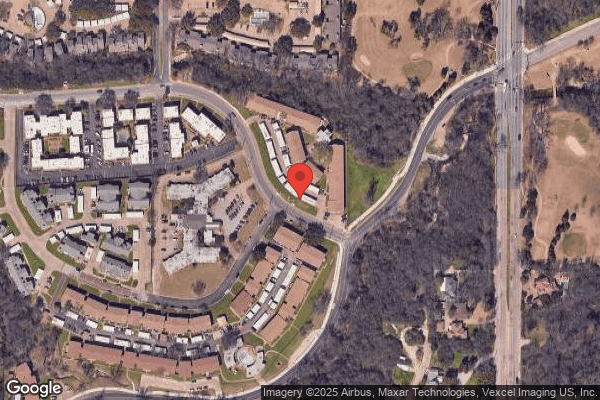
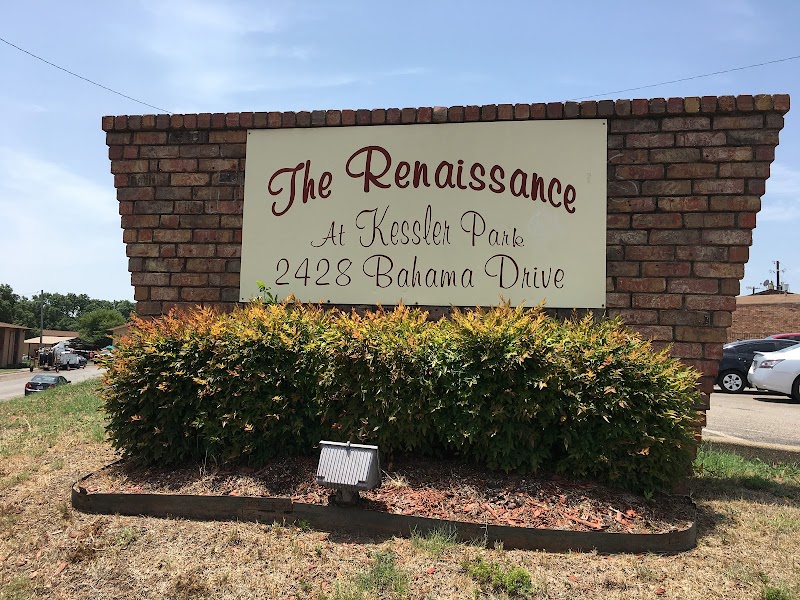
2428 BAHAMA DR, DALLAS, TX 75211 (214) 948-3811
For profit - Corporation 135 Beds ADVANCED HEALTHCARE SOLUTIONS Data: November 2025 1 Immediate Jeopardy citation
Trust Grade
66/100
#151 of 1168 in TX
Last Inspection: September 2025

Inspected within the last 6 months. Data reflects current conditions.

Overview

The Renaissance at Kessler Park has a Trust Grade of C+, indicating it is slightly above average but not exceptional. It ranks #151 out of 1168 facilities in Texas, placing it in the top half of the state, and #8 out of 83 in Dallas County, meaning there are only a few local options that are better. The facility is improving, having reduced its issues from 10 in 2024 to 5 in 2025, but it still faces challenges, including a concerning incident where a resident experienced a delay in care for a wrist injury due to a lack of timely physician communication. Staffing received a below-average rating of 2 out of 5 stars, with a turnover rate of 44%, which is better than the state average but still indicates potential instability. While the facility has an average number of registered nurse coverage, it has incurred fines totaling $11,031, suggesting some compliance issues, and specific inspection findings revealed lapses in infection control practices that could increase health risks for residents.

Trust Score
C+
66/100
In Texas
#151/1168
Top 12%
Safety Record
High Risk
Review needed
Inspections
Getting Better
10 → 5 violations
Staff Stability
○ Average
44% turnover. Near Texas's 48% average. Typical for the industry.
Penalties
✓ Good
$11,031 in fines. Lower than most Texas facilities. Relatively clean record.
Skilled Nurses
⚠ Watch
Each resident gets only 26 minutes of Registered Nurse (RN) attention daily — below average for Texas. Fewer RN minutes means fewer trained eyes watching for problems.
Violations
⚠ Watch
30 deficiencies on record. Higher than average. Multiple issues found across inspections.
★★★★★
5.0
Overall Rating
★★☆☆☆
2.0
Staff Levels
★★★★★
5.0
Care Quality
★★★★☆
4.0
Inspection Score
Stable
2024: 10 issues
2025: 5 issues

The Good

  • 5-Star Quality Measures · Strong clinical quality outcomes
  • Full Sprinkler Coverage · Fire safety systems throughout facility
  • No fines on record
  • Staff turnover below average (44%)

    4 points below Texas average of 48%

Facility shows strength in quality measures, fire safety.

The Bad

Staff Turnover: 44%

Near Texas avg (46%)

Typical for the industry

Federal Fines: $11,031

Below median ($33,413)

Minor penalties assessed

Chain: ADVANCED HEALTHCARE SOLUTIONS

Part of a multi-facility chain

Ask about local staffing decisions and management

The Ugly 30 deficiencies on record

1 life-threatening
Sept 2025 1 deficiency
CONCERN (D) 📢 Someone Reported This

A family member, employee, or ombudsman was alarmed enough to file a formal complaint

Potential for Harm - no one hurt, but risky conditions existed

Pharmacy Services (Tag F0755)

Could have caused harm · This affected 1 resident

**NOTE- TERMS IN BRACKETS HAVE BEEN EDITED TO PROTECT CONFIDENTIALITY** Based on observation, interview, and record review, the facility failed to provide pharmaceutical services including procedures ...

Read full inspector narrative →
**NOTE- TERMS IN BRACKETS HAVE BEEN EDITED TO PROTECT CONFIDENTIALITY** Based on observation, interview, and record review, the facility failed to provide pharmaceutical services including procedures that assure the accurate dispensing and administering of all drugs and biologicals to meet the needs of each resident for 1 (Resident #10) of 4 residents reviewed for pharmaceutical services. The facility failed to ensure a package of Resident #10's Morphine Sulfate and MS Contin were immediately delivered to facility nursing staff by CNA A. This failure placed all 60 residents at the facility at risk of not receiving the therapy and/or care per provider orders to allow her to attain or maintain her highest practicable physical, mental, and psychosocial well-being.Findings included: Record review of Resident #10's Face Sheet revealed she was an [AGE] year-old resident admitted to the facility on [DATE] for long term care. Relevant diagnoses included end stage heart disease (irreversible condition where the heart cannot pump effectively to meet the body's needs,) dementia (decline in cognitive abilities,) and major depressive disorder (persistent feelings of sadness.) Record review of Resident #10's MDS assessment1, dated 07/20/2025, revealed she was cognitively intact with a BIMS score of 14. Resident #10 required partial/moderate assistance from staff with personal hygiene and was fully dependent upon staff with shower/baths, toileting, and lower body dressing. Record review of Resident #10's Physician Orders on 09/25/2025 at 10:45 am revealed:Admit to [HOSPICE] for End Stage Heart Disease with a start date of 09/03/2025. Morphine Sulfate (Concentrate) Oral Solution 10 MG/5 ML . Give 0.25 ml by mouth every 3 hours as needed for shortness of breath . with a start date of 02/28/2023. MS Contin Oral Tablet Extended Release 15 MG . Give 1 tablet by mouth two times a day for pain . with a start date of 01/14/2025. Record review of Resident #10's Comprehensive Care Plan dated 10/31/2024 revealed Resident has a terminal illness and is receiving hospice care . Dignity will be maintained, and the resident will be kept comfortable and pain free . In an interview and observation with Resident #10 on 09/23/2025 at 12:14 PM, she was resting in her bed. She reported she was clean, dressed, and was in no distress. She reported sufficient care and that she was recently placed on hospice for her terminal illness. She stated she recently received a package of her pain medication in the mail and after she opened the package, she later gave a staff member the package and asked her to give it to her nurse . She did not recall if she informed the staff that the package was her medication. She denied any incidents of her experiencing unmanageable pain and denied the facility failed to provide her with pain medication upon her request. In an interview with the facility's ADON on 09/25/2025 at 10:00 AM, she stated medications at the facility were typically delivered via the pharmacy, and only a nurse or medication aide can sign for the medication upon receipt. The hospice company for Resident #10 delivered her medications separately via [PARCEL COMPANY] and did not inform the facility prior, so they were not able to anticipate the delivery. She stated this delivery was addressed to the resident directly and delivered after hours. She stated the package was not labeled as medication and was taken to the resident's room like a normal package or mail delivery. She stated that the resident opened the package and asked CNA A to bring it to her nurse at that time. She stated CNA A took the package not knowing what it contained, left the room, and placed it on a linen cart nearby. CNA A then assisted another resident with care and forgot about it. She stated this was the last time the package was seen . She stated the facility ceased working with the specific hospice company to prevent this from happening in the future. Additionally, she in-serviced all staff on misappropriation of property and did a verbal counseling for CNA A for her conduct. Attempts to interview CNA A on 09/25/2025 at 10:40 and 11:18 AM were unsuccessful. Attempts to interview Resident #10's hospice company at 09/25/2025 at 11:17 and 09/26/2025 at 11:03 AM were unsuccessful. In an interview with the facility's Administrator on 09/25/2025 at 12:28 PM, she revealed medications at the facility were typically delivered via the pharmacy and brought straight back to the nurse's station. The hospice company for Resident #10 delivered her medications separately via [PARCEL COMPANY] and did not inform the facility prior. She stated initially she was not even sure what was in the package. She stated it was not considered a diversion ; she considered it a resident package that went missing after it was delivered to the resident. She stated her expectations were for all medications to go through pharmacy delivery so the appropriate staff can respond accordingly per facility policy. She stated she has terminated the contract with Resident #10's previous hospice company, moving forward, to prevent this from occurring again. She stated once she discovered Resident #10's medications were missing; she filed a police report with local law enforcement and was able to re-order the medications promptly. She stated she had Resident #10's medications already on hand, so the resident did not go without or miss any of her medications due to this incident. Record review of CNA A's Associate Disciplinary Memorandum dated 08/25/2025 revealed verbal counseling, and Employee failed to deliver package to nurse resulting in missing package . with future directives of delivery to nurse immediately upon receiving a package. Record review of facility's In-Service Program Attendance Record dated 08/15/2025 revealed twenty-seven staff signatures from nursing, kitchen, and other support staff. Subject matter included Misappropriation of Property . Resident property should be handled with care and concern and placed appropriately for safekeeping. Record review of facility's policy, Drug Diversion Guidelines, rev. 10/24/2022, revealed:1. Do not sign for receipt of controlled substances until you have inspected the delivery from the pharmacy that all ordered medications have arrived.2. The narcotic count sheet should be signed and quantity received should be indicated.3. Medications should be put in storage areas immediately and not left at nurses station or on medication room counters.4. Controlled substances should be stored in a double locked compartment at times including discontinued and overstocked medications.5. A drug count must be done at each shift change and should be done whenever the keys to the narcotic storage areas are exchanged from one staff to another.6. ALL controlled substances should be counted including those in the lock box in the refrigerator and overstock narcotics in medication room.7. Access to refrigerator lock box and overstock narcotics in medication room should be limited.8. Signing the narcotic shift count sheet means you are accepting responsibility for the controlled substances. Therefore, do not sign unless you are certain that all of the controlled substances are present and have not been adulterated/tampered with or altered in any way. Record review of facility's policy, Policy and Procedures . Receiving Controlled Substances rev. 08/2020, 11. Only licensed personnel may receive controlled substances from the pharmacy courier. Procedures for receiving controlled substances include: a. A nurse signs for the medications, including the controlled substances, on the pharmacy delivery ticket and inspects the medications.b. If a discrepancy or dispensing error is identified for a controlled substance, the nurse must notify the pharmacy at point of delivery. The nurse should document description of discrepancy/error on delivery packing slip/manifest and refuse/reject delivery of the affected medication(s).c. The receiving nurse transfers medications and accompanying inventory sheets to an authorized nurse on the unit (if different than the nurse who received the medication) or in accordance with facility policy.d. Two nurses, and/or in accordance with facility policy, witness placement of the controlled substances in the secured compartment of the medication cart.e. Controlled substance inventory sheets are filed appropriately. A hard-bound log book, or in accordance with facility policy, is utilized to track the controlled substance from delivery to disposition. All discrepancies, suspected loss, and/or diversion of medications, irrespective of drug type or class, are immediately investigated and a report filed.Policies developed by the facility in accordance with local/state regulations may supersede the procedures outlined in this policy . II. Loss of Supply of Medication:1. The DON investigates the suspected loss and research all the records related to medication receipt, its use since receipt, and all persons involved with medication administration and the supply of medication and identifies the last known point in time that the medication was available. The pharmacy should be notified, and the pharmacy should verify that the medication was dispensed. A thorough search is conducted in all drug storage areas, the residents' room, and any other locations where medications may have been used/placed during medication administration in an attempt to locate any missing container or medication supply.2. If the supply cannot be found after a thorough investigation has been completed, a supply must be obtained for the resident.3. Document the loss and the investigation process. Notify the prescriber and family if doses have been missed and/or follow facility policy.4. If the loss involves a controlled substance, all the controlled drug accountability procedures and documentation should be reviewed and audited. If the audit reveals a particular individual or individuals who might be suspected of involvement with the loss, appropriate disciplinary actions are taken and deferred to human resource policies.5. Appropriate agencies, required by state and federal law, will be notified.
Jun 2025 3 deficiencies
CONCERN (D) 📢 Someone Reported This

A family member, employee, or ombudsman was alarmed enough to file a formal complaint

Potential for Harm - no one hurt, but risky conditions existed

ADL Care (Tag F0677)

Could have caused harm · This affected 1 resident

**NOTE- TERMS IN BRACKETS HAVE BEEN EDITED TO PROTECT CONFIDENTIALITY** Based on observation, interviews, and record review, the facility failed to provide a resident who was unable to carry out ADLs ...

Read full inspector narrative →
**NOTE- TERMS IN BRACKETS HAVE BEEN EDITED TO PROTECT CONFIDENTIALITY** Based on observation, interviews, and record review, the facility failed to provide a resident who was unable to carry out ADLs the necessary services to maintain grooming, and personal hygiene for one (Resident #1) of four residents reviewed for ADL care. Resident #1 ' s brief was soiled, and her bedding had a brown ring around her, with a strong ammonia odor, on 06/18/2025. This failure could affect residents by decreasing quality of life and contributing to skin breakdown. Findings included: Review of Resident #1 ' s face sheet, dated 06/18/25, reflected she was a [AGE] year-old woman, admitted on [DATE], with diagnoses of sepsis (the body responds to an infection by attacking the body ' s own organs), pneumonia (a lung infection), a pressure ulcer, dysphagia (an inability to swallow properly), stroke, and gastronomy status (use of a feeding tube inserted into the stomach). Review of Resident #1 ' s MDS assessment, dated 03/25/25, reflected Resident #1 had unclear speech, impaired vision, was rarely able to understand others, and was rarely understood by others. Resident #1 had short and long-term memory impairment, with severely impaired ability to make daily decisions. She was able to remember staff names and faces, and that she was in a nursing home. A staff assessment of her mood reflected no depression indicators. She was always incontinent in both the bowel and bladder. The document reflected Resident #1 received more than half her nutrition through her gastronomy tube every day of the seven-day lookback period. Resident #1 was dependent on staff for all ADL care. Review of Resident #1 ' s care plans reflected the following care plans: - Focus: ADLs: (Resident #1) has an ADL Self Care Performance Deficit and is at risk of not having their needs met in a timely manner. Performance deficit is related to: Decreased mobility and cognitive deficits, CVA with right sided weakness Date Initiated: 04/11/2022 Revision on: 04/23/2024 Goal: (Resident #1) will maintain a sense of dignity by being clean, dry, odor free, and well-groomed through the next review date. Date Initiated: 04/11/2022 Revision on: 04/02/2025 Interventions: Eating: Total assist x1 with enteral feedings; Toileting: assist x1; Personal Hygiene: Oral care BID, Extensive assist of one; Provide shower, shave, oral care, hair care, and nail care per schedule and when needed. Date Initiated: 04/11/2022. - Focus: Incontinence: (Resident #1) is incontinent bowel/bladder related to decreased mobility, incontinence and impaired cognition. Date Initiated: 04/11/2022 Goal: (Resident#1) will remain free from skin breakdown due to incontinence and brief use through next review date. Date Initiated: 04/11/2022 Interventions: Check frequently for wetness and soiling and change as needed. Date Initiated: 04/11/2022 · Monitor for and report to MD s/sx UTI: pain, burning, blood-tinged urine, cloudiness, no output, deepening of urine color, increased pulse, increased temp, urinary frequency, foul smelling urine, fever, chills, altered mental status, change in behavior, change in eating patterns. Date Initiated 04/11/2022. During an observation and interview on 06/18/25 at 09:12 AM, revealed Resident #1 was awake in bed with the head of her bed raised, and a call light clipped next to her. Resident #1 said that she had not been provided incontinent care since last night. Resident #1 said that she was soaked wet. She stated that it happened frequently, especially in the morning. Resident #1 said it was uncomfortable to lie in it, and it was itchy. An observation and interview on 06/18/25 at 09:18 AM, revealed CNA A removed Resident #1 ' s covers to expose her chuck (an absorbent pad placed under incontinent residents) which was soaked yellow with a brown ring around the area where the resident was lying. Her brief appeared to be soaked with urine and BM. The urine had a strong ammonia odor to it. CNA A said that he had changed Resident #1 that morning at 06:00 AM. He said Resident #1 urinated frequently, so she was the first one that he changed (incontinent care) when he started his shift that morning. An interview and observation on 06/18/25 at 09:20 AM revealed CNA A providing incontinent care on Resident #1 with LVN B assisting him. No skin issues were observed on Resident #1 ' s bottom or frontal areas at time of incontinent care. LVN B stated she could smell the strong urine smell and that the brown ring of urine was due to not providing incontinent care timely. LVN B said it was the CNA ' s duty to provide ADL care but nurses helped when needed. She said she, as the nurse, was responsible for making sure that it was done. LVN B said that she gave Resident #1 her medication and checked her blood sugar that morning, but she did not check to see if she was wet. LVN B said the risk was impaired skin and infection, such as urinary tract infections. An interview and observation on 06/18/2025 at 11:38 AM revealed CNA pulling back Resident #1 ' s blanket. Resident #1 was wet, but there was no evidence of a brown urine ring or strong ammonia odor to the urine. The urine was clear in color seen on the chuck pad. CNA A said that he had provided incontinent care to Resident #1 this morning despite what was seen. He said incontinent care was important to prevent skin breakdown and UTI. An interview with Resident #1 ' s family on 06/18/25 at 2:07 PM, revealed the family member had complained to the facility about finding Resident #1 soiled with urine covering her whole bedsheet on multiple occasions, including back in February when Resident #1 was hospitalized for pneumonia and a staph infection. She said Resident#1 could barely feed herself and needed assistance with ADLs and being repositioned. During an interview with the DON on 06/18/25 at 3:26 PM, it was revealed the expectation for ADL care and incontinent care was that it be provided in a timely manner, every two hours, or as needed. She said a brown ring of urine around a resident was an indication that they had not been provided incontinent care in a timely manner. She said all nursing staff were responsible for ADL care, and the nurse was responsible for monitoring that it was done. She said the risk to the resident was that it was the resident's right to dignity, and to prevent skin condition and pressure injuries. In an interview with the ADM on 06/18/25 at 4:51 PM, she said the expectation was ADL care was provided for all residents within a timely manner, and as needed. She said the risk to the residents was skin breakdown. Review of Facility policy titled Activities of Daily Living Care Guidelines revision date 02/11/2021, reflected Residents will receive essential services for activities of daily living to maintain good nutrition, grooming, and personal and oral hygiene. The policy did not reflect how often incontinent residents should be changed.
CONCERN (D) 📢 Someone Reported This

A family member, employee, or ombudsman was alarmed enough to file a formal complaint

Potential for Harm - no one hurt, but risky conditions existed

Tube Feeding (Tag F0693)

Could have caused harm · This affected 1 resident

**NOTE- TERMS IN BRACKETS HAVE BEEN EDITED TO PROTECT CONFIDENTIALITY** Based on observation, interview, and record review the facility failed to ensure residents receiving enteral feeding received ap...

Read full inspector narrative →
**NOTE- TERMS IN BRACKETS HAVE BEEN EDITED TO PROTECT CONFIDENTIALITY** Based on observation, interview, and record review the facility failed to ensure residents receiving enteral feeding received appropriate care and services to prevent complications of enteral feedings for one (Resident # 1) of two residents reviewed for enteral feedings. 1.The facility failed to ensure Resident #1 was not laid flat in bed while her enteral feeding was still running. This failure placed residents with enteral feedings at risk of aspiration (entering the airways or lungs) and hospitalization. Findings Included: Review of Resident #1 ' s face sheet, dated 06/18/25, reflected she was a [AGE] year-old woman, admitted on [DATE], with diagnoses of sepsis (the body responds to an infection by attacking the body ' s own organs), pneumonia (a lung infection), a pressure ulcer, dysphagia (an inability to swallow properly), stroke, and gastronomy status (use of a feeding tube inserted into the stomach). Review of Resident #1 ' s MDS assessment, dated 03/25/25, reflected Resident #1 had unclear speech, impaired vision, was rarely able to understand others, and was rarely understood by others. Resident #1 had short and long-term memory impairment, with severely impaired ability to make daily decisions. She was able to remember staff names and faces, and that she was in a nursing home. The document reflected Resident #1 received more than half her nutrition through her gastronomy tube every day of the seven-day lookback period. Review of Resident #1 ' s physician orders for June 2025 reflected -Enteral feed order every shift [name of brand] 1.5 at 50 ml/Hr for 22 hours, 45 ml/hr water flush Record review of Resident #1 ' s care plans reflected the following care plans: -Focus: (Resident #1) requires the use of a feeding tube and is at risk for aspirations, weight loss, and dehydration. Feeding tube is related to: CVA, DYSPHAGIA & Decreased appetite. Date Initiated: 04/11/2022; Goal: (Resident #1) will be adequately nourished and remain within 5% of her ideal body weight through the next review date. Date Initiated: 04/11/2022; Administer tube feeding and water flushes as ordered. Date Initiated: 04/11/2022; Elevate head of bed 45 degrees or as ordered by physician while feeding tube is being used for feeding and at least 30 minutes after bolus or tube feedings. Date Initiated: 04/11/2022. - Focus: Resident is resistant to getting out of bed and at risk for injury, a decline in functional abilities, and not having their needs met in a timely manner. Date Initiated: 02/28/2025 Goal: · Resident will be clean, well groomed ( .) Date Initiated: 02/28/2025 Interventions: Assess and anticipate resident's needs: food, thirst, toileting needs, comfort level, body positioning, pain, etc. Date Initiated: 02/28/2025. Review of Resident #1 Medication Administration Record for 06/01/25 through 06/18/25 reflected an order for Enteral Feed Order; Every shift for Aspiration precautions Keep HOB always elevated 30 - 45 degrees - aspiration precautions. Start Date- 03/29/2022 The order was checked off for each applicable shift on those dates. During an observation on 06/18/25 at 11:38 AM, revealed Resident #1 was lying flat on her back with her g-tube connected to the feeding pump running. A display on the pump read RUNNING, FEED RATE 50 ml/hr, FLUSH 45 ml every 1 hrs. The bed remote for adjusting the bed was hooked in the middle of the headboard above Resident#1 ' s head. During an interview with CNA A and LVN B on 06/18/25 at 11:38 AM, it was revealed that they both did not know who had lowered the head of Resident #1 ' s bed. LVN B stated that she always made sure the head of the bed was raised at least 30 degrees to prevent aspiration. CNA A also stated that he was not the one who laid Resident #1 ' s head down. He said that he had been trained to notify the nurse to turn off the pump before lying the resident down. Both CNA A and LVN B both said they were not aware the head of Resident #1 ' s bed was lowered. They said if they had known, they would have raised it. They both said the risk to the resident on g-tube feeding being laid flat on their back was aspiration. In an interview with Resident #1 ' s family on 06/18/25 at 2:07 PM, She said that each time she had come to visit Resident #1 the head of her bed was flat and she had to ask someone to raise it. She said she had never seen Resident #1 adjust her own bed, but she could use the call light, which was never within her reach. She said Resident#1 could barely feed herself therefore she needed assistance with ADLs and being repositioned. Resident#1 ' s family did not recall whom she had spoken to about the bed being flat, but she said the family had notified staff whenever they found the bed down. She said she knew that lying flat while on g-tube feeding could cause aspiration pneumonia. During an interview with LVN E on 06/18/25 at 4:07 PM, he said he had been at the facility for 2 years and the expectation was that the residents during g-tube feeding should have their head of bed up at least 30 degrees. He said if the CNA was providing care, the expectation was that he would be notified so that he could turn off the feeding pump before the resident was laid flat. He said he always checked residents G-tube orders before any medications or restarting feeding after rest time. He said he always checked the g-tube for placement. He said the risk of lying in a resident flat while feeding was running was aspiration. During an interview with the DON on 06/18/25 at 3:26 PM, she stated the expectation for residents receiving nutrition via G-tube continuously was to have the head of the bed elevated at least 45 degrees. The DON said that the nurse was responsible for making sure they followed the policy for the G-tube administration. The DON said the risk for the resident of lying flat during feeding was aspiration. In an interview with the ADM on 06/18/25 at 4:51 PM, she said there were two residents who adjusted their own beds and laid the bed flat, one of them being Resident #1. She said all the staff were aware that Resident #1 liked to lay her bed flat. She said she did not know why LVN B and CNA A did not say so because they were aware of Resident #1 ' s behavior. The ADM said that Resident #1 ' s behavior of lying in her bed flat needed to be care planned moving forward. She said interventions, like that of using a wedge pillow to elevate her upper body while she was feeding, may be used. The ADM said the DON was new and might not yet be aware of Resident #1 ' s behavior of lying flat while on g-tube feedings. Review of the facility policy titled Clinical Practice Guidelines: care of Tube Feed Resident dated 01/20/21, reflected; Keep head of bed (HOB) elevated 30-45 degrees during feeding, keep HOB elevated for 30 minutes after feeding. If necessary to lower the HOB for a procedure turn off tube feeding, then return the patient to an elevated HOB position as soon as feasible.
CONCERN (E) 📢 Someone Reported This

A family member, employee, or ombudsman was alarmed enough to file a formal complaint

Potential for Harm - no one hurt, but risky conditions existed

Infection Control (Tag F0880)

Could have caused harm · This affected multiple residents

**NOTE- TERMS IN BRACKETS HAVE BEEN EDITED TO PROTECT CONFIDENTIALITY** Based on observation, interview, and record review, the facility failed to maintain an infection prevention and control program ...

Read full inspector narrative →
**NOTE- TERMS IN BRACKETS HAVE BEEN EDITED TO PROTECT CONFIDENTIALITY** Based on observation, interview, and record review, the facility failed to maintain an infection prevention and control program designed to provide a safe, sanitary, and comfortable environment and to help prevent the development and transmission of communicable diseases and infections for two (Resident #1 and Resident #2) of four residents reviewed for infection control. 1.LVN B, LVN D, and CNA A did not wear gowns for PPE for Resident #1 who was on EBP during incontinent care and linen change. 2. The facility did not keep Resident #1 and Resident #2 ' s feeding pump pole free of a brown, thick substance, and a sticky dirt substance on both the poles, and the floor under the poles, while using the poles to feed Resident #1 and Resident #2. These failures affected residents by placing them at an increased and unnecessary risk of exposure to communicable diseases and infections. Findings included: Resident#1 Review of Resident #1 ' s face sheet, dated 06/18/25, reflected she was a [AGE] year-old woman, admitted on [DATE], with diagnoses of sepsis (the body responds to an infection by attacking the body ' s own organs), pneumonia (a lung infection), a pressure ulcer, dysphagia (an inability to swallow properly), stroke, and gastronomy status (use of a feeding tube inserted into the stomach). Review of Resident #1 ' s care plans reflected the following care plans: Focus: Enhanced Barrier Precautions; Date Initiated- 04/05/2024; Goal: infection control intervention designed to reduce transmission of multidrug-resistant organisms; Interventions: use of PPE on the anticipated exposure to blood, body fluids, secretions, or excretions. Record review of Resident #1 ' s Medication Administration Record for 06/01/25 through 06/18/25 reflected an order for Enhanced Barrier Precautions for wound care, and g-tube care. every shift for EBP -Start Date- 04/18/2024 The order was checked off for each applicable shift on those dates. During a continuous observation on 06/18/25 from 09:18 AM to 09:50 AM, Resident #1 was connected to a feeding pump that was attached to a dirty pole. The pole was dirty with yellow and brown sticky substances on the pole and on the floor under the pole. Continuous observations also revealed Resident #1 had signage over her bed that read: Gloves and gowns should be donned if any of the following activities were to occur: linen change, resident hygiene, transfer, dressing, toileting/incontinent care, bed mobility, wound care, enteral feeding care, catheter care, trach care, bathing, or other high-contact activity. Perform hand sanitation before entering the room and prior to leaving the room. CNA A and LVN B started to provide incontinent care and linen change. Neither CNA A nor LVN B wore a gown for PPE for a resident on EBP during incontinent care and linen change. Observation on 06/18/25 at 09:50 AM revealed LVN D walked into Resident #1 ' s room while CNA A and LVN B provided incontinent care and linen change for Resident #1. LVN D did not put on a gown; she wore gloves and stated she was going to complete a head-to-toe skin assessment while the residents ' skin was exposed. CNA A asked LVN D to get him linen before she got started and handed her the bag that was used to throw the used wipes, soiled diaper, and used gloves. LVN D returned to Resident #1 ' s room after disposing of the trash bag and getting linen. LVN D did not put on a gown for EBP. Resident #1 reported that her skin was itchy and LVN D put lotion on both the residents ' upper thighs and arms. No gowns were observed during this observation in the room, or outside of the door to the room. The isolation cart was observed to be empty. During an interview with LVN B on 06/18/25 at 09:58 AM, she stated it was the responsibility of anyone who noticed the IV pole and pump were dirty to clean them. She said that she did not notice the status of Residents#1 ' s pole, and had she noticed she would have informed housekeeping to clean it. LVN B stated the facility was a professional building and if someone looked around in Resident #1 ' s room and saw the dirty pole they would say we are not following infection control. LVN B stated that she was aware of EBP, and she should have worn a gown during incontinence care and linen change for Resident #1. LVN B said she forgot to wear one. She said wearing a gown was for Infection control. In an interview with CNA A on 06/18/25 at 10:00 AM, he said there were no gowns in Resident #1 ' s room, and he forgot to tell the central supply person to restock. He said that he was overwhelmed by being watched to provide incontinent care and that he was more focused on doing it the correct way that he forgot to wear his gown. He said EBP was for residents with tubes including g-tube and staff were supposed to wear gowns during care. He said the risk was for infection. Resident#2 Review of Resident #2 ' s face sheet, dated 06/18/25, revealed the resident was a [AGE] year-old male readmitted on [DATE] with diagnoses of sepsis (a serious condition in which the body responds improperly to an infection), other specified disease of intestine, Gastronomy status (fed by a tube into the stomach), infection and inflammation reaction due to indwelling urethral catheter (a tube that is inserted through the urethral to drain urine from the bladder into a bag). Review of Resident #2 ' s care plans reflected the following care plans: Focus: Enhanced Barrier Precautions; Date Initiated- 04/05/2024; Goal: infection control intervention designed to reduce transmission of multidrug-resistant organisms; Interventions: use of PPE on the anticipated exposure to blood, body fluids, secretions, or excretions. During an observation on 06/18/25 at 10:11 AM, revealed Resident #2 was connected to a feeding pump attached to a dirty pole. The pole was dirty with yellow and brown sticky substances on it. Above Resident #2 was a signage for EBP which read; Gloves and gowns should be donned if any of the following activities were to occur: linen change, resident hygiene, transfer, dressing, toileting/incontinent care, bed mobility, wound care, enteral feeding care, catheter care, trach care, bathing, or other high-contact activity. Perform hand sanitation before entering the room and prior to leaving the room. Resident #2 ' s room did not have any gowns in the room. The isolation cart was empty. During an interview with RN C on 06/18/25 at 10:15 AM, it was revealed that Resident #2 ' s room did not have gowns in the isolation cart. RN C said that the Central supply person was responsible for refilling the isolation carts. He said the nurses and CNAs were responsible for monitoring and reporting to central supply if they needed more PPE. He said that he did not notice that the isolation was empty today otherwise he would have reported it. RN C said that he was aware of EBP precautions for MDRO ' s in residents with medical lines such as catheters, g-tubes, and wounds. He said the risk for not following infection precautions was the spread of infection. RN C said the pole in Resident #2 was dirty, but it was also old, and it appeared to have Rust or dirt and feeding on it. He said that he would tell the housekeeper to clean. He said all equipment should be kept clean for infection control. During an interview with housekeeping on 06/18/25 at 11:50 AM, it was revealed that the nurses were responsible for cleaning the pumps and feeding poles. She said that she was not aware that it was her responsibility. She said that unless the nursing staff asked her to clean it, she did not pay attention to medical equipment. She said that she has no problem cleaning and sanitizing equipment for infection control, had she been told. In an interview with LVN D on 06/18/25 at 1:13 PM, she stated she did not have to wear a gown for EBP for Resident #1 because she was not giving any medication via G-tube. She said that if she was not accessing the g-tube she did not need to wear PPE for EBP. She said EBP was used on residents with wounds, g-tube, dialysis ports and catheter. She said EBP was only needed when accessing those things. She said there was no Risk to Resident #1. In an interview with the Central Supply Coordinator on 06/18/25 at 1:26 PM, she said the isolation cart was restocked on Monday, Wednesday, and Friday. She said that if more gowns or supplies were needed the charge nurse had keys to central supply where they could get more items. She said that she did not work Monday and that could be why the gowns were out, but anyone could have refilled without waiting for her. She said PPE was important for infection control. During an interview with LVN E on 06/18/25 at 4:07 PM, he said he had been at the facility for 2 years. He said EBP was followed by wearing a gown, gloves, and mask if needed. He said EBP was to protect the residents and self from transferring infection. He said that they had enough PPE, and he had gone to central supply to get supplies when they have been out. He said everyone was responsible for notifying the right people when supplies were out. During an interview with the DON on 06/18/25 at 3:26 PM, she said the expectations were for a resident on EBP to have a sign on the door. EBP was to be followed for wounds, g-tube, trach, IV, and catheter. She said the expectation was that PPE was worn when staff were providing direct contact such as ADL because there was care potential for MDRO infections. She said all rooms with any isolation including EBP should have PPE readily available. She said the expectation was to have supplies restocked when they were low. She said PPE was worn for protection of the residents and of self, to be free of contamination. She said if PPE was not available the staff were to ask someone to get it. The DON said it was the responsibility of the Central Supply Coordinator, the ADON, and the DON to monitor that there was PPE and to make sure that they looked over the order supplies list. She said EBP was expected to be followed for infection control. The DON said IV poles should be kept clean by housekeeping and cleaning should be done daily. She said nurses were responsible for monitoring the equipment that was cleaned. She said communication was done with the housekeeping supervisor. She said the risk was when things were not cleaned was, they could have pests and bacteria. In an interview with the ADM on 06/18/25 at 4:51 PM, she said the expectation was that they had PPE available and to notify her immediately if they ran out. She said the responsibility was for the Central Supply Coordinator to make sure that they all had what they needed, and to notify her if they did not. She said having PPE was important to make sure they were taking proper precautions against infection. She said they were all responsible, including nursing, to have the proper supplies to do their work. The ADM said housekeeping staff were responsible for cleaning all equipment. She said she expected the nursing staff to tell them. She said that she would contact the contract housekeeping supervisor so that everyone was on the same page as to who was responsible for keeping equipment clean. She said staff would be educated in clean environments to prevent infection. The ADM said EBP policy and procedure should be followed. She said she was not sure why CNA A, LVN B and LVN D did not do it. Review of policy Infection Prevention and Control Program review date 03/26/24, reflected, . EBP are used in conjunction with standard precautions and expand the use of PPE to donning of gown and gloves during high-contact resident care activities that provide opportunities for transfer of MDROs to staff hands and clothing. EBP are indicated for residents with any of the following: a. Infection or colonization with an MDRO when Contact Precautions do not otherwise apply b. Wounds and/or indwelling medical devices (e.g., central lines, urinary catheter, feeding tube, tracheostomy/ventilator) regardless of MDRO colonization status During high-contact resident care activities: · Dressing · Bathing/showering · Transferring · Providing hygiene · Changing linens · Changing briefs or assisting with toileting · Device care or use: central line, urinary catheter, feeding tube, tracheostomy/ventilator · Wound care: any skin opening requiring a dressing . Record review of facility policy Clinical Practice Guidelines: Cleaning and Disinfecting Portable Equipment dated 05/04/21, reflected . It is the policy of this facility to follow infection control principles to prevent spread of infection through contact with portable equipment in the resident ' s care environment .
Jan 2025 1 deficiency
CONCERN (D) 📢 Someone Reported This

A family member, employee, or ombudsman was alarmed enough to file a formal complaint

Potential for Harm - no one hurt, but risky conditions existed

Free from Abuse/Neglect (Tag F0600)

Could have caused harm · This affected 1 resident

**NOTE- TERMS IN BRACKETS HAVE BEEN EDITED TO PROTECT CONFIDENTIALITY** Based on interviews, and record reviews, the facility failed to ensure each resident had the right to be free from abuse for fou...

Read full inspector narrative →
**NOTE- TERMS IN BRACKETS HAVE BEEN EDITED TO PROTECT CONFIDENTIALITY** Based on interviews, and record reviews, the facility failed to ensure each resident had the right to be free from abuse for four (Residents #1, #2, #3, #4) of 9 residents reviewed for Abuse. 1.The facility staff failed to ensure Resident #1 did not hit Resident #2, which resulted in Resident #2 getting a skin tear to his face in the dining room on 09/14/24. 2. The facility staff failed to ensure Residents #3 did not throw orange juice twice, at Resident #4, which resulted in Resident #4 hitting Resident #3 in the face and causing redness to Resident #3's face, in the dining room on 09/13/24. These failures could place residents at risk of injuries such as fractures, bruising, skin tears, and psychological harm resulting in decreased health and psycho-social well-being. Findings included: 1. Record review of Resident #1's Quarterly MDS assessment dated [DATE] revealed a [AGE] year-old female who was admitted to the facility on [DATE] with a BIMS score of 14 (No cognitive impairment), with medically complex conditions including diagnoses of HTN (high blood pressure), renal insufficiency (poor function kidney), DM (Diabetes Mellitus), aphasia (language disorder), non-Alzheimer's dementia (cognitive loss), hemiplegia (one sided weakness), seizure disorder (brain condition causes jerking movements) and depression (sadness). Record review Resident #1's Care Plan dated 08/29/23 revealed, Resident exhibits verbally abusive behaviors at times and is at risk for harm and not having their needs met in a timely manner. Resident curses at residents. Target date 03/27/25: Resident's verbally abusive behavior will not result in harm or injury to self or others through the next review date. Record review of Resident #1's Nurses Note dated: 09/15/2024 at 5:38 pm by RN A revealed, This writer was notified by staff of the above resident who got into an argument with another resident in the dinning [sic] room, Resident #1 was in another resident way to get to his table, Resident #1 refused to move out of the way but continued to argue with the other resident and approached the other resident and gave him a scratch to his left cheek. Both resident were separated for safety with no issues, head to toe assessment completed on the above resident. No noted new injuries or skin issues. Resident denies any pain or discomfort. Vital signs done - 128/74, 18, 97.7, 72, 98% on RA. Resident was educated on the importance of not causing any injuries to another resident. Resident verbalized understanding. FM called and notified, DON, ADON and Doctor aware. During an interview on 01/23/25 at 12:55 pm, Resident #1 was sitting in a scooter and stated a few months ago in the dining room, Resident #2 ran into her scooter because he said she would not move out of his way. She stated she was sitting at the table and Resident #2 just came and bumped her stomach into the table, then she pushed him. She stated he asked why did she hit him and she told him he should have apologized to her. She stated Resident #2 did not apologize and was not sure if he bumped into her on purpose so she pushed him. She stated they had not had any issues since then and they talked to each other and were now on friendly terms. She stated Resident #2 just talked to her today. She stated Resident #2 sat at a different table next to hers and when Resident #2 had to come by her to get to his table, she moved so he could get by without him having to ask. Record review of Resident #2's Annual MDS assessment dated [DATE] revealed a [AGE] year-old male who was admitted to the facility on [DATE] with a BIMS score of 12 (Moderate cognitive impairment). His diagnoses included Non-traumatic Brain Dysfunction (Brain injury), anemia (low iron), HTN (high blood pressure, aphasia (language disorder, cerebrovascular accident (Stroke), non-Alzheimer's dementia (Cognitive loss), seizure disorder brain condition causing jerking movements, depression (sadness), and psychotic disorder ( mental disorder/ disconnect from reality). Record review Resident #2's Care Plan dated 01/05/24 revealed, Resident has impaired cognition and is at risk for a further decline in cognitive and functional abilities related to: CVA, DEMENTIA, DELUSION D/O, MDD. Target date: 03/30/2025. He will maintain current level of cognitive function without a decline through the next review. Record review of Resident #2's Nurses Note dated 09/15/2024 at 5:57 pm by RN A revealed, This writer was notified by staff of the above resident who got into argument with another resident in the dinning [sic] room, the other resident (Resident #2) was on his way to get to his table, the other resident (Resident #1) refused to move out of the way but continued to argue with him while approaching towards him and gave him a scratch to his left cheek. Both resident were separated for safety with no issues, head to toe assessment completed on the above resident. No noted new injuries or skin issues. Resident denies any pain or discomfort. Vital signs done - 126/70, 18, 97.6, 70, 98% on RA. Resident stated that he is own RP, DON, ADON and Doctor made aware. During an interview on 01/23/25 at 1:10 pm, Resident #2 was sitting in a manual wheelchair and stated Resident #1 had a motorized wheelchair and was in the dining room a few months ago. She was just right there at the table, but she did not want to listen because she was listening to music and they started yelling at each other. He stated then the staff came to the dining room to stop them. He said Resident #1 did not hit him and they got along with each other now and Resident #1 moved to give him space to his table. Record review of the Facility's Provider Investigation Report dated 09/14/24 at 4:45 pm revealed, Resident #1 was blocking an aisle in the dining room and Resident #2 said Excuse me and asked Resident #1 if she could move up so he could get by. Resident #1 said No then Resident #2 attempted to move Resident #1's wheelchair. Resident #2 attempted to push her chair up a bit and Resident #1 became upset and started hitting Resident #1 in the face and cursing at him. Resident #2 grabbed Resident #1's hands and told her to stop hitting him in the face before he slaps her. Resident #2 said he did not hit women, then he let go of her hands and she scratched his cheek. Provider response: Both residents separated, Resident #1 placed on 1:1, Both residents referred to psych services physician notified, families notified yet both are their own RP, in-services started - abuse, residents with aggressive behaviors towards others. Findings: Confirmed. 2. Record review of Resident #3's Quarterly MDS assessment dated [DATE] revealed, a [AGE] year-old male who was admitted to the facility on [DATE] with a BIMS Score of 11 (Moderate cognitive impairment). He had diagnoses of non-traumatic brain dysfunction(brain dysfunction) Anemia (low iron), HTN (high blood pressure), renal insufficiency (kidney failure), hyperlipidemia (aphasia, CVA (stroke), Non-Alzheimer's Dementia (Cognitive loss), Anxiety (increase and anxious , Depression (sadness) and Schizophrenia (mental illness). Record review Resident #3's Care Plan dated 01/13/25 revealed, Behavioral Problem: Resident has a behavior problem as evidenced by: altercation with another resident. Target date 01/24/25: The president's behavior will not interfere with the delivery of care or services or result in harm to self or others through the next review date. Record review of Resident #3's Nurses Note dated 09/13/24 at 3:50 pm by LVN B revealed, Resident escorted to north nurse's station from dining room by a nurse who heard him yelling and cursing his table mate while raising his right hand up. He was redirected by the nurse but instead he continued to curse her in Spanish, another resident who understood what he was saying asked him to stop the curse words and instead went to his table tried to curse him too. The other resident asked him what he was going to do and that is when Resident #3 cursed him and threw a glass of juice at him, so the victim swang [sic] at him at hit his mouth area on right side. The other nurse ran and removed Resident #3 out from dining room immediately, and brought him to north hall, and notified this writer. Resident is cursing out saying to be left alone and that he will fight the other patient. He is very agitated and cursing at staff loudly, does not want to listen to anybody Resident was asked if he was in pain denied pain. informed that he should not go to the dining room rather go to his room but refused and stayed at the public TV (television) area. At this time, he was quiet and served coffee. Redirected to voice his needs instead of being frustrated. Verbalized understanding. He then agreed to have head to toe assessment, no swelling to mouth area, no pain or discomfort, DON, Doctor were notified. FM was also notified. Resident had got self-up in WC. placed on 1:1. BP 136/85, 90, 20, 97.0. During an interview on 01/23/25 at 12:41 pm, Resident #3 was sitting in a wheelchair and gestured (shaking his hand sideways) saying he had not thrown orange juice at anyone and had not ever cursed at or hit anyone. He stated no one had hit him. Record review of Resident #4's Annual MDS assessment dated [DATE] revealed a [AGE] year-old male who was admitted to the facility on [DATE], his BIMS score was 15 (no cognitive impairment). He had diagnoses of amputation (body part removal), anemia (low iron), hypertension (high blood pressure), PVN (brain disorder), renal failure (kidney failure), neurogenic bladder (urinary disorder), diabetes (High blood sugar) and no psychiatric or mood disorders. Record review Resident #4's Care Plan dated 08/14/23 revealed, The resident has an alteration in neurological status related to cerebral infarction. Target date 04/16/25: The resident, will be able to communicate needs daily through the review date. Record review of Resident #4's Nurses Note dated 09/13/24 at 2:21 pm by LVN C revealed, Nurse was in the dining room for breakfast when she heard a resident yelling and cursing another resident stated while he was in the dining room for breakfast he heard a nurse telling another resident to stop yelling at another resident and to get his hand out of the residents face, then he stated the resident started cursing the nurse out in Spanish calling her MF (mother cuss word), and other words, and I understood what he was saying and I informed him not to say that and then he started cursing me out and pour a glass of juice on me and then I swing back at him and then the nurse ran over to us and removed him Nurse immediately removed the resident that was cursing, head to toe assessment completed, no redness are [sic] bruising are injuries noted. MD notified, DON notified, and resident notified he is his own RP. Interviews on 01/23/25 and 01/24/25 was attempted with Resident #4 but he was unavailable. Record review of the Facility's Provider Investigation Report dated 09/13/24 at 7:45 am revealed, Resident #3 was in the dining room fussing about another resident sitting in his space at the dining room table. Resident #4 argued that Resident #3 was always picking on someone who could not fight for themselves. Then Resident #3 wheeled himself to Resident #4 started threatening to throw orange juice at him and Resident #4 dared him then Resident #3 threw it at Resident #4. Resident #3 grabbed a second cup of juice and began to throw more at Resident #4. Then Resident #4 became upset and wheeled his wheelchair to Resident #3 and hit him in the face. Both residents were separated, assessed and Resident #3 was assessed by LVN B he had some redness to his cheek from being hit in the face. No other injuries. Provider response: Both residents separated, Resident #3 placed on 1:1, both residents referred to psych services, physicians notified, families notified yet both are own RP, Inservice started on abuse, de-escalation of aggressive behavior with a questionnaire and re-educated staff to ensure they were in the assigned areas as required. Both of their medications reviewed and discovered that Resident #3 had a recent GDR of his psychiatric medications, and his medication has been readjusted back to previous level. Findings: Confirmed. During an interview on 01/24/25 at 12:47 pm, Floor Tech D stated after Breakfast a few months ago, she saw Resident #1 and #2 arguing at each other. She stated Resident #1 said Boy I'll knock you out and Resident #2 said I wish you would. She stated they were both yelling, and Resident #1 was swinging her arms at Resident #2. She stated there was no one in the dining room, then LVN E came to the dining room and took Resident #2 away and Resident #1 remained in the dining room with her. She stated they had not had any issues getting along since then. Interview on 01/24/25 at 1:53 pm, CNA F stated Resident #3 was mad about some coffee or something, then went to Resident #4's table and they started fighting each other. She stated they were both cursing, and Resident #4 called Resident #3 the B-word and she saw Resident #4 hit #3 in the face. She stated LVN E was in the dining room at the time and told Resident #4 to back up, back up because he had a motorized wheelchair. She stated LVN E separated them and stated she could not remember Orange Juice being thrown but both of them made contact hitting the other's face. She stated Resident #3's face was a little red one side. Interview on 01/24/25 at 2:12 pm, LVN E stated a few months ago in the dining room, somebody from the kitchen and other staff were getting the residents ready for breakfast. She stated she was doing blood pressure checks on some of the residents and Resident #3 got mad at another resident for taking his spot. She stated Resident #3 threw orange juice at Resident #4 then Resident #4 put his electric wheelchair in reverse and hit Resident #3 in the face. She stated Resident #3 had no skin alteration, skin tear or redness and then LVN B did Resident #3's skin assessment. She stated she took Resident #3 to his room to assess him and he had no injuries. Interview on 01/24/25 at 2:43 pm, CNA G stated a few months ago, Residents #1 and #2's breakfast trays were being passed out. She stated Resident #2 sat at the table next to Resident #1 and Resident #2 wanted Resident #1 to move over a little so he could get to his table. She stated then Resident #1 hit Resident #2 and was not sure who was watching the residents, but she alerted the nurses and they went to the dining room and intervened. She stated few months ago, around lunch during the 6:00 AM - 2:00 PM Shift, she saw the end part of Residents #3 and #4 incident. She stated by the time she went to the dining room the nurses had made it in there and was separating them. She stated the staff were passing out meals on the halls, when Residents #1, #2, #3 and #4's incidents occurred. She stated the facility normally had staff in the dining room but the days of these incidents, there were none in there. She stated Residents #1 ,#2 #3, and #4 had been getting along since then. Interview on 01/24/25 at 3:33 pm, Dietary Aide H stated a few months ago they were just about to start serving lunch and she was walking out of the kitchen. She stated Resident #1 was in her wheelchair and Resident #2 passed by and when he moved her up, she jumped up and started cursing. She stated she did not see Residents #1 and #2 hitting each other but they were hollering and cursing. She stated she then she got RN A and a CNA to come to the dining room because there was no staff in there. Interview on 01/24/25 at 3:42 pm, Weekend Receptionist I stated a while ago around lunch, the residents were going into the dining room and they had not started eating yet. She stated none of the nurses or CNA's were in the dining room because they were bringing residents to the dining room. She stated she was just coming out of the housekeeper's closet and was walking by the dining room and saw a housekeeper and RN A headed to the dining room. She stated she saw Resident #1 hitting Resident #2 and he had a scratch on his face and left arm and maybe his right arm also. She stated she helped separate them and Resident #2 said he was trying to get by and said Excuse me to Resident #1 but she did not move. She stated Resident #2 said he pushed Resident #1's chair forward because she was in the center of the area where he sat. She stated Residents #1 and #2 had not had any other issues since then. Interview on 01/24/25 at 5:28 pm, the DON stated a few months ago in the dining room, the staff reported Resident #1 hit Resident #2 and Resident #2 told Resident #1 to stop hitting him because he did not hit women. She stated the staff saw Resident #1 hit Resident #2 because one of the residents was blocking the other one from getting to their table. She stated it was reported they were both verbally abusive to each other and that Resident #1 had a scratch on his cheek. She stated a few days after she assessed Resident #1 and she did not see anything on his cheek and Resident #1 had no injuries. She stated Residents #1 and #2 had been getting along fine since then. She stated a few months ago staff reported Resident#4 was taking up for another resident who was in Resident #3's chair in the dining room. She stated Resident #3 said he did not like that resident in his seat then Resident #4 said Don't talk to that resident like that. She stated then Resident #3 started yelling at Resident #4 and they started yelling at each other. She stated then Resident #3 threw orange juice at Resident #4 and could not remember if anyone was hit. She stated Resident #4 hit Resident #3 then LVN E was able to separate them . Interview on 01/24/25 at 6:06 pm, the Administrator stated this past September 2024, the staff said Resident #2 asked Resident #1 to move, and Resident #1 started hitting at him and contact was made. She stated Resident #1 went to hitting him in the face and he said stop and grabbed her hands to stop her from hitting him. She stated the staff intervened and assessed Residents #1 and #2 and they had no injuries. She stated this incident was confirmed because of what the residents told her and review of the staff witness statements. She stated this past September 2024, staff reported Resident #3 threw orange juice at Resident #4 and said something in Spanish about a staff. She stated after Resident #3 threw orange juice Resident #4 hit Resident #3 in the face resulting in Resident #3 having redness to his face. She stated when she went to talk to Residents #3 and #4, Resident #3's face was no longer red and Resident #4 had no skin issues. She stated they had not had any issues since then. She stated it was discovered Resident #3 just had a GDR of his medications. She stated this was probably why Resident #3 was acting the way he was and his Doctor put him back on his previous medication dosage and he was doing much better. She stated everyone was responsible for ensuring the residents did not abuse each other but said she was ultimately responsible because she was the abuse coordinator. Record review of the facility's Abuse and Neglect policy dated 10/24/22 and revised 09/06/24 revealed, Policy: It is the policy of this facility to provide protections for the health, welfare and rights of each resident by developing and implementing written policies and procedures that prohibit and prevent abuse, neglect .Abuse means the willful infliction of injury, unreasonable confinement, intimidation, or punishment with resulting physical harm, pain or mental anguish, which can include staff to resident abuse and certain resident to resident altercations. Abuse also includes the deprivation by an individual, including a caretaker, of goods or services that are necessary to attain or maintain physical, mental, and psychosocial well-being. Instances of abuse of all residents, irrespective of any mental or physical condition, cause physical harm, pain, or mental anguish. It includes verbal abuse, sexual abuse, physical abuse, and mental abuse including abuse .Verbal Abuse means the use of oral, written, or gestured communication or sounds that willfully includes disparaging and derogatory terms to residents or their families, within hearing distance regardless of their age, ability to comprehend, or disability. Physical Abuse includes, but is not limited to hitting, slapping, punching, biting, and kicking. It also includes controlling behavior through corporal punishment. Neglect means failure of the facility, its employees, or service providers to provide goods and services to a resident that are necessary to avoid physical harm, pain, mental anguish, or emotional distress. III. Prevention of Abuse, Neglect: The facility will make every effort to prevent and prohibit all types of abuse, neglect, misappropriation of resident property and VI. Prevention of Resident: The facility must make efforts to ensure all residents are protected from physical and psychological harm, as well as additional abuse, during and after the investigation.
Aug 2024 2 deficiencies
CONCERN (D)

Potential for Harm - no one hurt, but risky conditions existed

Food Safety (Tag F0812)

Could have caused harm · This affected 1 resident

Based on observation, interview and record review the facility failed to serve food in accordance with professional standards for food service safety for 1 of 1 facility kitchen reviewed for food safe...

Read full inspector narrative →
Based on observation, interview and record review the facility failed to serve food in accordance with professional standards for food service safety for 1 of 1 facility kitchen reviewed for food safety. The facility failed to use one utensil for each food item served during lunch. This failure could place residents at risk for food-borne illness and food contamination. Findings include: Observation on 08/28/2024 at 11:55 AM revealed [NAME] D used the same tongs to pick up and serve both pork loin and beef patties. [NAME] D repeated the serving actions again at 11:58 AM Observation on 08/28/2024 at 12:08 PM reflected [NAME] D used the tongs previously used to pick up pork loin and beef patties to pick up French fries. Interview on 08/28/2024 at 12:21 pm with [NAME] D revealed there was only one pair of tongs to use during lunch service. [NAME] D stated the risk of using one utensil to serve multiple food items would be food transfer. Interview on 08/28/2024 at 1:18 PM with Dietary Manager reflected each food item was supposed to have its own serving utensil. He stated that there were not enough tongs for each food item. The Dietary Manager stated the risk of using the same utensil to serve multiple food items placed the residents at risk of cross contamination. Record review of the facility's policy Food Safety and Sanitation Plan review date 07/22/2021 reflected nursing home residents risk serious complications form food borne illness as a result of their compromised health status. Unsafe food handling practices present a potential source of pathogen exposure for residents. Sanitary conditions must be present inI health care food service settings to promote safe handling.
CONCERN (D)

Potential for Harm - no one hurt, but risky conditions existed

Medical Records (Tag F0842)

Could have caused harm · This affected 1 resident

**NOTE- TERMS IN BRACKETS HAVE BEEN EDITED TO PROTECT CONFIDENTIALITY** Based on observation, interview and record review, the facility failed to ensure, in accordance with accepted professional stand...

Read full inspector narrative →
**NOTE- TERMS IN BRACKETS HAVE BEEN EDITED TO PROTECT CONFIDENTIALITY** Based on observation, interview and record review, the facility failed to ensure, in accordance with accepted professional standards and practices, the medical record was maintained on each resident that were complete and accurately documented for 1 (Resident #49) of 8 residents records reviewed for treatment documentation. The facility failed to ensure Resident #49's orders for his tracheostomy and tracheostomy care were in the EMR. This failure could affect any resident, placing them at risk of inaccurate information and resulting inappropriate care. Findings included: Review of Resident #49's admission Record, dated 08/29/24, reflected he was a [AGE] year-old male originally admitted on [DATE], and most recently re-admitted on [DATE], with diagnoses of anoxic brain damage (brain damage from lack of oxygen), tracheostomy status (surgically inserted tube into airway for breathing), and acute and chronic respiratory failure with hypoxia (a condition in which the lungs do not properly exchange oxygen for carbon dioxide, resulting in low oxygen in the body.) Review of Resident #49's Quarterly MDS assessment, dated 07/30/24, reflected he was rarely or never understood, and rarely or never understood others. The staff assessment of memory reflected he appeared to have long and short-term memory problems, and severely impaired daily decision-making skills. Resident #49's range of motion was impaired on both sides of his body, in both upper and lower extremities. He was entirely dependent on staff for all care. The document reflected that Resident #49 had received oxygen therapy, tracheostomy care, and suctioning of his tracheostomy while a resident at the facility. Review of Resident #49's care plans reflected the following: Resident has a tracheostomy and is at risk for potential complications such as weight loss, increased secretions, congestion, infection, and respiratory distress. TRACHEOSTOMY TYPE: Shiley, size: 8.5 mm, secure with tracheostomy ties. Date Initiated: 03/14/2022 Revision on: 06/04/2024 o Resident will have clear airways with adequate ventilation through the next review date. Date Initiated: 03/14/2022 Revision on: 04/03/2024 Target Date: 09/05/2024 o Resident will have no signs or symptoms of infection at the tracheostomy site through the next review date. Date Initiated: 03/14/2022 Revision on: 04/03/2024 Target Date: 09/05/2024 o Administer medication as needed/ordered by the physician for episodes of anxiety. Provide support to prevent anxiety when episodes of shortness of breath occur. Date Initiated: 03/14/2022. Provide oxygen, humidity, tracheostomy care, and tubing changes as indicated by physician's orders Trach Size: 8.5 mm ID 7.5mm disposable inner cannula. Date Initiated: 03/14/2022; Revision on: 06/04/2024. Ensure that trach ties are secured at all times. Date Initiated: 03/14/2022 o Suction as needed for increased secretions and congestion. Date Initiated: 03/14/2022. Provide oral care daily and as needed. Date Initiated: 06/04/2024. Monitor/document for restlessness, agitation, confusion, increased heart rate (Tachycardia (rapid heart rate)), and bradycardia (heart beating too slowly). Date Initiated: 03/14/2022. Review of Resident #49's orders in the EMR on 08/29/24 reflected the only mention of a tracheostomy to be Albuterol Sulfate Inhalation Nebulization Solution (2.5 MG/3ML) 0.083% (Albuterol Sulfate) 1 vial via trach four times a day related to ACUTE RESPIRATORY FAILURE WITH HYPOXIA. Review of Resident #49's MAR on 08/29/24 reflected no tracheostomy care documented for the month of August 2024. Review of a hand-written Respiratory Therapy note, dated 08/24/24, reflected the Respiratory Therapist had observed Resident #49 in his bed, and noted the resident was comfortable and noted the resident was not on oxygen. Review of a nursing progress note dated 08/26/24 reflected tracheostomy care had been provided by LVN A. Review of a nursing progress note dated 08/27/24 reflected a note by LVN B: ( .) trache also in place with PRN care being given suctioned times, one [sic] this shift Aspiration precautions maintained Will treat as ordered Review of a nursing progress note dated 08/27/24 reflected a note by LVN C: Trache in place clear secretions. Review of a nursing progress note dated 08/28/24 reflected a note by LVN B: Resident has trache in place tha [sic] requires PRN suctioning. Suctioning [sic] required once this shift with clear ;thin secretions being expelled. Review of a nursing progress note dated 08/29/24 reflected a note by the ADON: Trach care provided by this nurse for charge nurse, secreations [sic] clear with no complications while suctioning resident and providing patch care. Review of a nursing progress note dated 08/29/24 reflected a note by the ADON: Trach care provided by this nurse for charge nurse, secretions clear and scant, resident tolerated well. Review of an untitled document provided by the ADON, dated 08/29/24 3:08 PM reflected a full set of phone orders for Resident #49's tracheostomy care, addressed from the facility to the prescribing physician. Observation of Resident #49 on 08/27/2024 at 9:32 AM revealed him to be awake in his bed, and to have a tracheostomy. No obvious concerns were observed by the surveyor. Observation of Resident #49 on 08/29/2024 at 10:00 AM revealed him to be asleep in his bed, and to have a tracheostomy. Resident #49's tracheostomy had a humidifier, but was not connected to oxygen. No obvious concerns were observed by the surveyor. An interview on 08/29/24 1:17 PM with LVN B revealed Resident #49 was able to expel his excretions by coughing pretty well, so she usually only had to suction him once per shift, and it was important to not over-suction someone. She said that part of the care for the tracheostomy was to keep it clean and dry, change the gauze, and notice if there were any changes or concerns. She said Resident #49 was not alert, and was completely dependent on the staff, due to a brain injury, so they had to check on him. She said he was not on oxygen, only humidification, and was doing very well. An interview on 08/29/24 at 3:12 PM with the ADON revealed it had just been brought to her attention by staff that there were no orders for Resident #49's tracheostomy care in the EMR, and she had responded by putting them in immediately. She expressed that she was baffled, because she knew they were there, and she was investigating, but had not figured out what happened. She explained that Resident #49 was not a new admission, and had been in and out of the hospital. She said when he readmitted , their corporate would have deleted all of his previous orders, as was best practice, because someone could come back with new orders from the hospital that did not match their old ones. When he returned they would enter batch orders. They were standing orders that were grouped together, which would come into the queue in the EMR, and the admitting nurse would go through and verify them, and activate them. She said the orders might be things like an order to crush meds if necessary, and in this case, they would manually add the batch orders for a specific type of tracheostomy. The physician would approve the orders, then the resident would be evaluated by the respiratory therapist, and they might write new orders, if needed, which would be entered into the EMR. When someone was admitted it was the admitting nurse's responsibility to add any type of order. She said she had been asking questions of the staff, and she knew she had seen orders in for Resident #49, and his nurse also had seen them. She said they did not have any PRN or agency nurses working at the current time, and the nurses fortunately knew Resident #49's care, and had documented at least per shift in the progress notes, but they would normally check the care off in the MAR, as well. She said the orders directed the care, and it was possible that missing orders could cause someone to not receive appropriate care. An interview with the Administrator on 08/29/24 at 3:48 PM revealed her expectation was that the nurse would enter orders when a resident was admitted . She said they knew they were there, and it was like someone had hit the delete button on them. She said they were looking into what happened, but something was wonky. She said not having orders in the EMR could cause someone to receive improper care. Record review of the facility's policy titled Medication Reconciliation, dated 09/24/22, reflected Policy: This facility reconciles the resident's medications to ensure the resident is free of any significant medication errors. Definitions: Medication reconciliation refers to the process of verifying that the resident's current medication list matches the physician's orders for the purpose of providing the correct medications to the resident at all points throughout his or her stay. Policy Explanation and Compliance Guidelines: 1. Medication reconciliation involves collaboration with the resident/representative and multiple disciplines, including admission liaisons, licensed nurses, physicians, and pharmacy staff. ( .) 3. Pre-admission Processes: a. Obtain current medication list from referral source (i.e. hospital, home health, hospice, or primary care provider). b. Obtain current medication/admission orders. ( .). d. Forward to nursing unit accepting the resident. ( .) 4. admission Processes: ( .) b. Compare orders to hospital records, home or orders from healthcare entity, etc. Obtain clarification orders as needed. c. Transcribe orders in accordance with procedures for admission orders. d. The DON/designee reviews transcribed orders for accuracy and cosign the orders, indicating the review.
Jul 2024 3 deficiencies 1 IJ (1 affecting multiple)
CRITICAL (K) 📢 Someone Reported This

A family member, employee, or ombudsman was alarmed enough to file a formal complaint

Immediate Jeopardy (IJ) - the most serious Medicare violation

Quality of Care (Tag F0684)

Someone could have died · This affected multiple residents

**NOTE- TERMS IN BRACKETS HAVE BEEN EDITED TO PROTECT CONFIDENTIALITY** Based on interview and record review, the facility failed to ensure that residents receive treatment and care in accordance with...

Read full inspector narrative →
**NOTE- TERMS IN BRACKETS HAVE BEEN EDITED TO PROTECT CONFIDENTIALITY** Based on interview and record review, the facility failed to ensure that residents receive treatment and care in accordance with professional standards of practice, the comprehensive person-centered care plan, and the residents' choices for one (Resident #1) of two residents reviewed for quality of care. The facility failed to call physician for an x-ray order of Resident #1's left wrist and hand in a timely manner, which resulted in delayed treatment for a period of 7 days without treatment. On 06/15/2024, approximately 7:45 AM CNA B reported to RN A, pain and swelling in Resident # 1's left hand. Left hand noted swollen. Resident # 1 revealed difficult to move at wrist, there was swelling and slight reddish bruising. Resident stated she fell on 6/14/24 after breakfast. Resident #1 was able to get herself up. Resident #1 assessed by RN A, DON notified. X-ray order was received from the APN to x-ray left wrist and hand on 06/15/2024 approximately at 7:45 AM. On 06/15/2024 at approximately 6:00 PM, Resident #1 had seizure activity and the resident was transfer to hospital for further evaluation. On 06/18/2024 at approximately 1:50 PM, Resident #1 returned to the facility. The resident complained of pain in the left wrist and hand on 06/19/24, 06/20/24, 06/23/24, and 07/01/24. On 7/01/24 an x-ray was ordered due to the pain; results indicated the resident had an acute displaced fracture of the distal metaphysis of the left radius. The noncompliance was identified as PNC. The IJ began on 06/18/24 and ended on 07/01/24. The facility had corrected the noncompliance before the survey began. This failure could place residents at risk of a delay in medical evaluation, treatment and decrease in quality of care by not ordering x-ray in a timely manner [14 days later] to protect resident from further pain. Findings included: Review of Resident #1's face sheet dated 07/09/2024 revealed the resident was a [AGE] year-old-female admitted to the facility on [DATE] and readmitted on [DATE]. Resident #1's diagnosis included Multiple Fractures of Ribs, Bilateral, Initial Encounter for Closed Fracture (Broken or cracked ribs three or more in two places and did not break through skin); Disorder of Bone Density and Structure, Unspecified (Bone mass and mineral density decreases, causing disorder in bone Density and structure of bone changes); Dementia in Other Diseases Elsewhere Classified Moderate, without Behavioral Disturbances, Psychotic Disturbances, Mood Disturbances, and Anxiety (Caused by disorders of the brain: Memory Loss, Problem solving, emotional control, impaired thinking abilities that interfere with daily functioning). Review of Resident #1's quarterly MDS Assessment, dated 06/26/2024, revealed Resident #1 was usually understood by others and was able to understand others; the resident's cognitive assessment/BIMS Score was 06/15 indicating moderate cognitive impairment. Transferring between bed, chair, wheelchair, and standing position required supervision or touching with one person assist. Locomotion in the room required supervision with one-person assist. Review of Resident #1's care plan, undated, revealed Resident #1 was at risk for the following care areas: *Musculoskeletal status r/t diagnosis of osteopenia, and history of fractures. *ADL self-care performance deficit and at risk for not having her needs met in a timely manner. Goal: She will maintain a sense of dignity by being clean, dry, odor free and well-groomed through the next review. Intervention: Toilet use: requires x1 staff to assist, Transfer requires x1 staff assist with transferring, Bathing requires extensive assistance x1. Resident #1 at risk for falls related to unsteady balance and antidepressant use. Goal: will be free of falls by next review. Intervention: Call light within reach, encourage to call for assistance, resident has a history of unreported falls and getting self-up without notifying staff of the event; 06/14/2024 Fall; educated resident/family/caregivers about safety reminders and what to do if a fall occurs; fall mat to be beside the bed, keep needed items, water, etc. in reach, bed in lowest position, provide activities that promote exercise and strength building where possible. Review of Resident #1's progress notes dated 06/15/2024 at 7:45 AM, documented by RN A reflected: CNA B reported to writer pain and swelling to residents left hand. Left hand noted swollen with slight reddish bruising. Resident states difficult to move at wrist. Capillary refill < 3sec. Sensation intact. (Nurse pressed skin down on left hand and blood refilled within 3 seconds. Resident had feeling in her hand). Resident stated she fell yesterday after breakfast, and she got herself up. No other injuries noted. Neuros stable [Physician] and DON notified. On 06/15/2024 at approximately 7:45 AM, orders received from APN to x-ray left hand and wrist. Phoned family member. Message left. Resident medicated with PRN pain med. Continue to monitor. Resident at nurses' station at present. Alarm in place. X-ray ordered. Pain scaled noted on MARS for 06/15/2024 were documented as 0 on a scale of 0-10. Review of Resident #1's physician orders, dated 06/04/24, revealed a STAT x-ray to right clavical. Humerus, elbow, forearm, wrist and right hand and left hand was ordered but the x-ray start date is blank, indicating it was not completed. Review of Resident #1's physician orders, dated 06/15/24, revealed, an x-ray was ordered for the left wristand hand related to pain and swelling. Review of Nurse MAR documented by RN A reflected on 06/15/2024, 8:00AM, Ibuprofen Oral tablet 600 mg. Give 1 tablet by mouth every 6 hours as needed for moderate pain was administered to Resident #1. Resident #1's pain level was document as a 3 on a scale of 0 - 10. Review of Resident #1's progress note dated 06/15/2024 at 12:00 PM documented by RN A reflected: Resident up in w/c watching TV in lobby. No c/o pain or discomfort. States, No, only if I bend it. No signs of pain at this time. Hand supported/elevated. Neuros and VS stable. Continue to monitor. Review of Resident #1's progress notes dated 06/15/2024 at 6:00 PM documented by RN A reflected: Resident #1 was wheeled from dining room to room by CNA B states resident is acting drowsy. Resident #1 assisted to bed. Resident #1 noted with seizure activity. Unable to speak and noted eyes closed flashing back and forth. VS 97.8, 79, 18, 100/60. O2 Sat 94%. Resident positioned on side. [Telehealth] clinician provided healthcare consultation online with nurse and Resident #1. Seizure noted lasting 3-5 minutes. Resident #1's family member entered room and called residents name and resident was able to open eyes and focus on staff. Resident #1 was still nonverbal but was able to nod. Per [telehealth] clinician verbally to send resident out to ER for further evaluation. Family member aware and left at this time. EMS phoned and in route. Resident transferred to hospital ER. Family member phoned regarding which hospital as requested. Message left. Report phoned to ER. Spoke with ER Nurse. Also informed nurse of pending x-ray to left wrist and hand. DON/ADON notified. Review of Resident #1's physician orders, dated 07/01/24, revealed the resident was transported via ambulance for emergent care due to undisplaced fracture of the distal left radius. Review of Resident #1's progress notes dated 06/15/2024 at 7:50 PM documented by RN A reflected: Head to toe assessment performed. No other injuries at this time. Review of Resident #1's progress notes dated 06/15/2024 at 7:46 PM documented by the telehealth NP for Tele med visit reflected: Primary Chief Complaint: Seizure; History Present Illness: Appears to be having a seizure activity, eyes closed lids flashing, does not open to name called. [family member] in room with patient and nurse. Physical Exam: Exam findings per nurse and video observation. Physical Exam - Notes: Patient observed lying in bed, still in seizure status. Appears to be catatonic (person appears awake but seem unresponsive to environment/others) for observation. Unresponsive to commands by family member or nurse. Orders - ED transfer due to presentation and continued seizure activity. Disposition - Transfer to Emergency Department. Review of Resident #1's progress note dated 06/18/2024 at 1:50 PM documented by LVN C reflected: Resident readmitted to facility, arrived on a reclining chair accompanied by [EMS] driver. [EMS] said she happy to be home with a grin on her face. DR's NP notified at [2:47 PM]. Skin assessed, noted greyish bruising to left hand, no swelling but discomfort with movement. Bruised area on left elbow area from hospital IVs sites. [Resident #1's spouse] notified, Resident with no distress, no pain at this time, able to move all extremities with limited movement to bilateral upper extremities. New orders to STOP Ibuprofen, simvastatin and start on Atorvastatin and Aspirin. v/s 125/65, 70, 18, 97.5., 97% room air. Call light in reach, bed lowest position, water pitcher and resident's snacks in reach. Review of Resident #1's Regional Nurse Consultant's note dated 06/18/2024 at 12:17 PM reflected: Arrived on a stretcher. admitted from a hospital. Admitting Diagnosis: Possible CVA. Has a history of falls. Does not complain of pain. Review of Resident #1's progress note dated 06/19/2024 at 2:34 PM documented by LVN C reflected: Day 2 readmission left wrist and forearm bruised from post fall. No swelling noted. Pain at 4/10 this morning, medicated for pain with Tramadol 50mg, med was effective. Up in WC after shower, participated in therapy. Assisted with toileting every 2 hours, fall risk. Chair alarm in place and functioning. BP 132/67, 77, 97.9, 18, 97% room air. Review of Resident #1's progress note dated 06/20/2024 at 10:17 AM documented by LVN C reflected: Day 3 readmission left wrist and forearm bruised from post fall. No swelling noted. Pain to left wrist area, medicated for pain with Tramadol 50mg, med was effective. Review of Resident #1's progress note dated 06/22/2024 at 6:40 AM documented by RN A Reflected: Resident #1 requires daily skilled observation for, circulatory issues, genitourinary issues, musculoskeletal issues, or fracture(s), high-risk medication management, neurological issues, teaching/education, management, and evaluation of care plan. The resident is receiving PT services. OTHER OBSERVATIONS: Skilled charting in place. Resident denies pain/discomfort. Safety precautions in place related to fall risk. Needs anticipated. Continue to monitor. Review of Resident #1's progress note dated 06/23/2024 at 7:04 AM documented by LVN D reflected: Cont. to monitor resident r/t falls up in w/c at nurse station most of shift medicated x1 for left wrist/forearm pain left hand discolored. Review of Resident #1's progress note dated 06/23/2024 at 7:08 AM documented by RN A Reflected: Resident #1 requires daily skilled observation for, circulatory issues, genitourinary issues, musculoskeletal issues, or fracture(s), high-risk medication management, neurological issues, teaching/education, management, and evaluation of care plan. The resident is receiving PT services. OTHER OBSERVATIONS: Skilled charting in place. No acute distress noted. Safety precautions in place related to fall risk. Needs anticipated. Continue to monitor. Review of Resident #1's progress note dated 07/01/2024 at 4:16 PM documented by LVN E reflected: Patient received pain pill at this time per complaining of left-hand pain. The Pain was noted to be a 6 on a scale of 0-10 in the MARS. Review of Resident #1's nurse's note dated 07/01/2024 at 8:12 PM documented by LVN E reflected: Resident got order for left ulna x-ray d/t c/o pain; [radiology service] contacted. Review of Resident #1's progress note dated 07/01/2024 at 8:41 PM documented by LVN E reflected: X-ray report back with impression, acute undisplaced fracture of the distal metaphysis of the left radius in good position, no dislocation. MD notified, and gave order to send patient to ER, called and left message to the DON, notified ADON, and called Ambulance to transport Patient to [hospital ER]. Family member (R/P) notified. Patient not in any distress at this time. The following interviews revealed staff were knowledgeable and were in-serviced on fall protocols, assessing, following-up on changes/injuries, and notifying the appropriate parties: During an interview on 07/24/2024 at 10:45 AM with ADON revealed Resident #1 was alert and able to state her needs. Resident had a history of falls. The ADON revealed the interventions in place to protect Resident #1 from falls were a low bed, fall mat on floor, call light within reach, her personal items close to her, and there were times when Resident #1 was placed the in-TV area or here at the nurses station. Resident #1 would still try and get up. The ADON stated the steps nurses are to follow when a resident has a witnessed or unwitnessed fall. Complete a full assessment to check for injuries, contact Physician, family, DON, and Administrator. Order an x-ray right away. Follow-up with Physician with results. During an interview on 07/24/2024 at 11:00 AM with LVN F revealed the steps she would follow when a resident has a witnessed or unwitnessed fall. LVN F revealed that when a resident falls, she would complete a full head to toe assessment. If there are no injuries to the resident, resident is assisted up. If resident is injured, contact the Physician for orders for an x-ray. If x-ray shows a break or other injury will send to the hospital for further evaluation. Always have call light within reach, some residents are place in a low bed. LVN F has attended In-services r/t falls, protocols addressing falls, Fall Management. LVN F revealed that there have been several in-services she has attended. During an interview on 07/24/2024 at 11:15 AM with LVN G revealed that the facility has been focusing on Fall Management. LVN G revealed that the Therapy Director held an in-service on Different scenarios r/t to falls. LVN G revealed that a head-to-toe assessment must be completed. If the resident was hurt, it was best to lift resident with a Hoyer and contact the Physician for an order for an x-ray. Notify the DON and the family. If the resident had a head injury send them to the ER immediately. If the order is Stat, they get here within the hour and if it is not stat it could be longer. LVN G revealed she would complete a skin assessment, contact hospital to ask for information r/t the bruise, contact MD, DON, and family. Monitor area to make it does not get worse. She would ask MD for an order for x-ray. LVN G revealed if a previous x-ray order was pending and resident was transferred to hospital before x-ray was completed and you find out that hospital did not complete the x-ray, contact the doctor for an x-ray order, notify the DON, and the family. If resident is in a lot of pain, send to the hospital. If x-ray not follow-up on, resident could have an injury that has not been diagnosed causing more pain to resident. During an interview on 07/24/2024 at 12:27 PM with LVN H revealed that she was familiar with Resident #1. LVN H revealed that staff had to make sure the bed alarm was on Resident #1 while in bed or when she was in the wheelchair. LVN H revealed that the staff would have to set resident near or at the nurses' station to always monitor her. Resident #1 would still try to get up out of her wheelchair. Assessments were completed when a resident fell. In Resident #1's case, the Nurse and CNAs reassess a resident to develop interventions to prevent a resident from falling. Some of the interventions included were low beds, fall mat beside the bed, call light within reach, and keeping everything familiar to resident within reach, keep resident close to the nurses' station, complete a fall assessment, and have PT assess the resident. LVN H revealed she notifies the MD, the family, and the DON. LVN H revealed Nurses were to document in the Risk Management and in the resident's file. LVN H revealed she would contact the MD for X-ray orders. LVN H revealed she would ask the resident what their pain is on a scale of 0 - 10. If they were unable to answer, nurses would document facial expressions. LVN H revealed this would be documented in the PAIN MARS and the resident's progress notes. LVN H revealed the nurses must go behind the CNAs to make sure they are following the interventions. If resident returned from the hospital with a bruise, LVN H revealed she would contact the Doctor, ask the resident what happened if they could tell her, follow up with x-rays if doctor orders them or send them back to hospital per doctor's orders. If a previous x-ray order were pending and resident was transferred to hospital before x-ray was completed and you find out that hospital did not complete the x-ray in the hospital, LVN H would call the doctor to get x-ray orders again. LVN H has been to In-Services held on Falls, Fall Management, Change of Condition, X-Rays. LVN H revealed there have been in-Serviced recently. During an interview on 07/24/2024 at 2:40 PM RN A revealed that Resident #1 told CNA B that she had a fall. The fall was an unwitnessed fall on 06/14/2024. RN A revealed that Resident #1 had an injury to her wrist but did not complain of constant pain until 07/01/2024. RN A revealed that an order was received on 06/15/2024 from the NP, but Resident #1 had a seizure and was sent to the hospital on [DATE]. RN A revealed in her notes that she informed the ER Nurse there was a pending order for an x-ray for a left wrist and hand x-ray. Resident returned from the hospital on [DATE] and Resident #1's wrist was bruised but not swollen. Resident #1 was not complaining of pain when she returned from hospital. RN A stated she did not know if the hospital completed the x-rays and did not order another x-ray. RN A revealed Resident #1 did not complain of pain on RN A's shift on 07/01/2024 but did complain of pain on evening shift. RN A should have ordered the x-ray the day resident returned from the hospital after reviewing the hospital notes revealed no x-ray completed to Resident #1's left wrist and hand. MRI and a CT scan were completed to find cause of resident's seizure and possible stroke. Failure was that no follow-up was completed r/t concerning x-ray. Resident #1 was having pain in wrist on 07/01/2024. During an interview on 07/24/2024 at 12:51 PM with LVN C revealed she was familiar with Resident #1 and had provided care to her. LVN C revealed Resident #1 has a history of going to bathroom by herself and falls. LVN C revealed staff check the residents every shift, especially for Resident #1. She stated the resident will try and get up out of bed without calling for assistance and after lunch she would try and go from the wheelchair to the bed. Then she falls. LVN C revealed Resident #1 told a CNA B that she fell and got herself up. (06/14/2024) LVN C revealed the nurses found out the next day on 06/15/2024 that the resident had a fall. LVN C recalled that RN A did contact the Doctor for an x-ray order. LVN C stated on 06/18/2024, she documented Resident #1's left wrist and forearm bruised for the next 3 days. Resident was sent to hospital before the x-ray was completed. Resident #1 was readmitted to facility on 06/18/2024. LVN C revealed she did not order an x-ray when she noticed the bruise to the left wrist and hand because the resident was not complaining of pain. Failure occurred during the 3 days due to there was no follow up for x-ray to resident's left wrist and hand until 07.01/2024 when resident began complaining of pain. During an interview on 07/24/2024 at 1:16 PM with CNA I revealed that he is familiar with Resident #1 and has provided care to her. CNA I revealed that Resident #1's bed would be in lowest position. Staff would have to put a bed alarm on her. When she was up in wheelchair, she would have the alarm on. As CNA I revealed that he was not sure when she had a fall. CNA I revealed that the bed is usually low to the floor, a mat next to the floor, the call light close to resident, her things close to her, and be monitored closely. CNA I had attended in-services on Falls, Fall Management, Change of Condition. CNA I revealed that he could not remember all of the in-services, but there have been many. CNA I did say a resident could have complications from not having an x-ray. During an interview on 07/24/2024 at 1:30 PM with LVN E revealed he was familiar with Resident #1 and provided care to Resident #1. LVN E was on duty on 07/01/2024 when Resident #1 began complaining of pain in her left wrist. LVN E gave Resident #1 a pain pill due to the pain she was in. LVN E revealed the wrist was bruised a swollen some. LVN E contacted the doctor to get an order for an x-ray. LVN E revealed the x-ray showed a fracture in the wrist. He contacted doctor with results, DON, ADON, and family. Doctor ordered resident to be sent to hospital. LVN E revealed that he would complete a skin assessment, contact the doctor or an x-ray it a resident returned from the hospital with bruising. LVN E stated if a previous x-ray had been ordered due to resident's fall and resident was sent out to the hospital before the x-ray was completed; then when the resident returned from the hospital he would contact the doctor for an order for x-ray. During an interview on 07/24/2024 at 1:45 PM with LVN K to ask questions r/t falls and injuries. LVN K revealed that she worked with Resident #1 on 06/23/2024 and noted resident's bruised left wrist and hand. Medicated resident 1X for pain. LVN K continued to monitor Resident #1's bruised left wrist and hand while on shift. LVN K revealed that if a resident had returned from the hospital with an unexplained bruise, she would complete a full skin assessment. Contact the doctor, the DON, and ADON. If needed ask doctor for an order for x-ray. Contact family. If x-ray shows an injury send resident back to the hospital per doctor's orders. What is the risk if you don't address a change of condition? LVN K revealed we are putting the resident in danger by not addressing their change of condition. Contact the doctor for an x-ray order. LVN K was not aware an x-ray had not been completed on Resident #1. During an interview on 07/24/2024 at 2:00 PM with LVN L to ask questions r/t falls and injuries. LVN L revealed that if a resident returned from the hospital with a bruise or injury, she would complete a skin assessment, call the physician, take orders on what to do. LVN L revealed there is a risk of resident getting worse if there is an injury that has not been addressed. LVN L revealed that you may not know how long the issue has been going on. She would be aggressive in addressing the issue because it could be fatal. If a previous x-ray order was pending and resident was transferred to hospital before x-ray was completed and you find out that hospital did not complete the x-ray in the hospital, LVN L would contact the doctor immediately for x-ray orders. During an interview on 07/24/2024 at 2:10 PM with CNA J revealed that she is familiar with Resident #1. CNA J revealed that inventions have been implemented for resident: low bed, but Resident #1 still would try to get out of bed. Then the staff would raise the bed to keep her in bed. When Resident #1 is up in wheelchair, she would be placed in tv area within eyesight from the nurse's station or at the nurse's station. There would be a chair alarm in the wheelchair and a bed alarm when she was in the bed. If the bed alarm goes off, the staff get the resident back up to prevent a fall. Resident #1's alarm goes off all the time. CAN J believes Resident #1's fall happened in the evening time. Resident #1 can walk a little. CNA J revealed that the staff would constantly tell Resident #1 that staff would not want her to fall. CNA J revealed she saw Resident #1 the last day she was at the facility but did not notice any injuries. CNA J revealed Resident #1 refused the interventions that were in place to prevent her from falling. CNA J has she had attended In-services on Falls, Fall Management, Change of Condition? CNA J Revealed she has attended several In-services in July. During interview on 07/24/2024 at 3:45 PM the DON revealed Resident #1 was fragile, has a cognitive decline, has a poor gait, can walk at times, used a wheelchair. The DON stated the resident sustain a fracture of left wrist The DON stated the nurses contacted the Physician to inform them of the fall. The DON stated when the Dr. orders an x-ray, if it was a regular order, the company could arrive there anytime but if the x-ray was stat, the radiology company should arrive within 4 hours. The DON stated if the resident was in a lot of pain, they are to contact the doctor to get orders to send to the hospital. The DON stated there was an order for an x-ray the day she went to the hospital on [DATE]. The nurse informed the ER nurse about the pending x-ray order for the left wrist when Resident #1 was transferred to ER. She stated the nurse called and tried to find if the x-ray was completed in the hospital, but the information could not be found. The DON revealed Resident #1 was not having any pain when she returned from hospital which was why was an x-ray not completed. On 07/01/2024 DON/Designee ordered X-ray of Resident #1's left ulna with an impression of an acute displaced fracture of the distal metaphysis of the left radius. The physician was notified of the finding and the resident was sent to the local emergency room and will not be returning to the facility. During an interview and record review on 07/24/2024 at 2:15 PM with the Administrator, DON, and Regional Nurse Consultant revealed documentation r/t Resident #1. They presented documentation for QAPI meeting held in the facility on 07/02/2024 that discussed the timeline of events that occurred with Resident #1's fall from 06/15/2024 - 07/01/2024; Performance Improvement Project Report; Staff Questionnaire r/t Resident #1's injury; and Safe Surveys. The following procedures, audits, and interventions presented to prevent further mistakes in resident's care: The DON/Designee completed a review of all Incident and Accidents for the prior 2 weeks to validate that any resident that required an X-ray had one completed timely if applicable. No other residents were identified as not receiving an x-ray if needed. The Social Service or designee completed alert resident interviews to validate that all residents felt safe and were receiving timely services if applicable. No issues were noted. The DON or designee provided education to all Licensed Nurses and C.N.A.'s on Notification of Change in condition to provide guidance on when to communicate acute changes in status to MD, NP, and responsible party. The DON/Designee provided education to all Licensed Nurses and C.N.A.'s on Fall Management to provide guidance types of falls, fall prevention measures, documentation of falls, investigation and follow up to falls, appropriate interventions with injuries, and follow up. The DON/Designee started reviewing in the morning meeting that any resident with a fall has a new fall assessment and pain assessment completed to alert nurse for possible new interventions. The DON/Designee began reviewing all Incident reports in morning meeting to validate that any resident that required diagnostic testing, had appropriate and timely interventions. The DON/Designee completed a Performance and Improvement Plan which is reviewed daily in the morning meeting to guide the facility in sustaining compliance. Record review of the facility Policy, Radiology and other Diagnostic Services and Reporting Revised: 07/26/2022 indicated the following: The facility must provide or obtain radiology and other diagnostic services when ordered by a physician, physician assistant, nurse practitioner or clinical nurse specialist in accordance with State law. Stat Diagnostic Test - - STAT orders will be communicated to the appropriate diagnostic services by facility staff immediately with the expectation they will be performed/collected within 4 hours under normal circumstances. - If the STAT diagnostic test is not performed/collected within 4 hours from contacting the diagnostic service, contact the physician, and DON. Review of in-services and interviews, dated 06/15/2024, with nurses, DON, Regional Nurse Consultant revealed the facility implemented in-services on the following: Topic: Post Fall Management - 06/15/2024 Radiology orders for post fall incidents should be ordered at STAT for best practices. 1. STAT orders will be communicated to the appropriate diagnostic services By facility staff immediately with the expectation they will be performed/ Collected within 4 hours under normal circumstances. 2. If the STAT diagnostic test is not performed/collected within 4 hours from contacting the diagnostic service contact the physician and DON. If the resident is waiting for services to be performed and the injured location appears to be worsening inform the practitioner for potential ER transfer if indicated. Topic: Change of Condition - 07/02/2024 1. CNA or other non-licensed nursing staff recognize a resident's change of condition, the charge nurse must be notified immediately 2. Charge nurse must assess, gather vital signs and ask resident specific question (if possible) about their change of condition 3. Charge nurse must notify MD, resident's family or POA and DON and then document in Progress notes in PCC, add to 24-hour report and alert charting 4. ADONs will audit hospital orders for existing conditions, monitor nurse's notes to ensure there is not issues with resident after return Topic: Fall Demonstration Examples: Man on Floor! What's wrong with this picture? The noncompliance was identified as PNC. The IJ began on 06/18/24 and ended on 07/01/24. The facility had corrected the noncompliance before the survey began.
CONCERN (D) 📢 Someone Reported This

A family member, employee, or ombudsman was alarmed enough to file a formal complaint

Potential for Harm - no one hurt, but risky conditions existed

Report Alleged Abuse (Tag F0609)

Could have caused harm · This affected 1 resident

**NOTE- TERMS IN BRACKETS HAVE BEEN EDITED TO PROTECT CONFIDENTIALITY** Based on interview and record review, the facility failed to ensure that all alleged violations involving abuse, neglect, exploi...

Read full inspector narrative →
**NOTE- TERMS IN BRACKETS HAVE BEEN EDITED TO PROTECT CONFIDENTIALITY** Based on interview and record review, the facility failed to ensure that all alleged violations involving abuse, neglect, exploitation, or mistreatment, including injuries of unknown source and misappropriation of resident property, are reported immediately, but not later than 2 hours after the allegation is made, if the events that cause the allegation involve abuse or result in serious bodily injury, or not later than 24 hours if the events that cause the allegation do not involve abuse and do not result in serious bodily injury for 1 of 63 resident (Resident #1) reviewed for neglect, in that: The facility failed to report the allegation of neglect r/t falls for Resident #1 to the State Agency within required reporting timeframes. This failure placed residents at risk of ongoing neglect. Findings included: Record review of Resident #1's face sheet dated 07/09/2024 revealed a [AGE] year-old female admitted to the facility on 04/25/2001 and readmitted on [DATE] with a diagnoses of Multiple Fractures of Ribs, Bilateral (affecting both Rt. And Lt. sides of ribs), initial Encounter for Closed Fracture (occurs when multiple ribs are broken in multiple places, separating a segment which is free-floating and moves independently), Dementia in other Diseases Classified elsewhere, moderate without Behavioral Disturbance, Psychotic Disturbance, Mood Disturbance, and Anxiety (a person is presenting signs and symptoms of dementia and lack symptoms of behavioral disturbances). Record review of Resident #1's MDS (Minimum Data Sheet) dated 06/26/2024 revealed Resident #1 BIMS (Brief Interview for Mental Status) score was noted to be 06/15 indicating severe cognitive impairment. Resident #1 required modified to total assistance making decisions regarding tasks and providing daily care. Resident requires minimal to maximum to prevent falls. Interventions in place to prevent falls noted on Care Plan noted as adaptive equipment available to resident, modified seating, Place frequently used items within reach, provide Reacher for resident, bed in low position, and appropriate footwear while ambulating. Medical records dated 06/05/2024, indicated Resident #1 had two unwitnessed falls. The first fall dated 06/04/2024, resident was found in the bathroom on the floor by the MA. The resident received a skin tear to the back of her right wrist and the back of her left wrist had a reddish discoloration. X-ray taken on 06/04/2024 reflected healed ORIFs distal radius and ulna multiple fractures of ribs and clavicle (a surgical procedure to treat a fractured ulna and radius (bones in forearm), multiple fractures of the ribs and clavicle (combination of injuries may result in decreased stability of the chest wall, making these patients prone to respiratory complications and prolonged hospitalizations), Left hand Arthritis (swelling in one or more joints causing pain and stiffness), Right hand NAD (hand numbness can be caused by damage, irritation, or compression of nerve or a branch of a nerve in arm or wrist). Medical records dated 06/15/2024, indicated resident had second unwitnessed fall on 06/14/2024. On 06/15/2024, CNA reported to RN Resident #1 had pain and swelling to her left hand. Resident #1 reported to the CNA that she had a fall the day before after breakfast and she got herself up. The NP ordered an x-ray to the left wrist and hand. On 06/15/2024 at 6:00 pm, Resident #1 became drowsy while in the dining room. Resident #1 was taken back to her room and placed in bed where she began to have a seizure. Resident #1 was sent to hospital and was admitted . The RN informed the ER nurse about the pending x-ray of Resident #1's left wrist and hand. Medical record dated 06/18/2024, indicated Resident #1 readmitted to facility. Skin assessed, noted greyish bruising to left hand, no swelling but discomfort with movement. Bruised area on left elbow area from hospital IVs sites. Medical record dated 06/19/2024, Day 2 readmission indicated Resident #1's left wrist and forearm bruised from post fall. Medical record dated 06/20/2024, Day 3 readmission indicated Resident #1's left wrist and forearm continued to be bruised from post fall. No swelling noted. Pain to left wrist area, medicated for pain with Tramadol 50mg, med was effective. Medical record dated 06/23/2024, indicated Resident #1 continued to be monitored r/t falls. Resident up in w/c at nurse station most of shift, medicated x1 for left wrist/forearm pain. Left hand discolored. Medical record dated 07/01/2024, indicated Resident #1 received pain pill at this time per complaining of left-hand pain. X-ray ordered of left ulna. X-ray report back with impression, acute undisplaced fracture of the distal metaphysis of the left radius in good position, no dislocation. The MD was notified and gave order to send patient to the ER. On 07/09/2024 at 3:45 p.m. interview with the Administrator, revealed that she is responsible for sending the reports to the CII provider number. The Administrator revealed that her expectations would be to notify the Provider Investigation Report within 2 hours or 24 hours and complete the 5-day Provider Investigation Report. The Administrator revealed that was not completed because Resident #1 was sent out to the hospital before the x-ray could be completed. The Administrator revealed that the facility administration must report all incidents with injuries to the CII provider immediately after the incident occurred. Asked Administrator if Resident #1's falls that occurred on 06/4/2024 and 06/14/2024 reported to the State? The Administrator revealed that the falls were not reported because they did not know there were any injuries the time of the falls. The fall that occurred on 06/04/2024, the results were received on 06/05/2024 resulting left wrist x ray: healed ORIFs distal radius and ulna. Clavicle: Multiple fractures of the ribs and clavicle. Hand: left hand arthritis. The fall was not reported to the State. The unwitnessed fall that occurred on 06/14/2024, an x-ray was ordered, but resident was sent to the hospital before the x-ray could be completed. Resident #1 was complaining of left hand, wrist, pain and swelling. On 06/15/2024, Resident #1 noted to have seizure activity while in dining room. Was transported to hospital. Resident return to facility on 06/18/2024. Hospital did not complete an X-ray of resident's right wrist. On July 1, 2024, resident continued to complain of pain in left wrist. Resident continued to have pain in left wrist from 06/14/2024 - 07/01/2024. Asked Administrator if incident was reported to SA. Administrator revealed no it was not reported to SA because Resident #1 was sent to hospital before an x-ray was completed. Record review of the facility's Abuse, Neglect, and Exploitation policy dated 10/24/2022 revealed in part: the policy of this facility to provide protections for the health, welfare, and rights of each resident by developing and implementing written policies and procedures that prohibit and prevent abuse, neglect, exploitation, and misappropriation of resident property. .Reporting all alleged violations to the Administrator, state agency, adult protective services and to all other required agencies (e.g., law enforcement when applicable) within specified timeframes: a. Immediately, but no later than 2 hours after the allegation is made, if the events that cause the allegation involve abuse or result in serious bodily injury, or b. Not later than 24 hours if the events that cause the allegations do not involve abuse and do not result in serious bodily injury.
CONCERN (F) 📢 Someone Reported This

A family member, employee, or ombudsman was alarmed enough to file a formal complaint

Potential for Harm - no one hurt, but risky conditions existed

Deficiency F0837 (Tag F0837)

Could have caused harm · This affected most or all residents

**NOTE- TERMS IN BRACKETS HAVE BEEN EDITED TO PROTECT CONFIDENTIALITY** Based on record review, the facility failed to ensure a governing body, or designated persons functioning as a governing body, t...

Read full inspector narrative →
**NOTE- TERMS IN BRACKETS HAVE BEEN EDITED TO PROTECT CONFIDENTIALITY** Based on record review, the facility failed to ensure a governing body, or designated persons functioning as a governing body, that is legally responsible for establishing and implementing policies regarding the management and operation of the facility; and the governing body appoints the administrator who is licensed by the State, where licensing is required for one (Administrator) of one staff reviewed for administrative license. The facility failed to ensure the Administrator's license was current, which expired [DATE]. This deficient practice could result in the facility not being managed in a responsible manner, which could affect the health and safety of all residents. Findings included: Internet search of, https://txhhs.my.site.com/TULIP/s/public-search, revealed the Administrator's license was issued on [DATE] and expired [DATE].
May 2024 1 deficiency
CONCERN (D) 📢 Someone Reported This

A family member, employee, or ombudsman was alarmed enough to file a formal complaint

Potential for Harm - no one hurt, but risky conditions existed

Respiratory Care (Tag F0695)

Could have caused harm · This affected 1 resident

**NOTE- TERMS IN BRACKETS HAVE BEEN EDITED TO PROTECT CONFIDENTIALITY** Based on observation, interview and record review the facility failed to ensure that a resident who needs respiratory care, incl...

Read full inspector narrative →
**NOTE- TERMS IN BRACKETS HAVE BEEN EDITED TO PROTECT CONFIDENTIALITY** Based on observation, interview and record review the facility failed to ensure that a resident who needs respiratory care, including tracheostomy care and tracheal suctioning, was provided such care, consistent with professional standards of practice, and the comprehensive person-centered care plan for 1 of 3 residents (Resident #1) reviewed for respiratory care. The facility failed to ensure Resident #1's oxygen tubing was dated. These failures affected residents and placed them at risk of not receiving the needed services for respiratory care. Findings include: Record review of Resident #1's face sheet, revealed an [AGE] year-old female was admitted on [DATE] with a primary diagnoses of DEMENTIA,WITHOUT BEHAVIORAL DISTURBANCE, PSYCHOTIC DISTURBANCE, MOOD DISTURBANCE; CHRONIC RESPIRATORY FAILURE (a condition that occurs when the lungs cannot get enough oxygen into the blood or eliminate enough carbon dioxide from the body), Record review of Resident # 1's Medication Administration Record, dated May 2024 revealed change and label O2 tubing and humidifier bottle and clean O2 concentration filter weekly, every night shift every Sunday for oxygen. Start date 03/19/2023 shift 10 pm - 6 am. Record review of Resident #1's Care Plan dated 03/02/2024 revealed Resident had FOCUS care plan for Oxygen: Resident used oxygen therapy routinely or as needed and is at risk for ineffective gas exchange. Intervention: provide a nasal cannula for meals, as allowed by the physician. In an observation on 05/08/2024 at 10:50 A.M. revealed Resident #1 was lying in bed on her side with a nasal cannula positioned appropriately in her nostrils. The oxygen concentrator was powered on and appeared to be working properly. The nasal cannula tubing was not dated. Interview with LVN A on 05/08/2024 at 2:50 P.M reflected surveyor asked LVN A to accompany her to Resident #1's room to verify the nasal cannula tubing was not dated. LVN A declined and stated that she believed that the nasal cannula tubing was not dated. She stated that the night nurse scheduled on Sunday is responsible for dating and labeling nasal cannula tubing. Observation and interview with DON on 05/08/2024 at 3:12 P.M. reflected that the nasal cannula tubing was not labeled and dated; it was the responsibility of the Sunday night nurse to change and date nasal cannula tubing. The Nasal cannula tubing should be changed weekly to prevent the risk of infection. Review of the facility policy dated 02/10/2020 Respiratory: Oxygen Administration revealed Change disposable parts once a week and label with date and initials.
Mar 2024 1 deficiency
CONCERN (D) 📢 Someone Reported This

A family member, employee, or ombudsman was alarmed enough to file a formal complaint

Potential for Harm - no one hurt, but risky conditions existed

Deficiency F0551 (Tag F0551)

Could have caused harm · This affected 1 resident

**NOTE- TERMS IN BRACKETS HAVE BEEN EDITED TO PROTECT CONFIDENTIALITY** Based on interview and record review the facility failed to allow the resident representative the right to exercise the resident...

Read full inspector narrative →
**NOTE- TERMS IN BRACKETS HAVE BEEN EDITED TO PROTECT CONFIDENTIALITY** Based on interview and record review the facility failed to allow the resident representative the right to exercise the resident's rights to the extent those rights were delegated to the representative for 1 of 1 resident (Resident #1) reviewed for resident rights. The facility failed to provide Resident #1's medical records, when Resident #1's POA requested them on 02/07/24. This failure could place residents at risk of not having their preferred responsible party represent them in care decisions. The findings included: A record review of Resident #1's electronic Facesheet, dated 02/21/24, indicated Resident #1 was a [AGE] year-old male, who admitted to the facility on [DATE] with diagnoses which included pressure ulcer of sacral region, other chronic pain, non-pressure chronic ulcer, arthritis, muscle weakness, lack of coordination, and repeated falls. A record review of Resident #1's Quarterly MDS, dated [DATE], reflected Resident #1 had a BIMS score of 10, which indicated his cognition was moderately impaired. A record review of Resident #1's Care Plan, revised 12/04/23, reflected Resident #1 was in the facility for long-term care placement as a result of a continued need for the services of skilled nursing staff as evidenced by an inability to provide selfcare and discharge planning is not needed. Either the family or the resident has requested that questions regarding return to the community only be asked on comprehensive assessments. The goals for this concern included Resident and families wishes will be honored through next review date and the interventions included Observe for change in conditions that may affect long-term care goals and notify the physician and responsible party as needed. In an interview on 02/23/24 at 2:02 PM, Resident #1's POA stated on 02/07/23 she was in the BOM's office and requested Resident #1's medical records. The POA stated the BOM told her she would need to request the records from the MRC. She stated the MRC passed by the BOM office and the BOM told the MRC that she had requested the records. The POA stated the MRC said ok and rolled her eyes. She stated she went to speak to the ADMN about the incident and the ADMN told her it was a process to get the records and could take 3 days. The POA stated the ADMN told her once the request was made, she had to send it to corporate and wait for approval before they could provide the medial records. The POA stated she still had not received the records. She stated she was the POA for Resident #1 and there was no reason she should not have received the records. The POA stated she was at the facility 2-3 days ago and tried to speak to the ADMN to follow up about the records, but she would not speak to her. The POA stated as of today, she still had not received the records. In an interview on 02/23/24 at 3:05 PM, the ADMN stated she did not speak to Resident #1's POA about requesting his medical records. The ADMN stated Resident #1's FM was entitled to receive his medical records because she was his POA. The ADMN stated the facility's process for requesting medical records included, the MRC completing a request form, the form would be forwarded to their corporate office, once the corporate office approved the form, she would notify the MRC, who would provide the records. The ADM stated she never received a request form from the MRC and the MRC was currently suspended due to another issue. When the ADMN was asked about Resident #1's POA reporting the incident with MRC in the BOM's office, she stated she did recall speaking to her about this. The ADMN called the BOM into her office. The BOM stated she did recall Resident #1's POA requesting Resident #1's medical records on 02/07/24. The BOM stated she told the POA that she did not handle medical records, but she notified the MRC. The BOM stated she was not sure what happened after that. The BOM stated she did speak to the ADMN about the medical records because the POA was at the facility she believed Tuesday (02/20/24) or Wednesday (02/21/24) and was upset that she still had not received the medical records and could not speak to the ADMN. The ADMN stated she did not recall that conversation with the BOM. In an interview on 02/23/24 at 3:21 PM, the MRC stated did recall Resident #1's POA requesting his medical records. She stated the BOM notified her that the POA was requesting the records. The MRC stated when she looked in PCC she did not see that Resident #1's FM was the POA. The MRC stated she contacted Resident #1's FM and the FM said that was incorrect and the ADMN had notarized the document for her being the POA. The MRC stated she asked the ADMN about it, and the ADMN verified Resident #1's FM was the POA. The MRC stated by that time it was at the end of the day and she left the facility. She stated she forgot to follow up the next day to fill out the form. The MRC stated she messed up and just forgot. She stated it was the POA's right to receive medical records. In a follow up interview on 02/23/24 at 4:15 PM, the ADMN stated Resident #1's POA had requested the records and the facility did not provide them. She stated it was the POA's right to receive the medical records and she would get them sent to the POA. A record review of the facility's policy titled Resident Rights, dated 02/23/16, reflected .b. In the case of a resident who has not been adjudged incompetent by the State court, the resident has the right to designate a representative, in accordance with State law and any legal surrogate so designated may exercise the resident's rights to the extent provided by State law . d. The resident representative has the right to exercise the resident's rights to the extent those rights are delegated to the resident representative . 6. Information and communication . a. The resident has the right to access personal and medical records pertaining to him or herself.
Jan 2024 3 deficiencies
CONCERN (D) 📢 Someone Reported This

A family member, employee, or ombudsman was alarmed enough to file a formal complaint

Potential for Harm - no one hurt, but risky conditions existed

Quality of Care (Tag F0684)

Could have caused harm · This affected 1 resident

**NOTE- TERMS IN BRACKETS HAVE BEEN EDITED TO PROTECT CONFIDENTIALITY** Based on interview and record review the facility failed to ensure, based on the comprehensive assessment of a resident, residen...

Read full inspector narrative →
**NOTE- TERMS IN BRACKETS HAVE BEEN EDITED TO PROTECT CONFIDENTIALITY** Based on interview and record review the facility failed to ensure, based on the comprehensive assessment of a resident, residents received treatment and care in accordance with professional standards of practice the comprehensive person-centered care plan and the resident's choices for 1 of 4 residents (Resident # 2) reviewed for quality of care. The facility failed to follow physician orders concerning a non-pressure wound of the left, lower medial (situated in the middle) buttock for Resident # 2. This failure could place residents at risk of delayed treatment of injuries, worsening of injuries, pain and infection. Findings Included: Record review of Resident # 2's admission Record dated 1/18/24 revealed, a [AGE] year-old male who admitted to the facility on [DATE] and had diagnoses which included stage 3 pressure ulcer of the sacral (located at the base of the spine) region, chronic pain, and non-pressure chronic ulcer of skin of other sites with unspecified severity. Record review of Resident # 2's Quarterly MDS dated [DATE] revealed a BIMS score of 11 which indicated moderate cognitive impairment, he was dependent or substantial assistance was needed for transfers, received scheduled pain regimen, had unhealed pressure ulcers and was at risk for developing pressure ulcers, and received applications of ointments/medications for skin and ulcer injuries. Record review of Resident # 2's Care Plan, undated, revealed, Resident has the potential for the development of a pressure ulcer, and interventions included, Check frequently for wetness and soiling, every two hours and provide incontinence care as needed, and Provide wound care per physician's order. Keep dressing clean, dry, and intact. Replace the dressing as needed for soiling. Another intervention listed was, Weekly skin checks to monitor for redness, circulatory problems, pressure sores, open areas, and other changes in skin integrity. Report new conditions to the physician. Record review of Resident # 2's wound evaluation dated 1/4/24 written by the wound doctor revealed the resident had a non-pressure wound of the right medial knee with recommendation for collagen sheet and anasept gel, and a non-pressure wound of the left, lower, medial buttock that was >1 days in duration with recommendation for calcium alginate to be applied once daily for 30 days. Record review of Resident # 2's wound evaluation dated 1/11/24 written by the wound doctor revealed the resident's non pressure wound of the left, lower, medial buttock had, improved evidenced by decreased surface area, decreased necrotic tissue. Record review of Resident # 2's January 2024 MAR dated 1/17/24 revealed an order with a start date of 1/2/24 which reflected TAO to abrasion to left lower butt cheek daily until seen by wound care MD. The MAR reflected no documented evidence it was completed on 1/3/24, 1/4/24, 1/5/24, and 1/8/24. The MAR also revealed an order to Cleanse Lt. Lower buttocks with NS/wound cleanser pat dry apply calcium alginate cover with dry dressing daily was initiated on 1/9/24. Record review of Resident # 2's Progress Note dated 1/4/24 at 6:35 PM written by LVN E revealed, Wound care Dr [name] visiting. New order cleanse rt. Medial knee with ns/or wound cleanser pat dry apply. Collagen sheet and Anasept gel, cover with dry dressing 3 times weekly. Resident's [family member] visiting. She spoke with wound care Dr. and wound care nurse concerning [Resident # 2's] care. She states that she understands [Resident #2's] condition and the non-complaint of his wound to the coccyx [(small triangular bone forming the lower portion of the spinal column)]. Dr [name] educated wound is a stage four and that it was very bad. However, we were doing our best treat the wound to ensure its improvement. MD notified. Will continue to monitor and treat. In an interview with LVN D on 1/18/24 at 12:29 PM she stated either she or the wound nurse completed the order for the topical antibiotic ointment for Resident # 2. When LVN D reviewed the MAR and saw the missed days of documentation for the application of the antibiotic, she stated she was not sure why it was not showing as having been done. LVN D stated they had been applying the ointment to Resident # 2's bottom. LVN D stated she would go ask her supervisor why it looked like that on the TAR because based on the documentation it appeared like the treatment was not done. LVN D stated they had been taking care of that. In an interview with LVN D on 1/18/24 at 12:49 PM she stated the wound nurse LVN E did not have the order for the antibiotic treatment on her TAR, and that it was only showing up on the nurse MAR. LVN D stated that LVN E told her to discontinue the order for the antibiotic ointment because they were not doing that for the resident. LVN D clarified her statement from earlier interview explaining that she thought that she was being asked about the barrier cream earlier and not the antibiotic ointment. LVN D stated that LVN E put the barrier cream on for Resident # 2 daily, however the antibiotic ointment was not what LNV D or LVN E had applied to Resident # 2's bottom. In an interview with LVN E on 1/18/24 at 12:55 PM she stated Resident # 2 should not have an order for topical antibiotic ointment as it was the charge nurse who put that order in and when the wound doctor came on 1/4/24 the doctor ordered calcium alginate for that area. LVN E reviewed her progress note from 1/4/24 for Resident # 2 and realized that she did not include the non-pressure wound of the left, lower medial buttock and only included and started a new order for another area the wound doctor had recommended that day as well. LVN E stated the wound doctor recommended calcium alginate for the non-pressure area on 1-4-24 but somehow she missed that. LVN E stated she did put the order in for the calcium alginate to the non-pressure area on 1-9-24 and had been doing that daily since then. In an interview with RN C and the ADM on 1/18/24 at 2:11 PM, RN C stated the expectation was for nurses to complete orders as prescribed by the physician, to document and to reconcile the orders as needed. RN C stated once orders were received from the wound care physician, they were to be transcribed into the MAR so that they could begin following it right away. RN C stated the risk of not implementing the wound doctor's orders right away was worsening, deterioration and infection. Record review of the facility policy titled Medication- Treatment Administration and Documentation Guidelines reviewed 2/10/20 revealed, 4. Administer the medication according to the physician order. 5. Document initials and/or signature for medications and treatments administered on the MAR or TAR immediately following administration. Record review of the facility policy titled, Following Physician Orders dated 9/28/21 revealed, For consulting physician/practitioner orders received in writing or via fax, the nurse in a timely manner will: a. Document the order by entering the order and the time, date, and signature on the physician order sheet. B. Follow facility procedures for verbal or telephone orders including noting the order, submitting to pharmacy, and transcribing to medication or treatment administration record.
CONCERN (D) 📢 Someone Reported This

A family member, employee, or ombudsman was alarmed enough to file a formal complaint

Potential for Harm - no one hurt, but risky conditions existed

Pressure Ulcer Prevention (Tag F0686)

Could have caused harm · This affected 1 resident

**NOTE- TERMS IN BRACKETS HAVE BEEN EDITED TO PROTECT CONFIDENTIALITY** Based on observation, interview and record review, the facility failed to ensure a resident with pressure ulcers received necess...

Read full inspector narrative →
**NOTE- TERMS IN BRACKETS HAVE BEEN EDITED TO PROTECT CONFIDENTIALITY** Based on observation, interview and record review, the facility failed to ensure a resident with pressure ulcers received necessary treatment and services, consistent with professional standards of practice, to promote healing, prevent infection and prevent new ulcers from developing for 2 of 15 residents (Resident # 3 and Resident # 4) reviewed for wounds. The facility failed to ensure treatment and documentation of pressure ulcers for Resident # 3 and # 4 and failed to ensure orders from the hospital were correct and accurate for Resident # 4's pressure ulcers upon readmission. This failure could affect the residents, who received pressure ulcer care, by placing them at risk of unnecessary infection and worsening of pressure ulcers. Findings included: 1. Record review of Resident # 3's admission Record dated 1/18/24 revealed, a [AGE] year-old male who admitted to the facility on [DATE] and had diagnoses of major depressive disorder, stage 4 pressure ulcer of sacral (located at the base of the spine) region, stage 3 pressure ulcer of left buttock, stage 4 pressure ulcer of right heel, stage 4 pressure ulcer of other site, unstageable pressure ulcer of sacral region, generalized muscle weakness and paraplegia (paralysis of the legs and lower body typically caused by spinal injury or disease). Record review of Resident # 3's Quarterly MDS dated [DATE] revealed a BIMS score of 14 which indicated intact cognition, he had unhealed pressure areas (all of which were present upon admission), was at risk for developing pressure areas, and his skin and ulcer treatments included a pressure reducing chair and bed, pressure ulcer care and applications of ointments/medications. Record review of Resident # 3's Care Plan, undated, revealed, Resident has a pressure ulcer and is at risk for infection, pain, and a decline in functional abilities, and interventions included but were not limited to Provide wound care per physician's order. Keep dressing clean, dry, and intact. Replace the dressing as needed for soiling, and Low air loss mattress. Record review of Resident # 3's January 2024 MAR dated 1/17/24 revealed an order with a start date of 8/8/23 which reflected Suprapubic [(above the pubis)] Site- Perform Site Care and dressing change to site. Every night shift for Prophylaxis [(to prevent disease)]. There was no documented evidence the order was completed on 1/13/24. Resident # 3 had an order with a start date of 11/7/23 that reflected, Scrotum [(male reproductive structure under the penis)] Pressure Wound Cleanse with NSS or Wound Cleanser; Pat Dry with gauze; Apply Collagen sheet Calcium Alginate with silver. Cover dry dressing daily. every day shift for Wound Healing and PRN. There was no documented evidence the order was completed on 1/1/24, 1/2/24, 1/3/24, 1/6/24 and 1/7/24. Record review of Resident # 3's wound evaluation dated 1/11/24 written by the wound doctor revealed the wound progress on his stage 4 pressure wound to scrotum was not at goal. In an interview with Resident # 3 on 1/17/24 at 1:15 PM he revealed the staff had not been doing his wound care consistently. Resident # 3 stated his wound care was performed the night prior however he had missed 3 days before last night. Resident # 3 said there was a day where the nurse was about to do the wound care but she left at 2pm and told him the next shift nurse would do it but that person never came. He stated even prior to the bad weather, his wound care was inconsistent. He stated sometimes they did not have the supplies. He stated sometimes the doctor ordered one thing and the facility chose to do another. He stated, They know the wound is supposed to be done but if I don't say anything they will not say anything. In a telephone interview with LVN G on 1/18/24 at 12:10 PM she stated she worked at the facility on the 6th and 7th of January which were weekend days. She stated if there was a hole on the MAR it meant the order was probably skipped, missed or wasn't clicked off. LVN G stated she was not sure why the wound treatment was not signed off on the 6th and 7th of January 2024 For Resident # 3. LVN G stated it was kind of hectic on the weekends, the wound nurse did not work on weekends so they did what they could. LVN G stated sometimes the weekend supervisor would do treatments for her and perhaps that person forgot to click it off as completed. LVN G stated maybe Resident # 3 was not in the facility on those days. LVN G could not recall. LVN G stated if it was not documented it meant it was not done. In an interview with the Wound Doctor on 1/18/24 at 12:35 PM during wound assessment and treatment she conducted for Resident # 3. She stated that his wounds were improving. 2. Record review of Resident # 4's admission Record dated 1/18/24 revealed a 48- year-old male admitted [DATE] with original admit date of 9/12/23. His diagnoses included bipolar disorder, muscle weakness and major depressive disorder. Record review of Resident #4's Discharge MDS dated [DATE] revealed he discharged to an acute hospital with an acute change in mental status and had 2 stage 4 pressure ulcers which had been present on admission. The BIMS score was not assessed on this MDS. Record review of Resident # 4's Quarterly MDS dated [DATE] revealed a BIMS score of 15 which indicated intact cognition. Record review of Resident # 4's Care Plan, undated, revealed, Resident has a pressure ulcer and is at risk for infection, pain, and a decline in functional abilities. Stage 4 to Left ischium [(the curved bone forming the base of each half of the pelvis)]& lower coccyx [(small triangular bone forming the lower portion of the spinal column)]. Unstageable to scrotum. Interventions included but were not limited to, Provide wound care per physician's order. Keep dressing clean, dry, and intact. Replace the dressing as needed for soiling, Pressure relieving/reducing devices on bed/chair, and Provide incontinent care as needed. Record review of Resident # 4's January 2024 MAR dated 1/17/24 revealed an order with a start date of 1/7/24 which reflected Mupirocin External Ointment 2 % (Mupirocin) Apply to left ischium topically in the morning for wound Cleanse with N. S. pat dry, apply ointment, apply collagen powder, apply silver alginate, cover with dry dressing every day until resolved. There was no documented evidence on the MAR to indicate that the order was completed on 1/7/24, 1/8/24, 1/9/24, 1/10/24, 1/11/24, 1/12/24, 1/15/24 and 1/15624. The MAR also revealed an order to, PRESSURE WOUND LEFT ISCHIUM Cleanse with Dakins 1/4 solution pat dry apply Santyl ointment and Calcium Alginate . Cover with dry dressing Daily. every day shift for wound care with a start date of 9/23/23. There was no documented evidence on the MAR to indicate that the order was completed on 1/7/24 and 1/15/24. Record review of Resident # 4's wound evaluation dated 1/11/24 written by the Wound Doctor revealed his stage 4 pressure wound of the left ischium was not at goal, and his stage 4 pressure wound of the lower coccyx was, not at goal. In an interview with Resident # 4 on 1/17/24 at 1:31 PM he revealed the staff did his wound care daily. He stated his wound was trying to heal but just couldn't heal right. In an interview with LVN F on 1/18/24 at 11:51 AM she stated she typically documented wound care on the treatment MAR. She stated whatever orders they had on the MAR they could go in and click it to show it was completed. LVN F stated that if a treatment was not done it could be because they were short and they informed the next nurse to do that treatment. LVN F stated that in that situation she would not sign the MAR so that the next nurse would see that it was there and needed to be done. LVN F stated that normally on weekdays the wound nurse (LVN E) would complete wound treatments, however there was one resident (Resident #3) that did not want LVN E to do his wound, therefore the floor nurses did his wounds. LVN F stated she could see her TAR and the wound TAR so in case LVN E had already completed a treatment, she would see that it was done. LVN F stated if there was a hole on the MAR, it meant either the treatment was not done or someone forgot to sign that they did it, therefore the initials would not show. She stated that in the nursing world if it was not documented, it was not done. LVN F stated she worked the day shift Monday January 1st through Friday January 5th, 2024. When LVN F reviewed the TAR for Resident # 3, she saw that his wound treatment was not signed off from January 1st through the 4th 2024. LVN F stated that was her fault, she did not sign it out. She stated she was at the facility and did the treatments. LVN F stated she did not know how she missed documenting 4 days in a row. Additionally, LVN F reviewed the MAR/TAR for Resident # 4. LVN F stated that LVN E did the treatments for Resident # 4 and perhaps LVN E forgot to sign off on the Mupirocin order. LVN F pointed out that LVN E had signed off on a different order for the same wound that had the order for Mupirocin. Observation completed from 7:47 AM to 12:35 PM on 1/18/24 as Wound Doctor made rounds on 15 residents (Including Resident # 3 and Resident # 4) at the facility revealed infection control measures were followed and all dressings had been dated correctly. In an interview with LVN E on 1/18/24 at 12:55 PM she stated Resident # 4 went to the hospital and may have returned with the order for Mupirocin. LVN E stated the Mupirocin order was not showing on her TAR. LVN E stated if there was an order that she was responsible for the charge nurse would place it on her TAR. LVN E stated the order for Mupirocin should not exist because it was followed with Santyl. LVN E stated the charge nurse was responsible to review all orders when a resident returned from the hospital and reconcile them. LVN E sated the next level check would be the ADON to review the orders to ensure everything was good for a new admit or readmit. LVN E stated that in general it something was not documented it was not done. In an interview with RN C and the ADM on 1/18/24 at 1:57 PM, the ADM stated it was her expectation for nurses to document as they went while giving treatments. RN C stated she had the same expectation. RN C stated if the screen was green, they were good for their shift. RNC said if the wound nurse was not supposed to do a treatment it should be coded to the nurse MAR. RNC stated the situation with LVN F where documentation did not show on the MAR for 4 days straight for Resident # 3 was because the order was showing up on a different screen where the nurse could not document. RN C stated usually LVN E did the wound treatments, however since Resident # 3 did not want LVN E to do his treatments the respective hall nurses would do them. The issue was it was not showing on the TAR or MAR of the floor nurses. In reference to Resident # 4, RN C stated when a resident returned from the hospital, the nurse was to compare orders from before the hospitalization to the orders that came back from the hospital and call the doctor. The nurse was to ensure everything was reconciled or rectified before entering the orders into the electronic medical record. RN C stated the facility planned to recode things so that the expectations would be clearer between the floor nurses and the wound nurse. Record review of the facility policy titled Medication- Treatment Administration and Documentation Guidelines dated 2/10/20 revealed, 4. Administer the medication according to the physician order. 5. Document initials and/or signature for medications and treatments administered on the MAR or TAR immediately following administration. Record review of the facility policy titled Medication Reconciliation dated 9-24-22 revealed, admission Processes: a. Verify resident identifiers on the information received. b. Compare orders to hospital records, home or orders from healthcare entity, etc. Obtain clarification orders as needed. c. Transcribe orders in accordance with procedures for admission orders. D. The DON/designee reviews transcribed orders for accuracy and cosign the orders, indicating the review. E. Order medications from pharmacy in accordance with facility procedures for ordering medications. F. Verify medications received match the medication orders.
CONCERN (E) 📢 Someone Reported This

A family member, employee, or ombudsman was alarmed enough to file a formal complaint

Potential for Harm - no one hurt, but risky conditions existed

Safe Environment (Tag F0584)

Could have caused harm · This affected multiple residents

**NOTE- TERMS IN BRACKETS HAVE BEEN EDITED TO PROTECT CONFIDENTIALITY** Based on observation, interview and record review, the facility failed to provide a safe, clean, comfortable and homelike enviro...

Read full inspector narrative →
**NOTE- TERMS IN BRACKETS HAVE BEEN EDITED TO PROTECT CONFIDENTIALITY** Based on observation, interview and record review, the facility failed to provide a safe, clean, comfortable and homelike environment, including but not limited to receiving treatment and supports for daily living safely for one (South hall) of two halls reviewed for environment affecting 24 of 66 rooms. The facility failed to ensure the physical layout maximized resident independence and did not pose a safety risk on 2 of the 3 sections of the South hall which affected 24 of 66 rooms. This deficient practice could place residents at risk for falls and/or injury. Findings included: An observation on 01/17/24 at 9:18 AM on the South hall revealed a bed frame and mattress against the wall in between the entrance to rooms [ROOM NUMBERS]. At 9:20 AM a Hoyer lift (assistive device used to transfer residents between a bed and chair) was against the wall outside of room [ROOM NUMBER]. An extra bed frame was against the wall between rooms [ROOM NUMBERS]. At 9:21 AM an unlocked wheelchair was noted outside of room [ROOM NUMBER] and a mattress was leaning up against the wall. Two of the 3 sections of the South hall had equipment in the hallway. An observation on 1/17/24 at 9:22 AM of room [ROOM NUMBER] revealed Resident # 1 was the only resident staying in that room and he had his own wheelchair in his room and it was locked. An observation on 01/17/24 at 9:30 AM on the North hall revealed no equipment stored on the 3 sections that made up that side of the facility. An observation on 01/18/24 at 8:49 AM revealed a Hoyer lift was against the wall between room [ROOM NUMBER] and the nurses station. There was also a bed frame up against the wall between rooms [ROOM NUMBERS]. There was an unlocked wheelchair tucked under the head of the bed frame near the entrance of room [ROOM NUMBER]. In an interview and observation with the Maintenance Director on 1/18/24 at 8:52 AM he stated the aides knew where to put the Hoyer lifts when they were finished using them. He stated he was about to fix the bed that was currently on the hall. He stated the second bed that was on the hall yesterday he had fixed it and put it away. He stated the hallway was the only place for him to fix the beds unless he took them outside. When asked if there were any empty rooms he could use, the Maintenance Director did not respond. He stated he did not know who the wheelchair belonged to and stated that it was probably for one of the residents. The Maintenance Director motioned to CNA A asking him who the wheelchair belonged to. CNA A looked in 2 resident rooms near where the wheelchair was and shook his head no indicating the wheelchair did not belong to the residents in those rooms. At 8:55 AM when CNA A walked near the Maintenance Director, he stated he did not know who the wheelchair belonged to and he did not know who had placed it there. The Maintenance Director stated an unlocked wheelchair in the hallway was a risk because a resident could try to sit in it and could fall or get hurt. In an interview and observation with CNA B on 1/18/24 at 10:49 AM she stated she was the restorative aide and helped with patient transfers. CNA B stated the Hoyer lift should be placed in the shower room after use or it could be in the hallway if it was locked. When asked of the Hoyer lift next to her was locked she stepped over and said it was not locked and proceeded to lock it with her foot. CNA B stated the risk of having unlocked equipment in the hallway was residents could trip or fall. In an interview with RN C on 1/18/24 at 11:43 AM she stated the risk of having all those items in the hallway was posing an unnecessary risk to the residents. She stated residents could run into or bump into them and get hurt. RN C stated that the Administrator said that the Hoyer lifts needed to be in the shower room and not on the halls. In an interview with the ADM on 1/18/24 at 2:17 PM she stated the Hoyer lifts needed to stay in the shower room. She stated the hallways needed to be kept clear of anything that could be a hazard or cause a potential hazard to residents. TheADM stated they started in-servicing the staff and would continue to do so. A record review of the facility's policy titled Investigation of Incidents and Accidents, dated 12/3/20, reflected, The resident environment will remain as free of accident hazards as is possible. Each resident will receive adequate supervision and assistive devices to prevent accidents. This includes: 1. Identifying hazard(s) and risk(s). 2. Evaluating and analyzing hazard(s) and risk (s). 3. Implementing interventions to reduce hazard(s) and risk(s) 'Hazards' refers to elements of the resident environment that have the potential to cause injury or illness All staff (e.g., professional, administrative, maintenance, etc.) are to be involved in observing and identifying potential hazards in the resident environment and the risk of a resident having an avoidable accident . A record review of the facility's undated policy titled Hydraulic Lift (Hoyer Lift), reflected, .18. Return lift to designated area when not in use. A record review of the facility's policy titled, Care, Cleaning and Storage of Equipment, revised 2/13/22, reflected, It is the policy that resident equipment be cared for, cleaned and properly stored to ensure safety and infection prevention Clean equipment is stored in clean utility room, central supply, or designated location established by the facility.
Dec 2023 3 deficiencies
CONCERN (D) 📢 Someone Reported This

A family member, employee, or ombudsman was alarmed enough to file a formal complaint

Potential for Harm - no one hurt, but risky conditions existed

ADL Care (Tag F0677)

Could have caused harm · This affected 1 resident

**NOTE- TERMS IN BRACKETS HAVE BEEN EDITED TO PROTECT CONFIDENTIALITY** Based on observation, interview and record review the facility failed to ensure residents who are unable to carry out the activi...

Read full inspector narrative →
**NOTE- TERMS IN BRACKETS HAVE BEEN EDITED TO PROTECT CONFIDENTIALITY** Based on observation, interview and record review the facility failed to ensure residents who are unable to carry out the activities of daily living received the necessary services to maintain personal hygiene for 1 of 6 residents (Resident #1) reviewed for ADL care. The facility failed to ensure Resident #1 received timely incontinent care. This failure could put residents at risk of impaired skin integrity and a decreased quality of life. Findings included: Record review of Resident #1's admission record, dated 12/15/2023, revealed a [AGE] year-old-male who admitted to the facility on [DATE] with diagnoses that included pressure ulcer of sacral region stage 3, non-pressure chronic ulcers on right and left lower leg, muscle weakness, and Covid-19. Record review of Resident #1's admission MDS, dated [DATE], reflected a BIMS score of 9, indicating moderate cognitive impairment. Section G, of the OSA (Optional State Assessment) MDS, dated [DATE], reflected Resident #1 required extensive 2 person assist with bed mobility, transfers, and toileting. Record review of Resident #1's care plan, undated, revealed incontinence: Resident is incontinent of bowel/bladder related to with goal of resident will be clean and odor free through next review date and interventions that included Check frequently for wetness and soiling, and change as needed. Observation and interview on 12/13/2023 at 3:43 PM, revealed resident sitting up in his wheelchair next to bed, with bedside table and water pitcher out of reach. Call light was observed out of reach. A yellow puddle was observed on the floor underneath Resident #1's wheelchair and middle of the floor going towards the other bed (measuring about 4 tile lengths across). The edges of the puddle appeared to be dried and were yellow. Resident #1 asked surveyor to hand him the water pitcher because he was thirsty. When asked if Resident #1 could reach the bedside table, Resident #1 could not lift his arms to move the table. Resident #1 stated he wore disposable briefs and the last time he was changed was 12:30 or 1:00 PM. Resident #1 stated he had been up in the wheelchair all day but liked it that way. Observation and interview on 12/13/2023 at 4:01 PM, in Resident #1's room, CNA A handed Resident #1 the water pitcher and said she was going to push Resident #1 back so he could reach the call light and placed the light in Resident #1's hand. CNA A stated the call light should be in reach and was on the dresser behind the Resident. CNA A stated they do not take Resident #1 to the restroom and incontinent care was done in bed because he could not stand. She said residents should be checked on every 2 hours, turned to keep down on wounds and a lot of people could not tell [staff] if they needed to be changed. When asked about the yellow puddle, CNA A stated she would think it was urine on the floor. CNA A stated Resident #1 liked to stay up in the wheelchair. Resident # 1 stated he did not spill anything and had not used the urinal today. Interview on 12/13/2023 at 4:13 PM, in Resident #1's room, LVN B stated the call light and bedside table should have been in reach. She stated she did not come to the room before 2 PM and said maybe they were moved after lunch when trays were picked up. LVN B stated Resident #1 had a wound on the coccyx but does not want to lie down. Interview on 12/14/2023 at 4:09 PM, the DON stated incontinent care should be done at least every 2 hours and also as needed. The DON stated they had been doing rounds making sure call lights in reach,but did not actually go in Resident #1's room. She stated Resident #1 does move himself around and stated she did not observe urine on the floor. She stated Resident #1 likes to stay up, and if a resident does not want to lie back down, they cannot force them to because that was their right. She said they do encourage to lie down and educate about the risks. She said with having a younger population, it was hard to get them to be compliant at times. The DON stated the risk of not getting timely incontinent care could be comfort, wounds could worsen or if they do not have a wound, one could develop. Interview on 12/13/2023 at 4:34 PM, the Administrator stated incontinent care should be provided at least every 2 hours. She stated staff should check and change if needed. The Administrator stated the risk to the resident could be first a safety issue if he decided to get up and it was wet, he could fall and just to be clean because nobody wants to sit in their urine. She stated ADLs were monitored with the ADL system and when she asked in the morning meeting staff would tell her the percentage. She stated they had to ensure aides were doing their job and documenting and if not documented ADONs would remind the nurses and aides, and nurses would remind the aides. She stated nurse aides were responsible to provide incontinent care, but any nursing staff could. Record review of facility policy titled Call light Response dated 2/10/2023 reflected in part: 5. With each interaction in the resident's room or bathroom, staff will ensure the call light is within reach of resident and secured as needed. Record review of facility policy titled Incontinence Care dated 4/17/14, reviewed 4/10/17 and 2/14/2020, reflected the procedure for care but did not indicate when incontinent care was to be provided.
CONCERN (E) 📢 Someone Reported This

A family member, employee, or ombudsman was alarmed enough to file a formal complaint

Potential for Harm - no one hurt, but risky conditions existed

PASARR Coordination (Tag F0644)

Could have caused harm · This affected multiple residents

**NOTE- TERMS IN BRACKETS HAVE BEEN EDITED TO PROTECT CONFIDENTIALITY** Based on interview and record review, the facility failed to incorporate the recommendations from the PASRR level II determinati...

Read full inspector narrative →
**NOTE- TERMS IN BRACKETS HAVE BEEN EDITED TO PROTECT CONFIDENTIALITY** Based on interview and record review, the facility failed to incorporate the recommendations from the PASRR level II determination and the PASRR evaluation report into a resident's assessment, care planning and transitions of care for 1 of 7 residents (Resident #2) reviewed for PASRR. The facility failed to submit NFSS forms timely for Resident #2. This failure could place residents at risk for not receiving specialized services in a timely manner. Findings included: Record review of Resident #2's admission record, dated 12/14/2023, revealed a [AGE] year-old female who admitted on [DATE] with diagnoses that included traumatic brain injury, dysarthria (difficulty speaking) and anarthria (loss of speech), and hemiplegia (one sided muscle paralysis or weakness) affecting left nondominant side. Record review of Resident #2's Quarterly MDS assessment, dated 11/07/2023, reflected a BIMS score of 9, indicating moderative cognitive impairment. The MDS indicated Resident #2 was usually understood and usually understood others. Section G, of the OSA (Optional State Assessment) MDS, dated [DATE], reflected Resident #2 required extensive 2 person assist with bed mobility, limited assistance of 2 persons for toileting and was totally dependent for transfers. Record review of Resident #2's care plan, date initiated 04/20/2023, revealed Resident #2 was PASRR positive related to a history of intellectual disabilities (ID), developmental disabilities (DD). Record review of Resident #2's EHR revealed a PASRR Level 1 screening, dated 04/13/2023, indicating Resident #2 had a developmental disability. Further review of Resident #2's EHR revealed no other documentation related to PASRR services. Record review of PASRR Report, undated, submitted to Texas HHSC by PASRR unit Program Specialist (an employee of Texas HHSC), reflected Resident #2's IDT meeting was held on 05/03/2023 and the facility failed to submit the NFSS for specialized services. It further reflected the NF was contacted on 09/21/2023 and the due date for submission was 09/25/2023. Interview on 12/14/2023 at 9:36 a.m., with the Administrator revealed when asked who was responsible for PASRR, no answer was given and she stated she did a QAPI about that. Interview and record review on 12/14/2023 at 9:58 a.m., the Administrator brought the QAPI and stated they had 10 residents total and 2 left as of today. She stated the former AIT (Administrator in Training) who also was the MDS coordinator, was responsible for PASRR and had left on 11/30/2023. The Administrator stated she was covering the PASRR duties with corporate. Review of QAPI plan, dated 12/8/23, reflected the facility identified upon auditing the medical records that there were several PL1's that were missing from the residents medical records. Upon finding this information a plan was put into place to obtain the records needed. 1) The Business Development Specialist was asked to help in obtaining the records when in the hospital speaking with the case managers. 2) The Medical Records clerk was asked to call the hospital where the residents were prior to coming to us and ask for the PL1 needed. 3) Corporate Office is also helping to input PL1's. We have received (2) two PL1's and will input them into the system. The Administrator and or designee will monitor this system and make changes as needed and report findings to the QAPI Committee monthly X's 3. Review of document printed from SimpleLTC titled, Active Residents with PASRR Positive PE, undated, reflected Resident #2 was listed twice. Surveyor requested all documentation related to PASRR for Resident #2. No documentation was provided. Interview on 12/14/2023 at 4:09 p.m., the DON stated from her understanding, MDS was doing PASRR but she (the DON) was not here at that time. She stated the Administrator has delegated the duties to the BOM and during the morning meeting it was discussed that the level one was done before admission to the facility. When asked about who was responsible for overseeing services for PASRR positive residents, she stated the MDS was responsible, but corporate was for now and did not know who at corporate. She stated the risk for not completing and submitting required documentation was resident needs not being met and services not being provided. Interview on 12/14/2023 at 4:43 p.m., the Administrator stated if they did not have a PL1 then we do not have one and if no IDT meeting was done it would expire. She stated the risk would be the resident would not get necessary services. Attempted interview on 12/14/2023 at 4:59 p.m. with staff from corporate was unsuccessful, a voicemail was left with no return call. Interview on 12/14/2023 at 5:07 p.m., with former AIT/MDS coordinator, revealed when she worked at the facility from March 2023 to December 2023, she was doing various jobs which included PASRR. She stated while she worked there, 4 total Social Workers had been there, but basically the Business Office Manager was getting information, the Social Worker was putting in the information into SimpleLTC and she was doing the PL1 for reimbursement. She stated if a resident was positive then a quarterly meeting and annual meeting was done. She stated the Social Worker would normally submit the NFSS or ensure it was done. She stated they were in between Social Workers, and nothing was reassigned. She stated they had a CHOW and all PASRR resident's paperwork had to be redone. She said Resident #2 was one that got caught in the CHOW, and to her knowledge thought they were doing therapy under another payer type so Resident #2 could still get services. Record review of the facility policy titled Preadmission Screening Resident Review (PASRR) Rules Guidelines dated 04/26/2016 and latest revision date of 7/2023 reflected in part: It is the intent of Advanced Health Care Solutions to meet and abide by all State and Federal regulations that pertain to resident Preadmission and Screening Resident Review (PASRR) Rules . Referring Entity completes a PL1 .If Positive and admission is not Exempted Hospital Discharge or Expedited .: The PL1 is FAXED to the LIDDA/LMHA prior to admission .Facility initiates Specialized Services by submitting request to DADS within 20 days of PCSP Meeting. IDT adds Specialized Service interventions to the Resident's Comprehensive Care Plan, a copy of the care plan is provided to the LIDDA LMHA. Facility delivers Specialized Services. IDT communicates, via the SimpleLTC Portal, changes in condition or need for changes to Specialized Services .
CONCERN (E) 📢 Someone Reported This

A family member, employee, or ombudsman was alarmed enough to file a formal complaint

Potential for Harm - no one hurt, but risky conditions existed

Deficiency F0645 (Tag F0645)

Could have caused harm · This affected multiple residents

**NOTE- TERMS IN BRACKETS HAVE BEEN EDITED TO PROTECT CONFIDENTIALITY** Based on interview and record review, the facility failed to ensure all PASRR level I residents were provided with an accurate P...

Read full inspector narrative →
**NOTE- TERMS IN BRACKETS HAVE BEEN EDITED TO PROTECT CONFIDENTIALITY** Based on interview and record review, the facility failed to ensure all PASRR level I residents were provided with an accurate PASRR level I for 2 of 7 (Resident #3 and Resident #4) reviewed for PASRR screening. The facility failed to complete PASRR level 1 screenings for Resident #3 and Resident #4. This failure could place residents at risk of not being evaluated and not receiving specialized services to meet their needs. Findings included: Record review of Resident #3's admission record, dated 12/14/2023, revealed a [AGE] year-old male with an original admission date of 04/23/2001, who readmitted on [DATE] with diagnoses that included unspecified intellectual disabilities, epilepsy, and major depressive disorder. Record review of Resident #3's quarterly MDS assessment, dated 09/01/2023, revealed Resident #3 was rarely understood and rarely understood others. Further review of the MDS revealed the BIMS score to be blank and Resident #3 was severely impaired in cognitive skills for daily decision making. Record review of Resident #3's care plan, initiated on 05/29/2023, reflected PASRR Positive: The facility Interdisciplinary Team (IDT) has determined that the resident has been deemed PASRR positive on the PASRR evaluation that was conducted by the designated LIDDA/LMHA which may place the resident at risk for not having the ordered specialized services provided. PASRR positive status is related to a history of intellectual disabilities (ID)., developmental disabilities (DD). Record review of Resident #4's admission record, dated 12/14/2023, revealed a [AGE] year-old female who admitted to the facility on [DATE] with diagnoses that included schizoaffective disorder, major depressive disorder, and post-traumatic stress disorder, chronic. Review of document printed from SimpleLTC titled, PL1 Missing/Expiring IDT undated, reflected Resident #3 and Resident #4 listed. Interview on 12/14/2023 at 9:36 a.m., with the Administrator revealed when asked who was responsible for PASRR, no answer was given, and she stated she did a QAPI about that. Interview and record review on 12/14/2023 at 9:58 a.m., the Administrator brought the QAPI and stated they had 10 residents total and 2 left as of today. She stated the former AIT (Administrator in Training) who also was the MDS coordinator, was responsible for PASRR and had left on 11/30/2023. The Administrator stated she was covering the PASRR duties with corporate. Review of QAPI plan, dated 12/8/23, reflected the facility identified upon auditing the medical records that there were several PL1's that were missing from the residents medical records. Upon finding this information a plan was put into place to obtained the records needed. 1) The Business Development Specialist was asked to help in obtaining the records when in the hospital speaking with the case managers. 2) The Medical Records clerk was asked to call the hospital where the residents were prior to coming to us and ask for the PL1 needed. 3) Corporate Office is also helping to input PL1's. We have received (2) two PL1's and will input them into the system. The Administrator and or designee will monitor this system and make changes as needed and report findings to the QAPI Committee monthly X's 3. Interview on 12/14/2023 at 4:09 p.m., the DON stated from her understanding, MDS was doing PASRR but she (the DON) was not here at that time. She stated the Administrator has delegated the duties to the Business Office Manager and during the morning meeting it was discussed that the level one was done before admission to the facility. When asked about who was responsible for overseeing services for PASRR positive residents, she stated the MDS was responsible, but corporate was for now and did not know who at corporate. She stated the risk for not completing and submitting required documentation was resident needs not being met and services not being provided. Interview on 12/14/2023 at 4:43 p.m., the Administrator stated if they did not have a PL1 then we do not have one and if no IDT meeting was done it would expire. She stated the risk would be the resident would not get necessary services. Attempted interview on 12/14/2023 at 4:59 p.m., with staff from corporate was unsuccessful, a voicemail was left with no return call. Interview on 12/14/2023 at 5:07 p.m., with former AIT/MDS coordinator, revealed when she worked at the facility from March 2023 to December 2023, she was doing various jobs which included PASRR. She stated while she worked there, 4 total Social Workers had been there, but basically the Business Office Manager was getting information, the Social Worker was putting in the information into SimpleLTC and she was doing the PL1 for reimbursement. She stated if a resident was positive then a quarterly meeting and annual meeting was done. She stated the Social Worker would normally submit the NFSS or ensure it was done. She stated they were in between Social Workers, and nothing was reassigned. Record review of the facility policy titled Preadmission Screening Resident Review (PASRR) Rules Guidelines dated 04/26/2016 and latest revision date of 7/2023 reflected in part: It is the intent of Advanced Health Care Solutions to meet and abide by all State and Federal regulations that pertain to resident Preadmission and Screening Resident Review (PASRR) Rules .Referring Entity completes a PL1 .NF enters the PL1 into the SimpleLTC Portal .The nursing facility must not accept an admission from a hospital without a PL1.
Sept 2023 2 deficiencies
CONCERN (D) 📢 Someone Reported This

A family member, employee, or ombudsman was alarmed enough to file a formal complaint

Potential for Harm - no one hurt, but risky conditions existed

Tube Feeding (Tag F0693)

Could have caused harm · This affected 1 resident

**NOTE- TERMS IN BRACKETS HAVE BEEN EDITED TO PROTECT CONFIDENTIALITY** Based on observation, interview, and record review, the facility failed to ensure that residents who received nutrition by enter...

Read full inspector narrative →
**NOTE- TERMS IN BRACKETS HAVE BEEN EDITED TO PROTECT CONFIDENTIALITY** Based on observation, interview, and record review, the facility failed to ensure that residents who received nutrition by enteral means received the appropriate treatment and services according to professional standards of maintenance for one (Resident #1) of two residents reviewed for enteral feeding. The facility failed to ensure Resident #1's g-tube syringe (used for flushing a continuous feed g-tube with water before, after, and during medication administration via the g-tube) was exchanged daily for a new syringe. This failure could affect residents by causing infection. Findings included: Review of Resident #1's face sheet, dated 09/22/23, reflected she was a [AGE] year-old woman, admitted to the facility on [DATE] with diagnoses of hemiplegia (paralysis) affecting both sides of her body, stroke history, dysphagia (trouble swallowing), and gastronomy (g-tube or feeding tube) status. Review of Resident #1's MDS assessment, dated 07/06/23, reflected Resident #1 did not have speech, but was usually understood, and usually understood others. The document also reflected a BIMS score of 10, indicating moderate cognitive impairment. Resident #1 was unable to move in her bed, use a wheelchair, eat, or perform hygiene without staff assistance. The MDS assessment reflected Resident #1 received 51% or more of her total calories through her feeding tube. Review of Resident #1's care plans reflected a care plan dated 10/18/22 reflected The resident has, a swallowing problem r/t Cerebrovascular Accident (stroke), Dysphagia, a care plan dated 10/04/22 (Resident #1) is on pleasure/oral gratification feeding diet, pureed texture, thin liquid and at nutritional & hydration risk related to DIABETES & HTN, dysphagia, gastrostomy status and a care plan dated 04/11/22 which reflected (Resident #1) requires the use of a feeding tube and is at risk for aspirations, weight loss, and dehydration. Feeding tube is related to: CVA, DYSPHAGIA & DECREASED APPETITE. Review of Resident #1's Medication Administration Record for September 2023, reflected care of the g-tube site mild soap and water, observation of the site, indications for using a dressing and changing it daily, the down-time for her continuous g-tube feedings from 5:00 AM to 7:00 AM, and orders for her formula and medications to be administered through her g-tube, but did not include specific instructions for the syringe to be changed. Resident #1's order for g-tube flushes re: medications indicated 35ml before and after medications and 5-10 ml between each medication. The MAR reflected these orders were being followed. An observation of, and interview with Resident #1 on 09/22/23 at 9:45 AM revealed Resident #1 was able to answer questions about her care by nodding and shaking her head and using facial expressions. She indicated she was not able to do things for herself, and when asked if they were taking care of her g-tube properly, she shook her head no and gestured with her eyes at the bags of formula and water hanging next to her bed. The formula was dated 09/22/23, but the syringe used for flushing the tube was hanging in a plastic bag, which had visible drops of water and condensation inside, next to the formula, and was dated 09/20/23. An interview on 09/22/23 at 9:53 AM with LVN A revealed when she looked at Resident #1's syringe, she said it was supposed to be dated 09/22/23, like the formula. She said how often it got changed out depended on how often the resident needed it, and Resident #1's was supposed to be changed out daily when she used it to flush her g-tube when she gave her medications. She said it was her fault , because when she did Resident #1's medications that morning, she was supposed to look at the date, and change it out, but she did not. An interview on 09/22/23 at 11:09 AM with LVN A revealed she was supposed to change the g-tube syringe to keep the resident from getting an infection. An interview on 09/22/23 at 5:26 PM with the DON revealed the g-tube syringes were supposed to be changed out nightly by the night staff. She said she did not know if it was part of the orders, but the nurses were supposed to check it in the morning when they gave medications. She said they checked the formula and bag of water, and they should check that too. She said not changing it out timely could cause an infection. The DON returned a few minutes later, at 5:39 PM, to clarify that it was not part of the written orders but it was standard procedure to change it out when the water and formula were changed. The facility policy for Nursing: Clinical Practice Guideline: Care of Tube Feed Resident, dated 02/10/20, reflected the following: Anticipated Outcome: Resident will remain free of complications related to use of a feeding tube. Fundamental Information: Tube feeding care should be consistent with the current standards of practice and overall therapeutic goals of the resident and delivered in an ethical manner. Process: Prevention of gastrointestinal complications: ( .) 3. Set up enteral delivery system using clean technique ( .) Prevention of mechanical complications: 4. Routinely flush feeding tube with 30 mL as ordered ( .) 6. Use sterile or purified water for immunocompromised or critically ill patients, ( .) 13. Use clean technique when caring for feeding tubes. The document did not directly address changing the syringe. The facility policy for Medication Administration: Enteral Tube Feeding, reviewed on 02/10/20, did not address changing the syringe.
CONCERN (D) 📢 Someone Reported This

A family member, employee, or ombudsman was alarmed enough to file a formal complaint

Potential for Harm - no one hurt, but risky conditions existed

Infection Control (Tag F0880)

Could have caused harm · This affected 1 resident

**NOTE- TERMS IN BRACKETS HAVE BEEN EDITED TO PROTECT CONFIDENTIALITY** Based on observation, interview and record review, the facility failed to maintain an Infection Prevention and Control Program d...

Read full inspector narrative →
**NOTE- TERMS IN BRACKETS HAVE BEEN EDITED TO PROTECT CONFIDENTIALITY** Based on observation, interview and record review, the facility failed to maintain an Infection Prevention and Control Program designed to provide a safe, sanitary, and comfortable environment and to help prevent the development and transmission of communicable diseases and infections for one (Resident #2) of seven residents observed for infection control. CNA C failed to properly execute glove changes and hand hygiene when entering the room of Resident #2, who was on contact isolation for an infection. This failure could place residents at risk for spread of infection. Findings included: Review of Resident #2's face sheet, dated 09/22/23, reflected the resident was an [AGE] year-old woman, admitted on [DATE] with diagnoses which included an infection in her vertebra, diabetes, congestive heart failure and chronic kidney disease. Review of Resident #2's orders reflected an order dated 09/21/23 for contact isolation. Review of Resident #2's progress note, dated 09/21/23, reflected a care plan meeting with the care team, which addressed the resident's wound changes, and the physician recommendation was for more extensive treatment, but did not specifically address an infection. Observation of Resident #2's door on 09/22/23 at 9:34 AM revealed a fully stocked isolation cart, and signage which included information about COVID-19 precautions, stopping the spread of germs, cleaning, hand and cough hygiene, and a clearly printed sign to see the nurse before entering the room. An interview with LVN B revealed Resident #2 had just been put on contact isolation for MRSA in her wounds, and the resident did not have COVID-19. Observation on 09/22/23 at 12:15 PM revealed CNA C approaching Resident #2's door, knocking on the door , entering room without donning any PPE, placing the resident's lunch tray on the bedside table (not observed touching anything in the room), exiting the room, sanitizing her hands, putting on a pair of gloves, and placing shoe covers on her feet. CNA C had some trouble getting the covers onto her shoes and touched the soles of her shoes multiple times in the process. She then removed the gloves, did not use hand sanitizer, and still holding the gloves in her hand, donned a gown. She then sanitized her hands, and entered the room, not wearing gloves. She was observed a few seconds after entering the room placing gloves on her hands. The surveyor was unable to observe what the CNA did with the dirty gloves. At 12:30 PM the surveyor entered the room and spoke with Resident #2. During the conversation, the surveyor was unable to locate any clean gloves in the area. The surveyor also was unable to locate any waste receptacle in the area which might contain the dirty gloves. While the surveyor spoke with the resident, CNA C stepped to the doorway to call the nurse to the room, and no gloves were observed hanging on the CNA's gown or being held elsewhere visible on her. When the nurse arrived, CNA C entered the bathroom to remove her gown and gloves, wash her hands, and emerged without them. That was the first time the CNA opened the bathroom door during the observation. An interview on 09/22/23 at 12:54 PM with CNA C revealed she did not remember what she did with the gloves after she took them off while putting on the shoe covers. She thought she must have tucked them into her gown after she tied it, and thrown them away with the gown when she removed it. She said she thought she did use sanitizer before she put her gown on, and put new gloves on before she went into the room, because that was what she was supposed to do. She said she was putting the resident tray in the room and not touching anything, so she did not need to wear PPE for that. She said they had training on it, and she had been a CNA for a long time, and knew what to do, but they usually had signs on the door to tell them what to do before going into the room, but the signs on this door were a little confusing. She said she did not know what the resident was on isolation for. An interview on 09/22/23 at 1:00 PM with LVN B revealed there had been a sign on the door for contact precautions, but she looked at the time of the interview, and it had fallen off, and slid under and behind the door. During the interview she asked another staff member to bring some tape, and she placed it back on the door. LVN B said she guessed they put up all the signage to make sure they had everything covered. She said they did not have to wear shoe covers, and if they were not touching anything it was acceptable to enter the room without donning PPE, but they had to put on the gown, shield, mask and gloves if they were going to touch the resident. She said they handwashed or used sanitizer after each step and that CNA C should have used hand sanitizer after she removed her gloves after she put on the shoe covers, then she should have put clean gloves on before she entered the room. An interview on 09/22/23 at 1:43 PM with the DON revealed they had placed the resident on isolation the previous night due to changes in her wounds, and until they knew what she had, she had them put up all the signage, like Resident #2 had COVID-19, because she would have rather done more precautions until they knew what they were dealing with. She said she told the staff to act like they were handling COVID-19 by using all of the precautions they would use for COVID-19. She said they posted all the signs, and had the linen and biohazard boxes in place, along with gowns, gloves, masks, disposable stethoscopes, but no shoe covers. The DON said she did not know why they had shoe covers there. She said CNA C should have sanitized after she put the shoe covers on, and before she gowned . She said now that they knew what the infection was, it would have been OK for CNA C to just set the tray down and leave, and not touch anything. The facility policy Transmission-Based (Isolation) Precautions, dated 10/24/22, reflected Policy: It is our policy to take appropriate precautions to prevent transmission of pathogens, based on the pathogens' modes of transmission. ( .) Contact precautions refer to measures that are intended to prevent transmission of infectious agents which are spread by direct or indirect contact with the resident or the resident's environment. ( .) Policy Explanation and Compliance Guidelines: l. Facility staff will apply Transmission-Based Precautions, in addition to standard precautions, to residents who are known or suspected to be infected or colonized with certain infectious agents requiring additional controls to prevent transmission. 2. The facility will use standard approaches, as defined by the CDC, for transmission-based precautions: airborne, contact, and droplet precautions. The category of transmission-based precautions will determine the type of personal protective equipment (PPE) to be used. (A table that depicts the types of PPE to use is attached to this policy.) 7. Initiation of Transmission-Based Precautions (Isolation Precautions)- a. Nursing staff may place residents with suspected or confirmed infectious diarrhea, influenza, or symptoms consistent with a communicable disease on transmission-based precautions/isolation empirically while awaiting confirmation. ( .) e. Signage that includes instructions for use of specific PPE will be placed in a conspicuous location outside the resident's room, wing, or facility-wide. Additionally, either the CDC category of transmission-based precautions (e.g., contact, droplet, or airborne) or instructions to see the nurse before entering will be included in the signage. ( .)8. Contact Precautions: Intended to prevent transmission of pathogens that are spread by direct or indirect contact with the resident or the resident's environment. ( .) c. Healthcare personnel caring for residents on Contact Precautions wear a gown and gloves for all interactions that may involve contact with the resident or potentially contaminated areas in the resident's environment. d. Donning personal protective equipment (PPE) upon room entry and discarding before exiting the room is done to contain pathogens, especially those that have been implicated in transmission through environmental contamination (e.g. VRE, C. difficile, noroviruses and other intestinal tract pathogens, RSV). Review of the facility policy Hand Hygiene, revised 02/11/22, reflected the following: Policy: All staff will perform proper hand hygiene procedures to prevent the spread of infection to other personnel, residents, and visitors. This applies to all staff working in all locations within the facility. Definitions: Hand hygiene is a general term for cleaning your hands by handwashing with soap and water or the use of an antiseptic hand rub, also known as alcohol-based hand rub (ABHR). Policy Explanation and Compliance Guidelines: I. Staff will perform hand hygiene when indicated, using proper technique consistent with accepted standards of practice. 6. Additional considerations: a. The use of gloves does not replace hand hygiene. If your task requires gloves, perform hand hygiene prior to donning gloves, and immediately after removing gloves .
Jul 2023 2 deficiencies
CONCERN (D) 📢 Someone Reported This

A family member, employee, or ombudsman was alarmed enough to file a formal complaint

Potential for Harm - no one hurt, but risky conditions existed

Deficiency F0790 (Tag F0790)

Could have caused harm · This affected 1 resident

**NOTE- TERMS IN BRACKETS HAVE BEEN EDITED TO PROTECT CONFIDENTIALITY** Based on observation, interview and record review the facility failed to obtain routine dental care for 1 of 1 resident (Residen...

Read full inspector narrative →
**NOTE- TERMS IN BRACKETS HAVE BEEN EDITED TO PROTECT CONFIDENTIALITY** Based on observation, interview and record review the facility failed to obtain routine dental care for 1 of 1 resident (Resident #1) reviewed for dental care. Resident #1 was not provided dental care and the facility failed to follow up on dental care referral. This failure could place residents at risk of not receiving needed dental services Findings included: Record review of Resident #1's face sheet dated 07/06/2023, revealed a [AGE] year-old male admitted on [DATE] with diagnoses that included non-pressure chronic ulcer of left heel and midfoot, type 2 diabetes, alcohol abuse uncomplicated, alcoholic cirrhosis of liver without ascites, and hepatic encephalopathy. Record review of Resident #1's Quarterly MDS, dated [DATE], revealed a BIMS score of 14 indicating his cognition was intact. Further review revealed no weight loss and the resident did not wear dentures. Record review of Resident #1's social service note, dated 02/28/2023, reflected SW received notification that resident needs to see the dentist. A dental referral was made on his behalf to [dental provider] . Record review of Resident #1's social service note, dated 03/19/2023, reflected SW received notification that this organization does not have a contract with [dental provider] at this time. SW contacted [name of dental program] via [nonprofit community outreach], and Dr. [name] clinic run by [university name] College of Dentistry on 3/17/23 to the referral process. Please note that resident did not complain of pain or emotional distress at this time . Record review of Resident #1's social service note, dated 03/27/2023, reflected, SW provided notification to the resident that the facility doe does not have a contract with [dental provider] and that once a dental provider is contracted with his dental referral will be sent to that provider. Resident conveyed understanding . Record review of Resident #1's EHR from 12/20/2022 through 07/06/2023 did not reveal any other documentation about dental referrals or that Resident #1 was seen by a dentist. Interview and record review on 07/06/2023 at 10:49 AM, Resident #1 stated the facility does not have a social worker and he has requested dental services. He stated the facility has had 3 social workers in the past 8 months and has not had a social worker for 2 months. Resident #1 showed a handwritten note written by Resident #1 that he provided to the facility with the dates he had requested dental services. The following dates were listed: 02/15/23, 03/06/23, 03/15/23, 03/16/23, 03/20/23, 04/14/23, 05/31/23, 06/19/23 x2 and 07/04/23. Interview on 07/06/2023 at 11:46 AM with the Administrator and AIT revealed the facility did not currently have a social worker. The AIT stated the last social worker left in April. The Administrator said they both were covering social service duties and have an interview for a social worker tomorrow. The Administrator said the previous dental provider company went out of business and they have a meeting scheduled for a new dental company. The AIT stated the social worker had referred residents to [university name] dentistry and the progress notes should be uploaded in the EHR. Interview on 07/06/2023 at 3:36 PM, the AIT was not able to provide any files or documentation that Resident #1 was seen by a dentist and they would be referring him to [name], the new company. Interview on 07/06/2023 at 4:14 PM, the Administrator stated the administrator was responsible to ensure residents received dental services if there was no social worker. She stated her expectations were that residents had routine or emergency dental services. She said the risk to residents would be they cannot eat and a possibility of weight loss, or risk of infection. The Administrator stated she was not aware until today that Resident #1 needed dental services. She stated she started working at the facility about 2 months ago, on 05/15/2023. Record review of facility policy, Dental Services dated 11/28/2016, reflected The facility will assist residents in obtaining routine and emergency dental care that meets the person-centered care needs . Social Services/designee will arrange or obtain from an outside resource routine and emergency dental service to meet the needs of each resident. If necessary, Social Services will assist in making appointments and arranging for transportation to and from the dentist's office .
CONCERN (E) 📢 Someone Reported This

A family member, employee, or ombudsman was alarmed enough to file a formal complaint

Potential for Harm - no one hurt, but risky conditions existed

Social Worker (Tag F0850)

Could have caused harm · This affected multiple residents

Based on interview and record review the facility failed to ensure they employed a qualified Social Worker. The facility failed to have a full time Social Worker from April 2023 to July 2023. This fai...

Read full inspector narrative →
Based on interview and record review the facility failed to ensure they employed a qualified Social Worker. The facility failed to have a full time Social Worker from April 2023 to July 2023. This failure could place residents at risk of having their psychosocial needs unmet. Findings included: Record review of the Facility Summary Report revealed the facility was licensed for 135 bed capacity. Record review of active employee list, undated, provided by the facility reflected no social worker. Interview on 07/06/2023 at 11:46 AM with the Administrator and AIT revealed the facility did not currently have a social worker. The AIT stated the last social worker left in April. The ADM said they both were covering social service duties and have an interview for a social worker tomorrow. Interview on 07/06/2023 at 4:14 PM, the Administrator stated there was no facility policy for a social worker. The Administrator stated the social worker's duties included dental and eye glass referrals, grievances and safe surveys, and podiatry referrals. She said the risk to residents for not having a social worker would possibly not having resident needs met. The Administrator stated it was the administrator or administrative responsibility to hire a social worker. The AIT stated the last social worker quit in April and there was no social worker filling in. The Administrator stated they have a system in place until they can have a social worker, the grievances were done by the ADON, DON, and Administrator/AIT and the clinical team does daily quality of life rounds in the mornings. The ADM stated she started working at the facility about 2 months ago, on 05/15/2023.
Jun 2023 5 deficiencies
CONCERN (E)

Potential for Harm - no one hurt, but risky conditions existed

Deficiency F0553 (Tag F0553)

Could have caused harm · This affected multiple residents

**NOTE- TERMS IN BRACKETS HAVE BEEN EDITED TO PROTECT CONFIDENTIALITY** Based on observation, interview and record review, the facility failed to ensure the resident and/or representative had the righ...

Read full inspector narrative →
**NOTE- TERMS IN BRACKETS HAVE BEEN EDITED TO PROTECT CONFIDENTIALITY** Based on observation, interview and record review, the facility failed to ensure the resident and/or representative had the right to participate in the development and implementation of his or her person-centered plan of care for 4 (Residents #24, #35, #40, and #70) of 10 resident records reviewed for initial care plan meetings and quarterly care plan meetings. Findings included: Review of Resident #24's MDS dated [DATE] revealed resident admitted to facility on 05/18/2023 with a diagnosis of Seizure Disorders; Syncope and Collapse; Multi-Resistant Drug; Diabetes Mellitus. Review of Resident #35's MDS dated [DATE] revealed resident admitted to facility on 07/02/2021 with a diagnosis of Anemia; Coronary Artery Disease; Hypertension; Diabetes Mellitus; Deep Vein Thrombosis. Review of Resident #40's MDS dated [DATE] revealed resident admitted to facility on 09/06/2020 with a DX of Anemia; Deep Vein Thrombosis; Heart Failure; Hypertension; Cirrhosis. Review of Resident #70's MDS dated [DATE] revealed resident admitted to facility on 12/14/2022 with a DX of Hypertension; Orthostatic Hypotension; Malnutrition. Review of resident records revealed no documentation of an interdisciplinary care plan meeting for Resident#24, Resident #35, Resident#40, and Resident#70. Interview on 06/15/2023 at 6:00 PM with the Administrator revealed she was new and did not have an answer as to why there was no documentation. The facility currently does not have a Social Services Director to send out Care Plan notices to residents and family members. Review of facility policy, Care Plan Guidelines - Care Plans and Care Area Assessments, revised 05/06/16, revealed, .Guidelines: It is the intent of [Facility] to meet and abide by all State and Federal regulations that pertain to resident care plans and subsequent Care Area Assessments (CAAs) completion Purpose: Care Area Triggers (CATs) that were generated by the completion of the Minimum Data Set (MDS) in order to effectively address the Care Area Assessments (CAAs) and ultimately achieve the completion of an effective comprehensive plan of care for each resident. Plan Meetings 1. Meetings will be conducted within 21 days of admission to the facility and at least quarterly thereafter. A care plan meeting will be scheduled with any Significant Change MDS. 2. The meetings will be scheduled by the Social Worker, or designee, following the schedule above (within 21 days of admission, at least quarterly and with any Significant Change MDS) 3. The Social Worker, or designee, will send out invitation letters to the resident, family member, responsible party as well as any other entity that may be required to attend including but not limited to hospice representative, local authority from PASSR program, physician, appointed guardian etc. 4. The Social Worker will use the facilities designated form for documentation by IDT of meeting. Form to be filed in the resident's chart .
CONCERN (E)

Potential for Harm - no one hurt, but risky conditions existed

Deficiency F0558 (Tag F0558)

Could have caused harm · This affected multiple residents

**NOTE- TERMS IN BRACKETS HAVE BEEN EDITED TO PROTECT CONFIDENTIALITY** Based on observation and record review, the facility failed to ensure the resident resided and received services in the facility...

Read full inspector narrative →
**NOTE- TERMS IN BRACKETS HAVE BEEN EDITED TO PROTECT CONFIDENTIALITY** Based on observation and record review, the facility failed to ensure the resident resided and received services in the facility with reasonable accommodation of resident needs and preferences for 5 (Residents #2, #52, #10, #16, #22) of 18 residents reviewed for available call systems in 200 South Hall. Staff failed to ensure Resident #2, #52, #10, #16, #22's call cords were within reach. This failure could affect residents who resided on Unit 200 Hall, by placing them at risk for decreased quality of life and a delay in receiving care. Findings included: Review of Resident #2's Minimum Data Set, dated [DATE] reflected a [AGE] year-old male readmitted to facility on 05/01/2023 with a diagnoses of Alzheimer's Disease; and Hypertension; Renal Insufficiency; Aphasia, Seizure Disorder; and Quadriplegia. The Minimum Data Set revealed extensive assistance with ADLS and limited range of motion on one side and a risk for falls. Resident #2 had Dementia and an intellectual disability. Resident #2 is totally dependent on staff for ADLs. Resident #2's BIMS - Brief Interview for Mental Status is resident rarely/never understands. Observation on 06/15/2023 at 9:00 AM revealed Resident #2 lying on his left side facing the wall in bed with the padded call button at the top right above his head on the mattress out of the resident's reach. Resident #2 would not be able to push the padded call button with his cheek if he needed assistance. Review of Resident #52's MDS, dated [DATE] reflected a [AGE] year-old female admitted to facility on 05/15/2023 with a diagnoses of Spastic Hemiplegia affecting Rt. Dominant Side; Contractures of Muscles; Demyelinating Disease of Central Nervous System; and Unspecified, Disorder of Brain, Unspecified. Resident #52's status is alert, oriented and able to state her needs. Resident is total care due to her physical limitations and is a risk for falls. Resident # 52's BIMs - Brief Interview for Mental Status reveal score is 2/15. Observation and interview on 06/15/2023 at 1:15 PM revealed Resident #52's padded call button was not within resident's reach. The padded call button was placed at the top right on mattress above Resident #52's head. Resident #52 stated she was able to reach the call button but could not reach padded call button. Review of Resident #10's Minimum Data Set, dated [DATE] reflected a [AGE] year-old male admitted to facility on 11/17/2017 with a diagnoses of Peripheral Vascular Disease; End Stage Renal Disease/Renal Insufficiency, Renal Failure; Diabetic Mellitus; Aphasic; and Quadriplegic. Resident #10 is absent of spoken words, but usually understands. Due to his physical limitations, he is a risk for falls. Resident #10's BIMS - Brief Interview for Mental Status is 10/15. Observation and interview on 06/15/2023 at 1:25 PM revealed Resident #10's call light was not within the resident's reach. The call light was placed at the top left of resident on mattress above Resident #10's head. Interview with Resident #10 revealed if he could reach his call light and he responded by shaking his head no. Resident #10 is alert and can respond to questions asked by shaking his head yes or no. Review of Resident #16's MDS, dated [DATE] reflected an [AGE] year-old male admitted to facility on 09/21/1922 with a diagnosis of Dementia; Heart Failure; Hypertension; Schizophrenia. MDS reflected that resident ambulates, not steady but can stabilize without assistance. Resident understands and can verbalized his needs. Resident's # 16's BIMs - Brief Interview for Mental Status reveal score is 10/15. Observation on 06/15/2023 at 1:35 PM revealed Resident #16's call light was wrapped around his radio setting on his bedside dresser at the head of the bed. Resident #16 was sitting in a chair near the end of his bed. The call light was not within reach. Attempted interview on 06/15/23 at 1:35 PM with Resident #16 revealed he did not respond to questions. Review of Resident #22's MDS dated [DATE] reflected an [AGE] year-old female readmitted to facility with a diagnoses of Dementia; Cancer; Hypertension; Malnutrition; Asthma. Her BIMS reflected a score of 12 which indicated moderate cognitive deficit. Observation and interview on 06/13/2023 at 11:30 AM revealed Resident #22's call cord was not within resident's reach. The call light was clipped high up on the overbed light string to the left of resident high up the wall. Resident #22 revealed she would have to stand up to reach the call cord to push it for assistance. Resident #22 demonstrated that she could not reach the call light to pull the cord. Review of the facility policy, Clinical Practice Guidelines - Nursing - Call Light Response, dated 02/10/23, revealed, .Anticipated Outcome: The purpose of this policy is to assure the facility is adequately equipped with a call light at each residents' bedside, toilet, and bathing facility to allow residents to call for assistance. Call lights will directly relay to a staff member or centralized location to ensure appropriate response .
CONCERN (E)

Potential for Harm - no one hurt, but risky conditions existed

Safe Environment (Tag F0584)

Could have caused harm · This affected multiple residents

**NOTE- TERMS IN BRACKETS HAVE BEEN EDITED TO PROTECT CONFIDENTIALITY** Based on observations, interviews, and record review, the facility failed to ensure that residents had the right to a clean, com...

Read full inspector narrative →
**NOTE- TERMS IN BRACKETS HAVE BEEN EDITED TO PROTECT CONFIDENTIALITY** Based on observations, interviews, and record review, the facility failed to ensure that residents had the right to a clean, comfortable, and homelike environment, for South Hall 200. The facility failed to properly maintain areas in a clean, comfortable, and sanitized environment on South Hall 200 for 14 residents rooms out of 28 resident rooms (Rooms 207, 209, 210, 211, 221, 225, 226, 227, 228, 229, 230, 231, 232, 233). Findings included: Observations on 06/13/2023 between 10:00 AM to 10:30 AM, revealed build-up of heavy dirt at the entrance of each doorway of Rooms 207, 209, 210, 211, 221, 225, 226, 227, 228, 229, 230, 231, 232, 233. The floors in the rooms revealed stains on floors and dirt build up around baseboards. Observation of room [ROOM NUMBER]A on 06/13/2023 at 10:15 AM, the floor in area of Resident #2's tube feeding were hanging, the floor has drippings on the floor from the feeding. Interview with Resident #25 and Resident #13 on 06/15/2023 at 8:50 AM from room [ROOM NUMBER] revealed that their room was rarely cleaned by the housekeeping staff. Resident #25 revealed when he was in the Military, his barracks were always spotless. Review of the facility policy, Housekeeping Standards, undated, revealed, .The facility will provide a clean and sanitary living environment for the physical and emotional well being of the resident. The housekeeping program will address itself to upgrading the professionalism of housekeeping personnel and the prevention of disease and infection through proper and effective disinfection procedures .
CONCERN (E)

Potential for Harm - no one hurt, but risky conditions existed

Deficiency F0727 (Tag F0727)

Could have caused harm · This affected multiple residents

Based on interview and record review the facility failed to use the services of a registered nurse for at least eight consecutive hours a day, seven days a week for 18 (03/11/23, 03/12/23, 03/18/23, 0...

Read full inspector narrative →
Based on interview and record review the facility failed to use the services of a registered nurse for at least eight consecutive hours a day, seven days a week for 18 (03/11/23, 03/12/23, 03/18/23, 03/19/23, 03/25/23, 03/26/23, 04/01/23, 04/02/23, 04/08/23, 04/09/23, 04/15/23, 04/16/23, 04/22/23, 04/23/23, 05/06/23, 05/07/23, 05/21/23 and 06/04/23) of 28 days reviewed for nursing services. The facility failed to have RN coverage for eight consecutive hours for 18 days (Saturdays and Sundays) beginning 03/10/23 until 06/13/23. This failure could place residents at risk for missed resident nursing assessments, interventions, care, and treatment. Findings included: Record review of timecards for RN B, for the time-period of 03/10/23 to 06/13/23 revealed there was not eight consecutive hours of RN coverage for 18 out of 28 days (03/11/23, 03/12/23, 03/18/23, 03/19/23, 03/25/23, 03/26/23, 04/01/23, 04/02/23, 04/08/23, 04/09/23, 04/15/23, 04/16/23, 04/22/23, 04/23/23, 05/06/23, 05/07/23, 05/21/23 and 06/04/23) reviewed for weekend RN coverage on Saturdays and Sundays. Record review of the Employee Timesheets for the time-period of 03/10/23 to 06/13/23 revealed the following for RN B: -No RN coverage for Saturday 03/11/23. -No RN coverage for Sunday 03/12/23. -No RN coverage for Saturday 03/18/23. -No RN coverage for Sunday 03/19/23. -No RN Coverage for Saturday 03/25/23. -No RN coverage for Sunday 03/26/23. -No RN coverage for Saturday 04/01/23. -No RN coverage for Sunday 04/02/23. -Saturday 04/08/23, RN B's timesheet: Time in 6:15 AM - Out 2:00 PM, 7.75 hours. -No RN coverage for 04/09/23. -Saturday 04/15/23, RN B's timesheet: Time in 6:15 AM - Out 2:00 PM, 7.75 hours. -No RN coverage for Sunday 04/16/23. -No RN coverage for Saturday 04/22/23. -No RN coverage for Sunday 04/23/23. -No RN coverage for Saturday 05/06/23. -No RN coverage for Sunday 05/07/23. -Sunday 05/21/23, RN B's timesheet: Time in 6:00 AM - Out 8:31 AM, 2.50 hours. -Sunday 06/04/23, RN B's timesheet: Time in 6:00 AM - Out 8:37 AM, 2.50 hours Record review of the Employee Timesheets for the time-period of 03/10/23 to 06/13/23 for RN C revealed no Saturday or Sunday shifts for the time period. Record review of the Employee Timesheets for the time-period of 03/10/23 to 06/13/23 for the previous RN DON revealed no Saturday or Sunday shifts for the time period. Record review of the Employee Timesheets for the time-period of 03/10/23 to 06/13/23 for the current DON revealed no Saturday or Sunday shifts for the time period. In an interview with the current DON on 06/15/23 at 5:17 PM revealed she was aware when she was hired that they had not had RN coverage for the weekends. She said she had expected to get a deficiency for RN coverage and had already hired a RN weekend supervisor, who was starting this weekend Saturday, 06/17/23. The DON also stated it was important to have an RN on duty 8 hours a day so they could assess any acute changes in a resident and conduct a thorough assessment. The facility's policy and procedure, Nursing Services and Sufficient Staff, dated 04/10/22 revealed the following: It is the policy of this facility to provide sufficient staff with appropriate competencies and skill sets to assure resident safety and attain or maintain the highest practicable physical, mental and psychosocial well-being of each resident.Policy Explanation and Compliance Guidelines: .8. Except when waived, the facility must use the services of a registered nurse for at least 8 consecutive hours a day, 7 days a week.
CONCERN (E)

Potential for Harm - no one hurt, but risky conditions existed

Infection Control (Tag F0880)

Could have caused harm · This affected multiple residents

Based on observation, interview, and record review, the facility failed to establish and maintain an infection prevention and control program designed to provide a safe, sanitary and comfortable envir...

Read full inspector narrative →
Based on observation, interview, and record review, the facility failed to establish and maintain an infection prevention and control program designed to provide a safe, sanitary and comfortable environment and to help prevent the development and transmission of communicable diseases and infections for one staff (MA A) of three staff observed during medication pass for infection control in that: 1. MA A failed to sanitize the B/P cuff and machine between residents. This failure could affect all residents by causing cross contamination and placing them at risk for exposure to a contagious disease, infection, and possible hospitalization. An observation on 06/14/23 at 8:51 AM, revealed MA A greeted Resident #42, let her know what she was going to do. MA A washed her hands, took her B/P cuff/machine from the top of her cart, without sanitizing it, went into Resident #42's room and placed the B/P cuff on Resident #42's right wrist ad obtained Resident #42's B/P and pulse MA A went back to her medication cart, placed the B/P cuff on top of it. She used sanitizer on her hands, prepared Resident #42's medications, and sanitized her hands after . MA A went back into Resident #42's room and gave her the medications which she took without problem. MA A went back to her medication cart, used hand sanitizer but still did not sanitize the B/P cuff. An observation on 06/14/23 at 9:24 AM, revealed MA A knocked on Resident #3's room, went in, introduced herself and informed her what she was there for. MA A then washed her hands, went back to the medication cart and without cleaning or sanitizing the B/P cuff/machine picked it up. MA A went back into Resident #3's room, placed the B/P cuff on Resident #3's left wrist, and obtained her B/P and pulse. MA A then took the B/P cuff and lay it on the medication cart and did not clean or sanitize it. MA A prepared Resident #1's medications and took them to her. An observation on 06/14/23 at 9:50 AM revealed MA A went to get Resident #45, as she had gone smoking and was now up at the nurse's station. MA A let her know what she was going to do, propelled her to her room, and washed her hands. MA A opened the medication cart, used hand sanitizer and without sanitizing the B/P cuff took it into Resident #45's room, placed it on her left wrist and obtained her B/P and pulse. MA A took the B/P cuff back to the medication cart and without sanitizing it laid it on the cart. MA A prepared and administered Resident #45's medications. During an interview with MA A on 06/14/23 at 10:14 AM revealed when asked what she should have done between residents with the B/P cuff she said she should have cleaned it. When asked why, she stated to prevent spreading germs. MA A also said she was taught to sanitize equipment between residents, but she had just forgotten. She opened the bottom drawer of the medication cart to revealed she had sani wipes. During an interview with the Corporate RN on 06/15/23 at 2:53 PM she revealed she had already known about the problem with infection control by MA A. She said she had already done an in-service on it. The Corporate RN said that MA A had been upset that she had made the mistake. She also said she expected the nurses/MAs to sanitize multi-use equipment between residents. The Corporate RN said sanitizing equipment was important to prevent cross contamination which was an important part of infection control. During an interview with the DON on 06/15/23 at 4:11 PM revealed she expected her staff to wipe multi-use equipment, like the glucometer or B/P machine with an alcohol-based sanitizer, put it over to dry, and use the second one for the next resident, while the first one dried. She said it was to prevent cross contamination between residents and to prevent the spread of infections. The facility's policy and procedure, Infection Prevention and Control Program, revised 04/12/23 revealed, 9. Equipment Protocol: a. All reusable items and equipment requiring special cleaning, disinfection, or sterilization shall be cleaned in accordance with our current procedures governing the cleaning and sterilization of soiled or contaminated equipment.
Mar 2023 2 deficiencies
CONCERN (D) 📢 Someone Reported This

A family member, employee, or ombudsman was alarmed enough to file a formal complaint

Potential for Harm - no one hurt, but risky conditions existed

Abuse Prevention Policies (Tag F0607)

Could have caused harm · This affected 1 resident

**NOTE- TERMS IN BRACKETS HAVE BEEN EDITED TO PROTECT CONFIDENTIALITY** Based on interview and record review, the facility failed to implement written policies that prevent abuse, neglect, and exploit...

Read full inspector narrative →
**NOTE- TERMS IN BRACKETS HAVE BEEN EDITED TO PROTECT CONFIDENTIALITY** Based on interview and record review, the facility failed to implement written policies that prevent abuse, neglect, and exploitation for 1 of 6 (Resident # 1) residents reviewed for abuse. The facility staff did not immediately report Resident # 1's abuse allegation to the Administrator (Admin). This failure could place the resident at risk for continued abuse, neglect, and exploitation. Findings included: Record review of the facility's Abuse, Neglect and Exploitation policy dated 10/24/22 indicated, 2. Reporting of all alleged violations to the Administrator, state agency, adult protective services and to all other required agencies (e.g., law enforcement when applicable) within specified timeframes: a. Immediately, but not later than 2 hours after the allegation is made, if the events that cause the allegation involve abuse or result in serious bodily injury . Record review of Resident # 1's face sheet dated 3/1/23 indicated Resident # 1 was admitted on [DATE] and had diagnoses of dementia, cognitive communication deficit, bipolar disorder, repeated falls and epilepsy. Record review of the MDS assessment dated [DATE] indicated Resident # 1 did not have a serious mental illness or intellectual disability and had a BIMS score of 15. During an interview on 2/28/23 at 5:44 PM, the family representative of Resident # 1 stated LVN A cursed at Resident # 1 on 2/25/23 and she called the facility to report this incident to the Business Office Manager (BOM) on 2/27/23. The family representative stated that Resident # 1 was with her when she spoke to the BOM on 2/27/23, therefore Resident # 1 also spoke to the BOM on the phone on that date. During an interview on 3/1/23 at 10:08 AM, Resident # 1 stated LVN A yelled at him, used profanity and he felt it was verbal abuse. Resident # 1 stated LVN A had an aggressive personality, spoke to people any kind of way who he felt were beneath him, and he did not want LVN A to work with him anymore. Resident # 1 did not express that he was fearful. The details provided by Resident # 1 in this interview were inconsistent with the details Resident #1 provided to his family representative. During an interview on 3/1/23 at 10:20 AM, The Admin stated he was not aware of a verbal abuse allegation from Resident # 1. During an interview on 3/1/23 at 10:22 AM, the BOM stated I heard about it, but it was not reported to me. The BOM stated Resident # 1 told her that when he asked for his meds LVN A cursed at him and told Resident # 1 that he needed to wait. BOM stated Resident # 1 told her it was already reported, however she did not know who Resident # 1 reported it to. At 10:23 AM the Admin entered the BOM's office and surveyor informed Admin that BOM was aware of the incident. When asked who she was supposed to report it to, the BOM stated the Admin and if he is not available the DON During an interview on 3/1/23 at 10:26 AM, the BOM stated Resident # 1 told her about the incident on 2/27/23. The BOM walked away briefly and returned and stated it was on 2/28/23 that Resident #1 informed her of the incident. During an interview on 3/1/23 at 12:07 PM, the Admin stated he was sending in the self-report and was investigating Resident # 1's allegation. During a phone interview on 3/1/23 at 12:59 PM, LVN A stated there was no verbal altercation or harsh words exchanged between himself and Resident # 1 on Saturday February 25th, 2023. LVN A stated that when Resident # 1's brother-in-law came to the facility to pick up the resident around 11:00 AM for the weekend he completed his covid screening and allowed him to enter the facility. LVN A stated he gave the brother-in-law the medications after counting them, educated him on how to administer the medications, and that it was a smooth transition with no altercation. Record review of progress note for Resident # 1 dated 2/25/23 at 10:23 AM and written by LVN A indicated Client signed out and exited the building to go home with family medication in tow. Record review of grievance log and employee file for LVN A revealed no additional incidents. During an interview on 3/1/23 at 2:12 PM, the Admin stated staff were to report to him or the DON right away if they heard any abuse allegation so that they could determine if it was abuse and proceed accordingly. During an interview on 3/1/23 at 2:35 PM, the DON stated staff were supposed to report abuse allegations immediately. During an interview on 3/1/23 at 3:43 PM, the Admin stated the risk for staff not reporting abuse immediately was the abuse could continue and the facility would not be able to implement measures to ensure resident safety such as suspending staff involved and reporting the allegation to the necessary entities.
CONCERN (D) 📢 Someone Reported This

A family member, employee, or ombudsman was alarmed enough to file a formal complaint

Potential for Harm - no one hurt, but risky conditions existed

Report Alleged Abuse (Tag F0609)

Could have caused harm · This affected 1 resident

**NOTE- TERMS IN BRACKETS HAVE BEEN EDITED TO PROTECT CONFIDENTIALITY** Based on interview and record review, the facility failed to ensure that all alleged violations involving abuse, neglect, exploi...

Read full inspector narrative →
**NOTE- TERMS IN BRACKETS HAVE BEEN EDITED TO PROTECT CONFIDENTIALITY** Based on interview and record review, the facility failed to ensure that all alleged violations involving abuse, neglect, exploitation or mistreatment were reported immediately for 1 of 6 (Resident # 1) residents reviewed for abuse. The facility staff did not immediately report Resident # 1's abuse allegation to the Administrator (Admin). This failure could place the resident at risk for continued abuse, neglect, and exploitation. Findings included: Record review of the facility's Abuse, Neglect and Exploitation policy dated 10/24/22 indicated, 2. Reporting of all alleged violations to the Administrator, state agency, adult protective services and to all other required agencies (e.g., law enforcement when applicable) within specified timeframes: a. Immediately, but not later than 2 hours after the allegation is made, if the events that cause the allegation involve abuse or result in serious bodily injury . Record review of Resident # 1's face sheet dated 3/1/23 indicated Resident # 1 was admitted on [DATE] and had diagnoses of dementia, cognitive communication deficit, bipolar disorder, repeated falls and epilepsy. Record review of the MDS assessment dated [DATE] indicated Resident # 1 did not have a serious mental illness or intellectual disability and had a BIMS score of 15. During an interview on 2/28/23 at 5:44 PM, the family representative of Resident # 1 stated LVN A cursed at Resident # 1 on 2/25/23 and she called the facility to report this incident to the Business Office Manager (BOM) on 2/27/23. The family representative stated that Resident # 1 was with her when she spoke to the BOM on 2/27/23, therefore Resident # 1 also spoke to the BOM on the phone on that date. During an interview on 3/1/23 at 10:08 AM, Resident # 1 stated LVN A yelled at him, used profanity and he felt it was verbal abuse. Resident # 1 stated LVN A had an aggressive personality, spoke to people any kind of way who he felt were beneath him, and he did not want LVN A to work with him anymore. Resident # 1 did not express that he was fearful. The details provided by Resident # 1 in this interview were inconsistent with the details Resident #1 provided to his family representative. During an interview on 3/1/23 at 10:20 AM, The Admin stated he was not aware of a verbal abuse allegation from Resident # 1. During an interview on 3/1/23 at 10:22 AM, the BOM stated I heard about it, but it was not reported to me. The BOM stated Resident # 1 told her that when he asked for his meds LVN A cursed at him and told Resident # 1 that he needed to wait. BOM stated Resident # 1 told her it was already reported, however she did not know who Resident # 1 reported it to. At 10:23 AM the Admin entered the BOM's office and surveyor informed Admin that BOM was aware of the incident. When asked who she was supposed to report it to, the BOM stated the Admin and if he is not available the DON During an interview on 3/1/23 at 10:26 AM, the BOM stated Resident # 1 told her about the incident on 2/27/23. The BOM walked away briefly and returned and stated it was on 2/28/23 that Resident #1 informed her of the incident. During an interview on 3/1/23 at 12:07 PM, the Admin stated he was sending in the self-report and was investigating Resident # 1's allegation. During a phone interview on 3/1/23 at 12:59 PM, LVN A stated there was no verbal altercation or harsh words exchanged between himself and Resident # 1 on Saturday February 25th, 2023. LVN A stated that when Resident # 1's brother-in-law came to the facility to pick up the resident around 11:00 AM for the weekend he completed his covid screening and allowed him to enter the facility. LVN A stated he gave the brother-in-law the medications after counting them, educated him on how to administer the medications, and that it was a smooth transition with no altercation. Record review of progress note for Resident # 1 dated 2/25/23 at 10:23 AM and written by LVN A indicated Client signed out and exited the building to go home with family medication in tow. Record review of grievance log and employee file for LVN A revealed no additional incidents. During an interview on 3/1/23 at 2:12 PM, the Admin stated staff were to report to him or the DON right away if they heard any abuse allegation so that they could determine if it was abuse and proceed accordingly. During an interview on 3/1/23 at 2:35 PM, the DON stated staff were supposed to report abuse allegations immediately. During an interview on 3/1/23 at 3:43 PM, the Admin stated the risk for staff not reporting abuse immediately was the abuse could continue and the facility would not be able to implement measures to ensure resident safety such as suspending staff involved and reporting the allegation to the necessary entities.
Jan 2023 1 deficiency
CONCERN (D) 📢 Someone Reported This

A family member, employee, or ombudsman was alarmed enough to file a formal complaint

Potential for Harm - no one hurt, but risky conditions existed

Resident Rights (Tag F0550)

Could have caused harm · This affected 1 resident

**NOTE- TERMS IN BRACKETS HAVE BEEN EDITED TO PROTECT CONFIDENTIALITY** Based on observation, interview, and record review the facility failed to ensure each resident was treated with respect and dign...

Read full inspector narrative →
**NOTE- TERMS IN BRACKETS HAVE BEEN EDITED TO PROTECT CONFIDENTIALITY** Based on observation, interview, and record review the facility failed to ensure each resident was treated with respect and dignity in a manner and in an environment which promotes maintenance of enhancement of his or her quality of life and recognizing each resident individually for one (Resident #1) of three residents reviewed for resident rights. The facility failed to promote Resident #1's dignity by leaving the shower room door and curtain open, allowing Resident #1's nude body to be visible from the hallway. This failure placed residents at risk for diminished quality of life, loss of dignity and self-worth. Finding included: Review of Resident #1's MDS assessment dated [DATE] revealed he was an [AGE] year-old male who admitted to the facility on [DATE]. His diagnoses included, non-Alzheimer's Dementia. His BIMS score was not completed as the resident was rarely/never understood. Section G indicated that he was independent with showers . An observation on 01/09/23 at 8:50 AM, the shower room door was open, but curtain was drawn. Resident #1 was overheard talking to CNA A, but the context of the conversation could not be understood. An observation on 01/09/23 at 8:52 AM, revealed that the shower room door was opened as well as the shower room curtain. Resident #1 was observed completely nude, standing in the shower, drying himself off with a towel. In an interview on 01/09/23 at 8:53 AM, HHSC Surveyor asked LVN B, who was sitting at the nurses' station, to shut the door or curtain as Resident #1 was observed completely nude from the hallway. LVN B stated, oh yeah that happens sometimes and proceeded to stay at the nurse's station. CNA A was then observed walking up the hallway with clothes in her hand going to the shower room. In an interview on 01/09/23 at 9:35 AM, CNA A stated she thought she had closed the curtain all the way before leaving Resident #1 in the shower room. She stated it was important to ensure the door or curtain was closed for dignity and privacy purpose for Resident #1 . She stated Resident #1 was independent with showers. In a follow-up interview on 01/09/23 at 9:37 AM, LVN B stated that she should have closed the curtain or the door. She stated CNA A told Resident #1 to stay in the shower chair and that LVN B provided education to Resident #1 about following the directions of CNA A. In an interview on 01/09/23 at 9:17 AM, the Administrator stated that it was not acceptable to observe a nude resident in the shower, from the hallway. The Administrator stated it was not acceptable as it was a dignity issue. In an interview on 01/09/23 at 9:53 AM, the DON stated it was not acceptable to observe a nude resident in the shower, from the hallway as it was a dignity issues and facility policy. Review of facility policy titled Resident Rights revised 02/20/21 reflected the following: 4. Respect and Dignity. The resident has a right to be treated with respect and dignity 7. Privacy and Confidentiality. The Resident has the right to personal privacy a. personal privacy includes accommodations personal care .
Understanding Severity Codes (click to expand)
Life-Threatening (Immediate Jeopardy)
J - Isolated K - Pattern L - Widespread
Actual Harm
G - Isolated H - Pattern I - Widespread
Potential for Harm
D - Isolated E - Pattern F - Widespread
No Harm (Minor)
A - Isolated B - Pattern C - Widespread

Questions to Ask on Your Visit

  • "What changes have you made since the serious inspection findings?"
  • "Can I speak with families of current residents?"
  • "What's your RN coverage like on weekends and overnight?"

Our Honest Assessment

Strengths
  • • 44% turnover. Below Texas's 48% average. Good staff retention means consistent care.
Concerns
  • • Multiple safety concerns identified: 1 life-threatening violation(s). Review inspection reports carefully.
  • • 30 deficiencies on record, including 1 critical (life-threatening) violation. These warrant careful review before choosing this facility.
  • • $11,031 in fines. Above average for Texas. Some compliance problems on record.
Bottom line: Mixed indicators with Trust Score of 66/100. Visit in person and ask pointed questions.

About This Facility

What is The Renaissance At Kessler Park's CMS Rating?

CMS assigns THE RENAISSANCE AT KESSLER PARK an overall rating of 5 out of 5 stars, which is considered much above average nationally. Within Texas, this rating places the facility higher than 99% of the state's 100 nursing homes. This rating reflects solid performance across the metrics CMS uses to evaluate nursing home quality.
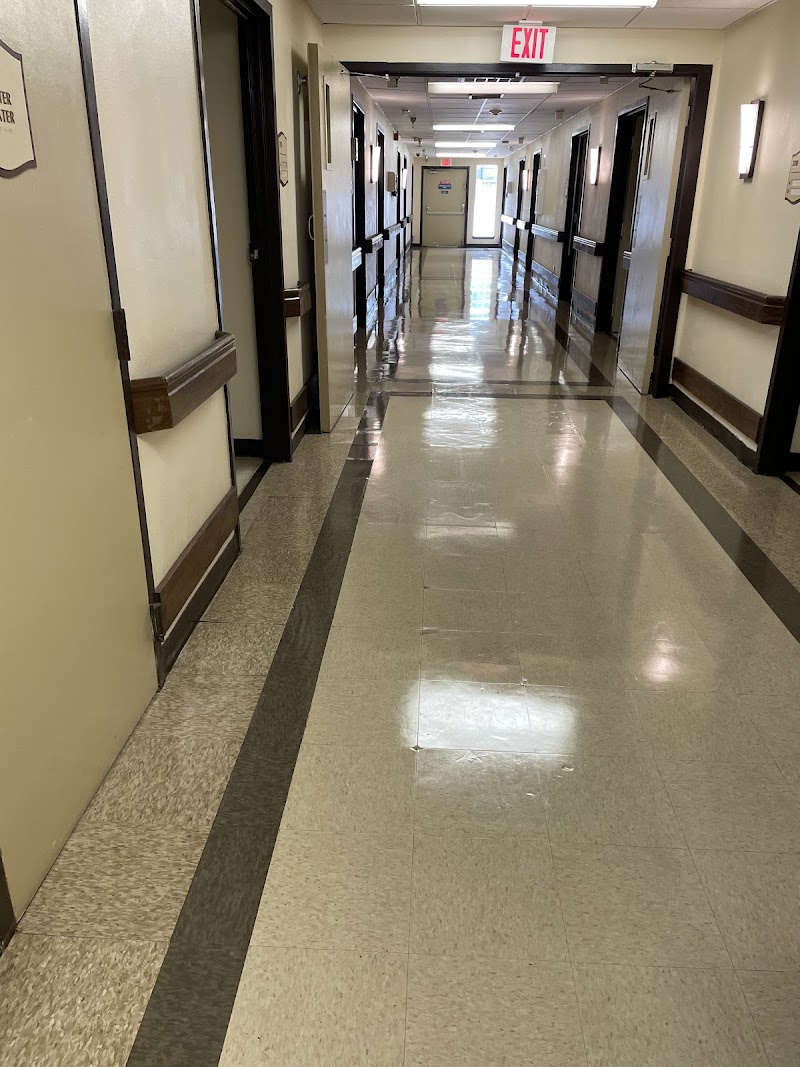
How is The Renaissance At Kessler Park Staffed?

CMS rates THE RENAISSANCE AT KESSLER PARK's staffing level at 2 out of 5 stars, which is below average compared to other nursing homes. Staff turnover is 44%, compared to the Texas average of 46%. This relatively stable workforce can support continuity of care. RN turnover specifically is 62%, which is notably high. RNs provide skilled clinical oversight, so turnover in this role can affect medical care quality.

What Have Inspectors Found at The Renaissance At Kessler Park?

State health inspectors documented 30 deficiencies at THE RENAISSANCE AT KESSLER PARK during 2023 to 2025. These included: 1 Immediate Jeopardy (the most serious level, indicating potential for serious harm or death) and 29 with potential for harm. Immediate Jeopardy findings are rare and represent the most serious regulatory concerns. They require immediate corrective action.
Who Owns and Operates The Renaissance At Kessler Park?

THE RENAISSANCE AT KESSLER PARK is owned by a for-profit company. For-profit facilities operate as businesses with obligations to shareholders or private owners. The facility is operated by ADVANCED HEALTHCARE SOLUTIONS, a chain that manages multiple nursing homes. With 135 certified beds and approximately 68 residents (about 50% occupancy), it is a mid-sized facility located in DALLAS, Texas.
How Does The Renaissance At Kessler Park Compare to Other Texas Nursing Homes?

Compared to the 100 nursing homes in Texas, THE RENAISSANCE AT KESSLER PARK's overall rating (5 stars) is above the state average of 2.8, staff turnover (44%) is near the state average of 46%, and health inspection rating (4 stars) is above the national benchmark.

What Should Families Ask When Visiting The Renaissance At Kessler Park?

Based on this facility's data, families visiting should ask: "What changes have been made since the serious inspection findings, and how are you preventing similar issues?" "Can you walk me through typical staffing levels on day, evening, and night shifts?" "Can I visit during a mealtime to observe dining assistance and food quality?" "How do you handle medical emergencies, and what is your hospital transfer rate?" These questions are particularly relevant given the facility's Immediate Jeopardy citations and the below-average staffing rating.

Is The Renaissance At Kessler Park Safe?

Based on CMS inspection data, THE RENAISSANCE AT KESSLER PARK has documented safety concerns. Inspectors have issued 1 Immediate Jeopardy citation (the most serious violation level indicating risk of serious injury or death). The facility has a 5-star overall rating and ranks #1 of 100 nursing homes in Texas. Families considering this facility should ask detailed questions about what corrective actions have been taken since these incidents.

Do Nurses at The Renaissance At Kessler Park Stick Around?

THE RENAISSANCE AT KESSLER PARK has a staff turnover rate of 44%, which is about average for Texas nursing homes (state average: 46%). Moderate turnover is common in nursing homes, but families should still ask about staff tenure and how the facility maintains care continuity when employees leave.

Was The Renaissance At Kessler Park Ever Fined?

THE RENAISSANCE AT KESSLER PARK has been fined $11,031 across 1 penalty action. This is below the Texas average of $33,189. While any fine indicates a compliance issue, fines under $50,000 are relatively common and typically reflect isolated problems that were subsequently corrected. Families should ask what specific issues led to these fines and confirm they've been resolved.

Is The Renaissance At Kessler Park on Any Federal Watch List?

THE RENAISSANCE AT KESSLER PARK is not on any federal watch list. The most significant is the Special Focus Facility (SFF) program, which identifies the bottom 1% of nursing homes nationally based on persistent, serious quality problems. Not being on this list means the facility has avoided the pattern of deficiencies that triggers enhanced federal oversight. This is a positive indicator, though families should still review the facility's inspection history directly.