COTTONWOOD CREEK HEALTHCARE COMMUNITY
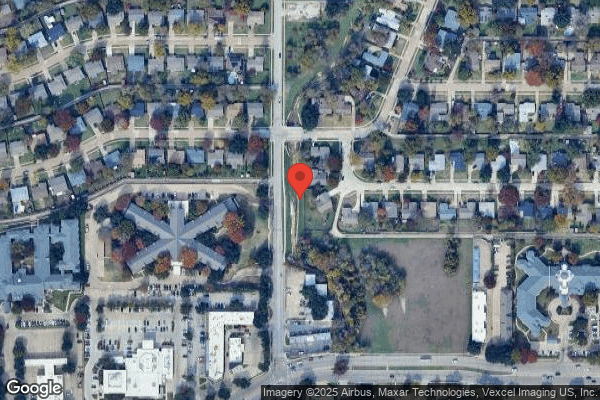
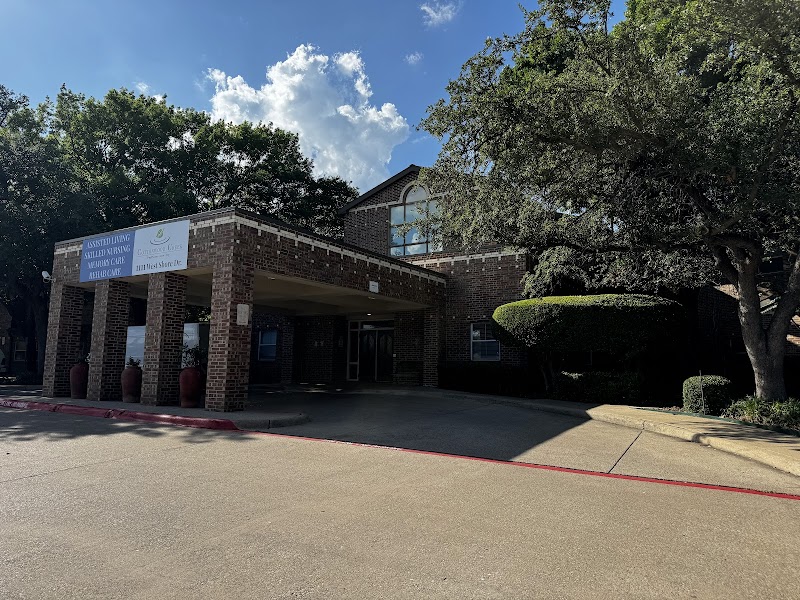
1111 W SHORE DR, RICHARDSON, TX 75080 (972) 783-8000
For profit - Corporation 106 Beds DYNASTY HEALTHCARE GROUP Data: November 2025
Trust Grade
68/100
#33 of 1168 in TX
Last Inspection: August 2025

Inspected within the last 6 months. Data reflects current conditions.

Overview

Cottonwood Creek Healthcare Community has a Trust Grade of C+, indicating it is slightly above average but not without its issues. It ranks #33 out of 1,168 facilities in Texas, placing it in the top half, and #3 out of 83 in Dallas County, suggesting it is one of the better local options. However, the facility is experiencing a worsening trend, with issues increasing from 4 in 2024 to 6 in 2025. Staffing is a concern, with a 67% turnover rate that is higher than the Texas state average, but it does have good RN coverage, exceeding that of 88% of state facilities, which is a positive sign. Specific incidents of concern include a resident who fell during a self-transfer due to inadequate supervision, resulting in injury, and repeated failures in food safety protocols, which could pose a risk for residents. Overall, while the facility has strengths such as excellent health inspections and quality measures, these significant weaknesses warrant careful consideration.

Trust Score
C+
68/100
In Texas
#33/1168
Top 2%
Safety Record
Moderate
Needs review
Inspections
Getting Worse
4 → 6 violations
Staff Stability
⚠ Watch
67% turnover. Above average. Higher turnover means staff may not know residents' routines.
Penalties
✓ Good
$7,443 in fines. Lower than most Texas facilities. Relatively clean record.
Skilled Nurses
○ Average
Each resident gets 39 minutes of Registered Nurse (RN) attention daily — about average for Texas. RNs are the most trained staff who monitor for health changes.
Violations
⚠ Watch
24 deficiencies on record. Higher than average. Multiple issues found across inspections.
★★★★★
5.0
Overall Rating
★★★☆☆
3.0
Staff Levels
★★★★★
5.0
Care Quality
★★★★☆
4.0
Inspection Score
Stable
2024: 4 issues
2025: 6 issues

The Good

  • 5-Star Quality Measures · Strong clinical quality outcomes
  • Full Sprinkler Coverage · Fire safety systems throughout facility
  • No fines on record

Facility shows strength in quality measures, fire safety.

The Bad

Staff Turnover: 67%

20pts above Texas avg (46%)

Frequent staff changes - ask about care continuity

Federal Fines: $7,443

Below median ($33,413)

Minor penalties assessed

Chain: DYNASTY HEALTHCARE GROUP

Part of a multi-facility chain

Ask about local staffing decisions and management

Staff turnover is elevated (67%)

19 points above Texas average of 48%

The Ugly 24 deficiencies on record

1 actual harm
Aug 2025 3 deficiencies
CONCERN (D)

Potential for Harm - no one hurt, but risky conditions existed

Accident Prevention (Tag F0689)

Could have caused harm · This affected 1 resident

**NOTE- TERMS IN BRACKETS HAVE BEEN EDITED TO PROTECT CONFIDENTIALITY** Based on observation, interview, and record review, the facility failed to ensure the resident environment remained as free of a...

Read full inspector narrative →
**NOTE- TERMS IN BRACKETS HAVE BEEN EDITED TO PROTECT CONFIDENTIALITY** Based on observation, interview, and record review, the facility failed to ensure the resident environment remained as free of accident hazards as possible for one (Resident #36) of four residents reviewed for adequate supervision to prevent accidents. The facility failed to ensure resident safety, as evidenced by: The door of the miscellaneous supply closet, that had a light switch cover missing and wires hanging out of the light switch, contained supply products for kitchen and activities: three large wire racks with four shelves, not adhered to the wall, with two boxes of storiform cups, four boxes of plastic, spoons, forks, and knives, one case of gloves, various cooking pans, various types of decorations for different holidays, two Robo copes (food processers) with three sets of blades, large popcorn machine, two wheelchairs, a broken portion of a stem table, and various brackets to place in a hot service food stand, located in the main dining was open and accessible to residents. Resident #36, a confused resident, was in close proximity to the supply closet, with no staff within line of sight of the supply closet. These deficient practices could place residents at risk for obtaining the products, the unsecured shelving, fall, and exposure to skin tears that could be detrimental to his or her health, resulting in illness or hospitalization.Findings included: Record review of the Face Sheet for Resident #36 dated 08/22/2025 revealed she was a [AGE] year-old female originally admitted to the facility on [DATE]. Diagnoses included, but were not limited to, Alzheimer's, dementia, schizophrenia, and hypertension. Record review of the quarterly MDS assessment dated [DATE] revealed Resident #36 scored 13 of 15 on the BIMS, indicative of intact cognitive function and retained information for a short period of time. The MDS reflected the resident exhibited delusions and hallucinations. The MDS reflected Resident #36 was able to propel her wheelchair. Resident #36 did have functional limited range of motion of both lower extremities. Record review of the Care Plan for Resident #36 (edited 08/22/2025) revealed the resident could propel her wheelchair without the assist of staff with goals and approaches to include wheelchair mobility for locomotion. The Care Plan reflected, Resident #36 had impaired cognitive function/dementia, with impaired thought processing. The resident was at risk for delirium or an acute confusional episodes, and at risk for falls secondary to cognitive deficits. The 'Goal' read, in part, . Resident will maintain highest level of functioning within the limits of awareness . Resident will be free of signs/symptoms of delirium changes in behaviors, moods, cognitive abilities. Resident will not sustain serious bodily injury related to falling. The 'Approach' read, in part, . monitor for new onset of delirium, altered mental status, wide variation of cognitive function thought the day, disorientation, hallucinations. Ensure resident's areas are free of hazards. Observation on 08/20/2025 at 10:00 a.m. revealed the door to the supply closet in the main dining room was open. Further observation revealed, the door of the miscellaneous supply closet, that had a light switch cover missing and wires hanging out of the light switch, contained supply products for kitchen and activities: three large wire racks with four shelves, not adhered to the wall, with two boxes of Styrofoam cups, four boxes of plastic, spoons, forks, and knives, one case of gloves, various cooking pans, various types of decorations for different holidays, two food processers with three sets of blades, large popcorn machine, two wheelchairs, a broken portion of a stem table, and various brackets to place in a hot service food stand, located in the main dining room was open and accessible to residents. Observation on 08/20/2025 at 11:30 a.m., revealed the door of the supply closet in the main dining room was half way open. Resident #36 was going up to door of the supply room and opening the door. The resident was observed pulling the door of the supply room closed partially and stating, well I will have to look in there later, since the meal is being served soon. Resident #36 was observed in the dining room in her wheelchair. She was independently propelling her wheelchair. There was no staff within view of the supply room for Resident #36. Observation on 08/20/2025 at 11:45 a.m., revealed staff walked by the open-door during meal service. The staff did not attempt to close and lock the door, and they continued to serve the lunch meal. Further observation after meal service revealed the staff cleaning up the main dining area. CNA E stated she did not know what was in the supply closet. The CNA stated she had seen the door open multiple times, but she had not looked in the room, nor did she attempt to close the door. CNA E stated there were some residents that could go into the room and the items that were in there, could cause them to get hurt. Observation on 08/20/2025 at 1:00 p.m. revealed the door was still unlocked to the supply closet. Observation and interview on 08/20/2025 at 2:00 p.m., with the Dietary Manager revealed the supply closet was unlocked. The Dietary Manager stated he had worked at the facility for three months, he was unaware the supply closet was there, and no one had shown it to him. The Dietary Manager did acknowledge the supplies that were in the closet could possibly hurt a resident if they came into the closet. The Dietary Manager said he would have to speak to the Administrator and then left the room, not locking the door. Observation on 08/22/2025 at 10:00 a.m. revealed the door was still unlocked and Resident #36 was wheeling through the dining room. She was talking to herself and she was upset about something. She wheeled to the closet, grabbed the door handle, and then the resident opened the door up and then decided that she was interested in something else and wheeled away. Interview on 08/22/2025 at 10:30 a.m. with the Administrator revealed she had worked at the facility since the past September and she had no idea this room was there. She stated she had wondered where some so these supplies, serving dishes, ladles, and serving trays, were and had asked about them, but no one seemed to know. She stated she was going to have the Maintenance Man place a keypad on the door to protect the items in there from being stolen and the resident from getting in there. The Administrator said that the resident could get hurt with some of the items in the room or even pull the shelves over on top of them. Review of the facility policy entitled Supplies and Equipment dated 2019 reflected, The .staff will have necessary and equipment available.7.All equipment and supplies which may harmful or toxic are secured in a locked storage area .
CONCERN (E)

Potential for Harm - no one hurt, but risky conditions existed

Food Safety (Tag F0812)

Could have caused harm · This affected multiple residents

Based on observation, interview, and record review, the facility failed to store, prepare, distribute, and serve food in accordance with professional standards for food service safety in the facility'...

Read full inspector narrative →
Based on observation, interview, and record review, the facility failed to store, prepare, distribute, and serve food in accordance with professional standards for food service safety in the facility's only kitchen reviewed for food safety. 1.The facility failed to ensure food items in the freezers and refrigerator were stored, properly sealed, and not exposed to air in accordance with the professional standards for food service.2. The facility failed to discard items stored in freezers and refrigerator that were not properly labeled.3. The facility failed to ensure both handwashing sinks had a garbage receptacle next to the sink.These failures could place residents at risk for food-borne illness and cross contamination. Findings Include:Observation of the kitchen on 08/20/2025 at 9:30 AM revealed the following:- There was no garbage receptacle next to 2 of the 2 handwashing sinks.Observation of the refrigerator on 08/20/2025 at 9:40 AM revealed the following:- 3 - 1-gallon sized resealable bags, meat patties in all 3 bags, not dated or labeled, exposed to air.- 1 box of fresh cut vegetables with diced tomatoes in a plastic manufacturer container had a peel away plastic top, the tomatoes had visible fuzzy mold growth on them exposed to air.- 22qt plastic container with label written by facility dry milk with a red liquid in it, under the 4 qt line not dated, exposed to air. Observation of the freezer on 08/20/2025 at 9:45 AM revealed the following:- 1 10lb box of pork sausage patties, a large plastic bag inside the box exposed to air.- 2 large bags of steak fries sealed with no item description label or distinguishing date.- 3 large bags shredded potatoes with no label, only manufacturer date of 2027.04.06.- 2 large clear plastic manufacturer bags with small round breaded items had no label or date.In an interview with the morning Dietary Aide, on 08/20/2025 at 9:59 AM, she said everyone was responsible for labeling and if an item wasn't labeled, she wouldn't use it because she didn't know if it was safe for the residents.In an interview with the DM on 08/20/2025 at 10:06 AM he said the residents could become sick with diarrhea and an upset stomach if they were given food not properly sealed.In an interview with the morning [NAME] on 08/20/2025 at 11:12 AM she said everyone is responsible for dating and labeling and residents could get sick if they were served food that wasn't stored correctly.Review of the Facility's undated Food Receiving and Storage Policy reflected Policy Interpretation and Implementation 7. Residents may consume foods from sources not procured by the facility (e.g., food brought from family or visitors). Refrigerated/Frozen Storage 1. All foods stored in the refrigerator or freezer are covered, labeled, and dated ( use by date).Review of the U.S. FDA Food Code 2022 reflected: Food Receiving and Storage - When food, food products or beverages are delivered to the nursing home, facility staff must inspect these items for safe transport and quality upon receipt and ensure their proper storage, keeping track of when to discard perishable foods and covering, labeling, and dating all PHF/TCS foods stored in the refrigerator or freezer as indicated.
CONCERN (E)

Potential for Harm - no one hurt, but risky conditions existed

Deficiency F0925 (Tag F0925)

Could have caused harm · This affected multiple residents

Based on observation, interview, and record review, the facility failed to maintain an effective pest control program to ensure the facility was free of pests.The facility failed to ensure the kitchen...

Read full inspector narrative →
Based on observation, interview, and record review, the facility failed to maintain an effective pest control program to ensure the facility was free of pests.The facility failed to ensure the kitchen was free of roaches.This deficient practice had the potential to affect all residents by placing them at an increased risk for infections, diminished quality of life, and/or disease spread by pests.Findings Included:Observed on 08/20/2025 at 10:19 a.m. revealed in the small mop room in the back of the kitchen, a mop bucket, broom, and 2 mouse & insect traps. Observation revealed 2 large dead black bugs, on the floor, laying on their backs, which appeared to be roaches. Observation revealed 1 smaller live brown bug scurrying across the small mop room floor towards one of the large dead black bugs.In an interview with the DM on 08/20/2025 at 9:57 a.m. he said they had problems with pests, and he had seen many of them in the kitchen and the problem had not improved. In an interview with the Administrator on 08/22/2025 at 9:37 a.m. she stated the facility had a Sighting Log/Logbook at the nurse's station where staff wrote down sightings of pests that they saw or that residents had told them about.In an interview with Medical Records on 08/22/2025 at 9:40 a.m. she stated if she saw pests of any kind, she would report it in the book and make maintenance and housekeeping aware of it too. She said she had seen bugs in the facility before but not recently.In an interview with Housekeeping B on 08/22/2025 at 9:44 a.m. she said if she saw any pests or bugs, she reported it to her supervisor and wrote it in the pest logbook at the nurse's station or she wrote it on her room round sheet. She said she had not seen any pests lately. In an interview with the PT on 08/22/2025 at 9:50 a.m. she said she had only worked at the facility for 4 days and in those 4 days she had not seen any pests or bugs. She said if she did see any she would report it to maintenance. She said if there were a lot of pests or bugs in the facility it could cause infection to the residents due to their vulnerabilities.In an interview with the ADON on 08/22/2025 at 9:54 a.m. the ADON said she had not seen any bugs or pests in a while but if she did, she would document it in the Pest Control Service log behind the nurse's station and documented it in TELS. The ADON said if there was an infestation of pests it could harm the residents with infection and disease.In an interview with CNA C on 08/22/2025 at 10:02 a.m. she said she had reported bugs to the nurse on duty, had documented her observations in the Sighting Log/Logbook, and had documented sightings of pests in TELS. She said she had not seen any bugs in the facility lately. She said if there were bugs or pests in the building it could harm the residents by making them sick and/or bite them.Record review of the Sighting Log/Logbook at the nurse's station for the last 3 months dated 06/06/2025 through 08/12/2025 revealed 11 sightings logged, 5 didn't provide what was seen, 5 stated roaches were seen and 1 documentation stated spiders were seen.Record review of treatment dates and services performed:On 5/30/2025 General Comments from Pest Prevention Service Report: Inspected kitchen, laundry rooms, and 29 resident rooms, for pest activity, found roaches. Applied liquid material to cracks and crevices in (the) kitchen, laundry room, resident rooms, and restrooms, and common areas. Applied dust to cracks and crevices in kitchen and resident restrooms. Applied roach gel bait to cracks and crevices in kitchen. Replaced insect monitors as needed applied liquid barrier to exterior perimeter of building to prevent crawling pests. Service Inspection Summary: Areas of Concern: Kitchen: Observation: broken tiles. Recommendation: repair broken tiles. Observation: caulking/sealing/screening required. Recommendation structural cracks gaps noted. Customer responsibility.On 6/6/2025 General Comments from Pest Prevention Service Report: inspected kitchen, laundry room, break room, and 29 resident rooms for pest activity none found. Applied liquid material to cracks and crevices in kitchen, breakroom, laundry room, and 29 resident rooms. Replace insect monitors in kitchen as needed. Applied dust to cracks and crevices in kitchen and resident rooms. Inspected rodent, cleaned, and rebated rodent base stations. Service Inspection Summary: Areas of Concern: Kitchen: Observation: broken tiles. Recommendation: repair broken tiles. Observation: caulking/sealing/screening required. Recommendation structural cracks gaps noted. Customer responsibility.On 7/25/2025 General Comments from Pest Prevention Service Report: Inspected kitchen, laundry room, offices, and 28 resident rooms for pest activity found roaches in kitchen. Applied liquid material to cracks and crevices in kitchen, laundry room, offices, and resident rooms replaced insect monitors as needed. Applied dust to cracks and crevices in kitchen, and resident rooms, applied roach gel bait to cracks and crevices in kitchen. Replaced flying insect traps on fly light. Inspected, cleaned, and rebated rodent bait stations to prevent rodent activity. Service Inspection Summary: Areas of Concern: Kitchen: Observation: broken tiles. Recommendation: repair broken tiles. Observation: caulking/sealing/screening required. Recommendation structural cracks gaps noted. Customer responsibility.On 7/29/2025 General Comments from Pest Prevention Service Report: Inspected kitchen, office, and 29 resident room for pest activity found roaches in kitchen. Applied liquid material to cracks and crevices in the kitchen, office, and resident rooms and restrooms. Applied dust to cracks and crevices in kitchen and resident restrooms. Applied roach gel bait to cracks and crevices in kitchen. Replaced insect monitoring as needed applied PL to outlet in kitchen to flush out roaches. Applied liquid barrier to exterior perimeter of building to prevent crawling pests. Service Inspection Summary: Areas of Concern: Kitchen: Observation: broken tiles. Recommendation: repair broken tiles. Observation: caulking/sealing/screening required. Recommendation structural cracks gaps noted. Customer responsibility.On 8/12/2025 General Comments from Pest Prevention Service Report: Inspected 29 resident rooms, laundry room, and common areas for pest activity found roaches. Applied liquid material to cracks and crevices in resident rooms, laundry room, and common areas. Applied dust to cracks and crevices in resident restrooms. Inspected, cleaned, and rebated rodent bait stations. Service Inspection Summary: Areas of Concern: Kitchen: Observation: broken tiles. Recommendation: repair broken tiles. Observation: caulking/sealing/screening required. Recommendation structural cracks gaps noted. Customer responsibility.Species listed in treatment: Ants, rodents, roaches, fruit flies, house flies, mosquitos and casemaking cloth moths. A record review of the facility's undated Pest Control Policy states: 1. This facility maintains an on-going pest control program to ensure that the building is kept free of insects and rodents. 2. Pest control services are provided by a contracted vendor. 3. Only approved FDA and EPA insecticides and rodenticides are permitted in the facility and all such supplies are stored in areas away from food storage areas. 4. Garbage and trash are not permitted to accumulate and are removed from the facility daily. 5. Maintenance services assist, when appropriate and necessary, in providing pest control services.
May 2025 2 deficiencies
CONCERN (D) 📢 Someone Reported This

A family member, employee, or ombudsman was alarmed enough to file a formal complaint

Potential for Harm - no one hurt, but risky conditions existed

Accident Prevention (Tag F0689)

Could have caused harm · This affected 1 resident

**NOTE- TERMS IN BRACKETS HAVE BEEN EDITED TO PROTECT CONFIDENTIALITY** Based on observation, interview, and record review, the facility failed to ensure residents received adequate supervision and as...

Read full inspector narrative →
**NOTE- TERMS IN BRACKETS HAVE BEEN EDITED TO PROTECT CONFIDENTIALITY** Based on observation, interview, and record review, the facility failed to ensure residents received adequate supervision and assistance devices to prevent accidents for 1 (Resident #1) of 4 residents reviewed for accidents. The facility did not ensure Resident # 1's smoking supplies were stored at Nurses' station on 05/01/25. This failure could place residents who require supervision, at risk for a decreased quality of life or injury that could lead to an unnecessary hospitalization. Findings included: Record review of Resident #1's face sheet dated 4/15/2025 indicated Resident #1 was [AGE] years old female and admitted on [DATE] diagnoses of unspecified schizophrenia (A mental disorder characterized by delusions, hallucinations, disorganized thoughts, speech and behavior), and Alzheimer's disease (a brain condition that slowly damages your memory, thinking, learning and organizing skills). Record review of Resident #1's MDS dated [DATE] revealed Resident #1's BIMS score of 14 (intact cognition). Observation conducted on 5/1/25 at 5:15 a.m. revealed Resident #1 was observed in the nursing facility unit sitting near the nurse's station in resident's wheelchair holding a pack of cigarettes. Interview with RN A on 05/01/25 at 5:30AM revealed the staff were aware of Resident #1 having the cigarettes but did not try to retrieve them because it would upset the resident. Observation and interview conducted on 05/01/25 at 6:18 AM revealed Resident #1 still had cigarette pack in her hand when she entered the conference room and asked surveyor to take her outside to smoke. A lighter was not observed in Resident #1's possession, and Resident #1 stated she did not have a lighter. During an interview on 5/1/25 at 4:43 p.m. with Administrator stated that the reason Resident#1 had a pack of cigarettes in her hand is that Resident #1 has a documented behavior of asking staff to take her outside to smoke. Administrator stated that when staff provide Resident #1 with a pack of cigarettes to hold, Resident #1 calms down. Administrator said that her expectation for staff was to not give residents cigarettes while in the facility but made an exception for Resident #1 due to her behaviors. When asked what could happen if Resident #1 obtained a lighter and cigarettes, the Administrator said Resident #1 could light herself on fire. Interview with Resident #1 on 05/01/25 was unsuccessful due to her inability to comprehend the questions. Her responses were gibberish or inappropriate statements. Record review on 05/01/25 at 7:00 AM of Resident #1's care plan initiated on 06/07/25 indicated Resident #1 has a behavior of sitting in front of the elevator (the entrance to the unit) and requesting cigarettes and lighters from any person who enters the facility. No documentation of allowing Resident #1 to hold her cigarette pack was noted on the care plan upon initial review. Intervention included was staff will redirect resident to her assigned room away from visitors, vendors as necessary. Record review of Resident #1's smoking assessment shows that Resident #1 requires staff supervision while smoking due to Resident #1's cognitive status. Follow up review of care plan on 05/01/25 at 4:30 PM revealed the behavior was added on the care plan after surveyor brought the issue to the administrator's attention. Intervention included Staff education (Resident #1 is allowed to have Cigarettes when she is exhibiting behaviors to calm her down. Retrieve the cigarettes when she finishes smoking. Record review of facility's policy titled Smoking Policy- Residents revised July 2017, reflected, Cigarettes, e-cigarettes, pipes, tobacco, and other smoking articles are kept secured at the nurse's station.; 14. Residents without independent smoking privileges may not have any smoking articles, including cigarettes, tobacco, etc., except when they are under direct supervision.
CONCERN (D) 📢 Someone Reported This

A family member, employee, or ombudsman was alarmed enough to file a formal complaint

Potential for Harm - no one hurt, but risky conditions existed

Infection Control (Tag F0880)

Could have caused harm · This affected 1 resident

Based observation, interview, and record review, the facility failed to ensure personnel handled, stored , processed and transported linens so as to prevent the spread of infection for one (Hall D) of...

Read full inspector narrative →
Based observation, interview, and record review, the facility failed to ensure personnel handled, stored , processed and transported linens so as to prevent the spread of infection for one (Hall D) of four halls reviewed for infection control . The facility failed to ensure HK A did not leave bagged soiled linen on the floor in front of the facility laundry room on 05/01/2025. The facility failed to ensure HK A did not leave a bag of soiled gowns on top of the trash barrel on hall D on 05/01/2025. This failure could place residents at risk of cross-contamination and development of infections. Findings included: Observation on 05/01/2025 at 10:11 AM revealed one large transparent plastic bag containing soiled bed linens and one pillow on the floor in front of the laundry room door on Hall D. Observation on 05/01/2025 T 10:15 AM revealed one transparent plastic bag containing a soiled brown hospital gown on top of the lid of a trash barrel located on Hall D. In an interview on 05/01/2025 at 10:20 AM, the DON stated she did not know who left the bags on the Hall D. She stated the bags should not be there because it created an infection control issue and residents could contract an infectious disease. In an interview at 10:23 AM on 05/01/2025, the DON advised the surveyor HK A left the items in the transparent plastic bags on Hall D after deep cleaning a room on Hall D. In an interview on 05/01/2025 at 10:26 AM, HK A stated she left the bag of linen on the floor in front of the laundry room because the door was locked, and she did not have a key to the door. She left the bag of gowns on the lid of the trash can because there was no other barrel available. HK A stated she had been trained in the correct method to dispose of linens in the facility. She stated she knew the bags should have been placed inside the laundry room to prevent the spread of germs and that resident could get sick if they were exposed to any germs the linens may have been contaminated with. In an interview on 05/01//2025 at 10:36 AM, the HK Supervisor stated HK A should have immediately contacted her when she found the laundry room door locked. HK Supervisor stated the door should not have been locked. She stated the bag of linens should not have been left on the floor and the bag of gowns should not have been left on top of the barrel, they should have been placed inside of a new barrel with a lid on it to prevent the spread of germs. HK Supervisor stated HK A had been in-serviced on infection control practices related to transporting soiled linens but would initiate a new inservice for all her staff. The HK supervisor stated resident could be infected with germs if they are exposed to someone else's bodily fluids on the linens. Record review of inservice training dated 10/24/2024 and titled Cleanliness, Soiled linen, Wet floor signs, Lammico, Clocking in and out and scheduled lunch breaks directed at Housekeepers and Laundry Aides , revealed Education: All linen must be put away in a plastic bag before removed form a room , all soiled linen must be put in the laundry room only. No linen should be placed on the floor . HK A's signature was found on the sign in sheet for the inservice. Record review of the facility's policy, Department(Environmental Services)-Laundry and Linen undated, revealed , General Guidelines Bagging and Handling Soiled Linen 1. All soiled linen must be placed directly into a covered laundry hamper which can contain moisture .
Apr 2025 1 deficiency
CONCERN (D) 📢 Someone Reported This

A family member, employee, or ombudsman was alarmed enough to file a formal complaint

Potential for Harm - no one hurt, but risky conditions existed

Respiratory Care (Tag F0695)

Could have caused harm · This affected 1 resident

**NOTE- TERMS IN BRACKETS HAVE BEEN EDITED TO PROTECT CONFIDENTIALITY** Based on observations, interviews, and record review the facility failed to ensure that residents, who needed respiratory care, ...

Read full inspector narrative →
**NOTE- TERMS IN BRACKETS HAVE BEEN EDITED TO PROTECT CONFIDENTIALITY** Based on observations, interviews, and record review the facility failed to ensure that residents, who needed respiratory care, were provided such care consistent with professional standards of practice, the comprehensive person-centered care plan, and the residents' goals and preferences for two (Resident #1 and Resident #2) of five residents reviewed for Respiratory Care. 1. The facility failed to ensure Resident #1's nasal canula (flexible tube used to deliver oxygen to the nose through two prongs) at the back of her wheelchair was properly stored when not in use on 04/22/2025. 2. The facility failed to ensure Resident #2's breathing mask for his nebulizer (a medical device that turns liquid medicine into mist that could be inhaled through a face mask) and CPAP (continuous positive airway pressure: machine used to deliver pressurized air through a mask to keep airways open) mask were properly stored when not in use on 04/22/2025. These failures could place residents at risk for respiratory infection and not having their respiratory needs met. Findings included: 1. Record review of Resident #1's Face Sheet, dated 04/22/2025, reflected a [AGE] year-old female who was admitted to the facility on [DATE]. The resident was diagnosed with chronic obstructive pulmonary disease (a chronic inflammatory lung disease that causes obstructed airflow from the lungs). Record review of Resident #1's Quarterly MDS Assessment, dated 03/10/2025, reflected the was cognitively intact with a BIMS score of 15. The Quarterly MDS Assessment indicated the resident was on oxygen therapy. Record review of Resident #1's Quarterly Care Plan, dated 03/16/2025, reflected the resident had chronic obstructive pulmonary disease and one of the interventions was to use of oxygen therapy as ordered. Record review of Resident #1's Physician orders, dated 12/14/2025, reflected Oxygen every shift for O2 dependence @ 3 LPM via nasal cannula. Observation and interview on 04/22/2025 at 9:36 AM revealed Resident #1 was in her bed, awake. The resident was on oxygen administration via nasal cannula at 3 liters per minute. The nasal cannula was attached to an oxygen concentrator. It was observed that the resident had a portable oxygen tank at the back of her wheelchair with a nasal cannula attached to it. The nasal cannula was not bagged and the prongs of the nasal cannula was touching the left brake of the wheelchair Resident #1 said she used the nasal cannula on the wheelchair everytime she would go out of the room. Observation and interview on 04/22/2025 at 9:57 AM, LVN B stated the nasal cannula should be bagged everytime Resident #1 was not using it to prevent infection. She went inside the room and saw a nasal cannula attached to the portable oxygen tank behind the resident's wheelchair. She observed that the nasal cannula was not bagged and was touching the left brake of the wheelchair. She disconnected the nasal cannula and threw it in a trash can. She said she would get a new nasal cannula and a plastic bag for it. She said she would also let the charge nurse of the hall what was observed. 2. Record review of Resident #2's Face Sheet, dated 04/22/2025, reflected a [AGE] year-old male who was admitted to the facility on [DATE]. The resident was diagnosed with respiratory failure and obstructive sleep apnea (a sleep disorder where breathing is interrupted repeatedly during sleep). Record review of Resident #2's Quarterly MDS Assessment, dated 04/06/2025, reflected the resident was cognitively intact with a BIMS score of 14. The Quarterly MDS Assessment indicated the resident had respiratory failure and obstructive sleep apnea. Record review of Resident #2's Comprehensive Care Plan, dated 01/13/2025, reflected the resident had oxygen therapy related to respiratory failure and one of the interventions was to administer medications as ordered. Comprehensive Care Plan also indicated the resident had sleep apnea and one of the interventions was to apply CPAP at night and remove in the morning. Record review of Resident #2's Physician Orders, dated 03/10/2025, reflected the following: *Ipratropium-Albuterol Inhalation Solution 0.5 - 2.5 (3) MG/3ML (Ipratropium-Albuterol) 1 vial inhale orally two times a day for Wheezing. * Start CPAP every night. Please have family bring in patient's home CPAP machine and use former settings. at bedtime related to OBSTRUCTIVE SLEEP APNEA. Observation and interview on 04/22/2025 at 10:14 AM, revealed Resident #2 was in his bed, awake. It was observed that the resident was using oxygen at 2 liters per minute. He said he had been using oxygen for some time but could not remember for how long. He said he also received breathing treatment daily and used CPAP at night. He said he was not aware where the staff put his breathing mask and CPAP mask after they took it off. The resident's breathing mask was observed on top of the side table and the CPAP mask was inside the resident's drawer. Both masks were not bagged. Observation and interview with LVN A on 04/22/2025 at 10:18 AM, LVN A stated he was made aware by LVN B about Resident #1's nasal cannula. He said he did not notice it when he did his morning round. He said the nasal cannula should be in a bag when the resident was not using it to prevent infection. He said he would also remind the aides that whenever they transfer the resident, they should put the nasal cannula inside a bag or call him so he could store the nasal cannula properly. LVN A then went inside Resident #2's and saw the breathing mask on top of the table and the CPAP mask inside the drawer. He said he would get a new breathing mask to replace the one on the table. He said he would get plastic bags for the breathing mask and the CPAP mask. He said he would clean the CPAP mask first before putting it inside the plastic bag. He said both the breathing mask and the CPAP mask should be bagged to prevent infection. In an interview on 04/22/2025 at 12:49 PM, the DON stated the nasal cannula, the breathing mask, and the CPAP mask were supposed to be in a bag when the residents were not using them to prevent cross contamination and worsening of any respiratory issues the residents might already have. She said the expectation was for the staff to be mindful and make sure all the respiratory paraphernalia were bagged and kept clean. She said she would conduct an in-service about respiratory care immediately after the interview. In an interview on 04/22/2025 at 12:56 PM, the Administrator stated everything that the residents use to supplement their breathing should be kept clean to prevent cross contamination and possible infection. She said, for this incident, the expectation was for the staff to bag the nasal cannula, breathing mask, and CPAP mask when not in use. She said she would coordinate with the DON to educate and re-educate the staff about the respiratory care issue. She said the facility do not have a policy specific for bagging the nasal cannula, breathing mask, and CPAP mask. Policy for bagging the nasal cannula, breathing mask, and CPAP mask requested verbally on 04/22/2025 at 12:56 PM but was not provided prior to exit.
Jul 2024 4 deficiencies
CONCERN (E) 📢 Someone Reported This

A family member, employee, or ombudsman was alarmed enough to file a formal complaint

Potential for Harm - no one hurt, but risky conditions existed

Safe Environment (Tag F0584)

Could have caused harm · This affected multiple residents

**NOTE- TERMS IN BRACKETS HAVE BEEN EDITED TO PROTECT CONFIDENTIALITY** Based on observations, interviews, and record review the facility failed to provide a safe, clean, comfortable, and homelike env...

Read full inspector narrative →
**NOTE- TERMS IN BRACKETS HAVE BEEN EDITED TO PROTECT CONFIDENTIALITY** Based on observations, interviews, and record review the facility failed to provide a safe, clean, comfortable, and homelike environment including but not limited to receiving treatment and supports for daily living safely for 8 (room [ROOM NUMBER], #204, #205, #206, #286, #288, #290, and #291) of 14 resident rooms and the facility's high traffic areas reviewed for cleanliness and sanitization. The facility failed to ensure that Resident Rooms #202, #204, #205, #206, #286, #288, #290, and #291 were thoroughly cleaned and sanitized. The facility failed to ensure all handrails of the hallways throughout the facility, were thoroughly cleaned and sanitized. These deficient practices could place residents at risk of living in an unclean and unsanitary environment which could lead to a decreased quality of life. Findings included: An observation on 07/28/24 at 10:42 AM of the facility hallways revealed areas of the halls where the handrails had long streaks of a dark thick brownish stain going down the length of the handrails. An observation on 07/28/24 at 10:46 AM of Resident room [ROOM NUMBER] reflected the corners of the floor in the resident bathroom had dirt particles and built-up dirt stains. The shower floor had dark stains in the corners and the drain cover had dark greenish stains covering it. The air vent in the ceiling had thick dust and dirt on the air filter and the vent cover. The soap tray attached to the shower, had bluish stains all over the top of it. The showerhead had bluish stains all over the sprayer. The trashcans in both the resident room and bathroom did not have a trash bag and some trash was observed in one of the trashcans. An observation on 07/28/24 at 10:52 AM of Resident room [ROOM NUMBER] reflected the soap tray attached to the shower, had bluish stains all over the top of it. The showerhead had bluish stains all over the sprayer. The corners and near the resident door of the resident room floor had thick dirt particles. An observation on 07/28/24 at 11:00 AM of Resident room [ROOM NUMBER] reflected the soap tray attached to the shower, had bluish stains all over the top of it. The showerhead had bluish stains all over the sprayer. The corners and near the resident door of the resident room floor had thick dirt particles. An observation on 07/28/24 at 11:03 AM of Resident room [ROOM NUMBER] reflected the soap tray attached to the shower, had bluish stains all over the top of it. The showerhead had bluish stains all over the sprayer. The inside of the resident bathroom door had black marks along the lower portion of the door panel. An observation on 07/28/24 at 11:09 AM of Resident room [ROOM NUMBER] reflected the resident room floor and bathroom floor had black build-up dirt along the walls and corners of both areas. The resident room door had a dark yellow stain going down the length of the inside door frame. An observation on 07/28/24 at 11:15 AM of Resident room [ROOM NUMBER] reflected the resident room floor and bathroom floor had black build-up dirt along the walls and corners of both areas. An observation on 07/28/24 at 11:18 AM of Resident room [ROOM NUMBER] reflected the resident room floor and bathroom floor had black build-up dirt along the walls and corners of both areas. The shower floor had dark stains in the corners and the drain cover had dark greenish stains covering it. The air vent in the ceiling had thick dust and dirt on the air filter and the vent cover. An observation on 07/28/24 at 11:27 AM of Resident room [ROOM NUMBER] reflected the resident room floor and bathroom floor had black build-up dirt along the walls and corners of both areas. The top of the mini fridge in the resident's room had food crumbs and white stains. The air vent in the ceiling had thick dust and dirt on the air filter and the vent cover. In an interview on 07/25/24 at 12:13 PM, Housekeeping D stated she had been at the facility for 5 months. She stated they were trained to clean the bathrooms, sweep the floors, and mop. She stated they were supposed to wipe down the bedside tables if they had food on them, and basically anything they could touch. She was shown the pictures of the concerns observed in resident room [ROOM NUMBER], #204, #205, #206, #286, #288, #290, and #291, and she stated that they were to try to clean the hard areas themselves or notify maintenance, but she was not sure if she had notified them of any of the concerns observed. She stated the risk to the resident if these areas are not cleaned was that they could get sick. In an interview on 07/30/24 at 11:39 AM, the Housekeeping Supervisor stated she had been at the facility for 8 months. She stated she had six years of experience as a housekeeping supervisor. She stated she trained her team to clean the high touched areas daily, such as the handrails throughout the day. She stated resident rooms were cleaned daily and the handrails in the hallways were cleaned every two hours. She stated maintenance was responsible for cleaning the air filters on the ceiling and she would notify them. She stated she was unsure how frequently the resident rooms were deep cleaned, but when they do deep cleaning, they check for the cleanliness of the air filters. She was advised of the concerns observed in the resident rooms #202, #204, #205, #206, #286, #288, #290, and #291 and the handrails in the halls and she stated that the areas observed should have been cleaned. She stated the risk of the areas not being thoroughly cleaned could result in residents getting sick. In an interview on 07/30/24 at 12:40 PM, the Administrator stated she had not been made aware of the concerns observed in the resident rooms and the hallway handrails. She was shown pictures of the concerns observed in resident rooms #202, #204, #205, #206, #286, #288, #290, and #291. She stated that she would follow-up with the housekeeping supervisor and ensure these concerns were addressed. She stated her expectation was for housekeeping to ensure that they are thoroughly cleaning rooms and the commons areas of the facility. She stated the risk of not thoroughly cleaning resident rooms and common areas of the facility, could result in infections and it was not good because it is their home. Review of the facility's policy on Cleaning and Disinfecting of Environmental Surfaces (Revised 2009) reflected Environmental surfaces will be cleaned and disinfected according to the current CDC recommendations for disinfection of healthcare facilities and the OSHA Blood-borne Pathogens standards.
CONCERN (E)

Potential for Harm - no one hurt, but risky conditions existed

Comprehensive Care Plan (Tag F0656)

Could have caused harm · This affected multiple residents

**NOTE- TERMS IN BRACKETS HAVE BEEN EDITED TO PROTECT CONFIDENTIALITY** Based on observations, interviews and records review the facility failed to develop and implement comprehensive person-centered ...

Read full inspector narrative →
**NOTE- TERMS IN BRACKETS HAVE BEEN EDITED TO PROTECT CONFIDENTIALITY** Based on observations, interviews and records review the facility failed to develop and implement comprehensive person-centered care plans that include measurable objectives and timeframes to meet a resident's medical, nursing, mental, and psychosocial needs, and describe the services that are to be furnished to attain or maintain the resident's highest practicable physical, mental, and psychosocial well-being for 3 of 4 (Resident #14, Resident #237, and Resident #18) resident's care plans reviewed. The facility failed to develop a comprehensive person-centered, measurable, and time-based care plan to address specialized services and interventions to address PASARR recommendations, as appropriate for Resident #14 including problems, goals, and interventions. The facility failed to develop a comprehensive person-centered, measurable, and time-based care plan to address Hospice for Resident #237 including problems, goals, and interventions. The facility failed to implement care plan interventions across all shifts (6A - 2P; 2P - 10P; and 10P - 6A) in a 24-hour period, as reflected in Resident #18's care plan related to risk for falls. These failures could negatively impact the resident's quality of life, as well as the quality of care and services received if care planning is not complete or is inadequate. Findings included: RESIDENT #14 A record review of Resident #14's Annual MDS assessment dated [DATE] revealed a [AGE] year-old male admitted on [DATE]. Resident #14 had diagnoses of Traumatic Spinal Cord Dysfunction (when an external physical impact acutely damages the spinal cord), Paraplegia (paralysis of the legs and lower body, typically caused by spinal injury or disease), Anxiety, Depression, Bipolar Disorder (a mental illness that causes unusual shifts in a person's mood, energy, activity levels, and concentration), and Schizophrenia (a serious mental health condition that affects how people think, feel, and behave). Resident #14's BIMS score was 15, which indicated intact cognition. The Annual MDS assessment indicated Resident #14 did not have mental illness considered by the state level II Preadmission Screening and Resident Review (PASRR). Record review of Resident #14's PASRR Level 1 Screening, dated 06/25/24, reflected Yes there was evidence or an indicator that Resident #14 had a Mental Illness. Record review of Resident #14's PASRR Evaluation (PE), dated 06/26/24, revealed Resident #14 met the PASRR definition of mental illness based on the Qualified Mental Health Professional (QMHP) assessment. Record review of Resident #14's care plan initiated 04/26/24 did not reflect or identify PASRR needs or services provided. RESIDENT #237 A record review of Resident #237's admission MDS assessment dated [DATE] revealed a [AGE] year-old male admitted on [DATE]. Resident #237 had diagnoses of Medically Complex Conditions, Colon Cancer, BPH (age-associated prostate gland enlargement that can cause urination difficulty), Unspecified Kidney Failure, and CVA (Damage to the brain from interruption of its blood supply). The admission MDS indicated Resident #237's cognition was severely impaired per staff assessment for mental status. Record review of Resident #237's uploaded documents revealed a signed and dated Facility Notification of admission to admit Resident #237 to Hospice on 07/09/24. Record review of Resident #237's care plan initiated 07/01/24 did not reflect or identify Hospice needs or services provided. RESIDENT #18 A record review of Resident #18's Quarterly MDS assessment dated [DATE] revealed a [AGE] year-old female admitted on [DATE]. Resident #18 had diagnoses of Non-Traumatic Brain Dysfunction (causes damage to the brain by internal factors), Alzheimer's Disease, Anxiety, Depression, and Schizophrenia (a serious mental health condition that affects how people think, feel, and behave). The admission MDS indicated Resident #18's cognition was severely impaired per staff assessment for mental status. Record review of Resident #18's comprehensive care plan reflected a Risk for Falls last revised on 07/09/24. The goal indicated Resident #18 would be free of falls with major injuries through review period (Initiated: 09/20/22; Revised 03/21/24; Target: 09/10/24). Interventions included Low bed and mats incorporated. Record review of an incident report dated and signed on 07/08/24 at 7:51 AM by the DON reflected [the DON] was notified by the ADON that Resident #18 had a fall-related raised area and discoloration to the left forehead. The incident report reflected immediate action taken by nursing staff. The incident report did not indicate if fall interventions were in place at the time of Resident #18's fall. Observation on 07/28/24 at 10:30 AM, Resident #18 was not present in the room. Resident #18's room did not reveal a fall mat at bedside or visibly stored anywhere in the room. Observation on 07/28/24 at 4:11 PM revealed Resident #18 lying in bed. The bed was in the lowest position. The call light was on the bedside dresser, not within Resident #18's reach. A fall mat was not placed at bedside or anywhere in the room. Observation on 07/29/24 at 2:30 PM, Resident #18 was not present in the room. Resident #18's room did not reveal a fall mat at bedside or visibly stored anywhere in the room. Observation on 07/30/24 at 7:15 AM, Resident #18 was not present in the room. Resident #18's room revealed a fall mat at Resident #18's bedside. On 07/28/24, the DON disclosed that LVN A was no longer employed by the facility. On 07/29/24 at 6:00 PM an outbound call was placed to LVN A that was unanswered. On 07/30/24 at 11:00 AM an outbound call was placed to LVN A that was unanswered. During an interview on 07/30/24 at7:39 AM, the ADON stated that the MDS nurse was responsible for preparing and updating care plans. The ADON said that she assisted with updating care plans in the absence of a facility MDS nurse but was not solely responsible for updating care plans. The ADON indicated the purpose of care plans was to inform direct care staff about resident care needs and preferences. The ADON said that the risk to Resident #14 was the failure to receive PASRR related services; the risk to Resident #237 was the failure to receive care and services provided by Hospice; and the risk to Resident #18 was the injury sustained from a fall without the fall mat in place. During an interview 07/30/24 at 8:23 AM, the DON stated that it was a collaborative effort with the Regional MDS nurse to implement and update care plans. The DON said that the interdisciplinary team reviewed the 24-hour report and reviewed care plans following an acute incident to ensure the care plan was consistent with the resident's disease process, risks, needs, preferences, and behaviors. The DON said the Regional MDS nurse took on the responsibilities until a facility MDS nurse was hired. The DON said the vacant MDS position placed the facility at risk for the care plan concerns identified. The DON said that she conducted surveillance daily of the environment and resident rooms to ensure clean, safe environments and that appropriate precautions were in place. The DON indicated that during walking rounds (07/30/24 at 7:00 AM) observed Resident #18 did not have a fall mat at the bedside. The DON said that she retrieved a fall mat from the storage area and placed at Resident #18's bedside and educated staff about fall precautions. The DON said that she was unaware that Resident #14's care plan did not reflect PASRR recommendations or that Resident #237's care plan did not reflect Hospice services. The DON indicated that care plans should be person-centered, developed, and implemented to meet the preferences and goals of the resident. During an interview on 07/30/24 at 8:46 AM, the LSW stated that Resident #14 refused PASRR services during the PE meeting on 07/08/24. The LSW said that PASRR services and evaluator recommendations would be discussed during care plan meetings and the person responsible for care plans would update accordingly. The LSW could not identify the responsible person to develop and update care plans. The LSW said that she was not sure if PASRR should reflect on the care plan if the resident refused services. Record review of the facility's Care Plans, Comprehensive Person-Centered policy, revised March 2022 reflected, . care plan includes but is not limited to initial goals of the resident; a summary of the resident's medications and dietary instructions; any services and treatments to be administered by the facility; and consistent with the resident's rights and will incorporate resident-centered goals and wishes about their care, activities, and lifestyle to include measurable short-term and long-term objectives and time frames. The resident's goals for admission and desired outcomes.
CONCERN (E)

Potential for Harm - no one hurt, but risky conditions existed

Pharmacy Services (Tag F0755)

Could have caused harm · This affected multiple residents

Based on observation, interview, and record review the facility failed to provide pharmaceutical services to ensure the accurate acquiring, receiving, dispensing, administering, and securing of medica...

Read full inspector narrative →
Based on observation, interview, and record review the facility failed to provide pharmaceutical services to ensure the accurate acquiring, receiving, dispensing, administering, and securing of medications for 2 (medication cart #1 and medication cart #2) of 2 medication carts reviewed for pharmacy services in that: The facility failed to ensure controlled medications in unsecure containers were immediately removed from medication cart #1 and medication cart #2. These failures could place residents at risk of not having the medication available due to possible drug diversion and at risk of not receiving the intended therapeutic benefit of the medication. Findings Included: During an interview, observation, and record review of medication cart #1 on 07/29/24 at 11:45 AM revealed a pill blister packaging card filled with Tramadol 50 mg tablets (controlled medication used for pain). The seals that secured 2 pill blisters (#8 and #21) were not intact. A white, round tablet was noted inside each blister. There were 25 pills remaining. The narcotic log count sheet reflected the appropriate count. During a continued observation of medication cart #1, a full pill blister packaging card (30 pills) filled with Hydrocodone-Acetaminophen 10 mg-325 mg (controlled medication used for pain) had 1 seal (#12) that was not intact. A white, oblong tablet was inside the blister. The narcotic log count sheet reflected the appropriate count. During an interview, LVN B indicated that controlled medications were counted at the beginning and at the end of shift. LVN B said that controlled medications must be secured in a separately locked compartment within the medication cart. LVN B said that she was a new hire and was not sure what the specific protocol was at the facility but would report to the DON to determine what actions to take when the seal of a blister pack was broken, torn, or ripped. LVN B said that best practice would be to discard the pill with a second nurse. LVN B said the risk of an exposed pill was exposure, cross-contamination, the pill could be stolen, or replaced with a similar looking pill. During an interview, observation, and record review of medication cart #2 on 07/29/24 at 12:20 PM revealed a pill blister packaging card filled with Lorazepam 0.5 mg (a controlled substance used to relieve anxiety) with 1 seal (#16) not intact. A white, round tablet was noted inside the blister. There were 23 pills remaining. The narcotic log count sheet reflected the appropriate count. During an interview LVN C stated she was unaware that the blister seal was broken or when it happened. LVN C stated the risk of a damaged blister would be a potential for drug diversion. LVN C stated the nurses were responsible to check the medication blister packs for broken seals during the count of narcotics during the change of the shift. LVN C stated the count was done at shift change and the count was correct. LVN C stated she did not see the broken blisters during the count. LVN C stated when a broken seal was observed, two nurses should discard the medication. During an observation on 07/29/24 at 3:30 PM revealed the disposal method of the controlled medications into an authorized collection receptacle with LVN B and LVN C. The pills were verified by the identifiers printed on the blister packaging card before destroyed. Both nurses signed the appropriate narcotic count sheet, entered the date, time, amount destroyed and amount remaining. During an interview on 07/30/24 at 8:23 AM, the DON said that nurses were responsible for following the medication rights (the right resident, right medication, right dose, right form, right time) and review expiration dates. The DON said if a nurse discovered the seal of a medication was altered (opened, torn, ripped) then the nurse should notify [the DON] and discard the pill with a second nurse. The DON said that the second nurse witnessed the pill disposal of controlled medications as a secure and safe method to prevent diversion. Review of the facility's policy Storage of Medications, revised April 2019 reflected the following: . 4. Drug containers that have missing, incomplete, improper, or incorrect labels shall be returned to the pharmacy for proper labeling before storing. 5. Discontinued, outdated, or deteriorated drugs or biologicals are returned to the dispensing pharmacy or destroyed.
CONCERN (F) 📢 Someone Reported This

A family member, employee, or ombudsman was alarmed enough to file a formal complaint

Potential for Harm - no one hurt, but risky conditions existed

Food Safety (Tag F0812)

Could have caused harm · This affected most or all residents

Based on observation, interviews, and record reviews the facility failed to ensure food was stored, prepared, distributed, and served in accordance with professional standards for food service safety ...

Read full inspector narrative →
Based on observation, interviews, and record reviews the facility failed to ensure food was stored, prepared, distributed, and served in accordance with professional standards for food service safety for the facility's only kitchen, reviewed for food storage, labeling, dating, and kitchen sanitation. 1. The facility failed to ensure food in the facility's refrigerator was labeled and dated according to guidelines. 2. The facility failed to ensure the ice machine in the kitchen area was thoroughly cleaned. 3. The facility failed to ensure food in the facility's freezer was labeled and dated according to U.S. Food and Drug Administration guidelines. 4. The facility filed to ensure the kitchen floor and the ice machine in the kitchen area were thoroughly cleaned. 5. The facility failed to ensure expired foods in the facility's refrigerator and freezer were discarded according to guidelines. 6. The facility failed to ensure foods in the refrigerator and freezer were properly sealed from air-borne contaminations. 7. The facility failed to clean the drain cover in the dry food storage area. These failures could place residents at risk for cross contamination and other air-borne illnesses. Findings included: Observations on 07/28/24 from 09:15 AM to 09:35 AM in the facility's only kitchen reflected: One zip locked bag block of cream cheese, located in the refrigerator, had dates that were not legible. One large box of frozen hamburger patties was unsealed and exposed to air-borne contaminants. One large box of frozen fried eggs was unsealed and exposed to air-borne contaminants. One zip locked bag of frozen sliced zucchinis was dated 6-28-24 and 7-3-24. One frozen bag of tortellini was dated 05/14/24 and another date with a line through it of 05/15/24. One zip locked bag of frozen sliced zucchinis was dated 7-23-24 and 7-26-24. One large zip locked bag of frozen cooked pasta was dated 07/12/24 (expired) and the bag was unsealed and exposed to air-borne contaminants. One large bag of frozen fries was unsealed and exposed to air-borne contaminants. One blue bag of frozen corn was unsealed and exposed to air-borne contaminants. The floors in the dry food storage area had dirt stains and some dark stains along the wall of the floor and under the shelves. The drain cover in the dry food storage area had green stains and other dirt stains. The ice machine had dust and dirt particles along the outside of the unit. The inside of the unit had light dirt stains along the inside panel of the unit, which touched the ice. The upper inside of the door had a black substance on a metal bar that stretched horizontally along the inside door. In an interview on 07/30/24 at 10:17 AM, Dietary [NAME] S stated she had been at the facility over a year. She stated the cooks store the food when the truck brings in products. She stated they were supposed to label and date the food also. She stated cooks are also responsible for ensuring they go through the freezer, refrigerator, and dry food area and remove any expired food. She stated everyone cleans the kitchen and everyone had a job assignment to do. She stated her role is to clean the steam tables. She was shown pictures of the concerns observed in the kitchen and she stated she had observed the concerns and had made the corrections. She stated it was everyone in the kitchen's role to ensure all these concerns do not happen. She stated the risk of these concerns not being addressed could made the residents sick. In an interview on 07/30/24 at 10:40 AM, the Dietary Manager stated she had been at the facility for six months. She stated the entire kitchen was responsible for storing food as shipment comes in, which included labeling and dating the food. She stated she trained her staff to include the month, day, and year the itens were stored. She stated the zuchini in the zip locked bag should have been disgarded. She stated the kitchen was responsible for checking for any expired food every two days. She stated she audited if this was being done at the end of each month. She stated the entire staff are responsible for cleaning the kitchen and should be cleaning as they go. She stated they last conducted a deep cleaning two months ago in May 2024. She stated the risk to the residents was that it could make them sick. In an interview on 07/30/24 at 12:40 PM, the Administrator stated she had not been made aware of the concerns observed in the kitchen area. She was advised of the concerns that were observed in the kitchen and she stated that she expects the kitchen area to meet all guidelines and comply with state and federal regulations. She stated the risk of the concerns not being addressed could result in food contamination. Record Review of the Facility's policy on Food Storage dated 06/01/2019, revealed To ensure all food served by the facility is of good quality and safe for consumption, all food will be stored according to the state, federal, and U.S Food Codes and HACCP guidelines. Record Review of the Facility's policy on General Kitchen Sanitation, dated 10/01/2018, reflected The facility recognizes that food-borne illness has the potential to harm elderly and frail residents. All nutrition & food service employees will maintain clean, sanitary kitchen facilities in accordance with state and U.S food codes in order to minimize the risk of infection and food-borne illness. Review of the U.S. Food and Drug Administration (FDA) Code (2022) revealed, PACKAGED FOOD shall be labeled as specified in LAW, including 21 CFR 101 FOOD Labeling, 9 CFR 317 Labeling, Marking Devices, and Containers, and 9 CFR 381 Subpart N Labeling and Containers, and as specified under § 3-202.18. FOOD shall be protected from contamination that may result from a factor or source not specified under Subparts 3-301 - 3-306.
Dec 2023 2 deficiencies
CONCERN (D) 📢 Someone Reported This

A family member, employee, or ombudsman was alarmed enough to file a formal complaint

Potential for Harm - no one hurt, but risky conditions existed

Deficiency F0558 (Tag F0558)

Could have caused harm · This affected 1 resident

**NOTE- TERMS IN BRACKETS HAVE BEEN EDITED TO PROTECT CONFIDENTIALITY** Based on observation, interview, and record review, the facility failed to be ensure residents had the right to reside and recei...

Read full inspector narrative →
**NOTE- TERMS IN BRACKETS HAVE BEEN EDITED TO PROTECT CONFIDENTIALITY** Based on observation, interview, and record review, the facility failed to be ensure residents had the right to reside and receive services in the facility with reasonable accommodations of resident needs and preferences except when to do so would endanger the health or safety of the resident or other residents for 1 of 5 residents (Resident #3) reviewed for resident call system. The facility failed to ensure Resident #3's call light system was in reach on 12/02/23 and 12/04/23. This failure could place residents at risk of not being able to get assistance when needed. Findings included: Record review of Resident #3's face sheet, dated 12/02/23, reflected a [AGE] year-old male admitted to the facility on [DATE] with diagnoses that included type 2 diabetes mellitus (unstable insulin levels), Pure Hypercholesterolemia (high cholesterol), Acute Kidney Failure, muscle weakness, altered mental status. Record review of Resident #1's in progress 5-day MDS, dated [DATE], reflected a BIMS of 00, which indicated moderately impaired cognition functional status of partial to moderate assistance with ADL. Record review of Resident #3's care plan dated 11/24/23 reflected The resident has an ADL self-care performance deficit .1 staff assist for transfers .risk for infections to foley catheter .monitor labs ordered .nurse change catheter every month as ordered . staff monitor output, clarity, amount, color, odor. Resident has acute chronic pain .administer medication per MD order, evaluate pain, monitor side effects, observe constipation and increased agitation. Care plan did not identify any behaviors with call light positioning or education issues. Record review of Resident #'s MD notes dated 11/22/23 reflected she was Resident alert and oriented x 3-4 able to make all needs known, resident speaks and understands little English, speaks and understands Spanish, resident diabetic, has foley catheter (16 fr 10 ml with dx of urinary retention, has order to leave foley catheter in place until seen by urologist resident continue on bowel uses bedside commode. Resident is on Amoxicillin 875 mg po Q12 1 day for UTI. Observation on 12/02/2023 at 1:16 PM, revealed Resident #3's call light was lying on the floor behind her nightstand and not in reach to alert for assistance from the staff. Observation on 12/04/23 at 11:08 AM Resident #3's call light was observed on the floor at the head of Resident #3's bed, and she was sitting in her wheelchair approximately 2 feet away. In an interview with the ADON on 12/04/23 at 11:10 AM revealed it was the responsibility of the all staff to assure resident call lights are near to call for help. She expected the aides to check the residents at least every 2 hours for their needs and assure the resident's call lights were in reach, as well as -re-educate and model the usage of the device to call for help. In an interview with CNA J on 12/04/23 at 11:20 AM revealed when he enters resident rooms, he assures all call lights are in reach so that they can call for help. He has not observed any residents with call lights out of reach. An interview on 12/04/23 12:40 PM with the DON revealed she it is her expectation for all staff to answer call lights, and assure the system was working properly for all residents. She stated that Resident #3 does not have behaviors of moving call light out of reach or pushing to the floor. Interview on 12/04/2023 at 2:50 PM, the Administrator stated that he expects the staff to conduct frequent rounds and assure the call lights are within reach for the resident to call for assistance. He expects the ADON and DON to assure that the staff are placing call light in reach. He stated that housekeeping, kitchen, and all other disciplines were responsible for checking location of Cal lights in resident rooms. Failure to place the light near resident could lead to falls, accidents and resident needs not getting met. Record review of maintenance logs dated 02/28/2023, 03/21/2023 and 04/30/2023 indicated steps to check call light function were completed but the logs did not indicate which rooms. Record review of facility policy undated titled Homelike Environment Residents are provided with a homelike environment The facility staff and management maximize, to the extent possible, the characteristics of the facility that reflect a personalized, homelike setting. These characteristics include: a. clean, sanitary, and orderly environment; answering call lights timely.
CONCERN (D) 📢 Someone Reported This

A family member, employee, or ombudsman was alarmed enough to file a formal complaint

Potential for Harm - no one hurt, but risky conditions existed

Abuse Prevention Policies (Tag F0607)

Could have caused harm · This affected 1 resident

**NOTE- TERMS IN BRACKETS HAVE BEEN EDITED TO PROTECT CONFIDENTIALITY** Based on observation, interviews, and records review, the facility failed to implement written policies and procedures that proh...

Read full inspector narrative →
**NOTE- TERMS IN BRACKETS HAVE BEEN EDITED TO PROTECT CONFIDENTIALITY** Based on observation, interviews, and records review, the facility failed to implement written policies and procedures that prohibit and prevent neglect for 1 of 5 Residents (Resident #1) reviewed for provision of care and services by staff. The facility did not follow their policy reporting Abuse and Neglect by not notifying local law enforcement when Resident #1 had an allegation of physical abuse reported on 11/28/23. This failure could place residents in the facility at risk for abuse or neglect. Findings included: A record review of Resident #1's face sheet dated 12/02/23 reflected an [AGE] year-old female admitted on [DATE] with diagnoses : Schizoaffective Disorder (mental disorder abnormal thought process), Systolic congestive heart failure (heart failure long term condition), Hypertension (high blood pressure), Depression (mental state low mood), Dementia (cognitive decline), Type 2 Diabetes Mellitus (change in flood insulin) Psychotic disturbance (mental conditions of the mind difficulty determining real and not real) and mood disturbance (mental and behavioral disorder), and anxiety (feeling of worry, nervousness or unease). Review of Resident #1's quarterly MDS assessment, dated 10/13/23, reflected resident has frequent behaviors of yelling out, and confusion, she has a BIMS score of 04 indicating she was severely impaired cognitively. Resident Requires total assistance with ADL's with two adults. Review of Resident #1's Care Plan, dated 10/27/23, reflected: I have impaired cognitive function r/t. Dementia and CVA .interventions Administer medications as ordered. Monitor/document for side effects and effectiveness. Anticipate needs and prompt or give reminders as needed consistent routines to decrease confusion monitor changes in cognitive function. Medication review I am at risk for side effects to antidepressants medications and antipsychotic medications .monitor changes in mood and cognition and report immediately. Administer medication as ordered by the physician .Resident makes false allegations of abuse and neglect .staff will continue to provide nursing care interventions include 2 staff members providing care, social services involvement, psychiatric evaluations. I have a communication problem related to Expressive aphasia (unable to comprehend or formulate language), stuttering allow ample time for communication, anticipate needs. Record review of resident #1's MD orders reflected orders dated 11/13/23 Norco Oral Tablet 5-325 MG Give 1 tablet by mouth two times a day for Pain, 11/13/23 Tramadol HCl Oral Tablet 50 MG Give 1 tablet by mouth every 6 hours as needed for Pain rated 6-10 Record review of facility self-report dated 11/28/23 reflected, Pertinent Medical Diagnosis: Schizoaffective Disorder, Depression, dysphagia (difficulty swallowing) following cerebral infarction, unspecified dementia .Incident Details. Date/Time you first learned of incident: 11/28/23 4:50 PM Date/Time the incident occurred: 11/28/23 4:40 PM. Resident #1 alleged that CNA slapped her .No witness. The date and time of the assessment: 11/28/23 5:00 PM Name and title of person who completed assessment: ADON Alleged Perpetrator .CNA M Actions and notifications .Alleged perpetrator was immediately suspended, and Administrator interviewed resident and performed safe survey. Head-to-toe assessment was performed. No physical injuries noted, and resident indicated that they felt safe, and psychological distress was not noted. Review of Resident #1's progress notes by LVN B reflected dated 11/28/23 at 3:00 PM Resident # 1 in bed at this time, resident RP visiting, no acute distress not complaint of pain at this time, res call light off at this time, Around 7:05 PM, [RLE] police officer in facility. Stated he was in the facility because resident called them, this nurse showed rest room to police officer, res requested for this nurse to stay out of the room while she speaks with police office. DON notified An observation and interview on 12/02/23 at 12:40 PM with Resident #1 revealed resident sitting in her wheelchair. She stated that she was hit in the mouth, side, and back by CNA M with a fist. She said she did not know if she had bruising. Resident #1 was observed to have no injuries, around her eye, a bruise, scratches, bleeding, or swelling. In an interview on 12/04/23 at 11:10 AM the ADON revealed on 11/28/23 at approximately 5:00 PM she was notified by the DON that Resident #1 alleged physical abuse (CNA M hit her in the mouth), ADON immediately located CNA M and suspended her immediately pending investigation results. The ADON and LVN V assessed Resident #1 for injuries, neuro and risk assessment Resident #1 had no injuries and was not observed to be in distress. The ADON directed LVN V to notify family and MD. The MD was notified the family member was not. In an interview with CNA J on 12/04/23 at 11:20 AM revealed on 11/28/23 he entered Resident #'s #1's room and she reported that CNA M hit her in the mouth. He reported the incident to LVN V. CNA J did not observe any injuries on the resident. An interview on 12/04/23 at 2:50 PM with the Administrator revealed he submitted a self-report on 11/28/23. He said he did not contact law enforcement. He said that the need to report the incident to law enforcement was not performed as the resident did not have any injuries. He said that once the POA arrived at the facility and found out about the incident, he addressed the failure to report with DON, ADON, and POA. CNA M was suspended immediately when the allegation was made to the ADON. He reported the incident within the 2-hour timeframe, completed, an investigation, and initiated training. The It is his expectation for the nurses to notify the POA and family of all incidents concerning their family member. The DON and ADON are responsible for training staff and monitoring to ensure resident safety. He said it was his expectation for the ADON and DON to assure the task was completed. In an interview with the POA on 12/04/23 at 10:55 AM revealed she was not notified of the abuse allegation Resident #1 reported to staff. She found out about the incident from Resident #1 on 11/30/23. She said she immediately notified the law enforcement of the incident and they responded to the facility. In an interview on 12/04/23 at 11:04 AM with RLE confirmed that a report was submitted on 11/28/23 and the report numbers was (Police Report# 202300088038). Once the responding officer left the facility the case was assigned to him to investigate. The stated that the POA reported that a staff named [CNA M] punched Resident #1 in the mouth, and Resident #1 had a swollen lip. RLE observed the responding officers' body cam footage, and the images did not depict bruising, cuts, tears, and bleeding on the resident lips or face. He stated his investigation concluded that no charges would be filed, as there was no proof of an assault. He stated he would send the police report to the state surveyor with information from the arriving officer. In an interview with RLE on 12/04/23 at 11:55 AM he stated that he was notified of the incident by the responding officer, and he reviewed the body cam (portable camera worn by officers) and the resident did not have any injuries. He will be investigating the incident and has notified the POA. Record review of LVN V disciplinary/counseling report completed by the DON dated 12/04/23 at 12:12 PM reflected LVN V received a verbal coaching on policy and procedure violation .On 11/28/23 above employee failed to notify family regarding and incidents .Goals/Corrective behavior: To make sure all notifications are made on all incidents or changes of condition. An interview on 12/04/23 at 12:40 PM with the DON revealed she was told by LVN V that Resident #1 alleged that CNA M hit her in the mouth. The DON directed the ADON to suspended CNA M immediately and she notified the Administrator of the incident. The DON assessed Resident #1 on 11/29/23 and the resident did not have any injuries or distress. The DON said that LVN V was directed to call the POA, and she has received a written disciplinary for failing to follow procedures. She said that CNA M has been terminated and will not return. It is her expectation for the nurse to notify family of incidents of abuse. Record review of RLE incident report was received on 12/06/23 and further review reflected Report # 202300088038 dated 11/30/23 reflected call from POA of injury of elderly with bodily injuries. Responding officer LE B On 11/30/2023 at approximately 6:53 P.M., Officer B #1475 was dispatched to the CWCHC, for a report of an assault that had occurred earlier in the day. Contact was made with the complainant, who was in Resident #1's with the victim. Record review of in-service on reporting abuse and neglect dated 09/20/23, 10/20/23, 10/23/23, 10/09/23, 11/8/23, 11/6/23, 11/28/23, and 12/02/23 presented by the DON. LVN V's name was observed on the in-service documents listed above. Record review of CNA M's employee file reflected that she attended ANE and abuse reporting training on 10/06/23 during new employee training and 11/6/23. Review of the facility Policy Statement All reports of resident abuse (including injuries of unknown origin), neglect, exploitation, or theft/misappropriation of resident property are reported to local, state and federal agencies (as required by current regulations) and thoroughly investigated by facility management. Findings of all investigations are documented and reported. Policy Interpretation and Implementation Reporting Allegations to the Administrator and Authorities If resident abuse, neglect, exploitation, misappropriation of resident property or injury of unknown source is suspected, the suspicion must be reported immediately to the administrator and to other officials according to state law. The administrator or the individual making the allegation immediately reports his or her suspicion to the following persons or agencies: The state licensing/certification agency responsible for surveying/licensing the facility; The local/state ombudsman; The resident's representative; Adult protective services (where state law provides jurisdiction in long-term care); Law enforcement officials; The resident's attending physician; and the facility medical director.
Nov 2023 2 deficiencies
CONCERN (D) 📢 Someone Reported This

A family member, employee, or ombudsman was alarmed enough to file a formal complaint

Potential for Harm - no one hurt, but risky conditions existed

Safe Environment (Tag F0584)

Could have caused harm · This affected 1 resident

**NOTE- TERMS IN BRACKETS HAVE BEEN EDITED TO PROTECT CONFIDENTIALITY** Based on observation, interview and record review, the facility failed to provide a safe, clean, comfortable, and homelike envir...

Read full inspector narrative →
**NOTE- TERMS IN BRACKETS HAVE BEEN EDITED TO PROTECT CONFIDENTIALITY** Based on observation, interview and record review, the facility failed to provide a safe, clean, comfortable, and homelike environmentafe for 1 (Resident #1) of 3 residents reviewed for environment. 1. The facility failed to ensure Resident #1's room and the hallways of the 2nd floor were free of urine odors. This failure had the potential to affect residents by placing them at risk for smelling foul odors. Findings included: Review of Resident #1's MDS assessment, dated 09/04/23, reflected she was an [AGE] year-old-female who admitted to the facility on [DATE]. Her cognitive status was severely impaired. Her diagnoses included heart failure and non-Alzheimer's dementia. She was frequently incontinent of bladder and bowel. Review of Resident #1's Care Plan, dated 06/10/22 and revised on 10/24/23, reflected: The resident had an ADL self-care performance deficit related to decreased mobility and dementia, but the resident was trying to maintain her independence with ADL's. The resident tried to toilet herself without success and required frequent clothing changes and incontinence care. Facility interventions included to encourage the resident to participate to the fullest extent possible with each interaction. An observation on 10/23/23 at 12:00 p.m., with Resident #1 revealed the resident was lying in bed. There were no sheets on the bed and the resident was laying on just the mattress. There was a severe urine odor that made it difficult to stay in the room. A tour of the 2nd floor on 10/23/23 at 12:30 p.m., with the ADON revealed she was assigned to the second floor. There was a strong odor of urine in the halls of the 2nd floor. The ADON said the odor was due to the soiled utility room that contained the soiled linen and trash. She said she was developing a plan to move the soiled utility room to the 1st floor. The Surveyor walked with the ADON to Resident #1's room. The ADON said the resident was left soiled with a severe urine odor because the resident tried to change herself and required a lot of assistance even though she tried to be independent . An interview on 10/23/23 at 4:20 p.m., with the DON revealed the 2nd floor of the facility had a strong urine odor because the soiled utility room was located on the 2nd floor. The DON said dirty briefs were stored in the room and the facility moved the soiled utility room to the 1st floor on 10/23/23. The DON said Resident #1's room had a strong urine odor because she had a self-care deficit . Review of the facility policy and procedure, Homelike Environment, not dated, reflected: 2. The facility staff and management maximizes, to the extent possible, the characteristics of the facility that reflect a personalized, homelike setting. These characteristics include . f. pleasant, neutral scents .
CONCERN (D) 📢 Someone Reported This

A family member, employee, or ombudsman was alarmed enough to file a formal complaint

Potential for Harm - no one hurt, but risky conditions existed

ADL Care (Tag F0677)

Could have caused harm · This affected 1 resident

**NOTE- TERMS IN BRACKETS HAVE BEEN EDITED TO PROTECT CONFIDENTIALITY** Based on observation, interview and record review, the facility failed to ensure residents who were unable to carry out activiti...

Read full inspector narrative →
**NOTE- TERMS IN BRACKETS HAVE BEEN EDITED TO PROTECT CONFIDENTIALITY** Based on observation, interview and record review, the facility failed to ensure residents who were unable to carry out activities of daily living received necessary services to maintain good personal hygiene for 1 (Residents #1) of 3 residents reviewed for ADL's. 1. The facility failed to ensure Resident #1 was getting assistance with incontinence care on 10/23/23. This failure had the potential to affect residents by placing them at risk for skin breakdown and a decline in their quality of life. Findings included: Review of Resident #1's MDS assessment, dated 09/04/23, reflected she was an [AGE] year-old-female who admitted to the facility on [DATE]. Her cognitive status was severely impaired. Her diagnoses included heart failure and non-Alzheimer's dementia. She was frequently incontinent of bladder and bowel. Review of Resident #1's Care Plan, dated 06/10/22 and revised on 10/24/23, reflected: The resident had an ADL self-care performance deficit related to decreased mobility and dementia, but the resident was trying to maintain her independence with ADL's. The resident tried to toilet herself without success and required frequent clothing changes and incontinence care. Facility interventions included to encourage the resident to participate to the fullest extent possible with each interaction. An observation on 10/23/23 at 12:00 pm., with Resident #1 revealed the resident was lying in bed. There were no sheets on the bed and the resident was laying on just the mattress. The resident was lying on her right side, and she had urine stains through her pants. It appeared she had been left soiled for an extensive period of time. There was a severe urine odor that made it difficult to stay in the room. An interview on 10/23/23 at 12:21 p.m, revealed CNA A was passing out trays for the hall of Resident #1. She said she was assigned to provide care to all of the residents. CNA A said she was going to change the residents after she passed out the trays. A tour of the 2nd floor on 10/23/23 at 12:30 p.m., with the ADON revealed she was assigned to the second floor. There was a strong odor of urine in the halls of the 2nd floor. The ADON said the odor was due to the soiled utility room that contained the soiled linen and trash. She said she was developing a plan to move the soiled utility room to the 1st floor. The Surveyor walked with the ADON to Resident #1's room. Resident #1 was still lying on a bare mattress with urine stains on her pants. The ADON said the resident was left soiled with a severe urine odor because the resident tried to change herself and required a lot of assistance even though she tried to be independent. The ADON said she did not know why the resident did not have sheets on her bed. The ADON did not assist the resident. CNA A was still passing out the meal trays. An interview on 10/23/23 at 4:20 p.m., with the DON revealed the 2nd floor of the facility had a strong urine odor because the soiled utility room was located on the 2nd floor. The DON said dirty briefs were stored in the room and the facility moved the soiled utility room to the 1st floor on 10/23/23. The DON said Resident #1's room had a strong urine odor because she had a self-care deficit. The DON said the resident would try to do her own incontinence care. The DON said the resident did not have sheets on the bed because the CNA had stripped off the sheets. The DON said Resident #1 required several mattress changes and the resident would strip her clothes and put her soiled brief on the floor. The DON said to address the issue, staff were supposed to check on her frequently and offer assistance. She said additionally staff would change out her mattresses. An interview on 11/02/23 at 12:10 p.m., with CNA A revealed that on 10/23/23 at 12:00 PM, Resident #1 was lying on a bare mattress, with urine soaked through her pants. CNA A said she had left her in that condition because she had already changed her twice on the morning on 10/23/23. She said the resident would go to the bathroom by herself and would have accidents through her clothes or would refuse care. CNA A said she did not document the refusals because she could convince the resident to let her assist her. CNA A said it was the responsibility of staff to assist the resident with incontinence care. CNA A said she was very busy the morning of 10/23/23 and had multiple residents who needed her. CNA A said she could ask other staff to assist her, but she wanted to do the care herself. CNA A said it was her responsibility to make sure clean linens were on the bed. She said it was important for a resident to receive incontinence care timely, so the resident did not smell or get bed sores. An interview on 11/02/23 at 12:36 p.m., with the DON revealed that CNA A was very passionate about her work but had been trained to get assistance for a resident if she could not help them when they needed it. Review of the facility policy and procedure, Activities of Daily Living (ADLs), Supporting, not dated, reflected: 2. Appropriate care and services will be provided for residents who are unable to carry out ADLs independently, with the consent of the resident and in accordance with the plan of care, including appropriate support and assistance with: a. Hygiene (bathing, dressing, grooming, and oral care);b. Mobility (transfer and ambulation, including walking);c. Elimination (toileting) .
Sept 2023 1 deficiency 1 Harm
SERIOUS (G) 📢 Someone Reported This

A family member, employee, or ombudsman was alarmed enough to file a formal complaint

Actual Harm - a resident was hurt due to facility failures

Accident Prevention (Tag F0689)

A resident was harmed · This affected 1 resident

**NOTE- TERMS IN BRACKETS HAVE BEEN EDITED TO PROTECT CONFIDENTIALITY** Based on observation, interviews, and record reviews the facility failed to ensure each resident received adequate supervision t...

Read full inspector narrative →
**NOTE- TERMS IN BRACKETS HAVE BEEN EDITED TO PROTECT CONFIDENTIALITY** Based on observation, interviews, and record reviews the facility failed to ensure each resident received adequate supervision to prevent accidents for one (Resident #1) of two residents reviewed for accidents and hazards, in that: 1. The facility failed to provide Resident #1 with assistance with transfers to/from the toilet and adequate supervision to prevent an avoidable fall. On 09/01/23, Resident #1 fell during self-transfer from the toilet and sustained an abrasion above the right eyebrow, screamed out in pain indicating his spine hurt and wanted to be transferred to the emergency room. Resident #1 sustained and injury to the back requiring an additional pain patch. 2. The facility failed to implement fall interventions, fall mats when Resident #1 is in bed, after Resident #1 sustained an unwitnessed fall from bed on 08/22/23 as identified in Resident #1's care plan. 3. On 09/05/23, CNA C walked past Resident #1's room and did not respond to the call light that was on which indicated the resident needed assistance. These failures placed residents at risk for pain, significant injury, decreased level of functioning, and quality of life. Findings included: Record review of Resident #1's admission MDS (a standardized assessment tool that measures health status in nursing home residents) assessment, dated 08/24/23, revealed Resident #1 was a [AGE] year-old male and admitted to the facility on [DATE]. The MDS reflected Resident #1 had a BIMS score of 15, which suggested Resident #1 was cognitively intact (being able to follow two simple commands; has sufficient judgment, planning, organization, self-control, and the persistence needed to manage the normal demands of ADL).Resident #1 had a primary medical condition of Other orthopedic conditions. Active diagnoses included T2DM, Intervertebral disc disorders (a common condition characterized by the breakdown of one or more of the discs that separate the bones of the spine, causing pain in the back or neck and frequently in the legs and arms) with myelopathy (an injury to the spinal cord caused by severe compression); unsteadiness on feet; repeated falls; and weakness. Section E (Behavior) of the admission MDS assessment reflected Resident #1 did not exhibit any behavioral symptoms or rejection of care during the MDS review period. Section G (Functional Status) of the admission MDS assessment reflected Resident #1 required one-person physical assist with ADLs - bed mobility; transfer (how a resident move between surfaces including to or from: bed, chair, wheelchair, standing position - excludes to/from bath/toilet); locomotion on or off unit; dressing; toilet use (how resident uses the toilet room, commode, bedpan, or urinal; transfers on/off toilet; cleanses self after elimination); personal hygiene; and required setup help only for eating. Resident #1's balance during transitions and walking was not steady, only able to stabilize with staff assistance when moved from seated to standing position, moved on and off toilet, and surface-to-surface transfer. Resident #1 used a manual wheelchair as a mobility device. Section H (Bladder and Bowel) of the admission MDS assessment reflected Resident #1 was occasionally incontinent of bladder and bowel. Section J (Health Conditions), J1700 - Fall History, reflected Resident #1 had a fall in the last month prior to admission/entry to the SNF and had one fall since admission/entry with no injury (J1800 - J1900). A record review of Resident #1's physician orders revealed the following: - Order date 08/18/23: Occupational Therapy may evaluate and treat as indicated. - Order date 08/18/23: Quarter Bed Rails: Patient may have quarter bed rails for functional mobility, transfers, and to define the parameter of the bed. - Order date 08/19/23: Physical Therapy may evaluate and treat as indicated. - Order date 08/18/23: Cyclobenzaprine HCl Oral Tablet 10 MG. Give 1 tablet by mouth as needed for spasms three times daily - Order date 08/18/23: Ibuprofen Oral Tablet 800 MG. Give 1 tablet by mouth every 6 hours as needed for pain scale 1 - 3 related to low back pain. - Order date 08/18/23: Lidocaine External Patch 5%. Apply to back topically one time a day related to low back pain *remove old patch prior to application - Order date 08/18/23: Norco (Hydrocodone-Acetaminophen) Oral Tablet 10-325 MG. Give 1 tablet by mouth every 4 hours as needed for pain scale 7 - 10 related to low back pain. Do not take over 4 gm acetaminophen from all sources in 24 hours. - Order date 08/18/23: Pregabalin Oral Capsule 50 MG. Give 1 capsule by mouth two times a day for convulsions (a sudden, violent, irregular movement of a limb or of the body, caused by involuntary contraction of muscles) r/t Myelopathy. - Order date 08/18/23: Voltaren External Gel 1%. Apply to skin topically as needed for pain twice a day. - Order date 09/02/23: Lidocaine External Patch 5%. Apply to back topically one time a day for pain A review of Resident #1's undated comprehensive care plan on 09/05/23 at 1:27 PM revealed: FOCUS The resident has an ADL self-care performance deficit r/t weakness, myelopathy [Date initiated: 08/18/23; Revision on: 09/01/23]. GOAL The resident will improve current level of function by the review date. [Date initiated: 08/18/23; Revision on: 09/01/23; Target date: 09/07/23] INTERVENTIONS - Uses w/c for mobility [Date initiated: 09/01/23] - Encourage the resident to participate to the fullest extent possible with each interaction [Date initiated: 08/18/23] - Encourage the resident to use bell to call for assistance [Date initiated: 08/18/23] - Monitor/document/report PRN any changes, any potential for improvement, reasons for self-care deficit, expected course, declines in function [Date initiated: 08/18/23] - PT/OT evaluation and treatment as per MD orders [Date initiated: 08/18/23] FOCUS The resident has a behavior problem with being verbally abusive towards staff [Date initiated: 08/21/23; Revision on: 08/21/23]. GOAL The resident will have fewer episodes by review date [Date initiated: 08/21/23; Revision on: 09/01/23; Target date: 09/07/23] INTERVENTIONS - Anticipate and meet the resident's needs [Date initiated: 08/21/23] - Explain all procedures to the resident before starting and allow the resident time to adjust to changes [Date initiated: 08/21/23; Revision on: 09/01/23] - Monitor behavior episodes and attempt to determine underlying cause, consider location, time of day, persons involved, and situations. Document behavior and potential causes [Date initiated: 08/21/23] - Praise any indication of the resident's progress/improvement in behavior [Date initiated: 08/21/23] FOCUS Risk for falls related to History of falls, unsteady gait [Date initiated: 08/18/23]. GOAL Will have no serious injury secondary to fall(s) through the review date [Date initiated: 08/18/23; Target date: 09/07/23] INTERVENTIONS - Ensure resident wears appropriate, well-fitting footwear to minimize the risk of slipping [Date initiated: 08/18/23] - Fall risk quarterly and PRN per facility policy [Date initiated: 08/18/23] - Keep call light within reach [Date initiated: 08/18/23] - Nursing staff will monitor for side effects/adverse reactions to medications [Date initiated: 08/18/23] - Refer to therapies and/or restorative, as indicated [Date initiated: 08/18/23] FOCUS The resident has pain r/t back pain, myleopathy [Date initiated: 08/18/23; Revision on: 09/01/23]. GOAL The resident will verbalize adequate relief of pain or ability to cope with incompletely relieved pain through the review date. [Date initiated: 08/18/23; Revision on: 09/01/23; Target date: 09/07/23] INTERVENTIONS - Administer analgesia as per orders [Date initiated: 08/18/23] - Evaluate the effectiveness of pain interventions. Review for compliance, alleviating of symptoms, dosing schedules and resident satisfaction with results, impact on functional ability and impact on cognition [Date initiated: 08/18/23] - Monitor/document for side effects of pain medication. Observe for constipation; new onset or increased agitation, restlessness, confusion, hallucinations, dysphoria; nausea; vomiting; dizziness and falls. Report occurrences to the physician. [Date initiated: 08/18/23] - Monitor/record pain characteristics Q shift and PRN [Date initiated: 08/18/23] - Monitor/record/report to Nurse any s/sx of non-verbal pain - Notify physician if interventions are unsuccessful or if current complaint is a significant change from residents past experience of pain. FOCUS The resident has occasional bladder incontinence r/t impaired mobility [Date initiated: 09/01/23; Revision on: 09/01/23]. GOAL The resident will remain free from skin breakdown due to incontinence and brief use through the review date [Date initiated: 09/01/23; Target date: 09/07/23] INTERVENTIONS - Encourage fluids during the day to promote prompted voiding responses [Date initiated: 09/01/23] - Ensure the resident has an unobstructed path to the bathroom [Date initiated: 09/01/23] - Monitor/document for s/sx UTI . [Date initiated: 09/01/23] - Uses urinal. Empty when used [Date initiated: 09/01/23] A review of Resident #1's undated comprehensive care plan on 09/06/23 at 4:40 PM revealed: FOCUS I am demanding and have a pattern of using the call light excessively, even when staff has been in the room. I fail to use the call light even after repetitive teaching by the staff. I demand pain medications especially during shift change when the nurses are counting and shift reporting [Date initiated: 09/05/23; Revision on: 09/05/23]. GOAL I will have fewer episodes of using the call light excessively over next 30 days. I will make my requests known and allow the staff adequate time to respond to my requests for pain medications, urinal emptying and assistance [Date initiated: 09/05/23; Revision on: 09/05/23; Target Date: 11/30/23] INTERVENTIONS - IDT will meet to discuss plan of care with resident to ensure needs are met [Date initiated: 09/05/23; Revision on: 09/05/23] FOCUS Risk for falls related to History of falls, unsteady gait [Date initiated: 08/18/23; Revision on: 09/06/23]. 08/22/23 Fall during self-transfer 09/01/23 Fall from bed GOAL Will have no serious injury secondary to fall(s) through the review date [Date initiated: 08/18/23; Target date: 09/07/23] INTERVENTIONS - Bed in low position with mats at bedside [Date initiated: 09/06/23] - Ensure resident wears appropriate, well-fitting footwear to minimize the risk of slipping [Date initiated: 08/18/23] - Fall risk quarterly and PRN per facility policy [Date initiated: 08/18/23] - Keep call light within reach [Date initiated: 08/18/23] - Nursing staff will monitor for side effects/adverse reactions to medications [Date initiated: 08/18/23] - Refer to therapies and/or restorative, as indicated [Date initiated: 08/18/23] - Remind to make sure wheelchair brakes are locked when transferring [Date initiated: 09/06/23] - Remind to use call light and be patient awaiting assist [Date initiated: 09/06/23] A record review of Accident/Incidents Reports dated 08/01/23 - 08/31/23 and 09/01/23 - 09/30/23 revealed Resident #1 sustained an unwitnessed fall on 08/22/23 at 11:30 AM and an unwitnessed fall on 09/01/23 at 10:14 PM. Review of the incident reports completed as related to Resident #1 unwitnessed falls reflected: Report #1448 dated 08/22/23 entered by LVN A indicated predisposing physiological factors to the unwitnessed fall included gait imbalance and weakness/fainted. Predisposing situation factors to the unwitnessed fall included transferring self without assistance. The incident occurred in the Resident's Room and was described as followed: INCIDENT DESCRIPTION Nursing Description: Res noted to left side of bed sitting on coccyx on floor . On assessment res noted with no injuries. Denies any pain or discomfort. Res assisted to wheelchair by staff . VS stable. Res cont to utilize therapy. Resident Description: Res alert and oriented, states he did not hit his head just slide from bed attempting to transfer self unassisted from bed to wheelchair and states the chair rolled away from him. IMMEDIATE ACTION TAKEN: Description: . assessment . assisted to wheelchair by staff. Teaching provided to res for safety utilize staff for supervision or assistance. Res voiced understanding. Notified [MD] and management . Resident Taken to Hospital: N (no) Report #1452 dated 09/01/23 entered by LVN B indicated predisposing physiological factors to the unwitnessed fall included gait imbalance. Predisposing situation factors to the unwitnessed fall included using wheeled walker and ambulating without assist. The incident occurred in the Resident's Room and was described as followed: INCIDENT DESCRIPTION Nursing Description: This nurse was in the resident's room previously at 2045 (8:45 PM) offered a Norco PRN and did blood sugar per res request. Res did not ask for any more help was reminded to make use of call light all the time . this nurse then proceeded to another residents room while in a room attending to a G-tube resident this nurse heard someone screaming help, help. The second nurse on duty walked towards the voice, and this nurse followed, upon arrival, res was found lying on his belly on the floor no wheelchair on site shoes in place noted blood on his face. Resident Description: help help I hit my head on the toilet bowl blood noted on face on the upper side of the right eye. my spine hurts IMMEDIATE ACTION TAKEN: Description: face cleaned little laceration noted upon assessment res admitted having pain on his spine VSS checked . res screamed of pain said his pine hurt, hand grip was good, noted weakness on the lower extremities, res c/o three people assisted noted lower body weakness, res helped to the wheelchair and to bed screamed he needed help [MD] called, res said wanted to go to hospital . 911 call initiated res left under the care of paramedics . DON notified, emergency contact called not reached on phone voice mail left to call back. Injuries Observed at Time of Incident: Injury Type - Unable to determine; Injury Location - Face. Record review of Resident #1's progress notes revealed: 08/22/23 at 2:33 PM, entered by LVN A reflected the nurse description in incident report #1448. 09/01/23 at 10:25 PM, entered by LVN B reflected the incident report #1452 in further detail, This nurse was in the resident's room previously did his blood sugar checks per res request, he wanted his Norco pm q 4 hours, this nurse told him the next one will be at due at 2040hrs (8:40 PM). Res did not ask for any more help was reminded to make use of his call light but said I need to get out oftently, I need to take a break from drawing, I don't need to use the call light all the time or be in my room all the time I will come out once I'm done drawing by 2038hrs (8:38 PM) on my way to the res room to give his pain medication as agreed we met on the way res was coming towards the nursing station, Norco pm was administered and res went back to his room, this nurse then proceeded to another residents room while in a room attending to a G tube resident after 20 minutes this nurse heard someone screaming help, help the second nurse on duty walked towards the voice, and this nurse followed, upon arrival, Res was found lying on his belly on the floor, no call light was used no wheelchair on site, shoes in place, noted blood on his face, res continued yelling help help I hit my head on the toilet bowl blood noted on his face on the upper side of the right eye. My spine hurts face cleaned little, laceration noted on the right upper side of the eye, upon assessment res admitted having pain on his spine VSS checked BP 128/74 P 71 temp 97.7 resp 18 res screamed of pain said his spine hurt, hand grip was good, noted weakness on the lower extremities, res c/o of 3 people assisted to get up, noted lower body weakness, he was shaky, res helped to the wheelchair and to bed, screamed he needed help. [MD] called, res said he wanted to go to hospital [MD] said we send him out. 911 call-initiated res left under the care of paramedics; res sent to [Hospital]. facility DON notified. Emergency contact called not reached on phone voice mail left twice to call back the facility. 09/02/23 at 5:37 AM, entered by LVN B reflected, Res is back to the facility with patient instructions reviewed back bruise contusion no broken bones, new order Lidocaine 5% patch for pain, home care advised to put ice on the injured area for 20 minutes every 1 to 2 hours to ease pain and swelling. 09/02/23 at 7:06 AM, entered by LVN B reflected, Res called, this nurse answered the call light, after 2 minutes Res yelled, I have been calling for an hour'' this nurse told the res it has only been 2 minutes I saw your call light immediately, res said he needed coffee, coffee was not ready. shift relief nurse came, during shift change coffee was delivered, as we were in the middle of report giving res got out of his room yelling coming to the coffee place saying you lied there was no coffee this nurse told res the coffee was not delivered when he earlier called, it just Was delivered 2 minutes ago and I'm in the middle of giving report res kept yelling saying he will report everybody. res told to be a little bit patient during shift change. On 09/06/23, medical records were requested from hospital medical records department for Resident #1's ER visit on 09/01/23. Medical records were not received by 09/11/23 and a second request was sent by email. On 09/13/23 at 2:15 PM, a call was placed to the hospital medical records department for status of the urgent request. The call was answered by representative that located the request but could not determine why the medical record(s) were not released. The representative logged the HHSC urgent request for Resident #1's medical records from hospital ER visit on 09/01/23 on the record request escalation sheet and forwarded to the appropriate department. This investigator acknowledged understanding. During observation and interview on 09/05/23 at 1:10 PM, Resident #1 was observed sitting up at bedside table in his wheelchair, drawing on a piece of paper in the center of the room. A TENS unit (device that has leads connected to sticky pads called electrodes that use electric current produced to stimulate the nerves for therapeutic purposes) was observed on a table to the right rear of Resident #1. Four cables lead from the TENS unit under Resident #1's shirt on the back side. Resident #1 indicated pain therapy was received to lower back by TENS unit. Visual inspection revealed the room was clean and there was a clear pathway to the entry/exit door and bathroom. The bed was in a neutral position with quarter bed rails attached to the right and left sides of the bed in the raised position. The call light was wrapped around the rail on the right side of the bed. A urinal less than half full of amber colored fluid was hanging from the rail on the left side of the bed. There were no fall mats noted on the bedside floor or in the room. There were no visible injuries or bx suggested of abuse, neglect, or SQC. Resident #1 was alert, attentive & fully oriented to level of awareness of self, place, time, and situation. Resident #1 answered questions directly, accurately, and with relevance. Resident #1 with fair recall of immediate and past events. Resident #1 stated he had a recent fall and had to go to the hospital. Resident #1 said that he pulled the call light in the bathroom for assistance to transfer, waited about 20-30 minutes, before he attempted to self-transfer from the toilet, fell, and hit head on toilet (pointed above right eyebrow - an approximate two-inch dry, dark red or brown color protective crust noted where there was a break in the skin). Resident #1 said that he could not give the actual amount of time that passed by because he did not have his phone and there was not a clock in the bathroom. Resident #1 stated blood was seen on the toilet where he hit his head. Resident #1 said that he crawled from the bathroom to room entry/exit doorway and called out I need help to get assistance. Resident #1 said that staff approached and asked what happened. Resident #1 said he did not remember when the fall occurred, how he transferred to the toilet, if a nurse assessed him, or how he was assisted up from the floor. Resident #1 said he just remembered he was assisted to bed, EMS arrived, and he was taken to the hospital. Resident #1 said that he had a previous fall from the bed trying to self-transfer to the wheelchair. Resident #1 denied an injury from the fall. Resident #1 said staff reminded him to use call light for assistance with transfers to prevent falls. Resident #1 said the staff took a long time (Resident #1 defined a long time greater than 30 minutes) to answer the call light that is why he tried to transfer on his own, but his legs wobbled, and he was too weak to transfer without assistance. During a continued observation and interview with Resident #1 on 09/05/23 at 2:06 PM, the investigator asked Resident #1 to press the button to activate the call light to determine the timeliness of staff response. Resident #1 rolled back in his wheelchair approximately 5 feet, turned half left to reach call light and pressed the red button. A red light began to blink on the wall where the call light was connected. [Investigator peeked outside door to observe an illuminated white light in the hallway near Resident #1's doorway]. The door was left partially opened to see activity outside of Resident #1's room. At 2:07 PM, a female staff (later identified as CNA C) walked past the door towards the direction of the nurses' station. Resident #1 said, See there's my CNA. I told you she would not answer my call light. At 2:08 PM, a PTA entered the room and began to remove the electrodes applied to Resident #1 lower back, unplugged, and wrapped up the cords to the TENS unit. The PTA exchanged a few words with Resident #1 about the therapy and exited the room. At 2:17 PM, CNA D entered the room, greeted Resident #1, and turned off the call light. CNA D asked Resident #1 how she could assist him. The Investigator introduced self, asked CNA D to re-activate the call light and explained the purpose. CNA D acknowledged understanding and pressed the call light. During an interview on 09/05/23 at 2:17 PM, CNA D stated that she was assigned to the hall that Resident #1 resided on but was not assigned to Resident #1. CNA D said that she was assigned to the even rooms on the hall and CNA C was assigned to the odd rooms (that included Resident #1). CNA D said that she saw Resident #1's call light on as she exited another resident room. CNA D said that she passed CNA C in the hall walking past Resident #1's room toward the nurses' station and into another resident's room. CNA D said that is when she responded to Resident #1's call light. During a continued observation on 09/05/23 at 2:25 PM, LVN A entered Resident #1's room in response to the call light remained on. LVN A stated that she was checking on the resident. The Investigator introduced self and stated the concern that the assigned CNA did not respond to call light. LVN A turned off the call light and asked was CNA C the assigned CNA, Resident #1 stated yes. During an interview on 09/05/23 at 2:42 PM, LVN A stated that a CNA and/or nurse should respond to a call light as soon as possible. LVN A said that it was unacceptable to walk by a room and not respond to a call light that was on. LVN A said that concerns about CNA C's timeliness of or not responding to call lights were recently brought to the DON attention. LVN A said that changes and improvements were currently in process. LVN A said that she was not present when Resident #1 fell on [DATE] but was present when he fell from the bed when tried to transfer from bed to wheelchair without assistance. LVN A said that Resident #1 required constant reminders to use the call light. LVN A said that Resident #1 utilized a wheelchair for mobility and would approach the nurses' station to make needs known. LVN A said that staff should assist Resident #1 to bathroom when need assistance to transfer to and from toilet. LVN A said that Resident #1 used a urinal to void, and staff should empty the urinal when rounds are made. LVN A said that effective interventions to prevent falls included frequent rounds, less than every two hours, ensure personal belongings, call light, water are within reach, and anticipate resident needs, for example offer assistance to the bathroom, offer PRN pain medications when close to next administration time since Resident #1 requested PRN medications every four hours (as scheduled), or reposition as needed. LVN A indicated these interventions would provide proactive and resident-centered care to manage [Resident #1] needs and avoid delayed care to other residents. LVN A stated a fall mat would be a potential trip hazard when placed next to a bed with residents that use a wheelchair as their primary means of mobility. LVN A said the most effective intervention was to remind Resident #1 to lock the brakes on the wheelchair and keep the call light within reach. LVN A said that the main risk factor for Resident #1 to have an accident is transferring without assistance. During an interview on 09/05/23 at 3:24 PM, CNA C indicated that she worked at the SNF for three months. CNA C said that she received ANE training during new hire orientation. CNA C defined neglect as when you do not provide care or services to meet resident needs. CNA C gave an example of not answering a resident's call light. CNA C said signs of a resident who was neglected was really wet, left in poop. CNA C said that she did not suspect any residents were neglected and would report to the charge nurse, DON, and NFA, abuse coordinator, if suspected. CNA C said that the facility expectation was for staff to respond to call lights as soon as possible, in less than five minutes if possible. CNA C said that any staff could answer a call light. CNA C said that a resident may need assistance to the bathroom, want ice, water, or medicine when the call light is pressed. When asked if CNA C was familiar with Resident #1 (referenced to by first and last name), CNA C paused as if to think about it then CNA C asked if [Investigator] was talking about Room ###. The Investigator reviewed resident roster to verify room number and confirmed CNA C referred to Resident #1 by room number. CNA C said that Resident #1 needed assistance with transfers, set-up only with ADLs, and used a urinal. The Investigator reviewed the timeframe when the call light was on and CNA C was seen walking past Resident #1's room, CNA C replied that she answered the call light earlier and just before meeting with [Investigator] for interview. CNA C said, Oh, I was not aware that [Resident #1] call light was on and probably wanted his urinal emptied. CNA C said that she was familiar with resident care needs by reviewing the information in the chart. CNA C said she was not present when Resident #1 fell because it happened on second shift (6P - 6A) and she worked first shift (6A - 6P). During an interview on 09/06/2023 at 1:17 PM, CNA E indicated that staff were expected to provide incontinent care at least every two hours and as needed, for example, resident's who are heavy wetters or may have diarrhea. CNA E said patient rounds promote safety and builds a rapport with the resident. CNA E said call lights can be seen in the hallway and if the call light is pulled from the bathroom, the light blinks red and call lights can be heard on any hall. If a call light is red, the resident should be checked on immediately. CNA E said that was not at work (09/01/23) when Resident #1 fell. An outbound call on 09/06/23 at 2:30 PM to LVN B was unanswered. A second call on 09/06/23 at 3:30 PM to LVN B was unanswered. No return call before facility exit on 09/06/23 at 5:45 PM. An outbound call on 09/06/23 at 2:33 PM to CNA F was unanswered, the Investigator left a voicemail message. A second call on 09/06/23 at 12:03 PM was unanswered, the Investigator left a voicemail message. No return call before facility exit on 09/06/23 at 5:45 PM. During an interview on 09/06/23 at 2:52 PM, the DON said that she was a new hire within the last three months. The DON said that she identified concerns with resident care by reviewing the 24 hour reports every morning and action planned what issues were identified. The DON said that she also performed surveillance throughout the facility to identify issues or barriers to care. The Investigator informed the DON about CNA C walking past Resident #1's room when the call light was on, and Resident #1 allegations of CNA C have ignored his call light in the past. The DON stated that she held verbal one-to-one meetings in the last month, or the month before, with CNA C to address concerns about [CNA C's] timeliness of responding to call lights, employee expectations, and code of conduct. The DON said that CNA C showed some improvement in the past month but was still closely monitored to identify concerns about productive work behaviors and responding to call lights in a timely manner. The DON said that she fir
Jun 2023 3 deficiencies
CONCERN (D) 📢 Someone Reported This

A family member, employee, or ombudsman was alarmed enough to file a formal complaint

Potential for Harm - no one hurt, but risky conditions existed

Report Alleged Abuse (Tag F0609)

Could have caused harm · This affected 1 resident

**NOTE- TERMS IN BRACKETS HAVE BEEN EDITED TO PROTECT CONFIDENTIALITY** Based on interview and record review the facility failed to ensure that all alleged violations involving abuse, neglect, exploit...

Read full inspector narrative →
**NOTE- TERMS IN BRACKETS HAVE BEEN EDITED TO PROTECT CONFIDENTIALITY** Based on interview and record review the facility failed to ensure that all alleged violations involving abuse, neglect, exploitation or mistreatment, including injuries of unknown source and misappropriation of resident property, are reported immediately, but , but not later than 2 hours after forming the suspicion, if the events that cause the suspicion result in serious bodily injury, or not later than 24 hours if the events that cause the suspicion do not result in serious bodily injury for 1 of 5 (Resident #1) residents reviewed for abuse and neglect. The facility failed to report to the state agency Resident #1's allegation of LVN A refusing to help him after he fell and telling him he had to sleep on the floor. This failure could place residents at risk of injuries, abuse, and/or neglect. Findings included: Record review of Resident #1's electronic Face Sheet, dated 06/28/23, revealed a [AGE] year-old male admitted to the facility on [DATE]. Resident #1 had diagnoses which included the following: hemiplegia (paralysis of partial or total body function on one side of the body) and hemiparesis (weakness or the inability to move on one side of the body) following cerebral infraction (occurs as a result of disrupted blood flow to the brain due to problems with the blood vessels that supply it) affecting right dominant side, hemiplegia (paralysis of partial or total body function on one side of the body) and hemiparesis (weakness or the inability to move on one side of the body) following cerebral infraction (occurs as a result of disrupted blood flow to the brain due to problems with the blood vessels that supply it) affecting left non-dominant side, unsteadiness on feet, age-related cataract (a medical condition in which the lens of the eye becomes progressively opaque, resulting in blurred vision), gout (a common form of inflammatory arthritis that is very painful), lack of coordination, acquired absence of left leg below knee, muscle weakness, difficulty in walking, and history of falling. Record review of Resident #1's Comprehensive MDS, dated [DATE], revealed a BIMS score of 15, which indicated Resident #1's cognition was intact. The MDS revealed Resident #1 required one-person physical assistance for the following ADLs: bed mobility, transferring, locomotion on/off unit, dressing, toilet use, and personal hygiene. Record review of Resident #1's care plan, last revised on 06/05/23, revealed Resident #1 had a history of falls with current risk secondary to decreased activity/ mobility, decreased balance associated with L (left) BKA (below knee amputation), decreased vision acuity associated with cataracts and potential side effects to medications. An intervention included Staff assist as needed during transfers, encourage calling for assistance and use of gait belt as tolerated. Further review revealed, Resident #1 required ADL assistance due to amputation, with transfers, bed mobility, bathing, and dressing. The intervention included assistance from staff and encourage the resident to use bell to call for assistance. Record review of Resident #1's electronic clinical record revealed a progress note by LVN B, dated 06/01/23 at 9:42 AM which reflected Resident sent to ER for Eval/TX (evaluation/treatment) r/t (related to) AMS (altered mental status), fall, and critical high lab values at this time. Transferred via stretcher by paramedics X2 (2 assistants) being transported by [EMS]. Resident is alert and oriented 1-2 with confusion noted. No distress noted. Resident in stable condition. In an interview on 06/28/23 at 1:11 PM, Resident #1 stated he pressed the call light and wanted his PRN pain medication. He stated when he did not receive his pain medication , he felt dizzy from the pain. He stated LVN A went to his room but would not provide the medication. Resident #1 stated he started screaming he needed his medication. He stated when no one responded he attempted to get in his wheelchair to go into the hall to find the nurse to ask for his pain medication. Resident #1 stated while trying to get in his wheelchair he fell on the floor. He stated he slide towards the door and screamed for help. Resident #1 stated he believed this was about 3-4 AM. He stated LVN A came into his room and told him he should not have attempted to get out of bed by himself and he would have sleep on the floor. Resident #1 stated LVN A closed the door. He stated he slept on the floor and then at about 6-7 AM, when the shift changed, morning shift nurses came to help him. Resident #1 stated he told RN C that LVN A left him on the floor after he fell. He stated he did not have injuries. Resident #1 stated he also told the DON that LVN A left him on the floor . He stated he did not understand how LVN A was still working at the facility and when she saw him, she would look at him with a smirk on her face. In an interview on 06/28/23 at 1:32 PM, RN C stated she provided RN coverage on 06/01/23 and was called to Resident #1's room, by LVN B, because he was found on the floor . She stated LVN B was taking Resident #1's vitals and assessing him for injuries. RN C stated Resident #1 told her he had been on the floor for several hours. RN C stated Resident #1 told her LVN A knew he fell and refused to help him off the floor. She stated Resident #1 told her LVN A told him to sleep on the floor. RN C stated Resident #1 did not have injuries from the fall but was sent to the hospital because labs were high for white blood cell count. RN C stated Resident #1's allegations about LVN A's actions were considered abuse & neglect; so, she did report to the DON what Resident #1 said about LVN A leaving him on the floor. In an interview on 06/28/23 at 2:18 PM, the DON stated she was aware that Resident #1 fell on [DATE]. She stated while RN C was assessing him, she did go into Resident #1's room. The DON stated Resident #1 was very confused and when she attempted to ask him what happened he was not providing a coherent statement. She stated Resident #1 did not tell her that he was left on the floor by LVN A. The DON stated all she remembered him saying about the incident was something about a big African woman and this shouldn't have happened. She stated she was not sure what these statements meant. The DON stated Resident #1 returned to the facility from the hospital the same day and was more oriented. She stated she did not follow up with Resident #1 about his comments of the big African woman and this shouldn't have happened. The DON stated she did not recall RN C telling her that Resident #1 alleged LVN A left him on the ground after he fell. She stated she was not saying RN C did not tell her, but that she just did not remember her saying it because it was so much going on. The DON stated this would be an allegation of abuse and neglect. She stated when there is an allegation of abuse and neglect, it was supposed to be investigated by the facility and reported to the state. In a phone interview on 06/28/23 at 3:12 PM, LVN A stated Resident #1 did not fall on her shift. LVN A stated Resident #1 never requested PRN medications on the day he fell, and she never went into his room, after he went to bed. LVN A stated the CNAs complete rounds through the night and had not reported he fell or was on the floor. LVN A stated she was made aware of Resident #1's allegation by RN C, when she reported to work on 06/01/23 at 6:00 PM. She stated the allegations were not true. She stated the DON, nor the Administrator asked her about the allegations. In an interview on 06/28/23 at 3:27 PM, the Administrator stated he was just made aware of Resident #1's allegations regarding LVN A. He stated these allegations would be considered abuse & neglect and should be investigated and reported to the state. The Administrator stated he was going to suspend LVN A, and the DON pending the investigation and file a report with the State. The Administrator stated he would start an in-service regarding abuse and neglect. He stated the risk to the residents would be a potential of reoccurring abuse and/or neglect. In a phone interview on 06/29/23 at 12:21 PM, LVN B stated she was covering Resident #1's hall on 06/01/23. She stated she was an agency employee but had worked at the facility prior to returning as an agency employee, so she was familiar with Resident #1 and knew he was usually alert and oriented. LVN B stated she took Resident #1's breakfast tray to his room between 7:00 to 7:30 AM and found him on the floor near the door. LVN B stated Resident #1 was alert but was confused and was making random statements. She stated she asked Resident #1 what happened, and he kept saying he was on the floor for a long time, and no one would help him. LVN B stated she took his vitals and once she assessed him and he did not have injuries or fractures they got him off the floor. She stated while she was assessing him, RN C came to Resident #1's room. LVN B stated she left the room to get something and when she returned, she heard Resident #1 telling RN C that the overnight nurse knew he fell and left him on the floor. She stated RN C was his normal nurse and she believed he was more comfortable with her, so he told her what happened. LVN B stated RN C confirmed to her that Resident #1 stated LVN A knew he fell and left him on the floor. LVN B stated she was not sure if RN C reported the incident to the DON, but she heard the two of them talking about the incident in the hallway, so she assumed RN C told the DON. She stated when LVN A reported to work at 6:00 PM, RN C told her Resident #1's allegations asked LVN A about the situation. LVN B stated LVN A was very nonchalant about the situation and didn't say much other than denying the situation happened. She said she found it strange that LVN A did not seem shocked or asked for any additional information. LVN B stated she believed LVN A and Resident #1 had issues because 1-2 days before this incident she witnessed an incident between the two. LVN B stated she started her shift at 6 AM and Resident #1 asked her for pain medication. LVN B stated they were in the process of changing shifts and LVN A was sitting next to her at the nurse's station. LVN B stated Resident #1 said to her, in front of LVN A very loudly, that LVN A would not give him his pain pill and he was in pain all night. She stated LVN A did not deny it and just didn't respond at all. LVN B stated she knew LVN A heard him because she was sitting right next to her, and Resident #1 was loud and complaining. LVN B stated she checked the MAR and saw the medication had not provided, so she gave Resident #1 the pain medication . LVN B stated at the time she assumed there was a reason she didn't provide the medication and just chose not to interact with Resident #1 because he was upset. A record review of the facility's policy titled Abuse Investigation and Reporting, undated, reflected All reports of resident abuse, neglect, exploitation, misappropriation of resident property, mistreatment and or injuries of unknown source shall be promptly reported to local, state and federal agencies (as defined by current regulations) and thoroughly investigated by facility management. Findings of abuse investigations will also be reported.
CONCERN (D) 📢 Someone Reported This

A family member, employee, or ombudsman was alarmed enough to file a formal complaint

Potential for Harm - no one hurt, but risky conditions existed

Investigate Abuse (Tag F0610)

Could have caused harm · This affected 1 resident

**NOTE- TERMS IN BRACKETS HAVE BEEN EDITED TO PROTECT CONFIDENTIALITY** Based on interview and record review, the facility failed to provide evidence that all allegations of abuse were thoroughly inve...

Read full inspector narrative →
**NOTE- TERMS IN BRACKETS HAVE BEEN EDITED TO PROTECT CONFIDENTIALITY** Based on interview and record review, the facility failed to provide evidence that all allegations of abuse were thoroughly investigated and failed to report the results of all investigations to the State Agency within five working days for 1 of 5 residents (Residents #1) reviewed for allegations of abuse and neglect. The facility failed to complete a thorough investigation and provide the results of the investigation to the State Agency regarding Resident #1's allegation of LVN A refusing to help him after he fell and telling him he had to sleep on the floor. These failures could place residents at risk of injuries, abuse, and/or neglect. Findings included: Record review of Resident #1's electronic Face Sheet, dated 06/28/23, revealed a [AGE] year-old male admitted to the facility on [DATE]. Resident #1 had diagnoses which included the following: hemiplegia (paralysis of partial or total body function on one side of the body) and hemiparesis (weakness or the inability to move on one side of the body) following cerebral infraction (occurs as a result of disrupted blood flow to the brain due to problems with the blood vessels that supply it) affecting right dominant side, hemiplegia (paralysis of partial or total body function on one side of the body) and hemiparesis (weakness or the inability to move on one side of the body) following cerebral infraction (occurs as a result of disrupted blood flow to the brain due to problems with the blood vessels that supply it) affecting left non-dominant side, unsteadiness on feet, age-related cataract (a medical condition in which the lens of the eye becomes progressively opaque, resulting in blurred vision), gout (a common form of inflammatory arthritis that is very painful), lack of coordination, acquired absence of left leg below knee, muscle weakness, difficulty in walking, and history of falling. Record review of Resident #1's Comprehensive MDS, dated [DATE], revealed a BIMS score of 15, which indicated Resident #1's cognition was intact. The MDS revealed Resident #1 required one-person physical assistance for the following ADLs: bed mobility, transferring, locomotion on/off unit, dressing, toilet use, and personal hygiene. Record review of Resident #1's care plan, last revised on 06/05/23, revealed Resident #1 had a history of falls with current risk secondary to decreased activity/ mobility, decreased balance associated with L (left) BKA (below knee amputation), decreased vision acuity associated with cataracts and potential side effects to medications. An intervention included Staff assist as needed during transfers, encourage calling for assistance and use of gait belt as tolerated. Further review revealed, Resident #1 required ADL assistance due to amputation, with transfers, bed mobility, bathing, and dressing. The intervention included assistance from staff and encourage the resident to use bell to call for assistance. Record review of Resident #1's electronic clinical record revealed a progress note by LVN B, dated 06/01/23 at 9:42 AM which reflected Resident sent to ER for Eval/TX (evaluation/treatment) r/t (related to) AMS (altered mental status), fall, and critical high lab values at this time. Transferred via stretcher by paramedics X2 (2 assistants) being transported by [EMS]. Resident is alert and oriented 1-2 with confusion noted. No distress noted. Resident in stable condition. In an interview on 06/28/23 at 1:11 PM, Resident #1 stated he pressed the call light and wanted his PRN pain medication. He stated when he did not receive his pain medication , he felt dizzy from the pain. He stated LVN A went to his room but would not provide the medication. Resident #1 stated he started screaming he needed his medication. He stated when no one responded he attempted to get in his wheelchair to go into the hall to find the nurse to ask for his pain medication. Resident #1 stated while trying to get in his wheelchair he fell on the floor. He stated he slide towards the door and screamed for help. Resident #1 stated he believed this was about 3-4 AM. He stated LVN A came into his room and told him he should not have attempted to get out of bed by himself and he would have sleep on the floor. Resident #1 stated LVN A closed the door. He stated he slept on the floor and then at about 6-7 AM, when the shift changed, morning shift nurses came to help him. Resident #1 stated he told RN C that LVN A left him on the floor after he fell. He stated he did not have injuries. Resident #1 stated he also told the DON that LVN A left him on the floor . He stated he did not understand how LVN A was still working at the facility and when she saw him, she would look at him with a smirk on her face. In an interview on 06/28/23 at 1:32 PM, RN C stated she provided RN coverage on 06/01/23 and was called to Resident #1's room, by LVN B, because he was found on the floor . She stated LVN B was taking Resident #1's vitals and assessing him for injuries. RN C stated Resident #1 told her he had been on the floor for several hours. RN C stated Resident #1 told her LVN A knew he fell and refused to help him off the floor. She stated Resident #1 told her LVN A told him to sleep on the floor. RN C stated Resident #1 did not have injuries from the fall but was sent to the hospital because labs were high for white blood cell count. RN C stated Resident #1's allegations about LVN A's actions were considered abuse & neglect; so, she did report to the DON what Resident #1 said about LVN A leaving him on the floor. In an interview on 06/28/23 at 2:18 PM, the DON stated she was aware that Resident #1 fell on [DATE]. She stated while RN C was assessing him, she did go into Resident #1's room. The DON stated Resident #1 was very confused and when she attempted to ask him what happened he was not providing a coherent statement. She stated Resident #1 did not tell her that he was left on the floor by LVN A. The DON stated all she remembered him saying about the incident was something about a big African woman and this shouldn't have happened. She stated she was not sure what these statements meant. The DON stated Resident #1 returned to the facility from the hospital the same day and was more oriented. She stated she did not follow up with Resident #1 about his comments of the big African woman and this shouldn't have happened. The DON stated she did not recall RN C telling her that Resident #1 alleged LVN A left him on the ground after he fell. She stated she was not saying RN C did not tell her, but that she just did not remember her saying it because it was so much going on. The DON stated this would be an allegation of abuse and neglect. She stated when there is an allegation of abuse and neglect, it was supposed to be investigated by the facility and reported to the state . In a phone interview on 06/28/23 at 3:12 PM, LVN A stated Resident #1 did not fall on her shift. LVN A stated Resident #1 never requested PRN medications on the day he fell, and she never went into his room, after he went to bed. LVN A stated the CNAs complete rounds through the night and had not reported he fell or was on the floor. LVN A stated she was made aware of Resident #1's allegation by RN C, when she reported to work on 06/01/23 at 6:00 PM. She stated the allegations were not true. She stated the DON, nor the Administrator asked her about the allegations. In an interview on 06/28/23 at 3:27 PM, the Administrator stated he was just made aware of Resident #1's allegations regarding LVN A. He stated these allegations would be considered abuse & neglect and should be investigated and reported to the state. The Administrator stated he was going to suspend LVN A, and the DON pending the investigation and file a report with the State. The Administrator stated he would start an in-service regarding abuse and neglect. He stated the risk to the residents would be a potential of reoccurring abuse and/or neglect. In a phone interview on 06/29/23 at 12:21 PM, LVN B stated she was covering Resident #1's hall on 06/01/23. She stated she was an agency employee but had worked at the facility prior to returning as an agency employee, so she was familiar with Resident #1 and knew he was usually alert and oriented. LVN B stated she took Resident #1's breakfast tray to his room between 7:00 to 7:30 AM and found him on the floor near the door. LVN B stated Resident #1 was alert but was confused and was making random statements. She stated she asked Resident #1 what happened, and he kept saying he was on the floor for a long time, and no one would help him. LVN B stated she took his vitals and once she assessed him and he did not have injuries or fractures they got him off the floor. She stated while she was assessing him, RN C came to Resident #1's room. LVN B stated she left the room to get something and when she returned, she heard Resident #1 telling RN C that the overnight nurse knew he fell and left him on the floor. She stated RN C was his normal nurse and she believed he was more comfortable with her, so he told her what happened. LVN B stated RN C confirmed to her that Resident #1 stated LVN A knew he fell and left him on the floor. LVN B stated she was not sure if RN C reported the incident to the DON, but she heard the two of them talking about the incident in the hallway, so she assumed RN C told the DON. She stated when LVN A reported to work at 6:00 PM, RN C told her Resident #1's allegations asked LVN A about the situation. LVN B stated LVN A was very nonchalant about the situation and didn't say much other than denying the situation happened. She said she found it strange that LVN A did not seem shocked or asked for any additional information. LVN B stated she believed LVN A and Resident #1 had issues because 1-2 days before this incident she witnessed an incident between the two. LVN B stated she started her shift at 6 AM and Resident #1 asked her for pain medication. LVN B stated they were in the process of changing shifts and LVN A was sitting next to her at the nurse's station. LVN B stated Resident #1 said to her, in front of LVN A very loudly, that LVN A would not give him his pain pill and he was in pain all night. She stated LVN A did not deny it and just didn't respond at all. LVN B stated she knew LVN A heard him because she was sitting right next to her, and Resident #1 was loud and complaining. LVN B stated she checked the MAR and saw the medication had not provided, so she gave Resident #1 the pain medication . LVN B stated at the time she assumed there was a reason she didn't provide the medication and just chose not to interact with Resident #1 because he was upset. A record review of the facility's policy titled Abuse Investigation and Reporting, undated, reflected All reports of resident abuse, neglect, exploitation, misappropriation of resident property, mistreatment and or injuries of unknown source shall be promptly reported to local, state and federal agencies (as defined by current regulations) and thoroughly investigated by facility management. Findings of abuse investigations will also be reported.
CONCERN (D) 📢 Someone Reported This

A family member, employee, or ombudsman was alarmed enough to file a formal complaint

Potential for Harm - no one hurt, but risky conditions existed

ADL Care (Tag F0677)

Could have caused harm · This affected 1 resident

**NOTE- TERMS IN BRACKETS HAVE BEEN EDITED TO PROTECT CONFIDENTIALITY** Based on interview and record review the facility failed to ensure residents who were unable to carry out activities of daily li...

Read full inspector narrative →
**NOTE- TERMS IN BRACKETS HAVE BEEN EDITED TO PROTECT CONFIDENTIALITY** Based on interview and record review the facility failed to ensure residents who were unable to carry out activities of daily living received necessary services to maintain grooming, and personal hygiene for 1 of 5 residents (Resident #2) reviewed for ADLs. The facility failed to provide Resident #2 assistance with showers on a consistent basis. This failure could place residents at risk for poor personal hygiene and a decline in their quality of life and health status. Findings include: Record review of Resident #2's electronic face sheet, dated 06/28/23, revealed a [AGE] year-old female admitted to the facility on [DATE]. Resident #2 had diagnoses which included unspecified dementia, unsteadiness on feet, muscle weakness, arthritis, and repeated falls. Record review of Resident #2's Comprehensive MDS assessment, dated 04/20/23, revealed Resident #2 had a BIMS score of 12, which indicated his cognition was moderately impaired. Further review revealed section G0120. Bathing indicated code 4 (Total Dependency), which meant full staff performance every time during entire 7-day period. Record review of Resident #2's care plan, dated 04/25/23, revealed Resident #2 required assistance from staff with ADLs. Requires assist from staff . transfers; . bathing . The intervention included Staff will assist with bathing and will encourage Resident to participate as able. A record review of Resident #2's bathing ADLs in her electronic clinical record revealed Resident #2's revealed from 05/31/23 to 06/28/23 staff aided with a bath on 06/08/23, 06/14/23, 06/16/23, and 06/21/23. Further review of the bathing ADL chart revealed Resident #2 only refused a bath on 06/09/23. A record review of Resident #2's electronic Progress Notes, from 05/31/23 to 06/28/23, revealed no documentation which reflected the resident refused baths. In an interview on 06/27/23 at 12:34 PM with Resident #2 and Resident #2's Family Member (FM), the FM stated Resident #2 was supposed to receive baths 3 days per week and she was not getting them. The FM stated Resident #2 usually received 1 bath a week and that's only when CNA D worked. Resident #2 stated her last bath was either Tuesday (06/20/23) or Wednesday (06/21/23) of last week. Resident #2 stated she was supposed to receive a bath this morning, but CNA D was not at work, so she knew she was not going to get one. Resident #2 stated she received baths about once a week. She stated she had not been refusing baths and the CNAs were just not coming to give them to her. The FM stated CNA D is off today (06/27/23) and she did not know who was the CNA for Resident #2's hall. The FM stated she had been at the facility since about 9:30/10:00 AM and not one CNA had come to Resident #2's room, so she knew she was not going to get a bath today. The FM stated she was going to give Resident #2 a bath today because it had been a week since she last received one and she really needed it. The FM stated she brought this concern to the DON's attention about 1 month ago. The FM stated the DON said she would take care of it, but nothing ever changed. The FM said this DON was no longer working at the facility and she had not said anything to the new DON because she felt they did not do anything about it the first time, so she believe nothing would change this time as well. In an interview on 06/28/23 at 12:50 PM, LVN E stated she did not receive any complaints from Resident #2 that she was not receiving baths. She stated none of the CNAs had ever told her Resident #2 was refusing baths. LVN E stated after the CNAs gave resident's baths, they were supposed to document it in their electronic clinical record. She stated if a resident refused, then the CNAs were supposed check off in their electronic chart that they refused and to notify her. LVN E stated if they confirmed they refused, then she was supposed to verify and document it in the resident's clinical record. In an interview on 06/28/23 at 12:59 PM, CNA D stated her scheduled changed each week but on her scheduled days, she mainly worked on Resident #2's hall. She stated Resident #2 and her FM had complained to her that other CNAs were not giving her baths. CNA D stated the days she worked, she always gave Resident #2 a bath and she had never refused. CNA D stated after they gave resident's a bath, they were supposed to document it in their electronic clinical record. She stated if a resident refused, there is an area in the electronic record that says refused, which they were supposed to check off and they were supposed to notify the nurse. CNA D stated she could tell Resident #2 was not receiving baths when she didn't work because the resident would tell her and when she provided her a bath she would smell like urine, and she was visibly not clean. She stated she did not report this to the nurse or management because she did not want to get other CNAs in trouble . In an interview on 06/28/23 at 3:27 PM, the Administrator stated he was not aware there was an issue with residents receiving baths. He stated CNAs were supposed to document if baths were received or refused in the resident's electronic clinical record. He stated he would conduct an in-service regarding this issues and he was going to add to the process in which CNAs would have to fill out a sheet if resident refused and the nurse would have to sign off and document in the resident's electronic clinical record. The Administrator stated he was not a nurse, so he did not know the medical effects of resident's not being bathed, but he did know resident's not receiving baths was a concerns of the resident's dignity not being upheld. A record review of the facility's policy titled Activities of Daily Living (ADLs), Supporting, undated, reflected Policy Statement: Residents who are unable to carry out activities of daily living independently will receive the services necessary to maintain good nutrition, grooming and personal and oral hygiene. Policy Interpretation and Implementation: 2. Appropriate care and services will be provided for residents who are unable to carry out ADLS independently, with the consent of the resident and in accordance with eh plan of care, including appropriate support and assistance with: a. Hygiene (bathing, dressing, grooming, and oral care); .
Apr 2023 6 deficiencies
CONCERN (D)

Potential for Harm - no one hurt, but risky conditions existed

Deficiency F0558 (Tag F0558)

Could have caused harm · This affected 1 resident

**NOTE- TERMS IN BRACKETS HAVE BEEN EDITED TO PROTECT CONFIDENTIALITY** Based on observations, interviews, and record reviews the facility failed to ensure that residents receive treatment and care in...

Read full inspector narrative →
**NOTE- TERMS IN BRACKETS HAVE BEEN EDITED TO PROTECT CONFIDENTIALITY** Based on observations, interviews, and record reviews the facility failed to ensure that residents receive treatment and care in accordance with professional standards of practice for 1 of 8 residents (Resident # 19) reviewed for quality of care. The facility failed to ensure Resident #19 had his call light within his reach while he was laying in bed. This failure could place residents at risk of not receiving immediate care if assistance was needed. Findings Included: Review of Resident #19's Face Sheet, dated 04/20/23, revealed he was a 76 -year-old male admitted on [DATE]. Relevant diagnoses included Cerebral Infarction (Brain Stroke), Neuromuscular Dysfunction of Bladder (bladder malfunction, and history of falling. Review of Resident #19's MDS, dated [DATE] revealed he was not cognitively intact with a BIMS score of 0. He required extensive assistance of one staff for bed mobility, toilet use, and personal hygiene. Record review of Resident #19's Comprehensive Care Plan, dated 02/03/2023 revealed the resident required a one person assist for transfers, bathing/showering, toilet use, dressing, eating, and personal hygiene. Observation and interview on 04/18/23 at 12:01 PM revealed Resident #19 laying in his bed and his call light button was not observed near him. He was asked where his call light button was located, and he advised that he did not know. The call light button was observed on the floor, wrapped around an IV pole in the floor. Observation and interview with the Corporate Nurse on 4/18/23 at 12:21 PM, revealed Resident #19 laying in his bed and his call light being wrapped around his IV pole. The Corporate Nurse took the call light button and placed it on the bed alongside the resident. She did not want to indicate any risk to the resident of the call light not being in reach, and she stated I know what you are wanting to hear but I am not going to say it. Interview on 04/20/23 at 4:00 PM with the ADON revealed he was made aware of Resident #19's call light button not being in reach of the resident. He advised that Resident #19 did have a history of fall and was encouraged to use his call light button. He advised that he thinks one of the Aides had provided assistance to the resident and had forgotten to place the call light button back within reach of the resident. He stated leadership was required to conduct Angel rounds, which involves leadership being assigned rooms to check to ensure the resident needs have been met. The ADON stated that he completes his rounds and one of the things he checks for were call light buttons being in reach. He did not want to indicate the risk to the resident with the call light not being in reach. Interview on 04/20/23 at 06:00 PM with the Interim Administrator revealed she was made aware of Resident #19 not having his call light button within reach. She stated that it was the right of all residents to receive quality care and the resident should always have his call light within reach just in case he needs assistance or if he was having an emergency. She advised staff should check for things like call light buttons being within reach of the residents whenever they complete resident observations, which occurs at least every two hours. She advised the nursing leadership was responsible for ensuring overseeing this effort. Review of the facility's policy and procedure on Call Light dated June 14, 2006, revealed, Answer all call lights promptly whether you are assigned to the patient or not. When providing care to patients, be sure to position the call light conveniently for patient's use.
CONCERN (D)

Potential for Harm - no one hurt, but risky conditions existed

Pressure Ulcer Prevention (Tag F0686)

Could have caused harm · This affected 1 resident

**NOTE- TERMS IN BRACKETS HAVE BEEN EDITED TO PROTECT CONFIDENTIALITY** Based observation, interview, and record review, the facility failed to ensure a resident received care consistent with professi...

Read full inspector narrative →
**NOTE- TERMS IN BRACKETS HAVE BEEN EDITED TO PROTECT CONFIDENTIALITY** Based observation, interview, and record review, the facility failed to ensure a resident received care consistent with professional standards of practice for one (Resident #35) of two residents observed for wound care. The facility failed to ensure Resident #35 was resting in bed with her heels offloaded/elevated and puff boots on per physician order during an observation on 04/20/2023. This failure could place residents at risk for the development or worsening of pressure ulcers; or not receiving the necessary treatment and services, consistent with professional standards of practice. Findings Included: Review of Resident #35's Face Sheet, dated 04/20/23, revealed she was a [AGE] year-old female re-admitted on [DATE] from the hospital. Relevant diagnoses included mental illness, leg fracture, hip replacement, DTI (deep tissue injury) of the right heel, Alzheimer's (progressive disease that destroys memory and mental functions) and dementia (loss of memory, language, or problem-solving skills). Review of Resident #35's Quarterly MDS, dated [DATE] revealed she had both short and long-term memory problems, and that she was severely impaired regarding cognitive skills for daily decision making. Resident #35 required extensive assistance of one staff with bed mobility, toileting, and personal hygiene. Her MDS further stated she had unhealed pressure sores. Resident #35 had one stage III pressure sore upon assessment. Record review of Resident #35's Comprehensive Care Plan dated 03/06/23 revealed, Focus, I have (Stage 3) pressure ulcer Right heel r/t decreased mobility with interventions that included to administer treatments as ordered and monitor for effectiveness. Review of Resident #35's physician orders revealed: Cleanse right heel with NS and 4x4 gauze, then apply anasept and collagen powder. Then cover with gauze island dressing every day . one time a day for DTI Right Heel with a start date of 01/07/2023. Offload heels while in bed . every shift for heel protection with a start date of 11/09/2022. Puff Boots on both feet while in bed to prevent skin breakdown . every shift for heel protection with a start date 11/09/2022. During observation of LVN H performing wound care treatment on Resident #35 on 04/20/23 at 9:12am revealed the resident resting in bed. No puff boots observed and her heels were not elevated. During interview with LVN H on 04/20/2023 at 9:30am, he stated that the resident did not have on her puff boots nor were her heels offloaded or elevated prior to performing the wound care treatment. He stated he was not able to find the puff boots that cushion the resident's heels and declined to further state why or what was the risk to the resident at this time. In interview with the ADON on 04/20/2023 at 3:15pm, he stated that at this time there was not a DON nor a permanent Administrator at the facility. The ADON stated his expectations were for all staff to adhere to physician orders for safety purposes. The ADON stated that Resident #35 was to have her heels elevated and puff boots on per physician order. He stated that it could lead to a deterioration of the resident's wound if not properly off loaded/elevated and protected by the boots.
CONCERN (D)

Potential for Harm - no one hurt, but risky conditions existed

Infection Control (Tag F0880)

Could have caused harm · This affected 1 resident

**NOTE- TERMS IN BRACKETS HAVE BEEN EDITED TO PROTECT CONFIDENTIALITY** Based observation, interview, and record review, the facility failed to maintain an Infection Prevention and Control Program des...

Read full inspector narrative →
**NOTE- TERMS IN BRACKETS HAVE BEEN EDITED TO PROTECT CONFIDENTIALITY** Based observation, interview, and record review, the facility failed to maintain an Infection Prevention and Control Program designed to provide a safe, sanitary, and comfortable environment and to help prevent the development and transmission of communicable diseases and infections for one (Resident #35) of two residents observed for infection control. 1. The facility failed to ensure LVN H performed hand hygiene during a wound care treatment on 04/20/23. This failure could place residents at risk of cross-contamination and infections. Findings Included: Review of Resident #35's Face Sheet, dated 04/20/23, revealed she was a [AGE] year-old female re-admitted on [DATE] from the hospital. Relevant diagnoses included mental illness, leg fracture, hip replacement, DTI (deep tissue injury) of the right heel, Alzheimer's (progressive disease that destroys memory and mental functions) and dementia (loss of memory, language, or problem-solving skills.). Review of Resident #35's Quarterly MDS, dated [DATE] revealed she had both short and long-term memory problems, and that she was severely impaired regarding cognitive skills for daily decision making. Resident #35 required extensive assistance of one staff with bed mobility, toileting, and personal hygiene. Her MDS further stated she had unhealed pressure sores. Resident #35 had one stage III pressure sore upon assessment. Record review of Resident #35's Comprehensive Care Plan dated 03/06/23 revealed, Focus, I have (Stage 3) pressure ulcer Right heel r/t decreased mobility with interventions that included to administer treatments as ordered and monitor for effectiveness. Review of Resident #35's physician orders revealed: Cleanse right heel with NS and 4x4 gauze, then apply anasept and collagen powder. Then cover with gauze island dressing every day . one time a day for DTI Right Heel with a start date of 01/07/2023. During observation of LVN H performing wound care treatment on Resident #35 on 04/20/23 at 9:12am revealed the resident resting in bed. LVN H performed hand hygiene upon entering resident room and prior to resident care. LVN H then donned gloves, obtained Resident #35's right foot, and then cleansed her right heel with normal saline and gauze. LVN H then removed his gloves and applied new gloves. LVN H did not perform hand hygiene between glove changes and going from a dirty to clean intervention/care. LVN H then applied anasept and collagen powder, then covered up the heel with an island dressing. LVN H then removed his gloves and lowered resident's bed, further contaminating resident's bed remote. LVN H then performed hand hygiene after assisting resident in her bed, further contaminating her bed linens and pillow. During interview with LVN H on 04/20/2023 at 9:30am, he stated that he failed to perform hand hygiene between glove changes because he was nervous. He stated there was an infection control risk to the resident if proper hand hygiene was not performed during resident care, especially wound care treatments. In interview with the ADON on 04/20/2023 at 3:15pm, he stated that at this time there was not a DON nor a permanent Administrator at the facility. He stated that his expectations were for all staff to comply with proper hand hygiene practices, as it was the best way to prevent infection. He stated that LVN H was expected to perform hand hygiene moving from a dirty to a clean procedure, and in between glove changes. Review of facility policy, Handwashing/Hand Hygiene, undated, provided by the facility on 04/20/2023 revealed Policy Interpretation and Implementation . 2. All personnel shall follow the handwashing/hand hygiene procedures to help prevent the spread of infections to other personnel, residents, and visitors . 6. Use an alcohol-based hand rub; or alternatively, and water for the following situations: .g. before handling clean . dressings, gauze pads, etc. h. Before moving from a contaminated body site to a clean body site during resident care . m. After removing gloves .
CONCERN (D)

Potential for Harm - no one hurt, but risky conditions existed

Deficiency F0925 (Tag F0925)

Could have caused harm · This affected 1 resident

**NOTE- TERMS IN BRACKETS HAVE BEEN EDITED TO PROTECT CONFIDENTIALITY** Based observation, interview, and record review, the facility failed to maintain an effective pest control program to ensure the...

Read full inspector narrative →
**NOTE- TERMS IN BRACKETS HAVE BEEN EDITED TO PROTECT CONFIDENTIALITY** Based observation, interview, and record review, the facility failed to maintain an effective pest control program to ensure the facility was free of pests for 1 of 5 residents (Resident #35) observed for environment. 1. The facility failed to ensure Resident #29's room remained free of pests during observation on 04/18/2023. This failure could place residents at risk of not receiving a safe, clean, comfortable and homelike environment to attain or maintain their highest practicable physical, mental, and psychosocial well-being. Findings Included: Record review of facility roster, Census Report, dated 04/17/2023 revealed: Resident #29 resided in room [ROOM NUMBER]B in Hall D. Review of the most recent pest control visit 04/11/2023 titled Service Report, revealed Pests . Ants . Cockroaches . Other Notes: Regular service was done today in hallway D & E . Review of facility Pest Service Agreement, dated 05/25/2020 revealed a current contract. In observation on 04/18/2023 at 12:09pm an approximately 3-4'', oval, dark brown to black, six legged insect was observed walking down hall D and entered room [ROOM NUMBER], approximately 3' from where Resident #29 was sitting in her wheelchair watching television. In observation and interview with CNA G at 12:13pm, she was informed by surveyor that there was a large insect in room [ROOM NUMBER]. CNA G entered Resident #29's room and stepped on the pest, resulting in the cockroaches' demise. CNA G stated that she sometimes sees cockroaches on the hall. She stated when she sees pests, she reports it to the nurse and they put in in the bug book and then they will come and spray. In interview with Resident #29 on 04/18/2023 at 12:13pm she stated she will occasionally see large cockroaches in her room. She stated she would rather not have any pests in her room. In interview with MTSPVSR on 04/20/2023 at 2:21pm, he stated there was a work order system at the facility [Telis] and his expectations were for any staff to report pest control sightings. He stated that he was not aware of any pest sightings and denied any evidence of reports of insects this week. He stated it was important for the facility to maintain a pest-free environment for safety and resident right purposes. Record review of the facility [Telis] work order log dated from 04/17/2023 - 04/20/2023 provided by MTSPVSR on 04/20/2023 revealed no documentation of pest sightings at the facility. In interview with HKSPVSR on 04/20/2023 at 2:43pm, she stated there was a work order system at the facility [Telis] and her expectations were for any staff to report pest control issues. She stated the risk to the resident regarding pests was not having a clean environment would be demeaning for the resident in addition to a cross-contamination risk for infection. In interview with the ADON on 04/20/2023 at 3:15pm, he stated that at this time there was not a DON nor a permanent Administrator at the facility. He further stated there was a work order system at the facility [Telis] and his expectations were for any staff to report any pest control sightings. He declined to answer further questions at this time. Review of facility policy, Pest Control, undated, provided by the facility on 04/20/2023 revealed Policy Statement . Our facility shall maintain an effective pest control program. Policy Interpretation and Implementation . 1. This facility maintains an on-going pest control program to ensure the building is kept free of insects and rodents. Review of facility policy, Homelike Environment, undated, provided by the facility on 04/20/2023 revealed Policy Interpretation and Implementation . 2. The facility staff and management shall maximize, to the extent possible, the characteristics of the facility that reflect a personalized, homelike setting. These characteristics include: a. Clean, sanitary and orderly environment .
CONCERN (E) 📢 Someone Reported This

A family member, employee, or ombudsman was alarmed enough to file a formal complaint

Potential for Harm - no one hurt, but risky conditions existed

Safe Environment (Tag F0584)

Could have caused harm · This affected multiple residents

**NOTE- TERMS IN BRACKETS HAVE BEEN EDITED TO PROTECT CONFIDENTIALITY** Based on observation, interview, and record review the facility failed ensure residents had a safe, clean, comfortable, and home...

Read full inspector narrative →
**NOTE- TERMS IN BRACKETS HAVE BEEN EDITED TO PROTECT CONFIDENTIALITY** Based on observation, interview, and record review the facility failed ensure residents had a safe, clean, comfortable, and homelike environment for 5 of 5 residents (Resident #6, Resident #24, Resident #29, Resident #35, and Resident #53) reviewed for environment. 1. The facility failed to ensure Resident #6, Resident #24, and Resident #53 had clean floors, free of dirt, dust, debris, and sticky sediment accumulation. 2. The facility failed to ensure Resident #29's room remained free of pests, including a large cockroach. 3. The facility failed to ensure Resident #35 had a footboard on her bed free from damage. These failures could place residents at risk of not receiving a safe, clean, comfortable, and homelike environment to attain or maintain their highest practicable physical, mental, and psychosocial well-being. Findings Included: Record review of facility roster, Midnight Census Report, dated 04/17/2023 revealed: Resident #6 resided in room [ROOM NUMBER]B in Hall D. Resident #24 resided in room [ROOM NUMBER]A in Hall D. Resident #29 resided in room [ROOM NUMBER]B in Hall D. Resident #35 resided in room [ROOM NUMBER]A in Hall E. Resident #53 resided in room [ROOM NUMBER]B in Hall D. Review of the most recent pest control visit dated 04/11/2023 from , titled Service Report, revealed Pests . Ants . Cockroaches . Other Notes: Regular service was done today in hallway D & E . Review of the facility's Pest Service Agreement, dated 05/25/2020 revealed a current contract Resident #6 In observation on 04/18/2023 at 11:41am revealed Resident #6 resting in bed in room [ROOM NUMBER]. Resident's floor was noticeably sticky. A significant amount of white powdery substance was observed along the perimeter of the wall. Drywall damage was present above white powdery substance. There were dirt, dust, debris, and sticky sediment accumulated on the flooring. In observation and interview with Resident #6 on 04/19/2023 at 11:11am revealed her resting in bed. Resident floor was noticeably sticky. A significant amount of white powdery substance was observed along the perimeter of the wall. Drywall damage was present above white powdery substance. There were dirt, dust, debris, and sticky sediment accumulated on the flooring. Resident #6 stated that housekeeping does mop in her room, but she thought they could do a lot better. She stated she would be happier if her floors were more clean. In observation and interview with ADON on 04/19/2023 at 11:11am he stated that he believed the white powdery substance in Resident #6's room was drywall. He stated that maintenance recently performed repairs, but he was not sure when or what was repaired specifically. He stated that the substance should not be on the floor and it was the maintenance departments responsibility to always clean up after themselves to prevent any risk to the residents. Resident #53 In observation on 04/18/2023 at 11:52am revealed Resident #53 resting in bed in room [ROOM NUMBER]. Resident floor was noticeably sticky. There were dirt, dust, debris, and sticky sediment accumulated on the flooring. Resident was non-verbal and not able to be interviewed. In observation on 04/19/2023 at 11:21am revealed Resident #53 resting in bed. Resident floor was noticeably sticky. There were dirt, dust, debris, and sticky sediment accumulated on the flooring. In observation on 04/20/2023 at 12:30pm revealed Resident #53 resting in bed. Resident floor was noticeably sticky. There were dirt, dust, debris, and sticky sediment accumulated on the flooring. A laminate tile was displaced due to the stickiness of the floor by surveyor's shoe. Resident #24 In observation and interview with Resident #24 on 04/19/2023 at 9:11am revealed her resting in bed in room [ROOM NUMBER]. Resident floor was noticeably sticky. There were dirt, dust, debris, and sticky sediment accumulated on the flooring. She stated that her dirty room bothers her and she would be happier if her flooring was properly cleaned. In observation and interview with MA A on 04/19/2023 at 9:11am, he stated that Resident #24's room was sticky most times, as she spills a lot of things. He further stated that he does not know the cleaning schedule of housekeeping, but they do not clean each room daily, and stated that they could do a lot better than they were doing currently. Resident #29 In observation on 04/18/2023 at 12:09pm an approximately 3-4'', oval, dark brown to black, six-legged insect was observed walking down hall D and entered room [ROOM NUMBER], approximately 3' from where Resident #29 was sitting in her wheelchair watching television. In observation and interview with CNA G at 12:13pm, she was informed by surveyor that there was a cockroach in room [ROOM NUMBER]. CNA G entered Resident #29's room and stepped on the pest and resulted in the cockroaches' demise. CNA G stated that she sometimes sees cockroaches on the hall. She stated when she sees pests, she reports it to the nurse and they put in in the bug book and then they will come and spray. In interview with Resident #29 on 04/18/2023 at 12:13pm, she stated they will occasionally see large cockroaches but it was not frequent. She stated she would rather not have any pests in her room. Resident #35 In observation and interview on 04/20/2023 at 9:05am revealed Resident #35 resting in bed in room [ROOM NUMBER]A. Resident #35's bed was positioned against the wall with the resident's left side of the bed positioned towards the open area of the room. Resident #35's foot board had significant amount of damage on the left side, with jagged particle board exposed. The resident stated the bed being broken bothers her and when asked if she would like it repaired, she stated yes. In observation and interview with LVN H on 04/20/2023 at 9:30am, he stated that he was not sure how long Resident #35's bed has been broken. He stated she does get up in a wheelchair and stated it could pose a risk to the resident for a laceration or other injury. In interview with MTSPVSR on 04/20/2023 at 2:21pm, he stated there was a work order system at the facility [Telis] and his expectations were for any staff to report maintenance or pest control issues. He stated that he was not aware of any pest sightings and denied any evidence of reports of insects this week. Additionally, he was not aware of any furniture concerns reported this week. He stated it was important for resident furniture to be in good, working condition for safety. Record review of the facility [Telis] work order log dated from 04/17/2023 - 04/20/2023 provided by MTSPVSR on 04/20/2023 revealed no documentation of relevant concerns. In interview with HKSPVSR on 04/20/2023 at 2:43pm, she stated there was a work order system at the facility [Telis] and her expectations were for any staff to report maintenance or pest control issues. She stated that the cause of the sticky flooring was that the natural wax on the floor had worn off and anything acidic makes the floor sticky. She stated the risk to the resident regarding not having a clean environment would be the resident would feel demeaned and have a cross-contamination risk for infection. In interview with the ADON on 04/20/2023 at 3:15pm, he stated that at this time there was not a DON nor a permanent Administrator at the facility. He further stated there was a work order system at the facility [Telis] and his expectations were for any staff to report maintenance or pest control issues. He started he expected resident floors to be clean and free of dirt, dust, debris, and sticky sediment accumulation. He declined to answer further questions at this time. Review of facility policy, Maintenance Service, undated, provided by the facility on 04/20/2023 revealed Policy Interpretation and Implementation . 1. The Maintenance Department is responsible for maintaining the . and equipment in a safe and operable manner at all times. 2 . b. Maintaining the building in good repair and free from hazards. Review of facility policy, Homelike Environment, undated, provided by the facility on 04/20/2023 revealed Policy Interpretation and Implementation . 2. The facility staff and management shall maximize, to the extent possible, the characteristics of the facility that reflect a personalized, homelike setting. These characteristics include: a. Clean, sanitary and orderly environment .
CONCERN (E)

Potential for Harm - no one hurt, but risky conditions existed

Food Safety (Tag F0812)

Could have caused harm · This affected multiple residents

Based on observation, interview, and record review the facility failed to ensure food was stored, prepared, distributed, and served in accordance with professional standards for food service safety fo...

Read full inspector narrative →
Based on observation, interview, and record review the facility failed to ensure food was stored, prepared, distributed, and served in accordance with professional standards for food service safety for the facility's only kitchen reviewed for kitchen sanitation. The facility failed to ensure food in the refrigerator and freezer were dated and labeled. The facility failed to ensure expired foods were discarded upon expiration date. The facility failed to ensure food stored in the refrigerator and freezer were properly sealed. The facility failed to ensure facility kitchen staff wore the proper hair and face restraint while preparing food in the facility only kitchen. The facility failed to clean one of the dual ovens in the facility's only kitchen. These failures could place residents at risk for cross contamination and other air-borne illnesses. Findings include: Observation on 04/18/23 at 9:49 AM in the Facility's only kitchen, revealed Corporate Culinary Director being observed assisting staff in the kitchen getting trays out to the residents. He was observed wearing a baseball hat to cover his head; however, he had approximately 1/2 inches in length of hair exposed along the back hairline of his head. He was also observed to have approximately a 1/4 inches in length of facial hair uncovered. Observations on 04/18/2023 at 9:50 AM in the facility's only kitchen in the refrigerator and freezer revealed the following: One 10-pound (lb.) box of unsealed pork sausage patties One 10.25 lb. unsealed box of Fully Cooked Turkey Sausage Links Three undated 2.5 lb. bags of Oven Roasted Sliced Roast Beef Eye Round One opened and unsealed 2.5 lb. bag of Oven Roasted Sliced Roast Beef Eye Round One ten lb. tube of Provolone Cheese with Smoke Flavor with an expiration date of 10/17/22 One opened but sealed 5 lb. bag of undated shredded parmesan cheese with no visible expiration date. One 10.50 lb. block of Sharp Cheddar Cheese with an expiration date of 10/12/22 One unsealed bag of frozen beef patties (approximately 20 patties). One undated 4 lb. bag of frozen Mediterranean Vegetable Blend. One unsealed bag of frozen Salisbury steaks (approximately 6 patties) One unsealed 5 lb. bag frozen tater tots that were freezer burned One undated 5lb. bag of frozen French fries One open and unsealed 5lb. bag of frozen potatoes that were freezer burned One unsealed and undated 5lb. bag of French fries One opened and undated bag of freezer burned frozen biscuits that were falling out of the bag and some of the biscuits were observed to have fallen on the freezer floor. Two bags of undated refrigerated pancakes (approximately 18 in each bag) Two half-gallon containers of Hill Country Heavy Whipping Cream with an expiration date of 04/13/2023. Observations on 04/18/2023 at 10:00 AM in the facility's only kitchen in the dry food storage area revealed the following: One undated 6lb. can of Great Northern Beans One undated Gallon of Honey Mustard Dressing Three one-gallon jars of Nacho Slices Jalapeno peppers dated 08/19 and no other expiration dates were visible on any of the jars. One gallon container of mayonnaise dated 12/13/22. One updated 12-ounce container of House Recipe Sugar free Pancake and Waffle Syrup with no visible expiration date. One 12-ounce container of Smucker's Sugar Free Breakfast Syrup with an expiration date of 02/01/2023. One 2.5 lb. container of Soda Fountain Malted Milk Powder dated 08/16 and no other expiration date of visible. Observation on 04/19/23 at 11:30 AM revealed a dual oven in the facility's only kitchen. The left oven was heavily soiled with dirt, grease, and spills. Interview with the Dietary Manager on 04/20/23 at 01:54 PM revealed, she had been the DM for two weeks at the facility. She was advised of the findings of the kitchen and shown pictures of the foods that were left exposed, food that had expired dates, and foods not labeled and dated. She advised that no particular person was responsible for ensuring items stored were properly stored. She stated that she had already went into the freezer, refrigerator, and dry food area and corrected some of the concerns. She advised that she had spoken with the Corporate Culinary Director, and he had placed on the appropriate head and face coverings. She stated she was not really paying attention to his hair not being fully covered nor his failure to wear a face covering. She was advised of the condition of the oven, and she stated she was not sure when the last time it was cleaned, and she had been at the facility for two weeks and it had not been cleaned. She stated she had since assigned this task to her dishwasher to clean at least weekly. She stated the risk to the residents of the facility not following the proper food storage, head and face coverings, and cleaning guidelines could in residents getting sick from foodborne illness. Interview with the Interim Administrator on 04/20/23 at 4:00 PM revealed she was made aware of the findings in the kitchen by the Dietary manager. She stated her expectation was for the kitchen staff to ensure that they were following proper procedures for storing and cooking foods while practicing sanitary conditions and the risk to the residents could be that they contract an air-borne illness. Record Review of facility's policy and procedures for Food Receiving and Storage (Undated), revealed Foods shall be received and stored in a manner that complies with safe food handling practices. Record Review of facility's policy and procedures for Hair Restraints, dated 02/21/2017, revealed Food employees shall wear hair restraints such as hats, hair coverings or nets, beard restraints, and clothing that covers body hair, that are designed and worn to effectively keep their hair from contacting exposed food.
Understanding Severity Codes (click to expand)
Life-Threatening (Immediate Jeopardy)
J - Isolated K - Pattern L - Widespread
Actual Harm
G - Isolated H - Pattern I - Widespread
Potential for Harm
D - Isolated E - Pattern F - Widespread
No Harm (Minor)
A - Isolated B - Pattern C - Widespread

Questions to Ask on Your Visit

  • "Why is there high staff turnover? How do you retain staff?"
  • "Can I speak with families of current residents?"
  • "What's your RN coverage like on weekends and overnight?"

Our Honest Assessment

Strengths
  • • Licensed and certified facility. Meets minimum state requirements.
Concerns
  • • 24 deficiencies on record, including 1 serious (caused harm) violation. Ask about corrective actions taken.
  • • 67% turnover. Above average. Higher turnover means staff may not know residents' routines.
Bottom line: Mixed indicators with Trust Score of 68/100. Visit in person and ask pointed questions.

About This Facility

What is Cottonwood Creek Healthcare Community's CMS Rating?

CMS assigns COTTONWOOD CREEK HEALTHCARE COMMUNITY an overall rating of 5 out of 5 stars, which is considered much above average nationally. Within Texas, this rating places the facility higher than 99% of the state's 100 nursing homes. This rating reflects solid performance across the metrics CMS uses to evaluate nursing home quality.
How is Cottonwood Creek Healthcare Community Staffed?

CMS rates COTTONWOOD CREEK HEALTHCARE COMMUNITY's staffing level at 3 out of 5 stars, which is average compared to other nursing homes. Staff turnover is 67%, which is 20 percentage points above the Texas average of 46%. High turnover can affect care consistency as new staff learn residents' individual needs.

What Have Inspectors Found at Cottonwood Creek Healthcare Community?

State health inspectors documented 24 deficiencies at COTTONWOOD CREEK HEALTHCARE COMMUNITY during 2023 to 2025. These included: 1 that caused actual resident harm and 23 with potential for harm. Deficiencies causing actual harm indicate documented cases where residents experienced negative health consequences.
Who Owns and Operates Cottonwood Creek Healthcare Community?

COTTONWOOD CREEK HEALTHCARE COMMUNITY is owned by a for-profit company. For-profit facilities operate as businesses with obligations to shareholders or private owners. The facility is operated by DYNASTY HEALTHCARE GROUP, a chain that manages multiple nursing homes. With 106 certified beds and approximately 38 residents (about 36% occupancy), it is a mid-sized facility located in RICHARDSON, Texas.
How Does Cottonwood Creek Healthcare Community Compare to Other Texas Nursing Homes?

Compared to the 100 nursing homes in Texas, COTTONWOOD CREEK HEALTHCARE COMMUNITY's overall rating (5 stars) is above the state average of 2.8, staff turnover (67%) is significantly higher than the state average of 46%, and health inspection rating (4 stars) is above the national benchmark.

What Should Families Ask When Visiting Cottonwood Creek Healthcare Community?

Based on this facility's data, families visiting should ask: "How do you ensure continuity of care given staff turnover, and what is your staff retention strategy?" "Can I visit during a mealtime to observe dining assistance and food quality?" "How do you handle medical emergencies, and what is your hospital transfer rate?" "Can I speak with family members of current residents about their experience?" These questions are particularly relevant given the facility's high staff turnover rate.

Is Cottonwood Creek Healthcare Community Safe?

Based on CMS inspection data, COTTONWOOD CREEK HEALTHCARE COMMUNITY has a clean safety record: no substantiated abuse findings (meaning no confirmed cases of resident harm), no Immediate Jeopardy citations (the most serious violation level indicating risk of serious injury or death), and is not on the Special Focus Facility watch list (a federal program monitoring the lowest-performing 1% of nursing homes). The facility has a 5-star overall rating and ranks #1 of 100 nursing homes in Texas. While no facility is perfect, families should still ask about staff-to-resident ratios and recent inspection results during their visit.

Do Nurses at Cottonwood Creek Healthcare Community Stick Around?

Staff turnover at COTTONWOOD CREEK HEALTHCARE COMMUNITY is high. At 67%, the facility is 20 percentage points above the Texas average of 46%. High turnover means new staff may not know residents' individual needs, medications, or preferences. It can also be disorienting for residents, especially those with dementia who rely on familiar faces. Families should ask: What is causing the turnover? What retention programs are in place? How do you ensure care continuity during staff transitions?

Was Cottonwood Creek Healthcare Community Ever Fined?

COTTONWOOD CREEK HEALTHCARE COMMUNITY has been fined $7,443 across 1 penalty action. This is below the Texas average of $33,153. While any fine indicates a compliance issue, fines under $50,000 are relatively common and typically reflect isolated problems that were subsequently corrected. Families should ask what specific issues led to these fines and confirm they've been resolved.

Is Cottonwood Creek Healthcare Community on Any Federal Watch List?

COTTONWOOD CREEK HEALTHCARE COMMUNITY is not on any federal watch list. The most significant is the Special Focus Facility (SFF) program, which identifies the bottom 1% of nursing homes nationally based on persistent, serious quality problems. Not being on this list means the facility has avoided the pattern of deficiencies that triggers enhanced federal oversight. This is a positive indicator, though families should still review the facility's inspection history directly.