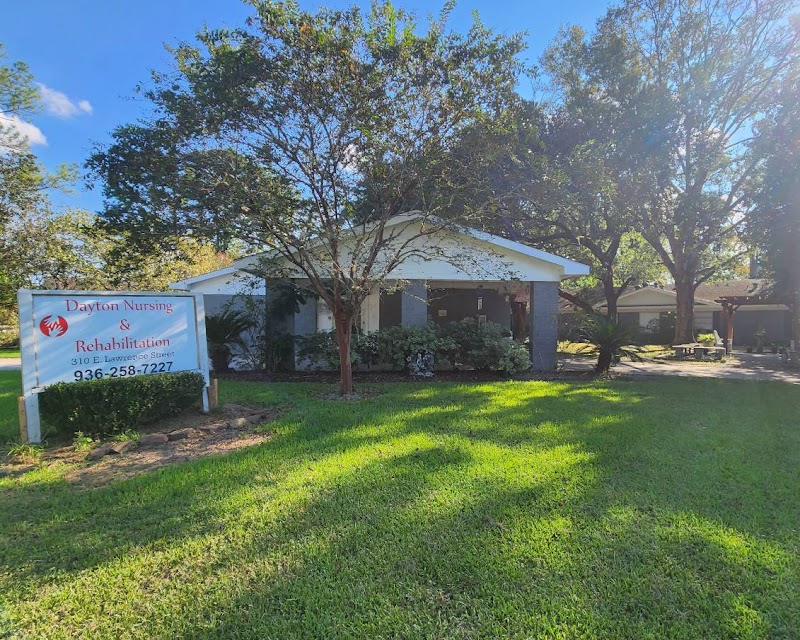
DAYTON NURSING AND REHABILITATION

310 E LAWRENCE ST, DAYTON, TX 77535 (936) 258-7227
For profit - Individual 60 Beds Independent Data: November 2025 3 Immediate Jeopardy citations
Trust Grade
0/100
#693 of 1168 in TX
Last Inspection: August 2024

Within standard 12-15 month inspection cycle. Federal law requires annual inspections.

Overview

Dayton Nursing and Rehabilitation has received a Trust Grade of F, indicating significant concerns about the quality of care provided. They rank #693 out of 1168 facilities in Texas, placing them in the bottom half, and #3 of 4 in Liberty County, meaning there is only one local facility that performs better. The facility's trend is improving, as the number of issues reported decreased from 12 in 2024 to just 1 in 2025. However, staffing is a weak point, with a rating of 2 out of 5 stars and a turnover rate of 61%, which is higher than the state average. Their fines are particularly concerning, totaling $139,967, which is higher than 95% of Texas facilities, suggesting ongoing compliance issues. While the RN coverage is average, the facility has faced serious incidents, including failing to provide CPR to a resident who was unresponsive for over two hours and not properly managing pressure injuries, leading to serious complications. Families should weigh these significant weaknesses against the facility’s slight improvements when considering care options for their loved ones.

Trust Score
F
0/100
In Texas
#693/1168
Bottom 41%
Safety Record
High Risk
Review needed
Inspections
Getting Better
12 → 1 violations
Staff Stability
⚠ Watch
61% turnover. Above average. Higher turnover means staff may not know residents' routines.
Penalties
✓ Good
$139,967 in fines. Lower than most Texas facilities. Relatively clean record.
Skilled Nurses
⚠ Watch
Each resident gets only 22 minutes of Registered Nurse (RN) attention daily — below average for Texas. Fewer RN minutes means fewer trained eyes watching for problems.
Violations
⚠ Watch
22 deficiencies on record. Higher than average. Multiple issues found across inspections.
★★☆☆☆
2.0
Overall Rating
★★☆☆☆
2.0
Staff Levels
★★★☆☆
3.0
Care Quality
★★☆☆☆
2.0
Inspection Score
Stable
2024: 12 issues
2025: 1 issues

The Good

  • Full Sprinkler Coverage · Fire safety systems throughout facility
  • No fines on record

Facility shows strength in fire safety.

The Bad

2-Star Overall Rating

Below Texas average (2.8)

Below average - review inspection findings carefully

Staff Turnover: 61%

14pts above Texas avg (46%)

Frequent staff changes - ask about care continuity

Federal Fines: $139,967

Well above median ($33,413)

Significant penalties indicating serious issues

Staff turnover is elevated (61%)

13 points above Texas average of 48%

The Ugly 22 deficiencies on record

3 life-threatening
Aug 2025 1 deficiency
CONCERN (F) 📢 Someone Reported This

A family member, employee, or ombudsman was alarmed enough to file a formal complaint

Potential for Harm - no one hurt, but risky conditions existed

Food Safety (Tag F0812)

Could have caused harm · This affected most or all residents

Based on observation, interview, and record review the facility failed to store, prepare, distribute, and serve food under sanitary conditions in 1 of 1 preparation kitchen. * The facility did not ens...

Read full inspector narrative →
Based on observation, interview, and record review the facility failed to store, prepare, distribute, and serve food under sanitary conditions in 1 of 1 preparation kitchen. * The facility did not ensure steam table lids did not have brown colored buildup on the inside edges.* The facility did not ensure baking sheets did not have brown colored buildup on the outside edges.* The facility did not ensure muffin pan did not have brown colored buildup on the inside and outside edges.* The facility did not ensure saucepans did not have brown colored buildup on the inside and outside of the pans. These failures could place all residents who eat from the kitchen at risk for foodborne illnesses. Findings included: During an observation on 08/26/2025 at 03:55 p.m. during a of the kitchen indicated there were the following:-one (1) 1/2 size baking sheet with dark brown colored build up on the outside edge;-two (2) full size baking sheets with dark brown colored buildup on the outside edges and stacked together;-one (1) large muffin pan dark brown colored buildup on the outside edges and stacked a medium muffin pan on it;-two (2) steam table lids had brown colored buildup on the inside edges;-two (2) large saucepans with brown colored buildup on the inside and outside; and-one (1) medium saucepan with brown colored buildup on the inside and outside. During an interview on 08/26/25 at 03:59 p.m. DA A said they had been scrubbing the pots and pans trying to get the brown build up off of them. During an interview on 08/26/25 at 04:15 p.m. the DM said the pots and pans were a work in process trying to get the buildup off of them. He said the outcome could be food borne illnesses from the dishes not being sanitized properly. During an interview on 08/26/25 at 05:28 p.m. the Administrator said the DM was told to rotate and replace pots and pans when needed. Record review of a Sanitization Policy revised November 2022 indicated: Policy: The food service area is maintained in a clean and sanitary manner.Policy Interpretation and Implementation:. 3. All equipment, food contact surfaces and utensils are cleaned and sanitized using heat or chemical sanitizing solutions. According to The Food and Drug Administration Code at http://www.fda.gov/food/guidanceregulation accessed on 08/26/25 indicated the following: .4-601.11 Equipment, Food-Contact Surfaces, Nonfood-Contact Surfaces, and Utensils.(B)The FOOD-CONTACT SURFACES of cooking EQUIPMENT and pans shall be kept free of encrusted grease deposits and other soil accumulations
Aug 2024 4 deficiencies
CONCERN (D)

Potential for Harm - no one hurt, but risky conditions existed

Assessment Accuracy (Tag F0641)

Could have caused harm · This affected 1 resident

**NOTE- TERMS IN BRACKETS HAVE BEEN EDITED TO PROTECT CONFIDENTIALITY** Based on observation, interview, and record review, the facility failed to ensure residents received an accurate assessment, ref...

Read full inspector narrative →
**NOTE- TERMS IN BRACKETS HAVE BEEN EDITED TO PROTECT CONFIDENTIALITY** Based on observation, interview, and record review, the facility failed to ensure residents received an accurate assessment, reflective of the resident's status for 2 of 12 residents reviewed for accuracy of assessments. (Resident #'s 4 and 12) The facility did not accurately complete the MDS assessment to indicate Resident #4 was not receiving an anticoagulant and no longer received an antidepressant medication. The facility did not accurately complete the MDS assessment to indicate Resident #12 smoked. This failure could place the residents at risk of not receiving the appropriate care and services to maintain their highest level of well-being. Findings included: 1. Record review of a face sheet dated August 2024 indicated Resident #4 was a [AGE] year-old-female readmitted [DATE] with diagnoses of dementia (a group of thinking disorders that interfere with daily functioning), anxiety (intense, excessive and persistent worry and fear about everyday situations) and depression (a mood disorder that causes a persistent feeling of sadness and loss of interest). Record review of the quarterly MDS assessment dated [DATE] indicated Resident #4 had a BIMS score of 3 indicating severely impaired cognition. The assessment indicated the resident received an anti-coagulant (e.g. warfarin, heparin, or low-molecular weight heparin (a class of anticoagulants used for treatment of blood clots) and received an antidepressant medication (medication to treat depression). Record review of physician orders dated August 2024 indicated Resident #4 did not receive an anticoagulant or antidepressant medication. Record review of a care plan updated 07/07/24 indicated Resident #4 had a history of depression. Record review of the MAR dated 07/06/21 through 07/03/24 indicated Resident #4 received an antidepressant medication duloxetine 30 mg every other day from 03/01/24 with an end date of 03/25/24 and received no anticoagulant medication, only aspirin (a blood thinning medication) 81 mg daily, that cannot be coded as an anticoagulant medication on the MDS. During an interview on 08/05/24 at 09:45 a.m., Resident #4 said she was treated well and denied pain. She was oriented to self but was confused and unsure of what medication she was prescribed. 2. Record review of a face sheet dated August 2024 indicated Resident #12 was a [AGE] year-old-male readmitted [DATE] with diagnosis of chronic obstructive pulmonary disease (COPD- a group of lung diseases that block airflow and make it difficult to breathe). The face sheet indicated Resident #12 was a current everyday smoker. Record review of a significant change in status MDS assessment dated [DATE] indicated Resident #12 had a BIMS score of 15 indicating intact cognition. The assessment indicated Resident #12 had a diagnosis of COPD and did not indicate current tobacco use. Record review of a Smoking Risk assessment with an observation date of 10/09/23 indicated Resident #12 smoked cigarettes every few hours and was a safe smoker. Record review of a care plan updated 05/15/24 indicated Resident #12 was a smoker and required supervision while smoking. During an observation and interview on 08/05/24 at 11:09 a.m., Resident #12 was observed smoking safely during the smoking time. Staff were observed providing his smoking supplies and monitoring during the smoking time. Resident #12 said he smoked every day and the staff kept his supplies and monitored him while smoking. During an interview and record review on 08/06/24 at 3:25 p.m., the Regional MDS nurse said he was responsible for all the MDS assessments in this facility as of July 2024. He said he completed Resident #4's quarterly MDS that captured an anticoagulant and antidepressant medication and after medical record review, they should not have been captured due to the resident no longer receiving the medication. The Regional MDS nurse said aspirin should not have been captured on the MDS. He said it was captured by the system from a previous MDS and should have been removed. The Regional MDS nurse said Resident #12's Significant change MDS that was completed by a previous MDS nurse, did not capture Resident #12 's smoking and should have captured it. He said it was overlooked. He said Resident #12 smoked daily since admission. The Regional MDS nurse said the Regional Consultant was his backup for double checking for MDS completeness and accuracy. The Regional MDS nurse said he was educated on MDS completion and accuracy. He said the risk of items not being captured correctly on the MDS was state inspectors and staff could be misinformed of the resident's status and not get a correct picture of the resident which could lead to a nurse not following the plan of care. During an interview on 08/06/24 at 3:50 p.m., the DON said the Regional MDS nurse was responsible for all MDSs in the facility and the Regional Consultant was his back up to check MDSs for accuracy. The DON said he was unsure why Resident #4's MDS was not captured correctly. The DON said his expectation was for all MDSs to be completed accurately and completely. During an interview on 08/07/24 at 8:17 a.m., the Administrator said the Regional MDS nurse was responsible for all MDSs in the facility and the Corporate MDS nurse was his back up and double checked MDSs for accuracy. She said Resident #4's MDS captured an anticoagulant and antidepressant medication that Resident #4 was not receiving and they should not have been captured. The Administrator said Resident #12 smoked daily and smoking should have been captured on his MDS. She said all items on the MDS should be correct. The Administrator said the Regional MDS nurse was educated on MDS completeness and accuracy. She said her expectation was to capture everything accurately on the MDS. The Administrator said the risk of incorrectly captured items on a MDS was the resident may not receive needed care. During an interview on 08/07/24 at 11:37 a.m., the Regional Consultant said the Regional MDS Nurse was responsible for the MDSs in the facility. He said he was not the back up and did not audit MDSs for accuracy. The Regional Consultant said he monitored MDSs for timeliness and provided training and new guidance. He said the Regional MDS nurse was educated on MDS completeness and accuracy. The Regional Consultant said the risk to a resident of items captured inaccurately was the MDS was a data collection tool that drives the care plan that drives resident care and observations. Record review of the facility policy revised November 2019, titled, Electronic Transmission of the MDS indicated, . All MDS assessments . are completed and electronically encoded into our facility's MDS information system and transmitted to CMS' QIES Assessment Submission and Processing system in accordance with current OBRA regulations governing the transmission of MDS data Record review of Long-Term Care Facility Resident Assessment Instrument 3.0 User's Manual dated October 2023 indicated, . N0415: High-Risk Drug Classes: Use and Indication 1. Is taking: Check if the resident is taking any medication by pharmacological classification, not how it is used during the last 7 days or since admission/ reentry or reentry if less than 7 days. N0415C1. Antidepressant: check if there is an indication noted for all antidepressant medications taken by the resident any time during the observation period N0415E1. Anticoagulant (eg., warfarin, heparin, or low-molecular weight heparin): Check if an anticoagulant medication was taken by the resident at anytime during the 7- day look back period.Coding Tips and Special Populations . Do not code antiplatelet medication such as aspirin/ extended release, dipyridamole, or clopidogrel as N0415 E, Anticoagulant. Record review of, Long-Term Care Facility Resident Assessment Instrument 3.0 User's Manual dated October 2023 indicated, . J1300: Current Tobacco Use. 0. No 1.0 Yes 1. Ask the resident if they used tobacco in any form during the look back period. 2. If the resident states that they used tobacco in some form during the 7-day look back period code 1. Yes .
CONCERN (D)

Potential for Harm - no one hurt, but risky conditions existed

Comprehensive Care Plan (Tag F0656)

Could have caused harm · This affected 1 resident

**NOTE- TERMS IN BRACKETS HAVE BEEN EDITED TO PROTECT CONFIDENTIALITY** Based on interview and record review, the facility failed to develop and implement a comprehensive person-centered care plan for...

Read full inspector narrative →
**NOTE- TERMS IN BRACKETS HAVE BEEN EDITED TO PROTECT CONFIDENTIALITY** Based on interview and record review, the facility failed to develop and implement a comprehensive person-centered care plan for each resident that includes measurable objectives and timeframes to meet a resident's medical, nursing, and mental and psychosocial needs that are identified in the comprehensive assessment for 2 of 18 residents reviewed for care plans. (Resident #s 2 and 3) The facility did not develop a care plan for Resident #2's trauma induced wound to her right heel. The facility did not develop a care plan for Resident #3's Hospice services. These failures could place the residents at risk of not receiving the care and services to maintain their highest level of well-being. Findings included: 1.Record review of a face sheet dated 08/06/24 indicated Resident #2, re-admitted [DATE] was an [AGE] year-old female with diagnosis of hemiplegia and hemiparesis (muscle weakness or partial paralysis on one side of the body that can affect the arms, legs, and facial muscles) following cerebral infarction (occurs when blood flow to the brain is blocked) affecting right dominant side. Record review of a quarterly MDS assessment, dated 06/17/24 indicated Resident #2 was cognitively intact, was independent with bed mobility and required partial/moderate assistance with transfers. Record review of physician orders for Resident #2 dated 07/26/24 indicated: clean wound to right posterior heel with wound cleaner, apply betadine around the wound, wound dres to the wound bed, cover with collagen and a dry dressing daily. Record review of the care plans indicated Resident #2 did not have a care plan for the wound on her right posterior heel. During an interview on 08/07/24 at 10:50 a.m., Resident #2 said the Treatment Nurse was taking care of her wound every day. During an interview on 08/07/24 at 10:55 a.m., the Treatment Nurse said she was responsible for writing care plans for new wounds, and she had never written a care plan for Resident #2 right posterior heel wound. She said the wound was discovered on 07/26/24 and during that time the Corporate MDS Nurse was her direct supervisor. She said not writing a care plan for a new wound could result in inconsistencies in care and deterioration of the wound. During an interview on 08/07/24 at 11:14 a.m., the Regional MDS Nurse said he had been the Treatment Nurse's direct supervisor when Resident #2's wound was discovered on 07/26/24 and a care plan was not written. He said the treatment nurse was responsible for writing care plans for new wounds, but he was ultimately responsible because it was his responsibility to ensure care plans were complete and accurate for all residents. He said his expectation was for residents to have a person-centered care plan which addressed all of the resident's current care and treatments. He said not having a care plan to address a new wound could result in the resident not receiving care as ordered by the physician. 2. Record review of a face sheet dated 08/07/24 indicated Resident #3, re-admitted [DATE] was a [AGE] year-old male with a diagnosis of cerebral infarction due to embolism (a stroke that occurs when a blood clot or plaque debris blocks the blood flow to the brain). Record review of physician orders dated 8/7/24 indicated Resident #3 was admitted to hospice services on 10/30/23. Record review of the quarterly MDS assessment dated [DATE] indicated Resident#3 was on hospice services. Record review of the care plans indicated Resident #3 did not have a care plan for Hospice services. During an interview and record review on 08/06/24 at 3:55 p.m., the Corporate MDS nurse said he was responsible for ensuring the comprehensive care plans were accurate for each resident. During record review of Resident #3's clinical record, he said Resident #3 did not have a hospice care plan and should have because he was receiving hospice services. He said the possible negative outcome of not having a hospice care plan would be the resident may not receive coordination of services and not receive the appropriate care they needed. During an interview on 08/07/24 at 12:05 p.m., the Administrator said every resident should have a person centered care plan. She said the DON was ultimately responsible that care plans addressed all care and treatments of the residents. She said the Regional MDS Nurse was the interim DON during the time these care plans were not written. Record review of a Care Plans, Comprehensive Person-Centered policy revised March 2022 indicated: Policy Statement-A comprehensive person-centered care plan that includes measurable objectives and timetables to meet the resident's physical, psychosocial and functional needs is developed and implemented for each resident. describes the services that are to be furnished to attain or maintain the resident's highest practicable physical, mental and psychosocial well-being.
CONCERN (D)

Potential for Harm - no one hurt, but risky conditions existed

Deficiency F0757 (Tag F0757)

Could have caused harm · This affected 1 resident

**NOTE- TERMS IN BRACKETS HAVE BEEN EDITED TO PROTECT CONFIDENTIALITY** Based on observation, interview, and record review the facility failed to ensure each resident's drug regimen was free of unnece...

Read full inspector narrative →
**NOTE- TERMS IN BRACKETS HAVE BEEN EDITED TO PROTECT CONFIDENTIALITY** Based on observation, interview, and record review the facility failed to ensure each resident's drug regimen was free of unnecessary medication for 1 of 12 residents reviewed for unnecessary medication (Resident #5) The facility did not monitor Resident #5 for side effects of the anticoagulation medication Eliquis (a blood thinning medication). This failure could place the residents at risk for adverse consequences of the anticoagulant medication. Findings included: Record review of a face sheet indicated Resident #5 was a [AGE] year-old male readmitted [DATE] with a diagnosis of DVT (deep vein thrombosis- a blood clot in a deep vein, usually the legs). Record review of an annual MDS assessment dated [DATE] indicated Resident #5 had a BIMS score of 15, indicating intact cognition. Record review of a care plan revised 08/07/24 indicated Resident #5 was prescribed anticoagulant therapy. An approach indicated to observe for signs of active bleeding, nose bleeds, bleeding gums, petechiae (tiny round brown-purple spots due to bleeding under the skin), blood in urine, blood in stool, elevated temperature and abdominal pain. Record review of a MAR dated 07/31/24 indicated Resident #5 received Eliquis 5 mg two times a day for DVT with a start date of 07/17/24. Record review of the physician orders dated August 2024 indicated Resident #5 was prescribed Eliquis (a blood thinning medication) 5 mg two times a day for DVT with a start date of 07/17/24. The orders did not address monitoring the anticoagulant medication. Record review of the electronic record for Resident #5 did not indicate the nurses documented monitoring of side effects of anticoagulant daily with medication administration. During an observation and interview on 08/05/24 at 10:00 a.m., Resident # 5 was lying in bed with no observed bruised areas. He said he received a blood thinner but was unsure which one or if he was monitored for bleeding. During an interview and record review on 08/06/24 at 3:30 p.m., the ADON said she was providing care for Resident #5 today. She said his Eliquis did not have monitoring in the computer system and should have monitoring for side effects of the anticoagulant medication in the computer system. She said the nurse putting the order in was responsible for adding the monitoring into the system. She said LVN A was the nurse that put the order into the computer system. The ADON said the monitoring was overlooked. She said the DON was responsible for a double check of the orders for accuracy, but the DON started 08/05/24. She said she was educated on putting side effect monitoring in the computer system for all anticoagulants. The ADON said the risk of anticoagulant monitoring not being in the computer system was the anticoagulant not being monitored for side effects and the resident could have excessive bleeding. She said she would add the monitoring into the computer system now, after surveyor intervention. During an interview on 08/06/24 at 3:42 p.m., the DON said Resident #5's Eliquis should have been monitored for side effects but was not. The DON said the ADON was responsible for adding the monitoring cues to the computer system and to ensure all anticoagulant medication was monitored for side effects. He said today was his second day and he was now responsible for double checking the physician orders for monitoring. He said he was unsure why the anticoagulant monitoring was not in the computer system. The DON said the risk of anticoagulant medication monitoring not being in the computer system was the resident bleeding. He said his expectation was for staff to monitor all anticoagulant medication for side effects. During an interview on 08/07/24 at 8:25 a.m., the Administrator said the ADON was responsible for ensuring the monitoring of anticoagulant medication was put in the computer system and the DON was to double check to ensure the monitoring was in the computer system. She said all the nurses were educated to monitor anticoagulants for side effects and to add monitoring in the computer system. The Administrator said the risk to residents of monitoring not being in the computer system was a decline in resident's care and the resident could have side effects. The Administrator said her expectation was all anticoagulants were monitored, monitoring was put in the computer system correctly and the resident was monitored for side effects and documented in the computer system. During an interview and record review on 08/07/24 at 10:00 a.m., LVN A said she was responsible for writing the order for Resident #5's Eliquis. She said she should have added monitoring when she wrote the order but missed it. LVN A said the nurse writing the order was responsible for adding the monitoring into the computer system and the ADON was responsible for double checking to ensure the monitoring was added into the computer system. She said she was educated on anticoagulant medication required monitoring added into the computer system. LVN A said the risk of monitoring for an anticoagulant medication not being added into the computer system was a resident could have bleeding issues. Record review of a policy titled, Anticoagulant - Clinical Protocol revised November 2018, indicated, . The staff and physician will monitor for possible complications in individuals who are being anticoagulated and will manage related problems. a. If an individual on anticoagulant therapy shows signs of excessive bruising, hematuria (blood in urine), hemoptysis (coughing up blood), or other evidence of bleeding, the nurse will discuss the situation with the physician before giving the next scheduled dose of anticoagulant.
CONCERN (F)

Potential for Harm - no one hurt, but risky conditions existed

Infection Control (Tag F0880)

Could have caused harm · This affected most or all residents

Based on interview and record review, the facility failed to ensure an infection prevention and control program designed to provide a safe, sanitary and comfortable environment and help prevent the de...

Read full inspector narrative →
Based on interview and record review, the facility failed to ensure an infection prevention and control program designed to provide a safe, sanitary and comfortable environment and help prevent the development and transmission of communicable diseases and infections was established and maintained to prevent the spread of infections for all residents in the facility. The facility did not maintain a system of trending infections within the facility for the months of July 2023 through July 2024. This failure could place residents at risk of cross contamination and the development of infections. Findings included: Record review of a facility census sheet dated 08/05/24 indicated facility census was 31. Record review of the facility's infection control tracking and trending binder did not include any documentation of infection trending for the months of July 2023 through July 2024. During an interview on 08/06/24 at 3:20 p.m., the Administrator said that the Regional MDS Nurse was the Infection Control Nurse for the facility. During an interview on 08/07/24 at 12:39 p.m., the Regional MDS Nurse said the previous DON had left the facility in July 2024 and had deleted facility computer records before she left. He said he believed the trending of infections records had been deleted. He said he took over the position of DON and Infection Control Nurse after the DON left, but he did not complete any trending of infections. He said trending was done to document the type of infection, possible common bacteria, and the area of the facility in which the infection occurred. He said the possible negative outcome of not trending infections was increased and continuous infections and the spread of infection among the residents. During an interview on 08/07/24 at 12:46 p.m. the Administrator said she thought to previous DON had deleted the files that recorded the trending of infections in the facility. She said the previous DON left on 07/19/24. She said she expected all infections in the facility to be tracked and trended to make the facility staff aware of what infections were occurring and develop an ongoing and effective infection prevention program. She said the possible negative outcome of not trending infections could be the rise of infections in the facility. Record review of a facility policy titled Surveillance for infections revised September 2017 indicated .The purpose of the surveillance of infections is to identify both individual cases and trends of epidemiologically significant organisms and healthcare-associated infections, to guide appropriate interventions, and to prevent future infections .
Jul 2024 1 deficiency
CONCERN (D) 📢 Someone Reported This

A family member, employee, or ombudsman was alarmed enough to file a formal complaint

Potential for Harm - no one hurt, but risky conditions existed

Deficiency F0761 (Tag F0761)

Could have caused harm · This affected 1 resident

Based on observation, interview, and record review, the facility failed to store all drugs and biologicals in locked compartments under proper temperature controls, and permit only authorized personne...

Read full inspector narrative →
Based on observation, interview, and record review, the facility failed to store all drugs and biologicals in locked compartments under proper temperature controls, and permit only authorized personnel to have access, for 1 of 1 medication reviewed for security. The facility did not ensure venlafaxine ((Effexor) an antidepressant) was stored securely when it was left unattended at the nursing station. This failure could place residents at risk for harm by misappropriation of property and drug diversion. Findings included: During an observation on 07/10/24 at 07:45 a.m. of the nurses' station indicated two 30 count cards of venlafaxine ((Effexor) an antidepressant) left on the desk and accessible to staff, residents, and visitors. During an interview on 07/10/24 at 07:55 a.m., LVN A indicated she had the cards of venlafaxine out to return to the pharmacy when she got up to leave the nurses' station. She said she meant to put them in the medication room and should not have left the medication at the desk. During an interview on 07/10/24 at 09:00 a.m. the DON indicated medications were not to be left unsecured to where anyone could get them. She said staff, residents, or visitors could walk away with the medication. During an interview on 07/10/24 at 09:20 a.m., the Administrator said medications were not to be left at the nurses' station unattended by the staff as they could be removed by anyone walking by. Record review of a Medication Labeling and Storage policy revised February 2023 indicated Policy Statement: The facility stores all medications and biologicals in locked compartments under proper temperature, humidity and light controls. Only authorized personnel have access to keys. Policy Interpretation and Implementation: Medication Storage: 4. Compartments (including, but not limited to, drawers, cabinets, rooms, refrigerators, carts, and boxes) containing medications and biologicals are locked when not in use, and trays or carts used to transport such items are not left unattended if open or otherwise potentially available to others
May 2024 1 deficiency 1 IJ
CRITICAL (J) 📢 Someone Reported This

A family member, employee, or ombudsman was alarmed enough to file a formal complaint

Immediate Jeopardy (IJ) - the most serious Medicare violation

Deficiency F0678 (Tag F0678)

Someone could have died · This affected 1 resident

**NOTE- TERMS IN BRACKETS HAVE BEEN EDITED TO PROTECT CONFIDENTIALITY** Based on observations, interviews, and record reviews, the facility failed to provide basic life support, including CPR to a res...

Read full inspector narrative →
**NOTE- TERMS IN BRACKETS HAVE BEEN EDITED TO PROTECT CONFIDENTIALITY** Based on observations, interviews, and record reviews, the facility failed to provide basic life support, including CPR to a resident requiring such emergency care and subject to related physician orders and the resident's advance directives for 1 (Resident #1) of 31 residents reviewed for CPR. Resident #1 was found unresponsive on [DATE] around 4:00 a.m. by CNA B who immediately notified LVN A. LVN A failed to verify Resident #1's code status before calling hospice which led to the resident being pronounced dead and CPR not being initiated for approximately 2.5 hours after the resident was found to be unresponsive. The facility did not immediately provide CPR and call 911 for Resident #1 who was a full code (wanted all possible life saving measures in the event his heart or breathing stopped) when the resident was found unresponsive by CNA B. The non-compliance was identified as past non-compliance. The Immediate Jeopardy began on [DATE] and ended on [DATE]. The facility had corrected the noncompliance before survey began. This failure could place residents at risk of not receiving life saving measures including CPR and could lead to death. Findings included: Record review of Resident #1's face sheet revealed a [AGE] year-old male admitted to the facility on [DATE]. His diagnoses included cerebrovascular disease, pneumonia, and anoxic brain damage. (Brain was deprived of oxygen causing brain cells to die) Record review of Resident #1's significant change MDS dated [DATE] indicated he had a BIMS score of 11 out of 15, which indicated his cognition was moderately impaired. Record review of Resident #1's care plan dated [DATE], indicated Resident #1 had code status as Full Code. Interventions included advanced directives will be kept in chart. If resident was found with no pulse and/or respirations, notify physician, EMT's, and begin CPR. Record review of Resident #1's progress notes dated [DATE] at 4:15 a.m., documented by LVN A stated Resident was found with no signs of life, Hospice notified, and stated they would be here as soon as she can. Stated she will call family and funeral home. Message left for ADON. During an interview on [DATE] at 12:15 p.m., CNA B said she had been employed at facility since February 2024. She said she received orientation including Abuse/Neglect. She said she took the CPR class offered at the facility on [DATE]. She said staff knew of the resident's code statuses in the computer next to their name. CNA B said there was also a binder on the crash cart with every resident's code status and paperwork. She said she made rounds on residents about every 1-2 hours. She said on [DATE] while working her shift, she saw Resident #1 around 2:30 a.m., and he was fine. She said on her next rounding at 4:00 a.m., he was unresponsive. She said his lips were white and his nailbeds were blue/purple, and his body was warm to the touch. She said she yelled for the nurse. She said the nurse went and looked at him and went back to the nurse's station. CNA B said she told the nurse she thought the resident was a full code. She said LVN A threw her hands up in the air and told her the resident was a hospice patient and there was not anything she could do for him. CNA B said she told the nurse she should do something, and the nurse told her he was already gone, and it was too late. CNA B said the nurse did not start CPR or use the AED while she was in facility. CNA B said postmortem care was performed. CNA B said when her shift was over at 6:00 a.m., the resident was still in facility and the LVN A had done nothing. During a phone interview on [DATE] at 2:09 p.m., LVN A said on [DATE] at approximately 4:00 a.m., CNA B summoned her to Resident #1's room. LVN A said when she entered his room, Resident #1's face looked like candle wax. She said he had no pulse, heartbeat, or respirations. LVN A said they turned him, and he had rigor mortis (rigor mortis-stiffening of the joints and muscles of a body a few hours after death). Next, she called the hospice agency at 4:15 a.m. and informed the service of his death. She said the hospice on-call nurse returned her call and told her it would take about 1.5 hours for her to arrive. LVN A said after she hung up with the hospice nurse, she then went about her duties and prepared medications that were due before the end of her shift for other residents. She said when the hospice nurse arrived at 6:30 a.m., the hospice nurse told her the resident was a full code. LVN A said the hospice nurse said she could not pronounce the resident as deceased because he was a full code and CPR or EMS had not been activated. LVN A said she clocked out of her shift and was on her way home when LVN D phoned her to return to the facility. LVN A said after returning to facility, she initiated CPR and hooked up the AED to Resident #1. This was approximately 2.5 hours after finding Resident #1 unresponsive. She said EMS arrived and pronounced Resident #1 dead. She stated, I did not know he was a full code and how can they be with hospice? She added It is fully my fault. I did not check his code status. I knew where to look but it never crossed my mind. She stated I was worried about getting my work done. People are getting fired left and right around here. She said she had been a nurse since 1985 and had done CPR in the past but never on a hospice patient. Record Review of a hospice note for Resident #1's incident indicated the hospice RN arrived at the facility on [DATE] at 6:36 a.m. She noted receiving a call from the hospice answering service that LVN A had reported Resident #1 expired. The hospice RN returned the call to the facility and gave her an estimated time of arrival. Upon arrival to facility, learned that EMS had not been called and no CPR initiated. Pt. was a full code. Informed LVN that EMS needed to be called and CPR initiated. Ambulance service responded and took over from LVN who was doing CPR at bedside. They pronounced patient at 7:32 a.m. During a phone interview on [DATE] at 1:00 p.m., the Hospice RN said she received a message through the hospice answering service that Resident #1 had expired. She said when she arrived at the facility around 6:30 a.m., she opened her computer and saw that the resident was a full code. She asked the facility staff about CPR or calling 911. She said LVN A told her there was a note on his chart saying not to send out to the hospital and this was the reason she did not initiate CPR. She said apparently the nurse exited the facility after her shift and the hospice RN told them to get her back to finish up with the resident. She said LVN A returned and initiated CPR and another staff called EMS. She said she could not pronounce because the resident had been a full code and CPR had not been initiated until after she arrived and was made aware. During an interview on [DATE] at 9:30 a.m., the Administrator said she was notified by MA C of the situation with Resident #1 at approximately 6:30 a.m. She said LVN A said she believed she did nothing wrong because the resident was a hospice patient. The Administrator said LVN A told her the resident was cold to the touch when she found him. She said the nurse called hospice and was told by the hospice nurse that she must do something because the resident was a full code. She was told to call EMS by the hospice nurse. The Administrator said the on-call hospice nurse came to the facility and would not pronounce this resident because the facility nurse had not initiated CPR. She said finally LVN A called EMS and began CPR when she returned to facility approximately within 10 minutes of leaving the facility. The spouse was also called and came to facility. The Administrator said LVN A had not been employed at the facility for a long amount of time and had been a nurse for over 25 years. She said LVN A was CPR certified. The Administrator said LVN A was suspended pending investigation, and on the next day, had phoned to see when she could come back to work. She said LVN A seemed to believe she had done nothing wrong and wanted to return to work. She said all nurses currently were CPR certified and a CPR class was held on Friday after the incident (occurred on Wednesday). She said she held mock codes on Friday and one on Saturday for the staff due to the incident. Her expectations were for all staff to be knowledgeable of the code process and to feel comfortable performing CPR on residents should the occasion arise. Any direct care staff not current on CPR were not allowed to work on floor until current. Following a facility investigation, LVN A was terminated from facility on [DATE]. During an interview at on [DATE] at 12:50 p.m., MA C said she started working at the facility in [DATE]. She said she had attended CPR class offered by the facility following this incident. She said there was a binder on top of the crash cart at the nurses' station which contained all information of the residents' code statuses. She added staff could also look in the computer. She said when she arrived at the facility for her shift, LVN A told her Resident #1 had passed away. She said LVN A told her she had left a message for the DON but had not informed the administrator of resident's death. She said she called the administrator to inform her, and that the administrator was unaware of death at that time. During an interview on [DATE] at 1:40 p.m., the DON said she received a text from the Administrator at 7:00 a.m. informing her of Resident #1 passing away and CPR had not been initiated. She said she arrived at the facility at 8:15 a.m. She said when the nurse for the day shift arrived for her shift at 6:00 a.m., the hospice nurse was freaking out because no one had initiated CPR on Resident #1 and that someone should call EMS/911. The DON said LVN A told her the resident was a hospice patient and the DON told her she still had to do CPR. The DON said LVN A had not informed the resident's physician, the DON, or Administrator of the incident prior to their arrival. The DON said the resident's medical record indicated what specific hospital Resident #1's spouse did not want the resident sent to, but there were other hospital facilities available. She said LVN A knew the resident was a full code. She added how could you be a nurse for 40 years, or 4 days, and not know you have to do CPR? To ensure all staff received the trainings, she said a CPR audit was conducted on all direct care staff. Any direct care staff not current on CPR were not allowed to work on floor until current. Mock codes utilized a CPR dummy and there was return demonstration. DON/designee will perform monthly audit of direct care staff to ensure all were current on CPR. Current CPR certification will be verified on all new hires of direct care staff. Will perform random mock codes. During a phone interview on [DATE] at 2:00 p.m., LVN D said she worked the day shift. She said during report on [DATE] at 6:00 a.m., she was informed Resident #1 had expired. She said the hospice RN arrived around 6:30 a.m. and started asking questions about the resident such as, had CPR been initiated and had first responders been notified. LVN D said she told the hospice nurse that all she had been told was that the resident had passed. She said the hospice nurse wanted LVN A to come back to facility, so she called her to return. She said after LVN A and the hospice RN spoke, LVN A called EMS and went to the room to initiate CPR. LVN D said she had been a nurse for 21 years and had been at the facility for about one month. She was able to explain code status and response with the state surveyor. During interview on [DATE] at 11:00 a.m., the ADON said LVN A called her about 4:30 a.m. on [DATE] but she did not hear her phone. She said later that morning, when she listened to the voicemail, the message was to inform her of Resident #1 passing. She was not aware of the situation until she arrived at the facility around 7:30 a.m . Reviewed crash cart and AED documents on [DATE] at 11:15 a.m. The crash cart had a binder with a list of every resident's code status with copies of advance directives and out-of-hospital DNRs. Residents with full codes had green sheets with their name and room number in big, bold letters. On [DATE] at 4:00 p.m., the Administrator was informed of the Immediate Jeopardy. The non-compliance was identified as past non-compliance. The Immediate Jeopardy began on [DATE] and ended on [DATE]. The facility had corrected the noncompliance before survey began. The facility implemented the following interventions: -Immediate suspension of LVN A -CPR audit conducted on all direct care staff -Abuse/Neglect in-service -in-service on emergency procedures for codes (CPR) -Performed 3 mock codes with more planned -held CPR training recertification class These interventions were verified by state surveyor. Review of Provider Investigation Report dated [DATE] indicated the following: *Provider Response - Nurse was immediately suspended pending investigation. Family, physician, NP and local law enforcement notified. Facility wide re-educationinitiated. *Investigation Summary - Nurse did not initiate CPR or call 911 to a full code hospice resident when she found him with no signs of life at 4:15 a.m. *Investigation Findings - confirmed *Provider Action Taken Post - Investigation - Nurse suspended pending investigation. In-service on code status, neglect and proper reporting procedures initiated. Facility verified that all direct care staff has current CPR certification. Mock codes initiated for all shifts. CPR class provided. Record review of training held on [DATE] indicated facility held an in-service on General Abuse and Neglect for all Nursing staff. There were 35 staff members who attended. Record review of training held on [DATE] indicated facility held an in-service on Emergency Procedure for Codes and Documentation. There were 21 in attendance. Record review of training held on [DATE] indicated facility held training on CPR and First Aid and AED. There were 10 direct care staff who updated their CPR cards by recertification. Record review of training for Mock Code - with education on code status emergency response provided held on [DATE] with 4 nursing staff participating. Record review of training for Mock Code - with education on code status emergency response provided held on [DATE] with 4 nursing staff, a housekeeper and a therapy person participating. Record review of training for Mock Code - with education on code status emergency response provided held on [DATE] with 6 nursing staff participating. During interviews on [DATE] from 11:00 a.m. through 4:30 p.m., 3 CNAs (CNA B, CNA G, and CNA H) were able to identify abuse/neglect, were knowledgeable of resident code status, and knew where to locate information of new resident's code status. They were aware of expectations to begin CPR immediately if resident was found unresponsive and was a full code. Each had engaged in the mock code drills performed following this incident. During interviews on [DATE] from 11:00 a.m. through 4:30 p.m., 1 LVN (LVN D) and 3 MAs (MA C, MA E, and MA F) were able to identify abuse/neglect, were knowledgeable of resident code status, and knew where to locate information of new resident's code status. They were aware of expectations to begin CPR immediately if resident was found unresponsive and was a full code. Each had engaged in the mock code drills performed following this incident. During interviews on [DATE] from 11:00 a.m. through 4:30 p.m., the DON, the ADON, the RN supervisor, and Maintenance supervisor were able to identify abuse/neglect, were knowledgeable of resident code status, and knew where to locate information of new resident's code status. They were aware of expectations to begin CPR immediately if resident was found unresponsive and was a full code. Each had engaged in the mock code drills performed following this incident. Record review of an Emergency Procedure - Cardiopulmonary Resuscitation policy dated February 2018 indicated: . Personnel have completed training on the initiation of Cardiopulmonary Resuscitation (CPR) and basic life support, including defibrillation, for victims of sudden cardiac arrest. General Guidelines 6. If an individual (resident, visitor, or staff member) is found unresponsive and not breathing normally, a licensed staff member who is certified in CPR shall initiate CPR unless: a) it is known that a Do Not Resuscitate order that specifically prohibits CPR and/or external defibrillation exists for that individual or b) there are obvious signs of irreversible death. 7. If the resident's DNR status is unclear, CPR will be initiated until it is determined that there is a DNR or a physician's order not to administer CPR. The non-compliance was identified as past non-compliance. The Immediate Jeopardy began on [DATE] and ended on [DATE]. The facility had corrected the noncompliance before survey began.
Mar 2024 6 deficiencies 2 IJ (1 affecting multiple)
CRITICAL (J) 📢 Someone Reported This

A family member, employee, or ombudsman was alarmed enough to file a formal complaint

Immediate Jeopardy (IJ) - the most serious Medicare violation

Quality of Care (Tag F0684)

Someone could have died · This affected 1 resident

**NOTE- TERMS IN BRACKETS HAVE BEEN EDITED TO PROTECT CONFIDENTIALITY** Based on interview and record review , the facility failed to provide treatment and care in accordance with professional standar...

Read full inspector narrative →
**NOTE- TERMS IN BRACKETS HAVE BEEN EDITED TO PROTECT CONFIDENTIALITY** Based on interview and record review , the facility failed to provide treatment and care in accordance with professional standards of practice, the comprehensive person-centered care plan, and the resident's choices for 1 (Resident #1) of 10 residents reviewed for quality of care. The facility failed to coordinate care with the orthopedic surgeon and attending NP/MD of Resident #1's change in skin condition to RLE surgical area, addressing a scab, dark or discolored skin on top of resident's right foot identified in 02/14/2024. No documentation of an assessment or treatment performed to Resident #1's pressure injury/wound to top of right foot and/or no coordination or communication with orthopedic surgeon or attending physician/NP regarding pressure injury/wound identified on 02/14/2024 by orthopedic surgeon. The facility failed to coordinate with orthopedic surgeon or attending NP/MD documented of right dorsal foot pressure injury when it deteriorated to an unstageable wound with eschar and resident had to be hospitalized and area required surgical debridement and graft application. An Immediate Jeopardy (IJ) was identified on 03/21/2024. The IJ template was provided to the facility on [DATE] at 5:09 p.m. While the IJ was removed on 03/23/2024 at 1:00 p.m., the facility remained out of compliance at a scope of isolated and severity level of no actual harm with a potential for more than minimal harm that is not immediate jeopardy due to the facility's need to complete in-service training and evaluate the effectiveness of the corrective systems that were put in place. This failure could place residents at risk for diminished quality of care, untreated medical issues, and death. Findings included: Record review of Resident #1's electronic face sheet dated 03/13/2024 indicated she was originally admitted to the facility on [DATE] and readmitted on [DATE]. Her diagnoses included: displaced trimalleolar fracture of right lower leg (fracture of lower leg bone, connected to foot/ankle area), Other acute osteomyelitis (infection of the bone), left ankle and foot, Encounter for surgical aftercare following surgery on the skin and subcutaneous tissue-Right ankle ORIF (surgical procedure to replace bones with hardware or attach hardware to fix broken bone), Need for assistance with personal care, Muscle weakness (generalized), End stage renal disease ( a medical condition in which a person's kidneys cease functioning on a permanent basis leading to need for a regular course of long-term dialysis or a kidney transplant to maintain life), Cognitive communication deficit, metabolic encephalopathy ( another health condition, such as diabetes, liver disease, kidney failure, or heart failure, makes it hard for the brain to work), hypertension condition in which the force of the blood against the artery walls was too high, Diabetes mellitus (chronic condition that affects the way the body processes blood sugar). Record review of Resident #1's MDS dated [DATE] indicated she had no pressure injuries. She scored a 15/15 on her BIMS which signified she was cognitively intact. She was incontinent of bowel and bladder and went to dialysis 3 x week for hemodialysis for her end stage renal disease. She required substantial/maximal assistance with her ADL's. Record review of Resident #1's comprehensive care plan date initiated 12/15/2023 and revised on 03/01/2024 indicated Problem .has surgical wound to right ankle with pins in place .Approach . Assess condition of surrounding skin. Report emergence of skin excoriation. Observe and report signs of localized infection (localized pain, redness, swelling, tenderness, loss of function, heat at the infected area.) Further review indicated Problem . potential for impaired skin integrity related to impaired mobility. Approach . Assess feet Q shower day & PRN, noting color, peripheral pulses, sensory reflexes, temperature, presence of edema or verbalizations of pain. Assess skin weekly & PRN & document changes. Record review of Resident #1's Braden Skin Assessment dated 12/15/2023 indicated she scored a 19 which signified she was at a low risk for skin breakdown. The was no o current Braden Skin Assessment noted in medical records. Record review of Resident #1's Orders As of: 12/14/2023 to 02/27/2024 indicated: Treatments .to provide weekly skin assessment once a day on Monday 6:00 a.m. - 6:00 p.m. Dated 11/09/2023. Further review indicated Treatments . check skin surrounding splint to right leg. Check for capillaries refill to lower extremity every shift and as needed . Notify MD of any abnormalities or changes in skin condition. Every Shift: day shift 06:00 a.m. - 06:00 p.m., night shift 06:00 p.m. - 06:00 a.m. Dated 11/23/2023 Ended 02/26/2024. Wound Treatments: cleanse pin site to right ankle surgical site with peroxide once a day every other day 06:00 a.m. - 06:00 p.m. Dated 12/15/2023. Ended 02/27/2024. Record review of Resident #1's Skin - Dignity Weekly Skin Assessment dated 02/12/2024 authored by RN C indicated Resident #1 did not have a pressure, diabetic, venous, arterial ulcer, or incision. Other: Surgical incision with pins to the inner and outer right ankle, wound care in place. Record review of Resident #1's Orthopedic progress note dated 02/14/2024 authored by orthopedic MD indicated that Resident #1 was being seen status post right ankle fusion with hardware removal with external fixator and pins placement on 12/11/2023. The external fixator frame was in place to RLE, swelling was mild, incision healed. Mild redness on the proximal medial and lateral pins. Abrasion with some black scabbing proximally 2 centimeters x 2 centimeters on the top of right foot. Record review of Resident #1's facility medical record dated 01/24/2024 to 02/25/2024 does not indicate facility was coordinating with orthopedic surgeon after follow-up visits provided. No orthopedic office visit notes identified in the medical records at the time of orthopedic office visits and no communication regarding continued treatment or orders noted from orthopedic office. Two orthopedic notes identified in the medical records were requested and received by facility on 02/29/2024 after the deterioration of RLE external pin site and black/dark area to top of right foot. Record review of Resident #1's Skin - Dignity Weekly Skin Assessment dated 02/19/2024 authored by LVN A indicated Resident #1 did not have a pressure, diabetic, venous, arterial ulcer, or incision. Other: Surgical incision with pins to the inner and outer right ankle, wound care in place. Record review of Resident #1's Skin - Dignity Weekly Skin Assessment due 02/26/2024 not found in medical records. Record review of Resident #1's progress notes from 02/14/2024 to 02/27/2024 revealed no documentation of an assessment or treatment performed to Resident #1's pressure injury/wound to top of right foot and/or no coordination or communication with orthopedic surgeon or attending physician/NP regarding pressure injury/wound identified on 02/14/2024 by orthopedic surgeon. Record review of resident #1's TAR dated February 2024 did not have an assessment or treatment for pressure injury/wound on top of right foot. Record review of Resident #1's Progress Note dated 02/23/2024 authored by LVN A, indicated that CN was made aware by CNA that resident's right foot dressing had blood leaking. CN noted resident's right foot with dried blood on skin and pins, with white spots with clear drainage on side of foot too. CN cleaned wound per wound care order, DON, ADON, Administration, and MD notified of findings, no new orders given. Record review of Resident #1's Progress Note dated 02/25/2024 authored by LVN A, indicated that CN nurse cleaned residents' Right foot per wound care order, right foot had purulent drainage, with dried blood, RP notified, MD was already made aware upon first finding on 02/23/24. DON notified, ADON notified. Will monitor. Vital signs were within normal limits . Resident denies any pain or discomfort at this time. Record review of Resident #1's Progress Note dated 02/26/2024 authored by DON G indicates that the facility NP was notified regarding skin integrity and pictures were sent to NP. New orders for stat labs to be obtained and schedule an ortho visit as soon as possible . Record review of Resident #1's image of RLE dated 02/25/2024 and 02/26/2024 indicated that resident has a dark area to top of right foot with redness noted around wound. Record review of Resident #1's Progress Note dated 02/27/2024 authored by NP indicated that Resident #1 was seen today after having hemodialysis (a machine filters waste, salts and fluid from your blood when your kidneys are no longer healthy enough to do this work adequately) session this morning. She continued to have drainage from RLE hardware x 5 days, the entry points in the heel, middle, and upper portions of the hardware have purulent drainage. She is complaining of significant pain. She has an appointment with Ortho scheduled for tomorrow, but labs from 02/26/2024 show leukocytosis of 17.9 which is concerning. Spoke with orthopedic MD on the phone and he advised transferring Resident #1 to affiliated hospital for evaluation. Record review of Resident #1's hospital record dated 02/27/2024, indicated Diagnosis: Chronic osteomyelitis (infection in the bone) of the right ankle, has external fixator, infection at sites of external fixator pins and right dorsal foot wound (pressure injury). Resident #1 underwent manipulation of external fixature, pin exchange and irrigation and debridement with application of integra graft to right dorsal foot (pressure injury site) on 02/29/2024. Skin head to toe assessment completed in hospital ER dated 02/27/2024 indicated Resident #1 was found to have pressure injury to right lateral buttock, measuring 2 cm x 2cm - images indicate site missing top layer of skin, pink in color, and a pressure injury to right dorsal foot measuring 2 cm x 4 cm - images indicate black/eschar tissue with redness around wound site. Plan: The patient has had some issues with the pin sites, we recommend surgery to evaluate exchange of pins. The resident was admitted for IV antibiotics, pain management and surgical intervention. Recommend compression of the ankle fusion through the frame as well as debridement of the dorsal midfoot wound that is worsening. Resident #1 underwent surgical intervention of right ankle manipulation of external fixator pin exchanged and wound irrigation, debridement, and graft application to right dorsal foot pressure injury/wound on 02/29/2024. Resident #1 was discharged on 03/03/2024 to another nursing facility with orders to continue IV antibiotics for 8 weeks and to provide care to pressure injury/wound to right dorsal foot and pin sites daily and to follow up with infectious disease and orthopedic physicians. Interview on 03/13/2024 at 2:30 p.m. with LVN A, indicated that she cared for Resident #1, she was a CN nurse on 06:00 a.m. - 06:00 p.m. shift and she provided pin site care, cleansed each site with hydrogen peroxide, and wrapped RLE/external fixator with ace wrap during her shift. LVN A said that Resident #1 had an external fixator/halo device to RLE status post hardware removal following ankle fracture and CN was responsible to provide pin site care every other day. LVN A said her pin sites started looking red, macerated, and purulent drainage on 02/23/2024 and reported the findings to DON, ADON, Administration, and MD notified of findings, no new orders given. LVN A does not recall assessing or providing treatment to an area on top of Resident #1's right foot. LVN A indicates that she took a photo of the resident's right lower extremity/foot and sent it to the DON due to her concerns with the external fixator pin sites. LVN A said the care provided and concerns was focused on the external fixators pin sites, does not recall scab, dark area, or discoloration to top of right foot. LVN A said it is the CN's responsibility to collect new orders or office visit notes/progress notes when resident goes to outside appointments. LVN A said she tries to call to get notes or new orders when residents go to outside appointments but may not have time to follow up if not obtained. LVN A said that DON and/or ADON will follow up with outside appointments if aware. Interview on 03/13/2024 at 4:40 p.m. with LVN B, indicated that she cared for Resident #1, she was a CN on 06:00 a.m. - 06:00 p.m. shift and she provided pin site care and wrap RLE/external fixator with ace wrap during her shift. LVN said that resident had an external fixator/halo device to RLE and CN was responsible to provide pin site care every other day. LVN said that she did recall seeing a dark or discolored skin on top of resident's right foot but was not providing care or treatment to the area to her knowledge, no orders. LVN B said she has only been employed with the facility for about 1 month and follows her MAR/TAR to provide required treatments and medications. LVN B said that if residents go out to outside appointments that she thinks DON or ADON does follow up regarding new orders or treatments. LVN B said Resident #1 was cognitive and she could tell you what the doctor said. Interview on 03/13/2023 at 6:18 p.m. with Resident #1's family member indicated she went to the hospital emergency room to meet the Resident #1 on 02/27/2024. She stated she saw Resident #1 right lower extremity and told the ER staff that she had concerns regarding the care the resident was receiving at the current nursing facility. The FM stated she had redness and purulent drainage from her external fixator pin sites on right foot, a large black round wound to the top of her right foot, and a pressure sore to her right buttock. She stated she was in shock, the right foot looked horrible since she had last seen it at the orthopedic office on 02/14/2024. She stated the hospital diagnoses was infection at site of external fixator pin, cellulitis, and right foot wound. She stated the area on top of her right foot had dead tissue that had to be surgically removed and a graft placed. She said that the facility staff improper placement of ace wrap caused the wound on top of foot. FM said she was unaware of the pressure injury on right buttocks until she saw it at the hospital ER. FM said resident will not be returning to this facility due to the neglect and inadequate care provided to Resident #1. Interview on 03/14/2024 at 5:22 p.m. with RN C indicated that she works as the RN supervisor usually on weekends but does pick up days during the week if needed. RN C recalls Resident #1's right foot with external fixator device and CN had to provide pin site care using hydrogen peroxide and Q-tip every other day and then wrap RLE/external fixator with ace wrap for protection. RN C does not recall the last time she cared for Resident #1 and has no recollection of resident having any wounds or discolored area to top of right foot area that she assessed or provided care for. RN C said each resident was scheduled a day and shift for weekly skin assessments to be performed by CN. Skin assessment should identify any new wounds, skin tears, abrasions, lacerations, rash, skin impairment/damage, discoloration, bruises, pressure, diabetic, venous, arterial ulcer, or incisions. Interview on 03/18/2024 at 11:27 a.m. with LVN A acknowledges that she took the photographs of Resident #1's RLE and provided a copy to DON. LVN A reviewed the photo previously taken on 02/25/2024 and does identify a dark/discolored area to top of right foot. LVN A said that the dark/discolored area on top of right foot should have been identified on the weekly skin assessments and the orthopedic MD or attending physician should have been made aware so assessment and treatment could have been ordered. LVN A does not recall when the dark/discolored area on top of right foot occurred or was first identified. Interview on 03/18/2024 at 1:41 p.m. with DON G, said she was familiar with Resident #1, she said she had to do a write up/medication error on an LVN because she used Dakin's solution (mixture of bleach or chlorine bleach, boric acid diluted in water) for pin site care instead of hydrogen peroxide on 02/22/2024. DON G communicated with LVN A on 02/23/2024 regarding Resident #1's external fixator pin sites with redness and purulent drainage and told her to contact orthopedic surgeon with report. DON G said she received a text message and image/photo of Resident #1's RLE on 02/25/2024 with concerns that pin sites continue to have drainage and redness noted during wound care. DON G said on 02/26/2024 she contacted orthopedic surgeon's office for an earlier appointment and notified attending NP/MD. DON G said she forwarded the attending NP the photos she had received from LVN A and NP gave new orders for stat labs to be obtained. DON G said that she had not physically observed Resident #1's RLE only the images sent to her. DON G said she reached out to orthopedic surgeon several times trying to get the resident an earlier appointment. DON G said that labs came back on 2/27/2024 indicating elevated white blood count and attending NP notified. She said attending NP consulted with orthopedic surgeon and resident was sent to affiliated hospital for evaluation and treatment. DON G does not recall facility staff mentioning Resident #1 having a dark/discolored area to top of foot but once she reviews the image/photo she acknowledges that image from 2/25/2024 does show a dark/discolored area to top of right foot. DON G said skin assessment should be performed weekly and as needed, DON G said areas like this should be documented and monitored. DON G said that she was no longer employed as the DON with this facility and was terminated at the end of February 2024. Interview on 03/20/2024 at 3:27 p.m. with LVN B, she acknowledges that the ace wrap being too tight could have caused the area to Resident #1's right dorsal foot, she said that she placed a non-adherent pad to area for protection at times. LVN B said that the dark/discolored area on top of right foot should have been identified on the weekly skin assessments and the orthopedic MD or attending physician should have been made aware so assessment and treatment could have been ordered. LVN B does not recall when the dark/discolored area on top of right foot occurred or was first identified. Interview on 03/14/2024 at 3:45 p.m. with DR E., who supervised NP D, he stated that he has seen Resident #1 with the external fixator and pin sites when he was visiting the roommate, approx. 1 week prior to hospitalization, while care was being provided to site, he does not recall seeing a dark/discolored area to top of right foot but says he was focus more on the pin sites which had a little redness but looked ok. DR E said that Resident #1 was seen by orthopedic surgeon routinely and he provided care/orders to RLE. DR E observed a photo of the RLE taken at the hospital ER on [DATE] and said no RLE did not look like that when he saw it, he said that NP D had been notified of the pin sites having drainage and redness on 02/26/2024 and she ordered labs and later consulted with orthopedic surgeon for hospital transfer and evaluation. DR E denied being notified or aware of dark/discolored area on top of right foot. Interview on 03/19/2024 at 8:00 a.m. with NP D indicated that she was notified by facility staff on 02/26/2024 that Resident #1 was having purulent drainage and redness at fixator pin sites, she ordered labs to be collected and for orthopedic appointment to be scheduled ASAP. NP D acknowledges that she received a picture of the Resident #1's RLE on 02/26/2024. NP D said that the focus at the time was the change in the pin site insertion sites, redness and purulent drainage, NP D reviews the photo provided to her on 02/26/2024 and does acknowledge the resident had a dark/discolored area to top of right foot but unable to assess due to poor quality of picture. NP said that Resident #1 was routinely being seen by orthopedic doctor for care, interventions, and treatment to RLE. NP said Resident #1 was sent to affiliated hospital on [DATE] due to abnormal lab values (elevated WBC count) and redness, and purulent drainage from fixator pin sites. Interview on 03/20/2024 at 12:05 p.m. with the ADON indicated initially Resident #1 admitted to facility with cast/splint due to fractured ankle, but due to hardware failure, resident had to have hardware removed and eternal fixator placed back in December 2023. ADON states that Resident #1 was seen by therapy services at first and has remained non-weight bearing. Resident #1 was being seen by orthopedic surgeon weekly, then biweekly then every three weeks. Resident #1 was non- weight bearing to RLE and facility staff was to provide pin site care to external fixator pins every other day using hydrogen peroxide and wrap RLE/external fixature with ace wraps. Resident was transported to orthopedic surgeon appointments and dialysis 3 x week by facility transport. ADON said that resident was cognitive and that she would report to facility what happened during her orthopedic appointments because family members would meet them at appointment and take office visit paperwork. ADON said that the charge nurse was responsible for following up when resident had outside appointment and getting the paperwork or new orders, ADON said that she or the DON was available to assist with getting office visit paperwork if needed assistance. ADON said that she contacted orthopedic surgeon for office visit notes for investigation related to medication error (staff applied wrong treatment to RLE pin sites) and had received and reviewed the documents on 02/29/2024. ADON said she had observed Resident #1's RLE with redness and purulent drainage to pin sites, recalls a dark/dried scab area to top of foot day prior to resident being transferred to hospital for evaluation. ADON said she also spoke with resident on 02/26/2024 regarding pin sites redness and drainage and resident said that orthopedic surgeon was aware of the pin sites redness and drainage during last orthopedic appointment and that they were scheduling surgery for pin sites to be exchanged. ADON denied that she contacted orthopedic surgeon to verify resident statement. ADON said that said that the dark/discolored area on top of right foot should have been identified on the weekly skin assessments and the orthopedic MD or attending physician should have been made aware so assessment and treatment could have been ordered if needed. Attempted to contact the Orthopedic Surgeon 03/20/2024 and 03/21/2024, office staff reports that he was in surgery on Thursday mornings and he would return the call. No return call, called office multiple times and left message, no return call received from the Orthopedic Surgeon. Interview on 03/21/2024 at 2:05 p.m. with the Administrator, she said Resident #1 had a scab on the top of her foot, but the main focus was on her fixator pin sites. Administrator observed images from hospital ER assessment on 02/27/2024 and said that the wound on top of the right foot did not look like that at time of transfer to hospital ER. Administrator acknowledges that she did not observe the RLE prior to transfer to hospital ER but pictures or images she received days prior did not look like the hospital ER images. Administrator was aware that facility staff were not receiving or contacting outside appointment staff for office visit records or new orders and have put a new process in place that CN was to contact and obtain office visit notes and orders from outside appointments. The administrator said she has a perform improvement plan in place for skin assessments not being completed weekly. Resident # 1's skin assessment was completed weekly over the last month except for 02/26/2024 but the skin assessment did not indicate or acknowledge that resident had a dark/discolored area to top of right foot as identified in images/photos taken by facility and hospital staff. Administrator reluctantly agrees that a skin impairment (dark/discolored area, scab, redness) should be assessed and identified on weekly skin assessment and the orthopedic MD or attending physician should have been made aware for treatment plan or intervention. Record review of the facility policy and procedure titled Prevention of pressure injuries revised April 2020, indicated Skin Assessment 1. Conduct a comprehensive scan assessment upon (or soon after) admission, with each risk assessment as indicated according to the resident's risk factors and prior to discharge. 2. During the skin assessment, inspect a. presence of erythema; b. Temperature of skin and soft tissue; and c. edema. 3. Inspect the skin on a daily basis when performing or assisting with personal care or ADLs. a. Identify any signs of developing pressure injuries (i.e., non-blanchable erythema). For darkly pigmented skin, inspect for changes in skin tone, temperature, and consistency; b. Inspect pressure points (sacrum, heels, buttocks, coccyx, elbows, ischium, trochanter, etc.) . Prevention Skin Care 4. Use a barrier product to prevent skin from moisture. 6. Do not rub or otherwise cause friction on skin that is at risk of pressure injuries. Device-Related Pressure Injuries 1. Review and select medical devices with consideration to the ability to minimize tissue damage, including size shape and its application and ability to secure the device. 2. monitor regularly for comfort and signs of pressure related injury. The Administrator was notified of an Immediate Jeopardy on 03/21/2024 at 5:09 p.m. and was given a copy of the IJ template and a Plan of Removal (POR) was requested. The POR was accepted on 3/22/24 at 4:48 pm. Plan of Removal Problem: F684- Quality of Care Interventions: 1.DON/Designees will review all residents on resident roster to identify all residents receiving care from outside providers by 3/22/2024. 2.DON/Designees will provide updated clinical information to outside providers (MDs) on residents which pertain to their specific type of care; Ortho, cardiac, GI, urology, dental, podiatrist, etc. by 03/22/2024. DON/designee will pull information from residents' chart, including progress notes, all orders, medications, vital signs. This documentation will accompany the resident to their outside provider appointments. 3. The following in-services were initiated and conducted by Administrator and DON on 3/21/2024. All available staff will begin being in-serviced on 3/21/2024, to be completed on or before 3/22/2024. Any clinical staff member not present or in-serviced by this time will not be allowed to assume their duties until they have been in-serviced. Administrator/designee will ensure that all in-service training has been done for all clinical staff by checking off the clinical staff roster, check off being completed by HR coordinator. All clinical staff Care Coordination with all physicians involved in residents care and change of condition policy reviewed. CNA/CMA- Reporting changes in residents skin conditions when noticed immediately to charge nurse. Nurses-Assess and document changes in skin condition and notify MD. Outside providers shall also be notified if these changes pertain to the reason the resident in also in their care. When a resident returns from an appointment, the nurse will be responsible for ensuring she has received office visit notes and orders. The facility MD will be faxed/emailed this information to ensure he is also aware of the results of any outside office visits and changes/new orders. Should any outside providers see a resident on site at the facility, the nurse will review any notes and orders. These will be forwarded via fax/email to facility provider as well for his review. MOS- Care planning changes in resident's condition. DON/ADON- review 24- hour report for accuracy and care coordination follow-up. The POR was verified by interviews, and record reviews on 3/23/24 at 1:00 p.m. as follows: 4 LVNs and 2 MA and 6 CNAs interviews indicated the staff had been retrained on coordination of care on 3/22/24 and 3/23/24. During interviews with the Administer, DON, ADON indicated the resident's clinical charts were updated with all outside physicians and provided updated clinical information to all outside providers. The Administrator, DON, ADON indicated they were to monitor the 24-hour report for accuracy and care coordination follow-up. Interviews with 4 LVNs indicated they were retrained on the policy change of condition and coordination of care. The nurses were able to voice their role in assessing and document changes in skin condition and other changes in condition with the residents. Then they were to notify all physician involved with each resident's plan of care when a change of condition occurred. The 4 LVN were able to voice their role in coordination of care obtaining office visit notes and orders. The facility MD will be faxed/emailed this information to ensure he is also aware of the results of any outside office visits and changes/new orders. Should any outside providers see a resident on site at the facility, the nurse will obtain and review any notes and orders. These will be forwarded via fax/email to facility provider as well for his review. They said all change of conditions will also be documented on the 24 hour report, resident's clinical record and reported to DON and Administrator. Interviews with 2 MA indicated they were retrained on the policy of change of condition and were able to voice their role in notifying charge nurse, DON and Administrator of all changes of conditions with the residents. Interviews with 6 CNAs indicated they had been retrained and were able to voice what a change of condition was and how they were to report to charge nurse, DON and Administrator immediately. The CNAs said they were to document on stop and watch form and give the form to the charge nurse. Record reviews of the in-service records indicated training of staff was completed for the current staff on 3/23/24 and would be ongoing for any new staff (new staff or agency who had not been retrained) would be given prior to their first shift . The DON was monitoring and assuring the training record was updated after the staff was retrained and indicated the staff's responsibilities in coordination of care and notification to the physicians, nurses, and administration of the facility. Records review of 6 current residents indicated the clinical face sheet had been reviewed and updated as needed. No changes were noted for the 6 reviewed. All residents were assessed for any change of condition and a complete skin assessment was completed by RNs and 1 of the 6 residents had unstageable on her heel. The RN immediately reported to the physician and treatments were provided as ordered. The documentation indicated a coordination of care per notification of physician, nurse, and the facility administration. The care plan was updated, and the physician came to the facility and assessed the resident and ordered a referral and treatment. The primary physician was documenting on the wound and the referral orders. The referral for the wound care physician was being obtained and the charge nurses faxed needed items to the wound care physician. During an interview on 3/23/24 at 2:00 p.m., the DON said her expectations was for the nurses to notify her, ADON, Physician and the Administrator any new skin impairments/wounds and obtain treatment orders. She said all weekly skin assessments will be performed per the list at the nurse's station and followed up on as needed. On 03/23/24 at 1:00 p.m., the Administrator was informed the Immediate Jeopardy was lifted; however, the facility remained out of compliance at a scope of isolated and severity level of no actual harm with a potential for more than minimal harm that is not immediate jeopardy due to the facility's need to complete i[TRUNCATED]
CRITICAL (K) 📢 Someone Reported This

A family member, employee, or ombudsman was alarmed enough to file a formal complaint

Immediate Jeopardy (IJ) - the most serious Medicare violation

Pressure Ulcer Prevention (Tag F0686)

Someone could have died · This affected multiple residents

**NOTE- TERMS IN BRACKETS HAVE BEEN EDITED TO PROTECT CONFIDENTIALITY** Based on observation, interview, and record review, the facility failed to ensure residents received care, consistent with profe...

Read full inspector narrative →
**NOTE- TERMS IN BRACKETS HAVE BEEN EDITED TO PROTECT CONFIDENTIALITY** Based on observation, interview, and record review, the facility failed to ensure residents received care, consistent with professional standards of practice to prevent pressure injury and does not develop pressure injury unless the individual's clinical condition demonstrated that they were unavoidable; and a resident with pressure injury receives necessary treatment and services, consistent with professional standards of practice, to promote healing, prevent infection and prevent new pressure injuries from developing for 2 (Resident #1 and Resident #2) of 10 residents reviewed for pressure injuries in that: 1.The facility failed to provide assessments, treatment for pressure injuries and notify physican to Resident #1's right dorsal foot pressure injury when it deteriorated to an unstageable wound with eschar from 02/14/2024 to 2/27/2024 where it declined to requiring wound irrigation, debridement, and graft application during her hospitalization on 2/27/2024. 2. The facility failed to provide assessments, treatment for pressure injuries and notify physican to Resident #2's blister to right heel when it deteriorated to an unstageable wound with eschar from 3/16/24 to 3/22/24. An Immediate Jeopardy (IJ) was identified on 03/21/2024. The IJ template was provided to the facility on [DATE] at 5:09 p.m. While the IJ was removed on 03/23/2024 at 1:00 p.m., the facility remained out of compliance at a scope of a pattern and severity level of no actual harm with a potential for more than minimal harm that is not immediate jeopardy due to the facility's need to complete in-service training and evaluate the effectiveness of the corrective systems that were put in place. This facility failure could place residents at risk of untreated wounds, infection, a decline in health, further surgeries with associated complications leading to death. Findings included: Record review of Resident #1's electronic face sheet dated 03/13/2024 indicated she was originally admitted to the facility on [DATE] and readmitted on [DATE]. Her diagnoses included: displaced trimalleolar fracture of right lower leg (fracture of lower leg bone, connected to foot/ankle area), Other acute osteomyelitis (infection of the bone), left ankle and foot, Encounter for surgical aftercare following surgery on the skin and subcutaneous tissue-Right ankle ORIF (surgical procedure to replace bones with hardware or attach hardware to fix broken bone), Need for assistance with personal care, Muscle weakness (generalized), End stage renal disease ( a medical condition in which a person's kidneys cease functioning on a permanent basis leading to need for a regular course of long-term dialysis or a kidney transplant to maintain life), Cognitive communication deficit, metabolic encephalopathy ( another health condition, such as diabetes, liver disease, kidney failure, or heart failure, makes it hard for the brain to work), hypertension condition in which the force of the blood against the artery walls is too high, Diabetes mellitus (chronic condition that affects the way the body processes blood sugar). Record review of Resident #1's MDS dated [DATE] indicated she had no pressure injuries. She scored a 15/15 on her BIMS which signified she was cognitively intact. She was incontinent of bowel and bladder and went to dialysis 3 x week for hemodialysis for her end stage renal disease. She required substantial/maximal assistance with her ADLs. Record review of Resident #1's comprehensive care plan date initiated 12/15/2023 and revised on 03/01/2024 indicated Problem .has surgical wound to right ankle with pins in place .Approach . Assess condition of surrounding skin. Report emergence of skin excoriation. Observe and report signs of localized infection, (localized pain, redness, swelling, tenderness, loss of function, heat at the infected area.) Further review indicated Problem . potential for impaired skin integrity R/T impaired mobility. Approach . Assess feet every shower day & as needed, noting color, peripheral pulses, sensory reflexes, temperature, presence of edema or verbalizations of pain. Assess skin weekly & as needed & document changes. Record review of Resident #1's Braden Skin Assessment dated 12/15/2023 indicated she scored a 19 which signified she was at a low risk for skin breakdown. No current Braden Skin Assessment noted in medical records. Record review of Resident #1's Orders As of: 12/14/2023 to 02/27/2024 indicated: Treatments .to provide weekly skin assessment once a day on Monday 6:00 a.m. - 6:00 p.m. Dated 11/09/2023. Further review indicated Treatments . check skin surrounding splint to right leg. Check for capillaries refill to lower extremity Q shift and PRN. Notify MD of any abnormalities or changes in skin condition. Every Shift: day shift 06:00 a.m. - 06:00 p.m., night shift 06:00 p.m. - 06:00 a.m. Dated 11/23/2023 Ended 02/26/2024. Wound Treatments: cleanse pin site to right ankle surgical site with peroxide once a day every other day 06:00 a.m. - 06:00 p.m. Dated 12/15/2023. Ended 02/27/2024. Record review of Resident #1's Skin - Dignity Weekly Skin Assessment dated 02/12/2024 authored by RN C indicated Resident #1 did not have a pressure, diabetic, venous, arterial ulcer, or incision. Other: Surgical incision with pins to the inner and outer right ankle, wound care in place. Record review of Resident #1's Orthopedic progress note dated 02/14/2024 authored by orthopedic MD indicated that Resident #1 was being seen status post right ankle fusion with hardware removal with external fixator and pins placement on 12/11/2023. The external fixator frame was in place to RLE, swelling was mild, incision healed. Mild redness on the proximal medial and lateral pins. Abrasion with some black scabbing proximally 2cm x 2cm on the top of right foot. Record review of Resident #1's Skin - Dignity Weekly Skin Assessment dated 02/19/2024 authored by LVN A indicated Resident #1 did not have a pressure, diabetic, venous, arterial ulcer, or incision. Other: Surgical incision with pins to the inner and outer right ankle, wound care in place. Record review of Resident #1's Skin - Dignity Weekly Skin Assessment due 02/26/2024 not found in medical records. Record review of Resident #1's progress notes from 02/14/2024 to 02/27/2024 revealed no documentation of an assessment or treatment performed to Resident #1's pressure injury/wound to top of right foot and/or pressure injury to right buttocks. Record review of resident #1's TAR dated February 2024 did not have an assessment or treatment for pressure injury/wound on top of right foot or pressure injury to right buttocks. Record review of Resident #1's Progress Note dated 02/23/2024 authored by LVN A, indicated that CN was made aware by CNA that resident's right foot dressing had blood leaking. CN noted resident's right foot with dried blood on skin and pins, with white spots with clear drainage on side of foot too. CN cleaned wound per wound care order, DON, ADON, Administration, and MD notified of findings, no new orders given. Record review of Resident #1's Progress Note dated 02/25/2024 authored by LVN A, indicated that CN nurse cleaned residents' Right foot per wound care order, right foot had purulent drainage, with dried blood, RP notified, MD was already made aware upon first finding on 02/23/24. DON notified, ADON notified. Will monitor. V/S WNL limits. Resident denies any pain or discomfort at this time. Record review of Resident #1's Progress Note dated 02/26/2024 authored by DON G indicates that the facility NP was notified regarding skin integrity and pictures were sent to NP. New orders for stat labs to be obtained and schedule an ortho visit ASAP. Record review of Resident #1's image of RLE dated 02/25/2024 and 02/26/2024 indicated that resident has a dark area to top of right foot with redness noted around wound. Record review of Resident #1's Progress Note dated 02/27/2024 authored by NP indicated that Resident #1 was seen today after having hemodialysis (a machine filters waste, salts and fluid from your blood when your kidneys are no longer healthy enough to do this work adequately) session this morning. She continued to have drainage from RLE hardware x 5 days, the entry points in the heel, middle, and upper portions of the hardware have purulent drainage. She is c/o significant pain. She has an appointment with Ortho scheduled for tomorrow, but labs from 02/26/2024 show leukocytosis of 17.9 which is concerning. Spoke with orthopedic MD on the phone and he advised transferring Resident #1 to affiliated hospital for evaluation. Record review of Resident #1's hospital record dated 02/27/2024, indicated Diagnosis: Chronic osteomyelitis (infection in the bone) of the right ankle, has external fixator, infection at sites of external fixator pins and right dorsal foot wound (pressure injury). Resident #1 underwent manipulation of external fixature, pin exchange and irrigation and debridement with application of integra graft to right dorsal foot (pressure injury site) on 02/29/2024. Skin head to toe assessment completed in hospital ER dated 02/27/2024 indicated Resident #1 was found to have pressure injury to right lateral buttock, measuring 2 cm x 2cm - images indicate site missing top layer of skin, pink in color, and a pressure injury to right dorsal foot measuring 2 cm x 4 cm - images indicate black/eschar tissue with redness around wound site. Plan: The patient has had some issues with the pin sites, we recommend surgery to evaluate exchange of pins. The resident was admitted for IV antibiotics, pain management and surgical intervention. Recommend compression of the ankle fusion through the frame and debridement of the dorsal midfoot wound. Resident #1 underwent surgical intervention of right ankle manipulation of external fixator pin exchanged and wound irrigation, debridement, and graft application to right dorsal foot pressure injury/wound on 02/29/2024. Resident #1 was discharged on 03/03/2024 to another nursing facility with orders to continue IV antibiotics for 8 weeks and to provide care to pressure injury/wound to right dorsal foot and pin sites daily and to follow up with infectious disease and orthopedic physicians. Interview on 03/13/2024 at 2:30 p.m. with LVN A, indicated that she cared for Resident #1, she was a CN on 06:00 a.m. - 06:00 p.m. shift and she provided pin site care, cleansed each site with hydrogen peroxide, and wrapped RLE/external fixator with ace wrap during her shift. LVN said that resident had an external fixator/halo device to RLE status post hardware removal following ankle fracture and CN was responsible to provide pin site care every other day. LVN said her pin sites started looking red, macerated, and purulent drainage on 02/23/2024 and reported the findings to DON, ADON, Administration, and MD notified of findings, no new orders given. LVN A does not recall assessing or providing treatment to an area on top of Resident #1's right foot. LVN A indicates that she took a photo of the resident's right lower extremity/foot and sent it to the DON due to her concerns with the external fixator pin sites. LVN A said the care provided and concerns was focused on the external fixators pin sites, does not recall dark area, scab, or discoloration to top of right foot. LVN A said it is the CN's responsibility to collect new orders or office visit notes/progress notes when resident goes to outside appointments. LVN A said she tries to call to get notes or new orders when residents go to outside appointments but may not have time to follow up if not obtained. LVN A said that DON and/or ADON will follow up with outside appointments if aware. Interview on 03/13/2024 at 4:15 p.m. with orthopedic surgeon indicated that Resident #1 had been seen by orthopedic for several months due to fractured ankle, osteomyelitis, hardware failure/removal, and back in December 2023 resident had right ankle fusion with an external fixator device applied. Orthopedic surgeon denies that the use of Dakin's solution rather than hydrogen peroxide could have caused any damage or further skin impairment to Resident #1's external pin sites. The surgeon acknowledges that Resident #1 had upcoming surgery for external fixator pins to be exchanged. Interview on 03/13/2024 at 4:40 p.m. with LVN B, indicated that she cared for Resident #1, she was a CN nurse on 06:00 a.m. - 06:00 p.m. shift and she provided pin site care and wrap RLE/external fixator with ace wrap during her shift. LVN said that resident had an external fixator/halo device to RLE and CN was responsible to provide pin site care every other day. LVN said that she did recall seeing a scab, or dark or discolored skin on top of resident's right foot but was not providing care or treatment to the area to her knowledge, no orders. LVN B said she has only been employed with the facility for about 1 month and follows her MAR/TAR to provide required treatments and medications. LVN B said that if residents go out to outside appointments that she thinks DON or ADON does follow up regarding new orders or treatments. LVN B said Resident #1 was cognitive and she could tell you what the doctor said. Interview on 03/13/2023 at 6:18 p.m. with Resident #1's FM indicated she went to the hospital ER to meet the resident on 02/27/2024. She stated she saw Resident #1 right lower extremity and told the ER staff that she had concerns regarding the care the resident was receiving at the current nursing facility. The FM stated she had redness and purulent drainage from her external fixator pin sites on right foot, a large black round wound to the top of her right foot, and a pressure sore to her right buttock. She stated she was in shock, the right foot looked horrible since she had last seen it at the orthopedic office on 02/14/2024. She stated the hospital diagnoses was infection at site of external fixator pin, cellulitis, and right foot wound. She stated the area on top of her right foot had dead tissue that had to be surgically removed and a graft placed. She said that the facility staff improper placement of ace wrap caused the wound on top of foot. FM said she was unaware of the pressure injury on right buttocks until she saw it at the hospital ER. FM said resident will not be returning to this facility due to the neglect and inadequate care provided to Resident #1. Interview on 03/14/2024 at 5:22 p.m. with RN C indicated that she works as the RN supervisor usually on weekends but does pick up days during the week if needed. RN C recalls Resident #1's right foot with external fixator device and CN had to provide pin site care using hydrogen peroxide and Q-tip every other day and then wrap RLE/external fixator with ace wrap for protection. RN C does not recall the last time she cared for Resident #1 and has no recollection of resident having any wounds or discolored area to of right foot or to right buttocks area that she assessed or provided care for. RN C said each resident was scheduled a day and shift for weekly skin assessments to be performed by CN. Skin assessment should identify any new wounds, skin tears, abrasions, lacerations, rash, skin impairment/damage, discoloration, bruises, pressure, diabetic, venous, arterial ulcer, or incisions. Interview on 03/18/2024 at 11:27 a.m. with LVN A acknowledges that she took the photographs of Resident #1's RLE and provided a copy to DON. LVN A reviewed the photo previously taken on 02/25/2024 and does identify a dark/discolored area to top of right foot. LVN A said that the dark/discolored area on top of right foot should have been identified on the weekly skin assessments and the orthopedic MD or attending physician should have been made aware so assessment and treatment could have been ordered. LVN A does not recall when the dark/discolored area on top of right foot occurred or was first identified. LVN A denies being notified by CNA that resident had a new skin impairment to right buttock. Interview on 03/18/2024 at 1:41 p.m. with DON G, said she was familiar with Resident #1, she said she had to do a write up/medication error on an LVN/CN because she used Dakin's solution for pin site care instead of hydrogen peroxide on 02/22/2024. DON G communicated with LVN A on 02/23/2024 regarding Resident #1's external fixator pin sites with redness and purulent drainage and told her to contact orthopedic surgeon with report. DON G said she received a text message and image/photo of Resident #1's RLE on 02/25/2024 with concerns that pin sites continue to have drainage and redness noted during wound care. DON G said on 02/26/2024 she contacted orthopedic surgeon's office for an earlier appointment and notified attending NP/MD. DON G said she forwarded the attending NP the photos she had received from LVN A and NP gave new orders for stat labs to be obtained. DON G said that she had not physically observed Resident #1's RLE, only the images sent to her. DON G said she reached out to the orthopedic surgeon several times trying to get resident an earlier appointment. DON G said that labs came back on 2/27/2024 indicating elevated white blood count and attending NP notified. She said attending NP consulted with orthopedic surgeon and resident was sent to affiliated hospital for evaluation and treatment. DON G does not recall facility staff mentioning Resident #1 having a dark/discolored area to top of foot but once she reviews the image/photo she acknowledges that image from 2/25/2024 does show a dark/discolored area to top of right foot. DON G said skin assessment should be performed weekly and as needed, DON G said areas like this should be documented and monitored. DON G said that she was no longer employed as the DON with this facility, was terminated at the end of February 2024. Interview on 03/20/2024 at 3:00 p.m. with CNA F, said she works 06:00 a.m. to 06:00 p.m. shift and provides personal care and assistance to residents. CNA F said she recalls Resdient#1 and her halo device to her right foot, she recalls that she reported to the CN once that the ace wrap had blood on it and pin sites appeared to be bleeding, she said CN assessed the right foot after reporting the incident. CNA F said she recalled providing care to Resident #1 days before or day of her being transferred to hospital, can't remember exact day, and when she place her hand on right hip area resident said ouch that hurt, CNA said she saw a fluid filled area to right hip/buttocks area, she completed her care and notified CN of her findings of fluid filled blister to right hip/buttocks area. CNA said I usually work with LVN B, but I cannot remember who I reported it to, but I remember reporting it to the CN. Interview on 03/20/2024 at 3:27 p.m. with LVN B, she acknowledges that the ace wrap being too tight could have caused the area to Resident #1's right dorsal foot, she said that she placed a non-adherent pad to area for protection at times. LVN B denies being notified by CNA that resident had a new skin impairment to right buttock. LVN B said that the dark/discolored area on top of right foot should have been identified on the weekly skin assessments and the orthopedic MD or attending physician should have been made aware so assessment and treatment could have been ordered. LVN B does not recall when the dark/discolored area on top of right foot occurred or was first identified. Interview on 03/14/2024 at 3:45 p.m. with DR E., who supervised NP D, he stated that he has seen Resident #1 with the external fixator and pin sites when he was visiting the roommate, approx. 1 week prior to hospitalization, while care was being provided to site, he does not recall seeing a dark/discolored area to top of right foot but says he was focus more on the pin sites which had a little redness but looked ok. DR E said that Resident #1 was seen by orthopedic surgeon routinely and he provided care/orders to RLE. DR E observed a photo of the RLE taken at the hospital ER on [DATE] and said no RLE did not look like that when he saw it, he said that NP D had been notified of the pin sites having drainage and redness on 02/26/2024 and she ordered labs and later consulted with orthopedic surgeon for hospital transfer and evaluation. DR E denied being notified or aware of dark/discolored area on top of right foot or fluid filled blister to right hip/buttocks area. Interview on 03/19/2024 at 8:00 a.m. with NP D indicated that she was notified by facility staff on 02/26/2024 that Resident #1 was having purulent drainage and redness at fixator pin sites, she ordered labs to be collected and for orthopedic appointment to be scheduled ASAP. NP D acknowledges that she received a picture of the Resident #1's RLE on 02/26/2024. NP D said that the focus at the time was the change in the pin site insertion sites, redness and purulent drainage, NP D reviews the photo provided to her on 02/26/2024 and does acknowledge the resident had a dark/discolored area to top of right foot but unable to access due to poor quality of picture. NP said that Resident #1 was routinely being seen by orthopedic doctor for care, interventions, and treatment to RLE. NP said Resident #1 was sent to affiliated hospital on [DATE] due to abnormal lab values (elevated WBC count) and redness, and purulent drainage from fixator pin sites. Interview on 03/20/2024 at 12:05 p.m. with the ADON indicated initially Resident #1 admitted to facility with cast/splint due to fractured ankle, but due to hardware failure, resident had to have hardware removed and eternal fixator placed back in December 2023. ADON states that Resident #1 was seen by therapy services at first and has remained non-weight bearing. Resident #1 was being seen by orthopedic surgeon weekly, then biweekly then every three weeks. Resident #1 was non- weight bearing to RLE and facility staff was to provide pin site care to external fixator pins every other day using hydrogen peroxide and wrap RLE/external fixature with ace wraps. Resident was transported to orthopedic surgeon appointments and dialysis 3 x week by facility transport. ADON said that resident was cognitive and that she would report to facility what happened during her orthopedic appointments because family members would meet them at appointment and take office visit paperwork. ADON said that the charge nurse was responsible for following up when resident had outside appointment and getting the paperwork or new orders, ADON said that she or the DON was available to assist with getting office visit paperwork if needed assistance. ADON said that she contacted orthopedic surgeon for office visit notes for investigation related to medication error (staff applied wrong treatment to RLE pin sites) and had received and reviewed the documents on 02/29/2024. ADON said she had observed Resident #1's RLE with redness and purulent drainage to pin sites, recalls a dark/dried scab area to top of foot day prior to resident being transferred to hospital for evaluation. ADON said she also spoke with resident on 02/26/2024 regarding pin sites redness and drainage and resident said that orthopedic surgeon was aware of the pin sites redness and drainage during last orthopedic appointment and that they were scheduling surgery for pin sites to be exchanged. ADON denied that she contacted orthopedic surgeon to verify resident statement. ADON said that said that the dark/discolored area on top of right foot should have been identified on the weekly skin assessments and the orthopedic MD or attending physician should have been made aware so assessment and treatment could have been ordered if needed. Attempted to contact the Orthopedic Surgeon 03/20/2024 and 03/21/2024, office staff reports that he was in surgery on Thursday's mornings and would have return the call. No return call, called office multiple times and left message, no return call received from orthopedic surgeon. Interview on 03/21/2024 at 2:05 p.m. with the Administrator, she said Resident #1 had a scab on the top of her foot, but the focus was on her fixator pin sites. Administrator observed images from hospital ER assessment on 02/27/2024 and said that the wound on top of the right foot did not look like that at time of transfer to hospital ER. Administrator acknowledges that she did not observe the RLE prior to transfer to hospital ER but pictures or images she received days prior did not look like the hospital ER images. Administrator was aware that facility staff are not receiving or contacting outside appointment staff for office visit records or new orders and have put a new process in place that CN is to contact and obtain office visit notes and orders from outside appointments. The administrator said she has a PIP in place for skin assessments not being completed weekly. Resident # 1's skin assessment was completed weekly over the last month except for 02/26/2024 but the skin assessment did not indicate or acknowledge that resident had a dark/discolored area to top of right foot as identified in images/photos taken by facility and hospital staff. Administrator reluctantly agrees that a skin impairment (dark/discolored area, scab, redness) should be assessed and identified on weekly skin assessment and the orthopedic MD or attending physician should have been made aware for treatment plan or intervention. Record review of the facility policy and procedure titled Prevention of pressure injuries revised April 2020, indicated Skin Assessment 1. Conduct a comprehensive scan assessment upon (or soon after) admission, with each risk assessment as indicated according to the resident's risk factors and prior to discharge. 2. During the skin assessment, inspect a. presence of erythema; b. Temperature of skin and soft tissue; and c. edema. 3. Inspect the skin on a daily basis when performing or assisting with personal care or ADLs. a. Identify any signs of developing pressure injuries (i.e., non-blanchable erythema). For darkly pigmented skin, inspect for changes in skin tone, temperature, and consistency; b. Inspect pressure points (sacrum, heels, buttocks, coccyx, elbows, ischium, trochanter, etc.). Prevention Skin Care 4. Use a barrier product to prevent skin from moisture. 6. Do not rub or otherwise cause friction on skin that is at risk of pressure injuries. Device-Related Pressure Injuries 1. Review and select medical devices with consideration to the ability to minimize tissue damage, including size shape and its application and ability to secure the device. 2. monitor regularly for comfort and signs of pressure related injury. The Administrator was notified of an Immediate Jeopardy (IJ) on 03/21/2024 at 5:09 p.m. and was given a copy of the IJ template and a Plan of Removal (POR) was requested. 2. Record review of Resident #2's face sheet dated 01/30/24 indicated she was a [AGE] year-old female, initially admitted on [DATE], and her diagnoses included dementia (the impaired ability to remember, think, or make decisions that interferes with doing everyday activities), and high blood pressure. Resident #2 was readmitted on [DATE] with diagnosis of fracture of the femur (broken thigh bone). Record review of Physician orders for Resident #2 dated March 2024 indicated an order to elevate, off load right heel and monitor blister, report changes to MD with a start date of 2/2/24. Another order was to apply hydrogel to the right heel and cover with dry dressing daily with a start date of 3/22/24. Record review of Resident #2's admission MDS assessment dated [DATE] indicated she had severely impaired cognition with BIMS of 04. She was dependent on one staff for transfer and showers. Section M (skin): indicated no wounds, no issues with feet and no areas were noted. Record review of Resident #2's care plan dated 1/30/24 to 3/23/24 indicated on 3/23/24 there was an unstageable pressure ulcer on right heel with eschar (dead tissue), there was no mention of the blister on the right heel the resident admitted on [DATE]. Record review of Resident #2's admission assessment dated [DATE] at 6:52 p.m., indicated she was readmitted with a quarter size blister on her right heel that was covered with bandage from the hospital. The orders noted on 02/02/24 to elevate, offload right heel, and monitor blister and notify physician of any changes. Record review of weekly skin assessments for Resident #2 as follows: On 2/2/24, other: intact blister to right heel; offloading; On 2/9/24, other: intact blister to right heel; offloading; On 2/16/24, other: intact blister to right heel; offloading; On 2/23/24, other: N/A; On 3/1/24, other: N/A; On 03/08/24, other: N/A; and On 3/15/24, other: N/A. During an interview and observation on 3/23/24 at 10:40 a.m., MD E observed Resident #2's right heel and MD E said Resident #2 would need an appointment with wound care specialist for treatment. He said the facility notified him of the area yesterday (3/22/24). He said normally the facility would notify his nurse practitioner and receive orders to treat or referral to wound care. He said he was not told about the wound before 3/22/24. He stated, I will ask my Nurse Practitioner if she was aware of the wound. He said if the facility failed to notify him that failure could cause a delay in care. He said he felt responsible too. During an interview on 3/23/24 at 11:30 a.m., the NP D said she was not notified about Resident #2 having a blister on her right heel since readmission on [DATE] or having eschar on her right heel. She said the routine order for a blister would be to elevate, offload the heel, monitor the blister, and notify the physician of any changes. She said then on her next onsite visit, she would have assessed the area and order specific treatment, pain management, referral to wound care and make a progress note. During an interview on 3/23/24 at 12:30 p.m., The ADON said the weekly skin assessments for Resident #2 were not correct for 2/23/24 to 3/15/24 and should have included the blister on the right heel. She said there was no documentation of the physician being notified on the weekly skin assessments. Record review of podiatry note dated 2/21/24 indicated Resident #2 was seen and treated for trimming of the nails and no documentation about the blister. Record review of the nurse's note dated 03/16/24 indicated Resident #2 had a blister on right heel and was an unstageable wound do to wound was covered with eschar (a thick layer attached to the wound bed and often requires medical intervention from wound care specialist for debridement). There was no documentation of the physician being notified of Resident #2's blister on right heel had changed from a blister to eschar tissue on the right heel. The POR on 3/22/24 at 6:22 pm was accepted. Plan of Removal Problem: F686- Pressure Injuries Interventions: 1.DON/Designee will conduct a facility wide skin sweep to verify accuracy of documented wounds to be completed by 3/22/2024. 2.Registered Nurse consultant completed DON check off on staging and wound care 3/22/2024. 3.DON checked off registered nurses on wound staging and wound care on 3/22/2024. 4.DON initiated checked off on assessing and documenting changes in wounds and wound care with LVNs on 3/22/2024. Nurses will not be allowed to work the floor until education and in-service is completed. Education: 1.The following in-services were initiated by DON/designee on 3/21/2024: All available staff will begin being in-serviced on 3/21/2024, to be completed on or before 3/22/2024. Any staff member not present or in-serviced by this time will not be allowed to assume their duties until they have been in-serviced. 2. Administrator/designee to ensure that all in-service training has been done for all staff (nurses, CNAs, Medication Aides, dietary, housekeeping, and maintenance} by che[TRUNCATED]
CONCERN (D) 📢 Someone Reported This

A family member, employee, or ombudsman was alarmed enough to file a formal complaint

Potential for Harm - no one hurt, but risky conditions existed

Notification of Changes (Tag F0580)

Could have caused harm · This affected 1 resident

**NOTE- TERMS IN BRACKETS HAVE BEEN EDITED TO PROTECT CONFIDENTIALITY** Based on observation, interview and record review, the facility failed to ensure the physician was consulted for a change of con...

Read full inspector narrative →
**NOTE- TERMS IN BRACKETS HAVE BEEN EDITED TO PROTECT CONFIDENTIALITY** Based on observation, interview and record review, the facility failed to ensure the physician was consulted for a change of condition for 1 of 10 residents reviewed for notification of changes. (Resident #2) Resident #2 returned to the facility from the hospital on [DATE]. Hospital discharge records included a blister to Resident #2 left heel. The facility did not consult or notify the physician of the blister to left heel for treatment orders after the resident returned from the hospital on [DATE]. This failure could place residents at risk for delay in treatment and decreased quality of life. Findings included: Record review of Resident #2's face sheet dated 01/30/24 indicated she was a [AGE] year-old female, initially admitted on [DATE], and her diagnoses included dementia (the impaired ability to remember, think, or make decisions that interferes with doing everyday activities), and high blood pressure. Resident #2 was readmitted on [DATE] with diagnosis of fracture of the femur (broken thigh bone). Record review of Physician orders for Resident #2 dated March 2024 indicated an order to elevate, off load right heel and monitor blister, report changes to MD with a start date of 2/2/24. Another order was to apply hydrogel to the right heel and cover with dry dressing daily with a start date of 3/22/24. Record review of Resident #2's admission MDS assessment dated [DATE] indicated she had severely impaired cognition with BIMS of 04. She was dependent on one staff for transfer and showers. Section M (skin): indicated no wounds, no issues with feet and no areas were noted. Record review of Resident #2's Care plan dated 1/30/24 to 3/23/24 indicated on 3/23/24 there was an unstageable pressure ulcer on r heel with eschar, there was no mention of the blister on the r heel the resident admitted on [DATE]. Record review of Resident #2's admission assessment dated [DATE] at 6:52 p.m., indicated she was readmitted with a quarter size blister on her right heel that was covered with bandage from the hospital. The orders noted on 02/02/24 elevate, offload right heel, and monitor blister and notify physician of any changes. Record review of weekly skin assessments for Resident #2 as follows: On 2/2/24, other: intact blister to right heel; offloading; On 2/9/24, other: intact blister to right heel; offloading; On 2/16/24, other: intact blister to right heel; offloading; On 2/23/24, other: N/A; On 3/1/24, other: N/A; On 3/8/24, other: N/A; and On 3/15/24, other: N/A. During an interview and observation on 3/23/24 at 9:30 a.m., the DON said during the wound sweep Resident #2 wound was identified as an unstageable wound as we observed Resident #2 right heel. During an interview and observation on 3/23/24 at 10:40 a.m., the MD E removed Resident #2's sock exposing her right heel with an wound with escar approximately in size of 3 cm by 3 cm and he said Resident #2 would need an appointment with wound care specialist for treatment. He said the facility notified him of the area yesterday (3/22/24). He said normally the facility would notify his nurse practitioner and receive orders to treat or referral to wound care. He said he was not told about the wound before 3/22/24. He stated, I will ask my Nurse Practitioner if she was aware of the wound. He said if the facility failed to notify him that failure could cause a delay in care. He said he felt responsible too. During an interview on 3/23/24 at 11:30 a.m., the NP D said she was not notified about Resident #2 having a blister on her right heel since readmission on [DATE] or having eschar on her right heel. She said the routine order for a blister would be to elevate, offload the heel, monitor the blister, and notify the physician of any changes. She said then on her next onsite visit, she would have assessed the area and order specific treatment, pain management, referral to wound care and make a progress note. During an interview on 3/23/24 at 12:30 p.m., the ADON said the weekly skin assessments for Resident #2 were not correct for 2/23/24 to 3/15/24 and should have included the blister on the right heel. She said there was no documentation of the physician being notified on the weekly skin assessments. Record review of podiatry note dated 2/21/24 indicated Resident #2 was seen and treated for trimming of the nails and no documentation about the blister. Record review of the nurse's note dated 03/16/24 indicated Resident #2 had a blister on right heel and was an unstageable wound do to wound was covered with eschar (a thick layer attached to the wound bed and often requires medical intervention from wound care specialist for debridement). There was no documentation of the physician being notified of Resident #2's blister on right heel had changed from a blister to eschar tissue on the right heel. During an interview on 3/23/24 at 2:00 p.m., the DON said her expectations was for the nurses to notify her, ADON, Physician and the Administrator and obtain treatment orders. She said all weekly skin assessments will be performed per the list at the nurse's station and followed up on as needed. The policy titled Change in condition of status dated February 2021 indicated Our facility promptly notifies the resident, his or hers attending physicians and the resident representative of all changes in medical/mental condition or status.
CONCERN (D) 📢 Someone Reported This

A family member, employee, or ombudsman was alarmed enough to file a formal complaint

Potential for Harm - no one hurt, but risky conditions existed

Comprehensive Care Plan (Tag F0656)

Could have caused harm · This affected 1 resident

**NOTE- TERMS IN BRACKETS HAVE BEEN EDITED TO PROTECT CONFIDENTIALITY** Based on observation, interview, and record review, the facility failed to develop and implement a comprehensive person-centered...

Read full inspector narrative →
**NOTE- TERMS IN BRACKETS HAVE BEEN EDITED TO PROTECT CONFIDENTIALITY** Based on observation, interview, and record review, the facility failed to develop and implement a comprehensive person-centered care plan to meet each resident's medical, nursing, mental and psychosocial needs for 1 of 10 residents reviewed for care plans. (Resident #4) The facility failed to develop a comprehensive person-centered care plan including an active problem of pressure injuries for Resident #4. Resident #4 was not care planned for new pressure injuries identified on 03/01/2024. These failures could place residents at risk of not having individual needs met, a decreased quality of life, and cause residents not to receive needed services. Findings included: Record review of a face sheet dated 03/14/2024 indicated Resident #4 was [AGE] years old male and was admitted on [DATE] with diagnoses including anoxic brain damage (process that begins with the cessation of cerebral blood flow to brain tissue, which most commonly results from poisoning), Cerebrovascular disease (condition that affects blood flow to the blood vessels in the brain), urinary tract infection, sepsis due to pseudomonas (medical emergency in which your immune system stops fighting an infection and starts to attack your healthy tissues and organs), hypertension (condition in which the force of the blood against the artery walls is too high), bed confinement status, Dysphagia and dysarthria following a stroke (difficulty swallowing and difficulty speaking following a stroke) Record review of the most recent MDS dated [DATE] indicated Resident #4 was usually understood and understood others. The MDS indicated a BIMS score of 11 showing that Resident #4 was moderately impaired cognitively. Record review shows that Resident #4 MDS section V care area assessment summary was triggered for Pressure Ulcers. Record review of a care plan dated 3/18/2024 indicated Resident #4 was not care planned for new pressure injuries identified on 03/01/2024. Record review of nursing progress notes dated 03/01/2024, CN received notice that Resident #4 had skin issues on his buttocks. New shear/friction wounds found to right upper buttocks and right medical buttocks, attending NP notified new orders obtained and Resident #4 was placed on the schedule for wound care physician to visit. Record review of skilled wound care consult note dated 03/07/2024, authored by wound care physician, indicated that wound consult for opinion on how to manage Resident #4's wounds located on the right upper buttocks and right medial (cleft area separating the two buttocks) buttocks. Wound location: right upper buttock; caused from shear/friction (wound occurs when an object was dragged or rubbed across skin); no sign of infection, dressing used: collagen (wound treatment applied to support new blood vessel formation) and skin prep (protective wipe/spray that forms a barrier to the skin) or betadine, cover with foam dressing. Wound Description: odor: none, exudate (drainage): scant, serosanguinous (combination of serous fluid and blood); peri (area around wound) wound stable; wound edge: normal; pain 3/10. Size: length 3.1 centimeters x width 2.7 centimeters x depth 0.1 centimeters and wound area 8.37 centimeters. Wound location: right medial (cleft area separating the two buttocks) buttock; caused from moisture associated skin damage with erosion (partial loss of the top layer of skin); no sign of infection, dressing used: collagen (wound treatment applied to support new blood vessel formation) and skin prep or betadine, cover with foam dressing. Wound Description: odor: none, (drainage): none; peri (area around wound) wound stable; wound edge: normal; pain 3/10. Size: length 2.8 centimeters x width 1.3 centimeters x depth < 0.1 centimeters and wound area 3.64 centimeters. Record review of orders dated 03/07/2024 indicate Resident #4 wound care orders for wound 1 and wound 2 - cleanse wounds with SP or betadine, apply collagen and cover with foam dressing once a day. During an observation of wound care being provided to Resident #4 on 03/14/2024, Resident #4 continues to have shear/friction/pressure injuries to right upper buttocks and right medial buttocks. Interview on 03/20/2024 at 12:05 p.m. with the ADON said Resident #4's care plan should have been updated when new pressure injuries/wounds occurred. ADON stated that she expects that resident's care plans are accurate and up to date. She said staff who take care of a resident may not know their needs if all care for them was not documented in the resident's file. She stated that new wounds and treatment ordered should be care planned and that Resident #4 had a doctor's order for the wound care to be completed. She said all the residents' care should be documented in their care plan. She stated that she did not know why Resident # 4's care plan had not been fully developed/updated. Interview on 03/21/2024 at 2:05 p.m., the Administrator said she would have expected for a comprehensive care plan to have been updated on Resident #4, she said with the change in staff it must have been missed. She said the new MDS Coordinator was responsible for initiating the comprehensive care plan and it was the charge nurses and nurse managers' responsibility to update care plans. She said Resident #4 had new wounds/injuries and risks that must be monitored. Review of Care Planning - Interdisciplinary Team policy dated March 2022 indicated, Policy Statement: The interdisciplinary team is responsible for the development of resident care plans. Policy Interpretation and Implementation: 1. Resident care plans are developed according to the timeframes and criteria established by §483.21. 2. Comprehensive, person-centered care plans are based on resident assessments and developed by an interdisciplinary team (IDT). 3.The IDT includes but is not limited to: a. the resident's attending physician; b. a registered nurse with responsibility for the resident; c. a nursing assistant with responsibility for the resident ; d. a member of the food and nutrition services staff; e. to the extent practicable , the resident and /or the resident's representative; and f. other staff as appropriate or necessary to meet the needs of the resident, or as requested by the resident. 4. The resident, the resident's family and/or the resident ' s legal representative /guardian or surrogate are encouraged to participate in the development of and revisions to the resident's care plan. 5. Care plan meetings are scheduled at the best time of the day for the resident and family when possible. 6. If it is determined that participation of the resident or representative is not practicable for development of the care plan, an explanation is documented in the medical record.
CONCERN (D) 📢 Someone Reported This

A family member, employee, or ombudsman was alarmed enough to file a formal complaint

Potential for Harm - no one hurt, but risky conditions existed

Deficiency F0657 (Tag F0657)

Could have caused harm · This affected 1 resident

**NOTE- TERMS IN BRACKETS HAVE BEEN EDITED TO PROTECT CONFIDENTIALITY** Based on observation, interview and record review, the facility failed to develop a comprehensive care plan within 7 days after ...

Read full inspector narrative →
**NOTE- TERMS IN BRACKETS HAVE BEEN EDITED TO PROTECT CONFIDENTIALITY** Based on observation, interview and record review, the facility failed to develop a comprehensive care plan within 7 days after completion of the comprehensive assessment or no more than 21 days after admission for 1 of 10 residents reviewed for comprehensive plans of care. (Resident #3) The facility did not develop a comprehensive care plan within 7 days of the completion of the comprehensive assessment or no more than 21 days after admitted on [DATE] and readmitted on [DATE] for Resident #3. Resident # 3 had no comprehensive care plan from 02/02/2024 to 03/20/204. Resident # 3's care plan should have been completed by no later than 2/17/2024. Resident #3 has cardiac issues and risk that must be monitored. This failure could place residents at risk of not receiving appropriate care and services. Findings included: Record review of Resident #3's face sheet dated 03/14/2024 indicated she was an [AGE] year-old female initially admitted on [DATE] and readmitted on [DATE]. Her diagnoses included right femur fracture (broke hip), Hypertensive chronic kidney disease (a long-standing kidney condition that develops over time due to persistent or uncontrolled high blood pressure), kidney disease (a disease or condition impairs kidney function, causing kidney damage), heart failure (condition that develops when the heart doesn't pump enough blood for the body's needs), atherosclerotic heart disease (a condition where the blood vessels become narrowed and hardened due to buildup of fats in the blood vessel wall), and atrial fibrillation (a type of irregular heartbeat). Record review of Resident #3's admission MDS assessment dated [DATE] indicated Resident #3 was usually understood and understood others. The MDS indicated a BIMS of 15 which indicated cognitively intact. The MDS indicated the resident was admitted for orthopedic rehabilitation care, history of cardiac disease and was taking a diuretic, which was a high-risk drug. The MDS indicated the resident had a pressure ulcer upon admission to the facility which required treatment. Record Review and observation on 3/14/2024 and 3/20/2024, Resident #3 observed with 2+ edema to both lower extremities. Record review of skilled nurses note date 3/14/2024 authored by LVN A, indicated Edema present to left and right lower extremities, left and right leg edema: 2+ pitting (how deep the pits are and how long they last after you press swollen area 2+ pit that goes away with 15 seconds). Record review of skilled nurses note date 3/20/2024 authored by LVN B, indicated Edema present to left and right lower extremities, left and right leg edema: 2+ pitting (how deep the pits are and how long they last after you press swollen area 2+ pit that goes away with 15 seconds). Cardiologist and attending NP aware and new orders obtained. Record Review of Nurse Practitioner Progress Note dated 02/06/2024 indicated that Resident #3 has had episodes of asymptomatic hypotension (low blood pressure) down into systolic blood pressure of 60s. Cardiologist and attending NP aware and new orders obtained. Interview on 3/13/2024 at 9:00 a.m. and 3/20/2024 at 5:00 p.m. with Resident #3, she says that she was admitted to the facility for rehabilitation services following a fractured hip, she said she does have cardiac issues that causes the swelling in her lower extremities and her B/P to drop low. She said she has recently seen her cardiologist and that the attending NP/MD at facility and her cardiologist are communicating and trying to adjust her medications to remove the fluid and keep her B/P in an acceptable range. Resident #3 pleased with care being provided by facility staff. Record review of the clinical record from 02/02/2024 to 03/20/2024 for Resident #3 indicated no comprehensive care plan. Interview on 03/20/2024 at 12:05 p.m. with the ADON said Resident #3's comprehensive care plan was not completed and said, must have missed it. The ADON said that the previous MDS Coordinator should have completed the comprehensive care plan and/or notified ADON or DON that the comprehensive care plan was not completed. ADON said this MDS coordinator resigned with last day being 02/29/2024 and she was told that all required MDS assessments and comprehensive care plans had been completed. ADON said this comprehensive care plan must have been missed. She said the care plan was not completed and available to staff. She said the facility nursing staff (ADON, DON, or CN) usually reviewed and completed the care plans after they were initiated in the computer by the MDS Coordinator. The ADON said when a resident admitted to the facility there was a basic care plan in the computer. She said once the MDS/Comprehensive Assessment was completed then an IDT/care plan meeting was scheduled, and a comprehensive care plan was developed and should happen within 7 days of the compressive assessment completion. She said Resident #3's comprehensive care plan should have been completed by no later than 02/17/2024. The ADON said not having a comprehensive care plan could put residents at risk for not receiving care, missing care, or appropriate/adequate care. Interview on 03/21/2024 at 2:05 p.m., the Administrator said she would have expected for a comprehensive care plan to have been developed on Resident #3, she said with the change in staff it must have been missed. She said the new MDS Coordinator was responsible for initiating the comprehensive care plan and it was the charge nurses and manager's responsibility to update care plans. She said Resident #3 has cardiac issues and risks that must be monitored. Record review of Care Plan, Comprehensive Person-Centered policy dated March 2022 indicated, Policy Statement: A comprehensive, person-centered care plan that includes measurable objectives and timetables to meet the resident's physical, psychosocial and functional needs is developed and implemented for each resident. Policy Interpretation and Implementation. The interdisciplinary team (IDT), in conjunction with the resident and his/her family or legal representative, develops and implements a comprehensive, person-centered care plan for each resident. 2. The comprehensive, person-centered care plan is developed within seven (7) days of the completion of the required MDS assessment (Admission, Annual or Significant Change in Status), and no more than 21 days after admission.3. The care plan interventions are derived from a thorough analysis of the information gathered as part of the comprehensive assessment 7. The comprehensive, person-centered care plan: a. includes measurable objectives and timeframes; b. describes the services that are to be furnished to attain or maintain the resident's highest practicable physical, mental, and psychosocial well-being, including: (1) services that would otherwise be provided for the above, but are not provided due to the resident exercising his or her rights, including the right to refuse treatment; (2) any specialized services to be provided as a result of PASARR recommendations; and (3) which professional services are responsible for each element of care; c. includes the resident's stated goals upon admission and desired outcomes; d. builds on the resident's strengths; and e. reflects currently recognized standards of practice for problem areas and conditions. Record review of the mds-3.0-rai-manual-v1.18.11_October_2023 indicated The care plan completion date must be no later than 7 calendar days after the comprehensive assessment completion date (CAA(s) completion date = 7 calendar days).
CONCERN (D) 📢 Someone Reported This

A family member, employee, or ombudsman was alarmed enough to file a formal complaint

Potential for Harm - no one hurt, but risky conditions existed

Medical Records (Tag F0842)

Could have caused harm · This affected 1 resident

**NOTE- TERMS IN BRACKETS HAVE BEEN EDITED TO PROTECT CONFIDENTIALITY** Based on interview and record review, the facility failed to maintain medical records on each resident that are accurately docum...

Read full inspector narrative →
**NOTE- TERMS IN BRACKETS HAVE BEEN EDITED TO PROTECT CONFIDENTIALITY** Based on interview and record review, the facility failed to maintain medical records on each resident that are accurately documented for 1 (Resident #5) of 10 residents reviewed for accurate medical records in that: 1.LVN H failed to complete the initial admission assessment documentation on Resident #5 when he was admitted to the facility on [DATE]. 2.LVN H failed to document on the MAR/TAR indicating what medication Resident #5 admitted with and whether any of the medications were administered during Resident #5's short stay in the facility on 03/4/2024 to 03/05/2024. This failure could place residents at risk for misinformation about professional care provided. Findings included: Record review of Resident #5's electronic face sheet dated 03/13/2024 indicated the resident was admitted to the facility on [DATE]. His diagnoses included: Acute respiratory failure with hypoxia (condition where you don't have enough oxygen in the tissue in your body), Pneumonia due to coronavirus disease (an infection in your lungs caused by covid 19), Hypertension ( condition in which the force of the blood against the artery walls is too high), myocardial infarction (blood flow decreases or stops in one of the blood vessels of the heart causing tissue death) and pulmonary embolism (sudden blockage in your pulmonary arteries, the blood vessels that send blood to your lungs). Record review of Resident #5's chart reflected there was no care plan/baseline care plan documentation. Record review of Resident #5's admission MDS assessment reflected it was not started. Record review of nurse's progress notes reflected there was no documentation indicating any assessment done, the time of admission on Resident #5. ADON made entry in EMR under progress note dated 3/8/2024, that LVN H acknowledged she admitted resident to facility on 03/04/2024 at 7:30 p.m. from hospital, resident was in facility approximately 5 hours when he was complaining of chest pain, and she received orders to send resident to local ER. Record review of Resident #5's hospital medical records indicate Resident #5 was being admitted to nursing facility for rehabilitation services following hospital stay and debilitation. Record review of Resident #5's MAR revealed no documentation of medications entered or administered on 03/04/2024. The MAR was blank, and no medications that Resident #5 came with from hospital were documented. Interview on 03/14/2024 at 3:01 p.m. with LVN H revealed she was the CN on 03/04/2024 and did begin the process of admitting Resident #5, she said resident did not get to facility until after 07:00 p.m. and she and the CNA did the admission introduction, greeting, explained call light, bed control, etc. LVN H said that resident started complaining about shortness of breath, and she started resident on oxygen by concentrator, relief of shortness of breath noted after oxygen applied. LVN H said around 11:00 - 11:30 p.m. resident began complaining of chest pain and attending physician notified, interventions of oxygen, and nitroglycerin protocol unsuccessful, resident became sweaty and clammy, so EMS contacted for emergency services for resident to be transferred back to hospital for chest pain. She said EMS arrived at the facility and was reluctant to take the resident back to hospital. EMS transferred resident to hospital of choice with complaints of chest pain and shortness of breath. LVN H said that Resident #5 left the faciity on [DATE] between 12:01 am and 1:00 am. LVN H said she did not complete her documentation on Resident #5's facility admission prior to leaving her shift. LVN H said she had two emergencies that night and 30 + residents to provide care too, she was unable to document and had plans to return to facility to complete the documentation, but she became ill and was unable to return to facility. Interview on 3/18/2024 at 9:45 a.m. with the Administrator revealed her expectation was that when new residents were admitted to the facility, staff should put as much documentation as possible. She stated Resident #5 was admitted later in the evening on 03/04/2024, when she became aware that admission was not documented for Resident #5, she requested the DON at the time, to contact LVN H regarding completing her paperwork and learned that LVN H was ill and unable to return to facility. She stated she addressed the issue with LVN H over the phone, but she had not been scheduled to return to the facility by the agency staff. She stated she expected the staff to document the status for the resident on admission and care given but she noticed on 03/05/2024 LVN H did not finish the initial assessment or putting the medications on the MAR. She said that she received a return call from LVN H on 03/08/2024, discussed with LVN H the requirements for documenting on admissions, LVN H expressing she was ill and unable to return to facility to complete documentation at that time. She also stated she had the ADON reach out to LVN H and data entry any statement information provided into Resident #5's medical records. Review of the facility Charting and Documentation policy, dated revised July 2017, reflected: All services provided to the resident, progress toward the care plan goals, or any changes in the resident's medical, physical, functional, or psychosocial condition, shall be documented in the resident's medical record. the medical record should facilitate communication between the interdisciplinary team regarding the resident's condition and response to care. 1. Documentation in the medical record may be electronic, manual or a combination. 2. The following information is to be documented in the resident medical record: objective observations; medications administered; treatments or services performed; changes in the resident's condition; events, incidents or accidents involving the resident; and progress toward or changes in the care plan goals and objectives. 3. Documentation in the medical record will be objective (not opinionated or speculative), complete, and accurate. 4. Entries may only be recorded in the resident's clinical record by licensed personnel (e.g., RN, LPN/LVN, physicians, therapists, etc.) in accordance with state law and facility policy. Certified nursing assistants may only make entries in the resident's medical chart as permitted by facility policy. 5. Information documented in the resident's clinical record is confidential and may only be released in accordance with state law, the Health Insurance Portability and Accountability Act (HIPAA) and facility policy. Refer all requests for information to the director of nursing services, nurse supervisor/charge nurse or to the business office. 6. To ensure consistency in charting and documentation of the resident's clinical record, only facility approved abbreviations and symbols may be used when recording entries in the resident's clinical records. 7. Documentation of procedures and treatments will include care-specific details, including: the date and time the procedure/treatment was provided; the name and title of the individual(s) who provided the care; the assessment data and/or any unusual findings obtained during the procedure/treatment; how the resident tolerated the procedure/treatment; whether the resident refused the procedure/treatment; notification of family, physician or other staff, if indicated; and the signature and title of the individual documenting.
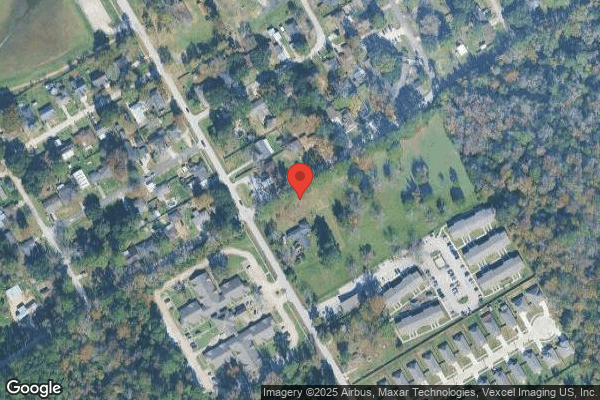
Nov 2023 1 deficiency
CONCERN (D) 📢 Someone Reported This

A family member, employee, or ombudsman was alarmed enough to file a formal complaint

Potential for Harm - no one hurt, but risky conditions existed

Report Alleged Abuse (Tag F0609)

Could have caused harm · This affected 1 resident

**NOTE- TERMS IN BRACKETS HAVE BEEN EDITED TO PROTECT CONFIDENTIALITY** Based on interview and record review, the facility failed to ensure that all alleged violations involving abuse of residents wer...

Read full inspector narrative →
**NOTE- TERMS IN BRACKETS HAVE BEEN EDITED TO PROTECT CONFIDENTIALITY** Based on interview and record review, the facility failed to ensure that all alleged violations involving abuse of residents were reported immediately to the administrator for 1 of 10 residents (Resident #1) reviewed for abuse and neglect. The facility failed to ensure all allegations of abuse or neglect were reported to the Administrator/Abuse Coordinator immediately. This failure could place residents at risk of abuse, physical harm, mental anguish, and emotional distress. Findings included: Record review of the facility's Abuse and Neglect policy dated [DATE] indicated .If resident abuse, neglect, exploitation, misappropriation of resident property or injury of unknown source is suspected, the suspicion must be report immediately to the administration and to other officials according to state law. Record review of a face sheet indicated Resident #1 was a [AGE] year-old, initially admitted to the facility on [DATE] with readmission date of 9/5/2023. Her diagnoses included epileptic seizures (interruptions of the normal connections between nerve cells in the brain), bipolar disorder (mental illness that causes unusual shifts in a person's mood, energy, activity levels, and concentration), unspecified psychosis (a symptom that refers to a loss of touch with reality), anxiety disorder (persistent and excessive worry that interferes with daily activities) and cognitive communication deficit (difficulty with thinking and how someone uses language). Record review of a MDS assessment dated [DATE] indicated Resident #1 was able to make herself understood and understand others. She had a BIMS of 8 (moderate cognitive impairment). She required supervision and limited assistance for most ADLs (activities of daily living). She was frequently incontinent of bladder and bowel. Record review of Resident #1's care plan dated 08/09/23 indicated Resident #1 exhibited manipulative behavior and would defecate and urinate on herself to punish staff. An intervention included for staff to be firm and direct when approaching the resident about behaviors. Record review of Resident #1's care plan dated 09/19/23 indicated she was taking psychotropic medications and was at risk for adverse reactions and behaviors. Interventions included to assess for mood changes & specific behaviors every shift and if present document. During a telephone interview on 11/7/23 at 8:30 a.m., Housekeeper A said on 11/05/23 around 8:00 am MA B made Resident #1 drag her dirty linen bag down the hall to the laundry closet. She alleged MA B abused Resident #1 when she made the resident drag it. During a telephone interview on 11/7/23 at 6:30 p.m., Housekeeper A said after she witnessed the incident, she attempted to call the Administrator on 11/05/23 regarding her suspicions of abuse, but she did not answer. Housekeeper A denied notifying the charge nurse or supervising nurse of her suspicions of abuse at the time of the incident. Housekeeper A said she notified the DON and Administrator the next day on 11/06/23 during a disciplinary meeting while she, Housekeeper A, was being escorted out of the facility for unprofessional behavior. Housekeeper A said she showed them a video she had taken on 11/5/23 of Resident #1 dragging her dirty linens to the laundry closet while MA B watched. Housekeeper A denied she was trained on reporting abuse and neglect of residents immediately to Administrator/Abuse Coordinator. During an interview on 11/7/23 at 10:18 am, the Administrator said she was the abuse coordinator. She said she first learned of Housekeeper A's allegation of abuse on 11/6/23 at 2:30-3:00 pm a disciplinary action meeting when Housekeeper A was being reprimanded for a HIPAA violation, for previously taking pictures and videos of multiple residents and staff without consent. The Administrator said Housekeeper A denied taking videos or pictures of residents but had to be escorted out of the facility because she continued to argue and behave unprofessionally (verbally disruptive). She said once outside the facility, Housekeeper A admitted she took videos and pictures of residents and then showed the Administrator and DON a video with Resident #1. She said Housekeeper A said she was suspicious of abuse because MA B made Resident #1 drag her dirty linens to the dirty laundry closet. The Administrator said she was unable to hear any communications between Resident #1 and MA B in the video. The Administrator said she and the DON immediately started an investigation regarding the video and the housekeeper's allegation and reported the abuse allegation to HHS. During an interview on 11/7/23 at 11:09 a.m., Resident #1 said she recalled the incident involving her and MA B that happened on 11/5/23. Resident #1 said MA B entered her room to assist her with personal care and to change the bed linens after she urinated on the blanket on her bed. Resident #1 said MA B did not force or make her take or drag her dirty linens to the linen closet. Resident #1 said MA B offered to help her transport the dirty linen, but she (the resident) refused the offer. She said MA B did not physically, verbally, mentally, or sexually abuse her. Record review of personnel file for Housekeeper A indicated that she received training on abuse, neglect, exploitation, reporting abuse, HIPAA, and resident rights on 5/17/23. During interview on 11/7/23 at 7:00 pm, the Administrator said the expectations was for the facility staff to report all suspicions or allegations of abuse to her, as the abuse coordinator, immediately. She said if she was not available, staff should report to the supervisor in charge.
Jun 2023 6 deficiencies
CONCERN (D)

Potential for Harm - no one hurt, but risky conditions existed

Dental Services (Tag F0791)

Could have caused harm · This affected 1 resident

**NOTE- TERMS IN BRACKETS HAVE BEEN EDITED TO PROTECT CONFIDENTIALITY** Based on observation, interview and record review, the facility failed to provide or obtain from an outside source dental servic...

Read full inspector narrative →
**NOTE- TERMS IN BRACKETS HAVE BEEN EDITED TO PROTECT CONFIDENTIALITY** Based on observation, interview and record review, the facility failed to provide or obtain from an outside source dental services to meet the needs of 1 of 12 residents reviewed for dental services. (Resident #17) The facility did not assist Resident #17, who had no teeth, with a dental service consult. This failure could place the residents at risk for not receiving care and services to maintain their highest practicable mental, physical, and psychosocial well-being. Findings included: Record review of face sheet and physician orders dated June 2023 indicated Resident #17, admitted [DATE], was [AGE] years old with diagnoses of chronic heart failure (a condition where the heart doesn't pump blood as well as it should) and diabetes (a disease in which the body's ability to produce and respond to insulin is impaired). The orders indicated the resident may have consult with a dentist. Record review of the most recent annual MDS assessment dated [DATE] indicated Resident #17 was cognitively intact and had no natural teeth or tooth fragments (edentulous). Record review of care plan dated 01/25/23 indicated Resident #17 was edentulous (lacking teeth) with interventions of monitoring intake and notify physician of significant weight loss. There were no dental service interventions listed. Record review of Resident #17's progress note dated 01/28/23 and signed by the facility's former social worker indicated the resident would like to be added to the list for dentures. Record review of the facility's grievance form dated 04/05/23 indicated Resident #17 wanted to be seen by a dentist and a dental visit was scheduled for 05/10/23. Record review of Resident #17's plan of care recommendation written by the dentist and dated 05/09/23 indicated, Patient is fully edentulous. I recommend upper and lower full dentures as teeth replacement prosthesis as medically necessary to restore proper mastication (chewing). During an observation and interview on 06/26/23 at 9:30 a.m., Resident #17 had no teeth. He said he had lost his dentures at the facility 8-10 months ago. He said he wanted to have dentures again, but nothing had been done to help him. During a telephone interview on 06/27/23 at 8:11 a.m., the SW said Resident #17 was seen by the dentist in May 2023 and she had not yet received the report from the dentist. She said she would contact the dentist's office and get the report and plan of care recommendations. She said she was not the SW at the facility when Resident #17 asked to be put on the list for dentures and she had no knowledge of that request. The SW said when a resident made a request for dentures she determined if the resident wanted to see an outside dentist or the dentist who came to the facility. She said after Resident #17 made his grievance report of wanting to see the dentist that visits the facility, she set up an appointment for him the next time the dentist would be at the facility. During an interview on 06/28/23 at 8:22 a.m., the SW stated that after surveyor intervention she obtained the plan of care recommendation from the dentist and the recommendation and letter of explanation of payment for dentures will be given and explained to Resident #17 today 06/28/2023. She said the facility will schedule another appointment with the dentist and move forward with getting him dentures. During an interview on 06/28/23 at 8:55 a.m., the administrator said she had no knowledge of the request for dentures/seeing the dentist by Resident #17 on 01/28/23. She said it was the responsibility of the SW to make resident requested appointments and somehow Resident #17's request was not followed up on until he complained to her in April. She said the resident now had been seen by the dentist and a plan was in place for getting him dentures. She said she was the SW's direct supervisor and was responsible for the oversight. She said possible negative outcome of dental services being delayed could be weight loss. Facility policy titled Dental Services and last revised December 2016 indicated in part, Routine and emergency dental services are available to meet the resident's oral health services in accordance with the resident's assessment and plan of care.
CONCERN (E)

Potential for Harm - no one hurt, but risky conditions existed

Assessment Accuracy (Tag F0641)

Could have caused harm · This affected multiple residents

**NOTE- TERMS IN BRACKETS HAVE BEEN EDITED TO PROTECT CONFIDENTIALITY** Based on observation, interview, and record review, the facility failed to ensure an accurate MDS was completed for 3 of 16 resi...

Read full inspector narrative →
**NOTE- TERMS IN BRACKETS HAVE BEEN EDITED TO PROTECT CONFIDENTIALITY** Based on observation, interview, and record review, the facility failed to ensure an accurate MDS was completed for 3 of 16 residents (Residents #11, 13, and #14) reviewed for MDS assessment accuracy. The facility did not accurately code Residents #11, #13, and #14's MDS for smoking when they were smokers. This failure could place residents who smoked at risk for not receiving care and services to meet their needs. Findings included: Record review of a list of residents who smoked was provided to the surveyors by the administrator upon entrance on 06/26/23 and indicated Residents #11, #13, and #14 were listed. 1. Record review of a face sheet dated 06/27/23 indicated Resident #11 was a [AGE] year-old female admitted on [DATE]. Her diagnoses included chronic obstructive pulmonary disease (chronic inflammatory lung disease that causes obstructed airflow from the lungs), 2019-nCoV acute respiratory disease (Covid 19 - infectious disease caused by the SARS virus), nicotine dependence (tobacco addiction), depression (medical illness that negatively affects how you feel, the way you think and how you act), anxiety (persistent and excessive worry that interferes with daily activities), and bipolar disorder (disorder associated with episodes of mood swings ranging from depressive lows to manic highs). Record review of the annual MDS dated [DATE] for Resident #11 indicated under Section J J1300 Current Tobacco Use was marked 0 for No. Record review of a quarterly MDS dated [DATE], indicated Resident #11 was alert to person, time and place with a BIMS score of 11 which indicated moderately impaired. (Quarterly MDS do not address tobacco use.) Record review of Resident #11's care plan revised 5/22/2023 indicated Resident # 11 was a smoker with a goal that resident be allowed to smoke during designated smoking times with supervision. Record review of the most recent smoking risk assessment dated [DATE] for Resident #11 indicated under Observation Details: *Smoking Materials: Cigarettes *Frequency of Use: Couple times per day During an interview on 06/26/23 at 3:30 p.m., Resident #11 indicated she smokes and does go out to designated area to smoke a cigarette during smoking times. During an observation on 6/27/2023 at 2:00 p.m., Resident # 11 was outside the facility at the designated smoking area smoking a cigarette with supervision. During an observation on 6/28/2023 at 2:10 p.m., Resident # 11 was outside the facility at designated smoking area smoking a cigarette with supervision. 2. Record review of a face sheet dated 06/27/23 indicated Resident #13 was a [AGE] year-old male admitted on [DATE]. His diagnoses included schizophrenia (disorder that affects a person's ability to think, feel, and behave clearly), bipolar disorder (disorder associated with episodes of mood swings ranging from depressive lows to manic highs), and traumatic brain injury (a violent blow or jolt to the head). Record review of the admission MDS dated [DATE] for Resident #13 indicated under Section J J1300 Current Tobacco Use was marked 0 for No. Record review of a Smoking Risk assessment dated [DATE] for Resident #13 indicated under Observation Details: *Smoking Materials: Cigarettes *Frequency of Use: Couple times per day Record review of the care plan dated 04/20/23 indicated Resident #13 was a smoker with interventions including assess periodically that Resident #13 continued to be able to safely smoke. During an interview on 06/27/23 at 12:58 p.m., Resident #13 indicated he liked to go out and smoke a cigarette at times. 3. Record review of a face sheet dated 06/27/23 indicated Resident #14 was a [AGE] year-old male admitted on [DATE]. His diagnoses included dementia (loss of cognitive functioning) and bipolar disorder (disorder associated with episodes of mood swings ranging from depressive lows to manic highs). Record review of an annual MDS dated [DATE] for Resident #14 indicated under Section J J1300 Current Tobacco Use was marked 1 for Yes. Record review of a Smoking Risk assessment dated [DATE] for Resident #14 indicated under Observation Details: *Smoking Materials: Cigarettes *Frequency of Use: Couple times per day Record review of an annual MDS dated [DATE] for Resident #14 indicated under Section J J1300 Current Tobacco Use was marked 0 for No. Record review of the care plan dated 04/20/23 indicated Resident #14 was a smoker with interventions including assess periodically that Resident #14 continued to be a safe smoker. During an interview on 06/27/23 at 12:58 p.m., Resident #14 indicated he liked to go out and smoke a cigarette at times. During an interview with the DON and the MDS nurse on 06/27/23 at 04:20 p.m., the MDS Nurse said she was responsible for completing the resident care plans and MDSs. She said she did not realize the MDSs for Residents #11, #13, and #14 were marked no for smoking. The DON said he and the MDS nurse came from a facility that was smoke-free so it was miscoded because they were used to not having smokers. They said MDS not coded correctly could have residents not assessed/evaluated for their needs. They said they used the CMS MDS Manual as their policy for the MDSs.
CONCERN (E)

Potential for Harm - no one hurt, but risky conditions existed

Medical Records (Tag F0842)

Could have caused harm · This affected multiple residents

**NOTE- TERMS IN BRACKETS HAVE BEEN EDITED TO PROTECT CONFIDENTIALITY** Based on observation, interview, and record review the facility failed to ensure the medical record of each resident was accurat...

Read full inspector narrative →
**NOTE- TERMS IN BRACKETS HAVE BEEN EDITED TO PROTECT CONFIDENTIALITY** Based on observation, interview, and record review the facility failed to ensure the medical record of each resident was accurately documented in accordance with accepted professional standards and practices for 3 of 3 residents (Residents #11, 13, and #14) reviewed for medical records. The facility failed to evaluate and document Residents #11, 13, and #14 as smokers and complete smoking assessments. This failure could place residents who smoke at risk of not having accurate documentation of smoking status and safety assessment. Findings included: Record review of a list of residents who smoked was provided to the surveyors by the ADM upon entrance on 06/26/23 and indicated Residents #11, #13, and #14 were listed. 1. Record review of a face sheet dated 06/27/23 indicated Resident #11 was a [AGE] year-old female admitted on [DATE]. Her diagnoses included chronic obstructive pulmonary disease (chronic inflammatory lung disease that causes obstructed airflow from the lungs), 2019-nCoV acute respiratory disease (Covid 19 - infectious disease caused by the SARS virus), nicotine dependence (tobacco addiction), depression (medical illness that negatively affects how you feel, the way you think and how you act), anxiety (persistent and excessive worry that interferes with daily activities) and bipolar disorder (disorder associated with episodes of mood swings ranging from depressive lows to manic highs). Record review of a quarterly MDS dated [DATE], indicated Resident #11 was alert to person, time and place with a BIMS score of 11 which indicated moderately impaired. (Quarterly MDS do not address tobacco use.) Record review of Resident #11's care plan revised 5/22/2023 indicated Resident # 11 was a smoker with a goal that resident be allowed to smoke during designated smoking times with supervision. Record review of the most recent smoking risk evaluation dated 10/09/22 for Resident #11 indicated under Observation Details: *Smoking Materials: Cigarettes *Frequency of Use: Couple times per day During an interview on 06/26/23 at 3:30 p.m., Resident #11 indicated she smokes and does go out to designated area to smoke a cigarette during smoking times. During an observation on 6/27/2023 at 2:00 p.m., Resident # 11 was outside the facility at the designated smoking area smoking a cigarette with supervision. During an observation on 6/28/2023 at 2:10 p.m., Resident # 11 was outside the facility at designated smoking area smoking a cigarette with supervision. 2. Record review of a face sheet dated 06/27/23 indicated Resident #13 was a [AGE] year-old male admitted on [DATE]. His diagnoses included schizophrenia (disorder that affects a person's ability to think, feel, and behave clearly), bipolar disorder (disorder associated with episodes of mood swings ranging from depressive lows to manic highs), and traumatic brain injury (a violent blow or jolt to the head). Record review of Resident # 13's EMR from 10/01/22 through 06/27/23 indicated there was one smoking evaluation found dated 10/09/22. During an observation and interview on 06/27/23 at 12:58 p.m., Resident #13 indicated he could not speak well but was able to say yes when he was asked if he liked to go out and smoke a cigarette at times. 3. Record review of a face sheet dated 06/27/23 indicated Resident #14 was a [AGE] year-old male admitted on [DATE]. His diagnoses included dementia (loss of cognitive functioning) and bipolar disorder (disorder associated with episodes of mood swings ranging from depressive lows to manic highs). Record review of Resident # 14's EMR from 09/01/22 through 06/27/23 indicated there was one smoking evaluation found dated 09/10/22. During an observation and interview on 06/27/23 at 12:58 p.m., Resident #14 indicated he said he liked to go out and smoke a cigarette at times. During an interview on 06/27/23 at 04:20 p.m., the MDS Nurse said there were no smoking evaluations found since October 2022. She said the nurses were expected to complete the smoking evaluations when they completed the other evaluations quarterly for the MDS assessment information. She said she was responsible for the residents' care plans and MDSs. She said she did not notice the smoking evaluations were not done. She said if a resident was not evaluated for hazards or risks of smoking and experienced a change or decline from the previous smoking evaluation, the resident was at risk of burning themselves or others. Record review of a Smoking Policy-Residents revised August 2022 indicated Policy Interpretation and Implementation: 8. A resident's ability to smoke safely is re-evaluated quarterly, upon a significant change (physical or cognitive) and as determined by the staff
CONCERN (E)

Potential for Harm - no one hurt, but risky conditions existed

Safe Environment (Tag F0921)

Could have caused harm · This affected multiple residents

Based on observation, interview, and record review, the facility failed to provide a safe, functional, sanitary, and comfortable environment for residents, staff and the public for 2 of 10 window air ...

Read full inspector narrative →
Based on observation, interview, and record review, the facility failed to provide a safe, functional, sanitary, and comfortable environment for residents, staff and the public for 2 of 10 window air conditioners (living room and dining room), 1 of 3 halls for unsecured chemicals (Hall A) and 16 of 35 windows screens (2 bent and 14 missing) and the grounds near the facility for unsecured chemicals reviewed for environment. 1. The facility failed to ensure gaps around the air conditioners were sealed to prevent pests, rodents and warm air from entering the facility. 2. The facility failed to ensure chemicals were in a secured location and flammable chemicals were stored in a secured location away from the facility. 3. The facility failed to ensure all window screens were intact for 16 of 35 windows. These failures could place residents, staff and visitors at risk of living, working or being in an unsafe, uncomfortable environment, infection and disease, and decreased quality of life due to poor conditions of the facility interior and exterior. Findings included: 1. During an observation on 06/26/23 at 8:20 a.m., the windows at the entryway indicated the window to the right of the doorway had no screen, 1 window before the window on the right had approximately a 5-6-inch gap in the screen, and the window to the left of the doorway had a screen with an open gap approximately 5-6 inches. The windows in the common area inside the entry indicated one window with an air conditioner window unit. It had an approximately 1/2-inch gap at the bottom of the window and the accordion expanding side was open approximately 3 inches which could allow areas available for insects and rodents to enter the facility. During an observation on 6/26/23 at 12:30 p.m., the air conditioner in the right window of the dining room had approximately 2-3-inch gaps below the air conditioner. The inside of the air conditioner was missing the partition that blocked vents from the outside, which could allow areas available for insects and rodents to enter the facility. During an observations on 06/27/23 at 9:05 a.m. and on 06/28/23 at 8:05 am, the windows at the entry way had a the window to the right of the doorway with no screen, 1 window before the window on the right had approximately a 5-6-inch gap in the screen, and the window to the left of the doorway had a screen with an open gap approximately 5-6 inches. The windows in the common area inside the entry reflected one window with an air conditioner window unit. It had an approximately 1/2-inch gap at the bottom of the window which could allow areas available for insects and rodents to enter the facility. During an interview on 06/28/23 at 09:35 AM, the ADM said she was at the facility on the weekend and installed the window units. She said MS told her she should have put foam trim around the units to cover any gaps in the window to prevent warm air or pest to enter the facility. 2. During an observations on 06/26/23 beginning at 9:41 a.m., the door to the maintenance room on Hall A was closed and unlocked. The room contained a maintenance cart with 1/3 full quart metal can labeled lacquer thinner labeled danger .poison extremely flammable vapor . placed on top of the maintenance cart. The garbage can inside the maintenance room had 2 spray cans in the trash just inside the room and were labeled bug spray. The labels on the bug spray cans indicated to Keep out of reach of children and call poison control if ingested . There were no staff or residents in the hallway of Hall A. Rooms 1-13 on Hall A were resident rooms and the last 4 rooms of the hall were offices. During an interview and observation on 06/26/23 beginning at 9:43 a.m., the ADM said she found the MS's door unlocked this morning about an hour ago and it was the MS's responsibility for locking his door. She turned the MS doorknob, and it was unlocked. She said she had forgotten to lock it an hour ago. She said the maintenance door should be locked and flammable chemicals should be stored in the outside storage building. She said the door should be always locked when the MS was not in his office. 3. During an observation of the outside of the facility on 06/27/23 at 3:30 p.m. to 4:30 p.m., there were 14 of 35 windows with missing screens. There were 2 window screens bent and did not fully cover the windows. There were 2-quart bottles of lighter fluid, one was approximately 1/4 bottle full on picnic table seat which was 3 feet from the facility and the other bottle was about ¾ full and within 1 foot from the building on the ground. Both bottles of lighter fluid were labeled flammable and to keep out of reach of children. There was a ½ full 5-gallon thick plastic bottle with dark liquid. The container's label indicated the liquid was corrosive (a highly reactive substance that causes obvious damage to living tissue). During an interview and observation with the administrator and the MS on 6/27/23 beginning at 4:32 p.m., the administrator looked at the bottles of lighter fluid and said, we used the grill last weekend. The MS said all flammable chemicals should be stored in the storage building away from the facility. The MS and the administrator observed the ½ full 5-gallon thick plastic bottle with the dark liquid with the lid placed by the building. The MS said the 5-gallon container contained sulfuric acid and was used in toilets when the toilets were stopped up. The administrator said all chemicals should be locked up and stored properly away from the facility to prevent residents from getting hurt with chemicals. A Safety Data Sheet dated January 5,2015 indicated . Odorless charcoal lighter . may be fatal if swallowed and enters airway. Store locked up. Store in a well-ventilated place Keep cool. A Chemical Safety Data Sheet MSDS dated 6/27/23 indicated Sulfuric Acid . Store locked up. precautionary statements . if on skin remove/take of clothing immediately all contaminated clothing and rinse skin with water/shower. clothing hazard statement . causes severe skin burns . During an interview on 06/26/23 at 11:00 a.m., the administrator said the owner was planning to get new window screens, but no screens had been ordered. She said the facility did not have documentation of the plan for the screens to be ordered. During an interview on 06/28/23 at 02:08 p.m., the owner said he was aware of issues with the window screens and was working on trying to get new screens for the facility. He said due to costs, no screens had been ordered/purchased at this time. Maintenance Service Policy dated December 2009 indicated Maintenance service shall be provided to all areas of the building, grounds, and equipment. 1. The maintenance department is responsible for maintaining the buildings, grounds, and equipment in a safe and operable manner at all times.
CONCERN (F)

Potential for Harm - no one hurt, but risky conditions existed

Food Safety (Tag F0812)

Could have caused harm · This affected most or all residents

Based on observation, interview, and record review, the facility failed to store, prepare, distribute, and serve food under sanitary conditions in 1 of 1 kitchen reviewed for food service. The facilit...

Read full inspector narrative →
Based on observation, interview, and record review, the facility failed to store, prepare, distribute, and serve food under sanitary conditions in 1 of 1 kitchen reviewed for food service. The facility did not have clean pots, pans, skillets, baking sheets, baking pans, and steam table pans clean of encrusted grease deposits. These failures could place residents who ate food from the kitchen at risk of foodborne illness. Findings included: During observations of the kitchen on initial tour on 06/26/23 at: * 09:10 a.m. there were 5 large baking sheets, 2 medium baking sheets, 1 small baking sheets, 1 baking pan, 2 large deep steam table pans, and 5 large shallow steam table pans with dark brown/black buildup on the outside and inside stored on the bottom of the food prep table. * 09:12 a.m. there was 1 small skillet, 2 large skillets, and 3 saucepans were hanging on hanger. They had dark brown/black build up on the outside and inside of them. * 09:15 a.m. the gas stove had a large mid deep pan on the griddle with black buildup on the outside and inside of the pan and there was frying oil in the pan touching the black buildup. During an interview on 06/26/23 at 09:25 a.m,, the DM said she had tried to remove the buildup from the pots, pans, skillets, baking sheets, and steam table pans but was not able to get it off. Record review of the FDA Food Code 2022 (01/18/23 version) indicated: 4-6 Cleaning of Equipment and Utensils 4-601 Objective 4-601.11 Equipment, Food-Contact Surfaces, Nonfood-Contact Surfaces, and Utensils. (A) EQUIPMENT FOOD-CONTACT SURFACES and UTENSILS shall be clean to sight and touch. (B) The FOOD-CONTACT SURFACES of cooking EQUIPMENT and pans shall be kept free of encrusted grease deposits and other soil accumulations
CONCERN (F)

Potential for Harm - no one hurt, but risky conditions existed

Room Equipment (Tag F0908)

Could have caused harm · This affected most or all residents

Based on observation, interview, and record review, the facility failed to maintain all mechanical, electrical, and patient care equipment in safe operating condition for 1 of 1 stove in the kitchen r...

Read full inspector narrative →
Based on observation, interview, and record review, the facility failed to maintain all mechanical, electrical, and patient care equipment in safe operating condition for 1 of 1 stove in the kitchen reviewed for essential equipment. The facility did not ensure the gas stove was in safe operating condition. Five of the 6 burners had residue and debris. This failure could place the residents at risk of a fire and not having safe operating equipment. Findings included: During observations on: * 06/26/23 at 09:15 AM the gas stove had front middle, front right side, and 3 back burners with black buildup and debris. * 06/27/23 at 11:36 AM the gas stove had front middle, front right side, and 3 back burners with black buildup and debris. During an interview on 06/28/23 at 10:25 a.m., the DM said the stove was deep cleaned at least monthly. She said she was going to have to come in on a weekend and scrub the stove to get the buildup off. During an interview on 06/28/23 02:08 p.m., the owner said he had bought the stove new a few months ago. Record review of the FDA Food Code 2022 (01/18/23 version) indicated the following: 4-6 Cleaning of Equipment and Utensils 4-601 Objective 4-601.11 Equipment, Food-Contact Surfaces, Nonfood-Contact Surfaces, and Utensils (C) Non FOOD-CONTACT SURFACES of EQUIPMENT shall be kept free of an accumulation of dust, dirt, FOOD residue, and other debris
May 2022 2 deficiencies
CONCERN (D)

Potential for Harm - no one hurt, but risky conditions existed

Comprehensive Care Plan (Tag F0656)

Could have caused harm · This affected 1 resident

**NOTE- TERMS IN BRACKETS HAVE BEEN EDITED TO PROTECT CONFIDENTIALITY** Based on observation, interview and record review, the facility failed to ensure a comprehensive care plan was developed and imp...

Read full inspector narrative →
**NOTE- TERMS IN BRACKETS HAVE BEEN EDITED TO PROTECT CONFIDENTIALITY** Based on observation, interview and record review, the facility failed to ensure a comprehensive care plan was developed and implemented to include measurable objectives and timeframes to meet a resident's medical, nursing, mental and psychosocial needs for 1 of 12 residents reviewed for care plans. (Resident # 2) *Resident #2's care plan did not indicate the resident was PASRR (Preadmission Screening and Annual Resident Review) positive. This failure could place residents at risk for not receiving the appropriate care and services to maintain their highest practicable well-being. Findings included: Record review of Physician orders dated May 2022 indicated Resident #2, admitted [DATE], was [AGE] years old with diagnoses including moderate intellectual disability (have fair communication skills but cannot typically communicate on complex levels), bipolar disorder (disorder associated with episodes of mood swings ranging from depressive lows to manic highs) and Schizophrenia (a disorder that affects a person's ability to think, feel and behave clearly). Record review of a PASRR level 1 screening completed by the transferring hospital dated 1/28/22 indicated Resident #2 was positive for mental illness and intellectual disability. Record review of a comprehensive MDS assessment dated [DATE] indicated Resident #2 had moderately impaired cognition with diagnoses of moderate intellectual disabilities, schizophrenia and bipolar disorder. The MDS indicated Resident #2 had serious mental illness and intellectual disability and was PASRR positive. Record review of Resident #2's care plan initiated 2/9/22 did not include a PASRR positive status. During an interview on 5/11/22 at 11:20 a.m., ADON reviewed Resident #2's care plan and said the care plan did not address Resident #2's PASRR positive status and should have. She said it was just missed. ADON said she is responsible for implementing care plans. The ADON said the DON and the Regional MDS coordinator is her back up and double check her. The ADON said she was educated in care planning and the most recent reeducation was Thursday of last week. She said the risk of Resident #2 not having a care plan for a PASSR positive status is the staff may not be aware of the resident's care needs and the resident may not receive needed care and services. During an interview on 5/11/22 at 1:00 p.m., the DON said Resident #2 did not have a care plan for PASSR positive status and should have one. She said she felt like it was just missed. The DON said the ADON was responsible for care plans and the Regional MDS Coordinator was her back up to double check care plans. The DON said the ADON received education on care plans with the most recent education being last Thursday. The DON said the risk of Resident #2 not having a care plan for PASRR positive status is the staff may not be aware of the resident's needed care and services and the resident may not receive needed care and services. During an interview on 5/11/22 at 1:20 p.m., the administrator said her expectation was for everything related to the patient to be care planned to include refusal of care and PASSR positive status. The administrator said the ADON is responsible for care plans and the DON and Regional MDS Coordinator are her back up. The administrator said she audits care plans with care plan meetings, she had not audited this chart yet. The administrator said the PASSR positive status for Resident #2 just got missed. She said a resident not being care planned for a positive PASRR status may cause the staff to not be aware of needed care or services putting the resident at risk of not receiving needed care or services. Record review of an undated policy titled, Care Plans, Comprehensive Person-Centered indicated, . A comprehensive, person-centered care plan that includes measurable objectives and timetables to the meet the resident's physical, psychosocial and functional needs is developed and implemented for each resident. The care plan process will: . include an assessment of the resident's strengths and needs; . d. describe any specialized services to be provided as a result of PASARR recommendations; . During an exit conference on 5/11/22 at 2:35 p.m., the administrator was asked for any additional information regarding care plans and no additional information was provided.
CONCERN (E)

Potential for Harm - no one hurt, but risky conditions existed

Room Equipment (Tag F0908)

Could have caused harm · This affected multiple residents

**NOTE- TERMS IN BRACKETS HAVE BEEN EDITED TO PROTECT CONFIDENTIALITY** Based on observation, interview, and record review, the facility failed to ensure patient care equipment was in safe operating c...

Read full inspector narrative →
**NOTE- TERMS IN BRACKETS HAVE BEEN EDITED TO PROTECT CONFIDENTIALITY** Based on observation, interview, and record review, the facility failed to ensure patient care equipment was in safe operating condition for 5 (Resident #1, Resident #9, Resident #25, Resident #14, and Resident #22) of 5 residents reviewed for wheelchair maintenance, in that: The facility failed to maintain the wheelchair armrests from cracked exposed foam or metal framing for Resident #1, Resident #9, Resident #25, Resident # 14 and Resident #22. This failure could place residents at risk for skin issues including tears, injuries, and discomfort. Findings included: Review of Resident #9's Face Sheet dated 3/18/22 revealed a 59-yeard -old female who was admitted to the facility on [DATE] with diagnoses including Epileptic spasms-a sudden flexion and lipoprotein deficiency-transports fat molecules in water. Review of Resident #9's MDS, dated [DATE], revealed a BIMS of 15, indicating no cognitive impairment. Review of Resident #9's EMR, as of 3/10/22 care plan, revealed her functional status was impaired and limited on both the upper and lower extremity requiring a wheelchair for mobility. Review of Resident #9's Physician Order dated 1/15/22 revealed the order description as: ADL-W/C Mobility: self. During an observation 5/10/22 at 9:00AM revealed Resident #9's left arm rest was cracked with interior foam exposed. The right arm rest was missing from her wheelchair exposing metal framing. Interview on 5/10/22 at 9:15AM with Resident #9 revealed the wheelchair belonged to the facility. The interview did not reflect a concern from Resident #9 regarding the missing arm rest. No injuries were observed. Review of Resident #25's undated Face Sheet revealed a [AGE] year-old female who was admitted to the facility on [DATE] with diagnoses including dementia and Alzheimer's disease. Review of Resident #25's MDS, dated [DATE] revealed a BIMS of 01, indicating severe cognitive impairment. Review of resident #25's EMR, 4/20/22 revealed total dependence in ADL self-performance with a wheelchair as her mobility device. Review of Resident #25's Physician Order dated 1/15/22 revealed the order description as: ADL-W/C Mobility: 1 assist (a one person assist) During an observation 5/10/22 at 10:00AM revealed Resident #25's wheelchair left arm rest had no covering exposing yellow foam material. There were no observed bruises or scratches on Resident # 25's arms. Interview on 5/10/22 at 10:10AM with Resident #25 revealed no answer when asked about the damaged arm rest and how long it was in need of repair. Review of resident #14's Face Sheet undated Face Sheet revealed a [AGE] year-old male who was admitted to the facility on [DATE] with diagnoses including Cerebral infarction(stroke) Vitamin B deficiency, and pure hypercholesterolemia, unspecified(high cholesterol). Review of Resident #14's MDS, dated [DATE], revealed a BIMS of 09 indicating moderate cognitive impairment. Review of Resident #14's EMR, as of 4/13/22, revealed he requires a wheelchair for mobility and has an upper and lower extremity impairment on one side. Review of Resident #14's physician's order dated 1/19/22 revealed the order description as: ADL-W/C Mobility: Independent. During an Observation 5/10/22 at 10:20AM revealed Resident #14's left, and right wheelchair armrest had torn material with interior foam exposed. During an Interview 5/10/22 at 10:25AM with Resident #14 revealed his wheelchair belonged to the facility. When asked he nodded yes, he would like to have the armrest repaired. Review of Resident #1's undated Face Sheet revealed a [AGE] year-old male who was admitted to the facility on [DATE] with diagnoses vascular dementia with behavioral disturbance and chronic obstructive pulmonary disease. Review of Resident #1's MDS, dated 2/9/22 revealed a BIMS score of 3, indicating a severe cognitive impairment. Review of Resident #1's EMR Functional Status dated 2/9/22 revealed the resident moves between locations in his wheelchair and is self-sufficient once in the wheelchair. Review of Resident #1's Physician orders dated 1/19/22 revealed the order description as: ADL-W/C Mobility: Independent. During an Observation 5/10/22 at 10:45AM, it revealed Resident #1's left armrest of his wheelchair was torn, and the plastic covering cracked with jagged edges . Resident #1 had no observed bruises or skin tears due to the jagged edges. During an Interview 5/10/22 at 11:00AM with Resident #1 revealed no specific answer regarding his wheelchair armrest and if it bothered him. Review of Resident #22's undated Face Sheet revealed a 60- year- old male who was admitted to the facility on [DATE] with diagnoses including nontraumatic intracerebral hemorrhage and pure hypercholesterolemia, unspecified. Review of Resident #22's MDS dated [DATE] revealed a BIMS of 12, indicating mild cognitive impairment. Review of Resident #22's EMR's functional Status revealed a mobility device normally used is a wheelchair. Review of Resident #22's physician's order dated 1/19/22 revealed the order description as: ADL-W/C Mobility: self. During an Observation 5-10-22 at 1:00pm revealed Resident #22's left, and right arm rest cracked with the inside foam exposed. During an Interview5/10/22 at 1:10pm revealed Resident # 22 was not interested in looking at the arms of his wheelchair. During an Interview on 5/11/22 at 9:00AM with CNA A revealed wheelchairs are sprayed and wiped down during the night shift. Wheelchair concerns are documented on a work order and given to the Nurse. CNA A was not aware of the damaged arm rests. When asked what the risk to the resident's was, CNA A stated injuries to their arms. During an Interview on 5/11/22 at 9:20AM with CNA B revealed the MD is responsible for repairing the wheelchairs or ordering new ones for the Residents. When asked if she was aware of the damaged armrests, CNA B stated she works other halls and did not notice. She did state work orders should be completed by all staff and given to the Nurse on duty. CNA B revealed the Resident could experience pain or be uncomfortable with a torn armrest. During an Interview on 5/11/22 at 9:35AM with CNA D revealed the wheelchairs are cleaned every shift and observed for repairs. Work orders are completed and given to the Nurse on duty. She did not know why Staff were not following the work order system. When asked what the risk to the Resident could be when the wheelchair is damaged, she said their skin on their arms could get torn. CNA D had not noticed the torn armrests because she was busy with Resident Care. During an Interview on 5/11/22 at 10:15AM with the ADM revealed she was aware the 5 residents wheelchairs needed repair. The ADM explained the process and stated the nurses are supposed to submit the work order to the MD. She was unaware the system was not working and did not know why it was not effective. The ADM took 5 resident names who had damaged wheelchairs. The ADM stated all the wheelchairs belonged to the facility. She told the MD to get them repaired or get the Resident a new one. To ensure correction, Staff members will be in-serviced regarding wheelchair maintenance. During an Interview on 5/11/22 at 10:45AM with the MD revealed he had seen all 5 Residents wheelchairs with torn, cracked, exposed foam, or a missing armrest. He started the wheelchair maintenance process and did not know why the Staff were not completing and submitting work orders to him. When asked, he knew the Resident's arms could be injured from the jagged and rough armrest tears. He stated there is a work order binder at the Nurses station and the Nurses are supposed to file work orders for Maintenance. He did not know why the system failed but would ensure the work orders are monitored daily. Record Review of the undated Work Order Log located at the Nurses Station revealed no wheelchair repair orders for the past six months. Record Review of the Facility Maintenance Service Policy dated December 2009 revealed the maintenance department is responsible for maintaining facility equipment, resident wheelchairs, walkers, et., in good order. The MD is also responsible for maintaining Work Order requests.
Understanding Severity Codes (click to expand)
Life-Threatening (Immediate Jeopardy)
J - Isolated K - Pattern L - Widespread
Actual Harm
G - Isolated H - Pattern I - Widespread
Potential for Harm
D - Isolated E - Pattern F - Widespread
No Harm (Minor)
A - Isolated B - Pattern C - Widespread

Questions to Ask on Your Visit

  • "What changes have you made since the serious inspection findings?"
  • "Why is there high staff turnover? How do you retain staff?"
  • "Can I speak with families of current residents?"
  • "What's your RN coverage like on weekends and overnight?"

Our Honest Assessment

Strengths
  • • Licensed and certified facility. Meets minimum state requirements.
Concerns
  • • Multiple safety concerns identified: 3 life-threatening violation(s), $139,967 in fines. Review inspection reports carefully.
  • • 22 deficiencies on record, including 3 critical (life-threatening) violations. These warrant careful review before choosing this facility.
  • • $139,967 in fines. Extremely high, among the most fined facilities in Texas. Major compliance failures.
  • • Grade F (0/100). Below average facility with significant concerns.
Bottom line: This facility has 3 Immediate Jeopardy findings. Serious concerns require careful evaluation.

About This Facility

What is Dayton Nursing And Rehabilitation's CMS Rating?

CMS assigns DAYTON NURSING AND REHABILITATION an overall rating of 2 out of 5 stars, which is considered below average nationally. Within Texas, this rating places the facility higher than 0% of the state's 100 nursing homes. A rating at this level reflects concerns identified through health inspections, staffing assessments, or quality measures that families should carefully consider.

How is Dayton Nursing And Rehabilitation Staffed?

CMS rates DAYTON NURSING AND REHABILITATION's staffing level at 2 out of 5 stars, which is below average compared to other nursing homes. Staff turnover is 61%, which is 14 percentage points above the Texas average of 46%. High turnover can affect care consistency as new staff learn residents' individual needs.

What Have Inspectors Found at Dayton Nursing And Rehabilitation?

State health inspectors documented 22 deficiencies at DAYTON NURSING AND REHABILITATION during 2022 to 2025. These included: 3 Immediate Jeopardy (the most serious level, indicating potential for serious harm or death) and 19 with potential for harm. Immediate Jeopardy findings are rare and represent the most serious regulatory concerns. They require immediate corrective action.

Who Owns and Operates Dayton Nursing And Rehabilitation?

DAYTON NURSING AND REHABILITATION is owned by a for-profit company. For-profit facilities operate as businesses with obligations to shareholders or private owners. The facility operates independently rather than as part of a larger chain. With 60 certified beds and approximately 31 residents (about 52% occupancy), it is a smaller facility located in DAYTON, Texas.

How Does Dayton Nursing And Rehabilitation Compare to Other Texas Nursing Homes?

Compared to the 100 nursing homes in Texas, DAYTON NURSING AND REHABILITATION's overall rating (2 stars) is below the state average of 2.8, staff turnover (61%) is significantly higher than the state average of 46%, and health inspection rating (2 stars) is below the national benchmark.

What Should Families Ask When Visiting Dayton Nursing And Rehabilitation?

Based on this facility's data, families visiting should ask: "What changes have been made since the serious inspection findings, and how are you preventing similar issues?" "How do you ensure continuity of care given staff turnover, and what is your staff retention strategy?" "Can you walk me through typical staffing levels on day, evening, and night shifts?" "Can I visit during a mealtime to observe dining assistance and food quality?" These questions are particularly relevant given the facility's Immediate Jeopardy citations, the facility's high staff turnover rate, and the below-average staffing rating.

Is Dayton Nursing And Rehabilitation Safe?

Based on CMS inspection data, DAYTON NURSING AND REHABILITATION has documented safety concerns. Inspectors have issued 3 Immediate Jeopardy citations (the most serious violation level indicating risk of serious injury or death). The facility has a 2-star overall rating and ranks #100 of 100 nursing homes in Texas. Families considering this facility should ask detailed questions about what corrective actions have been taken since these incidents.

Do Nurses at Dayton Nursing And Rehabilitation Stick Around?

Staff turnover at DAYTON NURSING AND REHABILITATION is high. At 61%, the facility is 14 percentage points above the Texas average of 46%. High turnover means new staff may not know residents' individual needs, medications, or preferences. It can also be disorienting for residents, especially those with dementia who rely on familiar faces. Families should ask: What is causing the turnover? What retention programs are in place? How do you ensure care continuity during staff transitions?

Was Dayton Nursing And Rehabilitation Ever Fined?

DAYTON NURSING AND REHABILITATION has been fined $139,967 across 3 penalty actions. This is 4.1x the Texas average of $34,479. Fines at this level are uncommon and typically indicate a pattern of serious deficiencies, repeated violations, or failure to correct problems promptly. CMS reserves penalties of this magnitude for facilities that pose significant, documented risk to resident health or safety. Families should request specific documentation of what issues led to these fines and what systemic changes have been implemented.

Is Dayton Nursing And Rehabilitation on Any Federal Watch List?

DAYTON NURSING AND REHABILITATION is not on any federal watch list. The most significant is the Special Focus Facility (SFF) program, which identifies the bottom 1% of nursing homes nationally based on persistent, serious quality problems. Not being on this list means the facility has avoided the pattern of deficiencies that triggers enhanced federal oversight. This is a positive indicator, though families should still review the facility's inspection history directly.