DECATUR MEDICAL LODGE
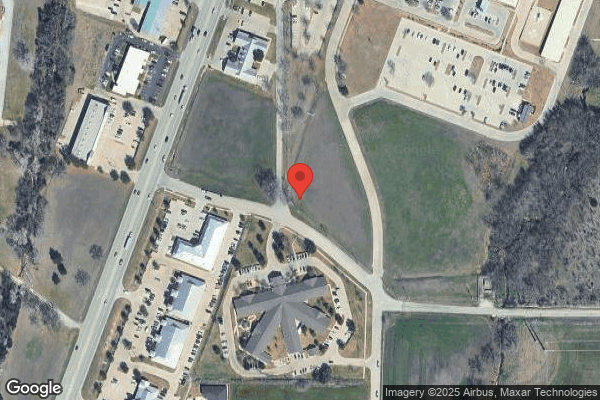
701 W BENNETT RD, DECATUR, TX 76234 (940) 626-2800
For profit - Limited Liability company 124 Beds PRIORITY MANAGEMENT Data: November 2025 1 Immediate Jeopardy citation
Trust Grade
36/100
#449 of 1168 in TX
Last Inspection: February 2025

Within standard 12-15 month inspection cycle. Federal law requires annual inspections.

Overview

Decatur Medical Lodge has received a Trust Grade of F, indicating poor performance with significant concerns about care quality. Ranking #449 out of 1,168 facilities in Texas places them in the top half, but their #3 position out of 4 in Wise County suggests limited better local options. Unfortunately, the facility is worsening, with issues increasing from 2 in 2024 to 6 in 2025. Staffing is a major concern, rated at 1 out of 5 stars with a high turnover rate of 72%, which is significantly above the state average of 50%. While there is some RN coverage, it is less than 94% of Texas facilities, meaning fewer registered nurses are available to oversee resident care. Specific incidents have raised alarms, such as a critical failure to secure a resident properly during transport, which could have led to severe injury. Additionally, the facility struggled to maintain food safety standards, with improper temperature checks that risk foodborne illness, and residents reported receiving unappetizing meals that could negatively impact their nutritional health. Overall, while there are some average ratings in health inspections and quality measures, the high turnover and critical safety concerns are significant weaknesses families should consider.

Trust Score
F
36/100
In Texas
#449/1168
Top 38%
Safety Record
High Risk
Review needed
Inspections
Getting Worse
2 → 6 violations
Staff Stability
⚠ Watch
72% turnover. Very high, 24 points above average. Constant new faces learning your loved one's needs.
Penalties
⚠ Watch
$14,518 in fines. Higher than 76% of Texas facilities, suggesting repeated compliance issues.
Skilled Nurses
⚠ Watch
Each resident gets only 9 minutes of Registered Nurse (RN) attention daily — below average for Texas. Fewer RN minutes means fewer trained eyes watching for problems.
Violations
⚠ Watch
23 deficiencies on record. Higher than average. Multiple issues found across inspections.
★★★☆☆
3.0
Overall Rating
★☆☆☆☆
1.0
Staff Levels
★★★☆☆
3.0
Care Quality
★★★★☆
4.0
Inspection Score
Stable
2024: 2 issues
2025: 6 issues

The Good

  • Full Sprinkler Coverage · Fire safety systems throughout facility
  • No fines on record

Facility shows strength in fire safety.

The Bad

3-Star Overall Rating

Near Texas average (2.8)

Meets federal standards, typical of most facilities

Staff Turnover: 72%

26pts above Texas avg (46%)

Frequent staff changes - ask about care continuity

Federal Fines: $14,518

Below median ($33,413)

Minor penalties assessed

Chain: PRIORITY MANAGEMENT

Part of a multi-facility chain

Ask about local staffing decisions and management

Staff turnover is very high (72%)

24 points above Texas average of 48%

The Ugly 23 deficiencies on record

1 life-threatening
Jun 2025 1 deficiency
CONCERN (E) 📢 Someone Reported This

A family member, employee, or ombudsman was alarmed enough to file a formal complaint

Potential for Harm - no one hurt, but risky conditions existed

Deficiency F0804 (Tag F0804)

Could have caused harm · This affected multiple residents

**NOTE- TERMS IN BRACKETS HAVE BEEN EDITED TO PROTECT CONFIDENTIALITY** Based on observation, interview and record review the facility failed to ensure residents received and were provided food and dr...

Read full inspector narrative →
**NOTE- TERMS IN BRACKETS HAVE BEEN EDITED TO PROTECT CONFIDENTIALITY** Based on observation, interview and record review the facility failed to ensure residents received and were provided food and drink that was palatable, attractive, and at a safe and appetizing temperature for two of two residents (Resident #1 and #2) reviewed for dietary services. The facility failed to provide palatable food served at an appetizing temperature and taste to Residents #1 and #2. This failure could place residents at risk of weight loss, altered nutritional, status, and diminished quality of life. Findings include: 1. Record review of Resident #1's, undated, admission Record revealed a [AGE] year-old-male who was admitted to the facility on [DATE]. Resident #1 had a diagnosis which included Parkinson's Disease without dyskinesia, without mention of fluctuations (A neurodegenerative disease primarily affecting the central nervous system affecting both motor and non-motor systems but without the writhing/wriggling/dramatic movements or fluctuations). Record review of Resident #1's Care Plan, dated 12/05/2023, revealed; Focus; Resident #1 had nutritional problem or potential nutritional problem related to diet restrictions, heart Disease, Hypothyroidism (when the thyroid gland doesn't make enough thyroid hormone), Depression and Medications. Goal: Resident #1 would not develop complications related to obesity, including skin breakdown, ineffective breathing pattern, altered cardiac output. Diabetes, impaired mobility. Interventions; Monitor/record/report to MD PRN s/sx of malnutrition: Emaciation (Cachexia) (this refers to the end stage of emaciation which is an involuntary wasting disorder, marked by significant weight loss); muscle wasting, significant weight loss; 3lbs in 1 week, >5% in 1 month, >7.5 in 1 month, >7.5% in 3 months, >10% in 6 months. Record review of MDS assessment, dated 05/15/2025, revealed; Resident #1 had a BIMS score of 9, which indicated moderate cognitive impairment. Section G- Functional Status ; Section H; Eating- Resident #1 required Supervision-oversight, encouragement to eat. 2. Record review of Resident #2's, undated, admission record revealed a [AGE] year-old-male who was admitted to the facility on [DATE]. Resident #2 had a primary diagnosis which included other nondisplaced fracture of fifth cervical vertebra, subsequent encounter for fracture with routine healing encounter for other specified surgical aftercare Record review of Resident #2's Care Plan, dated 06/02/2025, revealed Resident #2 Focus: ADL self-care performance deficit r/t nondisplaced fracture to the 5th cervical vertebrae. Intervention: eating. Resident #2 required supervision and set-up assistance with eating. During an observation on 06/25/2025 at 12:06 PM in the facility's only dining room revealed 37 residents assembled at multiple tables waiting for lunch service. During an observation on 06/25/2025 at 12:13 PM in the facility's only dining room revealed the first tray was served. At 12:43 PM revealed all residents in the dining room were served a lunch tray. During an observation and interview on 06/25/2025 at 12:50 PM with Resident #2 revealed Resident #2 sitting in his manual wheelchair inside his room. He stated I wish I could get lunch on time it is close to 1:00PM. I think the cook use to work at a 'prison' because the way the food looks. He stated he did not receive condiments with his food and most of the time it is cold by the time I get it. During an observation on 06/25/2025 revealed the following: 12:59 PM- Hall 100 meal trays delivered on tray cart 1:10 PM-Hall 200 meal trays delivered on tray cart 1:18 PM- Hall 300 meal trays delivered on tray cart 1:33 PM-Hall 400 meal trays delivered on tray cart During an observation on 06/25/2025 at 1:13 PM, in the facility dining room revealed; place settings with five bowls of uneaten tomato soup and one bowl with less than 25% of tomato soup eaten. Single serving container of ice cream 100% eaten. Several packets of saltines, which were unopened. Next to the food items was a meal ticket with Resident #1's name printed at the top handwritten in area labeled Special Notes: 2 tomato soup, Ice cream. Observation on 06/25/2025 at 1:24 PM revealed LVN A carried a lunch tray to Resident #2's room. Observation of Mealtimes revealed it was posted in the facility dining room Breakfast: 7:00 am- 8:45 AM; Lunch: 12:00pm-1:15 PM; Supper 5:00pm-6:15PM. During an interview on 06/25/2025 at 11:34 AM the State Surveyors requested DM provide a sample tray with regular texture meal items, same portions and resident set up. The sample tray will be the last tray served . During an interview on 06/25/2025 at 1:11 PM with Resident #1 revealed; out of six bowls of tomato soup they could not get it right they were all cold. He just ate crackers and ice cream for lunch. Interview on 06/25/2025 at 1:24 PM with LVN A revealed she was told to take Resident #2 his lunch tray prior to 400 hall trays being delivered. She stated this was not routine, but she did what she was told to do. She stated residents expected to receive their meals at a certain time. She stated the risk of not receiving lunch on time could result in tensions flaring up and residents getting upset. Interview on 06/25/2025 at 1:28 PM with Resident #2 revealed the lunch tray was on the bedside table positioned across the resident. He received a regular texture food tray. He stated his food looked pleasant and appeared palatable. He stated it did not always look palatable. When asked if he received everything, he needed to enjoy his meal he stated the only thing missing was salt and pepper. Observation and interview on 06/25/2025 at 1:38 PM with the DM and Kitchen Supervisor revealed the sample tray was delivered to conference room by both staff members. The food appeared visually appetizing. Temperatures were taken with facility thermometer by the Kitchen Supervisor. Pork Chop - 150 Seasoned Broccoli 115 Red Beans 141 The DM stated lunch was delayed because the dining room meal tickets were not organized. He stated the kitchen microwave was not working properly during lunch and they were unable to heat items. He stated he notified maintenance to repair the microwave. The Kitchen Supervisor stated the sample tray was missing salt and pepper; the risk was residents could not season food to taste and enjoyment . Interview on 06/25/2025 at 2:53 PM with Maintenance Director revealed he was called to the kitchen during lunch time because the microwave was not working. He stated the microwave was working properly but someone messed with the settings and it was not heating the food. He stated he pushed the settings buttons then put a test plate into the microwave and it worked properly . Interview on 06/25/2025 at 3:38 PM with the DON revealed residents should be happy with their food. She stated the DM started on Monday (06/23/2025) and we must develop a system that works on both sides. She stated Resident #2 voiced prior dining concerns that he would like more gravy on his potatoes and double portions. Resident #1 asked for his soup to be hotter. She stated Resident #1 hadn't expressed prior dietary issues. She stated she wanted them to have a meal that made them happy, and they enjoyed. Interview on 06/25/2025 at 4:00 PM with LVN B revealed she was in the dining room during lunch when Resident #1 stated his soup was cold and asked if he could get another order of soup at a temperature he would enjoy. She stated she stirred the soup with a spoon, and it appeared thick like it was cold and not thin when it was warm. She stated she told the kitchen staff, and they prepared two more bowls of soup. She delivered the second bowls of soup to Resident #1. again he stated the soup was cold. She stated she informed the kitchen staff the resident again said the soup was cold. The kitchen staff informed her they thought it was the microwave. The third round of soup was taken to the resident; she stated it appeared to have steam coming from the soup. She stated the bowl felt warmer. She stated after the third attempt Resident #1 declined additional soup. She stated residents should receive food they could eat and enjoy; this was their home. The risk was resident's would not eat and that would put them in a bad mood, you have to eat and get nutrition. The LVN B stated she felt bad there was a risk he would not get his adequate intake . Interview on 06/25/2025 at 4:32 PM with Resident #1 revealed he stated he was disappointed because he really liked tomato soup. He stated he would be okay until dinner and declined the offer to get another lunch tray . Interview on 06/25/2025 at 4:45 PM with the ADMIN revealed the facility wanted the residents to enjoy their meals; hot foods should be served hot and cold foods should be served cold. Residents should receive everything with their meal which included salt and pepper that was important to all of us. The risk was dissatisfaction, and residents tended not to eat; had weight loss and not well nourished could affect the body. Record review of the Food Temperature Log, dated 06/25, revealed no entry for soup. Record review of Work Orders, dated 06/25/2025, revealed; Summary- Microwave not working. Record review of [The Facility] Resident Council dated May 13, 2025, revealed; 1. Dietary: Resident council resident stated oatmeal tastes funny and scrambled eggs are not creamy. Resident council resident stated they can't get her order right and breakfast was cold (06/12/2025). Resident council resident stated her food is cold . Record review of [The Facility] Resident Council Responses, dated 05/13/2025, revealed talked to cook about not putting anything in oatmeal and make sure eggs are prepared right for residents. Talked to staff about getting order right and make sure food goes to room quickly. Talked to staff about getting food out quickly. Record review of [The Facility] Resident Council, dated June 12, 2025, revealed 1. Dietary: Resident council resident stated she wanted a baked potato, and they didn't have one in the kitchen (06/10/2025 in the evening). Resident council resident says she eats in her room and the meals get to her late and she wants to know why. Resident council resident says she asked for a piece of bread on (06/11/2025) at the evening meal and didn't get it . Record review of [The Facility] Resident Council Responses, dated 06/12/2025, revealed talked to kitchen and they had some (potatoes) coming on the next truck order the next day. Resident's hall is sometimes last to serve, new cook starting 06/23/2025 and new staff. The staff will be informed of times and will improve on getting to halls on time. Resident was told they had ran out of bread and it was coming on next truck order the next day . Record review of Love, Satisfaction, and Well-being form, dated 06/15/2025, revealed Event: Meal (Food Preference); Resident #2 complained that kitchen staff prepared food like it was 'prison food.' Complained that he did not receive condiments last night with hamburger. Another time he did not receive toppings with baked potato. Additional Follow-up Action, If Applicable Dietary Manager also visited with him about food preferences and to ensure that all condiments, etc . were on the meal tray. Record review of the facility's policy Preparing the Resident for a Meal, revised September 2010, revealed The purpose of this procedure is to prepare the resident and the environment in order to help make mealtime pleasant for the resident.
Feb 2025 5 deficiencies
CONCERN (D)

Potential for Harm - no one hurt, but risky conditions existed

Comprehensive Care Plan (Tag F0656)

Could have caused harm · This affected 1 resident

**NOTE- TERMS IN BRACKETS HAVE BEEN EDITED TO PROTECT CONFIDENTIALITY** Based on observations, interviews, and record review the facility failed to develop and implement a comprehensive person-centere...

Read full inspector narrative →
**NOTE- TERMS IN BRACKETS HAVE BEEN EDITED TO PROTECT CONFIDENTIALITY** Based on observations, interviews, and record review the facility failed to develop and implement a comprehensive person-centered care plan for each resident, consistent with the resident rights for 2 of 4 residents (Resident #4 and Resident #19) reviewed for care plans in that: The facility failed to ensure that Resident #4 and Resident #19 use of bed rails/grab bars/mobility bars/transfer bars were documented in their care plans. The facility's failure placed residents requiring care at risk of not having their individual needs met, not receiving necessary care and services, and a failure to ensure continuity of care. Findings included: Record Review of Resident #4's Face Sheet reflected a [AGE] year-old male who initially admitted to the facility on [DATE]. Resident #4 had relevant diagnoses of Parkinson's Disease (progressive neurodegenerative disorder that affects movement, balance, and coordination) with dyskinesia (involuntary, uncontrolled movements), with fluctuations; Alzheimer's Disease (progressive neurodegenerative disorder that affects memory, thinking, and behavior); unspecified dementia (condition in which a person loses the ability to think, remember, learn, make decisions, and solve problems), unspecified severity, without behavioral disturbance, psychotic disturbance, mood disturbance, and anxiety; cerebral infarction (condition where blood flow to the brain is interrupted, causing brain tissue to die; also known as an ischemic stroke); depression; anxiety disorder; insomnia; dizziness and giddiness; other reduced mobility; Type 2 Diabetes Mellitus with diabetic nephropathy (disease that occurs when the body does not respond properly to insulin leading to high blood sugar levels); unsteadiness on feet. Record Review of Resident #4's Quarterly MDS, dated [DATE], reflected a BIMS score of 12 indicating moderate cognitive impairment. Resident #4's functional limitations in range of motion were listed as impairment for lower extremities on both sides of the body. Resident #4 was noted to use a manual wheelchair for mobility. Resident #4 was noted to need substantial/maximal assistance for self-care categories of oral hygiene, toileting, shower/bathing, upper and lower body dressing, putting on/taking off footwear, and personal hygiene. Resident #4 was noted to need substantial/maximal assistance in the mobility categories of roll left and right and tub/shower transfer. Resident #4 was reflected to need partial/moderate assistance for sit to lying, lying to sitting on side of the bed, sit to stand, chair/bed-to-chair transfer and toilet transfer. Record review of Resident #4's Care Plan, last updated on 2/05/2025, reflected focus areas of an ADL Self Care Performance Deficit with interventions of encourage the resident to use bell to call for assistance; Bed Mobility, Toilet Use, Transferring all requires Extensive assistance. Resident #4 had a focus area of potential for pressure ulcer development with interventions of educate the resident/family/caregivers as to causes of skin breakdown; including: transfer/positioning requirements; importance of taking care during ambulating/mobility, good nutrition and frequent repositioning, and Low air loss mattress to bed. There was no mention of bed rails/grab bars as a focus area or intervention in the care plan. Observation of Resident #4's room and bed on 2/04/2025 at 11:57 AM revealed grab/mobility bar on the left side of the bed raised, the right side of the bed against the wall; resident was not in the room. Observation on 2/05/2025 at 8:08 AM of Resident #4's room area and bed revealed the resident had been moved to another room; left side grab/mobility bar remained raised and right side of bed against wall; resident was sleeping soundly at time of observation and did not wake to his name being spoken. Resident not able to be interviewed. Record review of Resident #19's Face Sheet reflected a [AGE] year-old male who initially admitted to the facility on [DATE]. Resident #19 had relevant diagnoses of Hemiplegia And Hemiparesis Following Cerebral Infarction Affecting Right Dominant Side (paralysis or severe weakness on one side of the body caused by a stroke), Chronic Obstructive Pulmonary Disease With (Acute) Exacerbation (chronic lung disease that makes it difficult to breathe caused by damage that narrows airways making it harder to move air in and out of the lungs), Acute And Chronic Respiratory Failure With Hypoxia (when lungs are unable to exchange gases properly with blood), Obstructive (condition where urine flow is blocked within the urinary tract, causing urine to back up) And Reflux (where urine flows backwards from the bladder into the ureters typically due to a faulty valve mechanism) Uropathy (conditions that can potentially damage the kidneys), Need For Assistance With Personal Care, Cognitive Communication Deficit, Unspecified Lack Of Coordination, Other Reduced Mobility, Occlusion And Stenosis Of Unspecified Carotid Artery (narrowing or complete blockage of blood flow in one of the carotid arteries in the neck), Acute Kidney Failure, Unsteadiness On Feet, History Of Falling, Weakness, Right Hand Contracture, Muscle Weakness (Generalized), Other Lack Of Coordination. Record review of Resident #19's Quarterly MDS, dated [DATE], reflected a BIMS score of 12, which indicated a moderate cognitive impairment. The Quarterly MDS also showed that Resident #19 had impairment to bilateral lower body and too the right side of the upper body. Resident #19 was noted to have utilized a motorized wheelchair for mobility; required substantial/maximal assistance for oral hygiene, toileting hygiene, showering/bathing, upper and lower body dressing, putting on/taking off footwear, personal hygiene, sit to lying, rolling right and left, tub/shower/toiler transfers, lying to sitting on side of bed, sit to stand, and chair/bed-to-chair transfers. Observation on 2/04/2025 at 3:04 PM of Resident #19 room area and bed revealed that the bed had a floor and ceiling tension mounted grab/transfer bar next to the left-hand side of the bed with the right-hand side of the bed against the wall. The resident was not in the room at the time. Observation on 2/05/2025 at 8:10 AM of Resident #19's room area and bed revealed the grab/transfer bar in the same location. Interview on 2/05/2024 at 1:25 PM with Resident #19 stated that he used the grab/transfer bar during personal care by aides, to help roll and for repositioning while in bed. Record review of Resident #19's Care Plan, last updated on 12/07/2024, reflected that Resident had ADL self-care performance deficit r/t hemiplegia and required interventions of BED MOBILITY: EXTENSIVE assistance X2 Staff, EATING: SUPERVISION and SET-UP assistance, TOILET USE: EXTENSIVE assistance X2 Staff, TRANSFERRING: EXTENSIVE assistance X2 Staff. Resident #19 had limited physical mobility r/t Right Hemiplegia with Right hand contracture with splint to knees and required interventions of NON-WEIGHT BEARING, ACTIVITIES: Invite to activity programs that encourage physical activity, physical mobility, such as exercise group, walking activities to promote mobility, Monitor/document/report PRN any s/sx of immobility: contractures forming or worsening, thrombus formation, skin-breakdown, fall related injury, Provide gentle range of motion as tolerated with daily care The Care Plan had no mention of grab/transfer bar as an intervention or focus for Resident #19. Interview on 2/06/2025 at 12:10 PM with CNA D revealed that if a resident had grab/transfer bars raised on or installed next to their bed, a conversation would happen with the resident about what they used the bars for, then they would have made sure the resident had approval for the bars on the [NAME], an electronic nursing worksheet that shows resident information such as medications, care schedules, and follow-ups based on a resident's care plan, and would have also checked with the charge nurse why the grab/transfer bars were on the resident bed. CNA D stated that the nurses are responsible for updating the care plan that shows in the [NAME] they review for resident care information. Interview on 2/06/2025 at 12:11 PM with the DON revealed that usually either the DON, an ADON, a MDS nurse, or the admission nurse would have completed the assessments at admission including the bed rail/grab bar assessment for each new or returning resident and if the resident were assessed to be safe using grab/transfer bars then there would be a need to obtain signed consent or notify the resident's responsible party for verbal consent. The use of the grab/transfer bars would be documented in the resident's care plan. If a staff member sees a resident with a bed that had grab/transfer bars on it that was not care planned, the care plan should be updated by either the MDS nurse or done by the staff member who had possibly completed the assessment; the care plan may also be updated by an ADON or DON based on who is available. The DON also stated that if a resident were assessed to not be safe using grab/transfer bars and has the grab/transfer bars on the bed then nursing should have picked up on that during the multiple daily rounds. The DON stated that if a resident were not assessed as safe, there were no consent, and the grab/transfer bar use was not in care plan there could be a risk to the resident that would be considered small, a minor risk to injury, but the grab/transfer bars should not be on the bed as the resident assessment said they were not safe. When asked about the lack of care planning of the grab/transfer bar for Resident #4 and Resident #19, The DON stated she would have to look into the records of the residents to see what happened and would then correct any missing information for the residents. Interview on 2/06/2025 at 12:53 PM with LVN F revealed that resident care plans were updated quarterly and annually by the MDS nurses. The MDS nurses were to make sure all resident triggers were documented along with all diagnoses, high risk medications, and equipment/items used such as grab/transfer bars. LVN F stated that for grab/transfer bars the process included the safety assessment, obtaining a consent signature or documenting verbal consent from a responsible party, and documenting in the care plan why the grab/transfer bars were needed. LVN F stated if a staff member noticed there were grab/transfer bars on a resident bed, that staff member should make sure all documentation was up to date and if not to bring it up in the weekly IDT meeting. LVN F stated that if a staff member asked a nurse why a resident had grad/transfer bars on their bed the nurse would go to the resident's chart and look for the care plan item to provide the information. Record Review of the facility's Care Plans, Comprehensive Person-Centered, 2001 MED-PASS, Inc. (Revised January 2025), policy statement was A comprehensive, person-centered care plan that includes measurable objectives and timetables to meet the resident's physical, psychosocial and functional needs is developed and implemented for each resident. The policy interpretation and implementation stated: 1. The interdisciplinary team (IDT), in conjunction with the resident and his/her family or legal representative, develops and implements a comprehensive, person-centered care plan for each resident . 3. The care plan interventions are derived from a thorough analysis of the information gathered as part of the comprehensive assessment. 7. The comprehensive, person-centered care plan: a. includes measurable objectives and timeframes; . 9. Care plan interventions are chosen only after data gathering, proper sequencing of events, careful consideration of the relationship between the resident's problem areas and their causes, and relevant clinical decision making. 10. When possible, interventions address the underlying source(s) of the problem area(s), not just symptoms or triggers. 11. Assessments of residents are ongoing and care plans are revised as information about the residents and the residents' conditions change. Record Review of the facility's Proper Use of Side Rails policy states the purpose is To ensure the safe use of side rails as resident mobility aids and to prohibit the use of side rails as restraints unless necessary to treat a resident's medical symptoms. Relevant sections include: Definition: Physical restraints are defined by the Centers for Medicare and Medicaid Services (CMS) as any manual method or physical or mechanical device, material, or equipment attached or adjacent to the resident's body that the individual cannot remove easily which restricts freedom of movement or normal access to one's body. (Note: The definition of restraints is based on the functional status of the resident and not on the device, therefore any device that has the effect on the resident of restricting freedom of movement or normal access to one's body could be considered a restraint.) General Guidelines: 1. Side rails are considered a restraint when they are used to limit the resident's freedom of movement (prevent the resident from leaving his/her bed). (Note: the side rails may have the effect of restraining one individual but not another, depending on the individual resident's condition and circumstances. 2. Side rails are only permissible if they are used to treat a resident's medical symptoms and/or to assist with mobility and transfer of residents. 3. Upon admission, readmission, with routine quarterly or significant change MDS and PRN, therapy/designee will complete the Side Rail Utilization Assessment, or equivalent form to determine the resident's symptoms, risk of entrapment and rationales for using side rails prior to implementation. When used for mobility or transfer, the assessment will include a review of the resident's: a. Bed mobility; b. Ability to change positions, transfer to side of bed and from bed or chair, and to stand and toilet; c. Risk of entrapment from the use of side rails . 4. Consent for use of side rail will be obtained from the resident or legal representative, after presenting potential benefits and risks. 5. The resident's care plan will reflect the use of side rails and updated as necessary . 7. Least Restrictive devices will be reviewed and recommendations if indicated will be attempted prior to use of siderails 8. Once least restrictive alternatives to bed rails have been determined to not meet the resident's needs, if a bed rail is necessary, the resident assessment should be considered in determining proper side rail placement.
CONCERN (D)

Potential for Harm - no one hurt, but risky conditions existed

Tube Feeding (Tag F0693)

Could have caused harm · This affected 1 resident

**NOTE- TERMS IN BRACKETS HAVE BEEN EDITED TO PROTECT CONFIDENTIALITY** Based on observation, interview, and record review, the facility failed to ensure residents fed by enteral means received the ap...

Read full inspector narrative →
**NOTE- TERMS IN BRACKETS HAVE BEEN EDITED TO PROTECT CONFIDENTIALITY** Based on observation, interview, and record review, the facility failed to ensure residents fed by enteral means received the appropriate treatment and services to prevent complications for 1 (Resident #81) of 4 residents reviewed for enteral nutrition in that: 1.LVN B failed to obtain physician orders for water to flush Resident #81's G-tube before medication administration and after medication administration via the G-tube. 2. LVN B failed to hold tube feeding for 30 minutes after medication administration for Resident #81 per facility policy. 3. LVN B pushed all medication and water with a syringe and plunger instead of using gravity gentle flow (this is a method used by attaching a feeding syringe without the plunger to allow water, medications and food to enter the stomach vis G-tube gently without force of pushing) to administer medications and water via G-tube for Resident #81. These deficiency practices could affect residents who receive tube feedings by not receiving the appropriate nutrition/ hydration and causing complications. The findings included: Review of Resident #81's face sheet dated 02/06/25 revealed a [AGE] year-old female who was admitted to the facility on [DATE]. Her diagnoses included sequelae of cerebral infarction (this is a condition of depression and anxiety after a stroke), difficulty speaking after stroke, difficulty swallowing, and gastrostomy malfunction. Review of Resident #81's admission MDS assessment dated [DATE], revealed the resident's BIMS score was 0, indicating she was unable to be assessed. The MDS Assessment reflected Resident #81 was usually unable to be understood by others. Further review revealed Resident #81 was dependent on staff for all ADLs and required a feeding tube to obtain 51 % or more nutrition. MDS reflected Resident #81 was dependent on staff for all upper and lower bed mobility including turning and repositioning in bed. Review of Resident #81's Care plan initiated 12/04/24 revealed Resident #81 had required a feeding tube due to dysphagia (difficulty swallowing). The goal was for Resident #81 to remain free of side effects or complications related to tube feeding through the review date. The interventions included; The resident needs the HOB elevated 30-45 degrees during and thirty minutes after tube feed, Check for tube placement and gastric contents/residual volume per facility protocol and record, Observe/document/report as needed any s/sx of: Aspiration- fever, SOB , Tube dislodged, Infection at tube site, Self-extubating (pulling out g-tube), Tube dysfunction or malfunction, Abnormal breath/lung sounds, Abnormal lab values, Abdominal pain, distension, tenderness, Constipation or fecal impaction, Diarrhea, Nausea/vomiting, Dehydration, Provide local care to G-Tube site as ordered and monitor for s/sx of infection, Registered Dietician to evaluate quarterly and PRN. Monitor caloric intake, estimate needs. Make recommendations for changes to tube feeding as needed, Speech therapist evaluation and treatment as ordered. Review of Resident #81's order summary for February 2025 reflected the following: - Gabapentin Oral Capsule (Gabapentin) Give 100 mg via G-Tube three times a day related to unspecified sequelae of cerebral infarction - Docusate Sodium Oral Tablet 100 MG (Docusate Sodium) Give 1 tablet via G-Tube two times a day for Constipation - Hydrocodone-Acetaminophen Tablet 7.5-325 MG Give 1 tablet by mouth every 6 hours for Pain Crush and administer via g-tube. - Enteral Feed Order two times a day Enteral: Enteral Nutrition [brand name] 1.5 at 65 ml per hour for (20) hours via pump. Start infusion at 2pm and continue until 10 am for a total of 20 hours. Set [brand name] pump water flushes at 150 ml every 4 hours. - Enteral Feed Order every shift Enteral: Crush or open capsules and dilute each medication with 5 to 10 ml of water if indicated. Observation on 02/04/25 at 2:35 PM revealed LVN B picked a feeding syringe with plunger attached and drew 30 cc of water into the feeding syringe attached it to Resident #81's G-tube and she pushed the 30 cc of water into the G-tube to flush Resident #81's G-tube before medication administered. She then unattached the feeding syringe and drew up one of the medications into the feeding syringe and re attached it to Resident #81's G-tube and pushed the medication. She removed the feeding syringe from the G-tube and drew up 10 cc of water into the feeding syringe and reattached it back to Resident # 81's G-tube and pushed the 10 cc of water into the G-tube. LVN B continued to attach and reattach and push all three medications and the 10 cc of water in between the medication and another 30 cc of water after medication administration via the G-tube of Resident #81. LVN B did not use the gravity gentle flow to administer medications and water via G-tube for Resident #81. LVN B attached the feeding right after medication administration. LVN B did not hold tube feeding for 30 minutes after medication administration. During an interview on 02/04/25 at 2:55 PM, LVN B stated she was a travel nurse and that she had been trained to use the syringe and plunger attached to help push the medication and water inside the G-tube. She stated this is how she had always done it. LVN B stated the ADON had given her a G-tube facility check off list this afternoon prior to her administering Resident #81's afternoon medications and restarting the feeding. LVN B stated she thought she saw the orders for water flush of 30 cc before medication and 30 cc after medication but when she was asked to show surveyor the order she stated I only see the 5-10cc. LVN B stated she would not be coming back to the facility, and she would call in the following day because she did not feel well prepared to have been watched. LVN B stated she was a travel nurse and only came to the facility occasionally, she had not been given any G-tube in-services. In an interview with ADON on 02/05/25 at 08:55 AM, ADON stated LVN B was an agency nurse, and she had been in serviced before working on the floor about many things including G-tube and infection control. She stated LVN B had verbalized understanding and the ADON had gone over G-tube Medication Administration-Skills assessment before she worked with the residents. ADON stated LVN B should not have used the plunger to push medication and water into the G-tube and should have let it free flow by gravity. ADON stated I was taught Never to push as it can damage the bulb of the G-tube. The ADON stated the expectations for all nurses, was that if there were no orders to do something to reach out to the NP and get orders. The ADON stated she may have been nervous and forgot because she was being watched. The ADON stated the expectation was that all staff including agency staff follow the G-tube medication administration and infection control policy. In an interview with the NP on 02/05/25 at 08:39 AM she stated with the G-tube you mainly push air when checking for placement by pushing 10 cc of air and when checking for residual and returning the residual. She stated you could push a small amount of water as needed when there was a clog as G-tubes tend to become clogged easily. She stated all G-tube should have water flush orders and she would look into the resident's order to make sure it was ordered. In an interview with the DON on 02/05/25 at 09:12 AM, it was revealed that LVN B's competencies were done by the agency she worked for, and it was the agency's responsibility to verify them before employment. The DON stated, it is not fair for you [surveyor] to write deficiency practice of G-tube when our own nurses do a great job, she [LVN B] is agency. The DON stated that the ADON went over EBP, G-tube, and medication safety. She was agency, she stated LVN B froze up because she was nervous. The DON stated ADON went over EBP, she (LVN B) was educated before she did any procedure, and she said that she was ready. The DON stated there was nothing LVN B couldn't do skill wise as a nurse. The DON stated the expectation was to follow EBP protocol and to follow all infection control. The DON stated LVN B did a lot of things wrong and she was pulled off the floor and sent home. Record review order summary for Resident #81 on 02/05/25 at 12:37 PM reflected Enteral Feed Order every shift Enteral: Flush feeding tube with 30 to 60 ml of water before and after each medication administration ordered by NP. Active 02/05/2025. Record review of facility policy titled Enteral nutrition revised 2/13/2007 reflected, We will provide nutritionally complete enteral or parenteral feedings as ordered by the physician for the nourishment of residents who are unable to eat by mouth. Review of facility policy titled Administering Medication through an Enteral Tube revision date July 5, 2019, reflected .read in part . Verify that there is a physician's medication order for this procedure, restarted at least 30 minutes after medication administration as indicated by the Physician 9.Consult the physician if there are any questions regarding compatibility, or if going this time period without feedings may compromise the resident 13.When correct tube placement and acceptable GRV have been verified, flush tubing with 15-30 mL water (or prescribed amount) Reattach syringe (without plunger) to the end of the tubing. 18. Administer medication by gravity flow. a. Pour diluted medication into the barrel of the syringe while holding the tubing slightly above the level of insertion. b. Open the clamp and deliver medication slowly. c. Clamp tubing (or begin flush) before the tubing drains completely. 19. If administering more than one medication, flush with 15 mL (or prescribed amount) water between medications. 20. When the last of the medication begins to drain from the tubing, flush the tubing with 15 mL of tap water (or prescribed amount .
CONCERN (D)

Potential for Harm - no one hurt, but risky conditions existed

Deficiency F0700 (Tag F0700)

Could have caused harm · This affected 1 resident

**NOTE- TERMS IN BRACKETS HAVE BEEN EDITED TO PROTECT CONFIDENTIALITY** Based on observations, interviews, and record review the facility failed to assess the risks and benefits of bed rails and grab ...

Read full inspector narrative →
**NOTE- TERMS IN BRACKETS HAVE BEEN EDITED TO PROTECT CONFIDENTIALITY** Based on observations, interviews, and record review the facility failed to assess the risks and benefits of bed rails and grab bars with the resident or resident representative or obtain informed consent prior to installation for one (Resident #4) of four resident rooms observed and reviewed for bed rails/enabler bars. The facility failed to have evidence of informed consent and assessment of the resident for risk of entrapment for bed rails or grab bars for Resident #4. This failure could place residents who used bed rails/grab bars at risk of the resident not being assessed for bed rails or grab bars, resident/responsible party not being aware of the risks, and informed consent not being obtained from the resident or responsible party. Findings included: Record Review of Resident #4's Face Sheet reflected a [AGE] year-old male who initially admitted to the facility on [DATE]. Resident #4 had relevant diagnoses of Parkinson's Disease (progressive neurodegenerative disorder that affects movement, balance, and coordination) with dyskinesia (involuntary, uncontrolled movements), with fluctuations; Alzheimer's Disease (progressive neurodegenerative disorder that affects memory, thinking, and behavior); unspecified dementia (condition in which a person loses the ability to think, remember, learn, make decisions, and solve problems), unspecified severity, without behavioral disturbance, psychotic disturbance, mood disturbance, and anxiety; cerebral infarction (condition where blood flow to the brain is interrupted, causing brain tissue to die; also known as an ischemic stroke); depression; anxiety disorder; insomnia; dizziness and giddiness; other reduced mobility; Type 2 Diabetes Mellitus with diabetic nephropathy (disease that occurs when the body does not respond properly to insulin leading to high blood sugar levels); unsteadiness on feet. Record Review of Resident #4's Quarterly MDS, dated [DATE], reflected a BIMS score of 12 indicating moderate cognitive impairment. Resident #4's functional limitations in range of motion were listed as impairment for lower extremities on both sides of the body. Resident #4 was noted to use a manual wheelchair for mobility. Resident #4 was noted to need substantial/maximal assistance for self-care categories of oral hygiene, toileting, shower/bathing, upper and lower body dressing, putting on/taking off footwear, and personal hygiene. Resident #4 was noted to need substantial/maximal assistance in the mobility categories of roll left and right and tub/shower transfer. Resident #4 was reflected to need partial/moderate assistance for sit to lying, lying to sitting on side of the bed, sit to stand, chair/bed-to-chair transfer and toilet transfer. Record review of Resident #4's Care Plan, last updated on 2/05/2025, reflected focus areas of an ADL Self Care Performance Deficit with interventions of encourage the resident to use bell to call for assistance; Bed Mobility, Toilet Use, Transferring all requires Extensive assistance. Resident #4 had a focus area of potential for pressure ulcer development with interventions of educate the resident/family/caregivers as to causes of skin breakdown; including: transfer/positioning requirements; importance of taking care during ambulating/mobility, good nutrition and frequent repositioning, and Low air loss mattress to bed. Resident #4 had a focus area of Skin Tear/potential for skin tear with interventions of identify potential causative factors and eliminate/resolve when possible, and use caution during transfers and bed mobility to prevent striking arms, legs, and hands against any sharp or hard surface. Review of Medical Record of Resident #4 revealed no signed bed rail/grab bar consent form signed by the resident or resident's responsible party or noted to have verbal permission for the enabler bars. Observation of Resident #4's room and bed on 2/04/2025 at 11:57 AM revealed grab/mobility bar on the left side of the bed raised, the right side of the bed against the wall; resident was not in the room. Observation on 2/05/2025 at 8:08 AM of Resident #4's room area and bed revealed Resident #4 had been moved to another room and the left side grab/mobility bar remained raised and right side of bed against wall; resident was sleeping soundly at time of observation and did not wake to his name being spoken. Resident not able to be interviewed. Interview on 2/06/2025 at 12:10 PM with CNA D revealed that if a resident had grab/transfer bars raised on or installed next to their bed, a conversation would happen with the resident about what they used the bars for, then they would have made sure the resident had approval for the bars on the [NAME], an electronic nursing worksheet that shows resident information such as medications, care schedules, and follow-ups based on a resident's care plan, and would have also checked with the charge nurse why the grab/transfer bars were on the resident bed. Interview on 2/06/2025 at 12:20 PM with the LVN E revealed that it was important to check a resident's chart for orders for bed rails/grab/transfer bars because if there was no order then the resident should not have them on or next to their bed. LVN E stated grab/transfer bars were only used for resident positioning, bed rails were not used as they would have been considered a restraint. LVN E stated that if a resident were assessed not appropriate for grab/transfer bars or did not have consent and the resident had a bed with grab bars on it, the grab bars should have been reported in the TELS system for maintenance to remove them as well as calling maintenance to request the removal. LVN E stated as part of the process conferring with other staff on why the grab/transfer bars were on the bed would also be conducted to see if the resident needed new evaluations and to obtain consent. Interview on 2/06/2025 at 12:41 PM with the DON revealed that usually either the DON, an ADON, a MDS nurse, or the admission nurse would have completed the assessments at admission including the bed rail/grab bar assessment and obtaining consent for each new or returning resident and if the resident were assessed to be safe using grab/transfer bars then there would be a need to obtain signed consent or notify the resident's responsible party for verbal consent. The use of the grab/transfer bars would be documented in the resident's care plan. If a staff member sees a resident with a bed that had grab/transfer bars on it that was not care planned, the care plan should be updated by either the MDS nurse or done by the staff member who had possibly completed the assessment; the care plan may also be updated by an ADON or DON based on who is available after verifying the consent was obtained. The DON also stated that if a resident were assessed to not be safe using grab/transfer bars and has the grab/transfer bars on the bed then nursing should have picked up on that during the multiple daily rounds. The DON stated that if a resident were not assessed as safe, there were no consent, and the grab/transfer bar use was not in care plan there could be a risk to the resident that would be considered small, a minor risk to injury, but the grab/transfer bars should not be on the bed as the resident assessment said they were not safe. When asked about Resident #4 not having informed consent, the DON stated she would have to look into that and would address any missing items related to bed tails/grab bars immediately. Interview on 2/06/2025 at 12:53 PM with LVN F revealed that resident care plans were updated quarterly and annually by the MDS nurses. The MDS nurses were to make sure all resident triggers were documented along with all diagnoses, high risk medications, and equipment/items used such as grab/transfer bars. LVN F stated that for grab/transfer bars the process included the safety assessment, obtaining a consent signature or documenting verbal consent from a responsible party, and documenting in the care plan why the grab/transfer bars were needed. LVN F stated if a staff member noticed there were grab/transfer bars on a resident bed, that staff member should make sure all documentation was up to date and if not to bring it up in the weekly IDT meeting. LVN F stated that if a staff member asked a nurse why a resident had grad/transfer bars on their bed the nurse would go to the resident's chart and look for the care plan item to provide the information. Record Review of the facility's Care Plans, Comprehensive Person-Centered, 2001 MED-PASS, Inc. (Revised January 2025), policy statement was A comprehensive, person-centered care plan that includes measurable objectives and timetables to meet the resident's physical, psychosocial and functional needs is developed and implemented for each resident. The policy interpretation and implementation stated: 1. The interdisciplinary team (IDT), in conjunction with the resident and his/her family or legal representative, develops and implements a comprehensive, person-centered care plan for each resident . 3. The care plan interventions are derived from a thorough analysis of the information gathered as part of the comprehensive assessment. 7. The comprehensive, person-centered care plan: a. includes measurable objectives and timeframes; . 9. Care plan interventions are chosen only after data gathering, proper sequencing of events, careful consideration of the relationship between the resident's problem areas and their causes, and relevant clinical decision making. 10. When possible, interventions address the underlying source(s) of the problem area(s), not just symptoms or triggers. 11. Assessments of residents are ongoing and care plans are revised as information about the residents and the residents' conditions change. Record Review of the facility's Proper Use of Side Rails policy states the purpose is To ensure the safe use of side rails as resident mobility aids and to prohibit the use of side rails as restraints unless necessary to treat a resident's medical symptoms. Relevant sections include: Definition: Physical restraints are defined by the Centers for Medicare and Medicaid Services (CMS) as any manual method or physical or mechanical device, material, or equipment attached or adjacent to the resident's body that the individual cannot remove easily which restricts freedom of movement or normal access to one's body. (Note: The definition of restraints is based on the functional status of the resident and not on the device, therefore any device that has the effect on the resident of restricting freedom of movement or normal access to one's body could be considered a restraint.) General Guidelines: 1. Side rails are considered a restraint when they are used to limit the resident's freedom of movement (prevent the resident from leaving his/her bed). (Note: the side rails may have the effect of restraining one individual but not another, depending on the individual resident's condition and circumstances. 2. Side rails are only permissible if they are used to treat a resident's medical symptoms and/or to assist with mobility and transfer of residents. 3. Upon admission, readmission, with routine quarterly or significant change MDS and PRN, therapy/designee will complete the Side Rail Utilization Assessment, or equivalent form to determine the resident's symptoms, risk of entrapment and rationales for using side rails prior to implementation. When used for mobility or transfer, the assessment will include a review of the resident's: a. Bed mobility; b. Ability to change positions, transfer to side of bed and from bed or chair, and to stand and toilet; c. Risk of entrapment from the use of side rails . 4. Consent for use of side rail will be obtained from the resident or legal representative, after presenting potential benefits and risks. 5. The resident's care plan will reflect the use of side rails and updated as necessary . 7. Least Restrictive devices will be reviewed and recommendations if indicated will be attempted prior to use of siderails 8. Once least restrictive alternatives to bed rails have been determined to not meet the resident's needs, if a bed rail is necessary, the resident assessment should be considered in determining proper side rail placement.
CONCERN (E)

Potential for Harm - no one hurt, but risky conditions existed

Deficiency F0761 (Tag F0761)

Could have caused harm · This affected multiple residents

**NOTE- TERMS IN BRACKETS HAVE BEEN EDITED TO PROTECT CONFIDENTIALITY** Based on observation, interview, and record review the facility failed to ensure all drugs and biologicals were stored in locked...

Read full inspector narrative →
**NOTE- TERMS IN BRACKETS HAVE BEEN EDITED TO PROTECT CONFIDENTIALITY** Based on observation, interview, and record review the facility failed to ensure all drugs and biologicals were stored in locked compartments for one of eight medication carts (Nurse med cart #1) in that: The facility's nurse medication cart (Nurse med cart #1) was left unlocked, unattended, and out of LVN B's view outside room [ROOM NUMBER] on 02/04/25. This failure placed residents at risk of their medications being stolen or misused and health complications related to accidental ingestion of drugs and/or biologicals, including hospitalization and death, Findings included: During an observation in 300 hallways on 02/04/25 from 2:39 PM to 2:50 PM, the Nurse medication cart (Med cart #1) was unlocked, with drawers able to be opened. There were insulins (medications that can lower blood sugars), prescription medications pills, over the counter medications, and breathing treatments inhalers containing albuterol, (a medication that causes nervousness, shakiness, throat/nasal irritation, muscle aches, and trembling). Three staff members were observed walking past the unlocked and unattended Nurse Med cart #1 at 2:40 PM, 2:48 PM and at 2:50 PM. During an interview on 02/04/25 at 2:55 PM, LVN B stated she forgot to lock the nurse med cart#1 when it was unattended and out of her view. She stated, I forgot to lock it. LVN B stated the medication carts should never be left unlocked when unattended because anyone could walk up and get into the medications on the cart. LVN B stated the expectation was the medication cart was always locked when no one was using it. In an interview with ADON on 02/05/25 at 08:55 AM, ADON stated LVN B was an agency nurse, and she had been in serviced before working on the floor about many things including medication safety and storage of medication. The ADON stated LVN B verbalized understanding. The ADON stated the medication carts should always be locked to decrease the risk of residents, especially residents with dementia, getting into the cart and accessing medications or treatment items. During an interview on 02/05/25 at 09:12AM, the DON stated the expectation was all the medication carts were locked when not in use and unattended to decrease the risk of residents and unauthorized persons getting into the cart and accessing medications. Record review of the facility's policy titled Storage of Medications, with a revision date of April 2019, reflected, in part, The facility stores all drugs and biologicals in a safe, secure, and orderly manner ., Unlocked medication carts are not left unattended.
CONCERN (E)

Potential for Harm - no one hurt, but risky conditions existed

Infection Control (Tag F0880)

Could have caused harm · This affected multiple residents

**NOTE- TERMS IN BRACKETS HAVE BEEN EDITED TO PROTECT CONFIDENTIALITY** Based on observation, interview and record review, the facility failed to maintain an infection prevention and control measure d...

Read full inspector narrative →
**NOTE- TERMS IN BRACKETS HAVE BEEN EDITED TO PROTECT CONFIDENTIALITY** Based on observation, interview and record review, the facility failed to maintain an infection prevention and control measure designed to provide a safe, sanitary environment to help prevent the development and transmission of communicable diseases and infections for 2 of 4 residents (Resident #3 and Resident #81) reviewed for infection control in that: 1.CNA A failed to put on Personal Protective Equipment (PPE) while providing perineal care to Resident #3, who is on EBP. 2. LVN B failed to put on PPE while administering medications and tube feeding via G-tube for Resident #81 who was on EBP for G-tube (a g-tube is a feeding tube that is placed through the abdominal cavity area into the stomach for nutritional purpose and medication for individual who have difficulty swallowing). These deficient practices could place residents and nursing staff at risk of transmission of communicable diseases and infections. Findings include: 1.Review of Resident #3 face sheet, dated 2/4/2025, revealed that Resident #3 is a [AGE] year-old male admitted on [DATE] with diagnosis of Alzheimer's disease, hemiplegia (paralysis that affects one side of body) following a stroke, protein-calorie malnutrition. Review of Resident #3 care plan, dated 12/3/2024, revealed that Resident #3 is at increased risk of multidrug-resistant organism (MDRO) due to having a foley catheter. His care plan stated that EBP care should be maintained for Resident #3 until his foley catheter is no longer needed. Review of Resident #3 order, dated 4/2/2024, revealed that Resident #3 is on EBP for urinary catheter and gown & gloves should be worn during high- contact care. Observation on 2/4/2025 at 09:49 AM, CNA A answered Resident #3 call light. CNA A performed hand hygiene before entering Resident #3 room. Resident #3 door had EBP sign posted. Resident #3 asked CNA to change his soiled brief because he had a bowel movement. CNA A did not put on gown and proceeded to provide perineal care for Resident #3. CNA used gloves, and hand hygiene was performed by CNA A while she provided care for Resident #3. Resident #3 has a foley catheter. In an interview on 2/4/2025 at 10:00 AM, CNA stated that she has worked at the facility for 4 years. She admitted that after she provided care for Resident #3, she realized that he is on EBP, and she forgot to put on a gown. She stated she understands during high-contact care; she should put on gown and gloves. She stated the risk of not donning PPE would be the spread of infection. She has had in-service on EBP last month provided by the DON. In an interview on 02/06/25 at 09:31 AM with DON, she stated CNA A came to her on 2/4/2025 after she provided care for Resident #3 without putting on PPE. DON provided 1:1 in-service to CNA A on the same day. The DON stated that staff should put on PPE when providing care for wounds, indwelling devices, port access, IV line, any high-contact care. She also stated that staff is encouraged to ask any of the facility nurses or the ADON and DON if they are unsure about putting on PPE. She stated that the risk of staff not following the precaution is the spread of infection. She provides in-service on infection control quarterly as required, and any time an issue or concern arises. She stated that everyone was in charge of reminding each other to practice infection control. The ADON and DON are responsible for making sure staff follow infection control protocol. 2. Review of Resident #81's face sheet dated 02/06/25 revealed a [AGE] year-old female who was admitted to the facility on [DATE]. Her diagnoses included sequelae of cerebral infarction (this is a condition of depression and anxiety after a stroke), difficulty speaking after stroke, difficulty swallowing, and gastrostomy malfunction (this is a feeding tube that is placed through the abdominal cavity area into the stomach for nutritional purpose and medication for individual who have a difficulty swallowing). Review of Resident #81's admission MDS assessment dated [DATE], revealed the resident's BIMS score was 0, indicating she was unable to be assessed. The MDS Assessment reflected Resident #81 was usually unable to be understood by others. Further review revealed Resident #81 was dependent on staff for all ADLs and required a feeding tube to obtain 51 % or more nutrition. MDS reflected Resident #81 was dependent on staff for all upper and lower bed mobility including turning and repositioning in bed. Review of Resident #81's care plan initiated 10/02/24, revealed Resident #81 was on EBP related to patients that were indicated for the following residents who are: Known to be colonized or infected with a multidrug-resistant organism. (MDRO) when Contact Precautions do not otherwise apply at increased risk of MDRO acquisition - G-Tube. The goal was EBP care should be maintained for Resident #81's entire stay or until wounds have healed or indwelling medical device is no longer needed. The interventions included making sure PPE was available immediately outside the room, provide patient standard precautions using gowns and gloves during dressing, bathing, transferring, providing hygiene, changing linens, changing briefs or assisting with toileting, device care or use and wound care. Review of Resident #81's February physician orders on 02/04/25 reflected: -Gabapentin Oral Capsule (Gabapentin) Give 100 mg via G-Tube three times a day related to unspecified sequelae of cerebral infarction. - Nursing intervention: implement and maintain enhanced barrier precautions when performing high contact care activities. Resident is on EBP for G-tube. Every shift for EBP. Observation on 02/04/25 at 2:35 PM revealed LVN B did not put on her gown for EBP while administering medications to Resident #81 via G-tube. In an interview with LVN B on 02/04/25 at 2:55 PM, she stated she was nervous being watched, that was why she forgot to wear the gown for enhance barrier precaution. She stated the expectation was to follow infection control precautions of hand hygiene and [NAME] PPE for residents on EBP. She stated the risk to the resident was contamination of the medication she took with her bare hands, and she also risked exposing the resident to infection for not wearing PPE for EBP. In an interview with ADON on 02/05/25 at 08:55 AM, ADON stated LVN B was an agency nurse, and she had been in- serviced before working on the floor about many things including G-tube and infection control. She stated LVN B had verbalized understanding and the ADON had gone over G-tube Medication Administration-Skills assessment before she worked with the residents. The ADON stated the expectation was that all staff including agency staff follow the infection control policy. In an interview with the DON on 02/05/25 at 09:12 AM, it was revealed that LVN B's competencies were done by the agency, and it was the agency's responsibility to verify them before employment. She stated LVN B froze up because she was nervous. DON stated that the ADON went over EBP, she (LVN B) was educated before she did any procedure until she confirmed she was ready to perform them. DON stated there was nothing they felt LVN B could not have done competent wise as a nurse even when she had worked in the past. DON stated its expectation was to follow EBP protocol and to follow all infection control. DON stated LVN B did a lot of things wrong and she was pulled off the floor and sent home. Record review of facility's Infection Prevention and Control Program, dated August 2016, revealed that those with potential direct exposure to blood or body fluids are trained in and required to use appropriate precautions and personal protective equipment. Record review of facility's Enhanced Barrier Precaution policy, dated March 2024, revealed that one example of EBP resident include those with indwelling medical devices - include central lines, urinary catheters, feeding tubes, and tracheostomies/vents. EBP policy also stated that EBP are indicated during dressing, bathing/showering in a shared common shower room, transferring, providing hygiene, changing briefs or assisting with toileting . The policy also stated that gowns and gloves are used during high-contact sessions.
May 2024 1 deficiency
CONCERN (D) 📢 Someone Reported This

A family member, employee, or ombudsman was alarmed enough to file a formal complaint

Potential for Harm - no one hurt, but risky conditions existed

Respiratory Care (Tag F0695)

Could have caused harm · This affected 1 resident

**NOTE- TERMS IN BRACKETS HAVE BEEN EDITED TO PROTECT CONFIDENTIALITY** Based on observation, interview, and record review the facility failed to ensure that a resident who needs respiratory care were...

Read full inspector narrative →
**NOTE- TERMS IN BRACKETS HAVE BEEN EDITED TO PROTECT CONFIDENTIALITY** Based on observation, interview, and record review the facility failed to ensure that a resident who needs respiratory care were provided such care, consistent with professional standards of practice, the comprehensive person-centered care plan, the residents' goals, and preferences for 1 (Resident #1) of 4 residents reviewed for quality of care. The facility failed to ensure Resident #1's oxygen tubing was dated. This failure placed the residents at risk for infections and respiratory related complications. The findings were: Record Review of Resident #1 admission record reflected; [AGE] year-old-female with an initial admission date of 08/07/2023 and a preliminary diagnosis of: CHRONIC OBSTRUCTIVE PULMONARY DISEASE, UNSPECIFIED Record Review of Resident #1's MDS Optional State assessment dated [DATE] reflected; Resident #1 had a BIMS score of 07 (Severe cognitive impairment). Record Review of Resident #1's Care Plan reflected; Focus: The resident has oxygen therapy r/t Chronic Respiratory illness; Intervention: OXYGEN SETTINGS: O2 via (nasal prongs/mask) Record Review of Resident #1's Order Summary reflected active orders dated 05/10/2024 reflected Oxygen: May have oxygen at (2-4) LPM related to COPD every 24 hours as needed. Oxygen: May have oxygen at 2-4 LPM] Liters per via NASAL CANNULA; MAY REMOVE FOR ADLS; KEEP HOB ELEVATED FOR SOB WHILE LAYING FLAT every 6 hours for SOB Record Review of Resident #1's Care Plan reflected; Focus: The resident had oxygen therapy r/t Chronic Respiratory illness; Intervention: OXYGEN SETTINGS: O2 via (nasal prongs/mask) Record Review of Resident #1's MDS Optional State assessment dated [DATE] reflected; Resident #1 had a BIMS score of 07 (Severe cognitive impairment). Section I- Active Diagnoses- Pulmonary; Asthma, COPD, or Chronic Lung Disease (e.g. chronic bronchitis and restrictive lung diseases such as asbestosis). Section J- Health Conditions- Shortness of breath or trouble breathing when lying flat. Section O- Special Treatments, Procedures, and Programs; Oxygen therapy, performed while a resident of this facility. Record Review of Resident Priority Program check list , undated, reflected: Equipment: 24 Oxygen: If resident uses oxygen, was the bag dated and initialed no greater than one week . Portable oxygen full. Oxygen tubing not on floor, labeled and dated. Observation on 05/10/2024 at 11:48 AM revealed Resident # 1 was lying in her bed, on her back, with the head of her bed slightly raised. Resident #1 was awake wearing a nasal cannula tube that extended and connected to oxygen concentrator next to her bed. Observation revealed that the oxygen tube was not dated. Interview with ADON A on 05/10/2024 at 2:41 PM revealed she did observe that the oxygen tubing for Resident #1 was not dated. She stated that every Sunday, the night nurse had the task of changing and dating oxygen tubing, mask, and humidifier. She stated there was a room round sheet that was used to check and see if the task was completed. The risk of not dating the tubing was infection control. The risk of bacteria in the tubing. Interview with ADON B on 05/10/2024 at 2:58 PM revealed the Sunday night nurse had the task of making sure that the oxygen tubing was dated. This task was completed weekly and checked off in the electronic medical record. She stated that there was a room round sheet completed by the ADON to make sure the task was completed. The risk of not labeling and dating oxygen tubing for the resident was the resident could be exposed to bacteria and cause pneumonia. Review of policy Oxygen Administration dated October, 2010 reflected; Documentation, after completing the oxygen setup or adjustment, the following information should be recorded in the resident's medical record: 1. The date and time that the procedure was performed.
Apr 2024 1 deficiency
CONCERN (D) 📢 Someone Reported This

A family member, employee, or ombudsman was alarmed enough to file a formal complaint

Potential for Harm - no one hurt, but risky conditions existed

Notification of Changes (Tag F0580)

Could have caused harm · This affected 1 resident

**NOTE- TERMS IN BRACKETS HAVE BEEN EDITED TO PROTECT CONFIDENTIALITY** Based on interview and record review the facility failed to immediately inform the resident; consult with the resident's physici...

Read full inspector narrative →
**NOTE- TERMS IN BRACKETS HAVE BEEN EDITED TO PROTECT CONFIDENTIALITY** Based on interview and record review the facility failed to immediately inform the resident; consult with the resident's physician; and notify, consistent with his or her authority, the resident representative(s) when there is an accident involving the resident which results in injury and has the potential for requiring physician intervention for one (Resident #1) of eight residents reviewed for notification. LVN A failed to notify Resident #1 physician after resident fell in her room on 04/17/24. LVN A failed to notify Resident #1's responsible party after Resident# 1had a fall in her room on 04/17/24. These failures could place residents at risk for delayed physician intervention and risk of families not receiving notification of change in condition of residents. Findings included: Record review of Resident #1 's admission record dated 04/17/24, revealed an [AGE] year-old female that was admitted to the facility on [DATE]. Her diagnoses included rheumatoid arthritis (a condition in which the body attacks its own tissues typically in joints especially hands and feet), atrial fibrillation (irregular heartbeat), pacemaker (a small device used to treat irregular heartbeat), unsteady on her feet, urinary tract infection, rheumatic fever without heart involvement (, contusion of left hip (skin and deep tissue bruising), and idiopathic peripheral automatic neuropathy (nerve damage). Record review of Resident #1's quartery MDS assessment dated [DATE] reflected a BIMS score of 14, which indicated the resident was cognitively intact. Record review of Residents #1's care plan dated, 03/26/24, reflected .Focus: The resident was on anticoagulant therapy (resident takes blood thinner medication) related to (r/t) Atrial fibrillation. Date Initiated: 03/26/2024. Goal: The resident would be free from discomfort or adverse reactions related to anticoagulant use through the review date. Date Initiated: 03/26/2024. Interventions: Administer Xarelto ANTICOAGULANT medications as ordered by physician r/t atrial fibrillation. Monitor for side effects and effectiveness every shift. Daily skin inspection. CNA Report abnormalities to the nurse. Labs as ordered, report abnormal lab results to the MD. Monitor/document/report PRN adverse reactions of ANTICOAGULANT therapy: blood tinged or red blood in urine, black tarry stools, dark or bright red blood in stools, sudden severe headaches, nausea, vomiting, diarrhea, muscle joint pain, lethargy, bruising, blurred vision, SOB, loss of appetite, sudden changes in mental status, significant or sudden changes in vital signs (v/s) Date Initiated: 03/26/2024 The care plan also reflected that resident had an actual fall related to poor balance on 04/08/24. The goal was that Resident #1 would resume usual activities without further incidents throw the review date 07/02/24. Interventions were: .To order blood work and place a call don't fall sign in restroom, Check range of motion daily, Continue interventions on the at-risk plan, For no apparent acute injury, determine and address causative factors of the fall, Monitor/document /report PRN x 72h to MD for signs and symptoms of Pain, bruises, Change in mental status, new onset: confusion, sleepiness, inability to maintain posture, agitation. Neuro-checks. Date Initiated: 04/08/2024 . Review of Residents #1's progress notes and MAR on 04/17/24 did not reflect notification to the physician of a fall or documentation of a fall that occurred 04/17/24. Interview with Resident #1 with her family in the room on 04/17/24 at 12:11 pm, revealed Resident #1 had a fall on 04/17/24. She said that she did not recall the exact time she fell, but it was around 7:00 AM. Resident #1 said that she did not call before going to bathroom by herself. She stated that she was transferring herself to the bed from the wheelchair when she lost her balance. She said she held onto the small bedside table, but it was not locked, and it slid from underneath her. She said she grabbed the privacy curtain as she fell to help break her fall to the ground. She said she landed on her bottom. The family stated that Resident #1 told her about the fall when they came to visit her around 10:00 AM. The family said that she was the responsible party and the first emergency contact, however, the facility did not notify her about Resident #1's fall. Resident #1 said her roommate pressed the call light and called for help. Resident #1 said that at the time she did not have much pain, so the nurse and CNA helped her into the bed. Resident #1 stated that the nurse did not assess her skin and did not do vitals. Resident #1 said she bruised easily due to blood thinners She said that the nurse gave her pain medication that was due at the time and applied a pain patch on her lower back . Interview with CNA B on 04/17/24 at 4:13 PM revealed that she found Resident #1 seated on the floor holding onto the privacy curtain. She said she immediately notified LVN A to come to the room. She said they asked the resident if she was hurt or in pain, but she denied new pain. She said after the nurse assessed Resident #1's pain, CNA B and LVN A then helped Resident #1 to the bed. CNA B said that she could not remember if LVN A checked her vitals or assessed Resident #1's skin because she had to leave the room after helping LVN A get Resident #1 back into the bed. Interview with LVN A on 04/17/24 at 2:01 PM, revealed Resident #1's fall happened between 06:45AM and 7:45 AM on 04/17/24. LVN A said Resident#1 was found on the floor holding the curtain. She said Resident #1 told her that after coming back from the bathroom she was transferring herself and she held onto the bedside table, but it slid from underneath her weight, and she grabbed the curtain as she sat to the ground. LVN A said her and CNA B helped Resident #1 up from the floor to the bed after a pain and range of motion assessment, which revealed no concerns as the resident did not express pain. LVN A said that she took Resident #1's vital signs but had not had time to input them in the MAR. LVN A said that she left a voicemail for Resident #1's family member and sent a text message to the physician. LVN A retrieved her text messages to show the surveyor, but she discovered that she forgot to notify the physician about Resident #1's fall. She said, I thought I included [Resident #1's] fall in the message together with another resident's physician notification. She said that she gave Resident #1 pain medication and applied a pain patch after the fall. LVN A said that the resident denied pain and stated that Resident #1 told her she was more embarrassed about the fall if anything. She did not see the risk because she did not consider what happened to have been a fall but that the resident let herself to the floor after beside table sled from under her hand. Interview with the ADON on 04/17/24 at 2:55 PM, revealed that she was not notified about Resident #1's fall prior to surveyor interviewing LVN A at 2PM. The ADON said that LVN A stated that she did not notify her of the incident because she did not consider Resident #1 had a fall because she lowered herself to the ground. The ADON said that the expectation was that LVN A should have notified her or upper management, the physician, and family about Resident #1 fall or any incident immediately. She said an incident report should have been created in the MAR to alert the IDT team. She said neuro checks should have been done because fall was unwitnessed, as the resident could have incurred a head injury. Staff should d not just go by what the resident said what happened alone. She said that she expected nursing staff to assess the patient, making sure nothing was wrong and check for bruising. She said the risk to the resident was an adverse effect and delay in treatment because if tomorrow she says she is hurt no one would know what happened. Interview with the Administrator on 04/17/24 at 5:49 PM, revealed he expected staff to follow facility policies and to treat an unwitnessed fall the same as the witnessed fall. He expected the nurse to perform neuro checks post fall and he expected the nurse to notify the ADON or DON, notify the doctor, and notify the family. Review of facility policy titles: Falls- Clinical Protocol, revision November 14, 2023, reflected in part the following: .The Nursing Staff with physician's assistance will also identify medical conditions affecting fall risk (for example, a recent stroke or medications that cause dizziness hypotension) and the risk for significant complications of falls (for example, increased fracture risk in someone with osteoporosis or increased risk of bleeding in someone taking an anticoagulant) . The Nursing Staff will evaluate, and document falls that occur while the individual is in the facility, for example, when and where they happen, any observations of the events, etc .For an individual who has fallen, the Nursing Staff with physician's assistance will begin to try to identify possible causes within the first 24 hours of the fall . After a fall, the physician should review the resident's gait, balance, and current medications that may be associated with dizziness or falling . Based on the preceding assessment, the Nursing Staff and physician will identify pertinent interventions to try to prevent subsequent falls and to address the risks of clinically significant consequences of falling .The Nursing Staff will follow up on any fall with associated injury until the resident is stable and delayed complications such as late fracture or subdural hematoma have been ruled out or resolved. The Charge Nurse will complete an assessment for seventy-two (72) hours post incident .The Nursing Staff will monitor and document the individual's response to interventions intended to reduce falling or the consequences of falling during the Standard of Care/High Risk Management Meetings .If interventions have been successful in fall prevention, the staff will continue with current approaches and will discuss periodically with the physician whether these measures are still needed; for example, if the problem that required the intervention has resolved by addressing the underlying cause . If the individual continues to fall, the Nursing Staff with the physician's assistance will re-evaluate the situation and reconsider possible reasons for the resident's falling (instead of, or in addition to those that have already been identified) and also reconsider the current interventions .
Dec 2023 5 deficiencies
CONCERN (D)

Potential for Harm - no one hurt, but risky conditions existed

Deficiency F0805 (Tag F0805)

Could have caused harm · This affected 1 resident

Based on observation, interview, and record review the facility failed to ensure food was prepared in a form designed to meet individual needs for one (lunch) of two meals reviewed. Cook C failed to e...

Read full inspector narrative →
Based on observation, interview, and record review the facility failed to ensure food was prepared in a form designed to meet individual needs for one (lunch) of two meals reviewed. Cook C failed to ensure the puree bread was prepared to the desired consistency. This placed residents at risk, who received pureed meals from the kitchen, of choking. Findings included: Record review of the facility's Diet Roster dated 12/13/23 revealed the facility had 5 Residents with a puree diet. An observation on 12/13/23 at 1:32 PM revealed the pureed bread was not the correct consistency. It was thick and lumpy. The consistency was not smooth. The lumps were not hard, but they were firm. An observation and interview on 12/13/23 at 1:40 PM revealed the DM tasted the pureed bread. He stated the pureed bread was pretty thick and should have been looser and smoother. The Dietary Manager stated he did not prepare the pureed bread. He said if he did, he would have added chicken stock to the puree bread to smoothen it. He stated they used the recipe to prepare puree food items and they added either chicken or beef stock. In an interview on 12/13/23 at 2:06 M [NAME] C stated she went by the recipe to make pureed food items and used either chicken or beef stock. She said she tasted the pureed bread, and it was smooth. She stated as it sat on the steam table, she noticed it began to thicken so she added some broth to it. [NAME] C stated it was important to ensure the pureed food items were the right consistency so that the residents would not choke. If it is too thick or too thin, they can choke on it, so you must check your consistency of the puree. In an interview on 12/13/23 at 2:30 PM the DM stated it was important to ensure pureed foods were the right consistency for the residents to consume without choking, aspiration, etc. In an interview on 12/13/23 at 4:20 PM the DM stated the facility did not have a policy on making the pureed foods, however they followed the recipe for the pureed item. Review of the Breakfast Bread of Choice Puree Recipe dated 9/27/23 revealed .Puree with a blender or food processor until smooth .The desired thickness should be mashed potato or pudding. There should be no large lumps or particles.
CONCERN (D)

Potential for Harm - no one hurt, but risky conditions existed

Garbage Disposal (Tag F0814)

Could have caused harm · This affected 1 resident

Based on observation, interview, and record review the facility failed to dispose of garbage and refuse properly for the facility's main dumpster reviewed for garbage disposal. 1. The facility failed...

Read full inspector narrative →
Based on observation, interview, and record review the facility failed to dispose of garbage and refuse properly for the facility's main dumpster reviewed for garbage disposal. 1. The facility failed to ensure the garbage storage area was maintained in a sanitary condition to prevent the harborage and feeding of pest and failed to ensure garbage dumpster lids remained closed. This failure could place residents at risk of contracting disease by attracting pest and disease carrying rodents. Findings included: During an observation on 12/13/2023 at 4:40 PM with CNA A of the garbage disposal areas by the trash dumpsters revealed, a busted open trash bag with food debris on the ground, a broken fluorescent bulb (broken glass), and used medical gloves. During an interview on 12/13/23 at 11:06 AM with Maintenance Director A, he stated that he worked at the facility part-time, about 2 hours a day, and was the only one currently in the department. Maintenance Director A stated that he has been coming to this facility to work part-time for 4 weeks, since the full-time maintenance worker got injured and is not coming back. Maintenance Director A stated he hasn't been able to check for trash on the ground, by the dumpsters, as he works mostly on the problems inside the facility buildings. He stated the facility uses ABC Pest & Lawn for pest control and puts a chemical by the trash dumpsters. During an interview with the Regional Director of Plant Operations (RDPO), on 12/14/23 at 12:40 PM, he stated that his expectation was that there be no trash on the ground, and the trash dumpster's lids and side doors should be closed. He said the the dumpster door should be closed, and the trash picked up, because it could attract various animals and pests. The RDPO stated he did not know if the facility had a policy on trash disposal. On 12/14/23 at 2:25pm, an email was received from the Administrator stating the facility does not have a policy regarding who is responsible for maintaining the outside grounds concerning garbage disposal. During an interview on 12/14/23 at 3:50 PM with the Administrator , it was revealed that the maintenance department is responsible to ensure trash is disposed of properly inside the trash dumpsters. The Administrator stated that Maintenance Director B is out injured on worker's compensation and is not coming back. The Administrator stated that the facility has the RDPO who comes by a few hours a day to work. The Administrator stated that the dumpster's lid is usually closed. The Administrator stated the reason it is important to dispose of trash properly and to ensure trash stays in the dumpster, is to keep out pests and rodents, because they posed a contaminiation risk. The Administrator stated that his expectation is that staff dispose of trash into the dumpster, close the lids, and close the doors. Review of the U.S. Public Health Service Food Code, dated 2022, reflected: 5-501.112 Outside Storage Prohibitions. (A) Except as specified in (B) of this section, REFUSE receptacles not meeting the requirements specified under 5-501.13(A) such as receptacles that are not rodent-resistant, unprotected plastic bags and paper bags, or baled units that contain materials with FOOD residue may not be stored outside. (B) Cardboard or other packaging material that does not contain FOOD residues and that is awaiting regularly scheduled delivery to a recycling or disposal site may be stored outside without being in a covered receptacle if it is stored so that it does not create a rodent harborage problem. 5-501.113 Covering Receptacles. Receptacles and waste handling units for REFUSE, recyclables, and returnable(s) shall be kept covered: (A) Inside the FOOD ESTABLISHMENT if the receptacles and units: (1) Contain FOOD residue and are not in continuous use; or (2) After they are filled; and (B) With tight-fitting lids or doors if kept outside the FOOD ESTABLISHMENT. 6-501.114 Maintaining Premises, Unnecessary Items and Litter. The PREMISES shall be free of: (A) Items that are unnecessary to the operation or maintenance of the establishment such as EQUIPMENT that is nonfunctional or no longer used; and (B) Litter.
CONCERN (D)

Potential for Harm - no one hurt, but risky conditions existed

Infection Control (Tag F0880)

Could have caused harm · This affected 1 resident

**NOTE- TERMS IN BRACKETS HAVE BEEN EDITED TO PROTECT CONFIDENTIALITY** Based on observation, interview, and record review the facility failed to maintain an infection prevention and control program d...

Read full inspector narrative →
**NOTE- TERMS IN BRACKETS HAVE BEEN EDITED TO PROTECT CONFIDENTIALITY** Based on observation, interview, and record review the facility failed to maintain an infection prevention and control program designed to provide a safe, sanitary, and comfortable environment and to help prevent the development and transmission of communicable disease and infections for 1 (Residents #64) of 10 residents reviewed for infection control. The facility failed to ensure CNA D washed her hands after barehanded carrying a dirty tray out of a communicable disease isolation room for Resident #242, before barehanded touching Resident #64's bedside table, and barehanded touching Resident #64's call light. The facility failed to ensure CNA D sanitized her hands after exiting Resident #64's room. This failure could place residents at risk of communicable infectious diseases. Findings included: Review of Resident # 242's admission Record dated 12/13/23, reflected he was a [AGE] year-old male, admitted to the facility 12/11/23 with diagnoses of cellulitis (a serious bacterial infection in the wound), both legs amputated below the knee, rheumatoid arthritis (a disease that affects mostly joints by fluid collection, swelling, and deformity), type 2 diabetes mellitus without complications, and chronic kidney disease. Review of Resident #242 baseline care plan dated 12/11/23, reflected Isolation-Strict single room contact isolation initiated 12/12/23. Goal was to remain on isolation until no longer contagious to others. Interventions were Resident #242 on strict isolation precautions due to a bacterial infection (Acinetobacter baumannii) in the wound. Review of resident #242 orders dated 12/11/23, reflected isolation-Strict Single Room, Strict contact isolation. Review of resident # 64 admission Record dated 12/11/23, reflected she was a [AGE] year-old female admitted to facility on 11/25/23 with diagnoses of Brain mass, Hypothyroidism- a condition in which the thyroid gland does not produce enough thyroid hormone., Fluid overload, Low potassium, and Unspecified Dementia. Review of Resident #64 annual MDS assessment, dated 11/30/23, reflected BIMS score was 15, indicating no cognitive impairment. Resident required setup and clean up assistance when eating, partial/moderate assistance to transfer, bath, and personal hygiene. Review of resident #64 care plan dated 12/04/23, reflected Activities of Daily Living (ADLs) Self-care Performance Deficit due to Brain Mass. The goal indicated Resident #64 would improve current level of function. The interventions were: assist as needed in aspects of self-care that are problematic to resident. An observation on 12/13/23 at 09:02 AM, revealed CNA F dressed in blue gown, gloves, and mask stood in Resident # 242's doorway holding a tray with dishes. Signage on the door read Stop. Contact Precautions. Everyone Must: Clean hands, including before entering and when leaving the room. Put on gloves before room entry. Put on gown before room entry and discard gown before room exit. Do not wear the same gown and gloves for the care of more than one person. Use dedicated or disposable equipment. Clean and disinfect reusable equipment before use on another person. CNA F asked if someone could take the resident's tray to the cart for her. CNA D walked over to CNA F barehanded (no gloves) and took the tray from isolation room to the cart. No hand hygiene was performed after placing the tray from the isolation room on the cart. Observation and interview on 12/13/23 at 09:05 AM, revealed CNA D entering Resident #64's room. No hand hygiene is performed before entering the room. CNA D moved resident # 64's table closer to her and asked her if she needed anything. She then handed Resident #64 her call light. CNA D exited the room without performing hand hygiene. CNA D said that she forgot to wash her hands. She said that she usually carried hand sanitizer in her pocket but did not have any on her. She said that she could have used the hand sanitizer in the hallway. CNA D said the risk of not washing her hands could cause Resident #64 to get what Resident #242 has. Interview with CNA F on 12/13/23 at 09:09 AM, revealed CNA F had finished assisting Resident #242 with breakfast. She asked for help with the tray because she was not done in Resident #242's room and needed to keep her gown, mask, gloves, and shield (PPE) on. CNA F said she washed her hands after removing the PPE. She said she washed her hands to prevent infection spreading to other residents and to herself. Interview on 12/13/23 at 03:25 PM with the DON revealed new CNA's are trained with RN's and seasoned CNA's for a total of 100 training hours. The DON said that she would not take a tray out of isolation without gloves. She said that she had in-serviced CNA D on Friday the week before survey. Her expectation is that every nursing staff follow standard hand hygiene practices of hand washing with soap and water and using alcohol-based hand rub and PPE requirements. Interview on 12/13/23 at 03:45 pm with ADM revealed all staff members were expected to follow the infection control protocol as indicated. She expected staff to wash hands and to prevent spread of infection. He expected staff to properly wash hands after and before care. He said the risk of staff not washing hands and following standard hand hygiene protocol can cause a spread of infection. Review of the facility policy Infection Prevention and Control Program COVID, revision date 07/23, reflected . .facility will follow Centers for Medicare & Medicaid Services (CMS), Centers for Disease Control and Prevention (CDC) as well as state and local government guidance . Review of the facility policy Handwashing/Hand Hygiene, revision 08/2019, reflected: 1. All personnel shall be trained and regularly in-serviced on the importance of hand hygiene in preventing the transmission of healthcare-associated infections. 2. All personnel shall follow the handwashing/hand hygiene procedures to help prevent the spread of infections to other personnel, residents, and visitors. 3. Hand hygiene products and supplies (sinks, soap, towels, alcohol-based hand rub, etc.) shall be readily accessible and convenient for staff use to encourage compliance with hand hygiene policies. 4. Triclosan-containing soaps will not be used. 5. Residents, family members and/or visitors will be encouraged to practice hand hygiene through the use of fact sheets, pamphlets and/or other written materials provided at the time of admission and/or posted throughout the facility. 6. Wash hands with soap (antimicrobial or non-antimicrobial) and water for the following situations: When hands are visibly soiled; and After contact with a resident with infectious diarrhea including, but not limited to infections caused by norovirus, salmonella, shigella and C. difficile. 7. Use an alcohol-based hand rub containing at least 62% alcohol; or, alternatively, soap (antimicrobial or non-antimicrobial) and water for the following situations: Before and after coming on duty; . Before and after direct contact with residents; Before preparing or handling medications Before performing any non-surgical invasive procedures . Before and after handling an invasive device (e.g., urinary catheters, IV access sites); . Before donning sterile gloves; . Before handling clean or soiled dressings, gauze pads, etc.; Before moving from a contaminated body site to a clean body site during resident care; . After contact with a resident's intact skin; . After contact with blood or bodily fluids; . After handling used dressings, contaminated equipment, etc.; . After contact with objects (e.g., medical equipment) in the immediate vicinity of the resident; . After removing gloves; . Before and after entering isolation precaution settings; . Before and after eating or handling food; . Before and after assisting a resident with meals; ( .)
CONCERN (E)

Potential for Harm - no one hurt, but risky conditions existed

Food Safety (Tag F0812)

Could have caused harm · This affected multiple residents

Based on observation, interview, and record review the facility failed to store, distribute, and serve food in accordance with professional standards for food safety in the facility's only kitchen. 1...

Read full inspector narrative →
Based on observation, interview, and record review the facility failed to store, distribute, and serve food in accordance with professional standards for food safety in the facility's only kitchen. 1. The facility failed to date and label food items in the walk-in refrigerator of the facility's kitchen. These failures affected residents by placing them at risk for contamination and food-borne illness. Findings included: An observation of the walk-in refrigerator on 12/12/23 at 8:50 AM revealed: - 1 basket of sandwiches that appeared to contain peanut butter and jelly undated and unlabeled - 1 small Tupperware container with 4 cut up pieces of tomato undated and unlabeled - 1 piece of meat that appeared to be ham in a Ziploc bag undated and unlabeled - 2 Large Ziploc bags containing a sandwich, a pack of crackers, cookies and a water bottle. Both bags undated and unlabeled - 2 Large zip loc bags with what appeared to be fried chicken undated and unlabeled - 1 Large Ziploc bag with several items individually wrapped with aluminum foil undated and unlabeled - 1 cube shaped container with an unknown white substance (appears it could be potato salad or chicken pureed), undated and unlabeled - 2 large Pitchers with a red liquid, undated and unlabeled An observation upon exit of the walk-in refrigerator revealed a sign on the door that stated, STOP!! Did you date and label. In an interview on 12/12/23 at 9:06 AM [NAME] E stated the staff knew that everything should be dated and labeled. She stated the sandwiches were made that morning for the morning snack. [NAME] E stated it was important to date and label food items to ensure the items did not expire and to prevent resident sickness. In an interview on 12/13/23 at 2:30 PM the Dietary Manager (DM) stated the expectation for the staff was that once food items were brought to the correct temperature, that they were to be dated and labeled accordingly and discarded after 72 hours. The DM stated dating and labeling was important for the safety of the residents. Food that is not labeled or dated could be expired and could cause illness. In an interview on 12/14/23 at 4:15 PM The ADM stated his expectation was that food items be dated and labelled when it came off the truck. Items were to be stored properly and when things were opened they were to be labeled. The ADM stated it was the Dietary Manager's responsibility to ensure this was done and that all staff in the kitchen understood and helped with the process. The ADM stated the potential outcome of not dating and labeling was someone could grab something that was out of date and could serve expired food or not know what they were serving. This could cause damage to someone's health. Review of the facility's policy, Food Storage Policy, revised 6/01/19, revealed, Policy: To ensure that all food served by the facility is of good quality and safe for consumption, all food will be stored according to the state, federal and US Food Codes and HACCP guidelines. 2. Refrigerators d. Date, label and tightly seal all refrigerated foods using clean, nonabsorbent, covered containers that are approved for food storage. e. Use all leftovers within 72 hours. Discard items that are over 72 hours old. Review of the Food and Drug Administration Food Code, dated 2022, reflected: 3-305.11 Food Storage. (A) Except as specified in (B) and (C) of this section, FOOD shall be protected from contamination by storing the FOOD: (1) In a clean, dry location; (2) Where it is not exposed to splash, dust, or other contamination; and (3) At least 15 cm (6 inches) above the floor. (B) FOOD in packages and working containers may be stored less than 15 cm (6 inches) above the floor on case lot handling EQUIPMENT as specified under § 4-204.122. (C) Pressurized BEVERAGE containers, cased FOOD in waterproof containers such as bottles or cans, and milk containers in plastic crates may be stored on a floor that is clean and not exposed to floor moisture. And 3-501.16(A)(2) and (B) Time/Temperature Control for Safety Food, Hot and Cold Holding (P) 23. Proper date marking and disposition FDA Food Code 2022 Annex 7: Model Forms, Guides, and Other Aids Annex 7 -38 IN/OUT This item should be marked IN or OUT of compliance. This item would be IN compliance when there is a system in place for date marking all foods that are required to be date marked and is verified through observation. If date marking applies to the establishment, the PIC should be asked to describe the methods used to identify product shelf-life or consume-by dating. The regulatory authority must be aware of food products that are listed as exempt from date marking. For disposition, mark IN when foods are all within date marked time limits or food is observed being discarded within date marked time limits or OUT of compliance, such as when date marked food exceeds the time limit or date-marking is not done. N.A. This item may be marked N.A. when there is no ready-to-eat, TCS food prepared on-premise and held, or commercial containers of ready-to-eat, TCS food opened and held, over 24 hours in the establishment. N.O. This item may be marked N.O. when the establishment does handle foods requiring date marking, but there are no foods requiring date marking in the facility at the time of inspection.
CONCERN (E)

Potential for Harm - no one hurt, but risky conditions existed

Deficiency F0925 (Tag F0925)

Could have caused harm · This affected multiple residents

**NOTE- TERMS IN BRACKETS HAVE BEEN EDITED TO PROTECT CONFIDENTIALITY** Based on observation, interview, and record review the facility failed to maintain an effective pest control program to keep the...

Read full inspector narrative →
**NOTE- TERMS IN BRACKETS HAVE BEEN EDITED TO PROTECT CONFIDENTIALITY** Based on observation, interview, and record review the facility failed to maintain an effective pest control program to keep the facility free of pests for one (Hall 400) of four halls. The facility failed to keep the environment free of flies. This failure could affect residents by placing them at risk for the potential spread of infection, food-borne illness, and decreased quality of life. Review of Resident #57's face sheet, dated 12/13/2023, reflected he was a [AGE] year-old male, admitted on [DATE] with diagnoses of unspecified dementia with behavioral disturbance, heart disease, and history of stroke. Review of Resident #57's MDS assessment, dated 12/05/23, reflected he was usually able to understand others and to be understood by them. He had a BIMS score of 14, indicating intact cognition. Resident #57 exhibited no behaviors or psychosis during the assessment period. He required partial to moderate assistance with most of his ADLs. Review of Resident #69's face sheet, dated 12/13/2023, reflected he was a [AGE] year-old male, admitted on [DATE], with diagnoses of hemiplegia and hemiparesis following cerebral infarction affecting left side (one-sided weakness following a stroke), epilepsy, and generalized anxiety disorder. Review of Resident #69's significant change MDS assessment, dated 09/24/23, reflected he was able to understand and be understood by others, and had a BIMS score of 14, indicating intact cognition. Resident #69 exhibited no behaviors or psychosis during the assessment period. He required extensive to total assistance for ADLs, except he was able to feed himself. An interview and observation on 12/12/23 at 10:13 AM of Resident #69 revealed him to be in his bed, watching TV. A fly was flying around his side of the room, and during the observation it landed on his blanket, the bedside table, a water cup, and the state surveyor. He said that they had flies sometimes but he was not too bothered by them. An interview and observation on 12/12/23 at 10:13 AM of Resident #57 revealed him to be in his room, lying on his bed. While talking with the state surveyor, he swatted a fly away from his face and body several times. It was observed landing on his shirt, bare arm, feet, and table. He said they usually had flies, but they were a lot worse when it was warm out. He said he killed a lot of flies every day in his room when it was warm, at least three or four a day, sometimes more. He said he told the staff when there were flies in the room, but they did not do anything about them, so he just killed them himself. An interview on 12/14/23 at 11:06 AM with Maintenance Director A revealed he was only part time, because he worked full time at a sister facility in a nearby town and came over to help out for about two hours a day. He said he had been doing that for about four weeks, because their former maintenance director was no longer employed there, and they were looking for someone else full time. Due to the limited time he had in the facility, he had to prioritize which issues he addressed. He was not aware if the facility had a fly program with their pest control company, and he had not looked at pest issues in the facility. He said when he got to the facility, he looked at the maintenance log, and he addressed the more urgent issues on it. An interview on 12/14/23 at 12:36 PM with the RDPO revealed, he was at the facility one to two days a week now. He said when he came in, he changed bulbs, fixed holes in the walls, repaired sinks and toilets, did the generator log, fire doors, and everything. He said he looked at the maintenance log, and he had a book that showed him what he needed to do each month. He said they did have a fly issue, they put bait around the dumpster, and got it under control around the middle of August of 2023. He said that people went in and out the door by the dining room all the time, and he felt like that was how the flies got in. He said that he walked the grounds, had done so that week, and he picked up cigarette butts people left, but did not see problems with flies or trash. He said he had not seen flies in the building and had not heard complaints from residents about flies in their rooms. He said because they had once been a problem, they put some fly lights in the dining room, one in the kitchen, and they changed the sticky boards in them out monthly. He said it would be the Maintenance Director's duty to review the pest control recommendations, and that had probably not been done since he was out with an injury. An interview on 12/15/23 at 3:51 PM with the Administrator revealed, he was not aware of current issues with flies in the resident rooms. He said the Maintenance Director would have had the responsibility for monitoring the grounds and addressing pest issues, but he had been out on prolonged workman's compensation leave, so they could not replace him, and it had been a struggle for the facility. He said recently the former Maintenance Director said he would not be coming back, so they started looking for another Maintenance Director. He said Maintenance Director A was coming to help him out, but he was there two to three hours a day, and RDPO was coming in and helping them some too. He said they had done things to address houseflies, like the fly trap devices they installed, and he felt the best thing was that they kept things clean to help keep them out. He said the flies were a contamination risk. Review of a pest control invoice for a visit on 12/04/23 reflected treatment of the building for flies. It reflected Open Conditions: Exterior- Dumpster Area: Condition: Dumpster/ Trash can uncovered; Action: Keep dumpster lids and doors closed to reduce fly population The note was marked with a severity of high and responsibility customer and was created on 03/06/23, and last inspected on 12/04/23. Review of a pest control invoice for a visit on 11/15/23 reflected treatment of the building for flies. It reflected Open Conditions: Exterior- Dumpster Area: Condition: Dumpster/ Trash can uncovered; Action: Keep dumpster lids and doors closed to reduce fly population The note was marked with a severity of high and responsibility customer and was created on 03/06/23, and last inspected on 11/15/23. Review of a pest control invoice for a visit on 11/01/23 reflected treatment of the building for flies. It reflected Open Conditions: Exterior- Dumpster Area: Condition: Dumpster/ Trash can uncovered; Action: Keep dumpster lids and doors closed to reduce fly population The note was marked with a severity of high and responsibility customer and was created on 03/06/23, and last inspected on 11/01/23. Review of a pest control invoice for a visit on 10/16/23 reflected treatment of the building for flies. It reflected Open Conditions: Exterior- Dumpster Area: Condition: Dumpster/ Trash can uncovered; Action: Keep dumpster lids and doors closed to reduce fly population The note was marked with a severity of high and responsibility customer and was created on 03/06/23, and last inspected on 10/16/23. Review of a pest control invoice for a visit on 10/02/23 reflected treatment of the building for flies. It reflected Open Conditions: Exterior- Dumpster Area: Condition: Dumpster/ Trash can uncovered; Action: Keep dumpster lids and doors closed to reduce fly population The note was marked with a severity of high and responsibility customer and was created on 03/06/23, and last inspected on 10/02/23. Review of a pest control invoice for a visit on 09/18/23 reflected treatment of the building for flies. It reflected Open Conditions: Exterior- Dumpster Area: Condition: Dumpster/ Trash can uncovered; Action: Keep dumpster lids and doors closed to reduce fly population The note was marked with a severity of high and responsibility customer and was created on 03/06/23, and last inspected on 09/18/23. Review of the undated facility Pest Control policy reflected Pest Control: Policy Statement: Our facility shall maintain an effective pest control program. Policy Interpretation and Implementation: 1. This facility maintains an on-going pest control program to ensure that the building is kept as free as possible of insects and rodents. 2. Pest control services are provided by [pest company name]. ( .) 4. Maintenance services assist, when appropriate and necessary, in providing pest control services.
Nov 2023 1 deficiency
CONCERN (E) 📢 Someone Reported This

A family member, employee, or ombudsman was alarmed enough to file a formal complaint

Potential for Harm - no one hurt, but risky conditions existed

Pharmacy Services (Tag F0755)

Could have caused harm · This affected multiple residents

**NOTE- TERMS IN BRACKETS HAVE BEEN EDITED TO PROTECT CONFIDENTIALITY** Based on interview and record review, the facility failed to provide pharmaceutical services to ensure accurate administration a...

Read full inspector narrative →
**NOTE- TERMS IN BRACKETS HAVE BEEN EDITED TO PROTECT CONFIDENTIALITY** Based on interview and record review, the facility failed to provide pharmaceutical services to ensure accurate administration and documentation of medications for 2 of 3 residents (Resident #1, and #2) reviewed for pharmacy services and medication administration by two CMA (CMA A, CMA B) in that: The facility failed to give mediations in a timely manner for several medications scheduled at 7:00AM , 7:30AM and 9:00AM for Resident #1 and #2 the morning of 11/29/2023 during medication pass with CMA A and CMA B. This failure placed residents at risk of inadequate therapeutic outcomes, increased negative side effects, and a decline in health. The findings included: Record review of the admission face sheet, dated 11/29/23, reflected Resident #1 was a [AGE] year-old female admitted on [DATE] with a diagnosis (illness) included: depression, chronic kidney disease, bacterial infection of unspecified cite, and hypertension (high blood pressure). Record review of the MAR for Resident #1 dated 11/29,2023, reflected times of administration for the below medications .to be administered : Bupropion HCl ER (SR) Oral Tablet Extended Release 12 Hour 150 MG (Bupropion HCl) Give 1 tablet by mouth three times a day for Depression-Start Date-11/27/2023 0700 (7:00AM)scheduled times 0700 (7:00AM,1300 (1:00pm),1900 (7:00PM). Osphena Oral Tablet 60 MG (Ospemifene)Give 1 tablet by mouth one time a day for Hormone therapy-Start Date- 11/28/2023 0700 (7:00AM) scheduled time 0700 (7:00AM). Thiamine HCl Oral Tablet 100 MG (Thiamine HCl) Give 1 tablet by mouth one time a day for Supplement-Start Date-11/28/2023 scheduled 0700 (7:00AM). Ciprofloxacin HCl Oral Tablet 500 MG (Ciprofloxacin HCl) Give 1 tablet by mouth two times a day for sepsis for 3 Days-Start Date-11/28/2023 0700 (7:00AM) Scheduled times 0700 (7:00AM),1900 (7:00PM). Furosemide Oral Tablet 20 MG (Furosemide) Give 1 tablet by mouth one time a day for Edema-Start Date-11/28/2023 0700 (7:00AM) scheduled time 0700 (7:00AM). Eliquis Oral Tablet 5 MG (Apixaban) Give 1 tablet by mouth two times a day for Clot prevention-Start Date- 11/28/2023 0700 (7:00AM) scheduled time 0700 (7:00AM),1900 (7:00PM). Observation on 11/29/23 at 9:54AM revealed CMA A given Resident #1 the following medications more than an hour passed scheduled time during medication pass. The medication was (Bupropion HCL ER 150MG scheduled at 0700AM, Osphena TABLET 60MG scheduled at 0700, Thiamine HCL tablet 100MG scheduled at 0700AM, Ciprofloxacin in HCL 500MG scheduled twice a day at 0700 and 1900, Furosemide tablet 20MG scheduled at 0700, Eliquis tablet 5MG scheduled twice a day at 0700 and 1900. Interview on 11/29/23 at 1:00PM with CMA A Revealed She has too many Residents to pass medication to, out of the two halls she was responsible for. She stated the nurses help her with vitals but that was it. She stated the facility was nly allowed to have two CMA and they recently have had a lot of residents be admitted to the facility. She also stated she can't just give medication and get out of the room because she was supposed to explain to the residents their medication and what they were taking. Once doing the calculations she revealed she had 49 patients today to pass medication to which is too many for one person. She then stated the risk factor of residents not receiving medications on time could mean the medication won't have a therapeutic result like it should. Record review of the admission face sheet, dated 11/29/23, reflected Resident #2 was a [AGE] year-old female admitted on [DATE] with a diagnosis included: EPILEPSY, UNSPECIFIED (seizure disorder), primary hypertension (high blood pressure), major depressive disorder, and CONVERSION DISORDER WITH SEIZURES OR CONVULSIONS (physical and sensory problems). Record review of the MAR for Resident #2 dated 11/29,2023, times of administration for the scheduled medications. to be administered: Hydroxyzine HCl Oral Tablet 25 MG (Hydroxyzine HCl) Give 1 tablet by mouth in the morning every Mon,Wed, Fri for ANXIETY GIVE 1 HOUR BEFORE DIALYSIS-Start Date- 09/15/2023 0900 (9:00AM) scheduled time 0900 (9:00AM). Keppra Oral Tablet 250 MG (Levetiracetam) Give 1 tablet by mouth two times a day for SEIZURE ACTITIVITY-Start Date-09/04/2023 1600 (4:00PM)scheduled times 0730(7:30AM),1600(4:00PM). Hydralazine HCl Oral Tablet 100 MG(Hydralazine HCl)Give 1.5 tablet by mouth two times a day for hypertension HOLD FORSBP<110 OR PULSE <60-Start Date-10/18/2023 1600 (4:00PM)scheduled times 0730 (7:30AM) ,1600 (4:00PM). Keppra Oral Tablet 250MG (Levetiracetam)Give 1 tablet by mouth two times a day for SEIZURE ACTITIVITY-Start Date-09/04/2023 1600 (4:00PM) scheduled times 0730(7:30AM),1600 (4:00PM). Pantoprazole Sodium Tablet Delayed Release 40MG Give 1 tablet by mouth one time a day for GERD TAKEONE TABLET DAILY FOR GERD-Start Date-10/22/2023 0900(9:00AM) scheduled time 0900 (9:00AM). Observation on 11/29/23 at 10:35AM revealed CMA B given Resident #2 the following medications more than an hour passed scheduled time during medication pass. The medication was (Hydralazine tablet 100MG scheduled at 0730, Amlodipine tab 10MG scheduled at 0900, Hydroxyzine HCL 25MG scheduled at 0730, Pantoprazole tab 40MG scheduled at 0900 and Keppra tab 250MG scheduled twice a day at 0730 and 1600. Interview on 11/29/23 at 1:20PM with CMA B Revealed she could give medications one hour before the medication is due and one hour after the medication is due. She stated the facility has more residents now then they use to. We have told the Admin and DON that it is too much for us to do but nothing has been done. She also revealed the risk factor of not giving the medications on time could result in the medications being given too close together if they are given more than once a day. Interview on 11/29/23 at 1:40PM with DON Revealed the MAR medications can be either scheduled or set to be given in the morning, afternoon, or evening. The ones that are scheduled should be given priority over the ones that just state morning, afternoon, or evening. She stated she can't assure the ones that are scheduled are being given on time. She stated her and the ADON audit medications whenever they get a chance to. She can't give a specific time the medications are audited for the residents. She also revealed their census has been higher than normal and she has tried to higher another CMA but the higher ups won't allow her to do so. She stated when the CMA aren't there, she has passed out medications for them and knows it is a lot for one CMA to do. Then she stated the risk factors of resident snot getting their medication on time could be medications overlapping each other if they are scheduled for multiple times a day. The expectation for her staff is to pass medications out in a timely manner which would be a hour before time or a hour after the scheduled time they are due. Record Review of the current roster dated 11/28/23 revealed hall 100 has 25 residents, hall 200 has 27 residents, hall 300 has 22 residents and hall 400 has 19 residents. CMA A has hall 200 and 300 hall which is 49 residents. CMA B has hall 100 and 400 hall which is 49 residents. Current census is 93. Review of Administering Medications policy dated April 2019 Policy Statement Medications are administered in a safe and timely manner, and as prescribed. Policy Interpretation and Implementation 3. Medications are administered in accordance with prescriber orders, including any required time frame. 4. Medication administration times are determined by resident need and benefit. Factors that are considered include: a. Enhancing optimal therapeutic effect of the medication; b. Preventing potential medication or food interactions; and c. Honoring resident choices and preferences, consistent with his or her care plan. 6. Medications are administered within one (1) hour of their prescribed time, unless otherwise specified (for example, before and after meal orders).
Oct 2023 5 deficiencies 1 IJ
CRITICAL (J) 📢 Someone Reported This

A family member, employee, or ombudsman was alarmed enough to file a formal complaint

Immediate Jeopardy (IJ) - the most serious Medicare violation

Accident Prevention (Tag F0689)

Someone could have died · This affected 1 resident

**NOTE- TERMS IN BRACKETS HAVE BEEN EDITED TO PROTECT CONFIDENTIALITY** Based on observation, interview, and record review the facility failed to ensure the resident environment was free of accident a...

Read full inspector narrative →
**NOTE- TERMS IN BRACKETS HAVE BEEN EDITED TO PROTECT CONFIDENTIALITY** Based on observation, interview, and record review the facility failed to ensure the resident environment was free of accident and hazards as was possible for one resident (Resident #1) of three residents reviewed for accidents and hazards. Driver C failed to follow proper safety measures in securing Resident #1 in the van while driving the resident. An Immediate Jeopardy (IJ) was determined to have existed from [DATE] through [DATE]. The IJ was removed on [DATE] because the facility implemented actions that corrected the non-compliance prior to the beginning of the survey. This failure placed residents at risk of severe injury or death. Findings include: Record review of Resident #1's face sheet reflected a [AGE] year-old female who was admitted to the facility on [DATE]. Resident #1 had diagnoses which included altered mental status, kidney cancer, and dialysis. Resident #1 was noted to be her own responsible party. Review of Resident #1's Quarterly MDS assessment, dated [DATE], reflected Resident #1 had adequate hearing, and was able to understand others, and be understood. She had a BIMs score of 12, which indicated moderate cognitive impairment. Resident #1 required limited assistance of one person for bed mobility and walking in the corridor with her walker. Resident #1 was able to move herself around in her wheelchair in the facility but required extensive assistance from one person when leaving the facility. Review of Resident #1's incident report, dated [DATE], for a witnessed fall reflected Resident #1 had fallen in the facility van during transportation. The document reflected the resident said she hit her head, and the resident had a skin tear on her left forearm from the fall, which was treated by a nurse in the facility. Resident #1 was administered pain medication for a slight headache. Her neuro-checks during her initial assessment for this incident, and the following 24 hours reflected no concerns. An interview and observation on [DATE] at 11:18 AM of Driver A revealed he was securing a resident in his wheelchair in the facility van for transportation to a lunch activity. Driver A said he was a temporary driver, and had been trained by watching some videos, and having one of the drivers (Staffing Coordinator), who was present at the time of this interview, showed him how to do everything and was overseeing him. He was observed to fasten the resident's chair in firmly, and to place the lap and shoulder safety belts on Resident #2. An interview and observation on [DATE] at 1:56 PM with Resident #1 revealed she was self-propelling her wheelchair in the common area, near the nurse's station. She had numerous small skin tears visible on her forearms, and she said she got them all the time from bumping into things, and from falling. Resident #1 stated the staff just cleaned them up for her. She said she was in a car accident and had gotten a wound on her arm (slightly visible but healed) but she was okay now. She said the accident was in the facility van, with their Driver C. An interview on [DATE] at 1:41 PM with Driver E revealed Resident #1 had fallen while in the facility van, but it was before she started driving, about a month ago. She said she was only the driver occasionally and was usually a CNA and worked on the floor. She said she did not know all of the circumstances of the fall, but she felt she had adequate training to transport residents safely. An interview on [DATE] at 1:04 PM with the DON revealed Resident #1 had fallen in the van when Driver C was driving her to an appointment. She said she believed it was a self-report, and it should have been one. She said Driver C was straightforward about what happened on the drive, but there was some controversy about what took place leading up to incident, but that was not her area. She said she was called out of a training when Driver C called. Driver C was crying and distraught because a car had cut her off and she had to brake abruptly, which caused Resident #1 to fall from her wheelchair. She said Driver C did not know whether to take Resident #1 to her appointment or bring her back, and they told her to bring the resident back to the facility. The DON said when they arrived at the facility, she was waiting for them, and assessed Resident #1, who had a very gnarly skin tear on her arm. The DON said she personally cleaned up and reapproximated the skin tear, which took her almost an hour. She said there was no actual vehicle accident to call the police or EMS for, and Resident #1 was okay, except for the skin tear. She said though she was not there, and did now know what happened, she was told Resident #1 was not wearing her seatbelt during the drive. The DON said Driver C was no longer a driver, but still worked at the facility. She said the incident had not yet been investigated by the state, and she had expected it sooner than this. An interview on [DATE] at 1:44 PM with Driver D revealed she heard about Resident #1's fall in the facility van. She said she drove the van before this incident but wanted to return to working on the floor as a CNA. She said during the time she drove; Driver C was a backup driver. She said after the incident the Administrator asked her if Driver C had been trained, and she said she had watched both of the required videos (videos demonstrating the restraint systems on both vans). Driver D said she and the Maintenance Director also showed Driver C how to do the restraint systems in the vans. She said she heard Resident #1 was not wearing her seatbelt and fell when the driver braked. She said when she drove Resident #1, the resident had never taken off her own seatbelt, and always fell asleep as soon as they started moving. She said she felt her training was good, and besides the two videos, the Maintenance Director demonstrated everything and went with her on drives before she ever drove by herself. An interview on [DATE] at 2:12 PM with Driver C revealed she was driving when Resident #1 fell in the facility's big van and was the van driver for a month or two. She said a truck flew in front of them and she tapped on the brakes, and Resident #1 scooted. She said nobody ever showed her where the doctors' offices were, or anything, and she was having to figure it out for herself. She said she received some training from Driver D, but she was never shown the seat belts and shoulder belts, only the restraints for the wheelchair itself. She said Driver D took her out to the small van and showed her the wheelchair restraints with her hands and there was no wheelchair involved in the demonstration and the shoulder straps were never brought up. She said she got no training, and nobody rode with her, and because of it, Resident #1 got hurt. Driver C was crying during the interview, and said she did not put the seatbelt on the resident because she was not trained to, and she did not know why she did not think of it, because she knew everyone in a car was required to wear a seatbelt, but she only was told about the chair being locked in. She said she felt cheated out of being able to do the transportation position because she did not get the right training, and she was told she would be able to drive again, but nobody had talked to her about it since. She said there was never any sort of competency checklist, and she was written up. She said she was wearing her own seatbelt, and she never told anyone she did not feel like she had enough training to do the job safely. She said she asked Driver D to show her the shoulder belt once, because she still had not seen the videos, and Driver D showed her in a fast-paced way, and she tried to watch her, but could not remember what she showed her. An interview on [DATE] at 3:18 PM with the Administrator revealed Resident #1 fell in the facility van on [DATE], around 4:00 PM to 4:30 PM. He said when the resident was back in the building, she was very calm, and said she felt it was not Driver C's fault. She had a pretty good skin tear on her arm, U-shaped, and it was reported she bumped her head during the fall. The DON and another nurse assessed her, and the DON treated the skin tear. Her head, and her vitals and neuro-signs were fine. Driver C was a mess, freaking out, with anxiety through the roof. Driver C said another driver had cut them off, and she had not strapped Resident #1 completely, missing the shoulder belt, or maybe the whole thing (lap and shoulder), but he could not remember for sure. He re-walked Driver C through the strapping for the restraint system and had her watch the videos again. He did not know if the resident fell completely or not, but the wheelchair was near the driver's seat, and she might have hit it. Driver C was trained multiple times, by Driver D, and by the Maintenance Director (who was on extended leave with an injury) and watched both of the videos. He said the training consisted of showing her the restraint systems in both vans, which included the restraints for locking the wheelchair to the floor, and how the straps went on the chair and on the person. He said Driver D showed her and he saw the Maintenance Director show her on another occasion. He did not know if either of them rode with her or watched her put a wheelchair in the van. He said before this incident happened, the Maintenance Director and Driver D attended a training by the company that made the restraint systems for both of the vans. When he investigated the incident Driver D told him, Driver C would routinely call on her for instruction on how to do things, she had already shown her. He said he only had documentation of the training Driver C got on [DATE], after the incident, they did not have documentation of the training done before it. He said Driver C was primarily a backup driver until Driver D wanted to return to her CNA duties, and the schedule they had only showed the appointments, but not which driver drove to them. He said he did not personally go on a ride-along, but he did with all the other drivers and that Driver C was upset she did not get that. He said Driver C was a very conscientious CNA, in part because of her anxiety, but they had postponed talking with her about the driving position, because her anxiety might have made her not a good candidate for it. He said he did not report it to HHSC, because at the time he was looking at it like they would look at a fall with a skin tear, and that would not be reportable. An interview on [DATE] at 4:14 PM with Driver D revealed the Maintenance Director had trained both her and Driver C on the small van at the same time, the floor restraints, the lap and shoulder belt, verbally and physically. She said he was also present when she trained Driver C on the large van, the same way. She said there was an empty wheelchair in the van, and she showed her how to use the system on it. She said there was no checklist for the training, but she went through it, and when she asked Driver C if she understood, she said she did, and it seemed pretty simple. An interview on [DATE] at 4:40 PM with Resident #1 revealed she had not been wearing any part of the seatbelt when she fell, and only the chair had been fastened into the van. She also expressed an opinion Driver C was not trained to use the belts, or she would have done so, because she was very protective of the people at the facility. An interview on [DATE] at 4:44 PM with the Staffing Coordinator revealed she had the training video for the restraint system on the large facility van (the van the incident occurred in) on her computer. She said it was one of the two videos everyone who drove the vans were required to watch before they drove. The video viewed during the interview reflected a clear demonstration of how to attach the restraints to the floor and the wheelchair, and how to attach the lap and shoulder belts to the restraint system and place them on the resident. Review of an employee corrective action form, dated [DATE], reflected Driver C was written up for not securing a resident seat belt on a trip. The document reflected one-on-one counsel with the Administrator on safety protocols, and in servicing with the videos. It was noted on the document though the write-up occurred on [DATE]. Review of documents dated [DATE] reflected Documentation of training for Driver C, and included a Transportation Van Driver Safety and Prerequisites Checklist signed on [DATE] by Driver C, indicating she watched two videos and was instructed on the safe loading and restraint of the residents and their wheelchairs in the van, and performed a return demonstration. Review of an in-service form dated [DATE] reflected in-service training by the Administrator with HR detailing HR's responsibility for ensuring the appropriate videos were viewed by new drivers and documentation was placed in their file. It also stated HR would create a checklist for driver training, which would receive final approval from the Administrator. Review of an In-service form dated [DATE] reflected Driver C received driver safety training by the Administrator, and viewed the videos. Review of the facility policy Standards of Care Policy and Procedures for Transporting Residents, revised 04/23, reflected Personnel accompanying residents must be thoroughly trained in routine and emergency procedures to ensure that every aspect of the transportation process is safety oriented. All employees who drive a company owned van or bus will adhere to these standards and requirements at all times. The following policies and procedures will be followed before, during and after transporting residents in the company-owned bus or van . Loading of Residents . 6. Once all residents have been assisted onto the vehicle, each resident should be fastened into the appropriate safety restraint. This includes seatbelts, shoulder straps or a combination of both. Regarding the residents' rights to refuse restraints does not apply in any moving vehicle. Residents must agree to the use of seatbelts and/or shoulder harnesses or transportation will be refused. Most residents feel more secure with a seatbelt and refusals are seldom a problem . 8. After all residents have been seated on the vehicle, and before the vehicle is moved, the staff member should do a walk-thru to ensure that they are properly secured in seatbelts, shoulder harnesses or other restraining devices The policy included a checklist page, which included signature lines for the staff member and a facility representative: Transportation Aide Acknowledgement: I acknowledge that I have received orientation and training on the use and operation of the facility's bus or van in which I will operate in a safe manner while transporting any resident of this facility to and from this facility for the purpose of any medical appointment or social function or for any other reason as designated by management. I have received copies of the following documents and have read these documents and fully understand their contents and the duties which I must perform: _The Priority Management Driving and Transport Safety Standards. _The Standards of Care Policy and Procedures for Transporting Residents. _The Vehicle Use Acknowledgement Form. _The Verification of Wheelchair Lift Competency and Proficiency (if applicable) _The Daily Vehicle Visual Safety Inspection Log _The Required Items to Be Kept or Maintained on All Company- Owned Buses or Vans _The Transportation Aide Job Description _The Verification of Training in Cardio- Pulmonary Resuscitation (CPR)
CONCERN (D) 📢 Someone Reported This

A family member, employee, or ombudsman was alarmed enough to file a formal complaint

Potential for Harm - no one hurt, but risky conditions existed

Safe Environment (Tag F0584)

Could have caused harm · This affected 1 resident

**NOTE- TERMS IN BRACKETS HAVE BEEN EDITED TO PROTECT CONFIDENTIALITY** Based on observation, interview and record review the facility failed to ensure residents had the right to a safe, clean, comfor...

Read full inspector narrative →
**NOTE- TERMS IN BRACKETS HAVE BEEN EDITED TO PROTECT CONFIDENTIALITY** Based on observation, interview and record review the facility failed to ensure residents had the right to a safe, clean, comfortable and homelike environment, which included but not limited to receiving treatments and supports for daily living safely for 1 of 26 residents that reside on Hall 100 reviewed for environment. The facility failed to ensure the hallway carpet on Hall 100 was not frayed. This deficient practice could place residents at risk for a diminished quality of life and a diminished clean and homelike environment. The findings were: Record review of Resident #7's, undated, face sheet reflected an [AGE] year-old female who was admitted to the facility on [DATE] with diagnoses which included: Symbolic Dysfunctions and Heart Disease. Record review of Resident #7's Care Plan, dated 03/13/23, revealed Problem onset: Risk for Falls. Approaches: Assist me with one staff member for all ambulation. Observation on 09/27/23 at 11:30 AM at the entrance of Hall 100 revealed a tear in the carpet measuring 141/2 long, pieces of the carpet were unraveling which caused the carpet to lift from the ground. Interview on 09/27/23 at 11:00 AM with Resident #7's family member revealed on an unknown date and time, the family member was transporting Resident #7 back to her room when the family members shoe snagged part of the unraveled carpet at the beginning of Hall 100. The Family Member stated it caught my shoe and I almost fell. I had to put my hand on the wall to brace myself. If it was a resident, they would have fallen. Interview on 09/28/23 at 10:27 AM with Regional Director of Physician Plant revealed it's been that way about 4 months, 09/7 we came out on a visit and noticed it and bought it to their (cooperate) attention. He stated that the facility placed a bid for new flooring, but it had not been approved as of 09/28/23. He stated the risk was someone could fall. No relevant policy was provided during the duration of the visit on 09/27/23 and 09/28/23.
CONCERN (D) 📢 Someone Reported This

A family member, employee, or ombudsman was alarmed enough to file a formal complaint

Potential for Harm - no one hurt, but risky conditions existed

Abuse Prevention Policies (Tag F0607)

Could have caused harm · This affected 1 resident

**NOTE- TERMS IN BRACKETS HAVE BEEN EDITED TO PROTECT CONFIDENTIALITY** Based on interview and record review the facility failed to implement the facility's own written abuse and neglect prevention po...

Read full inspector narrative →
**NOTE- TERMS IN BRACKETS HAVE BEEN EDITED TO PROTECT CONFIDENTIALITY** Based on interview and record review the facility failed to implement the facility's own written abuse and neglect prevention policy and procedure for one (Resident #1) of eight residents reviewed for abuse and neglect reporting. The Administrator failed to report an incident which occurred when Driver C was driving Resident #1 to an appointment without her seatbelt on, and the resident fell, bumping her head (no injury) and sustaining a skin tear to her forearm. This failure could place residents at risk of being abused or neglected and lack of oversight by a state agency. Findings included: Review of the facility policy for Abuse Investigation and Reporting, dated 10/15/22, reflected the following: Policy Statement All reports of resident abuse, neglect, exploitation, misappropriation of resident property, mistreatment and/or injuries of unknown source ('abuse') shall be promptly reported to local, state and federal agencies and thoroughly investigated by facility management ( .) Policy Interpretation and Implementation: Role of the Administrator: 1. If an incident or suspected incident of resident abuse, mistreatment, exploitation, neglect or injury of unknown source is reported, under the direct supervision of the Administrator will assign the investigation to an appropriate individual ( .) Reporting 1. All alleged violations involving abuse, neglect, exploitation, or mistreatment, including injuries of an unknown source and misappropriation of property will be reported by the facility Administrator, or his/her designee, to the following persons or agencies; a. The State licensing/certification agency responsible for surveying/licensing the facility; ( .) 2. An alleged violation of abuse, neglect, exploitation or mistreatment (including injuries of unknown source and misappropriation of resident property) will be reported immediately, but not later than: a. Two (2) hours if the alleged violation involves abuse OR has resulted in serious bodily injury; or b. Twenty-four (24) hours if the alleged violation does not involve abuse AND has not resulted in serious bodily injury. Review of Resident #1's face sheet reflected a [AGE] year-old female who was admitted to the facility on [DATE], with diagnoses which included altered mental status, kidney cancer, and dialysis. Resident #1 was noted to be her own responsible party. Review of Resident #1's Quarterly MDS assessment, dated 09/12/23, reflected Resident #1 had adequate hearing, and was able to understand others, and be understood. She had a BIMs score of 12, which indicated moderate cognitive impairment. Resident #1 required limited assistance of one person for bed mobility and walking in the corridor with her walker. Resident #1 was able to move herself around in her wheelchair in the facility but required extensive assistance from one person when leaving the facility. Review of Resident #1's incident report, dated 08/28/23, for a witnessed fall reflected Resident #1 had fallen in the facility van during transportation. The document reflected the resident said she hit her head, and the resident had a skin tear on her left forearm from the fall, which was treated by a nurse in the facility. Resident #1 was administered pain medication for a slight headache. Her neuro-checks during her initial assessment for this incident, and the following 24 hours reflected no concerns. An interview on 09/27/2023 at 2:12 PM with Driver C revealed she was driving when Resident #1 fell in the facility's big van. She said a truck flew in front of them and she tapped the brakes, and Resident #1 scooted, and Resident #1 got hurt. She said Resident #1 was not wearing a seatbelt, because she had not been trained to put it on her. She said she was written up for the incident and had not been allowed to drive again. An interview on 09/28/23 at 1:04 PM with the DON revealed Resident #1 had fallen in the van when Driver C was driving her to an appointment. She said she believed it was a self-report, and it should have been one. She said the incident had not yet been investigated by the state survey agency, and she had expected it sooner. An interview on 09/28/23 at 4:40 PM with Resident #1 revealed she had not been wearing any part of the seatbelt when she fell, and only the chair had been fastened into the van. An interview on 09/28/23 at 3:18 PM with the Administrator revealed Resident #1 fell in the facility van on 08/28/23 and had a pretty good skin tear on her arm, U-shaped, and it was reported to him that she bumped her head during the fall. He said he did not report the incident to HHSC, because at the time he was looking at it like they would look at a fall with a skin tear, and that would not be reportable.
CONCERN (D) 📢 Someone Reported This

A family member, employee, or ombudsman was alarmed enough to file a formal complaint

Potential for Harm - no one hurt, but risky conditions existed

Report Alleged Abuse (Tag F0609)

Could have caused harm · This affected 1 resident

**NOTE- TERMS IN BRACKETS HAVE BEEN EDITED TO PROTECT CONFIDENTIALITY** Based on observation, interview, and record review, the facility failed to ensure that all alleged violations involving abuse, n...

Read full inspector narrative →
**NOTE- TERMS IN BRACKETS HAVE BEEN EDITED TO PROTECT CONFIDENTIALITY** Based on observation, interview, and record review, the facility failed to ensure that all alleged violations involving abuse, neglect, exploitation or mistreatment, including injuries of unknown source and misappropriation of resident property, are reported immediately, but not later than 2 hours after the allegation is made, if the events that cause the allegation involve abuse or result in serious bodily injury for one (Resident #1) of eight residents reviewed for abuse and neglect reporting. The Administrator failed to report an incident which occurred when Driver C was driving Resident #1 to an appointment without her seatbelt on, and the resident fell, bumping her head (no injury) and sustaining a skin tear to her forearm. This failure could place residents at risk of being abused or neglected and lack of oversight by a state agency. Findings included: Review of the facility policy for Abuse Investigation and Reporting, dated 10/15/22, reflected the following: Policy Statement All reports of resident abuse, neglect, exploitation, misappropriation of resident property, mistreatment and/or injuries of unknown source ('abuse') shall be promptly reported to local, state and federal agencies and thoroughly investigated by facility management ( .) Policy Interpretation and Implementation: Role of the Administrator: 1. If an incident or suspected incident of resident abuse, mistreatment, exploitation, neglect or injury of unknown source is reported, under the direct supervision of the Administrator will assign the investigation to an appropriate individual ( .) Reporting 1. All alleged violations involving abuse, neglect, exploitation, or mistreatment, including injuries of an unknown source and misappropriation of property will be reported by the facility Administrator, or his/her designee, to the following persons or agencies; a. The State licensing/certification agency responsible for surveying/licensing the facility; ( .) 2. An alleged violation of abuse, neglect, exploitation or mistreatment (including injuries of unknown source and misappropriation of resident property) will be reported immediately, but not later than: a. Two (2) hours if the alleged violation involves abuse OR has resulted in serious bodily injury; or b. Twenty-four (24) hours if the alleged violation does not involve abuse AND has not resulted in serious bodily injury. Review of Resident #1's face sheet reflected a [AGE] year-old female who was admitted to the facility on [DATE], with diagnoses which included altered mental status, kidney cancer, and dialysis. Resident #1 was noted to be her own responsible party. Review of Resident #1's Quarterly MDS assessment, dated 09/12/23, reflected Resident #1 had adequate hearing, and was able to understand others, and be understood. She had a BIMs score of 12, which indicated moderate cognitive impairment. Resident #1 required limited assistance of one person for bed mobility and walking in the corridor with her walker. Resident #1 was able to move herself around in her wheelchair in the facility but required extensive assistance from one person when leaving the facility. Review of Resident #1's incident report, dated 08/28/23, for a witnessed fall reflected Resident #1 had fallen in the facility van during transportation. The document reflected the resident said she hit her head, and the resident had a skin tear on her left forearm from the fall, which was treated by a nurse in the facility. Resident #1 was administered pain medication for a slight headache. Her neuro-checks during her initial assessment for this incident, and the following 24 hours reflected no concerns. An interview on 09/27/2023 at 2:12 PM with Driver C revealed she was driving when Resident #1 fell in the facility's big van. She said a truck flew in front of them and she tapped the brakes, and Resident #1 scooted, and Resident #1 got hurt. She said Resident #1 was not wearing a seatbelt, because she had not been trained to put it on her. She said she was written up for the incident and had not been allowed to drive again. An interview on 09/28/23 at 1:04 PM with the DON revealed Resident #1 had fallen in the van when Driver C was driving her to an appointment. She said she believed it was a self-report, and it should have been one. She said the incident had not yet been investigated by the state survey agency, and she had expected it sooner. An interview on 09/28/23 at 4:40 PM with Resident #1 revealed she had not been wearing any part of the seatbelt when she fell, and only the chair had been fastened into the van. An interview on 09/28/23 at 3:18 PM with the Administrator revealed Resident #1 fell in the facility van on 08/28/23 and had a pretty good skin tear on her arm, U-shaped, and it was reported to him that she bumped her head during the fall. He said he did not report the incident to HHSC, because at the time he was looking at it like they would look at a fall with a skin tear, and that would not be reportable.
MINOR (C) 📢 Someone Reported This

A family member, employee, or ombudsman was alarmed enough to file a formal complaint

Minor Issue - procedural, no safety impact

Deficiency F0809 (Tag F0809)

Minor procedural issue · This affected most or all residents

**NOTE- TERMS IN BRACKETS HAVE BEEN EDITED TO PROTECT CONFIDENTIALITY** Based on observation, interview and record review the facility failed to ensure each resident received and the facility provided...

Read full inspector narrative →
**NOTE- TERMS IN BRACKETS HAVE BEEN EDITED TO PROTECT CONFIDENTIALITY** Based on observation, interview and record review the facility failed to ensure each resident received and the facility provided at least three meals daily, at regular times comparable to normal mealtimes in the community or in accordance with resident needs, preferences, requests and plan of care for one meal (Lunch on 09/27/23) observed for frequency of meals. The facility failed to serve the 09/27/23 lunch meal on time at the scheduled time. This failure could place residents at risk for decreased meal satisfaction, decreased intake, loss of appetite, side effects from medication given without food, and diminished quality of life. The findings include: Record review of Resident #5's, undated, face sheet reflected a [AGE] year-old female who was admitted to the facility on [DATE]. Resident #5 had diagnoses which included: Aphasia following Cerebral Infarction and Chronic Viral Hepatitis C. Record review of Resident #5's Care Plan, dated 07/26/23, revealed Problem/Need: Nutritional Risk; Goal and Target: Will maintain nutritional status as evidenced by weight remaining stable; Approaches; monitor intake q meal, notify RN regarding problems, complaints or request, supervise dining and encourage to eat. Record review of Resident #6's, undated, face sheet reflected a [AGE] year-old male who was admitted to the facility on [DATE]. Resident #6 had diagnoses which included: Unspecified Dementia and Heartburn. Record Review of Resident #6's Care Plan dated 06/21/2023 reflected Problem/need; Nutritional Altered; Goal and Target; will maintain nutritional status as evidenced by weight remaining stable. Approaches: Supervise dining and encourage to eat. Record Review of Resident #8's, undated, face sheet reflected an [AGE] year-old female who was admitted to the facility on [DATE]. Resident #8 had diagnoses which included: Polyneuropathies. Observation on 09/27/23 at 12:09 PM revealed meal times posted in the dining room reflected: Breakfast 7:00 AM-8:15 AM; Lunch 11:30 AM-12:45 PM; and Dinner 5:00 PM-6:15 PM Observation on 09/27/23 at 1:18 PM revealed lunch trays delivered to residents on hall 400. Interview on 09/27/23 at 1:15 PM with Resident #6 revealed the resident was in his room(Hall 400) sitting in front of his bedside table. Resident stated lunch is over an hour and a half late. Interview on 09/27/23 at 1:17 PM with Resident #5 revealed the resident was in her room (Hall 400) sitting in front of her bedside table. Resident stated she is wanting for lunch. Interview on 09/27/23 at 3:00 PM with Resident #8 revealed, Dining room is no on an exact schedule, Dinner is served whenever they bring it. She stated, I would like my meals on time. She stated that on unknown date dinner was not served until 7:00 pm and that was close to her bedtime. She stated, We don't know when we are going to eat. Interview on 09/28/23 at 10:06 AM with the Dietary Manager revealed the dietary team was not fully staffed. She stated she worked all meals with limited support staff. She stated they needed four people, but they currently had 3. She stated the facility had trouble hiring and retaining dining staff because of wages. She stated, If I am not here to babysit then it will not get out on time. Record review of cy Frequency of Meals, revised July 2017. revealed each resident shall receive at least three (3) meals daily, at times comparable to typical mealtimes in the community, or in accordance with resident needs, preferences, requests and the plan of care.
Aug 2023 3 deficiencies
CONCERN (D) 📢 Someone Reported This

A family member, employee, or ombudsman was alarmed enough to file a formal complaint

Potential for Harm - no one hurt, but risky conditions existed

Deficiency F0925 (Tag F0925)

Could have caused harm · This affected 1 resident

Based on observations, interviews, and record review the facility failed to maintain an effective pest control program so that facility was free of pests and rodents for the facility's only kitchen. ...

Read full inspector narrative →
Based on observations, interviews, and record review the facility failed to maintain an effective pest control program so that facility was free of pests and rodents for the facility's only kitchen. The facility did not maintain an effective pest control program to ensure the facility was free of flies in the kitchen. These findings could place residents at risk for an unsanitary environment and a decreased quality of life. The findings included: Record review of the facility's pest control binder revealed pest control visited the facility bi-weekly to treat for pests and insects. The kitchen was last treated for flies on 08/21/23. Observation of the facility's kitchen on 08/29/23 at 12:09 p.m., revealed approximately six flies flying around [NAME] A, as she took food temperatures before lunch was served. The flies were observed landing on food preparation stations that were not in use and on top of the plate warming station and on eating utensils wrapped in napkins. Further observation of the kitchen two rolls of fly tape hanging from the ceiling of the kitchen near the door next to the cooking range and another fly tape roll near the entrance of the walk-in cooler. Both fly trap tapes were filled with captured flies. In an interview on 08/29/23 at 12:42 p.m., the DM stated she placed the fly traps in the kitchen in an attempted to capture all of the flies that were in the kitchen area. The DM stated pest control was recently at the facility, but she was not sure what areas was treated. The DM stated she changed the fly traps every two days to keep the flies at bay. The DM stated normally flies in the kitchen was not aa problem, but she does not know why they keep getting flies in the kitchen. The DM stated having flies in the kitchen could result in flies getting in food, walking on plates, which could contaminate food prepared in the kitchen. In an interview on 08/29/23 at 3:09 p.m., The ADMIN stated the DM made him aware of the insect issue in the kitchen prior to speaking with surveyor. The ADMIN stated they have pest control out frequently for flies. The ADMIN stated he believed the heat was the reason flies kept getting into the kitchen, as they use the side door to exit the kitchen to discard trash and accept deliveries. The ADMIN stated having flies in the kitchen could be bad, as flies could get into the food. The ADMIN stated he will continue to work with pest control to solve the fly problem in the kitchen and they will be placing a door fan at the exterior door of the kitchen to prevent insects from entering the kitchen. Record review of the facility policy entitled Pest Control, revised in May 2008, read in part: Policy Statement: Our facility shall maintain an effective pest control program. Policy Interpretation and Implementation: 1. This facility maintains an ongoing pest control program to ensure the building is kept free of insects and rodents .
CONCERN (E) 📢 Someone Reported This

A family member, employee, or ombudsman was alarmed enough to file a formal complaint

Potential for Harm - no one hurt, but risky conditions existed

Deficiency F0802 (Tag F0802)

Could have caused harm · This affected multiple residents

Based on observation, record review and interview, the facility failed to employ staff with the appropriate competencies and skills sets to carry out the functions of the food and nutrition service fo...

Read full inspector narrative →
Based on observation, record review and interview, the facility failed to employ staff with the appropriate competencies and skills sets to carry out the functions of the food and nutrition service for 2 of 8 dietary staff (Cook A and DA B) reviewed for competencies, in that: The facility failed to ensure [NAME] A and DA B had a Food Handling Certificate prior to working in the facility kitchen. This failure could place residents who consume food prepared in the facility kitchen at risk of foodborne illness due to being served by improperly trained staff. The findings included: Record review of [NAME] A's personnel file information revealed [NAME] A was a full-time cook, with a hire date of 03/09/23. No documentation of a food handler's certificate was found in [NAME] A's personnel information provided to surveyor. Record review of DA B's personnel file information revealed DA B was a full-time dietary aide, with a hire date of 07/28/23. No documentation of a food handler's certificate was found in DA B's personnel information provided to surveyor by the facility. Observation on 08/29/23 at 12:09 p.m., revealed [NAME] A was taking food temperatures with DM and DA B was placing butter in cups for resident's lunch meal revealing DM and DA B were working in the kitchen. In an interview on 08/29/23 at 12:42 p.m., the DM stated she was not certain what dietary staff had a food handlers' certificate, or how to retrieve them, as she was still in training and the ADMIN would know where the certificates were stored. The DM stated to her knowledge all dietary staff should have a food handler's certification to handle food but was unsure if the certificate needed to be obtained prior to employment or after. In an interview on 08/29/23 at 3:09 p.m., the ADMIN stated the DM made him aware the surveyor requested food handler's certifications for [NAME] A and DA B. The ADMIN stated the DM had her certificate, which was provided to the surveyor. The ADMIN stated the requested dietary staff were in the process of obtaining their certifications, as they were fairly new. In a follow-up interview on 08/29/23 at 6:29 p.m., the ADMIN stated [NAME] A and DA B were both enrolled to take their food handler's certification class. The ADMIN stated all dietary staff should have their food handler's certification within 10 days of hire. The ADMIN stated it was the responsibility of the Dietary Manager to ensure dietary staff obtain the certification within proper timeframes. The ADMIN stated if dietary staff do not have the proper training [food handler's certificate], there could be a risk of staff not properly handling food, which could lead to residents' exposure to foodborne illnesses. The ADMIN stated dietary staff were in serviced on several dietary topics on 08/28/23, but the food handlers were missed. The ADMIN stated he would implement and additional checklist to ensure food handler's certificates were included in orientation trainings and obtained timely. The ADMIN stated he did not believe the facility had a policy that specifically for needed credentials for dietary staff. Requested policy was not provided prior to exit. Review of page 10 of the Texas Food Establishment Rules accessed on 08/29/23 at https://www.dshs.texas.gov/sites/default/files/foodestablishments/pdf/GuidanceDocs/TFER-2021_TAC-228_August-2021.pdf read in part: .(d) All food employees, except for the certified food protection manager, shall successfully complete an accredited food handler training course, within 30 days of employment. This requirement does not apply to temporary food establishments. (e) The food establishment shall maintain on premises a certificate of completion of the food handler training course for each food employee .
CONCERN (E) 📢 Someone Reported This

A family member, employee, or ombudsman was alarmed enough to file a formal complaint

Potential for Harm - no one hurt, but risky conditions existed

Food Safety (Tag F0812)

Could have caused harm · This affected multiple residents

Based on observation, interview, and record review, the facility failed to store, prepare, distribute, and serve food in accordance with professional standards for food service safety for 1 of 1 kitch...

Read full inspector narrative →
Based on observation, interview, and record review, the facility failed to store, prepare, distribute, and serve food in accordance with professional standards for food service safety for 1 of 1 kitchen, in that: - The facility failed to ensure 4 bottles of cleaning products were not stored in dry storage - The facility failed to ensure cracked eggs were not stored in the walk-in cooler - The facility failed to ensure vegetables with fuzzy black and brown substances on them, were not stored in the walk-in cooler - The facility failed to ensure foods stored in the walk-in cooler were properly sealed, labeled and dated - The facility failed to ensure cooler temperatures were monitored and recorded since 07/17/23 These failures could place residents who received meals and/or snacks from the kitchen at risk for food borne illness. The findings included: Observation of the kitchen's dry storage area and walk in cooler on 08/29/23 at 11:50 a.m. to 12:08 p.m., revealed the following: - Four 1-gallon bottles of Essential Disinfectant Ultra Bleach were stored on a rolling rack, also holding boxes of cereal and cans of vegetables, at the back of the dry storage area. - An open carton of approximately two dozen eggs was observed to have a cracked egg. The egg was missing half of its shelf with yolk completely exposed. A box of approximately for dozen eggs was observed to have three cracked eggs, with exposed yolk. The eggs were stored on a rack in the facility's walk-in cooler. - On the same rack as the eggs, were two boxes of a variety of food items. The first box housed three cucumbers and two bell peppers that were wilted and had fuzzy brown and black substances on them. The second box housed four cucumbers and two tomatoes with fuzzy black and brown substances on them, an open bag of wilted lettuce with a use by date of 09/05/23, a small undated and unlabeled container of cut vegetables, an open and undated container of peeled hard-boiled eggs, and an opened and undated bag of salad mix, which was wilted and brown in color. Observation of the cooler temperature log on 08/29/23 at approximately 12:08 p.m., revealed the temperature log had not been completed since 07/17/23. The cooler's temperature was read at 30 degrees Fahrenheit at the time of this observation. In an interview on 08/29/23 at 12:42 p.m., the Dietary Manager stated she worked as the facility's morning cook for roughly 9 months and was promoted to Manager a week prior to investigation. The DM stated she was not aware of the items observed by surveyor, but she knew they received a delivery earlier in the day and believed the cleaning products observed in the dry storage area was placed there incorrectly, as the dishwasher was new and he assisted in unloading the truck. The DM accompanied surveyor into the dry storage area and walk-in cooler to observe. The DM acknowledged the items and stated she would remove all non-complaint items from the storage areas. The DM stated she did know how long the items were improperly stored. The DM stated all food should be stored in a sanitary and orderly fashion and according to policy, to include being sealed, labeled, and dated. The DM stated it is the responsibility of all dietary staff to ensure food is stored and prepared in sanitary conditions. The DM stated it was her expectation for the cooler's temperature be checked daily and the temperature be recorded on the log on the door of the cooler. The DM stated it was the responsibility of the cook to ensure the temperature was checked and recorded. The DM acknowledged the log had not been completed since 07/17/23, but stated we check the temperature, but forget to write it down because of, time, being short staffed and workload. The DM stated she planned to retrain staff on proper food storage and temperature checks and logs moving forward. In an interview on 08/29/23 at 6:29 p.m., the ADMIN stated the DM made him aware of the items found stored incorrectly in the dry storage area and cooler. The ADMIN stated staff were expected to ensure foods were stored, handled, and prepared in sanitary conditions. He states foods should not be stored unsealed, undated, and unlabeled. The ADMIN stated spoiled foods should be discarded according to facility policies and procedures. The ADMIN stated improper food storage could lead to residents being sick. The ADMIN stated he will work with the DM to Inservice all dietary staff to ensure these errors did not occur in the future. Review of the facilities policy entitled Food Receiving and Storage, revised in July 2014, read in part: Foods shall be received and stored in a manner that complies with safe food handling practices. Policy Interpretation and Implementation: . 7. All foods stored in the refrigerator and freezer will be covered, labeled and dated (use by date) . 11. Functioning of the refrigeration and food temperatures will be monitored at designated intervals by the Food Services Manager or designee and documented according to state specific requirements . 15. Soaps, detergents, cleaning compounds or similar substances will be stored in separate storage areas from food storage.
Oct 2022 1 deficiency
CONCERN (F)

Potential for Harm - no one hurt, but risky conditions existed

Food Safety (Tag F0812)

Could have caused harm · This affected most or all residents

Based on observation, interview, and record review, the facility failed to store, prepare, distribute, and serve food in accordance with professional standards for food service safety for one of one k...

Read full inspector narrative →
Based on observation, interview, and record review, the facility failed to store, prepare, distribute, and serve food in accordance with professional standards for food service safety for one of one kitchen reviewed for kitchen sanitation and storage. The facility failed to ensure food temperatures were taken correctly before serving meals. This failure could place residents at risk of exposure to cross contamination and foodborne illness. Findings included: Observation and interview on 10/25/22 at approximately 11:35 A.M. in the kitchen, revealed [NAME] A donned gloves and took temperatures of food items sitting on the steam table in this order: chicken fried chicken, mechanical meat, scalloped potatoes, green beans, gravy, purée meat, purée green beans, purée scalloped potatoes, bread, dessert. The thermometer was not sanitized before the first temperature was taken. After each temperature was taken, [NAME] A used a kitchen towel that was on the counter, which appeared dry, wiped the thermometer, then placed thermometer in the next food item to be temped. [NAME] A stated that she normally takes the temperatures of food, then wipes the thermometer with a kitchen towel. [NAME] A stated that the last manager did not train her how to take food temperatures and said the dietitian has provided some training. [NAME] A said she has not been trained to sanitize the thermometer when taking food temperatures before serving. Interview on 10/25/22 at approximately 1:25 P.M., the Dietary Manager stated she recently took over the position of Dietary Manager effective 09/01/2022. The Dietary Manager stated she expected for staff to follow their policy for checking food temperatures. The Dietary Manager stated cooks were responsible for taking food temperatures before meals. The Dietary Manager stated the risk of not sanitizing the thermometer was cross contamination and the residents could get sick. The Dietary Manager stated she provided in-service training today. Record review of the facility policy titled Sanitizing and Calibrating Thermometers dated 10/01/2018, reflected in part: Policy: the facility realizes the critical nature of serving foods at the correct temperatures to ensure the health of its residents. The facility will use a properly calibrated and sanitized thermometer to check the temperatures of potentially hazardous foods. Procedure: 1. The thermometer must be sanitized prior to taking temperatures to avoid contaminating the food being tested. To sanitize the thermometer: a. Wipe off any food. b. Wash entire thermometer stem in hot detergent water and rinse stem in clean water. c. Place the stem in a sanitizing solution for one minute. Let solution drain form stem before placing in food items. d. Between food items, wipe off any food and place the stem or probe in a sanitizing solution for at least five seconds, then air dry. e. When monitoring only raw foods, or only cooked foods being held at 140 degrees F, it is acceptable to wipe the stem of the thermometer with an alcohol swab between measurements .
Understanding Severity Codes (click to expand)
Life-Threatening (Immediate Jeopardy)
J - Isolated K - Pattern L - Widespread
Actual Harm
G - Isolated H - Pattern I - Widespread
Potential for Harm
D - Isolated E - Pattern F - Widespread
No Harm (Minor)
A - Isolated B - Pattern C - Widespread

Questions to Ask on Your Visit

  • "What changes have you made since the serious inspection findings?"
  • "Why is there high staff turnover? How do you retain staff?"
  • "Can I speak with families of current residents?"
  • "What's your RN coverage like on weekends and overnight?"

Our Honest Assessment

Strengths
  • • Licensed and certified facility. Meets minimum state requirements.
Concerns
  • • Multiple safety concerns identified: 1 life-threatening violation(s). Review inspection reports carefully.
  • • 23 deficiencies on record, including 1 critical (life-threatening) violation. These warrant careful review before choosing this facility.
  • • $14,518 in fines. Above average for Texas. Some compliance problems on record.
  • • Grade F (36/100). Below average facility with significant concerns.
Bottom line: Trust Score of 36/100 indicates significant concerns. Thoroughly evaluate alternatives.

About This Facility

What is Decatur Medical Lodge's CMS Rating?

CMS assigns DECATUR MEDICAL LODGE an overall rating of 3 out of 5 stars, which is considered average nationally. Within Texas, this rating places the facility higher than 99% of the state's 100 nursing homes. This mid-range rating indicates the facility meets federal standards but may have areas for improvement.
How is Decatur Medical Lodge Staffed?

CMS rates DECATUR MEDICAL LODGE's staffing level at 1 out of 5 stars, which is much below average compared to other nursing homes. Staff turnover is 72%, which is 26 percentage points above the Texas average of 46%. High turnover can affect care consistency as new staff learn residents' individual needs. RN turnover specifically is 67%, which is notably high. RNs provide skilled clinical oversight, so turnover in this role can affect medical care quality.

What Have Inspectors Found at Decatur Medical Lodge?

State health inspectors documented 23 deficiencies at DECATUR MEDICAL LODGE during 2022 to 2025. These included: 1 Immediate Jeopardy (the most serious level, indicating potential for serious harm or death), 21 with potential for harm, and 1 minor or isolated issues. Immediate Jeopardy findings are rare and represent the most serious regulatory concerns. They require immediate corrective action.
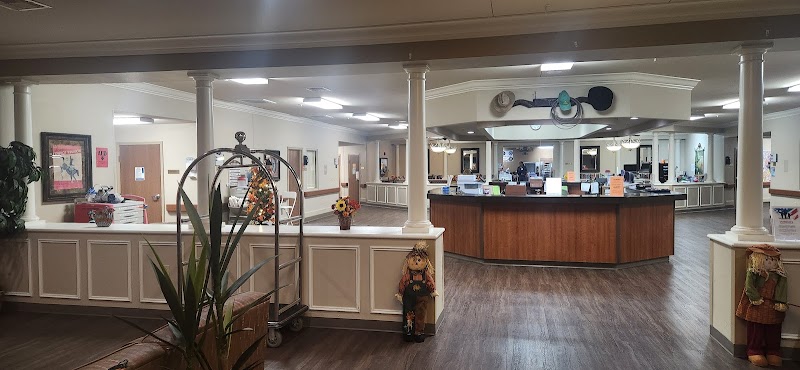
Who Owns and Operates Decatur Medical Lodge?

DECATUR MEDICAL LODGE is owned by a for-profit company. For-profit facilities operate as businesses with obligations to shareholders or private owners. The facility is operated by PRIORITY MANAGEMENT, a chain that manages multiple nursing homes. With 124 certified beds and approximately 104 residents (about 84% occupancy), it is a mid-sized facility located in DECATUR, Texas.
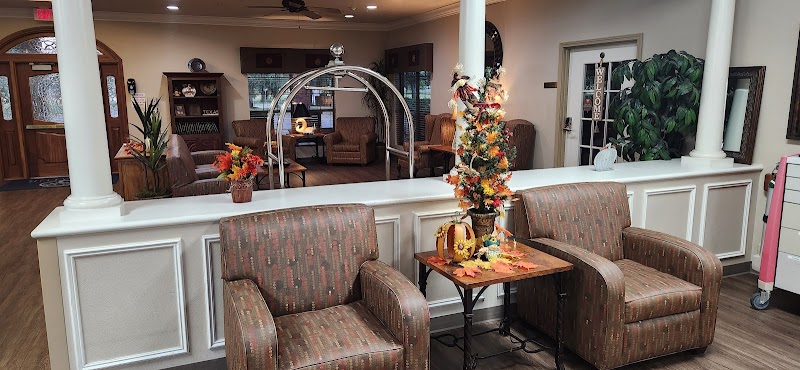
How Does Decatur Medical Lodge Compare to Other Texas Nursing Homes?

Compared to the 100 nursing homes in Texas, DECATUR MEDICAL LODGE's overall rating (3 stars) is above the state average of 2.8, staff turnover (72%) is significantly higher than the state average of 46%, and health inspection rating (4 stars) is above the national benchmark.

What Should Families Ask When Visiting Decatur Medical Lodge?

Based on this facility's data, families visiting should ask: "What changes have been made since the serious inspection findings, and how are you preventing similar issues?" "How do you ensure continuity of care given staff turnover, and what is your staff retention strategy?" "Can you walk me through typical staffing levels on day, evening, and night shifts?" "Can I visit during a mealtime to observe dining assistance and food quality?" These questions are particularly relevant given the facility's Immediate Jeopardy citations, the facility's high staff turnover rate, and the below-average staffing rating.

Is Decatur Medical Lodge Safe?

Based on CMS inspection data, DECATUR MEDICAL LODGE has documented safety concerns. Inspectors have issued 1 Immediate Jeopardy citation (the most serious violation level indicating risk of serious injury or death). The facility has a 3-star overall rating and ranks #1 of 100 nursing homes in Texas. Families considering this facility should ask detailed questions about what corrective actions have been taken since these incidents.

Do Nurses at Decatur Medical Lodge Stick Around?

Staff turnover at DECATUR MEDICAL LODGE is high. At 72%, the facility is 26 percentage points above the Texas average of 46%. Registered Nurse turnover is particularly concerning at 67%. RNs handle complex medical decisions and coordinate care — frequent RN changes can directly impact care quality. High turnover means new staff may not know residents' individual needs, medications, or preferences. It can also be disorienting for residents, especially those with dementia who rely on familiar faces. Families should ask: What is causing the turnover? What retention programs are in place? How do you ensure care continuity during staff transitions?

Was Decatur Medical Lodge Ever Fined?

DECATUR MEDICAL LODGE has been fined $14,518 across 1 penalty action. This is below the Texas average of $33,224. While any fine indicates a compliance issue, fines under $50,000 are relatively common and typically reflect isolated problems that were subsequently corrected. Families should ask what specific issues led to these fines and confirm they've been resolved.

Is Decatur Medical Lodge on Any Federal Watch List?

DECATUR MEDICAL LODGE is not on any federal watch list. The most significant is the Special Focus Facility (SFF) program, which identifies the bottom 1% of nursing homes nationally based on persistent, serious quality problems. Not being on this list means the facility has avoided the pattern of deficiencies that triggers enhanced federal oversight. This is a positive indicator, though families should still review the facility's inspection history directly.