COTTONWOOD NURSING AND REHABILITATION
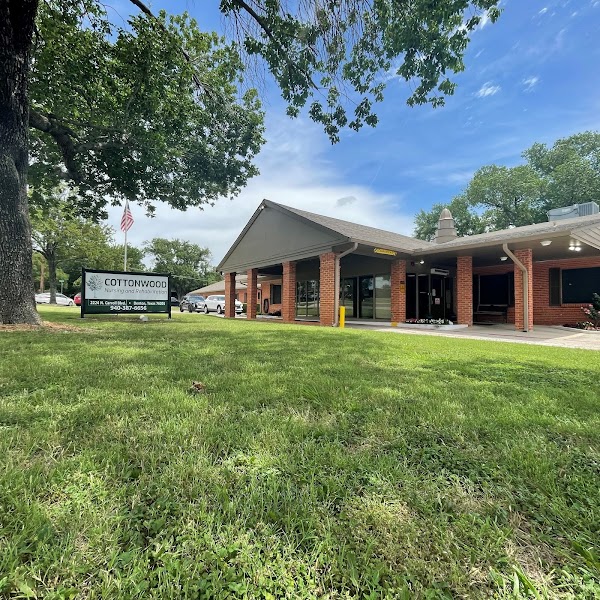
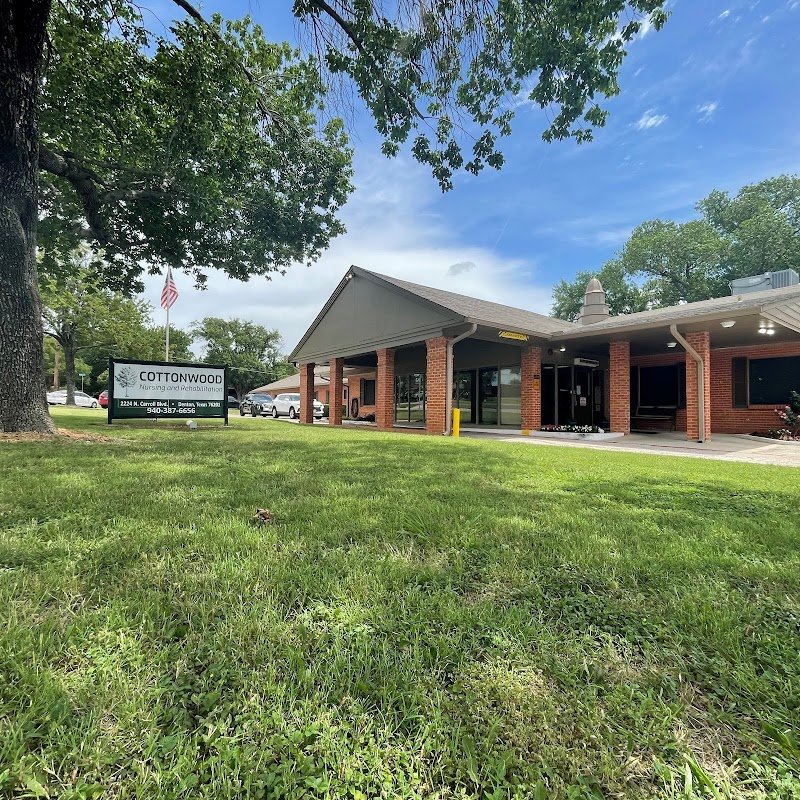
2224 N CARROLL BLVD, DENTON, TX 76201 (940) 387-6656
For profit - Corporation 60 Beds CREATIVE SOLUTIONS IN HEALTHCARE Data: November 2025
Trust Grade
55/100
#443 of 1168 in TX
Last Inspection: July 2024

Within standard 12-15 month inspection cycle. Federal law requires annual inspections.

Overview

Cottonwood Nursing and Rehabilitation in Denton, Texas, has a Trust Grade of C, meaning it is average and in the middle of the pack compared to other nursing homes. It ranks #443 out of 1,168 facilities in Texas, placing it in the top half, and #9 out of 18 facilities in Denton County, indicating only one local option is better. However, the facility is worsening, with issues increasing from 6 in 2023 to 8 in 2024. Staffing is a significant concern, rated at only 1 out of 5 stars, with a turnover rate of 56%, which is around the Texas average. On a positive note, the facility has not incurred any fines, which is a good sign, and it offers above-average RN coverage, ensuring that registered nurses can address issues that may be overlooked by other staff. Several specific incidents raise concerns for potential residents. For instance, one resident with a pressure ulcer did not receive the necessary care to promote healing, as staff failed to follow proper wound care orders. Additionally, two residents lacked comprehensive care plans, leaving them at risk of not receiving essential medical and personal care. Finally, respiratory care was insufficient for several residents, as necessary equipment was not properly stored or marked, potentially putting their health at risk. Overall, while there are strengths such as no fines and good RN coverage, the facility has significant room for improvement in staffing and care management.

Trust Score
C
55/100
In Texas
#443/1168
Top 37%
Safety Record
Moderate
Needs review
Inspections
Getting Worse
6 → 8 violations
Staff Stability
⚠ Watch
56% turnover. Above average. Higher turnover means staff may not know residents' routines.
Penalties
✓ Good
No fines on record. Clean compliance history, better than most Texas facilities.
Skilled Nurses
⚠ Watch
Each resident gets only 17 minutes of Registered Nurse (RN) attention daily — below average for Texas. Fewer RN minutes means fewer trained eyes watching for problems.
Violations
⚠ Watch
19 deficiencies on record. Higher than average. Multiple issues found across inspections.
★★★☆☆
3.0
Overall Rating
★☆☆☆☆
1.0
Staff Levels
★★★☆☆
3.0
Care Quality
★★★★☆
4.0
Inspection Score
Stable
2023: 6 issues
2024: 8 issues

The Good

  • Full Sprinkler Coverage · Fire safety systems throughout facility
  • No fines on record

Facility shows strength in fire safety.

The Bad

3-Star Overall Rating

Near Texas average (2.8)

Meets federal standards, typical of most facilities

Staff Turnover: 56%

Near Texas avg (46%)

Frequent staff changes - ask about care continuity

Chain: CREATIVE SOLUTIONS IN HEALTHCARE

Part of a multi-facility chain

Ask about local staffing decisions and management

Staff turnover is elevated (56%)

8 points above Texas average of 48%

The Ugly 19 deficiencies on record

1 actual harm
Dec 2024 1 deficiency
CONCERN (D) 📢 Someone Reported This

A family member, employee, or ombudsman was alarmed enough to file a formal complaint

Potential for Harm - no one hurt, but risky conditions existed

Infection Control (Tag F0880)

Could have caused harm · This affected 1 resident

**NOTE- TERMS IN BRACKETS HAVE BEEN EDITED TO PROTECT CONFIDENTIALITY** Based observation, interview and record review the facility failed to establish and maintain an infection prevention and control...

Read full inspector narrative →
**NOTE- TERMS IN BRACKETS HAVE BEEN EDITED TO PROTECT CONFIDENTIALITY** Based observation, interview and record review the facility failed to establish and maintain an infection prevention and control program designed to provide a safe, sanitary, and comfortable environment and to help prevent the development and transmission of communicable diseases and infections for one of ten residents (Resident #1) reviewed for Infection Control. The facility failed to ensure CNA A and CNA B performed hand hygiene and changed their gloves while providing incontinent care to Resident #1 on 12/05/2024. This failure could place residents at risk of cross-contamination and development of infections. Findings include: Record review of Resident #1's Face Sheet, dated 12/05/2024, reflected a [AGE] year-old female who was admitted to the facility on [DATE]. Resident #1 had diagnoses which included anemia (low red blood cells) and muscle weakness. Record review of Resident #1's Comprehensive MDS Assessment, dated 09/13/2024, reflected the resident was cognitively intact with a BIMS score of 15. The Comprehensive MDS Assessment indicated Resident #1 was always incontinent for both bowel and bladder. Record review of Resident #1's Comprehensive Care Plan, dated 10/03/2024, reflected the resident had an ADL self-care performance deficit and one of the interventions was the resident required two-person assist during incontinent care. Observation on 12/05/2024 at 9:56 AM revealed CNA A was observed already inside Resident #1's room and was cleaning the resident's perineal area (area between the thighs) using the front to back technique. CNA A said she was waiting for another aide to assist her in turning the resident. CNA B entered the room, put on a pair of gloves, and assisted CNA A in turning Resident #1. CNA B did not wash her hands before putting on the gloves. CNA A prepared the brief and put it at the side of the resident. She did not change her gloves before touching the new brief. CNA B started to clean the resident's bottom. After cleaning the resident's bottom, CNA B pulled the soiled brief, and threw it in the trash can. CNA B changed her gloves but did not sanitize her hands before putting on a new pair of gloves. CNA B took the brief from the side of the resident, placed it under the resident, fixed it, and fastened both side of the brief. CNA A assisted in fixing the brief and fastening it. CNA A still had on the same gloves she used in cleaning the front part of Resident #1. After fixing the brief, both CNAs assisted the resident to roll back. Both CNAs washed their hands. In an interview with CNA B on 12/05/2024 at 10:21 AM, CNA B stated she entered Resident #1's room to assist CNA A with incontinent care. She said she put on a pair of gloves as soon as she entered the room. She said she was supposed to wash her hands first before putting on the gloves. She said hands should be washed first before doing any care. She said she was supposed to sanitize also in between changing her gloves to prevent infection. She said she would make sure she washed her hands before and after incontinent care and sanitized her hands in between changing of gloves. She said she would also ask for a container of sanitizer so she would always have one. She said there was a sink inside the resident's room but the sanitizer was outside the room. She said she had in-services about hand hygiene but was not able to apply it. In an interview with CNA A on 12/05/2025 at 10:39 AM, CNA A stated she started cleaning Resident #1's perineal area while waiting for CNA B. She said she assisted in fixing the resident's brief when CNA B was done cleaning the resident's bottom. She said she should have changed her gloves after cleaning the resident's bottom because her gloves were already dirty. She said she would remember next time to change her gloves after cleaning the front part of the resident and even after cleaning the bottom of the resident to prevent infection. In an interview with the ADON on 12/05/2024 at 11:32 AM, the ADON stated hand hygiene was basic and always done before and after incontinent care. She said the hands should be washed before starting incontinent care and before putting on a pair of gloves. She said there was a sink inside Resident #1's room so it was easy for the staff to wash their hands prior to incontinent care. She said the hands should also be sanitized in between the changing of gloves and the gloves should be changed after cleaning the resident's front part and before touching the new brief. She said washing and sanitizing the hands and changing the gloves after touching soiled body parts were done to prevent cross contamination and spread of infection. She said the expectation was for the staff to do hand hygiene before and after every care, after changing their gloves, and when transitioning from a dirty site to a clean site. She said the staff should be mindful when they performed incontinent care to prevent infection. The ADON said she would do in-services about infection control and hand hygiene. She also said she already distributed hand sanitizer for the staff. In an interview with the DON on 12/05/2024 at 12:36 PM, the DON stated he was made aware by the ADON about the issue in hand hygiene and changing of gloves. He said hand hygiene was the most effective way to prevent infection. He said first, hands should be washed before and after any care. Secondly, hands should be sanitized when changing gloves. He said if the gloves were heavily soiled, the staff should wash their hands. Lastly, staff must change their gloves after touching soiled items or soiled body parts. He said expectation was the staff would do hand hygiene as required and change their gloves when transitioning from dirty to clean. He said he would do in-services and competency check-off about hand hygiene and infection control. He said he already did a one-on-one in-service with CNA A and CNA B. In an interview with the Administrator on 12/05/2024 at 1:14 AM, the Administrator stated she was already aware about the issue of the staff not washing the hands before cleaning the resident. She said not washing the hands and not changing the gloves could cause cross contamination and infection. She said the expectation was for the staff to follow the policy and procedures pertaining to hand washing and infection control. She said she collaborate with the DON on how to handle the issue about infection control and hand hygiene. Record review of the facility policy, Perineal (area between the thighs) Care Female Nursing Policy and Procedure Manual revised December 8, 2009 revealed Procedural Guidelines . A. Beginning Steps . a. wash hands .F. remove soiling . H. wash hands and put on clean gloves. Record review of the facility policy, Infection Control Plan: Overview Nursing Policy and Procedure Manual 2019, no revision date, revealed The facility will establish and maintain an Infection Control Program designed to provide a safe, sanitary . environment . to help prevent the development and transmission of disease and infection .
Jul 2024 7 deficiencies
CONCERN (D) 📢 Someone Reported This

A family member, employee, or ombudsman was alarmed enough to file a formal complaint

Potential for Harm - no one hurt, but risky conditions existed

Deficiency F0558 (Tag F0558)

Could have caused harm · This affected 1 resident

**NOTE- TERMS IN BRACKETS HAVE BEEN EDITED TO PROTECT CONFIDENTIALITY** Based on observations, interviews, and record review the facility failed to ensure the right to reside and receive services in t...

Read full inspector narrative →
**NOTE- TERMS IN BRACKETS HAVE BEEN EDITED TO PROTECT CONFIDENTIALITY** Based on observations, interviews, and record review the facility failed to ensure the right to reside and receive services in the facility with reasonable accommodation of resident needs and preferences for two (Resident #23 and Resident #26) of nineteen residents reviewed for reasonable accommodation of needs. The facility failed to ensure the call light system in Resident #23 and Resident #26's rooms were in a position that was accessible to the residents. This failure could place the residents at risk of being unable to obtain assistance when needed and help in the event of an emergency. Findings included: Resident #23 Review of Resident #23's Face Sheet, dated 07/09/2024, reflected that resident was a [AGE] year-old female admitted on [DATE]. Relevant diagnoses included lack of coordination and weakness. Review of Resident #23's Quarterly MDS Assessment, dated 05/01/2024, reflected Resident #23 had a moderate impairment in cognition with a BIMS score of 09. Resident #23 was dependent to staff for toileting, shower, dressing, and personal hygiene. Review of Resident #23's Comprehensive Care Plan, dated 07/07/2024, reflected Resident #23 was at risk for falls related to deconditioning due to CVA (cerebrovascular accident: stroke) with hemiparesis (weakness on one side of the body) and one of the interventions was to be sure the call light was within reach. Observation and interview with Resident #23 on 07/09/2024 at 9:15 AM revealed Resident #23 was in her bed, awake. Resident #23's call light was observed on the floor and under the bed of the resident. Resident #23 tried to search for her call light because she said she needed to be changed. Resident #23 stated she could not even find the cord of the call light to pull it. She said the staff should put her call light where she could reach it because it was hard for her to move. Observation and interview with CNA A on 07/09/2024 at 11:11 AM, CNA A stated it was important that the call lights were placed near the residents. CNA A said the call lights should always be with the residents because the residents used them to call the staff if they needed something. CNA A said if the call lights were not with the resident, the resident would not be able to tell the staff what they needed. CNA A said the resident might be needing to be changed and she would not know. She said the resident might be frustrated, mad, or might fall if the call light was far from her. CNA A looked for Resident #23's call light and found it on the floor under the bed. CNA A knelt down, pulled the call light from the bottom of the bed, and placed it near the resident. CNA A said she did a quick tour at the beginning of her shift but did not notice that the call light was not with Resident #23. CNA A added she did not make sure the call light was with the resident after she was done with the resident's incontinent care. Resident #26 Review of Resident #26's Face Sheet, dated 07/09/2024, reflected the resident was a [AGE] year-old male admitted on [DATE]. Relevant diagnoses included cerebral infarction (blockage in the blood vessels of the brain) and anxiety disorder. Review of Resident #26's Quarterly MDS Assessment, dated 05/27/2024, reflected Resident #26 had a moderate cognitive impairment with a BIMS score of 09. Resident #26 required maximal assistance for shower, dressing, and personal hygiene. Review of Resident #26's Comprehensive Care Plan, dated 07/06/2024, reflected Resident #26 was at risk for falls r/t to impaired mobility and one of the interventions was to be sure my call light is within reach. Observation and interview with Resident #26 on 07/10/24 at 7:14 AM revealed the resident was lying in bed, awake. Resident #26 said he just woke up. The resident's call light was observed on the floor. Resident #26 said he was looking for his call light but could not find it. Resident #26 said it was important that he had his call light because he usually was in bed and dependent on the staff for almost everything. Resident #26 added the staff should place the call light near his functioning hand. Observation and interview with LVN B on 07/10/2024 at 8:24 AM revealed LVN B entered Resident #26's room to check his blood pressure. LVN B stated the call light was on the floor. LVN B said she did not notice the resident's call light was on the floor when she did her shift change round. LVN B picked up the call light and placed it where the resident could reach it. LVN B said it was important for the call light to be within reach, so the residents could be helped when they needed assistance or help. LVN B said if the call lights were not with the residents, the residents might fall or the staff would not know the residents were having an emergency. She said she was responsible in ensuring the call lights were within reach for her assigned residents. In an interview with DON on 07/11/2024 at 8:10 AM, the DON stated call lights were very important for the residents. The DON said the call lights were the only way of communication between the residents and the staff. The DON said the residents were also encouraged to use the call lights to call for assistance, like if they needed to go to the bathroom or needed to be turned. He said the call lights were also used by the resident if they needed something, like pain medication, refill of water, or to turn the lights off. The DON said without the call lights, the needs of the residents would not be known and would not be addressed. He added, without the call lights the needed care would not be provided. The DON said the expectation was for the staff would be mindful that every time they leave the resident's room, the call lights were with the residents. The DON said he would conduct a whole-house in-service about the call lights because the call lights were everybody's responsibility. He said the in-service would be for the nurses, CNAs, housekeeping, therapists, and management. He said he would personally monitor that all the residents' call light were within reach. In an interview with the ADON on 07/11/2024 at 8:39 AM, the ADON stated the call lights should not be on the floor or in a place where the residents could not reach it. The ADON said the call light must be within reach of the residents at all times because they use the call light to let the staff know they needed something. The ADON said if the call lights were far from the residents, the residents would not be able to call the staff and their needs would not be addressed. The ADON said the resident might even had a fall if they try to go to the bathroom by themselves because they could not call the staff. The ADON said the expectation was for all the staff to make sure the call lights were within the reach of all the residents. The ADON said they would do an in-service about call lights being accessible to the residents. In an interview with the Administrator on 07/11/2024 at 8:49 AM, the Administrator stated the call lights should not be far from the residents. The Administrator said the call lights were used by the residents to call the attention of the staff if they needed something. The Administrator said the residents might be having an emergency and staff would not know. The Administrator said the staff should be sensible about call light placement. The Administrator said they would re-educate the staff regarding call lights and would constantly remind them that before leaving the room, make sure the call lights were with the resident. Record review of facility's policy Resident Rights Social Services Manual 2003, revealed We believe each resident has a right to a dignified existence . and communication with and access to persons and services inside and outside our facility . Each resident is treated with consideration . care for personal needs. Record review of facility's policy Perineal Care Female Nursing Policy and Procedure Manual 2003 rev December 8. 2009, revealed K. Closing steps . e. Always replace call signal and needed items within resident's reach.
CONCERN (D)

Potential for Harm - no one hurt, but risky conditions existed

Quality of Care (Tag F0684)

Could have caused harm · This affected 1 resident

**NOTE- TERMS IN BRACKETS HAVE BEEN EDITED TO PROTECT CONFIDENTIALITY** Based on observations, interviews and record reviews, the facility failed to ensure that a resident received treatment and care ...

Read full inspector narrative →
**NOTE- TERMS IN BRACKETS HAVE BEEN EDITED TO PROTECT CONFIDENTIALITY** Based on observations, interviews and record reviews, the facility failed to ensure that a resident received treatment and care in accordance with professional standards of practice, the comprehensive person-centered care plan, and the residents ' choices for 1 (Resident #10) of 6 resident reviewed. for quality of care. The facility failed to obtain physician's orders and assess Resident #10 for a scoop mattress prior to installing the scoop mattress. This failure could prevent the resident to from being free of any physical harm . Findings included: Record review of Resident #10's Face Sheet, dated 07/09/2024, revealed she was an [AGE] year-old female admitted on [DATE]. Relevant diagnoses included unspecified dementia (memory decline), lack of coordination, and repeated falls. Record review of Resident #10's Quarterly Minimum Data Set (MDS) dated [DATE] revealed, she had a Brief Interview for Mental Status (BIMS) score of 04 (severe cognitive impairment) and for ADL care the MDS reflected, for transfers, toileting, and bathing, the resident required moderate assistance. In an Interview and observation on 07/10/24 at 10:45 AM with RN M, she stated she was the floor nurse for the North Hall. She observed the scoop mattress Resident #10 was lying on and stated that the resident did have physician's orders for the scoop mattress. She checked the resident's physician's orders and stated that there were physician orders in the system of record for the resident; however, the orders were dated for 07/10/24, which was after the concern was presented. RN M admitted that the orders were just recently submitted, and she stated that physician's orders were needed to ensure that the scoop mattress was not a risk to the resident and be a form or restraint for the resident. An interview on 07/11/24 at 11:00 AM with the DON, he stated he had been the DON at the facility for the past several months. He stated RN M had advised him of Resident #10 having a scoop mattress but no physician's orders. He stated it was overlooked but they had since made the correction and have a signed physician order for the scoop mattress. He stated the risk of the resident having the scoop mattress without a physician assessment or orders could result in the resident injuring herself. Record review of facility policy on Physician orders, dated 08/2007, stated It is the policy of this facility to ensure that no resident is placed in physical restraints for the purpose of discipline or convenience and that restraints are only applied to treat the resident's medical symptoms. All residents requiring physical restrains will be assessed for least restrictive measures prior to restraint application and restraints will be reduced as appropriate to the resident's medical condition. No resident will have a physical restraint placed for positioning purposes unless there is clearly no other alternative.
CONCERN (D) 📢 Someone Reported This

A family member, employee, or ombudsman was alarmed enough to file a formal complaint

Potential for Harm - no one hurt, but risky conditions existed

Tube Feeding (Tag F0693)

Could have caused harm · This affected 1 resident

**NOTE- TERMS IN BRACKETS HAVE BEEN EDITED TO PROTECT CONFIDENTIALITY** Based on observation, interview, and record review the facility failed to ensure residents who are fed by enteral means received...

Read full inspector narrative →
**NOTE- TERMS IN BRACKETS HAVE BEEN EDITED TO PROTECT CONFIDENTIALITY** Based on observation, interview, and record review the facility failed to ensure residents who are fed by enteral means received the appropriate treatment and services to prevent complications of enteral (intake of food through a tube in the gastrointestinal tract) feeding for one (Resident #20) three residents reviewed for gastrostomy tube management. The facility failed to ensure that LVN B checked Resident #20's G-tube (Gastrostomy tube: A tube directly inserted through the skin to the stomach to deliver nutrition) placement prior to medication administration. The facility failed to ensure that LVN B checked Resident #20's residual (amount of liquid remaining in the stomach) before administering medications via gastrostomy tube. These failures could place residents who receive enteral feedings by G-tube at risk for injury, aspiration into the lungs (fluid or food enter the lungs accidently), decreased quality of life, hospitalization and decline in health. Findings include: Review of Resident #20's Face Sheet, dated 07/09/24, reflected resident was a 77- year-old female admitted on [DATE]. Relevant diagnosis included cognitive communication deficit and dysphagia (difficulty in swallowing). Review of Resident 20's Comprehensive MDS Assessment, dated 05/29/2024, reflected resident was unable to complete the interview to determine the BIMS score. The Comprehensive MDS Assessment indicated resident was on tube feeding while a resident of the facility. Review of Resident #20's Care Plan on 07/09/2024 revealed that the resident did not have a care plan for tube feeding. Review of Resident #20's Physician's Order, dated 05/23/2024, reflected Every shift Check placement prior to feeding and medication administration. Review of Resident #20's Physician's Order, dated 05/23/2024, reflected every shift Check residual before medications and feedings; return contents after each check. Observation on 07/11/2024 at 7:40 AM revealed Resident #20 was in bed, awake. Resident #20 had a feeding formula hanging from an IV pole. The feeding formula was not connected to the resident. LVN B prepared the resident's medication. LVN B prepared three medications and put them in three separate plastic cups. LVN B then crushed the medications one-by-one and put them back in three small plastic cups. LVN B donned (put on) a gown and a pair of gloves. LVN B went inside the room, set the medications on the side table, and told the resident what she was going to do. LVN B went to the bathroom to get some water for flushing. LVN B put some water in the medications. LVN B started to stir the medications with the tip of the syringe. After mixing the medications, LVN B pulled the plunger of the syringe, attached the tip of the syringe to the g-tube, flushed the g-tube with 60 ml of water, and poured the dissolved medication into the syringe attached to the g-tube one at a time. LVN B flushed the g-tube with 5 ml of water after every medication administration. After giving the medication, LVN B flushed the g-tube and then connected the g-tube to the formula and turned it on. LVN B did not check for placement of the g-tube before administering the medication. LVN B did not check for the residual before administering the medications. In an interview with LVN B on 07/11/2024 at 8:05 AM, LVN B stated it was important to check the placement of the g-tube before feeding or medication administration to ensure the g-tube was in the correct position. LVN B said it was also important to check the gastric residual to make sure the stomach was emptying effectively. She said she was not able to check for the placement and for the residual when she gave Resident #20's medication. She said she sometimes checked for both when she disconnected the g-tube. She said she should always check for both before giving the medications. She said she did a competency check-off for enteral feeding but forgot to do both. She said if the placement was not checked, it could cause harm to the resident. She added that if the residual was not checked, the resident could suffer from aspiration pneumonia. In an interview with DON on 07/11/2024 at 8:10 AM, the DON stated it was important to check for the placement of the g-tube to ensure the g-tube was in the proper place. He said placement was checked before feeding or medication administration to be sure it was not clogged or displaced. He said the residual was checked also to see if the stomach was not having any intolerance to feeding. He said not checking the placement of the g-tube and the gastric residual could result to vomiting and aspiration pneumonia. He said the expectation was for the staff to check the placement of the g-tube and gastric residual before every feeding, before every medication administration, and every shift. He said he would re-educate LVN B about the proper procedure of enteral feeding. He said he would also do an in-service to all the staff doing enteral feeding. In an interview with the ADON on 07/11/2024 at 8:39 AM, the ADON stated the g-tube placement was always checked to make sure it was in the right place. She said even though it was checked in the morning, it should still be checked at noon. She said checking for placement could be done by using a stethoscope or by checking the residual. She said the gastric residual was also checked to make sure the stomach was not full. She said not checking the residual could result to vomiting and aspiration. She said she would coordinate with the DON on what to do about the issue. In an interview with the Administrator on 07/11/2024 at 8:49 AM stated the staff should follow the g-tube orders. She said if the orders said to check for placement and residual before giving medications, the staff should check for placement and residual before giving the medications. She said both were included in the procedure to provide safety for residents with a g-tube. She said she would collaborate with the clinicians to do in-service about g-tubes. Record review of facility's policy Gastrostomy Tube Care Nursing Policy & Procedure Manual 2003 rev. March 02, 2021 revealed Goals . 1. The resident will maintain nutritional status ,,, Procedure . 7. Perform intermittent feeding . a. check for placement by aspiration or injecting air and listening to the stomach for sounds . b. Aspirate for gastric contents .
CONCERN (E) 📢 Someone Reported This

A family member, employee, or ombudsman was alarmed enough to file a formal complaint

Potential for Harm - no one hurt, but risky conditions existed

Comprehensive Care Plan (Tag F0656)

Could have caused harm · This affected multiple residents

**NOTE- TERMS IN BRACKETS HAVE BEEN EDITED TO PROTECT CONFIDENTIALITY** Based on observation, interviews, and record reviews, the facility failed to develop and implement a comprehensive person-center...

Read full inspector narrative →
**NOTE- TERMS IN BRACKETS HAVE BEEN EDITED TO PROTECT CONFIDENTIALITY** Based on observation, interviews, and record reviews, the facility failed to develop and implement a comprehensive person-centered care plan for each resident, consistent with the resident rights set forth that includes measurable objectives and timeframes to meet a resident's medical, nursing, and mental and psychosocial needs that were identified in the comprehensive assessment for a resident for two of (Resident #16 and Resident #20) eight residents reviewed for Care Plans. 1. The facility failed to ensure Resident #16 was care planned for smoking. 2. The facility failed to ensure Resident #20 was care planned for hospice and enteral Feeding. These failures could place the residents at risk of not receiving necessary care and services. Findings included: 1. Review of Resident #16's Face Sheet, dated 07/10/2024, reflected that resident was a [AGE] year-old female admitted on [DATE]. Relevant diagnoses included seasonal allergic rhinitis and shortness of breath. Review of Resident #16's Quarterly MDS Assessment, dated 06/06/2024, reflected that Resident #16 had a severe impairment in cognition with a BIMS score of 03. Review of Resident #16's Safe Smoking Assessment, dated 07/04/2024, reflected the resident knew the location of the designated area for smoking and the resident could go the designated area independently. Observation and interview on 07/10/2024 at 8:28 AM revealed that Resident #16 was rolling her wheelchair on the hallway going towards the smoking area. Resident #16 said she was going out for a smoke. In an interview with Resident #16 on 07/10/2024 at 10:16 AM, Resident #16 stated she was a smoker and had been since when she was younger. The resident said she stopped for a couple of months but went back to smoking again. Review of Resident #16's Comprehensive Care Plan on 07/10/2024 reflected that Resident #16 had no care plan for smoking. 2. Review of Resident #20's Face Sheet, dated 07/09/24, reflected resident was a 77- year-old female admitted on [DATE]. Relevant diagnosis included cognitive communication deficit and dysphagia (difficulty in swallowing) Review of Resident 20's Comprehensive MDS Assessment, dated 05/29/2024, reflected resident was unable to complete the interview to determine the BIMS score. The Comprehensive MDS Assessment indicated the resident was on tube feeding and was receiving hospice care while a resident of the facility. Review of Resident #20's Physician's Order, dated 06/10/2024, reflected every shift Fibersource HN or equivalent 70 ml/hour continuously. Stop for ADLs and restart immediately. Review of Resident #20's Physician's Order, dated 05/10/2024, reflected Hospice to evaluate and treat. Review of Resident #20's Care Plan on 07/09/2024 reflected Resident #20 had no care plan for tube feeding and hospice care. Observation on 07/09/2024 at 9:44 AM revealed Resident #20 was in her bed sleeping. The resident was connected to a feeding formula at approximately 600 ml and was running at a feed rate of 70 ml per hour. Observation on 07/11/2024 at 7:40 AM revealed Resident #20 was in bed, awake. Resident #20 had a feeding formula hanging from an IV pole. The feeding formula was not connected to the resident. In an interview with the Senior MDS Case Manager on 07/10/2024 at 11:39 AM, the Senior MDS Case Manager stated care plans were important to ensure the residents were getting the care needed. The Senior MDS Case Manager said care plans served as guide on how the staff will take care of the residents. The Senior MDS Case Manager said care plans were comprised of the problem lists, the goals, and the interventions appropriate to the needs of the residents. The Senior MDS Case Manager added that without the care plans, the staff could miss out significant interventions needed by the residents. The Senior MDS Case Manager said if a resident was a smoker, there should be care plan for smoking. She added if a resident was on tube feeding, there should be a care plan for tube feeding. She also said if a resident was admitted to hospice, there should be a care plan for hospice. The Senior MDS Case Manager logged onto her computer, searched for Resident #16's profile and said the resident did not have a care plan for smoking. She said she would add a care plan for smoking. After adding the care plan for smoking for Resident #16, the Senior MDS Case Manager said the Social Worker was responsible in making the care plan for smoking. She said the Social Worker was new and she should have oriented the Social Worker with regards to the care plan that she needed to do. She said she would talk to the Social Worker about the care plan for smoking. The Senior MDS Case Manager then went to Resident #20's profile and said the resident did not have a care plan for tube feeding and for hospice. The Senior MDS Case Manager said she would go ahead and add the care plan for both. After adding the care plan for tube feeding and hospice, she said she would audit the care plans of the residents. She said the staff and management discussed every morning if there was any changes about the residents. She said there was an oversight on her part. In an interview with DON on 07/11/2024 at 8:10 AM, the DON stated every resident needed a comprehensive care plan to make sure the residents receive the appropriate care needed. The DON said the care plan should be in place so that the staff providing care would be in the same page. The DON said the care plan serveed as a communication tool for all individuals caring for the residents. He said the care plan should be comprehensive and should show what specific care the resident needed. He said the expectation was for all residents to have a complete and detailed care plan. He said he was responsible in checking if the care plans of the residents were comprehensive and in accordance with the current condition of the residents. He said he would coordinate with the ADON, the Senior MDS Case Manager, and the Social Worker to audit the care plans. In an interview with the ADON on 07/11/2024 at 8:39 AM, the ADON stated she was still learning how to do the care plans. The ADON stated it was important that residents have a care plan to fully provide the care and services the residents needed. The ADON said that for these cases, there should be a care plan for smoking, tube feeding, and hospice care. She added without the care plan, the current needs of the resident would not be addressed. In an interview with the Administrator on 07/11/2024 at 8:49 AM, the Administrator stated all the residents should have a care plan appropriate to their needs. She said without the care plan, the staff would not know the goals and the interventions needed by the residents. The Administrator concluded that the expectation was for the staff will ensure that every issue of the residents were care planned. She said she would coordinate with the DON and the Senior MDS Case Manager to make sure all the residents were care planned accordingly. In an interview with the Social Worker on 07/11/2024 at 11:38 AM, the Social Worker stated she did not know she was supposed to do the care plan for smoking, mood and behavior, and code status. She said that now that she knew, she would review and audit the care plans appropriately. She said the Senior MDS Case Manager told her that she would orient her about care planning. Record review of facility's policy, Comprehensive Care Planning, Nursing Policy & Procedure Manual, The facility will develop and implement a comprehensive person-centered care plan for each resident . that includes measurable objectives and timeframes . the resident's goals for admission and desired outcome . address the resident's medical . needs . Interventions are the specific care and services that will be implemented.
CONCERN (E) 📢 Someone Reported This

A family member, employee, or ombudsman was alarmed enough to file a formal complaint

Potential for Harm - no one hurt, but risky conditions existed

Respiratory Care (Tag F0695)

Could have caused harm · This affected multiple residents

**NOTE- TERMS IN BRACKETS HAVE BEEN EDITED TO PROTECT CONFIDENTIALITY** Based on observations, interviews, and record review, the facility failed to ensure that Residents, who needed respiratory care,...

Read full inspector narrative →
**NOTE- TERMS IN BRACKETS HAVE BEEN EDITED TO PROTECT CONFIDENTIALITY** Based on observations, interviews, and record review, the facility failed to ensure that Residents, who needed respiratory care, was provided such care consistent with professional standards of practice, the comprehensive person-centered care plan, and the residents' goals and preferences for three (Residents #26, #30, and Resident #189) of eight residents reviewed for Respiratory Care. 1. The facility failed to ensure an Oxygen In Use sign was placed outside of Resident #26's room. 2. The facility failed to ensure Resident #189's mask for CPAP (continuous positive airway pressure: machine used to deliver pressurized air through a mask to keep airways open) was properly stored. 3. The facility failed to ensure Resident #30's oxygen mask was properly stored. These failures could place the residents at risk for respiratory infection and not having their respiratory needs met. Findings included: 1. Review of Resident #26's Face Sheet, dated 07/09/2024, reflected that resident was a [AGE] year-old male admitted on [DATE]. Relevant diagnoses included chronic obstructive pulmonary disease (a chronic inflammatory lung disease that causes obstructed airflow from the lungs) and acute respiratory failure with hypoxia (insufficient amount of oxygen in the body). Review of Resident #26's Comprehensive MDS Assessment, dated 05/27/2024, reflected the resident had a moderate impairment in cognition with a BIMS score of 08. The Comprehensive MDS Assessment indicated Resident #26 was on oxygen therapy while a resident of the facility. Review of Resident #26's Comprehensive Care Plan, dated 07/06/2024, reflected the resident had oxygen therapy due to ineffective gas exchange and one of the interventions was oxygen at 2 lpm per nasal canula. Review of Resident 26's Physician's Order, dated 05/29/2024, reflected, OXYGEN 3-4L/MIN VIA NASAL CANNULA every shift for SOB/wheezing/LOW OXYGEN SAT LESS THAN 92% and prn. Observation on 07/09/2024 at 9:37 AM revealed Resident #26 was on oxygen therapy at 3 liters per minute via nasal cannula. It was observed that there was no Oxygen In Use sign outside the door of the resident. Observation and interview with LVN B on 07/10/2024 at 10:46 AM, LVN B said there should be a sign outside the room of the residents that use oxygen. LVN B said the sign was to remind the staff and the visitors that oxygen was being used inside the facility. She said oxygen could be a dangerous fire hazard. She said adequate precautions should be in place. LVN B said she would look for a Oxygen In Use sign. LVN B came back to the room and placed the Oxygen In Use sign outside Resident #26's room. 2. Record review of Resident #30's Face Sheet, dated 07/11/2024, revealed he was a [AGE] year-old male admitted on [DATE]. Relevant diagnoses included COPD and obstructive sleep disorder. Record review of Resident #30's Quarterly Minimum Data Set (MDS) dated [DATE] revealed, she had a Brief Interview for Mental Status (BIMS) score of 07 (severe cognitive impairment) and an active diagnosis of COPD. Record review of Resident #30's physician's orders dated 07/11/24 revealed the resident had active orders for may use oxygen @ 4 L/M (liters per minute) via nasal cannula every shift. An observation on 07/09/24 at 11:01 AM revealed Resident #30 not being in his room and his oxygen mask was observed sitting on a stand exposed, and not in a sealed bag. In an interview and observation on 07/10/24 at 01:55 AM with RN M, she stated she was the floor nurse for the North Hall and she acknowledged that Resident #30 did use an oxygen concentrator. She stated that when the resident's mask was not in use, it had to be placed in a sealed bag. She was shown a picture of Resident #30's mask sitting exposed and uncovered. She stated she had observed that today and had made sure that it was bagged. She stated the CNAs were supposed to remind the nurses if they observed masks not stored in a bag. She stated the risk of not placing the resident's mask in a sanitized bag could result in the resident having respiratory concerns. 3. Review of Resident #189's Face Sheet, dated 07/09/2024, reflected that resident was a [AGE] year-old male admitted on [DATE]. Resident #189 had a diagnosis of obstructive sleep apnea (a sleep disorder where breathing is interrupted repeatedly during sleep). Review of Resident #189's Comprehensive Care Plan, dated 07/05/2024, reflected resident required the use of CPAP related to sleep apnea and one of the interventions was the resident will use device as ordered. Review of Resident #189's Physician's Order, dated 07/05/2024, reflected, CPAP AT HS AND AS NEEDED FOR NAP IN DAY TIME. at bedtime for SLEEP APNEA. Observation and interview on 07/09/2024 at 9:08 AM revealed Resident #189 was in his wheelchair inside his room. Resident #189 had a CPAP machine on his bed side table and a CPAP mask was connected to the machine. The CPAP mask was noted on top of the CPAP machine. The CPAP mask was not bagged. Resident #189 stated he used the CPAP machine at night. The resident said staff would put the CPAP on him at night and would take it off in the morning. He said he never saw a plastic bag for the CPAP mask and nobody told him to put the mask one if ever he would take it off. Observation and interview with LVN B on 07/09/2024 at 9:53 AM, LVN B stated the CPAP mask should not have been exposed nor touching anything because it could cause contamination and possible infection. LVN B said the CPAP mask should be bagged when not in use. LVN B said she did not notice the CPAP mask was not bagged and that there was no bag for the CPAP mask. LVN B said the resident would sometimes take the CPAP mask off but said she should have monitored if it was in a plastic bag. LVN B saw the CPAP mask on top of the CPAP machine and said she would get a plastic bag for the mask, clean the mask, and place it inside the plastic bag. In an interview with DON on 07/11/2024 at 8:10 AM, the DON stated the CPAP mask should be bagged when not in use. He said if the CPAP mask was not bagged, exposed, or touching surfaces that were not clean, then oxygen administration could be compromised. The DON said it could also result to cross contamination and respiratory infections. He said the expectation was for the CPAP mask would be stored properly. He added the nasal cannula and the breathing mask for nebulization should also be bagged for the same reason. With regards to signage for oxygen, the DON said there should be a Oxygen In Use sign outside the door of the resident using oxygen. The sign was for safety purposes. He continued that oxygen was a flammable substance and could cause an explosion if somebody lit a cigarette near the room. He said the facility was a non-smoking facility but it would be prudent to remind the residents, staff, and visitors. He said he was responsible in putting the sign on the door of the resident and he must have overlooked it. He said the expectation was there would be an Oxygen In Use sign on every door of the residents using oxygen. The DON concluded that moving forward, he would do an in-service about bagging the CPAP mask and would continually remind them to be diligent in making sure the procedures for respiratory care were followed. He said he would also do a round to make sure all the residents using oxygen has a sign outside their door. In an interview with the ADON on 07/11/2024 at 8:39 AM, the ADON stated the CPAP mask should be bagged when the resident was not using it to prevent cross contamination and infection. She said the staff who take off the mask should put it in a bag. She said if the resident was the one taking it off, there should be a bag ready for them to put the mask in. She also said that the resident should be educated why the mask should be bagged. She said the expectation was for the staff to bag the CPAP mask. She said, not just the CPAP mask but also the nasal cannula and the mask used for nebulizer should also be bagged. She said it was important that there was an Oxygen In Use sign outside the door of a resident using oxygen. She said the sign was for safety precaution so everybody in the building would know oxygen was being used in the building. She said she would coordinate with the DON to do an in-service pertaining to bagging the CPAP mask, nasal cannula, and breathing mask when the residents were not using them and making sure there was a sign outside the doors of the resident in oxygen administration whether continuously or as needed. In an interview with the Administrator on 07/11/2024 at 8:49 AM, the Administrator stated that in general, the CPAP masks should be stored properly to prevent respiratory issues or exacerbation of whatever respiratory issues the residents already had. The Administrator said the expectation was for the staff to be mindful during their rounds and make sure the CPAP masks were bagged. The Administrator said it was important that there was sign outside the door of the residents using oxygen for safety purposes. She said oxygen was a flammable substance. The Administrator said she would check if the clinicians already did correct the issue. Record review of facility's policy, Oxygen Administration Nursing Policy & Procedure Manual 2003 revised February 13, 2007 revealed Oxygen therapy includes the administration of oxygen (O2) in liters/minute (l/min) by cannula or face mask to treat . O2 therapy is also prescribed to ensure oxygenation of all body organs and systems . 11. Place . signs in area when oxygen is administered. A policy for masks being bagged was requested on 07/10/2024 at 1:45 PM and followed-up on 07/11/2024 at 9:40 AM. The Corporate Nurse said the facility did not have a policy specific for masks being bagged.
CONCERN (E)

Potential for Harm - no one hurt, but risky conditions existed

Food Safety (Tag F0812)

Could have caused harm · This affected multiple residents

Based on observation, interviews, and record reviews the facility failed to ensure food was stored, prepared, distributed, and served in accordance with professional standards for food service safety ...

Read full inspector narrative →
Based on observation, interviews, and record reviews the facility failed to ensure food was stored, prepared, distributed, and served in accordance with professional standards for food service safety for the facility's only kitchen, reviewed for food storage, labeling, dating, and kitchen sanitation. The facility failed to ensure food in the facility's refrigerator, was labeled and dated according to guidelines. The facility failed to ensure the ice machine and ice scoop holder were thoroughly cleaned. The facility failed to ensure food in the facility's freezer, was labeled and dated according to guidelines. The facility filed to ensure kitchen equipment was thoroughly cleaned. These failures could place residents at risk for cross contamination and other air-borne illnesses. Findings included: Observations on 07/09/24 from 09:05 AM to 09:20 AM in the facility's only kitchen reflected: Three large containers, containing flour, sugar, and rice had dust and dirt particles all over the top of them. Two miniature pizzas in a zip locked bag had a shelf life dated 04-28 and use by date of 06/28/2 4 . There was no visible expiration date. One frozen whole ham was unlabeled and undated. There was no visible expiration date. One large frozen piece of meat in a zip locked bag, which was later determined to be a pork butt, was unlabeled and undated with the stored date. Two large bags of frozen broccoli were dated 7/14 but did not contain the year . There were no visible expiration dates. Two large bags of frozen onion rings were undated and there were no visible expiration dates. One small bag of previously opened breaded zucchini was unlabeled and undated with the stored date. The ice machine, located in the dry storage area, had dust and dirt particles along the outside of the unit. The inside of the unit had light dirt stains along the inside panel of the unit, which also touched the ice. The upper inside of the door had rust along a metal bar that stretched horizontally along the inside door. The blue ice scooper holder, located near the ice machine, had a lot of white stains along the walls and the bottom of the holder. The milk dispenser, located in the dining area, had dust and dirt particles all over the unit. One of the milk dispensing tips had an orange colored stain along the tip. The drink stirrer holder, located in the dining area, had white dust and dirt particles all over the outside of the holder. An interview on 07/10/24 at 01:45 PM with the DM and Dietician, they were shown the concerns observed in the kitchen. The DM stated she had everyone assigned to storing the food and any expired foods. She stated when she got to the facility, the items were already being dated with just the month and day. The Dietician stated that she thought it was being done because their venders would not take the items back with the year on them. The DM stated that the Director of Maintenance was responsible for cleaning the ice machine. She stated that she and her team were responsible for ensuring the containers, and kitchen equipment were cleaned, including the milk dispenser. The DM and Dietician stated they would in-service the team on the food storage requirements and would remove the concerns observed. She stated she had just been at the facility for four months and this was her first survey. They stated the risk of the concerns not being addressed could result in food contamination. In an interview on 07/10/24 at 02:00 PM with the Maintenance Director, he stated that he was responsible for ensuring the ice machine was cleaned on the inside. He stated that he cleaned the machine once a month . He was shown pictures of the rust inside the ice machine located on the inside of the door or the machine. He stated that he did not know that there was rust on it and would have it cleaned right away. He stated the risk for not cleaning the ice machine thoroughly could result in residents getting sick. An interview on 07/11/24 at 11:00 AM with the Administrator, she was made aware of the findings in the kitchen. She stated that she expected the kitchen to meet all required expectations. She stated the kitchen area had made some improvements with the new Dietary Manager and she was sure that the concerns will be addressed quickly. She stated she would follow up with the DM. She stated the risk of the concerns not being addressed could result in food contamination. Record Review of the facility's policy on Food Storage dated 12/2023, revealed Foods shall be received and stored in a manner that complies with safe food handling practices. All foods stored in the refrigerator or freezer will be covered, labeled and dated (use by date). Record Review of the facility's policy on Food Storage dated 08/2007, revealed It is the policy of this facility that food storage areas shall be maintained in a clean, safe, and sanitary manner. 1. Food storage areas shall be clean at all times. Review of the U.S. Food and Drug Administration (FDA) Code (2022) revealed, PACKAGED FOOD shall be labeled as specified in LAW, including 21 CFR 101 FOOD Labeling, 9 CFR 317 Labeling, Marking Devices, and Containers, and 9 CFR 381 Subpart N Labeling and Containers, and as specified under § 3-202.18. FOOD shall be protected from contamination that may result from a factor or source not specified under Subparts 3-301 - 3-306.
CONCERN (E) 📢 Someone Reported This

A family member, employee, or ombudsman was alarmed enough to file a formal complaint

Potential for Harm - no one hurt, but risky conditions existed

Infection Control (Tag F0880)

Could have caused harm · This affected multiple residents

**NOTE- TERMS IN BRACKETS HAVE BEEN EDITED TO PROTECT CONFIDENTIALITY** Based observation, interview, and record review, the facility failed to maintain an Infection Prevention and Control Program des...

Read full inspector narrative →
**NOTE- TERMS IN BRACKETS HAVE BEEN EDITED TO PROTECT CONFIDENTIALITY** Based observation, interview, and record review, the facility failed to maintain an Infection Prevention and Control Program designed to provide a safe, sanitary, and comfortable environment and to help prevent the development and transmission of communicable diseases and infections for five (Resident #23, Resident #19, Resident #9, Resident #28, Resident #1, and Resident #26) of twelve residents observed for infection control. 1. The facility failed to ensure that CNA A changed his gloves and perform hand hygiene while providing incontinent care to Resident #23. 2. The facility failed to ensure that LVN B sanitized the blood pressure cuff between Resident #19, Resident #9, Resident #28, and Resident #26. These failures could place the residents at risk of cross-contamination and development of infections. Findings included: 1. Review of Resident #23's Face Sheet, dated 07/09/2024, reflected resident was a [AGE] year-old female admitted on [DATE]. Relevant diagnoses included hemiplegia (paralysis of one side of the body), hemiparesis (weakness on one side of the body), and weakness. Review of Resident #23's Comprehensive MDS Assessment, dated 05/01/2024, reflected Resident #23 had a moderate impairment in cognition with a BIMS score of 09. The Comprehensive MDS Assessment indicated Resident #23 was always incontinent for bowel and bladder. Review of Resident #23's Comprehensive Care Plan, dated 07/07/2024, reflected resident had potential for pressure ulcer development related to incontinence of bladder and bowel one of the interventions was to wash, rinse, and dry perineum (the space between the anus and the genitals). Observation and interview on 07/09/2024 at 10:42 AM, CNA A said she would check if Resident #23 needed to be changed then said she would just go ahead and change the resident. CNA A prepared the brief and wipes. CNA A washed her hands, put on the PPE, and then lowered the head of the bed. After lowering the head of the bed, CNA A pulled the trash can beside her with her gloved hands. CNA A then grabbed the new brief from the overbed table, opened it, and put it parallel to the resident's legs. CNA A did not change her gloves nor sanitize her hands after touching the waste can. CNA A unfastened the brief on both sides and pushed the front part of the brief between the legs of the resident. CNA A pulled some wipes and started to clean the front of the resident from front to back. She did it five times. CNA A rolled the resident towards the wall and cleaned the bottom of the resident. After cleaning the resident's bottom, CNA A pulled the soiled brief and threw it in the trash can. CNA A took the new brief placed it at the side of the resident, put it at the bottom of the resident, and fixed it. CNA A did not change her gloves nor sanitize before touching the new brief. CNA A rolled the resident back. CNA A cleaned the front part again and then closed the brief and fastened it to both sides. CNA A did not change her gloves all throughout the process of incontinent care. CNA A did not wash her hands after doing incontinent care. In an interview with CNA A on 07/09/2024 at 11:11 AM, CNA A stated she was able to wash her hands before doing incontinent care but was not able to wash her hands after incontinent care. She said she forgot to do so because she went out of the room to get some linens. CNA A said it was also important to change the gloves after touching the trash can and after pulling the soiled brief to prevent cross contamination. She said cross contamination could eventually cause infection. 2. Review of Resident 19's Face Sheet, dated 07/09/2024, reflected resident was a [AGE] year-old male admitted on [DATE]. Resident #19 was diagnosed with hypertension. Review of Resident #19's Quarterly MDS Assessment, dated 05/17/2024, reflected resident had moderate impairment in cognition with a BIMS score of 10. The Quarterly MDS Assessment indicated hypertension as one of Resident #19's primary medical condition. Review of Resident #19's Comprehensive Care Plan, dated 07/09/2024, reflected resident had hypertension and one of the interventions was give anti-hypertensive medications as ordered. Review of Resident #19's Physician's Order for amlodipine, dated 06/28/2024, reflected Amlodipine Besylate Tablet 10 MG. Give 1 tablet by mouth one time a day related to ESSENTIAL (PRIMARY) HYPERTENSION HOLD IF BP <100/60 OR HR<60. Review of Resident #19's Physician's Order for lisinopril, dated 01/10/2023, reflected Lisinopril Tablet 10 MG. Give 1 tablet by mouth one time a day related to ESSENTIAL (PRIMARY) HYPERTENSION HOLD IS SBP IS <110 OR HR IS <60. Observation on 07/10/2024 at 7:10 AM revealed LVN B was preparing Resident #19's medication. She picked up the blood pressure cuff from the medication cart and went inside the resident's room and placed the blood pressure cuff on Resident #19's arm. After the blood pressure reading was completed, LVN B placed the blood pressure cuff on top of the medication cart, prepared the medications, and gave the medications to Residents #19. She did not sanitize the blood pressure cuff. Review of Resident 9's Face Sheet, dated 07/10/2024, reflected resident was a [AGE] year-old male admitted on [DATE]. Resident #9 was diagnosed with hypertension. Review of Resident #9's Quarterly MDS Assessment, dated 04/30/2024, reflected resident had severe impairment in cognition with a BIMS score of 07. The Quarterly MDS Assessment indicated hypertension as one of Resident #9's primary medical condition. Review of Resident #9's Comprehensive Care Plan, dated 07/07/2024, reflected resident had hypertension and one of the interventions was give anti-hypertensive medications as ordered. Review of Resident #9's Physician's Order for amlodipine, dated 05/09/2023, reflected Amlodipine Besylate Tablet 10 MG. Give 1 tablet by mouth one time a day related to ESSENTIAL (PRIMARY) HYPERTENSION HOLD IF BP <100/60 OR HR<60. Review of Resident #9's Physician's Order for lisinopril, dated 05/20/2024, reflected Lisinopril Oral Tablet 40 MG (Lisinopril). Give 1 tablet by mouth one time a day for hold for sbp<110, dbp<60 hr<60 related to ESSENTIAL (PRIMARY) HYPERTENSION. Observation on 07/10/2024 at 7:55 AM revealed LVN B was preparing Resident #9's medication. She picked up the blood pressure cuff from the medication cart and went inside the resident's room and placed the blood pressure cuff on Resident #9's arm. After the blood pressure reading was completed, LVN B placed the blood pressure cuff on top of the medication cart, prepared the medications, and gave the medications to Residents #9. She did not sanitize the blood pressure cuff. Review of Resident #28's Face Sheet, dated 07/10/2024, reflected resident was a [AGE] year-old male admitted on [DATE]. Resident #28 had a diagnosis of hypertension. Review of Resident #28's Quarterly MDS Assessment, dated 05/10/2024, reflected resident was cognitively intact with a BIMS score of 13. The Quarterly MDS Assessment indicated hypertension as one of Resident #28's primary medical condition. Review of Resident #28's Comprehensive Care Plan, dated 07/07/2024, reflected resident had hypertension and one of the interventions was give anti-hypertensive medications as ordered. Review of Resident #28's Physician's Order for amlodipine, dated 05/04/2023, reflected Amlodipine Besylate Tablet 10 MG. Give 1 tablet by mouth one time a day related to ESSENTIAL (PRIMARY) HYPERTENSION (I10) HOLD IF BP <100/60 OR HR<60. Review of Resident #28's Physician's Order for lisinopril, dated 05/17/2023, reflected Lisinopril Oral Tablet 40 MG (Lisinopril). Give 1 tablet by mouth one time a day related to ESSENTIAL (PRIMARY) HYPERTENSION (I10) HOLD IF BP IS <100/60 OR HR <60. Observation on 07/10/2024 at 8:12 AM revealed LVN B was preparing Resident #28's medication. She picked up the blood pressure cuff from the medication cart and went inside the resident's room and placed the blood pressure cuff on Resident #28's arm. After the blood pressure reading was completed, LVN B placed the blood pressure cuff on top of the medication cart, prepared the medications, and gave the medications to Residents #28. She did not sanitize the blood pressure cuff. Review of Resident #26's Face Sheet, dated 07/09/2024, reflected resident was a [AGE] year-old male admitted on [DATE]. Resident #26 had a diagnosis of hypertension. Review of Resident #26's Quarterly MDS Assessment, dated 05/10/2024, reflected resident had moderate impairment in cognition with a BIMS score of 08. The Quarterly MDS Assessment indicated hypertension as one of Resident #26's primary medical condition. Review of Resident #26's Comprehensive Care Plan, dated 07/06/2024, reflected resident had hypertension and one of the interventions was give anti-hypertensive medications as ordered. Review of Resident #26's Physician's Order for amlodipine, dated 05/04/2023, reflected Amlodipine Besylate Tablet 10 MG. Give 1 tablet by mouth one time a day related to ESSENTIAL (PRIMARY) HYPERTENSION (I10) HOLD IF BP <100/60 OR HR<60. Review of Resident #26's Physician's Order for lisinopril, dated 03/29/2024, reflected Lisinopril Oral Tablet 20 MG (Lisinopril). Give 1 tablet by mouth one time a day for hold for sbp<110, dbp<60 hr<60 related to ESSENTIAL (PRIMARY) HYPERTENSION (I10). Observation on 07/10/2024 at 8:12 AM revealed LVN B was preparing Resident #26's medication. She picked up the blood pressure cuff from the medication cart and went inside the resident's room and placed the blood pressure cuff on Resident #26's arm. After the blood pressure reading was completed, LVN B placed the blood pressure cuff on top of the medication cart and then prepared and gave the medications to Residents #26. She did not sanitize the blood pressure cuff. In an interview with LVN B on 07/10/2024 at 9:48 AM, LVN B stated she obtained the blood pressure of the residents before giving the medication for hypertension to know if the medication needed to be held or not. LVN B said the proper thing to do was to wash or sanitize her hands before and after giving medications. LVN B said the blood pressure cuff should be sanitized as well after using it and before using it on another resident. LVN B then acknowledged she forgot to sanitize the blood pressure cuff in between residents when she passed the medications. LVN B stated not sanitizing the blood pressure cuff in between residents could cause infection to transfer from one resident to another. LVN B added if a resident already had an infection, that infection could be transferred to another resident because the reusable item was not sanitized. In an interview with DON on 07/11/2024 at 8:10 AM, the DON stated that the blood pressure cuff should be sanitized every after use. He said that not sanitizing the blood pressure cuff could cause cross contamination or development of new infections. The DON added that was also true for the glucometer and the pulse oximeter. The DON stated he was made aware by the CNA involved about the infection control issue during incontinent care. The DON said he just did a check-off about incontinent care. He said he showed the staff how to do incontinent care and then let the staff returned the demonstration. He said he used a mannequin during his demonstration. He said the CNA involved was present during the time of the check-off so he did not know what happened. The DON said every staff should wash their hands before and after every care. He said gloves should be changed and the hands should be sanitized after cleaning the resident's buttocks. He said the gloves should have been changed when the trash can was touched. He said not washing the hands, not changing the gloves, and not sanitizing the hands in between changing of gloves could result to cross contamination and infection. The DON said the expectation was for the staff to wash their hands before and after every care, change their gloves when transitioning from a dirty area to a clean area, sanitizing their hands when changing their gloves, and sanitizing the blood pressure cuff after every use. The DON said he would do a one-on-one in-service with CNA A about washing of hands and changing of gloves and then talk to LVN B about sanitizing the blood pressure cuff. He added he would do an in-service about infection control for all the staff. He concluded that he would continually remind the staff to be attentive to the procedures for infection control and that he would personally monitor infection control. In an interview with the ADON on 07/11/2024 at 8:39 AM, the ADON stated the blood pressures were checked first before administering medications for hypertensions. The ADON said since the nurses were only using one blood pressure cuff for all the residents, the blood pressure cuff should be sanitized every after use to prevent cross contamination. The ADON said, during incontinent care, the staff must always change their gloves and sanitize the hands before touching the new brief. She said the expectation was for the blood pressure cuff to be sanitized in between residents and staff would wash their hands, and change their gloves to prevent infection among the residents. She said she would coordinate with the DON on how to go forward. In an interview with the Administrator on 07/11/2024 at 8:49 AM, the Administrator stated not washing the hands nor sanitizing them could contribute to cross contamination. She said not sanitizing the blood pressure cuff would do the same. The Administrator said the expectation was for the staff to make sure all items and equipment used by the residents were sanitized and the gloves were changed during incontinent care for the basic reason of infection control. She said she would collaborate with the clinicians to in-service the staff about infection control. Review of facility policy, Perineal Care Female (With or without catheter) Nursing Policy and Procedure Manual 2003 rev. December 8.2009 revealed Purpose: To clean the female perineum without contaminating the urethral area with germs from the rectal area . Procedural Guidelines . A. Beginning Steps . a. Wash hands . H. Wash hands and put on clean gloves for perineal care . I. Gently wash . d. Change gloves . g. pat dry . h. Change gloves . J. Cleaning the rectal and buttocks area . c. Change gloves . K. Closing steps . a. if gloved, remove and discard gloves. Wash hands. Record review of facility's policy Infection Control Plan: Overview updated 03/2023 revealed The facility will establish and maintain an Infection Control Program designed . to help prevent the development and transmission of disease and infection . Environmental Infection Control . All non-dedicated, non-disposable medical equipment used for the patient should be cleaned and disinfected . before use on another patient.
May 2023 6 deficiencies
CONCERN (D) 📢 Someone Reported This

A family member, employee, or ombudsman was alarmed enough to file a formal complaint

Potential for Harm - no one hurt, but risky conditions existed

Deficiency F0655 (Tag F0655)

Could have caused harm · This affected 1 resident

**NOTE- TERMS IN BRACKETS HAVE BEEN EDITED TO PROTECT CONFIDENTIALITY** Based on interviews and record reviews the facility failed to ensure that a baseline care plan for each resident that includes t...

Read full inspector narrative →
**NOTE- TERMS IN BRACKETS HAVE BEEN EDITED TO PROTECT CONFIDENTIALITY** Based on interviews and record reviews the facility failed to ensure that a baseline care plan for each resident that includes the instructions needed to provide effective and person-centered care of the resident that meet professional standards of quality care. for 1 of 12 residents (Resident #190) reviewed for Baseline Care Plans. The facility failed to ensure Resident #190 had a Baseline Case plan developed within 48 hours of a resident's admission. This failure placed resident at risk of not receiving immediate care if assistance was needed. Findings Included: Record review of Resident #190's Face Sheet, dated 05/17/23, revealed he was a 81 -year-old male admitted on [DATE]. Relevant diagnoses included chronic obstructive pulmonary disease (lung disease), chronic kidney disease (kidney failure), chronic congestive heart failure (heart failure), dementia, and repeated falls. Record review of Resident #190's MDS on 05/17/23 revealed no BIMS score or any other pertinent information referencing the care needs of the resident. Record review of Resident #190's assessments in the facility's system of records for care on 05/17/23, revealed no baseline care plan nor comprehensive care plan for the resident. Interview on 05/17/23 at 1:00 PM with MDS Nurse revealed Resident #190 did not have a baseline care plan nor did he have a care plan developed and implemented. She stated that whoever the admitting nurse was at the time, should have completed the resident's base line care plan. She stated the baseline care plan had to be completed within 48 hours of the resident admitting to the facility. She stated the risk of it not being completed could result in the resident not receiving all his required care. Interview on 05/18/23 at 11:00 AM with Regional Compliance Nurse (RC) revealed she stated that whenever a resident is admitted to the facility, the nurse on duty had to complete the baseline care plan for the resident. She advised the risk of not completing a base line care plan could result in the resident not receiving the proper care. Interview on 05/18/23 at 1:00 PM with Director of Nurses (DON) revealed she was made aware of Resident #190 not having a baseline care plan developed and she stated that whenever a resident is admitted to the facility, the nurse on duty has the responsibility of completing the baseline care plan for residents admitting to the facility. She was unable to advise who completed the admission paperwork for Resident #190. She stated the facility had 48 hours upon the resident being admitted , to complete a baseline care plan, which was not done for Resident #190. She advised the risk of not completing a baseline care plan could result in the resident not receiving the proper care. Interview on 05/18/23 at 1:15 PM with Interim Administrator revealed he was made aware of Resident #190 not having a baseline care plan developed. He advised it was solely the responsibility of the charge nurse on duty to complete the baseline care plan. He advised the risk of not completing a base line care plan could result in the resident not receiving the proper care. Record review of facility policy, Baseline Care Plans (undated) revealed Completion and implementation of the baseline care plan within 48 hours of a resident's admission is intended to promote continuity of care and communication among nursing home staff, increase resident's safety, and safeguard against adverse events that are most likely to occur right after admission.
CONCERN (D)

Potential for Harm - no one hurt, but risky conditions existed

Comprehensive Care Plan (Tag F0656)

Could have caused harm · This affected 1 resident

**NOTE- TERMS IN BRACKETS HAVE BEEN EDITED TO PROTECT CONFIDENTIALITY** Based on observation, interview and record, the facility failed to provide treatment and care in accordance with professional st...

Read full inspector narrative →
**NOTE- TERMS IN BRACKETS HAVE BEEN EDITED TO PROTECT CONFIDENTIALITY** Based on observation, interview and record, the facility failed to provide treatment and care in accordance with professional standards of practice, the comprehensive resident-centered care plan for one (Resident #32) of five residents reviewed for care plans. The facility failed to ensure for accuracy and effectively implement Resident #32's comprehensive care plan. This failure can result in the facility not meeting Resident #32's specific care needs related to her anti-hypertensive medication regimen. Findings included: Record review of Resident #32's face sheet dated 05/17/23 revealed she was a [AGE] year-old female originally admitted to the facility on [DATE]. Her code status was full code. Relevant diagnoses included hypertension, spinal cord compression, generalized muscle weakness, chronic pain syndrome, fusion of the spine, multiple sclerosis, major depressive disorder, and presence of a neurostimulator for pain management. Record review of Resident #32's most recent quarterly MDS, dated [DATE], revealed she was cognitively intact with a BIMS score of 15. She utilized a wheelchair for mobility and required extensive assistance of two or more staff for bed mobility, transfers, and toileting. Resident #32's primary active diagnoses included other neurological conditions with additional diagnoses that included hypertension, multiple sclerosis, depression, and cord compression. Record review of Resident #32's Care Plan dated 06/15/2023 revealed The resident has hypertension r/t uncontrolled blood pressures with a goal of The resident will remain free of complication related to hypertension through review date with interventions that included Obtain blood pressure readings at least weekly unless ordered by the physician to be obtained more frequently, and The resident needs BP taken daily. Record review of Resident #32's vital signs from the last 5 months was not indicative of weekly nor daily blood pressure readings. Review of Resident #32's vital signs revealed: 3/24/2023 12:38 PM 148 / 78 mmHg 2/17/2023 05:02 PM 156 / 83 mmHg 2/3/2023 12:01 AM 88 / 42 mmHg 2/1/2023 10:00 PM 115 / 78 mmHg 1/30/2023 09:26 PM 112 / 68 mmHg 1/18/2023 06:19 AM 123 / 74 mmHg 1/11/2023 09:19 AM 100 / 60 mmHg Record review of Resident #32's physician orders reveale no evidence of physician orders related to frequency of blood pressure monitoring or parameters for notification related information were observed. Further review revealed: Amlodipine Tab 5 mg . give 1 tablet by mouth one time a day for primary hypertension . with a start date of 02/21/2023. In interview with Resident #32 on 05/18/2023 at 11:16 AM she stated she was taking medication for her blood pressure. She stated that the facility did not check her vital signs every day, and was not certain of the frequency. In interview on 05/17/2023 at 9:45 AM with Resident #32's NP she stated that [Resident #32] was a complicated patient with multiple co-morbidities. She stated Resident #32 was on anti-hypertensive medication and expected the resident's blood pressure to be obtained prior to daily administration. She stated she did not write specific orders for the frequency of vital signs because it was best and standard practice. She stated she did not feel like she should have to because the facility should be doing it. She stated if Resident #32's blood pressure was not obtained prior to medication administration, it was a safety issue for her and she as the provider would like to be notified of any blood pressure readings out of normal limits. In interview on 05/17/2023 on 10:07 AM with Resident #32's nurse, RN, she stated she provided the resident's medication yesterday and this morning. She stated that she would be responsible for obtaining blood pressures prior to medication administration. She stated she did administer her anti-hypertension medication but did not obtain her vitals prior to administration. She stated there was not an order to do so. When asked, she stated it would be best practice to obtain Resident's #32's blood pressure prior to medication administration, but she did not do so. She stated it was a risk to the resident as she could bottom out [her blood pressure] and suffer adverse reactions of hypotension. She declined to answer any further questions. In interview on 05/17/2023 at 10:19 AM with the facility's MDS nurse, MDS, she stated the previous MDS nurse at the facility updated Resident #32's care plan with the anti-hypertensive intervention. Upon further interview, she stated she did personally complete a review of the resident's care plan and must have missed the conflicting information regarding blood pressure monitoring and/or frequency on the care plan. Additionally, she stated that a quarterly review was completed on the resident's care plan on 03/17/2023, but she was not in attendance. In interview on 05/17/2023 at 11:53 AM with facility's social worker, SW, she stated she was in attendance at the quarterly care plan review on 03/17/2023 for Resident #35; but was not responsible for medical or pharmaceutical management and would not have reviewed her anti-hypertension medication care considerations. She stated it was important for each discipline to review resident care plans to ensure the needs of each resident were being met. She stated this responsibility would have been the ADON's, who was also in attendance at the meeting. In interview on 05/17/2023 at 12:00 PM with facility ADON she stated that she was at the quarterly care plan meeting for Resident #32 and went over all her medications. She stated Resident #32 was on an anti-hypertensive medication regimen and she expected her blood pressure to have been obtained prior to daily administration. She stated this was because she could have become hypotensive, which was dangerous as someone could become unconscious and be sent out for emergent treatment. She stated that this must have been missed as she stated it was best practice to do so. She stated it was her responsibility to ensure care plans for each resident were up to date and accurate. In an interview on 05/17/2023 at 1:16 PM the Regional Compliance nurse, stated every morning it was the DON or ADON's responsibility to review new physician orders on all the residents from the previous day. She stated it was ultimately the DON's responsibility to ensure any orders with anti-hypertensives had the appropriate parameters and any additional orders for monitoring. She stated the facility policy was for the nurses to follow physician orders, but it was best practice and good nursing judgment to obtain blood pressure prior to anti-hypertensive medication and the physician should have been called for clarification. She stated this was an oversight and was a quality-of-care issue and could result in a change in health status for the resident. Additionally, it was nursing leadership's responsibility to work with the other disciplines at the facility to ensure the care plan was accurate, up to date, and meeting the resident's needs. In interview on 05/17/2023 at 1:16 PM with the facility's DON, she stated she just started working at the facility two weeks ago. She stated her expectations were for all residents who are on anti-hypertensive medications to have daily vital sign monitoring. She stated it was the DON's responsibility to complete audits of any new orders and seek clarification from the provider for any missing or incomplete information. She stated that it was also the DON's responsibility to ensure the care plan is accurate, up to date, and implemented effectively as resident care plans ensure the facility was meeting each resident's needs. Review of Medscape medication material, Drugs & Diseases, Amlodipine (Rx) , rev. 07/2022, revealed amlodipine is used to treat high blood pressure. It works by relaxing blood vessels to blood can flow more easily. Specific cautions include symptomatic hypotension. <https://reference.medscape.com/drug/katerzia-norvasc-amlodipine-342372#91> Review of facility policy, Medication Administration Procedures, 2003, revealed 13. When . indicated, include specific item(s) to monitor (e.g., blood pressure .) . and parameters for notifying the prescriber.
CONCERN (D)

Potential for Harm - no one hurt, but risky conditions existed

ADL Care (Tag F0677)

Could have caused harm · This affected 1 resident

**NOTE- TERMS IN BRACKETS HAVE BEEN EDITED TO PROTECT CONFIDENTIALITY** Based on observation, interview, and record review, the facility failed to provide the necessary services to maintain personal h...

Read full inspector narrative →
**NOTE- TERMS IN BRACKETS HAVE BEEN EDITED TO PROTECT CONFIDENTIALITY** Based on observation, interview, and record review, the facility failed to provide the necessary services to maintain personal hygiene for 1 of 4 residents reviewed for ADLs (Resident #32). The facility did not shower Resident #32 regularly. This failure could place residents who required assistance from staff for ADLs at risk of not receiving care and services to meet their needs which could result in poor care, feelings of poor self-esteem, lack of dignity and health. The findings included: Record review of Resident #32's face sheet dated 05/17/23 revealed she was a full code [AGE] year-old female originally admitted to the facility on [DATE]. Relevant diagnoses included hypertension, spinal cord compression, generalized muscle weakness, chronic pain syndrome, fusion of the spine, multiple sclerosis, major depressive disorder, and presence of a neurostimulator for pain management. Resident #32's primary active diagnoses included other neurological conditions with additional diagnoses that included hypertension, multiple sclerosis, depression, and cord compression. Record review of Resident #32's most recent quarterly MDS, dated [DATE], revealed she was cognitively intact with a BIMS score of 15. She utilized a wheelchair for mobility and required extensive assistance of two or more staff for bed mobility, transfers, toileting, and bathing. Record review of Resident #32's most recent Care Plan, dated 02/16/23, revealed the resident had an ADL Self Care Performance Deficit. The goals were to ensure the resident maintain or improve current level of function in personal hygiene. Also, to ensure the resident improve current level of function in personal hygiene through the review date. The care plan reflected Resident #32 required assitance from 1 staff for bathing. Record review of ADL care provided for Resident #32, dated March 2023, revealed the resident did not receive showers from 03/04/23-03/09/23. Record review of ADL care provided for Resident #32, dated May 2023, revealed the resident did not receive showers from 05/04/23-05/07/23. During an interview on 05/18/23 at 12:14 PM, Resident #32 stated she gets tired of being put off for showers. She stated showers are important to her. She stated she would like to have showers especially before her doctors' appointments and she rarely gets them. She stated if she did not get them on the scheduled day, it was ok, if she was to get it on another day. However, when she did not get her showers on the day of her appointments then that really bothered her. She stated she was supposed to get a shower on 05/17/23 and she did not get it. She stated she had not gotten a shower at the time of this interview. She stated she was upset because she had a doctor's appointment at 4:00 PM on this day and still had not had a shower. During an interview on 05/18/23 at 12:19 PM Resident #21 stated the aides said they were instructed to stick to the schedule and not deviate. She stated if they did not get a shower on their scheduled day and shift, then they would have to wait until the next scheduled shower day. During an interview on 05/18/23 at 9:27 AM, C.N.A. A stated on certain days of the week, they had more staff on shift and they were able to shower the residents on schedule. However, when it was just a couple of aides on shift, it was hard to get to everyone, because call lights took priority and they had other duties that had to be done. During an interview on 05/18/23 at 12:49 PM, the Director of Nursing she stated she had begun an audit on showers. She stated the aides were prompted on the days of the residents' showers to be showered. She stated it was important to get soap and water on their skin. She stated the nurses received a report every morning and she could not verify that everyone was documenting. She stated lack of showers could affect their skin health and comfort. During an interview on 05/18/23 at 1:00 PM, the Administrator stated his expectation was that residents get their showers on their scheduled days. He stated some days they did have more staff on shift than others. He stated residents could feel frustrated and feel not cared for if they did not receive regular showers. Record review of facility policy on Resident Rights, revised 11/28/16, revealed The Resident has the right to be treated with dignity and respect , including the right to reside and receive services in the facility with reasonable accommodations of resident needs and preferences, except when to do so would endanger the health or safety of the resident.
CONCERN (D)

Potential for Harm - no one hurt, but risky conditions existed

Quality of Care (Tag F0684)

Could have caused harm · This affected 1 resident

**NOTE- TERMS IN BRACKETS HAVE BEEN EDITED TO PROTECT CONFIDENTIALITY** Based on observation, interview and record, the facility failed to provide treatment and care in accordance with professional st...

Read full inspector narrative →
**NOTE- TERMS IN BRACKETS HAVE BEEN EDITED TO PROTECT CONFIDENTIALITY** Based on observation, interview and record, the facility failed to provide treatment and care in accordance with professional standards of practice, the comprehensive resident-centered care plan for one (Resident #32) of five residents reviewed for quality of care. The facility failed to sufficiently monitor Resident #32's blood pressure while she was taking anti-hypertensive medication Amlodipine and failed to implement Resident #32's comprehensive care plan intervention to take her blood pressures daily. This failure could place residents at risk for adverse effects of an anti-hypertensive medicine regimen. Findings included: Record review of Resident #32's face sheet dated 05/17/23 revealed she was a [AGE] year-old female originally admitted to the facility on [DATE]. Her code status was full code. Relevant diagnoses included hypertension, spinal cord compression, generalized muscle weakness, chronic pain syndrome, fusion of the spine, multiple sclerosis, major depressive disorder, and presence of a neurostimulator for pain management. Record review of Resident #32's most recent quarterly MDS, dated [DATE], revealed she was cognitively intact with a BIMS score of 15. She utilized a wheelchair for mobility and required extensive assistance of two or more staff for bed mobility, transfers, and toileting. Resident #32's primary active diagnoses included other neurological conditions with additional diagnoses that included hypertension, multiple sclerosis, depression, and cord compression. Record review of Resident #32's Care Plan dated 06/15/2023 revealed The resident has hypertension r/t uncontrolled blood pressures with a goal of The resident will remain free of complication related to hypertension through review date with interventions that included Obtain blood pressure readings at least weekly unless ordered by the physician to be obtained more frequently, and The resident needs BP taken daily. Record review of Resident #32's vital signs from the last 5 months was not indicative of weekly nor daily blood pressure readings. Review of Resident #32's vital signs revealed: 3/24/2023 12:38 PM- 148 / 78 mmHg 2/17/2023 05:02 PM- 156 / 83 mmHg 2/3/2023 12:01 AM- 88 / 42 mmHg 2/1/2023 10:00 PM- 115 / 78 mmHg 1/30/2023 09:26 PM- 112 / 68 mmHg 1/18/2023 06:19 AM- 123 / 74 mmHg 1/11/2023 09:19 AM- 100 / 60 mmHg Record review of Resident #32's physician orders revealed there was not a physician's order related to the frequency of blood pressure monitoring nor parameters for blood pressure notification. Further review revealed an order: Amlodipine Tab 5 mg . give 1 tablet by mouth one time a day for primary hypertension . with a start date of 02/21/2023. In interview with Resident #32 on 05/18/2023 at 11:16 AM she stated she was taking medication for her blood pressure. She stated that the facility did not check her vital signs every day, and was not certain of the frequency. In interview on 05/17/2023 at 9:45 AM with Resident #32's NP she stated that she (Resident #32) was a complicated patient with multiple co-morbidities. She stated Resident #32 was on anti-hypertensive medications and expected the resident's blood pressure to be obtained prior to daily administration. She stated she did not write specific orders for the frequency of vital signs because it was best and standard practice. She stated she did not feel like she should have to write an order because the facility should be doing it. She stated if Resident #32's blood pressure was not obtained prior to medication administration, it was a safety issue for her and she as the provider would like to be notified of any blood pressure readings outside of normal limits. In interview on 05/17/2023 on 10:07 AM with Resident #32's nurse, RN, she stated she provided the resident's medication yesterday, 05/16/23, and the morning of 05/17/23. She stated that she would be responsible for obtaining blood pressures prior to medication administration. She stated she did administer Resident #32's anti-hypertension medication but did not obtain her vitals prior to administration. She stated there was not an order to do so. When asked, she stated it would be best practice to obtain Resident's #32's blood pressure prior to medication administration, but she did not do so. She stated it was a risk to the resident as she could bottom out [her blood pressure] and suffer adverse reactions of hypotension. She then declined to answer any further questions. In interview on 05/17/2023 at 10:19 AM with the facility's MDS nurse, MDS, she stated the previous MDS nurse at the facility updated Resident #32's care plan with the anti-hypertensive intervention. Upon further interview, she stated she did personally complete a review of the resident's care plan and must have missed the conflicting information regarding blood pressure monitoring frequency on the care plan. Additionally, she stated that a quarterly review was completed on the resident's care plan on 03/17/2023, but she was not in attendance. In interview on 05/17/2023 at 11:53 AM with facility's social worker, SW, she stated she was in attendance at the quarterly care plan review on 03/17/2023 for Resident #35; but was not responsible for medical or pharmaceutical management and would not have reviewed her anti-hypertension medication care considerations. She stated it was important for each discipline to review resident care plans to ensure the needs of each resident were being met. She stated this responsibility would have been the ADON's, who was also in attendance at the meeting. In interview on 05/17/2023 at 12:00 PM with facility ADON she stated that she was at the quarterly care plan meeting for Resident #32 and went over all her medications. She stated Resident #32 was on an anti-hypertensive medication regimen and she expected her blood pressure to have been obtained prior to daily administration. She stated this was because she could have become hypotensive, which was dangerous as someone could become unconscious and be sent out for emergent treatment. She stated that this must have been missed as she stated it was best practice to do so. She stated it was her responsibility to ensure care plans for each resident were up to date and accurate. In an interview on 05/17/2023 at 1:16 PM the Regional Compliance nurse, stated every morning it was the DON or ADON's responsibility to review new physician orders on all the residents from the previous day. She stated it was ultimately the DON's responsibility to ensure any orders with anti-hypertensives had the appropriate parameters and any additional orders for monitoring. She stated the facility policy was for the nurses to follow physician orders, but it was best practice and good nursing judgment to obtain blood pressure prior to anti-hypertensive medication and the physician should have been called for clarification. She stated this was an oversight and was a quality-of-care issue and could result in a change in health status for the resident. Additionally, it was nursing leadership's responsibility to work with the other disciplines at the facility to ensure the care plan was accurate, up to date, and meeting the resident's needs. In interview on 05/17/2023 at 1:16 PM with the facility's DON, she stated she just started working at the facility two weeks ago. She stated her expectations were for all residents who are on anti-hypertensive medications to have daily vital sign monitoring. She stated it was the DON's responsibility to complete audits of any new orders and seek clarification from the provider for any missing or incomplete information. She stated that it was also the DON's responsibility to ensure the care plan is accurate, up to date, and implemented effectively as resident care plans ensure the facility was meeting each resident's needs. Review of Medscape medication material, Drugs & Diseases, Amlodipine (Rx) , rev. 07/2022, revealed amlodipine is used to treat high blood pressure. It works by relaxing blood vessels to blood can flow more easily. Specific cautions include symptomatic hypotension. <https://reference.medscape.com/drug/katerzia-norvasc-amlodipine-342372#91> Review of facility policy, Medication Administration Procedures, 2003, revealed 13. When . indicated, include specific item(s) to monitor (e.g., blood pressure .) . and parameters for notifying the prescriber.
CONCERN (E)

Potential for Harm - no one hurt, but risky conditions existed

Food Safety (Tag F0812)

Could have caused harm · This affected multiple residents

Based on observations, interviews, and record reviews the facility failed to ensure food was stored, prepared, distributed and served in accordance with professional standards for food service safety ...

Read full inspector narrative →
Based on observations, interviews, and record reviews the facility failed to ensure food was stored, prepared, distributed and served in accordance with professional standards for food service safety for the facility's only kitchen reviewed for food storage. The facility failed to ensure expired foods were discarded upon expiration date. This failure could place residents at risk for food-borne illnesses. Findings include: Observation on 05/16/23 at 9:00 AM in the walk-in refrigerator, revealed the following: One opened ½ gallon Jar of Maraschino Cherries Halves dated 11/03/22, and no expiration date was observed on the container. One 1-gallon container of Nacho sliced jalapeno peppers dated 04/07/21 and expired 09/16/22. One 64-ounce container of Enchilada Sauce dated 07/14/22, and expired 05/12/23 Two 1-gallon jars of Balsamic Vinaigrette Dressing dated 12/12/ (No year), and no expiration was observed on the container Interview with Dietary Manager on 05/17/2023 at 1:00 PM revealed she was responsible for the dating and storage of foods as they are delivered to the facility. She was shown the photos of the expired foods and she stated the items should have been discarded and she will discard them. The Dietary Manager stated the risk of not discarding expired foods could result in food-borne illnesses. Interview with Administrator on 05/18/2023 at 11:50 AM revealed she was made aware of the findings in the kitchen by the Dietary manager. She stated her expectation was for the kitchen staff to ensure that they are following proper procedures for storing and cooking foods while practicing sanitary conditions and the risk to the residents could be that they contract an air-borne illness. Record Review of facility's policy and procedures for Dietary Services Policy & Procedure Manual 2012 (undated), revealed Perishable items that are refrigerated are dated once opened and used within 7 days (if they do not have an expiration date or bet by/use by date), but non-perishable items that are refrigerated once opened should be dated when opened but do not need to be discarded until their expiration date or until the quality deteriorated. Review of FDA Food Code 2022 under Disposition revealed, A FOOD that is unsafe, ADULTERATED, or not honestly presented as specified under § 3-101.11 shall be discarded or reconditioned according to an APPROVED procedure.
MINOR (C)

Minor Issue - procedural, no safety impact

Deficiency F0680 (Tag F0680)

Minor procedural issue · This affected most or all residents

Based on observation, interview and record review, the facility failed to ensure the activity program was directed by a qualified professional who was licensed, registered, had qualified work experien...

Read full inspector narrative →
Based on observation, interview and record review, the facility failed to ensure the activity program was directed by a qualified professional who was licensed, registered, had qualified work experience or had completed a training course approved by the State for one (AD) of one Activity Director. The facility failed to have a qualified Activity Director. The previous Activity Director left employment five days prior and the facility did not fill the position, only having facility staff try to fill in who were not qualified or had the experience. This failure placed all residents at risk of receiving inappropriate activities. Findings included: During an interview on 05/16/23 @ 10:27 AM, the Administrator revealed they had just lost their Activities Director. He stated she resigned and Friday 05/12/23 was her last day. Review of the Active Employee List on 05/16/23 did not identify the presence of an Activity Director. During an interview on 05/17/23 at 11:15 PM, the Administrator stated they did not have a Corporate Activities Director. He stated staff were chipping in to carry on the activities for the rest of the month, as the former Activities Director had already completed the Activities Calendar for the month of May 2023. He stated he had not had a chance to fill the position yet. Observation of the Activities Calendar, located on the wall across from the common area, there was a full calendar for the month of May 2023. During an interview on 05/18/23 at 1:00 PM, the Administrator stated he believed the staff were doing a great job at carrying on the activities and stated staff were doing what they could to keep the residents engaged. He stated did, however, acknowledge understanding the need for a trained and certified Activities Director, because they would be able to engage with each resident, including the ones who had cognitive or behavioral challenges, which regular staff would not have the skills to perform, effectively. Review of the facility's policy titled, Activities Program (not dated), reflected, Purpose: To encourage residents to participate in activities to make life more meaningful, to stimulate and support physical and mental capabilities to the fullest extent, and to enable the resident to maintain the highest attainable social, physical and emotional functioning.
Apr 2022 5 deficiencies 1 Harm
SERIOUS (G)

Actual Harm - a resident was hurt due to facility failures

Pressure Ulcer Prevention (Tag F0686)

A resident was harmed · This affected 1 resident

**NOTE- TERMS IN BRACKETS HAVE BEEN EDITED TO PROTECT CONFIDENTIALITY** Based on observation, interview and record review, the facility failed to ensure residents with pressure ulcers received care an...

Read full inspector narrative →
**NOTE- TERMS IN BRACKETS HAVE BEEN EDITED TO PROTECT CONFIDENTIALITY** Based on observation, interview and record review, the facility failed to ensure residents with pressure ulcers received care and treatment consistent with professional standards of practice to promote healing, prevent infection, and prevent new ulcers from developing for one (Resident #2) of two residents observed for wound care. 1. The facility failed to remove Resident#2's footboard on 03/30/22 per the Wound Care physician orders to prevent further harm and improve wound healing to residents right distal planter, lateral foot pressure injury. 2. The facility staff failed to attempt alternative preventive measure on when Resident #2 refused to wear the sponge boot per the Wound Care physician orders to prevent further harm and improve wound healing to residents right distal planter, lateral foot pressure injury. 3. The LVN failed to notify the wound care physician when Resident #2's wound to his right distal planter, lateral foot decline These failures could affect the residents by placing them at risk for a delay in treatment, worsening of pressure ulcers, infection, and discomfort. Findings included: Review of Resident #2's face sheet, dated 03/15/22, reflected he was a [AGE] year-old male admitted to the facility on [DATE]. He had diagnoses of Pressure ulcer of the sacral region, unstageable, Diabetes Mellitus, and malignant neoplasm of sigmoid colon. Review of Resident #2's admission MD'S assessment, dated 03/22/22, reflected a [AGE] year-old male was re-admitted to the facility on [DATE]. He had a BIMS of 10 which indicted he was cognitively impaired. He required extensive assistance with ADLs of bed mobility, transfers, toileting, dressing and personal hygiene. Resident was at risk for developing pressure ulcers. The resident had one unstageable pressure ulcer upon admission/re-entry with one unhealed pressure injury with coverage of the wound bed by slough and/or eschar. Record review of Resident #2's Comprehensive Care Plan, dated 1/17/22, update on, 04/05/22 and 04/11/22 reflected, resident has a potential for pressure ulcer development, Unstageable pressure ulcer to sacrum and DTI on Left and Right plantar. Interventions: Assess/record/monitor wound healing at least weekly. Measure length, width, and depth where possible., Assess and document status of wound perimeter, wound bed, and healing progress. Report declines to the MD., Avoid positioning the resident on the location of the pressure ulcer, ensure heels are floated with the use of pillows, Footboard on bed removed to prevent skin tear/friction shear to bilateral feet and heels. Review of the Wound Care MD report on 03/30/22, the Treatment Nurse and the Wound Care MD identified a deep tissue injury to the right distal plantar lateral of the foot. Review revealed the wound care MD measured the affected area of 5x5 not measurable. Review of the Wound Care MD wound evaluation and management summary dated 03/30/22 revealed the wound to the distal plantar lateral of the right foot was 5x5x not measurable. The wound care MD ordered, betadine apply Q-shift (3xday) for 30 days to right foot (plantar), right forth toe . Review of the Wound Care MD report dated 03/30/22, revealed Coordination of Care: .Trauma wound of the right Dorsal fourth toe that is a new wound, Pressure wound of the right planter distal lateral foot is a new wound, and Un-DTI (unstageable deep tissue injury) pressure wound of the left Planter lateral foot that is a new wound. Observation on 04/10/22 at 11:08 AM revealed the resident was lying on his back with right foot pressed against the foot board with his legs in a scissor position with the left leg on top of the right leg. The Treatment Nurse and the CNA D pulled the resident up towards the head of the bed and turned him to his right side to perform sacral area wound care and noted the top of the 3rd and 4th toes on right foot had scabbing; the center of the right distal plantar was open with a small opening of 0.5 cm with the surrounding tissue deep dark purplish with unmeasurable black tissue scattered throughout the wound area that measured approximately 5x5x not measurable. Interview on 04/10/22 at 11:10 AM., the Treatment Nurse stated the resident slides down into bed, the staff attempt to pull the resident up. The wound care MD recommended the foot board be removed on 03/30/22. She said the DON or ADON told her the foot board could not be removed. The resident's daughter did not want the foot board removed. The Treatment Nurse called the wound care MD and informed that foot board could not be removed, and the MD ordered the Podous boot. Resident refused to wear the Podous boot (sponge boot). No other preventative measures were attempted. Observation on 04/11/22 at 9:40 AM revealed the foot board was removed by the maintenance man. In an interview on 04/11/22 at 1:10 PM the Treatment Nurse measured the wound as 5 x 5.5 cm. In an interview on 04/11/22 at 2:40 PM with Treatment Nurse stated the wound care doctor was contacted and notified of change in condition and stated she would see the resident on Wednesday 04/13/22. New orders were given to apply betadine to right foot planter, right foot fourth toe, and wrap with dry dressing three times a day for wound healing. The medical director was also contacted and stated she wanted the wound care MD to evaluate and treat. Review of Nurses Progress Note date 04/11/22, revealed Resident #2's Wound Care MD was notified of worsening DTI to right foot. a new order was given for the wound to now be staged as unstageable due to necrosis. no new orders at this time and wound MD stated, wound orders still stand. Wound MD will be notified of any change. will continue to monitor for any new or worsening change. will continue to encourage proper wound care, turning and repositioning and off-loading. Resident education was provided regarding the importance of off-loading wound. resident continues to refuse podous boots (sponge Boot) for offloading. resident to have follow up with Wound MD on Wednesday 04/16/22 Review of Resident #2's Physician orders dated 04/10/22 revealed orders were given to apply betadine to right foot planter, right foot fourth toe, and wrap with dry dressing three times a day for wound healing. Review of Resident #2's Physician orders dated 03/30/22 revealed betadine apply Q-shift (3xday) for 30 days to right foot (plantar), right forth toe. Review of Resident#2's Physician orders dated 03/30/22 revealed betadine apply Q-shift (3xday) for 30 days to right foot (plantar), right forth toe. Interview on 04/11/22 at 1:00 PM the resident's daughter stated the facility did not contact her about to removal of the resident's footboard. She stated she was made aware of the wound on the bottom of the resident's right foot last week and was told it was from being in bed all the time. The resident's daughter stated she did not know removing the footboard was an option and thought it would be a great idea to help with healing of the right foot wound. Interview with the Wound Care MD on 04/11/22 at 9:29 AM revealed the foot board was the source of the pressure ulcer of the right foot. Review of the facility's Abuse and Neglect Policy dated 03/2018 revealed Neglect: is the failure of the facility, its employees, or services providers to provide goods and services to a resident that are necessary to avoid physical harm, pain, mental anguish, or emotional distress.
CONCERN (D)

Potential for Harm - no one hurt, but risky conditions existed

Pharmacy Services (Tag F0755)

Could have caused harm · This affected 1 resident

**NOTE- TERMS IN BRACKETS HAVE BEEN EDITED TO PROTECT CONFIDENTIALITY** Based on observation, interview and record review, the facility failed to provide pharmaceutical services (including procedures ...

Read full inspector narrative →
**NOTE- TERMS IN BRACKETS HAVE BEEN EDITED TO PROTECT CONFIDENTIALITY** Based on observation, interview and record review, the facility failed to provide pharmaceutical services (including procedures that assure the accurate administering of all drugs and biologicals) to meet the needs of each resident for one of one resident observed during medication pass. (Resident #1) LVN A failed to administer Resident #1's medications and left a cup containing Resident #1's medications on her bedside table. This failure could affect residents, who received medications by placing them at risk for medication errors and receiving less than therapeutic benefits from medications. Findings Included: A record review of Resident #1's Face Sheet dated 4/11/22 revealed she was an [AGE] year-old female admitted to the facility on [DATE] with a primary diagnosis of Alzheimer's disease and dementia without behavioral disturbance. A review of the MDS assessment, dated 2/21/22 revealed a Brief Interview for Mental Status (BIMS) indicating a high level of cognition and understanding. An observation and interview of Resident #1's room on 4/10/22 at 9:17am revealed a medication cup ¾ full of medications, in pill form, located on the bedside table. Resident #1 revealed LVN A frequently left her medications in a cup on her bedside table. She said she has never had any counseling regarding taking medications on her own without supervision. An observation on 4/10/22 at 9:20am revealed LVN A dispensing medication down the hall from Resident #1's room. An interview with LVN A 4/10/22 at 10:08am revealed she was the charge nurse. She said she did leave Resident #1's A.M. medications on her bedside table. She said Resident #1 does not like staff watching her take her medication. LVN A stated, I go back and check on her to make sure she has taken all her pills. She stated she did not follow the facility's policy on medication administration but is sure Resident #1 takes all the medication because she checks on Resident #1 every two minutes. When the surveyor told LVN A she was not observed returning to Resident #1's room after the medications were observed left on Resident #1's bedside table LVN A said she should stay with Resident #1 to oversee the resident taking her medications. She said not doing this may cause a medication error and risk of harm to the resident by missing a dose of ordered medication. LVN A said the cup contained Anastrozole (ordered for treatment of malignant neoplasm of breast); Aspirin (ordered for hypertension); Eye Health and Lutein (ordered for vitamin deficiency); Furosemide (ordered for hypertension); Losartan Potassium (ordered for hypertension); Multiple Vitamins-Minerals Tablet (ordered for supplement); Oxybutynin Chloride (ordered for overactive bladder); Thiamine HCI (ordered for vitamin deficiency); Vitamin D (ordered for vitamin supplement); Cetirizine (ordered for allergies); Calcium-Vitamin D (ordered for osteoporosis); Omega-3 Fatty Acids (ordered for vitamin deficiency); Glucosamine-Chondroit-Vit C-Mn (ordered for osteoporosis); Memantine HCI (ordered for Alzheimer's); Sucralfate (ordered for gastro-esophageal reflux disease); Tramadol (ordered for pain); and Divalproex Sodium (ordered for convulsions). A record review of the Medication Administration Record (MAR) on 4/10/22 at 10:30am revealed all medications were administered by LVN A. An interview on 04/11/22 at 08:19 AM with the Administrator revealed she expects staff to observe residents taking medications and staff should never leave medications in any room with any resident. She said she expects staff to follow the facility policy. She stated there are no residents in the facility who self-administer medications. She said all 20 residents on the South Hall receive medications administered by LVN A. An interview on 04/11/22 at 02:17 PM with the Corporate Compliance Nurse revealed residents should not be administering medications on their own - staff should not leave meds in any room for residents to take on their own. She stated should be an assessment for residents who do self-administer medication and no residents in the facility have this assessment. She said leaving medication for residents to self-administer poses a risk of harm to all residents because they have access to mediations that are not their own and eliminates the facilities ability to monitor the effectiveness of the meds. An interview on 04/12/22 at 08:53 AM with the Director of Nursing (DON) revealed medications should never be left for residents to self-administer. She said she expects staff to follow facility policy regarding medication administration. She said she trains staff on proper medication administration. She said leaving medication for residents to take on their own poses a risk of harm to residents as staff cannot be sure residents have taken their ordered medications. A record review on 4/11/22 at 1:30 PM of in-service titled Medication Administration dated 4/10/22 revealed the names of eight nurses including LVN A. A record review on 04/11/22 at 1:37 PM of the Medication Administration Procedures dated10/25/17 revealed .all medications are administered by licensed medical or nursing personnel .medications are to be poured, administered, and charted by the same licensed person .after the resident has been identified, administer the medication and immediately chart doses administered on the medication administration record. Any deviation from specific and recommended procedures in dispensing or administering medications to the resident requires documentation approval by the Quality Assurance Committee and shall be in concurrence with statutes and regulations.
CONCERN (E)

Potential for Harm - no one hurt, but risky conditions existed

Deficiency F0761 (Tag F0761)

Could have caused harm · This affected multiple residents

Based on observation, interview, and record review the facility failed to store all drugs and biologicals in locked compartments under proper temperature controls and permit only authorized personnel ...

Read full inspector narrative →
Based on observation, interview, and record review the facility failed to store all drugs and biologicals in locked compartments under proper temperature controls and permit only authorized personnel to have access to the keys for two of two treatment carts reviewed. The facility failed to ensure both facility treatment carts were locked when unattended. This failure could place residents at risk of having access to unauthorized medications and/or lead to possible harm or drug diversions. Findings include: An observation on 04/10/22 at 8:35 AM revealed both facility treatment carts unlocked and unattended. Both carts were positioned along an East wall, drawers facing out, in the Lobby / Nursing station area of the facility. All drawers of the treatments cart could be opened, and supplies were easily accessible. No staff were observed within eyesight of the treatment cart. In an interview on 04/10/22 at 10:08 AM with LVN A, she stated treatment carts should always be locked to prevent residents from getting into them. She said the treatment carts are the responsibility of the Treatment Nurse. She stated unlocked treatment carts pose a potential risk of harm to residents. An interview on 04/11/22 at 8:19 AM with the Administrator revealed the facility has two treatment carts. She stated they are kept in the lobby area unless being used by the treatment nurse. She said they should always be locked. In an interview on 04/11/22 at 2:17am with the Corporate Compliance Nurse revealed treatment carts should always be locked. She said unlocked treatment carts are a risk to residents if they should get into them. She said her expectation is for staff to follow the facility policy and ensure treatment carts are locked when not in use or supervised. She said she in-serviced staff on the facility's Medication Administration Policy. She provided the in-service record dated 04/10/22 with the names of eight nurses including the treatment nurse. She stated the Medication Administration Procedures Policy refers to medication carts however the facility expects treatment carts are subject to the same policy. In an interview on 04/12/22 at 8:53am the DON revealed treatment carts should be kept locked. She stated she wants staff to follow the facility policy and ensure treatment carts are secure. She said unlocked treatment carts may be a harm to residents if they get into creams or treatment utensils stored in the carts. In an interview on 04/12/22 at 10:11 AM with the Wound Care Nurse, she stated both treatment carts are her responsibility and should be kept locked when unattended. She said leaving them unlocked places residents at potential risk of harm if they get into the supplies in the carts. A record review of the policy titled, Medication Administration Procedures dated 2003 and revised on 10/25/17 revealed .after the medication administration process is completed, the medication cart must be completely locked and stored in a locked medication room, or otherwise secured .
CONCERN (E)

Potential for Harm - no one hurt, but risky conditions existed

Infection Control (Tag F0880)

Could have caused harm · This affected multiple residents

**NOTE- TERMS IN BRACKETS HAVE BEEN EDITED TO PROTECT CONFIDENTIALITY** Observation on 04/10/22 at 12:32 p.m. revealed the Rehab Director was passing lunch trays on the north hall and entered resident...

Read full inspector narrative →
**NOTE- TERMS IN BRACKETS HAVE BEEN EDITED TO PROTECT CONFIDENTIALITY** Observation on 04/10/22 at 12:32 p.m. revealed the Rehab Director was passing lunch trays on the north hall and entered resident room [ROOM NUMBER] with the resident's lunch tray. The Rehab Director touched the bedside table and items on the bedside table to make space for the meal tray. The Rehab Director proceeded to setup the resident's meal and held the dinner roll in her bare hands to butter it. Interview on 04/11/22 at 1:54 p.m. the Rehab Director stated when passing meal trays, she was supposed to wash or sanitize her hands before and after each resident. She stated she was supposed to use gloves when directly touching food, but she did not because she was nervous. The Rehab Director stated using bare hands to contact ready to eat food had the potential to spread infection and cause contamination. Interview on 04/11/22 at 2:20 p.m. the Regional Compliance Nurse stated the expectation was gloves were to be worn when directly handling food. She stated this occurred due to a lack of education and the potential risk was infection for the resident. Review of the facility's Sanitation and Food Handling policy, dated 2012, revealed, Do not handle food with bare hands. Use proper utensil or wear disposable gloves. Based on observation, interview and record review, the facility failed to maintain an Infection Prevention and Control Program designed to provide a safe, sanitary, and comfortable environment and to help prevent the development and transmission of communicable diseases and infections for two (Residents #2, #3, and #4) of six residents observed for infection control. 1. LVN C failed to performed hand hygiene between Resident #2 and #3 before administration of medications. LVN C failed to dispense Resident #2 and #3 in a medications cup instead she dispensed the medication/pills into her hands then put the pills into the medication cup. LVN C failed to clean the glucose meter between resident #2 and #3. 2.The Rehabilitation Director failed to wash hands and donned gloves when she setup the Resident#4's meal by holding the dinner roll in her bare hands to butter it. This failure could affect the residents by placing them at risk for spread of infection through cross-contamination of pathogens and illness. Findings included: An observation on 04/11/22 at 7:10 AM revealed LVN C pushed the medication cart to Resident #2's room door. She opened the medication cart pulled the glucose meter, glucose stripes, finger lancet and an alcohol pad and put them in her hand without washing her hands or donning gloves. She proceeded into residents' room she explained she was going to take his blood sugar. She held his left hand, wiped the second finger with the alcohol pad, stuck his finger with the lancet, applied the drop of blood to the glucose [NAME], wiped his finger again with the alcohol pad. She went to the medication cart put the glucose meter on top of the cart. LVN C proceeded to push the cart down the hall to Resident #3's room door. She opened the medication cart pulled out glucose stripes, finger lancet and an alcohol pad put them in her hand without washing her hands or donning gloves. She took the glucose meter off the cart without disinfecting the meter, washing her hands, or donning gloves. She proceeded into resident's room, she explained she was going to take her blood sugar. She held her right hand, wiped the second finger with the alcohol pad, stuck her finger with the lancet, applied the drop of blood to the glucose stripe, wiped his finger again with the alcohol pad. She went to the medication cart put the glucose meter on top of the cart. LVN C then pulled out Resident#3's medication packages and laid them on top of the cart. Without washing her hand or donning gloves she took the medications, Protonix (antiacid) 40 mg -1 tablet, Oxybutynin (muscle relaxer) 5 mg 1 tablet, Clonazepam 0.5 mg (seizure) 1 tablet from the package pushed the pills out of each package into her hand, then dropped the pills into a small plastic medication cup. She entered Resident #3's room handed her the medication cup with the pills and a cup of water the resident put the pills into her mouth followed by water and swallowed the pills. In an interview with LVN C on 04/11/22 at 1:18 PM revealed she puts the medications in her hand because if she tries to dispense the pills into the cup, she misses the cup and has to waste the medications. She stated this was not the proper procedure to dispense medications. She stated this was not what she was taught in nursing school. She stated she did not know that she was supposed to disinfect the glucose meter between each use. She said the risk factors for not washing her hands, donning gloves when handling blood devices was cross contamination. In an interview with the Regional Compliance Nurse on 04/11/22 revealed when a nurse is administering medications if the pill touches anything but the cup the pill must go into the trash. The risk factors are cross contamination and infections. The facilities exceptions are for all licensed nurses to administer medication as they were taught in school. She stated all Nurses go through a Nurse Proficiency Nursing Skills. She said all staff must wash their hands before and after contact with Residents. Review of the Nurse Proficiency Audit skill check off dated 05/01/21 revealed LVN C satisfactory passed in the areas of Administers medication properly and use of Glucometer use. 2. Observation on 04/10/22 at 12:32 p.m. revealed the Rehab Director was passing lunch trays on the north hall and entered resident #4's room with the resident's lunch tray. The Rehab Director touched the bedside table and items on the bedside table to make space for the meal tray. The Rehab Director proceeded to setup the resident's meal and held the dinner roll in her bare hands to butter it. Interview on 04/11/22 at 1:54 p.m. the Rehab Director stated when passing meal trays, she was supposed to wash or sanitize her hands before and after each resident. She stated she was supposed to use gloves when directly touching food, but she did not because she was nervous. The Rehab Director stated using bare hands to contact ready to eat food had the potential to spread infection and cause contamination. Interview on 04/11/22 at 2:20 p.m. the Regional Compliance Nurse stated the expectation was gloves were to be worn when directly handling food. She stated this occurred due to a lack of education and the potential risk was infection for the resident. Review of the facility's Sanitation and Food Handling policy, dated 2012, revealed, Do not handle food with bare hands. Use proper utensil or wear disposable gloves. Review of the facility's Glucometer dated February,2007 revealed Clean and inspect meter exterior with each use. The meter will be cleaned with a germicidal and allow to air dry between patients. Review of the facilities Infection Control policy dated 2019, preventing Spread of Infection .the facility will require staff to wash their hands after each direct resident contact for which hand washing is indication by accepted professional practice to reduce the spread of infection and prevent cross-contamination.
MINOR (B)

Minor Issue - procedural, no safety impact

Staffing Information (Tag F0732)

Minor procedural issue · This affected multiple residents

Based on observation, interview, and record review, the facility failed to ensure the daily nurse staffing data was posted in a prominent place readily accessible to residents and visitors for 1 of 1 ...

Read full inspector narrative →
Based on observation, interview, and record review, the facility failed to ensure the daily nurse staffing data was posted in a prominent place readily accessible to residents and visitors for 1 of 1 facility reviewed for staff posting. The facility failed to post the nursing staffing information daily at the start of the shift on 04/10/22. This failure could place residents at risk of not having access to information regarding staffing data and facility census. The findings include: An observation on 04/10/22 2 at 8:35am of the Daily Nurse Staffing posting in a clear acrylic holder on the lobby wall outside the social worker's office revealed it was dated 03/29/22. An interview on 04/10/22 at 8:40am with Agency Nurse A, after she looked at the Daily Nurse Staffing posting, confirmed the posting was dated 03/29/22 and was for all the shifts. She stated it should be updated and posted daily but I am not the person to ask about that. In an interview on 04/11/22 at 1:51am with the Administrator revealed the nurse staffing posting should be posted daily and it is nursing's responsibility to do so. The DON should monitor this. She said the last date the posting was posted was on 03/29/22 and a current posting was not made until 04/10/22 after it was brought to the facility's attention by the surveyor. She said not doing this places resident at risk of not having access to required information. In an interview on 04/11/22 at 2:17am with the Corporate Compliance Nurse revealed the nurse staffing posting should be posted daily reflecting the current day's staffing. She said, the night nurse usually does it. She said she was not sure why a current posting had not been made since 03/29/22. In an interview on 04/12/22 at 8:53am the DON revealed the night shift nurse is responsible for posting the Daily Nurse Staffing. She stated the last posting was on 03/29/22. She said the facility has had a lot of agency nurses working and is not sure if they knew about the daily posting or just didn't do it. She said there really isn't an impact on residents, but it is a requirement to post the nurse staffing daily. In an interview 04/12/22 at 11:35am with the Corporate Compliance Nurse revealed the facility did not have a policy on the Daily Nurse Staff Posting and the facility would follow the state and federal regulations by posting them daily.
Understanding Severity Codes (click to expand)
Life-Threatening (Immediate Jeopardy)
J - Isolated K - Pattern L - Widespread
Actual Harm
G - Isolated H - Pattern I - Widespread
Potential for Harm
D - Isolated E - Pattern F - Widespread
No Harm (Minor)
A - Isolated B - Pattern C - Widespread

Questions to Ask on Your Visit

  • "Why is there high staff turnover? How do you retain staff?"
  • "Can I speak with families of current residents?"
  • "What's your RN coverage like on weekends and overnight?"

Our Honest Assessment

Strengths
  • • No fines on record. Clean compliance history, better than most Texas facilities.
Concerns
  • • 19 deficiencies on record, including 1 serious (caused harm) violation. Ask about corrective actions taken.
  • • Grade C (55/100). Below average facility with significant concerns.
  • • 56% turnover. Above average. Higher turnover means staff may not know residents' routines.
Bottom line: Mixed indicators with Trust Score of 55/100. Visit in person and ask pointed questions.

About This Facility

What is Cottonwood Nursing And Rehabilitation's CMS Rating?

CMS assigns COTTONWOOD NURSING AND REHABILITATION an overall rating of 3 out of 5 stars, which is considered average nationally. Within Texas, this rating places the facility higher than 99% of the state's 100 nursing homes. This mid-range rating indicates the facility meets federal standards but may have areas for improvement.
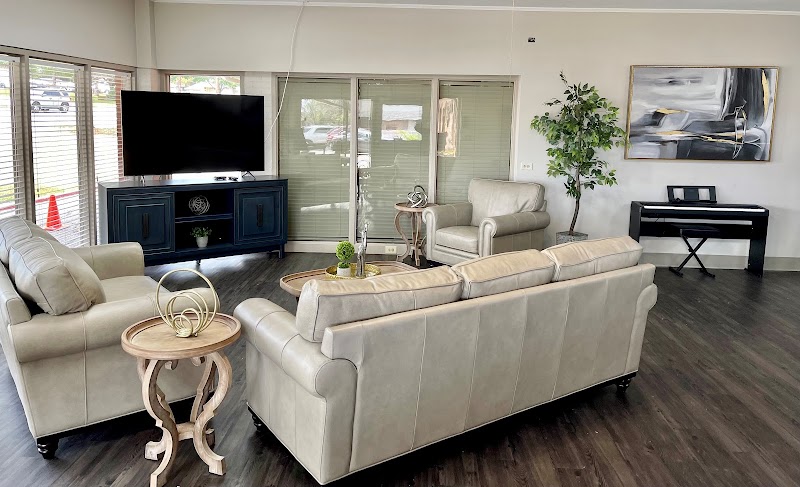
How is Cottonwood Nursing And Rehabilitation Staffed?

CMS rates COTTONWOOD NURSING AND REHABILITATION's staffing level at 1 out of 5 stars, which is much below average compared to other nursing homes. Staff turnover is 56%, which is 10 percentage points above the Texas average of 46%. High turnover can affect care consistency as new staff learn residents' individual needs. RN turnover specifically is 100%, which is notably high. RNs provide skilled clinical oversight, so turnover in this role can affect medical care quality.

What Have Inspectors Found at Cottonwood Nursing And Rehabilitation?

State health inspectors documented 19 deficiencies at COTTONWOOD NURSING AND REHABILITATION during 2022 to 2024. These included: 1 that caused actual resident harm, 16 with potential for harm, and 2 minor or isolated issues. Deficiencies causing actual harm indicate documented cases where residents experienced negative health consequences.
Who Owns and Operates Cottonwood Nursing And Rehabilitation?

COTTONWOOD NURSING AND REHABILITATION is owned by a for-profit company. For-profit facilities operate as businesses with obligations to shareholders or private owners. The facility is operated by CREATIVE SOLUTIONS IN HEALTHCARE, a chain that manages multiple nursing homes. With 60 certified beds and approximately 43 residents (about 72% occupancy), it is a smaller facility located in DENTON, Texas.
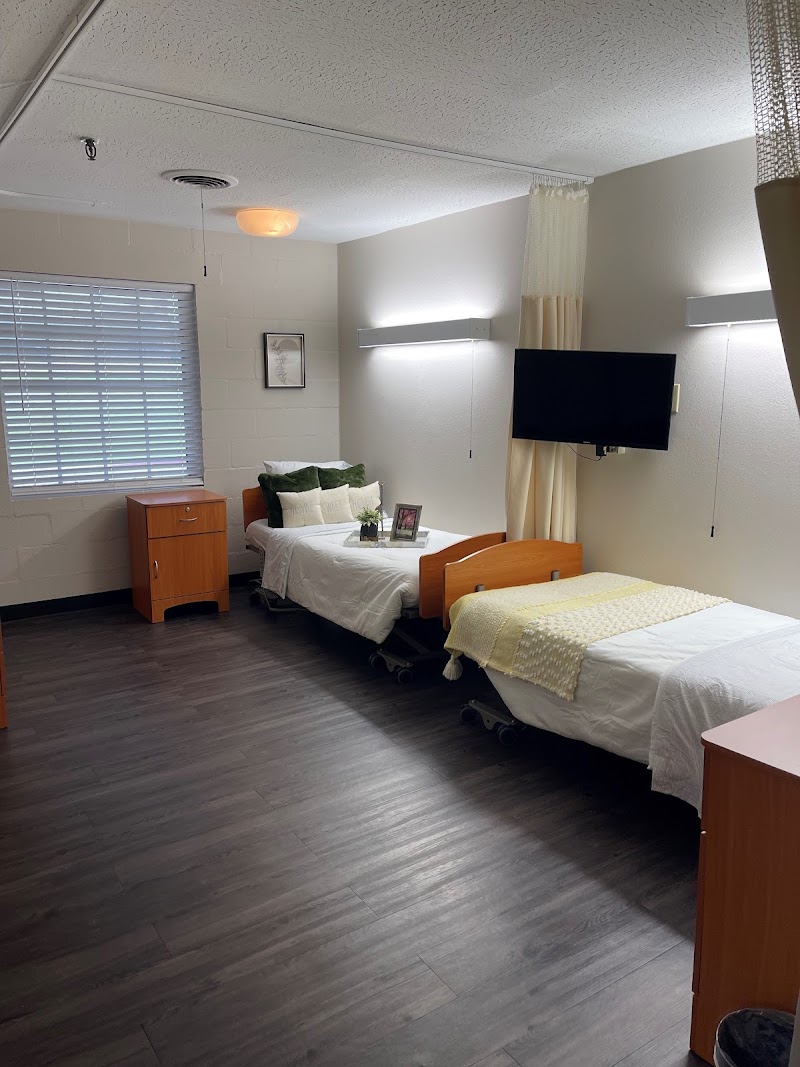
How Does Cottonwood Nursing And Rehabilitation Compare to Other Texas Nursing Homes?

Compared to the 100 nursing homes in Texas, COTTONWOOD NURSING AND REHABILITATION's overall rating (3 stars) is above the state average of 2.8, staff turnover (56%) is near the state average of 46%, and health inspection rating (4 stars) is above the national benchmark.

What Should Families Ask When Visiting Cottonwood Nursing And Rehabilitation?

Based on this facility's data, families visiting should ask: "How do you ensure continuity of care given staff turnover, and what is your staff retention strategy?" "Can you walk me through typical staffing levels on day, evening, and night shifts?" "Can I visit during a mealtime to observe dining assistance and food quality?" "How do you handle medical emergencies, and what is your hospital transfer rate?" These questions are particularly relevant given the facility's high staff turnover rate and the below-average staffing rating.

Is Cottonwood Nursing And Rehabilitation Safe?

Based on CMS inspection data, COTTONWOOD NURSING AND REHABILITATION has a clean safety record: no substantiated abuse findings (meaning no confirmed cases of resident harm), no Immediate Jeopardy citations (the most serious violation level indicating risk of serious injury or death), and is not on the Special Focus Facility watch list (a federal program monitoring the lowest-performing 1% of nursing homes). The facility has a 3-star overall rating and ranks #1 of 100 nursing homes in Texas. While no facility is perfect, families should still ask about staff-to-resident ratios and recent inspection results during their visit.

Do Nurses at Cottonwood Nursing And Rehabilitation Stick Around?

Staff turnover at COTTONWOOD NURSING AND REHABILITATION is high. At 56%, the facility is 10 percentage points above the Texas average of 46%. Registered Nurse turnover is particularly concerning at 100%. RNs handle complex medical decisions and coordinate care — frequent RN changes can directly impact care quality. High turnover means new staff may not know residents' individual needs, medications, or preferences. It can also be disorienting for residents, especially those with dementia who rely on familiar faces. Families should ask: What is causing the turnover? What retention programs are in place? How do you ensure care continuity during staff transitions?

Was Cottonwood Nursing And Rehabilitation Ever Fined?

COTTONWOOD NURSING AND REHABILITATION has no federal fines on record. CMS issues fines when nursing homes fail to meet care standards or don't correct problems found during inspections. The absence of fines suggests the facility has either maintained compliance or corrected any issues before penalties were assessed. This is a positive indicator, though families should still review recent inspection reports for the full picture.

Is Cottonwood Nursing And Rehabilitation on Any Federal Watch List?

COTTONWOOD NURSING AND REHABILITATION is not on any federal watch list. The most significant is the Special Focus Facility (SFF) program, which identifies the bottom 1% of nursing homes nationally based on persistent, serious quality problems. Not being on this list means the facility has avoided the pattern of deficiencies that triggers enhanced federal oversight. This is a positive indicator, though families should still review the facility's inspection history directly.