Vintage Health Care Center
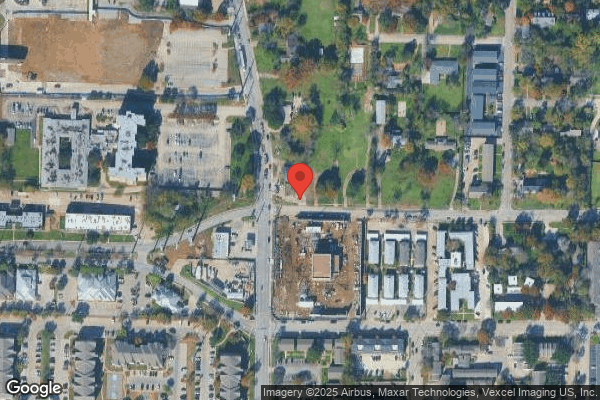
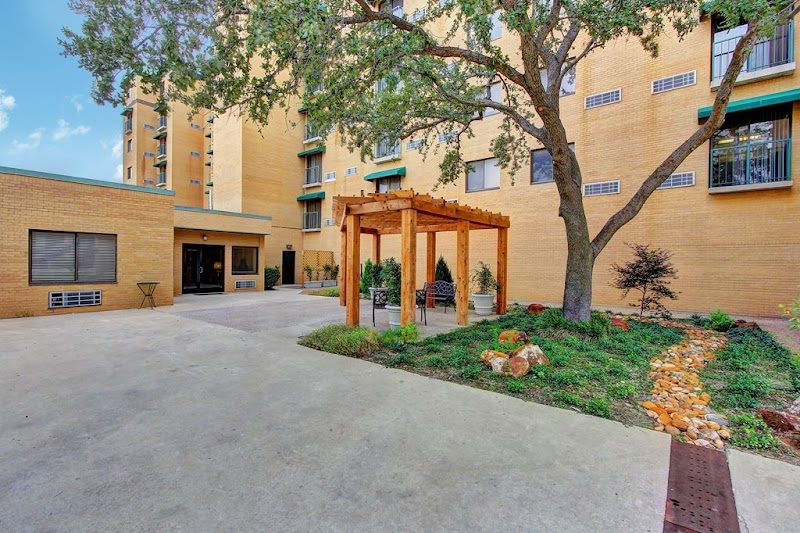
205 N Bonnie Brae, Denton, TX 76201 (940) 373-4766
For profit - Corporation 106 Beds CREATIVE SOLUTIONS IN HEALTHCARE Data: November 2025 7 Immediate Jeopardy citations
Trust Grade
0/100
#1147 of 1168 in TX
Last Inspection: November 2024

Within standard 12-15 month inspection cycle. Federal law requires annual inspections.

Overview

Vintage Health Care Center in Denton, Texas has received a Trust Grade of F, indicating poor performance with significant concerns. It ranks #1147 out of 1168 facilities in Texas, placing it in the bottom half statewide, and is the least favorable option in Denton County at #18 out of 18. The facility's trend is stable, with 9 issues consistently reported in both 2024 and 2025. Staffing is below average with a rating of 2 out of 5 stars, but the turnover rate of 36% is better than the state average, suggesting some staff stability. However, the facility has incurred $59,200 in fines, indicating compliance issues that may be recurring. Specific incidents have raised serious concerns, including the failure to ensure proper care plans for residents, leading to multiple falls, one of which resulted in a resident's death. Additionally, the facility did not adequately supervise residents to prevent accidents, and there were significant lapses in notifying medical staff about changes in residents' health, which led to serious complications for one resident. While there are some strengths, like staff turnover being lower than average, the numerous critical issues highlight significant weaknesses that families should consider carefully.
Trust Score
F
0/100
In Texas
#1147/1168
Bottom 2%
Safety Record
High Risk
Review needed
Inspections
Holding Steady
9 → 9 violations
Staff Stability
○ Average
36% turnover. Near Texas's 48% average. Typical for the industry.
Penalties
○ Average
$59,200 in fines. Higher than 59% of Texas facilities. Some compliance issues.
Skilled Nurses
⚠ Watch
Each resident gets only 18 minutes of Registered Nurse (RN) attention daily — below average for Texas. Fewer RN minutes means fewer trained eyes watching for problems.
Violations
⚠ Watch
43 deficiencies on record. Higher than average. Multiple issues found across inspections.
★☆☆☆☆
1.0
Overall Rating
★★☆☆☆
2.0
Staff Levels
★★★☆☆
3.0
Care Quality
★☆☆☆☆
1.0
Inspection Score
Stable
2024: 9 issues
2025: 9 issues

The Good

  • Full Sprinkler Coverage · Fire safety systems throughout facility
  • No fines on record
  • Staff turnover below average (36%)

    12 points below Texas average of 48%

Facility shows strength in fire safety.

The Bad

1-Star Overall Rating

Below Texas average (2.8)

Significant quality concerns identified by CMS

Staff Turnover: 36%

Near Texas avg (46%)

Typical for the industry

Federal Fines: $59,200

Above median ($33,413)

Moderate penalties - review what triggered them

Chain: CREATIVE SOLUTIONS IN HEALTHCARE

Part of a multi-facility chain

Ask about local staffing decisions and management

The Ugly 43 deficiencies on record

7 life-threatening
Jul 2025 3 deficiencies 2 IJ (2 affecting multiple)
CRITICAL (K) 📢 Someone Reported This

A family member, employee, or ombudsman was alarmed enough to file a formal complaint

Immediate Jeopardy (IJ) - the most serious Medicare violation

Comprehensive Care Plan (Tag F0656)

Someone could have died · This affected multiple residents

**NOTE- TERMS IN BRACKETS HAVE BEEN EDITED TO PROTECT CONFIDENTIALITY** Based on interview and record review, the facility failed to ensure the comprehensive care plan described the services furnished...

Read full inspector narrative →
**NOTE- TERMS IN BRACKETS HAVE BEEN EDITED TO PROTECT CONFIDENTIALITY** Based on interview and record review, the facility failed to ensure the comprehensive care plan described the services furnished to attain or maintain the resident's highest practicable physical, mental, and psychosocial well-being for four (Residents #1, #2, #3, and #5) of nine residents reviewed for Comprehensive Care Plans.Based on interview and record review, the facility failed to ensure the comprehensive care plan described the services furnished to attain or maintain the resident's highest practicable physical, mental, and psychosocial well-being for 4 (Residents #1. #2. #3 and #5) of nine residents reviewed for Comprehensive Care Plans.1.A. The facility failed to implement and modify interventions to ensure Resident #1 did not experience 7 falls after admitting to the facility on [DATE], and as a result of the last fall on 06/22/2025, sustain a head injury which resulted in the resident's death in the hospital on [DATE]. B. The facility failed to implement and modify interventions to ensure Resident #2 did not experience 5 falls after admitting to the facility on [DATE] with a right hip fracture resulting from a fall at home. C. The facility failed to implement and modify interventions to ensure Resident #3 did not experience 5 falls after admitting to the facility on [DATE]. The facility failed to create , implement and revise care plans to meet the medical , nursing, mental and psychosocial needs identified in the comprehensive assessment related to falls with appropriate and effective interventions . These failures placed residents at risk of serious injury and death. 2.The facility failed to devise and implement any Comprehensive Care Plan goals and/or interventions for Resident #5's documented wandering, exit seeking, and/or elopement behavior on 07/08/2025 to prevent an incident of elopement by Resident #1 on 07/12/2025. The care plan showed no elopement intervention until 07/13/2025. The first non-compliance was identified, and an Immediate Jeopardy (IJ) situation was identified on 07/02/2025. The IJ was removed on 07/16/2025. The facility remained out of compliance at a scope of a pattern with a potential for more than minimal harm, due to the facility's need to evaluate the effectiveness of the corrective systems. The second non-compliance was identified, and an Immediate Jeopardy (IJ) Template was presented to facility Administrator and DON on 07/15/2025 at 5:37 PM. The IJ was removed on 07/16/2025. The facility remained out of compliance at a scope of a pattern with a potential for more than minimal harm, due to the facility's need to evaluate the effectiveness of the corrective systems. Findings Included: 1.1. Record review of Resident #1's Face Sheet, dated 06/26/2025, reflected the resident was a [AGE] year-old male who admitted to the facility on [DATE]. Resident #1 had diagnoses which included Parkinson's disease (movement disorder of the nervous system that worsens over time), unspecified abnormalities of gait (walking pattern) and mobility, and a history of falls. Record review of Resident #1's admission MDS (tool used to assess health status) Assessment, dated 04/19/2025, reflected moderately impaired cognition with a BIMS (screening tool to assess cognitive status) score of 10. Section J (Health Conditions) reflected Resident #1 had 2 or more falls since admission with no injury. Record review of Resident #1's Comprehensive Care Plan, dated 04/28/2025, reflected the focus resident at risk for falls was initiated on 05/25/2025. Interventions included staff x 1 to assist resident with transfers, ensure the resident's call light was within reach and encourage the resident to use it for assistance as needed, and ensure the resident was wearing appropriate footwear when ambulating or mobilizing in his wheelchair. The care plan did not reflect each fall or a new intervention after each fall. Record review of Resident #1's Fall Risk Assessments, dated 06/12/2025, 06/20/2025, and 06/22/2025, reflected Resident #1 was in the high-risk category for falls. Record review of the facility's incident reports reflected Resident #1 fell on [DATE], 04/11/2025, 04/15/2025, 04/20/2025, 05/25/2025, 06/10/2025, 6/20/2025 which did not result in a serious injury. Resident #1 was sent to the hospital after he fell on [DATE]. Record review of Resident #1's progress notes, dated 06/13/2025, reflected RN C documented This client is somewhat confused. He does not abide by the nurses' instructions about his safety and constantly gets out of the recliner and makes movements that could severely hurt him. He slid out of the recliner at 2145. Once we put him in bed, 30 minutes later, we found him by the door in his chair, naked.We need a baby monitor so that the nurse can see him from the nurse's station. Record review of Resident #1's progress notes, dated 06/20/2025, reflected RN X documented This nurse was called by an Aide that resident was on the floor. Resident was lying next to his recliner and bed. Resident said he was trying to use the bathroom. Resident was lifted off the floor with a Hoyer lift. Resident sustained a skin tear on his right elbow. Site was cleaned and covered with border dressing. Resident assessed and his vital signs were normal. DON, family, and NP were notified. Record review of Resident #1's progress notes, dated 06/22/2025, reflected RN C documented nurse was called to resident room and observed resident on the floor next to the bed, resident is alert and able to response to verbal commands, disorientation also noted, head to toe assessment done at this time, laceration of about 1 cm x 0.5 cm noted right side of the head, extensive bruising from his right shoulder to right lower back, vital signs recorded at this time within normal range, scant amount of blood noted to laceration site, emergency services called, emergency personnels arrive and assessed patient, resident was transported to hospital for further evaluation. Record review of Resident #1's progress notes, dated 06/22/2025, reflected RN C also documented patient fell at 00:51 am, unwitnessed, sustained penetrating injury to his head in the right temporal area. Had an extensive bruise from left shoulder blade diagonally to right waist area. The patient needs close monitoring because he isn't aware of usage of call light. The client is confused, needs one on one or baby monitoring to prevent further falls. Record review of the incident report completed by RN C, dated 06/22/2025, reflected Resident #1 had an unwitnessed fall and was discovered on the floor next to his bed. The incident report reflected Resident #1 stated he tried to get up and fell out of bed. Record review of Resident #1's hospital records, dated 06/23/2025, reflected Resident #1 was admitted to the emergency department on 06/22/2025 at 1:38 AM with a large left subdural hematoma (brain bleed) with a mid-line shift to the right (displacement of the brain away from center line). Resident #1 was not a candidate for surgical repair of the bleed and was placed on palliative care until he passed away in the hospital on [DATE] at 3:30 AM. During a telephone interview on 06/26/2025 at 10:42 AM, CNA D stated Resident #1 tried get up by himself all the time. CNA D stated Resident #1 used a walker and would take himself to the restroom without using the call light and waiting for assistance. She stated when she rounded on her residents, just a few minutes before Resident #1 fell, he was asleep. CNA D stated she was at the nurse's station when she heard someone say help me and found Resident #1 on the floor. CNA D stated she called for RN C to assess the resident and told the resident not to move. She stated Resident #1 told her that he hurt and when CNA D asked where, he said he wasn't sure. She stated RN C assessed Resident#1 and the resident had a laceration on the right side of his head and 2 reddish color marks on his back. She stated Resident #1 was taken to the hospital. During an interview with RN C on 06/26/25 12:54 PM, he stated he was the resident's nurse at the time of the fall on 06/22/2025. He stated CNA D notified him Resident #1 fell and he went to the resident's room and assessed him. RN C stated the resident had a laceration on the right side of his head. He stated he notified the physician and received an order to send Resident #1 to the hospital for evaluation. RN C stated Resident #1 was supposed to use his call light before getting up but did not always do that. During an interview on 06/26/25 at 1:35 PM, the Administrator stated staff notified him Resident #1 was sent to the hospital after a fall. The Administrator stated he called CNA D and RN C to get their statements. He stated he talked to all staff who cared for Resident #1 starting 24 hours before the fall to see if anyone had seen anything out of the normal for Resident #1. He stated staff had not noticed anything different about him. During an interview on 06/26/2025 at 4:18 PM, ADON B stated RN C reported at about midnight he went to Resident #1's room. He stated RN C told him the resident was on the floor next to his bed and had a cut on his head. ADON B stated when RN C asked what happened, Resident #1 stated he thought it was morning and was getting up to get dressed. ADON B stated RN C called 911 because Resident #1 hit his head when he fell, and he was sent to the hospital. ADON B stated Resident #1 had previous falls and therapy had worked with him for balance/gait. He stated the resident used a walker. During an interview on 06/27/25 at 8:55 AM, the Rehab Director stated therapy services were discontinued for Resident #1 on 06/09/2025 and the resident was walker level. She stated the resident fell on the Friday before the incident. She stated Resident #1 needed lots of verbal reminders to walk with someone and not by himself. She stated the resident would use his walker to go to the restroom in his room without calling for assistance. She stated Resident #1 had a walker and wheelchair in his room. She stated the resident had cognition/safety impairment. She stated if Resident #1's knees were bothering him, he would use his wheelchair for longer distances. She stated she had not observed a change in Resident #1's condition prior to his fall. During an interview on 07/02/2025 at 10:26 AM, CNA H stated she worked on different halls and was not working on Resident #1's hall the day he transferred to the hospital. She stated Resident #1 used a walker to go to the bathroom by himself and changed his clothes without assistance. She stated he was not considered a high fall risk. She stated she rounded and checked on Resident #1 and his roommate every two hours. She stated Resident #1 liked to sit in his recliner and watch television. She stated after his wife brought the recliner to the facility; Resident #1 also slept in it. She stated the resident walked to the dining room for breakfast and ate lunch in his room because his wife was visiting with him. She stated the day of the fall she saw Resident #1 in the hall using his walker and another time he was pushing his wheelchair. She stated Resident #1 sat in his wheelchair when he got tired. She stated she did not see any change in mobility or cognition prior to the fall. 2. Record review of Resident #2's Face Sheet, dated 07/02/2025, reflected the resident was a [AGE] year-old female who admitted to the facility on [DATE]. Resident #2 had diagnoses which included aftercare following joint replacement surgery, bipolar disorder (extreme mood swings that include emotional highs and lows), COPD (lung condition that makes it difficult to breathe), limitation of activities due to disability, and the need for assistance with personal care. Resident #2 had discharged from the facility. Record review of Resident #2's admission MDS Assessment, dated 05/22/2025, reflected moderately impaired cognition with a BIMS score of 10. Section I (Active Diagnoses) reflected the need for assistance with personal care, limitation of activities due to disability, and unsteadiness on feet. Resident #2 discharged from the facility on 07/02/2025. Record review of Resident #2's Comprehensive Care Plan, dated 04/28/2025, reflected the focus resident at risk for falls was initiated on 05/16/2025. Interventions included staff x 1 to assist resident with transfers, ensure the resident's call light was within reach and encourage the resident to use it for assistance as needed, and ensure the resident was wearing appropriate footwear when ambulating or mobilizing in wheelchair. The care plan did not reflect each fall or a new intervention after each fall. Record review of Resident #2's Comprehensive Care Plan, dated 04/28/2025, reflected The resident has an ADL Self Care Performance. Interventions included Bed Mobility: requires staff x1 for assistance. The resident uses a wheelchair. Toilet use: requires staff x1 for assistance. Record review of Resident #2's Fall Risk Assessments, dated 05/24/2025, 06/03/2025, and 06/12/2025, and 06/17/2025 reflected the resident was in the high risk category for falls. Record review of the facility's incident reports reflected Resident #2 had a fall on 05/24/2025, 05/25/2025, 05/27/2025, 6/17/2025, and 06/29/2025. The falls did not result in serious injury. 3. Record review of Resident #3's Face Sheet, dated 07/02/2025, reflected the resident was a [AGE] year-old female who admitted to the facility on [DATE]. Resident #3 had diagnoses which included unspecified dementia (decline in mental ability that interferes with daily life) with behavioral disturbances, bipolar disorder, and unsteadiness on feet. Record review of Resident #3's Quarterly MDS Assessment, dated 05/23/2025, reflected severely impaired cognition with a BIMS score of 0. Section C (Cognitive Patterns) reflected the resident demonstrated inattention and disorganized thinking. Section GG (Functional Abilities) reflected Resident #3 required partial/moderate assistance with mobility. Record review of Resident #3's Comprehensive Care Plan, dated 04/28/2025, reflected the focus resident at risk for falls was initiated on 05/05/2025. Interventions included anticipate and meet the resident's needs and ensure the resident was wearing appropriate footwear when ambulating or mobilizing in wheelchair. The care plan did not reflect each fall or a new intervention after each fall. Record review of Resident #3's Fall Risk Assessments, dated 05/11/25, 06/24/25, 06/28/25, 06/29/25, and 07/01/25, reflected Resident #3 was in the high-risk category for falls. Record review of the facility's incident reports reflected Resident #3 had a fall on 5/11/2025, 06/08/2025, 06/24/2025, 6/28/2025, 06/29/2025, and 07/01/2025. The falls did not result in serious injury. A follow-up record review of Resident #3's Comprehensive Care Plan reflected additional fall prevention interventions were initiated on 07/01/2025 which included Resident is to wear a soft helmet when out of bed to help prevent fall with major head injury and FREQUENT RESIDENT MONITORING: staff is to ensure that they can visualized residents where about as frequent as possible to help with redirection. An observation on 07/02/2025 at 11:35 AM revealed Resident #3 sitting in the tv room with other residents in the memory care unit. An attempt to interview Resident #3 was unsuccessful because of her cognitive status. Resident #3 was wearing a helmet. During an interview on 07/03/2025 at 11:44 AM, LVN F stated worked in different areas, but was working in the memory care unit today. She stated staff used a lot of redirections with residents in the memory unit. She stated residents wandered and it was important to ensure the space was free of clutter. She stated someone always has to have their eye on the residents. During the interview, LVN F went to assist Resident #3 when she stood up. She stated staff walked with Resident #3 to ensure her safety. During an interview on 07/03/2025 at 11:52 AM, CNA N stated it was important to monitor residents closely especially those who were a high fall risk. She stated Resident #3 liked to get up and walk, but someone had to be with her to be sure she did not fall. She stated Resident #3 was wearing the hat to prevent injury because she had previous falls. Review of the facility's policy Preventive Strategies to Reduce Fall Risk, dated 10/05/2016, reflected The goal of fall prevention strategies is to design interventions that minimize fall risk by eliminating or managing contributing factors while maintaining or improving the resident's mobility. Review of the facility's policy Falls/Ambulation Difficulty, dated 2003, reflected Risk factors should be assessed upon admission and thereafter as necessary. Risk factors will be identified for all residents. This was determined to be an Immediate Jeopardy (IJ) on 07/02/2025 at 5:21 PM. The Administrator, Director of Nurse, Area Director of Operations and Regional Compliance Nurse were notified. The Director of Nurses, Area Director of Operations, and Regional Compliance Nurse were provided with the IJ template on 07/02/2025 at 5:21 PM and a POR was requested. The following Plan of Removal submitted by the facility was accepted on 07/03/2024 at 1:04 PM. Facility: [Facility Name]Date: 07/02/2025Problem: F689 Accidents and Hazards Plan of Removal Interventions: 1. Resident #1 no longer resides in facility as of 6/22/25. Resident #2 has discharged from the facility and no longer resides in the facility as of 7/2/25. Resident #3 assessed 7/2/25 for fall risk and individual care plan updated to reflect that she is now part of the Falling Stars Program. In addition, new order for a soft-shell helmet to help prevent injury. 2. All residents in the facility were assessed on 7/2/25 for risk of falls or repeat fall residents. Active care plans updated to include interventions and monitoring by the DON/ADON/Regional Compliance Nurse. 3. We have initiated the NEW Falling Star Program. All residents that have had 5 falls in the last 6 months have Falling Stars Program initiated. This includes notation on the care plan and daily shift acknowledgement that the resident is high risk for falls. Resident #3 is a part of the Falling Star Program Total number of falls in 6 months: 115. 9 residents were identified as high risk for falls due to 5 falls or greater within the last 6 months. 4. The Compliance Nurse in-serviced the Administrator, DON, and ADON 1:1 on the following topics below: This was completed on 7/2/25. All residents whom are identified at high risk of falls will have an active care plan with resident specific interventions with the addition of the falling stars high risk fall program. Upon admission, and as needed, all residents will be assessed for risk of falls. The care plan will reflect findings, interventions based off of each resident's assessment post fall with individualized intervention to prevent serious injury, and monitoring weekly to ensure fall interventions are effective and in place. Upon admission the nurse/designee will be responsible for developing and implementing interventions within the care plan of risk of falls based upon their assessment. Inservice on care plan location and how to access the care plan in PCC (online electronic health record), including how to identify a resident high risk of falls in the Kardex (documentation system used to access and modify resident information). The following in-services were initiated by the DON, ADON, Regional Compliance Nurse : Any staff member not present or in-serviced on 7/2/25, will not be allowed to assume their duties until in-serviced.Licensed Nurses and Therapy Staff:All residents whom are identified at high risk of falls will have an active care plan with resident specific interventions with the addition of the falling stars high risk fall program. Upon admission, and as needed, all residents will be assessed for risk of falls. The care plan will reflect findings, interventions based off of each resident's assessment post fall with individualized intervention to prevent serious injury, and monitoring weekly to ensure fall interventions are effective and in place. Upon admission the nurse/designee will be responsible for developing and implementing interventions within the care plan of risk of falls based upon their assessment. Inservice on care plan location and how to access the care plan in PCC, including how to identify a resident high risk of falls in the Kardex. The following in-services were initiated by the DON, ADON, Regional Compliance Nurse : Any staff member not present or in-serviced on 7/2/25, will not be allowed to assume their duties until in-serviced.Non-Licensed Nursing Staff Inservice on care plan location and how to access the care plan in PCC, including how to identify a resident high risk of falls in the Kardex. All residents whom are at risk of falls will have an active care plan with interventions and monitoring.Monitoring: The DON/ADON/Designee will monitor all incidents and fall risk assessment post fall in daily stand-up meeting for 6 weeks and then PRN to ensure all resident specific interventions are in place with active care plan. The DON/ADON/Designee will monitor admission assessments, daily stand-up meeting for 6 weeks to ensure all resident care plans reflect their risk of falls and resident specific interventions based off current care needs and status. The DON/ADON/Designee will monitor falling star program weekly for 6 weeks and then PRN to ensure resident specific interventions are in place.An ADHOC QAPI was completed on 7/2/25 with medical director and interdisciplinary team to discuss the immediate jeopardy and plan of removal.The medical director was notified of this plan and monitoring on 7/2/25 when IJ was called at 5:21PM.The QAPI committee will review findings and makes changes as needed.*Active care planning addresses all acute needs of the resident**All monitoring will be located in the IJ Binder**All residents are at risk for falls, 9 residents identified at high risk for falls**No active restraints within the facility* Observations on 07/03/2025 at 09:20 AM revealed facility staff had placed a yellow star on the name plates of the doors of Resident #3, Resident #5, Resident #6, Resident #7, Resident #8, Resident #9, Resident #10, Resident #11, and Resident #12 to indicate they were a high fall risk. In a follow-up interview with the DON on 07/03/2025 at 12:32 PM, she stated the facility implemented the falling stars program on 07/02/2025 so everyone would know which residents were a high fall risk. The DON stated staff placed yellow stars on the name plates on high fall risk residents' doors the evening before. She stated the staff received in-service training on 07/02/2025 related to fall risk and prevention. She stated CNAs were in-serviced to ensure they knew how to access resident care information in Kardex. She stated if a resident fell, the resident's nurse should immediately put an intervention in place and include it in the resident's care plan. She stated staff were to increase monitoring and ensure all care planned interventions, such as a fall mat, bed in the lowest position, non-slip pad for wheelchair seat, or helmet were in place for the falling stars or residents at high risk for falls. The DON stated the facility had at risk meetings every week and evaluated residents' care plans and put appropriate interventions in place. She stated staff also discussed any concerns or changes during the interdisciplinary team meetings. The DON stated it was important to ensure residents were assessed as needed and interventions put in place to provide resident centered care and keep the residents safe. In interviews with direct care facility staff on 07/03/2025, between 10:30 AM and 4:10 PM, the DON, ADON A, ADON B, the Rehab Director, the MDS Coordinator, the Physical Therapist, COTA, Hospitality Aide RN C, CNA D, CNA E, LVN F, CNA G, CNA H, Medication Aide I, LVN J , CNA K, Medication Aide L, RN M, CNA N, CNA O, CNA P, RN Q, CNA R, CNA S, CNA T, CNA U, CNA V stated in-service training was provided 07/03/2025 focused on the importance of keeping residents safe in the facility. Staff were reminded to ensure every transfer was safe for the resident. In-service training included to ensure residents wore socks that prevented slipping or had on appropriate fitting shoes. Staff stated high fall risk residents had a yellow star on their name plate on the door and the information was also included in the Kardex. CNAs stated they were responsible for communicating with the nurse if they were going on break or needed to leave the hall briefly. Nursing staff were in-serviced about assessing residents with each fall, putting a new resident specific intervention in place, and ensuring the care plan was updated. Nurses stated they were responsible for communicating with CNAs and ensuring call lights were answered which included the nurse answering call lights when the CNAs were busy with another resident. Timely completion of Elopement Assessments (all assessments;) When a Significant Change in Status documentation and/or re-assessment is required, and Examples of Decline. In interviews with other staff members on 07/03/2025 between 10:30 AM and 4:10 PM, the Maintenance Director, Social Service, Dietary Staff, Dietary Cook, and Housekeeping stated it was important to observe residents around them to ensure residents were safe in their environment and to report any concerns to nursing staff. Staff stated the facility placed yellow stars on the name plates of doors to identify residents who were at high risk for falls. Record review of residents identified as high risk for falls on 07/03/2025 at 10:45 AM revealed compliance with resident specific care plans and inclusion in the facility's falling star program. Record review on 07/03/2025 of In-service, High Fall Risk: Yellow Star, conducted by RCN, reflected all high-risk residents would have a yellow star next to their name on the door and a yellow star on the Kardex. The In-Service included a list of falling star residents. The In-service roster included signatures of direct care staff. Record review on 07/03/2025 of In-service, Fall Risk, Intervention, Prevention, Monitoring, Care Plan Update, conducted by RCN, reflected on admission, and as needed, all residents would be assessed for risk of falls and the care plan would reflect findings, interventions, and monitoring. The In-service included identifying risk factors, reducing environmental hazards, and prevention of unsafe transfers and ambulation. The In-service included evaluating the residents' footwear, daily routine, medications, and social and psychological needs. It also included assessment of resident's gait by physical therapy and/or a nurse. This In-service was provided to all facility staff. The Director of Nurses, Area Director of Operations, and Regional Compliance Nurse were informed the Immediate Jeopardy was removed on 07/03/2025 at 1:04 PM. The facility remained out of compliance at a severity level of no actual harm with the potential for more than minimal harm that is not immediate and a scope of pattern due to the facility's need to evaluate the effectiveness of the corrective systems that were put into place. 2.Record review of Resident #5's Face Sheet on 07/15/2025 at 11:31 AM revealed he was a [AGE] year-old male admitted on [DATE]. Relevant diagnoses included Chronic Viral Hepatitis C (viral infection that causes inflammation and damages the liver,) Alcohol Abuse, Dementia (general decline in mental ability,) and bipolar disorder (mental illness that causes a shift in mood, energy, activity levels, concentration, and the ability to carry out day-to-day tasks.) Record Review of Resident #5's Quarterly Minimum Data Set (MDS) dated [DATE], revealed his cognition was severely impaired with a Brief Interview Mental Status (BIMS) score of 03. He was wheelchair bound. Section E- Behavior E. 0900 Wandering - Presence & Frequency (1) Behavior of this type occurred 1 to 3 days. Record review of Resident #5's Comprehensive Care Plan dated 07/08/2025, revealed no interventions related to wandering and/or elopement prior to the elopement incident on 07/12/2025. Record Review of Resident #5's ELOPEMENT RISK ASSESSMENT V5 dated 07/08/2025. Resident #5 Scored out as a 9, shows him to be low risk for elopement. B. Physical Capability - Self propels wheelchair C. Adjustment to Facility - Understand ad verbalizes acceptance of need for nursing home careD. Cognitive Skills for Daily Decision Making - Modified independence - some difficulty in new situations only E. History - No attempts to leave own residence/facility Record Review of Resident #5's ELOPEMENT RISK ASSESSMENT V5 dated 07/13/2025. Resident #5 Scored out as a 19 shows him to be a high risk for elopement. C. Adjustment to facility - Verbalized anger and frustration re: placement D. Cognitive Skills - Moderately impaired - decisions poor; cues/supervision required. E. History - Previous attempts to leave facility - No attempts to leave facility Record Review of facility's Incident Report for July 2025, dated 07/16/2025, revealed no documentation of Resident #5's wandering, exit seeking, and/or elopement behavior/incident from 07/08/2025.Review of Resident #5's Pre-admission Clinical Documents revealed Treatment Notes from a neurology provider on 04/29/2025 revealed Patient is alert to self only. [Resident #5's RP] reports at that time [Provider] recommended him to be in a care facility. [Resident #5's RP] reports the facility. did not accept him because he was a flight risk. During an interview on 07/16/2025 at 2:15 PM ADON stated she believed Resident #5 was care planned for the Elopement. ADON said she knew Resident #5 had an Elopement Risk Assessment completed previously and thought it had already been care planned. ADON stated that the MDS nurse was responsible for preparing and updating care plans. The ADON indicated the purpose of care plans was to inform direct care staff about resident care needs and preferences. The ADON stated the Care Plan can be reviewed at any time. She added the care plan should be updated and reviewed at least quarterly thereafter, then annually and with significant changes in conditions as defined in the RAI (Resident Assessment Instrument) manual. Additional updates to the care plan may be done as indicated. ADON stated it was the responsibility of the DON, MDS Coordinator to make sure care plans were updated. The ADON confirmed participation in an in-service training that covered topics including abuse, elopement protocols, and internal emergency codes.During a follow up interview on 07/16/2025 at 2:40 PM with SW she stated she has only been there about 3 months. Stated not entirely yet involved in the Care Planning of things still learning all the procedures. SW stated if resident was assessed it should have been in their care plan as an Elopement Risk. SW stated she was not working on the date the Elopement occurred. The SW stated the main focus and purpose of care plans was to inform direct care staff, about resident care needs and preferences. SW stated the care plan can be reviewed at any time. The SW stated the care plan can and should be updated as soon as a change in condition is noted. If not, the care plan should be updated and reviewed at least quarterly thereafter, then annually unless any significant changes occur. The SW stated she did receive an in-service training that covered topics including abuse, elopement protocols, and internal emergency codes.During an interview on 07/16/2025 at 3:35 PM DM stated has been DM for 5 years. DM stated is not involved specifically in care planning, unless there are dietary concerns, then both she and the dietician, become involved with the care plan. The care plan should serve as a guide, which should direct care needs, care choices and care preferences of the resident. DM stated it would have a negative affect if a resident had needs not properly cared planned, in terms of dietary issues from the types of food, how it is prepared and what they can and cannot eat. DM stated she did receive in-service training that covered topics including abuse, elopement protocols, and internal emergency codes.During an interview on 07/16/2025 at 3:53 PM AD stated have been an AD for 3 months. Stated not familiar with too much of the care planning of residents, she has her own type of care plan,
CRITICAL (K) 📢 Someone Reported This

A family member, employee, or ombudsman was alarmed enough to file a formal complaint

Immediate Jeopardy (IJ) - the most serious Medicare violation

Accident Prevention (Tag F0689)

Someone could have died · This affected multiple residents

**NOTE- TERMS IN BRACKETS HAVE BEEN EDITED TO PROTECT CONFIDENTIALITY** Based on observations, interviews, and record review the facility failed to ensure the resident environment remained as free of ...

Read full inspector narrative →
**NOTE- TERMS IN BRACKETS HAVE BEEN EDITED TO PROTECT CONFIDENTIALITY** Based on observations, interviews, and record review the facility failed to ensure the resident environment remained as free of accident hazards as is possible and each resident received adequate supervision to prevent accidents for 4 (Residents #1, #2, #3 and #5) of 9 residents reviewed for accidents and hazards. Based on observations, interviews, and record review the facility failed to ensure the resident environment remained as free of accident hazards as is possible and each resident received adequate supervision to prevent accidents for 4 (Residents #1, #2, #3 and #5) of 9 residents reviewed for accidents and hazards. 1. A. The facility failed to implement and modify interventions to ensure Resident #1 did not experience 7 falls after admitting to the facility on [DATE], and as a result of the last fall on 06/22/2025, sustain a head injury which resulted in the resident's death in the hospital on [DATE]. B. The facility failed to implement and modify interventions to ensure Resident #2 did not experience 5 falls after admitting to the facility on [DATE] with a right hip fracture resulting from a fall at home. C. The facility failed to implement and modify interventions to ensure Resident #3 did not experience 5 falls after admitting to the facility on [DATE]. 2. A. The facility failed to adequately assess, devise, and implement appropriate interventions to prevent Resident #5's elopement from the facility for approximately 5 minutes on 07/12/2025. The first non-compliance was identified, and an Immediate Jeopardy (IJ) situation was identified on 07/02/2025. The IJ was removed on 07/16/2025. The facility remained out of compliance at a scope of a pattern with a potential for more than minimal harm, due to the facility's need to evaluate the effectiveness of the corrective systems. The second non-compliance was identified, and an Immediate Jeopardy (IJ) Template was presented to facility Administrator and DON on 07/15/2025 at 5:37 PM. The IJ was removed on 07/16/2025. The facility remained out of compliance at a scope of a pattern with a potential for more than minimal harm, due to the facility's need to evaluate the effectiveness of the corrective systems. The failures could place residents at risk of harm and injuries, hospitalization, and death. Findings include: 1. 1. Record review of Resident #1's Face Sheet, dated 06/26/2025, reflected the resident was a [AGE] year-old male who admitted to the facility on [DATE]. Resident #1 had diagnoses which included Parkinson's disease (movement disorder of the nervous system that worsens over time), unspecified abnormalities of gait (walking pattern) and mobility, and a history of falls. Record review of Resident #1's admission MDS (tool used to assess health status) Assessment, dated 04/19/2025, reflected moderately impaired cognition with a BIMS (screening tool to assess cognitive status) score of 10. Section J (Health Conditions) reflected Resident #1 had 2 or more falls since admission with no injury. Record review of Resident #1's Comprehensive Care Plan, dated 04/28/2025, reflected the focus resident at risk for falls was initiated on 05/25/2025. Interventions included staff x 1 to assist resident with transfers, ensure the resident's call light was within reach and encourage the resident to use it for assistance as needed, and ensure the resident was wearing appropriate footwear when ambulating or mobilizing in his wheelchair. The care plan did not reflect each fall or a new intervention after each fall. Record review of Resident #1's Fall Risk Assessments, dated 06/12/2025, 06/20/2025, and 06/22/2025, reflected Resident #1 was in the high-risk category for falls. Record review of the facility's incident reports reflected Resident #1 fell on [DATE], 04/11/2025, 04/15/2025, 04/20/2025, 05/25/2025, 06/10/2025, 6/20/2025 which did not result in a serious injury. Resident #1 was sent to the hospital after he fell on [DATE]. Record review of Resident #1's progress notes, dated 06/13/2025, reflected RN C documented This client is somewhat confused. He does not abide by the nurses' instructions about his safety and constantly gets out of the recliner and makes movements that could severely hurt him. He slid out of the recliner at 2145. Once we put him in bed, 30 minutes later, we found him by the door in his chair, naked.We need a baby monitor so that the nurse can see him from the nurse's station. Record review of Resident #1's progress notes, dated 06/20/2025, reflected RN X documented This nurse was called by an Aide that resident was on the floor. Resident was lying next to his recliner and bed. Resident said he was trying to use the bathroom. Resident was lifted off the floor with a Hoyer lift. Resident sustained a skin tear on his right elbow. Site was cleaned and covered with border dressing. Resident assessed and his vital signs were normal. DON, family, and NP were notified. Record review of Resident #1's progress notes, dated 06/22/2025, reflected RN C documented nurse was called to resident room and observed resident on the floor next to the bed, resident is alert and able to response to verbal commands, disorientation also noted, head to toe assessment done at this time, laceration of about 1 cm x 0.5 cm noted right side of the head, extensive bruising from his right shoulder to right lower back, vital signs recorded at this time within normal range, scant amount of blood noted to laceration site, emergency services called, emergency personnels arrive and assessed patient, resident was transported to hospital for further evaluation. Record review of Resident #1's progress notes, dated 06/22/2025, reflected RN C also documented patient fell at 00:51 am, unwitnessed, sustained penetrating injury to his head in the right temporal area. Had an extensive bruise from left shoulder blade diagonally to right waist area. The patient needs close monitoring because he isn't aware of usage of call light. The client is confused, needs one on one or baby monitoring to prevent further falls. Record review of the incident report completed by RN C, dated 06/22/2025, reflected Resident #1 had an unwitnessed fall and was discovered on the floor next to his bed. The incident report reflected Resident #1 stated he tried to get up and fell out of bed. Record review of Resident #1's hospital records, dated 06/23/2025, reflected Resident #1 was admitted to the emergency department on 06/22/2025 at 1:38 AM with a large left subdural hematoma (brain bleed) with a mid-line shift to the right (displacement of the brain away from center line). Resident #1 was not a candidate for surgical repair of the bleed and was placed on palliative care until he passed away in the hospital on [DATE] at 3:30 AM. During a telephone interview on 06/26/2025 at 10:42 AM, CNA D stated Resident #1 tried get up by himself all the time. CNA D stated Resident #1 used a walker and would take himself to the restroom without using the call light and waiting for assistance. She stated when she rounded on her residents, just a few minutes before Resident #1 fell, he was asleep. CNA D stated she was at the nurse's station when she heard someone say help me and found Resident #1 on the floor. CNA D stated she called for RN C to assess the resident and told the resident not to move. She stated Resident #1 told her that he hurt and when CNA D asked where, he said he wasn't sure. She stated RN C assessed Resident#1 and the resident had a laceration on the right side of his head and 2 reddish color marks on his back. She stated Resident #1 was taken to the hospital. During an interview with RN C on 06/26/25 12:54 PM, he stated he was the resident's nurse at the time of the fall on 06/22/2025. He stated CNA D notified him Resident #1 fell and he went to the resident's room and assessed him. RN C stated the resident had a laceration on the right side of his head. He stated he notified the physician and received an order to send Resident #1 to the hospital for evaluation. RN C stated Resident #1 was supposed to use his call light before getting up but did not always do that. During an interview on 06/26/25 at 1:35 PM, the Administrator stated staff notified him Resident #1 was sent to the hospital after a fall. The Administrator stated he called CNA D and RN C to get their statements. He stated he talked to all staff who cared for Resident #1 starting 24 hours before the fall to see if anyone had seen anything out of the normal for Resident #1. He stated staff had not noticed anything different about him. During an interview on 06/26/2025 at 4:18 PM, ADON B stated RN C reported at about midnight he went to Resident #1's room. He stated RN C told him the resident was on the floor next to his bed and had a cut on his head. ADON B stated when RN C asked what happened, Resident #1 stated he thought it was morning and was getting up to get dressed. ADON B stated RN C called 911 because Resident #1 hit his head when he fell, and he was sent to the hospital. ADON B stated Resident #1 had previous falls and therapy had worked with him for balance/gait. He stated the resident used a walker. During an interview on 06/27/25 at 8:55 AM, the Rehab Director stated therapy services were discontinued for Resident #1 on 06/09/2025 and the resident was walker level. She stated the resident fell on the Friday before the incident. She stated Resident #1 needed lots of verbal reminders to walk with someone and not by himself. She stated the resident would use his walker to go to the restroom in his room without calling for assistance. She stated Resident #1 had a walker and wheelchair in his room. She stated the resident had cognition/safety impairment. She stated if Resident #1's knees were bothering him, he would use his wheelchair for longer distances. She stated she had not observed a change in Resident #1's condition prior to his fall. During an interview on 07/02/2025 at 10:26 AM, CNA H stated she worked on different halls and was not working on Resident #1's hall the day he transferred to the hospital. She stated Resident #1 used a walker to go to the bathroom by himself and changed his clothes without assistance. She stated he was not considered a high fall risk. She stated she rounded and checked on Resident #1 and his roommate every two hours. She stated Resident #1 liked to sit in his recliner and watch television. She stated after his wife brought the recliner to the facility; Resident #1 also slept in it. She stated the resident walked to the dining room for breakfast and ate lunch in his room because his wife was visiting with him. She stated the day of the fall she saw Resident #1 in the hall using his walker and another time he was pushing his wheelchair. She stated Resident #1 sat in his wheelchair when he got tired. She stated she did not see any change in mobility or cognition prior to the fall. 2. Record review of Resident #2's Face Sheet, dated 07/02/2025, reflected the resident was a [AGE] year-old female who admitted to the facility on [DATE]. Resident #2 had diagnoses which included aftercare following joint replacement surgery, bipolar disorder (extreme mood swings that include emotional highs and lows), COPD (lung condition that makes it difficult to breathe), limitation of activities due to disability, and the need for assistance with personal care. Resident #2 had discharged from the facility. Record review of Resident #2's admission MDS Assessment, dated 05/22/2025, reflected moderately impaired cognition with a BIMS score of 10. Section I (Active Diagnoses) reflected the need for assistance with personal care, limitation of activities due to disability, and unsteadiness on feet. Resident #2 discharged from the facility on 07/02/2025. Record review of Resident #2's Comprehensive Care Plan, dated 04/28/2025, reflected the focus resident at risk for falls was initiated on 05/16/2025. Interventions included staff x 1 to assist resident with transfers, ensure the resident's call light was within reach and encourage the resident to use it for assistance as needed, and ensure the resident was wearing appropriate footwear when ambulating or mobilizing in wheelchair. The care plan did not reflect each fall or a new intervention after each fall. Record review of Resident #2's Comprehensive Care Plan, dated 04/28/2025, reflected The resident has an ADL Self Care Performance. Interventions included Bed Mobility: requires staff x1 for assistance. The resident uses a wheelchair. Toilet use: requires staff x1 for assistance. Record review of Resident #2's Fall Risk Assessments, dated 05/24/2025, 06/03/2025, and 06/12/2025, and 06/17/2025 reflected the resident was in the high risk category for falls. Record review of the facility's incident reports reflected Resident #2 had a fall on 05/24/2025, 05/25/2025, 05/27/2025, 6/17/2025, and 06/29/2025. The falls did not result in serious injury. 3. Record review of Resident #3's Face Sheet, dated 07/02/2025, reflected the resident was a [AGE] year-old female who admitted to the facility on [DATE]. Resident #3 had diagnoses which included unspecified dementia (decline in mental ability that interferes with daily life) with behavioral disturbances, bipolar disorder, and unsteadiness on feet. Record review of Resident #3's Quarterly MDS Assessment, dated 05/23/2025, reflected severely impaired cognition with a BIMS score of 0. Section C (Cognitive Patterns) reflected the resident demonstrated inattention and disorganized thinking. Section GG (Functional Abilities) reflected Resident #3 required partial/moderate assistance with mobility. Record review of Resident #3's Comprehensive Care Plan, dated 04/28/2025, reflected the focus resident at risk for falls was initiated on 05/05/2025. Interventions included anticipate and meet the resident's needs and ensure the resident was wearing appropriate footwear when ambulating or mobilizing in wheelchair. The care plan did not reflect each fall or a new intervention after each fall. Record review of Resident #3's Fall Risk Assessments, dated 05/11/25, 06/24/25, 06/28/25, 06/29/25, and 07/01/25, reflected Resident #3 was in the high-risk category for falls. Record review of the facility's incident reports reflected Resident #3 had a fall on 5/11/2025, 06/08/2025, 06/24/2025, 6/28/2025, 06/29/2025, and 07/01/2025. The falls did not result in serious injury. A follow-up record review of Resident #3's Comprehensive Care Plan reflected additional fall prevention interventions were initiated on 07/01/2025 which included Resident is to wear a soft helmet when out of bed to help prevent fall with major head injury and FREQUENT RESIDENT MONITORING: staff is to ensure that they can visualized residents where about as frequent as possible to help with redirection. An observation on 07/02/2025 at 11:35 AM revealed Resident #3 sitting in the tv room with other residents in the memory care unit. An attempt to interview Resident #3 was unsuccessful because of her cognitive status. Resident #3 was wearing a helmet. During an interview on 07/03/2025 at 11:44 AM, LVN F stated worked in different areas, but was working in the memory care unit today. She stated staff used a lot of redirections with residents in the memory unit. She stated residents wandered and it was important to ensure the space was free of clutter. She stated someone always has to have their eye on the residents. During the interview, LVN F went to assist Resident #3 when she stood up. She stated staff walked with Resident #3 to ensure her safety. During an interview on 07/03/2025 at 11:52 AM, CNA N stated it was important to monitor residents closely especially those who were a high fall risk. She stated Resident #3 liked to get up and walk, but someone had to be with her to be sure she did not fall. She stated Resident #3 was wearing the hat to prevent injury because she had previous falls. Review of the facility's policy Preventive Strategies to Reduce Fall Risk, dated 10/05/2016, reflected The goal of fall prevention strategies is to design interventions that minimize fall risk by eliminating or managing contributing factors while maintaining or improving the resident's mobility. Review of the facility's policy Falls/Ambulation Difficulty, dated 2003, reflected Risk factors should be assessed upon admission and thereafter as necessary. Risk factors will be identified for all residents. This was determined to be an Immediate Jeopardy (IJ) on 07/02/2025 at 5:21 PM. The Administrator, Director of Nurse, Area Director of Operations and Regional Compliance Nurse were notified. The Director of Nurses, Area Director of Operations, and Regional Compliance Nurse were provided with the IJ template on 07/02/2025 at 5:21 PM and a POR was requested. The following Plan of Removal submitted by the facility was accepted on 07/03/2024 at 1:04 PM. Facility: [Facility Name]Date: 07/02/2025Problem: F689 Accidents and Hazards Plan of Removal Interventions: 1. Resident #1 no longer resides in facility as of 6/22/25. Resident #2 has discharged from the facility and no longer resides in the facility as of 7/2/25. Resident #3 assessed 7/2/25 for fall risk and individual care plan updated to reflect that she is now part of the Falling Stars Program. In addition, new order for a soft-shell helmet to help prevent injury. 2. All residents in the facility were assessed on 7/2/25 for risk of falls or repeat fall residents. Active care plans updated to include interventions and monitoring by the DON/ADON/Regional Compliance Nurse. 3. We have initiated the NEW Falling Star Program. All residents that have had 5 falls in the last 6 months have Falling Stars Program initiated. This includes notation on the care plan and daily shift acknowledgement that the resident is high risk for falls. Resident #3 is a part of the Falling Star Program Total number of falls in 6 months: 115. 9 residents were identified as high risk for falls due to 5 falls or greater within the last 6 months. 4. The Compliance Nurse in-serviced the Administrator, DON, and ADON 1:1 on the following topics below: This was completed on 7/2/25. All residents whom are identified at high risk of falls will have an active care plan with resident specific interventions with the addition of the falling stars high risk fall program. Upon admission, and as needed, all residents will be assessed for risk of falls. The care plan will reflect findings, interventions based off of each resident's assessment post fall with individualized intervention to prevent serious injury, and monitoring weekly to ensure fall interventions are effective and in place. Upon admission the nurse/designee will be responsible for developing and implementing interventions within the care plan of risk of falls based upon their assessment. Inservice on care plan location and how to access the care plan in PCC (online electronic health record), including how to identify a resident high risk of falls in the Kardex (documentation system used to access and modify resident information). The following in-services were initiated by the DON, ADON, Regional Compliance Nurse : Any staff member not present or in-serviced on 7/2/25, will not be allowed to assume their duties until in-serviced.Licensed Nurses and Therapy Staff:All residents whom are identified at high risk of falls will have an active care plan with resident specific interventions with the addition of the falling stars high risk fall program. Upon admission, and as needed, all residents will be assessed for risk of falls. The care plan will reflect findings, interventions based off of each resident's assessment post fall with individualized intervention to prevent serious injury, and monitoring weekly to ensure fall interventions are effective and in place. Upon admission the nurse/designee will be responsible for developing and implementing interventions within the care plan of risk of falls based upon their assessment. Inservice on care plan location and how to access the care plan in PCC, including how to identify a resident high risk of falls in the Kardex. The following in-services were initiated by the DON, ADON, Regional Compliance Nurse : Any staff member not present or in-serviced on 7/2/25, will not be allowed to assume their duties until in-serviced.Non-Licensed Nursing Staff Inservice on care plan location and how to access the care plan in PCC, including how to identify a resident high risk of falls in the Kardex. All residents whom are at risk of falls will have an active care plan with interventions and monitoring.Monitoring: The DON/ADON/Designee will monitor all incidents and fall risk assessment post fall in daily stand-up meeting for 6 weeks and then PRN to ensure all resident specific interventions are in place with active care plan. The DON/ADON/Designee will monitor admission assessments, daily stand-up meeting for 6 weeks to ensure all resident care plans reflect their risk of falls and resident specific interventions based off current care needs and status. The DON/ADON/Designee will monitor falling star program weekly for 6 weeks and then PRN to ensure resident specific interventions are in place.An ADHOC QAPI was completed on 7/2/25 with medical director and interdisciplinary team to discuss the immediate jeopardy and plan of removal.The medical director was notified of this plan and monitoring on 7/2/25 when IJ was called at 5:21PM.The QAPI committee will review findings and makes changes as needed.*Active care planning addresses all acute needs of the resident**All monitoring will be located in the IJ Binder**All residents are at risk for falls, 9 residents identified at high risk for falls**No active restraints within the facility* Observations on 07/03/2025 at 09:20 AM revealed facility staff had placed a yellow star on the name plates of the doors of Resident #3, Resident #5, Resident #6, Resident #7, Resident #8, Resident #9, Resident #10, Resident #11, and Resident #12 to indicate they were a high fall risk. In a follow-up interview with the DON on 07/03/2025 at 12:32 PM, she stated the facility implemented the falling stars program on 07/02/2025 so everyone would know which residents were a high fall risk. The DON stated staff placed yellow stars on the name plates on high fall risk residents' doors the evening before. She stated the staff received in-service training on 07/02/2025 related to fall risk and prevention. She stated CNAs were in-serviced to ensure they knew how to access resident care information in Kardex. She stated if a resident fell, the resident's nurse should immediately put an intervention in place and include it in the resident's care plan. She stated staff were to increase monitoring and ensure all care planned interventions, such as a fall mat, bed in the lowest position, non-slip pad for wheelchair seat, or helmet were in place for the falling stars or residents at high risk for falls. The DON stated the facility had at risk meetings every week and evaluated residents' care plans and put appropriate interventions in place. She stated staff also discussed any concerns or changes during the interdisciplinary team meetings. The DON stated it was important to ensure residents were assessed as needed and interventions put in place to provide resident centered care and keep the residents safe. In interviews with direct care facility staff on 07/03/2025, between 10:30 AM and 4:10 PM, the DON, ADON A, ADON B, the Rehab Director, the MDS Coordinator, the Physical Therapist, COTA, Hospitality Aide RN C, CNA D, CNA E, LVN F, CNA G, CNA H, Medication Aide I, LVN J , CNA K, Medication Aide L, RN M, CNA N, CNA O, CNA P, RN Q, CNA R, CNA S, CNA T, CNA U, CNA V stated in-service training was provided 07/03/2025 focused on the importance of keeping residents safe in the facility. Staff were reminded to ensure every transfer was safe for the resident. In-service training included to ensure residents wore socks that prevented slipping or had on appropriate fitting shoes. Staff stated high fall risk residents had a yellow star on their name plate on the door and the information was also included in the Kardex. CNAs stated they were responsible for communicating with the nurse if they were going on break or needed to leave the hall briefly. Nursing staff were in-serviced about assessing residents with each fall, putting a new resident specific intervention in place, and ensuring the care plan was updated. Nurses stated they were responsible for communicating with CNAs and ensuring call lights were answered which included the nurse answering call lights when the CNAs were busy with another resident. Timely completion of Elopement Assessments (all assessments;) When a Significant Change in Status documentation and/or re-assessment is required, and Examples of Decline. In interviews with other staff members on 07/03/2025 between 10:30 AM and 4:10 PM, the Maintenance Director, Social Service, Dietary Staff, Dietary Cook, and Housekeeping stated it was important to observe residents around them to ensure residents were safe in their environment and to report any concerns to nursing staff. Staff stated the facility placed yellow stars on the name plates of doors to identify residents who were at high risk for falls. Record review of residents identified as high risk for falls on 07/03/2025 at 10:45 AM revealed compliance with resident specific care plans and inclusion in the facility's falling star program. Record review on 07/03/2025 of In-service, High Fall Risk: Yellow Star, conducted by RCN, reflected all high-risk residents would have a yellow star next to their name on the door and a yellow star on the Kardex. The In-Service included a list of falling star residents. The In-service roster included signatures of direct care staff. Record review on 07/03/2025 of In-service, Fall Risk, Intervention, Prevention, Monitoring, Care Plan Update, conducted by RCN, reflected on admission, and as needed, all residents would be assessed for risk of falls and the care plan would reflect findings, interventions, and monitoring. The In-service included identifying risk factors, reducing environmental hazards, and prevention of unsafe transfers and ambulation. The In-service included evaluating the residents' footwear, daily routine, medications, and social and psychological needs. It also included assessment of resident's gait by physical therapy and/or a nurse. This In-service was provided to all facility staff. The Director of Nurses, Area Director of Operations, and Regional Compliance Nurse were informed the Immediate Jeopardy was removed on 07/03/2025 at 1:04 PM. The facility remained out of compliance at a severity level of no actual harm with the potential for more than minimal harm that is not immediate and a scope of pattern due to the facility's need to evaluate the effectiveness of the corrective systems that were put into place. 2. Record review of Resident #5's Face Sheet, dated 07/15/2025 at 11:31 AM revealed he was a [AGE] year-old male admitted on [DATE]. Relevant diagnoses included Chronic Viral Hepatitis C (viral infection that causes inflammation and damages the liver,) Alcohol Abuse, Dementia (general decline in mental ability,) and bipolar disorder (mental illness that causes a shift in mood, energy, activity levels, concentration, and the ability to carry out day-to-day tasks.) Record Review of Resident #5's Quarterly Minimum Data Set (MDS) dated [DATE], revealed his cognition was severely impaired with a Brief Interview Mental Status (BIMS) score of 03. He was wheelchair bound. Section E- Behavior E. 0900 Wandering - Presence & Frequency (1) Behavior of this type occurred 1 to 3 days. Record review of Resident #5 Comprehensive Care Plan on 07/15/2025 at 1:24 PM revealed no interventions related to wandering and/or elopement prior to the elopement incident on 07/12/2025. Record review of Resident #5's Elopement Risk Assessment - V5 upon admission dated 07/08/2025 revealed he was at a low risk for elopement with a score of 09. The assessment stated Resident #5: -Self-propels himself in a wheelchair-Understands and verbalizes acceptance of need for nursing home care-Has modified independence related to cognitive skills for daily decision making-No previous attempts to leave his residence/facility-No restlessness or anxiety Record Review of Resident #5's ELOPEMENT RISK ASSESSMENT V5 dated 07/13/2025. Resident #5 was scored as a 19. Indicating at high risk. C. Adjustment to facility - Verbalized anger and frustration re: placement D. Cognitive Skills - Moderately impaired - decisions poor; cues/supervision required. E. History - Previous attempts to leave facility - No attempts to leave facility. Review of Resident #5's Pre-admission Clinical Documents revealed Treatment Notes from a neurology provider on 04/29/2025 revealed: Patient is alert to self only. [Resident #5's RP] reports at that time [Provider] recommended him to be in a care facility. [Resident #5's RP] reports the facility. did not accept him because he was a flight risk. Review of Resident #5's Event Nurses Note by RN C, titled Elopement, dated 07/12/2025 at 9:15 PM revealed Resident #5 was missing at 7:10 PM, and his wheelchair was located at the exit door. At 7:15 PM, Resident #5 was located walking in the parking lot. Attempts to interview RN C on 07/15/2025 at 2:00 PM and 3:07 PM were unsuccessful. In an interview with SW on 07/15/2025 at 1:57 PM, she stated that Resident #5 was very confused as to where he was and why. Resident #5 voiced to her that he wanted to leave on 07/09/2025. SW stated she observed Resident #5 wandering up and down the hallway of the facility and stated he wanted to go home. She stated she reported this to the DON at this time. She stated that Resident #5's wandering behavior was discussed multiple times in morning meeting which served as the facility's interdisciplinary meeting. She did receive an in-service training that covered topics including abuse, elopement protocols, and internal emergency codes. During an interview on 07/16/2025 at 2:45 PM CNA P stated was not present during the recent elopement but had been advised of the incident. CNA P stated does not develop or participate in the care planning of residents, that is a nursing thing. CNA P stated did receive in-service training today, which covered elopement prevention and response, identifying high-risk residents, and the correct reporting process. CNA P stated that now residents who are at high risk for elopement will be identified by using the POC Kardex. In an interview with DON on 07/15/2025 at 12:55 PM, she stated on 07/09/2025, Resident #5 voiced to her that he was confused as to why he was at the facility. She stated he was confused but did not verbalize any desire to leave the facility. She did not recall if his wandering behaviors were discussed in the facility's morning meeting. She did not recall if SW reported to her his wandering behaviors on 07/09/2025. She stated that upon admission, Resident #5 was assessed as a low risk for elopement which did not warrant elopement precautions to be in place at that time. She stated she did not see any information in the Pre-admission Clinical Documents that he was an elopement risk. She stated it was her responsibility to review any pre-admission clinical documents and it was her responsibility to determine if a resident was appropriate for admission clinically. She stated she should have seen the treatment notes that stated he was a flight risk prior to admitting the resident. Additionally, DON stated her expectations were for Resident #5 to have been accurately assessed for elopement upon admission. She stated that accurate assessment and documentation was important. She stated when important information was not reviewed, someone that was high risk for elopement can be admitted inappropriately. Additionally, inaccurate assessment of a resident's elopement risk can result in elopements because relevant interventions will not be in place. She stated policy to discuss elopement response (what to do if a resident elopes) and prevention (monitoring and interventions in place for residents at risk for elopement) for all residents, including those that are at risk of elopement, monitoring, and interventions for those at risk. During an interview on 07/16/2025 at 3:15 PM CNA T stated has been there for about a year now. CNA T stated was not p
CONCERN (D) 📢 Someone Reported This

A family member, employee, or ombudsman was alarmed enough to file a formal complaint

Potential for Harm - no one hurt, but risky conditions existed

Infection Control (Tag F0880)

Could have caused harm · This affected 1 resident

**NOTE- TERMS IN BRACKETS HAVE BEEN EDITED TO PROTECT CONFIDENTIALITY** Based observations, interviews, and record review, the facility failed to maintain an Infection Prevention and Control Program d...

Read full inspector narrative →
**NOTE- TERMS IN BRACKETS HAVE BEEN EDITED TO PROTECT CONFIDENTIALITY** Based observations, interviews, and record review, the facility failed to maintain an Infection Prevention and Control Program designed to provide a safe, sanitary, and comfortable environment and to help prevent the development and transmission of communicable diseases and infections for one (Resident #4) of eight residents observed for infection control. Based observations, interviews, and record review, the facility failed to maintain an Infection Prevention and Control Program designed to provide a safe, sanitary, and comfortable environment and to help prevent the development and transmission of communicable diseases and infections for one (Resident #4) of eight residents observed for infection control. The facility failed to ensure that CNA E changed gloves and performed hand hygiene while providing incontinent care to Resident #4. These failures could place the residents at risk of cross-contamination and development of infections. Findings included: Review of Resident #4's Face Sheet, dated 06/27/2025, reflected the resident was a [AGE] year-old female who originally admitted to the facility on [DATE]. Resident #4 had diagnoses which included dependence on renal dialysis (medical treatment required when kidneys no longer function), unspecified dementia (decline in cognitive function that interferes with daily life), and type 2 diabetes (body does not use insulin effectively causing blood sugar levels to rise). Review of Resident #4's Quarterly MDS Assessment, dated 05/19/2025, reflected severely impaired cognition with a BIMS score of 03. The MDS Assessment indicated Resident #4 was incontinent of bowel and bladder and dependent on staff for self-care needs. Review of Resident #4's Comprehensive Care Plan, dated 08/28/2024, reflected Resident #4 was at risk for altered skin integrity related to end stage kidney disease and diabetes.One of the interventions was to ensure appropriate incontinent care was provided after each episode of incontinence. An observation and interview on 06/26/2025 at 2:45 PM, revealed CNA E and the Hospitality Aide were preparing to provide incontinent care for Resident #4. Incontinence care items were placed on a drape on Resident #4's bedside table. CNA E and the Hospitality Aide used hand sanitizer and put on gloves. CNA E pulled down the front of Resident #4's brief. The Hospitality Aide handed CNA E wipes and CNA E used a single wipe with each pass while cleaning Resident #4 and dropped the wipes into a trash bag. CNA E removed her gloves, used hand sanitizer, and put on clean gloves. The Hospitality Aide assisted CNA E to turn Resident #4 on her right side. The Hospitality Aide provided wipes to CNA E and she cleaned Resident #4's bottom. CNA E dropped the soiled brief in the trash bag. CNA E placed a clean brief under Resident #4. The Hospitality Aide squeezed barrier cream from a tube on CNA E's gloved right hand. CNA E placed her left hand on Resident #4's hip and used her right hand to apply cream to the resident's bottom. CNA E used her left hand to remove the glove from her right hand. The Hospitality Aide put hand sanitizer on CNA E's right hand from a bottle on the bedside table. CNA E rubbed her hands together to clean the ungloved right hand and gloved left hand and the Hospitality Aide put barrier cream on CNA E's right hand. She placed her left hand on Resident #4's hip and used her right hand to apply barrier cream to other side of the resident's bottom. The Hospitality Aide assisted the Resident #4 to roll on her back. CNA E removed both gloves and used hand sanitizer before putting on clean gloves. The Hospitality Aide put barrier cream on CNA E's right hand. CNA E pulled down the brief in the front and applied barrier cream on one side. She removed the right glove and the Hospitality Aide put hand sanitizer on CNA E's right hand. She rubbed her hands together to clean the ungloved right hand and gloved left hand. The Hospitality Aide put barrier cream on CNA E's right hand and she applied it to the other side. CNA E removed her gloves, used hand sanitizer, and applied clean gloves. She secured Resident #4's brief in the front and pulled up the sheet to cover the resident. The Hospitality Aide and CNA E washed their hands in the resident's restroom before exiting the room. CNA E stated she had been a CNA for 18 years. She stated maybe she could have put a second glove on her right hand and removed it before applying more barrier cream. CNA E then stated she should have removed both gloves and used hand sanitizer before putting on clean gloves. She stated the facility provided in-services on incontinence care and they had one the previous week. CNA E stated it was important to hand wash or use hand sanitizer after removing gloves to prevent the spread of germs. CNA E stated not doing that could cause the resident to get an infection. During an interview on 06/26/2025 at 3:15 PM, ADON A stated it was not appropriate for CNA E to use hand sanitizer to clean her gloved hand. She stated that broke the infection control chain. ADON A stated staff must remove the gloves and clean their hands. ADON A stated she would talk to CNA E about it. During an interview on 06/26/2025 at 4:01 PM, LVN F stated CNA E should not have used hand sanitizer to clean her gloved hand while providing incontinence care for Resident #4. LVN F stated it was cross-contamination and could cause the resident to get an infection. During an interview on 06/27/2025 at 11:55 AM, the Administrator stated CNA E should have removed both gloves prior to using hand sanitizer. He stated it was important to use proper hand hygiene to avoid cross contamination and prevent the spread of infection. During an interview on 06/27/2025 at 12:15 PM, the DON stated CNA E should have removed her glove before using hand sanitizer. She stated that presented a risk for infection. She stated it was also cross contamination to use the left gloved hand to remove the glove from the right hand and then continue using the left gloved hand. She stated staff would be in-serviced about incontinence care. Review of the facility's policy, Hand Hygiene, undated, reflected to use alcohol based hand cleaner or soap water for the following.after removing gloves.
May 2025 2 deficiencies
CONCERN (D) 📢 Someone Reported This

A family member, employee, or ombudsman was alarmed enough to file a formal complaint

Potential for Harm - no one hurt, but risky conditions existed

Deficiency F0558 (Tag F0558)

Could have caused harm · This affected 1 resident

**NOTE- TERMS IN BRACKETS HAVE BEEN EDITED TO PROTECT CONFIDENTIALITY** Based on observations, interviews, and record review, the facility failed to ensure the right to reside and receive services in ...

Read full inspector narrative →
**NOTE- TERMS IN BRACKETS HAVE BEEN EDITED TO PROTECT CONFIDENTIALITY** Based on observations, interviews, and record review, the facility failed to ensure the right to reside and receive services in the facility with reasonable accommodation of resident needs and preferences for one (Resident #2) of five residents reviewed for reasonable accommodation of needs. The facility failed to ensure the call light system in Resident #2's room was in a position that was accessible to the resident on 05/20/2025. This failure could place the residents at risk of being unable to obtain assistance when needed and help in the event of an emergency. Findings included: Record review of Resident #2's Face Sheet, dated 05/20/2025, reflected a [AGE] year-old female admitted to the facility on [DATE]. The resident was diagnosed with spondylosis (degeneration of the spine that could cause pain and stiffness) and legal blindness (a person's vision that could not be corrected beyond a certain level even with glasses or contact lenses). Record review of Resident #2's Quarterly MDS Assessment, dated 05/08/2025, reflected the resident had a severe impairment in cognition with a BIMS score of 03 (requires significant assistance and support in daily life). The Quarterly MDS Assessment indicated the resident had limited vision and was dependent to staff for bed mobility, transfer, and personal hygiene. Record review of Resident #2's Comprehensive Care Plan, dated 03/25/2025, reflected the resident was at risk for injuries from falling and one of the interventions was to keep call light within reach of the resident and tell the resident the location of the call light due to blindness. In an interview and observation on 05/20/2025 at 9:47 AM revealed Resident #2 was in her bed, awake. It was observed that the resident's call light was on the shelf at the left side of her bed. When asked where her call light was, the resident said she did not know where her call light was because her sight was not that good. She said sometimes the staff would put the call light beside her where she could easily search for it. The resident started to search the call light but did not find it. In an observation and interview on 05/20/2025 at 9:52 AM, LVN B stated call lights should be with the residents so they could call the staff if they needed something. He said the call lights were for the independent and dependent residents. He said Resident #2 was legally blind and the staff usually put her call light on the same place so the resident could remember where her call light was. LVN B went inside the resident's room and saw the call light was not within the reach of the resident. He said a staff went inside to change the resident and might have forgotten to put the call light near the resident when she was done. He took the call light from the shelf and placed it beside the resident. LVN B also told the resident where her call light was. He said staff should make sure the call lights were within reach of the residents before they leave the room so that the residents could let the staff know that they needed assistance or some help. He said if the call lights were not with the residents, they won't be able to call the staff and their needs and wants would not be addressed. LVN B then called CNA C and asked if she changed the resident. In an interview and observation on 05/20/25 at 9:58 AM, CNA C stated she went inside Resident #2's room earlier to clean and change the resident. She said after she was done changing the resident, she went out of the room to attend to another resident. She said she was not aware that she did not put the call light near the resident. She said the resident's call light should always be within the reach of the resident so the resident could notify the staff if she needed something or was not feeling good. She said the resident might have a fall if she tried to do things by herself. She went inside the room to check if the call light was with the resident. She then went to the rooms of other residents and checked if the call lights were with the residents. She said she was responsible in ensuring the call lights were with the residents. In an interview on 05/20/2025 at 11:08 AM, the DON stated call lights should always be within reach of the residents so they can call the staff for assistance, for pain medication, or because they wanted to get up. The DON said if the call lights were not within reach, their needs would not be met, and the residents might get upset because there was no way to call the staff. The DON said all the staff were responsible for the call lights, whether CNAs, nurses, therapists, housekeeping, and management. The DON said the expectation was for the staff to ensure the call lights were within reach of the residents before they leave the room. The DON said she would start an in-service about call lights as soon as the interview was over. In an interview on 05/20/2025 at 12:16 PM, the Administrator stated call lights should be with the residents all the time so the residents could call for help if needed. He said the call lights were for all the residents whether dependent or independent and that everybody was responsible in making sure the call lights were with the residents, even the administrator. He said without the call lights, the residents would not be able to communicate their needs to the staff. He said an in-service about call lights was already going around. In an interview on 05/20/2025 at 12:38 PM, ADON A stated the call lights should always be with the residents in case they needed assistance with something like a refill of water or the resident needed a pain medication. He said the staff should make sure that the call lights were with the residents before they left the room because without the call lights the residents might get upset or might fall. He said an in-service about call light was being done. Record review of the facility's policy Resident Rights undated, revealed The resident has a right to a dignified existence, self -determination, and communication with and access to persons and services inside and outside the facility . 3. The right to reside and receive services in the facility with reasonable accommodation of resident needs and preferences.
CONCERN (D) 📢 Someone Reported This

A family member, employee, or ombudsman was alarmed enough to file a formal complaint

Potential for Harm - no one hurt, but risky conditions existed

Respiratory Care (Tag F0695)

Could have caused harm · This affected 1 resident

**NOTE- TERMS IN BRACKETS HAVE BEEN EDITED TO PROTECT CONFIDENTIALITY** Based on observations, interviews, and record review the facility failed to ensure that residents, who needed respiratory care, ...

Read full inspector narrative →
**NOTE- TERMS IN BRACKETS HAVE BEEN EDITED TO PROTECT CONFIDENTIALITY** Based on observations, interviews, and record review the facility failed to ensure that residents, who needed respiratory care, were provided such care consistent with professional standards of practice, the comprehensive person-centered care plan, and the residents' goals and preferences for two (Resident #1 and Resident #2) of four residents reviewed for respiratory care. 1. The facility failed to ensure Resident #1's humidifier bottle (a medical device designed to increase the moisture level in supplemental oxygen) had water in it on 05/20/2025. 2. The facility failed to ensure Resident #2's nasal cannula (flexible tube used to deliver oxygen to the nose through two prongs) were properly stored when not in use on 05/20/2025. These failures could place residents at risk for respiratory infection and not having their respiratory needs met. Findings included: 1. Record review of Resident #1's Face Sheet, dated 05/20/2025, reflected a [AGE] year-old male who was admitted to the facility on [DATE]. The resident was diagnosed with chronic obstructive pulmonary disease (a chronic inflammatory lung disease that causes obstructed airflow from the lungs). Record review of Resident #1's Comprehensive MDS Assessment, dated 02/02/2025, reflected the resident had moderate impairment in cognition with a BIMS score of 10 (resident may need additional support and monitoring). The Comprehensive MDS Assessment indicated the resident had oxygen therapy. Record review of Resident #1's Comprehensive Care Plan, dated 02/26/2025, reflected the resident had COPD and one of the interventions was to give oxygen therapy as ordered by the physician. Record review of Resident #1's Physician Orders, dated 11/20/2024, reflected OXYGEN 2 LITERS PER NASAL CANNULA. every shift for Shortness of Breath related to CHRONIC OBSTRUCTIVE PULMONARY DISEASE. Record review of Resident #1's Physician Orders, dated 12/25/2024, reflected Change oxygen humidifier and tubing every week on Sunday night every night shift every Sun. Observation and interview on 05/20/2025 at 8:57 AM, Resident #1 was in his bed, awake. It was observed that the resident was using oxygen at 2 liters per minute via nasal cannula that was connected to an empty humidifier bottle. The resident said he had been using oxygen for months and thought his oxygen bottle was already empty because his nose was a bit dry. He said he could not remember when the oxygen bottle run out of water. In an interview and observation on 05/20/2025 at 9:15 AM, LVN B stated the purpose of a humidifier was to keep the nasal passageway moist to prevent dryness and irritation. He said he did his morning round but did not notice if the water in Resident #1's humidifier bottle was running low or if the bottle was already empty. He disconnected the humidifier bottle from the oxygen concentrator and said he would put some water in it and would put it back. 2. Record review of Resident #2's Face Sheet, dated 05/20/2025, reflected a [AGE] year-old female admitted to the facility on [DATE]. The resident was diagnosed with chronic obstructive pulmonary disease. Record review of Resident #2's Quarterly MDS Assessment, dated 05/08/2025, reflected the resident had a severe impairment in cognition with a BIMS score of 03 (requires significant assistance and support in daily life). The Quarterly MDS Assessment indicated the resident was on oxygen therapy. Record review of Resident #2's Comprehensive Care Plan, dated 03/25/2025, reflected the resident needed oxygen constantly or intermittently and one of the interventions was O2 at 2 liters per minute via nasal cannula. Record review of Resident #2's Physician Order, dated 11/07/2024, revealed Oxygen Maintenance: Continuous O2 Therapy @2 - 4LPM via Mask/Nasal Cannula at night at bedtime for (Routine Oxygen Maintenance). In an interview and observation on 05/20/2025 at 9:47 AM revealed Resident #2 was in her bed, awake. It was observed that the resident's nasal cannula was inside the drawer and was not bagged. There was no bag in the drawer or on the table. The resident said she usually used her oxygen at night and the staff would usually take it off. In an interview and observation on 05/20/2025 at 9:52 AM, LVN B stated Resident #2 was using oxygen at night. He said during daytime, the nasal cannula should be stored in a plastic bag to keep it clean for the next use. He went inside the room and saw the unbagged nasal cannula inside the drawer with the prongs of the nasal cannula touching the things inside the drawer. LVN B disconnected the nasal cannula, threw it, and said he will get a new nasal cannula and a plastic bag for the nasal cannula. He said if the nasal cannula was just laying around and touching something not clean, the resident might have respiratory infections. He said he did not notice during his morning rounds that the nasal cannula was not bagged. In an interview on 05/20/2025 at 11:08 AM, the DON stated the nasal cannulas were supposed to be in a bag when the residents were not using them to prevent cross contamination and worsening of respiratory issues. She said the oxygen concentrator should always have water in it to prevent dryness and irritation of the nasal passageway. She said the expectation was for the staff to be mindful and make sure the nasal cannulas were bagged and that there was water in the humidifier bottle. She said she would conduct an in-service about respiratory care as soon as the interview was over. In an interview on 05/20/2025 at 12:16 PM, the Administrator stated the nasal cannulas should be bagged when the residents were not using them to prevent introduction of opportunities for infection. He said if there was a humidifier connected to the oxygen concentrator, then the humidifier should have water in it. He said an in-service about respiratory care was already going around and he said the expectation was for the staff to be mindful and follow the policy and procedure of respiratory care. The Administrator said they do not have a policy specific for bagging the nasal cannula but it was a given that the nasal cannula should be in a bag when not in use. In an interview on 05/20/2025 at 12:38 PM, ADON A stated the nasal cannulas should be stored properly inside a plastic bag if the residents were not using them. He said the staff were responsible for ensuring the nasal cannulas were clean every time the residents would use them. He said the expectation was for all nasal cannulas be stored properly. He said another expectation was for the staff to check if the humidifier bottle was running low or was empty to prevent dryness and irritation of the nose and throat. He said a humidifier was used regardless of how many liters per minute flow of oxygen was ordered. He said an in-service about respiratory care was being done. Record review of the facility policy Oxygen Administration Nursing Policy & Procedure revised February 13, 2007 revealed Oxygen therapy includes the administration of oxygen (O2) in liters/minute (l/min) by cannula or face mask . Common oxygen sources for long-term administration include cylinder (portable or stationary) . or concentrator. All sources require humidification to prevent drying of mucous membranes and thickening of respiratory secretions if used routinely.
Apr 2025 3 deficiencies
CONCERN (D) 📢 Someone Reported This

A family member, employee, or ombudsman was alarmed enough to file a formal complaint

Potential for Harm - no one hurt, but risky conditions existed

Comprehensive Care Plan (Tag F0656)

Could have caused harm · This affected 1 resident

**NOTE- TERMS IN BRACKETS HAVE BEEN EDITED TO PROTECT CONFIDENTIALITY** Based on observation, interviews, and record reviews, the facility failed to develop and implement a comprehensive person-center...

Read full inspector narrative →
**NOTE- TERMS IN BRACKETS HAVE BEEN EDITED TO PROTECT CONFIDENTIALITY** Based on observation, interviews, and record reviews, the facility failed to develop and implement a comprehensive person-centered care plan for each resident, consistent with the resident rights set forth at §483.10(c)(2) and §483.10(c)(3), that includes measurable objectives and timeframes to meet a resident's medical, nursing, and mental and psychosocial needs that were identified in the comprehensive assessment for 1 resident (Resident#1) of 3 residents reviewed for Care Plans. The facility failed to ensure Resident #1 was care planned for indwelling foley catheter. This failure could place residents at risk of needs not being met. Findings include: Review of Resident #1's Quarterly MDS assessment dated [DATE] reflected that Resident #1 was a [AGE] year-old female initially admitted to facility on 10/23/24 and readmitted [DATE]. Relevant diagnoses included Cancer, Cerebrovascular accident (CVA), metabolic encephalopathy (a condition where brain dysfunction occurs due to underlying metabolic disturbances, not primary brain damage or infection), and anxiety. Resident#1 had a BIMS score of 05/15 indicating severe cognitive impairment. Resident #1 was readmitted with indwelling foley catheter after hospitalization. Review of Resident #1's Physician's Order on 04/24/25 at 12:17 PM revealed Foley Catheter: _16_F (French Scale, a unit of diameter) change . every month AND as needed for occlusion or dislodgment. Provide catheter care every shift. Empty drainage bag every shift. Monitor f/c q shift for) leakage, blockage, sediment buildup, or low output every shift. Ensure catheter strap in place and holding. Review of Resident #1's Comprehensive Care Plan dated 03/10/25 reflected no care plan for indwelling foley catheter care. Review of Resident #1's Nurses Progress Notes dated 04/23/25 at 19:03 PM indicated, Urine Control: Catheter . Observation/Interview on 04/27/25 at 11:20 AM revealed Resident #1 was lying in bed with eyes open, confused unable to respond to question , and did not know where she was. It was also observed that Resident #1's foley catheter drainage bag was hanging at the left side of the bed frame, with privacy bag, and sitting on the floor. Further observation revealed the catheter strap had come off and was draped over the catheter. Interview with DON on 04/27/25 at 2:52 PM, the DON stated that care planning was a team approach. The DON said that the MDS nurse, and herself were the one responsible in making the care plans for the residents and updating it accordingly. The DON added that without a care plan, the current health issues would not be addressed and managed accordingly. The DON further stated that the care plan should be accurate and up to date. It should be done upon, resident admission, and resident change of condition. Interview with the Administrator on 04/27/25 at 3:18 PM, the Administrator stated that without a care plan, the resident would not have care needed. The Administrator concluded that the expectation is that the staff will ensure that every issue of the residents are care planned. Record review of facility's policy, Catheter Care, Nursing Policy & Procedure Manual 2003, revealed General Guidelines .9. Review the resident's plan of care daily for changes . Record review of facility's policy, Comprehensive Care Planning, Nursing Policy & Procedure Manual, The facility will develop and implement a comprehensive person-centered care plan for each resident . the resident's goals for admission and desired outcome . the resident's care plan will be reviewed after Admission, Quarterly, Annual, and/or Significant Change.
CONCERN (D) 📢 Someone Reported This

A family member, employee, or ombudsman was alarmed enough to file a formal complaint

Potential for Harm - no one hurt, but risky conditions existed

ADL Care (Tag F0677)

Could have caused harm · This affected 1 resident

**NOTE- TERMS IN BRACKETS HAVE BEEN EDITED TO PROTECT CONFIDENTIALITY** Based on observation, interview, and record review the facility failed to provide the necessary services for residents who are u...

Read full inspector narrative →
**NOTE- TERMS IN BRACKETS HAVE BEEN EDITED TO PROTECT CONFIDENTIALITY** Based on observation, interview, and record review the facility failed to provide the necessary services for residents who are unable to carry out activities of daily living to maintain good grooming and personal hygiene for 2 (Resident #2, and Resident#3) of 8 residents reviewed for ADLs. The facility failed to ensure Resident#2 had his fingernail cleaned and trimmed. The facility failed to ensure Resident#3 had his toenails trimmed. This failure could place residents who were dependent on staff for ADL care at risk for loss of dignity, risk for infections, and a decreased quality of life. Findings include: A record review of Resident #2's admission MDS assessment dated [DATE] reflected Resident #2 was a [AGE] year-old male admitted to the facility on [DATE] with the diagnosis of: cerebrovascular accident, muscle weakness, and personal history of other mental and behavioral disorders. Resident#2's has a BIMS score of 08/15 indicating moderate cognitive impairment. The review further reflected the resident was substantial to maximal assist with ADL's (activity of daily living). A record review of Resident #2's Comprehensive Care Plan dated 03/20/25 reflected Focus. The [Resident #2] has, and ADL self-Care Performance Deficit. Goal: The [Resident#2] will maintain or improve current level of function in ( .and Personal hygiene; ADL Score) through the review date. Interventions o BATHING: Check nail length and trim and clean on bath day and as necessary . An observation and interview on 04/27/25 at 10:30 AM revealed Resident #2 was up in wheelchair in the dining. Resident#2 had a long fingernail approximately 0.6 cm on both hands, with a brown matter underneath. Resident#2 was asked if he want his fingernail trimmed and cleaned, he replied asked the staff to clean and trim them and they did not do it. A record review of Resident#3 quarterly MDS assessment dated [DATE] reveled Resident#3 was a [AGE] year-old male admitted to the facility on [DATE] with the diagnosis of: type 2 diabetes mellitus (elevated blood sugar), anxiety, bipolar (a mental health condition characterized by significant mood swings, including emotional highs and lows), and schizophrenia (a serious mental health condition that affects how people think, feel, and behave). Resident#3 has a BIMS score of 13/15 indicating that he is cognitively intact. Further review revealed Resident#3 was total dependent on the staff for his ADLs. Review of Resident #3's Care Plan dated 03/07/25 reflected Focus. The [Resident #3] has, and ADL self-Care Performance Deficit. Goal: The [Resident#3] will maintain or improve current level of function in ( .and Personal hygiene; ADL Score) through the review date. Interventions o BATHING: Check nail length and trim and clean on bath day and as necessary. If diabetic, the nurse will provide toenail care . Review of Resident #3's Doctor order summary dated 03/07/25 revealed May have Podiatry Consult PRN. An observation and interview on 04/27/25 at 11:05 AM revealed Resident#3 was lying in bed with his bare feet uncovered. Resident#3' toenails were long approximately 0.5 centimeter in length extending from the tip of his toes and cracked. Resident#3 stated he was uncertain who could safely trim his toenails given his diagnosis of diabetic. In an observation and interview on 04/27/25 at 11:53 AM GVN B physically assessed Resident#2's fingernails and stated needed trimming and cleaning due to fecal contamination beneath the nails. GVN B stated that nail care for the resident is performed by CNAs on shower days and emphasized that it is the responsibility of the nurses and CNAs to ensure resident's nails kept clean and trimmed to prevent infection, and skin injury through scratching. GVN B looked at Resident#3 toenail and stated they are cracked and long. GVN B stated Resident#3 needed a referral to the podiatric service. She stated CNAs and charge nurses on the floor were supposed to let the ADON and SW know so they could do the referral. GVN B stated the risk to Resident#3 could be infection development, and foot ulcer related to cuts or pressure point from long and cracked toenail. Interview and observation on 04/27/25 at 2:52 PM the DON stated, she expected resident nails care to be provided during the shower days, and if the resident is diabetic the nurses had to trim the nails. The DON looked at Resident#3 toenail and stated they were long and chipped. The DON stated the nurses should notify the SW. The DON stated it looks like it was not reported to the SW. She stated it is also her responsibility to make sure residents' toenail were referred to the SW. The DON stated the facility social worker scheduled residents for podiatric care Monthly. She stated she would look to the last referral to see if Resident#3 was on it. The DON stated that residents were at risk of infection and skin break down if they scratch themselves, and diabetic resident can develop foot ulcer from toenail cut or pressure point. Record review of facility's policy, Nail Care, Nursing Policy & Procedure Manual 2003, revealed Nail management is the regular care of the toenails and fingernails to promote integrity of tissue, to prevent infection, and injury from scratching by fingernails or pressure of shoes on toenail. It includes cleaning, trimming, smoothing, and cuticle are and is usually done during the bath. NAIL CARE, ESPECIALLY TIMMING, IS PERFORMED BY A PODIATRIST IN THOSE WITH DIABETES AND PERFERAL VASCULAR DISEASE .
CONCERN (D) 📢 Someone Reported This

A family member, employee, or ombudsman was alarmed enough to file a formal complaint

Potential for Harm - no one hurt, but risky conditions existed

Incontinence Care (Tag F0690)

Could have caused harm · This affected 1 resident

**NOTE- TERMS IN BRACKETS HAVE BEEN EDITED TO PROTECT CONFIDENTIALITY** Based on observation, interview, and record review the facility failed to ensure a resident who was incontinent of bladder recei...

Read full inspector narrative →
**NOTE- TERMS IN BRACKETS HAVE BEEN EDITED TO PROTECT CONFIDENTIALITY** Based on observation, interview, and record review the facility failed to ensure a resident who was incontinent of bladder received appropriate treatment and services to prevent urinary tract infections and to restore continence to the extent possible for 1 resident (Resident #1) of 1 reviewed for catheter and incontinence care. The facility failed to ensure Resident#1 urine catheter bag was off the floor when she was lying in bed, and the tubing was properly strapped to her leg. These failures could place residents at risk for not receiving care appropriate to address their incontinence and could increase the risk of urinary tract infections. Findings included: Review of Resident #1's Quarterly MDS assessment dated [DATE] reflected that Resident #1 was a [AGE] year-old female initially admitted to facility on 10/23/24 and readmitted [DATE]. Relevant diagnoses included Cancer, Cerebrovascular accident (CVA), metabolic encephalopathy (a condition where brain dysfunction occurs due to underlying metabolic disturbances, not primary brain damage or infection) and anxiety. Resident#1 had a BIMS score of 05/15 indicating severe cognitive impairment. Resident #1 was readmitted with indwelling foley catheter after hospitalization. Review of Resident #1's Physician's Order on 04/24/25 at 12:17 PM revealed Foley Catheter: _16_F (French Scale, a unit of diameter) change . every month AND as needed for occlusion or dislodgment. Provide catheter care every shift. Empty drainage bag every shift. Monitor f/c q shift for leakage, blockage, sediment buildup, or low output every shift. Ensure catheter strap in place and holding. Review of Resident #1's Comprehensive Care Plan dated 03/10/25 reflected no care plan for indwelling foley catheter care. Review of Resident #1's Nurses Progress Notes dated 04/23/25 at 7:03 PM indicated, Urine Control: Catheter. Observation/Interview on 04/27/25 at 11:20 AM revealed Resident #1 was lying in bed with eyes open and confused unable to respond to question , and did not know where she was. It was also observed that Resident #1's foley catheter drainage bag was placed on the floor and inadequately secured to the resident's leg; the catheter strap had come off and was draped over the catheter. RN A entered resident#1 room to check her blood pressure; when asked to check the foley catheter drainage bag; she looked and ascertained that the F/c drainage bag was positioned on the floor and was not properly secured to the resident#1's leg. RN A stated the presence of the drainage bag on the floor can cross-contamination, and development of infection to the resident. She further explained that if the catheter tubing is not properly secured, it can become dislodge. RN A stated nurses and CNAs were responsible for ensuring the bag was not sitting on the floor and that the tubing was property secured. Interview with DON on 04/27/25 at 2:52 PM, the DON stated any resident with a foley catheter, the drainage bag should never be touching the floor, and the tubing should be properly secured. She stated having the drainage bag on the floor would place residents at risk of a urinary tract infection and cross contamination. She further stated if the foley catheter tubing is not adequately secured, it could cause dislodgment, placing the resident at risk of pain and bleeding. Record review of facility's policy, Catheter Care, Nursing Policy & Procedure Manual 2003, revealed General Guidelines .5. Check the resident frequently to be sure he or she is not lying on the catheter and keep the catheter and tubing free of kinks. Keep tubing off floor and minimize friction or movement at insertion site. 10. be sure the catheter tubing and drainage bag are kept off the floor .
Apr 2025 1 deficiency 1 IJ
CRITICAL (J) 📢 Someone Reported This

A family member, employee, or ombudsman was alarmed enough to file a formal complaint

Immediate Jeopardy (IJ) - the most serious Medicare violation

Accident Prevention (Tag F0689)

Someone could have died · This affected 1 resident

**NOTE- TERMS IN BRACKETS HAVE BEEN EDITED TO PROTECT CONFIDENTIALITY** Based on observations, interview, and record review, the facility failed to ensure resident received adequate monitoring, superv...

Read full inspector narrative →
**NOTE- TERMS IN BRACKETS HAVE BEEN EDITED TO PROTECT CONFIDENTIALITY** Based on observations, interview, and record review, the facility failed to ensure resident received adequate monitoring, supervision, and/or assistive devices to prevent accidents for 1 of 8 residents (Resident #1) reviewed for accidents, hazards, and supervision. On 03/07/2025, the facility failed to identify potential hazards and follow internal systems in place to prevent Resident #1's elopement from the facility approximately two hours and twenty minutes after his admission. He was located approximately two hours later by local law enforcement approximately 1 mile east of the facility. A Past Non-Compliance Immediate Jeopardy (PNC IJ) was identified and presented to the Administrator on 04/17/2025 at 4:24 PM. The noncompliance began on 03/07/2025 and ended on 03/07/2025. The facility corrected the noncompliance before the investigation began . This failure could place residents at the facility at risk of injury and a decreased quality of life due to the lack of supervision and care that residents need to be safe. Findings Included: Review of Resident #1's Face Sheet, dated 04/17/2025 revealed he was a [AGE] year-old male admitted on [DATE]. Relevant diagnosis included dementia. Review of Resident #1's Baseline Care Plan, completed after his elopement, dated 03/07/2025 revealed he was and/or had: -At Risk for falls -Impaired cognitive function related to dementia -Required antidepressant and antipsychotic medication -ADL self-care performance deficit -At risk for wandering and had history an elopement at the facility on 03/07/2025 Review of Resident #1's admission MDS, completed after his elopement, dated 03/07/2025 revealed he admitted from a short-term general hospital. No other relevant information was stated. Attempts were made to interview Resident #1 on 04/17/2025 at 10:00 am and 2:00 pm were not successful. In an interview with facility's ADON on 04/17/2025 at 1:00 PM, he revealed he was assisting with Resident #1's admission on [DATE]. He stated that Resident #1 was admitted at approximately 12:00 PM that day and was alert to self and his location but had intermittent confusion. He stated he oriented Resident #1 to his room and then directed the resident to the dining area for lunch. He stated after lunch at approximately 2:20 PM, Resident #1 was seen at the north nurse's station talking to another resident. He stated Resident #1 did not appear to be in any distress at this time, did not voice to him that he wanted to leave, and did not seem confused as to where he was located. When Resident #1 was observed in his room, he was unpacking his belongings into the facility's closet and armoire. The ADON stated at approximately 3:00 PM, Resident #1 could not be located and a code orange [indicating a missing resident] was implemented. Around approximately 5:00 PM local law enforcement reported to the facility Resident #1 was located and was returned to the facility at approximately 5:30 PM. Upon Resident #1's return to the facility, he was thoroughly assessed and appeared the same from admission, was not in any distress , and upon interview he reported to him that a friend gave him a ride to somewhere but could not state any further specifics. The ADON stated he did not state how he exited the facility and was not harmed per assessment. The ADON stated the resident was placed on 1:1 supervision in the secured unit and was transferred to a sister facility by approximately 7:00 PM that evening. He stated it was important to keep residents in the facility for proper monitoring, care, and supervision. In interview with the facility's DON on 04/21/2025 at 1:28 PM, she stated she was not present for this incident, but she stated it was important to keep residents in the facility for proper monitoring, care, and supervision. In interview with the facility Administrator on 04/17/2025 at 1:13 PM, he stated he was not present at the time of the elopement but responded to the event afterwards. He stated it was important to keep residents in the facility for proper monitoring, care, and supervision. The Administrator further stated that he and his leadership team reviewed Resident #1's pre-admission clinical documents and nothing seemed concerning related to wandering and/or elopement. He stated that if he did see any concerning information related to the resident's wandering risk, he would not have admitted Resident #1 because the secured unit at the facility was female-only. He stated that the resident was not present at the facility long enough for his staff to complete all the admission assessments required. He stated his expectations were for the admission assessments to be completed within four hours of admission. He stated that Resident #1 eloped from the facility within two hours and twenty minutes of his admission. The administrator stated that the post-elopement interventions for Resident #1 included: -Physician and responsible party notification -Head-to-toe assessment completed and no injuries noted -Trauma-informed assessment completed and no trauma noted -Elopement risk assessments were immediately reviewed for all residents at the facility -Exit doors reviewed and inspected to be in working order -All resident care plans reviewed for high-risk for elopement residents -In-services to staff related to the incident were provided -A sign was placed at the skilled nursing entrance instructing families to ensure residents do not exit building -A hinged transparent cover on top of the green exit button was installed so someone with cognitive limitations would have a harder time locating it to prevent future elopements -Upon his return to the facility, Resident #1 was placed in the secured unit under 1:1 supervision prior to his transfer to a co-ed secured unit at a sister facility later that evening. In observation on 04/17/2025 at 1:00 PM with facility's ADON, facility exit doors were tested and inspected to be in working order, a sign located on the skilled nursing entrance that stated to ensure residents do not exit the building was observed, and a hinged, transparent cover was observed on top of the green exit button by the facility's entrance and exit doorway. Record review of facility's elopement drill, Internal Disaster Drill Form, dated 03/07/2025 at 3:00 PM provided by the facility's ADO revealed signatures from staff from all disciplines, departments, and shifts revealed Real Event, Missing Resident, police department was involved, and the duration of the drill was 2 hours. The narrative was listed as [Police Department] notified to assist in finding missing resident . Found approximately 5:00 PM. Record review of facility's In-service Trainings, Identifying at Risk Residents and Assessments, Elopement Policy and Procedure, One on one door monitoring, and Abuse and Neglect, dated 03/07/2025 provided by the facility's ADO revealed multiple signatures from staff from multiple disciplines, departments, and shifts covered. Education provided included: Identifying at Risk Residents and Assessments -Elopement risk assessment protocol -Assessments are for people that score above a 10 on elopement assessments -Staff are to be familiar with the resident's care needs and risk for wandering and elopement -Clinical staff are responsible to ensure assessments are completed and safety measures are in place and implemented Elopement Policy and Procedure -Every effort will be made to prevent elopement while maintaining the least restrictive environment for residents at risk or elopement -Clinical staff are required to assess residents for elopement risk and ensure safety measures are in place and implemented -Code Orange Procedures and delegation of roles, tasks -How to identify the cause of wandering -Intervention strategies that include: reducing discomfort, labeling residents room clearly, maintain a resident's routine, schedule ambulation and toileting, and reducing excess stimulation One on one door monitoring -Staff are required to monitor of and document on resident at all times until monitoring is discontinued Abuse and Neglect -Definition of abuse, neglect, exploitation, misappropriation of property, mistreatment, and involuntary seclusion -Procedure for reporting any abuse, neglect, exploitation, misappropriation of property, mistreatment, and involuntary seclusion to the abuse coordinator -Leadership is required to conduct a comprehensive investigation for all allegations abuse, neglect, exploitation, misappropriation of property, mistreatment, and involuntary seclusion In interview with multiple staff over multiple disciplines, departments, and shifts included Administrator, ADO, CC, DON, ADON, SW, AD, [NAME] I, [NAME] J, [NAME] K, DA L, HSK M, HSK N, HSK O, CNA C, CNA D, CNA E, CNA F, CNA G, CNA H, and LVN B between 04/17/2025 and 04/21/2025 between 9:00 AM - 5:00 PM, they stated information related to their discipline that included how elopement risk assessment protocol relates to their job role, clinical staff were able to report that a resident is considered high risk when they score above a 10 on an elopement assessment, staff are required to be familiar with the resident's care needs and risk for wandering and elopement, clinical staff are responsible to ensure assessments are completed and safety measures are in place and implemented, that every effort will be made to prevent elopement while maintaining the least restrictive environment for residents at risk or elopement, clinical staff are required to assess residents for elopement risk and ensure safety measures are in place and implemented, reported information related to Code Orange and delegation of roles, how to identify the and causes/triggers of wandering, and intervention strategies that include: reducing discomfort, labeling residents room clearly, maintain a resident's routine, schedule ambulation and toileting, and reducing excess stimulation. Additionally, relevant staff reported they are required to monitor and document on resident at all times after an elopement or wandering behaviors are exhibited until monitoring is discontinued. Finally, staff were able to report the definition of abuse, neglect, exploitation, misappropriation of property, mistreatment, and involuntary seclusion, the procedure for reporting any abuse, neglect, exploitation, misappropriation of property, mistreatment, and involuntary seclusion to the abuse coordinator, and that leadership is required to conduct a comprehensive investigation for all allegations abuse, neglect, exploitation, misappropriation of property, mistreatment, and involuntary seclusion. Staff confirmed an elopement drill was conducted on 03/07/2025 and that Resident #1 was transferred to a secured unit the same day of the incident. In review of facility policy, Elopement Prevention, dated 01/2023 revealed Every effort will be made to prevent elopement while maintaining the least restrictive environment for residents at risk or elopement . 1. The Elopement Risk Assessment will be completed upon admission . the assessment tool should be completed, and interventions implemented as indicated. The Elopement Risk Assessment is to be completed at least quarterly, after an elopement attempt, upon new exit seeking behavior, and upon change of condition.
Nov 2024 6 deficiencies 2 IJ (2 affecting multiple)
CRITICAL (K) 📢 Someone Reported This

A family member, employee, or ombudsman was alarmed enough to file a formal complaint

Immediate Jeopardy (IJ) - the most serious Medicare violation

Notification of Changes (Tag F0580)

Someone could have died · This affected multiple residents

**NOTE- TERMS IN BRACKETS HAVE BEEN EDITED TO PROTECT CONFIDENTIALITY** Based on interview and record review the facility failed to immediately inform the resident, consult with the resident's physici...

Read full inspector narrative →
**NOTE- TERMS IN BRACKETS HAVE BEEN EDITED TO PROTECT CONFIDENTIALITY** Based on interview and record review the facility failed to immediately inform the resident, consult with the resident's physician; and notify, consistent with his or her authority, the resident representative where there was a significant change in the resident's physical, mental, or psychosocial status and when there was a need to alter treatment significantly for one of two (Resident #99) post operative surgical residents reviewed for notification of changes related to post operative care. The facility failed to notify Resident #99's attending physician or surgeon after changes to her surgical incision site were repeatedly observed resulting a subsequent infection that required hospitalization and surgical intervention. An Immediate Jeopardy (IJ) situation was identified on 11/08/2024 at 12:35 PM. The IJ was removed on 11/27/2024 at 3:15 PM the facility remained out of compliance at a scope of a pattern with a potential for more than minimal harm, due to the facility's need to evaluate the effectiveness of the corrective systems. This failure could place residents at risk of a delay in medical intervention, decline in health, serious injury, harm, impairment or death. Findings include: Record review of Resident #99's face sheet, dated 11/07/2024, reflected a [AGE] year-old female who was admitted to the facility on [DATE]. Resident #99 had relevant diagnoses which included metabolic encephalopathy (alteration in consciousness caused by diffuse or global brain dysfunction from impaired cerebral metabolism,) subluxation of lumbar vertebra (misalignment of spine,) wedge compression fracture of thoracic vertebrae (one or more back bones collapse,) protein-calorie malnutrition, anxiety (persistent nervousness, anxiety, and/or restlessness) and major depressive disorder (persistent low mood.) Record review of Resident #99's MDS dated [DATE], reflected she was cognitively intact with a BIMS score of 15. She required a wheelchair for mobility and required substantial/maximal assistance with toileting and shower/baths which included transfers. Record review of Resident #99's Baseline Care Plan dated 09/26/2024 at 2:30 PM revealed no evidence of surgical site assessment, treatment, or care documentation. Record review of Resident #99's Comprehensive Care Plan was not available for review due to the resident's short-term stay at the facility. Record review of Resident #99's Physician Orders reflected her attending physician as Dr N, Admit to Skilled Services Under The Care of [Dr N] effective 09/20/2024. No orders stated monitoring of surgical site and/or treatment and care from Dr N were observed. Record review of Resident #99's Physician Orders from Dr L stated Clean surgical site on lower back with normal saline, pat dry and apply dry dressing one time a day for wound care start date 10/05/2024. An order to monitor surgical site stated, Monitor surgical site for infection one time a day for wound care start date 10/05/2024. Record review of Resident #99's Physician Orders on 11/27/2024 at 9:30 AM revealed no evidence of physician orders for monitoring of surgical site and/or treatment and care for Resident #99's surgical incision site for the month of September. Record review of Resident #99's Discharge Instructions, from [Hospital] prior to Resident #99's admission at [Facility,] dated 09/20/2024, reflected Resident #99 had back and pelvis surgery on 09/15/2024. Procedures/Surgeries . L4-L5 Laminectomy, L3 to Pelvis Posterior Instrumentation Fusion . Notify PCP of these signs and symptoms . increased redness, increased swelling, increased tenderness/pain . bleeding . pus-like discharge .Dispo: SNF on discharge. S/p L3-S2 instrumentation with pelvic fixation and L4-L5 laminectomy Record review of Resident #99's Progress Notes, dated 10/04/2024, completed by the facility's Treatment Nurse reflected, Noticed resident surgical site was draining, wound DR was informed to see her next visit to the facility, but she stated she cannot see resident unless the surgeon request for her to see patient because patient is still under the care of the surgeon for 3 months. Order to clean surgical site with normal saline and apply dry dressing and order to monitor the surgical site are both in place. Record review of Provider Notes authored by NP L with an encounter date 10/07/2024, reflected Patient lethargic today, she awakens to tactile stimuli and drifts off quickly. Nurse reports surgeon appointment tomorrow Record review of the document reflected no evidence of surgical site observation, assessment, and/or intervention. Record review of Resident #99's Weekly Skin Assessment - V 5 history reflected four assessments on 09/30/2024, two on 10/07/2024, and 10/08/2024 completed by facility's Treatment Nurse. No evidence of Resident #99's incision site was documented by any staff member nor the facility's Treatment Nurse. An additional record review of Resident #99's on 11/27/2024 of Weekly Skin Assessment - V 5 revealed no evidence of Resident #99's incision site documentation by any staff member nor the facility's Treatment Nurse. Record review of Resident #99's Progress Notes, with a look-back period between 10/04/2024 - 10/08/2024, reflected no documentation related to a completed assessment or notification to a provider of Resident #99's incision site drainage nor any other surgical concerns. An additional record review of Resident #99 on 11/27/2024 of Progress Notes, with a look-back period between 10/04/2024 - 10/08/2024, reflected no documentation related to a completed assessment or notification to a provider of Resident #99's incision site drainage nor any other surgical concerns. In interview with the facility's Wound Physician, Dr L, on 11/06/2024 at 7:16 AM, she stated she never saw or treated Resident #99 as a patient. She stated she never intended to see her at the facility as she did not see post operative neurological or orthopedic patients unless specifically requested by the surgeon. She stated she directed the Treatment Nurse to report her concerns to Resident #99's surgeon. She stated the appropriate monitoring and timely reporting of any surgical site concerns to Resident #99's surgeon was important for infection control purposes. Interview attempts with Resident #99's Surgeon, Dr B, on 11/07/2024 at 11:11 AM and 11/08/2024 at 11:32 AM were unsuccessful. In interview with CNA G on 11/08/2024 at 8:32 AM, she stated she recalled observing and immediately reporting to Treatment Nurse that Resident #99's dressing on her back was soiled with drainage, but she did not recall the specific date this occurred. In interview with the Treatment Nurse on 11/07/2024 at 2:08 PM, she stated CNA G reported Resident #99's surgical incision site on her back was draining on 10/04/2024. She stated she called the facility's wound care doctor, Dr L, for advice but stated Dr L was not Resident #99's provider at this time. She stated Dr L gave her a verbal order to change Resident #99's dressing, to monitor incision site for infection, and to notify her surgeon immediately for further instruction. The Treatment nurse stated she delegated Resident #99's nurse for that day, RN K, to notify the surgeon the incision site had drainage. In follow-up interview with facility's Treatment Nurse on 11/27/2024 at 11:50 AM, she stated she did not notify Resident #99's physician of a change in condition because she delegated that to RN K. She stated she did not document an incision site assessment because there was no physician order that came with [Resident #99's] incision when [Resident #99] was admitted . She stated she did not document any skin assessments of Resident #99's incision site because physician orders dictate her assessment documentation and treatment requirements. In interview with RN K on 11/07/2024 at 12:29 PM, he stated he did not recall any significant events of 10/04/2024 nor the facility's Treatment Nurse asking him to notify Resident #99's surgeon that day. He stated he was not sure if he was allowed to call Resident #99's surgeon directly. RN K referred to his cell phone and stated he was Resident #99 nurse on 10/04/2024, 10/06/2024, 10/07/2024 and 10/08/2024. He stated he did not notice any incision site changes on Resident #99 until just prior to the end of his shift on 10/07/2024. He stated he observed a little bit of pink drainage and the incision looked open on 10/07/2024. He stated he reported to Dr N that I think we need labs on this lady [Resident #99,] but he did not report to Dr N any concerns related to her incision site. He stated he did not report his observations to Resident #99's surgeon either. He stated it slipped his mind and he got busy and did not document it. He stated it was important to report any changes to a resident's surgical incision to a provider because it's an infection risk, a lot of things can happen . which can lead to sepsis. He stated he told the night shift nurse, LVN J, to watch out for this lady, but did not recall if he reported to her about Resident #99's incision site changes. In interview with LVN J on 11/07/2024 at 2:20 PM, she stated she did not recall any specifics as it's been a long time. She stated as far as she knew, when she took care of Resident #99 her incision site was intact during night shift. She stated it was important to report any changes in status of the resident to the doctor immediately for the safety of the resident. In interview with LVN Y on 11/07/2024 at 1:09 PM, she stated her first day of employment at the facility was 10/03/2024. She stated she worked with RN K under his supervision in orientation on 10/06/2024. She stated on 10/06/2024 she stated she observed Resident #99's incision dehisced (to come apart) and observed serosanguinous drainage (thin, watery, pink discharge containing serous fluid and blood) on Resident #99's back incision dressing. LVN Y stated she showed RN K the soiled dressing and reported her observation to him. She stated she did not notify any physicians. She stated she did not recall if any doctors were notified that day and she was on orientation and assumed [RN K] reported it to the doctor. In a follow up interview with RN K on 11/07/2024 at 2:50 PM, he stated he trained LVN Y on 10/06/2024. He stated he did not recall observing Resident #99's incision site that day but he should have. He stated LVN Y did show him Resident #99's soiled dressing with light drainage present, but he did not conduct any follow up assessments on Resident #99's incision site and could not specify why. He stated he should have because LVN Y was his trainee, and that it was his responsibility to assess Resident #99's incision site because something negative can occur. RN K stated he should have notified Resident #99's surgeon but stated he did not and could not specify why. In interview with Resident #99's attending doctor, Dr N, she stated she was not informed of any incision site physician orders, incision site changes, or concerns. She stated her expectations were, at a minimum, for the facility staff to notify her of any resident condition changes so follow up with the surgeon could be facilitated. She stated this was important for infection purposes, especially surgical cases. In interview with Dr N's Nurse Practitioner, NP L, on 11/08/2024 at 8:12 AM, she stated he was not informed of any incision site changes or concerns. She stated she saw Resident #99 at the facility on 10/07/2024 but was not informed of any incision site changes or concerns and did not assess the incision site. She stated if I had known, I would have taken a look at it [incision site] and assessed as it was important for infection purposes. She stated she expected the facility to ultimately report any incision site changes to the surgeon for further advisement. In interview with Resident #99's family member on 11/05/2024 at 11:33 AM and 11/07/2024 at 1:34 PM, he stated Resident #99 had to go back into the hospital for another surgery after her admission at [Facility.] He stated he believed the incision came apart on 10/06/2024. He further stated on 10/07/2024 I noticed her acting strange, like the infection had returned. On 10/08/2024, Resident #99 had a follow up appointment with her surgeon where it was found the infection had indeed returned and she was re-admitted to the hospital where she had to have another surgery to clean out their [the facility's] mistake. He stated Resident #99 has experienced a lot of pain and suffering due to the facility's negligence. In a follow up interview with Resident #99's family member on 11/13/2024 at 9:11 AM, he stated Resident #99's current condition was she has pretty much [gone] out of her mind, she stays very confused, and she does not know where she is and is still having [cognitive] problems. He stated he was hopeful that her course of Intravenous (IV) antibiotics would help her get back to normal but it hasn't happened yet . Attempts to interview Resident #99 on 11/08/2024 at 2:00 PM and 11/13/2024 9:11 AM were unsuccessful due to her cognitive limitations. In interview with DON on 11/08/2024 at 9:14 AM, she stated it was her expectation for Resident #99's surgeon to be called immediately if there were any incision site changes. She stated this was not done and it was a failure on the facility's part. The DON stated no documentation was able to be provided to reflect that any provider of Resident #99 was notified about her incision site changes. She stated prompt notification to a provider about a decline in condition and/or incision site changes was important for infection control purposes. In interview with the Administrator on 11/08/2024 at 11:35 AM, he stated his expectations were for the nurse to have reported it [incision site changes] to the doctor. He stated it was important for facility nursing staff to notify the doctor of any changes a resident may have to prevent any decline. In interview with the facility's ADO on 11/08/2024 at 12:35 PM, she stated she did not expect the surgeon to be called by facility per their [facility] policy. She provided the State Surveyor with facility policy, Notifying the physician of Change in Status and stated facility nurses see incisions as wounds and she felt the facility notified the appropriate provider [Dr L.] She further stated it was then Dr L's responsibility to follow up with the surgeon and not the facility staff. Record review of the facility's staffing schedule, provided by the DON, via email on 11/07/2024 reflected: RN K worked day shift on 10/04/2024, 10/06/2024, 10/07/2024, and 10/08/2024. LVN J worked night shift 10/06/2024 and 10/07/2024. LVN Y worked day shift and was in orientation 10/05/2024 and 10/06/2024. On 10/06/2024, RN K oriented LVN Y on day shift. The following documents reviewed state Resident #99's status and condition immediately after her admission at [Facility] and after her 10/08/2024 surgical appointment that necessitated her subsequent re-admission to [Hospital] on 10/08/2024: Record review of Resident #99's Discharge Summary dated 10/30/2024, from Resident #99's hospital admission after her admission at [Facility] revealed Discharge diagnosis . lumbar incisional wound dehiscence with possible infection . Hospital course . recent L4/L5 laminectomy and L3 to pelvis posterior instrumentation done 09/15/2024 and discharged to SNF. She presented to outpatient neurosurgery clinic from SNF for evaluation of lower back wound with discharge. She was seen at outpatient clinic and sent to ER from neurosurgery clinic for evaluation of lumbar wound dehiscence and yellow-colored drainage . continue wound vac . intraoperative culture results and UTI culture results, both growing E. coli (bacteria) . ID recommend to continue 6 week of antibiotics, Rocephin 2 g daily through a PICC line, right upper extremity PICC line in place . Followed by plastic surgery . Procedures: 1. Excisional debridement of skin, subcutaneous tissue, muscle and bone, lumbar wound 120 square cm. 2. Drainage of deep lumbar abscess. 3. Application of a drug-eluting antibiotics beads deep in lumbar wound over lumbosacral area. 4. Application of VAC dressing, negative pressure dressing lumbar wound 80 square cm . Long-term wound VAC . Acute UTI . Anemia; uncertain etiology. May be related to postop blood loss versus infection . transfuse 1 PRBC 10/20 . Follow up with [ID Doctor] in 2-3 weeks after discharge. Patient will likely need oral suppressive antibiotic after finishing the IV as she does have infected hardware . wound vac in place on low back . Continue wound vac with MWF changes . Record review from Resident #99's hospital admission after her admission at [Facility,] titled [Hospital] Brief Operative Report, dated 10/22/2024, reflected Pre-operative diagnosis . Lumbar Spine Dehiscence . Name of Procedure: 1. Excisional debridement of skin, subcutaneous tissue, and bone of the lumbar spine 2. Placement of deep antibiotic beads 3. Placement of negative pressure wound vac . Findings: 1. Open lumbar spine wound 2. Necrotic tissue wound bed . Assessment/Plan . Plastic surgery was consulted for wound closure. Record review from Resident #99's hospital admission after her admission at [Facility,] titled [Hospital] Hospitalist Progress Note, dated 10/28/2024 revealed status post I&D by neurology on 10/09. Disposition . patient will need rehab secondary to multiple needs starting from deconditioning wound vac to IV antibiotics. Personally messaged plastic surgery . Record review from Resident #99's hospital admission after her admission at [Facility,] titled [Hospital] Wound Progress Note, dated 10/29/2024 revealed Wound Diagnosis: S/p excisional debridement of lumbar wound . location low back, midline . type open surgical or dehisce . drain wound vac/neg pressure . dressing drainage amount copious . serosanguineous . length/width/depth 8.8 x 3.5 x 5.9 cm . percent necrotic tissue 5%. Facility policy review: Record review of the facility policy, Notifying the Physician of Change in Status, dated 03/11/2013, reflected The nurse should not hesitate to contact the physician at any time when an assessment and their professional judgment deem it necessary for immediate medical attention . 1. The nurse will notify the physician immediately with significant change in status. The nurse will document signs and symptoms of significant change, time/date of call to physician, and interventions that were implemented in the resident's clinical record . 3 . The nurse is responsible . for responding to a change in condition in a timely and effective manner. The nurse will document the time of the call to the physician in the clinical record. 4 . The nurse will document all attempts to contact the physician in the resident's clinical record . Physicians should develop a working diagnosis and guide nursing staff in what to monitor, and when to notify the physician if the resident's condition does not improve. Review of facility policy, Skin Integrity Management, undated/provided by the facility's CCD via email on 11/08/2024 at 3:27 PM did not specifically address surgical/incisional site care. In interview with facility's CCD via email at 11/27/2024 at 10:35 AM revealed the facility did not have a policy specific to surgical care, incision site care, or quality of care. This was determined to be an Immediate Jeopardy (IJ) on 11/08/2024 at 12:35 PM. The Administrator, Director of Nursing, Area Director of Operations, and Clinical Compliance Director were notified. The Administrator, DON, ADO, and the CCD as provided with the IJ template on 11/08/2024 at 12:35 PM and a POR was requested. The following Plan of Removal submitted by the facility was accepted on 11/27/2024 at 3:15 PM. [Facility] 11/8/2024 [rev. 11/27/2024] Plan of Removal F580 Notify Change of Condition Interventions: 100% skin sweep of all residents completed on 11/8/24 by the DON, ADON, and Charge Nurses. All residents with wounds including surgical wounds were assessed on 11/8/24 by the DON for potential decline in wound status. No acute changes noted. The Administrator and DON were in-serviced 1:1 on the following by the Regional Compliance Nurse on 11/8/24. Notification of Change in Condition Policy- Reporting changes in condition involving wounds to the physician, nurse practitioner, or surgeon - i.e., new wound or decline of a current wound. If the change in condition involves a surgical wound, the surgeon will also be notified immediately for any additional orders. If a LVN or RN Charge Nurse does not assess or notify the physician timely, the DON or Administrator will be notified. -All surgical wounds are to be monitored daily by nurse, any changes or decline will be reported to attending physician and surgeon of incision site, as of 11/27/24. DON/designee to monitor weekly for compliance. -All surgical wounds/incisions changes or decline in condition will be reported to the surgeon of the incision site and attending physician. This will start 11/27/24. DON/designee to monitor weekly for compliance. -DON/designee to ensure surgeon contact information is available in resident's EMR upon admission, starting 11/27/24. DON/designee to monitor weekly for compliance. -DON/designee completed in-service of all nurses on SBAR change of condition for surgical wounds, as of 11/27/24. DON/designee to monitor weekly for compliance. Abuse and Neglect Policy to include failure to assess a wound and/or notify a physician for a change in condition on a wound including surgical wounds, could be considered neglect. The DON or Designee will review the clinical dashboard daily for any documentation that notes a change in condition in wounds including surgical wounds. The DON or Designee will ensure that the wound was assess and notification to the Attending MD as well as the Surgeon was completed timely. This will begin 11/8/24 and continue indefinitely. -All surgical wounds are to be monitored daily by nurse, any changes or decline will be reported to attending physician and surgeon of incision site, as of 11/27/24. DON/designee to monitor weekly for compliance. -All surgical wounds/incisions changes or decline in condition will be reported to the surgeon of the incision site and attending physician. This will start 11/27/24. DON/designee to monitor weekly for compliance. -DON/designee to ensure surgeon contact information is available in resident's EMR upon admission, starting 11/27/24. DON/designee to monitor weekly for compliance. -DON/designee completed in-service of all nurses on SBAR change of condition for surgical wounds, as of 11/27/24. DON/designee to monitor weekly for compliance. The medical director was notified of the immediate jeopardy situation on 11/8/24 by the Administrator. An ADHOC QAPI meeting was completed on 11/8/24 to include the IDT team and Medical Director. The following in-services were initiated by the DON, ADON and regional nurse on 11/8/24. Any staff member not present or in-serviced on 11/8/24, will not be allowed to assume their duties until in-serviced. All new hires will be in-serviced during orientation prior to taking an assignment. All agency staff will in serviced prior to their scheduled shift. All Charge Nurses: -Notification of Change in Condition Policy- Reporting changes in condition involving wounds to the physician, nurse practitioner, or surgeon - i.e. new wound or decline of a current wound. If the change in condition involves a surgical wound, the surgeon will also be notified immediately for any additional orders. If a LVN or RN Charge Nurse does not assess or notify the physician timely, the DON or Administrator will be notified. -All surgical wounds are to be monitored daily by nurse, any changes or decline will be reported to attending physician and surgeon of incision site, as of 11/27/24. DON/designee to monitor weekly for compliance. -All surgical wounds/incisions changes or decline in condition will be reported to the surgeon of the incision site and attending physician. This will start 11/27/24. DON/designee to monitor weekly for compliance. -DON/designee to ensure surgeon contact information is available in resident's EMR upon admission, starting 11/27/24. DON/designee to monitor weekly for compliance. -DON/designee completed in-service of all nurses on SBAR change of condition for surgical wounds, as of 11/27/24. DON/designee to monitor weekly for compliance. Abuse and Neglect Policy to include failure to assess a wound and/or notify a physician for a change in condition on a wound including surgical wounds, could be considered neglect. Non-licensed nursing staff -Abuse and Neglect Policy- failure report a change a change in condition on a resident such as a new or worsening wound, could be considered neglect. -Notification of Change in Condition Policy- Reporting negative changes in condition involving wounds to the charge nurse immediately. Changes include a soiled dressing, foul odor, redness, or complaints of pain to the wound. If the charge nurse is not available, the DON or ADON will be notified. Monitoring of the POR Included the following: Record review of the facility's Skin Sweep Documentation on 11/08/2024 at 4:58 PM reflected no other post operative residents at the facility. In interview with facility's CCD on 11/08/2024 at 1:00 PM she stated there were no post-operative surgical residents currently at the facility. In follow-up interview with facility's CCD on 11/27/2024 at 11:40 AM she stated there were no post-operative surgical residents currently at the facility. Record review on 11/08/2024 of facility's AD HOC QUAPI meeting minutes and sign in sheet, titled OFF CYCLE (AD HOC) QA MEETING DOCUMENT, content included facility failures related to physician notification, assessment, and abuse/and or neglect. Facility CCD, DON, Administrator, Medical Director, and ADO signatures were included. Record review on 11/08/2024 of In-service, Notification of Change in Condition, conducted by CCD, included facility definition, purpose, process for provider notification as it related to all surgical wounds/incisions changes or decline in condition are required to be reported to the surgeon and attending physician by utilizing the facility sanctioned communication documents. Facility Administrator and DON's signatures were included. Record review on 11/08/2024 of In-service, Notifying the Physician of Change in Status, conducted by the Administrator and the DON, included facility definition, purpose, process for provider notification as it related to all surgical wounds/incisions changes or decline in condition are required to be reported to the surgeon and attending physician by utilizing the facility sanctioned communication documents. Multiple staff RN and LVN signatures were included. Record review on 11/08/2024 of In-service, Abuse and Neglect, conducted by CCD, included facility definition of abuse/neglect, identification of abuse/neglect, and facility specific policy, protocol, and procedure for reporting abuse/neglect at the facility. Facility Administrator and DON's signatures were included. Record review on 11/08/2024 of In-service, Abuse and Neglect, conducted by DON, included facility definition of abuse/neglect, identification of abuse/neglect, and facility specific policy, protocol, and procedure for reporting abuse/neglect at the facility. Multiple staff signatures included department leadership, rehabilitation department, nurses, nursing aides, social services, dietary department, housekeeping, and the maintenance department. In interview with facility's CCD via email on 12/06/2024 at 12:32 PM, she clarified that the facility's Abuse and Neglect policy was not revised; but the facility in-serviced on the current policy. This includes a clarification that neglect could include failure to notify would be considered neglectful. Record review on 11/27/2024 of In-service titled, SBAR, conducted by CCD, included the SBAR definition, purpose, process, relevant examples, and specific procedure as it related to all surgical wounds/incisions changes or decline in condition to be reported to the surgeon and attending physician by utilizing the facility's SBAR document. Facility Administrator and DON's signatures were included. Record review on 11/27/2024 of In-service titled, SBAR for Surgical Incisions, conducted by DON, included the SBAR definition, purpose, process, relevant examples, and specific procedure as it related to all surgical wounds/incisions changes or decline in condition to be reported to the surgeon and attending physician by utilizing the facility's SBAR document. Multiple facility nursing staff signatures were included. In interview with the facility Administrator and DON on 11/08/2024 at 6:10 PM and 6:02 PM respectively, they stated the clinical dashboard was reviewed for compliance as per the POR. In follow up interview with the Administrator and DON on 11/27/2024 at 1:50 PM, they stated the clinical dashboard was reviewed for compliance which included action items added by the facility on 11/27/2024 per the POR. In interview with the facility Administrator on 11/08/2024 at 6:10 PM, he stated failure to report a change a change in condition to the resident's nurse could be considered neglect. Immediate notification to a provider for any resident change in condition was important. He sufficiently explained what would constitute a change in condition and the signs and symptoms his staff should be monitoring for infection. He further stated what and where his staff should be documenting any change in condition in the electronic medical record (EMR) and the other parties that should be notified in addition to the provider. He sufficiently defined abuse, neglect, and/or exploitation and the expectations of his staff to report any observed, reported, or suspected abuse, neglect, and/or exploitation to him immediately. In follow up interview with facility's Administrator on 11/27/2024 at 2:30 PM he stated facility's DON, or a designee were responsible for daily monitoring of new surgical incision resident orders and will present this information to leadership during the daily stand-up meeting to ensure treatment orders are in place and admission assessments included surgical incision sites. He stated the DON was responsible to ensure resident surgical contact information was updated in resident EMRs upon admission and was responsible for monitoring weekly for compliance. He stated he will ensure the DON will complete weekly audits to ensure that all surgical wounds were to monitored daily by nurses, any changes or decline were reported to attending physician and surgeon of incision site, to ensure all surgical wounds have treatment orders upon admission, all surgical wounds/incisions changes or decline in condition were reported to the surgeon and attending physician, and all skin assessments upon admission reflect any surgical incisions a resident may have. He stated the DON will complete an audit weekly to ensure charge nurses included surgical incision sites on baseline care plans upon admission and the DON included any updates in
CRITICAL (K) 📢 Someone Reported This

A family member, employee, or ombudsman was alarmed enough to file a formal complaint

Immediate Jeopardy (IJ) - the most serious Medicare violation

Quality of Care (Tag F0684)

Someone could have died · This affected multiple residents

**NOTE- TERMS IN BRACKETS HAVE BEEN EDITED TO PROTECT CONFIDENTIALITY** Based on interview and record review, the facility failed to provide treatment and care in accordance with professional standard...

Read full inspector narrative →
**NOTE- TERMS IN BRACKETS HAVE BEEN EDITED TO PROTECT CONFIDENTIALITY** Based on interview and record review, the facility failed to provide treatment and care in accordance with professional standards of practice, the comprehensive resident-centered care plan for one (Resident #99) of two residents reviewed for quality of care. 1. The facility failed to ensure physician orders for treatment, care, and monitoring of Resident #99's surgical site incision was obtained upon admission resulting a subsequent infection that required hospitalization and surgical intervention. 2. The facility failed to complete and document any skin/incision/wound assessments of Resident #99's surgical incision site resulting a subsequent infection that required hospitalization and surgical intervention. 3. The facility failed to develop a baseline care plan that addressed Resident #99's surgical care needs. An Immediate Jeopardy (IJ) situation was identified on 11/08/2024 at 12:35 PM. The IJ was removed on 11/27/2024 at 3:15 PM the facility remained out of compliance at a scope of a pattern with a potential for more than minimal harm, due to the facility's need to evaluate the effectiveness of the corrective systems. This failure placed Resident #99 at risk of not receiving timely medical intervention as needed and ordered by the physician, of not having their health condition monitored timely for changes in condition, which resulted in a delay in medical intervention and decline in health for Resident #99. As a result of these failures, Resident #99 was re-admitted to the hospital on [DATE] and required further treatment, surgeries, IV antibiotics, and medical devices. Findings include: Record review of Resident #99's Face Sheet, dated 11/07/2024, reflected a [AGE] year-old female who was admitted to the facility on [DATE]. Resident #99 had relevant diagnoses which included metabolic encephalopathy (alteration in consciousness caused by diffuse or global brain dysfunction from impaired cerebral metabolism,) subluxation of lumbar vertebra (misalignment of spine,) wedge compression fracture of thoracic vertebrae (one or more back bones collapse,) protein-calorie malnutrition, anxiety (persistent nervousness, anxiety, and/or restlessness) and major depressive disorder (persistent low mood.) Record review of Resident #99's MDS dated [DATE], reflected she was cognitively intact with a BIMS score of 15. She required a wheelchair for mobility and required substantial/maximal assistance with toileting and shower/baths which included transfers. Record review of Resident #99's Baseline Care Plan dated 09/26/2024 at 2:30 PM revealed no evidence of surgical site assessment, treatment, or care documentation. Record review of Resident #99's Comprehensive Care Plan was not available for review due to the resident's short-term stay at the facility. Record review of Resident #99's Physician Orders reflected her attending physician as Dr N, Admit to Skilled Services Under The Care of [Dr N] effective 09/20/2024. No orders stated monitoring of surgical site and/or treatment and care from Dr N were observed. Record review of Resident #99's Physician Orders from Dr L stated Clean surgical site on lower back with normal saline, pat dry and apply dry dressing one time a day for wound care start date 10/05/2024. An order to monitor surgical site stated, Monitor surgical site for infection one time a day for wound care start date 10/05/2024. Record review of Resident #99's Physician Orders on 11/27/2024 at 9:30 AM revealed no evidence of physician orders for monitoring of surgical site and/or treatment and care for Resident #99's surgical incision site for the month of September. Record review of Resident #99's Discharge Instructions, from [Hospital] prior to Resident #99's admission at [Facility,] dated 09/20/2024, reflected Resident #99 had back and pelvis surgery on 09/15/2024. Procedures/Surgeries . L4-L5 Laminectomy, L3 to Pelvis Posterior Instrumentation Fusion . Notify PCP of these signs and symptoms . increased redness, increased swelling, increased tenderness/pain . bleeding . pus-like discharge .Dispo: SNF on discharge. S/p L3-S2 instrumentation with pelvic fixation and L4-L5 laminectomy Record review of Resident #99's Progress Notes, dated 10/04/2024, completed by the facility's Treatment Nurse stated she reported Resident #99's incision site drainage to Dr L, Noticed resident surgical site was draining, wound DR was informed to see her next visit to the facility, but she stated she cannot see resident unless the surgeon request for her to see patient because patient is still under the care of the surgeon for 3 months. Order to clean surgical site with normal saline and apply dry dressing and order to monitor the surgical site are both in place. Record review of Provider Notes authored by Dr N's Nurse Practitioner, NP L with an encounter date 10/07/2024, reflected Patient lethargic today, she awakens to tactile stimuli and drifts off quickly. Nurse reports surgeon appointment tomorrow Record review of the document reflected no evidence of surgical site observation, assessment, and/or intervention. Record review of Resident #99's Weekly Skin Assessment - V 5 history reflected four assessments on 09/30/2024, two on 10/07/2024, and 10/08/2024 completed by facility's Treatment Nurse. No evidence of Resident #99's incision site was documented by any staff member nor the facility's Treatment Nurse. An additional record review of Resident #99's on 11/27/2024 of Weekly Skin Assessment - V 5 revealed no evidence of Resident #99's incision site documentation by any staff member nor the facility's Treatment Nurse. Record review of Resident #99's Progress Notes, with a look-back period between 10/04/2024 - 10/08/2024, reflected no documentation related to a completed assessment or notification to a provider of Resident #99's incision site drainage nor any other surgical concerns. An additional record review of Resident #99 on 11/27/2024 of Progress Notes, with a look-back period between 10/04/2024 - 10/08/2024, reflected no documentation related to a completed assessment or notification to a provider of Resident #99's incision site drainage nor any other surgical concerns. In interview with the facility's Wound Physician, Dr L, on 11/06/2024 at 7:16 AM, she stated she never saw or treated Resident #99 as a patient. She stated she never intended to see her at the facility as she did not see post operative neurological or orthopedic patients unless specifically requested by the surgeon. She stated she directed the Treatment Nurse to report her concerns to Resident #99's surgeon. She stated the appropriate monitoring and timely reporting of any surgical site concerns to Resident #99's surgeon was important for infection control purposes. Interview attempts with Resident #99's Surgeon, Dr B, on 11/07/2024 at 11:11 AM and 11/08/2024 at 11:32 AM were unsuccessful. In interview with CNA G on 11/08/2024 at 8:32 AM, she stated she recalled observing and immediately reporting to Treatment Nurse that Resident #99's dressing on her back was soiled with drainage, but she did not recall the specific date this occurred. In interview with the Treatment Nurse on 11/07/2024 at 2:08 PM, she stated CNA G reported Resident #99's surgical incision site on her back was draining on 10/04/2024. She stated she called the facility's wound care doctor, Dr L, for advice but stated Dr L was not Resident #99's provider at this time. She stated Dr L gave her a verbal order to change Resident #99's dressing, to monitor incision site for infection, and to notify her surgeon immediately for further instruction. The Treatment nurse stated she delegated Resident #99's nurse for that day, RN K, to notify the surgeon the incision site had drainage. In follow-up interview with facility's Treatment Nurse on 11/27/2024 at 11:50 AM, she stated she did not notify Resident #99's physician of a change in condition because she delegated that to RN K. She stated she did not document an incision site assessment because there was no physician order that came with [Resident #99's] incision when [Resident #99] was admitted . She stated she did not document any skin assessments of Resident #99's incision site because physician orders dictate her assessment documentation and treatment requirements. In interview with RN K on 11/07/2024 at 12:29 PM, he stated he did not recall any significant events of 10/04/2024 nor the facility's Treatment Nurse asking him to notify Resident #99's surgeon that day. He stated he was not sure if he was allowed to call Resident #99's surgeon directly. RN K referred to his cell phone and stated he was Resident #99 nurse on 10/04/2024, 10/06/2024, 10/07/2024 and 10/08/2024. He stated he did not notice any incision site changes on Resident #99 until just prior to the end of his shift on 10/07/2024. He stated he observed a little bit of pink drainage and the incision looked open on 10/07/2024. He stated he reported to Dr N that I think we need labs on this lady [Resident #99,] but he did not report to Dr N any concerns related to her incision site. He stated he did not report his observations to Resident #99's surgeon either. He stated it slipped his mind and he got busy and did not document it. He stated it was important to report any changes to a resident's surgical incision to a provider because it's an infection risk, a lot of things can happen . which can lead to sepsis. He stated he told the night shift nurse, LVN J, to watch out for this lady, but did not recall if he reported to her about Resident #99's incision site changes. In interview with LVN J on 11/07/2024 at 2:20 PM, she stated she did not recall any specifics as it's been a long time. She stated as far as she knew, when she took care of Resident #99 her incision site was intact during night shift. She stated it was important to report any changes in status of the resident to the doctor immediately for the safety of the resident. In interview with LVN Y on 11/07/2024 at 1:09 PM, she stated her first day of employment at the facility was 10/03/2024. She stated she worked with RN K under his supervision in orientation on 10/06/2024. She stated on 10/06/2024 she stated she observed Resident #99's incision dehisced (to come apart) and observed serosanguinous drainage (thin, watery, pink discharge containing serous fluid and blood) on Resident #99's back incision dressing. LVN Y stated she showed RN K the soiled dressing and reported her observation to him. She stated she did not notify any physicians. She stated she did not recall if any doctors were notified that day and she was on orientation and assumed [RN K] reported it to the doctor. In a follow up interview with RN K on 11/07/2024 at 2:50 PM, he stated he trained LVN Y on 10/06/2024. He stated he did not recall observing Resident #99's incision site that day but he should have. He stated LVN Y did show him Resident #99's soiled dressing with light drainage present, but he did not conduct any follow up assessments on Resident #99's incision site and could not specify why. He stated he should have because LVN Y was his trainee, and that it was his responsibility to assess Resident #99's incision site because something negative can occur. RN K stated he should have notified Resident #99's surgeon but stated he did not and could not specify why. In interview with Resident #99's attending doctor, Dr N, she stated she was not informed of any incision site physician orders, incision site changes, or concerns. She stated her expectations were, at a minimum, for the facility staff to notify her of any resident condition changes so follow up with the surgeon could be facilitated. She stated this was important for infection purposes, especially surgical cases. In interview with Dr N's Nurse Practitioner, NP L, on 11/08/2024 at 8:12 AM, she stated he was not informed of any incision site changes or concerns. She stated she saw Resident #99 at the facility on 10/07/2024 but was not informed of any incision site changes or concerns and did not assess the incision site. She stated if I had known, I would have taken a look at it [incision site] and assessed as it was important for infection purposes. She stated she expected the facility to ultimately report any incision site changes to the surgeon for further advisement. In interview with Resident #99's family member on 11/05/2024 at 11:33 AM and 11/07/2024 at 1:34 PM, he stated Resident #99 had to go back into the hospital for another surgery after her admission at [Facility.] He stated he believed the incision came apart on 10/06/2024. He further stated on 10/07/2024 I noticed her acting strange, like the infection had returned. On 10/08/2024, Resident #99 had a follow up appointment with her surgeon where it was found the infection had indeed returned and she was re-admitted to the hospital where she had to have another surgery to clean out their [the facility's] mistake. He stated Resident #99 has experienced a lot of pain and suffering due to the facility's negligence. In a follow up interview with Resident #99's family member on 11/13/2024 at 9:11 AM, he stated Resident #99's current condition was she has pretty much [gone] out of her mind, she stays very confused, and she does not know where she is and is still having [cognitive] problems. He stated he was hopeful that her course of Intravenous (IV) antibiotics would help her get back to normal but it hasn't happened yet . Attempts to interview Resident #99 on 11/08/2024 at 2:00 PM and 11/13/2024 9:11 AM were unsuccessful due to her cognitive limitations. In interview with DON on 11/08/2024 at 9:14 AM, she stated it was her expectation for Resident #99's surgeon to be called immediately if there were any incision site changes. She stated this was not done and it was a failure on the facility's part. The DON stated no documentation was able to be provided to reflect that any provider of Resident #99 was notified about her incision site changes. She stated prompt notification to a provider about a decline in condition and/or incision site changes was important for infection control purposes. In interview with the Administrator on 11/08/2024 at 11:35 AM, he stated his expectations were for the nurse to have reported it [incision site changes] to the doctor. He stated it was important for facility nursing staff to notify the doctor of any changes a resident may have to prevent any decline. In interview with the facility's ADO on 11/08/2024 at 12:35 PM, she stated she did not expect the surgeon to be called by facility per their [facility] policy. She provided the State Surveyor with facility policy, Notifying the physician of Change in Status and stated facility nurses see incisions as wounds and she felt the facility notified the appropriate provider [Dr L.] She further stated it was then Dr L's responsibility to follow up with the surgeon and not the facility staff. Record review of the facility's staffing schedule, provided by the DON, via email on 11/07/2024 reflected: RN K worked day shift on 10/04/2024, 10/06/2024, 10/07/2024, and 10/08/2024. LVN J worked night shift 10/06/2024 and 10/07/2024. LVN Y worked day shift and was in orientation 10/05/2024 and 10/06/2024. On 10/06/2024, RN K oriented LVN Y on day shift. The following documents reviewed state Resident #99's status and condition immediately after her admission at [Facility] and after her 10/08/2024 surgical appointment that necessitated her subsequent re-admission to [Hospital] on 10/08/2024: Record review of Resident #99's Discharge Summary dated 10/30/2024, from Resident #99's hospital admission after her admission at [Facility] revealed Discharge diagnosis . lumbar incisional wound dehiscence with possible infection . Hospital course . recent L4/L5 laminectomy and L3 to pelvis posterior instrumentation done 09/15/2024 and discharged to SNF. She presented to outpatient neurosurgery clinic from SNF for evaluation of lower back wound with discharge. She was seen at outpatient clinic and sent to ER from neurosurgery clinic for evaluation of lumbar wound dehiscence and yellow-colored drainage . continue wound vac . intraoperative culture results and UTI culture results, both growing E. coli (bacteria) . ID recommend to continue 6 week of antibiotics, Rocephin 2 g daily through a PICC line, right upper extremity PICC line in place . Followed by plastic surgery . Procedures: 1. Excisional debridement of skin, subcutaneous tissue, muscle and bone, lumbar wound 120 square cm. 2. Drainage of deep lumbar abscess. 3. Application of a drug-eluting antibiotics beads deep in lumbar wound over lumbosacral area. 4. Application of VAC dressing, negative pressure dressing lumbar wound 80 square cm . Long-term wound VAC . Acute UTI . Anemia; uncertain etiology. May be related to postop blood loss versus infection . transfuse 1 PRBC 10/20 . Follow up with [ID Doctor] in 2-3 weeks after discharge. Patient will likely need oral suppressive antibiotic after finishing the IV as she does have infected hardware . wound vac in place on low back . Continue wound vac with MWF changes . Record review from Resident #99's hospital admission after her admission at [Facility,] titled [Hospital] Brief Operative Report, dated 10/22/2024, reflected Pre-operative diagnosis . Lumbar Spine Dehiscence . Name of Procedure: 1. Excisional debridement of skin, subcutaneous tissue, and bone of the lumbar spine 2. Placement of deep antibiotic beads 3. Placement of negative pressure wound vac . Findings: 1. Open lumbar spine wound 2. Necrotic tissue wound bed . Assessment/Plan . Plastic surgery was consulted for wound closure. Record review from Resident #99's hospital admission after her admission at [Facility,] titled [Hospital] Hospitalist Progress Note, dated 10/28/2024 revealed status post I&D by neurology on 10/09. Disposition . patient will need rehab secondary to multiple needs starting from deconditioning wound vac to IV antibiotics. Personally messaged plastic surgery . Record review from Resident #99's hospital admission after her admission at [Facility,] titled [Hospital] Wound Progress Note, dated 10/29/2024 revealed Wound Diagnosis: S/p excisional debridement of lumbar wound . location low back, midline . type open surgical or dehisce . drain wound vac/neg pressure . dressing drainage amount copious . serosanguineous . length/width/depth 8.8 x 3.5 x 5.9 cm . percent necrotic tissue 5%. Facility policy review: Record review of the facility policy, Notifying the Physician of Change in Status, dated 03/11/2013, reflected The nurse should not hesitate to contact the physician at any time when an assessment and their professional judgment deem it necessary for immediate medical attention . 1. The nurse will notify the physician immediately with significant change in status. The nurse will document signs and symptoms of significant change, time/date of call to physician, and interventions that were implemented in the resident's clinical record . 3 . The nurse is responsible . for responding to a change in condition in a timely and effective manner. The nurse will document the time of the call to the physician in the clinical record. 4 . The nurse will document all attempts to contact the physician in the resident's clinical record . Physicians should develop a working diagnosis and guide nursing staff in what to monitor, and when to notify the physician if the resident's condition does not improve. Review of facility policy, Skin Integrity Management, undated, provided by the facility's CCD via email on 11/08/2024 at 3:27 PM did not specifically address surgical/incisional site care. In interview with facility's CCD via email at 11/27/2024 at 10:35 AM revealed the facility did not have a policy specific to surgical care, incision site care, or quality of care. Review of facility policy, Base Line Care Plans, undated provided by facility CCD via email on 11/27/2024 at 11:51 AM revealed Completion and implementation of the baseline care plan within 48 hours of a resident's admission is intended to promote continuity of care and communication among nursing home staff, increase resident safety, and safeguard against adverse events that are most likely to occur right after admission . The baseline care plan will . Include the minimum healthcare information necessary to properly care for a resident including, but not limited to- Initial goals based on admission orders, physician orders . The baseline care plan will reflect the resident's stated goals and objectives and include interventions that address his or her current needs. It will be based on the admission orders, information about the resident available from the transferring provider, and discussion with the resident and resident representative, if applicable. Because the baseline care plan documents the interim approaches for meeting the resident's immediate needs, professional standards of quality care would dictate that it must also reflect changes to approaches, as necessary, resulting from significant changes in condition or needs, occurring prior to development of the comprehensive care plan. Facility staff will implement the interventions to assist the resident to achieve care plan goals and objectives . This was determined to be an Immediate Jeopardy (IJ) on 11/08/2024 at 12:35 PM. The Administrator, Director of Nursing, Area Director of Operations, and Clinical Compliance Director were notified. The Administrator, DON, ADO, and the CCD as provided with the IJ template on 11/08/2024 at 12:35 PM and a POR was requested. The following Plan of Removal submitted by the facility was accepted on 11/27/2024 at 3:15 PM. [Facility] 11/8/2024 [rev. 11/27/2024] Plan of Removal F684 Quality of Care Interventions: 100% skin sweep of all residents completed on 11/8/24 by the DON, ADON, and Charge Nurses. All residents with wounds including surgical wounds were assessed on 11/8/24 by the DON for potential decline in wound status. No acute changes noted. The Administrator and DON were in-serviced 1:1 on the following by the Regional Compliance Nurse on 11/8/24. Notification of Change in Condition Policy- Reporting changes in condition involving wounds to the physician, nurse practitioner, or surgeon - i.e., new wound or decline of a current wound. If the change in condition involves a surgical wound, the surgeon will also be notified immediately for any additional orders. If a LVN or RN Charge Nurse does not assess or notify the physician timely, the DON or Administrator will be notified. -All surgical wounds are to be monitored daily by nurse, any changes or decline will be reported to attending physician and surgeon of incision site, as of 11/27/24. DON/designee to monitor weekly for compliance. -All surgical wounds have treatment orders, upon admission, as of 11/27/24. DON/designee to monitor weekly for compliance. -All skin assessments, upon admission and weekly reflect any surgical incision, as of 11/27/24. DON/designee to monitor initial skin assessments weekly for compliance. -DON/designee to monitor new surgical incision resident orders during daily stand up to ensure treatment orders are in place and admission assessment includes surgical incisions, starting 11/27/24. -DON/designee to ensure surgeon contact information is available in resident's EMR upon admission, starting 11/27/24. DON/designee to monitor weekly for compliance. -DON/designee completed in-service of all nurses on SBAR change of condition for surgical wounds, as of 11/27/24. DON/designee to monitor weekly for compliance. Abuse and Neglect Policy to include failure to assess a wound and/or notify a physician for a change in condition on a wound including surgical wounds, could be considered neglect. The DON or Designee will review the clinical dashboard daily for any documentation that notes a change in condition in wounds including surgical wounds. The DON or Designee will ensure that the wound was assess and notification to the Attending MD as well as the Surgeon was completed timely. This will begin 11/8/24 and continue indefinitely. -All surgical wounds are to be monitored daily by nurse, any changes or decline will be reported to attending physician and surgeon of incision site, as of 11/27/24. DON/designee to monitor weekly for compliance. -All surgical wounds have treatment orders, upon admission, as of 11/27/24. DON/designee to monitor weekly for compliance. -All skin assessments, upon admission and weekly reflect any surgical incision, as of 11/27/24. DON/designee to monitor initial skin assessments weekly for compliance. -DON/designee to monitor new surgical incision resident orders during daily stand up to ensure treatment orders are in place and admission assessment includes surgical incisions, starting 11/27/24. -DON/designee to ensure surgeon contact information is available in resident's EMR upon admission, starting 11/27/24. DON/designee to monitor weekly for compliance. -DON/designee completed in-service of all nurses on SBAR change of condition for surgical wounds, as of 11/27/24. DON/designee to monitor weekly for compliance. The medical director was notified of the immediate jeopardy situation on 11/8/24 by the Administrator. An ADHOC QAPI meeting was completed on 11/8/24 to include the IDT team and Medical Director. The following in-services were initiated by the DON, ADON and regional nurse on 11/8/24. Any staff member not present or in-serviced on 11/8/24, will not be allowed to assume their duties until in-serviced. All new hires will be in-serviced during orientation prior to taking an assignment. All agency staff will in serviced prior to their scheduled shift. All Charge Nurses: -All surgical wounds are to be monitored daily by nurse, any changes or decline will be reported to attending physician and surgeon of incision site, as of 11/27/24. DON/designee to monitor weekly for compliance. -All surgical wounds have treatment orders, upon admission, as of 11/27/24. DON/designee to monitor weekly for compliance. -All skin assessments, upon admission and weekly reflect any surgical incision, as of 11/27/24. DON/designee to monitor initial skin assessments weekly for compliance. -The Charge nurse or designee will include surgical incision sites on the baseline care plan upon admission, as of 11/27/24. Charge nurse or designee will update the baseline care plan for changes in surgical incision site, as of 11/27/24. DON/designee to monitor weekly for compliance. -DON/designee to monitor new surgical incision resident orders during daily stand up to ensure treatment orders are in place and admission assessment includes surgical incisions, starting 11/27/24. -DON/designee to ensure surgeon contact information is available in resident's EMR upon admission, starting 11/27/24. DON/designee to monitor weekly for compliance. -DON/designee completed in-service of all nurses on SBAR change of condition for surgical wounds, as of 11/27/24. DON/designee to monitor weekly for compliance. Abuse and Neglect Policy to include failure to assess a wound and/or notify a physician for a change in condition on a wound including surgical wounds, could be considered neglect. Non-licensed nursing staff -Abuse and Neglect Policy- failure report a change a change in condition on a resident such as a new or worsening wound, could be considered neglect. -Notification of Change in Condition Policy- Reporting negative changes in condition involving wounds to the charge nurse immediately. Changes include a soiled dressing, foul odor, redness, or complaints of pain to the wound. If the charge nurse is not available, the DON or ADON will be notified. Monitoring of the POR Included the following: Record review of the facility's Skin Sweep Documentation on 11/08/2024 at 4:58 PM reflected no other post operative residents at the facility. Record review of 5 recent admissions at [Facility] on 11/27/2024 at approximately 3:00 PM revealed compliance with admission physician orders, baseline care plans, skin assessments, and clinical dashboard information. Record review on 11/08/2024 of facility's AD HOC QUAPI meeting minutes and sign in sheet, titled OFF CYCLE (AD HOC) QA MEETING DOCUMENT, content included facility failures related to physician notification, assessment, and abuse/and or neglect. Facility CCD, DON, Administrator, Medical Director, and ADO signatures were included. Record review on 11/08/2024 of In-service, Notification of Change in Condition, conducted by CCD, included facility definition, purpose, process for provider notification as it related to all surgical wounds/incisions changes or decline in condition are required to be reported to the surgeon and attending physician by utilizing the facility sanctioned communication documents. Facility Administrator and DON's signatures were included. Record review on 11/08/2024 of In-service, Notifying the Physician of Change in Status, conducted by the Administrator and the DON, included facility definition, purpose, process for provider notification as it related to all surgical wounds/incisions changes or decline in condition are required to be reported to the surgeon and attending physician by utilizing the facility sanctioned communication documents. Multiple staff RN and LVN signatures were included. Record review on 11/08/2024 of In-service, Abuse and Neglect, conducted by CCD, included facility definition of abuse/neglect, identification of abuse/neglect, and facility specific policy, protocol, and procedure for reporting abuse/neglect at the facility. Facility Administrator and DON's signatures were included. Record review on 11/08/2024 of In-service, Abuse and Neglect, conducted by DON, included facility definition of abuse/neglect, identification of abuse/neglect, and facility specific policy, protocol, and procedure for reporting abuse/neglect at the facility. Multiple staff signatures included department leadership, rehabilitation department, nurses, nursing aides, social services, dietary department, housekeeping, and the maintenance department. Record review on 11/27/2024 of In-service titled, SBAR, conducted by CCD, included the SBAR definition, purpose, process, relevant examples, and specific procedure as it related to all surgical wounds/incisions changes or decline in condition to be reported to the surgeon and attending physician by utilizing the facility's SBAR document. Facility Administrator and DON's signatures were included. Record review on 11/27/2024 of In-service titled, SBAR for Surgical Incisions, conducted by DON, included the SBAR definition, purpose, process, relevant examples, and specific procedure as it related to all surgical wounds/incisions changes or decline in condition to be reported to the surgeon and attending physician by utilizing the facility's SBAR document. Multiple facility nursing staff signatures were included. In interview with the facility Administrator and DON on 11/08/2024 at 6:10 PM and 6:02 PM respectively, they stated the clinical dashboard was reviewed for compliance as per the POR. In follow up interview with the Administ[TRUNCATED]
CONCERN (D) 📢 Someone Reported This

A family member, employee, or ombudsman was alarmed enough to file a formal complaint

Potential for Harm - no one hurt, but risky conditions existed

Deficiency F0655 (Tag F0655)

Could have caused harm · This affected 1 resident

**NOTE- TERMS IN BRACKETS HAVE BEEN EDITED TO PROTECT CONFIDENTIALITY** Based on interview and record review, the facility failed to develop a baseline care plan for each resident that includes the in...

Read full inspector narrative →
**NOTE- TERMS IN BRACKETS HAVE BEEN EDITED TO PROTECT CONFIDENTIALITY** Based on interview and record review, the facility failed to develop a baseline care plan for each resident that includes the instructions needed to provide effective and person-centered care of the resident that meet professional standards of quality care that was developed within 48 hours of resident's admission for one (Resident #99) of six residents reviewed for baseline care plans. The facility failed to complete a sufficient baseline care plan that identified her surgical incision site care needs for Resident #99 within 48 hours of resident's admission. This failure placed the facility care staff and Resident #99 at risk of not being informed of their initial goals and services, receiving continuity of care and communication among nursing home staff, increase resident safety and safeguard against adverse events that are most likely to occur right after admission. Findings included: Record review of Resident #99's face sheet, dated 11/07/2024, reflected a [AGE] year-old female who was admitted to the facility on [DATE]. Resident #99 had relevant diagnoses which included metabolic encephalopathy (alteration in consciousness caused by diffuse or global brain dysfunction from impaired cerebral metabolism,) subluxation of lumbar vertebra (misalignment of spine,) wedge compression fracture of thoracic vertebrae (one or more back bones collapse,) protein-calorie malnutrition, anxiety (persistent nervousness, anxiety, and/or restlessness) and major depressive disorder (persistent low mood.) Record review of Resident #99's MDS dated [DATE], reflected she was cognitively intact with a BIMS score of 15. She required a wheelchair for mobility and required substantial/maximal assistance with toileting and shower/baths which included transfers. Record review of Resident #99's Baseline Care Plan Acknowledgement dated 09/20/2024 at 10:30 PM revealed A copy of the baseline care plan was provided to the resident . Date and Time Provided 09/20/2024 at [8:00 PM.] Record review of email documentation from Administrator at 11/08/2024 at 2:47 PM, he provided Resident #99's Baseline Care Plan dated 09/26/2024 at 2:30 PM for review. The document provided revealed no evidence of surgical site assessment, treatment, or care documentation. In a follow up email from Administrator at 11/08/2024 at 3:01 PM, he stated this is all I have [to provide for review,] when asked for any supplementary documentation related to Resident #99's Baseline Care Plan documentation. Record review of what the facility presented as Resident #99's Care Plan Conference documentation dated 9/26/2024 at 2:30 PM revealed no evidence of surgical site assessment, treatment, or care documentation. Record review of Resident #99's Comprehensive Care Plan was not available for review due to the resident's short-term stay at the facility. In interview with facility's Administrator on 11/27/2024 at 2:30 PM he stated expected the facility's DON, or a designee to ensure resident baseline care plans were completed per facility policy. He stated, going forward, she will be responsible for the completion of weekly audits to ensure charge nurses included surgical incision sites on all new admission baseline care plans if appropriate the DON is to include any updates in resident care plans if any change in condition or surgical incision site changes occur. In interview with facility DON on 11/27/2024 at 2:00 PM, she stated when Resident #99 was admitted , she just started her role as the DON at the facility. She stated going forward, she stated she will ensure via a weekly audit that charge nurses included surgical incision sites on baseline care plans upon admission and she was ultimately responsible for including any updates in resident care plans when any change in condition or surgical incision site changes occur. In interview with facility's CCD on 11/27/2024 12:56 PM revealed her expectation were for resident baseline care plans to be initiated within 48 hours of admission and reflect a resident-centered plan of care that addresses the current needs of the resident. She stated it was ultimately the DON's responsibility to ensure this task was completed. Review of facility policy, Skin Integrity Management, undated/provided by the facility's CCD via email on 11/08/2024 at 3:27 PM did not specifically address surgical/incisional site care or how it related to resident baseline care plan needs. In interview with facility's CCD via email at 11/27/2024 at 10:35 AM revealed the facility did not have a policy specific to surgical care, incision site care, or quality of care. Review of facility policy, Base Line Care Plans, undated provided by facility CCD via email on 11/27/2024 at 11:51 AM revealed Completion and implementation of the baseline care plan within 48 hours of a resident's admission is intended to promote continuity of care and communication among nursing home staff, increase resident safety, and safeguard against adverse events that are most likely to occur right after admission . The baseline care plan will . Include the minimum healthcare information necessary to properly care for a resident including, but not limited to- Initial goals based on admission orders, physician orders . The baseline care plan will reflect the resident's stated goals and objectives and include interventions that address his or her current needs. It will be based on the admission orders, information about the resident available from the transferring provider, and discussion with the resident and resident representative, if applicable. Because the baseline care plan documents the interim approaches for meeting the resident's immediate needs, professional standards of quality care would dictate that it must also reflect changes to approaches, as necessary, resulting from significant changes in condition or needs, occurring prior to development of the comprehensive care plan. Facility staff will implement the interventions to assist the resident to achieve care plan goals and objectives .
CONCERN (D)

Potential for Harm - no one hurt, but risky conditions existed

Pressure Ulcer Prevention (Tag F0686)

Could have caused harm · This affected 1 resident

**NOTE- TERMS IN BRACKETS HAVE BEEN EDITED TO PROTECT CONFIDENTIALITY** Based on observation, interview, and record review the facility failed to ensure residents received care, consistent with profes...

Read full inspector narrative →
**NOTE- TERMS IN BRACKETS HAVE BEEN EDITED TO PROTECT CONFIDENTIALITY** Based on observation, interview, and record review the facility failed to ensure residents received care, consistent with professional standards of practice, to prevent pressure ulcers for one (Resident #44) of five residents reviewed for wound care treatment and services. The facility failed to ensure Resident #44 wore her heel protector on 11/05/2024 per physician order to prevent the re-development of a previous pressure ulcer. This failure could place the residents at risk for the development, re-development, or worsening of pressure wounds . Findings included: Review of Resident #44's Face Sheet on 11/05/2024 revealed a [AGE] year-old resident admitted on [DATE] from an acute care hospital. She was admitted on hospice. Relevant diagnoses included dementia, anxiety disorder, pain, and pressure ulcer of the right heel. Review of Resident #44's Comprehensive Care Plan, dated 09/09/2024, revealed she had impaired visual function and had a communication problem related to her dementia. Resident #44 was at risk for falls related to her dementia, poor balance, weakness and interventions included the need for a safe environment, quarter positioning rails, proper inflation of resident's mattress, proper footwear, and fall mat on floor next to bed. She was incontinent of bladder and had other self-care performance deficits that required one to two staff assistance for bathing, bed mobility, dressing, eating, toilet use, and eating. No evidence of non-compliance related to pressure off-loading boot was documented. Review of Resident #44's MDS assessment dated [DATE] revealed she was severely cognitively impaired with BIMS score of 06 and was incontinent of bowel and bladder. Resident #44's MDS stated she was at risk for developing pressure ulcers/injuries and had a stage four (full thickness tissue loss with exposed bone, tendon, or muscle .) unhealed pressure ulcer/injuries at the time of assessment. Review of Resident #44's physician orders on 11/05/2024 revealed: Off-load wound: Float heels in bed: Pressure Off-Loading Boot every shift for Wound Care . with a start date of 10/30/2024. Stage 4 Pressure Wound of the Right Heel Full Thickness . Apply Skin Prep [per] Q shift . every shift for wound treatment . with a start date of 10/30/2024. In observation of Resident #44 on 11/05/2024 at 1:23 PM revealed her resting in bed without any heel protectors on her feet. Resident #44 was not interview-able due to her cognitive status. On a table in front the foot of her bed were heel protectors. Located on the bulletin board above the heel protectors was a color photo in a sheet protector that depicted someone wearing a right heel protector. Written on the picture in red marker was instructions that stated pt [patient] positioning in bed. In interview with Resident #44's nurse aide for that day, CNA O, at 11/05/2024 at 1:28 PM she stated she was not sure about her heel protector and stated she would go ask the resident's nurse, LVN Z. In observation and interview with LVN Z on 11/05/2024 at 1:37 PM she stated Resident #44 was compliant with cares and kept her heel protector on when applied. She stated Resident #44's heel protector should be on now and if it was not, it should be because she is prone to pressure wounds. When LVN Z went into Resident #44's room to assess the resident, she stated the heel protector was not on and that she would get an aide to apply it. In observation of LVN Z and CNA O on 11/05/2024 at 1:47 PM, they both went into Resident #44's room and applied the heel protector to Resident #44's right heel. In interview with facility's Treatment Nurse on 11/07/2024 at 2:02 PM she stated Resident #44 had a pressure wound to the right heel. She stated when she was admitted it was a stage four but she has been working on [improving] it. She stated right now the wound was closed up and her wound care consists of skin prep and heel protection as a preventative. She stated it was very important for Resident #44 to wear the heel protector because we don't want it to open up again. She stated the bedside nurse was responsible to ensure Resident #44 had her heel protector on all the time to prevent a re-occurrence of her pressure injury. In interview with DON on 11/07/2024 at 2:29 PM she stated Resident #44 should have her heel protector on per physician orders. She stated it was her expectation for resident's nurses to ensure resident's pressure relieving devices were on each resident per physician orders. She stated if Resident #44 does not have her heel protector on, her wound can worsen, [which is] the opposite of what we are trying to do. Review of facility policy, Skin Integrity Management, rev . 10/05/2016, revealed 5. Use . foam to keep bony prominences from direct contact . 11. The Treatment Nurse/designee and the DON should add a written plan for the use of positioning devices to the care plan . 20. Additional heel protection may be needed .
CONCERN (D)

Potential for Harm - no one hurt, but risky conditions existed

Accident Prevention (Tag F0689)

Could have caused harm · This affected 1 resident

**NOTE- TERMS IN BRACKETS HAVE BEEN EDITED TO PROTECT CONFIDENTIALITY** Based on observation, interview, and record review the facility failed to ensure residents received adequate supervision and ass...

Read full inspector narrative →
**NOTE- TERMS IN BRACKETS HAVE BEEN EDITED TO PROTECT CONFIDENTIALITY** Based on observation, interview, and record review the facility failed to ensure residents received adequate supervision and assistance devices to prevent accidents for one (Resident #44) of five residents reviewed for accidents, hazards, and supervision. The facility failed to ensure Resident #44's fall mat was placed appropriately on the floor by her bed on 11/05/2024. This failure could place residents at risk for serious injury. Findings included: Review of Resident #44's Face Sheet on 11/05/2024 revealed a [AGE] year-old resident admitted on [DATE] from an acute care hospital. She was admitted on hospice. Relevant diagnoses included dementia, anxiety disorder, pain, and pressure ulcer of the right heel. Review of Resident #44's Comprehensive Care Plan, dated 09/09/2024, revealed she had impaired visual function and had a communication problem related to her dementia. Resident #44 was at risk for falls related to her dementia, poor balance, weakness and interventions included the need for a safe environment, quarter positioning rails, proper inflation of resident's mattress, proper footwear, and fall mat on floor next to bed. Review of Resident #44's MDS assessment dated [DATE] revealed she was severely cognitively impaired with a BIMS score of 06 and was incontinent of bowel and bladder. No falls were documented related to falls since admission/entry or reentry. Review of Resident #44's physician orders on 11/05/2024 revealed she May have a fall mat at bedside . with a start date of 07/24/2024. Record review of facility's Incident report during a look-back period from 08/01/2024-11/05/2024 on 11/05/2024 revealed no documented incidents of falls for Resident #44. In observation of Resident #44 on 11/05/2024 at 1:23 PM revealed her resting in bed with her fall mat not located on the floor. The plastic covered foam mat was folded up between her bed and wardrobe/closet. Resident #44 was not interview-able due to her cognitive status. In interview and observation with Resident #44's nurse aide for that day, CNA O, on 11/05/2024 at 1:28 PM she stated she thinks she [Resident #44] is a fall risk. Upon observation of Resident #44 in her room, she located her fall mat folded up between her bed and wardrobe/closet. CNA O then proceeded to unfold the fall mat and then placed it on resident's right side of her bed. CNA O stated her fall mat should be in place on the floor while Resident #44 was in bed. CNA O stated if her fall mat was not in place, she can fall out of bed, break a bone, or hurt herself. In observation and interview with LVN Z on 11/05/2024 at 1:37 PM she stated Resident #44 is compliant with cares and was stable. LVN Z stated she was moved rooms to be located closer to the nurse's station to keep an eye on her. She stated if Resident #44 was in bed, her fall mat should be down on the floor as it was important to minimize injury. In interview with DON on 11/07/2024 at 2:29 PM she stated Resident #44 should have her fall mat down while resident was in bed. She stated it was her expectation for the nurse aides and nurses to ensure resident's fall precautions were appropriately in place and specifically for Resident #44, her fall mat appropriately placed on the floor per physician orders. She stated if Resident #44 does not have her fall mat down, she can fall down and have an injury, it's not safe. Review of facility policy, Preventative Strategies to Reduce Fall Risk, dated 10/05/2016, revealed 1. After risk is assessed, individualized nursing care plans will be implemented to prevent falls . Review of facility policy, Comprehensive Care Planning, undated, revealed The facility will develop and implement a comprehensive person-centered care plan for each resident, consistent with the resident rights that includes measurable objectives and timeframes to meet a resident's medical, nursing, and mental and psychosocial needs that are identified in the comprehensive assessment. The comprehensive care plan will describe the following - the services that are to be furnished to attain or maintain the resident's highest practicable physical, mental, and psychosocial well-being . Each resident will have a person-centered comprehensive care plan developed and implemented to meet his other preferences and goals, and address the resident's medical, physical, mental, and psychosocial needs.
CONCERN (E)

Potential for Harm - no one hurt, but risky conditions existed

Infection Control (Tag F0880)

Could have caused harm · This affected multiple residents

**NOTE- TERMS IN BRACKETS HAVE BEEN EDITED TO PROTECT CONFIDENTIALITY** Based observation, interview, and record review, the facility failed to maintain an Infection Prevention and Control Program des...

Read full inspector narrative →
**NOTE- TERMS IN BRACKETS HAVE BEEN EDITED TO PROTECT CONFIDENTIALITY** Based observation, interview, and record review, the facility failed to maintain an Infection Prevention and Control Program designed to provide a safe, sanitary, and comfortable environment and to help prevent the development and transmission of communicable diseases and infections for two (Resident #08, Resident #38) of four residents observed for infection control. 1. The facility failed to ensure MA X sanitized the blood pressure device between contact and care of Resident #08 and Resident #38on 11/06/2024. 2. The facility failed to ensure RN K and CNA G sanitized their hands during the distribution of lunch trays on 11/05/2024. These failures could affect resident's health and place them at risk of illness and exposure to diseases. Findings included: 1. Review of Resident #08's Face Sheet, dated 11/06/2024, revealed he was a [AGE] year-old male admitted to the facility on [DATE]. Relevant diagnoses included major depressive disorder, type 2 diabetes (insulin resistance,) hypertension (high blood presure,) and hemiplegia and hemiparesis following cerebral infarction affecting his left non-dominant side (partial paralysis following a disruption of oxygen to the brain.) Review of Resident #08's Comprehensive Care Plan, dated 10/10/2024, revealed he had impaired visual function, impaired cognitive function, was at risk for falls, has a potential for uncontrolled pain, and is on diuretic therapy (treatment that uses drugs to help the body get rid of excess salt and fluid.) Review of Resident #38's Face Sheet dated 11/06/2024 revealed she was an [AGE] year-old female admitted to the facility on [DATE]. Relevant diagnoses included dementia, chronic kidney disease, heart disease, major depressive and anxiety disorder. Review of Resident #38's Comprehensive Care Plan dated 10/04/2024 revealed she had impaired visual function, impaired cognitive function, was on pain medication therapy, and is on diuretic therapy. In observation of MA X on 11/06/2024 at 8:05 AM during medication administration for Resident #08, she placed a blood pressure measurement device on the resident's right wrist. MA X obtained a blood pressure reading and placed the device on her medication cart. She then provided medication to the resident. MA X failed to sanitize the blood pressure measurement device before, between, or after resident contact. In observation of MA X on 11/06/2024 at 8:50 AM during medication administration for Resident #38, she placed a blood pressure measurement device on the resident's right wrist. MA X obtained a blood pressure reading and placed the measurement device on her medication cart. She then provided medication to the resident. MA X failed to sanitize the blood pressure measurement device before, between, or after resident contact. In interview with MA X on 11/06/2024 at 9:41 AM she stated she did not sanitize the blood pressure measurement device between Resident #08 and Resident #38 use, but stated she should have because of infection control purposes. In interview with DON on 11/07/2024 at 2:33 PM she stated MA X should sanitize shared use equipment between use with the residents. She stated she expected MA X to sanitize the blood pressure measurement device between use with Resident #08 and Resident #38 to prevent the spread of infection. 2. On 11/05/24 at 12:42 PM, during observation of lunch trays being passed to rooms 1-30 and the dining room on that hall, revealed CNA G and RN K passed multiple trays without using hand sanitizer. RN K was observed placing the trays in front of residents and then getting another tray and placed it in front of another resident without sanitizing. CNA G was observed to have passed three trays before being instructed to sanitize her hands by a corporate staff member between each tray. CNA G was passing trays and was observed setting up the tray for the resident before passing another tray without sanitizing her hands. The corporate staff member who instructed CNA G to sanitize her hands in the dining room could not be located after the observation for interview . During an interview on 11/05/24 at 1:17 PM with RN K, he stated hand sanitizer in the wall dispensers dry his hands out, so he uses his personal one, which was issued to him by another nurse. He stated the purpose for using hand sanitizer before each tray was to prevent cross contamination. Observation of the cart, did not reveal hand sanitizer was on the cart. On 11/06/24 at 12:48 PM, during an interview with C.N.A. G, she stated she knows to use hand sanitizer before serving each tray. She stated there was a lot going on and she was trying to move fast to get the trays out and she forgot. She stated the reason they are to sanitize between trays was to prevent cross contamination. She stated they get a reminder in-service on hand hygiene on their bi-monthly pay-day , she said before they are able to pick up their paychecks, they must read the inservices on hand hygiene and sign that they understand the content. She said they also are educated on hand hygiene whenever something regarding infection control comes up. On 11/06/24 at 02:39 PM, during an interview with the DON, she stated hand sanitizer is to be used before passing each tray. She stated using hand sanitizer is a method to prevent cross-contamination. She stated staff are in-serviced on Hand Hygiene regularly. the DON stated she expected the staff tp use hand sanitizer before and after handling each tray to prevent cross contamination. Review of facility policy, Infection Control Plan: Overview, rev. 2022, revealed Process surveillance . minimizes exposure to a potential source of infection . reusable equipment is appropriately cleaned, disinfected . Review of facility policy, Fundamentals of Infection Control Procedures, rev. 03/2022, revealed 1. Hand hygiene continues to be the primary means of preventing transmission of infection. The following is a list of some situations that require hand hygiene . before or after assisting a resident with meals; before [NAME] after assisting a resident with personal care . Upon and or after coming in contact with a resident's intact skin .
Jun 2024 1 deficiency
CONCERN (F) 📢 Someone Reported This

A family member, employee, or ombudsman was alarmed enough to file a formal complaint

Potential for Harm - no one hurt, but risky conditions existed

Deficiency F0925 (Tag F0925)

Could have caused harm · This affected most or all residents

**NOTE- TERMS IN BRACKETS HAVE BEEN EDITED TO PROTECT CONFIDENTIALITY** Based on observation, interview, and record review, the facility failed to maintain an effective pest control program to ensure ...

Read full inspector narrative →
**NOTE- TERMS IN BRACKETS HAVE BEEN EDITED TO PROTECT CONFIDENTIALITY** Based on observation, interview, and record review, the facility failed to maintain an effective pest control program to ensure the facility was free of pests in one of one kitchen (Kitchen #1 and one of one dining hall (Dining Hall #2). The facility failed to treat the gnats in the dining hall and kitchen. This failure could place residents at risk for the potential spread of infection, cross-contamination, and decreased quality of life. Findings included: In an observation on 06/12/24 at 12:00 PM, at least 20 gnats were observed in the kitchen of the facility. The gnats were observed flying in the kitchen and on the walls in the kitchen. At least 12 gnats were observed in the nursing dining hall while the residents were eating lunch. Record review of the facility's pest control binder log reflected the pest control company visited the facility on 06/05/24 to treat gnats. Record review of the pest control company's Service Notification dated 06/05/24 reflected the pest control company did an emergency service that treated for flies, fruit flies, and gnats in the common areas, dining room, kitchen, dish pit, and hallways. In an interview on 06/12/24 at 12:19 PM, [NAME] A stated the gnats had been an issue since the start of summer. She stated the kitchen staff informed the maintenance department when they started seeing them in the kitchen and dining area. She stated she couldn't remember exactly when. She stated the risk was the gnats getting on the resident's food. In an interview on 06/12/24 at 12:33 PM, Maintenance Director B stated pest control was at the facility last week for gnats. He stated spraying for the gnats did not really help unless they were able to spray the gnats directly. He stated the pest control company told him to use bug lights to eliminate the gnats. He stated the pest control company came to the facility at least once a month, unless needed sooner. Maintenance Director B stated he would start hanging the bug lights and would start hanging the bug lights in the dining halls and kitchen. He stated he did not put the bug lights up yet, because he had some other issues in the building, he was working on first. He stated he would hang the bug lights by the end of the day. In a follow-up interview on 06/12/24 at 4:52 PM, Maintenance Director B stated all the bug lights have been put up, especially in the dining and kitchen area. He stated the pest control company was scheduled to return to the facility on [DATE]. He stated he just took over the maintenance department and was trying to catch up on the maintenance duties. Maintenance Director B stated he was not sure if the gnats posed a risk but more so a nuisance. In an interview on 06/12/24 at 5:48 PM, Administrator C stated last week Maintenance Director B decided to get the bug lights. He stated there was a gas leak issue and some plumbing issues that needed to be taken care of more quickly than the gnats. Administrator C stated the risk of not having an effective pest control program was an opportunity of breeding insects. Record review of the facility's undated policy titled, Insect and Rodent Control The facility will maintain an effective pest control program in order to provide an insect and vermin free food service department. Procedure: 1. Arrangements are made with a reputable company for regular spraying for insects which includes rodent control when required.
Jan 2024 2 deficiencies
CONCERN (D) 📢 Someone Reported This

A family member, employee, or ombudsman was alarmed enough to file a formal complaint

Potential for Harm - no one hurt, but risky conditions existed

Deficiency F0604 (Tag F0604)

Could have caused harm · This affected 1 resident

**NOTE- TERMS IN BRACKETS HAVE BEEN EDITED TO PROTECT CONFIDENTIALITY** Based on observation, interview and record review the facility failed to ensure residents had the right to be free from any phys...

Read full inspector narrative →
**NOTE- TERMS IN BRACKETS HAVE BEEN EDITED TO PROTECT CONFIDENTIALITY** Based on observation, interview and record review the facility failed to ensure residents had the right to be free from any physical or chemical restraints imposed for purposes of discipline or convenience, and not required to treat the resident's medical symptoms for 2 of 3 residents (Resident #1, and #2) reviewed for restraints. The facility failed to ensure Resident #1 and Resident #2 had physician orders or a physician assessment for a scoop mattress. This failure could place residents at risk of unnecessarily inhibiting the residents' freedom of movement or activity. Findings include: 1. Record review of Resident #1's face sheet, dated 01/30/24, reflected an [AGE] year-old female who was admitted to the facility on [DATE]. Resident #1's relevant diagnoses included dementia (cognitive impairment) and chronic respiratory failure. Record review of Resident #1's Quarterly MDS assessment, dated 01/16/24, reflected the resident had a BIMS score of 11, which indicated cognitively intact cognition. The resident was totally dependent upon the facility to assist with ADL care. Record review of Resident #1's Comprehensive Care Plan, dated 01/13/24, reflected the resident was care planned effective 12/24/23 for having a history of falls. There was no intervention involving the use of a scoop mattress. Record review of Resident #1's Physician orders, dated 01/30/24, reflected the resident had no active orders for a scoop mattress nor was there a physician assessment documented for the resident in the facility's system of record. In an interview and observation on 01/30/24 at 02:30 PM with LVN T, she observed the scoop mattress for Resident #1 and stated she was unaware if the resident had a physician order, or an assessment completed prior to the installation of the scoop mattress to ensure it was not a risk for the resident. She stated she was unaware if physician orders, or an assessment would be required for scoop mattresses. She stated she guessed it could be a form of restraint . She stated the risk of the resident having the scoop mattress without the proper assessment could result in the resident injuring herself. She stated she would notify the DON of the concern . 2. Record review of Resident #2's face sheet, dated 01/30/24, reflected a [AGE] year-old female who was admitted to the facility on [DATE]. Resident #2's relevant diagnoses included dementia (cognitive impairment) and fracture of the right lower leg. Record review of Resident #2's Quarterly MDS assessment, dated 01/22/24, reflected the resident had a BIMS score of 09, which indicated the resident was moderately cognitively impaired. The resident was totally dependent upon the facility to assist with ADL care. Record review of Resident #2's Comprehensive Care Plan, dated 01/30/24, reflected the resident was care planned, revised 09/09/23, for having a history of falls. There was no intervention which involved the use of a scoop mattress. Record review of Resident #2's Physician orders, dated 01/30/24, reflected the resident had no active orders for a scoop mattress nor was there a physician assessment observed for the resident in the facility's system of record. In an interview and observation on 01/30/24 at 2:30 PM with RN K, he observed the scoop mattress for Resident #2 and he stated he was unsure if Resident #2 had active physician orders or an assessment to have the scoop mattress on her bed. He stated he could not find a physician order or assessment for the resident. He stated the resident recently returned from the hospital and her health had declined, so he did not think she could move her right leg like she used to so the scoop mattress was no longer a risk to the resident. He stated he understood an assessment should have been completed to ensure the scoop mattress was not a risk to the resident because it was a form of a restraint . In an interview on 01/30/24 at 02:40 PM with the DON, she stated LVN T made her aware of Residents #1 and #2 not having an assessment or physician orders for the scoop mattress on their bed. She stated she was working on getting assessments or physician orders for the residents. She stated the risk of the scoop mattresses being used without the proper assessment could be viewed as a form of restraint. Record review of the facility policy titled Restraint/Seclusion, revised 02/01/07, reflected It is the policy of this facility to maintain an environment that prohibits the use of restraints for discipline or convenience. Restraint usage shall be limited to circumstances in which the resident has medical symptoms that warrant the use of restraints. A Restraint Assessment Committee will evaluate and establish the need for restraint use or restraint reduction, for residents in our facility. The facility is committed to nurturing the autonomy and independence of our residents by attempting to provide a restraint-free environment.
CONCERN (D) 📢 Someone Reported This

A family member, employee, or ombudsman was alarmed enough to file a formal complaint

Potential for Harm - no one hurt, but risky conditions existed

Respiratory Care (Tag F0695)

Could have caused harm · This affected 1 resident

**NOTE- TERMS IN BRACKETS HAVE BEEN EDITED TO PROTECT CONFIDENTIALITY** Based on observation, interview and record review the facility failed to ensure that a resident who needed respiratory care was ...

Read full inspector narrative →
**NOTE- TERMS IN BRACKETS HAVE BEEN EDITED TO PROTECT CONFIDENTIALITY** Based on observation, interview and record review the facility failed to ensure that a resident who needed respiratory care was provided such care, consistent with professional standards of practice, the comprehensive person-centered care plan, and the residents' goals and preferences for 1 resident (Resident #3) reviewed for respiratory care. 1. The facility failed to ensure Resident #3's tubing on her oxygen concentrator was changed within the facility's policy of 7 days. 2. The facility failed to ensure the humidifier for Resident #3's oxygen concentrator was filled with distilled water. These failures could place residents at risk for respiratory infection and not having their respiratory needs met. Findings include: Record review of Resident #3's face sheet, dated 01/31/24, reflected an [AGE] year-old female who was admitted to the facility on [DATE]. Resident #3 had a relevant diagnosis which included Chronic Obstructive Pulmonary Disease (constricted airway). Record review of Resident #3's Quarterly MDS assessment, dated 01/12/24, reflected the resident had a BIMS score of 15, which indicated cognitively intact cognition. The assessment also indicated the resident had an active diagnosis for Chronic Obstructive Pulmonary Disease. Record review of Resident #3's Physician orders, dated 01/31/24, reflected the resident had an active order to Change, label/date O2 Tubing Q Week Every Night Shift, Every Sunday with an active date of 01/06/24. Change oxygen humidifier in 3 days or 72 hours as needed In an interview and observation on 01/30/24 at 09:04 AM revealed Resident #3 was sitting in a chair and used an oxygen concentrator. The humidifier was empty, and tubing had no date on it. Resident #3 stated she had frequented dry nose and she could not remember the last time the tubing was changed out or when the humidifier had fluids in it. In an interview and observation on 01/30/24 at 09:06 AM with LVN T, she stated she was the nurse for Resident #1. She stated the tubing, and humidifiers on the oxygen sensors were scheduled to be changed every Sunday night by the night nurse. She stated the nursing staff should be checking for this and she was not sure why this was overlooked. She stated staff were to date the tubing every time it was changed, and the humidifier should be checked frequently to ensure fluids were in it in order to avoid any irritation to the resident's nose. She stated the risk of not changing out the tubing, could cause an infection. In an interview on 01/30/24 at 09:26 AM with the DON, she stated the tubing and humidifiers on the oxygen sensors were scheduled to be changed every Sunday night by the night nurse. She stated the nursing staff should be checking for this . The DON stated the empty humidifier could cause the resident some irritation in the nose and the tubing not being changed was an infection control concern . Record review of the facility's policy, Oxygen Administration, Policy/Procedure - Nursing Services, rev . 07/2022, reflected Policy: It is the policy of this facility that oxygen therapy is administered by licensed nurse as ordered by the physician . Purpose: The purpose of the oxygen therapy is to provide sufficient oxygen . will include: 1. That oxygen is to be administered; 2. When and how often oxygen is to be administered; 3. The type of oxygen device to use (i.e., mask, nasal).
Oct 2023 14 deficiencies
CONCERN (D)

Potential for Harm - no one hurt, but risky conditions existed

Deficiency F0558 (Tag F0558)

Could have caused harm · This affected 1 resident

**NOTE- TERMS IN BRACKETS HAVE BEEN EDITED TO PROTECT CONFIDENTIALITY** Based on observation, interview, and record review, the facility failed to ensure the right to reside and receive services in th...

Read full inspector narrative →
**NOTE- TERMS IN BRACKETS HAVE BEEN EDITED TO PROTECT CONFIDENTIALITY** Based on observation, interview, and record review, the facility failed to ensure the right to reside and receive services in the facility with reasonable accommodation of resident needs and preferences for two (Resident #39 and Resident #27) of ten residents reviewed for reasonable accommodation of needs. The facility failed to ensure the call light system in Residents #39 and #27's rooms was in a position that was accessible to the resident. This failure could place the residents at risk of being unable to obtain assistance in the event of an emergency. Findings included: Review of Resident #39's Face Sheet dated 10/03/2023 reflected that resident was an 82 -year-old female admitted on [DATE]. Relevant diagnoses included Alzheimer's disease (a progressive disease that destroys memory and other important mental functions) with early onset, major depressive disorder, anxiety disorder, and insomnia. Review of Resident #39's Quarterly MDS assessment dated [DATE] reflected that Resident #39 was unable to complete the interview to determine the BIMS score. Resident #39 required extensive assistance for bed mobility, transfer, dressing, toilet use, and personal hygiene. Resident #39 needed limited assistance in walk in corridor, locomotion on unit, locomotion off unit, and eating. Resident #39 necessitated supervision for eating. The Quarterly MDS also indicated that the primary reason for admission was medically complex conditions such as hyperlipidemia (a condition in which there are high levels of fat particles in the blood), Alzheimer's disease, anxiety disorder, and depression. Review of Resident #39's Comprehensive Care Plan dated 09/19/2023 reflected that Resident #39 had the potential for fall related to unsteady gait, resistant of care, incontinence, medications, poor cognition, poor safety awareness, and history of falls. The assigned tasks were to place the resident's call light within reach and encourage the resident to use it for assistance as needed. Review of Resident #39's Comprehensive Care Plan dated 09/19/2023 indicated that Resident #39 had a fall with a small skin tear to the left scalp. One of the assigned tasks was to maintain bed in low position with call light in reach. Review of Resident #39's Comprehensive Care Plan dated 09/19/2023 reflected that Resident #39 had a communication problem r/t Dementia. One of the assigned tasks was provide a safe environment by ensuring that call light was in reach. Review of Resident #39's Fall-Risk assessment dated [DATE] reflected Resident #39 was high risk for fall. Review of Resident #39's Progress Note denoted Resident #39 had falls on 09/13/2023 and 09/06/2023. Review of Resident #27's Face Sheet dated 10/04/2023 reflected that resident was a 76 -year-old female admitted on [DATE]. Relevant diagnoses included acute (sudden onset) respiratory failure with hypoxia (low level of oxygen in the body), unspecified anxiety disorder, hypertensive heart disease with heart failure, unsteadiness on feet, unspecified lack of coordination, and muscle weakness. Review of Resident #27's Quarterly MDS dated [DATE] reflected that Resident #27 has a severe cognitive impairment with a BIMS score of 00. Resident #27 required extensive assistance for bed mobility, transfer, locomotion in unit, dressing, toilet use, and personal hygiene. Resident #27 needed limited assistance for eating. The Quarterly MDS also indicated that the primary reason for admission was debility, cardiorespiratory conditions. Resident #27's primary medical condition were acute respiratory failure with hypoxia, anemia, hypertension, depression, and anxiety disorder. Review of Resident #27's Comprehensive Care Plan dated 09/11/2023 reflected that Resident #27 will be monitored closely for falls over the next 90 days. The assigned tasks were call light in reach and encourage to use call light for assistance. Review of Resident #27's Progress Notes revealed that Resident #27 had falls on 09/18/2023, 08/30/2023 at 2:21 PM, and 08/30/2023 at 4:23 PM. Observation on 10/04/2023 at 8:32 AM revealed that Resident #39 was on the bed with eyes closed. It was also observed that Resident #39's call light button and call light cord was on the floor where the resident could not reach it. Resident #39's call light was entangled with the resident's nasal cannula on the floor. Observation and interview with LVN B on 10/04/2023 at 8:40 AM, LVN B stated that the call light should not be on the floor. LVN B added that the call light must always be by the resident at all times. LVN B further explained that the call light was means of communication between the resident and the staff. LVN B said that this is how the residents ask for something or some assistance if needed. LVN B said that without the call light, the resident might try to get what she needed by herself and could result to fall, injury, and frustration. LVN B then picked up the call light along with the nasal cannula and put the call light on top of the resident. Interview with DON on 10/04/2023 at 2:14 PM, the DON stated that residents needed their call lights to let the staff know that they need something. The DON said that the call lights should always be within reach because they are the residents' lifeline. The DON added that without the call lights, the residents will not be able to tell the staff that they need something or that they are not feeling well. The DON further added that when the call light is not within the reach of the resident, unfavorable incidents like falls, minor hurts, or major injuries could happen. The DON said that the expectation is for the staff to ensure that the call lights are within reach of the residents. The DON concluded that moving forward, she will monitor staff's adherence to the policy to ensure the best possible care. Observation and interview on 10/05/2023 at 8:23 AM revealed that Resident #27 was on her bed eating breakfast. It was also observed that Resident #27's call light was inside the drawer of the table beside the bed. Resident #27 stated that she used the call light to ask if she needed something. Resident #27 started to look for her call light because she stated that she wanted a pain medication. Resident #27 saw the cord of her call light hanging out from the drawer of the table beside her. Resident said that she was too weak to reach for it. Interview with LVN E on 10/05/2023 at 8:25 AM, LVN E stated that the call light was the resident's source of help. The call light should always be within the reach of the resident because this is their lifeline. If the call light is not with the resident, the resident won't be able to call the staff if they need something. If the call light is not with the resident, the resident's needs won't be addressed. LVN E said that she will go to Resident #27 to give her pain medication and position the call light where the resident could reach it without difficulty. Observation on 10/05/2023 at 8:29 AM revealed Resident #39's call light was clipped on the Resident #39's blanket after notifying staff that it was on the floor. Interview with CNA D on 10/05/2023 at 8:36 AM, CNA D stated that the call light should be with the resident, it should always be within their reach. CNA D said that for some residents, this is their sense of security. CNA D further said that the call light is a form of guarantee that if something happened to them, they could call for help. CNA D added that the resident might fall if trying to get their call light that is far from them to call for assistance. Interview with CNA B on 10/05/2023 at 8:52 AM, CNA B stated that call lights were important for the residents because it is what they use to call when they need assistance. CNA B said that the call lights should be in a place where the residents could reach it and press the red button of the call light. If the call light is not with the residents, they will not be able to call the staff. This may result to fall. CNA B said that she clipped the call light on the resident's blanket. Interview with the Administrator on 10/05/2023 at 4:20 PM, the Administrator stated that it was not ok for the call light to be on the floor. The Administrator added that it should in a place where the resident could reach it so that their needs could be addressed. The Administrator concluded that the expectation is that the staff will ensure that the call lights are within the reach of the residents. Record review of facility's policy Resident Rights, A facility must treat each resident with respect and dignity and care for each resident in a manner and in an environment that promotes . enhancement of his or her quality of life . Respect and dignity . 3. The right to reside and services in the facility with reasonable accommodation of resident needs . safety of the residents or other residents.
CONCERN (D)

Potential for Harm - no one hurt, but risky conditions existed

Deficiency F0635 (Tag F0635)

Could have caused harm · This affected 1 resident

**NOTE- TERMS IN BRACKETS HAVE BEEN EDITED TO PROTECT CONFIDENTIALITY** Based on observation, interview, and record review, the facility failed to ensure that residents had physician's orders for the ...

Read full inspector narrative →
**NOTE- TERMS IN BRACKETS HAVE BEEN EDITED TO PROTECT CONFIDENTIALITY** Based on observation, interview, and record review, the facility failed to ensure that residents had physician's orders for the resident's immediate care for one (Resident #27) of two residents reviewed for admission orders. The facility failed to provide physician's orders for oxygen supplement for Resident #27 at the time of admission. This failure could place the resident at risk of not receiving necessary care and services upon admission that could result to worsen condition. Findings included: Review of Resident #27's Face Sheet dated 10/04/2023 reflected that resident was a 76 -year-old female admitted on [DATE]. Relevant diagnoses included acute sudden onset) respiratory failure with hypoxia (low level of oxygen in the body), unspecified anxiety disorder, hypertensive heart disease with heart failure, unsteadiness on feet, unspecified lack of coordination, and muscle weakness. Review of Resident #27's Quarterly MDS assessment dated [DATE] reflected that Resident #27 has a severe cognitive impairment with a BIMS score of 00. Resident #27 required extensive assistance for bed mobility, transfer, locomotion in unit, dressing, toilet use, and personal hygiene. Resident #27 needed limited assistance for eating. The Quarterly MDS also indicated that the primary reason for admission was debility, cardiorespiratory conditions. Resident #27's primary medical conditions were acute respiratory failure with hypoxia, anemia, hypertension, depression, and anxiety disorder. Review of Resident #27's Comprehensive Care Plan dated 09/11/2023 reflected no planned care for oxygen supplement administration. Review of Resident #27's Physician's Order on 10/04/2023 reflected no physician's order for continuous oxygen supplement. Review of Resident #27's Physician's Order on 10/04/2023 reflected no physician's order for oxygen supplement as needed. Review of Resident #27's Physician's Order on 10/04/2023 reflected no physician's order for when to change the cannula and oxygen tubing. Review of Resident #27's Physician's Order on 10/04/2023 reflected no physician's order for who will change the cannula and oxygen tubing. Review of Resident #27's Physician's Order on 10/04/2023 reflected no physician's order to keep the oxygen cannula and tubing in a bag when not in use. Review of Resident #27's Physician's Order on 10/04/2023 reflected no physician's order for when to change the humidifier. Review of Resident #27's Physician's Order on 10/04/2023 reflected no physician's order to wash filters from oxygen concentrator. Review of Resident #27's Physician's Order on 10/04/2023 reflected no physician's order for what to assess like redness to nares (openings of the nose where the prongs of the cannula are inserted). Review of Resident #27's admission Orders reflected no order for oxygen supplement. Review of Resident #27's Progress Notes dated 08/17/2023 indicated, resident admitted to facility . on O2 via nc (nasal cannula) at 2 lpm . labs cbc, cmp completed. Review of Resident #27's Progress Notes dated 09/12/2023 indicated, Resident arrived at facility .O2 sat at 98% via nc . WCTM (will continue to monitor). Observation on 10/04/2023 at 8:32 AM revealed that Resident #27 was on her bed sleeping. Resident #27 was noted with oxygen supplement via nasal cannula at 2 liters per minute. The nasal cannula was connected to an oxygen concentrator. The oxygen concentrator had a humidifier. Interview with LVN B on 10/04/2023 at 8:40 AM, LVN B stated that it was important to have a physician's orders because those orders serve as the guide on what care or treatment the resident needed. LVN B said that without the orders, the resident's medical issues will not be addressed, and this could cause regression and decline in health. Interview with DON on 10/04/2023 at 2:14 PM, the DON stated that there should be physician orders on everything being done to the resident. The DON said that physician orders serve as proof of the services rendered by the facility to the resident. She added that these orders communicate the medical care the resident is to have. The DON further added that without those orders, the staff will not know the needed care and the needed treatment. The DON explained that without a physician order, it would be detrimental for the residents because this situation could lead to unfavorable medical issues or exacerbation of the present illness. The DON said that the charge nurse is the one responsible in transcribing the physician orders upon admission. The DON said that the expectation is for the staff to ensure that physician orders are entered in the system during admission. The DON concluded that moving forward, she would monitor staff's adherence to the policy to ensure the best possible care. Interview with LVN E on 10/05/2023 at 8:25 AM, LVN E stated that the physician orders were standards for the staff to know the appropriate treatment a resident need. These orders are expected to be in the system to as a precaution and to avoid liabilities. Moreso, LVN E said that the resident will not have the medication they need because t is not on the system. Review of Resident #27's Physician's Order on 10/05/2023 at 10:26 AM revealed new order for oxygen supplement as needed with revision date of 10/05/2023, May use oxygen @ 2-4 l/m via nasal cannula to maintain O2 > 90%. Interview with the Administrator on 10/05/2023 at 4:20 PM, the Administrator stated that every resident must have physician orders because the staff need guidance from the doctor of what to do with regards to the care needed. The Administrator concluded that the expectation is that the staff will ensure that the call lights are within the reach of the residents. Record review of facility' policy Admission/Readmission, Nursing Policy & Procedure manual 2003, revealed admission facilitates the adaptation of an individual to a facility . A smooth admission process will relieve anxiety . and promote co-operation needed for effective care.
CONCERN (D)

Potential for Harm - no one hurt, but risky conditions existed

Comprehensive Care Plan (Tag F0656)

Could have caused harm · This affected 1 resident

**NOTE- TERMS IN BRACKETS HAVE BEEN EDITED TO PROTECT CONFIDENTIALITY** Based on observation, interviews, and record reviews, the facility failed to develop and implement a comprehensive person-center...

Read full inspector narrative →
**NOTE- TERMS IN BRACKETS HAVE BEEN EDITED TO PROTECT CONFIDENTIALITY** Based on observation, interviews, and record reviews, the facility failed to develop and implement a comprehensive person-centered care plan for each resident, consistent with the resident rights set forth at §483.10(c)(2) and §483.10(c)(3), that includes measurable objectives and timeframes to meet a resident's medical, nursing, and mental and psychosocial needs that were identified in the comprehensive assessment for a resident for 2 of 6 residents (Resident #27and resident #39) reviewed for Care Plans. The facility failed to ensure Resident #27 and Resident #39 were care planned for oxygen administration. This failure could place residents at risk of needs not being met. Findings include: Review of Resident #27's Face Sheet dated 10/04/2023 reflected that resident was a 76 -year-old female admitted on [DATE]. Relevant diagnoses included acute (sudden onset) respiratory failure with hypoxia (low level of oxygen in the body), unspecified anxiety disorder, hypertensive heart disease with heart failure, unsteadiness on feet, unspecified lack of coordination, and muscle weakness. Review of Resident #27's Quarterly MDS assessment dated [DATE] reflected that Resident #27 has a severe cognitive impairment with a BIMS score of 00. Resident #27 required extensive assistance for bed mobility, transfer, locomotion in unit, dressing, toilet use, and personal hygiene. Resident #27 needed limited assistance for eating. The Quarterly MDS also indicated that the primary reason for admission was debility, cardiorespiratory conditions. Resident #27's primary medical condition were acute respiratory failure with hypoxia, anemia, hypertension, depression, and anxiety disorder. Review of Resident #27's Physician's Order on 10/05/2023 at 10:26 AM revealed new order for oxygen supplement as needed with revision date of 10/05/2023, May use oxygen @ 2-4 l/m via nasal cannula to maintain O2 > 90%. Review of Resident #27's Comprehensive Care Plan dated 09/11/2023 reflected no care planned for oxygen administration. Review of Resident #27's Progress Notes dated 08/17/2023 indicated, resident admitted to facility . on O2 via nc (nasal cannula) at 2 lpm . labs cbc, cmp completed. Review of Resident #27's Progress Notes dated 09/12/2023 indicated, Resident arrived at facility .O2 sat at 98% via nc . WCTM (will continue to monitor). Review of Resident #39's Face Sheet dated 10/03/2023 reflected that resident was an 82 -year-old female admitted on [DATE]. Relevant diagnoses included Alzheimer's disease (a progressive disease that destroys memory and other important mental functions) with early onset, major depressive disorder, anxiety disorder, and insomnia. Review of Resident #39's Quarterly MDS assessment dated [DATE] reflected that Resident #39 was unable to complete the interview to determine the BIMS score. Resident #39 required extensive assistance for bed mobility, transfer, dressing, toilet use, and personal hygiene. Resident #39 needed limited assist in walk in corridor, locomotion on unit, locomotion off unit, and eating. Resident #39 necessitated supervision for eating. The Quarterly MDS also indicated that the primary reason for admission was medically complex conditions such as hyperlipidemia (a condition in which there are high levels of fat particles in the blood), Alzheimer's disease, anxiety disorder, and depression. Review of Resident #39's Comprehensive Care Plan dated 09/19/2023 reflected no plan of care for oxygen administration. Review of Resident #39's Physician Order dated 09/25/2023 reflected, Oxygen continuous: O2 (oxygen) at 2 liter per minute per nasal cannula to relieve hypoxia. Observation on 10/03/2023 at 11:09 AM revealed that Resident #39 was on the bed with eyes closed. It was also observed that Resident #39's was on oxygen supplement with 2 liters per minute via nasal cannula. The nasal cannula was attached to the oxygen concentrator. Observation on 10/04/2023 at 8:23 AM revealed that Resident #39 was on the bed with eyes closed. It was also observed that Resident #39's was on oxygen supplement with 2 liters per minute via nasal cannula. The nasal cannula was attached to the oxygen concentrator. Observation on 10/04/2023 at 8:32 AM revealed that Resident #27 was on her bed sleeping. Resident #27 was noted with oxygen supplement via nasal cannula at 2 liters per minute. The nasal cannula was connected to an oxygen concentrator. Interview with DON on 10/04/2023 at 2:14 PM, the DON stated that care planning was a team approach. The DON said that the MDS nurse is the one responsible in making the care plans for the residents. The DON added that without a care plan, the current health issues would not be addressed and managed accordingly. The DON further stated that the care plan should be accurate and up to date. It should be done upon admission, quarterly and when there is a change of condition in the part of the residents. The DON said that it is not acceptable that a resident does not have a care plan because the resident will not be taken care of. The DON was advised that Resident #27 has an active diagnosis of acute respiratory failure with hypoxia. The DON replied that if there is an active diagnosis is respiratory failure, the resident should be checked for shortness of breath, the oxygen saturation should be monitored, and the resident should use oxygen supplement whether continuously or as needed. The DON said that she would check and make appropriate changes. The DON said that the expectation is for the staff to ensure that the assessed and every health issues are care planned. The DON concluded that moving forward, she will monitor staff's adherence to the policy to ensure the best possible care. Observation and interview on 10/05/2023 at 8:06 AM revealed that Resident #27 was on her bed eating breakfast. Resident #27 was noted with oxygen supplement via nasal cannula at 2 liters per minute. The nasal cannula was connected to an oxygen concentrator. Resident #27 stated that she needed the oxygen because of her condition. Interview with LVN E on 10/05/2023 at 8:25 AM revealed that care plans were done and implemented to make sure that each resident will have an individualized care that would define the meaning of patient-centered care. LVN E said that without the care plan, the current health status of the resident will not be addressed. If the medical issues were not addressed, the resident will not attain the quality of care appropriate for them. Interview with LVN B on 10/05/2023 at 8:46 AM, LVN B stated that every relevant medical issue of a resident were care planned. LVN Bsaid that a care plan will measure the effectiveness of the care being done. LVN B added that without the care plan, the residents would not acquire the appropriate level of care needed. Interview with MDS nurse on 10/05/2023 at 11:30 AM, the MDS nurse stated that it was her responsibility to gather and evaluate information for the health and well-being of the residents. The MDS nurse said that all staff are responsible in assessing the residents to see if the care being given is still appropriate. The MDS added that if the care plan is not being updated appropriately and timely, it could result in residents not receiving required care. Review of Resident #27's Comprehensive Care Plan reflected a care plan for oxygen therapy for ineffective gas exchange dated 10/05/2023. Interview with the Administrator on 10/05/2023 at 4:20 PM, the Administrator stated that without a care plan, the resident would not have care needed. The Administrator concluded that the expectation is that the staff will ensure that every issue of the residents are care planned. Record review of facility's policy, Comprehensive Care Planning, Nursing Policy & Procedure Manual, The facility will develop and implement a comprehensive person-centered care plan for each resident . the resident's goals for admission and desired outcome . the resident's care plan will be reviewed after Admission, Quarterly, Annual, and/or Significant Change.
CONCERN (D)

Potential for Harm - no one hurt, but risky conditions existed

Deficiency F0657 (Tag F0657)

Could have caused harm · This affected 1 resident

**NOTE- TERMS IN BRACKETS HAVE BEEN EDITED TO PROTECT CONFIDENTIALITY** Based on interviews and record reviews, the facility failed to ensure the timeliness of each resident's person-centered, compreh...

Read full inspector narrative →
**NOTE- TERMS IN BRACKETS HAVE BEEN EDITED TO PROTECT CONFIDENTIALITY** Based on interviews and record reviews, the facility failed to ensure the timeliness of each resident's person-centered, comprehensive care plan, and to ensure that the comprehensive care plan is reviewed and revised by an interdisciplinary team for 2 of 6 residents (Resident #23 and #53) reviewed for revised Care Plans. The facility failed to ensure Resident #23 and Resident #53's Do Not Resuscitate (DNR) were updated on the care plan. These failures placed residents at risk of needs not being met. Findings include: Record review of Resident #23's Face Sheet, dated 10/05/23, revealed she was a 68 -year-old female admitted on [DATE]. Relevant diagnoses included Cerebral Infarction (mini strokes), Neuromuscular dysfunction of Bladder (no bladder control), and Anemia (low red blood cells). Record review of Resident #23's DNR revealed on 07/20/23 the facility had a DNR signed on 1/26/23 by the resident's responsible party in their system of records, Point Click Care (PCC). Record Review of Resident #23's Care Plan was last reviewed 09/28/23, revealed the Resident was Care Planned for Full Code. Record review of Resident #53's Face Sheet, dated 10/05/23, revealed he was a 73 -year-old male admitted on [DATE]. Relevant diagnoses included Adult Failure to Thrive (global decline), Thoracic Aortic Aneurism (brain bleed), and Chronic Obstructive Pulmonary Disease (airflow blockage). Record review of Resident #53's DNR revealed on 06/13/23 the facility had DNR signed on 06/12/23 by the resident in their system of records, Point Click Care (PCC). Record Review of Resident #53's Care Plan last reviewed 09/28/23, revealed the Resident was Care Planned for Full Code. Interview with the MDS nurse on 10/05/23 at 12:45 PM revealed she had been the MDS nurse since 09/11/23. She stated the Resident #53's care plan should had been updated by the Social Services Department of the change to the resident's health to a terminal status and him having a DNR. She stated the Charge nurse at the time should have updated the resident's care plan to reflect the Hospice plan. She stated the ADON and the DON should have verified the change in status had been updated. She stated the resident's Care plan should have been updated during the quarterly review as well, which was the responsibility of the MDS Nurse. She stated the previous the MDS nurse responsibility was to check for any changes in condition and updating the Care Plan. She stated the risk of the Resident's Care plan not being up to date could result in the resident not receiving all his required care. She stated she met with the Social Services Director today and was advised all status changes had been updated. Interview with the Social Services Director on 10/05/23 at 2:30 PM revealed he had been at the facility for 5 months. He stated one of his tasks was to update Resident's change of statuses if a Resident's status changed from Full Code to a DNR. He stated he was behind on getting them updated because he was still trying to figure everything out. He stated the risk of the residents not having their care plan updated with the correct status, could result in the Resident's wishes not being carried out. Interview with the MDS nurse on 10/05/23 at 03:30 PM revealed Resident #23's Care plan reflected her as a Full Code after the Resident signed a DNR on 01/26/23. She stated she thought the Social Services Director had reported to her that he had made all corrections, but she guess she had misspoken. She stated she would meet with the Social Services Director again to ensure that all residents having a change in status was identified and Care Plan updated. Interview with the DON on 10/05/23 at 03:45 PM, the DON said care planning was a team approach, and it was the responsibility of the Charge nurse, ADON, DON, and MDS nurse. The DON stated the MDS nurse was supposed to updated Care plans quarterly and her team should had updated the resident's care plan at the time of the change in residents' condition. She stated resident's care plan should had been updated with the change to DNR status. The DON added the risk of not having the DNR care planned could impact the resident's care. She stated the Care Plan should be completed upon admission, quarterly and when there was a change of condition in the part of the residents. Interview with the Administrator on 10/05/2023 at 04:00 PM revealed he had been at the facility since February 2023. The administrator said there should be a care plan for each resident. He stated he expected his nursing staff to update Care Plans quarterly and if there are changes in the resident's care. He stated he had spoken with the DON and was made aware of the concern regarding resident's care plan not being updated and he stated the care plan should outline the cares needed for the residents and the risk of it not being updated accordingly could result in missed care. Review of the Facility policy on Care Planning, undated, revealed The resident's care plan will be reviewed after each Admission, Quarterly, Annual and/or Significant Change MDS assessment, and revised based on changing goals, preferences and needs of the resident and in response to current interventions.
CONCERN (D)

Potential for Harm - no one hurt, but risky conditions existed

Deficiency F0660 (Tag F0660)

Could have caused harm · This affected 1 resident

**NOTE- TERMS IN BRACKETS HAVE BEEN EDITED TO PROTECT CONFIDENTIALITY** Based on interviews and record review, the facility failed to develop and implement an effective discharge planning process that...

Read full inspector narrative →
**NOTE- TERMS IN BRACKETS HAVE BEEN EDITED TO PROTECT CONFIDENTIALITY** Based on interviews and record review, the facility failed to develop and implement an effective discharge planning process that focused on the resident's discharge goals, the preparation of residents to be active partners and effectively transition them to post-discharge care, and the reduction of factors leading to preventable readmissions for 1 of 6 residents (Resident #63) reviewed for Discharge Planning. The facility failed to address the Resident #63's family request to discharge resident to home healthcare on or around 08/01/23. This failure could place resident at risk of not achieving maximum potential and complicate the resident's recovery. Findings included: Record review of Resident #63's Face Sheet, dated 10/05/23, revealed he was an 85 -year-old male admitted on [DATE]. Relevant diagnoses included Cirrhosis of Live (Liver Disease), Stage 4 Pressure Ulcer (wound) of Right Buttock and Stage 3 Pressure Ulcer of Left Buttock, and Kidney Failure. Record review of Resident #63's Minimum Data Set (MDS) on dated 10/05/23 revealed he had a Brief Interview for Mental Status (BIMS) score of 99 (mentally impaired) and for ADL care it stated, For transfers, toileting, and bathing, the resident required a Two + person physical assist. Interview on 10/05/23 at 12:10 PM with Resident #63's Responsible Party revealed she was wanting to take the resident home because he was done with his therapies. She stated they were waiting for the facility to send Discharge paperwork so he could receive Veteran Affairs Services at his residence; however, they cannot complete an assessment on him until the facility completed the discharge paperwork. She stated that they had been waiting for over a month and she and other family members had spoken with the Social Worker on several occasions, and nothing had been done. She stated the family have waited for over a month. Interview with the Social Services on 10/05/23 at 2:30 PM revealed he had been at the facility for 5 months. He stated Resident 63's family had brought concerns to him about transferring the resident to home health care. He stated that he had system issues, which caused a delay in him submitting requests to VA. He stated that he also had spoken with the ADON and DON to advise of the family request and stated them that he would require the Medical Director to be notified of the request, but he had not followed up on this concern. He stated that he was not trying to reach out to VA and the Medical Director to determine the requirements for the resident to receive home health care because he had issues with his computer system. He also stated he was trying to catch up on other tasks. He stated he did overlook the families concern for the resident's discharge home. He stated the risk of the President's request not being met could result in the resident and family getting frustrated and could cause concerns for the resident. Interview with the Administrator on 10/05/2023 at 04:00 PM revealed he did not remember discussing discharge concerns with Resident 63's family because they had so many other concerns to address with the resident and his family. He stated the resident had the right to be discharged home in a timely manner and not doing so could have a negative impact on the resident's quality of life. He stated he would ensure their discharge request was processed promptly. The administrator stated there was no policy specific to discharge from the facilty.
CONCERN (D)

Potential for Harm - no one hurt, but risky conditions existed

Pressure Ulcer Prevention (Tag F0686)

Could have caused harm · This affected 1 resident

**NOTE- TERMS IN BRACKETS HAVE BEEN EDITED TO PROTECT CONFIDENTIALITY** Based on observations, interviews and record reviews, the facility failed to ensure resident with pressure ulcers received neces...

Read full inspector narrative →
**NOTE- TERMS IN BRACKETS HAVE BEEN EDITED TO PROTECT CONFIDENTIALITY** Based on observations, interviews and record reviews, the facility failed to ensure resident with pressure ulcers received necessary treatment and services, consistent with professional standards of practice, to promote healing, prevent infection and prevent new ulcers from developing for 1 of 6 residents (Resident #63) reviewed for Pressure Ulcer Services. The facility failed to address the resident's concerns with a faulty air mattress, which went unresolved for 4 days until it was replaced on 09/11/23. This failure could place resident at risk of new pressure wounds developing, or current pressure wounds worsening. Findings included: Record review of Resident #63's Face Sheet, dated 10/05/23, revealed he was a 85 -year-old male admitted on [DATE]. Relevant diagnoses included Cirrhosis of Live (Liver Disease), Stage 4 Pressure Ulcer (wound) of Right Buttock and Stage 3 Pressure Ulcer of Left Buttock, and Kidney Failure. Record review of Resident #63's MDS dated [DATE] revealed the resident's Brief Interview for Mental Status (BIMS) was 99 (Resident unable to complete the interview. Resident required Activities of Daily Living (ADL) assistance. Record Review of Resident #63's orders dated 10/04/23 revealed the resident had orders for a Pressure Reducing Mattress effective 07/29/23. Record Review of Resident #63's Care Plan, last updated on 07/29/23, revealed the resident Care Planned for Stage 3 Pressure ulcer of Bilateral Buttocks, which included the use of a pressure reducing mattress. Interview with Resident #63's family member on 10/03/23 at 11:20 AM revealed, she had visited the resident on 09/06/23 and he was complaining about his buttocks hurting while in bed. She stated she had notified a nurse at the time (forgot person) and stated him the resident was complaining of his buttocks hurting. She stated that the nurse checked the mattress and stated that it was fine. She stated the resident had complained about his buttocks hurting every day she visited him over the next days, and she stated staff of his complaints every time and she was always stated it was fine. She stated on 09/10/23, she stated she was sitting on the bed with the resident watching the television and noticed that the bed was very hard, and she could feel the bars of the frame of the bed. She stated she notified the charge nurse on duty at the time, and she immediately stated the mattress had malfunctioned and replaced the mattress with another one that functioned. She stated that she Stated LVN R of the faulty air mattress, and she was not sure if he ever replaced the air mattress that the resident had received on 09/10/23 or just left the temporary one there. Interview with Wound Nurse on 10/04/23 at 12:00 PM revealed she was aware of the resident #63's daughter advising that the resident's air mattress was not inflating correctly, and she stated that she had followed up with LVN R and was stated that they had corrected the issue. She stated that she was stated that the resident's bed was at a 90-degree angle, which was preventing it from inflating to the appropriate level. She stated she stated that they had placed the bed at the correct angle and re-inflated the mattress and placed the resident back onto the mattress. She stated that she thought the issue was resolved and she did not follow up with LVN R to see if the issue was fully resolved nor did she document the incident. She denied checking the air mattress herself to see if there were any concerns. She stated that the resident did receive weekly skin assessments and his pressure ulcers had not worsened as a result of the incident. She stated the risk of the resident laying on a non-inflating air mattress could result in the resident's pressure ulcers worsening. Interview with LVN R on 10/05/23 at 01:25 PM revealed, he was aware of Resident #63's family being concerned about the resident's air bed not fully inflating. could not remember the exact date the issue was first presented to him. He stated he had contacted someone about the bed not inflating at a 90-degree angle. He stated that they took the resident out of the bed, ensured the bed was at 45-degree angle, and re-inflated the bed before placing the resident back in bed. He stated he checked the air pressure at that moment, and it was fine. He admitted that he never followed up with the resident to ensure the bed remained inflated while the resident was laying in the bed. He stated the risk of the resident's mattress not fully inflating could result in the resident's pressure ulcer worsening. He advised that he had spoken with the Wound nurse and the skin assessment completed on 09/13/23. Interview with the DON on 10/05/23 at 03:00 PM revealed she had been the DON at the facility since 09/12/23. She stated she was not familiar with the concern regarding Resident #63's air mattress not functioning. She stated that her expectation was for her staff to follow up to ensure there were no concerns with the resident's air mattress, and she expected them to document the incident. She stated the risk of not ensuring the air mattress was functioning properly could result in the resident's pressure ulcer worsening. She stated she expected her staff to ensure weekly skin assessments are completed when scheduled and being more proactive when there are concerns with resident equipment not functioning correctly. Interview with the Administrator and LVN R on 10/05/23 at 3:30 PM revealed the LVN R advising that he felt that he did everything properly when addressing Resident #63's air mattress. The Administrator stated that he felt the LVN R acted appropriately to address the concern, based on the statement the LVN R made to him. LVN R stated he did not retest the air mattress while the resident was laying in the bed; did not follow up to ensure the bed was aired correctly; did not notify the evening staff of the concern, so they could check it,; and he failed to document the issue. The Administrator stated he was not aware of this issue with the resident because there were other issues being addressed with the resident and his family. The Administrator stated staff should have tested the mattress while the resident was laying in the bed, staff should have followed up to ensure the issue was fully resolved, and the issue should have been documented. The Administrator stated the risk of the resident's air mattress not fully functioning could result in pressure ulcers worsening. Record Review of Facility's policy on Pressure Ulcers, dated 08/12/16, revealed Nursing personnel will continually aim to maintain the skin integrity, tone, turgor and circulation to prevent breakdown, injury and infection.
CONCERN (D)

Potential for Harm - no one hurt, but risky conditions existed

Respiratory Care (Tag F0695)

Could have caused harm · This affected 1 resident

**NOTE- TERMS IN BRACKETS HAVE BEEN EDITED TO PROTECT CONFIDENTIALITY** Based on observation, interviews, and record reviews, the facility failed to ensure that a resident who needed respiratory care ...

Read full inspector narrative →
**NOTE- TERMS IN BRACKETS HAVE BEEN EDITED TO PROTECT CONFIDENTIALITY** Based on observation, interviews, and record reviews, the facility failed to ensure that a resident who needed respiratory care was provided such care consistent with professional standards of practice, the comprehensive person-centered care plan, and the residents' goals and preferences for 1 (Resident #39) of 2 residents reviewed for respiratory care. The facility failed to ensure Resident #39's oxygen concentrator had a humidifier. This failure could place the resident at risk for nasal dryness and nasal irritation. Findings included: Review of Resident #39's Face Sheet dated 10/03/2023 reflected that resident was an 82 -year-old female admitted on [DATE]. Relevant diagnoses included Alzheimer's disease (a progressive disease that destroys memory and other important mental functions) with early onset, major depressive disorder, anxiety disorder, and insomnia. Review of Resident #39's Quarterly MDS assessment dated [DATE] reflected that Resident #39 was unable to complete the interview to determine the BIMS score. Resident #39 required extensive assistance for bed mobility, transfer, dressing, toilet use, and personal hygiene. Resident #39 needed limited assist in walk in corridor, locomotion on unit, locomotion off unit, and eating. Resident #39 necessitated supervision for eating. The Quarterly MDS also indicated that the primary reason for admission was medically complex conditions such as hyperlipidemia (a condition in which there are high levels of fat particles in the blood), Alzheimer's disease, anxiety disorder, and depression. Review of Resident #39's Comprehensive Care Plan dated 09/19/2023 reflected no plan of care for oxygen administration. Review of Resident #39's Physician Order dated 09/25/2023 reflected, Oxygen continuous: O2 (oxygen) at 2 liter per minute per nasal cannula to relieve hypoxia. Review of Resident #39's Physician Orders dated 10/04/2023 reflected, O2 at 2-4 liters PRN (as needed) per nasal cannula. The order was entered to the system on 10/04/2023 at 9:00 AM. Observation on 10/03/2023 at 11:09 AM revealed that Resident #39 was on the bed with eyes closed. It was also observed that Resident #39's was on oxygen supplement with 2 liters per minute via nasal cannula. The nasal cannula was attached to the oxygen concentrator. The oxygen concentrator had no humidifier. Observation on 10/04/2023 at 8:32 AM revealed that Resident #39 was on the bed with eyes closed. It was also observed that Resident #39's was on oxygen supplement with 2 liters per minute via nasal cannula. The nasal cannula was attached to the oxygen concentrator. The oxygen concentrator had no humidifier. Interview with LVN B on 10/04/2023 at 8:40 AM, LVN B stated that a humidifier was necessary if the resident is on oxygen supplement. LVN B said that the purpose of a humidifier is to make sure that nasal pathway is moist to allow comfortable beathing. LVN B added that if there is no moisture on the air pathway, the lining of the nose could get dry and irritated. LVN B said that she would check if she could find a humidifier that she could attach to the oxygen concentrator. Interview with LVN E on 10/05/2023 at 8:25 AM, LVN E stated that there should be a humidifier in an oxygen concentrator when in use. LVN said that the humidifier provides moisture to the nose and throat. LVN added that that the humidifier prevent dryness of the nose and throat. LVN E further explained that dryness could cause nasal and throat irritation that are uncomfortable for the residents. Observation on 10/05/2023 at 8:39 AM revealed that Resident #39's oxygen concentrator had a humidifier dated 10/05/2023. Interview with DON on 10/05/2023 at 2:14 PM, the DON stated that an oxygen concentrator had a humidifier so that the nose and the throat of the resident will be moistened. The DON said that if there were no humidifier, the airway would dry up and may cause irritation to the lining of the airway. The DON added that this could lead to additional medical issues to the resident. The DON said that the expectation is for the staff to ensure that there is a humidifier in oxygen concentrators that are being used. The DON concluded that moving forward, she will monitor staff's adherence to the policy to ensure the best possible care. Interview with the Administrator on 10/05/2023 at 4:20 PM, the Administrator stated that there should be a humidifier to ensure best quality of care. The Administrator concluded that the expectation is that the staff will ensure that the oxygen concentrator had a humidifier. Record review of facility's policy Oxygen Concentration, Nursing Policy & Procedure Manual 2003, rev. February 13, 2007, revealed Oxygen therapy includes the administration of oxygen (O2) by cannula . All sources require humidification to prevent drying of mucous membranes and thickening of respiratory secretions if used routinely.
CONCERN (D) 📢 Someone Reported This

A family member, employee, or ombudsman was alarmed enough to file a formal complaint

Potential for Harm - no one hurt, but risky conditions existed

Deficiency F0760 (Tag F0760)

Could have caused harm · This affected 1 resident

**NOTE- TERMS IN BRACKETS HAVE BEEN EDITED TO PROTECT CONFIDENTIALITY** Based on interview and record review, the facility failed to ensure residents were free of significant medication errors for one...

Read full inspector narrative →
**NOTE- TERMS IN BRACKETS HAVE BEEN EDITED TO PROTECT CONFIDENTIALITY** Based on interview and record review, the facility failed to ensure residents were free of significant medication errors for one (Resident #27) of nine residents reviewed for significant medication errors. 1. The facility failed to ensure Resident #27 was free of significant medication errors. Depakote was not administerd as ordered. This failure placed residents at risk for not receiving the therapeutic effect of their medications as ordered by the physician. Findings included: 1. Review of Resident #27's Face sheet, dated 10/04/23, reflected she was a [AGE] year-old female admitted to the facility on [DATE]. Her diagnoses included anxiety. Review of Resident #27's Physician Orders reflected: 07/24/23 Depakote (mood stabilizer) sprinkles 125 mg. Give 2 capsules three times a day for anxiety. Review of Resident #27's MARs for October 2023 reflected the resident did not receive Depakote on 10/01/23 for the night dose, 10/02/23 for the AM dose, and 10/03/23 for evening and night dose. An interview on 10/03/23 at 3:02 PM with the DON and Corporate Nurse revealed the Corporate Nurse said the facility was having pharmacy issues. The DON said the nurse was supposed to notify her if a medication was not available and the DON would contact the pharmacy. The DON said the nurse was also supposed to notify the physician. She said she did not have an in-service that reflected what the nurse was supposed to do when a medication was not available. Neither the DON nor the Corporate Nurse knew if other residents were missing medications. The Corporate Nurse said she was going to find out if other residents were missing medications. Review of an email received from the Corporate Nurse on 10/04/23 at 10:03 AM reflected nine residents had medications that were not available: 1. Resident #3 - Trileptal and Risperdal 2. Resident #54 - Aricept 3. Resident #52 - Lunesta 4. Resident #51 - Isosorbide 5. Resident #33 - Dicyclomine 6. Resident #27 - Depakote 7. Resident #60 - Remeron and Protonix 8. Resident #4 - Cymbalta, Fenofibrate, and Pyridium 9. Resident #14 - Tramadol and Atorvastatin (Resident #27 was the only resident who was taking a significant medication.) An interview on 10/04/23 at 2:02 PM with MA A revealed she worked on 10/02/23 - 10/04/23. She said she attempted to administer medications to: Resident #27 Depakote for AM dose on 10/02/23 and afternoon dose on 10/03/23 - reported the medication was not available to LVN C. MA A said she had difficulty ordering medications from the pharmacy and had to notify the nurse when the medication was not available. An interview on 10/04/23 at 2:51 PM MA F revealed when he identified medications were not available he would notify the nurse immediately. He said the nurse would take care of it with pharmacy. Resident #27 Depakote for PM dose on 10/01/23 and 10/03/23 and reported the medication was not available to LVN B. An interview on 10/05/23 at 10:29 AM with LVN B revealed when she worked 10/02/23-10/04/23, the medication aides notified her when medications were not available. She said she did not remember calling the pharmacy and reordering medications for all of the residents. An interview on 10/04/23 at 2:14 PM with the DON revealed she had worked at the facility since the end of August 2023. She said the physician was supposed to be notified when a medication was not available by the charge nurse. She said the physician was not notified about missing medications until 10/03/23. She said the physician said to monitor the residents. She said in order to ensure medications were administered as ordered the facility followed the medication administration policy. The DON said she and the charge nurses were responsible for making sure medications were administered as ordered. She said prior to 10/03/23, she was not aware that any medications were missing. She said she had an audit that she printed to see if medications were missing, but the staff had to enter a number 9 to indicate the medication was not available. She said for the audit she completed the numbers were not entered in correctly. She said the facility had an emergency kit with medications to use, but it was not set-up for use for the residents. She said all nine residents were assessed and had no adverse effects related to not receiving ordered medications. The DON said it was important for residents to receive medications as ordered and failure to do so could lead to side effects. An interview on 10/05/23 at 3:45 PM with the Medical Director revealed the facility had an issue with getting medications from the pharmacy in August 2023. She said the Administrator talked to the pharmacist about the issue. She said prior to 10/03/23 she was not notified that residents were missing medications but should have been. She said if she would have known, she would have contacted the families to step-in and assist with getting the medications. Review of the Facility Policy and Procedure, Medication Incident Report Procedure, dated 2003, reflected: POLICY: All medication incidents will be documented. Medication administration errors will be reported to the resident ' s attending physician and family member .2. The attending physician and family member will be promptly notified of any medication administration incident .3. Any physician ' s orders pursuant to the medication administration error will be implemented immediately, and the resident will be monitored .
CONCERN (E) 📢 Someone Reported This

A family member, employee, or ombudsman was alarmed enough to file a formal complaint

Potential for Harm - no one hurt, but risky conditions existed

Notification of Changes (Tag F0580)

Could have caused harm · This affected multiple residents

**NOTE- TERMS IN BRACKETS HAVE BEEN EDITED TO PROTECT CONFIDENTIALITY** Based on interview and record review, the facility failed to consult with the resident's physician when there was a need to alte...

Read full inspector narrative →
**NOTE- TERMS IN BRACKETS HAVE BEEN EDITED TO PROTECT CONFIDENTIALITY** Based on interview and record review, the facility failed to consult with the resident's physician when there was a need to alter treatment significantly for nine (Residents #3, #54, #52, #51, #33, #27, #60, #4, #14) of 15 residents reviewed for physician notification. 1. The facility failed to notify Resident #3's Physician when their medications, Trileptal and Risperdal, were not available. 2. The facility failed to notify Resident #54 Physician when their medication, Aricept, was not available. 3. The facility failed to notify Resident #52's Physician when their medication, Lunesta, was not available. 4. The facility failed to notify Resident #51's Physician when their medication, isosorbide, was not available. 5. The facility failed to notify Resident #33's Physician when their medication, dicyclomine, was not available. 6. The facility failed to notify Resident #27's Physician when their medication, Depakote, was not available. 7. The facility failed to notify Resident #60's Physician when their medications, Remeron and Protonix, were not available. 8. The facility failed to notify Resident #4's Physician when their medications, Cymbalta, Fenofibrate, and Pyridium, were not available. 9. The facility failed to notify Resident #14's Physician when their medications, Tramadol and atorvastatin, were not available. These failures placed residents at risk for not having their physician notified when they did not receive medication . Findings included: 1. Review of Resident #3's Face sheet, dated 10/04/23, reflected she was an [AGE] year-old female admitted to the facility on [DATE]. Her diagnoses included bipolar disorder with psychotic features. Review of Resident #3's Physician Orders reflected: 09/19/22 Trileptal (mood stabilizer) tablet 300 mg. Give 1 tablet by mouth three times a day related to bipolar disorder. 10/18/22 Risperdal (antipsychotic) tablet 0.5 mg. Give 0.5 mg by mouth two times a day related to manic episode. Review of Resident #3's MARs for October 2023 reflected the resident did not receive: Trileptal on 10/01/23 for the evening dose and did not receive any of the medication on 10/02/23 and 10/03/23. Risperdal on 10/01/23 for the evening dose and did not receive any of the medication on 10/02/23 and 10/03/23. 2. Review of Resident #54's Face sheet, dated 10/04/23, reflected she was an [AGE] year-old female admitted to the facility on [DATE]. Her diagnoses included dementia and depression. Review of Resident #54's Physician Orders reflected: 08/08/23 Aricept (treats Alzheimer's disease) tablet 10 mg. Give 10 mg by mouth one time a day for depression. Review of Resident #54's MARs for October 2023 reflected the resident did not receive Aricept on 10/02/23 and 10/03/23. 3. Review of Resident #52's Face sheet, dated 10/04/23, reflected he was an [AGE] year-old male admitted to the facility on [DATE]. His diagnoses included dementia. Review of Resident #52's Physician Orders reflected: 09/22/23 Lunesta (treats insomnia) tablet 2 mg. Give 1 tablet by mouth at bedtime for inability to sleep. Review of Resident #52's MARs for October 2023 reflected the resident did not receive Lunesta on 10/01/23, 10/02/23, and 10/03/23. 4. Review of Resident #51's Face sheet, dated 10/04/23, reflected he was an [AGE] year-old male admitted to the facility on [DATE]. His diagnoses included angina (chest pain). Review of Resident #51's Physician Orders reflected: 03/09/23 Isosorbide (treats angina) tablet extended release. Give 60 mg by mouth one time a day for angina. Review of Resident #51's MARs for October 2023 reflected the resident did not receive Isosorbide on 10/02/23 and 10/03/23. 5. Review of Resident #33's Face sheet, dated 10/04/23, reflected she was a [AGE] year-old female admitted to the facility on [DATE]. Her diagnoses included hernia with obstruction. Review of Resident #33's Physician Orders reflected: 07/24/23 Dicyclomine (treats irritable bowel syndrome) capsule 10 mg. 1 capsule by mouth before meals and at bedtime for irritable bowel syndrome. Review of Resident #33's MARs for October 2023 reflected the resident did not receive Dicyclomine on 10/01/23 for the afternoon and evening dose and no doses were received on 10/02/23 and 10/03/23. 6. Review of Resident #27's Face sheet, dated 10/04/23, reflected she was a [AGE] year-old female admitted to the facility on [DATE]. Her diagnoses included anxiety. Review of Resident #27's Physician Orders reflected: 07/24/23 Depakote (mood stabilizer) sprinkles 125 mg. Give 2 capsules three times a day for anxiety. Review of Resident #27's MARs for October 2023 reflected the resident did not receive Depakote on 10/01/23 for the night dose, 10/02/23 for the AM dose, and 10/03/23 for evening and night dose. 7. Review of Resident #60's Face sheet, dated 10/04/23, reflected she was a [AGE] year-old female admitted to the facility on [DATE]. Her diagnoses included gastritis and depressive episodes. Review of Resident #60's Physician Orders reflected: 03/09/23 Protonix (treats reflux) 40 mg packet. Give one packet once a day for poor intake. 02/11/23 Remeron (antidepressant) 15 mg. Give one tablet at bedtime related to depressive disorder. Review of Resident #60's MARs for October 2023 reflected the resident did not receive Remeron on 10/02/32 and 10/03/23 and did not receive Protonix on 10/01/23 - 10/04/23. 8. Review of Resident #4's Face sheet, dated 10/04/23, reflected she was a [AGE] year-old female admitted to the facility on [DATE]. Her diagnoses included depression and high cholesterol. Review of Resident #4's Physician Orders reflected: 07/21/21 Cymbalta (anti-depressant) 60mg. Give 2 capsules at bedtime for depression. 12/17/21 Fenofibrate (treats high cholesterol) 50 mg. Give one capsule at bedtime for high cholesterol. 08/16/23 Pyridium (treats urinary infection symptoms) tablet. Give one tablet for a supplement. Review of Resident #4's MARs for October 2023 reflected the resident did not receive Cymbalta on 10/02/32 and 10/03/23; did not receive Fenofibrate on 10/02/23 and 10/03/23; and did not receive Pyridium on 10/02/23 and 10/03/23. 9. Review of Resident #14's Face sheet, dated 10/04/23, reflected he was a [AGE] year-old male admitted to the facility on [DATE]. His diagnoses included back pain and hyperlipidemia. Review of Resident #14's Physician Orders reflected: 08/03/23 Tramadol (pain medicine) 100mg two times a day for pain. 08/01/23 Atorvastatin (treats high cholesterol) 40 mg one time a day for cholesterol. Review of Resident #14's MARs for October 2023 reflected the resident did not receive the morning doses of Tramadol on 10/01/23-10/03/23 and did not receive atorvastatin 10/02/23-10/04/23. An interview with Resident #14 on 10/03/23 at 2:46 PM revealed he was feeling ill, had pain, and had anxiety. He said he was discharged from the hospital on [DATE] and was supposed to receive Tramadol, but the facility did not have it available. He said facility staff gave him Tylenol which actually worked better than the Tramadol. He said his pain level was at a 4 on a scale of 1-10. An interview on 10/03/23 at 2:37 PM with LVN C revealed Resident #14 had been out of Tramadol. She said she called the pharmacy over the weekend, 09/29/23-09/30/23, to re-order the Tramadol. She said he was hurting on 10/03/23 and she had contacted the doctor to get Tylenol ordered for him. She said she did not notify the physician that he was out of Tramadol. An interview on 10/03/23 at 3:02 PM with the DON and Corporate Nurse revealed the DON was not aware that Resident #14 was out of Tramadol. The Corporate Nurse said the facility was having pharmacy issues. She said she was notified at lunchtime that Resident #14 was missing his Tramadol and at that time, the resident still did not have them medication. The DON said the nurse was supposed to notify her if a medication was not available and the DON would contact the pharmacy. The DON said the nurse was also supposed to notify the physician. She said she did not have an in-service that reflected what the nurse was supposed to do when a medication was not available. Neither the DON nor the Corporate Nurse knew if other residents were missing medications. The Corporate Nurse said she was going to find out if other residents were missing medications. Review of an email received from the Corporate Nurse on 10/04/23 at 10:03 AM reflected nine residents had medications that were not available: 1. Resident #3 - Trileptal and Risperdal 2. Resident #54 - Aricept 3. Resident #52 - Lunesta 4. Resident #51 - Isosorbide 5. Resident #33 - Dicyclomine 6. Resident #27 - Depakote 7. Resident #60 - Remeron and Protonix 8. Resident #4 - Cymbalta, Fenofibrate, and Pyridium 9. Resident #14 - Tramadol and Atorvastatin An interview on 10/04/23 at 2:02 PM with MA A revealed she worked on 10/02/23 - 10/04/23. She said she attempted to administer medications to: Resident #3 Risperdal AM doses for 10/02/23 and 10/03/23- reported the medications were not available and she notified LVN B. Trileptal AM and noon doses for 10/02/23 and 10/03/23 - reported the medications were not available and she notified LVN B. Resident #54 Aricept doses on 10/02/23 and 10/03/23 - reported the medication was not available and she notified LVN B. Resident #51 Isosorbide for daily dose on 10/02/23 and 10/03/23 - reported the medication was not available to LVN C. Resident #33 Dicyclomine for AM and noon doses on 10/02/23 and 10/03/23 - reported the medication was not available to LVN C. Resident #27 Depakote for AM dose on 10/02/23 and afternoon dose on 10/03/23 - reported the medication was not available to LVN C. MA A said she had difficulty ordering medications from the pharmacy and had to notify the nurse when the medication was not available. An interview on 10/04/23 at 2:50 PM with MA E revealed she notified the nurse immediately when she identified medications were not available. She said she could not remember which nurse she notified for sure. She said she attempted to administer medications to: Resident #60 Protonix all AM doses for 10/02/23-10/04/23 and reported to LVN B or RN D. Remeron AM dose on 10/03/23 and reported to LVN B or RN D. Resident #4 Cymbalta AM dose 10/03/23 and reported to LVN B or RN D. Fenofibrate AM dose 10/03/23 and reported to LVN B or RN D. Pyridium doses 10/02/23 and 10/03/23 and reported to LVN B or RN D. Resident #14 Tramadol doses of 10/02/23 and 10/03/23 and reported to LVN B or RN D. Atorvastatin doses 10/02/23-10/04/23 and reported to LVN B or RN D. An interview on 10/04/23 at 2:51 PM MA F revealed when he identified medications were not available he would notify the nurse immediately. He said the nurse would take care of it with pharmacy. Resident #3 Risperdal AM doses for 10/01/23 and 10/03/23- reported the medications were not available and he notified LVN B. Trileptal evening doses for 10/01/23 and 10/03/23 - reported the medications were not available and he notified LVN B. Resident #52 Lunesta doses on 10/01/23 - 10/03/23 and reported the medication was not available to LVN B. Resident #33 Dicyclomine for evening and night doses to 10/01/23 and 10/03/23 - reported the medication was not available to LVN B. Resident #27 Depakote for PM dose on 10/01/23 and 10/03/23 and reported the medication was not available to LVN B. An interview on 10/05/23 at 1:25 PM with RN D revealed when he was notified that a medication was not available, he would contact pharmacy. He said he did not remember that Resident #60 was out of Protonix, but he documented that the medication was not available on 10/01/23. He said he could not remember what days and times he was notified about residents not having medications available. An interview on 10/05/23 at 10:29 AM with LVN B revealed when she worked 10/02/23-10/04/23, the medication aides notified her when medications were not available. She said she remembered that she called the pharmacy and reordered medications for Resident #3, Resident #52, Resident #4. An interview on 10/05/23 at 3:48 PM with LVN C revealed she said she was only notified about missing medications for Resident #14. The resident was missing Tramadol on 10/02/23 and she notified the physician to get an order for Tylenol. She said she did not notify the physician prior to 10/02/23. She said she did not notify the physician for missing medications, because she would just notify the pharmacy. She said she just assumed that the medication would be delivered and should have contacted the physician when a medication was not available in case the physician needed to change the order. She said she should have followed up after she notified the pharmacy about medications that were not available but did not. An interview on 10/04/23 at 2:14 PM with the DON revealed she had worked at the facility since the end of August 2023. She said the physician was supposed to be notified when a medication was not available by the charge nurse. She said the physician was not notified about missing medications until 10/03/23. She said the physician said to monitor the residents. She said in order to ensure medications were administered as ordered, the facility followed the medication administration policy. The DON said she and the charge nurses were responsible for making sure medications were administered as ordered. She said prior to 10/03/23, she was not aware that any medications were missing. She said she had an audit that she printed to see if medications were missing, but the staff had to enter a number 9 to indicate the medication was not available. She said for the audit she completed the numbers were not entered in correctly. She said the facility had an emergency kit with medications to use, but it was not set-up for use for the residents. She said all nine residents were assessed and had no adverse effects related to not receiving ordered medications. The DON said it was important for residents to receive medications as ordered and failure to do so could lead to side effects. An interview on 10/05/23 at 3:45 PM with the Medical Director revealed the facility had an issue with getting medications from the pharmacy in August 2023. She said the Administrator talked to the pharmacist about the issue. She said prior to 10/03/23 she was not notified that residents were missing medications but should have been. She said if she would have known, she would have contacted the families to step-in and assist with getting the medications. Observations on 10/04/23 from 10:00 AM - 12:00 PM revealed missing medications had been replaced and were available for the residents. Review of the Facility Policy and Procedure, Notifying the Physician of Change in Status, revised 03/11/13, reflected: The nurse will notify the physician immediately with significant change in status. The nurse will document signs and symptoms of significant change, time/date of call to physician, and interventions that were implemented in the resident's clinical record .
CONCERN (E)

Potential for Harm - no one hurt, but risky conditions existed

Safe Environment (Tag F0584)

Could have caused harm · This affected multiple residents

**NOTE- TERMS IN BRACKETS HAVE BEEN EDITED TO PROTECT CONFIDENTIALITY** Based on observations, interviews, and record reviews the facility failed to provide a safe, clean, comfortable, and homelike en...

Read full inspector narrative →
**NOTE- TERMS IN BRACKETS HAVE BEEN EDITED TO PROTECT CONFIDENTIALITY** Based on observations, interviews, and record reviews the facility failed to provide a safe, clean, comfortable, and homelike environment including but not limited to receiving treatment and supports for daily living safely for areas in the facility for 6 of 6 rooms (Rooms # 1, 2, 4, 6, 7, and 12) observed for a safe, clean, comfortable, and homelike environment. The facility failed to ensure that resident rooms were cleaned and serviced in accordance with the facility's policy on Housekeeping Services. This deficient practice could place residents at risk of infections and living in an uncomfortable environment leading to a decreased quality of life. Findings include: Observation of room [ROOM NUMBER] on 10/03/23 at 10:48 AM revealed, the air-condition unit had heavy dust in the corner of the vents. Bathroom floor had dirt stains and dirt particles in the corners of the floor and toilet area. Inside the bathroom door was heavily stained with black markings on the bottom of the door. Observation of room [ROOM NUMBER] on 10/03/23 at 10:54 AM revealed, the bathroom floor had light yellowish stains throughout the bathroom, especially around the toilet area and under the sink. Observation of room [ROOM NUMBER] on 10/03/23 at 11:01 AM revealed, the bathroom floor had light yellowish stains throughout the bathroom, especially around the toilet area and under the sink. The medicine cabinet had reddish splash stains on the inside back wall. Observation of room [ROOM NUMBER] on 10/03/23 at 11:03 AM revealed the handrail, which was brown in color had thick white dust particles all over it. The corner of the room floor had thick grayish built-up dirt particles. The bathroom floor had light yellowish stains throughout the bathroom, especially around the toilet area and under the sink. Observation of room [ROOM NUMBER] on 10/03/23 at 11:03 AM revealed, the air-condition unit had heavy dust in the corner of the vents. Bathroom floor had dirt stains and dirt particles in the corners of the floor and toilet area. Inside bathroom door was heavily stained with black markings on the bottom of the door. The medicine cabinet had reddish splash stains on the inside of the medicine cabinet. Observation of room [ROOM NUMBER] on 10/03/23 at 11:32 AM revealed, the air-condition unit had heavy dust in the corner of the vents. Bathroom floor had dirt stains and dirt particles in the corners of the floor and toilet area. Inside bathroom door was heavily stained with black markings on the bottom of the door. The medicine cabinet had reddish splash stains on the inside of the medicine cabinet. The walls in the bathroom had light stains on the wall. Interview on 10/05/23 at 12:08 PM with Housekeeping Aide B revealed she had been at the facility for a few weeks; however, she did have experience cleaning nursing facilities. She stated she was not trained on what to clean in the residents' rooms. She stated she sweeps and mops the floors, spot clean the walls, and clean the bathrooms daily. She stated they do not have a cleaning checklist. She stated the risk of not cleaning rooms thoroughly could result in infection. She advised that she was familiar with the rooms shown in the photos and stated that the floors are old and heavily stained. She did not know when the last time the floors were stripped. Interview with Housekeeping Aide S on 10/05/23 at 1:55 PM revealed she had been at the facility for 6 months and she stated she was shown how to clean the resident rooms from top to bottom by the assistant supervisor. She stated that they are required to sweep and mop the floor, wipe down the bed and walls, dust, and clean whatever else needed to be cleaned. She stated they clean all rooms at least once a day. She was shown pictures of the concerns observed and she stated that she thoroughly cleaned her rooms and thinks her co-worker (unidentified) was responsible for cleaning the rooms observed. Interview with Housekeeping Supervisor on 10/05/23 at 2:24 PM revealed she had been at the facility for 4 years. She stated she had an assistant that train her new hires. She stated that they are trained to clean the rooms free from germs. She stated they empty and wash trash cans, cleaning the entire bathrooms, wipe down televisions, clean the air filters, wipe down the bed frames and other equipment, mop the floor and mop the floor last. She stated that she checked the rooms once they are done. She was shown the pictures of the concerns in the resident rooms, and she stated that she had seen some of the concerns and had her cleaning staff clean the areas. She stated her staff had been there less than 6 months and she and her assistant are training staff to clean the room from top to bottom thoroughly. She stated the risk of the rooms not being thoroughly clean was an infection control concern. Interview with Housekeeping Assistant Supervisor on 10/05/23 at 02:30 PM revealed she had been at the facility for 15 years. She stated that she trained new hires most of the time. She stated she trained them to clean the room, what to clean, and the cleaning chemicals to clean. She stated they clean the entire room from top to bottom. She stated she and the supervisor checked some of the rooms once they were cleaned to ensure they had been cleaned. She was shown pictures of the concerns observed in the resident rooms and she stated that the cleaning staff chooses a room to deep clean once a day. She stated that they did not have a way of tracking to ensure all rooms are cleaned. She stated the risk of the rooms not being thoroughly clean could result in then getting sick. Interview on 10/05/23 at 04:10 PM with Administrator revealed he was not made aware of all concerns observed in resident rooms. He was shown some pictures of the concerns. He stated that this is the resident' home and they have a right to a clean environment and his expectations were for all rooms to be thoroughly cleaned and sanitized. He stated he would follow up with staff to ensure these concerns are addressed. He stated these concerns could result in contamination. Review of the facility's Housekeeping Services (10/07/2016), revealed The Facility provides a safe, functional, sanitary, and comfortable environment for all residents, staff, and the public.
CONCERN (E) 📢 Someone Reported This

A family member, employee, or ombudsman was alarmed enough to file a formal complaint

Potential for Harm - no one hurt, but risky conditions existed

Pharmacy Services (Tag F0755)

Could have caused harm · This affected multiple residents

**NOTE- TERMS IN BRACKETS HAVE BEEN EDITED TO PROTECT CONFIDENTIALITY** Based on interview and record review, the facility failed to provide pharmaceutical services (including procedures that assure t...

Read full inspector narrative →
**NOTE- TERMS IN BRACKETS HAVE BEEN EDITED TO PROTECT CONFIDENTIALITY** Based on interview and record review, the facility failed to provide pharmaceutical services (including procedures that assure the accurate administering of all drugs and biologicals) to meet the needs of each resident for nine (Residents #3, #54, #52, #51, #33, #27, #60, #4, #14) of 15 residents reviewed for pharmacy services. 1. The facility failed to administer medications as ordered, Trileptal and Risperdal, to Resident #3. 2. The facility failed to administer medications as ordered, Aricept, to Resident #54. 3. The facility failed to administer medications as ordered, Lunesta, to Resident #52. 4. The facility failed to administer medications as ordered, isosorbide, to Resident #51. 5. The facility failed to administer medications as ordered, dicyclomine, to Resident #33. 6. The facility failed to administer medications as ordered, Depakote, to Resident #27. 7. The facility failed to administer medications as ordered, Remeron and Protonix, to Resident #60. 8. The facility failed to administer medications as ordered, Cymbalta, Fenofibrate, and Pyridium to Resident #4. 9. The facility failed to administer medications as ordered, Tramadol and atorvastatin to Resident #14. These failures placed residents at risk for not receiving the therapeutic effect of their medications as ordered by the physician. Findings included: 1. Review of Resident #3's Face sheet, dated 10/04/23, reflected she was an [AGE] year-old female admitted to the facility on [DATE]. Her diagnoses included bipolar disorder with psychotic features. Review of Resident #3's Physician Orders reflected: 09/19/22 Trileptal (mood stabilizer) tablet 300 mg. Give 1 tablet by mouth three times a day related to bipolar disorder. 10/18/22 Risperdal (antipsychotic) tablet 0.5 mg. Give 0.5 mg by mouth two times a day related to manic episode. Review of Resident #3's MARs for October 2023 reflected the resident did not receive: Trileptal on 10/01/23 for the evening dose and did not receive any of the medication on 10/02/23 and 10/03/23. Risperdal on 10/01/23 for the evening dose and did not receive any of the medication on 10/02/23 and 10/03/23. 2. Review of Resident #54's Face sheet, dated 10/04/23, reflected she was an [AGE] year-old female admitted to the facility on [DATE]. Her diagnoses included dementia and depression. Review of Resident #54's Physician Orders reflected: 08/08/23 Aricept (treats Alzheimer's disease) tablet 10 mg. Give 10 mg by mouth one time a day for depression. Review of Resident #54's MARs for October 2023 reflected the resident did not receive Aricept on 10/02/23 and 10/03/23. 3. Review of Resident #52's Face sheet, dated 10/04/23, reflected he was an [AGE] year-old male admitted to the facility on [DATE]. His diagnoses included dementia. Review of Resident #52's Physician Orders reflected: 09/22/23 Lunesta (treats insomnia) tablet 2 mg. Give 1 tablet by mouth at bedtime for inability to sleep. Review of Resident #52's MARs for October 2023 reflected the resident did not receive Lunesta on 10/01/23, 10/02/23, and 10/03/23. 4. Review of Resident #51's Face sheet, dated 10/04/23, reflected he was an [AGE] year-old male admitted to the facility on [DATE]. His diagnoses included angina (chest pain). Review of Resident #51's Physician Orders reflected: 03/09/23 Isosorbide (treats angina) tablet extended release. Give 60 mg by mouth one time a day for angina. Review of Resident #51's MARs for October 2023 reflected the resident did not receive Isosorbide on 10/02/23 and 10/03/23. 5. Review of Resident #33's Face sheet, dated 10/04/23, reflected she was a [AGE] year-old female admitted to the facility on [DATE]. Her diagnoses included hernia with obstruction. Review of Resident #33's Physician Orders reflected: 07/24/23 Dicyclomine (treats irritable bowel syndrome) capsule 10 mg. 1 capsule by mouth before meals and at bedtime for irritable bowel syndrome. Review of Resident #33's MARs for October 2023 reflected the resident did not receive Dicyclomine on 10/01/23 for the afternoon and evening dose and no doses were received on 10/02/23 and 10/03/23. 6. Review of Resident #27's Face sheet, dated 10/04/23, reflected she was a [AGE] year-old female admitted to the facility on [DATE]. Her diagnoses included anxiety. Review of Resident #27's Physician Orders reflected: 07/24/23 Depakote (mood stabilizer) sprinkles 125 mg. Give 2 capsules three times a day for anxiety. Review of Resident #27's MARs for October 2023 reflected the resident did not receive Depakote on 10/01/23 for the night dose, 10/02/23 for the AM dose, and 10/03/23 for evening and night dose. 7. Review of Resident #60's Face sheet, dated 10/04/23, reflected she was a [AGE] year-old female admitted to the facility on [DATE]. Her diagnoses included gastritis and depressive episodes. Review of Resident #60's Physician Orders reflected: 03/09/23 Protonix (treats reflux) 40 mg packet. Give one packet once a day for poor intake. 02/11/23 Remeron (antidepressant) 15 mg. Give one tablet at bedtime related to depressive disorder. Review of Resident #60's MARs for October 2023 reflected the resident did not receive Remeron on 10/02/32 and 10/03/23 and did not receive Protonix on 10/01/23 - 10/04/23. 8. Review of Resident #4's Face sheet, dated 10/04/23, reflected she was a [AGE] year-old female admitted to the facility on [DATE]. Her diagnoses included depression and high cholesterol. Review of Resident #4's Physician Orders reflected: 07/21/21 Cymbalta (anti-depressant) 60mg. Give 2 capsules at bedtime for depression. 12/17/21 Fenofibrate (treats high cholesterol) 50 mg. Give one capsule at bedtime for high cholesterol. 08/16/23 Pyridium (treats urinary infection symptoms) tablet. Give one tablet for a supplement. Review of Resident #4's MARs for October 2023 reflected the resident did not receive Cymbalta on 10/02/32 and 10/03/23; did not receive Fenofibrate on 10/02/23 and 10/03/23; and did not receive Pyridium on 10/02/23 and 10/03/23. 9. Review of Resident #14's Face sheet, dated 10/04/23, reflected he was a [AGE] year-old male admitted to the facility on [DATE]. His diagnoses included back pain and hyperlipidemia. Review of Resident #14's Physician Orders reflected: 08/03/23 Tramadol (pain medicine) 100mg two times a day for pain. 08/01/23 Atorvastatin (treats high cholesterol) 40 mg one time a day for cholesterol. Review of Resident #14's MARs for October 2023 reflected the resident did not receive the morning doses of Tramadol on 10/01/23-10/03/23 and did not receive atorvastatin 10/02/23-10/04/23. An interview with Resident #14 on 10/03/23 at 2:46 PM revealed he was feeling ill, had pain, and had anxiety. He said he was discharged from the hospital on [DATE] and was supposed to receive Tramadol, but the facility did not have it available. He said facility staff gave him Tylenol which actually worked better than the Tramadol. He said his pain level was at a 4 on a scale of 1-10. An interview on 10/03/23 at 2:37 PM with LVN C revealed Resident #14 had been out of Tramadol. She said she called the pharmacy over the weekend, 09/29/23-09/30/23, to re-order the Tramadol. She said he was hurting on 10/03/23 and she had contacted the doctor to get Tylenol ordered for him. She said she did not notify the physician that he was out of Tramadol. An interview on 10/03/23 at 3:02 PM with the DON and Corporate Nurse revealed the DON was not aware that Resident #14 was out of Tramadol. The Corporate Nurse said the facility was having pharmacy issues. She said she was notified at lunchtime that Resident #14 was missing his Tramadol and at that time, the resident still did not have them medication. The DON said the nurse was supposed to notify her if a medication was not available and the DON would contact the pharmacy. The DON said the nurse was also supposed to notify the physician. She said she did not have an in-service that reflected what the nurse was supposed to do when a medication was not available. Neither the DON nor the Corporate Nurse knew if other residents were missing medications. The Corporate Nurse said she was going to find out if other residents were missing medications. Review of an email received from the Corporate Nurse on 10/04/23 at 10:03 AM reflected nine residents had medications that were not available: 1. Resident #3 - Trileptal and Risperdal 2. Resident #54 - Aricept 3. Resident #52 - Lunesta 4. Resident #51 - Isosorbide 5. Resident #33 - Dicyclomine 6. Resident #27 - Depakote 7. Resident #60 - Remeron and Protonix 8. Resident #4 - Cymbalta, Fenofibrate, and Pyridium 9. Resident #14 - Tramadol and Atorvastatin An interview on 10/04/23 at 2:02 PM with MA A revealed she worked on 10/02/23 - 10/04/23. She said she attempted to administer medications to: Resident #3 Risperdal AM doses for 10/02/23 and 10/03/23- reported the medications were not available and she notified LVN B. Trileptal AM and noon doses for 10/02/23 and 10/03/23 - reported the medications were not available and she notified LVN B. Resident #54 Aricept doses on 10/02/23 and 10/03/23 - reported the medication was not available and she notified LVN B. Resident #51 Isosorbide for daily dose on 10/02/23 and 10/03/23 - reported the medication was not available to LVN C. Resident #33 Dicyclomine for AM and noon doses on 10/02/23 and 10/03/23 - reported the medication was not available to LVN C. Resident #27 Depakote for AM dose on 10/02/23 and afternoon dose on 10/03/23 - reported the medication was not available to LVN C. MA A said she had difficulty ordering medications from the pharmacy and had to notify the nurse when the medication was not available. An interview on 10/04/23 at 2:50 PM with MA E revealed she notified the nurse immediately when she identified medications were not available. She said she could not remember which nurse she notified for sure. She said she attempted to administer medications to: Resident #60 Protonix all AM doses for 10/02/23-10/04/23 and reported to LVN B or RN D. Remeron AM dose on 10/03/23 and reported to LVN B or RN D. Resident #4 Cymbalta AM dose 10/03/23 and reported to LVN B or RN D. Fenofibrate AM dose 10/03/23 and reported to LVN B or RN D. Pyridium doses 10/02/23 and 10/03/23 and reported to LVN B or RN D. Resident #14 Tramadol doses of 10/02/23 and 10/03/23 and reported to LVN B or RN D. Atorvastatin doses 10/02/23-10/04/23 and reported to LVN B or RN D. An interview on 10/04/23 at 2:51 PM MA F revealed when he identified medications were not available he would notify the nurse immediately. He said the nurse would take care of it with pharmacy. Resident #3 Risperdal AM doses for 10/01/23 and 10/03/23- reported the medications were not available and he notified LVN B. Trileptal evening doses for 10/01/23 and 10/03/23 - reported the medications were not available and he notified LVN B. Resident #52 Lunesta doses on 10/01/23 - 10/03/23 and reported the medication was not available to LVN B. Resident #33 Dicyclomine for evening and night doses to 10/01/23 and 10/03/23 - reported the medication was not available to LVN B. Resident #27 Depakote for PM dose on 10/01/23 and 10/03/23 and reported the medication was not available to LVN B. An interview on 10/05/23 at 1:25 PM with RN D revealed when he was notified that a medication was not available, he would contact pharmacy. He said he did not remember that Resident #60 was out of Protonix, but he documented that the medication was not available on 10/01/23. He said he could not remember what days and times he was notified about residents not having medications available. An interview on 10/05/23 at 10:29 AM with LVN B revealed when she worked 10/02/23-10/04/23, the medication aides notified her when medications were not available. She said she remembered that she called the pharmacy and reordered medications for Resident #3, Resident #52, Resident #4 . An interview on 10/05/23 at 3:48 PM with LVN C revealed she was only notified about missing medications for Resident #14. The resident was missing Tramadol on 10/02/23 and she notified the physician to get an order for Tylenol. She said she did not notify the physician prior to 10/02/23. She said she did not notify the physician for missing medications, because she would just notify the pharmacy. She said she just assumed that the medication would be delivered and should have contacted the physician when a medication was not available in case the physician needed to change the order. She said she should have followed up after she notified the pharmacy about medications that were not available but did not. An interview on 10/04/23 at 2:14 PM with the DON revealed she had worked at the facility since the end of August 2023. She said the missing meds had been replaced. She said the physician was supposed to be notified when a medication was not available by the charge nurse. She said the physician was not notified about missing medications until 10/03/23. She said the physician said to monitor the residents. She said in order to ensure medications were administered as ordered the facility followed the medication administration policy. The DON said she and the charge nurses were responsible for making sure medications were administered as ordered. She said prior to 10/03/23, she was not aware that any medications were missing. She said she had an audit that she printed to see if medications were missing, but the staff had to enter a number 9 to indicate the medication was not available. She said for the audit she completed the numbers were not entered in correctly. She said the facility had an emergency kit with medications to use, but it was not set-up for use for the residents. She said all nine residents were assessed and had no adverse effects related to not receiving ordered medications. The DON said it was important for residents to receive medications as ordered and failure to do so could lead to side effects. An interview on 10/05/23 at 3:45 PM with the Medical Director revealed the facility had an issue with getting medications from the pharmacy in August 2023. She said the Administrator talked to the pharmacist about the issue. She said prior to 10/03/23, she was not notified that residents were missing medications but should have been. She said if she would have known, she would have contacted the families to step-in and assist with getting the medications. Observations on 10/04/23 from 10:00 AM - 12:00 PM revealed missing medications had been replaced and were available for the residents. Review of the Facility Policy and Procedure, Ordering Medications, dated 2003, reflected: Medications and related products are received from the pharmacy supplier on a timely basis. The facility maintains accurate records of medication order and receipt .Reorder medication three to four days in advance of need to assure an adequate supply is on hand. When reordering medication that requires special processing (e.g., Schedule II controlled substances, VA prescriptions), order at least seven days in advance of need. The nurse who reorders the medication is responsible for notifying the pharmacy of changes in directions for use or previous labeling errors. The refill order is called in, faxed, or otherwise transmitted to the pharmacy .
CONCERN (E)

Potential for Harm - no one hurt, but risky conditions existed

Food Safety (Tag F0812)

Could have caused harm · This affected multiple residents

Based on observation, interviews and record reviews the facility failed to ensure food was stored, prepared, distributed and served in accordance with professional standards for food service safety fo...

Read full inspector narrative →
Based on observation, interviews and record reviews the facility failed to ensure food was stored, prepared, distributed and served in accordance with professional standards for food service safety for the facility's only kitchen reviewed for kitchen sanitation. The facility failed to ensure kitchen equipment were clean and sanitary. The Facility failed to ensure prepared food was covered. The facility failed to ensure the Iced Tea dispenser, prepared for residents, was covered, and sealed from air-borne diseases once prepared. The Facility failed to ensure the Ice Scoop Holder and Ice Machine was clean and sanitary These failures could place residents at risk for cross contamination and other illnesses. Findings: Observations on 10/03/23 at 09:15 AM to 09:35 AM in the facility's only kitchen include: The floor throughout the kitchen had dirt debris all over the floor and behind kitchen equipment. There was a chicken tender sitting on the floor behind a stove. The were black dirt markings on the floor near the front of the oven. White storage bins containing flour, thickener, and sugar had dirt stains and dirt particles observed on the outside and inner openings of the bins. Two large baking pans of cake (cool to the touch) were sitting in the kitchen area on a tray, were uncovered and unconcealed. One open bag of corn tortillas containing eight tortillas sitting on a tray in the kitchen area. One exposed Iced Tea dispenser filled with tea. Observation and Interview with [NAME] C on 10/03/23 at 09:22 AM revealed, he had made the tea at 6:00 am and had not placed the top back on it. [NAME] C grabbed the Tea dispenser from the counter and started to walk away as he was being asked where he was taking the tea. He stated he was going to throw the tea out. [NAME] C was motioning to throw the tea out until the Dietary Manager stopped him and asked him if he knew why he was throwing out the tea and he stated it was because it was made at 6:00 AM, the Dietary Manager corrected him and stated he was throwing out the tea because the tea was uncovered since being prepared at 6:00 AM. The Dietary Manager stated [NAME] C the risk of the tea dispenser left uncovered once the tea was done, could result in the tea getting contaminated and residents getting ill. Interview and Observation with Dietary Manager on 10/04/23 at 12:23 PM revealed she had been employed at the facility for 7 years as the Dietary Manager. She stated they deep clean the kitchen once a week and she ensured areas such as the floors and kitchen equipment are thoroughly cleaned and sanitized. She stated the trays of cakes should have been covered once the pans had cooled down. She stated the kitchen staff was responsible for cleaning the ice scoop holder and the ice machine. She stated she had wiped down the ice machine on 10/03/23. She was shown the pictures of the inside opening of the ice machine, and she admitted that she had not cleaned that portion of the ice machine. She stated she would ensure staff are in-serviced on kitchen cleaning. She stated the risk of these concerns not being addressed could result in food contamination and residents becoming ill. Interview on 10/05/23 at 04:10 PM with Administrator revealed he was aware of the concerns observed in the kitchen area, and stated he met with the Dietary Manager. He stated he would work with the Dietary Manager to address the concerns and his expectations are for the kitchen to follow state and federal guidelines and they will follow up with staff to ensure these concerns are addressed. He stated these items not being cleaned could result in contamination. Record Review of the Facility's policy on Kitchen Sanitation dated (2012), revealed Food bins will be cleaned when empty or a minimum of once a month All kitchen equipment must be cleaned and sanitized. All foods will be stored according to Federal and State guideline. Review of the U.S. Food and Drug Administration (FDA) Code (2022) revealed, All equipment and utensils must be cleaned and sanitized. FOOD shall be protected from cross contamination by: Except as specified under Subparagraph 3-501.15(B)(2) and in (B) of this section, storing the food in packages, covered containers, or wrappings
CONCERN (E) 📢 Someone Reported This

A family member, employee, or ombudsman was alarmed enough to file a formal complaint

Potential for Harm - no one hurt, but risky conditions existed

Infection Control (Tag F0880)

Could have caused harm · This affected multiple residents

**NOTE- TERMS IN BRACKETS HAVE BEEN EDITED TO PROTECT CONFIDENTIALITY** Based on observation, interview, and record review, the facility failed to maintain an Infection Prevention and Control Program ...

Read full inspector narrative →
**NOTE- TERMS IN BRACKETS HAVE BEEN EDITED TO PROTECT CONFIDENTIALITY** Based on observation, interview, and record review, the facility failed to maintain an Infection Prevention and Control Program designed to provide a safe, sanitary, and comfortable environment and to help prevent the development and transmission of communicable diseases and infections for 2 (Resident #25 and #39) of 3 residents observed for infection control. 1. The facility failed to ensure that the two prongs of Resident #39's nasal cannula (a device used to deliver supplemental oxygen to an individual. It consists of a lightweight tube on which one is connected to the oxygen source and the other end splits into two prongs and are placed in the nostrils) was not on the floor. 2. The facility failed to ensure CNA G changed her gloves and performed hand hygiene while providing incontinence care to Resident #25. These failures could place residents at risk of cross-contamination and development of infection. Findings included: Review of Resident #39's Face Sheet dated 10/03/2023 reflected that resident was an 82 -year-old female admitted on [DATE]. Relevant diagnoses included Alzheimer's disease (a progressive disease that destroys memory and other important mental functions) with early onset, major depressive disorder, anxiety disorder, and insomnia. Review of Resident #39's Quarterly MDS assessment dated [DATE] reflected that Resident #39 was unable to complete the interview to determine the BIMS score. Resident #39 required extensive assistance for bed mobility, transfer, dressing, toilet use, and personal hygiene. Resident #39 needed limited assistance in walk in corridor, locomotion on unit, locomotion off unit, and eating. Resident #39 necessitated supervision for eating. The Quarterly MDS also indicated that the primary reason for admission was medically complex conditions such as hyperlipidemia (a condition in which there are high levels of fat particles in the blood), Alzheimer's disease, anxiety disorder, and depression. Review of Resident #39's Physician order dated 09/25/2023 reflected, Oxygen continuous: O2 (oxygen) at 2 liters per minute per nasal cannula to relieve hypoxia. Observation on 10/04/2023 at 8:32 AM revealed that Resident #39 was on the bed with eyes closed. It was also observed that Resident #39's nasal cannula was on the floor where the resident could not reach it. Resident #39's nasal cannula was entangled with the call light cord on the floor. The prongs of the nasal cannula were on top of the right upper wheel of the bed. Observation and interview with LVN J on 10/04/2023 at 8:40 AM, LVN J stated that the nasal cannula was used to provide supplemental oxygen to residents that needed it. LVN J said that the nasal cannula should not be on the floor, and it should always be clean because the cannula touches the inner lining of the nose. LVN J added if a contaminated nasal cannula is used, it can cause infection especially to residents that are immunocompromised (the defense system of the body is low). LVN J said that she will change the nasal cannula immediately. LVN J then untangled the nasal cannula from the call light and disconnected it from the oxygen concentrator. Interview with the DON on 10/04/2023 at 2:14 PM, the DON stated that the nasal cannula should not be on floor. The DON added that if it was found on the floor, it should be replaced immediately. The DON said that when the nasal cannula is not in use, it should be placed in a bag or anywhere where it will not be contaminated. This should be done to prevent infection. The DON said that the expectation is for the staff to ensure that the nasal cannula is off the floor. The DON concluded that moving forward, she will monitor staff's adherence to the policy to ensure the best possible care. Interview with LVN E on 10/05/2023 at 8:25 AM, LVN E stated that the nasal cannula should be on the resident's nose if the order says continuous oxygen. LVN E said that it should not be on the floor because it could result to infection. LVN added that if the dirty nasal cannula was still used, the resident could breathe in the germs that are on the nasal cannula. Observation on 10/05/2023 at 8:29 AM revealed Resident #39's had a nasal cannula dated 10/05/2023. Interview with CNA D on 10/05/2023 at 8:36 AM, CNA D said that the nasal cannula should be placed in a bag if not in use. CNA D stated that the resident and the staff could trip from the tubing of the nasal cannula and fall. CNA D added that if the nasal cannula was touching something that is not clean, it could cause infection because the cannula will get contaminated. Interview with CNA B on 10/05/2023 at 8:52 AM, CNA B said that the cannula should be placed in a bag or somewhere clean so that it will not get dirty. CNA B stated that if the nasal cannula was touching an area that is not clean, it could cause sickness and infection. CNA B then said that if she a nasal cannula on the floor, she will notify the charge nurse. Review of Resident #25's Face sheet reflected he was a [AGE] year-old male admitted to the facility on [DATE]. His diagnoses included dementia. An observation and interview on 10/05/23 at 11:48 AM revealed CNA G provided Resident #25 with incontinence care. CNA G washed her hands, pulled down the resident's brief, and cleaned the penis and peri-area. CNA G changed her gloves and performed hand hygiene. The resident was assisted to turn over and CNA G cleansed the resident's buttocks. CNA G then grabbed a clean brief to put on the resident without changing gloves or performing hand hygiene. CNA G said it was important to change gloves and perform hand hygiene while doing incontinence care to prevent contamination, but this time she forgot to. An interview on 10/05/23 at 3:07 PM with the DON revealed staff were supposed to change their gloves and perform hand hygiene during incontinence care when they were going from a dirty area to a clean area. The DON said it was important to prevent infection. Interview with the Administrator on 10/05/2023 at 4:20 PM, the Administrator stated that the nasal cannula should be off the floor because it could cause infection control issues. The Administrator concluded that the expectation was that the staff will ensure that the nasal cannula is not on the floor. Record review of facility's policy Fundamentals of Infection Control Precaution, Infection Control Policy & Procedure Manual 2019, revealed A variety of infection control measures are used for decreasing the risk of transmission of microorganism in the facility. These measures make up the fundamentals of infection control precautions . resident care equipment and articles . 5. Any resident care equipment/article that is visibly contaminated . will immediately be cleaned. Review of the facility policy and procedure, Hand Washing, dated 2012, reflected: We will ensure proper hand washing procedures are utilized. Employees are to frequently perform hand washing as outlined below. Procedure: 1. Hand washing occurs in sinks provided for that purpose; sink areas provide hot/cold running water, soap in dispensers, and paper towels, and should have a sign posted conspicuously near or above wash basin. 2. The hand washing technique is as follows: a. Remove ring and watch if they cannot be sanitized during the hand washing process. b. Turn on water, adjusting to warm temperature and forceful flow. c. Wet hands. d. Deliver soap in palm. e. Lather up soap. f. Cup the fingertips within the palms of the hands and rub vigorously. g. Interlock fingers and work them back and forth and side to side. h. Scrub back of hands, wrists and lower arms. i. Rinse hands, wrists, and lower arms thoroughly 3. Dry hands and arms with paper towel, then turn off the faucets with the paper towel. 4. Discard used paper towels in trash receptacle .
CONCERN (F)

Potential for Harm - no one hurt, but risky conditions existed

Deficiency F0727 (Tag F0727)

Could have caused harm · This affected most or all residents

Based interviews and record reviews, the facility failed to maintain the services of a Registered Nurse (RN) for at least 8 consecutive hours a day, 7 days a week, for 21 days of the 4-month review pe...

Read full inspector narrative →
Based interviews and record reviews, the facility failed to maintain the services of a Registered Nurse (RN) for at least 8 consecutive hours a day, 7 days a week, for 21 days of the 4-month review period, reviewed for RN coverage. The facility failed to ensure the facility maintained the services of a registered nurse for at least 8 consecutive hours a day on Saturdays and Sundays for 21 days of the four months reviewed. This failure placed residents at risk of receiving higher levels of patient care. Findings Included: Review of the facility provided time sheets for Registered Nurses (RN) for the review period from April 2023 to September 2023, the facility failed to have the required RN coverage of at least 8 consecutive hours a day, for the following dates: 04/08/23- (0 hours recorded) 04/09/23- (0 hours recorded) 04/15/23- (0 hours recorded) 04/16/23- (0 hours recorded) 04/22/23- (0 hours recorded) 04/23/23- (0 hours recorded) 04/29/23- (0 hours recorded) 04/30/23- (0 hours recorded) 05/06/23- (0 hours recorded) 05/13/23- (0 hours recorded) 05/14/23- (0 hours recorded) 05/21/23- (0 hours recorded) 05/22/23- (0 hours recorded) 05/27/23- (0 hours recorded) 05/28/23- (0 hours recorded) 06/03/23- (0 hours recorded) 06/04/23- (0 hours recorded) 06/10/23- (0 hours recorded) 06/11/23- (0 hours recorded) 07/29/23- (0 hours recorded) 07/30/23- (0 hours recorded) Interview with the Administrator and the DON on 10/05/23 at 02:30 PM, revealed they were aware they did not have any RN coverage in April May, and June, because they did not have any RNs on staff. They stated they have since resolved this concern by hiring more RNs. They stated not having an RN at the facility 7 days a week, for 8 consecutive hours a day, could place residents at risk of not receiving specific care only an RN could provide. Review of the facility's policy on Quality of Care, undated, revealed Residents and their Families or representatives have the right to expect and receive the high-quality care that meets their individual needs and preferences.
Aug 2023 2 deficiencies 2 IJ
CRITICAL (J) 📢 Someone Reported This

A family member, employee, or ombudsman was alarmed enough to file a formal complaint

Immediate Jeopardy (IJ) - the most serious Medicare violation

Comprehensive Care Plan (Tag F0656)

Someone could have died · This affected 1 resident

**NOTE- TERMS IN BRACKETS HAVE BEEN EDITED TO PROTECT CONFIDENTIALITY** Based on interview, and record review the facility failed to develop and implement a comprehensive person-centered care plan to ...

Read full inspector narrative →
**NOTE- TERMS IN BRACKETS HAVE BEEN EDITED TO PROTECT CONFIDENTIALITY** Based on interview, and record review the facility failed to develop and implement a comprehensive person-centered care plan to include measurable objectives and timeframes to meet a resident's medical, nursing, and mental and psychosocial needs that are identified in the comprehensive assessment for each resident for (Resident #1, Resident #2, Resident #3) 3 of 6 residents reviewed for Comprehensive Care Plans. The facility failed to ensure Resident #1, Resident #2, and Resident #3 had comprehensive care plans to reflect their high elopement risk. Consequently, the facility failed to properly supervise Resident #1, a psychiatrically affected and assessed as high risk for elopement resident, from elopement on [DATE]. Resident #1 eloped via an unknown route and was located by Law Enforcement approximately 4.9 miles away from the facility. An IJ was identified on [DATE] at 4:14 PM. The IJ template was provided to the facility on [DATE] at 4:32 PM. While the IJ was removed on [DATE] at 12:45 PM, the facility remained out of compliance at a scope of pattern and a severity level of potential for more than minimal harm because all staff had not been trained at the time of exit [DATE] at 6:00 PM. This failure could place residents at risk for comprehensive care plans that do not meet the resident's customized supervison needs, which could lead to an elopement from the facility which could result in serious injury and/or death. Findings included: Review of Resident #1's Face Sheet dated [DATE] revealed he was a [AGE] year-old male re-admitted to the facility on [DATE] from an acute care hospital for rehabilitation. Relevant diagnoses included schizoaffective disorder bipolar type (psychotic symptoms, such as hallucinations or delusions, as well as symptoms of a mood disorder - either bipolar type (episodes of mania and sometimes depression), depression (mood disorder) unsteadiness on feet, unspecified lack of coordination, cognitive communication deficit, altered mental status, suicidal ideations, auditory hallucinations (hearing things that are not real,) and elevated white blood cell count (infection.) Record review of Resident #1's Elopement Risk Assessment, dated [DATE] revealed he was a high elopement risk. Resident #1's Elopement Risk Assessment reflected: .7. Elopement Screen .A score of 5 or greater = HIGH RISK for Wandering/Elopement Potential .5. Based on admission information and/or responsible party information has the resident ever eloped before or does the resident have a habit of wandering or pacing? A) Yes [score 5.] Review of Resident #1's MDS, dated [DATE], revealed he was cognitively intact with a BIMS score of 15. Resident #1 required supervision of one staff to physically assist him to walk in room, and supervision of setup help only to walk in corridor, locomotion on unit, locomotion off unit. He did not require any assistive devices for ambulation and was scored as steady at all times when moving from seated to standing position, walking, turning around and facing the opposite direction when walking, moving on and off toilet, and surface-to-surface transfers. Review of Resident #1's Comprehensive Care Plan, dated [DATE], revealed he was at risk for falls, required assistance with ADLs, was on antidepressant, antianxiety, and hypnotic medications that required monitoring for effectiveness and/or negative outcomes. No evidence of elopement risk or precautions were indicated in Resident #1's care plan. Record Review of Resident #1's EHR on [DATE] revealed there was not an assessment or an evaluation to determine Residnet #1 ability to to independently and safety sign out of the facility on temporary leave by himself. Review of Resident #2's Face Sheet on [DATE] at 3:39 PM revealed she was a [AGE] year-old female admitted to the facility on [DATE] from an assisted living facility. Relevant diagnoses included dementia, visual loss, unsteadiness on feet, lack of coordination, disorientation, fatigue, and need for continuous supervision. Record review of Resident #2's most recent Elopement Risk Assessment, dated [DATE] revealed she was a high elopement risk due to C. Adjustment to Facility . Statement and/or threats to leave facility . 4. Confused expressions related to tasks to complete . D. Cognitive Skills for Daily Decision Making . 4. Moderately impaired - decisions poor, cues/supervision required. Review of Resident #2's Comprehensive Care Plan, dated [DATE], revealed she was at risk for falls, required assistance with ADLs, had impaired cognitive function, confusion, or memory problems, with an intervention that included to Report any new or worsening confusion to the nurse. No evidence of elopement risk or precautions were indicated in Resident #2s care plan. Review of Resident #3's Face Sheet on [DATE] at 3:45 PM revealed he was an [AGE] year-old male admitted to the facility on [DATE] from an acute care hospital. Relevant diagnoses included encephalopathy (damage or disease that affects the brain,) cerebral ischemia (impaired blood flow to the brain that results in injury,) dementia, difficulty walking, unsteadiness on feet, lack of coordination, hemiplegia and hemiparesis (muscle weakness on one side of the body) following cerebrovascular (related to blood flow to the brain) disease affecting right dominant side and need for assistance with personal care. Record review of Resident #3's most recent Elopement Risk Assessment, dated [DATE] revealed he was a high elopement risk due to B. Physical Capability . 1. Physical Capability 3. Self propels wheelchair . C. Adjustment to Facility . Statement and/or threats to leave facility . 4. Confused expressions related to tasks to complete . D. Cognitive Skills for Daily Decision Making . 4. Moderately impaired - decisions poor, cues/supervision required. Review of Resident #3's Comprehensive Care Plan, dated [DATE], revealed he was very impulsive and was a high fall risk, and required close monitoring to prevent serious injury related to falls. He required assistance with ADLs, was on an antipsychotic and anticoagulant medications that required monitoring for effectiveness and/or negative outcomes. Resident #3 had a history of behaviors that included agitation or anxiety and required special assistance and care when experiencing an episode. His care plan revealed no evidence of elopement risk or precautions prior to surveyor's entry into the facility. In an interview with the Administrator on [DATE] at 10:31 AM, he stated that Resident #1 had a BIMS score of 15 and was very high functioning. Administrator stated the facility was aware of Resident #1's elopement risk and they had provided him a room away from any exit doors, and in a high traffic area close to the nurse's station to enable enhanced monitoring. Administrator also stated that he personally had provided education to Resident #1 about the option of signing himself out of the facility if he wanted to temporarily leave the facility for whatever reason. He stated Resident #1 was admitted to the facility for rehabilitation, and MHMR and the facility's SW were working together to find him a group home upon discharge. He stated that his facility does not offer a secured unit nor a Wanderguard[TM] type device (WanderGuard system relies on three components: bracelets that residents wear, sensors that monitor doors and a technology platform that sends safety alerts in real time. When a resident with a bracelet approaches a monitored door, the system alerts your caregivers) but Resident #1 would not have been appropriate for that level of securement due to his cognitive function. He acknowledged that Resident #1's Care Plan should have included his elopement risk, but he did not feel it contributed to Resident #1's elopement. He stated the SW spoke with Resident #1 the morning of [DATE] around 9:00 AM to discuss discharge planning. The Administrator stated that around 1:20 PM, he was informed by staff they could not locate Resident #1. The facility was searched, and local law enforcement was contacted. The Administrator stated that during his investigation, Resident #4 stated she spoke with Resident #1 between 9:00 AM -10:30 AM that morning. The Administrator further stated that the charge nurse on duty, LVN S, reported seeing Resident #1 around 10:40 AM. He stated local Law Enforcement located the resident around 5:30 PM approximately 4.9 miles south near a lake eating cheese fries and drinking tea. He stated the Law Enforcement Officers reported to him that Resident #1 did not look in distress. Furthermore, he was going to be transported to a nearby psychiatric acute care facility per the Resident #1's request and would not be coming back to the facility. Administrator stated he reported this information to the physician. The Administrator further stated that Resident #1's family member was contacted to gather additional information about Resident #1's whereabouts. Resident #1's family member reported to the Administrator that she had access to his bank records and that Resident #1 made a withdrawal of cash from a bank approximately 1 mile away at 9:20 AM the morning of [DATE]. The Administrator stated he was not exactly sure how Resident #1 eloped, and the facility did not have cameras to review. The Administrator did not provide documention of the education for Resident #1 for temporary leave. Attempts to interview Resident #1 were made on [DATE] at 10:13 AM and [DATE] at 1:00 PM, but the phone line was disconnected. In an interview with the SW on [DATE] at 10:31 AM he stated he was aware of Resident #1's previous elopement attempt, wandering behavior, and episodes of impulsivity. He stated that while Resident #1 exhibited wandering behaviors as evidenced by pacing the halls, he did not have any exit seeking behaviors since his admission on the skilled unit. He stated Resident #1 had completed his rehabilitation at the facility and he had had found a group home that was willing to accept Resident #1. He stated that he went the morning of [DATE] around 8:30 AM to update Resident #1 to discuss the information. He recalled that the resident was not thrilled about going to a group home, and stated Resident #1 reported to him that he wanted to live independently. The SW further stated that Resident #1 told him that he wanted to go to the bank, grocery store, and go to an acute care psychiatric facility. The SW stated he told Resident #1 that the facility could arrange transport for him, and that Resident #1 going to an acute care psychiatric facility was a last resort. He stated he educated the resident on how a group home was a least restrictive option. The SW stated Resident #1 did not seem upset and did not give him the impression he was going to elope. He stated Resident #1 acknowledged that the facility would arrange transportation for him and was in agreeance with the current discharge plan. Furthermore, he stated that elopement risk assessments and interventions were a nursing component and he thought it would have fallen under the MDS nurse's scope of practice and responsibility. In an interview with Resident #4 on [DATE] at 9:00 AM, she stated that Resident #1 was really nice and that they had spoken previously on multiple occasions. She remembered seeing and speaking with Resident #1 after breakfast at approximately 9:00 AM on the day he eloped ([DATE].) She recalled that they spoke about what they had for breakfast, and that he stated to her that he did not like his breakfast that morning. She denied any knowledge of Resident #1 reporting to her any intent or plan to elope from the facility. Attempts to interview LVN S were made [DATE] at 11:25 AM and 2:30 PM. In interview with Resident #1's Guardian on [DATE] at 9:32 AM, he stated he was his guardian, but his guardianship expired on [DATE] and was not his guardian at the time of the elopement. He stated he remained in contact with Resident #1 and considered him a friend. He stated that he was contacted by Resident #1 the day of the elopement, not certain of the time, and told him he was on foot walking to [Acute Care Psychiatric Hospital.] He stated that Resident #1 told him that he met a gentlemen that looked homeless and gave him money, then proceeded walking south towards where [Acute Care Psychiatric Hospital] was located. He stated Resident #1 had a history of taking long walks and reported that information to Law Enforcement when they contacted him between 10-12:00 PM the day of the elopement. In an interview with Resident #1's Family Member, on [DATE] at 9:45 AM she stated she was a co-signer on his bank account, and she kept a close eye to ensure his balance stayed where it needed to be. She stated she was not his responsible party and did not expect to be notified of his discharge, so she assumed that he was being discharged from the facility that day ([DATE]) and dismissed the withdrawal as initially concerning. She stated a few hours later she received a call from a nurse at the facility and later Law Enforcement stating that he was missing. She reported that Resident #1 made a withdrawal from [Bank] which was about 1 mile away from the facility around 9:00 AM that morning. She further stated she called the bank, as the bank staff were familiar with Resident #1 and reported to her that they recalled seeing him that morning, and that he made a withdrawal. In an interview with the MDS nurse on [DATE] at 5:42 PM, she stated it was her responsibility to complete resident MDS's and ensure resident care plans were updated to reflect their specific care needs and risks. She stated that Resident #1 did trigger for a high risk for elopement but stated in her opinion, Resident #1 was not an elopement risk and would not have included that in his care plan. Additionally, she did not provide a statement as to why Resident #2 and Resident #3 did not have their elopement risk care planned. She stated the facility policy dictated to put the risk with relevant interventions on the care plan but stated, it depends on the resident. She stated that the Elopement Assessment was just a tool' and triggers to give a possible risk but did not necessarily mean they were an elopement risk. She stated if someone was a true elopement risk, their care plan should reflect that as the nurses and the interdisciplinary care team looked at it during their morning meeting each day to ensure each resident's care needs were addressed. In an interview with the DON on [DATE] at 2:48 PM, she stated it was her first week employed at the facility and she was not involved in the elopement nor the investigation surrounding the elopement. She stated her expectation was for any elopement assessment scored as high risk should be entered into the care plan along with relevant interventions. She stated it was traditionally the MDS nurse's responsibility to ensure resident care plans were customized and comprehensive to address resident care needs. She further stated that was important so resident care needs could be reviewed every day in morning meeting, where they work from resident care plans. She stated if resident care plans were not updated for a high risk for elopement residents, an elopement could occur. In interview with the Administrator on [DATE] at 4:16 PM, he stated it was the MDS nurse's responsibility to ensure resident care plans were updated to reflect resident care needs. It was the former DON's responsibility to ensure the MDS nurse was completing that role. He stated if resident care plans were not updated for high risk for elopement residents, an elopement could occur. Review on [DATE] at 12:00 PM of the weather the day of the elopement revealed a high of 95 and a low of 71 degrees Fahrenheit. < https://www.accuweather.com/en/us/[NAME]/76201/august-weather/331112> Review of the facility policy, Elopement Prevention, revised [DATE] revealed Every effort will be made to prevent elopement episodes while maintaining the least restrictive environment for residents who are at risk for elopement. 1. The Elopement Risk Assessment will be completed upon admission . The assessment tool should be completed and interventions implemented as indicated . 4. The resident's care plan will be modified to indicate the resident is at risk for elopement episodes. 5. Interventions into elopement episodes will be entered onto the resident's care plan and medical record. An IJ was identified on [DATE] at 4:14 PM. The IJ template was provided to the facility on [DATE] at 4:32 PM. While the IJ was removed on [DATE] at 12:45 PM, the facility remained out of compliance at a scope of pattern and a severity level of potential for more than minimal harm because all staff had not been trained at the time of exit [DATE] at 6:00 PM. The POR went as follows: Facility: [ Facility name] Date: [DATE] PLAN OF REMOVAL FOR Missing Resident Problem: F656 Care Plans Action Taken: Resident #1 eloped from facility on [DATE] approximately between 11:45 AM and 1:20 PM. The resident's care plan was not updated to reflect risk of elopement during length of stay. Facility failed to identify resident as elopement risk and implement care plan with monitoring and interventions. Regional Compliance, Administrator, DON, ADON A, and ADON B initiated care plan updates to reflect elopement scores as of [DATE]. Starting [DATE] and ongoing In-services: An in-service regarding the company care plan policy labeled Baseline care plan and comprehensive care plan was initiated as of [DATE] by Regional Compliance, DON, ADON A, and ADON B. All direct-care staff to be in-serviced prior to start of shift [DATE] and on-going. Policies to discuss baseline care plan initiation within 48 hours of admission, Comprehensive care plan updated with resident specific items to include elopement risk if applicable, changes of condition and quarterly review. Regional Compliance Nurse in-serviced Administrator and DON on care plan policies and procedures Baseline care plan and comprehensive care plan on [DATE]. Policies to discuss baseline care plan initiation within 48 hours of admission, Comprehensive care plan updated with resident specific items to include elopement risk if applicable, changes of condition and quarterly review. Regional Compliance in-serviced Administrator and DON on elopement care plan updates on [DATE]. Policy to discuss elopement risk care plan updates on admission, quarterly and as needed for change in condition. Monitoring: The Administrator and DON will monitor for compliance and ensure all staff have been in-serviced on [DATE] and ongoing. A printed roster of all staff who have been trained will be maintained by the DON and Administrator. Start Date on [DATE] and ongoing. The DON, ADON A, and ADON will monitor all care plans daily for new admissions, quarterly and for any change in condition to ensure resident care plans reflect the risk for elopements. Monitoring weekly x 6 weeks. Start Date [DATE]. Findings will reviewed in the monthly QAPI meeting by the IDT for 3 months. Involvement of Medical Director The Medical Director was notified of immediate jeopardy on [DATE]. Interviews were conducted with facility staff across multiple shifts on [DATE] between 12:45 PM and 4:00 PM. Staff interviewed were CNA C, CNA D, CNA E, CNA F, CMA G, CNA H, CNA I, LVN K, Medical Records, Admissions Director, Housekeeping L, Housekeeping M, Laundry, LVN S, LVN N, ADON A, and ADON B. Record review conducted on [DATE] at 4:00 PM revealed Resident #1, Resident #2, and Resident #3 care plan had updates to reflect elopement risk scores. Review of the facility's Care Planning - Elopement Response and Prevention in-service dated, [DATE], revealed 42 of staff from direct care staff positions signed off on the in-service. The in-service covered facility policy, protocol, and procedure related to baseline and comprehensive care planning; In-service was facilitated by DON. Review of facility's Elopement Risk Assessment on Admit and Quarterly and Change of Condition, in-service dated [DATE], revealed 26 of staff from nursing and nurse aides signed off on the in-service. The in-service covered facility policy, protocol, and procedure related to elopement response; In-service was facilitated by DON. Review of facility's Elopement, Care Plans, in-service dated [DATE] revealed Administrator and DON signed off on the in-service. The in-service covered facility policy, protocol, and procedure related to baseline and comprehensive care planning; In-service was facilitated by Regional Compliance. Review of facility's Elopement Response and Prevention and Specific Response, in-service dated [DATE] revealed 121 of staff from all departments signed off on the in-service. The in-service covered general policies, protocols, and procedures as well as specific residents at the facility that were at risk for elopement and was facilitated by DON. Review of facility monitoring tool, Monitoring, with start date [DATE], revealed DON/ADON/Designee to ask 5 staff members weekly if they have noticed any residents attempting to elope or leave facility, what would their actions be? Was their response appropriate? Monitoring continues weekly times 6 weeks. Further review of monitoring tool revealed the sheet indicated monitoring for Maintenance Director to check all exit doors for proper alarming and functioning daily. The Care Plan monitoring tool revealed Don/ADON/Designee will monitor all care plans daily for new admissions, quarterly and for any change in condition to ensure resident care plans reflect the risk for elopement. Monitoring weekly x 6 weeks . Elopement risk assessment monitoring included DON/Administrator to monitor Elopement Risk Assessments in PCC (Point Click Care.) Were elopement risk assessments completed timely upon admission and quarterly? Monitoring continues weekly times 6 weeks. In interview with Administrator on [DATE] at 4:30 PM, he stated his management company was transitioning to a new company, and that they would be placing an experienced MDS nurse in the near future. He stated he was confident with a new MDS nurse coupled with new corporate support, this issue would be remedied. He stated he will be responsible for ensuring the monitoring for compliance will be completed by DON and he would ensure all staff have been in-serviced on [DATE] and ongoing. In interview with DON on [DATE] at 4:45 PM, she stated she would ensure that she and the ADONs at the facility will monitor all care plans daily for new admissions, quarterly and for any change in condition to ensure resident care plans reflect the risk for elopements. She stated she would monitor weekly and continue to monitor for 6 weeks. Interviews with facility staff revealed they verbalized comprehension of the in-service training. They stated they had been in-serviced on elopement response (what to do if a resident elopes) and prevention (monitoring and interventions in place for residents at risk for elopement) for all residents, including those that are at risk of elopement, monitoring, and interventions for those at risk. Relevant staff were in-serviced regarding completing elopement evaluations and/or the identification of and/or monitoring for exit seeking behaviors. Additionally, relevant staff verbalized understanding of facility policies to discuss baseline care plan initiation within 48 hours of admission, comprehensive care plan updated with resident specific items to include elopement risk if applicable, and changes of condition and quarterly review. An IJ was identified on [DATE] at 4:14 PM. The IJ template was provided to the facility on [DATE] at 4:32 PM. While the IJ was removed on [DATE] at 12:45 PM, the facility remained out of compliance at a scope of pattern and a severity level of potential for more than minimal harm because all staff had not been trained at the time of exit [DATE] at 6:00 PM.
CRITICAL (J) 📢 Someone Reported This

A family member, employee, or ombudsman was alarmed enough to file a formal complaint

Immediate Jeopardy (IJ) - the most serious Medicare violation

Accident Prevention (Tag F0689)

Someone could have died · This affected 1 resident

**NOTE- TERMS IN BRACKETS HAVE BEEN EDITED TO PROTECT CONFIDENTIALITY** Based on interview, and record review the facility failed to ensure residents received adequate monitoring and supervision to pr...

Read full inspector narrative →
**NOTE- TERMS IN BRACKETS HAVE BEEN EDITED TO PROTECT CONFIDENTIALITY** Based on interview, and record review the facility failed to ensure residents received adequate monitoring and supervision to prevent elopement of (Resident #1) 1 of 6 residents reviewed for accidents, hazards, and supervision. The facility failed to adequately supervise Resident #1 who was assessed as high risk for elopement. This risk was not included on his comprehensive care plan. Consequently, on [DATE] Resident #1 eloped from an unknown route and was located by Law Enforcement approximately 4.9 miles away from the facility. An IJ was identified on [DATE] at 4:14 PM. The IJ template was provided to the facility on [DATE] at 4:32 PM. While the IJ was removed on [DATE] at 12:45 PM, the facility remained out of compliance at a scope of isolated and a severity level of potential for more than minimal harm because all staff had not been trained at the time of exit [DATE] at 6:00 PM. This failure could place residents requiring supervision at risk for serious injury and death. Findings included: Review of Resident #1's Face Sheet dated [DATE] revealed he was a [AGE] year-old male re-admitted to the facility on [DATE] from an acute care hospital for rehabilitation. Relevant diagnoses included schizoaffective disorder bipolar type (psychotic symptoms, such as hallucinations or delusions, as well as symptoms of a mood disorder - either bipolar type (episodes of mania and sometimes depression), depression (mood disorder,) unsteadiness on feet, unspecified lack of coordination, cognitive communication deficit, altered mental status, suicidal ideations, auditory hallucinations (hearing things that are not real,) and elevated white blood cell count (infection.) Record review of Resident #1's Elopement Risk Assessment, dated [DATE] revealed he was a high elopement risk. Resident #1's Elopement Risk Assessment revealed: .7. Elopement Screen . A score of 5 or greater = HIGH RISK for Wandering/Elopement Potential . 5. Based on admission information and/or responsible party information has the resident ever eloped before or does the resident have a habit of wandering or pacing? A) Yes [score 5.] Review of Resident #1's MDS, dated [DATE], revealed he was cognitively intact with a BIMS score of 15. Resident #1 required supervision of one staff to physically assist him to walk in room, and supervision of setup help only to walk in corridor, locomotion on unit, locomotion off unit. He did not require any assistive devices for ambulation and was scored as steady at all times when moving from seated to standing position, walking, turning around and facing the opposite direction when walking, moving on and off toilet, and surface-to-surface transfers. Review of Resident #1's Comprehensive Care Plan, dated [DATE], revealed he was at risk for falls, required assistance with ADLs, was on antidepressant, antianxiety, and hypnotic medications that required monitoring for effectiveness and/or negative outcomes. No evidence of elopement risk or precautions were indicated in Resident #1's care plan. Record review of Resident #1's EHR on [DATE] revealed there was not an assessment or an evaluation to determine Residnet #1 ability to to independently and safety sign out of the facility on temporary leave by himself. In an interview with the Administrator on [DATE] at 10:31 AM, he stated that Resident #1 had a BIMS score of 15 and was very high functioning. Administrator stated the facility was aware of Resident #1's elopement risk and they had provided him a room away from any exit doors, and in a high traffic area close to the nurse's station to enable enhanced monitoring. Administrator also stated that he personally had provided education to Resident #1 about the option of signing himself out of the facility if he wanted to temporarily leave the facility for whatever reason. He stated Resident #1 was admitted to the facility for rehabilitation, and MHMR and the facility's SW were working together to find him a group home upon discharge. He stated that his facility does not offer a secured unit nor a Wanderguard[TM] type device (WanderGuard system relies on three components: bracelets that residents wear, sensors that monitor doors and a technology platform that sends safety alerts in real time. When a resident with a bracelet approaches a monitored door, the system alerts your caregivers) but Resident #1 would not have been appropriate for that level of securement due to his cognitive function. He acknowledged that Resident #1's Care Plan should have included his elopement risk, but he did not feel it contributed to Resident #1's elopement. He stated the SW spoke with Resident #1 the morning of [DATE] around 9:00 AM to discuss discharge planning. The Administrator stated that around 1:20 PM, he was informed by staff they could not locate Resident #1. The facility was searched, and local law enforcement was contacted. The Administrator stated that during his investigation, Resident #4 stated she spoke with Resident #1 between 9:00 AM -10:30 AM that morning. The Administrator further stated that the charge nurse on duty, LVN S, reported seeing Resident #1 around 10:40 AM. He stated local Law Enforcement located the resident around 5:30 PM approximately 4.9 miles south near a lake eating cheese fries and drinking tea. He stated the Law Enforcement Officers reported to him that Resident #1 did not look in distress. Furthermore, he was going to be transported to a nearby psychiatric acute care facility per the Resident #1's request and would not be coming back to the facility. Administrator stated he reported this information to the physician. The Administrator further stated that Resident #1's family member was contacted to gather additional information about Resident #1's whereabouts. Resident #1's family member reported to the Administrator that she had access to his bank records and that Resident #1 made a withdrawal of cash from a bank approximately 1 mile away at 9:20 AM the morning of [DATE]. The Administrator stated he was not exactly sure how Resident #1 eloped, and the facility did not have cameras to review. The Administrator did not provide documention of the education for Resident #1 for temporary leave. Attempts to interview Resident #1 were made on [DATE] at 10:13 AM and [DATE] at 1:00 PM, but the phone line was disconnected. In an interview with the SW on [DATE] at 10:31 AM he stated he was aware of Resident #1's previous elopement attempt, wandering behavior, and episodes of impulsivity. He stated that while Resident #1 exhibited wandering behaviors as evidenced by pacing the halls, he did not have any exit seeking behaviors since his admission on the skilled unit. He stated Resident #1 had completed his rehabilitation at the facility and he had had found a group home that was willing to accept Resident #1. He stated that he went the morning of [DATE] around 8:30 AM to update Resident #1 to discuss the information. He recalled that the resident was not thrilled about going to a group home, and stated Resident #1 reported to him that he wanted to live independently. The SW further stated that Resident #1 told him that he wanted to go to the bank, grocery store, and go to an acute care psychiatric facility. The SW stated he told Resident #1 that the facility could arrange transport for him, and that Resident #1 going to an acute care psychiatric facility was a last resort. He stated he educated the resident on how a group home was a least restrictive option. The SW stated Resident #1 did not seem upset and did not give him the impression he was going to elope. He stated Resident #1 acknowledged that the facility would arrange transportation for him and was in agreeance with the current discharge plan. Furthermore, he stated that elopement risk assessments and interventions were a nursing component and he thought it would have fallen under the MDS nurse's scope of practice and responsibility. Attempts to interview LVN S were made [DATE] at 11:25 AM and 2:30 PM. In interview with Resident #1's Guardian on [DATE] at 9:32 AM, he stated he was his guardian, but his guardianship expired on [DATE] and was not his guardian at the time of the elopement. He stated he remained in contact with Resident #1 and considered him a friend. He stated that he was contacted by Resident #1 the day of the elopement, not certain of the time, and told him he was on foot walking to [Acute Care Psychiatric Hospital.] He stated that Resident #1 told him that he met a gentlemen that looked homeless and gave him money, then proceeded walking south towards where [Acute Care Psychiatric Hospital] was located. He stated Resident #1 had a history of taking long walks and reported that information to Law Enforcement when they contacted him between 10-12:00 PM the day of the elopement. In an interview with Resident #1's Family Member, on [DATE] at 9:45 AM she stated she was a co-signer on his bank account, and she kept a close eye to ensure his balance stayed where it needed to be. She stated she was not his responsible party and did not expect to be notified of his discharge, so she assumed that he was being discharged from the facility that day ([DATE]) and dismissed the withdrawal as initially concerning. She stated a few hours later she received a call from a nurse at the facility and later Law Enforcement stating that he was missing. She reported that Resident #1 made a withdrawal from [Bank] which was about 1 mile away from the facility around 9:00 AM that morning. She further stated she called the bank, as the bank staff were familiar with Resident #1 and reported to her that they recalled seeing him that morning, and that he made a withdrawal. In interview with MDS nurse on [DATE] at 5:42 PM, she stated it was her responsibility to complete resident MDS's and ensure resident care plans were updated to reflect their specific care needs and risks. She stated that Resident #1 did trigger for a high risk for elopement but stated in her opinion, Resident #1 was not an elopement risk and would not have included that in his care plan. Additionally, she did not provide a statement as to why Resident #2 and Resident #3 did not have their elopement risk care planned. She stated that facility policy dictated to put the risk with relevant interventions on the care plan but stated, it depends on the resident. She stated that the Elopement Assessment was just a tool' and triggers to give a possible risk but does not necessarily mean they are an elopement risk. She stated if someone was a true elopement risk, their care plan should reflect that as the nurses and the interdisciplinary care team looked at it during their morning meeting each day to ensure each resident's care needs were addressed. In interview with DON on [DATE] at 2:48 PM, she stated it was her first week employed at the facility and was not involved in the elopement nor the investigation surrounding the elopement. She stated her expectation was for any elopement assessment scored as high risk should be entered into the care plan along with relevant interventions. She stated it was traditionally the MDS nurse's responsibility to ensure resident care plans were customized and comprehensive to address resident care needs. She further stated this was important so resident care needs can be reviewed every day in morning meeting, where they work from resident care plans. She stated if resident care plans were not updated for a high risk for elopement residents, an elopement could occur. In interview with Administrator on [DATE] at 4:16 PM, he stated it was the MDS nurse's responsibility to ensure resident care plans were updated to reflect resident care needs. It was the former DON's responsibility to ensure the MDS nurse was completing this role. He stated if resident care plans were not updated for high risk for elopement residents, an elopement could occur. Review on [DATE] at 12:00 PM of the weather the day of the elopement revealed a high of 95 and a low of 71 degrees Fahrenheit. < https://www.accuweather.com/en/us/[NAME]/76201/august-weather/331112> Review of facility policy, Elopement Prevention, rev. [DATE] revealed Every effort will be made to prevent elopement episodes while maintaining the least restrictive environment for residents who are at risk for elopement. 1. The Elopement Risk Assessment will be completed upon admission . The assessment tool should be completed and interventions implemented as indicated . 4. The resident's care plan will be modified to indicate the resident is at risk for elopement episodes. 5. Interventions into elopement episodes will be entered onto the resident's care plan and medical record. An IJ was identified on [DATE] at 4:14 PM. The IJ template was provided to the facility on [DATE] at 4:32 PM. While the IJ was removed on [DATE] at 12:45 PM, the facility remained out of compliance at a scope of isolated and a severity level of potential for more than minimal harm because all staff had not been trained at the time of exit [DATE] at 6:00 PM. Facility: [Facility] Date: [DATE] PLAN OF REMOVAL FOR Missing Resident Problem: F689 Accident and Hazards Action Taken As of [DATE] Resident #1 eloped on the facility on [DATE] approximately between 11:45 AM and 1:20 PM. When located by [City] Police at approximately 5:30 PM, the resident transported and admitted to a behavioral hospital related to his schizophrenic diagnosis. The Facility failed to identify resident as elopement risk and implement care plan with monitoring and interventions. Elopement Risk Assessments were updated on [DATE] for all residents in the facility by the DON, ADON A, and ADON B, and the facility's Treatment Nurse. There were 7 residents identified for elopement risks. The Charge Nurse on shift will be responsible for completing elopement risk assessments on all resident admissions, quarterly assessments, and all residents with each change of condition related to increased risk elopement. Start Date [DATE] and ongoing. Elopement Risk Assessments for all new admissions, quarterly assessments, and all residents with change of condition related to increased elopement risk assessment will be reviewed and monitored by the Administrator and DON weekly. Starting [DATE] and ongoing. Regional Compliance, Administrator, DON, ADON A, and ADON B initiated care plan updates to reflect elopement risk scores for 7 residents, including [NAME] alerts for residents at risk as of [DATE]. Starting [DATE] and ongoing. DON, ADON A, and ADON B will monitor by asking 5 staff per week if they noticed any resident attempting to elope or leave facility what would their actions be? Monitoring weekly x 6 weeks. Start Date [DATE]. All exit doors in the facility were checked by Regional Compliance and Administrator for proper alarm and functioning. No issues were identified. Completed [DATE]. Moving forward, the Maintenance Director, Maintenance X, and Maintenance Y will check all exit doors daily. Start Date [DATE] and ongoing. Administrator will review monitoring tool weekly for compliance. Start Date [DATE]. DON, ADON A, and ADON B will monitor all new and updated elopement risk assessments daily to identify any residents at risk for elopements. Monitoring weekly x 6 weeks. Start Date [DATE]. In-services: Regional Compliance Nurse in-serviced DON and Administrator on elopement policy and procedure on [DATE]. Policy to discuss elopement response (what to do if a resident elopes) and prevention (monitoring and interventions in place for residents at risk for elopement) for all residents, including those that are at risk of elopement, monitoring, and interventions for those at risk. Regional Compliance in-serviced DON and Administrator on the elopement risk assessments to be completed on admission, quarterly, and as needed for changes in condition on [DATE]. Policy to discuss elopement risk assessment of residents, assessment to be completed on all new admissions, quarterly, and change of condition related to elopement risk on all residents. An in-service regarding resident elopement facility protocols were initiated as of [DATE] by the Administrator and DON for all facility staff. All staff not present will be in-serviced prior to performing work duties. All staff will be in-serviced on [DATE] and on-going, prior to start of their shift. All Charge Nurses were in-serviced by DON that all residents must have elopement risk assessment completed upon admission, quarterly, and as needed for changes of condition. All nurses not present will be in-serviced prior to performing work duties. Start Date - [DATE]. All staff will be in-serviced prior to the start of their shift. Policy to discuss elopement risk assessment of residents, assessment to be completed on all new admissions, quarterly, and change of condition related to elopement risk on all residents. DON, ADON A, and ADON B will monitor all new and updated elopement risk assessments daily to identify any residents at risk for elopements. Monitoring weekly x 6 weeks. Start Date [DATE]. All direct care staff were in-serviced by DON, ADON A, and ADON B on current residents at risk for elopement, monitoring, and appropriate interventions. DON, ADON A, and ADON B will monitor by asking 5 staff per week if they noticed any resident attempting to elope or leave facility what would their actions be? Monitoring weekly x 6 weeks. Start Date [DATE]. Monitoring: The Administrator and DON will monitor for compliance and ensure all staff have been in-serviced on [DATE] and ongoing. A printed roster of all staff who have been trained will be maintained by the DON and Administrator. Start Date on [DATE] and ongoing by the following: Moving forward, the Maintenance Director, Maintenance X, and Maintenance Y will check all exit doors daily. Start Date [DATE] and ongoing. Administrator will review monitoring tool weekly for compliance. Start Date [DATE] DON, ADON A, and ADON B will monitor all new and updated elopement risk assessments daily to identify any residents at risk for elopements. Monitoring weekly x 6 weeks. Start Date [DATE]. DON, ADON A, and ADON B will monitor by asking 5 staff per week if they noticed any resident attempting to elope or leave facility what would their actions be? Monitoring weekly x 6 weeks. Start Date [DATE]. Findings will reviewed in the monthly QAPI meeting by the IDT for 3 months. Involvement of Medical Director The Medical Director was notified of immediate jeopardy on [DATE]. Interviews were conducted with facility staff across multiple shifts on [DATE] between 12:45 PM and 4:00 PM. Staff interviewed were CNA C, CNA D, CNA E, CNA F, CMA G, CNA H, CNA I, LVN K, Medical Records, Admissions Director, Housekeeping L, Housekeeping M, Laundry, LVN S, LVN N, ADON A, and ADON B. Record review conducted on [DATE] at 4:00 PM revealed Resident #1, Resident #2, and Resident #3 care plan had updates to reflect elopement risk scores. Review of the facility's Care Planning - Elopement Response and Prevention in-service dated, [DATE], revealed 42 of staff from direct care staff positions signed off on the in-service. The in-service covered facility policy, protocol, and procedure related to baseline and comprehensive care planning; In-service was facilitated by DON. Review of facility's Elopement Risk Assessment on Admit and Quarterly and Change of Condition, in-service dated [DATE], revealed 26 of staff from nursing and nurse aides signed off on the in-service. The in-service covered facility policy, protocol, and procedure related to elopement response; In-service was facilitated by DON. Review of facility's Elopement, Care Plans, in-service dated [DATE] revealed Administrator and DON signed off on the in-service. The in-service covered facility policy, protocol, and procedure related to baseline and comprehensive care planning; In-service was facilitated by Regional Compliance. Review of facility's Elopement Response and Prevention and Specific Response, in-service dated [DATE] revealed 121 of staff from all departments signed off on the in-service. The in-service covered general policies, protocols, and procedures as well as specific residents at the facility that were at risk for elopement and was facilitated by DON. Interviews with facility staff revealed they verbalized comprehension of the in-service training. They stated they had been in-serviced on elopement response (what to do if a resident elopes) and prevention (monitoring and interventions in place for residents at risk for elopement) for all residents, including those that are at risk of elopement, monitoring, and interventions for those at risk. Relevant staff were in-serviced regarding completing elopement evaluations and/or the identification of and/or monitoring for exit seeking behaviors. Additionally, relevant staff verbalized understanding of facility policies to discuss baseline care plan initiation within 48 hours of admission, comprehensive care plan updated with resident specific items to include elopement risk if applicable, and changes of condition and quarterly review. Review of facility monitoring tool, Monitoring, with start date [DATE], revealed DON/ADON/Designee to ask 5 staff members weekly if they have noticed any residents attempting to elope or leave facility, what would their actions be? Was their response appropriate? Monitoring continues weekly times 6 weeks. Further review of monitoring tool revealed the sheet indicated monitoring for Maintenance Director to check all exit doors for proper alarming and functioning daily. The Care Plan monitoring tool revealed Don/ADON/Designee will monitor all care plans daily for new admissions, quarterly and for any change in condition to ensure resident care plans reflect the risk for elopement. Monitoring weekly x 6 weeks . Elopement risk assessment monitoring included DON/Administrator to monitor Elopement Risk Assessments in PCC [Point Click Care]. Were elopement risk assessments completed timely upon admission and quarterly? Monitoring continues weekly times 6 weeks. In interview with Administrator on [DATE] at 4:30 PM, he stated his management company was transitioning to a new company, and that they would be placing an experienced MDS nurse in the near future. He stated he was confident with a new MDS nurse coupled with new corporate support, this issue would be remedied. He stated he will be responsible for ensuring the monitoring for compliance will be completed by DON and he would ensure all staff have been in-serviced on [DATE] and ongoing. In interview with DON on [DATE] at 4:45 PM, she stated she would ensure that she and the ADONs at the facility will monitor all care plans daily for new admissions, quarterly and for any change in condition to ensure resident care plans reflect the risk for elopements. She stated she would monitor weekly and continue to monitor for 6 weeks. An IJ was identified on [DATE] at 4:14 PM. The IJ template was provided to the facility on [DATE] at 4:32 PM. While the IJ was removed on [DATE] at 12:45 PM, the facility remained out of compliance at a scope of isolated and a severity level of potential for more than minimal harm because all staff had not been trained at the time of exit [DATE] at 6:00 PM.
Aug 2023 2 deficiencies
CONCERN (D) 📢 Someone Reported This

A family member, employee, or ombudsman was alarmed enough to file a formal complaint

Potential for Harm - no one hurt, but risky conditions existed

Transfer Requirements (Tag F0622)

Could have caused harm · This affected 1 resident

**NOTE- TERMS IN BRACKETS HAVE BEEN EDITED TO PROTECT CONFIDENTIALITY** Based on interview and record review, the facility failed to ensure each residents discharge or transfer was documented in the r...

Read full inspector narrative →
**NOTE- TERMS IN BRACKETS HAVE BEEN EDITED TO PROTECT CONFIDENTIALITY** Based on interview and record review, the facility failed to ensure each residents discharge or transfer was documented in the resident's medical record and appropriate information was communicated to the receiving health care institution or provider which included information from the resident's physician as why the transfer was necessary for 1 (Resident #1) of 5 residents reviewed for appropriate discharge requirement, in that: Resident #1's record had no documentation related to the discharge, resident care and welfare, what specific needs could not be met by the facility, and what attempts had been made to meet the needs or services of the resident that would be available at the receiving facility to meet the resident's needs. The facility staff witnessed the resident leave the facility with Responsible Party and facility staff did not provide facility discharge information; facility staff did not notify facility administration of the night shift discharge to ensure safe discharge. This failure effected 1 resident and placed her at risk of inadequate care, as well as the receiving facility failing to provide adequate care. Findings included: Record review of Resident #1's face sheet dated 08/09/23 revealed a [AGE] year-old female admitted on [DATE] and discharged on 06/14/2023 with diagnosis including: cellulite of left foot (infection) , Diabetes mellitus, type 2 (changes in blood sugar levels) insulin dependent (medication to manage blood sugars), Parkinson's Disease (disorder of the central nervous system, and anxiety (worrying). Record review of Resident #1's base line care plan dated 06/13/2023 revealed 00 BIMS score indicating severe cognitive impairment. Resident #1 had an admissions goal of temporary placement for pain due to cellulite infection due to toes and additional orders for physical, occupational and speech therapy assessments. Base line care plan reflected diabetes medication and accuchecks as ordered by physician (see Medication and Treatment records below); monitor for and report as needed signs or symptoms of high blood sugar low blood sugar .irregular heartbeat, shakiness, anxiety, sweating, confusion, change in level of Consciousness or low fingerstick blood glucose readings and check insulin before every meal and administer insulin based on the orders Review of Resident #1's progress notes dated 06/13/2023 revealed Upon completing rounds with on-coming nurse at 6:23 AM, LVN-E noticed that Resident #1's room was completely empty. Record review of Resident #1's progress note dated 6/14/2023 at 06:23 AM written by LVN-E reflected: Upon completing rounds with oncoming nurse, SN noticed that room is completely empty. No signs of any bags and there are no remnants from previous day. Pt glasses are gone dentures are not at bedside table. RP member had an overnight bag that is also not in sight. SN began to phone RP member and is ringing one time and then goes to VM x5. SN has checked entire building before alluring that pt. is missing. Record review of Resident #1's progress note dated 6/14/2023 at 07:03 AM written by LVN-E reflected LVN-E have notified ADON at this time .SN have again phoned RP member with phone ringing 1 time and then going to voicemail SN to follow. Record review of Resident #1's progress note dated 6/14/2023 at 08:05 AM written by RN-K reflected: Not in facility. Record review of Resident #1's progress note dated 6/14/2023 09:40 AM written by medication tech MA DJ eMar - General Note from eRecord reflected resident RP took out of facility. In an interview with RN-K on 8/09/2023 at 10:00 AM revealed that Resident #1 was admitted on [DATE] at approximately 6:00 PM, and he initiated the base line admission nursing assessments and health reviews prior to shift change. Prior to exiting he reviewed with oncoming nurse LVN-E , who completed admission assessments. He stated that when he returned for shift on 06/14/2023 at 6:00 AM he inquired observed the room was no longer occupied with Resident #1. He then asked LVN-E was the resident discharged . She told him that she did not know that the resident was gone and had observed resident #1 and RP member in the room prior to 5:00 am rounds. He directed her to contact leadership nurse for more feedback or report that the resident was missing person. He said LVN-E was the overnight charge nurse that would have processed the discharge with RP. He said at that time LVN-E walked to Resident #1's room and he followed to check and observe the room to empty. RN-K said LVN-E contacted the ADON and reported the incident. In an interview on 08/09/2023 at 11:44 AM with ADON, revealed while rounding to get overnight documentation, it was determined that the RP took the resident home during the night without signing discharge documents. The ADON notified the DON and Admin. The ADON said LVN-E reported that she had made several attempts to contact the RP, however the phone continued to voicemail, so the administrator initiated the investigation relate to discharge. In an interview with the Administrator on 08/09/2023 at 4:08 PM. He was notified once arriving to work that the resident was no longer the facility, and further contact and interview confirmed that the RP came overnight and took the resident home, and LVN-E had no knowledge of Resident #1's departure. She was not informed by any staff that were working overnight. Administrator stated that he expects his staff to be alert and communicate discharge of residents immediately. He expects the discharge procedure and documents to be completed with electronic notes confirming and contact with Admin, MD, DON, and ADON for follow up. He said he conducted an investigation and interviewed staff; however, he did not have the documentation. Contact with the RP was made on 06/14/2023 at approximately 1:00 PM confirming the discharge and met with the RP on 06/15/2023. In an interview with LVN-E on 8/10/23 at 9:45 AM revealed she completed the admission process with Resident #1 and RP on 06/13/2023. She completed admission process and monitored residents throughout the night. She reported the resident RP member remained in the room overnight and had not reported that she was leaving. She said the last contact with the RP member and resident was before 4:49 AM on 06/14/23, as she completed care rounds. She denies observing the RP in the facility. She denies being told that the RP was leaving. She said in the event of RP discharging residents against advice, she would have attempted to communicate care needs and notified MD and leadership of the potential discharge and process. She said it was important that patients being discharge receive all medical guidance and plan before departing, as their health could deteriorate, and proper care needs not be met. She was notified by the 1st shift nurse that the RP were no longer in the room, so she contacted the ADON. She did not notify the MD. In an interview with the RP on 08/10/23 at 11:00 AM she reported that she received a call from a RP member that remained at the facility with her RP member at approximately 2:30 AM to come and pick them up, from the facility, due to poor assessment, call light response and health care services to her sister's needs. The RP arrived at 3:00 AM and left at approximately 3:35 PM. She said that upon entering and exiting the facility the charge nurse (LVN-E) was asleep at the nursing desk. She denied observations of any staff on the floor other than the nurse that was asleep. She did not attempt to wake her. She was not offered discharge documentation. She spoke with the administrator the next day confirming she had discharged her RP member. RP maintains that as of today she was not given discharge documents to sign. In an interview with CNA-L on 08/10/23 at 1:30 PM revealed while working the overnight shift, he observed Resident #1's RP packing the resident's personal items and exiting the side door of the building in a truck. While the RP was packing up Resident #1's personal items, he said that he approached the RP and asked was she leaving. He said the RP ignored him and proceeded to speak in Spanish to one another. At that time, he contacted the charge nurse LVN-E at the nursing station to report that the resident's RP was packing up her belongings and leaving. He said LVN-E response was the have the right to make that decision and she would notify leadership. When asked if the nurse spoke with RP or offered documentation for signatures, he said no. He did not report the incident to anyone else, as LVN-E said that she would make the report. CNA-L did not document anything about the discharge, as this was the nursing staff responsibility. In an interview with the DON on 08/10/2023 at 2:21 PM, she denied being contacted by charge nurse regarding an overnight discharge for Resident #1. She was notified upon arriving to work and seeking reports for overnight care of residents in the facility. the building in the standup meeting (a meeting occurring daily by leadership staff). She then posted electronically for all nursing staff that the resident was discharged home to RP She did not call the RP upon being notified. She expects the staff to contact leadership managers when residents are discharging to assure that they have knowledge of their health conditions and needs to prevent further harm. She did not have any details, and the administrator said he would investigate. She expects to be informed of families entering the building after hours and assure the proper needs and assessments for resident safety and care was provided during discharge. She does not have any documentation on the incident, nor had she interviewed any other staff. In an interview with the Corporate Nurse on 08/10/23 at 2:30 PM she revealed that charge nurses are expected to conduct rounds and report discharge or overnight visitors to leadership and document in the electronic files. She said when families refuse to sign the resident out on discharge or make notification, managers should be notified, and information documented. A review of Progress notes revealed no discharge documentation note or MD notification. A record review of facility assessments, patient rounds and care revealed no documentation of discharge, nor a refusal note. Discharging a Resident without a Physician's Approval Policy Statement: dated 7-2018 policy Interpretation and Implementation. Should a resident, or his or her representative (sponsor), request an immediate discharge, the resident's Attending Physician will be promptly notified. The order for an approved discharge must be signed and dated by a physician and recorded in the resident's medical record no later than seventy-two (72) hours after the discharge. if the resident or representative (sponsor) insists upon being discharged without the approval of the Attending Physician, the resident and/or representative (sponsor) must sign a Release of Responsibility form. Should either party refuse to sign the release, such refusal must be documented in the resident's medical record and witnessed by two staff members.
CONCERN (D) 📢 Someone Reported This

A family member, employee, or ombudsman was alarmed enough to file a formal complaint

Potential for Harm - no one hurt, but risky conditions existed

Pharmacy Services (Tag F0755)

Could have caused harm · This affected 1 resident

**NOTE- TERMS IN BRACKETS HAVE BEEN EDITED TO PROTECT CONFIDENTIALITY** Based on interview and record review the facility failed to provide pharmaceutical services (including procedures that assure th...

Read full inspector narrative →
**NOTE- TERMS IN BRACKETS HAVE BEEN EDITED TO PROTECT CONFIDENTIALITY** Based on interview and record review the facility failed to provide pharmaceutical services (including procedures that assure the accurate acquiring, receiving, dispensing, and administering of all drugs and biological's) to meet the needs of 1 of 5 residents (Resident #1) reviewed for pharmaceutical services. The facility failed to order, acquire and dispense medications to Resident #1 following health assessments, and medications. This failure could place residents receiving medication at risk of inadequate therapeutic outcomes and uncontrolled insulin levels. Findings included: Record review of Resident #1's face sheet dated 08/09/23 revealed a [AGE] year-old female admitted on [DATE] and discharged on 06/14/23 with diagnosis including: cellulitis of left foot (infection) , Diabetes mellitus, type 2 (changes in blood sugar levels) insulin dependent (medication to manage blood sugars), Parkinson's Disease (disorder of the central nervous system, and anxiety (worrying). Record review of Resident #1's base line care plan dated 06/13/2023 revealed 00 BIMS score indicating severe cognitive impairment. Resident #1 had an admissions goal of temporary placement for pain due to cellulitis infection due to toes and additional orders for physical, occupational and speech therapy assessments. Record review of Resident 1's base line care plan reflected diabetes medication and accuchecks as ordered by physician (see Medication and Treatment records below); monitor for and report as needed signs or symptoms of high blood sugar low blood sugar .irregular heartbeat, shakiness, anxiety, sweating, confusion, change in level of Consciousness or low fingerstick blood glucose readings and check insulin before every meal and administer insulin based on the orders. Review of Resident #1's hospital discharge date d 06/13/23 revealed an order Insulin Lispro 100 unit/micro liter solution inject 0-12 units subcutaneously three(3) times daily before meals Blood sugar: Lower than or equal to 70-treat low blood sugar (see instructions) 71-130; no insulin, 131-180; 1 unit.181-240; 2 units .241-300; 3 units .301-350; 4 units, 351-400; 5 units higher than 400;6 units. Last time this was given: 4 units on June 13, 2023, at 12:34 PM. Next Dose: today .Time or day Evening. Rytary 23.75-95mg Cper Take 2 capsules by mouth four times daily .last time this was given: 2 capsules on June 13, 2023, at 3:40 PM .Next dose: Today. Time for Day: evening. Record review of Resident #1's admission physician orders dated 06/13/23 revealed Insulin Lispro Injection Solution 100 UNIT/MICRO LITER (Insulin Lispro) Inject as per sliding scale: if 131 - 180 = 1; 181 - 240 = 2; 241 - 300 = 3; 301 - 350 = 4; 351 - 400 = 5; 401 - 450 = 6 Call the PHYSICIAN if higher than 450, subcutaneously before meals for diabetes . Soliqua Subcutaneous Solution Pen-injector 100-33 UNIT-MCG/MICRO LITER (Insulin Glargine-Loxonematid) Inject 15 unit subcutaneously at bedtime for DM 15 units Sub-Q at bedtime. Rytary Oral Capsule Extended Release 23.75-95 MG (Carbidopa-Levodopa) Give 2 capsule by mouth four times a day for Parkinson's. Record review of Resident #1's June 2023 MAR and TAR revealed no record of her insulin being administered. Record review of Resident #1's June 2023 MAR revealed no record of Parkinson's medication Rytary 23.75-95 mg being administered or provided by RP at the time of admissions. Record review of Resident #1's nursing progress notes dated 06/13/23 (an admission notes) at 6:18 PM Pt arrives under services of MD-N via EMS stretcher with RP member. Pt was oriented times 2 with bouts of forgetfulness. Moves all extremities with ease with BLE weakness. She has bruising noted to bil arms and purple bruising to right hip and thigh area. Right arm is edematous with cellulitis present. There is no break in skin and no open areas noted to skin. turgor is fair. Incontinent of bowels Respiratory even unlabored on RA. Wears glasses and has full set of upper/lower dentures noted. RP member has signed all paperwork also tolerated dinner no difficulty with swallowing or chewing noted. Denies pain or discomfort. Pt and RP oriented to room. Room is free of clutter with call light in reach. RP member has returned inventory sheet at this time. Physician informed of arrival at this time. Requires assistance with all ADLs and transfer. Waffle boots in place. Pt also has wedge pillow in place to right side of hip. admission Summary Note Text: Resident #1 was admitted to 6-A on 6/13/2023. The resident arrived at the facility via stretcher. Resident is alert to person. A review of Resident #1's medication orders dated 6/13/23 revealed Lispro 100 micro liter and Rytary were ordered by LVN-E with no time stamp. Record review of nursing progress notes dated 6/14/2023 08:05 AM by RN-K reflected : Not in facility. Record review of nursing progress notes dated 6/14/2023 09:40 AM by medication tech MA-J reflected: resident RP took out of facility. In an interview on 08/10/23 at 9:45 AM, LVN-E said Resident #1 admitted to the facility on the day shift of 06/13/2023. She said the patient's medications had not yet arrived from the pharmacy and the night shift nurse said Resident #1's RP member brought medication for Parkinson's (Rytary). The RP did not bring insulin for the resident. When asked if LVN-E could have pulled Lispro insulin for Resident #1's from the facility E-Kit (floor stock of prescription medications available for emergency use), she said the insulin type was rare and they did not have Lispro available in the E-Kit. LVN-E said that she administered Rytary She does not know the time of administration of the Rytary. LVN-E reported conducting regular insulin checks and rounds to resident room to assess insulin levels via accucheck. LVN-E said she did not document the assessments. LVN-E said failure to administer medications as ordered could place residents at risk for uncontrolled disease states such as discomfort, and unbalanced insulin levels. In an interview on 08/10/23 at 11:00 AM, RP said Resident #1 discharged from the hospital on [DATE] at 04:00 PM and admitted to the facility at approximately 5:00 PM. She said the hospital documentation was not provided and she brought the medication for Parkinson's to be administered. She said Resident #1 did not receive her dose of Rytary as she takes it 4 times a day and one dose was remaining. She explained this to LVN-E. She said no insulin was brought with Resident #1. She left Resident #1's RP member to stay overnight in order to translate to resident and staff. She was contacted by RP member explaining that the nursing staff were not responding and had not provided care as requested. She reported that Resident #1 had not received any medication since admitting nor has the nurse been in to conduct assessments. In an interview on 08/10/23 at 2:21 PM with the DON, she said when a resident arrives at the facility the admitting nurse is expected to review the hospital paperwork to verify the last dose of medications received as well as when the next dose was due. She said the nurse then enters the order into the system and verifies it with the physician. The DON said Resident #1 admitted to the facility on [DATE] at around 06:18 PM so her medications were not yet delivered by the pharmacy. She said that the expectation was for residents to receive their medications as ordered and that the nurse should have taken into consideration Resident #1's last doses to determine when the next dose was due and to at least get an order for a one-time dose to ensure that the resident received her medications. The DON said that failure to administer medication to residents as ordered could place residents at risk for uncontrolled disease states and insulin levels. In an interview on 08/10/23 at 2:30 PM the corporate nurse said when a resident arrives at the facility the admitting nurse is expected to review the hospital paperwork to verify the last dose of medications received as well as when the next dose was due and notify the DON and ADM with concerns. The MD should be consulted upon reviewing medication and last doses from the hospital. All medical assessments, medication administration and orders should be documented as reviewed and administered. If RP brings their own medication this should be documented by the receiving nurse. A review of the facility policy titled 'Administering Medications' with no revision date revealed, Medications must be administered with orders, including any required time frame. Administering Medications, revealed Medications are administered in a safe and timely manner, and as prescribed. The director of nursing services supervises and directs all personnel who administer medications and/or have related functions. Medications are administered in accordance with prescriber orders, including any required time frame .Medication administration times are determined by resident need and benefit, not staff convenience. Medications are administered within one (1) hour of their prescribed time, unless otherwise specified (for example, before and after meal orders). A review of facility policy titled Medications brought to the facility by resident RP dated April 2017 reflected Residents and families must report to the nursing staff any medications that they want to bring, or have brought into the facility .The facility discourages the use of medications brought in from outside, and will inform residents and families of that policy as well as applicable laws and regulations. If a medication is not otherwise available and/or it is determined to be essential to the resident's life, health, safety, or well-being to be able to take a medication brought in from outside, the director of nursing services and nursing staff, with support of the attending physician and consultant pharmacist, shall check to ensure that: state law and regulations allow such use; the medications have been ordered by the resident's attending physician, and documented on the physician's order sheet; the contents of each container are labeled in accordance with established policies; and the contents of each container have been verified by a licensed pharmacist .Non-prescription medications in sealed containers and/or medications received directly from a transferring facility may be administered without further verification, if approved for use as stated above .Medications brought into the facility that are not approved for the resident's use shall be returned to the RP. If the RP does not pick up those medications within thirty (30) days, the facility may destroy them in accordance with established policies.
Jul 2023 1 deficiency
CONCERN (D) 📢 Someone Reported This

A family member, employee, or ombudsman was alarmed enough to file a formal complaint

Potential for Harm - no one hurt, but risky conditions existed

Pressure Ulcer Prevention (Tag F0686)

Could have caused harm · This affected 1 resident

**NOTE- TERMS IN BRACKETS HAVE BEEN EDITED TO PROTECT CONFIDENTIALITY** Based on, interviews and record reviews the facility failed to ensure resident received care, consistent with professional stand...

Read full inspector narrative →
**NOTE- TERMS IN BRACKETS HAVE BEEN EDITED TO PROTECT CONFIDENTIALITY** Based on, interviews and record reviews the facility failed to ensure resident received care, consistent with professional standards of practice, to prevent pressure ulcers and does not develop pressure ulcers unless the individual's clinical condition demonstrates that they were unavoidable for 1 of 5 residents (Resident #1) reviewed for pressure ulcers. The Facility failed to ensure Resident #1 had Weekly Skin Assessments completed as ordered by his physician to prevent pressure ulcers. This failure placed the resident at risk of developing pressure ulcers. Findings included: Review of discharged Resident #1s face sheet dated 07/24/23 revealed he was a [AGE] year-old male readmitted on [DATE] and discharged on 06/09/2023. Diagnosis included: Dementia (Memory Loss), Need for Assistance for Personal Care, Muscle Wasting, and Spinal Stenosis (Narrow Spine) Review of Resident #1's Care Plan dated 07/24/23 revealed the Resident at risk for altered skin integrity and one of the interventions included Complete Skin evaluation upon admission, weekly, and as needed. Review of Resident #1's Physician Orders dated 07/24/23 revealed Order for a Pressure Reducing Cushion for Wheelchair, a Pressure Reducing Mattress for his bed, and Weekly Skin Assessment, Complete Head to Toe Skin Assessment and Document Findings on a Weekly Skin observation Tool Under The Evaluation Tab Review of Resident #1's Records in the facility's System of Record on 07/24/23 revealed only one Weekly Skin Assessment completed on 06/05/23, which indicated the Resident had redness observed on his Coccyx. Interview with family member on 07/24/23 at 11:20 AM revealed she was concerned that Resident #1 did not have skin assessments done while he was residing at the facility. The family member stated that Resident #1 was admitted to a different Care Facility and was advised that he was developing a pressure ulcer on his Coccyx (tailbone), but the facility he was currently at advised her that he did not have a pressure ulcer prior to transferring to a new facility. Interview with ADON S on 07/24/23 at 01:19 PM revealed she had been the ADON for the Hall of Resident #1 for less than 90 days and she was vaguely familiar with the resident. She advised that based on the resident's orders he was to receive weekly skin assessments, but she stated she could not find any, except for one dated 06/05/23, which indicated that the resident had redness on his Coccyx (Bottom). She stated the nurses that were working with the resident during his stay at the facility were mainly agency nurses, so there is no nurse available now, that would be able to speak to the resident. She advised that any nurse assigned to Resident #1 was supposed to complete a weekly skin assessment. She advised that she was aware of this concern when she first started, and they had an Inservice on Skin Assessments with the Nursing staff in June 2023 (could not provide exact date). She stated that her expectations was for whomever the Hall nurse assigned to residents that required Weekly Skin Assessments, they are required to complete them when scheduled. She stated the risk of the skin assessments not being done weekly could result in the resident developing a pressure ulcer and it goes unnoticed and worsens. Interview with ADON T on 07/24/23 at 02:20 PM revealed she had been an ADON at the facility for 8 months and she was not familiar with Resident #1. She advised that the expectation for all nurses was that they complete weekly skin assessments based on the Skin Assessment Schedule for Residents with possible Skin integrity concerns. She stated that nurses are to complete the assessments and place their findings under Weekly Skin Assessments located in Point Click Care (PCC). She stated the risk of not completing a weekly skin assessment when scheduled could result in the resident developing a pressure wound and not receiving treatment. Interview with Administrator on 07/24/23 at 03:00 PM revealed, he was made aware of Resident #1 not having weekly skin assessments completed on a consistent basis. The Administrator advised that he and his nursing staff are aware of skin assessments not being completed and they had completed in-services with the nursing staff on properly completing and documenting skin assessments in early June (could not provide specific dates). He advised that he and his leadership have placed a focus on improvng on completing skin assessments when scheduled. He advised that his expectation for skin assessments was for nurses to complete and document them when scheduled. He advised that the risk of not completing weekly skin assessments could result in a resident experiencing a skin breakdown and it gone unnoticed. Review of facility policy on Weekly Skin Assessment (undated), revealed Standard Protocols for Comprehensive Skin Assessment, which included Make sure you check the schedule daily for skin assessments and complete them.
May 2023 1 deficiency
CONCERN (D) 📢 Someone Reported This

A family member, employee, or ombudsman was alarmed enough to file a formal complaint

Potential for Harm - no one hurt, but risky conditions existed

Respiratory Care (Tag F0695)

Could have caused harm · This affected 1 resident

**NOTE- TERMS IN BRACKETS HAVE BEEN EDITED TO PROTECT CONFIDENTIALITY** Based on observation, interview and record review the facility failed to ensure that a resident who needed respiratory care was ...

Read full inspector narrative →
**NOTE- TERMS IN BRACKETS HAVE BEEN EDITED TO PROTECT CONFIDENTIALITY** Based on observation, interview and record review the facility failed to ensure that a resident who needed respiratory care was provided such care, consistent with professional standards of practice for 1 of 2 residents (Resident #25) reviewed for respiratory care. The facility failed to ensure Resident #25's oxygen concentrators and oxygen nasal cannula were dated and free of condensation and cloudiness. This failure could place residents at risk of not receiving proper delivery of oxygen, cross contamination, respiratory compromise and/or infection and residents not having their respiratory needs met. Findings included: Record review of Resident #25's face sheet, dated 5/1/23, revealed a [AGE] year-old female who was admitted to the facility on [DATE]. Resident #25 had diagnoses which included age related cognitive decline and Cerebral infarction (stroke). Record review of Resident #25's quarterly MDS, dated [DATE], reflected a BIMS score of 11, which indicated mild cognitive decline due to age. Resident #25 required extensive assistance of two staff with bed mobility and toileting, and extensive assistance of two staff with ADLs. Record review of Resident #25's physician orders revealed the following: O2 as needed at 2 liters per minute via nasal cannula or mask to maintain saturation above 92% for SOB, every shift with a start date of 2/8/23. Equipment Oxygen: Change O2 tubing/nasal cannula/mask weekly or as needed, every Sunday and PRN during 10-6 shift, with a start date of 2/8/23. Record review of Resident #25's Comprehensive Care Plan, dated 2/8/23, revealed Resident #25 was receiving PRN oxygenation (supply with oxygen) .interventions included [Resident #25] is receiving PRN oxygenation .Resident will maintain oxygen saturation at or above 96% .Change residents position every 2 hours to facilitate lung secretion (substance discharged from a cell) movement and drainage .Encourage or assist with ambulation (walk) as indicated .For residents who should be ambulatory, provide extension tubing or portable oxygen apparatus. (machinery) .Monitor for s/sx of respiratory distress and report to MD PRN: Respirations, Pulse oximetry, Increased heart rate Tachycardia heart rate changes, Restlessness, Diaphoresis (sweating), Headaches, Lethargy, Confusion, Atelectasis (lunch collapse), Hemoptysis (coughing of blood), Cough, Pleuritic pain (sharp pains), Accessory muscle usage, Skin color. A review of the MAR for Resident #25, reflected the last tube change being 4/26/23, and a second view reflected 5/1/23 (this was after HHSC Surveyor disclosing to the facility that the mask was undated and the DON changed and dated.) During observation and interview on 5/1/23 at 9:50 a.m. revealed Resident #25 was resting in her bed with her oxygen concentrator turned off and her mask was placed on the nightstand. There was cloudiness and debris inside the mask and tubing. The tubing nor the mask were dated, and the mask was not in a bag to prevent contamination and exposure to bacteria and debris in the environment. Resident #25 said she wasn't sure if the tubing was changed overnight, nor recalled the date of the last tubing change. She said she used the oxygen daily, and she had not experienced any complications with oxygen or breathing. She did not know the tubing needed to be changed. During observation and interview with Resident #25's nurse, LVN A, on 5/1/23 at 12:53 p.m. she stated Resident #25 used her oxygen as needed and she took her mask on and off on her own. She stated it was the 10:00 p.m. to 6:00 a.m. shift nurse who was responsible to ensure the tubing was changed and dated per MD orders. She said during nurse rounds, nursing would evaluate the residents' breathing, tubing, and positioning. She said if tubing was not dated or appeared unclean, she would check the MAR for the last time it was changed, and then replace the tubing and date it to prevent overuse. She said residents could get an infection from overusing tubing, and the date communicated the last time the tubing was changed. LVN A did not know when the tubing was last changed. During interview on 5/1/23 at 1:30 p.m., the ADON stated she expected the nurses to ensure oxygen tubing was changed and dated during their rounds every two hours. She stated if oxygen tubing was cloudy and dirty, it would be an infection control issue and cause an infection control risk. She stated it was the nurse managers responsibility to monitor tube changing. During interview on 5/1/23 at 2:30 p.m., the DON stated she expected the nurses to ensure oxygen tubing was changed and dated during the 10:00 p.m. shift and as needed. She stated if oxygen concentrators were dirty, it could cause a resident to get an infection, affect their quality of breathing, it would be an infection control issue and/or an environmental concern. During interview on 5/1/23 at 3:40 p.m. with Administrator, he stated he expected nurses to ensure oxygen tubing was changed and dated according to nursing policy and protocol and when visibly soiled. Facility policy was requested on 5/1/23 from ADMIN, DON, and ADON and was not provided by the time of exit.
Dec 2022 3 deficiencies
CONCERN (D) 📢 Someone Reported This

A family member, employee, or ombudsman was alarmed enough to file a formal complaint

Potential for Harm - no one hurt, but risky conditions existed

Deficiency F0583 (Tag F0583)

Could have caused harm · This affected 1 resident

**NOTE- TERMS IN BRACKETS HAVE BEEN EDITED TO PROTECT CONFIDENTIALITY** Based on observation, interview, and record review, the facility failed to ensure residents had a right to personal privacy for ...

Read full inspector narrative →
**NOTE- TERMS IN BRACKETS HAVE BEEN EDITED TO PROTECT CONFIDENTIALITY** Based on observation, interview, and record review, the facility failed to ensure residents had a right to personal privacy for 1 of 7 residents (Resident #5) reviewed for personal privacy. The wound physician and nurse failed to provide privacy for Resident #5 during wound assessment and treatment. This failure could place residents at risk for low self-esteem, loss of dignity, and decreased quality of life due to a lack of privacy during their care. Findings include: According to Resident #5's face sheet dated 12/08/2022, he was an [AGE] year-old male who was admitted to the facility on [DATE] and readmitted on [DATE]. His diagnoses included sepsis (parasitic infection) by an unspecified organism, atherosclerosis of the navel arteries (blood vessel disease) of the right leg with ulceration of the heel and midfoot, and dementia (cognitive difficulty). The review of Resident #5's quarterly MDS dated [DATE] reflected that he was severely cognitively impaired. Further review of Resident #5's records indicated that he was totally dependent on two staff for toilet use and was always incontinent of bowel and bladder. A review of Resident #5's care plans, dated 10/22/11, reflected that he was at risk for pressure ulcers due to incontinence, weakness, and staff assistance, with the specific goal of ensuring that he was free from infections or complications related to an arterial ulcer. Care plan Interventions included avoiding mechanical trauma due to adhesive tapes, nail trimming, adhesive tapes, etc., and conducting foot inspections daily. In an observation on 12/08/22 at 11:05 AM, resident #5 was lying in bed receiving an exam with the wound doctor and nurse. Resident #5's brief was exposed; his privacy curtain was open, as was the door to the resident room, allowing others to see and hear the examination details from the hallway. Resident #5 did not respond to questions and only stared away toward the window. The window blinds for Resident #5's room were open, allowing visualization into the room from outside of the facility. Resident #5's roommate was present in the room at the time of the exam and could see what was being done with Resident #5. In an interview on 12/08/22 at 1:15 PM, RN A said she was in the room with Resident #5 while the MD was conducting his assessment. She stated that it was not his norm to leave the door open when examining residents. She stated that she did not realize that neither she nor the MD closed the resident room door or closed the privacy curtain. RNA stated she should have drawn the privacy curtain and closed the resident's door during the wound consultation with MD because there was another resident in the room who could see Resident #5's exam, and others from the hall could see and hear as the resident was in bed A. In an interview on 12/08/22 at 2:05 PM, the DON revealed that patient privacy should be provided during MD consultations by closing the room door, closing window blinds, pulling the curtains, and making sure the blinds are closed. DON said if privacy was not provided, this could be an issue with residents' privacy rights or dignity being protected. A review of the facility's Dignity policy, dated February 20, 2021, revealed: Staff protect confidential clinical information, including verbal conversation conducted outside of the hearing range of the resident. Phase 12, which reflected the procedure, included maintaining and protecting the resident's privacy, including bodily privacy during treatment procedures. Staff are expected to promote dignity and assist residents.
CONCERN (D) 📢 Someone Reported This

A family member, employee, or ombudsman was alarmed enough to file a formal complaint

Potential for Harm - no one hurt, but risky conditions existed

Respiratory Care (Tag F0695)

Could have caused harm · This affected 1 resident

**NOTE- TERMS IN BRACKETS HAVE BEEN EDITED TO PROTECT CONFIDENTIALITY** Based on observation, interview, and record review, the facility failed to ensure that residents who need respiratory care are p...

Read full inspector narrative →
**NOTE- TERMS IN BRACKETS HAVE BEEN EDITED TO PROTECT CONFIDENTIALITY** Based on observation, interview, and record review, the facility failed to ensure that residents who need respiratory care are provided with such care, consistent with professional standards of practice, for 1 of 7 residents (Resident #1) reviewed for respiratory care in that: The facility failed to ensure Resident #1 had physician orders for administering oxygen that were documented for care. The deficient practices could affect residents dependent on respiratory care and place them at risk for not receiving appropriate care and treatment services, resulting in hospitalization. The findings were: Record review of Resident #1's face sheet indicated she was [AGE] years old and was admitted on [DATE] with diagnoses including type 2 diabetes (an impairment in the way the body regulates and uses sugar (glucose) as a fuel), encephalopathy (damage or disease that affects the brain), chronic obstructive pulmonary disease, unspecified (lung disease), and dementia (a general term for loss of memory, language, problem-solving, and other thinking abilities that are severe enough to interfere with daily life), a diagnosis of encephalopathy (damage or disease that affects the brain), a diagnosis of chronic omission. A review of the electronic health record indicated there was no MDS available for review due to Resident #1's admission status. A record review on August 12, 2022, of Resident #1's electronic BIMS assessment revealed a score of 6, indicating severe impairment. A review of Resident #1's medical record indicated there were no orders for her immediate care or for medications to address her shortness of breath, wheezing, or lack of oxygen. A record review of Resident #1's care plan dated 11/20/2022 indicated Resident #1 was on oxygen as needed, constantly or intermittently, to aid in breathing. Interventions included oxygen at (leave blank) liters per minute. Use a (specify mask or cannula) and a (specify concentrator or canister). Monitor O2 levels and notify your doctor if you notice any respiratory changes.Assist the resident in maintaining the O2 cannula in place. An observation on 12/08/2022 at 11:37 a.m. revealed Resident #1 was asleep in bed on her back and had oxygen via a nasal cannula. During an interview on 12/8/2022 at 1:12 p.m., LVN C stated that she was aware of Resident #1's oxygen via concentrator and nasal cannula. not having a physician's order for maintenance and administration. She stated that when the resident was sent to the hospital in November 2022, she returned with oxygen. She stated that she did not check the tubing while assessing the residents during her shift. She stated that assessing residents during her shift was within the scope of her duties, and she should have observed the resident tubing while in the room. She stated that oxygen cannulas should be cleaned and changed weekly by the nurses to prevent respiratory illnesses. During an interview on 12/8/2022 at 12:21 p.m., LVN D revealed that Resident #1's oxygen should have a physician's order for maintenance and administration. LVN-D further revealed the night shift, which changes resident oxygen weekly or as needed to prevent overuse of material. LVN-D went on to explain that this is done to prevent infection or bacteria buildup. During an interview on 12/08/2022 at 1:34 p.m., the DON revealed that all patients should have an order from the physician to administer oxygen to residents as well as complete maintenance. The DON stated that it was her expectation for residents' orders to be documented immediately upon receiving them from the doctor to prevent errors in medication and health difficulties that would lead to illnesses. She further revealed that the night shift changes the bottles weekly. She stated that the oxygen bottles and nasal cannulas should be discarded every 7 days or when they run out of water to prevent bacteria from growing. The staff are also expected to place a date on the oxygen bottles and nasal cannulas when a new one is opened. During an interview on 12/08/22, at 2:15 p.m., the administrator stated that she had recently been hired for the position of Executive Director at the facility. It was her expectation that residents' respiratory devices be changed according to the policy that a physician orders. Record review of facility policy dated August 2019 and titled Pneumonia, Bronchitis, and Lower Respiratory Infections According to Clinical Protocol, the physician will order appropriate treatment . as indicated. The physician will order and staff will deliver interventions to help the individual suffering from hypoxia.
CONCERN (D) 📢 Someone Reported This

A family member, employee, or ombudsman was alarmed enough to file a formal complaint

Potential for Harm - no one hurt, but risky conditions existed

Deficiency F0761 (Tag F0761)

Could have caused harm · This affected 1 resident

Based on observation, record review, and interviews, the facility failed to ensure medications were secure and inaccessible to unauthorized staff and residents for one of the medication carts in the n...

Read full inspector narrative →
Based on observation, record review, and interviews, the facility failed to ensure medications were secure and inaccessible to unauthorized staff and residents for one of the medication carts in the north hall. The facility failed to ensure the north hall medication cart was locked when unattended. These failures placed the residents at risk for drug diversion, drug overdose, and accidental administration of medications to the wrong resident. Findings included: Observation on 12/8/2022 at 12:20 PM revealed the north hall medication cart was unlocked; the cart contained biologicals, syringes, and medications for residents. LVN C was observed walking away from the medication cart to administer medication to a resident sitting in the dining room. The medication cart was not locked, and her back was turned away so she could not see or observe it for safety. An interview with LVN C on 12/08/2022 at 12:42 PM revealed she did not realize she had walked away and left the cart unlocked while administering medication. She stated she was a little tired, and the nursing roles with medication have changed from medication aides to nursing staff giving medication. She stated that the medication cart should be locked and secured when she was not near to supervise. The medication cart keys are kept in her pocket. She stated that failing to lock the cart could lead to residents being placed in danger of overdose or allergic reactions if they gained access to the contents inside the cart. During an interview on 12/08/2022 at 1:25 PM, LVN D stated, Medication rooms and carts should not be left unlocked. She stated that if a resident gains access to drugs or if resident medications are diverted, a negative outcome could occur. During an interview on 12/8/2022 at 2:15 PM, the DON stated it was her expectation that employees who are certified to administer medication secure the cart by locking it when walking away to prevent a resident or other individuals in the building from gaining access. During an interview on 12/08/2022, at 5:55 PM, the ADM stated it was her expectation for the staff to follow policy and procedures to secure medications in lockable compartments for resident safety. A review of the facility policy titled Storage of Medications, dated November 2020, revealed: #1. Drugs and biologicals used in the facility are stored in locked compartments. Locked medications are only accessible to those who are authorized to prepare and administer medication.
Aug 2022 2 deficiencies
CONCERN (D)

Potential for Harm - no one hurt, but risky conditions existed

Medical Records (Tag F0842)

Could have caused harm · This affected 1 resident

**NOTE- TERMS IN BRACKETS HAVE BEEN EDITED TO PROTECT CONFIDENTIALITY** Based on interview, and record review, the facility failed to ensure they maintained medical records on each reisdent that are a...

Read full inspector narrative →
**NOTE- TERMS IN BRACKETS HAVE BEEN EDITED TO PROTECT CONFIDENTIALITY** Based on interview, and record review, the facility failed to ensure they maintained medical records on each reisdent that are accurately documented for 3 of 14 residents (Resident #115, Resident #116, and Resident #117) reviewed for advanced directives. The facility failed to ensure Resident #115, Resident #116, and Resident #117 had a physician order stating the resident's advanced directives, full code or DNR status. These failure could place residents at-risk of not having their end of life wishes honored and of having CPR performed against their wishes. Review of Resident #115's Face Sheet on [DATE] at 1:25pm dated [DATE] revealed he was an [AGE] year-old male admitted on [DATE]. Relevant diagnoses included: Parkinson's disease, anemia, dementia, atrial fibrillation, aphasia, and cardiac pacemaker. Review of Resident #116's Face Sheet on [DATE] at 1:25pm dated [DATE] revealed she was an [AGE] year-old female recently admitted on [DATE]. Relevant diagnoses included: fracture of right femur, venous thrombosis and embolism, dementia, migraine, scoliosis, and transient ischemic attack . Review of Resident #117's Face Sheet on [DATE] at 1:25pm dated [DATE] revealed she was a [AGE] year-old female recently admitted on [DATE]. Relevant diagnoses included: chronic venous hypertension with ulcer and inflammation of right lower extremity. Review of Resident #115, #116, and #117's physician orders on [DATE] at 1:18pm revealed no evidence of code status or advanced directives. Review of Resident #115, #116, and #117's care plan on [DATE] at 2:00pm revealed no evidence of code status or advanced directives. An interview with ADON M on [DATE] 12:27pm revealed that her expectations were for a resident's advanced directives to be identified and in the clinical record within 24 -hours of admission. She stated upon admission, there needed to be a physician's order in the chart that reflectedthe resident's wishes. ADON M stated that Residents #115, #116, and #117 were recent admissions and that she was not able to complete the audit to ensure the completeness of the admission process. She stated the facility's previous DON resigned recently without notice, and she was the only ADON at the facility, currently, but the facility usually had two ADONs. She stated it was important for the residents' clinical record to reflect advanced directives so we know how to treat the resident and respect their wishes. She stated if the clinical record does not state the resident's advanced directives, the facility can have the wrong approach to life saving measures. She stated it was everyone's responsibility but said ultimately social work puts it together. She further stated that we have check system to ensure a resident's advanced directives were determined upon admission, and nursing leadership was responsible for doing 24-hour audits on admissions. She stated that our social worker has been out for about a month after an injury. An interview with the Administrator on [DATE] at 3:08pm, revealed his expectations were for a residents' code status to be entered in the clinical record right away or as quickly as we can get that done. He stated it was important for residents' code status to be in the clinical record so we do the right thing and follow the resident's wishes. Review of facility's policy titled, Advanced Directives, revised December, 2016, revealed 1. Upon admission, the resident will be provided with written information concerning the right to refuse or accept medical or surgical treatment and to formulate an advanced directive If he or she chooses to do so.
CONCERN (D)

Potential for Harm - no one hurt, but risky conditions existed

Deficiency F0919 (Tag F0919)

Could have caused harm · This affected 1 resident

**NOTE- TERMS IN BRACKETS HAVE BEEN EDITED TO PROTECT CONFIDENTIALITY** Based on observation, record review, and interview, the facility failed to ensure it was adequately equipped to allow residents ...

Read full inspector narrative →
**NOTE- TERMS IN BRACKETS HAVE BEEN EDITED TO PROTECT CONFIDENTIALITY** Based on observation, record review, and interview, the facility failed to ensure it was adequately equipped to allow residents to call for staff assistance through a communication system which relays the call directly to a staff member or to a centralized staff work areas for 1 of 2 residents (Resident #165) who was reviewed for call systems., The facility failed to ensure Resident #165's (bed 25-A) call light system was functioning. This failure could place residents at risk for a delay in care and services, increased falls, excessive wait times, pain, and a decreased quality of life. Finding included: Record Review for Resident #165's Face Sheet revealed a 75- year- old male with an initial admission on [DATE] and readmission from hospital on [DATE] in room [ROOM NUMBER]-A. His diagnosis included Nontraumatic Ischemic Infarction of muscle right lower leg (skin tissue death of leg muscle), Peripheral Vascular Disease, unspecified (narrowing, blockage, or spasms in blood vessels), Cellulitis of right lower Limb (Serious Bacterial Skin infection). Record Review of Resident #165's comprehensive MDS assessment dated [DATE] revealed the BIMS score 14 out of 15; indicating Resident #165s cognition was intact. Resident #165's functional and ADL assistance care requirements included extensive assistance with bed mobility, transfers, dressing Record review of Resident# 165's care plan dated on 07/11/22 revealed the following: Focus: Resident #165 was at risk falls related to weakness and unsteady gait and right leg amputation. Goal: Resident #165 will be free of falls during the next 90 days, the next review date will be 10/04/22. Intervention: Place call light within reach and encourage Resident #165 to use it for assistance as needed. An interview and observation on 08/4/2022 at 9:10a.m., with Resident #165 in room [ROOM NUMBER]-A revealed, that Resident #165 was unable to give a description or color of the device to use for assistance and care. Further investigation revealed that the had not been educated on the call light system by staff at the time of admission. An interview and observation on 08/04/22 at 11:10a.m. with Resident #165 revealed that he reported to LVN-K and LVN-T that his call light was not working on 08/04/2022. LVN-K stated that she would have the maintenance tech to replace the call light system, as he was responsible for environmental repairs and replacement of devices in resident rooms. Observation of the call light on 08/04/22 at 11:10 a.m. revealed that the call light had not been replaced and still was not working. An interview and observation on 08/04/22 at 1:30 p.m. with Resident #165 revealed that the maintenance tech had not replaced the call light. Interview with CNA-B on 08/04/22 at 1:35 p.m. revealed that it was the responsibility for all staff to assess the resident environment upon entering the room for service and assuring the call lights worked . CNA-B stated that maintenance should be notified immediately to repair non-functioning call lights. CNA-B stated that it was important for the resident to have a functioning call light, so that they can call for assistance from the nurses and aides. CNA-B stated that they have Guardian Angels in the facility, which are the administration staff that are responsible for visiting and observing every assigned resident's room for concerns, maintenance needs, environment, hygiene, sanitation, and proper operation of the resident's equipment. Each guardian angel has a check list to follow with specific tasks to review and observe. Observation of Resident #165's room with CNA-B at 08/04/22 at 1:40 p.m. revealed that the call light had not been replaced. CNA-B immediately contacted the maintenance department to replace the call light for proper functioning. In an interview with Human Resources Manager (HRM) on 08/04/22 at 2:00 PM, she confirmed that she was the Guardian Angel (GA) assigned to room [ROOM NUMBER] and that her last visit was on 08/03/22 in the afternoon. The HRM stated that she did not use the checklist from the facility as she wanted to be informal with her interactions with the residents to build a rapport. HRM stated that the purpose of the Guardian Angels task was to assure that the resident's needs were met and they were provided a safe, clean, and sanitary environment with all resident rights and needs being met. The GA were administrators that can provide an objective interaction and observation to assess the physical environment as well as ADL, safety and additional tasks for each resident, and report to the IDT for improvement and corrections. HRM stated that she took notes of her GA rounds with residents and submitted to the Administrator . Interview with ADON on 08/04/22 at 2:30 p.m. revealed that she was not notified that Resident #165's call light was not working. She stated that when residents are admitted the Nurse, Guardian Angel, and CNAs are responsible for assuring that the room has a working call light to educate the resident for seeking assistance from nursing staff. She stated that a resident would not be able to receive help when needed without a working call light. She stated that staff are educated on assessing patient room and submitting work orders for immediate responses to resident environment needs. Interview with ADMIN on 08/04/22 at 3:00 p.m. revealed that he was not aware that Resident #165 doesn't have a functioning call light and that this was essential for residents to call for help from nursing staff. Admin stated that staff were trained to call the receptionist for maintenance to report or submit a work order. He stated that all resident rooms were assigned a Guardian Angel to visit the rooms and assess for environment safety, operations, needs, and cleanliness. This was implemented to assure administration staff were engaging with residents and provide additional oversight of the resident's needs in the facility. Record Review of the facility's policy titled: Call Light Use, dated 02/17/2020, revealed the following: It is the policy of this center to ensure residents have a call light within reach and that they are physically able to access and that they have been instructed on its use. EQUIPMENT: 1. Bedside call light in functioning order. 2. Emergency call light in functioning order. PROCEDURE: 1. All nursing personnel must be aware of call lights at all times. 2. Report any defective call lights to the charge nurse immediately. 3. Log defective call lights, with exact location, in maintenance log. Record Review of the Guardian Angel check list on 08/04/2022 revealed the following tasks: Call light within reach, check function? Is your call light answered timely?
Understanding Severity Codes (click to expand)
Life-Threatening (Immediate Jeopardy)
J - Isolated K - Pattern L - Widespread
Actual Harm
G - Isolated H - Pattern I - Widespread
Potential for Harm
D - Isolated E - Pattern F - Widespread
No Harm (Minor)
A - Isolated B - Pattern C - Widespread

Questions to Ask on Your Visit

  • "What changes have you made since the serious inspection findings?"
  • "Can I speak with families of current residents?"
  • "What's your RN coverage like on weekends and overnight?"

Our Honest Assessment

Strengths
  • • 36% turnover. Below Texas's 48% average. Good staff retention means consistent care.
Concerns
  • • Multiple safety concerns identified: 7 life-threatening violation(s), Special Focus Facility, $59,200 in fines. Review inspection reports carefully.
  • • 43 deficiencies on record, including 7 critical (life-threatening) violations. These warrant careful review before choosing this facility.
  • • $59,200 in fines. Extremely high, among the most fined facilities in Texas. Major compliance failures.
  • • Grade F (0/100). Below average facility with significant concerns.
Bottom line: This facility is on CMS's Special Focus list for poor performance. Consider alternatives strongly.

About This Facility

What is Vintage Health Care Center's CMS Rating?

CMS assigns Vintage Health Care Center an overall rating of 1 out of 5 stars, which is considered much below average nationally. Within Texas, this rating places the facility higher than 0% of the state's 100 nursing homes. A rating at this level reflects concerns identified through health inspections, staffing assessments, or quality measures that families should carefully consider.
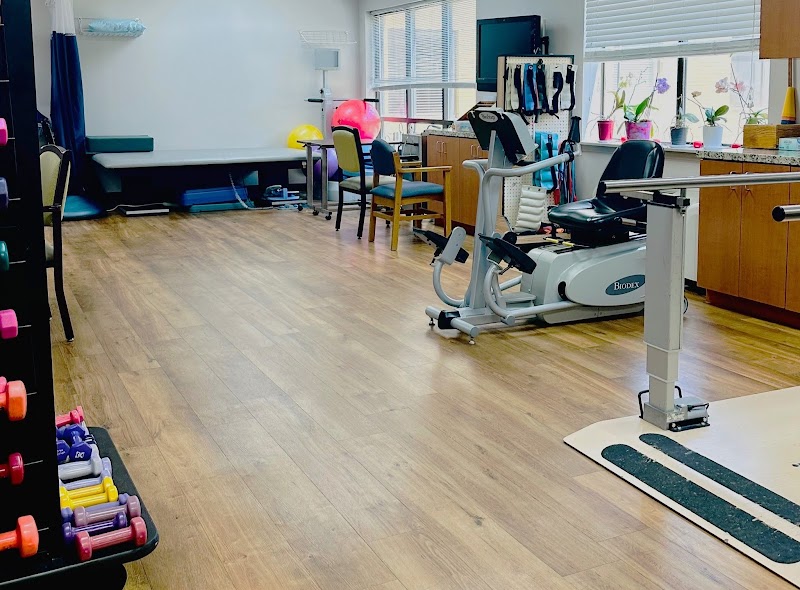
How is Vintage Health Care Center Staffed?
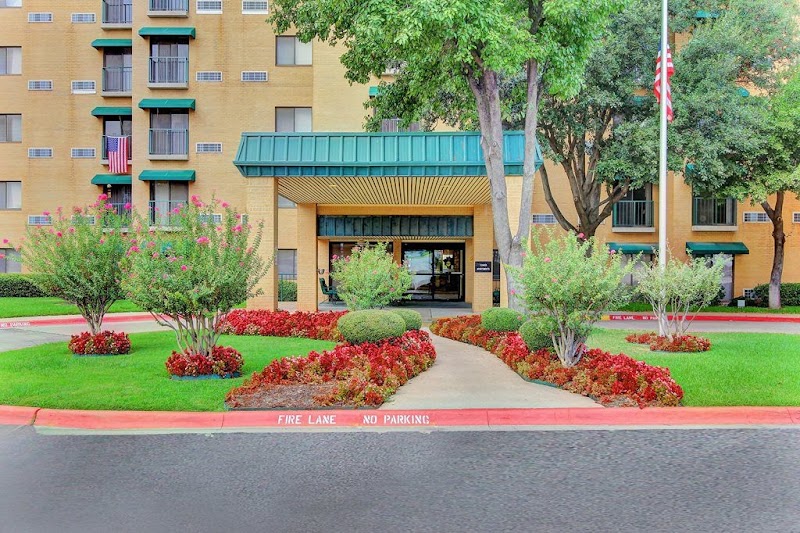
CMS rates Vintage Health Care Center's staffing level at 2 out of 5 stars, which is below average compared to other nursing homes. Staff turnover is 36%, compared to the Texas average of 46%. This relatively stable workforce can support continuity of care. RN turnover specifically is 62%, which is notably high. RNs provide skilled clinical oversight, so turnover in this role can affect medical care quality.

What Have Inspectors Found at Vintage Health Care Center?

State health inspectors documented 43 deficiencies at Vintage Health Care Center during 2022 to 2025. These included: 7 Immediate Jeopardy (the most serious level, indicating potential for serious harm or death) and 36 with potential for harm. Immediate Jeopardy findings are rare and represent the most serious regulatory concerns. They require immediate corrective action.

Who Owns and Operates Vintage Health Care Center?

Vintage Health Care Center is owned by a for-profit company. For-profit facilities operate as businesses with obligations to shareholders or private owners. The facility is operated by CREATIVE SOLUTIONS IN HEALTHCARE, a chain that manages multiple nursing homes. With 106 certified beds and approximately 81 residents (about 76% occupancy), it is a mid-sized facility located in Denton, Texas.

How Does Vintage Health Care Center Compare to Other Texas Nursing Homes?

Compared to the 100 nursing homes in Texas, Vintage Health Care Center's overall rating (1 stars) is below the state average of 2.8, staff turnover (36%) is near the state average of 46%, and health inspection rating (1 stars) is much below the national benchmark.

What Should Families Ask When Visiting Vintage Health Care Center?

Based on this facility's data, families visiting should ask: "What changes have been made since the serious inspection findings, and how are you preventing similar issues?" "Can you walk me through typical staffing levels on day, evening, and night shifts?" "Can I visit during a mealtime to observe dining assistance and food quality?" "How do you handle medical emergencies, and what is your hospital transfer rate?" These questions are particularly relevant given the facility's Immediate Jeopardy citations and the below-average staffing rating.

Is Vintage Health Care Center Safe?

Based on CMS inspection data, Vintage Health Care Center has documented safety concerns. Inspectors have issued 7 Immediate Jeopardy citations (the most serious violation level indicating risk of serious injury or death). The facility is currently on the Special Focus Facility watch list (a federal program monitoring the lowest-performing 1% of nursing homes nationwide). The facility has a 1-star overall rating and ranks #100 of 100 nursing homes in Texas. Families considering this facility should ask detailed questions about what corrective actions have been taken since these incidents.

Do Nurses at Vintage Health Care Center Stick Around?

Vintage Health Care Center has a staff turnover rate of 36%, which is about average for Texas nursing homes (state average: 46%). Moderate turnover is common in nursing homes, but families should still ask about staff tenure and how the facility maintains care continuity when employees leave.

Was Vintage Health Care Center Ever Fined?

Vintage Health Care Center has been fined $59,200 across 3 penalty actions. This is above the Texas average of $33,671. Fines in this range indicate compliance issues significant enough for CMS to impose meaningful financial consequences. Common causes include delayed correction of deficiencies, repeat violations, or care failures affecting resident safety. Families should ask facility leadership what changes have been made since these penalties.

Is Vintage Health Care Center on Any Federal Watch List?

Vintage Health Care Center is currently an SFF Candidate, meaning CMS has identified it as potentially qualifying for the Special Focus Facility watch list. SFF Candidates have a history of serious deficiencies but haven't yet reached the threshold for full SFF designation. The facility is being monitored more closely — if problems continue, it may be added to the official watch list. Families should ask what the facility is doing to address the issues that led to this status.