HIDALGO NURSING AND REHABILITATION CENTER
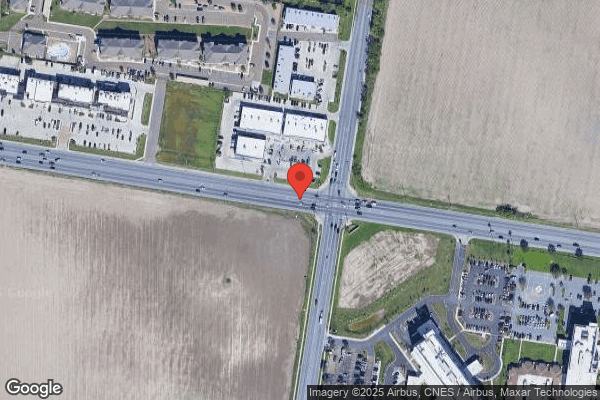
4503 S SUGAR RD, EDINBURG, TX 78539 (956) 386-1112
Government - Hospital district 126 Beds WELLSENTIAL HEALTH Data: November 2025 1 Immediate Jeopardy citation
Trust Grade
61/100
#252 of 1168 in TX
Last Inspection: February 2025

Within standard 12-15 month inspection cycle. Federal law requires annual inspections.

Overview

Hidalgo Nursing and Rehabilitation Center has a Trust Grade of C+, indicating it is slightly above average but not exceptional. It ranks #252 out of 1,168 facilities in Texas, placing it in the top half, and #9 out of 22 in Hidalgo County, meaning only eight local options are better. The facility is improving, having reduced its number of issues from 13 in 2023 to just 3 in 2025. Staffing is a concern, with a low rating of 1 out of 5 stars and a turnover rate of 42%, which, while below the state average, suggests challenges in consistency of care. Notably, a critical incident occurred where a resident eloped from the facility due to inadequate supervision, and there were issues with ensuring residents' rights regarding their care plans and advance directives, which could impact their preferences for care. Overall, while there are strengths in the facility's health inspection and quality measures, significant weaknesses in staffing and specific incidents raise concerns for families considering this option.

Trust Score
C+
61/100
In Texas
#252/1168
Top 21%
Safety Record
High Risk
Review needed
Inspections
Getting Better
13 → 3 violations
Staff Stability
○ Average
42% turnover. Near Texas's 48% average. Typical for the industry.
Penalties
⚠ Watch
$7,582 in fines. Higher than 86% of Texas facilities, suggesting repeated compliance issues.
Skilled Nurses
⚠ Watch
Each resident gets only 25 minutes of Registered Nurse (RN) attention daily — below average for Texas. Fewer RN minutes means fewer trained eyes watching for problems.
Violations
⚠ Watch
17 deficiencies on record. Higher than average. Multiple issues found across inspections.
★★★★☆
4.0
Overall Rating
★☆☆☆☆
1.0
Staff Levels
★★★★★
5.0
Care Quality
★★★★☆
4.0
Inspection Score
Stable
2023: 13 issues
2025: 3 issues

The Good

  • 5-Star Quality Measures · Strong clinical quality outcomes
  • Full Sprinkler Coverage · Fire safety systems throughout facility
  • No fines on record
  • Staff turnover below average (42%)

    6 points below Texas average of 48%

Facility shows strength in quality measures, fire safety.

The Bad

Staff Turnover: 42%

Near Texas avg (46%)

Typical for the industry

Federal Fines: $7,582

Below median ($33,413)

Minor penalties assessed

Chain: WELLSENTIAL HEALTH

Part of a multi-facility chain

Ask about local staffing decisions and management

The Ugly 17 deficiencies on record

1 life-threatening
Feb 2025 2 deficiencies
CONCERN (D)

Potential for Harm - no one hurt, but risky conditions existed

Comprehensive Care Plan (Tag F0656)

Could have caused harm · This affected 1 resident

**NOTE- TERMS IN BRACKETS HAVE BEEN EDITED TO PROTECT CONFIDENTIALITY** Based on observation, interview and record review, the facility failed to develop and implement a comprehensive person-centered ...

Read full inspector narrative →
**NOTE- TERMS IN BRACKETS HAVE BEEN EDITED TO PROTECT CONFIDENTIALITY** Based on observation, interview and record review, the facility failed to develop and implement a comprehensive person-centered care plan for each resident, consistent with the resident rights, that includes measurable objectives and timeframes to meet a resident's medical, nursing, and mental and psychosocial needs that are identified in the comprehensive assessment for 1 of 4 residents (Resident #247) reviewed for care plans, in that: The facility failed to ensure Resident #247's care plan revised on 01/17/25 reflected he required a mechanical lift to be transferred to and from bed. This deficient practice could place residents in the facility at risk of not being provided with the necessary care or services and not having personalized plans developed to address their specific needs. The Findings included: Record review of Resident #247's admission sheet, dated 02/12/25, reflected a [AGE] year-old-male admitted on [DATE]. His relevant diagnoses included intervertebral disc degeneration (a condition where one or more discs in the spine deteriorates due to age, which results in back or neck pain), muscle wasting and atrophy (loss of muscle mass and strength), abnormalities of gait and mobility (disruptions in a person's walking pattern, including issues with balance and coordination), and history of falling. Record review of Resident # 247's MDS quarterly assessment dated [DATE], reflected a BIMS score of 11, which indicated his cognition was moderately impaired. Further review indicated Resident #247 required a wheelchair as a mobility device and required substantial/maximal assistance (helper does more than half of the effort) for chair/bed-to-chair transfer and tub/shower transfer. Record review of Resident #247's care plan dated 01/17/25, reflected he had an ADL self-care performance deficit related to intervertebral disc degeneration of lumbar region with discogenic back pain( a type of back pain that originates from the degeneration of the intervertebral disc), history of falls, lack of coordination, and abnormal gait and mobility. Date initiated 11/20/24 and revised on 01/2025. Resident #247 required extensive assistance by 2 staff for transferring. An observation and interview on 02/09/25 at 3:22 p.m., Resident #247 was observed awake in bed. His bed was set to the lowest position and his call light was within reach. Resident #247 said he did not want to talk to anyone and to leave his room. An interview on 02/12/25 at 10:00 a.m., CNA A said Resident #247 was a two person assist for all his ADL's. She said whenever Resident #247 was given a shower, she and her partner would transfer him to and from bed to the shower chair. She said they would use a mechanical lift for his and their safety. She said Resident #247 was a big man. She said she was not sure if the charge nurses knew they used a mechanical lift to transfer him. CNA B was not able to verify if the [NAME] system indicated Resident #247 required a mechanical lift for transfer. She said the morning CNAs knew he required a mechanical lift for transfers due to his size. An interview on 02/12/25 at 10:45 a.m., CNA B said Resident #247 was a two person assist for all his ADL's. She said whenever Resident #247 was given a shower, she and her partner would transfer him to and from bed to the shower chair. She said they would use a mechanical lift for his and their safety. She said she did not remember how long he had been transferred by a mechanical lift. She said was not sure if the LVNs knew the CNAs used a mechanical lift to transfer Resident #247 to shower chair. CNA B was not able to verify if the [NAME] system indicated Resident #247 required a mechanical lift for transfer. She said the morning CNAs knew Resident #247 was a mechanical transfer. An interview on 02/12/25 at 11:00 a.m., LVN C said she was not aware CNAs were using a mechanical lift to transfer Resident #247 to and from his bed to shower chair. She was not able to say if his care plan included that he was a mechanical lift for transfers. She said she would have to check with the DON before she answered any other questions. LVN C was not able to mention if there were any negative outcome to Resident #247's care plan not including that he required a mechanical lift for transfer. An observation and interview on 02/12/25 at 1:56 p.m., the DON checked Resident #247's medical electronic record and said he was a two person assist for bathing/showering and transfers. She said his care plan did not indicate he required a mechanical lift for transfer. She said she was not aware the CNAs had been using a mechanical lift to transfer Resident #247 to and from bed to shower chair. The DON said Resident #247 had not sustained any negative outcome for not having his care plan include that he required a mechanical lift for transfer. An interview on 02/12/25 at 2:12 p.m., Rehab Director, said she had been approached by one of Resident #247's CNAs and had asked if it was ok if they continued using a mechanical lift to transfer him to and from the shower chair. She said her response was yes just for safety measures. She said Resident #247 was a big guy and had uncoordinated movements so mechanical lift would be safer. She said after her conversation with the CNA , she advised the facility's DON of her recommendation. She said Resident #247 was currently receiving occupational, speech, and physical therapy five times a week and had no end date. The Rehab Director said had nothing to do with care plans, therefore, could not say if Resident #247 sustained any negative outcome that his care plan did not include, he required a mechanical lift for transfer. Record review of the facility's Comprehensive Care Plans policy dated 10/24/22 reflected: Policy: It is the policy of this facility to develop and implement a comprehensive person-centered care plan for each resident, consistent with resident rights, that includes measurable objectives and timeframes to meet a resident's medical, nursing, and mental and psychosocial needs that are identified in the resident's comprehensive assessment. Policy Explanation and Compliance Guidelines: 3. The comprehensive care plan will describe, at a minimum, the following: a) The services that are to be furnished to attain or maintain the resident's highest practicable physical, mental, and psychosocial wellbeing.
CONCERN (D) 📢 Someone Reported This

A family member, employee, or ombudsman was alarmed enough to file a formal complaint

Potential for Harm - no one hurt, but risky conditions existed

Medical Records (Tag F0842)

Could have caused harm · This affected 1 resident

**NOTE- TERMS IN BRACKETS HAVE BEEN EDITED TO PROTECT CONFIDENTIALITY** Based on interview and record reviews, the facility failed to maintain clinical records in accordance with accepted professional...

Read full inspector narrative →
**NOTE- TERMS IN BRACKETS HAVE BEEN EDITED TO PROTECT CONFIDENTIALITY** Based on interview and record reviews, the facility failed to maintain clinical records in accordance with accepted professional standards and practices that are complete and accurately documented for 1 of 1 resident (Resident #11) reviewed for residents needs as identified through resident assessments. The facility failed to ensure LVN P documented resident #11's assessment on 01/29/25 after CNA O informed her she had noticed redness on Resident #11's leg. This deficient practice could affect residents whose records are maintained by the facility and could place them at risk of not having assessments documented resulting in potential delayed treatment and decreased quality of life. Findings included: Record review of R#11's admission record dated 02/12/25 reflected an [AGE] year-old female with an admission date of 09/01/23. Her diagnoses included Unspecified Dementia (loss of brain function that affects memory, thinking, behavior, and language) Unspecified Severity with Mood Disturbance, Cognitive Communication Deficit (difficulty communicating), Other Lack of Coordination, Age-Related Osteoporosis (bone disease that weakens bones, more likely to break), Without Current Pathological Fracture, and Rheumatoid Arthritis (inflammation and pain in joints) Without Rheumatoid Factor, Multiple Sites. Record review of Resident #11's quarterly MDS assessment dated [DATE] reflected a BIM score of 99 indicating resident was unable to complete the interview. MDS also reflected Resident #11 used a wheelchair to ambulate and was a substantial/maximal assist with chair to bed, bed to chair transfers. Record review on 02/11/25 of Resident #11's electronic medical record revealed no documentation done by LVN P on 01/29/25 or 01/30/25 on assessment done for Resident #11 after CNA O informed LVN P. An interview on 02/09/25 at 2:33 p.m. Resident #11 was alert, however, did not respond to questions and was heard repeating numbers. An interview on 02/10/25 at 8:19 p.m. LVN P said CNA O told her to check Resident #11. LVN P said CNA O had not told her what to assess Resident #11 for. She said she assessed the Resident for flu symptoms since there was another resident she had just assessed with those symptoms so she said she thought it was the same thing Resident #11 had. She said she did not do a skin assessment and did not document anywhere on Resident #11's medical record that she had assessed the resident. LVN P also said she did not let the oncoming nurse of the concern brought up by CNA O. She said she should have documented the assessment and said she didn't because she had a lot of things going on with other residents that day. She said they are in serviced on documenting residents assessments. An interview on 02/11/25 at 1:44 p.m. CNA O said when she was changing Resident #11, she said she had noticed redness on Resident #11's leg, below her knee. She said she had told LVN P and had shown her exactly where on the resident's leg was where she had seen redness. CNA O said the nurse assessed it and said she would document it. An interview on 02/11/25 at 2:40 p.m. CNA T said when she worked with Resident #11 on 01/30/25 she had not seen any bruising on her. She also had not seen the resident show any pain when she was providing care. She said they often get in-services on reporting abuse or neglect and they are told to report anything they see that's different in a resident. An interview on 02/11/25 3:30 p.m. LVN N said she completed a weekly assessment on Resident #11 on 01/30/25 and had not seen redness or bruising on Resident #11's leg. She also said had not seen signs or symptoms of pain. She said if she had, she would have reported and documented it. An interview on 02/12/25 at 1:31 p.m. the DON said the staff has been given in-services on documenting when assessing residents. When asked if LVN P should have documented what she assessed, DON said she couldn't tell me why LVN P did not document anything. She said LVN P and the rest of the staff was given an in-service on documenting. Record review of facility's policy dated 10/24/22, titled Documentation in Medical Record Policy: Each resident's medical record shall contain an accurate representation of actual experiences of the resident and include enough information to provide a picture of the resident's progress through complete, accurate, and timely documentation.
Jan 2025 1 deficiency
CONCERN (D) 📢 Someone Reported This

A family member, employee, or ombudsman was alarmed enough to file a formal complaint

Potential for Harm - no one hurt, but risky conditions existed

Free from Abuse/Neglect (Tag F0600)

Could have caused harm · This affected 1 resident

**NOTE- TERMS IN BRACKETS HAVE BEEN EDITED TO PROTECT CONFIDENTIALITY** Based on observation, interview and record review, the facility failed to ensure residents were free from verbal abuse for 1 of ...

Read full inspector narrative →
**NOTE- TERMS IN BRACKETS HAVE BEEN EDITED TO PROTECT CONFIDENTIALITY** Based on observation, interview and record review, the facility failed to ensure residents were free from verbal abuse for 1 of 4 residents (R# 1) reviewed for abuse. The facility failed to prevent CNA A, from verbally abusing R#1 on 05/20/24 when she used obscene language. This failure could place residents at risk of emotional distress, fear, decreased quality of life and further abuse. Findings included: Record review of R#1's admission record dated 01/15/25 reflected a [AGE] year-old male admitted to the facility on [DATE]. His relevant diagnoses included hemiplegia ( muscle weakness or partial paralysis on one side of the body that can affect the arms, legs, and facial muscles) affecting right dominant side, lack of coordination, dementia (A loss of brain function that worsens over time and affects memory, thinking, behavior, and language), cognitive communication deficit (difficulty with communication caused by an impairment in cognitive processes). Record review of R#1's quarterly MDS assessment dated [DATE] reflected a BIMS score of 12, indicating R#1's cognition was moderately impaired. Section E reflected R#1 did not exhibited any behaviors. Record review of R#1's quarterly care plan assessment dated [DATE] reflected [R#1] had the potential to be physically aggressive, hits staff when providing care r/t dementia and poor impulse control. Date initiated 05/20/24 and revised on 05/23/24. R#1's interventions included to assess his needs (food, thirst, toileting, comfort level, body positioning, and pain). Record review of R#1's progress notes dated 05/20/24 at 7:00 a.m., authored by LVN B reflected, I was standing outside RM [ROOM NUMBER] when I heard loud obscene yelling in Spanish coming from RM [ROOM NUMBER]. I immediately went into room [ROOM NUMBER] and saw [R#1] sitting on the side of bed and CNA A standing in from of [R#1] trying to assist him to transfer to wheelchair, but [R#1] was trying to punch CNA A. CNA A was deflecting the punches with her hands and yelling to resident in Spanish que chingado tienes (what the hell is wrong with you) A mi no me vas a pegar (you are not going to hit me) ya parale con [NAME] chingada (damn it, stop it) [R#1] stated he did not want to go to dining room, but did not say why he was hitting CNA. Skilled nurse told [R#1] to stop hitting CNA and that's when resident allowed to be assisted to wheelchair. Once [R#1] was safely seated in wheelchair skilled nursed immediately told CNA A to walk out of room and clock out and go home due to her agitated behavior. Head to toe assessment done on [R#1] with no visible skin issues noted at this time and [R#1] denies pain at this time. Administrator, DON and ADON notified. An observation and interview on 01/15/25 at 5:45 p.m., R#1 was observed in the dining room. R#1 said hace tiempo (some time ago) a CNA (did not remember her name) had used obscene language while she tried to transfer him from his bed to his wheelchair. R#1 said the only details he remembered was that CNA A trying to transfer him to his wheelchair, him punching her and CNA A responded with obscene language. R#1 said he was told by a staff member CNA A no longer worked at the facility. R#1 said after the incident, he felt safe in the facility and had no fears of retaliation or was afraid of any staff or resident. R#1 said the incident did not affect him in any way, the only thing he did not appreciate was the way CNA A had spoken to him. R#1 said he felt content with the investigation, especially LVN B who had walked in when CNA A was talking to him. Record review of the Administrator's written statement with R#1 on 05/20/24 reflected, Administrator interviewed [R#1] after incident occurred on 05/20/24. [R#1] stated CNA that helped him this morning told him bad words and he tried to hit her. He sated while trying to hit her he hit his hands in the wheelchair, and she was redirecting his arms away from her. Resident stated he attempted to pushed away and hit her. Record review of LVN B's written statement he provided on 05/20/24 reflected, On Monday 05-20-24, I [LVN B] was the charge nurse on 300 hall. At approximately 0700 I was standing outside RM [ROOM NUMBER] when I heard loud obscene yelling in Spanish coming from RM [ROOM NUMBER]. I immediately went into room [ROOM NUMBER] and saw [R#1] sitting on the side of bed and CNA A standing in from of [R#1] trying to assist him to transfer to wheelchair, but [R#1] was trying to punch CNA A. CNA A was deflecting the punches with her hands and yelling to resident in Spanish que chingado tienes (what the hell is wrong with you) A mi no me vas a pegar (you are not going to hit me) ya parale con [NAME] chingada (damn it, stop it) [R#1] stated he did not want to go to dining room, but did not say why he was hitting CNA. Skilled nurse told [R#1] to stop hitting CNA and that's when resident allowed to be assisted to wheelchair. Once [R#1] was safely seated in wheelchair skilled nursed immediately told CNA A to walk out of room and clock out and go home due to her agitated behavior. Head to toe assessment done on [R#1] with no visible skin issues noted at this time and [R#1] denies pain at this time. Administrator, DON and ADON notified. A phone interview on 01/15/25 at 11:11 a.m., LVN B said that on 05/20/34, he was the charge nurse for hall 300 and as he was exiting another resident's room, he overheard a women's voice yelling obscene language coming from R#1's room. LVN B said he overheard her saying no me estes pagando con [NAME] chingada. (damn it, don't be hitting me) LVN B said he became concerned and immediately went into R#1's room to see what was going on. He said he observed R#1 sitting on the side of his bed and CNA A standing in front of him trying to transfer him to his wheelchair. He said he observe R#1 attempting to hit CNA A. He said CNA A tried to shield herself with her hands and yelled to R#1 in Spanish, que chingados tienes (what the hell is wrong with you) a mi no me vas a pegar (you are not going to hit me) ya parale con [NAME] chingada (damn it, stop it). He said he told R#1 to stop hitting CNA A and instructed CNA A to leave R#1's room and to clock out due to her inappropriate behavior. He said he stayed with R#1's and assessed him. He said R#1 voiced that he was ok and had no visible signs of injuries. LVN B said R#1 showed no signs of distress, his vitals were within range and did not complain of pain. LVN B said after he assessed R#1 he contacted the facility's Administrator who was the abuse coordinator to tell him what he had witnessed. He said the Administrator told him to immediately send CNA A home in which he responded he had already done so. He said the incident happened before breakfast. He said CNA A told him before she exited R#1's room that [R#1] was trying to hit her, and she had lost her temper. He said CNA A obeyed his orders without hesitation and left the facility. LVN B said he had never observed that behavior from CNA A before or any other staff member. LVN B said as soon as the Administrator started his investigation, he continued with her daily tasks. LVN B said CNA 's and nursing staff were in-serviced on the topic of ANE that same day. LVN B said he was frequently in-serviced on the topic of ANE. Record review of CNA A's written statement she provided on 05/20/24 reflected, Today 05/20/24 about 6:45 am I was working on the 300 hall .I went to [R#1's] to change him and get him up for breakfast .I started to change his diaper and to get him dressed for breakfast. As I sat him on the edge of the bed to change his shirt he was falling (leaning) back on the bed so I pulled him forward so I can change him he started calling me names and said he was going to hit me. I told him not to be hitting me and when I went to put my arms around him, he leaned back made a fist and hit me right in the middle of my chest. I kept saying in Spanish, no me estes pagando (don't be hitting me) but also at the same time trying to make the transfer to the chair. He hit me again and my reaction was no me estes pagando que chingaos tienes (don't be hitting me, what the hell is wrong with you). When LVN B entered the room and heard me say that he asked me what was going on I told him I'm trying to transfer him, but he started hitting me. LVN B goes just leave him there and come back later. I said I can't the bed is high, and he can fall. He goes I need to report what you said, what I saw. Put [R#1] in the chair and go the hallway. LVN B says everyone heard you. I said who it's just me, you, and roommate in the room. I know I shouldn't said that maybe something but not that. But that was my reaction at the moment. LVN B said you need to leave go home and DON will call you. And I left about 7 am. I never hit him never intended to hit him I just reacted verbally. A telephone interview on 01/15/24 at 12:24 p.m., CNA A said she no longer worked at the facility and did not remember the 05/20/24 incident with R#1. She said she had nothing else to say. Record review of R#1's progress notes dated 05/21/24 at 7:02 p.m., authored by SW reflected, SW met with [R#1] at bedside to follow up regarding abuse allegation from CNA during adl care the previous day. Investigation was completed, CNA involved suspended resident will continue to receive adl care assistance from other cna staff in the 300 hall. [R#1] laying down in bed [R#1] in a calm and pleasant mood, well-groomed and oriented x2. [R#1] reports he used the following coping mechanisms: talking to his family member and is trying not to think about the event because it gets him upset. [R#1]expressed no further concerns. SW notified resident outside counseling services will be coming out speak with him tomorrow resident verbalized understanding. Record review of R#1's progress notes dated 05/22/24 at 7:33 p.m., SW met with [R#1] at bedside to follow up regarding abuse allegation. [R#1] laying down in bed [R#1] in a calm and pleasant mood, well-groomed and oriented x2. [R#1] reports he is doing better and is no longer upset. [R#1] expressed no further concerns. [R#1]met with counseling services and enjoyed his session with SW. Outside counseling services will continue to meet with [R#1]. Record review of R#1's counseling notes from an outside source dated 05/23/24 reflected, [R#1] states CNA told him some mean things and used bad words. Resident reports this was the first time this happened .[R#1]was advised that CNA is no longer working at facility and reports he feels comfortable at facility. [R#1] report staff have tried to be helpful with him. [R#1] denied any feelings of not being safe or fear of retaliation. An interview on 01/15/25 at 4:25 p.m., Administrator said on 05/20/24, he received a telephone call from LVN B right before breakfast and advised him that he had overheard CNA A cussing at R#1. He said LVN B quickly intervened and deescalated the situation. He said LVN B instructed CNA A to leave R#1's room and to clock out. He said LVN B assessed R#1 and was fine. The Administrator said as soon as he arrived at the facility, he immediately interviewed R#1. He said R#1 told him CNA A had told him bad words and he admitted to trying to hit her. The Administrator said R#1 did not show any signs or symptoms of distress during his interview. He said he then called CNA A on her cell phone to get statement. The Administrator said CNA A told him she had yelled at R#1 and had told him a mi no me vas a pegar (you are not going to hit me) and used the Spanish word chingado (what the hell). The Administrator said CNA A told him the Spanish word chingado (what the hell) was not a bad word for her and would say it regularly. He said during their conversation, CNA A used the word Spanish word chingado (what the hell) while talking to him. The Administrator said his number one priority was the safety and wellbeing of his residents. He said CNA A was terminated due to her lack of professionalism. He said CNA A admitted to reacting verbally and apologized for using the word chingado (what the hell). The Administrator said CNA A was not referred because he felt she was remorseful. He said all staff were immediately in-serviced on the topic of abuse and neglect on 05/20/24. The Administrator said the facility had taken the following steps to remedy the situation, CNA A was immediately removed from the facility to protect all residents, R#1 was assessed and was found to be physically unharmed, CNA A was suspended while the investigation was on-going, staff were in-serviced on the topic of ANE on 05/20/24, after the investigation, CNA was terminated, reported the allegation of abuse to state, and R#1 was referred and continued receiving counseling services. Record review of facility's complaint/grievance follow-up report completed by the Administrator on 05/20/24 reflected the nature of the complaint was R#1 voiced CNA A was abusive toward him. The final resolution indicated the investigation had been completed, and the allegation were unfounded. Record review of CNA A's employee record reflected she was hired on 03/01/24. Her background check was clear and her last in-service on abuse and neglect was on 05/09/24. Record review of the facility's Employee Counseling Report completed by the Administrator, dated 05/23/24 reflected: Incident description: abuse allegations towards resident. Self-report submitted. Performance Improvement Plan: Suspension on 05/20/24, Termination on 05/23/24. Record review of the facility's Abuse, Neglect and Exploitation policy dated 08/12/22 reflected: Policy: It is the policy of this facility to provide protections for the health, welfare, and rights of each resident by developing and implementing written policies and procedures that prohibit and prevent abuse, neglect, exploitation, and misappropriation of resident property. Definitions: Staff: includes employees, the medical director, consultants, contractors, volunteers, caregivers who provide care and services to resident on behalf of the facility, students in the facility's nurse aide training program, and student from affiliated academic institutions, including therapy, social and activity programs. Verbal Abuse: means the use of oral, written, or gestured communication or sounds that willfully includes disparaging and derogatory terms to resident or their families, or within their hearing distance regardless of their age, ability to comprehend, or disability. Alleged Violation: is a situation or occurrence that is observed or reported by staff, resident, relative, visitor or others but has not yet been investigated and, if verified, could be indication of noncompliance with Federal requirement related to mistreatment, exploitation, neglect, or abuse, including injuries of unknown source, and misappropriation of resident property. IV. Identification of Abuse, Neglect and Exploitation B. Possible indicators of abuse include, but are not limited to: 1. Resident, staff, or family report of abuse 5. Verbal abuse of a resident overheard
Nov 2023 9 deficiencies
CONCERN (D) 📢 Someone Reported This

A family member, employee, or ombudsman was alarmed enough to file a formal complaint

Potential for Harm - no one hurt, but risky conditions existed

Comprehensive Care Plan (Tag F0656)

Could have caused harm · This affected 1 resident

**NOTE- TERMS IN BRACKETS HAVE BEEN EDITED TO PROTECT CONFIDENTIALITY** Based on interview and record review, the facility failed to develop and implement a comprehensive person-centered care plan for...

Read full inspector narrative →
**NOTE- TERMS IN BRACKETS HAVE BEEN EDITED TO PROTECT CONFIDENTIALITY** Based on interview and record review, the facility failed to develop and implement a comprehensive person-centered care plan for each resident, consistent with resident rights, that include measurable objectives and time frames to meet residents' mental, nursing, and psychosocial needs and to ensure that the comprehensive care plan described the services that were to be furnished to attain or maintain the resident's highest practicable physical, mental, and psychosocial well-being, including the right to refuse treatment for 1 of 6 residents (Resident #15) reviewed for care plans, in that: The facility failed to implement Resident #15's comprehensive person-centered care plan to address oxygen use and therapy services. This failure could affect residents who have care areas not addressed by the care plan by not having their needs met and putting them at risk of not receiving appropriate care. The findings included: Record review of Resident #15's face sheet, dated 11/16/2023, revealed the resident was initially admitted to the facility on [DATE], and re-admitted on [DATE], with diagnoses that included: fractured right femur, muscle wasting and atrophy, dysphagia (difficulty swallowing), and moderate protein-calorie malnutrition. Record review of Resident #15's Significant change MDS, dated [DATE], revealed the resident had a BIMS score of 02, which indicated severe cognitive impairment. Further review revealed the resident had a used oxygen while a resident at the facility and within the last 14 days. Continued review of Resident #15's MDS revealed resident had received PT, OT, and ST services in the last 7 days, with a start date for therapy services of 10/20/2023. Record review of Resident #15's Comprehensive Care Plan last review completed 11/05/2023, revealed no focus area related to oxygen use. Further review revealed no focus area related to PT, OT, or ST services. Record review of Resident #15's electronic medical record Order Summary Report of Active Orders as of 11/16/2023, revealed an order on 10/19/2023 for: 02 @ 4L/Min via NC PRN to maintain 02 sats > 92% PRN. Record review of Resident #15's electronic medical record Medication Administration Record dated 11/1/2023-11/30/2023, revealed oxygen therapy had been administered daily from 11/01/2023 through 11/15/2023. In an interview with LVN A, (one of the MDS coordinators) on 11/15/2023 at 2:54 p.m., LVN A revealed she and another LVN share the responsibility of updating care plans. LVN A stated the oxygen therapy, PT, OT, and ST services should have been on the comprehensive care plan and must have been overlooked. LVN A identified potential risks related to care plans due to care plans show the staff what the resident's needs are. In an interview with the DON on 11/15/2023 at 3:08 p.m., the DON revealed care plans must be accurate for staff to have the information needed to provide specific care for residents. Record review of the facility's policy titled, Comprehensive Resident Care Plans, undated, revealed, .All items or services ordered to be provided or withheld shall be included in each resident's plan of care .Each resident's plan of care shall be developed within seven days after completion of the comprehensive assessment.
CONCERN (D) 📢 Someone Reported This

A family member, employee, or ombudsman was alarmed enough to file a formal complaint

Potential for Harm - no one hurt, but risky conditions existed

Deficiency F0657 (Tag F0657)

Could have caused harm · This affected 1 resident

**NOTE- TERMS IN BRACKETS HAVE BEEN EDITED TO PROTECT CONFIDENTIALITY** Based on observation, interview and record review, the facility failed to ensure the comprehensive care plan was reviewed and re...

Read full inspector narrative →
**NOTE- TERMS IN BRACKETS HAVE BEEN EDITED TO PROTECT CONFIDENTIALITY** Based on observation, interview and record review, the facility failed to ensure the comprehensive care plan was reviewed and revised by the interdisciplinary team after each assessment, including both the comprehensive and quarterly review assessments for 2 of 7 residents (R#20 and 80), reviewed for care plan revisions, in that: R#20 requested an activity preference while in isolation that did not result in the revision of CP involving activities and CP was not revised. R#80 requested an activity preference while in COVID-19 isolation that did not result in the revision of CP involving activities and CP was not revised. These failures could place residents at risk for lack of coordination of services and activity preferences. The finding included: Record review of Resident #20's face sheet, dated 11/15/2023, and EMR revealed, the resident was admitted on [DATE] with diagnoses that included: MRSA (infection resistant to antibiotics), depression, and HTN. Resident was a male; age [AGE]. RP was listed as: the resident. Record review of Resident #20's Care Plan, dated 10/27/2023, revealed, the goals and interventions for activities included: share the activity calendar and to remind the resident to attend group activities. CP was not revised to list the resident's activity preferences while the resident was in isolation for MRSA. Record review of Resident #20's MDS, dated [DATE], revealed: o BIMS Score was 13 (cognitively intact) o ADLs: B/B was continent of bowel; and catheter for bladder. Transfer was supervision. Bed Mobility was supervision. ROM: no impairment. Record review of an Activity Director's progress note for Resident #20 dated 11/08/2023 revealed: she attended the IDT meeting. Activity intervention was to visit resident. Record review of Resident #80's face sheet, dated 11/15/2023, and EMR revealed, the resident was re-admitted on [DATE] with diagnoses that included: Acute and chronic respiratory failure, COVID-19, and depression. Resident was a female; age [AGE]. RP was listed as: the resident. Record review of Resident# 80's Care Plan, dated 11/01/2023 , revealed, the goal of activity and interventions included: invite to group activities, AD will visit me 2-3 times per week and provide 1:1 [activity] .AD will visit me 2-3 times a week to provide activity supplies if needed and to engage in conversation ., and the share the activity calendar. CP was not revised to reflect activities while the resident was in isolation for COVID-19 (isolation started on 11/06/23). Record review of Resident #80's MDS, dated [DATE], revealed: o BIMS Score was 15 (cognitively intact) o ADLs: B/B was frequently incontinent for both. Transfer was required assistance one staff. Bed Mobility was required assistance one staff. ROM: no impairments. During an observation and interview on11/15/2023 at 10:44 AM revealed the resident (R#20) was in bed; alert and oriented. The resident stated that he felt bored and wanted some activities. The resident stated he enjoyed listening to music and family visits. The activity the resident requested was to leave his room and be outside in the sunlight. The resident stated he had no visits from the activity director. During an interview on 11/15/2023 at 11:51 AM, the Activity Director stated: there were about 12 residents that were bedfast or did not leave their room. She added that there were three residents in isolation. I have not developed an individualized calendar for residents who are bedfast or in isolation .Administration has never told me about an individualized calendar .I have not seen resident [R#20] lately and asked about activity .no summary notes on either resident [ R#20 and R#80] this past month .I am still looking for a policy on activities for bedfast residents or residents in isolation . The AD stated that the CP for R#20 and R#80 were not revised during the time the residents were in isolation. During an interview on 11/15/2023 at 2:32 PM, the Administrator stated: the Activity Director reports to the Administrator. The Administrator stated per policy every resident was assessed for activities and preferences. Also, per policy, the Administrator stated the Activity Director, or a designee will visit a bedfast resident. The Administrator's expectation was that the visit be documented; and CP updated as appropriate. The Administrator will check on the existence of documentation The Administrator stated the residence's activity assessment and any updates were captured in the comprehensive care plan. During an interview on 11/15/2023 at 3:06 PM, the DON stated that all staff knew if a resident verbalized an activity desire; it needed to be documented. Residents on hospice, isolation, cognitively impaired, bedfast and COVID positive were required an activity assessment and updated if there was a major change of condition. The DON stated the CP was updated for activities when a change of condition occurred and the resident expressed an activity preference that was new and not captured in the initial CP. The DON stated the facility had 7 residents in isolation and to include one resident in isolation for COVID 19 positive. The DON was not certain whether the care plans for residents (R#20 and R#80) had been updated to reflect any new activity preferences the resident made during isolation. The DON revealed that R# 80 was COVID-19 positive on 11/06/2023. During an observation and interview on 11/15/2023 at 5:35 PM, R#80, (isolated for COVID-19), revealed: she was alert and oriented to person and place; receiving continuous oxygen. The resident was in bed watching TV. The resident stated she had a visit from the Activity Director late in the afternoon (11/15/23) to discuss activity preferences while in isolation. Resident stated this was the first time since she was in isolation for COVID-19 that staff inquired about her activity preferences. The resident stated that an activity she wanted daily was to have a non-clinical interaction with a staff member so as to feel human. The resident stated she did not want her family to visit because of fear they would be exposed to COVID-19. During an interview on 11/16/2023 at 9:44 AM, LVN A (MDS) stated: the CP was revised when there was a change in the resident or a new assessment requiring a CP revision. LVN A stated that she was not aware of any revisions to the CP involving activities when the resident (R#80) converted to COVID-19 positive on 11/06/23. Regarding resident (R#20), he was put in isolation upon admissions (10/27/23) because of the diagnoses of MSRA. LVN A stated that (R#20's) CP had not been revised for activities since admissions. Record review of the facility's Comprehensive Care Plans, undated, read: Each resident's plan of care shall be reviewed by an interdisciplinary team after each MDS assessment is conducted and revised as necessary to reflect the resident's care needs .
CONCERN (D) 📢 Someone Reported This

A family member, employee, or ombudsman was alarmed enough to file a formal complaint

Potential for Harm - no one hurt, but risky conditions existed

Deficiency F0679 (Tag F0679)

Could have caused harm · This affected 1 resident

**NOTE- TERMS IN BRACKETS HAVE BEEN EDITED TO PROTECT CONFIDENTIALITY** Based on observation, interview, and record review, the facility failed to provide resident preferences for individual activitie...

Read full inspector narrative →
**NOTE- TERMS IN BRACKETS HAVE BEEN EDITED TO PROTECT CONFIDENTIALITY** Based on observation, interview, and record review, the facility failed to provide resident preferences for individual activities and independent activities designed to meet the interests of and support the physical, mental, and psychosocial well-being of each resident, for 2 of 7 residents (R#20 and R#80), reviewed for activity preferences, in that: R#20's activity preference was not provided while he was in an isolation room. R#80's activity preference was not provided while she was isolated for COVID-19. These failures could affect residents' psychosocial well-being and could lead to a diminished quality of life. The finding included: Record review of Resident #20's face sheet, dated 11/15/2023, and EMR revealed, the resident was admitted on [DATE] with diagnoses that included: MRSA (infection resistant to antibiotics), depression, and HTN. Resident was a male; age [AGE]. RP was listed as: the resident. Record review of Resident# 20's Care Plan, dated 10/27/2023, revealed, the goals and interventions for activities included: share the activity calendar and to remind the resident to attend group activities. CP did not list the resident's activity preferences while the resident was in isolation for MRSA. Record review of Resident #20's MDS, dated [DATE], revealed: o BIMS Score was 13 (cognitively intact). o ADLs: B/B was continent of bowel; and catheter for bladder. Transfer was supervision. Bed Mobility was supervision. ROM: no impairment. Record review of Activity Director's progress note for Resident #20 dated 11/08/2023 revealed: she attended the IDT meeting. Activity intervention was to visit resident. Record review of Resident #80's face sheet, dated 11/15/23, and EMR revealed, the resident was re-admitted on [DATE] with diagnoses that included: acute and chronic respiratory failure, COVID-19, and depression. Resident was a female; age [AGE]. RP was listed as: the resident. Record review of Resident# 80's Care Plan, dated 11/01/2023 , revealed, the goal of activity and interventions included: invite to group activities, AD will visit me 2-3 times per week and provide 1:1 [activity] .AD will visit me 2-3 times a week to provide activity supplies if needed and to engage in conversation ., and the share the activity calendar. CP was not revised to reflect activities while the resident was in isolation for COVID-19 (isolation started on 11/06/23). Record review of Resident#1's MDS, dated [DATE], revealed: o BIMS Score was 15 (cognitively intact) o ADLs: B/B was frequently incontinent for both. Transfer was required assistance one staff. Bed Mobility was required assistance one staff. ROM: no impairments. During an observation and interview on11/15/2023 at 10:44 AM revealed the resident (R#20) was in bed; alert and oriented. The resident stated that he felt bored and wanted some activities. The resident stated he enjoyed listening to music and family visits. The activity the resident requested was to leave his room and be outside in the sunlight. The resident stated he had no visits from the activity director. During an interview on 11/15/2023 at 11:51 AM, the Activity Director stated: there were about 12 residents that were bedfast or did not leave their room. She added that there were three residents in isolation. I have not developed an individualized calendar for residents who are bedfast or in isolation .Administration has never told me about an individualized calendar .I have not seen resident [R#20] lately and asked about activity .no summary notes on either resident [ R#20 and R#80] this past month .I am still looking for a policy on activities for bedfast residents or residents in isolation . During an interview on 11/15/2023 at 2:32 PM, the Administrator stated: the Activity Director reports to the Administrator. The Administrator stated per policy every resident was assessed for activities and preferences. Also, per policy, the Administrator stated the Activity Director, or a designee will visit a bedfast resident. The Administrator's expectation was that the visit be documented. The Administrator will check on the existence of documentation. The Administrator stated that her expectation was that the following residents were offered a form of activity and refusal documented: hospice, bedfast, and residents severely impaired, and physically impaired. The Administrator stated the resident's activity assessment were captured in the comprehensive care plan. During an interview on 11/15/2023 at 3:06 PM, the DON stated that all staff knew if a resident verbalized an activity desire; it needed to be documented. Residents on hospice, isolation, cognitively impaired, bedfast and COVID positive were required an activity assessment and updated if there was a major change of condition. The DON stated the CP was updated for activities when a change of condition occurred, and the resident expressed an activity preference that was new and not captured in the initial CP. The DON stated the facility had 7 residents in isolation and to include one resident in isolation for COVID 19 positive. The DON was not certain whether the care plans for residents (R#20 and R#80) had been updated to reflect any new activity preferences the resident made during isolation. The DON revealed that R# 80 was COVID-19 positive on 11/06/23. During an observation and interview on 11/15/2023 at 3:18 PM, the Activity Director stated: she documents visit using POC computer entry. The Activity Director stated that she would check whether an activity visit was made to Resident (R#80) isolated for COVID-19 and (R#20) in isolation for contact precaution. No additional evidence was provided prior to exit whether an activity visit had been made to R#20 and R#80. During an observation and interview on 11/15/2023 at 5:35 PM, R#80, isolated for COVID-19, revealed: she was alert and oriented to person and place; receiving continuous oxygen. The resident was in bed watching TV. The resident stated she had a visit from the Activity Director late in the afternoon (11/15/23) to discuss activity preferences while in isolation. Resident stated this was the first time since she was in isolation for COVID-19 that staff inquired about her activity preferences. The resident stated that an activity she wanted daily was to have a non-clinical interaction with a staff member so as to feel human. The resident stated she did not want her family to visit because of fear they would be exposed to COVID-19. During an interview on 11/16/2023 at 9:44 AM, LVN A (MDS) stated: the CP was revised when there was a change in the resident or a new assessment requiring a CP revision. LVN A stated that she was not aware of any revisions to the CP involving activities when the resident (R#80) converted to COVID-19 positive on 11/06/23. Regarding resident (R#20), he was put in isolation upon admissions (10/27/23) because of the diagnoses of MSRA. LVN A stated that (R#20's) CP had not been revised for activities since admissions. Record review of facility's Resident and Wellness and Activities Program policy, undated, read: The facility provides an ongoing program providing a variety of activity functions through the Resident Wellness and Activities Program. The program is designed to include attractions to meet the interests and physical, mental and psychosocial well-being of each resident in accordance with the resident's comprehensive assessment .All residents, particularly bedfast and those residents unable to participate in group functions will be visited by the Wellness and Life Enrichment Director and/or a volunteer .
CONCERN (D) 📢 Someone Reported This

A family member, employee, or ombudsman was alarmed enough to file a formal complaint

Potential for Harm - no one hurt, but risky conditions existed

Infection Control (Tag F0880)

Could have caused harm · This affected 1 resident

**NOTE- TERMS IN BRACKETS HAVE BEEN EDITED TO PROTECT CONFIDENTIALITY** Based on observation, interviews and record reviews, the facility failed to establish and maintain an infection control program ...

Read full inspector narrative →
**NOTE- TERMS IN BRACKETS HAVE BEEN EDITED TO PROTECT CONFIDENTIALITY** Based on observation, interviews and record reviews, the facility failed to establish and maintain an infection control program designed to provide a safe, sanitary, and comfortable environment and to help prevent the development and transmission of communicable diseases and infections for one resident (#1) of two residents observed for infection control in that: 1. CNA B failed to doff her soiled gloves after performing peri care for Resident #1 and before grabbing a clean sheet and brief for the resident. 2. CNA B failed to sanitize her hands prior to donning new gloves while performing peri care for Resident #1. This deficient practice could affect residents who receive incontinent care and could result in cross contamination of germs and could result in a urinary tract infection (a painful infection of the urinary system, which includes the kidneys, bladder, urethra, and ureters). The findings were: Review of Resident #1's electronic face sheet dated 11/16/2023 revealed he was admitted to the facility on [DATE] with diagnoses of Guillain-Barre Syndrome, (a rare disorder where the body's immune system damages nerve), dysphagia (swallowing difficulties) and muscle wasting and atrophy. Review of Resident #1's quarterly MDS assessment with an ARD of 09/18/2023 revealed Resident #1 scored a 14/15 on his BIMS which indicated he was cognitively intact. Review of Resident #1's comprehensive person-centered care plan revised date 02/16/2023 revealed The resident is totally dependent on (2) staff to provide .bed bath .incontinence care .dressing. Observation on 11/16/2023 at 09:30 a.m. of CNA B performed peri care for Resident #1 revealed CNA B did not doff her soiled gloves after performing peri care and prior to grabbing a clean sheet and brief for the resident. When CNA B did doff her soiled gloves, she did not sanitize her hands prior to donning new gloves. During an interview with CNA B on 11/16/23 at 9:48 a.m., CNA B stated she should have changed her gloves prior to grabbing the new sheet and brief and should have sanitized her hands prior to donning new gloves. CNA B stated that there was a potential for cross contamination from using soiled gloves. Interview on 11/16/23 at 10:35 a.m. with the ADON revealed that the CNA's needed to sanitize their hands before putting on clean gloves and between glove changes because it could cause contamination and could result in an infection for the resident. Review of CNA B's Skill Assessment, dated 10/13/2023, revealed CNA B were checked off for completing hand hygiene and peri-care/incontinence care. Review of the facility policy titled Handwashing/Hand Hygiene revision date 08/2019 revealed The use of gloves does not replace hand washing/hand hygiene .Perform hand hygiene before applying non-sterile gloves . use an alcohol-based hand rub containing at least 62% alcohol; or alternatively soap, (antimicrobial or non-antimicrobial) and water for the following situations: before and after direct contact with residents .after removing gloves.
CONCERN (E) 📢 Someone Reported This

A family member, employee, or ombudsman was alarmed enough to file a formal complaint

Potential for Harm - no one hurt, but risky conditions existed

Deficiency F0553 (Tag F0553)

Could have caused harm · This affected multiple residents

**NOTE- TERMS IN BRACKETS HAVE BEEN EDITED TO PROTECT CONFIDENTIALITY** Based on interview and record review, the facility failed to ensure the resident's right to participate in the development and i...

Read full inspector narrative →
**NOTE- TERMS IN BRACKETS HAVE BEEN EDITED TO PROTECT CONFIDENTIALITY** Based on interview and record review, the facility failed to ensure the resident's right to participate in the development and implementation of his or her person-centered plan of care, for 1 of 6 Residents (Resident #73) reviewed for care plans. The facility failed to conduct 11 quarterly care plan meetings to discuss Resident #73's care since his admission in 2021. This failure could cause residents not to be able to participate in the planning of their care, not receiving the care they want or need, and not being informed of all services offered by the facility. The findings were: Record review of the admission Record for Resident #73 documented a [AGE] year old male admitted to facility 12/15/21 with diagnoses that included Guillain-Barre Syndrome (a rare neurological condition in which a person's immune system attacks their peripheral nervous system), obstructive and reflux uropathy (when urine can't flow {either partially or completely} through the ureter, bladder or urethra due to some type of obstruction), presence of urogenital implants (injections of material into the urethra to help control urine leakage caused by a weak urinary sphincter), dysphagia (difficulty swallowing) and muscle weakness. Record review of Resident #73's MDS Annual assessment dated [DATE] revealed a BIMS score of 14 indicating resident was cognitively intact. During an interview with Resident #73 on 11/15/23 at 2:38 PM, resident stated he had not had any care plan meetings since he was admitted in 2021. Resident #73 stated he would like to have a meeting and his family member, who visits daily, would also be available to participate in a meeting. Resident #73 stated that neither he nor his family member had ever been asked to participate in a care plan meeting. On 11/16/23 at 11:28 AM, the Social Worker was interviewed regarding care plan meetings. The Social Worker stated the purpose of care plan meetings was to discuss an overview of the residents' services. The SW stated, We talk about any discharge plans, code status and concerns. The SW stated she had only been in the facility for 3 weeks so was trying to get acquainted with all the residents. She checked the records and could not find any record of care plan meetings that had been held in the past for Resident #73. The SW stated she was aware Resident #73's family member was here daily so it would be easy to schedule a meeting with her as well as the resident. The SW stated Resident #73 will be added to their care plan list for this month. Record review of an undated policy for the Comprehensive Resident Care Plans revealed: Each resident's plan of care shall be developed within seven days after completion of the comprehensive assessment. Comprehensive care plans are prepared by an interdisciplinary team that integrates resident participation and preferences. The interdisciplinary team includes .6. The resident, the resident's family, or the resident's representative to the extent practical. An explanation will be in a resident's medical record if the participation of the resident or their resident representative is determined not practicable for the development of the resident's care plan .The resident can request a care plan meeting; participate in setting goals and outcome of care regarding type, amount, frequency and duration of care; receive the services in the plan of care; see the care plan; request revisions; and sign after significant changes.
CONCERN (E) 📢 Someone Reported This

A family member, employee, or ombudsman was alarmed enough to file a formal complaint

Potential for Harm - no one hurt, but risky conditions existed

Deficiency F0578 (Tag F0578)

Could have caused harm · This affected multiple residents

**NOTE- TERMS IN BRACKETS HAVE BEEN EDITED TO PROTECT CONFIDENTIALITY** Based on interviews and record reviews, the facility failed to ensure residents' right to formulate an advance directive for 4 o...

Read full inspector narrative →
**NOTE- TERMS IN BRACKETS HAVE BEEN EDITED TO PROTECT CONFIDENTIALITY** Based on interviews and record reviews, the facility failed to ensure residents' right to formulate an advance directive for 4 of 12 residents (Residents #2, #34, #55, and #97) reviewed for advanced directives, in that: 1. The facility failed to ensure Resident #2's Out-of-Hospital Do Not Resuscitate (OOH-DNR) was executed correctly as it was not signed by witnesses or a physician and there were no dates on the form. 2. The facility failed to ensure Resident #34's OOH-DNR was executed correctly as the physician's printed signature and license number were missing from the form. 3. The facility failed to ensure Resident #55's OOH-DNR was executed correctly as it was not signed by the responsible party and there was no date the form was signed. 4. The facility failed to ensure Resident #97's OOH-DNR was in the medical record. These failures could place residents at-risk of not having their end of life wishes honored. The findings included: 1. Record review of Resident #2's admission Record dated 11/17/23 documented an [AGE] year-old female admitted to facility 11/27/20. Her diagnoses included unspecified dementia (impaired ability to remember, think, or make decisions that interferes with doing everyday activities), dysphagia (difficulty swallowing), chronic kidney disease (long standing disease of the kidneys leading to renal failure), anemia (blood doesn't have enough healthy red blood cells), peripheral vascular disease (a slow and progressive circulation disorder - narrowing, blockage, or spasms in a blood vessel) and atherosclerotic heart disease of native coronary artery without angina pectoris (when fats, cholesterols and other substances collect on the inner walls of the heart's arteries which hinders the supply of blood and oxygen to the heart). The admission Record also indicated resident was her own responsible party. Record review of Resident #2's Quarterly MDS dated [DATE] revealed a BIMS score of 2 indicating severe cognitive impairment. Record review of Resident #2's OOH-DNR form was signed by a person listed as Emergency Contact #1 on the admission Record but checked as Guardian on the DNR. The form was dated 02/26/23. There were no witnesses on the form and an illegible signature on the line for the physician that read Declaration by physician based on directive to physicians by a person now incompetent or nonwritten communication to the physician by a competent person. The same illegible signature was found on the lines for the Physician's Statement, the line for Directive by two physicians as well as the line at the bottom of the form indicating the document has been properly executed. There was no printed signature for the physician, a license number or a date. The person who signed the form at the top of the page as guardian did not sign the bottom of the form. During an interview on 11/16/23 at 10:58 AM with the SW, the DNR form for Resident #2 was discussed. SW stated the form was not valid since it was not completed correctly. The SW stated, I will get with the resident and let her know that she will need to be a full code until the DNR is redone. I will call her family member since he signed the original form. I don't know why it was filled out like this. During the interview on 11/16/23 at 10:58 AM, the SW stated, our Medical Records person told our corporate office that we needed to have a paper copy of each DNR so I've started completing a DNR binder. The SW did not have a copy of Resident #2's DNR in the binder. The SW stated the purpose of having a readily available copy of the DNR was to be able to send a copy of the DNR along with the Face Sheet and MAR if EMS came to take a resident to the hospital. Furthermore, the SW stated it was the policy of this company to recognize a DNR as valid if the family or resident had signed the form along with witnesses even though they were waiting for the physician's signature. 2. Record review of Resident #34 admission Record dated 11/14/23 documented an [AGE] year-old female admitted to the facility 03/25/21. The diagnoses included cerebral infarction due to thrombosis of unspecified cerebral artery (stroke caused by blood clot), hemiplegia and hemiparesis following cerebral infarction affecting right dominant side (severe or complete loss of strength on one side of the body following a stroke) and major depressive disorder (a persistently low or depressed mood). The Advance Directive status on this form was listed as DNR. Record Review of the DNR form for Resident #34 did not include a printed physician's signture or license number on the form. During an interview with the SW on 11/16/23 at 10:58 AM, the SW was asked to review the DNR form for Resident #34 that showed the form did not contain the physician's printed signature or license number. Although the SW thought the form would still be considered valid, she stated she would have the form corrected. 3. Record review of Resident #55's face sheet, dated 11/16/2023, revealed the resident had an original admission date of 09/12/2020 and a most recent re-admission date of 02/18/2021 with diagnoses that included: heart failure, acute respiratory failure with hypoxia (condition where region of the body is deprived of adequate oxygen supply), sleep apnea (sleep disorder in which pauses in breathing or periods of shallow breathing during sleep occur more often than normal), and type 2 diabetes mellitus. Further review of Resident #55's face sheet revealed under the section ADVANCE DIRECTIVE: **Code Status: ***DNR***. Record review of Resident #55's Quarterly MDS, dated [DATE], revealed the resident had a BIMS score of 99, which indicated the resident to have severe cognitive impairment. Record review of Resident #55's Care Plan, last review completed 11/14/2023, revealed a focus: Resident is a DNR. Resident wishes will be followed. Date initiated 03/15/2023 and revision on 09/14/2023. Record review of Resident #55's electronic medical record Order Summary Report, Active Orders as of 11/16/2023, revealed an order dated 03/14/2023 for **Code Status: ***DNR***. Record review of Resident #55's OOH-DNR, dated 03/14/2012, revealed a family member, two witnesses and the physician had signed the OOH-DNR. Further review revealed Resident #55's OOH-DNR was not signed by the resident's responsible party and was not dated by the RP. In an interview with the SW on 11/16/2023 at 1:50 p.m., the SW revealed Resident #55 did not have an MPOA in place however one of her family members had been identified upon admission as her RP. The SW stated a family member had signed the OOH-DNR but it was not the designated RP. The SW further added that the OOH-DNR should have been signed and dated by the designated RP as the qualified family member approved to give consent. The SW stated she had not worked at the facility during that time period and hospice assisted with the completion of the OOH-DNR document, however the hospice agency did not have an MPOA on file. The SW stated the OOH-DNR would be considered invalid, and she would obtain a new OOH-DNR. 4. Record review of Resident #97's admission Record documented a [AGE] year old male admitted to the facility 10/05/23 with diagnoses that included unspecified dementia (a condition in which a person loses the ability to think, remember, learn, make decisions, and solve problems), heart failure, anxiety disorder (a mental health disorder characterized by feelings of worry, anxiety, or fear that are strong enough to interfere with one's daily activities), dysphagia (trouble swallowing), and acquired absence of left upper limb below elbow. Resident #97 was also on hospice services. Record review of Resident #97's electronic medical record did not reveal the presence of a DNR form although his electronic chart indicated he was a DNR. Record review of Resident #97's undated Care Plan revealed a Problem area with a Date Initiated of 10/07/23 that stated, I have completed documentation for DNR status. Record review of the Hospice binder with information for Resident #97 revealed an IDT Care Plan form that indicated a certification period of 10/05/23 to 12/03/23. Under the Heading Advance Directive was written Do Not Resuscitate. During an interview on 11/16/23 at 11:03 AM, the SW indicated Resident #97 was on hospice. The SW stated the facility was not given a copy of the DNR when he transferred here. The SW stated she would try to contact the hospice company again to get the DNR form. During an interview and record review on 11/16/23 at 03:43 PM, the SW stated they had been unable to reach anyone at the hospice agency who could provide the DNR so the resident had to be treated as a full code until they could get the required document. Following this conversation with the SW, a further record review of the electronic medical record and admission Record revealed Resident #97 code status was changed to reflect Full Code. The SW stated she had called the family to inform them of this situation. During an interview on 11/17/23 at 10:37 AM with the DON, the DNR process was discussed. The DON stated the DNR process was different from the hospital since the patient or family just had to ask to be a DNR at the hospital. The DON stated that in the long-term care facility, the family or resident had to sign the OOH-DNR form along with 2 witnesses and the physician had to sign. The DON stated the form was not valid until the physician had signed and dated the form, added the physician's license number and all parties had signed and dated in both places of the form. The DON was asked if there were risks related to invalid OOH-DNRs and the DON responded that a resident could be coded when they had chosen not to be, and their rights not honored. The DON added the SW had contacted the families to make the changes needed. The DON stated they had a code in-service to verify DNRs. Record review of the facility's policy titled, Do Not Resuscitate Order, undated, revealed, 1. Do not resuscitate orders must be signed by the resident's attending physician on the physician's order sheet maintained in the resident's medical record. 2. A Do Not Resuscitate (DNR) order form must be completed and signed by the attending physician and resident (or resident's legal surrogate, as permitted by state law) and placed in the front of the resident's medical record. 4. Should the resident be transferred to the hospital, a photocopy of the DNR order form must be provided to the personnel transporting the resident to the hospital. 5. Do not resuscitate (DNR) orders will remain in effect until the resident (or legal surrogate) provides the facility with a signed and dated request to end the DNR order. 6. The interdisciplinary care planning team will review advance directives with the resident during quarterly care planning sessions to determine if the resident wishes to make changes in such directives.
CONCERN (E) 📢 Someone Reported This

A family member, employee, or ombudsman was alarmed enough to file a formal complaint

Potential for Harm - no one hurt, but risky conditions existed

Deficiency F0680 (Tag F0680)

Could have caused harm · This affected multiple residents

**NOTE- TERMS IN BRACKETS HAVE BEEN EDITED TO PROTECT CONFIDENTIALITY** Based on interviews and record reviews, the facility failed to ensure the activities program was directed by a qualified profess...

Read full inspector narrative →
**NOTE- TERMS IN BRACKETS HAVE BEEN EDITED TO PROTECT CONFIDENTIALITY** Based on interviews and record reviews, the facility failed to ensure the activities program was directed by a qualified professional who was a qualified therapeutic recreation specialist or an activities professional who was licensed or registered by the state for 1 of 1 Activity Director reviewed, in that: The facility failed to ensure the AD was qualified to serve as the director of the activities program. This failure could place residents at risk for reduced quality of life due to lack of activities that were individualized to match the skills, abilities, and interests/preferences of each resident. The findings included: Record review of the staff roster, provided by the facility, undated, revealed the staff member was listed as Activities Director. Further review revealed the AD was hired on [DATE]. Record review of a certificate provided by the facility for the AD revealed she had been certified as an Activity Director through [name of certification company] with an expiration date of [DATE]. During an interview with the AD on [DATE] at 2:00 p.m., the AD stated her certification had expired on [DATE] during the COVID pandemic. The AD stated she had been unable to attend classes to renew her certification and could not afford the online classes during the COVID crises. The AD stated she was originally certified in 2016 and had renewed every 2 years until 2020. The AD stated she was finally able to get the funds together to pay the $1400 fee to begin the class for recertification since the facility did not assist with this cost. The AD provided a letter from the [name of certification company] instructor showing she had enrolled in the class effective [DATE]. The AD further stated she had been unable to afford to attend any continuing education courses since 2020. During an interview with the HR Director on [DATE] at 2:04 p.m., the HR Manager stated the AD's certification had expired and she had just enrolled for the class upon the surveyor requesting information regarding her certification and training. Review of the [name of certification company], website, https://ctractexas.org/, on [DATE] revealed the Recertification Process as The recertification process will occur every two (2) years. Two (2) continuing education units (CEUs) or 20 contact hours from at least four areas of the Body of Knowledge are required. During an interview with the Administrator on [DATE] at 2:50 p.m., the Administrator stated she was not aware the AD's certification had expired however added that she had been at the facility less than 3 weeks and was still learning all the staff. Record review of the AD's job description provided by the facility revealed a section, Qualifications: the activity program must be directed by a qualified professional and completes continuing education each year, per the requirements of licensure/certification.
CONCERN (E) 📢 Someone Reported This

A family member, employee, or ombudsman was alarmed enough to file a formal complaint

Potential for Harm - no one hurt, but risky conditions existed

Deficiency F0849 (Tag F0849)

Could have caused harm · This affected multiple residents

**NOTE- TERMS IN BRACKETS HAVE BEEN EDITED TO PROTECT CONFIDENTIALITY** Based on observation, interview, and record review, the facility failed to collaborate with hospice representatives and coordina...

Read full inspector narrative →
**NOTE- TERMS IN BRACKETS HAVE BEEN EDITED TO PROTECT CONFIDENTIALITY** Based on observation, interview, and record review, the facility failed to collaborate with hospice representatives and coordinate the hospice care planning process for each resident receiving hospice services, to ensure quality of care for the resident, ensuring communication with the hospice medical director, the resident's attending physician, and others participating in the provision of care for 3 of 3 residents (Resident #15, #55 and #97) reviewed for hospice services, in that: 1. The facility failed to obtain Resident #15's most recent hospice Plan of Care and documentation by specific interdisciplinary hospice staff providing services to the resident. 2. The facility failed to obtain Resident #55's most recent hospice Plan of Care and documentation by specific interdisciplinary hospice staff providing services to the resident. 3. The facility failed to obtain Resident #97's most recent hospice Plan of Care, Hospice Election Form and Physician Certification of Terminal Illness. These failures could place the resident who received hospice services at-risk of receiving inadequate end-of-life care due to a lack of documentation, coordination of care and communication of resident needs. The findings included: 1. Record review of Resident #15's face sheet, dated 11/16/2023, revealed the resident was initially admitted to the facility on [DATE], and re-admitted on [DATE], with diagnoses that included: fractured right femur, muscle wasting and atrophy, dysphagia (difficulty swallowing), and moderate protein-calorie malnutrition. Record review of Resident #15's Significant change MDS, dated [DATE], revealed the resident had a BIMS score of 02, which indicated severe cognitive impairment. Further review revealed the resident had a life expectancy of less than 6 months and had received hospice care while a resident at the facility. Record review of Resident #15's Care Plan last review completed 07/12/2023, revealed a problem area, The resident has a terminal prognosis r/t CVA. admitted under services of [Hospice A]. Further review revealed an intervention consult with physician and social services to have hospice care for resident in the facility. There was no hospice interdisciplinary team information, visit frequencies, or coordination of care to be provided found in the care plan. Record review of Resident #15's electronic medical record Order Summary Report of Active Orders as of 11/16/2023, revealed an order on 10/19/2023 for: Admit into [Hospice A] under care of MD [name]. Record review of Resident #15's electronic medical record, miscellaneous documents, revealed no Hospice documentation. 2. Record review of Resident #55's face sheet, dated 11/16/2023, revealed the resident had an original admission date of 09/12/2020 and a most recent re-admission date of 02/18/2021 with diagnoses that included: heart failure, acute respiratory failure with hypoxia (condition where region of the body is deprived of adequate oxygen supply), sleep apnea (sleep disorder in which pauses in breathing or periods of shallow breathing during sleep occur more often than normal), and type 2 diabetes mellitus. Record review of Resident #55's Quarterly MDS, dated [DATE], revealed the resident had a BIMS score of 99, which indicated the resident to have severe cognitive impairment. Further review revealed the resident had a life expectancy of less than 6 months and had received hospice care while a resident at the facility. Record review of Resident #55's Care Plan, last review completed 09/19/2023, revealed a focus: The resident has a terminal prognosis r/t bradycardia, not candidate for pacemaker. admitted under [Hospice A] services. Intervention listed was work cooperatively with hospice team to ensure the resident's spiritual, emotional, intellectual, physical and social needs are met. There was no further hospice interdisciplinary team information, visit frequencies, or coordination of care to be provided found in the care plan. Record review of Resident #55's electronic medical record Order Summary Report of Active Orders as of 11/16/2023, revealed an order on 03/16/2023 for: Admit into [Hospice A] under care of MD [name]. DX CHF. Record review of Resident #55's electronic medical record, miscellaneous documents, revealed only an election of hospice benefits and certification of terminal illness. In an observation and interview with LVN D on 11/16/2023 at 1:39 p.m., LVN D located a hospice binder at the nurse's station and a hospice folder in Resident #15's room. Both the binder and folder contained only general information regarding the hospice agency but not specific to Resident #15. LVN D was unable to locate a binder for Resident #55. LVN D stated she could call the hospice agency to ask why the documentation was not in the facility. In an interview with the SW on 11/16/2023 at 1:50 p.m., the SW revealed she discusses with families their options and makes the referrals to hospice and then the charge nurse coordinates with the hospice representative and family to complete admission documentation. The SW stated Resident #15's hospice election form and certificate of terminal illness were found in the business office. The SW added that sometimes the hospice agencies leave those documents with the business office for billing purposes. In a follow-up interview with the SW on 11/16/2023 at 2:33 p.m., the SW provided the POC (Plan of Care) and stated the hospice agency had faxed the POC over today after the SW called and requested. The facility had not received any other IDT documentation. Record review of the facility's hospice services agreement with [Hospice Company A], with effective date October 24, 2023, revealed, in Agreements: 2. Services to be provided by hospice; 2.2 (a) Initial Plan of Care. In accordance with applicable federal and state laws and regulations, Hospice shall coordinate with Facility to timely develop a Plan of Care for each new Hospice Patient. Hospice shall furnish Facility with a copy of the Plan of Care within twenty-four (24) hours of its completion. 4. Communication; Hospice and Facility will communicate with each other either verbally weekly or at each hospice patient visit to ensure that the needs of each hospice patient are addressed and met 24 hours per day. Documentation of such communication shall be included in the patient's medical record. 3. Record review of Resident #97's admission Record documented a [AGE] year old male admitted to the facility 10/05/23 with diagnoses that included unspecified dementia (a condition in which a person loses the ability to think, remember, learn, make decisions, and solve problems), heart failure, anxiety disorder (a mental health disorder characterized by feelings of worry, anxiety, or fear that are strong enough to interfere with one's daily activities), dysphagia (trouble swallowing), and acquired absence of left upper limb below elbow. Resident #97 was also noted to be on hospice services upon his admission to facility. Record review of Resident #97's Baseline Care Plan with the effective date of 10/06/23 upon admission indicated a code status of DNR and the name of the hospice company was under the section titled, DIsciplines that contributed to the Post admission Plan of Care. Record review of Resident #97's MDS dated [DATE] in Section O - Special Treatments, Procedures, and Programs had Hospice Care checked under b. While a resident. During an interview with the DON on 11/15/23 at 3:25 PM, the presence of hospice binders was discussed. When surveyor had asked for the binder for Resident #97 at the nurse's station, no binders could be found. The DON stated she would have someone look for the binder since often the hospice agencies kept a folder in the resident's room. Record review of the information faxed to facility on 11/16/23 by [Hospice Company B] only revealed the Hospice Medicare Election Statement, the Hospice admission Consent forms, and the Hospice Level of Care information. Record review of the hospice binder for Resident #97 produced on 11/16/23 at 03:47 PM revealed the hospice binder had information faxed earlier but was still missing the Individual Hospice Election Form 3071 and the Physician's Certification of Terminal Illness form 3074. Hospice Plan of Care forms listed Advance Directives as DNR, but no DNR form was in the binder and could not be located. During an interview on 11/17/23 at 10:47 AM with the DON, the DON stated, We are responsible for ensuring all the forms from hospice are here - especially for DNRs. Medical Records is responsible for ensuring Hospice forms are completed and in the building. The DON stated she did not know why the Forms 3071 and 3074 were not in the binder or available for Resident #97. Record review of the facility's policy titled, Hospice Program, revised July 2017, revealed, 12. Our facility has designated the DON and the SW to coordinate care provided to the resident by our facility staff and the hospice staff .He or she is responsible for the following: d. Obtaining the following information from the hospice: (1) The most recent hospice plan of care specific to each resident; (2) Hospice election form; (3) Physician certification and recertification of the terminal illness specific to each resident; (4) Names and contact information for hospice personnel involved in hospice care of each resident; (5) Instructions on how to access the hospice's 24-hour-on-call system; (6) Hospice medication information specific to each resident; and (7) Hospice physician and attending physician (if any) orders specific to each resident. .13. Coordinated care plans for residents receiving hospice services will include the most recent hospice plan of care as well as the care and services provided by the facility (including the responsible provider and discipline assigned to specific tasks) in order to maintain the resident's highest practicable physical, mental and psychosocial well-being.
CONCERN (E) 📢 Someone Reported This

A family member, employee, or ombudsman was alarmed enough to file a formal complaint

Potential for Harm - no one hurt, but risky conditions existed

Deficiency F0944 (Tag F0944)

Could have caused harm · This affected multiple residents

Based on interviews and record reviews, the facility failed to ensure Quality Assurance and Performance Improvement (QAPI) training that outlines and informs staff of the elements and goals of the fac...

Read full inspector narrative →
Based on interviews and record reviews, the facility failed to ensure Quality Assurance and Performance Improvement (QAPI) training that outlines and informs staff of the elements and goals of the facility's QAPI program for 15 of 26 employees (CNA C, CNA E, CNA F, CNA G, CNA H, CNA I, CNA J, CNA K, LVN L, LVN M, LVN N, RN O, PT P, the FNSD and the AD) reviewed for training, in that: The facility failed to ensure that quality assurance and performance improvement training was provided to CNA C, CNA E, CNA F, CNA G, CNA H, CNA I, CNA J, CNA K, LVN L, LVN M, LVN N, RN O, PT P, the FNSD and the AD. This failure could place residents at risk of staff not being aware of the facility's QAPI processes that focus on the outcomes of care and quality of life due to a lack of training. The findings included: Review of the Facility Staff Roster, undated, revealed: CNA C - date of hire - 08/07/2013 CNA E - date of hire - 04/26/2022 CNA F - date of hire - 03/25/2022 CNA G - date of hire - 02/17/2022 CNA H - date of hire - 10/29/2021 CNA I - date of hire - 08/25/2021 CNA J - date of hire - 05/01/2019 CNA K - date of hire - 03/13/2015 LVN L - date of hire - 11/24/2021 LVN M - date of hire - 10/01/2021 LVN N - date of hire - 12/17/2015 RN O - date of hire - 01/16/2014 PT P - date of hire - 10/30/2015 FNSD - date of hire - 10/01/2021 AD - date of hire - 08/10/2017 During a record review and interview with the HR Personnel on 11/17/2023 at 1:55 p.m., the HR Director revealed online training transcripts for each reviewed employee. The HR Director confirmed QAPI was not one of the trainings that trigger for staff to take each month and therefore CNA C, CNA E, CNA F, CNA G, CNA H, CNA I, CNA J, CNA K, LVN L, LVN M, LVN N, RN O, PT P, the FNSD and the AD had not received training of the QAPI program. The HR Director further explained that corporate had established a set of required trainings and staff were prompted each month to take a particular training modular to stay current. During an interview with the Administrator on 11/17/2023 at 2:40 p.m., the Administrator stated she was not aware of the requirement for QAPI training for all staff however she would discuss it with corporate staff to ensure the training was added for all staff. Record review of the facility's policy titled, Facility Assessment, revised October 2018, and the attached facility assessment, revealed, 7. Personnel. Training includes all required topics outlined in 483.95 (a)-(i).
Nov 2023 3 deficiencies 1 IJ
CRITICAL (J) 📢 Someone Reported This

A family member, employee, or ombudsman was alarmed enough to file a formal complaint

Immediate Jeopardy (IJ) - the most serious Medicare violation

Accident Prevention (Tag F0689)

Someone could have died · This affected 1 resident

**NOTE- TERMS IN BRACKETS HAVE BEEN EDITED TO PROTECT CONFIDENTIALITY** Based on observation, interview and record review the facility failed to ensure each resident received adequate supervision to p...

Read full inspector narrative →
**NOTE- TERMS IN BRACKETS HAVE BEEN EDITED TO PROTECT CONFIDENTIALITY** Based on observation, interview and record review the facility failed to ensure each resident received adequate supervision to prevent accidents for one (1) of seven (6) residents (Resident #1) reviewed for accidents and hazards: The facility failed to develop and implement interventions to prevent Resident #1 's elopement from the facility. Resident #1 eloped from the facility on 03/31/23 and was returned to the facility by local police department. The non-compliance was identified as Past Non-Compliance. The Immediate Jeopardy (IJ) began on 03/31/2023 and ended on 03/31/2023. The facility corrected the non-compliance before the investigation began. This deficient practice could place the residents at risk for harm, serious injury or death. The findings were: Record review of Resident #1's admission record dated 10/31/23 documented an [AGE] year-old male admitted to the facility on [DATE] and discharged on 04/01/23. The form further documented Resident #1 with diagnoses including, unspecified atrial fibrillation (abnormal heart rhythm characterized by rapid and irregular beating of the atrial chambers of the heart), muscle weakness generalized (reduction in the power exerted by muscles resulting in an inability to perform a given task on first attempt), muscle wasting and atrophy (a decrease of muscle mass and strength), abnormalities of gait and mobility (any unusual or unexpected patters of movement or changes in the way an individual walks or moves), lack of coordination (group of symptoms that cause impaired direction), fall, Alzheimer's disease onset (progressive disease that destroys memory and other important mental functions). Resident #11 was not identified as his own responsible party. Record review of Resident #1's MDS assessment dated [DATE] revealed cognitive pattern was not tested. The MDS documented a 0 when asked Has the resident wandered?, indicating the behavior had not been exhibited. Record review of Resident #1's comprehensive care plan revealed that Resident #1 was an elopement risk/wanderer related to disoriented to place, history of attempts to leave facility unattended, resident wanders aimlessly with an initiated date of 03/31/23 and a revision date of 04/01/23. Listed goals included the resident's safety will be maintained through the review date. Listed interventions included, distract resident from wandering by offering pleasant diversions, structured activities, food, conversation, television, book. Other goals included identify pattern of wandering and initiate visual checks Q2hrs (every two hours) . All with initiation date of 04/01/23. Record review of Resident #1's physician order revealed an order for behavior monitoring for (wandering, agitation, exit seeking behavior) medication (name of med) document # of times resident has exhibited the above behavior during shirt. Intervention codes: 00 none; 1) 1 on 1; 2) Activity; 3) Adjust room temperature; 4) Backrub; 5) Change position; 6) Give fluids; 7) Give food; 8) Redirect; 9) Remove resident from environment; 10) Return to room; 11) Toilet .every shift document resident outcome following intervention using the following codes . with a start date 03/31/23 and that was discontinued with no end date noted. Record review of Resident #1's April 2023 licensed nurse administration record of dated 11/03/23 revealed order had been completed and documented for every shift on 04/01/23 as ordered. Record review of Resident #1's Wandering Evaluation completed upon admission on [DATE] at 01:08 a.m., documented a summary of finding score of eight (8) indicating resident was a moderate risk for wandering. Additional comments included Patient tries to get out of bed and voices that he wants to leave the facility. A&Ox1 (alert and oriented to self). Record review of Resident #1's progress notes signed and dated by LVN D on 03/29/23 at 01:14 p.m. revealed, Resident was constantly getting up from bed and trying to go into other resident's room, [Nurse practitioner] was notified by night SN (skilled nurse) and got new orders for melatonin 5 mg (milligrams) prn (as needed) at bedtime. SN got verbal consent from resident's sister to administer medication as ordered. Medication was administered. Orders carried out. Record review of Resident #1's progress notes signed and dated by LVN E on 03/30/23 at 01:20 p.m. revealed, Behavioral issues: plays with feces, goes into other resident's rooms, and undresses .melatonin for insomnia. Record review of Resident #1's progress notes signed and dated by LVN B on 03/31/23 at 03:29 revealed, [Police] came to facility to ask if we were missing a resident. Did a quick head count and resident was not in bed. It was confirmed that it was our resident. Resident was placed in wheelchair and brought into facility and back to his room. Assessed resident and no injuries noted. Case # left by PD. Reported to [administrator] and RP made aware. Record review of Resident #1's progress notes signed and dated by MSW on 03/31/23 at 10:07 a.m. revealed, LMSW (licensed master social worker) spoke to patient's daughter/POA (power of attorney) via telephone. SW (social worker) informed patient's daughter that patient needs a memory care unit due to elopement and wandering behaviors. Patient's daughter in agreement with referral and chose [nursing facility]. SW sent clinical information to liaison for [nursing facility for processing. SW to follow. Record review of Resident #1's progress notes signed and dated by LVN A on 03/31/23 at 11:26 a.m. revealed, resident agitated wandering in 100 and 400 halls, redirected resident several times. Spoke with [physician assistant] regarding resident's condition and elopement episode from previous shift. New order for Zyprexa 5 mg (milligram) po (by mouth) x 1 (times one) dose and continue with Zyprexa 5 mg po qhs (every night at bedtime) orders carried out. Placed call to RP and second contact x 3 attempts to obtain consent for Zyprexa. No answer left voicemail. [Nurse Practitioner] aware of new order for Psych consult, pending at this time. Record review of Resident #1's progress notes signed and dated 03/31/23 at 07:54 p.m. by LVN C revealed, visual check every 2 hours. Record review of TULIP (HHSC online incident reporting application on 10/31/23 at 09:00 a.m. revealed the facility made a self-reported incident on 04/01/23 p.m. at 05:18 p.m. regarding Resident #1's elopement). Record review of facility Incidents by Incident Type dated 10/24/23 for reporting period March 2023 listed elopement incidents: Resident #1 dated 03/31/23 at 03:00 a.m. Record review of the facility map and evacuation routes, a total of eight (8) exits were identified as exit doors. Initial rounds were conducted on 10/31/23 beginning at 08:30 a.m. throughout the facility. The facility was well lit, temperature was comfortable, and staff were seen appropriately interacting and assisting residents in their rooms and in the hallways. The facility census was ninety-eight (98). Resident rooms were clean, orderly, without any noted hazards or clutter. There were no sounds of yelling, screaming, or moaning. Residents in bed had their call lights within their reach. Call lights were observed activated and timely answered. Nurses were administering care and medications in a timely manner. Water and belongings were observed at the bedside of the residents and within their reach. No resident was observed to display any disrupting or aggressive behaviors. No injuries or bruising was noted on any resident that would raise suspicion of abuse or neglect. There were no active cases of COVID-19 positive residents in the building. Visitors were observed entering and exiting through the main entrance after being allowed entrance. Other exit doors locked and secured with codes and screech alarm. Observation on 10/31/23 at 09:00 a.m. of the surrounding streets revealed a highly trafficked four lane road with a center lane and a speed limit of 40 miles per hour. Interview on 11/01/2023 at 10:45 a.m., CNA P revealed she had been employed eight (8) years by the facility and her responsibilities included assisting the nurses and residents on hall 100. CNA P stated exit doors have a code that allows entry or exit through them. CNA P stated staff should not be sharing codes with residents or visitors. CNA P stated she did not recall a resident who may have eloped anytime within the past year. Interview on 11/01/2023 at 11:00 a.m., CNA Q revealed she had been employed three (3) weeks by facility and her responsibilities were assisting the nurses and residents on hall 100. CNA Q stated she received report and rounded on all residents assigned to her on the hall she worked. CNA Q stated she tried to maintain an open communication with other staff to account for all residents. CNA Q stated she was not aware of any residents who had been missing recently. CNA Q stated if a resident was missing she would ask a coworker or nurse to assist in helping find the resident. that exit doors had alarms that activated if pushed. CNA Q stated she did not have access codes to the exit doors. Interview on 11/01/23 at 11:35 a.m., CNA R revealed she had been employed for three (3) years by the facility and her responsibilities included assisting the nurses and residents of hall 200. CNA R stated exit doors do not have cameras, but they do have alarms that are activated if pushed. CNA R stated alarms on the doors could be deactivated when a code is entered on the keypad. CNA R stated that not all staff members had the codes and if they did they should not share them with residents and visitors. CNA R stated she was unaware of how often the exit door codes were changed. CNA R stated residents could only go outside if they were signed out with a family member. CNA R stated she had not been in a situation like that. CNA R stated staff are instructed to search for the resident in every hall and room. CNA R stated she would ask other nurses or CNAs for the whereabouts of the resident and that the nurse would decide what protocol to follow. CNA R stated the nurse will notify administration and family. Interview on 11/01/23 at 12:20 p.m., CNA S revealed she had been employed for eight (8) years by the facility and her responsibilities including assisting the nurses and residents of hall 300. CNA S stated residents were not allowed to go outside unless with family members after they had signed them out but not by themselves or unsupervised. CNA S stated the facility was a nonsmoking facility and there was no designated area for smoking or staff to assist residents outside of the building. CNA S stated if a resident was missing, she would ask a nurse and other staff on the whereabouts of the resident and inform the administrator or the DON. CNA S stated she would look for the resident in hallways, rooms and everywhere until found. CNA S stated the next step would be to involve the police. CNA S stated exit doors have an alarm that is deactivated with a code that secures the exit. CNA S stated exit doors will alarm if a resident attempts to exit. CNA S stated staff do not share codes with residents or visitors. Interview on 11/01/23 at 12:35 p.m., CNA T revealed she had been employed for three (3) months by the facility and her responsibilities included assisting the nurses and residents of hall 300. CNA T stated residents are not allowed to go outside unsupervised. CNA T stated residents may go outside if accompanied by family. CNA T stated there was no assigned area outside for residents to out to. CNA T stated exit doors are secured by an alarm that would deactivate with a code entered on a keypad. CNA T stated codes are not shared with residents or visitors. CNA T stated residents were accounted for on each round. CNA T stated rounds were done every two (2) hours or more often if needed. Interview on 11/01/23 at 12:55 p.m., CNA U revealed she had been employed for five (5) months by the facility and her responsibilities included assisting the nurses and residents of the facility as a float CNA. CNA U stated residents are not allowed to go outside unsupervised unless with family. CNA U stated exit doors are secured with an alarm that will activate if opened. CNA U stated alarms can be deactivated by codes that must be entered on a keypad. CNA U stated residents nor visitors have access to the codes. CNA U stated she made sure all residents were in the facility during rounds and rounds are done every two hours or more often if needed. CNA U stated she will report to the nurse if a resident is not found in the facility. CNA U stated staff will look for resident in his/her room, restroom, and all areas of the facility. Interview on 11/01/23 at 02:50 p.m., RN/MDS revealed she had been employed for two and a half (2.5) years by the facility and her responsibilities included infection control duties, assistant director of nursing duties and as part of the interdisciplinary team to create patient care plans. RN/MDS stated the facility had no designated areas for smoking and residents were only allowed to go outside if supervised as part of their therapy or with family. RN/MDS stated residents were accounted for when staff performed their rounds. RN/MDS stated exit doors had codes that were not shared with residents or visitors. RN/MDS stated she was not aware of any incidents involving elopement. Interview on 11/01/23 at 03:20 p.m., LVN A revealed she had been employed for 9 years by the facility and her responsibilities included floor nurse and was recently promoted to assistant director of nursing one (1) month prior to this date. LVN A stated she accounts for all residents in the facility by doing a walking round when getting report. LVN A stated if a resident is missing at any time she will look in each room and ask other staff to help locate the resident in other areas of the facility. LVN A stated she would then notify the family, the physician, the administrator, and the police. LVN A stated she would then search outside the facility in each direction. LVN A stated this process is not delayed stating, immediately, you do not wait minutes, if you cannot find the resident in the facility you activate the elopement protocol if a resident cannot be found. LVN A stated rounds by staff are done every two (2) hours and more often if needed and this is how often it is checked to see if residents are here. LVN A stated if residents are at risk of elopement the rounds are increased to every thirty (30) minutes. LVN A stated the facility does not have a locked memory care unit. LVN A stated the facility had an elopement incident months ago, we did have a resident during night shift. LVN A stated staff did not know resident was at risk for elopement and continued by stating, he was a new patient. LVN A stated, he never voiced an intent to leave. He was in room [ROOM NUMBER], I was not here and was not the nurse. LVN A stated LVN B was the nurse assigned. LVN A stated residents are not allowed to go outside unsupervised and can only go with family members. LVN A stated residents nor visitors have access to the exit door codes. LV A stated staff do not know the exit door codes and do not share the codes with residents or visitors. LVN A stated exit doors have an alarm that will be activated if pushed. LVN A stated the push bar must be held for fifteen (15) seconds for the door to release and the alarm will sound. LVN A stated abuse including physical, mental, sexual, verbal, and negligence is reported to the abuse coordinator, the administrator. Interview on 11/01/23 at 04:00 p.m., LVN F revealed she was a new nurse to the facility only having been employed there for three (3) days and her responsibilities included floor nurse and administering medications. LVN F stated she was present when incident happened and did not know any of the details; however, she stated she was aware she needed to perform walking rounds to ensure all residents were in the facility. LVN F stated rounds were performed every two (2) hours or more often if needed. LVN F stated that if a resident could not be located within the facility, the elopement protocol would be initiated and that involved looking at all areas within the facility and outside the facility. LVN F stated physician, family and the police would be notified. LVN F stated exit doors were secured by alarms that were deactivated with a code. LVN F stated the alarm will not stop until someone deactivates it. LVN F stated abuse including verbal, physical, misappropriation of property, and neglect are reported to the abuse coordinator, the administrator. Telephone interview on 11/01/23 at 04:35 p.m., LVN C revealed he had been employed for eight (8) months by the facility and his responsibilities included floor nurse of hall 300. LVN C stated Resident #1 was admitted around 10:00 p.m. during his shift on 03/28/23. LVN C stated he performed his assessment, which included an elopement risk assessment, and it indicated Resident #1 was a Moderate risk. LVN C stated Resident #1 was ambulatory, he was curious about going to the therapy room, the halls, and going to other rooms. LVN C stated Resident #1 used a walker. LVN C stated his family was present at the time of admission and did not mention Resident #1 having a history of leaving or eloping. LVN C stated Resident #1 was alert and oriented only to self and not oriented to situation. LVN C stated, Resident #1's judgment and critical skills were impaired. LVN C stated he did not remember all of the details of the incident being that time had elapsed; however, LVN C stated Resident #1 was only at the facility for a short period due to Resident #1 being sent to the hospital. LVN C stated Resident #1 was brought back to the facility after his hospital stay but did not give me any details only that he [Resident #1] was brought back and no new implementations were placed. LVN C further went on to state he ensures all residents are in the facility by doing a walking round. LVN C stated rounds are performed every two (2) hours or more often if needed. LVN C stated other staff can alert nurses if a resident is missing. LVN C stated verify if resident was not out on pass, stepped out with family, on an appointment, or in an activity. LVN C stated staff involve other staff when searching for a missing resident and they must all look at other areas of the building including restrooms. LVN C stated the facility has no designated smoking area and residents are not allowed to go outside unsupervised. LVN C stated if a resident is unable to be located, the local authorities, director/administrator must be notified. LVN C stated that once the resident is found and returned to the facility a full head-to-toe assessment, skin assessment, vital signs must be completed. LVN C stated that the resident must also be interviewed if possible and it must be determined if the resident needs to go to the emergency room for further evaluation and treatment. LVN C stated exit doors have an alarm on top called a screamer. LVN C stated the alarm can be turned off by a key located at the nurse's station. LVN C stated only staff have access to the key. LVN C stated alarms can be deactivated with codes. LVN C stated staff do not know the codes. LVN C stated codes should not be shared with other staff, visitors, or residents. Telephone interview on 11/02/23 at 02:20 p.m., LVN B revealed she had been a nurse employed by the facility for two (2) years and her responsibilities included floor nurse of halls 100, 200 and 300. LVN B stated she was assigned to work hall 100 on 03/31/23. LVN B stated she did not recall the exact details of the incident that happened on 03/31/23 that involved Resident #1. LVN B stated she had performed her initial rounds and ensured the residents were in the facility. LVN B stated she physically rounded to ensure residents were in the rooms and in the facility every two (2) hours and more often if needed. LVN B stated no resident was missing during her last round. LVN B stated no exit door alarm was heard. LVN B stated that the local police department brought the resident to the facility and asked if the resident was missing. LVN B stated that after performing a quick headcount of the residents, the staff realized the resident was from hall 100. LVN B stated she could not remember resident's name or when exactly it happened. LVN B stated her CNA was on break during that time and the resident could not have been gone more than 30 minutes. LVN B stated resident was found by police walking towards [NAME] Road on Sugar Avenue. LVN B stated she performed a head-to-toe assessment upon his return, notified the administrator, the director, and the resident's family of his elopement. LVN B stated staff and herself inspected exit doors and discovered that the exit door at the end of hall 100 had been left unlocked. LVN B stated staff will check exit door to make sure they are locked. LVN B stated a red light above the door indicates the door is locked. LVN B stated that a turn switch can unlock the door and the red light will turn green. LVN B stated after Resident #1's return, the exit door was inspected and a green light indicating the door was unlocked was observed. LVN B stated she did not know how or who left the door unlocked. LVN B stated she could not predict any negative outcome that could have happened to Resident #1 or any other resident with elopement. Interview on 11/02/23 at 04:00 p.m., DON/RN revealed she had been a nurse employed by the facility and assigned to her position for two (2) months. DON/RN stated her responsibilities included oversight of the nurses and staff and oversight for the care of the residents. DON/RN stated she was not employed by the facility on 03/31/23 when the incident happened. DON/RN stated there was no provider investigation report related to the incident and could not reference or give any information related to the incident. DON/RN noted the resident was discharged from the facility since 04/01/23 and was unable to further investigate the incident. DON/RN outlined the facility's current elopement emergency response (ER) plan being implemented. DON/RN stated a code green announced to staff indicated an elopement or missing resident. DON/RN stated all staff were assigned to look in assigned areas and they had routes (such as emergency exit routes) to look for the missing resident. DON/RN outlined two different phases as part of their elopement ER plan. DON/RN stated phase I was when staff searched inside the facility and in the parking area. DON/RN stated phase II was when staff searched anywhere outside the property line. DON/RN stated the resident representative, physician and police would be notified of the resident's missing status. DON/RN stated staff did not waste time. DON/RN stated that once the resident was found, staff should perform a head-to-toe assessment of the resident, notify the resident representative and the physician, document, and place a one to one (1:1) observation of the resident. DON/RN stated the facility had taken an initiative to prevent future elopements including frequent in-servicing of staff on topics of elopement, perform wander/elopement risk assessment to identify high risk elopement residents, and frequent testing of the facility exit doors to make sure doors are locked and secured. Furthermore, the DON/RN stated the facility made sure someone was always at the reception area and that staff rounded to make sure doors remained locked. DON/RN stated exit door codes do not frequently change because not everyone has access to the codes and not everyone has access to the main key located at the nurse's station. Interview on 11/03/23 at 01:40 p.m., Interim Adm A revealed he had been an interim administrator for the facility and that 11/03/23 would be his last day before he was assigned to a different location. Interim Adm A stated he was not familiar with the incident that happened on 03/31/23 involving Resident #1 because he was not there. Interim Adm A stated there was no provider investigation report and he could not reference the report to give any information. Interim Adm A also noted Resident #1 was no longer an active resident of the facility. Interim Adm A stated he was informed a resident was missing and was not sure what process was done or not done. Interim Adm A stated the facility did have a code system that was announced when a resident was missing. Interim Adm A stated the code was divided into two (2) phases: phase I was characterized by immediately informing facility staff and searching for the resident within the facility, informing the ADON, DON and family and performing a head count of all residents. Interim Adm A continued explaining that phase II was characterized by calling the police and helping the entire interdisciplinary team locate the resident outside the facility. Interim Adm A stated exit doors are equipped with a secondary alarm with a 15 second delayed egress and a stop alarm (screech annunciator). Interim Adm A stated exit doors also backup system that was put up in April or May and had a key system with a light system indicating when the door was unlocked and locked (red indicates the door is locked and green indicates the door is unlocked). Interim Adm A stated the facility has prevented future elopements by conducting elopement drills and in-services amongst the staff, evaluation of every exit door at regular intervals, ensuring no one is given the codes to the exit doors, and changing the codes once the codes have been breached. Interim Adm A stated no other elopements have occurred since the single incident that occurred in March. Interim Adm A stated staff have been in-serviced. The following record reviews were conducted by the survey team to ensure the Past Non-Compliance was corrected The following interviews were conducted by the Survey Team on 11/02/2023 and 11/03/2023: 6 CNA's, 2 LVN's, and 2 RN. -Staff acknowledged understanding of the topics they were in-serviced regarding wandering and elopement. -Inservices reflected 45 nursing staff were trainined. Record review of work history report documentation stating, Category: Doors: Task Completion .Marked done on-time . marked each exit tested for dates 11/05/2022 through 10/31/2023 Record review of facility in-service training report revealed facility had a training over Missing Resident In-service on 04/04/23. Record review of facility policy and practices titled Door Alarm/Exit Stopper with no implemented date noted, quoted in part, Exit doors have a Door Alarm/Exit Stopper to provide safety for residents that are confused and have a tendency to wander about the facility . Record review of facility policy and practices titled Wandering/Missing Residents with no implemented date noted, quoted in part, some of the SCC''s facilities do not have secured units and it becomes very important to identify residents who walk or wheel themselves unrestricted and become a threat to leave the facility unattended due to their confusion .The facility must ensure the resident's safety while utilizing the least restrictive means available . Record review of facility policy and practices titled Missing Resident/Patient (Code Green) with no implemented date noted, quoted in part, Process .to help ensure all resources available are coordinated to locate a missing resident/patient, an aggressive campaign may be organized to safely locate and return the resident/patient who has wandered or is deemed missing .
CONCERN (E) 📢 Someone Reported This

A family member, employee, or ombudsman was alarmed enough to file a formal complaint

Potential for Harm - no one hurt, but risky conditions existed

Report Alleged Abuse (Tag F0609)

Could have caused harm · This affected multiple residents

Based on interview and record review the facility failed to report the findings from their investigations of abuse, neglect, exploitation, or mistreatment to HHSC within 5 working days for 4 out of 9 ...

Read full inspector narrative →
Based on interview and record review the facility failed to report the findings from their investigations of abuse, neglect, exploitation, or mistreatment to HHSC within 5 working days for 4 out of 9 reviewed for incident and accident reporting. The facility failed to submit a Provider Investigation Report (Form 3613-A) to HHSC for four reported incidents on: - 03/31/23 involving an allegation of resident neglect - 04/09/23 involving an allegation of infection control - 06/17/23 involving an allegation of pharmaceutical services - 07/18/23 involving an allegation of infection control This deficient practice could place all residents at risk of incidents not being investigated or reported to HHSC. Findings included: Record review of an incident with an allegation of resident neglect involving Resident #1 revealed the incident was reported to HHSC on 03/31/23. Record review on TULIP revealed no provider investigation report had been submitted on TULIP. Record review of an incident with an allegation of infection control involving 2 residents who tested positive for COVID-19, Resident #3, and Resident #4, revealed the incident was reported to HHSC on 04/09/23. Record review on TULIP revealed no provider investigation report had been submitted on TULIP. Record review of an incident with an allegation of pharmaceutical services involving Resident #5 revealed the incident was reported to HHSC on 06/17/23. Record review on TULIP revealed no provider investigation report had been submitted on TULIP. Record review of an incident with an allegation of infection control involving one staff who was positive for COVID-19 revealed it was reported to HHSC on 07/18/23. Record review on TULIP revealed no provider investigation report had been submitted on TULIP. Interview on 11/01/23 at 09:00 a.m., Interim Adm A revealed he was looking for all the provider investigation reports that were not submitted to HHSC when the reports were made. Interim Adm A stated he was trying to obtain hard copies from both corporate and TULIP when the investigations were submitted. Interview on 11/03/23 at 01:40 p.m., Interim Adm A revealed the facility was not able to locate any of the provider investigation reports. Interim Adm A stated the previous administrator and director of nurses were responsible for filing; however, they were no longer employed at the facility. The Interim Adm A stated that as administrator it was their responsibility to maintain the provider investigation reports and would fax or email them to TULIP. Record review of facility policy and practices titled Abuse, Neglect, Exploitation or Misappropriation - Reporting and investigating with a revised date of 04/2021, quoted in part, All reports of resident abuse (including injuries of unknown origin), neglect, exploitation, or theft/misappropriation of resident property are reported to local, state, and federal agencies (as required by current regulations) and thoroughly investigated by facility management. Findings of all investigations are documented and reported .
CONCERN (E) 📢 Someone Reported This

A family member, employee, or ombudsman was alarmed enough to file a formal complaint

Potential for Harm - no one hurt, but risky conditions existed

Pharmacy Services (Tag F0755)

Could have caused harm · This affected multiple residents

**NOTE- TERMS IN BRACKETS HAVE BEEN EDITED TO PROTECT CONFIDENTIALITY** Based on interview, observation and record review, the facility failed to ensure drug records are in order and that an account o...

Read full inspector narrative →
**NOTE- TERMS IN BRACKETS HAVE BEEN EDITED TO PROTECT CONFIDENTIALITY** Based on interview, observation and record review, the facility failed to ensure drug records are in order and that an account of all controlled drugs is maintained and periodically reconciled for 1 of 24 residents (Resident # 2) being reviewed for pharmacy services. The facility failed to ensure that narcotics were reconciled as being given from the resident's eMAR to the resident's narcotic reconciliation form on the medication cart. This failure could place residents at risk of not receiving their narcotic medications and drug diversions. The findings included: Record review of Resident #2's admission Record dated [DATE] revealed Resident was a [AGE] year-old male admitted on [DATE]. The form further documented Resident #2 with diagnosis including: traumatic subarachnoid hemorrhage with loss of consciousness (bleeding into the brain in the area between the arachnoid membrane and the [NAME] matter), respiratory failure (condition in which the respiratory system fails in one or both of its gas exchange functions), muscle wasting and atrophy (a decrease of muscle mass and strength), muscle weakness (generalized) (reduction in the power exerted by muscles resulting in an inability to perform a given task on first attempt), abnormalities of gait and mobility (any unusual or unexpected patters of movement or changes in the way an individual walks or moves), lack of coordination (group of symptoms that cause impaired direction), and dysphagia (condition with difficulty in swallowing). Record review of Resident #2's quarterly minimum data set (MDS) revealed a brief interview for mental status (BIMS) score of 02 indicating severe impairment. Form also documented Resident #2 required extensive assistance with two-person assist for bed mobility and dressing and total dependence on transfer, toilet use and personal hygiene. Form documented Resident #2 was dependent on functional abilities such as eating, oral hygiene, toileting hygiene, shower/bathe self, upper and lower body dressing and putting on/taking off footwear. Record review of a signed prescription order dated [DATE] for Resident #2 for Tramadol 25 mg (milligrams) PEG (via Percutaneous Endoscopic gastrostomy tube) Q4 (every 4 hours) prn (as needed) #60 (sixty tablets). On [DATE] at 08:30 a.m., inspection of medication carts revealed a medication in the cart of hall 200 with no order on eMAR. Further inspection of the medication revealed that the facility failed to reconcile Resident #2's order for Tramadol 50 mg (milligrams) PEG (via Percutaneous Endoscopic gastrostomy tube) Q4 (every 4 hours) prn (as needed) #60 (sixty tablets) as being given from the resident's eMAR to the resident's narcotic reconciliation form on the medication cart beginning [DATE]. The medication was available in the narcotic drawer for administration with no discontinuation date. Record review of Resident #2's Controlled Administration Record Tablet (NARC Sheet) for Tramadol 50 mg tablet generic for Ultram with the following orders ½ tablet (25 mg milligram) via tube every 4 (four) hours as needed. Further review of the NARC sheet revealed initial count of 60 tablets failed to be initialed by the receiving nurse. Tramadol 50 mg were signed off on the Controlled Administration Record Tablet (NARC Sheet) on the following occasions: From April, 07/23 to July, 17/23 a total of thirty-one doses (31) of Tramadol 50 mg (milligrams) were signed off on the Controlled Drug Administration Record Tablet (NARC sheet). Record review of Resident #2's order summary dated [DATE] revealed the following active orders: Order summary failed to reveal an active or discontinued order for Tramadol 50 mg PEG (via Percutaneous Endoscopic gastrostomy tube) Q4 (every 4 hours) prn (as needed) #60 (sixty tablets). Monitor for pain every shift use 0-10 scale (A) for alert residents use pain (B) for confused residents document which pain scale used to assess residents pain rating every shift with an order start date [DATE]. Monitoring of pain-if pain is noted chart in nurse's notes the interventions/treatments used and the effectiveness - Intervention code: 0 - none, 1 - medication, 2 - reposition, 3 - heat, 4 - cold, 5 - gentle range of motion, 6 - other (see nurse's notes) every shift with an order start date [DATE]. Record review of Resident #2's progress notes revealed a note entered on date [DATE] quoted in part, Reason for follow up: Thrush .Plan .Rx given for Tramadol 25 mg via PEG q4 prn pain #60 1 refill . Record review of Resident #2's electronic medication record for the months of April through July failed to reflect documentation that doses of Tramadol were given for dates listed above. Further record review of Resident #2's electronic medication record for the months of April through July, reflected assessments for pain. Interview on [DATE] at 10:30 a.m., LVN G revealed she had been employed by the facility for one year and three months (1.3 years) and her responsibilities included taking care of residents in halls 200 and 300. LVN G stated narcotic counts are performed before the ongoing shift of every shift, therefore twice a shift - beginning and end of shift. LVN G stated if one of the counts is off the supervisor is notified, nurses who were performing the count would verify against the eMAR to see what medications were given, count several times, check the narcotic box and any surrounding areas for the missing medications. LVN G stated they would check several times to make sure they had not missed the medication. LVN G stated nurses ensure the counts were correct by matching the blister pack with the count in the book and matching the counts with the eMAR when administering the medications. Interview on [DATE] at 10:55 a.m., LVN H revealed he had been employed by the facility for nine (9) months and his responsibilities included taking care of residents in hall 400. LVN H stated the facility used the eMAR to monitor medication administration. LVN H stated he assured orders for medication monitoring were being implemented by checking progress notes and checking physician orders. LVN H stated staff evaluated whether medications should be initiated, continued, reduced, discontinued, or modified every time the physician rounds. LVN H stated nurses ensured counts were correct by counting each medication package with a witness and against the eMAR. Interview on [DATE] at 11:45 a.m., LVN I revealed she had been employed by the facility for seven (7) years) and her current responsibilities included taking care of residents in hall 200. LVN I stated she performs a narcotic count on the medication cart she was assigned at the beginning of her shift. LVN I stated Resident #2 was last administered Tramadol on [DATE]. LVN I stated Resident #2 had no current or active order for Tramadol and no order that was discontinued that was found in the order summary. LVN I stated expired narcotics were stored in a locked drawer in the ADON/DON. LVN I stated the facility monitors medication administration through nurse check offs. LVN I stated the facility used point click care (PCC) and a module to check nurses off as a monitoring tool to track medication administration. LVN I stated nurses ensured orders were being implemented, initiated, continued, discontinued, or modified every time the physician rounds and daily when the medication reconciliations were done. LVN I stated nurses ensured the narcotic counts were correct by counting the blister packs and Nexys. Observation and interview on [DATE] at 12:00 p.m., Resident #2 was sitting in his wheelchair in the dining room. Resident #2 was awake, alert, oriented to self, well-groomed and waiting to receive his lunch. Resident #2 was unable to provide any details regarding his medication administration schedule or the type of medications he was receiving. Interview on [DATE] at 12:55 p.m., ADON/RN revealed she had been employed by the facility for one (1) month and her duties included oversight of the staff, completing in-services, and assisting administration. ADON/RN stated Resident #2's order was sent given to facility on [DATE]. ADON/RN stated the nurse who received order never put the order into PCC. ADON/RN stated nurses were not checking the order before administering the medication to the resident. ADON/RN stated nurses were not following their 5 rights because that is their first thing is to check against PCC. ADON/RN stated, I was not here at that time and would not be able to know how many nurses actually gave this medication. ADON/RN stated her duties included checking medication carts/medications monthly. ADON/RN stated the facility monitors nurses for medication administration by checking PCC for missing documentation. ADON/RN stated the facility used PCC as their system for tracking medication errors and administrations. ADON/RN stated the facility compared new orders and checked to make sure the orders were compared to hospital orders to make sure medication orders were being implemented. ADON/RN stated the facility made sure medication orders were initiated, continued, reduced, discontinued, or modified by ensuring nurses wrote a progress note every time a physician changed an order. ADON/RN stated the evaluation for modification is conducted within one week of admission and monthly. Telephone interview on [DATE] at 02:35 p.m. with LVN J revealed she had been employed by the facility for two (2) years and her duties included taking care of residents in hall 100. LVN J stated narcotic counts were done at the beginning of their shift before handing the medication cart, keys, and assignment over to the oncoming nurse. LVN J stated narcotic counts were done twice a shift (before and after each shift). LVN J stated narcotics were not usually checked against the eMAR when counting narcotics, instead they counted the blister pack and checked against the narcotic sheets. LVN J stated narcotics were only checked against the eMAR when administering that certain medication. LVN J confirmed her initials signed off on the narcotic sheet. LVN J stated, yes I would mark it in the eMAR. LVN J stated I would then make sure to mark it against the paper. LVN J stated not documenting medication administration would not affect the resident because she documented on paper first and then on the eMAR. LVN J stated there would not be a negative effect to the resident because she assessed the resident for pain before giving medication. LVN J stated physician will write an order for one week, the pharmacy will provide for two weeks, but the order will ride off the eMAR and the nurse would have to reach out to the physician for a new order. LVN J stated the facility monitored medication administration through the eMAR. LVN J stated the facility used PCC and the narcotic sheets as tools to monitor medication administration. LVN J stated the facility made sure medication orders were initiated, continued, reduced, discontinued, or modified by assessing the resident and reaching out the to the physician. LVN J stated the evaluation for modification of medications was conducted depending on when the physician rounds. LVN J stated nurses ensured the narcotic medication counts were correct by pharmacy and pyxis. LVN J stated nurses were not able to administer medications without a verbal or faxed order. LVN J stated if an order was faxed the nurse receiving the order was responsible for inputting the order into PCC. LVN J stated they would call the physician or ask the nurse to follow up on the order if there were questions regarding an order. LVN J stated if the order was not in the eMAR, the nurse could document drug errors and adverse reactions via progress notes from previous days. Interview on [DATE] at 04:00 p.m. with DON revealed she had been employed by the facility for two (2) months. DON stated narcotic counts are done at the beginning and end of every shift. DON stated the admitting nurse or the nurse who obtained the order was the person responsible for entering the orders into PCC. DON stated orders faxed would be sent to pharm script and the facility would not be aware when the order was sent in. DON stated nurses had to routinely check for faxed orders. DON stated narcotics could be documented in PCC under the pain assessment or in a progress notes. DON stated it would be an issue if the nurse was unable to document and unable to assess for pain and follow up on the pain assessment. DON stated nurses using the NARC sheet as the only means of documenting narcotics were using the five (5) rights of medication administration with the exception of documentation. DON stated she was not sure if not documenting medication administration was acceptable and would have to follow up with the response. DON stated floor staff checked medication carts every morning and the ADON performed random checks two to three times per week. DON stated pharmacy checked medication carts only one times per month. Interview on [DATE] at 11:30 a.m. with LVN K revealed he had been employed by the facility for eight (8) years and his responsibilities included taking care of residents in hall 400. LVN K stated he could not recall why he failed to document the narcotic administration in PCC. LVN K stated, maybe PCC was out that day. LVN K stated, I usually do check orders and assess for pain prior to administering pain medications. LVN K stated since he did not have an order for pain medication in PCC he would check for pain medications in the medication cart for Resident #2. LVN K stated he guessed he would have known there was a narcotic pain medication available for Resident #2 because he performed narcotic count before and after his shift. LVN K stated the handwritten prescription order for Tramadol for Resident #2 was not a valid order because there was no way of showing there was an order for that medication on PCC and no way of signing off on it. LVN K stated nurses were not allowed to administer mediations without a valid order as it was against the law. LVN K stated the narcotic drug administration record was a valid way of documenting drug administration, but it had to be corroborated with the eMAR. LVN K stated the facility was able to track drug errors and adverse drug reactions because the facility had an emergency eMAR only used if there was a power outage or if the computer goes down. LVN K stated there was no need to use an emergency MAR on each of the dates listed on the NARC sheet that he knew of. LVN K stated this could potentially cause a negative effect to the resident because we only have the medication but do not know if there is an order and staff were administering a medication without an order. LVN K stated one would have to ask each nurse to make sure the narcotic was in fact administered. Interview on [DATE] at 01:20 p.m. with LVN A revealed she had been employed by the facility for nine (9) years and her responsibilities included floor nurse and was recently promoted to assistant director of nursing one (1) month prior to this date. LVN A stated the facility would monitor medication administration through the eMAR. LVN A stated the facility could monitor if orders were being implemented by checking the eMAR against parameters given. LVN A stated the facility could evaluate whether medications should be initiated, continued, reduced, discontinued, or modified during the review, when they checked the 24-hour report, when they checked the eMAR and when they followed up with the nurses. LVN A stated nurses ensured narcotic counts were correct when the nurses counted the narcotic counts at the beginning and end of their shift. LVN A stated she had was not sure how long the order was in place and what nurse took the order. LVN A stated Tramadol 50 mg was still available to be given to Resident #2 but was not supposed to be given. LVN A stated no nurse questioned the order. LVN A stated nurses must assess for pain prior to giving that pain medication. LVN A stated that if a medication was not listed n the eMAR she would not give the medication without an order. LVN A stated she would obtain an order from the physician. LVN A stated the written prescription for Tramadol 50 mg for Resident #2 was a written order and a prescription, but it needed to be in PCC in order for it to be valid. LVN A stated nurses were not supposed to administer mediations without a valid order. LVN A stated the NARC administration sheet was a legal form and could be used as a means of documenting drug administration. LVN A stated the facility was not able to track drug errors and adverse drug reactions and whoever administered the medications needed to monitor for side effects. LVN A stated the nurse or LVN that was taking care of the resident was the person who was responsible for entering new orders into PCC. LVN A stated she assumed the nurses saw Tramadol 50 mg listed in the narcotic binder for Resident #2, which is how the nurses knew there was a narcotic available to be administered for Resident #2. LVN A stated the nurses are supposed to check the orders on PCC for narcotics. LVN A stated she did not think it would be a negative outcome for Resident #2 because staff did do something for the resident but they didn't do it the right way, nothing happened to the resident, and it did not harm the resident. In an ensuing telephone interview on [DATE] at 01:20 p.m. with the DON stated she was not sure if the narcotic was available to be given to Resident #2 because she was not in the facility. The DON stated the prescription order was a valid order. The DON stated they send the order through pharm script, and it is valid for nurses to use within the facility if it is a narcotic. The DON stated, they need an actual script, they can send an electronic order for narcotics, but you have to have a script. The DON stated that she was not 100% sure what the policy stated regarding that situation, because we have our eMAR electronic that can do our paper trail. The DON stated the nurses continued to document on paper since it was not transcribed onto the order summary. The DON stated, I do not understand how they were continuing to do paper; I do not know why they did not put it on PCC . I do not know what happened. The DON stated, for it (prescription) to go through pharm script, so if they are giving and documenting an error or it was back then, I am not aware. The DON stated, the count was there, the count was accurate, we are not missing any narcotic count, I do not know what issue happened. The DON stated, ADON/RN said it must have been documented on paper, but it is an assumption .I do not know who the nurse was. The DON stated at what point is it ok for paper charting .power outage or if there is an issue with the medication .there has to be a backup. The DON stated she was not sure how long it was acceptable for paper charting to continue, but until the medication was discontinued. The DON stated a physician can be prompted to discontinue a medication when the patient is no longer having pain, the nurse would have to call and verify the order and ask for discontinuation of the medication. The DON stated she assumed all nurses were aware this medication was available to the resident if it was being given. The DON stated she could not tell if there was a glitch in the system, the nurse would have to send the script to the pharmacy. The DON stated, I cannot tell you what happened anything about April, I would not know. Interview on [DATE] at 01:40 p.m., the Interim Adm A revealed he had been an interim administrator for the facility and that [DATE] would be his last day before he was assigned to a different location. The Interim Adm A stated narcotics were checked in by a nurse and validated by count. Interim Adm A stated a senior nurse/ADON takes them over and inputs the order into PCC to verify the count. The Interim Adm A stated was not sure of the more intricacy part of that, I cannot tell you more details. The Interim Adm A stated the process is it had to be in the order, anything that comes in should be inserted and executed in the eMAR system. The Interim Adm A stated he did not know what happened. The Interim Adm A stated we would have done a drug diversion and verified policy to make sure facility had a process in place. The Interim Adm A stated he did not have a response regarding how the facility monitored medication administrations. The Interim Adm A stated that the facility used cross counts, nurse check offs, and PCC as the facility monitoring systems. Record review of facility policies and practices titled Drug Administration, with no revision or implementation date noted, quoted in part, The facility has established drug administration procedures to ensure 1) drugs being administered are checked against physician's orders; 2) the resident is identified prior to administering the drug; 3) each resident has an individual medication record where doses of drugs administered can be recorded by the person administering the drug; 4) drugs and biologicals are administered by the same person; and 5) drugs prescribed for one resident are not administered to any other resident . Record review of facility policies and practices titled, Controlled Substances with no revision or implementation date noted, quoted in part, The facility will adhere to the Controlled Substance Act. All schedule II drugs are kept secured under a double lock. A separate record will be maintained for each drug covered by Schedule II, III, and IV of the Controlled Substance Act. This record will contain the prescription number, name, and strength of drug, date received by the facility, date and time administered, name of resident, dose, physician's name, signature of person administering dose, ad original amount dispensed with the balance verifiable by drug inventory at every shift change. Schedule V drugs are exempt from this record keeping. Record review of facility policies and practices titled Drug orders with no revision or implementation date noted, quoted in part, All drugs must be prescribed by the resident's physician or consulting physician, dentist, podiatrist, or other individual allowed by law to prescribe. If drugs orders are verbal, they must be taken by a licensed nurse, pharmacist, physician assistant, or a physician, and immediately recorded and signed by the person receiving the order. All drugs will be counter-signed by the prescriber and returned to the chart in a timely manner. Verbal drug orders for Schedule II drugs are permitted in an emergency. Medications will be ordered and reordered on a timely basis so as to ensure residents do not miss doses.
Feb 2023 1 deficiency
CONCERN (D) 📢 Someone Reported This

A family member, employee, or ombudsman was alarmed enough to file a formal complaint

Potential for Harm - no one hurt, but risky conditions existed

Medical Records (Tag F0842)

Could have caused harm · This affected 1 resident

**NOTE- TERMS IN BRACKETS HAVE BEEN EDITED TO PROTECT CONFIDENTIALITY** Based on interview and record review, the facility failed to maintain clinical records in accordance with accepted professional ...

Read full inspector narrative →
**NOTE- TERMS IN BRACKETS HAVE BEEN EDITED TO PROTECT CONFIDENTIALITY** Based on interview and record review, the facility failed to maintain clinical records in accordance with accepted professional standards and practices that are complete and accurately documented for 1 of 4 Residents (Resident #3) reviewed for medical records accuracy, in that: Resident #3's January 2023 Medication Administration Record had physician's ordered enteral feeding documented as administered when it was not. This deficient practice could affect residents whose records are maintained by the facility and could place them at risk for errors in care and treatment. The findings were: Record review of Resident #3's face sheet, dated 02/01/23, revealed the resident was a [AGE] year-old male who was admitted to the facility on [DATE] and discharged on 01/23/22 with diagnoses that included: Cerebral infarction ( Ischemic stroke-the result of disrupted blood flow to the brain due to problems with the blood vessels that supply it), encephalopathy ( a broad term for any brain disease that alters brain function or structure), dysphagia (difficulty swallowing), type 2 diabetes mellitus (chronic condition that affects the way the body processes blood sugar), functional quadriplegia (complete immobility due to severe physical disability or frailty). Record review of Resident #3's Medicare 5-day MDS, dated [DATE], revealed Resident #3 did not have a BIMS conducted. Record review of Resident #3's physician's orders, retrieved 01/27/23, revealed an order for Enteral Feed Order every shift Glucerna 55 cubic centimeter/ hour with a start date 01/20/2023 and a discontinue date of 01/23/2023. Record review of Resident #3's Medication Administration Record for January 2023 revealed Resident #3's order for Enteral Feed Order every shift Glucerna 55 cubic centimeter/ hour with a start date 01/20/23 and a discontinue date of 01/23/23 had been signed as administered on 01/22/23 during the 6:00pm- 6:00 am shift by LVN A. During an interview with LVN A on 02/10/2023 at 3:35 PM, LVN A stated she was responsible for medication administration documentation for Resident #3 on 01/22/23 during the 6:00pm - 6:00am shift. LVN A stated the check mark on Resident #3's MAR meant the medication was given. LVN A confirmed she signed on 01/22/23 during the 6:00pm - 6:00am shift that Resident #3 had been administered his order for Enteral Feed Order every shift Glucerna 55 cubic centimeters/hour. LVN A stated Resident #3 did not receive any enteral feeding during her 6:00PM shift. LVN A stated that on 01/22/23 during her 6:00pm shift when she signed Resident #3's order for Enteral Feed Order every shift Glucerna 55 cubic centimeters/hour as administered she might have done it just to clear the MAR. LVN A stated there is a code system that can be used on the MAR and stated, there is a button to click that it is on hold. LVN A stated she had been provided in-services over documentation of services, treatments and medications provided. LVN A stated the facility did not have a quality assurance nurse to monitor records and ensure accurate documentation but stated she thought that responsibility fell on the assistant director of nursing. LVN A stated incorrect documentation could cause a resident to suffer, stating if someone documents that something was given and the next nurse sees it as administered and doesn't give it, then the residents could suffer During an interview with the DON on 02/10/23 at 4:15 PM, the DON stated Resident #3 had orders for Enteral Feed Order every shift Glucerna 55 cubic centimeters/hour from 01/20/23 to 01/23/23. The DON stated LVN A was responsible for documentation of medication administration for Resident #3 on 01/22/23. The DON stated the check mark and signature on Resident #3's MAR meant it was done. The DON stated there was a way to identify if an order was on hold through a coding system on the MAR. The DON confirmed that LVN A signed on 01/23/23 during her 6:00pm shift that Resident #3 had been administered his order for Enteral Feed Order every shift Glucerna 55 cubic centimeters/hour. The DON stated, I wouldn't be able to tell you when asked why this order was documented as administered when it was not. The DON stated the incorrect documentation could impact the resident by putting him at risk for dehydration, and not getting the appropriate nutrition and nourishment. The DON stated staff have been provided training over the documentation of services, treatment and medication provided within the last 6 months. The DON stated the facilities procedure for monitoring the records to ensure accurate documentation include the clinical team which included all nurse managers, go through residents' assessments, progress notes to see what was told to nurses and what was carried out. Record review of the facility's policy titled documentation of Medication Administration, with a revision date of April 2007 revealed section titled Policy Interpretation and Implementation stated, 3. Documentation must include, as a minimum: e. Reason(s) why a medication was withheld, not administered or refused (as applicable):.
Aug 2022 1 deficiency
CONCERN (D)

Potential for Harm - no one hurt, but risky conditions existed

Respiratory Care (Tag F0695)

Could have caused harm · This affected 1 resident

**NOTE- TERMS IN BRACKETS HAVE BEEN EDITED TO PROTECT CONFIDENTIALITY** Based on observation, interview and record review the facility failed to ensure residents who need respiratory care are provided...

Read full inspector narrative →
**NOTE- TERMS IN BRACKETS HAVE BEEN EDITED TO PROTECT CONFIDENTIALITY** Based on observation, interview and record review the facility failed to ensure residents who need respiratory care are provided and consistent with professional standards of practice and the resident's care plan for 1 (Resident #9) of 6 residents reviewed for respiratory care and services, in that, Resident #9 received oxygen via nasal cannula without physician's orders since 02/07/22. This failure could place residents receiving respiratory care and services at risk of respiratory complications. The findings included: Record review of Resident #9's Physician's orders dated 08/26/22 indicated Resident #9 was admitted on [DATE] and re-admitted to facility on 02/07/22 with diagnoses of Peripheral Vascular Disease, Peripheral Vascular Disease, Major Depressive Disorder, recurrent, mild, Iron deficiency Anemia, and Non-ST Elevation (NSTEMI) Myocardial Infarction. Record review of Resident #9's Physician's Orders did not reveal any documentation for physician's orders for the use of oxygen. Record review of Resident #9's Quarterly MDS Assessment, dated 05/17/22, revealed Resident#9: -had unclear speech, -was usually able to make himself understood by others, -was usually able to understand others, -had independent cognitive skills for Daily Decision Making, and -was not on oxygen therapy. Record review of Resident #9's care plan, dated 02/04/19, did not reveal any documentation of Resident #9 receiving oxygen therapy. Observation on 08/23/22 12:00 p.m. revealed Resident #9's room had the O2 sign on the door. Resident #9 was lying in bed, with the head of bed slightly elevated. Resident #9 was receiving O2 via nasal cannula at 4 Liters. Resident #9 had a Foley catheter in a privacy bag hanging from the bed. Resident #9 had his eyes closed and was snoring lightly. Observation on 08/24/22 at 10:01 a.m. Resident #9 was in bed on his back, had his nasal cannula on, two pillows under his head, top pillow had a towel wrapped around it. The oxygen concentrator was at 4 liters per minute. Interview on 08/24/22 at 10:10 a.m. CNA A said Resident #9 was alert and oriented, able to feed himself and required assistance for all other activities of daily living. CNA A said Resident #9 was transferred to his chair if his ulcer had been resolved. If his ulcer was still open, then they would not be transferred. CNA A said Resident #9 had been at facility a long time. Resident #9 had been on O2 since he got there. Observation on 08/26/22 at 11:13 a.m. Resident #9 was assisted by COTA B down the hall and toward his room. Resident #9 has his portable oxygen canister attached to the back of the wheelchair and has a mask over his nasal cannula. The COTA took resident into the room and then closed the door. In an interview on 08/26/22 at 11:30 a.m. Resident #9 said he had been on oxygen for about a year. Resident #9 said he could be without the O2 for about 30 minutes to an hour. Resident #9 said he gets short of breath and would ask to have it put back on. In an interview on 08/26/22 at 11:31 a.m. CNA C said Resident #9 had been on O2 for a while but does not recall if he had the O2 since he was admitted . CNA C said Resident #9 had it on but when he goes to therapy, he will go without the O2. Resident #9 would be able to say when he wants it on or off. In an interview on 08/26/22 at 11:39 a.m. LVN D said she could not find the Physician's orders for O2 for Resident #9 on PCC. LVN D said she was looking to see when it was ordered. LVN D said the orders were likely discontinued due to Resident #9 being discharged to the hospital in February of 2022. LVN D said Resident #9 was on oxygen PRN. In an interview and observation on 08/26/22 at 1:33 p.m. LVN E said it did not matter if the oxygen was continuous or PRN, they need physician's orders for the resident to receive O2 therapy and the physician would describe what setting the patient requires and how often the nurse should change the tubing and the nasal cannula. LVN E said if a Resident's O2 sats were below 89, the LVN can raise the setting higher and then call the physician and the physician can decide to keep it at the higher level or bring it down. LVN E said if the resident does not have orders for oxygen therapy and his oxygen levels go down the nurse can provide oxygen at 2 liters and then call the doctor. If the doctor decides to leave the resident on oxygen, the doctor can give orders for the setting and when to change the tubing and nasal cannula. LVN E said the negative impact for the resident would be that he could stop breathing or his O2 saturation could go below normal if he was not getting the correct amount of O2. LVN went into Resident's room and checked the O2 concentrator and said the O2 was set at 3L. Interview on 08/26/22 at1:55 p.m., COTA B said she took Resident #9 to the therapy department with O2 because once he started the exercises his O2 sats would go down. In an interview on 08/26/22 at 3:06 p.m. the DON said Resident #9 might have been weaned off the oxygen and that was why there were no orders. The DON said the physician needs to give orders for the oxygen therapy even if it was PRN. Resident #9 had not gone out to the hospital, so she does not know why there were no orders. If a Resident's oxygen levels were below 92, the nurse could administer oxygen, and then would call the physician and the physician would then give the orders for the oxygen. The DON said the oxygen would be administered between two to three liters. The DON checked in the computer and said the last order for oxygen was in December of 2021 and Resident #9 went to the hospital in February of 2022. The DON said the normal process when a resident goes to the hospital and was discharged from the hospital the nurse will call report to the facility nurse. The facility nurse will then ask if the resident has a foley or was on oxygen or on any other special treatments. The DON said she did not know why Resident's oxygen therapy was not caught. In an interview on 08/26/22 at 4:15 p.m., the Administrator said usually the hospital would call with a referral and if the resident was approved for admission the hospital will call and give report. The facility nurse will receive the report and then call the physician to confirm the orders. So, the facility will accept the resident according to the hospital's report. Record review of the policy for Oxygen Administration revised in October 2010 provided by the facility revealed: Purpose: The purpose of this procedure is to provide guidelines for safe oxygen administration. Preparation: 1. Verify that there is a physician's order for this procedure. Review the physician's orders or facility protocol for oxygen administration. 2. Review the resident's care plan to assess for any special needs of the resident. 3. Assemble the equipment and supplies as needed.
Understanding Severity Codes (click to expand)
Life-Threatening (Immediate Jeopardy)
J - Isolated K - Pattern L - Widespread
Actual Harm
G - Isolated H - Pattern I - Widespread
Potential for Harm
D - Isolated E - Pattern F - Widespread
No Harm (Minor)
A - Isolated B - Pattern C - Widespread

Questions to Ask on Your Visit

  • "What changes have you made since the serious inspection findings?"
  • "Can I speak with families of current residents?"
  • "What's your RN coverage like on weekends and overnight?"

Our Honest Assessment

Strengths
  • • 42% turnover. Below Texas's 48% average. Good staff retention means consistent care.
Concerns
  • • Multiple safety concerns identified: 1 life-threatening violation(s). Review inspection reports carefully.
  • • 17 deficiencies on record, including 1 critical (life-threatening) violation. These warrant careful review before choosing this facility.
Bottom line: Mixed indicators with Trust Score of 61/100. Visit in person and ask pointed questions.

About This Facility

What is Hidalgo's CMS Rating?

CMS assigns HIDALGO NURSING AND REHABILITATION CENTER an overall rating of 4 out of 5 stars, which is considered above average nationally. Within Texas, this rating places the facility higher than 99% of the state's 100 nursing homes. This rating reflects solid performance across the metrics CMS uses to evaluate nursing home quality.

How is Hidalgo Staffed?

CMS rates HIDALGO NURSING AND REHABILITATION CENTER's staffing level at 1 out of 5 stars, which is much below average compared to other nursing homes. Staff turnover is 42%, compared to the Texas average of 46%. This relatively stable workforce can support continuity of care. RN turnover specifically is 62%, which is notably high. RNs provide skilled clinical oversight, so turnover in this role can affect medical care quality.

What Have Inspectors Found at Hidalgo?

State health inspectors documented 17 deficiencies at HIDALGO NURSING AND REHABILITATION CENTER during 2022 to 2025. These included: 1 Immediate Jeopardy (the most serious level, indicating potential for serious harm or death) and 16 with potential for harm. Immediate Jeopardy findings are rare and represent the most serious regulatory concerns. They require immediate corrective action.

Who Owns and Operates Hidalgo?

HIDALGO NURSING AND REHABILITATION CENTER is owned by a government entity. Government-operated facilities are typically run by state, county, or municipal agencies. The facility is operated by WELLSENTIAL HEALTH, a chain that manages multiple nursing homes. With 126 certified beds and approximately 97 residents (about 77% occupancy), it is a mid-sized facility located in EDINBURG, Texas.

How Does Hidalgo Compare to Other Texas Nursing Homes?

Compared to the 100 nursing homes in Texas, HIDALGO NURSING AND REHABILITATION CENTER's overall rating (4 stars) is above the state average of 2.8, staff turnover (42%) is near the state average of 46%, and health inspection rating (4 stars) is above the national benchmark.

What Should Families Ask When Visiting Hidalgo?

Based on this facility's data, families visiting should ask: "What changes have been made since the serious inspection findings, and how are you preventing similar issues?" "Can you walk me through typical staffing levels on day, evening, and night shifts?" "Can I visit during a mealtime to observe dining assistance and food quality?" "How do you handle medical emergencies, and what is your hospital transfer rate?" These questions are particularly relevant given the facility's Immediate Jeopardy citations and the below-average staffing rating.

Is Hidalgo Safe?

Based on CMS inspection data, HIDALGO NURSING AND REHABILITATION CENTER has documented safety concerns. Inspectors have issued 1 Immediate Jeopardy citation (the most serious violation level indicating risk of serious injury or death). The facility has a 4-star overall rating and ranks #1 of 100 nursing homes in Texas. Families considering this facility should ask detailed questions about what corrective actions have been taken since these incidents.

Do Nurses at Hidalgo Stick Around?

HIDALGO NURSING AND REHABILITATION CENTER has a staff turnover rate of 42%, which is about average for Texas nursing homes (state average: 46%). Moderate turnover is common in nursing homes, but families should still ask about staff tenure and how the facility maintains care continuity when employees leave.

Was Hidalgo Ever Fined?

HIDALGO NURSING AND REHABILITATION CENTER has been fined $7,582 across 1 penalty action. This is below the Texas average of $33,155. While any fine indicates a compliance issue, fines under $50,000 are relatively common and typically reflect isolated problems that were subsequently corrected. Families should ask what specific issues led to these fines and confirm they've been resolved.

Is Hidalgo on Any Federal Watch List?

HIDALGO NURSING AND REHABILITATION CENTER is not on any federal watch list. The most significant is the Special Focus Facility (SFF) program, which identifies the bottom 1% of nursing homes nationally based on persistent, serious quality problems. Not being on this list means the facility has avoided the pattern of deficiencies that triggers enhanced federal oversight. This is a positive indicator, though families should still review the facility's inspection history directly.