SAN JUAN NURSING HOME INC
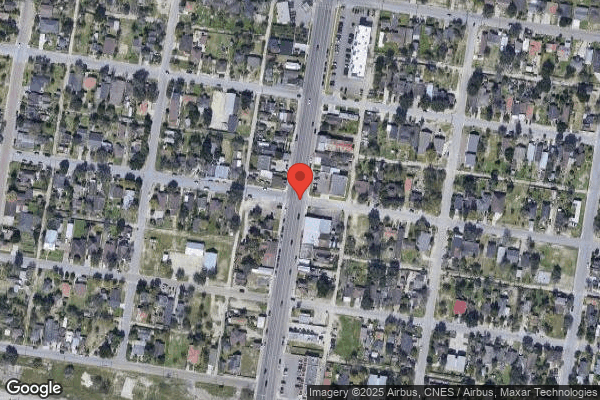

300 N NEBRASKA, SAN JUAN, TX 78589 (956) 787-1771
Non profit - Corporation 114 Beds Independent Data: November 2025
Trust Grade
90/100
#124 of 1168 in TX
Last Inspection: September 2024

Within standard 12-15 month inspection cycle. Federal law requires annual inspections.

Overview

San Juan Nursing Home Inc has received an excellent Trust Grade of A, indicating a high level of quality care in comparison to other facilities. It ranks #124 out of 1,168 nursing homes in Texas, placing it comfortably in the top half of the state, and #5 out of 22 in Hidalgo County, meaning only four local options are better. However, the facility is experiencing a worsening trend, with issues increasing from 1 in 2023 to 3 in 2024. Staffing is a moderate strength with a 3/5 rating and a turnover rate of 33%, which is below the Texas average, but it has less RN coverage than 79% of state facilities, raising some concern for patient care. While there have been no fines, which is a positive sign, recent inspections revealed significant concerns, including a lack of proper medication labeling, failure to develop personalized care plans for residents with specific needs, and inadequate respiratory care for one resident, highlighting areas that need improvement.

Trust Score
A
90/100
In Texas
#124/1168
Top 10%
Safety Record
Low Risk
No red flags
Inspections
Getting Worse
1 → 3 violations
Staff Stability
○ Average
33% turnover. Near Texas's 48% average. Typical for the industry.
Penalties
✓ Good
No fines on record. Clean compliance history, better than most Texas facilities.
Skilled Nurses
⚠ Watch
Each resident gets only 21 minutes of Registered Nurse (RN) attention daily — below average for Texas. Fewer RN minutes means fewer trained eyes watching for problems.
Violations
○ Average
7 deficiencies on record. Average for a facility this size. Mostly minor or procedural issues.
★★★★★
5.0
Overall Rating
★★★☆☆
3.0
Staff Levels
★★★★☆
4.0
Care Quality
★★★★★
5.0
Inspection Score
Stable
2023: 1 issues
2024: 3 issues

The Good

  • 4-Star Quality Measures · Strong clinical quality outcomes
  • Full Sprinkler Coverage · Fire safety systems throughout facility
  • No fines on record
  • Staff turnover below average (33%)

    15 points below Texas average of 48%

Facility shows strength in quality measures, fire safety.

The Bad

Staff Turnover: 33%

13pts below Texas avg (46%)

Typical for the industry

The Ugly 7 deficiencies on record

Sept 2024 3 deficiencies
CONCERN (D)

Potential for Harm - no one hurt, but risky conditions existed

Comprehensive Care Plan (Tag F0656)

Could have caused harm · This affected 1 resident

**NOTE- TERMS IN BRACKETS HAVE BEEN EDITED TO PROTECT CONFIDENTIALITY** Based on interview and record review, the facility failed to develop and implement a comprehensive person-centered care plan for...

Read full inspector narrative →
**NOTE- TERMS IN BRACKETS HAVE BEEN EDITED TO PROTECT CONFIDENTIALITY** Based on interview and record review, the facility failed to develop and implement a comprehensive person-centered care plan for each resident, consistent with the resident rights, that included measurable objectives and timeframes to meet a resident's medical, nursing, and mental and psychosocial needs that were identified in the comprehensive assessment for 1 of 7 residents (Resident #71) reviewed for care plans: The facility failed to ensure Resident #71's care plan reflected her diagnosis of Dementia. This deficient practice could place residents in the facility at risk of not being provided with the necessary care or services and not having personalized plans developed to address their specific needs. The findings included: Record review of Resident #71's face sheet, dated 9/6/2024, reflected a [AGE] year-old female with an initial admission date of 11/30/2023. Resident #71 had diagnoses which included the following: Unspecified Dementia (a neurological condition affecting the brain that worsens over time which causes the loss of the ability to think, remember, and reason to levels that affect daily life and activities), and depression (a mood disorder that involves a persistent low mood or loss of interest in activities that affects how a person feels, thins, and functions). Record review of Resident #71's quarterly MDS, dated [DATE], reflected the resident was rarely/never understood and rarely/never understood and cognitive skills for daily decision making were severely impaired. Resident #71 was dependent on staff for ADLs and mobility. Resident #71 had Non-Alzheimer's Dementia. Record review of Resident #71's most recent care plan, dated 8/21/24, did not reflect Resident #71 had a diagnosis of Dementia and did not have a focus, goals, or interventions/tasks care planned for her diagnosis of Dementia. Observation on 09/03/24 at 11:58 AM revealed Resident #71 is not interviewable. The resident's eyes were open, but she did not respond to any questions. In an interview on 9/6/24 at 1:40 PM with MDS A, he said he focused on updating information on the MDS, but it was a collaborative effort among staff to ensure care planning was completed. The State Surveyor asked who was responsible for updating Resident # 71's care plan for Dementia diagnosis, MDS B said that she was responsible. In an interview on 9/6/24 at 3:04 PM with MDS B. She said she was responsible for ensuring the care planning for Resident #71 was completed. She said they usually printed out the order summary, then addressed each diagnosis on the MDS. She said Dementia was mentioned in the ADLs portion of Resident #71's care plan. The care plan reflected Resident #71 had an ADL self-care performance related to dementia, fatigue, impaired balance, limited mobility, limited range of motion, muscle spasms, and Parkinson's disease (a brain disorder that causes unintended or uncontrollable movements, such as shaking, stiffness, and difficulty with balance and coordination. She also said when there was a treatment or medication for the condition, that would trigger them to care plan, but the resident did not have any. She said it just got overlooked. She said if Resident #71's dementia was not care planned, staff would be unable to anticipate the resident needs due to Resident #71 could not communicate. In an interview on 9/6/24 at 3:12 PM with the DON. He said Resident #71's dementia diagnosis should have been care planned. He said it was a collaborative effort for care planning. He said the initial care plan was done by the nurse doing admission. He said the more comprehensive care plans, such as dementia were completed by the MDS staff. He said if Resident #71's Dementia was not care planned, all the resident's needs would not be met appropriately. Record review of the facility's Care Plans - Comprehensive Policy, dated October 2010, reflected: Policy Statement An individualized comprehensive care plan that includes measurable objectives and timetable to meet the resident's medical, nursing, mental and psychological needs is developed for each resident . Purpose of Care Plan 3. Each resident's comprehensive care plan is designed to: a. Incorporate identified problem areas; b. Incorporate risk factors associated with identified problems; . e. Reflet treatment goals, timetables and objectives in measurable outcomes; f. Identify the professional services that are responsible for each element of care; g. Aide in preventing or reducing declines in the resident's functional status and/or functional levels; . i. Reflect currently recognized standards of practice for problem areas and conditions . Care Plan Interventions 5. Care plan interventions are designed after careful consideration of the relationship between the resident's problem areas and their causes. When possible, interventions address the underlying sources(s) of the problem area(s), rather than addressing only symptoms or triggers. It is recognized that care planning individual symptoms or Care Area Triggers in isolation may have little, if any, benefit for the resident.
CONCERN (D)

Potential for Harm - no one hurt, but risky conditions existed

Respiratory Care (Tag F0695)

Could have caused harm · This affected 1 resident

**NOTE- TERMS IN BRACKETS HAVE BEEN EDITED TO PROTECT CONFIDENTIALITY** Based on observation, interview and record review the facility failed to ensure a resident who needed respiratory care was provi...

Read full inspector narrative →
**NOTE- TERMS IN BRACKETS HAVE BEEN EDITED TO PROTECT CONFIDENTIALITY** Based on observation, interview and record review the facility failed to ensure a resident who needed respiratory care was provided such care, consistent with professional standards of practice, the comprehensive person-centered care plan and the residents' goals and preferences for 1 of 3 residents (Resident #12) reviewed for respiratory care. The facility failed to ensure Resident #12 received oxygen at the prescribed rate. This failure could place residents at risk for respiratory distress. The findings include: Record review of Resident #12's face sheet, dated 9/5/24 reflected the resident was a 90 -year-old female originally admitted to the facility on [DATE]. Resident #12 had diagnoses which included the following: Alzheimer's Disease (a type of dementia that affects memory, thinking and behavior which eventually grow severe enough to interfere with daily tasks), Parkinsonism (a neurodegenerative disease which causes slowed movements, stiffness, tremors, and unstable posture, leading to profound gait impairment), hypertensive heart disease with heart failure (a long-term condition that develops over many years in people who have high blood pressure that can cause heart failure when high blood pressure is unmanaged), and vascular dementia (brain damage caused by multiples strokes which causes memory loss in older adults). Record review of Resident #12's Comprehensive MDS assessment, dated 7/20/24, reflected the resident rarely/never understood and rarely/never understood and cognitive skills for daily decision making were severely impaired. Resident #12 was dependent on staff for ADLs and mobility. Record review of the most recent Care Plan for Resident #12, dated 8/1/24, reflected the resident had oxygen therapy as needed for Hypoxemia (low blood oxygen), to maintain O2 above 92 percent. Date Initiated: 06/17/2024. Revision on: 07/02/2024. Interventions/tasks reveal OXYGEN SETTINGS: O2 via nasal cannula at 2 lpm as needed for Hypoxemia to maintain o2 above 92 percent. Date Initiated: 06/17/2024. Revision on: 07/02/2024. Record review of the Doctor's Order Summary reflected Resident #12 was prescribed O2 via nasal cannula at 2 lpm as needed for Hypoxemia to maintain O2 above 92 percent. Active 06/17/2024. Record review of the MAR/TAR for September 2023 reflected the resident prescribed was O2 via nasal cannula at 2 lpm as needed for Hypoxemia to maintain O2 above 92 percent. -Order Date- 06/17/2024. Record reflected the resident was administered O2 on 9/4/24 O2 sat at 89 %, and on 9/5/24 O2 sats at 96%. Observation on 09/03/24 at 04:45 PM, revealed Resident #12 lying in bed with her eyes closed and the head of the bed was elevated. Resident #12 did not respond to the State Surveyor when knocked on door or asked questions. Resident was not interviewable. Resident was groomed and dressed appropriately. Resident receiving O2 at 3L via NC. Suctioning supplies located next bedside. Resident did not have symptoms of respiratory distress, such as shortness of breath/difficulty breathing, rapid breathing, bluish tint around mouth or fingertip, or cough. Interview on 9/6/24 at 1:40 PM, MDS A said since the oxygen was prescribed as needed and it was not used the whole month of July, it was not captured on the MDS for 7/20/24. He said they only did a 7-day look back. He said if the resident was using the oxygen anytime during the 7-day look back of the next quarterly MDS, it would trigger and be captured that month. Interview and observation on 9/4/24 at 4:34 PM, revealed LVN C checked the O2 flow rate. LVN C stated the flow rate was set at 3LPM. LVN C adjusted the flow rate to 2L, and she stated that's what was on the order. She said the floor nurse was responsible to ensure their residents received the correct oxygen rate. LVN C said she usually checked O2 rates every time they went into the resident's room to ensure the flow rate was accurate. LVN C said she checked Resident #12's flow rate and O2 saturation that morning and her saturation was at 96 %. Said she might have bumped the oxygen concentrator machine and it caused the flow rate to change, but she was not sure. She said if residents received more oxygen than prescribed by the doctor, dependency on the oxygen could occur and the residents could get nasal irritation. Interview on 9/4/24 at 4:43 PM with LVN D, she said to read the oxygen flow rate on an oxygen concentrator machine, the line next to the numbered liters should be located at the center of the ball. She said the floor nurses were responsible for ensuring the flow rates for their assigned residents were accurate. She said she checked oxygen flow rates first thing in the morning when she arrived on shift and throughout the day. She said if a resident received more oxygen than prescribed by the doctor, it could affect their saturation and could cause respiratory alkalosis (a condition that occurs when the body's blood becomes too alkaline which can be caused by hyperventilation, too high a supplemental oxygen setting, or give too large a volume in each breath) or respiratory distress for receiving too much oxygen. Interview on 9/4/24 at 4:57 PM with the DON, he said the floor nurses assigned to the residents on that floor were responsible for ensuring the oxygen flow rates on the oxygen concentrator were accurate. The DON said it should be checked twice a day on shift change at a minimum. The DON said the nurses were trained during their onboarding/initial training process. The DON said they also did spot checks especially withing the first 90 days of onboarding to ensure the staff were comfortable using all the equipment. The DON said the negative effect of a resident receiving more oxygen than prescribed by the doctor depended on a resident's diagnosis. He said if the resident had a diagnosis of Congestive Heart Failure (the heart's capacity to pump blood cannot keep up with the body's need, causing blood to back up, causing fluid to build up in the lungs) it could be problematic, but he said, at the end of the day following a doctor's order should be what we are doing. Record review of Licensed Nurse Competencies Checklist reflected the nursing staff trained were checked off on Respiratory: Oxygen Mask/Nasal Cannula, Oxygen Equipment Set Up, Oxygen Equipment Maintenance/Cleaning, Oxygen Equipment Storage, and Respiratory Training: Nebulizer treatment, respiratory exercised, and required documentation). Record review of the Oxygen Administration policy, dated October 2010, reflected: The purpose of this procedure is to provide guidelines for safe oxygen administration . Steps in the Procedure . 8. Turn on the oxygen. Unless otherwise ordered, start the flow of oxygen at the rate of 2 to 3 liters per minute . 10. Adjust the oxygen delivery device so that it is comfortable for the resident and the proper flow of oxygen is being administered . 11. Observe the resident upon setup and periodically thereafter to be sure oxygen is being tolerated.
CONCERN (E)

Potential for Harm - no one hurt, but risky conditions existed

Deficiency F0761 (Tag F0761)

Could have caused harm · This affected multiple residents

**NOTE- TERMS IN BRACKETS HAVE BEEN EDITED TO PROTECT CONFIDENTIALITY** Based on observation, interview and record review the facility failed to ensure all drugs and biologicals were labeled in accord...

Read full inspector narrative →
**NOTE- TERMS IN BRACKETS HAVE BEEN EDITED TO PROTECT CONFIDENTIALITY** Based on observation, interview and record review the facility failed to ensure all drugs and biologicals were labeled in accordance with currently accepted professional principles, and included the appropriate accessory and cautionary instructions, and the expiration date when applicable in 7 of 12 boxes of medical supplies (200 hallway) reviewed for medication storage and labeling. The facility failed to ensure7 boxes of medical supplies in the medication storage room, on the 200 hallway, had current usage dates and expired supplies were stored along with current medications/supplies. This failure could place residents at risk of receiving expired medical supplies, wound dressings that past expiration date would not have the intended therapeutic level or effect on a resident's wound. The findings include: Observation on 09/05/24 at 10:16 AM of the medication storage room, on the 200 hallway, revealed 2 boxes of 10 count [NAME] Collagen Dressings 1 x 1 with an expiration date of 11/2023; 3 boxes of 10 count [NAME] Silicone super-absorbent Dressings 3.5 x 4 with an expiration date of 10/19/2023; 1 box 10 count Allevyn Adhesive 3 x 3 dressing; 1 box 10 count Allevyn Adhesive 4 x 4 with an expiration date of 01/01/24. Interview with LVN E, the floor nurse, on 09/05/24 11:15 AM, he stated there was a box in the medication room where they put and then discarded expired medications. Then the ADON, the DON and the pharmacist disposed of expired medications, but not sure how often. Everyone as a group was responsible for reviewing expiration dates in the medication room and carts and kept things organized and dated, the ADON and DON did random checks of medication rooms and carts, but sure how often. Interview with the ADON on 09/05/24 at 11:50 AM, she that she was the ADON for both wings, and everyone was responsible for checking expiration dates in the medication room. She stated she did random checks but there was no set time to check, just random checks every 2-3 months. She looked and signaled to wound dressing boxes and stated yeah, probably overlooked those and she set them aside from current medications and supplies. Interview with the DON on 09/05/24 at 03:15 PM, the DON stated dressings and supplies, as long as they were not pharmaceutical, could be tossed. The DON stated that everyone who had access to the medication room is responsible for ensuring expired medications and supplies are discarded and should keep the medication room tidy, and medication carts as well. Dressings should be discarded if expired and replaced if needed. Expired dressings would not be effective as manufacturer intended. Interview with the DON on 09/06/24 at 05:12 PM, the DON stated the facility did not have any policy specifically on expired medication/supplies. Record review of the facility policy, titled Record review of the facility's Discarding and Destroying Medication policy, revised April 2007, reflected Medications that cannot be returned to the dispensing pharmacy (e.g., non-unit-dose medications, medications refused by the resident, and /or medication left by residents upon discharge ) shall be destroyed.
Jun 2023 1 deficiency
CONCERN (D)

Potential for Harm - no one hurt, but risky conditions existed

Deficiency F0655 (Tag F0655)

Could have caused harm · This affected 1 resident

**NOTE- TERMS IN BRACKETS HAVE BEEN EDITED TO PROTECT CONFIDENTIALITY** Based on record review and interviews, the facility failed to develop a base line care plan that included instructions needed to...

Read full inspector narrative →
**NOTE- TERMS IN BRACKETS HAVE BEEN EDITED TO PROTECT CONFIDENTIALITY** Based on record review and interviews, the facility failed to develop a base line care plan that included instructions needed to provide effective and person-centered care of the resident for 1 resident (Resident #117) of 17 residents reviewed for base line care plans. The facility did not develop a base line care plan for Resident #117 that addressed Resident #117's use of antipsychotic medication. This failure could place resident receiving antipsychotic medications of not receiving the necessary care required to maintain psychosocial well-being. The findings were: Record review of Resident #117's Physician's Orders dated 05/30/23 revealed Resident #117 was an [AGE] year-old female who was admitted to the facility on [DATE] with admitting diagnosis of Alzheimer's disease, Type 2 Diabetes Mellitus, and generalized anxiety disorder. Record review of Resident #117's Interim Care Plan (base line care plan) revealed the section for antipsychotics/psychotropics was blank. Record review of Resident #117's Physician's Orders dated 05/30/23 revealed an order for Olanzapine oral tablet 5 mg, give one tablet orally one time a day for anxiety. Record review of Resident#117's e-MAR revealed Resident #117 was administered Olanzapine tablet 5mg on 05/30/23, 05/31/23, and 06/01/23 at 6:30 PM. In an interview on 06/02/23 at 09:45 AM, Resident #117 said she did feel anxiety at times, but she felt well now. Resident said she took her medication. Resident said she only felt anxious when she had a problem and would feel nervous then. Resident said she has not seen her family member in years, and she hoped that her family member was alive. Resident said when she was thinking of her family member, she began to feel nervous. Resident said she did not know if she was taking the medication for anxiety. In an interview on 06/02/23 at 09:57 AM, LVN A said, Resident #117 received the Olanzapine in the evenings. Resident #117 had not had any signs of anxiety. In an Interview on 06/02/23 at 12:37 PM, MDS/LVN B said the Interim Care Plan had to be completed within 24 hours. The admitting nurse was responsible for completing the Interim Care Plan. The nurse would interview the resident or the family if they were available. The MDS/LVN B said the nurse must document all the medications on the Interim Care Plan and would call the physician to see if the resident would continue with the same medications from the hospital. The DON was responsible to review and sign it. In an interview on 06/02/23 at 01:01 PM, LVN C said she had been employed since February 2023. LVN C said when they admit a new resident, they must conduct a full body assessment, check for any injuries to the body, check if the resident had any devices on their body such as an ostomy or g-tube, ask the resident questions about their medical history, ROM, if they have pain, check their neuro status, if they had any diseases, such as cancer. The nurse would do an extensive history, if nothing then they would document that the resident did not have any diseases. The nurse would take their vitals. The nurse would then call the resident's MD and gave a full report and go over the medications and ask if the resident would continue with the same medications. The nurse would also call the RP if the resident had any behaviors and what their medications they are taking. LVN C said, Yes, Resident #117 was taking an antipsychotic, taken once at night. but was unable to remember the name. LVN C said she made a typing error, and the medication should have been checked on the Interim Care Plan. LVN C said if Resident #117 did not get her medication, she might have an episode of psychosis or anxiety and the nurse would have to do research to see what medications resident was taking and if she had been prescribed any antipsychotics and then call the doctor for a script and in the meantime the resident was going through an episode of psychosis or anxiety until they obtained the medication. In an interview on 06/02/23 at 2:30 PM, Assistant Administrator provided a copy of facility's policy for Interim Care Plan (base line care plan). Assistant Administrator said the base line care plan would be done by the admitting nurse. Record review of facility policy revised on 11/08/22 revealed: A preliminary plan of care to meet the resident's immediate needs shall be developed for each resident within twenty-four (24) hours of admission. 1. To assure that the resident's immediate care needs are met and maintained, a preliminary care plan will be developed within twenty-four (24) hours of the resident's admission. 2. The Interdisciplinary Team will review the Attending Physician's order (e.g., dietary needs, medications, and routine, treatments, etc.), and implement a nursing care plan to meet the resident's immediate care needs. 3. The preliminary care plan will be used until the staff can conduct the comprehensive assessment and develop an interdisciplinary care plan.
Mar 2022 3 deficiencies
CONCERN (D)

Potential for Harm - no one hurt, but risky conditions existed

Deficiency F0700 (Tag F0700)

Could have caused harm · This affected 1 resident

**NOTE- TERMS IN BRACKETS HAVE BEEN EDITED TO PROTECT CONFIDENTIALITY** Based on observation, interview, and record review the failed to review the risks and benefits of bed rails with the resident or...

Read full inspector narrative →
**NOTE- TERMS IN BRACKETS HAVE BEEN EDITED TO PROTECT CONFIDENTIALITY** Based on observation, interview, and record review the failed to review the risks and benefits of bed rails with the resident or resident representative prior to installation for 1 of 3 residents (Resident #51) reviewed for bedrails. Resident #51 had a history of unspecified convulsions (seizures) and had 1/4 bed rails in uses. Bed Rail Assessment for Resident #51 indicated the resident was not a candidate for the use of bed rails. This deficient practice could affect residents who utilized bed rails by placing them at risk for unintended entrapment of the head, neck or limb, restraints, and injuries. Findings include: Observation on 03/01/22 at 9:44 am revealed Resident #51 in his room, in bed, eyes closed, with trach and oxygen and tube feeding. Observation revealed ¼ bed rails up on both sides of Resident #51's bed. Resident #51 did not respond to surveyor greeting. Observation on 03/01/22 at 2:25 pm revealed Resident #51 in his room, his room, in bed, eyes closed, with trach and oxygen and tube feeding on. Observation revealed ¼ bed rails up on both sides of Resident #51's bed. Resident #51 did not respond to surveyor greeting. Record review of Resident #51's admission Record revealed resident was a [AGE] year-old male admitted to the facility on [DATE] and re-admitted on [DATE] with diagnoses of sepsis, bronchitis, personal history of COVID, dependence on supplemental oxygen, chronic obstructive pulmonary disease, dysphagia, unspecified convulsions and functional quadriplegia. Record review of Resident #51's quarterly MDS dated [DATE] documented resident; - cognitive status was severely impaired - was total dependent on two persons for bed mobility, transfers, dressing, toilet use, personal hygiene, and bathing. -had impairment on both sides on upper and lower extremities. -received tracheostomy care. Record review of Resident #51's physician orders dated 03/03/22 revealed no order for his current bed rails. Physician orders indicated Resident #51 was admitted under hospice care, start date, 02/27/22. Record review of Resident #51's care plan dated 03/01/22 revealed no documentation concerning his bed rails. Record review of Resident #51's medical records revealed no informed consent for use of bed rails. Record review of the Evaluation for Use of Bed Rails for Resident #51 dated 02/28/22 indicated the use of side bed rails created a risk for getting caught between the rails, impeding movement, have a negative psychosocial outcome for this resident such as feelings of isolation, increased anxiety, and resident does not benefit from side rails, is unable to callout for help, is dependent on staff for all ADLs. During an interview on 03/22/22 at 9:50 am with LVN A said Resident #51's bed had both size ¼ bed rails raised up. LVN A said Resident #51's bed should not have the bed rails up because he was not a candidate for bed rails. Resident #51 had been re-admitted on [DATE] and had not returned to his original room and bed because he was placed in this current room. Resident #51's room had a bed that had ¼ bed rails built in and someone had raised the bed rails. Resident #51 would be placed in his original room with bed that had no bed rails. LVN A said she did not know who might have raised the bed rails and staff including herself did not see that they should not have been raised up. The raised bed rails might cause injury, and resident might get stuck in the rails. During an interview on 03/03/22 at 9:55 am with CNA B, she stated she came into work at 6:00 am and did her rounds. CNA B said she did not notice that the bed rails on Resident #51 were both raised up. CNA B said hospice staff sometimes came during the week to bath resident and they might have raised both bed rails to provide him with care. She said the bed rails for Resident #51 should not be raised because this might cause an injury, such as getting stuck between bed rails and bed or cause a skin tear on his arms. During an interview on 03/03/22 at 2:00 pm with the DON, he stated Resident #51 had come been re-admitted from the hospital and had been placed in another hall and bedroom that had a bed that had bed rails built in. Someone might have raised the bed rails on his bed without knowing the bed rails should not have been raised. Resident #51 is not a candidate for bed rails as his bed rail assessment indicated. There was no order for bed rails or a consent from Resident #51's responsible party. The DON said the bed rails for Resident #51 placed him at risk for entrapment and he could not speak or yell out for help. Record review of facility provided policy titled, Proper Use of Side Rails dated October 2010 indicated an assessment will be made to determine the resident's symptoms or reason for using side rails. The use of side rails as an assistive device will be addressed in the resident care plan. Consent for side rail use will be obtained from the resident or legal representative after presenting potential benefits and risks.
CONCERN (D)

Potential for Harm - no one hurt, but risky conditions existed

Pharmacy Services (Tag F0755)

Could have caused harm · This affected 1 resident

**NOTE- TERMS IN BRACKETS HAVE BEEN EDITED TO PROTECT CONFIDENTIALITY** Based on observation, interview, and record review, the facility failed to provide pharmaceutical services, including procedures...

Read full inspector narrative →
**NOTE- TERMS IN BRACKETS HAVE BEEN EDITED TO PROTECT CONFIDENTIALITY** Based on observation, interview, and record review, the facility failed to provide pharmaceutical services, including procedures that assure the accurate administering of all drugs and biologicals, to meet the needs of each resident, for one Resident (Resident#24) of four residents observed for medication administration. MA C did not withhold Resident #24 blood pressure medication, as ordered by Resident #24's Physician's orders. This failure could place residents who take blood pressure medications at risk for hypotension (low blood pressure), or bradycardia (slow heart rate). The findings were: Record review of Resident #24's admission Record dated 03/03/22, revealed Resident #24 was a [AGE] year-old female who was admitted to the facility on [DATE]. Diagnoses included: Hypertension (high blood pressure), History of Falling, and Type 2 Diabetes Mellitus (body's ability to produce or respond to the hormone insulin is impaired) with Diabetic Nephropathy (damage to blood vessel clusters in your kidneys that filter waste from your blood). Record review of Resident #24's Quarterly MDS dated , 12/24/21 revealed Resident #24: -was able to make herself understood -was able to understand others -has had and active diagnoses of hypertension (high blood pressure) in the last 7 days. Record review of Resident #24's care plan revealed: Date initiated: 06/28/21, Revision on 06/28/21, Resident #24 has hypertension (high blood pressure). On a NAS (no added salt) to help manage hypertension. Interventions included: Give anti-hypertensive medications as ordered. Monitor for side effects such as orthostatic hypotension (blood pressure drops when standing, after you have been sitting or lying down) and increased heart rate and effectiveness. Follow parameters as ordered. Medication changes on 09/01/21. Observation on 03/03/22 at 8:52 a.m., MA C checked Resident #24's blood pressure and pulse with an automatic wrist blood pressure cuff. Blood pressure at 146-65 and pulse rate at 56. MA C administered Resident #24's medications, including Amlodipine 5mg one tablet (medication that is used for high blood pressure), and administered them to Resident #24. MA C documentation revealed she documented Resident #24's pulse rate at 60. Record review of Resident #24's physician orders revealed: Amlodipine 5mg give 1 tablet by mouth in the morning for hypertension. Notify MD is SBP(first number in blood pressure, which is the pressure caused by your heart contracting and pushing out blood) over 160 or DBP(second number in blood pressure, measures the pressure in your arteries when your heart rests between beats) over 100. Hold medication if SBP less than 100 or pulse below 60. In an interview with MA C on 03/03/22 at 11:20 a.m., MA C said in all honesty she did not check the pulse rate on the blood pressure cuff. MA C said she should have held the blood pressure medication and notified the nurse. MA C said she will have to notify the nurse. Reviewed the blood pressure readings on the blood pressure cuff, blood pressure at 146/65 and pulse rate at 56. In an interview with the DON on 03/03/22 at 11:29 a.m., he said there could be negative side effects if the blood pressure is given, and it is underneath the parameters. DON said the parameters are there for a reason. DON said when new nurses or medication aides first start working, a competency test is done by the ADON. DON said the nurses and medication aides are checked annually by the ADONs. DON said regarding the incident, they will have to do an incident report, and notify the doctor. Record review of facility policy titled Administering Medication, revised in April 2010, revealed: 3. Medications must be administered in accordance with the orders, including any required time frame. 4. If a dosage is believed to be inappropriate or excessive for a resident, or a medication has been identified as having potential adverse consequences for the resident or is suspected of being associated with adverse consequences, the person preparing or administering the medication shall contact the resident's Attending Physician or the facility's Medical Director to discuss the concerns.
CONCERN (D)

Potential for Harm - no one hurt, but risky conditions existed

Deficiency F0924 (Tag F0924)

Could have caused harm · This affected 1 resident

**NOTE- TERMS IN BRACKETS HAVE BEEN EDITED TO PROTECT CONFIDENTIALITY** Based on observation, record review and interview the facility failed to ensure the corridors were equipped with firmly secured ...

Read full inspector narrative →
**NOTE- TERMS IN BRACKETS HAVE BEEN EDITED TO PROTECT CONFIDENTIALITY** Based on observation, record review and interview the facility failed to ensure the corridors were equipped with firmly secured handrails for one of six corridors. The handrail outside of room [ROOM NUMBER] was not secured on wall allowing for movement away from the wall. This failure could place residents who use handrails for mobility at risk of injuries or falls. The findings were: Observational round conducted on 03/03/22 at 10:14 a.m. revealed a handrail segment on the southern wall of the Bishop Flores wing directly outside of RM#124 was not secured to the wall. Upon placing light pressure on the rail the rail moved. Closer inspection of the wall bracket revealed the screw was not in the wall allowing for the rail to move freely about two inched from the wall. In an interview with the administrator on 03/03/22 at 10:34 a.m., she said the facility does rounds weekly and checking the rails was on the list to review. Administrator observed rail and indicated she would direct maintenance to look at it. In an interview with LVN D on 03/03/22 at 11:31 a.m., she said there were no resident in the hall that ambulate by walking unassisted and the majority who use the rail, use to assist in propelling themselves with the wheel chair. LVN D said there had been no incidents of falls in the hall due to the rail. Review of the facility maintenance log revealed the last inspection was 02/17/22 with no reported issues of the rail.
Understanding Severity Codes (click to expand)
Life-Threatening (Immediate Jeopardy)
J - Isolated K - Pattern L - Widespread
Actual Harm
G - Isolated H - Pattern I - Widespread
Potential for Harm
D - Isolated E - Pattern F - Widespread
No Harm (Minor)
A - Isolated B - Pattern C - Widespread

Questions to Ask on Your Visit

  • "Can I speak with families of current residents?"
  • "What's your RN coverage like on weekends and overnight?"

Our Honest Assessment

Strengths
  • • Grade A (90/100). Above average facility, better than most options in Texas.
  • • No major safety red flags. No abuse findings, life-threatening violations, or SFF status.
  • • No fines on record. Clean compliance history, better than most Texas facilities.
  • • 33% turnover. Below Texas's 48% average. Good staff retention means consistent care.
Concerns
  • • No significant concerns identified. This facility shows no red flags across CMS ratings, staff turnover, or federal penalties.
Bottom line: Generally positive indicators. Standard due diligence and a personal visit recommended.

About This Facility

What is San Juan Inc's CMS Rating?

CMS assigns SAN JUAN NURSING HOME INC an overall rating of 5 out of 5 stars, which is considered much above average nationally. Within Texas, this rating places the facility higher than 99% of the state's 100 nursing homes. This rating reflects solid performance across the metrics CMS uses to evaluate nursing home quality.

How is San Juan Inc Staffed?

CMS rates SAN JUAN NURSING HOME INC's staffing level at 3 out of 5 stars, which is average compared to other nursing homes. Staff turnover is 33%, compared to the Texas average of 46%. This relatively stable workforce can support continuity of care.

What Have Inspectors Found at San Juan Inc?

State health inspectors documented 7 deficiencies at SAN JUAN NURSING HOME INC during 2022 to 2024. These included: 7 with potential for harm.

Who Owns and Operates San Juan Inc?

SAN JUAN NURSING HOME INC is owned by a non-profit organization. Non-profit facilities reinvest revenue into operations rather than distributing to shareholders. The facility operates independently rather than as part of a larger chain. With 114 certified beds and approximately 75 residents (about 66% occupancy), it is a mid-sized facility located in SAN JUAN, Texas.

How Does San Juan Inc Compare to Other Texas Nursing Homes?

Compared to the 100 nursing homes in Texas, SAN JUAN NURSING HOME INC's overall rating (5 stars) is above the state average of 2.8, staff turnover (33%) is significantly lower than the state average of 46%, and health inspection rating (5 stars) is much above the national benchmark.

What Should Families Ask When Visiting San Juan Inc?

Based on this facility's data, families visiting should ask: "Can I visit during a mealtime to observe dining assistance and food quality?" "How do you handle medical emergencies, and what is your hospital transfer rate?" "Can I speak with family members of current residents about their experience?"

Is San Juan Inc Safe?

Based on CMS inspection data, SAN JUAN NURSING HOME INC has a clean safety record: no substantiated abuse findings (meaning no confirmed cases of resident harm), no Immediate Jeopardy citations (the most serious violation level indicating risk of serious injury or death), and is not on the Special Focus Facility watch list (a federal program monitoring the lowest-performing 1% of nursing homes). The facility has a 5-star overall rating and ranks #1 of 100 nursing homes in Texas. While no facility is perfect, families should still ask about staff-to-resident ratios and recent inspection results during their visit.

Do Nurses at San Juan Inc Stick Around?

SAN JUAN NURSING HOME INC has a staff turnover rate of 33%, which is about average for Texas nursing homes (state average: 46%). Moderate turnover is common in nursing homes, but families should still ask about staff tenure and how the facility maintains care continuity when employees leave.

Was San Juan Inc Ever Fined?

SAN JUAN NURSING HOME INC has no federal fines on record. CMS issues fines when nursing homes fail to meet care standards or don't correct problems found during inspections. The absence of fines suggests the facility has either maintained compliance or corrected any issues before penalties were assessed. This is a positive indicator, though families should still review recent inspection reports for the full picture.

Is San Juan Inc on Any Federal Watch List?

SAN JUAN NURSING HOME INC is not on any federal watch list. The most significant is the Special Focus Facility (SFF) program, which identifies the bottom 1% of nursing homes nationally based on persistent, serious quality problems. Not being on this list means the facility has avoided the pattern of deficiencies that triggers enhanced federal oversight. This is a positive indicator, though families should still review the facility's inspection history directly.