Windsor Arbor View

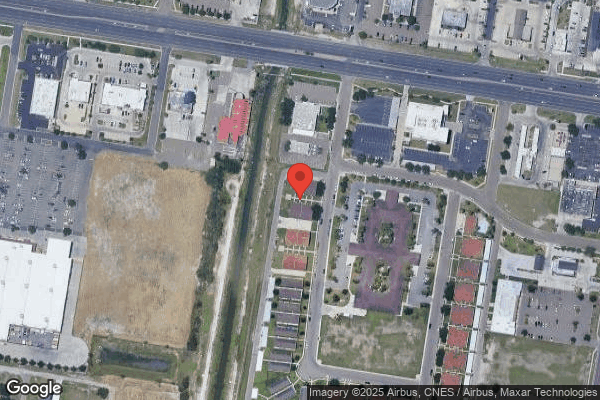
218 Baltic, Edinburg, TX 78539 (956) 316-2533
Government - Hospital district 120 Beds WELLSENTIAL HEALTH Data: November 2025 1 Immediate Jeopardy citation
Trust Grade
53/100
#622 of 1168 in TX
Last Inspection: September 2024

Within standard 12-15 month inspection cycle. Federal law requires annual inspections.

Overview

Windsor Arbor View in Edinburg, Texas, has a Trust Grade of C, which means it falls in the average range among nursing homes, indicating it is neither great nor terrible. It ranks #622 out of 1168 facilities in Texas, placing it in the bottom half, and #15 out of 22 in Hidalgo County, meaning there are only a few local options that are better. The facility's trend is stable, as it has maintained four issues identified in both 2024 and 2025. Staffing received a poor rating of 1 out of 5 stars, with a turnover rate of 44%, which is below the Texas average, suggesting some staff stability. Importantly, there have been no fines reported, which is a positive sign; however, the facility has faced critical issues, including a failure to adequately supervise a resident, allowing them to exit the facility undetected, and concerns about food safety practices that could risk contamination. Overall, while there are some strengths, such as no fines and a stable trend, there are also notable weaknesses in supervision and care planning that families should consider.

Trust Score
C
53/100
In Texas
#622/1168
Bottom 47%
Safety Record
High Risk
Review needed
Inspections
Holding Steady
4 → 4 violations
Staff Stability
○ Average
44% turnover. Near Texas's 48% average. Typical for the industry.
Penalties
✓ Good
No fines on record. Clean compliance history, better than most Texas facilities.
Skilled Nurses
⚠ Watch
Each resident gets only 17 minutes of Registered Nurse (RN) attention daily — below average for Texas. Fewer RN minutes means fewer trained eyes watching for problems.
Violations
⚠ Watch
16 deficiencies on record. Higher than average. Multiple issues found across inspections.
★★★☆☆
3.0
Overall Rating
★☆☆☆☆
1.0
Staff Levels
★★★★★
5.0
Care Quality
★★★☆☆
3.0
Inspection Score
Stable
2024: 4 issues
2025: 4 issues

The Good

  • 5-Star Quality Measures · Strong clinical quality outcomes
  • Full Sprinkler Coverage · Fire safety systems throughout facility
  • No fines on record
  • Staff turnover below average (44%)

    4 points below Texas average of 48%

Facility shows strength in quality measures, fire safety.

The Bad

3-Star Overall Rating

Near Texas average (2.8)

Meets federal standards, typical of most facilities

Staff Turnover: 44%

Near Texas avg (46%)

Typical for the industry

Chain: WELLSENTIAL HEALTH

Part of a multi-facility chain

Ask about local staffing decisions and management

The Ugly 16 deficiencies on record

1 life-threatening
Sept 2025 3 deficiencies 1 IJ
CRITICAL (J) 📢 Someone Reported This

A family member, employee, or ombudsman was alarmed enough to file a formal complaint

Immediate Jeopardy (IJ) - the most serious Medicare violation

Accident Prevention (Tag F0689)

Someone could have died · This affected 1 resident

**NOTE- TERMS IN BRACKETS HAVE BEEN EDITED TO PROTECT CONFIDENTIALITY** Based on observation, interview and record review, the facility failed to ensure the resident environment remained as free of ac...

Read full inspector narrative →
**NOTE- TERMS IN BRACKETS HAVE BEEN EDITED TO PROTECT CONFIDENTIALITY** Based on observation, interview and record review, the facility failed to ensure the resident environment remained as free of accident hazards as possible and each resident received adequate supervision to prevent accidents for 1 of 3 residents (Resident 21) reviewed for accidents and supervision, in that:The facility failed to ensure Resident #2 received adequate supervision to prevent him from exiting the facility undetected on 06/06/25.The non-compliance was identified as Past Non-Compliance. The Immediate Jeopardy (IJ) began on 06/06/25 and ended on 06/07/2025. The facility corrected the non-compliance before the investigation began.Past Non-Compliance form sent to Administrator on 09/11/25 at 11:49 am.This failure could place the residents at risk for injury or death. The findings included: Record review of Resident #2's admission sheet dated 09/09/25 reflected a [AGE] year-old male with an admission date of 05/26/25 and a discharge date of 06/07/25. His relevant diagnoses included diabetes (too much sugar in the blood), hypertension (a condition in which the force of the blood against the artery walls is too high), abnormalities of gait and mobility (a change in walking pattern), and lack of coordination (impaired balance or coordination). Record review of Resident #2's 5-day Medicare MDS assessment dated [DATE], reflected a BIMS score of 6, which indicated his cognition was severely impaired. MDS further indicated, Resident #2 had not exhibited wandering behaviors. Record review of Resident #2's initial care plan dated 05/29/25, reflected:Problem: [Resident #2] is an elopement risk/wanderer r/t disorientated to place, impaired safety awareness resident wanders aimlessly (date initiated 06/06/25 and cancelled on 06/10/25).Interventions: in place included complete wandering evaluation tool, distract resident from wandering by offering pleasant diversions, structured activities, food, conversation, television, books (date initiated 06/06/25 and cancelled on 06/10/25). Record review of Resident #2's wandering evaluation dated 05/25/25, reflected he was not a wandering risk. Record review of Resident #2's progress notes dated 06/06/25 at 9:20 pm, authored by LVN F, reflected Upon interviewing [Resident #2] he stated that he exited through the east exit door pushing the bar and door opening. Record review of Resident #2's progress notes dated 06/06/25 at 11:13 pm, authored by LVN F, reflected a change of condition Patient was found outside of facility across the street from facility in the sidewalk. Record review of Resident #2's progress notes dated 06/06/25 at 11:15 pm, authored by LVN F, reflected At 9 pm cna's moved resident to RM [ROOM NUMBER] from 407 due to plumbing issues. At 9:30 pm Med Aide F saw resident in his room. 9:40pm nurse went to check on patient and he was not in room nor in restroom. Activated code pink at 9:45pm. At 9:50pm resident was found across the street on sidewalk and was brought back to facility via wheelchair. At 9:55pm head to toe assessment was performed no noted injuries, patient denies falling while not at facility, denies pain or discomfort. Resident shows no signs of distress or discomfort, resident in good spirits. Notified family. Notified NP and ordered a cbc, cmp, and a ua to be collected . In an interview on 09/10/25 at 2:24 pm, CNA U said the last time she saw Resident #2 on 06/06/25 was around 8:00 pm. She said around 9:30 pm, she and CNA B went to his room to check on him and they discovered he was not in his room. She said she immediately notified LVN A (Charge Nurse), who activated code pink. She said at that time all staff started looking for him. She said by the time she checked her assigned hall/rooms; she was told Resident #2 had been found outside. She said she immediately went outside to see if staff needed help. She said by that time, Resident #2 was being escorted by LVN A and CNA B and were already in the facility's parking lot. She said she noticed Resident #2 was not wearing shoes, only socks. She said the weather was not too hot and not too cold. She said once Resident #2 was back in his room, she gave him water. CNA U said Resident #2 was confused and kept saying he was going home. She said at no point did she hear the door alarm go off. She said when the maintenance director was checking the door alarms after the incident (that same night), they were working. CNA U said the facility had provided in-services on the topics of elopement and responding to door alarms. CNA U said the facility also had monthly elopement drills. CNA U said Resident #2 was placed on a 1:1 for supervision immediately after he was found. CNA U said Resident #2 had not displayed any exit seeking behaviors since he was admitted . An interview on 09/10/2025 at 2:37 pm, CNA B said on 06/06/25, she last saw Resident #2 at about 8:00 pm. Resident #2 when she and CNA U had gone to his room to do their final round around 9:40 pm she noticed Resident #2 was not in his room. She said she checked down his hall and enclosed patio near his room, but he was not found. CNA B said she immediately notified LVN A (Charge Nurse) who activated code pink via the intercom. She said LVN A named the resident, what he was wearing and had his picture available for staff for that did not know who he was. She said she was assigned a certain hall and rooms to search for Resident #2. She said by the time she searched her assigned hall and rooms; she headed outdoor through the east side entrance. She said the east side entrance was the closest door to Resident #2's room. She said as soon as she went outside; she noticed other staff members were already out there searching for Resident #2. She said at some point she and LVN A saw Resident #2 directly across the street from the facility on the sidewalk. CNA B said when Resident #2 was identified, LVN A told her to go back to the facility to get a wheelchair. CNA B said by the time she went back outside with the wheelchair; Resident #2 was being escorted back to the facility by LVN A. She said she saw Resident #2 talking with two unidentified persons while he was standing on the sidewalk. She said once the resident was back in the room, she went in check on him. She said Resident #2 was thirsty and confused. She said she never heard any alarms go off. She said if she had heard the alarm, they are trained to stop what they are doing and go check on the door. She said they had received in-service on elopement and responding to door alarms days after the incident. CNA B said the facility also conducted practice elopement drills.In an interview on 09/10/25 at 2:45 pm, LVN A said on 06/06/25 at about 9:40 pm, CNA B and CNA U went to check on Resident #2 before their shift ended. LVN A said CNA B and CNA U told her that Resident #2 was not in his room. She said she and both CNAs checked his hallway and an enclosed patio but was not found. LVN A said she activated code pink via intercom at 9:45 pm and the search continued ensured both indoors and outdoors. LVN A said she and CNA B exited the facility through the east side entrance and combed the parking lot and that's when they saw Resident #2 on the sidewalk directly across the facility. She said the distance was about 50 yards from the facility. LVN A said Resident #2 was seen conversing with a couple that lived at a nearby apartment complex. LVN A said Resident #2 was wearing his own personal clothes and socks (no shoes). LVN A said Resident #2 had not sustained any injuries and Resident #2 kept saying he wanted to go home. LVN A said immediately after Resident #2 was [NAME] back to the facility, he was placed on a 1:1 for supervision until he was discharged on 06/07/2025. LVN A said the door alarm was not activated when Resident #2 exited the facility. LVN A said the maintenance Supervisor was called back to the facility that same night and checked all the door alarms and all were working.In an interview on 09/10/25 at 11:00 am, the Administrator said she had been notified the evening of 06/06/25 that Resident #2 had exited the facility sometime between 9:30 pm and 9:45 pm. She said Resident #2 was found at around 9:50 pm directly across the street from the facility on the sidewalk talking to two unidentified persons. She said she did not call the local police department because, he was found within 5 minutes. The Administrator said LVN A had conducted a head-to-toe assessment and no injuries were found. She said Resident #2 was immediately placed on a 1:1 for supervision. She said staff had told her that they did not hear any door alarms when Resident #2 had exited the facility. The Administrator said she was told by staff that the east side door entrance alarm had not been activated when R#2 exited the facility. She said when she interviewed R#2, he told her he had not heard any noise when he opened the door. The Administrator said she called Resident #2's RP the night of the incident and had given her the option to place Resident #2 in a secured unit at another facility. She said Resident #'2 RP had refused placing Resident #2 in a secured unit. The Administrator said Resident #2's RP opted to take him back home on [DATE]. The Administrator said on 06/06/25 sometime in the afternoon, the Maintenance Supervisor had called in a service request to a local electronic engineering company to service the same door Resident #2 used to exit the facility. She said before the technician left the facility, he ensured the door alarm and 15 second egress were functioning properly. The Administrator said the same night of the incident, the Maintenance Supervisor had gone to check all the door alarms, and all were working properly. She said she had called the same local electronic engineering company on 006/07/25 to inspect all the door alarms and install battery powered screamers to all doors. The Administrator said all staff had been in-serviced on the topic of elopements, responding to door alarms, and ANE. She said the facility's social worker had conducted a wander/elopement assessment on all residents. The Administrator said she was told by staff that the east side door entrance alarm had not been activated when Resident #2 exited the facility. In an interview on 09/09/25 at 4:49 pm, the Maintenance Supervisor said on 06/06/25 around 10:00 pm, he had received a call from the Administrator to report back to the facility due to an elopement. He said the DON and ADON were already in the facility. He said the first thing he did was change the codes to the alarm panels on all doors and check all door alarms and the 15 second egress. He said all were working. He said he went to the place where Resident #2 was found, and it was between 40 to 50 yards from the facility. He said the place where Resident #2 was found was directly across the facility and in front of an apartment complex. He said the following day (Saturday) he went back to the facility to recheck all the door alarms, and all were working. He said he also called a local electronic engineering company to come and check all doors alarms and all were working. He said earlier the day of 06/06/25 around 2:00-2:30 pm, a local electronic engineering company was called to service (as a priority call) for the same door it was believed Resident #2 had exited. He said the issue was that one of the bolts on the door was loose and making the maglock not have contact with the magnet. He said before the technician left both he and the technician had checked the door, and the alarm was working it was back to normal. The maintenance Supervisor said while the technician was in the building he had him check all doors alarms. He said he had no idea why the door alarm had not gone off when Resident #2 exited the facility. He said he would daily checks on all door/alarms to ensure they were working properly.Record review on 09/09/25, of the Maintenance Supervisor's daily door/alarm inspection log for the week of 06/02/25 to 06/06/25 and all doors passed the checks.Record review on 09/09/25 of a local electronic engineering company's invoice dated 06/06/25 reflected: That around 2:13 pm, technician call was made to investigate and correct maglock mounting problem to door frame. Screws are stripping out of door frame. The following was done: removed maglock and adjusted position slightly for new holes to be drilled and threaded in an unused portion of the door frame. Remounted maglock with bigger screws threading into the doorframe. Job completed. Record review on 09/10/25 of the facility's elopement drill logs for 2025 reflected they were done on:January 27, February 27, March 28, April 15, May 30, June 27, July 23, August 20, and September 5. Record review of the facility's Elopement and Wandering Residents policy dated 11/21/22 reflected:Policy:This facility ensures that residents who exhibit wandering behavior and/or are at risk for elopement receive adequate supervision to prevent accidents and receive care in accordance with their person-centered plan of care addressing the unique factors contributing to wandering or elopement risk. Definitions:Elopement occurs when a resident leaves the premises or a safe area without authorization (e.g., an order for discharge or leave of absence) and/or any necessary supervision to do so. Policy Explanation and Compliance Guidelines:2.Alarms are not a replacement for necessary supervision. Staff are to be vigilant in responding to alarms in a timely manner.4.Monitoring and managing residents at risk for elopement or unsafe wandering: d. adequate supervision will be provided to help prevent accidents or elopements.5. Procedure for locating missing residents:a. Any staff member becoming aware of a missing resident will alert personnel using facility approved protocol (e.g., internal alert code.)b. The designated facility staff will look for the resident.c. If the resident is not located in the building or on the grounds, Administrator or designee will notify the policy department and serve as the designated liaison between the facility and the policy department. 6. Procedure Post-Elopement:a. A nurse will perform a physical assessment, document, and report finding to physician.b. Any new physician's orders will be implemented and communicated to the family/authorized representative.c. A social service designee will re-assess the resident and make any referrals for counseling or psychological/psychiatric consults.d. The resident and family/authorized representative will be included in the plan of care.g. Documentation in the medical record will include findings from nursing and social services assessments, physician/family notification, care plan discussions, and consultant note as applicable. Record review on 09/10/25 of the facility's in-services reflected the following in-services were conducted with staff after the incident on 06/06/25, 06/07/25, 06/08/25, 06/09/25, and 06/10/25:Topic: elopement prevention (code pink, acknowledge door alarms, do not only put the code on keypad but check outside/surroundings)Topic: abuse/neglect/exploitationTopic: resident supervision (monitor residents frequently) An interview on 09/10/25 and 09/11/25 with CNAs: B, C, D, F, G, H, I, J, L, U, V, X, Y, AA reflected all had been in-serviced on the topics of elopement prevention, resident supervision, and ANE. All knew the facility's elopement code and facility's protocols when a resident went missing. An interview on 09/10/25 and 09/11/25 with LVNs and RNs: A, E, M, N, O, P, Q, S, T, Z reflected all had been in-serviced on the topics of elopement prevention, resident supervision, and ANE. All knew the facility's elopement code and facility's protocols when a resident went missing. Record review on 09/10/25 of the facility's Social Worker's wander/elopement assessment conducted on 06/07/25 for 100% of residents. Record review on 09/11/25 of the facility's invoice on a service call done by a local electronic engineering company on 06/07/25 reflected checked all doors for functionality. All door maglocks were holding. Delayed egress was working as intended and annunciator was ringing. Maintenance added battery powered screamers to every door as additional alarms. System normal. Record review on 09/10/25 of the facility's elopement binder on the east and west side nurse's station reflected they were up to date. During an observation on 09/10/25, the Maintenance Supervisor was observed testing Door #6, #7, #10,#1, # 2, and #5. The alarms and the 15 second egress were working. The non-compliance was identified as Past Non-Compliance. The Immediate Jeopardy (IJ) began on 06/06/25 and ended on 06/07/25. The facility corrected non-compliance before the investigation began.
CONCERN (D) 📢 Someone Reported This

A family member, employee, or ombudsman was alarmed enough to file a formal complaint

Potential for Harm - no one hurt, but risky conditions existed

Report Alleged Abuse (Tag F0609)

Could have caused harm · This affected 1 resident

**NOTE- TERMS IN BRACKETS HAVE BEEN EDITED TO PROTECT CONFIDENTIALITY** Based on interviews and record reviews the facility failed to ensure all alleged violations including abuse, neglect, exploitati...

Read full inspector narrative →
**NOTE- TERMS IN BRACKETS HAVE BEEN EDITED TO PROTECT CONFIDENTIALITY** Based on interviews and record reviews the facility failed to ensure all alleged violations including abuse, neglect, exploitation or mistreatment, including injuries of unknown source and misappropriation of resident property, are reported immediately, but not later than 2 hours after the allegation is made, if the events that cause the allegation involve abuse or result in serious bodily injury, or not later than 24 hours if the events that cause the allegation do not involve abuse and do not result in serious bodily injury, to the administrator of the facility and to other officials (which included to the State Survey Agency) in accordance with State law through established procedures for 1 of 4 residents (Resident #1) reviewed for reporting alleged allegation of abuse. The facility failed to report, within 2 hours, when Resident #1 was diagnosed with a nondisplaced proximal fibular fracture on 01/30/25. This failure could place residents at risk for undetected abuse, neglect and/or decline in feelings of safety and well-being. The finding included: Record review of Resident #1's admission sheet dated 09/11/25 reflected a [AGE] year-old female with an admit date of 04/06/21 and an original admission date of 06/12/18. Her relevant diagnoses included vascular dementia ( brain damage caused by multiple strokes), edema (swelling that occurs when fluid builds up in the body's tissue), muscle wasting and atrophy (decrease in size and wasting of muscle tissue), lack of coordination, osteoporosis (a condition in which bones become weak and brittle), and weakness. Record review of Resident #1's quarterly MDS assessment dated [DATE], reflected a BIMS score of 15, which indicated her cognition was intact. Record review of Resident #1's quarterly care plan dated 08/28/25, reflected:Problem:[Resident #1] has a nondisplaced proximal fibular fracture (dated initiated/revised 01/31/25).Goal: will not develop complications or permanent loss of mobility related to fracture (dated initiated/revised 01/31/25).Interventions/Tasks in part included: set up appointments with orthopedic, support injured area with pillows and immobilize part as appropriate, and weigh bearing as tolerated. Record review on 09/08/25 of Resident #1's change in condition completed by the DON dated (late entry) 01/26/2025 4:30 pm which reflected: SN informed by CNA that resident was assisted to restroom and when standing resident up, resident stated her knees gave out and resident was assisted to floor with CNA. Resident did not hit her head. SN performed head to toe assessment, no abnormalities noted. Resident states no pain upon assessment. Resident was transferred by mechanical lift on to chair then back to bed. Resident stated that she did not fall and stated that her knees gave out. Resident complains of no pain. Head to toe assessment performed, resident able to perform active range of motion to upper extremities. Resident able to perform active range of motion to lower extremities. Record review on 09/08/25 of Resident #1's late entry progress note dated 01/30/25 at 4:38 pm, reflected: NP came to round on patients. N.O. for an x-ray of the right leg and ankle due to pain. Record review on 09/08/25 of Resident #1's late entry progress note dated 01/30/25 at 5:54 pm, authored by NP reflected: complaining of some leg pain mainly to the lower part of her knee as per patient she states that she hit herself in the restroom few days ago. She states that she did not let any of the nursing staff know. Record review on 09/08/25 of Resident #1's x-ray results dated 01/30/25 at 9:50 pm, reflected Resident #1 had a nondisplaced proximal fibular fracture (still broken bones but the pieces didn't move far enough to be out of alignment during the break). Record review on 09/08/25 of Resident #1's progress note dated 01/31/25 at 5:16 am, reflected: Received report from 2-10 nurse regarding patients pending Xray of right leg and ankle due to pain. Results were reviewed and N/O from PA to do repeat of x-ray to the right leg and ankle were ordered and carried out. Record review on 09/08/25 of Resident #1's x-ray results dated 01/31/25 at 1:39 pm, reflected Resident #1 had an age-determinate fracture ( not sure how long ago the fracture occurred) of her right tibia/fibula . Record review on 09/08/25 of TULIP (HHSC online incident reporting application) reflected a self-report from the facility's Administrator on 01/31/25 at 4:20 am, more than 24 hours after Resident #1's diagnosis of a nondisplaced proximal fibular fracture. The allegation was injury of unknown origin. In an interview on 09/04/25 at 3:25 pm, Resident #1 said she did not remember the exact date but said she had an incident while she was being assisted from the toilet to her wheelchair. She said there were 2 CNAs assisting in the transfer, when of all of a sudden she felt her knees giving out. She said she advised the CNAs to sit on the floor because she was not going to make it to the wheelchair. She said one of the CNAs stayed with her and the other went to call the nurse. Resident #1 said between the nurse and both CNAs, she was transferred back to bed in a mechanical lift. Resident #1 said she did not have any pain at that time and refused medication. She said the following day, she started having pain and was given pain medication and it was alleviated. Resident #1 said days later her doctor visited her and she told him about the incident in the restroom and that she was still experiencing pain to her right lower leg. She said her pain started the day after the incident in the restroom. Resident #1 said at no time was she left with pain. Resident #1 said she had never been abused or neglected while in the facility. An interview on 09/04/25 at 4:08 pm, CNA C said she and CNA D took Resident #1 to the restroom and while assisting her from the toilet to the wheelchair (using a gait belt) she said they both felt Resident #1 was going limb, and her knees were giving out. She said at the same time Resident #1 told them her knees were giving out and to sit her on the floor. CNA C said at that point Resident #1 and both of them decided to assist the resident in sitting her on the floor. She said one of the CNAs stayed with her and the other one went to call LVN E. She said when LVN E arrived, she had done a head-to-toe assessment and Resident #1 was transferred back to bed in a mechanical lift. She said Resident #1 did not have any discolorations, bleeding, or injuries. CNA C said Resident #1 did not complain of pain when she was assessed by LVN E or when she was placed back in bed. CNA C said at no time did Resident #1 hit her legs or head while she was being assisted to the floor. An interview on 09/04/25 at 4:20 pm, CNA D said she and CNA C took Resident #1 to the restroom and while assisting her from the toilet to the wheelchair (using a gait belt) Resident #1 told them that her knees were giving out. She said Resident #1 told them to sit her on the floor. She said Resident #1 was sat on the floor and was assessed by LVN E. CNA D said between the three of them, Resident #1 was transferred back to bed in a mechanical lift. She said Resident #1 had not sustained any injuries while she was being assisted to the floor, and she denied having any pain. CNA D said at no time did Resident #1 hit her legs or head while she was being assisted to the floor. An interview on 09/4/25 at 4:35 pm., LVN E she had been called by either CNA D or CNA C when Resident #1 had requested to be sat in her restroom's floor on 01/26/25. She said when she got to the restroom, Resident #1 in a sitting position on the floor. LVN E said Resident #1 told her that while she was being assisted from the toilet to her wheelchair, her knees started to give out. She said Resident #1 said both CNA D and CNA C to sit her on the floor because she was not going to make it to her wheelchair. She said had immediately assessed her and did a ROM of upper and lower extremities and Resident #1 was able to move all limbs. She said Resident #1 told her she had no pain and had not hit her herself while being assisted to the floor. LVN E said after that, she and both CNAs transferred Resident #1 back to her bed in a mechanical lift. She said she re-assessed Resident #1 again while in bed and Resident #1 denied any pain. She said she did not see any discoloration, bleeding, or deformities on Resident #1. She said had not done a change of condition, or any assessment, or an incident report because to her it was not a fall. She said a negative outcome of not doing an incident report, a change in condition and informing her DON could be that Resident #1 would have been treated sooner.An interview on 09/04/25 at 4:44 pm, the DON said that on 01/30/25, Resident #1 had voiced to the NP that she had pain to her lower right extremity. She said the NP ordered x-rays that same day of her right tibia/fibula. She said the finding showed Resident #1 had a non-displace fibular fracture right leg on 01/30/25. She said the NP ordered a second x-ray on 01/31/25 and the findings showed an age-indeterminate fracture of the right tibia/fibula. The DON said LVN E had failed to do an incident report, change of condition, and/or notified herself of the incident. The DON said LVN E had received a counseling for failure to report an incident. The DON said Resident #1's first x-ray on 01/30/25 it showed a non-displaced proximal fibular fracture. The [NAME] said the facility received the first x-ray findings on 01/30/25 at 9:51 pm and was reported to state on 01/31/25 at 4:20 am. She said it had not been reported within the 2 hours window. An interview on 09/04/25 at 5:05 p.m., the Administrator said she had been notified by Resident #1's NP that she was having pain to her right lower extremity. She said on 01/30/25, Resident #1's NP ordered an x-ray of her right tibia/fibular. She said the results of the first x-ray (right tibia/fibula) were received on 01/30/25 and indicated a nondisplaced proximal fibular fracture. She said when Resident #1's NP was notified of the findings on 01/31/25, he ordered a second x-ray of right tibia/fibula. She said those results were received on 01/31/25 which indicated an age-indeterminate fracture. She said she waited for the results of the second x-ray to report it to state. The Administrator said the reason she had not reported Resident #1's nondisplaced proximal fibular fracture on 01/30/25 (within 2 hours of being received) was because her NP had ordered a second x-ray to confirm fracture. The Administrator said they had not done an investigation. During a telephone interview on 09/09/25 at 10:57 am, The NP said when he was doing his rounds on 01/30/25, Resident #1 had complained of having pain to her lower right extremity. He said he ordered an x-ray on 01/30/25 and was informed of the results that same day. He said Resident #1's first x-ray showed she had a nondisplaced proximal fibular fracture. The NP said at that point he accepted the findings of the first x-ray but ordered a second x-ray to confirm the injury. The NP said that was a normal practice for him when the findings showed a fracture to order a second x-ray to have a second set of eyes confirm the injury. Record review of the facility's Abuse, Neglect, and Exploitation policy dated 07/11/25 reflected:Policy: It is the policy of this facility to provide protections for the health, welfare and rights of each resident by developing and implementing written policies and procedures that exhibit and prevent abuse, neglect, exploitation and misappropriation of resident property. VII. Reporting/Response:A. The facility will have written procedures that include:1. Reporting of all alleged violations to the Administrator, state agency, adult protective services and to all other required agencies (e.g., law enforcement when applicable) within specified timeframes:a. Immediately by no later than 2 hours after the allegation is made, if the events that cause the allegation involve abuse or result in serious bodily injury, or
CONCERN (D) 📢 Someone Reported This

A family member, employee, or ombudsman was alarmed enough to file a formal complaint

Potential for Harm - no one hurt, but risky conditions existed

Medical Records (Tag F0842)

Could have caused harm · This affected 1 resident

**NOTE- TERMS IN BRACKETS HAVE BEEN EDITED TO PROTECT CONFIDENTIALITY** Based on interviews and record review, the facility failed to maintain clinical records on each resident that were complete and ...

Read full inspector narrative →
**NOTE- TERMS IN BRACKETS HAVE BEEN EDITED TO PROTECT CONFIDENTIALITY** Based on interviews and record review, the facility failed to maintain clinical records on each resident that were complete and accurately documented in accordance with accepted professional standards and practices for 1 (Resident #1) of 3 residents by 1 of 1 nurse (LVN E) reviewed for accuracy and completeness of clinical records.The facility failed to ensure LVN E correctly completed Resident #1's assessment on 01/26/25 after her knees gave out and resident was assisted to the floor. This failure could place residents at risk for not receiving nursing services by adequately trained nurses and could result in a decline in health. The findings included:Record review of Resident #1's admission sheet dated 09/11/25 reflected a [AGE] year-old female with an admit date of 04/06/21 and an original admission date of 06/12/18. Her relevant diagnoses included vascular dementia (brain damage caused by multiple strokes), edema (swelling that occurs when fluid builds up in the body's tissue), muscle wasting and atrophy (decrease in size and wasting of muscle tissue), lack of coordination, osteoporosis (a condition in which bones become weak and brittle), and weakness.Record review of Resident #1's quarterly MDS assessment dated [DATE], reflected a BIMS score of 15, which indicated her cognition was intact.Record review of Resident #1's quarterly care plan dated 08/28/25, reflected:Problem:[Resident #1] has a nondisplaced proximal fibular fracture (dated initiated/revised 01/31/25).Goal: will not develop complications or permanent loss of mobility related to fracture (dated initiated/revised 01/31/25).Interventions/Tasks in part included: set up appointments with orthopedic, support injured area with pillows and immobilize part as appropriate, and weigh bearing as tolerated.Record review on 09/04/25 of Resident #1's change in condition completed by the DON dated (late entry) 01/26/2025 4:30 pm which reflected: SN informed by CNA that resident was assisted to restroom and when standing resident up, resident stated her knees gave out and resident was assisted to floor with CNA. Resident did not hit her head. SN performed head to toe assessment, no abnormalities noted. Resident states no pain upon assessment. Resident was transferred by Hoyer lift on to chair then back to bed. Resident stated that she did not fall and stated that her knees gave out. Resident complains of no pain. Head to toe assessment performed, resident able to perform active range of motion to upper extremities. Resident able to perform active range of motion to lower extremities.In an interview on 09/04/25 at 3:25 pm, Resident #1 said she did not remember the exact date but said she had an accident while she was being assisted from the toilet to her wheelchair. She said there were 2 CNAs assisting in the transfer, when of all of a sudden she felt her knees giving out. She said she told the CNAs to sit on the floor because she was not going to make it to the wheelchair. She said one of the CNAs stayed with her and the other went to call the nurse. Resident #1 said between the nurse and both CNAs, she was transferred back to bed in a Hoyer lift. Resident #1 said she did not have any pain at that time and refused medication. She said the following day, she started having pain and was given pain medication and it helped. Resident #1 said days later her doctor visited her and she told him about the incident in the restroom and that she was still experiencing pain to her right lower leg. She said her pain started the day after the incident in the restroom but was controlled with pain medication.An interview on 09/04/25 at 4:08 pm, CNA C said she and CNA D took Resident #1 to the restroom and while assisting her from the toilet to the wheelchair (using a gait belt) she said they both felt Resident #1 was going limb, and her knees were giving out. She said at the same time Resident #1 told them her knees were giving out and to sit her on the floor. CNA C said at that point Resident #1 and both of them decided to assist the resident in sitting her on the floor. She said one of the CNAs stayed with her and the other one went to call LVN E. She said when LVN E arrived, she had done a head-to-toe assessment and Resident #1 was transferred back to bed in a Hoyer lift. She said Resident #1 did not have any discolorations, bleeding, or injuries. CNA C said Resident #1 did not complain of pain when she was assessed by LVN E or when she was placed back in bed. CNA C said at no time dis Resident #1 hit her legs or head while she was being assisted to the floor.An interview on 09/04/25 at 4:20 pm, CNA D said she and CNA C took Resident #1 to the restroom and while assisting her from the toilet to the wheelchair (using a gait belt) Resident #1 told them that her knees were giving out. She said Resident #1 told them to sit her on the floor. She said Resident #1 was sat on the floor and was assessed by LVN E. CNA D said between the three of them, Resident #1 was transferred back to bed in a Hoyer lift. She said Resident #1 had not sustained any injuries while she was being assisted to the floor, and she denied having any pain. CNA D said at no time dis Resident #1 hit her legs or head while she was being assisted to the floor.An interview on 09/4/25 at 4:35 pm., LVN E she had been called by either CNA D or CNA C when Resident #1 had requested to be sat on the floor on 01/26/25. She said when she got to the restroom, Resident #1 in a sitting position on the floor. She said had immediately assessed her and did a ROM of upper and lower extremities. She said Resident #1 told her she did not have pain and had not hit her head. LVN E said after the head-to-toe assessment, she and both CNAs transferred Resident #1 back to her bed. She said she assessed Resident #1 again while in bed and Resident #1 denied any pain. She said she did not see any discoloration, bleeding, or deformities. LVN E said at that time, she had not done a change of condition or incident report, because to her it was not a fall. LVN E said on 01/31/25 she was counseled for failure to report the incident Resident #1 had on 01/26/25. She said she was told that even if a resident was guided to the floor, it was considered a fall. LVN E said she had completed a change in condition on 01/31/25 effective 01/26/25. She said a negative outcome of not doing an incident report, a change in condition, and notified her ADON, DON, and/or the Administrator would be that Resident #1 would not be tended to sooner. Record review on 09/04/25 of Resident #1's eMAR for the month of 01/2025 reflected on 01/27/25 the following was administered: at 12:14 am, she was administered 2 Acetaminophen tablet 325 mg due to having pain at level of 5 out of 10. A follow-up at 1:14 am, her pain level had dropped to a 1. At 7:56 am, Resident #1's pain level was at a 10 out of 10 and was administered 2 Acetaminophen tablet 325 mg. A follow-up at 8:58 am, her pain had dropped to a 3 out of 10. An interview on 09/04/25 at 4:44 pm, the DON said on 01/26/25, LVN E had been called to Resident #1's restroom in response to a guided fall. The DON said LVN E assessed Resident #1, and no injuries were reported. The DON said LVN E had failed to do an incident report, a change of condition, and notify her ADON/DON/Administrator when the incident occurred. She said LVN E had also failed to document Resident #2's head-to-toe assessment done after the guided fall. She said she and the Administrator found out about the incident on 01/30/25, by Resident #1's NP. The DON said she had done a change in condition for Resident #1 on 01/31/25 effective 01/26/25 at 4:30 pm. The DON said If LVN E had reported the incident when it occurred, we would have been able to assess the resident for pain and if the resident had voiced pain at that time, they would have notified the NP. The DON said it was her and the ADONs responsibility to ensure the nursing staff complete the required assessments for residents. She said she and the ADON review resident's electronic medical record on a daily basis to ensure nothing was missed. She said she and/or the ADON must have missed the documentation where nursing staff documented Resident #1 was having pain. An interview on 09/04/25 at 5:05 p.m., the Administrator said on 01/30/25, she had been notified by Resident #1's NP she had complained of having pain to her right lower extremity due to an incident she had on 01/26/25. She said on 01/30/25, Resident #1's NP ordered an x-ray of her right tibia/fibular. She said the results of the first x-ray (right tibia/fibula) indicated a nondisplaced proximal fibular fracture. She said when Resident #1's NP was notified of the findings that same day, he ordered a second x-ray, and those results were received on 01/31/25 which indicated an age-indeterminate fracture. The Administrator said LVN E had been counseled for failure to report an incident when Resident #1 was guided to the floor. She said LVN E had been re-education on falls and reporting incidents as soon as they occur. The Administrator said a negative outcome of LVN E not reporting Resident #1's incident was her not being treated sooner.Record review of the facility's Documentation in Medical Record policy dated 10/24/22 reflected:Policy: Each residence medical record shall contain an accurate representation of the actual experiences of the resident and include enough information to provide a picture of the residents progress through complete, accurate, and timely documentation.Policy Explanation and Compliance Guidelines:1. Licensed staff and interdisciplinary team members shall document all assessments, observations, and services provided in the resident's medical record in accordance with state law and facility policy. 2. Documentation shall be complete at the time of service, but no later than the shift in which the assessment, observation, or care service occurred.4. When documentation occurs after the fact, outside acceptable time limits, the entry shall be clearly indicated as late entry.
Feb 2025 1 deficiency
CONCERN (D) 📢 Someone Reported This

A family member, employee, or ombudsman was alarmed enough to file a formal complaint

Potential for Harm - no one hurt, but risky conditions existed

Deficiency F0692 (Tag F0692)

Could have caused harm · This affected 1 resident

**NOTE- TERMS IN BRACKETS HAVE BEEN EDITED TO PROTECT CONFIDENTIALITY** Based on observations, interviews, and record review, the facility failed to maintain acceptable parameters of nutritional statu...

Read full inspector narrative →
**NOTE- TERMS IN BRACKETS HAVE BEEN EDITED TO PROTECT CONFIDENTIALITY** Based on observations, interviews, and record review, the facility failed to maintain acceptable parameters of nutritional status, such as usual body weight or desirable body weight range and electrolyte balance, unless the resident's clinical condition demonstrates that this is not possible or resident preferences indicate otherwise for 1 of 3 residents (Resident #1) reviewed for nutritional status. The facility failed to initiate timely interventions to prevent weight loss when Resident #1 experienced significant weight loss of -6.95% (13 pounds) between the dates of 01/10/25 and 02/06/25. This failure could place residents who are dependent on staff for their nutrition and hydration at risk for nutritional deficit, weight loss, skin breakdown, and overall decline in quality of life. The findings included: Record review of Resident #1's face sheet dated 02/04/25 reflected a [AGE] year-old male with an original admission date of 04/17/24 and last admission date of 01/09/25. His diagnoses included: Parkinsonism (tremors, slow movements, rigidity, postural instability), type 2 diabetes, hypertension, major depressive disorder, dementia, unspecified protein-calorie malnutrition, dysphagia (difficulty swallowing), and muscle wasting and atrophy. Record review of Resident #1's MDS assessment dated [DATE] reflected Resident #1 had a BIMS score of 8 (moderate cognitive impairment). Resident #1 required partial/moderate assistance (helper does less than half the effort) for eating. Record review of Resident #1's care plan dated 02/04/25 reflected Problem: Resident #1 had an ADL self-care performance deficit related to dementia. Date initiated: 04/27/24. Intervention: Resident #1 required partial/moderate assistance for eating. Date initiated: 10/31/24. Problem: Resident #1 had a nutritional problem or potential nutritional problem related to diet restrictions - regular diet, mechanical soft texture, regular liquids consistency. Date initiated: 05/13/24. Interventions: Monitor/document/report PRN any signs/symptoms of dysphagia: pocketing, choking, coughing, drooling, holding food in mouth, several attempts at swallowing, refusing to eat, appears concerned during meals. Monitor/record/report to MD PRN signs/symptoms of malnutrition: emaciation, muscle wasting, significant weight loss: 3lbs in 1 week, >5% in 1 month, >7.5% in 3 months, >10% in 6 months. Provide, serve diet as ordered. Monitor intake and record every meal. RD to evaluate and make diet change recommendations PRN. Date initiated: 04/27/24. Care plan did not reflect significant weight lost. Record review of Resident #1's updated care plan dated 02/06/25 reflected additional interventions for nutritional problem: Med pass three times a day for weight stability, give 120 ml. Date initiated: 02/05/25. New Problem: Resident #1 had unplanned/unexpected weight loss related to poor food intake. MDS: -5.0% change over 30 day(s) [comparison weight 01/10/25, 187 lbs., -10.2% , -19 lbs.] MDS: -10.0% change over 180 day(s) [comparison weight 08/3/24, 189 lbs., -11.1% , -21 lbs.] -5.0% change [comparison weight 01/10/25, 187.0 lbs., -10.2% , -19.0 lbs.] -7.5% change [comparison weight 12/06/24, 186.0 lbs., -9.7% , -18.0 lbs.] -10.0% change [comparison weight 11/01/24, 189.0 lbs., -11.1% , -21.0 lbs.] Date initiated: 02/05/25. Interventions: Alert dietician if consumption is poor for more than 48 hours. Give the resident supplements as ordered. Alert nurse/ dietitian if not consuming on a routine basis. If weight decline persists, contact physician and dietician immediately. Labs as ordered. Report results to physician and ensure dietician is aware. Monitor and evaluate any weight loss. Determine percentage lost and place interventions for weight loss per dietician/physician. Monitor and record food intake at each meal. Offer substitutes as requested or indicated. RP signed resident refusal of treatment/medication/diet. Weigh every month and PRN. Date initiated: 02/05/25. Record review of Resident #1's weight record reflected the following weights: 187 lbs. on 01/10/25 (readmission weight from hospitalization), 187 lbs. on 01/17/25, 180 lbs. on 01/24/25, no weight entered on 01/31/25, 168 lbs. on 02/04/25, and 174 lbs. on 02/06/25. Record review of Resident #1's order dated 02/03/25 reflected Med Pass 2.0 three times a day for weight stability, give 120 ml. No new order for a house shake noted. Record review of Resident #1's change in condition communication form dated 02/04/25 reflected Resident #1 weighed for monthly weight. Resident #1 noted with 168.0 lbs. for February weight. Family present when Resident #1 was weighed. NP was notified of weight loss. New order for Med Pass 2.0 120ml TID for weight stability and dietician consult. Resident #1 continued on speech therapy services. Resident #1 was encouraged to go to dining room for meals. Completed by ADON P. Record review of Resident #1's RD assessment dated [DATE] reflected initial consult. Indicated [AGE] year old male presented with diagnosis of Parkinsonism and dementia. Present for assistance with ADLs due to tremors and therapy. Tolerated diet order well. Noted with good appetite and oral intakes to meals and snacks. Recommendation: Liberalize regular (mechanical soft) diet. Recommendation: large protein portions with lunch due to low protein labs. Goal: weight stability +/-5%, oral intakes remain >50% all meals and maintain skin integrity. Will monitor as needed. Completed by RD L. Record review of Resident #1's RD assessment dated [DATE] reflected consult related to new significant weight loss. Communication with ADON, verbal recommendation to continue new order for Med Pass 2.0 supplement to aid with weight stability. Food preferences continue to include milk with all meals, large protein portions with meals. Therapy following. Stable labs for hydration status. Improving albumin level. Recent poor oral intake. Likely unavoidable dietary/weight decline may be attributed to recent acute infection, pain, advanced age with dementia and chronic inflammatory diagnosis/condition. Goal: weight +-2%, oral intake>50%, and good skin integrity. Completed by RD L. Record review of Resident #1's progress notes: On 02/05/25 at 1:50 PM - Resident #1 ate poorly for lunch, offered second choice chicken nuggets, but refused. Asked if he is craving something else but he said no he is ok not hungry. Called daughter to notified of resident refusing lunch and offered other options but he continued to refuse, daughter asked if he is on a supplement resident is on Med pass TID. Documented by LVN E. On 02/05/25 at 6:36 PM - Resident #1 with dietary recommendation. Recommendation to promote weight stability. MD agrees. Continue Med Pass 2.0 120ml TID, weekly weights x 4 weeks, update food preferences. Will continue to observe. Documented by ADON P. On 02/06/25 at 8:27 AM - Resident #1's meal preferences and recommendations have been updated on dining details. Visited with him this morning. He stated he likes coffee, milk, and a variety of juices, oatmeal. He does not really like a lot of vegetables. He chooses to eat in room, if not eating 1st choice is offered 2nd choice, and always on hand menu items. He had no other specific meal preferences at this time. Will be monitoring meal intake, and weights to ensure proper nutrition. RD recommendations in place. Documented by DM I. On 02/06/25 at 9:24 AM - RD visit this morning during breakfast. Resident #1 consumed about 50% of meal, consumed 50% of large protein portion. Trial of fortified cereal provided this morning, accepted about 50%. Recently refused lunch and decreased intake for dinner. Resident #1 able to eat independently. Speech therapist at bedside providing assistance. Noted with snacks in room, per nursing, resident has family support to provide outside foods. DM updated food preferences this morning. Anticipated weight stability as infectious process resolves. Recommendations: continue plan of care at this. Will continue weekly weights for 4 weeks to monitor. Goal: weight +-2%, oral intake >50%, good skin integrity. RD to continue monitoring. Documented by RD L. On 02/06/25 at 10:13 AM - Resident #1 re-weighed in wheelchair. New weight 174.0 lbs. Patient continues on Med Pass 2.0 120ml TID. Resident with diagnosis of Unspecified Protein-Calorie Malnutrition. Documented by ADON P. Interview and Observation of Resident #1 on 02/05/25 at 11:00 AM revealed Resident #1 was eating candy and cookies in his room. Observation of snacks in Resident #1's room. Resident #1 said he liked his snacks. Interview and Observation of Resident #1 on 02/05/25 at 12:40 PM revealed Resident #1 was not eating. Resident #1 said he did not want to eat as he was not hungry. Interview with CNA B on 02/05/25 at 1:30 PM revealed CNA B said if a resident did not want to eat, she offered the second option. CNA B said if the resident still refused, she notified the nurse that the resident did not want to eat. CNA B said she worked with Resident #1 today, 02/05/25, and he did not want to eat lunch. CNA B said she told LVN E that Resident #1 did not eat and LVN E offered Resident #1 something else, but he still refused. CNA B said the nurses usually informed them when a resident was losing too much weight or asked about their eating habits. CNA B said she had not been informed that Resident #1 had lost a lot of weight. Interview with LVN E on 02/05/25 at 2:20 PM revealed LVN E said if a resident did not want to eat, she offered them second options, alternatives, and tried to convince them. LVN E said if it was a reoccurring issue, she would also inform the doctor to see if the doctor wanted to order maybe a supplement or an appetite stimulant. LVN E said the facility may have also implemented other interventions such as therapy or a swallow study. LVN E said today, 02/05/25, the staff informed her that Resident #1 did not eat lunch. LVN E said she offered Resident #1 the second option or if there was something else, he wanted, but he still refused. LVN E said some day last week, FM 1 asked about Resident #1's weight because he appeared thinner. LVN E said she was not sure if any interventions had been implemented for Resident #1 last week. LVN E said RA P was responsible for weighing the residents. Interview with FM 1 on 02/05/25 at 3:00 PM revealed FM 1 said the facility called her today, 02/05/25, and informed her that Resident #1 had lost 17 lbs. in the last 3 weeks. FM 1 said she had told the facility that Resident #1 had not been eating. FM 1 said she made the staff weigh Resident #1 yesterday, 02/04/25, and he weighed 168 lbs . FM 1 said Resident #1 was started on a supplement yesterday, 02/04/25. Interview with DM I on 02/0/25 at 3:40 PM revealed DM I said whenever there was a resident with weight loss, the nurses informed her or it flagged in the system. DM I said the dietitian came twice a month and the dietitian's technician was also here twice a month so they were here 4 times a month. DM I said if there was a resident with significant weight loss, the dietitian assessed and gave recommendations. DM I said she had not been informed recently that Resident #1 had significant weight loss. DM I said Resident #1 refused to eat at times, but they offered him second options or preferred foods. Interview with CNA C on 02/05/25 at 4:20 PM revealed CNA C said if a resident refused to eat, she informed the nurse. CNA C said she worked with Resident #1 yesterday, 02/04/25, and he threw the dinner plate as he refused to eat. CNA C said if a resident was losing weight, the nurse would inform them, so they ensured to report to the nurse if they were eating or not eating. CNA C said she had not been informed that Resident #1 lost a lot of weight nor had been asked about his eating habits. Interview with LVN F on 02/05/25 at 4:45 PM revealed LVN F said Resident #1 was ordered the Med Pass (protein supplement) to help with weight loss, but she was not sure when it was ordered or when the weight loss was noted. LVN F said RA P was responsible for weighing the residents and RA P reported the information to the ADON/DON. LVN F said ADON/DON would have implemented interventions for weight loss. Interview and Observation of Resident #1 on 02/05/25 at 5:30 PM revealed Resident #1 ate about half of the food. Resident #1 said the chicken was good. Interview with the DON on 02/05/25 at 5:40 PM revealed the DON said RA P weighed the residents then gave the DON the information to input in the system. The DON said she had not been informed that Resident #1 had lost a lot of weight. The DON said she was not sure when was the last time the dietitian saw him. Interview with ADON P on 02/05/25 at 6:00 PM revealed ADON P said the dietitian had not seen resident since he came back from the hospital on [DATE]. Interview with the NP on 02/06/25 at 9:15 AM revealed who said the MD ordered the Med Pass (supplement) for weight loss, but he did not recall when. The NP said Resident #1 had been hospitalized in January 2025 and some weight loss would be normal. The NP said especially because of his age and diagnosis of Parkinson's. The NP said he could not remember when the dietitian reached out to him, but they did reach out to him. The NP said Resident #1's albumin level (protein in blood that regulates fluids/nutrients) was a little low but it had improved, and it was at a stable level for his age and condition. The NP said Resident #1 would likely continue to lose weight, but they tried to prolong it as much as they could. Interview with RD L on 02/06/25 at 9:40 AM revealed RD L said she had last assessed Resident #1 on 05/09/24 because he had not triggered for weight loss. RD L said she was notified yesterday, 02/05/25, at around 6:00 PM that Resident #1 needed a consult as there was significant weight loss identified. RD L said on 02/04/25, Resident #1 weighed 168 lbs. which was a big difference. RD L said 168 lbs. compared to 187 lbs. on 01/10/25 when Resident #1 was readmitted from the hospital was a difference of 19 lbs. RD L said as she followed the >5% trigger in 30 days, that was more than 5%, it was 10.2% which was severe weight loss. RD L said from 01/17/25 to 01/24/25, Resident #1 lost 7 lbs. RD L said she was not notified of that change. RD L said if Resident #1 lost 7 lbs. in one week, they did not necessarily need to report to her if the facility implemented interventions. RD L said when Resident #1 was readmitted from the hospital, he was supposed to be weighed weekly for 4 weeks. RD L said they usually monitored for 4 weeks to capture that window and reestablish their baseline when the resident returned from the hospital. RD L said Resident #1 was weighed on 01/10/25 after he was readmitted on [DATE]. RD L said Resident #1 weighed 187 lbs. on 01/10/25, 187 lbs. on 01/17/25, 180 lbs. on 1/24/25, and then on 01/31/25 there was no weight entered. RD L said they could have weighed Resident #1 within the week of 01/31/25 but there was nothing documented. RD L said Resident #1 weighed 168 lbs. on 02/04/25 and based on his overall clinical status or his anthropometrics (height/weight/BMI), Resident #1 had a healthy weight for his BMI and for his age. RD L said Resident #1 was overweight before when he was around 190 lbs. and now was at a healthy weight based on his BMI. Interview and Observation of Resident #1 on 02/06/25 at 10:13 AM revealed RA P weighed Resident #1 on his wheelchair. The scale read 213.6 lbs. with the wheelchair. RA P informed that the wheelchair weighed 40 lbs. Resident #1's weight was 173.6 lbs. and they rounded to the higher lb. if it is more than 0.5 so his weight was 174 lbs. Weight loss % from 01/10/25-02/06/25 from 187 lbs. to 174 lbs. was -6.95%. Interview with RA P on 02/06/25 at 10:20 AM revealed RA P said she was in charge of completing the weights for all the residents. RA P said the wheelchairs were all different so she weighed the wheelchair alone first for each resident. RA P said she weighed the residents at around the same time and tried to keep everything consistent. RA P said she weighed Resident #1's wheelchair on its own and it weighed 40 lbs. RA P said she weighed Resident #1 on 02/04/25 because FM 1 requested him to be weighed around lunch time. RA P said FM 1 thought Resident #1 was skinnier. RA P said she weighed Resident #1 on 02/04/25 and he weighed 168 lbs. standing on his own. RA P said when a resident returned from the hospital, the resident was weighed for 4 weeks, weekly. RA P said the 4 weekly weights were completed for Resident #1 after he was readmitted on [DATE] from the hospital. RA P said she gave the weights to the ADON or the DON. RA P said the ADON/DON inputted the information into the system. RA P said she weighed Resident #1 on 01/31/25 but she did not remember how much he weighed. RA P said she gave those numbers to the ADON/DON. RA P said if the resident lost a lot of weight, that would be determined by the ADON/DON. Interview with ADON P on 02/06/25 at 10:35 AM revealed ADON P was asked for the weight for Resident #1 on 01/31/25. ADON P said she only entered the monthly weights, and the DON would have entered weekly weights. Interview with the DON on 02/06/25 at 10:45 AM revealed the DON was asked for the weight for Resident #1 on 01/31/25. The DON said RA P wrote the weights on a paper, gave the DON the paper, the DON inputted the weights in the system, and shredded the paper. The DON said she would look for the weight for Resident #1 for the week of 01/31/25. Interview with ADON P on 02/06/25 at 11:10 AM revealed ADON P said when they identified weight loss for Resident #1, they notified the NP on 02/04/25 and the RD yesterday, 02/05/25. ADON P said RD L recommended to continue the Med Pass, update his food preferences, large protein portions, and weigh him weekly 4 more weeks to monitor his weight. ADON P said those interventions were implemented today, 02/06/25. ADON P said from 01/17/25-01/24/25, Resident #1 had lost 7 lbs. and normally that did not trigger for them to implement interventions such as reaching out to the MD, dietitian, and obtaining additional supplements, medications, orders, etc. ADON P said for the month it automatically triggered because it was more than 5%. ADON P said Resident #1's care plan indicated to monitor/notify MD for more than 3 lbs. in one week. ADON P said if it says that on the care plan, then they should have followed that, but they did not notify the MD for the 7 lbs. weight loss that week. ADON P said it was important to follow the care plan because that was what was structured for Resident #1. Observation of Resident #1 on 02/06/25 at 12:35 PM revealed Resident #1 eating lunch (ground beef with potatoes). Meal ticket indicated large protein portions. Resident #1 ate well on his own. Resident #1 was also observed by RD L. Interview with the DON on 02/06/25 at 1:10 PM revealed the DON said she did not find the weight for Resident #1 for 01/31/25 or that week. The DON said RA P gave her the paper with the weights and RA P did not keep records of the weights. Interview with the DON on 02/06/25 at 2:00 PM revealed when Resident #1 came back from the hospital, he was supposed to be weighed 4 times, weekly. The DON said Resident #1 was weighed on 01/10/25 at 187 lbs., on 01/17/25 at 187 lbs., on 01/24/25 at 180 lbs., and weighed on 01/31/25 but she was not aware of what his weight was. The DON said for 01/31/25, she just did not input the weight and did not know how that happened. The DON said when the resident returned from the hospital, they would take the 4 weekly weights to monitor the weight for any fluctuations or changes. The DON said from 01/17/25-01/24/25, Resident #1 lost 7 lbs. but the system did not flag for significant weight loss. The DON said Resident #1's care plan indicated to notify the MD for weight loss of 3 lbs. in 1 week. The DON said if the care plan says indicated that then they would still need to follow it even if it did not trigger in the system. The DON said if the staff did not follow the care plan, that could place the resident at risk of harm. The DON said when Resident #1 had 7 lbs. weight loss noted on 01/24/25, it did not flag for the >5% so there were no interventions implemented. The DON said the MD was not called, the NP was not called, and the dietitian did not see him until today, 02/06/25. The DON said if weight loss was not being monitored properly that could negatively affect the resident. The DON said the negative outcome could be weight loss. The DON said Resident #1 had diagnoses that could lead to weight loss eventually, but tried to prevent weight loss as much as they could. The DON said there was no negative outcome to Resident #1. Interview with ADM on 02/06/25 at 2:40 PM revealed the ADM said if an intervention was on the care plan, then it should be followed. The ADM said she did not know when the care plan was done for Resident #1 or that it indicated to notify the MD for weight loss of 3 lbs. in 1 week. The ADM said it was important to monitor for weight loss to prevent malnutrition and ensure the resident was medically stable. The ADM said although there were diagnosis or conditions that would cause the resident to continue to lose weight, they still had to monitor, address it, and try to prevent further weight loss. Record review of Weight Monitoring Policy (not dated) reflected the following: Policy: Based on the resident's comprehensive assessment, the facility will ensure that all residents maintain acceptable parameters of nutritional status, such as usual body weight or desirable body weight range and electrolyte balance, unless the resident's clinical condition demonstrates that this is not possible or resident preferences indicate otherwise. 4. Interventions will be identified, implemented, monitored and modified (as appropriate), consistent with the resident's assessed needs, choices, preferences, goals and current professional standards to maintain acceptable parameters of nutritional status. 5. A weight monitoring schedule will be developed upon admission for all residents: a. Weights should be recorded at the time obtained. Mathematical rounding should be utilized. b. Newly admitted residents - monitor weight weekly for 4 weeks. 7. Documentation: g. The interdisciplinary plan of care communicates care instructions to staff.
Sept 2024 3 deficiencies
CONCERN (D) 📢 Someone Reported This

A family member, employee, or ombudsman was alarmed enough to file a formal complaint

Potential for Harm - no one hurt, but risky conditions existed

Deficiency F0558 (Tag F0558)

Could have caused harm · This affected 1 resident

**NOTE- TERMS IN BRACKETS HAVE BEEN EDITED TO PROTECT CONFIDENTIALITY** Based on observations, interview and record review, the facility failed to ensure residents had the right to reside and receive ...

Read full inspector narrative →
**NOTE- TERMS IN BRACKETS HAVE BEEN EDITED TO PROTECT CONFIDENTIALITY** Based on observations, interview and record review, the facility failed to ensure residents had the right to reside and receive services in the facility with reasonable accommodation of resident needs and preference for one (Resident #11) of three residents reviewed for call lights. The facility failed to ensure Resident #11 had the call light within reach while in bed in his room. This failure could place residents at risk of being unable to obtain assistance or help when needed and in the event of an emergency. Findings were: Record review of Resident #11's admission record dated 09/25/24 reflected an [AGE] year-old male with an initial admission date of 01/18/20 and a diagnoses of Unspecified Dementia (decline in thinking, learning and reasoning), Unspecified Severity without Behavioral Disturbance, Psychotic Disturbance, Mood Disturbance and Anxiety, Heart failure unspecified, Essential (Primary)Hypertension, Muscle Wasting And Atrophy Unspecified Site, Anxiety (persistent and uncontrollable feelings of fear that disrupt daily living) Disorder Unspecified. Record Review of Resident #11's Annual MDS dated [DATE] reflected a BIMS score of 7 indicating severe cognitive impairment. Section GG - Functional Abilities and Goals indicated Resident uses a manual wheelchair, requires substantial /maximal assistance with upper and lower body dressing, sitting to lying on bed, rolling left and right side on bed, and toileting hygiene. Observation and interview on 09/22/24 at 11:33 a.m. revealed Resident #11's call light was hanging off the side of bed near the head rest touching the floor. Resident #11 said he did not know where his call light was. He said that he uses it when he needs help. During an interview on 09/22/24 at 11:36 a.m. CNA H observed Resident #11's call light hanging on the side of his bed near the floor. CNA H said Resident #11 was supposed to have his call light near him so he can call for help should he need to. She said he usually uses his call light. CNA H said she checks all residents to make sure their call lights are within reach and they are not in need of any other assistance. She said she does this at the beginning when she first begins working and throughout her shift. She said that she had not gone in to check Resident #11, she said it was another CNA who was responsible for him at that time. During an interview on 09/22/24 at 3:11 p.m. CNA K said that she and another CNA checked on Resident #11 and provided care in the morning around 9:00 a.m. She said at that time, they made sure Resident #11 had his call light within reach. She said he may have moved it away from himself. CNA K said Resident 11 does sometimes use his call light when he needs something. She said Administration and also the nurse in charge always remind them to always make sure the residents are able to reach their call lights to be able to ask for help or assistance. She said if a resident cannot reach it, he or she could fall and get hurt trying to get out of bed. During an interview on 09/25/24 at 10:55 a.m. LVN E said when she starts her shift she goes in to every residents room to introduce herself and to make sure residents are doing well and have everything within their reach including the call lights. She said Resident #11 uses his call light when he needs something. She said she always makes sure he has it within his reach and reminds him to use it. LVN E said that if a resident cannot reach the call light, then they cannot get help, they may have a fall and be at risk of getting hurt. Record review of facility's policy titled Call Lights: Accessibility and Timely Response date implemented: 10/13/22 states; Policy: The purpose of this policy is to assure the facility is adequately equipped with a call light at each residents' bedside, toilet, and bathing facility to allow residents to call for assistance. Policy Explanation and Compliance Guidelines: 1. All staff will be educated on proper use of the resident call system, including how the system works and ensuring resident access to the call light. 2. All residents will be educated on how to call for help by using the resident call system. 5. Staff will ensure the call light is within reachof resident and secured. As needed.
CONCERN (D)

Potential for Harm - no one hurt, but risky conditions existed

Infection Control (Tag F0880)

Could have caused harm · This affected 1 resident

**NOTE- TERMS IN BRACKETS HAVE BEEN EDITED TO PROTECT CONFIDENTIALITY** Based observations, interviews, and record review, the facility failed to maintain an Infection Prevention and Control Program d...

Read full inspector narrative →
**NOTE- TERMS IN BRACKETS HAVE BEEN EDITED TO PROTECT CONFIDENTIALITY** Based observations, interviews, and record review, the facility failed to maintain an Infection Prevention and Control Program designed to provide a safe, sanitary, and comfortable environment and to help prevent the development and transmission of communicable diseases and infections for 3 (Resident #101, Resident #108, and Resident #1) of 4 residents observed for Infection Control. 1. CNA A failed to follow proper infection control while providing incontinent care to Resident #101. 2. CNA B failed to follow proper infection control while providing incontinent care to Resident #108. 3. The facility failed to prevent Resident#1's urinary catheter tubing (bag) from touching the floor. These failures could place the residents at risk of cross-contamination and development of infections. Findings included: 1. Review of Resident #101's Face Sheet, dated 09/25/2024, reflected that the resident was a [AGE] year-old male originally admitted on [DATE]. Resident #101 was diagnosed with benign prostatic hyperplasia without lower urinary tract symptoms. Review of Resident #101's admission MDS Assessment, dated 07/21/2024, reflected that Resident #101's Cognitive Skills for Daily Decision Making - C1000 was severely impaired. Resident #101's Quarterly MDS Assessment indicated that the resident was incontinent for bowel and bladder. Review of Resident #101's Comprehensive Care Plan, dated 07/16/2024, reflected that Resident #101 was incontinent for bowel and bladder and required substantial/maximal assistance for toileting hygiene. Observation on 09/24/24 at 9:27 AM revealed during incontinent care of Resident # 101, CNA A retracted the foreskin of the penis, wiped half circle to tip of the penis, then crumpled and re-wiped opposite half circle to tip of the penis using same wipe. She did not use one wipe per swipe. She then replaced the foreskin and completed the rest of perineal care using proper technique and 1 wipe per swipe. CNA A proceeded to cleanse the buttock area. CNA did not doff soiled gloves, sanitize her hands, and don clean gloves when moving from perineal to buttock area. CNA proceeded to cleanse the buttocks area and wiped using 1 wipe per swipe but cleansed from back to scrotum (dirty to clean) one time out of 4 swipes. In an interview with CNA A on 09/24/2024 at 9:55 AM, she stated they must only use one wipe per swipe, they must change gloves after cleansing peri area and prior to cleansing buttocks area and sanitize hands between glove changes. CNA A said they must clean from clean to dirty not from the back to the scrotum. She said that she was just trying to make sure she removed all the BM. She said that she was nervous. She said that she thinks the last skills check-off she completed was about a month ago and they did an infection control training about a week ago. She said there is not a lack of training because the facility is constantly reminding them of proper techniques and asking if they feel they need more training. She said they even watch videos. She said that if she did not use 1 wipe per swipe, change gloves and hand sanitize between care of peri area and buttocks, or wipe from clean to dirty an infection can happen. 2. Review of Resident #108's Face Sheet, dated 09/25/2024, reflected that the resident was a [AGE] year-old female admitted on [DATE]. Resident #108 was diagnosed with muscle wasting and atrophy (waste away of body tissue or organ), and other abnormalities of gait (manner of walking) and mobility. Review of Resident #108's admission MDS Assessment, dated 09/01/2024, reflected Resident #108 had a moderate impairment in cognition with a BIMS score of 10. The Quarterly MDS Assessment indicated that the resident was incontinent for bladder and bowel. Review of Resident #108's Comprehensive Care Plan, dated 08/30/2024, reflected Resident #108 required supervision/touching assistance for toileting hygiene. Observation on 09/24/2024 at 10:00 AM revealed during incontinent care of Resident # 108, CNA B cleansed top of external pubic area using one wipe per swipe, CNA B doffed soiled gloves and donned clean gloves. CNA did not sanitize between glove changes. CNA B continued cleansing the peri area starting with urethral area then right outer labia using one wipe per swipe. CNA B wiped the left outer labia, then wiped it again using the same wipe. CNA B did not use one wipe per swipe. CNA B continued to wipe the remaining of the peri area from front to back using appropriate technique and one wipe per swipe. She doffed her soiled gloves, washed hands with soap and water for more than 20 seconds, donned clean gloves and began cleansing the buttocks area. CNA B wiped the left side of the buttocks with a wipe, wiped again using the same wipe, then disposed of the wipe. She then grabbed another wipe and wiped the left side again, then wiped again using the same wipe. She repeated the same process to the right side of the buttocks. CNA B did not use one wipe per swipe. In an interview with CNA B on 09/24/2024 at 10:35 PM, CNA B stated she should use one wipe per swipe and always sanitize between glove changes. She said if they did not an infection can happen. She said that she completed a training on infection control about a week ago. She said she had also been checked off on her skills for incontinent care. In an interview with CNA C on 09/24/2024 at 10:40 AM, she stated she was the lead CNA and conducted training for the CNAs. She said wipes were used one time then must be thrown away. She said gloves must be changed between cleaning peri area and buttocks and must always sanitize between glove changes. She said if they don't do that the resident can get an infection. She said the CNAs do receive trainings and get checked off on their skills upon hire and around every 3 months. She said training is ongoing for perineal care and infection control. In an interview with the DON on 09/24/2024 at 10:50 AM, she said the facility trained and provided re-education for incontinent care and infection control monthly to include skills check offs. She said they are instructed to use a wipe once and throw it away because it cannot be used again. The DON said they are instructed to remove dirty gloves and apply clean gloves and sanitize in between. She said they must always change gloves after touching any soiled area. She said CNAs would have to change gloves when moving from care to vaginal area and care of the buttocks. She said that the CNAs must clean from clean to dirty. In an interview with the IP on 09/25/2024 at 10:58 am she said that training was constant and on-going every day because hand hygiene was the most effective way to prevent cross contamination and infection. She stated that she empowers other administration to observe and re-instruct on hand-hygiene and infection control. She stated they include information on infection control before morning meetings, they ask department heads if during their rounds anything was questionable or out of place so they can fix it right away. She stated they also try to make it fun. She said they have a sink that they take down all the halls and have staff go through the motions of hand washing and hand sanitizing. She said she made sure staff wait for sanitizer to evaporate. She said the facility also provided staff monthly trainings and checked-off in infection control. 3. Record review of Resident#1's face sheet revealed a [AGE] year-old male originally admitted on [DATE]. Resident#1 had primary/admitting diagnosis of alzheimer's disease (a progressive disease that destroys memory and other important mental functions), obstructive and reflux uropathy (when flow of urine is blocked in the bladder, ureter urethra), retention of urine (a disorder characterized by accumulation of urine within the bladder because of the inability to urinate). Record review of Resident #1's MDS dated [DATE], Section C-Cognitive patterns revealed Resident #1 had a BIMS score of 2 which indicated Resident #1 had severely impaired cognition. Section H-Bladder and bowel revealed resident #1 has an indwelling catheter. Record review of Resident #1's care plan revealed Resident #1 has a foley catheter Obstructive and reflux uropathy Date initiated 03/13/24 and revised on 03/20/24 and Resident #1 has (indwelling/foley) Catheter Obstructive and Reflux uropathy date initiated 03/13/24 and revised on 03/20/24 Intervention/tasks listed Provide catheter care every shift and Position catheter bag and tubing below the level of the bladder and away from entrance room door initiated and revised on 03/10/24. Record review of Order Summary has order printed 09/24/24 revealed order to Change Foley Catheter 16 # FR with 30mL/cc balloon q month and if plugged out or dislodged PRN. Order Foley catheter check q shift and PRN start dated 03/13/24. During an observation on 9/22/24 at 12:30 PM, Resident #1 foley catheter bag was noted laying on the floor under the Resident #1 wheelchair in the dining area. Resident #1 was non interviewable. During interview with LVN A on 09/22/24 at 1:00 PM, LVN A was informed and shown catheter bag laying on the floor. She stated it that she was taking Resident #1 to his room to have his midline check. She stated that she checked earlier around 11:00 AM and foley catheter bag was not touching the floor at that time when he was in his wheelchair. LVN A stated that she did not notice the foley bag dragging on the floor because she was preoccupied with getting Resident #1 to his room and back to the dining area. LVN A stated if Resident's #1 foley bag is dragging on the floor, it is an infection control issue. LVN A stated that foley bag should never be touching the floor because it could get pinched, or it could cause a leakage if the foley bag is dragging on the floor. During an interview with LVN B on 9/24/24 at 10:20 AM, LVN B stated that when a foley catheter bag is dragging the floor is a high risk for cross contamination, and Resident #1 was at risk to get an infection. LVN B stated that was a tripping hazard. During an interview with LVN C on 9/24/24 at 10:30 AM, LVN C stated that when foley catheter bag was on the floor bacteria could enter the bag and Resident #1 could be getting an infection. During interview with RN A on 09/24/24 at 10:45 AM, she stated that the foley catheter bag should not be on the floor because it could cause a urinary tract infection to Resident #1. RN A stated that residents were susceptible and by dragging the bag on the floor the risk of infection was higher. Record Review of Policy Titled Infection Prevention and Control Program with implemented date 5/13/2023, This facility has established and maintains an infection prevention and control program designed to provide a safe, sanitary, and comfortable environment and to help prevent the development and transmission of communicable disease and infections as per accepted national standards and guidelines. Review of the facility's Infection Control Policy implemented 5/13/23 revealed, Policy: This facility has established and maintains an infection prevention and control program designed to provide a safe, sanitary, and comfortable environment and to help prevent the development and transmission of communicable diseases and infections as per accepted national standards and guidelines. Policy Explanation and Compliance Guidelines: . 4. Standard Precautions: a. All staff shall assume that all residents are potentially infected or colonized with an organism that could be transmitted during the course of providing resident care services. b. Hand hygiene shall be performed in accordance with our facility's established hand hygiene procedures. c. All staff shall use personal protective equipment (PPE) according to established facility policy governing the use of PPE. Policy for Incontinent Care requested on 09/24/2024 at 10:50 AM and the DON provided a copy of pages from Lippincott Nursing Procedures, 7th Edition. The DON said they follow Lippincott Nursing Procedures. Review of documents revealed, Perineal Care: Perineal care, .includes care of the external genitalia and the anal area .promotes cleanliness and prevents infections. Standard precautions must be followed when providing perineal care . Implementation: Perform hand hygiene and put on gloves. Put on gloves to comply with standard precautions. For a female patient: Clean, rinse, and dry the anal area, .wiping from front to back. For a male patient: Clean the bottom of the scrotum and the anal area. Completing the procedure: Remove and discard your gloves. Perform hand hygiene. Reviewed Incontinent Care Proficiency Checklist provided by CNA C for CNA A and CNA B both dated 5/6/24. The checklists revealed the following: .Put on gloves. Turn resident to side away from you and cleaning from front to back clean the rectal area (for women clean from the vaginal area to the rectum). Use more than one washcloth, if needed (wipe) . Wash hands before performing peri care. Use hand gel between glove changes. If heavily soiled, wash hands with soap and water. Wash hands after cleaning the resident and before touching clean linens. Wash hands after peri care is completed and before leaving the room. Wash hands any time you are unsure if you touched something dirty.
CONCERN (E)

Potential for Harm - no one hurt, but risky conditions existed

Food Safety (Tag F0812)

Could have caused harm · This affected multiple residents

Based on observation, interview and record review, the facility failed to store, prepare, distribute, and serve food in accordance with professional standards for food service safety for the facility'...

Read full inspector narrative →
Based on observation, interview and record review, the facility failed to store, prepare, distribute, and serve food in accordance with professional standards for food service safety for the facility's only kitchen reviewed for storage, preparation and sanitation. The facility failed to ensure that food/ drink items in the reach- in freezer, refrigerator, and dry storage area were properly stored, labeled, and dated and were not expired. These failures could place residents at risk for food contamination. Findings included: During observation and interview on initial tour with Dietary Aide on 09/22/24 at 11:15 AM, Revealed two out of six milk jugs in the refrigerator were open and used and did not have an open date. The Dietary Aide stated they had probably just used it because they usually have an open date. One bags of low moisture mozzarella cheese was open to air in an unsealed bag. The Dietary Aide stated they would seal it properly. One bag of Mild Cheddar Cheese was open and not sealed. Mild cheddar cheese was wrapped with plastic wrap at the opening but not sealed from air. One of two boxes of mixed frozen vegetables were not sealed and open to air. One of two southern style biscuit and broccoli melody 1 out 1 were open to air in the freezer. The Dietary Aide stated the Dietary Manager had quit about 2 weeks ago. The facility Administrator was ordering what was needed for the kitchen. During interview with the Dietician on 09/24/24 at 10:40 AM, she stated that she was contract and visits the facility 2-3 times a month. The dietitian stated that Dietary Managers from other sister facilities have been helping in the last 2 weeks. During interview with the Administrator on 09/25/24 at 09:45 AM, she stated that she didn't know exactly when the previous dietary manager resigned, she wants to say about 2-3 weeks, but that thankfully there were 4 sister facilities in the area and the other three facility dietary managers have rotated into this facility to assist. The dietary managers will stay at the facility and sister facility will call if dietary manager is needed. She stated the dietary managers would do orders needed and she would approve. During an observation and interview with the Dietary Manager on 09/25/24 at 09:50 AM, who was from the sister facility that will start officially on 10/05/24 a follow-up walk through of refrigerator and freezer were completed. In the freezer there was 1 out 2 southern style biscuits still open to air, broccoli melody 1 out 1 no longer there and discussed of findings during initial walk through as she was not present. She stated that open foods need to be labeled with received date, open date and placed in bag or container. Surveyor discussed the finding of open milk jugs with no open date but no longer on shelf, cheese open and not sealed and she stated she was made aware of that and that was addressed. She did not know of biscuits but would address it immediately. During interview with the Dietary Manager from sister facility, on 09/25/24 at 10:54 AM, she stated that the food open to air in the freezer would get freezer burn, fresh produce could be open to air as it was fresh. She stated that if something was not dated like the cheese and milk it was to be discarded and would do in-services with staff. She stated that a negative outcome to residents would be if food in freezer or fridge was open to air more than a day and exposed to air it would affect the flavor and taste of the food. The food might absorb odors in fridge or freezer, and it should be discarded. The only negative outcome would be the flavor of food would be different. Record review of the Facility Policy for Food Storage Policy Number 03.003 revised June 2019 stated: To ensure that all food served by the facility is of good quality and safe for consumption, all food will be stored according to the state, federal and US Food Codes and HACCP guidelines. 2. Refrigerators d. Date, label and tightly sealed all refrigerated foods using clean, nonabsorbent covered containers that are approved for food storage. 3. Freezer e. Store frozen foods in moisture-proof wrap or containers that are labeled and dated.
Jul 2024 1 deficiency
CONCERN (D) 📢 Someone Reported This

A family member, employee, or ombudsman was alarmed enough to file a formal complaint

Potential for Harm - no one hurt, but risky conditions existed

Assessment Accuracy (Tag F0641)

Could have caused harm · This affected 1 resident

**NOTE- TERMS IN BRACKETS HAVE BEEN EDITED TO PROTECT CONFIDENTIALITY** Based on observation, interview, and record review the facility failed to ensure the assessment accurately reflected the residen...

Read full inspector narrative →
**NOTE- TERMS IN BRACKETS HAVE BEEN EDITED TO PROTECT CONFIDENTIALITY** Based on observation, interview, and record review the facility failed to ensure the assessment accurately reflected the resident's status for 2 (Resident #2 and Resident #3) of 10 residents reviewed for accuracy of assessments. 1. The facility failed to ensure Resident #2 was coded in the MDS for a fall on 10/18/23. 2. The facility failed to ensure Resident #3 was coded in the MDS for a fall on 4/4/24. This failure could place residents at risk of improper or incorrect care and services necessary for their physical, mental, and psychosocial well-being. The findings included: 1. Record review of Resident #2's face sheet dated 09/11/24 reflected Resident #2 was admitted on [DATE] and was [AGE] years old. Resident #2 had diagnoses of right sighted hemiplegia and hemiparesis following cerebral infarction, muscle wasting and atrophy, difficulty walking and lack of coordination. Resident #2 was discharged to private home/apt with home health services on 11/20/2023. Record review of Resident #2's comprehensive care plan reflected: The resident has had an actual fall 10/18/2023 cut on bottom lip, silver crown from tooth fell off. Initiated: 10/19/2023. Interventions included: left side floor pad, neuro checks, pain management q8 hours x 3 days. scheduled Tylenol, room change closer to nurses' station for increased visual checks, x-ray to facial and skull. Revision on: 12/08/2023 and Cancelled Date: 12/08/2023 due to resident discharge. Record review of Resident #2's Discharge MDS dated [DATE] revealed: A BIMS score of 7 (severe impaired) for Brief Interview of Mental status. Required substantial/maximal assistance for self-care except eating partial/moderate assistance. Required partial/moderate assistance for mobility. No falls since admission/Entry or Reentry or Prior MDS Assessment. Record review of Resident #2's progress notes dated: 10/18/2023 05:50 NURSING - Nurse Note Note Text: pt stated trying get up and went forward from wheelchair and hit bottom lip on floor causing a cut, also chip noted to top tooth with silver cap with assistance of other nurse and staff assessed and picked up pt to bed, notified husband and dr, neuro checks initiated. Record review of facility's incident log not dated revealed that on 10/18/2023 Resident #2 had an unwitnessed fall. No other falls noted. Interview on 07/11/24 at 9:48 AM MDS Nurse A, stated that the MDS department completes resident MDS assessments quarterly and as needed for significant changes, they assist with care plans, and talk to insurances. She said that other staff also assist with completing MDS assessments. She said that falls are typically completed by the MDS department, placed in PCC, and then added to the care plan. She said that they don't always update MDS as a Significant Change when there is a fall. She said that if it was not a significant injury, they do not complete a Significant Change MDS. She said that a significant injury would include injuries such as fracture, injury to head, or injury when a resident must be sent out for care because treatment cannot be completed at the facility. She said that they look at the RAI to see what should or should not be considered a major injury. She said that the RAI was located on PCC. She said that the RAI, section J was captured during the date the quarterly was completed and done within the last 180 days if already claimed in a significant change MDS. She said that for Resident #2 the quarterly MDS was completed on 10/16/23 before the fall. The MDS coordinator said that the discharge was done on 11/20/23 and that it was not coded correctly. She said that the fall should have been captured on the Discharge MDS. She said that she would not consider it a significant change MDS due to no major injury, so the fall would have been captured on Discharge MDS. She said that if the fall was not captured on the MDS, they can modify. She said that they have 2 years to fix. She said that they usually do quarterly audits which are completed by Regional corporate nurses. She said that they provide them with the information needed and they amend it. She said that there would not be any negative outcome. She said if it was care planned there should be no negative outcomes to the resident. She said that all the information gathered through care plan and MDS assessment would come from the resident assessments. Interview on 07/11/24 at 11:10 am DON stated that she has been working at the facility as a nurse for 12 years. She said that the MDS assessment was usually completed if there was a significant injury, such as a fracture or wound. She said that she would consider the injuries sustained during Resident #2's fall as a significant change that would warrant a significant change MDS or at least be coded on the Discharge MDS. She said an adverse effect of not completing an MDS assessment would be no updated care plans to communicate with other staff. She said that she was not sure if the care plans are completed first or the MDS. 2. Record review of Resident #3's Face Sheet revealed Resident #3 was admitted on [DATE] and was [AGE] years old. Resident #3 had diagnoses Type 2 Diabetes Mellitus, Legal Blindness, Epilepsy, Anemia, Emotional Lability, Muscle Wasting and Atrophy, other lack of coordination. Record review of Resident #3's comprehensive care plan reflected: The resident has had an actual fall on 04/04/2024- with raised area to left side of head and skin tear to left hand and skin tear to the left upper arm. Initiated: 04/05/2024. Revision on: 04/05/24. Record review of Resident #3's annual MDS dated [DATE] revealed: A score of 3 (severely impaired) for Brief Interview of [NAME] Status. Required substantial/maximal assistance from seat to stand. No falls since previous quarterly MDS assessment. Record review of facility's incident log not dated revealed that on 04/04/2024 at 2:15 PM Resident #3 had an unwitnessed fall. Record review of Resident #3's Change of Condition Communication Form dated 04/04/2024 revealed: Signs/Symptoms Details: Raised area to left side to the head, skin tear to left forearm, skin tear to right middle finger. SN was doing hall walking round and heard the resident yelling for help saying she hurt herself I closed my cart, and went into resident room and found resident face up on the left side of the bed. Upon assessment SN noticed raised skin to the left side of the head discoloration to right left eye and skin tear 3 inches in length to the left forearm, resident told family member she was reaching for her pillow that had fallen and didn't ask for assistance check started family was notified and NP was notified. An observation on 07/09/2024 at 1:17 PM, revealed Resident #3 was in her bed laying down, well dressed, and groomed. Resident #3 said did not remember any recent falls, that she cannot see and does not know. Interview on 07/11/2024 at 2:50 PM, with MDS Nurse A, who completed Resident #3 MDS assessment. MDS Nurse stated that if a fall with injury such as head injury or something that requires immediate intervention or being sent to ER , was sustained, a significant change MDS would be created but if fall without major injury it would be coded on the following MDS. She stated that the fall on 4/4/24 for Resident #3 should have been coded on MDS dated [DATE] but was not. She said not coding Resident#3's fall could reflect an inaccurate assessment but no negative outcome for Resident #3 as the fall was care planned and Resident #3 received proper care and services needed. In an interview on 05/29/24 at 3:54 PM, DON said the fall for Resident #3 needed to be coded in MDS and care planned to communicate to other staff the needs that Resident #3 required. Record review of CMS's RAI Version 3.0 Manual dated 10/2023, that Administrator provided, reflected section: J1800: Any falls since admission/entry or reentry or Prior to Assessment. Coding instructions: Code 1, yes if the resident has fallen since the last assessment. Continue to number of falls since admission/entry or reentry or prior to assessment. J1900: Any falls since admission/entry or reentry or Prior to Assessment. Coding instructions: Code 1, yes if the resident had one non-injurious fall since admission/entry or reentry or prior assessment.
Jun 2023 4 deficiencies
CONCERN (D)

Potential for Harm - no one hurt, but risky conditions existed

Comprehensive Care Plan (Tag F0656)

Could have caused harm · This affected 1 resident

**NOTE- TERMS IN BRACKETS HAVE BEEN EDITED TO PROTECT CONFIDENTIALITY** Based on observation, interview, and record review, the facility failed to develop and implement a comprehensive person-centered...

Read full inspector narrative →
**NOTE- TERMS IN BRACKETS HAVE BEEN EDITED TO PROTECT CONFIDENTIALITY** Based on observation, interview, and record review, the facility failed to develop and implement a comprehensive person-centered care plan for 2 out of 2 residents receiving breathing treatments that included measurable objectives and time frames to meet residents' needs, for 2 of 2 residents reviewed for care plans belonging to Resident #68 and Resident #10. The facility failed to develop a comprehensive care plan for Resident #10 and Resident #68 to include their breathing treatments. These failures could place residents at risk for their medical, physical, and psychosocial needs not being met. The findings were: During an observation and interview with Resident #68 on 6/22/2023 at around 3:30 PM it was noted he had equipment for breathing treatments in his room. Record review of Resident #68 face sheet on 6/22/2023 indicates a [AGE] year-old male with a diagnosis of cerebral infarction, hemiplegia and vascular dementia. He has a BIMs score of 2, which is considered severe cognitive impairment. Resident was not interviewable. Record review of Resident #68's chart on 6/22/2023 showed a doctor's order start date 06/05/23 for a Nebulizer treatment every 6 hours. No stop date indicated. Record review of Resident #68's care plan on 6/22/2023 revealed no care plan for breathing treatments. During an observation and interview with Resident #10 it was noted she had equipment for breathing treatments in her room. Record review of Resident #10 face sheet on 6/22/2023 indicates a [AGE] year-old female with a diagnosis of congestive heart failure and cancer. She has a BIMs score of 12, which is considered moderate cognitive impairment. Record review of Resident #10's chart on 6/22/2023 showed a doctor's order for Oxygen as needed for shortness of breath and Nebulizer treatments. Record review of Resident #10's care plan on 6/22/2023 revealed no care plan for breathing treatments. During an interview and record review of Resident #68's care plan on 6/22/2023 at 4:40 PM with the Director of Nursing (DON) she said there should be a care plan for nebulizer treatments. The DON said the MDS department does the care plans, and the DON did not know why a care plan was not developed. During an interview and record review of Resident #68's care plan on 6/22/2023 at 4:50 PM the MDS coordinator (care plan specialist) #1 and #2 said it looked like the care plan for breathing treatments slipped through the cracks. They both said there should be a care plan for breathing treatments. MDS coordinator (care plan specialist) #1 and #2 said they reviewed orders in the morning meeting and communicate with the assistant director of nurses on a daily basis. Care plans are reviewed by nurses and CNAs and used as a guide for resident care. A resident with a doctor's order for as-needed breathing treatments or Oxygen should be assessed for that need on a regular basis. Failure to do so could result in acute respiratory failure and can be life-threatening. During an interview and record review of Resident #10's care plan on 6/22/2023 at 6:00 PM with the Director of Nursing (DON) she said there should be a care plan for nebulizer treatments. The DON said the MDS department does the care plans, and the DON did not know why a care plan was not developed The facility's Care Plans policy dated 10/24/2022 indicated the following: 1 The comprehensive care plan will describe, at a minimum, the following: The services that are to be furnished to attain or maintain the resident's highest practicable physical, mental, and psychosocial well-being. 2 The comprehensive care plan will include measurable objectives and timeframes to meet the resident's needs.
CONCERN (D)

Potential for Harm - no one hurt, but risky conditions existed

Deficiency F0657 (Tag F0657)

Could have caused harm · This affected 1 resident

**NOTE- TERMS IN BRACKETS HAVE BEEN EDITED TO PROTECT CONFIDENTIALITY** Based on interviews and record reviews, the facility failed to ensure review and revision of comprehensive care plans for 1 resi...

Read full inspector narrative →
**NOTE- TERMS IN BRACKETS HAVE BEEN EDITED TO PROTECT CONFIDENTIALITY** Based on interviews and record reviews, the facility failed to ensure review and revision of comprehensive care plans for 1 resident (Resident #72) of 13 residents reviewed for comprehensive care plan revisions in that: The facility failed to review and revise Resident #72's comprehensive person-centered care plan to address the initiation of Haldol Decanoate, an antipsychotic medication. This deficient practice could affect residents and place them at risk of not receiving appropriate interventions to meet their current needs. The findings were: Review of Resident #72's admission record, dated 06/22/2023, revealed he was a [AGE] year old male, admitted to the facility on [DATE], with diagnoses of type 2 diabetes mellitus, heart failure, myocardial infarction (heart attack), hypertension (high blood pressure), dementia with mood disturbance, peripheral vascular disease (narrowed blood vessels reduce blood flow to the limbs). Review of Resident #72's quarterly MDS assessment dated [DATE], revealed Resident #72 had a BIMS of 10 which indicated his cognition was moderately impaired. Resident #72 had adequate hearing and staff could understand him and he usually was able to understand. Resident #72 required extensive assistance with two-person assist for bed mobility, extensive assistance with one person physical assist for transfers, locomotion when not in wheelchair, dressing, eating, toileting, and personal hygiene. Resident #72 was occasionally incontinent of bladder and always continent of bowels. Review of Progress Notes for Resident #72 revealed, on 02/14/23 at 11:44 a.m. Nurse Note: Note Text: heard yelling out loud noted resident aggressive using foul language towards other resident very upset attempting to hit other resident redirected resident but continue very upset stating nobody is going to tell him what to do and got aggressive towards staff. NP was notified and orders given. Review of Resident #72's comprehensive person-centered care plan revised date of 02/09/23 revealed Focus .has a behavior problem (verbally abusive, aggressive, foul language with other residents), r/t (related to) dementia with mood disturbance. Interventions/Tasks Administer medications as ordered . (No medication listed. No antipsychotic medication listed on care plan) Review of 04/18/23 Psychiatric Nursing Home Progress Note written by NP revealed Pt is w/c bound: he has a cane he sometimes uses to 'move' out of the way. He says he is a good person but they the sick ones make him angry. Medication adjustment by NP: Increase Keppra 750mg PO BID; Stop Keppra 500mg PO BID; Restart Lexapro 20mg PO daily - depression/anxiety. Call if condition worsens. Review of Progress Notes for Resident #72 revealed, on 04/18/23 at 02:26 p.m. Nurse Note: Note Text: SN (Skilled Nurse) removed cane from Pt's room as Pt threatened another resident to hit him with it. SN spoke to Pt's [family member], (name), via phone call. Family member will pick up cane from Administrator's office. Pt's [family member] verbalized understanding. (DON) made aware. Review of Progress Notes for Resident #72 revealed, on 04/18/23 at 03:43 p.m. Nurse Note: Note Text: (ANP D) for psych into facility to evaluate resident. New orders given d/c Keppra 500mg PO BID, Start Keppra 750mg PO BID for Labile Moods, Lexapro 20mg PO QD for Depression/Anxiety. New orders received and carried out. Review of 05/24/23 Psychiatric Nursing Home Progress Note written by NP revealed Pt is very demanding; Episodes of physical and verbal aggression; other residents do not wish to sit with him; male roommate asked to be moved. Pt wants no tv, no a/c, no lights, at times refuses meds. Medication by NP: Increase Gabapentin 300 mg PO TID for neuropathy; Haldol Decanoate 50mg IM monthly for unsp psychosis/aggression; Please keep me posted Review of Physician Order dated 05/24/23 reflected Haldol Decanoate Intramuscular Solution 50mg/mL (Haloperidol Decanoate) Inject 1 mL intramuscularly one time a day starting on the 25th and ending on the 25th every month for psychosis. Ordered by NP C. Review of Resident #72's Medication Administration Record for May 2023 revealed Resident #72 received Haldol Decanoate Intramuscular Solution 50mg/mL on 05/25/23 per physician orders. Review of Progress Notes for Resident #72 revealed, on 06/01/23 at 05:21 p.m. Nurse Note: Note Text: RESIDENT BECAME AGGRESSIVE AND STARTED YELLING AND CURSING AT FAMILY MEMBER AND PATIENT IN DINING ROOM FOR SITTING AT HIS TABLE. RESIDENT WAS REORIENTED, AND RECEIVED TEACHING REGARDING INAPPROPIATE BEHAVIOR AND THAT HE CANT BE YELLING AT PEOPLE AND MUCH LESS PUT HIS HANDS ON SOMEONE ELSE, RESIDENT STATED THAT HE IS CALM UNTIL SOMEONE MAKES HIM MAD, AND THAT HE DOES NOT CARE IF HE GETS KICKED OUT OF FACILITY, HE WILL HIT SOMEONE IF HE HAS TOO. RESIDENT REMAINED CALM FOR REMAINDER OF DINNER. In an interview on 06/22/23 at 01:57 p.m., DON stated ANP D, the psych NP, ordered Haldol for Resident #72's verbal yelling and cussing. DON stated NP C rounds three times a week and noticed his verbal behaviors and referred Resident #72 to (ANP D). DON stated ANP D gave diagnosis of psychosis on 05/24/23. DON stated if a resident received an antipsychotic it should be care planned. DON stated Resident #72's antipsychotic is not care planned. Attempted telephone interview on 06/22/23 at 04:04 p.m., with ANP D. No answer. Voicemail left. In an interview on 06/22/23 at 04:55 p.m., MDS A and MDS B stated they are the ones who review the orders. MDS A stated during the morning meetings, they are told when there are things to add to a resident's care plan. MDS A stated the nurses communicate with ADON about new orders that come in. MDS B stated they miss some items because there are a lot of orders that come in. MDS B stated in the morning meeting MDS is given the orders that were placed the day before. MDS A stated antipsychotics are care planned. MDS A stated there is no excuse for not putting the orders on care plan and they should have caught it. Record review of facility's Care Plan Revisions Upon Status Change Policy, dated 10/24/22, revealed: Policy: The purpose of this procedure is to provide a consistent process for reviewing and revising the care plan for those residents experiencing a status change. Policy Explanation and Compliance Guidelines: 1. The comprehensive care plan will be reviewed, and revised as necessary, when a resident experiences a status change. 2. Procedure for reviewing and revising the care plan when a resident experiences a status change: c. The team meeting discussion will be documented in the nursing progress notes. d. The care plan will be updated with the new or modified interventions. Record review of facility's Psychoactive Medication Management Policy, not dated, revealed: Upon noting an order for psychoactive medication on admission or initiation of therapy: 5. Care plan the targeted behavior and for why the resident is receiving the medication Forms and Timing of Completion: 5. Care Plan - upon initiation of medication5. Care Plan - upon initiation of medication
CONCERN (D)

Potential for Harm - no one hurt, but risky conditions existed

Medication Errors (Tag F0758)

Could have caused harm · This affected 1 resident

**NOTE- TERMS IN BRACKETS HAVE BEEN EDITED TO PROTECT CONFIDENTIALITY** Based on interview and record review the facility failed to ensure residents who have not used psychotropic drugs are not given ...

Read full inspector narrative →
**NOTE- TERMS IN BRACKETS HAVE BEEN EDITED TO PROTECT CONFIDENTIALITY** Based on interview and record review the facility failed to ensure residents who have not used psychotropic drugs are not given these drugs unless the medication is necessary to treat a specific condition as diagnosed and documented in the clinical record for 1 (Resident #72) of 13 residents whose records were reviewed for pharmacy services. The facility failed to ensure Resident #72 was not prescribed Haldol Decanoate (an antipsychotic) without appropriate diagnosis for its use. This deficient practice could place residents without a diagnosis for taking psychotropic medications at risk for receiving unnecessary medications. The findings were: Review of Resident #72's admission record, dated 06/22/2023, revealed he was a [AGE] year old male, admitted to the facility on [DATE], with diagnoses of type 2 diabetes mellitus, heart failure, myocardial infarction (heart attack), hypertension (high blood pressure), dementia with mood disturbance, peripheral vascular disease (narrowed blood vessels reduce blood flow to the limbs). Review of Resident #72's quarterly MDS assessment dated [DATE], revealed Resident #72 had a BIMS of 10 which indicated his cognition was moderately impaired. Resident #72 had adequate hearing and staff could understand him and he usually was able to understand. Resident #72 required extensive assistance with two-person assist for bed mobility, extensive assistance with one person physical assist for transfers, locomotion when not in wheelchair, dressing, eating, toileting, and personal hygiene. Resident #72 was occasionally incontinent of bladder and always continent of bowels. Review of Resident #72's comprehensive person-centered care plan revised date of 02/09/23 revealed Focus .has a behavior problem (verbally abusive, aggressive, foul language with other residents), r/t (related to) dementia with mood disturbance. Interventions/Tasks Administer medications as ordered . Review of 05/24/23 Psychiatric Nursing Home Progress Note written by NP revealed Pt is very demanding; Episodes of physical and verbal aggression; other residents do not wish to sit with him; male roommate asked to be moved. Pt wants no tv, no a/c, no lights, at times refuses meds. Medication by NP: Increase Gabapentin 300 mg PO TID for neuropathy; Haldol Decanoate 50mg IM monthly for unsp psychosis/aggression; Please keep me posted Review of Physician Order dated 05/24/23 Haldol Decanoate Intramuscular Solution 50mg/mL (Haloperidol Decanoate) Inject 1 mL intramuscularly one time a day starting on the 25th and ending on the 25th every month for psychosis. Ordered by NP C. Haldol order with Black Box Warning: Warning: Increased mortality in elderly patients with dementia-related psychosis. Elderly patients with dementia-related psychosis treated with antipsychotic are at an increased risk of death . Haloperidol is not approved for the treatment of dementia- related psychosis. Resident #72 did not have a diagnosis of psychosis and Resident #72 was a [AGE] year old male who had a diagnosis of dementia. Review of Resident #72's Medication Administration Record for May 2023 revealed Resident #72 received Haldol Decanoate Intramuscular Solution 50mg/mL on 05/25/23 per physician orders. In an interview on 06/22/23 at 01:57 p.m., DON stated ANP D, the psych NP, ordered Haldol for Resident #72's verbal yelling and cussing. DON stated NP C rounds three times a week and noticed his verbal behaviors and referred Resident #72 to (ANP D). DON stated diagnosis of psychosis is not on the diagnosis list on PCC (Point Click Care) for Resident #72. DON also stated residents with the diagnosis of Alzheimer's or Dementia it was not recommended they be on an antipsychotic, but if the doctor or psych NP orders it, they (residents) can get it. Attempted telephone interview on 06/22/23 at 04:04 p.m., with ANP D. No answer. Voicemail left. Record review of facility's Psychoactive Medication Management Policy, not dated, revealed: Upon noting an order for psychoactive medication on admission or initiation of therapy: 1. Complete the Psychoactive Medication Evaluation at the initiation of psychoactive medication therapy; Forms and Timing of Completion: 1. The Psychoactive Medication Evaluation completed on admission, readmission, quarterly, and annually and with the initiation of the psychoactive medication; .
CONCERN (D)

Potential for Harm - no one hurt, but risky conditions existed

Safe Environment (Tag F0921)

Could have caused harm · This affected 1 resident

Based on observation, interview and record review, the facility failed to provide a safe, functional, sanitary, and comfortable environment for residents, staff, and the public for 1 of 1 kitchen revi...

Read full inspector narrative →
Based on observation, interview and record review, the facility failed to provide a safe, functional, sanitary, and comfortable environment for residents, staff, and the public for 1 of 1 kitchen reviewed in that; Water was observed on the floor of the walk in refrigerator. This failure could place staff at risk of injury while preparing meals for residents. Findings included: Initial kitchen tour, observations and interview with Dietary Manager on 6/20/23 at 9:46 am revealed water on the floor inside the walk in refrigerator. Water was also found at the entrance of the walk in dry storage room located next to the walk in refrigerator. The Dietary Manager said the floor gets wet when the weather is hot outside. She said it does not happen often and it just started happening again recently. She said she put in a work order and told the Maintenance manager and he was working on it and they will be remodeling and replacing both the walk in refrigerator and freezer. The Dietary Manager said she knew having the floor wet in the refrigerator is a potential for accident with staff and reminds them to walk with caution when they see water on the floor. She also said that she requires all her staff to wear non-slip footwear to prevent falls. In an interview on 6/22/23 at 3:51 pm the Maintenance Director said when the problem with the water in the refrigerator happens, he receives a request for work order. He checks the air conditioning units outside and if he is able to fix it, he will do so, if not he calls in the air conditioning company they contract with so they can work on it. He said he received a verbal order on 6/21/23 to work on the water issue in the refrigerator. The Maintenance Director said this does not happen often and happens only in the summer when the weather is hot. In an interview on 6/22/23 at 4:11 pm the Administrator said they were working on the issue of the water on the floor in the walk in refrigerator and will be replacing the inside paneling in the walk in refrigerator and freezer and the air conditioning compressor which is most likely causing the condensation inside. Record review of the facility's General Kitchen Safety Guidelines dated October 2018 states; Policy: The facility will follow basic safety guidelines in order to reduce the risk of accidents and ensure the safety of employees. Procedure: 1. Clean all floor spills immediately to prevent falls.
Mar 2022 4 deficiencies
CONCERN (D)

Potential for Harm - no one hurt, but risky conditions existed

Deficiency F0688 (Tag F0688)

Could have caused harm · This affected 1 resident

**NOTE- TERMS IN BRACKETS HAVE BEEN EDITED TO PROTECT CONFIDENTIALITY** Based on observation, interview, and record review, the facility failed to ensure a resident with limited range of motion receiv...

Read full inspector narrative →
**NOTE- TERMS IN BRACKETS HAVE BEEN EDITED TO PROTECT CONFIDENTIALITY** Based on observation, interview, and record review, the facility failed to ensure a resident with limited range of motion received appropriate treatment and services to increase range of motion and/or to prevent further decrease in range of motion, for one Resident (Resident #4) of six residents reviewed for limited range of motion. The facility did not provide Resident #4 with restorative services to prevent further range of motion decline. This failure could place residents with limited range of motion at risk for decrease in mobility. The findings included: Record review of the March 2022 Order Summary Report for Resident #4 revealed Resident #4 was readmitted to the facility on [DATE]. Resident#4 was a [AGE] year-old man with diagnoses that included Hypertension, Other Abnormalities of Gait and Mobility, and Dementia. Record review of Resident #4's Significant Change Minimum Data Set assessment, dated 12/21/22, revealed Resident #4: -was not able to complete a Brief Interview for Mental Status - required extensive assistance for bed mobility, eating, and toilet use. -required total assistance for dressing and personal hygiene. -had an upper extremity and lower extremity functional limitation in range of motion impairment on one side. Record review of Resident #4's Care Plan revealed there was no problem, goal or interventions for Resident #4 nursing restorative program due to his limited range of motion on one side of his body. In an observation on 03/23/22 at 09:12 a.m., Resident #4 was in bed, awake. Resident #4 did not respond to surveyor greeting. In an interview on 03/24/22 09:19 a.m., Director of Rehabilitation Services said Resident #4 had received rehabilitation services in January of 2022. She said Resident #4 was to continue with Occupational and Physical nursing restorative program. She said after discharge the therapist were to write in a nursing restorative care program grid the goals, approaches, and frequency of restorative. Record review of Resident #4's Physical Therapy Discharge Summary signed electronically on 01/31/22 by Physical Therapist A revealed: -D/C Recs; discharge recommendations: RNP (restorative nursing program). -RNP: to facilitate patient maintaining current level of performance and in order to prevent decline, development of and instructions in the following RNP has been completed with the IDT (interdisciplinary team): bed mobility, transfers and ROM (range of motion) active. Record review of Resident #4's clinical record revealed there was no Nursing Restorative care program for Physical Therapy. Record review of Resident #4's Occupational Therapy Discharge Summary signed electronically on 02/08/22 by Occupational Therapist B revealed: -d/c recs; discharge recommendations: It is recommended for Resident #4 to remain as active as possible to prevent decline. Record review of Resident #4's Nursing Restorative Care Program for Occupational Therapy date restorative initiated :02/14/22 revealed. - last day that Resident #4 received restorative services was on 0/28/22. - Document Resident's response and progress toward goals revealed: last written documentation was on the second week of the month. - continue with program; yes or no, was left un-answered. -discontinue to basic nursing?; yes or no was left un-answered. In an interview on 03/24/22 09:30 a.m., LVN F said she was in charge of the Nursing Restorative program. She said Resident #4 had a nursing restorative program for occupational therapy for the month of February 2022. LVN F said restorative aide had mentioned that Resident #4 did not want to participate in the nursing restorative program anymore. LVN F said however there was no written documentation about Resident #4 not wanting to participate in the program, or documentation that he was discharged from the nursing restorative program. LVN F said she was not able to find nursing restorative program grid for physical therapy. She said Resident #4's care plan should include the nursing restorative program. In an interview on 03/24/22 at 09:52 a.m., Rehabilitation Director said there was no nursing restorative program grid for Physical Therapy. She said PT A had made a recommendation for the nursing restorative program. She said she was responsible to make sure that the nursing restorative grids were done. In an interview on 03/24/22 at 09:58 a.m., Restorative Aide G said had not provided any nursing restorative physical therapy or occupational therapy exercises to Resident #4. She said did not remember when the last time she provided restorative services to Resident #4. In an interview on 03/24/22 at 10:01 a.m., Resident # 4 said he would like to receive some exercises to feel better. In an interview on 03/24/22 at 10:13 a.m., LVN F said after a resident was discharged from rehabilitation services the director of rehabilitation services gave a nursing restorative program form with a grid to her. She said the form contained the goals and approaches for the resident to received. LVN F said that if a resident was discharged from rehabilitation services and had a recommendation to continue with nursing restorative and that recommendation was not acted upon, a resident could have a decline in its range of motion. In an interview on 03/24/22 at 10:27 a.m., Occupational Therapy B said if a resident did not continue with nursing restorative program as indicated in the rehabilitation discharge notes, the resident could decline on their range of motion. In an interview on 03/24/22at at 10:45 a.m., DON said when a resident was discharged from rehabilitation services and there was a recommendation to continue with nursing restorative program, the recommendation should be following through because the resident could decline in in its mobility and range of motion. In an interview on 03/24/22 at 11:03 a.m., PT A said there was always a possibility for decline if a resident did not receive nursing restorative services after been discharge from rehabilitation services. He said Resident #4 had recommendations for nursing restorative services after he was discharge from rehabilitation services, however he forgot to do the form that included the goals and approaches for the program. In an interview on 03/24/22 at 11:37 a.m., DON said there was no policy for restorative services, they follow the RAI (Resident Assessment Instrument) manual. Record review of RAI manual dated 11/2009 revealed: Restorative program refers to nursing interventions that promote the resident's ability to adapt and adjust to living as independently and safely as possible. This concept actively focuses on achieving and maintaining optimal physical, mental and psychosocial functioning. A resident may be started on a restorative program when he or she is admitted to the facility with restorative needs, but is not a candidate for formalized rehabilitation therapy, or when restorative needs arise during the course of a longer-term stay, or in conjunction with formalized rehabilitation therapy. Generally, restorative programs are initiated when a resident is discharge from formalized physical, occupational, or speech rehabilitation services.
CONCERN (D)

Potential for Harm - no one hurt, but risky conditions existed

Pharmacy Services (Tag F0755)

Could have caused harm · This affected 1 resident

**NOTE- TERMS IN BRACKETS HAVE BEEN EDITED TO PROTECT CONFIDENTIALITY** Based on interview and record review, the facility failed to provide pharmaceutical services, including procedures that assure t...

Read full inspector narrative →
**NOTE- TERMS IN BRACKETS HAVE BEEN EDITED TO PROTECT CONFIDENTIALITY** Based on interview and record review, the facility failed to provide pharmaceutical services, including procedures that assure the accurate administering of all drugs, to meet the needs of the residents, for 1 (Resident#98) of 6 residents reviewed for medication use, in that: LVN C did not completed documentation when administering Resident #98's insulin (medication/hormone that helps control your body's blood sugar level and metabolism) greater than one hour after the scheduled administration time. The facility did not secure Resident #98's Midodrine (medication used for low blood pressure) which the resident kept in his room. This failure could place residents on insulin and blood pressure medications, at risk for in-effective therapeutic outcomes The findings were: Record review of Resident #98's admission Record, dated 03/25/22, revealed Resident #98, was a [AGE] year-old male, who was admitted to the facility on [DATE]. Diagnoses included: type 2 diabetes mellitus with hyperglycemia (a person's blood sugar elevates to potentially dangerous levels that require medical treatment), essential hypertension (occurs when you have abnormally high blood pressure that's not the result of a medical condition), end stage renal disease (a person's kidney stop functioning on a permanent basis leading to the need for a regular course of long-term dialysis), and hypotension (abnormally low blood pressure). Record review of Resident #98's Administration Record revealed Resident #98 had an order for: Humulin N Suspension Inject 25 units subcutaneously two times a day for DM *glucometer check prior to insulin administration. Start date: 03/21/22 Scheduled Administration Times: at 0800 (8:00 a.m.) and 1600 (4:00 p.m.) LVN C administered Resident #98's insulin at 6:07 p.m. on 03/21/22. Blood sugar was at 251. In an interview, on 03/23/22 at 9:55 a.m. with Resident #98, he said staff will check his blood sugar then administer insulin 2 hours later, and his blood sugar ends up dropping. In an interview, on 03/23/22 at 2:15 p.m. with the DON, she said the Humulin N was scheduled at 8:00 a.m. and 4:00 p.m., she said staff are able to administer the insulin one hour before or one hour after the scheduled time. DON said the latest you can administer the 4:00 p.m. insulin, was at 5:00 p.m. DON said if the insulin is administered outside of the time frames, it can throw off the other insulin times, for example, if the resident gets insulin three times a day. In an interview on 03/23/22 at 4:12 p.m. with LVN C, she said she was the nurse that administered insulin to Resident #98 on 03/21/22 at 6:07 p.m. LVN C said you can administer a medication and hour before or after the scheduled time. LVN C said she did administer within the time frame, but continued to work, and did not document when she administered it to Resident #98. LVN C said she knows that is not the right process. In an interview on 03/24/22 at 1:30 p.m., DON said if insulin is not administered within the time frames they are scheduled , it could throw off a blood sugar reading, it could be higher or lower. DON said administering outside of timeframes, could potentially drop a blood sugar. In an interview and observation on 03/24/22 at 11:15 a.m. with Resident #98 and family member D, Resident #98 said his blood pressure went down yesterday (03/23/22). FM D said Resident #98 was just there, you could see his blood pressure went down. FM D said she gave Resident #98 Midodrine, because the nurse said it was too early to administer the medication. Resident #98 said he carries the Midodrine in his bag he uses for dialysis and takes it with him. Resident #98 said he takes the medication before and after dialysis. Resident #98 said the facility staff do not know he carries the Midodrine, because they will take it away. Resident #98 said, if he waits on facility staff, he will die before they even given him the medication. Resident #98 said the medication was in his closet and gave permission for surveyor to see the medication. Observation of the inside of Resident #98's closet, revealed a bag on the closet floor, with a net pocket on top of the bag, with the bottle of medication inside the pocket. FM D said when she gave the medication to Resident #98, the nurse had also raised his legs to raise Resident #98's blood pressure. FM D said she normally carries a blood pressure cuff in her bag, but yesterday (03/23/22) she did not bring it. FM D, said she gave Resident #98 the Midodrine around 3:30 p.m. on 03/23/22, and staff had given it to him earlier at 10:00 a.m. FM D said it had only been 6 hours that passed, but Resident #98's blood pressure was low. FM D said if the nurse would have tried to administer the Midodrine, she would have then told the nurse she gave it to Resident #98. In an interview on 03/24/22 at 1:20p.m. with LVN E, he said when residents bring medications to the facility when they are first admitted , the medications are taken and given to a family member to take home. LVN E said staff ask residents, if they have any home medications on them. LVN E said staff ask residents for permission to go thru their belongings. LVN C said inventory is also taken on the resident's belongings. LVN E said you need a doctor's order to administer any and all medication, and residents are not allowed in their own medications. In an interview on 03/24/22 at 1:30 p.m., DON said when residents are admitted , the nurse will ask if the resident has any medications on them. DON said residents are not allowed to have medications in the room, because they do not want the residents to take the same medication twice. DON said the nurse admitting the resident, will look what the resident brought in. DON said if the resident has medication, the staff will take them away. DON said the doctor is called, if the family wants the resident to continue a medication they would take at home. DON said she was not aware Resident #98 had a bottle of medication in his room and was taking them. In a phone interview on 03/25/22 at 6:26 a.m. with LVN C, she said that Resident #98's blood pressure went down on 03/23/22. LVN C said she did a change of condition (a form that is used to document and report a resident change of condition) and notified the MD. LVN C said she raised Resident #98's legs, since it was too soon to administer Midodrine. LVN C said she later got an order for Sodium Chloride 0.9% (also known as salt, helps absorb and transport nutrients; maintains blood pressure) one time, to administer to Resident #98. LVN C said she was unaware FM D administered medication to Resident #98. Record review of Resident #98's Change of Communication Form, dated 03/23/22, revealed: resident appears to be short of breath, weak, b/p low 90/50, elevated feet, rechecked b/p increased 90/60, pulse 81, o2 95 blood sugar 200. reassessed vitals, b/p at 1616 (4:16 p.m.) 102/56, o2 98% on o2, pulse 80. MD was notified at 4:00 p.m. Record review of Resident #98's Order Summary Report, dated 03/25/22 revealed Resident #98 had an order for Midodrine HCL Tablet 10mg Give 1 tablet by mouth every 8 hours as needed for Hypotension (low blood pressure). Administer if SBP <110. In an interview on 03/25/22 at 10:00 a.m. with the Administrator, he said after a lengthy discussion, and getting Resident #98's daughter involved, Resident #98 finally agreed to have FM D take the medication home. Administrator said Resident #98 voiced he wanted to take the medication every 4 hours. Administrator said the doctor was contacted. Record review of LVN C Skills Checklist, revealed she completed Medication Administration on 08/03/21, which included: documentation of administration Record review of facility policy titled Administering Medications, revised in April 2010 revealed: Medications must be administered in accordance with the orders, including any required time frame. Medications may not be prepared in advance and must be administered within one (1) hour of their prescribed time, unless otherwise specified. Residents may self-administer their own medications only if the Attending Physician, in conjunction with the Interdisciplinary Care Planning Team, has determined that they have the decision-making capacity to do so safely. Record review of WebMD revealed: Midodrine: is used for certain patients who have symptoms of low blood pressure when standing. It is known as a sympathomimetic (alpha receptor agonist) that acts on the blood vessels to raise blood pressure. Dosage is based on your medical condition and response to treatment. Usually, your doctor will start you at a low dose and gradually increase your dose in order to reduce side effects. Do not increase your dose or take it more frequently than prescribed. https://www.webmd.com/drugs/2/drug-14042/midodrine-oral/details
CONCERN (D)

Potential for Harm - no one hurt, but risky conditions existed

Medical Records (Tag F0842)

Could have caused harm · This affected 1 resident

**NOTE- TERMS IN BRACKETS HAVE BEEN EDITED TO PROTECT CONFIDENTIALITY** Based on observation, interview, and record review, the facility failed to ensure nurses demonstrate competencies and skill sets...

Read full inspector narrative →
**NOTE- TERMS IN BRACKETS HAVE BEEN EDITED TO PROTECT CONFIDENTIALITY** Based on observation, interview, and record review, the facility failed to ensure nurses demonstrate competencies and skill sets necessary to care for resident's needs as identified through resident assessments for one of five residents (Resident #98) reviewed for competent nursing staff, in that: LVN C did not document or do a change in condition for Resident #98's low blood glucose levels in the medical record on 3/21/22. This failure placed residents at risk of receiving care from staff without the needed skills and competencies to provide care. Findings include: Record review of Resident #98's admission Record, dated 03/25/22, revealed Resident #98, was a [AGE] year-old male, who was admitted to the facility on [DATE]. Diagnoses included: type 2 diabetes mellitus with hyperglycemia (a person's blood sugar elevates to potentially dangerous levels that require medical treatment), essential hypertension (occurs when you have abnormally high blood pressure that's not the result of a medical condition), end stage renal disease (a person's kidney stop functioning on a permanent basis leading to the need for a regular course of long-term dialysis), and hypotension (abnormally low blood pressure). In an interview, on 03/23/22 at 9:55 a.m. with Resident #98, he said staff will check his blood sugar then administer insulin 2 hours later, and his blood sugar ends up dropping. Resident #98 said that his blood sugar kept going down the other day. Resident #98 said staff used the gel in the mouth, to help raise his blood sugar. In an interview on 03/23/22 at 2:15 p.m., DON said she did not see why glucose gel was administered to Resident #98 on 03/22/22. Record review of Resident #98's Administration Record revealed Glucose gel 15gm/32ml was administered on 03/22/22 at 1947 (7:47 p.m.), blood sugar at 71. In an interview on 03/23/22 at 4:12 p.m. with LVN C, she said that she worked yesterday (03/23/22) and Resident #98 was not feeling well. LVN C said she contacted the doctor, and the doctor order for Resident #98's insulin and diabetic medications be put on hold. LVN C said she got busy and the system to chart was down later, so she did not do a change of condition. LVN C said that was not an excuse, and she should have documented. LVN C said documentation is needed, to see what is going on with the resident. Record review of Resident #98's Administration Record revealed Humulin N and Humalog Solution were put on hold from 03/23/22 to 03/26/22. Record review of Resident #98's electronic record revealed no documentation or change of condition regarding Resident #98's low blood glucose levels. In an interview on 03/24/22 at 1:30 p.m. with the DON, she said if a resident is reporting they are not feeling well or not feeling themselves, staff do a change of condition, call the doctor, and follow the orders that are given. DON said a change of condition is a document that is in forms, in the resident's electronic record, to report a change of condition to the physician. DON said the change of condition also serves to communicate with other staff that there was a change in the resident's condition. DON said the family is also notified. In an interview on 03/25/22 at 10:58 a.m., Administrator said the facility does not have an exact policy regarding documentation.
CONCERN (E)

Potential for Harm - no one hurt, but risky conditions existed

Comprehensive Care Plan (Tag F0656)

Could have caused harm · This affected multiple residents

**NOTE- TERMS IN BRACKETS HAVE BEEN EDITED TO PROTECT CONFIDENTIALITY** Based on observation, interview, and record review, the facility failed to develop and implement a comprehensive person-centered...

Read full inspector narrative →
**NOTE- TERMS IN BRACKETS HAVE BEEN EDITED TO PROTECT CONFIDENTIALITY** Based on observation, interview, and record review, the facility failed to develop and implement a comprehensive person-centered care plan that includes measurable objectives and timeframes to meet a resident's medical and nursing needs for 3 (Resident#73, Resident # 4, Resident 50) out of 22 residents reviewed for person-centered care plans in that: 1)Resident #73's comprehensive care plans did not address the resident's amputation of right foot and use of a wound vac for wound treatment. 2)Record review of Resident #4's care plan revealed it did not contain measurable goals and objectives for limited range of motion due to his upper extremity and lower extremity functional limitation in range of motion impairment on one side. 3) The facility did not develop a care plan to address R#50's Major Depressive Disorder and Bipolar Disorder. These failures could affect residents in the facility by placing in them at risk for not being provided necessary care and services and could place residents with mental illness at risk for their mental and psychosocial needs not being met. The findings were: 1)Record review of the admission Record for Resident #73 indicated Resident #73 was initially admitted on [DATE] and re-admitted on [DATE]. Resident #73 was a [AGE] year-old male admitted with diagnoses that included encounter for orthopedic aftercare following surgical amputation, diabetes, acute kidney failure, methicillin resistant staphylococcus aureus infection and major depressive disorder. Record review of the Physician Orders dated 03/25/22 for Resident #73 indicated an order for sx incision to right lateral foot s/p TMA, cleanse right foot TMA with normal saline, pat dry, apply adaptic dressing, cover with black foam, cover with transparent dressing connect to wound vac at 75 mm/hg, every day shift every Tuesday, Thursday, and Saturday for right TMA, start date, 03/12/22. Record review of the admission MDS dated [DATE] for Resident #73 indicated the DON signed the assessment as completed on 03/01/22 and Resident #73: -cognitive status was independent, -required two-person assistance for bed mobility, transfers, dressing, toilet use, -used a manual wheelchair as mobility device, -received antidepressant, anticoagulant, and antibiotic and IV medications. Record review of the comprehensive care plans dated 02/23/22 for Resident #73 revealed there was no problem, goal or interventions for Resident #73's right foot amputation and use of wound vac for wound treatment. During interview with MDS LVN F on 03/25/22 at 9:40 am, MDS LVN F said she was the MDS Coordinator responsible to develop the comprehensive care plans for Resident #73. Resident #73 had been admitted to the facility on [DATE]. Resident #73's MDS assessment had been completed and signed as completed by the DON on 03/01/22. MDS LVN F said she had not been able to complete Resident #73's comprehensive care plans that addressed his right foot amputation and wound treatment due to her workload. Observation and interview on 03/25/22 at 9:55 am of Resident #73 revealed he was in bed, alert and with pillows underneath his right foot and a wound vac attached to his right foot. Resident #73 said he had a recent right foot amputation when he was admitted on [DATE] and was receiving wound care treatment using a wound vac to drain the wound. Resident #73 said he required assistance with his ADLs. Interview on 03/25/22 at 10:50 am with CNA H revealed Resident #73 could not bear weight on his right foot due to his wound. Resident #73 used a wound vac to drain the wound. CNA said she used the computer ADL checklist to verify which type of care Resident #73 required. Interview on 03/25/22 at 10:55 am, LVN E said a care plan must be developed to provide information or instructions on the care that is needed to be provided. LVN said he used the resident's physician orders and therapy orders, but the care plan provided them with the specific interventions for each area addressed by the care plans. If a care plan is not developed, the resident might not be getting the proper care areas addressed. LVN E said he was not aware there was no comprehensive care plan developed for resident's right foot amputation and wound treatment. LVN E said he followed the physician orders for care provided. Interview on 03/25/22 at 11:20 am with MDS LVN F revealed the development of care plans were needed to provide staff the information of interventions necessary to provide the appropriate care to residents. MDS LVN F said that if care plans were not completed in the time frame required the outcome could result in the resident not receiving the appropriate care. On 03/25/22 at 11:05 am interview with the DON revealed they did not have a policy that addressed comprehensive care plans except. Care plans should be developed and implemented to provide residents with appropriate care. The DON said she signed off on the completed assessments in the MDS. 2) Record review of the March 2022 Order Summary Report for Resident #4 revealed Resident #4 was readmitted to the facility on [DATE]. Resident #4 was a [AGE] year-old man with diagnoses that included Hypertension, Other Abnormalities of Gait and Mobility, and Dementia. Record review of Resident #4's Significant Change Minimum Data Set assessment, dated 12/21/22, revealed Resident #4: -was not able to complete a Brief Interview for Mental Status - required extensive assistance for bed mobility, eating, and toilet use. -required total assistance for dressing and personal hygiene. -had an upper extremity and lower extremity functional limitation in range of motion impairment on one side. Record review of Resident #4's Care Plan dated with last revision date on 01/11/22 revealed there was no problem, goal or interventions for Resident #4 nursing restorative program due to his limited range of motion on one side of his body. In an observation on 03/23/22 at 09:12 a.m., Resident #4 was in bed, awake. Resident #4 did not respond to surveyor greeting. In an interview on 03/24/22 09:30 a.m., LVN F said she was in charge of the Nursing Restorative program. She said Resident #4 had a nursing restorative program for occupational therapy for the month of February 2022. LVN F said restorative aide mentioned that Resident #4 did not want to participate in the nursing restorative program anymore. LVN F said however there was no written documentation about Resident #4 not wanting to participate in the program, or documentation that he was discharged from the nursing restorative program. LVN F said she was not able to find nursing restorative program grid for physical therapy. She said Resident #4's care plan should include the nursing restorative program. In an interview on 03/24/22 at 09:58 a.m., Restorative aide G said Resident #4 was not on the list to received nursing restorative, however she did not remember since when he had not received services. In an interview on 03/24/22 at 10:45 a.m., DON said if the was no care plan for the nursing restorative program there was no guide for staff to follow up and may be no services. DON said a resident could decline in their mobility and range of motion. 3) Record review of R#50's Order Summary Report (Consolidated Physician's Orders) revealed R#50 was admitted to facility on 02/03/22. R#50's diagnoses included Other Insomnia; Essential (Primary Hypertension); Bipolar Disorder; Major Depressive Disorder, and Peripheral Vascular Disease. Record review of R#50's admission Minimum Data Set (MDS) assessment dated [DATE] revealed R#2: -was able to make himself understood. -was able to understand others; -was able to complete the Brief Interview for Mental Status with a score of 15 out of 15; -required extensive assistance with bed mobility, locomotion on unit, locomotion off unit, dressing, toileting, personal hygiene. -was totally dependent for transfers. Record review of R#50's care plan addressed R#50's full code status, R#50 is dependent on staff to meet his emotional, physical, and social needs, and R#50 has a fungal infection to his breast folds. The care plan did not show any documentation indicating R#50 had the diagnosis of Major Depression and Bipolar Disorder. In an interview on 03/22/22 at 10:22 a.m., R#50 said he had been in an accident and lost his identification (ID) and needed to get a new ID. Resident #50 became teary eyed. R#50 said he needed the ID and needed to talk to the Social Worker. On 03/22/22 at 11:49 a.m., observed R#50 sitting up with his lunch tray on the bedside table. In an interview on 03/24/22 at 1:30 PM, MDS/LVN I said R#50's care plan had not been completed because R#50 was supposed to be short term and was going to be discharged . MDS/LVN said R#50 is on managed care and is going to stay longer and his discharge date will be 03/29/22. In an interview on 03/24/22 at 2:22 p.m., the DON said the nurses will activate the base line care plan under the forms section. The MDS staff have a 7-day window to develop the comprehensive care plan. R#5 came in on 02/03/22. R#50 has plans to go back to the community. DON said she does not have the discharge date but will ask the SW. If R#50 were a long-term care resident his care plan would have been developed. In an interview on 03/25/22 at 10:20 a.m., R#50 said he has been with mental health agency for 14 years and is getting mental health services. R#50 said he is getting his depression medicine and the Xanax for anxiety. Resident said he was told he was being discharged but is not ready because he is unable to walk. Resident said he needs a hospital bed and a wheelchair. Resident said he was crossing the street and was hit by a car. Resident said he is unable to bear weight with his left leg. In an interview on 03/25/26 at 9:54 a.m., MDS/LVN F and MDS/LVN I said they did not know if they facility had a policy/procedure for care plans. In an interview on 03/25/22 at 10:58 a.m., SW said R#50 has been provided information on his discharge. R#50 was given information that he could stay longer. SW said R#50 is receiving counseling services to deal with his depression and his anger. Record review of facility policy on Goals and Objectives, care plans dated 12/2017 revealed: Care plans shall incorporate goals and objectives that lead to the resident's highest obtainable level of independence. Resident #50 FTag Initiation 03/25/22 11:52 AM
Understanding Severity Codes (click to expand)
Life-Threatening (Immediate Jeopardy)
J - Isolated K - Pattern L - Widespread
Actual Harm
G - Isolated H - Pattern I - Widespread
Potential for Harm
D - Isolated E - Pattern F - Widespread
No Harm (Minor)
A - Isolated B - Pattern C - Widespread

Questions to Ask on Your Visit

  • "What changes have you made since the serious inspection findings?"
  • "Can I speak with families of current residents?"
  • "What's your RN coverage like on weekends and overnight?"

Our Honest Assessment

Strengths
  • • No fines on record. Clean compliance history, better than most Texas facilities.
  • • 44% turnover. Below Texas's 48% average. Good staff retention means consistent care.
Concerns
  • • Multiple safety concerns identified: 1 life-threatening violation(s). Review inspection reports carefully.
  • • 16 deficiencies on record, including 1 critical (life-threatening) violation. These warrant careful review before choosing this facility.
  • • Grade C (53/100). Below average facility with significant concerns.
Bottom line: Mixed indicators with Trust Score of 53/100. Visit in person and ask pointed questions.

About This Facility

What is Windsor Arbor View's CMS Rating?

CMS assigns Windsor Arbor View an overall rating of 3 out of 5 stars, which is considered average nationally. Within Texas, this rating places the facility higher than 99% of the state's 100 nursing homes. This mid-range rating indicates the facility meets federal standards but may have areas for improvement.

How is Windsor Arbor View Staffed?

CMS rates Windsor Arbor View's staffing level at 1 out of 5 stars, which is much below average compared to other nursing homes. Staff turnover is 44%, compared to the Texas average of 46%. This relatively stable workforce can support continuity of care.

What Have Inspectors Found at Windsor Arbor View?

State health inspectors documented 16 deficiencies at Windsor Arbor View during 2022 to 2025. These included: 1 Immediate Jeopardy (the most serious level, indicating potential for serious harm or death) and 15 with potential for harm. Immediate Jeopardy findings are rare and represent the most serious regulatory concerns. They require immediate corrective action.

Who Owns and Operates Windsor Arbor View?

Windsor Arbor View is owned by a government entity. Government-operated facilities are typically run by state, county, or municipal agencies. The facility is operated by WELLSENTIAL HEALTH, a chain that manages multiple nursing homes. With 120 certified beds and approximately 111 residents (about 92% occupancy), it is a mid-sized facility located in Edinburg, Texas.

How Does Windsor Arbor View Compare to Other Texas Nursing Homes?

Compared to the 100 nursing homes in Texas, Windsor Arbor View's overall rating (3 stars) is above the state average of 2.8, staff turnover (44%) is near the state average of 46%, and health inspection rating (3 stars) is at the national benchmark.

What Should Families Ask When Visiting Windsor Arbor View?

Based on this facility's data, families visiting should ask: "What changes have been made since the serious inspection findings, and how are you preventing similar issues?" "Can you walk me through typical staffing levels on day, evening, and night shifts?" "Can I visit during a mealtime to observe dining assistance and food quality?" "How do you handle medical emergencies, and what is your hospital transfer rate?" These questions are particularly relevant given the facility's Immediate Jeopardy citations and the below-average staffing rating.

Is Windsor Arbor View Safe?

Based on CMS inspection data, Windsor Arbor View has documented safety concerns. Inspectors have issued 1 Immediate Jeopardy citation (the most serious violation level indicating risk of serious injury or death). The facility has a 3-star overall rating and ranks #1 of 100 nursing homes in Texas. Families considering this facility should ask detailed questions about what corrective actions have been taken since these incidents.

Do Nurses at Windsor Arbor View Stick Around?

Windsor Arbor View has a staff turnover rate of 44%, which is about average for Texas nursing homes (state average: 46%). Moderate turnover is common in nursing homes, but families should still ask about staff tenure and how the facility maintains care continuity when employees leave.

Was Windsor Arbor View Ever Fined?

Windsor Arbor View has no federal fines on record. CMS issues fines when nursing homes fail to meet care standards or don't correct problems found during inspections. The absence of fines suggests the facility has either maintained compliance or corrected any issues before penalties were assessed. This is a positive indicator, though families should still review recent inspection reports for the full picture.

Is Windsor Arbor View on Any Federal Watch List?

Windsor Arbor View is not on any federal watch list. The most significant is the Special Focus Facility (SFF) program, which identifies the bottom 1% of nursing homes nationally based on persistent, serious quality problems. Not being on this list means the facility has avoided the pattern of deficiencies that triggers enhanced federal oversight. This is a positive indicator, though families should still review the facility's inspection history directly.