WINDSOR NURSING AND REHABILITATION CENTER OF EDINB
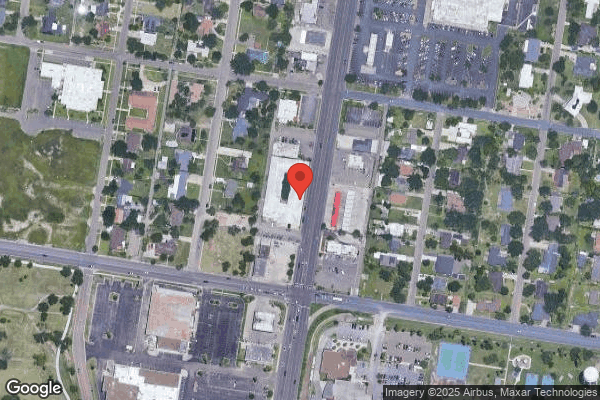
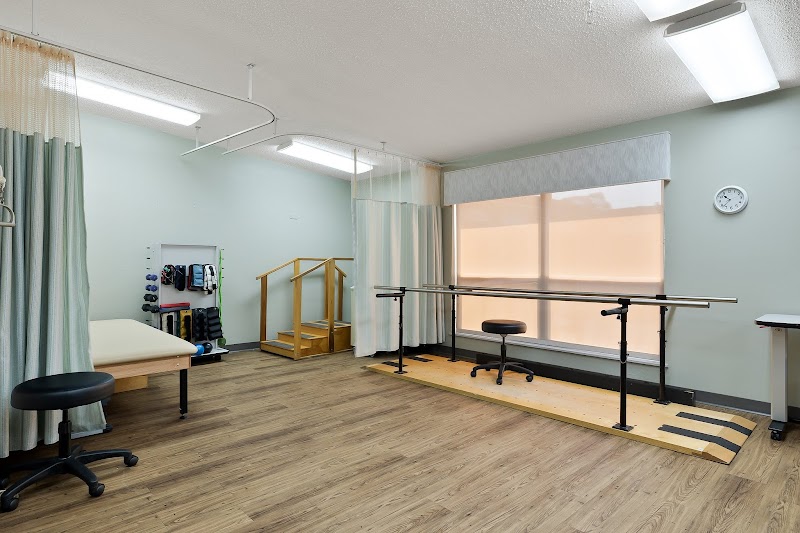
1505 S CLOSNER, EDINBURG, TX 78539 (956) 383-5656
Non profit - Corporation 96 Beds WELLSENTIAL HEALTH Data: November 2025
Trust Grade
85/100
#174 of 1168 in TX
Last Inspection: July 2024

Within standard 12-15 month inspection cycle. Federal law requires annual inspections.

Overview

Windsor Nursing and Rehabilitation Center of Edinburg has earned a Trust Grade of B+, indicating that it is above average and recommended for families considering care options. With a state rank of #174 out of 1168 facilities in Texas, they are in the top half, and they rank #7 out of 22 in Hidalgo County, suggesting only six local options are better. However, the facility is experiencing a worsening trend, with issues increasing from 4 in 2023 to 5 in 2024. Staffing is a concern, with a poor rating of 1 out of 5 stars and a turnover rate of 65%, significantly higher than the Texas average of 50%. On a positive note, there have been no fines recorded, which is a good sign regarding compliance, and they have higher RN coverage than many facilities, ensuring that nurses can address issues that CNAs might miss. Specific incidents noted by inspectors include expired medications being found in the storage room, which could pose a risk to residents if administered, and a failure to provide a padded call light for a resident with specific needs, potentially compromising their comfort and safety. While the facility has excellent ratings in overall care and health inspections, these deficiencies highlight areas that need improvement. Families should weigh both the strengths and weaknesses when considering this nursing home for their loved ones.

Trust Score
B+
85/100
In Texas
#174/1168
Top 14%
Safety Record
Low Risk
No red flags
Inspections
Getting Worse
4 → 5 violations
Staff Stability
⚠ Watch
65% turnover. Above average. Higher turnover means staff may not know residents' routines.
Penalties
✓ Good
No fines on record. Clean compliance history, better than most Texas facilities.
Skilled Nurses
⚠ Watch
Each resident gets only 20 minutes of Registered Nurse (RN) attention daily — below average for Texas. Fewer RN minutes means fewer trained eyes watching for problems.
Violations
○ Average
9 deficiencies on record. Average for a facility this size. Mostly minor or procedural issues.
★★★★★
5.0
Overall Rating
★☆☆☆☆
1.0
Staff Levels
★★★★★
5.0
Care Quality
★★★★★
5.0
Inspection Score
Stable
2023: 4 issues
2024: 5 issues

The Good

  • 5-Star Quality Measures · Strong clinical quality outcomes
  • Full Sprinkler Coverage · Fire safety systems throughout facility
  • No fines on record

Facility shows strength in quality measures, fire safety.

The Bad

Staff Turnover: 65%

19pts above Texas avg (46%)

Frequent staff changes - ask about care continuity

Chain: WELLSENTIAL HEALTH

Part of a multi-facility chain

Ask about local staffing decisions and management

Staff turnover is elevated (65%)

17 points above Texas average of 48%

The Ugly 9 deficiencies on record

Sept 2024 1 deficiency
CONCERN (D) 📢 Someone Reported This

A family member, employee, or ombudsman was alarmed enough to file a formal complaint

Potential for Harm - no one hurt, but risky conditions existed

Comprehensive Care Plan (Tag F0656)

Could have caused harm · This affected 1 resident

**NOTE- TERMS IN BRACKETS HAVE BEEN EDITED TO PROTECT CONFIDENTIALITY** Based on record review and interview the facility failed to develop and implement a comprehensive person-centered care plan that...

Read full inspector narrative →
**NOTE- TERMS IN BRACKETS HAVE BEEN EDITED TO PROTECT CONFIDENTIALITY** Based on record review and interview the facility failed to develop and implement a comprehensive person-centered care plan that included measurable objectives and time frames to meet the residents psychosocial needs for one (Resident#11) of two residents reviewed for comprehensive person centered care plan. The facility did not have interventions in place for Resident #11's behavior of removing peg tube. Resident #11 had removed his peg tube on 2 separate occasions and was sent to hospital. This failure could affect residents and place them at risk of not receiving appropriate interventions. The findings were: Record review of Resident 11's admission Record dated 09/19/24 revealed a [AGE] year-old male with an original admission date of 06/07/24 and diagnoses of Alzheimer's Disease Unspecified (brain disorder that slowly destroys memory and thinking skills), Gastrostomy Status (surgical procedure that creates an opening in the abdomen & into the stomach to provide nutritional support), Displacement of other gastrointestinal (organs that process food and liquid) Prosthetic Devices (device designed to make a part of the body work better), Chronic Kidney Disease Stage 5, Anxiety Disorder Unspecified, Restlessness and Agitation, and Muscle Wasting and Atrophy. Record review of Resident #11's Quarterly MDS dated [DATE] revealed Resident #11 was severely impaired in cognitive skills, rarely/never makes self-understood, rarely/never understands others. Resident #11 was also coded as having a peg tube in place as a nutritional approach. Record review of Resident #11's Care plan dated 06/28/24 revealed Resident #11 requires tube feeding r/t Dysphagia. Record review of Resident #11's progress note dated 07/26/24 documented by LVN D revealed facility nurse had found Resident #11 had removed his peg tube and was sent to the hospital for reinsertion. Record review of Resident #11's progress note dated 09/13/24 documented by LVN C revealed that Resident #11 had pulled out his peg tube and was sent out to hospital for reinsertion. Record review of Resident #11's Care plan dated 09/03/24 found no documentation of interventions for Resident #11's behavior of removing peg tube. In an interview on 09/17/24 at 4:00 pm, the RP stated Resident #11 had previously removed his peg tube before being admitted into the facility. She said she had told the facility about it when he was first admitted to the facility and that's why she and her family take turns staying with Resident #11 and decided to hire private pay sitters as well. In an interview on 09/18/24 at 10:39 am, LVN C said on 09/13/24 CNA L told her that Resident #11 had removed his feeding tube. LVN C said she immediately went in to assess the resident and had Resident #11 sent out to the hospital to have peg tube reinserted. LVN C said it was not his first time that he had done that, however, she was not working that day it happened. LVN C said those were the only times Resident #11 had done that. LVN C said Resident #11's family private pays a sitter to be with him throughout the afternoon and sometimes at night. She said the family also takes turns staying with him to monitor his behavior. In an interview on 09/18/24 at 11:23 am the MDS nurse said Resident #11's care plan stated that resident removes peg tube. He said he did not know why any interventions were not care planned specifically for that. He said it should have been care planned and said he was responsible for care planning this but did not know why it wasn't but would be reviewing it. In an interview on 09/18/24 at 2:24 pm, the DON said Resident #11 had removed the peg tube on 2 different occasions. She said the family takes turns staying with him and monitoring him. She said the family has hired private pay sitters to stay with him as well. The DON said Resident #11 also has an abdominal binder to prevent him from removing it. The DON said that interventions for Resident #11 removing his peg tube were not documented because the family was providing the monitoring of the resident. A care plan policy was requested on 09/18/24, however was not provided.
Jul 2024 4 deficiencies
CONCERN (D)

Potential for Harm - no one hurt, but risky conditions existed

Deficiency F0558 (Tag F0558)

Could have caused harm · This affected 1 resident

**NOTE- TERMS IN BRACKETS HAVE BEEN EDITED TO PROTECT CONFIDENTIALITY** Based on observations, interview and record review, the facility failed to ensure residents had the right to reside and receive ...

Read full inspector narrative →
**NOTE- TERMS IN BRACKETS HAVE BEEN EDITED TO PROTECT CONFIDENTIALITY** Based on observations, interview and record review, the facility failed to ensure residents had the right to reside and receive services in the facility with reasonable accommodation of resident needs and preference for one (Resident #23) of four residents reviewed for call light. The facility failed to ensure Resident #23 had a padded call light as indicated on his care plan. This failure could place residents at risk of not having their needs met. Findings were: Record review of Resident #23's face sheet dated 07/24/2024 reflected an [AGE] year-old male with an admission date of 01/03/2024. Resident 23's relevant diagnoses included Parkinsonism (disorder of the central nervous system that affects movement, often including tremors), stiffness of right elbow, vascular dementia (brain damage caused by multiple strokes), hemiplegia of left nondominant side (paralysis of one side of the body), age related physical debility, osteoarthritis (when flexible tissue at the ends of bones wears down) on left hand, muscle weakness and atrophy( decrease in size of tissue; wasting) multiple sites, and reduced mobility. Record review of Resident #23's quarterly MDS assessment dated [DATE] reflected a BIMS score of 02, which indicated he was severely cognitively impaired. Section GG 0115 Functional Limitation in Range of Motion indicated impairment on one side for upper extremity (shoulder, elbow, wrist, hand) and lower extremity (hip, knee, ankle, foot). Section GG functional abilities and goals identified Resident #23 as being dependent for the following ADL's: eating, oral hygiene, toileting hygiene, shower/bathe self, upper/lower body dressing, putting on/taking of footwear, personal hygiene, roll left/right, sit to lying, sit to stand, chair/bed-to-chair transfer, toiler transfer, and tub/shower transfer. MDS definition of dependent was that resident does none of the effort to complete the activity or, the assistance of 2 or more helpers is required for the resident to complete the activity. Record review of Resident #23's quarterly care plan reflected 06/06/2024 reflected: Problem: [Resident #23] has an ADL self-care performance deficit r/t immobility, cognitive deficit, parkinsonism. Date initiated 01/04/2024 and revised on 01/09/2024. Interventions: Pad call light in place. Date initiated 03/25/24. Problem: [Resident #23] has limited physical mobility r/t parkinsonism, generalized weakness. Date initiated and revised on 01/10/2024. Interventions: Monitor/document/report PRN any s/sx of immobility: contractures forming or worsening, thrombus formation, skin-breakdown, fall related injury. Date Initiated: 01/10/2024 An observation on 07/21/2024 at 12:05 p.m., revealed Resident #23 was lying awake in bed. His bed was set to the lowest position and his push button call light was within reach. Resident #23's left hand was contracted (closed in a fist), and he had his right hand under his head. An attempted interview and observation on 07/21/2024 at 12:08 p.m., revealed Resident #23 was not interviewable. Resident #23 was asked if he was able to open his left hand, but he just starred and did not answer. Resident #23 was asked if he was able to use his right hand, and he managed to take it out from under his head, but it started shaking and he quickly put it back under his head. An observation on 07/22/2024 at 8:24 a.m., revealed Resident #23 was lying awake in bed, his bed was set to the lowest position and his non-padded call light was within reach. An interview on 07/22/2024 at 8:30 a.m., CNA C said Resident #23 was not able to use the call light due to his left hand being contracted and his right hand would shake a lot. She said as far as she could remember, Resident #23 had never used the call light. CNA C said she would make sure she checked on Resident #23 at least every 30 minutes to see if he needed anything because he was not able to talk or press the call light. CNA C said Resident #23 was a 2 person assist for bathing and was a Hoyer lift assist transfer (the resident is placed in a sling that acts like a hammock raising them up in a cradled position , and allows them to be maneuvered to their new surface). She was not able to say if Resident #23 had ever had a padded call light. An interview on 07/22/2024 at 8:49 a.m., LVN D said Resident #23 was not able to use a regular call light. LVN D said he and the CNAs would check on Resident #23 frequently to see if he needed anything. He said if Resident #23 needed anything he would grunt. LVN D said Resident #23 would benefit from having a padded call light. LVN D was not able to say what the negative outcome for Resident #23 would be if he was not able to use the non-padded call light. An observation on 07/22/2024 at 9:00 a.m., revealed LVN D was observed checking Resident #23's electronic record (care plan) to verify what type of call light he needed. LVN D said he was having difficulty in finding they type of call light Resident #23 required on his care plan, so he called MDS-LVN to assist. They both said Resident #23's care plan indicated he needed a padded call light. An interview and observation on 07/22/2024 at 9:08 p.m., the MDS-LVN said he Resident #23 had a padded call light and proceeded to walk to Resident #23's room to check. The MDS-LVN walked into Resident #23's room and said he should have had a padded call light. He said, Last week he had a padded call light; they must have changed it this week. The MDS-LVN said he was going to immediately meet with the nursing staff, ADON, DON to assess and determine what type of call light Resident #23 needed. An interview of on 07/22/2024 at 9:20 a.m., the MDS-LVN said after Resident #23 was assessed by himself, the ADON and DON on 07/22/2024, and it was determined Resident #23 was able to press the regular call light, therefore, he no longer needed a padded call light. He said he was not sure why the care plan indicated he required a padded call light. The MDS-LVN said, Resident #23's care plan had been updated. An interview on 07/23/2024 at 3:00 p.m., the ADON-RN said he was present for Resident #23's call light assessment on 07/22/2024. He said Resident #23 was able to press the regular call light when asked and it was determined that he would benefit from a regular call light. An interview on 07/23/2024 at 3:30 p.m., the DON said she was present for Resident #23's call light assessment on 07/22/2024 and said Resident #23 was able to press the regular call light. She said the call light assessment done on Resident #23 was a visual assessment and it had not been documented. Record review of the facility's Call Lights: Accessibility and Timely Response policy dated 10/13/2022 reflected: Policy: The purpose of this policy is to assure the facility is adequately equipped with a call light at each residents' bedside, toilet, and bathing facility to allow residents to call for assistance. Call lights will directly relay to a staff member or centralized location to ensure appropriate response. Policy Explanation and Compliance Guidelines: 3. Each resident will be evaluated for unique needs and preferences to determine any special accommodations that may be needed in order for the resident to utilize the call system.
CONCERN (D)

Potential for Harm - no one hurt, but risky conditions existed

Comprehensive Care Plan (Tag F0656)

Could have caused harm · This affected 1 resident

**NOTE- TERMS IN BRACKETS HAVE BEEN EDITED TO PROTECT CONFIDENTIALITY** Based on observation interview and record review, the facility failed to develop and implement a comprehensive person-centered c...

Read full inspector narrative →
**NOTE- TERMS IN BRACKETS HAVE BEEN EDITED TO PROTECT CONFIDENTIALITY** Based on observation interview and record review, the facility failed to develop and implement a comprehensive person-centered care plan for each resident, consistent with the resident rights, that includes measurable objectives and timeframes to meet a resident's medical, nursing, and mental and psychosocial needs that are identified in the comprehensive assessment for 1 of 4 residents (Resident #23) reviewed for care plans, in that: The facility failed to ensure Resident #23's comprehensive care plan dated 06/06/24 identified him as a one or two person assist for ADL's. This deficient practice could place residents in the facility at risk of not being provided with the necessary care or services and no having personalized plans developed to address their specific needs. The Findings included: Record review of Resident #23's face sheet dated 07/24/2024 reflected an [AGE] year-old male with an admission date of 01/03/2024. Resident 23's relevant diagnoses included Parkinsonism (disorder of the central nervous system that affects movement, often including tremors), stiffness of right elbow, vascular dementia (brain damage caused by multiple strokes), hemiplegia of left nondominant side (paralysis of one side of the body), age related physical debility, osteoarthritis (when flexible tissue at the ends of bones wears down) on left hand, muscle weakness and atrophy( decrease in size of tissue; wasting) multiple sites, repeated falls, and reduced mobility. Record review of Resident #23's quarterly MDS assessment dated [DATE] reflected a BIMS score of 02, which indicated he was severely cognitively impaired. Section GG identified Resident #23 as being dependent for the following ADL's: eating, oral hygiene, toileting hygiene, shower/bathe self, upper/lower body dressing, putting on/taking of footwear, personal hygiene, roll left/right, sit to lying, sit to stand, chair/bed-to-chair transfer, toiler transfer, and tub/shower transfer. The MDS definition of dependent was that resident did none of the effort to complete the activity or, the assistance of 2 or more helpers was required for the resident to complete the activity. Record review of Resident #23's quarterly care plan reflected 06/06/2024 reflected: Problem: [Resident #23] had an ADL self-care performance deficit r/t immobility, cognitive deficit, parkinsonism. Dated initiated 01/04/2024 and revised on 01/09/2024. Interventions: Bathing/Showering: The resident requires assistance by (1-2) staff with bathing/showering, as necessary. Date initiated/revised 05/22/2024. Bed mobility: The resident requires dependent assistance by (1-2) staff to turn and reposition in bed every two hours and as needed. Date initiated 01/04/2024 and revised on 01/09/2024. Dressing: The resident requires assistance by (1-2) staff to dress as needed. Date initiated/revised 05/22/2024 Personal Hygiene: The resident requires assistance by (1-2) staff with personal hygiene as needed. Date initiated/revised 05/22/2024. Toilet using: The resident is fully dependent on 1-2 staff for toileting. Date initiated 01/04/2024 and revised on 01/09/2024. Transfer: The resident requires complete dependence by 1-2 staff to move between surfaces, as necessary. Date initiated: 01/04/2024 and revised on 01/09/224. An attempted interview and observation on 07/21/2024 at 12:08 p.m., revealed Resident #23 was not interviewable. Resident #23 was asked if he was able to open his left hand, but he just starred at it and not able to answer. Resident #23 was asked if he was able to use his right hand and he managed to take it out from under his head, but it started shaking and he quickly put it back under his head. Resident #23 was asked if he received assistance in feeding and he nodded yes. An interview and observation on 07/22/2024 at 8:30 a.m., CNA C said due to Resident #23's legs being contracted and him not being able to assist, he required a 2 person assist for bathing, transfer Hoyer lift (the resident is placed in a sling that acts like a hammock raising them up in a cradled position , and allows them to be maneuvered to their new surface), and peri-care and a 1 person assist for feeding. She said she knew to check the [NAME] to see if he was a 1 or 2 person assist for ADL's. The Surveyor observed CNA C check Resident #23's electronic record ([NAME]) under ADL's it reflected that he was a 1-2 person assist for ADL's with the exception of eating and transfer (Hoyer Lift). She said even though the [NAME] indicated he was a 1-2 person assist, she knew he required a 2 person assist for bathing and transfer because she had been caring for him since he was admitted to the facility. CNA C said newly hired CNAs shadowed tenured CNAs for two weeks to become familiar with their residents' needs. She said during those 2 weeks, they were able to observe all ADL's for their residents. CNA C showed the Surveyor a list she carried behind her name badge which indicated all the residents who required a Hoyer Lift for transfer and Resident #23's name was on the list. She said if a resident required a Hoyer Lift for transfer that meant a 2 person assist. An interview on 07/22/2024 at 8:49 a.m., LVN D said Resident #23 was a 2 person assist for bathing, transfers, and peri-care. He said for newly hired CNAs he would make sure they became familiar with their residents' needs before he would allow them to go on their own. He said newly hired CNA's shadowed tenured CNAs for 2 weeks. He said he would also make sure newly hired CNAs knew where to check to see if resident required a 1 or 2 person assist. CNA C said even though Resident #23's care plan reflected 1-2 person for ADL's she knew he was a 2 person assist due to his contractures. An interview and observation on 07/23/2024 at 10:16 a.m., the MDS-LVN said he was in charge of completing the MDS and Care plan assessments for the facility. He was observed checking Resident #23's electronic record and said his care plan indicated he required a 1 to 2 person assist for ADL's; however, most of the time he would require a 2 person. The MDS-LVN said the CNAs would determine whether Resident #23 would be a 1 or 2 person assist. He said if the CNA did not feel safe in performing a certain ADL task, then they asked for assistance. He said that was the reason he had indicated a 1 to 2 person assist for ADL's was to allow the CNAs to make that decision. The MDS-LVN said there were several factors a CNA would consider when determining if Resident #23 would be a 1 or 2 person assist. He said their experience was one factor, if the CNA felt they could do it on their own they were allowed. Another factor the CNAs would consider would be their CNAs stature. He said if the CNA were petite and didn't feel safe performing an ADL task on their own, they could ask for assistance. He said there was always someone to assist if the CNAs requested assistance with a resident's ADL's. MDS-LVN said Resident #23's the MDS indicated he was dependent for all ADL's which coincided with a 2 person assist. The MDS-LVN said CNA's did not receive training on how to determine if a resident was a 1 or 2 person assist. He said no training was needed. He said, What determined if a [Resident #23] would be a 1- or 2-person assist was how confident the CNA felt. An interview on 07/23/2024 at 10:52 a.m., the DON said Resident #23 was coded as dependent on his MDS assessment for ADL's, which meant he was dependent on the CNAs for assistance. She said what would determine if Resident #23 was a 1- or 2-person assist was if he were having a good day or not If he were having a good day, which meant he was able to help with his ADL's then he would require a 1 person assist. She said if he were not having a good day then he would require a 2 person assist. The DON said the CNAs already knew Resident #23 and they were able to determine if he was having a good day or not. She said if a there's a new CNA, they would shadow tenured CNAs for 2 weeks to be shown what each resident required. The DON said there were no specific trainings for CNAs to help them determine if a resident was a 1 or 2 person assist. She said, Just personal experience, they gain from working with each other. An interview on 07/23/2024 at 5:00 p.m. the Administrator said the reason Resident #23's care plan said 1 to 2 person assist for his ADL's was to allow the CNAs to determine if they felt safe performing a specific task on their own or ask for assistance. She said a resident was not always going to be a 1 or 2 person assist because it would depend on the CNAs experience and whether or not the resident was able to assist on that particular day. She said if a resident was on a ventilator, then they would always be a 2 person assist. The Administrator said there was no risk in allowing CNAs to determine whether or not a resident would be a 1 or 2 person assist. Record review of the facility's Comprehensive Care Plan policy dated 10/24/2022 reflected: Policy: It is the policy of this facility to develop and implement a comprehensive person-centered plan for each resident, consistent with the resident rights, that includes measurable objectives and time frames to meet a residence medical, nursing, and mental and psychosocial needs that identified in the resident's comprehensive assessment. Policy Explanation and Compliance Guidelines: 1. The care planning process will include an assessment of the resident's strengths and needs and will incorporate the resident's personal and cultural preferences in developing goals of care. Services provided or arranged by the facility, as outlines by the comprehensive care plan, shall be culturally competent and trauma informed. 2. All Care Assessments Areas (CAAs) triggered by the MDS will be considered in developing the plan of care. 3. The comprehensive care plan will describe, at a minimum, the following: a. The services that are to be furnished to attain or maintain the resident's highest practicable physical, mental, and psychosocial well-being.
CONCERN (D)

Potential for Harm - no one hurt, but risky conditions existed

Medication Errors (Tag F0758)

Could have caused harm · This affected 1 resident

**NOTE- TERMS IN BRACKETS HAVE BEEN EDITED TO PROTECT CONFIDENTIALITY** Based on interview and record review the facility failed to ensure resident who have not used psychotropic drugs are not given t...

Read full inspector narrative →
**NOTE- TERMS IN BRACKETS HAVE BEEN EDITED TO PROTECT CONFIDENTIALITY** Based on interview and record review the facility failed to ensure resident who have not used psychotropic drugs are not given these drugs unless the medication is necessary to treat a specific condition as diagnosed and documented in the clinical record for two Residents (R#46, R#16) of 5 residents reviewed for unnecessary medications. The facility failed to ensure that: 1) Resident #46 had an appropriate diagnosis for Risperidone (an antipsychotic used to treat schizophrenia and bipolar disorder). 2) Resident # 16, with a diagnosis of unspecified dementia without behavioral disturbance, psychotic disturbance, mood disturbance, and anxiety received antipsychotic medication Lurasidone without an additional diagnosis indicating the use for antipsychotic medication. This failure puts residents at an increased risk for adverse consequences such as impairment or decline in an individual's mental or physical condition or functional or psychosocial status from receiving unnecessary antipsychotic medications. The findings included: 1. Review of Resident #46's Face Sheet dated 7/24/24, revealed she was a [AGE] year-old female originally admitted to the facility 3/25/22 with a most recent admission date of 01/10/24. She had diagnoses which included dementia in other diseases classified elsewhere, unspecified severity, without behavioral disturbance, psychotic disturbance; major depressive disorder, recurrent, mild; anxiety disorder, unspecified; type 2 diabetes mellitus; and had a need for assistance with personal care. Review of Resident #46's Quarterly MDS Assessment, dated 7/13/24, Section B - Hearing, Speech, and Vision, B0200 revealed resident had minimal difficulty hearing, B0600 revealed resident had unclear speech, B0700 revealed resident is rarely/never understood, B0800 revealed resident rarely/never understands, and B1000 revealed resident has impaired vision - sees large print, but not regular print in newspapers/books. Section C - Cognitive Patterns, C0700 revealed resident had short term memory problem, C0800 revealed resident had long-term memory problem, and C1000 revealed resident severely impaired - never/rarely made decisions. Section GG - Self-Care, GG0130 revealed the resident required maximum assistance or dependent for ADL's except for oral hygiene and eating. Section N - Medications, N0415 revealed resident received antipsychotic, antidepressant, anticoagulant and hypoglycemic medications; and N 0450 revealed an antipsychotic GDR was reflected on 7/3/24 not documented by a physician as clinically contraindicated. Review of Resident #46's most recent Care Plan, revealed the following: Problem: Resident #46 uses antipsychotic medication (Risperidone) r/t episodes of verbal and physical aggression and diagnosis of dementia. Resident #46 is currently under psychiatric services of Psych MD. Date Initiated: 04/05/2024 Revision on: 04/29/2024. Interventions include the following: o 7/3/24. Gradual Dose Reduction Risperidone 1mg/ mL PO BID to 0.5mL PO BID by Psych MD's P.A. Date Initiated: 07/03/2024. o Administer anti-psychotic medication(s) as ordered by physician. Monitor/document side effects, and effectiveness every shift. Date Initiated: 04/05/2024 Revision on: 04/05/2024. o Educate the Family/ Caregivers about risks, benefits, and the side effects and/ or toxic symptoms of anti-psychotic medication on consent. Date Initiated: 04/05/2024 Revision on: 04/05/2024. o Monitor/ Document/ report adverse reactions to anti-psychotic therapy that include stiff neck, confusion, muscle rigidity, involuntary movements, drooling, tremors, restlessness, sleep disturbance, dry mouth blurred vision, constipation, and/ or sedation as condition warrants and notify physician/ psychiatric consultant. Date Initiated: 04/05/2024 Revision on: 04/05/2024. o Monitor/ Record occurrence of improving/ worsening target behavior symptoms of verbal and physical aggression to Supervisor as indicated. Notify MD/psychiatrist and follow up on any new orders. Date Initiated: 04/05/2024 Revision on: 04/05/2024. o Refer to Psychiatrist/ Psychologist consult per MD order. Follow up on any new orders. Date Initiated: 04/05/2024 Revision on: 04/05/2024. Record review of Resident #46's most recent Care Plan revealed: Risperidone Black Box Warning: Elderly patients with dementia-related psychosis treated with antipsychotic drugs are at an increased risk of death. Risperidone is not approved for the treatment of patients with dementia-related psychosis. Date Initiated: 04/29/2024. Review of Resident #46's Order Summary Report, dated 7/24/24, revealed: Side effect monitoring for stiff neck, confusion, muscle rigidity, involuntary movements, drooling, tremors, restlessness, sleep disturbance, dry mouth, blurred vision, constipation, and sedation every shift for anti-psychotic use related to dementia in other diseases classified elsewhere, unspecified severity, without behavioral disturbance, psychotic disturbance, mood disturbance, and anxiety. Risperdal Oral Solution 1 MG/ML (Risperidone) Give 0.5 ml by mouth two times a day related to unspecified dementia, unspecified severity, without behavioral disturbance, psychotic disturbance, mood disturbance, and anxiety. Start date 7/3/24. Review of Resident #46's MAR on 7/24/24 revealed: From July 1st to July 2nd, 2024, she received Risperidone Solution (1 MG/ML) 1 mg by mouth two times a day related to dementia in other diseases classified elsewhere, unspecified severity, without behavioral disturbance, psychotic disturbance, mood disturbance, and anxiety. From July 3rd to July 23rd, 2024, she received risperidone 0.5 mg twice a day as related to unspecified dementia, unspecified severity, without behavioral disturbance, psychotic disturbance, mood disturbance, and anxiety. This was the most recent order for risperidone which was reduced and started on 7/3/24. Record review of the Gradual Dose Reduction Report for June 2024 revealed that the Pharmacy Consultant made recommendation to the facility that Resident #46 had an improper diagnosis of Dementia in regards the antipsychotic Risperdal she was prescribed. On 7/23/24 at 4:19 pm interviewed LVN A. She said that she worked for the facility as an LVN for 6 months. She said that previously she was an MA for 15 years. She said that the Risperidone is being given for Resident #46's Dementia. She said that she knew the resident prior and she was displaying psychotic episodes before, but the medication is helping with those symptoms. She said that the dementia is not an appropriate diagnosis for the Risperidone. She said that an anti-psychotic is not appropriate for a diagnosis of dementia. She said that it is for psychosis or mood disorders. She said that a resident could have an adverse effect from a medication they didn't need. On 7/23/24 at 4:34 pm interviewed the ADON. He said that for Resident #46, Risperidone was not an appropriate medication to be prescribed for her diagnosis of Dementia. He said that she never used the medication before and that it was prescribed to manage her behaviors. He said that Resident #46 was confused, incoherent, and trying to get out of bed on her own. He said that she was initially started on Zyprexa, then changed to liquid Risperdal due to Resident #46 spitting out the tablets. He said that if an antipsychotic was given to a resident without the appropriate diagnosis, they could experience adverse reactions that may be permanent. He said that they used the medication as a last resort and that Resident #46 was already started on a gradual dose reduction. He said that dementia was not treated with an antipsychotic. He said that the Care Plan stated it has a black box warning for an increased risk of death. On 7/24/24 at 2:56 pm interviewed the Pharmacist Consultant. She said that she had noticed that the psychiatrist placed a diagnosis of Dementia and used them for the behaviors. She said that she is aware that the state does not allow for those diagnosis. She said that she does ask the psychiatrist for another diagnosis, but she goes by whatever the doctor writes on her recommendations page. She said that she cannot just stop the medication abruptly. The Pharmacist Consultant said that she places residents on a GDR as soon as possible once the behaviors have subsided. On 7/24/24 at 3:12 pm interviewed the DON. She said that she agreed that Risperidone was not an appropriate medication to be prescribed for a diagnosis of Dementia. She said that if an antipsychotic is given to a resident without the appropriate diagnosis, they could experience adverse reactions that may be permanent. She said that Resident #46 is being given the medication for previous behaviors that are not reflected on the prescribed diagnosis for that medication. 2) Record review of Resident #16's admission Face Sheet, dated 07/24/24, revealed he was a [AGE] year-old male admitted to the facility 09/15/27, with the following diagnoses: unspecified dementia without behavioral disturbance, psychotic disturbance, mood disturbance and anxiety(a condition characterized by progressive or persistent loss of intellectual functioning resulting from organic disease of the brain); major depressive disorder (a mood disorder that causes persistent feeling of sadness and loss of interest); cognitive communications deficit (difficulty paying attention to a conversation, staying on topic, remembering information, responding accurately, understanding jokes or metaphors, or following directions); anxiety disorder (any group of mental conditions characterized by excessive fear or apprehension about real or perceived threats, leading to altered behavior); and bipolar disorder (a mental health condition that causes extreme mood swings that include emotional highs and lows). Record review of Resident #16's quarterly MDS assessment, dated 06/19/24, indicated Resident #16 was sometimes understood by others, would sometimes understand others, had severe cognitive impairment, did not have any behaviors and was antipsychotic medication was received on a routine basis. Record Review of Resident #16's care plan dated 06/10/24 revealed Resident #16 uses antipsychotic medication (Lurasidone) relating to bipolar disorder that included the interventions of Black Box Warning of increased mortality in elderly patients with dementia related to psychosis. To monitor/document/report adverse reactions antipsychotic therapy that includes stiff neck, confusion, muscle rigidity, involuntary movements, drooling, tremors, restlessness, sleep disturbance, dry mouth, blurred vision, constipation, and/or sedation as condition warrants and notify physician/psychiatric consultant. Record review of Resident #16's Physician's Orders, dated July 2024, revealed an order for Lurasidone (antipsychotic medication) 40 mg by mouth at bedtime related to unspecified dementia, unspecified severity, without behavioral disturbance, psychotic disturbance, mood disturbance, and anxiety, the order start date was for 06/08/24. Record review of Resident #16's Medication Administration Record, for July 2024 revealed Resident #16 received the antipsychotic medication lurasidone HCl 40 mg by mouth at bedtime from 07/01/24 through 07/23/24 related to unspecified dementia, unspecified severity, without behavioral disturbance, psychotic disturbance, mood disturbance, and anxiety. Record review of the Gradual Dose Reduction Report dated June of 2024 revealed the Pharmacy Consultant made a recommendation to the facility that Resident #16 had an improper diagnosis of dementia for the Lurasidone . In an interview on 07/23/24 at 4:18 PM LVN A said the medication for Resident #16 was used for unspecified dementia. LVN A said she did not think the medication should be given for dementia. LVN A said the antipsychotic should be given for psychosis, schizophrenia, bipolar disorder or any mood disorder. LVN A said Resident #16 did have behaviors, but the medication should be administered to residents with psychosis, or another mood disorder. LVN A said if a resident did not have psychosis, or another mood disorder and he was given an antipsychotic it could cause an adverse effect. In an interview on 07/23/24 at 4:32 PM the ADON said Resident #16 was confused and was hallucinating. Resident #16 was on Zyprexa for yelling out, and calling for his spouse several times a night. Resident #16 had a diagnosis of bipolar. The ADON said dementia was not treated with antipsychotics. ADON said the diagnosis for the Lurasidone was not an appropriate diagnosis for the medication Lurasidone. The ADON said he would speak with the physician and ask if the diagnosis could be changed to be given for bipolar disorder. In an interview on 07/24/24 at 8:35 AM, Resident #16 said he did not know what medications he was taking. Resident #16 said the nurse came in and gave him his medications. Resident #16 said he was visually impaired and could not see the medications given to him. Resident #16 said that the nurse might have told him what the medications were for, but he did not remember what the names of the medications were. In an interview on 07/24/24 at 2:56 PM the Pharmacy Consultant said the psychiatrist uses the diagnosis of dementia for residents with behaviors. The Pharmacy Consultant said she was aware that state did not allow the diagnosis of dementia when prescribing antipsychotic medication. The Pharmacy Consultant said she would ask for a different diagnosis, but it is the doctor's decision to write the diagnosis on her recommendation letter. The Pharmacy Consultant said she would request a GDR as soon as possible. In an interview on 07/24/24 at 3:12 PM the DON verbalized she agreed that an antipsychotic was not an appropriate medication to be prescribed for the diagnosis of dementia. The DON said that if an antipsychotic was given to a resident without the appropriate diagnosis, they could experience adverse reactions that may be permanent. The DON said the resident was being given the medication for previous behaviors that were not reflected on the prescribed diagnosis for that medication. Record review of the facility policy Psychotropic Medication implemented 8/15/22 revealed: Residents are not given psychotropic drugs unless the medication is necessary to treat a specific condition, as diagnosed and documented in the clinical record, and the medication is beneficial to the resident, as demonstrated by monitoring and documentation of the resident's response to the medication(s).
CONCERN (E)

Potential for Harm - no one hurt, but risky conditions existed

Pharmacy Services (Tag F0755)

Could have caused harm · This affected multiple residents

Based on interview and record review the facility failed to provide pharmaceutical services, including procedures that assured the accurate acquiring, receiving, dispensing, and administering of all d...

Read full inspector narrative →
Based on interview and record review the facility failed to provide pharmaceutical services, including procedures that assured the accurate acquiring, receiving, dispensing, and administering of all drugs and biologicals in 1 of 1 medication room review for medication storage . The facility failed to ensure that all medical supplies in the main medication storage room located in the in the front of the building were not past their expiration date. The facility's failure could result in residents receiving expired medical supplies, such as formula, as well as those supplies not being maintained at their best therapeutic level. The findings included: An observation on 07/22/2024 at 2:00 PM of the main medication storage room revealed 6 Aztreonam 500 MG/50 ML NS IV antibiotic medication with an expiration date of 07/18/2024 and 2 Azithromycin 250 MG/250 NS IV antibiotic medication with an expiration date of 07/19/2024 along with non-expired IV medication. In an interview/observation on 07/22/2024 at 2:05 PM, LVN B who witnessed the medication storage and labeling review of the main medication room on 07/22/24 at 2:00 pm first stated expired medication was kept in the refrigerator until they would take them for disposal. The Surveyor then observed LVN B remove the 8 expired IV medication bags and place them in a red bin where he said expired medications were temporarily placed until they were taken to the DON's office. LVN J said a negative outcome of storing expired medication with non-expired medication could results in residents being administered expired medication(s) if nursing staff failed to check expiration dates. An interview on 07/22/24 at 4:00 PM, the DON said expired medications should not be stored with non-expired medications. She said expired non-narcotic medications were stored in a red bin located in the main medication storage room. The DON was not able to say what a negative outcome was for storing expired and non-expired medications together. On 07/24/2024, the Surveyor requested the facility's policy on labeling and storage from the DON but only received a Labeling of Medication policy.
Apr 2023 4 deficiencies
CONCERN (D)

Potential for Harm - no one hurt, but risky conditions existed

Pressure Ulcer Prevention (Tag F0686)

Could have caused harm · This affected 1 resident

**NOTE- TERMS IN BRACKETS HAVE BEEN EDITED TO PROTECT CONFIDENTIALITY** Based on observation, interview and record review the facility must ensure that a resident with pressure ulcers receives necessa...

Read full inspector narrative →
**NOTE- TERMS IN BRACKETS HAVE BEEN EDITED TO PROTECT CONFIDENTIALITY** Based on observation, interview and record review the facility must ensure that a resident with pressure ulcers receives necessary treatment and services consistent with professional standards of practice to promote healing, prevent infection and prevent new ulcers from developing for 1 of 2 residents (Resident #20) reviewed for pressure sores in that: LVN C failed to utilize appropriate wound care treatment during wound care to Resident #20 This failure could affect residents with pressure injuries and wounds and could place the residents at risk for worsening of pressure ulcers. The findings were: Record review of Resident #20's face sheet, dated 4/12/23 revealed a [AGE] year-old male admitted on [DATE] and re-admitted on [DATE] with diagnoses that included elevated white blood cell count (also known as leukocytosis; usually occurs because of an infection or inflammation in the body), cutaneous abscess of left lower limb (localized collection of pus in the skin), heart disease and respiratory failure with hypoxia (not enough oxygen in the blood). Record review of Resident #20's most recent annual MDS assessment, dated 1/20/23 revealed the resident was severely cognitively impaired for daily decision-making skills and had a Stage 3 pressure ulcer (full-thickness skin loss potentially extending into the bottom layer of skin in the body). Record review of Resident #20's comprehensive care plan, revision date 4/11/23 revealed the resident had been receiving treatment with antibiotic therapy for wound infection effective 4/7/23 with interventions that included to administer treatments as ordered and observe for effectiveness. Further review of Resident #20's comprehensive care plan revealed the resident had a Stage 2 pressure wound (skin is broken, leaves an open wound, or looks like a pus-filled blister) to the left hip with interventions that included to perform wound care treatments as ordered. Record review of Resident #20's Order Summary Report, dated 4/12/23 revealed the following wound care order: -Hydrofera Blue Foam Dressing External Pad (Wound Dressings) apply to left hip topically everyday shift for wound care for 30 days, cleanse wound with Dakins 0.25% and gauze, dry with gauze, apply skin prep to periwound, apply Santyl and gentamycin 0.1%, place Hydrofera Blue Foam, cover with gauze and secure with tape, with order date 4/8/23 and no end date. Observation on 4/12/23 at 8:55 a.m., during wound care, LVN C applied Gentamycin to Resident #20's wound bed on the left hip. LVN C then took a pre-cut piece of Hydrofera Blue antibacterial Foam to place over Resident #20's wound bed on the left hip but dropped the Hydrofera Blue antibacterial Foam onto Resident #20's bed linens. LVN C then picked up the same pre-cut piece of Hydrofera Blue antibacterial Foam and placed it over the resident's wound. During an interview on 4/12/23 at 9:33 a.m., LVN C stated, the Hydrofera Blue antibacterial Foam used on Resident #20 was used to help with wound healing. LVN C revealed he was aware he had dropped the Hydrofera Blue antibacterial Foam intended for Resident #20's wound bed on the left hip and at that point should have discarded it because it was considered dirty. LVN C revealed he was waiting for the surveyor to call him out on it but since that did not happen LVN C revealed he continued with the treatment. During an interview on 4/13/23 at 10:53 a.m., the DON stated, LVN C should have discarded the Hydrofera Blue antibacterial Foam because it was considered contaminated after it was dropped on Resident #20's bed linens and it would not be good for the resident because you can't use something contaminated because it's not usable. Record review of the competency training document titled, Wound Care Procedure for Major Wounds, dated 4/6/23 revealed in part, .PURPOSE: To provide guidelines for appropriate technique in completing wound care .NOTE: Clean technique is used. Sterile technique would be used per physician orders, such as with fresh surgery wounds. Care must be taken to prevent contamination of the supplies and surfaces used in wound care . Further review of the competency training document revealed LVN C had satisfied the requirements for appropriate technique in completing wound care.
CONCERN (D)

Potential for Harm - no one hurt, but risky conditions existed

Pharmacy Services (Tag F0755)

Could have caused harm · This affected 1 resident

**NOTE- TERMS IN BRACKETS HAVE BEEN EDITED TO PROTECT CONFIDENTIALITY** Based on observation, interview and record review, the facility failed to provide pharmaceutical services (including procedures ...

Read full inspector narrative →
**NOTE- TERMS IN BRACKETS HAVE BEEN EDITED TO PROTECT CONFIDENTIALITY** Based on observation, interview and record review, the facility failed to provide pharmaceutical services (including procedures that assure the accurate acquiring, receiving, dispensing and administering of all drugs and biologicals) to meet the needs of each resident for 1 of 3 residents (Resident #57) and 1 of 4 medication carts (200 hall medication cart) reviewed for medication administration and storage, in that: 1. Certified Medication Aide (CMA) D used her ungloved right index finger to take a pill from a medication bottle intended for Resident #57 2. LVN C had a loose pill in a medication cup inside the top drawer of the medication cart intended for Resident #14 These deficient practices could affect residents who received medication and place them at risk of infection, not receiving the appropriate amount of medication and drug diversion. The findings were: 1. Record review of Resident #57's face sheet, dated 4/13/23 revealed a [AGE] year-old male admitted on [DATE] with diagnoses that included type 2 diabetes (a chronic long lasting health condition that affects how your body turns food into energy) with foot ulcer (open sores or lesions that will not heal or that return over a long period of time), moderate protein-calorie malnutrition, Stage 3 pressure ulcer (full-thickness skin loss potentially extending into the subcutaneous tissue layer) of sacral region and acute kidney failure. Record review of Resident #57's admission MDS assessment, dated 3/27/23 revealed the resident was moderately cognitively impaired for daily decision-making skills and had a wound infection. Record review of Resident #57's Order Summary Report, dated 4/13/23 revealed an order for multivitamin with minerals, 1 tablet by mouth one time a day for supplement/risk for malnutrition, with order date 4/12/23 and no end date. Observation on 4/13/23 at 7:14 a.m. revealed CMA D, during the medication pass, placed 9 different medications into a medication cup and then took a stock bottle of multivitamin with minerals from the medication cart, opened the bottle and placed her right ungloved index finger into the bottle to retrieve one multivitamin with minerals pill. CMA D then took the multivitamin with minerals pill and placed it in the medication cup with the other 9 pills and administered to Resident #57. During an interview on 4/13/23 at 7:26 a.m., CMA D revealed the bottle of multivitamin with mineral pills used for Resident #57 was a stock bottle and was also used for other residents. CMA D stated, I had a hard time taking the pill out so I scooped it out but should not have done that because it was considered cross contamination. During an interview on 4/13/23 at 10:39 a.m., the DON revealed, CMA D should have used clean gloves, a spoon or a clean straw to scoop the pill out instead of using her bare finger because it would cause the bottle of pills to be contaminated and needed to be tossed out. Record review of the Medication Pass Evaluation, dated 1/19/23 revealed in part, .Medication Administration: a. Meds are properly removed from container/blister pack . Further review of the Medication Pass Evaluation revealed CMA D had satisfied the requirements for administering medications. 2. Record review of Resident #14's face sheet, dated 4/13/23 revealed a [AGE] year old male admitted on [DATE] with diagnoses that included dementia (impaired ability to remember, think, or make decisions that interferes with doing everyday activities), psychosis (any clinical symptom that entails a marked loss of contact with reality, notably including delusions, hallucinations, disorganized speech, or disorganized behavior) not due to a substance or known physiological condition and recurrent depressive disorders (mood disorder that affects how you feel, think and behave and can lead to a variety of emotional and physical problems). Record review of Resident #14's most recent quarterly MDS assessment, dated 2/8/3 revealed the resident was severely cognitively impaired for daily decision-making skills and was treated with anti-anxiety medications. Record review of Resident #14's comprehensive care plan, revision date 12/21/22 revealed the resident was treated with the anti-anxiety medication klonopin related to anxiety disorder with interventions that included to administer anti-anxiety medications, klonopin as ordered by physician. Record review of Resident #14's Order Summary Report, dated 4/13/23 revealed an order for klonopin 0.5 mg, give 0.25 mg by mouth in the morning related to anxiety disorder, with order date 3/8/23 and no end date. During an observation and interview with LVN C on 4/13/23 at 1:23 p.m., during inspection of the 200 hall medication cart revealed a loose pill in a medication cup inside the top drawer of the medication cart. Upon further inspection, the loose pill in the medication cup had Resident #14's name written in black marker on the cup. LVN C identified the loose pill in the medication cup as a klonopin pill intended for Resident #14. LVN C revealed he had taken the klonopin pill from the lock box in the 200 hall medication cart and documented in Resident #14's Individual Resident's Controlled Substance Record which indicated the pill was dispensed to the resident at 8:00 a.m. LVN C stated Resident #14 was scheduled to receive the klonopin pill at 9:00 a.m. but forgot to give it to the resident because Resident #14 was asleep at the time and did not want to wake him. LVN C revealed he got busy and forgot about the pill but had still intended on administering the klonopin pill to Resident #14 more than 4 hours after it was due. LVN C revealed he was not supposed to store medications in a cup inside the 200 hall medication cart because somebody else could take it by mistake or could potentially lead to a drug diversion. LVN C revealed, the klonopin pill, a controlled substance, would need to be wasted (disposed of) but had to be witnessed by a second nurse and then the incident needed to be reported to the DON. Record review of the Individual Resident's Controlled Substance Record for Resident #14 revealed LVN C documented he removed one klonopin pill from the blister package on 4/13/23 at 8:00 a.m. During an interview on 4/13/23 at 1:35 p.m., LVN A revealed, klonopin was a controlled medication stored in the lock box of the medication cart. LVN A stated, once the klonopin pill was removed from the package, there had to be documentation on the Individual Resident's Controlled Substance Record and immediately administered to the resident. LVN A revealed, the next step after administering the klonopin would be to document in the computer in Resident #14's electronic medication administration record. LVN A stated, controlled medications could not be taken out of the package and not administered because it could fall out and mistakenly be given to somebody else. LVN A revealed, controlled medications not tracked could result in a drug diversion. During an interview on 4/13/23 at 1:40 p.m., the DON stated, once pills are taken out of the package, they have to be administered otherwise then the pills need to be disposed. Medications need to be given on time to avoid a mistake. There could have been a drug diversion and to me it's a medication error. Record review of the Medication Pass Evaluation, dated 4/5/23, revealed LVN C had satisfied the requirements for performing the medication pass. Record review of the policy and procedure titled, Medication Administration, revision date 10/1/19 revealed in part, .Medications are administered as prescribed in accordance with good nursing principles and practices and only by persons legally authorized to do so .D. 10 Rights of Medication Administration .There is always a risk of giving the wrong pill, the wrong dose, or the wrong person's medication .harm to the person can occur and some reactions can be deadly .5. Right Time .the time a medication is given is important .check the frequency of the ordered medication .Double-check that you are giving the ordered dose at the correct time .Confirm when the last dose was given .
CONCERN (D)

Potential for Harm - no one hurt, but risky conditions existed

Infection Control (Tag F0880)

Could have caused harm · This affected 1 resident

**NOTE- TERMS IN BRACKETS HAVE BEEN EDITED TO PROTECT CONFIDENTIALITY** Based on observation, interview, and record review, the facility failed to establish and maintain an infection prevention and co...

Read full inspector narrative →
**NOTE- TERMS IN BRACKETS HAVE BEEN EDITED TO PROTECT CONFIDENTIALITY** Based on observation, interview, and record review, the facility failed to establish and maintain an infection prevention and control program designed to provide a safe, sanitary and comfortable environment and to help prevent the development and transmission of communicable diseases and infections for 1 of 2 residents (Resident #20) reviewed for infection control practices, in that: LVN C failed to utilize appropriate hand hygiene during wound care and skin treatment to Resident #20 This failure could place residents at risk for infection, slow wound healing and or a decline in health. The findings were: Record review of Resident #20's face sheet, dated 4/12/23 revealed a [AGE] year-old male admitted on [DATE] and re-admitted on [DATE] with diagnoses that included elevated white blood cell count (also known as leukocytosis; usually occurs because of an infection or inflammation in the body), cutaneous abscess of left lower limb (localized collection of pus in the skin), heart disease and respiratory failure with hypoxia (not enough oxygen in the blood). Record review of Resident #20's most recent annual MDS assessment, dated 1/20/23 revealed the resident was severely cognitively impaired for daily decision-making skills and had a Stage 3 pressure ulcer (full-thickness skin loss potentially extending into the subcutaneous tissue layer). Record review of Resident #20's comprehensive care plan, revision date 4/11/23 revealed the resident had been receiving treatment with antibiotic therapy for wound infection effective 4/7/23 with interventions that included to administer treatments as ordered and observe for effectiveness. Further review of Resident #20's comprehensive care plan revealed the resident had a rash to the face with interventions to apply/administer anti-pruritic medication/topical as ordered by the physician. Record review of Resident #20's Order Summary Report, dated 4/12/23 revealed the following orders: -Hydrofera Blue Foam Dressing External Pad (Wound Dressings) apply to left hip topically every day shift for wound care for 30 days, cleanse wound with Dakins 0.25% and gauze, dry with gauze, apply skin prep to peri wound, apply Santyl and gentamycin 0.1%, place Hydrofera Blue Foam, cover with gauze and secure with tape, with order date 4/8/23 and no end date. -Ketoconazole External Cream 2%, apply to face topically every day and evening shift for fungal infection of face for 14 days. Apply topically to face and LOTA (left open to air), with order date 4/7/23 and end date 4/21/23. Observation on 4/12/23 at 8:55 a.m., after completing wound care to Resident #20, LVN C applied skin prep to the perimeter of Resident #20's left hip wound, took off his gloves, did not perform hand hygiene and put on a new pair of gloves. LVN C then took the clean adhesive bandage with a dry gauze and placed it over Resident #20's left hip wound. LVN C then, with the same gloves, applied the Ketoconazole cream to Resident #20's face. During an interview on 4/12/23 at 9:33 a.m., LVN C revealed he realized he had not performed hand hygiene between glove changes because he did not have any hand sanitizer with him. LVN C stated he did not want to leave Resident #20's bedside to get hand sanitizer and decided to keep going. LVN C stated not sanitizing or washing his hands between glove changes was considered an infection control issue and cross contamination and could result in the resident being exposed to infection. During an interview on 4/13/23 at 10:53 a.m., the DON revealed, it was best practice to either sanitize or wash hands between glove changes otherwise it was considered cross contamination. Record review of the policy and procedure titled, Administering Topical Medications, revision date 7/15 revealed in part, .The purpose of this procedure is to provide guidelines for the safe administration of topical medications .1. Perform hand antisepsis by either washing with soap and water or applying alcohol-based hand rub .Remove gloves. Wash and dry hands thoroughly . Record review of the Wound Care Procedure for Major Wounds competency, dated 4/6/23 for LVN C revealed in part, .17. Remove gloves .wash hands .18. Put on new gloves .
MINOR (C)

Minor Issue - procedural, no safety impact

Garbage Disposal (Tag F0814)

Minor procedural issue · This affected most or all residents

Based on observation, interview, and record review, the facility failed to dispose of garbage and refuse properly, for 2 of 2 dumpsters in that: 1. Dumpster #1 did not have a drain plug. 2. Dumpster...

Read full inspector narrative →
Based on observation, interview, and record review, the facility failed to dispose of garbage and refuse properly, for 2 of 2 dumpsters in that: 1. Dumpster #1 did not have a drain plug. 2. Dumpster #2 did not have a drain plug. These failures posed a sanitary and safety hazard that could result in the attraction of vermin and affect all resident residing in the facility by exposing them to germs and diseases carried by vermin and rodents. The findings were: During an interview and observation on 4/13/2023 at 8:01 a.m., while viewing the dumpsters, the Dietary Manager said the dumpsters are supposed to be closed everywhere. The Dietary Manager said, they do not have stoppers, they haven't had them that I know of and I think they ordered them but I am not sure. The Dietary Manger was unable to state or provide any additional information regarding how long the stoppers were missing from the dumpster drain hole. During an interview and observation on 4/13/2023 at 8:06 a.m., while viewing the facility dumpsters, the administrator said, the holes in the bottom of the dumpster are supposed to be closed so whatever we put in there does not run out of the dumpster and on the ground. The Administrator stated he did not know how long the plugs had been missing from the dumpsters . Review of facility policy Garbage Receptacles, (Revised June 1, 2019), revealed, Outdoor Receptacles: It shall be constructed to have tight fitting lids, doors or covers and stored in a manner that is inaccessible to insect and rodents with doors/lids kept closed and no waste outside of the receptacle. All Shall be maintained in good repair. Review of the U.S. Public Health Service FDA U.S. Food & Drug Administration Food Code 2017, Section 5-501.114 revealed, Using Drain Plugs: Drains in receptacles and waste handling units for refuse, recyclables, and returnables shall have drain plugs in place.
Understanding Severity Codes (click to expand)
Life-Threatening (Immediate Jeopardy)
J - Isolated K - Pattern L - Widespread
Actual Harm
G - Isolated H - Pattern I - Widespread
Potential for Harm
D - Isolated E - Pattern F - Widespread
No Harm (Minor)
A - Isolated B - Pattern C - Widespread

Questions to Ask on Your Visit

  • "Why is there high staff turnover? How do you retain staff?"
  • "Can I speak with families of current residents?"
  • "What's your RN coverage like on weekends and overnight?"

Our Honest Assessment

Strengths
  • • Grade B+ (85/100). Above average facility, better than most options in Texas.
  • • No major safety red flags. No abuse findings, life-threatening violations, or SFF status.
  • • No fines on record. Clean compliance history, better than most Texas facilities.
Concerns
  • • 65% turnover. Above average. Higher turnover means staff may not know residents' routines.
Bottom line: Generally positive indicators. Standard due diligence and a personal visit recommended.

About This Facility

What is Windsor Of Edinb's CMS Rating?

CMS assigns WINDSOR NURSING AND REHABILITATION CENTER OF EDINB an overall rating of 5 out of 5 stars, which is considered much above average nationally. Within Texas, this rating places the facility higher than 99% of the state's 100 nursing homes. This rating reflects solid performance across the metrics CMS uses to evaluate nursing home quality.
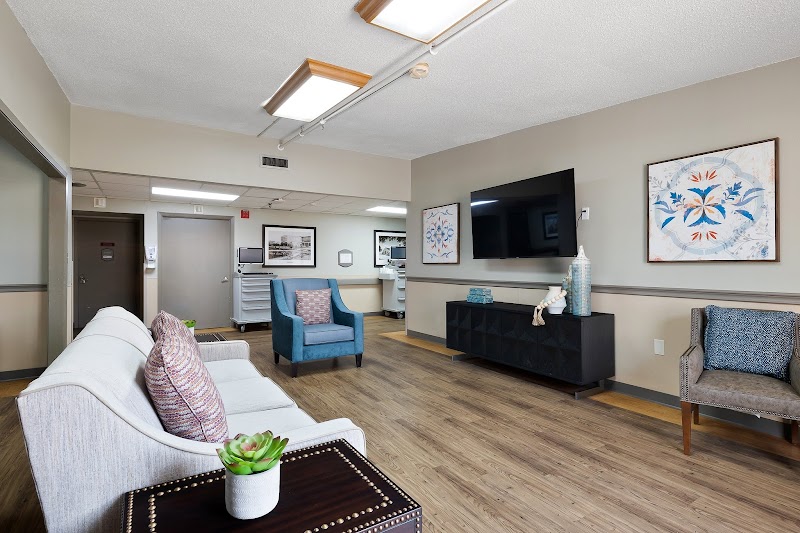
How is Windsor Of Edinb Staffed?

CMS rates WINDSOR NURSING AND REHABILITATION CENTER OF EDINB's staffing level at 1 out of 5 stars, which is much below average compared to other nursing homes. Staff turnover is 65%, which is 19 percentage points above the Texas average of 46%. High turnover can affect care consistency as new staff learn residents' individual needs. RN turnover specifically is 57%, which is notably high. RNs provide skilled clinical oversight, so turnover in this role can affect medical care quality.

What Have Inspectors Found at Windsor Of Edinb?

State health inspectors documented 9 deficiencies at WINDSOR NURSING AND REHABILITATION CENTER OF EDINB during 2023 to 2024. These included: 8 with potential for harm and 1 minor or isolated issues.
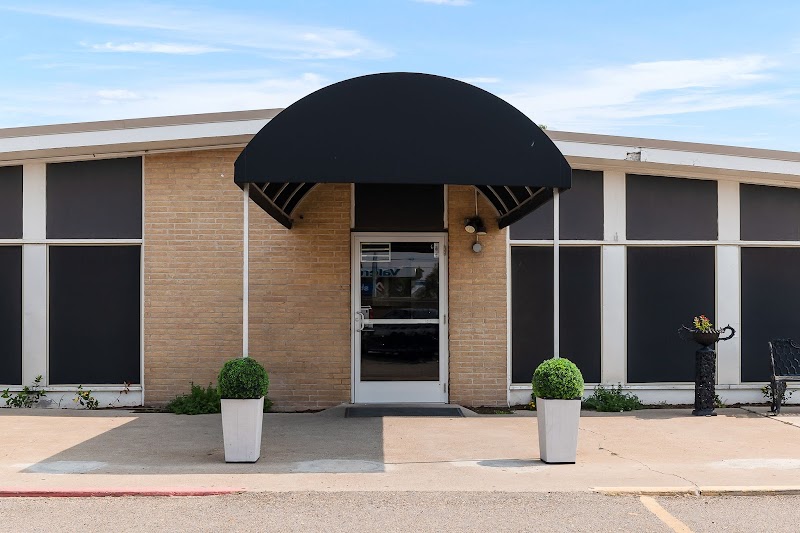
Who Owns and Operates Windsor Of Edinb?

WINDSOR NURSING AND REHABILITATION CENTER OF EDINB is owned by a non-profit organization. Non-profit facilities reinvest revenue into operations rather than distributing to shareholders. The facility is operated by WELLSENTIAL HEALTH, a chain that manages multiple nursing homes. With 96 certified beds and approximately 58 residents (about 60% occupancy), it is a smaller facility located in EDINBURG, Texas.
How Does Windsor Of Edinb Compare to Other Texas Nursing Homes?

Compared to the 100 nursing homes in Texas, WINDSOR NURSING AND REHABILITATION CENTER OF EDINB's overall rating (5 stars) is above the state average of 2.8, staff turnover (65%) is significantly higher than the state average of 46%, and health inspection rating (5 stars) is much above the national benchmark.

What Should Families Ask When Visiting Windsor Of Edinb?

Based on this facility's data, families visiting should ask: "How do you ensure continuity of care given staff turnover, and what is your staff retention strategy?" "Can you walk me through typical staffing levels on day, evening, and night shifts?" "Can I visit during a mealtime to observe dining assistance and food quality?" "How do you handle medical emergencies, and what is your hospital transfer rate?" These questions are particularly relevant given the facility's high staff turnover rate and the below-average staffing rating.

Is Windsor Of Edinb Safe?

Based on CMS inspection data, WINDSOR NURSING AND REHABILITATION CENTER OF EDINB has a clean safety record: no substantiated abuse findings (meaning no confirmed cases of resident harm), no Immediate Jeopardy citations (the most serious violation level indicating risk of serious injury or death), and is not on the Special Focus Facility watch list (a federal program monitoring the lowest-performing 1% of nursing homes). The facility has a 5-star overall rating and ranks #1 of 100 nursing homes in Texas. While no facility is perfect, families should still ask about staff-to-resident ratios and recent inspection results during their visit.

Do Nurses at Windsor Of Edinb Stick Around?

Staff turnover at WINDSOR NURSING AND REHABILITATION CENTER OF EDINB is high. At 65%, the facility is 19 percentage points above the Texas average of 46%. Registered Nurse turnover is particularly concerning at 57%. RNs handle complex medical decisions and coordinate care — frequent RN changes can directly impact care quality. High turnover means new staff may not know residents' individual needs, medications, or preferences. It can also be disorienting for residents, especially those with dementia who rely on familiar faces. Families should ask: What is causing the turnover? What retention programs are in place? How do you ensure care continuity during staff transitions?

Was Windsor Of Edinb Ever Fined?

WINDSOR NURSING AND REHABILITATION CENTER OF EDINB has no federal fines on record. CMS issues fines when nursing homes fail to meet care standards or don't correct problems found during inspections. The absence of fines suggests the facility has either maintained compliance or corrected any issues before penalties were assessed. This is a positive indicator, though families should still review recent inspection reports for the full picture.

Is Windsor Of Edinb on Any Federal Watch List?

WINDSOR NURSING AND REHABILITATION CENTER OF EDINB is not on any federal watch list. The most significant is the Special Focus Facility (SFF) program, which identifies the bottom 1% of nursing homes nationally based on persistent, serious quality problems. Not being on this list means the facility has avoided the pattern of deficiencies that triggers enhanced federal oversight. This is a positive indicator, though families should still review the facility's inspection history directly.