Paradigm at the Prairies
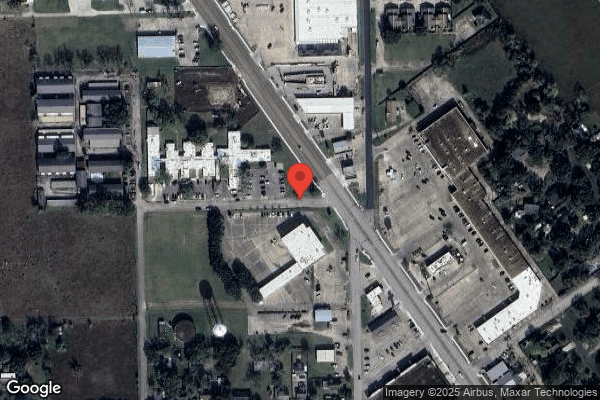
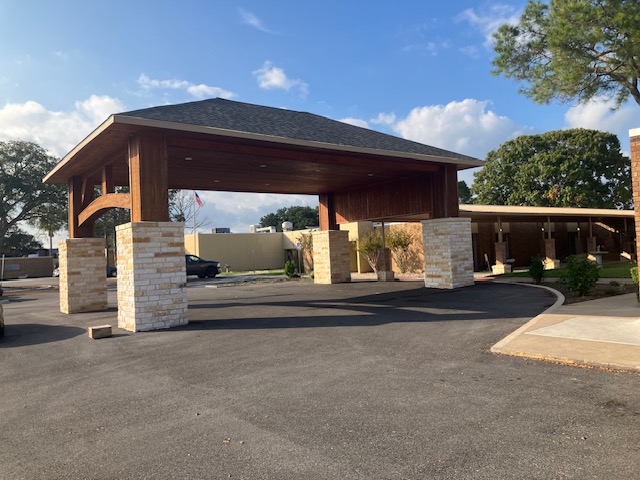
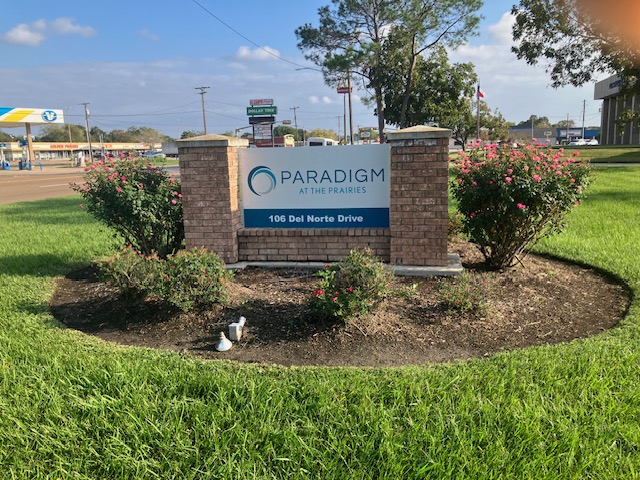
106 Del Norte Dr, El Campo, TX 77437 (979) 543-6762
For profit - Individual 150 Beds PARADIGM HEALTHCARE Data: November 2025 2 Immediate Jeopardy citations
Trust Grade
9/100
#814 of 1168 in TX
Last Inspection: April 2025

Within standard 12-15 month inspection cycle. Federal law requires annual inspections.

Overview

Paradigm at the Prairies has received a Trust Grade of F, indicating significant concerns about its operations and care quality. With a state rank of #814 out of 1168 in Texas, the facility is in the bottom half of nursing homes in the state, and #3 out of 4 in Wharton County suggests only one local option is better. The facility's trend is stable, with 4 issues reported consistently over the past two years, and it has a staffing rating of 2 out of 5 stars, reflecting average staffing levels and a turnover rate of 57%. There are concerning incidents noted, including a failure to provide timely medical care after a resident’s fall, which delayed necessary treatment, and issues related to care not meeting professional standards for another resident. While there are strengths, such as average RN coverage, the presence of critical deficiencies raises red flags for families considering this facility for their loved ones.
Trust Score
F
9/100
In Texas
#814/1168
Bottom 31%
Safety Record
High Risk
Review needed
Inspections
Holding Steady
4 → 4 violations
Staff Stability
⚠ Watch
57% turnover. Above average. Higher turnover means staff may not know residents' routines.
Penalties
○ Average
$23,147 in fines. Higher than 65% of Texas facilities. Some compliance issues.
Skilled Nurses
⚠ Watch
Each resident gets only 24 minutes of Registered Nurse (RN) attention daily — below average for Texas. Fewer RN minutes means fewer trained eyes watching for problems.
Violations
⚠ Watch
12 deficiencies on record. Higher than average. Multiple issues found across inspections.
★★☆☆☆
2.0
Overall Rating
★★☆☆☆
2.0
Staff Levels
★★★☆☆
3.0
Care Quality
★★☆☆☆
2.0
Inspection Score
Stable
2024: 4 issues
2025: 4 issues

The Good

  • Full Sprinkler Coverage · Fire safety systems throughout facility
  • No fines on record

Facility shows strength in fire safety.

The Bad

2-Star Overall Rating

Below Texas average (2.8)

Below average - review inspection findings carefully

Staff Turnover: 57%

11pts above Texas avg (46%)

Frequent staff changes - ask about care continuity

Federal Fines: $23,147

Below median ($33,413)

Minor penalties assessed

Chain: PARADIGM HEALTHCARE

Part of a multi-facility chain

Ask about local staffing decisions and management

Staff turnover is elevated (57%)

9 points above Texas average of 48%

The Ugly 12 deficiencies on record

2 life-threatening 1 actual harm
Aug 2025 1 deficiency
CONCERN (E) 📢 Someone Reported This

A family member, employee, or ombudsman was alarmed enough to file a formal complaint

Potential for Harm - no one hurt, but risky conditions existed

Social Worker (Tag F0850)

Could have caused harm · This affected multiple residents

Based on interview and record review, the facility with more than 120 beds failed to employ a qualified social worker on a full-time basis, for 1 of 1 social services staff reviewed for qualifications...

Read full inspector narrative →
Based on interview and record review, the facility with more than 120 beds failed to employ a qualified social worker on a full-time basis, for 1 of 1 social services staff reviewed for qualifications of Social Worker. The facility failed to employ a full-time social worker from 6/25/25 to 8/30/25. This failure could place residents at risk of social service and psychosocial needs not being met.Findings included: Record review of the Facility Summary Report from the Texas Unified Licensure Information Portal (TULIP) dated 8/29/25 indicated the facility had a total licensed capacity of 150 beds. Record review of an email sent from the DON on 8/30/25 at 11:00 a.m., indicated the previous Social Worker was employed from 5/27/25 to 6/25/25. Record review of the termination letter not dated, for the previous SW indicated she was terminated on 6/25/25 and read in part .as an at-will employee, your employment may be terminated at any time, with or without cause or notice . during your 90-day introductory period, we have determined that this role is not the right fit . Interview on 8/30/25 at 11:08 a.m., ADON A said the previous SW left a few months ago. Both ADON A and ADON B said they were assisting with setting up dental, podiatry, and vision appointments for residents. ADON B said to her knowledge the dentist, podiatrist, and eye doctor came to the facility every 3 months for appointments or as needed. Interview with the DON on 8/30/25 at 12:24 p.m., she said the previous SW was terminated back in June. The DON said the Administrator, ADON A, ADON B, the MDS nurse and herself collaborate on social work duties. The DON said she would handle the discharges, made sure home health was set up, and collaborate with doctors for medications the discharged residents needed. The DON said ADON A, ADON B, and the MDS nurse assist with the dental, podiatry, and vision appointments. The DON said she did not think there was a risk to residents due to the Administrator, ADON A, ADON B, MDS Coordinator and herself worked as team to cover social worker duties. Record review of the facility's social services job description titled Social Services Director not dated read in part . the primary purpose of the Social Services Director is to assist the Administrator to plan, organize, develop and direct the overall operation of our Social Services Department. Success in this position is measured by compliance with current federal, state, and local standards, guidelines, and regulations that govern our facility .
Jun 2025 1 deficiency 1 Harm
SERIOUS (G) 📢 Someone Reported This

A family member, employee, or ombudsman was alarmed enough to file a formal complaint

Actual Harm - a resident was hurt due to facility failures

Free from Abuse/Neglect (Tag F0600)

A resident was harmed · This affected 1 resident

**NOTE- TERMS IN BRACKETS HAVE BEEN EDITED TO PROTECT CONFIDENTIALITY** Based on interview and record review the facility failed to ensure residents were free from abuse for one (Resident # 1) of 6 re...

Read full inspector narrative →
**NOTE- TERMS IN BRACKETS HAVE BEEN EDITED TO PROTECT CONFIDENTIALITY** Based on interview and record review the facility failed to ensure residents were free from abuse for one (Resident # 1) of 6 residents reviewed for abuse. The Administrator emotionally and verbally abused Resident # 1 when she yelled at the resident and pointed her finger in Resident #1's face bringing Resident #1 to tears. The failure place residents at risk of further abuse and diminished self worth.Findings included:Record review of Resident # 1's face sheet, dated 6/26/2025, revealed a [AGE] year-old male initial admission date, 3/3/2023. Resident # 1 had diagnoses including Cerebral Infarction due to Thrombosis of Unspecified Cerebral Artery ( a stroke caused by a blood clot (thrombosis) in an artery supplying the brain), Alzheimer Disease (a progressive brain disorder that gradually impairs memory, thinking skills, and eventually, the ability to carry out the simplest tasks), Hemiplegia and Hemiparesis following Cerebral Infarction Affecting Right Dominant Side (common consequences of cerebral infarction, or stroke, affecting one side of the body), Diabetes Mellitus (a group of metabolic diseases characterized by high blood sugar levels), Mood Disorder (a group of mental health conditions characterized by significant and persistent disturbances in a person's emotional state, impacting their ability to function in daily life, Dementia (a general term for a decline in mental ability severe enough to interfere with daily life), Major Depressive Disorder (a serious mental illness characterized by persistent sadness, loss of interest in activities, and other symptoms that significantly interfere with daily life) and Transient Ischemic Attack (TIA) and Cerebral Infarction (A TIA involves a temporary blockage, with symptoms resolving within minutes or hours, while a cerebral infarction (stroke) involves a longer-lasting blockage, leading to tissue damage and potentially permanent disability). Record review of Resident # 1's quarterly MDS assessment, dated 3/1/2025 indicated Resident # 1 had minimal difficulty hearing. Resident # 1 had unclear speech. Resident # 1 was usually understood and usually understood others. Resident # 1's BIMS was a 09 (moderate cognitive impairment). Resident # 1 used a wheelchair. Resident # 1 was independent with toileting hygiene, sit to lying, sit to stand, toilet transfer. Resident # 1 required setup or clean-up assistance with eating, oral hygiene, putting on/taking off footwear. Resident # 1 required supervision or touching assistance with shower/bathe self, upper body dressing, and personal hygiene. Resident # 1 was occasionally incontinent with urinary and bowel.Record review of Resident # 1's Care Plan, revision date 8/9/2023, indicated Resident # 1 had communication impairment; Goal: staff will anticipate and meet needs that Resident # 1 is not able to effectively communicate; Interventions: allow resident time to verbalize his thoughts/needs. Do not rush. Ask him to repeat as needed. Use writing materials if resident is having trouble relaying his thoughts/needs; allow time for resident to digest information-do not rush; approach in a calm manner using eye contact- call resident by name. Resident # 1 had cognitive impairment; Goal- Resident # 1's needs will be met, and dignity maintained; Interventions- allow time for tasks and responses, anticipate and assist with ADL's q shift, and explain all procedures using terms gestures the resident can understand. Resident # 1 had episodes of behaviors and was at risk for further increased episodes and injury; Goal-Resident # 1 will decrease behavioral episodes through behavioral monitoring and interventions; Interventions- encourage to attend social activities of preference, give medication as ordered, monitor and chart behaviors as they occur and report progress /declines to MD; observe for early warning signs of behavior-approach in a calm manner, call by name remove from unwanted stimuli.During an interview and observation with Resident # 1 on 6/26/2025 at 11:10 a.m., Resident # 1 stated he wanted to move into an apartment. He stated that he was at the nurse's station talking to staff when the Administrator approached him and yelled in his face. He stated the Administrator pissed him off when she yelled at him. He stated he told the Administrator to stay away from him. Resident # 1 stated two days ago he was drawing and the Administrator came by his door and he stated that upset him because he told the Administrator to stay away from him. Resident # 1 stated he wanted to leave the facility because the Administrator was rude. Resident # 1 had a stroked, therefore, he had limited verbal skill. Resident # 1 was able to verbally express his frustration.During an interview with MA A on 6/26/2025 at 2:10 p.m., MA A stated a couple of days ago (she could not remember the date) she heard a verbal altercation. She stated that the verbal altercation was extremely loud, and she thought it was two residents. She stated that when she arrived at the nurse's station, she observed Resident # 1 and the Administrator in a verbal altercation. She stated that she did not know what Resident # 1 and the Administrator were arguing about. She stated that the Administrator was loud and disrespectful towards Resident # 1. She stated that Resident # 1 was loud as well, and the Administrator should have de-escalated the situation by leaving. She stated that another staff member had to ask the Administrator to leave the area. She stated that Resident # 1 was so upset he was standing up and hitting the desk. She stated that another CNA (name unknown) was at the desk and that CNA (name unknown) was able to de-escalate the situation and calm Resident # 1 down.During an interview with Social Worker A on 6/26/2025 at 2:30 p.m., with Social Worker A , she stated that on 6/16/2025 Resident # 1 was sitting next to the nurses' station in his wheelchair. She stated that Resident # 1 had a hard time speaking and expressing himself as he had a stroke. She stated that if someone listened to Resident # 1 they could understand him. She stated that Resident # 1 was expressing his needs to direct care staff. She stated that Resident # 1 was upset, and he started yelling as he could not express himself with words. She stated that the Administrator came from around the corner, and she got in Resident # 1's face and began yelling at him and pointing her finger in his face. She stated that the Administrator told Resident # 1 to shut up. She stated that Resident # 1 was so upset that he stood up and he began to hit the desk with his hands, and he was crying. She stated that the Administrator continued to speak rudely to Resident # 1. She stated that a direct care staff asked the Administrator to leave the area as the situation needed to be de-escalated and the resident was upset. Other A stated that she was concerned that Resident # 1 was going to fall or could possibly had another stroke. She stated that another direct care staff calmed Resident # 1 down and she took him to his room. She stated that the Administrator's approach and the way she spoke to Resident # 1 was unprofessional.During an interview with CNA A on 6/27/2025 at 12:46 p.m., CNA A stated Resident # 1 had a stroke and he has problems verbally expressing himself. She stated that Resident # 1 can communicate his needs, but it is hard to understand hm. She stated that did not remember the date of the verbal altercation between Resident # 1 and the Administrator. She stated that Resident # 1 was at station 2 and he wanted to go out for the day or go home permanently. She stated that Resident # 1 was speaking to the staff at station 2 about leaving. She stated that Resident # 1 was upset, and he began to yell and talk loudly. She stated that the Administrator approached Resident # 1, and she introduced herself to him. She stated that Resident # 1 started cursing at the Administrator. She stated that the Administrator told Resident # 1 you will not talk to me like that. She stated that upset Resident # 1 as he was trying to get his words out. She stated that Resident # 1 started crying. She stated that Resident # 1 does have behavior issues and most direct care staff know how to help him calm down. She stated that the Administrator met Resident # 1 for the first time, and she was yelling at him. She stated with Resident # 1 that was not going to work because when he is upset, he will hit things and people. She stated that she and CNA B were able to calm him down as they took him to his room and fixed him coffee. She stated that the Administrator made the situation worse. She stated that the Administrator should approach Resident # 1 differently. She stated that the Administrator approached Resident # 1 yelling at him, and that escalated the situation. She stated that Resident # 1 was sitting in his wheelchair and when he got upset with the Administrator he stood up. She stated that she was concerned because she did not want Resident to fall. She stated that the DON told the Administrator to walkway, and she walked away mumbling. CNA A stated that the Administrators approach towards Resident # 1 was unprofessional.During an interview with CNA B on 6/27/2025 at 1:12 p.m., CNA B stated she did not now the date and time of the incident. She stated that it happened last week. She stated a direct care staff came and got her. She stated that when Resident # 1 is upset she can calm him down. She stated that when she arrived at the nurses' station Resident # 1 was hysterical and cursing. She stated that she observed the Administrator leaned over in Resident # 1's face and she told Resident # 1 that he was not going anywhere. She stated that Resident # 1 wanted to leave the facility. She stated that she doesn't know what was said prior to her arriving at the nurses' station. She stated that the Administrator told Resident # 1 I am the Administrator, and you will not curse at me. She stated that Resident # 1 continued to curse. She stated that she was concerned for Resident # 1 as he was upset, and he recently had a stroke. She stated that she did not want Resident # 1 to fall or have stroke or a heart attack; she stated he was just that mad. The situation was de-escalated as CNA B told the DON to get the Administrator away and the DON walked the Administrator down the hall. She stated that she and CNA A took Resident # 1 to his room. She stated it took a while for him to calm down as he was still cursing. She stated that Resident # 1 was mentally abused by the Administrator. CNA B stated that the DON, CNA A, LVN A and the Social Worker were present.During an interview with LVN A on 6/27/2025 at 2:00 p.m., LVN A stated that Resident # 1 had been talking to the NP about going home and he told the NP he wanted to go home in 2 months. She stated that the NP told Resident # 1 that everything needed to be in place before he discharged home. Resident # 1 had been speaking with the Social Worker about going home. She stated that she thinks the Social Worker was working on Resident # 1's paperwork. She stated that last week (date unknown) Resident # 1 was at the nurses' station and he was inquiring about going home. She stated that she told Resident # 1 that everything must be in place before he can move. She stated that Resident # 1 wants to go to an apartment. LVN A stated that Resident # 1 got upset because he wanted an answer as to when he could move, and she did not have that answer. She stated that the Social Worker would make those arrangements; however, she stated that Social Worker was terminated on 6/25/2025 (two days ago). She stated that Resident # 1 was upset, and he began yelling and cursing. She stated that the new Administrator came from around the corner, and she got in Resident # 1's face and she said, I'm the new Administrator and my name is [Administrator] and you will not curse at me like that. LVN A stated that Resident # 1 was not cursing at the Administrator because she was not around, and he was cursing in general. She stated that the Administrator asked Resident # 1 Where do you think you are going? She stated that made Resident # 1 upset. She stated that she did not understand why the Administrator would say that to Resident # 1 as he was already upset, and he did not know her. She stated that she asked Resident # 1 to calm down. She stated that he did not calm down. She stated that CNA A and CNA B usually can calm him down. She said CNA B told Resident # 1 that she would call his friend for him. She stated that Resident # 1 agreed to go to the room with CNA A and CNA B. She stated that the Administrator should have approached Resident # 1 differently. She stated that if the Administrator would have left Resident # 1 alone and let the staff deal with him he would have calmed down. She stated that both Resident # 1 and the Administrator were yelling. She stated that she wanted Resident # 1 to calm down because she did not want him to have another stroke. She stated that he was also standing, and she did not want him to fall. She stated that the Administrator was yelling back and forward with Resident # 1. She stated that the Administrator's approach was unprofessional.During an interview with the Administrator on 6/27/2025 at 3:05 p.m., the Administrator stated last week (date unknown) Resident # 1 was at the nurse's station. She stated that overheard Resident # 1 screaming. She stated that she was on another hallway. She stated that she went to the nurse's station and Resident # 1 was sitting in his wheelchair. She stated that Resident # 1 was yelling because he wanted to go home. She stated that she approached Resident # 1 and introduced herself to him. She stated that Resident # 1 said I want to get the F out of here. She stated at this point Resident # 1 stood up and came towards her. She stated that attempted to calm Resident # 1 down; however, Resident # 1 continued to scream and curse. She stated that staff (name unknown) went to get the CNA (name unknown) as this CNA was able to calm Resident # 1. The Administrator stated that she did know how the situation was de-escalated as she walked away. The Administrator stated that she did not yell at Resident # 1. The Administrator stated that she did not point her finger at Resident # 1. The Administrator stated that she patted Resident # 1 on his arm when she introduced herself to him.During an interview with ADON A on 6/27/2025 at 3:47 p.m., ADON A stated she was present when the verbal altercation occurred between Resident # 1 and the Administrator. She stated that she thinks the incident happened last Thursday (6/19/2025). She stated she was doing rounds when she heard Resident # 1 being loud. She stated that Resident # 1 is hard to understand because of his stroke and his verbiage is hard to understand and he gets frustrated. She stated that Resident # 1 wanted to leave, and he wanted to go to an apartment where can stay by himself. She stated that the Administrator heard Resident # 1. She stated that Resident # 1 was sitting in his wheelchair when the Administrator walked up to him. She stated that the Administrator patted Resident #1 and he stood up and started cursing at her. She stated that the Administrator was talking with Resident # 1 but she was not speaking to him in an aggressive tone. She stated that the DON told her to go and get CNA B as she can calm Resident # 1 down. She stated that when she left to go get CNA B the Administrator was still standing there talking to Resident # 1. She stated that CNA B was able to calm Resident # 1 down.During an interview the DON on 6/27/2025 at 4:37 p.m., the DON stated she was in her office, and she heard someone with a loud voice. She stated that when she came down the hallway it was Resident # 1 who was loud. She stated that Resident # 1 was voicing that he wanted to leave and go to an apartment. She stated that Resident # 1 was cursing and being very aggressive to staff and pounding on things. She stated that she attempted to calm him down. She stated that the Administrator came from around the hall and the Administrator was speaking to Resident # 1. She stated that the Administrator told Resident # 1 to hold on because it is a process, and the facility needed to make sure Resident # 1 was going somewhere safe. She stated that the Administrator did not say anything wrong to Resident # 1. She stated that Resident # 1 wanted to leave the facility, and he was upset because he could not leave. She stated that Resident # 1 stood up at the nurses' stations as he was upset. She stated that she asked ADON A to go and get CNA B as she can calm Resident # 1 down. She stated that CNA A was able to calm Resident # 1 down.Record review of the facility's policy on Resident Rights, Dignity and Privacy Handout, not dated indicated 1) Right to dignity, respect and freedom a) treated with dignity and respect, b) freedom from abuse , neglect and exploitation, and corporal punishment, c)right to make personal choices about care and daily life.
Apr 2025 2 deficiencies
CONCERN (D) 📢 Someone Reported This

A family member, employee, or ombudsman was alarmed enough to file a formal complaint

Potential for Harm - no one hurt, but risky conditions existed

Incontinence Care (Tag F0690)

Could have caused harm · This affected 1 resident

**NOTE- TERMS IN BRACKETS HAVE BEEN EDITED TO PROTECT CONFIDENTIALITY** Based on observations, interviews, and record review, the facility failed to ensure residents who were incontinent of bladder re...

Read full inspector narrative →
**NOTE- TERMS IN BRACKETS HAVE BEEN EDITED TO PROTECT CONFIDENTIALITY** Based on observations, interviews, and record review, the facility failed to ensure residents who were incontinent of bladder received appropriate treatment and services to prevent urinary tract infections and to restore continence to the extent possible for 1 of 3 resident (Resident #1) reviewed for incontinent care. -The facility failed to ensure CNA D properly cleaned Resident #1 during incontinent care. This failure could place residents at risk for urinary tract infections (UTI), skin breakdown, and a decreased quality of life. Findings included: Record review of the admission sheet (undated) for Resident #1 revealed a [AGE] year-old male admitted to the facility on [DATE] with diagnoses which included Dementia (a progressive disease that destroys memory and other important mental functions), cognitive communication deficit (trouble reasoning and making decisions while communicating) and type 2 Diabetes Mellitus (body does not use insulin well and cannot keep blood sugar at normal levels). Record review of Resident #1's Quarterly MDS Assessment, dated 03/14/2025, revealed his BIMS score was 02, which indicated severe cognitive impairment. The MDS revealed he required substantial/maximal assistance from staff with toileting hygiene, shower/bathe self, and lower body dressing. The MDS also revealed Resident #1 was frequently incontinent of bladder and always incontinent of bowel. Record review of Resident #1's comprehensive care plan, undated, revealed Resident #1 had bladder incontinence related to impaired cognition. The goal was to minimize urinary tract infections through prevention and prompt recognition through the review date. Resident #1's interventions included performing routine rounding for incontinent care and brief changes and reminding and assisting the resident to use the toilet regularly as indicated. Observation on 04/14/25 at 11:08 AM, revealed CNA D provided Resident #1 with incontinent care assisted by Medication Aide B. CNA D removed Resident #1's saturated brief and tucked it under the resident's buttocks. CNA D turned the Resident to his left side and cleaned his buttocks with wet-wipes twice. CNA D did not wipe the resident's perineum or external genitalia and applied new brief. During an interview on 04/14/25 at 11:19 AM, CNA D said the last time she provided incontinent care to Resident #1 was that morning. She said she was trained to provided incontinent care every 2 hours and as needed. CNA D said she was supposed to clean Resident #1's external genitals and buttocks when providing incontinent care. She said the risk of not cleaning both areas (buttocks and external genitals) could lead to skin irritation and breakdown. During an interview on 04/14/24 at 11:24 AM, RN S said staff should routinely round on residents every 2 hours and provide incontinent care as needed. She said the risk of not performing incontinent care correctly could lead to skin breakdown and infection. During an interview on 04/16/25 at 12:10 PM, the DON said she expected staff to provide complete and proper incontinent care per policy. She said CNAs were provided incontinent care training, competency, and check-offs during onboarding, annually, and as needed. She said the last in-service on incontinent care was a couple of months ago. The DON said the risk of not providing routine and correct incontinent care could lead to UTIs and skin breakdown. During an interview on 04/16/25 at 2:30 PM, MA B said the staff should round on the residents every 2 hours and as needed. She said the resident's entire peri area,genital and anal areas should have been cleaned thoroughly before putting on a new brief. She said the risk of not cleaning residents properly could result in skin breakdown. During an interview on 04/16/25 at 3:35 PM, the Administrator said she expected the staff to perform incontinent care correctly and without exception, every 2 hours and as needed. She said she would conduct an in-service to re-educate the staff and perform skilled check-offs. The Administrator said the risk of not performing incontinent care correctly could lead to infection and/or skin rash. The facility provided a policy following a request, but a relevant incontinent policy was not acquired prior to exit.
CONCERN (D)

Potential for Harm - no one hurt, but risky conditions existed

Unnecessary Medications (Tag F0759)

Could have caused harm · This affected 1 resident

**NOTE- TERMS IN BRACKETS HAVE BEEN EDITED TO PROTECT CONFIDENTIALITY** Based on observation, interview, and record review, the facility failed to ensure the medication error rate was not 5 percent or...

Read full inspector narrative →
**NOTE- TERMS IN BRACKETS HAVE BEEN EDITED TO PROTECT CONFIDENTIALITY** Based on observation, interview, and record review, the facility failed to ensure the medication error rate was not 5 percent or greater. The facility had a medication error rate of 6% based on 2 errors for 31 opportunities. The errors effected 1 resident (Resident #8) of 4 residents reviewed for medication administration. -Two medications (Lactobacillus and D-Mannose Oral Capsule 500 mg) for Resident #8 were not dispensed or administered. The failure placed resident at risk for inadequate therapeutic outcomes and a decline in health. Findings included: Record review of Resident #8's admission Record dated 04/15/25 revealed she was [AGE] years old and was admitted to the facility on [DATE]. Diagnoses included, but were not limited to, mood disorder, hypertension (high blood pressure), presence of cardiac pacemaker, congestive heart failure (CHF) and history of urinary tract infection (UTI). Observation and interview on 04/14/25 at 8:00 a.m. revealed MA A at that medication cart outside of Resident #8's room. MA A looked at the April MAR and retrieved the following medications from the medication cart and dispensed them into a plastic medication cup: 1 tablet of Cranberry (supplement) 1 capsule of Depakote 125 mg (to treat mood disorder) 1 tablet of Folic Acid 1 mg (vitamin) 1 tablet of Lasix 20 mg (to treat CHF) 1 tablet of Nitrofurantoin100 mg (antibiotic to treat UTI) 2 tablets of Acetaminophen 500 mg (to treat pain) 1 tablet of Venlafaxine HCl 100 (to treat depression) Continued observation revealed MA A closed the medication cart and lock it. The Surveyor asked MA A to count the number of tablets/capsules in the medication cup. MA A counted, then answered Eight. MA A entered the room and obtained Resident #6's blood pressure. The blood pressure cuff display revealed Resident #8's blood pressure was 113/68 mmHg and her heart rate was 70 bpm. MA A dispensed one tablet of Metoprolol 50 mg (for blood pressure) into the cup, making the total 9. MA A administered the 9 tablets/capsules to Resident #8. Record review of the Physician Order dated 02/15/24 for Resident #8 read, in part, .Lactobacillus oral tablet. Give 1 tablet by mouth one time a day related to Urinary Tract Infection site not specified (N39.0) while on antibiotics. Record review of the April 2025 MAR for Resident #8 revealed the Lactobacillus was listed on the MAR as current. The Lactobacillus had not been administered on 04/14/25. Record review of the Physician Order dated 02/03/24 for Resident #8 read, in part, .D-Mannose Oral Capsule 500 mg (D-Mannose) Give 2 capsule by mouth one time a day related to other Urogenital Candidiasis [fungal infection]. Record review of the April 2025 MAR for Resident #8 revealed the D-Mannose was listed on the MAR as current. The D-Mannose had not been administered on 04/14/25. Observation and interview on 04/15/25 12:40 p.m., revealed MA A searched Resident #8's April 2025 MAR. She verbalized the Lactobacillus and the D-Mannose were active orders. She said they were in the refrigerator and had not been administered to Resident #6 on 04/14/25. She said, I did not take it out [of the refrigerator]. In an interview on 04/16/25 at 1:40 p.m., the DON said the process for administering medications was to identify the resident, then make sure which medications were to be administered by looking at the MAR. Next would be to compare it with the medication card, then dispense the right quantity. She said the nurse or MA should key the entry as they read it and dispensed it into the cup. She said after they keyed it, the screen would turn a different color. She stated they should key each one as they go singularly. The DON said Had she [the MA] gone in order and checked it as she went thru them,. she would have seen she missed the two meds. She said the negative outcomes could be missing medications could cause health issues. She said A lot could happen. Record review of the facility policy Medication Administration and Management (revised June 2019) read, in part, .Step III: Administering the Medication Pass 3. The authorized licensed or certified/permitted medication aide or by state regulatory guidelines staff member follows the MAR prepared for the patient/resident by identifying the: A. The Right Patient/Resident B. The Right Drug. C. The Right Dose. D. The Right Time. E The Right Route. F. The Right Charting. G. The Right Results. H. The Right Reason.
Feb 2024 3 deficiencies
CONCERN (D)

Potential for Harm - no one hurt, but risky conditions existed

Incontinence Care (Tag F0690)

Could have caused harm · This affected 1 resident

**NOTE- TERMS IN BRACKETS HAVE BEEN EDITED TO PROTECT CONFIDENTIALITY** Based on observation, interview, and record review, the facility failed to ensure a resident who was incontinent of bladder rece...

Read full inspector narrative →
**NOTE- TERMS IN BRACKETS HAVE BEEN EDITED TO PROTECT CONFIDENTIALITY** Based on observation, interview, and record review, the facility failed to ensure a resident who was incontinent of bladder receives appropriate treatment and services to prevent urinary tract infections for 1 of 2 residents (Resident #39) observed for urinary incontinence. The facility failed to ensure Resident #39's catheter tubing (tube inserted into the bladder for urine drainage) was over her leg and secured in place with a catheter anchor (a device attached to the leg to hold the catheter tubing in place) to prevent catheter movement. This failure placed residents with indwelling catheters at risk for increased infections, trauma, and hospitalization. Findings include: Record review of the admission face sheet undated for Resident #39 revealed she was a [AGE] year-old female admitted on [DATE]. Her diagnoses included: hypokalemia (low levels of potassium in blood), hydronephrosis (excess fluid in the kidney due to back up of urine), bladder-neck obstruction (an obstruction of the bladder caused by abnormal opening of the bladder neck), retention of urine ( a condition resulting in the inability to empty urine from the bladder), urinary tract infection (when bacteria enters the urinary tract system resulting in an infection). Record review of Resident #39's medication administration record (MAR) dated 02/01/2024-02/29/2024 revealed check catheter securing device to resist excessive tension on the tubing and facilitate urine flow every shift. Related to bladder-neck obstruction. Review of the MAR revealed it was checked as completed 6:00AM, 2:00PM and 10:00PM daily 02/15/2024 through 02/28/2024 at 6:00AM. Record review of Resident #39's quarterly MDS dated [DATE], revealed a BIMS score of 9 out of 15 which indicted Resident #39's cognition was moderately impaired. Review of the Section H revealed Resident #39 had an indwelling catheter. Resident #39's urinary continence was not rated due to the presence of a catheter. Review of MDS Section I Active Diagnoses revealed Medically Complex Conditions. Record review of Resident #39's care plan initiated on 02/16/2024 revealed: Focus: Resident #39 had a foley catheter and was at risk of urinary tract infections (UTI) and skin break down. Diagnosis for foley catheter bladder- neck obstruction. Goal: Foley Catheter will remain patent and resident will not develop increased incidence of UTI or have any skin break down due to foley catheter. Interventions: Use catheter securing device to reduce excessive tension on the tubing and facilitate urine flow. Record review of Resident #39's physician's order summary dated 02/28/2024 revealed check catheter securing device to resist excessive tension on the tubing and facilitate urine flow every shift. Related to bladder-neck obstruction. Order dated 02/15/2024. Observation and interview on 02/28/2023 at 8:34 AM revealed Resident #39 in bed resting on her back. The head of the bed was elevated. Resident #39 was awake and alert. Resident #39's catheter drainage bag was hanging on the left side of the resident's bed. Resident #39 removed the sheet from her left leg. Observation revealed the catheter drainage tube was under the resident's left leg. Observation revealed there was no catheter anchor to secure the tube in place. Resident #39 stated she did not know how the tube got under her leg. Resident #39 stated the tube did not pull or cause her any pain or discomfort. Resident #39 stated sometimes she would forget she had the catheter. Resident #39 stated she had a strap holding the tube in place a few days ago. Resident # 39 stated she did not know when it came off. Observation and interview on 02/28/2024 at 8:41 AM RN A stated she was the nurse caring for Resident #39. Observation of Resident #39's catheter tube assisted by RN A revealed the resident's catheter tube was under her left leg without a catheter anchor device. RN A stated the first thing she saw was the tube under the resident's leg. RN A stated the tube should not be under her leg. The RN continued and stated when the tube was under her leg the risk was it could interfere with the drainage flow of urine from her bladder. RN A stated she will get a securing device to secure the drainage tube in place. RN A stated the catheter tube should be secured to prevent the risk of pulling and trauma. RN A stated she did not know why the tube was not secured except the device must have come off. RN A stated if the CNA saw it came off the CNA was to notify the nurse. RN A Stated everyone who cared for the resident was responsible for monitor there was a securing device on the resident's catheter. RN A stated she rounded every eight hours to check but she had not checked yet this morning. Interview on 02/28/2024 at 9:14 AM CNA B stated when a resident had a catheter it was important to anchor the catheter tube in place over the resident's leg. CNA B stated she had not cared for Resident #39 yet this morning. CNA B stated if the tube were under her leg, she would fix it. CNA B stated she would notify the nurse if the tube was not secured to her leg. Interview on 02/28/2024 at 10:04 AM the DON stated foley catheter tubing was to be secured in place over the resident's leg. The risk of the tube not being secured was pulling and dislodgment of the catheter. The DON stated she did not know why Resident #39's tube was not secured to her leg. The DON stated Resident #39 did not like to be cared for until after breakfast that was why it was not found earlier this shift. The DON stated the nurses were responsible for monitoring the tube placement every shift. The DON stated Resident #39 had a physician's order to secure the tubing. Interview on 02/28/2024 at 10:18 AM the Administrator stated she was not clinical. The Administrator stated she was told the resident catheter tubing was to be secured over the resident's leg. The administrator stated we started in-services over this already. Attempted telephone interview on 02/29/2024 at 11:30 AM with the 6:00 AM 02/28/2024 night shift nurse D without success. Record review of facility's Nursing Policies and Procedures revised dated 06/2019 read in part: Subject: Catheter Care Policy: It is the policy of this facility that indwelling urinary catheters will be cleaned and maintained to reduce risk of urinary tract infections or other urinary complications .
CONCERN (D) 📢 Someone Reported This

A family member, employee, or ombudsman was alarmed enough to file a formal complaint

Potential for Harm - no one hurt, but risky conditions existed

Garbage Disposal (Tag F0814)

Could have caused harm · This affected 1 resident

Based on observation, interview, and record review, the facility failed to dispose of garbage and refuse properly for one of one waste receptacle observed for garbage disposal. The waste receptacle on...

Read full inspector narrative →
Based on observation, interview, and record review, the facility failed to dispose of garbage and refuse properly for one of one waste receptacle observed for garbage disposal. The waste receptacle on the right had its top right lid opened when no one was disposing of trash. These failures could place residents at risk for exposure to germs and diseases carried by vermin and rodents. Findings include: Observation on 02/27/2024 at 12:05 PM the dumpster lid was observed open. Interview and Observation on 02/29/2024 at 10:41 AM the Dietary Manager said following the facility's policy was responsibility of the Dietary department and they were supposed to ensure the dumpster lids were closed. She said she thought the failure occurred because the garbage truck had recently come, but there were trash bags inside of the dumpster. She said she talked with the kitchen staff and instructed them that when they are caught up, to check on the dumpster because they were not the only staff to use the dumpster. She said she did not recall when she last had training on the disposing of trash or the dumpster. She said she was responsible for ensuring oversight of following policy for waste disposal. She said the risk to the resident when policy was not followed was rodents could get into the dumpster, and it can attract animals. She said the worst thing that can happen to the resident when proper protocols are not practiced was death to a resident. Interview on 02/29/2024 at 10:49 AM the Administrator said the policy for disposing of waste was when you put trash in the dumpster that the lid was supposed to be closed afterwards. She said she thought the failure occurred because someone placed trash in the dumpster and did not close the lid. She said before yesterday she could not tell when she was last in-serviced on waste disposal and the dumpster. She said the facility developed a new policy for waste disposal. She said she was responsible for overseeing protocol was followed. She stated the risk to residents of not following protocol was pests getting in the trash. She said the worst thing that can happen to the resident when proper protocols are not practiced was the pests could get into the building and the residents encountered said pests and got sick. Record review of the Nutrition Services Policies and Procedures dated 06/2019 read in part . Waste is not disposed of by garbage disposal. It is kept in leak proof non-absorbent containers with close fitting lids. Cover waste containers and close dumpsters at all times .
CONCERN (D) 📢 Someone Reported This

A family member, employee, or ombudsman was alarmed enough to file a formal complaint

Potential for Harm - no one hurt, but risky conditions existed

Infection Control (Tag F0880)

Could have caused harm · This affected 1 resident

Based on observation, interview, and record review, the facility failed to establish and maintain an infection prevention and control program designed to provide a safe, sanitary, and comfortable envi...

Read full inspector narrative →
Based on observation, interview, and record review, the facility failed to establish and maintain an infection prevention and control program designed to provide a safe, sanitary, and comfortable environment and to help prevent the development and transmission of communicable diseases and infections for 5 of 6 residents food trays reviewed for infection control practices, in that: 1. CNA C did not utilize appropriate hand hygiene during the food tray pass to Residents . These failures could place residents at risk of infection, transmission of communicable diseases and a decline in health. The findings included: Observation and interview on 02/29/2024 at 12:05 PM- 12:10 PM, during the food tray pass, revealed CNA C going from resident's room directly to the food tray cart and handling other resident's trays without sanitizing their hands. CNA C repeated these actions for six residents. Interview on 02/29/2024 at 12:13 PM with CNA C. She said when serving trays, they go in the resident's rooms and of the trays, take off the lids for them and ensured they had condiments if allowed. CNA C said she thought she may have sanitized her hands on one of the 5 trays she recently passed out. She said they did not sanitize their hands until they were done passing out the meal trays. She said the ADON and Administrator were responsible for ensuring staff followed protocol and policy. She said she did not clean her hands between trays when passing them to residents in the dining room. She said the risk to residents of staff not following policy was a resident could get an infection. She said the worst thing for residents of staff not following policy was a resident could get sick. Interview on 02/29/2024 at 1:03 PM with the DON. She said policy/procedure when passing our food trays was staff are supposed to sanitize between every tray and wash when visibly soiled. She said what happened was that the nurse aides on Station 2 did not sanitize their hands between trays. She said she was last in serviced on hand hygiene last month. She said staff were in-service on hand hygiene monthly and she randomly picks staff and conducts hand hygiene training. She said she was responsible for ensuring policy was followed, but all staff were responsible for ensuring all staff were following protocols, and particularly the charge nurse and unit managers. She said the risk to residents if policy were not followed was infection control risk- another residents tray could be contaminated. She said the worst thing that could happen to the resident when proper protocols are not practiced was illness resulting in death. She said the failure occurred because there was a lack of education. Interview on 02/29/2024 at 1:15 PM with the Administrator said when handing out food trays s staff were supposed to sanitize between trays. She said the maintenance person was setting up a sanitizer closer to the kitchen and that staff have started getting in-serviced on hand sanitation. She said the failure occurred because there was not a sanitizer there near the kitchen where the staff pass out trays. She said she was last in-serviced on hand hygiene at end of January 2024 to the beginning of February 2024 . She said the Administrator ensured policy was followed. She said the risk to residents when policy was not followed was residents could get an illness and the worst thing that could happen to residents if policy were not followed was residents could get sick. Record review of the facility's Infection Control Policy dated 02/2022 read in part . Hand Hygiene: Basic concepts of hand hygiene, include why, when, and how to perform hand hygiene; Correct techniques for hand washing and use of alcohol-based hand sanitizer.
Jan 2024 1 deficiency
MINOR (C) 📢 Someone Reported This

A family member, employee, or ombudsman was alarmed enough to file a formal complaint

Minor Issue - procedural, no safety impact

Deficiency F0577 (Tag F0577)

Minor procedural issue · This affected most or all residents

Based on observation, interview, and record review, the facility failed to post in a place readily accessible to residents, and family members and legal representatives of residents, the results of th...

Read full inspector narrative →
Based on observation, interview, and record review, the facility failed to post in a place readily accessible to residents, and family members and legal representatives of residents, the results of the most recent survey of the facility for one of one facility. The facility failed to ensure the survey result from the previous recertification surveys were readily available to the residents and family. This failure could place residents, family members, and legal representatives at risk of not being informed of survey results. Findings included: Observation on 01/26/24 at 11:00 a.m., a sign indicating where the survey results were located could not be found. Observation and interview on 01/26/24 at 4:45 p.m., revealed that there was no state survey result available at the facility in a place readily accessible to residents and family members. Several staff (Administrator, DON, MDS Nurses) started searching for the survey binder to present to the Surveyor. The DON said, It's a yellow survey book that sits on top of the table across from the front door. It's not there. Interview on 01/26/24 at 5:13 p.m., with the Administrator and the DON. The Administrator presented a binder labeled survey book. The Administrator said found it in resident's room. Need to put it back half of it is missing. Kind of a rack. The DON said, don't know what happened to the survey book we had it though out the year. The DON said, will find what's in my email and put the survey book together. The Administrator said she started at this facility last month in December. She said, it's a regulation to have Survey/Inspection results available. For people to see survey results and transparency. No policy on Survey availability/posting was provided on exit. Review of https://www.hhs.texas.gov/providers/long-term-care-providers/long-term-care-provider-resources/regulatory-services-facility-surveyors-liaisons/required-postings accessed on 09/28/2023 reflected: F577 - Most Recent Survey/Inspection Results and Notice of Availability of Survey/Inspection Results 42 CFR Section 483.10(g)(11) - An NF must: Post in a place readily accessible to residents, family members, and legal representatives of residents, the results of the most recent survey of the facility. Have reports with respect to any surveys, certifications, and complaint investigations made respecting the facility during the three preceding years, and any plan of correction in effect with respect to the facility, available for any individual to review upon request. Post notice of the availability of such reports in areas of the facility that are prominent and accessible to the public.
Dec 2023 2 deficiencies 2 IJ
CRITICAL (J) 📢 Someone Reported This

A family member, employee, or ombudsman was alarmed enough to file a formal complaint

Immediate Jeopardy (IJ) - the most serious Medicare violation

Notification of Changes (Tag F0580)

Someone could have died · This affected 1 resident

Deficiency Text Not Available

Read full inspector narrative →
Deficiency Text Not Available
CRITICAL (J) 📢 Someone Reported This

A family member, employee, or ombudsman was alarmed enough to file a formal complaint

Immediate Jeopardy (IJ) - the most serious Medicare violation

Quality of Care (Tag F0684)

Someone could have died · This affected 1 resident

**NOTE- TERMS IN BRACKETS HAVE BEEN EDITED TO PROTECT CONFIDENTIALITY** Based on interview, and record review the facility failed to ensure that residents received treatment and care in accordance wit...

Read full inspector narrative →
**NOTE- TERMS IN BRACKETS HAVE BEEN EDITED TO PROTECT CONFIDENTIALITY** Based on interview, and record review the facility failed to ensure that residents received treatment and care in accordance with professional standards of practice and the residents' choices for 1 of 5 residents (CR# 1) reviewed for quality of care. The facility failed to immediately contact emergency services and transfer CR #1 to the hospital when she complained of pain to the head, and was on a prescribed anticoagulant medication, after an unwitnessed fall on 11/21/2023 at 9:25 pm. CR#1 was life flighted to the hospital after vomiting three times after the fall. An IJ was identified on 11/30/2023. The IJ template was provided to the facility on [DATE] at 1:59pm. While the IJ was removed on 12/1/2023 at 3:40pm, the facility remained out of compliance at a scope of isolated and a severity level of actual harm because the facility needs to measure the effectiveness of their plan. The failure placed residents who are at risk for falls and on anti-coagulant medication at risk of delayed treatment that could lead to decline in health and death. Findings Included Record review of CR #1's face sheet dated 7/3/2023, revealed an [AGE] year-old female who was admitted to the NF on 07/03/2023. Her diagnoses included the following: chronic respiratory failure with hypoxia (occurs when the respiratory system cannot adequately remove carbon dioxide), chronic obstructive pulmonary disease (a group of lung disease that makes it difficult to breathe), urinary tract infection ( infection of the urinary system), acute embolism and thrombosis of deep vein of left lower extremities (blockage of the artery), hypertension (high blood pressure), severe protein calorie malnutrition (lack of protein and calories to meet nutritional need), atrial fibrillation (rapid heartbeat that causes poor blood flow), hypotension (low blood pressure), peripheral vascular disease (poor circulation of blood flow to the limbs), congestive heart failure (a chronic condition that prevent the heart from pumping blood as well as it should) depression (a medical illness that effect the mood), and chronic kidney disease (the inability of the kidney to filter waste and excess fluid from the blood). Record review of CR#1's quarterly MDS dated [DATE] BIMS summary score coded her as 07 indicating she was moderately impaired for cognition for decision making. She was coded as having no behaviors. Record review of CR#1's physician's order revealed an order for Apixaban (oral blood thinner used to prevent blood clotting and stroke) oral 5 mg two times a day. Record review of November 2023 MAR revealed documentation that Hydrocodone -Acetaminophen tablet5-325 was given at 8:00 pm, Apixaban 5mg was given at 5:00pm on 11/21/2023. Record review of the Nurse's investigation report dated 11/21/2023 revealed at 9:40 p.m. CR#1 was observed lying on the floor on her left side next to her bed with a blanket. The resident stated that she fell when she was going to the bathroom. She was noted with a small bruise to the lateral aspect of right hand, a small abrasion to her lower back and no bleeding noted. Complain of head pain no bruising, redness or swelling noted. Two staff members assisted the resident back to bed and she was cleaned up. The resident was assessed for injuries, neuro checks were initiated, and pain medications were given. Blood pressure readings for CR #1 were not identified as a concern. ?9:40PM: 159/84 ?10:10PM: 144/80 ?10:40PM: 102/87 Record review of nurses for CR#1 dated 11/21/2023 at 11:40 p.m. reflected in part, family came to visited patient at 10:40 pm after she was notified that patient had a fall and family requested that an x ray be done and resident to be sent to the hospital. EMS was called and arrived. Patient had 3 emesis from 10:40 pm till she left by EMS at 11:34pm. Emesis was greenish yellow and moderate amount. Patient, awake and alert during this time. While EMS was in room doing assessment, patient right side of face become droop and she could not talk back. They stated that patient will go life flight to hospital downtown. EMS left at 11:34 pm. Guardian and family in room and aware of situation. Record review of EMS records revealed EMS was called at 11:17 p.m. by RN H. In an interview on 11/28/2023 at 11:46 a.m. CNA F she said she was doing her rounds on 11/21/2023 and around 9:30 p.m. she went to CR#1's room and she found the resident on the floor. She said she asked CR#1 what happened, and she told her she was going to the restroom and fell. She said she did not move her, but quickly went to get the nurse. She said RN G went to the room assessed the resident and on completion of the assessment RN G asked CR#1 some questions, took her vitals, and she assisted RN G with putting the resident back to bed. CNA F said CR#1 then pointed at her head in a gesture to indicate that her head was hurting. CNA F said the nurse then brought CR#1 a clear cup with a pill, believed to be Tylenol and gave it to the resident. In an interview with on 11/28/2023 at 2:30p.m. RN G said she was called by CNA F to come CR#1's room because the resident was on the floor. She said she went to the resident's room, and she was lying on her left side on the floor next to her bed. She said she assessed the resident and did not see any redness or swelling. She said there was a small bruise to the hand and an abrasion to the lower back with no bleeding. She said after her assessment CNA F assisted her in putting the resident back to bed. She said the resident pointed to her head and said in Spanish that her head hurt. She said she called the family and NP. She said the NP told her to monitor the resident and give her pain medication and she said she gave her Tylenol. She said she did not remember if she asked the resident if she hit her head when she fell. Further interview with RN G revealed she followed the fall protocol by assessing the resident, calling the NP and doing neuro checks. In an interview with the DON on 11/28/2023 at 3:58 p.m. regarding CR#1's fall, she said RN G assessed CR#1, called the doctor, the family and did neuro checks. She said RN G followed the physician's order to only monitor resident and not sending the resident to the hospital. She admitted that she did not see any orders for Tylenol to be given and no documentation that Tylenol was given. In an interview with RN H on 11/28/2023 at 4:43 p.m. she said she was working the night shift and was on Station 2 taking report at the start of the shift. She said she did not assess CR#1 because when she got to Station 1; EMS was in CR#1's room assessing her. She said when she was talking to the family they told her CR#1 had vomited and they were requesting an x-ray to be done. She said the resident vomited twice when she was in the room and her face became droopy and then she became unresponsive, at that point EMS was in the room, and they decided to life flight her to the hospital because they thought she was having a stroke. She said CR#1 left for the hospital around 11:30 p.m. on 11/21/2022. In an interview with the NP on 11/29/2023 at 9:14 a.m. he said he was called on 11/21/2023 at 9:45 p.m. regarding CR#1's fall. He said he gave orders for the nurse to give the resident pain medication. At 11/21/2023 at 9:53pm he received a text from the facility stating the family of CR#1 wanted an x-ray to be done and he gave orders for x-ray and CT scan of the head to be done. He said he told the nurse she was to call the on-call nurse as he was not on call. I an interview with FM A on 11/29/2023 at 1:43pm she stated she arrived at the facility on 11/21/2023 at 10:30pm. She said she observed CR#1 lying in bed with a dry green (bio) type of vomit on her clothing. It appeared dry making her think no one had checked on the resident for a while. She stated FM#B arrived at 10:40pm. and told the 10-6 shift nurse that there was a bump on the side of CR#1's face and x rays were needed. She stated the nurse replied, Why? There's nothing wrong with her. FM A said they demanded that 911 should be called. FM A said RN H responded that they needed permission. FM A said 911 was eventually called and arrived sometime after 11:00pm. In an interview with FM B on 11/29/2023 at 1:50pm she stated she visited CR#1 on 11/21/2023 and left the facility at 8:10pm. She said at 10:10pm she received a called from the facility about her CR#1's fall. In an interview with RN H on 11/29/2023 at 2:55pm she said she knew CR#1 was on an anti-coagulant. She said she called the NP and told him about CR#1 complaining about her head hurting after her assessment and neuro checks. The NP told her to administer medications for pain. RN H said she administered Tylenol because CR#1 had already had her hydrocodone and it was too soon to administer another tablet; therefore, she gave her Tylenol. She said she did not ask the NP what pain medication she should give. She said she should have asked the NP for an order since there was no order for the Tylenol. Further interview with RN H regarding fall policies of a resident that had an unwitnessed fall and was currently taking ant-coagulants. She responded, I don't know. She said she would need to look at the policy to make sure she gave the correct answer. In an interview with the DON on 11/29/2023 at 3:23pm. she confirmed the fall policies for a resident with an unwitnessed fall and taking ant-coagulant medication was they should always be assessed (head to toe), and neuro checks conducted, then notify NP. If there was an emergency, they should send the resident out immediately. The DON stated RN H requested x-rays and CR#1 was sent to the hospital after the family's request. The DON stated the resident began to vomit prior to EMS being called. The DON stated there was no order for Tylenol but stated RN H received verbal authorization from the NP to administer Tylenol. The DON was then asked why it took the facility almost 2 hours to call EMS, and she responded, I don't know. Record review of the undated facility policy and procedure on Fall Management reflected in part, 2. the resident will be checked for any abnormalities i.e. a. deformed, discolored or painful body parts. B. Bumps, C. Bruises, D. Cuts, E. Abrasions, F. Scrapes, G. Confusion and H. Level of consciousness. PLAN OF REMOVAL CR #1 was transferred to the hospital on 11/ 21/ 23. The Administrator, Director of Nursing, and Medical Director held an ADHOC QAPI meeting on 11/30/23 to review the IJ template and Plan of Removal. On 12/1/23 the Administrator and Director of Nursing completed a route cause analysis using the 5 whys and added to the ADHOC QAPI information. On 11/30/23 the Director of Nursing and Assistant Director of Nursing assessed residents who had an unwitnessed fall in the last 10 days for any signs or symptoms of headache, vomiting, or abnormal findings to the scalp/head with no adverse findings. The Director of Nursing initiated an in-service on 11/30/23 with licensed nurses. Topics included: Fall Procedures, specifically on activating the emergency response system (911) for any residents on anticoagulants who fall and present with signs or symptoms of head injury (acute headache, vomiting, or abnormal findings to the scalp/head). 911 should be activated upon identification of the abnormal findings. Licensed Nurses will be educated before starting their next shift. Education will be included in orientation. Education will be completed on 12/1/23. The Director of Nursing initiated an in-service on 11/30/23 with licensed nurses. Topics included: completing thorough assessments post-fall with considerations for residents on anticoagulants. Licensed Nurses will be educated before starting their next shift. Education will be included in orientation. Education will be completed on 12/1/23. The Director of Nursing initiated an in-service on 11/30/23 with the certified nursing assistants. Topics included: CNAs should report to their charge nurse any changes in condition from the resident's normal behavior including changes after a fall and emergencies. Certified nursing assistants will be educated before starting their next shift. Education will be included in orientation on Education will be completed 12/1/ 23. The Director of Nursing provided 1:1 education with RN H and RN G on (1 2/ 1/ 2023). Education included Fall procedures and activating the emergency response system (911) for any resident on anticoagulants who fall and present with signs or symptoms of head injury (acute headache, vomiting, or abnormal findings to the scalp/head); 911 should be activated upon identification of the abnormal findings; and completing thorough assessments post-fall with considerations for residents on anticoagulants. The Regional Nurse Consultant provided 1:1 education with the DON and ADON on (12/1/2023). Education included Fall procedures and activating the emergency response system (911) for any resident on anti-coagulants who fall and present with signs or symptoms of head injury (acute headache, vomiting, or abnormal findings to the scalp/head); 911 should be activated upon identification of the abnormal findings; and completing thorough assessments post-fall with considerations for residents on anticoagulants. The Administrator and DON reviewed the policy on Fall Management, Changes of Condition, and Residents on Anticoagulant medications with no changes required. Monitoring the POR on 12/1/2023: During the survey monitoring, the Administrator was interviewed regarding what she believed was the root cause of the IJ. Administrator believed a delay in sending CR#1 to the hospital, via, 911 was an unclear communication response between the registered nurse and nurse practitioner. There is a plan in place to monitor this issue, which the medical staff should meet at lease 2-3 per week and create a monitoring log to avoid this issue occurring again. The Administrator expects the Director of Nursing to monitor all the systems daily as it relates to the IJ tags, physician notification and ensuring thorough and immediate documentation in the system. During the survey monitoring, the Director of Nursing (DON) was also interviewed regarding what she believed was the root cause of the IJ. The DON believed CR#1 should have immediately been sent out of the facility, via, 911 because she was taking anticoagulant, and the medical doctor should have been called instead of the nurse practitioner. The DON said the registered nurses notified the nurse practitioner because the medical director works at a clinic, which closes at 5pm so the next point of contact was the nurse practitioner as it was after 5pm. The DON plans to monitor this issue by following up daily on residents who are prescribed anticoagulants and to be proactive in ensuring clear instructions are given to the nursing staff by the doctor. The DON expectations of the RN's are to follow protocols when getting orders from the doctor. The RN must paraphrase back to the doctor what they understand so that the order is clear. The DON indicated she personally evaluated each resident, who are administered anticoagulants, for neurological deficiencies. Record review of the facility POR Binder revealed: revealed an Ad HOC QAPI meeting on 11/30/23 to review the IJ template and Plan of Removal. On 11/30/23 In-Service trainings initiated by the DON to licensed nurses on Fall Procedures, activating the emergency response system (911) for any residents on anticoagulants who fall and present with signs or symptoms of head injury (acute headache, vomiting, or abnormal findings to the scalp/head, and changes in condition. The Regional Nurse consultant completed a 1:1 education with DON and ADON on 12/1/2023 on Fall procedures, activating response system (911) should be activated upon identification of the abnormal findings; and completing abnormal findings; and completing thorough assessments post-fall with considerations for residents on anticoagulants. On 12/1/23 between 8:30am - 3:30pm, the POR monitoring was conducted. The following CNAs were interviewed CNA G, CNA H, CNA I, CNA J CNA K. CNA L, CNA M, CNA N and CNA O were asked what training they had received. Each CNA indicated they had received In-Service training on change of condition (identifying a change in the norm for the resident, like the resident isn't talking or responding, unable to wake up, and a resident who is experiencing depression).They also stated thy were also in-service on falls, immediate notification to the charge nurse and dialing 911 themselves if unable to locate a nurse in an emergency (life or death) situation. Each CNA stated they received their training at the beginning of their shift on 11/30/23 and on 12/1/23. Each stated they understood their responsibilities of Certified Nursing Assistant. The CNAs were able to demonstrate understanding of the in-service training received. On 12/1/23 between 8:30am - 3:30pm, the POR monitoring was conducted. The following RN's and LVN's were interviewed, RN I, RN J, LVN A, LVN B, LVN C, and LVN D. All were asked what training they had received. Each stated they had received In-Service training on change of condition, falls, immediate notification and dialing 911 and the importance in speaking with a MD or calling the on-call MD. Record review of the POR revealed in-service signatures of all medical personnel on fall, change of condition and initiating emergency response through 911. The Administrator was informed the Immediate Jeopardy was removed on 12/01/2023 at 3:40 AM. The facility remained out of compliance at a scope of isolated and severity of no actual harm with potential for more than minimal harm that is not immediate jeopardy, due to the facility's need to evaluate the effectiveness of the corrective systems.
Jan 2023 2 deficiencies
CONCERN (E) 📢 Someone Reported This

A family member, employee, or ombudsman was alarmed enough to file a formal complaint

Potential for Harm - no one hurt, but risky conditions existed

Food Safety (Tag F0812)

Could have caused harm · This affected multiple residents

Based on observation, interview, and record review, the facility failed to follow proper sanitation practices in accordance with professional standards for food services safety in 1 of 1 kitchen revie...

Read full inspector narrative →
Based on observation, interview, and record review, the facility failed to follow proper sanitation practices in accordance with professional standards for food services safety in 1 of 1 kitchen reviewed for food procurement. The facility failed to follow proper sanitation practices. - Handwashing soap found in the kitchen was an orange hand bar soap sitting on the top of the handwashing sink. - Unsealed bag of fish patties exposed in kitchen freezer. This failure could result in resident's receiving expired or contaminated food that may be harmful to the residents and could place residents at risk of foodborne illnesses and disease. Findings included: Observation on0 1/10/23 at 9:40 AM of 1 of 1 kitchen revealed hand washing station located near the left side of the kitchen. Soap dispenser hanging on the wall over the sink was non-operable. Orange hand bar soap (brand/type unknown) was observed on right side of the sink and appeared to be wet and used. The paper towel dispenser attached to the wall worked intermittently. Observation on 01/10/23 at approximately 9:45 AM of 1 of 1 freezer revealed an open box of a frozen patty like meat in a plastic bag loose and unsealed. The DM secured the plastic bag of breaded like meat, closed, and restored the box, and proceeded with initial kitchen visit. Observation on 01/11/23 at approximately 3:30 PM DM revealed the zip tied bags of several food items in the freezer after discovering more boxes had unsecure packaging. Interview on 01/10/23 at 8:47 AM the Administrator stated the facilities current census is 88 and 45 resents tested positive for Covid-19. Interview on 01/10/23 at approximately 9:45 AM the DM stated, She just went in there referring to the Cook. The DM then secured the plastic bag of breaded fish, closed, and restored the box, and proceeded with initial kitchen visit. Interview on 01/11/23 at 3:20 PM, the DM stated she just begun working in as the facility's DM in December of 2022. The DM stated that the unsealed bread like meat was fish and last used/cooked 1/6/2023 for dinner. The DM stated she threw the frozen fish out after the initial kitchen visit. The DM stated the Administrator assisted her with opening additional frozen items to inspect. The DM stated they verified that all the food items/bags were delivered with open bags inside. The DM stated it may be due to the new food distribution company the facility was using now. The DM stated she did not think to show the survey team the evidence. DM reported they secured all the food items with zip ties. The DM stated there was no policy regarding proper food storage of opened items. Interview on 1/11/23 at 3:25 PM, the DM stated she arrived at the facility 1/11/23 at 6:00 AM. The DM stated she was unaware of the orange hand soap being in the kitchen. The DM stated she asked the other kitchen staff about the soap and only one kitchen staff saw the orange soap. The DM stated no kitchen staff reported using the soap. Interview on 1/11/23 at 04:45 PM, the Administrator stated that she was unaware of how the orange bar soap got into the kitchen. She stated she was in the kitchen between 6AM and 7AM 01/11/23 and washed her hands at the handwashing sink. The Administrator stated that no bar soap was not at the handwashing sink when she washed her hands and the soap dispenser dispensed hand soap. She stated if she had seen the bar soap, she would have thrown the soap away. She said she interviewed the [NAME] who stated she was not aware of how the soap came to be at the sink nor did the [NAME] see the soap at the sink. The Administrator stated she in-serviced the kitchen staff on proper hand washing in the kitchen. Record review of the facility Census dated 01/10/23 revealed the facility had 88 current residents in the facility. The Census further revealed, the facility had 45 covid positive residents in their own room or a shared room with another covid positive resident. Record review of In-Service Education (no title) (no date) revealed: 1. Soap bars are not permitted, do not bring personal items to kitchen area. 2. Proper storage of opened items, twist tie bags, store in Ziplock bags, wrap in saran wrap ensure packaging is tightly sealed appropriately to prevent exposure to contaminants and prevent freezer burn. Record review of a written statement submitted on 01/11/23 at 04:45 PM by Administrator stated, Interview with *redacted* DM She states she did not use soap bar and didn't see it on the sink. Record review of a written statement submitted on 01/11/23 at 04:45 PM by Administrator stated, Interview with *redacted*, COOK states she did not use soap bar, she saw the soap bar after surveyor reached under sink and grab soap and placed it on sink, she did not use soap bar. Record review of a written statement submitted on 01/11/23 at 04:45 PM by Administrator stated, Interview with *redacted* Dietary Aide states she did not see or use the bar of soap Record review of a written statement submitted on 01/11/23 at 04:45 PM by Administrator stated, Interview with *redacted* states he did not see or use the soap bar. Record review of the kitchen policies revealed the Hand Hygiene/Hand Washing Policy, Food Temperature Education Policy, Mealtimes, Food Storage, and Potluck Meal Policy. There were no policies for proper storage of opened items or personal items being in kitchen until after initial kitchen visit. Record review of the facility's January 2023 Menu revealed on 01/06/23 the facility scheduled to serve fish sticks for dinner.
CONCERN (E) 📢 Someone Reported This

A family member, employee, or ombudsman was alarmed enough to file a formal complaint

Potential for Harm - no one hurt, but risky conditions existed

Infection Control (Tag F0880)

Could have caused harm · This affected multiple residents

**NOTE- TERMS IN BRACKETS HAVE BEEN EDITED TO PROTECT CONFIDENTIALITY** Based on observation, interview, and record review, the facility failed to establish and maintain an infection prevention and co...

Read full inspector narrative →
**NOTE- TERMS IN BRACKETS HAVE BEEN EDITED TO PROTECT CONFIDENTIALITY** Based on observation, interview, and record review, the facility failed to establish and maintain an infection prevention and control program designed to provide a safe, sanitary, and comfortable environment and to help prevent the development and transmission of communicable diseases and infection for one(Resident #31) of seven residents reviewed for infection control in that: -MA A exited an isolated resident's (Resident #31) room and made repeated contact with the medication cart without demonstrating established infection control precautions. This failure could place residents on the hall at risk for additional COVID-19 exposure. Findings included: Observation on 01/11/23 at 9:48 a.m., revealed Rooms 13 through 18 in Zone 4 were separated by a red taped line on the floor. Observation revealed there were bins for PPE in the hallway next to each room door. There was a medication cart in the hallway in front of room [ROOM NUMBER] (Resident 31's room). MA A exited room [ROOM NUMBER], wearing full PPE (mask, face shield, gown, and gloves). She did not doff (remove) her PPE prior to retrieving something off of the top of the medication cart. She re-entered room [ROOM NUMBER]. Continued observation on 01/11/23 at 9:49 a.m. revealed MA A exit room [ROOM NUMBER]. She was wearing full PPE. She did not doff her PPE prior to typing on the keyboard of the computer attached to the medication cart. She then opened drawers and retrieved medications. She took the medications into room [ROOM NUMBER]. After a few moments she exited the room and doffed her PPE. Interview on 01/10/23 at 12:21 p.m., with the DON revealed the facility did not have dedicated staff for the COVID-19 residents due to staffing issues. Interview on 01/11/23 at 9:55 a.m. with MA A, she said the first trip into room [ROOM NUMBER] was to obtain Resident #31's blood pressure. MA A acknowledged she did not change PPE before making contact with the medication cart. The Surveyor asked MA A if she should have doffed her PPE after she exited room [ROOM NUMBER]. MA A said she should have doffed her PPE prior to touching the medication cart. She said she thought she was supposed to change PPE between providing care for residents. Interview on 01/11/23 at 10:00 a.m. with the DON revealed she was the facility Infection Preventionist. She said MA A should have doffed her PPE before contacting the medication cart. Record Review of the admission Record for Resident #31 (printed on 01/12/23) revealed she was [AGE] years old and was admitted to the facility on [DATE]. Her diagnoses included, but were not limited to, COVID-19 (diagnosed 01/02/23), Type 2 diabetes mellitus, and chronic kidney disease. Resident #31's room was room [ROOM NUMBER], located in Zone 4. Record review of a facility floorplan map (no date) revealed the facility was sectioned by zones. Record review of Resident #31's MDS assessment dated [DATE] revealed she scored 7 of 15 on the BIMS, indicative of severely impaired cognition. Record review of Resident #31's Care Plan (no date) revealed she had tested positive for COVID-19 and was on medically imposed restrictions related to COVID-19 precautions. The 'Interventions/Tasks' reflected staff was to be educated regarding signs, symptoms, and precautions. Staff was to follow community protocol for COVID-19 precautions and the facility isolation policy. Record review of the facility's policy on Infection Control Program (revised February 2022) revealed a 'goal' was to decrease the risk of infections and communicable diseases. The policy did not address resident isolation procedures.
Understanding Severity Codes (click to expand)
Life-Threatening (Immediate Jeopardy)
J - Isolated K - Pattern L - Widespread
Actual Harm
G - Isolated H - Pattern I - Widespread
Potential for Harm
D - Isolated E - Pattern F - Widespread
No Harm (Minor)
A - Isolated B - Pattern C - Widespread

Questions to Ask on Your Visit

  • "What changes have you made since the serious inspection findings?"
  • "What safeguards are in place to prevent abuse and neglect?"
  • "Why is there high staff turnover? How do you retain staff?"
  • "Can I speak with families of current residents?"
  • "What's your RN coverage like on weekends and overnight?"

Our Honest Assessment

Strengths
  • • Licensed and certified facility. Meets minimum state requirements.
Concerns
  • • Multiple safety concerns identified: Federal abuse finding, 2 life-threatening violation(s), 1 harm violation(s). Review inspection reports carefully.
  • • 12 deficiencies on record, including 2 critical (life-threatening) violations. These warrant careful review before choosing this facility.
  • • $23,147 in fines. Higher than 94% of Texas facilities, suggesting repeated compliance issues.
  • • Grade F (9/100). Below average facility with significant concerns.
Bottom line: This facility has a substantiated abuse finding. Extreme caution advised. Explore alternatives.

About This Facility

What is Paradigm At The Prairies's CMS Rating?

CMS assigns Paradigm at the Prairies an overall rating of 2 out of 5 stars, which is considered below average nationally. Within Texas, this rating places the facility higher than 0% of the state's 100 nursing homes. A rating at this level reflects concerns identified through health inspections, staffing assessments, or quality measures that families should carefully consider.
How is Paradigm At The Prairies Staffed?

CMS rates Paradigm at the Prairies's staffing level at 2 out of 5 stars, which is below average compared to other nursing homes. Staff turnover is 57%, which is 11 percentage points above the Texas average of 46%. High turnover can affect care consistency as new staff learn residents' individual needs.

What Have Inspectors Found at Paradigm At The Prairies?

State health inspectors documented 12 deficiencies at Paradigm at the Prairies during 2023 to 2025. These included: 2 Immediate Jeopardy (the most serious level, indicating potential for serious harm or death), 1 that caused actual resident harm, 8 with potential for harm, and 1 minor or isolated issues. Immediate Jeopardy findings are rare and represent the most serious regulatory concerns. They require immediate corrective action.
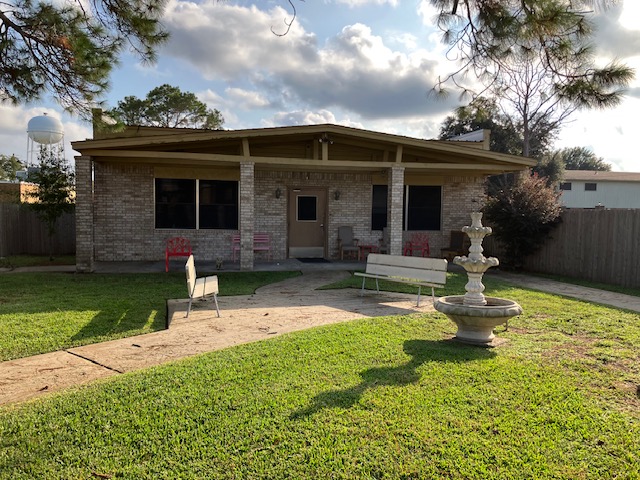
Who Owns and Operates Paradigm At The Prairies?

Paradigm at the Prairies is owned by a for-profit company. For-profit facilities operate as businesses with obligations to shareholders or private owners. The facility is operated by PARADIGM HEALTHCARE, a chain that manages multiple nursing homes. With 150 certified beds and approximately 94 residents (about 63% occupancy), it is a mid-sized facility located in El Campo, Texas.

How Does Paradigm At The Prairies Compare to Other Texas Nursing Homes?

Compared to the 100 nursing homes in Texas, Paradigm at the Prairies's overall rating (2 stars) is below the state average of 2.8, staff turnover (57%) is significantly higher than the state average of 46%, and health inspection rating (2 stars) is below the national benchmark.

What Should Families Ask When Visiting Paradigm At The Prairies?

Based on this facility's data, families visiting should ask: "What changes have been made since the serious inspection findings, and how are you preventing similar issues?" "What safeguards and monitoring systems are in place to protect residents from abuse or neglect?" "How do you ensure continuity of care given staff turnover, and what is your staff retention strategy?" "Can you walk me through typical staffing levels on day, evening, and night shifts?" These questions are particularly relevant given the facility's Immediate Jeopardy citations, the substantiated abuse finding on record, the facility's high staff turnover rate, and the below-average staffing rating.

Is Paradigm At The Prairies Safe?

Based on CMS inspection data, Paradigm at the Prairies has documented safety concerns. The facility has 1 substantiated abuse finding (meaning confirmed case of resident harm by staff or other residents). Inspectors have issued 2 Immediate Jeopardy citations (the most serious violation level indicating risk of serious injury or death). The facility has a 2-star overall rating and ranks #100 of 100 nursing homes in Texas. Families considering this facility should ask detailed questions about what corrective actions have been taken since these incidents.

Do Nurses at Paradigm At The Prairies Stick Around?

Staff turnover at Paradigm at the Prairies is high. At 57%, the facility is 11 percentage points above the Texas average of 46%. High turnover means new staff may not know residents' individual needs, medications, or preferences. It can also be disorienting for residents, especially those with dementia who rely on familiar faces. Families should ask: What is causing the turnover? What retention programs are in place? How do you ensure care continuity during staff transitions?

Was Paradigm At The Prairies Ever Fined?

Paradigm at the Prairies has been fined $23,147 across 2 penalty actions. This is below the Texas average of $33,310. While any fine indicates a compliance issue, fines under $50,000 are relatively common and typically reflect isolated problems that were subsequently corrected. Families should ask what specific issues led to these fines and confirm they've been resolved.

Is Paradigm At The Prairies on Any Federal Watch List?

Paradigm at the Prairies is not on any federal watch list. The most significant is the Special Focus Facility (SFF) program, which identifies the bottom 1% of nursing homes nationally based on persistent, serious quality problems. Not being on this list means the facility has avoided the pattern of deficiencies that triggers enhanced federal oversight. This is a positive indicator, though families should still review the facility's inspection history directly.