ELGIN NURSING AND REHABILITATION CENTER
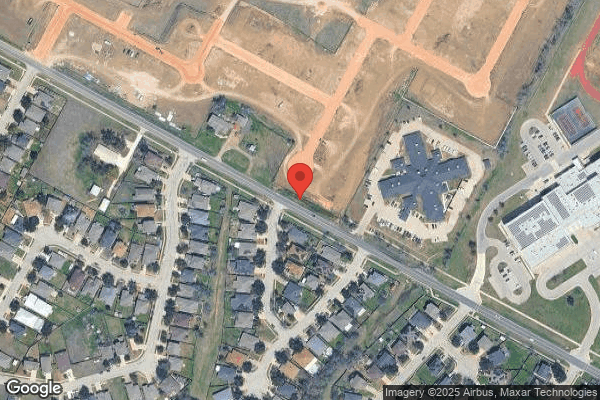
1373 NORTH AVENUE C, ELGIN, TX 78621 (512) 285-2457
Non profit - Corporation 114 Beds WELLSENTIAL HEALTH Data: November 2025 1 Immediate Jeopardy citation
Trust Grade
28/100
#700 of 1168 in TX
Last Inspection: April 2025

Within standard 12-15 month inspection cycle. Federal law requires annual inspections.

Overview

Elgin Nursing and Rehabilitation Center has received an F grade, indicating significant concerns about its care quality. Ranked #700 out of 1168 facilities in Texas, it falls in the bottom half, and it is #4 out of 5 in Bastrop County, meaning there is only one local option that is better. The facility is showing improvement, as the number of issues identified decreased from 9 in 2024 to 7 in 2025. Staffing is a relative strength with a turnover rate of 32%, which is below the state average, but the overall staffing rating is only 2 out of 5 stars. However, there are serious concerns. The facility was cited for failing to provide necessary care for residents with pressure ulcers, leading to severe complications for one resident. Additionally, food safety practices were inadequate, with issues like improper food storage and staff not following hygiene protocols, which could put residents at risk for foodborne illnesses. Furthermore, the staff did not always respect residents' privacy, which can impact their quality of life. While there are some strengths in staffing, the overall quality of care and specific incidents raise significant red flags for potential residents and their families.

Trust Score
F
28/100
In Texas
#700/1168
Bottom 41%
Safety Record
High Risk
Review needed
Inspections
Getting Better
9 → 7 violations
Staff Stability
○ Average
32% turnover. Near Texas's 48% average. Typical for the industry.
Penalties
○ Average
$55,725 in fines. Higher than 74% of Texas facilities. Some compliance issues.
Skilled Nurses
⚠ Watch
Each resident gets only 17 minutes of Registered Nurse (RN) attention daily — below average for Texas. Fewer RN minutes means fewer trained eyes watching for problems.
Violations
⚠ Watch
25 deficiencies on record. Higher than average. Multiple issues found across inspections.
★★☆☆☆
2.0
Overall Rating
★★☆☆☆
2.0
Staff Levels
★★★☆☆
3.0
Care Quality
★★☆☆☆
2.0
Inspection Score
Stable
2024: 9 issues
2025: 7 issues

The Good

  • Full Sprinkler Coverage · Fire safety systems throughout facility
  • No fines on record
  • Staff turnover below average (32%)

    16 points below Texas average of 48%

Facility shows strength in fire safety.

The Bad

2-Star Overall Rating

Below Texas average (2.8)

Below average - review inspection findings carefully

Staff Turnover: 32%

14pts below Texas avg (46%)

Typical for the industry

Federal Fines: $55,725

Above median ($33,413)

Moderate penalties - review what triggered them

Chain: WELLSENTIAL HEALTH

Part of a multi-facility chain

Ask about local staffing decisions and management

The Ugly 25 deficiencies on record

1 life-threatening
Apr 2025 7 deficiencies 1 IJ (1 affecting multiple)
CRITICAL (K)

Immediate Jeopardy (IJ) - the most serious Medicare violation

Pressure Ulcer Prevention (Tag F0686)

Someone could have died · This affected multiple residents

**NOTE- TERMS IN BRACKETS HAVE BEEN EDITED TO PROTECT CONFIDENTIALITY** Based on observation, interview, and record review the facility failed to ensure residents receive care consistent with professi...

Read full inspector narrative →
**NOTE- TERMS IN BRACKETS HAVE BEEN EDITED TO PROTECT CONFIDENTIALITY** Based on observation, interview, and record review the facility failed to ensure residents receive care consistent with professional standards of practice, to prevent pressure ulcers unless the individual's clinical condition demonstrates that they were unavoidable and once developed, failed to ensure necessary treatment and services to promote healing for two (Resident #249 and Resident #40) of five residents reviewed for pressure ulcers. A) The facility failed to ensure Resident #249 who was at risk for skin breakdown received weekly skin assessments to identify skin breakdown. Resident #249 did not have a skin assessment from 04/09/2024 through 04/20/2025. Resident #249 developed a necrotic unstageable pressure ulcer to her sacrum that resulted in Resident #249 developing sepsis and requiring surgical debridement. B) The facility failed to ensure RN A notified Resident #249's physician on 04/20/25 at 4:20 PM when she observed a brown spot on Resident #249's sacral area. These failures resulted in an Immediate Jeopardy (IJ) situation on 04/24/2025. The IJ template was provided to the facility on [DATE] at 2:28 PM. While the IJ was removed on 04/25/2025, the facility remained out of compliance at a severity level of no actual harm at a scope of isolated due to staff needing more time to monitor the plan of removal for effectiveness. This failure placed the residents at risk for developing worsening pressure ulcers, Cellulitis (skin infection), Osteomyelitis (infection of the bone), Sepsis (infection of the blood), severe pain or death. Non immediate jeopardy B) The facility failed to ensure the Treatment nurse used a cleaning technique on Resident #40's Stage 3 sacral pressure ulcer that did not cross contaminate the pressure ulcer. This failure could place residents at risk for worsening of pressure ulcers leading to discomfort, pain, and potential infections. Finding Include: A) Review of Resident #249's face sheet reflected a [AGE] year-old female admitted to the facility on [DATE] with the following diagnoses fracture of unspecified part of left femur neck (hip fracture), cognitive communication deficit, and muscle wasting and atrophy. Review of Resident #249's 5-Day MDS dated [DATE] reflected a BIMS of 13 indicating she was cognitively intake. Resident #249 was assessed to require supervision or touching assistance with toileting and partial to moderate assistance with transfers. Resident #249 was assessed to be occasionally incontinent of urine and continent of bowel. Review of Resident #249's comprehensive care plan reflected a problem dated 04/08/2025 which reflected The resident has potential impairment to skin integrity related to incontinence. Interventions included Monitor/document location, size, and treatment of skin injury. Report abnormalities . Review of Resident #249's admission nursing assessment dated [DATE] reflected she had no skin issues. Review of Resident #249 PCC skin & wound assessment dated [DATE] reflected no skin concerns noted to peri or coccyx area. Review of Resident #249's weekly skin assessments reflected no skin assessment was conducted from 04/08/2025 until 04/20/2025. Review of Resident #249's PCC skin & wound assessment dated [DATE] conducted by RN A reflected Resident #249 had no new wounds. In an interview on 04/24/2025 at 9:10 am RN A stated Resident #249 had a fall around 4:20 pm on 04/20/2025 in her bathroom. RN A stated Resident #249 went to the bathroom on her own and fell. RN A stated she conducted an assessment after the fall and did not see any injuries. She stated at that time she did not look at her sacral area closely and stated she did not smell anything like necrosis. RN A stated that around 9:45 pm a CNA came to her and reported the resident had a brown spot on her sacral area. She stated she left a note for the next shift to assess the area. Review of Resident #249's nursing progress notes reflected an entry dated 04/20/2025 at 9:50 pm CNA notified this nurse about resident having a new wound. Went to assess, noted small wound to resident's bottom with eschar area to wound bed. Skilled wound care nurse to be notified. Progress note signed by RN A. In an interview on 04/24/2025 at 3:05 pm CNA O stated she worked the evening of 04/20/2025 (2pm-10pm shift) and took care of Resident #249. She stated she helped Resident #249 into the bathroom and noticed red color spot on her bottom but denied seeing a wound or skin tear. She stated that she notified the nurse right away and the nurse whose name she does not remember came right away. In an interview on 04/24/2025 at 9:19 am the Treatment nurse stated she saw Resident #249 for wound care on 04/18/2025. She stated she did not do a full skin assessment on that day that she just looked at Resident #249's left hip incision and did not see anything else. She stated Resident #249 was on the commode when she performed the assessment and that she looked at her buttocks but did not look in depth at her sacral area. She stated she did not do treatments on residents with only surgical wounds that the floor nurses did those wound assessments. The Treatment nurse stated on 04/21/2025 that she did not assess Resident #249's skin. The Treatment nurse stated she had no idea how Resident #249's unstageable sacral pressure injury developed. In an interview on 04/24/2025 at 9:45 am the ADON stated she was working the floor on 04/21/2025. She stated on 04/21/2025 around 3:00 pm the CNAs went to lay Resident #249 down in bed and she was complaining of left hip pain. She stated they then turned Resident #249 over on her side they found a large dark area on her sacral area that had odor and covered her entire sacral area. The ADON stated she informed Resident #249's PA. Review of Resident #249's nursing progress note dated 04/21/2025 at 3:24 pm reflected Sent to (hospital) for wound care consult/patient with new sacral wound plus odorous and needs debridement . note signed by the ADON. In an interview on 04/24/2025 at 10:00 am Resident #249's PA stated she received a call from the facility on 04/21/2025 that Resident #249 had a new area to her sacrum. She stated she assessed the area and found an unstageable pressure ulcer to her sacrum that was malodorous. She stated at first, she thought that it might be an abscess, but she had not gotten the hospital paperwork yet to verify that. When asked if Resident #249 could have developed the pressure ulcer in one day since the skin assessment on 04/20/2025 reflected she did not have any skin conditions Resident #249's PA stated a pressure ulcer can develop in that time frame but not necrosis that generally takes about a week. She stated Resident #249 was [AGE] years old but can get up in a wheelchair and move around. Resident #249's PA stated she saw Resident #249 on 04/17/2025 and she complained of hip pain but no other pain. She stated she did not assess her skin at that time. When asked if not performing skin checks could be a factor in the development of the pressure ulcer, she stated it could be a factor yes. She stated, I asked the nurses how we not saw this. Resident #249's PA stated Resident #249's pressure ulcer could not have developed over night, that it was very questionable given the necrosis. Review of Resident #249's PA note dated 04/21/2025 reflected new malodorous decubitus wound .due to concern for infection, I recommend pt (patient) to go to hospital to have wound consult asap (as soon as possible) . Review of Resident #249's hospital records dated 04/21/2025 reflected This is a [AGE] year-old woman with a past medical history of hypertension (high blood pressure), hyperlipemia (high levels of fat in the blood) and hypothyroidism (decreased production of thyroid hormones) who presents from an inpatient rehab facility after having left hip surgery several weeks ago now developing sacral pain over the last week with a large sacral decubitus ulcer. The patient appears to have a central area of necrotic issue with surrounding cellulitis approximately 8 cm in diameter. She will require debridement routinely and antibiotic coverage with PT wound care for healing .8 cm in diameter necrotic decubitus ulcer with surrounding erythema .patient with possible sepsis Further review of Resident #249's hospital record reflected on 04/22/2025 she was diagnosed with sacral wound sepsis. Review of the operative report reflected preoperative diagnosis sacral pressure ulcer (unstageable) postoperative diagnosis sacral pressure ulcer (Stage IV) debridement down to and including sacral bone. Post debridement measurements 20cm x 15cm x 4cm wound vac application. With findings necrotic muscle extending to bone with copious purulence and malodorous smelling wound . Interview on 04/24/2025 at 10:55 am the DON stated when the facility was made aware of Resident #249's new pressure ulcer they sent her out to the hospital right away. She stated the facility started in-servicing staff and did a skin audit. She stated there were a lot of opportunities to see Resident #249's pressure ulcer that were missed. She stated if Resident #249's skin assessment had been done weekly it defiantly could have made a difference in the outcome if it had been caught earlier. In a follow-up interview on 04/24/2025 at 3:00 pm the DON stated that the facility regularly pulls up a list of residents' due weekly skin assessments, she stated every other day of so. She stated when they started looking into Resident #249, she found that her weekly skin assessment did not populate to alert the staff to do a skin assessment. The DON stated she did not know why the assessment did not populate. She stated the facility started training on how to complete a full and thorough skin assessment. She stated residents not being monitored and skin assessments being performed could contribute to residents having pressure ulcers not known by the facility. She stated she expected CNAs to tell nurses if a resident was not bathing and expected the staff nurses and aides to take every care opportunity to view the residents' skin for changes. In an interview on 04/24/2025 at 3:20 pm the Administrator stated he expected skin assessments to be done weekly and a thorough skin assessment be conducted. He stated if a thorough skin assessment had been conducted for Resident #249 the pressure sore would have been caught earlier. He stated if staff were charting on a skin assessment form, then a full and thorough skin assessment should be conducted. Review of the facility's undated policy Skin integrity management system reflected A head-to-toe body evaluation will be completed on every resident upon admission or readmission on the Initial Nursing Evaluation. Weekly thereafter the evaluations will be documented on the Weekly Skin Evaluation UDA. If skin is intact, no further action is required. If skin is compromised, proceed to the Weekly Wound Progress UDA. Identified skin areas will be documented on the Weekly Pressure or Non-Pressure UDA. Wound progress is to be documented each week with measurements and wound descriptions .Routine weekly checks will be completed on each resident; if skin is intact, it will be noted as such. If a new pressure injury is noted, a Weekly Pressure or Non-Pressure UDA will be started. Notification of Physician and Responsible Party will be documented in the Progress Notes. Assignments for skin evaluations will be scheduled. These assignments are to be monitored for completion . B) Review of Resident #40's face sheet dated 04/16/2025 revealed Resident #40 was a [AGE] year old female admitted to the facility on [DATE] with a diagnoses of Cognitive Communication Deficit (problem with communication caused by cognition rather than a language or speech deficit), Dysphagia (difficulty swallowing), Parkinson's Disease with Dyskinesia (a progressive disorder that affects the nervous system), Neurocognitive disorder with Lewy Bodies (a dementia where protein deposits develop in nerve cells in the brain), and unspecified Fracture of Sacrum (a broken bone in the lower back near the tailbone). Record review of Resident #40's MDS assessment, dated 04/16/2025, reflected Resident #40 was readmitted to the facility on [DATE] following a short-term hospital stay. MDS assessment had not been completed at the time of the survey. Record review of Resident #40's care plan reflected a focus area, dated 04/23/2025, reflected The resident has stage 3 pressure ulcer to sacrum date of development 04/21/2025 r/t skin frailty, immobility and incontinence. Goal included, resident's pressure ulcer will show signs of healing and remain free from infection by/through review date. Target date: 06/28/2025. Observation on 04/23/2024 at 8:18 am revealed the Treatment Nurse in Resident #40's room to provide wound care. She removed the dressing covering the wound, then provided incontinent care to Resident #40. She wiped feces off the resident's perianal area with a moist perineal wipe and used the soiled wipe to wipe the skin around the open wound. She later used clean moistened gauze to wipe the skin surrounding the wound, before using the soiled gauze to wipe the open wound bed. Interview with Treatment Nurse on 4/24/25 at 09:20 AM stated that the proper technique for performing wound care is to wipe from the inner aspect of a wound and clean outward to prevent cross-contamination of a wound. Stated, that wasn't ideal at all when informed that she wiped around the open wound when cleaning feces off the resident's skin, and then later wiped the surrounding skin before cleaning the wound bed with the same moistened gauze during wound care to Resident #40. She stated that the resident could get an infection if the wound was contaminated with feces. Interview on 4/24/25 at 02:32 pm with DON stated that her expectations for wound care technique is that the wound bed be cleaned from the center of the wound bed outward. Stated that fecal contamination of the wound could lead to a wound infection and decline of the wound. Stated that hand hygiene should be done prior to medication administration per policy. Stated that the staff could cross contaminate the resident if hand hygiene is not performed. Interview on 4/24/25 at 03:31 pm with Administrator stated that his expectation is that incontinent care be performed prior to proceeding with wound care. In a follow-up interview on 04/25/2025 at 09:40 am the Administrator stated that if there was contamination in a wound, there is a possibility that a resident may need further intervention such as antibiotics. Review of facility's policy on Infection Prevention and Control Program dated 05/13/2023, reflected All staff shall assume that all residents are potentially infected or colonized with an organism that could be transmitted during the course of providing resident care services. Review of the facility's policy on Pressure Ulcer Prevention and Management dated 08/15/2022, reflected The facility shall establish and utilize a systematic approach for pressure injury prevention and management, including prompt assessment and treatment; intervening to stabilize, reduce or remove underlying risk factors; monitoring the impact of the interventions; and modifying the interventions as appropriate. Evidence-based interventions for prevention will be implemented for all residents who are assessed at risk or who have a pressure injury present. Basic or routine care interventions could include but are not limited to .ii. Minimize exposure to moisture and keep skin clean, especially of fecal contamination. The Administrator was notified on 04/24/2025 at 1:37 pm, that an Immediate Jeopardy had been identified due to the above failures and an IJ template was provided. The following POR was accepted on 04/25/2025 at 1:15 pm. Letter of Credible Allegation For Removal of Immediate Jeopardy Attention Sir or Madam On 04/22/25 an annual survey was initiated at the facility. On 04/24/25 the surveyor provided an Immediate Jeopardy (IJ) Template notification that the Regulatory Services has determined that the condition at the facility constitutes an immediate jeopardy situation to resident health and safety. Submission of the Letter of Credible Allegation does not constitute an admission or agreement of the facts alleged or the conclusion set for in the verbal and written notice of immediate jeopardy and/ or any subsequent Statement of Deficiencies. The immediate jeopardy allegations are as follows. F686 Quality of Care Pressure The facility failed to ensure Resident # 249 who was at risk for skin breakdown received weekly skin assessments to identify skin breakdown. Resident #249 did not have a skin assessment from 04/09/2025 through 04/20/2025. Resident # 249 developed a necrotic unstageable pressure ulcer to her sacrum that resulted in Resident #249 developing sepsis and requiring surgical debridement. Resident #249 remains hospitalized . Actions for Resident Involved * On 4/24/2025 the Treatment Nurse was re-educated on completing thorough skin assessments by the Director of Nurses and suspended. Identification of Others * On 4-24-2025, the nursing facility conducted 100% head to toe assessment to ensure that residents with skin alterations were identified and documented. All skin assessments were documented on the PCC total body skin assessment form and saved in the resident's medical record. For any alterations in skin integrity, orders will be reviewed, and documentation reviewed to ensure license staff are following facility skin assessment and pressure ulcer prevention and management policy. * 3 residents were identified with newly developed rashes, MD was notified, orders for treatment were received, RP was notified, and care plan was updated to reflect treatment. * 1 resident identified with MASD to the sacrum, MD was notified, orders for treatment were received, RP was notified, and care plan was updated to reflect treatment. * 1 open blister was identified, MD was notified, orders for treatment were received, RP was notified, and care plan was updated to reflect the treatment. Systemic Changes/ Education On the Director of Nursing initiated education with 100% of licensed staff. Education was completed 4-24-2025. Those that are PRN and/ or out on FMLA/ LOA will be taken off schedule and have the education completed prior to accepting assignment for their next scheduled shift. * Skin Assessment Policy * A full body, or head toe, skin assessment will be conducted by a licensed or registered nurse upon admission/re-admission, and weekly thereafter. The assessment may also be performed after a change of condition or after any newly identified pressure injury. * Pressure Ulcer Prevention and Management Policy * Licensed nurses will conduct a full body skin assessment on all residents upon admission/re-admission, weekly, and after any newly identified pressure injury or skin alteration. Findings will be documented in the medical record. * Assessments of pressure injuries or skin alterations will be performed by a Licensed Nurse (Licensed Vocational Nurse and Registered Nurse) and documented in the medical record. Documentation will include the site, type, stage, measurement, presence of exudate and amount, odor, wound bed. surrounding skin color, surrounding tissue edges, tunneling, undermining and response to treatment. * The attending physician will be notified of: * The presence of a new pressure injury or skin alteration upon identification. * The progression towards healing, or lack of healing, of any pressure injuries or skin alteration weekly. * Any complications (such as infection, development of a sinus tract, etc.) as needed. * Skin Integrity Management System * Notification of Changes Policy On 4/24/25 The Regional Clinical Specialist initiated the following education with 100% of licensed staff. Education will be completed 4-25-2025. Those that are PRN and/ or out on FMLA/ LOA will be taken off schedule and have the education completed prior to accepting assignment for their next scheduled shift. * Comprehension of training was verified by having nurses voice understanding of the training and repeat back training contents. * Skin Assessment Policy * A full body, or head to toe, skin assessment will be conducted by a licensed or registered nurse upon admission/re-admission, and weekly thereafter. The assessment may also be performed after a change of condition or after any newly identified pressure injury. * The DON and/or designee will provide oversight of completion of skin assessments up-on admission/re- admission and weekly thereafter and will document on the findings on the facility clinical [NAME]-up form. * the documentation of each assessment is noted in PCC by the nurse completing assessment. The Director of Nurses/ designee will run the Total Body Skin Assessment from PCC each weekday, audit for missing assessments, and assign completion as appropriate. * Pressure Ulcer Prevention and Management Policy * Licensed nurses will conduct a full body skin assessment on all residents upon admission/re-admission, weekly, and after any newly identified pressure injury or skin alteration. Findings will be documented in the medical record. * Assessments of pressure injuries or skin alterations will be performed by a Licensed Nurse (Licensed Vocational Nurse and Registered Nurse) and documented in the medical record. Documentation will include the site, type, stage, measurement, presence of exudate and amount, odor, wound bed. surrounding skin color, surrounding tissue edges, tunneling, undermining and response to treatment. * The attending physician will be notified of: * The presence of a new pressure injury or skin alteration upon identification. * The progression towards healing, or lack of healing, of any pressure injuries or skin alteration weekly. * Any complications (such as infection, development of a sinus tract, etc.) as needed. * The notification of the physician is noted in PCC and will be tracked for completion by the DON and/or designee through the review of the PCC 24 hrs. report. * Skin Integrity Management System. The documentation of this training is recorded on the facility's Inservice Training Report. * Notification of Changes Policy- The documentation of this training is recorded on the facility's Inservice Training Report. On 4-24-2025, the Regional Clinical Specialist re-educated the Director of nursing and ADONS on monitoring the skin integrity system to include completion of weekly skin assessment for each resident. Training recorded on the facility Inservice Training Report * Comprehension of training was verified by having nurses voice understanding of the training and repeat back training content. Monitoring The Director of Nursing or designee will audit PCC total body assessment each weekday to ensure timely completion of skin assessments for each resident. o The PCC total body assessment audit will be documented on the facility's Clinical Stand-up Meeting form. The Director of Nursing and/or designee will ensure competency of the Licensed Nurses (Licensed Vocational Nurses and Registered Nurses) weekly x 4 by return demonstration of head-to-to-toe assessment and visual inspection of the resident's skin. o The verification of licenses nurse's competency will be documented on the facility Skin Assessment competency form. The Director of Nursing or designee will review the pressure ulcer log weekly following wound measurements to ensure that up-on identification of a new wound the physician was notified and that the wound assessments reflect the change in condition. o The review of the pressure ulcer log will be documented on the facility Clinical Stand-up Meeting form. o For any new admissions or resident requiring daily attention on the weekend, the on-call facility nurse manager will monitor for completion of assessment and ordered treatments. The Director of Nursing or designee will monitor compliance each weekday morning. The results of the findings will be discussed in the monthly QAPI meeting for three months and the plan will be continued as needed. o The compliance monitoring will be documented on the facility's monthly QAPI form. Skilled Wound Care Physician group will provide weekly review of residents with wounds. o Skilled Wound Care Physicians will provide weekly assessment and review of the residents with wounds by conducting weekly rounds. Rounds will be documented on the SWC provider Communication Log for Daily Rounds. The Administrator will attend the morning clinical meeting to ensure the Director of Nursing and/ or designee reviews the documentation in PCC during the morning clinical meeting. The facility will evaluate the effectiveness of this plan during the Monthly Quality Assessment and Assurance Committee Meeting attended by at least the Administrator, Director of Nursing, Medical Director and at least three other staff members and the Infection Preventionist. The facility QAPI Committee reviews facility trends including Pressure Ulcer Reports and completion of weekly skin assessments. An Ad Hoc QAPI was conducted on 4-24-2025, by the Administrator, with the Medical Director, Director of Nursing, and the Regional Clinical Specialist concerning pressure ulcers and to develop the above-mentioned plan of care. We respectfully submit this action plan for the removal of Immediate Jeopardy. The Survey Team monitored the POR on 04/24/2025 through 04/25/2025 as followed: In an interview on 04/25/2025 at 1:23 pm LVN P (6-2 shift) stated she was in-serviced on skin and wound care on 4/24/2025 by the DON and the Nurse Consultant. The in-service was on wound and skin assessments and how to do assessments and notification of changes. We do weekly skin assessments on everyone in the building, on new admits, readmits and residents with change of condition. Know how to properly assess the resident. Know what to look for on a head-to-toe assessment. Know the 2 forms total body assessment do this on everyone whether they have wounds or do not have wounds. The 2nd form is what we do in iPad, and we do the wound assessment on it, and we take a picture of the wound we fill out the characteristics progress of the wound and it automatically does the measurements of the wound. Document this on a skin assessment form and it has the width length and depth for the nurse to document. The total body assessment- document skin color, temperature, moisture, condition and enter the number of wounds. I cannot recall everything on the skin assessment without looking at the form. The nurse documents the type of wound she stated LVN's could not stage a wound and would need someone else to stage such as RN or the Physician or Nurse Practitioner. If Resident has a burn put what type of degree of burn and would refer to RN or Physician for assistance if needed. Document if there was any slough if resident has staples how many does the resident have. The measurements of the wound how long the resident had the wound. Was the resident admitted with the wound. In an interview on 04/25/2025 1:48 pm LVN Q (6-2 shift) stated she was in-serviced on skin and wound care on 4/24/2025 by the Nurse Consultant and the DON did the in- service. Every time do a skin assessment do it weekly, any new admits, readmits, or change of condition. Inservice on notification of changes. I had to repeat what I learned during in-service to the DON. We have a list of who gets a skin assessment included people with wounds and without wounds every day. We must do head to toe assessment if there are some findings any bruises any skin tears pressure ulcer, we must make sure the pressure points are not red. She stated head to toe assessment was looking at the scalp, all areas of the ears, underneath both arms - arm pits, both arms, stomach area, if a female look under the breast and if a male would look under [NAME] the scrotum. I would open the buttocks area and look to determine if there was any wounds or area inside the buttocks look outside the buttocks, especially the sacral area. If have any fat rolls anywhere on the body look under the fat rolls. Would look at the thighs, both upper and lower leg extremity, look at ankles, heels, underneath the feet and in between toes. Would follow the skin assessment and document any findings of the skin assessment of the resident on the skin assessment. If find a pressure ulcer I will do skin assessment on IPAD we can take picture of the wound, I would look first photo how it looked and if needed to take another photo would take another photo. After the picture is taken on the IPAD it directs you what to do next. And you would click on options and the IPAD would measure the wound. You would point the iPad to the head of the resident and take picture and it would show you the measurements of where the wound was located. When you take a picture it gives option where it says where is the position where the head of the patient point the camera to the wound it tells where is the location of the wound and click on it and it gives you a diagram of the person it has option to rotate to get the actual site of the wound it will ask all characteristics of the wound such as is it draining, does it have an odor s/s of infection and gives the option it gives to measure but as an LVN cannot stage. I would call the doctor and get orders and tr[TRUNCATED]
CONCERN (D)

Potential for Harm - no one hurt, but risky conditions existed

Comprehensive Care Plan (Tag F0656)

Could have caused harm · This affected 1 resident

**NOTE- TERMS IN BRACKETS HAVE BEEN EDITED TO PROTECT CONFIDENTIALITY** Based on record review and interviews, the facility failed to ensure the comprehensive care plan described the services that wer...

Read full inspector narrative →
**NOTE- TERMS IN BRACKETS HAVE BEEN EDITED TO PROTECT CONFIDENTIALITY** Based on record review and interviews, the facility failed to ensure the comprehensive care plan described the services that were to be furnished to attain or maintain the residents' highest practicable physical, mental, and psychosocial well-being for one (Resident #84) of 10 residents reviewed for care plans, in that: 1. The facility failed to ensure Resident #84's comprehensive care plan included a smoking plan. This failure could place the residents at risk of not receiving care and services to meet their needs. Findings included: Record review of Resident #84 Face sheet, dated 4/24/2025, reflected he was a [AGE] year-old man, who was admitted to facility on 12/30/24 with diagnoses of centrilobular emphysema (lung disease with damage to the air sacs), respiratory failure, obstructive pulmonary disease (chronic progressive lung disease), type 2 diabetes mellitus with diabetic neuropathy (nerve damage due to diabetes), unsteadiness on feet, cognitive communication deficit (problems with communication), and muscle wasting and atrophy. Record review of Resident #84 Quarterly MDS dated [DATE] , indicated he had a Brief Interview for Mental Status (BIMS) of 11, indicating moderate cognitive impairment. Records review of Resident #84's comprehensive care plan dated 3/25/2025, reflected the resident's diagnoses with a focus on interventions that were actively being completed to support residents' health. Smoking was not reflected on care plan. In an observation and interview with Resident #84 on 4/22/2025 at 10:10 AM, resident was observed lying in his bed with oxygen. Resident stated that due to him being on antibiotics changed his smoking schedule. He stated he goes after the other residents, and when he goes out to smoke, he smokes alone. Resident stated if the state surveyors observed him by himself, the reason was due to him being on the antibiotics for his blood issues. In an observation and interview with Resident #84 on 4/23/2025 at 9:13 AM. Resident was sitting up in a chair, he stated he had just come from smoking. Resident was observed to be clean and neat in appearance . Records review revealed a smoking safety screen for Resident #84 was completed on 1/6/2025. In an interview on 4/24/2025 at 1:44 PM, Social Worker (SW) stated she has worked at the facility for four years. SW stated she has been trained on the smoking policy. SW was asked to explain the smoking policy. She stated all residents must be supervised unless they sign themselves out to smoke away from the facility property. SW was asked if smoking should be included on a care plan for a resident that smokes, SW stated yes, it should be on the care plan. SW was asked, what could be a potential outcome if smoking was not on the care plan. SW stated there could be a possible accident. SW was asked had Resident #84 signed himself out to smoke, SW stated he had in the past, but she did not know of anytime recently. SW stated she was not aware of Resident #84 smoking alone. SW stated Resident #84 was not supposed to smoke unsupervised. SW was asked why smoking was not included on the care plan for resident 84, SW stated it should be on the care plan. SW was told that smoking was not reflected on resident 84 care plan. In an interview on 4/24/2025 at 3:30 PM, Director of Nursing (DON ) stated, she was aware of the facility's smoke policy. DON stated residents have smoke times assigned and they must be supervised while smoking. DON was asked who was responsible for developing the care plan, DON stated the nursing team. DON was asked should smoking be included on a resident's care plan if they were a smoker, DON stated yes. DON was asked what potential outcomes could be when smoking is not reflected in the care plan, DON stated it can lead to opportunities for accidents. She stated that she was not aware of him smoking alone. Record review on 4/24/2025 of facility's Comprehensive Care Planning Policy dated 10/24/22 reflected the following: a) Care plan will describe the services that are to be furnished to attain or maintain the resident's highest practicable physical, mental, and psychosocial well-being. B )resident's goals for admission, desired outcomes, and preferences for future discharge. b) Resident specific interventions that reflect the resident's needs and preference and align with the resident's cultural identity, as indicated.
CONCERN (D)

Potential for Harm - no one hurt, but risky conditions existed

Infection Control (Tag F0880)

Could have caused harm · This affected 1 resident

**NOTE- TERMS IN BRACKETS HAVE BEEN EDITED TO PROTECT CONFIDENTIALITY** Based on observation, interview, and record review, the facility failed to establish and maintain an infection prevention and co...

Read full inspector narrative →
**NOTE- TERMS IN BRACKETS HAVE BEEN EDITED TO PROTECT CONFIDENTIALITY** Based on observation, interview, and record review, the facility failed to establish and maintain an infection prevention and control program designed to provide a safe, sanitary, and comfortable environment and to help prevent the development and transmission of communicable diseases and infections for 2 (Resident #40 and Resident #1) of 18 residents reviewed for infection control practices. 1. The facility failed to ensure the Treatment nurse used a cleaning technique on Resident #40's Stage 3 sacral pressure ulcer that did not cross contaminate the pressure ulcer. 2. The facility failed to ensure that MA C performed hand hygiene prior to medication administration for Resident #1. The failure related to wound care technique could place residents at risk for healthcare associated cross contamination leading to worsening of pressure ulcers discomfort, pain, and potential infections. The failure with hand hygiene prior to medication administration could place the residents at risk for healthcare associated cross contamination and possible infections related to the contamination of the environment and oral medications. Findings included: Review of Resident #40's face sheet dated 04/16/2025 revealed Resident #40 was a [AGE] year old female admitted to the facility on [DATE] with a diagnoses of Cognitive Communication Deficit (problem with communication caused by cognition rather than a language or speech deficit), Dysphagia (difficulty swallowing), Parkinson's Disease with Dyskinesia (a progressive disorder that affects the nervous system), Neurocognitive disorder with Lewy Bodies (a dementia where protein deposits develop in nerve cells in the brain), and unspecified Fracture of Sacrum (a broken bone in the lower back near the tailbone). Record review of Resident #40's MSD assessment, dated 04/16/2025, reflected Resident #40 was readmitted to the facility on [DATE] following a short-term hospital stay. MDS assessment had not been completed at the time of the survey. Record review of Resident #40's care plan reflected a focus area, dated 04/23/2025, reflected The resident has stage 3 pressure ulcer to sacrum date of development 4/21/25 r/t skin frailty, immobility and incontinence. Goal included, resident's pressure ulcer will show signs of healing and remain free from infection by/through review date. Target date: 06/28/2025. Observation on 04/23/2024 at 8:18 AM revealed the Treatment Nurse in Resident #40's room to provide wound care. She removed the dressing covering the wound, then provided incontinent care to Resident #40. She wiped feces off the resident's perianal area with a moist perineal wipe and used the soiled wipe to wipe the skin around the open wound. She later used clean moistened gauze to wipe the skin surrounding the wound, before using the soiled gauze to wipe the open wound bed. Interview with Treatment Nurse on 4/24/25 at 09:20 AM stated that the proper technique for performing wound care is to wipe from the inner aspect of a wound and clean outward to prevent cross-contamination of a wound. Stated, that wasn't ideal at all when informed that she wiped around the open wound when cleaning feces off the resident's skin, and then later wiped the surrounding skin before cleaning the wound bed with the same moistened gauze during wound care to Resident #40. She stated that the resident could get an infection if the wound was contaminated with feces. Interview on 4/24/25 at 02:32 PM with DON stated that her expectations for wound care technique is that the wound bed be cleaned from the center of the wound bed outward. Stated that fecal contamination of the wound could lead to a wound infection and decline of the wound. Stated that hand hygiene should be done prior to medication administration per policy. Stated that the staff could cross contaminate the resident if hand hygiene is not performed. Interview on 4/24/25 at 03:31 PM with Administrator stated that his expectation is that incontinent care be performed prior to proceeding with wound care. Stated his expectation was that hand hygiene should be performed prior to medication administration. Follow-up interview on 04/25/2025 at 09:40 AM with Administrator stated that if there was contamination in a wound, there is a possibility that a resident may need further intervention such as antibiotics. Stated that there is a possibility of cross contamination if staff did not wash or sanitize hands prior to administering medications to a resident. Stated that the resident has a potential to develop stomach issues such as nausea and vomiting, depending on the type of bacteria. Review of facility's policy on Infection Prevention and Control Program dated 05/13/2023, reflected All staff shall assume that all residents are potentially infected or colonized with an organism that could be transmitted during the course of providing resident care services. Review of the facility's policy on Pressure Ulcer Prevention and Management dated 08/15/2022, reflected The facility shall establish and utilize a systematic approach for pressure injury prevention and management, including prompt assessment and treatment; intervening to stabilize, reduce or remove underlying risk factors; monitoring the impact of the interventions; and modifying the interventions as appropriate. Evidence-based interventions for prevention will be implemented for all residents who are assessed at risk or who have a pressure injury present. Basic or routine care interventions could include but are not limited to:ii. Minimize exposure to moisture and keep skin clean, especially of fecal contamination. Record review of Resident #1's face sheet, dated 04/23/2025, reflected Resident #1 was a [AGE] year old female admitted to the facility on [DATE] with a diagnosis of Seizures, Vascular Dementia (dementia related to the blood vessels of the brain), Anxiety, and transient cerebral ischemic attack (a brief stroke-like attack wherein symptoms resolve withing 24 hours). Record review of Resident #1's MDS assessment, dated 02/20/2025, reflected Resident #1 had a BIMS score of 12, indicating moderate cognitive impairment. Record review of Resident #1's care plan reflected a focus area, dated 03/03/2025, The resident has impaired cognitive function/dementia or impaired thought processes r/t Dementia. Interventions indicated, Administer medications as ordered. Monitor/document for side effects and effectiveness. Observation on 04/23/25 at 09:43 AM revealed MA C did not perform hand hygiene when entering the Resident's room prior to administering oral medications to Resident #1. Interview with MA C on 4/24/2025 at 9:48 AM stated that she did not perform hand hygiene prior to administering medications to Resident #1. Stated that normally she would clean from the inner part of the wound to the outer surrounding skin. Stated that the resident could possibly get an infection if hand hygiene was not performed prior to medications. Review of the facility's policy on Infection Control, dated 05/13/2023, reflected Hand hygiene shall be performed in accordance with the facility's established hand hygiene procedures. Review of the facility's policy on Medication Administration, dated 10/01/19, reflected, Handwashing and Hand Sanitization: The person administering medications adheres to good hand hygiene, which includes washing hands thoroughly before beginning a medication pass, prior to handling any medication, after coming into direct contact with a resident, and before and after administration of ophthalmic, topical, vaginal, rectal, and parenteral preparations and medications given via enteral tubes.
CONCERN (E)

Potential for Harm - no one hurt, but risky conditions existed

Resident Rights (Tag F0550)

Could have caused harm · This affected multiple residents

**NOTE- TERMS IN BRACKETS HAVE BEEN EDITED TO PROTECT CONFIDENTIALITY** Based on observation, interview, and record review, the facility failed to treat each resident with respect and dignity and care...

Read full inspector narrative →
**NOTE- TERMS IN BRACKETS HAVE BEEN EDITED TO PROTECT CONFIDENTIALITY** Based on observation, interview, and record review, the facility failed to treat each resident with respect and dignity and care for each resident in a manner and in an environment that promotes maintenance or enhancement of his or her quality of life for 3 of 10 residents (Resident #70, Resident #85, and Resident #247) reviewed for rights. The facility failed to ensure LVN N and CNA B knocked on Resident #70, Resident #85, and Resident #247's doors when going into the residents' rooms. The deficient practice could place residents at risk of feeling like their privacy was being invaded or the facility was not their home. Findings included: Review of Resident #70's Face Sheet dated 04/23/2025 revealed he was a [AGE] year-old male who was admitted to the facility on [DATE]. Resident #70's diagnoses included Alzheimer's disease (progressive disease that destroys memory and other important mental function), urinary tract infection, constipation, need for assistance with personal care, type 2 diabetes mellitus without complications (high blood sugar), dementia (memory, thinking, difficulty), schizophrenia (mental disorder), depression, insomnia (difficulty sleeping), chronic pain, history of falling, lower back pain, hypertension (high blood pressure), gastroesophageal reflux disease without esophagitis (reflux), and vision loss. Record review of Resident #70's Quarterly MDS assessment dated [DATE] revealed Resident #70 had a BIMS score of 03 indicating severe cognitive impairment. Review of Resident #85's Face Sheet dated 04/23/2025 revealed she was a [AGE] year-old female who was admitted to the facility on [DATE]. Resident #85's diagnoses included sepsis (a life-threatening complication of an infection), muscle wasting, unsteadiness on feet, lack of coordination, cognitive communication deficit (problems with communication), pain, hyperlipidemia (high cholesterol), hypertension (high blood pressure), and gastroesophageal reflux disease without esophagitis (reflux). Record review of Resident #85's Quarterly MDS assessment dated [DATE] revealed Resident #85 had a BIMS score of 08 indicating moderate cognitive impairment. Review of Resident #247's Face Sheet dated 04/23/2025 revealed she was an [AGE] year-old female who was admitted to the facility on [DATE]. Resident #247's diagnoses included urinary tract infection, anemia (not enough healthy red blood cells), hyperlipidemia (high cholesterol), depression, kidney failure, weakness, adult failure to thrive, hypertensive heart disease with heart failure (damage to heart and heart failure due to chronic high blood pressure), and age-related debility. Record review of Resident #247's Quarterly MDS assessment dated [DATE] revealed Resident #247 had a BIMS score of 14 indicating intact cognitive response. Observation of hall 100 on 04/22/2025 at 11:57 am revealed that CNA B did not knock on Resident #70's door before entering the room. Observation of hall 100 on 04/22/2025 at 11:58 am revealed CNA B did not knock on Resident #85's door before entering the room. Observation of hall 100 on 04/22/2025 at 12:fpm revealed CNA B did not knock on Resident #247's door before going into the room. Observation on 100 hall on 04/23/2025 at 08:46 am revealed that LVN A did not knock on Resident #85's door before entering the room. An interview with Resident #70 on 04/23/2025 at 9:06 a.m., revealed that he did not want to talk to the surveyor. Resident #70 just looked at surveyor. An interview with Resident #85 on 04/23/2025 at 1:2 revealed that she was good and was just watching television. She would not answer questions about staff knocking. An interview with Resident #85's FM on 04/23/2025 at 1:45 p.m., revealed that staff knock at times and there were times that the staff do not knock. He said that he did not care if staff knocked because the door made a lot of noise, and he could hear the staff coming in. He said that staff not knocking did not upset him. During an attempted interview with Resident #247 on 04/23/2025 at 1:46 p.m., she said that staff never knock before going into her room. She said that it would make her happy if anyone who came into her room would knock first. She said that she did not get upset when staff did not knock. During an interview with LVN N on 04/23/2025 at 1:20 p.m., she said she had been trained on resident rights. She said the policy for knocking was that staff were supposed to always knock before entering, introduce themselves and tell the resident what they were going to do. She said that all staff were required to knock before entering the resident's room. She said that there was no time that the staff should not knock before entering. She said if staff did not knock, the resident may feel like staff are intruding on their privacy. She said that the charge nurse or management monitor to ensure staff were knocking on the residents' doors. She said that the charge nurse or management monitored by observations. She said she realized she did not knock once she entered the room. She said she normally did knock but got distracted by the aides. During an interview with CNA B on 04/24/2025 at 11:26 am revealed that she had been trained on resident rights. She said the policy for knocking was that staff were supposed to always knock before entering. She said that all staff were required to knock before entering the resident's room. She said that knocking was for the resident's privacy and dignity. She said that there was no time that the staff should not knock before entering. She said if staff did not knock, the resident may feel like they do not have any privacy or respect. She said that the charge nurse monitor to ensure staff were knocking on the residents' doors. She said that the charge nurse monitored by observations. She said she was not sure why she did not knock on the residents doors before entering. An interview with the DON on 04/24/2025 at 11:30 a.m., revealed she and staff had been trained on resident rights. She said the policy was that staff were to knock on the door and that she was not sure if there was a policy. She said that staff were to knock except if it was an emergency such as the resident on the floor. She said it was important for staff to knock because it was the resident's right. She also said that if staff did not knock on the door, it might bother some residents but others it may not bother it would depend on the resident. She said that all management was responsible for monitoring to ensure staff were knocking. She said that management monitored it by doing observations. She said some of the staff were students and are still learning but for the ones who were not students, she said she did not know why they did not knock. An interview with the ADM on 04/24/2025 at 11:35 a.m., revealed that he and staff had been trained on resident rights. He said the policy was to knock on the door, pause wait for a response and then enter. He said that it was important for staff to knock on the residents' door for their privacy. He said the resident may feel like their privacy is being invaded, could hurt their dignity and cause the resident to feel disrespected. He said the only time staff did not need to knock on the resident's door was in the event of an emergency. He said that the charge nurse was to monitor to ensure that staff were knocking on the door. He said the charge nurses monitored knocking by observation of the halls. He said he did not know why staff were not knocking on residents' doors before entering . Record review of Promoting/Maintaining Resident Dignity Policy dated 1/13/2023 revealed it was the practice of the facility to protect and promote resident rights and treat each resident with respect and dignity. Staff were to maintain resident privacy.
CONCERN (E)

Potential for Harm - no one hurt, but risky conditions existed

ADL Care (Tag F0677)

Could have caused harm · This affected multiple residents

**NOTE- TERMS IN BRACKETS HAVE BEEN EDITED TO PROTECT CONFIDENTIALITY** Based on observation, interviews, and record review the facility failed to provide the necessary services for residents who were...

Read full inspector narrative →
**NOTE- TERMS IN BRACKETS HAVE BEEN EDITED TO PROTECT CONFIDENTIALITY** Based on observation, interviews, and record review the facility failed to provide the necessary services for residents who were unable to carry out activities of daily living to maintain good grooming and personal hygiene for 3 of 8 Residents (Resident # 22, Resident # 50, and Resident # 74) reviewed for ADLs. The facility failed to ensure Resident #22, Resident #50, and Resident #74 nails were trimmed. This failure could place residents who were dependent on staff for ADL care at risk for loss of dignity, risk for infections, and a decreased quality of life. Findings included: Record review of Resident #22's face sheet, dated 04/23/2025, reflected a [AGE] year-old female admitted to the facility on [DATE] and readmitted on [DATE] with diagnoses which included unspecified dementia, unspecified severity, without behaviors ( person presented signs of loss of memory, language, problem-solving and other thinking abilities without behaviors), type 2 diabetes mellitus with diabetic neuropathy, unspecified ( a chronic disease characterized by high blood sugar levels, primarily due to the body's inability to effectively use or produce enough insulin- neuropathy causes pain, numbness, and tingling in different parts of the body), and multiple sclerosis (progressive disease involving damage to the nerve cells in the brain and spinal cord, whose symptoms may include numbness, impaired speech and of muscular coordination, blurred vision , and severe fatigue). Record review of Resident #22's Quarterly MDS Assessment, dated 04/09/2025, reflected Resident #22 had a BIMS score of 4 indicating her cognitive status was severely impaired. Resident #22 was totally dependent on staff for personal hygiene, showers, and oral hygiene. She required substantial /maximal assistance (helper does more than half the effort) with upper and lower dressing, and toileting hygiene. Review of Resident #22's Comprehensive Care Plan, completed on 04/04/2025 , reflected Resident #22 had an ADL self-care performance deficit related to decreased mobility, contractures, and chronic pain. Interventions: Resident #22 required extensive assistance by 1-2 staff with personal hygiene. Observation and interview on 04/22/2025 at 9:45 AM revealed Resident #22 was in her room lying in bed. Her nails on her right hand were not smooth around the edges and had a blackish/brownish substance underneath her middle, ring, and fore fingernails on her right hand. Resident #22 also had a blackish/brownish substance on the tip of her middle and ring finger on her right hand. She was not interviewable. Record review of Resident #50's face sheet, dated 04/23/2025, reflected a [AGE] year-old female who was admitted to the facility on [DATE] and readmitted on [DATE] with diagnoses which included mild cognitive impairment of uncertain or unknown etiology ( a condition where an individual experiences memory or thinking problems that are noticeable but not severe enough to interfere with their daily activities, and the specific cause of these problems was unclear or has not been determined, altered mental status, unspecified ( confusion, disoriented and change in alertness, but without a clear diagnosis), vitamin D deficiency ( causes issues with bones and muscles, can lead to brittle bones, muscle weakness, and pain. Can result from lack of sunlight exposure or insufficient dietary intake), and anxiety disorder (excessive fear, worry that is not warranted to the situation). Review of Resident #50's Quarterly MDS assessment dated , 03/31/2025, reflected Resident #50 had a BIMS score of 15, which indicated her cognition was intact. Resident #50 required supervision or touching assistance (helper provides verbal cues and/or touching/ steadying and/or contact guard assistance as resident completes activity. Assistance may be provided throughout the activity or as needed) with personal hygiene, upper and lower body dressing, showers, and toileting. Review of Resident #50's Comprehensive Care Plan, completion date of 04/21/2025, reflected Resident #50 had an ADL self-care performance deficit related to decreased mobility and poor strength. Interventions: Bathing/Showering: Check nail length and trim, clean on bath day and as needed. Report any changes to the nurse. Resident #50 required one staff assistance to provide shower and toileting. Resident #50 was total dependent on staff for personal hygiene. Observation and interview on 04/22/25 at 09:58 AM revealed Resident #50 was lying in bed in her room. Her nails on her right and left hands were not smooth around the edges and there was a blackish/brownish substance underneath her middle and fore fingernails on her right hand. She stated she asked someone over the weekend to file and clean her nails and the person stated they would sometime during the week. Resident #50 stated she did not recall the staff's name. She stated she believed the staff worked in nursing but did not recall if the staff was a CNA or a Nurse. Resident #50 stated she did not recall seeing a name badge on the staff's clothes. Review of Resident #74's face sheet, dated 04/23/2025, reflected a [AGE] year-old female who was admitted to the facility on [DATE]. Resident #74 had a diagnosis which included type 2 diabetes mellitus with hyperosmolarity without nonketotic hyperglycemic-hyperosmolar coma ( severe complication characterized by extremely high blood sugar, severe dehydration, and altered consciousness- a temporary change from a person's normal mental state), vascular dementia, mild, with anxiety ( primarily caused by problems with blood vessels in the brain, due to stroke or mini-strokes- anxiety is a feeling of worry , nervousness, or unease, typically a current event or something with an uncertain outcome), hemiplegia and hemiparesis following cerebral infarction affecting left non-dominant side ( and age -related physical debility ( can include muscle weakness- decrease strength or ability to perform task, fatigue, low physical activity). Review of Resident #74's Quarterly MDS Assessment, dated 02/13/2025, reflected Resident #74 had a BIMS score of 10, which indicated her cognition was moderately impaired. Resident #74 required supervision or touching assistance (helper provides verbal cues and/or touching/ steading and/or contact guard assistance as resident completes activity. Assistance may be provided throughout the activity or as needed) with personal hygiene, showers, and toileting hygiene. She required setup or clean-up assistance (helper sets up or cleans up and resident completes the activity) with eating, oral hygiene, upper and lower body dressing, and putting on and talking off footwear. Review of Resident #74's Comprehensive Care Plans with a completion date of 03/03/2025 reflected Resident #74 had an ADL self-care performance deficit related to hemiplegia (a condition characterized by paralysis- the loss of ability to move- on one side of the body) Intervention: Resident #74 required extensive assistance by one staff with bathing or showering. She required limited assistance by one staff for personal hygiene and oral hygiene. Observation and interview on 04/22/2025 at 10:58 AM revealed Resident #74 was in her room lying in bed, on her right hand underneath her middle and ring fingernails was blackish/brownish substance. Resident #74 had rough edges around her fingernails on her right hand and had blackish/brownish substance underneath her middle and fore fingernails on her left hand. Resident #74 stated she did not like her nails to be dirty. She stated she did not remember if she asked someone to help her with her nails. Resident #74 stated her nails had been dirty and rough for the past 4 or 5 days. In an interview on 04/24/2025 at 9:35 AM, CNA I stated the CNAs were responsible for cleaning, trimming, and filing all residents' nails except for the residents with a diagnosis of diabetes. She stated nurses were responsible for all the residents' nails with a diagnosis of diabetes. CNA I state the residents' nails were usually cleaned on their shower days and as needed. She stated if there was a blackish substance on the residents' fingertips or underneath their nails and the resident swallowed the blackish substance there was a possibility a resident may become ill such as vomiting and diarrhea. CNA I stated she was in-serviced on cleaning, filing, and trimming residents' nails but she did not recall the date. She stated she had given nail care to Resident #22, Resident #74, and Resident #50 and they did not refuse nail care. She stated if any resident refused nail care, she reported it to the nurse and the nurse would document the refusal in nurses' notes. In an interview on 04/24/2024 at 10:25 AM, LVN B stated the nurses were responsible for filing and trimming all residents' nails and the CNAs was responsible to clean all residents' nails except the residents with diagnosis of diabetes. She stated nail care on residents was completed weekly by the nurse. She stated this usually occurred on Sundays. LVN B stated CNAs were to clean underneath residents' nails as needed. She stated it depended on what type of bacteria was underneath the residents' nails if a resident became ill such as stomach issues. LVN B stated she was not a physician and was unable to answer what type of illness a resident may receive if the resident swallowed some type of bacteria. LVN B stated she had trimmed and cut residents' nails. She stated she was not aware of Resident #43 or Resident #59 refusing nail care. She stated the nurses documented in nurses' notes anytime a Resident refused any type of care including nail care. LVN B stated if a resident's nails were not trimmed properly and were jagged, there was a possibility the resident may scratch themselves, staff or other residents and cause a skin tear. She stated the nurse supervisor was responsible for monitoring the CNAs and nail care. In an interview on 04/24/2025 at 10:45 AM, the Director of Nurses stated she expected the nurse on duty to do all nail care on a resident. She stated the nurse or CNA can clean resident's nails. The Director of Nurses stated if a resident nails was not smooth around the edges of the nails, there was a potential the resident may scratch themselves or another resident and cause a skin tear. She stated also the resident may scratch their eye and may cause issues such as a tear on the eyeball. She stated the CNAs were expected to check resident's nails on shower days and report to the nurse supervisor if a resident nails needed to be trimmed, filed or any issues the CNA observed with the Residents fingernails. She stated if a resident had a blackish/brownish substance on tip of their finger or underneath their nails it was a possibility a resident may ingest the blackish/brownish substance and become ill such as vomiting and/or diarrhea. She stated if a resident refused nail care or any type of care the nurse was to document the refusal in the nurses' notes. In an interview on 04/24/2025 at 10:55 AM, CNA H stated the CNAs were responsible for cleaning the resident's nails and the nurses was responsible for cutting and filing all residents' nails. CNA H stated residents' nails were usually cleaned on their shower days or when needed. She stated if a resident's nails were dirty, nail care was expected to be completed immediately. CNA H stated if any staff observed resident's nails needed to bet cut or filed, the staff was to report the observation to the nurse supervisor. CNA H stated if a resident had nails not trimmed or was rough on top of the nail, there was a possibility a resident may scratch themselves and develop a skin tear. CNA H stated if there was a blackish substance on the residents' fingertips or underneath their nails and the resident swallowed the blackish substance there was a possibility a resident may become ill with stomach issues such as vomiting and being nauseated. CNA H stated she had been in-serviced on cleaning, filing, and trimming residents' nails. CNA H stated she did not remember the date of the in-service. CNA H stated she was not aware of Resident #50, Resident #74, or Resident #22 refuse nail care. CNA, H stated she worked at least 1-2 times a week on the halls where Resident # 22, Resident # 50, and Resident # 74 resided. In an interview on 04/24/2025 at 11:18 AM, ADON stated the nurses completed all nail care on residents except cleaning resident's nails. She stated the Nurses were responsible to complete nail care such as trimming, filing, and cleaning once a week or as needed. ADON stated if staff observed a resident's nails needed to be trimmed or filed, the staff was to report it to the nurse supervisor. She stated the nurse or CNA can clean resident's nails but ultimately it was the CNAs responsibility during showers and/or as needed. ADON stated if a CNA noticed any concerns of a resident's nails, the CNA was expected to report any concerns to the nurse. She stated the nurse was expected to assess the residents nail, document concern in the nurses note and call the physician and the family, if needed. ADON stated if a resident had blackish substance underneath their nails there was a possibility a resident may become ill such as nausea or diarrhea depending on the type of bacteria. ADON stated if a resident had rough edges around their nails, it was a possibility the resident may scratch themselves and develop an infection or a skin tear. She stated she was not aware of Resident #50 or Resident #74 or Resident #22 refusing nail care. ADON stated any refusal of nail care would be documented in the nurses' notes. She stated the nurse supervisors were responsible for monitoring the CNAs and nail care. The ADON stated the ADON and DON was responsible to monitor the nurse supervisors . Review of the facility's Activities of Daily Living (ADLs) Policy, dated 05/26/2023, reflected The facility will, based on the resident's comprehensive assessment and consistent with the resident's needs and choices, ensure a resident's abilities in ADLs do not deteriorate unless deterioration is unavoidable. A resident who is unable to carry out activities of daily living will receive the necessary services to maintain good nutrition, grooming, and personal and oral hygiene. The facility will maintain individual objectives of the care plan and periodic review and evaluation.
CONCERN (E)

Potential for Harm - no one hurt, but risky conditions existed

Deficiency F0804 (Tag F0804)

Could have caused harm · This affected multiple residents

Based on observation, interview, and record review, the facility failed to prepare food by methods that conserve nutritive value and flavor for 1 of 1 kitchen reviewed for food and nutrition services....

Read full inspector narrative →
Based on observation, interview, and record review, the facility failed to prepare food by methods that conserve nutritive value and flavor for 1 of 1 kitchen reviewed for food and nutrition services. The facility failed to ensure Dietary [NAME] L followed the puree recipe for biscuits and added apple juice instead of water or stock to the bread puree. This failure could place residents at risk of decreased food intake, hungry, unwanted weight loss, and diminished quality of life. Findings include: Observation on 04/23/2025 at 10:20 AM, revealed Dietary [NAME] L placed 6 biscuits into the puree blender. She did not measure apple juice and poured apple juice on top of the biscuits and began to puree the biscuits. The biscuit puree was very thin almost liquid form. Dietary [NAME] L continued to add the apple juice. There was a recipe for puree fish hanging on the top shelf for the Dietary [NAME] L could review when she pureed the fish. However, there was not a recipe for puree biscuits. Interview on 04/23/2025 at 10:30 AM, Dietary [NAME] L stated she always used apple juice when she purees bread. She stated she had puree bread so many times she did not need to review the recipe. Dietary [NAME] L stated the recipe was in a manual in the manager's office on a shelf toward the back of the kitchen. She stated she did not measure the apple juice and did not know how much apple juice was needed to puree biscuits. Dietary [NAME] L stated there were six residents on the puree diet. She stated she was recently in-service on how to puree food and she did have training on pureeing food. She did not recall the date. Review on 04/23/2025 at 10:35 AM, of the biscuit puree recipe reflected food thickener bulk use 1 tablespoon plus ¾ teaspoon for 5 servings. Water or stock use ½ cup plus 2 tablespoons. Prepare slurry (a mixture typically made from a thickening agent, such as flour or cornstarch, which is used to thicken food). Process until smooth using 1 oz of slurry per biscuit. Chill and hold at 41-degree Fahrenheit or below for service. Interview on 04/23/2025 at 10:50 AM, the Dietary Manager stated stock was the same as apple juice . She stated the Dietary [NAME] L did not prepare the puree biscuit correctly. She stated she was expected to follow the recipe and to measure the apple juice and Dietary [NAME] L did not do either one of these instructions. She stated she had in-service the staff few months ago on how to puree food and Dietary [NAME] L was in the in-service. Interview on 04/23/2025 at 11:50 AM, the Dietary Consultant stated all cooks were expected to follow all recipes including puree recipes. She stated the apple juice was not appropriate to use when pureeing biscuits or any type of bread. Dietary Consultant stated gravy would have been the better option to use when puree biscuits and use thickener if needed. She stated when pureeing any type of food, the cooks were expected to use the spoon test to place the puree food on back of the spoon and if it did not fall into the bowl, it was at the correct consistency. She stated Dietary [NAME] L will be re-educated on how to puree food correctly and will observe Dietary [NAME] L when she pureed food. She stated she was a new consultant to this facility and will ensure all dietary staff was re-educated on puree food. In an interview on 04/24/2025 at 10:00 AM, the Administrator stated he expected the cooks to follow the recipe when preparing puree food or any type of food. He stated there was a possibility if the puree food was not the correct consistency, a resident may aspirate when eating the puree food. The Administrator stated the Dietary Manager was responsible to monitor the kitchen and the kitchen staff and he was responsible for monitoring the Dietary Manager. Review on 04/24/2025 the facility in-service training, dated, 03/20/2025, reflected puree consistency in-service was given to all dietary staff including Dietary [NAME] L. Dietary Manager and Dietary Consultant gave the in-service. Requested a policy on preparing puree diets on 4/23/2025 at 10:50 AM, Dietary Manager stated they referred to the puree recipe for their policy.
CONCERN (E)

Potential for Harm - no one hurt, but risky conditions existed

Food Safety (Tag F0812)

Could have caused harm · This affected multiple residents

Based on observation, interview, and record review, the facility failed to store, prepare, distribute food in accordance with professional standards for food service safety for one of one kitchen revi...

Read full inspector narrative →
Based on observation, interview, and record review, the facility failed to store, prepare, distribute food in accordance with professional standards for food service safety for one of one kitchen reviewed for kitchen sanitation. 1. The facility failed to ensure Dietary Aide K wore a beard guard when standing over clean dishes in the dishwashing room. 2. The facility failed to ensure Dietary [NAME] M used proper hand hygiene during food preparation. These failures could place residents who ate food from the kitchen at risk for foodborne illness. Findings included: 1. Observation on 04/22/2025 at 9:10 AM, Dietary Aide K was not wearing a beard guard when standing in the dishwasher room over clean dishes. His beard growth was approximately 10 inches. Interview on 04/22/2025 at 9:15 AM, Dietary Aide K stated he was expected to wear a beard guard anytime he was in the kitchen area. He stated if hair fell onto plates and the hair transferred to residents' food there was a possibility a resident may become ill with some type of stomach issues (when asked what type of stomach issues he did not respond to the question). He stated germs were located on hair. Dietary Aide K stated he had been in-service on wearing beard guards. He stated it was in February 2025 or March 2025. He did not recall the exact date. 2. Observation on 4/22/2025 at 9:25 AM, Dietary [NAME] M was not wearing gloves. He touched the right side of his shirt with his middle finger, ring finger and fore finger on his right hand. Dietary [NAME] M touched the area of a large cooking spoon where the cook later used when stirring food for lunch without sanitizing his hands. He removed gloves from the glove box when his right middle, ring and fore fingers touched the Touchette's (area of the glove for the fingers), and he did not sanitize or wash his hands. Dietary [NAME] M continued to do food preparation with the gloves on his hands. Interview on 04/22/2025 at 9:30 AM, Dietary [NAME] M stated he did not wash or sanitize his hands when he touched inside the serving spoon and did use the serving spoon in the pots on the stove when placing potatoes in the pots. He stated he did not wash his hands prior to placing new gloves on both hands. Dietary [NAME] M stated he did touch his shirt. He stated his shirt was considered contaminated and if he touched anything contaminated, he was to wash his hands immediately. He stated there was a possibility germs from his shirt may cross contamination. Dietary [NAME] M stated germs may transfer to the food from his hands. He stated if a resident ate food with germs on it there was a possibility a resident may become ill with stomach problems such as vomiting. He stated he had been in-service on hand hygiene but did not remember the date of the in-service. Interview on 4/24/25 at 8:30 AM Dietary Manager stated hair nets or cap and beard guard on facial hair are required for all staff while in the kitchen. Dietary Manager stated it could negatively affect a resident if hair restraints are not worn by a resident receiving food with hair in it. Dietary Manager stated it was her responsibility to ensure beard restraints were worn by the male staff in the kitchen. Dietary Manager did not answer why dietary aide did not properly wear a beard guard while in the kitchen even though he had facial hair. She stated all staff were to wash hands after touching anything. Interview on 04/24/25 at 12:30 PM the Administrator stated his expectation was that hair restraints were to be worn by all staff in the kitchen. The ADM stated if hair restraints are not worn there was a possibility a hair may fall into food. He stated there was a possibility if a resident ingested a hair the resident may become ill with some type of stomach issues. The Administrator stated he was not a nurse and did not know the extent of stomach illness getting into the food. The ADM stated all kitchen staff are responsible for wearing hair restraints and that ultimately the DM was responsible for ensuring hair restraints are worn by all staff in the kitchen. Record review of the Facility's Policy on Employee Sanitation, dated 05/10/2018 reflected: 1. Hair restraints, such as hats, hair coverings or nets, caps and beard/moustache restraints or other effective hair restraints are worn to keep hair from contacting food and food-contact surfaces. 2. Hand washing: a. Immediately before engaging in food preparation including working with exposed food, clean equipment, utensils, and unwrapped, single-service and single-use articles. b. During food preparation, as often as necessary to remove soil and contamination and prevent cross contamination when changing tasks.
Apr 2024 1 deficiency
CONCERN (D) 📢 Someone Reported This

A family member, employee, or ombudsman was alarmed enough to file a formal complaint

Potential for Harm - no one hurt, but risky conditions existed

Deficiency F0697 (Tag F0697)

Could have caused harm · This affected 1 resident

**NOTE- TERMS IN BRACKETS HAVE BEEN EDITED TO PROTECT CONFIDENTIALITY** Based on observation, interview, and record review the facility failed to ensure that pain management was provided to residents ...

Read full inspector narrative →
**NOTE- TERMS IN BRACKETS HAVE BEEN EDITED TO PROTECT CONFIDENTIALITY** Based on observation, interview, and record review the facility failed to ensure that pain management was provided to residents who required such services, consistent with professional standards of practice, the comprehensive person-centered care plan, and the residents' goals and preferences for 1 of 4 residents (Resident #1) reviewed for pain management. The facility failed to ensure Resident #1 received scheduled hydrocodone as ordered from 03/29/24 to 03/31/24. This failure placed residents at risk of increased pain and decreased quality of life. Findings included: Review of the undated face sheet for Resident #1 reflected a [AGE] year-old female admitted to the facility on [DATE] with diagnoses including pain in left shoulder, contracture of left elbow, hip, and knee and right elbow, hip, and knee, osteoarthritis, generalized anxiety disorder, chronic pain syndrome, and rheumatoid arthritis. Review of the admission MDS assessment for Resident #1 dated 03/12/24 reflected a BIMS score of 15, indicating she was cognitively intact. It reflected she was on a scheduled pain regimen. It reflected she had not experienced pain in the five days prior to the assessment. It also reflected she was taking opioid pain medication . It reflected she required total or substantial assistance in all ADLs except eating and oral hygiene, with which she required only partial assistance. Review of the care plan for Resident #1 dated 02/29/24 reflected the following: The resident is on pain medication therapy HYDROcodone-Acetaminophen Oral Tablet 10-325 MG) r/t chronic pain. The resident will be free of any discomfort or adverse side effects from pain medication through the review date. Administer ANALGESIC medications as ordered by physician. Monitor/document side effects and effectiveness Q-SHIFT. Monitor/document/report PRN adverse reactions to analgesic therapy: altered mental status, anxiety, constipation, depression, dizziness, lack of appetite, nausea, vomiting, pruritus, respiratory distress/decreased respirations, sedation, urinary retention. Review of physician orders for Resident #1 dated 02/28/24 reflected the following: HYDROcodone-Acetaminophen Oral Tablet 10-325 MG (Hydrocodone-Acetaminophen) Give 2 tablet by mouth two times a day for chronic pain. Review of the March 2024 MAR for Resident #1 reflected the 09:00 AM and 09:00 PM administrations were marked 9, indicated on the MAR key by 9=Other / See Progress Notes. These administrations were signed by MA B. Review of the progress notes for Resident #1 from 03/29/24 to 03/31/24 reflected the following notes: 03/29/24 01:02 PM Note Text: (np) called and updated to reorder norco 10-325mg to pharmacy. 03/31/24 03:12 AM Acetaminophen Oral Tablet 325 MG Give 2 tablet by mouth every 4 hours as needed for pain/fever 2 tabs to = 650mg, to not exceed more than 3 grams from all sources in a 24hr period. 03/31/24 05:56 AM Acetaminophen Oral Tablet 325 MG Give 2 tablet by mouth every 4 hours as needed for pain/fever 2 tabs to = 650mg, to not exceed more than 3 grams from all sources in a 24hr period PRN Administration was: Effective Follow-up Pain Scale was: 0. 03/31/24 10:54 AM Acetaminophen Oral Tablet 325 MG Give 2 tablet by mouth every 4 hours as needed for pain/fever 2 tabs to = 650mg, to not exceed more than 3 grams from all sources in a 24hr period. 03/31/24 03:09 PM Acetaminophen Oral Tablet 325 MG Give 2 tablet by mouth every 4 hours as needed for pain/fever 2 tabs to = 650mg, to not exceed more than 3 grams from all sources in a 24hr period PRN Administration was: Effective Follow-up Pain Scale was: 0. 03/31/24 08:44 PM HYDROcodone-Acetaminophen Oral Tablet 10-325 MG Give 2 tablet by mouth two times a day for chronic pain. Pending delivery from the pharmacy. Review of administrations from the facility emergency kit reflected Resident #1 was given 2 tablets of hydrocodone at 09:40 PM on 03/28/24 and that LVN A signed out the dose. There were no other administrations recorded for her after that. Review of pain assessments for Resident #1 from 03/29/24 to 03/31/24 reflected she was assessed three times per day (day shift, evening shift, and overnight shift) for pain and reported a pain level of 0 each time, indicating she was in no pain. The dayshift and evening shift assessments for 03/30/24 and 03/31/24 were conducted by LVN A. Observation and interview on 04/04/24 at 02:06 PM revealed Resident #1 laying in bed under blankets. She was calm and stated she was comfortable. She stated she had experienced an issue with her pain medications the previous weekend from Friday 03/29/24 to 03/31/24. She stated her usual hydrocodone was white, and on Thursday night 03/28/24, she received a dose that was blue. Resident #1 stated she thought it was unusual, but it did not concern her. She stated she looked up the number printed on the pills that evening and saw they were hydrocodone, so she took them. She stated the following morning, 03/29/24, she should have received another dose, but MA B told her the pills had not arrived from the pharmacy. She stated she went through the whole weekend with MA B telling her the pills were not available. She stated she started to feel poorly; her legs were irritated, and she was sweaty. She stated she was always in pain due to her rheumatoid arthritis, and she had been on the hydrocodone for 13 years. She stated the medications did not do a lot for her pain, but she was used to having them. She stated she felt strange, so she did not know if she was going through withdrawal. She stated the nurse came in and checked her vital signs, which were fine. Resident #1 stated she did not say anything to the nurse about the missing medication, because Resident #1 figured if MA B knew, the nurse must have known. Resident #1 stated all day Sunday she was very hot and sweaty, and finally she asked LVN A what was going on with her hydrocodone. Resident #1 stated LVN A then reached out and took care of the issue, and the hydrocodone came in that night. Resident #1 stated she received a dose around 10:00 PM on Sunday night 03/31/24. An interview was attempted on 04/04/24 at 02:23 PM with MA B. A voicemail was left but no return contact occurred as of 04/11/24. During an interview on 04/04/24 at 03:40 PM, LVN A stated she conducted several pain assessments for Resident #1 from 03/29/24 to 03/31/24, and Resident #1 never communicated that she was in pain. LVN A stated she did not see any nonverbal signs of pain during that time: no tremors, sweating, nausea, or anything that would indicate distress. LVN A stated LVN A had called the NP on the night of 03/28/24 and requested the hydrocodone be refilled. LVN A stated she also pulled a hydrocodone from the emergency kit that evening for Resident #1. LVN A stated she did not work on Friday 03/29/24. LVN A stated when she returned on 03/30/24, she assumed the medication had arrived, because Resident #1 did not complain, and the medication aide did not report any unavailable medications to her. LVN A stated it was not until late Sunday morning that Resident #1 told LVN A she had a bad night the night before and told her she had not received her hydrocodone since the previous Thursday night 03/28/24 that LVN A realized the medication was still unavailable. LVN A stated she called the pharmacy and learned they had not received the request from the weekday NP yet. LVN A stated she then called the on call NP who sent a triplicate request form to the pharmacy, and the medication was delivered later that night. LVN A stated the administration record reflected that Resident #1 was administered Tylenol on 03/30/24 and 03/31/24. LVN A stated she did not know why the nurse on duty 03/30/24 had not administered any doses of the medication from the emergency kit. LVN A stated she did not, because she did not know the medication was unavailable until mid-day 03/31/24. During an interview on 04/04/24 at 04:14 PM, the ADON stated the IDt had been aware Resident #1's hydrocodone had not come in during their morning meeting on 03/29/24, and she had asked LVN C to follow up with the pharmacy and the NP to find out what was going on. The ADON stated she did not find out if LVN C followed up or what the result was, and the ADON was just now finding out that Resident #1 went without her hydrocodone all weekend. The ADON stated they ensured residents had the medications they needed for pain management, because they had and emergency kit. The ADON stated they pulled reports that let them know if something was missing, but because it was the weekend, there was no one present to pull the report. She stated they had no process during the weekend to oversee if medications were unavailable and relied on the staff to report verbally so they could get the medications that were needed. She stated she and the DON were both responsible for ensuring the residents had their scheduled medications available. The ADON stated without available hydrocodone, a resident could go with uncontrolled pain. During an interview on 04/04/24 04:45 PM, the DON stated the first point of contact/responsible person for ensuring residents had their pain medications available was the charge nurse. The DON stated the managers reviewed a report each weekday morning to address any issues or missing medications, but on weekends, it was up to the charge nurses on duty to monitor that system. She stated she ensured the staff were compliant with their system by training them to communicate when something is wrong. The DON stated the staff knew they had to give the medications and follow orders, and if the medications were not available, they knew they had to communicate directly for each missed administration. She stated it was also their policy to reorder medications well ahead of time: the aides needed to let the nurses know to reorder, and the nurses needed to do the reordering. The DON stated Resident #1's hydrocodone was scheduled, and there must have been a communication lapse from MA B to the nurses on duty those days. The DON stated a potential negative outcome of the failure was residents would be uncomfortable and would not feel very comfortable. Review of in-services from January 2024 to March 2024 reflected the following: Medication Administration 03/07/24 Medication Administration 03/14/24 Medication Administration 03/19/24 Medication Administration 03/26/24 Review of the facility policy dated 08/15/22 and titled Pain Management reflected the following: The facility must ensure that pain management is provided to residents who require such services, consistent with professional standards of practice, the comprehensive person-centered care plan, and the residents' goals and preferences. The facility will utilize a systematic approach for recognition, assessment, treatment, and monitoring of pain. Review of facility policy dated 10/24/22 and titled Medication Administration reflected the following: Medications are administered by licensed nurses, or other staff who are legally authorized to do so in the state, as ordered by the physician and in accordance with professional standards of practice, in a manner to prevent contamination or infection. Review of facility policy dated 10/01/19 and titled Ordering and Receiving Medications from Pharmacy reflected the following: It will be the responsibility of the facility to re-order the medication to avoid any lapse in therapy. And Controlled substances are re-ordered a five-day supply remains to allow for transmittal of the required written prescription to the pharmacist.
Mar 2024 1 deficiency
CONCERN (D) 📢 Someone Reported This

A family member, employee, or ombudsman was alarmed enough to file a formal complaint

Potential for Harm - no one hurt, but risky conditions existed

Incontinence Care (Tag F0690)

Could have caused harm · This affected 1 resident

**NOTE- TERMS IN BRACKETS HAVE BEEN EDITED TO PROTECT CONFIDENTIALITY** Based on interview and record review, the facility failed to provide a resident with urinary incontinence appropriate treatment ...

Read full inspector narrative →
**NOTE- TERMS IN BRACKETS HAVE BEEN EDITED TO PROTECT CONFIDENTIALITY** Based on interview and record review, the facility failed to provide a resident with urinary incontinence appropriate treatment and services to prevent urinary tract infections for 1 of 4 residents reviewed for urinary catheters (Resident #1) in that, LVN C inserted a Foley catheter (a flexible tube inserted through a narrow opening into a body cavity particularly the bladder, for removing fluid) in Resident #1 on 03/18/2024 without a physician order and there was moderate amount of blood noted in the catheter drainage bag. There was no supporting documentation for the insertion of the Foley catheter. This failure could place residents being treated or monitor for UTI (urinary tract infection) at risk for infections, discomfort, hematuria (blood in the urine). Findings included: Review of Resident#1's undated face sheet revealed a [AGE] year-old male with admission date of 09/25/2023 and readmission dated of 02/07/2024. Diagnosis included urinary tract infection, overactive bladder, anemia, benign prostatic hyperplasia (is a health issue that becomes more common with age. It's also called an enlarged prostate) without lower urinary tract infection, personal history of other malignant neoplasm of kidney. Review of Resident #1's admission MDS assessment dated [DATE] revealed a BIMS score of 11, indicating moderate cognitive impairment. Review of Resident #1's Care Plan dated 02/08/2024 revealed the resident has an ADL self-care performance deficit, the resident has potential for impaired thought processes related to stroke, the resident has potential fluid deficit related to poor intake. Review of Resident #1's physician orders from 02/07/2024 through 03/18/2024 reflected no orders for indwelling Foley catheter or in and out Cath (the catheter is inserted and left in only long enough to empty the bladder and then removed). Review of Resident #1's progress notes dated 03/17/2024 at 13:28 written by LVN C reflected; Called the on-call NP (NP A) called back informed her of my findings of confusion and not being oriented of past and present events. (Family) was aware of these issues and stated that it must be a UTI. NO: clean catch to rule out a UTI. Review of Resident #1's progress notes dated 03/18/2024 at 17:42 written by LVN D reflected: after being up for a short period easily arouses no s/s of acute distress discomfort noted .Mod amount of hematuria noted. Np notified of hematuria, verbalizes to obtain a stat cbc, cmp . Review of Resident #1's progress notes from 03/16/2024 to 03/18/2024 reflected no documentation of in and out catheter or insertion of an indwelling Foley catheter. During an interview on 03/20/2024 at 11:33 am LVN D stated she worked with Resident #1 on 03/18/2024 from 6 am to 2 pm. LVN D stated she was told by LVN C that there was an order for Resident #1 for UA to rule out UTI. LVN D stated LVN C verbalized that attempts were made to collect urine sample but to no avail. LVN D also stated she was made aware by CNA E that Resident #1 had a Foley catheter in place and there were blood in the drainage bag. LVN D stated she observed an indwelling Foley catheter in Resident #1 meatus on 03/18/2024 at about 10 am to 11 am with moderate amount of blood in the drainage bag with approximately 200 cc. LVN D stated maybe the blood was from inserting the Foley catheter. LVN D stated she notified the NP and got an order for STAT CBC and CMP labs to be done. LVN D stated she collected the urine specimen to send to the lab. LVN D also stated, if there was an order for UA with clean catch, that indicates the resident was able to void in a urinal or a hat, Foley catheter was not indicated for clean catch. During an observation on 03/20/2024 at about 12:54 pm, LVN D presented a specimen cup with dark red opaque fluid about 30 cc labeled with Resident #1's name, date of birth , dated 03/18/2024 at 11:30 am. During an interview on 03/20/2024 at 1:21 pm the NP A stated she receive a call from LVN C on 03/18/204 at about 3:19 am indicating Resident #1 was having behaviors and needed an order to rule out UTI. NP A stated she ordered urine analysis to rule out UTI, the means of collection was not specified. NP A stated she did not order an in/out catheter or an indwelling catheter because the concerns were not for urinary retention, it was strictly for change in behaviors so catheter was not needed. NP stated she was not familiar with Resident #1 so everything that was discussed with LVN C was documented. During an interview on 03/20/2024 at 2:38 pm CNA E stated she worked with Resident #1 on 03/18/2024 from 6 am to 2 pm. CNA E stated at about 6:30 am she noticed Resident #1 had an indwelling Foley catheter and that was the first time she had seen it with him. CNA E also stated at about 10:30 to 11:00 am, she took Resident #1 to the shower and noticed a lot of blood in the catheter drainage bag containing about 200 cc urine mixed with blood. CNA E stated she did not empty the drainage bag while in the shower because she wanted the charge nurse to see it. CNA E stated she notified LVN D and the DON of the blood in Resident #1's catheter drainage bag. CNA E said she saw LVN D go to Resident #1's room after. During an interview on 03/20/2024 at 02:52 pm the NP B stated she was the regular NP in the facility and had worked with Resident #1 in the past during his initial and most recent admission to the facility. NP B stated usually when a urine analysis was ordered, it is ordered to collect the specimen via clean catch but if the resident was unable to void, an in and out Cath (catheter) was indicated. NP S also stated there should be a standing order regarding how to collect the urine specimen. NP B stated the nurse calling should be able to call the on-call staff if the Resident was able to void or not to enable the on-call staff to know how to give the orders. NP S stated, an order was needed for in an out catheter but if a urine sample was needed and that was the only way, the nurse can get the sample and notify the MD or NP to approve the order. Foley catheters require an order, we would approve an order if there were a problem or a need. I will have to speak with the MD on standing orders for in and out catheter, there should be one. The blood in the catheter, could be due to different reasons like pulling of the catheter, UTI, Kidney stones, history of kidney cancer. During an interview on 03/20/2024 at about 3:11 pm LVN C stated she worked with Resident #1 on the evening of 03/17/2024 at 6 pm to the morning of 03/18/2024 6:00 am. LVN C stated Resident #1 was confused, and the family was concerned that the Resident had UTI. LVN C stated she notified the on-call NP (NP A) gave an order for u/a with clean catch. LVN C stated she thought she was able to get Resident #1 to urinate in the urinal, but she was unable to. LVN C stated she tried an in and out catheter but there was no urine output, so she inserted a 16 Fr regular indwelling Foley catheter with a 10 cc balloon sometime between 3:30 am to 4:00 am, no urine output, no blood was noted. LVN C stated there was no order for in and out catheter or indwelling Foley catheter, but she wanted to get the urine specimen. LVN C stated there were no explanation for what she did, she forgot to contact the nurse practitioner back or the MD. LVN C also stated she verbally passed it on in report to LVN D that urine specimen was needed to rule out UTI. LVN C also stated she forgot to document that an in and out catheter attempt and an indwelling Foley catheter was inserted and left in. During an interview on 03/21/2024 at 09:12 am, the DON stated the facility had a standing order for in and out cath as needed as a means for collecting urine specimen to rule out UTI, but the catheter was never left in the resident. The DON stated a doctor's order was needed for Foley catheter insertion. The DON stated LVN C should have documented all her interventions, the procedure, what was used, how did Resident #1 tolerate the procedure, the content that came out of the catheter, the size of the Foley that was used. The DON stated we need a doctor's order for a regular catheter, but the indications for the catheter were for the right reasons. The DON stated the hematuria was due to maybe UTI or Resident history of kidney cancer that was why the urine needed to be sent out and labs were ordered. According to the DON, the facility did not have a policy on Foley catheter insertion of care but follow the Lippincott Nursing Procedures. The DON provided pages used by the facility. Review of Lippincott Nursing Procedures, Seventh Edition, pages 394-397 presented by the facility's DON reflected: Indwelling Urinary Catheter Insertion- An indwelling urinary (Foley) catheter remains in the bladder co provide continuous urine drainage. A balloon inflated at the catheter's distal end prevents it from slipping out of the bladder after insertion. An indwelling urinary catheter should be inserted only when absolutely necessary because its use is associated with an increased risk of developing a urinary tract infection, with the risk increasing with each day of use. Ensure that you insert an indwelling urinary catheter only for an appropriate indication, including acute urinary retention or bladder outlet obstruction, the need for accurate urine output measurements in a critically ill patient Review the need for the indwelling urinary catheter daily and remove it as soon as it's no longer necessary. Implementation--Verify the practitioner's order. Check the-patient's medical record for allergies, including to latex-and iodine. Gather the appropriate equipment. Use the smallest bore catheter possible that will support adequate urine drainage (unless otherwise clinically indicated) to minimize bladder neck and urethral trauma. Assess the patient to make sure that an indwelling urinary catheter is indicated; assess for alternatives to indwelling urinary catheter use. If necessary, use bladder ultrasonography to measure the volume of urine in the patient's bladder to avoid unnecessary catheterization. Review of facility's Standing orders presented by DON titled Geriatric Post-Acute Specialists guidelines effective 2/21/2024 reflected: EMERGENCY CARE STATEMENT INTRODUCTION AND PURPOSE In accordance with The Texas Medical Board, a standing order or medical guideline is a written instruction issued by a medical practitioner. It authorizes a specified person or class of people such as: Paramedics, Registered Nurses and/or other Clinical Staff who do not have prescribing rights to administer, perform and/or supply specified meds and procedures. Questions or concerns about these GPS guidelines please contact XXX, MD. NOTE: Orders and protocols are not intended to be a substitute for emergency interventions of care. Nurses must notify the attending Physician/Provider or Agent for serious injury or illness. Emergency situations due to serious injury or medical changes involving mental, respiratory, or circulatory systems require immediate notification of on call practitioner. As a guide, the following issues MUST be called in immediately and reported to ON CALL provider. This list is not exhaustive. Please call ON CALL provider for any eminent concerns requiring immediate action. Urinary Tract Infection--- If patient is symptomatic (pain, fever, dysuria, elevated WBC) order a UA and C&S (in and out Cath if necessary.) Review of facility's policy titled Documentation in Medical Record dated 10/24/2022 reflected: Each resident's medical record shall contain an accurate representation of the actual experiences of the resident and include enough information to provide a picture of the resident's progress through complete, accurate and timely documentation. Licensed staff and interdisciplinary team members shall document all assessments, observations, and services provided in the resident's medical records in accordance with state law and facility policy. Documentation shall be completed at the time of service, but no later than the shift in which the assessment, observation, or care service occurred. Documentation shall be accurate, relevant, and complete, containing sufficient details about the resident's care and/or responses to care.
Mar 2024 7 deficiencies
CONCERN (D)

Potential for Harm - no one hurt, but risky conditions existed

Deficiency F0679 (Tag F0679)

Could have caused harm · This affected 1 resident

**NOTE- TERMS IN BRACKETS HAVE BEEN EDITED TO PROTECT CONFIDENTIALITY** Based on observation, interview and record review the facility failed to provide, based on the comprehensive assessment and care...

Read full inspector narrative →
**NOTE- TERMS IN BRACKETS HAVE BEEN EDITED TO PROTECT CONFIDENTIALITY** Based on observation, interview and record review the facility failed to provide, based on the comprehensive assessment and care plan and the preferences of each resident, an ongoing program to support residents in their choices of activities, both facility-sponsored group and individual activities and independent activities, designed to meet the interest of and support the physical, mental, and psychosocial well-being of each resident, encouraging independence in the community for 1 of 2 residents ( Resident #43) reviewed for activities. The facility failed to assess and provide activities for Resident #43 after she experienced a change of condition. This failure could place residents at risk for a decline in social, mental, psychosocial well-being and a decreased quality of life. Findings include: Review of Resident #43's face sheet dated 03/03/2024, reflected an [AGE] year-old female admitted to the facility on [DATE] with the following diagnoses Alzheimer's disease (A type of brain disorder that causes problems with memory, thinking and behavior. This is a gradually progressive condition.), Dementia (A group of symptoms that affects memory, thinking and interferes with daily life.) and contractures (A permanent tightening of the muscles, tendons, skin, and surrounding tissues that causes the joints to shorten and stiffen and a decrease in ROM). Review of Resident #43's significant change MDS dated [DATE] reflected Resident #43 was assessed to not have a BIMS score conducted indicating she had severe cognitive impairment. Resident #43 was assessed used the staff assessment for daily and activity preferences to want family or significant other involved in care discussions and liked being around animals such as pets. Resident #43 was assessed to require dependent assists for all ADLs. Review of Resident #43's comprehensive care plan reflected a problem with the start date of 04/25/2023 The resident is dependent on staff for meeting emotional, intellectual, physical and social needs related to immobility. Goals included the resident will attend/ participate in activities of 3-5 times week . Interventions included The resident's preferred activities are: watching TV (travel channel), spending time with her husband and dog who visits frequently, going outside. Review of Resident #43's physician orders reflected an entry to admit to hospice on 01/26/2024. Review of Resident #43's medical record reflected no activity assessments from 03/03/2023 through 03/04/2024. Observation and interview on 03/03/2024 at 11:00 AM revealed Resident #43 in bed. Resident #43 was not interviewable. Resident #43 RP was at bedside he stated he was concerned about her not getting enough stimulation Resident #43's RP stated when he comes in to see her the room was dark, and the TV was off. He stated she used to get up, but they were not getting her up any more since her decline and she went on hospice. He stated he wanted her to have stimulation and at least have the TV and lights on during the day when he was not at the facility. Observation on 03/04/2024 at 9:00 AM revealed Resident #43 was in room in bed the lights were off, and the TV was not on. Observation on 03/05/2024 at 8:49 AM revealed Resident #43 in room in bed with the room lights off and no TV on. In an interview on 03/05/2024 at 8:58 AM, the AD stated after reviewing Resident #43's medical record that she did not see an activity assessment. The AD stated Resident #43 should have an activity assessment and was not sure why she does not. The AD stated her, and her assistant just went through and updated everyone so she must have missed it. She stated Resident #43 recently went on hospice and stop getting up and stated she should have updated her plan of care for in room activities and been monitoring to ensure she was getting enough activities. In an interview on 03/05/24 at 1:17 PM, the Administrator stated that he was the direct supervisor to the AD. The Administrator stated he expected the AD to assess residents when they have a change of condition, and the residents care plan should be updated for in room activities if they are no longer able to attend activities. In an interview on 03/05/24 at 2:42 PM, the AD she stated she did not update Resident #43's activity plan after her change of condition. She stated she was not sure how she missed it she felt like she was getting enough with her family visits. She further stated she should have a plan to ensure she had stimulation. Review of the facility policy Activity Policy dated 09/2014 reflected The facility has an on-going program of activities designed to meet the interests and the physical, mental, spiritual and psychosocial well-being of each resident in accordance with his/her comprehensive assessment .All residents, particularly bedfast and those residents unable to participate in group activities will be visited by Activity Director, Activity Assistant, and/or volunteers at least 3 times a week.
CONCERN (D)

Potential for Harm - no one hurt, but risky conditions existed

Deficiency F0688 (Tag F0688)

Could have caused harm · This affected 1 resident

**NOTE- TERMS IN BRACKETS HAVE BEEN EDITED TO PROTECT CONFIDENTIALITY** Based on observation, interview, and record review the facility failed to ensure 1of 3 residents reviewed with limited range of ...

Read full inspector narrative →
**NOTE- TERMS IN BRACKETS HAVE BEEN EDITED TO PROTECT CONFIDENTIALITY** Based on observation, interview, and record review the facility failed to ensure 1of 3 residents reviewed with limited range of motion (Resident #43), received appropriate treatment and services to prevent a decline in range of motion. The facility failed to ensure Resident #43 had interventions in place for her right- hand contracture (A permanent tightening of the muscles, tendons, skin, and surrounding tissues that causes the joints to shorten and stiffen and a decrease in ROM) to prevent further decline of the range of motion in her right hand. This deficient practice placed residents with contractures at risk for decrease in mobility, range of motion, and contribute to worsening of contractures. Findings Include: Review of Resident #43's face sheet dated 03/03/2024, reflected an [AGE] year-old female admitted to the facility on [DATE] with the following diagnoses Alzheimer's disease (A type of brain disorder that causes problems with memory, thinking and behavior. This is a gradually progressive condition.) , Dementia (A group of symptoms that affects memory, thinking and interferes with daily life.) and contractures (A permanent tightening of the muscles, tendons, skin, and surrounding tissues that causes the joints to shorten and stiffen and a decrease in ROM). Review of Resident #43's significant change MDS dated [DATE] reflected Resident #43 was assessed to not have a BIMS score conducted indicating she had severe cognitive impairment. Resident #43 was assessed to require dependent assists for all ADLs. Resident #43 was further assessed to have functional limitations in range of motion for bilateral upper and lower extremities. Review of Resident #43's comprehensive care plan reflected a problem with the start date of 02/23/2023 The resident has limited physical mobility related to contractures of bilateral feet and hands. Interventions included monitor/ document/ report PRN any signs and symptoms of immobility: Contractures forming or worsening . Further review of Resident #43's care plan reflected a problem with the start date of 07/25/2022 The resident has an ADL self-care performance deficit related to muscle weakness, malaise, and Dementia. Interventions included Contractures: the resident has contractures of bilateral hands and feet. Provide skin care daily or as needed to keep clean and prevent skin breakdown. Review of Resident #43's physician orders reflected no entries related to Resident #43's bilateral hand contractures. Observation and interview on 03/03/2024 at 11:00 AM revealed Resident #43 in bed. Resident #43 was not interviewable. Resident #43 RP was at bedside he stated he was concerned about her fingernails being really long and her hand rolls not being in her hands. Resident #43's RP lifted Resident #43's right hand to reveal a contracted hand with fingers curled to the palm of her hand without a device in place. Resident #43's RP was able to open Resident #43's hand slightly to reveal long fingernails. Resident #43's RP stated her long fingernails were digging into her hand. Further observation revealed no open areas to her right palm. Resident #43 had a roll to her left hand. Resident #43's RP stated he did not know why they put one on her left hand and not her right hand. Observation on 03/04/2024 at 9:00 AM revealed Resident #43 was in room in bed no hand roll to in place to her right hand. Observation and interview on 03/04/2024 at 12:30 PM revealed Resident #43 in room in bed. CNA F was in room to get Resident #43 ready for her wound care treatment. Observation of Resident #43 revealed she did not have a hand roll in her right hand one was noted in her left hand. CNA F stated she was not working on the hall she was helping the treatment nurse, but she was familiar with Resident #43's care. She stated Resident #43 was supposed to have a hand roll in both her hands at all times because of her contractures. Observation on 03/05/2024 at 8:49 AM revealed Resident #43 in room in bed no hand roll was noted to right hand. In an interview on 03/05/2024 at 8:51 AM CNA G stated she was working with Resident #43. She stated she was not sure if Resident #43 needed a hand roll to her right hand. CNA G stated she thought that maybe therapy put them in. When asked if she was supposed to trim Resident #43's fingernails during care she stated she did not trim Resident #43's fingernails because she could not see them due to her being contracted. In an interview on 03/05/2024 at 8:54 AM LVN B stated Resident #43's hands were contracted, and she needed to have hand rolls in both her hands at all times. She stated since the resident was not diabetic anyone could trim her nails, but she usually trimmed her nails. She stated she had trimmed Resident #43's fingernails but stated they were still a little long. LVN B was not sure why Resident #43 did not have her hand roll in her right hand and was not sure who should be monitoring if the hand roll was in place. LVN B further stated she would find out. In an interview on 03/05/2024 at 9:10 AM the DON stated it was the CNAs job to ensure Resident #43's hand rolls were in place and her fingernails remained trimmed. The DON stated she just updated Resident #43's task list yesterday (03/04/2024) to include hand rolls and nail checks so the nurse aides would know to monitor Resident #43's hand rolls and nails. The DON stated the nurse aides did not know about it yet, but she would in-service them to make sure they are aware she needs a hand roll hand to keep her nails trimmed. The DON stated failure of staff to perform this treatment could lead to skin injury. In an interview on 03/05/2024 at 11:29 AM the PT stated Resident #43 should have hand rolls in both hands at all times. She stated Resident #43 was on PT service from 02/13/2023 to 01/25/2024 for contracture management and came off due to hospice admission. The PT stated she was discharged to restorative care for hands rolls. The PT stated failure to do this could lead to worsening contractures or skin issues. In an interview on 03/05/24 at 12:15 PM the DON hand surveyor policies for ADLs and therapy screens and stated the facility did not have a policy specifically for contracture management. Review of the facility policy ADLs dated 05/26/2023 reflected .The facility may provide a maintenance and restorative program to assist the resident I achieving and maintaining the highest practicable outcome based on the comprehensive assessment .The facility will identify resident triggers through the care area assessment process to assess causal factors for decline, potential decline or lack of improvement .
CONCERN (D)

Potential for Harm - no one hurt, but risky conditions existed

Infection Control (Tag F0880)

Could have caused harm · This affected 1 resident

**NOTE- TERMS IN BRACKETS HAVE BEEN EDITED TO PROTECT CONFIDENTIALITY** Based on observation, interview, and record review, the facility failed to maintain an infection prevention and control program ...

Read full inspector narrative →
**NOTE- TERMS IN BRACKETS HAVE BEEN EDITED TO PROTECT CONFIDENTIALITY** Based on observation, interview, and record review, the facility failed to maintain an infection prevention and control program designed to provide a safe, sanitary, and comfortable environment, and to help prevent the development and transmission of communicable diseases and infections, for one of two medication aides (MA C) observed for infection control practices during medication pass. MA C failed to sanitize her hands between residents and grabbed the drinking cups and medication cups by putting her fingers inside the cups during medication pass for Resident #146 and Resident #85. This failure could place residents who require assistance with medication administration at risk for healthcare associated cross-contamination and infections. Findings include: Observation on 03/04/2024 at 8:19 AM revealed MA C leaving room [ROOM NUMBER] after administering medication MA C did not sanitize hand. MA C then went to room [ROOM NUMBER]. MA C without sanitizing hands grabbed a clear plastic water cup by grabbing the cup with her fore finger and thumb with the fore finger making contact with the inside of the water cup. MA C then grabbed a clear plastic medication cup with her fore finger and thumb with the fore finger making contact with the inside of the medication cup. MA C then prepared Resident #146 medications placing them in the medication cup. MA C then poured water into the clear plastic medication cup and took the medication into Resident #146 room and administered them to the resident. MA C without sanitizing hands went to room [ROOM NUMBER] Resident #85's room. MA C grabbed the water cup and mediation using her fore finger and thumb making contact with the inside of medication cup and water cup. MA C placed all of Resident #85's medication in the medication cup and put water inside the water glass and entered into Resident #85's room to administer her medication. In an interview on 03/04/2024 at 8:35 AM MA C stated she did not sanitize her hands between residents and should not have grabbed the medications cups touching the inside of the cups with her hands. In an interview on 03/04/2024 at 11:34 AM the DON stated she expected medication aides to wash or sanitize their hands when preparing and administering medication. The DON stated the MA should not touch the inside of the water cups or medication cups stating it could lead to cross contamination. Review of the facility's policy Medication administration dated 10/01/2019 reflected .B. Handwashing and Hand Sanitization: The person administering medications adheres to good hand hygiene, which includes washing hands thoroughly before beginning a medication pass, prior to handling any medication, after coming into direct contact with a resident, and before and after administration of ophthalmic, topical, vaginal, rectal, and parenteral preparations and medications given via enteral tubes. Examination gloves are worn when necessary. Hand sanitization is done with an approved sanitizer between hand washings, when returning to the medication cart or preparation area (assuming hands have not touched a resident or potentially contaminated surface). Sanitization can be done at regular intervals during the medication pass such as after each room, again assuming handwashing is not indicated. Sanitization is not a substitute for proper handwashing, and washing should be done if there is any question
CONCERN (E)

Potential for Harm - no one hurt, but risky conditions existed

Comprehensive Care Plan (Tag F0656)

Could have caused harm · This affected multiple residents

**NOTE- TERMS IN BRACKETS HAVE BEEN EDITED TO PROTECT CONFIDENTIALITY** Based on observation, interview, and record review the facility failed to use the results of an assessment to develop, review an...

Read full inspector narrative →
**NOTE- TERMS IN BRACKETS HAVE BEEN EDITED TO PROTECT CONFIDENTIALITY** Based on observation, interview, and record review the facility failed to use the results of an assessment to develop, review and revise a comprehensive care plan of each resident that included measurable objectives and timetables to meet a resident's medical, nursing, and mental and psychosocial needs for 4 (Resident #54, Resident #58, Resident #61 and Resident #63) of 22 Residents reviewed for care plans. A) The facility failed to develop and implement a comprehensive care plan that included interventions for when Resident #54 regularly refused his monthly weights to monitor malnutrition with signs or symptoms of muscle wasting/ significant weight loss. B) The facility failed to develop and implement a comprehensive care plan that included documentation of Resident #58's PTSD diagnosis and triggers to prevent re-traumatization or psychosocial harm. C) The facility failed to develop and implement a comprehensive care plan that included triggers for Resident #61, who has a diagnosis of PTSD to prevent re-traumatization or psychosocial harm. D) The facility failed to develop and implement a comprehensive care plan that included triggers for Resident #63, who has a diagnosis of PTSD to prevent re-traumatization or psychosocial harm. These failures placed residents at risk of not having their individualized needs met in a timely manner and communicated to providers and could result in adverse physical and psychosocial well-being. Findings included: A) Record review of Resident #54's Face Sheet dated 03/05/24 revealed an [AGE] year old male admitted to the facility on [DATE] with a diagnosis of unspecified dementia-unspecified severity-without behavioral disturbance-psychotic disturbance-mood disturbance-and anxiety (a group of symptoms that affects memory, thinking and interferes with daily life), other specified interstitial pulmonary disease (disorder causing progressive scarring of lung tissue affecting the ability to breathe and get enough oxygen in the bloodstream), chronic respiratory failure with hypoxia (condition where the lungs cannot supply enough oxygen or remove enough carbon dioxide from the blood), cerebral infarction-unspecified (also called a stroke, refers to an area of the brain where death of tissue has occurred caused by disrupted blood/ oxygen supply), dysphagia-oropharyngeal phase (swallowing disorder that affects the mouth and throat making it difficult to swallow), hyperlipidemia-unspecified (abnormally high levels of any or all lipids or lipoproteins in the blood), type 2 diabetes mellitus without complications (a condition resulting from insufficient production of insulin causing high blood sugar), and benign prostatic hyperplasia without lower urinary tract symptoms (noncancerous increase in size of the prostate gland). Record review of Resident #54's Care Plan last revised 02/26/24 reflected Resident #54, has a nutritional problem or potential nutritional problem related to diet restrictions, with the goal of the resident maintaining adequate nutritional status as evidence by maintaining weight and no signs or symptoms of malnutrition daily through review date. The interventions listed for Resident #54's nutritional problem reflected, Monitor/record/report to MD PRN s/sx of malnutrition: Emaciation (Cachexia), muscle wasting, significant weight loss: 3lbs in 1 week, >5% in 1 month, >7.5% in 3 months, >10% in 6 months. Review of the care plan did not reflect a problem identified or interventions for Resident #54 regularly refusing to be weighed to be able to monitor/ record/ report muscle wasting or significant weight loss. Record review of last recorded weights for Resident #54 revealed he weighed 129.6 lbs. on 08/05/23 and 119.2 lbs. on 09/05/23 which is a -8.02% loss, reflecting a significant loss within 1 month. Record review of Resident #54's PA visit dated 09/25/23 reflected Patient seen today for mandated visit. He continues to refuse meds and nursing care from staff. Prognosis very poor. He was to be on palliative care when admitted in May, but family/ patient changed his mind. He is high risk for death given his refusal of care. Record review of Resident #54's dietician notes dated 10/31/23 revealed, Missing October Wt.; September Wt. 119.2, 19.2 BMI. Resident showed a significant weight loss last month. Nutritional intervention in place from recommendation from last month. Diet: Regular diet, puree texture, thin liquids with 50-100% as per chart and observation at meals. Record review of Resident #54's weights for 10/2023, 11/2023, 12/2023, 01/2024 and 02/2024 reflected refusals by the resident. Record review of Resident #54's nursing progress note dated 12/05/23 from DON revealed, Monthly weight refused. Explained to resident purpose/ importance of allowing staff to obtain weight. Record review of Resident #54's late entry nursing progress note dated 01/08/24 from DON revealed, 01/05/23: Resident refused monthly weight. Educated resident on significance of obtaining weight to help determine nutritional needs. RP notified. Record review of Resident #54's nursing progress note dated 02/05/24 from DON revealed, Resident refused to allow staff to obtain monthly weight. Educated resident on importance of obtaining weight, to assess nutritional status. Record review of Resident #54's late entry progress note dated 03/06/24 for 03/05/24 from DON revealed, Resident refused monthly weight. Educated resident on importance of allowing staff to assess nutritional status. RP family member notified, stated he knows his dad refuses care and choses to stain in bed. Will continue to encourage resident to get up/ obtain weights. In an interview on 03/05/24 at 12:19 PM, Resident #54 stated he was refusing to have weights taken by staff. He said that they have to get him out of bed and put him in a wheelchair to go to the room next door to get his weight and he felt it was a waste of time because he was not losing much weight. Resident #54 was advised during his last weigh in he did have a significant loss in weight, and the importance of obtaining those weights. Resident #54 stated he still does not want to be weighed. In an interview on 03/05/24 at 12:45 PM, the DON stated that once Resident #54 began to refuse his monthly weights regularly she began to document on the progress notes his refusal. She stated that he often refuses almost all care to include medications, weights, and in the past even wound care. The DON said that the care plan should have been updated to reflect his frequent refusal of care in obtaining weights, but that it was missed. In an interview on 03/05/24 at 03:33 PM with the Administrator he said that if someone was frequently refusing care or treatments, that should be documented in the progress notes. He stated that it was his expectation that if the clinical outcomes are significant that the care plans should also be updated by nursing staff and there should be a reference to the refusal. The Administrator stated that a negative outcome to not having updated care plans reflecting identified problems in resident care such as monthly weights being refused could negatively affect the facility's ability to effectively mitigate resident weight loss. B) Review of Resident #58's Face Sheet dated 03/04/2024 reflected a [AGE] year-old male admitted to the facility on [DATE] with the following diagnoses: Hemiplegia (one-sided muscle paralysis or weakness), Chronic Post Traumatic Stress Disorder (mental health condition that can affect anyone who has experienced a traumatic event,), and Major Depressive Disorder (persistent feeling of sadness and loss of interest that can interfere with daily life). Review of Resident #58's Quarterly MDS assessment dated [DATE] reflected that he had a BIMS Score of 15, indicating cognition is intact. The MDS reflected that Resident #58 did not exhibit any behavior indicating rejection of care. The MDS reflected that Resident #58 had an active diagnosis for PTSD. Review of Resident #58's Comprehensive Care plan reflected the follow problem areas with revised dates: 02/23/2024 The resident uses antipsychotic medications {used to treat symptoms of psychosis} for depression with psychosis {severe mental condition in which thought and emotions are so affected that contact is lost with external reality}, management of behavioral symptoms that present a danger to resident and other (anger, destructive behavior, conduct problems, grief / loss issues), significant distress and failed GDR's. 2/23/2024 The resident uses antidepressant medication related to depression. 02/23/2024 The resident uses anti-anxiety medications related to anxiety. Further review of the plan of care reflected no mention of PTSD and no identified triggers or interventions in reference to his active diagnosis. Observation and interview on 03/05/2024 at 8:38 AM, Resident #58 was seated on his bed eating breakfast and appeared aggravated. Resident #58 stated that one of the care staff had upset him this morning but did not provide details of what happened. Resident #58 stated that he was not aware that he had an active diagnosis for PTSD. Resident #58 stated that he served in the military for four years but could not think of anything from that time that bothered him. Resident #58 stated that when he was in the 5th grade he was run over by a car while skateboarding and injured. C) Review of Resident #61's face sheet dated 03/04/2024 reflected she was admitted on [DATE] and readmitted on [DATE] with the following diagnosis PTSD (A mental health condition that develops following a traumatic event characterized by intrusive thoughts about the incident, recurrent distress/anxiety, flashback and avoidance of similar situations.) Review of Resident #61's Quarterly MDS dated [DATE] reflected Resident #61 was assessed to have a BIMS score of 15 indicating she was cognitively intact. Resident #61 was assessed to have mood indicators of feeling down, depressed, or hopeless. Resident #61 was further assessed to have PTSD. Review of Resident #61's comprehensive care plan reflected a problem with the start date of 04/24/2020 The resident uses antidepressant medication for depression and PTSD. Further review of the plan of care reflected no identified PTSD triggers or interventions other than medication for her PTSD. Observation and interview on 03/04/2024 Resident #61 was up in her wheelchair stating she was getting dressed. She stated right now she feels ok her mood was better. She stated she really did not want to talk about anything that made her sad and stated again she was ok. D) Review of Resident #63's Face Sheet dated 03/04/2024 reflected a [AGE] year-old female admitted to the facility on [DATE] with the following diagnoses: Unspecified Dementia (loss of memory, language, problem-solving and other thinking abilities that are severe enough to interfere with daily life), Bipolar Disorder (mental health condition that causes extreme mood swings that include emotional highs and lows), and Chronic Post Traumatic Stress Disorder (mental health condition that can affect anyone who has experienced a traumatic event,). Review of Resident #63's Comprehensive MDS assessment dated [DATE] reflected that she had a BIMS Score of 15, indicating cognition is intact. The MDS reflected that Resident #63 did not exhibit any behavior indicating rejection of care. The MDS reflected that Resident #63 had an active diagnosis for Post Traumatic Stress Disorder (PTSD). Review of Resident #63's Comprehensive Care plan reflected the follow problem areas with revised dates: *02/27/2024 The resident has a behavioral problem r/t bipolar disorder, PTSD, dementia, metabolic encephalopathy, anxiety and adjustment disorder. Examples of known behaviors include: throwing things, hitting the wall, yelling out for help, hx of paranoia and hallucinations (sees a man standing outside her window), hx of rape allegations towards her physician, and making the comment that male doctors are [NAME] and they should die. *03/09/2023 The resident uses antidepressant medication, see MD order, r/t PTSD. *03/09/2023 The resident has a mood problem r/t bipolar, PTSD, anxiety, adjustment disorder. Further review of the plan of care reflected medication interventions and to monitor behavior episodes and attempt to determine underlying cause. Consider location, time of day, persons involved, and situations. Document behavior and potential causes but did not identify any PTSD triggers. Observation and interview on 03/05/2024 at 8:50 AM, Resident #63 was seated in her wheelchair and appeared to be happy. Resident #63 seemed uncertain about whether she had a PTSD diagnosis. Resident #63 was asked if she had suffered any trauma and stated that her mother had been a nurse for forty-five years and was good at putting out fires. Resident #63 did not continue with the story after the initial comment. Interview on 03/05/2024 at 10:06 AM, MDS Coordinator D stated that she was responsible for signing off on the MDS assessments and that care plans are put together with input from the interdisciplinary team. MDS Coordinator D stated that PTSD will automatically populate from the Residents diagnosis into the MDS Assessment. MDS Coordinator D stated that if a diagnosis of PTSD was removed by a doctor that it would be removed from the Resident's diagnoses and removed from the MDS assessment and care plans. MDS Coordinator D stated that PTSD would be coded on the MDS to ensure proper care was provided for the diagnosis. MDS Coordinator D stated that she would image that PTSD was touched on in the care plan but stated that she did not believe it had to be specially stated. MDS Coordinator D stated that triggers for a resident with PTSD would be a good idea to avoid setting off a resident, but that the Surveyor would have to speak with the Social Worker about resident triggers. At 10:16 AM, MDS Coordinator D reviewed the MDS Assessment and Care Plan for Resident #61. MDS Coordinator D confirmed that Resident #61 had a diagnosis of PTSD and was care planned for monitoring of adverse effects but should show triggers and include more detail. At 10:18 AM, MDS Coordinator D reviewed the MDS assessment and Care Plan for Resident #58. MDS Coordinator D confirmed that Resident #58 had a diagnosis of PTSD and commented that his Care Plan did not indicate PTSD or triggers. At 10:20 AM, MDS Coordinator D reviewed the MDS assessment and Care Plan for Resident #61 and confirmed the PTSD diagnosis and that it was stated in the Care Plan, but no triggers are present. MDS Coordinator D stated that failure to properly document triggers and PTSD was a quality-of-care issue and should be done to prevent a resident from becoming triggered. Interview on 03/05/2024 at 10:28 AM, MDS Coordinator E stated that if a resident has an MDS indicator for PTSD that it should be Care Plan independently and that triggers are supposed to be listed. MDS Coordinator E stated that triggers are necessary to ensure proper care and that interventions are done to prevent issues that may trigger a resident. MDS Coordinator E stated that the triggers should come from the Social Worker as well as possibly from psychological and doctor notes. Interview on 03/05/2024 at 10:45 AM, the SW stated that if a resident has PTSD it should be care planned for. The SW stated that the triggers should have been identified through the interdisciplinary team as well as psychological and therapy notes and care planned for. SW stated that they will correct the issues and make sure triggers are known and care planned in the future. Interview on 03/05/2024 at 11:05 AM, the Administrator stated that if a resident has a diagnosis of PTSD it should be documented in their MDS Assessment as well as their Care Plan with documented triggers. The Administrator stated that failure properly care plan for PTSD and triggers associated with it could result in a resident becoming triggered and / or re-traumatized. Review of facility's Comprehensive Care Plans policy, dated 10/24/2022, revealed, It is the policy of this facility to develop and implement a comprehensive person-centered care plan for each resident, consistent with resident rights, that includes measurable objectives and timeframes to meet a resident's medical, nursing, and mental and psychosocial needs that are identified in the resident's comprehensive assessment. Policy Explanation and Compliance Guidelines: 1. The care planning process will include an assessment of the resident's strengths and needs and will incorporate the resident's personal and cultural preferences in developing goals of care. Services provided or arranged by the facility, as outlined by the comprehensive care plan, shall be culturally competent and trauma-informed. 2. The comprehensive care plan will be developed within 7 days after the completion of the comprehensive MDS assessment. All Cre Assessment Areas (CAAs) triggered by the MDS will be considered in developing the plan of care. Other factors identified by the interdisciplinary team, or in accordance with the resident's preferences, will also be addressed in the plan of care. The facility's rationale for deciding whether to proceed with care planning will be evidence in the clinical record. 3. The comprehensive care plan will describe, at a minimum, the following: a. The Services that are to be furnished to attain or maintain the resident's highest practicable physical, mental, and psychosocial well-being. b. Any services that would otherwise be furnished but are not provided due to the resident's exercise of his or her right to refuse treatment. g. Individualized interventions for trauma survivors that recognizes the interrelation between trauma and symptoms of trauma, as indicated. Trigger-specific interventions will be used to identify ways to decrease the resident's exposure to triggers which re-traumatize the resident, as well as identify ways to mitigate or decrease the effect of the trigger on the resident. 4. The comprehensive care plan will be prepared by an interdisciplinary team 6. The comprehensive care plan will include measurable objectives and timeframes to meet the resident's needs as identified in the resident's comprehensive assessment. The objectives will be utilized to monitor the resident's progress.
CONCERN (E)

Potential for Harm - no one hurt, but risky conditions existed

Deficiency F0699 (Tag F0699)

Could have caused harm · This affected multiple residents

**NOTE- TERMS IN BRACKETS HAVE BEEN EDITED TO PROTECT CONFIDENTIALITY** Based on interviews and record reviews the facility failed to ensure residents who are trauma survivors received culturally comp...

Read full inspector narrative →
**NOTE- TERMS IN BRACKETS HAVE BEEN EDITED TO PROTECT CONFIDENTIALITY** Based on interviews and record reviews the facility failed to ensure residents who are trauma survivors received culturally competent, trauma-informed care in accordance with professional standards of practice and accounting for residents' experiences and preferences in order to eliminate or mitigate triggers that may cause re-traumatization for 3 (Resident #58, Resident #61, and Resident #63) of 3 residents reviewed for trauma informed care. The facility failed to provide care in a manner to eliminate and /or mitigate triggers for Resident #58, Resident #61 and Resident #63, who had active diagnoses of Post-Traumatic Stress Disorder. This failure could place residents at increased risk for psychological distress due to re-traumatization. Findings included: A) Review of Resident #58's Face Sheet dated 03/04/2024 reflected a [AGE] year-old male admitted to the facility on [DATE] with the following diagnoses: Hemiplegia (one-sided muscle paralysis or weakness), Chronic Post Traumatic Stress Disorder (mental health condition that can affect anyone who has experienced a traumatic event, such as military combat, sexual or physical assault, or a natural disaster - chronic suffers my experience symptoms such as flashbacks, nightmares, and severe anxiety that can interfere with daily life), and Major Depressive Disorder (persistent feeling of sadness and loss of interest that can interfere with daily life). Review of Resident #58's Quarterly MDS assessment dated [DATE] reflected that he had a BIMS Score of 15, indicating cognition is intact. The MDS reflected that Resident #58 did not exhibit any behavior indicating rejection of care. The MDS reflected that Resident #58 had an active diagnosis for Post Traumatic Stress Disorder (PTSD). Review of Resident #58's Comprehensive Care plan reflected the follow problem areas with revised dates: 02/23/2024 The resident uses antipsychotic medications {used to treat symptoms of psychosis} for depression with psychosis {severe mental condition in which thought and emotions are so affected that contact is lost with external reality}, management of behavioral symptoms that present a danger to resident and other (anger, destructive behavior, conduct problems, grief / loss issues), significant distress and failed GDR's. 2/23/2024 The resident uses antidepressant medication related to depression. 02/23/2024 The resident uses anti-anxiety medications related to anxiety. Further review of the plan of care reflected no mention of PTSD and no identified triggers or interventions in reference to his active diagnosis. Observation and interview on 03/05/2024 at 8:38 AM, Resident #58 was seated on his bed eating breakfast and appeared aggravated. Resident #58 stated that one of the care staff had upset him this morning. Resident #58 stated that he was not aware that he had an active diagnosis for PTSD. Resident #58 stated that he did know of anything that triggered him but had never been asked the question. Resident #58 stated that he served in the military for four years but could not think of anything from that time that bothered him. Resident #58 stated that when he was in the 5th grade he was run over by a car while skateboarding and injured. Interview on 03/05/2024 at 11:37 AM, the ADON stated that PTSD triggers should be documented in resident care plans to ensure that staff members do not trigger a resident resulting in a negative outcome. The ADON stated that she knew, and all her staff knew that one trigger for Resident #58 was loud noises. B) Review of Resident #61's face sheet dated 03/04/2024 reflected she was admitted on [DATE] and readmitted on [DATE] with the following diagnoses Chronic obstructive pulmonary disease (COPD) (Is a common, preventable, and treatable disease that is characterized by persistent respiratory symptoms like progressive breathlessness and cough.) , Morbid obesity (Is a complex chronic disease in which a person has a body mass index (BMI) of 40 or higher or a BMI of 35 or higher and is experiencing obesity-related health conditions.) and PTSD (A mental health condition that develops following a traumatic event characterized by intrusive thoughts about the incident, recurrent distress/anxiety, flashback and avoidance of similar situations.) Review of Resident #61's Quarterly MDS dated [DATE] reflected Resident #61 was assessed to have a BIMS score of 15 indicating she was cognitively intact. Resident #61 was assessed to have mood indicators of feeling down, depressed, or hopeless. Resident #61 was further assessed to have PTSD. Review of Resident #61's comprehensive care plan reflected a problem with the start date of 04/24/2020 The resident uses antidepressant medication for depression and PTSD. Further review of the plan of care reflected no identified PTSD triggers or interventions other than medication for her PTSD. Review of Resident #61's Psychiatric Subsequent assessment dated [DATE] reflected Reason for referral: PTSD depression, anxiety and insomnia. Further review of assessment reflected no listed PTSD triggers. Observation and interview on 03/04/2024, Resident #61 was up in her wheelchair stating she was getting dressed. She stated right now she feels ok her mood is better. She stated she really did not want to talk about anything that made her sad and stated again she was ok. C) Review of Resident #63's Face Sheet dated 03/04/2024 reflected a [AGE] year-old female admitted to the facility on [DATE] with the following diagnoses: Unspecified Dementia (loss of memory, language, problem-solving and other thinking abilities that are severe enough to interfere with daily life), Bipolar Disorder (mental health condition that causes extreme mood swings that include emotional highs and lows), and Chronic Post Traumatic Stress Disorder (mental health condition that can affect anyone who has experienced a traumatic event, such as military combat, sexual or physical assault, or a natural disaster - chronic suffers my experience symptoms such as flashbacks, nightmares, and severe anxiety that can interfere with daily life). Review of Resident #63's Comprehensive MDS assessment dated [DATE] reflected that she had a BIMS Score of 15, indicating cognition is intact. The MDS reflected that Resident #63 did not exhibit any behavior indicating rejection of care. The MDS reflected that Resident #63 had an active diagnosis for Post Traumatic Stress Disorder (PTSD). Review of Resident #63's Comprehensive Care plan reflected the follow problem areas with revised dates: 02/27/2024 The resident has a behavioral problem r/t bipolar disorder, PTSD, dementia, metabolic encephalopathy, anxiety and adjustment disorder. Examples of known behaviors include: throwing things, hitting the wall, yelling out for help, hx of paranoia and hallucinations (sees a man standing outside her window), hx of rape allegations towards her physician, and making the comment that male doctors are [NAME] and they should die. 03/09/2023 The resident uses antidepressant medication, see MD order, r/t PTSD. 03/09/2023 The resident has a mood problem r/t bipolar, PTSD, anxiety, adjustment disorder. Further review of the plan of care reflected medication interventions and to monitor behavior episodes and attempt to determine underlying cause. Consider location, time of day, persons involved, and situations. Document behavior and potential causes but did not identify any PTSD triggers. Observation and interview on 03/05/2024 at 8:50 AM, Resident #63 was seated in her wheelchair and appeared to be happy. Resident #63 seemed uncertain about whether she had a PTSD diagnosis. Resident #63 was asked if she had suffered any trauma and stated that her mother had been a nurse for forty-five years and was good at putting out fires. Resident #63 did not continue with the story after the initial comment. Resident #63 stated that she could not provide Surveyor with any triggers but advised that no has ever asked her the question. Interview on 03/05/2024 at 10:06 AM, MDS Coordinator D stated that she is responsible for signing off on the MDS assessments and that care plans are put together with input from the interdisciplinary team. MDS Coordinator D stated that PTSD will automatically populate from the Residents diagnosis into the MDS Assessment. MDS Coordinator D stated that if a diagnosis of PTSD was removed by a doctor that it would be removed from the Resident's diagnoses and removed from the MDS assessment and care plans. MDS Coordinator D stated that PTSD would be coded on the MDS to ensure proper care is provided for the diagnosis. MDS Coordinator D stated that triggers for a resident with PTSD would be a good idea to avoid setting off a resident, but Surveyor would have to speak with the Social Worker about resident triggers. At 10:16 AM, MDS Coordinator D reviewed the MDS Assessment and Care Plan for Resident #61. MDS Coordinator D confirmed that Resident #61 had a diagnosis of PTSD and was care planned for monitoring of adverse effects but should show triggers and include more detail. At 10:18 AM, MDS Coordinator D reviewed the MDS Assessment and Care Plan for Resident #58. MDS Coordinator D confirmed that Resident #58 had a diagnosis of PTSD and commented that his Care Plan did not indicate PTSD or triggers. At 10:20 AM, MDS Coordinator D reviewed the MDS and Care Plan for Resident #61 and confirmed the PTSD diagnosis and that it was stated in the Care Plan, but no triggers are present. MDS Coordinator D stated that failure to properly document triggers and PTSD was a quality-of-care issue and should be done to prevent a resident from becoming triggered. Interview on 03/05/2024 at 10:28 AM, MDS Coordinator E stated that if a resident has an MDS indicator for PTSD that it should be Care Plan independently and that triggers are supposed to be listed. MDS Coordinator E stated that triggers are necessary to ensure proper care and that interventions are done to prevent issues that may trigger a resident. MDS Coordinator E stated that the triggers should come from the Social Worker as well as possibly from psychological and doctor notes. Interview on 03/05/2024 at 10:45 AM, SW stated that if a resident has PTSD it should be care planned for. SW stated that the triggers should be identified through the interdisciplinary team as well, which include psychological, therapy, and doctor's notes. SW stated that they should ensure that staff know what triggers to avoid when providing care to residents. Interview on 03/05/2024 at 11:05 AM, the Administrator stated that if a resident has a diagnosis of PTSD it should be documented in their MDS Assessment as well as their Care Plan with documented triggers. The Administrator stated that failure to do so could result in a resident becoming triggered and / or re-traumatized. Interview on 03/05/2024 at 11:37 AM, the ADON stated that PTSD triggers should be documented and made known to ensure that staff members do not trigger a resident resulting in a negative outcome. The ADON stated that she knew, and all her staff knew that one trigger for Resident #58 was loud noises. Review of facility's Trauma Informed Care policy, dated 10/13/22, revealed, It is the policy of this facility to provide care and services which, in addition to meeting professional standards, are delivered using approaches which are culturally competent, account for experiences and preferences, and address the needs of trauma survivors by minimizing triggers and/or re-traumatization. Trauma-Informed Care is an approach to delivering care that involves understanding, recognizing and responding to the effects of all types of trauma. A trauma-informed approach to care delivery recognizes the widespread impact and signs and symptoms of trauma in residents, and incorporates knowledge about trauma into care plans, policies, procedures and practices to avoid re-traumatization. Policy Explanation and Compliance Guidelines: 1. The facility will work to facilitate the principles of trauma informed care which include: d. Collaboration - an emphasis on partnering between residents and/or his or her representative, and all staff and disciplines involved in the resident's care in developing the plan of care. 2. The facility will use a multi-pronged approach to identifying a resident's history of trauma, as well as his or her cultural preferences. This will include asking the resident about triggers that may be stressors or may prompt recall of a previous traumatic event, as well as screening and assessment tools such as the Resident Assessment Instrument (RAI), admission Assessment, the history and physical, the social history/assessment, and others. 4. The facility will collaborate with the resident trauma survivors, and as appropriate, the resident's family, friends, the primary care physician, and any other health care professionals (such as psychologists and mental health professionals) to develop and implement individualized care plan interventions. 6. The facility will identify triggers which may re-traumatize residents with a history of trauma. Trigger-specific interventions will identify ways to decrease the resident's exposure to triggers which re-traumatize the resident, as well as identify ways to mitigate or decrease the effect of the trigger on the resident and will be added to the residents care plan. While most [NAME] are highly individualized, some common triggers may include, but are not limited to: a. Experiencing a lack of privacy or confinement in a crowded or small space. b. Exposure to loud noises, or bright / flashing lights. c. Certain sights, such as objects that are associated with their abuser. d. Sounds, smells, and physical touch. 10. In situations where a trauma survivor is reluctant to share their history, the facility will still try to identify triggers which may re-traumatize the resident, and develop care plan interventions which minimize or eliminate the effect of the trigger on the resident.
CONCERN (E)

Potential for Harm - no one hurt, but risky conditions existed

Deficiency F0804 (Tag F0804)

Could have caused harm · This affected multiple residents

**NOTE- TERMS IN BRACKETS HAVE BEEN EDITED TO PROTECT CONFIDENTIALITY** Based on observation and interviews, the facility failed to ensure each resident received and the facility provided food and dri...

Read full inspector narrative →
**NOTE- TERMS IN BRACKETS HAVE BEEN EDITED TO PROTECT CONFIDENTIALITY** Based on observation and interviews, the facility failed to ensure each resident received and the facility provided food and drink that was palatable, attractive and at a safe and appetizing temperature for residents who consumed foods orally from the only kitchen in the facility in that: 1. The facility failed to provide palatable food that was attractive or appetizing to residents' who complained about food texture, quality, appearance, and taste. 2. The facility failed to follow a recipe when preparing foods. 3. The test tray of the lunch meal foods were dry, over seasoned, and unattractive. This failure could place residents at risk of decreased food intake, hunger, unwanted weight loss, and diminished quality of life. The findings include: 1.Record review of Resident #2's Face Sheet dated 03/06/24 revealed a [AGE] year-old female admitted [DATE] with a diagnosis of heart failure-unspecified, unsteadiness on feet, dehydration, hypoxemia (abnormally low level of oxygen in the blood), hypothyroidism-unspecified (occurs when the thyroid gland doesn't make enough thyroid hormone), and vitamin D deficiency. In an interview and observation on 03/03/24 at 11:48 AM with Resident #2, she stated the food provided for lunch that day was not good. She said, I could not even cut into the meat it was so hard. An observation Resident #2's plate revealed her pork chop was not eaten, and she had consumed about 20-30 percent of her meal which included some broccoli, and a sweet potato casserole. Resident #2 stated, I don't waste my time asking for an alternative because the food it terrible regardless. In an interview on 03/04/24 at 07:24 AM the DM stated, food needs to be appealing to the residents. The texture has to be correct; it should taste good and have nutritional value. She stated that all meal tickets should be followed that was why they are there. She stated that if the residents request something different or make any changes it was noted on their meal tickets. She said that if food was not good it could lead to residents being unhappy and have weight loss. 2.An observation on 03/04/24 at 12:17 PM a lunch test tray was sampled. The test tray consisted of regular textured food items. The meal tray consisted of a beef patty with brown gravy and mushrooms, a side of steamed snap peas, and mashed potatoes. The meal included a wheat roll on the side, and a glass of sweet tea. The overall appearance of the gravy on the beef patty was gelatinous and unappealing. The texture of the meat patty was mush, as if it were microwaved before serving- the mushrooms on the meat had a slimy consistency paired with the gravy. The mashed potatoes had an overwhelming pepper and garlic taste which made it inedible. The wheat roll appeared flat, was dry and hard at the bottom making it inedible. Record review of Resident #245's Face Sheet dated 03/05/24 revealed a [AGE] year-old female admitted on [DATE] with a diagnosis of unspecified asthma-uncomplicated (long term disease of the lungs that causes inflammation and narrowing of the airways), iron deficiency anemia-unspecified, hyperlipidemia-unspecified (an abnormally high level of any or all lipids or lipoproteins in the blood), impaired fasting glucose (type of prediabetes), and depression-unspecified (mood disorder causing persistent feeling of sadness and loss of interest). Record review of clinical physician orders dated 02/28/24 reflected no added salt diet with mechanical soft texture, regular liquids, regular consistency. In an interview on 03/04/24 at 02:59 PM with Resident #245 she stated she had eaten the meat with gravy and mushrooms provided that day. She stated she did not enjoy her meal, I took two bites and did not finish it. She stated there was too much sauce and the texture was bad and too mushy. She stated she didn't realize there were mushrooms on the dish until something slimy went across her tongue and then she realized they were mushrooms, she said they weren't easily identified. Resident #245 stated when about the mashed potatoes, holy cow too much garlic it's nasty, a little garlic is ok but they go crazy. She said, the mashed potatoes were spicy, not spicy hot- but spicy from too much pepper and garlic. Record Review of Resident #4's Face Sheet dated 03/05/24 revealed an [AGE] year-old female admitted [DATE] with a diagnosis of chronic obstructive pulmonary disease- unspecified (chronic inflammatory lung disease causing obstructed airflow from the lungs), chronic respiratory failure with hypoxia (below level of oxygen in the blood), morbid (severe) obesity due to excess calories, anemia-unspecified (deficiency of healthy red blood cells in the blood), vitamin D deficiency, and hyperlipidemia (an abnormally high level of any or all lipids or lipoproteins in the blood). Record review of Resident #4's MDS dated [DATE] reflected a BIMS score of 15 suggesting cognition intact and reflected therapeutic diet. Record review of Resident #4's clinical physician orders dated 11/09/23 reflected no added salt diet, regular texture, regular liquids, regular consistency. In an interview on 03/04/24 at 03:00 PM with Resident #4 she stated she ate the lunch meat with gravy and mushrooms, the regular diet. She said, I took one bite, and it made me sick I thought I was going to regurgitate. She said, I like mushrooms but that was solid mushrooms. She said that her first bite was a mouthful of mushrooms which were overcooked and slimy, you got a taste of something that was bad. Resident #4 stated, after I took a bite of the mushrooms it ruined everything, and I couldn't eat anything. She said the mashed potatoes looked gray and unappealing. She said that she ate a little bit of the bread, but she did not like it because it was too tough and dry. Record Review of Resident #63's Face Sheet dated 03/05/24 revealed a [AGE] year-old female admitted on [DATE] with a diagnosis of unspecified dementia- unspecified severity-without behavioral disturbance-psychotic disturbance-mood disturbance-and anxiety (a group of symptoms that affects memory, thinking and interferes with daily life), urinary tract infection- site not specified, post-traumatic stress disorder-chronic (mental health condition that is triggered by a terrifying event), and muscle wasting and atrophy-not elsewhere classified-multiple sites. Record review of Resident #63's MDS dated [DATE] reflected a BIMS score of 15 suggesting cognition intact, and resident not on any mechanically altered diet. Record review of Resident #63's clinical physician orders reflected an active diet order dated 05/23/23 for regular diet, regular texture, regular liquids, regular consistency. In an interview on 03/04/24 at 03:05 PM with Resident #63 she stated the mashed potatoes were too salty and over seasoned. She stated that the food did not look appealing- and the gravy looked like goop. She said the meat was too mushy. Resident #63 stated they did not spend any time on the bread and let it rise, it was flat and dry. She said that she believes it was probably out of a bag because it appeared stale and not freshly made. In an interview and observation on 03/05/24 at 10:15 AM [NAME] H was observed not following the recipe when preparing the puree and regular texture items by failing to use measuring spoons to add seasonings per recipe measurements. [NAME] H was observed using a white plastic spoon (eating utensil) and pouring seasoning at various unmeasurable amounts into the food (vegetable medley, and chicken and dumplings). [NAME] H was seen asking DM if there were measuring spoons to which DM responded, no just measure to taste. [NAME] H was then observed returning to vegetable medley and pouring a large unmeasured amount of salt into the vegetables directly from the salt container pour spout. [NAME] H said, we are supposed to be using measuring spoons while preparing the food but said, some staff don't take care of equipment here and things get lost. In an interview on 03/05/24 at 10:25 with DM she stated they are supposed to have measuring spoons in order to measure out the appropriate amount of salt and seasonings. In an interview on 03/05/24 at 03:33 PM with the Administrator he stated it is his expectation that every menu item has a recipe with specific measurements and that it be followed. He stated, we should have a system to measure items and follow a recipe. He said by not following measurements the item would not taste the way it was designed to taste. The Administrator said the nutritional makeup of the recipe would be altered if it were not followed which could affect residents negatively when they have specific nutritional needs. He said that the food should be appetizing and something the residents enjoy.
CONCERN (E)

Potential for Harm - no one hurt, but risky conditions existed

Food Safety (Tag F0812)

Could have caused harm · This affected multiple residents

Based on observation, interview, and record review, the facility failed to store, prepare, distribute, and serve food in accordance with professional standards for food service safety for 1 of 1 kitch...

Read full inspector narrative →
Based on observation, interview, and record review, the facility failed to store, prepare, distribute, and serve food in accordance with professional standards for food service safety for 1 of 1 kitchen reviewed for food and nutrition services. 1. The facility failed to ensure dry storage food was properly labeled and dated. 2. The facility failed to ensure dry storage items were sealed properly. 3. The facility failed to ensure beverages left in the freezer were covered/ sealed. 4. The facility failed to ensure damaged or dented canned food items were kept in a separate designated area. 5. The facility failed to properly label and date items in the refrigerator and freezer. 6. The facility failed to ensure expired food was discarded- one container of jelly. 7. The facility failed to ensure kitchen staff practiced proper hand hygiene and glove use. 8. The facility failed to ensure hairnets were worn while in the kitchen. These failures could place residents at risk for food contamination and foodborne illness. Findings included: During the initial tour of the kitchen on 03/03/24 at 09:43 AM the following was observed: 1. Upon arrival to the kitchen DA J was observed in the kitchen with no hairnet or beard guard. 2. Reach in freezer #1 contained a light blue plastic bag contents unknown, later identified as squash by [NAME] H. Bag was not labeled and had a grapefruit size hole spilling contents to shelves below. 3. Reach in freezer #2 contained a zip seal bag containing ham identified by [NAME] H not sealed or labeled and contents exposed to freezer burn; a box of breakfast sausage in a plastic bag, bag was not tied or properly sealed exposing contents to freezer burn; and an opened glass bottle of staff Coca-Cola beverage mixed with resident food items. 4. Reach in refrigerator #1 contained a plastic container with a green lid of jelly that had two separate use-by dates one on the top and one on the side. Both dates had passed, written date on the top of the lid was 12/18/23 and the written date on the side of the lid was 03/01/24. 5. Reach in refrigerator #2 contained a plastic bin with zip seal bags of sliced deli turkey meat not properly sealed. 6. The dry storage room contained 3 dented cans; 2 cans of sliced pears and 1 can of pineapple chunks not separated into the labeled and identified damaged canned food item shelf, 1 bag of medium cookie pieces not properly sealed, a bag of corn flakes cereal not properly sealed, and a damaged plastic container with a grey plastic bag holding sugar. The Bag of sugar was protruding from a tennis ball size hole at the bottom- bag had small tears spilling sugar onto the floor. In an interview and observation on 03/03/24 at 10:00 AM [NAME] H stated that items should not be exposed in the refrigerator or freezer. [NAME] H identified the light blue torn bag in freezer #1 of 2 as containing frozen chopped squash. He stated that it should not have been exposed and was observed throwing the item away and cleaning the contents that had fallen out of the bag onto the shelves below. [NAME] H said that all items should be sealed properly in order to prevent contamination of food. [NAME] H stated the jelly was originally in a large glass container but was moved to the plastic container, he stated he was not sure which label was correct as there were two expiration dates on it and that it should be thrown out because both dates have passed. [NAME] H stated that the sugar on the damaged container should have been replaced because the exposed product can be affected but that it can also invite pests with sugar on the ground. [NAME] H stated that all damaged canned food items have a separate shelf where they are supposed to go so they are not used and can be returned to supplier. He stated that when canned items are dented their seal can be broken allowing for bacteria to produce harmful toxins that could make anyone who eats the item sick. [NAME] H was then observed removing the 3 dented cans over to the appropriate shelf for dented cans. [NAME] H stated that the bag of cookies and cereal that was improperly sealed should have been sealed better because it affects the quality of the food item. During an observation and interview on 03/03/24 at 11:48 PM of lunch services, [NAME] I was observed walking around in the kitchen with no hairnet or beard guard during meal assembly onto residents' lunch trays. After seeing surveyors, [NAME] I was observed grabbing hairnet and beard guard. An attempt was made to interview [NAME] I moments later, but he had left the facility, the DM stated he was a PRN cook and had come to the building briefly to speak to her. During an observation on 03/05/24 at 09:27 AM of pureed foods in 1 of 1 kitchen, [NAME] H was observed putting his gloved hands in his pockets to retrieve alcohol wipes during food preparation and temperature checks. [NAME] H was then observed regularly changing his gloves but not washing his hands in between changing gloves and touching different food items or objects in the kitchen. In an interview on 03/05/24 at 10:15 AM with [NAME] H, he stated he did not know he was supposed to be washing his hands in between glove changes. He stated he knew he had to wash his hands when entering the kitchen but believed changing gloves was sufficient to prevent contamination if food items. [NAME] H stated he knew he should not have put his hands in his pants pocket while wearing gloves to pull alcohol wipes while preparing food and taking temperatures. He said by doing so he could cause contamination of food items and he did it by mistake. In an interview on 03/04/24 at 07:24 AM with the DM she stated that it was her expectation that all food items in the refrigerator, freezer, and dry storage are properly sealed to preserve the integrity of the food and prevent contamination. She stated the items observed in zip-seal bags should have been sealed correctly to prevent freezer burn. The DM stated that if the item is not labeled correctly, they would have no way of knowing what the contents are or when they should have been used by, so she expects them to be discarded. The DM stated that there was a designated section for damaged canned food items and that they should be inspected on arrival and separated. She stated using a damaged canned item has the potential to make people sick. The DM stated that it was her expectation that all staff wear hairnets or beard guards while working in the kitchen. She said a negative outcome to not wearing them could lead to cross contamination adding, it's a hazard and hair could also fall in the food. In an interview on 03/05/24 at 10:20 AM with DC he stated it is his expectation that items are stored in a manner to prevent food contamination and items should be sealed. The DC stated that he expected hairnets to be worn while working in the kitchen, and that staff should be washing their hands in between changing gloves. In an interview on 03/05/24 at 10:22 AM with DM she stated that staff should not be touching their clothing while wearing gloves and working with food items as it could contaminate the food. She stated it is her expectation that staff wash their hands in between changing gloves and while working with different food products or touching dirty items or anything that could contaminate the hands. She said that failure to follow proper hand/ glove hygiene would lead to contamination of food which could make people sick. In an interview on 03/05/24 at 03:33 PM with the Administrator he stated it was his expectation that all food products be appropriately sealed, dated, and labeled. The Administrator said that all stored food items should be meeting regulatory requirements and that failure to do so would result in contamination. The Administrator stated that every type of product needs to have a clear expiration date, and that it is the responsibility of the DM to know when it needs to be discarded. He said expired items should not be in the refrigerator. He stated that even if there are items with two expiration dates and one was not beyond expiration, he would still expect it to be discarded for food safety reasons. The Administrator stated that staff should not be storing personal items in the freezer he said, resident foods are purchased through vendors that maintain the integrity of products and its difficult to know if the integrity of their products are maintained if they are commingled with staff items. The Administrator stated that it is his expectation that there be a designated area in the kitchen and the area should be easily identified for the placement of dented or damaged canned food items. He said they should not be mixed with the undamaged canned items. He stated that a potential negative outcome for residents would be illness if the dented canned item is compromised and it compromises the food. The Administrator said that he expects dry storage items to be appropriately sealed to prevent it from being exposed to something that could cause illness. He said it is his expectation that hairnets and beard guards are worn in the service and/ or preparation of food fully covering hair to prevent contamination of food by hair. He said gloves should be worn and staff should be washing their hands in between changing gloves or working with different food items. The Administrator stated staff should not be contaminating those gloves by touching their clothing while working with food because it could also contaminate the food which has the potential to make residents sick. Policy: Record review of Employee Sanitation policy last revised on 05/10/18 reflected: 1. Employee Cleanliness Requirements a) Hair restraints such as hats, hair coverings or nets, caps and beard/ moustache restraints (snoods) or other effective hair restraints are worn to keep hair from contacting food and food-contact surfaces. Hand Washing 2. Employees wash their hands and exposed portions of their arms at designated hand washing facilities at the following times: d. Immediately before engaging in food preparation including working with exposed food, clean equipment and utensils, and unwrapped single-service and single-use articles. e. During food preparation, as often as necessary to remove soil and contamination and prevent cross contamination when changing tasks. Use of Gloves 3. Gloves are not a substitute for thorough and frequent hand washing. When using gloves, employees always wash hands before touching or putting on new gloves. 5.Single use gloves are used for one task only. 6.Gloves are changed: a) Between each food preparation task. b) After touching items, utensils or equipment not related to task. c) After touching hair, face or any other source of contamination. d) When leaving food preparation area for any reason. e) When damaged, soiled or when interrupted. f) Every hour for all tasks taking longer than one hour. 7.Gloves are not stored in pockets or aprons.
Oct 2023 1 deficiency
CONCERN (D) 📢 Someone Reported This

A family member, employee, or ombudsman was alarmed enough to file a formal complaint

Potential for Harm - no one hurt, but risky conditions existed

PASARR Coordination (Tag F0644)

Could have caused harm · This affected 1 resident

**NOTE- TERMS IN BRACKETS HAVE BEEN EDITED TO PROTECT CONFIDENTIALITY** Based on interview and record review the facility failed to incorporate the recommendations from the PASRR Comprehensive Service...

Read full inspector narrative →
**NOTE- TERMS IN BRACKETS HAVE BEEN EDITED TO PROTECT CONFIDENTIALITY** Based on interview and record review the facility failed to incorporate the recommendations from the PASRR Comprehensive Service Plan form for one (Resident #1) of two resident reviewed for PASRR services. The facility failed to submit a second NFSS request form for PASRR Specialized Services. This failure could place residents with a positive PASRR (this assessment helps decide if a nursing facility was the best place for a person with a behavioral, intellectual or developmental disability) evaluation at risk for not receiving specialized PASRR services to enhance the resident's highest level of functioning and could contribute to a decline in physical, mental, psychosocial well-being and quality of life. Findings included: Review of Resident #1's face sheet, dated 10/09/2023, reflected a 39- year-old female admitted to the facility on [DATE] and was readmitted with diagnoses of multiple sclerosis (a potentially disabling disease of the brain and spinal cord), paraplegia ( paralysis of the legs and lower body, typically caused by spinal injury or disease), anxiety disorder (generalized anxiety disorder included persistent and excessive worry about activities or events, even ordinary, routine issues), and depression unspecified (cause significant distress or impairment in social, occupational, or other important areas of functioning but do not meet the full criteria for any depressive- feeling of loss of hope- diagnoses). Review of Resident #1's Quarterly MDS assessment dated , 09/11/2023, reflected Resident #1 had a BIMS score of 15 indicating resident's cognition was intact. She required two staff extensive assistance with bed mobility, dressing, toileting, and personal hygiene. She was total dependent on staff for transfers. Resident #1 required surface-to surface transfer ( not steady, only able to stabilize with staff assistance). Resident #1 was also assessed to have impairment on both sides of her upper and lower extremity. Review of Resident #1's Comprehensive Care Plan dated 07/12/2023, reflected the following care areas: Resident #1 had pressure ulcer and identified as having a positive PASRR. The interventions were : Invite LIDDA representative and responsible party to quarterly care plan meetings to discuss resident's functional status. Provide service coordination thru LIDDA. Report the need for any habilitative therapy services, DME, needed in order to maintain current level of function. If needed invite a member of therapy to care plan meetings. Therapy services as ordered. Resident #1 had an ADL self-care performance deficit. The interventions were: Provide supportive care, Ensure hip abductor while in chair. Provide assistance with mobility as needed. Resident #1 was high risk for falls. She had multiple sclerosis affecting lower extremities and she had paraplegia. Review of Resident #1's PASRR Comprehensive Service Plan Form dated 04/05/2023, reflected section Nursing Facility Specialized Services a durable medical equipment was listed under the PASRR Evaluation service. The orthotic device ( to straighten or correct problems in a human's muscle or skeletal system) was the durable medical equipment was recommended in the meeting. Review of Email from PASRR Representative to the MDS Coordinator and the Administrator dated 06/28/2023 reflected from the phone conversation, you will need to submit a Nursing Facility Specialized Services request form for PASRR specialized services for DME for orthotic device by 06/30/2023. The email reflected directions on how to complete a Nursing Facility Specialized Services form, the new security access to submit the Nursing Facility Specialized form, and a detailed item-by-item guide for completing the authorization request for PASRR Nursing Facility Specialized Service form (PDF). In the email there were links to all these instructions. Review of Resident #1's PASRR Nursing Facility Specialized Services Request Form dated 06/30/2023 submitted to PASRR for durable medical equipment approval. The equipment was (orthotic device to straighten or correct problems in a human's muscle or skeletal system). The PASRR Nursing Facility Specialized Services form dated 06/30/2023 returned to the facility with a status of denied. Review of Resident #1' PASRR Comprehensive Service Plan Form dated 07/05/2023 reflected section Nursing Facility Specialized Services a durable medical equipment was listed under the PASRR Evaluation service. The orthotic device was received. Review of Email from PASRR Representative to Administrator dated 08/14/2023 reflected this email was to summarize our phone conversation regarding your facility's non-compliance with the requirements outlined in the Texas Administrative Code, Chapter 19, Subchapter BB, section 19.2704 (i)(7)(A), which states your facility must initiate nursing facility specialized services within 20 business days after the date that the services are agreed to in the IDT meeting for the resident we spoke about. As discussed on the phone, you will need to submit a NFSS (Nursing Facility Specialized) request form for PASRR Specialized Services ( Therapies and Assessments OT and PT) by 08/16/2023 through the Texas Medicaid and Healthcare Partnership Long Term Care Portal. The link of the portal was provided on the email. Your facility required to check the status of the requests daily to ensure they are approved. Prompt attention should be given to the request if it had a pending denial status once it was submitted. This was a time sensitive status and can result in system generated denial if not followed up by date noted on the reviewer in the request. If your facility uses a third party vendor, you will need to contact the vendor for assistance. The email reflected directions on how to complete a Nursing Facility Specialized Services form, the new security access to submit the Nursing Facility Specialized form, and a detailed item-by-item guide for completing the authorization request for PASRR Nursing Facility Specialized Service form (PDF). In the email there were links to all these instructions. In an interview/observation on 10/04/2023 at 10:30 AM with Resident #1 stated she did have a new thing to help her sit straight. She stated yes, it was by her hip and her she had one, but it was getting old, and she wanted a new one. Resident #1 stated the therapy got it for her and she was happy with it. Resident #1 was observed having the orthotic device and it looked new. In an interview on 10/09/2023 at 9:30 AM PTA Rehabilitation Coordinator stated, He stated Resident #1 was admitted to facility in March of 2023. He stated he did not know the exact date. He stated Resident #1 was admitted with a hip abductor orthotic device. He stated during a meeting with PASRR representative Resident #1 mentioned she wanted a new one for her side. He stated they asked her if she was referring to the hip device she was wearing, and Resident #1 stated yes. He stated the PASSR representative stated they could get the device through the Texas Medicaid and Healthcare Program. PTA stated he found out few days before the date the Forms was to be filled out was required to be submitted on 06/30/2023. He stated he had called two different suppliers to order the orthotic device and the suppliers refused to sign the receipts and fill out the proper paperwork. He stated he did submit the NFSS (Nursing Facility Specialized) request form on 06/30/2023 and it was returned on 07/03/2023 stating it was denied. He stated he had contacted different people with the PASRR to ask questions concerning the suppliers refusing to sign receipt or any forms. He stated he did not receive any answers and he stated he did not document any conversations he had with the suppliers. PTA also stated he ordered the device for Resident #1 and the facility paid for it. He stated Resident #1 had the orthotic hip protector device the entire time she was admitted to the facility in March 2023. He stated the new orthotic hip protector device was delivered to the facility on first week of July. He stated he did not fill out a new NFSS (Nursing Facility Specialized) due to it would be denied again. He stated he could not receive any instructions on what to do if a supplier kept denying to fill out the appropriate paperwork and denied to sign any receipts. He stated he did not recall who he talked to from the suppliers. PTA also stated he did not feel it was necessary to fill out the forms again due to resident already had a new device and he did not have the appropriate receipts to submit, and the request would continue to be denied. In an interview on 10/09/2023 at 10:02 AM the MDS Coordinator stated she did receive an email from the PASRR Representative on 06/28/2023. She stated when she received the email, she printed it and gave the printed copy to the Director of Rehabilitation (PTA). She stated the PASRR Representative had call her and explained she was emailing the NFSS (Nursing Facility Specialized) request form. She stated she reported the information from the phone call with the PASRR Representative with the Administrator on 06/28/2023. She stated she did not have any other involvement with the PASRR process. MDS Coordinator did state she knew that Resident #1 did receive a new orthotic hip protector device first week of July. She stated Resident #1 was admitted with this device in March 2023. She stated she did not know the exact date she was admitted . Resident #1 had been in the hospital and was readmitted to the facility March 5, 2023. In an interview on 10/09/2023 at 10:42 AM the Social Worker stated during a care plan meeting it was discussed Resident #1 wanted a new device for her hip. She stated Resident #1 already had the device but wanted a newer one. She stated Resident #1 was admitted with device for her hip and she had observed her wearing it every time she had contact with Resident #1. In an interview on 10/092023 at 11:10 AM the Administrator stated he expected all information discussed in the care plan meetings, especially if there were any decisions made about specialized devices be documented in the IDT meeting notes in the electronic medical records. He stated when he reviewed the email sent by the PASRR Representative on 06/28/2023 he was trying to understand the process PASRR was wanting the facility to follow for Resident #1 to receive the device she needed. He stated he directed the PTA to order the device and the facility would pay for it. He stated the second email got his attention. The Administrator stated when the device for Resident #1 was denied by PASRR he stated the PTA was expected to submit another NFSS (Nursing Facility Specialized) request form by the deadline of 08/16/2023. He stated he was not very concern about it due to the facility bought her another orthotic hip protector device due to Resident #1 requested a new one. He stated she had an orthotic hip protector device since she was admitted according to the PTA and MDS Coordinator. He stated from his understanding Resident #1 already had the orthotic device for her hip. He stated if he knew the importance of re submitting the request form to the PASRR office he would made sure it was submitted even if they knew it would be denied again. Requested invoices of the orthotic hip protector device on 10/9/2023 from the Administrator and the PTA/ Rehabilitation Coordinator. The invoices were not provided upon time of exit. Requested on 10/09/2023 from the Administrator and the MDS Coordinator related to the resident being readmitted in March 2023 with the orthotic hip protector device and this information was not provided upon time of exit.
Jul 2023 1 deficiency
CONCERN (E) 📢 Someone Reported This

A family member, employee, or ombudsman was alarmed enough to file a formal complaint

Potential for Harm - no one hurt, but risky conditions existed

Medical Records (Tag F0842)

Could have caused harm · This affected multiple residents

**NOTE- TERMS IN BRACKETS HAVE BEEN EDITED TO PROTECT CONFIDENTIALITY** Based on observation, interview, and records review, the facility failed to ensure that medical records were accurately document...

Read full inspector narrative →
**NOTE- TERMS IN BRACKETS HAVE BEEN EDITED TO PROTECT CONFIDENTIALITY** Based on observation, interview, and records review, the facility failed to ensure that medical records were accurately documented for three (Resident #1, Resident #2, and Resident #3) of five residents reviewed for accurate clinical records, in that: The facility failed to ensure Resident #1, Resident #2, and Resident #3's weekly skin evaluations, weekly pressure/non-pressure ulcer evaluations, care plans, and MDS' were completed and accurately described their current skin integrity issues. This deficient practice could result in errors in care and treatment. Findings included: Review of Resident #1's undated face sheet reflected he was admitted to the facility on [DATE] and readmitted on [DATE] with diagnoses including epilepsy (seizures), personal history of traumatic brain injury, unspecified dementia, and history of falling. Review of Resident #1's quarterly MDS assessment, dated 06/19/23, reflected his BIMS had not been completed. Section M (Skin Conditions) reflected he had MASD. Review of Resident #1's quarterly care plan, revised 07/01/23, reflected he had an alteration in skin integrity related to the presence of a skin tear on his left elbow with an intervention to assess and document the status of skin tear weekly and as needed. Review of Resident #1's physician order, dated 06/17/23, reflected a skin tear to his left forearm cleanse with NS or wound cleanser, pat dry, apply xeroform, cover with dry foam dressing. Monitor for signs and symptoms of infection. Review of Resident #1's physician order, dated 06/26/23, reflected to cleanse left elbow with NS, pat dry, approximate edges, apply steri strips and to monitor area QD for ss of infection until healed. Review of Resident #1's weekly skin evaluation, dated 06/23/23, reflected he had non-pressure wounds: Skin tear to left elbow x2, 4cm linear in shape, 2cm linear in shape. The name of the nurse who completed the evaluation was not documented. Review of Resident #1's weekly skin evaluation, dated 06/26/23, reflected he had non-pressure wounds: skin tear(s) to left forearm, left elbow, and right arm. The name of the nurse who completed the evaluation was not documented. Review of Resident #1's weekly non-pressure ulcer evaluation, dated 06/26/23, reflected he had a left elbow skin tear. There were no documented measurements. The name of the nurse who completed the evaluation was not documented. Review of Resident #1's weekly skin evaluation, dated 07/03/23, reflected he had a non-pressure wound with no details of what the wound was or where it was located. The name of the nurse who completed the evaluation was not documented. Review of Resident #1's weekly non-pressure ulcer evaluation, dated 07/03/23, reflected no documentation of any wounds or skin integrity issues. The name of the nurse who completed the evaluation was not documented. Review of Resident #1's EMR, on 07/12/23, reflected no evaluations had been conducted after 07/03/23. Review of Resident #2's undated care plan reflected a [AGE] year-old male who was admitted to the facility on [DATE] with diagnoses including Parkinson's disease (a chronic degenerative disorder of the central nervous system that mainly affects the motor system), epileptic seizures, muscle wasting and atrophy (wasting away), and history of falls. Review of Resident #2's quarterly MDS assessment, dated 04/24/23, reflected a BIMS of 9, indicating a moderate cognitive impairment. Section M (Skin Conditions) reflected he had no skin integrity issues. Review of Resident #2's quarterly care plan, revised 05/03/23, reflected he was at risk for impaired skin integrity related to impaired mobility with an intervention of conducting skin inspections/examinations weekly and as needed and to document findings. Review of Resident #2's weekly skin evaluation, dated 06/20/23, reflected he had a pressure ulcer and treatment orders for his left heel. The name of the nurse who completed the evaluation was not documented. Review of Resident #2's weekly pressure ulcer evaluation, dated 06/20/23, reflected he had pressure injury to his left heel. There was no documentation of the measurements of the injury or the stage. The name of the nurse who completed the evaluation was not documented. Review of Resident #2's weekly skin evaluation, dated 06/27/23, reflected he had no new skin issues. The name of the nurse who completed the evaluation was not documented. Review of Resident #2's weekly skin evaluation, dated 07/04/23, reflected he had no new skin issues. The name of the nurse who completed the evaluation was not documented. Review of Resident #2's weekly skin evaluation, dated 07/11/23, reflected he had no new skin issues. The name of the nurse who completed the evaluation was not documented. Review of Resident #2's EMR, on 07/12/23, reflected a weekly pressure evaluation had not been conducted since 06/20/23. Review of Resident #3's undated face sheet reflected an [AGE] year-old male who was admitted to the facility on [DATE] and readmitted on [DATE] with diagnoses including type II diabetes, muscle wasting and atrophy, wedge compression fracture of T11-T12 vertebra (a bone of the spine), and hemiplegia (paralysis of one side of the body) following a cerebral infarction (stroke) and affection his right dominant side. Review of Resident #3's admission MDS assessment, dated 06/16/23, reflected a BIMS of 3, indicating a severe cognitive impairment. Section M (Skin Conditions) reflected he had no skin integrity issues. Review of Resident #3's initial baseline care plan, revised 07/05/23, reflected he had a suspected DTI (detected on 06/30/23) to right lateral foot and hell and potential for further pressure ulcer development related to immobility with an intervention of assessing/recording/monitoring wound healing, measuring the length, width, and depth and assessing and documenting status of wound perimeter, wound bed, and healing progress. Review of Resident #3's physician order, dated 06/30/23, reflected a suspected DTI to right lateral foot and heel - clean with NS, pat dry wit gauze, and apply betadine, leave OTA. Review of Resident #3's weekly skin evaluation, dated 07/08/23, reflected he had no abnormal skin issues. The name of the nurse who completed the evaluation was not documented. Review of Resident #3's EMR, on 07/12/23, reflected no weekly skin evaluations or weekly non-pressure ulcer evaluations had been conducted since 07/08/23. No weekly non-pressure ulcer evaluations had been conducted since the detection of the DTI on 06/30/23. During an observation and interview on 07/12/23 at 11:02 AM, reflected the DON assessing Resident #3's right foot. There was a dime-size light pink area on the bottom of his heel. Resident #3 denied any pain to the area when asked. During an interview on 07/12/23 at 11:17 AM, the DON stated nurses were responsible for conducting thorough weekly skin assessments on their residents. She stated if the resident had a skin integrity issue, a pressure/non-pressure assessment should be conducted weekly. She stated both assessments should describe what they see, such as measurements and the stage of the wound. She stated if the assessments were not being conducted accurately, there would be potential that they could be missing a whole lot of skin issues which could lead to hospitalization or death. During an interview on 07/12/23 at 1:12 PM, the ADM stated it was extremely important for all skin assessments to be conducted timely and accurately by the nurses. He stated the DON was ultimately responsible in ensuring the accuracy of the assessments. He stated the skin assessments were part of the whole skin system as they addressed multiple facets to ensure something did not get missed. He stated that details of the assessments counted, such as measurements of the wounds/injury. He stated they assisted in tracking the progress of the wound, and let the staff know if they needed to change interventions or if it was something they needed to discuss in their QAPI meetings. He stated the residents' care plan and MDS should mirror the skin assessments, and that was the nurses' responsibility as well. He stated if the assessments were not done accurately with all the details addressed, there was potential for negative outcomes such as the possibility for the wounds/injuries worsening. Review of the facility's Skin Assessment policy, implemented 12/07/22, reflected the following: Policy Explanation and Compliance Guidelines: 1. A full body, or head to toe, skin assessment will be conducted by a licensed or registered nurse upon administration/re-admission, weekly for three weeks, and weekly thereafter. The assessment may also be performed after a change of condition or after any newly identified pressure injury. . 7. Documentation of skin assessment: a. Include date and time of the assessment. b. Document observations (e.g., skin conditions, how the resident tolerated the procedure, etc.). c. Document type of wound. d. Describe wound (measurements, color, type of issue in wound bed, drainage, odor, pain). Review of the facility's Documentation in Medical Records policy, implemented 10/24/22, reflected the following: Policy: Each resident's medical record shall contain an accurate representation of the actual experiences of the resident and include enough information to provide a picture of the resident's progress through complete, accurate, and timely documentation.
Feb 2023 7 deficiencies
CONCERN (D)

Potential for Harm - no one hurt, but risky conditions existed

Safe Environment (Tag F0584)

Could have caused harm · This affected 1 resident

**NOTE- TERMS IN BRACKETS HAVE BEEN EDITED TO PROTECT CONFIDENTIALITY** Based on observation, record review and interview the facility failed to maintain a safe, clean, and homelike environment for 2 ...

Read full inspector narrative →
**NOTE- TERMS IN BRACKETS HAVE BEEN EDITED TO PROTECT CONFIDENTIALITY** Based on observation, record review and interview the facility failed to maintain a safe, clean, and homelike environment for 2 of 10 residents (Resident # 192 and Resident #21) in the facility reviewed for environment. The facility failed to ensure Resident #192's and Resident #21's room was free of urine odor, yellow urine-stained sheets and unbagged sheets left on the floor. This failure placed residents at risk for discomfort, infection, a diminished quality of life and a diminished clean, homelike environment. Findings included: Record review of Resident #192's face sheet undated reflected an [AGE] year-old male admitted to the facility on [DATE] with a diagnoses chronic atrial fibrillation, unspecified ( problems with the heart structure coronary artery disease- heart attack), age-related osteoporosis without current pathological fracture (a disorder characterized by reduced bone mass, resulting in increased fracture incidence), unspecified dementia, unspecified severity, without behavior disturbance ( damage to or loss of nerve cells and their connections to the brain) and muscle weakness (when your full effort does not produce a normal muscle contraction or movement). Record review of Resident #192's admission MDS assessment dated [DATE] reflected resident had a BIMS score of 7 indicating his cognition was severely impaired. Resident was assessed in section C he had clear speech and was able to make self-understood and usually understands others (misses some part/ intent of message but comprehends most of the conversation). He required assistance with all ADL's. Resident had a fall in the last month prior and after admission to the facility. Resident was assessed to be unsteady when transferring from surface to surface only able to stabilize with staff assistance. Record review of Resident #192's Care Plan dated 01/31/2023 with at target date 02/15/2023 reflected resident is at risk for falls. Resident needs a safe environment. Observation on 02/12/2023 at 11:09 AM revealed a strong urine odor upon entering Resident #192's room. There were 3 sheets and one incontinent pad laying on the floor in front of the over bed table and the side of the bed. Resident #192 was sitting on the side of his bed and these sheets and pad was approximately 1-2 feet from resident. The sheets were in a pile, and it was very difficult to walk around the sheets on Resident #192's side of the room. His roommate was not in the room. In an interview on 02/12/2023 at 11:11 AM Resident #192 stated it stinks in here and smelled like urine. It is making me sick to my stomach. He stated I tried to get up but can't with that mess in the floor (he pointed to the sheets/ pad on the floor in front of him). Observation on 02/12/2023 at 12:10 PM revealed the sheets and pad was still in the same place in Resident #192's room. There was still a urine odor in the room. Resident roommate was not in room. In an interview on 02/12/2023 at 12:15 PM CNA F stated she forgot to pick up the sheets in Resident #192's room and she did not know how long they had been on the floor in his room. She stated it had been approximately over an hour. She stated she would go and check on the sheets immediately. She stated when she changes any resident bed, she was to put the dirty sheets and pads in a garbage bag and tie the bag. She was to carry the bag to the dirty linen barrel. She also stated it could be unhealthy and not clean for dirty sheets to remain in a resident's room. She stated she did not know how it could affect a resident except being unpleasant from smelling strong urine odor. Record review of Resident #21's face sheet undated reflected an [AGE] year-old male admitted to the facility on [DATE] and readmitted on [DATE] with a diagnoses chronic kidney disease ( a condition in which the kidneys are damaged and cannot filter blood as well as they should), essential hypertension ( abnormally high blood pressure that is not the result of a medical condition) and adult failure to thrive (had multiple chronic medical conditions- resulting in a downward spiral of poor nutrition, inactivity, depression and decreasing functional ability). Record review of Resident #21's Quarterly MDS assessment dated [DATE] reflected Resident had a BIMS score of 10 indicated his cognition is mildly impaired. Resident required assistance with all ADL's. Record review of Resident #21's Care Plan revised on 01/17/2023 reflected resident had a communication problem related to minimal difficulty with hearing when not in a quite environment. Resident had renal insufficiency related to kidney disease. Observation on 02/12/2023 at 10:49 AM in Resident #21's room revealed there was a strong urine odor. There were yellow-stained sheets near Resident #21's roommate's bed. In an interview on 02/12/2023 at 10:51 AM Resident #21 stated he had been smelling urine all night and it was making him sick to smell the urine. He stated he did ask a nurse, or someone who worked here to check the urine smell and the staff stated they would check it for him. Resident #21 stated the urine scent never got better. In an attempted interview on 02/12/2023 at 10:53 AM Resident #27 roommate of Resident #21 refused to answer any questions. In an interview on 02/12/2023 at 12:15 CNA F stated the sheets in Resident #21's room was there when she came on duty today. She stated she forgot to pick up the sheets on the floor. She stated it did smell like urine in that room. She stated the sheets did have a yellow stain on them. She also stated this could affect a resident from sleeping if there were a urine scent in the room. She stated it was the CNA's responsibility to make rounds and place the soiled linens in a plastic bag. She stated after placing them in plastic bag the linens were to be placed in dirty linen barrel. In an interview on 02/12/2023 at 1:30 PM LVN D stated the sheets in Resident #21's room was left in there from the night shift. She stated she thought a CNA was entering Resident # 21's room to get the dirty sheets. She stated she was expected to report it to the CNA and follow-up to ensure the sheets were taken out of Resident #21's room. She stated it was nurses' responsibility to monitor CNA's duties. She stated if the sheets were in the room most of the night and the room smelled like urine it could affect the residents sleep and be very uncomfortable to be in that room smelling urine. She stated it could be a safety hazard and it was very unsanitary. In an interview on 02/13/2023 at 12:50 PM the DON stated the staff was expected to take a trash bag into residents' rooms whenever they are changing linens on beds. She stated the dirty linens were to be placed in the trash bag and carried to the soiled linen cart for the linens to be transported to laundry. She stated leaving linens on the floor had a potential of being a safety hazard. A resident could trip on the linens. She stated reason to remove the linens immediately was to prevent any urine odors in the room. She stated smelling urine odor for a long period of time would be unpleasant for a resident. She stated it was nurse supervisor responsibility to ensure the CNAs was following proper protocol of ensuring the rooms were sanitary. She stated the general housekeeping policy was the only policy the facility had relating to linens. In an interview on 02/14/2023 at 10:30 AM the Administrator stated all linens were expected to be placed in a trash bag when removed for a resident's bed and placed in dirty linen barrel. He stated if any type of linens or pads were placed on the floor with urine scent, this would be considered not sanitary and possibly hazard for a resident to trip over the linens. He stated this had potential of being very uncomfortable for residents to smell urine scent. He stated leaving anything soiled with urine or bm in a resident's room was not keeping the resident's room sanitary. He stated it was the nurse supervisor's responsibility to make rounds throughout the day and check the residents and the environment in residents' room. Record Review of Facility Policy of General Housekeeping (not dated) reflected odor control is achieved by prompt and proper care of residents and soiled linens.
CONCERN (D)

Potential for Harm - no one hurt, but risky conditions existed

Assessment Accuracy (Tag F0641)

Could have caused harm · This affected 1 resident

**NOTE- TERMS IN BRACKETS HAVE BEEN EDITED TO PROTECT CONFIDENTIALITY** Based on observations, interviews, and record reviews, the facility failed to accurately reflect the resident's status for 1 (#5...

Read full inspector narrative →
**NOTE- TERMS IN BRACKETS HAVE BEEN EDITED TO PROTECT CONFIDENTIALITY** Based on observations, interviews, and record reviews, the facility failed to accurately reflect the resident's status for 1 (#5) of 6 residents reviewed for assessments in that: Resident #5 was prescribed hemodialysis treatment three times per week, and it was not reflected in her Quarterly MDS assessment. This deficient practice could affect residents who receive assessments and could result in improper care. The findings were: Review of Resident #5's electronic face sheet dated 02/14/2023 revealed she was re-admitted to the facility on [DATE] with diagnoses of End stage renal disease (kidneys cease functioning on a permanent basis leading to the need for a regular course of long-term dialysis or a kidney transplant to maintain life), Anemia in chronic kidney disease (kidneys are damaged and can't filter blood the way they should), Dependence on renal dialysis (A treatment needed when your own kidneys can no longer take care of your body's needs), and Dementia (impaired ability to remember, think, or make decisions). Review of Resident #5's most recent Quarterly MDS assessment with an Assessment Reference Date of 01/01/2023 revealed she scored a 10/15 on her BIMS which indicated she was moderately cognitively impaired. Resident #5 was not coded to be on dialysis. Review of Facility Resident Matrix (CMS Form 802) dated 02/12/2023 reflected Resident #5 was not checked for Dialysis. Review of Resident #5's most recent comprehensive care plan with a revision date of 07/09/2018 reflected under Problem .has chronic renal failure related to End stage disease and needs hemodialysis related to renal failure. Review of Resident #5's most recent Comprehensive Care Plan with a revision date of 07/09/2018 revealed under Interventions .Dialysis every Tuesday, Thursday, and Saturday at 5:15am Dialysis . and encourage resident to go for the scheduled dialysis appointments three times per week. Review of Resident #5's Clinical Physician Orders dated 02/14/2023 revealed Dialysis every Tuesday, Thursday, and Saturday at 4:45am Dialysis .with a revision date of 05/27/2020, Check Arteriovenous shunt (an access point for hemodialysis) for signs and symptoms of infection or bleeding, feel left Arteriovenous fistula for thrill (buzzing sensation) and listen to bruit (sound of blood moving through fistula or graft site with stethoscope every shift, Remove pressure dressing from shunt site 4 hours after dialysis, and AV shunt to Left forearm restrictions: no heaving lifting, no blood pressure checks and no blood draws to Left arm. Review of Resident #5's Dialysis Communication Sheets for the dates of 02/02/2023 to 02/14/2023 revealed she had been attending Dialysis appointments. Observation on 02/12/2023 at 2:34pm of Resident #5 revealed she was resting in her bed with eyes closed. Observed Arteriovenous shunt to left upper arm. Observation on 02/13/2023 at 8:34am revealed Resident #5 sitting up in her bed eating breakfast on her bedside table. Resident #5 stated people have been taking her clothing, her tops and replaced them with pants and she doesn't understand why. Resident #5 was observed clean and dressed appropriately for the weather, and a stack of clothing was sighted near her nightstand on top of a box. Interview on 02/14/2023 at 9:42am with the MDS Nurse revealed the Quarterly MDS Assessment with an ARD of 01/01/2023 for Resident #5 with Dialysis marked No under Treatments was an oversight and she would unlock the assessment and correct it. The MDS nurse further stated checking No under Treatments to Dialysis for this resident would affect payment and the consequence to the resident would be Dialysis as a medical condition would not be reflected in the MDS. Interview on 02/14/2023 at 12:08pm with the DON revealed Care Plans should be updated when the resident has a change in condition, depending on what the change of condition is. The DON stated as an example, an altered mental status would need to be assessed by physician and would be acute and reported by staff, and an underlying condition, such as a Urinary tract infection, would be updated in Care Plan. The DON revealed when an MDS is inaccurate the consequences would be an inaccurate pay scale and an inaccurate level and may not reflect in the resident's Care Plan. DON further stated the facility follows procedure per the RAI (Resident Assessment Instrument). Interview on 02/14/2023 at 12:28pm with Resident #5 revealed she had gone to a dialysis appointment that the morning. Review of the Centers for Medicare & Medicaid Services Long-Term Care Facility Resident Assessment Instrument 3.0 User's Manual Version 1.17.1 dated October 2019 revealed The RAI process has multiple regulatory requirements . (1) the assessment accurately reflects the resident's status .an accurate assessment requires collecting information from multiple sources.
CONCERN (D)

Potential for Harm - no one hurt, but risky conditions existed

Comprehensive Care Plan (Tag F0656)

Could have caused harm · This affected 1 resident

**NOTE- TERMS IN BRACKETS HAVE BEEN EDITED TO PROTECT CONFIDENTIALITY** Based on observation, interview and record review the facility failed to develop and implement a comprehensive person-centered c...

Read full inspector narrative →
**NOTE- TERMS IN BRACKETS HAVE BEEN EDITED TO PROTECT CONFIDENTIALITY** Based on observation, interview and record review the facility failed to develop and implement a comprehensive person-centered care plan for each resident, consistent with the resident rights that included measurable objectives and timetables to meet a resident's medical, nursing, and mental and psychosocial needs for two of eighteen residents reviewed for care plans. (Resident #9, and #43) A) The facility failed to ensure Resident #9's Comprehensive Care Plan reflected a revision of her plan of care after she had a significant weight loss. B) The facility failed to develop and implement Resident #43's Comprehensive Care Plan for contractures of her bilateral upper and lower extremities. This deficient practice placed residents at risk of not having their individualized needs met in a timely manner and communicated to providers and could result in injury, a decline in physical well-being. Findings included: A) Review of Resident #9's Face sheet dated 02/14/2023 reflected an [AGE] year-old female admitted to the facility on [DATE] and readmitted on [DATE] with the following diagnoses Dementia (A group of symptoms that affects memory, thinking and interferes with daily life.), History of falling, and congestive heart failure with hypertension (occurs when the heart muscle doesn't pump blood as well as it should; High blood pressure is a common condition that affects the body's arteries.) Review of Resident #9's Quarterly MDS dated [DATE] reflected Resident #9 was assessed to have a BIMS score of 14 indicating she was cognitively intact. Resident #9 was assessed to require extensive assist with ADLs. Resident #9 was further assessed to have a weight loss of 5% or more in the last month or loss of 10% or more in the last 6 months. Review of Resident #9's Comprehensive Care plan reflected a problem with the start date of 04/09/2018 reflected Resident #9 with the potential for nutritional problems related to impaired cognition and weight fluctuations related to the use of diuretics. Review of Resident #9's care plan reflected no plan of care for significant weight loss. Review of Resident #9's Weights reflected her weight on 12/12/2023 was 193 lbs. and her weight on 01/04/2023 was 181lbs. Weekly weights reflected a continued loss with a weight, with the resident weighing 177.2 lbs. on 01/09/2023. Record review of Resident #9's Dietary-Nutrition note dated 01/11/2023 reflected she had a significant weight loss of 7.2% in 30 days and 10.6% in 90 days. Interventions added related to weight loss were to increase house 2.0 supplement to 60 cc three times daily and continue appetite stimulant and for RD to monitor. Observation and interview with Resident #9 on 02/12/2023 at 11:40 AM revealed Resident #9 in room in bed. Resident #9 was alert but confused and did not answer questions appropriately. In an interview on 02/14/2023 at 9:41 AM the MDS Coordinator stated she was responsible for revising the resident care plans. She stated after reviewing Resident #9's medical record that Resident #9 did have a significant weight loss and a change in care which should have been updated to her care plan to include her new weight loss interventions. She stated the care plan did feed into the POC (point of care) system that the CNAs have access to and by not updating her plan of care it could affect the residents care and the CNAs could miss interventions. B) Review of Resident #43's Face Sheet dated 02/13/2022 reflected an [AGE] year-old female admitted to the facility on [DATE] with the following diagnoses Alzheimer's Disease (A type of brain disorder that causes problems with memory, thinking and behavior.) Osteoarthritis (Inflammation of one or more joints.), contractures of right and left hand, and contractures of right and left foot. Review of Resident #43's Quarterly MDS dated [DATE] reflected a BIMS was not conducted indicating Resident #43 had severe cognitive impairment. Resident #43 was assessed to require extensive to dependent assist for ADLs. Resident #43 was assessed to have upper and lower extremities range of motion limitations on both sides. Review of Resident #43's Comprehensive Care Plan reflected a problem area with the initiation date of 07/25/2022 for ADL self-care performance deficit related to muscle weakness, malaise and Dementia. Resident #43's Comprehensive Care Plan did not address her bilateral hand contractures, or her bilateral lower extremity contractures. Observation on 02/13/2023 at 9:51 AM revealed Resident #43 in room in bed. CNA H and CNA I were in the room to provide incontinent care. Resident #43's right hand was noted to have the middle, ring and pinky fingers curled into the palm of her right hand with her right index finger pushing into right her thumb. Observation of Resident #43's left hand revealed her index, middle, ring, and pinky fingers were curled toward her palm with her left thumb out. Resident #43 was further observed to have both lower extremities bent and pulled toward her trunk. Resident #43's legs remained in the fixed position during turning from side to side. Observation and interview on 02/13/2023 at 10:08 AM revealed the DON in Resident #43's room assessing Resident #43's upper and lower extremities. The DON stated Resident #43's hands and legs were contracted and stated she would get Resident #43's nails trimmed. The DON stated regarding treatment of Resident #43's contractures that she would have to look at the facilities policy to see what kind of interventions should be in place. In an interview on 02/14/2023 at 9:41 AM the MDS Coordinator stated she was responsible for developing resident care plans. She stated Resident #43's MDS indicated Resident #43 had limited range of motion to upper and lower extremities and should have had a care plan for the care of her limitations. She stated the care plan did feed into the POC (point of care) system that the CNAs have access to and by not updating her plan of care it could affect the residents care and the CNAs could miss interventions required for their care. In an interview on 02/14/2023 at 11:00 AM the DON stated that Resident #43 was evaluated and picked up by physical therapy for her contractures and should have had plan in place for her contractures already. Review of the Policy Care Planning provided by the facility on 02/14/2023 (undated) reflected a comprehensive person-centered care plan is developed and implemented for each resident to meet their needs. Baseline Care Plans to meet a Resident's immediate needs shall be developed within 48 hours. Comprehensive Care Plans are developed with 7 days of completion of the resident assessment.
CONCERN (D)

Potential for Harm - no one hurt, but risky conditions existed

Deficiency F0679 (Tag F0679)

Could have caused harm · This affected 1 resident

**NOTE- TERMS IN BRACKETS HAVE BEEN EDITED TO PROTECT CONFIDENTIALITY** Based on observation, interview and record review the facility failed to provide, based on the comprehensive assessment and care...

Read full inspector narrative →
**NOTE- TERMS IN BRACKETS HAVE BEEN EDITED TO PROTECT CONFIDENTIALITY** Based on observation, interview and record review the facility failed to provide, based on the comprehensive assessment and care plan and the preferences of each resident, an ongoing program to support residents in their choices of activities, both facility-sponsored group and individual activities and independent activities, designed to meet the interest of and support the physical, mental, and psychosocial well-being of each resident, encouraging independence in the community for 2 of 6 residents ( Resident #18 and Resident #21) reviewed for activities. The facility failed to consistently provide activities for Resident #18 and Resident #21. This failure could place residents at risk for a decline in social, mental, psychosocial well-being and a decreased quality of life. Findings include: A) Record review of Resident #18's undated face sheet reflected a [AGE] year-old female who was admitted to the facility on [DATE] with diagnoses of chronic respiratory failure, unspecified whether hypoxia or hypercapnia (a condition that occurs when the lungs cannot get enough oxygen into the blood or eliminate enough carbon dioxide from the body. Trouble breathing and fatigue.), major depressive disorder (mood disorder that causes a persistent feeling of sadness and loss of interest), generalized anxiety disorder (a condition of excessive worry about everyday issues and situations) and vascular dementia, unspecified severity, without behavioral disturbance (problems with reasoning, planning, judgment, memory, and other thought processes caused by brain damage from impaired blood flow to your brain). Record review of Resident #18's Significant Change MDS assessment dated [DATE] reflected Resident had a BIMS score of a 10 indicated her cognition was mildly impaired. Resident #18 felt down, depressed, or hopeless 12-14 days during assessment period. She was tired or had little energy 12-14 days during assessment period. Resident indicated her Activity Preferences were the following: Very Important Activities: listen to music, do things with groups of people, do favorite activities, and participate in religious services or practices. Somewhat Important Activities: have books, newspapers, and magazines to read, keep up with the news, go outside to get fresh air when the weather is good. Resident #18 required assistance with ADL's. Record review of Resident #18's Quarterly MDS assessment dated [DATE] reflected resident had a BIMS score of 12 indicating her cognition was mildly impaired. Resident was feeling tired and had little energy 12-14 days (nearly every day). Resident felt down, depressed, or hopeless 7-11 days during assessment period. Resident required assistance with all ADL care. Record review of Resident #18's Comprehensive Care Plan revised on 12/23/2022 reflected Resident provided with in room activities of choice date initiated 03/13/2020. Resident had an ADL self-care performance deficit related to end stage disease, oxygen dependence, decreased mobility and impaired cognition. Resident was also assessed to use anti-anxiety medications related to end stage disease process with shortness of breath and anxiety. Resident used anti-depressant medication related to depression. Record review of Resident #18's Activity Annual Participation Review dated 01/06/2022 reflected Resident does not attend group activities. Resident prefers to remain in room throughout the day resting and watching television. Resident received in room visits three times per week. Signed by Activity Director Record review of Activity list (not dated) of residents required in room activities reflected Resident #18 was on the list to receive in room activities three times per week. Record review of In Room Participation Records reflected Resident #18 has not received in room activities on a consistent basis. In the records there was a date on 01/05/2023 when she was to receive in room activity, and she did not on that date. According to Resident #18's in room records she had not received any activity visits since 01/28/2023 thru 02/14/2023. Observation on 02/12/2023 at 11:30 AM revealed Resident #18 did not have any stimulation in her room. There was no music or television on in the room. In an interview with Resident #18 on 02/12/2023 at 11:30 AM she stated she was lonely and wanted to visit with someone. She did not respond to any other questions. In an interview on 02/12/2023 at 11:45 AM LVN D stated Resident #18 did not come out of her room. She stayed in bed. She stated she would benefit from in room visits from the activity department. She stated it would help her if someone would sit and talk to her, read to her, or do whatever she liked to do in the past. She stated she had not witnessed any activity staff in Resident #18's room. She stated someone from activities sometimes worked on weekends. In an interview on 02/12/2023 at 12:15 PM CNA F stated Resident #18 did not get out of her bed anymore. She stated it would be nice if someone from activities visited her. CNA F stated she had not seen anyone from activities in Resident #18's room. In an interview on 02/13/2023 at 11:30 AM Resident #18 stated she did have people to visit her sometimes but not anymore. Observation on 02/13/2023 at 1:00 PM Resident #18's room was quiet and there was not any stimulation, and the lights were turned was off when resident's room was entered. B) Record review of Resident #21's face sheet undated reflected an [AGE] year-old male admitted to the facility on [DATE] and readmitted on [DATE] with a diagnosis of adult failure to thrive (had multiple chronic medical conditions- resulting in a downward spiral of poor nutrition, inactivity, depression and decreasing functional ability), pressure ulcers (damage to an area of the skin caused by constant pressure on the area for a long time) and localized edema (swelling due to an excessive accumulation of fluid at a specific anatomic site). Record review of Resident # 21's Quarterly MDS assessment dated [DATE] reflected Resident had a BIMS score of 10 indicated his cognition is mildly impaired. Resident required assistance with all ADL's. Record review of Resident #21's Care Plan revised on 01/17/2023 reflected resident had a communication problem related to minimal difficulty with hearing when not in a quite environment. Resident had little or no activity involvement related to disinterest. Record review of Activity Re-admit Activity assessment dated [DATE] reflected resident is a re-admit it is unknown if resident wish to participate in activities while in the home such as: in group, outings, one-one visits with staff or independent activities. It is unknown if activities needed to be modified to accommodate cognitive deficit or communication deficit. Assessment signed by the Activity Director. Review of Activity list (not dated) of residents required in room activities reflected Resident #18 was on the list to receive in room activities three times per week. Record review of In Room Participation Records reflected Resident #18 did not received in room activities on a consistent basis. The week of 01/01/2023 thru 01/07/2023 resident received one in room activity visit. Resident #18 did not receive in room activities from 01/26/2023 thru 02/14/2023. Observation and interview on 02/12/2023 at 10:51 AM revealed Resident #21 were watching television in his room. The lights were off, and he stated he the room was too dark and asked to turn on his lights. In an interview on 02/12/2023 at 10:51 AM Resident #21 stated he does worry a lot about his health. He stated it did help him when someone would come in and talk to him. He stated there was a lady that came in and would visit him, but he had not seen her over the past several weeks. He stated he was bored and became lonely sometimes. He stated he did not want a counselor. He stated he just wanted a friendly person to sit and talk to him about whatever he wanted to talk about at that time of visit. He stated he watched television, but that got old very fast. In an interview on 02/12/2023 at 12:15 PM CNA F stated Resident #21 did not get out of his bed due to his skin problems. She stated he liked to talk, and it would help him if someone came in his room and talked to him for a friendly visit. CNA F stated she had not seen anyone from activity department visiting with him. In an interview on 02/13/2022 at 3:30 PM Activity Assistant G stated she did not know where the in-room participation records were located at this time. She stated someone else had been documenting on the in-room records and she did not know what the person did with the records. She stated she did not know her name and did not know how to get in touch with her. She stated she had a list of residents receiving in room activities and she agreed that Resident #21 and Resident # 18 was on the list to receive in room activities three times per week. She stated the Activity Director explained in room activities to her before she went on leave of absence. She stated she would find the in-room participation records and bring them to the conference room. She stated the in-room activity record list was the current list of residents receiving in room activities for the past 9 - 11 months. Activity Assistant G did not know why the residents did not receive in room three times a week some weeks in January 2023 and February 2023. Observation on 02/13/2023 at 3:36 PM revealed a binder within room records written on the binder was sitting on the Activity Assistant G desk. In an interview on 02/13/2023 at 3:37 PM the Activity Assistant G stated she did not see the in room record book on her desk. She stated the Activity Director was out on personal leave at this time. She stated this was all the documentation she had for in room activities. In an interview on 02/14/2023 at 10:39 AM the Administrator stated if any residents were on the list to receive in room activities it was expected these residents receive visits from activity staff three times per week. He stated the residents had potential of becoming bored and feel lonely. He stated each resident in the facility needed to be engaged in activities of their preferences. He also stated activities was beneficial with anyone with depression and activities could be a diversion for the resident if they were anxious or worried. He stated it was the Activity Department responsibility to ensure the residents are receiving in room activities. He stated he was the Activity Department Supervisor. He stated he was not aware the in-room activities were not being followed through by the activity staff. In an interview on 02/14/23 at 12:04 PM Activity Assistant G stated the activity staff visited in room residents three times per week. She stated if residents did not receive these activities three times per week there was a possibility the resident would not have anyone to talk to and become lonely. She also stated if a resident was already depressed or worried about something and did not have anyone to visit them it could affect their depression and they could become more worried. She stated it can make them lonelier if they did not receive in room activities and the residents did not leave their room. She also stated if received activities it would brighten their day and made the residents happy. She stated it was the activity staff responsibility to provide in room activities to residents. Record review of Facility Policy of In Room Activities (not dated) reflected For the residents who are unable to attend activities it is very important that we provide in room activities. All residents, particularly bedfast and those residents who are unable to participate in group activities will be visited at least three times a week. A log will be kept for those residents that are receiving in room activities. This log will be kept in a binder by the month.
CONCERN (D)

Potential for Harm - no one hurt, but risky conditions existed

Respiratory Care (Tag F0695)

Could have caused harm · This affected 1 resident

**NOTE- TERMS IN BRACKETS HAVE BEEN EDITED TO PROTECT CONFIDENTIALITY** Based on observation, interview, and record review, the facility failed to provide respiratory care consistent with professional...

Read full inspector narrative →
**NOTE- TERMS IN BRACKETS HAVE BEEN EDITED TO PROTECT CONFIDENTIALITY** Based on observation, interview, and record review, the facility failed to provide respiratory care consistent with professional standards of practice for 1 of 2 residents (Resident #18) reviewed for oxygen therapy. The facility failed to ensure the oxygen tubing and the humidifier had water in it and was changed on a weekly basis. The tubing and the humidifier were labeled 01/05/2023. This failure placed residents at risk of nose and throat discomfort, inadequate respiratory care, and infection control. The findings included: Review of Resident #18's (undated) face sheet reflected she was a [AGE] year-old female admitted to the facility on [DATE] with a diagnosis of chronic respiratory failure, unspecified whether hypoxia or hypercapnia (a condition that occurs when the lungs cannot get enough oxygen into the blood or eliminate enough carbon dioxide from the body. Trouble breathing and fatigue.), dependence on supplemental oxygen (treatment in which a storage tank of oxygen or a machine called a compressor is used to give oxygen to people with breathing problems), other season allergic rhinitis (caused by nasals reaction to small airborne particles. In some people these particles also cause reactions in the lungs - asthma- and eyes - allergic conjunctivitis), and age-related physical debility (frail patients are at increased risk of decline because of illness). Review of Resident #18's quarterly MDS assessment dated [DATE] reflected resident had a BIMS score of 12 indicating her cognition is mildly impaired. Resident was feeling tired and had little energy 12-14 days (nearly every day). Resident did not exhibit any rejection of care. Resident required assistance with all ADL care. Resident had diagnosis of chronic respiratory failure. Resident was assessed to require Oxygen therapy. Review of Resident #18's Comprehensive Care Plan with start date 12/23/2022 and a completed date of 12/29/2022 reflected resident was a high risk for communicable respiratory infections. Resident had an ADL self-care performance deficit related to end stage disease, oxygen dependence, decreased mobility and impaired cognition. Resident had oxygen therapy related to respiratory failure. Resident will not have any signs or symptoms of poor oxygen absorption. Resident was also assessed to use anti-anxiety medications related to end stage disease process with shortness of breath and anxiety. Observation on 02/12/2023 at 11:30 AM in Resident #18's room revealed oxygen tank in her room. The oxygen tank was on, and the oxygen humidifier bottle was empty. The date on the humidifier bottle and the tubing was 01/05/2023. Resident had nasal cannula in her nose. In an interview on 02/12/2023 at 11:45 AM in Resident #18's room LVN D stated her humidifier was empty. She stated the date on the humidifier and the tubing was 01/05/2023 and this would be the last time the humidifier and tubing were changed. She also stated it was expected for the nurse to write the date on the humidifier and tubing whenever they were changed. She stated the last time the humidifier and tubing were changed on Resident #18 was 01/05/2023 according to the last date documented. She also stated the Resident's nose could become dry and irritated. She stated without changing the resident's tubing there was a possibility bacteria could be in the tubing. She stated it was very important to change the tubing and humidifier every week to prevent any discomfort for the resident. She stated there is a full humidifier bottle on her bedside table without a date on it. She stated she did not why it was not changed. She stated she worked weekends, but it was anyone's responsibility to inform nursing when the humidifier was empty. She stated no one in nursing had notified her that the humidifier needed to be changed. She stated it was standard for the humidifier and tubing to be changed every Wednesday and usually the night nurse changed the humidifier. She stated this was neglected by the nursing staff not to check and change the humidifier. She stated the nurses will usually document it in the nurses notes when the humidifier/ tubing was changed. She stated she was assigned to this resident but she did not recall last time she saw Resident #18. In an interview on 02/13/2023 at 2:30 PM Nurse E stated Resident #18 humidifier and tubing was to be changed once a week on Wednesdays. She stated the night nurse will change the humidifier and tubing on residents with oxygen. She stated she was not aware of the date when Resident #18's humidifier and tubing was changed. She stated the nurse will usually document it in the nurses' notes. She reviewed the nurses notes and electronic medical records. There was no indication of when the last time the humidifier or tubing was changed. In an interview on 02/14/2023 at 9:20 AM the DON stated all nurses were to date the humidifiers when the nurses changed the empty to a new humidifier and tubing on all resident's oxygen tanks. She stated whatever date is on the humidifier is the date we assume it was last changed. She stated if the date was 01/05/2023 and there was no other date on Resident #18's humidifier this was the date we assume it was last changed. She stated there was a full humidifier bottle on the bedside table not dated. She stated the humidifiers and tubing was changed once a week on Wednesdays or as needed. She stated it was the nurse's responsibility to ensure the humidifiers and tubing was changed. She stated if any staff observed the humidifier was empty, they were expected to notify the nurse. There were no other questions answered during this interview concerning the oxygen tank/ humidifier or tubing. In an interview on 02/14/2023 at 11:00 AM the DON and Nurse Consultant agreed that oxygen tubing should be changed weekly. The DON stated that the oxygen humidification should be used to prevent drying out the nasal passages and for the resident's comfort. The nurse consultant stated the facility did not have a policy on oxygen or standard practice of nursing.
CONCERN (E)

Potential for Harm - no one hurt, but risky conditions existed

Deficiency F0688 (Tag F0688)

Could have caused harm · This affected multiple residents

**NOTE- TERMS IN BRACKETS HAVE BEEN EDITED TO PROTECT CONFIDENTIALITY** Based on observation, interview and record review the facility failed to ensure one of eighteen residents reviewed with limited ...

Read full inspector narrative →
**NOTE- TERMS IN BRACKETS HAVE BEEN EDITED TO PROTECT CONFIDENTIALITY** Based on observation, interview and record review the facility failed to ensure one of eighteen residents reviewed with limited range of motion (Residents #43), received appropriate treatment and services to prevent a decline in range of motion. The facility failed to ensure Resident #43 was had interventions in place for her left- and right-hand contractures (A permanent tightening of the muscles, tendons, skin, and surrounding tissues that causes the joints to shorten and stiffen and a decrease in ROM) to prevent further decline of her left and right hands. This deficient practice placed residents with contractures at risk for decrease in mobility, range of motion, and contribute to worsening of contractures. Findings Include: Record review of Resident #43's Face Sheet dated 02/13/2022 reflected an [AGE] year-old female admitted to the facility on [DATE] with the following diagnoses Alzheimer's Disease (A type of brain disorder that causes problems with memory, thinking and behavior.) Osteoarthritis (Inflammation of one or more joints.), contractures of right and left hand, and contractures of right and left foot. Record review of Resident #43's Quarterly MDS dated [DATE] reflected a BIMS was not conducted indicating Resident #43 had severe cognitive impairment. Resident #43 was assessed to require extensive to dependent assist for ADLs. Resident #43 was assessed to have upper and lower extremities range of motion limitations on both sides. Record review of Resident #43's Comprehensive Care Plan reflected a problem area with the initiation date of 07/25/2022 for ADL self-care performance deficit related to muscle weakness, malaise and Dementia. Resident #43's Comprehensive Care Plan did not address her bilateral hand contractures, or her bilateral lower extremity contractures. Record review of Resident #43's EMR reflected no physical therapy evaluations or plans of treatment. Observation on 02/13/2023 at 9:51 AM revealed Resident #43 in room in bed. CNA H and CNA I were in the room to provide incontinent care. Resident #43's right hand was noted to have the middle, ring and pinky fingers curled into the palm of her right hand. with her right index finger pushing into right her thumb. Resident #43's fingernails on her right index finger and thumb were long and jagged with her right index fingernail pushing into her right thumb. Observation of Resident #43's left hand revealed her index, middle, ring, and pinky fingers were curled toward her palm with her left thumb out which had a long-jagged fingernail. Interview and Observation on 02/13/2023 at 10:02 AM revealed CNA H stated Resident #43's hands were contracted, and her hands should at least have wash cloths in them to prevent her nails from digging into her hands. CNA H stated the nurses were responsible for trimming the fingernail of residents who were diabetic and if the resident was not diabetic the nurse aides were responsible for trimming the resident's fingernails. CNA H stated she did not know if Resident #43 was diabetic. CNA H tried to open Resident #43's right hand. Resident #43's right hand opened slightly to reveal all her fingernails were long. CNA H tried to open Resident #43's left hand and it would not open. CNA H stated Resident #43's fingernails were long, and they could cut into her hand causing sores and infections. CNA H further stated Resident's #43's hands should be cleaned daily, and her fingernails kept short. CNA H stated she did not know why Resident #43's hands and fingernails were not being treated. Observation and interview on 02/13/2023 at 10:08 AM revealed the DON in Resident #43's room assessing Resident #43's hands. The DON stated Resident #43's hands were contracted and stated she would get Resident #43's nails trimmed. The DON stated regarding treatment of Resident #43's contractures that she would have to look at the facilities policy to see what kind of interventions should be in place. Review of Resident #43's Nursing progress note dated 02/13/2023 at 10:36 AM revealed Nails cut to bilateral hands, hands cleaned with soap and water and gauze rolls applied. Indentions noted to right hand from where resident keeps hand closed (nail), no open areas noted at this time. Review of Resident #43's Physical Therapy evaluation dated 02/14/2023 at 10:17 AM reflected Resident was evaluated, and treatment initiated for contracture management. In an interview on 02/14/2023 at 11:00 AM the DON stated that Resident #43 was evaluated and picked up by physical therapy for her contractures and should have had a plan in place for her contractures already. The DON stated the facility did not have a policy for contracture management.
CONCERN (F)

Potential for Harm - no one hurt, but risky conditions existed

Food Safety (Tag F0812)

Could have caused harm · This affected most or all residents

Based on observation, interview, and record review, the facility failed to store, prepare, distribute, and serve food in accordance with professional standards for food service safety and preparation ...

Read full inspector narrative →
Based on observation, interview, and record review, the facility failed to store, prepare, distribute, and serve food in accordance with professional standards for food service safety and preparation for one of one kitchen. A) The facility failed to defrost one freezer in the dry storage room to prevent ice covering containers of food and the inside of the freezer. B) The facility failed to properly store and label food in the facility's open front refrigerator, open front freezer, open top freezer, food prep table and the dry storage room. C) The facility failed to ensure Dietary [NAME] B properly sanitized hands between tasks. D) The facility failed to ensure Dietary Aide C wore a beard net when near the food steam table. These failures could place the residents, who received food and beverages from the kitchen, at risk for health complications, foodborne illnesses, and decreased quality of life. Findings included: A) Observation of the kitchen equipment on 2/12/2023 at between 8:55 AM- 9:35 AM revealed a deep freezer opened from the top located in the dry storage room had approximately 12 inches of hard ice covering inside the freezer including all four sides, bottom of the freezer and outside of the freezer where the top of the freezer closes. There were four containers with approximately 6-8 inches of ice covering the unknown food. In an interview on 2/12/2023 at 9:05 AM the Dietary Manager A stated it was the Maintenance Supervisor responsibility to defrost the freezer. She stated she did not fill out any work order for maintenance. She stated there is a computer system on the wall in certain areas in the facility that is used only for maintenance work orders. She stated she did know how to use the maintenance computer system. She stated she did not use the maintenance computer system or verbally inform the Maintenance Supervisor concerning the freezer needed to be defrosted. She stated she did notice the freezer had too much ice in it last week and she forgot to fill out work order. She stated if the freezer was not defrosted there was a possibility ice would be in the packages of food and it could affect the freezer and she believed the freezer may stop working and all the food would spoil. In an interview on 2/14/2023 at 10:30 AM the Maintenance Supervisor stated he was not informed verbally of the freezer in the kitchen needed to be defrosted. He stated he could review the maintenance work orders. He stated if you want to review the work orders in the computer system, we can review them. He stated there was not any work orders to defrost the freezer in the computer system. Observation on 2/14/2023 at 10:35 AM revealed there were not any work orders in the maintenance computer system for the freezer to be defrosted. B) Observation of the food prep table, refrigerator, freezers, and dry storage area on 2/12/2023 between 8:55 AM and 9:35 AM revealed the following: 1. Food Prep Table: - a flat tray of approximately 10 pureed fruit in small bowls with lids on top of each bowl sitting on the bottom shelf without a label. - tray of approximately 17 regular texture fruit in small bowls with lids on top of each bowl sitting on the bottom shelf without a label. 2. Open Front Refrigerator: -left over pineapple in a partially opened clear plastic bag not in the original package without a label. -one partially opened clear plastic bag with left over carrots not in the original package without a label. - one large bag of celery not in the original package had a brown color on the edges to the middle of the celery without a label. -one clear plastic bag of left-over ham not in the original package without a label. - five small packages of sliced ham in a large clear plastic bag not in the original package without a label. - one tray of approximately 25 cups of variety of juices with lids on the cups without a label. - one tray of approximately 15 cups of tea with lids on the cups without a label. 3. Open top freezer located in the dry storage area of the kitchen: - one clear plastic of left-over hot dog buns covered with ice particles not in the original package without a label. - one angel food cake not in the original package without a label - one clear plastic bag of left-over cookies not in the original package without a label. - one large clear plastic bag of french fries not in the original package had approximately ¼ of ice particles covering the french fries without a label. 4. Dry Storage Room in the Kitchen: - two large blue crates of approximately 15-20 bowls of cereal on each crate without a label. - one bowl of cereal dated 2/5/2023. In an interview on 02/12/2023 at 9:20 AM the Dietary Manager A stated all food in the refrigerator, freezer and dry storage room was expected to be labeled and dated. She stated a resident had potential of becoming ill if they ate left over food that had been placed anywhere in the kitchen over two or three days. Any staff that places food in the freezer, refrigerator and/ or dry storage area was responsible to label and date the food. C) Observation on 02/13/2023 at 10:35 AM revealed Dietary [NAME] B was wearing gloves. She was preparing to pureed beef stew. She picked up wet stained cloth and wiped the food prep area. She placed the wet cloth in the sink. She touched the right side of her shirt. She was not wearing an apron. She picked up the lid of the pureed blender and placed beef stew in the blender. When she was placing the beef stew in the blender the ring finger on her right hand touched the beef stew. She began to puree the beef stew. When she stopped, she was reminded by the Dietary Manager A to change her gloves. Dietary [NAME] A changed removed her gloves and did not wash or sanitize her hands. When she picked up a new pair of gloves, she touched the fourchettes (long strips made for the fingers). She proceeded to place gloves on both hands. She continued with the task of making observation of the consistency of the pureed beef. She placed the lid of the pureed blender in the sink and there was white substance in the sing sink and on the right side of the sink. Her gloves touched a white substance located on the left side of the sink. She poured water into the pureed blender and picked up the lid from the sink. Dietary [NAME] A's forefinger, middle finger and ring finger touched the white substance on the right side of the sink. She placed more beef in the pureed blender and the forefinger on the right hand touched the beef. She moved to another area of the kitchen and reached for a large mixing spoon hanging on a column. When she reached for the large mixing spoon her thumb, forefinger and the side of her right hand touched the column. She walked to the prep area and continued to prepare the pureed beef without changing her gloves. In an interview on 2/13/2023 the Dietary [NAME] A stated at one time during preparation of the pureed beef, she did take her gloves off but did not wash her hands. She stated she did not know all the surfaces and items she touched while wearing her gloves when preparing the puree food. She stated she probably touched a lot of things that was contaminated she didn't know what she touched. She stated if her gloves were contaminated, she assumed the food would have some bacteria, but she did not know the effect the bacteria would have on the residents. She stated she was not a nurse. She also stated if she touched the column, she did not believe it had been disinfected. She stated the sink was probably cleaned last night. She stated she did prepare food without changing her gloves after she probably touched a lot of things that was not disinfected. She stated when she did change her gloves, she did not wash her hands and she did pick up the new gloves on the outside of the gloves where her fingers would be placed into the gloves. She stated she probably did contaminate the new gloves when she did not pick them up correctly. She stated she was not to touch the outside of the gloves. She stated she had been in serviced on washing hands and changing gloves when preparing food. In an interview on 2/14/2023 at 11:34 AM the Dietary Manager A stated all dietary staff was expected to wash hands and put on new gloves when they enter the kitchen. She stated when picking up new gloves it was expected not to touch outside of the gloves. She stated she did expect staff to change their gloves and wash their hands in between tasks or if they touched anything that may be considered contaminated. She stated she had in serviced all dietary staff on hand hygiene. She stated Dietary [NAME] A was expected to change her gloves and wash her hands if she touched anything when she prepared the beef stew puree. She stated a resident could become ill with stomach issues if staff touched the food wearing contaminated gloves. She stated she was not a nurse and was not going to speculate if a resident would require any type of treatment for stomach issues. Record review of hand hygiene in-service from dietary manager was requested on 02/14/2023 and was not provided at time of exit. D) Observation on 02/13/2023 at 10:19 AM revealed Dietary Aide C was standing by the food prep table with his beard net under his chin and was not on his face properly. Dietary Aide C came to the door and washed his hands, and his beard was approximately 6-8 inches long and was not covered with a beard net. In an interview on 02/13/2023 at 10:22 AM Dietary Aide C stated he had been working in the kitchen a long time and he knew the rules of wearing a beard net. He stated he had one on and if must have fell off his beard. He stated he had been in serviced on wearing hair nets and beard nets. He stated there was a possibility hair could fall on anything. In an interview on 02/13/2023 at 10:55 AM Dietary Manager A stated any male staff in the kitchen was expected to wear a beard guard. She stated hair can fall from their beard into the food or on a resident's plate, in their cup or anywhere food was being prepped. She stated hair was not sanitary and possibly have bacteria on the hair. If resident ate someone's hair, there was a possibility a resident could become ill. She stated she was not a nurse and did not know the extent of illness. In an interview on 02/14/2023 at 10:39 AM the Administrator stated the dietary staff was expected to change their gloves between tasks and whenever touch any non-sanitized surfaces including clothes. When dietary staff removes their gloves, they are expected to wash their hands prior to replacing with new gloves. He stated when picking up new gloves the staff was expected to pick up the gloves from the inside and not touch outside of the gloves. If the outside of the gloves were touched, they would be considered contaminated. The males in the kitchen with a beard was expected to wear a beard guard. He stated there was a potential of hair falling from a man's beard onto the food, food prep table, plates, or cups. He stated by not following proper kitchen sanitation protocol there was a potential a resident could become sick with some type of stomach issues and possibly need medical attention. He stated it was a possibility a resident may need to be transferred to the emergency room for evaluation. He also stated the freezer needed to be defrosted. He stated the ice covering the containers of food was expected to be thrown in garbage. He stated the food would not be suitable to be eaten by the residents. He stated all food and drinks was to be labeled and dated especially left-over food. He stated with left-over food if there was not a date on the package no one would know when it was placed in the refrigerator and if it is over 48 hours it should be thrown in garbage. He stated he did go in the kitchen at random times and made observations. Review of Employee Sanitation Policy dated 2018 revealed the nutrition and foodservice employees of the facility will practice good sanitation practices in accordance with the state and US Food Codes to minimize the risk of infection and food borne illness. Hairnets, headbands, caps, beard coverings or other effective hair restraints must be worn to keep hair from food and food-contact surfaces. Review of Refrigerators, Coolers and Freezers Policy dated 2018 revealed the following: The facility will maintain refrigerators - Remove all items from the freezer and transfer to another freezer - Dispose of all outdated food and discard all leftover items greater than 72 hours old. - Turn freezer off 30-60 minutes prior to cleaning. - Ensure drain is free so that water can flow freely.
Understanding Severity Codes (click to expand)
Life-Threatening (Immediate Jeopardy)
J - Isolated K - Pattern L - Widespread
Actual Harm
G - Isolated H - Pattern I - Widespread
Potential for Harm
D - Isolated E - Pattern F - Widespread
No Harm (Minor)
A - Isolated B - Pattern C - Widespread

Questions to Ask on Your Visit

  • "What changes have you made since the serious inspection findings?"
  • "Can I speak with families of current residents?"
  • "What's your RN coverage like on weekends and overnight?"

Our Honest Assessment

Strengths
  • • 32% turnover. Below Texas's 48% average. Good staff retention means consistent care.
Concerns
  • • Multiple safety concerns identified: 1 life-threatening violation(s), $55,725 in fines. Review inspection reports carefully.
  • • 25 deficiencies on record, including 1 critical (life-threatening) violation. These warrant careful review before choosing this facility.
  • • $55,725 in fines. Extremely high, among the most fined facilities in Texas. Major compliance failures.
  • • Grade F (28/100). Below average facility with significant concerns.
Bottom line: Trust Score of 28/100 indicates significant concerns. Thoroughly evaluate alternatives.

About This Facility

What is Elgin's CMS Rating?

CMS assigns ELGIN NURSING AND REHABILITATION CENTER an overall rating of 2 out of 5 stars, which is considered below average nationally. Within Texas, this rating places the facility higher than 0% of the state's 100 nursing homes. A rating at this level reflects concerns identified through health inspections, staffing assessments, or quality measures that families should carefully consider.
How is Elgin Staffed?

CMS rates ELGIN NURSING AND REHABILITATION CENTER's staffing level at 2 out of 5 stars, which is below average compared to other nursing homes. Staff turnover is 32%, compared to the Texas average of 46%. This relatively stable workforce can support continuity of care.

What Have Inspectors Found at Elgin?

State health inspectors documented 25 deficiencies at ELGIN NURSING AND REHABILITATION CENTER during 2023 to 2025. These included: 1 Immediate Jeopardy (the most serious level, indicating potential for serious harm or death) and 24 with potential for harm. Immediate Jeopardy findings are rare and represent the most serious regulatory concerns. They require immediate corrective action.

Who Owns and Operates Elgin?

ELGIN NURSING AND REHABILITATION CENTER is owned by a non-profit organization. Non-profit facilities reinvest revenue into operations rather than distributing to shareholders. The facility is operated by WELLSENTIAL HEALTH, a chain that manages multiple nursing homes. With 114 certified beds and approximately 90 residents (about 79% occupancy), it is a mid-sized facility located in ELGIN, Texas.
How Does Elgin Compare to Other Texas Nursing Homes?

Compared to the 100 nursing homes in Texas, ELGIN NURSING AND REHABILITATION CENTER's overall rating (2 stars) is below the state average of 2.8, staff turnover (32%) is significantly lower than the state average of 46%, and health inspection rating (2 stars) is below the national benchmark.

What Should Families Ask When Visiting Elgin?

Based on this facility's data, families visiting should ask: "What changes have been made since the serious inspection findings, and how are you preventing similar issues?" "Can you walk me through typical staffing levels on day, evening, and night shifts?" "Can I visit during a mealtime to observe dining assistance and food quality?" "How do you handle medical emergencies, and what is your hospital transfer rate?" These questions are particularly relevant given the facility's Immediate Jeopardy citations and the below-average staffing rating.

Is Elgin Safe?

Based on CMS inspection data, ELGIN NURSING AND REHABILITATION CENTER has documented safety concerns. Inspectors have issued 1 Immediate Jeopardy citation (the most serious violation level indicating risk of serious injury or death). The facility has a 2-star overall rating and ranks #100 of 100 nursing homes in Texas. Families considering this facility should ask detailed questions about what corrective actions have been taken since these incidents.

Do Nurses at Elgin Stick Around?

ELGIN NURSING AND REHABILITATION CENTER has a staff turnover rate of 32%, which is about average for Texas nursing homes (state average: 46%). Moderate turnover is common in nursing homes, but families should still ask about staff tenure and how the facility maintains care continuity when employees leave.

Was Elgin Ever Fined?

ELGIN NURSING AND REHABILITATION CENTER has been fined $55,725 across 1 penalty action. This is above the Texas average of $33,636. Fines in this range indicate compliance issues significant enough for CMS to impose meaningful financial consequences. Common causes include delayed correction of deficiencies, repeat violations, or care failures affecting resident safety. Families should ask facility leadership what changes have been made since these penalties.

Is Elgin on Any Federal Watch List?

ELGIN NURSING AND REHABILITATION CENTER is not on any federal watch list. The most significant is the Special Focus Facility (SFF) program, which identifies the bottom 1% of nursing homes nationally based on persistent, serious quality problems. Not being on this list means the facility has avoided the pattern of deficiencies that triggers enhanced federal oversight. This is a positive indicator, though families should still review the facility's inspection history directly.