ELKHART OAKS CARE CENTER
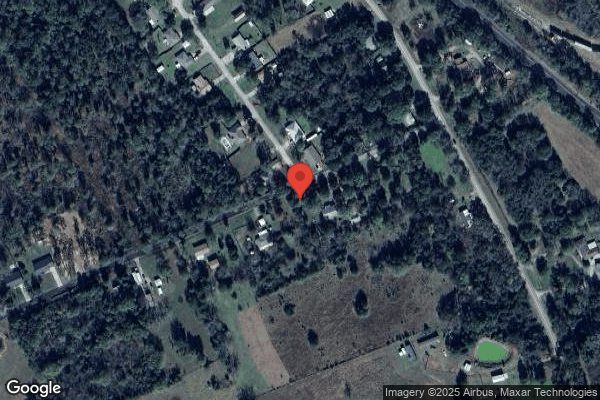

214 JONES RD, ELKHART, TX 75839 (903) 764-2291
For profit - Limited Liability company 98 Beds Independent Data: November 2025
Trust Grade
55/100
#454 of 1168 in TX
Last Inspection: April 2025

Within standard 12-15 month inspection cycle. Federal law requires annual inspections.

Overview

Elkhart Oaks Care Center has a Trust Grade of C, indicating it is average and sits in the middle of the pack among nursing homes. It ranks #454 out of 1168 facilities in Texas, which places it in the top half, but it is #4 out of 5 in Anderson County, meaning only one other local option is better. The facility shows an improving trend, with issues decreasing from 10 in 2024 to 9 in 2025, but there are still concerns regarding sufficient staffing, as they have received reports of slow or no responses to call lights and insufficient nursing staff on multiple occasions. Staffing is rated 3 out of 5 stars, with a turnover rate of 48%, which is decent but above the state average, indicating some staff stability. Although the facility has no fines, some serious incidents have occurred, including a resident being injured during a transfer due to inadequate supervision and another resident's call light not being promptly answered, which could lead to risks for residents' safety and dignity.

Trust Score
C
55/100
In Texas
#454/1168
Top 38%
Safety Record
Moderate
Needs review
Inspections
Getting Better
10 → 9 violations
Staff Stability
⚠ Watch
48% turnover. Above average. Higher turnover means staff may not know residents' routines.
Penalties
✓ Good
No fines on record. Clean compliance history, better than most Texas facilities.
Skilled Nurses
⚠ Watch
Each resident gets only 14 minutes of Registered Nurse (RN) attention daily — below average for Texas. Fewer RN minutes means fewer trained eyes watching for problems.
Violations
⚠ Watch
25 deficiencies on record. Higher than average. Multiple issues found across inspections.
★★★☆☆
3.0
Overall Rating
★★★☆☆
3.0
Staff Levels
★★☆☆☆
2.0
Care Quality
★★★☆☆
3.0
Inspection Score
Stable
2024: 10 issues
2025: 9 issues

The Good

  • Full Sprinkler Coverage · Fire safety systems throughout facility
  • No fines on record

Facility shows strength in fire safety.

The Bad

3-Star Overall Rating

Near Texas average (2.8)

Meets federal standards, typical of most facilities

Staff Turnover: 48%

Near Texas avg (46%)

Higher turnover may affect care consistency

The Ugly 25 deficiencies on record

1 actual harm
Aug 2025 1 deficiency
CONCERN (F) 📢 Someone Reported This

A family member, employee, or ombudsman was alarmed enough to file a formal complaint

Potential for Harm - no one hurt, but risky conditions existed

Deficiency F0725 (Tag F0725)

Could have caused harm · This affected most or all residents

**NOTE- TERMS IN BRACKETS HAVE BEEN EDITED TO PROTECT CONFIDENTIALITY** Based on observation, interview, and record review the facility failed to provide sufficient nursing staff to provide nursing an...

Read full inspector narrative →
**NOTE- TERMS IN BRACKETS HAVE BEEN EDITED TO PROTECT CONFIDENTIALITY** Based on observation, interview, and record review the facility failed to provide sufficient nursing staff to provide nursing and related services to assure resident safety and attain or maintain the highest practicable physical, mental, and psychosocial well-being of each resident, as determined by resident assessments and individual plans of care and considering the number, acuity and diagnoses of the facility's resident population in accordance with the facility assessment for 6 of 6 resident hallways (Halls #1, #2, #3, #4, #5, and #6) reviewed for sufficient staffing in that:The facility failed to ensure sufficient nursing staff when multiple residents and family members reported slow or no call light response.The facility failed to provide an additional support nurse to assist the charge nurse on 8/4/25, 8/5/25, and 8/6/25.This failure could place all residents who required assistance from staff at risk for loss of dignity, injury, and hospitalization. Findings included: 1.Review of an undated admission Record for Resident #1 indicated she was an [AGE] year-old female readmitted to the facility on [DATE] with diagnoses of Unspecified Dementia (altered cognition), Macular Degeneration (loss of vision), and muscle wasting. Record review of a significant change MDS dated [DATE] indicated she had moderately impaired cognition with a BIMS score of 12. She required moderate assistance with toileting hygiene; lower body dressing, putting on/taking off footwear, and personal hygiene; she required supervision with oral hygiene; she required setup/cleanup assistance with eating. She was frequently incontinent of bowel and bladder.Record review of a comprehensive care plan dated 11/17/23 indicated Resident #1 had an ADL deficit and required varying assistance with ADLs as needed. Appropriate interventions were in place including do not rush resident, instruct in use of walker/wheelchair, and provide setup cueing assistance for bed mobility, toileting, and eating.Review of an undated admission Record for Resident #2 indicated she was a [AGE] year-old female admitted to the facility on [DATE] with diagnoses of coronary artery disease (heart disease), fracture of left humerus (upper arm bone), repeated falls, and osteoarthritis (loss of bone density). Record review of a significant change MDS dated [DATE] indicated Resident #2 had a BIMS score of 10 which indicated moderate cognitive impairment. She required total assistance for putting on/taking off footwear, toileting hygiene, and lower body dressing; she required maximum assistance with upper body dressing, shower/bathing; she required supervision for oral hygiene; she required setup/cleanup assistance with eating. She was always incontinent of bowel and bladder. Record review of a comprehensive care plan dated 2/12/25 indicated Resident #2 was at high risk for falls related to diagnosis of peripheral vascular disease (affects blood flow to lower extremities), muscle weakness, and lack of coordination. Appropriate interventions were in place including reporting changes in endurance, ambulation, and transfers, monitor frequently, reposition for comfort and safety, encourage call light usage, place call light within reach and answer promptly, assess for medication contributing factors, and assess for proper fitting clothing.Review of an undated admission Record for Resident #3 indicated she was a [AGE] year-old female readmitted to the facility on [DATE] with diagnoses of senile degeneration of the brain (age-related cognitive decline), Chronic Kidney Disease, and Metabolic encephalopathy (altered cognition related to metabolic imbalances). Record review of a significant change MDS dated [DATE] indicated Resident #3 had a BIMS score of 3 which indicated severe cognitive impairment. She required total assistance with toileting hygiene and showering/bathing; she required maximum assistance with lower body dressing and taking off/putting on footwear; she required moderate assistance with upper body dressing; she required supervision with oral hygiene and personal hygiene; she required setup/cleanup assistance with eating. She was always incontinent of bowel and bladder. Record review of a comprehensive care plan dated 2/27/24 indicated Resident #3 had an ADL functional deficit related to unsteady gait and confusion. Appropriate interventions were in place including assistance with dressing, grooming, bathing, and bed mobility.During an interview on 8/4/25 at 10:40 a.m., Resident #1's RP said she had concerns about slow call light response times. She said she put a camera in Resident #1's room and saw her on several occasions, dates unknown, banging on the wall to get staff attention because no one was answering her call light. She said she thought the new ADM would resolve the issues.During an observation on 8/4/25 at 10:45 a.m. of a photograph taken from the camera in Resident #1's room Resident #1 appeared to be banging on the wall. The photograph was dated 4/30/25 at 7:43 a.m.During an interview on 8/4/25 at 11:10 a.m., Resident #1 said call lights were always answered slowly. She said she usually did not use her call light because staff never answered it. She said she had to bang on the walls and yell for help on multiple occasions, dates unknown. She said staff responded quickly when she banged on the walls and hollered for help.During an observation and interview on 8/4/2025 at 11:34 a.m., Resident #2 was sitting in her wheelchair in her room beside her bed. She appeared to be clean and well-groomed with no offensive odors. There were no visible marks, skin tears, or bruises. Her call light cord was sticking out from under the fitted sheet on her mattress. She said a CNA came in and made her bed in a rush. Resident #2 said it typically took an estimated 20 to 30 minutes for staff to respond to call lights. Resident #2 said both she and her roommate have had to yell for staff assistance (dates unknown) due to slow staff response times to call lights. She said staff responded faster when she yelled out for assistance.During an observation and interview on 8/4/25 at 11:45 a.m., Resident #4 , who was Resident #2's roommate, was lying in her bed in her room. She appeared clean and well-groomed with no offensive odors. She had no visible skin tears, marks, or bruising. She was receiving supplemental oxygen via nasal canula at 2L . Resident #4 said she frequently used her call light for assistance and staff response time was an estimated average 15-20 minutes. Resident #4 said she has had to yell for assistance once before, unknown date, due to slow staff response. She said staff came quickly when she yelled for help.During an interview on 8/4/25 at 12:24 p.m., CNA D said she did not always have time to complete all resident care timely when she was the only CNA assigned to work on the memory care unit.During an interview on 8/4/25 at 2:05 p.m., LVN B said CNAs were expected to round on residents at least every 2 hours and part of that rounding was to include making sure the resident's call lights were left within reach and accessible. She said CNAs were expected to answer call lights timely to address resident needs. LVN B said she monitored for staff compliance with policies and care planned interventions by rounding frequently.During an anonymous interview on., Anonymous said the facility was short staffed. Anonymous said they did not have enough time in the day to perform all their duties and frequently had to stay late to ensure adequate resident care.During an interview on 8/6/25 at 9:20 a.m., the DON said she was aware of the staffing concerns at the facility. The DON said she was trying to hire additional CNAs by posting on a job board with a starting pay of $15.00 per hour and sign-on bonus of $2,000.00. The DON said applicants were not showing up for interviews or were working one shift and then quitting. The DON said the facility had been in talks with corporate who had informally agreed to conduct a wage analysis to increase pay to attract and retain staff. During an interview on 8/6/25 at 9:30 a.m., the ADON said she was aware of the staffing concerns at the facility and had been in discussions with corporate regarding a wage analysis to increase pay. During an interview on 8/6/25 at 9:40 a.m. Resident #3's RP said she visited Resident #3 every day and recorded staff interaction in a notebook. The RP said on 7/29/25 at approximately 7:30 a.m. Resident #3 had an incontinent episode, and no staff responded to the call light to change her until approximately 9:00 a.m. The RP said on 8/1/25 staff checked on Resident #3 at approximately 2:00 p.m. and did not come back to check on her again until approximately 6:00 p.m.An observation of a hand-written note on 8/6/25 at 9:45 p.m. written by Resident #3's RP indicated .7/29 [Resident #3] needs changing no help it's 7:30 in the morning.8:30 no one has come yet to change [Resident #3]. Over an hr.9:00 [CNA] came to change [Resident #3].8/1 [Resident #3] last changed at 2:00 it is now 6:00 no one has come to check her. 4 hrs??? .During an observation and attempted interview on 8/6/25 at 9:50 a.m., Resident #3 was observed in her room lying in bed. Resident was covered up by a blanket and only her head was visible. There were no visible marks, skin tears, or bruising and no offensive-odors were detected. Resident #3 did not respond to interview questions.During an interview on 8/6/25 at 9:55 a.m., the AD said she was regularly placed on the schedule as a CNA and was expected to perform all duties as an AD in addition to working on the floor as a CNA. The AD said there was not enough time in the day to perform all CNA duties adequately.During an attempted interview on 8/6/25 at 9:58 a.m., the DON said ADM was out sick today. ADM was not interviewed as part of this investigation.Review of a facility policy titled Answering the Call Light dated 9/21/22 indicated .Answer the resident's call light as soon as possible.2. During an observation on 8/4/25 at 10:00 a.m., a Daily Assignment Sheet dated 8/4/25 indicated there was no support nurse scheduled to work that day. During an interview on 8/4/25 at 12:24 p.m., CNA D said if she needed the charge nurse, she would have to leave the secured memory care unit and look for them or ask another staff member to. CNA D said the charge nurse was usually in a resident room and not at the nurse's station.During an interview on 8/4/25 at 2:05 p.m., LVN B said she worked 6:00 a.m. to 6:00 p.m. as the charge nurse and was expected to cover all 6 resident halls. LVN B said she was supposed to have the help of a support nurse during the daytime, but usually didn't. LVN B said the ADON and DON provided some support during daytime hours but there was no support on other shifts. During an interview on 8/6/25 at 9:20 a.m., the DON said she was aware of the staffing concerns at the facility. The DON said corporate only allowed for one charge nurse position to cover 6 resident halls. The DON said one charge nurse for 6 halls was not an adequate staffing ratio, but corporate would not allow for a second nurse unless the facility census was 56 or more residents, and the current census was 54. The DON said the ADON lived three minutes from the facility and came in on-call to assist the charge nurse when needed during nights and weekends. The DON said the charge nurse who worked 6:00 a.m. to 6:00 p.m. received assistance from a support nurse which was usually herself or the ADON. The DON said there was no support nurse for evening hours after 5:00 p.m. or overnight from 6:00 p.m. to 6:00 a.m. The DON said she was trying to hire another LVN for the support nurse position and advertising on a job board with a sign-on bonus of $3,000.00. The DON said applicants were not showing up for interviews or not accepting the position so she and the ADON were serving as support nurse in addition to their administrative duties.During an interview on 8/6/25 at 9:30 a.m., the ADON said she was aware of the staffing concerns at the facility and had been in discussions with corporate regarding only allowing for a second charge nurse. The ADON said during the day administrative nurses supported the charge nurse, but in the evening and overnight, there was no additional support. The ADON said on 7/20/25 a resident had a fall with injury during the evening and the charge nurse on duty had to spend approximately 45 minutes assessing the resident and dressing wounds. The ADON said she had to come into the facility on-call because the charge nurse was unable to provide care to the other residents while completing post-fall protocols.During an interview on 8/6/25 at 9:55 a.m., the AD said the facility only staffed one charge nurse for all 6 resident hallways. The AD said she did not feel this was an adequate staffing ratio because nurses were often busy with one resident for up to 45 minutes at a time leaving other resident needs unattended in a timely manner. During an anonymous interview, Anonymous #2 said the facility's expectation was for one nurse to cover all 6 resident hallways. Anonymous #2 said the charge nurse who worked from 6:00 a.m. through 6:00 p.m. was supposed to have help from a support nurse, but they usually did not. Anonymous #2 said the administrative nurses assisted, but typically came in after 8:00 a.m. and left by 4:00 p.m. which did not cover the busiest times of the day which was around shift change. Anonymous #2 said they felt the nurses had to sacrifice quality of care to accomplish all their responsibilities. Review of staffing assignment sheets indicated no support nurse worked on 8/4/25, 8/5/25, or 8/6/25.Review of a facility assessment tool dated 5/28/25 indicated if the DON had other responsibilities another RN must be added as an ADON.Review of employee timesheets indicated the ADON worked the following hours: 8/4/25 from 10:09 a.m. to 3:37 p.m., and 8/5/25 from 8:11 a.m. to 3:47 p.m., (there was no time sheet data available for 8/6/25), leaving no additional support nurse for the remainder of the 6:00 a.m. to 6:00 p.m. shifts and no ADON to allow for the DON to take on additional responsibilities of a support nurse per the facility assessment.In an email from the ADM received on 8/7/25 at 12:45 p.m., the ADM said the support nurse position was to be an extra LVN who acted as a second nurse due to the facility's growth in census and to assist with wound treatments. The ADM said there was no specific policy associated with this position as tasks required would fall under LVN job description other duties as assigned.Review of an LVN job description indicated .ESSENTIAL JOB FUNCTIONS:.Other duties as assigned.
Apr 2025 7 deficiencies
CONCERN (D)

Potential for Harm - no one hurt, but risky conditions existed

Pharmacy Services (Tag F0755)

Could have caused harm · This affected 1 resident

**NOTE- TERMS IN BRACKETS HAVE BEEN EDITED TO PROTECT CONFIDENTIALITY** Based on observation, interview, and record review, the facility failed to provide pharmaceutical services (including procedures...

Read full inspector narrative →
**NOTE- TERMS IN BRACKETS HAVE BEEN EDITED TO PROTECT CONFIDENTIALITY** Based on observation, interview, and record review, the facility failed to provide pharmaceutical services (including procedures that assure the accurate acquiring, receiving, dispensing, and administering of all drugs and biologicals) to meet the needs of each resident for 1 of 6 (Resident #43) reviewed for pharmacy services. The facility failed to provide Resident #43's naproxen (anti-inflammatory medication) 250 mg tablet ordered to be given two times a day from 1/4/2025-4/8/2025 per physician's orders. This failure could place residents who received administered medications at risk of not receiving the intended therapeutic benefit of their medications. Findings included: Record review of a face sheet for Resident #43 dated 4/8/2025 indicated she admitted to the facility on [DATE] and was [AGE] years old with diagnoses of heart failure (heart is not able to pump enough blood to the body), ankylosing spondylitis in spine (anti-inflammatory disease that causes pain and stiffness in the spine), and spinal stenosis (narrowing of the spine). Record review of a Quarterly MDS assessment dated [DATE] for Resident #43 indicated she had moderate impairment in thinking with a BIMS of 12. She required substantial/maximal assistance with eating, oral hygiene and upper body dressing and was dependent with all other ADL's. She received scheduled pain medication regimen during the 5 day look back period and had pain frequently with pain intensity of a 5 (moderate pain) out of 10 on a 1-10 pain scale. Record review of a care plan for Resident #43 dated 3/24/2025 indicated she had pain in right shoulder. Interventions included to administer medications per MD order. Record review of a MAR for Resident # 43 dated 4/1/2025-4/8/2025 indicated an order for naproxen 250 mg twice a day to be given at 8 am and 8 pm with a start date of 1/4/2025 revealed from April 1-April 8, 2025, the medication was given as ordered with initials present. Record review of active physician orders for Resident #43 dated 4/8/2025 indicated an order for naproxen 250 mg twice a day to be given at 8 am and 8 pm with a start date of 1/4/2025. During an observation and interview on 4/8/2025 at 8:58 AM, revealed MA C was in the process of administering medications to Resident #43. MA C pulled a bottle of OTC naproxen that was 220 mg from the medication cart and said all the facility had available was for 220 mg tablets and the MAR for Resident #43 had an order that started on 1/4/2025 for naproxen 250 mg to be given twice daily. He said he had been giving naproxen 220 mg since the order was given by the physician in January 2025. He said he did not notice the order being incorrect until being observed by the Surveyor that day (4/8/2025). He did not give the medication and said he would notify the charge nurse. He said he was instructed to look at the medication before administering to be sure it was for the right person, the right dosage, the right time, the right medication, the right site, and the right route. He said if they did not follow those things, it could cause sickness, or a possible reaction and they would have to let the family and physician know. He said a resident could have a reaction to the medicine. He said he should have paid more attention. He immediately called for the charge nurse who came to the medication cart and told her that the order in the chart for Resident #43's naproxen was 250 mg and all available in the facility was an over-the-counter supply of 220 mg tablets. LVN D said she would contact the physician. Record review of clinical competency: medication pass for MA C dated 11/1/2024 indicated he was satisfactory with observing the seven rights of administration that included the right dose/dosage form. During an interview on 4/8/2025 at 9:09 AM, LVN D said she was the charge nurse for that day. She said she was not aware of the order for naproxen 250 mg for Resident #43 before being notified by MA C and all that was available in the cart was naproxen 220 mg tablets. She said staff should verify the medication with the order for the milligrams before administering. She said if they did not then it was a medication error, and residents could have side effects of an overdose or not get enough of the medication that was needed. LVN D said she contacted the NP and received an order for naproxen 220 mg to be given twice daily. She said the order was a data entry error as the facility only had 220 mg of naproxen OTC available. Record review of a MAR for Resident #43 dated 4/1/2025-4/8/2025 indicated an order for Aleve (naproxen) OTC 220 mg twice a day with a start date of 4/8/2025. Record review of active physician orders for Resident #43 dated 4/8/2025 indicated an order for Aleve (naproxen) OTC 220 mg twice a day with a start date of 4/8/2025. During an interview on 4/9/2025 at 8:43 AM, the DON said she was not aware of Resident #43's order for naproxen not matching what was in the medication cart. She said staff should look at the order and compare to the bottle of medication and if not correct it should be reported. She said with each medication to be administered they should check the order against the MAR. She said if they did not check, there could be a medication error. She planned to in-service staff to make sure they checked to make sure orders were entered correctly. She said there was health risk to the residents if staff did not follow the physician orders for medications. Record review of an in-service dated 4/8/2025 conducted at the facility on Medication Administration and MA C was in attendance with his signature present. During an interview on 4/9/2025 at 9:40 AM, the Administrator said the DON was responsible for ensuring physician's orders were entered correctly. He said dosages could be mistaken and residents could receive the wrong medications if they were not accurate. He said he expected all medications to be entered correctly and accurately. Record review of a facility policy titled Administering Medications dated April 22, 2022, indicated, .Medications shall be administered in a safe and timely manner as prescribed. 8. The individual administering the medication must check the label three (3) times to verify the right resident, right medication, right dosage, right time, and right method (route) of administration before giving the medication .
CONCERN (D)

Potential for Harm - no one hurt, but risky conditions existed

Deficiency F0813 (Tag F0813)

Could have caused harm · This affected 1 resident

**NOTE- TERMS IN BRACKETS HAVE BEEN EDITED TO PROTECT CONFIDENTIALITY** Based on observation, interview, and record review, the facility failed to maintain and ensure safe and sanitary storage of resi...

Read full inspector narrative →
**NOTE- TERMS IN BRACKETS HAVE BEEN EDITED TO PROTECT CONFIDENTIALITY** Based on observation, interview, and record review, the facility failed to maintain and ensure safe and sanitary storage of residents' food items, per facility policy, for 1 of 3 resident's (Resident #2) personal refrigerators reviewed for food and nutrition services. The facility failed to ensure a plastic bag of sliced cheese and sandwich meat was labeled and dated in a personal refrigerator on 4/7/2025 and 4/8/2025 for Resident #2. These failures could place residents at risk for food borne illnesses. Findings include: Record review of a face sheet for Resident #2 dated 4/8/2025 indicated she admitted to the facility on [DATE] and was [AGE] years old with diagnoses of PVD (narrowing or blockage in the blood vessels), disorganized schizophrenia (impairment in daily activities and communication), and acute ischemic heart disease (heart damage caused by narrowed heart arteries). Record review of an Annual MDS Assessment for Resident #2 dated 3/14/2025 indicated she had moderate impairment in thinking with a BIMS score of 12. She required set up or clean up assistance with eating. Record review of a care plan dated 4/11/2023 for Resident #2 indicated she was at risk for nutritional deficit related to her IDD. Interventions included to provide set up assistance with meals. During an observation on 4/7/2025 at 9:36 AM, revealed Resident #2 was not in her room. A personal refrigerator was present that had a plastic bag of sliced cheese and sandwich meat that was not labeled or dated. During an observation on 4/8/2025 at 10:00 AM, revealed Resident #2 was not in her room. The plastic bag of sliced cheese and sandwich was still in her personal refrigerator not dated or labeled. During an interview on 4/8/2025 at 10:03 AM, the HSK Supervisor said all housekeeping staff were responsible for checking the temperatures of the personal refrigerators in the resident rooms. She said the nursing staff were to check them daily for expired foods. During an observation and interview on 4/8/2025 at 10:05 AM, revealed the HSK Supervisor observed the refrigerator in the room of Resident #2 and said the plastic bags of sliced cheese and sandwich meat should have dates on them. She said the Administrator would purchase Resident #2 meat and cheese from the local market sometimes but was not sure when he bought them. She said she would remove them. During an interview on 4/8/2025 at 10:07 AM, the Administrator said he did purchase meat and cheese for Resident #2 one day last week but did not put the dates that they were purchased on them. He said he would start putting dates on the items if he purchased them for the resident. During an interview on 4/9/2025 at 8:42 AM, CNA E said the nurse aides were not responsible for checking the personal refrigerators. She said the housekeeping staff were. During an interview on 4/9/2025 at 8:43 AM, the DON said housekeeping staff were responsible for checking the personal refrigerators for unlabeled and expired foods. She said staff were in-serviced on 4/8/2025 and instructed them if food was brought in by family or visitors to make sure the foods were labeled and dated. She said residents could get sick if they ate foods that were not labeled or dated because they would not be aware of how long they had been in the refrigerator. During an interview on 4/9/2025 at 9:42 AM, the Administrator said the facility currently had the housekeeping staff check to make sure temperatures were correct in the personal refrigerators. He said they also had other staff that included guardian angels (staff assigned to resident rooms) and himself to check. He said he was not sure when the foods were put in the refrigerator of Resident #2, and they should be labeled and dated. He said the refrigerators should be checked daily and residents could get sick if they ate old food. Record review of a facility policy titled Resident Refrigerators dated 10/2021 indicated, .For safe and sanitary storage, handling, and consumption of food items purchased by residents from an outside vendor or other food items brought to residents by non-facility employees. 3. Food stored in a residents' room refrigerator will be labeled with a date. 4. A facility employee will inspect resident refrigerators on a weekly basis to ensure there are no expired foods and cleanliness is maintained. Housekeeping may discard food, drink, and perishables .
CONCERN (D)

Potential for Harm - no one hurt, but risky conditions existed

Room Equipment (Tag F0908)

Could have caused harm · This affected 1 resident

Based on observation, interview, and record review the facility failed to maintain all essential equipment in safe operating condition, for 1 of 1 stove in the kitchen reviewed for food service in tha...

Read full inspector narrative →
Based on observation, interview, and record review the facility failed to maintain all essential equipment in safe operating condition, for 1 of 1 stove in the kitchen reviewed for food service in that: The facility did not ensure the gas stove was in working order. Two of six gas stove burners (rear middle and font middle) did not light automatically, when the knob was turned, the pilot light on the burners would not light and both burners had black hard carbon buildup from spilled foods. This failure could place residents who eat out of the kitchen at risk for injury and under cooked food. Findings include: During an observation and interview on 04/07/25 at 9:15 am the Dietary Manager demonstrated both middle burners on the gas stove did not light and were noted to have black hard carbon build up from spilled foods from spill foods on them The Dietary Manager stated the kitchen staff were responsible for cleaning the stove burners and the burners had not worked in a long time. The Dietary Manager said the previous maintenance director and the Administrator were aware of the middle burners not staying lit. She said the burners not working correctly could be a fire hazard. She said she had not notified the current Maintenance Director to look at the stove. During an interview on 04/07/24 at 1:01 PM the Maintenance Director said he had been employed at the facility for two weeks. He said the kitchen staff were responsible for cleaning the stove burners and he performed maintenance to the gas stove if needed. He stated he was not aware of the burners not lighting, there was no request in the maintenance request book but would clean the burners and ensure the stove would light properly. During an interview on 04/08/24 at 10:45 AM the Administrator stated the dietary staff were responsible for everyday cleaning of the stove and the maintenance director was responsible for maintaining the equipment from carbon buildup and ensuring the equipment was working fully. He stated if equipment was not maintained it could cause an adverse event or be a fire hazard. He stated he expected all essential equipment to be maintained in proper working order. Record review of the maintenance request binder revealed no entry's found for the burners not lighting on the gas stove from the dietary department staff for the last 3 months. Record review of a facility policy dated 10/01/2018 titled Range and Grill indicated, .the facility will maintain the range in a clean manner to minimize the risk of food hazard; 2. scrape off burned particles and grease .
CONCERN (D)

Potential for Harm - no one hurt, but risky conditions existed

Deficiency F0919 (Tag F0919)

Could have caused harm · This affected 1 resident

**NOTE- TERMS IN BRACKETS HAVE BEEN EDITED TO PROTECT CONFIDENTIALITY** Based on observation, interview, and record review the facility failed to be adequately equipped to allow residents to call for ...

Read full inspector narrative →
**NOTE- TERMS IN BRACKETS HAVE BEEN EDITED TO PROTECT CONFIDENTIALITY** Based on observation, interview, and record review the facility failed to be adequately equipped to allow residents to call for staff through a communication system which relayed the call directly to a staff member or to a centralized staff work area from toilet and bathing facilities for 2 of 9 residents (Residents #4 and #6) reviewed for call lights. The facility failed to ensure Residents #4 and #6's bathrooms had a call light pull cord on 04/07/2025. This failure could place residents at risk of injury, pain, hospitalization, and a diminished quality of life. Findings included: 1. Record review of a facility face sheet revealed Resident #4 was a [AGE] year-old male that admitted to the facility on [DATE] with diagnosis of traumatic brain injury. Record review of a Quarterly MDS assessment dated [DATE] revealed Resident #4 had a BIMS of 6 indicating moderately impaired cognition and was dependent on staff for toileting and supervision of staff for toilet transfers. Record review of a comprehensive care plan dated 11/4/2024 revealed Resident #4 was at risk for injuries related to falls and to provide toileting assistance, resident to call for assist and keep call light in reach. During an observation and interview on 04/07/25 at 9:33 am revealed Resident #4's bathroom call light box was not attached to the wall. The light would activate with the touch of the button, but the pull cord did not work. Resident #4's best friend said he used his bathroom and would pull on the cord breaking the box. She said the Maintenance Director fixed the box last week, but it broke again sometime after she left on Friday 04/04/25. Resident # 4 said he would yell if he needed help. 2. Record review of a facility face sheet revealed Resident #6 was a [AGE] year-old female that admitted to the facility on [DATE] with diagnosis of heart failure. Record review of a Quarterly MDS assessment dated [DATE] revealed Resident #6's BIMS was not completed. Further review revealed a SAMS was completed and indicated severely impaired cognitive skills for daily decision-making. Record review of a comprehensive care plan dated 10/24/2023 revealed Resident #6 was at risk for injuries related to falls and would remain free from injuries. During an observation on 04/07/25 at 9:45 am revealed Resident #6's bathroom call light box was not attached to the wall. The light would activate with the touch of the button, but the pull cord did not work. Resident #6 was not able to be interviewed. During an interview on 04/07/25 at 9:47 am CNA A said she worked on Saturday 4/05/25. She said Resident #4's and Resident #6's lights were not broken but noticed them being broken this morning. She said Resident #4 sometimes used his bathroom and Resident #6 used her bathroom daily. She said there was a maintenance log to notify the supervisor of broken things, but she had not put it in the log yet today. She said if the call light was broken, residents could not call for help, and they could get hurt. During an observation on 04/07/25 at 10:00 am revealed Resident #6 was in the bathroom toileting. During an interview on 04/07/25 at 10:18 am the Maintenance Director said he was responsible for broken call lights. He said he was not aware of Resident #6's call light box being off the wall and the pull cord not working. He said he fixed Resident #4's bathroom call light on 04/04/25 and it must have broken again over the weekend. He said there was a log, but the staff usually verbally reported to him, and he would fix the problem. He said a broken call light cord could result in a resident not getting help if they need it. During an observation on 04/07/2025 at 11:25 am revealed large bells were in Resident #4's and Resident #6's bathrooms. During an interview on 04/07/2025 at 11:30 am the Maintenance Director said he could not fix the pull cords on the bathroom lights for Resident #4 and Resident #6 until the parts were delivered. He said each resident was provided a bell to use for emergencies. During an interview on 04/09/25 at 9:44 am the Administrator said the call lights should be checked by all staff each shift and by maintenance as needed to ensure they are in full working order. He said the staff should be reported immediately any broken call lights to the maintenance director or himself. He said there was a maintenance log, and they could report verbally. He said if a call light was not in full working order and the cord did not work the resident could have a delayed response in care. Record review of a facility policy dated September 21, 2022 titled Answering the Call Light revealed, .6. report all defective call lights to the nurse supervisor promptly .
CONCERN (D)

Potential for Harm - no one hurt, but risky conditions existed

Smoking Policies (Tag F0926)

Could have caused harm · This affected 1 resident

Based on observations, interviews, and record review, the facility failed to follow established policy regarding smoking areas, and smoking safety for the 1 of 2 (secured unit smoking area) smoking ar...

Read full inspector narrative →
Based on observations, interviews, and record review, the facility failed to follow established policy regarding smoking areas, and smoking safety for the 1 of 2 (secured unit smoking area) smoking areas reviewed. The facility failed to ensure the paper trash and cigarette butts were disposed of separately in the ashtrays and red fire can on 04/07/25. This failure could place residents who smoke at risk of physical harm and lead to an unsafe smoking environment. Findings include: During an observation on 04/07/25 at 9:57 AM revealed the smoking area located outside the secured unit had one ashtray with cigarette butts and empty cigarette boxes and the red fire can had paper trash and cigarette butts. The paper trash was observed as burned ash. During an interview on 04/07/25 at 10:03 AM CNA A said that there should not be any paper in the ashtrays or cans because of fire. She said housekeeping was responsible for cleaning out the ashtrays and red fire can daily. She said that residents were supervised when smoking and staff supervising should also make sure paper trash was not disposed of in the ashtrays and red can to prevent fires. During an interview on 04/07/25 at 10:15 am Housekeeper B said she was not aware the smoking area outside the secured unit was her responsibility to clean. She said she started a month ago and was only cleaning inside the facility. She said she would see that the smoking area trash was removed from the cans, so a fire did not happen. During an interview on 04/07/25 at 10:30 AM the Housekeeping Supervisor said the housekeeping department was responsible for the smoking area and should be checking the area daily. She said there should not be any paper trash in the ashtrays or red fire can because of fires. She said she had a turnover of staff and will retrain staff maintaining the smoking area to prevent fires. During an interview on 04/07/25 at 9:55 am the Administrator said the smoking areas were to be maintained by housekeeping and maintenance. He said the areas should be checked daily and the supervising staff with each smoke break should ensure the area was clean, maintained, and no paper trash was mixed with cigarette butts. He said that not properly disposing of cigarette butts and trash could result in a fire. Record review of an undated facility document titled Smoking Area Monitoring Schedule revealed .daily schedule of responsible department to include maintenance and housekeeping schedule to ensure all ash trays are emptied, ensure trash and cigarette butts are being kept in separate containers and red cans are emptied daily . Record review of an undated facility policy titled Smoking Policy - Residents revealed, .this facility shall establish and maintain safe smoking practices .
CONCERN (E)

Potential for Harm - no one hurt, but risky conditions existed

Deficiency F0805 (Tag F0805)

Could have caused harm · This affected multiple residents

**NOTE- TERMS IN BRACKETS HAVE BEEN EDITED TO PROTECT CONFIDENTIALITY** Based on observation, interview, and record review, the facility failed to ensure each resident received and the facility provid...

Read full inspector narrative →
**NOTE- TERMS IN BRACKETS HAVE BEEN EDITED TO PROTECT CONFIDENTIALITY** Based on observation, interview, and record review, the facility failed to ensure each resident received and the facility provided food prepared in a form designed to meet individual needs for 4 of 4 (Resident #6, Resident #28, Resident #40, and Resident #41) residents reviewed for puree diets. The facility failed to prepare the pureed diet to the consistency required for Residents #6, Resident #28, Resident #40, and Resident #41. This failure could place residents who received pureed meat and vegetables at risk of not having nutritional needs met by consuming foods that could cause choking and decreased meal intakes. Findings included: Record review of face sheet dated 04/08/25 for Resident #6 indicated she admitted to the facility on [DATE] and was a [AGE] year-old female with diagnoses of diabetes (high glucose levels in the blood) and muscle weakness. Record review of a physician's order summary dated 04/08/25for Resident #6 indicated an order for regular pureed diet and thin liquids dated 11/23/20. Record Review of face sheet dated 04/08/25 for Resident #28 indicated she admitted to the facility on [DATE] and was [AGE] year-old female with diagnoses of dysphagia (difficulty swallowing) and dementia unspecified (decline in cognitive abilities) Record review of a physician's order summary dated 04/08/25 for Resident #28 dated 04/08/25 indicated an order for enhanced regular diet, pureed texture dated 12/02/2024. Record review of face sheet dated 04/08/25 for Resident #40 indicated he admitted to the facility on [DATE] and was [AGE] year-old male with diagnoses of dysphagia (difficulty swallowing) and muscle wasting. Record review of a physician's order summary dated 04/08/25 for Resident #40 dated 04/08/25 indicated an order for pureed double portion enhanced with nectar thick liquids dated 01/02/2025. Record review of face sheet dated 04/08/25 for Resident #41 indicated she admitted to the facility on [DATE] and was [AGE] year-old female with diagnoses of dysphagia (difficulty swallowing) and muscle weakness. Record review of a physician's order summary dated 04/08/25 for Resident #41 indicated an order for enhanced regular pureed diet with thin liquids dated 02/04/2025. During an observation on 04 /08/25 at 12:00 PM the [NAME] pureed the meat loaf, green beans, roasted potatoes and roll without a recipe. She added milk to all items and then added thickener to obtain a pudding consistency. The [NAME] did not taste test the items for consistency. The [NAME] said she did not routinely check to see if the foods fully blended . All foods were plated for lunch service to resident#6, Resident #28, Resident #40, and Resident #41. During an observation on 04 /08/25 at 12:20 PM revealed a sample test tray from the pureed meal for lunch of meat loaf, green beans, roasted potatoes, and roll. The meatloaf and roasted potatoes contained chunks and was not at pudding consistency as required. The DM tested the puree tray along with surveyors and agreed the meal contained chunks, not pudding consistency. The DM said the Robot Coupe had stopped working over a year ago and they had been blending the puree foods with a blender. She said certain foods were hard to process with the blender the facility was using. The DM said the risk to the residents was possible choking and a decreased dining experience. During an interview on 04/08/25 at 2:30 PM the RD said that she had started working for the facility as a consultant the end of February 2025 and she watched puree processes while she was at the facility but did not sample the pureed foods to determine if the texture was smooth. The RD said pureed foods should be nutritional and palatable and a smooth consistency. She said the risk to the residents was choking if the puree diet was not at the required consistency. During an interview on 04/09/25 09:37 AM the Administrator said he had obtained a bid for a new Robot Coupe and would be replacing the blender. The Administrator said pureed foods should be nutritional and palatable and a smooth consistency. He said if the foods were not blended to pudding consistency there could be a risk of choking. He said if the pureed foods were not prepared correctly the resident would not get the full nutritional value of the food. Record review of an undated Lifestyle Diet Manual . Page 9 .Based on the foods served on the Regular Diet plan blended to a consistency of mashed potatoes or pudding. The Pureed Diet may be used for residents with oral, esophageal, or stomach disorders that are unable to tolerate solid food. Conditions such as dysphasia (difficulty swallowing), stroke, cancer of the head or neck, or lack of chewing ability may warrant this diet prescription.
CONCERN (F)

Potential for Harm - no one hurt, but risky conditions existed

Food Safety (Tag F0812)

Could have caused harm · This affected most or all residents

**NOTE- TERMS IN BRACKETS HAVE BEEN EDITED TO PROTECT CONFIDENTIALITY** Based on observation, interview, and record review the facility failed to store and distribute food in accordance with professio...

Read full inspector narrative →
**NOTE- TERMS IN BRACKETS HAVE BEEN EDITED TO PROTECT CONFIDENTIALITY** Based on observation, interview, and record review the facility failed to store and distribute food in accordance with professional standards for food service safety in 1 of 1 kitchen reviewed for kitchen sanitation. 1. The facility failed to store and label foods in accordance with professional standards. 2. The facility failed to ensure there were no gaps under the air conditioning unit beside the handwashing sink. 3. The facility failed to maintain clean air vents on the air conditioner located near the clean dish station. These failures could place residents who ate the food from the kitchen at risk for food-borne illness and/or transmission-based infections. Findings include: During an observation on 04/07/25 at 09:20 AM revealed the dry storage area had clear plastic bins of bulk granulated sugar, breadcrumbs, bulk powdered sugar, flour, and corn meal with no best by date or expiration dates on the bins. A box of dry pinto beans was open to air, not sealed. During an observation interview on 04/07/2025 at 09:30 AM revealed a gap approximately 1 inch x 18 inches at the bottom of a window unit , located beside the employee handwashing station, with the outside visible. The window AC unit located above the clean dish station was noted to have dirty lint and black buildup on the vents. The DM said the prior maintenance man was aware of the gap but she had not reported the gap to the new maintenance man that started working at the facility two weeks ago. During an observation and interview on 04/07/2025 at 09:35 AM revealed containers of spiked/opened juice concentrate connected to the juice dispenser (apple, pink lemonade, fruit punch, orange, cranberry) on the bottom shelf with no open dates. The DM said the juice was delivered every other week and had a shelf life of 7 days after being opened. During an interview on 04/07/24 at 9:45 AM the DM stated she was responsible for training all dietary staff and dietary staff were trained on kitchen sanitation to include cleaning vents on the air conditioners, reporting the gap underneath the air conditioner, dating items when they were opened and use by dates, when to discard those items per the guidelines of that item. She stated she would begin retraining all staff because of the sanitary risks and expected all staff to follow all kitchen sanitation rules. During an interview on 04/08/25 08:16 AM the Registered Dietician said the bulk granulated sugar, bulk powdered sugar, flour, and corn meal stored in bins in the dry storage should be dated with the use by date as well as the open date. She said she was not sure when the 5 boxes of concentrated juices expire but all items should be labeled when opened. She said that if cleaning, sanitation, and proper storage measures were not followed in the kitchen, it could cause resident illness and contamination. During an interview on 04/08/24 at 11:30 AM the Administrator said the DM was responsible for oversight of kitchen sanitation, cleanliness, labeling and storage, as well as the training for the dietary staff. He said that if cleaning, sanitation, and proper storage measures were not followed in the kitchen, it could cause resident illness and contamination. He stated he expected all dietary staff to follow the regulations for cleaning the kitchen, maintaining sanitation and proper storage of all foods. Record review of a facility policy dated 4/18/2022 titled Food Safety in Receiving and Storage indicated, .Food will be received and stored by methods to minimize contamination and bacterial growth; 7. check expiration dates and use by dates to assure the dates are within acceptable parameters . Record review of a facility policy dated 10/01/2018 titled General Kitchen Sanitation indicated, .The facility recognizes that food borne illness has the potential to harm the elderly and frail residents. All nutrition and service employees will maintain clean, sanitary kitchen . Record review of https://www.fda.gov/media/164194/download, accessed 04/08/2025 indicated .Labeling 3-602.11 Food Labels. (A) FOOD PACKAGED in a FOOD ESTABLISHMENT, shall be labeled as specified in LAW, including 21 CFR 101 - Food labeling, and 9 CFR 317 Labeling, marking devices, and containers. (B) Label information shall include: (1) The common name of the FOOD, or absent a common name, an adequately descriptive identity statement; (2) If made from two or more ingredients, a list of ingredients and sub ingredients in descending order of predominance by weight, including a declaration of artificial colors, artificial flavors and chemical preservatives, if contained in the FOOD; (3) An accurate declaration of the net quantity of contents; (4) The name and place of business of the manufacturer, [NAME], or distributor; and (5) The name of the FOOD source for each MAJOR FOOD ALLERGEN contained in the FOOD unless the FOOD source is already part of the common or usual name of the respective ingredient.
Mar 2025 1 deficiency
CONCERN (D) 📢 Someone Reported This

A family member, employee, or ombudsman was alarmed enough to file a formal complaint

Potential for Harm - no one hurt, but risky conditions existed

Free from Abuse/Neglect (Tag F0600)

Could have caused harm · This affected 1 resident

**NOTE- TERMS IN BRACKETS HAVE BEEN EDITED TO PROTECT CONFIDENTIALITY** Based on interview and record review, the facility failed to ensure residents were free from abuse for 1 of 11 residents (Reside...

Read full inspector narrative →
**NOTE- TERMS IN BRACKETS HAVE BEEN EDITED TO PROTECT CONFIDENTIALITY** Based on interview and record review, the facility failed to ensure residents were free from abuse for 1 of 11 residents (Resident #1) reviewed for abuse, neglect, and exploitation. The facility failed to ensure Resident #1 was free of abuse from HSK-A. On 06/25/24 HSK A yelled and cursed at Resident #1. The noncompliance was determined to be PNC. The noncompliance began on 06/25/24 and ended on 06/26/24. The facility had corrected the noncompliance before the survey began. This failure could place residents at risk of verbal abuse. Findings included: Record review of Resident #1's undated face sheet reviewed on 03/06/25 indicated he was a [AGE] year-old male, admitted on [DATE], and his diagnoses included unspecified dementia, unspecified severity, without behavioral disturbance, psychotic disturbance, mood disturbance, and anxiety (Primary),. schizophrenia (chronic mental disorder), and hypertension (high blood pressure). Record review of Resident #1's annual MDS assessment dated [DATE] indicated he was independent in performing most ADLS and needed supervision and verbal cues with showering. He was able to make himself understood and understood others, and he had severe cognitive impairment (BIMS-5). Record review of Resident #1's care plan dated 06/26/24 indicated behavioral problems started on 08/24/23. He had verbal behavioral symptoms directed toward others (e.g., threatening others, screaming at others, cursing at others). On 06/25/24 Resident #1 struck staff twice on the back while in his room. Interventions included asking permission before providing care, attempt to clean his room or address maintenance issues when he is not in his room. If he becomes agitated, notify the charge nurse or nursing management to assist, maintain a professional demeanor with resident to avoid reacting defensively or escalating the situation, Record review of progress note dated 06/25/24 at 8:42 a.m. LVN A indicated she heard an altercation coming from the hall. On investigation, she saw HSK A standing at Resident #1's doorway arguing with Resident #1. LVN A immediately intervened. LVN A escorted HSK A to the nurse's station. Resident #1 was placed on one-on-one observation and skin and pain assessment was completed. Administrator was notified and HSK A was escorted out of the building by the administrator. Resident #1 had no RP to notify. Record review of a skin assessment dated [DATE] at 11:51 AM, conducted by LVN B, showed a scratch to the back of right shoulder. Record review of progress notes dated 06/25/24 at 12:04 PM, DON documented a telehealth call with counselor at psychiatric facility. New orders to increase Seroquel to 100 mg BID and to monitor Resident #1 one-on-one until tomorrow morning. May remove Resident #1 from one-on-one supervision if no other behaviors. Medical Director (PCP) was notified of the recommendation for medication change and agreed. Record review of progress notes dated 06/25/24 at 12:34 PM LVN B indicated Resident #1 complained of pain to his right shoulder. Resident was given Tylenol. Record review of progress notes dated 06/26/24 at 8:10 AM, DON documented Resident #1 was removed from one-on-one. Will continue to monitor for 72-hours. Seroquel 100 mg BID yesterday. Resident #1 was smiling and self-propelling in wheelchair in the AM. Record review of a Resident Monitoring Checks form dated 06/25/24 to 06/26/24 showed Resident #1 was monitored every 15 minutes from 8:45 AM on 06/25/24 till 6:00 AM on 06/26/24. No behaviors were noted. Record review of consolidated physician orders dated 06/01/24 to 06/30/25 showed on 06/25/24, Resident #1's Seroquel was changed from 50 mg, BID, to 100 mg, BID for Schizophrenia. Record review of facility investigation dated 06/25/24 indicated on 06/25/24 HSK A went to clean Resident #1's room. Resident #1 allegedly hit HSK A after he asked HSK A to leave his room and HSK A refused. HSK A alleged Resident #1 hit him in his back two times. There were no witnesses to the incident inside Resident #1's room. Staff reported hearing yelling and cursing as HSK A left the room and headed down the hallway to the nurse's station. Staff reported HSK A was angry and threatening to hurt Resident #1. HSK A was removed from the facility by the administrator. HSK A was terminated. Staff was in-serviced on Abuse/Neglect, Dementia/Behaviors, and how to approach Resident #1. Record review of a written statement dated 06/25/24, the administrator indicated, at approximately 9:00 AM, he heard loud yelling from the back door of his office. He said he saw HSK A in front of Resident #1's room, saying, I am going to whoop your ass to Resident #1. HSK A's housekeeping cart was outside of Resident #1's room and he was in the hallway speaking to Resident #1. HSK A said Resident #1 hit him twice in the back. The administrator drew HSK A way from the situation toward the nurse's station. HSK A continued to maintain a loud voice and threatened to get him back in whatever way he could-out on the street, etc. to return the hurt. HSK A continued to yell and administrator asked HSK A to come to his office. HSK A was advised he could not continue to make verbal treats toward Resident #1, and yet he continued to say he would. The administrator told HSK A he was terminated and was escorted off the property. Record review of a written statement dated 06/25/24 by CNA A indicted she was at the nurse's station when she heard and saw HSK A at the end of Hall 1 yelling and cursing at Resident #1. HSK A came to the nurse's station and was yelling derogatory things regarding Resident #1. Record review of a written statement dated 06/25/24 by LVN C indicated she was in the conference room and heard yelling. She stepped out of the room and saw HSK A grab a glass off his housekeeping cart and walk to the front of the facility. The administrator intervened and met with HSK A at the front door. LVN C did not witness anything between Resident #1 and HSK A inside Resident #1's room. Record review of a written statement dated 06/25/24 by LVN A indicated she was at the nurse's station when she saw and heard HSK A hollering in the hallway. HSK A was walking down the hall toward the nurse's station. HSK A said Resident #1 hit him. HSK A was cursing and threatening to beat up Resident #1. The administrator intervened, but HSK A continued to holler about what he wanted to do to Resident #1. The administrator asked HSK A to leave the facility. Record review of a written statement dated 06/25/24 by LVN B indicated HSK A was upset with Resident #1 and started yelling, cursing, and making treats toward Resident #1. The administrator immediately intervened and HSK A left the facility. Record review of a written statement dated 06/25/24 by Receptionist A said HSK A came to the front office cursing about Resident #1. HSK A was irate and kept making comments about what he wanted to do to Resident #1. HSK A met with the administrator and was asked to leave the building. Record review of a witness statement dated 06/25/24 at 9:00 AM of HSK A, taken by RN A over the telephone showed, I got to work like normal and started cleaning. When I got to Resident #1's hall he was sitting at the front of the hall and when I made my way to his room he came in shortly after. He started making comments about the tile in his bathroom, so I went in there and started looking at it. I had my back turned to him, and he had gotten up out of his wheelchair and started punching me in the back about three times before I could turn around. When I turned around, I pushed him off me and he was trying to hit me in the head. I started yelling for someone to come help me. After I got out of his room, I went to the nurse's station and talked to the administrator and told him what happened, and he walked me outside. Record review of HSK A's employee records showed he was terminated on 06/25/24 for inappropriate behavior. Two attempts were made on 03/06/25 at 12:50 PM and 03/07/25 at 11:20 AM to interview HSK A via telephone. There was no answer. An automated recording said, The mailbox is full and cannot receive messages. Unable to contact AP. During an attempted interview on 03/06/25 at 10:50 a.m., Resident #1 was not able to recall or answer questions regarding the incident with HSK A on June 25, 2024. Unable to interview due to cognitive ability. Review of In-service records dated 01/01/2024 showed HSK A received training on Resident Abuse. During an interview on 03/07/25 at 10:10 a.m., CNA A said on 06/25/24, she was working the morning shift on 06/25/24. CNA A said she heard HSK A, yelling and cursing as he was walking up hall 1 toward the nurses' station. She said HSK A said Resident #1 hit him, and he was not going to Fucking put his hands on me, and I will hurt him. CNA A said Resident #1 was not in the hallway. CNA A said Resident #1 was in his room. CNA A said she had been trained on identifying abuse and neglect and to report any abuse or neglect to the administrator, who is the abuse coordinator. CNA A said she had also been trained on how to handle behaviors of residents and to give them space when they are upset and report the behavior to the nurse immediately. CNA A said the yelling and cursing from HSK A on that day was verbal abuse. During an interview on 03/07/25 at 10:19 a.m., LVN C said she was working on 06/25/24 around 9:00 a.m. she said she was in the conference room and heard someone yelling and cursing. LVN C said she went out into the hall and saw HSK A, grab a personal cup off the housekeeping cart and walk to the front, yelling and cursing as he came up the hall. LVN C said she did not see Resident #1 in the hallway. LVN C said she backed up when HSK A walked past her, because she did not know what he was going to do. LVN C said HSK A went to the front door, where the administrator stopped him. LVN C said she did not remember anything HSK A said but that he was yelling and cursing. LVN C said she had been trained on how to handle behaviors of residents and to give them space when they are to report the behavior to the charge nurse immediately. During an interview on 03/07/25 at 10:57 a.m., the Administrator said on 06/25/24 around 9:00 AM, he was in his office when he heard yelling in the hall. He said his office has a door that goes into Hall-1. He said he looked out of the door into the hall to see what the yelling was about, and he saw HSK A coming out of Resident #1's room. He said HSK A was in the hallway yelling toward Resident #1's room. He was yelling Get the F away from me. He said HSK A walked up the hallway toward the nurse's station. He said he told HSK A to come inside his office. He said HSK A said that he was cleaning the bathroom inside Resident #1's room when Resident #1 started hitting him in his back. He said HSK A said he pushed Resident #1 away from him and left the room. He said HSK A said he did not remember if Resident #1 fell when his pushed him, but he was just trying to get out of the room. He said HSK A was immediately terminated and escorted out of the facility. He said he interviewed Resident #1, but due to his cognitive ability was not a good historian. He said when he asked him if the white man pushed him, he nodded his head up and down, indicating Yes. He said the allegation of Resident Abuse was confirmed and the police were contacted. He said staff received In-service training on Abuse/Neglect, behaviors, Resident Rights and Approaching Resident #1. He said Resident #1 was placed on watch to insure there were no other incidents and he was referred to psych services for evaluation. He said the issue was discussed in the QAPI meeting and the DON and Medical Director attended the QAPI Meeting. He said there have not been any other incidents involving Resident #1. During an interview on 03/07/25 at 11:27 a.m., LVN B said she was working on the morning of 06/25/24. She said she was at the nurse's station when she heard yelling from down the hall. LVN said she witnessed HSK A yelling and cursing toward Resident #1's room. LVN B said the HSK A came up the hall yelling very loudly and cursing. LVN B said she conducted a skin assessment of Resident #1 and there was a small abrasion on his back. LVN B said Resident #1 was not able to say what caused the abrasion. LVN B said she does not know if Resident #1, fell, but if so, he would have been able to get himself up. LVN B said since there were no witnesses to the incident, and Resident #1 was not able to say what happened to cause the abrasion on his back, she could not determine what caused the abrasion. LVN B said she had received training on abuse and resident behaviors and had received specialized training on approaching Resident #1. During an interview on 03/07/25 at 11:34 a.m., RN A said she no longer works for the facility, but was employed as a Regional Nurse on 06/25/24, the date of the incident between Resident #1 and HSK A. She said she was not at the facility at the time of the incident but did contact HSK A via telephone to get a statement. She said when she spoke with HSK A, he was very hostile to her on the phone. RN A said she read HSK A's statement to him over the phone, and he agreed that what she recorded was accurate. She said HSK A was terminated on the day of the incident. RN A said since she was not at the facility at the time of the incident, she had no firsthand knowledge of what happened. During an interview on 03/07/25 at 11:38 a.m., DON said she was not at the facility at the time of the incident in June between Resident #1 and HSK-A. DON said she assisted in the investigation after the fact. She said HSK A was terminated, and staff received training on abuse, neglect, Dealing with Resident #1, and Resident Rights. DON said the incident was discussed at the QAPI meeting in June and Resident #1's care plan was updated to include interventions when dealing with Resident #1. During all interviews with staff on 03/06/25 and 03/07/25, including 2-RN's 3 LVN's and 5 CNA's. staff were able to give examples of abuse and were able to identify interventions when dealing with behaviors for Resident #1. They said they had received training on identifying and reporting abuse to the abuse coordinator, which was the administrator. Review of the facility's Abuse and Neglect Policy dated 04/08/2021 indicated It is the policy of this facility that rights will be protected of alleged victims of abuse, neglect, misappropriation or mistreatment, as well as the rights of staff who are accused of abuse, neglect, misappropriation or mistreatment-as well as those who report it.A corrective action plan will be developed, and an internal investigation will be conducted for findings. Review of safe surveys showed safety surveys were conducted on 06/25/24 by the ADON showing there were no concerns with other residents and residents felt safe at the facility. Review of QAPI minutes showed a QAPI meeting was conducted with Administrator, DON, ADON, Dietary Manager, Maintenance Director, and Medical Director on 07/22/2024. Concerns addressed at the meeting included incident between Resident #1 and HSK A on 06/25/24. Review of In-services records showed on 06/25/24 and 06/26/24, all staff received In-service training on Abuse/Neglect, behaviors, and approaching Resident #1. All education was completed with all staff that were working 06/26/2024. The noncompliance was determined to be PNC. The noncompliance began on 06/25/24 and ended on 06/26/24. The facility had corrected the noncompliance before the survey began.
Feb 2024 10 deficiencies
CONCERN (D)

Potential for Harm - no one hurt, but risky conditions existed

Deficiency F0637 (Tag F0637)

Could have caused harm · This affected 1 resident

**NOTE- TERMS IN BRACKETS HAVE BEEN EDITED TO PROTECT CONFIDENTIALITY** Based on interview and record review, the facility failed to complete a significant change MDS assessment within 14 days after a...

Read full inspector narrative →
**NOTE- TERMS IN BRACKETS HAVE BEEN EDITED TO PROTECT CONFIDENTIALITY** Based on interview and record review, the facility failed to complete a significant change MDS assessment within 14 days after a significant change in the resident's mental and physical condition for 1 of 16 residents (Resident #36) reviewed for assessments in that: The facility failed to reassess Resident #36 following a hospice admission (specific care for the sick or terminally ill) on 02/02/2024. This failure could place residents at risk for not having their individual needs met due to inaccurate assessments. Findings include: Record review of a facility face sheet dated 02/28/2024 indicated Resident #36 was a [AGE] year-old female that readmitted to the facility on [DATE] with diagnosis of cerebral infarction (impaired blood flow to the brain). Record review of a physician order dated 02/02/2024 revealed Resident #36 was admitted to hospice services on 02/02/2024. Record review of Resident #36's MDS assessment list revealed a significant change MDS assessment was not completed within 14 days of the hospice admission on [DATE]. Record review of a baseline care plan dated 02/02/2024 indicated Resident #36 was receiving hospice services. During an interview on 02/27/24 at 3:07 PM the MDS coordinator stated she had been in the MDS role for 2 months and the significant change MDS assessment should be completed within 14 days of a hospice admission, and she forgot. She stated she followed the RAI manual for MDS submission guidance. She stated she ran a report to know what MDS were due and missed it. She stated if a significant change MDS was not done per the guideline it could affect resident care. During an interview on 02/28/24 at 10:34 AM the director of clinical reimbursement stated she was responsible for training of the MDS coordinators in the facilities. She stated Resident #36 should have had a significant change MDS completed within 14 days from admission to hospice on 02/02/2024. She stated the MDS coordinator was to attend the morning meetings and she should have captured the admission to hospice. She stated she came to the facility 2-3 times a week as allowed to assist but was available by phone and email if the MDS coordinator had any questions or concerns. She stated a missed MDS could affect resident care and expected the MDS coordinator to follow the RAI manual and communicate with her to ensure MDS were not missed. During an interview no 02/28/24 at 12:05 PM the DON stated she signed the MDS behind the MDS coordinator and the MDS assessment schedules were discussed in morning meeting as well as changes in resident conditions requiring a significant change MDS. She stated when Resident #36 was admitted to hospice the admission was discussed in the meeting and was not aware the MDS coordinator had not completed it. She stated if MDS were not submitted per the guidelines it could affect resident care and expected all MDS to be done according to the RAI manual. During an interview on 02/28/24 at 2:33 PM the administrator stated the MDS coordinator was responsible for completing the MDS assessments for significant change in condition. He stated the MDS coordinator was in training and the clinical reimbursement nurse was assisting but they failed to complete the MDS assessment on Resident #36. He stated if MDS were not completed it could affect resident care and expected all MDS assessments to be completed per the RAI manual. He stated the facility did not have a policy on MDS assessment completion and followed the RAI manual. Record review of the RAI version 3.0 manual dated October 2019 indicated a significant change assessment must be completed and submitted within 14 days of the assessment review date.
CONCERN (D)

Potential for Harm - no one hurt, but risky conditions existed

Accident Prevention (Tag F0689)

Could have caused harm · This affected 1 resident

**NOTE- TERMS IN BRACKETS HAVE BEEN EDITED TO PROTECT CONFIDENTIALITY** Based on observation, interview and record review, the facility failed to ensure the resident environment remained as free of ac...

Read full inspector narrative →
**NOTE- TERMS IN BRACKETS HAVE BEEN EDITED TO PROTECT CONFIDENTIALITY** Based on observation, interview and record review, the facility failed to ensure the resident environment remained as free of accident hazards and each resident received adequate supervision as is possible for 1 of 1 resident (Resident #5) reviewed for accidents and hazards. The facility failed to ensure that Resident #5 did not have a rechargeable vape device at bedside. The facility failed to supervise Resident #5 while using a rechargeable vape device that was affixed to a device clamped to her bedside table designed to hold it next to her face. The facility failed to ensure that Resident #5 did not use vaping device with door open, exposing other residents to secondhand exposure. This failure could place residents that vape at risk of nicotine overdose and vape related injuries. Findings include: Record review of a facility face sheet dated 2/27/24 for Resident #5 indicated that she was a [AGE] year-old female originally admitted to the facility on [DATE] and subsequently re-admitted on [DATE] with diagnosis of quadriplegia (the inability to move arms and legs). Record review of a Quarterly MDS assessment dated [DATE] for Resident #5 indicated that she had a BIMS score of 13, which indicated that she was cognitively intact. Section GG indicated that she had functional limitation to bilateral upper and lower extremities that interfered with daily functions or placed resident at risk of injury. Record review of a Comprehensive Care Plan revised on 1/18/24 for Resident #5 indicated that she was at risk for injury related to using a nicotine inhaler. Care plan indicated that she kept it at bedside, and staff must assist with use. Interventions included: Device connected to bedside to hold nicotine inhaler; Staff to monitor inhaler for safety; and Staff to provide assistance to resident with nicotine inhaler. Record review of a smoking assessment for Resident #5 dated 8/22/23 indicated that she used a vape and was a safe smoker. Record review of physician orders for Resident #5 indicated that she had the following order: Nicotine inhaler prn, attached to side of bed for self-administration; Special Instructions: Is not a rechargeable vaping device, with start date of 5/30/23. During an observation and interview on 2/26/24 at 10:07 am, Resident #5 was observed lying in bed. Vape device was observed next to resident duct taped to a holding device which was attached to a piece of wood and secured to her bedside table with a c-clamp. Resident stated that it was her vape and proceeded to turn her head toward device and use it in room with door open. During an observation and interview on 2/26/24 at 3:50 pm, CNA E was observed in room with Resident #5. CNA E positioned device closer to resident after passing ice so that resident could reach it with her mouth. CNA stated, That is her vape. Resident was observed vaping in room with door open. During an interview on 2/27/24 at 10:00 am VP of Clinical said that the vape that Resident #5 had been using on 2/26/24 was a temporary device that she was using until they could get her one that did not have to be recharged. She said that the temporary device she was using was a disposable, rechargeable device. She said that the resident was normally using a disposable, non-rechargeable device. During an observation and interview on 2/27/24 at 11:00 am, Resident #5 was observed lying in bed. No vape device observed in room at this time. She said that she had been using the same device for a while but could not remember exactly how long. She was referring to the device she was observed using on 2/26/24. She said that staff would charge it for her, but never charged it in her room. During an interview on 2/28/24 at 11:50 am the DON said that they had now removed the device from Resident #5's room and she would be having staff go into the room at designated smoking times for 20 minutes with the door closed to allow resident to use device with supervision. She said that she was planning to discuss quitting with Resident #5, but she did not think resident would quit. She said that she now understood that it was a safety risk to allow Resident #5 to use device unsupervised and at will. She said that resident might use it too much, that other residents could be exposed by second-hand exposure and that it was also a fire hazard. During an interview on 2/28/24 at 2:09 pm, the Administrator said that going forward there would be staff supervising Resident #5 during her use of the vaping device. He said that he had assumed that it was alright since it had been care planned and documented. He said that he now knows that there are dangers with it and that the risks include explosion or fire and that he only wants the residents to be safe. Record review of FDA website accessed on 2/27/24 from the following address: https://www.fda.gov/tobacco-products/products-ingredients-components/e-cigarettes-vapes-and-other-electronic-nicotine-delivery-systems-ends#E-cigarette%20Problems%20and%20Potential%20Violations read .In addition to exposing people to risks of tobacco-related disease and death, FDA has received reports from the public about safety problems associated with vaping products including: o Overheating, fires, and explosions; o Lung injuries; and o Seizures and other neurological symptoms . Record review of facility policy titled Vaping Policy - Residents undated read .This facility shall establish and maintain safe resident vaping practices .
CONCERN (D)

Potential for Harm - no one hurt, but risky conditions existed

Respiratory Care (Tag F0695)

Could have caused harm · This affected 1 resident

**NOTE- TERMS IN BRACKETS HAVE BEEN EDITED TO PROTECT CONFIDENTIALITY** Based on observation, interview and record review the facility failed to ensure that residents who need respiratory care are pro...

Read full inspector narrative →
**NOTE- TERMS IN BRACKETS HAVE BEEN EDITED TO PROTECT CONFIDENTIALITY** Based on observation, interview and record review the facility failed to ensure that residents who need respiratory care are provided such care, consistent with professional standards of practice for 1 of 9 residents (Resident #21) reviewed for oxygen usage. The facility failed to ensure Resident #21's oxygen tubing was stored properly when not in use and discarded when contamination occurred. This deficient practice could place residents at risk of respiratory infections. Findings include: Record review of a facility face sheet dated 02/28/2024 indicated Resident #21 was a [AGE] year-old female that admitted to the facility on [DATE] for diagnosis of hypertension (high blood pressure). Record review of a care plan dated 9/29/2023 indicated Resident # 21 required oxygen therapy and to change oxygen tubing per facility policy. Record review of a physician order dated 10/02/2023 indicated Resident # 21 had an order to change oxygen tubing each Friday. Record review of a physician order dated 02/26/2023 indicated Resident # 21 had an order for oxygen at 2 liters/minute per nasal cannula for shortness of breath. Record review of a quarterly MDS assessment dated [DATE] indicated Resident #21 had a BIMS of 01 indicating severely impaired cognition and did not receive oxygen therapy during that assessment. During an observation on 02/26/24 at 10:04 AM Resident #21's oxygen tubing was laying on the floor. During an observation on 02/27/24 at 7:27 AM Resident #21's oxygen tubing was off the floor and wrapped around concentrator handle. During an interview on 2/27/24 at 10:39 AM CNA B stated Resident #21 used oxygen at night and was not aware that the tubing was on the floor. She stated oxygen tubing should be bagged or off the floor and if tubing was on the floor the nurse should be notified to replace it. She stated if oxygen tubing was used after being on the floor it could cause an infection. During an interview on 02/27/24 at 10:49 AM LVN A stated she had been a nurse for 38 years and at the facility since July 2023. She stated oxygen tubing was changed weekly and should be checked daily each shift to ensure it was stored correctly when not in use. She stated Resident #21 wore her oxygen as needed but mostly at night. She stated if oxygen tubing was on the floor, it should not be used and should be replaced with new tubing to prevent infections. During an interview on 02/27/24 at 4:00pm the DON stated that all respiratory supplies should be bagged for protection against cross contamination. She stated the nurses should be monitoring that oxygen tubing was properly stored when not in use and if oxygen tubing was on the floor, it should be discarded and replaced. She stated the resident could develop an infection if oxygen tubing was used that was on the floor. She stated she expected all nursing staff to identify respiratory supplies that were not stored properly and replace them as needed. During an interview on 02/28/24 at 2:36 PM the administrator stated that the nurses were responsible for ensuring oxygen tubing was properly stored when not in use and if oxygen tubing was used that was contaminated it could cause an infection. He stated he expected all oxygen tubing was stored properly to prevent infections. Record review of a facility policy dated 9/2017 titled Oxygen Tubing and Cannula Replacement indicated, .the facility will change oxygen tubing when they become visibly contaminated and when known contamination occurs .
CONCERN (D)

Potential for Harm - no one hurt, but risky conditions existed

Pharmacy Services (Tag F0755)

Could have caused harm · This affected 1 resident

Based on interview and record review the facility failed to establish a system of records of receipt and disposition of all controlled drugs in sufficient detail to enable an accurate reconciliation a...

Read full inspector narrative →
Based on interview and record review the facility failed to establish a system of records of receipt and disposition of all controlled drugs in sufficient detail to enable an accurate reconciliation and follow a policy to provide pharmacy services in accordance with State and Federal laws or rules of the Drug Enforcement Administration for 2 of 12 months (July 2023 and September 2023) reviewed for pharmacy services. The facility failed to properly inventory drugs at time of disposal on 7/7/2023 and 9/5/2023. This failure could put residents at risk for misappropriation and drug diversion. Findings include: Record review of facility drug destruction records dated February 2023 through February 2024 revealed that on July 7, 2023, the cover page was not numbered with the number of attached pages for destruction and was only signed by one witness and the consultant pharmacist; also on September 5, 2023, the cover sheet was only signed by the consultant pharmacist and contained no witness signatures. During an interview on 2/28/24 at 7:20 am the DON said that she was normally so obsessive about her paperwork and that she must not have been here those days, or she would have ensured that they were completed properly. She said that going forward she would ensure that drug destruction was done correctly because there could be a risk of drug diversion if it was not done correctly. During an interview on 2/28/24 at 2:09 pm, the Administrator said that going forward, he would plan on being a part of the drug destruction. He said that the risks included a drug diversion. During an interview on 2/28/24 at 2:49 pm, the Consultant Pharmacist said he did not realize the cover sheet had not been signed and that the witnesses were always with him during destruction. He said that he knew it was a regulation that it must contain 2 witness signatures and going forward, he would not leave the facility until the cover sheets were correctly signed. He said that there could be a risk for drug diversion if destruction was not completed per regulation. Record review of facility policy titled Discarding and Destroying Medications dated 5/2020 read .For unused, non-hazardous controlled substances that are not disposed of by an authorized collector, the EPA recommends destruction and disposal of the substance with other solid waste following the steps below: a. Take the medication out of the original containers. b. Mix medication, either liquid or solid, with an undesirable substance. Undesirable substances include sand, coffee grounds, kitty litter, or other absorbent materials. Place the waste mixture in a sealable bag, empty can, or other container to prevent leakage. d. Dispose with the solid waste (i.e., regular trash) in the presence of two witnesses. e. Document the disposal on the medication disposition record. f. Include the signature(s) of at least two witnesses .
CONCERN (D)

Potential for Harm - no one hurt, but risky conditions existed

Deficiency F0919 (Tag F0919)

Could have caused harm · This affected 1 resident

**NOTE- TERMS IN BRACKETS HAVE BEEN EDITED TO PROTECT CONFIDENTIALITY** Based on observation, interview, and record review, the facility failed to be equipped to allow residents to call for staff thro...

Read full inspector narrative →
**NOTE- TERMS IN BRACKETS HAVE BEEN EDITED TO PROTECT CONFIDENTIALITY** Based on observation, interview, and record review, the facility failed to be equipped to allow residents to call for staff through a communication system which relays the call directly to a centralized staff work area for 2 of 16 residents (Resident #24 and Resident # 36) reviewed for call lights. The facility failed to ensure Resident #24's emergency call button in the bathroom had a pull cord. The facility failed to ensure Resident #36's call light was within reach while in bed. These failures could place residents at risk of injury, pain, hospitalization, and a diminished quality of life. Findings include: 1. Record review of a face sheet for Resident #24 dated 2/28/2024 indicated he admitted to the facility on [DATE] and was [AGE] years old with diagnosis of dementia (a group of thinking and social symptoms that interferes with daily functioning), paranoid schizophrenia (a pattern of behavior where a person feels distrustful and suspicious of other people), bipolar (extreme mood swings) and BPH (enlarge prostate gland that causes difficulty with urinating). Record review of a quarterly MDS assessment for Resident #24 dated 12/20/23 indicated he had severe impairment in thinking with a BIMS score of 4. He was always continent of bowel and bladder. Record review of a care plan for Resident #24 dated 9/22/23 indicated he had occasional incontinence of bladder and bowel related to BPH with interventions to provide limited to extensive assistance for toileting. At times he was independent with toileting: transfers self to toilet and cleans self. He was at risk for falls due to his poor safety awareness with interventions to always keep call light in reach. During an observation and interview on 2/26/2024 at 9:44 AM the bathroom call button in Resident #24's room did not have a pull string. The call button was attached to the wall in the bathroom by the grab bar. Resident #24 was in the room but was very hard of hearing with confusion noted. He could not answer any questions asked. During an observation and interview on 2/28/2024 at 8:35 AM, CNA H said she had been employed at the facility for 4 months and was assigned to work on hall 1 with Resident #24. She said Resident #24 used the bathroom in the room at times and other times he would forget and have accidents. She looked in the bathroom of Resident #24 and said she had never noticed the call button in the bathroom did not have a string attached and was not sure if it needed a string or not. She said if Resident #24 had a fall in the bathroom, he could push the button that was on the wall. She said if he fell, the resident would not be able to reach the call button and he could potentially be on the floor for about 2 hours because she made rounds every 2 hours. During an observation and interview on 2/28/2024 at 8:40 AM, LVN J said Resident #24 used his bathroom in the room sometimes. LVN J looked in the bathroom of Resident#24 and said she had never noticed that the call button in the bathroom did not have a pull string. She said Resident #24 would not be able to call for help if he had a fall. She said the Maintenance Manager was responsible for ensuring the call buttons had pull strings. During an interview on 2/28/2024 at 11:58 AM, the Maintenance Manager said he had been employed at the facility since September 2022. He said all of the bathrooms in the facility should have a call button with a pull string. He said he was not aware that the call button in Resident #24's room did not have a pull string. He said he was responsible for installing the call buttons and making sure they had the pull strings. He said staff were supposed to write in the maintenance book for repairs or issues and he was on call daily for the facility. He said he checked the maintenance logbook daily that was kept at the nurse station. He said if a resident fell in a bathroom that did not have a pull string, they could be lying on the floor for a while. Record review of the maintenance request book dated 3/31/2023-2/12/2024 indicated no requests for the room where Resident #24 resided for a call light string to be installed in the bathroom. During an interview on 2/28/2024 at 2:06 PM, the Administrator said the Maintenance Manager was responsible for the call lights in the facility. He said it was brought to his attention this morning about the call light in Resident #24's bathroom and it was placed. He said going forward, staff must go through rooms to ensure things are in order twice a week such as toilet, fixtures, and lights. He said a resident could not be attended to in a timely manner and was at risk for injury if they did not have a pull string for the call button. 2. Record review of a facility face sheet dated 02/28/2024 indicated Resident #36 was a [AGE] year-old female that readmitted to the facility on [DATE] with diagnosis of cerebral infarction (impaired blood flow to the brain). Record review of quarterly MDS assessment dated [DATE] indicated Resident #36 had a BIMS of 02 indicating severe cognitive impairment and required maximum assistance with activities of daily living. Record review of a comprehensive care plan dated 02/02/2024 indicated Resident #36 was incontinent of bowel and bladder and was high risk for falls and to keep call light within reach. During an observation on 02/26/24 at 2:57 PM Resident # 36's call light was located on the floor at foot of bed next to the wall. During an observation on 02/26/24 at 3:57 PM Resident # 36's call light was on the floor at the foot of the bed next to the wall. During an observation on 02/27/24 at 7:34 AM Resident # 36's call light was at the foot of the bed. During an observation on 02/27/24 at 10:38 AM Resident # 36's call light was within reach. During an interview on 02/27/24 at 10:39 AM CNA B stated she had been a CNA for ten years and employed at the facility a few weeks. She stated the CNA's were responsible for ensuring call lights were in reach and should be checked every time the resident was checked. She stated she thought she had placed Resident #36's call light within reach when she gave care but must have forgotten. She stated if a resident could not reach the call light care could be delayed or injury could happen. During an interview on 02/27/24 at 10:49 AM LVN A stated she had been a nurse for 38 years and call lights should be checked by all staff when caring for the resident. She stated she had not noticed Resident #36's call light on the floor and must have overlooked it. She stated if a resident could not reach their call light it could cause a delay in care or injury. During an interview on 02/28/24 at 12:02 PM the DON stated that all call lights should be checked by the nurse and aides during resident care. She stated all staff have received training on call light placement and planned to restart rounds by management staff. She stated if call lights were not accessible it could cause delay in resident care and expected that all residents call lights were within reach. During an interview on 02/28/24 at 2:40 PM the administrator stated call lights were the responsible of all staff, but direct care staff should be ensuring the light was in place when providing direct care. He stated if call lights were not accessible it could cause a delay in resident care and expected all call lights were within reach. Record review of a facility policy dated September 21, 2022 titled Answering the Call Light indicated, .The purpose of this policy procedure is to respond to the resident's requests and needs. 3. Explain to the resident that a call system is also located in his/her bathroom. 5. When the resident is in bed or confined to a chair be sure the call light is within easy reach of the resident .
CONCERN (D)

Potential for Harm - no one hurt, but risky conditions existed

Smoking Policies (Tag F0926)

Could have caused harm · This affected 1 resident

**NOTE- TERMS IN BRACKETS HAVE BEEN EDITED TO PROTECT CONFIDENTIALITY** Based on observation, interview, and record review, the facility failed to follow their own established vaping policy for 1 of 1...

Read full inspector narrative →
**NOTE- TERMS IN BRACKETS HAVE BEEN EDITED TO PROTECT CONFIDENTIALITY** Based on observation, interview, and record review, the facility failed to follow their own established vaping policy for 1 of 1 resident (Resident #5) reviewed for vaping. 1.The facility failed to follow the policy on vaping by allowing Resident #5 to have a rechargeable vape device at bedside. 2. The facility failed to follow the policy on vaping by failing to supervise Resident #5 while using a rechargeable vape device that was affixed to a device clamped to her bedside table designed to hold it next to her face. 3. The facility failed to follow the policy on vaping by not ensuring that Resident #5 did not use vaping device with door open, exposing other residents to secondhand exposure. These failures could place residents at risk of unsafe vaping and injury. Findings included: Record review of a facility face sheet dated 2/27/24 for Resident #5 indicated that she was a [AGE] year-old female originally admitted to the facility on [DATE] and subsequently re-admitted on [DATE] with diagnosis of quadriplegia (the inability to move arms and legs). Record review of a Quarterly MDS assessment dated [DATE] for Resident #5 indicated that she had a BIMS score of 13, which indicated that she was cognitively intact. Section GG indicated that she had functional limitation to bilateral upper and lower extremities that interfered with daily functions or placed resident at risk of injury. Record review of a Comprehensive Care Plan revised on 1/18/24 for Resident #5 indicated that she was at risk for injury related to using a nicotine inhaler. Care plan indicated that she kept it at bedside, and staff must assist with use. Interventions included: Device connected to bedside to hold nicotine inhaler; Staff to monitor inhaler for safety; and Staff to provide assistance to resident with nicotine inhaler. Record review of a smoking assessment for Resident #5 dated 8/22/23 indicated that she used a vape and was a safe smoker. Record review of physician orders for Resident #5 indicated that she had the following order: Nicotine inhaler prn, attached to side of bed for self-administration; Special Instructions: Is not a rechargeable vaping device, with start date of 5/30/23. During an observation and interview on 2/26/24 at 10:07 am, Resident #5 was observed lying in bed. Vape device was observed next to resident duct taped to a holding device which was attached to a piece of wood and secured to her bedside table with a c-clamp. Resident stated that it was her vape and proceeded to turn her head toward device and use it in room with door open. During an observation and interview on 2/26/24 at 3:50 pm, CNA E was observed in room with Resident #5. CNA E positioned device closer to resident after passing ice so that resident could reach it with her mouth. CNA stated, That is her vape. Resident was observed vaping in room with door open. During an interview on 2/27/24 at 10:00 am VP of Clinical said that the vape that Resident #5 had been using on 2/26/24 was a temporary device that she was using until they could get her one that did not have to be recharged. She said that the temporary device she was using was a disposable, rechargeable device. She said that the resident was normally using a disposable, non-rechargeable device. During an observation and interview on 2/27/24 at 11:00 am, Resident #5 was observed lying in bed. No vape device observed in room at this time. She said that she had been using the same device for a while but could not remember exactly how long. She was referring to the device she was observed using on 2/26/24. She said that staff would charge it for her, but never charged it in her room. During an interview on 2/28/24 at 11:50 am DON said that they had now removed the device from Resident #5's room and she would be having staff go into the room at designated smoking times for 20 minutes with the door closed to allow resident to use device with supervision. She said that she was planning to discuss quitting with Resident #5, but she did not think resident would quit. She said that she now understood that it was a safety risk to allow Resident #5 to use device unsupervised and at will. She said that resident might use it too much, that other residents could be exposed by second-hand exposure and that it was also a fire hazard. During an interview on 2/28/24 at 2:09 pm, Administrator said that going forward there would be staff supervising Resident #5 during her use of the vaping device. He said that he had assumed that it was OK since it had been care planned and documented. He said that he now knows that there are dangers with it and that the risks include explosion or fire and that he only wants the residents to be safe. Record review of facility policy titled Vaping Policy - Residents undated read .This facility shall establish and maintain safe resident vaping practices . and .Our facility strives to maintain a safe environment for all of their residents and at the same time respect the resident's rights, dignity, and right to self-determination. Therefore, vaping regulations are necessary to ensure that this is implemented and achieved in the facility . and .6. Vape pens and other vape paraphernalia are not permitted to be kept or stored in a resident 's room or in their possession, all vape paraphernalia will be turned into designated staff to keep for them. 7. Limited Exceptions: When ordered by a physician and determined by resident condition, and with approval of the administrator, a resident may utilize a vape pen in their room, so long as it is a private room, and the resident meets the other requirements specified above .
CONCERN (E)

Potential for Harm - no one hurt, but risky conditions existed

Deficiency F0692 (Tag F0692)

Could have caused harm · This affected multiple residents

**NOTE- TERMS IN BRACKETS HAVE BEEN EDITED TO PROTECT CONFIDENTIALITY** Based on observation, interview, and record review, the facility failed to ensure residents were offered sufficient fluid intake...

Read full inspector narrative →
**NOTE- TERMS IN BRACKETS HAVE BEEN EDITED TO PROTECT CONFIDENTIALITY** Based on observation, interview, and record review, the facility failed to ensure residents were offered sufficient fluid intake to maintain proper hydration and health for 7 of 14 residents (Residents #6, #7, #9, #13, #30, #33, and #41) reviewed for hydration. The facility failed to ensure Resident #6, Resident #7, Resident #9, Resident #13, Resident #30, Resident #33, and Resident #41 received adequate fluids during the 6am to 2pm shift on 2/26/24. This failure could place residents at risk for dehydration, electrolyte imbalance, and infections. Findings include: Resident #33 Record review of a facility face sheet dated 2/27/24 for Resident #33 indicated that he was a [AGE] year-old male originally admitted to the facility on [DATE] and subsequently readmitted on [DATE] with diagnosis of dementia. Record review of a Comprehensive MDS assessment dated [DATE] for Resident #33 indicated that he had a BIMS score of 7, which indicated that he had severely impaired cognition. Record review of a comprehensive care plan dated 8/4/23 for Resident #33 indicated that he had a history of urinary tract infection and intervention included to encourage adequate fluid intake, and offer at frequent intervals. Resident #6 Record review of a facility face sheet dated 2/28/24 for Resident #6 indicated that he was a [AGE] year-old male originally admitted to the facility on [DATE] and subsequently readmitted on [DATE] with diagnosis of chronic obstructive pulmonary disease with acute exacerbation (a condition where a person with chronic obstructive pulmonary disease (COPD) has a sudden and severe worsening of respiratory symptoms). Record review of a Quarterly MDS assessment dated [DATE] for Resident #6 indicated that he had a BIMS score of 12, which indicated that he had moderate cognitive impairment. Record review of a comprehensive care plan dated 12/20/23 for Resident #6 indicated that he was at risk for dehydration with intervention to keep water at bedside within reach. During an observation on 02/26/24 at 09:43 AM, Resident #6 was observed in his room sitting up in his wheelchair. No water was observed in his pitcher, or the pitcher for his roommate, Resident # 33. Resident #7 Record review of a facility face sheet dated 2/28/24 for Resident #7 indicated that he was a [AGE] year-old male originally admitted to the facility on [DATE] and subsequently readmitted on [DATE] with diagnosis of chronic obstructive pulmonary disease with acute exacerbation (a condition where a person with chronic obstructive pulmonary disease (COPD) has a sudden and severe worsening of respiratory symptoms). Record review of a Quarterly MDS assessment dated [DATE] for Resident #7 indicated that he had a BIMS score of 12, which indicated that he had moderate cognitive impairment. Record review of a comprehensive care plan dated 8/19/23 for Resident #7 indicated that he was at risk for dehydration with intervention to keep water at bedside within reach. During an observation and interview on 02/26/24 at 10:30 AM Resident #7 was observed sitting up in his chair. His water pitcher was empty. He said staff rarely bring him water. He simply said, sometimes they bring it and sometimes they don't. During an observation on 02/26/24 at 03:08 PM Resident #7s water pitcher was still empty. Resident #9 Record review of a facility face sheet dated 2/28/24 for Resident #9 indicated that she was a [AGE] year-old female originally admitted to the facility on [DATE] and subsequently readmitted on [DATE] with diagnosis of urinary tract infection. Record review of a Quarterly MDS assessment dated [DATE] for Resident #9 indicated that she had a BIMS score of 9, which indicated that she had moderately impaired cognition. Record review of a comprehensive care plan dated 8/22/23 for Resident #9 did not address fluid needs. Resident #30 Record review of a facility face sheet dated 2/28/24 for Resident #30 indicated that she was an [AGE] year-old female originally admitted to the facility on [DATE] and subsequently readmitted on [DATE] with diagnosis of heart failure. Record review of a Quarterly MDS assessment dated [DATE] for Resident #30 indicated that she had a BIMS score of 3, which indicated that she had severely impaired cognition. Record review of a comprehensive care plan dated 8/19/23 for Resident #30 indicated that she was at risk for dehydration with intervention to keep fluids at bedside, within reach. During an observation on 02/26/24 at 09:50 AM both water pitchers in Resident #9 and Resident #30's room were empty. During an observation and interview on 02/26/24 at 03:10 PM Resident #9 and Resident #30's water pitchers were observed still empty. Resident #13 Record review of a facility face sheet dated 2/28/24 for Resident #13 indicated that he was a [AGE] year-old male originally admitted to the facility on [DATE] and subsequently readmitted on [DATE] for diagnosis of chronic kidney disease (progressive worsening of kidney function). Record review of a Quarterly MDS assessment dated [DATE] for Resident #13 indicated that he had a BIMS score of 11, which indicated that he had moderately impaired cognition. Record review of a comprehensive care plan dated 11/17/23 for Resident #13 indicated that he was at risk for urinary tract infection, and intervention was to encourage resident to drink plenty of fluids. During an observation and interview on 02/26/24 at 10:18 AM Resident #13 was observed in his room lying in his bed with no water in his pitcher. He said that staff does not fill it up and he said that he normally just went and filled it himself. Resident #41 Record review of a facility face sheet dated 2/28/24 for Resident #41 indicated that he was a [AGE] year-old male admitted to the facility on [DATE] with diagnosis of atherosclerotic heart disease (A condition where the arteries become narrowed and hardened due to buildup of plaque (fats) in the artery wall). Record review of a Comprehensive MDS assessment dated [DATE] for Resident #41 indicated that he had a BIMS score of 10, which indicated that he had moderately impaired cognition. Record review of a comprehensive care plan dated 1/11/24 for Resident #41 indicated that he was at risk for nutritional deficit with intervention to encourage oral intake of food and fluids. During an observation and interview on 02/26/24 at 03:05 PM Resident #41 was observed lying in bed. There was water in his pitcher, but it was not cold, nor did it have any ice. Resident said that it had been there awhile. He said that he did not get very thirsty, but if he did, he just ignored it. During an interview on 02/26/24 at 03:12 PM CNA E said that she had just came in. She said that CNAs are responsible for passing ice and water and that she passes water as soon as she comes in. She said that CNAs should pass ice every shift and said that residents could be at risk for dehydration if they do not drink enough water. During an interview on 02/28/24 at 07:20 AM the DON said she expected her CNAs to pass ice and water at least once per shift, approximately 2 hours after the beginning of their shift. She said that the CNA had just gotten busy on Monday, 2/26/24, and did not get around to it. She said she would be in-servicing staff and monitoring to ensure that ice and water get passed as needed. She said that residents could be at risk of dehydration if they do not have access to water. During an interview on 02/28/24 at 02:09 PM the Administrator said that residents not having water was uncalled for and they had a hydration station set up before, but during all the renovations it had gotten removed. He said that as leaders, it was their responsibility to ensure the residents had water. He said that he would ensure that residents going forward had water and ice passed. He said that residents were at risk of dehydration, especially if they were unable to get water themselves and were dependent on staff for hydration. Record review of a facility policy titled Diets, Nutrition, and Hydration dated April 18, 2022, read .Each resident will be offered and have access to beverages between meals . and .Fluid should be available for residents between meals for additional hydration .
CONCERN (F)

Potential for Harm - no one hurt, but risky conditions existed

Food Safety (Tag F0812)

Could have caused harm · This affected most or all residents

Based on observation, interview, and record review the facility failed to store and distribute food in accordance with professional standards for food service safety in 1 of 1 kitchen reviewed for kit...

Read full inspector narrative →
Based on observation, interview, and record review the facility failed to store and distribute food in accordance with professional standards for food service safety in 1 of 1 kitchen reviewed for kitchen sanitation. 1. DA C failed to follow the cleaning and sanitizing requirements for equipment when she dried wet plates from the dishwasher on 02/26/2024. 2. The facility failed to store foods in accordance with professional standards. 3. The facility failed to date opened items in the refrigerator. These failures could place residents who ate the food from the kitchen at risk for food-borne illness and/or transmission-based infections. Findings include: During an observation on 02/26/24 at 9:23 AM DA C was drying plates from the dishwasher with a cloth towel. During an observation on 02/26/24 at 9:27 AM a sugar storage container did not have the lid attached and there was a scooper inside the container. During an observation on 02/26/24 at 9:30 AM the refrigerator contained an opened ready care thickened tea and water carton with no open date and each container had directions that read: may be kept up to 7 days under refrigeration. During an interview on 02/26/24 at 9:37 AM DA C stated she had started drying the dishes to keep them from being too wet when they were stored. She stated she was not aware dishes could not be dried with a cloth. She stated she had not been dating the thickened liquids because they were usually used within a few days but could see how if the liquids were not dated, they could be used past the 7 days. She stated she was not aware of a scoop in the sugar container and the cook may have left the scoop in the container. She stated if items were used past the use by date, it could cause a resident to get sick. She stated drying dishes and leaving a scoop in a container could cause cross contamination. During an interview on 02/26/24 at 9:40 AM [NAME] D stated she just came back from her days off and was not aware of the sugar container being open or having a scoop in it. She stated the container should be sealed and not have anything inside because of cross contamination. She stated that all items in the refrigerator should be dated when opened and was not aware that thickened liquids were only good for 7 days after opening. She stated that using items past the use by date could cause a resident to get sick. During an interview on 02/28/24 at 7:38 am the DM stated she was responsible for training all dietary staff and dietary staff were trained on kitchen sanitation to include air drying dishes, not leaving scoops in containers, and dating items when they were opened and to discard those items per the guidelines of that item. She stated she would begin retraining all staff because of the cross-contamination risk and expected all staff to follow all kitchen sanitation rules. During an interview on 02/28/24 at 2:43 PM the administrator stated the DM was responsible for oversight of kitchen sanitation as well as the training for the dietary staff. He stated that if sanitation measures were not followed in the kitchen, it could cause resident illness and contamination. He stated he expected all dietary staff to follow the regulations for kitchen sanitation. Record review of a facility policy dated 4/18/2022 titled Food Safety in Receiving and Storage indicated, .Food will be received and stored by methods to minimize contamination and bacterial growth; 7. check expiration dates and use by dates to assure the dates are within acceptable parameters . Record review of a facility policy dated 10/01/2018 titled Manual Cleaning and Sanitizing of Utensils and Portable Equipment indicated, .11. air dry utensils and equipment, since wiping can re-contaminate equipment and can remove the sanitizing solution from the surfaces .
CONCERN (F)

Potential for Harm - no one hurt, but risky conditions existed

Staffing Data (Tag F0851)

Could have caused harm · This affected most or all residents

Based on interview and record review, the facility failed to electronically submit to CMS (Centers for Medicare & Medicaid Services) complete and accurate direct care staffing information, including i...

Read full inspector narrative →
Based on interview and record review, the facility failed to electronically submit to CMS (Centers for Medicare & Medicaid Services) complete and accurate direct care staffing information, including information for agency and contract staff, based on payroll and other verifiable and auditable data in a uniform format according to specifications established by CMS for 1 of 4 quarters (Fiscal year 2023 for the fourth quarter July 1, 2023 to September 30, 2023) reviewed for administration. The facility failed to submit data for the fourth quarter of the fiscal year from July 1, 2023, to September 30, 2023, to CMS This failure could place residents at risk for personal needs not being identified and met. Findings include: Record review of the facility's Civil Rights form (3761) dated 2/5/2024 provided by the Administrator indicated a total of 51 residents and 52 staff that included: 2-Registered Nurses 5-Licensed Vocational Nurses 25-Direct Care Staff 7-Dietary Staff 6-Housekeeping and Laundry 7-All others Record review of the CMS PBJ (payroll-based journal) Staffing Data Report dated 2/21/2024 for the FY Quarter 4 2023 (July 1-September 30) indicated the facility failed to submit data for the quarter. Record review of a PBJ Submission report for Quarter 4 of 2023 by the facility dated 11/8/2023 indicated the submission had a warning that said files contained records with dates that was not within the date range of the report quarter. During a phone interview on 2/27/2024 at 1:52 PM, the HR Assistant said she was responsible for the PBJ submissions at the facility. She said she submitted the data quarterly and the 4th quarter of 2023 was submitted on 11/8/2023 for the facility. She said she was unable to submit until the last day of that quarter and the submissions were not due to CMS until 45 days after the end of that quarter. She said Simple LTC submission indicated the file was received by CMS on 11/8/2023 at 11:12 am. She said the errors on the submission report always had errors on it. During an interview on 2/28/2024 at 9:20 AM, the Administrator said the PBJ submissions were conducted in the corporate office. He said if errors were present on the PBJ submission report, there was a system in place to catch them and it would need follow up. He said going forward the information could go back to the HR director for final check and there was no risk of patient safety. Record review of a facility policy titled Payroll-Based Journal (PBJ) undated indicated, .Payroll-Based Journal (PBJ) will be submitted quarterly per the Centers for Medicare and Medicaid (CMS) guidelines. At the end of each quarter, as defined by CMS, staffing hours will be collected from the Company's time keeping/payroll system along with any contracted hours and submitted in the required format defined by CMS. The CMS Electronic Staffing Data Submission Payroll-Based Journal Long-Term Care Facility Policy Manual will be referenced and used to ensure accurate submission .
CONCERN (F)

Potential for Harm - no one hurt, but risky conditions existed

Room Equipment (Tag F0908)

Could have caused harm · This affected most or all residents

Based on observation, interview and record review the facility failed to maintain all essential equipment in safe operating condition, for 1 of 1 stove in the kitchen reviewed for food service in that...

Read full inspector narrative →
Based on observation, interview and record review the facility failed to maintain all essential equipment in safe operating condition, for 1 of 1 stove in the kitchen reviewed for food service in that: The facility did not ensure the gas stove was in working order. Two of six gas stove burners (rear middle and font middle) did not light automatically, when the knob was turned, the pilot light on the burners would not stay lit and both burners had carbon buildup. This failure could place residents who eat out of the kitchen at risk for injury and under cooked food. Findings include: During an observation on 02/26/24 at 9:40 AM the gas stove had six burners and two burners located in the middle had excess carbon buildup. The burners would not light automatically and the pilot light would not stay lit. During an interview on 2/26/24 at 9:41 [NAME] D stated she did not use the 2 burners in the middle because they often would not light. She stated she was not sure who cleaned the burners, and the dietary manager was aware the burners did not work. She stated that the burners not working correctly could be a fire hazard. During an interview on 02/27/24 at 1:01 PM the maintenance director stated the kitchen staff were responsible for cleaning the stove burners and he cleaned them if needed. He stated he was aware of the burners not lighting last week and had called a plumber; however the plumber had not gotten back with him until today. He stated if the stove was not maintained it could possibly cause a fire. During an interview on 2/28/24 at 7:38 am the DM stated that she and the other kitchen staff were responsible for maintaining the stove and keeping it clean. She stated if the burners were not working, or the carbon build up was excessive then she would tell the maintenance director. She stated he was aware of the burners not working and had called a plumber. She stated if the stove was not working correctly, it could be a fire hazard. During an interview on 02/28/24 at 2:47 PM the administrator stated the dietary staff were responsible for everyday cleaning of the stove and the maintenance director was responsible for maintaining the equipment from carbon buildup and ensuring the equipment was working fully. He stated if equipment was not maintained it could cause an adverse event or be a fire hazard. He stated he expected all essential equipment to be maintained in proper working order. Record review of a facility policy dated 10/01/2018 titled Range and Grill indicated, .the facility will maintain the range in a clean manner to minimize the risk of food hazard; 2. scrape off burned particles and grease .
Oct 2023 1 deficiency
CONCERN (F) 📢 Someone Reported This

A family member, employee, or ombudsman was alarmed enough to file a formal complaint

Potential for Harm - no one hurt, but risky conditions existed

Deficiency F0727 (Tag F0727)

Could have caused harm · This affected most or all residents

Based on interview and record review, the facility failed to use the services of a registered nurse for at least eight consecutive hours a day, 7 days a week for 4 of 30 days (9/24/23, 9/30/23, 10/1/2...

Read full inspector narrative →
Based on interview and record review, the facility failed to use the services of a registered nurse for at least eight consecutive hours a day, 7 days a week for 4 of 30 days (9/24/23, 9/30/23, 10/1/23, and 10/8/23) reviewed. (September 2023 and October 2023) The facility did not have RN coverage for 2 days in September 2023. The facility did not have RN coverage for 2 days in October 2023. This failure could place residents at risk by leaving staff without supervisory coverage for RN specific nursing activities and for coordination of events such as an emergency care and disasters. Findings included: Record review of a timecard report for 09/24/2023, 09/30/2023, 10/01/2023, and 10/08/2023 indicated the DON RN was present and worked 8.5 consecutive hours on those days however on 09/24/2023, 09/30/2023, 10/01/2023 and 10/08/2023 the scheduled DON RN was not in the facility at all on those days. During an interview on 10/12/2023 at 2:10 pm, the DON stated she was not sure who input the time on the timesheet for RN coverage. She stated she was responsible for ensuring an RN was in the facility 8 hours a day 7 days a week either from a charge nurse or administrative nurse position. She said she thought if she worked 40 hours for the week that she could not perform RN coverage on the weekends according to PBJ. She said that her normal weekend RN had quit on 09/22/2023 and she had not been able to replace her. She stated not having an RN could affect the residents if an emergency was to occur. During an interview on 10/12/2023 at 3:05pm, the Corporate Clinical Nurse said she was not sure who input RN coverage hours on the timesheet print out. She said she thought it was someone in corporate that inputs RN hours for the QIPP program. She said the DON was responsible for ensuring a RN was in the facility 8 hours a day 7 days a week. She said that staffing had been hard in their area. During an interview on 10/12/2023 at 4:00 pm, the Administrator said the DON was responsible for ensuring that an RN was on shift 8 hours a day 7 days a week. He said he was not aware that there was not RN coverage on 09/24/23, 09/30/23, 10/01/23, and 10/08/23. He said he learned in September 2023 that there was not RN coverage for the weekends. He said according to PBJ he did not think the DON could work as RN coverage for the weekends if she had already worked 40 hours during the week. He said by not having an RN at the facility 8 hours a day 7 days a week could affect the residents' health. Record review of the facility policy, undated, titled Nurse Staffing Requirements indicated, .Registered Nurse (RN) for eight (8) consecutive hours a day seven (7) days a week.
Jan 2023 5 deficiencies 1 Harm
SERIOUS (G) 📢 Someone Reported This

A family member, employee, or ombudsman was alarmed enough to file a formal complaint

Actual Harm - a resident was hurt due to facility failures

Accident Prevention (Tag F0689)

A resident was harmed · This affected 1 resident

**NOTE- TERMS IN BRACKETS HAVE BEEN EDITED TO PROTECT CONFIDENTIALITY** Based on observation, interview and record review the facility failed to ensure each resident received adequate supervision and ...

Read full inspector narrative →
**NOTE- TERMS IN BRACKETS HAVE BEEN EDITED TO PROTECT CONFIDENTIALITY** Based on observation, interview and record review the facility failed to ensure each resident received adequate supervision and assistance devices to prevent accidents for 2 of 6 residents (Resident #1 and Resident #242) reviewed for adequate supervision. 1. The facility failed to transfer Resident #1 with a mechanical lift and 2 staff member assistance, resulting in a laceration to her right lower extremity requiring 16 sutures. 2. The facility did not ensure the brakes were engaged when Resident #242 was lifted and lowered with the Hoyer device (an assistive lift device that allows for transfer using electrical power). These failures could place residents at risk for injury, harm,or impairment. Findings included: 1. Record review of Resident #1's admission Record indicated she was an [AGE] year-old female admitted to the facility on [DATE]. Her diagnoses included senile degeneration of the brain (the mental loss of intellectual ability that is associated with old age), repeated falls, abnormalities in gait (when a person is unable to walk in the usual way), heart failure (a chronic condition in which the heart doesn't pump blood as well as it should, and anxiety (Intense, excessive, and persistent worry and fear about everyday situations). Record review of Resident #1's MDS dated [DATE] revealed a BIMS with a score of 4, which indicated severely impaired cognition. The MDS also revealed, Resident #1, required extensive assistance with 2 staff members for transfers. Record review of Resident #1's Care Plan, completed by the DON, revealed a problem initiation on 12/05/2022 for a laceration to right lower posterior leg from a wheelchair transfer by hospice aide. The laceration measured 6.0cm X 4.0cm X 0.5cm and required 16 sutures in the emergency room. Care plan titled ADL assistance revealed Resident #1 required extensive assistance of 2 staff members for transfer. Record review of Resident #1's accident and injury report completed by LVN G, indicated on 12/05/2022 Resident #1, sustained an injury to her right lower extremity measuring 6.0cm X 4.0cm X 0.5cm. The accident report revealed Resident #1 was in moderate pain, there was a large amount of blood, the accident occurred during transfer, first aid was administered, and Resident #1 was sent to the emergency room. The accident report revealed the injury was a large laceration with jagged edges that needed sutures. Record review of Resident #1's nursing notes dated 12/05/2022 revealed the following: LVN G wrote: This nurse called to resident's room (Resident #1). Resident received laceration to RLE (right lower extremity) 6.0cm X 4.0cm X 0.5cm. First aid performed to stop bleeding. EMS (emergency medical service called for transfer to a local emergency room for further evaluation. NP (nurse practitioner) and family aware. Record review of a hospital exam dated 12/05/2022 indicated Resident #1 came to the emergency room after suffering a laceration to right calf area measuring 6.0cm X 3.8cm. The laceration required sutures to approximate the skin and stop the bleeding. Procedure completed and Resident #1 was sent back to the nursing facility. During observation and interview on 01/09/2023 at 2:30 p.m., Resident #1's family stated on 12/05/2022 she was called and informed that Resident #1 was being sent to the ER because she had a skin tear to her leg. Resident #1's family stated she met Resident #1 in the ER and she had more than a skin tear. She stated it was a huge laceration that required 16 sutures. She stated she stayed with Resident #1 until the sutures were completed, and the ER (emergency room) sent her back to the facility. Resident #1 was well-groomed lying-in bed with family at bedside. During an interview on 01/10/2023 at 9:40 a.m., CNA B said she had worked at the facility for several years and was the full time CNA for 100 hall (the hall Resident #1 resided on). CNA B stated she remembered the incident in which Resident #1 sustained a laceration to her right lower extremity. CNA B stated that was the day the Hospice CNA F reported to her she had transferred Resident #1 by herself with no assistance. CNA B stated she remembered it because it was a huge deal that she transferred Resident #1 alone and Resident #1 was injured in the process. CNA B explained that Resident #1 was always a 2-person mechanical lift transfer. CNA B further explained that Resident #1 was too unpredictable to attempt any kind of stand pivot transfer and for the safety of the resident and the CNA she must be transferred by mechanical lift and always have 2 staff. CNA B stated, Hospice CNA F knew Resident #1 was a mechanical lift with 2 staff because Hospice CNA F had assisted her with the mechanical lift transfer of Resident #1 several times before. During an interview on 01/10/2023 at 2:00 p.m., LVN G stated she recalled the incident that occurred on 12/05/2022 with Resident #1 and Hospice CNA F. LVN #G stated she was called down to Resident 1's room and noted a large amount of blood pooled beneath her wheelchair. She noted a large laceration to Resident #1's right posterior calf area. LVN G stated, Hospice CNA F told her she was not sure how it happened but Resident #1 had to have scratched her leg on the wheelchair during transfer. Hospice CNA F stated she did transfer Resident #1 alone. LVN G stated Hospice CNA F called her supervisor and told her the laceration occurred and the facility was sending Resident #1 to the hospital. LVN G was not aware of any education or disciplinary action for Hospice CNA F. LVN G stated the care plan, as well as the CNA kiosk had the information for each resident's care needs. LVN G stated the hospice CNAs generally asked the nurse or another CNA if they were unsure of how to transfer a resident. LVN G stated Hospice CNA F had been to the building dozens of times and was the assigned hospice CNA to Resident #1. LVN G stated Hospice CNA F had transferred Resident #1 with the assistance of herself and other staff members by mechanical lift multiple times prior to the incident. During an interview on 01/10/2023 at 3:00 p.m., Hospice CNA F stated she transferred Resident #1 alone at least once per week. Hospice CNA F stated on 12/05/2022 around 4:00 p.m., she transferred Resident #1 with a stand pivot transfer. She got ready to leave the room wheeling Resident #1 and noted a small pool of blood beneath Resident #1's wheelchair. She stated she immediately called for help, the nurse came, and first aid was administered. Hospice CNA F stated she did not have access to the facilities records to know how they had Resident #1's care planned for transfer. Hospice CNA F stated she believed hospice had Resident #1 care planned as a 1-person transfer. Hospice CNA F stated she had not reviewed the facility or hospice care plan. Hospice CNA F further explained she was tall and had not had any problem transferring Resident #1 alone in the past. Hospice CNA F stated she knew the facility used a mechanical lift to transfer Resident #1. She stated she felt the facility used a mechanical lift because the CNAs were short, and Resident #1 was tall, and they could not handle her. Hospice CNA F stated she had not received any further training on transfers by the facility of the hospice company, nor had she received any direction on how to communicate with the facility about the amount of care each resident required. Hospice CNA F stated she had been back in the facility and cared for other hospice resident's a dozen times since 12/05/2022 with no further education on transfer. Record review of hospice plan of care with a start date of 07/18/2022, revealed Resident # 1 was always a 2-person mechanical lift transfer. Hospice provided the mechanical lift and the sling required for transfer on 07/18/2022. During an interview on 01/10/2023 at 3:30 p.m., the DON revealed she was informed on 12/05/2022, that Resident #1 had sustained a laceration to her right calf during the improper transfer and was being sent to the ER for evaluation. The DON stated she reviewed the accident report and questioned Hospice CNA F. The DON stated Hospice CNA F had a horrible attitude and was loud with her when she attempted to educate her on communicating with the staff about how many people should be assisting with transfers. The DON stated she attempted to educate Hospice CNA F, but Hospice CNA F called her manager and told her the facility was demanding Resident #1's care plan be changed to 2-person mechanical lift transfer. The DON stated she told the Hospice Nurse Manager not to send the CNA back into the facility and that the facility and hospice care plans had to be the same. The DON stated she attempted to educate Hospice CNA F to ask staff, look at the hospice care plan, or look at the CNA kiosk before providing care to ensure she was giving proper safe care. The DON stated the hospice staff had to ask the facility staff for access to the facility care plan and the kiosk which contained the CNA care plan for each resident The only way for the hospice staff to know the resident's plan of care was to ask the staff to see it or look at the hospice care plan. The DON was not aware of how many times Hospice CNA F had been back to the building following the 12/05/2022 incident. No paperwork was located showing documentation of education for any CNA after the improper transfer with a laceration occurred. During an interview on 01/10/2023 at 4:40 p.m., Hospice RN manager E revealed she was called by Hospice CNA F and informed Resident #1 was being sent to the ER following an incident in which Resident #1 was injured during a transfer. Hospice RN E stated Hospice CNA F thought Resident #1 was a one-person pivot transfer and requested that Resident #1's hospice care plan be changed to reflect the 2-person mechanical lift transfer. Hospice RN manager E revealed she did not change the care plan to a 2-person mechanical transfer. She stated when she looked at it, hospice was already providing a mechanical lift and sling for the transfer of Resident #1. Hospice RN manager E stated she did not do further education with Hospice CNA F ensuring resident safety and continuity of care. Hospice RN manager E stated the hospice company educated the CNAs to always speak the nurse and CNA prior to care to ensure no changes in the resident care status had occurred. Hospice RN manager E stated the hospice CNAs were educated to follow the hospice care plan which was located in the hospice book at each nurses station. During an interview on 01/11/2023 at 10:15 a.m., the DON stated the incident from 12/05/2022 with Resident #1, could have been prevented if the Hospice CNA F had followed the plan of care set forth by the facility and transferred Resident #1 with a mechanical lift with 2 staff members present. The failure to do so resulted in a laceration to her right calf requiring 16 sutures. The DON stated she attempted to do education with Hospice CNA F, and she was not receptive to the education. The DON stated she talked to the Hospice RN E and requested Hospice CNA F not take care of Resident #1 and that all hospice care plans match facility care plans for continuity of care. The DON stated failure to provide adequate supervision for ADLs will result in injury and could result in serious injury. During an interview on 01/11/2023 at 10:30 a.m., the Administrator stated He stated that hospice should have educated their staff on following the care plan and safe transfers. The Administrator stated he knew the facility was responsible for resident safety no matter who was caring for them. The Administrator stated not providing the proper supervision during care can result in serious injury and harm. The Administrator stated the facility had monthly in services and following resident care plans was discussed at least quarterly and upon hire with each staff member. 2.Record review of the Resident #242's physician order report indicated she was [AGE] years old admitted to the facility on [DATE] with diagnoses including, epilepsy (a brain disorder that causes recurring, unprovoked seizures), Cerebral Palsy (a group of disorders that affect a person's ability to move and maintain balance and posture) and muscle spasm. Record review of the active physician order dated 1/6/23 indicated Resident #242 was to have fall precautions in place. Record review of the care plan reviewed by the facility on 1/10/22 indicated Resident #242's environment would be monitored to decrease risk for falls. During an observation on 1/10/23 at 11:40 a.m., CNA H had positioned the Hoyer net under Resident #242 in her wheelchair. CNA H left the room and returned with LVN G to complete the transfer. CNA H moved the mechanical lift into place in front of the wheelchair. CNA H then lowered the device (brought the cradle into appropriate position to secure the mechanical lift net). LVN G and CNA H secured the mechanical lift net to the cradle. CNA H did not lock the brakes of the mechanical lift. CNA H raised Resident #242 up in the mechanical lift. CNA H and LVN G moved the lift and positioned Resident #242 over her bed. CNA H, without locking the brakes, lowered Resident #242 onto her bed. During an interview on 1/10/23 at 11:49 a.m., CNA H said she should have locked the brakes before she lifted or lowered Resident #242. CNA H said she did not lock the brakes because she forgot. CNA H said it was important to lock the brakes of the mechanical lift before a resident was lifted or lowered because the lift could move which might cause the resident to bang into something or fall. During an interview on 1/10/23 at 11:50 a.m., LVN K said staff should always make sure the brakes are applied on the mechanical lift before a resident was lifted/lowered. LVN K said leaving the brakes unlocked while a resident was lifted/lowered could cause the lift to jerk or slide, which could startle the resident. LVN K elaborated, the Resident could fall out of the lift or the lift could fall over with the Resident in the lift. During an interview on 1/11/23 at 10:36 a.m., LVN G said she did not realize CNA H had not locked the brakes of the mechanical lift before lifting/lowering Resident #242 yesterday (1/10/22). LVN G said it was very important to lock the brakes of the mechanical lift before a resident was lifted/lowered because the resident could fall out or the lift could tip over. During an interview on 1/11/23 at 1:45 p.m., the DON said she expected staff to ensure brakes were applied on the mechanical lift before a resident was lifted/lowered. The DON said she expected staff to ensure brakes were applied on the device (bed or chair) the Resident was lifted from, the device the Resident was lowered to (bed or chair) and the mechanical lift brakes were locked before lifting or lowering the Resident. She said these safety mechanisms (locking the brakes) were in place to prevent injury. The DON said failure to ensure the brakes were locked on the mechanical lift device could have resulted in significant injury. During an interview on 1/11/23 at 2:06 p.m., the Administrator said staff should have locked the brakes on the Mechanical lift before lifting/lowering Resident #242. The Administrator said he expected staff to utilize all approaches to safety. Record review of an undated policy entitled Accidents and Supervision revealed, Avoidable Accident means that an accident occurred because the facility failed to: * identify environmental hazards and/or assess individual resident risk of an accident, including the need for supervision and/or assistive devices; and/or * Evaluate and analyze the hazards and risks and eliminate them, if possible, or, if not possible, identify and implement measures to reduce the hazards/risks as much as possible; and/or * Implement interventions, including adequate supervision and assistive devices, consistent with a resident's needs, goals, care plan and current professional standards of practice to eliminate the risk, if possible, and, if not, reduce the risk of an accident; and/or * Monitor the effectiveness of the interventions and modify the care plan as necessary, in accordance with current professional standards of practice. Record review of the undated facility policy titled, General Safety Policy stated, In general, all employees will maintain a safe environment and report any issues immediately. Procedure: 1. Employees will report all unsafe or potentially hazardous acts or conditions to the supervisor immediately. Supervisors/managers will be responsible for implementing protocol to resolve the unsafe or potentially hazardous condition immediately .8. Any incident (e.g., any unusual occurrence that is not consistent with routine facility activity) must be reported immediately. Reporting incidents will assist in providing a safe and secure environment for residents, visitors, and employees. An Incident Report form must be completed within one hour of the occurrence and submitted to your supervisor as soon as possible after completing the report form. 9. The supervisor must investigate the incident report immediately. After the investigation is complete, the supervisor will complete a follow-up report, attach it to the original incident report and submit both reports to the DON before the end of the shift. 10. If the incident involves an employee or resident injury, first aid and subsequent medical evaluation as needed will be provided first. The incident reports will reflect the delay in submitting the report to the DON.
CONCERN (D) 📢 Someone Reported This

A family member, employee, or ombudsman was alarmed enough to file a formal complaint

Potential for Harm - no one hurt, but risky conditions existed

Report Alleged Abuse (Tag F0609)

Could have caused harm · This affected 1 resident

**NOTE- TERMS IN BRACKETS HAVE BEEN EDITED TO PROTECT CONFIDENTIALITY** Based on interview and record review the facility failed to have evidence all alleged violations of neglect were reported to the...

Read full inspector narrative →
**NOTE- TERMS IN BRACKETS HAVE BEEN EDITED TO PROTECT CONFIDENTIALITY** Based on interview and record review the facility failed to have evidence all alleged violations of neglect were reported to the State Agency for 1 of 14 residents reviewed for neglect. (Resident #1) The facility failed to ensure incidents of neglect were reported, documented and interventions initiated to prevent further injury from improper transfers by hospice care givers. These failures could place residents in the facility at risk for injury, abuse, and possible neglect. Findings included: Record review of an undated policy entitled Reporting the revealed, nursing facilities must report all allegations of abuse or neglect immediately to the nursing facility administrator or designee, State survey and certification agency (State survey agency), and to other officials in accordance with State law. An allegation of abuse or neglect is required to be reported immediately; an investigation is subsequently conducted to determine and substantiate the allegation. Not all allegations of abuse or neglect are substantiated. Nursing facilities are required to report the results of investigations of these allegations to the nursing facility administrator or designee, State survey agency, and to other officials in accordance with State law within 5 working days of the incident. Record review of Resident #1's admission Record indicated she was an [AGE] year-old female admitted to the facility on [DATE]. Her diagnoses included senile degeneration of the brain (the mental loss of intellectual ability that is associated with old age), repeated falls, abnormalities in gait (when a person is unable to walk in the usual way), heart failure (a chronic condition in which the heart doesn't pump blood as well as it should, and anxiety (Intense, excessive, and persistent worry and fear about everyday situations). Record review of Resident #1's MDS dated [DATE] revealed a BIMS with a score of 4, which indicated severely impaired cognition. The MDS also revealed, Resident #1, required extensive assistance with 2 staff members for transfers. Record review of Resident #1's Care Plan, completed by the DON, revealed a problem initiation on 12/05/2022 for a laceration to right lower posterior leg from a wheelchair transfer by hospice aide. The laceration measured 6.0cm X 4.0cm X 0.5cm and required 16 sutures in the emergency room. The care plan also revealed Resident #1 required extensive assistance of 2 staff members for transfer. Record review of Resident #1's accident and injury report completed by LVN G, indicated on 12/05/2022 Resident #1, sustained an injury to her right lower extremity measuring 6.0cm X 4.0cm X 0.5cm. The accident report revealed Resident #1 was in moderate pain, there was a large amount of blood, the accident occurred during transfer, first aid was administered, and Resident #1 was sent to the emergency room. The accident report revealed the injury was a large laceration with jagged edges that needed sutures. Record review of Resident #1's from 12/05/2022 nursing notes indicated the following: LVN G Wrote: This nurse called to resident's room (Resident #1). Resident received laceration to RLE (right lower extremity) 6.0cm X 4.0cm X 0.5cm. First aid performed to stop bleeding. EMS (emergency medical services) called for transfer to the local emergency room for further evaluation. NP (nurse practitioner) and family aware. Record review of a hospital exam dated 12/05/2022 indicated Resident #1 came to the emergency room after suffering a laceration to right calf area measuring 6.0cm X 3.8cm. The laceration required sutures to approximate the skin and stop the bleeding. Procedure completed and Resident #1 was sent back to the nursing facility. During interview on 01/09/2023 at 2:30 p.m., Resident #1's family stated on 12/05/2022 she was called and informed that Resident #1 was being sent to the ER because she had a skin tear to her leg. Resident #1's family stated she met Resident #1 in the ER and had more than a skin tear. She stated it was a huge laceration that required 16 sutures. She stated she stayed with Resident #1 until the sutures were completed, and the ER (emergency room) sent her back to the facility. During an interview on 01/10/2023 at 9:40 a.m., CNA B said she had worked at the facility for several years and was the full time CNA for 100 hall (the hall Resident #1 resided on). CNA B stated she remembered the incident in which Resident #1 sustained a laceration to her right lower extremity. CNA B stated that was the day the Hospice CNA F reported to her she had transferred Resident #1 by herself with no assistance. CNA B stated she remembered it because it was a huge deal that she transferred Resident #1 alone and Resident #1 was injured in the process. CNA B explained that Resident #1 was always a 2-person mechanical lift transfer. CNA B further explained that Resident #1 was too unpredictable to attempt any kind of stand pivot transfer and for the safety of the resident and the CNA she must be transferred by mechanical lift and always have 2 staff. CNA B stated, Hospice CNA F knew Resident #1 was a mechanical lift with 2 staff because Hospice CNA F had assisted her with the mechanical lift transfer of Resident #1 several times before. During an interview on 01/10/2023 at 2:00 p.m., LVN G stated she recalled the incident that occurred on 12/05/2022 with Resident #1 and Hospice CNA F. LVN #G stated she was called down to Resident 1's room and noted a large amount of blood pooled beneath her wheelchair. She noted a large laceration to Resident #1's right posterior calf area. LVN G stated, Hospice CNA F told her she was not sure how it happened but Resident #1 had to have scratched her leg on the wheelchair during transfer. Hospice CNA F stated she did transfer Resident #1 alone. LVN G stated Hospice CNA F called her supervisor and told her the laceration occurred and the facility was sending Resident #1 to the hospital. LVN G was not aware of any education or disciplinary action for Hospice CNA F. LVN G stated the care plan, as well as the CNA kiosk had the information for each resident's care needs. LVN G stated the hospice CNAs generally asked the nurse or another CNA if they were unsure of how to transfer a resident. LVN G stated Hospice CNA F had been to the building dozens of times and was the assigned hospice CNA to Resident #1. LVN G stated Hospice CNA F had transferred Resident #1 with the assistance of herself and other staff members by mechanical lift multiple times prior to the incident. During an interview on 01/10/2023 at 3:00 p.m., Hospice CNA F stated she transferred Resident #1 alone at least once per week. Hospice CNA F stated on 12/05/2022 around 4:00 p.m., she transferred Resident #1 with a stand pivot transfer. (The stand pivot transfer is useful for residents who can support most of their weight by standing but are too weak to take steps to move from one place to another) She could not recall if she used a gait belt. She got ready to leave the room wheeling Resident #1 and noted a small pool of blood beneath Resident #1's wheelchair. She stated she immediately called for help, the nurse came, and first aid was administered. Hospice CNA F stated she did not have access to the facilities records to know how they had Resident #1 care planned for transfer. Hospice CNA F stated she believed hospice had Resident #1 care planned as a 1 or 2-person transfer. Hospice CNA F stated she had not reviewed the care plan. Hospice CNA F further explained she was tall and had not had any problem transferring Resident #1 alone in the past. Hospice CNA F stated she knew the facility used a mechanical lift to transfer Resident #1. She stated she felt the facility used a mechanical lift because the CNAs were short, and Resident #1 was tall, and they could not handle her. Hospice CNA F stated she had not received any further training on transfers by the facility or the hospice company, nor had she received any direction on how to communicate with the facility about the amount of care each resident required. Hospice CNA F stated she had been back in the facility and cared for other hospice resident's a dozen times since 12/05/2022. Hospice CNA F stated was told by the DON on 12/05/2022, after the incident occurred that Resident #1 was to always be a 2-person mechanical lift transfer and that hospice was to follow the facilities care plan that stated Resident #1 was a 2-person mechanical lift transfer. Record review on of hospice plan of care with a start date of 07/18/2022 author unknown, revealed Resident #1 was always a 2-person mechanical lift transfer. Hospice provided the mechanical lift and the sling required for transfer. During an interview on 01/11/2023 at 10:15 a.m., the DON stated she did not report the laceration on Resident #1, because the hospice aide caused the injury. The DON stated she did not feel the laceration was a serious injury and did not feel it required reporting. The DON stated she had in the past reported injuries such as bruises, major skin tears, and lacerations. The DON stated the incident should have been reported now that she looked back at it because there was a component of neglect that occurred, and it was her job to ensure it did not happen again. The DON stated not reporting incidents related to injury and neglect could lead to further injury and neglect of the residents, resulting in serious injury or possibly death. During an interview on 01/11/2023 at 10:30 a.m., the Administrator stated he was unsure how reporting the laceration incident fell through the cracks. He stated his best guess was because the incident did not include any facility staff, it only included the hospice CNA, that hospice should have educated their staff on following the care plan and safe transfers. The Administrator stated he knew the facility was responsible for resident safety no matter who was caring for them. The Administrator stated not reporting could lead to repeated and continued injury to the residents. The Administrator stated he was the abuse coordinator, and he was responsible for reporting all abuse and neglect situations.
CONCERN (E)

Potential for Harm - no one hurt, but risky conditions existed

Deficiency F0804 (Tag F0804)

Could have caused harm · This affected multiple residents

**NOTE- TERMS IN BRACKETS HAVE BEEN EDITED TO PROTECT CONFIDENTIALITY** Based on observation, interview, and record review, the facility failed to provide food that was palatable and served at an appe...

Read full inspector narrative →
**NOTE- TERMS IN BRACKETS HAVE BEEN EDITED TO PROTECT CONFIDENTIALITY** Based on observation, interview, and record review, the facility failed to provide food that was palatable and served at an appetizing temperature for 7 of 14 residents reviewed for palatable food. (Residents #9, Resident #17, Resident #21, Resident #25, Resident #29, Resident #32, and Resident #141) The facility failed to provide palatable food served at an appetizing temperature or taste to Residents #9, Resident #17, Resident #21, Resident #25, Resident #29, Resident #32, and Resident #141 who complained the food was served cold and did not taste good. This failure could place residents who ate food from the kitchen at risk of weight loss, altered nutritional status, and diminished quality of life. Findings included: Record review of a grievance form dated 09/22/22 indicated during a resident group meeting there was a dietary concern of Residents said the cookies are hard. Please change to cupcakes or softer cookies. Record review of a grievance form for Resident #143 dated 10/03/22 indicated, Oatmeal cold, not enough eggs for breakfast. Record review of a grievance form for Resident #37 dated 11/01/22 indicated, Food is cold by the time it gets to resident's room. Coffee has been cold. States she can't dissolve creamer due to temp of beverage. Record review of Resident Council Minutes dated 09/22/22 indicated, Dietary - less cookies - to hard. Record review of Resident Council Minutes dated 10/27/22 indicated, Dietary - less cookies - to hard .food in dining room sitting for 10 - 20 min to be handed out. Record review of Resident Council Minutes dated 11/23/22 indicated the Dietary Manager was in attendance. The minutes indicated, .food in dining room sitting for 10 - 20 min to be served. 1. Record review of the face sheet dated 1/11/23 revealed Resident #9 was [AGE] years old and admitted on [DATE] with diagnoses including chronic obstructive pulmonary disease (lung disease), anxiety disorder, and osteoporosis (a condition in which bones become weak and brittle). Record review of a quarterly MDS dated [DATE] revealed Resident #9 had a BIMS of 12, which indicated moderate cognitive impairment. Resident #9 required supervision to limited assistance with ADLs. Record review of a care plan dated 11/14/22 indicated Resident #9 received IV therapy for vitamin deficiencies. The care plan indicated Resident #9 was at risk for alteration in nutrition related to his obesity with an intervention to follow weight loss goals: encourage more fruits and veggies. During an interview on 01/09/23 at 9:27 a.m., Resident #9 said the food was cold. He said sometimes the food did not taste good . 2. Record review of the face sheet dated 01/11/23 revealed Resident #17 was [AGE] years old and admitted on [DATE] with diagnoses including chronic kidney disease, dementia, and iron deficiency anemia (a condition of too little iron in the body). Record review of a quarterly MDS dated [DATE] revealed Resident #17 had a BIMS of 13, which indicated Resident #17 was cognitively intact. She required supervision for eating. Record review of a care plan dated 12/06/22 indicated Resident #17 received IV therapy for vitamin deficiencies. During an interview and observation on 01/09/23 at 9:25 a.m., Resident #17 said to an aide, you don't have to serve me soup with every meal. The resident said her meals were often cold. 3. Record review of the face sheet dated 01/11/23 revealed Resident #21 was [AGE] years old and admitted on [DATE] with diagnoses including chronic obstructive pulmonary disease (lung disease), malignant neoplasm of the colon (colon cancer), and anxiety disorder. Record review of a quarterly MDS dated [DATE] revealed Resident #21 had a BIMS of 11, which indicated moderate cognitive impairment. Resident #21 required supervision only with ADLs. Record review of a care plan dated 11/08/22 indicated Resident #21 received IV therapy for vitamin deficiencies. During an interview on 01/09/23 at 9:49 a.m., Resident #21 said the food was usually cold. 4. Record review of the face sheet dated 01/11/22 revealed Resident #25 was [AGE] years old and admitted on [DATE] with diagnoses including vitamin D deficiency, urinary tract infection, and major depressive disorder (a mental health disorder characterized by persistently depressed mood or loss of interest in activities). Record review of a quarterly MDS dated [DATE] revealed Resident #25 had a BIMS of 9, which indicated moderate cognitive impairment. Resident #25 required supervision only with ADLs. Record review of a care plan dated 08/09/22 indicated Resident #25 received IV therapy for vitamin deficiencies. During an interview on 01/09/23 at 9:46 a.m., Resident #25 said the food was not always good. She said the food was cold and just did not taste good. 5. Record review of the face sheet dated 01/11/22 revealed Resident #29 was [AGE] years old and admitted on [DATE] with diagnoses including Hypertension (high blood pressure), anemia (a condition in which the blood does not have enough healthy blood cells), and major depressive disorder (a mental health disorder characterized by persistently depressed mood or loss of interest in activities). Record review of a quarterly MDS dated [DATE] revealed Resident #29 had a BIMS of 12, which indicated moderate cognitive impairment. Resident #29 required supervision only with ADLs. Record review of a care plan dated 10/19/22 indicated Resident #29 received IV therapy for vitamin deficiencies. During an interview on 01/09/23 at 9:17 a.m., Resident #29 said the food could be better. He said the food just does not taste good. 6. Record review of the face sheet dated 01/11/22 revealed Resident #32 was [AGE] years old and admitted on [DATE] with diagnoses including weakness, history of falling, and urinary tract infection. Record review of a quarterly MDS dated [DATE] revealed Resident #32 had a BIMS of 10, which indicated moderate cognitive impairment. Resident #29 required supervision to limited assistance with ADLs. Record review of a care plan dated 01/08/2023 indicated Resident #32 received IV therapy for acute/chronic infections. During an interview on 01/09/23 at 9:20 a.m., Resident #32 said the food tasted horrible and was usually cold. 7. Record review of the face sheet dated 01/11/22 revealed Resident #141 was [AGE] years old and admitted on [DATE] with diagnoses including acute postprocedural pain, heart disease, and hypertension (high blood pressure). Record review of an electronic medical record for Resident #141 and accessed on 01/11/22 indicated there was not a completed MDS. Record review of a care plan for Resident #141 dated 12/30/22 indicated, .Nutritional status .Resident will not have a weight gain or loss of 5% in one month . During an interview on 01/09/23 at 2:35 p.m., Resident #141 said he was admitted for rehabilitation after back surgery. He said the food was cold and did not taste good. He said, it could use improvement. During an observation and interview on 01/10/23 at 12:30 p.m., a lunch tray was sampled by the Dietary Manager and four surveyors. The tray consisted of Ham, cornbread dressing, and green beans. There was no dessert served. The ham was room temperature. The cornbread dressing was warm, did not taste good, and left a bad after taste. The cornbread dressing had a gummy and thick texture. The green beans were cold and not seasoned. The green beans tasted like they were just poured out of the can. The Dietary Manager said the ham was not warm and she said the green beans were bland. She said she did not like cornbread dressing and could not say if it tasted bad. She said she did not know she was supposed to provide the surveyors a dessert. During an interview on 01/11/23 at 10:49 a.m., CNA B said she had heard a lot of food complaints from residents. She said residents told her the food was good and sometimes the food was not good. She said residents told her the meat was tough and the portions were too small. She said any time a resident complained she took the tray back to the kitchen and offered the resident an alternative. She said there was always an alternative. She said she reported resident complaints directly to the Dietary Manager. During an interview on 01/11/23 at 10:56 a.m., CNA D said she had only worked at the facility for a week. She said residents had complained to her about the food being cold. She said this was on a day when they were running behind. She said she reported the cold food to the kitchen staff. During an interview on 01/11/23 at 11:06 a.m., the Dietary Manager said she had heard the food tasted bad . She said the food was cooked according to the recipes. She said she visited with each resident and completed a food preference form with them. She said she heard food complaints from residents and the aides. She said she tried to make rounds twice a week to discuss food issues with the residents. She said the kitchen did offer alternatives if a resident did not like the food. She said cold food could cause bacteria to grow and make a resident sick. She said she wanted the residents to be happy with their food. A Food Palpability policy was requested at this time from the Dietary Manager. During an interview on 01/11/23 at 11:20 a.m., the Administrator said the facility did not have a food palatability policy. During an interview on 01/11/23 at 11:58 a.m., CNA C said residents had complained to her about the food being cold and that the food did not taste good. She said when the food was cold, she reheated the food for the resident. She said she reported the complaints to whoever was working in the kitchen. During an interview on 01/11/23 at 1:20 p.m., the Administrator said he learned of food complaints from the reports from the Resident Council monthly meetings and he got direct feedback in the dining room from the residents. He said he discussed complaints he heard with the Dietary Manager on how to resolve the complaints. He said he was in the kitchen every morning. He said the delivery time of the trays from the kitchen to the floor could have caused the food to be cold. He said he had a cook that was very adept at seasoning food. He said he was having him train the other cooks. He said he needed to make sure the cooks were hearing what the residents were saying about the taste of the food. He said cold food or food that did not taste good could negatively affect the residents with their satisfaction and could affect their weight.
CONCERN (E)

Potential for Harm - no one hurt, but risky conditions existed

Room Equipment (Tag F0908)

Could have caused harm · This affected multiple residents

**NOTE- TERMS IN BRACKETS HAVE BEEN EDITED TO PROTECT CONFIDENTIALITY** Based on observation, interview, and record review the facility failed to ensure all patient care equipment was in safe operatin...

Read full inspector narrative →
**NOTE- TERMS IN BRACKETS HAVE BEEN EDITED TO PROTECT CONFIDENTIALITY** Based on observation, interview, and record review the facility failed to ensure all patient care equipment was in safe operating condition for 4 (Resident # 91, #14, #32 and #31) of 16 residents reviewed for safe operating patient care equipment. The facility failed to ensure the beds of Residents # 91, #14, #32 and #31 would lock in position when the bed was raised at an appropriate level to provide care. This failure could place Residents at risk of injury. Findings included: 1.Record review of the physician order summary report dated 1/11/23 indicated Resident # 91 was [AGE] years old admitted to the facility on [DATE] with diagnoses including aphasia (a disorder that results from damage to portions of the brain that are responsible for language), stroke, pulmonary edema (an abnormal buildup of fluid in the lungs), muscle wasting and atrophy (weakening, shrinking, and loss of muscle caused by disease), and heart failure. Record review of Resident #91's care plan dated 1/5/23 indicated her environment would be monitored to decrease the risk for falls. During an observation on 1/10/23 at 11:10 a.m., CNA H and MA M provided incontinent care to Resident #91. CNA H and MA M raised and moved the right side of the bed away from the wall. CNA H and MA M did not lock the bed. They (CNA H and MA M) provided incontinent care and repositioned Resident #91. The bed shook/moved as Resident #91 was rolled to the left, then right and then pulled up in the bed. During an interview on 1/10/23 at 11:20 a.m., CNA H said Resident #91's bed should have been locked before she was turned and repositioned in the bed. CNA H said Resident #91 could have fallen and been injured because of the bed not being locked. During an interview on 1/10/23 at 11:23 a.m., MA M said Resident #91's bed could not be locked. She explained, the bed had feet which stood on the ground when the bed was in the lowest position. MA M said when the bed was in the lowest position the bed would not slide or shake. MA M said when the bed is raised up to an appropriate level to provide resident care, the bed legs lift, and the wheels lowered to the floor. But, she added, there were no brakes on the wheels. MA M said the bed shaking while turning the resident was dangerous. MA M said the bed should lock when raised to provide care. MA M said Resident #91 could have fallen and been injured because of the bed not being locked. During an observation on 1/10/23 at 11:24 a.m., MA M lowered Resident #91's bed into the lowest possible position. She then raised the bed approximately 12 inches. The wheels at the bottom right corner of the bed had a locking mechanism. MA M pointed to the left lower wheels and stated, see there is no brake here. The surveyor pointed out the brakes to the right lower foot of the bed. MA M and CNA H pulled the head and right side of the bed slightly away from the wall. The wheels to the left of the top of bed had a locking mechanism. The wheels on the right of the head of the bead did not have a locking mechanism. MA M and CNA H locked the bed wheels at the top left corner of the bed and attempted to lock the wheels at the bottom right of bed (the lock would not fully engage). The bed was moved freely to the left and right. CNA H and MA M placed the bed back against the wall and lowered the bed into the lowest possible position. During an interview on 1/10/23 at 11:26 a.m. MA M said she was not sure how long the bed had been in that condition (brakes not working). MA M said she noticed it today (1/10/23) when she assisted CNA H with incontinent care for Resident #91. MA M explained she primarily worked as a MA but assisted with CNA work when it was necessary. During an interview on 1/10/23 at 11:27 a.m., CNA H said she was an agency CNA and today (1/10/23) was her first time to work at the facility in a long time. CNA H said she was not aware the bed would not lock. During an interview on 1/10/23 at 11:50 a.m., LVN K said MA M had informed her earlier about Resident #91's bed inability to be locked. LVN K said she had not been notified prior to today (1/10/23) by any staff in reference to issues with a bed that would not lock. During an interview on 1/10/23 at 12:45 p.m., the DON said she had been notified that Resident #91's bed would not lock. The DON said she believed Resident #91's bed was a hospice bed. The DON said she would contact the Hospice agency to obtain a different bed, as the current bed was a safety issue. During an interview on 1/11/23 at 11:20 a.m., the Maintenance Director said he was responsible for ensuring the patient bed equipment was in safe working condition. The Maintenance Director explained he had worked at the facility in the past as the Maintenance Director in 2019 and 2020 but had just returned to the position in September 2022. The Maintenance Director said yesterday (1/10/23) after the issue with Resident #91's bed was discovered; he began the process of checking all resident beds in the facility. The Maintenance Director said he started a list of items that will be needed to ensure the beds lock appropriately. The Maintenance Director said there was no system in place to check bed brakes prior to yesterday (1/10/23). He explained since he started in September 2022 he has just dealt with problems as they came. The Maintenance Director said he was just putting out fires and had not yet had the time to get any systems in place. He said no facility staff had logged an issue in the maintenance request log (regarding bed brakes) since it's initiation in November 2022 and no facility staff had come to him to notify him of an issue with bed brakes. Record review of the facility maintenance request log from 11/1/22 to 1/6/23 indicated no facility staff had reported any issues with bed brakes. 2. Record review of the physician order summary report dated 1/11/23 indicated Resident #14 was [AGE] years old admitted on [DATE] and was a full code. The physician order summary report indicated her diagnoses included mild cognitive impairment, unspecified fracture of the right arm, high blood pressure, COPD (chronic obstructive pulmonary disease [group of lung diseases that make it hard to breathe and get worse over time]), muscle wasting and atrophy (weakening, shrinking, and loss of muscle caused by disease) and lack of coordination. Record review of the MDS dated [DATE] indicated Resident #14 understood and made herself understood. The MDS indicated she had moderate cognitive impairment (BIMS of 12). The MDS indicated Resident #14 required extensive assistance with bed mobility, dressing, and personal hygiene. The MDS indicated walking, transfers, and locomotion in her wheelchair had not occurred during the 7 days look back period. The MDS indicated Resident #14 was totally dependent on staff for toileting, as well as bathing and required two+ persons physical assistance to complete both tasks (toileting and bathing). The MDS indicated Resident #14 was always incontinent of bowel and bladder. Record review of the care plan revised on 12/26/22 indicated Resident #14 was at risk for falling related to a history of falls and weakness. The care plan interventions included, keep Resident #14's bed in the lowest position with brakes locked. The care plan also indicated Resident #14 had urinary incontinence and was to be provided incontinent care after each incontinent episode. The care plan indicated Resident #14 was limited in her ability to perform ADL's due to the fracture to her right upper extremity and was totally dependent on staff for toileting and bathing. During an observation on 1/11/23 at 11:30 a.m., Resident #14 laid in her bed. CMA H and the DON attempted to lock the brakes on Resident #14's bed. The brakes did not adequately lock, and the bed moved from side to side freely as CMA H and the DON tested the brake securement. During an interview on 1/11/23 at 11:40 a.m., CNA B said she had not noticed any issues with any resident beds. CNA B said she usually worked hall 1 and routinely provided care to Resident #14. CNA B said she raised Resident #14's bed up to provide incontinent care but never moved the bed away from the wall because she provided the care independently (without the assistance of other staff). 3. Record review of the physician order summary report dated 1/11/23 indicated Resident #32 was [AGE] years old admitted on [DATE] and was a full code. The physician order summary report indicated his diagnoses included chronic pain, dementia, weakness, history of repeated falling, lack of coordination, muscle wasting and atrophy (weakening, shrinking, and loss of muscle caused by disease), abnormalities of gait and mobility, difficulty walking, muscle weakness, high blood pressure and cerebrovascular disease (disorders in which an area of the brain is temporarily or permanently affected by ischemia or bleeding and one or more of the cerebral blood vessels are involved in the pathological process). Record review of the MDS dated [DATE] indicated Resident #32 made himself understood and understood others. The MDS indicated Resident #32 had moderately impaired cognitive function (BIMS of 10). The MDS indicated he required limited assistance with bed mobility, transfers, dressing, personal hygiene. The MDS indicated Resident #32 required supervision only with walking locomotion in his wheelchair, eating and toilet use. The MDS indicated he was occasionally incontinent of bladder and always continent of bowel. Record review of the care plan revised on 9/20/22 indicated Resident #32 was at risk for falls related to a history of falls, weakness, poor balance, and unsteadiness. The care plan interventions included keep Resident #32's call light in place at all times and encourage resident to use environmental devices (hand grips, handrails, etc.). The care plan also indicated Resident #32 was forgetful and had poor safety awareness. During an observation on 1/11/23 at 11:34 a.m., Resident #32 was sitting in his wheelchair next to his bed. Resident #32's bed was in the lowest position. CMA H and the DON raised Resident #32's bed several inches from the floor and examined the wheels. Resident #32's bed had no wheel brakes to any of the wheels. 4. Record review of the physician order summary report dated 1/11/23 indicated Resident #31 was [AGE] years old admitted to the facility on [DATE] and was a full code. The physician order summary report indicated her diagnoses included dementia, Stage 3 chronic kidney disease (a gradual loss of kidney function over time, Stage 3 indicating mild to moderate damage of the kidneys has occurred), high blood pressure, atherosclerotic heart disease (the buildup of fats, cholesterol and other substances in and on the artery walls), COPD (chronic obstructive pulmonary disease [group of lung diseases that make it hard to breathe and get worse over time]), unsteadiness on feet, lack of coordination, and muscle weakness. Record review of the MDS dated [DATE] indicated Resident #31 sometimes understood and sometimes made herself understood. The MDS indicated Resident #31 had severe cognitive impairment (BIMS of 1). The MDS indicated she required extensive assistance with bed mobility, transfers, walking, locomotion in her wheelchair, dressing, eating, toilet use, and personal hygiene. The MDS indicated Resident #31 was totally dependent on staff for bathing. The MDS indicated she was occasionally incontinent of bladder and was always continent of bowel. Record review of the care plan revised on 11/25/22 indicated Resident #31 was at risk for falls due to dementia, unstable balance, no safety awareness and not using shoes. The care plan interventions included call light in place at all times and encourage resident to use environmental devices (hand grips, handrails, etc.), and increase staff supervision based on Resident #31's needs. The care plan indicated Resident #31 experienced bowel and bladder incontinence. The care plan interventions included provide incontinent care after each episode of incontinence and apply moisture barrier to skin. During an observation on 1/11/23 at 11:34 a.m., Resident #31 was ambulating on the secured unit. Resident #31's bed was in the lowest position. CNA L raised Resident #31's bed several inches from the floor and examined the wheels. CNA L attempted to lock the brakes on Resident #31's bed. The brakes did not adequately lock, and the bed moved from side to side freely as CNA L tested the brake securement. During an interview on 1/11/23 at 11:35 a.m., CNA L said she primarily worked on the secured unit and routinely took care of Resident #31. CNA L said shaking/moving of Resident #31's bed had not occurred while she (CNA L) cared for her (Resident #31) because she (CNA L) never raised the bed. CNA L explained Resident #31 regularly used the toilet and she (CNA L) assisted her. CNA L said she had witnessed no shaking of Resident #31's bed when she transferred out of the bed and said it was probably because her bed remained in the lowest position at all times. During an interview on 1/11/23 at 1:45 p.m., the DON clarified the bed Resident #91 was on, was a facility bed and was not obtained from the hospice provider. The DON said it was the Maintenance Director's responsibility to ensure Resident's beds were in safe working condition. The DON said he (the Maintenance Director) just has not had the chance to get any systems in place. The DON said he has just fixed things as he is notified by staff. She said he (the Maintenance Director) has been very busy since he started September. The DON said the brakes missing/inability to lock was a safety concern and could result in resident injury. During an interview on 1/11/23 at 2:06 p.m., the Administrator said the Maintenance Director was responsible for ensuring there was a system in place to confirm resident care equipment was in safe working condition. The Administrator said the Maintenance Director started with the facility in September (2022) and was working to get systems into place that routinely check essential equipment. The Administrator said Resident # 91's bed moving/shaking during patient care was a safety concern. Record review of the undated facility policy titled, General Safety Policy stated, In general, all employees will maintain a safe environment and report any issues immediately. Procedure: 1. Employees will report all unsafe or potentially hazardous acts or conditions to the supervisor immediately. Supervisors/managers will be responsible for implementing protocol to resolve the unsafe or potentially hazardous condition immediately .
CONCERN (F)

Potential for Harm - no one hurt, but risky conditions existed

Food Safety (Tag F0812)

Could have caused harm · This affected most or all residents

Based on observation, interview, and record review, the facility failed to store, prepare, distribute, and serve food in accordance with professional standards for food service safety for 1 of 1 kitch...

Read full inspector narrative →
Based on observation, interview, and record review, the facility failed to store, prepare, distribute, and serve food in accordance with professional standards for food service safety for 1 of 1 kitchen. The facility failed to ensure [NAME] A wore her mask over her nose and mouth in the kitchen. The facility failed to ensure [NAME] A secured all hair in a hairnet. The facility failed to discard food past its best use by date. This these failures placed residents at risk of food-borne illness. Findings included: During an initial tour observation in the kitchen on 01/09/23 starting at 9:00 AM revealed [NAME] A wore a baseball cap without a hairnet. Observation of [NAME] A revealed she failed to secure her hair in the front, the back, and on the side of her face and head; [NAME] A was observed with her mask below her nose and mouth. [NAME] A was observed with loose hair on the back of her clothes. During an observation inside of the kitchen dry food storage on 01/09/23 at 9:25 AM revealed that 5 bags of hamburger buns were past their best use by date of 1/5/23. During an observation of the kitchen on 1/10/23 at 8:10 AM revealed [NAME] A failed to secure her hair in the front, the back, and on the side of her face and head; [NAME] A was observed with her mask below her nose and mouth. During an interview on 1/11/23 at 9:45 AM with the Dietary Manager, she stated that staff are required to wear hairnets while in the kitchen. She stated that staff have been in-serviced on the use of hairnets by herself. She stated that she had the last in service on the use of hairnets on 11/2/22. She stated that the in-service states that baseball caps are acceptable in place of a standard hairnet. She stated that the purpose of wearing a hairnet is was to keep hair out of the food and to prevent contamination. She stated that it depends on hair length if wearing a baseball cap is the same as using a hairnet. She stated that for example, her hair length would require a hairnet because she hads longer hair. She stated that the hairnet is was supposed to secure hair by ensuring that all of the hair is was under the net and any loose hair will be caught by the net. She stated that it is was possible that [NAME] A's hair was sticking out of the hairnet, but she did not notice. She stated that a resident could get sick if a staff members hair was in the food of a resident. She stated that staff are required to wear masks while in the kitchen. She stated that she did not perform the in-service on mask usage, but she and her staff have all received training on mask use in the facility. She stated that a resident could get sick if they were exposed to a staff that was not wearing their mask properly. She stated that wearing a mask on your chin with your mouth and nose exposed is not proper use of a mask. She stated that her staff do not serve food that is past its best use by date. She stated that her staff and her throw away food when its past its best use by date. She stated that they keep a log that is was supposed to be checked daily that shows the staff checked and removed any food past its best use by date. She stated that a resident could have a food borne illness if they eat food that is spoiled or past its best use by date. She stated that it is the responsibility of staff and herself to ensure that there is no food in the kitchen that is past its best use by date, hairnets are worn properly, and masks are worn properly. During an interview on 1/11/23 at 10:30 AM with the Administrator he stated that he expected staff to adhere to policies regarding preventing foodborne illness and proper use of wearing protective equipment . Attempted to interview [NAME] A by telephone on 1/11/22 at 11:30 AM. Voicemail box was not setup therefore a message was not left. Record review of a facility food handling policy titled Food Storage . To ensure that al food served by the facility is of good quality and safe for consumption, all food will be stored according to the state, federal and US Food Codes and HACCP (Hazard Analysis Critical Control Point) guidelines. Record review of an in-service completed by the Dietary Manager on 11/2/2022 . Hair and beard nets are to be always worn inside the kitchen!! If your hair is short enough to fit under a cap without hanging out, you may also wear a cap. Shows that [NAME] A signed her name as she read the in-service material. Record review of Daily expired food inspection check off . Log shows that foods were checked for expiration on the following dates: 1/1/23 through 1/11/23. Log shows that the kitchen storage was checked for expired food daily. Record review of a facility face mask policy titled Signage for use of specific PPE (Personal Protective Equipment) dated 1/11/23 and 10/14/2022 revealed . Standard Precautions shall be used when caring for residents at all times regardless of their suspected or confirmed infectious status.
Understanding Severity Codes (click to expand)
Life-Threatening (Immediate Jeopardy)
J - Isolated K - Pattern L - Widespread
Actual Harm
G - Isolated H - Pattern I - Widespread
Potential for Harm
D - Isolated E - Pattern F - Widespread
No Harm (Minor)
A - Isolated B - Pattern C - Widespread

Questions to Ask on Your Visit

  • "Can I speak with families of current residents?"
  • "What's your RN coverage like on weekends and overnight?"

Our Honest Assessment

Strengths
  • • No fines on record. Clean compliance history, better than most Texas facilities.
Concerns
  • • 25 deficiencies on record, including 1 serious (caused harm) violation. Ask about corrective actions taken.
  • • Grade C (55/100). Below average facility with significant concerns.
Bottom line: Mixed indicators with Trust Score of 55/100. Visit in person and ask pointed questions.

About This Facility

What is Elkhart Oaks's CMS Rating?

CMS assigns ELKHART OAKS CARE CENTER an overall rating of 3 out of 5 stars, which is considered average nationally. Within Texas, this rating places the facility higher than 99% of the state's 100 nursing homes. This mid-range rating indicates the facility meets federal standards but may have areas for improvement.

How is Elkhart Oaks Staffed?

CMS rates ELKHART OAKS CARE CENTER's staffing level at 3 out of 5 stars, which is average compared to other nursing homes. Staff turnover is 48%, compared to the Texas average of 46%.

What Have Inspectors Found at Elkhart Oaks?

State health inspectors documented 25 deficiencies at ELKHART OAKS CARE CENTER during 2023 to 2025. These included: 1 that caused actual resident harm and 24 with potential for harm. Deficiencies causing actual harm indicate documented cases where residents experienced negative health consequences.

Who Owns and Operates Elkhart Oaks?

ELKHART OAKS CARE CENTER is owned by a for-profit company. For-profit facilities operate as businesses with obligations to shareholders or private owners. The facility operates independently rather than as part of a larger chain. With 98 certified beds and approximately 49 residents (about 50% occupancy), it is a smaller facility located in ELKHART, Texas.

How Does Elkhart Oaks Compare to Other Texas Nursing Homes?

Compared to the 100 nursing homes in Texas, ELKHART OAKS CARE CENTER's overall rating (3 stars) is above the state average of 2.8, staff turnover (48%) is near the state average of 46%, and health inspection rating (3 stars) is at the national benchmark.

What Should Families Ask When Visiting Elkhart Oaks?

Based on this facility's data, families visiting should ask: "Can I visit during a mealtime to observe dining assistance and food quality?" "How do you handle medical emergencies, and what is your hospital transfer rate?" "Can I speak with family members of current residents about their experience?"

Is Elkhart Oaks Safe?

Based on CMS inspection data, ELKHART OAKS CARE CENTER has a clean safety record: no substantiated abuse findings (meaning no confirmed cases of resident harm), no Immediate Jeopardy citations (the most serious violation level indicating risk of serious injury or death), and is not on the Special Focus Facility watch list (a federal program monitoring the lowest-performing 1% of nursing homes). The facility has a 3-star overall rating and ranks #1 of 100 nursing homes in Texas. While no facility is perfect, families should still ask about staff-to-resident ratios and recent inspection results during their visit.

Do Nurses at Elkhart Oaks Stick Around?

ELKHART OAKS CARE CENTER has a staff turnover rate of 48%, which is about average for Texas nursing homes (state average: 46%). Moderate turnover is common in nursing homes, but families should still ask about staff tenure and how the facility maintains care continuity when employees leave.

Was Elkhart Oaks Ever Fined?

ELKHART OAKS CARE CENTER has no federal fines on record. CMS issues fines when nursing homes fail to meet care standards or don't correct problems found during inspections. The absence of fines suggests the facility has either maintained compliance or corrected any issues before penalties were assessed. This is a positive indicator, though families should still review recent inspection reports for the full picture.

Is Elkhart Oaks on Any Federal Watch List?

ELKHART OAKS CARE CENTER is not on any federal watch list. The most significant is the Special Focus Facility (SFF) program, which identifies the bottom 1% of nursing homes nationally based on persistent, serious quality problems. Not being on this list means the facility has avoided the pattern of deficiencies that triggers enhanced federal oversight. This is a positive indicator, though families should still review the facility's inspection history directly.