BLUEBONNET REHAB AT ENNIS
2300 SOUTH OAK GROVE RD, ENNIS, TX 75119 (972) 875-8643
Government - Hospital district 136 Beds CARING HEALTHCARE GROUP Data: November 2025 1 Immediate Jeopardy citation
Trust Grade
63/100
#194 of 1168 in TX
Last Inspection: February 2025

Within standard 12-15 month inspection cycle. Federal law requires annual inspections.

Overview

Bluebonnet Rehab at Ennis has a Trust Grade of C+, indicating it is slightly above average in quality but not without concerns. It ranks #194 out of 1,168 facilities in Texas, placing it in the top half, and #2 out of 10 in Ellis County, suggesting that only one local option is better. However, the facility's trend is worsening, with issues increasing from 3 in 2024 to 10 in 2025. Staffing received a low rating of 2 out of 5 stars, with a turnover rate of 50%, which is average for Texas but indicates instability. While the facility has not incurred any fines, which is a positive sign, it has faced some serious inspection issues. For instance, there was a critical finding regarding inadequate supervision for residents while smoking, putting them at risk for accidents. Additionally, there were concerns about food safety, with expired items found in storage and a lack of proper hygiene practices in the kitchen, potentially exposing residents to health risks. Overall, while there are notable strengths, such as no fines and a decent trust grade, these significant weaknesses in supervision and food safety should be carefully considered by families.

Trust Score
C+
63/100
In Texas
#194/1168
Top 16%
Safety Record
High Risk
Review needed
Inspections
Getting Worse
3 → 10 violations
Staff Stability
⚠ Watch
50% turnover. Above average. Higher turnover means staff may not know residents' routines.
Penalties
✓ Good
No fines on record. Clean compliance history, better than most Texas facilities.
Skilled Nurses
⚠ Watch
Each resident gets only 24 minutes of Registered Nurse (RN) attention daily — below average for Texas. Fewer RN minutes means fewer trained eyes watching for problems.
Violations
⚠ Watch
16 deficiencies on record. Higher than average. Multiple issues found across inspections.
★★★★☆
4.0
Overall Rating
★★☆☆☆
2.0
Staff Levels
★★☆☆☆
2.0
Care Quality
★★★★☆
4.0
Inspection Score
Stable
2024: 3 issues
2025: 10 issues

The Good

  • Full Sprinkler Coverage · Fire safety systems throughout facility
  • No fines on record

Facility shows strength in fire safety.

The Bad

Staff Turnover: 50%

Near Texas avg (46%)

Higher turnover may affect care consistency

Chain: CARING HEALTHCARE GROUP

Part of a multi-facility chain

Ask about local staffing decisions and management

The Ugly 16 deficiencies on record

1 life-threatening
Jul 2025 1 deficiency
CONCERN (D) 📢 Someone Reported This

A family member, employee, or ombudsman was alarmed enough to file a formal complaint

Potential for Harm - no one hurt, but risky conditions existed

Accident Prevention (Tag F0689)

Could have caused harm · This affected 1 resident

**NOTE- TERMS IN BRACKETS HAVE BEEN EDITED TO PROTECT CONFIDENTIALITY** Based on observation, interview, and record review, the facility failed to ensure the residents' environment remained free from ...

Read full inspector narrative →
**NOTE- TERMS IN BRACKETS HAVE BEEN EDITED TO PROTECT CONFIDENTIALITY** Based on observation, interview, and record review, the facility failed to ensure the residents' environment remained free from accident hazards and the residents received adequate supervision and assistance to prevent accidents for 1 of 5 residents (Resident #1) reviewed for accidents. The facility failed to provide Resident #1 with adequate supervision and assistance on 07/10/25 when CNA A began to transfer Resident #1 when using a mechanical lift (specialized device designed to safely transfer individuals with limited mobility). CNA A was conducting a mechanical lift transfer without the required two (2) staff members and stopped the transfer to call for assistance from another staff member while CNA A left Resident #1 suspended in the air in the mechanical lift sling. This failure could place all residents who require mechanical lift assistance at risk for serious injury and accidents. Findings include: Record review of Resident #1's admission record, dated 6/23/25, indicated she was an [AGE] year-old female who was admitted to the facility on [DATE]. Resident #1 had diagnoses which included dementia (a general name for a decline in cognitive abilities that impacts a person's ability to perform everyday activities), anxiety (intense, excessive, and persistent worry and fear about everyday situations), hypertension (a long-term medical condition in which the blood pressure in the arteries is persistently elevated), osteoarthritis - (a degenerative joint disease that causes the cartilage and bone in a joint to break down over time), and diabetes (a group of diseases that result in too much sugar in the blood). Review of Resident #1's MDS reflected Resident #1 had a BIM's score of 00 which indicated Resident #1 was severely cognitively impaired and had functional limitation impairment on both of her lower extremities in range of motion. It also reflected Resident #1 was dependent for transfer from chair/bed-to-chair transfer: The ability to transfer to and from a bed to a chair (or wheelchair). (- helper does all of the effort. Resident does none of the effort to complete the activity. Or the assistance of 2 or more helpers is required for the resident to complete the activity.) Record review of Resident #1's comprehensive care plan, dated 1/27/25, indicated she was a high risk for falls and had no safety awareness. Goal: Resident #1 would not sustain serious injury through the review date. Interventions included: Hoyer (mechanical lift) for transfers.Record review of Resident #1's comprehensive care plan, dated 1/27/25, indicated she had an ADL self-care performance deficit r/t dementia and muscle weakness. Goal: Resident #1 would demonstrate the appropriate use of adaptive device(s) to increase ability in bed mobility, transfers, eating, dressing, toilet use and personal hygiene, through the review date. Interventions included: TRANSFER: The resident requires 2 staff participation with transfers and HOYER lift- family aware and educated on need for 2 staff Hoyer for transfers and periodically do no use Hoyer lift when they transfer her. Record review of photo provided by FM reflected Resident #1 was in the mechanical lift's sling suspended in the air and left unattended and CNA A was present in the doorway. In an observation on 07/29/25 at 11:20 AM, Resident #1 was observed in her room lying in bed. Resident #1 was pleasantly confused, and she did not respond to questions. Resident #1 appeared to be clean and was dressed appropriate for the weather. Resident #1 showed no signs of pain or distress and only mumbled a few unintelligible words. In an interview on 07/29/2025 at 8:11 AM, the FM stated Resident #1 was left suspended in the air in the sling of the mechanical lift by the CNA for 31-32 seconds and there was no injury during the transfer. She stated resident had had some bumps, cuts, and bruises with some of the other transfers. She stated she was not aware of any other transfers being done with only one staff member present. In an interview on 07/29/25 at 10:57 AM, CNA A stated he had worked in the facility for about a year, and he usually worked the 8-5 shift, but he also filled in on other shifts when they needed him. He stated he had been in-serviced on abuse and neglect, transfers/mechanical lift transfers, and falls/fall prevention. He stated when he transferred a resident with the mechanical lift, there must be 2 staff members present the entire time from start to finish. He stated if there were not 2 staff member present during the mechanical lift transfer, it could have caused a resident to fall or get hurt. He stated the lift could have tilted or anything could have happened. He stated he was not aware of any falls from the mechanical lift. He stated he knew he should not ever leave a resident hanging suspended in air in the sling of the mechanical lift while he went to go look for help or to do anything else. He stated if a resident were left suspended in the air in the sling of the mechanical lift and staff walked away, it could have caused the resident to fall, or the lift could have tilted. In an interview on 07/29/25 at 11:10 AM Interview with staff CNA B, she stated she had worked in the facility for about 5 years, and she worked the 2-10 shift and extra shifts at times. She stated she had been in-serviced regularly on abuse and neglect, transfers/mechanical lift transfers, and falls/fall prevention. She stated when she transferred a resident with the mechanical lift, there must be 2 staff members present the entire time from start to finish. She stated if there were not 2 staff member present during the mechanical lift transfer, it could have caused a resident to fall, or anything could have happened and that is why there needed to be 2 people in there during the entire process. She stated she was not aware of any falls from the mechanical lift. She stated she would never leave a resident hanging suspended in air in the sling of the mechanical lift while she went to look for help or to do anything else. She stated she should have never had to look for help because there should have always been 2 staff members present when using the lift. She stated if a resident were left suspended in the air in the sling of the mechanical lift and staff walked away, it could have caused a resident to fall. In an interview on 07/29/25 at 11:31 AM, LVN C stated she had worked in the facility for about 5 years, and she worked the 6-2 shift. She stated she had been in-serviced on abuse and neglect, transfers/mechanical lift transfers, and falls/fall prevention. She stated when transferring a resident with the mechanical lift, there should have always been 2 staff members present the entire time from start to finish. She stated if there were not 2 staff members present during the mechanical lift transfer, it could have caused a resident to get an injury and it could have kept the resident from being safe. She stated she was not aware of any falls from the mechanical lift. She stated she would have never left a resident hanging suspended in air in the sling of the mechanical lift while she went to look for help or to do anything else. She stated if a resident were left suspended in the air in the sling of the mechanical lift and staff walked away, it could have caused the resident to fall out of the lift or get injured and it could have been very bad. In an interview on 07/29/25 at 11:43 AM, the DON stated staff were in-serviced regularly on abuse and neglect, transfers/mechanical lift transfers, and falls/fall prevention. She stated it was her expectation that when transferring a resident with the mechanical lift, there was 2 staff members present the entire time from start to finish. She stated if there were not 2 staff members present during the mechanical lift transfer, it could have caused resident injury or death. She stated it was a resident safety and an employee safety issue. She stated she was not aware of any falls from the mechanical lift. She stated it was her expectation that staff never leave a resident hanging suspended in air in the sling of the mechanical lift for any reason. She stated if a resident were left suspended in the air in the sling of the mechanical lift and staff walked away, it could have causes resident injury or death. In an interview on 07/29/25 at 12:02 PM, the ADM stated staff were in-serviced regularly on abuse and neglect, transfers/mechanical lift transfers, and falls/fall prevention. He stated it was his expectation that when transferring a resident with the mechanical lift, there was 2 staff members present the entire time from start to finish. He stated if there were not 2 staff members present during the mechanical lift transfer, it could have caused harm to the resident and could have led to a fall. He stated he was not aware of any falls from the mechanical lift. He stated it was his expectation that staff never left a resident hanging suspended in air in the sling of the mechanical lift for any reason. He stated if a resident were left suspended in the air in the sling of the mechanical lift and staff walked away, it could have caused physical or emotional harm or distress. In an interview on 07/29/25 at 12:11, LVN D stated she had worked in the facility for about 8 months, and she worked the 6-2 shift. She stated she was in-serviced regularly on abuse and neglect, transfers/mechanical lift transfers, and falls/fall prevention. She stated when transferring a resident with the mechanical lift, there must be 2 staff members present the entire time from start to finish. She stated if there were not 2 staff members present during the mechanical lift transfer, it could have caused a fall or injury to a resident, or a staff member could have been hurt as well. She stated she was not aware of any falls from the mechanical lift. She stated she would have never left a resident hanging suspended in air in the sling of the mechanical lift while she went to look for help or to do anything else. She stated if a resident were left suspended in the air in the sling of the mechanical lift and staff walked away, it could cause harm to the resident. In an interview on 07/29/25 at 1:08 PM, the ADM identified CNA A in the picture provided by FM and stated CNA A had been trained on mechanical lift transfers and knew he should not have left Resident #1 suspended in the air for any amount of time. In an interview on 07/29/2025 at 1:17 PM, CNA A stated it was right around dinner time, and he went to get resident up. He stated he put Resident #1 in the mechanical lift sling and lifted resident up and realized he could not do it by himself and went to the door opening and looked out a yelled for the nurse to come help him. He stated the nurse was at the end of the hall, and he went straight back to the resident. He stated Resident #1 was alone for maybe 10 seconds and the nurse came in to assist him and they completed the transfer. He stated there were no issues while resident was suspended in the air and no injuries occurred from the transfer. He stated he knew he should not have tried to transfer the resident by himself, and it was a onetime thing, He stated he was in a hurry, and it was a mistake. He stated he had been trained on mechanical lift transfers and it was just a mistake and a spur of the moment thing, and he would never do it again. During an attempted phone interview on 07/29/25 at 2:30 PM, 2:32 PM, 2:41 PM, with LVN F, there was no answer, and the call went directly to voicemail. A voice message was left after the 3rd call stating the purpose of call and requesting a return call. During a phone interview on 07/30/25 at 12:59 PM, LVN F stated she worked the evening shift on 07/10/25 but she could not remember if CNA A had asked her for help with a transfer for Resident #1. Record review of the facility list of residents that required transfer by the mechanical reflected Resident #1 was to be transferred by the mechanical lift. Record review of undated facility form titled Transferring a resident using a mechanical lift reflected: Two staff members are required to assist when using a mechanical lift, three staff members for larger residents if care plan requires. Reverse the procedure to return the resident to bed. When raising the resident from the chair, ensure that one person guides the feet and legs to ensure the resident does not lean forward and one person to protect the head.
Mar 2025 5 deficiencies
CONCERN (D) 📢 Someone Reported This

A family member, employee, or ombudsman was alarmed enough to file a formal complaint

Potential for Harm - no one hurt, but risky conditions existed

Safe Environment (Tag F0584)

Could have caused harm · This affected 1 resident

Based on observation, interview, and record review, the facility failed to provide a safe, clean, comfortable, and homelike environment for 1 of 1 facility reviewed for a clean and homelike environmen...

Read full inspector narrative →
Based on observation, interview, and record review, the facility failed to provide a safe, clean, comfortable, and homelike environment for 1 of 1 facility reviewed for a clean and homelike environment. The facility failed to ensure hall 100 and hall 200 floors were swept and maintained. These failures could place residents at risk of living in an uncomfortable and unsafe environment, decreased feelings of self-worth, and a diminished quality of life. Findings included: Observation on 03/21/2025 at 10:09 AM on hall 100 revealed a dried sticky substance throughout the 100 hall and the floor was not swept. Hall 100 appeared with little styrofoam pieces from a cup on the floor. Observation on 03/21/2025 at 10:15 AM on hall 200 revealed throughout the hall the floor was not swept. Hall 200 appeared with little pieces of paper on the floor. During an interview with the Housekeeping Supervisor on 03/21/2025 at 5:04 PM, the Housekeeping Supervisor stated that it was expected that all hall floors were kept swept and not sticky. The Housekeeping Supervisor stated there was always housekeeping staff on the halls making sure the floors were cleaned. The Housekeeper Supervisor stated with the floors needing to be swept and sticky, a possible fall could have occurred. During an interview with the DON on 03/21/2025 at 6:29 PM, the DON stated it was expected for all the hall floors to be clean. The DON stated it was housekeeping's responsibility to make sure the floors stayed cleaned. The DON stated it was expected to make sure the floors stayed cleaned to prevent falls. During an interview with the ADM on 03/21/2025 at 7:15 PM, the ADM stated housekeeping was responsible for the floors in the facility. The ADM stated it was expected to make sure the floors were cleaned all the time to prevent falls. Review of the facility policy Quality Of Life-Homelike Environment dated 2001 and revised May 2017 reflected Residents are provided with a safe, clean, comfortable homelike environment and encouraged to use their personal belongings to the extent possible.
CONCERN (D) 📢 Someone Reported This

A family member, employee, or ombudsman was alarmed enough to file a formal complaint

Potential for Harm - no one hurt, but risky conditions existed

Comprehensive Care Plan (Tag F0656)

Could have caused harm · This affected 1 resident

**NOTE- TERMS IN BRACKETS HAVE BEEN EDITED TO PROTECT CONFIDENTIALITY** Based on observation, interviews and record review the facility failed to develop and implement a comprehensive person-centered ...

Read full inspector narrative →
**NOTE- TERMS IN BRACKETS HAVE BEEN EDITED TO PROTECT CONFIDENTIALITY** Based on observation, interviews and record review the facility failed to develop and implement a comprehensive person-centered care plan for each resident, consistent with the resident rights, that included measurable objectives and timeframes to meet a resident's medical, nursing, and mental and psychosocial needs that were identified in the comprehensive assessment for two(Resident #2 Resident #3) of 5 residents reviewed for care plans. The facility failed to revise Resident #2's care plan to reflect Resident #2 no longer required monitoring when smoking cigarettes. The facility failed to revise Resident #3's care plan to reflect Resident #3 no longer had to return cigarettes to the nursing station. This failure could affect residents by placing them at risk of not receiving appropriate interventions to meet their current needs. Findings Included: Review of Resident #2's face sheet dated 03/21/2025 reflected a [AGE] year-old male who was admitted to the facility on [DATE] with diagnoses including acute kidney failure (sudden and significant decline in kidney function that leads to an accumulation of waste products in the body), anemia (a condition in which the blood doesn't have enough healthy red blood cells and hemoglobin, a protein found in red blood cells, to carry oxygen all through the body), essential primary hypertension (a condition characterized by persistently high blood pressure without an identifiable underlying cause), and nicotine dependence cigarettes (a chronic condition characterized by the compulsive use of nicotine-containing products , despite its adverse health effects). Review of Resident #2's quarterly MDS, dated [DATE], reflected a BIMS score of 11, indicated he had moderate cognitive impairment. Review of Resident #2 's care plan dated 03/21/2025, reflected an intervention initiated on 02/10/2024 to monitor Resident #2 when smoking to ensure safety. Review of Resident #2's smoking safety evaluation dated 02/28/2025, reflected that Resident # 2 was an independent smoker that did not require assistance with smoking. Review of Resident #3's face sheet dated 03/21/2025 reflected a [AGE] year-old female who was admitted to the facility on [DATE] with diagnoses which included hypomagnesemia (low levels of magnesium in the blood), generalized anxiety disorder (severe ongoing anxiety that interferes with daily activities), insomnia (a common sleep disorder that can make it hard to fall asleep or stay asleep), and personal history of nicotine dependence. Review of Resident #3's quarterly MDS, dated [DATE], reflected a BIMS score of 15, indicating she was cognitively intact. Review of Resident #3 's care plan dated 03/21/2025, reflected Resident #3 was non-compliant with returning cigarettes to the nurse's station with date initiated 6/3/2022 and revised on 10/24/2022. Review of Resident #3's smoking safety evaluation dated 02/28/2025, reflected that Resident # 3 was an independent smoker that did not require returning cigarettes to the nurse's station. During an interview with Resident #3 on 03/21/2025 at 1:42 PM, Resident #3 stated that he was safe going out to the smoking area to smoke and he did not require supervision when he went out to smoke. During an interview with Resident #2 on 03/21/2025 at 2:45 PM, Resident #2 stated she did not need supervision when she smoked cigarettes and she was safe going out to the smoking area to smoke. During an interview with the MDS Coordinator on 03/21/2025 at 5:48 PM, the MDS Coordinator stated she was responsible for updating care plans. The MDS Coordinator stated it was expected the care plans should have been updated when the smoking assessments were completed on 02/28/2025. The MDS Coordinator stated when the care plan was not updated the resident's needs were not met. During an interview with the DON on 03/21/2025 at 6:29 PM, the DON stated the MDS Coordinator was responsible for updating the care plan when the smoking assessment was completed. The DON stated when care plans were not updated after the smoking assessment the resident needs would not have been met. During an interview with the ADM on 03/21/2025 at 7:15 PM, the ADM stated that the MDS Coordinator was responsible for updating the care plans. The ADM stated it was expected for the MDS Coordinator to update the care plan once the smoking assessment was completed. The ADM stated if the care plan was not updated, the resident's needs would not be met. Review of the facility policy Care Plans, Comprehensive Person-Centered dated 2001 and revised December 2016 reflected A comprehensive, person-centered care plan that includes measurable objectives and timetables to meet the resident's physical, psychosocial and functional needs is developed and implemented for each resident.
CONCERN (D) 📢 Someone Reported This

A family member, employee, or ombudsman was alarmed enough to file a formal complaint

Potential for Harm - no one hurt, but risky conditions existed

Pharmacy Services (Tag F0755)

Could have caused harm · This affected 1 resident

**NOTE- TERMS IN BRACKETS HAVE BEEN EDITED TO PROTECT CONFIDENTIALITY** Based on observation, interviews, and record review the facility failed to provide pharmaceutical services (including procedures...

Read full inspector narrative →
**NOTE- TERMS IN BRACKETS HAVE BEEN EDITED TO PROTECT CONFIDENTIALITY** Based on observation, interviews, and record review the facility failed to provide pharmaceutical services (including procedures that assure the accurate acquiring, receiving, dispensing, and administering of all drugs and biologicals) to meet the needs of each resident for one (Resident #1) of 5 residents reviewed for medications and pharmacy services The facility failed to ensure Resident #1's physician ordered medication Neurontin was administered on 03/05/2025 at 2:00 PM. The facility failed to monitor Resident # 1 for pain every shift according to physician orders. This failure could place residents at risk of not receiving necessary medical care and hospitalization. This failure could place residents at risk of not receiving the intended therapeutic benefit of the medication or care to maintain their highest practicable physical, mental, and psychosocial well-being. Findings include: Review of Resident #1's face sheet dated 03/21/2025 reflected a [AGE] year-old male who was admitted to the facility on [DATE] with diagnoses including multiple sclerosis (immune system eats away at the protective covering of nerves), Lyme disease (illness caused by borrelia bacteria), essential primary hypertension (condition characterized by persistently high blood pressure without an identifiable underlying cause), and anxiety (intense, excessive, and persistent worry and fear about everyday situations). Review of Resident #1's quarterly MDS, dated [DATE], reflected a BIMS score of 15, indicating he was cognitively intact. Review of Resident #1's care plan, dated 03/21/2025, reflected Resident #1 was care planned for chronic pain from multiple sclerosis, neuropathy, and general discomfort. Review of Resident #1's physician order, dated 01/21/2025, reflected an order dated 01/25/2024 for Neurontin Oral Tablet 600 MG (Gabapentin) Give 1 tablet by mouth three times a day for neuropathy. Review of Resident #1's MAR dated 03/05/2025, reflected no sign off for 2:00 PM for medication Neurontin. During an interview with Resident #1 on 03/21/2025 at 12:13 PM, Resident #1 stated he could not recall if he had taken the medication Neurontin on 03/05/2025 at 2:00 PM. Resident #1 stated his pain levels were checked on every shift, but he could not recall if the pain level was checked or not on the night of 03/04/2025. During an interview with the NP on 03/21/25 at 1:26 PM, the NP stated the order for the medication Neurontin should be followed per the doctor's order. The NP stated it was expected for the orders to be followed to assist with pain management for Resident #1. The NP stated there would not be an adverse effect with the 1 dose of Neurontin missed. The NP stated the order for pain level checks every shift should be followed per the doctor's order. The NP stated it was expected for the orders to be followed to check Resident # 1's pain levels. The NP stated when pain levels was not monitored the medication would not be managed accordingly without the level of pain known. During an interview with the DON on 03/21/2025 at 6:29 PM, the DON stated it was expected Med Tech B to sign off on the medication Neurontin once it was given on 03/05/2025. The DON stated if the medication was not signed off on it was not given. The DON stated it would not be communicated if the medication was not signed off on to know if it had or had not been received. The DON stated it was expected for the pain assessments to be followed per doctor's orders. The DON stated when pain level was not assessed each shift it would not be determined if medications would need to be increased or decreased. During an interview with the ADM on 03/21/2025 at 7:15 PM the ADM said it was expected for Med Tech B to have signed off on the medication Neurontin. The ADM stated if the Neurontin was not signed off on 03/05/2025 it was not given. The ADM stated not receiving medications can have any effect. The ADM said it was expected for LVN A to have completed the night pain level check on 03/04/2025 per doctor's order. The ADM stated when pain the levels was not not monitored the levels of pain could be worse if not known. During an interview with LVN A on 03/21/2025 at 7:46 PM, LVN A stated she would have been responsible for checking Resident #1's pain level on the night on 03/04/2025. LVN A stated during the week of 03/04/2025 the facility had experienced internet issues. LVN A can't recall the actual night or time that the internet had issues. LVN A stated when there were internet issues, she was not able to document that she had completed the level of pain. LVN A stated it was expected for the pain level for Resident #1 to be signed off on by her that it had been completed. LVN A stated the night pain level not being signed off on would indicate that it was not completed. LVN A stated when the pain level was not signed off on , it was not communicated that the pain level was completed or not for Resident #1. During an interview with Med Tech B on 03/21/2025 at 7:54 PM, Med Tech B stated she was responsible for passing the Neurontin to Resident # 1 at 2:00 PM. Med Tech B stated that Resident #1 will take his Neurontin and if anything, she must have forgotten to sign off on it. Med Tech B stated it was expected for her to sign off on the medication to communicate that Resident # 1 had received the medication. Med Tech B stated if Resident #1 did not receive the Neurontin it may cause an increase in pain. LVN A stated she would have been responsible for checking Resident #1's pain level on the night on 03/04/2025. Review of the facility policy Administering Medications dated 2001 and revised April 2019 reflected Medications are administered in a safe and timely manner, and as prescribed. Medications are administered in accordance with prescriber orders, including any time frame. The individual administering the medication initials the resident's MAR on the appropriate line after giving each medication and before administering the next ones.
CONCERN (D) 📢 Someone Reported This

A family member, employee, or ombudsman was alarmed enough to file a formal complaint

Potential for Harm - no one hurt, but risky conditions existed

Deficiency F0761 (Tag F0761)

Could have caused harm · This affected 1 resident

Based on observation and interview, the facility failed to ensure that all drugs and biologicals were stored in locked compartments and inaccessible to unauthorized staff and residents for 1 of 1 faci...

Read full inspector narrative →
Based on observation and interview, the facility failed to ensure that all drugs and biologicals were stored in locked compartments and inaccessible to unauthorized staff and residents for 1 of 1 facility reviewed for medication storage. The facility failed to secure one over-the-counter Tylenol 500 MG tablet that was observed on 03/21/2025 at 10:15 AM in the shower room on the 500 hall. This failure could place residents at risk of not receiving the intended therapeutic benefit of the medication or care to maintain their highest practicable physical, mental, and psychosocial well-being. Findings include: Observation of the shower room on 03/21/2025 at 10:00 AM on hall 500 revealed one over-the counter Tylenol 500 MG was lying on a folding chair that was up against the wall. During an interview with the NP on 03/21/2025 at 1:26 PM, the NP stated Over- the -counter Tylenol is used for pain and has no adverse effect if taken. During an interview with the DON on 03/21/2025 at 6:29 PM, the DON stated that an over-the-counter Tylenol just laying around was not normal for the facility. The DON stated it was possible it may have fallen out of a staff member's pocket, but it would be hard to prove whose it was. The DON said Tylenol over the counter is used for pain and would have no adverse effect if taken. During an interview with the ADM on 03/21/2025 at 7:15 PM the ADM stated it no medications were administered in the shower room to any residents. The ADM stated the Tylenol over-the-counter pill possibly was a staff member's for their personal use and no staff had admitted to having a Tylenol. The ADM stated that Tylenol would not have an adverse effect and was used for pain. During an interview with Med Tech B on 03/21/2025 at 7:54 PM, Med Tech B stated that no medications were passed in the shower room to residents. Med Tech B stated it could possibly be a staff member that may had dropped the Tylenol. Med Tech B stated that the Tylenol over-the counter was used for pain and there would not be any adverse side effects if taken. Review of the facility policy Administering Medications dated 2001 and revised April 2019 reflected During administration of medications, the medication cart is kept closed and locked when out of sight of the medication nurse or aide. It may be kept in the doorway of the resident's room, with open drawers facing inward and all other sides closed. No medications are kept on top of the cart. The cart must be clearly visible to the personnel administering medications, and all outward sides must be inaccessible to residents or others passing by.
CONCERN (D) 📢 Someone Reported This

A family member, employee, or ombudsman was alarmed enough to file a formal complaint

Potential for Harm - no one hurt, but risky conditions existed

Infection Control (Tag F0880)

Could have caused harm · This affected 1 resident

Based on observation, interview, and record review the facility failed to establish and maintain an infection prevention and control program designed to provide a safe, sanitary, and comfortable envir...

Read full inspector narrative →
Based on observation, interview, and record review the facility failed to establish and maintain an infection prevention and control program designed to provide a safe, sanitary, and comfortable environment and to help prevent the development and transmission of communicable diseases and infections for 1 of 1 facility reviewed for infection control practices. The facility failed to ensure the ice scoopers on hall 100 and hall 600 were not exposed and not covered. This failure placed residents at risk of cross contamination. Findings included: Observation on 03/21/2025 at 10:09 AM on hall 100 revealed an ice scooper was lying on a rolling cart exposed and not covered. Observation on 03/21/2025 at 10:20 AM on hall 600 revealed an ice scooper was lying on a rolling cart exposed and not covered. During an interview with CNA C on 03/21/2025 at 4:42 PM, CNA C stated all CNAs were responsible for making sure the ice scoopers were in the plastic covers. CNA C stated it was expected for the ice scoopers to be covered. CNA C stated if the ice scoopers are exposed, cross contamination could occur that may cause a resident to become ill. During an interview with the DON on 03/21/2025 at 6:29 PM, the DON stated it was expected for all CNAs to make sure the ice scoopers were covered after each use. The DON stated cross contamination could occur that may cause illness if the ice scoopers were not covered. During an interview with the ADM on 03/21/2025 at 7:15 PM, the ADM stated it was expected for all the CNAs to make sure the ice scoopers were covered after they were used. The ADM stated cross contamination could occur that may cause illness with residents. Review of the facility policy Infection Control Guidelines For All Nursing Procedures dated 2001 and revised August 2012 reflected Standard Precautions will be used in the care of all residents in all situations regardless of suspected or confirmed presence of infectious diseases. Standard Precautions apply to blood, body fluids, secretions, and excretions regardless of whether or not they contain visible blood, non-intact skin, and/or mucous membranes.
Feb 2025 4 deficiencies
CONCERN (D)

Potential for Harm - no one hurt, but risky conditions existed

Deficiency F0637 (Tag F0637)

Could have caused harm · This affected 1 resident

**NOTE- TERMS IN BRACKETS HAVE BEEN EDITED TO PROTECT CONFIDENTIALITY** Based on observations, interviews, and record review, the facility failed to complete a significant change MDS assessment within...

Read full inspector narrative →
**NOTE- TERMS IN BRACKETS HAVE BEEN EDITED TO PROTECT CONFIDENTIALITY** Based on observations, interviews, and record review, the facility failed to complete a significant change MDS assessment within 14 days after a significant change of condition for 1 of 6 (Resident #3) residents reviewed for comprehensive assessments. The facility did not complete a significant change MDS for Resident #3 after she was admitted to hospice services. This failure could place residents at risk of not having their individual needs met when a significant change in condition occurs. Findings included: Review of Resident #3's comprehensive MDS, dated [DATE], reflected an [AGE] year-old female originally admitted to the facility on [DATE]. Her diagnoses included unspecified dementia (memory loss), anxiety (a feeling of fear, tension, or worry), depression (persistent feelings of sadness), hypothyroidism (when the thyroid gland does not produce enough thyroid hormone), and diabetes mellitus (increased blood sugar levels). Resident #3 had a BIMS score of 00, indicating severe cognitive impairment. Review of Resident #3's care plan revealed she was admitted to hospice services for diagnoses of senile degeneration of the brain (progressive deterioration of brain tissue and function that occurs beyond what is considered normal aging) on 2/6/25. Review of Resident #3's clinical physician's order dated 02/06/2025 revealed she was admitted to hospice services due to a diagnosis of senile degeneration of the brain (progressive deterioration of brain tissue and function that occurs beyond what is considered normal aging). Review of Resident #3's MDS assessments in the EHR revealed no significant change assessment was conducted after Resident #3 was admitted to hospice services. In an observation on 2/25/2025 at 9:20am Resident #3 was sitting in her wheelchair in her room watching television. She had what appeared to be a baby fidget blanket in her lap and she was moving some of the flaps with her fingers. She appeared clean and well kempt. An interview was attempted but Resident #3 was unable to hold a conversation with the state surveyor. In an interview on 02/26/2025 at 11:58 AM with the MDSC who has worked at the facility for almost 7 years, she stated that she had just completed Resident #3's annual MDS assessment on 12/28/24 and she probably forgot to do the significant change assessment after the physician's order on 2/6/25. She stated that hospice was considered a significant change. When a resident had a significant change, she was to speak with the resident, family, and hospice about their goals. She physically assesses residents to see what has changed, she will ask about the diagnoses, and why the decision to obtain hospice services was made. She said she was trained by the reimbursement specialist on doing MDS assessments accurately. She stated that if a significant change MDS was not done it could impede payments given to the facility, as well as impeding care that the resident was to receive that she could not see. In an interview on 02/26/2025 at 12:16 PM with the DON who has worked at the facility for 5 years, she stated that the MDS coordinator was responsible for completing a significant change MDS after discussion with the IDT, the family, and hospice. She stated that hospice was considered a significant change, and that the MDSC was trained in accurately conducting MDS assessments. She stated that her responsibilities (regarding MDS) as the DON, included reviewing records, ensuring DNR's were completed, and that she just assumed that the significant change assessment gets completed. She stated that negative impacts could be that goals could potentially not get done on the care plan and that problems in the MDS would trigger different things on the care plan. Review of the facility's Minimum Data Set (MDS) Policy for MDS assessment Data Accuracy policy undated reflected, The purpose of the MDS policy is to ensure each resident receives an accurate assessment by qualified staff to address the needs of the resident who are familiar with his/her physical, mental, and psychosocial well-being. According to CMS 's RAI Version 3.0 Manual; the MDS is a core set of screening, clinical, and functional status elements, including common definitions and coding categories, which forms the foundation of a comprehensive assessment for all residents of nursing homes certified to participate in Medicare or Medicaid. The items in the MDS standardize communication about resident problems and conditions within nursing homes, between nursing homes, and outside agencies. Federal regulations at 42 CFR 483.20 (b)(1)(xviii), (g), and (h) require that: 1. The assessment accurately reflects the resident's status. Review of the RAI dated October 2024 reflected, If a nursing home resident elects the hospice benefit, the nursing home is required to complete an MDS Significant Change in Status Assessment (SCSA). For the other comprehensive MDS assessments, Significant Change in Status Assessment and Significant Correction to Prior Comprehensive Assessment, the CAA Completion Date must be no later than 14 days from the ARD and no later than 14 days from the determination date of the significant change in status or the significant error, respectively. A significant change is a major decline or improvement in a resident's status that: 1. Will not normally resolve itself without intervention by staff or by implementing standard disease-related clinical interventions, the decline is not considered self-limiting. 2. Impacts more than one area of the resident's health status; and 3. Requires interdisciplinary review and/or revision of the care plan.
CONCERN (D)

Potential for Harm - no one hurt, but risky conditions existed

Assessment Accuracy (Tag F0641)

Could have caused harm · This affected 1 resident

**NOTE- TERMS IN BRACKETS HAVE BEEN EDITED TO PROTECT CONFIDENTIALITY** Based on interviews and record review the facility failed to ensure the resident assessment accurately reflected the resident's ...

Read full inspector narrative →
**NOTE- TERMS IN BRACKETS HAVE BEEN EDITED TO PROTECT CONFIDENTIALITY** Based on interviews and record review the facility failed to ensure the resident assessment accurately reflected the resident's status for 1 (Resident #31) of 6 residents reviewed for accuracy of assessments. The facility failed to ensure Resident #31's significant change MDS accurately reflected his hospice status. This failure could place residents at risk of not having their individual needs met when a significant change in condition occurs. Findings included: Review of Resident #31's closed record significant change MDS dated [DATE] revealed he was a [AGE] year-old male who initially admitted to the facility on [DATE] with a re-admit date of 10/13/2024. His diagnoses included: cancer, malnutrition, schizophrenia (a mental disorder characterized by delusions, hallucinations, disorganized thoughts, speech, and behavior), adult failure to thrive, lack of coordination, and acute pain due to trauma. His BIMS was 03, which indicated severe cognitive impairment. In Section O - Special Treatments, Procedures, and Programs, K1. Hospice Care was not checked, rather, Z1. None of the Above had been checked indicating resident had no special treatments, procedures, or programs. Review of Resident #31's care plan revealed he was admitted to hospice services for diagnoses of malignant neoplasm of the left kidney, except renal pelvis (a disease in which kidney cells grow out of control, not affecting the pelvis) on 10/25/2024. Review of Resident #31's clinical physician's order dated 10/25/2024 revealed he was admitted to hospice services due to malignant neoplasm of the left kidney, except renal pelvis (a disease in which kidney cells grow out of control, not affecting the pelvis). In an interview on 02/26/2025 at 1:32 PM with the MDSC who has worked at the facility for almost 7 years, she stated that hospice should have been checked in Section O in Resident #31's significant change MDS. She said she was trained by the reimbursement specialist on doing the MDS assessments accurately. She stated that if a significant change MDS was not done accurately it could impede payments given to the facility, as well as impeding care that the resident was to receive that she could not see. In an interview on 02/26/2025 at 12:16 PM with the DON who has worked at the facility for 5 years, she stated that the MDS coordinator was responsible for completing a significant change MDS after discussion with the IDT, the family, and hospice. She stated that the MDSC was trained in accurately conducting MDS assessments. She stated that her responsibilities (regarding MDS) as the DON, included reviewing records and ensuring DNR's were completed. Review of facility's Minimum Data Set (MDS) Policy for MDS assessment Data Accuracy policy undated reflected, The purpose of the MDS policy is to ensure each resident receives an accurate assessment by qualified staff to address the needs of the resident who are familiar with his/her physical, mental, and psychosocial well-being. According to CMS's RAI Version 3.0 Manual; the MDS is a core set of screening, clinical, and functional status elements, including common definitions and coding categories, which forms the foundation of a comprehensive assessment for all residents of nursing homes certified to participate in Medicare or Medicaid. The items in the MDS standardize communication about resident problems and conditions within nursing homes, between nursing homes, and outside agencies. Federal regulations at 42 CFR 483.20 (b)(1)(xviii), (g), and (h) require that: 2. The assessment accurately reflects the resident's status. Review of the RAI dated October 2024 reflected, An SCSA is required to be performed when a terminally ill resident enrolls in a hospice program (Medicare-certified or State-licensed hospice provider) or changes hospice providers and remains a resident at the nursing home. The ARD must be within 14 days from the effective date of the hospice election (which can be the same or later than the date of the hospice election statement, but not earlier than). An SCSA must be performed regardless of whether an assessment was recently conducted on the resident. This is to ensure a coordinated plan of care between the hospice and nursing home is in place. A Medicare-certified hospice must conduct an assessment at the initiation of its services. This is an appropriate time for the nursing home to evaluate the MDS information to determine if it reflects the current condition of the resident, since the nursing home remains responsible for providing necessary care and services to assist the resident in achieving their highest practicable well-being at whatever stage of the disease process the resident is experiencing. o If a resident is admitted on the hospice benefit (i.e., the resident is coming into the facility having already elected hospice), or elects hospice on or prior to the ARD of the admission assessment, the facility should complete the admission assessment, checking the Hospice Care item, O0110K1.
CONCERN (E)

Potential for Harm - no one hurt, but risky conditions existed

Smoking Policies (Tag F0926)

Could have caused harm · This affected multiple residents

**NOTE- TERMS IN BRACKETS HAVE BEEN EDITED TO PROTECT CONFIDENTIALITY** Based on observations, interviews, and record review, the facility failed to follow their own established smoking policy for 5 (...

Read full inspector narrative →
**NOTE- TERMS IN BRACKETS HAVE BEEN EDITED TO PROTECT CONFIDENTIALITY** Based on observations, interviews, and record review, the facility failed to follow their own established smoking policy for 5 (Residents #4, #27, #35, #48, and #50) of 8 residents reviewed for smoking. 1. The facility failed to ensure that Residents #4, #48, and #50 did not keep their personal cigarette lighters in their rooms per facility policy. 2. The facility failed to ensure that Resident #35 only used his e-cigarettes inside the designated smoking areas. 3. The facility failed to address where e-cigarettes should be stored, how to handle the devices, batteries, and refill cartridges. This failure could place residents at risk of an unsafe smoking environment and injury. Findings included: Review of the facility's Smoking Residents updated 02/21/2025, provided by the facility, identified Resident #4, #27, #35, #48, and #50 as smokers. Review of Resident #4's quarterly MDS assessment dated [DATE] revealed she was a [AGE] year-old female who initially admitted to the facility on [DATE]. Her diagnoses included: high cholesterol, anxiety, depression, bipolar, schizophrenia, low back pain, and need for assistance with personal care. Her BIMS score was a 14 indicating she was cognitively intact. Review of Resident #4's care plan dated last revised 02/24/2025 revealed she was care planned for being addicted to smoking cigarettes, dipping snuff, and vaping. Interventions included showing resident where designated smoking areas were, and to keep all smoking materials in designated area. Review of Resident #4's safe smoking assessment dated [DATE] revealed the resident was safe to smoke without supervision and was informed of smoking policies/procedures. An interview and observation on 02/24/2025 at 11:06 AM with Resident #4 revealed that she kept her cigarette's and the lighter inside her purse that hung on her wheelchair. She stated that she could go outside whenever she wanted to smoke, if it was too cold, she would just grin and bear it by staying inside and skipping her smoke breaks. She typically smoked about 3 cigarettes a day. She used an oxygen concentrator at night while sleeping. She stated that she has not been told to turn her lighter into the nurse's station but that she would never smoke inside. Review of Resident #27's annual MDS assessment dated [DATE] revealed he was a [AGE] year-old male who initially admitted to the facility on [DATE]. His diagnoses included: cancer, diabetes mellitus (increased blood sugar levels), anxiety (a feeling of fear, tension, or worry), bipolar, schizophrenia (a mental disorder characterized by delusions, hallucinations, disorganized thoughts, speech, and behavior), alcohol abuse, and high blood pressure. His BIMS score was a 15 indicating he was cognitively intact. Review of Resident #27's care plan dated last revised 2/05/2025 revealed he was addicted to smoking cigarettes, dipping snuff, and recently only used a vape. Interventions included to show resident where designated smoking areas were, keep all smoking materials in designated area at the nurse's station, and to monitor resident when smoking to ensure resident safety. Review of Resident #27's safe smoking assessment dated [DATE] revealed the resident was safe to smoke his vape without supervision and was informed of smoking policies/procedures. In an interview on 02/24/2025 at 11:23AM with Resident #27he stated that he did not smoke cigarettes but did use a vape. He stated that the facility had an alarm that would set off if they smoked inside. Resident #27 stated that he had a heavy coat for the cold weather for outside for smoking. Resident #27 stated that they could go outside and vape whenever they would like to. In an observation on 02/24/2025 at 11:30AM Resident #27 pointed to his vape on his table. He had access to the vape and kept it in his room. Review of Resident #35's quarterly MDS assessment dated [DATE] revealed he was a [AGE] year-old male who admitted to the facility 02/08/2021. His diagnoses included: high blood pressure, multiple sclerosis, anxiety (a feeling of fear, tension, or worry), depression, psychotic disorder, Lyme disease, nicotine dependence, adjustment disorder, and pseudobulbar affect (inappropriate involuntary laughing and crying). His BIMS score was a 15 indicating he was cognitively intact. Review of Resident #35's care plan dated last revised 2/04/2025 revealed he was addicted to smoking tobacco in the form of cigarettes, pipe, or cigars; as well as using nicotine pouches/chewing tobacco, vaping, and has a history & recently smoked marijuana/cannabis. He has a history of keeping a cigar cutter and scissors at bedside and has been found smoking inside his room. He also periodically uses chewing tobacco/smokeless tobacco and a vape. He was noncompliant with keeping smoking products and materials at nurses' desk and periodically return smoking items to nursing desk. An occurrence on 4/15/24 where resident insisted on growing Marijuana in smoking area. The ADM removed it each time it was found which made the resident angry and caused behaviors. Interventions included to show Resident #35 where designated smoking areas were. Keep all the smoking materials in designated area. The resident was instructed to stop acquiring marijuana buds, seeds etc. for planting in the facility. The resident was instructed to stop planting marijuana in facility pots. Instructed it was a hazard to his health and against the law to have with each episode of finding his plants growing, Smoking assessment to be completed monthly. Review of Resident #35's safe smoking assessment dated [DATE] revealed the resident was safe to smoke without supervision and was informed of smoking policies/procedures. In an interview on 02/24/2025 at 2:38PM Resident #35 stated that they did not smoke cigarettes, but they did use a vape. Resident #35 stated that the facility staff did not allow the residents to smoke inside the facility. Resident #35 stated that if it was cold, they would put on a jacket, and smoke outside if they wanted to. He stated they were allowed to smoke whenever they would like to. In an observation on 02/24/2025 at 12:05PM Resident #48 pulled a pack of cigarettes out of her jacket pocket and inside the cigarette container were cigarettes and a lighter. Resident #48 had access to the cigarettes and lighter and kept it in her room. Review of Resident #48's annual MDS assessment dated [DATE] revealed she was a [AGE] year-old female who admitted to the facility on [DATE]. Her diagnoses included: low blood sodium levels, anxiety, psychotic disorder, cataracts, and cachexia (a condition which causes significant weight loss and muscle loss). Her BIMS score was a 13 which indicated she was cognitively intact. Review of Resident #48's care plan dated last revised 01/02/2025 revealed she was addicted to smoking cigarettes and drinking alcohol. She was periodically non-compliant with returning smoking supplies to the nurse's desk. Smoking safety assessment shows the resident was safe to smoke unsupervised. Interventions included to explain and show the resident where designated smoking areas were. Keep all smoking materials in designated area. Smoking assessment to be completed monthly. Review of Resident #48's safe smoking assessment dated [DATE] revealed the resident was safe to smoke without supervision and was informed of smoking policies/procedures. In an observation on 02/24/2025 at 02:40PM, in Resident #35's bedroom, Resident #35 pointed to a vape that was on his bedside table. Resident #35 had access to the vape and kept it in his room. In an interview on 02/24/2025 at 11:58AM with Resident #48 she stated that she kept her lighter and cigarettes in her smoking jacket. She stated she did not smoke inside the facility. She stated that she smoked outside and if it was cold, she would use a jacket to smoke outside. Resident #48 stated they were able to smoke whenever they would like to. Review of Resident #50's MDS assessment dated [DATE] revealed he was a [AGE] year-old male who admitted to the facility on [DATE]. His diagnoses included: thyroid disorder, non-Alzheimer's dementia, high blood pressure, seizure disorder, bipolar, prediabetes, repeated falls, lack of coordination, and muscle weakness. His BIMS score was an 11, indicating moderate cognitive impairment. Review of Resident #50's care plan dated last revised 01/28/2025 revealed he was addicted to smoking a pipe. Interventions included showing the resident where designated smoking areas were, keep all smoking materials in designated area at the nurse's station, and to monitor resident when smoking to ensure resident safety. Review of Resident #50's safe smoking assessment dated [DATE] revealed resident was safe to smoke his pipe without supervision and was informed of smoking policies/procedures. In an interview on 02/24/2025 at 2:09 PM with Resident #50 he stated he smoked cigars and a pipe. He stated the facility frequently assessed and educated him on smoking safety and smoking safety around oxygen. He stated he had a brown suitcase or got other cases that he kept his tobacco products and spare pipes in. He kept the box with him or in his room. He further stated, I keep my lighter (Zippo) and my butane (disposable lighter) in my pocket or if I go to sleep, I place them on the table next to me. He stated that the facility has not tried to collect the lighter and butane but if they try someone is going to get hurt. The Zippo lighter used liquid lighter fuel which he stated that he keeps with him also. He stated, my butane was sealed by the factory, only fuel I keep is Zippo lighter fuel to refill the cotton type material in the Zippo lighter. An observation on 02/24/2025 at 11:42 AM revealed there were 2 residents (Resident #48 and #50) in the outside middle courtyard smoking. Resident #48 lit her own cigarette and was sitting in her wheelchair smoking it. Resident #50 lit his tobacco pipe and was sitting in his wheelchair smoking it. No staff were present. An observation on 02/24/2025 at 12:16 PM revealed Resident #35 pulled an e-cigarette out of his sock and smoked it while waiting on his lunch tray in the facility dining room. In an interview on 02/25/2025 at 10:37 AM with CNA A she stated that she was not sure if residents could keep smoking materials in their rooms. She stated that residents could go out to smoke when they wanted, and that staff followed behind them with the lighter. She stated that Resident #35 stayed in trouble and that using e-cigarettes were not allowed inside the building. In an interview on 02/25/2025 at 10:45 AM the CRN stated that the staff working at the nurse's station will use a binder to mark residents out when going to smoke, and mark them back in when they come in. She stated that residents know to look for her when she was here so that they could turn their smoking materials back into the nurse's station. She said that staff was supposed to follow the residents outside with a lighter to light the cigarettes. When she looked in the smoking box for Resident #4's cigarette's and lighter she could not locate them. In an interview on 02/26/2025 at 11:02 AM, the ADM stated his expectation was that lighters were to be kept at the nurse's station and not in any resident's possession, but that residents could keep their cigarettes in their rooms. He stated that all residents get evaluated monthly using a safe smoking evaluation and all residents deemed safe to smoke without supervision may smoke without staff present in the designated smoking area. Review of the facility policy titled Smoking Policy- Residents last revised July 2017 reflected the following: The facility shall establish and maintain safe resident smoking practices. 2. Smoking is only permitted in designated resident smoking areas, which are located outside of the building. Electronic cigarettes may be permitted inside designated areas only. 12. No resident is allowed to keep combustible smoking materials (lighter, matches, etc.) in their possession at any time.
CONCERN (F)

Potential for Harm - no one hurt, but risky conditions existed

Food Safety (Tag F0812)

Could have caused harm · This affected most or all residents

Based on observations, interviews, and record review the facility failed to store, prepare, distribute, and serve food in accordance with professional standards for food service safety for 1 of 1 kitc...

Read full inspector narrative →
Based on observations, interviews, and record review the facility failed to store, prepare, distribute, and serve food in accordance with professional standards for food service safety for 1 of 1 kitchen reviewed for dietary services. 1. The facility failed to ensure that the dry storage items were free from expired foods. 2. The facility failed to ensure kitchen staff followed proper hand hygiene during meal preparations. 3. The facility failed to ensure that the puree blender was cleaned between menu items. These failures could place residents at risk for food contamination and foodborne illness. Findings included: An observation was made on 02/24/25 at 10:49 AM in the kitchen. The observation in the kitchen's dry storage area revealed expired food. Sysco Imperial thickened orange juice from concentrate had a date labeled and expiration of 02/23/2025. An observation was made of 4 boxes of thickened dairy drink that did not have an expiration date on them. An observation was made on 02/25/2025 at 11:15AM in the kitchen for the process of hand washing. During this observation Ck #1 had turned the sink water on, scrubbed their hands with soap, grabbed a paper towel to turn off the sink, and used the same dirty paper towel to dry their hands. An observation was made on 02/25/2025 at 11:23AM in the kitchen for the process of puree. During this observation Ck #1 pureed vegetables in the puree blender. Ck #1 completed the puree of the vegetables and placed the lid in the compartment sink. Ck #1 then grabbed the lid and placed it back onto the puree blender and continued to blend the vegetables. Ck #1 did not wash the lid before placing it back onto the blender. An interview was made on 02/25/2025 at 11:33AM with the DM who stated they have been employed at the facility for 1 year. The DM stated that the policy for the puree process was to make sure the blender was clean, put the food in the blender, put beef or chicken broth to give them some flavor, and wash between menu item use. The DM stated a negative impact this could cause for the residents was cross contamination. The DM stated that trainings have not been provided on this specific topic. The DM stated that the policy for handwashing was that staff were to wash their hands anytime they were messing with the food and sanitizing the dishes when using them. The DM described the hand washing process as staff should turn the sink on, wet their hands, rub soap up to the forearm, scrub for a little bit and let the soap sink in, wash their hands off, grab a paper towel, dry their hands, and turn the sink off. The DM stated a negative impact this could have on residents was possibly food borne illnesses. The DM stated that training has been provided for this topic. The DM stated that the expectation for expired food was to throw it away if it was expired. The DM stated that food items should be dated and labeled. The DM stated a negative impact expired food could have on residents were they could get sick. An interview was made on 02/25/2025 at 11:40AM with Ck #1 who stated they have been employed at the facility for 3 years. Ck #1 stated that they had received training on handwashing and sanitizing a couple of months ago. Ck #1 explained the puree process as washing the used dish after every food item. Ck #1 stated you do not want to put meat with vegetables. Ck #1 stated a negative impact that could have on a resident was having food built up on the processor. Ck #1 stated that they had reused the lid after pureeing the item because they believed the water was still on. During this interview Ck #1 identified the handwashing process as turn the water on, use soap, rinse up to elbows, use a napkin to dry your hands, turn off the water with the napkin, and throw the napkin in the trash. Ck #1 stated a negative impact this could have on resident if not followed properly was getting the resident's sick. Ck #1 stated they did not remember doing that. Ck #1 stated the expectation for receiving food items was to date and label the food items. Ck #1 stated that the food should be thrown away if it was expired. An interview was conducted on 02/26/25 at 11:44 AM with the ADM of the facility. The ADM stated they have been working at the facility since November 2024. The ADM stated that the expectation for cleaning and sanitizing dishes was to clean the dishes after every meal service to utilize the dishwasher. The ADM stated the expectation was to clean and sanitize the dish item if it was put in the sink and wash it before using it again. The ADM stated a negative impact it could have on a resident would be the dish could have residual food, contamination, and potentially bacteria. The ADM stated the expectation for hand washing was staff should wash their hands, follow the handwashing guidelines after they touch food, touch trays, and they should be consistently washing their hands in the kitchen. The ADM identifies the steps to washing hands as using warm water, scrub your hands with soap, use a paper towel to turn faucet off, and grab a different clean paper towel to dry their hands. The ADM stated a negative impact this could have on a resident was it could cause contamination, food borne illnesses, and potentially allergens. The ADM stated that training for handwashing and dish sanitizing was completed by the dietary manager for the team below them. The ADM stated to refer to the policy for the facility's policy on handwashing and sanitizing. The ADM stated the expectation for expired food was to remove the item from the shelf, fridge, or freezer, and discard the food item. The ADM stated a negative impact this could cause for residents was passing bacteria and possible different food borne allergens. The ADM stated to refer to the policy for the policy on expired food. Record Review of policy Food Preparation and Services dated April 2019 revealed the following information: Food and nutrition services employees prepare and serve food in a manner that complies with safe food handling practices including: 1. Appropriate measures are used to prevent cross contamination. These include: a. Cleaning and sanitizing work surface and food-contact equipment between uses, following food code guidelines. 2. Food preparation staff adhere to proper hygiene and sanitary practices to prevent the spread of foodborne illness. Record Review of policy Food Receiving and Storage dated October 2017 revealed the following information. 1. Dry foods that are stored in bins will be removed from original packaging, labeled, and dated (use by date). Such foods will be rotated using a first in first out system. 2. All foods stored in the refrigerator or freezer will be covered, labeled, and dated (use by date). 3. Opened containers and beverages must be dated when opened and have a use by date. Record Review of policy Sanitation dated October 2008 revealed the following information. 1. All equipment, food contact surfaces, and utensils shall be washed to remove or completely loosen soils by using the manual or mechanical means necessary and sanitized using hot water and/or chemical sanitizing solutions. 2. Food preparation equipment and utensils that are manually washed will be allowed to air dry whenever practical.
Jan 2024 3 deficiencies
CONCERN (D)

Potential for Harm - no one hurt, but risky conditions existed

Assessment Accuracy (Tag F0641)

Could have caused harm · This affected 1 resident

**NOTE- TERMS IN BRACKETS HAVE BEEN EDITED TO PROTECT CONFIDENTIALITY** Based on interviews, observations, and record review the facility failed to complete an assessment that accurately reflected the...

Read full inspector narrative →
**NOTE- TERMS IN BRACKETS HAVE BEEN EDITED TO PROTECT CONFIDENTIALITY** Based on interviews, observations, and record review the facility failed to complete an assessment that accurately reflected the resident's status for 2 of 8 residents (Residents #'s 30 and 55) whose records were reviewed for MDS accuracy, in that: The facility failed to ensure that Resident #30's Annual MDS Assessment reflected shortness of breath and tobacco use. The facility failed to accurately assess RES #55 on her Quarterly MDS Assessment, for Section H0300., Urinary Continence, which created an MDS discrepancy. These failures by the facility placed residents at risk of not receiving the care and services to meet their needs. Findings included: A record review of Resident #30's face sheet reflected Resident #30 was a [AGE] year-old male who was admitted to the facility on [DATE] with a diagnosis of chronic obstructive pulmonary disease (a disease that causes airflow blockage and breathing-related problems) end-stage renal disease (the last stage of long-term kidney disease), shortness of breath (unable to breathe normally or feeling suffocated), other sleep apnea (common condition in which your breathing stops and restarts many times while you sleep), and unspecified asthma (difficulty in breathing with wheezing, a feeling of tightness in the chest, and coughing). Record review of Resident #30's annual MDS dated [DATE] reflected the resident had a BIMS score of 15 indicating cognitive intactness. The MDS did not reflect Resident #30 had shortness of breath or used tobacco. Record Review of Resident #30's care plan dated 12/11/23 reflected Resident #30 was care planned for COPD (a disease that causes airflow blockage and breathing-related problems), asthma (difficulty in breathing with wheezing, a feeling of tightness in the chest, and coughing), shortness of breath (unable to breathe normally or feeling suffocated), respiratory failure (condition that makes it difficult to breathe on your own), sleep apnea (common condition in which your breathing stops and restarts many times while you sleep), hypoxia (low oxygen level in body tissue), and nicotine dependence/tobacco use (difficult to stop using tobacco). Record Review of Resident #30's physician orders dated 01/02/24 reflected Resident #30 had physician orders for the following: Resident to have Bi-Pap on QHS setting 15/5 rate 14 fl.oz 2-30%, O2 @ 2 liter PRN if O2 saturation below 90%; check O2 Qshift related to shortness of breath, and oxygen filter change every Sunday on 10-6 shift when in use. Interview with Resident #30 on 01/03/24 at 8:55 am, Resident #30 stated that he used snuff tobacco. Resident #30 stated he had used snuff for a long time but could not remember how long but stated it was before he was admitted to the facility. Resident #30 stated that he used a C-PAP machine, an inhaler, and oxygen due to him having shortness of breath. Record review of RES #55's AR, dated 1-3-2024, indicated RES #55 was a [AGE] year-old female who was admitted to the facility on [DATE]. She was diagnosed with Sepsis (which was a serious condition with the way her body responded improperly to an infection) due to Streptococcus pneumoniae and Type 2 Diabetes (which was a disease that disrupted the way her body used sugar for fuel. co. Record review of RES #55's Quarterly MDS, dated [DATE], reflected Section H0300., Urinary Continence, coded as a 9 (nine.) A code of 9 indicated RES #55 was not rated for Urinary Continence because RES # 55 had a catheter (indwelling, condom), urinary ostomy, or no urine output for the entire 7 days. The MDS indicated the look back period was 7 days unless another time frame was indicated. Observations and interview on 1/2/2024 at 10:51 AM reflected RES #55 in her room in her wheelchair, fully dressed, and well-groomed. RES #55 did not have a catheter bag attached to her person. Interview with RES #55 revealed she felt fine and did not have any issues or concerns with her care. She stated she no longer had a catheter, [they removed it a while ago.] Record review of RES #55's CP, updated on 12/22/2023, reflected RES #55 CP Focus, initiated on 8/28/2023, indicated RES #55 had a foley catheter. The Goal, revised on 12/22/2023 as [RESOLVED,] indicated RES #55 would remain free from catheter related trauma through the target date of 2/27/2024. Record review of RES #55's Order Summary Report reflected RES #55's Foley Catheter, one time only for healing, was discontinued on 9/28/2023. Record review of RES #55 PN, dated 9/28/2023 at 1:08 PM entered by LVN/LVN M, reflected RES #55's Foley Catheter was discontinued on 9/28/2023; and PN, dated 9/28/2023 at 4:10 PM entered by LVN/LVN M, reflected RES #55's Foley Catheter was removed. Interview with ADON on 01/04/24 at 11:15 am, ADON stated that Resident #30 used a C-PAP machine, an inhaler, and Oxygen due to him having shortness of breath. ADON stated that resident #30 used snuff tobacco but did not smoke due to his asthma. Interview with MDS coordinator on 01/04/24 at 1135 am, MDS coordinator stated that she and LVN A were responsible for completing the MDS assessments. MDS coordinator stated the information for the MDS assessment was gathered from all departments for the complete assessment. MDS coordinator stated that if the MDS assessment was inaccurate then it could cause a resident to not receive proper care. Interview with DON on 01/04/24 at 12:50 pm, DON stated the MDS coordinator and LVN A were responsible for completing the MDS assessment. DON stated if a resident had shortness of breath, used tobacco, or had any other areas of care it should have been indicated accurately on the MDS. DON stated if a resident's MDS was not accurate then the resident may not be receiving adequate care. Interview with the Administrator on 01/04/24 at 12:50 pm, the Administrator stated that MDS coordinator was responsible for completing the MDS assessment. The administrator stated a resident's needs of care should have been indicated accurately on the MDS. The administrator stated if a resident's MDS were not accurate then the resident may not be receiving proper care. Record review of the facility's Minimum Data Set (MDS) Policy for MDS assessment Data Accuracy not dated, reflected The purpose of the MDS policy is to ensure each resident receives an accurate assessment by qualified staff to address the needs of the resident who are familiar with his/her physical, mental, and psychosocial well-being. According to CMS's RAI Version 3.0 Manual; the MDS is a core set of screening, clinical, and functional status elements, including common definitions and coding categories, which forms the foundation of a comprehensive assessment for all residents of nursing homes certified to participate in Medicare or Medicaid. The items in the MDS standardize communication about resident problems and conditions within nursing homes, between nursing homes, and outside agencies. Federal regulations at 42 CFR 483.20 (b)(1)(xvill), (g), and (h) require that: 1. The assessment accurately reflects the resident's status 2. A registered nurse conducts or coordinates each assessment with the appropriate participation of health professionals. 3. The assessment process includes direct observation, as well as communication with the resident and direct care staff on all shifts.
CONCERN (E)

Potential for Harm - no one hurt, but risky conditions existed

Deficiency F0558 (Tag F0558)

Could have caused harm · This affected multiple residents

**NOTE- TERMS IN BRACKETS HAVE BEEN EDITED TO PROTECT CONFIDENTIALITY** Based on observation, interview, and record review, the facility failed to ensure residents had the right to reside and receive ...

Read full inspector narrative →
**NOTE- TERMS IN BRACKETS HAVE BEEN EDITED TO PROTECT CONFIDENTIALITY** Based on observation, interview, and record review, the facility failed to ensure residents had the right to reside and receive services in the facility with reasonable accommodation of resident needs for 3 of 6 residents (Resident #59, Resident #68, and Resident #39) who were reviewed for accommodation of needs. The facility failed to ensure Resident #59's, Resident #68's, and Resident #39's call lights were placed within their reach. This failure could place dependent residents at risk of injuries and unmet needs. Findings included: A) Review of Resident #59's face sheet, dated 1/04/24, reflected the resident was a [AGE] year-old female who admitted to the facility on [DATE] with diagnosis of Protein calorie malnutrition, Unspecified Dementia (loss of cognitive Functioning that affects reasoning and thinking), and Hypertension (elevated blood pressure). Review of Resident #59's Quarterly MDS Assessment, dated 10/27/23, reflected she had a BIMS score of 06 indicating severe cognitive impairment. Further review reflected Resident #59 had highly impaired vision. Record review of Resident #59's care plan dated 05/19/23 and revised 12/19/23 reflected Resident #59 requires one person assistance with toileting, dressing, and grooming. The care plan also reflected Resident #59 requires assistance of one staff member for toilet use, transfers, dressing, and grooming. Resident #59 used a wheelchair for her mobility. In an Observation and interview of Resident #59 on 01/02/24 at 9:13 AM the resident's call light was observed pinned to the right top hand corner of the bed falling between the headboard and mattress out of reach from the resident. Resident #59 reported sometimes she would call her family member on the phone, and her family member would call the nurses and have them come into the room. In an observation 01/02/24 at 01:35 PM Resident #59s call light was clipped to the very top right-hand side of the sheet out of reach of the resident. Resident #59 stated she doesn't know where her call light is. B) Review of Resident #68's face sheet, dated 1/04/24, reflected the resident was an [AGE] year-old male who admitted to the facility on [DATE] with diagnosis of Adult Failure to Thrive, Unspecified Dementia (loss of cognitive Functioning that affects reasoning and thinking), Hypertension (elevated blood pressure), and Depression. Review of Resident #68's Quarterly MDS Assessment, dated 12/20/23, reflected he had a BIMS score of 10 indicating moderate cognitive impairment. Further review reflected Resident #68 was dependent for transfers, locomotion on and off unit, toilet use, and personal hygiene. Record review of Resident #68's care plan dated 11/20/23 reflected Resident #68 had a communication. problem related to expressive aphasia (difficulty speaking) and hard of hearing. Resident #68's care plan also reflected he had a self-care performance deficit and required assistance of two staff members for toilet use, and transfers. Interventions listed on the care plan included to encourage Resident #68 to use bell to call for assistance. In an observation and interview on 01/02/24 at 9:20 AM Resident #68's call light was observed on the floor out of reach of the Resident. Resident #68 reported he uses his call light to call for help but must wait sometimes an hour or more for someone to come in the room. In an observation on 01/03/24 at 09:27 AM Resident #68's call light was attached to his roommate's bed. C) Review of Resident #39's face sheet, dated 1/04/24, reflected the resident was a [AGE] year-old male who admitted to the facility on [DATE] with diagnosis of Type 2 Diabetes (elevated blood sugar), Major Depressive Disorder, Essential Hypertension (elevated blood pressure), Left Leg Below Knee Amputation. Review of Resident #39's Quarterly MDS Assessment, dated 12/05/23, reflected he had a BIMS score of 14 indicating he was cognitively intact. Record review of Resident #39's care plan dated 07/30/23 and revised 12/18/23 reflected Resident #39 has had an actual fall and had poor safety awareness. Resident #39s goal was to resume his usual activities without further incidents of falls. Resident #39's care plan also reflected he had a self-care performance deficit, was totally dependent on staff for toilet use and staff were to encourage him to use his call bell to call for assistance. In an observation on 01/02/24 at 9:29 AM Resident #39s call light was on the floor out of the residents reach. Resident #39 was in his bed resting. In an observation and interview on 01/02/24 at 01:33 PM - Resident #39's call light was on the floor. Resident #39 reported if he needs help, he can just yell for staff. In an interview with CNA C on 01/03/24 at 09:30 AM CNA C reported call lights should always be attached to the bed or in reach of residents. She reported the staff were educated with in-services to ensure call lights were within reach. CNA C reported the risk for Residents not having their call light within reach was the residents would not be able to get assistance when needed which could lead to residents falling. She reported the CNA should have made sure the call light was in reach all the time. In an Interview with LVN B on 01/03/24 at 09:37 AM she stated it was her expectation that call lights would be in residents' reach while the resident was in the room. She reported the risk for the resident was falls with injury, related to unsafe transfers. LVN B reported all staff were trained regularly on making sure the call lights are within reach and all staff were responsible for monitoring. In an interview with DON on 01/04/24 at 12:09 PM she reported it was the facility policy that call lights should have always been within reach of the resident. The DON reported the risk to residents for not having their call light within reach would have been lack of needs met and risk for falls. She reported staff were educated in In-Services on having call lights within reach of residents. The DON reported she is responsible for staff education, but all staff should have been looking and monitoring to ensure call lights were in place. Review of the facility's Answering the Call Light policy, dated October 2010, reflected: .5. When the resident is in bed or confined to a chair be sure the call light is within easy reach of the resident.
CONCERN (F)

Potential for Harm - no one hurt, but risky conditions existed

Food Safety (Tag F0812)

Could have caused harm · This affected most or all residents

**NOTE- TERMS IN BRACKETS HAVE BEEN EDITED TO PROTECT CONFIDENTIALITY** Based on observation, interview, and record review, the facility failed to store, prepare, distribute, and serve food in accorda...

Read full inspector narrative →
**NOTE- TERMS IN BRACKETS HAVE BEEN EDITED TO PROTECT CONFIDENTIALITY** Based on observation, interview, and record review, the facility failed to store, prepare, distribute, and serve food in accordance with professional standards for food service safety for the facility's only kitchen, which was observed for dietary services. The facility failed to: 1. Clean and sanitize kitchen surfaces and kitchen equipment to reduce food-borne pathogens. 2. Ensure snack refrigerators and individual resident refrigerators maintained adequate temperature to reduce food borne pathogens. This failure placed residents at risk for ingesting food-borne pathogens. Finding included: Observation and interview on 1/2/2024 at 9:10 AM reflected [NAME] A removing items from the exiting side of the facility's dishwasher and drying them with a towel before placing them in their respective locations. [NAME] A stated that she learned to wipe items, that came out of the dishwasher, from other people in the kitchen. She stated that having dried the equipment, there was less water spilled on the floor, so people would not slip and fall. Observations on 1/2/2024 at 9:15 AM reflected the facility's beverage dispensing system, which consisted of two beverage dispensers at the end of two separate hoses, had an accumulation of dirt and grime on the sides and on top of the machine. One of the beverage dispensers was placed on top of the beverage dispensing machine and had an accumulation of a dark sticky substance leaking from the beverage dispenser itself. The beverage dispensing machine had a small section of metal fins, as part of the cooling mechanism, which were covered by a small plastic grate. The metal fins and the small plastic grate had an accumulation of dust and debris. Observation on 1/2/2024 at 9:35 AM of the kitchen's only industrial can opener reflected a dark sticky substance on the sharp metal mechanism used to pierce metal cans. The internal working parts of the industrial can opener reflected the same dark stick substance. Observations on 1/2/2024 at 9:40 AM reflected the inside of the facility's only ice machine had internal mechanical parts that were not clean. Inside the machine, there was a white 20-degree angle shelf affixed to the sides of the machine with two metal bolts. The 20-degree angled white shelf channeled the ice from the top of the machine to the lower accumulation bin. The metal bolts were discolored with a dark brown substance that left a discolored stain that led downwards into the ice. Observations on 1/2/2024 at 9:45 AM reflected two metal electric fans on separate sides of the facility's only kitchen. Each fan had an accumulation of dust and dirt between the circular metal safety bars as well as coating each of the three internal fan blades. Interview on 1/2/2024 at 9:50 AM with [NAME] B revealed that the kitchen did not have a posted cleaning schedule. [NAME] B stated the DM told them, the kitchen staff, what needed to be cleaned. Interview on 1/2/2024 at 9:52 AM with [NAME] C revealed the kitchen did not have a posted cleaning schedule. She stated that the kitchen staff worked as a team to make sure the kitchen was clean. Interview, observation, and record review on 1/4/2024 at 9:00 AM with CNA M revealed snacks for residents, along with food brought to residents from friends and family, were stored in the snack refrigerator in the storeroom in the 200 hallway (refrigerator A.) CNA M stated the nursing staff was responsible for Refrigerator A, and its contents. The Refrigerator A had a sheet of paper affixed to its outside, which indicated the refrigerator was monitored for temperature daily. The log sheet indicated [designated staff and volunteers will record the time, air temperature, and their initials. Refrigerators should be between 36 Degrees F and 41 Degrees F.] The Refrigerator A was checked on 1/1/2024 at 12:00 midnight, with a logged temperature of 32 degrees F; 1/2/2024 at 1:00 AM, with a logged temperature of 30 degrees F; 1/3/2024 at 12:00 AM, with a logged temperature of 30 degrees F; and 1/4/2024 at 12:00 AM, with a logged temperature of 30 Degrees F. At the time of the observation, a state issued temperature and humidity monitor, Smart Pro SC42, was utilized to obtain the internal temperature, which reflected 46 Degrees F. The Refrigerator A had a thermometer inside, which registered the same temperature as the Smart Pro SC42, which was 46 Degrees F. Interview and observation 1/4/2024 at 9:15 AM with the DON at Refrigerator A revealed that the Smart Pro SC42, which read 46 Degrees F, and the internal thermometer of Refrigerator A, which read 46 Degrees F, were the same. The DON reached in the refrigerator and turned the cooling mechanism dial in the direction to make Refrigerator A colder. There were 18 pudding cups, a personal lunch box for a staff member, and two unopened bottles of juice in the refrigerator. The pudding cups, and the two unopened bottles of juice, were not marked with labels to signify the product name, the date they were placed in the refrigerator, or the date they would expire. Interview on 1/4/2024 at 9:20 AM with MW revealed that he has not been asked by nursing staff to check the Refrigerator A for any issues or concerns with it having not cooled to a proper temperature. Interview on 1/4/2024 at 9:25 AM with HK A revealed that housekeeping staff was supposed to be checking the refrigerators in each resident's room for proper temperature; however, HK A stated she had not been checking the refrigerators, and logging the temperatures, since December, because she did not have any temperature log sheets. Interview on 1/4/2024 at 9:22 AM with HK B revealed she had been checking temperature daily but had not been recording any for January because she did not have any log sheets. Interview and observation on 1/4/2024 at 9:27 AM with HK C revealed she was the housekeeping supervisor. HK C confirmed that housekeeping staff was responsible to check the refrigerator temperatures in the rooms and to log the temperature on a log sheet, but she did not have any log sheets to give to her staff. The Refrigerator A, which was in a nearby room, had log sheets in a plastic sleeve taped to the Refrigerator A. HK C was observed getting a blank copy of the log sheet so she could make copies. Observations on 1/4/2024 at 9:45 AM in room [ROOM NUMBER] reflected the internal temperature of the refrigerator was 49 Degrees F. The foods inside of the refrigerator did not possess any labels or dates to signify the item name or the date the product would expire. Observations on 1/4/2024 at 9:55 AM in room [ROOM NUMBER] reflected the internal temperature of the refrigerator was 50 Degrees F. The foods inside of the refrigerator did not possess any labels or dates to signify the item name or the date the product would expire. Observations on 1/4/2024 at 10:04 AM in room [ROOM NUMBER] reflected the internal temperature of the refrigerator was 72 Degrees F. There was no food in the refrigerator, only bottles of water. Observations on 1/4/2024 at 10:10 AM in room [ROOM NUMBER] reflected the internal temperature of the refrigerator was 53 Degrees F. The foods inside of the refrigerator did not possess any labels or dates to signify the item name or the date the product would expire. Interview on 1/4/2024 at 10:15 AM with HK D revealed housekeeping staff was supposed to check the refrigerators in each resident's room and write down the temperatures, but she did not have any log sheets to write the temperature down. Interview on 1/4/2024 at 1:15 PM with the ADON M stated the nursing staff was responsible for the temperature logs and the foods in the 200-hallway snack refrigerator, Refrigerator A. If the Refrigerator A was not keeping the correct temperatures, she stated that staff was supposed to notify a supervisor or maintenance about the issue. The ADON M stated that food was supposed to be stored at the correct temperatures in Refrigerator A because food could go bad, and residents could get sick if eaten. The ADON M stated that negative outcomes of residents eating spoiled food could be nausea, vomiting, diarrhea, and abdominal pain. She stated that there have not been any singular, or multiple, events of residents having had complained about gastrointestinal problems. Interview on 1/4/2024 at 1:23 PM with the DON revealed housekeeping staff was provided with a log sheet and were supposed to check temperatures of the refrigerators in the resident's rooms daily; as well, housekeeping staff were to make sure all food products in the resident's rooms were labeled with product names and a date when they would be expected to expire. The DON stated that foods not stored in proper containers, or at the proper temperature, could grow food borne pathogens and make residents sick. The DON stated the failure for missing temperature logs, and foods not being labeled properly, in the resident's rooms was that the housekeeping supervisor was not following up and checking on the staff's work. surfaces in the kitchen needed to be kept clean to prevent both food borne pathogens and the spread of germs. She stated the failure on the kitchen's part to keep surfaces clean and sanitized was the DM and the lack of staff training. She described negative outcomes of ingesting bacteria and food borne pathogens could lead to nausea, diarrhea, abdominal pain, weight loss, and dehydration. The DON stated there have been no singular, or multiple, events of residents complaining of gastrointestinal issues. Interview on 1/4/2024 at 2:17 PM with the DM revealed it was important to clean and sanitize kitchen surfaces to prevent bacteria, food borne pathogens, and cross contamination. If a resident ingested bacteria or food borne pathogens, they could get sick and experience stomach pain, diarrhea, and vomiting. The DM stated the failure to keep kitchen equipment and surfacers sanitized was a result of staff not doing what they were supposed to do. Interview on 1/4/2024 at 2:55 PM with the ADM revealed he expected his kitchen staff to be cleaning the kitchen both before and after meals. He stated the facility was feeding residents, who might already have compromised immune systems, and the consumption of bacteria and food borne pathogens could make the residents' sick. The ADM stated the failure to keep kitchen surfaces clean and sanitized, regulate refrigerator temperatures, and store food correctly was that staff simply failed to perform their job duties as instructed. Record review of the facility's [Food Preparation and Service Policy], dated July 2014, indicated foods stored between 41 Degrees F and 135 Degrees F promotes the rapid growth of pathogenic microorganisms that cause foodborne illnesses; residents should be discouraged from saving anything from their meals for later consumption; and residents are strongly discouraged from keeping potentially hazardous foods in their rooms. Record review of the facility's [Foods Brought by Family/Visitors], dated February 2014, indicated perishable food must be stored in sealable containers with tightly fitting lids in the refrigerator. Containers will be labeled with the resident's name, the item, and the [use by] date; the nursing staff was responsible for discarding perishable foods on or before the [use by] date; and potentially hazardous foods that are left out for the resident without a source of heat or refrigeration longer than two hours will be discarded. Record review of the facility's [Sanitization Policy], dated October 2008, indicated all utensils, counters, shelves, and equipment shall be kept clean, maintained in good repair and shall be free from (2) breaks, corrosion, open seams, cracks, and chipped areas that may affect their use or proper cleaning. Seals, hinges, and fasteners will be in good repair; (3) all equipment, food contact surfaces, and utensils shall be washed to remove or completely loosen soils by using the manual or mechanical means necessary and sanitized using hot water or chemical sanitizing solution; (10) food preparation equipment and utensils that are manually washed will be allowed to air dry whenever practical; (12) ice machines and ice storage containers will be drained, cleaned, and sanitized per manufacturer's instructions and facility policy; (16) kitchen and dining room surfaces not in contact with food shall be cleaned on a regular schedule and frequently enough to prevent accumulation of grime; and (17) the food service manager will be responsible for scheduling staff for regular cleaning of kitchen and dining areas. Food service staff will be trained to maintain cleanliness throughout their work areas during all tasks, and to clean after each task before proceeding to the next assignment. Record review of the kitchen's cleaning schedule, undated, indicated to clean the can opener after every use.
Oct 2022 3 deficiencies 1 IJ (1 affecting multiple)
CRITICAL (K)

Immediate Jeopardy (IJ) - the most serious Medicare violation

Accident Prevention (Tag F0689)

Someone could have died · This affected multiple residents

**NOTE- TERMS IN BRACKETS HAVE BEEN EDITED TO PROTECT CONFIDENTIALITY** Based on observations, interviews, and record review, the facility failed to provide adequate supervision to prevent accidents f...

Read full inspector narrative →
**NOTE- TERMS IN BRACKETS HAVE BEEN EDITED TO PROTECT CONFIDENTIALITY** Based on observations, interviews, and record review, the facility failed to provide adequate supervision to prevent accidents for 10 of 11 residents (Resident #11, Resident #15, Resident #24, Resident #27, Resident #34, Resident #36, Resident #50, Resident #53, Resident #55, and Resident #68) while smoking in designated smoking areas. The facility did not provide adequate supervision to 10 residents that smoke outside in the designated smoking area. The facility failed to ensure adequate supervision was provided to Resident #11, Resident #15, Resident #24, Resident #27, Resident #34, Resident #36, Resident #50, Resident #53, Resident #55, and Resident #68 to ensure safe smoking and smoking materials were maintained by facility staff for all 10 residents and while they smoked outside in the designated smoking area. The facility did not comply to their policy and resident's care plans of securing all the smoking materials in the designated area at the nursing station. All of the resident's care plans stated smoking materials would be kept at the nursing station. An Immediate Jeopardy (IJ) situation was identified on 10/19/22 at 4:30 PM. While the IJ was removed on 10/22/22 at 5:10 PM, the facility remained out of compliance at a severity level of no actual harm with the potential for more than minimal harm that is not immediate jeopardy with a scope of widespread due to the facility continuing to monitor their implementation plan and need to evaluate the effectiveness of the corrective systems that were put into place. This failure could place residents who smoke at risk of injury and/or all the residents in the facility at the risk of fire and safety hazard that could cause serious harm or death. Findings included: Review of Resident #11's undated face sheet revealed a [AGE] year-old male was admitted to the facility on [DATE] with a diagnosis of seizures, unsteadiness on feet, neoplasm of meninges (abnormal growth of tissues on meninges), other lack of coordination, cataract (cloudy lens in the eyes), and anxiety disorder. Review of Resident #11's care plan last revised on 07/25/2022 stated he will be monitored for safety when outside smoking and he will keep all smoking materials at the nurses station. Review of Resident #11's MDS revealed he has a BIMS Score of 14 showing he was cognitively intact. Review of Resident #11's smoking safety evaluations dated 08/25/21, 11/29/21, 03/15/22, 06/7/22, and 09/13/22, listed him as demonstrating the ability to safely smoke without supervision. Review of Resident #15's undated face sheet revealed a [AGE] year-old female was admitted to the facility on [DATE] with a diagnosis of Parkinson's Disease, Major Depressive Disorder, and anxiety disorder. Review of Resident #15's care plan last revised on 8/29/22 stated to keep all smoking materials in designated area at the nurses station and to monitor resident when smoking and ensure resident's safety. Review of Resident #15's MDS revealed a BIMS Score of 15 showing she was cognitively intact. Review of Resident #15's smoking safety evaluations dated 08/29/22 and 10/18/22 states, Resident is a safe smoker and can smoke without supervision. Review of Resident # 24's undated face sheet reflected a [AGE] year-old female admitted to the facility on [DATE] with diagnoses of Major Depressive disorder, Recurrent, in partial remission, Anxiety disorder, Dependence on wheelchair, Panic Disorder, Other lack of coordination, Bipolar II Disorder, Primary insomnia, Muscle weakness (generalized), Unsteadiness on feet, Other abnormalities of gait and mobility and Nicotine dependence. Review of Resident #24's smoking safety evaluations dated 04/05/22, 07/12/22, and 09/20/22, revealed no concerns. Review of Resident #27's undated face sheet revealed a [AGE] year-old female was admitted to the facility on [DATE] with a diagnosis of Dementia, anxiety, insomnia, muscle weakness, unsteadiness on feet, chronic a fib, and TIA. Review of Resident #27's care plan last revised 08/24/22 stated she is sometimes noncompliant with returning smoking materials to nurses desk and to keep all smoking materials in designated area at the nurses station and to monitor resident when smoking and ensure resident's safety. Review of Resident #27's MDS revealed a BIMS Score of 12 showing she was cognitively intact. Review of Resident #27's smoking safety evaluations dated 12/21/21, 03/29/22, 06/27/22, and 08/24/22, stated, Resident is a safe smoker. Review of Resident #34's undated face sheet revealed an [AGE] year-old male was admitted to the facility on [DATE] with a diagnosis of Dementia, Major Depressive Disorder, Unspecified Psychosis, Adjustment Disorder with Disturbance of Conduct, Other Psychoactive Substance use, unspecified with other Psychoactive Substance-Induced Disorders. Review of Resident #34's care plan last revised on 09/06/22 stated to keep all smoking materials in designated area at the nurses station and that supervision is needed while he is smoking and to ensure his safety. Review of Resident #34's MDS revealed a BIMS Score of 08 indicating he is moderately impaired. Review of Resident #34's smoking safety evaluation dated 11/29/21, stated, Resident has smoked in non-designated areas. Recommend supervision and for staff to store his lighter and cigarettes. Review of his smoking safety evaluations on 06/27/22 and 09/06/22 states, Resident needs to be supervised during smoking. Review of Resident #36's undated face sheet revealed a [AGE] year-old male was admitted to the facility on [DATE] with a diagnosis of Dementia, Bipolar, Anxiety, Major Depressive Disorder, other impulsive disorders, and delusional disorders. Review of Resident #36's care plan last revised 08/30/2022 stated to keep all smoking materials in designated area at the nurses station and to monitor him when smoking and to ensure his safety. Review of Resident #36's MDS revealed a BIMS Score of 06 which indicated severely impaired cognition. Review of Resident #36's smoking safety evaluations dated 04/12/22, 07/19/22, and 10/18/22 stated, Resident is safe when smoking with staff assistance and supervision. Review of Resident #50's undated face sheet revealed a [AGE] year-old male was admitted to the facility on [DATE] with a diagnosis of Multiple Sclerosis, Cannabis abuse with Psychotic Disorder with Delusions, Lyme Disease, Unspecified, Major Depressive Disorder, Adjustment Disorder with Mixed Anxiety and Depressed Mood, and Attention-Deficit Disorder. Review of Resident #50's care plan last revised 09/14/2022 stated he is keeping a cigar cutter and scissors at bedside and has been found smoking inside his room and is noncompliant with keeping smoking products and materials at nurses desk. The interventions included to keep all smoking materials in designated are at the nurses station and to monitor him when smoking to ensure his safety. Review of Resident #50's MDS dated [DATE] revealed a BIMS Score of 15 showing he was cognitively intact. Review of Resident #50's smoking safety evaluations dated 08/23/21, 11/29/21, 02/15/22, 05/31/22, and 08/30/22 did not list any concerns for the resident. Review of Resident #53's undated face sheet revealed an [AGE] year-old female was admitted to the facility on [DATE] with a diagnosis of Dementia, Bipolar Disorder, Major Depressive Disorder, Lack of Coordination, Essential Tremor, and anxiety disorder. Review of Resident #53's care plan last revised 09/20/22 stated she is noncompliant with keeping smoking products at nurses desk. Her interventions included keep all smoking materials in designated area at the nurses station. Review of Resident #53's MDS dated [DATE] revealed a BIMS Score of 12 which indicated moderately impaired cognition. Review of Resident #53's smoking safety evaluations dated 08/23/21, 11/29/21, 03/01/22, 06/07/22, and 09/20/22, did not list any concerns for the resident. Review of Resident #55's undated face sheet revealed a [AGE] year-old male was admitted to the facility on [DATE] with a diagnosis of cognitive impairment, alcohol abuse, insomnia, anxiety disorder, hx of falls, muscle weakness, and CVA (cerebrovascular accident) (Stroke). Review of Resident #55's care plan last revised 09/20/22 stated he is periodically noncompliant with keeping smoking products at nurses desk. His interventions included to keep all smoking materials in designated area at the nurses station and to monitor while smoking to ensure resident's safety. Review of Resident #55's MDS dated [DATE] revealed a BIMS Score of 11 which indicated moderately impaired cognition. Review of Resident #55's smoking safety evaluations dated 04/19/22, 07/19/22, 09/20/22, stated, Resident smokes safely and does not require staff supervision. Review of Resident #68's undated face sheet reflected a [AGE] year-old female admitted to the facility on [DATE] with diagnoses of 2x12 Low Vision Right Eye Category 1, Low Vision Left Eye Category 2, Bilateral Unspecified Hearing loss, Alcohol Dependence, Unspecified Speech Disturbances and Personal history of Nicotine Dependence. Review of Resident #68's smoking safety evaluation dated 08/17/22, states, Resident is able to smoke without supervision. In an observation on 10/18/22 at 8:07 AM, 8:52 AM, and 9:14 AM, Resident #55 was seen smoking in the smoking courtyard area without staff supervision. In an observation on 10/18/22 at 9:12 AM, 10:46 AM, and 11:12 AM, Resident #11 was seen smoking in the smoking courtyard area without staff supervision. In an observation on 10/18/22 at 9:52 AM, 10:44 AM, and 11:46 AM, Resident #50 was seen smoking in the smoking courtyard area without staff supervision. In an observation on 10/18/22 at 11:45 AM, 1:452 and PM, 3 PM, Resident #68 was seen smoking in smoking courtyard area without staff supervision. In an observation on 10/19/22 at 9:34 AM, 10:26 AM, and 11:19 AM, Resident #50 was seen smoking in the smoking courtyard area without staff supervision. In an observation on 10/19/22 at 11:05 AM, 1:05PM, 1:35PM, 2:02PM, 2:48PM, 3:42PM, and 4:12PM, Resident #55 was seen smoking in smoking courtyard area without staff supervision. In an observation on 10/19/22 at 11:25 AM, 1:32 PM, 2:42 PM, and 3:41 PM, Resident #11 was seen smoking in smoking courtyard area without staff supervision. In an observation on 10/19/22 at 10:30 AM, 1:20 PM and 2:30 PM Resident #24 was seen smoking in smoking courtyard area without staff supervision. In an observation on 10/19/22 at 11:20 AM, an overstock of smoking supplies was observed to be kept in an unsecured drawer at the nurses' station. Plastic trash cans and metal trash cans with cigarette butts mixed with trash was located in designated smoking areas outside of the 400 hall, the front of the building, and the therapy area. In an observation and interview on 10/18/22 at 2:53 PM, Resident #53 was observed smoking and she said she keeps her cigarettes and lighter with her. She uses oxygen at night and her room has a board posted that says, Do not smoke, oxygen in use. In an observation and interview on 10/19/22 at 08:50 AM Resident #50 was observed to be asleep in his room. There was a strong smell of smoke. Investigator A asked CNA #1 to step into the room to identify the smell and she said, It smelled like it could be coming from his body, his clothes, and/or definitely smoking in the room. At 9:30 AM Investigator B visited Resident #50's room with ADM. ADM confirmed the smell of smoke and stated that Resident #50 had the history of smoking in his room and noncompliance to facility staff directives regarding safe smoking practices. In an observation and interview on 10/19/22 at 11:25 AM, Resident #11 was observed with visible tremors to his bilateral upper extremities. He said he had a difficult time holding onto things at times. In an observation and interview on 10/19/22 at 10:05 AM in her room, Resident #15 said she kept her cigarettes and lighter in her walker and displayed the items. She was informed that there was a Smoking Policy about where you were allowed to smoke. In an interview on 10/19/22 at 10:25 AM Resident #36 said the nurse rolled him out to smoke and she stayed most of the time. In an interview on 10/19/22 at 10:42 AM Resident #50 said his cigarettes and lighter fluid for his cigars were kept at the nursing station. He kept his cigars in his room in the brown box above his safe. He kept his cigarette lighter in his jacket. He stated the nurses, the ADMIN, and the DON were aware that he kept the cigars in his room. In an interview on 10/19/22 at 10:50 AM Resident #55 said he smoked on his own and displayed his cigarettes and lighter. He said the facility did not keep any of his supplies. He stated he did not have to adhere to smoking times and he smoked whenever he wanted. He did not have issues with burns on him, or his clothing. In an interview on 10/18/22 at 11:15 AM Resident #68 said she kept her cigarettes and lighter with her and displayed the cigarette packet and lighter that was with her in her room. In an interview on 10/19/22 at 1:00 PM Resident #24 said she secured the cigarettes and lighter in her room. She said she never smoked in her room as it was not safe. In an interview on 10/19/22 at 11:20 AM, the ADON stated that 8 residents kept their cigarettes and lighters on them or in their room (Resident #11, Resident #15, Resident #24, Resident #27, Resident #50, Resident #53, Resident #55, and Resident #68) and one of these residents were not allowed to keep smoking supplies because of previously smoking in his room. Staff were aware he kept his own supplies. Two additional residents required supervision (Resident #36 and Resident #34, but they had not smoked for several months). If an aide or nurse were available, they would take these two residents outside to smoke or leave them with other residents to supervise them while they smoked. In an interview on 10/20/22 at 3:30 PM with the RNA, she said without a proper Smoking Assessment, placed residents in jeopardy of harm. They have to monitor their residents. In an interview on 10/20/22 at 3:40 PM the ADMIN stated noncompliance to smoking policies and procedures lead to the risk of fire hazards that could cause serious harm to the residents. He said they have changed their policy to include supervision for all residents and checking their rooms daily. He said they cannot search personal items but would search around to avoid injuries and unnecessary fires inside of trash bins. Record Review on 10/19/22 of policy titled [facility name] Smoking Policy (undated) stated: All smoking materials (lighters, matches, cigarettes, cigars, pipes, electronic cigarettes) are to be kept at the nurses' station in a secure container. Staff will be required to supervise/assist those residents identified as having risk factors that require supervision/assistance during smoking. Smoking assessments are to be done on admission, quarterly, annually, and as needed for changes Record Review of policy titled Smoking Policy - Residents [facility name] (dated: Revised July 2017) stated: 11. Any resident with restricted smoking restrictions requiring monitoring shall have the direct supervision of a staff member, family member, visitor or volunteer worker at all times while smoking. 12. No resident is allowed to keep smoking materials, to include lighters in their possession at any time. 13. Residents will be provided their smoking materials at designated smoking times by the staff member supervising the smoke time. The ADM was notified on 10/19/22 at 04:30 PM an IJ situation was identified due to the above failures. The facility's Plan of Removal was accepted on 10/22/2022 at 5:10 PM and included: Revisions were made to the policy to include safe smoking assessments that will be done monthly and on an as need basis started on 10/19/22. These assessments will be completed by the social worker. In-services on the revised smoking policy were started on 10/19/22 at 5:45 PM and completed the following morning on 10/20/22 at 9:00 AM by the ADON for all facility staff, including direct nursing staff, charge nurses, dietary staff, SW, MDS nurses, maintenance, and the receptionist. No employee will be allowed to work until they have been in-serviced on the revised smoking policy. This will be monitored for compliance daily by the ADM and the ADON and was in compliance on 10/20/22. All new employees will be in serviced; on the smoking policy before they begin their employment. The SW and the ADON completed new smoking assessments on the 8 residents that choose to smoke, and no resident required supervision except for one resident due to noncompliance with the smoking policy. Revisions were made to the policy to include safe smoking assessments that will be done monthly by the social worker. This will be monitored for initial and continued compliance by the ADM and /ADON. All 8 residents were observed by the social worker when the smoking assessment were completed. There are 4 additional residents that have not smoked for the past 2 to 3 months that had the resident status portion of the smoking assessment completed with documentation that the resident no longer smokes. This was completed by the SW on 10/19/22. The SW observed each of the 8 smokers while they were smoking for a new baseline assessment on 10/19/22. All new residents will also be given smoking assessments on arrival, and as needed. The ADM met with each resident that smoke on 10/19/22 to review the smoking policy which include supervision of smoking for any residents requiring supervision per their care plan. If they are unable to appropriately answer smoking safety evaluation questions, and or exhibit unsafe physical ques that could lead to possible harm and require supervision to be noted in their care plan. Each resident verbalized understanding of the smoking policy as explained by the ADM. All residents that smoke signed the revised smoking policy on 10/19/22. This will be monitored for initial and continued compliance by the ADM and ADON for six weeks or until achieved compliance. After review of the new smoking assessments, all residents were cleared to smoke with exception of one resident. To achieve safety compliance, and ensure all fire and accidental hazards are removed, a tackle box with a lock was purchased on 10/19/22 and all smoking materials for one non-compliant resident were placed inside. This resident is non-compliant due to ordering and using lighters and potential hazardous materials via mail and using these items in an unsafe environment. This resident also has past and recent history of smoking in his room, which could lead to fire hazards. No smoking materials were visually observed in this resident's room on 10/19/22 at 7:00 PM, or on 10/20/22 at 7:00 AM. The ADM confirmed that this resident's lighters or any combustible items were collected on 10/20/22 at 7:00 AM. These items were placed in the lock box at that time on 10/20/22 at 7:00 AM and will remain until resident demonstrates compliancy. Nurses will keep a key to the lock box and provide access per the resident's request. All nursing staff were in-serviced on the items that are to be kept in the locked box belonging to this resident. This will be monitored for compliance by the ADM and ADON. Rounding on one will be done to ensure the resident remains compliant, and not in possession of lighters or any combustible items two times per day by the SW, ADM or ADON starting on 10/19/22 on an as need basis for six weeks or until achieved compliance. The resident agreed for the ADM to remove smoking materials from his room on 10/20/22. This resident has been put on 1 on 1 observation due to a history of non-compliance due to ordering and using lighters and potential hazardous materials via mail and using these items in an unsafe environment. Resident #50 has past and recent history of smoking in his room, which could lead to fire hazards. Resident #50 will continue 1 on 1 supervision until safety concerns are met (related to non-compliance due to purchasing and maintaining lighters via mail). A hospitality aide will provide 1 on 1 supervision to this one resident. Only one resident has been placed on one-on-one supervision and his care plan has been updated by the MDS nurse on 10/20/22. This will be monitored for compliance by the ADM and ADON until safety concerns are met via IDT meetings. The ADM and MDIR rounded all smoking areas on 10/19/22 at 7:00 PM and replaced all regular trash cans and replaced them with metal trash bins that are covered and non-flammable. All facility staff were in-serviced on the proper disposal of cigarette butts. In-service was completed on 10/19/22 and 10/20/22 by the ADON and the ADM 10/20/22. All new employees will be in-serviced on cigarette butts not being emptied into trash cans at orientation by human resources. Safety concerns will be monitored for compliance by the administrator and the ADON daily until compliance is attained or as needed to ensure all residents and resident environment is free from fire hazards and potential harm. Record Review on 10/21/22 at 5:20 PM of the new Smoking Safety Evaluations revealed assessments had been completed for all smokers. Record Review on 10/21/22 at 5:45 PM revealed in-services on the Smoking Policy had been completed for all staff. In an interview on 10/21/22 at 6:30 PM, Resident 11 stated his cigarettes and lighter were at the nurse's station. He stated he follows the smoke schedule and is supervised while smoking. He did not need help while smoking and his hands only shook when they were cold. He demonstrated with his hands on how he smoked a cigarette, and observation revealed his hands were not shaking. In an interview on 10/21/22 at 7:13 PM, OT #1 stated she had been in-serviced on the Smoking Policy and made aware of the supervised smoking times and that all smoking supplies were to remain at the nurse's station. In an interview on 10/21/22 at 7:24 PM, LVN #2 stated she had been in-serviced on the Smoking Policy and made aware there were now posted smoke times and a staff member must be present to observe the residents at all times. She understood it must be done for safety purposes. In an interview on 10/22/22 at 1:05 PM, CNA #2 stated she had been in-serviced on the Smoking Policy by the ADM. She understood the residents were to be taken outside every 2 hours to smoke and they must be monitored at all times. In an interview on 10/22/22 at 2:15 PM with Resident #15, she stated they were monitored, and her cigarettes and lighters were left at the nurse's station at all times. In an interview on 10/22/22 at 2:30 PM with Resident #50, he stated he was not allowed to keep smoking materials in his room. He stated he was supervised and was only allowed to smoke during the designated times. During an observation on 10/22/22 at 3:11 PM revealed CNA #2 outside with the smokers and monitoring them while they were smoking. On 10/22/22 at 5:10 PM the ADM was notified the IJ was removed. However, the facility remained out of compliance at a severity level of no actual harm with the potential for more than minimal harm that is not immediate jeopardy with a scope of widespread due to the facility's need to complete in-service training and evaluate their corrective actions.
CONCERN (E)

Potential for Harm - no one hurt, but risky conditions existed

Medical Records (Tag F0842)

Could have caused harm · This affected multiple residents

**NOTE- TERMS IN BRACKETS HAVE BEEN EDITED TO PROTECT CONFIDENTIALITY** Based on observation, interview and record review the facility failed to ensure accurate weight measurement for 4 of 4 residents...

Read full inspector narrative →
**NOTE- TERMS IN BRACKETS HAVE BEEN EDITED TO PROTECT CONFIDENTIALITY** Based on observation, interview and record review the facility failed to ensure accurate weight measurement for 4 of 4 residents reviewed for the accuracy of weight measurements completed (Resident #45, Resident #23, Resident # 24, and Resident #58). This failure could place residents at risk for not receiving care and services to meet their needs. Findings included: Review of Resident # 45's undated face sheet reflected an [AGE] year-old female admitted on [DATE]. Diagnoses included Gastrointestinal Hemorrhage (bleeding in the intestine), Unspecified Dementia, Psychotic disturbance, Mood disturbance, Anxiety, Urgency of urination, Lack of coordination, Anemia, Protein-calorie malnutrition, Abnormal weight loss and muscle weakness. Record review of Resident # 45 care plan dated 9/20/22 indicated that she had nutritional problem of Malnutrition. Goals indicated, Mrs. Resident#45 will not develop further complications related to malnutrition, including skin breakdown . Interventions included: Monitor/record/report to MD PRN s/s of malnutrition: Emaciation (Cachexia), muscle wasting, significant weight loss: 3lbs in 1 week, >5% in 1 month, >7.5% in 3 months, >10% in 6 months Record review of the weight and vital summary of Resident # 45 completed on 9/26/22 revealed inaccurate weights compared to previous measurements . On 9/26/22 the weight measured was 173lbs. On 9/12/2022 it was 130lbs; an increase of 43lbs. in 14 days (33% increase). The weight measured were on 8/11/22-126lbs., , 7/26/22-125.9lbs., ,6/13/22-126.4lbs., and 9/28/22-174lbs., The resident was weighed 2 times on 10/18/22. The result at 9.36am was 148.2 lbs. and at 9.37am it was 144.6 lbs. (2.4 % variation). Weighing Resident #45 on 10/20/22 at 9.45am by CNA1 and CNA2 was observed. The result was 118.6 lbs.; 29.6lbs (19.9%) lesser than the weight that was 2 days ago. The weighing machine's accuracy was confirmed by weighing known weights. No errors were observed in the weighing procedure on 10/20/22 at 9.45am. Review of Resident # 23's undated face sheet reflected a [AGE] year-old female initially admitted on [DATE] and readmitted on [DATE]. Diagnoses included Unspecified Atrial Fibrillation (irregular rapid heart rhythm), Chronic Obstructive Pulmonary Disease(COPD) ( Obstructed airflow from the lungs),Hypertension, Unsteadiness on feet, Insomnia, Muscle wasting, Parkinson's disease, Major depressive disorder, Protein-calorie Malnutrition, and History of falling Record review of Resident # 23 care plan dated 04/12/2022 indicated that she had nutritional problem related to Dysphagia (swallowing difficulties) and Protein Calorie Malnutrition. Goals indicated, Resident #23 will maintain adequate nutritional status as evidenced by maintaining weight, no s/s of malnutrition, and consuming at least 50% of at least 2 meals daily through review date. Record review of the weight and vital summary of Resident # 23 on 9/26/22 showed inaccurate weights compared to previous measurements. On 9/26/22 the weight measured was 114.8 lbs. On 9/12/2022 it was 133.9lbs.; a variation of 19.1 lbs. in 14 days (14.2%). The weight recorded were on 8/11/22-133lbs., ,6/21/22-134lbs and 6/13/21-126lbs. Weighing Resident #23 on 10/20/22 at 10:16am by CNA1 and CNA 2 was observed. The result was 117.2 lbs. The weighing machine's accuracy was confirmed by weighing known weights. No errors were observed in the weighing procedure. Review of Resident # 24's undated face sheet medical record reflected a [AGE] year-old female admitted on [DATE]. Diagnoses included Enterocolitis (inflammation in the digestive tract) due to clostridium difficile, Major Depressive disorder, Anxiety Disorder, Panic Disorder, Other lack of coordination, Bipolar II Disorder, Primary Insomnia, Muscle weakness (generalized), unsteadiness on feet, and Nicotine Dependence. Record review of the weight and vital summary of Resident # 24 revealed the weights were on 9/15/22- 278.4 lbs, 8/11/22- 266.3lbs, 7/26/22-274.1lbs and 6/13/22-273lbs. On 9/26/22 and 9/28/22 the weight was 176 lbs.; a weight loss of 102.4 lbs. (36.7 %) in 13days. The measurement taken on 10/18/2022 was 268.2lbs. Weighing Resident #24 on 10/20/22 at 2.30 pm by LVN1 was observed. The result was 279 lbs. The weighing machine's accuracy was confirmed by weighing known weights . No errors were observed in the weighing procedure. Review of Resident # 58's undated face sheet reflected a [AGE] year-old female admitted on [DATE]. Diagnoses included Urinary Tract Infection, Gastroenteritis (Inflammation in the stomach) and colitis (Inflammation in the colon), Major Depressive Disorder, Type 2 Diabetes Mellitus, Diarrhea, and Adjustment disorder with anxiety. Record review of the weight measurement of Resident # 58 on 8/10/22 showed inaccurate increase in weight compared to previous measurement. On 8/10/22 the weight measured was 130.09lbs. On 08/02/22 it was 145 lbs.; a variation of 14.5 lbs. in 8 days (10% decrease). The weight measured on 8/17/22-131lbs, 8/24/22-130lbs., 8/31/22-129lbs, 9/19/22-134lbs, 9/26/22- 134.4 lbs and 9/28/22-134.4lbs. Record review of Resident # 58's care plan dated 08/03/2022 indicated that she had dehydration or potential fluid deficit. Goals indicated, Resident#58 will be free of symptoms of dehydration and maintain moist mucous membranes, good skin turgor. One of the interventions was to monitor/document/report to MD s/s of dehydration: decreased or no urine output, concentrated urine, strong odor, tenting skin, cracked lips, furrowed tongue, new onset confusion, dizziness on sitting/standing, increased pulse, headache, fatigue/weakness, dizziness, fever, thirst, recent/sudden weight loss, dry/sunken eyes. During an interview on 10/20/22 at 3.30pm with RNA, she stated inaccurate information about residents' weights leads to wrong misinterpretation and interventions. This would affect residents with skin issues and pressure ulcers secondary to compromised nutritional management. Inaccurate weight measurement provides wrong information to the physicians which in turn affect their lab work and medication. She said henceforth she wanted an LVN overseeing entering the weights and a specialized, well-trained CNA do the weights for all the residents, all the time in order to maintain consistency. She said she was investigating the exact cause of these errors. During an interview on 10/20/22 at 4:40pm ADMIN stated medication and treatments could be off based on incorrect weights. Residents' diet could be changed unnecessarily. He said if one person does the weights, the inaccuracy in weights could be prevented. Measured like making sure no additional items are on the person, check off list on how to complete the weigh-ins, weighing scales calibration and use of the same protocol could prevent errors in weighing. weighing He said he was investigating the exact cause of these errors to find a permanent solution Record review on 10/20/22 of facility policy weight Assessment and intervention dated September 2008 stated: The multidisciplinary team will strive to prevent, monitor and intervene for undesirable weight loss for our residents. Weight Assessment 1 · The nursing staff will measure resident weights on admission, the next day, and weekly for two weeks thereafter. If no weight concerns are noted at this point, weights will be measured monthly thereafter. 2· Weights will be recorded in each unit's weight record chart or notebook and in the individual's medical record. J. Any weight change of 5% or more since the last weight assessment will be retaken the next day for confirmation. If the weight is verified, nursing will immediately notify the dietitian in writing. Verbal notification must be confirmed in writing. 4. The dietitian will respond within 24 hours of receipt of written notification. 5. The dietitian will review the unit weight record by the 15th of the month to follow individual weight trends over time. Negative trends will be evaluated by the treatment team whether or not the criteria for significant weight change has been met. 6. The threshold for significant unplanned and undesired weight loss will be based on the following criteria [where percentage of body weight loss = (usual weight- actual weight) I (usual weight) x 100): a. I month - 5% weight loss is significant; greater than 5% is severe. b. 3 months - 7.5% weight loss is significant; greater than 7.5% is severe. c. 6 months - I 0% weight loss is significant; greater than I 0% is severe. 7. If the weight change is desirable, this will be documented and no change in the care plan will be necessary.
CONCERN (F)

Potential for Harm - no one hurt, but risky conditions existed

Food Safety (Tag F0812)

Could have caused harm · This affected most or all residents

**NOTE- TERMS IN BRACKETS HAVE BEEN EDITED TO PROTECT CONFIDENTIALITY** Based on observation, interview, and record review, the facility failed to store, prepare, distribute, and serve food under sani...

Read full inspector narrative →
**NOTE- TERMS IN BRACKETS HAVE BEEN EDITED TO PROTECT CONFIDENTIALITY** Based on observation, interview, and record review, the facility failed to store, prepare, distribute, and serve food under sanitary conditions in the kitchen. Food and beverage items were not properly labeled with product and expiration date. Food items were not properly sealed when not in use. Food and beverage items were past expiration or use by date. Food items were stored in improper location. Frozen fish was defrosted in unsafe method and temperature. Expired food was to be served to 12 residents. This failure could place residents who ate meals prepared in the kitchen at risk for food borne illness. Findings included: In an observation in the kitchen at facility on 10/18/2022 at 7:13AM pre poured cups of juice and milk were on trays in the refrigerator that was not labeled with product type or dated. A plastic container containing a white substance that was not labeled with product type or dated. A glass container containing a yellow substance that was not labeled with product type or dated. There were 2 brown paper sacks with chips and sandwich inside that was not labeled with product type or dated. There were 3 plates with a slice of cake that was not labeled with product type or dated. There were brown patties inside an open bag that was not labeled with product type or dated. There was half of a cut cantaloupe located inside refrigerator dated 10/7/22. There were 2 packages of bread that was not labeled with product type or dated. There were 6 plastic containers of cereal located on a shelf outside of dishwashing area that was not labeled with product type or expiration date. There was 4 gallons of whole milk with expiration date of 10/16/22 located with other milk inside refrigerator. There was a box of medium white eggs located in the refrigerator with an expiration date of 10/03/22. There was a container of Ranch dressing located in refrigerator with best if used by date 02/Feb/22. There was 2 cartons of Carrot and Raisin Salad located in refrigerator with use by date of 10/11/22. There was a container of chicken noodle soup dated 10/6/22. There was a plastic bag of breaded patties inside refrigerator with a use by date of 10/13/22 and no product label. Inside of the freezer was 6 plastic bags of frozen food that were all open and without product label or date. There was a can of [NAME] leaf turnip greens on the floor in front of the door to dry storage. There was a cardboard box of potato chips on the floor in dry storage. There was an open container of Rich and Creamy Cream Cheese Frosting located on a shelf in the dry storage with no open date and with product instructions stating Cover and refrigerate leftover frosting up to 30 days. In 3 bay sink was a container filled with fish sitting in water under a faucet that was not running, and a hose connected to disinfectant cleanser was hanging 2 inches above container. In an observation and interview on 10/18/22 at 7:31AM [NAME] A was seen with eggs sitting out on a prep table. She said she was going to use those eggs to make fried eggs for 12 residents for breakfast. She pointed to the carton she retrieved these eggs from. She checked expiration date and confirmed she was fixing to serve residents fried eggs that were expired 10/03/22. She said she did not think to check the expiration date because her responsibility is making sure the freezer is cleaned out. In an interview 10/18/22 at 7:42AM DMGR said the expired eggs were going to be used for breakfast. She acknowledged the food products in refrigerator that were not labeled correctly and were expired after a surveyor voiced concern. She acknowledged the items in the freezer that were not labeled, left open, and with freezer burn present. She acknowledged the food items in the dry storage that were on the floor and the frosting that was inappropriately stored and not labeled after a surveyor voiced concern. She acknowledged the 6 plastic containers of cereal that were not labeled outside of the dishwashing area. She acknowledged the fish should not be thawed in stagnant water after a surveyor voiced concern. She said the proper way to defrost fish would be for the water to be running and the food should not be placed under the hose of the disinfectant chemical after a surveyor voiced concern. She acknowledged the thermometer showed the temperature of the fish defrosting was 75.2F after a surveyor voiced concern. She informed [NAME] the fish would need to be thrown out. The temperature for the dishwasher was checked at 118F with chemical sanitation during wash cycle instead of regulation 120F after a surveyor voiced concern. She said she was new to the position, had recently completed her training, and was still learning the new position. In an interview on 10/20/22 at 3:35PM with RNA said defrosting frozen fish incorrectly could lead to residents becoming ill. She said serving eggs that were expired could lead to residents being ill. She said serving milk that were expired could lead to residents becoming ill. She said not labeling food/beverages with expiration date could lead to residents being ill. In an interview on 10/20/22 at 3:45 PM ADMIN said DMGR was new to manager position and was still learning the requirements. He said defrosting frozen fish incorrectly could lead to residents becoming ill. He said serving eggs that were expired could lead to residents being ill. He said serving milk that were expired could lead to residents becoming ill. He said not labeling food/beverages with expiration date could lead to residents being ill. Record review on 10/20/22 of Food Preparation and Service Policy (revised April 2019) revealed, Food Preparation Area: 4. Appropriate measures are used to prevent cross contamination. These include d. cleaning and sanitizing work surfaces and food-contact equipment between uses, following food code guidelines. Thawing Frozen Food: b. completely submerging the item in cold running water (70F or below) that is running fast enough to agitate and remove loose ice particles Food Preparation, Cooking and Holding Time/Temperatures: 1 The danger zone for food temperatures is between 41F and 135F. This temperature range promotes the rapid growth of pathogenic microorganisms that cause foodborne illness. 2. Potentially hazardous foods include meats, poultry, seafood, cut melon, eggs, milk, yogurt and cottage cheese. Record review on 10/20/22 of Food Receiving and Storage stated, 6. Food in designated dry storage areas shall be kept off the floor (at least 18 inches) and clear of sprinkler heads, sewage/waste disposal pipes and vents. 7. Dry foods that are stored in bins will be removed from original packaging, labeled and dated (use by date). Such foods will be rotated using a first in-first out system. 8. All foods stored in the refrigerator or freezer will be covered, labeled and dated (use by date). Foods can be kept for up to 3 days.
Understanding Severity Codes (click to expand)
Life-Threatening (Immediate Jeopardy)
J - Isolated K - Pattern L - Widespread
Actual Harm
G - Isolated H - Pattern I - Widespread
Potential for Harm
D - Isolated E - Pattern F - Widespread
No Harm (Minor)
A - Isolated B - Pattern C - Widespread

Questions to Ask on Your Visit

  • "What changes have you made since the serious inspection findings?"
  • "Can I speak with families of current residents?"
  • "What's your RN coverage like on weekends and overnight?"

Our Honest Assessment

Strengths
  • • No fines on record. Clean compliance history, better than most Texas facilities.
Concerns
  • • Multiple safety concerns identified: 1 life-threatening violation(s). Review inspection reports carefully.
  • • 16 deficiencies on record, including 1 critical (life-threatening) violation. These warrant careful review before choosing this facility.
Bottom line: Mixed indicators with Trust Score of 63/100. Visit in person and ask pointed questions.

About This Facility

What is Bluebonnet Rehab At Ennis's CMS Rating?

CMS assigns BLUEBONNET REHAB AT ENNIS an overall rating of 4 out of 5 stars, which is considered above average nationally. Within Texas, this rating places the facility higher than 99% of the state's 100 nursing homes. This rating reflects solid performance across the metrics CMS uses to evaluate nursing home quality.
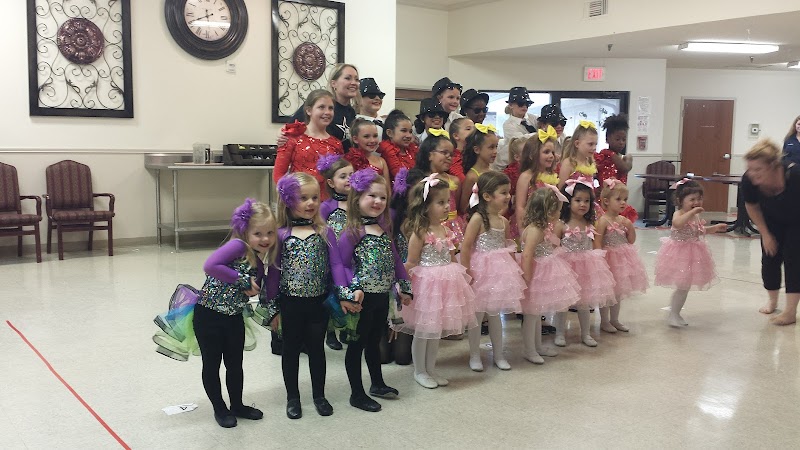
How is Bluebonnet Rehab At Ennis Staffed?

CMS rates BLUEBONNET REHAB AT ENNIS's staffing level at 2 out of 5 stars, which is below average compared to other nursing homes. Staff turnover is 50%, compared to the Texas average of 46%. RN turnover specifically is 83%, which is notably high. RNs provide skilled clinical oversight, so turnover in this role can affect medical care quality.

What Have Inspectors Found at Bluebonnet Rehab At Ennis?

State health inspectors documented 16 deficiencies at BLUEBONNET REHAB AT ENNIS during 2022 to 2025. These included: 1 Immediate Jeopardy (the most serious level, indicating potential for serious harm or death) and 15 with potential for harm. Immediate Jeopardy findings are rare and represent the most serious regulatory concerns. They require immediate corrective action.

Who Owns and Operates Bluebonnet Rehab At Ennis?

BLUEBONNET REHAB AT ENNIS is owned by a government entity. Government-operated facilities are typically run by state, county, or municipal agencies. The facility is operated by CARING HEALTHCARE GROUP, a chain that manages multiple nursing homes. With 136 certified beds and approximately 70 residents (about 51% occupancy), it is a mid-sized facility located in ENNIS, Texas.
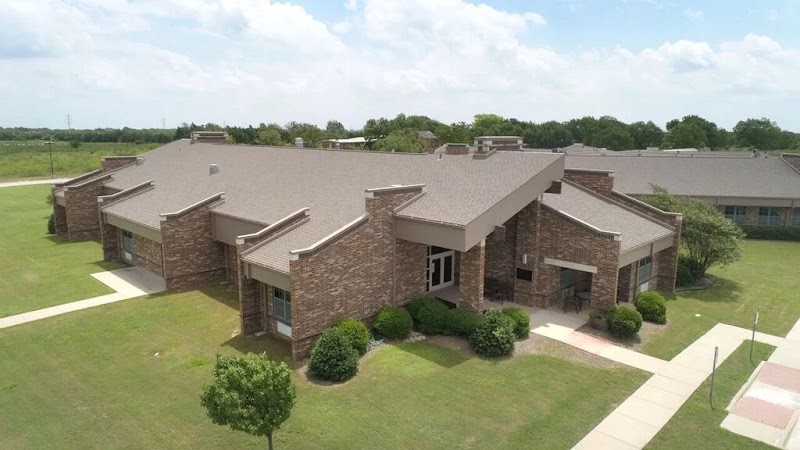
How Does Bluebonnet Rehab At Ennis Compare to Other Texas Nursing Homes?

Compared to the 100 nursing homes in Texas, BLUEBONNET REHAB AT ENNIS's overall rating (4 stars) is above the state average of 2.8, staff turnover (50%) is near the state average of 46%, and health inspection rating (4 stars) is above the national benchmark.

What Should Families Ask When Visiting Bluebonnet Rehab At Ennis?

Based on this facility's data, families visiting should ask: "What changes have been made since the serious inspection findings, and how are you preventing similar issues?" "Can you walk me through typical staffing levels on day, evening, and night shifts?" "Can I visit during a mealtime to observe dining assistance and food quality?" "How do you handle medical emergencies, and what is your hospital transfer rate?" These questions are particularly relevant given the facility's Immediate Jeopardy citations and the below-average staffing rating.

Is Bluebonnet Rehab At Ennis Safe?

Based on CMS inspection data, BLUEBONNET REHAB AT ENNIS has documented safety concerns. Inspectors have issued 1 Immediate Jeopardy citation (the most serious violation level indicating risk of serious injury or death). The facility has a 4-star overall rating and ranks #1 of 100 nursing homes in Texas. Families considering this facility should ask detailed questions about what corrective actions have been taken since these incidents.

Do Nurses at Bluebonnet Rehab At Ennis Stick Around?

BLUEBONNET REHAB AT ENNIS has a staff turnover rate of 50%, which is about average for Texas nursing homes (state average: 46%). Moderate turnover is common in nursing homes, but families should still ask about staff tenure and how the facility maintains care continuity when employees leave.

Was Bluebonnet Rehab At Ennis Ever Fined?

BLUEBONNET REHAB AT ENNIS has no federal fines on record. CMS issues fines when nursing homes fail to meet care standards or don't correct problems found during inspections. The absence of fines suggests the facility has either maintained compliance or corrected any issues before penalties were assessed. This is a positive indicator, though families should still review recent inspection reports for the full picture.

Is Bluebonnet Rehab At Ennis on Any Federal Watch List?

BLUEBONNET REHAB AT ENNIS is not on any federal watch list. The most significant is the Special Focus Facility (SFF) program, which identifies the bottom 1% of nursing homes nationally based on persistent, serious quality problems. Not being on this list means the facility has avoided the pattern of deficiencies that triggers enhanced federal oversight. This is a positive indicator, though families should still review the facility's inspection history directly.