FAIRFIELD NURSING & REHABILITATION CENTER
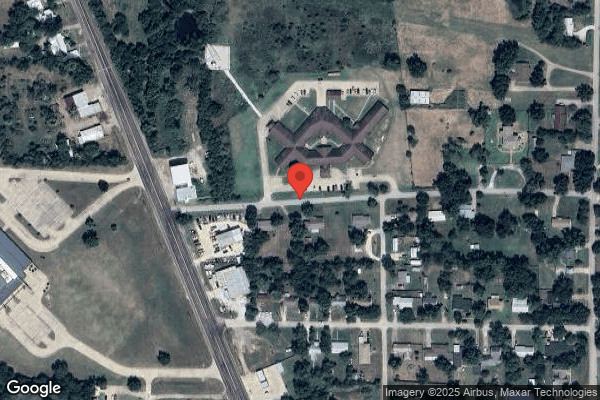
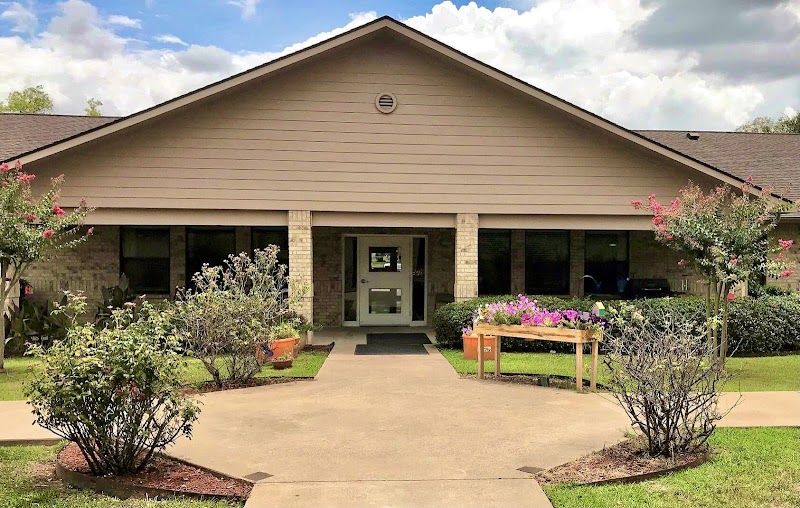
420 MOODY ST, FAIRFIELD, TX 75840 (903) 389-1236
For profit - Corporation 101 Beds CREATIVE SOLUTIONS IN HEALTHCARE Data: November 2025
Trust Grade
85/100
#50 of 1168 in TX
Last Inspection: September 2024

Within standard 12-15 month inspection cycle. Federal law requires annual inspections.

Overview

Fairfield Nursing & Rehabilitation Center has a Trust Grade of B+, which indicates it is above average and recommended for families considering care options. It ranks #50 out of 1,168 facilities in Texas, placing it in the top half, and is the top-ranked facility out of three in Freestone County. The facility is improving, having reduced its issues from four in 2024 to two in 2025. Staffing is rated 4 out of 5 stars, with a turnover rate of 55%, which is average for Texas, indicating some stability among staff. However, the facility has faced serious concerns, including expired food in the refrigerator that could pose health risks and failures in medication management that resulted in a medication error rate above the acceptable limit. Fortunately, there have been no fines recorded, suggesting compliance with regulations in other areas, and the facility has average RN coverage, which is essential for monitoring residents' needs. Overall, while there are strengths in staffing and compliance, families should be aware of the recent concerns regarding food safety and medication administration.

Trust Score
B+
85/100
In Texas
#50/1168
Top 4%
Safety Record
Low Risk
No red flags
Inspections
Getting Better
4 → 2 violations
Staff Stability
⚠ Watch
55% turnover. Above average. Higher turnover means staff may not know residents' routines.
Penalties
✓ Good
No fines on record. Clean compliance history, better than most Texas facilities.
Skilled Nurses
○ Average
Each resident gets 30 minutes of Registered Nurse (RN) attention daily — about average for Texas. RNs are the most trained staff who monitor for health changes.
Violations
⚠ Watch
11 deficiencies on record. Higher than average. Multiple issues found across inspections.
★★★★★
5.0
Overall Rating
★★★★☆
4.0
Staff Levels
★★☆☆☆
2.0
Care Quality
★★★★★
5.0
Inspection Score
Stable
2024: 4 issues
2025: 2 issues

The Good

  • 4-Star Staffing Rating · Above-average nurse staffing levels
  • Full Sprinkler Coverage · Fire safety systems throughout facility
  • No fines on record

Facility shows strength in staffing levels, fire safety.

The Bad

Staff Turnover: 55%

Near Texas avg (46%)

Frequent staff changes - ask about care continuity

Chain: CREATIVE SOLUTIONS IN HEALTHCARE

Part of a multi-facility chain

Ask about local staffing decisions and management

Staff turnover is elevated (55%)

7 points above Texas average of 48%

The Ugly 11 deficiencies on record

Jul 2025 2 deficiencies
CONCERN (D) 📢 Someone Reported This

A family member, employee, or ombudsman was alarmed enough to file a formal complaint

Potential for Harm - no one hurt, but risky conditions existed

Deficiency F0552 (Tag F0552)

Could have caused harm · This affected 1 resident

**NOTE- TERMS IN BRACKETS HAVE BEEN EDITED TO PROTECT CONFIDENTIALITY** Based on interview and record review, the resident has the right to be informed of, and participate in, his or her treatment inc...

Read full inspector narrative →
**NOTE- TERMS IN BRACKETS HAVE BEEN EDITED TO PROTECT CONFIDENTIALITY** Based on interview and record review, the resident has the right to be informed of, and participate in, his or her treatment including the right to be informed in advance, by the physician or other practitioner or professional, of the risks and benefits of the risks and benefits of proposed care, of treatment and treatment alternatives or treatment options and to choose the alternative or option he or she prefers for 1 of 5 (Resident #1) reviewed for resident rights. The facility failed to ensure Resident #1 was sent out to the hospital when Resident #1 complained of pain in her lower back on 07/17/2025. This failure could place residents at risk of their rights to have their medical needs met . Findings include:A record review of Resident #1's face sheet, dated 07/26/2025, reflected a [AGE] year-old female who was admitted to the facility on [DATE]. Resident #1's diagnoses which included unspecified dementia (memory loss), major depressive disorder (sadness), diabetes (too much sugar in the blood) and hypertension (high blood pressure). A record review of Resident #1's Quarterly MDS assessment, dated 06/23/2025, reflected the resident had a BIMS score of 8, which indicated moderate cognitive impairment. A record review of Resident #1's progress note, dated 07/17/2025 written by LVN A at 10:39 AM, reflected Patient c/o increased pain to her lower back. UA was obtained early this AM and sent to the lab R/T malodorous (smelling very unpleasant) urine. Patient lower pubic area is distended and firm to palpitation. IN and OUT cath performed using sterile supplies and sterile technique. Once urine returned a small amount of blood returned an no more urine noted. Bladder appears to be having spasms during procedure. Cath. Removed and MD was contacted. Patient stated that she wants to go to ER at this time. She remains Afebrile (free from fever) and has received PRN medications for pain. MD gave verbal order for Rocephin 1GM now, and he will come visit patient and check bladder for retention. LVN A, charge nurse contacted RP for patient. She is aware of plan of care at this time and agrees. Care ongoing. During an interview with Resident #1's RP on 07/26/2025 at 10:35 AM, the RP stated LVN A did not send Resident # 1 to the hospital on [DATE], when Resident # 1 requested to go to the hospital when she had experienced pain in the lower back. Resident #1's RP stated LVN A did collect a sample of urine and Resident #1 received pain medication, but the LVN A should had sent Resident #1 out to the hospital when she requested to go. The RP stated when LVN A did not send Resident #1 out to the hospital per her request her medical needs would not have been addressed. The RP stated Resident #1 was no longer at the facility as she transferred her to another facility on 07/22/2025. During an interview with LVN A on 07/26/2025 at 1:27 PM, LVN A stated on 07/17/2025, can't recall the time around 11:00 AM to 12:00 PM, she went in to check on Resident # 1 and she told her that her lower back was hurting, and she wanted to go to the hospital. LVN A asked Resident #1 if she could help her with anything before sending her out and she said okay and she was fine. LVN A stated she assessed Resident #1 and she did not fail to send Resident #1 out to the hospital because she wanted to see what she could do before Resident # 1 would be sent out. LVN A stated she knew it was expected to send Resident #1 out per her request, but she assessed Resident # 1 and also had contacted Resident # 1's RP. LVN A stated not sending Resident #1 out when she requested, Resident #1's medical needs may have not been met. During an interview with the DON on 07/28/2025 at 4:12 PM, the DON stated it was expected for LVN A to send Resident #1 to the hospital per her request. The DON stated when residents were not sent out to the hospital when they requested their medical need would not have been met. During an interview with the ADM on 07/28/2025 at 4:28 PM, the ADM stated it was expected for LVN A to have sent Resident #1 when she requested to be sent out to the hospital on [DATE] when she experienced lower back pain. The ADM stated if Resident #1 was not sent out when she requested her needs would not have been met. Record review of facility's policy titled Resident Rights, dated 11/28/2016, reflected The resident has a right to a dignified existence, self-determination, and communication with and access to persons and services inside and outside the facility.
CONCERN (D) 📢 Someone Reported This

A family member, employee, or ombudsman was alarmed enough to file a formal complaint

Potential for Harm - no one hurt, but risky conditions existed

Medical Records (Tag F0842)

Could have caused harm · This affected 1 resident

**NOTE- TERMS IN BRACKETS HAVE BEEN EDITED TO PROTECT CONFIDENTIALITY** Based on interview and record review the facility failed to ensure, in accordance with accepted professional standards and pract...

Read full inspector narrative →
**NOTE- TERMS IN BRACKETS HAVE BEEN EDITED TO PROTECT CONFIDENTIALITY** Based on interview and record review the facility failed to ensure, in accordance with accepted professional standards and practices, medical records were maintained on each resident that were complete and accurately documented for 1 of 5 residents (Resident #1) for complete and accurate records. The facility failed to ensure Resident #1's weight was documented in PCC for July 2025. This failure could place residents at risk for the possibility of not verifying the needed care and services to meet their needs. Findings include:A record review of Resident #1's face sheet, dated 07/26/2025, reflected a [AGE] year-old female who was admitted to the facility on [DATE]. Resident #1's had diagnoses which included unspecified dementia (memory loss), major depressive disorder (sadness), diabetes (too much sugar in the blood) and hypertension (high blood pressure) A record review of Resident #1's Quarterly MDS assessment, dated 06/23/2025, reflected the resident had a BIMS score of 8, which indicated moderate cognitive impairment. A record review of Resident #1's weight in PCC for July 2025 did not reflect a weight for Resident #1. During an interview with the ADON on 07/28/2025 at 3:48 PM, the ADON stated she was responsible for placing and making sure Resident #1's weight, taken on 07/08/2025, was documented in PCC. The ADON stated Resident #1's weight was 148 pounds, and she failed to enter it in PCC and when she realized Resident # 1's weight did not get entered was when Resident #1 discharged on 07/19/2025. The ADON states she knew how important it was to document the weights in PCC and without the weights documented, the system would not be able to flag any weight loss or gains.During an interview with the DON on 07/28/2025 at 4:12 PM, the DON stated it was expected for the ADON to document Resident #1's July weight by 07/10/2025. The DON stated if it was not documented it did not happen. The DON stated if the weight was not documented in the system, it would not trigger weight loss or gain to identify if interventions needed to be set in place.During an interview with the ADM on 07/28/2025 at 4:28 PM, the ADM stated it was expected for the ADON to have documented Resident #1's weight in PCC by 07/10/2025. The ADM stated it was important for the July 2025 weight to be entered to make sure there was not any weight loss or gains. The ADM stated when weights were not documented in PCC, staff would not be able to identify weight loss or gain to be able to put an intervention in place Record review of the facility's, undated, policy titled documentation reflected Documentation is the recording of all information, both objective and subjective, in the clinical record of an individual resident and or soft resident file. It may include observations, investigations, and communications of the resident involving care and treatments. It has legal requirements regarding accuracy and completeness legibility and timing. Special forms on the clinical record are utilized in nursing documentation, such as assessment, care plan, nursing progress notes, flow sheets, medication sheets, incident reports, and summary sheets (daily, weekly, monthly, discharge). Documentation also occurs in the clinical software Point Click Care (PCC). All documentation and clinical records are confidential and can be released with signed permission of the resident legal representative.
Sept 2024 2 deficiencies
CONCERN (D) 📢 Someone Reported This

A family member, employee, or ombudsman was alarmed enough to file a formal complaint

Potential for Harm - no one hurt, but risky conditions existed

Report Alleged Abuse (Tag F0609)

Could have caused harm · This affected 1 resident

Based on observation, interview, and record review, the facility failed to ensure all allegations of abuse are reported immediately, but not later than 2 hours after the allegation is made, to the Adm...

Read full inspector narrative →
Based on observation, interview, and record review, the facility failed to ensure all allegations of abuse are reported immediately, but not later than 2 hours after the allegation is made, to the Administrator of the facility and to HHSC for one (Resident #4) of five residents reviewed for abuse. The facility staff failed to immediately report an allegation of abuse to the Administrator and to HHSC as required when Resident #4 was struck in the face by Resident #3 on 08/20/2024 at 8:30 p.m This failure could place residents at risk for unreported allegations of abuse. Findings included: Record review of the facility EHR reflected nurses note dated 08/20/24 at 8:30p.m. stated that Resident #3 struck Resident #4 in the face at 8:30 p.m. on 08/20/24. The facility staff was present in the area and intervened. The residents were separated and assessed for injuries. Resident #3 was placed on 1:1 supervision by staff. Resident #4 was monitored as part of the assessment. The facility Administrator was not made aware of the incident until a 6:45 a.m. on 08/21/2024. The report was made at that time. Record review of Resident #3 MDS record reflected a current BIMS score of 5, indicating severe impairment, and the following partial diagnosis Unspecified Dementia, Major Depressive Disorder, Alzheimer's Disease and Bipolar Disorder. Record review of resident #4 MDS record reflected a current BIMS of 0 indicating severe impairment and partial diagnosis including Cerebral Infarction, Depression, Adjustment Disorder, and Aphasia. Interview with Resident#3 09/24/2024 at 1:30 p.m. Resident observed in bed eyes open, no marks or bruises were observed. Resident did not respond to questions. Interview with Resident #4 on 09/24/2024 at 2:30 p.m. Resident #4 was observed sitting in the common area where the incident occurred. Resident #4 was sitting in a wheelchair watching television. Resident #4 acknowledged the surveyor's presence but did not speak when spoken to. Resident #4 motioned for the surveyor to come closer but did not speak in an understandable manner. Resident#4 was observed with no visible marks or bruising. In an interview with RN A on 09/24/24 at 3:15 p.m. RN A stated she is aware of the incident involving Resident #4. She stated it happened on the other side of the building. RN A stated that she had provided care for Resident #3 before. Resident #3 was known to be aggressive with staff, but RN A stated she is unaware of any issues with other residents. RN A stated that they had to complete an in-service regarding reporting incidents to Administrator who is the Abuse Coordinator. She stated that all incidents of abuse or neglect must be reported immediately to the Administrator. She stated that residents could be negatively impacted by abuse and neglect. Injuries may be unnoticed or the abuse or neglect it could continue to happen. In an interview on 9/24/2024 at 3:40 p.m. with CNA C. CNA C stated that Resident #3 was resistive to care and at times could be aggressive to staff. She would come after staff in her wheelchair. CNA C stated she had never observed Resident #3 being aggressive with the other residents. She stated that neither of residents seemed to be bothered or upset by the incident. She stated that she completed the in-service for reporting abuse to the Administrator. In an interview with LVN B on 09/25/2024 at 11:25 am. LVN B stated that she primarily cares for Resident #1 she stated that she has no issues with her behaviors as she will just spend a little more time with her. She stated that there were no previous issues with Resident #3 and Resident #4. She stated that after the incident they had in-service for Abuse Neglect, Reporting and Residents Rights. She stated that staff must inform the Administrator of any suspected abuse immediately and she must report it to the State. She stated that they must protect the residents from any abuse or neglect whether it be staff, other residents or outside family or others. In an interview on 9/25/2024 at 3:25 with the DON. The DON stated that the Administrator found out about the incident when she was reviewing the overnight reports. She stated that the Administrator reported the incident to the HHSC desk immediately on 08/21/2024 at 6:45 a.m. She stated after the report was made, they spoke to the staff involved the ADON and LVN D about reporting and they found that LVN D did not call either of them. She then told them she informed the ADON. She stated that they conferenced both the ADON and LVN D. She stated at that point they in-serviced the whole building on when to report incidents of abuse and neglect to, that being both the DON and the Administrator. She stated that she conducted the in-service for staff on abuse, neglect and resident rights, the Administrator completed the in-service for reporting abuse neglect. Record review of the provider investigation dated 08/29/2024 reflected that LVN D stated that she did inform the Administrator, DON, and ADON. Both LVN D and ADON were provided with 1 on 1 in-service with the self-reporting protocol. Review of in-service records reflected that all staff completed the resident's rights in-service conducted by the Administrator on 08/21/2024. The abuse and neglect in-service were conducted by DON and completed by all staff on 08/21/2024. The self-reporting protocol/Ad Hoc QAPI resident to resident physical aggression in-service was conducted by the Administrator and completed by all staff on 08/21/2024.
CONCERN (D)

Potential for Harm - no one hurt, but risky conditions existed

Infection Control (Tag F0880)

Could have caused harm · This affected 1 resident

**NOTE- TERMS IN BRACKETS HAVE BEEN EDITED TO PROTECT CONFIDENTIALITY** Based on observation, interview and record review, the facility failed to maintain an infection prevention and control program d...

Read full inspector narrative →
**NOTE- TERMS IN BRACKETS HAVE BEEN EDITED TO PROTECT CONFIDENTIALITY** Based on observation, interview and record review, the facility failed to maintain an infection prevention and control program designated to provide a safe, sanitary, and comfortable environment and to help prevent the development and transmission of communicable disease and infection for 1 (Residents #1) of 3 residents reviewed for infection control in that: 1. CNA A failed to change their soiled gloves and wash hands during incontinent care for Resident #1. These failures could place residents at-risk of cross contamination which could result in infections or illness. Findings included: Review of Resident #1's EHR on 09/24/24 revealed the resident was a [AGE] year-old female that was admitted to the facility on [DATE] with diagnoses including Polyarthritis (arthritis that affects all joints),and mixed incontinence (both urine and bowel incontinence). Review of Resident #1's quarterly MDS assessment, dated 7/02/24, reflected a BIMS score of 9, indicating the resident was moderately impaired cognitively, and able to make decisions. Her functional status indicated she needed two staff to complete her activities of daily living, to include incontinent of bowel and bladder. Observation on 04/24/24 at 11:44 a.m., revealed CNA A and NA B donned clean gloves. CNA A, with the help of NA B, positioned Resident #1 on her back. CNA A unfastened the resident's brief tabs and wiped the pubic area with a disposable wipe, discarded the wipe, then she wiped the folds of the groin inguinal (abdomen) area using wipes. CNA A, with assistance of NA B, repositioned Resident #1 on her left side and cleaned her buttocks area, which was soiled with urine, then removed the brief and placed it in a trash bag. CNA A placed a clean brief on Resident #1 and fastened it. CNA A continued with care for Resident #1 without discarding her soiled gloves. She pulled the resident's dress down and pulled the cover up over the resident. CNA A and NA B then removed their dirty gloves disposing of them in the trash bag, leaving the room after washing their hands. Interview on 09/24/24 at 12:00 p.m., CNA A stated she never changed her gloves between dirty and clean, while performing incontinent care on Resident #1. CNA A stated she just washed her hands before and after care. NA B stated she was being trained and she did touch the resident only to repositioned her, but she knew to change gloves and wash her hands but did not say anything to CNA A. CNA A and NA B stated by not changing their gloves and sanitizing their hands they could spread germs to other residents. Interview on 09/25/24 at 10:45 a.m., the DON stated that her expectation was that staff would sanitize their hands prior to putting on and after taking off gloves. She stated the staff should be changing their gloves when they go from dirty to clean and sanitizing in between. If the staff changes gloves multiple times, they must sanitize their hands with soap and water or hand gel between each time. The DON stated she thought she would have to do some further training. Review of facility's Policies and Procedure titled: Perineal Care, dated May 2022, reflected the following: .The purpose: aims to maintain the resident's dignity and self-worth and reduce embarrassment by providing cleanliness and comfort to the resident, preventing infections and skin irritation, and observing the resident's skin condition . procedure content: .10) perform .hand hygiene, 11) [NAME] gloves, instructions on performing incontinent care provided .24) doff gloves, 25) perform hand hygiene, placing on new gloves if necessary, 26) provide resident comfort and safety by reclothing . straightening bedding, adjusting the bed . important points: doffing and discarding of gloves are required if visible soiled, always perform hand hygiene before and after glove use
Aug 2024 2 deficiencies
CONCERN (D) 📢 Someone Reported This

A family member, employee, or ombudsman was alarmed enough to file a formal complaint

Potential for Harm - no one hurt, but risky conditions existed

Deficiency F0604 (Tag F0604)

Could have caused harm · This affected 1 resident

**NOTE- TERMS IN BRACKETS HAVE BEEN EDITED TO PROTECT CONFIDENTIALITY** Based on observation, interview, and record review, the facility failed to ensure residents were free from physical restraints, ...

Read full inspector narrative →
**NOTE- TERMS IN BRACKETS HAVE BEEN EDITED TO PROTECT CONFIDENTIALITY** Based on observation, interview, and record review, the facility failed to ensure residents were free from physical restraints, not required to treat the resident's symptoms, for 1 of 9 residents (Resident #1) reviewed for physical restraints. The facility failed to ensure RP #2 was educated on physical restraint policy and refrained from having tied Resident #1's right hand/wrist to her bed's assist bar with a blanket. This failure placed residents at risk of physical harm, psychosocial harm, and having their needs gone unmet. Findings included: Record review of Resident #1's AR, dated 8/14/2024, reflected an [AGE] year-old female admitted to the facility on [DATE]. She was diagnosed with Dementia (which was a disease that affected memory, thought, and interfered with daily life,) Cerebral infarction (which was a pathologic process that resulted in necrotic tissue in the brain, caused by disrupted oxygen and blood supply,) and Bullous Pemphigoid (which was a rare skin condition that caused blisters on the skin.) Record review of Resident #1's Quarterly MDS assessment, dated 7/19/2024 reflected Resident #1 had a BIMS Score of 8. A BIMS Score of 8 indicated Resident #1 had moderate cognitive impairment. Resident #1 used a wheelchair for ambulation; she was dependent upon staff for eating, oral hygiene, toileting hygiene, shower/bathe self, upper body dressing, lower body dressing, putting on/talking off shoes, and personal hygiene. Dependent meant the helper did all the effort. Resident did none of the effort to complete the activity; Or the assistance of 2 or more helpers was required for the resident to complete the activity. Resident #1 had a catheter and was frequently incontinent of bowel. Record review of Resident #1's CP reflected a focus area for potential/actual impairment to skin integrity, initiated on 5/01/2024 and revised on 8/5/2024, evidenced by self-inflicted scratches; revised focus area R/T diagnosis of Bullous Pemphigoid. The goal was to have no complications by the target date of 10/10/2024. The interventions for nursing staff were to administer treatments as ordered, initiated 5/17/2024; avoid scratching and keep hands and body parts from excessive moisture, keep fingernails short, initiated 5/17/2024; Educate resident and responsible parties of causative factors to prevent skin injury, initiated 5/1/2024; Follow facility protocols for treatments of injury, initiated 5/1/2024; Identify potential causative factors and eliminate where possible, initiated 5/1/2024; Keep skin dry and clean/use lotion on dry skin, initiated 5/1/2024. Resident #1's CP reflected a second focus area for skin integrity, initiated on 5/30/2024, evidenced by scratching skin and skin breaks. The goal was to have fewer episodes of scratching by target date of 10/10/2024. The interventions for nursing staff were to administer medications as ordered, initiated 5/30/2024; anticipate needs of resident, initiated 5/30/2024; Apply Geri-sleeves on both upper extremities, initiated 8/12/2024. Record review of Resident #1's Order Summary Report reflected an order for hydroxyzine; (1) .25 MG tablet by mouth every 6 hours for itching. The order was written on 7/9/2024 and started on 7/9/2024.The Order Summary Report reflected an order for prednisone; (7) 10 MG tablets given via peg tube one time a day R/T Bullous Pemphigoid. The order was written 8/5/2024 and started on 8/6/2024. Record review of Resident #1's July 2024 MAR, viewed in PCC, reflected Resident #1's medication list. The July 2024 MAR indicated Resident #1 received hydroxyzine; .25 MG tablet by mouth every 6 hours. The MAR reflected medication administration started on 7/9/2024 at 11:00 PM. The July 2024 MAR indicated administration of hydroxyzine .25 MG tablet by mouth every 6 hours through 7/31/2024 (continuous.) Record review of Resident #1's August 2024 MAR, viewed in PCC, reflected Resident #1's medication list. The August 2024 MAR indicated Resident #1 received hydroxyzine; .25 MG tablet by mouth every 6 hours. The MAR reflected medication administration continued from 8/1/2024 at 5:00 AM until 8/14/2024 (continuous.) The August 2024 MAR indicated administration of prednisone; (7) 10 MG tablets given via peg tube one time a day R/T Bullous Pemphigoid. The August 2024 MAR indicated Resident #1 received prednisone; (7) 10 MG tablets given via peg tube one time a day R/T Bullous Pemphigoid 1 time daily from 8/6/2024 until 8/14/2024 (continuous.) Record review of Resident #1's admission Contract, signed and dated 3/25/2024, reflected Section 21. Rules on Restraints, Resident's Behavior, and Health Care Center Practice. The admission Contract indicated: It was the policy of the facility to have maintained an environment that prohibited the use of restraints for discipline or convenience. Restraint usage would have been limited to circumstances in which the resident had medical symptoms that warranted the use of restraints. The restraint assessment committee would have evaluated and established the need for restraint use or restrain reduction for residents in the health care center. The health care center was committed to nurturing the autonomy and independence of the residents by having attempted to provide a restraint free environment. A physical restraint was defined as any manual restraint method, such as physical, mechanical, material, or the use of adjacent equipment, that the individual could not remove easily, which would have restricted a resident's freedom of movement, or normal access to one's body. The admission Contract's Notice of Rights and Services, located in Section 21, indicated: the facility must have informed the resident, or the residents next of kin/guardian, both orally and in an understandable language the rights and rules governing resident conduct and responsibilities during the resident's stay at the facility. The facility's policy related to the use of restraints and involuntary seclusion must have also been given to the resident's legally authorized representative if the resident had one. Record review of a legal document, notarized on 4/10/2024, named RP #2 as Resident #1's Medical Power of Attorney. Record review of Resident #1's incident report dated 8/3/2024 at 8:35 PM; written by the ADON, reflected an unwitnessed event in the room of Resident #1 (201-B); resident not taken to hospital; no injuries observed. Record review of Resident #1's progress notes dated 8/3/2024 at 8:35 PM; written by LVN A, reflected an entry having indicated: Resident was found with her right hand tied to the grab bar after RP #2 had left for the night, reported it to the administrator. Hand was untied and assessed resident's wrist for any marks or bruising and none where found. Record review of a written statement by LVN B, dated 8/3/2024 at 7:30 PM, reflected LVN B ad LVN A entered Resident #1's room just after RP #2 left Resident #1's room. LVN A and LVN B discovered Resident #1's right hand had been tied to the bed's assist bar. The two LVN's immediately released Resident #1's hand/wrist and assessed for trauma. No marks were noted to her wrist. Resident #1 did not appear to be in any distress. Record review of a written statement by LVN A, dated 8/5/2024, reflected LVN A entered Resident #1's room (8/3/2024) with LVN B having discovered Resident #1's right hand had been tied to the bed's assist bar with a small blanket. LVN A released Resident #1's right hand. A visual inspection of Resident #1's right hand resulted with no visible trauma. LVN A reported the incident to the ADM. Record review of Resident #1's weekly skin assessment, dated 8/5/2024, reflected Resident #1's skin color was normal, no bruises, no skin tears, no abrasions, and no lacerations. There were no areas that had not been reported to the facility medical provider. Assessment performed by LVN F. Record review of a local police report, # 2400220, written on 8/14/2024 by Officer #3 reflected an incident, which occurred at the facility on 8/3/2024. The report indicated: On 08/05/2024 at approximately 3:30 PM, I, Officer #3 responded to a call at the Nursing and Rehab. When I arrived, I met with the ADM. The ADM stated that she was notified by a charge nurse, LVN A, that Resident #1 had her hand tied to the assist bar, by RP #2. The ADM stated LVN A reported having untied Resident #1 arms, bound by a blanket to the bed's mobility assist bar. The ADM stated LVN A reported no red marks, bruises, lacerations of any kind. The ADM stated that the facility staff had spoken with RP #2, and he explained he did not mean any harm, but was only trying to keep Resident #1 from scratching herself. Resident #1 had recently been diagnosed with an autoimmune skin condition, which caused severe itching. RP #2 did not know his actions were wrong and said he would never do it again. The ADM stated that she believed it was not a malicious intent. The ADM stated RP #2 was really good to Resident #1 and visited with her daily, and only wanted the best for her. Officer #3 went to Resident #1's room and looked at her arm. There were no signs of any bruising or any other marks. Resident #1's hand was in a sock when having arrived at her room. Record review of Resident #1's progress notes dated 8/5/2024 at 7:58 PM; written by the ADM, reflected an entry having indicated: The Administrator had a care plan with RP #2. The ADM discussed using restraints and explained that this was not allowed in the facility and was considered to be a form of abuse. RP #2 became very upset as he did not know and was very sorry, having explained all he tried to do was to keep Resident #1 from having scratched herself. RP #2 explained all he wanted was to take good care of Resident #1 and that he had devoted the last several years of his life doing that. Resident #1 had a new diagnosis of Bullous Pemphigoid, 7/23/2024, and it did cause her to scratch. The facility's MD had prescribed hydroxyzine. RP #2 was glad to hear this and promised he would never restrain Resident #1 again. Record review of Resident #1's progress notes dated 8/8/2024 at 4:57 PM; written by the SW, reflected an entry having indicated: The SW followed up with Resident #1 for the incident having regarded to RP #2 securing Resident #1's wrist to the bed rails to prevent Resident #1 from scratching herself. Resident #1 stated she was not in any distress from the incident or upset with RP #2. Resident #1 stated RP #2 had good intentions and tried his best to help her from scratching, which had caused her skin to bleed. Resident #1 stated RP #2 understood why he should not have tied her right hand/wrist to the bed side rail and that it was a mistake, an error. Resident #1 was calm, alert, and oriented to self, place, and time. Record review of a facility self-reported intake reflected an email, dated 8/5/2024. The email indicated [To Whom it May Concern, please find attached a late-self report on abuse that occurred on the evening of 8/3/2024. Attached were the following: Initial self-report, resident face sheet, witness statements, heat to toe assessment completed 8/5/2024. If you have any questions, please feel free to contact the ADM. Observation on 8/13/2024 at 10:15 AM of Resident #1 reflected the resident seated /reclined in her Geri-chair (a large wheelchair with a padded back/seat and leg stirrups) in the television area near the facility's nurse's station. Resident #1 was covered up to her torso with a white sheet, her head was supported with a horseshoe shaped pillow around her neck, and she did not appear to be in any distress. Resident #1 had her eyes closed and was non-responsive to verbal prompts. Interview on 8/14/2024 at 8:43 AM with RP #2 revealed he was at the facility the night of 8/3/2024 to see Resident #1. To keep Resident #1 from having scratched her skin, he stated he used the material from the softest material he could find, which was a blanket, and tied Resident #1's right hand/wrist to the support bar on the side of the bed. He stated he did not try to hide what he had done, and left the knotted blanket exposed for anyone who had entered the room to see. He did not know, at the time, that having tied Resident #1's hand/wrist to the support bar was a form of abuse through restraint. He stated he was seen by the ADM, a couple of days later, and learned that physical restraints were not allowed at the facility. He was only trying to help Resident #1 and promised he would never do it again. Observation and interview on 8/14/2024 at 9:55 AM of Resident #1 revealed the resident seated /reclined in her Geri-chair in the television area near the facility's nurse's station. Through verbal responses and facial features, Resident #1 affirmed that she was feeling ok and denied any pain. She recalled RP #2 tying her right arm to the bedside assist bar on 8/3/2024 but denied that it caused her any pain. The itching was just about the same. Resident was observed wearing Geri-gloves (which were mesh gloves worn to protect skin without having sacrificed comfort or mobility.) Phone interview on 8/14/2024 at 10:22 AM with Officer #3 revealed she was called out to the facility on 8/5/2024 for an allegation described as RP #2 having allegedly tied Resident #1's right arm/wrist to the bed side support bar on 8/3/2024. When she arrived at the facility, the RP #2 was in the room. Officer #3 reported RP #2 told her he did not know he could not tie Resident #1's hand/wrist to the bed's support bar. RP #2 was only trying to have helped Resident #1. Officer #3 performed a visual inspection of Resident #1's right hand/wrist for injuries and did not observe any. Officer #3 stated that the local police department did not receive the call about the allegation, which occurred on 8/3/2024, until 8/5/2024. Interview on 8/14/2024 at 2:25 PM with the facility SW revealed the facility addressed the incident (allegation of abuse,) which occurred on 8/3/2024, with both Resident #1 and RP #2. The SW stated she had reviewed Resident #1's assessments and CP. The SW stated any future risk of abuse from RP #2 towards Resident #1 had been removed. Interview on 8/14/2024 at 2:35 PM with the ADON revealed staff was trained to report allegations, or suspicions, of abuse immediately to the abuse coordinator, who was the ADM. Some examples of abuse were described as physical, such as hitting residents and being too rough. Some examples of abuse were described as verbal/emotional such calling resident names or cursing them. Staff was trained the facility had a no restraint policy. Some examples of restraint were described as chemical, such as medications. Some examples of restraint were described as physical, such as blocking a resident in bed or a chair, tying one up, or holding one down. Family members, responsible parties, or authorized representatives were held to the same standard of restraints and abuse, and any observations, or suspicions, were to be reported to the abuse coordinator immediately. Interview on 8/14/2024 at 2:45 with NA C revealed she had been trained on restraints and abuse. Any observations, or suspicions, were supposed to be reported to the abuse coordinator, who was the ADM, immediately. Some examples of abuse were described as physical, such as slapping, pulling, holding down, or being rough with a resident. Some examples of abuse were described as emotional/verbal, such as telling a resident to shut up or calling them names. Restraints were not allowed at the facility. Some examples of restraints were described as belting a client in a chair or tying one up in their bed. Staff had been trained that resident's significant others could be abusive towards residents and instances of suspected abuse, or the use of restraints, was supposed to be reported to the abuse coordinator immediately. Interview on 8/14/2024 at 3:04 PM with LVN D revealed she had been trained on abuse, neglect, exploitation, and the use of restraints. Some examples of abuse were described as physical, such as hitting, pushing, and pinching a resident. Some examples of abuse were described as emotional/verbal, such as name calling, putting down, or being made to feel bad. The facility was a no restraint facility. It was not ok for staff, or guests, to restrain residents. Some restraints were described as physical, such as tying a resident to a bed, or inhibiting their natural body movements; Some examples of restraints were described as chemical, such as overmedication for a resident to make a staff's job easier. Allegations of abuse and restraints, or suspicions of, were supposed to be reported to the abuse coordinator, who was the ADM, immediately. Interview on 8/14/2024 at 3:10 with CNA E revealed she had recently received training on abuse, restraints, and resident's rights recently. She stated she was trained to report allegations, or suspicions, or abuse to the abuse coordinator, who was the ADM. Some examples of abuse were described as physical, such as jerking a resident during a transfer or being rough while having provided care. Some examples of abuse were described as emotional/verbal, such as name calling, yelling, venting frustrations, or having dismissed a resident's feelings. The facility was restraint free. Some examples of restraints were described as forcing a resident to wear gloves, raising full bed rails, and locking chair belts. Family members, and guests, were not allowed to be abusive, or to restrain residents, so allegations or suspicions of family member abuse or restraints were supposed to be reported to the ADM immediately. Interview on 8/14/2024 at 3:30 PM with the DON revealed staff was trained to identify and report instances, allegations, or suspicions of abuse to the abuse coordinator, who was the ADM, immediately. Some examples of abuse were described as physical, such as gripping resident's too hard, dropping residents during a transfer, hitting, or slapping, a resident. Some examples of abuse were described as emotional/verbal, such as lashing out at a resident, making a resident cry, having called them names, or having used derogatory remarks. The facility was a restraint free facility. Some examples of restraints were physical, such as having tightly tucked residents in their sheets, having tied them to a bed rail, or having had restricted their body movements. Some examples of restraints were described as chemical, such as having purposefully medicated a resident to make staff's jobs easier. Any allegations or suspicions, such as abuse or the use of a restraints, were supposed to be reported to the ADM immediately. The DON stated she had reviewed Resident #1's CP, and assessments, and the risk of abuse by RP #2 towards Resident #1 had been removed. RP #2 had been educated that restraints were not allowed. Resident #1 had received new medications for her itching, has had her fingernails continually trimmed short, and had been provided Geri-gloves for her upper extremities to help protect her exposed skin. The DON stated a measure in place to inform residents, and family members, about the use of restraints was in the admissions packet. Residents who were placed in the situation to have been restrained against their will risked psychosocial harm, physical injuries, or the development of distrust and fearfulness of staff. Interview on 8/14/2024 at 3:39 PM with the ADM revealed her staff was trained to recognize instances of abuse and expected her staff to report allegations, or suspicions, of abuse, to her immediately. As well, the ADM stated her staff was trained on the facility's policy on restraints and expected her staff to report allegations of resident restraint, or suspicions, to her immediately. The facility's admission Contract, which discussed the facility's no restraint policy, was signed by Resident #1 on 3/25/2024. The admission Contract was a failsafe in place for residents, and significant others, to learn that restraints were not allowed at the facility; however, Resident #1 had was her own responsible party at the time of admittance but had chosen a significant other, RP #2, to become their Medical Power of Attorney on 4/10/2024. The ADM was not aware, and could not state with certainty, if the facility forwarded RP #2 a copy of Resident #1's admission Agreement, which discussed the facility's no restraint policy. Residents who were abused in the form of having been restrained, were placed at risk of physical harm, such as injuries, and psychosocial harm, such as trauma related emotions. The reporting time for allegations of abuse, per the facility's Abuse and Neglect policy, indicated the allegation of abuse was supposed to have been reported to Health and Human Services within 2 hours of the report; however, the ADM did not report the allegation of abuse, which was initially reported to her by staff on 8/3/2024 at 8:35 PM, through the reporting website until 8/5/2024 at 3:11 PM. The ADM did not try to rationalize why the report was made late and acknowledged she was not in compliance and had no excuse. Record review of the ADM's one-on-one in-service, dated 8/5/2024, addressed the Long-Term Care Regulatory Provider Letter, PL 19-17, titled: Abuse, Neglect, Exploitation, Misappropriation of Resident Property and Other incident that a Nursing Facility Must Report to the Health and Human Services Commission; Provider types: Nursing Facilities; Date Issued: 7/10/2019. The provider letter indicated abuse, with or without serious bodily injury, was supposed to be reported immediately, but not less than two hours after the incident occurred or was suspected. The instructor was RRN. Record review of the facility's in-service, dated 8/5/2024, addressed the facility's Abuse and Neglect Policy, dated 11/15/2016. The policy indicated that facility employees must report all allegations of abuse, neglect, exploitation, mistreatment of residents, misappropriation of resident property or injury on unknown source to the facility administrator. The facility administrator or designee will report the allegation to HHSC. If the allegations involved abuse, or resulted in serious bodily injury, the report was to have been made within 2 hours of the allegation. If the allegation did not involve abuse or serious bodily injury, the report must have been made within 24 hours. The in-service recorded 40 staff members in attendance. Record review of the facility in-service, dated 8/5/2024, addressed the importance of timely reporting (undated document.) The document indicated to please ensure that you were reporting any suspected or confirmed incidents, abuse/neglect, misappropriation of funds of anything that you are unsure that could be of harm to any resident immediately to your charge nurse. These events were very sensitive events and needed to be immediately investigated and reported to Texas HHSC. The in-service recorded 40 staff members in attendance. Record review of the facility's in-service, dated 8/5/2024, addressed the facility's Resident Rights Policy, dated 2003. The policy indicated each resident was free from mental and physical abuse and free from chemical and physical restraint except when authorized in writing by a physician for a specified and limited period of time, or when necessary, in an emergency to protect the patient from injury to themselves or others. The in-service recorded 39 staff members in attendance. Record review of the facility's in-service, dated 8/5/2024, addressed the facility's Restraint Policy, dated 2/1/2007. The policy indicated the facility was supposed to have maintained an environment that prohibited the use of restraints for discipline or convenience. Restraint usage would have been limited to circumstances in which the resident had medical symptoms that warranted the use of restraints. The restraint assessment committee would have evaluated and established the need for restraint use or had used restrain reduction for residents in the health care center. The health care center was committed to have nurtured the autonomy and independence of the residents by having attempted to provide a restraint free environment. A physical restraint was defined as any manual restraint method, such as physical, mechanical, material, or the use of adjacent equipment, that the individual could not remove easily, which would have restricted a resident's freedom of movement or normal access to one's body. Physical restraints included, but were not limited to, leg restraints, arm restraints, hand mitts, soft ties or vests, wheelchair safety bars, Geri-chairs, lap cushions, and trays that the resident could not move. Restraints would only be used with informed consent from the resident, and or, the resident's representative/ responsible party and the resident's physician. The in-service recorded 40 staff members in attendance.
CONCERN (D) 📢 Someone Reported This

A family member, employee, or ombudsman was alarmed enough to file a formal complaint

Potential for Harm - no one hurt, but risky conditions existed

Report Alleged Abuse (Tag F0609)

Could have caused harm · This affected 1 resident

**NOTE- TERMS IN BRACKETS HAVE BEEN EDITED TO PROTECT CONFIDENTIALITY** Based on observation, interview, and record review, the facility failed to ensure that all alleged violations involving abuse w...

Read full inspector narrative →
**NOTE- TERMS IN BRACKETS HAVE BEEN EDITED TO PROTECT CONFIDENTIALITY** Based on observation, interview, and record review, the facility failed to ensure that all alleged violations involving abuse were reported immediately, but not later than 2 hours after the allegation was made, for 1 of 9 residents (Resident #1) reviewed for reporting abuse allegations. The facility failed to report an incident involving the use of a restraint on Resident #1 by RP #2, that occurred on 8/3/2024 at 8:35 PM, until 8/5/2024 to Health and Human Service. This failure placed residents at risk of physical harm, psychosocial harm, lack of regulatory oversite, and having their needs gone unmet. Findings included: Record review of Resident #1's AR, dated 8/14/2024, reflected an [AGE] year-old female admitted to the facility on [DATE]. She was diagnosed with Dementia (which was a disease that affected memory, thought, and interfered with daily life,) Cerebral infarction (which was a pathologic process that resulted in necrotic tissue in the brain, caused by disrupted oxygen and blood supply,) and Bullous Pemphigoid (which was a rare skin condition that caused blisters on the skin.) Record review of Resident #1's Quarterly MDS assessment, dated 7/19/2024 reflected Resident #1 had a BIMS Score of 8. A BIMS Score of 8 indicated Resident #1 had moderate cognitive impairment. Resident #1 used a wheelchair for ambulation; she was dependent upon staff for eating, oral hygiene, toileting hygiene, shower/bathe self, upper body dressing, lower body dressing, putting on/talking off shoes, and personal hygiene. Dependent meant the helper did all the effort. Resident did none of the effort to complete the activity; Or the assistance of 2 or more helpers was required for the resident to complete the activity. Resident #1 had a catheter and was frequently incontinent of bowel. Record review of Resident #1's CP reflected a focus area for potential/actual impairment to skin integrity, initiated on 5/01/2024 and revised on 8/5/2024, evidenced by self-inflicted scratches; revised focus area R/T diagnosis of Bullous Pemphigoid. The goal was to have no complications by the target date of 10/10/2024. The interventions for nursing staff were to administer treatments as ordered, initiated 5/17/2024; avoid scratching and keep hands and body parts from excessive moisture, keep fingernails short, initiated 5/17/2024; Educate resident and responsible parties of causative factors to prevent skin injury, initiated 5/1/2024; Follow facility protocols for treatments of injury, initiated 5/1/2024; Identify potential causative factors and eliminate where possible, initiated 5/1/2024; Keep skin dry and clean/use lotion on dry skin, initiated 5/1/2024. Resident #1's CP reflected a second focus area for skin integrity, initiated on 5/30/2024, evidenced by scratching skin and skin breaks. The goal was to have fewer episodes of scratching by target date of 10/10/2024. The interventions for nursing staff were to administer medications as ordered, initiated 5/30/2024; anticipate needs of resident, initiated 5/30/2024; Apply Geri-sleeves on both upper extremities, initiated 8/12/2024. Record review of Resident #1's Order Summary Report reflected an order for hydroxyzine; (1) .25 MG tablet by mouth every 6 hours for itching. The order was written on 7/9/2024 and started on 7/9/2024.The Order Summary Report reflected an order for prednisone; (7) 10 MG tablets given via peg tube one time a day R/T Bullous Pemphigoid. The order was written 8/5/2024 and started on 8/6/2024. Record review of Resident #1's July 2024 MAR, viewed in PCC, reflected Resident #1's medication list. The July 2024 MAR indicated Resident #1 received hydroxyzine; .25 MG tablet by mouth every 6 hours. The MAR reflected medication administration started on 7/9/2024 at 11:00 PM. The July 2024 MAR indicated administration of hydroxyzine .25 MG tablet by mouth every 6 hours through 7/31/2024 (continuous.) Record review of Resident #1's August 2024 MAR, viewed in PCC, reflected Resident #1's medication list. The August 2024 MAR indicated Resident #1 received hydroxyzine; .25 MG tablet by mouth every 6 hours. The MAR reflected medication administration continued from 8/1/2024 at 5:00 AM until 8/14/2024 (continuous.) The August 2024 MAR indicated administration of prednisone; (7) 10 MG tablets given via peg tube one time a day R/T Bullous Pemphigoid. The August 2024 MAR indicated Resident #1 received prednisone; (7) 10 MG tablets given via peg tube one time a day R/T Bullous Pemphigoid 1 time daily from 8/6/2024 until 8/14/2024 (continuous.) Record review of Resident #1 admission Contract, signed and dated 3/25/2024, reflected Section 21. Rules on Restraints, Resident's Behavior, and Health Care Center Practice. The admission Contract indicated: It was the policy of the facility to have maintained an environment that prohibited the use of restraints for discipline or convenience. Restraint usage would have been limited to circumstances in which the resident had medical symptoms that warranted the use of restraints. The restraint assessment committee would have evaluated and established the need for restraint use or restrain reduction for residents in the health care center. The health care center was committed to nurturing the autonomy and independence of the residents by having attempted to provide a restraint free environment. A physical restraint was defined as any manual restraint method, such as physical, mechanical, material, or the use of adjacent equipment, that the individual could not remove easily, which would have restricted a resident's freedom of movement, or normal access to one's body. The admission Contract's Notice of Rights and Services, located in Section 21, indicated: the facility must have informed the resident, or the residents next of kin/guardian, both orally and in an understandable language the rights and rules governing resident conduct and responsibilities during the resident's stay at the facility. The facility's policy related to the use of restraints and involuntary seclusion must have also been given to the resident's legally authorized representative if the resident had one. Record review of a legal document, notarized on 4/10/2024, named RP #2 as Resident #1's Medical Power of Attorney. Record review of Resident #1's incident report dated 8/3/2024 at 8:35 PM; written by the ADON, reflected an unwitnessed event in the room of Resident #1 (201-B); resident not taken to hospital; no injuries observed. Record review of Resident #1's progress notes dated 8/3/2024 at 8:35 PM; written by LVN A, reflected an entry having indicated: Resident was found with her right hand tied to the grab bar after RP #2 had left for the night, reported it to the administrator. Hand was untied and assessed resident's wrist for any marks or bruising and none where found. Record review of a written statement by LVN B, dated 8/3/2024 at 7:30 PM, reflected LVN B ad LVN A entered Resident #1's room just after RP #2 left Resident #1's room. LVN A and LVN B discovered Resident #1's right hand had been tied to the bed's assist bar. The two LVN's immediately released Resident #1's hand/wrist and assessed for trauma. No marks were noted to her wrist. Resident #1 did not appear to be in any distress. Record review of a written statement by LVN A, dated 8/5/2024, reflected LVN A entered Resident #1's room (8/3/2024) with LVN B having discovered Resident #1's right hand had been tied to the bed's assist bar with a small blanket. LVN A released Resident #1's right hand. A visual inspection of Resident #1's right hand resulted with no visible trauma. LVN A reported the incident to the ADM. Record review of Resident #1's weekly skin assessment, dated 8/5/2024, reflected Resident #1's skin color was normal, no bruises, no skin tears, no abrasions, and no lacerations. There were no areas that had not been reported to the facility medical provider. Assessment performed by LVN F. Record review of a local police report, # 2400220, written on 8/14/2024 by Officer #3 reflected an incident, which occurred at the facility on 8/3/2024. The report indicated: On 08/05/2024 at approximately 3:30 PM, I, Officer #3 responded to a call at the Nursing and Rehab. When I arrived, I met with the ADM. The ADM stated that she was notified by a charge nurse, LVN A, that Resident #1 had her hand tied to the assist bar, by RP #2. The ADM stated LVN A reported having untied Resident #1 arms, bound by a blanket to the bed's mobility assist bar. The ADM stated LVN A reported no red marks, bruises, lacerations of any kind. The ADM stated that the facility staff had spoken with RP #2, and he explained he did not mean any harm, but was only trying to keep Resident #1 from scratching herself. Resident #1 had recently been diagnosed with an autoimmune skin condition, which caused severe itching. RP #2 did not know his actions were wrong and said he would never do it again. The ADM stated that she believed it was not a malicious intent. The ADM stated RP #2 was really good to Resident #1 and visited with her daily, and only wanted the best for her. Officer #3 went to Resident #1's room and looked at her arm. There were no signs of any bruising or any other marks. Resident #1's hand was in a sock when having arrived at her room. Record review of Resident #1's progress notes dated 8/5/2024 at 7:58 PM; written by the ADM, reflected an entry having indicated: The Administrator had a care plan with RP #2. The ADM discussed using restraints and explained that this was not allowed in the facility and was considered to be a form of abuse. RP #2 became very upset as he did not know and was very sorry, having explained all he tried to do was to keep Resident #1 from having scratched herself. RP #2 explained all he wanted was to take good care of Resident #1 and that he had devoted the last several years of his life doing that. Resident #1 had a new diagnosis of Bullous Pemphigoid, 7/23/2024, and it did cause her to scratch. The facility's MD had prescribed hydroxyzine. RP #2 was glad to hear this and promised he would never restrain Resident #1 again. Record review of Resident #1s progress notes, dated 8/8/2024 at 4:57 PM; written by the SW, reflected an entry having indicated: The SW followed up with Resident #1 for the incident having regarded to RP #2 securing Resident #1's wrist to the bed rails to prevent Resident #1 from scratching herself. Resident #1 stated she was not in any distress from the incident or upset with RP #2. Resident #1 stated RP #2 had good intentions and tried his best to help her from scratching, which had caused her skin to bleed. Resident #1 stated RP #2 understood why he should not have tied her right hand/wrist to the bed side rail and that it was a mistake, an error. Resident #1 was calm, alert, and oriented to self, place, and time. Record review of a facility self-reported intake reflected an email, dated 8/5/2024. The email indicated [To Whom it May Concern, please find attached a late-self report on abuse that occurred on the evening of 8/3/2024. Attached are the following: Initial self-report, resident face sheet, witness statements, heat to toe assessment completed 8/5/2024. If you have any questions, please feel free to contact the ADM. Observation on 8/13/2024 at 10:15 AM of Resident #1 reflected the resident seated /reclined in her Geri-chair (a large wheelchair with a padded back/seat and leg stirrups) in the television area near the facility's nurse's station. Resident #1 was covered up to her torso with a white sheet, her head was supported with a horseshoe shaped pillow around her neck, and she did not appear to be in any distress. Resident #1 had her eyes closed and was non-responsive to verbal prompts. Interview on 8/14/2024 at 8:43 AM with RP #2 revealed he was at the facility the night of 8/3/2024 to see Resident #1. To keep Resident #1 from having scratched her skin, he stated he used the material from the softest material he could find, which was a blanket, and tied Resident #1's right hand/wrist to the support bar on the side of the bed. He stated he did not try to hide what he had done, and left the knotted blanket exposed for anyone who had entered the room to see. He did not know, at the time, that having tied Resident #1's hand/wrist to the support bar was a form of abuse through restraint. He stated he was seen by the ADM, a couple of days later, and learned that physical restraints were not allowed at the facility. He was only trying to help Resident #1 and promised he would never do it again. Observation and interview on 8/14/2024 at 9:55 AM of Resident #1 revealed the resident seated /reclined in her Geri-chair in the television area near the facility's nurse's station. Through verbal responses and facial features, Resident #1 affirmed that she was feeling ok and denied any pain. She recalled RP #2 tying her right arm to the bedside assist bar on 8/3/2024 but denied that it caused her any pain. The itching was just about the same. Resident was observed wearing Geri-gloves (which were mesh gloves worn to protect skin without having sacrificed comfort or mobility.) Interview on 8/14/2024 at 3:39 PM with the ADM revealed her staff was trained to recognize instances of abuse and expected her staff to report allegations, or suspicions, of abuse, to her immediately. As well, the ADM stated her staff was trained on the facility's policy on restraints and expected her staff to report allegations of resident restraint, or suspicions, to her immediately. Residents who were abused in the form of having been restrained, were placed at risk of physical harm, such as injuries, and psychosocial harm, such as trauma related emotions. The reporting time for allegations of abuse, per the facility's Abuse and Neglect policy, indicated the allegation of abuse was supposed to have been reported to Health and Human Services within 2 hours of the report; however, the ADM did not report the allegation of abuse, which was initially reported to her by staff on 8/3/2024 at 8:35 PM, through the reporting website until 8/5/2024 at 3:11 PM. The ADM did not try to rationalize why the report was made late and acknowledged she was not in compliance and had no excuse. Record review of the ADM's one-on-one in-service, dated 8/5/2024, addressed the Long-Term Care Regulatory Provider Letter, PL 19-17, titled: Abuse, Neglect, Exploitation, Misappropriation of Resident Property and Other incident that a Nursing Facility Must Report to the Health and Human Services Commission; Provider types: Nursing Facilities; Date Issued: 7/10/2019. The provider letter indicated abuse, with or without serious bodily injury, was supposed to be reported immediately, but not less than two hours after the incident occurred or was suspected. The instructor was RRN.
Jul 2023 2 deficiencies
CONCERN (E)

Potential for Harm - no one hurt, but risky conditions existed

Pharmacy Services (Tag F0755)

Could have caused harm · This affected multiple residents

**NOTE- TERMS IN BRACKETS HAVE BEEN EDITED TO PROTECT CONFIDENTIALITY** Based on observation, interview, and record review, the facility failed to provide pharmaceutical services, including procedures...

Read full inspector narrative →
**NOTE- TERMS IN BRACKETS HAVE BEEN EDITED TO PROTECT CONFIDENTIALITY** Based on observation, interview, and record review, the facility failed to provide pharmaceutical services, including procedures that assures the accurate acquiring, receiving, dispensing, and administering of medications for 1 of 3 medication carts (nurse cart hall 300) and failed to establish a system of records of receipt and disposition of all controlled drugs in sufficient detail to enable an accurate reconciliation for 7 of 9 months (October 2022, February 2023, March 2023, April 2023, May 2023, June 2023, and July 2023) reviewed for pharmacy services. 1. The facility failed to remove expired insulin from the nurse medication cart on hall 300 for Resident #36. 2. The facility failed to remove expired medications from the nurse medication cart on hall 300 for Resident #64. 3. The facility failed have a licensed pharmacist and two witnesses initial the attached pages of the controlled medication destruction inventory sheets. These failures could place residents who receive medications at risk of not receiving the intended therapeutic benefit of the medications and put residents at risk for misappropriation and drug diversion. Findings: 1. Record review of facility face sheet dated 7/26/2023 indicated Resident #36 was an [AGE] year-old female admitted to the facility on [DATE] with diagnosis of dementia (impaired cognition) and diabetes mellitus (abnormal blood sugar levels). Record review of physician order dated 12/28/2022 indicated an order for Novolog insulin 100 units/ml per a sliding scale before meals and at bedtime. Record review of comprehensive care plan dated 07/04/2023 indicated Resident #36 had diabetes mellitus and required diabetes medications as ordered by the doctor. Record review of annual MDS dated [DATE] indicated a BIMS of 06 indicated severe impaired cognition and required insulin daily. During an observation on 07/25/2023 at 9:30 am with LVN D the medication cart located on hall 300 revealed expired Novolog insulin for Resident # 36 with an open date of 6/25/2023 and should have been discarded after 28 days of opening. 2. Record review of facility face sheet dated 7/26/2023 indicated Resident #64 was a [AGE] year-old female admitted to the facility on [DATE] with diagnosis of COPD (chronic obstructive pulmonary disease, breathing impairment). Record review of physician orders dated 12/16/2022 indicated an order for atropine sulfate solution 1% place 2 drops buccally every 2 hours as needed for increased secretions, furosemide solution 10mg/ml 4 m inhale orally via nebulizer every 6 hours as needed for shortness of breath, and glycopyrrolate capsule 14 mcg inhale orally via nebulizer every 4 hours as needed for increased secretions. Record review of comprehensive care plan dated 07/04/2023 indicated Resident # 64 had altered respiratory status related to COPD and to administer medications as ordered. Record review of quarterly MDS dated [DATE] indicated BIMS of 06 indicating severely impaired cognition. During an observation on 07/25/2023 at 9:30 am with LVN D the medication cart located on hall 300 revealed Resident # 64 had furosemide 10mg/ml inhalation solution with discard date of 7/20/2023, atropine sulfate 90 mcg inhaler with expiration date of 6/2023, and glycopyrrolate 14 mcg inhalation capsule with discard by date of 5/14/2023. 3. During a record review of the facility's drug destruction log for the last 9 months (October 2022, February 2023, March 2023, April 2023, May 2023, June 2023, and July 2023), revealed the drug destructions for controlled drugs dated 10/10/2022, 02/06/2023, 03/01/2023, 04/10/2023, 05/08/2023, 06/14/2023, and 07/10/2023 indicated that the attached pages of medication destruction did not include the initials of the consultant pharmacist and two witnesses. During an interview on 07/25/2023 at 9:45 am LVN D stated she had worked at the facility for 8 years and just moved to hall 300 located at station 1 a week ago. She stated she had been working on the medication cart to get it cleaned up but had not been able to get it done. She stated the nurses check the carts for expired medications when they could but there was no specific schedule. She stated she had not told anyone about the cart having expired medicine. She stated the nurses used a chart that helped with medication expiration dates or use by dates for knowing when medications like insulin would expire. She stated the risk of a resident receiving expired medications could be the medicine not working correctly. During an interview on 7/25/2023 at 10:04 am the ADON stated the nurses were responsible for checking the medicine carts for expired medicine and prior to administering any medicine. She stated she and the DON also checked the carts periodically but there was no actual system in place. She stated the risk of not removing expired medications or a resident receiving expired medication could be ineffective medication. During an interview on 7/25/2023 at 10:09 am the DON stated the medication carts were to be checked by the nurses and all medicine should be checked prior to administering. She stated she and the ADON performed audits monthly and removed expired medicines as needed but there was no formal documentation. She stated the pharmacist checked all medication carts monthly and would document the findings for her to review. She stated the risk to the resident receiving expired medication could be ineffective medication and going forward she would put in place a new monitoring system to ensure expired medications were removed from medication carts. She stated she was not aware that the medication destruction log pages had to be initialed by the pharmacist and 2 witnesses and thought the cover sheet was enough documentation. She stated she expected going forward the rule for proper documentation was followed and the risk could be a drug diversion. During an interview on 7/26/2023 at 10:14 am the pharmacist stated she came to the facility monthly and the medications carts were audited a few months ago. She stated when she found expired medications on the medication carts she removed those medications and the ADON or DON were given the audit for review. She stated the medication carts storing expired medications could place residents at risk of receiving medications that were of poor quality. She stated she came to the facility monthly and that she completed drug destructions with the DON, ADON and/or Administrator at least quarterly but usually monthly. She stated she was not aware that each attached page to the drug destruction cover sheet had to be initialed by the pharmacist and 2 witnesses but would see that it was corrected on the next destruction. She stated she did not see a risk because she knew the medicines were destroyed. During an interview on 7/26/2023 at 10:45 am the administrator stated that the medication carts were the responsibility of the charge nurses and all expired medications should be removed timely to prevent a resident from receiving an expired medicine. She stated the DON and ADON were responsible for oversight of the medication chart audits and expected all medication carts to be free of expired medicine in order to prevent a resident from receiving medicine that could be ineffective. She stated that she was not aware of the need for initials on each attached page of the drug destruction but going forward expected the medication destruction rules to be followed to prevent a drug diversion. Record review of facility policy titled Recommended Medication Storage dated 7/2012 indicated, .Novolog expires 28 days after initial use regardless of product storage . No other policy provided by the facility in regard to medication storage. Record review of 22 TAC §303.1 Destruction of Dispensed Drugs (a) Drugs dispensed to patients in health care facilities or institutions. (1) Destruction by the consultant pharmacist. The consultant pharmacist, if in good standing with the Texas State Board of Pharmacy, is authorized to destroy dangerous drugs dispensed to patients in health care facilities or institutions. A consultant pharmacist may destroy controlled substances as allowed to do so by federal laws or rules of the Drug Enforcement Administration. Dangerous drugs may be destroyed provided the following conditions are met. (A) A written agreement exists between the facility and the consultant pharmacist. (B) The drugs are inventoried, and such inventory is verified by the consultant pharmacist. The following information shall be included on this inventory: (i) name and address of the facility or institution. (ii) name and pharmacist license number of the consultant pharmacist. (iii) date of drug destruction. (iv) date the prescription was dispensed; (v) unique identification number assigned to the prescription by the pharmacy; (vi) name of dispensing pharmacy; (vii) name, strength, and quantity of drug; (viii) signature of consultant pharmacist destroying drugs; (ix) signature of the witness(es); and (x) method of destruction. C) The signature of the consultant pharmacist and witness(es) to the destruction and the method of destruction specified in subparagraph (B) of this paragraph may be on a cover sheet attached to the inventory and not on each individual inventory sheet, provided the cover sheet contains a statement indicating the number of inventory pages that are attached and each of the attached pages are initialed by the consultant pharmacist and witness(es). v) any two individuals working in the following capacities at the facility: (I) facility administrator; (II) director of nursing; (III) acting director of nursing; or (IV) licensed nurse. Record review of facility policy and procedure titled Drug Destruction dated July 10, 2013, indicated, .2. Drugs to be destroyed under the supervision of a consultant pharmacist and at least one of the following DON, ADON, or Administrator and this policy failed to meet the standards of the regulation under 22 TAC 303.1.
CONCERN (E)

Potential for Harm - no one hurt, but risky conditions existed

Unnecessary Medications (Tag F0759)

Could have caused harm · This affected multiple residents

**NOTE- TERMS IN BRACKETS HAVE BEEN EDITED TO PROTECT CONFIDENTIALITY** Based on observation, interview, and record review, the facility failed to ensure a medication error rate of less than 5 percent...

Read full inspector narrative →
**NOTE- TERMS IN BRACKETS HAVE BEEN EDITED TO PROTECT CONFIDENTIALITY** Based on observation, interview, and record review, the facility failed to ensure a medication error rate of less than 5 percent. There were 3 errors out of 42 opportunities, resulting in a 7.14 percent medication error involving 3 of 9 residents (Resident #17, Resident #19, and Resident #70) reviewed for medication pass. LVN C failed to administer the ordered dose of Vitamin D3 to Resident # 17. LVN D failed to administer the ordered water flush with medication administration through a feeding tube for Resident # 19. LVN C failed to administer the ordered dose of Vitamin D3 to Resident # 70. These failures could place residents at risk for not receiving the intended therapeutic benefit of their medications or receiving them as prescribed, per physician orders Findings: 1. Record review of facility face sheet dated 7/26/2023 indicated Resident #17 was a [AGE] year-old female admitted to facility on 09/25/2022 with diagnosis of schizophrenia (mental illness). During a medication pass observation on 7/25/2023 at 8:15 am LVN C administered Resident # 17 Vitamin D 3 25 mcg 1 tablet by mouth. Record review of physician order dated 09/29/2022 revealed an order for cholecalciferol (Vitamin D3) 25 mcg give 2 capsules by mouth one time a day. Record review of comprehensive care plan dated 06/21/2023 indicated resident with nutritional problem and to administer medications as ordered. Record review of quarterly MDS dated [DATE] indicated a BIMS of 03 indicating severe impaired cognition. 2. Record review of facility face sheet dated 7/26/2023 indicated Resident #19 was a [AGE] year-old male admitted to the facility on [DATE] with diagnosis of quadriplegia (paralyzed from the neck down). During a medication pass observation on 7/25/2023 at 3:15 pm LVN D administered Resident # 19 medication via a gastrostomy tube. LVN D did not flush gastrotomy tube before administering medication and flushed the gastrostomy tube with 30 ml of water after medication administration. Record review of physician order dated 05/10/2023 revealed an order to flush gastrostomy tube with 60 cc of water before and after medication administration. Record review of comprehensive care plan dated 5/30/2023 indicated Resident #19 had potential fluid deficit related to tube feeding and required gastrostomy tube and to administer fluids and medicines as ordered. Record review of quarterly MDS dated [DATE] indicated a BIMS of 00 indicating severe impaired cognition and required a feeding tube. 3. Record review of facility face sheet dated 7/26/2023 indicated Resident #70 was an [AGE] year-old female admitted to the facility on [DATE] with diagnosis of fracture of left femur (broken left leg). During a medication pass observation on 7/25/23 at 8:10 AM LVN C administered Resident # 70 Vitamin D3 25mcg 1 tab by mouth. Record review of physician order dated 10/20/2022 revealed an order for cholecalciferol (Vitamin D3) 25 mcg give 2 capsules by mouth one time a day. Record review of comprehensive care plan dated 4/28/2023 indicated a risk for malnourishment and weight loss. Record review of quarterly MDS dated [DATE] indicated a BIMS of 05 indicating severely impaired cognition. During an interview on 7/25/2023 at 3:37 pm LVN D stated she had been at the facility for four years as the weekend charge nurse and had been a nurse for 21 years. She stated she should have flushed Resident #19's gastrotomy tube as ordered before and after giving his medication. She stated she had been trained on administering medicines through a gastrostomy tube but it had been a while and she was nervous. She stated the risk to the resident could be occluded tube or medication interactions. During an interview on 7/25/2023 at 10:01 am LVN C stated she had been a nurse 1 year and on hire she did receive training on medication administration and each order was to be checked before administering medications to each resident. She stated regarding Resident #17 and Resident #70 she just overlooked the Vitamin D3 order was for 2 tablets not 1 tablet. She stated the risk to resident receiving the incorrect dose of medicine could be the resident would not receive the full benefit of the medicine. During an interview on 7/26/2023 at 10:30 am the DON stated nurses are trained on hire and annually through a proficiency audit regarding medication administration. She stated the seasoned nurses on the floor oversee the new nurses orientation regarding different nursing task and then the ADON or herself ensure the checkoff's are done and each nurse was proficient. She stated she expected each nurse to administer medications correctly per the physician order. She stated the risk of medicines being given incorrectly could vary depending on what each medication was. During an interview on 7/26/2023 at 10:45 am the Administrator stated the DON and ADON were responsible for ensuring medications were given as ordered. She stated she oversees the in-service program and monitors the DON's audits she puts in place. She stated going forward she expected medications were to be administered as ordered and per policy and procedure to decrease the risk of medication errors. Record review of facility policy and procedure titled Enteral Medication Administration dated 1/25/13 indicated, .7. flush the tube with 30 ml water or according to physician order, 9. once all medications have been administered, flush the tube with 30 ml water or according to physician order. Record review of facility policy and procedure titled Medication Administration procedure dated 2003 indicated, .20.the five rights of medication should always be adhered to 2. right dose . Record review of facility policy and procedure titled Ordering Medications dated 2003 indicated, .other functions that must be performed or verified by nursing staff include doses charted accurately on the MAR as ordered and as administered, medication dispensed accurately with proper handling.
Jun 2023 1 deficiency
CONCERN (F) 📢 Someone Reported This

A family member, employee, or ombudsman was alarmed enough to file a formal complaint

Potential for Harm - no one hurt, but risky conditions existed

Food Safety (Tag F0812)

Could have caused harm · This affected most or all residents

Based on observation interview and record review the facility failed to store, prepare, distribute, and serve food in accordance with professional standards for food safety in the facility's only kitc...

Read full inspector narrative →
Based on observation interview and record review the facility failed to store, prepare, distribute, and serve food in accordance with professional standards for food safety in the facility's only kitchen. The facility failed to ensure food items in the refrigerator were not expired. The facility failed to ensure food item in the dry storage area that required refrigeration was refrigerated. These failures could place residents at risk for food-borne illness, and food contamination. Findings included: Observations of the refrigerator in the kitchen on 06/23/2023 beginning at 12:00 PM revealed that the following items were expired: 1.One plastic bag labelled turkey had sliced meat in it. The packed date written on it was 06/06/23 and 'use by date' was 06/13/23. DM stated it was Turkey Ham 2.One plastic bag contains four sandwiches with prepared date 06/16/23 and 'use by date' 06/21/23 written on it. 3.One plastic bag containings 11 small containers with yellow creamy substance in it. Mayo, 6/1/23 was written on the bag. DM stated it was mayonnaise repacked from a large container, for day-to-day use. DM said they were supposed to be used within 7 days from the date of packing. 4.Observations of the storage area in the kitchen on 06/23/2023 beginning at 12:00 PM revealed a jar of strawberry jam that was in use, stored in the dry storage area. On the label it was written Refrigerate after opening During an interview on 06/23/23 at 12:30 PM the DM stated the expired food items should not have been in the refrigerator. DM said the food item that required refrigeration after opening should be stored in the refrigerator. When the investigator asked about the consequences of these deficiencies, DM stated inappropriate storage of food items might promote the growth of microorganisms. He added, this created opportunity for cross contamination of fresh food items in the refrigerator. DM stated the facility follows Texas Food Establishment Rules (TFER) for storing, preparing, distributing, and serving food. He said the expectation was, prepared and repacked items were disposed within 7 days and the food items that needed refrigeration should be refrigerated at the correct temperature and every staff member who worked in the kitchen was responsible for it. When the investigator asked about the training conducted regarding safe storage of food items DM stated there were in-services (training) on food safety however he did not remember any training conducted specific to safe storage of food items. Review of facility in-service records on 06/23/23 revealed there were no in- services (training) on safe storage of food products since 01/01/2023. The DON stated the facility administrator was on leave. She said following proper protocol for food handling was necessary to ensure food safety of the residents. Review on 06/23/23 of facility undated policy titled Dietary Services Policy and Procedure Manual 2012: Food storage and Supplies reflected: All facility storage areas will be maintained in an orderly manner that preserves the condition of food and supplies. We will ensure storage areas are clean, organized, dry and protected from vermin, and insects . . 4. Open packages of food are stored in closed containers with covers or in sealed bags and dated as to when opened . .6. When items are received from the vendor, they should be first examined for expiration date, and if an expiration date is present, it is beneficial to mark it by circling it, so it is readily visible and noticeable. It is important to distinguish between an expiration date and a production date, or a best by or use by date. Production dates indicate when the product was manufactured, not when it expires, and should not be interpreted as a best by or use by date. Best by or use by dates indicate when a product will have best flavor or quality and are not an indicator of the product's safety. As the quality may deteriorate after the date passes, the dietary manager should closely inspect any products that are past the best by date to determine if they are still good quality. . 8. On perishable foods, microorganisms such as molds, yeasts, and bacteria can multiple and cause food to spoil. Spoiled foods will develop an off odor, flavor, or texture due to naturally occurring spoilage bacteria. If a food has developed such spoilage characteristics, it should not be eaten. There are two types of bacteria that can be found on food: pathogenic bacteria, which cause food borne illness, and spoilage bacteria, which causes foods to deteriorate and develop unpleasant characteristics such as an undesirable taste or odor making the food not wholesome, but do not cause illness. Perishable foods have been processed/treated and sealed to eliminate pathogenic bacteria, but spoilage bacteria can multiply, and this is what causes the food to deteriorate in quality and taste. If perishable food items are not stored at the proper temperature, spoilage bacteria can grow faster than anticipated and food becomes spoiled and should not be served. Food items such as loaves of bread or dairy products with a stamped best-by or use by date do not need to be labeled when opened as this will not affect the date by which they should be used. However, if possible, food spoilage is observed p1ior to the best by date, the product will be discarded .
Jun 2022 2 deficiencies
CONCERN (D)

Potential for Harm - no one hurt, but risky conditions existed

Comprehensive Care Plan (Tag F0656)

Could have caused harm · This affected 1 resident

**NOTE- TERMS IN BRACKETS HAVE BEEN EDITED TO PROTECT CONFIDENTIALITY** Based on interview and record review the facility failed to develop and implement a comprehensive person-centered care plan for ...

Read full inspector narrative →
**NOTE- TERMS IN BRACKETS HAVE BEEN EDITED TO PROTECT CONFIDENTIALITY** Based on interview and record review the facility failed to develop and implement a comprehensive person-centered care plan for each resident, consistent with the resident rights, that includes measurable objectives and timeframes to meet a resident's medical, nursing, mental and psychosocial needs that are identified in the comprehensive assessments for 1 of 6 residents reviewed for care plans. (Resident #58). The facility failed to update Resident #58's care plan to reflect her DNR code status This failure could place residents at risk for inappropriate interventions by staff when reading information in the clinical record, (that is inaccurate or incomplete) which could delay emergency treatment or incur unwanted treatment. Findings: Record review of an admission Record for Resident #58 dated 6/8/2022 indicated she admitted to the facility on [DATE] and was [AGE] years old with diagnoses of unspecified trochanteric fracture of left femur (broken left thigh bone), anemia (low red blood cells), glaucoma (increased pressure in the eyes), cardiomegaly (enlarged heart), diverticulosis (bulging pouches in the colon) and chronic atrial fibrillation (irregular heartbeat). Record review of a physician order for Resident #58 dated 5/9/2022 indicated an order for DNR. Record review of a signed Out of Hospital DNR by Resident #58, dated 5/9/2022 indicated it was witnessed by a notary and her physician. Record review of an admission MDS Assessment for Resident #58 dated 5/10/2022 indicated she had moderate impairment in thinking with a BIMS score of 12. Her functional status indicated she required limited assistance with bed mobility, eating, toilet use and personal hygiene. She required extensive assistance with transfers, and dressing. Record review of a Care Plan for Resident #58 dated 5/6/2022 indicated she was a full code and request for CPR to be initiated will be followed. Interventions included to initiate BLS (basic life support) CPR (cardiopulmonary resuscitation) if the resident is without a heartbeat or not breathing. Record review of a Care Plan Conference dated 5/6/2022 for Resident #58 indicated the resident, RP, DON, MDS nurse, Food Service Staff, Physician, Activity Director and Social Worker. Other information indicated the resident's plan is to rehab to home. Resident was independent, living alone, driving prior to fall and fracture. If unsuccessful with skilled services. There was no documentation of Resident #58's code status. During an interview on 6/7/2022 at 3:45 PM, the MDS Nurse said she had been employed at the facility since 2014. She said Resident #58 code status should be a DNR. She said the resident admitted on [DATE] and her care plan was a baseline care plan. She said on admission if a resident came in and did not have a DNR in place, the electronic charting system automatically populated the resident as a full code. She said the MDS Nurse, and the entire IDT (interdisciplinary) team was responsible for entering information in the care plans which included the DON, ADON, SW, Dietary and Therapy. She said notification of code status should be entered the same day the information was received. She said the comprehensive care plans should be completed within 21 days of admission. She said Resident #58's initial care plan meeting was held on 5/6/2022. She said if a resident had a DNR in place and their care plan indicated a full code that the facility would not be adhering to their plan of care or the resident's wishes. She said she would update Resident #58's care plan to reflect her code status of DNR. During an interview on 6/7/2022 at 9:35 AM, the DON said she had been employed at the facility for 5 years with the last 2 years as the DON. She said the responsibility of the care plans was the charge nurses who admits the residents, they will initiate a care plan. The care plan is then updated by MDS nurse, ADON and DON. She said they tried to make sure the Social worker received the DNR initially and coordinated with the MDS nurse who was responsible for updating the care plans to reflect the code status. She said the risks of not following the care plan include not following the care needed for the resident or their wishes regarding code status. She said going forward the care plans would be up to date to match the current orders of the residents. She said they would form a system to prevent it from happening again. She said an in-service was conducted at the facility on yesterday with nursing staff on when a code status was changed the MDS team would be notified so that the care plan could be updated. Record review of a facility In-service dated 6/7/2022 on Code status was conducted and nursing staff was in attendance. Record review of a facility policy titled, Resident Care Plan with a revision date of December 19, 2002 indicated, 1. A written resident care plan initiated upon admission is coordinated by Nursing Services in cooperation with Dietary, Activities, Social Services, Wound Care and pharmaceutical services. Medical input, as well as resident and family input, into the care planning process will be sought. 2. The plan of care provides us with a profile of the needs of each resident, identifies the role of each service in meeting these needs, and the supporting measures each service will use to accomplish these goals
CONCERN (D)

Potential for Harm - no one hurt, but risky conditions existed

Deficiency F0883 (Tag F0883)

Could have caused harm · This affected 1 resident

**NOTE- TERMS IN BRACKETS HAVE BEEN EDITED TO PROTECT CONFIDENTIALITY** Based on interviews and record reviews the facility failed to provide education regarding the benefits and potential side effect...

Read full inspector narrative →
**NOTE- TERMS IN BRACKETS HAVE BEEN EDITED TO PROTECT CONFIDENTIALITY** Based on interviews and record reviews the facility failed to provide education regarding the benefits and potential side effects of influenza and pneumococcal immunizations to the resident or resident's representative for residents that refused the vaccines for two (Resident #67 and Resident #276) of five residents reviewed for influenza and pneumococcal immunizations. This failure could place residents at risk of being uniformed on the risks and benefits of vaccination and a potential decline in health. Findings included: Record Review of face sheet for Resident #67 on 6/8/22 revealed she was a [AGE] year-old female admitted to the facility on [DATE] and was subsequently readmitted most recently on 3/4/2020 with diagnoses of cerebral infarction (a stroke that can occur due to lack of blood supply to the brain), hemiplegia and hemiparesis affecting the left side (muscle weakness or paralysis affecting one side of the body), and dysphagia (difficulty swallowing foods or liquids). Record Review of the immunization record on 6/8/22 for Resident #67 revealed she was offered the influenza vaccine 4 times and refused each time and she was offered the pneumonia vaccine 4 times and refused each time. There were no dates documented on any offering or refusals, and no declination forms regarding education on the benefits and potential side effects of immunization. Record Review of face sheet on 6/8/22 for Resident #276 revealed she was a [AGE] year-old female admitted to the facility on [DATE] with diagnoses of UTI, repeated falls, diabetes type 2 (high blood sugar), and fracture of right hand. Record Review of the immunization record for Resident #276 revealed she was offered a pneumonia vaccination but refused. There no date of offering or refusal documented, nor was there a declination form regarding education on the benefits and potential side effects of immunization. In an interview on 06/07/22 at 5:02 PM the DON stated the only documentation that had been happening regarding vaccine refusals was the documentation of the refusal in the immunization tab in the electronic charting system The DON stated that she cannot produce any documentation regarding education regarding risks and benefits, declination forms, or documentation of any kind other than that the refusal is put in the immunization tab in the residents' charts. The DON said not educating residents or representatives could cause them to decline vaccines without fully understanding the benefits and potential side effects of immunizations.
Understanding Severity Codes (click to expand)
Life-Threatening (Immediate Jeopardy)
J - Isolated K - Pattern L - Widespread
Actual Harm
G - Isolated H - Pattern I - Widespread
Potential for Harm
D - Isolated E - Pattern F - Widespread
No Harm (Minor)
A - Isolated B - Pattern C - Widespread

Questions to Ask on Your Visit

  • "Why is there high staff turnover? How do you retain staff?"
  • "Can I speak with families of current residents?"
  • "What's your RN coverage like on weekends and overnight?"

Our Honest Assessment

Strengths
  • • Grade B+ (85/100). Above average facility, better than most options in Texas.
  • • No major safety red flags. No abuse findings, life-threatening violations, or SFF status.
  • • No fines on record. Clean compliance history, better than most Texas facilities.
Concerns
  • • 11 deficiencies on record. Higher than average. Multiple issues found across inspections.
  • • 55% turnover. Above average. Higher turnover means staff may not know residents' routines.
Bottom line: Generally positive indicators. Standard due diligence and a personal visit recommended.

About This Facility

What is Fairfield Nursing & Rehabilitation Center's CMS Rating?

CMS assigns FAIRFIELD NURSING & REHABILITATION CENTER an overall rating of 5 out of 5 stars, which is considered much above average nationally. Within Texas, this rating places the facility higher than 99% of the state's 100 nursing homes. This rating reflects solid performance across the metrics CMS uses to evaluate nursing home quality.
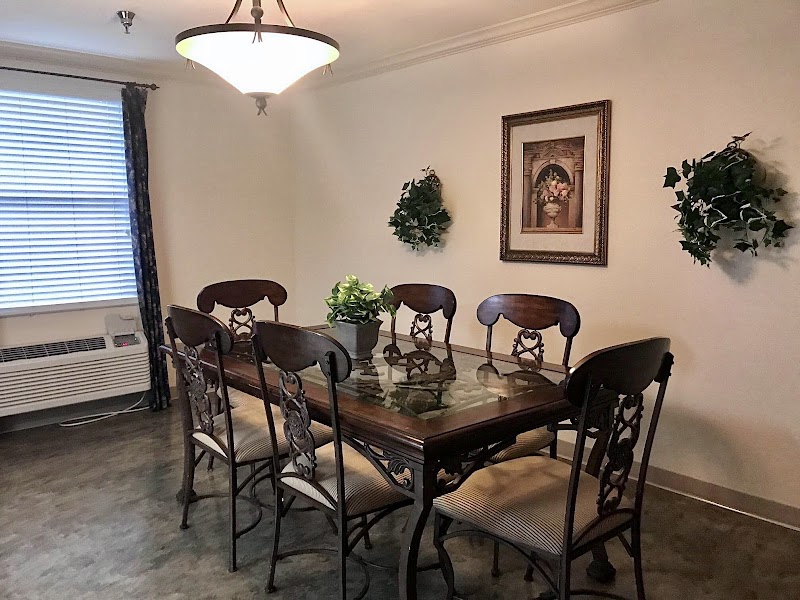
How is Fairfield Nursing & Rehabilitation Center Staffed?

CMS rates FAIRFIELD NURSING & REHABILITATION CENTER's staffing level at 4 out of 5 stars, which is above average compared to other nursing homes. Staff turnover is 55%, which is 9 percentage points above the Texas average of 46%. High turnover can affect care consistency as new staff learn residents' individual needs.

What Have Inspectors Found at Fairfield Nursing & Rehabilitation Center?

State health inspectors documented 11 deficiencies at FAIRFIELD NURSING & REHABILITATION CENTER during 2022 to 2025. These included: 11 with potential for harm.

Who Owns and Operates Fairfield Nursing & Rehabilitation Center?

FAIRFIELD NURSING & REHABILITATION CENTER is owned by a for-profit company. For-profit facilities operate as businesses with obligations to shareholders or private owners. The facility is operated by CREATIVE SOLUTIONS IN HEALTHCARE, a chain that manages multiple nursing homes. With 101 certified beds and approximately 67 residents (about 66% occupancy), it is a mid-sized facility located in FAIRFIELD, Texas.
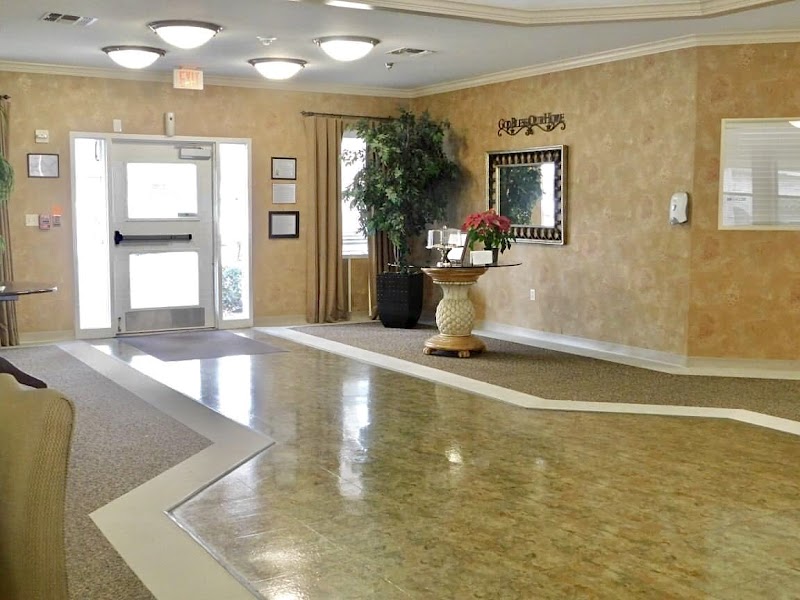
How Does Fairfield Nursing & Rehabilitation Center Compare to Other Texas Nursing Homes?

Compared to the 100 nursing homes in Texas, FAIRFIELD NURSING & REHABILITATION CENTER's overall rating (5 stars) is above the state average of 2.8, staff turnover (55%) is near the state average of 46%, and health inspection rating (5 stars) is much above the national benchmark.

What Should Families Ask When Visiting Fairfield Nursing & Rehabilitation Center?

Based on this facility's data, families visiting should ask: "How do you ensure continuity of care given staff turnover, and what is your staff retention strategy?" "Can I visit during a mealtime to observe dining assistance and food quality?" "How do you handle medical emergencies, and what is your hospital transfer rate?" "Can I speak with family members of current residents about their experience?" These questions are particularly relevant given the facility's high staff turnover rate.

Is Fairfield Nursing & Rehabilitation Center Safe?

Based on CMS inspection data, FAIRFIELD NURSING & REHABILITATION CENTER has a clean safety record: no substantiated abuse findings (meaning no confirmed cases of resident harm), no Immediate Jeopardy citations (the most serious violation level indicating risk of serious injury or death), and is not on the Special Focus Facility watch list (a federal program monitoring the lowest-performing 1% of nursing homes). The facility has a 5-star overall rating and ranks #1 of 100 nursing homes in Texas. While no facility is perfect, families should still ask about staff-to-resident ratios and recent inspection results during their visit.

Do Nurses at Fairfield Nursing & Rehabilitation Center Stick Around?

Staff turnover at FAIRFIELD NURSING & REHABILITATION CENTER is high. At 55%, the facility is 9 percentage points above the Texas average of 46%. High turnover means new staff may not know residents' individual needs, medications, or preferences. It can also be disorienting for residents, especially those with dementia who rely on familiar faces. Families should ask: What is causing the turnover? What retention programs are in place? How do you ensure care continuity during staff transitions?

Was Fairfield Nursing & Rehabilitation Center Ever Fined?

FAIRFIELD NURSING & REHABILITATION CENTER has no federal fines on record. CMS issues fines when nursing homes fail to meet care standards or don't correct problems found during inspections. The absence of fines suggests the facility has either maintained compliance or corrected any issues before penalties were assessed. This is a positive indicator, though families should still review recent inspection reports for the full picture.

Is Fairfield Nursing & Rehabilitation Center on Any Federal Watch List?

FAIRFIELD NURSING & REHABILITATION CENTER is not on any federal watch list. The most significant is the Special Focus Facility (SFF) program, which identifies the bottom 1% of nursing homes nationally based on persistent, serious quality problems. Not being on this list means the facility has avoided the pattern of deficiencies that triggers enhanced federal oversight. This is a positive indicator, though families should still review the facility's inspection history directly.