FAIRVIEW HEALTHCARE RESIDENCE
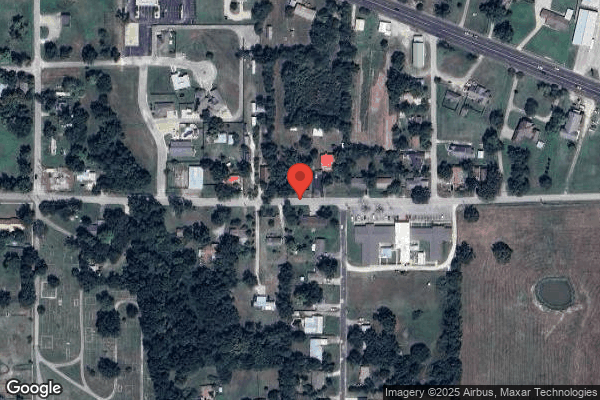

601 E REUNION ST, FAIRFIELD, TX 75840 (903) 389-4121
Government - Hospital district 84 Beds CORYELL COUNTY MEMORIAL HOSPITAL AUTHORITY Data: November 2025 1 Immediate Jeopardy citation
Trust Grade
38/100
#458 of 1168 in TX
Last Inspection: August 2025

Inspected within the last 6 months. Data reflects current conditions.

Overview

Fairview Healthcare Residence has received a Trust Grade of F, indicating significant concerns about the care provided. Ranked #458 out of 1168 facilities in Texas, they are in the top half, but they rank last in Freestone County at #3 of 3, meaning there are no better local options. Unfortunately, the facility is worsening, with issues increasing from 3 in 2024 to 6 in 2025. Staffing is a relative strength, rated 4 out of 5 stars with a 33% turnover, which is better than the Texas average. However, the facility has concerning incidents, including a critical finding of physical abuse by a staff member toward a resident and failures in infection control that could lead to illness. Overall, while there are some positives, the significant safety and compliance issues present serious risks for residents.

Trust Score
F
38/100
In Texas
#458/1168
Top 39%
Safety Record
High Risk
Review needed
Inspections
Getting Worse
3 → 6 violations
Staff Stability
○ Average
33% turnover. Near Texas's 48% average. Typical for the industry.
Penalties
✓ Good
$29,865 in fines. Lower than most Texas facilities. Relatively clean record.
Skilled Nurses
⚠ Watch
Each resident gets only 20 minutes of Registered Nurse (RN) attention daily — below average for Texas. Fewer RN minutes means fewer trained eyes watching for problems.
Violations
⚠ Watch
11 deficiencies on record. Higher than average. Multiple issues found across inspections.
★★★☆☆
3.0
Overall Rating
★★★★☆
4.0
Staff Levels
★★★★★
5.0
Care Quality
★★☆☆☆
2.0
Inspection Score
Stable
2024: 3 issues
2025: 6 issues

The Good

  • 4-Star Staffing Rating · Above-average nurse staffing levels
  • 5-Star Quality Measures · Strong clinical quality outcomes
  • Full Sprinkler Coverage · Fire safety systems throughout facility
  • No fines on record
  • Staff turnover below average (33%)

    15 points below Texas average of 48%

Facility shows strength in staffing levels, quality measures, fire safety.

The Bad

3-Star Overall Rating

Near Texas average (2.8)

Meets federal standards, typical of most facilities

Staff Turnover: 33%

13pts below Texas avg (46%)

Typical for the industry

Federal Fines: $29,865

Below median ($33,413)

Moderate penalties - review what triggered them

Chain: CORYELL COUNTY MEMORIAL HOSPITAL AU

Part of a multi-facility chain

Ask about local staffing decisions and management

The Ugly 11 deficiencies on record

1 life-threatening
Aug 2025 5 deficiencies
CONCERN (D)

Potential for Harm - no one hurt, but risky conditions existed

Safe Environment (Tag F0584)

Could have caused harm · This affected 1 resident

**NOTE- TERMS IN BRACKETS HAVE BEEN EDITED TO PROTECT CONFIDENTIALITY** Based on observation, interview, and record review, the facility failed to ensure the resident's right to a safe, clean, comfort...

Read full inspector narrative →
**NOTE- TERMS IN BRACKETS HAVE BEEN EDITED TO PROTECT CONFIDENTIALITY** Based on observation, interview, and record review, the facility failed to ensure the resident's right to a safe, clean, comfortable, and homelike environment for 1 of 1 resident (Resident #10) reviewed for environment. 1. The facility failed to ensure Resident #10 room floors on halls 100 did not have a buildup of stains and physical dirt, scratches, peeling and chipping paint on the walls. 2. The facility failed to ensure the furniture wood was not chipping in room # 108A for Resident #10. These failures could place residents at risk of a diminished quality of life. [NAME], [NAME] (47243) - EnvironmentFindings included: Review of the undated face sheet for Resident #10 reflected an [AGE] year-old female admitted to the facility on [DATE]. Diagnoses included Alzheimer's disease (Alzheimer's disease is the biological process that begins with the appearance of a buildup of proteins in the form of amyloid plaques and neurofibrillary tangles in the brain), hypothyroidism (Hypothyroidism happens when the thyroid gland doesn't make enough thyroid hormone), hyperlipidemia (is an excess of lipids or fats in your blood), depressive disorder (are characterized by persistent feelings of sadness and worthlessness and a lack of desire to engage in formerly pleasurable activities), anxiety (a feeling of worry, nervousness, or unease about something with an uncertain outcome), and hypertension (a common condition that affects the body's arteries. It's also called hypertension).Review on the quarterly MDS assessment for Resident #10 dated 08/23/24 reflected a BIMS score of 03, indicating severe cognitive impairment. It also reflected she required supervision/touching assistance in the activity of dressing. Observation and interview with Resident #10 on 08/05/2025 at 10:41 AM revealed the floor trim detached from the wall, hanging off wall, walls and dresser draws with scratches, chipping and peeling paint, had deep scratches on the walls and doors and doorways. Resident #10 stated the scratches in the paint were ugly. She stated she do not want to complain because she was just admitted to the facility, but she did not feel she should have to live like that. Observation of the hallways in the facility on 08/05-07/25 revealed there were no floor trim coming off wall hanging off wall detached from wall, walls with scratches and peeling paint deep gouges in doors. However, there was hallways with half painted walls. Interview on 08/07/25 at 10:10 AM, the MAINT revealed the CNAs were usually responsible for cleaning the residents' rooms. He stated he remodeled the rooms when there were not any residents in them. He stated the baseboards were cove based and needed to be repaired. He stated that wallpaper on the walls and it needed to be repaired. He stated the intent was to be done with painting in the halls, but it was the wrong color. He stated he checked the daily logs, and he was the only one doing repairs. He stated he was the only one doing repairs according to the urgency and everyone pitched in to help him paint the facility. Interview on 08/07/25 at 10:35 AM, the ADM revealed the expectation was for maintenance to fix whatever was broken. He stated housekeeping was expected to clean. He stated if the resident was out of the room, housekeeping could deep clean the room. He stated housekeeping picked two rooms and deep cleaned them daily. If there was an infection outbreak, the expectation was to deep clean those rooms daily to keep it from spreading. He stated if the rooms were not clean it could make the resident feel bad. He stated they were picking rooms systematically. During a slower workday, everyone would pitch in to assist with getting some of the rooms done. Interview and observation on 08/07/25 at 11:50 AM, the HSKE revealed she was the supervisor, and she made sure all her staff deep cleaned 2 rooms a week. She stated the staff used a disinfectant spray and wiped down everything. She stated when the residents were not in the room, they wipe down the beds and mattresses. She stated maintenance did all the broken items repairs. She stated there was a book at the nurses' station and they wrote all the repairs that needed to be done in the book, and he looked at it daily. She stated when they were going into the COVID positive rooms, they cleaned them last. She stated her staff gown up and sanitize. They disinfect and clean up everything. Record review of the facility's, undated, policy on Residents Rights reflected .You have a right to a safe, clean, comfortable and homelike environment, including but not limited to receiving treatment and supports for daily living safely. Review of facility policy dated February 2021 and titled, Homelike Environment reflected the following: Residents are provided with a safe, clean, comfortable, and homelike environment, and encouraged to use their personal belongings to the extent possible.
CONCERN (D)

Potential for Harm - no one hurt, but risky conditions existed

MDS Data Transmission (Tag F0640)

Could have caused harm · This affected 1 resident

**NOTE- TERMS IN BRACKETS HAVE BEEN EDITED TO PROTECT CONFIDENTIALITY** Based on interview and record review, the facility failed to transmit and ensure an MDS was completed and electronically transmi...

Read full inspector narrative →
**NOTE- TERMS IN BRACKETS HAVE BEEN EDITED TO PROTECT CONFIDENTIALITY** Based on interview and record review, the facility failed to transmit and ensure an MDS was completed and electronically transmitted to the CMS System for within 14 days, after completion resident assessment within the required time frame, for 1 of 6 (Resident #19) residents reviewed for data transmission in that: The facility failed to complete and transmit Resident #19's quarterly MDS completed on 07/05/25. This failure could place residents at risk of not having their assessments transmitted timely and an incomplete record. Findings included:Record review of undated facility face sheet reflected Resident #19 was admitted to the facility on [DATE]. Medical diagnoses diagnosis included Hemiplegia and Hemiparesis following cerebral infarction (paralysis caused by a stroke), Covid 19, Malignant Neoplasm of the Prostate (prostate cancer), and Diabetes Mellitus type 2. Record review of Resident #19's quarterly MDS assessment dated [DATE] reflected the MDS had been completed but was not transmitted. In an interview on 08/07/2025 at 1:41PM, the MDSC stated she was not sure why Resident #19's quarterly MDS from 07/05/2025 was not transmitted. She stated the MDS was checked do not transmit. The MDSC stated that she was responsible for the transmission of the MDS but there was a system error. Record review of policy titled Electronic Transmission of the MDS dated 2021 and revised October 2023 reflected All MDS assessments (e.g., admission, annual, significant change, quarterly review, etc.) and discharge and reentry records are completed and electronically encoded into our facility's MDS information system and transmitted to CMS' Internet Quality Improvement and Evaluation System (iQIES) system in accordance with current OBRA regulations governing the transmission of MDS data. All staff members responsible for completion of the MDS receive training on the assessment, data entry, and transmission processes, in accordance with the Resident Assessment Instrument (RAI) User's Manual, before being permitted to use the MDS information system. A copy of the RAI User's Manual is maintained by the resident assessment coordinator.
CONCERN (D)

Potential for Harm - no one hurt, but risky conditions existed

Assessment Accuracy (Tag F0641)

Could have caused harm · This affected 1 resident

**NOTE- TERMS IN BRACKETS HAVE BEEN EDITED TO PROTECT CONFIDENTIALITY** Based on observations, interviews, and record review the facility failed to ensure the resident assessment accurately reflected ...

Read full inspector narrative →
**NOTE- TERMS IN BRACKETS HAVE BEEN EDITED TO PROTECT CONFIDENTIALITY** Based on observations, interviews, and record review the facility failed to ensure the resident assessment accurately reflected the resident's status for 1 of 5 residents (Resident #4) reviewed for accuracy of assessments.The facility failed on 6/8/2025 to accurately code Resident #4's hearing ability on his comprehensive MDS assessment.This failure could place residents at risk of incorrect care and services necessary for their physical, mental, and psychosocial well-being. Findings included:Record review of Resident #4's comprehensive MDS, dated [DATE], indicated Resident #4 was a [AGE] year-old male, who was admitted to the facility on [DATE]. His diagnoses included: stroke (when a blood vessel in the brain leaks or bursts and causes bleeding in the brain), aphasia (inability to speak well), dysphagia (difficulty swallowing), hemiplegia (total or nearly complete paralysis on one side of the body) and muscle wasting and atrophy.Resident #4 did not have a BIMS score as question ‘C0100. Should Brief Interview for Mental Status be conducted? Was indicated as ‘0. No (resident is rarely/never understood)'. In ‘Section B Hearing' question B0200 indicated that Resident #4 was Highly impaired - absence of useful hearing and question B0700 indicated that Resident #4 was rarely/never understood. Record review of Resident #4's comprehensive MDS, dated [DATE], reflected that Resident #4 did not have a BIMS score as question ‘C0100. Should Brief Interview for Mental Status be conducted? Was indicated as ‘0. No (resident is rarely/never understood)'.In ‘Section B Hearing' question B0200 indicated that Resident #4 had Adequate - no difficulty in normal conversation, social interaction, listening to TV' and question B0700 indicated that Resident #4 was ‘Usually understood - difficulty communicating some words or finishing thoughts but is able if prompted or given time.Record review of Resident #4's care plan dated last revised 07/28/2025 reflected Resident #4 was very hard of hearing, could read lips, would communicate with head nods, and had a communication problem related to difficulty hearing and aphasia. Interventions included staff to look directly at him and talk slow so he could understand and give him time to process due to the stroke. Record review of a nursing note dated 09/01/2021 reflected, Resident admitted via EMS with personal belongings-hearing aide x1 placed inside table drawer. Unable to speak or help turn-total care x2. Does not appear to be in any pain. Resident is deaf but reads lips- does not appear to understand what is being asked of him and does not follow commands at all.Record review of Resident #4's weekly nursing summary dated 07/29/2025 reflected in section ‘D. Communication'Question ‘1. Ability to express ideas and wants, consider both verbal and non-verbal expression' was answered with ‘3. Rarely/never understood.'. Question ‘1a. If impaired ability to make self-understood, choose the example that applies' was answered with ‘5) Unable to make needs known, all needs anticipated and met by staff.Question ‘2. Ability to hear (with hearing aid or hearing appliances if normally used)' was answered with ‘3. Highly impaired'Record review of Resident #4's progress note dated 07/29/2025 reflected, Resident's responsible party had inquired about hearing testing services. Resident to be referred to [hearing aid center] that services nursing home residents. Face sheet sent to [hearing aid center] for implementation of referral process.In an observation and attempted interview on 08/05/2025 at 10:31 AM Resident #4 was in his bed asleep and did not arouse when the surveyor was talking or nearing his bedside. After about 30 minutes of the state surveyor speaking with Resident #4's roommate, Resident #4 appeared to be awake. When asked by the surveyor about his stay at the facility, his care, and his daily activities, Resident #4 just blankly stared at the surveyor and did not respond with head gestures or words. In an additional attempted interview and observation on 08/06/2025 at 11:17 AM Resident #4 was lying in bed revealed when the state surveyor asked him how he was doing, he had a blank stare and shook his head in a ‘no' motion about 45 seconds after being asked. When the state surveyor asked for permission to check his bedside table for hearing aids, he slowly moved his head to look in the direction of the surveyor's finger, but he did not respond with head movements or words. In an interview on 08/06/2025 at 11:29 AM with LVN A she stated she had worked at the facility almost 4 years. She stated that Resident #4 never pressed his call light. She stated that he worked with occupational therapy, received tube feedings, and that when the aides provided check and change of undergarments, he could hold the bed rail with his one good side. She stated that he was able to understand the staff, but he was not able to communicate his needs at all due to his diagnosis of stroke. She stated that he was not a big fan of being up out of bed. She stated that when Resident #4 first admitted , he had hearing aids , but she was unsure what happened with them, and she stated he was able to hear based on his ability to help during check and change. In an interview/observation on 08/06/2025 at 11:43 AM with CNA B she stated she had worked at the facility for about 5 years. She stated that a restorative aide works with Resident #4 in his room and that Resident #4 stopped using his call light at the beginning of 2025. When asked, she stated that the only things he would be using his light for was to notify of needing to have his brief changed or wanting to get into his wheelchair. CNA B then asked the state surveyor how the resident was supposed to communicate with the staff if he was deaf and could not press his call light now, and how the staff were supposed to know what he needed. The surveyor advised her to speak to her DON. CNA B stated that Resident #4 used to have hearing aids when he first admitted , the CNA's were responsible for putting them in and taking them out. She was not sure what happened to them. She showed the surveyor 1 hearing aid located in a sealed container in Resident #4's dresser. In an interview on 08/07/2025 at 9:31 AM with the DOR and the MDSC, the DOR stated that physically Resident #4 was able to press the call light, but he chose not to. She stated that he could grasp and lift 3lb weights, so they knew he was able to press the call light as well. She stated that he could help dress himself and that he would laugh and communicate by head gestures and smiles during therapy sessions. When the MDSC was asked why Resident #4 was marked as having adequate hearing this year versus being highly impaired last year, she stated that she was not the MDSC when his last year's assessment was conducted, but that this year she had interviewed him, and he had smirked at her, and nodded at her. The DOR stated she thought it was because he was reading lips, not because he was able to hear.In an interview on 08/07/2025 at 9:47 AM, the DON stated Resident #4 was put on the hearing aid referral list on 7/29/2025, she stated that they went through and assessed the residents who could benefit from being seen by the hearing aid company. She stated that Resident #4 had hearing aids in the past, but they were unable to determine if the hearing aids were working upon admission. She confirmed that he had a hearing impairment, and it was documented in the clinical record that he was deaf. In an interview on 08/07/2025 at 12:35 PM with the MDSC she stated that they did not have an MDS Accuracy policy, they just referred to the RAI Manual. Review of the Long-Term Care Facility RAI 3.0 User's Manual dated last revised October 2024 reflected, The RAI process has multiple regulatory requirements. Federal regulations at 42 CFR 483.20 (b)(1)(xviii), (g), and (h) require that (1) the assessment accurately reflects the resident's status
CONCERN (D)

Potential for Harm - no one hurt, but risky conditions existed

Pharmacy Services (Tag F0755)

Could have caused harm · This affected 1 resident

Based on interview and record review, the facility failed to provide pharmaceutical services (including procedures that assure the accurate acquiring, receiving, dispensing, and administering of all d...

Read full inspector narrative →
Based on interview and record review, the facility failed to provide pharmaceutical services (including procedures that assure the accurate acquiring, receiving, dispensing, and administering of all drugs and biologicals) to meet the needs of each resident for 1 of 2 medication carts reviewed.The facility failed on 07/27/2025 to sufficiently record the accurate reconciliation of controlled substances.This failure could place residents at risk of misappropriation of resident medication.Findings included:Record review on 08/05/2025 at 2:07 PM of the [NAME] wing medication cart's narcotic sign on and sign off sheet revealed that LVN E failed to sign that the narcotics were counted with LVN D when LVN E assumed the medication cart on 7/27/2025, and when she handed off the medication cart at the end of her shift on 7/27/2025 to LVN D.In an interview on 08/05/2025 at 2:30 PM with LVN D she stated that she always signed off with someone when doing the narcotic count. She stated that 2 people always counted the cart, it was required that the person coming on shift and the person going off shift, were to count the cart together and sign that it was done. She stated she passed the cart off to LVN E on 7/27. She stated that immediately after counting they were supposed to sign off on the narcotic sign on and sign off log. She stated that once she finished counting, and signed the narcotic log, she did not stand there to watch the other person sign. She stated the purpose of counting the narcotics was to keep an accurate count of the narcotics and verifying that all medications were accounted for. She stated it helped if there was a medication discrepancy, they would know who worked. She stated a negative outcome was that if medications were not accounted for it was an issue of misappropriation. If she had a discrepancy in count, she had to immediately notify her DON. In an interview on 08/06/2025 at 1:10 PM with LVN E she stated that she had worked at the facility for about 5 years and recently went PRN. She stated that she did always count the cart at the beginning of her shift with the outgoing nurse and then she would count the cart at the end of her shifts with the oncoming nurse. She stated that she did not know why she did not sign the sign off sheet on 07/27/2025 but that it was hers and the facility's practice to not assume the medication cart until counting with the prior shift nurse. She stated that it was the responsibility of both the outgoing nurse and the oncoming nurse to sign the log as proof of the narcotics being counted together. She stated that a negative outcome would be that it could appear that the narcotics were not being counted amongst the shift changes. In an interview on 08/07/2025 at 9:17 AM with the DON she stated the purpose of the narcotic sign on and sign off log was to verify that the narcotic count on the cart was correct. When asked what would blanks on the narcotic log indicate to her, she stated that she would first question if a 2-person count occurred, but ultimately it would tell her if the cart was properly counted by the outgoing and ongoing nurse. She stated that signing the log was for quality control measures, and it could affect the residents' if their medications were not being counted and if doses were missing. She stated it was the responsibility of both nurses to sign the log when handing it off and when assuming it. She stated they (DON or ADON) should verify the logs weekly. She stated that when the sheet ran out of space, it would be turned into and verified by the ADON or DON.Review of the facility's policy titled ‘Controlled Substances' dated July 2025 reflected: Controlled substances are counted upon delivery. The nurse receiving the medication, along with the person delivering the medication, must count the controlled substances together. Both individuals sign the designated controlled substance record.The nurse coming on duty and the nurse going off duty make the count together and document and report any discrepancies to the director of nursing services.
CONCERN (E)

Potential for Harm - no one hurt, but risky conditions existed

Infection Control (Tag F0880)

Could have caused harm · This affected multiple residents

**NOTE- TERMS IN BRACKETS HAVE BEEN EDITED TO PROTECT CONFIDENTIALITY** Based on observation, interview, and record review the facility failed to establish and maintain an infection prevention and con...

Read full inspector narrative →
**NOTE- TERMS IN BRACKETS HAVE BEEN EDITED TO PROTECT CONFIDENTIALITY** Based on observation, interview, and record review the facility failed to establish and maintain an infection prevention and control program designated to provide a safe, sanitary, and comfortable environment and to help prevent the development and transmission of communicable diseases and infections for 4 of 6 residents (Resident #3, Resident #19, Resident #32, and Resident #33) reviewed for infection control.The facility failed to supply staff with proper eye/face PPE for Resident #19 who was in droplet isolation during an observation of supplies on 08/05/2025.MA C failed to properly sanitize the blood pressure cuff after use on Resident #3 and Resident #33 during an observation of medication administration on 08/06/2025.MA C touched medications with her fingers prior to administration to Resident #38 during an observation of medication administration on 08/06/2025.This failure could place residents at risk for infection by the spreading of germs that could lead to illness and hospitalization. Findings included: Resident #19Record review of undated facility face sheet reflected Resident #19 was admitted to the facility on [DATE]. Medical diagnosis included Hemiplegia and Hemiparesis following cerebral infarction (paralysis caused by a stroke), Covid 19, Malignant Neoplasm of the Prostate (prostate cancer), and Diabetes Mellitus type 2. Record review of Resident #19's Quarterly MDS dated [DATE] reflected a BIMS score of 12 indicating moderate cognitive impairment. Record review of Resident #19's care plan dated 07/27/2025 reflected he tested positive for covid 19 on 07/27/25 and interventions included Quarantine in their room. Notify family and encouraged to limit visitation and to wear masks while in the facility, full PPE when in a positive resident's room. Droplet and contact precautions.In an observation 08/05/2025 at 9:45am 4 (four) white plastic bins were located outside of rooms in the hallway. The bins contained PPE, blue gowns and surgical mask. Resident #19 had a sign on his room door indicating he was in isolation with droplet precautions. Staff were observed going in and out of Resident #19's room not wearing face shield or eye protection. There were no face shields or eye protection available/accessible for staff in the PPE bins.Resident #3Record review of undated facility face sheet reflected Resident #3 was admitted on [DATE]. Diagnosis included Heart Failure, Hyperglycemia (elevated blood sugar), Hypertension (elevated blood pressure), and Lack of Coordination. Record review of Resident #3's care plan dated 06/09/2024 and updated 12/27/2024 reflected an alteration in cardiovascular status (a disease process affecting the heart). Interventions included to monitor Vital Signs (blood pressure, heart rate, respirations, and temperature) everyday as ordered. Notify physician of any abnormal readings.Record review of Resident #3's quarterly MDS dated [DATE] reflected a Bims score of 15 indicating he was cognitively intact. In an observation of medication administration on 08/06/2025 at 9:44 AM, MA C checked Resident #3's blood pressure using an electronical wrist cuff. MA C completed the check and cleansed the blood pressure cuff with alcohol-based hand sanitizer and nose tissue. Resident #33 Record review of undated facility face sheet reflected Resident #33 was admitted on [DATE]. Diagnosis included Major Depressive Disorder, Hyperglycemia (elevated blood sugar), Anxiety, and Hypertension (elevated blood pressure).Record review of Resident #33's care plan dated 05/05/2025 reflected an alteration in cardiovascular status. Interventions included to Obtain blood pressure readings as ordered. Take blood pressure readings under the same conditions each time. For example, resident is sitting, use right arm.Record review of Resident #33's quarterly MDS dated [DATE] reflected a Bims score of 14 indicating she was cognitively intact. In an observation of medication administration on 08/06/2025 at 9:56AM, MA C checked Resident #33's blood pressure using an electronical wrist cuff. MA C completed the check and cleansed the blood pressure cuff with alcohol-based hand sanitizer and nose tissue. Resident #32Record review of undated facility face sheet reflected Resident #32 was admitted on [DATE] and readmitted on [DATE]. Diagnosis included Senile Degeneration of the Brain (a disorder of the brain resulting in confusion), chronic kidney disease (failure of the kidneys), Major Depressive Disorder (depression), and Lack of Coordination. Record review of Resident #32's quarterly MDS dated [DATE] reflected a Bims score of 14 indicating she was cognitively intact. Record review of Resident #32's care plan dated 06/09/2024 reflected an alteration in respiratory status. Goals included The resident will be free of signs of respiratory infections through review date. Interventions included Monitor/document/report to MD PRN any signs of respiratory infection Fever, Chills, increase in sputum (document the amount, color and consistency), chest pain, increased difficulty breathing (Dyspnea), increased coughing and wheezing.In an observation of medication administration on 08/06/2025 at 10:10AM, MA C prepared Resident #32's medication for administration pushing her Thermotab (a medication administered to maintain sodium levels in the body) 1 tablet out of the multiple dose bottle with her bare fingers. In an interview on 08/07/2025 at 12:50 PM, MA C stated normally there were some types of disinfected wipes on the medication cart. MA C stated the facility kept a stock of disinfectant blue top wipes in the supply closet on the left side in storage, but staff did not have a key to access the supply room to obtain the wipes. MA C stated not using the proper disinfectant on equipment such as the blood pressure cuff could spread germs from one resident to another. MA C stated medications should not have been touched without gloves on, but the pill was stuck, and it would not come out of the bottle. MA C stated touching medication with unclean hands could lead to the spreading of infection. In an interview on 08/07/2025 at 12:55 PM, LVN A stated the facility had not provided eye covers, or face shields for staff to use in the droplet isolation rooms. LVN A stated she did not question the need for the eye shields because it had been so long since the facility had infections in the building that require the use of eye coverage. LVN A stated the risk for not using proper PPE when a resident was on droplet precautions would be spreading of the infection. In an interview on 08/07/2025 at 1:01 PM, the ADON stated she was the infection preventionist for the facility. The ADON stated the face shields were in the supply room and the staff could acquire them if needed. She stated not wearing proper PPE could increase chances of spreading germs. The ADON stated the MAs were expected to use proper sanitizing wipes when cleaning medical equipment that were located in the supply room. The medication aides are not expected to touch medications with their bare hands; they need to wear gloves and clean their hands if a medication were stuck in the bottle. The ADON stated not cleaning with appropriate disinfectant wipes and touching medications with their bare hands would allow for contamination of the medications and spreading of infections.In an interview on 08/07/2025 at 1:19 PM, the DON was responsible for monitoring infection control, and it was her expectation infection control polices be followed. The DON stated the risk to residents by not following proper infection control practices was spreading germs. Record review of facility policy titled Coronavirus Disease (Covid 19)-Using Personal Protective Equipment dated 2001 and revised September 2022 reflected: Personal protective equipment is provided to all employees, contractors, and volunteers free of charge.a. Eye Protection:(1) Eye protection (i.e., goggles or a face shield that covers the front and sides of the face) is applied upon entry to the resident room or care area.(a) Protective eyewear (e.g., safety glasses, trauma glasses) with gaps between glasses and the face do not protect eyes from all splashes and sprays.(b) Ensure that eye protection is compatible with the respirator so there is not interference with proper positioning of the eye protection or with the fit or seal of the respirator.(3) Eye protection is removed after leaving the resident room or care area.(4) Disposable eye protection is discarded after use.Record review of facility policy titled Cleaning and Disinfection of Resident-Care Items and Equipment dated 2001 and revised September 2022 reflected: Resident-care equipment, including reusable items and durable medical equipment will be cleaned and disinfected according to current CDC recommendations for disinfection and the OSHA Bloodborne Pathogens Standard.a. Non-critical items are those that come in contact with intact skin but not mucous membranes.(l) Non-critical resident-care items include bedpans, blood pressure cuffs, crutches, and computers.(2) Non-critical environmental surfaces include bed rails, bedside tables.(3) Non-critical items require cleaning followed by either low- or intermediate-level disinfection following manufacturers' instructions. Disinfection is performed with an EPA-registered disinfectant labeled for use in healthcare settings. All applicable label instructions on EPA registered disinfectant products are followed (e.g., use-dilution, shelf life, storage, material compatibility, safe use, and disposal).a) Low-level disinfection is defined as the destruction of all vegetative bacteria (except tubercle bacilli) and most viruses, some fungi, but not bacterial spores. Examples of low-level disinfectants include EPA- registered hospital disinfectants with a HBV and HIV label claim. Low-level disinfection is generally appropriate for most non-critical equipment.b) Intermediate-level disinfection is traditionally defined as destruction of all vegetative bacteria, including tubercle bacilli, lipid and some nonlipid viruses, and fungi, but not bacterial spores. EPA-registered hospital disinfectants with a tuberculocidal claim are intermediate-level disinfectants. Intermediate-level disinfection is considered for non-critical equipment that is visibly contaminated with blood. However, a low-level disinfectant with a label claim against HBV and HIV may also be used.
Apr 2025 1 deficiency 1 IJ
CRITICAL (J) 📢 Someone Reported This

A family member, employee, or ombudsman was alarmed enough to file a formal complaint

Immediate Jeopardy (IJ) - the most serious Medicare violation

Free from Abuse/Neglect (Tag F0600)

Someone could have died · This affected 1 resident

**NOTE- TERMS IN BRACKETS HAVE BEEN EDITED TO PROTECT CONFIDENTIALITY** Based on observation, interview, and record review, the facility failed to ensure residents were free from abuse for 1 (Resident...

Read full inspector narrative →
**NOTE- TERMS IN BRACKETS HAVE BEEN EDITED TO PROTECT CONFIDENTIALITY** Based on observation, interview, and record review, the facility failed to ensure residents were free from abuse for 1 (Resident #1) of 5 residents reviewed for abuse. The facility failed prevent CNA A, on 01/20/25, from physically abusing Resident #1 when she approached Resident #1 in an aggressive manner and pushed into residents abdominal and chest area with her stomach. CNA A shoved Resident #1 in the right arm and in the back into the hallway 01/20/25. On 04/08/25 at 6:00 PM, an Immediate Jeopardy (IJ) was identified. The IJ template was provided to the facility on [DATE] at 6:13 PM. While the IJ was removed on 04/09/25, the facility remained out of compliance at a scope of isolated and a severity level of potential for more than minimal harm due to the facility continuing to monitor the implementation and effectiveness of their Plan of Removal. This failure could place residents at risk of emotional distress, fear, decreased quality of life, psychosocial harm, trauma, and abuse. Findings included: Record review of Resident #1's admission record dated 04/08/25 reflected Resident #1 was a [AGE] year-old female initially admitted to the facility on [DATE] with diagnoses including dementia (a general name for a decline in cognitive abilities that impacts a person's ability to perform everyday activities), schizoaffective disorder (a mental health condition including schizophrenia and mood disorder symptoms), diabetes (a group of diseases that result in too much sugar in the blood), anxiety (intense, excessive, and persistent worry and fear about everyday situations), major depressive disorder (a mental health disorder characterized by persistently depressed mood or loss of interest in activities, causing significant impairment in daily life), and anemia (a condition marked by a deficiency of red blood cells or of hemoglobin in the blood). Record review of Resident #1's Quarterly MDS dated [DATE] reflected a BIMS score of 10 indicating moderately impaired cognition. Quarterly MDS reflected Resident #1 was independent for eating, toileting, and personal hygiene and required set-up or clean up assistance for bathing. Record review of Resident #1's care plan initiated 01/20/25 reflected, Resident #1 has a behavior problem r/t psychotic and mood disturbances as well as anxiety. Verbal and physical. She thinks staff and other residents are taking her things and talking about her. Makes false allegations towards staff. She has exhibited verbal and physical aggression toward staff. Interventions initiated 01/21/25 and revised 01/23/25 included Intervene as necessary to protect the rights and safety of others. Approach/Speak in a calm manner. Divert attention. Remove from situation and take to alternate location as needed. Care plan initiated 11/15/21 and revised 06/06/24 reflected Resident #1 has impaired cognitive function/impaired thought processes r/t Dementia. Interventions initiated 02/06/21 and revised 01/21/25 included If resident is agitated staff should leave resident in a safe environment and then reapproach resident after time to allow her to be redirected. Record review of the weekly skin assessment notes from 01/17/25 reflected Resident #1 had healing scattered faint bruising to BUE. Review of the weekly skin assessment notes from 01/24/25 reflected Resident #1 had healing scattered faint bruising to BUE, purple bruise noted to Lt. wrist 2.0 cm x 4.0 cm and left outer knee 4.0 cm x 2.0 cm bruise fading. Review of the weekly skin assessment notes from 01/31/25 reflected Resident #1 had fading scattered bruises to upper BUE and BLE. In an interview and observation on 04/07/25 at 4:15 PM, Resident #1 was in the common area of the secure unit sitting on a couch watching TV. Resident's appearance was good with no physical signs of abuse or neglect noted. Resident #1 exhibited no signs or distress or discomfort. Resident confirmed her identity when asked. Resident #1 stated that she felt safe and was not afraid of any resident or staff member at the facility. Resident stated that she was from the area and went to the local high school and could take care of herself. When asked if she had any recent incidents or altercations with staff the resident said she could not remember. In an observation and interview on 04/08/25 at 3:41 PM, Resident #1 stated she was doing fine. She stated she was [AGE] years old, and no one had hurt or bothered her, and she could take care of herself. Resident #1 appeared clean and groomed and showed no signs of pain or distress. During an interview on 04/07/25 at 11:14 AM with the ADM, he stated the employee involved in the incident was still employed with the facility. CNA A was reassigned from the secure unit. The ADM stated that the video was no longer available. During an interview on 04/07/25 at 2:27 PM, the DON stated she had reviewed the video because she was looking into another incident, and someone had already reported this incident. She stated she saw and heard CNA A asked about moving a chair and Resident #1 said no while getting loud. The DON said CNA A pushed the chair toward Resident #1 to put space in between them. The DON also said they went chest to chest. The DON was asked to see the video the DON reviewed, and she agreed . During an interview on 04/07/25 at 2:40 PM with the ADM and the DON returned in response to state surveyor's request for video. The ADM had the video on his cell phone and allowed surveyor to review it. The ADM and DON agreed to send surveyor a copy of the video. Asked what their policy was on disciplinary action and what was their reasoning for not terminating CNA A. They stated they felt CNA's move to the regular unit where she would be monitored by nurse and other staff would be sufficient. Asked them to continue to try reach CNA A and ask her to call me because I would like to interview her personally. The DON stated she would try to reach her. In an interview on 04/07/25 at 3:51 PM, CNA A stated she had worked in the facility for about five years, and she had been a CNA for 48 years. She stated she had never been reported for abuse. She stated she had not done anything bad and being burnt out is what caused this to occur. She stated it was not her fault. She stated she worked the night shift (6 pm to 6 am) together with a nurse often. She stated working nights was not easy and had been getting to her, especially with it being twelve hour shifts. She stated residents usually started with sundowners when she came in to work and it was chaotic. She stated residents became anxious and the nurse was usually getting medications to the residents, and she was in the nutrition room and cared for residents. She stated it was nothing unusual going on that day 01/20/25, and about 9 pm she had begun putting chairs out for the residents to sit at while the nurse gave out medications with snacks. She stated she went down the hall and came back and Resident #1 began doing her usual thing, which was moving things around. She stated she went back in the nutrition room and told the resident that she needed the chairs to be left in place and Resident #1 began arguing. She stated she told resident again about the chair and took the chair away from the resident. She stated the resident jumped up and began yelling and cursing and grabbed the chair. She stated she told the resident that the chair needed to be left where she had put it. She stated the resident slapped her with both hands. She stated she yelled for the nurse and started walking away and resident came at her and swung again. She stated she grabbed the resident behind her shoulders to stabilize the resident. CNA A stated she was hurting, and when she called for the nurse, she cussed when yelling that Resident #1 had slapped her across the fucking face. She stated she should have walked away. She stated she walked over to the rail on the wall with the resident and walked off at that point. She stated she told the nurse to call the DON and to tell her that resident had slapped her. She stated she was not cussing at Resident #1, and she would have usually walked off in that situation. She stated she was bruised on her left cheek for 3 days. She stated she should have walked away. She stated it was frustrating when she did not have a lot of help. She stated she told the DON a couple of months before that she was burnt out and it was becoming too much for her to work back in the secure unit. She stated there was an incident before where she was talking loud over a resident, and someone said she had been rude, and it was looked into. She stated she disclosed she had felt burnout. She stated she was in-serviced on abuse and neglect, and interventions in these types of situations would be to walk away. In an interview on 04/07/25 at 5:09 PM, CNA B said she had been employed at the facility for five years. She said she had been trained and in-serviced on abuse and neglect. CNA B said if she was to observe abuse or neglect she would report this to the nurse or administrator. She said the administrator is their abuse coordinator. CNA B denied ever observing abuse or neglect while working at the facility. In an observation on 04/08/2025 at 10:00 AM of video footage which included sound from incident regarding alleged abuse, video revealed Resident #1 was moving a chair from the side of the wall when CNA A walked over to resident while pointing at the table and telling resident to put it back at the table. CNA A pulled the chair out of residents hand and Resident #1 attempted to hit CNA A in stomach area. CNA then walked toward and into Resident #1's body, pushing resident back some. Resident #1 slapped CNA A on the left side of her face. CNA A turned around with her hand on the left side of her face and called for the charge nurse, yelling resident had just slapped her in the face. CNA A then turned back around. Resident #1 was walking past CNA A and CNA A grabbed resident by her right arm and shoved Resident #1 toward the hallway. CNA A walked into hallway behind Resident #1 and continued shoving Resident #1 toward wall and side handles on the wall. Once CNA A got Resident #1 to side handles she walked away from resident and continued yelling for the charge nurse. When charge nurse approached CNA, the CNA told the charge nurse that Resident #1 had slapped her in the fucking face. In an interview on 04/08/2025 at 12:51 PM with the CRN, he stated anytime a situation like this arose he would start by putting himself in the employees' place and then in the resident's place. He stated he observed the video of the incident, and the resident was standing by the table. He stated the CNA rushed over concerned the resident was going to fall and the resident did not like the interaction. He stated the resident started making punching motions toward CNA's stomach area and then slapped the CNA. He stated resident may have episode of being violent and was care planned for that and the CNA tried to remove the resident from the situation. He stated he felt like the CNA's approach could have been better. He stated the cursing was not directed toward the resident. He stated after interviewing the CNA, the DON and Administrator felt like the CNA was remorseful and needed a break and could learn from the incident. He stated they re-educated the CNA and assigned the CNA to another location after her suspension . He stated he had not interpreted abuse in the incident, but he had believed the CNA needed to be re-educated and given a break and moved to another location to continue working. He stated they check with the residents where CNA was working and have not had any complaints or allegations made about her. He stated they have terminated others for abuse, and they did take all allegations seriously. He stated the CNA was suspended and the local police were notified, and he felt like the situation could have been handled differently and the CNA could have learned from the incident. He stated they wanted to do right by all their residents and would not have ever put them in any way of harm. In an interview on 04/08/2025 at 1:22 PM, the DON and the ADON stated as a group, which included the DON, ADON, Social Worker, and Administrator, they checked with all residents frequently, which included the residents on the hall where CNA A had been moved to work. They stated they have not had any negative responses from any of these resident regarding CNA. They stated these interviews were not documented but they had recently done safe surveys, which were documented, in accordance with another incident and there were no concerns. In an interview on 04/08/2025 at 2:42 PM, CNA B, stated she had worked in the facility for about five years. She stated she had been in-serviced many times and the last one was about a month ago she believed. She stated did not have any concern for any of her fellow staff members being abusive towards any residents. She stated she had not had any specific concern concerns with CNA A being abusive or aggressive towards any residents and she had not ever witnessed anything like that from CNA A before herself. She stated she had not had any residents report any abusive or aggressive behavior to her regarding CNA A. She stated an example of abuse was screaming at a resident and she had witnessed abuse in this facility about four years ago. She stated she reported that abuse right after she had stopped it, and the facility took care of that immediately. She stated suspected abuse should be immediately reported to the ADM, which was the Abuse Coordinator. In an interview on 04/08/25 at 5:41 PM, the ADM and the DON stated prior to them reviewing the video footage, it was reported to them that a resident had defecated in a trashcan in the secure unit, and they were trying to identify who it was and that was why they reviewed the video footage. They stated they saw the incident that occurred with CNA A and Resident #1 on the video when they reviewed it and immediately began the investigation and reported it to state. They stated inconclusive meant that they were not able to identify abuse but that it was an inappropriate response from staff. They stated they trained CNA A on abuse and neglect so that CNA A would have a clear understanding of what abuse and neglect was because CNA A felt like she had defended and protected herself and the other residents. They stated the accusatory tone CNA A had used when she questioned Resident #1 as to why resident had moved the chair made Resident #1 become defensive and this was why they felt CNA A needed to be educated on abuse and neglect. Record review on progress notes completed by LVN C on 01/20/25 at 9:38 PM reflected I was in medication room and heard CNA A hollering my name, I went back to the dining room where she was, and CNA A stated that resident just slapped her in the face while I was moving a chair that she had moved. I asked resident what happened, and resident stated that she was telling me not to move stuff around, this is my house and I slapped her, and I'll do it again. I asked resident if we could go to her room to talk and she said no, I asked CNA to go tend to other resident's separating them. I asked resident if she was ok or hurt, I assessed her, but she said no but I am tired of people telling me what to do. I educated resident that she cannot slap or hit people when she get's upset or angry, that she can talk to me or go to her room until she gets her feelings calmed, that hitting is not the answer. Resident then went to sit in a chair at the back of dining room. No other resident's seen incident or was affected by resident's agitation. Resident is calm, sitting in back alone. I tried calling MD, no response, sent message, pending call back. I notified family notified DON. Record review of personnel file for suspension information/training reflected CNA A had been suspended for three days immediately on 01/21/25 with no pay. Record review of in-servicing for the past 3 months which included staff signatures and covered customer service (01/21/25), attitude (01/21/25), resident rights (01/21/25), abuse and neglect (01/21/25), name badges, beds made, resident clothing and belongings, phone use, answering call lights, attitudes (01/29/25), snacks, resident rights (02/09/25), abuse and neglect (02/09/25), abuse and neglect (03/13/25), resident rights (03/13/25), customer service (03/13/25), and attitudes (03/13/25) reflected CNA A was present for all and had been in-serviced covering all areas regarding attitudes, abuse and neglect, and resident rights except for the in-services held on 02/29/25. Review of the facility policy Abuse, Neglect, Exploitation and Misappropriation Prevention Program dated 2001 and revised September 2022 reflected in part, Residents have the right to be free from abuse, neglect, misappropriation of resident property and exploitation. This includes but is not limited to freedom from corporal punishment, involuntary seclusion, verbal, mental, sexual, or physical abuse, and physical or chemical restraint not required to treat the resident's symptoms. Policy Interpretation and Implementation - The resident abuse, neglect and exploitation prevention program consists of a facility-wide commitment and resource allocation to support the following objectives: 1. Protect residents from abuse, neglect, exploitation or misappropriation of property by anyone including, but not necessarily limited to: a. facility staff; 2. Develop and implement policies and protocols to prevent and identify: a. abuse or mistreatment of residents; b. neglect of residents; and/or c. theft, exploitation or misappropriation of resident property. 5. Establish and maintain a culture of compassion and caring for all residents and particularly those with behavioral, cognitive, or emotional problems. 8. Identify and investigate all possible incidents of abuse, neglect, mistreatment, or misappropriation of resident property. 9. Investigate and report any allegations within timeframes required by federal requirements . Review of the facility policy Abuse, Neglect, Exploitation and Misappropriation Reporting and Investigating dated 2001 and revised September 2022 reflected in part, Policy Statement - All reports of resident abuse (including injuries of unknown origin), neglect, exploitation, or theft/misappropriation of resident property are reported to local, state, and federal agencies (as required by current regulations) and thoroughly investigated by facility management. Findings of all investigations are documented and reported. Policy Interpretation and Implementation. Reporting Allegations to the Administrator and Authorities - 1. If resident abuse, neglect, exploitation, misappropriation of resident property or injury of unknown source is suspected, the suspicion must be reported immediately to the administrator and to other officials according to state law. Investigating Allegations - 1. All allegations are thoroughly investigated. The administrator initiates investigations. 2. Investigations may be assigned to an individual trained in reviewing, investigating, and reporting such allegations. 3. The administrator provides supporting documents and evidence related to the alleged incident to the individual in charge of the investigation. a. Any evidence that may be needed for a criminal investigation is sealed, labeled, and protected from tampering or destruction. 4. The administrator is responsible for keeping the resident and his/her representative (sponsor) informed of the progress of the investigation. 5. The administrator ensures that the resident and the person(s) reporting the suspected violation are protected from retaliation or reprisal by the alleged perpetrator, or by anyone associated with the facility. 6. Any employee who has been accused of resident abuse is placed on leave with no resident contact until the investigation is complete. Corrective Actions - 2. If the investigation reveals that the allegation(s) of abuse are founded, the employee(s) is terminated . Review of the facility policy Disciplinary Procedures dated 2010 reflected in part, It is the policy of this facility to employ a disciplinary system which is positive, equitable and directed toward the correction of conduct which does not conform to the policies and standards of the Company. Procedure: 1. General Provisions. a. Purpose. The purpose of discipline is to correct a deficiency in performance or conduct which does not conform to the policies and standards of the company. Discipline is to be administered in an objective, equitable and consistent manner. Discipline is to be invoked only after a thorough examination of the facts, which will include providing the employee an opportunity to explain his or her conduct. b. Documentation. All disciplinary action and the facts upon which such action is based will be maintained in an accurate written record. A copy of all records of disciplinary action will be maintained in the employee ' s personnel file. Written statements, using the Witness Statement Form or a blank sheet of paper may be obtained from all witnesses to conduct an investigation which may result in disciplinary action. c. Management Responsibilities. The management personnel in each office and facility are responsible for communicating to employees the policies, rules and expectations with which employees are to comply. Management personnel are also charged with ensuring that all policies and rules are fairly administered. All disciplinary action is to be conducted in a professional manner. The use of loud, abusive, or obscene language is not acceptable. Immediate Discharge. a. An employee may be immediately discharged without prior informal, verbal, or written counseling if the employee commits a serious offense such as are listed in b below. b. The following offenses are those for which immediate discharge may result. This list is not all-inclusive, and the Company reserves the right to discharge employees for other conduct which it deems to be serious in nature. l. Resident/patient abuse or neglect of resident/patient is duties directly related to the safety, health and/or physical or mental well-being of the resident/patient. 2. Violation of Resident's Rights. This was determined to be an IJ on 04/08/25 at 6:00 PM. The ADM and the DON were notified. The ADM was provided with the IJ template on 04/08/25 at 6:13 PM and a Plan of Removal was requested. The following Plan of Removal was submitted by the facility and was accepted on 04/09/25 at 10:40 AM and reflected the following: On 04/08/2025 an abbreviated survey was initiated. On 04/08/2025 the surveyor provided an Immediate Jeopardy (IJ) Template notification that the Regulatory Services has determined that the condition at the facility constitutes an immediate threat to resident health and safety. The notification of Immediate Jeopardy states as follows: F600, the center failed to prevent CNA A from physically abusing Resident #1 when she shoved resident #1 in the right arm and in the back. F600-The center failed to prevent CNA A from physically abusing Resident #1 when she shoved resident #1 in the right arm and in the back. CNA A was placed on suspension pending termination on 4/8/2025 by the Administrator. Director of Operations conducted re-education on Abuse and Neglect including recognizing, responding, and reporting abuse and neglect with the Administrator and Director of Nursing on 4/8/2025. Administrator and Director of Nursing voiced understanding of the re-education to the Director of Operations and signed the re-education. Resident #1 was assessed for signs and symptoms of physical abuse by the Director of Nursing on 4/8/2025 with no negative findings. A progress note was charted on 4/8/2025. All residents that are able to be interviewed for any abuse and/or neglect event (no cognitive impairment) were interviewed by the Director of Nursing/Designee on 4/8/2025 with no negative findings identified. A progress note was charted for each resident on 4/8/2025. All residents with cognitive impairment/not inter-viewable were assessed by the Director of Nursing/Designee on 4/8/2025 for signs/symptoms of physical abuse with no negative findings. A progress note was charted for each resident on 4/8/2025. All staff were re-educated on abuse and neglect including recognizing, responding, and reporting abuse and neglect by the Administrator/Designee on 4/8/2025. Staff not present will be re-educated prior to the start of their next shift and this will be completed by 4/9/2025 (end of business day). Staff voiced understanding of the re-education to the Administrator/Designee and signed the re-education. The Medical Director of the center was notified of the immediate jeopardy event on 4/8/2025. The Medical Director had no recommendations. The findings of this event will be presented to the center Quality Assurance Committee. An ad hoc Quality Assurance Committee meeting will be conducted on 4/9/2025. The Administrator/Designee will monitor/review incident reports and do random resident interviews during the work week (Monday through Friday) to validate no resident abuse and/or neglect events have occurred. These audits will continue weekly for four weeks. Negative findings will be addressed at the time of discovery and presented to the center Quality Assurance Committee. Monitoring of the facility's Plan of Removal included the following: Record review of Resident #1's clinical records revealed the resident had been assessed by nursing after the incident on 01/21/25 and did not have any injuries. Record review of QAPI meeting conducted by facility in regard to immediate jeopardy event held on 04/09/25 at 11:45 AM and consisted of ADM, DON, CRN, and RDO, MD participated via telephone. Record review of in-servicing dated 04/08/25 conducted by RDO reflected ADM and DON were in-serviced on abuse and neglect and abuse, neglect, exploitation, or misappropriation - reporting and investigating policy. Record review on in-servicing dated 04/08/25 conducted by ADON reflected staff were in-serviced on attitude and attitude policy. Record review on in-servicing dated 04/08/25 conducted by ADON reflected staff were in-serviced on conduct and behavior and conduct and behavior policy. Record review on in-servicing dated 04/08/25 conducted by ADON reflected staff were in-serviced on reporting work burnout. Record review on in-servicing dated 04/08/25 conducted by ADON reflected staff were in-serviced on courtesy and courtesy policy. Record review on in-servicing dated 04/08/25 conducted by ADON reflected staff were in-serviced on resident rights and resident rights policy. Record review of staff interviews dated 04/08/25 reflected 3 resident interviews were conducted regarding abuse and neglect with no negative outcomes and residents all felt safe and comfortable with reporting harm if it had occurred. Record review of employee interviews dated 04/09/25 reflected employee interviews were conducted regarding abuse and neglect with no negative outcomes and staff all knew that they were required to report abuse immediately to the abuse coordinator. Record review of comparison of schedules worked and staff which were in-serviced signatures reflected all staff that have worked in the facility since immediate jeopardy was identified have been in-serviced appropriately according to facility plan of removal. Interviews were conducted on 04/09/25 from 1:20 PM to 1:25 PM and 1:45 PM to 2:29 PM with staff from various shifts. The staff included LVN A, CNA F, HSK, CNA C, LVN B, CNA D, and CK. All staff were able to identify: What abuse was and the different types of abuse. The staff understood how to recognize, respond, and report abuse. Observations and interviews with Resident's #2, #3, and #4 on 04/09/25 from 1:28 PM to 1:39 PM revealed they felt safe and had no concerns for abuse or neglect. In an interview on 04/09/25 at 4:38 PM, the ADM, DON, and ADON stated they had in-serviced all staff that have worked since the immediate jeopardy was called and staff would continue to be in-serviced and would be in-serviced prior to their shifts if they had not already been, on attitude, conduct and behavior, burnout, courtesy, resident rights, and abuse and neglect, which included recognizing, responding, and report abuse. They stated they were in-serviced over these things as well. They stated CNA A has been suspended and will be terminated as soon as she returned their call or tried to show up at work. They stated they had been trying to call CNA A and had not been able to get ahold of her. In an interview on 04/09/25 at 4:45 PM, the DON stated CNA A had returned her call and would be coming to the facility the next day to be terminated. The Administrator and DON were informed the Immediate Jeopardy was removed on 04/09/25 at 4:54 PM. On 04/08/25 at 6:00 PM, an IJ was identified. While the IJ was removed on 04/09/25, the facility remained out of compliance at a scope of isolated and a severity level of potential for more than minimal harm due to the facility continuing to monitor the implementation and effectiveness of their Plan of Removal.
Jun 2024 2 deficiencies
CONCERN (D)

Potential for Harm - no one hurt, but risky conditions existed

Comprehensive Care Plan (Tag F0656)

Could have caused harm · This affected 1 resident

**NOTE- TERMS IN BRACKETS HAVE BEEN EDITED TO PROTECT CONFIDENTIALITY** Based on observation, interviews, and record review, the facility failed to implement a comprehensive person-centered care plan ...

Read full inspector narrative →
**NOTE- TERMS IN BRACKETS HAVE BEEN EDITED TO PROTECT CONFIDENTIALITY** Based on observation, interviews, and record review, the facility failed to implement a comprehensive person-centered care plan for each resident to meet a resident's medical, nursing, and mental and psychosocial needs in order attain or maintain the resident's highest practicable physical, mental, and psychosocial well-being for one resident (Resident #13) of 6 residents reviewed for care plans. The facility failed to create a care plan addressing Resident #13's smoking at the facility. This failure placed smoking residents at risk for injury from burns and all the residents at the facility from fire caused by hazardous smoking behaviors. Findings included: Record Review of Resident #13's face sheet dated 06/25/24, revealed he was a [AGE] year-old individual who was admitted to the facility on [DATE]. His diagnoses included Hypertension, Atherosclerotic heart disease (Developing plaque in arterial walls), Shortness of breath, Congestive heart failure, Presence of automatic (implantable) cardiac defibrillator (Device to restore normal heartbeat), Dementia, Psychotic disturbance, Mood disturbance, Anxiety, Lack of coordination, Muscle wasting and Vascular dementia. Record Review of Resident #13's MDS assessment dated [DATE], reflected he had a BIMS score of 12, indicating moderate cognitive impairment The MDS indicated he was on oxygen therapy and was actively diagnosed of non-Alzheimer's dementia. Record Review of Resident #13's care plan dated 06/07/24 revealed there was no care plan addressing Resident #13's smoking at the facility. Record review of Resident #13's monthly Safe Smoking Assessment dated 06/11/24 and 05/07/24 identified him as active smoker and stated Care Plan up to date or updated. Observation on 06/26/24 at 1:30 PM revealed Resident #13 and another resident were smoking cigarettes at the designated area for smoking, while CNA A supervised. During an interview on 06/26/24 at 12:30 PM, Resident #13 stated he smoked at the scheduled time and at a place designated for smoking at the facility. Resident #13 stated he collected the cigarettes and lighters from the staff at the nursing station and handed them over to them after the smoking was finished. During an interview on 06/26/24 at 2:00 PM, CNA A stated all the smoking residents' cigarette smoking materials were locked up at the nursing station and provided to them only at the scheduled smoking period. She stated, as per the ongoing practice , one of the staff members supervised them while they smoked. When the investigator asked her, where did she get the plan, she stated it was the usual practice at the facility. She said she did not look at the care plan in PCC. Interview on 06/26/24 at 2:30 PM with the DON revealed there was no MDS Coordinator working at the facility. The DON said the MDS was completed at the corporate office for all the residents, and it was the responsibility of the IDT to make sure the care plan was up-to-date. She stated a proper care plan for smoking was necessary to ensure the safety of the residents who smoked and other residents and staff at the facility, from fire hazards. She stated there were two residents at the facility who smoked, and they smoked under the supervision of a staff member. The DON stated individual assessments and care plans for smoking were necessary as the capabilities to carry out smoking safely varies from resident to resident. The DON stated she checked the care plans and confirmed that the other smoker at the facility had a care plan for smoking. However, Resident #13 did not have a care plan for smoking. During an interview at 3:45 PM, the ADM stated a person-centered care plan was important to achieve the set goals as it gave direction to the staff for implementation of tasks. He stated the care plan for smoking was essential to minimize fire hazards occurring from smoking and thus ensure safety of everyone at the facility. The ADM stated the primary responsible person for developing a care plan was the MDS coordinator. However, it was the responsibility of every individual in the IDT to make sure the safe smoking assessment was conducted periodically and a care plan for smoking was developed for the residents who smoked at the facility. Record review of in-service records revealed there were no in- services on smoking, between 04/01/24 and 06/26/24. Review of the facility's Care Plan, Comprehensive Person Centered policy, dated March 2022, revealed: A comprehensive, person-centered care plan that includes measurable objectives and timetables to meet the resident's physical, psychosocial, and functional needs is developed and implemented for each resident. The interdisciplinary team (IDT), in conjunction with the resident and his/her family or legal representative, develops and implements a comprehensive, person-centered care plan for each resident. .7. The comprehensive, person-centered care plan: a. includes measurable objectives and timeframes. b. describes the services that are to be furnished to attain or maintain the resident's highest practicable physical, mental, and psychosocial well-being . d. builds on the resident's strengths; and e. reflects currently recognized standards of practice for problems areas and conditions . 12. The interdisciplinary team reviews and updates the care plan: . . at least quarterly, in conjunction with the required quarterly MDS assessment Review of the facility's Smoking Policy-Residents policy, revised in August 2022, revealed: . 8. A resident's ability to smoke safely is re-evaluated quarterly, upon a significant change (physical or cognitive) and as determined by the staff. 9. Any smoking-related privileges, restrictions, and concerns (for example, need for close monitoring) are noted on the care plan, and all personnel caring for the resident shall be alerted to these issues
CONCERN (E)

Potential for Harm - no one hurt, but risky conditions existed

Room Equipment (Tag F0908)

Could have caused harm · This affected multiple residents

Based on observation, interview, and record review, the facility failed to maintain all mechanical, electrical, and patient care equipment in safe operating condition for one (Hand Sink #1) of one han...

Read full inspector narrative →
Based on observation, interview, and record review, the facility failed to maintain all mechanical, electrical, and patient care equipment in safe operating condition for one (Hand Sink #1) of one hand sink in the kitchen reviewed. The facility failed to ensure the safe and sanitary operation of the solitary hand sink (Hand Sink #1) in the kitchen which resulted in the contaminated water from the hand sink coming out of the floor of the dishwasher area. This failure puts residents at risk for inadequate hand hygiene by staff, food borne illness and decreased quality of life. Findings included: An observation on 06/25/2024 at 6:40 AM revealed the hand sink, when used, the water came out of the floor drain in the dishwasher area adjacent to the hand sink. The water coming out of the floor drain after hand sink use was clear but had a strong foul odor. In an interview on 06/25/2024 at 6:41 AM, DIET AIDE F stated to turn the water and do not use the hand sink as it drained out of the floor drain in the dishwasher area. He stated the hand sink drain line had been backed up for a couple of weeks and their maintenance director would unclog it when he had time. He did not know the last time the maintenance director had to unclog the drain line. In an interview on 06/25/2024 at 6:44 AM, COOK G stated the drain line from the hand sink to the sewer line would back up if they used the hand sink which resulted in the water from the hand sink coming out of the floor drain. She said it had been that way for a couple of weeks. She said they recently remodeled the kitchen and when they put the hand sink in place, the drain started backing up. She reported the hand sink issue to the DM and used the other sinks in the kitchen to wash her hands when needed. In an interview on 06/25/24 at 10:15 AM, the DM stated the hand sink was an issue for a while but then a plumber snaked it and it worked again. She stated it must have backed up again and their maintenance director would just need to clear the drain line again. The kitchen floor was recently replaced and they recently moved the hand sink back into place. She stated maybe it messed up the pipes because the maintenance director fixed it again this morning and the water draining from the hand sink no longer came out of the floor drain in the dishwashing room. She stated the inability for staff to wash their hands at a designated sink put residents at risk of staff having poor hand hygiene and residents at risk for food borne illness due to contamination. She stated they just notify the maintenance director verbally of any maintenance needs in the kitchen and he fixed everything as needed. She said they do not have a maintenance log or other form of record keeping for maintenance requests from the kitchen. She stated she knew the two nursing stations had maintenance request books, but the kitchen did not use those books for logging their maintenance requests. She did not know why the kitchen did not have a maintenance log book. In an interview on 06/25/2024 at 2:30 PM, the MAINTENANCE DIRECTOR stated he had to snake the drain from the hand sink and it started draining normally. He stated the line can be clogged due to grease etc, and when needed, he cleaned out the line. He stated the DM notified him it was clogged this morning and then he unclogged it within a few hours. He stated if the hand sink in the kitchen was not operational, then the staff would have to use a sink not designated for hand washing to wash their hands. He stated this could put residents at risk for contaminated foods causing illness. In an interview on 06/26/24 at 11:30 AM, the ADMIN stated the MAINTENANCE DIRECTOR cleared the hand sink drain line yesterday and it was now fully operational. He stated the sink line should not have been clogged as it made the hand sink non-operational. He stated dietary staff would have to use a different sink until the hand sink was finished. He stated they may look into putting in a second hand sink, so that if one is not working they always have an extra. He stated not having an operational hand sink put residents at risk for food borne illness due to lack of hand hygiene. Review of Equipment Maintenance policy undated revealed a log of required maintenance will be kept to ensure maintenance requests are completed as required and timely.
Jun 2024 1 deficiency
CONCERN (D) 📢 Someone Reported This

A family member, employee, or ombudsman was alarmed enough to file a formal complaint

Potential for Harm - no one hurt, but risky conditions existed

Comprehensive Care Plan (Tag F0656)

Could have caused harm · This affected 1 resident

**NOTE- TERMS IN BRACKETS HAVE BEEN EDITED TO PROTECT CONFIDENTIALITY** Based on interview, observations, and record review, the facility failed to develop and implement a comprehensive person-centere...

Read full inspector narrative →
**NOTE- TERMS IN BRACKETS HAVE BEEN EDITED TO PROTECT CONFIDENTIALITY** Based on interview, observations, and record review, the facility failed to develop and implement a comprehensive person-centered care plan for each resident, consistent with the residents' rights, which included measurable objectives and time limits to meet a resident's medical, nursing, and mental, and psychosocial needs for 1 of 6 residents (Resident #1) reviewed for care plans. Resident #1's comprehensive care plan dated 05/02/2024, inaccurately reflected the resident was receiving a regular texture diet. These deficient practices could place residents at risk for not receiving proper care and services due to inaccurate care plans. The findings were: A record review of Resident #1's face sheet reflected Resident #1 was an [AGE] year-old female who was admitted to the facility on [DATE] with diagnoses of dysphagia (swallowing difficulties), Cognitive communication deficit (difficulty paying attention to a conversation, staying on topic, remembering information and following instructions), Obesity (abnormal or excessive fat accumulation that presents a risk to health), and metabolic encephalopathy (a problem in the brain cause by a chemical imbalance in the blood). A record review of Resident #1's Quarterly MDS assessment, dated 04/26/2024, reflected Resident #1's BIMS score was 15 which indicated resident is cognitively intact. Resident #1's Quarterly MDS also reflected that Resident #1 was receiving a mechanically altered diet. A record review of Resident #1's Care Plan, dated 05/02/2024, reflected that Resident #1 was on regular texture diet. A record review of Resident #1's Physician Order, dated 06/05/2024, reflected Resident #1's mechanical soft texture diet start date was 09/22/2022 and was still a current order. A record review of Resident #1's Dietary Profile, dated 04/26/2024, reflected Resident #1's current texture of food was mechanical soft. In an interview with Resident #1 on 06/05/2024 at 11:10 am, Resident #1 stated she received a mechanical soft diet. An observation of Resident #1 on 06/05/2024 at 12:05pm, reflected Resident #1 was receiving a mechanical soft diet. In an interview with CNA A on 06/05/2024 at 11:15 am, CNA A stated that Resident #1 received a mechanical soft diet. In an interview with the DON on 06/05/2024 at 1:50pm, the DON stated that the MDS Coordinator was responsible for completing the care plan. The DON stated that the facility has been sharing an MDS Coordinator with their sister facility since March. The DON stated that she was aware that Resident #1 was receiving a mechanical soft diet but was not aware that Resident #1's care plan was inaccurate. The DON stated that if the care plan was inaccurate then that could cause a resident not to receive proper care. In an interview with the ADM on 06/05/2024 at 2:10pm, the ADM stated that it was the MDS Coordinator's responsibility for completing an accurate care plan for the resident in the facility. The ADM stated he was not aware that Resident #1's care plan did not reflect her mechanical soft diet. The ADM stated if the care plan was inaccurate then the resident could choke or not get the proper care needed. Review of the facility's Care Plan, Comprehensive Person Centered policy, date March 2022, revealed A comprehensive, person-centered care plan that includes measurable objectives and timetables to meet the resident's physical, psychosocial, and functional needs is developed and implemented for each resident. 7. The comprehensive, person-centered care plan: a. includes measurable objectives and timeframes; b. describes the services that are to be furnished to attain or maintain the resident's highest practicable physical, mental, and psychosocial well-being d. builds on the resident's strengths; and e. reflects currently recognized standards of practice for problems areas and conditions .
Apr 2023 2 deficiencies
CONCERN (D)

Potential for Harm - no one hurt, but risky conditions existed

Comprehensive Assessments (Tag F0636)

Could have caused harm · This affected 1 resident

**NOTE- TERMS IN BRACKETS HAVE BEEN EDITED TO PROTECT CONFIDENTIALITY** Based on interview and record review, the facility failed to ensure comprehensive assessments were completed within 14 calendar ...

Read full inspector narrative →
**NOTE- TERMS IN BRACKETS HAVE BEEN EDITED TO PROTECT CONFIDENTIALITY** Based on interview and record review, the facility failed to ensure comprehensive assessments were completed within 14 calendar days after admission as required for two (Resident #182 and Resident #84) of six residents reviewed for comprehensive assessments. 1. Resident #182 admitted on [DATE] and the facility did not have a completed admission/comprehensive MDS assessment within 14 days following admission to the facility. 2. Resident #84 admitted on [DATE] and the facility did not have a completed admission/comprehensive MDS assessment within 14 days following admission to the facility. This failure could result in newly admitted residents not receiving the proper care required to attain or maintain the highest practicable physical, mental, and psychosocial well-being. Findings included: Review of Resident #182's face sheet on 04/26/23 reflected the resident was a [AGE] year-old female and was admitted to the facility on [DATE]. The diagnoses included Hyperlipidemia (excess fat in the blood), Headache, Schizophrenia, Chronic Kidney Disease, Systemic Lupus Erythematosus (an autoimmune disease in which the immune system attacks its own tissues) and Hypotension (low blood pressure). Review of Resident #182's MDS assessment summary screen in the EHR on 04/26/23 revealed the resident's admission/comprehensive MDS assessment was still in progress with ARD date 04/13/23. Review of Resident #84's face sheet on 04/26/23 reflected the resident was an [AGE] year-old female and was admitted to the facility on [DATE]. The diagnoses included Altered Mental Status, Dementia, Psychotic disturbance, Mood Disturbance, Anxiety, Atrial Fibrillation (irregular rapid heart rhythm), Chronic Kidney Disease, Heart Failure, Hypertension, Bradycardia (lower heart rate), and Edema (swelling). Review of Resident #84's MDS assessment summary screen in the EHR on 04/26/23 revealed the resident's admission/comprehensive MDS assessment was still in progress with ARD date 04/17/23. During an interview with the MDSC on 04/26/23 at 2:00 PM, she stated she worked at the facility as the MDSC since 02/01/22. She said members of the MDT were responsible for the MDS assessments and her role was compiling the information provided. The MDSC stated the process was still in progress for Residents #182 and Resident #84 and waiting for that information from MDT. The MDSC stated the initial MDS assessment must be completed in 14 days and the quarterly assessment should be done every 3 months. She said non completion of comprehensive assessment on time would affect the effectiveness of the care plan. The MDSC stated she had completed a training on MDS at the beginning of her job. During an interview with the DON on 04/26/23 at 12:00 PM, she stated the MDS assessment was the responsibility of the MDSC. She stated completing the MDS assessments within 14 days of admission was important because nursing staff needed to know how to care for the residents and the care plan was developed with the information from MDS. The DON stated the MDSC had received MDS training from corporate MDSC. During an interview on 04/27/23 at 11:49 AM, the ADM stated the MDSC was responsible for the MDS assessments and the MDSC was supervised by the DON and the Corporate MDSC. When asked about the trainings that was provided to MDSC, ADM stated the Corporate MDSC should have trained the facility's MDSC, but he was hired after the MDSC, so he was not sure of what training the MDSC received. When the investigator asked about the monitoring at the facility for efficiency, the ADM stated the issues were discussed daily in the morning meetings, also issues were reviewed during QAPI if they were brought to their attention. The ADM stated the deficiencies if any in administration and nursing care would be addressed with training and education and in extreme situations with disciplinary actions. The ADM stated delayed MDS data submission would affect quality of care due to ab insufficient care plan, as the information from the MDS was important in developing care plans. Record review of the facility's document New MDS Nurse Training dated 02/01/23 reflected, on 03/01/22 the MDSC received training on various aspects of the MDS. According to 'The Assessment Schedule for the RAI on website: https://www.cms.gov/medicare/quality-initiatives-patient-assessment-instruments/nursinghomequalityinits/downloads/mds20rai1202ch2.pdf , revised in December,2022 and accessed on 05/01/2023 revealed: .The timing requirements for a comprehensive assessment apply to both completion of the MDS (R2b) and the completion of the RAPs (VB2). For example, an admission assessment must be completed within 14 days of admission. This means that both the MDS and the RAPs (R2b and VB2 dates) must be completed by day 14 . .admission Assessments: The admission assessment is a comprehensive assessment for a new resident that must be completed within 14 calendar days of admission to the facility if: o this is the resident's first stay, o the resident has just returned to the facility after being discharged prior to the completion of the initial assessment, or o the resident has just returned to the facility after being discharged as return not anticipated. The 14-day calculation includes weekends. When calculating when the RAI is due, the day of admission is counted as Day 1. For example, if a resident is admitted at 8:30 a.m. on Wednesday. (Day 1), a completed RAI is required by the end of the day Tuesday (Day 14), 13 days after admission. If a resident dies or is discharged within 14 days of admission, then whatever portions of the RAI that have been completed must be maintained in the resident's discharge record.1 In closing the record, the facility may wish to note why the RAI was not completed
CONCERN (D)

Potential for Harm - no one hurt, but risky conditions existed

Comprehensive Care Plan (Tag F0656)

Could have caused harm · This affected 1 resident

**NOTE- TERMS IN BRACKETS HAVE BEEN EDITED TO PROTECT CONFIDENTIALITY** Based on observation, interview and record review, the facility failed to develop and implement a comprehensive person-centered ...

Read full inspector narrative →
**NOTE- TERMS IN BRACKETS HAVE BEEN EDITED TO PROTECT CONFIDENTIALITY** Based on observation, interview and record review, the facility failed to develop and implement a comprehensive person-centered care plan for each resident, consistent with the residents' rights, that included measurable objectives and timeframes to meet a resident's medical, nursing, and mental, and psychosocial needs for 2 of 8 residents (Residents #19 & #25) reviewed for care plans. 1.Resident #19's comprehensive care plan did not address the resident's use of oxygen. 2. The facility failed to develop a comprehensive care plan that addressed Resident #25's refusal of privacy bag and placement of drainage bag for s/p catheter; and the care plan failed to address his need for assistances when eating. These deficient practices could place residents at risk of receiving inadequate interventions that were not individualized to their care needs. The findings included: Review of Resident #19's face sheet, dated 04/26/23, revealed an [AGE] year-old male was admitted to the facility on [DATE] with diagnoses including chronic obstructive pulmonary disease with acute exacerbation (characterized by a worsening of the patients respiratory symptoms, dyspnea, cough and/or sputum, more than the usual day to day variations and requiring changes to their medication), chronic obstructive pulmonary disease (group of lung diseases that block airflow and make it difficult to breathe), allergic rhinitis (allergic reaction that causes sneezing, congestion, itchy nose and sore throat), pneumonitis due to inhalation of other solids and liquids (your lungs have been inflamed by solids or liquid substances). Review of Resident #19's physician's orders, dated 03/17/22, revealed Resident #19 may use oxygen at 2 liters per minute per nasal canula - may take off if oxygen saturation above 92% and no shortness of breath noted - may increase to 4 liters prn. Review of Resident #19's MDS, dated [DATE] revealed Resident #19's BIMS score was 13 (out of 15) which indicated they were cognitively intact. Resident 19's MDS did reveal the use of oxygen. Review of Resident #19's Care Plan, dated 02/13/23, did not address the use of oxygen. Observation on 04/25/23 11:15 a.m. of Resident #19's room revealed Resident #19 using an oxygen machine inside of the room. Observation on 04/26/23 1:45 p.m. of Resident #19's room revealed Resident #19 using an oxygen machine inside of the room. Observation on 04/27/23 9:40 a.m. of Resident #19's room revealed Resident #19 using an oxygen machine inside of the room. Review of Resident #25's face sheet reflected a [AGE] year old male, admitted to the facility on [DATE] with diagnosis of Adjustment disorder with mixed anxiety and depressed mood (development of emotional or behavioral symptoms in response to identifiable stressors), Major Depressive disorder, recurrent Moderate (a mood disorder that causes a persistent feeling of sadness and loss of interest and can interfere with doing normal day to day activities), Obstructive and reflux uropathy (when your urine can not flow through your ureter due to obstruction), Other Schizophrenia (a disorder that affects the person's ability to think, feel and behave clearly.), and Muscle wasting and atrophy (loss of muscle mass and shrinking of muscles that make them hard to use). Review of Resident's #25's MDS dated [DATE] revealed that on section G question H, indicated Resident #25 was dependent in eating, section C 0600 revealed a Bims score of 02, Section H 0200 shows urinary catheter and H0400 shows occasional bowel incontinence. Observation of Resident #25 on 4/25/23 at 08:30 a.m. revealed he was walking in the hallway, a privacy bag was not observed covering his Foley bag. Attempted to speak with resident, his is response was garbled and not in response to the conversation. An observation on 4/25/2023 at 230 p.m. revealed Resident #25 was resting in bed. His Foley bag was observed lying on floor next to bed with no privacy cover noted. Resident was sleeping and did not awaken to his name. An observation on 4/26/2023 at 830 a.m. revealed Resident #25 was in bed with his Foley bag lying on the floor with no privacy cover in place. Resident was laying in bed with his cover over his face, no interview was attempted. An observation on 04/26/23 at 1230 p.m. Observed CNA A hang Foley bag off the floor and Resident #25 was observed putting the Foley bag back on the floor. CNA A was observed assisting Resident #25 with his meal secondary to contracture of both hands. An observation on 04/26/23 at 2:30 pm revealed Resident #25 was ambulating in hallway. A privacy cover was observed covering his Foley bag. Approached resident who walked away while attempt to interview him. An observation on 4/27/23 at 11:30 a.m. revealed Resident#25 was in his room ambulating. A privacy bag was not observed on his Foley bag An interview with CNA B on 4/25/23 at 08:45 revealed Resident #25 either refused or removed his privacy covering and would throw Foley bag on the floor when it was hung from the bed or a chair. CNA B stated Resident #25 required assistance with eating at each meal. An interview with LVN A on 4/25/20 at 09:45 revealed Resident #25 either refused or removed his privacy covering and refused to have Foley bag changed to a leg bag during the day. LVN AF stated Resident #25 also refused to hang the Foley on the bed or chair and would throw it on the floor. When asked if that was care planned, LVN A stated they were not sure, but stated it should be as the behavior put the resident at risk for infections and catheter displacement. LVN A stated Resident #25 required assistance with eating secondary to muscle contractures in his arms. They stated that Resident #25 was sometimes he was able to use a weighted spoon and other times he was unable to lift it. An interview with CNA A on 4/26/23 at 0830 revealed Resident #25 would remove the privacy bag when placed unless someone he liked put it on. CNA A stated Resident #25 refused to have the Foley bag hang from the bed frame or a chair and would remove the Foley bag it and lay it on the floor. The CNA stated Resident #25 required assistance with eating, some days he required cueing and on other days he required assistance with bringing the spoon to his mouth. An interview with LVN B on 4/26/23 at 10:30 a.m. revealed Resident #25 would allow her to place a privacy cover on his Foley bag but would often remove it shortly after. LVN A stated Resident #25 refused to leave the catheter bag hanging and would place it on the floor or sometimes lay it on the bed with him. LVN A stated Resident #25 did require assistance with eating and his ability to participate waxes and weans depending on his mood. Review of Resident # 25's care plan dated 3/16/2023 revealed it did not address that Resident #25 did not want the privacy cover on his Foley bag, that Resident #25 would not keep the bag hanging and would place the Foley bag on the floor. Resident #25's care plan did not reflect his needs for assistance with eating. An interview with the MDSC on 4/26/23 at 2 p.m. revealed Resident #25's behaviors were not captured on the MDS dated [DATE]. The MDSC stated it should be noted in the MDT or morning meeting and she would update the care plan as appropriate. The MDSC stated each discipline in the MDT had a section they were responsible for completing the care plan associated with the section of the MDS they completed. The MDSC stated that a resident that refused a Foley bag covering, proper placement and needed assistance with eating was at risk for medical complications and dignity issues if not care planned. The MDSC said nurses would know that a resident was receiving oxygen per physician's orders. Interview with the DON on 04/26/23 at 1:20 p.m. the DON stated baseline care plans are completed by the DON or RN and the comprehensive care plans are completed by the MDSC. She uses the information from the MDS, MDT, and morning meetings to ensure care plans reflected the care each resident is receiving. The DON said if a resident was receiving oxygen therapy it should be care planned. The DON stated a resident would not receive adequate care to meet their needs if they are not care planned for it. In a subsequent interview at 2:30 p.m. the DON stated residents with behaviors that are not compliant with Foley management and needed assistance with eating are at risk for medical complications and dignity issues and should be on the care plan. Interview with the ADM 4/27/23 at 10:30 a.m. revealed care plans are updated by the MDS nurse. The ADM stated the MDSC was supervised by the DON and Corporate MDSC. The ADM stated his/her expectation is that the care plan is updated from the MDS, MDT and morning meetings and the MDSC is responsible for that. The ADM's stated expectation is that someone who is not compliant with his Foley care and who needed assistance with eating should have a care plan that reflects those needs and preferences. The ADM stated if there were concerns that were not addressed on the care plan it could result in dignity issues and medical complications. The ADM stated the resident receiving oxygen should be care planned for oxygen therapy. The ADM said if a resident was not care planned for oxygen the facility would be out of compliance and the resident would not receive adequate care. The ADM stated the Corporate MDSC should have trained the facility's MDSC, but he was hired after the MDSC, so he was not sure of what training the MDSC received. A record of review of the facility's Care Plan Policy dated 02/13/2007, reflected, the facility will develop a comprehensive care plan for each resident that includes measurable short-term and long-term objectives and timetable to meet a residents medical, nursing and mental and psycho-social needs that are identified in the comprehensive assessment. A record of review of the facility's IDT Inservice Care Plan not dated, reflected What needs to be Care Planned: A record of review of the facility's IDT Inservice Care Plan not dated, stated What needs to be Care Planned: MDS: CAA's Psychotropic Medications (Anti-depressant, Hypnotic, Anti-Anxiety, Anti-Psychotic) Geri Chairs (comfort/positioning), Behaviors Medical Diagnosis Allergies Restraints Foley Catheters Feeding Tubes ADL's , even if they do not trigger on the CAA's Quality Measures ACTIVITIES: Residents likes/dislikes/preferences Residents Activities /preferences Update anytime there is a change Dietary Diets (ensure all restrictions are addressed) Update anytime there is a change SOCIAL SERVICES Code Status Discharge planning Psych Services Update anytime there is a change TREATMENT NURSE All wounds on the wound report Make sure to update with any changes and resolve out once wound heals DON/ADON Acute Care plan related to incidents (bruises, falls, new orders related to the incidents) Make sure the intervention s are updated Safety Devices (hipsters, bolsters, alarms, anti-tippers, anti- roll back, wander guards) Infections (acute care plan) Weight loss Review and resolve when needed. The care plan needs to be resident centered. Discuss with the residents their preferences. Make sure their preferences are in the care plan.
Understanding Severity Codes (click to expand)
Life-Threatening (Immediate Jeopardy)
J - Isolated K - Pattern L - Widespread
Actual Harm
G - Isolated H - Pattern I - Widespread
Potential for Harm
D - Isolated E - Pattern F - Widespread
No Harm (Minor)
A - Isolated B - Pattern C - Widespread

Questions to Ask on Your Visit

  • "What changes have you made since the serious inspection findings?"
  • "What safeguards are in place to prevent abuse and neglect?"
  • "Can I speak with families of current residents?"
  • "What's your RN coverage like on weekends and overnight?"

Our Honest Assessment

Strengths
  • • 33% turnover. Below Texas's 48% average. Good staff retention means consistent care.
Concerns
  • • Multiple safety concerns identified: Federal abuse finding, 1 life-threatening violation(s), $29,865 in fines. Review inspection reports carefully.
  • • 11 deficiencies on record, including 1 critical (life-threatening) violation. These warrant careful review before choosing this facility.
  • • $29,865 in fines. Higher than 94% of Texas facilities, suggesting repeated compliance issues.
  • • Grade F (38/100). Below average facility with significant concerns.
Bottom line: This facility has a substantiated abuse finding. Extreme caution advised. Explore alternatives.

About This Facility

What is Fairview Healthcare Residence's CMS Rating?

CMS assigns FAIRVIEW HEALTHCARE RESIDENCE an overall rating of 3 out of 5 stars, which is considered average nationally. Within Texas, this rating places the facility higher than 99% of the state's 100 nursing homes. This mid-range rating indicates the facility meets federal standards but may have areas for improvement.

How is Fairview Healthcare Residence Staffed?

CMS rates FAIRVIEW HEALTHCARE RESIDENCE's staffing level at 4 out of 5 stars, which is above average compared to other nursing homes. Staff turnover is 33%, compared to the Texas average of 46%. This relatively stable workforce can support continuity of care.

What Have Inspectors Found at Fairview Healthcare Residence?

State health inspectors documented 11 deficiencies at FAIRVIEW HEALTHCARE RESIDENCE during 2023 to 2025. These included: 1 Immediate Jeopardy (the most serious level, indicating potential for serious harm or death) and 10 with potential for harm. Immediate Jeopardy findings are rare and represent the most serious regulatory concerns. They require immediate corrective action.

Who Owns and Operates Fairview Healthcare Residence?

FAIRVIEW HEALTHCARE RESIDENCE is owned by a government entity. Government-operated facilities are typically run by state, county, or municipal agencies. The facility is operated by CORYELL COUNTY MEMORIAL HOSPITAL AUTHORITY, a chain that manages multiple nursing homes. With 84 certified beds and approximately 42 residents (about 50% occupancy), it is a smaller facility located in FAIRFIELD, Texas.

How Does Fairview Healthcare Residence Compare to Other Texas Nursing Homes?

Compared to the 100 nursing homes in Texas, FAIRVIEW HEALTHCARE RESIDENCE's overall rating (3 stars) is above the state average of 2.8, staff turnover (33%) is significantly lower than the state average of 46%, and health inspection rating (2 stars) is below the national benchmark.

What Should Families Ask When Visiting Fairview Healthcare Residence?

Based on this facility's data, families visiting should ask: "What changes have been made since the serious inspection findings, and how are you preventing similar issues?" "What safeguards and monitoring systems are in place to protect residents from abuse or neglect?" "Can I visit during a mealtime to observe dining assistance and food quality?" "How do you handle medical emergencies, and what is your hospital transfer rate?" These questions are particularly relevant given the facility's Immediate Jeopardy citations and the substantiated abuse finding on record.

Is Fairview Healthcare Residence Safe?

Based on CMS inspection data, FAIRVIEW HEALTHCARE RESIDENCE has documented safety concerns. The facility has 1 substantiated abuse finding (meaning confirmed case of resident harm by staff or other residents). Inspectors have issued 1 Immediate Jeopardy citation (the most serious violation level indicating risk of serious injury or death). The facility has a 3-star overall rating and ranks #1 of 100 nursing homes in Texas. Families considering this facility should ask detailed questions about what corrective actions have been taken since these incidents.

Do Nurses at Fairview Healthcare Residence Stick Around?

FAIRVIEW HEALTHCARE RESIDENCE has a staff turnover rate of 33%, which is about average for Texas nursing homes (state average: 46%). Moderate turnover is common in nursing homes, but families should still ask about staff tenure and how the facility maintains care continuity when employees leave.

Was Fairview Healthcare Residence Ever Fined?

FAIRVIEW HEALTHCARE RESIDENCE has been fined $29,865 across 1 penalty action. This is below the Texas average of $33,378. While any fine indicates a compliance issue, fines under $50,000 are relatively common and typically reflect isolated problems that were subsequently corrected. Families should ask what specific issues led to these fines and confirm they've been resolved.

Is Fairview Healthcare Residence on Any Federal Watch List?

FAIRVIEW HEALTHCARE RESIDENCE is not on any federal watch list. The most significant is the Special Focus Facility (SFF) program, which identifies the bottom 1% of nursing homes nationally based on persistent, serious quality problems. Not being on this list means the facility has avoided the pattern of deficiencies that triggers enhanced federal oversight. This is a positive indicator, though families should still review the facility's inspection history directly.