FARWELL CARE AND REHABILITATION CENTER

305 FIFTH ST, FARWELL, TX 79325 (806) 481-9027
Non profit - Corporation 75 Beds Independent Data: November 2025 2 Immediate Jeopardy citations
Trust Grade
11/100
#704 of 1168 in TX
Last Inspection: September 2024

Within standard 12-15 month inspection cycle. Federal law requires annual inspections.

Overview

Farwell Care and Rehabilitation Center has received a Trust Grade of F, which indicates significant concerns about the quality of care provided. It ranks #704 out of 1168 nursing homes in Texas, placing it in the bottom half of facilities in the state, and comes in at #2 out of 2 in Parmer County, meaning there is only one local option that is better. The facility's trend is improving, as it has reduced the number of issues from four in 2024 to one in 2025. However, staffing is a significant weakness, with a poor rating of 1 out of 5 stars and a high turnover rate of 61%, compared to the Texas average of 50%. The facility also faces serious concerns with $127,264 in fines, which is higher than 91% of Texas nursing homes, indicating ongoing compliance issues. While RN coverage is average, the incidents reported by inspectors raise red flags; one critical finding involved failing to notify a physician about a resident's fall that led to severe injury and eventual death, while another finding showed neglect in monitoring the same resident post-fall, which resulted in a brain bleed. These incidents highlight serious lapses in care that families should consider when evaluating this facility.

Trust Score
F
11/100
In Texas
#704/1168
Bottom 40%
Safety Record
High Risk
Review needed
Inspections
Getting Better
4 → 1 violations
Staff Stability
⚠ Watch
61% turnover. Above average. Higher turnover means staff may not know residents' routines.
Penalties
✓ Good
$127,264 in fines. Lower than most Texas facilities. Relatively clean record.
Skilled Nurses
⚠ Watch
Each resident gets only 19 minutes of Registered Nurse (RN) attention daily — below average for Texas. Fewer RN minutes means fewer trained eyes watching for problems.
Violations
⚠ Watch
14 deficiencies on record. Higher than average. Multiple issues found across inspections.
★★☆☆☆
2.0
Overall Rating
★☆☆☆☆
1.0
Staff Levels
★★★☆☆
3.0
Care Quality
★★★☆☆
3.0
Inspection Score
Stable
2024: 4 issues
2025: 1 issues

The Good

  • Full Sprinkler Coverage · Fire safety systems throughout facility
  • No fines on record

Facility shows strength in fire safety.

The Bad

2-Star Overall Rating

Below Texas average (2.8)

Below average - review inspection findings carefully

Staff Turnover: 61%

15pts above Texas avg (46%)

Frequent staff changes - ask about care continuity

Federal Fines: $127,264

Well above median ($33,413)

Significant penalties indicating serious issues

Staff turnover is elevated (61%)

13 points above Texas average of 48%

The Ugly 14 deficiencies on record

2 life-threatening
Jul 2025 1 deficiency
CONCERN (E) 📢 Someone Reported This

A family member, employee, or ombudsman was alarmed enough to file a formal complaint

Potential for Harm - no one hurt, but risky conditions existed

Deficiency F0940 (Tag F0940)

Could have caused harm · This affected multiple residents

Based on interviews and record reviews the facility failed to develop, implement, and maintain an effective training program for all new and existing staff; individuals providing services under a cont...

Read full inspector narrative →
Based on interviews and record reviews the facility failed to develop, implement, and maintain an effective training program for all new and existing staff; individuals providing services under a contractual arrangement; and volunteers, consistent with their expected roles for 5 of 5 employees (the CNA, the DA, the Hskpr, the LPN and the SW) reviewed for required trainings.The facility failed to ensure Abuse, Neglect and Exploitation Training, Fall Prevention, Restraint Reduction, HIV and Bloodborne Pathogens, Emergency Procedures, and Dementia Training were completed for the CNA, the DA, the Hskpr, the LPN, and the SW upon hire and prior to providing care for or working with residents.This failure could cause a lack of understanding and skill needed to provide adequate care of residents with varying conditions and levels of care. Findings included:Record review of the CNA's employee file on 07/23/2025 at 2:35M reflected no evidence she had been trained in Fall Prevention, Restraint Reduction, HIV and Bloodborne Pathogens, Emergency Procedures or Dementia prior to or on her first day of employment, on 07/08/2025.Record review of the DA's employee file on 07/23/2025 at 2:39PM reflected no evidence he had been trained in Restraint Reduction, HIV and Bloodborne Pathogens, Emergency Procedures or Dementia prior to or on his first day of employment, on 06/16/2025.Record review of the LPN's employee file on 07/23/2025 at 3:07PM reflected no evidence he had been trained on Emergency Procedures prior to or on his first day of employment, on 06/17/2025.Record review of the SW's employee file on 07/23/2025 at 3:12PM reflected no evidence he had been trained in Resident Abuse, Neglect and Exploitation, Fall Prevention, Restraint Reduction, HIV and Bloodborne Pathogens, Emergency Procedures or Dementia prior to or on his first day of employment, on 06/12/2025.Record review of the Hskpr's employee file on 07/23/2025 at 3:17PM reflected no evidence she had been trained on Emergency Procedures prior to or on her first day of employment, on 06/09/2025.An interview with the Administrator and DON on 07/23/2025 at 3:28PM revealed they were both aware of the required trainings that needed to be completed prior to staff providing care for or working with residents. The Administrator stated she was unsure why all trainings had not been completed as they had been assigned to each employee in the facility's online learning portal. She stated it was the responsibility of each staff member to ensure their trainings were completed before starting their duties in the facility. The DON stated there should be a staff member who reviews the trainings prior to and just after the employee's orientation, to ensue everything has been assigned and completed and all training materials were understood, but they have not assigned a staff member to do so. She stated the negative outcome of staff members not being trained prior to working with residents would be a lack of understanding of basic concepts needed to care for and interact with residents in the facility. This surveyor asked for the policy and procedures regarding required trainings at hire, but the Administrator and DON were unable to produce the policy.
Sept 2024 4 deficiencies
CONCERN (D)

Potential for Harm - no one hurt, but risky conditions existed

Resident Rights (Tag F0550)

Could have caused harm · This affected 1 resident

**NOTE- TERMS IN BRACKETS HAVE BEEN EDITED TO PROTECT CONFIDENTIALITY** Based on observation, interview, and record review the facility failed to treat each resident with respect and dignity and care ...

Read full inspector narrative →
**NOTE- TERMS IN BRACKETS HAVE BEEN EDITED TO PROTECT CONFIDENTIALITY** Based on observation, interview, and record review the facility failed to treat each resident with respect and dignity and care for each resident in a manner and in an environment that promotes maintenance or enhancement of his or her quality of life, recognizing each resident's individuality for 1 (Resident #18) of 12 Residents reviewed for resident rights. The facility failed to ensure LVN C was seated while she fed Resident #18. This failure could lead to residents' dignity being adversely affected. Findings Included: Record review of Resident #18's admission record dated 09/18/24 revealed an [AGE] year-old female admitted to the facility on [DATE] with diagnoses that included, but were not limited to, dementia (a group of thinking and social symptoms that interferes with daily functioning), vitamin deficiency (low levels of essential vitamins which may result in disease), and anorexia (eating disorder characterized by inordinately low body weight and fear of gaining weight). Record review of Resident #18's quarterly MDS completed on 06/28/24 revealed the following: Section C: Resident #18 had a BIMS score of 3 which indicated severely impaired cognition. Section GG: Resident #18 required supervision or touching assistance for eating which was defined as, Helper provides verbal cues and/or touching/steadying and/or contact guard assistance as resident completes activity. Assistance may be provided throughout the activity or intermittently. Section I: Resident #18's primary medical condition was non-traumatic brain dysfunction. Section K: Resident #18 had not experienced any weight loss or gain of 5% or more and had not required parenteral/IV feeding, feeding tube, mechanically altered diet, or therapeutic diet. Record review of Resident #18's care plan completed on 07/16/24 revealed staff were to converse with resident while providing care. Resident #18 was to sit at the assist table in the dining room and receive assistance with eating by one person. The care plan indicated Resident #18 had impaired cognition and needed staff to face her and speak directly to her to provide necessary cues. Resident #18 was at risk for nutritional problems related to several of her diagnoses and staff were to provide and serve her diet as ordered. Resident #18 was at risk for decrease in ability to feed herself, weight loss, and further decline. To address these risks staff was to assist/cue/reinforce OT/ST instructions for improving/maintaining skills, minimize distractions during meal-time, and provide only the assistance necessary to ensure adequate meal intake. Record review of Resident #18's order summary report dated 09/18/24 revealed the following dietary order with start date of 05/16/23: Regular diet Regular texture, Regular consistency, Fortified foods w/ meals, cut up meat, 3 compartment plate. During an observation on 09/18/24 at 07:34 AM Resident #18 was seated at a table in the dining room with a clothing protector on and a coffee cup in front of her. During an observation on 09/18/24 at 07:50 AM LVN C was standing behind and to the right of Resident #18 while Resident #18 was seated at a table in the dining room. Resident #18 had a sectioned plate with edges in front of her and LVN C was feeding Resident #18 a bite of breakfast from a fork. During an observation on 09/18/24 at 07:53 AM LVN C was standing behind and to the right of Resident #18 while Resident #18 was seated at a table in the dining room. LVN C was feeding Resident #18 a bite of her scrambled eggs. During an observation on 09/18/24 at 07:55 AM LVN C was standing behind and to the right of Resident #18 who was seated at a table in the dining room. LVN C was holding a fork with a bite of sausage on it in front of Resident #18's mouth. Resident #18 was holding her coffee cup in her right hand and attempting to take a drink. LVN C fed the bite of sausage to Resident #18. LVN C immediately scooped up a bite of what appeared to be scrambled eggs, approximately the size of half a credit card on the fork and held it in the air to the right side of Resident #18's mouth. Resident #18 was drinking from her coffee cup and still chewing the last bite. During an observation on 09/18/24 at 07:57 AM LVN C fed Resident #18 the next bite by holding fork in front of her mouth as she was still chewing the last bite. LVN C then walked away from Resident #18. During an interview on 09/18/24 at 07:59 AM Resident #18's family member, who was also a resident of the facility, stated Resident #18 usually feeds herself. During an interview on 09/18/24 at 08:04 AM Resident #18 was asked if she was okay with the staff member standing over her and feeding her breakfast. She said, Well, I don't think she was very comfortable with that. During an interview on 09/18/24 at 08:51 AM LVN C stated she took a course on how to feed residents million years ago when she became a nurse. She said it was not appropriate for her to stand when feeding Resident #18, Because I was not taking care of her. I was not face to face with her, cueing her appropriately. During an interview on 09/18/24 at 09:25 AM ADM stated a staff member standing over a resident feeding them was a dignity issue. She stated, They need to be seated. Resident might not eat as much for sure and might feel rushed. During an interview on 09/18/24 at 10:09 AM DON and VP of C stated a possible negative outcome of staff standing over a resident to feed them was it would negatively impact the resident's dignity. DON stated all staff had been trained to be seated on eye-level with any resident they are feeding. During an interview on 09/18/24 at 10:11 AM LVN C stated a possible negative outcome of standing to feed a resident was the resident might choke, she (LVN C) might poke the resident in the cheek with the fork, or the resident might not know she was there. Record review of facility policy titled Meal Supervision and Assistance and dated 2023 revealed in part: . The resident will be prepared for a well-balanced meal in a calm environment, location of his/her preference and with adequate supervision and assistance to prevent accidents, provide adequate nutrition, and assure an enjoyable event. 12 Be careful to provide portions of food easy for the resident to chew. 13. Feed slowly allowing plenty of time between bites. 14. Provide a relaxing, enjoyable environment during mealtimes. 17. Encourage the resident to participate with his or her meal as much as possible. Record review of facility policy titled Resident Rights and dated 2024 revealed in part: . The resident has the right to a dignified existence, self-determination, and communication with and access to persons and services inside and outside the facility. The resident has the right to be treated with respect and dignity . The resident has a right to a safe, clean, comfortable and homelike environment, including but not limited to receiving treatment and supports for daily living safely.
CONCERN (D)

Potential for Harm - no one hurt, but risky conditions existed

Deficiency F0727 (Tag F0727)

Could have caused harm · This affected 1 resident

Based on Record Review and Interview the facility failed to have a registered nurse for at least 8 consecutive hours a day, 7 days a week for 1 (September 2, 2024) day of 90 days reviewed for RN cover...

Read full inspector narrative →
Based on Record Review and Interview the facility failed to have a registered nurse for at least 8 consecutive hours a day, 7 days a week for 1 (September 2, 2024) day of 90 days reviewed for RN coverage. The facility failed to have a registered nurse for at least 8 consecutive hours a day on September 2, 2024. This failure could place residents at risk of not receiving the care and services needed to maintain their highest practicable level of physical, mental, and psychosocial well-being. Findings included: Record review of the facility RN coverage census for the 90-day period from 07/01/2024 through 09/17/2024 revealed on 09/02/2024, only 6-hours of RN coverage was provided to the residents. In an interview with the DON on 09/17/2024 at 2:50PM revealed on 09/02/2024 RN E was scheduled to work from 8AM-5PM. RN E had given her resignation. This day was to be her last day of scheduled employment. RN E had expressed to the DON she was unhappy and did not want to be at work, in the facility, that day. The DON expressed her desire for RN E to finish her shift. RN E clocked out from the facility at 2:34PM, abandoning her shift approximately 2.5 hours early. When asked the negative outcome of not having an RN for 8 consecutive hours, 7 days a week the DON stated staff who remained in the building did not have the clinical knowledge base, should an emergency arise with a resident. When asked why RN E was not referred to the Texas State Nursing Board for abandoning her shift the DON stated she had thought about referring RN E's license but had decided not to. Record Review of facility Policy and Procedures dated February 2023 revealed the following: Policy: It is the policy of the facility to provide sufficient staff with appropriate competencies and skill sets to assure resident safety and attain or maintain the highest practicable physical, mental, and psychosocial well-being of each resident. The facility's census, acuity, and diagnoses of the resident population will be considered based on the facility assessment. Policy Explanation and Compliance Guidelines: 8. Except when waived, the facility must use the services of a registered nurse for at least 8 consecutive hours a day, 7 days a week.
CONCERN (D)

Potential for Harm - no one hurt, but risky conditions existed

Infection Control (Tag F0880)

Could have caused harm · This affected 1 resident

Based on observation, interview, and record review, the facility failed to maintain an infection prevention and control program designed to provide a safe, sanitary, and comfortable environment to hel...

Read full inspector narrative →
Based on observation, interview, and record review, the facility failed to maintain an infection prevention and control program designed to provide a safe, sanitary, and comfortable environment to help prevent the development and transmission of communicable diseases and infections for 1 of 12 (Resident #8) Residents reviewed for infection control, in that: -CNA B failed to use proper hand hygiene and glove change during incontinent care of Resident #8. These failures had the potential to affect residents in the facility by placing them at risk of contracting, spreading, and/or exposing them to bacterial or viral infections that could lead to the spread of communicable diseases. Findings included: Observation on 09/18/24 at 01:19 PM of incontinent care performed by CNA B and CNA A for Resident #8. CNA B and CNA A started incontinent care for resident. Both CNA's performed hand hygiene (HH) and put on gowns and gloves secondary to Resident #8 having a foley catheter in place. CNA B removed the residents brief and performed incontinent care with foley catheter care. Perineal care was performed with no concern, once CNA B had completed care, Resident #8 turned to her left away from CNA B and CNA A assisted resident into this position. CNA B cleaned the resident's buttocks and rectal area with no concerns. CNA B removed the soiled brief and threw it away in the trash. CNA B then reached for a clean brief and proceeded to place the clean brief under Resident #8. There was no glove change or HH was performed by CNA B. CNA B continued with securing the residents brief into place. CNA B removed all PPE and performed HH and discarded soiled brief and dirty PPE. During an interview on 09/18/24 at 01:33 PM, CNA B stated that she just panicked and I don't know why I didn't change my gloves or wash my hands. CNA B stated that a negative outcome for not performing hand hygiene and changing gloves in between dirty and clean areas of a resident was cross contamination. During an interview on 09/18/24 at 02:57 PM, DON stated that the negative outcome of not performing HH during incontinent care could lead to cross contamination for the resident. During an interview on 09/19/24 at 12:06 PM, ADON revealed that she was the responsible party for training CNAs on infection control protocols. ADON did state that a negative outcome for not performing hand hygiene during perineal care could lead an increased risk for infection. Record review of facility provided policy, titled Perineal Care, undated, revealed the following: Policy: It is the practice of this facility to provide perineal care to all incontinent residents during routine bath and as needed in order to promote cleanliness and comfort, prevent infection to the extent possible, and the prevent and assess for skin breakdown. .10. Re-position resident in supine position. Change gloves if soiled and continue with perineal care. .14. Apply skin protectants as needed and according to facility policy regarding skin care. 15. Reposition as desired and cover resident . Record review of facility provided policy, titled Hand Hygiene, undated, revealed the following: Policy: All staff will perform proper hand hygiene procedures to prevent the spread of infection to other personnel, residents, and visitors. This applies to all staff working in all locations within the facility. 2. Hand Hygiene is indicated and will be performed under the conditions listed in, but not limited to, the attached hand hygiene table. Record review of the Hand Hygiene Table, indicated that hand hygiene would need to be performed under certain conditions. The conditions are listed but not limited to the following: Before applying and after removing personal protective equipment (PPE), including gloves. . Before and after handling clean or soiled dressings, linens, etc. Before performing resident care procedures . .After handling items potentially contaminated with blood, body fluids, secretions, or excretions When, during resident care, moving from a contaminated body site to a clean body site After assistance with personal body functions (e.g., elimination, hair grooming, smoking)
CONCERN (E)

Potential for Harm - no one hurt, but risky conditions existed

Deficiency F0761 (Tag F0761)

Could have caused harm · This affected multiple residents

**NOTE- TERMS IN BRACKETS HAVE BEEN EDITED TO PROTECT CONFIDENTIALITY** Based on observation, interview, and record review, it was determined the facility failed to ensure drugs and biologicals were s...

Read full inspector narrative →
**NOTE- TERMS IN BRACKETS HAVE BEEN EDITED TO PROTECT CONFIDENTIALITY** Based on observation, interview, and record review, it was determined the facility failed to ensure drugs and biologicals were stored in locked compartments and labeled in accordance with currently accepted professional principles and include the appropriate accessory and cautionary instructions, and the expiration date when applicable for 2 (medication cart #2 and Nurse's medication cart) of 3 medication carts reviewed for medication storage. -medication cart #2 revealed a bottle of Melatonin with an unreadable expiration date. -5 insulin medications were found in Nurse's medication cart that had a date of 08/24 written on them. -LVN E did not lock Nurse's medication cart while she went to go and get a resident for a treatment. The facility's failure placed residents receiving medication at risk for drug diversion, drug overdose, and accidental or intentional administration to the wrong resident. Findings included: Observation on [DATE] at 07:51 revealed medication cart #2 had a bottle of Melatonin 1mg with an expiration date that was not readable. MA C was asked what a negative outcome was for giving a medication that was out of date or expired. MA C stated that it could make the resident sick. Observation on [DATE] at 10:34 AM revealed the nurse's medication cart being left unattended and unlocked. LVN E left the med cart to go to the rotunda to get a resident to check her blood sugar. At 10:38 AM LVN E came back to her medication cart and continued on with the BG check in Resident #12's room. Observation and interview on [DATE] at 10:40 AM revealed the nurse's medication cart had 5 insulin bottles that were dated with an open date of 08/24. LVN E was asked if the date on the medications represented 08/24 as in the month and day, or if it meant the month and the year? LVN E stated that she could not answer that because she didn't know which date it represented. During an interview on [DATE] at 10:52 AM, LVN E revealed that a negative outcome for leaving the medication cart unattended and unlocked could lead to a random resident getting into it. LVN E then stated that a negative outcome would be for having medications with unclear open dates on them. LVN E responded with you wouldn't know if the meds were good or not. During an interview on [DATE] at 11:10 AM, DON stated that a negative outcome of leaving a medication cart unattended and unlocked could lead to a resident getting into the cart and getting a hold of medication. During an interview on [DATE] at 02:57 PM, DON stated that the negative outcome from not writing the correct open date would be that you won't know if the medication is still effective. Record review of the facility provided policy titled, Medication Storage, undated, revealed the following: Policy: It is the policy of this facility to ensure all medications housed on our premises will be stored in pharmacy and/or medication rooms according to the manufacturer's recommendations and sufficient to insure proper sanitation, temperature, light, ventilation, moisture control, segregation, and security. Policy Explanation and compliance Guidelines 1. General Guidelines: a. All drugs and biologicals will be stored in locked compartments (i.e , medication carts, cabinets, drawers, refrigerators, medication rooms) under proper temperature controls. b. Only authorized personnel will have access to the keys to locked compartments. c. During a medication pass, medications must be under the direct observation of the persons administering medications or locked in the medication storage area/cart. .8. Unused Medications: The pharmacy and all medication rooms are routinely inspected by the consultant pharmacist for discontinued, outdated, defective, or deteriorated medications with worn, illegible, or missing labels. These medications are destroyed in accordance with our Destruction of Unused Drugs Policy.
Nov 2023 2 deficiencies 2 IJ
CRITICAL (J) 📢 Someone Reported This

A family member, employee, or ombudsman was alarmed enough to file a formal complaint

Immediate Jeopardy (IJ) - the most serious Medicare violation

Notification of Changes (Tag F0580)

Someone could have died · This affected 1 resident

**NOTE- TERMS IN BRACKETS HAVE BEEN EDITED TO PROTECT CONFIDENTIALITY** Based on interview and record review, it was determined the facility failed to immediately inform the physician and resident rep...

Read full inspector narrative →
**NOTE- TERMS IN BRACKETS HAVE BEEN EDITED TO PROTECT CONFIDENTIALITY** Based on interview and record review, it was determined the facility failed to immediately inform the physician and resident representative after a significant change in condition for 1 of 6 Residents (Resident #1) reviewed for notification of changes. The facility failed to notify Resident #1's Physician and Responsible Party after Resident #1 had a fall with injuries that resulted in a brain hematoma with a midline shift in which Resident died due to fall. The facility failed to notify Resident #1's Physician and Responsible Party after Resident #1 had a fall resulting in his head hitting the floor and sustaining a laceration to the right eyebrow/cheek. This failure could place residents at risk by causing a delay in necessary medical intervention, not allowing physician and families to be aware of any changing conditions and/or death. An Immediate Jeopardy (IJ) was identified on [DATE] at 4:20 PM. While the immediate jeopardy was removed on [DATE] at 6:00 PM, the facility remained out of compliance at a severity level of actual harm that is not immediate jeopardy, and a scope of isolated, due to the facility's need to evaluate the effectiveness of their plan of correction to prevent further concerns. Findings include: Record Review of Resident #1's clinical record on revealed he admitted on [DATE], was [AGE] years of age with the following diagnoses: dysarthria following cerebral infarction (slurred speech after a stroke), muscle weakness, difficulty in walking (not elsewhere classified), occlusion and stenosis of bilateral carotid arteries (blocked or narrowing of the large arteries), benign prostatic hyperplasia (prostate gland enlargement) without lower urinary tract symptoms, hypothyroidism (overactive thyroid), hyperlipidemia (high cholesterol), other insomnia, essential (primary) hypertension (high blood pressure). Record review of an admission MDS assessment dated [DATE], documented that Resident #1 had clear speech, was usually understood but had some difficulty communicating some words or finishing thoughts, sometimes understands and able to respond to simple, direct communication only. Brief Interview for Mental Status (BIMS) was a 3 out of 15 indicating he had severely impaired cognition. He required only supervision and set up help only for walking. He required supervision of one staff physical assist for transfer, bed mobility, eating, and toileting. He needed extensive assist of one staff for dressing and hygiene. Record Review of Resident #1's care plan, dated [DATE] revealed he was identified as a fall risk with interventions that include Resident #1's call light is within reach, and ensure the resident is wearing appropriate footwear, the resident needs prompt response to all requests. Record Review of Resident #1's Progress notes dated [DATE], revealed he was a fall risk and has had 1-2 falls in the past 3 months prior to admission and that his fall risk score is a 10.0 indicating he was high risk. Record Review of Resident # 1's Physician's orders dated [DATE] revealed Resident #1 was taking Clopidogrel 75 MG tablet once a day for Acute Cerebrovascular insufficiency (obstruction of arteries to the brain). Also, on [DATE] revealed Resident was taking Aspirin low dose 81 mg tablet daily for cerebral infarction (stroke). Record Review of Facility Fall Incident Log on [DATE] at 1:50 PM revealed Resident #1 had 3 falls since admission. Resident #1experienced 2 falls on [DATE]rd, without injury and then one on [DATE] with injury to head and wrist. Record Review of the facility's Provider Investigation Report dated [DATE] and revealed Resident #1 had a fall on [DATE] at 1:40 AM when Resident was standing in room by bedside with CNA B assisting to change him, he lost his balance and fell to the floor hitting his head. Resident sustained a laceration approximately 1 inch to right eyebrow/cheek and skin tear to right wrist. Resident was assessed by RN A and Resident was responding in usual manner at time of initial assessment - area was cleansed, and dressing applied to right side of head. Neuro protocol was performed by RN A. CNA B sat outside resident's room to monitor as well. At approximately 5:00 AM resident had a change in condition. Primary Care Physician and EMS were then notified. Patient was taken to Emergency Department where CT results showed a brain hematoma (brain bleed) with midline shift. He was placed on comfort measures at hospital, where he expired later that afternoon. During a phone interview with Resident #1's POA on [DATE] at 11:40 AM, she stated that she was not called when Resident #1 fell and that she didn't get a call from the facility until he was unresponsive which was around 5:00 AM on [DATE]. POA was informed at that time that Resident #1 was being transported to hospital by ambulance for further evaluation. During a phone interview with RN A on [DATE] at 1:20 PM, she stated that Resident #1 fell at 1:40 AM. CNA B was helping to change Resident #1's brief/pull up, standing beside the bed and he lost his balance and fell hitting his head on a bedside table. She stated when she got to his room, he was laying on his right side and a pool of blood was on the floor of about 6 inches in diameter. She stated Resident was responding and helped them get him off the floor and back into bed. She stated she started wound care on his right temple area and his right wrist and got the head injury bleeding stopped and started neuro checks and vitals. Neuro checks were performed every 15 minutes for the first hour after injury, every 30 minutes for the next hour, every hour until his vitals changed. She went on to state that he wasn't complaining of any pain. RN A stated that since she got the bleeding stopped on Resident #1's head injury, she felt it was ok not to call the physician or EMS. Resident #1 remained stable until around 5AM but then his blood pressure went up and he became lethargic and stopped responding. When asked if physician was called immediately after Resident #1's fall, she stated no, he was called around 5:00 AM. When asked why she waited until 5:00 AM to call the physician, she said, You've got a point. In an interview on [DATE] at 2:18 PM with the DON about Resident #1's fall, DON stated that it was at the discretion of RN A about when to call the physician. When asked what medications Resident #1 was taking, since EHR wasn't allowing surveyors to see all aspects of Resident's chart, she went to Resident #1's patient file and showed surveyor that Resident was taking a blood thinner which was the generic brand of Plavix and an Aspirin, each one time per day. During a phone interview with the Resident #1's primary care physician on [DATE] at 2:50 PM he revealed that he was not called about Resident #1's fall on [DATE] until approximately 6AM. He stated that he told RN A to call EMS immediately and get him to the hospital and he then stated that RN A did not follow protocol, that he was to be notified immediately after any fall. He went on to state had he been notified immediately after the fall; he would have sent Resident #1 immediately to the ER for a CT scan of his brain. He stated immediacy could have made a difference in what happened to Resident #1. Record Review of facility policy Head Injury dated [DATE] stated: It is the policy of this facility to report potential head injuries to the physician and implement interventions to prevent further injury. Policy goes on to state that assessment will include: vital signs, general condition and appearance, neurological evaluation - checking for changes in behavior, cognition, dizziness, nausea, physical functioning, slurred speech, Pain assessment. Call 911/EMS and attempt to stabilize the resident's condition if respiratory distress or a hemorrhaging wound occurs. Notify physician and follow order for care: provide information from physical assessment, describe how injury occurred and how situation has been managed so far, report any recent medication changes or use of anticoagulant/antiplatelet medications, any recent lab or diagnostic test results. On [DATE] at 4:20 PM the Administrator, DON, and ADON were notified that an Immediate Jeopardy had been identified, IJ templates were provided, and a Plan of Removal was requested. The Facility's Plan of Removal (as follows) was accepted on [DATE] at 9:18 AM. It is alleged that the facility failed to notify Resident #1's Physician and Responsible Party after resident #1 had a fall with injuries. Facility Plan of Removal states: The DON implemented disciplinary action with licensed nurse who was aware of significant change but did not report it to the physician. Additional Relias training was assigned and will be completed by [DATE]. All Licensed nurses were educated by DON on change of condition and physician notification regulations, as well as facility policy and procedure. Nurse Aides were educated by the DON on change of condition regulations to promote their situational understanding and facilitate communication with licensed nurses. New hires (licensed nurses and nurse aides) will be educated on change of condition and physician notification regulations, as well as facility policies and procedure, accordingly in orientation human resources/designee. Notification of Changes Policy reviewed and updated on [DATE]. The DON implemented a Quality Assurance Performance Improvement (QAPI) performance improvement project (PIP) with the focus on physician notification of significant changes. The PIP resulted in implementation of daily DON/designee audits of the 24-hr report to monitor for changes in the resident condition. The DON/designee will also complete chart audits/health documentation assessment as follows: Three residents weekly for four weeks then; Two residents weekly for two weeks then; Two residents a month for two months. Will Review PIP results at monthly QAPI meeting X 90 days. Monitoring of the Plan of Removal Included: In an interview on [DATE] at 12:16 PM, the DON stated that RN A will be required to take three trainings before returning to work and was written up. RN A will be required to take Basic injury assessment, Adverse incident management and preventing, recognizing, and reporting abuse. The DON stated that in-services were conducted on [DATE] educating the staff on change of condition, physician notification regulation as well as facility policy and procedures. The DON stated that she revised the policy Notification of changes on [DATE] and it was attached to the POR. DON said that all staff will be given a paper copy of the revised policy. The DON also stated that she implemented a Quality Assurance Performance Improvement (QAPI) which focused on physician notification of significant changes. The Performance Improvement Plan (PIP) resulted in implementing a daily audit to monitor changes in resident conditions. The DON stated she and the ADON will complete the assessment audits and the audits will be documented in their EHR. The DON stated that she and the ADON have completed one audit to date. The DON also stated that after she sent the POR, she decided that she would require all licensed nurses would take Adverse Incident Management training as well. During interviews with facility staff conducted on [DATE] from 12:35 PM to 5:55PM, 47 of 47 staff (1 Admin, 1 DON, 1 ADON, 1 Dietary Manager, 2 Cooks, 4 Dietary Staff, 1 Activity Director, 1 Activity Director Assistant, 1 Social Worker, 5 Housekeepers/Laundry, 1 Maintenance Supervisor, 1 Van driver/maintenance, 1 Housekeeping Assistant, 3 RNs, 7 LVNs, 12 CNAs, 1 CMA, 2 Human Resources) members verified that they had been in serviced on when to notify physician and family and had received Notification of Changes training and Abuse/neglect training on [DATE]. Record Review on [DATE] of new policy Notification of Changes revised on [DATE] revealed facility promptly informs the resident, consults the resident's physician, and notifies, consistent with his or her authority, the resident's representative when there is a change requiring notification. Accidents, resulting in injury, where falls involve hitting head and on blood thinners such as Plavix, Eliquis, Xarelto sent to ER for further evaluation. Potential to require Physician intervention. Significant change in resident's physical, mental or psychosocial condition such as deterioration in health, mental or psychosocial status including life threatening conditions or clinical complications. An Immediate Jeopardy (IJ) was identified on [DATE] at 4:20PM. While the Immediate Jeopardy was removed on [DATE] at 6:00PM, the facility remained out of compliance at a severity level of actual harm that is not immediate jeopardy and a scope of isolated due to the facility's need to evaluate the effectiveness of their plan of correction to prevent further concerns.
CRITICAL (J) 📢 Someone Reported This

A family member, employee, or ombudsman was alarmed enough to file a formal complaint

Immediate Jeopardy (IJ) - the most serious Medicare violation

Free from Abuse/Neglect (Tag F0600)

Someone could have died · This affected 1 resident

**NOTE- TERMS IN BRACKETS HAVE BEEN EDITED TO PROTECT CONFIDENTIALITY** Based on interviews, observations and record reviews, the facility failed to ensure that residents are free from neglect for 1 o...

Read full inspector narrative →
**NOTE- TERMS IN BRACKETS HAVE BEEN EDITED TO PROTECT CONFIDENTIALITY** Based on interviews, observations and record reviews, the facility failed to ensure that residents are free from neglect for 1 of 6 residents (Resident #1) reviewed for neglect. The facility failed to ensure Resident #1 was assessed after a fall on [DATE] resulting in his head hitting the floor and sustaining a laceration to the right eyebrow/cheek . The facility failed to monitor the resident after the fall and after approximately 3.5 hrs. a change in condition was noted resulting in the resident being transferred to the hospital where he expired due to a brain bleed. This failure could place residents at risk of substandard or delay of care, physical harm, or death. An Immediate Jeopardy (IJ) was identified on [DATE] at 4:20 PM. Although the IJ was removed on [DATE] at 6:00 PM the facility remained out of compliance at a severity level of actual harm that was not immediate jeopardy and a scope of isolated due to the facility's need to evaluate the effectiveness of their plan of correction to prevent further concerns. The Plan of removal (POR) of IJ will be included in the findings. Findings included: Record Review of Resident #1's face sheet revealed an [AGE] year-old male admitted to the facility on [DATE] with diagnoses that included, but were not limited to, Dysarthria following Cerebral Infarction (slurred speech after a stroke), muscle weakness, difficulty in walking, and hypothyroidism(overactive thyroid). Record Review of Resident #1's admission MDS dated [DATE] revealed that Resident #1 had a BIMS (Brief Interview for Mental Status) score of 3 out of 15 which indicated he had severe cognitive impairment. MDS also revealed that Resident #1 required only supervision and set up help only for walking. He required supervision of one staff physical assist for transfer, bed mobility, eating, and toileting. He needed extensive assist of one staff for dressing and hygiene. Record Review of Resident #1's care plan dated [DATE] revealed that Resident #1 was at risk for falls due to dysarthria and CVA (Cerebrovascular accident). He also had a communication problem related to dysarthria and Cerebrovascular accident(stroke). Interventions were to monitor/document for physical/nonverbal indicators of discomfort, or distress and follow up as needed. Monitor/document and report any changes in ability to communicate. Record Review of physician's orders dated [DATE] revealed that Resident #1 was taking Clopidogrel 75 mg one time a day related to Acute Cerebrovascular (obstruction of arteries of the brain) insufficiency. Resident #1 was also taking Aspirin low dose 1 tablet daily for Cerebral Infarction (stroke). Record Review of Resident #1's progress notes dated [DATE] revealed he was a fall risk and had 1-2 falls in the past three months prior to admission. Record Review of Facility Fall incident Log revealed that Resident #1 had three falls since admission, [DATE], Resident #1 had two falls with no injuries and [DATE] one fall with head injury. Record Review of Resident #1's Neurological Flow sheet dated [DATE] revealed that RN A conducted neuro checks and vitals on Resident #1 from the time of the incident until he was transported to the hospital at 5:45 AM. The flow sheet revealed no pain assessment documentation for Resident #1. Record Review of Fall assessment dated [DATE] at 1:40 AM revealed no documentation of pain assessed at the time of the incident. Record Review of the facility investigation report completed by DON revealed that Resident #1's fall occurred on [DATE] at or about 1:40 AM. The investigation report revealed that the resident was standing in his room at his bedside while CNA B was assisting him in changing his brief. Resident #1 lost his balance falling hitting his head. Resident sustained a 1-inch laceration to the right brow/cheek area and a skin tear to the right wrist. Investigation revealed that the resident had a change of condition at approximately 5:00 AM and was transported to the hospital via ambulance. Resident #1 died at 5:18 PM at the hospital. Record Review of Resident #1's medical record from emergency room on [DATE] revealed that the transport for the resident was delayed due to resident coughing up large amounts of blood, Resident #1 was placed on a Laryngeal Mask Airway (temporary method to maintain an open airway) Assessment indicated that Resident #1 was in an altered state of consciousness, secondary to a brain hematoma with midline shift.(brain bleed with a shift) Resident #1 expired on [DATE] at 5:18 PM, cause of death was a fall hitting his right skull causing a brain bleed and midline shift of the brain which was fatal. During an interview/observation on [DATE] at 8:45 AM, the ADON stated that a pain assessment should have been completed on Resident #1 and thought that the pain assessment was done on the same document as the Neurological Flow Sheet but wasn't for sure. Because the ADON wasn't for sure, she accessed the facility's EHR to show surveyor where the pain assessment would be documented. The ADON told surveyor that she wasn't sure if she should be showing this to surveyor but then pulled up an anonymous resident that she had completed a pain assessment on in the past to show surveyor where it would be documented. During a telephone interview on [DATE] at 10:58 AM, RN A stated she was called into the room by CNA B on [DATE] at approximately 1:40 AM to assist with Resident #1 as he had fallen. RN A stated she observed Resident #1 on the floor on his right side and a 6-inch diameter pool of blood near the resident. RN A stated she did wound care on his head injury and wrist area. RN A stated she put a dressing on the wound and got the bleeding stopped. RN A stated she started the neuro and vital checks on the resident after she got him into bed. RN A stated that pain assessments are done along with the neuro checks but the resident wasn't complaining of pain. RN A stated she did not contact the physician immediately due to Resident #1 being stable. RN A stated that the physician was notified on or about 5:00 AM when the resident's blood pressure elevated, and he became lethargic and stopped responding. During an interview/observation on [DATE] at 11:05 AM, the DON accessed Resident's #1 fall assessment dated [DATE] via the facility's EHR but could not find where the pain assessments were conducted on Resident #1 after his fall on [DATE]. The DON showed surveyor the fall assessment document and showed where the pain assessment should be documented, but the area was grayed out and nothing was in the assessment about pain. The DON stated that the pain assessment was supposed to be done during neuro/vital check but was not documented so she is not sure if it was completed. During an interview on [DATE] at 11:15 AM, the ADM stated that falls happen and sometimes fall mats don't work as they also could be considered a fall hazard because residents trip over them. The ADM stated he was not familiar with the resident but had seen him walk around the facility with his walker. The ADM was not sure of what assessments were completed on the resident at the time of his fall. Record Review on [DATE] of Abuse, Neglect and Exploitation Policy revised on [DATE] revealed that neglect is the failure of the facility, its employees, or service provers to provide goods and services to a resident that are necessary to avoid physical harm, pain, mental anguish, or emotional distress. The facility will implement policies and procedures to prevent and prohibit all types of abuse, neglect, misappropriate of resident property and exploitation that achieves: Assuring an assessment of the resources needed to provide care to all residents is included in the facility assessment. Record Review on [DATE] of facility policy Head Injury policy revised on [DATE] revealed in part It is the policy of this facility to report potential head injuries to the physician and implement intervention to prevent further injury. Policy explanation and compliance guidelines a. Vital signs b. General condition and appearance c. Neurological evaluation d. Evaluation of the head, eyes, ears, and nose for significant change in vision, hearing, smell or bleeding. e. Any injuries to head, neck, eyes, or face including lacerations, abrasion or bruising. f. Pain assessment. On [DATE] at 4:20 PM the Administrator, DON, and ADON were notified that an Immediate Jeopardy had been identified, IJ templates were provided, and a Plan of Removal was requested. On [DATE] at 9:18 AM the Facility's Plan of Removal was accepted. It was alleged that the facility failed to ensure that Resident #1 was being assessed for pain after a fall that resulted in a head injury that ultimately resulted in death. The facility's plan of Removal stated as follows: Actions to Prevent Recurrence: The facility took the following actions to prevent an adverse outcome from reoccurring. o The DON implemented disciplinary action with licensed nurse who was aware of significant change but did not report it to the physician. o Additional Relias training was assigned and will be completed by [DATE]. o All Licensed nurses were educated by DON on change of condition and physician notification regulations, as well as facility policy and procedure. o Nurse Aides were educated by the DON on change of condition regulations to promote their situational understanding and facilitate communication with licensed nurses. o New hires (licensed nurses and nurse aides) will be educated on change of condition and physician notification regulations, as well as facility policies and procedure, accordingly in orientation human resources/designee. o Notification of Changes Policy reviewed and updated on [DATE]. o The DON implemented a Quality Assurance Performance Improvement (QAPI) performance improvement project (PIP) with the focus on physician notification of significant changes. o The PIP resulted in implementation of daily DON/designee audits of the 24-hr report to monitor for changes in the resident condition. o The DON/designee will also complete chart audits/health documentation assessment as follows: o Three residents weekly for four weeks then; o Two residents weekly for two weeks then; o Two residents a month for two months o Will Review PIP results at monthly QAPI meeting X 90 days Monitoring the plan of Removal Included: During an interview on [DATE] at 12:16 PM, DON stated that RN A will be required to take three trainings before returning to work and was written up. RN A will be required to take Basic injury assessment, Adverse incident management and Preventing, recognizing, and reporting abuse. DON stated that in-services were conducted on [DATE] educating the staff on change of condition, physician notification regulation as well as facility policy and procedures. DON stated that she revised the policy Notification of changes on [DATE] and was attached to the POR. DON said that all staff will be given a paper copy of the revised policy. DON also stated that she implemented a Quality Assurance Performance Improvement (QAPI) which focused on physician notification of significant changes. The Performance Improvement Plan (PIP) resulted in implementing a daily audit to monitor changes in resident conditions. The DON stated she and the ADON will complete the assessment audits and the audits will be documented in their EHR. DON stated that she and the ADON have completed one audit to date. The DON also stated that after she sent the POR, she decided that she would require all licensed nurses would take Adverse Incident Management training as well. During interviews on [DATE] from 12:35 PM to 5:50 PM 47 of 47 staff (1 ADM, 1 DON, 1 ADON, 1 Dietary Manager, 2 Cooks, 4 Dietary Staff, 1 Activity Director, 1 Activity Director Assistant, 1 Social Worker, 5 Housekeepers/Laundry, 1 Maintenance Supervisor, 1 Van driver/maintenance, 1 Housekeeping Assistant, 3 RNs, 7 LVNs, 12 CNAs, 1 CMA, 2 Human resources) members verified that they received training on the new policy Notification of Changes and ANE training on [DATE]. Record Review on [DATE] of new policy Notification of Changes revised on [DATE] revealed in part the facility promptly inform the resident physician where there is a change requiring notification. The policy also stated accidents resulting in an injury, falls involving resident hitting head and on blood thinners send to ER for further evaluation. An Immediate Jeopardy was identified on [DATE] at 4:20 PM. While the Immediate Jeopardy was removed on [DATE] at 6:00 PM, the facility remained out of compliance at actual harm that is not immediate jeopardy and a scope of isolated due to the facility's need to evaluate the effectiveness of their plan of correction to prevent further concerns.
Aug 2023 6 deficiencies
CONCERN (D)

Potential for Harm - no one hurt, but risky conditions existed

Report Alleged Abuse (Tag F0609)

Could have caused harm · This affected 1 resident

**NOTE- TERMS IN BRACKETS HAVE BEEN EDITED TO PROTECT CONFIDENTIALITY** Based on observation, interview, and record review the facility failed to ensure that all alleged violations involving abuse, ne...

Read full inspector narrative →
**NOTE- TERMS IN BRACKETS HAVE BEEN EDITED TO PROTECT CONFIDENTIALITY** Based on observation, interview, and record review the facility failed to ensure that all alleged violations involving abuse, neglect, exploitation or mistreatment, including injuries of unknown source and misappropriation of resident property, are reported immediately, but not later than 2 hours after the allegation is made, if the events that cause the allegation involve abuse or result in serious bodily injury, or not later than 24 hours if the events that cause the allegation do not involve abuse and do not result in serious bodily injury, to the administrator of the facility and to other officials (including to the State Survey Agency and adult protective services where state law provides for jurisdiction in long-term care facilities) in accordance with State law through established procedures for 1 (Resident #14) of 13 residents reviewed for abuse and neglect. The facility failed to report to the ADM and State Survey Agency a bruise on Resident #14's forehead within 24 hours of discovery of the injury. This failure could place residents at risk of continued and/or unrecognized abuse or neglect. Findings included: Record review of Resident #14's face sheet, dated 08/15/23, revealed a [AGE] year-old female admitted to the facility on [DATE] with diagnoses that included, but were not limited to, Alzheimer's (a progressive disease that destroys memory and other important mental functions), schizoaffective disorder (a mental health condition including schizophrenia and mood disorder symptoms), major depressive disorder (a mental disorder characterized by persistent low mood, low self-esteem, and loss of interest or pleasure in normally enjoyable activities), insomnia, generalized anxiety disorder (inability to control constant worrying), high blood pressure, and delusional disorders (an unshakable belief in something that is untrue). Record review of Resident #14's Quarterly MDS, with a completion date of 05/23/23, revealed no BIMS as the resident is rarely/never understood. The staff assessment revealed Resident #14's cognition was moderately impaired. Section G of the MDS indicated Resident #14 was totally dependent and required assistance by one or two staff members across all ADLs except for eating where she required supervision by one staff member. Record review of Resident #14's care plan, dated 07/25/23, revealed, in part, The resident has an ADL self-care performance deficit r/t: weakness & cognitive impairment. The resident has impaired cognitive function/dementia or impaired thought processes r/t Alzheimer's disease . During an observation on 08/14/23 at 10:15 AM, Resident #14 was sitting in her w/c with her legs extended in front of her. She was asleep under a blanket from her chest down. She had a bruised lump in the center of her forehead. The bruised lump was approximately the size of a 50-cent piece and was greenish and purple in color. During an interview on 08/15/23 at 08:43 AM DON stated she was told the bruise on Resident #14's forehead came from Resident #14 leaning her head forward and hitting it on the table. During an interview on 08/15/23 at 10:14 AM Resident #14's family member stated, I was wondering about that bruise on her forehead. They [facility staff] said she leaned her head down onto a table. He stated it had been about a week since he first noticed the bruise. He said facility staff are usually really good at communicating with him but this time they did not. He said staff did not tell him anything about the bruise until he asked them about it. He stated, Leaning her head on a table would not cause a bruise like that. He said staff told him they did not witness Resident #14 leaning her head onto the table. Resident #14's family member stated staff told him they figured that was how the bruise happened. He could not remember which staff member told him this information. During an interview on 08/15/23 at 10:18 AM Resident #14's family member stated Resident #14 was occasionally able to answer questions. He stated, She has days. He said he asked Resident #14 about the bruise on her forehead, and she told him someone hit her on the head to wake her up. He stated he did not believe that was what happened. He said Resident #14 did not tell him who hit her on the head to wake her up. During an interview on 08/15/23 at 10:25 AM DON said MA C and RN A are the staff members who told her about the bruise on Resident #14's forehead resulting from Resident #14 leaning her head forward onto the table. During an interview on 08/15/23 at 10:29 AM MA C stated she did tell DON about Resident #14's bruise. She stated she told DON the bruise was a result of Resident #14 leaning her head onto the table. MA C stated she did not see this happen but had seen Resident #14 with her head resting on the table at mealtimes. During an observation and interview on 08/15/23 at 11:22 AM Resident #14 was seated in her w/c at a table in the dining room. She had her arms crossed across her chest. She stated she did not know how she got the bruise on her forehead. During an interview on 08/15/23 at 11:29 AM RN A stated she noticed Resident #14 had the bruise the last time she (RN A) was a work. She said, Somebody said she had laid her head on the table in the dining room. RN A said she did not remember who told her about Resident #14 laying her head on the table in the dining room. RN A said she first saw the bruise on Resident #14's forehead on Friday 08/11/23. She stated this was her first day back on shift as she only works Friday, Saturday, and Sunday. RN A said she noticed the bruise and asked the aides about it and that was when she was told how it happened. During an interview on 08/16/23 at 10:58 AM RN A stated normal procedure upon discovering an injury on a resident was to investigate and see if I could find out what happened. She continued, I would call the family and I would call the doctor and make sure everyone knew. RN A said with Resident #14's bruise she assumed someone had dealt with her bruise because she had it when I got here. During an interview on 08/16/23 at 11:18 AM ADM said the normal policy and procedure with injuries of unknown source was to call it in within 2 hours unless it is documented. He said of Resident #14's forehead bruise, Apparently, she had hit her head on a bedside cart is what I heard. No one saw it happen, she told them. He stated he was not sure why the injury was not reported as per the facility's policy. ADM said the family and the doctor should have been notified a soon as staff noticed the bruise. He said a possible negative outcome of one reporting injuries of unknown source was, You could get in serious trouble and you gotta explain it to the family if it is unknown origin. During an observation and interview on 08/16/23 at 11:25 AM DON said it was normal policy and procedure to investigate an injury of unknown source and if there was a suspicion of abuse then report it. She stated, When I found out about [Resident #14's forehead bruise] I asked the nurse and several staff members, and they stated she leaned her head on the table and that is what caused the bruise so there was no further investigation conducted. She stated she did not remember if any of the staff members asked had witnessed the injury. She stated she did not have written statements from the staff in regard to Resident #14's bruise. DON said the facility Abuse, Neglect, and Exploitation policy instructed staff to just basically if there is any suspicion of abuse to investigate and report if needed. DON stated she did not know why Resident #14's family was not notified of the bruise on her forehead. She searched on her computer and could not find documentation of the family or hospice being notified of the bruise on Resident #14's forehead. DON stated a possible negative outcome of not reporting injuries of unknown source was just further decline in health condition of the resident. During an interview on 08/16/23 at 01:34 PM CNA B stated if she found an injury of unknown source on a resident her response would be to report it immediately to the charge nurse. Record review of facility policy dated 2023 and titled, Compliance with Reporting Allegations of Abuse/Neglect/Exploitation revealed, in part: It is the policy of this facility to report all allegations of abuse/neglect/exploitation or mistreatment including injuries of unknown sources .to the Administrator of the facility and to other appropriate agencies in accordance with current state and federal regulations within prescribed timeframes. Injuries of unknown source: Includes circumstances when both the following conditions are met; i. The source of injury was not observed by any person or could not be explained by the resident. ii. The injury is suspicious because of the extent of the injury, location of the injury, the number of injuries observed at one particular point in time, or the incidence of injuries over time. Record review of facility policy dated 3/2023 and titled, Abuse, Neglect and Exploitation revealed, in part: . C. Training topics will include: . 4. Reporting process for abuse, neglect, exploitation, and misappropriation of resident property, including injuries of unknown sources .
CONCERN (D)

Potential for Harm - no one hurt, but risky conditions existed

Deficiency F0761 (Tag F0761)

Could have caused harm · This affected 1 resident

Based on observation, interview, and record review; it was determined the facility failed to ensure drugs and biologicals were stored in locked compartments under the proper temperature controls and p...

Read full inspector narrative →
Based on observation, interview, and record review; it was determined the facility failed to ensure drugs and biologicals were stored in locked compartments under the proper temperature controls and permit only authorized personnel to have access. -LVN D left medication cart unattended and unlocked on 2 separate occasions while passing medications. -Refrigerator in medication room was not kept between 36-46 degrees. These failures could place residents at risk of having unauthorized access to medications and medications not being maintained at their best therapeutic level. Findings include: Observation on 08/14/23 10:16 AM of Medication room was performed with MA F, medication refrigerator log has not been within a safe temp for medications that are stored there for the past 5 days. Current temperature of fridge is 22 degrees F. Levemir and Lorazepam have been stored in this fridge at a temp of 36-46 degrees according to the packaging that the medication is stored in. This temp range is considered to be ideal storage temp for these medications. The temp log states that the temp for the morning has not been over 34 degrees, the highest temperature logged for the past 5 days had been 21 degrees F. The afternoon log states that the temp has not been over 36 degrees a total of 5 days over the past 14 days, the temperature that has been logged has been zero. Interview on 08/14/23 10:19 AM with MA F was asked who was responsible for taking fridge temps, she stated nurses check temperatures. MA F was asked who is to be notified if the fridge is below a safe temp. MA F stated the charge nurse is to be notified. Interview on 08/14/23 at 10:20 AM with LVN D who is was the charge nurse for this shift. LVN D was asked about the temp of the medication fridge. LVN D was unaware that the temp had been low. LVN D was asked who she would report an out-of-range temp to, she stated the ADON or DON. Observation on 08/14/23 10:49 AM of LVN D did not lock medication cart when she walked away to administer medication. Observation on 08/14/23 10:55 AM of LVN D who did not lock medication cart when she walked away to obtain blood glucose from resident. LVN D walked into residents room while the unlocked cart was left unattended in the hallway. Interview on 08/14/23 11:43 AM with LVN D, LVN D was asked why the medication cart was not locked 2 times while she was performing finger sticks and insulin administration. LVN D's response was I didn't? LVN D was asked what a negative outcome would be from not locking the medication cart. LVN D stated that someone could walk by and take something from the cart, but in my defense the door to the residents room was open and I could see the cart. Interview on 08/15/23 02:42 PM with DON revealed that medication carts should be locked when left unattended. DON was asked what a negative outcome would be, DON stated that anyone could walk by and take anything out of the cart. DON was asked what a negative outcome would be for medication that has been stored outside of the recommended temperatures. DON stated that the medication will lose its efficacy. Interview on 08/15/23 02:58 PM with ADON revealed that medications should be locked when left unattended. ADON was asked what a negative outcome would be for leaving cart unattended and unlocked. ADON stated that anyone could walk by and have access to the medication cart. ADON was asked what a negative outcome would be if medication is stored outside of the recommended temperature range. ADON stated that the medication would lose its effectiveness. Record Review of policy provided by facility named Medication Storage, dated 01/31/23 states but not limited to the following: Policy: It is the policy of this facility to ensure all medications housed on our premises will be stored in the pharmacy and/or medication rooms according to the manufacturer's recommendations and sufficient to ensure proper sanitation, temperature, light, ventilation, moisture control, segregation, and security. Policy Explanation and compliance guidelines 1. General Guidelines: a. All drugs and biologicals will be stored in locked compartments (i.e., medication carts, cabinets, drawers, refrigerators, medication room) under proper temperature controls. .c. During a medication pass, medications must be under the direct observation of the person administering the medications or locked in the medication storage area/cart. .6. Refrigerated Products: . .b. Temperatures are maintained within 36-46 degrees F. Charts are kept on each refrigerator and temperature levels are recorded daily by the charge nurse or other designee. c. In the event that a refrigerator is malfunctioning, the person discovering the malfunction must promptly report such finding to maintenance Department for emergency repair.
CONCERN (E)

Potential for Harm - no one hurt, but risky conditions existed

Deficiency F0578 (Tag F0578)

Could have caused harm · This affected multiple residents

**NOTE- TERMS IN BRACKETS HAVE BEEN EDITED TO PROTECT CONFIDENTIALITY** Based on interviews and record reviews, the facility failed to follow policies to implement advance directives and State laws re...

Read full inspector narrative →
**NOTE- TERMS IN BRACKETS HAVE BEEN EDITED TO PROTECT CONFIDENTIALITY** Based on interviews and record reviews, the facility failed to follow policies to implement advance directives and State laws regarding advance directives for 5 of 5 residents (Residents #13, #17, #37, #39, #48) whose advance directives were reviewed. The facility failed to obtain a complete and accurate Do Not Resuscitate advance directive for Residents #13, #17, #37, #39, and #48. This failure could place residents at risk of receiving care by the facility that is against their wishes. Findings include: Resident #13 Record review of Resident #13 face sheet, not dated, revealed an [AGE] year-old female admitted to the facility 06/29/2017. Diagnoses include but are not limited to unspecified dementia, paroxysmal arial fibrillation (irregular heartbeat), and major depressive disorder. Resident #13's face sheet indicated resident is a DNR. Record review of Resident #13 Minimum Data Set (MDS), dated [DATE], revealed a Brief Interview of Mental Status (BIMS) of 07 indicating severe cognitive impairment. Resident review of Resident #13's orders, revised 5/31/23, indicates an order for DNR status. Record review of Resident #13's advanced directives indicated a DNR form dated 6/29/17. The DNR form revealed last section needing attending physician's signature is blank. Resident #17 Record review of Resident #17's face sheet, not dated, revealed a [AGE] year-old female admitted to the facility on [DATE]. Diagnoses included but are not limited to, unspecified dementia, paranoid schizophrenia (mental disorder that affects perception and behavior), chronic obstructive pulmonary disease, anxiety disorder, and atherosclerotic heart disease (affects blood flow to the heart). Resident is admitted to hospice. Record review of Resident #17's MDS, dated [DATE], revealed a BIMS of 08, indicating moderately impaired cognition. Record review of Resident #17's orders, revised 5/31/23, indicated resident's orders include a DNR status. Record review of Resident #17's advanced directives indicated a DNR form dated 5/13/19. Review indicates legal guardian signature in last section of the form is blank. Resident #37 Record review of Resident #37's face sheet, not dated, revealed a [AGE] year-old female, admitted to the facility on [DATE]. Diagnoses included but are not limited to dementia unspecified, anorexia, anxiety, chronic kidney disease (Stage 4). Record review of Resident #37's BIMS score revealed no score due to questions and answers provided in other sections. Record review of Resident #37's orders provided by DON via computer, indicated that resident has a DNR order since day of admission. Record review of Resident #37's advanced directives indicated a DNR form dated 5/31/23. Record showed guardian/agent/proxy or relative signature blank in last section of document. Resident #39 Record review of Resident #39, not dated, revealed an [AGE] year-old male, admitted into the facility on 5/31/23. Diagnoses include but are not limited to pneumonia, unspecified organism, anxiety disorder, anorexia, emphysema (lung condition that causes shortness of breath), hypertensive heart disease with heart failure, and acute and chronic respiratory failure with hypoxia (condition where lungs cannot deliver enough oxygen to the blood). Resident #39's face sheet indicated a DNR status. Record review of Resident #39's MDS, dated [DATE], revealed Resident #39's BIMS score is 6 indicating that resident has a severe cognitive impairment. Record review of Resident #39's advanced directives indicated a DNR form dated 8/8/23. Record review indicated that physician's license number is missing from in PHYSICIAN'S STATEMENT section. Resident #48 Record review of Resident #48, dated 8/15/23, revealed an [AGE] year-old male admitted to the facility on [DATE]. Resident #48's diagnoses included but are not limited to aphasia, type 2 diabetes, dementia in other diseases classified elsewhere, major depressive disorder, and atherosclerotic heart disease of native coronary. Record review of Resident #48's orders, revised 5/31/23, indicated resident has an order for DNR status. Record review of Resident #48's care plan, dated 8/4/23, revealed no goal for resident's advanced directives. Record review of Resident #48's advanced directives indicated a DNR form dated 8/3/23. Document is was not signed by a physician in the PHYSICIAN STATEMENT section of the document. Record showed guardian/agent/proxy or relative signature and physician statement blank in last section of document. In an interview on 8/15/23 at 10:00 AM, LVN D indicated that the physician, two witnesses or nursing and the admin or the DON are the required signatures for a valid DNR form. LVN D stated has seen a completed DNR. LVN D identified missing legal guardian signature. Negative outcome would be that a full code would have to be performed. In an interview on 8/15/23 at 10:09 AM, ADON stated that a DNR is signed by Physician, resident or POA. The ADON was shown Resident #17's DNR and confirmed that POA signature was missing. The ADON was shown Resident #37's DNR and confirmed it was missing the same signature as Resident #17. The ADON was shown Resident #13 and confirmed that the physician signature is missing. She stated a negative outcome is that it is not a valid DNR and they would have to perform a full code. In an interview dated 8/15/23 at 1:36 PM, the DON stated the DNRs are inaccurate. The DON indicated that families are being called to correct the legal documents and a negative outcome is facility would be performing a full code against the resident's wishes. Record review of the Frequently Asked Questions for DNR authored by Department of Health and Human Services in 2023 indicated that all persons who have signed the DNR form must sign at the bottom of the page to acknowledge that the document has been properly completed. Record review of Operating Policies/Resident Handbook, dated 2/13/17, under heading Advance Directives, (Line 7), states Facility will follow any advance directive executed in accordance with Texas law.
CONCERN (E)

Potential for Harm - no one hurt, but risky conditions existed

Comprehensive Care Plan (Tag F0656)

Could have caused harm · This affected multiple residents

**NOTE- TERMS IN BRACKETS HAVE BEEN EDITED TO PROTECT CONFIDENTIALITY** Based on interviews and record reviews, the facility failed to develop and implement a comprehensive person-centered care plan f...

Read full inspector narrative →
**NOTE- TERMS IN BRACKETS HAVE BEEN EDITED TO PROTECT CONFIDENTIALITY** Based on interviews and record reviews, the facility failed to develop and implement a comprehensive person-centered care plan for each resident that includes measurable objectives and timeframes to meet residents' medical, nursing, and mental and psychosocial needs for 5 of 5 residents (Residents #13, #17, #37, #39, #48) whose care plans were reviewed. The facility failed to develop a comprehensive person-centered care plan honoring Residents #13, #17, #37, #39, and #48 advance directives. This failure could place all residents at risk of receiving care by the facility that is against resident's wishes and not creating objectives to meet resident's medical needs. Findings included: Resident #13 Record review of Resident #13's face sheet, no date, revealed an [AGE] year-old female admitted to the facility 06/29/2017. Diagnoses include but are not limited to unspecified dementia, paroxysmal arial fibrillation (irregular heartbeat), and major depressive disorder. Resident #13's face sheet indicated resident is a DNR. Resident is admitted to hospice. Record review of Resident #13's Minimum Data Set (MDS), dated [DATE], revealed a Brief Interview of Mental Status (BIMS) of 07 indicating severe cognitive impairment. Record review of Resident #13's advanced directives indicated a DNR form dated 6/29/17. Record review of Resident #13's care plan, dated 7/17/23, revealed no goal regarding Resident's advance directives of a DNR. Resident #17 Record review of Resident #17's face sheet, not dated, revealed a [AGE] year-old female admitted to the facility on [DATE]. Diagnoses included but are not limited to, unspecified dementia, paranoid schizophrenia (mental disorder that affects perception and behavior), chronic obstructive pulmonary disease, anxiety disorder, and atherosclerotic heart disease (affects blood flow to the heart). Resident is admitted to hospice. Record review of Resident #17's MDS, dated [DATE], revealed a BIMS of 08, indicating moderately impaired cognition. Record review of Resident #17's advanced directives indicated a DNR form dated 5/13/19. Record review of Resident #17's care plan, dated 6/26/23, revealed no goal regarding Resident's advanced directives of a DNR. Resident #37 Record review of Resident #37's face sheet, not dated, revealed a [AGE] year-old female, admitted to the facility on [DATE]. Diagnoses included but are not limited to dementia unspecified, anorexia, anxiety, chronic kidney disease (Stage 4). Record review of Resident #37's BIMS score revealed no score due to questions and answers provided in other sections. Record review of Resident #37's advanced directives indicated a DNR form dated 5/31/23. Record review of Resident #37's care plan, dated 7/26/23, revealed no goal regarding Resident #37's advance directives of a DNR. Resident #39 Record review of Resident #39, not dated, revealed an [AGE] year-old male, admitted into the facility on 5/31/23. Diagnoses include but are not limited to pneumonia, unspecified organism, anxiety disorder, anorexia, emphysema (lung condition that causes shortness of breath), hypertensive heart disease with heart failure, and acute and chronic respiratory failure with hypoxia (condition where lungs cannot deliver enough oxygen to the blood). Resident #39's face sheet indicated a DNR status. Record review of Resident #39's MDS, dated [DATE], revealed Resident #39's BIMS score is 6 indicating that resident has a severe cognitive impairment. Record review of Resident #39's advanced directives indicated a DNR form dated 8/8/23. Record review of Resident #39's care plan revealed no goal for resident's advanced directives. Resident #48 Record review of Resident #48, dated 8/15/23, revealed an [AGE] year-old male admitted to the facility on [DATE]. Resident #48's diagnoses included but are not limited to aphasia (comprehension and communication disorder), type 2 diabetes, dementia in other diseases classified elsewhere, major depressive disorder, and atherosclerotic heart disease of native coronary (disease that may cause chest pain, a heart attack, or heart failure). Record review of Resident #48's care plan, dated 8/4/23, revealed no goal for resident's advanced directives. Record review of Resident #48's advanced directives indicated a DNR form dated 8/3/23. Interview with MDS RN on 8/16/23 at 2:07 PM, the MDS RN indicated care plans are created by reviewing documentation and speaking with staff. MDS RN read the first paragraph of the care plan policy and stated that the care plan means we are not fully measuring the residents wishes and could result in a negative outcome for the resident. Interview on 8/16/23 at 2:15 PM, the DON stated that the MDS RN assists with care plans by staff reports and documentation. The DON read first area of care plan policy titled Policy. After reading, they stated that the DNR should be care planned and the negative outcome is that the staff members may not be aware this is part of the resident's wishes and can assume they are full code. Record review of policy titled Comprehensive Care Plans, dated 1/31/23, under title Policy states that it is policy of the facility to develop and implement a comprehensive person-centered care plan for each resident, consistent with resident rights .to meet a resident's medical, nursing, and mental and psychosocial needs that are identified in the resident's comprehensive assessment. Under title Policy Explanation and Compliance guidelines, paragraph 1, the policy states that the process will include an assessment of the resident's personal and cultural preferences in developing goals of care. Paragraph 3 indicated the comprehensive care plan will describe, at minimum, (Line d) the resident's goals for admissions, desired outcomes, and preferences for future discharge.
CONCERN (E)

Potential for Harm - no one hurt, but risky conditions existed

Food Safety (Tag F0812)

Could have caused harm · This affected multiple residents

**NOTE- TERMS IN BRACKETS HAVE BEEN EDITED TO PROTECT CONFIDENTIALITY** Based on observation, interview, and record review, the facility failed to store, prepare, and serve food under sanitary conditi...

Read full inspector narrative →
**NOTE- TERMS IN BRACKETS HAVE BEEN EDITED TO PROTECT CONFIDENTIALITY** Based on observation, interview, and record review, the facility failed to store, prepare, and serve food under sanitary conditions in 1 of 1 kitchen when they failed to properly store, label, and date food in accordance with professional standards for food service safety. The facility failed to: 1. Store food that was not properly sealed. 2. Properly label items for proper identification. 3. Properly date items of received, opened, or use by date. This failure has the potential to affect all residents by causing food-born illnesses, weight loss, and a diminished meal experience. Findings included: On 8/14/23 at 9:39 AM, and observation of the following were found: 1. (2) 1 gallon Block and [NAME] Dill Pickle Relish with no received date. 2. (2) 20 oz yellow mustard plastic bottle with no received date. 3. (1) 20 oz Smuckers Caramel Sunday syrup with no received date. 4. (42) 2 ½ ounces Grandmas Chocolate Brownie Cookies with no received date. 5. (17) 1.5 bags Cheez-its with no received date. 6. (7) bags appearing to be corn tortilla chips with no label and no date. 7. (1) gallon sized sandwich bag with food appearing to be bacon with no label. 8. (1) gallon sized sandwich bag with food appearing to be sausage patties with no label. 9. (3) bags containing rolls of various size, shapes, and color with no labels. 10. (5) bags of 24 items appearing to be rolls with no labels 11. (3) items appearing to be hamburger buns in plastic bag with no labels and no date 12. (1) 12 count of items appearing to be hot dog buns with no label. 13. (1) gallon Mayo jar with no open date. 14. (1) gallon Red Boy Mustard jar not properly sealed with mustard leaking onto side of container. 15. (1) 5lb bag of shredded cheese with no date. 16. (12) bags with items appearing to be 6 pancakes no label and no dates 17. (1) tub of vanilla ice cream on freezer floor mat. An observation at approximately 10:05 AM on 8/14/23, a tub of vanilla ice cream was identified to be sitting on freezer floor. Observed tub of vanilla ice cream remained on freezer floor after inspection of kitchen completed at approximately 10:35 AM on 8/14/23. An interview on 8/14/23 at 2:04 PM, the DM stated that all items that do not have a clear label are to be labeled and dated. The DM was shown several items with no labels or dates and stated, I just thought bread was bread. Inquired about ice cream on floor and provided timeline surveyor was in kitchen. The DM indicated that the person who delivers groceries put it there. The DM stated that there is an employee who was hired to specifically put groceries away. An interview on 8/15/23 at 3:59 PM, interview with DM revealed that no one puts their food away immediately on grocery day. Advised of timeline surveyor was in the kitchen for observation and no items had been dated or placed on food racks, and tub of ice cream was still located on the floor mat in the freezer. The DM stated that a negative outcome of this practice is the food can become contaminated. Interview on 8/14/2023 at 2:04 PM the DM was asked for in-services. The DM unable to provide in-services for labeling, dating, or storing food items prior to exit. Record review of Policy and Procedure for Food/Food Preparation Food Storage, under heading PROCEDURE, foods which have been opened or prepared will be placed in an enclosed container, dated, and labeled. Policy and Procedure also state to use FIFO as dating can demonstrate this is practiced.
CONCERN (E)

Potential for Harm - no one hurt, but risky conditions existed

Infection Control (Tag F0880)

Could have caused harm · This affected multiple residents

Based on observation, interview, and record review, the facility failed to establish and maintain an infection prevention and control program designed to provide a safe, sanitary, and comfortable envi...

Read full inspector narrative →
Based on observation, interview, and record review, the facility failed to establish and maintain an infection prevention and control program designed to provide a safe, sanitary, and comfortable environment and to help prevent the development and transmission of communicable diseases and infections for 2 of 2 residents (Resident #12 and Resident #14) reviewed for infection control. The facility failed to ensure that facility staff perform hand hygiene appropriately during medication preparation, medication administration and incontinent care. This failure could place the residents at an increased risk for potentially exposing them to viral infections, secondary infections, tissue breakdown, communicable diseases and feelings of isolation related to poor hygiene. Findings include: Observation on 08/15/23 8:42 AM of LVN D while she was preparing medications for a g-tube medication administration. LVN D did not perform hand hygiene before preparing medications. LVN D did take a capsule and touch it with her bare hands to open capsule and placed internal medication into a soufflé cup. Observation on 08/15/23 09:34 AM of LVN D performing wound care for Resident #12. LVN D did not perform hand hygiene before starting wound care for resident. LVN D did not change gloves or wash hands after taking bandage off wound and did not remove gloves or perform hand hygiene after cleaning wound. LVN D did not perform a glove change or hand hygiene before applying Medi honey and calcium alginate dressing to wound. LVN D had the same gloves on at the end of the wound treatment that she started the process with. Interview 08/15/23 09:55 PM with LVN D to ask why hand hygiene was not performed before or during wound care with Resident #12 or the previous medication administration. LVN D started to cry and stated, I didn't? LVN D did not have a clear answer on why she did not perform hand hygiene and LVN D stated that the negative outcome would be increased risk for infections. Observation on 08/15/23 10:53 AM of incontinent care of Resident #14 revealed that CNA E did not perform hand hygiene before starting the process of incontinent care. CNA E also cleaned BM off Resident #14 and did not doff gloves and/or wash hands and don new gloves before placing a clean brief on resident #14. Interview on 08/15/23 10:55 AM CNA E was asked if there was a reason why she did not change gloves or wash hands before placing a clean brief on resident. CNA E stated, that is not how I was trained to do it. CNA E is with Agency. Interview on 08/15/23 01:39 PM with ADON on what the negative outcome would be if hand hygiene was not performed before a medication pass, incontinent care, and wound care, ADON stated that infections would be the negative outcome. Interview on 08/15/23 02:36 PM with DON on what the negative outcome would be if hand hygiene was not performed before a medication pass, incontinent care and wound care, DON stated that it would increase the chance if infections. Record Review of agencies trainings provided by the DON revealed that CNA E was trained on urinary incontinence, and infection control. No date provided on training. Record Review on 08/16/2023 09:57 AM of training provided by the DON on hand hygiene and feeding tube procedure revealed that LVN D was trained on hand hygiene feeding tubes Record Review of policy provided by facility named Medication Administration via Enteral Tube, dated 01/31/2023, states but not limited to the following: Policy: It is the policy of this facility to ensure the safe and effective administration of medications via enteral feeding tubes by utilizing best practice guidelines. Policy Explanation and Compliance Guidelines: .9. Procedure: .g. Perform hand hygiene and apply gloves. Record Review of policy provided by facility named Perineal Care, dated 01/31/23 states but not limited to the following: Policy: It is the practice of this facility to provide perineal care to all incontinent residents during routine bath and as needed in order to promote cleanliness and comfort, prevent infection to the extent possible, and to prevent and assess for skin breakdown Definition Perineal care refers to the care of the external genitalia and the anal area. Policy Explanation and Compliance Guidelines: .6. Perform hand hygiene and put on gloves. Apply other personal protective equipment as appropriate. .10. Re-position resident in supine position. Change gloves if soiled and continue with perineal care. .16. Remove gloves and discard. Perform hand hygiene. Record Review of policy provided by facility named Hand Hygiene, dated 01/31/23 states but not limited to the following: Policy: All staff will perform proper hand hygiene procedures to prevent the spread of infection to other personnel, residents, and visitors. This applies to all staff working in all locations within the facility. Definitions: Hand hygiene is a general term for cleaning your hands by handwashing with soap and water or the use of an antiseptic hand rub, also known as alcohol-based hand rub (ABHR). Policy Explanation and Compliance Guidelines: 1. Staff will perform hand hygiene when indicated, using proper technique consistent with accepted standards of practice. 2. Hand hygiene is indicated and will be performed under the conditions listed in, but not limited to, the attached hand hygiene table .6. Additional considerations: a. The use of gloves does not replace hand hygiene. If your task requires gloves, perform hand hygiene prior to donning gloves, and immediately after removing gloves. Hand Hygiene Table states, but not limited to the following: - Before performing resident care procedures - When, during resident care, moving from a contaminated body site to a clean body site.
Jul 2022 1 deficiency
CONCERN (D)

Potential for Harm - no one hurt, but risky conditions existed

Resident Rights (Tag F0550)

Could have caused harm · This affected 1 resident

**NOTE- TERMS IN BRACKETS HAVE BEEN EDITED TO PROTECT CONFIDENTIALITY** Based on observation, interview, and record review, the facility failed to treat each resident with dignity for 2 of 3 residents...

Read full inspector narrative →
**NOTE- TERMS IN BRACKETS HAVE BEEN EDITED TO PROTECT CONFIDENTIALITY** Based on observation, interview, and record review, the facility failed to treat each resident with dignity for 2 of 3 residents (Resident #87 and Resident 31) reviewed for resident rights. Resident # 87's catheter bag was left without a cover in full view from the hallway. Resident # 31's catheter bag was left without a cover in her room. Resident # 31 has a roommate who could visualize the catheter bag. This failure could cause residents to feel uncomfortable and disrespected. Findings include: Record review of Resident # 31's clinical record revealed a [AGE] year-old female admitted to the facility on [DATE] with diagnosis to include Alzheimer's disease, dementia, essential hypertension, coronary artery disease, heart failure. Record review of Resident # 31's last MDS dated [DATE] revealed a BIMS score of 2 indicating severe cognitive impairment, a functional status requiring one to two-person support and in section H Bladder and Bowel she is marked H0100 Appliance A. Indwelling Catheter- Yes. During an observation for Resident # 31 on 07/05/2022 at 2:20 PM this surveyor noted Resident 31 had a roommate. Noted hanging from the foot of the bed was Resident #31's catheter bag with yellow fluid in the bag. There was no privacy bag covering the catheter bag and the bag could be observed in the room by the roommate. During an observation on 7/07/2022 at 10:34 AM this surveyor noted Resident # 31 lying in bed. Noted hanging from the foot of her bed was her catheter bag with yellow fluid in the bag. There was no privacy bag covering the catheter bag. Record review of Resident #87's clinical record revealed a [AGE] year-old-male admitted to the facility on [DATE] with diagnosis to include paralytic syndrome following cerebral infarction(resident is unable to move his legs after a stroke) Record review of Resident #87's last MDS completed on 6/4/2022 revealed a BIMS score of 14 indicating no impairment in cognition, a functional status requiring two person support due to CVA and in section H Bladder and Bowel he was marked H0100 Appliance A. Indwelling Catheter-Yes. Record review of Resident #87's last Care Plan dated 7/6/2022 revealed resident was incontinent of urine related to immobility from CVA as evidence by an episode of incontinence every day. Interventions include hygiene as needed after every incontinent episode, to maintain dignity, provide adult briefs, pullups, pads, assist with changing as needed. During an observation from the hallway on 7/5/2022 at 11:29 AM this surveyor noted Resident #87 laying in his bed asleep with the door open. Noted hanging from the foot of their bed was his catheter bag with yellow fluid in the bag. There was no privacy bag covering the catheter bag and the bag could be observed from the hallway. Three staff members passed Resident # 87's room during this observation. During an observation from the hallway on 07/06/2022 at 12:40 PM this surveyor noted Resident #87 lying in bed asleep with the door open. Noted hanging from the foot of his bed was his catheter with yellow fluid in the bag. There was no privacy bag covering the catheter bag and the bag could be observed from the hallway. During an observation from the hallway on 07/06/2022 at 03:21 PM this surveyor noted Resident #87 lying in bed on his left side asleep. Noted hanging from the foot of his bed was his catheter with yellow fluid in the bag. There was no privacy bag covering the catheter bag and the bag could be observed from the hallway. One staff member passed Resident # 87's room during this observation. During an observation from the hallway on 07/07/2022 at 10:27 AM this surveyor noted Resident #87 lying in bed on his back asleep. Noted hanging from the foot of his bed was his catheter bag with yellow fluid in the bag. There was no privacy bag covering the catheter bag and the bag could be observed from the hallway. During an observation and interview on 7/7/2022 at 02:51 PM CNA D stated Resident #87 enjoys his door open, so staff leaves it open for him most of the time. This surveyor asked if the resident's catheter was exposed and she stated, It should be in a privacy bag and covered all of the time. When asked why it was not in a privacy bag she stated, I have no idea why it's not covered. The privacy bag might be on the other side. This surveyor asked CNA D what the consequences of not having a privacy bag on the catheter and she stated, It's a dignity issue. During an observation and interview on 7/7/2022 at 2:56 PM with LVN C, she stated Resident #87 enjoys his door being open. This surveyor asked LVN C if the resident's catheter bag could be seen with the door open LVN C stated, Yes. When this surveyor asked LVN C who oversees ensuring it is in a privacy bag she stated, It's a team effort. We use the privacy bags to prevent exposing his dignity. LVN C stated the DON or the IP oversees training. During an observation and interview on 7/7/2022 at 02:59 PM with IP, she stated her expectations was for the catheter drainage bags were to be always covered while hanging on the bed. The IP stated she was not sure why it is not in a bag. The IP stated privacy bags were to provide dignity to residents. The IP stated the DON or herself do the trainings regarding catheter care. IP stated there will be trainings and in-services to ensure privacy and resident dignity. During an interview on 7/07/2022 at 3:03 PM with the DON, she stated catheter bags were supposed to be always covered. When this surveyor asked who oversaw ensuring they were covered, she stated Responsibility falls on CNAs and then the nurses and any nursing staff that sees an infraction. When asked why she believes this happened the DON stated, I'm not sure as I was not there, but I can anticipate that the girls turned him and did not change the privacy bag from one side to the other. The DON stated this was a dignity issue that would be assessed. Record review of facility provided policy titled, Catheter Care revised 02/02/2022 revealed Privacy bags will be available and catheter drainage bags will be covered at all times while in use. Record review of facility provided policy titled, Promoting/Maintaining Resident Dignity revised 2/02/2022 revealed 1. All staff members are involved in providing care to residents to promote and maintain resident dignity and respect resident rights. And 12. Maintain resident privacy.
Understanding Severity Codes (click to expand)
Life-Threatening (Immediate Jeopardy)
J - Isolated K - Pattern L - Widespread
Actual Harm
G - Isolated H - Pattern I - Widespread
Potential for Harm
D - Isolated E - Pattern F - Widespread
No Harm (Minor)
A - Isolated B - Pattern C - Widespread

Questions to Ask on Your Visit

  • "What changes have you made since the serious inspection findings?"
  • "Why is there high staff turnover? How do you retain staff?"
  • "Can I speak with families of current residents?"
  • "What's your RN coverage like on weekends and overnight?"

Our Honest Assessment

Strengths
  • • Licensed and certified facility. Meets minimum state requirements.
Concerns
  • • Multiple safety concerns identified: 2 life-threatening violation(s), $127,264 in fines. Review inspection reports carefully.
  • • 14 deficiencies on record, including 2 critical (life-threatening) violations. These warrant careful review before choosing this facility.
  • • $127,264 in fines. Extremely high, among the most fined facilities in Texas. Major compliance failures.
  • • Grade F (11/100). Below average facility with significant concerns.
Bottom line: Trust Score of 11/100 indicates significant concerns. Thoroughly evaluate alternatives.

About This Facility

What is Farwell Care And Rehabilitation Center's CMS Rating?

CMS assigns FARWELL CARE AND REHABILITATION CENTER an overall rating of 2 out of 5 stars, which is considered below average nationally. Within Texas, this rating places the facility higher than 0% of the state's 100 nursing homes. A rating at this level reflects concerns identified through health inspections, staffing assessments, or quality measures that families should carefully consider.
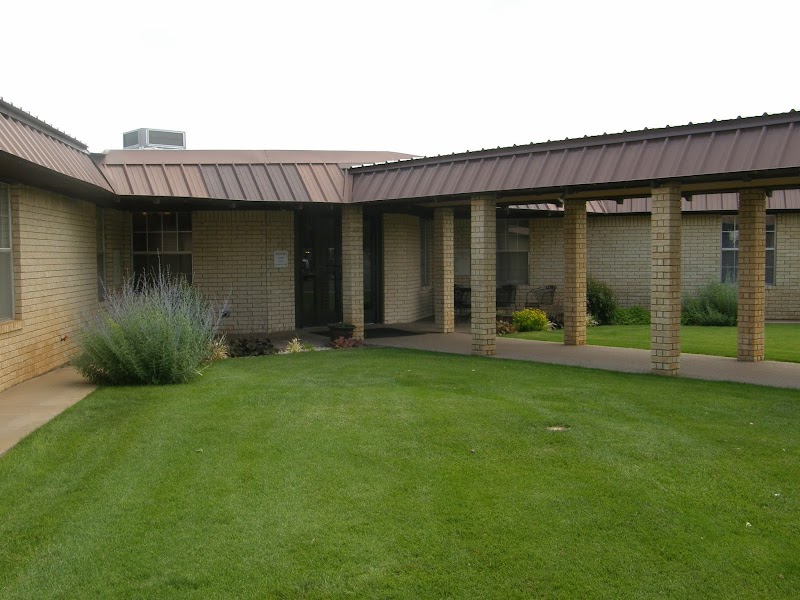
How is Farwell Care And Rehabilitation Center Staffed?

CMS rates FARWELL CARE AND REHABILITATION CENTER's staffing level at 1 out of 5 stars, which is much below average compared to other nursing homes. Staff turnover is 61%, which is 15 percentage points above the Texas average of 46%. High turnover can affect care consistency as new staff learn residents' individual needs.

What Have Inspectors Found at Farwell Care And Rehabilitation Center?

State health inspectors documented 14 deficiencies at FARWELL CARE AND REHABILITATION CENTER during 2022 to 2025. These included: 2 Immediate Jeopardy (the most serious level, indicating potential for serious harm or death) and 12 with potential for harm. Immediate Jeopardy findings are rare and represent the most serious regulatory concerns. They require immediate corrective action.
Who Owns and Operates Farwell Care And Rehabilitation Center?

FARWELL CARE AND REHABILITATION CENTER is owned by a non-profit organization. Non-profit facilities reinvest revenue into operations rather than distributing to shareholders. The facility operates independently rather than as part of a larger chain. With 75 certified beds and approximately 48 residents (about 64% occupancy), it is a smaller facility located in FARWELL, Texas.
How Does Farwell Care And Rehabilitation Center Compare to Other Texas Nursing Homes?

Compared to the 100 nursing homes in Texas, FARWELL CARE AND REHABILITATION CENTER's overall rating (2 stars) is below the state average of 2.8, staff turnover (61%) is significantly higher than the state average of 46%, and health inspection rating (3 stars) is at the national benchmark.

What Should Families Ask When Visiting Farwell Care And Rehabilitation Center?

Based on this facility's data, families visiting should ask: "What changes have been made since the serious inspection findings, and how are you preventing similar issues?" "How do you ensure continuity of care given staff turnover, and what is your staff retention strategy?" "Can you walk me through typical staffing levels on day, evening, and night shifts?" "Can I visit during a mealtime to observe dining assistance and food quality?" These questions are particularly relevant given the facility's Immediate Jeopardy citations, the facility's high staff turnover rate, and the below-average staffing rating.

Is Farwell Care And Rehabilitation Center Safe?

Based on CMS inspection data, FARWELL CARE AND REHABILITATION CENTER has documented safety concerns. Inspectors have issued 2 Immediate Jeopardy citations (the most serious violation level indicating risk of serious injury or death). The facility has a 2-star overall rating and ranks #100 of 100 nursing homes in Texas. Families considering this facility should ask detailed questions about what corrective actions have been taken since these incidents.

Do Nurses at Farwell Care And Rehabilitation Center Stick Around?

Staff turnover at FARWELL CARE AND REHABILITATION CENTER is high. At 61%, the facility is 15 percentage points above the Texas average of 46%. High turnover means new staff may not know residents' individual needs, medications, or preferences. It can also be disorienting for residents, especially those with dementia who rely on familiar faces. Families should ask: What is causing the turnover? What retention programs are in place? How do you ensure care continuity during staff transitions?

Was Farwell Care And Rehabilitation Center Ever Fined?

FARWELL CARE AND REHABILITATION CENTER has been fined $127,264 across 24 penalty actions. This is 3.7x the Texas average of $34,352. Fines at this level are uncommon and typically indicate a pattern of serious deficiencies, repeated violations, or failure to correct problems promptly. CMS reserves penalties of this magnitude for facilities that pose significant, documented risk to resident health or safety. Families should request specific documentation of what issues led to these fines and what systemic changes have been implemented.

Is Farwell Care And Rehabilitation Center on Any Federal Watch List?

FARWELL CARE AND REHABILITATION CENTER is not on any federal watch list. The most significant is the Special Focus Facility (SFF) program, which identifies the bottom 1% of nursing homes nationally based on persistent, serious quality problems. Not being on this list means the facility has avoided the pattern of deficiencies that triggers enhanced federal oversight. This is a positive indicator, though families should still review the facility's inspection history directly.