Oak Manor Nursing Center
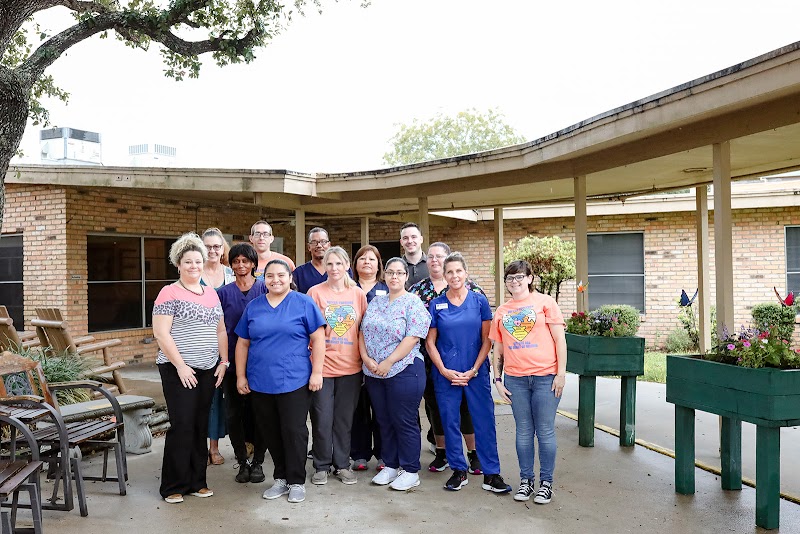
624 N Converse St, Flatonia, TX 78941 (361) 865-3571
For profit - Corporation 70 Beds NEXION HEALTH Data: November 2025 1 Immediate Jeopardy citation
Trust Grade
23/100
#533 of 1168 in TX
Last Inspection: August 2024

Within standard 12-15 month inspection cycle. Federal law requires annual inspections.

Overview

Oak Manor Nursing Center in Flatonia, Texas, has received a Trust Grade of F, indicating significant concerns about its care and operations. It ranks #533 out of 1,168 facilities in Texas, placing it in the top half but still suggesting there are many better options available. The facility is showing signs of improvement, having reduced its number of issues from four in 2024 to two in 2025. Staffing is a strength with a 4/5 rating, a turnover rate of 37% that is lower than the state average, and more RN coverage than many facilities, which helps identify issues early. However, the center has faced serious incidents, including a failure to protect residents from physical abuse and inadequate supervision during transfers, leading to serious injuries, which raises significant red flags for potential residents and their families.
Trust Score
F
23/100
In Texas
#533/1168
Top 45%
Safety Record
High Risk
Review needed
Inspections
Getting Better
4 → 2 violations
Staff Stability
○ Average
37% turnover. Near Texas's 48% average. Typical for the industry.
Penalties
✓ Good
$31,510 in fines. Lower than most Texas facilities. Relatively clean record.
Skilled Nurses
⚠ Watch
Each resident gets only 29 minutes of Registered Nurse (RN) attention daily — below average for Texas. Fewer RN minutes means fewer trained eyes watching for problems.
Violations
⚠ Watch
18 deficiencies on record. Higher than average. Multiple issues found across inspections.
★★★☆☆
3.0
Overall Rating
★★★★☆
4.0
Staff Levels
★★★★★
5.0
Care Quality
★★☆☆☆
2.0
Inspection Score
Stable
2024: 4 issues
2025: 2 issues

The Good

  • 4-Star Staffing Rating · Above-average nurse staffing levels
  • 5-Star Quality Measures · Strong clinical quality outcomes
  • Full Sprinkler Coverage · Fire safety systems throughout facility
  • No fines on record
  • Staff turnover below average (37%)

    11 points below Texas average of 48%

Facility shows strength in staffing levels, quality measures, fire safety.

The Bad

3-Star Overall Rating

Near Texas average (2.8)

Meets federal standards, typical of most facilities

Staff Turnover: 37%

Near Texas avg (46%)

Typical for the industry

Federal Fines: $31,510

Below median ($33,413)

Moderate penalties - review what triggered them

Chain: NEXION HEALTH

Part of a multi-facility chain

Ask about local staffing decisions and management

The Ugly 18 deficiencies on record

1 life-threatening 2 actual harm
Sept 2025 2 deficiencies 1 IJ
CRITICAL (J) 📢 Someone Reported This

A family member, employee, or ombudsman was alarmed enough to file a formal complaint

Immediate Jeopardy (IJ) - the most serious Medicare violation

Free from Abuse/Neglect (Tag F0600)

Someone could have died · This affected 1 resident

**NOTE- TERMS IN BRACKETS HAVE BEEN EDITED TO PROTECT CONFIDENTIALITY** Based on observation, interview and record review the facility failed to ensure the residents were free from physical abuse for ...

Read full inspector narrative →
**NOTE- TERMS IN BRACKETS HAVE BEEN EDITED TO PROTECT CONFIDENTIALITY** Based on observation, interview and record review the facility failed to ensure the residents were free from physical abuse for two (Resident #2 and Resident #3) of six residents reviewed for abuse. 1. The facility failed to ensure Resident #2 was not attacked by Resident #1 with a pencil on 08/11/25 causing slight bleeding and the facility failed to ensure Resident #2 was not hit over the head by Resident #1 with a metal object on 08/15/25, no physical injury, causing Resident #2 to be afraid of Resident #1.2. The facility failed to ensure Resident #1 did not slap Resident #3 on the back on 08/20/25.3. The facility failed to ensure a nurse, on 09/01/25, when pushing Resident #3 in her wheelchair to her room, did not tell the resident it hurt the nurses her back to push her and the nurse was going to need a forklift to move Resident #3An Immediate Jeopardy (IJ) situation was identified on 08/30/25. While the IJ was removed on 09/02/25, the facility remained out of compliance at a scope of isolated that with a potential for more than minimal harm, due to the facility's need to evaluate the effectiveness of the corrective systems. These failures could place residents at risk of continued abuse, injury, hospitalization, trauma, and psychosocial injury.The findings include:Review of Resident #1's face sheet dated 08/30/25 reflected a [AGE] year-old male who was admitted to the facility on [DATE] with diagnoses including schizophrenia (a chronic mental illness characterized by a combination of positive, negative, and cognitive symptoms that significantly impair a person's daily functioning and social relationships), schizoaffective disorder, bipolar type (a mental health condition that combines symptoms of schizophrenia and bipolar disorder (a chronic mental health condition characterized by extreme mood swings between episodes of mania (highs) and depression (lows) ), and unspecified dementia (a general term for a group of conditions that cause a progressive decline in cognitive abilities, such as memory, thinking, reasoning, and judgment), severe, with anxiety (a severe form of unspecified dementia with the added symptom of anxiety).Review of Resident #1's care plan reflected focus;1. 07/08/25 Resident #1 had a behavior problem aggressive r/t schizophrenia and had potential to be physically aggressive r/t schizophrenia2. 07/08/25 Resident #1 had potential to be physically aggressive r/t schizophrenia3. 07/08/25 Resident #1 had potential to be verbally aggressive r/t schizophrenia and DementiaResident #1's MDS Nursing Home Comprehensive dated 06/16/25 reflected a BIMS score of 00 indicating severe cognitive impairment. Section A1510 Level II Preadmission Screening and Resident Review (PASRR) Conditions reflected serious mental illness. Section A1805 Entered From reflected Inpatient Psychiatric Facility (psychiatric hospital or unit). Review of Resident #2's face sheet dated 08/30/25 reflected a [AGE] year-old male who was admitted to the facility on [DATE] and re-admitted on [DATE] with diagnoses including Alzheimer's disease (a progressive brain disorder that causes memory loss, confusion, and other cognitive decline), schizophrenia, unspecified dementia, unspecified severity, with other behavioral disturbance (a description combining symptoms of schizophrenia with unspecified dementia and a behavioral disturbance). Review of Resident #2's care plan reflected focus;1. 07/30/24 Resident #2 was PASRR level 2 d/t schizophrenia and major depressive disorder, recurrent2. 12/26/24 Resident #2 had potential to be physically aggressive (throwing cups, trash) r/t schizophrenia and TBI3. 12/26/24 Resident #2 had potential to be verbally aggressive calling staff bitches and niggers r/t schizophrenia and TBI4. 01/15/24 Resident #2 had a communication problem r/t HOH and used an amplifier. 5. 01/15/24 Resident #2 had a mood problem r/t schizoaffective disorder. Resident #2's Quarterly MDS dated [DATE] reflected a BIMS score of 12 indicating moderate cognitive impairment. Review of Resident #3's face sheet dated 09/02/25 reflected a [AGE] year-old male who was admitted to the facility on [DATE] with diagnoses including major depressive disorder (mental health condition characterized by persistent feelings of sadness, loss of interest, and other symptoms that significantly interfere with daily life), unspecified psychosis not due to a substance or known physiological condition (psychotic symptoms (like hallucinations or delusions) but a specific diagnosis cannot be made because there isn't enough information or the symptoms don't fit another established category), and schizoaffective disorder, depressive type (a mental health condition that combines symptoms of schizophrenia with those of major depression).Review of Resident #3's care plan reflected focus dated 08/31/25 reflected Resident #3 had potential to be verbally aggressive, shouting at staff or other residents r/t dementia, mental or emotional illness. Resident #3's MDS Quarterly assessment dated [DATE] reflected in section A1805 Resident #3 entered the facility from inpatient psychiatric hospital. Review of Resident #3's brief interview for mental status reflected a BIMS score of 00, indicating severe cognitive impairment.Observed Resident #1, Resident #2, and Resident #3 in the secured unit of the facility. Observation of Resident #1's right hand reflected no marks on his skin. Record review Resident #1 progress note dated 08/11/25 by LPN A reflected, Resident was sitting at the dining room table with several other residents when he started to stick his middle finger up at that the TV. The Resident next to him asked him politely not to do that and then he proceeded to say some cuss words and pull his pencil out of his pocket [and struck] the other resident a few times in his arm. Lorazepam given at this time. [name of NP notified and ordered risperidone 0.5mg bid at this time and said to go ahead and try to send him for eval Record review of Resident #1 progress note dated 08/11/25 by LPN A reflected, Weekly Skin Check Summary Resident is in facility and available for scheduled skin check. Resident allowed clinician to complete today's skin check. Resident does not have any skin or wound issues.Record review of Resident #1 progress noted dated 08/11/25 by RN reflected, this resident run after the CNA down to the office so mad and pushed hard the door and hit the CNA on her chest. CNA took his pen and gave it to this nurse. He got mad and kicked the nurse so hard on her thigh. reason why resident not to have pen on his possession was that he stabbed a resident on his hand several times. noted he has more pens and pencils and was confiscated. his reason for having those pens and pencils was to use to stab the gorilla.Record review of Resident #1 progress note dated 08/14/25 by LPN A reflected, start of Shift 6 Am resident was hitting the wall and yelling in his room. Nurse attempted to offer him a snack/ Drink He refused. He was then asked if he wanted to go [outside] and walk around in the [courtyard] he refused at this time as well. Resident said he was going back to sleep. Never went back to sleep. lab staff came in to draw his labs but he refused and hit nurse at this time. Was then yelling [and] cussing at everyone who walked by and the nurse. Saying thing in Spanish and English. Saying everyone was calling him names. No one was.Record review of Resident #1 progress note dated 08/14/25 by ADON reflected, Resident continues to pace up and down the hallway most of the morning, Keeps saying some [inappropriate] things to other resident and staff. Hit nurse again when I was trying to redirect him about punching air around other people he could hit someone. he [got flustered] with another resident saying that someone one was gonna fight them and that he needed to get up and fight back. [Offered] him more food he has refused at this time. Offered him to go outside [which] he did for about 5 mins but came back in. Offered for him sit with nurse and watch the movie on TV he did for a few minutes but got up several time in a 15 min period. Has changed [changed] 4 times since 6 am. He is now laying in his bed resting at this time.Record review of Resident #1 progress note dated 08/15/25 by ADON reflected, Resident was outside with another resident, they started cussing at each other and [Resident #1] hit the other resident in the head with an object. No injuries were noted. DON aware.Record review of Resident #1 progress note dated 08/17/25 by LPN A reflected, Resident has been cussing the staff out most of the morning. Very aggressive toward staff and other resident. Swing his arm and trying to box everyone who walks by. Yelling at the TV again, [Yelling] at other resident and staff when he walks by. Started bang on the door to the other unit saying he saw his wife and that she needs to come to see him now. When asked to move away from the door. He became even more aggressive. Ativan was given with him morning medication. No effective at this time. We have offered him several snack/ drinks. Offered to let him go for a walk out in the [courtyard] witch he did but was still aggressive. put him back on one on one for now. Attempted to contact [psych NP] no answer at this time. Also notified DON at this time.Record review of Resident #1's progress notes reflected no 1:1 monitoring (a healthcare intervention where a single, qualified staff member continuously provides direct, visual observation of a high-risk patient to ensure their safety and prevent harm. This method is implemented for patients exhibiting behaviors or conditions such as cognitive impairment, high suicide risk, aggressive tendencies, or other safety threats, requiring constant, immediate intervention) put in place for Resident #1. Record review of Resident #2's progress reflected no note of incident with a pencil and Resident #1 on 08/11/25.Record review of Resident 2's progress note dated 08/11/24 by LPN A reflected, Right hand (back) - has 3 small puncture wounds to his right wrist and hand area. Review of Resident #2's progress note type wound dated 08/12/25 by LPN A reflected, Wound Location/Wound Description: Right hand (back) - Small wounds to his wrist and hand [from] a pencil. Wound Number: 1 Status: This wound/skin condition is not resolved/healed. Resident is in facility and available for scheduled wound assessment/wound care. There were no family and/or friends present during today's wound care/assessment. The resident allowed clinician to complete wound/skin condition weekly assessment and treatment. This wound was acquired while a resident of this facility.Review of Resident #2's progress note type incident dated 08/12/25 by LPN A reflected, Residents [RP] was notified by DON today about incident for yesterday. He was very thankful for the call and [stated] that the resident handled the situation very well.Review of Resident #2's progress note type incident dated 08/15/25 by LPN A reflected Resident was outside with another resident, they started cussing at each other, The other resident did hit [Resident #2] in the head with an object, no injuries were noted. DON was made aware.Review of Resident #2's progress note type wound dated 08/19/25 by DON reflected late entry, Weekly Wound Observation Summary Note: Wound Location/Wound Description: Right hand (back) - Small wounds to his wrist and hand form a pencil. Wound Number: 1 Status: This wound/skin condition has resolved/healed. Review of facility Behaviors Documentation Chart Memory Care Unit reflected the following:08/11/15 Resident #1 threw a pencil across from his room to hall. Very aggressive.08/13/25 Resident #1 he was being behavioral issues w/staff & residents. Hitting walls not [listening] 08/15/25 Resident #1 [Resident #1] & [Resident #2] outside [Resident #1] hit [Resident #2] in the head08/15/25 Resident #1 Didn't hit/kick anyone but continues to punch/kick the air08/17/25 Resident #1 slapped & then kicked my left hand (I had asked him to give me the weapons he had)08/17/25 Resident #1 5:30 am in room beating on the wall08/20/25 Resident #1 walked by [Resident #3] and slapped him on the back.08/25/25 Resident #2 [Resident #1 purposely bumped into [Resident] when passing in the hallInterview on 08/30/25 at 11:00 am with Resident #2 reflected Resident #1 grabbed a mental rod and hit him in the head and another time he stabbed him with a pencil and when he was stabbed with the pencil it drew blood. He reflected he told the DON that he wanted to press charges, but she called his RP, and his RP told him to calm down. He said he and Resident #1 were not allowed to walk in the courtyard together at the same time. Resident #1 said it was wrong for Resident #1 to have stabbed him and hit him and he should not have to be afraid of someone here. He said it hurt both times when Resident #1 hit him.Interview on 08/30/25 at 7:20 pm with Resident #2 reflected he was in the courtyard area alone with Resident #1 and he went to Resident #1 cursing him and asked Resident #1 why Resident #1 stabbed him with the pencil and Resident #1 pulled up an iron rod and hit him with it. He wanted to know if the DON was going to call the police and report Resident #1.Attempted interview on 08/30/25 at 11:15 am with Resident #1. Resident #1's responses to questions were unintelligible.Attempted interview on 08/30/25 at 11:15 am with Resident #3. Resident #3 was not interviewable. Interview on 08/30/25 at 11:44 am with CNA B reflected Resident #1 had calmed down some after the incident with Resident #1 and Resident #2 and the pencil. She said staff was alert around Resident #1 all the time because he attacked Resident #2. She said she was working at the time of the pencil incident but did not see it happen. She said Resident #2 was upset about the incident when Resident #1 attacked Resident #2 with the pencil and believed Resident #2 was still upset about the incident. She said (date unknown) on one occasion at dinner Resident #1 and Resident #2 were yelling at each other and she jumped up and got between them. She said she was not there with the situation with Resident #1 and Resident #2 and the iron bar. She said she was concerned about Resident #1 hitting residents. She said Resident #2 asked her if he should press charges. She said that Resident #1 was on 1:1 monitoring a couple of shifts. She said the Administrator and DON were aware of the incident with the pencil. Interview on 08/30/25 at 12:28 pm with facility Psych NP reflected there was no problem with Resident #1, but he has had his issues. She said she was aware of the incident with the pencil and Resident #2 but Resident #2 was scrapped with a pencil and it was a superficial injury taken care of with soap and water. She only knows of the incident with the pencil and that was the only incident that was reported to her. She was not aware of any issues with Resident #1 yelling at staff, hitting staff, or yelling or hitting other residents. She said Resident #1 was put on 1:1 after the incident with the pencil and Resident #2 but did not know for how long and when she saw it was a superficial scratch, she felt she was given wrong information, and the nurse overreacted. She said could not speak on anything else involving Resident #1 because she was not aware of any other issues and was not informed about Resident #1 hitting Resident #2 with a metal object. She was not aware of any additional behaviors involving Resident #1 and other residents. She said if there was problem with a resident and another resident at the facility the DON would notify her. Interview on 08/30/25 at 1:13 pm with CNA C reflected she was not at the facility when the incident occurred between Resident #1 and Resident #2 and the pencil. She said she was concerned because Resident #2 was not the same anymore, he seems scared. She said the other day Resident #1 was coming at Resident #2 for no reason and Resident #2 was backing up scarred. She said the other residents are getting hit for not reason and none of the residents hit other people. She said she wrote resident behaviors on a behaviors chart, and she reported the behavior to the nurse. She said the behavior chart was for CNAs only and it was their personal log to keep documentation of what was happening. She did not know if the DON was aware of the behavioral chart, and she did not know when it started. She said she felt like Resident #1 was still aggressive and she did not feel like 1:1 would help. She said she felt like telling Resident #1 to stop his behaviors was useless, but she did not think he was malicious. She had not directly told the DON about Resident #1's behaviors. She said her chain of command was to tell the nurse and the nurse relayed it to the DON. She said she would consider the situation between Resident #1 and Resident #2 abuse because Resident #1 was known to be kind of violent and Resident #2 was scarred when he walked around the secured unit because Resident #1 physically harmed Resident #2 twice. She has observed Resident #1 hit Resident #3 in the back. Resident #3 was going to his room and Resident #1 hit him in the back. When Resident #3 was hit by Resident #1 he jolted forward and Resident #3 turned around, but Resident #1 was laughing and walked away. Resident #3 was not physically harmed when he was hit in the back by Resident #1.Interview on 08/30/25 at 1:48 pm with LVP A reflected she was the charge nurse on duty on 08/11/25 and witnessed the incident with the pencil between Resident #1 and Resident #2. She said she was charting next to the table where both Resident #1 and Resident #2 were sitting together. She was watching them because Resident #1 got upset at the TV and started cursing at the TV and giving the finger to the TV and Resident #2 said don't do that. Resident #1 had a pencil in his hand and took his pencil and struck Resident #2 three times on the back on one time on the top of Resident #1's right hand. She Resident #2 no longer had marks on his hand. She said he bled very little and after she cleaned them there was no additional bleeding. She said Resident #1 was placed on 1:1 but did not know how long he was monitored 1:1. She said they did not document Resident #1's 1:1 monitoring. She said Resident #2 was very calm about the incident but annoyed and he said it should not have happened and he was irritated. She said she had not seen Resident #1 hit other residents. She saw him swing at other residents but never make physical contact. She said she spoke with the Psych NP about the issue with the pencil and told her Resident #1 continued to have behaviors. She said she told the Psych NP he was cussing, had delusions, and was screaming at staff. She said she told the DON about the incident with the pencil and the DON told her she was going to tell the Administrator. LNP A said she had been trained by the facility in abuse and neglect, and she would consider the incident with the pencil between Resident #1 and Resident #2 to be abuse. She said if one resident hit another resident it was abuse. Interview on 09/02/25 at 6:02 pm with the ADON via phone reflected on 08/15/25 she was passing pills to other residents and saw Resident #1 and Resident #2 outside and she asked a staff member (staff member unknown) to let them inside. She said that Resident #2 told her he was going toward Resident #1 and was cursing at Resident #1 asking him why he hit him with a pencil and Resident #1 hit him in the head. She did not see Resident #1 hit Resident #2 with an object. She said she went outside with Resident #2 and Resident #2 pointed to a yard decoration (an yard decoration with a frog on it) that was lying on the ground and told her Resident #1 hit him in the head with it to it. She said she was frustrated because of issues with Resident #1's behavior and showed the DON to object and said Resident #2 said that Resident #2 hit him with it. She said that Resident #2 was scared of Resident #1. She said she was not present on 08/11/25 during the incident with Resident #1 and Resident #2 and the pencil but she saw the wound on his arm and said there were two little stab wounds from the pencil and it incident did draw blood. She said Resident #2 was kind of afraid of Resident #1 because he tried to stay away from Resident #1. She said Resident #2 did not say he was afraid of Resident #1, but she said Resident #2 was watchful and kept his eyes on Resident #1 because there have been incidents where Resident #1 had hit the nurses. She did feel like Resident #2 was let down because she told the DON that Resident #1 was not stable, and Resident #1 had a lot of behaviors when they changed Resident #1's medication. Resident #1 had a lot of behaviors when he was taken off his medications and she told both the Administrator and the DON. She said she reported Resident #1's cussing at staff and residents and punch and kicking the air behind the staff and residents. Interview on 09/02/25 at 9:04 pm with the LP reflected she was aware of the incident with Resident #1 and Resident #2 and the pencil, and she understood that it was originally reported as a worse situation than it was. She understood that Resident #2 was scratched with a pencil by Resident #1 and did not leave any marks on his arm. She said that she had not observed any behaviors out of the ordinary with Resident #1, but he had been inappropriate trying to kiss staff. She said that a resident going towards another resident with a pencil, no matter the extent of the injury, was abuse. She said she would have wanted to hear Resident #1's behaviors on staying up all night and hitting the walls. She said he probably should have been on 1:1 monitoring based upon his behaviors. Interview on 08/30/25 at 2:35 pm with the DON reflected she was aware of the incident between Resident #1 and Resident #2 and the pencil. It was her understanding that Resident #2 was at the table and Resident #1 walked by and kind of scratched Resident #2 with a pencil. She said the charge nurse removed the pencil from Resident #1. She said the facility trained her on abuse and neglect. She said that the secured unit was a special unit and the residents in that unit had behaviors but even though they are in that unit, they should be safe. She said Resident #1's act towards Resident #2 was an aggressive act toward another resident. She said the fact that Resident #1's pencil made contact with Resident #2's skin had never been in question. She said she notified the Administrator, the Abuse and Neglect Coordinator, as soon as she was aware of the incident. She agreed the facility policy read that abuse meant the willful infliction of injury and given this definition, the incident was abuse. She said the Psych NP was notified and Resident #1 was placed on 1:1 monitoring. She said there was not an order for 1:1 monitoring. She said when a resident had an altercation with another resident policy was to implement 1:1 monitoring to make sure everyone was protected. She said she did not know exactly how long Resident #1 was on 1:1 monitoring, maybe through the next night or next day. She said that Resident #1 should have been continued on 1:1 monitoring until given the behaviors that were reflected in his progress notes and on the behavioral chart. She said that she knew Resident #1 had aggressive behaviors and they were working on a medication change. She said Resident #1 had not had any aggressive behaviors toward her. She said Resident #1 should have been on 1:1 monitoring until his medication changes reflected his behavior was stabilized. She said she was not aware that Resident #1 hit Resident #2 in the head with a metal object, staff did not tell her. She said she was not aware of either the Behaviors Documentation Cart Memory Care Unit or many of Resident #1's behaviors documented in that chart. She said she did know that both residents were outside alone unsupervised on 08/15/25 when Resident #2 said Resident #1 hit him with a metal object. She said staff told her that Resident #1 and Resident #2 were outside alone, and Resident #2 was cursing at Resident #1, but was not aware that Resident #1 hit Resident #2 with anything even though it was in Resident #1's progress notes. Interview on 08/30/25 at 3:57 pm with the Administrator reflected she was aware of the situation between Resident #1 and Resident #2 and the pencil that occurred on 08/11/25. She heard about it from her DON. She did not know about the incident with Resident #1 and Resident #2 and the metal object that occurred on 08/15/25. She said they did place Resident #1 on 1:1 monitoring after the 08/11/25 incident but there were no 1:1 monitoring logs, and it was not recorded in the eMAR resident progress notes. She said she did not see it as abuse herself personally because Resident #1 was going through medication adjustment, and he was reacting to a lot of things, and he was not himself. She said she did not see any intent in his actions towards Resident #2 because she did not think Resident #1 knew what he was doing and did not see his action as willful but now looking back on the criteria it was abuse. Review of facility Abuse Prohibition Policy reviewed on 06/02/25 reflected INTENT:This protocol was intended to assist in the prevention of abuse, neglect and misappropriation of property. Each resident has the right to be free from abuse, mistreatment, neglect, corporal punishment, involuntary seclusion and financial abuse.POLICY:The facility will prohibit neglect, mental or physical abuse, including involuntary seclusion and the misappropriation of property or finances of residents. The facility will designate a qualified staff member to oversee the abuse prohibition program.DEFINITIONS:Abuse means the willful infliction of injury, withholding or misappropriating property or money, unreasonable confinement, intimidation, or punishment with resulting physical harm, pain or mental anguish.Physical abuse includes, hitting, slapping, kicking, shoving, pinching and controlling behavior through corporal punishment.Abuse Prohibition Program:The facility's abuse prevention program includes the following components:screening, training, prevention, identification, investigation, protection and reporting/response.Prevention:Residents, families and staff will be able to report concerns, incidents and grievances without fear of retribution, staff will be instructed to report any signs of stress from individuals involved with the residents that may lead to abuse/neglect and intervene appropriately, facility staff will immediately correct and intervene in reported or identified situations in which abuse/neglect is at risk for occurring, residents identified as exhibiting abusive behaviors will be reviewed and have their treatment plans modified as appropriate.Identification:Any allegation of abuse/neglect, made by residents/staff/visitors shall be reported to the Abuse Coordinator and investigated immediately, the facility will track all occurrences, trends or patterns that could potentially constitute abuse or neglect, the facility supervisory staff will monitor behavior of staff members/residents to identify potential for abuse, neglect, and misappropriation of resident funds. Protection: All residents will be immediately protected from harm, all allegations involving staff will necessitate suspension without pay, pending investigation, if the allegation is substantiated, the employee will be terminated immediately without pay retroactive to the date of removal from employment. If the allegation is not substantiated, the employee will be reinstated with retroactive pay, if another resident is the alleged perpetrator, they shall immediately be assessed for treatment options. The safety and protection of other residents is the facility's primary concern. Resident to Resident Incidents: The following guidelines will be implemented when resident to resident incidences occur:1. The staff observing the incident will immediately separate the residents involved2. The charge nurse will assess the victim to determine any injury3. Physician and family of both victim and perpetrator will be notified of incident.4. An incident report will be completed for the perpetrator and the victim5. The Abuse Coordinator will be immediately contacted.6. The interdisciplinary team will make the determination on what course of action needs to be taken with the perpetrator such as, but not limited to the following - immediate discharge from the facility due to potential for harm to other residents, can the behavior be controlled by location monitoring and need for referral to a psychologist/psychiatrist. The family and physician of the perpetrator will be notified of the next step.7. If the perpetrator is placed on location monitoring, staff will be instructed on reason for monitoring and targeted behaviors being monitored.8. If the perpetrator is on a behavioral contract, facility staff will be in serviced accordingly, and the resident and family will be notified of consequences.9. If the perpetrator continues to exhibit inappropriate behaviors/or violates the behaviors identified on the behavioral contract, staff will immediately notify the Administrator /DON10. The team will conduct an emergency review to determine further course of action such as immediate discharge11. The victim will be seen by Social Services to determine further psychological support needed as well as follow up with physician/family12. The Ombudsman will be notified of incident /allegations as appropriate.This was determined to be an Immediate Jeopardy (IJ) on 08/30/25 at 6:28 pm. The Administrator was notified at 6:28 p.m. The ADM was provided with the IJ template on 08/30/25 at 6:28 p.m.The following Plan of Removal submitted by the facility was accepted on 09/01/25 at 8:05 am. PLAN OF REMOVALPlan of RemovalOn 08/30/2025, an Immediate Jeopardy was identified at the facility due to a resident-to-resident abuse allegation.Action StepsThe following immediate actions were implemented Resident #1 was placed under 1:1 supervision immediately. Resident's care plan updated to reflect changes in monitoring. The 1:1 will remain in place until the IDT will be held on 9/2/2025, including physician, psychiatric input determines that it is safe to discontinue the cadence of supervision. If this is not deemed attainable, the facility will explore opportunities for discharging resident to an alternate setting. IDT meeting will be held weekly to discuss resident #1. Resident #1 was seen by psych services on 8/18, 8/26 and will continue with weekly visits until behaviors are improved.Residents 2 and 3 were assessed by DON for evidence of injury.Resident #2 was seen by the psych NP via telemedicine for evaluation of impact. A trauma informed assessment was completed on residents 1, 2 and 3. Care Plans updated for resident 1, 2, and 3. No negative outcomes found in resident assessment. Nursing Administration conducted resident record review, resident interviews to determine that no other residents were affected by the deficient practice. Direct care staff are trained on resident care plans through a combination of orientation, ongoing in-service education, and real-time instruction from licensed nursing staff. During orientation, staff receives instruction on individualized resident needs, the purpose of the care plan, and how their daily assignments connect to the plan of care. Supervisors and charge nurses review care plan updates with staff as changes occur, and education is reinforced during shift huddles, staff inservicing, etc. This ensures staff understand their role in implementing interventions outlined in each resident's care plan. Each incident was reported to HHSC via self-report email template. The incident for 8/11 was emailed on 8/30 @ 10:25PM. The incident for 8/15 was emailed 8/31 at 7:57am. The return emails from HHSC sending us the intake number has not been received yet. It typically takes 24-48 hours from time of submission.Start Date: 08/30/2025Completion Date:8/30/2025Responsible: Director of Nursing (DON), AdministratorFollowing the notification of immediacy, the Administrator and Director of Nursing received immediate elaborate retraining on abuse reporting requirements, the facility's abuse policy, and leadership responsibilities in responding to allegations. To validate that the retraining was effective and sustained, the Regional [TRUNCATED]
CONCERN (D) 📢 Someone Reported This

A family member, employee, or ombudsman was alarmed enough to file a formal complaint

Potential for Harm - no one hurt, but risky conditions existed

Quality of Care (Tag F0684)

Could have caused harm · This affected 1 resident

Based on interview and record review the facility failed to ensure based on the comprehensive assessment of a resident, that residents received treatment and care in accordance with professional stand...

Read full inspector narrative →
Based on interview and record review the facility failed to ensure based on the comprehensive assessment of a resident, that residents received treatment and care in accordance with professional standards of practice, the comprehensive person-centered care plan, and the residents' choices for one of five residents (Resident #4) reviewed for quality of care.The facility failed to ensure that Resident #4 was taken to her MD referred pulmonary and dermatology appointments referral date 02/24/25.These failures could place residents at risk for unassessed changes in conditions that could lead to permanent impairment, including decreased quality of life.Findings included:Record review of Resident #4's MD orders dated 02/24/25 reflected, refer to pulmonology DX COPD and refer to dermatology for rash.Interview on 09/01/25 at 4:26 pm with Resident #4 reflected she had not been taken to her specialist appointments of either the dermatologist or the pulmonologist.Interview on 09/02/25 at 5:29 pm with the LPN A reflected it was the responsibility of the charge nurse to follow up on scheduling specialist appointments when the MD made an order for the resident to see a specialist. She said the appointments should be made within the next couple of days of receiving the order from the MD. She said it was the responsibility of the ADON and DON to make sure that the doctor's orders for specialists were followed up with and scheduled. She said the possible negative effects of not following through the MD order for specialist appointments was that Resident #4's breathing would not get better. She said Resident #4 had sensitive and it tore really easily, and it was important to see a dermatologist for her thin skin.Interview on 09/02/25 at 5:48 pm LVN C reflected either the MDSC, or the DON were responsible for making sure residents' specialist appointments were scheduled. She said it was not good practice for MD orders for resident specialist appointments not to be scheduled. It is important to follow through with all MD orders. The possible negative consequences for not following up with specialty appointments for resident orders to go to a specialist was they could become ill.Interview on 09/02/25 at 6:02 pm with the ADON reflected if the MD wanted Resident #4 to see a specialist, it was the responsibility of everyone to make sure the appointment was schedule and Resident #4 was taken to see the specialist. The negative consequences for no follow through with scheduling specialist appointments would be Resident #4 could potentially suffer medically and it was not good quality of care to not to follow up with the MD. Interview on 09/02/24 at 4:35 pm with the facility MD reflected Resident #4 should have been taken to her specialist pulmonary and dermatologist appointments. She said she was not too worried that Resident #4 did not go to the dermatologist. She was more concerned because she did not go to the pulmonary specialist because she was wheezing more than she had been. She said Resident #4 had reactive airway disease and she needed her medications adjusted by a pulmonary MD. She said her current medications were not working as well as they should have and people who have reactive airway disease often needed medication adjustments. She said anytime an order was given for a resident, and it was not acted upon she was concerned about it. Interview on 09/02/25 at 7:24 pm with the DON reflected the MD orders for Resident #4 to go to a dermatologist and pulmonary specialist were not carried out. She said, the ball got dropped. She said it was the responsibility of the person who put the order into the eMAR to schedule the appointment, but they did not have a system and no one person was responsible. She said the possible negative consequences of Resident #4 not attending her specialist appointments were that she could die from pulmonary complications. She said Resident #4 wanted to go to the dermatologist for cosmetic reasons only. Interview on 09/02/25 at 6:22 pm with the Administrator reflected they did not take Resident #4 to her specialty pulmonary appointment because they could not find a pulmonologist for Resident #4 and there was a transportation issue. She said it was the responsibility of the nursing staff arrange for resident specialist appointments. She said she did not know how the ball was dropped. She said the possible negative consequences of not getting Resident #4 to a specialist could be that she might have had a worsening medical condition, or the disease process could accelerate. Review of facility policy Medication and Treatment Orders dated July 2016 reflected order for medications and treatment will be consistent with principles of safe and effective order writing.
Oct 2024 1 deficiency 1 Harm
SERIOUS (G) 📢 Someone Reported This

A family member, employee, or ombudsman was alarmed enough to file a formal complaint

Actual Harm - a resident was hurt due to facility failures

Deficiency F0602 (Tag F0602)

A resident was harmed · This affected 1 resident

**NOTE- TERMS IN BRACKETS HAVE BEEN EDITED TO PROTECT CONFIDENTIALITY** Based on interviews and record review the resident's right to be free from misappropriation for 1 of 3 residents reviewed for mi...

Read full inspector narrative →
**NOTE- TERMS IN BRACKETS HAVE BEEN EDITED TO PROTECT CONFIDENTIALITY** Based on interviews and record review the resident's right to be free from misappropriation for 1 of 3 residents reviewed for misappropriation of property. (Resident #1) The facility failed to protect Resident #1 from misappropriation/exploitation by allowing AAD-C C to take money from Resident #1 for AAD-C's own well-being and personal expenses, exact date unknown. Resident #1 felt excluded from activities and became upset after AAD-C began avoiding the resident who was asking for her money to be paid back. This failure could place residents who resided in this facility at risk of misappropriation of property causing financial hardship. Findings included: Record review of a face sheet, undated, reflected Resident #1 was an [AGE] year-old female initially admitted to the facility on [DATE] with diagnoses which included bilateral primary osteoarthritis of knees (both knees have a degenerative joint disease-causing loss of cartilage), gout (defective metabolism of uric acid), and major depressive disorder (mood disorder causing sadness). Record review of the MDS assessment dated [DATE] reflected Resident #1 had a BIMS score of 15 which indicated Resident #1 did not have cognitive impairment. Record review of the care plan dated 12/20/23 reflected Resident #1 had the focus area of use of an antidepressant for depression. The goals include decreased episodes of signs and symptoms of depression. Record review of the facility Grievance Report, dated 8/15/24, written by the ADM, reflected the following: Received call from [DON] stating [MA B] reported to her and [AD] that [Resident #1] told her that [AAD C] borrowed money from her and had not paid her back. She [DON] also reported that [Resident #1] told her that [AAD-C]] was avoiding her. [DON] called administrator at 3:36pm informing me of events. [DON] went to [Resident #1] with administrator on the phone to inquire if [AAD-C] had borrowed money from her. [Resident #1] stated yes and said [AAD-C] hadn't paid her back. [DON] thanked [Resident #1] and I told [Resident #1] I would be back to the building in a few minutes and would come visit with her. I returned at approximately 4:00 and went to visit with [Resident #1]. [Resident #1] stated that [AAD-C] had borrowed money from her on 3 different occasions over the past couple of months. She [Resident #1] stated the 1st time was right after [AAD-C] bought her car and was for $10 for [AAD-C] to be able to get something to eat because she couldn't afford to eat. She [Resident #1] stated the 2nd time was after she [AAD-C] wrecked her car, she [Resident #1] again loaned her $10 for 'something to eat. [Resident #1] stated the 3rd time she [AAD-C] asked [Resident #1] gave her the last of her money at the time and it was $13. [Resident #1] is adamite [sic] that [AAD-C] had borrowed $33 and had not paid her any of the money back. [Resident #1] states that [AAD-C] has been avoiding her. [Resident #1] states she hasn't been invited to activities in a long time. When asked how long she stated a couple months. Record review of a form titled Disciplinary Action Record, dated 8/15/24, revealed the form was a notice of suspension for AAD-C who wrote her statement that read [Resident #1] gave me $20 dollars for gas (offered) I refused at first and then she said, everyone needs help and gave me the $20. I have given the $20 back as soon as I got paid and haven't heard any complaints until today. Attempts to interview AAD-C were unsuccessful, three attempts were made to reach her by telephone on 9/5/24 at 10:47 am, 11:45am, and 3:39 PM. The number goes to the phone voicemail automatically which then states the voicemail has not been set up. There was no opportunity to leave a message. No return call was received. In an interview on 9/5/24 at 9:56 am with Resident #1 revealed she did not remember the dates, about 3 months ago or more, but she had thought she was just letting AAD-C borrow money to eat. AAD-C did not ask for the money the first time. Resident #1 stated she offered because she did not want AAD-C to go without eating. Resident #1 stated she cared about the staff. AAD-C had told her she would pay her back. Resident #1 stated she gave AAD-C eight dollars, she's not certain now of the amount. The second time was ten dollars. AAD-C came to her room and told her that she had an accident in her car and had no money again and would not be able to eat. Resident #1 stated we talked about this just being a loan and that I did not have much money. The third time AAD-C came into my room and asked if she could borrow ten dollars again. She had told me she would catch up with me when she got her next paycheck. Resident #1 stated she gave her ten more dollars. Resident #1 explained to AAD-C that was the last of her money. Resident #1 stated after she paid for her care at the facility, she only got a small amount of money each month. Resident #1 stated she used her limited money to order food to be delivered a few times a month. Resident #1 stated she had not realized that when she started asking AAD-C for the money back that she would no longer be invited to activities and that AAD-C would start avoiding her. Resident #1 stated it did hurt her feelings because she had thought they were friends. Resident #1 stated on the day she was crying she had heard AAD-C asking MA B to come into her (Resident #1's) room so that she did not have to see Resident #1. Resident #1 stated by then it had been a couple of months since she had attended an activity, which did bother her. Resident #1 stated that once the DON and ADM found out about the money, they made sure she got the money back and AAD-C was no longer working there. Resident #1 stated she now knew that residents were not to ever give any staff any money. Resident #1 stated it was not really the money loss that bothered her as much as how she was treated. Resident #1 stated she no longer trusted people. In an interview on 9/5/24 at 2:55pm with MA B revealed that she had been told by Resident #1 previously about AAD-C borrowing money, but she had assumed it was that AAD-C had just forgotten to give her the change when she had bought something for her. MA B stated she assumed it had been taken care of the next time she worked. On 8/15/24 they had a scheduled visit with the Psychiatrist that day. AAD-C usually carried around a tablet so the Psychiatrist could talk to the residents via facetime. MA B stated on that day AAD-C asked her to take the tablet in Resident #1's room for her because she did not want to see the resident. MA B stated she had never heard AAD-C say that before, but she had refused because she was doing something else. MA B stated that a minute later Resident #1 called MA B to her room and told her that AAD-C did not want to see her because she owed her money. MA B stated she did end up helping with the tablet and planned to go tell the DON who was the person in charge that day. MA B stated before she made it to the DON, the DON found Resident #1 crying in her room. MA B stated that AAD-C and Resident #1 had been close and were frequently together when AAD-C worked. MA B stated she could tell that Resident #1 had been hurt that AAD-C treated her that way. She stated Resident #1 stayed in her room more and rarely came out for quite a while. In an interview on 9/5/24 at 2:05pm with the facility DON revealed on 8/15/24 she was getting ready to leave for the day, so she had been doing a final round of the facility which she does daily and found Resident #1 in her room crying. The DON stated Resident #1 told her about AAD-C borrowing money from her and that AAD-C was avoiding her and not inviting her to activities. Resident #1 also told her about hearing AAD-C asking MA B to go help Resident #1, so she did not have to see her. The DON stated she went to talk to AAD- C who did not deny that she had borrowed money from Resident #1. She admitted she had been avoiding the resident because Resident #1 was asking her when she was going to pay the money back. AAD-C claimed that she had paid Resident #1 back some of the money. The DON stated AAD-C knew she should not take money from a resident. She (AAD-C) had been the one to do a resident counsel meeting with the residents last year when a housekeeper had kept the change from Resident #1's request for items from the store, and the housekeeper was fired. The DON stated she had AAD-C fill out a statement then sent AAD-C home and walked her out to her car to leave. AAD-C has not answered calls since then. The DON stated Resident #1 has just recently started attending activities again and leaving her room more frequently. In an interview on 9/5/2024 at 2:45pm with the facility Administrator revealed she found out about the allegation from the call from the DON. She stated she does rounds every morning and Resident #1 had never mentioned a concern with staff or having loaned money. The Administrator stated all staff were required to sign the Employee handbook after reading. The Handbook contained information on misappropriation and that they were not allowed to accept gifts or money from residents. She stated they also had an incident last year when a housekeeper kept Resident #1's change after a trip to the store to buy items for her. AAD-C did meetings with the residents to make sure they were aware not to loan or give money or gifts. The Administrator stated per the facility policy the AAD-C's employment was terminated. They interviewed every other resident and did not find anyone else that AAD-C or anyone else that had given money to staff. She stated she expected the staff to follow the policy and code of conduct that they agreed to when hired . Review of the facility Employee Handbook, dated, 8/14/2017, included the following: Acceptance of Gifts, Tips, and Fees Acceptance of any gifts, tips, fees, or other form of remuneration from resident, family members, clients, suppliers, lenders, landlords, etc. is not permitted unless disclosed and approved by the Facility Administrator. Under no circumstances are associates allowed to borrow or ask to borrow, from residents or resident family members. This includes money, personal items, etc. Solicitation of tips or gratuities of any kind is strictly prohibited. Review of the facility policy titled Abuse Prohibition Policy, revised 1/1/24, reflected the following: Misappropriation of property/financial abuse/Exploitation is defined as taking advantage of a resident for personal gain through the use of manipulation, intimidation, threats, or coercion. Involuntary Seclusion is defined as separation of a resident from other residents or from her/his room or confinement to her/his room (with or without roommates) against the resident's will, or the will of the resident representative. Abuse Prohibition Program: The facility's abuse prevention program includes the following components: ? Screening ? Training ? Prevention ? Identification ? Investigation ? Protection ? Reporting/ Response
Aug 2024 2 deficiencies
CONCERN (D)

Potential for Harm - no one hurt, but risky conditions existed

Infection Control (Tag F0880)

Could have caused harm · This affected 1 resident

**NOTE- TERMS IN BRACKETS HAVE BEEN EDITED TO PROTECT CONFIDENTIALITY** Based on observations, interviews, and record review the facility failed to ensure the facility established and maintained an in...

Read full inspector narrative →
**NOTE- TERMS IN BRACKETS HAVE BEEN EDITED TO PROTECT CONFIDENTIALITY** Based on observations, interviews, and record review the facility failed to ensure the facility established and maintained an infection prevention program designed to provide a safe environment and to help prevent the transmission of communicable diseases for one of one staff observed for insulin administration (LVN A ). LVN A failed to clean Resident #16's fingertips with alcohol prep pad before puncturing the fingertip with a lancet for a blood sugar reading. This failure could place residents at increased risk of infection and inaccurate blood sugar readings. Findings included: Review of Resident #16's Face Sheet reflected she was a [AGE] year-old female admitted on [DATE] and readmitted on [DATE] with diagnoses including Diabetes Mellitus Type 2. Review of Resident #16's quarterly MDS dated [DATE] reflected a BIMS score of 04 which indicated she was severely impaired cognitively. Review of Resident #16's Care Plan (no date) reflected; Resident #16 had Diabetes Mellitus and she was to receive the diabetes medication as ordered by the doctor. Observation on 07/31/2024 at 11:46 AM revealed LVN A administered Humalog insulin 06 units to Resident #16's left upper abdomen. Before LVN A checked Resident #16's blood sugar, she did not wipe the resident's finger with alcohol before applying the lancet to the finger. In an interview on 07/31/2024 at 01:25 PM LVN A stated she has been told in the past by State employees during surveys that she was not required to use alcohol before lancing the resident's fingers. She stated she was taught to wipe the finger with alcohol before lancing. She stated the potential risk to the resident if she did not lance the finger with alcohol would be possible infection risks. In an interview on 07/31/2024 at 01:31 PM the DON stated the facilities policy was that staff were to wipe the residents' fingers with alcohol before lancing it when checking blood glucose levels. The DON stated the possible risk for the resident when you do not lance the finger with alcohol would be inaccurate readings. Review of the policy Fingerstick policy and procedure with no date; Steps in the procedure number 5. Wipe the area to be lanced with an alcohol pledget.
CONCERN (E)

Potential for Harm - no one hurt, but risky conditions existed

Food Safety (Tag F0812)

Could have caused harm · This affected multiple residents

Based on observations, interviews, and record review, the facility failed to store, prepare, distribute, and serve food in accordance with professional standards for foods safety for two of two staff ...

Read full inspector narrative →
Based on observations, interviews, and record review, the facility failed to store, prepare, distribute, and serve food in accordance with professional standards for foods safety for two of two staff reviewed for food safety and sanitation. The facility failed to ensure two staff, [NAME] B and [NAME] C wore beard restraints . This failure placed residents at risk of foodborne illness. Findings included: Observation on 07/30/2024 at 9:20 AM during the initial kitchen tour, [NAME] B had a beard and was not wearing a beard restraint. Observation and interview on 07/30/2024 at 12:05 PM during meal service in the kitchen, [NAME] B and [NAME] C had beards and were not wearing beard restraints. [NAME] B stated the Dietary Manager was on sick leave and was not available for an interview. He stated he was not aware of any beard restraints in the kitchen for staff to wear. In an interview on 07/31/2024 at 10:00 AM the ADM stated the men in the kitchen did not have beards until this month. She stated the kitchen did not have beard covers until it was brought to her attention. She stated the staff had been in-serviced on wearing beard restraints, and the staff were wearing beard restraints. She stated the facility had ordered beard restraints. She further stated she did not think their policy said anything about covering beards. In an interview on 07/31/2024 at 2:08 PM [NAME] B stated hair could fall in food if he was not wearing a beard restraint. He stated hair could contaminate the food and it could make the residents angry to see hair in their food. He further stated he had been told about the beard restraint policy, but they didn't have them available to wear. In an interview on 07/31/2024 at 2:12 PM [NAME] C stated he had never been told about a beard restraint policy and there had not been any beard restraints available. He further stated the potential risk to the resident was hair in their food and it could contaminate the food. In an interview on 07/31/2024 at 2:22 PM the interim DM stated she had worked at a sister facility for nine years and would assist at the facility when requested. She stated she had conducted an in-service on hair and beard restraints that morning. She stated staff were required to wear hair and beard restraints. She further stated hair could fall in the food and cause a food borne illness. In an interview on 08/01/2024 at 10:36 AM the ADM stated she had worked at the facility for one year and two months. She stated the kitchen staff were supposed to cover any facial hair. She stated hair could cause food borne illness and it was a sanitation issue. She stated residents might get upset if they saw hair in their food. Record review of a facility policy and procedure titled Preventing Foodborne Illness - Employee Hygiene and Sanitary Practices dated October 2022 and reviewed 6/12/2024 reflected 1. All employees who handle, prepare, or serve food will be trained in the practices of safe food handling and preventing foodborne illness. Employees will demonstrate knowledge and competency in these practices prior to working with food or serving food to residents. 12. Hair nets or caps and/or beard restraints must be worn to keep hair from contacting exposed food, clean equipment, utensils, and linens.
Jan 2024 1 deficiency
CONCERN (D) 📢 Someone Reported This

A family member, employee, or ombudsman was alarmed enough to file a formal complaint

Potential for Harm - no one hurt, but risky conditions existed

Safe Environment (Tag F0584)

Could have caused harm · This affected 1 resident

**NOTE- TERMS IN BRACKETS HAVE BEEN EDITED TO PROTECT CONFIDENTIALITY** Based on observation, interview, and record review, the facility failed to ensure the resident's right to a safe, clean, comfort...

Read full inspector narrative →
**NOTE- TERMS IN BRACKETS HAVE BEEN EDITED TO PROTECT CONFIDENTIALITY** Based on observation, interview, and record review, the facility failed to ensure the resident's right to a safe, clean, comfortable, and homelike environment for 1 of 5 residents reviewed for environment. The sink in Resident #1's room did not produce hot water. This failure placed residents at risk of discomfort and poor hygiene. Findings included: Review of the undated face sheet for Resident #1 reflected a [AGE] year-old male admitted to the facility on [DATE] with diagnoses of hemiplegia with hemiparesis, sequelae of cerebral infarction (pathological conditions resulting from stroke), morbid obesity due to excess calories, cognitive communication deficit (difficulty communicating due to impaired cognition), muscle spasm, insomnia, polyneuropathy (damage to peripheral nerves), chronic idiopathic constipation (constipation with no known cause), anxiety disorder, major depressive disorder, attention deficit hyperactivity disorder, chronic pain, rheumatoid arthritis, pain in right shoulder, abnormalities of gait and mobility, repeated falls, and malaise. Review of the quarterly MDS assessment for Resident #1 dated 01/04/24 reflected a BIMS score of 15, indicating an intact cognitive response. Review of grievances from October 2023 to 01/09/24 reflected a grievance filed by Resident #1 on 11/06/23 about the hot water in his room. The nature of the complaint was as follows: When are we going to have hot water 'nobody is fixing shit around here.' The grievance was investigated by the ADM, and the findings were as follows: Explained to (Resident #1) that two new pumps have been ordered and that (plumbing company) will be here today. Resolution of the complaint was as follows: Will follow up after repairs are complete. Review of the maintenance log from October 2023 to 01/09/24 reflected no open maintenance requests having to do with Resident #1's hot water. Review of invoices from the plumbing company from 06/06/23 to 01/09/24 reflected one dated 11/08/23 that contained the following: Facility called us out to look at a number of different issues. We talked options for several different problems facing the facility. After our discussion, we obtained approval for some further diagnostic on a faulty (sewage) pump. We took apart the unit and found the wiring was causing issues. We put everything back together correctly and it functioned correctly. There were no other invoices from the plumbing company that pertained to the hot water delivery system. During an interview on 01/09/24 at 10:05 AM, Resident #1 stated the water in his bathroom was not heating up, and he could not wash his hands and face, shave, or rinse out his coffee cup. Resident #1 stated he had talked to the ADM about the problem and had met with the MAINT about it, as well. Resident #1 stated the MAINT did not have any idea how to fix the problem. Resident #1 stated it had been going on for more than one month. Resident #1 stated no one had offered him a room change, but he preferred not to move rooms, as he had a lot of belongings and had his room set up the way he wanted it. Resident #1 stated not having hot water in his room was a big deal to him. He stated if the facility were fixing it, that would be one thing, but they had done nothing to try to figure out the problem. He stated they had a meeting in the ADM's office, and she showed him an invoice for an inline water pump they had ordered, but the water pump was not what they needed. Resident #1 stated he had been educated in homebuilding, and he knew hot water did not move by a pump. He stated he was not sure exactly what the pump was for, but it would not have been to restore hot water to his room. Resident #41 stated there were other sinks in the building that had hot water, but he chose not to seek those out and use them. Observation on 01/09/24 from 10:20 AM to 10:30 AM revealed the sink faucet in Resident #1's room ran cold water for ten minutes without the water ever warming up at all. There was a bottle of alcohol-based hand rub on the television console just outside of his bathroom. During an interview on 01/09/24 at 02:58 PM, the MAINT stated he was not sure why the hot water was not going to Resident #1's room. He stated he had replaced the pumps on the water heaters and followed the pipe up into the roof. He stated nothing was broken or missing along the pipes, but the water was just not getting to certain spots. The MAINT stated there were issues on the 400 hall, especially in Resident #1's room. The MAINT stated he was trying to figure out how the water would travel, but he was by no means a plumber. He stated the plumbing company had been to the building many times recently and had not offered a solution. The MAINT stated they told him once when they came out that it was possible Resident #1's room was not even plumbed for hot water, but the MAINT had not made time to open up the wall and check. The MAINT stated the plumber had been there, and all the water pumps were working, and he did not know what was wrong. The MAINT stated he had been in the ceilings trying to get the hot water to move. During an interview on 01/09/24 at 03:10 PM, the office manager for the plumbing company stated the company had been to the building many times in recent months, but most of the visits were for drains not draining. She stated the pump mentioned in the 11/08/23 invoice was for pumping sewage out of the building and clearing pipes that drain out. She stated this pump was also known as an inline water pump, and it had nothing to do with the hot water delivery system in the facility. She stated the only work that had been done on the hot water delivery system was a replacement water heater for 100 and 200 halls. She stated nothing had been done for the hot water delivery on 400 hall, and there was nothing in any of the notes about a specific residents room. She stated if the facility had requested, they work on the resident room, that would have been in the plumber's documentation system. During an interview on 01/09/24 at 03:41 PM, the ADM stated she had been aware of the lack of hot water in Resident #1's room, but that had been fixed. She stated she believed it had been fixed, because the MAINT had told her he fixed it. She stated there was a pump ordered, and she thought the MAINT had everything he needed. She stated the plumbers had been to the facility several times. She stated she was shocked to learn the plumbers had not worked on the hot water in Resident #1's room and that the pump they had ordered was not related in any way. The ADM stated she monitored that maintenance requests were fulfilled by speaking with the MAINT during morning meeting and trusting that he completed the tasks when he said he did. She stated the potential negative impact of not having hot water in a resident's room was the resident might not be hygienic. Policy on hot water, maintenance requests, and safe/clean/comfortable/homelike environment was requested from the ADM on 01/09/24 at 04:05 PM and not provided by the time of exit.
Jun 2023 2 deficiencies
CONCERN (E)

Potential for Harm - no one hurt, but risky conditions existed

Deficiency F0565 (Tag F0565)

Could have caused harm · This affected multiple residents

**NOTE- TERMS IN BRACKETS HAVE BEEN EDITED TO PROTECT CONFIDENTIALITY** Based on observation, interview and record review, the facility failed to ensure residents had the right to organize and partici...

Read full inspector narrative →
**NOTE- TERMS IN BRACKETS HAVE BEEN EDITED TO PROTECT CONFIDENTIALITY** Based on observation, interview and record review, the facility failed to ensure residents had the right to organize and participate in resident groups in the facility for seven of seven anonymous residents reviewed for resident council. The facility failed to facilitate resident council meetings regularly and as scheduled per their resident council policy. This failure placed residents at risk of not having the right to participate in resident groups. Findings included: A record review of Resident #14's face sheet dated 6/14/2023 reflected a [AGE] year-old female admitted on [DATE] with diagnoses of cerebral palsy (movement disorder), atrial fibrillation (irregular heartbeat), bipolar disorder (extreme mood swings), major depressive disorder (depression), and muscle weakness. A record review of Resident #14's MDS assessment dated [DATE] reflected a BIMS score of 15, which indicated no cognitive impairment. A record review of Resident #14's care plan last revised on 4/17/2023 reflected she had little or no activity involvement related to wanting to stay in her room for long periods of time related to manic depressive bipolar disease. A record review of Resident #13's face sheet dated 6/14/2023 reflected a [AGE] year-old male admitted on [DATE] with diagnoses of CHF, morbid obesity (extremely overweight), bipolar disorder (extreme mood swings), hypertension (high blood pressure), lymphedema (swelling of legs), and gastro-esophageal reflux disease (acid reflux). A record review of Resident #13's MDS assessment dated [DATE] reflected a BIMS score of 15, which indicated no cognitive impairment. A record review of Resident #13's care plan last revised on 4/17/2023 reflected he required staff assistance for meeting emotional, intellectual, physical, and social needs related to immobility. During an observation and interview on 6/12/2023 at 11:47 a.m., Resident #14 was observed sitting in her room. Resident #14 stated she was the facility's resident council president. During an interview on 6/13/2023 at 9:57 a.m., the Corporate Clinical Specialist stated the new company took over the facility on 4/01/2023 and that the old company had their stuff packed when they left and she could not find any resident council minutes from 2022 or from prior to April 2023. The Corporate Clinical Specialist The Corporate Clinical Specialist stated her team had been doing resident council since they took over the building. When asked who was responsible for ensuring the new company had access to the facility's documents, the Corporate Clinical Specialist stated she could find out. The Corporate Clinical Specialist stated the importance of having the facility's records was they could follow up on concerns and provide residents with better quality of life. The Corporate Clinical Specialist stated new systems were put in place on 4/01/2023 such as an open communication system. During an interview on 6/13/2023 at 10:55 a.m., the DON stated the previous company boxed up their own records and had shredder trucks come by to pick up the old records. During an interview on 6/13/2023 at 11:08 a.m., the Corporate Clinical Specialist stated the previous activity director may have had resident council minutes and may have put them into the electronic health records system the facility used previously prior to 4/01/2023. During a confidential meeting of residents, residents reported the Dietary Manager used to be the activity director and they did not have any resident council meetings because the Dietary Manager was busy in the kitchen. Residents stated the Dietary Manager was doing kitchen and activities but the facility kept losing cooks so she started working more in the kitchen. Residents stated the Dietary Manager would schedule resident council meetings but then she would have to end up working in the kitchen so the meetings would not happen as scheduled. Residents reported the previous administrator did not allow residents to meet at a good time that worked for them and stated the previous administrator never helped to facilitate resident council meetings. Residents stated the previous administrator would say tell them to talk to the Dietary Manager and then the Dietary Manager would schedule the meetings but the facility would be short on staff that day and the meetings would not occur as scheduled because there was no one available to get residents up. Residents reported when they did meet for resident council, it was in the dining room, which they stated was not very private because there were no doors between the dining room and the rest of the facility. Residents reported that the Activity Director had too many responsibilities because she did social work, was a driver, did marketing and activities. During an interview on 6/13/2023 at 4:05 p.m., the Administrator stated she had in-serviced staff because not having regular resident council meetings was inexcusable. The Administrator stated she found out from AD B, the previous activity director, that she had only done one resident council meeting because of COVID-19. During an interview on 6/13/2023 at 5:04 p.m., AD B stated she worked at the facility as the activity director from the middle of February 2023 until March 2023. AD B stated she tried to do a resident council meeting in February 2023 but no one showed up. AD B stated she facilitated a resident council meeting in March 2023 and left the resident council meeting notes on the desk in the activity room when she stopped working for the facility. AD B stated no that the previous administrator was not helpful with getting residents up for resident council. During an interview on 6/14/2023 at 8:29 a.m., the Therapy Coordinator stated July 2023 would mark eight years of her working in the facility. The Therapy Coordinator stated the facility did not do resident council meetings during covid and that they started doing them again in March 2023. When asked if this meant there had not been any resident council meetings from 2020-2022, the Therapy Coordinator stated she did not remember the facility having any resident council meetings during that time because everyone was locked down for covid and they couldn't meet in groups. During an interview on 6/14/2023 at 11:25 a.m., the Activity Director stated she started working in the facility on 4/06/2023. The Activity Director stated she was responsible for organizing and accommodating resident council meetings. When asked why resident council did not meet on Wednesday 6/07/2023, as scheduled per the activity calendar, the Activity Director stated because Resident #14 was out of the facility on pass that day, Resident #13 was in bed all day, and because Resident #13 did not want to have the meeting without Resident #14. The Activity Director stated she usually tried to have resident council meetings on the first Tuesday of every month. During an interview on 6/14/2023 at 11:35 a.m., the Dietary Manager stated she had worked in the facility for 30 years in different positions and worked as activity director before starting as Dietary Manager in October of 2022. The Dietary Manager stated when she was activity director, she worked on and off in the kitchen. The Dietary Manager stated from January 2022 onward, she was doing both activities and kitchen but was mostly working in the kitchen. The Dietary Manager stated she coordinated resident council meetings but sometimes they did not have them because she was always stuck in the kitchen. During an observation and interview on 6/14/2023 beginning at 11:53 a.m., Resident #14 was observed lying in bed. Resident #14 stated she only went out of the facility on pass on Tuesdays and Fridays, and that was why resident council was scheduled for Wednesday. When asked why resident council did not meet as scheduled on 6/07/2023, Resident #14 stated because the Activity Director probably was not in the facility that day and I can't make the nurses get everyone up. Resident #14 stated the facility gave the Activity Director too many jobs to do so she did not have the time or energy to set up resident council. During an interview on 6/14/2023 at 3:33 p.m., the DON stated she started working in the facility on 4/20/2023, was still learning the policies, but knew they were supposed to have resident council every month. The DON stated the Activity Director was responsible for planning and coordinating resident council meetings. When asked how the facility assisted with planning and coordinating resident council meetings, the DON stated the day of resident council, the Activity Director would announce it to residents and then all of us will make sure they're toileted and get up. The DON stated nursing staff assisted residents to get up for meetings. The DON stated she did not do anything with resident council and when asked who oversaw staff to ensure resident council was meeting, the DON stated, I will defer to the Administrator because I'm the DON. The DON stated yes that she felt there were enough staff to get residents up for resident council. The DON stated resident council met in the dining room. When asked if the dining room was private and whether it had a door to shut it off from the rest of the facility, the DON stated there was not and she stated she guessed that was a consideration they would have to discuss. The DON stated if resident council did not meet regularly, residents would not be able to share their ideas, plan meal of the month, plan activities, and their voices would not be heard. During an interview on 6/14/2023 at 4:54 p.m., the Administrator stated resident council was a big deal and was very important to residents and important for finding out what residents needed and what their complaints were. The Administrator stated, if you don't do resident council, you can't make residents happy. The Administrator stated the Activity Director was the one who coordinated and held resident council, and that she was new to the role. The Administrator stated the Activity Director did activities and social work and when asked f she had enough time to do both, the Administrator stated it was difficult. The Administrator stated when the census reached 40 residents, the facility would split those roles and have both a social worker and an activity director. The Administrator stated she expected resident council to meet every month or more often if residents wanted. The Administrator stated she was responsible for ensuring resident council was done. When asked why resident council had not met as scheduled on 6/07/2023, the Administrator stated that was her first time hearing about it and that the Activity Director had been out of the facility doing marketing. The Administrator stated the Activity Director did marketing, social work, activities and admissions. The Administrator stated the Activity Director was out doing marketing on Wednesday 6/07/2023 but that resident council still should have happened. The Administrator stated someone should have stepped in, she should have stepped up, and there was a breakdown in communication. During an observation and interview on 6/14/2023 beginning at 4:19 p.m., Resident #13 was observed lying in bed. Resident #13 stated he was the vice president of resident council. When asked why resident council did not meet the week prior on 6/07/2023, Resident #13 stated he did not know about it. Resident #13 stated if they did have meetings, no one wanted to get him up or no one felt like getting him up. Resident #13 stated no one had informed him that resident council was scheduled for 6/07/2023. Resident #13 stated no that he did not feel there were enough staff to get everyone up for resident council. Resident #13 stated he would have gone if he had been notified and sometimes he did not catch some of the notifications. A record review of the facility's activity calendar dated June 2023 reflected Resident Council Meeting was scheduled for 10:30 a.m. on 6/07/2023. A record review of resident council minutes from 2023 reflected resident council met on 4/14/2023 and on 5/03/2023. There were no meeting minutes for January 2023 - March 2023 or for June 2023. A record review of the facility's policy titled Resident Council dated February 2021 reflected the following: Policy Statement The facility supports residents' rights to organize and participate in the resident council. Policy Interpretation and Implementation 1. The purpose of the resident council is to provide a forum for: a. residents, families and resident representatives to have input in the operation of the facility; b. discussion of concerns and suggestions for improvement; c. consensus building and communication between residents and facility staff; and d. disseminating information and gathering feedback from interested residents. 2. All residents are eligible to participate in the resident council. The facility staff encourages residents who are willing to participate. Staff, visitors, or other guests may attend resident council meetings if invited by the respective resident group. 3. The resident council group is provided with space, privacy and support to conduct meetings. 5. Council meetings are scheduled monthly or more frequently if requested by residents. The date, time and location of the meetings are noted in the activities calendar.
CONCERN (E)

Potential for Harm - no one hurt, but risky conditions existed

Safe Environment (Tag F0584)

Could have caused harm · This affected multiple residents

Based on observation, interview and record review, the facility failed to ensure residents had a safe, clean, comfortable and homelike environment for one of seven anonymous residents reviewed for hom...

Read full inspector narrative →
Based on observation, interview and record review, the facility failed to ensure residents had a safe, clean, comfortable and homelike environment for one of seven anonymous residents reviewed for homelike environment. The facility failed to ensure the shower room on the 300 hall was free of a black substance. This failure placed residents at risk of having an unclean environment. Findings included: During a confidential meeting on with residents on 6/13/2023, a resident reported the shower room on the 300-hall had mold. During an observation and interview on 6/13/2023 beginning 3:30 p.m., the shower room on the 300-hall appeared to have a black cloudy-looking substance in the cracks and corners of the floor where the floor met the wall on the right side of the shower room. CNA C stated he had not encountered mold before and did not know what the black substance was in the shower room but he did not think it was mold because he thought that would smell bad and there was no odor. CNA C stated housekeeping was supposed to clean the shower room every day but he was not sure whether they did because he was not there every day. CNA C stated he worked during the day and the shower room was in use during the mornings. During an interview on 6/13/2023 at 3:26 p.m., HK A stated she tried to clean the shower room every day and most of the time it got cleaned every day. HK A stated she cleaned the toilet, the seat residents sat on during showers, the shower bed, and the floor. HK A stated housekeeping staff scrubbed the shower with a brush. HK A stated she tried to clean the black dirt off but it did not come off. HK A stated she thought it was just old dirt but it could be mold. HK A stated she told the Housekeeping Supervisor about it and the Housekeeping Supervisor tried to use different techniques to remove it and it helped a little bit. HK A stated she thought the Housekeeping Supervisor had reported the concern to the Maintenance Supervisor. During an interview on 6/13/2023 at 3:33 p.m., the Housekeeping Supervisor stated she thought the black substance in the shower room on 300 hall was a mixture of mold and dirt. The Housekeeping Supervisor stated she first reported this to the Maintenance Director in October 2022 and he told her he would get to it. The Housekeeping Supervisor stated yes she believed eight months was too long for the issue to be resolved. The Housekeeping Supervisor stated she had not submitted a written work order for the issue but had communicated it via word of mouth to the Maintenance Supervisor. The Housekeeping Supervisor stated the shower room did get cleaned every day and she was the one who did it. The Housekeeping Supervisor stated lately she had been more of a full time driver for the facility more than anything and she felt her staff had become more laide back since she had starting driving and was not in the facility as often. The Housekeeping Supervisor stated she felt things had been slipping through the cracks. The Housekeeping Supervisor stated since the new company took over in April of 2023, she no longer completed her supply orders and it had been a fighting battle to get things she needed such as the right trash bags. The Housekeeping Supervisor stated she used the pink stuff to clean the dirt in the shower room and these chemicals were left over from the previous company-she did not explain what kind of cleaner the pink stuff was. The Housekeeping Supervisor stated she had bought a lot of stuff for the facility out of her pocket. The Housekeeping Supervisor stated she had told the Administrator the shower room floors were really bad. The Housekeeping Supervisor stated when someone in the past had made an allegation about there being mold in the kitchen, the facility had a crew come in and deep clean the kitchen but no one has done that for the shower room. The Housekeeping Supervisor stated yes that all 27 residents used that shower room. The Housekeeping Supervisor stated she had not given many in-services to housekeeping staff because she did not have any in-service templates to pull like she used to since the old company left. The Housekeeping Supervisor stated she was told to use CDC data to train housekeeping staff. The Housekeeping Supervisor stated she did not feel like she had everything she needed to be successful. During an interview on 6/13/2023 at 4:50 p.m., the Maintenance Director stated he started working in the facility in 2016 or 2017 and stopped working his position full time in January 2023 due to health concerns. The Maintenance Director stated he had put in a resignation in May 2023 and 6/02/2023 was supposed to be his last day working in the facility, but he continued to work there when he could because he liked the residents. The Maintenance Director stated the Housekeeping Supervisor had never reported to him a maintenance issue about the shower room on 300 hall. The Maintenance Director stated he usually only went in the shower room to fix the toilet. During an interview and observation of the 300-hall shower room on 6/13/2023 beginning at 5:01 p.m., the Maintenance Director stated the black substance in the shower room looked like mildew. The Maintenance Director stated, I don't want to say it's mold and said he did not know the difference between mold and mildew. The Maintenance Director stated he monitored the building by checking lights and checking the perimeter of the building-he stated he did not monitor the shower room regularly and had never seen mildew. The Maintenance Directors stated he would expect housekeeping staff to monitor the shower room and let him know if there was mildew but the Housekeeping Supervisor had never reported that to him. The Maintenance Director stated he did not have mildew remover but he could go get some. During an interview on 6/14/2023 at 10:52 a.m., CNA D stated she had worked in the facility for about a month and had noticed the black substance in the shower room. CNA D stated, kinda sorta that she had first noticed when she started working in the facility. During an interview on 6/14/2023 at 3:33 p.m., the DON stated, we want [residents] to have a clean environment and have them safe and comfortable. The DON stated yes she had seen the shower room corners and floor and it was addressed immediately. The DON stated she first became aware of the issues the day prior (6/13/2023) when she observed staff being interviewed by a surveyor in the shower room. The DON stated she believed the black substance in the 300 hall shower room was mildew, that she went in there every day, and did not remember seeing it in the past. When asked if she believed having a black substance in the shower room was sanitary, the DON stated it did not take away from homelike environment and it's going to be on my rounds every day so it's not an issue. When asked if old dirt or a black substance seemed clean to her, the DON stated she had had mildew in her bathroom and that's not going to be an issue again. The DON stated that as the Infection Preventionist, she was responsible for monitoring the shower room to ensure it was clean and sanitary. When asked what a potential negative resident outcome was if shower rooms were not kept clean, the DON stated it would not happen again, there had not been any repercussions or skin issues, and she would have to research exposure to mildew. The DON stated, there haven't been any repercussions and there won't be because we'll take care of it. During an interview on 6/14/2023 at 4:52 p.m., the Administrator stated she began working in the facility on 4/01/2023 and only recently had she been able to spend time out there. The Administrator stated the facility's policy on homelike environment included keeping the facility safe, homelike and sanitary and I think there are some areas we haven't gotten to yet. The Administrator stated yes she had seen the shower room corners and floors. The Administrator stated the Activity Director brought it to her attention about a week ago because she wanted to know if it looked like mold. The Administrator stated when she went into the shower room on the 300 hall there was a black substance concentrated in the grout and corners of the shower room but it was not fuzzy The Administrator stated she had not paid attention to the right side of the shower room until the day prior (6/13/2023) when CNA C brought it to her attention. The Administrator stated she did not believe old dirt or mildew in the shower room was unsanitary and for her, it was homelike. The Administrator stated housekeeping staff should be cleaning the shower room every day. The Administrator stated she made rounds in the facility daily but a lot of times the shower room door was shut. The Administrator stated nursing staff were the ones bathing residents so they needed to let us know if it needs extra attention. The Administrator stated it was everybody's responsibility to oversee cleanliness of the shower room and obviously we failed on that one. The Administrator stated that moving forward, she would check the showers every day. The Administrator stated mildew was a discoloration and mold was a growth. The Administrator stated if the substance in the shower room were mold, it could make people sick and if it were mildew, there could be an impact. The Administrator stated at home, she cleaned her bathroom because she did not want to leave mildew there and stated she did not want to leave it there for residents either. A record review of work orders from October 2022 to present (6/14/2023) reflected no work orders related to excessive dirt or a black substance in the shower room on 300-hall. A record review of the facility's policy titled Homelike Environment dated February 2021 reflected the following: Policy Statement Residents are provided with a safe, clean, comfortable and homelike environment and encouraged to use their personal belongings to the extent possible. Policy Interpretation and Implementation 2. The facility staff and management maximizes, to the extent possible, the characteristics of the facility that reflect a personalized, homelike setting. These characteristics include: a. clean, sanitary and orderly environment
Dec 2022 1 deficiency 1 Harm
SERIOUS (G) 📢 Someone Reported This

A family member, employee, or ombudsman was alarmed enough to file a formal complaint

Actual Harm - a resident was hurt due to facility failures

Accident Prevention (Tag F0689)

A resident was harmed · This affected 1 resident

**NOTE- TERMS IN BRACKETS HAVE BEEN EDITED TO PROTECT CONFIDENTIALITY** Based on interview, and record review, the facility failed to ensure that each resident received adequate supervision and assist...

Read full inspector narrative →
**NOTE- TERMS IN BRACKETS HAVE BEEN EDITED TO PROTECT CONFIDENTIALITY** Based on interview, and record review, the facility failed to ensure that each resident received adequate supervision and assistance devices to prevent accidents for 1 of 2 resident (Resident #1) for accidents and hazards. The facility failed to prevent NA A from transferring Resident#1 with a mechanical lift alone; resulting in acute mid shaft fracture of right femur of Resident #1 This failure could place residents that require two-person staff assistance for transfers with mechanical lifting at risk for falls, accidents, or injuries Findings Included: Review of Resident #1's face sheet, dated 12/07/22, reflected Resident #1 admitted to the facility on [DATE]. She was a 86- year- old female diagnosed with age-related osteoporosis, acute pain due to trauma, unspecified Alzheimer's disease, shortness of breath, muscle wasting and atrophy, unspecified Scoliosis (a sideways curvature of the spine), unspecified heart failure, unspecified abnormalities of gate and mobility, unspecified lack of coordination, nspecified hypothyroidism (Thyroid gland doesn't make enough Thyroid Hormone), cognitive communication deficit (difficulty with thinking and how someone uses language) and history of falling. The face sheet reflected Resident #1 discharged from the facility to an Acute Care hospital on [DATE] and returned to the facility on [DATE]. Review of Resident #1's quarterly Minimum Data Set (MDS) assessement , dated 9/30/2022, reflected the resident had BIMS (a brief cognitive screening measure that focuses on orientation and short-term word recall) score of 0 (severe cognitive impairment) , impaired vision, short term and long term memory problem, Lack of Ability to express ideas in verbal as well as non-verbal expressions, Total dependance for bed mobility, transfer, locomotion on unit , toilet use, personal hygiene and at the risk of developing pressure ulcers/injuries. Resident requires two persons assistance for full-body bath/shower. Review of Resident#1's care plan, dated 12/06/202,2 reflected Resident#1 was at high risk of sustaining fracture due to age-related osteopenia, skin tears or cuts to right great toe, foot or leg and high risk for falls due to dementia and weakness. The care plan also reflected Ambulation/Transfers amount of assist: Mechanical lift x2 staff with all transfers. Review of the facility's self-report to Texas Health and Human Services Commission (HHSC) on 11/21/22 at 2.05 PM, reflected an incident occurred involving Resident #1. The report indicated alleged perpetrator as NA A. The allegation description reflected On 11/20/2022, at an unknown time, Resident #1 complained of pain with range of motion with her right leg. The physician was contacted, and she was assessed. X-rays were ordered and taken. She sustained a right hip fracture. After speaking with staff that worked with the resident, the AP [staff] admitted the injury could have occurred while she was transferring the resident with a Hoyer lift. She was sent to [Hospital A] for further evaluation. Review of the facilities Provider Investigation Report dated 11/21/22, reflected [NA A] notified nurse that [Resident #1] appeared to be in pain. [NA A] stated that she had transferred Resident by Hoyer without assistance and that Resident had wedged her right foot in the railing of the assist rail.Mobile x-ray ordered after nursing assessment noted pain to right lower extremity without bruising or redness. Mobile x-ray indicated acute mid shaft fracture of right femur shaft Review of tThe 'Provider Investigation Report' summary, dated 11/21/22, reflected [NA A] transferred [Resident#1] with a mechanical lifet and without assistance [Resident#1]'s foot became lodged in assist rail and right foot/leg had to be manipulated to free it. After resident was put in bed there was physical evidence of pain. X-rays showed an acute mid shaft fracture of right femur. Review of facility's hospital Admission/Transfer papers, dated 11/21/22, reflected Resident #1 was admitted to the hospital on [DATE] with primary diagnosis of right mid shaft femur fracture . The admission paper reflected Resident #1's vital signs at the time of admission were BP 145/89, Pulse 81, Resp 19, O2 98% on room air. Review of the hand written signed statement, dated 11/20/22 at 2:44 pm, made by NA A reflected I took [Resident#1] to her room to put her to bed. I used the mechanical lift but there was nobody around to help me, so I did it by myself. [Resident#1]'s foot got caught on the assist rail (between the rails) and I had to get her foot and leg free. Then I finished putting her to bed. When I got [Resident#1] to bed she was not wanting to be moved or messed with and acted like she was hurting. So, I went and got the nurse Record review on 12/07/22 reflected that there were two in- services on policy and procedure on mechanical lift. The in- services were on 11/21/22; the next day after the incident and on 11/21/2021. There were no evidence of NA A receiving any in-services on mechanical lift prior to the occurrence of the incident. In an interview on 12/07/22 at 2:00 PM with CNA A, she stated she did not witness the incident, however, heard about it (was on a different shift on that day). CNA A stated she worked in the facility for about ten years and follows the facility's policy of getting the assistance of two staff members when using mechanical lift for transferring residents. CNA A said they received in- services about once a year on using Hoyer lifts for transferring residents. In an interview on 12/07/22 at 2:10 PM with CNA B, she stated she worked with the facility for more than five years and operates mechanicalr lifts for resident transfers always with the assistance of a minimum of two staff members. In an interview with the DON on 12/07/22 at 10:.30 AM, she stated she joined the facility a week after the incident occurred. The DON stated the staff were required to follow all the facility's policies including policy on mechanical lift operation while providing services to the resident. Per the policy to ensure safety the assistance of 2 staff members was required all the time when using mechanical lift for patient transfer. In an interview on 12/07/22 at 2.30 PM, the ADM stated that it was mandatory the staff to follow the facility's policies and resident's care plans. He said the facility's investigation revealed that NA A did not follow the policy on mechanical lift usage. Per facility policy minimum two nursing assistants required when using mechanical lift while moving a resident to minimize accidents. He stated the facility conducted in- service for all staff members the next day, after the incident, and an employee improvement plan was introduced for NA A on 11/21/22 to ensure that she follows safe practices while providing care to the residents . Review of facility's policy 'Using Mechanical lift' dated June 2019 reflected The purpose of this procedure is to establish the general principles of safe lifting using a mechanical lifting device. It is not a substitute for manufacturer's Training or instructions. General Guidelines: At least two (2) nursing assistants required to safely move a resident with a mechanical lift .4. Staff must be trained and demonstrate competency using the specific machines or devices utilized in the facility.
Apr 2022 9 deficiencies
CONCERN (D)

Potential for Harm - no one hurt, but risky conditions existed

Deficiency F0583 (Tag F0583)

Could have caused harm · This affected 1 resident

**NOTE- TERMS IN BRACKETS HAVE BEEN EDITED TO PROTECT CONFIDENTIALITY** Based on observation, interview, and record review, the facility failed to ensure residents have a right to personal privacy for...

Read full inspector narrative →
**NOTE- TERMS IN BRACKETS HAVE BEEN EDITED TO PROTECT CONFIDENTIALITY** Based on observation, interview, and record review, the facility failed to ensure residents have a right to personal privacy for 1 of 5 resident (Resident #22) reviewed for privacy, in that: CNA A and CNA B did not completely close Resident #22's privacy curtain while providing incontinent care for the resident. This deficient practice could place residents at-risk of loss of dignity due to lack of privacy. The findings include: Record review of Resident #22's face sheet, dated 04/29/2022, revealed an admission date of 09/01/2020, with diagnoses which included: Dementia (A group of thinking and social symptoms that interferes with daily functioning), Malignant neoplasm of unspecified female breast (breast cancer), Schizophrenia (serious mental disorder in which people interpret reality abnormally), Hypothyroidism(condition where the thyroid doesn't create and release enough thyroid hormone into your bloodstream), Major depressive disorder (mental health disorder characterized by persistently depressed mood or loss of interest in activities, causing significant impairment in daily life), Generalized anxiety disorder (Severe, ongoing anxiety that interferes with daily activities) Record review of Resident #22's Quarterly MDS, dated [DATE], revealed the resident had unclear speech, had a BIMS score of 99, indicating she was severely impaired. Resident #22 required total care and was always incontinent of bowel and bladder. Observation on 04/28/2022 at 10:04 a.m. revealed CNA A and CNA B provided incontinent care for Resident #22, exposing the end of the resident's bed which could be seen from the door. Further observation revealed CNA A and CNA B did not pull the curtains completely around Resident #22's bed to offer privacy to the resident during care because the privacy curtain was not long enough. During an interview with CNA A and CNA B on 04/28/2022 at 10:20 a.m., CNA A and CNA B confirmed the privacy curtain was not closed while they provided care for Resident #22 but it should have been. They confirmed the privacy curtain was too short but revealed they had not told anybody about it. During an interview with the DON on 04/28/2022 at 11:49 a.m., the DON confirmed privacy must be provided during nursing care and Resident #22's privacy curtains should have been closed completely. She revealed the old curtain, that were long enough, became tattered and the facility ordered new curtains to replace them. The new curtains are too short. The DON revealed she did not know the privacy curtain came in different size. Review of the facility's policy titled Dignity, dated February 2021, revealed, [ .] Staff promotes, maintain and protect resident privacy, including bodily privacy during assistance with personal and during treatment procedures.
CONCERN (D)

Potential for Harm - no one hurt, but risky conditions existed

Deficiency F0806 (Tag F0806)

Could have caused harm · This affected 1 resident

Based on observations, interviews, and record reviews the facility failed to ensure each resident received and the facility provided food that accommodates resident preferences for 1 of 1 facility rev...

Read full inspector narrative →
Based on observations, interviews, and record reviews the facility failed to ensure each resident received and the facility provided food that accommodates resident preferences for 1 of 1 facility reviewed for menus, in that: The facility failed to make an available alternate and/or create a menu that allowed all residents at the facility a choice or preference of what they are served for meals daily. This failure could place residents at risk for denial of food preferences, reduced self-esteem, and diminished interest in meals. The findings include: During initial tour of the kitchen, in an observation and interview on 04/26/2022 at 11:04 am, revealed the AD and Maintenance Supervisor preparing the lunch meal. The MS stated, we've been doing this since last week. The regular cook has been out sick, but we got our certificates. The AD further stated, we thought she would be back today, but the doctor didn't release her. Further observation revealed crispy tacos, Spanish rice, and refried beans as the meal prepared for lunch. When asked about an alternate meal for residents who did not prefer first choice the AD revealed that staff would make the resident a sandwich. In an observation and interview with the Administrator on 04/26/2022 at 11:45 am, the Administrator provided copies of a weekly menu and confirmed the facility did not have an alternate menu. The Administrator revealed the menus are provided by their food supplier and signed off by the dietitian. Record review of the facility's policy titled, Alternate Food Choices and Substitutions, revised 5/10/18, revealed, Policy: The FSD and nutrition consultant will ensure that a minimum of one alternate entrée and vegetable is offered at each meal. Other substitutions should also be available in the event a resident does not choose the main meal or the alternate. The facility may choose to offer an always available alternate menu provided the alternate menu includes at least one alternate entrée and one alternate vegetable of equal nutrient value to the main menu items. Procedure: The nutrition consultant will observe the offering of alternates, always available meals, menus and substitutions during meal times.
CONCERN (D)

Potential for Harm - no one hurt, but risky conditions existed

Deficiency F0849 (Tag F0849)

Could have caused harm · This affected 1 resident

**NOTE- TERMS IN BRACKETS HAVE BEEN EDITED TO PROTECT CONFIDENTIALITY** Based on observation, interview, and record review the facility failed to designate a member of the facility's interdisciplinary...

Read full inspector narrative →
**NOTE- TERMS IN BRACKETS HAVE BEEN EDITED TO PROTECT CONFIDENTIALITY** Based on observation, interview, and record review the facility failed to designate a member of the facility's interdisciplinary team responsible for working with hospice representatives to coordinate care to the resident provided by the LTC facility staff and hospice staff for 3 of 3 residents (Residents #7, # 12 and #22) reviewed for hospice services, in that: 1. The facility failed to obtain Resident #7's most recent hospice Plan of Care. 2. The facility failed to obtain Resident #12's most recent hospice Plan of Care. 3. The facility failed to obtain Resident #22's most recent hospice Plan of Care, Physician's certification and recertification of the terminal illness and interdisciplinary documentation of the hospice staff providing services to the resident. These failures could place residents who receive hospice services at-risk of receiving inadequate end-of-life care due to a lack of documentation, coordination of care and communication of resident needs. The findings were: 1. Record review of Resident #7's face sheet, dated 04/29/2022, revealed the resident was admitted on [DATE] with diagnoses that included: Alzheimer's Disease (type of brain disorder that causes problems with memory, thinking and behavior, gradually progressive condition), Pressure ulcer of sacral region, stage 3 (involve full-thickness skin loss potentially extending into the subcutaneous tissue layer), hyperlipidemia (abnormally high levels of fats (lipids) in the blood, which include cholesterol and triglycerides) and hypokalemia (low level of potassium in the blood serum). Record review of Resident #7's Quarterly MDS, dated [DATE], revealed the resident had an uncompleted BIMS score, with staff assessment for mental status coded as severely impaired for cognitive skills. Further review revealed the resident had a life expectancy of less than 6 months and had received hospice care while a resident at the facility. Record review of Resident #7's Care Plan, edited 03/13/2022, revealed [Resident #7] Requires Hospice services as Evidenced by Terminal Illness of: End Stage Dementia Record review of Resident #7's electronic medical record revealed Physician Orders, dated 10/18/2020, for: Admit to [Hospice Company]: DX DEMENTIA. Further review revealed no hospice documentation in the electronic record. Record review of Resident #7's hospice binder revealed a Plan of Care; Patient Changes Document (aka Interdisciplinary Group Meeting) for the period from 03/15/22 to 03/29/22. Further review revealed a [Hospice Agency] Nursing Home Chart Audit Index with a section Ongoing and Every 14 days: Patient Changes Document (aka Interdisciplinary Group Meeting). 2. Record review of Resident #12's face sheet, dated 04/29/2022, revealed the resident was admitted on [DATE] with diagnoses that included: Alzheimer's Disease (type of brain disorder that causes problems with memory, thinking and behavior, gradually progressive condition), Essential hypertension (high blood pressure), Dysphagia, oropharyngeal phase (swallowing problems occurring in the mouth and/or the throat), Dysphagia, pharyngoesophageal phase (swallowing problems while passing food into the esophagus), cognitive communication deficit (difficulty paying attention to a conversation, staying on topic, remembering information, responding accurately or following directions). Record review of Resident #12's Significant change in status MDS, dated [DATE], revealed the resident had a BIMS score of 08, which indicated the resident to have moderate cognitive impairment. Further review revealed the resident had a life expectancy of less than 6 months and had received hospice care while a resident at the facility. Record review of Resident #12's Care Plan, last reviewed 11/23/2021, revealed Terminal Care admitted to [Hospice Company] 3-17-2022 DX: senile degeneration of the brain. Record review of Resident #12's electronic medical record revealed Physician Orders, dated 03/17/2022, for: Admit to [Hospice Company] Services. Further review revealed no hospice documentation in the electronic record. Record review of Resident #12's hospice binder revealed a Plan of Care; Patient Changes Document (aka Interdisciplinary Group Meeting) for the period from 03/15/22 to 03/29/22. Further review revealed a [Hospice Agency] Nursing Home Chart Audit Index with a section Ongoing and Every 14 days: Patient Changes Document (aka Interdisciplinary Group Meeting). Record review of the facility's hospice services agreement with [Hospice Company], effective 06/01/2020, revealed, Agreements; 2) Responsibilities of Facility, k) Designation of Facility Representative. Facility shall designate a member of the Facility's interdisciplinary team who is responsible for working with Hospice representatives to coordinate care to the Hospice Patients provided by Facility staff and hospice staff. The designated interdisciplinary team member is responsible for the following: iv) Obtaining the following information from the Hospice: (1) Plan of Care, Medications and Orders. The most recent hospice Plan of Care, medication information and physician orders specific to each Hospice Patient residing at Facility; (2) Election Form. The hospice election form and any advanced directives; (3) Certifications. Physician certifications and recertifications of terminal illness specific to each Hospice Patient; (4) Contact Information. Names and contact information for Hospice personnel involved in providing Hospice Services; and (5) On-Call System. Instructions on how to access Hospice's 24-hour on-call system. 3. Record review of Resident #22's face sheet dated 04/29/2022 revealed an admission date of 09/01/2020 and diagnoses which included: Dementia (group of symptoms affecting memory, thinking and social abilities severely enough to interfere with your daily life), malignant neoplasm of unspecified site of unspecified female breast (breast cancer), generalized anxiety disorder (excessive anxiety and worry that is difficult to control, which may cause impairment in social, occupational, or other areas of functioning), Alzheimer's Disease (type of brain disorder that causes problems with memory, thinking and behavior). Record review of Resident #22's Quarterly MDS, dated [DATE], revealed a BIMS score of 99, which indicated severe cognitive impairment. Further review revealed the resident had a life expectancy of less than 6 months. Record review of Resident #22's Care Plan, last reviewed 04/05/2022, revealed [Resident #22] Requires Hospice services as Evidenced by Terminal Illness of: end-stage Alzheimer's disease. Record review of Resident #22's electronic medical record revealed Physician Orders, dated 09/22/2020, for: Admit to [Hospice Company] DX: Alzheimers. Further review revealed no hospice documentation in the electronic record. Record review of Resident #22's hospice binder revealed a Plan of Care/IDG Review dated 03/17/22 and 03/03/2022 noted as previous IDG date. Next POC/IDG review to be done no later than 14 days from today's date was noted at the bottom of the POC in the staff signatures section. Further review of the hospice binder revealed there was no physician's certification and recertification of the terminal illness and no interdisciplinary progress notes for nursing, social work or chaplain visits. Record review of the facility's hospice services agreement with [Hospice Company], effective 08/07/2020, revealed, Agreements; 2) Responsibilities of Facility, k) Designation of Facility Representative. Facility shall designate a member of the Facility's interdisciplinary team who is responsible for working with Hospice representatives to coordinate care to the Hospice Patients provided by Facility staff and hospice staff. The designated interdisciplinary team member is responsible for the following: iv) Obtaining the following information from the Hospice: (1) Plan of Care, Medications and Orders. The most recent hospice Plan of Care, medication information and physician orders specific to each Hospice Patient residing at Facility; (2) Election Form. The hospice election form and any advanced directives; (3) Certifications. Physician certifications and recertifications of terminal illness specific to each Hospice Patient; (4) Contact Information. Names and contact information for Hospice personnel involved in providing Hospice Services; and (5) On-Call System. Instructions on how to access Hospice's 24-hour on-call system. In an interview with MA C on 04/29/2022 at 04:10 p.m., MA C revealed the hospice nursing staff visit approximately 2 times a week and the CNA visits usually are more often. MA C further revealed that all hospice staff file paperwork in the hospice binders and most of them update the staff on duty after their visits. In an interview with the DON on 04/29/2022 at 4:16 p.m., the DON confirmed Resident #7, #12 and #22 did not have a recent Plan of Care. The DON further confirmed Resident #22 was missing the certification of the terminal illness and interdisciplinary progress notes. When asked who at the facility was responsible for coordinating obtaining documents the DON revealed that she thought it was the hospice agency's responsibility to ensure the documents where in the binder. The DON further revealed she was not aware of the regulation to designate a member of the nursing facility's interdisciplinary team to coordinate the process and stated she would have to make the designation. A policy for hospice services was requested however not provided by exit.
CONCERN (D)

Potential for Harm - no one hurt, but risky conditions existed

Infection Control (Tag F0880)

Could have caused harm · This affected 1 resident

**NOTE- TERMS IN BRACKETS HAVE BEEN EDITED TO PROTECT CONFIDENTIALITY** Based on observation, interview, and record review, the facility failed to maintain an Infection prevention and control program ...

Read full inspector narrative →
**NOTE- TERMS IN BRACKETS HAVE BEEN EDITED TO PROTECT CONFIDENTIALITY** Based on observation, interview, and record review, the facility failed to maintain an Infection prevention and control program designed to provide a safe, sanitary and comfortable environment and to help prevent the development and transmission of communicable disease and infection for 1 of 5 residents (Resident #22) reviewed for infection control, in that: CNA A fasten briefs on Resident #22 after the briefs had touch the floor. This deficient practice could place residents at-risk for infection due to improper care practices. The findings include: Record review of Resident #22's face sheet, dated 04/29/2022, revealed an admission date of 09/01/2020, with diagnoses which included: Dementia (A group of thinking and social symptoms that interferes with daily functioning), Malignant neoplasm of unspecified female breast (breast cancer), Schizophrenia (serious mental disorder in which people interpret reality abnormally), Hypothyroidism(condition where the thyroid doesn't create and release enough thyroid hormone into your bloodstream), Major depressive disorder (mental health disorder characterized by persistently depressed mood or loss of interest in activities, causing significant impairment in daily life), Generalized anxiety disorder (Severe, ongoing anxiety that interferes with daily activities) Record review of Resident #22's Quarterly MDS, dated [DATE], revealed the resident had unclear speech, had a BIM score of 99, indicating she was severely impaired. Resident #22 required total care and was always incontinent of bowel and bladder. Record review of Resident #22's care plan revealed a care plan, edited 03/13/2022, with a problem of [Resident #22] is Incontinent of Bladder & Bowel and, an approach of, monitor for incontinence every two hours and as needed, change promptly and apply a protective skin barrier to skin. Observation on 04/28/2022 10:04 a.m. revealed CNA A , after cleaning the resident, was going to place the new brief on Resident #22 but, lost hold of the brief which fell on the floor. CNA A picked up the briefs from the floor and placed them on the resident. During an interview with CNA A on 04/28/2022 at 10:20 p.m., CNA A confirmed she picked the briefs from the floor and applied them on the resident. CNA A stated she understood the floor was considered dirty and that the brief became contaminated when it fell on the floor. CNA A confirmed she should have thrown out the briefs and gotten new clean briefs. During an interview with the DON on 04/28/2022 at 11:49 a.m., the DON confirmed the briefs should have not been used on the resident after being picked up from the floor because of the risk of infection from cross contamination. She confirmed the CNAs were trained for infection control. The DON was responsible for in servicing the staff. Record review of CNA A's, Competency assessment checklist, dated 11/10/2021, revealed CNA A met requirement for perineal care. Record review of the facility's policy titled, Infection prevention and control program dated March 2022, revealed, The program is based on accepted national infection prevention and control standard Review of American journal of infection control, Volume 45, Issue 3, P336-338, March 01, 2017, https://www.ajicjournal.org/article/S0196-6553(16)31014-8/fulltext#secst0015, revealed In a survey of 5 hospitals, we found that floors in patient rooms were frequently contaminated with pathogens and high-touch objects such as blood pressure cuffs and call buttons were often in contact with the floor. Contact with objects on floors frequently resulted in transfer of pathogens to hands.
CONCERN (E)

Potential for Harm - no one hurt, but risky conditions existed

Deficiency F0578 (Tag F0578)

Could have caused harm · This affected multiple residents

**NOTE- TERMS IN BRACKETS HAVE BEEN EDITED TO PROTECT CONFIDENTIALITY** Based on observation, interviews and record reviews, the facility failed to ensure residents' right to formulate an advance dire...

Read full inspector narrative →
**NOTE- TERMS IN BRACKETS HAVE BEEN EDITED TO PROTECT CONFIDENTIALITY** Based on observation, interviews and record reviews, the facility failed to ensure residents' right to formulate an advance directive for 2 of 4 residents (Resident #8 and #22) reviewed for advanced directives, in that: 1. The facility failed to ensure Resident #8's Out-of-Hospital Do Not Resuscitate (OOHDNR) was completed correctly by the attending physician, to include his printed name and license number. 2. The facility failed to ensure Resident #22's Out-of-Hospital Do Not Resuscitate (OOHDNR) was completed correctly by the attending physician, to include his printed name and license number. This failure could place residents at-risk of having their end of life wishes dishonored, and of having CPR performed against their wishes. The findings include: 1. Record review of Resident #8's face sheet dated [DATE] revealed a current admission date of [DATE] with a latest return date of [DATE] and diagnoses which included: cerebral infarction (ischemic stroke, a sudden loss of circulation to an area of the brain that results in an acute loss of cerebral function), Hemiplegia (paralysis), hemiparesis (mild weakness), Dysphagia (difficulty swallowing), cognitive communication deficit (difficulty paying attention to a conversation, staying on topic, remembering information, responding accurately or following directions). Record review of Resident #8's Annual MDS, dated [DATE], revealed a BIMS score of 1, which indicated severe cognitive impairment. Record review of Resident #8's Care Plan, last reviewed [DATE], revealed Problem: Resident request DNR code status. Record review of Resident #8's electronic clinical record, revealed a physician's order, start date [DATE], Code Status: DNR. Record review of Resident #8's electronic clinical record revealed an OOH-DNR for Resident #8, dated [DATE], signed by the resident and two witnesses in the appropriate sections. Further review revealed Resident #8's physician had signed and dated the OOH-DNR however the physician's printed name and license number were not included on the document. 2. Record review of Resident #22's face sheet dated [DATE] revealed an admission date of [DATE] and diagnoses which included: Dementia (group of symptoms affecting memory, thinking and social abilities severely enough to interfere with your daily life), malignant neoplasm of unspecified site of unspecified female breast (breast cancer), generalized anxiety disorder (excessive anxiety and worry that is difficult to control, which may cause impairment in social, occupational, or other areas of functioning), Alzheimer's Disease (type of brain disorder that causes problems with memory, thinking and behavior). Record review of Resident #22's Quarterly MDS, dated [DATE], revealed a BIMS score of 99, which indicated severe cognitive impairment. Record review of Resident #22's Care Plan, last reviewed [DATE], revealed Problem: [Resident #22's name] request DNR code status. Record review of Resident #22's electronic clinical record, revealed a physician's order, dated [DATE], Code Status: DNR. Record review of Resident #22's electronic clinical record revealed an OOH-DNR for Resident #22, dated [DATE], signed by the resident and two witnesses in the appropriate sections. Further review revealed Resident #22's physician had signed and dated the OOH-DNR however the physician's printed name and license number were not included on the document. In an observation and interview with the DON on [DATE] at 1:56 p.m., the DON confirmed the OOH-DNR in Resident #22's electronic clinical records did not have a physician's printed name or license included. The DON stated she relied on hospice to make sure those were completed correctly. Further observation and interview with the DON confirmed the OOH-DNR in Resident #8's electronic clinical records did not have a physician's printed name or license included. The DON revealed that the SW works part-time so we will need a group effort to make sure these are completed. Record review of the Texas Health and Safety Code Title 2 Health, Subtitle H Public Health Provisions, Chapter 166 Advance Directives, Section 166.083 Form of Out-Of-Hospital DNR order, effective [DATE], revealed, (a) A written out-of-hospital DNR order shall be in the standard form specified by department rule as recommended by the department. (b) The standard form of an out-of-hospital DNR order specified by department rule must, at a minimum, contain the following: . (6) places for the printed names and signatures of the witnesses or the notary public's acknowledgment and for the printed name and signature of the attending physician of the person and the medical license number of the attending physician. Record review of the Texas Health and Human Services webpage titled, Out of Hospital Do Not Resuscitate Program, updated [DATE], revealed, Frequently Asked Questions for DNR: Filling out the Out-of-Hospital Do-Not-Resuscitate Form. Physician's Statement: The patient's attending physician must sign and date the form, print or type his/her name and give his/her license number.
CONCERN (E)

Potential for Harm - no one hurt, but risky conditions existed

Assessment Accuracy (Tag F0641)

Could have caused harm · This affected multiple residents

**NOTE- TERMS IN BRACKETS HAVE BEEN EDITED TO PROTECT CONFIDENTIALITY** Based on interview and record review, the facility failed to ensure the assessment accurately reflected the resident's status fo...

Read full inspector narrative →
**NOTE- TERMS IN BRACKETS HAVE BEEN EDITED TO PROTECT CONFIDENTIALITY** Based on interview and record review, the facility failed to ensure the assessment accurately reflected the resident's status for 3 of 12 residents (Residents #18, #21 and, #22) whose assessments were reviewed, in that: 1. Resident #18's Quarterly MDS incorrectly documented the resident as receiving anticoagulant medication. 2. Resident # 21's Quarterly MDS incorrectly documented the resident as having dementia. 3. Resident #22's Quarterly MDS was not coded for hospice care while the resident was receiving hospice care. This deficient practice could place residents at-risk for inadequate care due to inaccurate assessments. The findings were: 1. Record review of Resident #18's face sheet, dated 04/27/2022, revealed an admission date of 10/20/2021 with diagnoses that included: Schizoaffective disorder(A mental disorder in which a person experiences a combination of symptoms of schizophrenia and mood disorder), Obstructive and reflux uropathy (urine cannot drain through the urinary tract), Hypertension( high blood pressure), Dementia (A group of symptoms that affects memory, thinking and interferes with daily life}, Hyperlipidemia (blood has too many lipids (or fats), such as cholesterol and triglycerides), Type 2 diabetes mellitus (A chronic condition that affects the way the body processes blood sugar), Depressive disorder (A mental health disorder characterized by persistently depressed mood or loss of interest in activities, causing significant impairment in daily life) and , Macular degeneration (An eye disease that causes vision loss). Record review of Resident #18's physician orders for March-April 2022 revealed orders for: - clopidogrel (an antiplatelet used to prevent heart attacks and strokes) tablet; 75 mg; amount: 1 tab; oral Once A Day Record review of Resident #18's Quarterly MDS, dated [DATE], revealed the assessment indicated Resident #18 received an anticoagulant for 7 days during the 7 days look back period. During an interview with the MDS nurse on 04/29/22 at 12:12 p.m., the MDS nurse confirmed she had completed the MDS. The MDS nurse confirmed Resident #18's Quarterly MDS was coded as the resident having received anticoagulants when Resident #18 had only received clopidogrel (an antiplatelet used to prevent heart attacks and strokes) . The MDS nurse revealed she did not know clopidogrel should be coded as an anticoagulant. Record review of, Long-Term Care Facility Resident Assessment Instrument 3.0 User's Manual, Version 1.17.1, October 2019, revealed, N0410E, Anticoagulant (e.g., warfarin, heparin, or low- molecular weight heparin): Record the number of days an anticoagulant medication was received by the resident at any time during the 7-day look-back period (or since admission/entry or reentry if less than 7 days). Do not code antiplatelet medications such as aspirin/extended release, dipyridamole, or Clopidogrel here. 2. Record review of Resident #21's face sheet, dated 04/29/2022, revealed an admission date of 03/26/2022 with diagnoses that included: diffuse traumatic brain injury with loss of consciousness of unspecified duration, mild cognitive impairment (early stage of memory loss or other cognitive ability loss), visual loss, one eye, aphasia (neurologic disorder that creates difficulty communicating and understanding verbal and written language), post traumatic seizures, major depressive disorder (persistent feeling of sadness and loss of interest), essential hypertension (high blood pressure), and spastic hemiplegia (muscles on one side of the body being in a constant state of contraction). Record review of Form CMS-802 provided by the facility on 04/26/2022, revealed Resident #21 was coded for Alzheimer's/Dementia. Record review of Resident #21's Quarterly MDS, dated [DATE], revealed the assessment indicated Resident #21 had an active diagnosis of non-Alzheimer's Dementia in the last 7 days. During an interview with the MDS nurse on 04/29/22 at 12:12 p.m., the MDS nurse confirmed she had completed the MDS. The MDS nurse confirmed Resident #21's Quarterly MDS was completed incorrectly when coded as the resident having an active diagnosis of dementia. The MDS nurse revealed Resident #21 does have a mild cognitive impairment but confirmed he does not have a diagnosis of dementia listed in his record. Record review of, Long-Term Care Facility Resident Assessment Instrument 3.0 User's Manual, Version 1.17.1, October 2019, revealed, I, Active Diagnoses in the Last 7 days: Code diseases that have a documented diagnosis in the last 60 days and have a direct relationship to the resident's current functional status, cognitive status, mood or behavior status, medical treatments, nurse monitoring, or risk of death during the 7-day look-back period. 3. Record review of Resident #22's face sheet dated 04/29/2022 revealed an admission date of 09/01/2020 and diagnoses which included: Dementia (group of symptoms affecting memory, thinking and social abilities severely enough to interfere with your daily life), malignant neoplasm of unspecified site of unspecified female breast (breast cancer), generalized anxiety disorder (excessive anxiety and worry that is difficult to control, which may cause impairment in social, occupational, or other areas of functioning), Alzheimer's Disease (type of brain disorder that causes problems with memory, thinking and behavior). Record review of Resident #22's electronic medical record revealed Physician Orders, dated 09/22/2020, for: Admit to [Hospice Company] DX: Alzheimers. Record review of Resident #22's Quarterly MDS, dated [DATE], revealed the resident had a life expectancy of less than 6 months. Further review revealed the assessment indicated Resident #22 did not receive hospice care while a resident of the facility and within the last 14 days. During an interview with the MDS nurse on 04/29/22 at 12:12 p.m., the MDS nurse confirmed she had completed the MDS. The MDS nurse confirmed Resident #22's Quarterly MDS was not coded for the resident receiving hospice care while Resident #22 had received hospice care. The MDS nurse revealed she did not know how this happened as hospice care was coded on the previous MDS. Record review of, Long-Term Care Facility Resident Assessment Instrument 3.0 User's Manual, Version 1.17.1, October 2019, revealed, O0100K, Hospice Care: Code residents identified as being in a hospice program for terminally ill persons where an array of services is provided for the palliation and management of terminal illness and related conditions. The hospice must be licensed by the state as a hospice provider and/or certified under the Medicare program as a hospice provider.
CONCERN (E)

Potential for Harm - no one hurt, but risky conditions existed

Menu Adequacy (Tag F0803)

Could have caused harm · This affected multiple residents

Based on observation, interview, and record review, the facility failed to ensure that the menus were followed for 2 of 2 meals observed in that: 1. Crispy Beef Tacos, Spanish rice and refried beans w...

Read full inspector narrative →
Based on observation, interview, and record review, the facility failed to ensure that the menus were followed for 2 of 2 meals observed in that: 1. Crispy Beef Tacos, Spanish rice and refried beans were served instead of Panko Crusted Fish, Baked Potato Casserole and Stewed Okra and Tomatoes during the lunch meal on 04/26/2022. 2. Chicken Noodle Soup, regular French fries and Oatmeal cookies were served instead of Minestrone soup, Seasoned potato wedges and Chocolate Chip cookies during the dinner meal on 04/27/2022. This failure could place residents at risk for dissatisfaction, poor intake, and diminished quality of life. The findings were: During initial tour of the kitchen, in an observation and interview on 04/26/2022 at 11:04 am, revealed the AD and Maintenance Supervisor preparing the lunch meal. Further observation revealed crispy tacos, Spanish rice, and refried beans as the meal prepared for lunch. During a follow up visit to the kitchen, in an observation and interview with the Administrator and AD on 04/27/2022 at 2:34 pm, the Administrator clarified which menu the kitchen was using this week. The AD revealed she was making Chicken noodle soup, regular French fries, and Oatmeal cookies for dinner. Record review of the facility's, Fall Winter 2021, Week 5, menu revealed Panko Crusted Fish, Baked Potato Casserole and Stewed Okra and Tomatoes were to be served with the lunch meal on 04/26/2022. Further review revealed Minestrone soup, Seasoned potato wedges and Chocolate Chip cookies were to be served with the dinner meal on 04/27/2022. The kitchen menu revealed no indication for a substitute for either of these meals. In a follow up interview with the AD and Administrator on 04/27/2022 at 2:47 pm., the AD revealed she had switched the lunch and dinner meals on 04/26/2022 due to the time needed to prepare the meal, stating I got pulled in here last minute and just had to do the best I could in the last minute. She further stated regarding the dinner meal on 04/27/2022, sometimes things don't always come in. The Administrator revealed at that time the ordering schedule and that she and the AD were working on a process to ensure orders are made timely since the main cook has been out. When asked who was responsible for posting about substitutes and changes to the menus, the Administrator revealed she didn't know that was required. Record review of the facility's policy titled, Menu Substitutions, revised 5/10/18, revealed, Policy: The menus should be served as planned except for emergency situations when a food item is unavailable. Procedure: The nutrition consultant will instruct the Dietary Manager and staff to record all changes to the menu on the Menu Substitution Approval Form.
CONCERN (F)

Potential for Harm - no one hurt, but risky conditions existed

Food Safety (Tag F0812)

Could have caused harm · This affected most or all residents

Based on observation, interview, and record review, the facility failed to store, prepare, distribute, and serve food in accordance with professional standards for food service safety for 1 of 1 kitch...

Read full inspector narrative →
Based on observation, interview, and record review, the facility failed to store, prepare, distribute, and serve food in accordance with professional standards for food service safety for 1 of 1 kitchen, in that: 1. There was not a foot operated, covered trash receptacle at the hand washing sink. 2. In the freezer section of a standard size black refrigerator, there were: a. approx. half of a bag of pre-cooked steak fingers that was not labeled or dated. b. approx. half of a bag of pre-cooked chicken strips that was not labeled or dated. c. six individually wrapped raw fish fillets that were not labeled or dated. d. a storage bag of approx. 5-lb. uncooked hamburger meat that was not labeled or dated. 3. Chemical concentration of chlorine sanitizer was not being monitored and recorded. These failures could place residents who received meals and/or snacks from the kitchen at risk for food borne illness. The findings were: 1. An observation and interview with the Maintenance Supervisor on 04/26/2022 at 11:04 a.m., revealed there was not a foot operated, covered trash receptacle at the hand washing sink. The MS directed surveyor to a trash barrel with a lid across the kitchen. When asked about a foot operated, covered trash receptacle for the hand washing sink, the MS revealed there was one in the dish room but not for the hand washing sink. An observation and interview with the Administrator and AD on 04/27/2022 at 2:34 p.m., revealed there was not a foot operated, covered trash receptacle at the hand washing sink. The AD stated to the Administrator, [MS] had this conversation yesterday, do we have another trash can? The Administrator revealed she had the information on her desk to order a trash receptacle for the hand washing area. 2. Observation on 4/27/2022 at 2:42 p.m. revealed several food items in the top freezer unit of the black refrigerator that were not labeled or dated. There were two clear bags of pre-cooked frozen items that had been opened, were tied at the top in a knot, and had approximately ½ left in each bag. Further observation revealed (6) individually wrapped uncooked fish fillets in the door pocket of the freezer. A freezer storage bag with approx. 5 lbs of uncooked red meat was sitting on top of the pre-cooked frozen items. There were no labels indicating what each item was or a use by date. In an interview with the Administrator and AD on 04/27/2022 at 2:47 p.m., the Administrator confirmed the items in the freezer were not labeled or dated. When asked about the red meat contents in the storage bag, the AD who was standing outside the refrigerator/freezer stated, It's hamburger meat. The Administrator then told the AD, all of it that's not labeled, let's throw it away. The Administrator confirmed that the items in the freezer should have been properly labeled and dated by the dietary staff or facility employee who stored them and could not explain why this was not done. 3. Observation on 04/27/2022 at 3:04 p.m. of the Test Strip Log for the Three Compartment Sink revealed daily testing and recording of the chemical concentration of sanitizing solutions had not been completed since 04/21/2022. In an observation on 04/27/2022 at 3:06 p.m. of the Dish Machine Log revealed daily testing and recording of the chemical concentration of sanitizing solutions had not been completed since 04/21/2022. In an interview with the Administrator and AD on 04/27/2022 at 3:07 p.m., the AD revealed the 3-compartment sink was used to wash pots and pans and stated, but the chemicals come out automatically, I did not know I had to check them. The Administrator confirmed at that same time that chemical concentrations must be done and the log on the wall was correct. She stated the head cook has been out sick and department heads took their food handlers right away and are trying to help out. In an observation and interview with the Administrator on 04/27/2022 at 3:10 p.m., the Administrator demonstrated the dish machine however he did not know how to check the chemical concentration of the sanitizer and confirmed it had also not been completed since the head cook was out on 04/21/2022. The Administrator confirmed it should be monitored and recorded on the log that was taped to the wall and would ensure all staff was in-serviced. Record review of the facility's policy titled, Manual Cleaning and Sanitizing of Utensils and Portable Equipment, revised 5/10/18, revealed 1. A three-compartment sink is used for cleaning, rinsing and sanitizing. 9. The parts per million concentration of the solution is tested and recorded. A sample Test Strip Log for Three-Compartment Sink follows this policy. Record review of the facility's policy titled, Mechanical Cleaning and Sanitizing of Utensils and Portable Equipment, revised 5/10/18, revealed 7. f. Chemical sanitizers used shall meet the following requirements: d. A test kit or other device that accurately measures the parts per million concentration of solution is available and used. A sample Dish Machine Temperature and Sanitizing Log follows this policy. Record review of the Food Code, U.S. Public Health Service, U.S. FDA, 2017, U.S. Department of HHS, revealed, 4-302.14 Sanitizing Solutions, Testing Devices., A test kit or other device that accurately measures the concentration in MG/L of SANITIZING solutions shall be provided. Record review of the Food Code, U.S. Public Health Service, U.S. FDA, 2017, U.S. Department of HHS, revealed, 4-501.116 Warewashing Equipment, Determining Chemical Sanitizer Concentration., Concentration of the SANITIZING solution shall be accurately determined by using a test kit or other device. Record review of the Food Code, U.S. Public Health Service, U.S. FDA, 2017, U.S. Department of HHS, revealed, 5-501.113 Covering Receptacles., Receptacles and waste handling units for REFUSE, recyclables, and returnables shall be covered: (A) inside the food establishment if the receptacles and units: (1) contain food residue and are not in continuous use; or after they are filled. Record review of the Food Code, U.S. Public Health Service, U.S. FDA, 2017, U.S. Department of HHS, revealed, 6-301.20 Disposable Towels, Waste Receptacle. A handwashing sink or group of adjacent handwashing sinks that is provided with disposable towels shall be provided with a waste receptacle as specified under 5-501.16(C).
MINOR (C)

Minor Issue - procedural, no safety impact

Staffing Information (Tag F0732)

Minor procedural issue · This affected most or all residents

Based on observation, interview, and record review, the facility failed to post the required information daily for visitors, staff and residents for 2 out of 4 days during survey, in that: The facilit...

Read full inspector narrative →
Based on observation, interview, and record review, the facility failed to post the required information daily for visitors, staff and residents for 2 out of 4 days during survey, in that: The facility did not have an up to date posted nurse staffing for 2 out of 4 days. This deficient practice could place visitors, staff, and residents at risk for not showing accurate care provider numbers. The findings were: An observation on 04/26/2022 at 10:37 am revealed the posted nurse staffing was posted across from the nurse's station, next door to the DON's office door. Further observation revealed the date on the report was 04/21/2022. During an interview with the MDS Coordinator on 04/26/2022 at 10:40 am, the MDS Coordinator revealed that the HR Director had been responsible at one time for updating the posting, but the DON currently oversaw that process. The DON walked out of her office and was asked about the nurse staffing. The DON confirmed she was the one responsible and took the current posting for 04/21/2022 down stating we are a couple of days behind; I will get that up right away. An observation on 04/29/2022 at 2:30 pm revealed the posted nurse staffing report was dated 4/28/2022. During an interview with the DON 04/29/2022 at 5:30 pm, the DON stated, only one day behind this time.
Understanding Severity Codes (click to expand)
Life-Threatening (Immediate Jeopardy)
J - Isolated K - Pattern L - Widespread
Actual Harm
G - Isolated H - Pattern I - Widespread
Potential for Harm
D - Isolated E - Pattern F - Widespread
No Harm (Minor)
A - Isolated B - Pattern C - Widespread

Questions to Ask on Your Visit

  • "What changes have you made since the serious inspection findings?"
  • "What safeguards are in place to prevent abuse and neglect?"
  • "Can I speak with families of current residents?"
  • "What's your RN coverage like on weekends and overnight?"

Our Honest Assessment

Strengths
  • • 37% turnover. Below Texas's 48% average. Good staff retention means consistent care.
Concerns
  • • Multiple safety concerns identified: Federal abuse finding, 1 life-threatening violation(s), 2 harm violation(s), $31,510 in fines. Review inspection reports carefully.
  • • 18 deficiencies on record, including 1 critical (life-threatening) violation. These warrant careful review before choosing this facility.
  • • $31,510 in fines. Higher than 94% of Texas facilities, suggesting repeated compliance issues.
  • • Grade F (23/100). Below average facility with significant concerns.
Bottom line: This facility has a substantiated abuse finding. Extreme caution advised. Explore alternatives.

About This Facility

What is Oak Manor Nursing Center's CMS Rating?

CMS assigns Oak Manor Nursing Center an overall rating of 3 out of 5 stars, which is considered average nationally. Within Texas, this rating places the facility higher than 99% of the state's 100 nursing homes. This mid-range rating indicates the facility meets federal standards but may have areas for improvement.
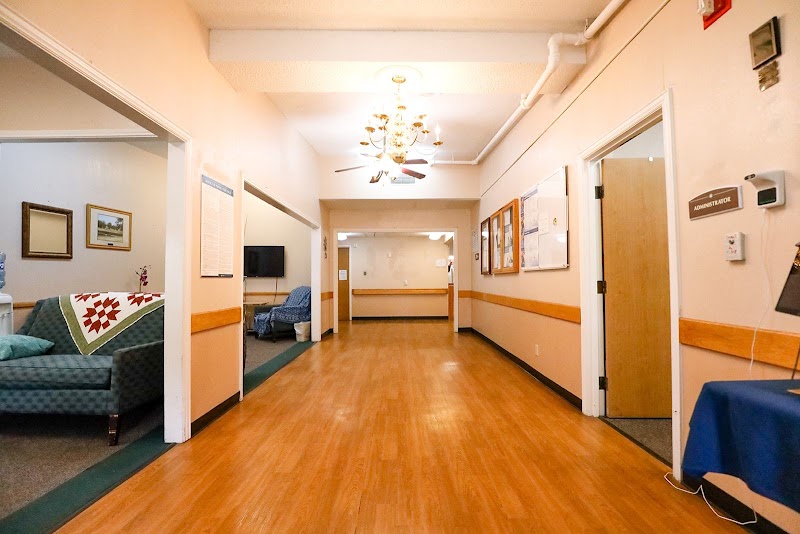
How is Oak Manor Nursing Center Staffed?
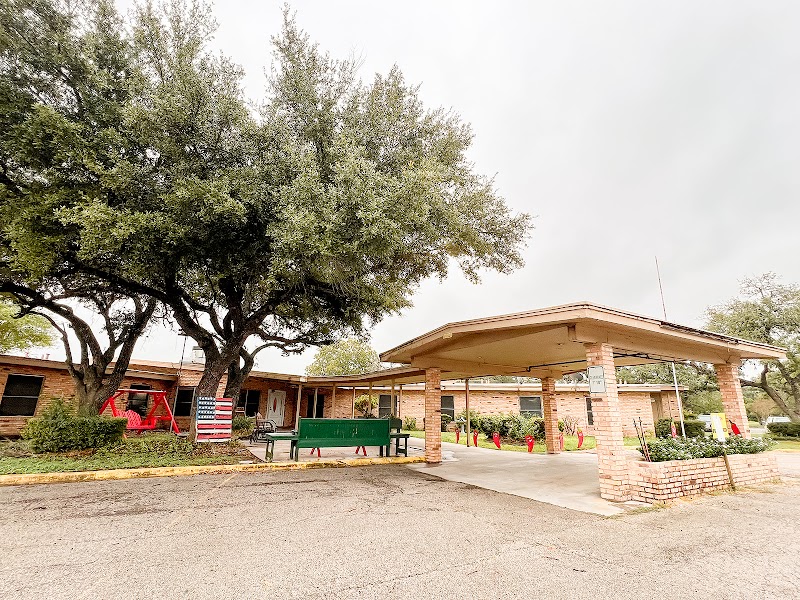
CMS rates Oak Manor Nursing Center's staffing level at 4 out of 5 stars, which is above average compared to other nursing homes. Staff turnover is 37%, compared to the Texas average of 46%. This relatively stable workforce can support continuity of care.

What Have Inspectors Found at Oak Manor Nursing Center?

State health inspectors documented 18 deficiencies at Oak Manor Nursing Center during 2022 to 2025. These included: 1 Immediate Jeopardy (the most serious level, indicating potential for serious harm or death), 2 that caused actual resident harm, 14 with potential for harm, and 1 minor or isolated issues. Immediate Jeopardy findings are rare and represent the most serious regulatory concerns. They require immediate corrective action.

Who Owns and Operates Oak Manor Nursing Center?

Oak Manor Nursing Center is owned by a for-profit company. For-profit facilities operate as businesses with obligations to shareholders or private owners. The facility is operated by NEXION HEALTH, a chain that manages multiple nursing homes. With 70 certified beds and approximately 47 residents (about 67% occupancy), it is a smaller facility located in Flatonia, Texas.

How Does Oak Manor Nursing Center Compare to Other Texas Nursing Homes?

Compared to the 100 nursing homes in Texas, Oak Manor Nursing Center's overall rating (3 stars) is above the state average of 2.8, staff turnover (37%) is near the state average of 46%, and health inspection rating (2 stars) is below the national benchmark.

What Should Families Ask When Visiting Oak Manor Nursing Center?

Based on this facility's data, families visiting should ask: "What changes have been made since the serious inspection findings, and how are you preventing similar issues?" "What safeguards and monitoring systems are in place to protect residents from abuse or neglect?" "Can I visit during a mealtime to observe dining assistance and food quality?" "How do you handle medical emergencies, and what is your hospital transfer rate?" These questions are particularly relevant given the facility's Immediate Jeopardy citations and the substantiated abuse finding on record.

Is Oak Manor Nursing Center Safe?

Based on CMS inspection data, Oak Manor Nursing Center has documented safety concerns. The facility has 1 substantiated abuse finding (meaning confirmed case of resident harm by staff or other residents). Inspectors have issued 1 Immediate Jeopardy citation (the most serious violation level indicating risk of serious injury or death). The facility has a 3-star overall rating and ranks #1 of 100 nursing homes in Texas. Families considering this facility should ask detailed questions about what corrective actions have been taken since these incidents.

Do Nurses at Oak Manor Nursing Center Stick Around?

Oak Manor Nursing Center has a staff turnover rate of 37%, which is about average for Texas nursing homes (state average: 46%). Moderate turnover is common in nursing homes, but families should still ask about staff tenure and how the facility maintains care continuity when employees leave.

Was Oak Manor Nursing Center Ever Fined?

Oak Manor Nursing Center has been fined $31,510 across 3 penalty actions. This is below the Texas average of $33,394. While any fine indicates a compliance issue, fines under $50,000 are relatively common and typically reflect isolated problems that were subsequently corrected. Families should ask what specific issues led to these fines and confirm they've been resolved.

Is Oak Manor Nursing Center on Any Federal Watch List?

Oak Manor Nursing Center is not on any federal watch list. The most significant is the Special Focus Facility (SFF) program, which identifies the bottom 1% of nursing homes nationally based on persistent, serious quality problems. Not being on this list means the facility has avoided the pattern of deficiencies that triggers enhanced federal oversight. This is a positive indicator, though families should still review the facility's inspection history directly.