HARMONY CARE AT FLORESVILLE
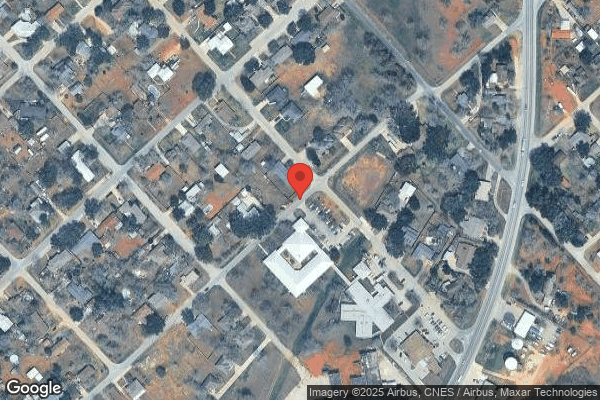
1811 SIXTH ST, FLORESVILLE, TX 78114 (830) 393-2561
For profit - Corporation 144 Beds HARMONY CARE GROUP Data: November 2025 2 Immediate Jeopardy citations
Trust Grade
1/100
#1000 of 1168 in TX
Last Inspection: March 2025

Within standard 12-15 month inspection cycle. Federal law requires annual inspections.

Overview

Harmony Care at Floresville has received a Trust Grade of F, indicating significant concerns about the quality of care provided. It ranks #1000 out of 1168 nursing homes in Texas, placing it in the bottom half of facilities in the state, and is the lowest-ranked option in Wilson County. The facility is showing some improvement, with a reduction in issues from 17 in 2024 to 15 in 2025, although the overall situation remains serious. Staffing is a mixed bag; while turnover is notably low at 0%, the facility has received poor ratings for staffing and less RN coverage than 90% of Texas facilities, which may affect the quality of care. There have been critical incidents, such as a resident suffering a fracture due to improper transfer by staff and two residents with dementia and Alzheimer's eloping from the facility due to inadequate supervision. Overall, families should weigh these serious deficiencies against the low staff turnover and improvement trends when considering this nursing home.

Trust Score
F
1/100
In Texas
#1000/1168
Bottom 15%
Safety Record
High Risk
Review needed
Inspections
Getting Better
17 → 15 violations
Staff Stability
○ Average
Turnover data not reported for this facility.
Penalties
✓ Good
$133,743 in fines. Lower than most Texas facilities. Relatively clean record.
Skilled Nurses
⚠ Watch
Each resident gets only 11 minutes of Registered Nurse (RN) attention daily — below average for Texas. Fewer RN minutes means fewer trained eyes watching for problems.
Violations
⚠ Watch
49 deficiencies on record. Higher than average. Multiple issues found across inspections.
★☆☆☆☆
1.0
Overall Rating
★☆☆☆☆
1.0
Staff Levels
★★☆☆☆
2.0
Care Quality
★★☆☆☆
2.0
Inspection Score
Stable
2024: 17 issues
2025: 15 issues

The Good

  • Full Sprinkler Coverage · Fire safety systems throughout facility
  • No fines on record

Facility shows strength in fire safety.

The Bad

1-Star Overall Rating

Below Texas average (2.8)

Significant quality concerns identified by CMS

Federal Fines: $133,743

Well above median ($33,413)

Significant penalties indicating serious issues

Chain: HARMONY CARE GROUP

Part of a multi-facility chain

Ask about local staffing decisions and management

The Ugly 49 deficiencies on record

2 life-threatening
Sept 2025 1 deficiency
CONCERN (D) 📢 Someone Reported This

A family member, employee, or ombudsman was alarmed enough to file a formal complaint

Potential for Harm - no one hurt, but risky conditions existed

Deficiency F0802 (Tag F0802)

Could have caused harm · This affected 1 resident

Based on observation, interview, and record review, the facility failed to provide sufficient support personnel to safely and effectively carry out the functions of the food and nutrition service for ...

Read full inspector narrative →
Based on observation, interview, and record review, the facility failed to provide sufficient support personnel to safely and effectively carry out the functions of the food and nutrition service for 1 of 1 kitchen reviewed for staffing. The facility failed to employ sufficient staff to prepare resident meals resulting in meals not served according to the posted start times for dinner on 9/10/25 and lunch on 9/11/25. This failure could put residents at risk for altered nutritional status and/or weight loss. Findings included: Record review of facility posting Meal Times on 9/10/25, revealed: .Lunch Starts @ 11:00 am Dinner Starts @ 5:00 pm. Record review of facility's grievance logs revealed: 6/10/25 Food was cold 7/15/25 Cold Food Record review of Resident Council Meeting minutes revealed: 5/12/25 .Cold Food.Lunch, Breakfast, Dinner, Always late being served. 6/10/25 .food is cold sometimes. 7/14/25 .food is cold at breakfast. During an interview on 9/10/25 at 2:58 pm, the DM said there was one cook and two dietary aides working (one in each building). The DM further stated the dinner meal was scheduled at 5:00 pm and nurses arrived at the kitchen at 5:00 pm to start distributing meals. At 5:16 pm, [NAME] A was observed serving the first plate. Observation on 9/10/25 beginning at 4:58 pm revealed a nurse arrive at 5:00 pm to the kitchen in the south building to pick up meal trays. At 5:07 pm, a resident was observed pointing out to the state investigator the mealtimes posted outside the kitchen door. At 5:22 pm, the same resident said dinner was late every day. At 5:24 pm, another resident said dinner had been served about 5:15 pm, adding we all want our food at 5 [PM]. At 5:26 pm, another resident said meals were always late and the food had not really been that hot. Further observation revealed meal trays were still being placed on the meal cart at 5:27 pm. Observation on 9/11/25 beginning at 10:54 am revealed [NAME] B preparing the meal service area in the south building. At 11:26 am the first tray was placed on the meal cart. At 11:34 am a resident in the south dining room said she was hungry. At 11:35 am meal trays were delivered to the memory care unit, 35 minutes after scheduled starting time, a resident said I'm very, very, very hungry. Please, I'm very, very, very hungry. At 11:37 am, the same resident said Give me something to eat, please. I'm very hungry, give me something to eat, I need something to eat. At 11:45 am, the meal cart arrived to the 100 hall for residents eating in their rooms, 45 minutes after scheduled starting time. At 11:50 am the meal cart was delivered to the 200 hall, 50 minutes after the scheduled start time and at 11:52 am the meal cart was delivered to the 400 hall, 52 minutes after scheduled start time. At 12:01 pm the first tray was delivered to the dining room, over 1 hour after scheduled start time. At 12:06 pm, meal trays were being delivered on the 600 hall. Observation on 9/11/25 at 12:14 pm, the state investigator received a test tray. The meal received consisted of meatloaf, scalloped potatoes, and carrots. The food looked appealing and was palatable; however, the carrots and meatloaf were at room temperature. During an interview on 9/11/25 at 2:44 pm, a resident said that the meals were normally late. During an interview on 9/11/25 at 3:14 pm, CNA A said the food was usually late. CNA A further stated the residents did complain that the meals were cold or late. During an interview on 9/12/25 at 1:51 pm, a resident said that the food was sometimes cold, and it arrived late pretty often. During an interview on 9/12/25 at 1:59 pm, RN B said she did not know how often meals were served late but knew that breakfast was scheduled for 7:00 am and lunch started at 11:00 am. RN B further stated that staff started preparing trays until 11:00 am for lunch. RN B said she had helped with tray preparation by adding condiments to the meal trays because the facility was short-staffed. During an interview on 9/12/25 at 2:21 pm, [NAME] B said breakfast was scheduled at 7:00 am, lunch at 11:00 am, and dinner at 5:00 pm. [NAME] B said he considered 10-20 minutes beyond the scheduled meal time late service. [NAME] B further stated residents may be affected by late meal service because they may get upset or frustrated because they were hungry. [NAME] B said he did not know why lunch was served late on 9/11/25. [NAME] B further stated he thought he was on time because he could not look at his phone when in the kitchen. [NAME] B said there was a clock in the kitchen that was 2 minutes behind. During an interview on 9/12/25 at 3:18 pm, the DM said meals were scheduled for 7:00 am, 11:00 am, and 5:00 pm. The DM said he currently helped the kitchen staff with meals to ensure they were served on time. The DM said he had received grievances in the past about the food being cold. The DM further stated he considered late service 5 minutes after the posted meal service time. The DM said late meal service may affect residents, especially those that took medications with meals. The DM said meals were served late every time [NAME] A was working but did not know why. The DM further stated he did not know why dinner was served late on 9/10/25 and lunch service was late on 9/11/25 due to the meatloaf not being the correct temperature. During an interview on 9/12/25 at 3:50 pm, the Administrator said the facility had one hour to serve meals and they were typically not late. the Administrator further stated that on 9/11/25 the meatloaf was not fully cooked at service time. The Administrator said late meal service may affect the residents by having to wait for the meal, they might be really hungry. Record review of facility's policy titled, The Dining Experience: Staff Responsibilities dated 2023, revealed: Policy: The dining experience will enhance each individual's quality of life through person-centered dining.3. The director of food and nutrition services will perform meal rounds routinely to determine if the meals are timely.
Mar 2025 9 deficiencies
CONCERN (D)

Potential for Harm - no one hurt, but risky conditions existed

Deficiency F0578 (Tag F0578)

Could have caused harm · This affected 1 resident

**NOTE- TERMS IN BRACKETS HAVE BEEN EDITED TO PROTECT CONFIDENTIALITY** Based on interview and record review, the facility failed to ensure residents' right to formulate an advance directive for 2 of ...

Read full inspector narrative →
**NOTE- TERMS IN BRACKETS HAVE BEEN EDITED TO PROTECT CONFIDENTIALITY** Based on interview and record review, the facility failed to ensure residents' right to formulate an advance directive for 2 of 20 residents (Resident #20 and #62) reviewed for advanced directives, in that: 1. Resident #20's DNR was not signed twice by the physician. 2. Resident #62's DNR was not signed twice by the physician. These deficient practices could place residents at-risk of having their end of life wishes dishonored, and of having CPR performed against their wishes. The findings were: 1. Record review of Resident #20's face sheet, dated [DATE], revealed the resident was admitted to the facility on [DATE] with diagnoses including: fibromyalgia (long-term condition that involves widespread body pain and tiredness), hypothyroidism (condition in which thyroid gland does not produce enough thyroid hormone), and Covid-19. Further review of Resident #20's facesheet revealed, Advance Directive: DNR. Record review of Resident #20's annual MDS, dated [DATE], revealed a BIMS score of 15 which indicated intact cognition. Record review of Resident #20's care plan, updated [DATE], revealed, Advance Directive: DNR. Record review of Resident #20's physician orders revealed an order dated [DATE], DNR. Record review of Resident #20's OOH-DNR form revealed it had been signed twice by the resident and two witnesses, but only signed once by the physician. Further review revealed the physician's signature was missing from the bottom of the form which instructions read All persons who have signed above must sign below, acknowledging that this document has been properly completed. 2. Record review of Resident #62's face sheet, dated [DATE] revealed an admission date of [DATE] with re-admission on [DATE] and diagnoses which included: Chronic Obstructive Pulmonary Disease with acute Exacerbation (COPD) (a sudden worsening of respiratory symptoms in COPD which is a lung disease that blocks airflow and makes it difficult to breathe); Acute Respiratory Failure; Vascular Dementia (Problems with memory, reasoning, judgement and other though processes caused by brain damage from impaired blood flow to brain). Record review of Resident #62's Quarterly MDS assessment dated [DATE] revealed a BIMS score of 15 indicating intact cognition. Record review of Resident #62's Care Plan revised [DATE] revealed a focus area for code status of DNR, and included intervention to Make sure code status is signed by appropriate parties and in the medical record Record review of Resident #62's Order Summary Report dated [DATE] revealed order for DNR - No CPR dated [DATE]. Record review of Resident #62's OOH-DNR revealed the resident signed the form on [DATE], the two witnesses signed the DNR form on [DATE], and the Physician signed the Physician statement on [DATE], but on the bottom of the form which reads All persons who have signed above must sign below, acknowledging that this document has been properly completed the Physician's signature is missing. During an interview with the Social Work Designee on [DATE] at 12:27 p.m., the Social Work Designee confirmed Resident #20's DNR was not signed twice by the physician and confirmed Resident #62's DNR was not signed twice by the physician. The Social Work Designee further confirmed that the missing signatures invalidated the documents and could result in the residents' end of life wishes being dishonored. Review of the facility policy, DNR, undated, revealed, While we are awaiting all the signature requirements for the OOH DNR . Review of the Texas Department of State Health Services (DSHS) website at https://www.dshs.texas.gov/sites/default/files revealed Health professionals can refuse to honor a DNR if they think: The form is not signed twice by all who need to sign it or is filled out incorrectly.
CONCERN (D)

Potential for Harm - no one hurt, but risky conditions existed

Assessment Accuracy (Tag F0641)

Could have caused harm · This affected 1 resident

**NOTE- TERMS IN BRACKETS HAVE BEEN EDITED TO PROTECT CONFIDENTIALITY** Based on interview and record review, the facility failed to ensure the assessment accurately reflected the resident's status fo...

Read full inspector narrative →
**NOTE- TERMS IN BRACKETS HAVE BEEN EDITED TO PROTECT CONFIDENTIALITY** Based on interview and record review, the facility failed to ensure the assessment accurately reflected the resident's status for 1 of 6 residents (Resident #42) whose assessments were reviewed, in that: Resident #42's quarterly MDS assessment incorrectly documented the resident as not receiving an antipsychotic medication. This failure could place residents at-risk for inadequate care due to inaccurate assessments. The findings were: Record review of Resident #42's face sheet, dated 03/19/2025, revealed an admission date of 02/15/2021 and, a readmission date of 08/09/2023 with diagnoses that included: Hemiplegia (Paralysis of one side of the body), Type 2 diabetes mellitus (high level of sugar in the blood), Hyperlipidemia (Elevated level of any or all lipids(fat) in the blood), Bipolar disorder (Mental disorder characterized by periods of depression and periods of abnormally elevated mood) and Anxiety disorder (A group of mental illnesses that cause constant fear and worry). Record review of Resident #42's Physician orders and Medication administration record for February 2025 revealed an order for: Seroquel (an antipsychotic) Oral Tablet 200 MG(Quetiapine Fumarate) Give 1 tablet by mouth two times a day related to Bipolar Disorder. Resident #42 had received Seroquel in the month of February 2025. Record review of Resident #42's Quarterly MDS, dated [DATE], revealed the assessment indicated Resident #42 did not receive an antipsychotic. During an interview with the MDS coordinator on 03/21/2025 at 1:21 p.m., the MDS coordinator verbally confirmed Resident #42's quarterly MDS was coded as the resident not receiving an antipsychotic when Resident #42 had received Seroquel (an antipsychotic). The MDS coordinator revealed she did not know why the Seroquel was not coded as an antipsychotic. She verbally confirmed Seroquel was an antipsychotic and should have been coded as an antipsychotic. The MDS coordinator revealed the RAI was used as reference for the MDS and she had access electronically to the RAI on her computer. Record review of, Long-Term Care Facility Resident Assessment Instrument 3.0 User's Manual,Version 1.18.11, October 2023, revealed, N0415A1. Antipsychotic: Check if an antipsychotic medication was taken by the resident at any time during the 7-day look-back period (or since admission/entry or reentry if less than 7 days)).
CONCERN (D)

Potential for Harm - no one hurt, but risky conditions existed

Deficiency F0655 (Tag F0655)

Could have caused harm · This affected 1 resident

**NOTE- TERMS IN BRACKETS HAVE BEEN EDITED TO PROTECT CONFIDENTIALITY** Based on observation, interview and record review the facility failed to develop and implement a baseline care plan for each res...

Read full inspector narrative →
**NOTE- TERMS IN BRACKETS HAVE BEEN EDITED TO PROTECT CONFIDENTIALITY** Based on observation, interview and record review the facility failed to develop and implement a baseline care plan for each resident that includes the instructions needed to provide effective and person-centered care of the resident that meet professional standards of quality care for 2 (Residents #188 and #195) of 8 residents reviewed for baseline care plans. 1. The facility failed to include Resident #188's risk for falls and epilepsy in his baseline care plan. 2. The facility failed to include Resident #195's oxygen therapy and wound care in his baseline care plan This failure could result in residents not receiving needed care and treatment. Findings Included: 1. Record review of Resident #188's face sheet dated 03/21/2025 revealed he was a [AGE] year-old man who was admitted to facility on 03/06/2025 with diagnoses which included: Epilepsy (a disorder where nerve cell activity in brain is disturbed causing seizures); alcoholic cirrhosis of liver (chronic liver damage leading the scarring and liver failure) and muscle weakness. Observation on 03/18/2025 at 09:42 a.m. in Hall 600, revealed a female resident coming into the hallway, yelling he fell, and pointing to Resident #188's room. Resident #188 was observed to be sitting on the floor next to his bed resting against the wall, with his wheelchair next to him. Facility staff immediately went to assess. Interview with Resident #188 on 03/18/2025 at 10:08 a.m. revealed that he stated that he fell because he had the wheels on his wheelchair turned wrong, but stated he had locked the brakes and can transfer himself to his wheelchair. He stated he did not use the call light for help because he can transfer by himself. Resident #188 stated that this was his second fall since he arrived at the facility, noting the first time he fell he got caught up in the leg supports of the wheelchair and fell. He stated they did x-rays and nothing was broken. Resident #188 stated he gets seizures sometimes, but that was not why he fell. Resident #188 stated after his first fall they moved his bed, started him on physical therapy and asked him to use his call light. Record review of Resident #188's 5-day MDS assessment dated [DATE] revealed a BIMS score of 14, indicating intact cognition and was assessed as needing partial/moderate assistance (helper does less than half the effort, helping to lift, hold or support trunk or limbs) for transfers and sit to stand. Record review of Resident #188's Care Plan initiated 03/11/2025 revealed there were no focus or problem areas that addressed his risk for falls, actual falls or epilepsy. Record review of the facility incident log revealed Resident #188 had a witnessed fall on 03/08/2025 and an unwitnessed fall on 03/18/2025. Interview on 03/21/2025 at 1:31 p.m. with the MDS Coordinator revealed that she was responsible for completing the initial, quarterly and annual Care Plans, but Nurse management, the DON, was responsible for revising the Care Plan for acute changes, such as falls or changes in health. The MDS Coordinator stated that Resident #188's falls and epilepsy should have been addressed in his Care Plan so that all staff had information on his care, and to coordinate his care. During an interview with ADON-E on 03/21/2025 at 2:11 p.m., ADON-E stated that all resident falls were reviewed and discussed by the team in morning meetings, and remembered Resident #188's falls were discussed by the team, and that they had agreed to have him evaluated by physical therapy, educated him on using his call light to ask for help, to make sure his call light was always in reach, and to provide him with non-slip socks. ADON-E further stated that his risk for falls and actual falls should have been addressed in his Care Plan. She noted that although his baseline care plan was completed before his first fall, it should have been revised to reflect his falls and epilepsy, to reflect changes that occurred prior to the development of his Comprehensive Care Plan. ADON-E stated that the DON was responsible for revising Care Plans for acute changes such as falls, however she noted the DON had just resigned the day before. ADON-E stated that not revising the Care Plan could result in residents not receiving the best possible care. 2. Record review of Resident #195's face sheet dated 03/18/2025 revealed a 77- year- old man admitted to the facility on [DATE] with diagnoses which included: Congestive Heart Failure (a chronic condition in which the heart doesn't pump blood as well as it should); and COPD (Chronic Obstructive Pulmonary Disease; a chronic inflammatory lung disease that causes obstruction of airflow to the lungs with symptoms that include shortness of breath, chronic cough, wheezing and excess mucus production Record review of Resident #195's EHR revealed his admission MDS assessment was still in progress. Record review of Resident #195's Order Summary dated 03/18/2025 revealed orders including: -May use oxygen @2L per NC to maintain sats >90% as needed -Left buttock: Cleanse with dakin's [a wound care solution used to kill bacteria in and on the wound without damaging healing skin], pat dry, skin prep to peri-wound, apply hydrofera blue [an antibacterial wound care dressing], cover with hydrocolloid dressing [type of bandage that protects and promotes wound healing] every day shift every Tues, Thu, Sat - Right buttock: Cleanse with dakin's, pat dry, skin prep to peri-wound, apply hydrofera blue, cover with hydrocolloid dressing. every day shift every Tue, Thu, Sat Record review of Resident #195's Care Plan initiated 3/18/2025 revealed there was only one focus area RESISTANT TO CARE, in which oxygen therapy and wound care were mentioned, but only to the extent that he has a history of refusing wound care and refusing to allow staff to change his oxygen tubing. There were no focus areas regarding his need for oxygen therapy and skin impairment, to include interventions specifically addressing those areas of need. Observation on 03/18/2025 at 11:12 a.m., during initial tour revealed Resident #195 lying in his bed, receiving oxygen via nasal cannula set at 2L. There was no date written on the tubing or humidifier container. Further observation revealed there was a used humidifier bottle with a small amount of water left inside and connected tubing and nasal cannula sitting out on Resident #195's chest of drawers, with the tubing hanging down towards the floor. Interview with LVN-G on 03/18/2025 at 11:22 a.m. revealed Resident #195 had only been at the facility a few weeks, but she stated that he has used oxygen therapy since he arrived and is often resistant to his oxygen tubing and humidifier bottle being changed out and removed from his room. LVN-G further stated Resident #195 was usually compliant with using the oxygen, he just didn't want anything removed from his room. During an interview with the MDS Coordinator on 03/21/2025 at 1:31 p.m., the MDS Coordinator stated Resident #195's Baseline Care Plan was completed within 48-hours and could be found under the assessment tab in EHR, but also stated his Baseline Care Plan did not include his use of oxygen or need for wound care, and stated these needs should have been included in his Baseline Care Plan. The MDS Coordinator stated she did not know how it was missed, but not having these needs addressed in his Care Plan could result in him not having all his minimum health care needs being addressed. Record review of facility policy titled Care Plans-Baseline (undated) revealed The Interdisciplinary Team will review the healthcare practitioner's orders (e.g., dietary needs, medications, routine treatment, etc.) and implement a baseline care plan to meet the resident's immediate care needs including but not limited to: a. Initial goals based on admission orders; b. Physician Orders; c. Dietary orders; d. Therapy services, e. Social services .
CONCERN (D)

Potential for Harm - no one hurt, but risky conditions existed

Comprehensive Care Plan (Tag F0656)

Could have caused harm · This affected 1 resident

**NOTE- TERMS IN BRACKETS HAVE BEEN EDITED TO PROTECT CONFIDENTIALITY** Based on observation, interview, and record review, the facility failed to develop and implement a comprehensive person-centered...

Read full inspector narrative →
**NOTE- TERMS IN BRACKETS HAVE BEEN EDITED TO PROTECT CONFIDENTIALITY** Based on observation, interview, and record review, the facility failed to develop and implement a comprehensive person-centered care plan for each resident, consistent with resident rights, that includes measurable objectives and time frames to a meet resident's medical, nursing, mental, and psychosocial needs for 1 of 6 residents (Resident #36) reviewed for care plans, in that: The facility failed to develop a comprehensive person-centered care plan to address Resident #36's indwelling catheter care requirements. This deficient practices could affect residents who require an indwelling catheter by not having their needs met and putting them at risk of being inappropriately cared for. The finding were: Record review of Resident #36's face sheet, dated 03/21/2025, revealed the resident was admitted to the facility on [DATE] and, readmitted [DATE] with diagnoses that included: Dementia (decline in cognitive abilities), Anxiety disorder (A group of mental illnesses that cause constant fear and worry), Major depressive disorder (mental disorder characterized by at least two weeks of pervasive low mood, low self-esteem, and loss of interest or pleasure), Hypertension (High blood pressure). Record review of Resident #36's Significant change MDS, dated [DATE], revealed the resident had memory problem and was severely cognitively impaired. The resident required total care with his activities of daily living. Further review revealed Resident #36 was coded as having an indwelling catheter and was always incontinent of bowel. Record review of Resident #36's Care Plan, revised 03/18/2025, revealed the resident was not care planned for indwelling catheter care. Observation on 03/21/2025 at 12:01 p.m. revealed Resident #36 had an indwelling catheter. During an interview with the MDS coordinator on 03/21/2025 at 1:21 p.m., The MDS coordinator confirmed Resident #36 had an indwelling catheter and should have been care planned for indwelling catheter care. She revealed not care planning the indwelling catheter could cause the resident to not receive the care she needed. Record review of the facility's policy titled, Care plan, comprehensive person-centered undated, revealed, A comprehensive, person centered care plan that includes measurable objective and timetable to meet the resident's physical, psychosocial and functional needs is developed and implemented for each resident. [ .] The care plan interventions are derived from a thorough analysis of the information gathered as part of the comprehensive assessment.
CONCERN (D)

Potential for Harm - no one hurt, but risky conditions existed

Respiratory Care (Tag F0695)

Could have caused harm · This affected 1 resident

**NOTE- TERMS IN BRACKETS HAVE BEEN EDITED TO PROTECT CONFIDENTIALITY** Based on observation, interview, and record review, the facility failed to ensure that residents who need respiratory care were ...

Read full inspector narrative →
**NOTE- TERMS IN BRACKETS HAVE BEEN EDITED TO PROTECT CONFIDENTIALITY** Based on observation, interview, and record review, the facility failed to ensure that residents who need respiratory care were provided such care consistent with professional standards of practice for 1 (Resident #195) of 3 residents reviewed for respiratory care. The facility failed to ensure Resident #195's used oxygen tubing and nasal cannula were disposed of and not left in the resident's room. This failure could place residents on respiratory therapy at risk for respiratory compromise and infection. Findings included: Record review of Resident #195's face sheet dated 03/18/2025 revealed a [AGE] year old man admitted to the facility on [DATE] with diagnoses which included: Congestive Heart Failure (a chronic condition in which the heart doesn't pump blood as well as it should); and COPD (Chronic Obstructive Pulmonary Disease; a chronic inflammatory lung disease that causes obstruction of airflow to the lungs with symptoms that include shortness of breath, chronic cough, wheezing and excess mucus production Record review of Resident #195's admission MDS assessment dated [DATE] revealed a BIMS score of 10 indicating moderate cognitive impairment. Record review of Resident #195's Order Summary dated 03/18/2025 revealed orders including: -Change O2 tubing and humidifier PRN excessive soiling and weekly every night shift every Sun; and -May use oxygen @2L per NC to maintain sats >90% as needed Observation on 03/18/2025 at 11:12 a.m., during initial tour revealed Resident #195 lying in his bed, receiving oxygen via nasal cannula set at 2L. Further observation revealed there was a used humidifier bottle with a small amount of water left inside and connected tubing and nasal cannula sitting out on Resident #195's chest of drawers, with the tubing hanging down towards the floor. During an interview and observation with LVN-G on 03/18/2025 at 11:22 a.m., LVN-G stated that oxygen tubing and humidifier bottles should be changed once a week by night shift Nurses. If tubing and humidifier bottles are not changed regularly it could cause infection. LVN-G also stated that the used oxygen tubing and humidifier bottle should not have been left in Resident #195's room, as it could be a source of infection, but she noted Resident #195 will often become upset when staff try to remove equipment from his room. LVN-G attempted to remove the used oxygen tubing and humidifier bottle from the top of his chest of drawers, but Resident #195 became verbally upset, telling her not to take those items, they belonged to him. Interview with the DON on 03/20/2025 at 2:31p.m. revealed that oxygen tubing and humidifier bottles should be changed weekly and when needed, She stated not changing the tubing and humidifier bottle and properly disposing of the used oxygen tubing and humidifier bottle could result in growth of organisms and risk for infection. Record review of the facility policy titled Oxygen Administration revised 02/13/2007 revealed under the Goals section The resident will be free from infection. Further review revealed Change the tubing (including any nasal prongs or mask) that is in use on one patient when it malfunctions or becomes visibly contaminated.
CONCERN (D)

Potential for Harm - no one hurt, but risky conditions existed

Deficiency F0761 (Tag F0761)

Could have caused harm · This affected 1 resident

**NOTE- TERMS IN BRACKETS HAVE BEEN EDITED TO PROTECT CONFIDENTIALITY** Based on observation, interview and record review, the facility failed to ensure all drugs and biologicals were stored in locked...

Read full inspector narrative →
**NOTE- TERMS IN BRACKETS HAVE BEEN EDITED TO PROTECT CONFIDENTIALITY** Based on observation, interview and record review, the facility failed to ensure all drugs and biologicals were stored in locked compartments and permit only authorized personnel to have access to the keys for 1 (Resident #195) of 8 residents reviewed for Medication storage. 1. The facility failed to ensure Resident #195 did not have a jar of mentholated ointment (a topical analgesic and decongestant) at the bedside. This deficient practice could place residents at risk of medication misuse or drug diversion. The findings included: 1. Record review of Resident #195's face sheet dated 03/18/2025 revealed a [AGE] year old man admitted to the facility on [DATE] with diagnoses which included: Congestive Heart Failure (a chronic condition in which the heart doesn't pump blood as well as it should); and COPD (Chronic Obstructive Pulmonary Disease; a chronic inflammatory lung disease that causes obstruction of airflow to the lungs with symptoms that include shortness of breath, chronic cough, wheezing and excess mucus production. Record review of Resident #195's admission MDS assessment dated [DATE] revealed a BIMS score of 10 indicating moderate cognitive impairment. Record review of Resident #195's Order Summary dated 03/18/2025 revealed there was no order for mentholated ointment and no order stating he could self-medicate. Record review of Resident #195's Care Plan revealed no indication regarding his ability to self-administer his medications. Observation on 03/18/2025 at 11:12 a.m., during initial tour revealed Resident #195, was lying in his bed with a small jar of mentholated ointment in plain view on the resident's pillow. During an observation of Resident #195's room and interview with LVN-G on 03/18/2025 at 11:22 a.m., the jar of mentholated ointment was now in plain sight on Resident #195's bedside table. LVN-G stated that the jar of mentholated ointment should not be on Resident #195's bedside table or pillow, that he was not assessed as being able to self-medicate and the mentholated ointment was not one of his prescribed medications. LVN-G stated she had not seen the mentholated ointment in his room before and did not know where he had obtained it, but stated if it was left out, then either Resident #195 could possibly misuse it by placing it in his eyes or eating it, or another resident could walk by and take it. During an interview with the DON on 03/20/2025 at 2:31p.m., the DON stated that medicated over-the -counter medications should not be left out unsecured where residents could access them, as this could result in Resident #195 possibly misusing the medication or other residents accessing it. The DON stated this was not one of his prescribed medications and did not know how he had gained access to it, possibly his family brought it to him. Record review of the facility policy titled Storage of Medications (undated) revealed The facility shall store all drugs and biologicals in a safe, secure, and orderly manner.
CONCERN (D)

Potential for Harm - no one hurt, but risky conditions existed

Food Safety (Tag F0812)

Could have caused harm · This affected 1 resident

Based on observation and interview, the facility failed to store, prepare, distribute, and serve food in accordance with professional standards for food service safety for 1 of 1 kitchen reviewed, in ...

Read full inspector narrative →
Based on observation and interview, the facility failed to store, prepare, distribute, and serve food in accordance with professional standards for food service safety for 1 of 1 kitchen reviewed, in that: 1. Access to the handwashing sink was blocked by two rolling carts. 2. There was a sand-like substance on top of the dish sanitizing machine. These deficient practices could result in residents consuming meals and/or snacks prepared in an unsanitary manner. The findings were: Observation on 03/18/2025 at 10:25 a.m. revealed that the hand-washing sink in the kitchen was blocked by a rolling cart with plate covers in front of the sink and a rolling cart with food trays next to it. During an interview with the Dietary Manager on 03/18/2025 at 10:27 a.m., the Dietary Manager stated the rolling carts should not have been stored in a manner which blocked access to the handwashing sink. The Dietary Manager further stated that kitchen staff moved the carts prior to washing their hands, and then put the carts back in front of and beside the sink. Observation on 03/21/2025 at 10:28 a.m., revealed the presence of numerous sand-like particles on top of the dish sanitizer machine. Further observation revealed the machine was accessed via a side cover which slid up and down and came into contact with the sand-like particles and could potentially cause the particles to come into contact with dishes and utensils utilized to prepare and serve meals and snacks for residents. During an interview with the Dietary Manager on 03/21/2025 at 10:28 a.m., the Dietary Manager confirmed the presence of numerous sand-like particles on top of the dish sanitizer machine, and confirmed the particles could potentially come into contact with dishes and utensils utilized to prepare and serve meals and snacks for residents. During an interview with the Administrator on 03/21/2025 at 2:50 p.m., the Administrator stated the facility did not have a policy regarding Dietary Services.
CONCERN (E)

Potential for Harm - no one hurt, but risky conditions existed

Infection Control (Tag F0880)

Could have caused harm · This affected multiple residents

**NOTE- TERMS IN BRACKETS HAVE BEEN EDITED TO PROTECT CONFIDENTIALITY** Based on observation, interview, and record review, the facility failed to maintain an infection prevention and control program ...

Read full inspector narrative →
**NOTE- TERMS IN BRACKETS HAVE BEEN EDITED TO PROTECT CONFIDENTIALITY** Based on observation, interview, and record review, the facility failed to maintain an infection prevention and control program designed to provide a safe, sanitary, and comfortable environment and to help prevent the development and transmission of communicable disease and infection for 7 of 21 residents (Residents #12, #35, #70, #39, #80, #190 and, #198) reviewed for infection control: 1. The facility failed to ensure CNA-D sanitized her hands in between feeding and assisting Residents #35, # 39 and #70 with their meal on 03/18/2025. 2. The facility failed to ensure RN-E followed EBP when administering G-tube medication to Resident #190 on 03/19/2025. 3. The facility failed to ensure MA-F sanitized the blood pressure cuff in between use with Residents #80 and #12 on 03/20/2025. 4. a. The facility failed to ensure CNA A washed or sanitized her hands, before touching resident #198's clean brief and after touching the soiled resident's brief. b. The facility failed to ensure EBP were implemented or used while CNA A and CNA B provided high-contact resident activities, including: catheter care for Resident #198. These failures could place residents at-risk for infection due to improper care practices. The findings included: 1. Observation on 03/18/2025 at 11:40 a.m. in the South Building dining room revealed CNA-D feeding Resident #35 on one side of the dining table, occasionally using the edge of Resident #35's clothing protector to wipe her mouth and bringing her cup to her mouth to assist with drinking. Further observation revealed that in-between feeding Resident #35, CNA-D assisted Resident #70 who was seated immediately to her left at the end of the table, by removing her used food bowls handing her a spoon, putting sugar in her tea and stirring the tea. Then midway through the meal, without sanitizing her hands prior, CNA-D was observed to move her chair to sit next to Resident #39, who was sitting across the table to assist Resident #39 with setting up her utensils and scooping her food. After assisting Resident #39 with set-up and observing that she was scooping her food on her own, CNA-D moved her chair back to sit next to Resident #35, again without sanitizing her hands to finish feeding her the remainder of her meal. Interview on 03/18/2025 at 12:14 p.m. with CNA-D revealed she was agency staff and this was her first day working at the facility. CNA-D stated she had received training in infection control both when she was studying to become a CNA and when she started working for the agency. CNA-D stated she knew she was supposed to sanitize her hands in between working with each resident, but did not have any sanitizer readily available, and stated she should probably carry a bottle of sanitizer with her in her pocket. CNA-D stated that by not sanitizing her hands in between working with each resident, she could spread germs from one resident to the next. During an interview with the DON on 3/20/2025 at 2:40 p.m. the DON stated all staff should be washing or sanitizing their hands in between feeding or assisting each resident, and not doing this could spread infection. The DON stated she had already been made aware of this incident and had already started on in-servicing CNA-D and the rest of the staff on hand hygiene and infection control. 2. Record review of Resident #190's face sheet revealed a [AGE] year old man admitted to the facility on [DATE] and re-admitted on [DATE] with diagnoses that included: Malignant neoplasm of colon (colon cancer), gastrostomy status (presence of a Gastrostomy tube or G-tube which is a tube inserted through the abdominal wall into the stomach used to provide nutrition and hydration), colostomy status (presence of a colostomy, which is an opening in abdominal wall to divert stool from colon), pressure ulcer of sacral region Stage 4 (full-thickness skin loss exposing underlying tissue- also known as a bedsore- on the bony area of the lower back) and pressure ulcer of left heel. Record review of Resident #190's admission MDS assessment dated [DATE] revealed the resident was moderately impaired for daily decision-making skills and was dependent (helper does all the effort) for transfers and hygiene. Record review of Resident #190's Order Summary Report dated 03/19/2025 revealed the following: - Glucerna 1.5 at 70cc/HR x 22 hours daily via G-Tube every shift for Nutrition related to GASTROSTOMY STATUS. Record review of Resident #190's care plan revealed focus areas which included: resident requires tube feeding. Observation on 03/19/2025 at 03:20p.m. of Resident #190's medication administration via G-tube by RN - E, revealed RN-E did not wear a gown, only gloves when administering Resident #190's medication via his G-tube. Further observation revealed there was no EBP sign or PPE available outside Resident #190's door. During an interview with RN -E on 03/19/2025 at 03:35p.m., RN-E stated she though Enhanced Barrier Precautions was only needed when working with wounds or foley catheters. RN-E stated she thought EBP did not apply for G-tubes. RN-E further stated that the purpose of EBP was to prevent spread of infection when working with in-dwelling devices. RN-E said she has received training in infection control and Enhanced Barrier Precautions. 3. Record review of Resident #80's face sheet dated 03/20/2025 revealed an admission date of 05/20/2024 with re-admit on 02/07/2025 and with diagnoses which included: Essential hypertension (condition characterized by persistently high blood pressure without an identifiable underlying cause) Record review of Resident #80's Order Summary dated 03/20/2025 revealed an order for Losartan Potassium Oral Tablet 25MG Give 1 tablet by mouth one time a day related to ESSENTIAL (PRIMARY) HYPERTENSION. Record review of Resident #12's face sheet revealed an admission date of 12/17/19 with re-admit on 07/31/2022, with diagnoses which included: Essential hypertension (condition characterized by persistently high blood pressure without an identifiable underlying cause) Record review of Resident #12's Order Summary dated 03/20/2022 revealed an order for Carvedilol Tablet 25mg Give 1 tablet by mouth two times a day related to ESSENTIAL (PRIMARY) HYPERTENSION hold for SBP <110 and pulse <50. Observation of medication pass on 03/20/2025 from 07:53 a.m. through 08: 25 a.m. revealed CMA-F checked Resident #80's blood pressure prior to administering her oral medications, and then proceeded to Resident #12's room, where she sanitized her hands, but did not sanitize the blood pressure cuff before checking Resident #12's blood pressure with the same cuff she had checked Resident #80's blood pressure with. During an interview with MA-F on 03/20/2025 at 08:31 a.m., MA-F stated she knew she was supposed to sanitize the blood pressure cuff in between uses with different residents, but just forgot. She stated that by not sanitizing equipment in between uses with different residents it could spread infection. MA-F stated she had received training in infection control. Interview with the DON on 03/20/2025 at 2:40pm revealed all blood pressure cuffs need to be sanitized in between uses with each resident to prevent the spread of infection. The DON further stated that Enhanced Barrier Precautions needed to be used when working directly with any resident who had an indwelling device, and this included G-tubes. The DON stated she will work to ensure each resident who has indwelling devices has an EBP sign placed on their door, and PPE supply outside the door. Record review of the facility policy titled Infection Control Program (undated) revealed In most situations, the preferred method of hand hygiene is with an alcohol-based hand rub for all the following situations: a. Before and after direct contact with residents; .i. After contact with objects (e.g. medical equipment) in the immediate vicinity of the resident. 4. Record review of Resident #198's face sheet, dated 03/20/2025, revealed an admission date of 2/07/2025, with diagnoses which included: Pneumonia (infection of the lungs), Hypertension (High blood pressure), Urinary tract infection (an infection in any part of the urinary system) and Gastrostomy status (tube inserted in the stomach for feeding). Record review of Resident #198's 5 days MDS assessment, dated 03/03/2025 revealed Resident #198 had a BIMS score of 15, indicating no cognitive impairment. Resident #198 was coded as always incontinent of bowel and had an indwelling catheter. Resident #198 required total care with his ADLs (Resident was completely dependent of the staff for his ADLs). Review of Resident #198's care plan, dated 2/14/2025, revealed a problem of The resident has an indwelling Catheter: Neurogenic bladder(Lack of bladder control due to brain, spinal cord, or nerve problems), with a goal of The resident will be/remain free from catheter-related trauma through review date. a. Observation on 03/20/2025 at 2:22 p.m. revealed while providing incontinent care for Resident #198, CNA A removed the soiled brief from Resident #198 and, without washing or sanitizing her hands, placed and fasten the new clean brief on Resident #198. During an interview with CNA A on 03/20/2025 at 2:37 p.m., CNA A verbally confirmed she did not wash or sanitize her hands, before touching the clean brief and fastening the brief to the resident. CNA A stated she should have washed or sanitized her hands prior to putting new gloves on and placing the new brief on Resident #198. She stated the staff received infection control training regularly. During an interview with the DON on 03/20/2025 at 3:56 p.m., the DON confirmed the CNA should have washed or sanitized her hands between changing her gloves, prior to placing the clean brief under the resident to prevent risk of cross contamination and prevent infection for the resident. She stated the staff received infection control training frequently and their skills were checked yearly. The DON revealed she and her ADONs were doing spot checks to check the skills of the staff. Review of facility's policy, titled Protecting Residents, employees and Visitors from Infectious Diseases, undated, revealed Use an alcohol-based hand rub [ .] before moving from a contaminated body site to a clean body site during resident care. b. Observation on 03/20/2025 at 02:22 p.m. of Resident #198's catheter care provided by CNA A and CNA B, revealed CNA A and CNA B did not wear a gown, only gloves when providing catheter care for Resident #198. Further observation revealed there was no EBP sign or PPE available outside Resident #198's door. During an interview with CNA B on 03/20/2025 at 03:51 p.m., CNA B revealed she was not aware Enhanced Barrier Precautions was needed when working with indwelling catheters. She was not sure she had received training regarding Enhanced Barrier Protection. During an interview with the DON on 03/20/2025 at 3:56 p.m., the DON confirmed EBP should be used for Resident #198 due to his indwelling catheter and Enteral feeding tube. DON further stated that the purpose of EBP was to prevent spread of infection when working with in-dwelling devices. The DON revealed training on EBP was provided to the staff. Record review of the facility policy titled Enhanced Barrier Precautions (undated) revealed EBP are used in conjunction with standard precautions and expand the use of PPE to donning of gown and gloves during high-contact resident care activities that provide opportunities for transfer of MDRO's to staff hands and clothing. Further review revealed EBP are indicated for residents with any of the following: .Wounds and/or indwelling medical devices even if the resident is not known to be infected or colonized with a MDRO.
MINOR (B)

Minor Issue - procedural, no safety impact

Safe Environment (Tag F0921)

Minor procedural issue · This affected multiple residents

Based on observation and interview, the facility failed to provide a safe, functional, sanitary, and comfortable environment for residents, staff and the public for 1 of 1 beauty shop reviewed, in tha...

Read full inspector narrative →
Based on observation and interview, the facility failed to provide a safe, functional, sanitary, and comfortable environment for residents, staff and the public for 1 of 1 beauty shop reviewed, in that: The beauty shop was unlocked and contained potentially dangerous materials. This deficient practice could result in residents, staff, and visitors living, working, and visiting in a potentially dangerous environment. The findings were: Observation on 03/21/2025 at 11:28 a.m. revealed the facility beauty shop was unlocked. Further observation revealed a container of liquid labeled [Brand] Disinfectant, Fungicide, Virucide - Danger Keep Out of Reach of Children and an open tube of hair dye labeled Danger Combustible Liquid. Causes severe skin burns and eye damage. Causes serious eye damage on top of a counter in the beautician shop. During an interview with MA C on 03/21/2025 at 11:29 a.m., MA A confirmed the presence of the disinfectant liquid and hair dye and confirmed that materials with warning labels should not be accessible, so that residents, staff, and the public do not come into contact with potentially dangerous materials. During an interview with the Administrator on 03/21/2025 at 2:50 p.m., the Administrator stated it was the responsibility of all staff to ensure the beauty shop was locked and confirmed that materials with warning labels should not be accessible, so that residents, staff, and the public do not come into contact with potentially dangerous materials. During an interview with the Administrator on 03/21/2025 at 2:50 p.m., the Administrator stated the facility did not have a policy regarding Physical Environment.
Jan 2025 5 deficiencies 1 IJ
CRITICAL (J) 📢 Someone Reported This

A family member, employee, or ombudsman was alarmed enough to file a formal complaint

Immediate Jeopardy (IJ) - the most serious Medicare violation

Accident Prevention (Tag F0689)

Someone could have died · This affected 1 resident

**NOTE- TERMS IN BRACKETS HAVE BEEN EDITED TO PROTECT CONFIDENTIALITY** Based on observation, interview, and record review, the facility failed to ensure each resident receives adequate supervision an...

Read full inspector narrative →
**NOTE- TERMS IN BRACKETS HAVE BEEN EDITED TO PROTECT CONFIDENTIALITY** Based on observation, interview, and record review, the facility failed to ensure each resident receives adequate supervision and assistance devices to prevent accidents for 1 of 2 residents (Resident #1) reviewed for accidents hazards and supervision, in that: On 01/10/2025 Resident #1 was transferred by CNA A using standing pivot transfer x 1 staff instead of a mechanical lift. During transfer Resident #1 was injured resulting in left tibia /fibula fracture. The non-compliance was identified as past non-compliance. The IJ began on 1/10/25 and ended on 1/13/25. The facility had corrected the non-compliance before the survey began. This failure could lead to injury or death to residents. Findings included: Record review of Resident #1's face sheet, dated 01/30/2025, reveled an [AGE] year old female admitted to the facility on [DATE] with diagnoses that included right below the knee amputation (surgical procedure that removes the lower leg below the knee joint), Osteoporosis (a bone disease characterized by a disease in bone mineral density and bone mass, resulting in weak and brittle bones that are more prone to fractures), and Vitamin D deficiency (the state of having inadequate amounts of vitamin D in your body). Record review of Resident #1's Quarterly MDS assessment, dated 10/23/2024, reflected a BIMS of 4 which suggested severe cognition impairment. Section G revealed Resident #1 required extensive assistance with 2 persons for transfers. Record review of Resident #1's Care Plan, dated 05/2/2021 and revised on 06/02/2024, revealed Resident #1 required a mechanical lift X 2 staff assist for all transfers. Record review of the Provider Investigation Report, dated 01/16/2025, related to the facilty's self-report of Resident #1's injury on 01/10/2025, revealed on 01/10/2025 at 2:00 PM, [CNA A] transferred [Resident #1] from the chair to the bed and heard a popping noise. [Resident #1] voiced her leg hurt. Further review revelaed Resident #1 was noted to have an abnormality to the left shin area., and the resident was transferred to the hospital for treatment. Record review of the Investigation Summary revealed, on 1-13-24 the facility found that [Resident #1's] hospital x-ray revealed an acute left mid tibial diaphyseal fracture with significant anteromedial displacement, acute left proximal and distal fibular diaphyseal minimally displaced olbique fractures, segmental. Extensive diffuse bone demineralization by x-ray/osteoporosis and degenerative changes. Records review confirmed that [Resident #1] is care planned for a [mechanical lift] transfer. Staff interivews revealed no issues with [Resident #1] prior to transfer from chair to bed. Interview with [CNA A] revealed that [CNA A] transferred [Resident #1] without the use of a [mechanical lift] and conducted a single person transfer. [CNA A] stated that she had used the [mechanical lift] previously when transferring [Resident #1] and was aware it was on her plan of care. Further review revealed CNA A's employment with the facility was terminated post-investigation. Record review of CNA A's written statement, dated 1/10/25 at 3:00 PM, reflected, I transferred [Resident #1] from her wheelchair to her bed via pivot X 1 staff member, when resident told me her noted abnormality to left shin. Record review of Incident Report, dated 01/10/2025 at 1:56 PM, revealed, This nurse was called into residents' room by Charge Nurse, left lower extremity assessed and [Resident #1] was able to state where pain was and 911 was called. Record review of hospital records for Resident #1, dated 01/11/2025 at 12:01 PM, revealed Resident #1 had a surgical intervention requiring a left tibia intramedullary nail for shaft fracture and closed management with manipulation left fibula fracture. During an Interview with the DON on 01/30/2025 at 10:10 AM, the DON stated CNA A should have transferred Resident #1 using 2 staff members with a mechanical lift as per Resident #1's Care Plan. The DON also stated that by CNA's not following the care plan injury to residents may occur. An interview with CNA A was attempted on 01/30/2025 at 11:12 AM but was not successful. A voicemail was left for call a back. CNA A did not call back. Record review of the facility's policy titled, Assistive Devises and Equipment, undated, revealed, Recommendations for the use of devices and equipment are based on the comprehensive assessment and documented in the president's plan of care. The Administrator was notified on 01/31/2025 at 12:30 PM, that a past non-compliance IJ situation had been identified due to the above failure and an IJ Template was provided to the Administrator. The facility implemented the following interventions prior to the survey entrance on 01/28/2025. During an interview with the DON on 1/28/25 at 3:20 PM, the DON stated the facility put a system into place for agency staff / PRN (as needed) to review forms prior to their shift to identify the care needs of each resident. Record review of in-service training titled, Always Follow POC (Plan of Care), dated 01/10/2025 to 01/13/2025, revealed 50 of 50 staff members, 1 of 1 agency staff, and 10 of 10 PRN staff (as needed) completed the in-service training. Further revealed the in-service training addressed: CNA's look at [NAME], Hoyer's have to use if indicated 2 person, where to find POC (Plan of Care), competencies and demonstration of mechanical lift transfers. Interviews with 12 staff members on 01/30/25 from 10:00 a.m. to 12:00 p.m. the following staff (MA B, LVN C, CNA D, CNA E, CNA F, CNA G, CNA H, CNA I, CNA J, LVN K, LVN L, LVN M) confirmed completion of in services/training: Always Follow POC (Plan of Care), CNA's look at [NAME], mechanical lifts have to use if indicated 2 people, where to find POC (Plan of Care. Staff were able to verbalize understanding and information provided in the in-service/training. During an Interview with the DON on 1/30/25 at 10:20 AM, the DON confirmed CNA A was terminated from employment at the facility on 1/17/25. Observation on 01/31/25 at 7:30 AM confirmed MA B and LVN C transferred Resident #3 using a two-staff mechanical lift transfer. Observation on 1/31/25 at 8:30 AM confirmed MA B and LVN C transferred Resident #4 using a two-staff mechanical lift transfer. The non-compliance was identified as past non-compliance. The IJ began on 1/10/25 and ended on 1/13/25. The facility had corrected the non-compliance before the survey began.
CONCERN (D) 📢 Someone Reported This

A family member, employee, or ombudsman was alarmed enough to file a formal complaint

Potential for Harm - no one hurt, but risky conditions existed

Deficiency F0558 (Tag F0558)

Could have caused harm · This affected 1 resident

**NOTE- TERMS IN BRACKETS HAVE BEEN EDITED TO PROTECT CONFIDENTIALITY** Based on observation, interview, and record review, the facility failed to ensure that residents had the right to receive reason...

Read full inspector narrative →
**NOTE- TERMS IN BRACKETS HAVE BEEN EDITED TO PROTECT CONFIDENTIALITY** Based on observation, interview, and record review, the facility failed to ensure that residents had the right to receive reasonable accommodation of resident needs and preferences that would not endanger the health or safety of the residents for 1 of 6 residents (Resident #5) reviewed for reasonable accommodations of needs and preferences, in that: The facility failed to ensure Resident #5's call light was within reach. This failure could place the residents at risk of failing to achieve or failing to maintain independent functioning, dignity, and well-being. Findings included: Record review of Resident #5's face sheet, dated 1/31/2025, revealed a [AGE] year old female was admitted on [DATE] with a readmission date of 7/25/2024 with diagnoses that included: anxiety disorder, dementia, and hypertension. Record review of Resident #5's Quarterly MDS, dated [DATE], revealed the resident had a BIMS score of 7 which was indicative of severe cognitive impairment. Record review of Resident #5's Care Plan, dated 10/30/2024, revealed the resident was a fall risk and had a fall on 7/21/2024 that resulted in a left hip fracture with one of the interventions was for her call light to be within reach. During observation and interview on 1/28/2025 at 12:33 PM revealed Resident #5 was sitting in a chair next to the bed. Resident #5's call light was not seen, wrapped around the bed rail and hidden behind her linens on the bed. Resident #5 said when she fell, she tried to get out of the bed to go to the bathroom and lost her balance and fractured her left hip. During an interview on 1/28/2025 at 12:37 PM, LVN C said Resident #5 would walk around the room independently, but she should have her call light within reach. During an interview on 1/31/2025 at 4:50 PM, the DON said it was important for the call light to be in reach for a resident so they could ask for help when needed. The DON said it was important because of the risk of more falls and more injuries they could potentially be fatal. Record review of the facility policy, on 1/31/2025 not dated titled: Answering the Call Light stated in part: The facility maintains a functional call light system. This is the means of calling the staff, for the residents who are able to use the facility's existing call light system. The staff shall ensure that the call lights are within reach, at all times.
CONCERN (D) 📢 Someone Reported This

A family member, employee, or ombudsman was alarmed enough to file a formal complaint

Potential for Harm - no one hurt, but risky conditions existed

Deficiency F0583 (Tag F0583)

Could have caused harm · This affected 1 resident

**NOTE- TERMS IN BRACKETS HAVE BEEN EDITED TO PROTECT CONFIDENTIALITY** Based on observation, interview, and record review, the facility failed to ensure residents had the right to personal privacy an...

Read full inspector narrative →
**NOTE- TERMS IN BRACKETS HAVE BEEN EDITED TO PROTECT CONFIDENTIALITY** Based on observation, interview, and record review, the facility failed to ensure residents had the right to personal privacy and confidentiality of his or her personal and medical records for one of five residents (Resident # 2) reviewed for privacy. The facility failed to ensure Medication aide B locked the computer, which exposed Resident #2's morning medication list after she walked away and left the computer unattended. This failure could place residents at risk of having medical information exposed to others and cause residents to feel uncomfortable and disrespected. The findings include: Record review of Resident #2's face sheet dated 01/29/25 revealed a [AGE] year old female admitted to the facility on [DATE]. Resident #2 had diagnosis that included: Multiple sclerosis (is a disease that causes breakdown of the protective covering of nerves), Hypertension (is when the force of blood against the artery walls is persistently too high), and Depression (is a mood disorder that causes a persistent feeling of sadness and loss of interest). Record review of Resident #2's admission MDS assessment dated [DATE] reflected a BIMS score of 15 which suggested intact cognition . Observation on 01/30/25 at 8:28 am, revealed that Medication Aide B prepared Resident's #2's morning medication, walked away from the computer (did not lock screen). During an interview on 01/30/25 at 8:37 AM, Medication Aide B mentioned that she was not aware of the option to lock the computer screen and believed that minimizing the screen was sufficient. She acknowledged that when she stepped away from the computer, Resident #2's private medical information may have been exposed. During an interview on 01/31/24 at 10:21 AM, the DON stated that she was not aware Resident #2's records were left open and unattended. The DON mentioned that it was her expectation for the facility nursing staff to uphold HIPAA regulations and lock computer screens when they were away from them. She emphasized that all staff members were responsible for ensuring the protection of residents' information. The DON stated that leaving residents' electronic medical records unattended could lead to unauthorized access. She also stated that her ADON would be responsible for overseeing compliance with this task, and she would monitor it by conducting random computer screen checks. Record review of facility policy titled HIPPA Training program, undated, revealed The HIPAA Training Program includes but is not limited to: A review of our facility's policies governing the sharing of passwords and user ID codes.
CONCERN (D) 📢 Someone Reported This

A family member, employee, or ombudsman was alarmed enough to file a formal complaint

Potential for Harm - no one hurt, but risky conditions existed

Comprehensive Care Plan (Tag F0656)

Could have caused harm · This affected 1 resident

**NOTE- TERMS IN BRACKETS HAVE BEEN EDITED TO PROTECT CONFIDENTIALITY** Based on observation, interview, and record review, the facility failed to develop and implement a comprehensive person-centered...

Read full inspector narrative →
**NOTE- TERMS IN BRACKETS HAVE BEEN EDITED TO PROTECT CONFIDENTIALITY** Based on observation, interview, and record review, the facility failed to develop and implement a comprehensive person-centered care plan for each resident, consistent with the resident rights that includes measurable objectives and timeframes to meet a resident's medical, nursing, and mental and psychosocial needs that are identified in the comprehensive assessment for 1 of 6 residents (Resident #5) reviewed for comprehensive care plans, in that: Resident #5's call light was not within reach according to one of the resident's care plan interventions for falls. This failure could place the resident at risk of inadequate care that may cause severe injury for the resident. The findings included: Record review of Resident #5's face sheet, dated 1/31/2025, revealed a [AGE] year old female was admitted on [DATE] with a readmission date of 7/25/2024 with diagnoses that included: anxiety disorder, dementia, and hypertension. Record review of Resident #5's Quarterly MDS, dated [DATE], revealed the resident had a BIMS score of 7 which was indicative of severe cognitive impairment. Record review of Resident #5's Care Plan, dated 10/30/2024, revealed the resident was a fall risk and had a fall on 7/21/2024 that resulted in a left hip fracture with one of the interventions was for her call light to be within reach. During observation and interview on 1/28/2025 at 12:33 PM revealed Resident #5 was sitting in a chair in her next to the bed. Resident #5's call light was not seen, wrapped around the bed rail and hidden behind her linens on the bed. Resident #5 said when she fell she tried to get out of the bed to go to the bathroom and lost her balance and fractured her left hip. During an interview on 1/28/2025 at 12:37 PM, LVN C said Resident #5 would walk around the room independently, but she should have her call light within reach. During an interview on 1/31/2025 at 4:50 PM, the DON said it was important for the call light to be in reach for a resident so they could ask for help when needed. The DON said it was important to follow the Care Plan interventions because it was person-centered and determined the best plan of care for the residents' needs to be followed. Record review of the facility's policy titled, Care Plans, Comprehensive Person-Centered #8, Section M, undated, revealed, The person-centered care plan will: Aid in preventing or reducing decline in the resident's functional status and/or functioning levels.
CONCERN (E) 📢 Someone Reported This

A family member, employee, or ombudsman was alarmed enough to file a formal complaint

Potential for Harm - no one hurt, but risky conditions existed

Deficiency F0727 (Tag F0727)

Could have caused harm · This affected multiple residents

Based on interview and record review the facility failed to use the services of a registered nurse for at least 8 consecutive hours a day, 7 days a week for 1 of 1 facilities reviewed for nursing serv...

Read full inspector narrative →
Based on interview and record review the facility failed to use the services of a registered nurse for at least 8 consecutive hours a day, 7 days a week for 1 of 1 facilities reviewed for nursing services. The facility did not have RN coverage for 24 days on 10/5/24, 10/12/24, 10/13/24, 10/20/24, 10/26/24, 10/27/24, 11/16/24, 11/17/24, 11/23/24, 11/24/24, 11/30/24, 12/1/24, 12/7/24, 12/8/24, 12/14/24, 12/15/24, 12/21/24, 12/22/24, 12/28/24, 12/29/24, 1/4/25, 1/5/25, 1/18/25, and 1/19/25. This failure could place the residents at risk of not receiving needed care and services. The findings were: Review of the facility RN timesheets revealed there were no RN hours for Saturdays on 10/5/24, 10/12/24, 10/26/24, 11/16/24, 11/23/24, 11/30/24, 12/7/24, 12/14/24, 12/21/24, 12/28/24, 1/4/25, and 1/18/25. Review of the facility RN timesheets revealed there were no RN hours for Sundays on 10/13/24, 10/20/24, 10/27/24, 11/17/24, 11/24/24, 12/1/24, 12/8/24, 12/15/24, 12/22/24, 12/29/24, 1/5/25, and 1/19/25. In an interview on 1/31/25 at 9:58 a.m. the DON stated the facility did not currently have a designated weekend RN but ADON's do cover some shifts on the weekends but not all. The DON was unsure if there was an active job posting for an RN on the weekends. In an interview on 1/31/25 at 5:23 p.m. the DON stated the facility was actively seeking an RN specifically for weekends and the job was posted online. The DON stated the facility did not have any nursing waivers and the possible consequences for not having a weekend RN would be not having the services of an RN onsite on the weekends. In a telephone interview on 1/31/25 at 5:27 p.m. the Administrator stated she was not aware the facility was missing RN coverage for that many days. The Administrator further stated an ADON who was an RN was covering some of the weekend shifts. Review of the facility policy on staffing coverage undated revealed . A Registered Nurse (RN) must be onsite 8 consecutive hours a day, 7 days a week .
Aug 2024 3 deficiencies
CONCERN (D) 📢 Someone Reported This

A family member, employee, or ombudsman was alarmed enough to file a formal complaint

Potential for Harm - no one hurt, but risky conditions existed

Deficiency F0583 (Tag F0583)

Could have caused harm · This affected 1 resident

Based on observation, interview, and record review, the facility failed to ensure the residents' right to personal privacy and confidentiality of his or her personal and medical records for 1 of 1 fac...

Read full inspector narrative →
Based on observation, interview, and record review, the facility failed to ensure the residents' right to personal privacy and confidentiality of his or her personal and medical records for 1 of 1 facility reviewed for privacy and confidentiality, in that: The confidential information of various residents was left in 3 clear plastic trash bags outside of the Medical Records office, and was left on top of a printer in area accessible to all staff, residents, and visitors. The findings included: 1. Observation on 8/6/24 at 9:45 a.m. revealed there were 3 clear trash bags outside of the Medical Records office. During an interview with LVN A on 8/6/24 at 9:45 a.m., at the same time as the observation, LVN A looked inside of each clear trash bag and confirmed that each clear trash bag contained confidential resident information. 2. Observation on 8/6/24 at 9:48 a.m. revealed there was a stack of papers were observed on top of a printer located in a T.V. lounge directly across from the Medical Records office. Further observation revealed a visitor was noted sitting in the lounge. During an interview with LVN A on 8/6/24 at 9:48 a.m., at the same time as the observation, LVN A reviewed the documentation on top of the printer and confirmed it contained confidential resident information. During interview with LVN A on 8/6/24 at 9:49 a.m., LVN A stated the area was accessible to residents wanting to watch T.V., as well as staff and visitors. LVN A further stated she did not know why this information was left in a public area and all staff were responsible for ensuring confidentiality. During an interview with LVN B on 8/7/24 at 2:59 p.m., LVN B stated all staff were responsible for maintaining confidentiality of resident records. LVN B further stated resident information was privileged information and it was important it be kept confidential because it was the law. During an interview with the Administrator on 8/8/24 at 11:00 a.m., the Administrator stated the trash bags had just been taken out of her office and taken to the medical records office for shredding, adding she was not aware of the papers left on top of the printer in the T.V. lounge. The Administrator stated it was important to maintain confidentiality of resident information, adding she and the DON were responsible for ensuring confidentiality of resident records. Record review of facility's policy, titled, Resident Rights, undated, revealed, . Federal and state laws guarantee certain basic rights to all residents of this facility. These rights include the resident's right to . Privacy and confidentiality . Record review of facility's policy, titled, Protected Health Information (PHI), Management and Protection of, undated, revealed, . Protected Health Information (PHI) shall not be used or disclosed except as permitted by current federal and state laws . 1. lt is the responsibility of all personnel who have access to resident and facility information to ensure that such information is managed and protected to prevent unauthorized release or disclosure .
CONCERN (D) 📢 Someone Reported This

A family member, employee, or ombudsman was alarmed enough to file a formal complaint

Potential for Harm - no one hurt, but risky conditions existed

Deficiency F0761 (Tag F0761)

Could have caused harm · This affected 1 resident

**NOTE- TERMS IN BRACKETS HAVE BEEN EDITED TO PROTECT CONFIDENTIALITY** Based on observation, interview, and record review, the facility failed to ensure all drugs and biologicals, in accordance with ...

Read full inspector narrative →
**NOTE- TERMS IN BRACKETS HAVE BEEN EDITED TO PROTECT CONFIDENTIALITY** Based on observation, interview, and record review, the facility failed to ensure all drugs and biologicals, in accordance with State and Federal laws, were stored in locked compartments under proper temperature controls, and permitted only authorized personnel to have access to the keys for 1 of 2 residents (Resident #5) reviewed for storage of drugs, in that: The facility failed to ensure Resident #5's medications were secured when LVN C left Resident #5's room prior to administering medications. This failure could place residents at risk of medication misuse and diversion. The findings included: Record review of Resident #5's Comprehensive MDS assessment, dated 6/22/24, revealed the resident was admitted to the facility on [DATE] with diagnoses that included: acute respiratory failure, congestive heart failure (condition in which the heart can't pump blood well enough to meet the body's needs) bradycardic (week pulse), deep vein thrombosis of left upper arm (a blood clot in a deep vein), atrial fibrillation (An irregular, often rapid heart rate that commonly causes poor blood flow), and hypertension (high blood pressure). Further review of this MDS revealed Resident #3's cognitive skills for daily decision making was severely impaired. Record review of Resident #5's Physician Orders revealed the following orders: Morphine oral solution 20 mg/mL, give 0.25 mL orally every 4 hours for pain, may give sublingual, dated 8/6/24; Tramadol oral tablet 50 mg, give 1 tablet via PEG tube every 6 hours for pain, dated 8/2/24; Lorazepam oral concentrate 2 mg/mL, give 0.5 mL orally every 6 hours related to restlessness and agitation, dated 8/2/24. During an observation and interview on 8/6/24 at beginning at 12:38 p.m., LVN C prepared Resident #5's medications. LVN C removed Morphine 20 mg/mL and Tramadol 50 mg from the locked box. LVN C then crushed the Tramadol, labeled cup with Tramadol and placed medication into the medication cup. LVN C then retrieved Lorazepam 2 mg/mL from the refrigerator in the medication room and drew up 0.5 mL using syringe and placed in medication cup and labeled cup Lorazepam. LVN C placed medications on bedside table and went into the bathroom and washed her hands. LVN C left Resident #5's room at 12:50 p.m. leaving the medications on the bedside table. LVN C returned, performed hand hygiene, drew up morphine 0.25 mL with syringe, and administered under Resident #5's tongue. LVN C checked Resident #5's residual volume and PEG tube placement and administered medications and water flushes via gravity. LVN C stated she was not supposed to leave medication in resident rooms unattended because staff, visitors, or another resident may have taken them. During an interview with LVN B on 8/7/24 at 2:59 a.m., LVN B stated it was facility policy that medications were not be left unattended because somebody could take them, and it could cause harm. LVN B further stated the nurse administering the medications was responsible for ensuring medications were secured. LVN B stated she and the DON were responsible for ensuring nurses followed proper procedures. LVN B stated the facility currently did not have a DON. Record review of facility's policy titled Storage of Medications, dated 1/1/2024, revealed: .The facility shall store all drugs and biologicals in a safe, secure, and orderly manner .2. the nursing staff shall be responsible for maintaining medication storage .in a clean, safe, and sanitary manner . Record review of the facility policy titled, Controlled Substances, undated, revealed: .The facility shall comply with all laws, regulations, and other requirements related to handling, storage, disposal, and documentation of Schedule II and other controlled substances.
CONCERN (E) 📢 Someone Reported This

A family member, employee, or ombudsman was alarmed enough to file a formal complaint

Potential for Harm - no one hurt, but risky conditions existed

Tube Feeding (Tag F0693)

Could have caused harm · This affected multiple residents

**NOTE- TERMS IN BRACKETS HAVE BEEN EDITED TO PROTECT CONFIDENTIALITY** Based on observation, interview, and record review, the facility failed to ensure residents who were fed by enteral means receiv...

Read full inspector narrative →
**NOTE- TERMS IN BRACKETS HAVE BEEN EDITED TO PROTECT CONFIDENTIALITY** Based on observation, interview, and record review, the facility failed to ensure residents who were fed by enteral means received the appropriate treatment and services to prevent complications of enteral feeding for 1 of 2 residents (Resident #3) reviewed for gastrostomy tube management., in that: 1. LVN A failed to check the placement of Resident #3's PEG tube prior to administering flushes and medications. 2. LVN A failed to check Resident #3's gastric residual volume prior to administering flushes and medications via Resident #3's PEG tube. 3. LVN A failed to follow Resident #3's order for flushes when administering flushes and medication via Resident #3's PEG tube. 4. LVN A failed to administer medications and flushes via Resident #3's PEG tube using gravity. These failures could place residents with gastrostomy tubes at risk of aspiration, medical complications, and a decline in health due to inappropriate gastrostomy tube care and management. The findings included: Record review of Resident #3's Quarterly MDS assessment, dated 7/6/24, revealed the resident was admitted to the facility on [DATE] with diagnoses that included: stroke (an area of the brain that dies due to lack of blood flow), hypertension (high blood pressure), neurogenic bladder (lack bladder control due to a brain, spinal cord, or nerve problem), type 2 diabetes (condition in which the body has trouble controlling blood sugar and using it for energy) , gastrostomy status (surgical opening into the stomach from the for the introduction of food). Further review of this MDS revealed Resident #3's cognitive skills for daily decision making was severely impaired and was dependent (helper does all the effort. Resident does none of the effort to complete the activity) when eating. Record review of Resident #3's Care Plan dated, revised 12/5/23, revealed: [Resident #3] requires tube feeding r/t CVA effecting swallowing abilities/dysphagia .The resident is dependent on staff with tube feeding and water flushes .Check for tube placement and gastric contents/residual volume . Record review of Resident #3's Physician Orders revealed the following orders: Baclofen oral tablet 5 mg, give 1 tablet via PEG tube three times a day for muscle spasms; dated 8/1/23; Gabapentin oral capsule 100 mg, give 2 capsules via PEG tube three times a day related to malaise, dated 2/1/24; Reglan oral tablet 5 mg, give 1 tablet via PEG tube five times a day for GERD (digestive disease in which stomach acid or bile irritates the food pipe lining), dated 8/1/23; Levothyroxine tablet 112 mcg, give 1 tablet via PEG tube every 24 hours for low thyroid hormone, dated 7/20/24; Tramadol tablet 50 mg, give 1 tablet via PEG tube two times a day for pain and 1 tablet every 4 hours as needed for pain, dated 4/3/24; Flush enteral tube with 30 mL water pre/post medication administration and 5-10 mL water between each medication, dated 2/15/24. During an observation and interview during medication administration on 8/6/24 beginning at 3:31 p.m., LVN A prepared Resident #3's medication. LVN A sanitized her hands, donned gloves, and popped the following medication from the blister packs after verifying each with the eMAR: Baclofen 5 mg, Gabapentin 100 mg (2 capsules), Reglan 5 mg, Levothyroxine 112 mcg, and Tramadol 50 mg. LVN A crushed all the medications and opened the Gabapentin capsules, placing each medication into separate medication cups. LVN A obtained water from the bathroom sink and pushed 30 cc of water into Resident #3's PEG tube using syringe, mixed one of the medications with 20 cc of water, and pushed it into Resident #3's PEG tube, she mixed second medication with 25 cc of water, LVN A said he received 30 cc flush in between each medication, and pushed it into Resident #3's PEG tube, she then pushed 30 cc of water into the PEG tube, LVN A mixed a third medication with 20 cc of water and pushed it into Resident #3's PEG tube, she then pushed 30 cc of water, she mixed forth medication with 25 cc of water and pushed it into Resident #3's PEG tube, she then pushed 30 cc of water, she mixed fifth medication with 20 cc of water and pushed it into Resident #3's PEG tube. LVN A then flushed Resident #3's PEG tube with 200 cc of water by pushing 60 cc of water 3 times and then 20 cc. During interview with LVN A on 8/6/24 at 4:21 p.m., LVN A stated she had not received training regarding PEG tubes at the facility because she had been a nurse for 9 years. LVN A further stated it was important to administer medications and water via PEG tubes using gravity because air could be pushed into the resident's stomach causing upset. LVN A stated she did not believe Resident #3 had an order to check residuals/placement, and further stated Resident #3 was not able to verbalize if his stomach was full or felt bloated. LVN A stated the facility currently did not have a DON. During interview with LVN B on 8/7/24 at 2:59 p.m., LVN B stated medications and water flushes were administered using gravity and nurses were required to check PEG tubes for placement and residual volume, adding she guessed it was policy. LVN B further stated it was facility policy to check PEG tube placement prior to administering anything via a PEG tube. LVN B stated checking for placement was important because if the tube was not in the proper place the resident may be harmed and it was important to check for residual volume to ensure the residents were digesting properly. LVN B stated the facility currently did not have a DON. Record review of facility's policy titled Administering Medications through an Enteral Tube, undated, revealed: .2. Review the resident's care plan to assess for any special needs of the resident .Steps in the Procedure .13. Assess the resident, as indicated .19. Check gastric residual volume (GRV) to assess for tolerance of enteral feeding. 20. When correct tube placement and acceptable GRV have been verified, flush tubing with 15-30 mL warm sterile water (or prescribed amount) .22. Dilute the crushed or split medication with 15-30 mL of water or per physician orders. 23. Reattach [NAME] (without plunger) to the end of the tubing. 24. Administer medication by gravity flow. a. Pour diluted medication into the barrel of the syringe while holding the tubing slightly above the level of insertion. b. Open the clamp and deliver medication slowly .25. If administering more than one medication, flush with 15 mL (or prescribed amount) warm water between medications. 26. When the last of the medication begins to drain from the tubing, flush the tubing with 15 mL of warm water (or prescribed amount) . Roecord review of webite Nursing 2024, article titled Administering medication through a gastrostomy tube, dated December 2022, revealed: .Release the GT clamp. To verify tube placement and patency, aspirate for gastric contents, note the residual volume, and follow your facility's policy for reinstilling it . let the water flow by gravity to flush it .Pour the diluted medication into the syringe and release the tubing to administer it. If you're giving more than one drug, flush between each dose with 15 to 30 ml of water. When finished, flush with 30 ml of water, clamp the GT, and replace the plug .
May 2024 2 deficiencies 1 IJ
CRITICAL (J) 📢 Someone Reported This

A family member, employee, or ombudsman was alarmed enough to file a formal complaint

Immediate Jeopardy (IJ) - the most serious Medicare violation

Accident Prevention (Tag F0689)

Someone could have died · This affected 1 resident

**NOTE- TERMS IN BRACKETS HAVE BEEN EDITED TO PROTECT CONFIDENTIALITY** Based on interviews and record reviews, the facility failed to ensure residents received adequate supervision to prevent elopeme...

Read full inspector narrative →
**NOTE- TERMS IN BRACKETS HAVE BEEN EDITED TO PROTECT CONFIDENTIALITY** Based on interviews and record reviews, the facility failed to ensure residents received adequate supervision to prevent elopements for 2 of 5 residents (Residents #1 and #2) reviewed for accidents and supervision, in that: 1. The facility failed to provide adequate supervision to Resident #1. As a result, Resident #1, who had dementia, eloped from the facility on 5/7/2024 and was unaccounted for after approximately 5:45 pm. Resident #1 was discovered to be walking approximately 4 blocks from the facility near a busy street at approximately 6:10 PM. The weather for that day at around that time was in the upper 80s F and Resident #1 was purported to say she was thirsty and lost and was seen to be visibly perspiring. 2. The facility failed to provide adequate supervision to Resident #2. As a result, Resident #2, who had Alzheimer's Disease, eloped from the facility on 5/3/2024 and was unaccounted for after approximately 5:15 PM. The facility was notified by law enforcement on 5/4/2024 the resident was discovered to be with a family member who did not have consent by Resident #2's responsible party to be discharged from the facility. These failures resulted in the identification of an Immediate Jeopardy (IJ) on 5/10/2024 at 5:55 PM. While the immediacy was removed on 5/12/2024 at 5:27 p.m., the facility remained out of compliance at a scope of isolated and a severity level of potential for more than minimal harm due to the facility's need to monitor the implementation of the plan of removal. This failure placed all residents at risk for serious injury, harm, and/or death due to lack of appropriate supervison. Findings included: 1. Record review of Resident #1's face sheet revealed she was admitted on [DATE] and was [AGE] years old. Resident #1's diagnoses included: tachycardia (When you have tachycardia, your heart beats too fast -- more than 100 beats per minute when you're at rest), and dementia. Record review of Resident #1's electronic chart revealed no care plan. Record review of Resident #1's MDS (Entry 5/7/2024) revealed no BIMs score. Record review of Resident #1's electronic chart, under Assessments, revealed a document titled, Elopement Risk - Change of Status, dated 5/7/2024. Further review revealed Resident #1 was at risk for elopement with a score of 12 (High Risk), specifically that she, Verbalizes desire or plan to leave the facility unauthorized/unsupervised (10 pts.), and, Ambulatory (2 pts.) Record review of Resident #1's Progress Note, dated 5/7/2024 at 7:19 PM, stated,**Nurses Note** Note Text: Notified RP and Physician of (Resident #1's) elopement. RP was thankful resident is ok and moving to memory care. Resident and belongings moved to memory care per (ADON K).[sic] Record review of Resident #1's Progress Note, dated 5/7/2024 at 7:57, stated Skin/Wound Note Text: Weekly skin assessment completed. Noted: No current skin concerns noted. Finger nails are clean neat and trimmed. Toe nail are neat, clean and trimmed. Yes pain medication available. [sic] Record review of the facility's Incident's and Accidents report, printed 5/9/2024, revealed no documented incidents related to Resident #1, specific to elopement. Record review of a website, [Name of City] Weather History | Weather Underground (wunderground.com), revealed the temperature for 5/7/2024 at 5:15 PM was approximately 89 F. Observation on 5/9/2024 at 11:28 AM - Hall 100's entry/exit door opened without delay and the alarm did not sound. A photograph and video taken were recorded at this time. Interview and observation on 5/9/2024 at 11:29 AM. the Maintenance Aide confirmed the door on the end of hall 100 readily opened and no alarm sounded. The Maintenance Aide proceeded to depress a switch located at the top of the door frame which successfully armed the door alarm. The Maintenance Aide was asked if he understood the concern and responded that, You wouldn't know when a resident might walk off. The Maintenance Aide was asked why the door alarm was not armed and responded that staff may have been taking out the trash. When asked if any residents had recently left the facility without assistance, the Maintenance Aide responded that he was not aware. Interview on 5/10/2024 at 1:38 PM, the Administrator said some residents do sit on the front patio when accompanied by staff or family members and said the facility now ensures there is always someone at the front desk until the evening when the door locks but said prior to Resident #1's elopement, the front desk staff would take residents to the smoking area during smoke breaks. The Administrator said that her office and several other offices were near the front door as a back up to when the front door monitor would assist during smoke breaks. The administrator said there had been one family member that would shut off a door alarm on occasion and said she has talked to the family member about the concern and has staff checking the daily to ensure the door alarms are armed. Interview on 5/10/2024 at 2:32 PM, Resident #1's Responsible party stated he was not with Resident #1 when she eloped but said she was now in memory care where she belongs. Telephone interview on 5/10/2024 at 2:40 PM, LVN A stated she had just arrived at the facility after Resident #1 had eloped. LVN A stated she was told to do another elopement risk assessment for Resident #1 following her elopement. LVN A said the person who found Resident #1 was an LVN C who had just ended her shift and discovered the resident walking. Interview on 5/10/2024 at 3:50 PM, MA B said it was around 6:00 pm on 5/7/2024 when staff discovered Resident #1 was missing. MA B said LVN K got a phone call and then started pacing around looking out the windows. MA B said she saw Resident #1 walking through the grass in someone's yard approximately 4 blocks away from the facility near a busy street where 18 wheelers travel at a high rate of speed. MA B said Resident #1 recognized her and got in the car with her to go back to the facility. MA B Resident #1 was sweating and looked tired and said she didn't know where she was, that she was lost. Upon returning to the facility, MA B got the Resident #1 a glass of water. MA B said a high school-aged family member of one of the dietary staff the reported she saw Resident #1 depart the facility from the front door after she noticed the resident being returned to the facility. When asked if anyone was monitoring the front door at the time of Resident #1's disappearance, MA B said the front door monitor would take the residents to a different location during their designated smoke break and said that it's always a big hassle. MA B said it was warm that day and that her .car's temperature gauge showed the temperature was 91 F after her shift ended that day. When asked how staff would be informed of the identity of new residents, MA B said she was unsure and that some residents are admitted at random times, and stated that it was difficult to identify newly admitted residents. 2. Record review of Resident #2's facesheet (printed 5/8/2024) revealed she was admitted [DATE] and discharged [DATE] and was [AGE] years of age. Resident #2's diagnoses included: senile degeneration of the brain (also known as Senile dementia is the mental deterioration (loss of intellectual ability), Alzheimer's disease, copd, depression, insomnia, hypertension, gastro-esoph reflux, and an over-active bladder. Record review of Resident #2's electronic chart, MDS (entry), dated 4/29/2024) revealed no BIMs Score. Record review of Resident #2's electronic chart revealed no careplan. Record review of Resident #2's progress note on date, 5/3/2024 at 10:00 AM, stated, Late Entry: Note Text: Received call from (biological family member) of (Resident #2) requesting to speak to and come visit resident at facility. This nurse placed call to RP, spouse, whom gave verbal permission for son to speak to and visit resident inside facility.[sic] Record review of Resident #2's progress note dated, 5/3/2024 at 5:41 PM, stated, Late Entry: Note Text: Notified by staff that they were unable to locate (Resident #2) after dinner. This nurse along with other ADON and staff attempted to locate (Resident #2). Per charge nurse, (Resident #2's biological family member) was in the facility and given permission by RP to visit with (Resident #2) inside facility. Called RP and informed resident was not able to be located. Called number for (Resident #2's biological family member) given by RP. Was informed it was the wrong number. Police notified and in facility. CNA stated she witnessed son in the facility with a bag of (Resident #2's) belongings. All belongings gone from room. Notified by another staff member that she witnessed (Resident #2) walking down the hall hand in hand with (Resident #2's biological family member). All this information given to RP and police officer in facility. Administrator, PCP, and RP updated on current situation. Late Entry: Note Text: (Resident #2) was reported possibly missing at 1715 to this nurse by CNA as she was attempting to serve her dinner. This nurse notified ADON immediately and began checking every room in the north wing. This nurse checked residents closet and clothes were gone. Record review of Resident #2's progress note dated 5/3/2024 at 8:42 PM stated, Note Text: Reported to (RN L) regarding incident with (Resident #2). (RN M) Executive Director called to confirm and asked that this facility f/u with any new information. Record review of Resident #2's progress note dated 5/4/2024 at 2:34 PM, stated: Late Entry: Note Text: At approximately 1:45 PM on 5/4/24 I received a call from (Off N) in regard to (Resident #2). Case # 2400898/ [PHONE NUMBER](phone #). He stated that (Resident #2) is safe and is with (Resident #2's biological family member). (Resident #2) has been checked out by the local EMS personnel and is in good health and spirits. He also stated all missing person's bulletins have been cancelled. There will not be any kidnapping charges filed nor any other charges since she is with (Resident #2's biological family member). Number to Hospice provided per his request. (Off N) stated (Resident #2's biological family member) has already obtained all her medications as well. Record review of a document, titled, Medical Power of Attorney Designation of Healthcare Agent, signed by Resident #2 on 11/15/2023, revealed the Resident #2's (biological family member) was designated as First Alternate Agent. Record review of the facility's Incident's and Accidents report, printed 5/3/2024, revealed no documented incidents related to Resident #2, specific to elopement. Interview on 5/13/2024 at 2:48 PM, the Administrator statedResident #2 was removed from the facility by biological family member 5/3/2024, and was subsequently taken to his home. The Administrator indicated there was an ongoing family dynamic between the biological family of Resident #2 and the non-related children of her husband. The Administrator stated the police were called by the facility when they discovered Resident #2 was missing. The Administrator stated Resident #2 was no longer residing at the facility and her RP was issued a reimbursement. Interview on 5/13/2024 at 3:40 PM, Witness, LVN C said she was at the facility at the time Resident #2 left the facility. LVN C said she was asked by staff if she had seen Resident #2 pass her as Resident #2 was unable to be located. LVN C said she spoke to the a police officer near (Resident #2's biological family member's home) the following day and said Resident #2 had been assessed by EMS and had no injuries, was not in distress, and was with (Resident #2's biological family member) and was safe. LVN C said police informed her the case was cancelled and asked for the Resident #2's hospice information and spoke to her hospice agency. LVN C said on the day of the incident, (Resident #2's biological family member) was visiting. LVN C said Resident #2's dementia was getting progressively worse which was why she was admitted to the facility. When asked why the (Resident #2's biological family member) wasn't on the resident's face sheet as a contact she said it was likely because her (non-biological family members) were involved with placing Resident #2 at the facility. Interview on 5/13/2024 at 3:55 PM, ADON E, stated the facility was contacted by a nurse (name unknown) who said Resident #2 was not in her room and her room was empty. ADON E said staff made all necessary notifications and said one of the staff said they saw Resident #2 walking down the hall, holding hands. ADON E further stated another staff, CNA G, was said to have seen the (Resident #2's biological family member) walking out of the facility with a large bag. Telephone interview on 5/13/2024 at 4:02 PM, Resident #2 Emergency Contact said Resident #2 was taken illegally, and was said to still be residing with (Resident #2's biological family member) Interview on 5/13/2024 at 4:11 PM, CNA G said she saw (Resident #2's biological family member) come into the facility and was visiting the Resident #2. CNA G said she left Resident #2's room to allow them privacy during their visit and said she later saw (Resident #2's biological family member) leaving the facility with a big blue bag but said she did not think anything of it because residents' families would frequently take their clothing home to wash it. The CNA G said Resident #2 was pretty new at the time and said some staff may not have been aware of her identity. Telephone interview on 5/14/2024 at 9:44 AM, (Resident #2's biological family member) confirmed Resident #2 was with him and said she was currently at the hospital because she had blood on her brain, and that doctors are trying to dissolve it. When asked why he took Resident #2 from the nursing home (Resident #2's biological family member) responded, because she didn't want to be there. (Resident #2's biological family member) further stated that Resident #2's RP, .put her in the facility without her (biological family's) consent, and that Resident #2's RP, . took all of her belongings and sold them or gave them away. Interview on 5/14/2024 at 10:47 AM, the Administrator stated Resident #2 was not signed out of the facility prior to her leaving the facility and said Resident #2's RP and non-biological children requested a refund from the facility. Telephone interview on 5/14/2024 at 11:35 AM, Resident #2's Responsible Party revealed he had not talked to Resident #2 since she left the facility with (Resident #2's biological family member) The RP said Resident #2's biological family, .are crazy sons' of bitches. The RP further stated Resident #2 had Alzheimer's disease, that she had, good days and bad days, that they had been married over 40 years and, .she is the love of my life. The RP stated Resident #2's hospice agency had filed a report with Adult Protective Services. Interview on 5/14/2024 at 4:30 PM, the facility's Social Worker stated the facility had a protocol for residents leaving the facility which included checking with the charge nurse, documenting the time and who the resident is leaving with, and ensuring authorization with the resident's responsible party. Interview on 5/14/2024 at 4:32 PM, Health Screener (HS) J stated she was monitoring the facility's front door during the time and date of Resident #2's elopement. HS J said her job was to greet and screen individuals entering and exiting the facility. HS J said that during the time of Resident #2's elopement, she was monitoring residents in a different location, the smoking area, and returning them to their rooms afterward. HS J said the front entrance was not being monitored during this time but said there had been recent changes requiring staff to be at the front door at all times while the entrance is unlocked. Interview on 5/14/2024 at 4:50 PM, ADON E was asked why where Resident #2 resided and said Resident #2 was on 500 Hall. When asked why Resident #2 was not in a secured unit given her Elopement Assessment indicated she was at risk, ADON E responded that Resident #2 did not present with a history of exit seeking or wandering behaviors. Record review of website, Elopement in Nursing Homes: Resident Elopement Risks (nursinghomesabuse.org), stated, According to the Alzheimer's Association, elopement or wandering are common issues among the elderly who have conditions such as Alzheimer's disease or other types of dementia. Residents who wander may have mental impairments and be unable to return home once they find themselves outside the facility. They may be confused about where they are or where they are going. For those with Alzheimer's disease, it is predicted that six out of 10 people will wander and become lost. Wandering can happen at any stage of Alzheimer's disease, early, middle, or late. Problematically, since people with Alzheimer's disease, mental impairments, or dementia may be confused about their location or other information, those who are not found within 24 hours are at a high risk of getting hurt or passing away. The Administrator was notified of an IJ on 5/10/2024 at 5:55 PM and was given a copy of the IJ template and a Plan of Removal (POR) was requested. The Plan of Removal was accepted on 5/12/2024 at 5:27 PM and included the following: 1. On 5-10-2024 at approximately 5:55pm (This Nursing Facility) was notified by an HHSC employee the facility was in Immediate Jeopardy (IJ) with an allegation of Supervision (F689) noncompliance. The surveyor provided an Immediate Jeopardy (IJ) Template notification via email that the Regulatory Services has determined that Immediate action is required to ensure residents are safe and provided correct supervision. Action: R1 was immediately assessed on 5/10/24, currently resides in the secure unit, elopement assessment reflects high risk and BIMs was completed on 5/10/24. 2. On 5/10/24 Maintenance checked all facility alarms for proper functioning, all alarms working at this time. 3. Residents that reside outside in the general population not the secure unit with diagnosis of Dementia were immediately assessed to make sure they were not an elopement risk and Elopement assessment completion. One was identified as being a potential for elopement, ADON immediately called physician and RP for consent to move to secure unit for safety and supervision. 4. On 5-10-24 the Administrator / or designee immediately in-serviced staff on Elopement policy those staff that did not attend in person or via phone for in-service will be in-service before the start of the next assigned shift. 5. On 5/10/24 Administrator in-service staff on door alarms in the secure unit and non-secure unit to make sure the staff know how to identify if they are properly working and the sound of the alarm when someone opens the door and attempts to exit, main front door, times were revised when they are locked and unlocked for safety. 6. When the receptionist goes on break or leaves the front check another team member will sit and monitor the entrance/ exit during business hours. After hours, the front doors are locked through a maglock system. All residents will be identified using the Electronic Health Record (EHR) face sheets that include a photo, it will be updated by activities staff. Visitors will be requested to sign in and out for staff to verify and monitor who comes in and out of the facility. 7. On 5/10/24 Social services designee and admission nurses were in-service by Administrator on completing BIMS once a new resident admits to the facility. Observations, interviews, and record reviews (5/11/2024-5/12/2024) included: Observation on 05/11/2024 at 9:00 AM revelaed no residents were seen outside of the facility or in the parking lot, no residents were seen in the back of the facility or in the bridge area between the two building, and the front door was locked and the Receptionist were seen behind desk. Further observation revealed the Receptionist opened the door, and one resident was seen in the dining room, listening to music. Observation on 05/12/2024 at 9:30 AM revealed no residents were seen outside. Futher observation around the facility outside did not reveal any resident outside without supervision. Interview with the Administrator on 05/12/2024 at 9:45 AM, the Administrator stated all the doors were alarm and the staff were doing the rounds every shift to check there alarms were working. The Administrator stated, all BIMS have been audited as well as elopement risk and one resident who was previously in the locked unit was moved back in the locked unit as a preventive measure and the family agreed. Everybody who has been on shift since the elopement has been in-serviced Some were in-serviced by phone. Some they are still trying to get in the facility or reach by phone to in-serviced them. Record review of Resident #1's electronic medical record revealed a Brief Interview for Mental Status (BIMS) was commpleted with the resident's family member on 5/10/2024 and the score was 1, which indicated severe cognitive impairment, with inattention fluctuating. Further review revealed an elopement risk assessment was completed on 05/07/2024 with a score of 12, which indicated high risk for elopement. Resident located in 300 hall which is the locked unit. Record review of the facility's alarm door log revealed: - 5/10/24 at 3:50 PM Maintenance Director checked a total of 8 doors on North unit that require alarms. All 8 doors were armed and working status - 5/10/24 at 4:20PM Maintenance director checked 9 doors in south building with alarms and 2 outside gate with Maglocks and all alarms were working. Both gates were armed and locked. Rounds have been made since then q shift and at night to insure alarms are on. Per Administrator she is planning to change all the exiting alarms to alarms with keys. The keys will stay on the nurses key ring. That is for all doors that should not be used as exit. Everybody would then have to always exit by the front. Observation on 05/12/2024 at 11:30 AM, during a tour of the facility, revealed no residents were seen outside without supervision, alarms were working when doors were opened, all doors to the outside were alarmed and those alarms were working, and the fenced area had maglocks in place and locked. Further observation revealed the Receptionist was seen making visitors sign in and out, and a resident who was going on pass with family was not let out before their family was present. Interview with Health Sceener J on 05/12/2024 at 12:49 PM, Health Screener J stated she had received the in-service training on 5/10/2024 which included that statff had to greet the guest and make them sign and out, use face sheet with picture to identify staff, and to never leave the desk without someone to take their place. Health Screener J stated when their shift was done at 8:00 PM they were to tell the nurse they were living and lock the door and engage maglock and alarm. Interview with CNA/RNA M on 05/12/2024 at 12:55 PM, CNA/RNA M stated she was to tell a nurse if any seeking behaviors were noted from residents, to make sure all alarms were always working and doors were closed, and to be aware of alarms going off and to go see why an alarm was going off. CNA/RNA M was able to verbalize what to do to prevent elopement and what to do when someone was missing. Interview with with CNA N on 05/12/2024 at 1:00 PM, CNA N stated she was in-serviced to be aware of residents with seeking behaviors and alert the charge nurse if someone trying to get out, and to be aware of alarms and go see why an alarm was ringing. CNA N stated she was also traing to make sure alarms were working and door were closed. Interview with with HC M on 05/12/2024 at 1:10 PM, HC M stated she received in-service training regarding elopement procedures, including elopement prevention and what to do if somebody elopes, and door alarms, including checking the door alarms and answering them. HC M was asked about any resident, not in the locked unit, they may suspect to be at risk for elopement or exit seeking and no resident was named. HC M stated all of the at risk residents were in the locked unit. HC M revealed they knew to report to their nurse about any resident trying to exit the building, and they knew the residents had to sign in and out if they were going on pass or appointment. Interview with with HC N on 05/12/2024 at 1:15 PM, HC N stated she received in-service training regarding elopement procedures, including elopement prevention and what to do if somebody elopes, and door alarms, including checking the door alarms and answering them. HC N was asked about any resident, not in the locked unit, they may suspect to be at risk for elopement or exit seeking and no resident was named. HC N stated all of the at risk residents were in the locked unit. HC N revealed they knew to report to their nurse about any resident trying to exit the building, and they knew the residents had to sign in and out if they were going on pass or appointment. Interview with with KA O on 05/12/2024 at 1:25 PM, KA O stated he received in-service training regarding elopement procedures, including elopement prevention and what to do if somebody elopes, and door alarms, including checking the door alarms and answering them. KA O was asked about any resident, not in the locked unit, they may suspect to be at risk for elopement or exit seeking and no resident was named. KA O stated all of the at risk residents were in the locked unit. KA O revealed they knew to report to their nurse about any resident trying to exit the building, and they knew the residents had to sign in and out if they were going on pass or appointment. Interview with with DA P on 05/12/2024 at 1:30 PM, DA P stated she received in-service training regarding elopement procedures, including elopement prevention and what to do if somebody elopes, and door alarms, including checking the door alarms and answering them. DA P was asked about any resident, not in the locked unit, they may suspect to be at risk for elopement or exit seeking and no resident was named. DA P stated all of the at risk residents were in the locked unit. DA P revealed they knew to report to their nurse about any resident trying to exit the building, and they knew the residents had to sign in and out if they were going on pass or appointment. Interview with with DA Q on 05/12/2024 at 1:32 PM, DA Q stated she received in-service training regarding elopement procedures, including elopement prevention and what to do if somebody elopes, and door alarms, including checking the door alarms and answering them. DA Q was asked about any resident, not in the locked unit, they may suspect to be at risk for elopement or exit seeking and no resident was named. DA Q stated all of the at risk residents were in the locked unit. DA Q revealed they knew to report to their nurse about any resident trying to exit the building, and they knew the residents had to sign in and out if they were going on pass or appointment. Interview with with PHT R on 05/12/2024 at 1:35 PM, PHT R stated he received in-service training by phone on 05/11/2024 which was regarding elopement procedures, including elopement prevention and what to do if somebody elopes, and door alarms, including checking the door alarms and answering them. PHT R was asked about any resident, not in the locked unit, they may suspect to be at risk for elopement or exit seeking and no resident was named. PHT R stated all of the at risk residents were in the locked unit. PHT R revealed they knew to report to their nurse about any resident trying to exit the building, and they knew the residents had to sign in and out if they were going on pass or appointment. Interview with with LVN K on 05/12/2024 at 1:40 PM, LVN K stated she received in-service training regarding elopement procedures, including elopement prevention and what to do if somebody elopes, and door alarms, including checking the door alarms and answering them. LVN K was asked about any resident, not in the locked unit, they may suspect to be at risk for elopement or exit seeking and no resident was named. LVN K stated all of the at risk residents were in the locked unit. LVN K revealed they knew to report to their nurse about any resident trying to exit the building, and they knew the residents had to sign in and out if they were going on pass or appointment. LVN K further stated they had received in-service training for new admissions BIMS as well as elopement and alarms. Interview with with CNA S on 05/12/2024 at 1:50 PM, CNA S stated she received in-service training regarding elopement procedures, including elopement prevention and what to do if somebody elopes, and door alarms, including checking the door alarms and answering them. CNA S was asked about any resident, not in the locked unit, they may suspect to be at risk for elopement or exit seeking and no resident was named. CNA S stated all of the at risk residents were in the locked unit. CNA S revealed they knew to report to their nurse about any resident trying to exit the building, and they knew the residents had to sign in and out if they were going on pass or appointment. Interview with with DA T on 05/12/2024 at 1:55 PM, DA T stated she received in-service training regarding elopement procedures, including elopement prevention and what to do if somebody elopes, and door alarms, including checking the door alarms and answering them. DA T was asked about any resident, not in the locked unit, they may suspect to be at risk for elopement or exit seeking and no resident was named. DA T stated all of the at risk residents were in the locked unit. DA T revealed they knew to report to their nurse about any resident trying to exit the building, and they knew the residents had to sign in and out if they were going on pass or appointment. Record review of the in-services log for BIMS assessed at admission 100 revealed all residents were assessed. Interview with with CNA U on 05/12/2024 at 2:02 PM, CNA U stated she received in-service training regarding elopement procedures, including elopement prevention and what to do if somebody elopes, and door alarms, including checking the door alarms and answering them. CNA U was asked about any resident, not in the locked unit, they may suspect to be at risk for elopement or exit seeking and no resident was named. CNA U stated all of the at risk residents were in the locked unit. CNA U revealed they knew to report to their nurse about any resident trying to exit the building, and they knew the residents had to sign in and out if they were going on pass or appointment. Interview with with CNA V on 05/12/2024 at 2:08 PM, CNA V stated she received in-service training regarding elopement procedures, including elopement prevention and what to do if somebody elopes, and door alarms, including checking the door alarms and answering them. CNA V was asked about any resident, not in the locked unit, they may suspect to be at risk for elopement or exit seeking and no resident was named. CNA V stated all of the at risk residents were in the locked unit. CNA V revealed they knew to report to their nurse about any resident trying to exit the building, and they knew the residents had to sign in and out if they were going on pass or appointment. Interview with with HC W on 05/12/2024 at 2:14 PM, HC W stated he received in-service training regarding elopement procedures, including elopement prevention and what to do if somebody elopes, and door alarms, including checking the door alarms and answering them. HC W was asked about any resident, not in the locked unit, they may suspect[TRUNCATED]
CONCERN (D) 📢 Someone Reported This

A family member, employee, or ombudsman was alarmed enough to file a formal complaint

Potential for Harm - no one hurt, but risky conditions existed

Report Alleged Abuse (Tag F0609)

Could have caused harm · This affected 1 resident

**NOTE- TERMS IN BRACKETS HAVE BEEN EDITED TO PROTECT CONFIDENTIALITY** Based on interviews and record review, the facility failed to ensure that all alleged violations involving abuse, neglect, inclu...

Read full inspector narrative →
**NOTE- TERMS IN BRACKETS HAVE BEEN EDITED TO PROTECT CONFIDENTIALITY** Based on interviews and record review, the facility failed to ensure that all alleged violations involving abuse, neglect, including injuries of unknown source were reported immediately, but not later than 2 hours after the allegation is made, if the events that cause the allegation involve abuse or result in serious bodily injury, or not later than 24 hours if the events that cause the allegation do not involve abuse and do not result in serious bodily injury, to the administrator of the facility and to other officials (including to the State Survey Agency and adult protective services where state law provides for jurisdiction in long-term care facilities) in accordance with State law through established procedures for 2 (Resident #s 1 and 2) of 5 residents reviewed for abuse, neglect, and misappropriation of property, in that; 1. The facility failed to report Resident #1's 5/7/2024 elopement to HHSC. 2. The facility failed to report Resident #2's 5/2/2024 elopement to HHSC. This failure could place residents at risk for not having incidents reported as required and continued neglect which could result in diminished quality of life. The findings were: 1. Record review of Resident #1's face sheet revealed she was admitted on [DATE] and was [AGE] years old. Resident #1's diagnoses included: tachycardia (When you have tachycardia, your heart beats too fast -- more than 100 beats per minute when you're at rest), and dementia. Record review of Resident #1's MDS (Entry 5/7/2024) revealed no BIMs score. Record review of Resident #1's electronic chart, under Assessments, revealed a document titled, Elopement Risk - Change of Status, dated 5/7/2024. Further review revealed Resident #1 was at risk for elopement with a score of 12 (High Risk), specifically that she, Verbalizes desire or plan to leave the facility unauthorized/unsupervised (10 pts.), and, Ambulatory (2 pts.) Record review of Resident #1's Progress Note, dated 5/7/2024 at 7:19 PM, stated,**Nurses Note** Note Text: Notified RP and Physician of (Resident #1's) elopement. RP was thankful resident is ok and moving to memory care. Resident and belongings moved to memory care per (ADON K).[sic] Record review of the facility's Incident's and Accidents report, printed 5/9/2024, revealed no documented incidents related to Resident #1, specific to elopement. Interview on 5/10/2024 at 1:38 PM, the Administrator confirmed Resident #1 eloped from the facility on 5/7/2024 and opioned the elopement could have occurred while the front door was left unattended during resident smoking time. The Administrator indicated the person at the front desk was responsible for escorting residents to and from the smoking area during their smoke breaks which could at times leave the entrance unstaffed. The Administrator said facility staff would be instructed to ensure someone would remain at the entrance at all times until the doors locked in the evening in response to Resident #1's elopement. Interview on 5/10/2024 at 3:50 PM, CMA B said it was around 6:00 pm on 5/7/2024 when staff discovered Resident #1 was missing. CMA B said LVN K got a phone call and then started pacing around looking out the windows. CMA B said she saw Resident #1 walking through the grass in someone's yard approximately 4 blocks away from the facility near a busy street where 18 wheelers travel at a high rate of speed. CMA B said Resident #1 recognized her and got in the car with her to go back to the facility. CMA B Resident #1 was sweating and looked tired and said she didn't know where she was, that she was lost. Upon returning to the facility, CMA B got the Resident #1 a glass of water. CMA B said a high school-aged family member of one of the dietary staff the reported she saw Resident #1 depart the facility from the front door after she noticed the resident being returned to the facility. When asked if anyone was monitoring the front door at the time of Resident #1's disappearance, CMA B said the front door monitor would take the residents to a different location during their designated smoke break and said that it's always a big hassle. CMA B said it was warm that day and that her .car's temperature gauge showed the temperature was 91 F after her shift ended that day. When asked how staff would be informed of the identity of new residents, CMA B said she was unsure and that some residents are admitted at random times, and stated that it was difficult to identify newly admitted residents. 2. Record review of Resident #2's facesheet (printed 5/8/2024) revealed she was admitted [DATE] and discharged [DATE] and was [AGE] years of age. Resident #2's diagnoses included: senile degeneration of the brain (also known as Senile dementia is the mental deterioration (loss of intellectual ability), Alzheimer's disease, copd, depression, insomnia, hypertension, gastro-esoph reflux, and an over-active bladder. Record review of Resident #2's electronic chart, MDS (entry), dated 4/29/2024) revealed no BIMs Score. Record review of Resident #2's progress note on date, 5/3/2024 at 10:00 AM, stated, Late Entry: Note Text: Received call from (biological family member) of (Resident #2) requesting to speak to and come visit resident at facility. This nurse placed call to RP, spouse, whom gave verbal permission for son to speak to and visit resident inside facility.[sic] Record review of Resident #2's progress note dated, 5/3/2024 at 5:41 PM, stated, Late Entry: Note Text: Notified by staff that they were unable to locate (Resident #2) after dinner. This nurse along with other ADON and staff attempted to locate (Resident #2). Per charge nurse, (Resident #2's biological family member) was in the facility and given permission by RP to visit with (Resident #2) inside facility. Called RP and informed resident was not able to be located. Called number for (Resident #2's biological family member) given by RP. Was informed it was the wrong number. Police notified and in facility. CNA stated she witnessed son in the facility with a bag of (Resident #2's) belongings. All belongings gone from room. Notified by another staff member that she witnessed (Resident #2) walking down the hall hand in hand with (Resident #2's biological family member). All this information given to RP and police officer in facility. Administrator, PCP, and RP updated on current situation. Late Entry: Note Text: (Resident #2) was reported possibly missing at 1715 to this nurse by CNA as she was attempting to serve her dinner. This nurse notified ADON immediately and began checking every room in the north wing. This nurse checked residents closet and clothes were gone. Record review of Resident #2's progress note dated 5/3/2024 at 8:42 PM stated, Note Text: Reported to (RN L) regarding incident with (Resident #2). (RN M) Executive Director called to confirm and asked that this facility f/u with any new information. Record review of Resident #2's progress note dated 5/4/2024 at 2:34 PM, stated: Late Entry: Note Text: At approximately 1:45 PM on 5/4/24 I received a call from (Off N) in regard to (Resident #2). Case # 2400898/ [PHONE NUMBER](phone #). He stated that (Resident #2) is safe and is with (Resident #2's biological family member). (Resident #2) has been checked out by the local EMS personnel and is in good health and spirits. He also stated all missing person's bulletins have been cancelled. There will not be any kidnapping charges filed nor any other charges since she is with (Resident #2's biological family member). Number to Hospice provided per his request. (Off N) stated (Resident #2's biological family member) has already obtained all her medications as well. Record review of a document, titled, Medical Power of Attorney Designation of Healthcare Agent, signed by Resident #2 on 11/15/2023, revealed the Resident #2's (biological family member) was designated as First Alternate Agent. Record review of the facility's Incident's and Accidents report, printed 5/3/2024, revealed no documented incidents related to Resident #2, specific to elopement. Interview on 5/13/2024 at 2:48 PM, the Administrator stated Resident (Resident #2) was removed from the facility by biological family member 5/3/2024, and was subsequently taken to his home. The Administrator indicated there was an ongoing family dynamic between the biological family of Resident #2 and the non-related children of her husband. The Administrator stated the police were called by the facility when they discovered Resident #2 was missing. The Administrator stated Resident #2 was no longer residing at the facility and her RP was issued a reimbursement. Interview on 5/13/2024 at 3:40 PM, Witness, LVN C said she was at the facility at the time Resident #2 left the facility. LVN C said she was asked by staff if she had seen Resident #2 pass her as Resident #2 was unable to be located. LVN C said she spoke to the a police officer near (Resident #2's biological family member's home) the following day and said Resident #2 had been assessed by EMS and had no injuries, was not in distress, and was with (Resident #2's biological family member) and was safe. LVN C said police informed her the case was cancelled and asked for the Resident #2's hospice information and spoke to her hospice agency. LVN C said on the day of the incident, (Resident #2's biological family member) was visiting. LVN C said Resident #2's dementia was getting progressively worse which was why she was admitted to the facility. When asked why the (Resident #2's biological family member) wasn't on the resident's face sheet as a contact she said it was likely because her (non-biological family members) were involved with placing Resident #2 at the facility. Interview on 5/13/2024 at 3:55 PM, ADON E, stated the facility was contacted by a nurse (name unknown) who said Resident #2 was not in her room and her room was empty. ADON E said staff made all necessary notifications and said one of the staff said they saw Resident #2 walking down the hall, holding hands. ADON E further stated another staff, CNA G, was said to have seen the (Resident #2's biological family member) walking out of the facility with a large bag. Telephone interview on 5/13/2024 at 4:02 PM, Resident #2 Emergency Contact said Resident #2 was taken illegally, and was said to still be residing with (Resident #2's biological family member) Interview on 5/13/2024 at 4:11 PM, CNA G said she saw (Resident #2's biological family member) come into the facility and was visiting the Resident #2. CNA G said she left Resident #2's room to allow them privacy during their visit and said she later saw (Resident #2's biological family member) leaving the facility with a big blue bag but said she did not think anything of it because residents' families would frequently take their clothing home to wash it. The CNA G said Resident #2 was pretty new at the time and said some staff may not have been aware of her identity. Telephone interview on 5/14/2024 at 9:44 AM, (Resident #2's biological family member) confirmed Resident #2 was with him and said she was currently at the hospital because she had blood on her brain, and that doctors are trying to dissolve it. When asked why he took Resident #2 from the nursing home (Resident #2's biological family member) responded, because she didn't want to be there. (Resident #2's biological family member) further stated that Resident #2's RP, .put her in the facility without her (biological family's) consent, and that Resident #2's RP, . took all of her belongings and sold them or gave them away. Interview on 5/14/2024 at 10:47 AM, the Administrator confirmed Resident #2 was not signed out of the facility prior to her leaving the facility's property and was unaccounted for during a period of time. Telephone interview on 5/14/2024 at 11:35 AM, Resident #2's Responsible Party revealed he had not talked to Resident #2 since she left the facility with (Resident #2's biological family member) The RP said Resident #2's biological family, .are crazy sons' of bitches. The RP further stated Resident #2 had Alzheimer's disease, that she had, good days and bad days, that they had been married over 40 years and, .she is the love of my life. The RP stated Resident #2's hospice agency had filed a report with Adult Protective Services. Interview on 5/14/2024 at 4:30 PM, the facility's Social Worker stated the facility had a protocol for residents leaving the facility which included checking with the charge nurse, documenting the time and who the resident is leaving with, and ensuring authorization with the resident's responsible party. Interview on 5/14/2024 at 4:32 PM, Health Screener (HS) J stated she was monitoring the facility's front door during the time and date of Resident #2's elopement. HS J said her job was to greet and screen individuals entering and exiting the facility. HS J said that during the time of Resident #2's elopement, she was monitoring residents in a different location, the smoking area, and returning them to their rooms afterward. HS J said the front entrance was not being monitored during this time but said there had been recent changes requiring staff to be at the front door at all times while the entrance is unlocked. Interview on 5/14/2024 at 4:50 PM, ADON E was asked where Resident #2 resided on the day of her elopement and stated Resident #2 was on 500 Hall. When asked why Resident #2 was not in a secured unit given her Elopement Assessment indicated she was at risk, ADON E responded that Resident #2 did not present with a history of exit seeking or wandering behaviors. Interview on 5/15/2024 at 10:00 AM, the Administrator, accompanied by the DON and ADON K, acknowledged that both Residents #1 and #2 had left the facility without the knowledge of facility staff and without adherence to the facility's policies and procedures. Record review of a facility policy, Titled, Abuse and Neglect,(no date), stated, If abuse/neglect is suspected the facility will: 2. Notify the appropriate/designated organization/authority HHSC that an investigation is being initiated immediately following intervention for the resident's safety . Further review stated, Prevention (483.13 (b) and 483.13 (c): Have procedures to: Ensuring health and safety of residents in regards to visitors.
Feb 2024 12 deficiencies
CONCERN (D) 📢 Someone Reported This

A family member, employee, or ombudsman was alarmed enough to file a formal complaint

Potential for Harm - no one hurt, but risky conditions existed

PASARR Coordination (Tag F0644)

Could have caused harm · This affected 1 resident

**NOTE- TERMS IN BRACKETS HAVE BEEN EDITED TO PROTECT CONFIDENTIALITY** Based on interview and record review, the facility failed to ensure the recommendations from the PASARR level II determination a...

Read full inspector narrative →
**NOTE- TERMS IN BRACKETS HAVE BEEN EDITED TO PROTECT CONFIDENTIALITY** Based on interview and record review, the facility failed to ensure the recommendations from the PASARR level II determination and the PASARR evaluation report were included into a resident's assessment, care planning, and transitions of care for 1 (Resident #5) of 3 residents reviewed for PASARR services, in that: Resident #5 did not receive specialized PASRR services as agreed upon during his Interdisciplinary Team meeting. This failure could place residents with a positive PASRR evaluation at risk for the loss of opportunity to reach their highest level of functioning and could contribute to a decline in physical, mental, and psychosocial well-being. The findings were: Record review of Resident #5's face sheet, dated 02/15/2024, revealed the resident was admitted to the facility on [DATE] with diagnoses including Hypertensive Heart Disease Without Heart Failure, Other Developmental Disorders of Scholastic Skills, and Anxiety Disorder. Record review of Resident #5's Quarterly MDS, dated [DATE], revealed a BIMS score of 15 which indicated intact cognition. Record review of Resident #5's care plan, revised 12/12/2023, revealed [Resident #5] is PASRR positive d/t [due to] OTHER DEVELOPMENTAL DISORDERS OF SCHOLASTIC SKILLS . Further review revealed, 9/19/23 Quarterly [Interdisciplinary Team] meeting . Start: Behavioral Support and [physical therapy/occupational therapy/speech therapy] thru Habilitative services. During an interview with the DOR on 02/14/2024 at 2:40 p.m., the DOR stated that Resident #5 had not received habilitative physical therapy, occupational therapy, or speech therapy since 01/04/2024 because the request for reimbursement had not yet been approved. During an interview with the DON on 02/16/2024 at 2:30 p.m., the DON confirmed Resident #5 had not received habilitative physical therapy, occupational therapy, or speech therapy since 01/04/2024 and confirmed the resident may experience a functional decline as a result. Record review of the facility policy, PASRR, undated, revealed, .the Facility collaborates with local resources when special services are necessary or required.
CONCERN (D) 📢 Someone Reported This

A family member, employee, or ombudsman was alarmed enough to file a formal complaint

Potential for Harm - no one hurt, but risky conditions existed

Deficiency F0645 (Tag F0645)

Could have caused harm · This affected 1 resident

**NOTE- TERMS IN BRACKETS HAVE BEEN EDITED TO PROTECT CONFIDENTIALITY** Based on interview and record review, the facility failed to ensure each resident with a mental disorder was screened prior to a...

Read full inspector narrative →
**NOTE- TERMS IN BRACKETS HAVE BEEN EDITED TO PROTECT CONFIDENTIALITY** Based on interview and record review, the facility failed to ensure each resident with a mental disorder was screened prior to admission for 1 of 3 of (#2) residents reviewed for PASRR: The facility did not correctly identify Resident #2 on the PASRR Level 1 Screening Form as having Mental Illness and did not submit a request to correct their PASRR negative screening. This failure could affect residents with mental illness that was not considered to be a Positive PASRR and could result in a decrease in services. The Findings were: Record review of Resident #2's Face sheet, dated 02/14/2024, revealed an [AGE] year-old, admitted on [DATE] and was diagnosed with schizoaffective [a condition where symptoms of both psychotic and mood disorders are present together during one episode], bipolar [causes extreme mood swings that include emotional highs (mania or hypomania) and lows] and [Type two Diabetes] health condition that affects how your body turns food into energy. Record review of Resident #2's Quarterly MDS dated [DATE] section I Active Diagnoses, psychiatric/mood disorder revealed a diagnosis of schizoaffective disorder / bipolar disorder. Record review of Resident # 2 quarterly MDS dated [DATE] revealed a BIMS score of 10, indicating cognition was moderately impaired. Record review of Resident # 2's physician orders for February 2024, revealed an order for Depakote Sprinkles 125 mg daily for schizophrenia. Record review of Resident # 2's care plan dated 5/11/22 revealed care plan Behavior problem Schizophrenia interventions Administer medication as ordered. Record review of Resident #2's PASSR (Preadmission Screening & Resident Review) Level one, prior to this SNF, dated 7/1/2022, was positive for Mental Illness. Interview on 02/14/2024 at 1:58 PM with the MDS Nurse revealed when asked if she knew that Resident #2 diagnosis of schizoaffective and bipolar disorder should trigger a positive PASRR screening, she responded that she was not aware that she probably inputted the wrong PL 1 information and would correct the mistake at this time. She noted that by this information not being reported accurately, residents risked possibly not receiving the services needed. Interview on 02/14/2024 at 3:58 PM with the DON stated the MDS nurse was responsible for residents with positive PASRR. The DON stated if PASSR was not completed correctly, it could affect the resident by not receiving services. Record review of the Policy PASRR (preadmission and screening resident review), undated, revealed, If the PASSR Level 1 screening indicates the individual may have an ID, DD or MI diagnosis, follow the state specific process for completion of the level II evaluation.
CONCERN (D) 📢 Someone Reported This

A family member, employee, or ombudsman was alarmed enough to file a formal complaint

Potential for Harm - no one hurt, but risky conditions existed

Deficiency F0655 (Tag F0655)

Could have caused harm · This affected 1 resident

Based on interviews and record reviews, the facility failed to complete the baseline care plan for 1 of 32 residents (Resident #153) reviewed for baseline care plans in that: The facility failed to co...

Read full inspector narrative →
Based on interviews and record reviews, the facility failed to complete the baseline care plan for 1 of 32 residents (Resident #153) reviewed for baseline care plans in that: The facility failed to complete (Resident # 153's) baseline care plan within the required time frame. This deficient practice could affect residents who receive care at the facility and could result in missed or inadequate care. The findings were: Record review of Resident #153's face sheet dated 02/15/24 with recent admission date of 2/2/24 and diagnoses which included: displaced fracture of the left femur (a left broken thighbone), type 2 diabetes (a condition in which the body has difficulty controlling blood sugar) and atherosclerotic heart disease (an illness in which the heart's arteries are damaged). Record review of Resident #153's MDS, completed on 2/10/24, revealed a BIMS score of 10, which indicated moderate cognitive impairment. Record review of Resident #153's Baseline Care Plan, shows a completion date of 2/7/24 with a locked finalization date of 2/13/24. In an interview with MDS Coordinator B on 02/15/24 at 1:45 p.m., confirmed that the baseline care plan for Resident # 153 was not done within the required time frame of 48 hours after admission. In an interview with the ADON on 2/15/24 AT 2:00 p.m., stated that the time frame for completion of the baseline care plan for Resident # 153 was not met. She stated that the baseline care plans were usually completed by the charge nurses. She stated that the completion of the baseline care plan would help staff to understand what is going on with the resident's condition. In an interview with the DON on 2/15/24 at 2:20pm confirmed that the baseline care plan for Resident # 153 did not meet the necessary time frames for completion. Review of the facility policy and procedure titled, Care Plans-Baseline, (undated), revealed, A baseline plan of care to meet the resident's immediate needs shall be developed for each resident within forty-eight (48) hours of admission.
CONCERN (D) 📢 Someone Reported This

A family member, employee, or ombudsman was alarmed enough to file a formal complaint

Potential for Harm - no one hurt, but risky conditions existed

Comprehensive Care Plan (Tag F0656)

Could have caused harm · This affected 1 resident

**NOTE- TERMS IN BRACKETS HAVE BEEN EDITED TO PROTECT CONFIDENTIALITY** Based on interviews and record reviews the facility failed to develop and implement a comprehensive person-centered care plan fo...

Read full inspector narrative →
**NOTE- TERMS IN BRACKETS HAVE BEEN EDITED TO PROTECT CONFIDENTIALITY** Based on interviews and record reviews the facility failed to develop and implement a comprehensive person-centered care plan for each resident, that includes measurable objectives and timeframes to meet a resident's medical, nursing, and mental and psychosocial needs that are identified in the comprehensive assessment for 2 of 8 residents (Residents #82 and #92) reviewed for care plans, in that: 1. The facility failed to care plan Resident #82's self-care for colostomy. 2. The facility failed to ensure Resident #92's indwelling catheter was free of kinks; a dignity bag and anchor were used. These failures could have placed residents at risk of not having their needs met. The findings were: 1. Record review of Resident #82's face sheet, dated 2/13/24, revealed an admission date of 10/2/23 with the diagnosis that included: [Candidiasis] a fungal infection caused by a yeast, [colostomy status] An opening into the colon from the outside of the body which provides a new path for waste material to leave the body after part of the colon has been removed, and [Bladder dysfunction] is the leaking of urine that you can't control. Record review of Resident's #82's Quarterly MDS, dated [DATE], revealed a BIMS score of 15 which indicated intact cognition. Record review of Resident's #82's Quarterly MDS, dated [DATE], revealed under section H Bowel and Bladder section C selected indicating colostomy staus. Record review of Resident #82's Physician Orders for February 2024 revealed an order for, Change colostomy bag every three days and PRN (as needed). Record review of Resident #82's (TAR) Treatment administration record for February 2024 revealed staff nurse was signing TAR and was not completing the treatment. During an interview with Resident #82 on 2/15/24 at 1:35 p.m., the resident revealed he was educated on colostomy care at [Name of Hospital] and completed his own colostomy care at the facility. During an interview with RN C on 2/15/24 at 1:44 p.m., RN C stated Resident # 82 completed his own colostomy care and she signs the TAR as per the facility culture, and she had not been trained otherwise. 2. Record review of resident #92's face sheet, dated 2/15/2024, revealed the resident was initially admitted to the facility on [DATE], and readmitted on [DATE], with diagnoses that included: encephalopathy (damage or disease that affects the brain), cognitive communication deficit, dysphagia (swallowing difficulties), chronic kidney disease and dementia. Record review of Resident #92's MDS, dated [DATE], revealed the resident had a BIMS score of 04, which indicated severe cognitive impairment. Further review revealed the resident had an indwelling catheter. Record review of Resident #92's Comprehensive Care Plan, dated 12/07/2023, revealed, Check tubing for kinks each shift. Observation on 2/15/2024 at 8:17 a.m. revealed there was not a dignity bag or anchor on Resident #92's catheter bag and the resident's catheter bag was stuffed between his left hip and wheelchair. During an interview with the DON on 2/15/24 at 210 p.m., the DON stated the care plans were Residents #82 and #92 were not being updated to reflect to indicate Resident #82 did his own colostomy care, and there was no anchor on foley catheter for Resident #92 risked not all team members being aware of the residents needs. The DON further stated she was unaware Resident #82 was completing his colostomy care. The DON stated she was unaware Resident #92 did not have an anchor on their foley catheter. Record review of the facility's policy titled, Comprehensive Care Planning, undated, revealed, The facility will develop and implement a comprehensive person-centered care plan for each resident, consistent with the residents rights that includes measurable objectives and time frames to meet a residence medical, nursing, mental, and psychosocial needs that are identified in the comprehensive assessment . when developing the comprehensive care plan, facility staff will, at a minimum, use the minimum data set to assess the residents clinical condition, cognitive and functional status, and use of services
CONCERN (D) 📢 Someone Reported This

A family member, employee, or ombudsman was alarmed enough to file a formal complaint

Potential for Harm - no one hurt, but risky conditions existed

Deficiency F0680 (Tag F0680)

Could have caused harm · This affected 1 resident

Based on interviews and record reviews, the facility failed to ensure the activities program was directed by a qualified professional who was a qualified therapeutic recreation specialist or an activi...

Read full inspector narrative →
Based on interviews and record reviews, the facility failed to ensure the activities program was directed by a qualified professional who was a qualified therapeutic recreation specialist or an activities professional who was licensed or registered by the state for 1 of 1 Activity Director, reviewed in that: The facility failed to ensure the AD was qualified to serve as the director of the activities program. This failure could place residents at risk for reduced quality of life due to lack of activities that were individualized to match the skills, abilities, and interests/preferences of each resident. The findings were: Record review of staff roster, provided by the facility, undated, revealed the staff member was listed as Activities Director. Further review revealed the AD was hired on 09/21/23. During an interview with the Activities Director on 02/15/24 at 10:45a.m., she stated that she was hired on 9/21/23 as an Activity Director Assistant but became Director of the Activity Department on 12/1/23. She stated that she knows the position requires an Activity Director certification and did not have the certification. She planned on enrolling this week in an on-line certified Activity Director course. She stated that being a certified activity director would have helped her better understand how to work with Residents with a diagnosis of dementia. During an interview with the Administrator on 2/15/24 at 12:00 noon stated that she understood that the activity director position required an activity director certification based on completion of a certified activity director course and that the current Activity Director did not have the required certification for the position. During an interview with the Human Resources Director on 2/15/24 at 1:15 p.m., stated that she is responsible for ensuring that the Activity Director had obtained an Activity Director certification and that the current Activity Director was not certified for her position. She confirmed that the Activity Director would enroll in an on-line course Activity Director certification course in the immediate week. Review of Modular Education Program for Activity Professionals, website, https://activityadvisor.org/, on 01/18/2023 revealed the MEPAP course is divided into two parts-MEPAP Part One and MEPAP Part Two. Further review revealed Activity Professional Certified (APC) requires only the MEPAP Part One. Review of National Certification Council for Activity Professionals, website, https://nccap.org/, on 01/18/2023 revealed Certification Renewals: Renewal is required every 2 years. APC: 20 CE (Continuing Education) hours every 2 years. Record review of the facility's Employee Handbook provided by the HR Director that is undated stated on page 7 that All employees must have the credentials for their specific jobs. This may include certification, licensure, or registration.
CONCERN (D) 📢 Someone Reported This

A family member, employee, or ombudsman was alarmed enough to file a formal complaint

Potential for Harm - no one hurt, but risky conditions existed

Incontinence Care (Tag F0690)

Could have caused harm · This affected 1 resident

**NOTE- TERMS IN BRACKETS HAVE BEEN EDITED TO PROTECT CONFIDENTIALITY** Based on observations, interviews, and record reviews, the facility failed to ensure incontinent bladder residents received appr...

Read full inspector narrative →
**NOTE- TERMS IN BRACKETS HAVE BEEN EDITED TO PROTECT CONFIDENTIALITY** Based on observations, interviews, and record reviews, the facility failed to ensure incontinent bladder residents received appropriate treatment and services to prevent urinary tract infections and restore continence to the extent possible for 2 of 12 residents (Residents #82 and #7) reviewed for indwelling catheters and perineal/incontinent care, in that: 1. The facility failed to ensure Resident #82 indwelling catheter was attached to prevent pulling or tugging to the urethra. 2. The facility failed to ensure Resident #7's indwelling catheter was attached to prevent pulling or tugging to the urethra and failed to provide a dignity bag. These failures could place residents at risk for discomfort, urethral trauma (injury to the duct in which urine is transported out of the body from the bladder), and urinary tract infections due to improper care. The findings were: 1. Record review of Resident #82's face sheet, dated 2/13/24, revealed an admission date of 10/2/23 with the diagnosis that included: [Candidiasis] a fungal infection caused by yeast, [colostomy status] an opening into the colon from the outside of the body provides a new path for waste material to leave the body after removing part of the colon, and [Bladder dysfunction] is the leaking of urine that you can't control. Record review of Resident's #82's Quarterly MDS, dated [DATE], revealed a BIMS score of 15 which indicated intact cognition, and under section H Bowel and Bladder, an indwelling catheter was selected. Record review of Resident #82's care plan, dated 10/23/23, revealed the resident's care plan addressed the resident's urinary catheter with interventions, Use stabilizer or secure device. During an observation on 02/15/24 at 9:47 a.m. revealed Resident #82 had an indwelling foley catheter without a secure device. During an interview with Resident #82 on 02/15/24 at 10:45 a.m., the resident stated, They never give me that thing to keep this from pulling out. During an interview with RN C on 02/15/24 at 11:30 a.m., RN C stated she was the nurse for Resident #82 and confirmed the resident was supposed to be wearing a secure device to prevent the urinary catheter from pulling on the resident's urethra. RN C stated she did not know why Resident #82 was not wearing a secure device but lack of wearing an [NAME] he risked having foley catheter pulled. During an interview with the DON on 02/15/24 at 2:35 p.m., the DON stated Resident #82 should have been wearing a secure device to prevent the urinary catheter from possibly dislodging. The DON stated it was her expectation that all residents with a urinary catheter wore a secure device to prevent the catheter from pulling or possibly becoming dislodged. 2. Record review of Resident #7's face sheet, dated 2/15/2024, revealed the resident was initially admitted to the facility on [DATE], and readmitted on [DATE], with diagnoses that included: hypotension (low blood pressure), neuromuscular dysfunction of the bladder (nerves and muscles on't work together very well), bladder-neck obstruction, and dementia. Record review of Resident #7's MDS, dated [DATE], revealed the resident had a BIMS score of 08, which indicated moderate cognitive impairment. Record review of Resident #7's Comprehensive Care Plan, dated 10/24/2023, revealed a focus area related to the resident's catheter dignity bag. Record review of Resident #7's orders revealed, Ensurelegstrap/securementdevice and dignity bag tocatheter tubing in place During an observation on 2/15/2024 at 8:15 a.m. revealed Resident #7's catheter was hanging on the side of the bed with no dignity bag and not secured to prevent pulling or tugging. Record review of the facility's policy titled, Catheter Care, Urinary, undated, revealed, Ensure that catheter remains secured with a leg strap.
CONCERN (D) 📢 Someone Reported This

A family member, employee, or ombudsman was alarmed enough to file a formal complaint

Potential for Harm - no one hurt, but risky conditions existed

Deficiency F0757 (Tag F0757)

Could have caused harm · This affected 1 resident

**NOTE- TERMS IN BRACKETS HAVE BEEN EDITED TO PROTECT CONFIDENTIALITY** Based on interview and record review, the facility failed to ensure each resident's drug regimen was free from unnecessary medic...

Read full inspector narrative →
**NOTE- TERMS IN BRACKETS HAVE BEEN EDITED TO PROTECT CONFIDENTIALITY** Based on interview and record review, the facility failed to ensure each resident's drug regimen was free from unnecessary medications (excessive dose and duplicative therapy) for 1 of 6 residents (Resident #6) reviewed for unnecessary medications, in that: 1. Resident #6 received Lorazepam 0.5 mg three times a day for general anxiety disorder. 2. Resident #6 received Buspirone 7.5 mg three times a day for general anxiety disorder This failure could place residents at risk for adverse drug consequences and receiving unnecessary medications. The findings were: Record review of Resident #6's Face sheet, dated 2/15/24, revealed the resident was admitted to the facility on [DATE] with diagnoses that included: [Generalized anxiety disorder] involves a persistent feeling of anxiety or dread, which can interfere with daily life, [ Major depressive disorder] mood disorder that causes a persistent feeling of sadness and loss of interest, and [Heart failure] occurs when the heart muscle doesn't pump blood as well as it should. Record review of Resident #6's Quarterly MDS Assessment , dated 10/20/23, revealed the resident had a BIMS score of 4, which indicated severe cognitive impairment. Record review of Resident # 6 's comprehensive physician orders, dated 2/14/24, revealed orders for: - Lorazepam 0.5 mg three times a day orally for general anxiety disorder. There was no documentation indicating the need for duplication of therapy. Further review revealed Resident #6 had been on the medication since 1/29/24. - Buspirone 7.5 mg three times a day orally for general anxiety disorder. There was no documentation indicating the need for duplication therapy. Further review revealed Resident # 6 had been on medication since 1/28/24. Record review of Resident #6's comprehensive care plan, dated 2/14/24, revealed a care plan for Anxiety with interventions to administer medications as ordered. Record review of Resident #6's Medicaion Adminstration Record for Febuary 2024 revealed the resident had received Lorazepam and Buspirone three times a day. Record review of Resident #6's Pharmacy Consultant's Drug Regimen Reviews, from 01/01/24 to 02/01/24, revealed there was no recommendation for Lorazepam or Buspirone found indicating an issue. During an interview with the DON on 02/15/2024 at 1:18 p.m., the DON stated she was unaware Resident #6 was on Lorazepam 0.5 mg three times a day and Buspirone 7.5 mg three times for anxiety. The DON stated these medications could be considered as duplication of therapy and could cause possible side effects when used concurrently. The DON stated the facility did not have a policy to address this issue.
CONCERN (D) 📢 Someone Reported This

A family member, employee, or ombudsman was alarmed enough to file a formal complaint

Potential for Harm - no one hurt, but risky conditions existed

Deficiency F0761 (Tag F0761)

Could have caused harm · This affected 1 resident

**NOTE- TERMS IN BRACKETS HAVE BEEN EDITED TO PROTECT CONFIDENTIALITY** Based on observation, interview, and record review, the facility failed to ensure all drugs and biologicals used in the facility...

Read full inspector narrative →
**NOTE- TERMS IN BRACKETS HAVE BEEN EDITED TO PROTECT CONFIDENTIALITY** Based on observation, interview, and record review, the facility failed to ensure all drugs and biologicals used in the facility were labled and stored in loccked compartments in 1 medication cart of 6 medication carts (Nurse's Cart 400-hallway) and one crash cart of 2, reviewed for medication storage, in that: 1. The facility failed to ensure the Nurse's Cart 400 hallway was left unlocked and unattended in the hallway. 2. The facility failed to ensure the irrigation solution in the crash cart for the south building was not expired. These deficient practices could place residents at risk of medication misuse or drug diversion. The findings included: 1. During an observation on [DATE] at 7:02 a.m., the nurse's treatment cart in the 400 hallway was unlocked and unattended. There were ambulatory residents in the immediate vicinity, and there were no nurses at the nurses' station. During an observation and interview on [DATE] at 7:18 a.m., the treatment cart in the 400 hallway remained unlocked; RN C was notified that the cart was locked, and she said the cart should not have been unlocked and it was the responsibility of the nurse working on the cart to ensure a cart is locked when unattended. She added it was facility policy that medication carts be locked when unattended. RN C said it was important the medication carts were locked when unattended because the facility had residents who wandered and could get into them and access the medications. During an interview on [DATE] at 11:30 a.m., The DON said all employees were responsible for ensuring medication carts were locked when unattended. The DON stated it was the facility policy that medication/treatment carts were locked when not attended. She added it was important that medication carts were locked when not attended by a nurse or medication aide because someone could get into and take something they were not supposed to. She also stated that the facility had residents with dementia who could get into things. 2. During an observation on [DATE] at 10:50 a.m., the crash cart in the south building had an expired irrigation solution. During an interview on [DATE] at 10:53 a.m. with LVN E, she stated the solution should have been taken out as it could not work as intended due to it being expired. Record review of the facility's policy titled, Security of Medication Cart, undated, revealed, The Nurse must secure the medication cart during the medication pass to prevent unauthorized entry.
CONCERN (D) 📢 Someone Reported This

A family member, employee, or ombudsman was alarmed enough to file a formal complaint

Potential for Harm - no one hurt, but risky conditions existed

Food Safety (Tag F0812)

Could have caused harm · This affected 1 resident

**NOTE- TERMS IN BRACKETS HAVE BEEN EDITED TO PROTECT CONFIDENTIALITY** Based on observation, interview, and record review, the facility failed to store, prepare, distribute, and serve food in accorda...

Read full inspector narrative →
**NOTE- TERMS IN BRACKETS HAVE BEEN EDITED TO PROTECT CONFIDENTIALITY** Based on observation, interview, and record review, the facility failed to store, prepare, distribute, and serve food in accordance with professional standards for food service safety for 1 of 1 kitchen, in that: 1. Dietary Aide A was not properly wearing a hair restraint. 2. A food item in the dry storage area was not properly dated and labeled. 3. A kitchen drawer had a drawer cover and a drawer surface area that were not cleaned. These deficient practices could place residents who received meals and snacks from the kitchen at risk for food borne illness from improper infection control, from a lack of food label date monitoring, and improper sanitation in the kitchen area. The findings included: Observation on 02/13/2024 from 9:50 a.m. to 11:00 a.m. during the kitchen tour revealed the following: a. Dietary Aide A was working in the kitchen wearing a hair restraint that did not fully cover the back of her head with visible exposed hair. b. There was a package of 24 blueberry muffins with a sealed plastic cover in the dry storage area that was not dated or labeled. c. There was a kitchen drawer in the general kitchen service area which measured 16 x 5 inches that was missing a drawer cover. d. There was a kitchen drawer in the general kitchen service area which measured 35 x 17 inches which was covered with dirt particles on the service of the drawer which contained two boxes of jelly packets. During an interview with the Dietary Aide A, during the kitchen tour, on 02/13/24 from 9:50 a.m. to 11:00 a.m., Dietary Aide A stated she usually wore a hair [NAME] under her hair restraint to help keep her hair in place but she had forgotten to wear it. During an interview with the Dietary Manager during the kitchen tour on 02/13/24 from 9:50 a.m. to 11:00 a.m., the Dietary Manager stated Dietary Aide A not wearing hair restraint properly could allow hair particles to fall on the food preparation area. The Dietrary Manager stated he was responsible for ensuring the food items in dry storage were dated and labeled. The Dietrary Manager further stated the blueberry muffins were being served the previous day and that dating and labeling the food item would prevent staff from using the product after the expiration date. The Dietrary Manager stated the kitchen drawer should have been repaired with a drawer cover for sanitation purposes and the kitchen drawer surface area should have been cleaned. The Dietrary Manager stated he could not advise when the drawer surface area was last cleaned. During an interview with the Administrator on 2/15/24 at 9:05 a.m., the Administrator stated staff properly wearing their hair restraints in the kitchen prevents hair particles from falling onto the food, that dating and labeling food products prevents them from being served after their expiration date, and that general kitchen cleaning was necessary for kitchen sanitation. Record review of the facility's policy titled, Employee Sanitation, dated 10/1/18, revealed, Hair nets or other effective hair restraints must be worn to keep hair from food and food-contact surfaces. Record review of the facility's policy titled, Food Storage, dated 10/1/18, revealed, All containers must be labeled and dated. Record review of the facility's policy titled, General Kitchen Sanitation, dated 10/1/18, revealed, Clean non-food-contact surfaces of equipment as necessary to keep them free of dust, dirt, and food particles and otherwise in a clean and sanitary condition. Record review of the Food Code, U.S. Public Health Service, U.S. FDA, 2017, U.S. Department of H&HS, revealed. 3-305.1, Food Storage, (A) Food shall be protected from contamination by storing the food: (1) in a clean, dry location; (2) Where it is not exposed to splash, dust, or other contamination.
CONCERN (D) 📢 Someone Reported This

A family member, employee, or ombudsman was alarmed enough to file a formal complaint

Potential for Harm - no one hurt, but risky conditions existed

Deficiency F0912 (Tag F0912)

Could have caused harm · This affected 1 resident

Based on record review and interviews, the facility failed to maintain spaces of at least 80 square feet per resident for 14 of 15 Resident rooms (Resident rooms #101, 102, 103, 104, 105, 106, 107, 40...

Read full inspector narrative →
Based on record review and interviews, the facility failed to maintain spaces of at least 80 square feet per resident for 14 of 15 Resident rooms (Resident rooms #101, 102, 103, 104, 105, 106, 107, 401, 403, 404, 405, 406, 408, and 409) inspected for resident room sufficient space for privacy and comfort, in that: The facility failed to ensure resident rooms #101, 102, 103, 104, 105, 106, 107, 401, 403, 404, 405, 406, 408, and 409 were maintained with at least 80 square feet of space per resident. This failure could place residents at risk of restricting their resident rights for comfort and privacy. The findings were: Record review of the Bed Classification Form 3740 dated 02/13/24 which was filled out by the Administrator indicated the capacity of the facility was 144 beds. In an interview with the Administrator on 02/16/24 at 10:55 a.m., revealed she was not aware of any room waivers for the facility. Review of the measurements provided by LSC, of the bedrooms which were measured and identified by the Maintenance Director indicated as follows: Bedroom # (allocated for 2 Beds as per Form 3740) 101 - 76.35 square feet per bed 102 - 77.44 square feet per bed 103 - 76.49 square feet per bed 104 - 76.589 square feet per bed 105 - 76.124 square feet per bed 106 - 75.675 square feet per bed 107 - 76.83 square feet per bed 401 - 77.8145 square feet per bed 403 - 72.1485 square feet per bed 404 - 75.968 square feet per bed 405 - 75.40 square feet per bed 406 - 76.25 square feet per bed 408-77.30 (allocated for 4 beds per the Form 3740) 409-78.19 (allocated for 4 beds per the Form 3740) In an interview with the Administrator and Maintenance Director on 02/16/24 at 10:55 a.m. the Administrator stated that the Bed Classification Form 3740 which she completed was accurate. The Administrator stated she could not advise that a room waiver request had been submitted by the previous Administrator. The Administrator stated she would like to apply for a room waiver request for the rooms designated by the Life Safety Surveyor as not meeting room space capacity requirements.
CONCERN (D) 📢 Someone Reported This

A family member, employee, or ombudsman was alarmed enough to file a formal complaint

Potential for Harm - no one hurt, but risky conditions existed

Safe Environment (Tag F0921)

Could have caused harm · This affected 1 resident

Based on observation, interview, and record review, the facility failed to provide a safe, functional, sanitary, and comfortable environment for residents, staff and the public, for 1 of 6 halls (400 ...

Read full inspector narrative →
Based on observation, interview, and record review, the facility failed to provide a safe, functional, sanitary, and comfortable environment for residents, staff and the public, for 1 of 6 halls (400 hall) reviewed for physical environment, in that: The facility failed to secure loose flooring on the 400 hall. This failure could place residents who reside in the facility at-risk of falls and further injuries due to an unsafe environment. The findings were: Observation on 02/15/2024 at 08:35 a.m. revealed the flooring on the 400 hall was loose. During an interview with the Maintenance Director on 2/16/2024 at 10:15 a.m., Maintenance Director confirmed there was loose flooring on the 400 hall. Record review of the facility's policy titled, Homelike Environment, revised February 2014, revealed, Residents are provided with a safe, clean, comfortable, and homelike environment .
CONCERN (E) 📢 Someone Reported This

A family member, employee, or ombudsman was alarmed enough to file a formal complaint

Potential for Harm - no one hurt, but risky conditions existed

Medical Records (Tag F0842)

Could have caused harm · This affected multiple residents

**NOTE- TERMS IN BRACKETS HAVE BEEN EDITED TO PROTECT CONFIDENTIALITY** Based on interview and record review, the facility failed to ensure the residents' records were complete and accurate for 3 of 3...

Read full inspector narrative →
**NOTE- TERMS IN BRACKETS HAVE BEEN EDITED TO PROTECT CONFIDENTIALITY** Based on interview and record review, the facility failed to ensure the residents' records were complete and accurate for 3 of 32 residents (Resident #5, #73, and #82) reviewed for clinical records, in that: 1. Resident #5's clinical record included a progress note which was inaccurate and appeared to have been written about a different resident. 2. Resident #73's diagnosis of Bipolar Disorder was not included on her face sheet. 3. Resident #82's colostomy care was completed by the resident not nursing staff, but nurses were signing off on the TAR as if they were completing care. These deficient practices could result in inadequate care due to incomplete and inaccurate medical records. The findings were: 1. Record review of Resident #5's face sheet, dated 02/15/2024, revealed the resident was admitted to the facility on [DATE] with diagnoses including Hypertensive Heart Disease Without Heart Failure, Other Developmental Disorders of Scholastic Skills, and Anxiety Disorder. Record review of Resident #5's Quarterly MDS assessment, dated 01/15/2024, revealed a BIMS score of 15 which indicated intact cognition. Further review revealed the resident was a male who utilized a walker for mobility. Record review of Resident #5's care plan, revised 12/12/2023, revealed [Resident #5] is PASRR positive d/t [due to] OTHER DEVELOPMENTAL DISORDERS OF SCHOLASTIC SKILLS . Further review revealed the resident was able to make his needs known and frequently participates with facility activities. Record review of Resident #5's clinical record revealed a progress note, dated 5/27/2023, revealed a note which read, Resident utilizes a wheelchair for mobility. Staff assist with ADLs. Resident is able to make simple needs known to staff. She is HOH and wears glasses for vision. Resident scored a 4 on BIMS. She is able to repeat 3 words and recall 1 word with cues. Resident reports having some trouble sleeping and has little interest in doing things. Resident is a Full Code. Resident is LTC. During an interview with the DON on 02/16/2024 at 2:30 p.m., the DON confirmed the progress note, dated 5/27/2023, had been entered into Resident #5's clinical record in error. The DON further stated she expected staff members to accurate record resident data to avoid confusion about residents' care or condition. 2. Record review of Resident #73's face sheet, dated 02/15/2024, revealed the resident was admitted to the facility on [DATE] with diagnoses including Anxiety Disorder, Unspecified Esotropia, and Personal History of Covid-19. Further review revealed Bipolar Disorder was not a listed diagnosis. Record review of Resident #73's Quarterly MDS assessment, dated 12/10/2023, revealed a BIMS score of 15 which indicated intact cognition. Record review of Resident #73's care plan, revised 03/10/2022, revealed, [Resident #73 has a behavior problem r/t [related to] mood disorders and bipolar disorder. Record review of Resident #73's clinical record revealed a physician note, dated 11/30/2023, which read, Patient presents with bipolar disorder . Further review of Resident #73's clinical record revealed a physician order, dated 11/2022, which read, QUEtiapine Fumarate Tablet 300 MG [milligrams]. Give 1 tablet by mouth at bedtime for Bipolar. During an interview with RN B on 02/14/2024 at 4:40 p.m., RN B confirmed Resident #73's diagnosis of Bipolar Disorder was not listed on the resident's face sheet. During an interview with the DON on 02/16/2024 at 2:30 p.m., the DON confirmed she expected staff members to accurate record resident data to avoid confusion about residents' care or condition. 3. Record review of Resident #82's face sheet, dated 2/15/23, revealed the resident was admitted to the facility on [DATE] with diagnoses including: [Candidiasis] a fungal infection caused by a yeast, [colostomy status] an opening into the colon from the outside of the body which provides a new path for waste material to leave the body after part of the colon has been removed, and [Bladder dysfunction] is the leaking of urine that you can't control. Record review of Resident's #82's Quarterly MDS addessment, dated 1/4/24, revealed a BIMS score of 15 which indicated intact cognition, and under under section H Bowel and Bladder section C selected indicating colostomy status. Record review of Physician Orders for February 2024 revealed an order for, Change colostomy bag every three days and PRN (as needed). Record review of Resident #82's (TAR) Treatment Administration Record for February 2024 revealed a staff nurse was signing TAR and was not completing the treatment. During an interview with Resident #82 on 2/15/24 at 1:35 p.m., the resdient stated he was educated on colostomy care at [Name of Hospital] and completed his own colostomy care at the facility. During an interview with RN C on 2/15/24 at 1:44 p.m., RN C stated she signs the TAR as per the facility culture, and she had not been trained otherwise. During an interview with the DON on 2/15/24 at 210 p.m., the DON stated she did not believe there were any negative consequences for Resident #82 to be untrained by the facility. The DON stated she was unaware nursing staff were signing the TAR and having the resident complete self colostomy care. The DON stated it was her expectation that nursing staff compete the ordered task and then sign the TAR. The DON stated the facility did not have a policy for this issue.
Dec 2023 1 deficiency
CONCERN (E) 📢 Someone Reported This

A family member, employee, or ombudsman was alarmed enough to file a formal complaint

Potential for Harm - no one hurt, but risky conditions existed

Safe Environment (Tag F0921)

Could have caused harm · This affected multiple residents

Based on observation, interview, and record review, the facility failed to provide a safe, functional, sanitary, and comfortable environment for residents, staff, and the public, in that: The janitor...

Read full inspector narrative →
Based on observation, interview, and record review, the facility failed to provide a safe, functional, sanitary, and comfortable environment for residents, staff, and the public, in that: The janitorial closet on 600 hall was unlocked and accessible to residents. This deficient practice could place residents at risk of coming into contact with harmful substances. Observation on 12/07/2023 at 5:45 a.m. revealed the janitorial closet on 600 hall was unlocked and accessible to residents; stored within were a gallon container of bleach and four varied containers of cleaning fluids, each labeled with caution, keep out of reach of children and harmful if swallowed. During an interview with ADON A on 12/07/2023 at 5:45 a.m., ADON A verbally confirmed the janitorial closet on 600 hall was unlocked, accessible to residents, and stored within were hazardous materials. ADON A stated the closet should have been locked and did not know why it had not been locked. During an interview with the Administrator on 12/07/2023 at 7:00 a.m., the Administrator verbally confirmed that hazardous materials should be kept securely and inaccessible to residents so that residents would not come into contact with harmful substances. During an interview with the Administrator on 12/07/2023 at 7:00 a.m., the facility policy regarding a safe, functional, sanitary, and comfortable environment was requested but was not received prior to exit.
Jan 2023 16 deficiencies
CONCERN (D) 📢 Someone Reported This

A family member, employee, or ombudsman was alarmed enough to file a formal complaint

Potential for Harm - no one hurt, but risky conditions existed

Assessment Accuracy (Tag F0641)

Could have caused harm · This affected 1 resident

**NOTE- TERMS IN BRACKETS HAVE BEEN EDITED TO PROTECT CONFIDENTIALITY** Based on observations, interviews, and record reviews, the facility failed to accurately reflect the resident's status for 2 (#2...

Read full inspector narrative →
**NOTE- TERMS IN BRACKETS HAVE BEEN EDITED TO PROTECT CONFIDENTIALITY** Based on observations, interviews, and record reviews, the facility failed to accurately reflect the resident's status for 2 (#27 and #90) of 8 residents reviewed for assessments in that: 1 Resident #27 was on continuous oxygen therapy and it was not reflected in her MDS assessment during the 7 day lookback. 2. Resident #90 had a LCS diet ordered and it was not reflected that she was on a therapeutic diet during the 7 day lookback. This deficient practice could affect residents who receive assessments and could result in improper care. The findings were: 1. Review of Resident #27's electronic face sheet dated 01/15/2023 revealed she was admitted to the facility on [DATE] with diagnoses of heart failure (a progressive heart disease that affects the pumping action of the heart muscles), myocardial infarction (damage to the heart muscle caused by a loss of blood supply due to blocks in the arteries), chronic obstructive pulmonary disease, (COPD) (persistent respiratory symptoms like progressive breathlessness and cough) atrial fibrillation (abnormal heart rhythm) and cardiac pacemaker (surgical insertion of a small device under the collarbone to control the electrical events of the heart). Review of Resident #27's Annual MDS assessment with an ARD of 12/17/2022 revealed she scored a 15/15 on her BIMS which indicated she was cognitively intact. Resident #27 was not coded to be on oxygen therapy. Review of Resident #27's comprehensive care plan with a revision date of 09/12/2022 revealed under Focus .has oxygen therapy r/t COPD .Interventions .Oxygen settings: The resident has O2 at 2L continuously. Review of Resident #27's Active Orders As Of: 01/16/2023 revealed Continuous O2 at 2L per n/c to maintain O2 sat >92% .with a start date of 09/29/2022. Review of Resident #27's vital signs record for the dates of 12/10/2022 to 12/17/2022 revealed she had oxygen saturations taken at least two times a day with oxygen on via nasal cannula. Review of Resident #27's MAR dated 12/01/2022 to 12/31/2022 reveaeled nurses initialed off that she had continuous O2 at 2L per n/c every day. Observation on 01/15/2023 at 10:56 a.m. of Resident #27 revealed she was sitting in her room in her wheel chair and had oxygen infusing at 3L/NC. Observation on 01/16/2023 at 09:55 a.m. of Resident #27 revealed she was sitting in her room in her wheel chair and had oxygen infusing at 3L/NC. Interview on 01/15/2023 at 11:00 a.m. with Resident #27, she stated she was on oxygen continuously since she was admitted to the facility. She stated she did not adjust the oxygen, only the nurses did that. Interview on 01/18/2023 at 12:40 p.m. with MDS Coordinator B revealed that the Annual MDS assessment with an ARD of 12/17/2022 for Resident #27 was inaccurate and should have had the oxygen coded. She stated I'm not sure what happened, I missed that one completely. 2. Review of Resident #90's electronic face sheet dated 04/19/2022 revealed she was admitted to the facility with diagnoses of diabetes mellitus (condition that results from insufficient production of insulin, causing high blood sugar), dementia (a group of symptoms that affects memory, thinking and interferes with daily life) and anemia (deficiency of healthy red blood cells, causing fatigue and weakness). Review of Resident #90's Quarterly MDS assessment with an ARD of 11/04/2022 revealed she was not a candidate for a BIMS which indicated she was severely cognitively impaired. Review of Section K-Swallowing/Nutritional Status .Nutritional Approaches revealed Resident #90 was on a mechanically altered diet but was not coded for a therapeutic diet. Review of Resident #90's comprehensive care plan with a revision date of 05/09/2022 revealed Focus .has the potential for a nutritional problem r/t protein calorie malnutrition .diet: FMP, pureed diet with nectar thin liquids. Review of Resident #90's Active Orders As Of: 01/16/2023 revealed Diet: FMP, Pureed, Nectar Consistency, LCS. active as of 04/30/2022. Observation on 01/16/2023 at 12:00 p.m. of Resident #90 revealed she was in the dining room and was assisted with eating, her meal ticket read, FMP, Pureed, Nectar Consistency, LCS diet. Interview on 01/18/2023 at 12:40 p.m. with MDS Coordinator A revealed that the Quarterly MDS assessment with an ARD of 11/04/2022 for Resident #90 was not accurate, and stated the therapeutic diet, should have been coded since Resident #90 has an LCS diet ordered. MDS Coordinator A further revealed the FSS would have entered the diet information however did confirm the MDS coordinators are responsible for ensuring the assessments for accuracy at each review. Review of the facility policy and procedure titled Resident Assessment Instrument Process (undated) revealed The MDS Coordinator and Nursing Staff are key members of the interdisciplinary team in this facility. One of the functions in the RAI/MDS process is to gather data in order to develop comprehensive and individualized care plans that meet the medical, nursing, mental and psychosocial needs of each resident. Review of the Centers for Medicare & Medicaid Services Long-Term Care Facility Resident Assessment Instrument 3.0 User's Manual Version 1.17.1 dated October 2019 revealed The RAI process has multiple regulatory requirements .(1) the assessment accurately reflects the resident's status .an accurate assessment requires collecting information from multiple sources.
CONCERN (D) 📢 Someone Reported This

A family member, employee, or ombudsman was alarmed enough to file a formal complaint

Potential for Harm - no one hurt, but risky conditions existed

Respiratory Care (Tag F0695)

Could have caused harm · This affected 1 resident

**NOTE- TERMS IN BRACKETS HAVE BEEN EDITED TO PROTECT CONFIDENTIALITY** Based on observations, interviews and record reviews, the facility failed to ensure that a resident who needs respiratory care, ...

Read full inspector narrative →
**NOTE- TERMS IN BRACKETS HAVE BEEN EDITED TO PROTECT CONFIDENTIALITY** Based on observations, interviews and record reviews, the facility failed to ensure that a resident who needs respiratory care, including tracheostomy care and tracheal suctioning is provided such care consistent with professional standards of practice, the comprehensive person-centered care plan, the resident's goals and preferences for 1 resident (#27) out of 2 residents reviewed for oxygen therapy in that: Resident #27's oxygen setting was on 3L/min when she was prescribed 2L/min. This deficient practice could affect residents who receive oxygen therapy and could result in respiratory distress. The findings were: Review of Resident #27's electronic face sheet dated 01/15/2023 revealed she was admitted to the facility on [DATE] with diagnoses of heart failure (a progressive heart disease that affects the pumping action of the heart muscles), myocardial infarction (damage to the heart muscle caused by a loss of blood supply due to blocks in the arteries), chronic obstructive pulmonary disease, (COPD) (persistent respiratory symptoms like progressive breathlessness and cough) atrial fibrillation (abnormal heart rhythm) and cardiac pacemaker (surgical insertion of a small device under the collarbone to control the electrical events of the heart). Review of Resident #27's Annual MDS assessment with an ARD of 12/17/2022 revealed she scored a 15/15 on her BIMS which indicated she was cognitively intact. Resident #29 was not coded to be on oxygen therapy. Review of Resident #27's comprehensive care plan with a revision date of 09/12/2022 revealed under Focus .has oxygen therapy r/t COPD .Interventions .Oxygen settings: The resident has O2 at 2L continuously. Review of Resident #27's Active Orders As Of: 01/16/2023 revealed Continuous O2 at 2L per n/c to maintain O2 sat >92% .with a start date of 09/29/2022. Review of Resideent #27's MAR dated 01/01/2023 to 01/31/2023 reveaeled she had continuous O2 at 2L per n/c initialed off for each day to include 01/15/2023 and 01/16/2023. Observation on 01/15/2023 at 10:56 a.m. of Resident #27 revealed she was sitting in her room in her wheel chair and had oxygen infusing at 3L/min via nasal cannula. Observation on 01/16/2023 at 09:55 a.m. of Resident #27 revealed she was sitting in her room in her wheel chair and had oxygen infusing at 3L/min via nasal cannula. Observation on 01/16/2023 at 1:00 p.m. of Resident #27 accompanied by LVN A revealed the resident's oxygen concentrator rate setting was 3L/min. LVN C stated the oxygen setting needed to be at 2L/min and that she had not checked it. LVN C stated the correct oxygen rate because too much or too little could cause respiratory distress. Interview on 01/15/2023 at 11:00 a.m. with Resident #27, she stated she was on oxygen continuously since she was admitted to the facility. She stated that only the nurses adjusted the oxygen setting. Interview on 01/18/2023 at 12:58 p.m. with the DON revealed that she knew about Resident #27's oxygen being set on 3L/min instead of 2L/min as ordered, and stated it is our responsibility to monitor that the rate is correct and we make rounds. She stated that a resident with COPD must have the right amount of O2 or could be harmed. Review of the facility policy and procedure titled General Guidelines for Medication Administration dated 09-2018 revealed Medications are administered as prescribed in accordance with good nursing principles and practices and only by persons legally authorized to administer .Medications are administered in accordance with written orders of the prescriber.
CONCERN (D) 📢 Someone Reported This

A family member, employee, or ombudsman was alarmed enough to file a formal complaint

Potential for Harm - no one hurt, but risky conditions existed

Deficiency F0761 (Tag F0761)

Could have caused harm · This affected 1 resident

Based on observation, interviews and record reviews, the facility failed to ensure drugs and biological's used in the facility were labeled in accordance with currently accepted professional principle...

Read full inspector narrative →
Based on observation, interviews and record reviews, the facility failed to ensure drugs and biological's used in the facility were labeled in accordance with currently accepted professional principles, and include the appropriate accessory and cautionary instructions, and the expiration date when applicable for 1 medication cart checked (Hall 600) out of 4 medication carts checked for storage practices in that: 1 bottle of Dermarite Proheal Liquid Protein (A medical food developed for the dietary management of wounds and conditions requiring supplemental protein) had an opened date of 11/17/2022 written on it and 1 bottle of Nutricia Uti-Stat (a ready to drink medical food providing cranberry concentrate with added nutrients) had an opened date of 10/06/2022 written on it and both had passed the manufacturer discard dates after opening were located inside the 600 Hall medication cart This deficient practice could affect residents who receive medications with manufacturers recommendations for discard after opening and could result in diminished effectiveness. The findings were: Observation on 01/16/2023 at 1:50 p.m. with LVN D, checked medication storage for the 600 Hall medication cart and one bottle of Dermarite Proheal Liquid Protein labeled with an opened date of 11/17/2022. The bottle had manufacturers recommendations listed on the back of the label: Discard 60 days after opening. One bottle of Nutricia Uti-Stat had an opened date of 10/6/2022 with manufacturers recommendations listed on the back of the label Discard 3 months after opening. Interview on 1/16/2023 at 2:00 p.m. with LVN D revealed it is important to follow manufacturer's recommendations because the effectiveness of the medicated solution could decrease and not provide the desired effects. He stated that pharmacy checks the medication carts and the nurses, and he did not realize the solutions had recommended discard dates after being opened. Interview on 01/18/2023 at 12:58 p.m. with the DON revealed she was informed the solutions were expired and she contacted the pharmacist that had just been at the facility two weeks prior to do medication cart audits about the expiration date requirements and the Pharmacist confirmed the solutions were out of date with the manufacturer's recommendations. She stated that harm of taking the protein solution after the discard date was it could cause a resident to have nausea and vomiting. Review of the facility policy and procedure titled Storage of Medications (undated) revealed Ensure that medications are stored in a safe, secure and orderly manner .no discontinued, outdated or deteriorated medications are to be used for use in this facility. All such medications are destroyed according to facility policy.
CONCERN (D) 📢 Someone Reported This

A family member, employee, or ombudsman was alarmed enough to file a formal complaint

Potential for Harm - no one hurt, but risky conditions existed

Infection Control (Tag F0880)

Could have caused harm · This affected 1 resident

**NOTE- TERMS IN BRACKETS HAVE BEEN EDITED TO PROTECT CONFIDENTIALITY** Based on observation, interview, and record review, the facility failed to maintain an Infection prevention and control program ...

Read full inspector narrative →
**NOTE- TERMS IN BRACKETS HAVE BEEN EDITED TO PROTECT CONFIDENTIALITY** Based on observation, interview, and record review, the facility failed to maintain an Infection prevention and control program designed to provide a safe, sanitary and comfortable environment and to help prevent the development and transmission of communicable disease and infection for 1 of 6 residents (Resident #92) reviewed for infection control, in that: While providing incontinent care for Resident #92 CNA F did not wash or sanitize her hands between change of gloves before touching the resident's clean brief and after cleaning the resident's buttocks' area. These deficient practices could place residents at-risk for infection due to improper care practices. The findings include: Record review of Resident #92's Quarterly MDS, dated [DATE], revealed the resident had a BIMS score of 4 indicating severe cognitive impairment. Resident #92 required extensive assistance, was occasionally incontinent of bladder and frequently incontinent of bowel. Observation on 01/17/23 at 10:15 a.m. revealed during incontinent care, after cleaning Resident #92's buttocks , CNA F changed her pair of gloves but did not sanitize her hands. The resident had had a bowel movement. CNA F, then, applied clean briefs to the resident and fastened them. During an interview with CNA F on 01/17/2023 at 10:25 a.m., the CNA verbally confirmed not washing or sanitizing her hands. She confirmed receiving infection control in service multiple times in the last year. She forgot to wash her hands. During an interview with the DON on 01/18/2023 at 10:30 a.m., the DON verbally confirmed the staff needed to sanitize their hands between change of gloves. The staff was trained multiple times a year on infection control and they did return demonstration with skill checks. The DON agreed it was a risk for infection for the resident. Review of CNA F's Certified nurse aide proficiency audit, dated 07/06/2022 revealed CNA F received proficiency for perineal care and infection control. Review of facility's policy, titled Hand Hygiene , undated, revealed Hands should be washed for 20 seconds using soap and water under the following conditions: [ .] i. after contact with blood, body fluids, excretions, secretions, mucous membrane or non intact skin, [ .] l. before putting on gloves, m. after removing gloves
CONCERN (E) 📢 Someone Reported This

A family member, employee, or ombudsman was alarmed enough to file a formal complaint

Potential for Harm - no one hurt, but risky conditions existed

Deficiency F0583 (Tag F0583)

Could have caused harm · This affected multiple residents

**NOTE- TERMS IN BRACKETS HAVE BEEN EDITED TO PROTECT CONFIDENTIALITY** Based on observation, interview, and record review, the facility failed to ensure residents have a right to personal privacy for...

Read full inspector narrative →
**NOTE- TERMS IN BRACKETS HAVE BEEN EDITED TO PROTECT CONFIDENTIALITY** Based on observation, interview, and record review, the facility failed to ensure residents have a right to personal privacy for 3 of 6 resident (Residents #64, #87 and, 92) reviewed for privacy, in that: 1. While providing wound care for Resident # 64, LVN E did not completely close the privacy curtain. 2. While providing colostomy care for Resident # 87, LVN D did not completely close the privacy curtain 3. While providing incontinent care for Resident # 92, CNA F and CNA G did not completely close the privacy curtain. This deficient practice could place residents at-risk of loss of dignity due to lack of privacy. The findings include: Record review of Resident #64's face sheet, dated 01/18/2023, revealed an admission date of 07/15/2022, and a readmission date of 10/14/2022, with diagnoses which included: Pressure ulcer of sacral region stage 4 (deep wound that may impact muscle, tendons, ligaments, and bone), Hypertension (high blood pressure), Hyperlipidemia (high level of fat in the blood), Congestive heart failure (heart doesn't pump blood as efficiently as it should). Record review of Resident #64's 5 days MDS, dated [DATE], revealed the resident had a BIMS score of 5 indicating severe cognitive impairment. Resident #64 required extensive assistance to total care, had an indwelling catheter and was always incontinent of bowel. Observation on 01/18/23 at 09:04 a.m. revealed during wound care the privacy curtain at the end of Resident #64's bed was left completely open by LVN E. Anybody opening the bedroom door would have had a full view of the resident. The wound being on Resident #64's buttocks, the resident's buttocks were fully exposed. During an interview with LVN E on 01/18/2023 at 9:13 a.m., LVN E verbally confirmed the privacy curtain was not closed while she provided care for Resident #64 but it should have been to provide privacy and ensure dignity. During an interview with the DON on 01/18/2023 at 10:30 a.m., the DON verbally confirmed privacy must be provided during nursing care and Resident #64's privacy curtains should have been closed completely. She confirmed the staff received training about Residents' rights and residents' privacy and they are doing return demonstration to ensure good retention of training 2. Record review of Resident #87's face sheet, dated 01/17/2023, revealed an admission date of 11/15/2022, and a readmission date of 12/06/2022, with diagnoses which included: Gastrostomy status (opening into the stomach from the abdomen made surgically for the introduction of food), Type 2 diabetes mellitus(high level of sugar in the blood), Dementia (progressive impairments in memory, thinking, and behavior), Parkinson's(long-term degenerative disorder of the central nervous system), Colostomy status(opening in the large intestine), Hypertension(high blood pressure) Record review of Resident #87's 5 days MDS, dated [DATE], revealed the resident had a BIMS score of 3 indicating severe cognitive impairment. Resident #87 required extensive assistance to total care, had an indwelling catheter and a colostomy. Observation on 01/17/23 at 01:50 p.m. revealed during colostomy care the privacy curtain at the end of Resident #87's bed was left completely open by LVN D. Anybody opening the bedroom door would have had a full view of the resident. During an interview with LVN D on 01/17/2023 at 2:05 p.m., LVN D verbally confirmed the privacy curtain was not closed while she provided care for Resident #87 but it should have been to provide privacy and ensure dignity. During an interview with the DON on 01/18/2023 at 10:30 a.m., the DON verbally confirmed privacy must be provided during nursing care and Resident #87's privacy curtains should have been closed completely. She confirmed the staff received training about Residents' rights and residents' privacy and they are doing return demonstration to insure good retention of training 3. Record review of Resident #92's face sheet, dated 01/17/2023, revealed an admission date of 08/23/2022, with diagnoses which included: Epileptic syndrome (seizure), Asthma (Chronic disease of the respiratory system), Down syndrome (A genetic disorder associated with physical growth delays, characteristic facial features and mild to moderate developmental and intellectual disability), Hyperlipidemia (Too much fat in the blood) Record review of Resident #92's Quarterly MDS, dated [DATE], revealed the resident had a BIMS score of 4 indicating severe cognitive impairment. Resident #92 required extensive assistance, was occasionally incontinent of bladder and frequently incontinent of bowel. Observation on 01/17/23 at 10:15 a.m. revealed during incontinent care the privacy curtain was too short to completely surround Resident #92's bed. The resident's roommate was in her bed and Resident #92's genitals were exposed during care. During an interview with CNA F and CNA G on 01/17/2023 at 10:25 a.m., the CNAs verbally confirmed the privacy curtain was not completely closed while they provided care for Resident #92 but it should have been to provide privacy and ensure dignity. They confirmed the curtain was too short to completely close around the bed. During an interview with the DON on 01/18/2023 at 10:30 a.m., the DON verbally confirmed privacy must be provided during nursing care and Resident #92's privacy curtains should have been closed completely. She confirmed the staff received training about Residents' rights and residents' privacy and they are doing return demonstration to insure good retention of training Review of the facility's policy titled Residents Rights, undated, revealed, When providing resident care, always provide privacy [ .] pulling a curtain around the bed, pulling the drapes to windows, closing the door and draping the resident's body appropriately.
CONCERN (E) 📢 Someone Reported This

A family member, employee, or ombudsman was alarmed enough to file a formal complaint

Potential for Harm - no one hurt, but risky conditions existed

Deficiency F0657 (Tag F0657)

Could have caused harm · This affected multiple residents

**NOTE- TERMS IN BRACKETS HAVE BEEN EDITED TO PROTECT CONFIDENTIALITY** Based on observations, interviews and record reviews, the facility failed to review and revise the comprehensive care plan for 3...

Read full inspector narrative →
**NOTE- TERMS IN BRACKETS HAVE BEEN EDITED TO PROTECT CONFIDENTIALITY** Based on observations, interviews and record reviews, the facility failed to review and revise the comprehensive care plan for 3 (#28, #37 and #90) of 16 residents reviewed for comprehensive care plans in that: 1. The facility failed to update Resident #28's comprehensive person-centered care plan to reflect the change to an NPO diet with enteral feedings (deliver nourishment through a tube directly into the gastrointestinal tract). 2. The facility failed to update Resident #37's comprehensive person-centered care plan to reflect the change to a fortified meal plan diet with pureed texture. 3. The facility failed to update Resident #90's comprehensive person-centered care plan to reflect she was ordered a LCS diet. This deficient practice could affect residents who receive care at the facility and could result in missed or inadequate care. The findings were: 1. Record review of Resident #28's face sheet dated 01/17/2023 revealed an initial admission date of 09/01/2015 with a recent admission of 08/02/2022 and diagnoses which included: benign neoplasm (noncancerous abnormal growth of tissue) of cerebral meninges (protective tissue surrounding the brain), protein-calorie malnutrition (nutritional status in which reduced availability of nutrients leads to changes in body composition and function), and dysphasia (impairment of the ability to communicate). Record review of Resident #28's Quarterly MDS, dated [DATE], revealed a BIMS score of 12, which indicated moderate cognitive impairment. Review of Section K-Swallowing/Nutritional Status .Nutritional Approaches revealed Resident #28 was on a feeding tube while a resident of the facility but was not coded for a mechanically altered diet. Record review of Resident #28's Care Plan, undated, revealed a focus, [Resident] has a nutritional problem r/t protein calorie malnutrition, neurological issues, history of leukemia and other comorbidities (two or more diseases or medical conditions at the same time). Diet: FMP Regular diet with supplements and thin liquids. Revision 03/12/2022. Further review revealed another focus, The resident requires tube feeding r/t Dysphagia. Revision 10/03/2022. Focus area revealed from revision on 04/13/2021, [Resident] has a potential nutritional problem r/t eating disorder .current diet: FMP Regular diet with thin liquids. Enriched cereal topping at breakfast, yogurt daily, no gravy, add ice cream for lunch and dinner. An intervention for the focus was: Provide, serve Mech (mechanical) soft diet. Revision on 10/18/2022. Record review of Resident #28's electronic clinical record, Order Summary Report with Active Orders as of 01/18/2023, revealed a dietary order, dated 08/02/2022, NPO diet Dysphagia texture. Further review revealed an enteral feed order, dated 01/03/2023, Enteral Feed Order three times a day for meal replacements Osmolite (high-protein tube-feeding formula) 1.5 Bolus (a discrete amount within a specific time) 8 fl oz 3 times daily for meal substitutions. Record review of Resident #28's electronic clinical record progress notes revealed a Speech therapy note, dated 11/07/2022, Patient discharged from ST services. It is recommended patient remain NPO at this time. Patient given trial of puree with outward s/s of aspiration noted during intake with strategies in place. 2. Record review of Resident #37's face sheet dated 01/18/2023 revealed an admission date of 02/15/2021 and diagnoses which included: dementia (inability to remember, think or make decisions), anemia (lower-than-normal amount of healthy red blood cells), protein-calorie malnutrition (nutritional status in which reduced availability of nutrients leads to changes in body composition and function) and dysphagia (difficulty swallowing). Record review of Resident #37's Quarterly MDS, dated [DATE], revealed Resident #37 was not a candidate for a BIMS which indicated severe cognitive impairment. Review of Section K-Swallowing/Nutritional Status .Nutritional Approaches revealed Resident #37 was on a mechanically altered diet while a resident of the facility. Record review of Resident #37's Care Plan, undated, revealed a focus, [Resident] has the potential nutritional problem r/t protein calorie malnutrition, having severe dementia, short attention span, ADL care refusal at times and other comorbidities. Diet: FMP Mechanical Soft diet with thin liquids. Date Initiated: 03/02/2022. Revision on: 03/02/2022 Record review of Resident #37's electronic clinical record, Order Summary Report with Active Orders as of 01/18/2023, revealed a dietary order, dated 10/28/2022, Fortified Meal Plan diet Pureed texture, Regular/Thin consistency, ALLERGY IODINE NO SEAFOOD: ice cream w/lunch and dinner. double super cereal with breakfast. Further review revealed a supplement order, dated 11/10/2022, Health Shake three times a day for Supplement. In an interview with MDS Coordinator B on 01/18/2023 at 11:48 a.m., MDS Coordinator B confirmed the care plan had not been revised to reflect Resident #28's and Resident #37's diets. MDS Coordinator B stated the previous diets should have come off (care plan), it clearly was an oversight. When asked about potential harm of not updating a care plan, MDS Coordinator B stated that if a staff member used the care plan to follow what diet the resident should be receiving, the staff could provide an unsafe meal to their resident. 3. Review of Resident #90's electronic face sheet dated 04/19/2022 revealed she was admitted to the facility with diagnoses of diabetes mellitus (condition that results from insufficient production of insulin, causing high blood sugar), dementia (a group of symptoms that affects memory, thinking and interferes with daily life) and anemia (deficiency of healthy red blood cells, causing fatigue and weakness). Review of Resident #90's Quarterly MDS assessment with an ARD of 11/04/2022 revealed she was not a candidate for a BIMS which indicated she was severely cognitively impaired. Review of Section K-Swallowing/Nutritional Status .Nutritional Approaches revealed Resident #90 was on a mechanically altered diet but was not coded for a therapeutic diet. Review of Resident #90's Active Orders As Of: 01/16/2023 revealed Diet: FMP, Pureed, Nectar Consistency, LCS. active as of 04/30/2022. Review of Resident #90's comprehensive care plan with a revision date of 05/09/2022 revealed Focus .has the potential for a nutritional problem r/t protein calorie malnutrition .diet: FMP, pureed diet with nectar thin liquids. Observation on 01/16/2023 at 12:00 p.m. of Resident #90 revealed she was in the dining room and was assisted with eating, her meal ticket read, FMP, Pureed, Nectar Consistency, LCS diet. Interview on 01/18/2023 at 12:40 p.m. with MDS Coordinator B revealed that the comprehensive care plan did not reflect the LCS diet ordered for Resident #90 and that an incorrect diet could result in harm of a resident choking or receiving a diet that could make them ill. Review of the facility policy and procedure titled Comprehensive Care Plan (undated) revealed c. The comprehensive care plan will be reviewed and revised, based on changing goals, preferences and needs of the resident in response to current interventions, by the interdisciplinary team after each assessment, including both the comprehensive and quarterly review assessments.
CONCERN (E) 📢 Someone Reported This

A family member, employee, or ombudsman was alarmed enough to file a formal complaint

Potential for Harm - no one hurt, but risky conditions existed

Deficiency F0680 (Tag F0680)

Could have caused harm · This affected multiple residents

Based on interviews and record reviews, the facility failed to ensure the activities program was directed by a qualified professional who was a qualified therapeutic recreation specialist or an activi...

Read full inspector narrative →
Based on interviews and record reviews, the facility failed to ensure the activities program was directed by a qualified professional who was a qualified therapeutic recreation specialist or an activities professional who was licensed or registered by the state for 1 of 1 Activity Director, reviewed in that: The facility failed to ensure the AD was qualified to serve as the director of the activities program. This failure could place residents at risk for reduced quality of life due to lack of activities that were individualized to match the skills, abilities, and interests/preferences of each resident. The findings were: Record review of staff roster, provided by the facility, undated, revealed the staff member was listed as Activities Director. Further review revealed the AD was hired on 07/09/2019. Record review of a document provided by the AD revealed a certificate titled, Modular Education Program for Activity Professionals MEPAP 2nd Edition. Further review revealed the program provided 90 hours of instruction and 90 hours of practicum Advanced Technology Course (Part One of Two Parts) Activity Director Home Study Course, with a start date of 10/28/2017 and completion date of 03/01/2018. Review of Modular Education Program for Activity Professionals, website, https://activityadvisor.org/, on 01/18/2023 revealed the MEPAP course is divided into two parts-MEPAP Part One and MEPAP Part Two. Further review revealed Activity Professional Certified (APC) requires only the MEPAP Part One. Review of National Certification Council for Activity Professionals, website, https://nccap.org/, on 01/18/2023 revealed Certification Renewals: Renewal is required every 2 years. APC: 20 CE (Continuing Education) hours every 2 years. Record review of a certificate of completion provided by the AD revealed the AD completed 8 continuing education hours for Activity Directors on October 2, 2020. During an interview with the HR Manager on 01/18/2023 at 2:05 p.m., the HR Manager was asked for documentation of the AD's certification and any continuing education. The HR Manager stated she and did not have that information on file but called the AD to the office to provide the requested documentation. During an interview with the AD on 01/18/2023 at 2:45 p.m., the AD revealed she became certified in 2018 and completed continuing education to renew in 2020. The AD stated when it was time to renew again in 2022 the facility had positive cases of COVID, and she was not allowed to attend training. During an interview with the Administrator on 01/18/2023 at 3:10 p.m., the Administrator stated she did recall the AD informed her the facility where the continuing education was held had requested staff not attend if they worked in a facility currently caring for COVID positive residents. The Administrator further stated she had thought the AD had looked for some on-line renewal training at that time. Record review of the AD's job description provided by the facility revealed a section, Required Education and Experience: Qualified therapeutic recreation specialist or activities professional who is licensed and registered by the State; Certified as a therapeutic recreation specialist or activities professional by a recognized accrediting body.
CONCERN (E) 📢 Someone Reported This

A family member, employee, or ombudsman was alarmed enough to file a formal complaint

Potential for Harm - no one hurt, but risky conditions existed

Deficiency F0802 (Tag F0802)

Could have caused harm · This affected multiple residents

Based on interview and record review, the facility failed to employ staff with the appropriate competencies and skills sets to carry out the functions of the food and nutrition service for 3 of 10 die...

Read full inspector narrative →
Based on interview and record review, the facility failed to employ staff with the appropriate competencies and skills sets to carry out the functions of the food and nutrition service for 3 of 10 dietary aides (Dietary Aide H, Dietary Aide I, and Dietary Aide J) reviewed for competencies, in that: The facility failed to ensure Dietary Aide H, Dietary Aide I and Dietary Aide J had a Food Handling Certificate prior to working in the facility kitchen. This failure could place residents who consume food prepared in the facility kitchen at risk of foodborne illness due to being served by improperly trained staff. The findings were: Record review of the facility staff roster, undated, revealed Dietary Aide H was a full-time dietary aide with a hire date of 01/11/2023. Record review of dietary staff credentials provided by the Food Service Supervisor revealed Dietary Aide H completed the Texas Food Handler Training Certificate Program on 01/17/2023, after surveyor requested dietary staff credentials on 01/15/2023. Record review of the facility staff roster, undated, revealed Dietary Aide I was a full-time dietary aide with a hire date of 06/14/2021. Record review of dietary staff credentials provided by the Food Service Supervisor revealed Dietary Aide I completed the Texas Food Handler Training Certificate Program on 01/16/2023, after surveyor requested dietary staff credentials on 01/15/2023. Record review of the facility staff roster, undated, revealed Dietary Aide J was a part-time dietary aide with a hire date of 12/16/2022. Record review of dietary staff credentials provided by the Food Service Supervisor revealed Dietary Aide J completed the Texas Food Handler Training Certificate Program on 01/16/2023, after surveyor requested dietary staff credentials on 01/15/2023. During an interview with the Food Service Director on 01/18/2023 at 1:45 p.m., the Food Service Director confirmed she had not provided the certificates upon initial request but had them now. The FSS further stated Dietary Aide H and Dietary Aide J were new employees and that Dietary Aide I had recently transferred to dietary from the housekeeping department. During an interview with the HR Manager on 01/18/2023 at 2:00 p.m., the HR Manager revealed Dietary Aide I had transferred from the housekeeping department to dietary on 12/16/2022. During an interview with the Administrator on 01/18/2023 at 4:05 p.m., the Administrator stated Dietary Aide I had filled in during a brief time in the kitchen and decided she liked that department and put in for a request. The Administrator further stated dietary staff are required to have a Food Handler's Certificate prior to working in the kitchen and confirmed the certificates for Dietary Aide H, Dietary Aide I and Dietary Aide J were dated after surveyor request on 01/15/2023. Record review of the facility's job description, Dietary Aide, undated, revealed, Required Education and Experience: Food Handler certification pursuant to requirements by the State. Record review of the facility's policy, Dietary Staffing, undated, revealed, Ensure there is sufficient and qualified staff with the appropriate competencies and skill sets to carry out food and nutrition services.
CONCERN (E) 📢 Someone Reported This

A family member, employee, or ombudsman was alarmed enough to file a formal complaint

Potential for Harm - no one hurt, but risky conditions existed

Deficiency F0912 (Tag F0912)

Could have caused harm · This affected multiple residents

**NOTE- TERMS IN BRACKETS HAVE BEEN EDITED TO PROTECT CONFIDENTIALITY** Based on record review, observations, and interviews, the facility failed to maintain spaces of at least 80 square feet per resi...

Read full inspector narrative →
**NOTE- TERMS IN BRACKETS HAVE BEEN EDITED TO PROTECT CONFIDENTIALITY** Based on record review, observations, and interviews, the facility failed to maintain spaces of at least 80 square feet per resident for 13 (resident rooms #101, 102, 103, 104, 105, 106, 107, 401, 403, 404, 405, 406, and 407) of 34 Resident rooms inspected for resident room sufficient space for privacy and comfort, in that: The facility failed to ensure resident rooms #101, 102, 103, 104, 105, 106, 107, 401, 403, 404, 405, 406, and 407 were maintained with at least 80 square feet of space per resident. This failure could place residents at risk of restricting their resident rights for comfort and privacy. The findings were: Record review of the Bed Classification Form 3740 dated 01/15/2023 which was filled out by the Administrator indicated the capacity of the facility was 144 beds. In an interview with the Administrator on 01/17/2023 at 3:00 p.m., the Administrator revealed she was not aware of any room waivers for the facility. The Administrator stated the bed classification was accurate and further stated even though some of the rooms were currently being used as private rooms her understanding was, they could be used as semi-private if needed. In an interview with the Administrator on 01/18/2023 at 9:35 a.m., the Administrator stated her Maintenance Director would measure the rooms to ensure they meet regulations. Review of the measurements provided by LSC, of the bedrooms which were measured and identified by the Maintenance Director indicated as follows: Bedroom # (allocated for 2 Beds as per Form 3740) 101 - 78.32 square feet per bed 102 - 76.69 square feet per bed 103 - 78.325 square feet per bed 104 - 77.255 square feet per bed 105 - 77.05 square feet per bed 106 - 75.31 square feet per bed 107 - 78.31 square feet per bed 401 - 78.88 square feet per bed 403 - 71.62 square feet per bed 404 - 76.18 square feet per bed 405 - 77.17 square feet per bed 406 - 73.05 square feet per bed and room [ROOM NUMBER] (allocated for 3 beds as per Form 3740) 407 - 48.51 square feet per bed (LSC observation showed only 2 bed allocation based on 2 overbed lights and 2 nurse call fixtures) In an interview with the Administrator on 01/18/2023 at 4:30 p.m., the Administrator stated she could not find any documentation for room waivers and would contact her corporate office for further assistance.
CONCERN (E) 📢 Someone Reported This

A family member, employee, or ombudsman was alarmed enough to file a formal complaint

Potential for Harm - no one hurt, but risky conditions existed

Deficiency F0942 (Tag F0942)

Could have caused harm · This affected multiple residents

Based on interview and record review, the facility failed to provide the required education on the rights of the resident and the responsibilities of a facility to properly care for its resident for 4...

Read full inspector narrative →
Based on interview and record review, the facility failed to provide the required education on the rights of the resident and the responsibilities of a facility to properly care for its resident for 4 of 21 employees (CNA N, CNA R, RN W and LVN X) reviewed for training, in that: The facility failed to ensure education on the rights of the resident and the responsibilities of a facility to properly care for its residents was provided to CNA N, CNA R, RN W and LVN X. This failure could affect residents and place them at risk of being uninformed due to lack of staff training. The findings were: Review of Facility Staff Roster, undated, revealed: CNA N - date of hire - 04/16/2020 CNA R - date of hire - 08/02/1995 RN W - date of hire - 11/24/2015 LVN X - date of hire - 06/24/2020 During a record review and interview with the HR Manager on 01/18/2023 at 2:15 p.m., the HR Manager reviewed the training spreadsheet and confirmed CNA N, CNA R, RN W and LVN X had not received training in resident rights. The HR Manager stated training was a team effort however it is her responsibility to keep a spread sheet to track which training each employee has taken and when it was completed. During an interview with the Administrator on 01/18/2023 at 4:10 p.m., the Administrator stated she was not aware resident rights was part of the mandatory training. She stated she will ensure it is added to the list of required training for staff. Record review of the facility's policy titled, Ongoing Staff Training, undated, revealed, Purpose: Provide on-going education for all staff to ensure proficiency and competency.
CONCERN (E) 📢 Someone Reported This

A family member, employee, or ombudsman was alarmed enough to file a formal complaint

Potential for Harm - no one hurt, but risky conditions existed

Deficiency F0945 (Tag F0945)

Could have caused harm · This affected multiple residents

Based on interview and record review, the facility failed to provide the mandatory training on standards, policies, and procedures for an infection prevention and control program for 7 of 21 staff (CN...

Read full inspector narrative →
Based on interview and record review, the facility failed to provide the mandatory training on standards, policies, and procedures for an infection prevention and control program for 7 of 21 staff (CNA N, CNA P, CNA Q, CNA R, CNA S, CNA T and LVN V) reviewed for training, in that: The facility failed to ensure infection prevention and control training was provided to CNA N, CNA P, CNA Q, CNA R, CNA S, CNA T and LVN V. This failure could place residents at risk of illness due to lack of staff training. The findings were: Review of Facility Staff Roster, undated, revealed: CNA N - date of hire - 04/16/2020 CNA P - date of hire - 07/09/1996 CNA Q - date of hire - 01/24/2014 CNA R - date of hire - 08/02/1995 CNA S - date of hire - 01/27/1983 CNA T - date of hire - 03/30/2020 LVN V - date of hire - 01/07/2019 During a record review and interview with the HR Manager on 01/18/2023 at 2:15 p.m., the HR Manager reviewed the training spreadsheet and confirmed CNA N, CNA P, CNA Q, CNA R, CNA S, CNA T and LVN V had not received infection prevention and control training. The HR Manager stated training was a team effort however it is her responsibility to keep a spread sheet to track which training each employee has taken and when it was completed. During an interview with the Administrator on 01/18/2023 at 4:10 p.m., the Administrator stated she would follow up on the training that was missing. Record review of the facility's policy titled, Ongoing Staff Training, undated, revealed, Purpose: Provide on-going education for all staff to ensure proficiency and competency. Procedure: 8. Continuing education will include the following topics: .n. Infection control and prevention.
CONCERN (F) 📢 Someone Reported This

A family member, employee, or ombudsman was alarmed enough to file a formal complaint

Potential for Harm - no one hurt, but risky conditions existed

Deficiency F0941 (Tag F0941)

Could have caused harm · This affected most or all residents

Based on interview and record review, the facility failed to provide effective communications mandatory training for 21 of 21 employees (Administrator, DON, AD, FSS, PT, OT, ST, ADON K, ADON L, SW M, ...

Read full inspector narrative →
Based on interview and record review, the facility failed to provide effective communications mandatory training for 21 of 21 employees (Administrator, DON, AD, FSS, PT, OT, ST, ADON K, ADON L, SW M, CNA N, CNA O, CNA P, CNA Q, CNA R, CNA S, CNA T, LVN U, LVN V, RN W and LVN X) reviewed for training, in that: The facility failed to ensure effective communication training was provided to the Administrator, DON, AD, FSS, PT, OT, ST, ADON K, ADON L, SW M, CNA N, CNA O, CNA P, CNA Q, CNA R, CNA S, CNA T, LVN U, LVN V, RN W and LVN X. This failure could place residents at risk of miscommunication and social isolation due to lack of staff training. The findings were: Review of Facility Staff Roster, undated, revealed: Administrator - date of hire - 01/31/2022 DON - date of hire - 07/06/2022 AD - date of hire - 07/09/2019 FSS - date of hire - 02/09/2014 PT - date of hire - 01/01/2020 OT - date of hire - 01/01/2020 ST - date of hire - 03/18/2020 ADON K - date of hire - 09/19/2019 ADON L - date of hire - 04/26/2022 SW M - date of hire - 03/01/2022 CNA N - date of hire - 04/16/2020 CNA O - date of hire - 01/11/2019 CNA P - date of hire - 07/09/1996 CNA Q - date of hire - 01/24/2014 CNA R - date of hire - 08/02/1995 CNA S - date of hire - 01/27/1983 CNA T - date of hire - 03/30/2020 LVN U - date of hire - 06/25/2021 LVN V - date of hire - 01/07/2019 RN W - date of hire - 11/24/2015 LVN X - date of hire - 06/24/2020 During a record review and interview with the HR Manager on 01/18/2023 at 2:15 p.m., the HR Manager reviewed the training spreadsheet and confirmed the Administrator, DON, AD, FSS, PT, OT, ST, ADON K, ADON L, SW M, CNA N, CNA O, CNA P, CNA Q, CNA R, CNA S, CNA T, LVN U, LVN V, RN W and LVN X had not received communication training. The HR Manager stated training was a team effort however it is her responsibility to keep a spread sheet to track which training each employee has taken and when it was completed. During an interview with the Administrator on 01/18/2023 at 4:10 p.m., the Administrator stated she was not aware communication was part of the mandatory training. She stated she will ensure it is added to the list of required training for staff. Record review of the facility's policy titled, Ongoing Staff Training, undated, revealed, Purpose: Provide on-going education for all staff to ensure proficiency and competency.
CONCERN (F) 📢 Someone Reported This

A family member, employee, or ombudsman was alarmed enough to file a formal complaint

Potential for Harm - no one hurt, but risky conditions existed

Deficiency F0944 (Tag F0944)

Could have caused harm · This affected most or all residents

Based on interviews and record reviews, the facility failed to ensure Quality Assurance and Performance Improvement (QAPI) training that outlines and informs staff of the elements and goals of the fac...

Read full inspector narrative →
Based on interviews and record reviews, the facility failed to ensure Quality Assurance and Performance Improvement (QAPI) training that outlines and informs staff of the elements and goals of the facility's QAPI program for 21 of 21 employees (the Administrator, DON, AD, FSS, PT, OT, ST, ADON K, ADON L, SW M, CNA N, CNA O, CNA P, CNA Q, CNA R, CNA S, CNA T, LVN U, LVN V, RN W and LVN X) reviewed for training, in that: The facility failed to ensure that quality assurance and performance improvement training was provided to the Administrator, DON, AD, FSS, PT, OT, ST, ADON K, ADON L, SW M, CNA N, CNA O, CNA P, CNA Q, CNA R, CNA S, CNA T, LVN U, LVN V, RN W and LVN X. This failure could place residents at risk for injury or improper care due to a lack of training. The findings were: Review of Facility Staff Roster, undated, revealed: Administrator - date of hire - 01/31/2022 DON - date of hire - 07/06/2022 AD - date of hire - 07/09/2019 FSS - date of hire - 02/09/2014 PT - date of hire - 01/01/2020 OT - date of hire - 01/01/2020 ST - date of hire - 03/18/2020 ADON K - date of hire - 09/19/2019 ADON L - date of hire - 04/26/2022 SW M - date of hire - 03/01/2022 CNA N - date of hire - 04/16/2020 CNA O - date of hire - 01/11/2019 CNA P - date of hire - 07/09/1996 CNA Q - date of hire - 01/24/2014 CNA R - date of hire - 08/02/1995 CNA S - date of hire - 01/27/1983 CNA T - date of hire - 03/30/2020 LVN U - date of hire - 06/25/2021 LVN V - date of hire - 01/07/2019 RN W - date of hire - 11/24/2015 LVN X - date of hire - 06/24/2020 During a record review and interview with the HR Manager on 01/18/2023 at 2:15 p.m., the HR Manager reviewed the training spreadsheet and confirmed the Administrator, DON, AD, FSS, PT, OT, ST, ADON K, ADON L, SW M, CNA N, CNA O, CNA P, CNA Q, CNA R, CNA S, CNA T, LVN U, LVN V, RN W and LVN X had not received training in the QAPI program. The HR Manager stated training was a team effort however it is her responsibility to keep a spread sheet to track which training each employee has taken and when it was completed. During an interview with the Administrator on 01/18/2023 at 4:10 p.m., the Administrator stated she was not aware QAPI was part of the mandatory training. She stated she will ensure it is added to the list of required training for staff. Record review of the facility's policy titled, Ongoing Staff Training, undated, revealed, Purpose: Provide on-going education for all staff to ensure proficiency and competency.
CONCERN (F) 📢 Someone Reported This

A family member, employee, or ombudsman was alarmed enough to file a formal complaint

Potential for Harm - no one hurt, but risky conditions existed

Deficiency F0946 (Tag F0946)

Could have caused harm · This affected most or all residents

Based on interview and record review, the facility failed to provide the required compliance and ethics training for 21 of 21 employees (the Administrator, DON, AD, FSS, PT, OT, ST, ADON K, ADON L, SW...

Read full inspector narrative →
Based on interview and record review, the facility failed to provide the required compliance and ethics training for 21 of 21 employees (the Administrator, DON, AD, FSS, PT, OT, ST, ADON K, ADON L, SW M, CNA N, CNA O, CNA P, CNA Q, CNA R, CNA S, CNA T, LVN U, LVN V, RN W and LVN X) reviewed for training requirements, in that: The facility failed to ensure compliance and ethics training was provided to the Administrator, DON, AD, FSS, PT, OT, ST, ADON K, ADON L, SW M, CNA N, CNA O, CNA P, CNA Q, CNA R, CNA S, CNA T, LVN U, LVN V, RN W and LVN X. This failure could affect residents and place them at risk of poor care or victimization due to lack of staff training. The findings were: Review of Facility Staff Roster, undated, revealed: Administrator - date of hire - 01/31/2022 DON - date of hire - 07/06/2022 AD - date of hire - 07/09/2019 FSS - date of hire - 02/09/2014 PT - date of hire - 01/01/2020 OT - date of hire - 01/01/2020 ST - date of hire - 03/18/2020 ADON K - date of hire - 09/19/2019 ADON L - date of hire - 04/26/2022 SW M - date of hire - 03/01/2022 CNA N - date of hire - 04/16/2020 CNA O - date of hire - 01/11/2019 CNA P - date of hire - 07/09/1996 CNA Q - date of hire - 01/24/2014 CNA R - date of hire - 08/02/1995 CNA S - date of hire - 01/27/1983 CNA T - date of hire - 03/30/2020 LVN U - date of hire - 06/25/2021 LVN V - date of hire - 01/07/2019 RN W - date of hire - 11/24/2015 LVN X - date of hire - 06/24/2020 During a record review and interview with the HR Manager on 01/18/2023 at 2:15 p.m., the HR Manager reviewed the training spreadsheet and confirmed the Administrator, DON, AD, FSS, PT, OT, ST, ADON K, ADON L, SW M, CNA N, CNA O, CNA P, CNA Q, CNA R, CNA S, CNA T, LVN U, LVN V, RN W and LVN X had not received compliance and ethics training. The HR Manager stated training was a team effort however it is her responsibility to keep a spread sheet to track which training each employee has taken and when it was completed. During an interview with the Administrator on 01/18/2023 at 4:10 p.m., the Administrator stated she was not aware ethics was part of the mandatory training. She stated she will ensure it is added to the list of required training for staff. Record review of the facility's policy titled, Ongoing Staff Training, undated, revealed, Purpose: Provide on-going education for all staff to ensure proficiency and competency. Procedure: 8. Continuing education will include the following topics: .i. Ethical issues.
CONCERN (F) 📢 Someone Reported This

A family member, employee, or ombudsman was alarmed enough to file a formal complaint

Potential for Harm - no one hurt, but risky conditions existed

Deficiency F0949 (Tag F0949)

Could have caused harm · This affected most or all residents

Based on interview and record review, the facility failed to provide effective behavioral health mandatory training for 21 of 21 employees (Administrator, DON, AD, FSS, PT, OT, ST, ADON K, ADON L, SW ...

Read full inspector narrative →
Based on interview and record review, the facility failed to provide effective behavioral health mandatory training for 21 of 21 employees (Administrator, DON, AD, FSS, PT, OT, ST, ADON K, ADON L, SW M, CNA N, CNA O, CNA P, CNA Q, CNA R, CNA S, CNA T, LVN U, LVN V, RN W and LVN X) reviewed for training, in that: The facility failed to ensure effective behavioral health training was provided to the Administrator, DON, AD, FSS, PT, OT, ST, ADON K, ADON L, SW M, CNA N, CNA O, CNA P, CNA Q, CNA R, CNA S, CNA T, LVN U, LVN V, RN W and LVN X. This failure could place residents at risk of not attaining or maintaining their highest practicable physical, mental, and psychosocial well-being due to lack of staff training. The findings were: Review of Facility Staff Roster, undated, revealed: Administrator - date of hire - 01/31/2022 DON - date of hire - 07/06/2022 AD - date of hire - 07/09/2019 FSS - date of hire - 02/09/2014 PT - date of hire - 01/01/2020 OT - date of hire - 01/01/2020 ST - date of hire - 03/18/2020 ADON K - date of hire - 09/19/2019 ADON L - date of hire - 04/26/2022 SW M - date of hire - 03/01/2022 CNA N - date of hire - 04/16/2020 CNA O - date of hire - 01/11/2019 CNA P - date of hire - 07/09/1996 CNA Q - date of hire - 01/24/2014 CNA R - date of hire - 08/02/1995 CNA S - date of hire - 01/27/1983 CNA T - date of hire - 03/30/2020 LVN U - date of hire - 06/25/2021 LVN V - date of hire - 01/07/2019 RN W - date of hire - 11/24/2015 LVN X - date of hire - 06/24/2020 During a record review and interview with the HR Manager on 01/18/2023 at 2:15 p.m., the HR Manager reviewed the training spreadsheet and confirmed the Administrator, DON, AD, FSS, PT, OT, ST, ADON K, ADON L, SW M, CNA N, CNA O, CNA P, CNA Q, CNA R, CNA S, CNA T, LVN U, LVN V, RN W and LVN X had not received training in behavioral health. The HR Manager stated training was a team effort however it is her responsibility to keep a spread sheet to track which training each employee has taken and when it was completed. During an interview with the Administrator on 01/18/2023 at 4:10 p.m., the Administrator stated she was not aware behavioral health was part of the mandatory training. She stated she will ensure it is added to the list of required training for staff. Record review of the facility's policy titled, Ongoing Staff Training, undated, revealed, Purpose: Provide on-going education for all staff to ensure proficiency and competency. Procedure: 8. Continuing education will include the following topics: .b. Behavioral issues.
MINOR (C) 📢 Someone Reported This

A family member, employee, or ombudsman was alarmed enough to file a formal complaint

Minor Issue - procedural, no safety impact

Staffing Data (Tag F0851)

Minor procedural issue · This affected most or all residents

Based on interview and record review, the facility failed to follow guidelines for mandatory submission of staffing information based on payroll data in a uniform format. Long-term care facilities mus...

Read full inspector narrative →
Based on interview and record review, the facility failed to follow guidelines for mandatory submission of staffing information based on payroll data in a uniform format. Long-term care facilities must electronically submit to CMS complete and accurate direct care staffing information, including information for agency and contract staff, based on payroll and other verifiable and auditable data in a uniform format according to specifications established by CMS, in that: The facility failed to submit staffing information to CMS for the 4th quarter of the fiscal year 2022. The facility's failure could place residents at risk for personal needs not being identified and met, decreased quality of care, decline in health status, and decreased feelings of well-being within their living environment. The findings included: Review of the facility's staff roster, undated indicated the following: 1 Administrator 5 RNs (included DON and 1 MDS Coordinator) 25 LVNs (included 2 ADONs, 1 MDS Coordinator and 1 Treatment Nurse) 42 CNA/CMAs (included 4 Caregivers) 3 Maintenance Personnel 12 Housekeeping/Laundry Personnel 14 Dietary Personnel 18 Therapy Personnel (included 2 Restorative Aides) 2 Social Work Personnel 2 Activity Directors 8 Security/Screener Personnel 6 Office Staff Personnel Record review of the facility CMS form 672 (Resident Census and Conditions of Residents) dated 01/15/2023 provided by MDS Coordinator A indicated a total of 99 residents in the facility. Record review of the PBJ Staffing Data Report, FY Quarter 4 2022 (July 1 - September 30), dated 01/11/2023, revealed the facility had failed to submit data for the quarter. During an interview with the Administrator on 01/18/2023 at 3:20 pm, the Administrator revealed the Payroll Based Journal staffing hours are submitted by the corporate office. The Administrator further revealed the corporate office staff are able to pull directly from our time clocks and submit electronically. During an interview with the Administrator on 01/18/2023 at 4:20 pm, the Administrator stated they did not have a policy regarding submitting the Payroll Based Journal. The Administrator stated the corporate office had informed her we report as required by CMS and provided a copy of the PBJ Policy Manual. Record review of the CMS, Electronic Staffing Data Submission Payroll-Based Journal, Long-Term Care Facility Policy Manual, Version 2.6, June 2022, section 1.2 Submission Timeliness and Accuracy, revealed Direct care staffing and census data will be collected quarterly, and is required to be timely and accurate. Further review revealed Report Quarter 4 date range as July 1-September 30. Policy manual revealed, Deadline: Submissions must be received by the end of the 45th calendar day (11:59 PM Eastern Time) after the last day in each fiscal quarter in order to be considered timely.
Understanding Severity Codes (click to expand)
Life-Threatening (Immediate Jeopardy)
J - Isolated K - Pattern L - Widespread
Actual Harm
G - Isolated H - Pattern I - Widespread
Potential for Harm
D - Isolated E - Pattern F - Widespread
No Harm (Minor)
A - Isolated B - Pattern C - Widespread

Questions to Ask on Your Visit

  • "What changes have you made since the serious inspection findings?"
  • "Can I speak with families of current residents?"
  • "What's your RN coverage like on weekends and overnight?"

Our Honest Assessment

Strengths
  • • Licensed and certified facility. Meets minimum state requirements.
Concerns
  • • Multiple safety concerns identified: 2 life-threatening violation(s), $133,743 in fines. Review inspection reports carefully.
  • • 49 deficiencies on record, including 2 critical (life-threatening) violations. These warrant careful review before choosing this facility.
  • • $133,743 in fines. Extremely high, among the most fined facilities in Texas. Major compliance failures.
  • • Grade F (1/100). Below average facility with significant concerns.
Bottom line: Trust Score of 1/100 indicates significant concerns. Thoroughly evaluate alternatives.

About This Facility

What is Harmony Care At Floresville's CMS Rating?

CMS assigns HARMONY CARE AT FLORESVILLE an overall rating of 1 out of 5 stars, which is considered much below average nationally. Within Texas, this rating places the facility higher than 0% of the state's 100 nursing homes. A rating at this level reflects concerns identified through health inspections, staffing assessments, or quality measures that families should carefully consider.

How is Harmony Care At Floresville Staffed?

CMS rates HARMONY CARE AT FLORESVILLE's staffing level at 1 out of 5 stars, which is much below average compared to other nursing homes.

What Have Inspectors Found at Harmony Care At Floresville?

State health inspectors documented 49 deficiencies at HARMONY CARE AT FLORESVILLE during 2023 to 2025. These included: 2 Immediate Jeopardy (the most serious level, indicating potential for serious harm or death), 45 with potential for harm, and 2 minor or isolated issues. Immediate Jeopardy findings are rare and represent the most serious regulatory concerns. They require immediate corrective action.

Who Owns and Operates Harmony Care At Floresville?

HARMONY CARE AT FLORESVILLE is owned by a for-profit company. For-profit facilities operate as businesses with obligations to shareholders or private owners. The facility is operated by HARMONY CARE GROUP, a chain that manages multiple nursing homes. With 144 certified beds and approximately 89 residents (about 62% occupancy), it is a mid-sized facility located in FLORESVILLE, Texas.

How Does Harmony Care At Floresville Compare to Other Texas Nursing Homes?

Compared to the 100 nursing homes in Texas, HARMONY CARE AT FLORESVILLE's overall rating (1 stars) is below the state average of 2.8 and health inspection rating (2 stars) is below the national benchmark.

What Should Families Ask When Visiting Harmony Care At Floresville?

Based on this facility's data, families visiting should ask: "What changes have been made since the serious inspection findings, and how are you preventing similar issues?" "Can you walk me through typical staffing levels on day, evening, and night shifts?" "Can I visit during a mealtime to observe dining assistance and food quality?" "How do you handle medical emergencies, and what is your hospital transfer rate?" These questions are particularly relevant given the facility's Immediate Jeopardy citations and the below-average staffing rating.

Is Harmony Care At Floresville Safe?

Based on CMS inspection data, HARMONY CARE AT FLORESVILLE has documented safety concerns. Inspectors have issued 2 Immediate Jeopardy citations (the most serious violation level indicating risk of serious injury or death). The facility has a 1-star overall rating and ranks #100 of 100 nursing homes in Texas. Families considering this facility should ask detailed questions about what corrective actions have been taken since these incidents.

Do Nurses at Harmony Care At Floresville Stick Around?

HARMONY CARE AT FLORESVILLE has not reported staff turnover data to CMS. Staff turnover matters because consistent caregivers learn residents' individual needs, medications, and preferences. When staff frequently change, this institutional knowledge is lost. Families should ask the facility directly about their staff retention rates and average employee tenure.

Was Harmony Care At Floresville Ever Fined?

HARMONY CARE AT FLORESVILLE has been fined $133,743 across 4 penalty actions. This is 3.9x the Texas average of $34,416. Fines at this level are uncommon and typically indicate a pattern of serious deficiencies, repeated violations, or failure to correct problems promptly. CMS reserves penalties of this magnitude for facilities that pose significant, documented risk to resident health or safety. Families should request specific documentation of what issues led to these fines and what systemic changes have been implemented.

Is Harmony Care At Floresville on Any Federal Watch List?

HARMONY CARE AT FLORESVILLE is not on any federal watch list. The most significant is the Special Focus Facility (SFF) program, which identifies the bottom 1% of nursing homes nationally based on persistent, serious quality problems. Not being on this list means the facility has avoided the pattern of deficiencies that triggers enhanced federal oversight. This is a positive indicator, though families should still review the facility's inspection history directly.