CROSS TIMBERS REHABILITATION AND HEALTHCARE CENTER
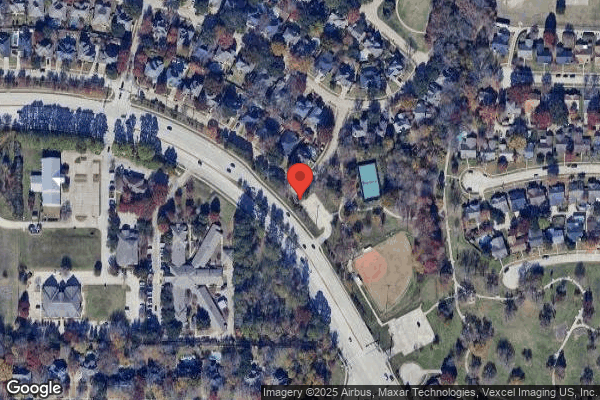
3315 CROSS TIMBERS RD, FLOWER MOUND, TX 75028 (972) 724-0996
For profit - Corporation 120 Beds NEXION HEALTH Data: November 2025 1 Immediate Jeopardy citation
Trust Grade
38/100
#682 of 1168 in TX
Last Inspection: January 2025

Within standard 12-15 month inspection cycle. Federal law requires annual inspections.

Overview

Cross Timbers Rehabilitation and Healthcare Center has received a Trust Grade of F, indicating significant concerns about the quality of care provided. With a state ranking of #682 out of 1168 facilities in Texas, they are in the bottom half, and #12 out of 18 in Denton County suggests only a handful of local options are better. The facility is worsening, with issues increasing from 1 in 2024 to 10 in 2025, raising red flags for families considering care here. Staffing is a mixed bag; while the turnover rate is 49%, slightly below the Texas average, the overall staffing rating is only 2 out of 5 stars. There have been critical incidents, such as a resident eloping from the facility, highlighting a lack of adequate supervision, and concerns about food safety practices, which could expose residents to foodborne illnesses.

Trust Score
F
38/100
In Texas
#682/1168
Bottom 42%
Safety Record
High Risk
Review needed
Inspections
Getting Worse
1 → 10 violations
Staff Stability
⚠ Watch
49% turnover. Above average. Higher turnover means staff may not know residents' routines.
Penalties
✓ Good
No fines on record. Clean compliance history, better than most Texas facilities.
Skilled Nurses
⚠ Watch
Each resident gets only 24 minutes of Registered Nurse (RN) attention daily — below average for Texas. Fewer RN minutes means fewer trained eyes watching for problems.
Violations
⚠ Watch
28 deficiencies on record. Higher than average. Multiple issues found across inspections.
★★☆☆☆
2.0
Overall Rating
★★☆☆☆
2.0
Staff Levels
★★★★☆
4.0
Care Quality
★★☆☆☆
2.0
Inspection Score
Stable
2024: 1 issues
2025: 10 issues

The Good

  • 4-Star Quality Measures · Strong clinical quality outcomes
  • Full Sprinkler Coverage · Fire safety systems throughout facility
  • No fines on record

Facility shows strength in quality measures, fire safety.

The Bad

2-Star Overall Rating

Below Texas average (2.8)

Below average - review inspection findings carefully

Staff Turnover: 49%

Near Texas avg (46%)

Higher turnover may affect care consistency

Chain: NEXION HEALTH

Part of a multi-facility chain

Ask about local staffing decisions and management

The Ugly 28 deficiencies on record

1 life-threatening
Sept 2025 1 deficiency 1 IJ
CRITICAL (J) 📢 Someone Reported This

A family member, employee, or ombudsman was alarmed enough to file a formal complaint

Immediate Jeopardy (IJ) - the most serious Medicare violation

Accident Prevention (Tag F0689)

Someone could have died · This affected 1 resident

**NOTE- TERMS IN BRACKETS HAVE BEEN EDITED TO PROTECT CONFIDENTIALITY** Based on observation, interview, and record review, the facility failed to ensure each resident received adequate supervision an...

Read full inspector narrative →
**NOTE- TERMS IN BRACKETS HAVE BEEN EDITED TO PROTECT CONFIDENTIALITY** Based on observation, interview, and record review, the facility failed to ensure each resident received adequate supervision and assistive devices to prevent accidents for 1 of 5 residents (Resident #1) reviewed for accidents. The facility failed to ensure Resident #1 was provided with adequate supervision to prevent him from eloping from the facility on 05/05/25. He was found down the street away from the facility and was brought back by the local police department. The noncompliance was identified as past noncompliance. The Immediate Jeopardy began on 05/05/24 and ended on 05/06/24. The facility had corrected the noncompliance before the investigation began. This failure could place residents who require supervision at risk of harm, severe injury, and possible death. Findings included: Record review of Resident #1's Quarterly MDS Assessment, dated 09/16/25, reflected the resident was a [AGE] year-old male who was admitted to the facility on [DATE]. He had a BIMS (mental status assessment) score of 09 indicating he had moderate cognitive impairment. His active diagnoses included non-traumatic brain dysfunction (causes damage to the brain by internal factors such as lack of oxygen, exposure to toxins, or pressure from a tumor), non-Alzheimer's dementia (the loss of memory and other intellectual functions severe enough to cause problems in one's abilities to perform activities of daily living), and Parkinson's disease (a brain disorder that affects movement and causes tremor, stiffness, and slowness). His MDS indicated he had behaviors of having delusions and had exhibiting wandering behavior for 1 to 3 days. Record review of Resident #1's Wander Data Collection, dated 12/23/24, reflected a score of 14 which was considered high. Record review of Resident #1's Wander Data Collection, dated 04/20/25, reflected a score of 24 which was considered high. Record review of Resident #1's Wander Data Collection, dated 05/06/25, reflected a score of 24 which was considered high.Record review of the facility's Provider Investigation Report, completed by the Former Administrator and dated 05/07/25, reflected on 05/05/25 at 7:00 PM Resident #1 wandered away from the facility, and he did not sustain any injuries. The Investigation Summary reflected the following:RE: [Resident #1].Age 71 Dx: Unspecified Dementia, Insomnia, PTSD, Parkinson's. BIMS 7.This is written follow-up to a previously reported incident for [the Facility] concerning a wandering event for [Resident #1].[Resident #1] walked out the front door of the facility following a couple out. [Resident #1]'s wander guard was operational. During the investigation, [Resident #1] claimed that he waited until someone exited and counted the clicks (the time before the door locks) and walked out after them around 7:00pm. [Resident #1] was seen less than a half mile from the facility at a [local business] and escorted back to the facility after he told the police where he lived which was [the Facility].[Resident #1] has a history of PTSD and gets very anxious when he cannot contact his wife. If this occurs, he paces the floor looking for her. This day, he was determined to go find her. Nurse [LVN A] saw [Resident #1] attempt to use the front door twice which triggered the wander guard alarm.Both times, she redirected him to his room. Around 7:00pm, he went to lunch and returned to pass medications to her residents. At 8:00pm, police returned [Resident #1] to the facility. [LVN A] performed an assessment to which there were no injuries to [Resident #1]. [LVN A] failed to put [Resident #1] on 1:1 at 6:45 or contact facility administration. [LVN A] failed to notify the facility administration upon his return until after because she was passing medication. She notified the DON at 11:19pm by text. Administrator began exhaustive investigation immediately.During staff interviews, staff state they heard the alarm and went to help get [Resident #1] away from the door the first two times but no one seems to recall the alarm at 7:00pm. Investigation shows [Resident #1] was wearing the wander guard and upon immediate inspection, the wander guard system worked properly with [Resident #1]s device.The Administrator immediately initiated the post elopement plan of action. Staff were immediately inserviced on the elopement policy and were not allowed to work their next shift until training and testing was completed. A wander guard check of the 4 individuals in the facility all functioned properly. An audit of wander guard maintenance checks and elopement drills were done and were done and recorded. The QAPI team along with Medical Director was immediately called to ADHOC QAPI meeting to discuss next steps and education. Witness statements from everyone present from 6:00pm to 8:00pm on 5/5/25 were interviewed and witness statements collected.In conclusion, [LVN A]'s failure to notify administration caused a situation that required a 1:1 assignment to be missed. Her failure to protect and monitor resident as the charge nurse ultimately led to her immediate dismissal for putting a client at risk of danger. Upon investigation, it was clear that this charge nurse decision put our system in jeopardy.Record review of Resident #1's Psychiatric Evaluation, dated 05/07/25, reflected the following: HPI: The resident is a [AGE] year-old married Caucasian male who was seen for psychiatric evaluation due to a recent episode of elopement from the building.He has no recollection of leaving the building. The resident has been on one-to-one supervision since he was brought by the police to the facility. The resident was found at [a local drug store] after he left this facility. Record review of Resident #1's Provider Notes, dated 06/04/25, reflected the following: Visit Date: 05/04/25.HPI: Staff report that patient has been trying to elope and is increasingly anxious. Family also concerned. Record review of Resident #1's Progress Notes reflected the following entries:- 05/05/25 at 10:42 PM, LVN A wrote: nurse did assessment and body check was done, no bruise or injury noted as at this time [sic]. respiration was even and unlabored. [sic] no pain noted. - 05/06/25 at 11:51 AM, LVN B wrote: resident is seated on the chair at this time, alert [sic] and oriented x2, all [sic] vitals are a stable, has [sic] a wander guard in place, continues [sic] on 1;1 supervision, assisted [sic] with all adls. - 05/06/25 at 12:22 PM, the SW wrote: SW called resident's wife regarding elopement last night. She is giving permission for Psych eval. She is agreeable to come in on 5/7/25 to meet with the Psychiatrist.remains on one-to-one supervision. - 05/08/25 at 7:47 AM, LVN B wrote: resident received resting in bed, on [sic] 1:1 supervision, wander [sic] guard to rt leg is in good working condition, all [sic] vitals are stable Record review of Resident #1's Physician's Orders reflected the following order: Wander Bracelet on right ankle r/t wandering/exit seeking behaviors. Nurse to check placement and function q shift including skin check under bracelet with a start date of 10/20/24. Record review of Resident #1's Medication Administration Record for May 2025 reflected his Wander Guard was checked on each of the three shifts from 05/01/25 to 05/08/25. Record review of Resident #1's 15 Minute Monitoring Sheets, dated 05/06/25 to 05/07/25, indicated where the resident was or what he was doing. Record review of Resident #1's 1 to 1 Monitoring sheets, dated 05/08/25, indicated where the resident was or what he was doing. A telephone interview with Resident #1's RP was attempted on 09/11/25 at 12:48 PM; however, the attempt was unsuccessful as she did not answer or call back. Interview via telephone on 09/11/25 at 12:26 PM with CNA E revealed she worked with Resident #1 on 05/05/25 when he eloped from the facility. CNA E said she was trying to redirect him from the front door, and keep him inside the facility. CNA E said Resident #1 was in an uproar that day about his wife coming to get him, and he was determined to get out. CNA E said other staff tried to calm him down, but nothing worked. CNA E said she had never seen Resident #1 near the front door before this day (05/05/25), but that was where he kept going towards. CNA E said Resident #1 was behaving this way because he wanted to leave and be with his wife. CNA E said when he supposedly got out through the front door, she was at the end of her hall giving a resident a shower so there was no way she would be able to hear the alarm or respond to it. CNA E said she was given report that he was acting this way even before lunch as well. CNA E said she had been in-serviced on the facility's procedures for an elopement and was able to explain what to do if the alarm went off at a door or if a resident was noted to be missing. CNA E said she also knew that if a resident was exhibiting exit seeking or wandering behaviors or if they began to increase, she was supposed to report that to the nurse. Interview via telephone on 09/11/25 at 12:39 PM with [NAME] F revealed she was working the evening Resident #1 left the faciity on [DATE]. [NAME] F said she saw Resident #1 at the front door and was wondering why the police were there at the facility too. [NAME] F said she saw him earlier walking down the street by himself and wondered to herself how he got out of the facility without someone watching him. [NAME] F said she saw Resident #1 around 8 PM but he was already with the police who were bringing him back to the facility. [NAME] F said she saw him down the street near the grocery store. [NAME] F said she had been in-serviced on the facility's procedures for an elopement and was able to explain what to do if the alarm went off at a door or if a resident was noted to be missing. [NAME] F said she also knew that if a resident was exhibiting exit seeking or wandering behaviors or if they began to increase, she was supposed to report that to the nurse. Interview via telephone on 09/11/25 at 12:44 PM with LVN B revealed she worked with Resident #1 during the morning shift of 05/05/25. LVN B said Resident #1 seemed to be his normal self, he used a walker to move around with, and she never saw him trying to go to the front door or making an attempt to leave. LVN B said she checked his Wander Guard during her shift and it was working as evidenced by him going near the door and setting the alarm off. LVN B said she had been in-serviced on the facility's procedures for an elopement and was able to explain what to do if the alarm went off at a door or if a resident was noted to be missing. LVN B said she also knew that if a resident was exhibiting exit seeking or wandering behaviors or if they began to increase, she was supposed to report that to the DON. A telephone interview was attempted on 09/11/25 at 1:08 PM with CNA H; however, the attempt was unsuccessful as she did not answer or call back. Interview on 09/11/25 at 1:09 PM with RN I revealed he was not Resident #1's nurse on duty on 05/05/25. He stated prior to the incident he had seen the resident at the front door a lot, and the resident kept setting the alarm off. RN I said he saw the CNAs redirecting Resident #1 from the front door to his room or away from the exit door. RN I said he saw the CNAs had it handled and assumed his nurse knew about it as well. RN I said he had been in-serviced on the facility's procedures for an elopement and was able to explain what to do if the alarm went off at a door or if a resident was noted to be missing. RN I said he also knew that if a resident was exhibiting exit-seeking or wandering behaviors or if they began to increase, he was supposed to report that to the DON. Interview on 09/11/25 at 1:14 PM with CNA J revealed she cared for Resident #1 while he was at the facility. CNA J said he talked about going to see his wife or going home, but staff would redirect him back to his room and let his nurse know he was trying to exit seek. CNA J said she had been in-serviced on the facility's procedures for an elopement and was able to explain what to do if the alarm went off at a door or if a resident was noted to be missing. CNA J said she also knew that if a resident was exhibiting exit-seeking or wandering behaviors or if they began to increase, she was supposed to report that to the nurse. Interview on 09/11/25 at 1:33 PM with the SW revealed she knew Resident #1 could walk well but she did not recall him trying to get out of the facility. The SW said Resident #1 would walk and wander through the facility, but she never saw him having any exit seeking behavior. The SW said she did not remember anything about Resident #1 becoming agitated at not being able to see his wife. The SW said she had been in-serviced on the facility's procedures for an elopement and was able to explain what to do if the alarm went off at a door or if a resident was noted to be missing. The SW said she also knew that if a resident was exhibiting exit seeking or wandering behaviors or if they began to increase, she was supposed to report that to the nurse. Interview on 09/11/25 at 2:17 PM with CNA C revealed he was working with Resident #1 on the night he eloped on 05/05/25. CNA C said he was working with other CNA's who had been trying to redirect Resident #1 away from the front door to his room or the dining room. CNA C said Resident #1 wanted to see his wife and he seemed determined to either talk to her or see her. CNA C said the last time he saw Resident #1 before he had eloped, he was in his room. CNA C said he had been in-serviced on the facility's procedures for an elopement and was able to explain what to do if the alarm went off at a door or if a resident was noted to be missing. CNA C said he also knew that if a resident was exhibiting exit seeking or wandering behaviors or if they began to increase, he was supposed to report that to the DON. Interview on 09/11/25 at 2:24 PM with CNA L revealed Resident #1 had a habit of opening the front door and trying to get out. CNA L said Resident #1's wife would come pick him up and take him home often. CNA L said staff knew to monitor Resident #1 and his wandering behaviors because he walked up and down the hallways all the time. CNA L said it was normal for Resident #1 to sit near the front area and since he looked like a visitor, he could have followed someone out the front door without them realizing he was a resident. CNA L said Resident #1 would not have known how to open the door himself and his Wander Guard would have set the alarm off. CNA L said he had been in-serviced on the facility's procedures for an elopement and was able to explain what to do if the alarm went off at a door or if a resident was noted to be missing. CNA L said he also knew that if a resident was exhibiting exit seeking or wandering behaviors, or if they began to increase, he was supposed to report that to the nurse. Interview on 09/11/25 at 2:46 PM with LVN M revealed she had been in-serviced on the facility's procedures for an elopement, and was able to explain what to do if the alarm went off at a door or if a resident was noted to be missing. LVN M said she also knew that if a resident was exhibiting exit seeking or wandering behaviors or if they began to increase, she was supposed to report that to the DON. Interview on 09/11/25 at 2:42 PM with ADON D revealed she was not there when Resident #1 eloped from the facility on 05/05/25, but she knew he would sit near the front door area. ADON D said Resident #1 not seeing his wife triggered him to want to leave the facility. ADON D said Resident #1's elopement happened around a time when his wife was not able to come and see him as often as she normally had, and he was trying to find her. ADON D said Resident #1 normally did not approach any exit doors, but would walk around the facility. ADON D said she only knew that Resident #1 left through the front door and was brought back by the police. ADON D said she was not sure how long Resident #1 was missing from the facility. ADON D said Resident #1's Wander Guard was checked every shift by the nurse for placement and functionality. ADON D said all staff knew to keep a close eye on Resident #1 and redirect him if he was to start to exit seek. ADON D said after Resident #1's elopement on 05/05/25, staff were in-serviced, Wander Guards were checked, and Resident #1 was placed on 1:1 monitoring by staff until he discharged . ADON D said all staff should know the facility's procedures for an elopement and should be able to explain what to do if the alarm went off at a door or if a resident was noted to be missing. ADON D said all staff should also know that if a resident was exhibiting exit seeking or wandering behaviors or if they began to increase, staff were supposed to report that to the DON or their nurse. Interview on 09/11/25 at 3:03 PM with the DON revealed she was surprised that Resident #1 had eloped from the facility. The DON said normally, Resident #1's wife came at a certain time in the evening so while he was not oriented to times, he had a routine he would follow. The DON said Resident #1 was constantly looking for his wife and she would come after dinner was over. The DON said the evening of 05/05/25, she got a call saying Resident #1 had gotten out of the facility, they thought behind a family member or someone leaving through the front door. The DON said Resident #1 was found up the street by the police and was brought back to the facility. The DON said when Resident #1 was brought back and assessed, he was placed on 1:1 monitoring until he was discharged to a different facility. The DON said Resident #1 had a Wander Guard on already and it was functioning as far as she knew. The DON said nurses checked a resident's Wander Guard for placement and functionality every shift. The DON said staff were in-serviced and should know the facility's procedures for an elopement and should be able to explain what to do if the alarm went off at a door or if a resident was noted to be missing. The DON said staff should also know that if a resident was exhibiting exit seeking or wandering behaviors or if they began to increase, they were supposed to report that to the nurse or herself. The DON said staff were expected to supervise residents at all times to make sure they did not elope from the facility. The DON said the purpose of supervising residents was to ensure they were safe. The DON said if residents were not supervised they could be injured in all kinds of ways by leaving the facility. The DON said she expected and staff had been trained to know what to do if a resident had exit seeking behaviors or had eloped. Interview through the phone on 09/12/25 at 10:27 AM with LVN A revealed she cared for Resident #1 the night of 05/05/25 when he eloped. LVN A said the incident happened a long time ago, and all she remembered was that she saw Resident #1 sitting in the front door area upset because his wife was not there to see him. LVN A said she asked Resident #1 to go back to his room because she was worried about him trying to leave the facility. LVN A said she was keeping an eye on Resident #1 and tried to redirect him. LVN A said she went on break and when she got off her break, the police had brought Resident #1 back to the facility. LVN A said she assessed Resident #1 and he did not have any injuries. LVN A said she checked Resident #1's Wander Guard and it was still working so she was not sure how he got out through the front door. LVN A said she stopped working for the facility shortly after the incident occurred. Record review of an undated witness statement reflected the following: Statement from [LVN A]: [LVN A] stated that [Resident #1] was pacing the lobby all day and around 6:30-6:45 had tried to exit the building and was redirected to his room by her and a CNA, [CNA C]. At this time, asked why she did not notify administration or place on 1:1 she responded that he was redirected. She stated she went to lunch around 7:00 PM and [Resident #1] was in his room. At 8:00pm [sic], [Resident #1] was returned to the building with [City Police Department]. He had exited the building. (When [Resident #1] was asked by [ADON D] what happened, he stated he was looking for his wife. He told police he lived at [Facility Name].) [LVN A] states she did not know that [Resident #1] had exited the building Upon [sic] his return, she failed to place [Resident #1] on 1:1 or contact the DON/Administrator timely. Record review of the facility's Wanderer Management, Monitoring System and Resident Elopement Protocol policy, dated 02/05/25, reflected: Purpose: To monitor safety of residents at risk for elopement. To provide a system to alert staff that a resident may be attempting to leave the facility. Policy: It is the policy of this facility that all residents are afforded adequate supervision to provide the safest environment possible.Responsibility: All staff is responsible to ensure resident safety.B. Interdisciplinary Interventions:.2. When a door alarm sounds, staff shall respond immediately and determine cause of the alarm. The staff member responding to the alarm clock shall check the outside of the building to determine if a resident has left the building. If upon investigation, no apparent cause is determined for the sounding of the alarm, the charge nurse shall immediately initiate an accounting of whereabouts of all residents at risk for elopement. The Administrator was notified on 09/11/25 at 4:50 PM that a past non-compliance IJ had been identified related to the facility's failure to provide adequate supervision to prevent an elopement. It was determined this failure placed Resident #1 in an IJ situation on 05/05/25. The facility had implemented the following corrective measures prior to the HHSC investigation: Observation on 09/11/25 at 1:55 PM of Resident #2 revealed she was wearing a Wander Guard and her nurse brought her near the front door, setting the alarm off which indicated the Wander Guard was working. Record review of an Elopement Drill Evaluation Form, dated 05/09/25, reflected the facility completed an elopement drill with staff. Record review of an in-service, dated 05/09/25, and titled Elopement Drill reflected 23 staff participated. Record review of an in-service, dated 05/05/25, and titled Elopement Policy reflected 76 staff were educated on the facility's elopement policy. Record review of an Elopement Policy Quiz, dated 05/06/25, reflected that 76 staff completed the quiz and passed. Record review of a QIPP QAPI Worksheet, dated 05/06/25, reflected a meeting was held to discuss Resident #1's elopement on 05/05/25. Record review of a sheet of paper, dated 05/06/25, and titled Wander guard Individual Checks reflected staff had ensured all 4 residents who used Wander Guards at the time were secured and operational. Record review of a sheet of paper, dated 05/06/25, and titled Exit Door Checks reflected all exit doors were locked and operational. Record review of a Logbook Report, dated 05/07/25, revealed the Maintenance Director had completed a check of residents with Wander Guards on 05/03/25. Record review of the facility's incident/accident log from 05/01/25 to 09/11/25 reflected there were no other elopement incidents that occurred. Record review of a Disciplinary Action Record, dated 05/06/25, reflected LVN A was terminated.
Jan 2025 9 deficiencies
CONCERN (D)

Potential for Harm - no one hurt, but risky conditions existed

Incontinence Care (Tag F0690)

Could have caused harm · This affected 1 resident

**NOTE- TERMS IN BRACKETS HAVE BEEN EDITED TO PROTECT CONFIDENTIALITY** Based on observation, interview, and record review, the facility failed to provide appropriate treatment and services, based on ...

Read full inspector narrative →
**NOTE- TERMS IN BRACKETS HAVE BEEN EDITED TO PROTECT CONFIDENTIALITY** Based on observation, interview, and record review, the facility failed to provide appropriate treatment and services, based on the comprehensive assessment, to prevent urinary tract infections for 1 of 3 residents (Resident #68) reviewed for urinary catheters. The facility failed to keep Resident #68's catheter tubing off the floor while the resident was in her wheelchair causing it to drag on the floor and be stepped on while she was being pushed down the hall. This failure could affect residents with catheters by placing them at risk for the development and/or worsening of urinary tract infections and injury. Findings included: Record review of Resident #68's MDS dated [DATE] reflected the resident was an [AGE] year-old female admitted to the facility on [DATE]. Her diagnoses included depression, bipolar disorder, dorsalgia (physical discomfort occurring anywhere on the spine or back, ranging from mild to disabling), disorder of kidney and ureter. Resident #82 has a BIMS of 5 indicating she had severe cognitive impairment. Record review of Resident #68's January 2025 monthly orders reflected she had a catheter 18 French 10 cc bulb. Observation on 01/21/25 at 11:18 AM of Resident #68 revealed she was being pushed in her wheelchair from her room to the dining room by the Activity Director. The resident's catheter tubing was dragging on the floor and the Activity Director stepped on the tubing. When the Activity Director stepped on the tubing, she moved her foot and continued to push the resident. The resident did not appear to be in distress or noticed her tubing had been stepped on. Interview on 01/24/25 at 11:53 AM with the Activity Director revealed she recalled stepping on Resident #68's catheter tubing when she was pushing the resident in her wheelchair. The Activity Director said she was not aware the catheter tubing was not supposed to be dragging on the floor and did not know she had to tell someone so they could lift it off the ground. Interview on 01/24/25 at 1:27 PM with LVN A revealed Resident #68's catheter tubing should not drag on the floor because it could introduce bacteria and was an infection control issue and if the Activity Director stepped on the tubing it could pull the catheter or hurt the resident. LVN A said if non-nursing staff were to see a catheter tube dragging, they should let the nursing staff know so they could fix the issue. Interview on 01/24/25 at 2:33 PM with the ADON revealed if non-nursing staff saw catheter tubing dragging on the floor, they could pick it up themselves or ask nursing staff for assistance. When the Activity Director stepped on the tubing, the ADON stated it could have pulled the catheter causing discomfort to the resident. She stated it was also an infection control issue. Record review of the facility's Catheter Care, Urinary policy, revised January 2023, reflected the following: Purpose The purpose of this procedure is to prevent catheter-associated urinary tract infections. .Infection Control . .b. Be sure the catheter tubing and drainage bags are kept off the floor
CONCERN (D)

Potential for Harm - no one hurt, but risky conditions existed

Deficiency F0692 (Tag F0692)

Could have caused harm · This affected 1 resident

**NOTE- TERMS IN BRACKETS HAVE BEEN EDITED TO PROTECT CONFIDENTIALITY** Based on interview and record review, the facility failed to ensure, based on a resident's comprehensive assessment, residents m...

Read full inspector narrative →
**NOTE- TERMS IN BRACKETS HAVE BEEN EDITED TO PROTECT CONFIDENTIALITY** Based on interview and record review, the facility failed to ensure, based on a resident's comprehensive assessment, residents maintained acceptable parameters of nutritional status for 1 of 19 residents (Resident #68) reviewed for nutrition. The facility failed to obtain Resident #68's weight upon her admission to the facility on [DATE] and failed to obtain weekly weights for the resident for four weeks, which resulted in the resident's weight loss not being identified. This failure placed residents at-risk for loss of weight and inadequate nutrition. Findings included: Record review of Resident #68's admission MDS dated [DATE] reflected the resident was an [AGE] year-old female admitted to the facility on [DATE]. Her diagnoses included depression, bipolar disorder, dorsalgia (physical discomfort occurring anywhere on the spine or back, ranging from mild to disabling), disorder of kidney and ureter, cognitive impairment, and malnutrition. Resident #82 has a BIMS of 5 indicating she had severe cognitive impairment. The MDS further reflected Resident #68's weight was 127 pounds. Record review of Resident #68's care plan revised on 01/07/25 did not reflect there were any weight concerns. Record review of Resident #68's hospital records dated 12/30/24 reflected the resident weighed 127 pounds. Record review of Resident #68's facility weights reflected the following: 01/15/25 - 128.6 pounds 01/21/25 - 119.4 pounds 01/23/25 - 119 pounds - surveyor witnessed weight being taken Record review of Resident #68's meal intake from 01/01/25-01/21/25 reflected there were 4 meals where the resident ate 26%-50%, 23 meals where she ate 51%-75%, and 3 days where she ate 75%-100%. Record review of Resident #68's admit evaluation initiated by LVN D dated 12/31/24 reflected there was not a weight entered for the resident. Observation and interview on 01/23/25 at 1:44 PM revealed Resident #68 was in her room, in her wheelchair, eating lunch. The resident said she was full, and it appeared she had eaten about 50% of her meal. Resident #68 was asked if she had been having decreased appetite, and the resident was not able to answer yes or no to the question and just said she was full. Interview on 01/23/25 at 12:35 PM with CNA B revealed she worked at the facility Monday through Friday and worked with Resident #68. CNA B said the resident was able to eat on her own with no issues and described her a good eater for breakfast and lunch. CNA B also said Resident #68 had never not eaten or said she was not hungry. Interview on 01/24/25 at 2:26 PM with LVN D revealed she had just started working at the facility when Resident #68 was admitted and there was another nurse assisting her as it was her first new admit. LVN D said that nurse no longer worked at the facility. LVN D stated she did not get a weight on Resident #68 and was unsure if the other nurse had gotten an initial weight on the resident. Interview on 01/23/25 at 12:20 PM with Resident #68's family revealed she visited the resident frequently, and she had not noticed any weight loss. The family said Resident #68's weight usually fluctuated anywhere from 120 pounds to 135 pounds. The family said Resident #68 normally ate well, and the resident had not said anything to her about not being hungry or that she was not eating well. Interview on 01/23/25 at 12:16 PM with the ADON revealed she was not aware that new admits needed to be weighed weekly per their policy and did not know Resident #68's weight had not been taken when she first admitted . The ADON said some of the resident weights also might have been missed because of the recent ice storm that hit the area and staff calling in. The ADON further stated the DON had been on medical leave since the holiday break, and she (ADON) was trying to keep her head above water. She stated this is why the weight had been missed possibly. The ADON said if she would have noted the variance in weights, she should have called the doctor for further orders. Interview on 01/23/25 at 1:53 PM with the Registered Dietitian revealed she saw Resident #68 on 01/07/25 and noted there was not a weight in the system for Resident #68 and she had sent an email to the DON and ADON along with other department heads to obtain a weight for the resident. The Registered Dietitian said she had planned on following up with the resident the week of the survey to see if the staff had obtained the weights. The Registered Dietitian stated if she would have been made aware of the resident's weight loss, she would have put some measures in place such as adding fortified foods to her meal or a supplement if the resident was not eating at least 75% during her meals. She said that based on the resident's current weight and height, the resident was slightly below her BMI, but she was not concerned about it. Interview on 01/24/25 at 11:21 AM with the Physician revealed he had seen Resident #68, and she did not appear to be grossly underweight. The Physician said the staff were normally pretty good about letting him know when residents were experiencing weight loss and he or someone from his office was at the facility at least 5 times a week. The Physician further stated if he would have been told about Resident #68's weight loss he would have put some measures in place as well as trying to find out what was causing the weight loss. Record review of the facility's Weight Management policy dated January 2021 reflected the following: Procedure 1. Residents will be weighed on admission and readmission. 2. New admits will be weighed weekly for the first 4 weeks to establish baseline weights, after which they will be weighted monthly .5. Any weight change (loss or gain) of 5lbs or more since the last weight assessment will be retaken Additionally, the Interdisciplinary Team will assure the below tasks are accomplished: Physician notification of weight loss and documentation
CONCERN (D)

Potential for Harm - no one hurt, but risky conditions existed

Medication Errors (Tag F0758)

Could have caused harm · This affected 1 resident

**NOTE- TERMS IN BRACKETS HAVE BEEN EDITED TO PROTECT CONFIDENTIALITY** Based on interview and record review, the facility failed to ensure that PRN orders for antipsychotic drugs were limited to 14 d...

Read full inspector narrative →
**NOTE- TERMS IN BRACKETS HAVE BEEN EDITED TO PROTECT CONFIDENTIALITY** Based on interview and record review, the facility failed to ensure that PRN orders for antipsychotic drugs were limited to 14 days and could not be renewed, unless the attending physician or prescribing practitioner evaluated the resident for the appropriateness of the medication and resident's drug regimen was free from unnecessary drugs, to include adequate indications for its use for 2 of 2 residents (Residents #35 and #44) reviewed for unnecessary medications. 1. The facility failed to ensure Resident #35's PRN order for Seroquel (Quetiapine Fumarate) , an antipsychotic medication, did not extend beyond 14 days without an identified end date. 2. The facility failed to ensure Resident #44 did not receive the antipsychotic medication Seroquel (Quetiapine Fumarate) for sleep. This failure could place residents at risk for receiving unnecessary medications and adverse drug reactions. Findings included: 1. Record review of Resident# 35's Quarterly MDS Assessment, dated 01/03/25, reflected the resident was a [AGE] year-old male admitted to the facility on [DATE], with diagnoses that included post-traumatic stress disorder (mental health condition that can develop after someone experiences or witnesses a traumatic event). The resident had moderate cognitive impairment with a BIMS score of 09. Record review of Resident #35's care plan, dated 10/22/24, reflected Resident #35 had a mood problem and had a diagnosis of post-traumatic stress disorder. The care plan reflected the goals were [Resident #35] will have improved mood state through the review date. Interventions: -Administer medications as ordered. Monitor/document for side effects and effectiveness. Record review of Resident #35's physician's orders dated 09/24/24 reflected an order for the resident to receive Quetiapine Fumarate Oral Tablet 25 mg (Seroquel). Give 1 tablet by mouth every 24 hours as needed for agitation. Give medication at bedtime. Record review of Resident #35's September 2024 MAR revealed he received it on 09/25/24. Record review of Resident #35's November 2024 MAR revealed he received it on 11/10/24. In an interview on 01/24/25 at 10:12 AM the ADON acknowledged that the order for Resident #35's Quetiapine Fumarate Oral Tablet 25 mg PRN had been in the MAR since September 2024. The ADON stated Resident#35 was supposed to be on prn antipsychotic medication for 14 days and then discontinued or the doctor to review and decide whether to continue. She stated it seemed the resident admitted with the prn medication. She stated the admitting nurses put the orders in the electronic records and it was the DON and the ADON's responsibility to follow up the following day and she thought they missed the orders to make sure the residents who were on PRN antipsychotic medications were assessed every 14 days for the resident to continue with the medication. The ADON stated they have already called the resident's primary care provider to inform them of the need for the medication to be reviewed. She stated the doctor issued an order to reduce the order to 12.5mgs and then discontinue . She was not asked how the failure would affect the resident. In an interview on 01/24/25 at 10:49 AM with the Corporate RN, she stated all PRN Psychotropic medications were supposed to be re-evaluated every 14 days by the resident's primary care provider and determine if the resident was to continue with the medication . She was asked but she could not answer. She stated it was not facility policy to put resident on antipsychotic medication. In an interview on 01/24/25 at 12:18 PM with the NP, she stated Resident #35 was not supposed to be on PRN antipsychotic medication. She was not aware he was on PRN medication, and she did not prescribe the antipsychotic medications, but the doctor did. She could not say the effect unless she saw the file for the resident. Interview on 01/24/25 at 12:19 PM with doctor was attempted by phone with no response and voice mail was left. 2. Record review of Resident# 44's Quarterly MDS Assessment, dated 12/12/24, reflected the resident was an [AGE] year-old female admitted to the facility on [DATE], with diagnoses that included unspecified dementia, severe, with other behaviors. The resident had severe cognitive impairment with a BIMS score of 00. Record review of Resident #44's care plan, dated 11/30/24, reflected Resident #44 used the antipsychotic medication, Seroquel. The care plan reflected the goals were: [Resident #35] will reduce the use of psychotropic medication through the review date. Interventions: - Administer psychotropic medications as ordered by the physician. Monitor for side effects and effectiveness every shift. Record review of Resident #44's physician's orders dated 11/19/24 reflected an order for the resident to receive Quetiapine Fumarate Oral Tablet 50 mg (Seroquel). Give 1 tablet by mouth at bedtime for sleep. In an interview on 01/23/25 at 1:03 PM with the MDS Coordinator, she stated she prepared the care plan for Resident#44, and she was not supposed to be on an antipsychotic Quetiapine Fumarate for sleep. She stated Resident #44 had a diagnosis of Alzheimer disease and dementia , but the resident was not supposed to be on an antipsychotic. She stated she did not know of the risk associated with Resident #44 receiving these medications. Interview on 01/24/25 at 10:12 AM with the ADON revealed she acknowledged the order for Resident #44's Quetiapine Fumarate Oral Tablet 50 mg for sleep. She stated the nurses put the orders in the electronic records and it was the DON and the ADON's responsibility to follow up the following day and she thought they missed the order to make sure the residents who were on antipsychotic medications were for the right diagnosis. The ADON stated they had already called the resident's primary care provider to inform them of the need for the medication to be reviewed. She stated the the resident would be sleeping alot. Interview on 01/24/25 at 10:49 AM with the Corporate RN revealed her expectation was the facility could have used other alternative medication for sleep rather than Quetiapine Fumarate. She stated the ADON, and the DON could have caught it and notified the doctor for an alternative. She stated Quetiapine Fumarate was for resident with schizophrenia and not a choice for Resident #44 who had dementia and Alzheimer. She stated the risk of Resident#44 using Quetiapine Fumarate would be fatigue. She was not asked how the failure would affect the Resident #44 Interview on 01/24/25 at 12:14 PM with the NP revealed Resident #44 was not supposed to be on antipsychotic medication for sleep. She was aware she had diagnosis of dementia with behaviors, and she did not prescribe the antipsychotic medications, and if they admit with an antipsychotic, she did refer residents to be evaluated by a psychiatrist. She stated she did not belief it was meant for sleep since she had a diagnosis of dementia with behaviors. She was not asked on how the medication would affect the resident. Interview on 01/24/25 at 12:43 PM with the Physician was attempted; however, the attempt was unsuccessful with no return call. Record review of the facility's Psychotropic/Psychoactive Medication policy dated 12/09/24 reflected the following: .1. Resident will only receive antipsychotic medications when necessary to treat specific conditions for which they are indicated and effective . Record review of the facility's Psychotropic Management policy dated 01/11/22 reflected the following: .3. PRN Antipsychotic and PRN Psychotropic medications- a. Any as needed use of an antipsychotic can only be authorized for 14 days. These orders cannot be renewed unless the attending physician or prescribing practitioner evaluate the resident for the appropriateness of that medication. A new order for prn anti-psychotic will be required to be written every 14 days . Record review of the Seroquel: Package Insert/Prescribing Info last updated 01/30/24 reflected the following: Highlights of Prescribing Information . Warning: Increased Mortality in Elderly Patients with Dementia-Related Psychosis; and Suicidal Thoughts and Behaviors .Indications and Usage for Seroquel Seroquel is an atypical antipsychotic indicated for the treatment of: - Schizophrenia - Bipolar I disorder mania episodes - Bipolar disorder, depressive episodes .5. Warnings and Precautions 5.1 Increased Mortality in Elderly Patients with Dementia-Related Psychosis Elderly patients with dementia-related psychosis treated with antipsychotic drugs are at an increased risk of death .Seroquel is not approved for the treatment of patients with dementia-related psychosis .
CONCERN (D)

Potential for Harm - no one hurt, but risky conditions existed

Deficiency F0919 (Tag F0919)

Could have caused harm · This affected 1 resident

**NOTE- TERMS IN BRACKETS HAVE BEEN EDITED TO PROTECT CONFIDENTIALITY** Based on observation, interview, and record review, the facility failed to ensure resident rooms were adequately equipped to all...

Read full inspector narrative →
**NOTE- TERMS IN BRACKETS HAVE BEEN EDITED TO PROTECT CONFIDENTIALITY** Based on observation, interview, and record review, the facility failed to ensure resident rooms were adequately equipped to allow residents to call for staff assistance through a communication system which relays the call directly to a staff member or to a centralized staff work area for 1 of 19 residents (Resident #39) reviewed for resident call system. The facility failed to ensure Resident #39 had a working call light. This failure could have placed residents at risk of being unable to obtain assistance when needed. Findings included: Record review of Resident #39's MDS dated [DATE] reflected the resident was an [AGE] year-old female admitted to the facility on [DATE]. Her diagnoses included stroke, depression, bipolar disorder, and obstructive sleep apnea (a sleep disorder characterized by repeated episodes of complete or partial blockage of the upper airway during sleep). Resident #39 had a BIMS score of 14, indicating her cognition was intact. Record review of Resident #39's care plan initiated on 10/25/24 reflected the resident had an ADL self-care performance deficit related impaired balance. Interventions included to encourage the resident to use bell to call for assistance. Observation and interview on 01/21/25 at 2:14 PM of Resident #39 revealed she was lying in bed and had just finished breakfast. The resident said she had recently been moved to that room the night prior and she said she did not think her call light was working because she had pushed it for someone to pick up her lunch tray and no one had been in yet. The resident was asked to push the call light again and the light did not turn on outside of the room. Resident #39 further stated she would like her call light to work in case she needed something or assistance. Interview on 01/21/25 at 2:17 PM with the Maintenance Director revealed he was not aware the call light was not working. The Maintenance Director pushed the call light himself and it did not work. He said it appeared he needed to replace the cord. Record review of the facility's Resident Call System policy, dated October 2022, reflected the following: Policy Residents are provided with means to call staff for assistance through communication system that directly calls a staff member or a centralized workstation .3. The resident call system remains functional at all times
CONCERN (E)

Potential for Harm - no one hurt, but risky conditions existed

Deficiency F0698 (Tag F0698)

Could have caused harm · This affected multiple residents

**NOTE- TERMS IN BRACKETS HAVE BEEN EDITED TO PROTECT CONFIDENTIALITY** Based on interview and record review, the facility failed to ensure that residents who required dialysis received such services,...

Read full inspector narrative →
**NOTE- TERMS IN BRACKETS HAVE BEEN EDITED TO PROTECT CONFIDENTIALITY** Based on interview and record review, the facility failed to ensure that residents who required dialysis received such services, consistent with professional standards of practice, the comprehensive person-centered care plan, and the residents' goals and preferences for 2 of 2 residents (Residents #26 and #245) reviewed for dialysis. The facility failed to ensure dialysis communication forms for Residents #26 and Resident #245 were received back after returning from dialysis treatment. This failure could place residents at risk of inadequate communication between the facility and dialysis center. Findings included: 1. Record review of Resident #26's admission MDS assessment, dated 01/12/25, reflected the resident was a [AGE] year-old female who was admitted to the facility on [DATE]. Resident #26 had a diagnosis of end stage renal disease (a chronic condition that occurs when the kidneys can no longer filter waste from the blood and requires long-term dialysis). She had a BIMS score of 13, which indicated her cognition was intact. The MDS reflected Resident #26 received dialysis. Record review of Resident #26's care plan, dated 01/07/25, reflected Resident #26 needed hemodialysis (medical procedure that filters blood to remove waste and extra fluid when the kidneys are no longer functioning properly) rule out renal failure. The care plan reflected the following goals: [Resident #26] would have no signs of complication from dialysis through next review date. The resident will have immediate intervention should any s/sx of complications from dialysis occurs through the review date. The care plan interventions reflected: Encourage resident to go for the scheduled dialysis appointments Tuesday's, Thursday's, and Saturday's. Resident receives dialysis. Monitor/document/report PRN any s/sx of infection to access site: Redness, Swelling, warmth or drainage. Record review of Resident #26's January 2025 physician's order reflected to monitor permcath (flexible tube that's inserted into a blood vessel to provide long-term access to the bloodstream) pressure dressing to rule out chest for excessive bleeding every shift. Record review of Resident #26's EHR reflected nursing documentation regarding Resident #26's pre- and post-dialysis vital signs but missed any communication from dialysis center. Record review of Resident #26's dialysis communication forms for 01/07/25 to 01/24/25 reflected dialysis communication form dated 01/18/25 and 01/23/25, all the other dialysis dates of the month of January 2025 were missing communication forms totaling to 6 days in January 2025 on the following days: 01/09/25, 01/11/25, 01/14/25, 01/16/25, 01/18/25, and 01/21/25. 2. Record review of Resident #245's admission MDS assessment, dated 01/11/25, reflected the resident was a [AGE] year-old female who was admitted to the facility on [DATE]. Resident #245 had a diagnosis of end stage renal disease (a chronic condition that occurs when the kidneys can no longer filter waste from the blood and requires long-term dialysis). She had a BIMS score of 14, which indicated her cognition was intact. The MDS reflected Resident #245 received dialysis. Record review of Resident #245's care plan, dated 01/07/25, reflected Resident #245 needed hemodialysis (medical procedure that filters blood to remove waste and extra fluid when the kidneys are no longer functioning properly) rule out renal failure. The goals reflected Resident #245 would have no signs of complication from dialysis through next review date. The care plan interventions included: Encourage resident to go for the scheduled dialysis appointments. Resident receives dialysis. Check and change dressing daily at access site. Record review of Resident #245's January 2025 physician's order reflected Check Bruit &Thrill every Shift, notify provider if not palpable every shift for dialysis site Tuesday, Thursday, and Saturday every shift. Record review of Resident #245's EHR reflected nursing documentation regarding Resident #245's pre- and post-dialysis vital signs but missed any communication from dialysis center. Record review of Resident #245's dialysis communication forms for 01/07/25 to 01/24/25 reflected dialysis communication form dated 01/07/25, 01/11/25, 1/16/25 and 01/18/25 all the other dialysis dates of the month of January 2025 were missing communication forms totaling to 4 days in January 2025 on the following days: 01/09/25, 01/14/25, 01/21/25, and 01/23/25. Interview on 01/21/25 at 12:35 PM with Resident #26 revealed she went for dialysis Tuesday, Thursday, and Saturday. She stated she got a form that she took to dialysis and brought back to the facility, but she stated she was not sure whether she brought the form back to the facility after dialysis. She stated she got checked for her vital signs when she left for dialysis and when she came back from dialysis. Interview on 01/22/25 at 8:29 AM with Resident #245 revealed she went for dialysis Tuesday, Thursday, and Saturday. She stated she got a form that she took to dialysis and brought back to the facility in her bag, but she stated she was not sure whether the staff took the communication form from her bag. She stated her vital signs were checked when she left for dialysis and when she came back from dialysis. Interview on 01/22/25 at 3:03 PM with RN E revealed she was aware she was supposed to send Resident #26 and Resident #245 with the dialysis communication form when they left for dialysis and then collect the form when the resident's returned from dialysis. RN E stated she knew she was supposed to monitor the dialysis access site for the bruit thrill (a vibration caused by blood flowing through the fistula and can be felt by placing fingers just above incision line), dressing for bleeding and vital signs when Residents #26 and Resident #245 were back from dialysis which she does and document in the progress notes. She stated it was all nurse's responsibility to collect the dialysis communication forms when Resident #26 and Resident #245 came back and filed them. RN E stated they were supposed to call the dialysis clinic and follow up if communication forms were not sent back with residents. She stated failure to follow up on the communication form after dialysis was completed could cause them to miss the orders and recommendations from dialysis center. She stated she had done trainings on dialysis communication form, but she could not recall when. Interview on 01/23/25 at 12:40 PM with the ADON revealed the nurses were supposed to fill out the forms with the residents' pre-dialysis vitals, and the form would be taken to dialysis by Resident #26 and Resident #245. She stated she expected the nurses to collect the form after dialysis, perform vital signs, and document on electronic health records and put the communication forms on the binders. She stated the importance of the communication form was communication between the facility and dialysis center on new orders, treatment given, and any change of condition. She stated she had checked on the binders and had noticed the communication forms were missing after the surveyor brought it to her attention. She stated she talked to Resident #26 and Resident #245, and they told her they turned the communication forms into the dialysis center, and they do not bring them back. She stated she was responsible on ensuring nurses were completing the forms, monitoring vitals pre and post dialysis. She stated she could not recall the last time she checked the binders, but she checked on 01/23/25 after she was notified the communication forms were missing. She stated she checked on health records and the nurses were documenting the vitals pre and post dialysis. She stated admitting nurses were responsible of putting orders for monitoring pre and post-dialysis, and it was her responsibility and the DON to go through the orders and ensure none were missing. She stated the risk of not having the communication form brought back from dialysis was omission of orders. Interview on 01/24/25 at 11:23 AM with the Corporate Nurse revealed her expectation was for the nurses to send Resident #26 and Resident #245 with a communication form and get it when back from dialysis. She stated post-dialysis assessments should be documented in electronic health records. She stated she also expected the facility to have orders for pre and post dialysis. She stated the failure to collect the forms back from dialysis were they could miss important orders from dialysis. She stated the DON was responsible of following up to ensure all orders were in place and the staff were getting the communication forms back from dialysis. She stated she would check whether the facility had done training with staff and provided a record dated 01/23/25 on dialysis protocol that addressed dialysis communication forms and monitoring before and after dialysis. Record review of the facility's Dialysis Protocol policy, dated 05/17/24, reflected the following: .2. Implement dialysis communication regarding plan of care. 3. Auscultate shunt site for presence or absence of thrill and bruit-if absent notify doctor immediately. 4. Monitor site for s/s of infection
CONCERN (E)

Potential for Harm - no one hurt, but risky conditions existed

Pharmacy Services (Tag F0755)

Could have caused harm · This affected multiple residents

**NOTE- TERMS IN BRACKETS HAVE BEEN EDITED TO PROTECT CONFIDENTIALITY** Based on observation, interview, and record review, the facility failed to provide pharmaceutical services (including procedures...

Read full inspector narrative →
**NOTE- TERMS IN BRACKETS HAVE BEEN EDITED TO PROTECT CONFIDENTIALITY** Based on observation, interview, and record review, the facility failed to provide pharmaceutical services (including procedures that assure the accurate acquiring, receiving, dispensing, and administering of all drugs and biologicals) to meet the needs of each resident on one of three medication carts (200) and 2 of 19 residents (Residents #1, #3, and #190) reviewed for pharmacy services. 1. The facility failed to ensure the 200 Hall nurses' medication cart contained accurate narcotic logs for Resident #1 and #3. 2. The facility failed to ensure Resident #190's physician order for Lomotil was followed when Hospice Nurse G faxed the order on 01/20/25 to the facility, and it was not put in the system until 01/22/25. These failures could place residents at risk for medication errors, drug diversion, and delay in medication administration. Findings included: 1. Record review of Resident# 1's Quarterly MDS Assessment, dated 01/08/25, reflected the resident was [AGE] year-old female readmitted to the facility on [DATE] with original admission on [DATE], with diagnoses that included anxiety disorder (excessive and uncontrollable feelings of fear and anxiety). The resident had intact cognition with a BIMS score of 15. Record review of Resident #1's physician's orders undated reflected an order for the resident to receive Xanax Oral Tablet 0.25 MG (Alprazolam) Give 1 tablet by mouth every 8 hours related to anxiety disorder, (administer only at 2am, 10am, and 6pm as per resident request). Record review of Resident# 3's Quarterly MDS assessment, dated 10/21/24, reflected the resident was [AGE] year-old female admitted to the facility on [DATE], with diagnoses that included pain. The resident had intact cognition with a BIMS score of 14. Record review of Resident #3's physician orders dated 06/04/24 reflected an order for the resident to receive Tylenol with Codeine #3 Oral Tablet 300-30 mg (Acetaminophen w/Codeine) Give 1 tablet by mouth every 4 hours, as needed for pain. Observation and record review on 01/22/25 at 01:57 PM of 200 Hall nurses' medication cart and the Narcotic Administration Record, with LVN A, revealed Resident #1's Narcotic Administration Record for Xanax 0.25 mg reflected a total of 18 pills remaining, while the blister pack count was 19 pills. It was last administered on 01/22/25 at 10:00 AM. It also revealed Resident#3's Narcotic Administration record Tylenol with Codeine #3 Oral Tablet 300-30 mg reflected a total of 15 pills remaining, while the blister pack count was 17 pills. Last administered on 01/22/25 at 1:28 PM. Interview with LVN A on 01/22/25 at 2:17 PM revealed she administered Xanax 0.25 mg 1 tablet to Resident #1 at 10:00 AM, Tylenol with codeine 300-30 mg2 tablets to Resident #3 as needed every 4 hours, and she had not signed off on the narcotic administration record log. She stated she gave the residents the medication, but she forgot to sign off on the narcotic administration log. She stated she knew she was supposed to sign-out on the narcotic count sheet after administration and on the Medication Administration Record, but she did not. LVN A stated the failure to log off could lead to overdose since the person that came after her would not be able to tell when the narcotic was administered. She stated she had done an in-service on Medication administration. In an interview on 01/22/25 at 3:48 PM, the ADON stated her expectation was for staff administering narcotic medications to document the medications when they were given to the resident on the medication administration record and to sign on the narcotic log. The ADON stated failure to document could lead to drug diversion and overdose. She stated it was her responsibility to audit the medication carts daily. Interview on 01/24/25 at 11:38 AM, the Corporate RN revealed her expectation was for staff administering narcotic medications to document the medications when they were given to the resident on the medication administration record and to sign on the narcotic log. The Corporate RN stated failure to document could lead to overdose and effect on resident management. She stated it was the responsibility of the DON and the ADONs to audit the medication carts. She stated she will check on facility training records and none was provided. Record review of facility policy entitled Medication Administration , dated 07/08/24, reflected the following: did not address the narcotic administration record. 2. Record review of Resident #190's admission Record, dated 01/24/25, reflected she was an [AGE] year-old female who originally admitted to the facility on [DATE] and readmitted on [DATE]. Record review of Resident #190's Annual MDS Assessment, dated 12/28/24, reflected she had a BIMS score of 5 indicating severe cognitive impairment. Her diagnoses included heart failure (where the heart cannot keep up with its workload), hypertension (high blood pressure), and Alzheimer's disease (a neurological disorder that causes irreversible changes in memory, thinking, and behavior). Record review of Resident #190's January Order Summary Report reflected an order of Lomotil Tablet 2.5-0.025 MG (Diphenoxylate-Atropine), Give 2 tablet by mouth every 6 hours for diarrhea give 2 tablet until diarrhea resolve [sic] with an order date of 01/22/25. There was no evidence of a PRN order for the Lomotil as of 01/20/25. Record review of Resident #190's Medication Administration Record for January 2025 reflected Resident #190 received the Lomotil medication starting in the afternoon on 01/22/25. There was no additional orders or administrations for Lomotil. Record review of a faxed order, dated 01/20/25, for Resident #190 from Hospice Agency H reflected: Lomotil; 2 Tablet ORAL 4 times a day As Needed for Diarrhea (2.5-0.025 MG Tablet); 2 tablets orally every 6 hours as needed for diarrhea. The order was signed by Hospice Nurse G. Observation and interview on 01/22/25 at 11:00 AM with Resident #190 revealed she was in her bed in her room, dressed and groomed. Resident #190 said she had not been having any diarrhea and was doing great. Resident #190 said she was getting all her medications as far as she knew. Interview on 01/22/25 at 3:43 PM with Hospice Nurse G revealed she was told on Monday that Resident #190 had been having diarrhea for four days. Hospice Nurse G said the facility was not giving Resident #190 her anti-diarrhea medicine as it was ordered so she changed the order. Hospice Nurse G said she had faxed an order on Monday to the facility that was PRN, but it was changed today (01/22/25) to be given on a routine basis instead. Interview on 01/23/25 at 10:28 AM with RN H revealed Resident #190 did have some diarrhea but it was getting better. RN H said she thought the order for the anti-diarrhea medicine came on Monday, but she was not sure. RN H said the anti-diarrhea medicine was supposed to be PRN but was changed to be routine . Interview on 01/24/25 at 10:17 AM with the ADON revealed she was told Resident #190's Hospice Nurse had faxed orders over for Lomotil instead of giving the order directly to the nurse to treat Resident #190's diarrhea. The ADON said she would have to check to see if anyone ever saw the order or not and would follow-up once she found out what happened. Interview and record review on 01/24/25 at 11:40 AM with the ADON revealed she saw the order for Resident #190 still sitting on top of the fax machine. The ADON brought the faxed order for the Lomotil which showed an order date of 01/20/25.
CONCERN (E)

Potential for Harm - no one hurt, but risky conditions existed

Drug Regimen Review (Tag F0756)

Could have caused harm · This affected multiple residents

**NOTE- TERMS IN BRACKETS HAVE BEEN EDITED TO PROTECT CONFIDENTIALITY** Based on interview and record review, the facility failed to ensure when the pharmacist reported any irregularities to the atten...

Read full inspector narrative →
**NOTE- TERMS IN BRACKETS HAVE BEEN EDITED TO PROTECT CONFIDENTIALITY** Based on interview and record review, the facility failed to ensure when the pharmacist reported any irregularities to the attending physician and the facility's medical director and director of nursing, these reports were acted upon for 3 of 5 residents (Residents #35, #44, and #39) reviewed for medication regimen review. 1. The facility's failed to ensure the Pharmacist Consultant recommendation for Residents #35's antipsychotic medication, Quetiapine Fumarate (Seroquel), were was reviewed by the physician for the identified irregularities. 2. The facility's failed to ensure the Pharmacist Consultant recommendation for Residents #44's antipsychotic medication, Quetiapine Fumarate (Seroquel), were was reviewed by the physician for the identified irregularities. 3. The facility failed to ensure the pharmacy consultant recommendation was sent to the physician for review for Resident #39's psychotropic medication, duloxetine (Cymbalta). These failures could place residents at risk for medication errors, unnecessary medications, and incorrect administration. Findings included: 1. Record review of Resident #35's Quarterly MDS Assessment, dated 01/03/25, reflected the resident was a [AGE] year-old male admitted to the facility on [DATE], with diagnoses that included Post Traumatic Stress Disorder (mental health condition that can develop after someone experiences or witnesses a traumatic event). The resident had moderate cognitive impairment with a BIMS score of 09. Record review of Resident #35's care plan, dated 10/22/24, reflected Resident #35 had a mood problem had diagnosis of post-traumatic stress disorder. The goals: - Resident #35 will have improved mood state through the review date. Interventions: -Administer medications as ordered. Monitor/document for side effects and effectiveness. Record review of Resident #35's physician's orders dated 09/24/24 reflected an order for the resident to receive Quetiapine Fumarate Oral Tablet 25 MG Quetiapine Fumarate). Give 1 tablet by mouth every 24 hours as needed for agitation. Give medication at bedtime. Record review of Resident #35's Medication Regimen Record review, dated October 2024, reflected Please ensure there is an informed consent 3713 form provided by health and human services. Resident [has] an order for quetiapine, prn orders for antipsychotic drugs are limited to 14 days. [if]he briefs it need to be extended, [he] beyond 14 days patient must be seen and evaluated by provider and a new order written every 14 days. Recommendation of the Quetiapine for 14 days prn to be extended beyond 14 days. Resident to be reviewed and order written every 14 days.'' Record review of Resident #35's Medication Regimen Record review, dated November 2024, reflected Please ensure there [is] an informed consent 3713 form provided by health and human services. Resident [has] an order for quetiapine, prn orders for antipsychotic drugs are limited to 14 days. [if] [he] briefs it need to be extended, [he] beyond 14 days patient must be seen and evaluated by provider and a new order written every 14 days. Recommendation of the Quetiapine for 14 days prn to be extended beyond 14 days. Resident to be reviewed and order written every 14 days. Record review of Resident#35 Medication Regimen record review for October 2024 and November 2024 revealed that the Medication Regimen Records were not reviewed by the physician. There was no documentation reflecting the physician indicated he agreed with or declined with the recommendation. 2. Record review of Resident# 44's Quarterly MDS Assessment, dated 12/12/24, reflected the resident was an [AGE] year-old female admitted to the facility on [DATE], with diagnoses that included unspecified dementia, severe, with other behavioral. The resident had severe cognitive impairment with a BIMS score of 00. Record review of Resident #44's care plan, dated 11/30/24, reflected Resident #44 had a behavior problem rule out dementia (agitation including verbal and physical aggression, wandering, and hoarding), is verbally and physically aggressive at times. The goals: - Resident #44 will have fewer episodes of verbal and physical behaviors by review date. Interventions: -Administer medications as ordered. Monitor/document for side effects and effectiveness. Record review of Resident #44's physician's orders dated 11/19/24 reflected an order for the resident to receive Quetiapine Fumarate Oral Tablet 50 MG (Quetiapine Fumarate). Give 1 tablet by mouth at bedtime for sleep. Record review of Resident #44's Medication Regimen Record review, dated November 2024, reflected Please ensure there is an informed consent 3713 form provided by health and human services. Record review of Resident#44 Medication Regimen record review for November 2024 revealed that the Medication Regimen Records were not reviewed by the physician. There was no documentation reflecting the physician indicated he agreed with or declined with the recommendation. During an interview on 01/23/25 at 11:19AM with RN E she stated she was aware Resident#35 and #44 were receiving antipsychotic medication. She stated the doctor gives the orders, and the nurses were responsible of getting the consent form signed by either the patient or family member and the consent form is kept on residents' folders or scanned to electronic health records. During an interview on 01/24/25 at 10:12 AM the ADON acknowledged that there were orders for Resident #35's Quetiapine Fumarate Oral Tablet 25 MG (Quetiapine Fumarate) and Resident #44 Quetiapine Fumarate Oral Tablet 25 MG. The ADON stated Resident#35 and Resident#44 were supposed to have signed a form for antipsychotic medications. She stated the form was supposed to be filled by the DON and put in the file. She could not tell what form it was. She brought the company consent form and the 3713 form and stated the 3713 was the one recommended but both residents did not have one. She stated Resident #35 PRN Quetiapine orders was supposed to be addressed as per the pharmacist's recommendation. She stated it was the DON's responsibility to review the Pharmacist recommendation and ensure the doctor reviewed them and recommendations were taken care of. During an interview on 01/24/25 at 10:49AM with the Corporate RN, she stated pharmacist's recommendations were supposed to be reviewed by the DON and the attending physician. She stated she had contacted the DON who was admitted at the hospital, and she stated she could not find the physician review and recommendation forms. She stated she could find the consents, but they were the wrong forms that were used. She stated they were supposed to fill form 3713 as per the recommendation of the pharmacist and the physician was supposed to review the PRN orders for Resident#35 and either discontinue or write another order. She was asked of the risk and she stated it was not their facility policy to put residents on PRN antipsychotic. 3. Record review of Resident #39's MDS dated [DATE] reflected the resident was an an [AGE] year-old female admitted to the facility on [DATE]. Her diagnoses included stroke, depression, bipolar disorder, and obstructive sleep apnea (a sleep disorder characterized by repeated episodes of complete or partial blockage of the upper airway during sleep). Resident #39 had a BIMS score of 14, indicating her cognition was intact. The MDS further indicated she was taking an antidepressant. Record review of Resident #39's care plan initiated on 06/20/24 reflected Resident #39 used anti-depression medication related to depression. Interventions included to administer the medication as ordered by the physician. Record review of Resident #39's pharmacy recommendation dated 11/25/24 reflected the following: .Resident is receiving the following psychoactive medications that are due for review. Per CMS regulations, please evaluate resident for trial dose reduction. Duloxetine 60mg QDay --> Duloxetine 30mg QDay If dose reduction is contraindicated or resident failed previous reduction attempt please document below Record review of Resident #39's clinical record reflected the recommendation had not been acted on or reviewed by the physician. Interview on 01/24/25 at 1:52 PM with the ADON revealed the DON was responsible for the pharmacy recommendations and she was not sure why the recommendation has not been acted on and sent to the physician for review. The ADON said the DON was on medical leave at the time of the survey. Record review of the facility's Medication Regimen Record Review effective 10/01/18 reflected the following: Policy The consultant pharmacist performs a comprehensive of each resident's medication regimen (MRR) at least monthly. The MRR includes the evaluation of the resident's response to medication therapy to determine that the resident maintains the highest practicable level of functioning while preventing or minimizing adverse consequences related to medication therapy. Findings and recommendations are reported to the director of nursing, the attending practitioner, and the medical director. Record review of facility Psychotropic Management policy dated 01/11/22 reflected the following: .2.d. Consent should be obtained and documented on Texas Health and Human Services 3713, or most current form, as soon as possible. 3. PRN Antipsychotic and PRN Psychotropic medications- a. Any as needed use of an antipsychotic can only be authorized for 14 days. These orders cannot be renewed unless the attending physician or prescribing practitioner evaluate the resident for the appropriateness of that medication. A new order for prn anti-psychotic will be required to be written every 14 days.
CONCERN (E)

Potential for Harm - no one hurt, but risky conditions existed

Deficiency F0761 (Tag F0761)

Could have caused harm · This affected multiple residents

**NOTE- TERMS IN BRACKETS HAVE BEEN EDITED TO PROTECT CONFIDENTIALITY** Based on observation, interview, and record review, the facility failed to ensure all drugs and biologicals were stored securely...

Read full inspector narrative →
**NOTE- TERMS IN BRACKETS HAVE BEEN EDITED TO PROTECT CONFIDENTIALITY** Based on observation, interview, and record review, the facility failed to ensure all drugs and biologicals were stored securely for 1 of 25 residents (Resident #45) and had acceptable labeling for 2 of 4 medication carts (medication cart for Halls 200 and 300) reviewed for labeling and storage. 1. The facility failed to ensure Resident #45's 1 bottle of thymus 300 capsules, 1 bottle of thyroid 130 capsules, 1 bottle of Advil 200 mg, and 1 bottle of Tylenol 500 mg stored at the resident's bedside table were locked in a lock box or secured in the medication cart or medication room. 2. The facility failed to ensure insulin vials were dated after they were opened. This failure could place residents at risk of not receiving the therapeutic dose of medication. Findings included: Record review of Resident# 45's Quarterly MDS Assessment, dated [DATE], reflected the resident was an [AGE] year-old male admitted to the facility on [DATE], with diagnoses that included cancer (with or without metastasis) (when cancer spreads beyond the place where it started to other areas of your body). The resident had moderate cognitive impairment with a BIMS score of 10. Record review of Resident #45's care plan, dated [DATE], reflected Resident #45 was on pain medication therapy to rule out cancer, pathological fracture in neoplastic disease (abnormal growths of cells or tissues that can invade and spread to other parts of the body), or wedge compression fracture of third lumbar vertebrae. The goals: - Resident #45 will be free of any discomfort or adverse side effects from pain medication through the review date. Interventions: - Administer analgesic medications as ordered by physician. Monitor/document side effects and effectiveness every shift. Record review of Resident #45's physician's orders dated [DATE] reflected an order for the resident tramadol HCl Oral tablet 50 mg (Tramadol HCl) Give 50 mg by mouth every 6 hours as needed for Pain. Record review of Resident #45's physician's orders dated [DATE] reflected an order for the resident to Acetaminophen tablet 325 mg give 2 tablet by mouth every 4 hours as needed for general discomfort/pain. Observation and interview on [DATE] at 12:23 PM revealed Resident #45 with 1 bottle of thymus 300 capsules, 1 bottle of thyroid 130 capsule, 1 bottle of Advil 200mgs, and 1 bottle of Tylenol 500 mg stored at the resident's bedside table. Resident #45 stated, he used the thymus and thyroid capsules before meals and Advil and Tylenol he took when in pain. Observation and interview with RN E on [DATE] at 12:48 PM, who was the charge nurse for Hall 500, revealed she was aware the medications were in the room. She stated when the resident was admitted he was assessed for self-administration and was doing it but recently his cognitive status had changed. RN E stated she had checked on Resident#45's records and there was no assessment of self-administration and he had not been care planed for self-administration. RN E stated they did not have a resident who self-administered medications at the facility. RN E stated Resident #45 did not have an order for thymus 300 capsule, thyroid 130 capsule, Advil 200mgs, and Tylenol 500mgs and having the medication in his possession placed him at risk of overuse of the medication or adverse reactions and other residents could get them. RN E stated it was the responsibility of all nursing staff to remove any medications from the resident's bedside. She stated she had done training on medication in rooms, but she could not tell when. Observation on [DATE] at 1:57 PM of the medication cart for Hall 200, with LVN A revealed 1 insulin pen,(basaglar is a long-acting insulin used to control high blood sugar) was opened, partially used, and not labeled with the open date. Interview on [DATE] at 2:05 PM with LVN A, who was the charge nurse for Hall 200, revealed she knew insulin pens were supposed to be dated once they were opened or after they were removed from the refrigerator and placed on the cart. She stated she knew she was supposed to check her cart to ensure insulins were labeled and dated but she did not check that morning. She stated the risk of administering insulin when not dated was they might have expired and would not be effective. She stated she had done training on labeling and dating the insulins. Observation on [DATE] at 2:23 PM of the medication cart for Hall 300 with LVN C revealed 2 insulin pens, glargine flex pen insulin injection and insulin Tresiba flex pen, were opened, partially used, and not labeled with the open date. Interview on [DATE] at 2:28 PM with LVN C, who was the charge nurse for Hall 300, revealed she knew insulin pens were supposed to be dated once they were opened or after they were removed from the refrigerator and placed on the cart. She stated she knew she was supposed to check her cart to ensure insulins were labeled and dated but she had checked and missed the 2 vials. She stated the risk of administering insulin when not dated was they might have expired and would not be effective. She stated she had done training on labeling and dating the insulins. Interview on [DATE] at 3:45 PM with the ADON revealed it was her expectation that staff date the insulin pens once they pulled them from the refrigerator. She stated it was also the responsibility of the staff to check daily on the expiration dates and labelling. She stated if the staff were not putting the opened dates on the insulin pens and vials that required an open date it placed residents at risk of not getting required therapy. The ADON stated it was her responsibility to audit the carts and the last time she audited was in December. She also stated she expected the nurse to sign off narcotics on the narcotic administration log once they were administered. She stated the risk would be overdose and drug diversion. She stated she was supposed to check the narcotic logs every day and the last time she had checked was [DATE]. Interview on [DATE] at 3:51 PM with the ADON revealed it was all nursing staff's responsibility to ensure there were no medications in the residents' rooms. They were supposed to notify the ADON and the DON. She stated at one-point there was confusion on Resident#45 because at first, he was care planned for self-administration and when his cognition status changed, he was not able to self-administer. She stated that was one year ago when the previous DON was in the facility. She stated it was an oversight because when he started declining the medications were supposed to be removed from his room. She stated an assessment of self-administration was supposed to be done for him to have medications in the room but at this time they could not do the assessment, he could not pass. She stated the risk for Resident#45 having medications in the room was he could overdose, the roommate could take them and other wandering residents. She stated she was not sure whether facility had done training on medications in residents' rooms. Interview on [DATE] at 11:38 AM with the Cooperate RN revealed residents were not supposed to have medication of any kind in their rooms unless they were assessed and were found to be safe with self-administration and there was a doctor's order to self-administer. She stated her expectation was staff were to remove medications from the rooms. The Corporate RN stated residents having medications in their rooms put them at risk of over medicating and other residents could get ahold of them. She stated she also expected staff to label insulin with an opening date once they opened and to check carts for dates and labeling every shift. She stated the risk was they could be expired and if administered they would not be effective. She stated she was not sure whether the facility had done training on labeling and putting an opening date. The Corporate RN stated her expectation was if nurse administered narcotics, they should sign off on the narcotic administration log. She stated the risk of not signing off was an overdose and effect on resident's management. She stated the ADON and the DON were responsible for auditing the carts for labeling and opening dates and on narcotic logging of after administration. Record review of the facility's Administering Medication policy, dated [DATE], reflected: .12 .when opening a multi-dose container, the date opened is recorded on the container . Record review of the facility's policy Storage of Medication, dated [DATE], reflected: Medications and biologicals used in the facility are stored in locked compartments under proper temperatures, lights, and humidity controls.
CONCERN (E)

Potential for Harm - no one hurt, but risky conditions existed

Deficiency F0804 (Tag F0804)

Could have caused harm · This affected multiple residents

Based on observation, interview, and record review, the facility failed to ensure the facility provided food that was palatable, for 1 of 3 observed meals (the lunch meal on 01/22/25) reviewed for die...

Read full inspector narrative →
Based on observation, interview, and record review, the facility failed to ensure the facility provided food that was palatable, for 1 of 3 observed meals (the lunch meal on 01/22/25) reviewed for dietary services. The facility failed to serve food that had a smooth, puddling like texture during the lunch meal on 01/22/25. This failure could affect residents by placing them at risk of weight loss, altered nutritional status, and a diminished quality of life. Findings included: Observation on 01/22/25 at 10:00 AM of the kitchen revealed [NAME] F was boiling spaghetti pasta on the stove and after being fully cooked, she added them to the machine to puree the food. [NAME] F pureed the cooked pasta, but it still had bits of pasta in it and was not smooth or pudding like. A sample tray was requested and tasted on 01/22/25 at 1:45 PM with three state surveyors and the DM. The tray that was tasted included pureed spaghetti meat sauce, pureed bread, pureed vegetables, and pureed pasta. The pureed pasta was chunky with pieces of cooked pasta chunks in it; it did not have a smooth or pudding like texture . Interview on 01/22/25 at 1:47 PM with the DM revealed the noodles were very chunky and had pieces of pasta leaving it not smooth or puddling like. The DM said [NAME] F was responsible for making the pureed pasta today for the lunch meal and she should have used a different type of pasta. The DM said [NAME] F was nervous and used regular spaghetti pasta instead of egg noodle pasta that she would normally use for pureed pasta since they were easier to puree. The DM said she did not check the texture of the pureed pasta and normally did not check the texture of pureed food items. The DM said residents could choke if the pureed food item was not the right texture. The DM said each pureed food item should be smooth and puddling like. Record review of a list of residents who were ordered a pureed diet revealed nine total residents. Record review of a menu, dated 01/14/25, and titled Diet Extension: Wednesday, Week 4 [Facility Name] [City Initials] 2024 5Wk [sic] reflected for the Regular/Puree Lunch meal was: Meatballs w/Spaghetti Sc, Spaghetti Noodles, Italian Bld Veg, Herb Butter Roll, Cheesecake Bar. Record review of the facility's Food and Nutrition Services policy, dated 06/12/24, reflected: .7. Food and nutrition services staff will inspect food trays to ensure that the correct meal is provided to each resident, the food appears palatable and attractive, and it is served at a safe and appetizing temperature .
Feb 2024 1 deficiency
CONCERN (D) 📢 Someone Reported This

A family member, employee, or ombudsman was alarmed enough to file a formal complaint

Potential for Harm - no one hurt, but risky conditions existed

Report Alleged Abuse (Tag F0609)

Could have caused harm · This affected 1 resident

**NOTE- TERMS IN BRACKETS HAVE BEEN EDITED TO PROTECT CONFIDENTIALITY** Based on interview and record review, the facility failed to report the results of all investigations to the State Survey Agency...

Read full inspector narrative →
**NOTE- TERMS IN BRACKETS HAVE BEEN EDITED TO PROTECT CONFIDENTIALITY** Based on interview and record review, the facility failed to report the results of all investigations to the State Survey Agency (HHSC), within 5 working days of the incident for 1 of 3 facility self-reported incidents (Incident Intake ID: 483847)reviewed for reporting to HHSC. The facility failed to submit a Provider Investigation Report to HHSC within 5 working days of reporting an incident involving allegations of quality of care, administration/personnel, and resident rights regarding Resident #1 on 02/12/24. This failure could place the residents at risk for not having investigations reported within the timeframe as required. Findings included: Record review of the face sheet printed on 02/28/24 indicated Resident #1 was a [AGE] year-old female admitted on [DATE] with diagnoses including vascular dementia severe with agitation (changes to memory, thinking, and behavior resulting from conditions that affect the blood vessels in the brain), cerebral atherosclerosis (build-up of plaque in the blood vessels of the brain), and high blood pressure. Record review of the admission MDS dated [DATE] indicated Resident #1's cognition was severely impaired with a BIMS score of 00. Record review of Resident#1 care plan, dated 02/05/24, indicated Resident #1 had impaired thought process due to dementia and had behaviors. Resident #1 was noted to have behavior problems due to being physically aggressive and resistive to care as evidenced by refusal for staff to provide incontinence care and activities of daily living rule out dementia. The care plan reflected: Intervention: Allow Resident #1 to make decisions about treatment regime, to provide sense of control. Review of TULIP reflected the DON reported an incident (Incident Intake ID: 483847) on 02/12/24 at 5:00 PM. The incident involved Resident #1 and CNA A with allegations of administration/personnel, quality of care, and resident rights. Further review of the TULIP record reflected no evidence a Provider Investigation Report had been submitted for this incident as of 02/28/24. Interview on 02/28/24 at 2:27 PM with the DON revealed she was notified by a family member on 02/12/24 that they heard CNA A walking down the hall with other staff stating she could not wait to get out of the facility because the residents were mean. CNA A was then observed pointing towards Resident #1's room. The DON stated after learning of the incident she notified the Administrator, called the intake in to the State Survey Agency, and CNA A was suspended. She stated she was aware the Provider Investigation Report was supposed to be completed within 5 days. Interview on 02/28/24 at 3:35 PM with the Administrator revealed the family member reported the incident happened on the hallway on 02/10/24, and they notified the DON on 02/12/24. The DON notified him, since he was out of the office, and he told the DON to report to the State Survey Agency and suspend the CNA. The Administrator stated he was aware of the regulations he was supposed to submit the investigation report within 5 days, but he did not because he could not get ahold of CNA A for an interview. He stated there was no abuse, and he felt it was not reportable because this was unprofessional behavior on the hallway. CNA A was suspended, although she had already given her resignation letter to the facility, and that week was her last working at the facility. The Administrator stated he had not seen CNA A since that day. He stated failure to submit the investigation report could have caused the problem to continue or reoccur. He stated he did in-service training on abuse and neglect on 02/17/24, and he did safe surveys with interviewable residents, which resulted in no issues or concerns being reported. Review of the in-service record, dated 02/17/24, on the topic of Abuse and Neglect revealed the staff were trained on the types of abuse, reporting of allegations of abuse to the Administrator, who was the facility's Abuse Coordinator, immediately. The training also reflected if an allegation was reported to a supervisor, it should also be reported to the Administrator. Record review of the facility's current Abuse policy, dated 11/07/23, reflected: .3. The facility will report the results of the investigations to the enforcement agency in accordance with state law, including the stated survey and certification agency. .5. Investigations will be prompt, comprehensive and responsive to the situation and contain founded conclusions
Nov 2023 4 deficiencies
CONCERN (D)

Potential for Harm - no one hurt, but risky conditions existed

Deficiency F0657 (Tag F0657)

Could have caused harm · This affected 1 resident

**NOTE- TERMS IN BRACKETS HAVE BEEN EDITED TO PROTECT CONFIDENTIALITY** Based on record review, observations, and interviews, the facility failed to review and revise care plan after each assessment f...

Read full inspector narrative →
**NOTE- TERMS IN BRACKETS HAVE BEEN EDITED TO PROTECT CONFIDENTIALITY** Based on record review, observations, and interviews, the facility failed to review and revise care plan after each assessment for one (Residents #12) of six residents reviewed for care plans. The facility failed to complete/revise Residents #12's care plan as being a smoker. This failure could place residents at risk of not receiving individualized care, which could result in a decline and function and mental well- being. Findings included: Record review of Resident #12's Quarterly MDS assessment dated [DATE] revealed a 53- year- old female who admitted [DATE] with a BIMS score of 15 (no cognitive impairment), used a wheelchair with no impaired upper and lower extremities, independent with most ADL care, and occasionally incontinent to bowel and bladder, with 2 or more falls with no injury. Record review of Resident #12's Order Summary Report dated 11/29/23 revealed she took medications for migraines, anxiety, pain, nausea vomiting, depression, schizoaffective (Mood Disorder) disorder, active bladder. Record review of Resident #12's Care plan dated 11/29/23 by MDS C revealed, At risk for injury due to smoking preference .dated initiated and created (Today) 11/29/23 .will not suffer injury related to unsafe smoking practices through the next review period .Educate on risk of smoking and hazards .follow smoking times designated .smoking safety ability and provide appropriate interventions .may or may not use smoking apron during facility smoke times .noted as a safe smoker. Record review of Resident #12's Smoking Safety Evaluation dated 10/27/23 revealed she was a safe smoker . Interviews on 11/29/23 at 1:44 pm, CNA E stated Resident #12 was a smoker that was independent and was able to smoke unsupervised. She stated care plans were used to look at the residents progress to see if any changes had to be made about how they were cared for . Interview on 11/29/23 at 2:09 pm, Medication Aide F stated the resident's Care Plans were used for each resident to know what they were allowed to do or not and what was needed to reach their goals. Interview on 11/29/23 at 3:29 pm, CNA H stated the resident's care plan showed them how to care for the resident, for example, if they can walk or not . Interview on 11/29/23 at 3:44 pm, MDS Coordinator C stated this facility had a comprehensive approach to assessing the residents who smoked. She stated SW I completed the smokers' care plans. She stated that she believed Resident #12 was a smoker and had a smoke assessment on 10/27/23. She stated she was considered a safe smoker and had a care plan for falls but not for being a smoker. She stated she did not see Resident #12's care plan for being a smoker and would do it right now. because she did not know she was a smoker. She stated in Resident #12's care plan there was no mention of her being a smoker and added if care plans were not accurate, the resident may not get the right type of care. She stated they had a binder in place with all of the smokers in it and said she needed to go to the Administrator to review the binder to ensure it was updated so that the resident's care plans were accurate. Interview on 11/29/23 at 4:17 pm, SW I stated care plans were used to guide them on how to best care for the resident. She stated the MDS Coordinator was responsible for completing the care plans and after reviewing Resident #12 EMR she stated Resident #12 had a new smoking care plan added today (11/29/23). She stated from this day forward she would start reviewing the smoker's list and to update the smoker's assessment. She stated they had a care plan meeting with herself, with the ADON, and Rehabilitation Director, but the MDS Coordinator was not in the meeting and should be. Interview on 11/29/23 at 6:22 pm, Former DON A stated Resident #12 was a smoker and she should have had a care plan that said she was. The former DON A said he was not aware she did not have a smoking care plan . Interview on 11/29/23 at 6:48 pm, the Administrator stated they had clinical meetings regularly and that was also when MDS Coordinators updated about the smokers evaluations and care plans. He stated he was surprised about the lack of communication between the department heads and was not sure why MDS Coordinator C did not attend the care plan meetings. He stated Resident #12 was a smoker and she should have a care plan. The administrator added that the care plans were to provide the correct treatment and precautions in the least restrictive environment and instructed the staff on how to care for the resident. He stated if the residents care plan or smoke assessments were wrong it could cause the resident harm, resident could fall, or cigarette butts could fall on the resident. He stated SW I was responsible for giving the info to MDS Coordinator C so that she could input the data and create a care plan. He stated his expectations for care plans were for them to be completed and done in a timely and accurate manner. He stated for a change in condition, the nurse notified SW I for a care plan meeting, and a new smoke evaluation needed to be completed. He stated his plan to prevent this from happening again was to ensure all documentation from admission to discharge were in all of their records and accurate. Record review of the facility's Smoking Policy revised 10/2022 revealed, Safe smoking environment: It is the responsibility of the facility to provide a safe and hazard free working environment for those residents having been assessed as being safe, for facility smoking privileges. The facility is responsible for informing residents, staff, visitors and other affected parties of facility's smoking policies through verbal mean, distribution and posting. This policy is intended to minimize the risks to: residents who smoke, including possible adverse effects on treatment, passive smoke and fire . Record review of the Facility's Care plans policy reviewed on [DATE] revealed, Policy Statement: A comprehensive, person-center care plan that included measurable objectives and timetables to meet the resident's physical, psychosocial and functional needs is developed and implemented for each resident .13. Assessments of residents are ongoing and care plans are revised as information about the residents and the resident's condition changes .
CONCERN (D) 📢 Someone Reported This

A family member, employee, or ombudsman was alarmed enough to file a formal complaint

Potential for Harm - no one hurt, but risky conditions existed

Accident Prevention (Tag F0689)

Could have caused harm · This affected 1 resident

**NOTE- TERMS IN BRACKETS HAVE BEEN EDITED TO PROTECT CONFIDENTIALITY** Based on observations, interviews, and record reviews, the facility failed to ensure that the resident environment remained as f...

Read full inspector narrative →
**NOTE- TERMS IN BRACKETS HAVE BEEN EDITED TO PROTECT CONFIDENTIALITY** Based on observations, interviews, and record reviews, the facility failed to ensure that the resident environment remained as free of accident hazards as was possible and each resident received adequate supervision and assistance devices to prevent accidents for 2 of 6 residents (Residents #20 and Resident #69) reviewed for accidents and hazards, in that: 1. The facility failed to ensure an accurate smoking assessment on Resident #20 was completed and followed. 2. The facility failed to ensure Resident #69's wheelchair was safe for him to use. These failures could place residents that use assistive devices and smoke, at risk of accidents, resulting in a decline in their physical condition, and injury. The findings were: 1. Record review of Resident #20's Quarterly MDS assessment dated [DATE] revealed a [AGE] year old female who admitted [DATE] with highly impaired vision (object identification in question, but eyes appear to follow objects) .BIMS score was a 15 (no cognitive impairment) and needed extensive assist for transfers and locomotion off unit, occasionally incontinent with bowel and bladder, Alzheimer's, lack of coordination, difficulty walking, legal blindness, two or more falls with no injury and one fall with injury that was not major, taken antipsychotic, hypnotic, antidepressant, and opioid medications . Record review of Resident #20's Order Summary Report dated 11/29/23 revealed Resident #20 took medications for diagnoses osteoporosis (weak bones), schizoaffective disorder (mood disorder), bipolar, chronic obstructive pulmonary disease (negative deviation of organism structure) .taking, carisoprodol, Depakote, lorazepam, losartan, metformin, quetiapine, temazepam, and Tylenol with codeine. Record review of Resident #20's Care Plan dated 08/23/23 by MDS C revealed, Resident is at risk for injury due to smoking preference and requires supervision during smoking hours (date initiated 08/22/23) .Goal: resident will not smoke without supervision .will not suffer injury related to unsafe smoking practices through next review period .interventions: educate resident on the risks of smoking and hazards .may wear smoking apron as needed during designated smoking hours to prevent any injury . Record review of an incident/accident report dated 07/21/23 at 2:00 pm, The resident went outside for a smoke break. Was found minutes later lying prone position on the sidewalk with her wheelchair within reach by the CNA D. Resident stated that she slipped out of her wheelchair and is ok with no pain. Superficial abrasions found on left knee, left elbow, and left forearm .Alert and oriented X4, resident was taken back to her room by wheelchair, .all wounds cleaned and dressed, resident went to bed . Observation and interview on 11/29/23 at 1:23 pm revealed, Resident #20 was outside enclosed gazebo with CNA D present within 1 foot from Resident #20. Resident #20 was sitting in her wheelchair appropriately positioned and smoking a cigarette in her hand, but the resident did not have on a smoke apron. The CNA immediately jumped up and grabbed the Resident's smoke apron behind her wheelchair and put it on the resident. CNA D stated they had just come out and Resident #20 asked for her cigarette, she forgot to put it on her, and knew it was needed to prevent Resident #20 from getting burned. She stated she was told Resident #20 needed the smoke apron on due to her falling three months ago. Record review of Resident #20's Smoking Safety Evaluation dated 08/15/23 by Former DON A revealed, Mobility (range in motion) no limits for upper and lower body .Summary of evaluation: Unsupervised .Resident is deemed a safe smoker facility guidelines reviewed with resident . Interview on 11/29/23 at 1:25 pm, Resident #20 stated said she forgot to have her smoke apron put on and knew she needed it because ½ of her wardrobe had burn marks on them. Interview on 11/29/23 at 1:44 pm, CNA E stated Resident #20 used to be a safe smoker but about two or three months ago, Resident #20 was outside smoking, she fell asleep, and she fell out of wheelchair. She stated Resident #20 had a few scrapes on her arm and added they came up with a plan for staff to go out with her for her smoke breaks. She stated Resident #20's cognition was good at times and other times it was not. She stated mainly the CNA's took her out to smoke and at times the nurses did and her cigarettes and lighter were kept locked up in the nurses medication cart. Interview on 11/29/23 at 2:09 pm, Medication Aide F stated since she started working here in July 2023, Resident #20 smoked cigarettes and staff took her out to smoke. She stated Resident there had not been any issues since July 2023 with her smoking. She stated the resident's Care Plans were used for each resident to know what they were allowed to do or not and what was needed to reach their goals. Interview on 11/29/23 at 2:41 pm, CNA G stated Resident #20 was a smoker and she heard she fell outside a few months ago because she got drowsy and since then they took her out to smoke every 2 hours. She stated Resident #20 had to wear a smoke apron while she smoked to ensure her ashes did not fall on her. She stated the facility kept her cigarettes and lighter and used a sign in sheet on who took her out to smoke. Interview on 11/29/23 at 3:29 pm, CNA H stated Resident #20 was a smoker who did not go out unsupervised because one time she was smoking and some of the ashes fell on her clothes. She stated nursing staff took her out some months ago and she fell outside during the 6:00 am-2:00 pm shift in June or July 2023 while smoking. She stated since then they had to put an apron on her to keep the ashes from burning her Interview on 11/29/23 at 3:44 pm, MDS C stated this facility had a comprehensive approach to assessing the residents who smoked. She stated SW I completed the smoke assessments and smokers' care plans. She stated Resident #20 was a smoker with a history of falling because she liked to do alot of stuff for herself and tried to be independent. She stated she was not aware of her having any falls due to being drowsy, or issues with burning herself, and added she did not attend the resident's care plan meetings SW I conducted. She stated Resident #20 had supervised smoke breaks and she had to wear an apron as well. She stated the Corporate RN or the DON were responsible for ensuring the MDS Assessments were accurate and had not done a significant change for Resident #20 due to her falling and having to have supervised smoke breaks. Resident #20 fell a few months ago and ended up with abrasions to her left knee/elbow and forearm. She stated Resident #20 had a BIMS score of 15 and said she was compulsive and very independent. She stated Resident #20 had a lot of interventions educating her and ensuring she was supervised while in the courtyard. She stated SW I or the Activities Director did the residents' smoking care plan on 08/18/22 and the Corporate RN did Resident #20's 08/15/23 smoke assessment. She stated she was not sure why Resident #20's smoke assessment showed she was a safe smoker and deemed safe because she needed assistance with getting around. She stated Resident #20's smoking assessment was not an accurate assessment and when smoking assessments were not accurate it could cause harm to the resident. She stated Resident #20 had a care plan in her EMR showing she was a smoker, who needed staff supervision every two hours to smoke, and needed to wear a smoke apron. She stated they had a binder in place with all of the smoker's in it and would go to the Administrator to review the binder to ensure it was updated so that the resident's evaluations were accurate. Interview on 11/29/23 at 4:17 pm, SW I stated Former DON A did the smoking assessments, but she stopped working here two months ago and the floor nurses usually did them since then. She stated she knew Resident #20's smoking assessment was way past due and needed to be done because her vision was not good, she dozed off at times, and this could cause a problem. She stated she was aware Resident #20 fell in July 2023 while outside smoking and in October 2023 Resident #20 was not a safe smoker after it was discussed. She stated she was not aware that Resident #20 dropped ashes on herself. She stated she did all of the resident's smoke assessments and said to prevent that from happening again she needed to check the nurses notes and then assess the residents. She stated she should have done Resident #20's smoke assessment and thought she had done it. She said when she went to the computer, she was shocked to see Resident #20's smoke assessment showed she was safe. She stated if a resident's assessment was not accurate it made the residents at risk of catching themselves on fire, or the grass, or the building. Interview on 11/29/23 at 6:22 pm, Former DON A stated Resident #20 has had multiple falls and was deemed unsafe, after she fell a few months ago. He stated Resident #20 was unsafe and was not sure why the smoke assessment on Resident #20 said she was safe to smoke and maybe it was an oversight orwas just an error. He stated he could not deem her safe after she fell outside smoking and added a resident could fall or get injured if the resident assessments were inaccurate. He stated the MDS Coordinator went to some of the care plan meetings and could not recall if the MDS Coordinator C was made aware of the resident smokers. Interview on 11/29/23 at 6:48 pm, the Administrator stated he was not aware that Resident #20's smoke evaluation was not consistent. He stated they had department head morning meetings to determine she was not safe to smoke because she could not take herself outside and because of her vision being bad. He stated he was not aware of Resident #20 smoking without her smoke apron until it was brought to his attention today (11/29/23). He stated she fell this past summer and believed her smoke evaluation was accurately showing she was a unsafe smoker and said definitely someone made a mistake. He stated they had clinical meetings regularly and that was also when MDS Coordinators updated about the smokers evaluations and care plans. He stated he was surprised about the lack of communication between his department heads and was not sure why MDS Coordinator C did not attend the care plan meetings. He stated Resident #20 was the only unsafe smoker they had. He stated the smoke assessments were completed to decide whether or not the residents were safe to smoke or safe to smoke unsupervised. He stated if the residents care plan or smoke assessments were wrong it could cause resident harm, fall, or cigarette butts could fall on the resident. He stated the new DON was responsible for doing the smoke assessments and prior to her there was confusion on if the SW or the MDS Coordinator C did them. He stated in July 2023 after Resident #20 fell, the SW should have done the smoke assessment and added SW I was responsible for giving the info to MDS Coordinator C so that she could input the data and create a care plan. He stated his expectations for smoke evaluations were for them to be complete and done in a timely and accurate manner. He stated for a change in condition, the nurse would notify SW I for a care plan meeting and a new smoke evaluation needed to be completed. He stated his plan to prevent this from happening again was to ensure all documentation from admission to discharge in all of their records are accurate. Record review of the facility's Smoking Policy revised 10/2022 revealed, Safe smoking environment: It is the responsibility of the facility to provide a safe and hazard free working environment for those residents having been assessed as being safe, for facility smoking privileges. The facility is responsible for informing residents, staff, visitors and other affected parties of facility's smoking policies through verbal mean, distribution, and posting. This policy is intended to minimize the risks to: residents who smoke, including possible adverse effects on treatment, passive smoke and fire .Smoking Evaluation: Residents wishing to smoke while at the facility will have a Smoking Safety Evaluation completed by the interdisciplinary team to determine the resident's ability to follow smoking policies safely . 2. Observation on 11/27/23 at 10:15 am revealed Resident #69 was sitting in his wheelchair watching tv in his room. Stretch gauze tape was observed on the right side of the chair frame above the backrest. The backrest was mashed down about 3 inches below the mounting point. The left side of the wheelchair did not have tape on the arm, but the backrest was torn and mashed down about three inches below the mounting point. Observation on 11/28/23 at 10:40 am, Resident #69 was observed in the resident council meeting sitting in the broken wheelchair. Observation on 11/29/23 at 3:30pm Resident #69 was observed sitting in his room watching television sitting in the broken wheelchair. In an interview on 11/27/2023 at 11:20 am, Resident #69 stated his chair had been torn. He stated he had been asking for a week or more for someone to look at the chair. He stated that he told someone named [NAME]. He stated that he guessed he was too big, broke the chair, and it bothered his back. In an interview on 11/28/23 at 2:46 p.m. Interim Maintenance Director stated he was responsible for some repairs to the wheelchairs. He stated staff were to place the needed repairs in the maintenance log. He stated that the previous Maintenance director left before he came and left everything in a mess. He stated that paperwork was missing, they didn ' t know what work had been completed, what had been requested. The only information he had was the requests in the maintenance book. He stated resident could be harmed or injured by damaged or faulty equipment. He stated he officially starts on 12/01/2023. He stated that he will handle most of the requests around the facility and things he cant handle will be done by contractors. He stated the he makes daily rounds to and fixes things as he encounters them with or with out a work order. Interview on 11/29/2023 at 4:00 pm with the DON revealed that she was unaware that resident ' s #69 wheelchair needed repairs. She looked in the systems and found no orders for repairs to resident #69 ' s chair. While discussing the needed repairs she put an order for the Doctor to review the chair. She stated that she thought that was the resident ' s personal chair. Record review of facility ' s Maintenance log reflected no there were no entries that indicated Resident #69 wheelchair needed any repairs in the last 5 months. The maintenance director is responsible for repairs to wheelchairs. Staff have a log to enter Maintenance requests. The Maintenance Director checks the log daily. He state the he is aware the broken or damaged equipment could harm or injure a resident.
CONCERN (E) 📢 Someone Reported This

A family member, employee, or ombudsman was alarmed enough to file a formal complaint

Potential for Harm - no one hurt, but risky conditions existed

Safe Environment (Tag F0584)

Could have caused harm · This affected multiple residents

Based on observations, interviews, and record review the facility failed to ensure a safe, clean, comfortable, and homelike environment with housekeeping services for a sanitary, orderly, and comforta...

Read full inspector narrative →
Based on observations, interviews, and record review the facility failed to ensure a safe, clean, comfortable, and homelike environment with housekeeping services for a sanitary, orderly, and comfortable interior for 3 of 3 (Resident #1, Resident #48, and Resident #68) residents' rooms reviewed for environment. The facility failed to ensure Residents (#1, #48, and #68) had clean enteral pump IV poles. These failures could place all residents at risk of cross contamination from dirt and debris which could result in infections. Findings included: Observation on 11/27/23 at 12:18 pm, revealed Resident #48 was sitting up in his wheelchair near the nursing station with the enteral pump IV pole next to him. The enteral pump IV pole was covered in a tan liquid, with a dry tan crust, with greyish dirt, and debris particles stuck to the crusted and dried liquid. The Enteral pump IV pole legs were 90% covered with dirt and debris. Observation on 11/27/23 12:22 pm, revealed Resident #1 was sitting up in his wheelchair near the nursing station with the enteral pump IV pole next to him. The enteral pump IV pole was covered in a tan liquid, with a dry tan crust, with greyish dirt, and debris particles stuck to the crusted and dried liquid. The Enteral pump IV pole legs were 70% covered with dirt and debris. Observation on 11/27/23 at 12:30 pm, revealed Resident #68 was sitting up in his wheelchair near the nursing station with the enteral pump IV pole next to him. The enteral pump IV pole was covered in a tan liquid, with a dry tan crust, with greyish dirt, and debris particles stuck to the crusted and dried liquid. The Enteral pump IV pole legs were 70% covered with dirt and debris. Observation on 11/28/23 at 2:56pm revealed that Resident #1, Resident #48 and Resident #68's enteral pump IV poles remained unclean with dirt and debris covering the legs. Interview on 11/29/23 at 11:43 am with Housekeeper N revealed she does not clean the enteral pump IV poles. She stated that she cleaned the rooms which include the floors, restrooms, high touch areas, but she does not touch any medical equipment. She stated that the nurses are the ones who clean the medical equipment. Interview on 11/29/23 at 11:53 am RN M revealed that the nurses are responsible to clean the durable medical equipment (DME) and return it to the supply room when it is done being used. She stated that the enteral pump IV poles that are being used are cleaned occasionally by night shift and she is not sure how often they are supposed to be cleaned. She stated that she cannot recall the last time Resident #1, # 48, and #68 ' s enteral pump IV pole was cleaned and if it was left dirty for too long it can attract dust. Interview on 11/29/23 at 03:41 pm with LVN O revealed that the DME was cleaned by the nurses and it was done once a shift and/or if it becomes soiled. She could not recall the last time the enteral pump IV poles were cleaned; she was not sure why they were not cleaned. She stated that if it was not cleaned it could be an infection control issue for the residents. Interview on 11/29/23 at 5:23 pm with the DON revealed that the nurses were responsible to make sure that the DME was clean and in good working condition. She stated that the enteral pump IV poles were DME and should be cleaned each night shift when the feeding formula and feeding accessories were changed out. She stated it was her expectation, and she had identified today (11/29/23), that it had not been done and there had been no monitoring to ensure it was done. She stated if it was not done it could pose a risk of cross contamination to the resident. Record review of the facility's Cleaning and Disinfection of Resident-Care items and equipment, Policy Statement: Resident care equipment, including re-usable items and durable medical equipment will be cleaned and disinfected according to current CDC recommendations for disinfection and the OSHA bloodborne pathogen standard . Record review of the facility's Cleaning and Disinfection of Environmental Surfaces policy, Policy Statement: Environmental surfaces will be cleaned and disinfected according to current CDC recommendation for disinfection of healthcare facilities and the OSHA bloodborne pathogens standard .6. A one step process and an EPA-registered hospital disinfectant designed for housekeeping purposes will be used in resident care areas where; uncertainty exists about the nature of the soil or surfaces (e.g., blood or body fluid contamination versus routine dust or dirt .9. Housekeeping surfaces (e.g., floors, tabletops) will be cleaned on a regular basis (e.g., daily, three times per week) and when surfaces are visibly soiled .
CONCERN (F)

Potential for Harm - no one hurt, but risky conditions existed

Food Safety (Tag F0812)

Could have caused harm · This affected most or all residents

Based on observation, interview, and record review, the facility failed to store, distribute and serve food in accordance with professional standards for food safety in the facility's only kitchen for...

Read full inspector narrative →
Based on observation, interview, and record review, the facility failed to store, distribute and serve food in accordance with professional standards for food safety in the facility's only kitchen for food storage. The facility failed to: 1. date, label, and seal food items in the dry storage area of the facility's kitchen. 2. [NAME] J, Dietary Aide K and Maintenance Director washed their hands and put on hair restraints prior to entering or directly after entering the kitchen. 3. keep the kitchen clean and sanitary and free from dirt and food debris and well maintained equipment and exit barrier. These failures could affect residents by placing them at risk of cross contamination and food-borne illness which could cause gastro-intestinal illnesses and increase in pests. Findings included: Observation on 11/29/23 at 11:04 am of the facility's kitchen revealed: -Two 32 ounce bags of clear unlabeled Spaghetti noodles were opened with no open on date . -1 very large 64 ounce bag of clear unlabeled spiral noodles were opened without a received and open on date . -1 very large 64 ounce bag of clear unlabeled Spaghetti noodles were opened with no received and open on date . -1 large white 25 pound bag of Dry black beans was opened with no open on date . -1 32 ounce bag of Mexican seasoning with a received date of 09/28 and no open on date . -1 Small bag of gravy with a receive date 11/18 and brownie mix received date 11/04 were both open and had no open dates . -There was a 15 ounce bag of clear unlabeled cake mix and 10 ounce bag of clear unlabeled corn flakes dated 11/04 without open dates . -There was one 20 ounce bag clear unlabeled of cheerios with a receive date of 10/25 . -There was a large clear bag of clear unlabeled rice crispies dated 11/14 . - 1 Gallon bottle of liquid browning seasoning had 7 dried up brown rings inside of it and dried up sauce was all around the top of the bottle and it did not have an open date . -The flooring in the dry pantry room had a torn piece of cardboard, paper and pieces of debris and there were several areas of blackish colored dirt on each side of the entrance of the storage room . -1 white foot pedal trash can had a greasy layer of film on it and the sink had a greasy dusty texture on it. -There was dried brownish stained splash marks on the counter next to the tea maker, -2 white wooden planks holding up the food steam had 2 inches of blackish discoloration on them . -Inside of the utility room in the kitchen, a yellow mop bucket had dried brownish blackish stains around the sides of it and a small amount of brownish water in it .the floor mop sink was covered with dried blackish and browns .the floor had several layers of dried blackish dirt around the base board and a paper towel was on the floor and there was several areas of the door frame had brownish rust stains on it . -The flooring next to the large, grey and metal ice machine in the kitchen had very large dried whitish stains. -The black swing top trash can had a lot of whitish and brownish dried food and drink stains on it. -The small greyish ice machine on the countertop of the dining room with leaking water from the dispenser into a tray that was full and the grey tray had brownish and whitish splash stains on it . -The south door of the dining had sunlight shining through a large size hole approximately 3 inches in diameter at the bottom corner of the door .and next to the door the base board and door frame had broken blackish particles which appeared crumbled. Interview on 11/27/23 at 11:25 am, the Dietary Director stated she was not sure why these food items identified in the storage room did not have opened on dates and was not sure when they needed to be used by. She stated the staff knew better and she would do an Inservice training today (11/27/23) to make sure everyone labeled the food items properly. She stated when food items was not labeled correctly she was not sure how it could affect the residents. She stated her expectations was for the kitchen staff to put the received and open on dates on all food items opened and rotate them on the shelf. Interview and Observation on 11/27/23 at 11:30 am, [NAME] J walked into the kitchen without a hairnet or face mask on and she did not wash her hands. She walked straight to the supply room on the other side from the sink and to where the residents cups were stored. She stated she had just started her shift and was going to put her purse up then put a hairnet and face mask on and wash her hands. Interview and observation on 11/27/23 at 11:33 am, Dietary Aide K walked into the kitchen directly to the supply room where the resident's cups were stored, and he did not wash his hands or had on a hair net he stated he just started working at this facility and should have washed his hands and have on a hairnet when once intering the kitchen. Interview and observation on 11/27/23 at 11:46 am, Maintenance Director walked into the kitchen from the back door to the Dietary Directors office without washing his hands or having on a hairnet and began talking to her about something. He stated he just came to the kitchen to tell the Dietary Director the plumber was at the facility to fix something. He stated he was supposed to have on a hair net and wash his hands in the kitchen to prevent from getting any hair on the food and equipment, to not get anything dirty and said he was not sure where the hairnets were kept. Interview on 11/27/23 at 11:55 am, the Dietary Director stated they did not have any hairnets by the front entrance doors because they box was taken down after they remodeled and she was not sure why it was not put back up. She stated she was not sure why the [NAME] J, Dietary Aide K and the Maintenance Director did not wash their hands and have on hairnets in the kitchen. She stated [NAME] J and dietary aide K wanted to put their stuff down first then they were going to wash their hands. She stated she was not aware there was whitish colored splash stains next to the ice machine, the dirty sink, dirty trash can, dirty countertops by the coffee maker and dirty floor drain. She stated she was unaware the small ice machine on the counter in the dining room was leaking and the drain was full of water but stated she would notify the Maintenance Director to repair. Interview on 11/27/23 at 12:13 am, the Administrator stated he was not aware of the kitchen being dirty and unsanitary or the food not being labeled correctly. He stated he was not aware of the drink dispenser leaking water and was not aware of the chipped exit door with the hole in the corner area in the dining room. He stated would talk to the Maintenance Director about repairing. Interview on 11/27/23 at 11/29/23 at 2:28 pm, [NAME] L stated she cleaned the stove, the fryer and freezer once a week and the other cook cleaned the fryer oven and food steamer. She stated normally the dishwasher and dietary aide cleaned the trash cans and added she swept and mopped after every meal. She stated whoever was the dietary aide that day, cleaned the kitchen and signed off on the cleaning schedule what was cleaneed. She stated not having an unsanitary kitchen could make people sick. She stated they needed more staff, 1 dishwasher and a weekend cook. She stated everybody was responsible for ensuring the kitchen was cleaned and ultimately the Dietary Director was responsible. She stated there were no issues with the storage area and was not aware of spaghetti and other items not labeled correctly. She stated once the food and drinks were delivered to the facilty, they dated when they were received and when something was opened they had to put an open date on it. She stated it was important to date food because it could get old and expire. She stated if food was expired, the residents could get sick and maybe get food poisoning. She stated the last time she had a label and storage inservice training was a few months ago. Interview on 11/29/23 at 6:48 pm, the Administrator stated the Dietary Director was responsible for ensuring the kitchen was clean and sanitary and handwashing and hairnets are on. He stated he would start doing weekly checks of the kitchen and was pending having a professional cleaning service do a deep clean of the whole kitchen. Record review of the facility's Kitchen Equipment Cleaning and Sanitation policy revised 12.2020 revealed, Policy: The kitchen and dining equipment and food contact surfaces shall be maintained in a clean and sanitized condition .Procedure: Dining Services staff should be trained on cleaning and sanitizing processes .The Dietary Manager shall provide cleaning assignments to indicate the time and task to be completed by dining services staff. The Dietary Manager is responsible to ensure that cleaning assignments have been timely completed .Equipment food contact surfaces and utensils shall be kept free of encrusted grease deposits and other accumulations .Non food contact surfaces of equipment shall be kept free of an accumulation of dust, dirt, food residue, and other debris . Record review of the facility's Food Receiving and Storage policy dated October 2022 revealed, Policy Statement: Food shall be stored in a manner that complies with safe food handling practices .Policy Interpretation and implementation: 1. Food services, or other designated staff will maintain clean food storage areas at all times .14.e other opened containers must be dated and sealed or covered during storage. Review of the Food and Drug Administration Food Code, dated 2022, reflected: 3-305.11 Food Storage. (A) Except as specified in (B) and (C) of this section, FOOD shall be protected from contamination by storing the FOOD: (1) In a clean, dry location; (2) Where it is not exposed to splash, dust, or other contamination; and (3) At least 15 cm (6 inches) above the floor. (B) FOOD in packages and working containers may be stored less than 15 cm (6 inches) above the floor on case lot handling EQUIPMENT as specified under § 4-204.122. (C) Pressurized BEVERAGE containers, cased FOOD in waterproof containers such as bottles or cans, and milk containers in plastic crates may be stored on a floor that is clean and not exposed to floor moisture .2-402.11 Effectiveness. (A) Except as provided in (B) of this section, FOOD EMPLOYEES shall wear hair restraints such as hats, hair coverings or nets, beard restraints, and clothing that covers body hair, that are designed and worn to effectively keep their hair from contacting exposed FOOD; clean EQUIPMENT, UTENSILS, and LINENS; and unwrapped SINGLE-SERVICE and SINGLE-USE ARTICLES.
Aug 2023 1 deficiency
CONCERN (D) 📢 Someone Reported This

A family member, employee, or ombudsman was alarmed enough to file a formal complaint

Potential for Harm - no one hurt, but risky conditions existed

Accident Prevention (Tag F0689)

Could have caused harm · This affected 1 resident

**NOTE- TERMS IN BRACKETS HAVE BEEN EDITED TO PROTECT CONFIDENTIALITY** Based on interview and record review the facility failed to ensure residents received adequate supervision and assistance device...

Read full inspector narrative →
**NOTE- TERMS IN BRACKETS HAVE BEEN EDITED TO PROTECT CONFIDENTIALITY** Based on interview and record review the facility failed to ensure residents received adequate supervision and assistance devices to prevent accidents for 2 of 2 residents (Residents # 1 and #2) reviewed for accidents. 1. The facility failed to ensure Residents #1 and #2 were provided adequate staff supervision during a smoking session. 2. The facility failed to increase supervision of the residents even though they had negative altercations prior to the altercation in the courtyard. This failure could place residents at risk for further altercations, which could result in injury, pain, and hospitalization. 3. Facility prematurely prepared Resident #3, who required a two-person assisted transfer, using a mechanical lift, for transfer. By the resident having to wait for a second staff to assist with the transfer, she became impatient and attempted to transfer herself, which resulted in a fall. This failure could place residents at risk for accidents or serious injury. Findings Include: A record review of Resident #1's Face Sheet dated 08/07/23, revealed a [AGE] year-old female. She was admitted to the facility on [DATE]. Resident #1 had diagnoses which included Alzheimer's Disease (a progressive disease beginning with mild memory loss and possibly leading to loss of the ability to carry on a conversation and respond to the environment), difficulty in walking, lack of coordination, Anxiety Disorder (persistent and excessive worry that interferes with daily activities), Bipolar Disorder (a mental health condition that causes extreme mood swings that include emotional highs [mania {increased talkativeness, rapid speech, a decreased need for sleep, racing thoughts, distractibility, increase in goal-directed activity, and psychomotor agitation} or hypomania {periods of over-active and high energy behavior that can have a significant impact on your day-to-day life}] and lows [depression]). A record review of Resident #1's Care Plan, dated 05/30/23 at 10:07 AM, reflected she had limited mobility related to muscle weakness and Dementia. She had a mood problem related to bipolar disorder and anxiety disorder. Interventions: She required a wheelchair to self-propel. She required monitoring and observation for impaired judgment or safety awareness. Also, monitoring for increased anger or agitation. Resident #1 is/has potential to be verbally aggressive related to Dementia, Ineffective coping skills, Mental / Emotional illness, Poor impulse control yelling/screaming, abusive language, threatening behavior at staff and residents. Interventions: Administer medications as ordered. Monitor/document for side effects and effectiveness. Analyze of key times, places, circumstances, triggers, and what de-escalates behavior and document. Assess and anticipate resident's needs: food, thirst. toileting needs, comfort level, body positioning, pain etc. Assess resident's coping skills and support system. Assess resident's understanding of the situation. Allow time for the resident to express self and feelings towards the situation. Give the resident as many choices as possible about care and activities. Monitor behaviors Qshift. Document observed behavior and attempted interventions. Psychiatric/Psychogeriatric consult as indicated. When the resident becomes agitated: Intervene before agitation escalates; Guide away from source of distress; Engage calmly in conversation; If response is aggressive, staff to walk calmly away, and approach later. No updates to the residents care plan in reference to the altercations between Resident #1 and Resident #2 were noted. A record review of Resident #1's MDS dated [DATE] at 10:12 AM, revealed a BIMS assessment score of 15, which indicated the resident was cognitively intact. She had verbally aggressive behaviors toward staff and other residents. A record review of the Progress Note created by RA A, dated 07/30/23 at 10:41 PM, for Resident #1 reflected the following, Resident got in physical altercation with another resident. This physical altercation was not witnessed by me, however, I cleaned up resident's hands. Resident had two scratches on left hand and one on right. Cleaned residents wounds and put triple antibiotic on top and covered with bandaid. Wound on right hand was not covered with bandaid. Resident denied being pain. A record review of the Progress Note created by RN F, dated 08/02/23 at 1:29 PM, for Resident #1 reflected the following, At about 12 noon, another nurse called me to the resident's room. As I entered the room, the resident stated that she was out on the patio and another resident came and grabbed her from behind, so she grabbed her hands too. The resident fell backwards onto the ground. Staff intervened. Head to toe assessment done. Scratches on the right side of her cheek, chin and left arm are noted. Dressings done. Vital signs taken and recorded. Administrator, DON, MD and family were all informed. A record review of the Progress Note created by the Social Worker, dated 08/02/23 at 2:12 PM, for Resident #1 reflected the following, Late entry. Resident had physical altercation with another resident. She has a history of bipolar disorder and her mood swings have been unmanageable. She becomes angry and a few minutes later she is crying. She is agreeable to go to a psychiatric hospital for medication management and mood stabilization. A record review of Resident #2's Face Sheet dated 08/07/23, revealed a [AGE] year-old female. She was admitted to the facility on [DATE]. Resident #2 had diagnoses which included Cognitive Communication Deficit (difficulty with thinking and how someone uses language), Anxiety Disorder, Major Depressive Disorder Personal history of Transient Ischemic Attack (a stroke that lasts only a few minutes) and Cerebral Infarction (occurs as a result of disrupted blood flow to the brain due to problems with the blood vessels that supply it), Hypertension, and Chronic Obstructive Pulmonary Disease. A record review of Resident #2's MDS dated [DATE] at 10:20 AM, revealed a BIMS score of 13, which indicated she was cognitively intact. No behaviors were noted. She required a wheelchair for ambulation. A record review of Resident #2's Care Plan, dated 05/30/23 at 10:25 AM, reflected she had potential to be physically aggressive (with other residents) r/t Depression, Poor impulse control. 8/2/23- Resident is on one-to-one supervision and family has also agreed to help provide supervision. Interventions: provide physical and verbal cues to alleviate anxiety; give positive feedback, assist verbalization of source of agitation, assist to set goals for more pleasant behavior, encourage seeking out of staff member when agitated. Monitor each shift. Document observed behavior and attempted interventions in behavior log. Monitor/document/report as needed any signs/symptoms of resident posing danger to self and others. A record review of the Progress Note created by Nurse G, dated 08/01/23 at 6:11 PM, for Resident #2 reflected the following, This resident remains with no injury and denies pain after incident with other resident. Doctor and family notified. No further concern at this time. A record review of the Progress Note created by the ADON, dated 08/02/23 at 3:39 PM, for Resident #2 reflected the following, spoke with [family member] regarding episode of aggression in detail-Stated that resident becomes very mean and sees things when she has a UTI and resident 'needs IV antibiotics when she gets them'-Spoke with Np regarding the above and new order written for ceftriaxone 1gm IM x 3days A record review of the Progress Note created by the Social Worker, dated 08/02/23 at 4:53 PM, for Resident #2 reflected the following, SW spoke with resident's[family member], regarding recent aggressive behaviors. She is agreeable to Psych referral. SW sent referral this date and sent text message to the Psychatrist to request face time visit asap. Resident is on one-to-one supervision and family has also agreed to help provide supervision. A record review of the Progress Note created by RN H, dated 08/05/23 at 6:22 PM, for Resident #2 reflected the following, Lidocaine HCl Injection Solution 1 % Inject 2.1 ml intramuscularly in the evening for mix with Ceftriaxone, until 08/05/2023 23:59 mix 2.1 ml with Ceftriaxone ABX was ordered for 3 days initial dose was given on the 8/2/23. Thus, all doses were given. Record Review of Physician's Orders for Resident #2 on 08/15/23 at 10:49 AM, revealed cefTRIAXone Sodium Injection Solution Reconstituted 1 GM Inject 1 gram intramuscularly one time a day for UTI for 3 Days Completed 08/02/2023 08/02/2023 08/05/2023 _________ _________ Lidocaine HCl Injection Solution 1 % Inject 2.1 ml intramuscularly in the evening for mix with Ceftriaxone. until 08/05/2023 23:59 mix 2.1 ml with Ceftriaxone Completed 08/02/2023 08/03/2023 08/05/2023 _________ _________ Macrobid Oral Capsule 100 MG Give 1 capsule by mouth two times a day for UTI for 5 Days An interview with the Administrator on 08/15/23 at 9:35 AM, revealed he stated on 08/01/23, during lunch time, the two residents got into a physical altercation. He stated no actual hits made contact; however, Resident #1 was scratched. He stated the residents were separated, assessed, then placed on 1:1. He stated physicians and families were notified. He stated on 08/02/23, Resident #2 saw Resident #1 exiting the building, so she followed her out. He stated Resident #2 attempted to punch Resident #1, however, Resident #1 grabbed her arm; however, in doing so, she lost balance and fell over in her wheelchair. He stated the staff ran to stop them but didn't get to them in time to prevent it. He stated Resident #1 sustained abrasions on the right side of her head and on her right arm. He stated Resident #2 was placed on 1:1. The physicians and families were notified, and she was sent out for psychiatric evaluation. He stated Resident #1 said that on 07/30/23, she and Resident #2 got into an argument, but no punches were thrown . He stated Resident #1 said she told RA A about it. When he asked RA A about it, she confirmed Resident #1 told her, but she did not think it was serious enough to report it to him. He stated he placed her on a final level disciplinary action and re-educated her. He stated they conducted an in-service and Quality Assurance Assessment afterward. He stated Resident #2 was discharged from the facility on 08/14/23. On 08/15/23 at 10:12 AM, a record review of a written statement by the Activities Director, reflected, I was up by the nurse's station and when the door tot he courtyard was opened, I heard Resident #1 yelling. I [NAME] to the courtyard, the Central Supply Clerk was at the door as well. Resident #2 was trying to get in the door, the Central Supply Clerk helped her inside and Resident #1 was laying, wiht her wheelchair flipped on it back. She was still in a sitting position with her head and back on the sidewalk. We called a nurse. RN H came out and assessed her. We moved her wheelchair and helped her stand up and get back into her wheelchair. She was upset and said that Resident #2 came behind her and hit her and flipped her over backwards. When we got to her room, we got her some ice water and talked to her for a little bit to get her to cool off. On 08/15/23 at 10:17 AM, a record review of a written statement of an interview by the Administrator with Resident #2, revealed Resident #2 stated she did try to hit Resident #1 because she called her a bitch the day before and she does not like that lady. She stated she did follow Resident #1 into the courtyard and it was intentional. The Administrator added that there were not injuries to Resident #2. On 08/15/23 at 10:24 AM, a record reivew of a written statement from the ADON, reflected I was notified that there was an incident regarding Resident #1 and Resident #2 in the enclosed patio area by the Activities Director. Resident #1 was observed in her wheelchair and was escorted to her room with htis author and another staff member. Resident #1 stated she was outside in the patio area when the other resident reached for her from behind and she grabbed Resident #2's arms and fell backward from her wheelchair. Resident #2 was also escorted to her room. Upon interview, stated that she followed Resident #1 outside. She came up behind her and reached forward to hit her. Resident #1 grabbed her arms and subsequently Resident #1 fell while in a wheelchair. Resident #2 stated, 'I was trying to hit her .cause she called me a bitch yesterday.' Resident #2 remained in her room with a staff member. An interview with Resident #1 on 05/18/23 at 2:19 PM, revealed she and Resident #2 had exchanged words at lunch one day because she was talking to someone else and then Resident #2 told her to be quiet. She stated she already did not like Resident #2, but could not give a reason why she did not like her. She stated they began to argue because she was not going to let Resident #2 tell her what to do. She stated staff pulled them apart because they were trying to hit each other. She stated the next evening, she had gone to the courtyard to smoke and Resident #2 came out there. She stated Resident #2 did not say anything to her, she just came toward her and tried to hit her. She stated she grabbed her arm to keep her from hitting her and because of how she had to lean while holding onto her arm, it caused her to fall back. She stated she got a few scrapes, but at least Resident #2 did not get to hit her. She stated staff came out to help her and the nurse checked her out. She stated she thought the whole thing was done with, but Resident #2 would not let it go. She stated she had not seen Resident #2 for a while and she was glad she had not seen her. An interview with the C.N.A B on 08/15/23 at 4:58 PM, revealed Resident #1 was never happy. She liked to smoke and when she didn't have cigarettes, she would torture everyone. She stated Resident #1 picked fights with residents. She stated she fusses and fights with residents and staff. She stated Resident #1 did not like Resident #2 and would always talk badly about her to her face and to others and say it loudly. She stated she was never told to keep the two residents separated or to keep an eye on them. She stated she felt it was just good to always watch Resident #1 because she messed with everyone. She stated she believed if they had been told to keep an eye on the two of them, specifically, because if that was the case, someone would have seen when Resident #2 followed Resident #1 outside and prevented the incident in which Resident #2 attempted to hit Resident #1 and Resident #1 grabbed her arm and ended up falling backward in her wheelchair. An additional interview with the Administrator on 08/15/23 at 4:50 PM, revealed C.N.A. C had gotten the mechanical lift and had asked Nurse E to come assist her with the resident's transfer. He stated she was at the door of the room, looking for assistance, when the resident became impatient and started trying to maneuver out of bed on her own, and was reaching for the lift. Then C.N.A. C ran to catch her because she was slipping. He stated the sit-to-stand board had already been placed under the resident and that is how she was able to scoot and reach for the mechanical lift. He stated if C.N.A. C had not started the process without assistance present, the fall most likely would not have happened. On 08/15/23 at 6:15 PM, record review of the Psychiatric Evaluation for Resident #2, dated 08/03/23 revealed an evaluation was compted by the Psychiatrist and a recommendationf or the discontinuation of the 1:1 monitoring was issued. On 08/15/23 at 6:21 PM, record review of documents entitled 1:1 Monitoring for Resident #2, dated 08/02/23 - 08/03/23, revealed staff began monitoring the resident at 2:00 PM and continued with hourly documentation through 5:00 PM on 08/03/23. Review of Resident #3's Face Sheet, dated 08/15/23, revealed the resident was a [AGE] year-old female who admitted to the facility on [DATE] with diagnoses including Hemiplegia and Hemiparesis following Cerebral Infarction Affecting Left non-dominant side, Type 2 Diabetes Mellitus with Diabetic Neuropathy, Major Depressive Disorder, Anxiety Disorder, Hypertension, and Osteoarthritis. Review of Resident #3's Minimum Data Set (MDS) Assessment, dated 05/19/23, reflected the resident's Brief Interview of Mental Status score of 15, which means she was cognitively intact. She required extensive two-person for bed mobility, transfer, locomotion off unit, dressing, and toilet use. Review of Resident #3's Care Plan dated revised on 05/30/23 reflected, the resident was at high risk for falls related to gait/balance problems, incontinence, unaware of safety needs with interventions included: Educate the resident/family/caregivers about safety reminders and what to do if a fall occurs and follow facility fall protocol. The Care Plan did not address the resident's transfer requirements. A record review of the Progress Note dated 08/09/23 at 6:50 AM, for Resident #3 reflected the following, 5:00 AM one of the CNA calls this nurse announcing the patient is on the floor. Resident is seated on the floor and next to her back is a commode. resident who is alert and oriented x 4 says she slid off the commode on transfer. She denied being hurt although the sling rubbed hard on my left shoulder as i went to the floor. she also denies banging self in the process. Spouse informed through a telephone message. Medical Director (MD) and Director of Nursing (DON) notified. x ray order of the sacral in the witnessed fall is made. An interview with the Administrator on 08/15/23 at 2:40 PM, revealed Resident #3 cursed staff out every chance she got. He stated on the morning of the fall, C.N.A. C was assisting Resident #3 to the toilet, and the resident slipped and fell to the floor. The resident's legs were pinned underneath her. He stated C.N.A. C called for help and Nurse E entered and assisted C.N.A. C with lifting the resident from the floor. Nurse E then conducted a head-to-toe assessment on the resident and found no injuries. He stated the incident was reported to him by the resident. On 08/15/23 at 3:19 PM, record review of a written account of a phone conversation between the Administrator and Resident #3, reflected I received a call from Resident #3, stating she had a complaint from the morning (08/09/23) at 5:00 AM. She stated C.N.A. C was helping her to the toilet when she slipped and fell. She stated the weight of her body was on her shoulder. C.N.A. C called for help and Nurse E then helped C.N.A. finish. He added, Nurse E performed a body check where no injuries were noted. An additional interview with the Administrator on 08/15/23 at 4:50 PM, revealed C.N.A. C had gotten the mechanical lift and had asked Nurse E to come assist her with the resident's transfer. He stated she was at the door of the room, looking for assistance, when the resident became impatient and started trying to maneuver out of bed on her own, and was reaching for the lift. Then C.N.A. C ran to catch her because she was slipping. He stated the sit-to-stand board had already been placed under the resident and that is how she was able to scoot and reach for the mechanical lift. He stated if C.N.A. C had not started the process without assistance present, the fall most likely would not have happened. An interview with C.N.A. D on 08/15/23 at 5:13 PM, revealed she stated Resident #3 is a very particular lady. She stated the resident hates to have a bowel movement in her brief. She stated the resident can scoot and grab the lift, when they put her on the sit-to-stand board. She stated the resident will try to do things for herself, as much as she can. She stated whenever she responds to the resident's call light, she will go in and see what the resident needs. She stated when the resident tells her she needs to go to the toilet, she will tell her ok and that she will be back with someone to help her with getting her to the bathroom. She stated the resident says ok and waits, with no problem. She stated if the resident were to ever get impatient and try to get out of bed on her own, she would try to talk to her to calm her and explain to her that she needs to wait for assistance, so she won't fall and hurt herself.
Jul 2023 2 deficiencies
CONCERN (D) 📢 Someone Reported This

A family member, employee, or ombudsman was alarmed enough to file a formal complaint

Potential for Harm - no one hurt, but risky conditions existed

Deficiency F0761 (Tag F0761)

Could have caused harm · This affected 1 resident

Based on observation and interview the facility failed to ensure drugs and biological's used in the facility were labeled in accordance with currently accepted professional principles, and included th...

Read full inspector narrative →
Based on observation and interview the facility failed to ensure drugs and biological's used in the facility were labeled in accordance with currently accepted professional principles, and included the appropriate accessory and cautionary instructions, and the expiration date when applicable and the facility failed to ensure, in accordance with State and Federal laws, all drugs were stored in locked compartments under proper temperature controls, and permitted only authorized personnel to have access to the keys for 1 of 4 medication carts (#1 ) reviewed for medication storage. 1. The facility failed to ensure the medication cart #1 was secured and unable to be accessed by unauthorized personnel and residents. These failures could place residents at risk for not receiving drugs and biological's as needed and a drug diversion. An observation on 07/13/23 at 10:00 a.m. a medication cart was observed on the west front side of the facility nursing station. The cart was facing the nursing station and pushed up close to the counter. The cart was unattended, accessible to resident, visitors and employees walking nearby. There were 2 residents ambulating pass the medication cart in their wheelchairs. Surveyor moved cart and observed the lock pulled out. The medication drawer was opened and contained several resident's blister medication packets. RN-G continued to review documents behind the nursing station and his head and back were turned away from the medication cart. At 10:03 a.m. Surveyor gained RN-G's attention and asked for him to approach the unattended medication cart. In an interview on 07/13/23 10:13 a.m. RN-G was observed working behind the nursing station working. The cart was unlocked and turned facing nursing station counter. He said the medication cart was working and needed repaired, and in the meantime was turning the cart toward the counter. He said he was waiting for the lock to be repaired. He turned the medication cart with the drawer and lock turned back to the counter. He said when he locks the cart it was difficult to open, He said that leaving the medication cart unlocked was not safe and could lead to resident accessing and harm. In an interview on 7/13/23 at 10:05 a.m. with the DON stated that the cart would be repaired today. She said that she would put the medication cart in the locked medication storage room. She said medication carts should be always supervised when unlocked to prevent others from accessing medication. She has notified maintenance to come and repair the lock. In an interview on 7/13/23 at 10:07 a.m. Administrator stated that it was his expectations was for the cart to be locked when unattended. He said that in the event the medication lock jams again, staff are expected to remove the cart from the floor. Failing to lock medications carts could lead to resident, visitors or other staff accessing, that could lead to potential harm or medications being stolen. Review of facility procedures titled Storage of medications and dated April 2019 reflected Drugs and biological's used in the facility are stored in locked compartments .Compartments (including, but not limited to drawers, cabinets, rooms, refrigerators, carts, and boxes) containing drugs and biological's are locked when not in use. Unlocked medication carts are not left unattended. Record review of facility in-service with RN-G dated 07/13/23 revealed no time. Subject: medication/TX carts must be locked when not in use. The RN was able to demonstrate how to lock the cart and ensure the medications were secured. The in services 'one on one Inservice was signed by RN and the DON. A review of medication cart repair and function was video was provided on 07/14/23 at 4:37 pm of the medication cart being repaired and operating functionally with the key by the ADON.
CONCERN (D) 📢 Someone Reported This

A family member, employee, or ombudsman was alarmed enough to file a formal complaint

Potential for Harm - no one hurt, but risky conditions existed

Room Equipment (Tag F0908)

Could have caused harm · This affected 1 resident

Based on observation, and interview the facility failed to maintain essential patient care equipment in safe operating condition for the facility's only medication carts for 1 of 4 carts (medicataion ...

Read full inspector narrative →
Based on observation, and interview the facility failed to maintain essential patient care equipment in safe operating condition for the facility's only medication carts for 1 of 4 carts (medicataion cart #1) reviewed for essential equipment. 1.The facility failed to restore and repair the lock on medication cart #1 prior to storing medications and assigning on the hall. These failures could place residents who were cognitively impaired or independently ambulating, as well as staff and visitors at risk of missed medications, overdose, or diversion of drugs. Findings included: An observation on 07/13/23 at 10:00 a.m. revealed a medication cart was observed on the west front side of the facility's nursing station. Further observation determined that the lock did not work and locking would prevent access to medication In an interview on 07/13/23 10:13 a.m. RN-G stated that the cart was not locking and needed to be repaired. He said when he locked the cart it was difficult to open. He said that all equipment issues should be reported to the DON who would notify maintenance. RN-G said that the cart contained medications for daily administration and controlled medications in a locked box inside the cart. The controlled substance and biological box in the second drawer were observed locked. RN=G said he had notified the DON and the lock was jamming upon arrival to his shift this morning at 6a.m. In an interview on 7/13/23 at 10:05 a.m. the DON stated the cart would be repaired today and maintenance had been notified. She said that she was aware that the cart was not working. she said she would remove the cart from the floor until repaired. In an observation on 07/12/23 at 10:08 am the DON and RN-G moved the medication cart to the medication locked room. In an interview on 7/13/23 at 10:07 a.m. the Administrator stated it was his expectations the DON or maintenance would be notified of equipment that was not working properly and be removed from the floor until repaired, replaced, or restored. The policy for repairs were not requested or reviewed. In an interview with the administrator on 07/12/23 the stated that the maintenance director was not available for interview. In an interview with the administrator on 07/12/23 he stated the ADON that repaired the lock was not working and was asked to call for interview as he was preparing to leave the country.
Jul 2023 1 deficiency
CONCERN (D) 📢 Someone Reported This

A family member, employee, or ombudsman was alarmed enough to file a formal complaint

Potential for Harm - no one hurt, but risky conditions existed

Safe Environment (Tag F0921)

Could have caused harm · This affected 1 resident

**NOTE- TERMS IN BRACKETS HAVE BEEN EDITED TO PROTECT CONFIDENTIALITY** Based on observation, interview and record review, the facility failed to provide a safe environment for residents, staff and th...

Read full inspector narrative →
**NOTE- TERMS IN BRACKETS HAVE BEEN EDITED TO PROTECT CONFIDENTIALITY** Based on observation, interview and record review, the facility failed to provide a safe environment for residents, staff and the public for one (400 halls) of four hallways observed for oxygen storage safety. The facility failed to securely store oxygen cylinders in room [ROOM NUMBER]. This failure could affect the residents by placing them at risk of injury due to oxygen cylinders becoming unsecured and becoming a hazard. Findings included: Observation on 07/11/23 at 9:50 AM revealed two free-standing oxygen cylinders without a rack, chain or strap in the corner of room [ROOM NUMBER] near the entry room door. Observation on 07/11/23 at 10:06 AM revealed two free-standing oxygen cylinders without a rack, chain or strap in the corner of room [ROOM NUMBER] near the entry room door. Observation on 07/11/23 at 11:05 AM revealed two free-standing oxygen cylinders without a rack, chain or strap in the corner of room [ROOM NUMBER] near the entry room door. Observation and interview on 07/11/23 at 11:15 AM with the DON revealed she observed the two free standing unsecured oxygen cylinders in the corner of room [ROOM NUMBER] near the entry room door. She stated, It should be secured in a rack, bag or with a strap and the risk of the cylinders being unsecured is they are combustible. Interview on 07/11/23 at 11:57 AM with the Administrator revealed oxygen cylinders should be secured with a rack, bag or strap to prevent them from falling over because they are combustible. Review of the facility policy titled Oxygen Safety, dated 08/16/22, revealed 1. Oxygen cylinders must be stored in racks with chains, study portable carts or approved stands .9. Oxygen cylinders should never be left free-standing . Review of National Fire Protective Association, (NFPA) 99,2012 Edition, Section 11.6.2.3, reflected: .(11) Freestanding cylinders shall be properly chained or supported in a proper cylinder stand or cart .
May 2023 1 deficiency
CONCERN (D) 📢 Someone Reported This

A family member, employee, or ombudsman was alarmed enough to file a formal complaint

Potential for Harm - no one hurt, but risky conditions existed

Infection Control (Tag F0880)

Could have caused harm · This affected 1 resident

**NOTE- TERMS IN BRACKETS HAVE BEEN EDITED TO PROTECT CONFIDENTIALITY** Based on observation, interview and record review, the facility failed to maintain an infection control program designed to prev...

Read full inspector narrative →
**NOTE- TERMS IN BRACKETS HAVE BEEN EDITED TO PROTECT CONFIDENTIALITY** Based on observation, interview and record review, the facility failed to maintain an infection control program designed to prevent the development and transmission of infection for one of four residents (Resident #1) observed for infection control in that: CNA A failed to perform hand hygiene and change clean gloves from dirty to clean area during providing incontinence care to Resident #1. This failure could place the residents at risk for infection. Findings include: Record review of Resident #1's admission Record dated 05/05/23 reflected Resident #1 was a [AGE] year-old female who was admitted to the facility on [DATE]. Resident #1 had diagnoses of other specified sepsis (infection), diabetes, major depressive disorder, high blood pressure, heart failure, respiratory failure, and lower leg infection. Record review of Resident #1's Baseline Care Pla n dated 05/05/23 reflected Resident #1 required physical assistance with one person for her activity of daily livings. Resident #1 was occasionally incontinent for her bladder and occasionally incontinent for her bowel. Observation of incontinent care on Resident #1 on 05/05/23 at 12:15 PM revealed Resident #1 was lying flat on her bed. CNA A was observed to gather supplies and entered Resident #1's room and explained the incontinent procedure to the resident. CNA A performed hand hygiene and put on clean gloves. Then, CNA A unfastened Resident #1's brief and wiped Resident #1's front and back peri area with wipe with a single stroke from front to back direction. After cleaning Resident #1's front and back peri cares, CNA A turned the resident to her left side and wiped with a single stroke from peri area toward her back area. CNA A removed Resident #1's soiled brief. which was observed to be soiled with urine. Then, CNA A grabbed a clean brief and placed underneath Resident #1's bottom and applied barrier cream on Resident #1's peri area without performing hand hygiene or changing her gloves. CNA A removed her soiled gloves and put on a clean pair of gloves. CNA A continued to complete incontinence care to Resident #1. CNA A removed her gloves and washed her hand at Resident #1's bathroom. An interview on 05/05/23 at 12:36 PM, CNA A stated she worked at the facility for four years and she was trained for newly hired aide during orientation. CNA A stated she was assigned to take care of Resident #1 on 05/05/23. CNA A stated she normally performed hand hygiene and changed gloves from dirty to clean area during incontinent care. CNA A stated she totally forgot to perform hand hygiene and change into a clean pair of gloves while providing incontinent care to Resident #1 on 05/05/23. CNA A stated she realized that she did not do hand hygiene during providing incontinent care to Resident #1 on 05/05/23. She stated she forgot but she should not miss it to change her soiled gloves after wiping Resident #1's front and back peri areas. CNA A stated the resident would have infection including urinary tract infection and other infection from not following infection control procedure. which included hand washing and using a clean glove during incontinent care. An interview on 05/05/23 at 4:02 PM, the interim DON stated he expected all aides to perform hand hygiene and use a clean pair of gloves from dirty to clean area during incontinence care. The interim DON stated the residents can get infection including urinary tract infection and sepsis (infection in the blood stream) from not performing hand hygiene and not using clean gloves from dirty to clean area. Record review of the facility's policy on Perineal Care dated 10/09/20 reflected, Purpose: The purpose of this procedure is to provide cleanliness and comfort to the resident, to prevent infections, and skin irritation, and to observe the residents' skin condition. Steps in the procedure: 4. Wash hands and apply gloves . 9. Change gloves. Reposition patient for comfort. 10. Apply thin layer of skin barrier. Record review of CNA A's Verification of Education Level Completion dated 08/26/22 reflected that CNA A had completed check off list for hand washing, pericare/incontinent care and infection control procedure on 08/26/22. Record review of the facility's policy on Handwashing/Hand Hygiene dated 03/01/20 reflected, This facility considers hand hygiene the primary means to prevent the spread of infections . 2. All personnel shall follow the handwashing/hand hygiene procedures to help prevent the spread of infections to other personnel, residents, and visitor. 7. Use an alcohol-based hand rub containing at least 62% alcohol; or, alternatively, soap, . and water for the following situation; i. After contact with a resident's intact skin; j. After contact with blood or bodily fluids; k. After handling used dressing, contaminated equipment, etc,; . m. After removing gloves; q. After personal use of the toilet or conducting your personal hygiene.10. Hand hygiene is recognized as the best practice for preventing healthcare-associated infections.
Jan 2023 1 deficiency
CONCERN (D) 📢 Someone Reported This

A family member, employee, or ombudsman was alarmed enough to file a formal complaint

Potential for Harm - no one hurt, but risky conditions existed

Respiratory Care (Tag F0695)

Could have caused harm · This affected 1 resident

**NOTE- TERMS IN BRACKETS HAVE BEEN EDITED TO PROTECT CONFIDENTIALITY** Based on observation, interview and record review the facility failed to ensure residents who needed respiratory care were provi...

Read full inspector narrative →
**NOTE- TERMS IN BRACKETS HAVE BEEN EDITED TO PROTECT CONFIDENTIALITY** Based on observation, interview and record review the facility failed to ensure residents who needed respiratory care were provided such care, consistent with professional standards of practice for 1 of 5 residents (Resident #1 ) reviewed for respiratory care in that: 1.The facility failed to ensure Resident #1's oxygen tube and humidifier bottle was dated. 2.The facility failed to ensure Resident #1's oxygen humidifier bottle was changed to prevent difficulties with moisture. These deficient practices could affect residents who received oxygen therapy and could result in residents receiving incorrect or inadequate oxygen support, nasal irritation and dryness, and nosebleed. The findings were: Record review of Resident #1's face sheet dated 01/04/2022 reflected she was an [AGE] year-old female admitted to the facility on [DATE]. Her diagnoses included: COVID 19 (contagious respiratory virus), Chronic Respiratory Failure with Hypoxia (decreased level of oxygen). Record Review of Resident #1's Admissions MDS assessment dated [DATE] revealed a Brief Mental Assessment score of 15 indicating no cognitive impairment. Section O (Special treatments, procedures and programs) listed no documentation of oxygen therapy. Record Review of Resident #1's Care Plan dated 12/23/2022 revealed that she had oxygen therapy related to acute and chronic respiratory failure with hypoxia, with an initiation date of 09/13/2022 to prevent signs and symptoms of poor oxygen absorption. Record Review of Resident #1's physician orders dated 12/24/2022 reflected and order for oxygen every 4 hours. if O2 sat < 90 on 2L O2 for covid. No other orders were noted. An observation on 01/03/2023 at 12:59 PM revealed Resident #1 with oxygen cannula positioned correctly on her nostrils. The tubing was observed to be dry and cloudy. Oxygen concentrator was operating. Resident's oxygen tubing and humidifier bottle were not dated, and the humidifier bottle was empty. Resident did not appear to be in any respiratory distress. In an interview with Resident #1 on 01/03/2022 at 1:00 PM revealed that she used oxygen as needed, and she was receiving oxygen from the nasal cannula. She denied respiratory distress. She stated that she could not recall the last time the nurse checked, changed, or assessed her tubing. In an interview with RN M on 01/03/2023 at 1:10 PM revealed that she was not aware that the resident's oxygen tubing was not dated. RN M stated that she did not know that the resident's humidifier water bottle was undated and empty. She did not know when the resident's tubing was last changed or water bottle was refilled. She stated that she did not observe the oxygen machine when she conducted rounds. She stated that she conducted rounds every 2 hours. She stated that the overnight nursing were responsible for changing and dating tubing, and she was responsible for checking for accurate operations, dating, and tubing during her patient rounds. RN M stated that tubing should be changed weekly and dating the tubing at the time of change prevents oxygen overuse that could lead to infections. RN M stated that once the installation process was complete nurse should document in the resident Treatment Record. He stated that the water bottles should be filled when observed empty. In an interview with the ADON on 01/03/2023 at 2:30 PM revealed that he was notified by the RN M that the tubing was undated, and the humidifier bottle was empty and undated after interview with surveyor. He stated that he did not know the resident's oxygen orders and would have to go review. He said that failing to change and date the oxygen tubing on a residents' cannula could lead to overuse and respiratory infection and complications. He stated that failing to refill or change out the water bottle could lead to the resident having complications of dryness, irritation and nose bleeds. He stated that the water helps with the moisturizing while the oxygen flows in the nose. He stated that shift nurses were responsible for checking oxygen during rounds to observed patients and provide care. He stated that the facilities policy was for overnight nurse to change tubing on residents and date. The stated that the DON and ADON are responsible for monitoring and auditing the overnight nurses changing of resident tubing to ensure compliance through review of the MAR, TAR, and rounds. ADON searched TAR for documentation of orders and treatment notes and could not find them. In an interview with the DON on 01/03/2023 at 2:40 PM revealed that she expects the nurses to check MD orders and follow them for resident care. She said that overnight nursing staff are responsible for changing tubing and expected to date and document upon completion. DON stated that the night shift nurses are expected to check oxygen tubing and water bottlers as well as function of concentrators as needed and during rounds. The DON stated that the resident could incur complications with oxygen and breathing leading to infections or poor air consumption. She stated the resident had to have water in the humidifier bottle to prevent dryness, irritations, and nose bleeding. DON stated that she and the ADON are responsible for monitoring and reviewing the patient's MD orders, MAR and TARs of scheduled nursing staff completion of tubing change, dating, and documentation. An interview attempt was made on 01/03/2023 at 2:50 PM with LVN night nurse scheduled to perform the treatment for Resident #1, and she did not return call. In an interview with the Administrator on 01/03/2023 at 3:00 PM revealed that it was his expectation for staff to follow the physician orders and change the resident's respiratory devices as need when not operating properly. A review of facility policy Titled Oxygen Administration dated October 2010 read: The purpose of this procedure is to provide guidelines for safe oxygen administration Preparation 1.Verify that there is a physician's order for this procedure. Review the physician's orders or facility protocol for oxygen administration Review the resident's care plan to assess for any special needs of the resident. 2.Review the resident's care plan to assess for any special needs of the resident. 3.Assemble the equipment and supplies as needed. General Guidelines: 1. Oxygen therapy is administered by way of an oxygen mask, nasal cannula, The nasal cannula is a tube that is placed approximately one-half inch into the resident's nose. It is held in place by an elastic band placed around the resident's head. Assessment: 2. Check the mask, tank, humidifying jar, etc., to be sure they are in good working order . Be sure there is water in the humidifying jar and that the water level is high enough that water bubbles as oxygen flows through . 3. Periodically re-check water level in humidifying jar Documentation: The date and time that the procedure was performed .The name and title of the individual who performed the procedure. The rate of oxygen flow, route, and rationale. The frequency and duration of the treatment. The reason for the P.R.N. administration. All assessment data obtained before, during, and after procedure. How the resident tolerated the procedure. If the resident refused the procedure, the reason(s) why and the intervention take. The signature and title of the person recording the data.
Sept 2022 7 deficiencies
CONCERN (D)

Potential for Harm - no one hurt, but risky conditions existed

Deficiency F0583 (Tag F0583)

Could have caused harm · This affected 1 resident

**NOTE- TERMS IN BRACKETS HAVE BEEN EDITED TO PROTECT CONFIDENTIALITY** Based on observation, interview and record review the facility failed to ensure residents had a right to personal privacy and co...

Read full inspector narrative →
**NOTE- TERMS IN BRACKETS HAVE BEEN EDITED TO PROTECT CONFIDENTIALITY** Based on observation, interview and record review the facility failed to ensure residents had a right to personal privacy and confidentiality of his or her personal and medical records for 1 of 5 residents (Resident #56) reviewed for personal privacy. RN B failed to provide privacy for Resident #56 when providing medications via the resident's g-tube and the resident was visible to people walking down the hallway. This failure could place residents at risk for low self-esteem, loss of dignity and decreased quality of life due to lack of privacy during a medical treatment. Findings include: Record review of Resident #56's face sheet, dated 09/21/22, reflected a [AGE] year-old male admitted to the facility on [DATE]. His diagnoses included cerebral infarction (stroke), aphasia (loss of ability to understand or express speech), hemiplegia (one-sided paralysis), and dysphagia (difficulty swallowing). Record review of Resident #56's MDS, dated [DATE], reflected he had a BIMS score of 5, which indicated a severe cognitive impairment. The swallowing and nutritional assessment reflected Resident #56 had a feeding tube and received 51% of his total calories and 501 mL or more of fluid intake through tube feeding. Record review of Resident #56's care plans, dated 08/24/22, reflected he required tube feeding due to swallowing problems. Interventions included he needed total assistance with tube feeding and water flushes. See MD orders for current feeding orders. An observation on 09/20/22 at 12:04 PM revealed Resident #56 was lying in bed with the head of bed elevated. Resident #56 was not able to speak or answer questions. Resident #56 had a g-tube. The enteral feeding pump was disconnected from Resident #56 and was turned off. The formula hanging was Glucerna 1.5. An observation on 09/21/22 at 7:54 AM revealed RN B entered Resident #56's room and disconnected the feeding pump. RN B did not close the resident's room door and did not draw the privacy curtain to cover the resident. The resident was visible to anyone who walked past the resident's room in the hallway. RN B listened over Resident #56's abdomen with a stethoscope, pulling the resident's gown up, and exposed his abdomen. RN B then administered Resident #56's medications via his g-tube. After medication administration, RN B reconnected Resident #56's g-tube to the enteral feeding pump and started the pump to deliver the feeding at 88 mL per hour. In an interview on 09/21/21 at 11:41 AM, RN B said he should have provided privacy for Resident #56 during medication administration because the resident's abdomen was exposed. In an interview on 09/21/22 at 12:25 PM, the DON stated she expected nurses to provide privacy during medication administration and privacy was due to them with all care. The DON said the nurses were to pull privacy curtains and said medication administration via g-tube was more extensive and the nurse needed to listen to the abdomen and would expect privacy would be provided on all sides of the resident because of the risk for exposure. The DON said full privacy should be provided as if doing peri-care. Record review of the facility's policy titled Resident Rights, dated December 2016, reflected employees were to treat all residents with kindness, respect, and dignity. Federal and state laws guarantee certain basic rights to all residents in the facility. These rights include the resident's right to . privacy and confidentiality . Record review of the facility's policy titled, Administering Medications through an Enteral Tube, dated November 2018, reflected, the purpose of this procedure is to provide guidelines for the safe administration of medication through an enteral tube . If the resident desires, return the door and curtains to the open position and if visitors are waiting, tell them they may now enter the room .
CONCERN (D)

Potential for Harm - no one hurt, but risky conditions existed

Tube Feeding (Tag F0693)

Could have caused harm · This affected 1 resident

**NOTE- TERMS IN BRACKETS HAVE BEEN EDITED TO PROTECT CONFIDENTIALITY** Based on observation, interview and record review the facility failed to ensure a resident who was fed by enteral means received...

Read full inspector narrative →
**NOTE- TERMS IN BRACKETS HAVE BEEN EDITED TO PROTECT CONFIDENTIALITY** Based on observation, interview and record review the facility failed to ensure a resident who was fed by enteral means received the appropriate treatment and services to restore, if possible, oral eating skills and to prevent complications of enteral feeding including but not limited to aspiration pneumonia, diarrhea, vomiting, dehydration, metabolic abnormalities, and nasal-pharyngeal ulcers for 1 of 3 residents (Resident #56) reviewed for feeding tubes. The facility failed to administer the correct formula rate and water flushes for Resident #56. This could place residents at an increased and unnecessary risk of complications such as diarrhea or constipation, nausea, and vomiting, and nutritional or metabolic imbalances. Findings include: Record review of Resident #56's face sheet, dated 09/21/22, reflected a [AGE] year-old male admitted to the facility on [DATE]. His diagnoses included cerebral infarction (stroke), aphasia (loss of ability to understand or express speech), hemiplegia (one-sided paralysis), and dysphagia (difficulty swallowing). Record review of Resident #56's MDS, dated [DATE], reflected he had a BIMS score of 5, which indicated a severe cognitive impairment. The swallowing and nutritional assessment reflected Resident #56 had a feeding tube and received 51% of his total calories and 501 mL or more of fluid intake through tube feeding. Record review of Resident #56's care plan, dated 08/24/22, reflected he required a tube feeding due to swallowing problems. Interventions included he needed total assistance with tube feeding and water flushes. See MD orders for current feeding orders. Record review of Resident #56's orders reflected an order, dated 08/24/22, for flushing the resident's g-tube with 10 mL of water between medications and 30 mL of water before and after medications. An order on 09/02/22 reflected continuous tube feeding of Glucerna 1.5 at 85 mL per hour. An observation on 09/20/22 at 12:04 PM revealed Resident #56 was lying in bed with the head of bed elevated. Resident #56 was not able to speak or answer questions. Resident #56 had a g-tube. The enteral feeding pump was disconnected from Resident #56 and was turned off. The formula hanging was Glucerna 1.5. An observation on 09/20/22 at 1:14 PM revealed Resident #56 was lying in bed and his g-tube was connected to the enteral feeding pump. The formula hanging was Glucerna 1.5, and the pump was set to deliver the formula at a rate of 88 mL per hour. An observation on 09/21/22 at 7:54 AM revealed RN B entered Resident #56's room, turned off the feeding pump which was set to deliver the hanging Glucerna 1.5 at 88mL per hour. RN B disconnected the feeding pump and administered Resident #56's medications via his g-tube. RN B flushed before and after medication administration with 30 mL of water and between every medication with 30 mL per hour. After medication administration, RN B reconnected Resident #56's g-tube to the enteral feeding pump and started the pump to deliver the feeding at 88 mL per hour. In an interview and observation on 09/21/21 at 11:41 AM, RN B said he reviewed Resident #56's orders prior to the medication administration and enteral feeding administration. RN B said he had not noted the enteral feeding pump was set to deliver 88 mL per hour instead of the ordered 85 mL per hour. RN B said Resident #56 did not have a recent order change and was not aware why the enteral feeding pump was not set correctly according to the physician's order. RN B said he gave Resident #56 30 mL of water in between every medication instead of the ordered 10 mL in between every medication because the crushed medication would stick to the cup. RN B said if the physician's order for enteral feeding and flushes were not followed, this could result in overfeeding or underfeeding the resident. RN B observed Resident #56's pump was set to deliver 88mL per hour and corrected the setting to deliver 85mL per hour. In an interview on 09/21/22 at 12:25 PM, the DON stated she expected nurses to verify enteral pump settings against orders at the start of their shift or when giving medications. The DON said it was important for nurses to verify enteral feeding orders for the residents' nutrition status and to make sure they were getting the ordered amount and not too much nutrition. Record review of the facility's policy titled Enteral Tube Feeding via Continuous Pump,, dated November 2018, reflected the purpose of this procedure is to provide a guideline for the use of a pump for enteral feedings .Verify that there is a physician's order for the procedure .Check the enteral nutrition label against the order before administration. Check the following information .rate of administration . Record review of the facility's policy titled, Administering Medications through an Enteral Tube, dated November 2018, reflected the purpose of this procedure is to provide guidelines for the safe administration of medication through an enteral tube .Verify there is a physician's medication order for this procedure . Administer each medication separately and flush between medications .
CONCERN (E)

Potential for Harm - no one hurt, but risky conditions existed

Safe Environment (Tag F0584)

Could have caused harm · This affected multiple residents

**NOTE- TERMS IN BRACKETS HAVE BEEN EDITED TO PROTECT CONFIDENTIALITY** Based on observation, interview, and record review, the facility failed to ensure residents had a clean, comfortable, and home l...

Read full inspector narrative →
**NOTE- TERMS IN BRACKETS HAVE BEEN EDITED TO PROTECT CONFIDENTIALITY** Based on observation, interview, and record review, the facility failed to ensure residents had a clean, comfortable, and home like environment, which included but not limited to receiving treatment and supports for daily living safely for 1 of 3 residents (Resident #68) reviewed for a clean and homelike environment. 1. The facility failed to ensure Resident # 68's call light was clean and free from feces and food. This deficient practice could place residents at risk of illness, infection due to contact with unclean surfaces in the facility. Findings include: Record review of Resident #68s face sheet, dated 09/22/2022, revealed an 88- year-old female with an admission date of 08/30/2022. Resident #68 had diagnoses which included Alzheimer's Disease with late onset (memory loss.), chronic kidney disease (kidneys is damaged in function), Major Depression (mood), Hypertension, (high blood pressure) Hypothyroidism (underactive thyroid, Pain unspecified joint., Diabetes Mellitus (increased sugar levels) with Diabetic Poly neuropathy (nerve damage), and generalized anxiety (excessive worrying). Record review of Resident #68's admission Minimum Data Set (MDS) assessment, dated 09/06/2022, reflected a score of 4 on her Brief Interview for Mental Status (BIMS), signifying that she was severely impaired cognitively. The assessment of her behavior reflected Resident #68 wandered throughout the facility, and she was an elopement risk and often delusional. Her functional status assessment reflected she needed extensive assistance with bed mobility, transfer and locomotion, transfers, locomotion off unit, dressing and eating with supervision. The assessment reflected she required extensive two- person assistance with toilet use and personal hygiene. Resident #65's urinary status was not rated, and she was always continent of bowel. Her diagnoses included: peripheral vascular disease, obstructive and reflux uropathy (when urine cannot drain through the urinary tract), diabetes mellitus (increased blood sugar), low back pain, and muscle weakness. Record review of Resident #68's [NAME], dated 09/22/2022, reflected the following ADL task entered: orders entered included: Be sure the resident's call light is within reach and encourage the resident to use it for assistance as needed and avoid isolation. An interview was attempted with Resident #68 on 09/20/22 @ 11:00 a.m. and she was not responsive, only smiled and continued to ambulate to the nursing station. An observation on 09/22/2022 at 9:52 a.m. revealed Resident #68 was sitting in her wheelchair in her room asleep. Her call light was on the bedside table next to her and was observed with a brown gritty substance with the consistency of feces. Interview on 09/22/2022 at 9:50 a.m., CNA B stated when she entered the room for calls, she did not observe the call light with a brown substance. She stated usually when she responded to a resident call light, she would first disable the light and ask the resident for their request. She then entered Resident #68's room and observed the call light with a brown substance and stated EWW . Interview on 09/22/2022 at 9:58 a.m. with the Housekeeping Aide (HK-E) revealed she cleaned the resident's rooms daily and before leaving her shift. She stated she had not cleaned the resident's room for the day. She observed the resident's call light with the soiled brown substance. She stated she would clean it immediately. She denied observing the call light soiled with the substance prior to this being brought to her attention today. She stated she had been cleaning the same resident rooms daily and sanitized the call lights. In an interview with the Housekeeping Supervisor on 09/20/2022 revealed his staff cleaned, sanitized, and disinfected resident bed tables and call lights daily. He stated he conducted walk throughs for inspections daily throughout the facility. He stated if a resident's room needed further attention, the health care staff would notify him or his staff to come and clean. Interview on 09/22/2022 at 10:05 a.m. with the DON revealed she expected housekeeping to keep resident #68's call light clean and free of unsanitary conditions at all times, and her staff should observe for clean sanitary call lights during rounds to the resident's room and when answering the call lights. Once observing the call light, she called for housekeeping to come immediately and sanitize, she then notified the Administrator. DON stated that it was important to ensure the call light and other surfaces were disinfected and sanitized to prevent unsanitary conditions that could lead to illnesses and infections. During an interview with the Administrator on 09/22/2022 at 12:56 p.m., the Administrator stated the call light had been cleaned, and he was notified by the DON. He expected resident's call lights to be disinfected and sanitized and all staff should be inspecting and assuring the task was complete to maintain a clean environment. Record review of the facility's, undated, policy titled Resident Room Cleaning Procedures did not specifically address call light sanitation. The policy stated that resident rooms are to be cleaned daily by housekeeping staff, starting at the back, and working forward cleaning window seals, base boards, bed rails, bedside tables, nightstands, stationary chairs, bathroom, and mop floors.
CONCERN (E)

Potential for Harm - no one hurt, but risky conditions existed

ADL Care (Tag F0677)

Could have caused harm · This affected multiple residents

**NOTE- TERMS IN BRACKETS HAVE BEEN EDITED TO PROTECT CONFIDENTIALITY** Based on observation, interview, and record review the facility failed to ensure a resident who was unable to carry out activiti...

Read full inspector narrative →
**NOTE- TERMS IN BRACKETS HAVE BEEN EDITED TO PROTECT CONFIDENTIALITY** Based on observation, interview, and record review the facility failed to ensure a resident who was unable to carry out activities of daily living received the necessary services to maintain good nutrition, grooming and personal and oral hygiene for 4 of 24 residents (Residents #19, #5, #67 and #6) reviewed for Activities of Daily Living (ADL's.) The facility failed to ensure Residents #19, #5, #67, and #6 received the necessary hygiene services: nail care and face cleaning. This failure could place residents at risk for loss of dignity, risk for infections and a decreased quality of life. Findings include: Resident #19 1. Record review of Resident #19's face sheet, dated 09/22/22, reflected a [AGE] year-old female who was admitted to the facility on [DATE]. Her diagnoses included dementia (Difficulty with cognition and memory, lack of coordination, muscle weakness, cerebral infarction (stroke), end stage renal disease, and depression. Record review of Resident #19's care plan, dated 08/25/22, reflected she had an ADL self-care performance deficit due to impaired balance, limited Mobility, limited Range of Motion (ROM,) musculoskeletal impairment, and pain. Interventions included: Check nail length and trim and clean on bath day and as necessary. Report any changes to the nurse. An observation and interview on 9/20/22 at 10:24 AM revealed Resident #19 were sitting in bed watching television. The nails on both her hands were approximately 0.5 (centimeters) cm to 1 cm in length which extended from the tip of her finger. The nails were discolored tan and the underside had dark brown colored residue. Resident #19 said she would like her nails trimmed and tried to get someone to trim them yesterday, but she could not find anyone. Resident #19 could not remember who she notified or when. An observation on 09/21/22 at 7:51 AM revealed Resident #19 was sitting in bed, eating breakfast. The nails on both her hands were approximately 0.5 cm to 1cm in length which extended from the tip of her finger. The Resident's nails were discolored tan and the underside had dark brown colored residue. In an interview on 09/21/22 at 1:51 PM, CNA A said she worked at the facility since November 2021, and she regularly worked with Resident #19. CNA A said she first noted Resident #19's nails were long and dirty about 2 weeks ago and stated she had reported it to one of the facility's nurses. CNA A said she did not think CNAs were allowed to cut the residents' nails because she was not aware who was diabetic. CNA A said she did not remember which nurse she notified about Resident #1's nails. In an interview on 09/21/22 at 2:50 pm with CNA D, revealed that she was the aid that worked with residents #5,6, and 67, and she conducts ADL care for nails if the resident was not a diabetic. She stated that when she conducts nail care she does conduct handwashing with the residents to assure the nails were clean. She stated that when she provided care to Resident #5, #6, and #67, she did not observe that they were soiled underneath. In an interview on 09/21/22 at 1:54 PM, RN B said only nurses cut residents' nails. RN B said no one had notified him Resident #19's nails were long and dirty, and he had not noticed the nails himself. In an interview with LVN E on 09/21/22, she stated that she was responsible for supervising the CNA's and their assignments. She stated that she had not observed residents with unclean nails during her rounds, however the aides should be conducted ADL's for nails during daily showers and handwashing. if the resident needed their nails trimmed the aide will notify LVN E and she will complete if the resident was a diabetic. She does the assignment of CNAs on her unit. Resident #67's nails are long and need cleaning and she did not do her nails. She stated that the aide can clean and Resident #67's cut nails. She expects the CNAs to wash the residents face when they wake up and conduct any needs with ADLs. Resident #5 2. Record review of Resident #5's face sheet, dated 09/22/22, revealed a [AGE] year-old female who was admitted to the facility on [DATE]. Record review of Resident #5's Quarterly Minimum Data Set (MDS) assessment, dated 07/06/22, reflected a score of 4 on her Brief Interview for Mental Status (BIMS), which indicated severe cognitive impairment. The assessment of her behavior reflected Resident #5 did not refuse care, and she required extensive assistance with bed mobility, transfer and locomotion, locomotion off unit, dressing and eating with supervision. The assessment reflected she was total assistance with toilet use and personal hygiene. Resident #5's urinary and bowel were rated as always incontinent. Her diagnoses included: Muscle weakness and wasting, poor muscle control, lack of coordination, mild cognitive impairment, hearing loss, and macular degeneration. Record review of Resident #5s care plan, dated 06/25/22, reflected she had an ADL self-care performance deficit and required total assistance from staff for bath and showering and for the staff to check nail length and trim and clean on bath days and as necessary. Record review of Resident #5's order summary report, dated 09/22/22, reflected an order, dated 08/30/22, for Artificial Tears solution 0.5-0.6% Instill one drop in both eyes two times a day for dry eyes. Monitor/document/report PRN any sign or symptoms of acute eye problems: Change in ability to perform ADLs, decline in mobility, Sudden visual loss, Pupils dilated, gray or milky, complaint of halos around lights, double vision, tunnel vision, blurred or hazy vision. Record review of Resident #5's ADL [NAME] for personal hygiene revealed she required extensive assistance with 1-person staff with personal hygiene. Observation of Resident #5's on 09/20/22 at 10:15 PM., 09/20/22 1:00 PM, and 09/21/22 at 2:00 PM. revealed dried mucus around the resident's eyes, between the eyebrows, along the temple of the face, and around her nose. On 09/20/22 at 1:00 PM an interview was attempted with Resident #5; she was very confused and could not recall her name. Resident #67 3. Record review of Resident #67's face sheet, dated 09/22/22, revealed 98- year-old female who was admitted to the facility on [DATE]. Record review of Resident #67's Quarterly Minimum Data Set (MDS) assessment, dated 09/07/22, reflected a score of 12 for her Brief Interview for Mental Status (BIMS), which indicated moderate cognitive impairment. The assessment of her behavior reflected Resident #6 did not refuse care, she required limited assistance with bed mobility, transfer, and supervision with locomotion off the unit and eating. Resident # 67's assessment stated she required total assistance with toilet use and personal hygiene. Resident #67 required extensive assistance as she was rated as occasionally incontinent. Her diagnoses included: after-effect symptoms of a stroke, muscle wasting, lack of coordination, and mild cognitive impairment. Record review of Resident #67s care plan, dated 7/14/22, reflected she had an ADL self-care performance deficit and staff should check residents nail length and trim and clean on bath days and as necessary. Record review of Resident #67's ADL [NAME] for personal hygiene revealed she required extensive assistance from 1 staff with personal hygiene. Observation and interview with Resident #67 on 09/21/22 at 11:30 AM. revealed she could not understand what the State Surveyor was saying despite trying 5 times, speaking loudly. Resident #67 had long uneven nails with brown stain/coloring. Resident #6 4. Record review of Resident #6's face sheet, dated 09/22/22, revealed an [AGE] year-old female who was admitted to the facility on [DATE]. Record review of Resident #6's Quarterly Minimum Data Set (MDS) assessment, dated 09/07/22, reflected a score of 00 for her Brief Interview for Mental Status (BIMS), which indicated severe cognitive impairment. The assessment of her behavior reflected Resident #6 did not refuse care, she required limited assistance with bed mobility, transfer, and supervision with locomotion off the unit and eating. The assessment reflected she was total assistance with toilet use and personal hygiene. Resident #6 required extensive assistance as she was rated as occasionally incontinent. Her diagnoses included: Alzheimer's Disease with early onset, psychosis (condition affecting the brain), muscle weakness, arthritis of both knees, and cognitive communication deficit. Record review of Resident #6's ADL [NAME] and Care Plan dated 09/09/2022 for personal hygiene revealed she required extensive assistance from 1 staff with personal hygiene and to keep her hands and body parts from excessive moisture and fingernails short. Observation and interview on 09/20/22 at 11:30 a.m. of Resident #6's nails revealed they were long and uneven with a dark and light brown gritty substance under her nails. Resident #67 was limited in communication and was not interviewable. In an interview on 09/22/22 at 10:27 AM, the DON said nail care should be done as needed and every time aides washed the residents' hands. The DON said nails should be observed daily. The DON said nurses were responsible for trimming the nails of residents who were diabetic, and CNAs could trim other residents' nails. The DON said there was previously not a routine scheduled for nail care but put one in to place on 09/21/22 for nail care to be done every Sunday. The DON said she expected CNAs to offer to cut and clean nails if they were long and dirty. The DON said if the resident refused, she expected the CNAs to notify the nurse and family. The DON said residents who had long, and dirty nails could be an infection control issue and it depended on what was underneath the nail especially if they ate finger foods. The DON said no one went to her to tell her they had issues cutting Resident #19's nails. The DON stated that she was notified of Resident #19 and #67's nails, so she personally trimmed their nails on 09/21/22 at 9:00 P.M. She stated that resident nails should be monitored by staff and reported for the to be kept trimmed. She stated that residents #19 and #67 will refuse care with nails at times, however she has implemented a routine for the restorative aides to specifically check on the residents. Currently the residents did not verbalize any difficulty. The DON stated that nail care was important and should be as needed based on the resident. If residents were Diabetes a nurse could perform the task of nail trimming, all others can be done by the aides. The aides are aware that this was a task because residents could have a building up of bacteria and germs that could lead to illness. Resident's # 6 was not a diabetic, therefore the aide was responsible for trimming the nails. Record review of the facility's policy titled ADLs, Supporting, dated March 2018, reflected appropriate care and services would be provided for residents who were unable to carry out ADLs independently, with the consent of the resident and in accordance with the plan of care, including appropriate support and assistance with hygiene (bathing, dressing, grooming, and oral care . If the resident with cognitive impairment or dementia resisted care, staff would attempt to identify the underlying cause of the problem and not just assume the resident is refusing or declining care. Record review of the facility's policy titled, Fingernails/Toenails, Care of, dated February 2018, reflected,The purposes of this procedure are to clean the nail bed, to keep the nails trimmed, and to prevent infections . Nail care includes daily cleaning and regular trimming. Proper nails care can aid in the prevention of skin problems around the nail bed. Unless otherwise permitted, do not trim the nails of diabetic residents or residents with circulatory impairments. Trimmed and smooth nails prevent the resident from accidently scratching and injuring his or her skin . Notify the supervisor if the resident refuses the care.
CONCERN (E)

Potential for Harm - no one hurt, but risky conditions existed

Infection Control (Tag F0880)

Could have caused harm · This affected multiple residents

**NOTE- TERMS IN BRACKETS HAVE BEEN EDITED TO PROTECT CONFIDENTIALITY** Based on observations, interviews, and record reviews the facility failed to maintain an infection prevention and control progra...

Read full inspector narrative →
**NOTE- TERMS IN BRACKETS HAVE BEEN EDITED TO PROTECT CONFIDENTIALITY** Based on observations, interviews, and record reviews the facility failed to maintain an infection prevention and control program designed to provide a safe, sanitary, and comfortable environment and to help prevent the development and transmission of communicable diseases and infections for 2 staff of 15 staff (MA C and HR D) reviewed for infection control. 1. The facility failed to clean and disinfect multi-resident use equipment after use on one resident and before use on another resident. 2. The facility failed to ensure staff who were not vaccinated for COVID-19 wore an N95 face mask when working in the facility and with residents who were COVID-19 negative. 3. The facility failed to ensure staff who entered the facility were screened for COVID-19. These failures could place residents at risk for spread of infection through cross-contamination and exposure to COVID-19. Findings include: 1.Record review of Resident #9's face sheet reflected a [AGE] year-old female admitted to the facility on [DATE]. Record review of Resident #83's face sheet reflected a [AGE] year-old male admitted to the facility on [DATE]. An observation on 09/21/22 at 7:22 AM revealed MA C entered Resident #83's room and placed an automatic blood pressure cuff on the resident's right wrist. After obtaining the blood pressure reading, MA C placed the BP cuff on the top of the medication cart. After administering Resident #83's medications, MA C entered Resident #9's room with the same blood pressure cuff she had used on Resident #83 and placed it on Resident #9's right wrist. MA C did not clean nor disinfect the blood pressure cuff after use on Resident #83 or prior to use with Resident #9. In an interview on 09/12/22 at 9:05 AM, MA C said she cleaned and disinfected the blood pressure cuff from time to time and not between every resident. MA C said she did not have any disinfecting wipes in her medication cart, and she would at times clean the blood pressure cuff with ABHR and a tissue paper but MA C did not give specific times of how often she would clean the BP cuff. In an interview on 09/21/22 at 12:25 PM, the DON stated she expected staff to wipe down multi-resident use equipment after every use with alcohol or something. The DON said if multi-resident use equipment was not cleaned or disinfected between residents, it could be an infection control issue. Record review of the facility's policy titled Cleaning and Disinfection of Resident-Care Items and Equipment, dated October 2018, reflected reusable items are cleaned and disinfected or sterilized between residents. Non-critical items were those that come in contact with intact skin such as blood pressure cuffs. 2. Record review of the facility's employee COVID-19 vaccination form reflected MA C had an exemption for the COVID-19 vaccine. In an observation on 09/21/22 from 7:22 AM until 7:51 AM, MA C was observed working on the COVID-19 negative unit and was passing medication to Residents #9 and #83 who were both negative for COVID-19. MA C was wearing a surgical face mask covering her nose and mouth. In an interview and observation on 09/12/22 at 9:05 AM, MA C was wearing a surgical face mask. MA C said she was not vaccinated for COVID-19. MA C said she was allowed to wear a surgical face mask while in the facility and only wore an N95 face mask when working in the warm or hot units. In an interview on 09/21/22 at 12:25 PM, the DON stated she expected staff who were not vaccinated against COVID-19 to use an N95 face mask while in the facility to reduce the risk of COVID-19 exposure. Record review of the facility's Mandatory COVID-19 Vaccination Policy, dated 01/25/22, reflected, In consideration of each [facility's] desire to reduce the risk of COVID-19 infection/reinfection to employees, residents, family, vendors, and the community, each facility will require all staff to have receive their first and second dose of a 2-shot series . Employees may request a medical or religious accommodation . Recommended accommodations [facility] will consider for exempted staff include, but are not limited to wearing an N95 mask, physical distancing and testing twice per week . 3. In an observation on 09/21/22 at 7:09 AM, HR D was observed unlocking the side door on the 300 hallway. She entered an office at the end of the hallway and immediately exited. HR D then went to the nurse's station at the center of the facility, conversed with a facility staff, walked past a resident who stood at the nurse's station, went into the dining area, conversed with a kitchen staff, and then exited the 300 hallway through a side door. HR D was not observed to be screened for COVID-19. In an interview on 09/21/22 at 9:00 AM, HR D said she had approval to enter the facility through a side entrance. She stated she normally would walk to the front entrance and complete the screening for COVID-19, but she must had forgotten to do it today, 09/21/22. In an interview on 09/21/22 at 12:25 PM, the DON said she expected all staff to come into the facility through the front door and complete the COVID-19 screening on the kiosk. The DON said if staff were not screened for COVID-19 prior to entrance, there was a risk staff who should not enter, such as those with a fever or symptoms of COVID-19, could enter the facility. Record review of the facility's report of the COVID-19 screening kiosk on 09/21/22, reflected HR D was not screened for COVID-19. Record review of the facility's policy titled COVID-19 Infection Control and Mitigation, dated 08/15/22 reflected, Step to prevent spread of and/or exposure to COVID-19 . Screening/Monitoring . Monitor employees prior to starting their shift for fever or respiratory symptoms through the facility's screening process .
CONCERN (E)

Potential for Harm - no one hurt, but risky conditions existed

Deficiency F0925 (Tag F0925)

Could have caused harm · This affected multiple residents

Based on observation, interview, and record review, the facility failed to maintain an effective pest control program so the facility was free of pests and rodents for 1 of 1 facility reviewed for pes...

Read full inspector narrative →
Based on observation, interview, and record review, the facility failed to maintain an effective pest control program so the facility was free of pests and rodents for 1 of 1 facility reviewed for pest control. The facility failed to keep an effective pest control program to ensure the kitchen was free of gnats. This failure could place residents at risk for a reduced quality of life. Findings include: Observations on 09/20/2022 at 9:38 a.m. and 11:30 a.m. and 09/21/22 at 9:00 a.m. and 12:00 p.m. in the beverage area of the kitchen, where the coffee was brewed, tea, and drink dispensers for ice and water machine were located,, multiple gnats were observed to land on plastic containers, coffee mugs, cups, the coffee and tea dispenser, and the table where the items were stored and served residents preferred beverage. Interview on 09/20/2022 at 9:40 a.m. with the Dietary Manager DM revealed the kitchen tried to get rid of the gnats and it reported to maintenance. She stated the kitchen was sprayed for pests routinely (monthly), however they couldn't get rid of the gnats. Maintenance Director was notified of the gnats by Dietary manager previously about 2 weeks ago and today, 09/21/22. Interview on 09/20/2022 at 9:48 a.m. with the Maintenance Director MD revealed he reported to the pest control, and they had been completing regular maintenance of pest spraying. The kitchen tried to get rid of the gnats and reported to maintenance. She stated the kitchen was sprayed for pests routinely, however they couldn't get rid of the gnats. Interview with the Administrator on 09/21/2022 at 3:30 p.m. revealed he expected the facility to have routine pest control and be free of pest to prevent any illnesses. The administrator stated that Maintenance Director was responsible for scheduling pest control routinely and as needed for the facility. Record review of facility's Pest Control Log requested from MD on 09/22/2022 was not provided to address the pest control of gnats. Record review of facility's policy Pest Control, revised May 2008, reflected the facility shall maintain an effective pest control program .This facility maintains an on-going pest control program to ensure that the building is kept free of insects and rodents. A reviewed updated pest control contract was completed. There was no documentation of reports of gnats listed.
CONCERN (F)

Potential for Harm - no one hurt, but risky conditions existed

Food Safety (Tag F0812)

Could have caused harm · This affected most or all residents

**NOTE- TERMS IN BRACKETS HAVE BEEN EDITED TO PROTECT CONFIDENTIALITY** Based on observation, interview, and record review, the facility failed to store, prepare, and serve food in accordance with pro...

Read full inspector narrative →
**NOTE- TERMS IN BRACKETS HAVE BEEN EDITED TO PROTECT CONFIDENTIALITY** Based on observation, interview, and record review, the facility failed to store, prepare, and serve food in accordance with professional standards for food safety in 1 of 1 kitchen reviewed. 1. The facility failed to ensure the ice and water dispenser, located in the facility dining room, was cleaned and free of white chalky substance with brown spots discoloring, white chalky spots and failed to ensure the overflow tray was not soiled with brown rust spots and spilled coffee. 2. The facility failed to ensure the ice machine, in the facility only kitchen, was cleaned and free of discoloring of white chalky and brown stains on the inside and outside of the ice machine and failed to ensure there was no dust particles with dirt and covering the filter used for the freezer. 3. The facility failed to ensure the hydration stations were cleaned, free of dirt, didn't have soiled surfaces on the cart ice scoop, and inside ice chest. These failures could place residents at risk to bacteria, and other infectious illness. Findings include: 1. Record review of Resident #83's face sheet reflected a [AGE] year-old male who was admitted to the facility on [DATE] with a diagnosis which included stiff man syndrome (Stiff-person syndrome (SPS) is a rare neurological disorder with fluctuating muscle rigidity in the trunk and limbs and a heightened sensitivity to stimuli such as noise, touch, and emotional distress, which can set off muscle spasms.) Observation on 09/20/2022 at 9:30 a.m., during the initial tour of the kitchen, the dining room ice and water machine dispenser was observed with spilled coffee, pink paper from used sugar packets, dirt, and further debris on the floor between the ice maker, table, and cabinets as well as behind the ice machine. The ice dispenser was soiled with splattered discoloring of white chalky and brown stains and rust on the overflow tray of the machine. The Large ice machine in the kitchen was observed with (chalky white spots) on the inside and outside of the ice machine and dust had visibly thick grey particles with dirt and covered the filter used for the freezer. Interview with the Dietary Manager (DM) on 09/20/22 at 9:45 a.m. revealed it was the responsibility of maintenance to clean and service the ice machine in the kitchen, and both Housekeeping and maintenance to clean and service the machine in the dining room areas. She stated he serviced the machine approximately 1 time a month, and she did not want to get anyone in trouble. The DM stated she reported the filter in the machine to the maintenance department a few weeks ago. She stated she did not follow back up with MD. Documentation of the maintenance request was requested by the State Surveyor and was not received. She stated that she had documentation of the request for the freezer, however the documentation was not received. She stated it was the responsibility of the nursing staff to maintain the hydration stations and return to the kitchen for cleaning when soiled or to refill. She stated most of the time the staff would refill the ice from the machine in the dining room. She stated she did not use the ice/water machine in the dining room, as she preferred bottled water. Interview with the Housekeeping Manager (HK) on 09/20/22 at 10:45 a.m. revealed it was his staff's responsibility to clean the dining hall ice machine, counters, and floors daily. He stated though the ice/water machine looked unclean, the machine was clean, and he drank from the machine daily. He stated that though the machine's appearance looked unclean, the housekeeping department cleaned it routinely according to standards. The ice dispenser was observed to be heavily soiled with splattered white chalky stains and rust on the overflow tray of the machine. The Large ice machine in the kitchen was observed with chalky white spots) He tried to remove the discoloration (white chalky stains with some rust) from the machine, and it wouldn't come off. He stated the staff cleaned the floors and the table around the machine daily. The Housekeeping Manager stated the spills and debris were from breakfast this morning, and housekeeping had not cleaned. Housekeeping normally cleans at 10:00 a.m. He stated he reported to maintenance that the machine had white chalky discoloring with brown spots, and the maintenance director told him he was going to order parts to be replaced on the machine that would prevent this from occurring. The Housekeeping Manager stated the machine was broken and was always broken. He stated it had been over two weeks since the part was ordered, and he did not know why it had not arrived to install. He stated housekeeping and maintenance both were responsible for cleaning the ice machine in the dining areas. Interview with the Maintenance Director (MD) on 09/20/22 at 9:45 a.m. revealed it was his responsibility to clean and service the ice machine in the kitchen, and dining room. Housekeeping was responsible sanitation of the dining hall ice machine. He stated the manufacture guidelines required him to install new filters every 6 months at a minimum. He stated he ordered parts for the machine in the dining room that would keep the stains of white chalky substance away. He stated he would clean and work his magic to remove the discoloring and stains. The Maintenance Director stated that he thought that he ordered the parts, but they were still in the internet basket for purchase, and he purchased them today. Observation on 09/21/2022 at 9:30 a.m. revealed the hydration station located on the 300 hall of the facility had splattered liquids on the bottom of the cart, the top of ice chest inside had smudges of black/brown dirt on white surface, and the scoop holder was visibly soiled. Observation on 09/21/2022 at 11:00 a.m. of Resident #83's room revealed his personal refrigerator was not the correct temperature, and there was food wrapped in paper from his tray, food was unsealed, dated, and uncovered in his fridge. The thermometer registered 40 degrees; however, the food was room temperature. The contents of the fridge had yogurt, ensure drinks, loose food spilled liquids and disposable dining trays. An Interview on 09/21/22 at 11:00 a.m. with Resident #83 revealed he took food from his dinner tray that he did not eat and placed in his personal refrigerator in his room. He stated he told the kitchen not to send Ensure, yogurt, or fish, however they continued to, store it in here. He stated no one had come to clean his refrigerator. He stated he had not asked anyone to come and clean out his refrigerator or check the temperature. Interview with the Dietary Manager (DM) on 09/21/2022 at 1:00 p.m. revealed she was not informed to check the resident's refrigerators in their rooms for dated and undated food, sealed properly, sanitation, and disinfecting. She stated that she was not aware that Resident #83 kept food in his room from the kitchen. Interview with the Administrator on 09/21/2022 at 3:30 p.m. revealed he would have the refrigerator cleaned and operations of right temperatures checked, and routinely cleaned to meet kitchen guidelines. He did not have any further explanation regarding the condition and upkeep. He stated the hydration stations were to be kept up by the aides on the hall, by maintaining sanitation of the station and refilling. He stated residents should not be served ice from the hydration station when it was unsanitary. Staff should be monitoring and assuring hydration was clean, and the purpose of the sanitation station was to have ice and water available for residents to drink and prevent illnesses. A record review of the facility's, undated, policy titled Guidelines for Resident Refrigerators, revealed, Each resident refrigerator will have a thermometer; All perishable items in the refrigerator must be dated and labeled; Designated personnel will monitor refrigerator temperature weekly; Refrigerator will be cleaned and defrosted periodically; Any unlabeled perishable items will be discarded; Labeled perishable items will be discarded within 48 hours of the date on the items A record review of the facility's Hydration Management Policy, dated 10/08/2007 revealed all residents will be provided with sufficient fluid intake to maintain proper hydration and nutritional status. The policy did not address maintaining sanitation of the carts. A record Review of the facility policy for cleaning and servicing ice machines revealed that Record review of the records for the logbook documentation, dated 7/29/2022, revealed service of the ice machine Check water filter (if present) 1. If incoming water pressure deteriorates, it's time to install new filter (at a minimum every six months); Check air-filter (if present) 2. Check that air filter is correctly installed 3. Replace filter if needed 4. Clean Coils Sanitize Interior: 1. Sanitize interior of ice machine per manufacturer's instructions 2. Clean out and sanitize the ice bin Clean Exterior: 1. Clean and wipe down exterior 2. Check electrical plug for burns Check water filter; Check Air Filter.
Understanding Severity Codes (click to expand)
Life-Threatening (Immediate Jeopardy)
J - Isolated K - Pattern L - Widespread
Actual Harm
G - Isolated H - Pattern I - Widespread
Potential for Harm
D - Isolated E - Pattern F - Widespread
No Harm (Minor)
A - Isolated B - Pattern C - Widespread

Questions to Ask on Your Visit

  • "What changes have you made since the serious inspection findings?"
  • "Can I speak with families of current residents?"
  • "What's your RN coverage like on weekends and overnight?"

Our Honest Assessment

Strengths
  • • No fines on record. Clean compliance history, better than most Texas facilities.
Concerns
  • • Multiple safety concerns identified: 1 life-threatening violation(s). Review inspection reports carefully.
  • • 28 deficiencies on record, including 1 critical (life-threatening) violation. These warrant careful review before choosing this facility.
  • • Grade F (38/100). Below average facility with significant concerns.
Bottom line: Trust Score of 38/100 indicates significant concerns. Thoroughly evaluate alternatives.

About This Facility

What is Cross Timbers Rehabilitation And Healthcare Center's CMS Rating?

CMS assigns CROSS TIMBERS REHABILITATION AND HEALTHCARE CENTER an overall rating of 2 out of 5 stars, which is considered below average nationally. Within Texas, this rating places the facility higher than 0% of the state's 100 nursing homes. A rating at this level reflects concerns identified through health inspections, staffing assessments, or quality measures that families should carefully consider.
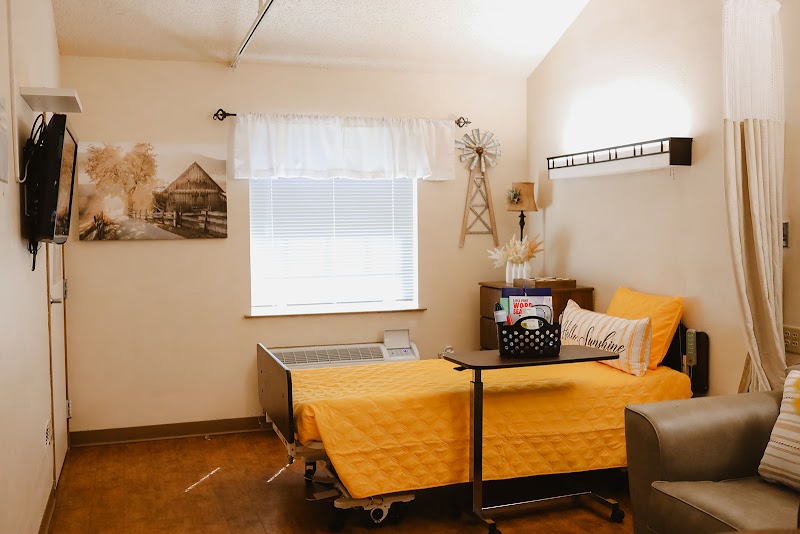
How is Cross Timbers Rehabilitation And Healthcare Center Staffed?

CMS rates CROSS TIMBERS REHABILITATION AND HEALTHCARE CENTER's staffing level at 2 out of 5 stars, which is below average compared to other nursing homes. Staff turnover is 49%, compared to the Texas average of 46%. RN turnover specifically is 58%, which is notably high. RNs provide skilled clinical oversight, so turnover in this role can affect medical care quality.

What Have Inspectors Found at Cross Timbers Rehabilitation And Healthcare Center?

State health inspectors documented 28 deficiencies at CROSS TIMBERS REHABILITATION AND HEALTHCARE CENTER during 2022 to 2025. These included: 1 Immediate Jeopardy (the most serious level, indicating potential for serious harm or death) and 27 with potential for harm. Immediate Jeopardy findings are rare and represent the most serious regulatory concerns. They require immediate corrective action.
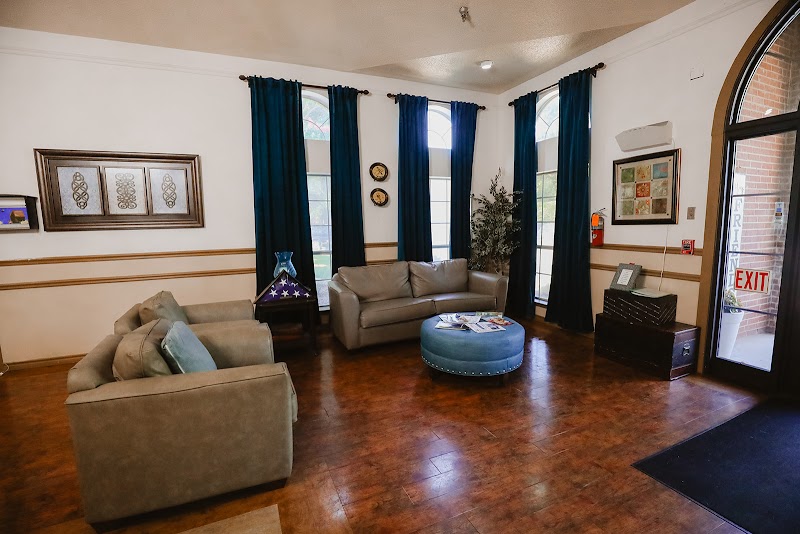
Who Owns and Operates Cross Timbers Rehabilitation And Healthcare Center?

CROSS TIMBERS REHABILITATION AND HEALTHCARE CENTER is owned by a for-profit company. For-profit facilities operate as businesses with obligations to shareholders or private owners. The facility is operated by NEXION HEALTH, a chain that manages multiple nursing homes. With 120 certified beds and approximately 92 residents (about 77% occupancy), it is a mid-sized facility located in FLOWER MOUND, Texas.
How Does Cross Timbers Rehabilitation And Healthcare Center Compare to Other Texas Nursing Homes?

Compared to the 100 nursing homes in Texas, CROSS TIMBERS REHABILITATION AND HEALTHCARE CENTER's overall rating (2 stars) is below the state average of 2.8, staff turnover (49%) is near the state average of 46%, and health inspection rating (2 stars) is below the national benchmark.

What Should Families Ask When Visiting Cross Timbers Rehabilitation And Healthcare Center?

Based on this facility's data, families visiting should ask: "What changes have been made since the serious inspection findings, and how are you preventing similar issues?" "Can you walk me through typical staffing levels on day, evening, and night shifts?" "Can I visit during a mealtime to observe dining assistance and food quality?" "How do you handle medical emergencies, and what is your hospital transfer rate?" These questions are particularly relevant given the facility's Immediate Jeopardy citations and the below-average staffing rating.

Is Cross Timbers Rehabilitation And Healthcare Center Safe?

Based on CMS inspection data, CROSS TIMBERS REHABILITATION AND HEALTHCARE CENTER has documented safety concerns. Inspectors have issued 1 Immediate Jeopardy citation (the most serious violation level indicating risk of serious injury or death). The facility has a 2-star overall rating and ranks #100 of 100 nursing homes in Texas. Families considering this facility should ask detailed questions about what corrective actions have been taken since these incidents.

Do Nurses at Cross Timbers Rehabilitation And Healthcare Center Stick Around?

CROSS TIMBERS REHABILITATION AND HEALTHCARE CENTER has a staff turnover rate of 49%, which is about average for Texas nursing homes (state average: 46%). Moderate turnover is common in nursing homes, but families should still ask about staff tenure and how the facility maintains care continuity when employees leave.

Was Cross Timbers Rehabilitation And Healthcare Center Ever Fined?

CROSS TIMBERS REHABILITATION AND HEALTHCARE CENTER has no federal fines on record. CMS issues fines when nursing homes fail to meet care standards or don't correct problems found during inspections. The absence of fines suggests the facility has either maintained compliance or corrected any issues before penalties were assessed. This is a positive indicator, though families should still review recent inspection reports for the full picture.

Is Cross Timbers Rehabilitation And Healthcare Center on Any Federal Watch List?

CROSS TIMBERS REHABILITATION AND HEALTHCARE CENTER is not on any federal watch list. The most significant is the Special Focus Facility (SFF) program, which identifies the bottom 1% of nursing homes nationally based on persistent, serious quality problems. Not being on this list means the facility has avoided the pattern of deficiencies that triggers enhanced federal oversight. This is a positive indicator, though families should still review the facility's inspection history directly.