FRANKLIN NURSING HOME
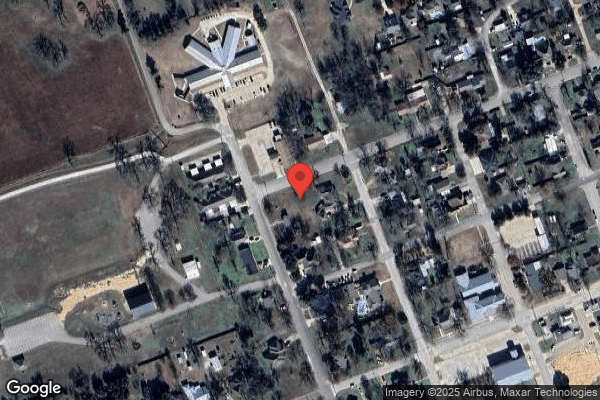
700 HEARNE ST, FRANKLIN, TX 77856 (979) 828-5152
Government - Hospital district 90 Beds CREATIVE SOLUTIONS IN HEALTHCARE Data: November 2025
Trust Grade
75/100
#234 of 1168 in TX
Last Inspection: September 2025

Inspected within the last 6 months. Data reflects current conditions.

Overview

Franklin Nursing Home has a Trust Grade of B, indicating it’s a good choice among nursing facilities. With a state ranking of #234 out of 1168, it is in the top half of Texas facilities, and it ranks #2 out of 3 in Robertson County, suggesting only one local option is better. However, the facility is experiencing a worsening trend, with issues increasing from 5 in 2024 to 6 in 2025. Staffing is a relative strength, with a turnover rate of 34%, which is well below the Texas average, but the RN coverage is only rated average. The facility has not incurred any fines, which is a positive sign. On the downside, recent inspections revealed multiple concerns, including improper food storage practices that could risk foodborne illness, and inadequate personal hygiene care for some residents, which could harm their dignity and quality of life. Additionally, the facility failed to request necessary specialized services for some residents, potentially impacting their overall well-being. Overall, while there are some strengths, families should consider these weaknesses carefully.

Trust Score
B
75/100
In Texas
#234/1168
Top 20%
Safety Record
Low Risk
No red flags
Inspections
Getting Worse
5 → 6 violations
Staff Stability
○ Average
34% turnover. Near Texas's 48% average. Typical for the industry.
Penalties
✓ Good
No fines on record. Clean compliance history, better than most Texas facilities.
Skilled Nurses
⚠ Watch
Each resident gets only 19 minutes of Registered Nurse (RN) attention daily — below average for Texas. Fewer RN minutes means fewer trained eyes watching for problems.
Violations
⚠ Watch
18 deficiencies on record. Higher than average. Multiple issues found across inspections.
★★★★☆
4.0
Overall Rating
★★★☆☆
3.0
Staff Levels
★★★★☆
4.0
Care Quality
★★★★☆
4.0
Inspection Score
Stable
2024: 5 issues
2025: 6 issues

The Good

  • 4-Star Quality Measures · Strong clinical quality outcomes
  • Full Sprinkler Coverage · Fire safety systems throughout facility
  • No fines on record
  • Staff turnover below average (34%)

    14 points below Texas average of 48%

Facility shows strength in quality measures, fire safety.

The Bad

Staff Turnover: 34%

12pts below Texas avg (46%)

Typical for the industry

Chain: CREATIVE SOLUTIONS IN HEALTHCARE

Part of a multi-facility chain

Ask about local staffing decisions and management

The Ugly 18 deficiencies on record

Sept 2025 5 deficiencies
CONCERN (D)

Potential for Harm - no one hurt, but risky conditions existed

Safe Environment (Tag F0584)

Could have caused harm · This affected 1 resident

**NOTE- TERMS IN BRACKETS HAVE BEEN EDITED TO PROTECT CONFIDENTIALITY** Based on observations, interviews, and record reviews the facility failed to ensure that residents received housekeeping service...

Read full inspector narrative →
**NOTE- TERMS IN BRACKETS HAVE BEEN EDITED TO PROTECT CONFIDENTIALITY** Based on observations, interviews, and record reviews the facility failed to ensure that residents received housekeeping services to maintain a sanitary and comfortable interior for 1 of 8 residents (Resident #22). The facility failed to ensure that housekeeping attendants cleaned and sanitized the interior of the bathroom cabinet in Resident #22's bathroom. This failure could result in potential cross contamination and illness for residents. Findings included: Record review of Resident #22's undated face sheet, printed on 9/09/2025, reflected a [AGE] year old female admitted to the facility on [DATE]. Diagnoses included chronic obstructive pulmonary disease (a lung disease limiting air flow from the lungs), cognitive communication deficit (problem with communication caused by cognition rather than a language or speech deficit), and paranoid schizophrenia (condition in which the mind creates a highly detailed alternate reality that feels completely real, causing suspicion and fear). Record review of Resident #22's quarterly MDS, dated [DATE], reflected a BIMS score of 9 (moderate cognitive impairment). Record review of Resident #22's care plan reflected a Focus Area indicating, [Resident #22] has an ADL Self Care Performance Deficit at times r/t Schizophrenia, depression and dementia. Date Initiated: 01/07/2014 with a related intervention of , TOILETING: the resident is independent and continent of bowel and bladder. Date Initiated: 01/07/2014. Revision on: 12/10/2014. During an observation and interview on 9/09/2025 at 09:54 AM, Resident #22, stated there were roaches in the bathroom. She stated the facility has treated for roaches. She stated there was evidence of the roaches in the bathroom cabinet. The bathroom was observed to be clean with no evidence of pests. An observation of the inside of the bathroom cabinet in Resident #22's room revealed a collection of a dry, black substance scattered on the inside of the cabinet and the wall inside the cabinet. She stated the black substance in the cabinet was roach excrement. During an observation of Resident #22's bathroom on 9/10/2025 at 11:47AM, revealed a clean bathroom with a collection of a dry, black substance scattered on the inside of the cabinet and the wall inside the cabinet. There was no observable change to the soiled areas inside the cabinet from the previous day. Resident #22's room was observed to be clean with no evidence of pests. During an interview on 9/10/2025 at 12:11PM, Resident #22 stated she had not told the facility about the suspected roach excrement in the bathroom cabinet. She stated she thought they would just fix it, but they had not. During an interview and observation with Housekeeper B on 9/10/2025 at 1:03PM, he stated he believed Resident #22 was the only room with a bathroom cabinet He stated he mostly cleaned the floors and had not cleaned Resident #22's bathroom in a long time. He stated the other housekeeper on staff would have cleaned that room, but she was on break He stated the housekeeping department does deep cleaning of resident rooms on a rotation. He stated he thinks Resident #22 was due for a deep cleaning soon. During an observation of Resident #22's cabinet, Housekeeper B stated, That's not good. That is roach feces. He stated he was not sure why the inside of the cabinet was not cleaned. He stated he would clean it right away. He stated the risk to the resident of not cleaning her environment adequately was she could become very sick. In an interview on 9/10/2025 at 1:11 PM with the Housekeeping Director, she stated she thought the black substance in Resident #22's cabinet was something called track marks by their Pest Control Technician. She stated track marks were described to her as evidence of pests walking over an area. She stated she was not sure if it was roach excrement. She stated she and the housekeeping staff were responsible for the cleaning and sanitation of the facility. She stated there were no other bathroom cabinets in the facility except Resident #22's. She stated the Pest Control Technician treated and inspected the facility that morning on 9/10/2025. She stated he was treating for reports of flies. She state that it was normal to have more flies during this season. She stated she knew Hall 2 had an issue with pests within the last two months, but she stated she was not aware there was an issue with Resident #22's room at this time. She stated she was not aware the inside of Resident #22's cabinet was not being cleaned. She stated that there is a monthly deep cleaning done for all resident rooms. She stated that she believed that Resident #22 was due to be cleaned for the month. She stated she sent out daily messages to staff after the morning meeting regarding any known areas of concern for the building. She stated a portion of the roof of the building was blown off in a storm recently and the facility was working to treat for any pests and repair any holes that were noted during inspection by the staff or pest control. She stated that since that time there had been reports of roaches in the facility, but the staff had been in regular communication with pest control services to treat regularly monitor the building for any new access points for pests or vermin. She stated she had observed large roaches, but had not seen any rodents. She stated she did not know if the housekeeper checked the cabinet to see the black substance inside. She stated that staff probably know that the inside of the cabinet is not in use. She stated that the department does a deep clean once a month for all resident rooms. She stated she expected staff to look inside the cabinet when they were cleaning the bathroom. She stated she expected housekeeping staff to look under, over, and through things as they are cleaning. She stated she would make a note to herself to check the cabinet daily and ensure it was cleaned in the future. She stated she would add that room number to the list of rooms for the Pest Control Technician to look at when he visited. She stated she would do an in-service right away to alert staff to the issue. During an interview on 9/10/2025 at 1:23 PM, the DON stated, I don't know why she has a cabinet. They probably don't think to clean it because there are no other cabinets. She stated that she expected the bathrooms to be cleaned daily, including the bathroom cabinet for Resident #22. She stated she would add it to the morning rounds and discuss it during the morning meeting in the future. She stated pest control had been in the facility that morning on 9/10/2025. She stated she was not aware of black substance scattered in the bathroom cabinet for Resident #22. She stated that, If [Resident #22] touched it, she could get an infection. She stated the facility called pest control yesterday to treat for flies. She stated that anytime the [pest control technician] was in the facility, the staff would tell him any areas to focus on or where insects were seen. She stated that the facility was working to declutter trash and unwanted personal items for residents in addition to their pest control visits to minimize opportunities for food and housing of pests and/or vermin. In a telephone interview on 9/10/2025 at 2:07PM, the Pest Control Technician stated it was probably roach feces in the bathroom cabinet from the description, but that he could not be sure. He stated he has been coming more than monthly to the facility. He stated they had more problems since the incident with the portion of the roof was damaged recently and being an older building in the country was challenging. He stated that he primarily treated for flies and was monitoring for signs of vermin in the kitchen area and possible entry points for pests and vermin into the building on 9/10/2025. He said he felt the facility was staying on top of their communication with him and trying to keep things under control. He stated the pest situation at the facility was definitely improving. He stated he had not see the bathroom cabinet when he was in the facility earlier that day. He stated he did not treat that room for roaches or inspect it during the visit on 9/10/2025. He stated he was not aware there was a continued problem in that resident room specifically. In an interview on 9/11/2025 at 10:04 AM with RNC, she stated housekeeping should be cleaning the bathrooms daily. She stated pest control was out more than monthly lately. She stated she felt like the facility was doing everything they could to manage pests inthe building. She stated the condition of the cabinet for Resident #22's bathroom was not an acceptable level of cleanliness. She stated that the potential risk to the resident if they got into the cabinet was it could cause some sort of illness. During an interview on 9/11/2025 at 11:05 AM, the ADMIN stated he ensured they deep cleaned Resident #22's room after the cabinet was brought to the attention of the housekeeper by surveyor on 9/10/2025. He stated the facility planned to remove the cabinet in her room and install a sink like the other rooms in the facility. He stated he was not aware the inside of the cabinet for Resident #22 was soiled. He stated the bathroom should be cleaned daily by housekeeping. He stated that he would have the staff check the cabinet in the future during morning rounds. He stated that even though it is the only bathroom cabinet in the facility, it was expected that it should be cleaned and decluttered. He stated that from the look of the cabinet and knowing the history of the building, he thought the black substance was roach related. He stated that the effect on the resident of having a unclean bathroom would be that it could contribute to contamination or illness for the resident. Record review of Service Inspection Report from Pest Control Technician visit dated 9/01/2025, reflected, The medical records office. She mentioned seeing some American cockroaches in [Resident #22's room]. Resident was unable to be moved. I did find 3 live American cockroaches in the closet and bathroom. These cockroaches were disposed of. Resident was unable to be moved. Bait and monitors were applied. As I pulled up to the facility. The first thing I noticed was the missing roof. This facility has lost half of the roof over the 400 hallway, from a storm that hit about 2 weeks ago. The old damaged roof is still there.,but the tin has blown off.I checked in with the [Maintenance Director] and he said that he didn't know of any issues. The dietary staff said that they had been doing good. They hadn't seen anymore rodent activity, since I was there last. A liquid spot residual was applied to the kitchen, dining room,common areas, offices, nurses station,entranceways, and exits. The fly light glue boards were replaced. Record review of facility policy printed on 9/11/2025 at 11:54PM for Resident Rights (undated) reflected: The resident has a right to a dignified existence, self-determination, and communication with and access to persons and services inside and outside the facility, including those specified in this policy.A facility must treat each resident with respect and dignity and care for each resident in a manner and in an environment that promotes maintenance or enhancement of his or her quality of life, recognizing each resident's individuality. The facility must protect and promote the rights of the resident.
CONCERN (D)

Potential for Harm - no one hurt, but risky conditions existed

Deficiency F0657 (Tag F0657)

Could have caused harm · This affected 1 resident

**NOTE- TERMS IN BRACKETS HAVE BEEN EDITED TO PROTECT CONFIDENTIALITY** Based on interviews and record reviews, the facility failed to ensure that the comprehensive care plan was reviewed and revised ...

Read full inspector narrative →
**NOTE- TERMS IN BRACKETS HAVE BEEN EDITED TO PROTECT CONFIDENTIALITY** Based on interviews and record reviews, the facility failed to ensure that the comprehensive care plan was reviewed and revised by the interdisciplinary team after each assessment for 2 (Resident #9 and Resident #37) of 6 residents reviewed for care plans. The facility failed to update Resident #9's and Resident #37's care plan to reflect current activity needs for in room activities. This failure could place residents at risk for not receiving necessary services or having important needs identified and met. Findings included:Record review of Resident #9's face sheet, dated 09/10/2025, reflected a [AGE] year-old male, admitted [DATE] and readmitted [DATE]. Resident #9 had diagnoses which included major depressive disorder, unspecified (a mood disorder that causes a persistent feeling of sadness and loss of interest), anxiety disorder (a mental health disorder that produces fear, worry, and a constant feeling of being overwhelmed), other lack of coordination (the body's movements are not smooth, controlled, or precise resulting in unsteadiness, and difficulty with everyday tasks) and unspecified dementia, unspecified severity, without behavioral disturbance, psychotic disturbance, mood disturbance, and anxiety (a condition where individuals experience cognitive decline consistent memory loss, impaired thinking, etc . without behaviors).Record review of Resident #9's annual MDS Assessment, dated 06/16/2025, reflected Resident #9 had a BIMS score of 5, indicating severely impaired cognition. -Further review reflected Resident #9 indicated going outside to get fresh air was very important to him. The following activities was somewhat important such as reading books, being around pets, listening to music, keeping up with the news, and doing favorite activities. Record review of Resident #9's Comprehensive Care Plan, dated 07/20/2025, reflected no revisions of activity preferences and needs assessed in August 2025. Resident #9 was identified first week of August as needing in room activities 2-3 times per week related to a decline in attending group activities. Record review of Activity in Room Resident List, not dated, on 09/09/2025 reflected Resident #9's name was on the list to receive in room activities 2 to 3 times per week. During an observation and interview on 09/09/2025 at 10:50 AM, Resident #9 was lying in bed staring at the wall in front of him. His television was not on in his room. Resident #9 was not interviewable . Record review of Resident #37's face sheet, dated 09/10/2025, reflected a [AGE] year-old male, admitted on [DATE]. Resident #37 had diagnoses which included unspecified dementia, unspecified severity, without behavioral disturbance, psychotic disturbance, mood disturbance, and anxiety (a condition where individuals experience cognitive decline consistent memory loss, impaired thinking, etc . without behaviors), legal blindness, as defined in USA (an eye which has limitation in the field of vision so that the widest diameter of the visual field was at an angle no greater than 20 degrees was considered to have a central visual acuity of 20/200 or less), age-related nuclear cataract, bilateral (clouding or hardening of the central part of the eye's lens of both eyes), and primary osteoarthritis in right and left shoulder (a degenerative condition where the protective cartilage in the shoulder joint wears away, leading to bones rubbing against each other, causing pain, stiffness, and loss of motion). Record review of Resident # 37's Annual MDS Assessment, dated 02/09/2025, reflected Resident #37 had a BIMS score of 5, which indicated his cognition was severely impaired. Further review reflected Resident #37 indicated listening to music was very important to him with the following activities were somewhat important: being around pets, l keeping up with the news, and doing favorite activities. Record review of Resident#37's Quarterly MDS Assessment, dated 08/29/2025, reflected Resident #37 had a BIMS score of 3, which indicated his cognition was severely impaired. Record review of Resident #37's Comprehensive Care Plan, reflected Resident #37 (date initiated on 05/13/2024) had little or no activity involvement related to resident wishes not to participate. Resident #37 would participate in activities of choice 2 to 3 times per week. An intervention was to explain to the resident the importance of social interaction, leisure activity time, and encourage the resident's participation. Resident risk for weight loss. Intervention: Encourage food related activities. Record review of Activity in Room Resident List, not dated, on 09/09/2025 reflected Resident #37's name was on the list to receive in room activities 2 to 3 times per week. Interview on 09/11/2025 at 9:05 AM MDS Coordinator stated any time there was a change in a resident's physical condition, cognition, or activity preferences. The residents care plan was expected to be revised to reflect any changes with the resident. She stated if a resident needed in room activities after the comprehensive care plan was completed, the Activity Director was expected to revise the activity care plan and inform the IDT of the changes. She stated the Activity Director had opportunity to inform the IDT in morning meetings. The MDS Coordinator stated any residents in the facility she was not aware of any changes in their activity level or preferences. Interview on 09/11/2025 at 9:40 AM, the Activity Director stated Resident # 9's and Resident #37's care plans were not revised in August 2025 to reflect their changes in activity needs such as being provided in room activities. She stated anytime a resident's activity preference or activity abilities changed; the residents care plan was expected to be revised to reflect these changes. She stated if a resident was having behaviors or was depressed and staff reviewed the care plan; the staff would not know the accurate activities interventions to provide for the resident. She stated she had been in-serviced on care plans but did not recall the date. She stated she did not recall why the care plan was not revised. Interview on 09/11/2025 at 10:00 AM, the Assistant Director of Nurses stated all care plans was expected to be revised anytime there was a change of physical condition, mental status, or activity preferences. She stated if a resident activity level changed and needed different type of activities, such as in room activities, the residents care plan was expected to be revised to reflect resident activity needs and preferences. She stated the care plan was a tool the staff used to know how to treat a resident's physical needs, cognitive needs, interventions of any type of behaviors, activity preferences, etc. She stated a care plan could be revised at any time. She stated if there were any changes in activity level or activity preferences with a resident the Activity Director was expected to revise the care plan to reflect their current activity needs. Record review of the Facility's Comprehensive Care Planning, not dated, reflected Residents' preferences and goals may change throughout their stay, so facilities should have ongoing discussions with the resident and resident representative, if applicable, so that changes can be reflected in the comprehensive care plan.
CONCERN (D)

Potential for Harm - no one hurt, but risky conditions existed

ADL Care (Tag F0677)

Could have caused harm · This affected 1 resident

**NOTE- TERMS IN BRACKETS HAVE BEEN EDITED TO PROTECT CONFIDENTIALITY** Based on observations, interview and record review, the facility failed to ensure a resident who was unable to carry out activit...

Read full inspector narrative →
**NOTE- TERMS IN BRACKETS HAVE BEEN EDITED TO PROTECT CONFIDENTIALITY** Based on observations, interview and record review, the facility failed to ensure a resident who was unable to carry out activities of daily living received the necessary services to maintain good nutrition, grooming, and personal and oral hygiene for two of eight residents (Resident# 9, and Resident #37) reviewed for ADL care. The facility failed to ensure Resident #9's and Resident # 37's nails were cleaned, and did not have any rough edges. This failure could place residents at risk of not receiving services or care, diminished quality of life, and decreased self-esteem.Findings included: Record review of Resident #9's face sheet, dated 09/10/2025, reflected a [AGE] year-old male, admitted [DATE] and readmitted [DATE]. Resident #9 had diagnoses which included major depressive disorder, unspecified (a mood disorder that causes a persistent feeling of sadness and loss of interest), anxiety disorder (a mental health disorder that produces fear, worry, and a constant feeling of being overwhelmed), other lack of coordination (the body's movements are not smooth, controlled, or precise resulting in unsteadiness, and difficulty with everyday tasks) and unspecified dementia, unspecified severity, without behavioral disturbance, psychotic disturbance, mood disturbance, and anxiety (a condition where individuals experience cognitive decline consistent memory loss, impaired thinking, etc . without behaviors). Record review of Resident#9's Annual MDS Assessment, dated 06/16/2025, reflected Resident #9 had a BIMS score of 5, which indicated his cognition was severely impaired. Resident #9 required partial/moderate assistance - helper does more than half the effort with the following: personal hygiene, upper body dressing, and oral hygiene. He required substantial/maximal assistance - helper does more than half the effort with the following: lower body dressing, showers, and putting on/taking off footwear. Record review of Resident #9's Comprehensive Care Plan, dated 07/20/2025, reflected Resident #9 had an ADL self-care performance deficit. Interventions: Resident #9 required assistance with personal hygiene and bathing. Check nail length and trim and clean on bath day and as needed. Report any changes to the nurse. During an observation and interview on 09/09/2025 at 10:50 AM, Resident #9 was in his room lying in bed. He had a blackish/ brownish substance underneath the middle and ring fingernails on his right hand. Resident #9's middle fingernail on his right hand was uneven around the edges. Resident #9 did not respond to questions or conversation about his nails. He was not interviewable. Record review of Resident #37's face sheet, dated 09/10/2025, reflected a [AGE] year-old male, admitted on [DATE]. Resident #37 had diagnoses which included unspecified dementia, unspecified severity, without behavioral disturbance, psychotic disturbance, mood disturbance, and anxiety (a condition where individuals experience cognitive decline consistent memory loss, impaired thinking, etc . without behaviors), legal blindness, as defined in USA (an eye which has limitation in the field of vision so that the widest diameter of the visual field was at an angle no greater than 20 degrees was considered to have a central visual acuity of 20/200 or less), age-related nuclear cataract, bilateral (clouding or hardening of the central part of the eye's lens of both eyes), and primary osteoarthritis in right and left shoulder (a degenerative condition where the protective cartilage in the shoulder joint wears away, leading to bones rubbing against each other, causing pain, stiffness, and loss of motion). Record review of Resident#37's Quarterly MDS Assessment, dated 08/29/2025, reflected Resident #37 had a BIMS score of 3, which indicated his cognition was severely impaired. Resident #37 required partial/moderate assistance (helper does less than half the effort) with the following: personal hygiene, lower and upper body dressing, showers, and oral hygiene. Record review of Resident #37's Comprehensive Care Plan, reflected Resident #37 (date initiated on 05/01/2024) had an ADL Self Care Performance Deficit. Interventions: he needed assistance with personal hygiene and bathing. During bathing check Resident #37's nail length, trim and clean on bah day and as needed. Report any changes to the nurse. Observation and interview on 9/09/2025 at 10:17 AM, revealed Resident #37 was in his room sitting in his wheelchair. He had a blackish/ brownish substance underneath the middle ring and fore fingernails on his right hand. Resident #37's ring and middle fingernail on his right hand were uneven around the edges. Resident # 37 stated he could not see his fingernails. He stated he was blind. Resident #37 stated if his nails needed to be cut and cleaned, he wished someone would do it for him. In an interview on 06/19/2025 at 9:00 AM, LVN C stated the nurses were responsible for residents with diagnosis of diabetes with nail care such as trimming, cleaning, filing. She stated the CNAs were responsible for all other residents' nail care. LVN C stated if a resident had brownish/blackish substance underneath their nails and if a resident swallowed the substance there was a possibility a resident may become ill such as stomach problems nausea and vomiting. LVN C stated if a resident refused any type of care, the nurse would document the refusal in the nurse's notes. She stated Resident #9 and Resident #37 did not refuse care. She stated no one had reported to her Resident #9 or Resident #37 refused nail care. She stated she had been in- serviced on nail care, however, she did not recall the date. In an interview on 06/19/2025 at 9:20 AM, CNA D stated the CNAs were responsible for cleaning, trimming, and filing all residents' nails except for the residents with a diagnosis of diabetes. She stated the nurses were responsible for all the residents' nails with a diagnosis of diabetes. CNA D stated the residents' nails were usually cleaned on Sundays, their shower days and as needed. She stated if there was a blackish substance on the residents' fingertips or underneath their nails and the resident swallowed the blackish substance there was a possibility a resident may become ill such as vomiting and diarrhea. She stated a resident may cause a skin tear if their fingernails were not smooth. CNA D stated she was in-serviced on cleaning, filing, and trimming residents' nails but she did not recall the date. She stated she had given care to Resident # 9 and Resident #37, and they did not refuse nail care . She stated if any resident refused care it was reported to the nurse and the nurse would document the refusal in the nurses note. She stated he was in-serviced on nail care. CNA D stated she did not recall the date of the nail care in-service. In an interview on 06/19/25 at 10:30 AM, Treatment Nurse RN E stated the nurses, and the CNAs were responsible for nail care. She stated the nurses were responsible to trim and clean all resident's nails with a diagnosis of diabetes. She stated it was the CNAs' responsibility to clean and trim all other residents' nails during showers or as needed. She stated if there was a blackish substance underneath the resident's nails, there was a possibility the substance had bacteria. Treatment Nurse RN E stated if a resident swallowed the bacteria there was a possibility a resident may become ill with stomach problems such as vomiting. CNA C stated she was in-serviced on nail care; however, she did not recall the date. She stated she had given care to Resident #9 and Resident #37. She stated she was not aware of Resident #37 or Resident #9 refusing nail care. In an interview on 06/19/25 at 09:36 AM, the Assistant Director of Nurses stated if a resident ingested the blackish substance on their fingers or underneath their fingernails, there was a possibility the substance may be some type of bacteria, however it would be difficult to determine if the blackish/ brownish substance was bacteria. She stated it was a possibility a resident may become ill with stomach issues such as vomiting and diarrhea if they ingested the blackish/ brownish substance. She stated the CNAs were responsible for all residents' nails such as cleaning, trimming, and filing except for the residents with diabetes (a disease that occurs when your blood sugar, is too high). She stated for any resident with a diagnosis of diabetes the nurse was responsible for these residents' fingernails. The Assistant Director of Nurses stated the nurse supervisor was responsible for monitoring CNAs giving ADL care including nail care and she was responsible for monitoring the nurse supervisors.Record review of the facility policy on Nail Care, not dated, reflected Nail management is the regular care of the toenails and fingernails to promote cleanliness, and skin integrity of tissues, to prevent infection, and injury from scratching by fingernails or pressure of shoes on toenails. It includes cleansing, trimming, smoothing, and cuticle are and is usually done during the bath. Nails can become thinner and more brittle in the elderly and thicker if peripheral circulation is impaired. Nails are also important in assessment, as changes occur with certain medical conditions, such as clubbing with chronic obstructive pulmonary disease or cardiac disease. Color changes with circulatory or lymphatic impairment and certain drug therapy is common.
CONCERN (D)

Potential for Harm - no one hurt, but risky conditions existed

Deficiency F0679 (Tag F0679)

Could have caused harm · This affected 1 resident

**NOTE- TERMS IN BRACKETS HAVE BEEN EDITED TO PROTECT CONFIDENTIALITY** Based on observation, interview and record review the facility failed to provide, based on the comprehensive assessment and care...

Read full inspector narrative →
**NOTE- TERMS IN BRACKETS HAVE BEEN EDITED TO PROTECT CONFIDENTIALITY** Based on observation, interview and record review the facility failed to provide, based on the comprehensive assessment and care plan and the preferences of each resident, an ongoing program to support residents in their choice of activities, both facility sponsored group and individual activities, and independent activities, designed to meet the interests of and support the physical, mental, and psychosocial well-being of each resident, encouraging both independence and interaction in the community for two of eight residents (Resident # 9, and Resident #37) reviewed for activities. The facility failed to provide Resident #9, and Resident #37 in room activities on the dates of 8/11/2025 thru 8/31/2025. This failure could place residents at risk for boredom, depression, and a diminished quality of life. Findings included:Record review of Resident # 9's face sheet, dated 09/10/2025, reflected a [AGE] year-old male, admitted [DATE] and readmitted [DATE]. Resident #9 had diagnoses which included major depressive disorder, unspecified (a mood disorder that causes a persistent feeling of sadness and loss of interest), anxiety disorder ( a mental health disorder that produces fear, worry, and a constant feeling of being overwhelmed), other lack of coordination ( the body's movements are not smooth, controlled, or precise resulting in unsteadiness, and difficulty with everyday tasks) and unspecified dementia, unspecified severity, without behavioral disturbance, psychotic disturbance, mood disturbance, and anxiety ( a condition where individuals experience cognitive decline consistent memory loss, impaired thinking, etc. without behaviors). Record review of Resident #9's annual MDS Assessment, dated 06/16/2025, reflected Resident #9 had a BIMS score of 5, indicating severely impaired cognition. -Further review reflected Resident #9 indicated going outside to get fresh air was very important to him. The following activities was somewhat important such as reading books, being around pets, listening to music, keeping up with the news, and doing favorite activities. Record review of Resident #9's Comprehensive Care Plan, dated 07/20/2025, reflected Resident #9 had dementia. Interventions included: engage resident in simple, structured activities that avoid overly demanding tasks and provide a program of activities that accommodates the resident's abilities. Resident #3 had a communication problem related to cognitive communication deficit (caused by underlying problems with thinking processes, not a speech or language impairment) Interventions included be conscious of resident position when in groups, activities, dining room to promote proper communication with others. and provide a program of activities that accommodates the resident's communication abilities. Resident #9 needed out of room social, spiritual, and stimulus activities and mental stimulation. Intervention included the activity director will encourage and remind the resident of current activities. Resident is at risk for falls. Intervention: Encourage to participate in activities that promote exercise, physical activity for strengthening and improved mobility. Resident#9 needed activities that minimize the potential for falls while providing diversion and distraction. Record review of Resident #9's Participation Record, dated August 2025, reflected Resident # 3 did not receive in room activities from 08/11/2025 thru 08/25/2025. During an interview on 09/09/2025 at 11:45 AM, the Activity Director stated Resident # 9 did not want to attend very many group activities and changed his activity program the first week of August 2025 to receive in room activities 3 times per week. She stated her plan was to begin in room activities with Resident #9 on 08/11/2025. The Activity Director stated she was expected to ensure all residents received activities based on their preferences and their physical abilities. She stated if residents were not coming out of their room, the residents were to be provided in room activities. The Activity Director stated she provided in room activities at least twice a week. She stated there was not an excuse why Resident #9 did not receive in room visits. The Activity Director stated if a resident was not receiving activities on a consistent basis there was a potential a resident may become bored, depressed, or have a decline in their quality of lifeDuring an observation and interview on 09/09/2025 at 10:50 AM, Resident #9 was lying in bed staring at the wall in front of him. His television was not on in his room. Resident #9 was not interview able . Resident #9 did not respond to questions. Resident#9 cognition is severely impaired. Record review of Resident # 37's face sheet, dated 09/10/2025, reflected a [AGE] year-old male, admitted on [DATE]. Resident #37 had diagnoses which included unspecified dementia, unspecified severity, without behavioral disturbance, psychotic disturbance, mood disturbance, and anxiety (a condition where individuals experience cognitive decline consistent memory loss, impaired thinking, etc . without behaviors), legal blindness, as defined in USA (an eye which has limitation in the field of vision so that the widest diameter of the visual field was at an angle no greater than 20 degrees was considered to have a central visual acuity of 20/200 or less), age-related nuclear cataract, bilateral (clouding or hardening of the central part of the eye's lens of both eyes), and primary osteoarthritis in right and left shoulder (a degenerative condition where the protective cartilage in the shoulder joint wears away, leading to bones rubbing against each other, causing pain, stiffness, and loss of motion). Record review of Resident # 37's Annual MDS Assessment, dated 02/09/2025, reflected Resident #37 had a BIMS score of 5, which indicated his cognition was severely impaired. Further review reflected Resident #37 indicated listening to music was very important to him. with the following activities were somewhat important: being around pets, l keeping up with the news, and doing favorite activities. Record review of Resident#37's Quarterly MDS Assessment, dated 08/29/2025, reflected Resident #37 had a BIMS score of 3, which indicated his cognition was severely impaired. Record review of Resident #37's Comprehensive Care Plan, reflected Resident #37 (date initiated on 05/13/2024) had little or no activity involvement related to resident wishes not to participate. Resident #37 would participate in activities of choice 2 to 3 times per week. An intervention was to explain to the resident the importance of social interaction, leisure activity time, and encourage the resident's participation. Resident risk for weight loss. Intervention: Encourage food related activities. Record review of Resident #37's Participation Record, dated August 2025, reflected Resident #3 did not receive in room activities from 08/11/2025 thru 08/25/2025. During an observation on 09/09/2025 at 10:17 AM, Resident #37 was sitting in a wheelchair in his room. He was wearing sunglasses. Resident #37 was looking downward. He stated he did talk to his roommate, but he did not do any activities. Resident #37 stated he enjoyed music and would enjoy having music in his room. He stated he enjoyed all types of music except country. Resident #37 stated his roommate watched tv and he would try something go in his ears to listen to music. He stated he did not want to be in a group, and he rather do activities in his room. He did not respond if activity director visited him in his room or offered him music. Interview on 09/09/2025 at 11:45 AM, the Activity Director stated Resident # 37 did not want to attend group activities due to his impaired vision. She stated he preferred to receive activities in his room. The Activity Director stated she added Resident #37 to in room activities on 08/11/2025. She stated Resident #37's activity plan was adding him on the in-room activity program 2-3 times per week. The Activity Director stated she did not have an explanation of why Resident #37 did not receive in room activities during the time frame of 08/11/2025 thru 08/25/2025. Interview on 09/11/2025 at 9:40 AM, the Activity Director stated she was expected to ensure all residents received activities based on their preferences and their physical abilities. She stated if residents were not coming out of their room, had a decline of attending group activities, the residents were to be provided activities in their room. She stated if a resident was not receiving activities there was a possibility the resident may have become isolated, have a decline in their mental status, or become depressed. She stated it was her responsibility to provide in room activities. The Activity Director stated she forgot to visit Resident # 9 and Resident #37 during the month of August when she added both residents to the in-room activity program. Interview on 09/11/2025 at 11:00 AM, the Administrator stated he expected in room activities be provided to the residents needing these types of activities. He stated if a resident was not receiving in room activities there was a possibility a resident may become depressed, bored and isolated. He stated the Activity Director was responsible for all activities in the facility. He stated the Administrator would be responsible for monitoring the Activity Director. Record review of the Activity Director's personnel file revealed she was a certified Activity Profession through NCCAP (National Certification Council of Activity Professionals). Record review of The Facility's Activity Programming, dated 2019, revealed Activity programs are to be designed based on resident's leisure interest and implemented to meet the needs (physical, cognitive, social, spiritual, community, independent, and sensory) of the residents. Those who cannot participate in group settings are provided individual programming. Inability to participate could include those who refuse to participate in activities, those who are in isolation, or physician ordered bed rest. Record review of The Facility's Activity Documentation-General Guidelines, dated 2019, The following areas are considered documentation responsibilities of the Activity Director and staff and should be completed in a comprehensive and timely manner. Resident participation records.
CONCERN (D)

Potential for Harm - no one hurt, but risky conditions existed

Respiratory Care (Tag F0695)

Could have caused harm · This affected 1 resident

**NOTE- TERMS IN BRACKETS HAVE BEEN EDITED TO PROTECT CONFIDENTIALITY** Based on observations, interviews, and record reviews the facility failed to ensure that a resident who needs respiratory care, ...

Read full inspector narrative →
**NOTE- TERMS IN BRACKETS HAVE BEEN EDITED TO PROTECT CONFIDENTIALITY** Based on observations, interviews, and record reviews the facility failed to ensure that a resident who needs respiratory care, including tracheostomy care and tracheal suctioning, is provided such care, consistent with professional standards of practice, the comprehensive person-centered care plan, the residents' goals and preferences for 1 of 2 (Resident #1) reviewed for respiratory care.Findings included: Record review of Resident #1's undated Face Sheet printed on [DATE] revealed a [AGE] year old, male admitted to the facility on [DATE]. Diagnoses included Down Syndrome (genetic disorder), Seizures, and Cognitive Communication Deficit (problem with communication caused by cognition rather than a language or speech deficit). Record review of Resident #1's Annual MDS, dated [DATE], reflected Resident #1 was sometimes able to make himself understood and sometimes able to understand others. BIMS score for Resident #1 reflected 00 (severe cognitive impairment). Record review of Resident #1's Physician's orders printed on [DATE] at 1:09 PM reflected an order for Full Code dated [DATE], indicating a need for emergency care and resuscitation. There were no current orders for oxygen equipment or specialized respiratory care. Record review of Resident #1's Care Plan printed on [DATE] at 1:11PM reflected a Focus Area stating, Resident is Full Code. Date Initiated: [DATE]. Related Interventions/Tasks stated, Initiate BLS CPR if the resident is without a heartbeat or not breathing. Notify EMS (emergency medical services) Date Initiated: [DATE], and, Consult with nursing staff on changes in health. Date Initiated: [DATE]. Interventions for a Focus Area regarding Resident #1's seizure disorder reflected, SEIZURE PRECAUTIONS: Do not leave resident alone during a seizure, Protect from injury, If resident is out of bed, help to the floor to prevent injury, Remove or loosen tight clothing, Don't attempt to restrain resident during a seizure as this could make the convulsions more severe, Protect from onlookers, draw curtain etc. Date Initiated: [DATE]. Record review of Resident #1's Progress Notes [DATE] at 10:45AM reflected a note from LVN A stating, Res up in lobby initially noted having tremors. Res began vomiting then having seizure activity lasting 3-4 minutes. Lung sounds also significantly worsened, Spo2 dropped to 52 during seizure activity. Sent to [hospital] via RCEMS ([NAME] County Emergency Medical Services). at time of transfer res was continuing to have tremors, sats up to 72 on 5L O2(liters of oxygen). [Family member] called, informed of all, already at hospital for [Resident #1's other family member]. In an interview on [DATE] at 2:13PM, LVN A stated he was present on [DATE] when Resident #1 was sent out to the hospital. He stated Resident #1 was in the lobby when he started convulsing. He stated Resident #1 was breathing, but his oxygen levels were low, and he was sent out quickly. He stated prior to the incident the resident did not show any signs of respiratory changes or decline. He stated a crash cart was bought out during the episode. He stated emergency medical services were notified right away. He stated the ambulance was just down the road when they called and came very quickly. He stated the resident's oxygen improved some before the ambulance arrived. He stated he was not sure of the exact numbers for Resident #1's oxygen levels during the episode or prior to leaving the facility. He stated after the resident was sent out to the hospital, he notified the doctor, family, and the administration of the episode. He stated he thought he used a non-rebreather mask for the resident. He stated the proper oxygen flow for a non-rebreather was 8-10 LPM . He stated the bag attached to the oxygen mask does not need to fill. In an interview on [DATE] at 8:23AM, the DON stated staff had monthly care related trainings and continuing education topics. She stated the nursing staff recently received a training regarding respiratory care. She stated that nurses in the facility are BLS Certified. She stated she expected the nurses to bring out the crash cart for a resident with a seizure or one showing signs of respiratory distress. She stated she expected one nurse to stay with the resident during an emergency, while the other calls for EMS (emergency medical services) and/or the physician. She stated a non-rebreather mask should be used during respiratory distress. She stated she did review the incident with Resident #1 on [DATE]. She stated that the proper oxygen flow level for a non-rebreather mask should be 5-10 LPM. She stated that she could not recall an interview with LVN A after the incident. She stated that she was not sure what type of oxygen supplies he used based on the note in the chart. She stated that she does look over the documentation and perform interviews, as needed, for discharges, but does not document those investigations unless there was a concern. She stated she had no additional investigation documentation for this event. She stated the EMS station was just around the corner and she knew that he was picked up very quickly. She stated that without effective oxygenation equipment and care a resident in respiratory distress would continue to decline. Observation on [DATE] at 09:02 AM of staff demonstration of the use of non-rebreather oxygen mask with LVN C and ADON revealed LVN C set the oxygen tank to 4 LPM with the non-rebreather mask and applied to ADON with the bag not inflated. She stated that she thought that residents with chronic lung conditions might be harmed by too high of a flow rate. She then stated that she may be wrong about the flow rate for chronic lung conditions and that during an emergency where a resident is in active respiratory distress, the oxygen flow rate should be turned up all the way. She stated that she had her BLS certification and had received respiratory skills training about a month prior. She stated that she does not use a non-rebreather mask often. ADON at that time stated she would use a non-rebreather with a starting flow rate of 10-15 LPM and make sure the bag was inflated prior to placing it on a resident. In an interview on [DATE] at 9:55AM, LVN A stated that he went back to look at the progress note he wrote about the incident. He stated that he must have used a nasal cannula rather than a non-rebreather mask for Resident #1 on [DATE]. He stated that a nasal cannula is not ideal for the situation, but that was what he grabbed first. He stated that he should have used a non-rebreather on high flow rate. He stated that the bag should inflate when the oxygen is turned on and prior to placing on the resident. He stated that the DON had in-serviced him on the use of a non-rebreather mask and emergency respiratory care that morning. He stated that he was BLS certified. He stated that he had attended a respiratory training about a month ago. He stated that there was a demonstration portion to the BLS course he attended. He stated that the potential impact to the resident of using the wrong oxygenation device or using the device improperly were that they could continue to decline. In an interview on [DATE] at 9:56AM, the ADON stated that she had BLS certification. She stated a NRB should be used with 10-15 LPM of oxygen and the bag on the mask should be filled when it is placed on the resident. In an interview on [DATE] at 09:58AM, the DON stated there was a skills demonstration component of the BLS class. She stated that the class is provided for nursing at the facility. She stated that given the status of Resident #1 at the time of the incident, from the documentation and interviews with staff, that a non-breather mask would have been the best choice, given his oxygen saturations were in the range of 50% when oxygen was started. In an interview on [DATE] at 10:04AM, the RNC stated during an emergency involving respiratory distress she expected the nurses to assess the residents and send them out. She stated that a non-rebreather mask would be the best choice for a resident in respiratory distress with low oxygen levels. She stated that you turn the oxygen flow rate to 10 or more liters and place the mask on the patient. She stated that the mask will fill on its own with the oxygen on and should be full during its use. She stated that the mask does not work if the bag is not full of oxygen to her knowledge. She stated that she would not use a nasal cannula for a resident in respiratory distress. She stated she was not aware of the incident on [DATE] when Resident #1 was sent out to the hospital. She stated it was the responsibility of the DON to review all discharges the next day. She stated that she should also have been notified if she was present in the building at the time of the incident. She stated that the last respiratory training for the nurses at the facility was about a month ago. She stated that she expected all nurses to know how to use a non-rebreather mask. She stated that if we do not provide effective oxygenation supplementation to residents in distress that the distress could continue. The facility's policy regarding seizure care or emergency care was requested. RNC stated that there was not a policy for seizure care or emergency care other than the facility policy for Notification of Physician for Change in Condition. In an interview on [DATE] at 11:05AM, the ADMIN stated his expectation regarding emergency care was that staff respond as quick as possible to get the resident the level of care needed. He stated that he expected nurses to follow the CPR training certification guidelines regarding care for respiratory distress. In a telephone interview on [DATE] at 11:40AM, the NP stated for the correct use of a non-rebreather mask the oxygen flow rate should be set to 10-15 LPM and the bag should be full. She stated that she would use a nasal cannula for a resident in respiratory distress if that was all she had, but standards of practice would indicate a non-rebreather mask should be used for respiratory distress. She stated that the resident could continue to decline if adequate oxygen was not provided during respiratory distress episodes. She stated she has confidence in the nurses at the facility and is informed well of care. She stated that the priority for Resident #1 in the situation on [DATE] was to be transferred to a higher level of care and that was done. She stated that the respiratory decline that occurred in hospital was unlikely to be related to the brief care the facility provided during the emergency. She stated that the resident was being treated for a respiratory infection at the time of the incident. She stated that it was normal to have a drop in oxygenation after a seizure. Record review of facility policy on [DATE] at 11:25AM for Notifying the Physician of Change in Status (no date) reflected that the policy does not give any indication of steps of care for a resident in an emergency situation or during respiratory distress.
Mar 2025 1 deficiency
CONCERN (D) 📢 Someone Reported This

A family member, employee, or ombudsman was alarmed enough to file a formal complaint

Potential for Harm - no one hurt, but risky conditions existed

Deficiency F0761 (Tag F0761)

Could have caused harm · This affected 1 resident

**NOTE- TERMS IN BRACKETS HAVE BEEN EDITED TO PROTECT CONFIDENTIALITY** Based on observation, interview, and record review the facility failed to ensure, in accordance with State and Federal laws, the...

Read full inspector narrative →
**NOTE- TERMS IN BRACKETS HAVE BEEN EDITED TO PROTECT CONFIDENTIALITY** Based on observation, interview, and record review the facility failed to ensure, in accordance with State and Federal laws, the facility stored all drugs and biologicals in locked compartments under proper temperature controls and permitted only authorized personnel to have access to the keys for one of one nurses' treatment cart reviewed for medication storage. The facility failed to ensure Resident #1's prescription shampoo was stored in the locked treatment nurse cart and instead was stored in the open shower room. This failure could place residents at risk of misuse of medications leading to harm . Findings include: Record review of Resident #1's face sheet, dated, 03/25/2025, reflected an [AGE] year-old male who was admitted to the facility on [DATE]. Resident #1 had diagnoses which included need assistance for personal care (assistance with basic daily activities like bathing, dressing, eating, toileting, and grooming), chronic obstructive pulmonary disease ( a group of lung diseases that cause ongoing damage to the airways in the lungs), and pain unspecified ( an unpleasant sensory and emotional experience, the specific location not clearly identified). Record review of Resident #1's admission MDS Assessment, dated 01/15/2025, reflected the resident had a BIMS score of 12, which indicated his cognition was moderately impaired. Resident #1 required substantial/maximum assistance with showers (helper does more than half the effort). He required partial/moderate assistance (helper does less than half the effort) with personal hygiene, lower body dressing, and toileting hygiene. Resident #1 required supervision with upper body dressing. Record review of Resident #1's Comprehensive Care Plan, with a start date of 01/22/2025 and a completion date of 03/25/2025, reflected Resident #1 had an ADL self-care performance deficit. Interventions: Assist with personal hygiene as required such as hair, shaving, oral care as needed. Bathing with one staff assistance. Avoid scrubbing and pat dry due to sensitive skin. Resident #1 had chronic obstructive pulmonary disease. Record review of Resident #1's physician order reflected ketoconazole external shampoo 2% was ordered on 01/15/2025. Medication class antifungal ( organisms that can live on or in the human body), dermatological ( these can range from common skin rashes and acne to more serious issues such as: skin cancer and eczema ( a dry skin condition characterized by itching and scaly skin). Apply to head topically one time a day every Monday, Wednesday, and Friday for dry flaking skin. Order type: wound treatment (with med ). Route of Administration topically ( apply to the surface of the body particularly the skin). Record review on 03/25/2025 at 12:05 PM of the facility's shower schedule located at the nurse's desk reflected Resident #1 received a shower on Monday, Wednesday's and Fridays. Record review on 03/25/2025 at 2:45 PM of the facility's in-service on medication cart locks was conducted on 08/15/2025. There was not any information provided of what was reviewed during this in-service. Treatment Nurse B did attend the in-service. The Director of Nurses was the instructor of the in-service. Observation on 03/25/2025 at 8:35 AM revealed the 400-hall shower door was unlocked. There was a prescription of medicated shampoo located on a shelf in the shower room . Observation on 03/25/2025 from 8:35 AM to 3:00 PM there was not any residents wandering on the 400 hall. Interview on 03/25/2025 at 9:20 AM, CNA/Shower Aide A stated she did not lock the door when she left the shower room. She stated she was not aware there was prescription shampoo for Resident #1 in the shower room . CNA/Shower Aide A stated Resident #1 received a shower Monday, Wednesday, and Friday. She stated she was off on Monday and she was not going to give Resident #1 a shower today (03/25/2025). CNA/Shower Aide A stated the treatment nurse kept the prescription shampoo locked in the treatment nurse's cart. She stated when it was time for Resident #1's shower the shower aide would ask for the prescription shampoo from Treatment Nurse B and she would bring the prescribed shampoo to the shower room or the shower aide would go to the treatment nurse and she would give it to them at the treatment cart. She stated when the shower aide was finished with the prescribed shampoo it was expected for the shower aide to return the shampoo to the treatment nurse or the treatment nurse would come to the shower and get the prescribed shampoo. She stated CNA C gave showers in her place on 03/24/2025. CNA/Shower Aide A did not reveal how she knew CNA C gave showers on 03/24/2025 on Resident #1. She stated she was in serviced to keep the shower doors locked. CNA /Shower Aide A did not recall the date of the in-service. She stated she had not witnessed any residents on 400 hall wandering. CNA/Shower Aide A stated she worked on 400 hall several times a week. Interview via phone, attempted on 03/25/2025 at 10:30 AM with CNA C. A voice message was left for CNA C to return the phone call and a text message was also sent to CNA C asking for her to return the phone call. CNA C did not return phone call. Interview on 03/25/2025 at 9:45 AM, Treatment Nurse B stated Resident #1 was prescribed shampoo. She stated the shampoo was expected to be locked on the treatment nurse cart. She stated she delivered the prescribed shampoo to CNA C on 03/24/2025. She stated it was after 12:30 PM. Treatment Nurse B stated either the CNA/Shower Aide would return the prescription shampoo to her when they were finished or she would go to the shower room and get the prescribed shampoo and place it in the locked treatment cart. She stated she observed Resident #1 receiving a shower on 03/24/2025. She stated it was her responsibility to ensure the prescribe shampoo was returned to her and locked in the treatment nurses' cart. She stated she forgot to check on the prescribed shampoo and CNA C did not return it to her on 03/24/2025. Treatment Nurse B stated if a resident ingested the shampoo she would call the doctor and follow the doctors' orders. She stated she could not comment if there would be any adverse effect on a resident if the resident ingested the shampoo or if the shampoo was in the residents' eyes. She stated she did not know if she was in serviced on locking medications. Treatment Nurse B stated there was not any residents who wandered on the 400 hall ( hall where the unlocked shower was located). She stated she would answer the question if she was in-serviced on storing medications after she reviewed the in-services. Treatment Nurse B did not report prior to exit if she received in-service on medication storage and locking medications. Interview on 03/25/2025 at 10:33 AM, the Director of Nurses stated her expectations was all prescribed medications which included prescribed shampoo was to be locked in a medication cart or treatment nurses' cart when not in use. She stated leaving prescribed shampoo in the shower room was not acceptable. She also stated the shower room was to be locked at all times. The Director of Nurses stated the protocol for the shower aides to have the prescribed shampoo was the treatment nurse would give it to the shower aide and when the shower aide was finished with the prescribed shampoo, the shower aide would return it to the treatment nurse to be locked in the treatment cart. The Director of Nurses stated they did not have a shower schedule it would be under each resident's name in the electronic medical records beside the shower log. She stated if there was any suspicion of a resident ingested the prescribed shampoo, a nurse would contact the physician and the poison control. The Director of Nurses stated there was not any residents who wandered on the 400 hall (where the shower room was not locked). She stated she was not aware of any in-services in the past year of ensuring prescribed medications required to be locked. Interview on 03/25/2025 at 11:03 AM, the Medical Director stated the prescribed shampoo (ketoconazole external shampoo 2%) for Resident #1 would not cause harm to a resident. He stated it was a fungal type of shampoo. The Medical Director stated if there was any question if resident ingested the shampoo, the poison control could be called for guidance and he would suggest observing the resident. Interview on 03/25/2025 at 11:49 AM, CNA/Shower Aide D stated the shower doors was expected to be locked at all times. She stated she worked on 03/24/2025 but not as a shower aide. CNA/Shower Aide D stated she was assigned to work on the floor instead of giving showers. She stated CNA E gave showers on the residents she gave showers to and CNA C gave showers on the residents CNA A was assigned to give showers. CNA /Shower Aide D stated she did not give Resident #1 a shower. Resident #1 was not on her shower list. She stated when anyone had prescribed shampoo the protocol was to ask Treatment Nurse B for the prescribed shampoo and when finished with the prescribed shampoo the shower aide was expected to return the prescribed shampoo to the treatment nurse to lock it in the treatment nurse cart. She stated she was in-serviced on keeping the shower door locked but did not recall the date. She stated she was not aware of any residents who wandered on 400 hall where the unlocked shower was located. Interview via phone attempt, to call CNA E on 03/25/2025 at 1:20 PM. CNA E did not return phone call after a voice and text message was left for CNA E. Record review of the facility's Storage of Medications, dated 2003, reflected medications and biologicals are stored safely, securely, and properly following manufacturers recommendations or those of the supplier. The medication supply is accessible only to licensed nursing personnel, pharmacy personnel, or staff members lawfully authorized to administer medications. 1. Only licensed nurses, the consultant pharmacist, and those lawfully authorized to administer medications are allowed access to medications. Medication rooms, carts, and medication supplies are locked and attended by persons with authorized access. 2. Except for those requiring refrigeration, medications intended for internal use are stored in a medication cart or other designated area.
Aug 2024 5 deficiencies
CONCERN (D)

Potential for Harm - no one hurt, but risky conditions existed

Resident Rights (Tag F0550)

Could have caused harm · This affected 1 resident

**NOTE- TERMS IN BRACKETS HAVE BEEN EDITED TO PROTECT CONFIDENTIALITY** Based on observation, interviews, and record reviews, the facility failed to treat residents with respect and dignity and care f...

Read full inspector narrative →
**NOTE- TERMS IN BRACKETS HAVE BEEN EDITED TO PROTECT CONFIDENTIALITY** Based on observation, interviews, and record reviews, the facility failed to treat residents with respect and dignity and care for them in a manner and in an environment that promoted maintenance or enhancement of their quality of life for one (Resident # 53) of eight residents reviewed for resident rights. The facility failed to treat Resident #53 with respect and dignity when the staff was standing while feeding Resident #53 on 08/13/2024. This failure could place residents at risk for decreased quality of life, increased anxiety, and unmet needs. Finding included: Record review of Resident # 53's Face Sheet, dated 08/14/2024 reflected a [AGE] year-old female admitted to the facility on [DATE] with the diagnoses of down syndrome ( a genetic condition that can affect how their brain and body develop), anxiety disorder (a condition in which a person has excessive worry and feelings of fear. Symptoms may include irritability, dizziness, fast heartbeat and/or restlessness), cognitive communication deficit (mental process of thinking, learning, problem-solving. Can affect both verbal and non-verbal communication such as speaking, listening, and social interaction skills), and need assistance with personal care ( hands-on services that assist a person with critical day-to day activities that they are unable to perform on their own such as dressing, bathing, eating, and maintaining their appearance). Record review of Resident # 53's MDS Quarterly Assessment, dated 05/19/2024, reflected Resident #53 had a BIMS score of 0 indicated her cognition was severely impaired. Resident #53 required assistance with eating, dressing, toileting, bathing, and personal hygiene. Record review of Resident #53's Comprehensive Care Plan, dated 07/15/2024, reflected Resident #53 had impaired visual function. Intervention: Resident #53 utilizes glasses. Resident used anti-anxiety medication for diagnosis of anxiety. Intervention: Monitor/ record occurrence for target behavior symptoms such as: pacing, wandering, aggression towards staff/others and inappropriate response to verbal communication. Resident had impaired cognitive function related to downs syndrome (a genetic condition that can affect how their brain and body develop), anxiety disorder (a condition in which a person has excessive worry and feelings of fear. Symptoms may include irritability, dizziness, fast heartbeat and/or restlessness). Intervention: Use the residents preferred name her first name), identify yourself each interaction. Face the resident when speaking and make eye contact. Reduce any distractions such as turn off television and radio. Resident #53 understands, consistent, simple , directive sentences. Keep her routine consistent and try to provide consistent care givers as much as possible in order to decrease confusion. Resident #53 had a communication problem. Intervention: be conscious of resident position when in groups, activities, dining room to promote proper communication with others. Resident #53 had an ADL Self Care Performance Deficit. Observation on 08/13/2024 at 12:40 PM reflected Resident #53 was sitting at the feeders table in the dining room. Staff delivered her meal tray to her. LVN J walked toward Resident #53 and stood partially behind Resident #53 and partially beside Resident #53's right side. She was not facing Resident #53. LVN J began to feed Resident # 53 at an angle. Resident #53 attempted approximately 4 times turn her head to see the person feeding her. Resident #53 was unable to see the silverware coming toward her mouth until the silverware was in front of her mouth. Resident #53 began to move more frequently while sitting in the chair. She was moving her head side to side and was attempting to see who was feeding her. LVN J did not introduce herself to Resident #53 or explain she was going to be feeding her. Interview on 08/13/2024 at 1:05 PM LVN J stated she was standing while feeding Resident #53. She stated she did not introduce herself or explain she was going to be feeding Resident #53. LVN J stated she was not facing Resident #53 and it was difficult for Resident #53 to see her where she was standing when feeding her. She stated she was required to sit and face Resident #53 when she was feeding her. LVN J stated she did not feed Resident #53 correctly and she had been in serviced when staff was feeding a resident to introduce yourself, explain what you were going to be doing, and face the resident. She stated this was a dignity issue for someone to stand and feed a resident. LVN J stated Resident #53 may become anxious if she was unable to see who was feeding her. Interview on 08/15/2024 at 7:50 AM the Director of Nurses stated the staff was expected to sit when feeding a resident. She stated if staff was standing when feeding a resident this was a dignity issue for the resident. The Director of Nurses did not respond to any other questions about feeding residents in the dining room such as: Is there a possibility this could have a negative outcome with Resident #53 if she was unable to see who was feeding her. Record review of the Facility Policy on Resident Rights, dated 2003 and revised on 11/28/2016, reflected a facility must treat each resident with respect and dignity of care for each resident in a manner and in an environment that promotes maintenance or enhancement of his or her quality of life, recognizing each resident's individuality. The facility must protect and promote the rights of the resident.
CONCERN (D)

Potential for Harm - no one hurt, but risky conditions existed

Deficiency F0761 (Tag F0761)

Could have caused harm · This affected 1 resident

Based on observation, interview and record review, the facility failed to ensure all drugs and biologicals, were in locked compartments and inaccessible to unauthorized staff, visitors , and residents...

Read full inspector narrative →
Based on observation, interview and record review, the facility failed to ensure all drugs and biologicals, were in locked compartments and inaccessible to unauthorized staff, visitors , and residents for 3 of 3 medication carts reviewed for medication storage. The facility failed to prevent Medication Cart #1 and Medication Cart #2 being unattended and unlocked near the nurse's desk and one medication cart unlocked and unattended approximately 15 feet away from the right side of nurse's desk on 08/15/2024 between 1:30 AM to 1:43 AM . This failure could allow residents unsupervised access to prescription and over-the-counter medications. Findings included,-: Observation on 08/15/2024 at 1:30 AM LVN H was standing at the entrance door to the facility when Surveyor I was walking toward the door to enter the facility. LVN H opened the door for Surveyor I and when entered the facility. LVN H was walking very fast toward Medication cart #1 on the right side of the nurse's desk and locked the medication cart. She asked CNA J to lock Medication Cart #2 on the left side of the nurse's desk. Observation on 08/15/2024 at 1:35 AM observed Resident #28 walked into the lobby and sat in a chair near nurse's desk. Observation on 08/15/2024 at 1:38 AM observed Resident # 7 was propelling self in her wheelchair to the lobby from 400 hall. She stopped approximately 10 feet from the nurse's desk and sat approximately 5 minutes and propelled self toward her room on 400 hundred hall. Observation on 08/15/2024 at 1:43 AM there was a third medication cart #3 located approximately 15 feet from the nurse's desk toward the hall on the right side of the nurse's station where the activity room was located. Surveyor I opened the medication cart drawers, and the Medication Cart #3 (Med Cart #3) was unlocked. In an interview on 08/15/2024 at 1:45 AM LVN H stated she was not aware of the third medication cart being unlocked. She stated she knew the other two medication carts by the nurse's desk was unlocked. LVN H stated she thought she had locked the third medication cart, but she did not recall how long the third medication cart had been unlocked. She stated the two medication carts by the nurse's desk had been unlocked approximately 1 hour. She stated she gave one resident some medications out of the medication cart on the left side of the nurse's desk approximately 40 minutes prior to Surveyor I entered the facility and she forgot to lock the three carts. She stated staff that was not authorized to open medication carts did have access to all medications except for narcotics. She stated the narcotics was locked in a box inside the medication cart. LVN H stated if a resident was wandering during the night the resident would have opportunity to open the medication cart and get any medications out if the cart and swallow the medication or drink some of the liquid medications. She stated there was a potential for a resident to die if the resident ingested a medication, they could be allergic to or it interacted with their own medications. LVN H stated all medications carts were to be locked at all times except when the nurse was dispensing medications from the medication cart to give to a resident. She stated she had been in-service to keep medication carts locked at all times unless administering medications to a resident. LVN H stated she did not follow the facility protocol and she was aware she was wrong not to check the medication carts to ensure they were locked. In an interview on 08/15/2024 at 1:55 AM CNA J stated she was sitting behind the nurse's desk when LVN H walked from the front door toward the medication cart. She stated LVN H asked her to lock the medication cart. CNA J stated the medication cart located to the left of the nurse's desk was unlocked and she did lock the medication cart. She stated only the nurses was allowed to lock and unlock the medication cart. CNA J stated she did not think about asking Nurse H she did not feel comfortable locking the medication cart. She stated LVN H had given a resident some medication approximately 45 minutes prior to Surveyor I entered the facility. In an interview on 08/15/2024 at 7:50 AM the Director of Nurses stated all three medication carts were expected to be locked on the night shift unless the nurse was standing at the cart administering medications. She stated if the medication carts were opened on the night shift there was no possibility of a resident getting any medications. The Director of Nurses stated no residents would be up during the night. She stated if there were residents awake when Surveyor I was in the facility the staff would stop them from taking medications. The Director of Nurses did not respond to any other questions of the possibility if staff was not around the medication carts there was a possibility the residents would have access to the medication carts without the staff knowledge. She stated she did not know the facility policy or protocol for the medication carts. She stated she would find out and inform Surveyor I of the protocol and her opinion after she read the facility medication cart policy. The Director of Nurses did not discuss the medication policy or protocol with Surveyor I prior to exiting on 08/17/2024. In an interview on 08/15/2024 at 8:09 AM the Administrator stated it was ideally for the medication carts to be locked when the nurses were not administering medications from the carts. He stated there was a possibility a resident may get medications out of the medication cart. He stated if a resident did take the medications by mouth there was a possibility a resident may have an allergic reaction and may cause some type of physical harm. He stated he was not a nurse and did not know all the risks of a resident taking another residents medication. Record review of the Facilities Medication Cart Policy, dated 2003, reflected the medication carts shall be maintained by the facility. The carts are to be locked when not in use or under the direct supervision of the designated nurse. Carts must be secured.
CONCERN (D)

Potential for Harm - no one hurt, but risky conditions existed

Food Safety (Tag F0812)

Could have caused harm · This affected 1 resident

Based on observation, interview and record review, the facility failed to store, prepare, distribute food in accordance with professional standards for food service safety for one of one kitchen revie...

Read full inspector narrative →
Based on observation, interview and record review, the facility failed to store, prepare, distribute food in accordance with professional standards for food service safety for one of one kitchen reviewed for kitchen sanitation. The facility failed to ensure the Maintenance Supervisor K wore a hair net and beard net and the Administrator wore a hair net while standing over large bowl of approximately 15 uncooked chicken breasts in the sink on 08/13/2024. These failures could place residents who were served from the kitchen at risk for health complications, foodborne illness, and decreased quality of life. Findings included: Observation on 08/13/2024 at 9:15 AM the Administrator and the Maintenance Supervisor K walked into the kitchen without donning (the act of putting on gloves or a hair net) hair net and beard net. The Maintenance Supervisor was checking the temperature of the water in the sink. A large bowl of approximately 15 uncooked chicken breasts being defrosted was in the sink. The Maintenance Supervisor K and the Administrator was standing over the sink without wearing hair net or beard net. The maintenance supervisor K had approximately 8-inch growth of hair on his chin. His hair was twisted; however, his hair was long almost to his shoulders. The Administrator hair was long between his neck and his shoulders. In an interview on 08/13/2024 at 9:25 AM Maintenance Supervisor K stated he was expected to place hair net on his head and a beard net over his hair on his chin. He stated he was standing directly over the chicken. He stated there was a possibility hair could have fallen onto the chicken. The Maintenance Supervisor K stated if a resident did have hair on their chicken there was a potential a resident may become sick with some type of illness from the hair. He stated the hair may have chemicals on it and cause the resident to become ill with stomach issues. He stated had been in serviced on wearing hair net and beard net when entering the kitchen. He did not recall the date of the in-service. He stated the hair net and beard net was available at the door prior to entering the kitchen. In an interview on 08/15/2024 at 8:09 AM the Administrator stated he was expected to wear hair net when entering the kitchen and the Maintenance Supervisor K was also to wear a hair net and a beard net. He stated the both of them maintenance supervisor K) did enter the kitchen without wearing hair net and the Maintenance Supervisor did have hair on his chin and he was to wear a beard guard. The Administrator stated the Maintenance Supervisor K was standing directly over the uncooked chicken being defrosted in the sink. He stated he was standing toward the side, however, there was one time he was standing over the same chicken as Maintenance Supervisor K. He stated there was a possibility a resident potentially may ingest hair and become ill with some type of foodborne illness. He stated his expectation was any staff entering the kitchen was expected to wear hair net and if males had beard growth, they were expected to wear a beard guard. The Administrator stated he knew he was required to wear hair net prior to entering the kitchen and the hair nets was available at the kitchen door prior to entering the kitchen. In an interview on 08/15/2024 at 11:55 PM the Dietary Manager L stated all staff in the facility was expected to wear a hair net and if a male had a beard the male staff was expected to wear a hair net and beard net prior to entering the kitchen. She stated there was a possibility hair could have fallen onto the chicken being defrosted in the sink. Dietary Manager L stated it would be easy for hair to stick to wet uncooked chicken. She stated hair was considered contaminated and if a resident ate some hair which was located on the chicken there was a possibility the resident may become physically ill from the bacteria on the hair. She stated a resident may become ill with stomach issues such as vomiting and diarrhea. Dietary Manager L stated her staff is in-service on this on a regular basis and the non-dietary staff was verbally informed no one was to enter the kitchen without wearing hair net. She stated the staff was also informed they could not enter the kitchen if the staff had facial hair. They were to place beard guard over their facial hair. She stated the beard guard and hair nets were located at the door entering into the kitchen from the dining room. Record review of the Facility's Policy on Infection Control, dated 2012, reflected clean hair was required. It is to be covered with an effective hair restraint. Facial hair was to be closely trimmed and was to be covered with a hair restraint.
CONCERN (D)

Potential for Harm - no one hurt, but risky conditions existed

Infection Control (Tag F0880)

Could have caused harm · This affected 1 resident

**NOTE- TERMS IN BRACKETS HAVE BEEN EDITED TO PROTECT CONFIDENTIALITY** Based on observations, interviews, and record review, the facility failed to maintain an Infection Control Program designed to e...

Read full inspector narrative →
**NOTE- TERMS IN BRACKETS HAVE BEEN EDITED TO PROTECT CONFIDENTIALITY** Based on observations, interviews, and record review, the facility failed to maintain an Infection Control Program designed to ensure hand hygiene procedures were followed by staff in the direct care of one ( Resident #1) of four residents reviewed for infection control. The facility failed to ensure CNA F sanitized or washed her hands prior to touching contaminated surfaces (floor and chair) prior to touching Resident #1's food and prior to feeding Resident #1 on 08/13/2024. These failures could place residents at risk of cross contamination which could result in physical illness. Findings included: Record review of Resident #1's face sheet, dated 08/14/2024, reflected a [AGE] year-old male admitted on [DATE] with diagnoses of transient cerebral ischemic attack, unspecified ( a medical emergency that occurs when the blood flow to the brain is temporarily disrupted, causing a lack of oxygen), unspecified dementia, unspecified severity, without behavioral disturbance, psychotic disturbance, mood disturbance, and anxiety (a mental disorder that causes a person to lose the ability to think, remember, learn, make decisions, and solve problems, but without any symptoms of behavioral disturbances), legal blindness, as defined in USA (having central visual acuity of 20/200 or worse in the better eye with the best possible correction, or a visual field of 20 degrees or less), cognitive communication deficit (It can involve problems with cognitive skills such as memory, concentration, reasoning, and problem-solving. These deficits can affect verbal and nonverbal communication, including speaking, listening, reading, writing, and social interaction skills), age-related nuclear cataract, bilateral cataracts (a common eye condition that affects both eyes and causes blurred vision), and muscle weakness (when your body can not contract its muscle properly, causing a reduction in strength). Record review of Resident #1's admission MDS Assessment, dated 05/07/2024 reflected Resident #1 had a BIMS score of 5 indicated his cognition was severely impaired. Resident #1 required maximal assistance ( helper does more than half the effort) of staff with eating, oral hygiene, dressing and personal hygiene. He was dependent on staff for toileting hygiene and showers. Resident #1 required mechanically altered diet. Record review of Resident #1's Comprehensive Care Plan, dated 05/01/2024 and revised on 08/13/2024 reflected Resident #1 had impaired cognitive function or impaired thought process (It can involve problems with cognitive skills such as memory, concentration, reasoning, and problem-solving. These deficits can affect verbal and nonverbal communication, including speaking, listening, reading, writing, and social interaction skills). Interventions: Keep Resident #1's, routine consistent and try to provide consistent care givers as much as possible in order to decrease confusion. He had impaired visual function related to legal blindness; age related nuclear cataract- bilateral. Intervention: arrange consultation with eye care practitioner as required. Ensure appropriate visual aids are available to support resident. Monitor , document, and report to MD the following signs and symptoms of acute eye problems: ability to perform ADLs and sudden visual loss. Resident #1 was at risk for malnutrition ( lack of proper nutrition, caused by not having enough to eat, not eating enough of the right foods, or being unable to use the food that one does eat. Resident #1 had an ADL self-care performance deficit. Intervention: Resident #1 required one person staff assistance with eating. Observation on 08/13/2024 at 12:45 PM reflected CNA F bent over and picked up approximately four stacked cups off the dining room floor. Her middle, forefinger, and ring fingers from the knuckle to the tip of the fingers touched the floor when she picked up the stacked cups. She placed the plastic cups on the table near Resident #1. CNA F grabbed the arms of a chair and pulled the chair next to Resident #1 immediately after she placed the plastic cups on the table. She did not sanitize or washed her hands. CNA F sat in the chair and turned Resident #1 plate around between her and Resident #1. When she pulled Resident #1 plate the top part of her middle finger and fore finger touched inside his plate and touched the mashed potatoes. CNA F continued to feed Resident #1 and never sanitized or washed her hands. She picked up the napkin with her small finger, middle finger, and ring finger on her right hand and wiped Resident #1's mouth. She then wiped his mouth her middle finger and ring finger on her right hand from her knuckle to the tip of her finger touched the right side of Resident #1's mouth. In an interview on 8/13/2024 at 1:30 PM CNA F stated she did pick up some cups off the floor and the tip of her fingers did touch the floor. She stated she pulled up a chair and touched the arms of the chairs. CNA F stated she pulled Resident #1's plate around to feed him and she did touch the inside of the plate and she may have touched the mashed potatoes. She stated she did not wash or sanitize her hands. CNA F stated there was a possibility she may have cross contaminated Resident #1's plate and his food with her hands. She stated it was expected to wash or sanitize hand prior to feeding any resident and she did not wash or sanitize her hands. She stated she had been in serviced on sanitizing hands prior to feeding a resident, however, she did not recall the date of the in-service. In an interview on 08/14/2024 at 11:10 AM LVN A stated if staff picked up anything off the floor and their fingers touched the floor the staff was expected to wash or sanitize their hands immediately. She stated if staff touched the arms of a chair while moving the chair to the table next to a resident, the chair was considered contaminated, and the staff was expected to wash or sanitize their hands prior to feeding a resident. LVN A stated if the staff hand touched the resident's food with her hands after she touched the chair and the floor the staff cross contaminated the food from the bacteria on the staff's hands. She stated there was a possibility the resident could become ill such as food borne illness with symptoms of vomiting or diarrhea. She stated she had been in-service on hand hygiene and wash or sanitize your hands prior to feeding a resident. LVN A stated she did not recall when she had been in-serviced on washing hands when in the dining room feeding residents. In an interview on 08/15/2024 at 11:20 AM CNA B who stated if someone picked anything up off the floor and their fingers touched the floor, she stated the staff was to wash or sanitize hands prior to feeding a resident. She stated if staff pulled up a chair and sat in chair the chair would be considered contaminated. She stated the staff must sanitize or wash hands prior to feeding any resident even if they did not touch the floor or chair. She stated there was a possibility if the food was touched the food would be contaminated from the germs from the floor and the chair. She stated a resident could become sick if they swallowed any type of bacteria from the staff hands if the hands were not sanitized. She stated the resident could become ill with vomiting stomach issues and may have diarrhea. CNA B stated she had been in-service on hand hygiene when feeding did not recall the date and had been in-service on feeding residents and during the in-service was discussed to always sit and never stand when feeding she did not recall when this in-service was given. In an interview on 08/15/2024 at 7:50 AM the Director of Nurses stated the staff was expected to sanitize their hands prior to feeding a resident. She stated if the staff touched the floor, or anything contaminated the staff hands were considered contaminated and was expected to sanitize their hands. She stated she did not know what type of illness a resident may get from bacteria. She stated the facility never had a resident to become ill from any type of bacteria. ( common infectious diseases caused by bacteria is the following: strep throat ( a disease that causes a sore throat), urinary tract infection ( an infection in any part of our urinary system: kidneys and/ or bladder), E. Coli ( bacteria normally lives in your intestines can get it from the environment, food and water), clostridiodes diffcile (infection of the colon)She stated there was always a possibility of someone becoming ill from bacteria. The Director of Nurses stated the staff had been in-service to wash or sanitize their hands prior to feeding a resident. She stated she did not recall the date of the in-service. Record Review of the Facility Policy on Hand Hygiene, not dated, reflected you may use alcohol-based hand cleaner or soap/water for the following before and after assisting a resident with meals.
CONCERN (E)

Potential for Harm - no one hurt, but risky conditions existed

ADL Care (Tag F0677)

Could have caused harm · This affected multiple residents

**NOTE- TERMS IN BRACKETS HAVE BEEN EDITED TO PROTECT CONFIDENTIALITY** Based on observation, interviews, and record review the facility failed to ensure residents unable to conduct activities of dail...

Read full inspector narrative →
**NOTE- TERMS IN BRACKETS HAVE BEEN EDITED TO PROTECT CONFIDENTIALITY** Based on observation, interviews, and record review the facility failed to ensure residents unable to conduct activities of daily living (ADLs) received the necessary services to maintain good grooming and personal hygiene for three of eight (Resident #17, Resident #31, and Resident #46) residents reviewed for ADL care. The facility failed to ensure Resident #17, Resident # 31, and Resident #46 nails were cleaned and smooth around the edges. These failures placed residents at risk of a decline in their hygiene, at risk of skin breakdown, loss of dignity and decline in quality of life. Findings included: 1. Record review of Resident # 17's Face Sheet dated, 08/14/2024, reflected a [AGE] year-old male admitted on [DATE] and readmitted on [DATE] with diagnoses of type 2 diabetes mellitus with other circulatory complications (high levels of blood glucose can damage the blood vessels and nerves that control the heart), diabetes mellitus due to underlying condition with diabetic neuropathy, unspecified (a metabolic disorder in which the body had high sugar levels for prolonged periods of time and a type of nerve damage that occur if you have diabetes most often damages nerves in the legs and feet), lack of coordination (a problem with movement that can manifest in a variety of ways, such as difficulty with fine motor skills), muscle weakness (when your body can not contract its muscle properly, causing a reduction in strength), and pain in unspecified joint ( a general diagnosis that a patient is experiencing joint pain, but the specific joint has not yet been identified). Record review of Resident #17's Quarterly MDS Assessment, dated 06/02/2024, reflected the resident had a BIMS score of 03 reflected his cognition was severely impaired. Resident #17 required assistance with personal hygiene, dressing, transfers, and showers/bathing. Record review of Resident #17's Comprehensive Care Plan, dated 06/05/2024 reflected Resident #17 had an ADL self-care deficit. Intervention: Bathing: check nail length, trim and clean on bath day and as needed. Report any changes to the nurse. Observation on 08/13/2024 at 9:45 AM Resident #17 was lying in bed watching television. His nails were jagged and had blackish substance underneath all nails on his right hand. He also had blackish/ brownish dried substance on the tip of the middle, forefinger, and ring finger on his right hand. The substance did have an odor of feces. There were two small scratches on his left arm. In an interview on 08/13/2024 at 9:47 AM Resident #17 stated he asked someone last night to clean his nails and the young lady stated someone would clean them the next day. Resident #17 did not remember the young lady's name. He also stated he had a difficult time trying to eat breakfast today (08/13/2024) due to not wanting to get what smelled like cow manure on his food. He stated he hoped no one could smell the stuff ( referring to feces) on his hands. He stated there are sometimes a man had an itch and needs to scratch his bottom. He also stated he his nails needed to be cut or something because he has scratched his arm when it was itching. He stated it did cause a little scratch on his arm; he stated it was this arm (he pointed to his left arm). Record review of Resident # 31's Face Sheet dated, 08/14/2024, reflected a [AGE] year-old male admitted on [DATE] and readmitted on [DATE] diagnoses of : combined forms of age-related cataract, bilateral (a common eye condition that occurs when the lenses of the eyes thicken and cloud over due to aging), muscle weakness (when your body can not contract its muscle properly, causing a reduction in strength), and Alzheimer's disease with early onset (a person's symptoms are often relatively mild and not always easy to notice). Record review of Resident #31's Quarterly MDS Assessment, dated 08/04/2024, reflected Resident #31 had a BIMS score of 15 indicated his cognition was intact. He required assistance from staff with personal hygiene, dressing, transfers, and bathing. Record review of Resident #31's Comprehensive Care Plan, dated 08/13/2024, reflected Resident #31 had impaired visual function related to cataracts ( a condition in which the lens of the eye becomes cloudy). Intervention: encourage use of glasses. Resident #31 had impaired cognitive function or impaired thought process related to diagnosis of Alzheimer's (a brain disorder that slowly destroys memory and thinking skills). Intervention: keep Resident #31's routine consistent and try to provide consistent care givers as much as possible in order to decrease confusion. Resident #31 had an ADL self-care performance deficit. Intervention: during bathing check nail length, trim and clean on bath day and as necessary. Report any changes to the nurse. If resident was diabetic the nurse will provide toenail care. Observation on 08/13/2024 at 9:56 AM Resident #31 was sitting on his bed in his room watching television. His fingernails were long and not smooth around the edges on his forefinger, middle finger, and his ring finger on his right hand. His fingernails were long and not smooth on his ring finger and middle finger on his left hand. Resident #31 had blackish/ brownish substance underneath his middle and ring fingernails on his right hand. Interview on 8/13/2024 at 9:58 AM Resident # 31 stated his fingernails was rough on both hands. He stated he scratched his leg over the weekend, and he thought the scratch on his right leg bled a little. Resident #31 also stated he asked a staff worked in nursing on Saturday or Sunday to cut and file his nails. He stated the person told him someone would cut and clean his nails next week. He stated he did not want to scratch himself and cause a big problem with his skin. Resident #31 stated no one had offered to clean or trim his nails and he did not want to ask anyone again because he had already reported his nail concerns to staff. Resident #31 stated he would do it himself, but he couldn't see very well to cut his nails or to make them smooth where he wouldn't scratch himself. Record review of Resident # 46's Face Sheet, dated 06/01/2024 reflected a [AGE] year-old male admitted on [DATE] and readmitted on [DATE] with diagnoses of Parkinson's disease without dyskinesia, without mention of fluctuations (a brain disorder that causes unintended or uncontrollable movements, such as shaking, stiffness, and difficulty with balance and coordination), need assistance with personal care (personal care for elders is the support and supervision of daily personal living tasks and private hygiene and toileting, along with dressing and maintaining personal appearance such as bathing, hair washing, shaving , oral hygiene and nail care), type 2 diabetes mellitus with other specified complications (a condition that happens because of a problem in the way the body regulates and uses sugar as a fuel), muscle weakness (when your body can not contract its muscle properly, causing a reduction in strength), and unspecified dementia, unspecified severity, without behavioral disturbance, psychotic disturbance, mood disturbance, and anxiety (a mental disorder that causes a person to lose the ability to think, remember, learn, make decisions, and solve problems, but without any symptoms of behavioral disturbances). Record review of Resident #46's Quarterly MDS Assessment, dated 06/01/2024, reflected Resident #46 had a BIMS score of 15 indicated his cognition was intact. Resident #46 required set up or clean up assistance with eating, oral hygiene, toileting hygiene, upper and lower dressing. Resident # 46 required partial/moderate assistance with personal hygiene. He required maximal assistance with showers. Resident #46 required moderate assistance with walking. Resident #46 was assessed to require a manual wheelchair for ambulation. Record review of Resident #46's Comprehensive Care Plan dated 08/13/2024 reflected Resident #46 had diabetes mellitus (a condition that happens because of a problem in the way the body regulates and uses sugar as a fuel) Intervention: check all body for breaks in skin and treat promptly as ordered by doctor. Monitor, document, and report to MD as needed for any signs or symptoms of infection to any open areas: redness, pain, heat, swelling or pus (a thick yellowish or greenish liquid in infected tissue, consisting of dead while blood cells and bacteria) formation. Resident #46 had impaired cognitive function, dementia (a mental disorder that causes a person to lose the ability to think, remember, learn, make decisions, and solve problems), or impaired though processes. Intervention: Communicate with the resident regarding residents' capabilities and needs. Keep Resident #46 routine consistent and try to provide consistent care givers as much as possible in order to decrease confusion. Resident #46 had ADL self-care performance deficit. Interventions: bathing, bed mobility, and walking -needed supervision. He uses a cane for ambulation. Observation on 08/13/2024 at 10:57 AM Resident #46 was in his room lying in bed. His nails were long and not even around the edges on his right and left hand. There was a blackish/ brownish substance on the edge of his ring finger and middle finger on his right hand. Observed the scent of feces when Resident #46 held up his right hand. Resident #46 had blackish hard substance underneath his ring finger, middle finger, and forefinger on his right hand. Interview on 08/13/2024 at 11:00 AM Resident #46 stated he did ask someone over the weekend to clean his nails and trim his nails. He stated the person he asked to clean and trim his nails stated someone would do it next week that they did not do nail care on the weekends. Resident #46 did not recall the name of the person he asked to help him with his nails. He stated he did not want to try and clean his nails because he was afraid he would get his fingernails or skin around his nail infected since he was a diabetic. He stated he tried to clean his nails and cut his nails few years ago and his skin around his nails became infected and he almost lost one of his fingers. Resident #46 stated he did have poop (a word for feces) on his fingers he was trying to clean himself and he did not realize it was on his fingers until someone came in and he saw it and asked for his fingernails to be cleaned and cut. In an interview on 08/14/2024 at 11:10 AM LVN A stated the nurses and the CNAs were responsible for nail care. She stated the nurses were responsible to trim and clean all resident's nails with a diagnosis of diabetes. LVN A stated it was the CNAs responsibility to clean and trim all other residents' nails. She stated if there was a blackish substance underneath the residents' nails, there was a possibility the substance had bacteria underneath the residents' nails. She also stated if a resident swallowed the bacteria there was a possibility a resident may become extremely ill with e coli (a bacteria that is commonly found in the lower intestine of warm-blooded organisms) issues such as diarrhea and vomiting. LVN A stated if a resident scratched themselves with rough nails there was a potential a resident may develop a skin tear and the skin tear had a potential of becoming infected. She stated she was not aware of Resident# 17, Resident # 31 or Resident #46 refusing nail care. In an interview on 08/14/2024 at 11:20 AM CNA B stated the nurses completed all diabetic (a condition that happens because of a problem in the way the body regulates and uses sugar as a fuel) fingernails, and the CNAs were responsible for all other residents' nails. She stated the CNAs were responsible to complete nail care such as trimming, filing, and cleaning the nails during showers. CNA B stated if a resident's nails needed to be cleaned, trimmed, or filed and it was not their shower day, the staff were expected to do any type of nail care as needed. She stated if a resident had blackish substance underneath their nails, it was probably some type of bacteria such as bowel movements. She stated if a resident swallowed bacteria it was a potential the resident may become ill with E. coli (a bacteria that is commonly found in the lower intestine of warm-blooded organisms) and may develop major stomach problems such as diarrhea. CNA B stated if a resident became severely ill the resident may need to be transferred to emergency room for more care. She stated she worked with Resident #17 and Resident #31, and she was not aware of them refusing nail care. CNA B stated sometimes Resident #46 would refuse to shave but she was not aware of him refusing nail care. She stated if a resident's nails were rough there was a possibility the resident may scratch themselves and develop a skin tear, or possibly scratch their eye and cause a tear on their eyeball. She stated she had been in-service on nail care but did not remember the date of the in-service. She stated it had been about a year. In an interview on 08/14/2024 at 11:43 AM LVN C stated the Treatment Nurse D was responsible for all nail care. He stated if a resident had blackish substance underneath their nails there was a possibility the substance was some type of bacteria. LVN C stated if a resident swallowed the blackish substance, he did not know what type of symptoms the resident may have if the blackish substance was bacteria such as feces. LVN C stated the resident may develop vomiting or diarrhea if they did get sick from the blackish substance according to what type of bacteria. He stated he was not aware of when the residents' nails were to be cleaned or trimmed it was according to the treatment nurses schedule. LVN C stated he did not clean or trim nails. He stated he did not recall if he had or had not been in-service on nail care. In an interview on 08/14/2024 at 11:55 AM CNA E stated the CNAs was responsible for cleaning, trimming, and filing all residents' nails except for the residents with diagnosis of diabetes (a condition that happens because of a problem in the way the body regulates and uses sugar as a fuel). She stated the nurses was responsible for all residents' nails with diagnosis of diabetes. CNA E stated residents nails were usually cleaned , filed, and trimmed on their shower days. She stated if a resident had a hang nail or their nails were dirty, nail care was expected to be completed as needed. She stated if a resident had nails that were rough around the edges, there was a possibility a resident may scratch themselves or another resident. CNA E stated the scratch may develop into a skin tear. She stated if there was a blackish substance on the residents' fingertips or underneath their nails and the resident swallowed the blackish substance there was a possibility a resident may become ill with stomach issues such as vomiting or diarrhea. CNA E stated there were also a possibility a resident may become severely dehydrated and may need to be transferred to emergency room to determine what type of bacteria was underneath the residents' fingernails. CNA E stated she had been in-serviced on cleaning, filing and trimming residents' nails but she did not recall the date. In an interview on 08/14/2023 at 12:15 PM Treatment Nurse D stated she did help with trimming and cleaning the diabetic nails; however, she was not responsible for all resident's nail care in the facility. She stated a resident may become ill such as stomach issues if the resident ingested some type of bacteria. The treatment nurse D stated if resident had rough nails around the edges there was a possibility a resident scratch themselves, staff, or other residents. She stated residents' nails were given care during showers and as needed. She stated the CNAs was responsible for all residents' nails except for resident with diagnosis of diabetes and this was the nurse's responsibility. She stated she had been in-service on nail care; however, she did not recall the date of the in-service. In an interview on 08/15/2024 at 7:50 AM The Director of Nurses stated the Treatment Nurse D was not responsible for all the residents' nails in the facility. She stated the Treatment Nurse D was expected to assist with nail care especially the residents with diagnosis of diabetes. The Director of Nurses stated if a resident had rough edges around the nail there was a possibility the resident may scratch themselves and develop a skin tear. Director of Nurses stated if a resident ingested blackish substance on their fingers or underneath their fingernails, there was a possibility the substance may be some type of bacteria. She stated a resident may develop a type of illness. She stated it was according to what the bacteria was to determine if a resident would become ill. The Director of Nurses stated the resident may become ill with hepatitis. She stated all residents was expected to receive nail care during showers and as needed. She stated it was the nurse supervisor responsibility to monitor nail care. Record review of the Facility's Policy on Nail Care, dated 2003, reflected Nail management is the regular care of the toenails and fingernails to promote cleanliness, and skin integrity of tissues, to prevent infection, and injury from scratching by fingernails or pressure of shoes on toenails. It includes cleansing, trimming, smoothing, and cuticle are and is usually done during the bath. Nails can become thinner and more brittle in the elderly and thicker if peripheral circulation is impaired. Nails are also important in assessment, as changes occur with certain medical conditions, such as clubbing with chronic obstructive pulmonary disease or cardiac disease. Color changes with circulatory or lymphatic impairment and certain drug therapy is common. Ingrown toenails are also common in the elderly. Fungal infections of the toenails, dry, brittle ridges and thickening of the nails all occur in the elderly with some frequency. Nail care especially trimming, is performed by a podiatrist in those with diabetes and peripheral vascular disease. Nail care will be performed regularly and safely. The resident will be free from abnormal nail conditions. The resident will be free from infection.
Dec 2023 1 deficiency
CONCERN (E) 📢 Someone Reported This

A family member, employee, or ombudsman was alarmed enough to file a formal complaint

Potential for Harm - no one hurt, but risky conditions existed

PASARR Coordination (Tag F0644)

Could have caused harm · This affected multiple residents

**NOTE- TERMS IN BRACKETS HAVE BEEN EDITED TO PROTECT CONFIDENTIALITY** Based on interview, observation, and record review the facility failed to request Nursing Facility Specialized Services for habi...

Read full inspector narrative →
**NOTE- TERMS IN BRACKETS HAVE BEEN EDITED TO PROTECT CONFIDENTIALITY** Based on interview, observation, and record review the facility failed to request Nursing Facility Specialized Services for habilitative therapies for two (Resident #1 and Resident #2) of three residents reviewed for PASRR services. The facility failed to provide specialized services to Resident #1 and Resident #2. due to the facility not submitting the Nursing Facility Specialized Services (NFSS) request form in the LTC Portal. This failure could place residents at risk of not receiving specialized PASRR services to enhance the resident's highest level of functioning and could contribute to a decline in physical, mental, psychosocial well-being and quality of life. Findings included: 1. Review of Resident #1's face sheet dated, 12/19/2023 reflected an [AGE] year-old male admitted to the facility on [DATE] and readmitted on [DATE] with a diagnosis of : other psychotic disorder not due to a substance or know physiological condition ( a mental disorder that cause abnormal thinking and perceptions, and make a person lose touch with reality), difficulty with walking ( multiple medical conditions that affect the bone, joints, muscles or the brain), abnormalities of gait and mobility ( occurs when the body systems that control the way a person walks do not function in the usual way), muscle wasting and atrophy, not elsewhere classified, unspecified site ( thinning of muscle mass), history of falling ( a has fallen numerous times in the past), and unspecified lack of coordination ( uncoordinated movement due to a muscle control problem that causes an inability to coordinate movements). Review of Resident #1's Quarterly MDS assessment dated , 11/04/2023 reflected Resident #1 had a BIMS score of one indicating his cognition was severely impaired. He had functional limitation in Range of Motion with upper and lower extremities. Resident #1 required assistance with ADLs. He had received physical therapy (restore the normal function of the body), occupational therapy (helps people with physical, emotional, or social problems), and speech therapy (helps people improve their communication skills and help with eating and drinking problems). Review of Resident #1's Comprehensive Care Plan, dated, 11/20/2023 reflected Resident #1 was at risk for falls. He had an unspecified intellectual disability. Resident also had ID (intellectual disabled, developmentally disabled) and was PASRR positive. He was also assessed of having poor balance and an unsteady gait. Resident #1 had an ADL self-care performance deficit related to limited range of motion and limited mobility. He had limited use of his left hand. Observation of Resident #1 on 12/19/2023 at 9:50 AM, he was sitting near the ADON office leading into the lobby area. He was sitting in a specialized wheelchair. He was wearing a soft helmet on his head. He made eye contact and did not speak. An attempted interview on 12/19/2023 at 9:52 AM revealed Resident #1 was not interview able. He would turn his head toward the wall when attempting to communicate with him. Review of an email on 12/19/2023 at 2:40 PM, reflected the Rehab Director emailed the MDS Coordinator on 10/5/2022 with subject Resident #1's PASRR (this assessment helps decide if a nursing facility was the best place for a person with a behavioral, intellectual or developmental disability) . The attachment to the email was the completed NFSS (nursing facility specialized services) for Habilitative Therapies form of the information from physical therapy, speech therapy, and occupational therapy. 2, Review of Residents #2 face sheet dated 12/19/2023 reflected a [AGE] year-old male admitted to the facility on [DATE] and readmitted on [DATE] with a diagnosis of: down syndrome (causes lifelong intellectual disability and developmental delays), muscle wasting and atrophy (thinning of muscle mass), cognitive communication deficit, (difficulty with thinking and how someone uses language), muscle weakness (when full effort does not produce a normal muscle contraction or movement), difficulty with walking, abnormalities of gait and mobility (occurs when the body systems that control the way a person walks do not function in the usual way), ataxic gait (unsteady and uncoordinated way of walking. A person may feel they need to hold onto something as they walk), cerebral palsy (affects movement, muscle tone, balance and posture), dysphagia (difficulty with swallowing food or liquid). (and stiffness of right and left knee (tightness in and around knee joint that can make it hard to move the joint). Review of Resident #2's Quarterly MDS dated , 09/23/2023, reflected Resident #2 had a BIMS score of five indicated his cognition was severely impaired. Resident #1 required assistance with ADLs. He had received physical therapy (restore the normal function of the body), occupational therapy (helps people with physical, emotional, or social problems), and speech therapy (helps people improve their communication skills and help with eating and drinking problems). Review of Resident #2's Comprehensive Care Plan dated, 09/15/2023 reflected Resident #2 had cerebral palsy (affects movement, muscle tone, balance and posture), limited range of motion to knees and ankles. He had impaired cognitive function related to down syndrome (causes lifelong intellectual disability and developmental delays). Resident #2 was assessed to be at risk for falls. He had DD (development disability) and was PASRR positive. Resident #2 had contracture to left elbow. He also required assistance with ADLs. He had a swallowing problem related to dysphagia (difficulty with swallowing food or liquid). Observation on 12/19/2023 at 10:04 AM, Resident #2 was in his room and lying in bed. Resident #2 was smiling and counting how many times he had completed the exercise on each arm. In an interview on 12/19/2023 at 10:06 AM, Resident #2 stated he did arm exercises every day. He stated he was feeling good. He asked, can you come back tomorrow. There is things I need to do today and do not have time for people to visit me today? Review of Email on 12/19/2023 at 2:48 PM reflected the Rehab Director emailed the MDS Coordinator on 10/5/2022 with subject Resident #2's PASRR. The attachment to the email was the completed NFSS for Habilitative Therapies form of the information from physical therapy, speech therapy, and occupational therapy. Review of Email on 12/19/2023 at 3:10 PM reflected the PASRR Representative (through the state HHSC) sent an email to the MDS Coordinator dated 01/26/2023. A follow-up to a compliance phone call - PASRR information of high importance. The email reflected as discussed on the phone, you (MDS Coordinator) will need to submit a NFSS request form from PASRR Specialized Services (therapies and assessments OT, PT and ST) by 01/31/2023 through the Texas Medicaid and Healthcare Partnership Long Term Portal (the link to this portal was provided in the email). The email also reflected the directions on how to complete a Nursing Facility Specialized Service Form, the new security access to submit the Nursing Facility Specialized form, and a telephone number if there were any questions. Review of Email from the PASRR Representative to the MDS Coordinator and the Administrator on 12/19/2023 at 3:15 PM reflected the email was dated 02/07/2023. A follow up to a compliance phone call - PASRR information and avoiding denials. The full email was not provided at time of exit. Review of electronic medical records on the MDS Coordinator Computer reflected Resident #1 and Resident #2 was approved for OT, ST and PT on 02/23/2023. Review of Resident #1's and Resident #2's Physical Therapy, Speech Therapy, and Occupational Therapy on 12/19/2023 at 3:10 PM reflected both men continued their therapy per physician orders during the time period the NFSS was not submitted and the facility was waiting on the approval of therapies for both me. In an interview on 12/19/2023 at 12:15 PM, the MDS Coordinator stated she did not submit Resident #1's or Resident #2's NFSS forms by the due date. She stated she did speak with someone from the PASRR office and explained to the person that she did not have the time to complete the NFSS forms. The MDS Coordinator stated the Rehab Director did email her the NFSS forms in October 2022 on Resident #1 and Resident #2. She stated between October 2022 and the due date of the NFSS on 01/31/2023 was sufficient time to submit the NFSS forms. She stated OT, PT, and ST did fill out the NFSS form correctly when it was emailed to her in October 2022. She stated she could not remember the exact date in October. She stated if therapy had quit seeing Resident #1 and Resident #2 until the services was approved by the PASRR department, there was a possibility that Resident #1 and Resident #2 may have had a decline in their physical condition, range of motion, and cognition. She stated it was her responsibility to submit the NFSS forms. She stated she became busy and did not submit the NFSS forms by the due date of 01/31/2023. In a phone interview on 12/19/2023 at 1:19 PM, the Rehab Director stated she emailed the completed NFSS forms to the MDS Coordinator in October 2022. She stated she did not know the exact date. The Rehab Director stated Resident #1 and Resident #2 never went without therapy according to their physician orders during this time. She stated it was time for their therapy to be approved by the PASRR for Rehabilitation Office. She also stated she remembered talking about therapy and the NFSS in a meeting but she would need to be in the office to recall which meeting and the date of the meeting. She stated she remembered the MDS Coordinator being in the meeting due to discussing renewing the NFSS forms with the PASRR specialized services office. She stated the approval was sometime in February. The Rehab Director stated when anyone was on therapy through PASRR services, the residents never miss any of their therapy if they are waiting on forms to be approved. She stated to look through Resident #1's and Resident #2's therapy records during that time period and the records would indicate these two men (Resident #1 and Resident #2) received OT, PT, and ST. In an interview on 12/19/2023 at 1:40 PM, the ADON stated he was not familiar with the process of the NFSS forms. He stated he was aware of PASRR when a resident was admitted to the facility. He also stated if there was a due date for the NFSS to be submitted and the Specialized Service Representative emailed a deadline for the NFSS to be submitted the MDS Coordinator was expected to submit the NFSS by the due date documented in the email from the Specialized Service for PASRR office. The ADON stated he reviewed the therapy documentation during the time period of October 2022 and February 2023. He stated Resident #1 and Resident #2 continued receiving OT, PT, and ST . He also stated there was more than enough time for the MDS Coordinator to submit the NFSS form when the Rehab Director sent her the email in October 2022 (he did not know the exact date) and by the due date of 01/31/2023 documented in the email from the Specialized Service Representative from PASRR to the MDS Coordinator. In an interview with MDS Coordinator on 12/19/2023 at 2:00 PM requested records of the IDT meetings when Resident #1's and Resident #2's therapy was discussed during these meetings. The records were not available at time of exit. In an interview on 12/19/2023 at 3:45 PM, the Administrator stated the NFSS forms were to be completed and submitted to the PASRR Representative before the due date. He stated the MDS Coordinator was responsible for submitting the NFSS and completing the PASRR. He stated there was no reason why the MDS Coordinator did not submit the NFSS form on time. He stated he was not aware prior to today (12/19/2023) that the NFSS forms on Resident #1 and Resident #2 were not submitted. He stated when the second email was sent by the NFSS Specialized Office he informed the MDS Coordinator to submit the NFSS form on time. He did not respond to any other questions of who was responsible to monitor the MDS Coordinator. The facility's policy on PASRR Nursing Facility Specialized Services dated 03/06/2019 reflected the NFSS forms are submitted timely and accurately. Utilize the following resources: 1. HHSC Companion Guide for completing the NFSS forms. 2. HHSC Detailed Item Guide for NFSS forms. 3.TMHP Manual: Long Term Care Guide for PASRR for Nursing Facilities. 4. HHSC Detailed Item Guide for PCSP Forms. The NFSS will be submitted in the electronic site for NFSS within 24 hours of receipt of the Assessment/Service from therapy and will be monitored daily for approval/denial.
Jul 2023 6 deficiencies
CONCERN (D)

Potential for Harm - no one hurt, but risky conditions existed

Deficiency F0558 (Tag F0558)

Could have caused harm · This affected 1 resident

**NOTE- TERMS IN BRACKETS HAVE BEEN EDITED TO PROTECT CONFIDENTIALITY** Based on observation, interview, and record review the facility failed to ensure residents received services in the facility wit...

Read full inspector narrative →
**NOTE- TERMS IN BRACKETS HAVE BEEN EDITED TO PROTECT CONFIDENTIALITY** Based on observation, interview, and record review the facility failed to ensure residents received services in the facility with reasonable accommodation of each resident's needs for 2 of 12 residents (Resident # 45, and Resident #23) reviewed for call lights in that Resident #45's and Resident #23's call lights were on the floor and not in reach. This failure could affect all residents who needed assistance with activities of daily living and could result in needs not being met. Findings included: 1. Record review of Resident #45's face sheet, dated 07/13/2023, reflected a 56 -year-old female admitted to the facility on [DATE] with diagnoses which included hemiplegia and hemiparesis following cerebral infarction affecting right dominant side (Paralysis on the right side of the body due to tissue damage to the brain or spinal cord), muscle weakness generalized (decreased strength of the muscles), unsteadiness on feet (problems with walking can be due to disease or injury to the legs, feet, spine, or brain), and cerebral infarction (occurs because of disrupted blood flow to the brain due to problems with the blood vessels that supply it). Record review of Resident #45's Quarterly MDS Assessment, dated 05/04/2023, reflected Resident #45 had a BIMS score of a 9 which indicated resident's cognition was moderately impaired. Resident #45 required assist with ADLs. Resident #45 was not steady transferring from surface-to-surface or from seated to standing position. She required to be stabilized with staff assistance. Resident #45 had impairment on one side of upper and lower extremity. Resident #45 used mobility device of a wheelchair. Record review of Resident #45's Comprehensive Care Plan, dated 05/10/2023, reflected Resident #45 had hemiplegia/ hemiparesis related to CVA. Intervention: assist with ADLs. Resident #45 had ADL self-care performance deficit. Intervention: encourage Resident #45 to use bell to call for assistance. She was assessed to be at risk for falls related to poor balance and poor coordination. Intervention: be sure the resident's call light was within reach and encourage the resident to use the call light for assistance as needed. Resident #45 had a communication problem related to aphasia (a language disorder that makes it hard for a person to read, write and say what they mean. It is a symptom of damage to the parts of the brain that controls language). Observation on 07/12/2023 at 7:44 AM, revealed Resident #45 was in her room lying in bed. Resident #45's call light was lying on the floor. The call button was partially under the bed. In an interview on 07/12/2023 at 7:45 AM, Resident #45 stated the call light was just laying on her bed last night and was not attached to anything on her bed. She stated she thought it fell off sometime during the night. She stated if she needed help with anything it would be difficult for her to yell for help because she cannot speak clearly or very loudly. Resident #45 also stated if she attempted to reach the call light from her bed she would probably fall. She is afraid of falling related to having fell in the past. 2. Record review of Resident #23's face sheet, dated 07/13/2023, reflected an [AGE] year-old female admitted to the facility on [DATE] and readmitted on [DATE] with diagnoses which included unspecified lack of coordination ( uncoordinated movement), need for assistance with personal care (day- to- day activities people are unable to perform on their own), cognitive communication deficit (difficulty with thinking) abnormal posture (rigid body movements and chronic abnormal positions of the body) unsteadiness on feet (losing your balance while walking), and muscle weakness ( lack of strength in muscles). Record review of Resident #23's Significant Change MDS, dated [DATE], reflected Resident# 23 had a BIMS score of 1 which indicated residents' cognition was severely impaired. Resident #23 was assessed to require assistance with ADLs. She required to be stabilized with staff assistance during surface-to-surface transfer, and when she moved from seated to standing position. Resident #23 did not walk. She used a wheelchair for mobility. Record review of Resident #23's Comprehensive Care plan, dated 07/05/2023, reflected resident had impaired cognitive function or impaired thought processes. Resident had impaired visual function. Resident #23 was at risk for falls related to general body weakness, poor balance, and unsteady gait. Interventions: anticipate and meet the resident's needs. Be sure the resident's call light was within reach and encourage the resident to use it for assistance as needed. Observation on 07/12/2023 at 7:45 AM revealed Resident #23 was awake and lying-in bed. Her call light was on the floor beside her bed. In an observation and interview on 07/12/2023 at 7:46 AM Resident #23 stated that is a cord on the floor. She stated that does not need to be there. She pointed to the call light. Resident #23 closed her eyes and stated she was going to sleep, and for everyone to leave. In an interview on 07/14/2023 at 8:31 AM the Director of Nurses stated she expected the call lights be within reach of all residents. She stated if a call light was not in reach when a resident was in their room, the residents would not have any device to use if they needed any type of assistance. She stated some residents were able to yell, however, this was not the appropriate protocol for residents to yell for help. She also stated it was a greater risk for harm if the residents did not have the call light within reach. The Director of Nurses stated ensuring the call lights were within reach of a resident was all staffs' responsibility. She did not elaborate of what type of harm a resident may endure if the resident required assistance from staff and did not have their call light within reach. In an interview on 07/14/2023 at 8:52 AM CNA G stated all staff were responsible to check call lights when they entered a resident's room. She stated if the call light was not in reach the resident may fall attempting to reach the call light or try to find the call light. She also stated a resident may have any type of an emergency and would not have a device to call for assistance. CNA G stated some residents would be able to yell for help but there were some residents who would not be heard if they attempted to yell. She stated she had been in serviced on call lights within the past few months. In an interview on 07/14/2023 at 8:57 AM the Treatment Nurse stated if a resident's call light was not in reach a resident had potential to fall attempting to reach the call light or attempting to assist self out of their bed or wheelchair and fall trying to get help. She stated if the resident had an emergency, they may be able to yell for help but there were some residents would not be able to yell very loud and it would be difficult to hear those residents. She stated it was the responsibility of all staff in the facility to check call lights when they entered a resident room to ensure the call light was attached to something where the resident had easy access to the call light. She also stated staff had been in serviced on call lights within the past few months. In an interview on 07/14/2023 at 9:10 AM LVN A stated all residents' call lights were expected to be within reach. She stated a resident may need assistance with any type of physical problem and would not be able to call for assistance. She stated a resident may attempt to assist self out of bed or their wheelchair if they were needing something and fall. LVN A stated if the resident had their call light in reach the resident would use the call light for assistance instead of trying to transfer themselves to get help, go to the bathroom or try to get anything in their room. She stated there were some residents who would not be able to yell for help. LVN A also stated if staff was in another resident's room or was at the end of the hall from their room it would be difficult to hear a resident yell for assistance. She stated the staff had been in serviced on call lights within the past few months. In an interview on 7/14/2023 at 10:57 AM the Administrator stated all staff were responsible for checking call lights when they entered a resident's room. He stated he expected all call lights to be within reach of the residents. The Administrator if the resident was lying in bed and the call light was on the floor the resident had a potential of falling if attempted to reach for the call light. He also stated a resident may need immediate help from the staff and would not be able to call for help by using the call light. He stated not all residents could yell for assistance. Record review of the facility's in-service dated 03/01/2023 reflected anyone can answer a call light and reposition the call light to make sure it is in reach of the resident. This applies whether the resident is in a geri-chair (a large, padded chair that is designed to help elderly with limited mobility, wheelchair, or in bed. If staff is unable to assist resident due to need for direct care, notify charge nurse. Make sure all call lights are answered in a timely manner.
CONCERN (D)

Potential for Harm - no one hurt, but risky conditions existed

Pressure Ulcer Prevention (Tag F0686)

Could have caused harm · This affected 1 resident

**NOTE- TERMS IN BRACKETS HAVE BEEN EDITED TO PROTECT CONFIDENTIALITY** Based on observation, interview and record review, the facility failed to ensure all residents with pressure ulcers received nec...

Read full inspector narrative →
**NOTE- TERMS IN BRACKETS HAVE BEEN EDITED TO PROTECT CONFIDENTIALITY** Based on observation, interview and record review, the facility failed to ensure all residents with pressure ulcers received necessary treatment and services, consistent with professional standards of practice, to promote healing, prevent infection and prevent new ulcers from developing for one (Resident #37) of eight residents reviewed for pressure ulcers. The facility failed to promptly assess the size of Resident t#37's pressure ulcers. The facility failed to promptly input orders for would care for Resident #37's pressure ulcers. These failures could place residents at risk of worsened pressure ulcers. Findings included: A record review of Resident #37's face sheet dated 7/13/2023 reflected an [AGE] year-old female readmitted on [DATE] with diagnoses of chronic kidney disease (loss of kidney function), anemia (unhealthy red blood cells), atrial fibrillation (irregular heartbeat), cognitive communication deficit (problems with communication), dementia (symptoms affecting memory and thinking), heart failure, and major depressive disorder (depression). A record review of Resident #37's MDS assessment dated [DATE] reflected she did not have any unhealed pressure ulcers. A record review of Resident #37's care plan last revised on 7/10/2023 reflected she had stage III pressure ulcers to the left inner buttock and right lower buttock. A record review of Resident #37's BIMS assessment dated [DATE] reflected a BIMS score of 0, which indicated severe cognitive impairment. A record review of Resident #37's progress note dated 6/30/2023 authored by LVN I at 5:23 p.m. reflected Resident #37 arrived at the facility via ambulance transport. A record review of Resident #37's Initial Skin assessment dated [DATE] authored by LVN I reflected yes Resident #37 had a pressure, venous (affecting the veins), arterial (affecting the arteries), or diabetic ulcer. This assessment did not include measurements or staging of pressure ulcer(s) and it reflected If yes, complete the Ulcer Assessment. A record review of Resident #37's Ulcer assessment dated [DATE] authored by the Treatment Nurse reflected Resident #37 was admitted with an unstageable pressure ulcer on the right lower buttock measuring 2x7 cm and a stage III pressure ulcer on the left inner buttock measuring 6x4x0.2 cm. A record review of Resident #37's physician orders reflected orders dated 7/04/2023 for wound care for the pressure ulcers on Resident #37's left inner buttock and right lower buttock. The wound care orders reflected staff were to cleanse, pat dry and apply dressing to wounds. A record review of Resident #37's WAR for June 2023 reflected no orders or treatments documented for wound care to Resident #37's pressure ulcers on the right lower buttock and left inner buttock. A record review of Resident #37's WAR for July 2023 reflected wound care to Resident #37's pressure ulcers on the right lower buttock and left inner buttock were not signed off as having been completed on 7/04/2023. A record review of Resident #37's progress notes from June and July 2023 reflected no documentation indicating wound care was completed for her left inner buttock and right lower buttock pressure ulcers from 6/30/2023-7/04/2023. During an observation on 7/12/2023 at 8:33 a.m., Resident #37 was observed lying in bed with oxygen on and a catheter hanging below her bed. Resident #37 was non-interviewable. During an interview on 7/13/2023 at 10:08 a.m., the Treatment Nurse stated Resident #37 came to the facility on Friday 6/30/2023 and she did her ulcer assessment on Monday 7/03/2023. During an interview on 7/13/2023 at 11:39 a.m., LVN I stated she worked on 6/30/2023 when Resident #37 was readmitted to the facility. LVN I stated I would have to backtrack to tell you the policy on admitting residents with pressure ulcers. LVN I stated, I know that we have a treatment nurse and wound care coordinator but as far as the absolute policy goes, I would have to look that up. LVN I stated if a resident came in with a new pressure ulcer, she would have to let an RN or wound care doctor stage it. LVN I stated yes that measuring the ulcer was expected of nurses but at the same time, in the back of my head, I'm thinking we are being told the way one person measures is different than the way the other person measures. LVN I stated that over the years she had heard that it was better to have one person measuring wounds but she had not heard that from that facility. LVN I stated she did not complete weekly ulcer assessments and that those were completed by the Treatment Nurse. When asked why she had not completed an Ulcer Assessment on 6/30/2023 as prompted by indicating yes on the Initial Skin Assessment, LVN I stated she would have to look back at her notes to see what else was going on. LVN I then stated she remembered feeding Resident #37 dinner on 6/30/2023 while completing her admission assessment when she was summoned to the dining room because another resident had fallen and needed immediate medical attention. LVN I stated she had to triage and prioritize what was going on for the remainder of the shift. When asked if the weekly ulcer assessment should begin when the ulcer is first identified, LVN I stated, that's a good question. LVN I stated Resident #37 was on hospice and she expected the hospice RN to stage the ulcers and measure them. LVN I stated yes ma'am that hospice typically measured ulcers. During an interview on 7/13/2023 at 1:12 p.m., the Treatment Nurse stated she had worked in the facility for ten years and had been in her current position for seven years. The Treatment Nurse stated she believed the skin assessment policy was the same as the ulcer assessment policy but she would have to look at the policies and procedures. The Treatment Nurse stated normally the admitting nurse would do the initial skin assessment and then Monday when I come in I relook at the residents' skin to know what they look like with my own eyes. The Treatment Nurse stated she completed all of the weekly ulcer assessments and other nursing staff did not complete ulcer assessments unless she was out. The Treatment Nurse stated no that staff were not required to notify her of newly identified pressure ulcers when she was off work. The Treatment Nurse stated residents' pressure ulcers should be assessed for size the day they came in. The Treatment Nurse stated in the skin assessment, there was a box where staff should document the size of pressure ulcers. When asked what a potential negative outcome was of not measuring Resident #37's ulcers on the day she was readmitted with them, the Treatment Nurse stated it could get worse and if I didn't see it I wouldn't be able to know whether it got better or worse. During an interview on 7/13/2023 at 1:49 p.m., the DON stated ulcer assessments were done weekly and skin assessments were completed upon admission and readmission. The DON stated new wounds should be assessed whenever they were identified. The DON stated typically the Treatment Nurse was responsible for completing ulcer assessments but if she was not there, it was the charge nurse's responsibility. When asked how staff were trained on assessing wounds and measuring wounds, the DON stated, they're aware of the admission process. The DON stated the size of wounds should be documented in the skin assessment and the nurse completing the initial skin assessment should measure the wound. The DON stated she monitored the Treatment Nurse and the Treatment Nurse monitored nurses to ensure staff were completing skin and ulcer assessments accurately and in a timely manner. When asked how not immediately measuring Resident #37's wounds had the potential to negatively affect her, the DON stated, you don't have a baseline and you don't know if it got better or worse. An observation on 7/14/2023 at 11:00 a.m. revealed Resident #37 was in bed. The Treatment Nurse removed dressing from Resident #37's right buttock to reveal a stage III pressure ulcer approximately 2 cm long and 7 cm wide. The wound bed consisted of granulation (formation of new connective tissue and blood vessels on the surface of a wound during the healing process) tissue and the wound was without drainage or signs of infection. The Treatment Nurse then removed a dressing from her left buttock to reveal a stage III pressure ulcer that was 4 cm by 5 cm with granulation (formation of new connective tissue and blood vessels on the surface of a wound during the healing process) tissue and no signs of infection were noted. During an interview with the DON on 7/14/2023 at 11:41 a.m., when asked how she should know whether wound care was completed if it were not documented, the DON stated she would expect there to be an order and for staff to document on the WAR. The DON stated she spoke to the RN supervisor (RN J) who worked the weekend after Resident #37 was admitted and RN J said she did wound care that weekend (7/01/2023-7/02/2023). The DON stated the nurse who admitted a resident was responsible for putting in orders for wound care. The DON stated LVN I was the one who admitted Resident #37 and she was not sure why LVN I did not put in orders or measure the wounds. During an interview on 7/14/2023 at 11:50 a.m., the Treatment Nurse stated she entered Resident #37's wound care orders on 7/03/2023 and the system automatically set the start date to be 7/04/2023. The Treatment Nurse stated she had completed Resident #37's wound care on Monday 7/03/2023 and on Tuesday 7/04/2023, and she was not sure why she had not documented it. A record review of the facility's policy dated 8/12/2016 titled Pressure Injury: Prevention, Assessment and Treatment reflected the following: Procedure: 2. Early prevention and/or treatment is essential upon initial nursing assessment of the condition of the skin on admission and whenever a change in skin status occurs. The nurse will determine if prevention and/or treatment of pressure sore(s) is indicated and notify the Treatment Nurse/designee of any potential problems. 3. Upon assessment and identification of a pressure sore the staff nurse will notify the treatment nurse/designee. 6. Nursing Action/Rationale: 1. Prevention: The nurse can assist in the prevention of pressure injuries by performing the following nursing interventions: Note: Add any interventions to care plan. 10. Treatment Nurse/designee or Director of Nursing will assess site and evaluate for appropriate stage as listed in this procedure. Notify physician; obtain an order and monitor site daily. Sign off on treatment sheet any treatment completed (i.e., Stage I through State IV). Staging of pressure injuries is an important part of wound documentation, but it is only one part of the wound and resident assessment. Assessment of the pressure injury should also include the site, size, and W x L x D, of the injury. A record review of the facility's policy dated 8/15/2016 titled Skin Assessment reflected the following: It is the policy of this facility to establish a method whereby nursing can assess a resident's skin integrity to allow of appropriate intervention be initiated in a timely manner. Procedure: 1. All new admits and residents returning from a hospital stay will have a head-to-toe skin assessment completed. If the facility Treatment Nurse/designee is available he/she should complete the assessment within four (4) hours of the resident's arrival at the facility. If the Treatment Nurse/designee isn't available then the charge nurse should complete the assessment within four (4) hours of the resident's arrival at the facility. The charge nurse will then notify the Treatment Nurse/designee of any skin problems noted. Complete the appropriate attachments/assessments.
CONCERN (D)

Potential for Harm - no one hurt, but risky conditions existed

Infection Control (Tag F0880)

Could have caused harm · This affected 1 resident

**NOTE- TERMS IN BRACKETS HAVE BEEN EDITED TO PROTECT CONFIDENTIALITY** Based on observation, interview, and record review the facility failed to establish and maintain an infection prevention and con...

Read full inspector narrative →
**NOTE- TERMS IN BRACKETS HAVE BEEN EDITED TO PROTECT CONFIDENTIALITY** Based on observation, interview, and record review the facility failed to establish and maintain an infection prevention and control program designed to provide a safe, sanitary, and comfortable environment and to help prevent the development and transmission of communicable diseases and infections for 2 of 5 residents (Residents #7 and #9) reviewed for infection control. A) CNA E and F failed to practice appropriate hand hygiene and infection control techniques during incontinent care for Resident #7 B) CNA G and D failed to practice appropriate hand hygiene and infection control techniques during incontinent care for Resident #9 These failure could place residents at risk for developing infections. Findings included: A) Review of Resident #7's Face sheet dated 07/13/2023 reflected an [AGE] year-old female admitted to the facility on [DATE] with the following diagnoses: chronic kidney disease (A condition characterized by a gradual loss of kidney function. Early stages can be asymptomatic. Disease progression occurs slowly over time.), overactive bladder (a frequent and sudden urge to urinate that may be difficult to control.) and vascular disorder of intestine (is a condition that happens when narrowed or blocked arteries restrict blood flow to your small intestine). Review of Resident #7's Quarterly MDS assessment dated [DATE] reflected Resident #7 was assessed to have a BIMS score of 7 indicating moderate cognitive impairment. Resident #7 was assessed to require extensive assist with toilet use. Resident #7 was further assessed to be always incontinent of bowel and bladder. Review of Resident #7's Comprehensive Care Plan reflected a focus area dated 11/23/2021 The resident has bladder incontinence. Interventions included incontinent care at least every 2 hours .monitor/ document for signs and symptoms of UTI . Observation on 07/13/2023 at 9:49 AM revealed CNA E and CNA F in Resident #7's room to perform incontinent care. Both CNAs washed hands prior to the procedure and donned gloves. CNA E was holding Resident #7 over and CNA F cleaned Resident #7's perineal area (private areas below the waist) in the front and changed gloves (no hand hygiene). CNA F then cleaned Resident #7's buttock and changed gloves with no hand hygiene to apply a new brief. In an interview on 07/13/2023 at 11:14 AM CNA E stated she did not use hand sanitizer or hand hygiene between glove changes when doing perineal area care with Resident #7. She stated CNA F did not perform hand hygiene between glove changes. In an interview on 07/13/2023 at 12:20 PM CNA F stated I changed my gloves, but I did not sanitize my hands when I changed my gloves. She further stated Looking back yes i should have sanitized by my, and I did not while doing perineal care for Resident #7. B) Review of Resident #9's Face Sheet dated 07/13/2023 reflected she was admitted on [DATE] with the following diagnoses Chronic Obstructive Pulmonary Disease (persistent respiratory symptoms like progressive breathlessness and cough.) and Dementia (A group of symptoms that affects memory, thinking and interferes with daily life.) Review of Resident #9's Annual MDS assessment dated [DATE] reflected Resident #9 was assessed to have a BIMS score of 6 indicating moderate cognitive impairment. Resident #9 was further assessed to require extensive assist with ADLs and to be always incontinent of bowel and bladder. Review of Resident #9's Comprehensive care plan reflected a focus area dated 05/15/2022 The resident has bladder incontinence. Interventions included .incontinent care at least every 2 hours and apply moisture barrier after each episode .Monitor/ document for signs and symptoms of UTI: pain, burning . Observation on 07/13/2023 at 9:27 AM revealed CNA G and CNA D in Resident #9's room to perform incontinent care. CNA G and CNA D both washed hands and donned gloves. CNA G was performing incontinent care and CNA D assisted. CNA G cleaned Resident #9's front perineal area performing the procedure correctly. CNA G then removed her gloves and without hand hygiene she donned new gloves and cleaned the back perineal area. CNA G removed her gloves again and without hand hygiene donned new gloves and applied barrier cream to Resident #9. CNA G then changed gloves and without hand hygiene donned new gloves and applied Resident #9's clean brief. In an interview on 07/13/2023 at 12:17 PM CNA D stated she was trained to sanitize hands between gloves changes. She stated she did not when doing care for Resident #9. In an interview on 07/13/2023 at 12:21 PM CNA G stated she did not recall in training if she should sanitize her hands between glove changes and stated she did not when doing care for Resident #9. In an interview on 7/13/2023 at 12:23 PM the Nurse Consultant stated it was the facility's policy that staff should sanitize their hands after glove changes because hands can become contaminated even with gloves on. In an interview on 07/13/2023 at 1:52 PM the DON stated staff should sanitize their hands after glove changes, because it could lead to infections. She stated she was in-servicing the staff regarding this failure. Review of the facility's policy Fundamentals of Infection Control Precautions dated 04/25/2022 reflected A variety of infection control measures are used for decreasing the risk of transmission of microorganisms in the facility. These measures make up the fundamentals of infection control precautions. Hand Hygiene continues to be the primary means of preventing the transmission of infection. The following is a list of some situations that require hand hygiene .After removing gloves Wearing gloves does not replace the need for hand washing because gloves may have small inapparent defects or be torn during use, and hands can become contaminated during removal of gloves .
CONCERN (E)

Potential for Harm - no one hurt, but risky conditions existed

Deficiency F0577 (Tag F0577)

Could have caused harm · This affected multiple residents

Based on observation, interviews, and record review the facility failed to place most recent survey readily accessible to residents in a place most frequented by most residents have the most recent su...

Read full inspector narrative →
Based on observation, interviews, and record review the facility failed to place most recent survey readily accessible to residents in a place most frequented by most residents have the most recent survey for 5 of 5 residents reviewed for resident group meeting. The facility failed to have the survey manual readily accessible for the residents to view the survey manual. This failure could place residents at risk of not being able to fully exercise their rights to be informed of the facility's survey citation history. Findings included: Observation on 07/13/2023 at 9:30 AM revealed the state survey manual was located behind the nurse's desk on the medical chart rack. There were 28 manuals located on the chart rack and it was difficult to locate the survey manual. Where the medical chart rack was located the resident would need to go behind the nurse's station to view the survey manual. It was not readily accessible for residents to view the survey. The survey manual was not placed in an area where the resident had easy access to it. The area where the survey manual was located was not easily for a resident in a wheelchair to obtain the survey manual The sign on the wall stated a copy of the most recent survey conducted by the Texas Department of Aging and Disability Services can be reviewed at the nurse's station. This sign was in a picture frame with sixteen other signs in a picture frame. Record review on 07/13/2023 at 9:40 AM of the sign on the wall reflected a copy of the most recent survey conducted by the Texas Department of Aging and Disability Services can be reviewed at the nurse's station. The information is for reference only. The binder will contain survey information covering at least one year. Please do not remove the binder or any part of the binder. The sign was on a wall with approximately sixteen other picture frames with different information. In a confidential group interview on 07/13/2023 at 10:00 AM through 10:30 AM, five residents stated they did not know where or how to access the survey results in the facility. They did not understand or have knowledge this existed in the facility. The residents in the group stated they would like to have access to this information, because the staff did not tell them anything about visits from the state. Two of the residents stated they did not know the state sent a report to the facility of any type of visits. The other three residents agreed. Two residents stated if there was a sign about the survey book on the wall they did not know it was there due to there were a lot of signs on one wall and it was very confusing attempting to read and understand all the signs. There were two residents who stated there were approximately 25 or more signs on the wall. The residents stated most of the signs were confusing. The residents stated if there was a sign saying Texas Department of Aging and Disability survey can be reviewed at the nurse's station, they would believe it was how to apply for Medicaid or to receive forms about disability. The residents stated if the survey manual was behind the nurse's station they were not allowed to go behind the nurse's station. Two residents stated if they were allowed to go behind the nurse's desk to look at the survey manual their wheelchairs would not fit behind the nurse's station. The residents also stated they would not feel comfortable to ask the staff to get the survey for them because they would not want the staff to know they were looking at what the state survey said about the facility. The residents stated they would prefer to review the report from the state in an area where it was private, and they could take their time reviewing the survey. The residents stated they never saw a sign about a survey book. The residents stated behind the nurse's station was not a good place for them to be able to look at the surveys anytime they wanted to without request to ask for the book. In an interview on 07/14/2023 at 10:57 AM the Administrator stated the resident's rights were reviewed with the residents upon admission. He stated the survey book was located behind the nurse's desk. He stated the resident did have a right to have access to the last survey. He also stated the resident would need to ask someone for the survey manual. The Administrator also stated behind the nurse's desk may not be the best place for the survey book due to not being accessible for the residents. He stated he thought it would be better to move the survey book to another area where the residents were able to look at it without having to ask someone for the manual. He stated the residents were not able to go behind the nurse's desk to obtain the survey book. He also stated having the survey manual behind the nurse's desk was not an ideal place . He also stated he did not know if it was a resident right for the residents to have access to surveys. He did not respond to the question of who was responsible to review resident rights and explain the survey book to the residents. He did not respond to the question about the sign posted about the survey book could be confusing to the residents such as: Texas Department of Aging and Disability survey. Record review of the Facility Policy on Resident Rights dated 11/28/2016 reflected the facility post in a place readily accessible to the residents, family members and legal representatives of residents, the results of the most recent survey of the facility.
CONCERN (E)

Potential for Harm - no one hurt, but risky conditions existed

ADL Care (Tag F0677)

Could have caused harm · This affected multiple residents

**NOTE- TERMS IN BRACKETS HAVE BEEN EDITED TO PROTECT CONFIDENTIALITY** Based on observation, interview, and record review the facility failed to ensure residents unable to conduct activities of daily...

Read full inspector narrative →
**NOTE- TERMS IN BRACKETS HAVE BEEN EDITED TO PROTECT CONFIDENTIALITY** Based on observation, interview, and record review the facility failed to ensure residents unable to conduct activities of daily living (ADLs) received the necessary services to maintain good grooming and personal hygiene for four of 15 residents (Resident #23, Resident #28, Resident #45, and Resident #48) reviewed for quality of life. The facility failed to ensure Resident#23's, Resident #28's, Resident #45's, and Resident #48's fingernails were trimmed and cleaned. These failures could place residents at risk for poor hygiene, dignity issues and decreased quality of life. Findings included: 1. Record review of Resident #23's face sheet, dated 07/13/2023, reflected an 86 -year-old female admitted to the facility on [DATE] and readmitted on [DATE] with diagnoses which included type 2 diabetes mellitus without complications ( your body does not use insulin properly), unspecified lack of coordination ( uncoordinated movement), need for assistance with personal care (day- to- day activities people are unable to perform on their own), cognitive communication deficit (difficulty with thinking), and muscle weakness ( lack of strength in muscles). Record review of Resident #23's Significant Change MDS assessment, dated 06/05/2023, reflected Resident# 23 had a BIMS score of 1 which indicated residents' cognition was severely impaired. Resident #23 was assessed to require assistance with ADLs. Resident #23 did not reject care. Record review of Resident #23's Comprehensive Care plan, dated 07/05/2023, reflected resident had impaired cognitive function or impaired thought processes. Resident had impaired visual function. Observation on 07/12/2023 at 7:30 AM revealed Resident #23 was awake and lying-in bed. Resident #23 had a blackish/brownish substance underneath the nails on her ring finger, middle finger, and fore finger on the right hand. In an observation and interview on 07/12/2023 at 7:33 AM Resident #23 stated that looks awful (when she was looking at the blackish/brownish substance underneath her nail). She stated she did not know anything about cleaning her nails. She stated she was not able to clean her nails or do anything, she was sick and could not do anything for herself. 2. Record review of Resident #28's face sheet, dated 07/13/2023, reflected a 75 -year-old male admitted to the facility on [DATE] with diagnoses which included need assistance for personal care (day- to- day activities people are unable to perform on their own), cognitive communication deficit (difficulty with thinking), hemiplegia and hemiparesis following nontraumatic intracerebral hemorrhage affecting right dominant side ( paralysis on the right side of the body due to tissue damage to the brain or spinal cord). Record review of Resident #28's Quarterly MDS assessment, dated 06/28/2023, reflected Resident # 28 had a BIMS score of 14 which indicated resident's cognition was intact. Resident required assistance with ADLs. Resident #28 did not refuse care. Resident was frequently incontinent of bowel. Record review of Resident #28's Comprehensive Care plan, dated 05/31/2023, reflected Resident #28 had hemiplegia, and hemiparesis related to CVA. Resident had poor vison. Resident had hearing deficit. Resident had a communication problem related to stroke. Resident had impaired cognitive function/dementia and impaired thought processes. Resident required assistance with personal hygiene. Intervention: resident required one person staff assistance with personal hygiene and oral care. Observation on 07/12/2023 at 7:24 AM, revealed Resident #28 was in his room sitting in a wheelchair waiting on breakfast. Resident #28 had a blackish/brownish substance underneath the fingernails on the following fingers on both hands: middle finger, ring finger and fore finger. His middle fingernail on his right and the ring fingernail on his left hand were long and jagged. In an interview on 07/12/2023 at 7:24 AM, Resident #28 stated he had asked someone three days ago to clean and trim his nails. He stated the person he asked stated they would come back and clean and trim his nails and they never came back to his room. He stated he did not remember the staff's name. He stated sometimes he gets bowel stuff on his nails almost every night. Resident #28 stated he did not want to discuss this any further. 3. Record review of Resident #45's face sheet, dated 07/13/2023, reflected a 56 -year-old female admitted to the facility on [DATE] with diagnoses which included hemiplegia and hemiparesis following cerebral infarction affecting right dominant side (paralysis on the right side of the body due to tissue damage to the brain or spinal cord), muscle weakness generalized (decreased strength of the muscles), and cerebral infarction (occurs because of disrupted blood flow to the brain due to problems with the blood vessels that supply it). Record review of Resident #45's Quarterly MDS Assessment, dated 05/04/2023, reflected Resident #45 had a BIMS score of a 9 which indicated resident's cognition was moderately impaired. Resident #45 was assessed she did not exhibit behavior problems such as rejecting care. Resident #45 required supervision with one person assist with ADLs except for personal hygiene and bathing. Resident #45 required extensive assistance with personal hygiene and required physical assistance with part of her bathing. Resident was occasionally incontinent of bowel. Record review of Resident #45's Comprehensive Care Plan, dated 05/10/2023, reflected Resident #45 had hemiplegia/ hemiparesis related to CVA. Intervention: assist with ADLs. Resident #45 had ADL self-care performance deficit. Intervention: check nail length, trim, clean on bath day and as necessary. Observation on 07/12/2023 at 7:40 AM, revealed Resident #45 was in her room lying in bed. Resident #45's nails were long, and the nail polish was peeling from her fingernails. She had a blackish /brownish substance underneath the fingernails of the fore finger, the ring finger, the little finger, and the middle finger on her left hand. In an interview on 07/12/2023 at 7:40 AM, Resident #45 stated she asked the same staff two times to clean her fingernails. Resident #45 stated she accidentally touched some bowel stuff on her hand. She stated she removed the bowel stuff from her hand; however, she could not clean the bowel stuff underneath her fingernails. Resident #45 stated she did not remember the staff's name. 4. Record review of Resident #48's face sheet, dated 07/13/2023, reflected an 82 -year-old female admitted to the facility on [DATE] with diagnoses which included Alzheimer's disease (a brain disorder that slowly destroys memory and thinking skills and, eventually, the ability to carry out the simplest tasks), unspecified lack of communication (persistent problems in language and speech), unspecified lack of coordination (uncoordinated movement) and, muscle weakness (decreased strength of the muscles). Record review of Resident #48's Quarterly MDS Assessment, dated 05/01/2023, reflected Resident #48 had a BIMS score of a 3 which indicated resident's cognition was severely impaired. Resident #48 did not reject care. She required assistance with ADLs. Resident #48 required supervision with eating. Resident #48 was frequently incontinent of bowels. Record review of Resident #48's Comprehensive Care Plan, dated 05/10/2023, reflected Resident #48 had a communication problem related to Alzheimer's disease. Intervention: anticipate and meet needs. Resident #48 had an ADL self-care performance deficit. Intervention: check nail length, trim, and clean on bath day and as necessary. Observation on 07/12/2023 at 8:14 AM, revealed Resident #48 was in the dining room eating breakfast. Resident #48 was feeding herself, and she placed the ring finger and middle finger on her right hand in her mouth. Resident had a blackish/brownish substance underneath the nails of her forefinger and middle finger on her right hand. In an interview on 07/12/2023 at 8:17 AM, it was determined Resident #48 was not interviewable. She smiled and would mumble. In an interview on 07/14/2023 at 8:31 AM the Director of Nurses stated the CNAs were responsible of cleaning and trimming/cutting residents' nails except the residents with a diagnosis of diabetes. She stated for any resident with or without a diagnosis of diabetes the treatment nurse was responsible for all nail care including trimming and cleaning when she completed the weekly skin assessments. She stated if a resident had dirty nails there was a possibility bacteria could be on their fingers and/or underneath the resident's nails. She stated there was a potential a resident could ingest bacteria from their fingernails into their mouth. She stated it depended on the type of bacteria of what type an illness a resident could receive from the bacteria. The Director of Nurses also stated a resident potentially could become ill with stomach issues or any type of infection. She stated it depended on what was underneath the residents' nails. She also stated a resident had a potential to scratch themselves and may develop a skin concern such as a skin tear and may develop an infection if the residents' nails were not trimmed properly. She stated it was the nursing administration responsibility to monitor nursing staff to ensure residents were receiving proper nail care. In an interview on 07/14/2023 at 8:48 AM RA C stated the residents were expected to have their nails trimmed and cleaned on their shower days. She stated if a resident was a diabetic it was the Nurses' responsibility. She also stated nail care was expected to be taken care of when nails were visibly dirty or needed to be trimmed. RA C also stated if it was a certain type of bacteria a resident may become physically ill. She stated if a resident had dirty nails there was a possibility bacteria could be on their fingers and/or underneath the resident's nails. RA C stated if the resident was eating food with their hands there was a potential a resident could ingest bacteria transferred from their hands and/or fingernails onto their food. She stated it depended on the type of bacteria of what type an illness a resident could receive from the bacteria. She also stated a resident could become ill with stomach issues and develop diarrhea or vomiting. She also stated a resident had a potential to scratch themselves and may develop a skin concern such as a skin tear and may develop an infection. She stated she had never heard that it was treatment nurses' responsibility to trim and clean residents' nails. In an interview on 07/14/2023 at 8:52 AM CNA G stated the CNAs were responsible to clean and trim the residents' nails except for the residents with diagnosis of diabetes. She stated the charge nurse was responsible to clean and trim diabetic residents' nails. She also stated any staff was expected to clean and trim non-diabetic residents' nails if they observed the residents' nails needed to be trimmed or cleaned. She also stated she never was in serviced or informed it was the treatment nurses' responsibility to complete nail care weekly on the residents. CNA G stated several of the residents had feces underneath their nails. She also stated if a resident swallowed bacteria from their fingernails there was a possibility a resident develops some type of stomach infection and need to be hospitalized for further medical treatment. In an interview on 07/14/2023 at 8:57 AM the Treatment Nurse stated she trimmed and cleaned certain residents' nails. She stated there were certain residents who preferred her to trim and clean their nails. She stated any nurse can trim and clean diabetic resident's nails and the CNAs were responsible for trimming /cleaning non-diabetic residents' nails. She stated she had not been instructed by anyone that it was her responsibility to trim and clean nails during skin assessments. She stated if she sees a residents' nails dirty or needed to be trimmed she would clean /trim residents nails. She stated it was an effort on all the nursing staff to ensure the residents' nails were clean and trimmed. She also stated if any non-nursing staff viewed residents' nails dirty or needed to be trimmed the staff was expected to report it to the nurse. She also stated if residents' nails are jagged there was a potential a resident may scratch themselves and receive a skin tear. The Treatment Nurse stated a resident may become physically ill if ingested any type of bacteria. She stated it was difficult to know exactly the symptoms until the bacteria was identified. She stated it was a possibility a resident may need medical care from the hospital depending on what type of symptoms the resident may develop after ingesting bacteria. She stated it was the Nurse supervisor's responsibility to monitor the CNAs on completing nail care. In an interview on 07/14/2023 at 9:10 AM LVN A stated CNAs and shower aide had responsibility of cleaning and trimming resident's nails of non-diabetic residents. She stated all diabetics nail care was the duty of an LVN or RN. She stated she had not been in serviced or informed by anyone it was the treatment nurses' responsibility to complete nail care. For a resident with a diagnosis of diabetes with long/dirty nails, they were expected to notify any nurse. LVN A stated a resident had potential of ingesting bacteria and according to what type of bacteria the resident ingested may cause severe GI problems such as vomiting, diarrhea and possibly a resident may become dehydrated and need to be evaluated at the hospital. She stated it was the nursing supervisor's responsibility to monitor the job tasks assigned to the CNAs. In an interview on 7/14/2023 at 10:57 AM the Administrator stated residents' nail care was the CNAs' responsibility. He stated if a resident was a diabetic it was the Nurses' responsibility. He stated nail care was expected to be taken care of when nails were visibly dirty or needed to be trimmed. He also stated if it was a certain type of bacteria a resident may become physically ill. He also stated there was a possibility a resident may require medical care from the hospital and that depended on what type of bacteria a resident may ingest. The Administrator stated it was the nurse supervisor's responsibility to monitor residents' nail care. Record review of the facility's Policy on Nail Care, dated, 2003 reflected the policy was used during an in-service on nail care on 07/11/2023 and reflected nail management is the regular care of the fingernails to promote cleanliness, and skin integrity of tissues, to prevent infection, and injury from scratching by fingernails. It includes cleansing, trimming, and smoothing. Nail care usually done during the bath. Nail care will be performed regularly and safely. The resident will be free from abnormal nail conditions. The resident will be free from infection. Procedure as follows: 1. Immerse hands in a basin of warm soapy water to cleanse and soften the nails for ease in cleansing and trimming. 2. Use a soft brush if necessary to cleanse under and around the nails. 3. Remove debris from under the nails with an orange stick while soaking. 4. When performed at bath time, the nail care can be done following the procedure or as a separate procedure when needed at the convenience of the resident.
CONCERN (F)

Potential for Harm - no one hurt, but risky conditions existed

Food Safety (Tag F0812)

Could have caused harm · This affected most or all residents

**NOTE- TERMS IN BRACKETS HAVE BEEN EDITED TO PROTECT CONFIDENTIALITY** Based on observation, interview and record review, the facility failed to store, prepare, distribute and serve food in accordanc...

Read full inspector narrative →
**NOTE- TERMS IN BRACKETS HAVE BEEN EDITED TO PROTECT CONFIDENTIALITY** Based on observation, interview and record review, the facility failed to store, prepare, distribute and serve food in accordance with professional standards for food service safety for one of one kitchens reviewed for sanitation. The Director of Food and Nutrition failed to ensure all food items were labeled, dated, and properly stored. CK H failed to wash her hands after handling dirty dishes. These failures could place residents at risk of foodborne illness. Findings included: An observation of the reach-in refrigerator in the kitchen on 7/12/2023 at 7:08 a.m. revealed an opened container of mayonnaise dated 12/02/2022, a container of opened pickles dated 4/12/2023, and a plastic storage container filled with an unknown substance that was not labeled or dated. During an interview on 7/12/2023 at 7:10 a.m., CK H stated the dates on the mayonnaise and pickles were received dates and not opened dates. CK H stated food items needed to be labeled with an opened date when they were opened. CK H stated the unknown substance was chili and said, it needs a date. During an interview on 7/12/2023 at 7:12 a.m., the Director of Food and Nutrition stated she had a lot of new staff in the kitchen and everyone was in training. During an interview on 7/12/2023 at 7:14 a.m., the Director of Food and Nutrition stated food items should be dated when they were opened. An observation of the reach-in freezer on 7/12/2023 at 7:16 a.m. revealed a bag of frozen white rectangular items dated 7/07/2023 but not labeled. The plastic bag was ripped and open to air. There was also a blue bag of unknown substance tied shut with no label or date. During an interview on 7/12/2023 at 7:18 a.m., the Director of Food and Nutrition stated the blue bag contained hamburger patties and stated yes that everything should be covered. The Director of Food and Nutrition stated, it's a battle but did not clarify what this meant. An observation on 7/12/2023 at 11:36 a.m. revealed CK H pureed pork chops, washed the food processor in the three compartment sink, and did not wash her hands. CK H then proceeded to puree broccoli. During an interview on 7/12/2023 at 11:49 a.m., CK H stated she had not washed her hands after cleaning the food processor because she had rinsed her hands off in dishwasher and sanitizer water. During an interview on 7/12/2023 at 1:49 p.m., the Director of Food and Nutrition stated she had not had any problems in the kitchen and the RD had told her she did not need to look because she knows it's good. The Director of Food and Nutrition stated the RD had not completed any kitchen sanitation audits. During an interview on 7/13/2023 at 7:57 a.m., the Administrator stated kitchen sanitation audits were not something the RD did at that facility. The Administrator stated the RD monitored the kitchen via walk throughs with the Director of Food and Nutrition when she came in and stated the RD discussed any issues with the Director of Food and Nutrition. The Administrator stated the RD did that once a month. The Administrator stated the facility also had unannounced white glove audits which were completed yearly by members of the facility's corporate office. The Administrator stated the facility recently had a white glove audit of the kitchen. During an interview on 7/13/2023 at 2:25 p.m., the Director of Food and Nutrition stated yes all foods should be covered, labeled and dated. The Director of Food and Nutrition stated yes she expected staff to wash their hands after handling dirty dishes and before preparing a food item but stated she felt washing, rinsing and sanitizing them in the three compartment sink while washing a dish was good enough. The Director of Food and Nutrition stated staff could hardly stand her because she was consistently in the kitchen and was always monitoring them. The Director of Food and Nutrition stated she monitored for food storage by looking in the refrigerators and freezers every morning around 7:30 a.m.-8:00 a.m. The Director of Food and Nutrition stated she trained staff on food storage verbally and visually by showing them. The Director of Food and Nutrition stated the RD came in once a month to look around but had not written anything down because she hasn't found any issues. The Director of Food and Nutrition stated if the RD did find issues, she would tell her and it would be corrected right then. When asked what a potential negative outcome was if food were not stored or handled properly, the Director of Food and Nutrition stated she did not give residents bad food and what I don't eat, I'm not going to let them eat. During an interview on 7/13/2023 at 3:06 p.m., the RD stated yes all foods should be covered, labeled and dated with an opened date. The RD stated she expected staff to wash hands with every change in task and although no she did not believe washing hands in the three compartment sink was a substitute, she could see why dietary staff might be confused and said she could do an in-service. The RD stated she had not done any formal in-services with dietary staff yet and stated the Director of Food and Nutrition trained dietary staff. The RD stated she completed walk throughs every month but these were not documented. When asked what a potential negative outcome was if food that was improperly handled or stored were served to residents, the RD stated it would be a food safety concern. During an interview on 7/14/2023 at 10:15 a.m., the Administrator stated foods needed to be labeled if they were opened and stored items needed to be labeled and dated. The Administrator stated hands needed to be washed when contaminated and based on their policy, the three compartment sink was not a substitute for handwashing. The Administrator stated dietary staff were trained by shadowing the Director of Food and Nutrition. The Administrator stated the Director of Food and Nutrition was responsible for ensuring compliance of dietary polices. The Administrator stated if hands were not washed when soiled and food was not handled properly, it could result in food contamination and they could get sick. A record review of the facility's [NAME] Glove Dietary assessment dated [DATE] reflected NO next to Food Rotation Dates and a note reflected Multiple open bags. A record review of the facility's policy dated 2012 titled Hand Washing reflected the following: We will ensure proper hand washing procedures are utilized. Employees are to frequently perform hand washing as outlined below. Procedure: 1. Hand washing occurs in sinks provided for that purpose; sink areas provide hot/cold running water, soap in dispensers, and paper towels, and should have a sign posted conspicuously near or above wash basin. 5. Food preparation sinks are not to be used for hand washing. A record review of the facility's policy dated 2012 titled Storage Refrigerators reflected the following: Procedure: 5. Food must be covered when stored, with a date label identifying what is in the container. A record review of the 2017 FDA Food Code reflected the following: (B) Except as specified in [paragraph] (E) -(G) of this section, refrigerated, READY-TO-EAT TIME/TEMPERATURE CONTROL FOR SAFETY FOOD prepared and PACKAGED by a FOOD PROCESSING PLANT shall be clearly marked, at the time the original container is opened in a FOOD ESTABLISHMENT and if the FOOD is held for more than 24 hours, to indicate the date or day by which the FOOD shall be consumed on the PREMISES, sold, or discarded, based on the temperature and time combinations specified in [paragraph] (A) of this section and: (1) The day the original container is opened in the FOOD ESTABLISHMENT shall be counted as Day 1; and (2) The day or date marked by the FOOD ESTABLISHMENT may not exceed a manufacturer's use-by date if the manufacturer determined the use-by date based on FOOD safety. 3-302.12 Food Storage Containers, Identified with Common Name of Food. Except for containers holding FOOD that can be readily and unmistakably recognized such as dry pasta, working containers holding FOOD or FOOD ingredients that are removed from their original packages for use in the FOOD ESTABLISHMENT, such as cooking oils, flour, herbs, potato flakes, salt, spices, and sugar shall be identified with the common name of the FOOD. 2-301.12 Cleaning Procedure. (A) Except as specified in (D) of this section, FOOD EMPLOYEES shall clean their hands and exposed portions of their arms, including surrogate prosthetic devices for hands or arms for at least 20 seconds, using a cleaning compound in a HANDWASHING SINK that is equipped as specified under § 5-202.12 and Subpart 6-301.
Understanding Severity Codes (click to expand)
Life-Threatening (Immediate Jeopardy)
J - Isolated K - Pattern L - Widespread
Actual Harm
G - Isolated H - Pattern I - Widespread
Potential for Harm
D - Isolated E - Pattern F - Widespread
No Harm (Minor)
A - Isolated B - Pattern C - Widespread

Questions to Ask on Your Visit

  • "Can I speak with families of current residents?"
  • "What's your RN coverage like on weekends and overnight?"

Our Honest Assessment

Strengths
  • • No major safety red flags. No abuse findings, life-threatening violations, or SFF status.
  • • No fines on record. Clean compliance history, better than most Texas facilities.
  • • 34% turnover. Below Texas's 48% average. Good staff retention means consistent care.
Concerns
  • • 18 deficiencies on record. Higher than average. Multiple issues found across inspections.
Bottom line: Generally positive indicators. Standard due diligence and a personal visit recommended.

About This Facility

What is Franklin's CMS Rating?

CMS assigns FRANKLIN NURSING HOME an overall rating of 4 out of 5 stars, which is considered above average nationally. Within Texas, this rating places the facility higher than 99% of the state's 100 nursing homes. This rating reflects solid performance across the metrics CMS uses to evaluate nursing home quality.

How is Franklin Staffed?

CMS rates FRANKLIN NURSING HOME's staffing level at 3 out of 5 stars, which is average compared to other nursing homes. Staff turnover is 34%, compared to the Texas average of 46%. This relatively stable workforce can support continuity of care.

What Have Inspectors Found at Franklin?

State health inspectors documented 18 deficiencies at FRANKLIN NURSING HOME during 2023 to 2025. These included: 18 with potential for harm.

Who Owns and Operates Franklin?

FRANKLIN NURSING HOME is owned by a government entity. Government-operated facilities are typically run by state, county, or municipal agencies. The facility is operated by CREATIVE SOLUTIONS IN HEALTHCARE, a chain that manages multiple nursing homes. With 90 certified beds and approximately 53 residents (about 59% occupancy), it is a smaller facility located in FRANKLIN, Texas.

How Does Franklin Compare to Other Texas Nursing Homes?

Compared to the 100 nursing homes in Texas, FRANKLIN NURSING HOME's overall rating (4 stars) is above the state average of 2.8, staff turnover (34%) is significantly lower than the state average of 46%, and health inspection rating (4 stars) is above the national benchmark.

What Should Families Ask When Visiting Franklin?

Based on this facility's data, families visiting should ask: "Can I visit during a mealtime to observe dining assistance and food quality?" "How do you handle medical emergencies, and what is your hospital transfer rate?" "Can I speak with family members of current residents about their experience?"

Is Franklin Safe?

Based on CMS inspection data, FRANKLIN NURSING HOME has a clean safety record: no substantiated abuse findings (meaning no confirmed cases of resident harm), no Immediate Jeopardy citations (the most serious violation level indicating risk of serious injury or death), and is not on the Special Focus Facility watch list (a federal program monitoring the lowest-performing 1% of nursing homes). The facility has a 4-star overall rating and ranks #1 of 100 nursing homes in Texas. While no facility is perfect, families should still ask about staff-to-resident ratios and recent inspection results during their visit.

Do Nurses at Franklin Stick Around?

FRANKLIN NURSING HOME has a staff turnover rate of 34%, which is about average for Texas nursing homes (state average: 46%). Moderate turnover is common in nursing homes, but families should still ask about staff tenure and how the facility maintains care continuity when employees leave.

Was Franklin Ever Fined?

FRANKLIN NURSING HOME has no federal fines on record. CMS issues fines when nursing homes fail to meet care standards or don't correct problems found during inspections. The absence of fines suggests the facility has either maintained compliance or corrected any issues before penalties were assessed. This is a positive indicator, though families should still review recent inspection reports for the full picture.

Is Franklin on Any Federal Watch List?

FRANKLIN NURSING HOME is not on any federal watch list. The most significant is the Special Focus Facility (SFF) program, which identifies the bottom 1% of nursing homes nationally based on persistent, serious quality problems. Not being on this list means the facility has avoided the pattern of deficiencies that triggers enhanced federal oversight. This is a positive indicator, though families should still review the facility's inspection history directly.