VICTORIA GARDENS OF FRISCO
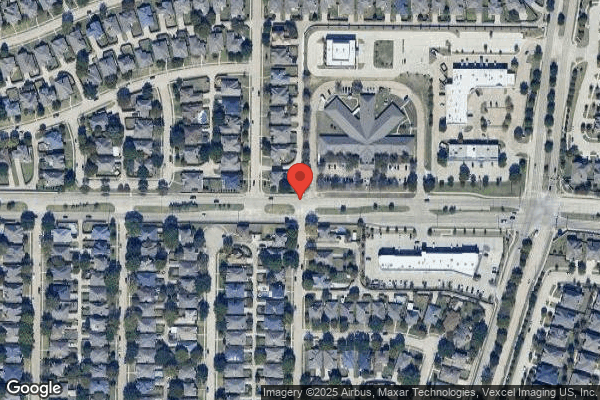
10700 ROLATER DR, FRISCO, TX 75035 (972) 712-8652
For profit - Limited Liability company 118 Beds PRIORITY MANAGEMENT Data: November 2025 2 Immediate Jeopardy citations
Trust Grade
54/100
#167 of 1168 in TX
Last Inspection: April 2024

Within standard 12-15 month inspection cycle. Federal law requires annual inspections.

Overview

Victoria Gardens of Frisco has a Trust Grade of C, which means it is average and falls in the middle of the pack among nursing homes. It ranks #167 out of 1,168 facilities in Texas, placing it in the top half, and #6 out of 22 in Collin County, indicating that only five local options are better. The facility is improving, with issues decreasing from six in 2024 to two in 2025. Staffing is a weakness, receiving a 2/5 star rating and a 55% turnover rate, which is about average for Texas, suggesting some instability among staff. Additionally, the facility faced serious incidents, including a critical failure where a resident was dropped during a transfer due to insufficient staff assistance, and another incident where a resident was physically restrained without medical justification, raising concerns about resident safety. Overall, while there are strengths in quality measures and health inspections, families should be aware of staffing challenges and past compliance issues.

Trust Score
C
54/100
In Texas
#167/1168
Top 14%
Safety Record
High Risk
Review needed
Inspections
Getting Better
6 → 2 violations
Staff Stability
⚠ Watch
55% turnover. Above average. Higher turnover means staff may not know residents' routines.
Penalties
○ Average
$23,546 in fines. Higher than 51% of Texas facilities. Some compliance issues.
Skilled Nurses
⚠ Watch
Each resident gets only 23 minutes of Registered Nurse (RN) attention daily — below average for Texas. Fewer RN minutes means fewer trained eyes watching for problems.
Violations
⚠ Watch
18 deficiencies on record. Higher than average. Multiple issues found across inspections.
★★★★★
5.0
Overall Rating
★★☆☆☆
2.0
Staff Levels
★★★★★
5.0
Care Quality
★★★★☆
4.0
Inspection Score
Stable
2024: 6 issues
2025: 2 issues

The Good

  • 5-Star Quality Measures · Strong clinical quality outcomes
  • Full Sprinkler Coverage · Fire safety systems throughout facility
  • No fines on record

Facility shows strength in quality measures, fire safety.

The Bad

Staff Turnover: 55%

Near Texas avg (46%)

Frequent staff changes - ask about care continuity

Federal Fines: $23,546

Below median ($33,413)

Minor penalties assessed

Chain: PRIORITY MANAGEMENT

Part of a multi-facility chain

Ask about local staffing decisions and management

Staff turnover is elevated (55%)

7 points above Texas average of 48%

The Ugly 18 deficiencies on record

2 life-threatening
May 2025 1 deficiency
CONCERN (D) 📢 Someone Reported This

A family member, employee, or ombudsman was alarmed enough to file a formal complaint

Potential for Harm - no one hurt, but risky conditions existed

PASARR Coordination (Tag F0644)

Could have caused harm · This affected 1 resident

**NOTE- TERMS IN BRACKETS HAVE BEEN EDITED TO PROTECT CONFIDENTIALITY** Based on observation, interview, and record review, the facility failed to submit and complete accurate request and recommendati...

Read full inspector narrative →
**NOTE- TERMS IN BRACKETS HAVE BEEN EDITED TO PROTECT CONFIDENTIALITY** Based on observation, interview, and record review, the facility failed to submit and complete accurate request and recommendations from a PASRR (Preadmission Screening and Resident Review) evaluation report for a low air loss mattress within 20 days after the IDT meeting for one (Resident #1) of three residents reviewed for PASRR services. The facility did not submit a complete and accurate request for a low air loss mattress for Resident #1 within 20 days after the Interdisciplinary Team (IDT) meeting held on 12/20/2024. The past noncompliance began on 12/20/2024 and ended on 03/17/2025. This failure could place residents at risk of not receiving specialized PASRR services which would enhance their highest level of functioning and could contribute to residents decline in physical, mental, and psychosocial well-being. Findings included: Record review of Resident #1's MDS assessment, dated 02/24/2025, revealed he was admitted to the facility on [DATE] with diagnoses of Dementia without behavioral disturbances, Major Depressive Disorder, Mild Intellectual Disabilities, Pervasive Developmental Disorder, and other medical concerns. The MDS indicated Resident #1 had BIMS of 3, which indicated severe cognitive impairment. The resident required limited assistance performing ADL's, bathing, dressing, toileting, and was a 1-person transfer. Further review of the MDS reflected Section A [1500] resident was considered a PASRR level 2 with Serious mental and intellectual disability. Record review of Resident #1's PASRR record revealed he was assessed for Durable Medical Equipment (DME) on 12/20/2024. The facility was able to secure a Protekt Aire 6000 AB, low air loss mattress for the Resident on 01/16/2025. Record review of Resident #1 care plan dated 05/02/2025 revealed the resident was provided with a low air loss mattress on 03/17/2025. Record review of Resident #1's revised care plan, dated 11/03/2024 with updates, reflected Resident #1 had not received a recommendation for a PASRR Habilitation services DME (Low Air Loss Mattress) for PASRR positive diagnosis of IDD. In an interview on 05/27/2024 at 11:00 a.m. the Administrator said the facility had issues with getting the information back to the state within the timeframes. He stated the facility got the resident the mattress even though they were not able to get the paperwork through on time. He stated the MDS nurse had tried almost a dozen times trying to get the report in but was having some problems with it being rejected. He stated that they went ahead and ordered the mattress. In an interview on 05/29/2025 at 10:30 a.m., the MDS Coordinator, stated she was new at her position and had never completed a DME request. She stated she worked with the supplier trying to get the information uploaded and they had issue after issue. She stated she eventually found out a signature page needed to be included and they overlooked that page. She stated that the request was denied but the facility provided the Resident with the recommended equipment. She stated after the incident the corporate team trained her on how to properly submit the documents. In an interview on 05/29/2025 at 11:40 a.m., the corporate Nurse revealed that the MDS nurse was new and didn't know how to properly file the paperwork for the DME. She stated that she trained her on what is required for a complete submission. She also made herself available for questions. In an interview on 05/29/2025 at 1:30 pm with the DON, revealed that she does not have much to do with the PASSR. She stated the responsibility goes to the MDS nurse. She stated that she is aware of PASSR services but usually does not get involved other than attending the meetings. An observation and interview on 05/27/2025 at 11:00 a.m., revealed Resident #1 was in bed. When asked about his bed he complained that he had to use the restroom, and said if I, the surveyor was not there to help him pee get out. The resident was observed to be laying on a low air loss mattress. He was covered with a sheet but had no shirt on. An observation on 05/28/2025 at 10:25 am, revealed Resident #1lying in bed he appeared agitated as he asked this surveyor what I wanted and motioned for this surveyor too leave before I was able to speak to him. He was covered to his chest with a sheet, and the low air loss mattress was observed. Record review of the facility's PASRR Nursing Facility Specialized Services Policy and Procedure, revised dated 04/26/2016, reflected, Heading Post IDT Meeting Responsibilities 2. The facility will initiate the request for specialized Services within 20 business days of the IDT/PCSP meeting, implement Specialized Services therapy within 3business days after receiving approval from HHSC in the online portal and order CMWC and/or DME within 5 business days of receiving approval from HHSC in the online portal.
Feb 2025 1 deficiency 1 IJ
CRITICAL (J) 📢 Someone Reported This

A family member, employee, or ombudsman was alarmed enough to file a formal complaint

Immediate Jeopardy (IJ) - the most serious Medicare violation

Accident Prevention (Tag F0689)

Someone could have died · This affected 1 resident

**NOTE- TERMS IN BRACKETS HAVE BEEN EDITED TO PROTECT CONFIDENTIALITY** Based on observation, interview and record review the facility failed to ensure that each resident receives adequate supervision...

Read full inspector narrative →
**NOTE- TERMS IN BRACKETS HAVE BEEN EDITED TO PROTECT CONFIDENTIALITY** Based on observation, interview and record review the facility failed to ensure that each resident receives adequate supervision and assistance devices to prevent accidents for 1 (Resident #1) of 4 residents reviewed for accidents. On 2/22/2025 Certified Nurse Aide (CNA) A attempted to perform a 1-person transfer, with a Hoyer lift, on Resident #1 who required a 2-person transfer with a Hoyer lift. CNA A was unable to complete the transfer and dropped Resident #1 on the floor. This was determined to be past non-compliance immediate jeopardy from 2/22/2025 to 2/22/2025 due to the facility having implemented actions that corrected the non-compliance prior to the beginning of the survey. This failure could place residents at risk of serious injury or death. The findings included: Review of the Care Plan dated 2/25/2025 documented Resident #1 was a [AGE] year old female admitted on [DATE]. Resident #1 had diagnoses including Dysphagia, Lymphedema, Alzheimer's Disease, Depression, Rheumatoid Arthritis, Psychotic Disorder Hallucinations, Aphasia, Anxiety Disorder, and Hypertension. The resident has an Activities of Daily Living self care performance deficit. Resident #1 is totally dependent in bathing, bed mobility, dressing, eating, personal hygiene, toilet use, and transferring. Resident #1 requires the use of a Hoyer lift with 2 or more person assist related to impaired physical mobility. Review of the quarterly Minimum Data Set (MDS) dated [DATE] revealed Resident #1 was a total dependence of 2 persons for transfers. Resident was unable to be assessed for a Brief Interview for Mental Status (BIMS) because the resident was unable to complete the assessment indicating an inability to communicate or severe cognitive impairment. Review of Resident #1's Face Sheet dated 2/22/2025 revealed the resident requires 2 person transfers via Hoyer lift. Review of Resident #1's progress noted written by Licensed Vocational Nurse D that was striked out, dated 2/22/2025 at 10:37 AM documented on 2/22/2025 at 9:45 am Resident #1 slid out of the Hoyer sling and was guarded to the floor gently by CNA A. Director of Nursing, Physician, Responsible Party were all notified. Resident #1 was sent to the hospital for assessment at the Responsible Parties request. Review of Resident #1's progress noted written by Director of Nursing dated 2/22/2025 at 11:06 AM documented Nurse summoned to residents' room by CNA, resident observed lying on the floor by the Hoyer lift, face up, resident slid off the Hoyer sling to the floor. Resident assessed for injury per charge nurse, no apparent physical injury noted. Review of Resident #1's progress noted written by Licensed Vocational Nurse D dated 2/22/2025 at 1:24 PM documented Resident #1 was assessed and able to move all extremities. Vitals were taken. Temperature 97.6, Pulse 73, Respiration 18, Blood Pressure 131/75. No injury. Responsible Party visited the facility and requested that Resident #1 be sent to the hospital. Review of the Hospital Report dated 2/22/2025 documented Resident #1 received no injuries. Review of the Incident Report dated 2/24/2025 revealed Resident #1 was transferred via Hoyer without a second caregiver assisting by CNA A. Appropriate safety precautions and devices were not in place which resulted in Resident #1 falling to the floor. Observation of the video on 2/25/2025 at 12:56 PM revealed CNA A attempted to transfer Resident #1 without the help of second caregiver. Resident #1 fell to the floor while she was being positioned on the sling. Resident #1's roommate can be heard yelling for help. CNA A immediately left the room and returned with the nurse to assess Resident #1. Record review of a facility statement from CNA A dated 2/24/2025 documented she had been a CNA for almost eight years. She stated she was trained, and the Hoyer should only be used with at least two people at all times. She stated she was trained during orientation and again during in-services. She was trained that a Hoyer lift was only to be used in the presence of 2 or more people at all times. In an interview on 2/25/2025 at 1:30 PM, LVN F said Resident #1 could not be transferred by 1 person because she requires a Hoyer lift. The resident is totally dependent (cannot help). In a telephone interview on 3/03/2025 at 4:00 PM, Nurse Practitioner (NP) stated a fall during a Hoyer transfer could have put Resident #1 at a great risk of injury. She stated that the risk from a fall could have resulted in a bone break, brain bleed if she had hit her head, or worse. In an interview on 2/25/2025 at 12:10 PM, Director of Nurses (DON) C revealed it was the facilities policy to perform a Hoyer lift with two caregivers. She stated she performed trainings immediately after the incident and was continuing to train the staff before they begin their next shift. Review of Proficiencies for CNA A revealed she passed the Mechanical Lift Skills assessment dated [DATE]. Review of the facility Safe Lifting and Movement of Residents policy dated 1/12/2024 stated In order to protect the safety and well-being of staff and residents, and to promote quality care, this facility uses appropriate techniques and devices to lift and move residents. Review of the facility Lifting Machine Policy dated 9/8/24 stated General Guidelines (4.) Lift designs and operation vary across manufacturers and the Administrator or designee will ensure that instructions and competencies for each lift are utilized and staff will be trained and demonstrate competency using the specific machines or devices utilized in the facility. Review of the Manufacturer User Manual for Lift Model Number MDS700EL revealed that when transferring from bed, a second caregiver is needed to roll the patient onto one side and pull the remainder of the sling from the other side of the patient so that the sling lays flat. It was determined these failures placed Resident #1 in an Immediate Jeopardy (IJ) situation on 2/22/2025. The facility took the following actions to correct the non-compliance on 2/22/2025: In an interview on 2/25/2025 at 9:30 M, the Administrator B revealed that CNA A transferred Resident #1 inappropriately which resulted in Resident #1 falling to the ground. Resident #1 was a 2 person Hoyer lift transfer. CNA A attempted the transfer without the help of a second caregiver. He stated CNA A was immediately suspended on the day of the accident 2/22/2025 and terminated on 2/24/2025. He stated that the facility has already completed a plan of correction, plan of removal, and are continuing to monitor. Staff have been inserviced on Abuse and Neglect. Staff have been inserviced on how to correctly perform a Hoyer lift transfer. Record review of facility In-services conducted by the DON and ADON on the following: a. Safety with Hoyer Transfers dated 2/22/2025. All Hoyer lifts require 2 staff members present to perform mechanical lift. b. Safe Transfers Interview on 2/25/2025 at 12:10 PM the Director of Nursing stated in-services will continue to be conducted until every staff member that has not presented to work has received the inservice at the start of their shift. Record Review of the Mechanical Lift Skills Assessments revealed that the facility performs random monitoring by observation and supervision thereafter by the DON and ADON to monitor proper Hoyer lift use and transfer of residents in the facility. These assessments documented that staff completed a facility Hoyer return to competency demonstration/proficiency check off. The assessments started on 2/22/2025 by DON and ADON and will be conducted until every staff member who has not presented to work has demonstrated proficiency. Review of the Confidential Employee Corrective Action Plan Form dated 2/24/2025 documented CNA A was terminated. Employee transferred a Hoyer lift patient w/o assistance resulting in the resident sliding to the floor. Employee falsified her statement to her charge nurse stating, she was gently lowered to the floor. Observation on 2/25/2025 at 2:15 PM revealed CNA H and CNA I were observed transferring Resident #3 with a mechanical lift using good technique. Interview on 2/25/2025 at 2:20 PM with CNA H revealed they understood the policies regarding mechanical lifts and the proper use of a Hoyer lift. They indicated that they recently received inservice training on 2/22/2025. They stated that when using a mechanical lift there should be 2 person assist at all times. They stated that they passed the Hoyer demonstration assessment on 2/22/2025. Interview on 2/25/2025 at 2:25 PM with CNA I revealed they understood the policies regarding mechanical lifts and the proper use of a Hoyer lift. They indicated that they recently received inservice training on 2/24/2025. They stated that when using a mechanical lift there should be 2 person assist at all times. Interview on 2/25/2025 at 2:50 PM with CNA J revealed they understood the policies regarding mechanical lifts and the proper use of a Hoyer lift. They indicated that they recently received inservice training on 2/24/2025. They stated that when using a mechanical lift there should be 2 person assist at all times. Interview on 2/25/2025 at 2:55 PM with CNA K revealed they understood the policies regarding mechanical lifts and the proper use of a Hoyer lift. They indicated that they recently received inservice training on 2/24/2025. They stated that when using a mechanical lift there should be 2 person assist at all times. They stated that they passed the Hoyer demonstration assessment on 2/24/2025. Interview on 2/25/2025 at 1:30 PM with LVN F revealed they understood the policies regarding mechanical lifts and the proper use of a Hoyer lift. They indicated that they recently received inservice training on 2/24/2025. They stated that when using a mechanical lift there should be 2 person assist at all times. They stated that they passed the Hoyer demonstration assessment on 2/24/2025. Interview on 2/25/2025 at 10:30 AM with LVN L revealed they understood the policies regarding mechanical lifts and the proper use of a Hoyer lift. They indicated that they recently received inservice training on 2/24/2025. They stated that when using a mechanical lift there should be 2 person assist at all times. They stated that they passed the Hoyer demonstration assessment on 2/24/2025. Interview on 2/25/2025 at 10:50 AM with LVN M ADON revealed they understood the policies regarding mechanical lifts and the proper use of a Hoyer lift. They indicated that they recently received inservice training on 2/24/2025. They stated that when using a mechanical lift there should be 2 person assist at all times. They stated that they passed the Hoyer demonstration assessment on 2/24/2025. Interview on 2/25/2025 at 1:35 PM with LVN N revealed they understood the policies regarding mechanical lifts and the proper use of a Hoyer lift. They indicated that they recently received inservice training on 2/24/2025. They stated that when using a mechanical lift there should be 2 person assist at all times. They stated that they passed the Hoyer demonstration assessment on 2/24/2025. Interview on 2/25/2025 at 3:00 PM with RN O revealed they understood the policies regarding mechanical lifts and the proper use of a Hoyer lift. They indicated that they recently received inservice training on 2/22/2025. They stated that when using a mechanical lift there should be 2 person assist at all times. They stated that they passed the Hoyer demonstration assessment on 2/24/2025. Interview on 2/25/2025 at 1:10 PM with CNA P revealed they understood the policies regarding mechanical lifts and the proper use of a Hoyer lift. They indicated that they recently received inservice training on 2/22/2025. They stated that when using a mechanical lift there should be 2 person assist at all times. They stated that they passed the Hoyer demonstration assessment on 2/22/2025.
Oct 2024 1 deficiency 1 IJ
CRITICAL (J) 📢 Someone Reported This

A family member, employee, or ombudsman was alarmed enough to file a formal complaint

Immediate Jeopardy (IJ) - the most serious Medicare violation

Deficiency F0604 (Tag F0604)

Someone could have died · This affected 1 resident

**NOTE- TERMS IN BRACKETS HAVE BEEN EDITED TO PROTECT CONFIDENTIALITY** Based on interviews and record reviews, the facility failed to ensure residents the right to be free of any physical restraints ...

Read full inspector narrative →
**NOTE- TERMS IN BRACKETS HAVE BEEN EDITED TO PROTECT CONFIDENTIALITY** Based on interviews and record reviews, the facility failed to ensure residents the right to be free of any physical restraints imposed for purposes of discipline or convenience, and not required to treat the resident's medical symptoms for one (Resident #1) of five residents reviewed for restraints. The facility failed on 09/09/24 to ensure Resident #1 remained free of any physical restraint in that: the movement of Resident #1's head and mouth were restricted by physical force applied by the hands of OT A. The noncompliance was identified as past noncompliance (PNC). The Immediate Jeopardy (IJ) began on 09/09/24 and ended on 09/09/24. The facility had corrected the noncompliance before the state's investigation began. This failure could place residents at risk for associated risks of potential physical injury or psychological harm. Findings included: Review of Resident #1's Quarterly Minimum Data Set (MDS) assessment dated [DATE] reflected an [AGE] year-old male who was admitted to the facility on [DATE] with diagnoses of dementia, hypertension (high blood pressure), cerebrovascular accident (stroke), Parkinson's disease (brain disorder affecting movement), malnutrition, dysarthria (disorder of speech), unsteadiness on feet, weakness, abnormalities of gait and mobility, insomnia (sleep disorder), and acute cystitis (bladder infection). Section P-Restraints and Alarms reflected restraints were not used with Resident #1 in bed, in a chair, or out of chair. Section C-Cognitive Patterns reflected a Brief Interview for Mental Status (BIMS) score of 09, indicating moderately impaired cognition. Section C further noted Resident #1 has inattention and disorganized thinking that comes and goes, changes in severity. Review of Section E-Behavior reflected no physical or verbal behavioral symptoms directed towards others but did reflect behavior of rejecting evaluation or care that was necessary to achieve the resident's goals for health and well-being. Section G-Functional Abilities and Goals reflected Resident #1 normally used a walker and wheelchair in the past 7 days. Section G further reflected that Resident #1 required supervision or touching assistance with eating, partial/moderate assistance with oral hygiene, upper body dressing, and personal hygiene, as well as substantial/maximal assistance with toileting hygiene, shower/bathe self, lower body dressing, and putting on/taking off footwear. Section G reflected that Resident #1 required substantial/maximal assistance to roll left and right, change from sit to lying, change from laying to sitting on the side of the bed, change from sitting to standing, transfer from a bed to a chair, and get off and on a toilet. Resident #1 was reflected as dependent in his ability to get in and out of a tub or shower. Resident #1 was reflected as requiring partial or moderate assistance to walk 10 feet, walk 50 feet with two turns, and walking 150 feet was not applicable. Review of Resident #1's Care Plan date 08/21/24 reflected the following care areas: The resident was resistive to care, and this was initiated on 05/07/24 and revised on 06/27/24. Interventions included allowing the resident to make decisions about treatment, education for the resident and family, encourage as much participation/interaction by the resident as possible during care activities, give clear explanation of all care activities, negotiate a time for ADLs, reassure resident, leave and return 5-10 minutes later and try again, praise the resident when behavior is appropriate, provide consistency in care, and provide opportunities for choices. Resident #1 had the potential to be physically aggressive r/t hitting at staff. This was initiated on 05/07/24 and revised on 06/27/24. Interventions included administering medications as ordered, analyzing times of day, places, circumstances, triggers, and what de-escalates behavior and document, assess and address for contributing sensory deficits, assess and anticipate resident's needs: food, thirst, toileting needs, comfort level, body positioning, pain etc., to give the resident as many choices as possible, and to monitor/document/report PRN any signs of symptoms of resident posing danger to self and others. The resident had dementia. The intervention included communication techniques, avoiding overly demanding tasks. Resident #1 was at risk for falls related to deconditioning and poor balance, and interventions were identified including: educate the resident about safety reminders and what to do if a fall occurs, ensure that the resident is wearing appropriate footwear when ambulating or mobilizing in wheelchair, anticipate and meet the resident's needs, be sure the resident's call light is within reach and encourage the resident to use it for assistance as needed, the resident needs prompt response to all requests for assistance, physical therapy evaluate and treat as ordered or as needed, review information on past falls and attempt to determine cause of falls, record possible root causes, remove any potential causes if possible, and educate the resident as to causes. Resident #1 had Parkinson's disease. Interventions included the need to encourage daily exercise and mobility as tolerated. A review of Resident #1's physician order by DR I on 08/07/24 at 10:30 a.m., indicated for occupational therapy to evaluate and treat. In an interview on 10/22/24 at 11:00 a.m., PT B reported on 09/09/24 at approximately 09:30 a.m., she entered the therapy gym where OT A had brought Resident #1 from his bedroom for his therapy session. She reported she was providing physical therapy to Resident #1 using the Omni Cycle exercise bike, at the same time that OT A was providing occupational therapy to Resident #1 using the bike. PT B reported when she first entered the gym, she noted that Resident #1 appeared to be in a bad mood and maybe wanted to go back to his room. She reported due to his dementia he was not able to clearly state his intentions, but therapy monitored his overall mood and behaviors. She stated Resident #1 often refused therapy and required a lot of prompts to participate. She reported that in prior sessions she had often given the resident snacks or tea, played music, turned on the television, changed the type of activity, gave breaks, or told stories to distract the resident or encouraged his participation in therapy. She reported Resident #1 would often bargain about his therapy and that would put him in a good mood. She reported she and OT A were able to talk to Resident #1 and bargain with him and that he was agreeable to trying therapy for about ten minutes. With Resident #1's agreement to continue therapy for another ten minutes, she and OT A squatted down and began securing Resident #1's feet into the bike's pedals. OT A was on the left side of Resident #1, and she was on the right side, when Resident #1 suddenly spit in the face of OT A three or four times. She reported that while Resident #1 required frequent interventions to participate, she had never seen him become that agitated or spit, and she had no idea what triggered him that day. She reported Resident #1 had been in the gym approximately 15 or 20 minutes when this occurred. PT B reported when Resident #1 spit in OT A's face, OT A stood up and walked behind Resident #1 who remained seated on the bike. She stated Resident #1 was still looking towards the left and that OT A grabbed Resident #1's head on the top and sides with both of his hands and abruptly forced his head to the forward-facing position and held it there. OT A held Resident #1's head so tightly that he could not move it. OT A appeared angry, and his jaw was clenched. PT B stated that Resident #1 began screaming and OT A then placed his palms over Resident #1's mouth with one hand over the other to shut him up. Resident #1's screams were muffled, and PT B told OT A to stop. Resident #1's head and mouth were held for approximately ten or fifteen seconds. PT B stated when she told OT A to stop that he released Resident #1 and went to the bathroom to wash off the spit. She reported she immediately noted a tinge of blood around a few of Resident #1's upper teeth when OT A removed his hands. She reported she noted no other signs of injury. PT B stated DOR C had been in the other gym but came when she heard Resident #1 scream. She stated that OT A was walking out of the gym door when DOR C was walking in. PT B reported that DOR C walked up behind Resident #1 and Resident #1 was scared and looking behind himself in fear. She reported that she reassured Resident #1 that it was not OT A that was behind him. PT B stated she notified DOR C of the incident, and that the DOR C notified the abuse coordinator (ADM) immediately. PT B reported that Resident #1 then took a 5-to-10-minute break in the therapy room, was given water to drink, he held her hand, she shared a story with him, and he became calm. He then continued therapy on the bike for the remainder of the session with no further agitation or spitting. PT B reported that Resident #1 was in the therapy gym for approximately 60 minutes overall and did not leave the gym during the session. PT B stated that Resident #1 was not forced to use the bike or participate in any activity. PT B stated that the entire incident was witnessed by Resident #2 who was on a nearby bike in the gym at the time. PT B stated that Resident #2 voiced no concerns and seemed unaffected. PT B reported that ADM later interviewed Resident #2. PT B stated that ADM, the abuse coordinator, came and took a statement from her at approximately 10:15 a.m. that morning (09/09/24). PT B stated that OT A was sent home immediately after she gave her statement, Resident #2 was interviewed, and OT A gave his statement. She reported that OT A had not returned to the facility since that time and has since been terminated. PT B stated that she has worked for this facility for about one year, and that she worked with OT A almost every day, Monday through Friday day shift for approximately ten months. She denied having ever previously witnessed any abuse or concerns with resident care provided by OT A or by anyone else at this facility. PT B reported that Resident #1 came back to the gym for therapy the next day and that she noted no fear or changes in his demeanor or behaviors that might indicate continued psychosocial harm. She reported that Resident #1 has continued in therapy every day since with no further aggression or incidents of spitting. PT B reported she had received abuse and neglect teaching prior to the incident and the day following the incident and that she has received training on stopping care and dealing with resident behaviors since the incident. She reported the training reinforced her understanding that a resident has the right to refuse any kind of treatment and that the training included reporting abuse to the abuse coordinator. She was able to list multiple ways of appropriately dealing with resident agitation and aggression. PT B noted that some residents are dementia patients and can scratch and spit at staff, but that staff do not react. She stated, we defend ourselves by walking away. She reported that the risk to Resident #1 having his head held and mouth held included the possibility of accidently occluding the resident's nose and affecting his breathing, damaging his teeth or mouth, and possibly causing injury by turning his neck. In an interview on 10/22/24 at 11:33 a.m., DOR C reported that on 09/09/24 she responded to a loud yell in the therapy department in a separate gym. She reported when she walked into the other gym, she saw Resident #1 and PT B. She stated she did not yet know what had happened and that she walked up behind Resident #1 and placed her hand on his shoulder and that he jumped and looked behind himself, and that PT B reassured him because he seemed fearful. She reported that within a few minutes PT B came out and told her about the incident in which Resident #1 was spitting and OT A grabbed him. DOR C reported that nursing later completed an injury assessment of Resident #1 and that at the time she saw Resident #1 she did not note any redness, bleeding around his teeth, or other obvious sign of injury. DOR C stated that she interviewed Resident #2, the resident who witnessed the incident. Resident #2 reported to her that Resident #1 had behaviors and that the staff had handled him the best they could. DOR C reported that Resident #2 told her that OT A had put Resident #1 in a headlock. He denied that he himself was injured or upset due to the incident. DOR C reported that she immediately removed OT A from resident care and that he sat up front during the interviews. She reported she notified ADM of a possible abuse situation, that ADM interviewed OT A and PT B, and that OT A was immediately suspended, never returned to the facility, and was later terminated. She denied that prior to this incident OT A had ever had any allegations, issues or demonstrated issues or concerns for abuse. DOR C further reported that holding a resident head or mouth as alleged to her was, inappropriate contact no matter what, because Resident #1 is in a wheelchair, and you can always step away. She reported that the expectation of her staff is that they will move or walk away and not pursue therapy during periods of resident aggression and agitation. She states that holding a resident's head or mouth in the manner alleged could place the resident at risk for physical or psychological harm. DOR C denied having ever witnessed abuse at this facility since she was employed about 2.5 years ago. DOR C reported that she conducted immediate in-service training with her staff including abuse and neglect training and dealing with difficult behaviors. She reported that she assigned Resident #1 to be cared for by female staff only as he seemed to do well with female staff. Review of admission MDS reflected that Resident #2 was a [AGE] year-old male resident admitted to the facility on [DATE]. Section C-Cognitive Patterns reflected a BIMS score of 11 indicating moderately impaired cognition. In an interview on 10/22/24 at 12:07 p.m., Resident #2 stated that a few weeks back he was in the therapy room sitting on an exercise bike and noted OT A encouraging a male resident (name not known) to participate. Resident #2 stated that the male resident began swinging his arms and he thinks he spit on OT A. Resident #2 stated, that was the straw that broke the camel's back. OT A reached around him and grabbed him by the head and the mouth. He immobilized him by grabbing his whole head so the guy couldn't move. It only lasted a few seconds. I was surprised he did that. Resident #2 stated that prior to this incident he has never witnessed this type of behavior or any abuse or neglect at this facility. He stated that if he did, he would notify someone at the nurse's station or ADM. In an interview on 10/22/24 at 12:25 p.m., ADM reported that on 09/09/24 PT B had reported to him that she had felt uncomfortable with what she observed was done to Resident #1 by OT A and that he immediately investigated. ADM reported the resident was examined and there were no physical signs of injury, although OT A had reported seeing a tinge of blood. He reported that he interviewed Resident #2 who witnessed the event and said that he did not think the interaction was inappropriate and that OT A was doing his best to get Resident #1 to participate in therapy. ADM reported he unsubstantiated the findings but that he did not feel comfortable keeping OT A either, or as a contract employee he decided that he would not return to the building. OT A did not work at the facility following the incident on 09/09/24. ADM reported he interviewed OT A and that he reported he covered Resident #1's mouth because he was spitting. ADM reported that OT A demonstrated covering Resident #1's mouth with one hand laid over the mouth with the palm down. ADM reported that OT A did not state how long he covered Resident #1's mouth. OT A denied that he held Resident #1's head. ADM reported that he immediately did training with all staff on abuse and neglect and when to stop care and that DOR C did the same for the therapy staff. ADM reported he started working at this facility in June of 2024 and that had been no reports or observations regarding concerns with OT A's behaviors-no grievances or complaints. ADM reported that Resident #1 was observed for any emotional distress or behavioral changes and that none were observed. He reported that Resident #1 was typically easily redirected and had not demonstrated aggressive behaviors or spitting prior to this incident to the best of his knowledge. ADM reported that the facility is restraint free and that annual in-services regarding restraints were conducted. In a telephone interview on 10/22/24 at 02:04 p.m., OT A reported that regarding the incident with Resident #1, he was providing therapy in the gym to Resident #1 who became unhappy when set on the exercise bike. Resident #1 twice became agitated and was trying to hit, requiring a break from care and space. He reported he asked PT B for assistance and that when Resident #1 was okay, they went to secure the straps on the bike and Resident #1 became agitated again and he was given a snack. When Resident #1 was calm again, they tried to secure the pedal straps when Resident #1 began trying to hit and push OT A and suddenly spit in his face multiple times. OT A reported he tried to block himself from the spit and was holding up his hand and, got his (Resident #1's) mouth. OT A stated, I should not have done that. I just should have gotten out or ran away. I wish I could not have made people uncomfortable. That was something my reflex did. I apologize to all the people. OT A did not answer when asked if he held Resident #1's mouth. He denied having ever grabbed or held Resident #1. OT A reported that he worked at the facility for about two years and denied he had ever previously had any allegation of abuse against himself. He reported that he had received abuse and neglect training in-service prior to the incident and was familiar with the facility's policy on abuse. He reported that a physical restraint is something that restricts the patient's own will. A review of OT A employee file revealed licensure information, criminal history name search verification, a signed job description dated 03/27/24, a Baseline Risk Assessment Questionnaire, and an Employment Eligibility Verification Form. OT A employee file did not reveal any indication of any former complaint, allegation, or disciplinary actions. A review of facility records indicated that the facility conducted a criminal history name search for OT A on 03/22/24 and conducted an occupational therapy licensure verification which reflected a current license with no disciplinary action and an expiration date of 11/30/25. In an interview on 10/22/24 at 03:00 p.m., NP D reported that she assessed Resident #1 on 09/12/24 and that she did not note any bruising, redness, bleeding teeth/gums, or other signs of injuries to Resident #1. She denied she observed any psychological changes which might have indicated resident harm or injury. She did state that Resident #1 could be aggressive due to his dementia. A review of a weekly Body Audit Results dated 09/12/24 at 09:30 a.m., reflected Resident #1's skin was noted as intact with no issues. A review of a Nursing Progress Noted dated 09/09/24 at 01:57 p.m. and created by LVN G stated that, At about 11:30 am, the director of therapy (DOR C) reported to the nurse that when resident was doing therapy with one of the therapists, resident keep spitting on the therapist, then the therapist trying to dodge the spit covers the resident mouth with his hand. On assessment VSWNL, no bruise, injures at this time, resident denies having any pain at this time. Administrator, physician, and family notified. A review of Progress Note for Resident #1 dated 09/09/24 at 02:01 p.m. and created by ADON reflected a head-to-toe skin assessment was completed and no issues or injuries were noted, and Resident #1 denied any pain. A nursing incident note dated 09/09/24 at 11:33 a.m., created by the DON noted that Resident #1 was comfortable, with no pain, no open skin, or bleeding and that a mouth assessment was completed. Review of records reflect that Resident #1 was followed by psychiatric services. The most recent evaluation was dated 10/02/24. In an observation on 10/22/24 at 10:00 a.m., three different therapy staff were observed providing physical therapy to residents in the hallway. Each of the therapy staff were noted using a gait belt with the resident they were assisting. The staff interactions with these three residents were noted as calm, encouraging, patient, and appropriate. The dignity of each resident was noted as maintained throughout these sessions and there was no abuse or neglect observed. Review of facility Policy Statement titled, Use of Restraints, copyrighted 2001 Medi-Pass (Revised April 2017) reflected the policy states, Restraints shall only be used for the safety and well-being of the resident(s) and only after other alternatives have been tried unsuccessfully. Restraints shall only be used to treat the resident's medical symptoms(s) and never for discipline or staff convenience, or for the prevention of falls. Review of facility Policy Statement titled, Resident Rights, copyrighted 2001 Med-Pass (Revised October 4, 2022) reflected the policy states, Federal and state laws guarantee certain basic rights to all residents of this facility. These rights include resident's right to: a. a dignified existence, b. be treated with respect, kindness, and dignity; c. be free from abuse, neglect, misappropriate of property, and exploitation; d. be free from corporal punishment or involuntary seclusion, and physical or chemical restraints not required to treat the resident's symptoms, e. self-determination; . Review of facility Policy Statement titled, Abuse Prevention Program, copyrighted 2001 Med-Pass (Revised October 2022) reflect the policy states, Our residents have the right to be free from abuse, neglect, misappropriation of resident property and exploitation. This includes but is not limited to freedom from corporal punishment, involuntary seclusion, verbal, mental, sexual or physical abuse, and physical or chemical restraint not required to treat the resident's symptoms. The facility took the following actions to correct the noncompliance prior to the investigation: A review of the Provider Investigation Report dated 09/13/24 reflected: OT A was immediately suspended and the facility decided to separate indefinitely with the therapist. Resident Questionnaires were completed during safe survey rounds and no other concerns were identified during the facility investigation. The facility initiated staff training for the therapy team to include handling resident behaviors, and if a confused Resident appears not manageable to terminate the therapy session. In an interview on 10/22/24 at 12:25 p.m., ADM reported that on 09/09/24 OT A was terminated as a contract employee and was ineligible for rehire. In a review of records an in-service attendance record dated 07/19/24 titled, Fall Prevention/Restraints stated, no use of restraints at this facility. No physical restraints. No chemical restraints. No environmental/seclusion/isolation restraints, and that under Texas law residents have the right to free of physical restraints unless they are necessary for treatment and only with MD authorization. The record was noted with approximately 34 staff signatures. In a review of records an in-service attendance record dated 03/15/24 titled, Alzheimer's Dementia was noted including multiple behavioral management interventions. The record was noted with approximately 28 staff signatures including that of OT A. In a review of records an in-service attendance record dated 07/19/24 titled, Abuse and Neglect was noted with approximately 34 staff signatures including that of OT A. A review of five Resident Questionnaires completed by the facility, on 09/19/24 reflect the interviewed residents had not experienced themselves or seen another resident being treated inappropriately, and that they were aware to report any concern to the administrator. In a review of records, an in-service attendance record dated 09/09/2024 titled, Residents Rights/Rights to Refuse was noted with approximately 27 staff signatures. In a telephone interview on 10/22/24 at 06:17 p.m., MA E reported she received abuse and neglect training in the past few months for stopping care as appropriate when a resident is agitated or aggressive. She reported when a resident becomes agitated, or refuses care she will stop and leave them alone for a little bit and notify the nurse. She stated she does not push care on residents. She reported that she has previously had a resident spit at her and that she backed away and told the nurse because she knows the resident is sick. She stated she would never hold the resident's head or put her hand over their mouth, because that is abuse. In a telephone interview on 10/22/24 at 07:20 p.m., LVN F stated that he had received in service training for abuse and neglect prior to this incident and that any abuse is reported immediately to the administrator. LVN F reported that when providing care to a resident if they become agitated or aggressive then I leave it for that moment. After some time, I will see if they have calmed down, or if they need medication to calm down, but I am not going to force the care. If a resident spits at him he states he would step back and try to talk or help calm down the situation. He stated he would stop whatever care was being provided at the time and that I am not going to touch their mouth and try to stop them. He stated it would never be appropriate to put a hand over a resident's mouth or to physically hold their head. In an interview on 10/23/24 at 11:59 a.m., CNA J reported she had worked at this facility for about 3 weeks. She reported she had received abuse and neglect training. She listed verbal, physical, emotional, and sexual as forms of abuse. She denied she had witnessed any form of abuse or neglect since working at this facility but that if she did, she would tell the abuse coordinator which she reported as the administrator. She reported that she has received training and that if a resident is having difficult behavior, she would leave them alone, come back and ask them later, but always notify the nurse. If a resident was spitting at her she stated she would stop what she was doing, leave the resident if they were safe to be left, and notify the nurse. She stated that in no type of way would she cover a resident's mouth with her hand or hold or turn their head if they were spitting. She said that she would consider that abuse and would report it. In an interview on 10/23/24 at 01:30 p.m., LVN K stated he had received abuse and neglect training multiple times since he was employed with the latest being a few weeks ago. He stated he would report any signs of abuse or neglect to the administrator. He reported that he had received training for dealing with difficult, agitated, aggressive, and combative residents' multiple times including recently. He stated he would call a colleague to try, come back later, you don't want to force them to do what they don't want to do. You also want to see what the reason is behind their behavior. He reported that if a resident began spitting, he would move away, give them space, give them time to calm down, and let the physician know. He reported that covering the mouth or holding the head of a resident could potentially cause an injury to the neck or compromise their respiratory status. In an interview on 10/23/24 at 03:46 p.m COTA L reported she had worked at this facility for about 3 months and has received training in resident rights, restraints, dementia, and dealing with difficult behaviors in resident. She stated she learned that residents have the right to not have restraints and they have the right to refuse care. She stated, we have to walk away, deescalate the situation, and never put our hands on patients. She reported she has never witnessed abuse of neglect at this facility and if she did, she would notify DOR C and ADM, the abuse coordinator. In an interview on 10/23/24 at 15:49, the SLP M reported that she had worked at this facility since Monday. She reported that in onboarding this past week she received training in Resident Rights and Abuse and Neglect and dealing with behaviors as part of the dementia training. She reported she learned that if a resident is agitated, to step away, give them a break, make sure they are not in danger or a danger to anyone else. The SLP M stated if a resident was being aggressive with her, she would step back and not put her hands on them. She stated if there were some difficult behaviors, she might try to redirect them or distract them, or use knowledge of their personal interest to distract them and changes their mood. She stated that based on the individuals needs she would give them a short break and possibly try again later or even try the activity in a different location. She stated that if a resident was spitting at her she would move out of the range of the spit. She stated she would not hold or turn a resident's head as an intervention to spitting and would not cover a resident's mouth. She stated that would be a physical restraint and that the resident could experience fear or anxiety and could have physical injuries. In an interview on 10/23/24 02:30 p.m., ADM reported that on 09/09/24 angel rounds which are conducted each morning by department heads, began specifically including assessment of residents for any issues or concerns related to abuse and restraint. Resident council meetings were increased from monthly to a frequency of twice monthly so that any resident concerns could be shared and monitored. Behavioral monitor sheets for Resident #1 were reviewed and monitored during morning meetings. In addition to angel rounds, the ADM made daily rounds of the facility including the therapy gyms Monday through Friday, to monitor staff and therapy staff interactions with residents. Monthly QAPI meetings now include discussions of any concerns of difficult resident behaviors and abuse. In an interview on 10/23/24 at 02:52 p.m., DOR C reported that she walks through the building multiple times in the morning and multiple times in the evening (instead of once or twice a day) and that she goes back and forth between the two gyms intentionally monitoring for the appropriateness of interactions between therapy and residents, including monitoring for how staff deal with difficult resident behaviors. DOR C reported she meets with administration every morning in morning meetings Monday through Friday, and they address concerns they are having with any resident, and they share any concerns that have been noted or that a resident has expressed. DOR C reported that starting 09/09/24, weekly Wednesday meetings with therapy staff began including intentional questions regarding resident behaviors as well as resident triggers. She reported this is so that she can know ahead of time and help staff to address any issues. She reported that since this is a group meeting all staff now become aware of resident behaviors and triggers and are encouraged to ask for assistance. In an interview on 10/23/24 at 1:36 p.m., DON reported that since the incident on 09/09/24, the facility has continued monthly in-service trainings with staff but that in-service trainings for abuse and restraints are followed with questions to monitor for staff understanding and allow for immediate reteaching as needed. DON reported that Town Hall meetings which are conducted every Friday, now includes specifically asking the staff if they are experiencing any issues with residents with difficult behaviors. DON report that on 09/09/24 herself and the ADON decided that in addition to round[TRUNCATED]
Jun 2024 1 deficiency
CONCERN (D) 📢 Someone Reported This

A family member, employee, or ombudsman was alarmed enough to file a formal complaint

Potential for Harm - no one hurt, but risky conditions existed

Deficiency F0805 (Tag F0805)

Could have caused harm · This affected 1 resident

**NOTE- TERMS IN BRACKETS HAVE BEEN EDITED TO PROTECT CONFIDENTIALITY** Based on interview, and record review, the facility failed to provide food prepared in a form designed to meet individual needs ...

Read full inspector narrative →
**NOTE- TERMS IN BRACKETS HAVE BEEN EDITED TO PROTECT CONFIDENTIALITY** Based on interview, and record review, the facility failed to provide food prepared in a form designed to meet individual needs for 1 (Resident #1) of 5 residents reviewed for meals. -The facility failed to ensure Resident #1's mechanical soft fish was free of small bones. This failure placed all residents, especially those with swallowing issues, at risk of aspirating or choking. Findings included: Record review of Resident #1's face sheet, dated 06/13/24, reflected a [AGE] year-old female who was initially admitted to the facility on [DATE] and readmitted on [DATE] with diagnoses which included: dementia (loss of memory and thinking), diverticulitis of intestine (small, inflamed pockets in intestine), type II diabetes, and dysphasia (difficulty swallowing). Record review of Resident #1's quarterly MDS assessment, dated 05/16/24, reflected her BIMS score was 14, which indicated cognition was intact. Further review reflected Resident #1 required a mechanically altered therapeutic diet . Record review of Resident #1's care plan, revised 03/05/24, reflected the resident could eat independently. Record review of Resident #1's consolidated physician orders, dated 06/13/24, reflected the resident had an active order for a mechanical soft diet starting on 02/15/24. In an interview on 06/12/24 at 6:45 PM, Resident #1 stated during dinner the night before, she was eating a fish sandwich and was stuck in the mouth by something sharp. Resident #1 stated she quickly spit out the fish and found tiny bones. Resident #1 stated her family was visiting at the time and placed the chewed food in a medicine cup and took it to the Administrator. Resident #1 stated she did not swallow any of the food. In an interview on 06/12/24 at 8:30 PM, the Administrator stated he was aware that Resident #1 had firm particles in her fish that appeared to be bones. He stated Resident #1 spit the food in a cup and provided it to him, so he was able to observe it himself. The Administrator stated he was going to start in-services with the kitchen staff on thoroughly inspecting food items for bones that should not be there. He stated the fish ordered from the supplier was boneless and it would have been difficult for the kitchen staff to know there were tiny bones left in some pieces. In an interview on 06/13/24 at 11:00 AM, the Consultant RD stated the facility ordered boneless cod patties from the supplier to prepare the fish sandwiches that were served for dinner. She stated she was notified about the tiny bones found in Resident #1's fish and she was at the facility to in-service staff on checking meat for bones before preparing. The Consultant RD stated there were no other reports of residents having bones in their fish. She stated this was probably an error with the supplier having fileted fish with pieces of bone accidentally left inside and this was going to be addressed with the food supplier. The Consultant RD stated leaving tiny bones inside of fish could cause a choking hazard for the residents. In an interview on 06/13/24 at 3:30 PM, the Dietary Manager stated she worked at the facility for 10 years but had been the dietary manager for 3 weeks. The DM stated they never had an issue with bones being found in fish. She stated they always ordered fileted fish and used cod patties for the fish sandwiches that were severed. She stated when preparing food for residents on therapeutic diets, the kitchen staff knew to pay close attention to textures and even when they served bone-in chicken, they use boneless chicken chunks for special diets to avoid any type of bones or hard particles being left inside. She stated it would have been difficult to see tiny bones accidentally left in the fish, especially when it was supposed to already be boneless; however, the staff would be even more thorough with checking the food during preparation or come up with an alternative food. The DM stated the risk of leaving particles and bones inside of meat prepared for therapeutic diets could be the residents choking. Review of Mechanical Soft Diet handout provided by the consulting RD revealed in part the following: A mechanical soft diet is a diet that has been mechanically altered (ground or mashed) to provide softer foods. It is helpful to people who have problems chewing and/or swallowing regular texture foods.
Apr 2024 3 deficiencies
CONCERN (E)

Potential for Harm - no one hurt, but risky conditions existed

Accident Prevention (Tag F0689)

Could have caused harm · This affected multiple residents

**NOTE- TERMS IN BRACKETS HAVE BEEN EDITED TO PROTECT CONFIDENTIALITY** Based on observation, interview, and record review, the facility failed to ensure the resident environment remained as free of a...

Read full inspector narrative →
**NOTE- TERMS IN BRACKETS HAVE BEEN EDITED TO PROTECT CONFIDENTIALITY** Based on observation, interview, and record review, the facility failed to ensure the resident environment remained as free of accident hazards as possible for four (Resident #12, #18, #44, and one unknown resident) of six residents reviewed for adequate supervision to prevent accidents. The facility failed to ensure resident safety, as evidenced by: The door of the central supply closet, that contained direct care products: mouth wash, razors, shaving cream, toothpaste, denture cleaner, conditioning shampoo, body lotion, and orange stick located on Hall 400 was open and accessible to residents. Resident #12, a confused resident, was in close proximity to the central supply, with no staff within line of sight of the supply closet. The facility failed to properly maintain wheelchairs for Residents #12, #18, and #44. These deficient practices could place residents at risk for ingesting direct care products, fall, and exposure to skin tears that could be detrimental to his or her health, resulting in illness or hospitalization. Findings included: Record review of the Face Sheet for Resident #12 dated 04/16/2024 revealed she was [AGE] year-old female was originally admitted to the facility on [DATE]. Diagnoses included, but were not limited to, Alzheimer's, dementia, and hypertension. Record review of the quarterly MDS assessment dated [DATE] revealed Resident #12 scored 3 of 15 on the BIMS, indicative of severe cognitive impairment. The MDS reflected the resident exhibited inattention and disorganized thinking. The MDS reflected Resident #12 was able to propel her wheelchair. Resident #1 did not have functional limited range of motion of any extremities and wore a wander guard on the right ankle for behaviors of wandering. Record review of the Care Plan for Resident #12 (edited 04/02/2024) revealed the resident could propel her wheelchair short distances without the assist of staff with updates reflected goals and approaches to include wheelchair mobility for locomotion The Care Plan, reflected Resident #12 had a memory/recall deficit, and was disoriented to date/time, and had short-term memory loss. The 'Goal' read, in part, .Resident will not sustain serious injury due to memory/recall deficit. The 'Approach' read, in part, .Ensure resident's areas are free of hazards. Review of the Resident #12's plan of care edited 04/02/24 Observation on 04/16/2024 at 12:50 p.m., revealed the door of the central supply at the entrance to Hall 400 was open. An unknown resident was going into the central supply room . Resident #12 was observed in the hallway in her wheelchair following the other resident into the central supply room. She was independently propelling her wheelchair. There was no staff within visibility of the central supply or Resident #12. Observation on 04/16/2024 at 1:00 p.m., revealed LVN A walked by and stated to the two residents what are you two doing in there? The unknown resident stated she was getting Kleenex; Resident # 12 just looked at LVN A. The LVN told the unknown to resident to come out and helped Resident #12 to get out the supply closet. Resident #12 stated well I did not get anything I will just have to come back another time. LVN A told both resident's they should not be in there, that was for staff only. Observation on 04/16/2024 at 1:10 p.m., revealed the central supply closet did not have a lock on it. The closet contained: mouthwash, toothpaste, razors, shaving cream, body lotion, conditioning shampoo, denture cleaner, orange sticks, and various tubing for foley catheters and oxygen tubing. Interview on 04/16/2024 at 1:15 p.m. LVN A stated she had never seen any resident go into the central supply room, but she guess there was always a first. LVN A stated she thought they needed a lock on it now. LVN A stated the residents could have ingested something that was not good for them. Observation and interview on 04/16/2024 at 3:00 p.m., the DON revealed she said the door of the central supply closet has never had a lock on it that she could recall, but she was going to tell the Administrator that it should have been locked. She said the resident could have ingested the direct care products and had side effects. Interview on 04/16/24 at 3:30 p.m. with the Administrator revealed he was unaware the central supply closet did not have a lock on it, and he would see that one was placed immediately. The Administrator stated that was not safe the residents could get items and swallow them making them sick. Observation on 04/16/24 at 12:30 p.m., revealed Resident #12's wheelchair's bilateral armrests were cracked with jagged edges and foam exposed. Resident #18 Record review of the Face Sheet for Resident #18 dated 04/16/2024 revealed she was [AGE] year-old female, was originally admitted to the facility on [DATE]. Diagnoses included, but were not limited to, unsteady gait, generalized weakness, dementia, and hypertension. Record review of the quarterly MDS assessment dated [DATE] revealed Resident #18 scored 7 of 15 on the BIMS, indicative of severe cognitive impairment. The MDS reflected the resident exhibited inattention and disorganized thinking. The MDS reflected Resident #18 was able to propel her wheelchair. Review of the Resident #18's plan of care edited 03/21/24 with updates reflected goals and approaches to include wheelchair mobility for locomotion. Observation on 04/16/24 at 12:33 p.m., revealed Resident #18's wheelchair's right armrest was cracked with jagged edges and foam exposed. Resident #44 Record review of the Face Sheet for Resident #44 dated 04/16/2024 revealed she was [AGE] year-old female, was originally admitted to the facility on [DATE]. Diagnoses included, but were not limited to, unsteady gait, generalized weakness, dementia, limited range of motion. Record review of the quarterly MDS assessment dated [DATE] revealed Resident #44 scored 7 of 15 on the BIMS, indicative of severe cognitive impairment. The MDS reflected the resident exhibited inattention and disorganized thinking. The MDS reflected Resident #44 required a wheelchair for mobility and the staff was required to propel her wheelchair. Review of the Resident #44's plan of care edited 01/29/24 with updates reflected goals and approaches to include wheelchair mobility for locomotion and total assist of staff. Observation on 04/17/24 at 1:33 p.m., revealed Resident #44's wheelchair's bilateral armrests was cracked with jagged edges and foam exposed. Interview on 04/17/24 at 2:45 p.m. revealed LVN A stated that if a resident had a problem with their wheelchair requiring repair, would tell the DON, or the Administrator. LVN A stated we use to use the computerized maintenance system, but we do not have a maintenance man right now, so there would be no one to see it. LVN A stated if the CNAs see required equipment repair, they are supposed to let us know. LVN A stated she was not aware of any wheelchairs that required repair. Interview on 04/18/24 at 11:00 a.m. with the DON reflected at this present time the facility does not have a maintenance man. The DON stated informed the staff to report to her, if any piece of equipment including wheelchairs required repair, we would find them a new wheelchair to use, since we do not any parts at this time. The DON stated the facility was not using the maintenance computerized system since there would be no one to read the input for repairs. The DON stated he was not aware of any wheelchair that required fixing. Interview on 04/18/24 at 12:15 p.m. with Administrator revealed that the staff was supposed to let someone know and we would get the resident another wheelchair, that is what the DON just communicated to me. Review of the facility policy entitled Receipt and Storage of Supplies and Equipment revised November 2009 reflected, Our facility shall verify shipments .2. Supplies should be stored in their designated storage areas .7. Hazardous/toxic materials must be properly stored/secured . Review of the facility policy entitled Maintenance Services revised December 2009 reflected, Maintenance service shall be provided to all areas of the building, grounds, and equipment The Maintenance Department is responsible for maintenance . equipment in a safe and operable manner at all times . the Maintenance Director is responsible for developing and maintaining a schedule of maintenance service to assure that the Equipment are maintained in a safe and operable manner
CONCERN (E) 📢 Someone Reported This

A family member, employee, or ombudsman was alarmed enough to file a formal complaint

Potential for Harm - no one hurt, but risky conditions existed

Food Safety (Tag F0812)

Could have caused harm · This affected multiple residents

Based on observation, interview, and record review the facility failed to store, prepare, distribute, and serve food in accordance with professional standards for food service safety in the facility's...

Read full inspector narrative →
Based on observation, interview, and record review the facility failed to store, prepare, distribute, and serve food in accordance with professional standards for food service safety in the facility's only kitchen reviewed for food safety. 1. The facility failed to ensure the ice machine filter and vent were free from dirt and dust. 2. The facility failed to ensure the ice machine chute guard was clean. 3. The facility failed to ensure food items in the refrigerator (1 of 2), freezer and dry storage room were labeled and stored in accordance with the professional standards for food service. 3. The facility failed to discard items stored in refrigerator, freezers and dry storage that were not properly labeled or past the 'best buy', consume by or expiration dates. 4. The facility failed to ensure multiple food items stored in a bin/container were clearly identifiable. 5. The facility failed to inspect produce inventory and monitor for spoilage or over ripening and to discard spoiled, moldy, or over ripened food items. These failures could place residents at risk for food-borne illness and cross contamination. Findings Included: Observation of the Kitchen: Receiving Area (location of the ice machine) on 04/16/23 at 10:44 AM revealed the following: -The ice machine's plastic vent, located on the left side and right side of the machine, the vent slats had dust on them. -The ice machine's ice chute guard had a light pink stain across the length of the chute guard. Observations of the reach-in refrigerator on 04/16/24 at 10:55 AM revealed the following: -On the left side, on the 2nd row from the top, was a small pink plastic basket of 6 chocolate house shakes, dated 04/15/24 to 05/15/24. There were 3 blueberry, 2 strawberry and 4 raspberry Light and Fit yogurts in the baskets as well. There was no label of item description of all that was in the basket, no received by date, and no consume by or discard by date for the yogurts. -On right side of the refrigerator, 1 small square metal pan covered with plastic wrap with 6 cheese sandwiches inside labeled cheese, dated 04/16/24. There was no correct or full label of item description and no consume by or use by date. Observations of the Kitchen on 04/16/24 at 10:57 AM revealed the following: -On a prep. table across from the reach-in refrigerator, there is a sheet pan with 6 peanut butter and jelly sandwiches in individual plastic sandwich bags. The sticker on the sheet pan was labeled 04/16 (04/16/24). There was no label of item of description, no consume by or end by date. - Hanging pan rack on the wall over the 3-compartment sink, there was a metal strainer with one of the wires broken and sticking out on the bottom right corner. It was in disrepair. Observations of the walk-in refrigerator on 04/16/24 at 11:20 AM, accompanied by the Dietary Manager, revealed the following: -1-2 stack (20 or more slices) of Provolone cheese in plastic vacuum pack. There was no label of item description, no received by date, no open date and no end date. -1 small stack (15 or more slices) of provolone cheese wrapped in plastic wrap, dated 04/16/24. There was no label of item description, no received by date, and no consume by or end date. -1 pack of sliced cheddar cheese, there was no label of item description, no received by date, no consume by or end date. -1 square medium clear container with lid containing broccoli salad/medley, labeled broccoli 4/24 (04/2024). There was no correct label of item description, no correct prepared date and no consume by or end by date. -1-32 oz clear plastic zip top bag of seedless green grapes. There was no received by date, no open date, no consume by or end by date. The bag was also left open to air (not resealed securely). -2-1lb. square clear plastic container with a lid containing whole strawberries, in a bin dated 04/15/24. There was no received by date on each container, no consume by or discard by date. 2-3 of the strawberries in each of the containers had white fuzzy and green mold on it. -1 small metal square pan with approximately 10 boiled eggs, previously opened, dated 04/16/24; there was no consume by or end by date. Observations of the Dry Storage Room on 04/16/24 at 11:51 AM revealed the following: -1 extra-large clear container with lid containing uncooked rice dated 04/20/23. There was no consume by or discard by date. -1-1gal. liquid butter alternative oil dated 04/08/24, there was no open date, no consume by or discard by date. -1-16 oz. bottle of kiwi-lime dessert sauce, previously opened; there was no received by date, no opened date and no consume by or discard by date. Manufacturing use by date 02/23/24. -1-16 oz. bottle of blackberry dessert sauce, there was no received by date and no consume by or discard by date; manufacturing use by date 01/02/24. -1-16 oz. bottle of mango dessert sauce, there was no received by date and no consume by or discard by date; manufacturing use by date 02/23/24. Observations of the walk-in freezer on 04/16/24 at 11:53 AM revealed the following: -1 large zip top bag with 6 biscuits; there was no label of item description, no open date, no consume by or discard by date. Observations of the walk-in refrigerator on 04/17/24 at 10:00 AM, Accompanied by the Dietary Manager, revealed the following: -1-32 oz clear plastic zip top bag of seedless green grapes. There was no received by date, no open date, no consume by or end by date. The bag was also left open to air (not resealed securely), remained in refrigerator. -4-1lb. square clear plastic container with a lid containing whole strawberries, in a bin dated 04/15/24. There was no received by date on each container, no consume by or discard by date. 3-4 of the strawberries in each of the containers had white fuzzy and green mold on it. The previous (noted 04/16/24 2 containers remained in the walk-in refrigerator. In an interview on 04/16/24 at 10:58 AM with the Dietary Manager, she stated she does the inventory and they (the facility) had just had a truck yesterday (04/15/24) but she did not get to put all the dates on the signs she made (referring to the laminated ingredient tags made attached on bin for certain items). The Dietary Manager said, open items in the refrigerator are kept for 3 days, depending on the item but like cooked food, we keep for 3 days in the refrigerator. She stated that the vendor that they use now, usually when there was an issue on veggies and produce she can take a picture, send it to the food vendor and then trash the item to get credit, for example in the case of the bananas, she just gets them from a local store because they always come from the vendor looking bad. The Dietary Manager stated they check the food before receiving it but sometimes, for example, if she was not here when they deliver then she can come in and find the food sitting in the refrigerator (if its needs to remain cool) or in kitchen (for room temperature/shelf stable items). She also stated the Cooks do the inventory for the freezer and refrigerators and the Dietary Aids do it for the dry storage. The Dietary manager stated the cook was in-charge in her absence. The Dietary Manager stated they keep items like liquid butter alternative, once opened, 30 days, grits once opened 60 days, dry uncooked noodles once opened, not over 3 months and opened dry cereal, not pass 60 days as examples of how long items are kept in dry storage, once opened. In an interview on 04/17/24 at 11:51 AM the Dietary Manager said, the bag (seedless grapes) should have had a received by date and open date and a use by date? The surveyor affirmed her question. The Dietary Manager was asked if she noted any other issues with the bag of grapes (the zip top bag was not sealed). The Dietary Manager stated she noted the strawberries (she threw out 3 of the 4 packs of the strawberries with the surveyor present). She said, if they use anything pass the best by date it is no more than 7 days past the manufacturer's best by date but nothing in the kitchen last long enough to get to that date. Review of the facility's Nutrition Services Food Storage Policy, Policy No.: 03.003, Version 1.0, Date Revised June 1, 2019, reflected Policy: To ensure that all food served by the facility is of good quality and safe for consumption, all food will be stored according to the state, federal and US Food Codes and HACCP guidelines. Procedure: 1. Dry Storage rooms: . d. To ensure freshness, store opened and bulk items in tightly covered containers. All containers must be labeled and dated. f. Where possible, leave items in the original cartons placed with the date visible. g. Use the first-in, first-out (FIFO) rotation method. Date packages and place new items behind existing supplies, so that the older items are used first. 2. Refrigerators: . d. Date, label and tightly seal all refrigerated foods using clean, nonabsorbent, covered containers that ate approved for food storage. e. Use all leftovers within 72 hours. Discard items that are over 72 hours old. 3. Freezers: . e. Store frozen foods in moisture-proof wrap or containers that are labeled and dated. Review of the U.S. FDA Food Code 2022 reflected: Chapter 3 . section 3-201.11 Compliance and Food Law: . C. Packaged Food shall be labeled as specified in Law, including 21 CFR 101 Food Labeling [* .(b) A food which is subject to the requirements of section 403(k) of the act shall bear labeling, even though such food is not in package form. (c) A statement of artificial flavoring, artificial coloring, or chemical preservative shall be placed on the food or on its container or wrapper, or on any two or all three of these, as may be necessary to render such statement likely to be read by the ordinary person under customary conditions of purchase and use of such food. The specific artificial color used in a food shall be identified on the labeling when so required by regulation in part 74 of this chapter to assure safe conditions of use for the color additive.], 9 CFR 317 Labeling, [*(a) When, in an official establishment, any inspected and passed product is placed in any receptacle or covering constituting an immediate container, there shall be affixed to such container a label .Marking Devices, and Containers, and 9 CFR 381 Subpart N Labeling and Containers, and as specified under § 3-202.18. Section 3-302.12 Food Storage Containers, Identified with Common Name of Food: Except for containers holding FOOD that can be readily and unmistakably recognized such as dry pasta, working containers holding food or food ingredients that are removed from their original packages for use in the food establishment, such as cooking oils, flour, herbs, potato flakes, salt, spices, and sugar shall be identified with the common name of the food. Section 3-501.17 . Commercial processed food: Open and hold cold . B. 1. The day the original container is opened in the food establishment shall be counted as Day 1. 2. The day or date marked by the food establishment may not exceed a manufacturer's use-by date if the manufacturer determined the use-by date based on food safety. C. 2. Marking the date or day of preparation, with a procedure to discard the food on or before the last date or day by which the food must be consumed on the premises, sold, or discarded as specified under (A) of this section. 3. Marking the date or day the original container is opened in a food establishment, with a procedure to discard the food on or before the last date or day by which the food must be consumed on the premises, sold, or discarded as specified under (B) of this section. Definitions 3. Food Receiving and Storage - When food, food products or beverages are delivered to the nursing home, facility staff must inspect these items for safe transport and quality upon receipt and ensure their proper storage, keeping track of when to discard perishable foods and covering, labeling, and dating all PHF/TCS foods stored in the refrigerator or freezer as indicated. www.fda.gov eCFR- Code of Federal Regulations are indicating within the text by an *- www.ecfr.gov
CONCERN (E)

Potential for Harm - no one hurt, but risky conditions existed

Deficiency F0925 (Tag F0925)

Could have caused harm · This affected multiple residents

Based on observation, interview and record review, the facility failed to maintain an effective pest control program so that the facility was free of pests for two (Halls 100, 400) of two halls, the f...

Read full inspector narrative →
Based on observation, interview and record review, the facility failed to maintain an effective pest control program so that the facility was free of pests for two (Halls 100, 400) of two halls, the facility's only nurse's station, and only dining room, observed for pest control program. The facility had live flies various in areas of the facility including the nurse's station, Halls 100, 400, and the dining room. This failure could place residents at risk for spread of infection, cross-contamination, and decreased quality of life. Findings Included: The facility had live flies in areas of the facility including the nurse's station, Halls 100, 400, and the main dining room. This failure could place residents at risk for spread of infection, cross-contamination, and decreased quality of life. Findings Include: Observation on 04/16/24 at 09:15 a.m. a fly flew around the ceiling light in the conference room, then landing on the table. Observation on 04/16/24 at 9:25 a.m. there was a fly in the central supply room at the end of Hall 400, crawling on the open boxes that had formula stored in them. The fly continued to crawl on the bottle tops of the enteral formal. Observation on 04/16/24 at 11:30 a.m., revealed a fly flew down Hall 100 and landing on the exit door at the end of the hallway. Observation on 4/16/24 at 12:05 p.m., revealed a fly in the main dining room crawling on one the dining room tables. Observation and interview on 04/16/24 at 12:50 p.m. revealed a fly crawling on the top of the table, there were two residents at the table and the one shooed the fly away. One of the unknown female residents at the table stated we have flies in here sometimes it depends on how often the door was open and closed. Observation and interview on 04/16/24 at 1:00 p.m. with a family member, who was assisting with care to her family member revealed there was a fly crawling on the dirty linen in the bag and then flew onto the feeding pump for the resident. The family member stated the flies have gotten worse; had seen several in his room recently. The family member stated she comes almost daily, and she has seen the pest control man here in the last week. The family member stated she had not asked or reported the flies she had seen. Observation on 04/16/24 at 2:30 p.m. revealed a fly crawling on the fire door leading into Hall 400. Observation on 04/17/24 at 12:45 p.m., in the main dining room, in the main building revealed a fly crawling on left-over food on the table. In an interview on 04/17/24 at 2:45 p.m. with LVN A revealed that the pest control man was here every week. The LVN stated she would tell him if she saw any flies but have not seen any recently. LVN A stated there had been occasional times she had seen flies at the nurse station, but they would fly away and would not see them anymore. The LVN stated she had not reported that to anyone or written it in the pest control log. Interview on 04/17/24 at 3:00 p.m. with The DON revealed the pest control man showed up here all the time, there was a log at the nurses station the staff could write in, if they observed, pest, but I have not seen any. Interview on 04/18/24 at 12:15 p.m. with the Administrator revealed he had not seen any flies and he was going to have to speak to the pest control man. He stated it was getting to be fly season and he would see what the pest control could do. Review of the pest control visits for the past three months reflected the following: 1) 02/14/24 logbook at the nurse station no pest sightings entered fly service glue traps replaced . (10 flies captured in the kitchen trap) . 2) 02/21/24 logbook a t he nurses station checked no entries . 3) 03/06/24 logbook noting documented on pest control log at the nurses station . Fly lights serviced glue traps replaced . ( 20 flies captured in the hallway trap) and ( 30 flies caught in the kitchen fly trap) . 4) 04/16/24 Nothing documented in the logbook at the nurse's station . power spray on extremities for crawling and flying insects . ( 10 flies captured on the hallway fly traps) . (15 flies caught in the kitchen traps) Record review of the Facility's Pest Sighting Log revealed:11/26/23 was the last time the logbook at the nurse's station had been written in. There were no current pest control logs filled out for 2024. Record review of the facility's policy revised September 2023, and titled Pest control reflected Our facility shall maintain an effective pest control program . 1. This facility maintains an on-going pest control program for insects and rodents
Mar 2024 1 deficiency
CONCERN (E) 📢 Someone Reported This

A family member, employee, or ombudsman was alarmed enough to file a formal complaint

Potential for Harm - no one hurt, but risky conditions existed

Deficiency F0558 (Tag F0558)

Could have caused harm · This affected multiple residents

**NOTE- TERMS IN BRACKETS HAVE BEEN EDITED TO PROTECT CONFIDENTIALITY** Based on observation, interview and record review, the facility failed to ensure the residents received services in the facility...

Read full inspector narrative →
**NOTE- TERMS IN BRACKETS HAVE BEEN EDITED TO PROTECT CONFIDENTIALITY** Based on observation, interview and record review, the facility failed to ensure the residents received services in the facility with reasonable accommodation of each resident's needs for 3 of 9 residents (Resident #1, #20 and #21) reviewed for accommodation of needs in that: The facility failed to ensure that Resident #1, #20 and #21's call lights were in reach. This failure could affect all residents who needed assistance and could result in needs not being met. Findings included: Record review of Resident #1's Face Sheet, dated 3-21-2024, indicated a [AGE] year-old-female admitted to the facility on [DATE]. Resident #1 had a primary diagnosis of osteomyelitis (inflammation of bone or bone marrow, usually due to infection), multiple sclerosis (a disease in which the immune system eats away at the protective covering of nerves), sepsis (a life-threatening complication of an infection), and glaucoma (a group of eye conditions that can cause blindness). Record review of Resident #1's MDS, dated [DATE], revealed a BIMS score of 3 indicating severe cognitive impairment and visual impairment. Resident #1's MDS further revealed Resident #1 rated a score of 1 for functional abilities indicating Resident #1 was dependent (Helper does all the effort. Resident does none of the effort to complete the activity and/or, the assistance of 2 or more helpers is required for the resident to complete the activity) for eating, oral hygiene, toileting hygiene, shower/bathe self, upper body dressing, lower body dressing, putting on/taking off footwear, and personal hygiene. In an observation/interview, on 3-20-2024 at 11:10 AM, revealed Resident #1 was observed lying in bed and awake. Resident #1 was observed to not have her call light within reach. Resident #1's call light was observed to be 3 to 4 feet away from the bed on top of a refrigerator. Observation of the call light revealed it was a pressure call light, with a wide base, used for residents who cannot press a traditional call light button. Observation of Resident #1's hands revealed they were contracted. Resident #1 said she can use the call light but did not know where it was. Resident #1 was only able to speak very softly. In an observation/interview on 3-20-2024, at 11:15 AM, it was revealed that it took RN A, 2 minutes to untangle Resident #1's pressure call light cord, behind the refrigerator in Resident #1's room, for the call light to be able to reach Resident #1's bed. After Resident #1's call light was put within reach of Resident #1, Resident #1 said she can use the call light and pressed the call light button with her elbow. RN A said the concern for Resident #1's call light not being within reach, is Resident #1 may need help and would not be able to contact staff. In an interview with CNA B, on 3-20-2024, at 3:00 PM, indicated Resident #1 is very dependent on staff and Resident #1 cannot do anything for herself. Resident #1 has a pressure call light button which gave the benefit of Resident #1 to be able to activate the button by touching it with any part of Resident #1's body. CNA B stated it is bad for Resident #1 if her call light button was not within reach as she cannot get the help she would need. In an interview with ADON, on 3-20-2024, at 3:15 PM, revealed that a call light, not being within reach for a resident, can cause - skin breakdowns, increased anxiety, all the way to the worst-case scenario. It can be a danger to the resident. In an interview with the DON, on 3-21-2024, at 1:57 PM, revealed that if Resident #1's call light was way over by the refrigerator, Resident #1 could not reach it. The DON stated that the danger was the resident could fall, have medical problems, and they cannot communicate with staff. The DON stated it is everyone's responsibility, working on Resident #1's hall, to check on Resident #1 as much as they can. The DON stated her expectation was that call lights always be within reach of every resident. In an interview with the Administrator, on 3-21-2024, at 12:51 PM, indicated Resident #1 had a pressure call light. The Administrator stated the main issue, in the self-report, filed on 10-6-2023, by Resident #1's family, was that they felt Resident #1 was being neglected because of the long call light response time. The Administrator said if Resident #1's pressure call light pad, was out of reach on the refrigerator, it was a problem and needs to be within reach. The concern was that in the event Resident #1 needed something, Resident #1 would not be able to communicate with staff. The Administrator stated it was responsibility of the nurses and nurse leadership to ensure call lights are within reach of residents. The Administrator stated all residents' call lights should be within reach, but it was more critical that residents with ADL assistance needs have theirs within reach. Record review of Resident #1's care plan, dated 2-8-2024, indicated Resident #1 is at risk for SOB, and may need immediate assistance from staff. Resident #20 Record review of Resident #20's admission record, dated 03/21/2024, reflected an [AGE] year-old female who admitted to the facility on [DATE] with diagnoses that included dysarthria following other cerebrovascular disease, vascular dementia, and Alzheimer's Disease. Record review of Resident #20's quarterly MDS, dated [DATE], reflected a BIMS score of 6, indicating severe cognitive impairment. Record review of Resident #20's care plan, initiated on 07/29/2021 and revised on 08/09/2023, revealed Resident #20 was at risk for Falls r/t lower extremity weakness with interventions that included encourage use of call light and keep call light within reach at all times when in room. Observation on 03/20/2024 at 10:59 AM revealed Resident #20's call light behind her refrigerator. Observation and interview on 03/21/2024 at 10:23 AM revealed Resident #20's call light placed on top of the refrigerator. Resident #20 could not reach the call light and stated she does not push the call button that often. Resident #20 stated she would call out for help if she could not reach it. Observation and interview on 03/21/2024 at 10:48 AM revealed CNA C clipped Resident #20's call light to the sheet next to the resident and stated they usually put it there. He stated they just check on her every 2 hours. CNA C stated Resident #21 uses the call light and will ask to have the call light in reach. CNA C stated mostly everyone, but CNA's that do direct care were responsible to put the call light in reach so the resident can call anytime they need help. Resident #21 Record review of Resident #21's admission record, dated 03/21/2024, reflected a [AGE] year-old male who admitted on [DATE] with diagnosis of hemiplegia and hemiparesis following cerebral infarction affecting right dominant side. Record review of Resident #21's quarterly MDS, dated [DATE], reflected a BIMS of 5, indicating severe cognitive impairment. Record review of Resident #21's care plan, initiated on 10/21/2021 and revised on 08/11/2023, revealed Resident #21 was at risk for falls r/t impaired mobility/gait instability/incontinence with an intervention that included ensure call light is within reach, educate him on call light system and encourage use of call light. Observation on 03/20/2024 at 11:19 AM revealed Resident #21's call light on the dresser was out of reach. Observation and interview on 03/21/2024 at 10:27 AM revealed Resident #21 lying in bed with the call light over his lap. Resident #21 stated he was able to push the light if he needed help. He stated they usually put the light on the bedrail and pointed to the rail on his right. Resident #21 was not able to lift his shoulder and reach over to the bedrail. He stated he will call out Nurse when they walk by, but it did not do any good. Interview on 03/21/2024 at 12:45 PM LVN B stated resident call lights should be at their bedside or next to them if they were sitting in the room. She stated CNA's, MA's and Nurses were responsible for making sure the call light was in reach and if not in reach, residents could fall if they try to get out of bed or reach for something. Record review of the facility's Call Light Policy, dated 9-2022, stated: Purpose The purpose of this procedure is to ensure timely responses to the resident's requests and needs. General Guidelines 1. Upon admission and periodically as needed, explain and demonstrate use of the call light to the resident. 2. Ask the resident to return the demonstration. 3. Explain to the resident that a call system is also located in his/her bathroom. 4. Be sure that the call light is plugged in and functioning at all times. 5. Ensure that the call light is accessible to the resident when in bed, from the toilet, from the shower or bathing facility and from the floor. 6. Report all defective call lights to the nurse supervisor promptly. Steps in the Procedure 1. Answer the resident call system immediately. When answering an auditory request for assistance, identify yourself and politely respond to the resident by his/her name (e.g., This is Mrs. [NAME]. Mr. [NAME], how may I help you?). a. If the resident needs assistance, indicate the approximate time it will take for you to respond. b. If the resident's request requires another staff member, notify the individual. c. If the resident's request is something you can fulfill, complete the task within five minutes if possible. d. If you are uncertain as to whether or not a request can be fulfilled, or if you cannot fulfill the resident's request, ask the nurse supervisor for assistance. 2. If assistance is needed when you enter the room, summon help by using the call signal. 3. When answering a visual request for assistance (light above the room door), knock on the room door. When the resident responds, address the resident by his/her name (e.g., How may I help you, Mr. [NAME]?). Follow the prompts above.
Dec 2023 2 deficiencies
CONCERN (D) 📢 Someone Reported This

A family member, employee, or ombudsman was alarmed enough to file a formal complaint

Potential for Harm - no one hurt, but risky conditions existed

Deficiency F0687 (Tag F0687)

Could have caused harm · This affected 1 resident

**NOTE- TERMS IN BRACKETS HAVE BEEN EDITED TO PROTECT CONFIDENTIALITY** Based on observation, interview, and record review, the facility failed to ensure that residents receive proper treatment and ca...

Read full inspector narrative →
**NOTE- TERMS IN BRACKETS HAVE BEEN EDITED TO PROTECT CONFIDENTIALITY** Based on observation, interview, and record review, the facility failed to ensure that residents receive proper treatment and care to maintain good foot health for one (Resident #2) of one resident reviewed for foot care. The facility failed to provide foot care for Resident #2. This failure could affect residents by placing them at risk for poor foot health, decreased personal hygiene, and a decline in their quality of life. Findings included: Review of Resident #2's face sheet, dated 12/06/23, revealed the resident was an [AGE] year-old female admitted to the facility on [DATE] with diagnoses of acute respiratory failure with hypoxia (lack of oxygen), schizoaffective disorder (mood disorder), vascular dementia (memory loss), bipolar disorder (mood swings), hypertension (high blood pressure). Review of Resident #2's MDS assessment, dated 11/21/23 revealed her cognition was severely impaired. The MDS reflected Resident #2 was dependent for personal hygiene. Review of Resident #2's care plan, dated 6/24/22 revealed I have an ADL self care performance deficit related to cognitive impairment: hygiene-I required two staff members for hygiene. Review of Resident #2's physician orders revealed an order for podiatry care PRN dated 07/04/22. Observation on 12/06/23 at 8:25 AM with LVN A revealed Resident #2's toenails were approximately .5 to 1 inches long and uneven. Interview with LVN A on 12/06/23 at 11:45 AM revealed as the charge nurse for the 200 hall he monitored and audited the care of the residents. He stated he had not observed Resident #2's toenails. He stated nursing staff did groom residents' nails or the Social Worker would be notified by the nurse and a podiatry appointment would be scheduled. He stated he had not notified the Social Worker that Resident #2 needed a referral for toenail trimming. LVN A stated he was not aware of when Resident #2's toenails were last trimmed. Interview with CNA B on 12/06/23 at 11:56 AM revealed when residents' nails were in need of being cut or trimmed, the nurse should be notified by the aides to prevent accidents and injuries to the resident and diminished health. Interview with CNA C on 12/06/23 at 1:43 PM revealed when residents' nails were in need of being cut or trimmed, the nurse should be notified by the aides to prevent accidents and injuries to the resident and prevent skin tears. Interview with CNA D on 12/06/23 at 2:59 PM revealed when residents' nails were in need of being cut or trimmed, the nurse should be notified by the aides to prevent accidents and injuries to the resident and diminished health. She stated she was the assigned CNA for Resident #2 showers and she had not reported to the nurse that the resident's toenails needed grooming. CNA D stated she was aware of the toe nails needed to be trimmed and had not told her nurse, CNA D stated it was just a mistake on her part. Resident #2 was not interviewable, despite attempts on 12/06/23 at 8:25 AM and 11:30 AM. Interview on 12/06/23 at 9:28 AM with the DON revealed the CNAs should monitor the residents' nail status during bath times, the DON expected the assigned aide to notify the nurse on duty if the residents nails needed trimmed. The DON stated failure to notify could result in neglect of the residents' health, well-being, and diminished functionality. Interview on 12/06/23 at 1:10 PM, the Administrator stated he expected all residents to receive the necessary care consistent with their needs for grooming. Review of facility's policy titled, Assisting the Nurse in Examining and Assessing the Resident dated September 2010, revealed Purpose: The purpose of this procedure is to assist the nurse in gathering information about the overall condition of the resident and his or her performance of daily living. Components of observation: 4. Grooming and Dressing-As you provide the resident with personal care needs, you should note: b. Assistance needed with bathing, hair and nail care, dressing and undressing, mouth care . Review of facility's policy titled, Foot Care dated March 2018, revealed Residents will receive appropriate care and treatment in order to maintain mobility and foot health.
CONCERN (D) 📢 Someone Reported This

A family member, employee, or ombudsman was alarmed enough to file a formal complaint

Potential for Harm - no one hurt, but risky conditions existed

Deficiency F0810 (Tag F0810)

Could have caused harm · This affected 1 resident

**NOTE- TERMS IN BRACKETS HAVE BEEN EDITED TO PROTECT CONFIDENTIALITY** Based on observation, interview and record review, the facility failed to provide special eating equipment and utensils for resi...

Read full inspector narrative →
**NOTE- TERMS IN BRACKETS HAVE BEEN EDITED TO PROTECT CONFIDENTIALITY** Based on observation, interview and record review, the facility failed to provide special eating equipment and utensils for residents who need them for one (Resident #1) of two resident reviewed for meal service. The facility failed to provide Resident #1 a divided plate or plate guard at breakfast on 12/06/23 to assist her with eating independently. This failure could place residents at risk for loss of self-worth and empowerment for independent eating, which could lead to unplanned weight loss. Findings included: Review of Resident #1's MDS assessment dated [DATE] revealed she was a [AGE] year-old female admitted to the facility on [DATE] Her diagnosis included encephalopathy (alter brain function), chronic obstructive pulmonary disease (difficulty breathing), hemiplegia (paralysis), and hemiparesis following cerebral infarction affecting left non-dominant side and vascular dementia (one sided muscle weakness). Her ADL functional status for eating revealed she required supervision for self-performance and one-person physical assist for support provided. Resident #1 had a BIMS score of 15, indicating she was cognitively intact. Review of Resident #1's Care Plan dated 12/30/20, reflected she had an ADL self-care performance deficit and risk for decline related to eating. Intervention required limited assist times one staff member with eating. Resident #1 requires assisted nutrition/hydration, diet pureed texture. Intervention required provide assistance with eating as needed. Review of Resident #1's breakfast and lunch meal ticket on 12/06/23 revealed adaptive equipment: plate guard for all meals. Review of Resident #1's physician orders dated 07/21/23 revealed divided plate or plate guard during meals. Review of Resident #1's electronic record under the task tab-ADLs-eating section for dates of 11/23/23-12/05/23 revealed her feeding assistance varied resident was independent, required supervision, provided limited assistance, and required extensive assistance with meals. Observation and interview with Resident #1 on 12/06/23 at 8:25 AM revealed her breakfast was not served on a divided plate or with a plate guard. She was observed spilling her food on herself and clothes. She stated she was supposed to have her meals served on a divided plate or with a plate guard to help prevent food spillage while feeding self. Interview with Dietary Manager on 12/06/23 at 1:29 PM revealed there were residents that required divided plates or plate guards with meals. She stated Resident #1 was supposed to receive all meals on divided plates or with a plate guard. She stated she was responsible for ensuring residents received their divided plate. She stated Resident #1's meal ticket informs dietary staff a divided plate or plate guard was needed. She stated Resident #1 used a divider plate or plate guard to assist her with eating and prevent food spillage. The Dietary Manager stated she was not aware on 12/06/23 Resident #1's breakfast was not served with a divided plate or plate guard. The Dietary Manager stated the dietary staff must have forgotten to review Resident #1's meal ticket while plating her food. The Dietary Manager stated Resident #1 was at risk of not consuming a full meal because she was not provided a divided plate or plate guard. Review of the facility's policy titled, Assistance with meals, dated March 2022, reflected Residents shall receive assistance with meals in a manner that meets the individual needs of each resident. Residents who may benefit from assistive devices: 1. Adaptive devices (special eating equipment and utensils) will be provided for residents who need or request them. These may include devices such as silverware with enlarged/padded handles, plate guards, and/or specialized cups. 2. Assistance will be provided to ensure than residents can use and benefit from special eating equipment and utensils. 3. Residents may choose not to use adaptive devices.
Apr 2023 3 deficiencies
CONCERN (D) 📢 Someone Reported This

A family member, employee, or ombudsman was alarmed enough to file a formal complaint

Potential for Harm - no one hurt, but risky conditions existed

ADL Care (Tag F0677)

Could have caused harm · This affected 1 resident

**NOTE- TERMS IN BRACKETS HAVE BEEN EDITED TO PROTECT CONFIDENTIALITY** Based on observation, interview, and record review the facility failed to provide the necessary services for residents who are u...

Read full inspector narrative →
**NOTE- TERMS IN BRACKETS HAVE BEEN EDITED TO PROTECT CONFIDENTIALITY** Based on observation, interview, and record review the facility failed to provide the necessary services for residents who are unable to carry out activities of daily living to maintain good grooming and personal hygiene for 1 (Resident #2) of 6 residents reviewed for ADLs. The facility failed to ensure Resident #2 had his fingernails trimmed and cleaned. This failure could place residents who were dependent on staff for ADL care at risk for loss of dignity, risk for infections and a decreased quality of life. Findings include: Review of Resident #2's MDS assessment dated [DATE] reflected Resident #2 was a [AGE] year-old male admitted to the facility on [DATE] with diagnoses to include Parkinson's disease (a progressive disease of the nervous system marked by tremor, muscular rigidity, and slow, imprecise movement), elevated blood pressure, and severe sepsis. Review of Resident #2's Comprehensive Care Plan, revised 4/18/23, reflected the following: Problem: I have an ADL self-care performance deficit. Interventions: I require staff participation. Observation and interview on 04/20/23 at 12:55 PM revealed Resident #2 was laying in his bed. The nails on both hands were approximately 0.3cm in length extending from the tip of his fingers. The nails were discolored tan and the underside had dark brown colored residue, and the bed of the nails had dark brown colored residue. Resident #2 unable to answer questions. Interview on 04/20/23 at 1:03 PM, CNA A stated CNAs were allowed to cut the residents' nails if they were not diabetic. CNA A stated she would clean and trim Resident #2's nails. CNA A observed Resident#2's nails and she stated it could be food on Resident #2's nails. Interview on 04/20/23 at 1:10 PM, LVN C stated CNAs were responsible to clean and trim residents' nails during the showers. LVN C stated only nurses cut residents' nails if they were diabetic. LVN C stated no one notified her Resident #2's nails were long and dirty, and she had not noticed the nails herself. LVN C stated Resident#2 was not diabetic, the CNA would clean and trim his nails. LVN C observed Resident#2's nails and stated it could be food on the resident nails because he just ate lunch. LNV C stated CNA supposed to clean Resident#2's before she put him in bed. Interview on 04/20/23 at 2:04 PM, the DON stated nail care should be completed as needed and every time aides wash the residents' hands. The DON stated nails should be observed daily and after meals. The DON stated nurses were responsible for trimming the nails of residents who were diabetic, and CNAs could trim other residents' nails. The DON stated she expected CNAs to offer to cut and clean nails if they were long and dirty. The DON stated residents having long and dirty could be an infection control issue. The DON stated she was responsible to do routine rounds for monitoring. Record review of the facility's policy titled Fingernails/Toenails, Care of, dated February 2018, reflected The purposes of this procedure are to clean the nail bed, to keep nails trimmed, and to prevent infections . General Guidelines. 1. Nail care includes daily cleaning and regular trimming. 2. Proper nail care can aid in the prevention of skin problems around the nail bed. 3. Trimmed and smooth nails prevent the resident from accidentally scratching and injuring his or her skin.
CONCERN (D) 📢 Someone Reported This

A family member, employee, or ombudsman was alarmed enough to file a formal complaint

Potential for Harm - no one hurt, but risky conditions existed

Tube Feeding (Tag F0693)

Could have caused harm · This affected 1 resident

**NOTE- TERMS IN BRACKETS HAVE BEEN EDITED TO PROTECT CONFIDENTIALITY** Based on observation, interview and record review, the facility failed to ensure a resident who is fed by enteral means receives...

Read full inspector narrative →
**NOTE- TERMS IN BRACKETS HAVE BEEN EDITED TO PROTECT CONFIDENTIALITY** Based on observation, interview and record review, the facility failed to ensure a resident who is fed by enteral means receives the appropriate treatment and services to restore, if possible, oral eating skills and to prevent complications of enteral feeding including but not limited to aspiration pneumonia, diarrhea, vomiting, dehydration, metabolic abnormalities, and nasal-pharyngeal ulcers for 1 of 1, (Resident#1) reviewed for G-tubes/feeding tubes. The facility failed to ensure licensed nursing staff stopped and started feeding pump when care was provided to Resident #1. This deficient practice could put residents at risk for a decreased quality of life to include vomiting and aspiration. Findings include: Record review of Resident #1's MDS Comprehensive Assessment, dated 02/28/2023, reflected a [AGE] year-old female was admitted to the facility on [DATE] with diagnoses which included dementia, pneumonia, and adult failure to thrive. Resident #1 was assessed as unable to complete the cognition assessment interview. Her functional assessment reflected she required extensive assistance for all ADLs. She was assessed as frequently incontinent of bowel, and she had a catheter for bladder. She was assessed as feeding tube on nutritional approaches. Record review on Resident #1's physician orders dated 4/20/23, reflected Resident #1 required tube feeding related to swallowing problem. Resident #1 required head of bed to be always elevated 30 to 45 degrees during feeding. Observation on 4/20/23 at 9:27 AM revealed CNA A and CNA B were positioning Resident #1 to provide incontinent care. CNA B Turned off the feeding pump during the repositioning. When the staff were done with the incontinent care, CNA A elevated the resident's head of bed and then the CNA B turned on the feeding pump. In an interview on 4/20/23 at 9:52 AM with CNA B, she stated she could turn on and off the feeding pump while providing care to the residents with the feeding tubes and she did not need to tell the nurse if the nurse was busy. CNA B stated she had been turning on and off the feeding pumps for residents who had the feeding tube. CNA B stated she was not sure she was not supposed to turn the feeding pump on and off. In an interview on 4/20/23 at 9:57 AM with CNA A who was providing care with CNA B revealed she was not allowed to turn on and off the feeding pump. CNA A stated only nurses were supposed to turn on and off the feeding pump. CNA A stated she was trained that per facility protocol she was not supposed to handle the feeding tube, she was to inform the charge nurse to turn on and off the feeding pump when providing care to the resident. In an interview on 4/20/23 at 10:04 AM with LVN C, Resident #1's charge nurse, she stated the nurses were supposed to turn on and off the feeding pump, and not the CNAs. LVN C stated the charge nurse was to turn on and off the feeding pump to make sure the settings on the feeding were set correctly, also to make sure the rate and the feeding tube was connected well. She stated the CNAs supposed to notify her when they were proving care to the resident, and she could turn off the feeding pump and when they were done, she could turn on the feeding pump. In an interview on 4/20/23 at 2:04 PM the DON stated the CNA was not supposed to turn the feeding pump on and off per the facility protocol, because it was not her role not her scope of practice. The DON stated the charge nurse was to turn the feeding pump on and off so that the nurse made sure the feeding pump was running correctly and the resident was positioned correctly during the feeding. The DON stated the charge nurses oversaw the resident care and addressed any concerns that was observed and if education was needed it was completed timely. Review of the facility's policy last revised 11/2018, titled Enteral Feeding - Safety Precautions reflected, It is the policy purpose to ensure the safe administration or enteral nutrition.
CONCERN (D) 📢 Someone Reported This

A family member, employee, or ombudsman was alarmed enough to file a formal complaint

Potential for Harm - no one hurt, but risky conditions existed

Infection Control (Tag F0880)

Could have caused harm · This affected 1 resident

**NOTE- TERMS IN BRACKETS HAVE BEEN EDITED TO PROTECT CONFIDENTIALITY** Based on observation, interview and record review, the facility failed to maintain an infection control program designed to prev...

Read full inspector narrative →
**NOTE- TERMS IN BRACKETS HAVE BEEN EDITED TO PROTECT CONFIDENTIALITY** Based on observation, interview and record review, the facility failed to maintain an infection control program designed to prevent the development and transmission of infection for one of one resident (Resident #1) observed for infection control. Facility failed to ensure CNA A perform hand hygiene while providing incontinence care to Resident # 1. This failure could place the residents at risk for infection. Findings include: Record review of Resident #1's MDS Comprehensive Assessment, dated 02/28/2023, reflected a [AGE] year-old female was admitted to the facility on [DATE] with diagnoses to include dementia, pneumonia, and adult failure to thrive. Resident #1 was assessed as unable to complete the cognition assessment interview. Her functional assessment reflected she required extensive assistance for all ADLs. She was assessed as frequently incontinent of bowel, and she had a catheter for bladder. Observation on 04/20/23 at 9:27 AM revealed CNA A provided incontinent care to Resident #1. CNA E was observed completing hand hygiene before care, then she informed the resident she was providing incontinent care. CNA A donned double clean gloves. CNA A with the help of CNA B positioned the resident and unfastened the brief. Observation reflected a large loose bowel movement. CNA A proceeded to clean Resident #1's front area with several wipes. CNA A discarded 1 pair of the dirty gloves and kept one on her hands. CNA A donned another pair of gloves on top of the gloves on her hand and with the help of CNA B, positioned the resident on the side and cleaned the resident's bottom area with several wipes. CNA A's gloves got soiled with the bowel movement. CNA A removed one pair of the soiled gloves and kept on the pair of gloves that was under her soiled gloves right before she wet a towel cloth and cleaned Resident#1's bottom area. CNA A removed and discarded the dirty gloves and donned clean gloves without any form of hand hygiene. CNA A applied skin barrier cream to Resident#1's bottom. CNA A removed and discarded the dirty gloves and donned clean gloves without any form of hand hygiene, CNA A applied the clean brief, she put the head of bed at 30 to 45 degrees, and then she removed and discarded the dirty gloves and completed hand hygiene. In an interview on 04/20/23 at 9:75 AM with CNA A she stated she was to wash hands before and after care. CNA A also stated she donned double gloves because Resident #1 had a large bowel movement. CNA A stated she was supposed to complete hand hygiene between change of gloves. CNA A stated she did not complete hand hygiene between change of gloves because she was nervous, and she forgot. CNA A stated she was supposed to change gloves and complete hand hygiene to prevent the spread of infection. CNA A stated she had an in-service on infection control last weeks. Record review of Hand Washing Skill Assessment, dated 02/01/2023, reflected CNA A received in-service on hand hygiene. In an interview on 04/20/23 at 2:04 PM the DON stated during incontinent care the staff were to complete hand hygiene before and after care. The DON also stated in between care CNA A was to complete hand hygiene and change gloves because her hands were considered dirty after cleaning the resident. The DON stated CNA was to remove both pair of gloves, complete hand hygiene, and done clean gloves. The DON stated the staff were to complete hand hygiene during care to prevent the spread of infection. The DON stated all clinical staff were in-serviced, on hand hygiene last week. Review of the facility's policy revised October 2018, titled Standard Precaution reflected, Standard precautions are used in the care of all residents regardless of their diagnoses, or suspected, or confirmed infection status. Standard precautions presume that all blood, body fluids .1. Hand hygiene . b. Hand hygiene is performed with (ABHR) or soap and water . 4) After removing PPE. C. Hand are washed with soap and water whenever . 3) after removing gloves .
Mar 2023 2 deficiencies
CONCERN (D)

Potential for Harm - no one hurt, but risky conditions existed

Comprehensive Care Plan (Tag F0656)

Could have caused harm · This affected 1 resident

**NOTE- TERMS IN BRACKETS HAVE BEEN EDITED TO PROTECT CONFIDENTIALITY** Based on interviews and record reviews the facility failed to develop and implement a comprehensive person-centered care plan fo...

Read full inspector narrative →
**NOTE- TERMS IN BRACKETS HAVE BEEN EDITED TO PROTECT CONFIDENTIALITY** Based on interviews and record reviews the facility failed to develop and implement a comprehensive person-centered care plan for each resident, consistent with the resident rights set forth at §483.10(c)(2) and §483.10(c)(3), that includes measurable objectives and timeframes to meet a resident's medical, nursing, and mental and psychosocial needs that are identified in the comprehensive assessment for 1 of 3 residents (Resident #4) reviewed for Care Plans. The facility failed to ensure Resident #4's Care Plan included goals and interventions for her (high-risk) psychological medication, anticoagulant medication, and the correct information for advanced directives. This failure could place residents at risk of their needs not being met. Findings include: Review of Resident #4's Face Sheet, dated 03/01/23, revealed She was a [AGE] year-old female re-admitted on [DATE]. Relevant diagnoses included high blood pressure, heart beat dysfunction, type 2 diabetes (insulin resistance), anxiety (feelings of fear, dread, or uneasiness) and depressed mood (feelings of sadness). Review of Resident #4's Quarterly MDS, dated [DATE] stated she was cognitively intact with a BIMS score of 15. She required extensive assistance of one staff for bed mobility, toilet use, and personal hygiene. Record review of Resident #4's physician orders revealed Code Status: FULL CODE with an order date of 12/13/2022. Deer Oaks May provide Psychological Services with an order date of 12/15/2022. Eliquis Tablet 5 mg .Give 1 tablet by mouth two times a day for paroxysmal atrial fibrillation with and order date of 12/08/2022. Escitalopram Oxalate Tablet 20 mg . Give 1 tablet by mouth one time a day for depression with an order date of 12/09/2022. Record review of Resident #4's Comprehensive Care Plan dated 01/23/2023 revealed no documentation referencing her anticoagulants or psychological medication. Resident #4's care plan had Advanced Directive interventions for both DNR, date initiated 09/24/2022, and FULL CODE, date initiated 12/12/2022. In interview with SW on 03/02/2023 at 9:54am revealed she was not responsible for ensuring resident care plans were accurate. She stated she was responsible for adding resident behaviors to the care plan but was not responsible for anything related to medication management. She further stated that advanced directives were within her scope. She stated she assisted with the filing of paperwork, but she was not sure who was responsible for adding this information to resident care plans. She stated that the MDS nurse was ultimately responsible for ensuring care plans were updated and accurate. In interview with MDS nurse on 03/02/2023 at 10:26am revealed that she was responsible for completing any updates to resident care plans. She stated that because she was a LVN, the DON would complete the initial care plan, because she was a RN. She stated that any psychological medication and/or management, any anticoagulant medication and/or management, and correct advanced directives should be listed on Resident #4's care plan. She stated it was SW responsibility to ensure that psychological medications and advanced directives were on the care plan. She stated it was her responsibility to ensure anticoagulant medications were on the care plan. She stated she had no idea why this information was not on Resident #4's care plan. She stated that she recently completed a quarterly update for Resident #4, and she stated that she must have overlooked it. She stated if a resident care plan was not accurate, a miscommunication with nursing staff can occur. In interview with ADON on 03/02/2023 at 10:33am revealed that her expectations were that resident care plans have psychological medications, anticoagulants, and accurate advanced directives. She stated it was her responsibility to add acute concerns to the care plan as they occur, and it was the MDS nurse responsibility to ensure chronic concerns were added to the care plan. She stated she was not sure who was responsible for ensuring the care plans were updated and accurate. She stated if resident care plans were not accurate, the facility would not know how to best meet resident needs. In interview with DON on 03/02/2023 at 10:48am revealed that her expectations were that resident care plans have psychological medications, anticoagulants, and accurate advanced directives. She stated it was ultimately the MDS nurse responsibility to ensure the care plans are updated and accurate. She stated it was important for care plans to match the needs of the resident. She stated that facility staff pull the care plan to see how to take care of the resident and if it was not accurate, it could misguide [the staff] on how to take care of the resident. Review of facility policy, Care Plans, Comprehensive Person-Centered, rev. March 2022, Policy Statement, A comprehensive, person-centered care plan includes measurable objectives and timetables to meet the resident's physical, psychosocial and functional needs is developed and implemented for each resident. 7. The comprehensive, person-centered care plan: a. includes measurable objectives and timeframes; b. describes the services that are to be furnished to attain or maintain the resident's highest practicable physical, mental, and psychological well-being, included: (3) which professional services are responsible for each element of care .
CONCERN (E)

Potential for Harm - no one hurt, but risky conditions existed

Food Safety (Tag F0812)

Could have caused harm · This affected multiple residents

Based on observation, interview and record review the facility failed to ensure food was stored, prepared, distributed and served in accordance with professional standards for food service safety for ...

Read full inspector narrative →
Based on observation, interview and record review the facility failed to ensure food was stored, prepared, distributed and served in accordance with professional standards for food service safety for the facility's only kitchen reviewed for kitchen sanitation. 1. The facility failed to ensure food located in the kitchen, dry food pantry, and prep areas were labeled and dated. 2. The facility failed to ensure that staff working in the kitchen had fingernails free of nail polish, dip polish, and artificial nails while conducting dietary duties. 3. The facility failed to ensure that the deep fryer grease was clean and free of buildup from dark (expresso-colored) brown oil, grime, crumbs from previously fried food. 4. The facility failed to cover the clean plates stacked and stored in the plate warmer. 5. The facility failed to cover the iced tea container at the top to prevent exposure. These failures placed residents at risk for cross contamination and other bacteria illnesses. Findings include: An observation on 02/28/2023 at 9:10 AM revealed the following food in the dry pantry: 1-Case of Corn Beef Hash undated and unlabeled. 1- 5 gallon container of Soy Sauce undated and unlabeled. I box of Lasagna pasta stored in a cardboard box unsealed (laying bare in the box), undated, and unlabeled. 1 box of saltine crackers was undated and unlabeled. 1 small 8oz bottled of cooking oil half-filled was unlabeled or dated. An observation on 2/28/2023 at 12:00 PM in the facility kitchen on the food serving line revealed chicken fried chicken that was a mahogany brown and stale (food that's no longer fresh and pleasant to eat; hard and dry.) during food temperature of foods prior to serving. The facility cook was checking the food temperature with an aqua colored fingernail polish and no gloves to cover her hands. The dietary staff was next to the cook and did not redirect. Observation on 02/28/2023 at 9:30 AM revealeved the clean plates stacked and stroed in the plate warmer were uncovered. Observation of the lunch meal on 02/28/2023 revealed a large amount of the chicken served remained uneaten at the end of the meal. Observation on 3/1/2023 at 10:00 AM revealed the cooking oil located in the fryer was mahogany brown with grit, crumbs, and 3 levels of grease and grime lines in the fry bend. Observation on 3/1/2023 at 10:05 AM revealed iced tea in a large container with no lid and exposed. During an observation on 3/1/2023 at 10:05 AM revealed dietary cook wearing artificial nails and no gloves while taking food temperatures. During an interview with DC on 3/1/2023 at 10:00 AM revealed that she did not wear gloves when taking temperatures for meals. She stated she thought that wearing dip nail polish verses natural nails was approved to wear to work in the kitchen. She stated she did use gloves when serving residents food. DC said the new employee in the kitchen forgot to cover the tea while returning to the beverage table this morning. DC said it was important for the tea to be covered and items dating the dry food pantry to assure freshness and quality food was served and prevent cross contamination. DC said she did not know when the grease was last changed, and it should have been on the log posted on the cooler. The DC said she cooked the chicken that was served for lunch on 02/28/2023. Record review of the facility appliance duty list assignments on 03/01/2023 and revealed the changing of the deep fryer grease was not listed on the assignment sheet and the list was dated March 1, 2023. The DC referred the surveyor to the DM for further clarification. During an interview with the DM on 02/28/2023 at 9:40 AM revealed both he and the dietary staff date and label every box upon delivery from the manufacturer to assure the food's delivery date and discard the food according to policy for fresh foods and sanitation. DM stated he had the plate warmer covers, and the plates should remain covered while not in use to keep the plates warm and free of airborne bacteria and pathogens that could be harmful and alter the integrity of the food. DM stated dietary staff must wear gloves while preparing foods and taking food temperatures to prevent contamination of chemicals from artificial nail substance and prevent it from getting in the food. During additional interiew with the DM on 03/01/2023 the DM at 10:10 AM he said he changed the grease every Monday. When asked if the grease had been changed on February 27, 2023, DM did not respond. DM stated that he did not have a task list for how often he changed and cleaned the grease in the deep fryer. He stated that the grease should be cleaned weekly to prevent residents from being exposed to contaminants and unsanitary conditions that could cause sickness. He stated that he was not aware that there were residents who complained about the food, nor did he observe the large amounts of chicken that were not eaten at the end of the lunch meal on February 28, 2023. He said all of these practices protected the food's integrity and prevent contamination, illness, and exposure to environmental and foodborne pathogen food contamination, illness, and exposure to environment and foodborne pathogens. A review of Facility Policy Titled 'General Personnel Guidelines dated 11/2022 revealed, Policy The food and nutrition services department providers high quality food and dining services to all residents in accordance with established local, state, and federal guidelines. Dress code #7 Fingernails should be trimmed and clean, Fingernail polish or artificial nails are not permitted unless using intact disposable gloves during food handling, food distribution and preparation. Section Sanitation: Policy Food Storage dated 11/2022' revealed All food purchased will be prepared in compliance with all State, Federal, and local laws and regulations. Food will be stored in a safe and sanitary method to prevent food contamination and food borne illness. #5 Food removed from its original packaging should be dated and labeled. The policy further stated that Product dating is not required by Federal regulations except for infant formula. Manufacturers provide dating to help consumers and retailers decide when food is of best quality. Some variations in language used by manufacturers as listed out by USDA FSIS. Food Code U.S. Public Health Service 2017 U.S. DEPARTMENT OF HEALTH AND HUMAN SERVICES Public Health Service o Food and Drug Administration: https://www.fda.gov/media/110822/download 3-2 SOURCES, SPECIFICATIONS, AND ORIGINAL CONTAINERS AND RECORDS Subparts 3-201 Sources 3-202 Specifications for Receiving 3-203 Original Containers and Records (C) PACKAGED FOOD shall be labeled as specified in LAW, including 21 CFR 101 FOOD Labeling, 9 CFR 317 Labeling, Marking Devices,. 2-3 PERSONAL CLEANLINESS Subparts 2-301 Hands and Arms 2-302 Fingernails A) FOOD EMPLOYEES shall keep their fingernails trimmed, filed, and maintained so the edges and surfaces are cleanable and not rough. Pf (B) Unless wearing intact gloves in good repair, a FOOD EMPLOYEE may not wear fingernail polish or artificial fingernails when working with exposed FOOD. 3-201.11 Compliance with Food Law. P (C) PACKAGED FOOD shall be labeled as specified in LAW, including 21 CFR 101 FOOD Labeling, 9 CFR 317 Labeling, Marking Devices, and Containers, and 9 CFR 381 Subpart N Labeling and Containers, and as specified under §§ 3-202.17 and 3-202.18.
Dec 2021 3 deficiencies
CONCERN (D)

Potential for Harm - no one hurt, but risky conditions existed

Deficiency F0806 (Tag F0806)

Could have caused harm · This affected 1 resident

**NOTE- TERMS IN BRACKETS HAVE BEEN EDITED TO PROTECT CONFIDENTIALITY** Based on observation, interview, and record review, the facility failed to accommodate resident allergies for one (Resident #17)...

Read full inspector narrative →
**NOTE- TERMS IN BRACKETS HAVE BEEN EDITED TO PROTECT CONFIDENTIALITY** Based on observation, interview, and record review, the facility failed to accommodate resident allergies for one (Resident #17) of 25 reviewed as evidenced by: Resident #17 was served food she was allergic to, sausage gravy containing pork. This failure placed the resident at risk for allergic reactions. The findings included: Review of the undated face sheet for Resident #17 revealed a [AGE] year-old female with an admission date of 04/21/21, an allergy of pork, and diagnoses to include: dementia, age-related cognitive decline, gastro-esophageal reflux disease, and irritable bowel syndrome with diarrhea. Review of the MDS, dated [DATE], for Resident #17 revealed a BIMS of 12 indicating mild cognitive impairment. The MDS also revealed Resident #17 required supervision for bed mobility, transfers, dressing, and eating. Review of the Order Summary Report, dated 12/07/21, revealed a regular diet, regular texture, and regular consistency with no mention of a pork allergy. Interview on 12/05/21 at 12:50 p.m. revealed, Resident #17 stated she was allergic to pork and sometimes the kitchen served her pork, particularly at breakfast. Resident #17 stated many times she does not eat the meat as she can't be sure it is not pork. Observation and interview on 12/07/21 at 7:35 a.m. revealed, Resident #17's breakfast tray contained eggs, a biscuit with sausage gravy, and the diet card which indicated a pork allergy. Surveyor intervened as tray was taken to Resident #17's hall and kitchen staff re-prepared the breakfast tray. The [NAME] stated she forgot there was sausage in the gravy and normally does not serve Resident #17 pork as she is aware of her allergy. Interview on 12/07/21 at 1:30 p.m. revealed, the Dietary Manager expected the kitchen staff to abide by the specifications on the tray card and prepare Resident #17's tray without the sausage gravy. He stated more than likely the [NAME] did not see the allergy on the tray card. The Dietary Manager stated the risk to the resident being served a food they are allergic to, was an adverse reaction. Interview on 12/07/21 at 12:50 p.m. revealed, the Dietitian expected the kitchen to not serve a resident their specified food allergy. She stated Resident #17 should had been served the regular gravy instead of the sausage gravy. The Dietitian stated the risk to the resident was an allergic reaction and possible compromised swallowing depending on the reaction. Review of the facility's Food Preferences policy, dated 10/2021, revealed, Complete food preference form to accommodate resident allergies, intolerances, and preferences.
CONCERN (E)

Potential for Harm - no one hurt, but risky conditions existed

ADL Care (Tag F0677)

Could have caused harm · This affected multiple residents

**NOTE- TERMS IN BRACKETS HAVE BEEN EDITED TO PROTECT CONFIDENTIALITY** Based on observation, interview and record review, the facility failed to ensure residents who were unable to carry out activiti...

Read full inspector narrative →
**NOTE- TERMS IN BRACKETS HAVE BEEN EDITED TO PROTECT CONFIDENTIALITY** Based on observation, interview and record review, the facility failed to ensure residents who were unable to carry out activities of daily living receive necessary services to maintain good personal hygiene for two (Residents #23 and #34) of 25 residents reviewed for ADL care. The facility staff failed to provide showers as scheduled. This failure placed residents who require assistance from staff for bathing and showers at risk for skin breakdown, loss of dignity and self-worth. Findings Included: 1. Review of the undated face sheet for Resident #23 revealed an [AGE] year-old male with an admission date of 01/13/2016 and diagnoses to include: injury at C1 level of cervical spinal cord, central cord syndrome (incomplete spinal cord injury characterized by impairment in the arms and hands and to a lesser extent in the legs), neuromuscular dysfunction of bladder, and diarrhea. Review of the MDS, dated [DATE], for Resident #23 revealed, a BIMS of 15 indicating intact cognitive response, and extensive assistance was required for bed mobility, transfers, dressing and personal hygiene. Resident #23 required physical help in part of bathing activity and was also at risk of developing pressure ulcers/injuries. Review of the care plan, dated 01/02/20, for Resident #23 revealed a focus area of ADL self-care performance deficit related to weakness and an intervention of, Bathing- I require 1 staff participation with bathing. Review of the undated hall shower schedule revealed Resident #23 was to be bathed Tuesday, Thursday, and Saturday on the 2:00 PM to 10:00 PM shift. Review of the undated November ADL record for Resident #23 revealed he was offered and accepted a bath on 11/02, 11/11, and 11/27. There was no documentation of resident being offered a bath on the remaining 10 days the resident was scheduled for a bath in the month of November. Review of the progress notes, dated 10/21/21 through 12/08/21, revealed Resident #23 had no record of leaving the facility nor refusing baths or showers. Review of the grievance log, dated 09/29/21, revealed, Resident #23 stated he only received 1 shower last week and 1 shower this week even though he asks for one during every shift on shower days. Observation and interview on 12/07/21 at 11:17 a.m. revealed, Resident #23 appeared unkempt. He stated he was scheduled to receive showers on Tuesday, Thursday, and Saturday but frequently told by the nurse and nurse aide there was not enough staff to bathe him. Resident #23 stated he only gets one shower a week at most. Resident #23 stated he would love to receive a bath three times a week as not doing so makes him feel bad and disrespected. 2. Review of the undated face sheet for Resident #34 revealed a [AGE] year-old female with an admission date of 07/12/21 with diagnoses to include: orthopedic aftercare following surgical amputation, stiffness of joint, muscle weakness, cerebral infarction (disrupted blood flow to the brain) , muscle wasting and atrophy (progressive degeneration or shrinkage), difficulty in walking, lack of coordination, anxiety, and depression. Review of the MDS, dated [DATE], for Resident #34 revealed a BIMS of 15 indicating intact cognitive response. Resident #34 required extensive assistance for bed mobility and transfers, and one-person physical assistance for dressing and personal hygiene. Resident #34 required physical help in part of bathing activity and was also at risk of developing pressure ulcers/injures. Review of the care plan, dated 07/12/21, for Resident #34 revealed a problem area of, ADL self-care performance deficit related to impaired mobility with an intervention of, Bathing: I require 1 staff participation with bathing. Review of the undated hall shower schedule for Resident #34 revealed she was to receive a shower on Tuesday, Thursday, and Friday during the 2:00 PM to 10:00 PM shift. Review of the undated November ADL record for Resident #34 revealed 13 days had a documented bath but no indication of whether any showers were provided or the washing of hair. Review of the progress notes dated 10/31/21 through 12/08/21, for Resident #34, revealed no documentation of the resident leaving the facility or refusing showers or hair washing. Observation and interview on 12/05/21 at 2:25 p.m. revealed, Resident #34's hair appeared greasy and unclean. Resident #34 stated her hair had not been washed for three weeks and she received a bed bath once in three weeks. She stated she told the agency aides she would like her hair washed. Resident #34 stated she was a very clean person and not having a shower, nor her hair washed, made her feel bad about herself. She stated would be happy with a shower even twice a week. Interview on 12/07/21 at 12:05 p.m. revealed, LVN I stated she ensures residents are receiving showers by visually observing them receiving the shower or bath. If a resident refused to be bathed, the CNAs are to report to her and she will go offer a bath to the resident and document the outcome. LVN I stated the CNAs document showers in the EMR. Interview on 12/07/21 at 11:36 a.m. revealed, LVN L stated she ensures residents receive baths by printing the 24-hour report at the start of her shift. She then writes down the resident's needs for the day and informs the CNA of those needs, to include showers. LVN L stated the CNA documents showers in their own system which she doesn't have access to. Interview on 12/07/21 at 11:40 a.m., Student Nurse Aide T stated he knows when a resident is scheduled to shower by checking the shower book. When he provides a shower, he documents on the skin assessment in the shower book. He stated if a resident refuses a shower he reports to the nurse and documents in the EMR. Interview on 12/07/21 at 12:45 a.m. revealed, ADON E stated to address complaints of residents not receiving showers, they are currently working on creating documentation to know when residents are or are not receiving a bath. The new process will include the nurse signing off that a resident has or has not been bathed. ADON E stated the expectation is residents receive a bath three times a week or more if desired. ADON E stated the responsibility to provide a shower is the aides. If the aides are too busy or a resident is particularly difficult, the nurse or ADONs will provide the bath. She stated the aides are to document shower refusal in the EMR progress notes. Interview on 12/08/21 at 10:50 a.m. revealed, the ADON A stated the lack of documented baths for Resident #23 was due to agency staff not documenting when a bath was given. The ADON A stated he spoke to Resident #23's daughter last month pertaining to her concerns about her father receiving showers and care. The ADON A stated he ensures residents are receiving baths by asking the residents themselves. The ADON A stated he was unable to specify whether Resident #34's documentation of baths was a bed bath or shower. He stated the impact on residents not receiving baths or showers was dry skin, dirty hair, and feeling unclean. Interview on 12/08/21 at 11:01 a.m. revealed, the DON stated the expectation was all residents receive a bath on their scheduled days and as desired. The DON stated she was aware of the issue of documentation related to showers and was developing a new system to include a comprehensive CNA shower review that included a skin assessment. The DON stated she believe Resident #23 refused showers at times, but it should be documented. The DON stated Resident #34 should at least be receiving dry shampoo or a shampoo cap during bad baths but was unsure if the facility had any or not. The DON stated the impact on residents not receiving showers was a risk to the nourishment of their skin and could also possibly affect their self-esteem and or dignity. Review of the facility's undated Quality of Care policy revealed, If a resident is unable to carry out activities of daily living, he/she shall receive the necessary services to maintain good nutrition, grooming, and personal and oral hygiene.
CONCERN (F)

Potential for Harm - no one hurt, but risky conditions existed

Food Safety (Tag F0812)

Could have caused harm · This affected most or all residents

Based on observation, interview and record review the facility failed to store, prepare and distribute food in accordance with professional standards for food service safety for 1 of 1 kitchen reviewe...

Read full inspector narrative →
Based on observation, interview and record review the facility failed to store, prepare and distribute food in accordance with professional standards for food service safety for 1 of 1 kitchen reviewed for kitchen sanitation. The facility failed to ensure sanitary practices were maintained in the kitchen as follows: uncovered bulk containers of food and an unsealed food container, past date leftovers. These failures could place residents who eat from the kitchen at risk for cross-contamination and food-borne illness. Findings include: 1. Observation on 12/05/21 at 9:36 a.m. revealed, in the dry storage area a bulk container of cornmeal had no lid and was partially covered with saran wrap. A bulk container of sugar had a lid that was ajar. In the walk-in refrigerator there was an unsealed bag of yellow cheese slices. Interview on 12/05/21 at 1:21 p.m. revealed, the Dietary Manager stated the bulk goods are supposed to have lids, but the lid broke a day or two ago. He stated the cheese was to be sealed shut. He stated the risk to the residents was contaminants such as insects. Review of the facility's Food Storage policy, dated 10/2021, revealed, All opened containers or leftover food is to be tightly wrapped or covered in clean containers. It should be labeled, dated with the opened or use by date; Individual ingredients such as shredded cheese, flour, or sugar will be dated, labeled, and re-sealed in a manner too maintain freshness. Review of the U.S. Public Health Service, Food Code (2017) section §3-202.15 revealed, FOOD packages shall be in good condition and protect the integrity of the contents so that the FOOD is not exposed to ADULTERATION or potential contaminants. 2. Observation on 12/05/21 at 9:36 a.m. revealed, the walk-in refrigerator contained the following: a container of a green substance with no label or date, vegetable soup dated 11/25, applesauce dated 11/30, and meatloaf dated 12/01. Interview on 12/05/21 at 1:21 p.m. revealed, the Dietary Manager stated leftovers were labeled with the date prepared and were to be kept for three days after preparation and disposed of daily by the cook or himself. The Dietary Manager stated the risk to the residents was food poisoning. Review of the facility's Food Storage policy, dated 10/2021, revealed, Food removed from its original packaging will be dated and labeled; All opened containers or leftover food is to be tightly wrapped or covered in clean containers. It should be labeled, dated with the opened or use by date; Do not keep leftover prepared foods in the refrigerator for more than 7 days. Review of the U.S. Public Health Service, Food Code (2017) section § 3-501.18(A)(1) revealed, A FOOD specified in 3-501.17(A) or (B) shall be discarded if it: Exceeds the temperature and time combination specified in 3-501.17(A), except time that the product is frozen. Review of the U.S. Public Health Service, Food Code (2017) §3-302.12 revealed Food Storage Containers, Identified with Common Name of Food. Except for containers holding FOOD that can be readily and unmistakably recognized such as dry pasta, working containers holding FOOD or FOOD ingredients that are removed from their original packages for use in the FOOD ESTABLISHMENT, such as cooking oils, flour, herbs, potato flakes, salt, spices, and sugar shall be identified with the common name of the FOOD.
Understanding Severity Codes (click to expand)
Life-Threatening (Immediate Jeopardy)
J - Isolated K - Pattern L - Widespread
Actual Harm
G - Isolated H - Pattern I - Widespread
Potential for Harm
D - Isolated E - Pattern F - Widespread
No Harm (Minor)
A - Isolated B - Pattern C - Widespread

Questions to Ask on Your Visit

  • "What changes have you made since the serious inspection findings?"
  • "Why is there high staff turnover? How do you retain staff?"
  • "Can I speak with families of current residents?"
  • "What's your RN coverage like on weekends and overnight?"

Our Honest Assessment

Strengths
  • • Licensed and certified facility. Meets minimum state requirements.
Concerns
  • • Multiple safety concerns identified: 2 life-threatening violation(s). Review inspection reports carefully.
  • • 18 deficiencies on record, including 2 critical (life-threatening) violations. These warrant careful review before choosing this facility.
  • • $23,546 in fines. Higher than 94% of Texas facilities, suggesting repeated compliance issues.
  • • Grade C (54/100). Below average facility with significant concerns.
Bottom line: Mixed indicators with Trust Score of 54/100. Visit in person and ask pointed questions.

About This Facility

What is Victoria Gardens Of Frisco's CMS Rating?

CMS assigns VICTORIA GARDENS OF FRISCO an overall rating of 5 out of 5 stars, which is considered much above average nationally. Within Texas, this rating places the facility higher than 99% of the state's 100 nursing homes. This rating reflects solid performance across the metrics CMS uses to evaluate nursing home quality.

How is Victoria Gardens Of Frisco Staffed?

CMS rates VICTORIA GARDENS OF FRISCO's staffing level at 2 out of 5 stars, which is below average compared to other nursing homes. Staff turnover is 55%, which is 9 percentage points above the Texas average of 46%. High turnover can affect care consistency as new staff learn residents' individual needs.

What Have Inspectors Found at Victoria Gardens Of Frisco?

State health inspectors documented 18 deficiencies at VICTORIA GARDENS OF FRISCO during 2021 to 2025. These included: 2 Immediate Jeopardy (the most serious level, indicating potential for serious harm or death) and 16 with potential for harm. Immediate Jeopardy findings are rare and represent the most serious regulatory concerns. They require immediate corrective action.

Who Owns and Operates Victoria Gardens Of Frisco?

VICTORIA GARDENS OF FRISCO is owned by a for-profit company. For-profit facilities operate as businesses with obligations to shareholders or private owners. The facility is operated by PRIORITY MANAGEMENT, a chain that manages multiple nursing homes. With 118 certified beds and approximately 76 residents (about 64% occupancy), it is a mid-sized facility located in FRISCO, Texas.

How Does Victoria Gardens Of Frisco Compare to Other Texas Nursing Homes?

Compared to the 100 nursing homes in Texas, VICTORIA GARDENS OF FRISCO's overall rating (5 stars) is above the state average of 2.8, staff turnover (55%) is near the state average of 46%, and health inspection rating (4 stars) is above the national benchmark.

What Should Families Ask When Visiting Victoria Gardens Of Frisco?

Based on this facility's data, families visiting should ask: "What changes have been made since the serious inspection findings, and how are you preventing similar issues?" "How do you ensure continuity of care given staff turnover, and what is your staff retention strategy?" "Can you walk me through typical staffing levels on day, evening, and night shifts?" "Can I visit during a mealtime to observe dining assistance and food quality?" These questions are particularly relevant given the facility's Immediate Jeopardy citations, the facility's high staff turnover rate, and the below-average staffing rating.

Is Victoria Gardens Of Frisco Safe?

Based on CMS inspection data, VICTORIA GARDENS OF FRISCO has documented safety concerns. Inspectors have issued 2 Immediate Jeopardy citations (the most serious violation level indicating risk of serious injury or death). The facility has a 5-star overall rating and ranks #1 of 100 nursing homes in Texas. Families considering this facility should ask detailed questions about what corrective actions have been taken since these incidents.

Do Nurses at Victoria Gardens Of Frisco Stick Around?

Staff turnover at VICTORIA GARDENS OF FRISCO is high. At 55%, the facility is 9 percentage points above the Texas average of 46%. High turnover means new staff may not know residents' individual needs, medications, or preferences. It can also be disorienting for residents, especially those with dementia who rely on familiar faces. Families should ask: What is causing the turnover? What retention programs are in place? How do you ensure care continuity during staff transitions?

Was Victoria Gardens Of Frisco Ever Fined?

VICTORIA GARDENS OF FRISCO has been fined $23,546 across 2 penalty actions. This is below the Texas average of $33,314. While any fine indicates a compliance issue, fines under $50,000 are relatively common and typically reflect isolated problems that were subsequently corrected. Families should ask what specific issues led to these fines and confirm they've been resolved.

Is Victoria Gardens Of Frisco on Any Federal Watch List?

VICTORIA GARDENS OF FRISCO is not on any federal watch list. The most significant is the Special Focus Facility (SFF) program, which identifies the bottom 1% of nursing homes nationally based on persistent, serious quality problems. Not being on this list means the facility has avoided the pattern of deficiencies that triggers enhanced federal oversight. This is a positive indicator, though families should still review the facility's inspection history directly.