THE LEGACY AT WILLOW BEND
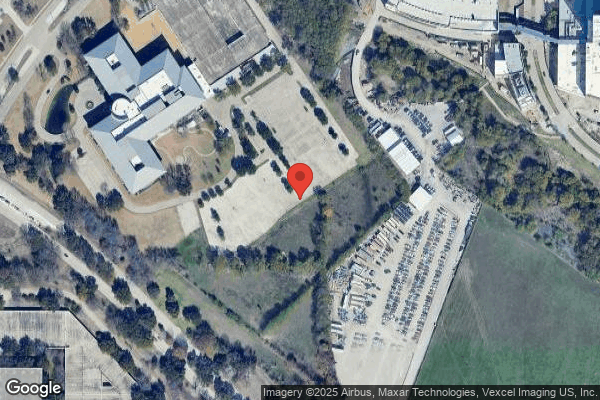
6101 OHIO STE 500, PLANO, TX 75024 (972) 468-6300
Non profit - Corporation 60 Beds Independent Data: November 2025
Trust Grade
85/100
#147 of 1168 in TX
Last Inspection: September 2024

Within standard 12-15 month inspection cycle. Federal law requires annual inspections.

Overview

The Legacy at Willow Bend has received a Trust Grade of B+, indicating it is above average and recommended for families seeking care. With a state ranking of #147 out of 1,168 facilities in Texas, they are in the top half, and they rank #5 out of 22 in Collin County, meaning only four local options are better. The facility's trend is stable, with 6 concerns noted in both 2023 and 2024, suggesting no significant improvement or decline. Staffing is a strong point, with a perfect rating of 5/5 stars and a turnover rate of 38%, which is well below the Texas average of 50%, indicating a dedicated team. On the downside, there are 17 identified concerns, including failures in food safety practices, such as not labeling food items properly, which could risk food contamination. Additionally, some residents did not receive necessary personal care, including grooming, which can affect their dignity and health. There was also a failure to provide proper respiratory care for one resident, lacking necessary signage for oxygen use, potentially compromising care. Overall, while the facility has strengths in staffing and recommendations, there are critical areas that need attention to ensure resident safety and well-being.

Trust Score
B+
85/100
In Texas
#147/1168
Top 12%
Safety Record
Low Risk
No red flags
Inspections
Holding Steady
6 → 6 violations
Staff Stability
○ Average
38% turnover. Near Texas's 48% average. Typical for the industry.
Penalties
✓ Good
No fines on record. Clean compliance history, better than most Texas facilities.
Skilled Nurses
✓ Good
Each resident gets 72 minutes of Registered Nurse (RN) attention daily — more than 97% of Texas nursing homes. RNs are the most trained staff who catch health problems before they become serious.
Violations
⚠ Watch
17 deficiencies on record. Higher than average. Multiple issues found across inspections.
★★★★★
5.0
Overall Rating
★★★★★
5.0
Staff Levels
★★★★★
5.0
Care Quality
★★★★☆
4.0
Inspection Score
Stable
2023: 6 issues
2024: 6 issues

The Good

  • 5-Star Staffing Rating · Excellent nurse staffing levels
  • 5-Star Quality Measures · Strong clinical quality outcomes
  • Full Sprinkler Coverage · Fire safety systems throughout facility
  • No fines on record
  • Staff turnover below average (38%)

    10 points below Texas average of 48%

Facility shows strength in staffing levels, quality measures, fire safety.

The Bad

Staff Turnover: 38%

Near Texas avg (46%)

Typical for the industry

The Ugly 17 deficiencies on record

Sept 2024 6 deficiencies
CONCERN (D) 📢 Someone Reported This

A family member, employee, or ombudsman was alarmed enough to file a formal complaint

Potential for Harm - no one hurt, but risky conditions existed

Incontinence Care (Tag F0690)

Could have caused harm · This affected 1 resident

**NOTE- TERMS IN BRACKETS HAVE BEEN EDITED TO PROTECT CONFIDENTIALITY** Based on observation, interview, and record review, the facility failed to ensure a resident who was incontinent of bladder rece...

Read full inspector narrative →
**NOTE- TERMS IN BRACKETS HAVE BEEN EDITED TO PROTECT CONFIDENTIALITY** Based on observation, interview, and record review, the facility failed to ensure a resident who was incontinent of bladder received appropriate treatment and services to prevent urinary tract infections for one of three residents (Resident #14) reviewed for catheter care. The facility failed to ensure CNA A maintained Resident #14's indwelling urinary catheter (a tube that drains urine from the bladder) drainage bag was below the bladder level during wound care on 09/17/24. This failure placed residents at risk for infection . Findings included: A record review of Resident #14's Quarterly MDS assessment dated [DATE] reflected Resident #14 was a [AGE] year-old female admitted to the facility on [DATE] with diagnoses including neuromuscular dysfunction of bladder (a condition that causes bladder control issues due to damage to the brain, spinal cord, or nerves), retention of urine, and pressure ulcer of the left buttock. Resident #14 had a BIMS score of 15 which indicated Resident #14's cognition was intact. She required extensive assistance of two-person physical assistance with bed mobility and transfer. Record review of Resident #14's care plan initiated on 12/01/21 reflected, [Resident #14] has indwelling suprapubic catheter (a catheter that drains urine from the bladder by inserting a tube through the abdominal wall and into the bladder) related to neurogenic bladder . Interventions: Catheter: . Position catheter bag and tubing below the level of the bladder and away from entrance room door . Review of Resident #14's Order Summary report dated September 2024, reflected, Suprapubic catheter site: cleanse the wound with normal saline pat dry, apply silver alginate and gauze daily. with a start date of 07/11/24. Observation on 09/17/24 at 10:55 AM revealed RN B entered Resident #14's room to do wound treatment. CNA A entered Resident #14's room to assist RN B. CNA A unhooked the catheter bag from the bed rail and put it flat on the foot of the bed, above the resident's bladder. RN B provided wound care to the left buttock wound. During the procedure urine was observed flowing back toward the resident's bladder. RN B finished the treatment and then CNA A hooked the catheter bag onto the bed rail. In an interview with RN B on 09/17/24 at 11:40 AM she stated she was focused on the treatment; she did not pay attention that the CNA put the urine bag on the bed. She stated the catheter bag and tubing were supposed to be kept below the bladder. She stated failing to do this could cause the urine to back up and might cause an infection. In an interview with CNA A on 09/17/24 at 11:44 AM, she stated she was trained to always keep the catheter drainage bag below the bladder. She stated she did not know why she put the bag on the bed. She stated having it above the bladder could possibility cause the urine to run backwards, which could cause an infection. In an interview with the DON on 09/19/24 at 11:37 AM she stated any resident with a foley catheter should always have the bag and tubing below the bladder. She stated not keeping the foley catheter bag below the resident's bladder, placed them at risk of urinary tract infection and cross contamination. She stated to ensure staff were knowledgeable in the care of indwelling catheters the facility does skills competency checks and she stated the ADON , and Charge Nurses made daily rounds and watched care. She stated when staff needed to be re-trained, she provided the in-service training. Record review of CNA A's competency check off for catheter care revealed she was proficient in care as of 07/03/24. Review of the facility's policy titled, Urinary Catheter Care reflected, . The urinary drainage bag must be held or positioned lower than the bladder at all times to prevent the urine in the tubing and drainage bag from flowing back into the urinary bladder .
CONCERN (D) 📢 Someone Reported This

A family member, employee, or ombudsman was alarmed enough to file a formal complaint

Potential for Harm - no one hurt, but risky conditions existed

Pharmacy Services (Tag F0755)

Could have caused harm · This affected 1 resident

Based on observation, interview and record review the facility failed to provide pharmaceutical services to ensure the accurate acquiring, receiving, dispensing, and administering of medications for o...

Read full inspector narrative →
Based on observation, interview and record review the facility failed to provide pharmaceutical services to ensure the accurate acquiring, receiving, dispensing, and administering of medications for one of one Resident (Resident #9) and one (Nurses Cart Hall 500) of 3 medication carts reviewed for pharmacy services in that: The facility failed to ensure RN B, responsible for Nurses Cart Hall 500, removed Resident #9's medications in unsecure containers from the Nurses Cart. This failure could place residents at risk of not having the medication available due to possible drug diversion and at risk of not receiving the intended therapeutic benefit of the medication because of possible diminished effectiveness. The findings include: Observation on 09/17/24 at 10:14 AM of Nurses Cart Hall 500, with RN B revealed the blister pack for Resident #9's diazepam 5 mg tablet (controlled medication used for anxiety) had 6 blister seals broken and the pills still inside the broken blisters were taped over. Interview on 09/17/24 at 10:28 AM, RN B stated the narcotic count was done at shift change and the count was correct. She stated she did not check the blister packs during the count . She stated she was unaware when the blister pack seals were broken, and she was not aware of who might have damaged the blisters and taped them over. She stated the risk would be a potential for drug diversion and we did not know the pills in the taped-over blisters were actually diazepam. She stated the nurses and medication aides were responsible to check the medication blister packs for broken seals during the count of narcotics during the change of the shift. She stated when a broken seal was observed, she would report it to the DON and would discard the pill with another nurse. Interview on 09/19/24 at 11:37 AM, the DON stated she expected if a blister pack medication seal was broken the pill should be discarded. The DON stated it would not be acceptable to keep a pill in a blister pack that was opened. The DON stated the risk would be potential for drug diversion and infection control issue. She stated nurses were responsible for checking the medication blister packs for broken seals during the count on the change of shifts. The DON stated the ADON, and the DON were supposed to check the carts weekly for monitoring. Record review of the facility's policy titled Storage of Medication, dated 1/27/24, revealed in part .4. Drug containers that have missing, incomplete, improper, or incorrect labels are returned to the pharmacy for proper labeling before storing. Discontinued, outdated, or deteriorated drugs or biologicals are returned to the dispensing pharmacy or destroyed .
CONCERN (D) 📢 Someone Reported This

A family member, employee, or ombudsman was alarmed enough to file a formal complaint

Potential for Harm - no one hurt, but risky conditions existed

Infection Control (Tag F0880)

Could have caused harm · This affected 1 resident

**NOTE- TERMS IN BRACKETS HAVE BEEN EDITED TO PROTECT CONFIDENTIALITY** Based on observation, interview and record review, the facility failed to maintain an infection control program designed to prev...

Read full inspector narrative →
**NOTE- TERMS IN BRACKETS HAVE BEEN EDITED TO PROTECT CONFIDENTIALITY** Based on observation, interview and record review, the facility failed to maintain an infection control program designed to prevent the development and transmission of infection for two of 12 residents (Resident #23 and Resident #210) observed for infection control. 1. CNA D failed to perform hand hygiene while providing incontinence care to Resident #23. 2. The facility failed to ensure CNA A wore appropriate PPE while providing care to Resident #210 who was on Enhanced Barrier Precaution. These failures placed residents at risk for spread of infection through cross-contamination. Findings include: 1.Record review of Resident #23's face sheet dated 9/18/24 reflected he was an [AGE] year old male. He was originally admitted to the facility on [DATE] and readmitted on [DATE]. He was admitted with diagnoses of hypertension (high blood pressure), dementia (loss of intellectual functioning, especially with impairment of memory and abstract thinking, and often with personality change, resulting from organic disease of the brain), and depression. Review of Resident #23's care plan initiated 12/09/22 reflected the resident had an ADL self-care performance deficit related to impaired balance and the intervention was the resident required maximum assistance by (1) staff for toileting. Observation on 09/18/24 at 10:36 AM revealed CNA D entered Resident #23's room to provide incontinent care for the resident. CNA D washed his hands in the bathroom, and donned gloves. CNA A cleaned the resident and removed the dirty brief. CNA D then placed the dirty brief in the trash can and cleaned the resident's bottom. After cleaning the resident, without any form of hand hygiene or change of gloves, CNA D put the clean brief underneath the resident, and applied the barrier cream to Resident #23's bottom. CNA D changed gloves without any form of hand hygiene, fastened the resident's brief, and assisted the resident to position in bed. After care, CNA D completed hand hygiene. In an interview on 09/18/24 at 10:45 AM with CNA D, he stated he was supposed to complete hand hygiene before and after caring for a resident. CNA D stated after cleaning the resident he was supposed to clean his hands and change gloves before applying the clean brief. CNA D stated he was supposed to complete hand hygiene to prevent the spread of infection. CNA D stated he had completed a hand hygiene and infection control in-service about two months ago. In an interview on 09/19/24 at 11:00 AM with the DON, she stated infection control was important during care. The DON stated during care the staff were to use the hand sanitizer or wash hands if they were physically soiled. The DON stated the staff were expected to complete hand hygiene before care and after care, she also stated during incontinent care the staff were supposed to change gloves and use hand sanitizer when taking off the dirty brief before applying the clean one. The DON stated hand hygiene was to be completed for infection control. DON said she was the infection preventionist and in-service on infection control was completed within a month ago. Record review of inservices reflected the facility completed an in-service on 07/05/24 for hand hygiene for CNA D. 2. Resident #210 Review of Resident #210's face sheet dated 9/19/2024 revealed he was an [AGE] year-old-male admitted to the facility on [DATE]. His diagnoses included: Congestive heart failure (heart cannot pump enough blood to meet body's needs), acute respiratory failure (disease that affects breathing), chronic kidney disease (kidneys are damaged and cannot filter blood adequately), Obstructive and reflux uropathy (urine cannot drain through the urinary tract). Record review of Resident #210's Physician Orders dated 9/13/24 reflected, Continue FOLEY CATHETER, size 20 French every day and night shift. Record review of Resident #210's care plan dated 9/18/2024 reflected, Focus: [Resident #210] have a condition that requires Enhanced Barrier Precautions as related to Foley Catheter and Oxygen. Goal: Infection control intervention to reduce the transmission of Multidrug- resistant organisms. Intervention: Follow Enhanced Barrier Precaution guidelines when providing care and coming in direct contact with potentially infected material or devices that put [Resident #210] at risk. Direct care activities including dressing, bathing/showering, transferring, providing hygiene, changing linens, changing briefs, assisting with toileting and incontinence care, Device use, Catheter, Trach/Vent, central lines, feeding tubes, wound care and/or skin opening requiring a dressing. Set up isolation per facility protocol. Follow the enhanced barrier guidelines. Observation on 09/18/24 at 10:36 AM revealed Resident #210's room had enhanced barrier precaution (EBP) signage on the door of the room. Resident #210 was on the bed with Oxygen running via Nasal cannula and had a foley catheter. CNA A entered the room, performed hand hygiene, donned gloves, but did not don a gown. CNA A, along with the other CNA present in the room (who had already donned gloves and gown) helped Resident #210 to sit up at the edge of the bed. CNA A then proceeded to attach a gait belt on Resident #210 and checked to see if the gait belt was secured. CNA A and other CNA then helped the resident to slide over from the bed to the weighing scale and then from the weighing scale to the wheelchair in the room while holding on to Resident #210's gait belt. CNA A then proceeded to remove her gloves and performed hand hygiene. In an interview on 09/18/24 at 11:15 AM with CNA A revealed she does not work on Resident #210's hall. She was only tasked to weigh the resident that morning. She stated that she saw the EBP sign on the door but was not familiar with the resident's care. She stated that an Enhanced barrier precaution sign was for residents who had wounds, G-tubes or Foley catheters and PPE including gloves and gowns should be worn during direct care contact with the resident. She stated that since she helped the resident with attaching the gait belt and helped him slide over from the bed, that would be considered as direct contact and she should have donned the gown. She stated that the risk for not wearing adequate PPE that included gown was lapses in infection control and contamination. In an interview on 09/19/24 at 11:04 AM with the DON stated her expectation was nursing staff should wear adequate PPE while providing direct care activities to a resident who has Enhanced Barrier precautions. She stated direct care activities included: bathing, changing, transferring, weighing with assistance, etc. She stated the risk of not donning adequate PPE for EBP residents was increased spread of infections. She stated that as the DON and the Infection preventionist in the facility, she provided education to all nursing staff about adequate PPE, conducted random observation rounds and talked to the residents if they had seen any lapses in infection control to ensure adequate quality of care within the facility. She stated that CNA A had received her latest skill check on 07/03/24 for transfers and PPE. Record review of CNA A Skill checks dated 07/03/24 revealed, CNA A successfully completed annual competency evaluation for PPE and Transfers from bed to chair. Record review of the facility policy titled Infection Control- Subject: Enhanced Barrier Precaution dated 6/24/24 reflected, .A. Used for the following . 2. Indwelling medical devices regardless of MDRO status (Examples: Central line/PICC line, urinary catheter, feeding tube, tracheostomy etc.) . C. Enhanced Barrier Precautions are used when specific, high contact resident care activities are performed (Examples: dressing, bathing/showering, transferring, providing hygiene, changing linens, changing briefs, or assisting with toileting, device care or use, and wound care etc.) . F. Use of PPE (Personal Protective Equipment) 1. Perform hand hygiene per policy . prior to donning PPE 2. [NAME] gown prior to performing the above listed high-contact resident care activities . Record review of US Center for Disease Control and prevention reflected, . Enhanced Barrier Precautions: Expand the use of PPE and refer to the use of gown and gloves during high-contact resident care activities that provide opportunities for transfer of MDROs to staff hands and clothing. MDROs may be indirectly transferred from resident-to-resident during these high-contact care activities. Nursing home residents with wounds and indwelling medical devices are at especially high risk of both acquisition of and colonization with MDROs. The use of gown and gloves for high-contact resident care activities is indicated, when Contact Precautions do not otherwise apply, for nursing home residents with wounds and/or indwelling medical devices regardless of MDRO colonization as well as for residents with MDRO infection or colonization. https://www.cdc.gov/long-term-care-facilities/hcp/prevent-mdro/PPE.html. Review of the facility policy dated 10/15/23 and titled Hand washing/Hand Hygiene reflected, 1. All personnel shall be trained and regularly in-serviced on the importance of hand hygiene in preventing the transmission of healthcare-associated infection.9. The use of gloves does not replace hand washing/ hand hygiene. Integration of gloves use along with routine hand hygiene is recognized as the best practice of preventing healthcare-associated infections.
CONCERN (E) 📢 Someone Reported This

A family member, employee, or ombudsman was alarmed enough to file a formal complaint

Potential for Harm - no one hurt, but risky conditions existed

ADL Care (Tag F0677)

Could have caused harm · This affected multiple residents

**NOTE- TERMS IN BRACKETS HAVE BEEN EDITED TO PROTECT CONFIDENTIALITY** Based on observations, interviews, and record review the facility failed to provide the necessary services for residents who wer...

Read full inspector narrative →
**NOTE- TERMS IN BRACKETS HAVE BEEN EDITED TO PROTECT CONFIDENTIALITY** Based on observations, interviews, and record review the facility failed to provide the necessary services for residents who were unable to carry out activities of daily living to maintain good grooming and personal hygiene for 4 (Resident #8, Resident #3, Resident #29, and Resident #13) of 24 residents reviewed for ADLs. The facility failed to ensure: 1- Resident #8 had his fingernails cleaned and trimmed. 2- Resident #3 had his fingernails cleaned and trimmed. 3- Resident #29 had her fingernails cleaned and trimmed. 4- Personal care and skin care was provided for Resident #13 by trimming his fingernails. These failures could place residents who were dependent on staff for ADL care at risk for loss of dignity, risk for infections, and a decreased quality of life. Findings included: 1- Review of Resident #8's admission MDS assessment dated [DATE] reflected Resident #8 was a [AGE] year-old male with initial admission date to the facility on [DATE]. His diagnoses included Hypertension (high blood pressure), Obstructive uropathy (urine cannot drain through the urinary tract), Diabetes mellitus (increased blood glucose levels), Hyperlipidemia (increased blood lipid levels), Cerebrovascular accident (interruption of blood flow to the brain). Resident #8 had a BIMS score of 10 which indicated Resident #8 had moderate cognitive impairment. Resident #8 required moderate assistance with personal hygiene. Review of Resident #8's Comprehensive Care Plan, revised 08/22/24, reflected the following: Focus: [Resident #8] Risk for Self-Care Deficit: Bathing, Dressing, Feeding. Goal: [Resident #8] Will Be Able to Perform Self-Care Needs. Interventions: Provide assistance with ADLs / ADLs as needed. In an observation and interview on 09/17/24 at 09:05 AM with Resident #8 revealed nails on both hands were approximately 1.0 centimeter in length extending from the tip of his fingers and had black areas underneath the nails. Resident #8 stated he would like his nails to be cleaned and trimmed by a staff member but was not offered during his stay at the facility. In an interview on 09/17/24 at 09:17 AM with CNA H revealed that most ADL's such as hair trimming, and nail clipping was completed during shower times. She revealed that since Resident #8 was a Diabetic resident, LVNs or RNs were responsible for clipping his nails. CNA H stated that fingernail clipping should be done weekly or as needed and the risk of not cleaning/ trimming fingernails could be increased risk of infection. In an interview on 09/17/24 at 09:45 AM with RN I revealed that there were no specific days for nailcare, but it should be offered each time during showering. RN I also stated that Nurses were responsible for clipping fingernails for diabetics, after they are notified by the CNAs. He stated that he was not aware that Resident #8 needed fingernail cleaning or trimming. RN I stated that ADLs were monitored daily and the risk to the resident for failure to provide ADL including nail care was increased risk of infection. 2- A record review of Resident #3's Quarterly MDS assessment dated [DATE] reflected Resident #3 was a [AGE] year-old male originally admitted to the facility on [DATE], and readmitted on [DATE] with diagnoses including diabetes mellitus, lack of coordination, and speech and language deficits following cerebral infarction (a serious condition that occurs when blood flow to the brain is reduced or blocked, causing brain tissue to die). Resident #3 had a BIMS score of 3 which indicated Resident #3's cognition was severely impaired. He required partial assistance with personal hygiene. A record review of Resident #3's Comprehensive Care Plan, revised 05/02/24, reflected the following: Focus: [Resident#3] has an ADL self-care performance deficit related to impaired balance .Interventions: . Personal hygiene, nail care: [Resident #3] is totally dependent on 1 staff for personal hygiene and oral care. An observation and interview on 09/17/24 at 10:37 AM revealed Resident #3 was sitting in the recliner in his room. The nails on both hands were long and dirty. The fingernails on both hands were approximately 0.5 inches long and had dirt underneath the nails. The private sitter at the bed side stated since Resident #3 was diabetic she could not trim his fingernails. She stated she did not tell the facility staff about his fingernails needing to be trimmed and cleaned. In an interview with CNA A on 09/17/24 at 10:42 AM, she stated CNAs and LVNs were responsible for nail care. She stated if a resident has diabetes, only nurses were allowed to provide nailcare. She stated the risk for not performing nailcare was an increased risk of infection. She stated Resident #3 was diabetic; she would notify the nurse. 3- A record review of Resident #29's Quarterly MDS assessment dated [DATE] reflected Resident #29 was an [AGE] year-old female admitted to the facility on [DATE] with diagnoses that included cerebral infarction (a serious condition that occurs when blood flow to the brain is reduced or blocked, causing brain tissue to die), and hemiplegia (a condition that causes partial or complete paralysis on one side of the body) affecting left side. Resident #29 had a BIMS score of 7 which indicated Resident #29's cognition was severely impaired. She required extensive assistance of two-person physical assistance with personal hygiene. A record review of Resident #29's Comprehensive Care Plan, revised 08/02/24, reflected the following: Focus: [Resident #29] has an ADL self-care performance deficit. Interventions: . Personal hygiene: Resident is totally dependent on staff for personal hygiene. An observation and interview on 09/17/24 at 11:55 AM revealed Resident #29 was laying in her bed. The nails on the right hand were approximately 0.3 centimeter in length extending from the tip of her fingers. The nails were chipped. The nails on the left, contracted, hand were approximately 0.5 centimeter in length extending from the tip of her fingers. Resident #29 stated she did not like her fingernails that long and she stated she did not tell the nurse. In an interview with CNA C on 09/17/24 at 12:01 PM, he stated CNAs and LVNs were responsible for nail care. He stated if a resident has diabetes, only nurses were allowed to provide nailcare. He stated the risk for not performing nailcare was an increased risk of infection and risk to scratch and break the skin. He stated Resident #29 was not diabetic; he would trim her nails. In an interview with the DON on 09/19/24 at 11:37 AM revealed her expectation was that nail care should be provided as needed, especially during shower time. She stated that CNAs were responsible for doing nail care unless the resident had a diagnosis of diabetes. She also stated that as the DON, either herself or her designee were responsible to do routine rounds for monitoring. The DON stated that residents having long, and dirty fingernails could be an infection control issue and cause skin breakdown. 4.Record review of Resident #13's face sheet, dated 09/18/24, reflected Resident #13 was an [AGE] year-old male originally admitted to the facility on [DATE], and readmitted on [DATE]. Resident #13 had diagnoses of hypertension (elevated blood pressure), Diabetes mellitus, kidney transplant status, and muscle wasting and atrophy. Record review of Resident #13's MDS assessment, dated 03/31/24, reflected he had a BIMS score of 13 indicating he was cognitively intact. Resident #13 was dependent on staff to complete ADLs of bed mobility, dressing, and personal hygiene. Record review of Resident #13's Comprehensive Care Plan, dated 09/09/24, reflected the following: Focus: the resident has an ADL self-care performance deficit . Interventions: Personal Hygiene/oral care, nail care: the resident is totally dependent on (1) staff for personal hygiene In an observation/interview on 09/18/24 at 8:13 AM, the nails on both of Resident #13's hands were approximately 0.3 cm in length extending from the tip of his fingers. Resident #13 stated he liked his fingernails trimmed. In an interview/observation on 09/18/24 at 8:15 AM with LVN E revealed she looked at Resident #13's fingernails, and stated Resident #13's fingernails were long, and were supposed to be trimmed, but Resident #13 refused fingernail trimming. Resident #13 stated he liked his fingernails trimmed. LVN E replied that was new to her. LVN E stated it was the responsibility of the nurses to make sure residents' fingernails were trimmed and cleaned. LVN E stated the risk to the residents could be the development of infection and skin tears. In an interview with the DON on 09/19/24 at 11:37 AM revealed her expectation was that nail care should be provided as needed, especially during shower time. She stated that CNAs were responsible for doing nail care unless the resident had a diagnosis of diabetes. She also stated that as the DON, either herself or her designee were responsible to do routine rounds for monitoring. The DON stated that residents having long, and dirty fingernails could be an infection control issue and cause skin breakdown. Record review of the facility policy titled personal Care. Subject: Fingernails, care of dated 05/22/22 reflected: It is the policy of this community to establish procedures to clean the nail bed, to keep nails trimmed, and to prevent infections .1. Nails care includes daily cleaning and regular trimming
CONCERN (E) 📢 Someone Reported This

A family member, employee, or ombudsman was alarmed enough to file a formal complaint

Potential for Harm - no one hurt, but risky conditions existed

Respiratory Care (Tag F0695)

Could have caused harm · This affected multiple residents

**NOTE- TERMS IN BRACKETS HAVE BEEN EDITED TO PROTECT CONFIDENTIALITY** Based on observation, interview, and record review the facility failed to ensure a resident who needed respiratory care was prov...

Read full inspector narrative →
**NOTE- TERMS IN BRACKETS HAVE BEEN EDITED TO PROTECT CONFIDENTIALITY** Based on observation, interview, and record review the facility failed to ensure a resident who needed respiratory care was provided such care, consistent with professional standards of practice, the comprehensive person-centered care plan and the residents' goals and preferences for 1 of 3 Residents (Resident #210) reviewed for respiratory care. The facility failed to ensure Oxygen (O2) in use signage was on Resident #210's doorway. This failure could place residents at risk of not receiving appropriate respiratory care. The finding were: Review of Resident #210's face sheet dated 9/17/2024 revealed he was an [AGE] year-old-male admitted to the facility on [DATE]. His diagnoses included: Congestive heart failure (heart cannot pump enough blood to meet body's needs), acute respiratory failure (disease that affects breathing), chronic kidney disease (kidneys are damaged and cannot filter blood adequately), Obstructive and reflux uropathy (urine cannot drain through the urinary tract). Record review of Resident #210's Physician Orders dated 9/11/2024 reflected, Oxygen at 2 Liter per minute via nasal cannula as needed to keep O2 Saturation more than 92%. Record review of Resident #210's Baseline care plan dated 09/11/24, reflected Oxygen therapy - while a resident. In an observation and interview on 09/17/24 at 11:06 AM with resident #210 revealed Resident #210 was on Oxygen via nasal cannula. Resident #210 stated he had been on Oxygen since admit to the facility for breathing difficulty. Observed Resident #210's room did not have signage for Oxygen in use outside the door. In an interview on 09/17/24 at 01:10 PM with LVN K revealed that it was her first day working with Resident #210 since he was a new admit to the facility. She stated that he had orders for Oxygen in the electronic health record. She stated that Resident #210 was on Oxygen therapy since admit that was 9/11/24 and there should be a signage on the door for oxygen in use to alert other staff members. She stated that nurses were responsible for putting up the signage. She stated that the risk of not having signage outside Resident's room was decreased quality of care by not meeting resident's care needs. In an interview on 09/19/24 at 11:01 AM with the DON, she stated her expectation was if the resident is on Oxygen therapy, then signage for Oxygen in use should be on the door. She stated floor nurses were responsible for putting the signage on the door. She stated that the facility was a nonsmoking facility. She stated the risk of not having appropriate signage on the door was during emergency or evacuation , the staff may not be aware that resident was dependent on Oxygen therapy and portable oxygen needed to be arranged. She added the risk of inadequate signage was Resident will not receive the care they need, and quality of care will be compromised. Record review of facility policy titled Oxygen Storage dated 05/13/2022 reflected, . 3. Signage will be placed on the doorway of each resident room housing oxygen to notify that oxygen is in use.
CONCERN (F) 📢 Someone Reported This

A family member, employee, or ombudsman was alarmed enough to file a formal complaint

Potential for Harm - no one hurt, but risky conditions existed

Food Safety (Tag F0812)

Could have caused harm · This affected most or all residents

Based on observations, interviews and record review, the facility failed to store, prepare, distribute, and serve food in accordance with professional standards for food service safety for the facilit...

Read full inspector narrative →
Based on observations, interviews and record review, the facility failed to store, prepare, distribute, and serve food in accordance with professional standards for food service safety for the facility's only kitchen in that: 1. The facility failed to ensure food items in the facility freezer were labeled and had use-by dates. 2. The facility failed to ensure Dietary Server G used appropriate hair restraint in the kitchen. These failures could affect residents who received their meals from the facility's only kitchen, by placing them at risk for food-borne illness, and food contamination. Findings included: Observation on 09/17/24 at 08:02 AM in the facility's walk-in freezer revealed some kind of meat in a gallon size clear plastic storage bag was not labeled or dated. Observation on 09/17/24 at 08:03 AM in the facility's walk-in freezer revealed Brussel sprouts in a gallon sized clear plastic storage bag were not dated. Observation on 09/17/24 at 08:06 AM in the facility's walk-in freezer revealed frozen potato fries in a gallon sized clear plastic storage bag were not dated or labeled. Observation on 09/17/24 at 08:07 AM in the facility's walk-in freezer revealed sweet potato fries in a gallon-sized clear plastc storage bag that was half filled and did not had a use-by date. Observation on 09/17/24 at 08:12 AM revealed Dietary Server G, who was serving breakfast to the residents, was frequently visiting the kitchen prep area and the dining hall did not wear effective hair restraint. Observed Dietary Server G had her bangs outside of the hair restraint and her hair at the back of the head were not secured under the hair restraint. In an interview on 09/17/24 at 08:09 AM with [NAME] F revealed that she did not work the day before, so she was not sure why the food products in the facility freezer were not dated or labeled. She stated that everyone in the kitchen including cooks, dietary aides and Food Service Manager was responsible for dating and labeling all food items in the kitchen. She stated that the risk for residents for not dating and labeling food items was residents could get sick or food borne illness. In an interview 09/18/24 at 01:34 PM with the Dietary Manager stated it was his expectations that all the food items in the kitchen should be dated or labeled. He stated that everyone in the kitchen including the cooks, dietary aides and himself was responsible for labeling and dating food items with Use-by dates. He also stated that it was also his expectation that all dietary staff entering the kitchen area should always wear a hair restraint in a manner that all the hair is restrained appropriately. He stated that he had provided in-services for all kitchen staff in the past that included wearing appropriate hair restraints and dating/labeling food items. He stated that not labeling/dating food items or not wearing adequate hair restraints could cause food borne illness in residents. In an interview on 09/19/24 at 09:08 AM with Dietary Server G revealed that she had worked in the facility for one year as a dietary server. She stated she knew that she had to wear hair restraint such that it covers all the hair before entering the kitchen area. She stated that hair net may have moved and hence her bangs and back of the hair was exposed outside of the hairnet. She stated that the risk to residents if effective hair restraint was not worn would be residents getting hair in their food that could make them sick. Record review of the facility policy titled, Good Hygienic practices for food service employees revised 3/11 revealed, .Hair Restraints: Nutrition Service employees will wear hair restrains such as hats, hair coverings or nets, beard restraints, and clothing that covers body hair, that are designed and worn to effectively control and keep their hair from contacting exposed food, clean equipment, utensils, and linens; and unwrapped single-service and single use articles . Record review of the facility policy titled, Stock Dating revised 3/11, reflected, POLICY STATEMENT: Stock will be routinely dated when received in the facility for the purpose of assuring proper stock rotation Date stock with date of delivery (per facility policy and state regulations). Review of the Food and Drug Administration Food Code, dated 2022, reflected, 2-402.11 Effectiveness. (Hair Restraints) .1. Code of Federal Regulations, Title 21, Sections 110.10 Personnel (6) Wearing, where appropriate, in an effective manner, hair nets, head bands, caps, beard covers, or other effective hair restraints. Review of the Food and Drug Administration Food Code, dated 2022, reflected, .3-302.12 Food Storage Containers, Identified with Common Name of Food. Except for containers holding food that can be readily and unmistakably recognized such as dry pasta, working containers holding food, or food ingredients that are removed from their original packages for use in the food establishment, such as cooking oils, flour, herbs, potato flakes, salt, spices, and sugar shall be identified with the common name of the food 3-305.11 Food Storage.(B) .refrigerated, ready-to eat time/temperature control for safety food prepared and packaged by a food processing plant shall be clearly marked, at the time the original container is opened in a food establishment and if the food is held for more than 24 hours, to indicate the date or day by which the food shall be consumed on the premises, sold, or discarded, based on the temperature and time combinations specified in (A) of this section and: (1) The day the original container is opened in the food establishment shall be counted as Day 1; and (2) The day or date marked by the food establishment may not exceed a manufacturer's use-by date if the manufacturer determined the use-by date based on food safety
Sept 2023 6 deficiencies
CONCERN (D)

Potential for Harm - no one hurt, but risky conditions existed

Comprehensive Care Plan (Tag F0656)

Could have caused harm · This affected 1 resident

**NOTE- TERMS IN BRACKETS HAVE BEEN EDITED TO PROTECT CONFIDENTIALITY** Based on observations, interview, and record review, the facility failed to ensure the comprehensive care plan described the ser...

Read full inspector narrative →
**NOTE- TERMS IN BRACKETS HAVE BEEN EDITED TO PROTECT CONFIDENTIALITY** Based on observations, interview, and record review, the facility failed to ensure the comprehensive care plan described the services that were to be furnished to attain or maintain the resident's highest practicable physical, mental, and psychosocial well-being for one (Residents #38) of 19 residents reviewed for comprehensive care plans. 1. The facility failed to develop a care plan for Resident #38's preferences to stay in room and for independent activities in her room. 2. The facility failed to develop a care pan to address Resident #38's pain management. These failures could affect the residents by placing them at risk for possible adverse side effects, adverse consequences, and decreased quality of life and care. Findings included: Review of Resident #38's annual MDS assessment dated [DATE] reflected Resident #38 was an [AGE] year-old female admitted to the facility on [DATE] with diagnoses of atrial fibrillation (irregular heart rhythm, coronary artery disease (narrowing of the heart major blood vessels that limit blood flow to the heart)., stress fracture of left fibula ( the long bone in the lower leg) , muscle wasting and atrophy, lack of coordination and abnormalities of gait and mobility. Resident #38 had a BIMS of 13 indicating she was cognitively intact. Resident #28 required limited to extensive assistance with all ADLs. Review of Resident #38's Comprehensive Care Plan last revised on 08/29/23 reflected Resident #38 has an ADL self-care performance deficit [related to] impaired balance. Review revealed it did not reflect her preference to stay in her room. It reflected Resident #38 has little or no activity involvement related to mobility. Interventions included to invite and encourage the resident's family members to attend activities with resident in order to support participation, monitor/document for impact of medical problems on activity level, remind resident may leave activities of any time, and was not required to stay for entire activity, resident needs assistance/escort to activity functions. It did not reflect about Resident #38's preference to do independent activities in her room instead of group activities and what activity preferences Resident #38 liked. The care plan did not address about Resident #38's pain. Observation and interview on 09/12/23 at 10:50 AM revealed Resident #38 was lying in her bed and had a book she was reading in her hands. Resident # 38 stated she liked to read and preferred to stay in her room and not participating in group activities. She stated she liked to read and enjoyed reading books. She stated she had arthritis pain and preferred to stay in her bed due to increased pain. Resident #38 stated she was provided pain medications when needed and they were effective to alleviate her pain. Interview on 09/14/23 at 1:25 PM with the MDS Coordinator revealed she thought Resident #38 came out of her room and was unaware she preferred to stay in bed. She stated Resident #38's pain was not care planned since it was not constant pain and did not cause her a problem. She stated the Lifestyle Coordinator was responsible for care planning about resident's activities. Interview on 09/14/23 at 1:27 PM with Resident Care Coordinator B revealed Resident #38 preferred to stay in her room and in bed. Interview on 09/14/23 at 1:50 PM with DON revealed Resident #38 took Gabapentin for neuropathy and her pain was controlled. She stated Resident #38's pain did not need to be care planed unless it iswas a problem and resident complained of pain. She stated Gabapentin was a minor pain medication compared to narcotic pain medication. She stated the care plan should be resident centered. Interview on 09/14/23 at 2:05 PM with the Lifestyles Coordinator revealed Resident #38 preferred to stay in her room and was independent with her activities like reading books. He stated he visited her in her room regularly and was looking for finding a volunteer who could regularly come visit one-on-one with Resident #38 in her room. He stated he had not updated her care plan to address her preference for staying in the room and reading books. Interview on 09/14/23 at 2:09 PM with RN C revealed Resident #38 preferred to stay in her room and most of the time would be reading a book in her room. He stated Resident #38 took scheduled Gabapentin and would complain of pain or discomfort if getting up in her chair. RN C stated Resident #38 preferred a bed bath. Review of facility's policy Care Plans, Comprehensive Person-centered undated reflected to develop and implement comprehensive, person-centered care plan that includes measurable objectives and timetables to meet the resident's physical, psychosocial and functional needs for each resident .7. The care planning process will: b. include an assessment of the resident's strengths and needs; and c. incorporate the resident's personal and cultural preferences in developing the goals of care. 8. The comprehensive, person-centered care plan will: .b. describe the services that are to be furnished to attain or maintain the resident's highest practicable physical, mental, and psychosocial well-being .
CONCERN (D)

Potential for Harm - no one hurt, but risky conditions existed

Pharmacy Services (Tag F0755)

Could have caused harm · This affected 1 resident

**NOTE- TERMS IN BRACKETS HAVE BEEN EDITED TO PROTECT CONFIDENTIALITY** Based on observation, interview, and record review, the facility failed to provide pharmaceutical services to ensure the accurat...

Read full inspector narrative →
**NOTE- TERMS IN BRACKETS HAVE BEEN EDITED TO PROTECT CONFIDENTIALITY** Based on observation, interview, and record review, the facility failed to provide pharmaceutical services to ensure the accurate acquiring, receiving, dispensing, administering, and securing of medications for 1 (Resident #24) of 8 residents reviewed for pharmacy services and for 1 (5400 hall nurses' medication cart) of 3 medication carts reviewed for pharmacy services in that: The facility failed to ensure: 1- The facility failed to ensure medications were not left unsecured at bedside of Resident #24 2- The facility failed to ensure LVN J and LVN N counted controlled drugs on the 09/12/23 night shift/morning shift change. These failures could place residents at risk of not receiving the intended therapeutic benefit of the medication and the risk of not having the medication available due to possible drug diversion Findings Included: 1- Observation on 09/12/23 at 10:47 AM, of the room [ROOM NUMBER] revealed a pink oval tablet in a medication cup was on the bed side table unattended. Resident #24 was not in the room. Interview on 09/12/23 at 10:55 AM, LVN J stated she did not leave the pill in the resident's room unattended. She stated she did not know who left the medication in the room unattended. She stated that placed everyone at risk of receiving medication not intended for them; could cause serious health problems. Interview on 09/14/23 at 1:30 PM, the DON stated medications should never be left at bedside. The DON stated she was responsible for in-services on medication administration. The DON stated unsecured meds were a risk to everyone with potential to cause serious illness and could also be a choking hazard. 2- During a record review and random count observation of 5400 hall nurses' medication cart with LVN J on 09/12/2023 at 2:26 PM revealed missing signature for 1 tablet of tramadol given to Resident #48. The blister pack count was 22 and the narcotic count sheet was 23. Interview on 09/12/2023 at 2:28 PM, LVN J stated she did not count with the night shift nurse, LVN N, because LVN N was rushing because she had an emergency. LVN J stated she should have counted with LVN N during change of shift. LVN N stated this failure could have potentially caused a drug diversion. An attempted telephone interview on 09/12/2023 at 3:22 p.m. with LVN N, was unsuccessful. Interview on 09/14/2023 at 1:30 PM, the DON stated she expected nurses to count narcotic at the beginning and at the end of their shift with the incoming and off-going nurse. The DON stated this was monitored monthly by the pharmacy consultant. The DON stated she had never really had a problem so monitoring more often was not required. The DON stated the count was important to ensure a drug diversion did not occur. Review of the facility's policy Controlled Substances not dated, reflected the following: .8. Controlled substances are reconciled upon receipt, administration, disposition, and at the end of each shift 12. At the end of each shift: a. Controlled medications are counted at the end of each shift. The nurse coming on duty and the nurse going off duty determine the count together.
CONCERN (D) 📢 Someone Reported This

A family member, employee, or ombudsman was alarmed enough to file a formal complaint

Potential for Harm - no one hurt, but risky conditions existed

Infection Control (Tag F0880)

Could have caused harm · This affected 1 resident

**NOTE- TERMS IN BRACKETS HAVE BEEN EDITED TO PROTECT CONFIDENTIALITY** Based on observation, interview, and record review, the facility failed to maintain an infection prevention and control program ...

Read full inspector narrative →
**NOTE- TERMS IN BRACKETS HAVE BEEN EDITED TO PROTECT CONFIDENTIALITY** Based on observation, interview, and record review, the facility failed to maintain an infection prevention and control program designated to provide a safe, sanitary, and comfortable environment and to help prevent the development and transmission of communicable disease and infection for 2 (Resident #22, Resident #40) of 5 residents reviewed for infection control. The facility failed to ensure CMA M disinfected the blood pressure cuff in between blood pressure checks for Residents #22 and #40. This failure could place residents at-risk of cross contamination which could result in infections or illness. Findings included: Record review of Resident #22's Comprehensive MDS assessment, dated 08/13/23, reflected she was a [AGE] year-old female admitted to the facility on [DATE], with diagnoses including elevated blood pressure, congestive heart failure (a serious condition in which the heart doesn't pump blood as efficiently as it should), and type 1 diabetes mellitus. She was unable to complete the interview to determine the BIMS due to cognition issues. Record review of Resident #22's physician orders dated 09/14/23 reflected, metoprolol succinate extended release 25 mg tablet, give 0.5 tablet by mouth one time daily - Special instruction: Hold for heart rate less than 60. Record review of Resident #40's Comprehensive MDS, dated [DATE], revealed the resident was an [AGE] year-old male admitted to the facility on [DATE] with diagnoses including atherosclerotic heart disease (a build-up of cholesterol plaque in the walls of arteries causing obstruction of blood flow), elevated blood pressure, and dementia. He had a BIMS of 14 indicating he was cognitively intact. Record review of Resident #40's physician orders dated 09/14/23 reflected, diuretics- monitor for the following: decreased PO (oral intake), acute confusion, agitation, delusions, hypotension and orthostasis (normal response of the body to counteract a fall in blood pressure when a person is laying down and assumes the upright position.) Observation on 09/13/23 at 8:06 AM revealed CMA M performing morning medication pass, during which time she checked the blood pressures on Resident #22. CMA M did not sanitize the blood pressure cuff before or after using it on Resident #22. Observation on 09/13/23 at 8:14 AM revealed CMA M performing morning medication pass, during which time she checked the blood pressure on Resident #40. CMA M used the same blood pressure cuff right after using it on Resident#22. CMA M did not sanitize the blood pressure cuff before using it on Resident #40. Interview on 01/13/23 at 8:28 AM, CMA M stated reusable equipment, like blood pressure cuffs, should be sanitized with wipes between each resident use (before and after use on each resident) in order to prevent transmitting an infection from one resident to another. She stated she forgot to wipe the cuff. Interview on 09/14/23 at 1:30 PM, the DON stated that her expectation was that staff would sanitize all reusable equipment between each resident use. She stated that not doing so placed residents at risk of cross contamination of infections from one resident to another. She said she was responsible for training staff on infection control. She said that she did routine rounds in the floor to ensure the nurses and med aids were following proper infection control procedures. Record review of facility's policy Cleaning and Disinfection of Resident -Care Items and Equipment, not dated, reflected . d. Reusable items are cleaned and disinfected or sterilized between residents. 3. Durable medical equipment must be cleaned and disinfected before reuse by another resident. 4. Reusable resident care equipment will be decontaminated and/or sterilized between residents according .
CONCERN (E)

Potential for Harm - no one hurt, but risky conditions existed

Abuse Prevention Policies (Tag F0607)

Could have caused harm · This affected multiple residents

Based on interviews and record review, the facility failed to implement their written policies and procedures that prohibit and prevent abuse and neglect for two (CNA D and CNA E) of 10 employees revi...

Read full inspector narrative →
Based on interviews and record review, the facility failed to implement their written policies and procedures that prohibit and prevent abuse and neglect for two (CNA D and CNA E) of 10 employees reviewed for employee files. The facility failed to ensure the facility had a copy of criminal background checks conducted prior to hire for CNA D and CNA E. This failure could place residents at risk for abuse and receiving care from unemployable staff. Findings included: Review of facility's policy Abuse Prevention Program undated reflected The facility must develop and implement written policies and procedures that: As part of the resident abuse prevention, the administration will implement the following protocols: .2. Conduct employee background checks and will not knowingly employ or otherwise engage any individual who has: been found guilty of abuse, neglect, exploitation, misappropriation of property, or mistreatment by a court of law . Review of facility's policy Personnel and Staffing Background Screening Investigations undated reflected The director of personnel, or designee, conducts background checks, reference checks and criminal conviction checks (including fingerprinting as may be required by state law) on all potential direct access employees and contractors. Background and criminal checks are initiated within 2 days of an offer of employment or contract agreement, and completed prior to employment. Review of facility's policy Licensure, Certification and Registration of Personnel effective May 10, 2022 reflected facility conducts employment background screening checks .and criminal conviction investigation checks in accordance with current federal and state laws. Review of CNA D's personnel file reflected the hire date was 03/30/11 with no criminal background check completed in her file. Review of CNA E's personnel file reflected the hire date was 12/29/11 and there was no criminal background check in her file. Interview on 09/14/23 at 3:11 PM with HR Manager revealed that each employee received an offer of employment letter for hire. Interview revealed the employee then gave the facility permission to conduct the criminal background check. The HR Manager stated the facility conducted the background check before the employee worked at the facility. Interview revealed CNAs D and E worked at the facility for over 13 years and the records were paper. The HR Manager stated the facility did not have the criminal background checks in their files anymore. The HR Manager stated the criminal background checks were only ran again as needed Interview on 09/14/23 at 3:18 PM with the Administrator revealed that it was the facility's policy to run criminal background checks upon hire for new employees but the facility did not have a copy of it for CNA D and CNA E. She stated the purpose of completing these checks were to protect the residents from harm/persecution at the hands of any staff that we hire. Review of CNA D and CNA E's criminal background checks completed on 09/14/23, after surveyor intervention, reflected both CNA D and CNA E were employable and had no bars to employment.
CONCERN (E)

Potential for Harm - no one hurt, but risky conditions existed

Deficiency F0761 (Tag F0761)

Could have caused harm · This affected multiple residents

**NOTE- TERMS IN BRACKETS HAVE BEEN EDITED TO PROTECT CONFIDENTIALITY** Based on observation, interview, and record review, the facility failed to label drugs and biologicals used in the facility in a...

Read full inspector narrative →
**NOTE- TERMS IN BRACKETS HAVE BEEN EDITED TO PROTECT CONFIDENTIALITY** Based on observation, interview, and record review, the facility failed to label drugs and biologicals used in the facility in accordance with currently accepted professional principles, and include the appropriate accessory and cautionary instructions, and the expiration date when applicable for the facility's only medication room and 1 (5300 hall nurses' medication cart) of 3 medication carts reviewed for pharmacy services in that: The facility failed to ensure: 1- A vial of TB ( Tuberculosis ) serum that was opened and used was dated in the medication room refrigerator. 2- The 5300 Hall medication cart had insulin pen for Resident #13 without an opened date. These failures could affect residents and staff resulting in diminished effectiveness, and not receiving the therapeutic benefits of the medications The findings include: 1-Observation on 09/12/2023 at 2:47 PM of the medication room revealed a vial of TB PPD (purified protein derivative) serum was opened, had been used and was not dated. Interview on 09/12/23 at 2:47 PM, LVN L stated the TB PPD vial was open and the rubber seal breached and was not dated or initialed. He said the risk when given to staff or resident could be the wrong reading. He stated the nurse was responsible to check the vial for the open date before use it. Interview on 09/12/23 at 3:20 PM, the DON said labeling of medications followed manufacturer instructions unless otherwise specifically indicated. She said the staff who opened the vial should have written the open date and the initials. She said all nurses were responsible to check the medication carts and the medication rooms for expiration and labeling of medication. 2- Record review of Resident #13's Comprehensive MDS, dated [DATE], revealed the resident was a [AGE] year-old male admitted to the facility on [DATE] with diagnoses including type 2 diabetes mellitus, chronic kidney disease, and hyperlipidemia (too many lipids and fats in the blood). He had a BIMS of 15 indicating he was cognitively intact. Record review of Resident #13's physician's orders dated September 2023 revealed an order for insulin glargine solution 100 unit/ml. Inject 10 unit subcutaneously one time a day for diabetes, with an order date of 08/18/23 and no end date. Observation on 09/12/2023 at 3:10 PM revealed the 5300-hall nurse's medication cart had a pen of insulin glargine solution 100 unit/ml for Resident #13. Observation revealed the used insulin pen did not have an opened date. Interview on 09/12/2023 at 3:15 PM, LVN K stated the glargine solution 100 unit/ml belonged to Resident #13 and did not have an opened date. LVN K stated she did not open the pen and she forgot to check if there was an open date on the pen. LVN K stated the purpose for putting an open date was for expiration purposes because the insulin was only good for 28 days. Interview on 09/12/23 at 3:20 PM, the DON stated the insulin flex pens, once opened, needed to be dated because each insulin pen had a 30 or 40-day shelf life and if not thrown out before that time, the insulin could lose its effectiveness. Record review of the facility's policy titled Administering Medications, not dated, revealed in part .12. The expiration /beyond use date on the medication label is checked prior to administering. When opening a multi-dose container, the date opened is recorded on the container .
CONCERN (E)

Potential for Harm - no one hurt, but risky conditions existed

Food Safety (Tag F0812)

Could have caused harm · This affected multiple residents

Based on observations, interviews, and record review, the facility failed to store, prepare, distribute and serve food in accordance with professional standards for food service safety for the facilit...

Read full inspector narrative →
Based on observations, interviews, and record review, the facility failed to store, prepare, distribute and serve food in accordance with professional standards for food service safety for the facility's only kitchen reviewed for kitchen sanitation. 1. The facility failed to ensure Dietary Cooks H and I washed hands during lunch meal preparation on 09/13/23. 2.The facility failed to ensure four of six trash cans in the kitchen were covered. These failures could place residents at risk for food contamination and food-borne illness. Findings included: 1. Observation on 09/13/23 at 12:09 PM revealed Dietary [NAME] H touched the metal shelf of steam table with her left open gloved hand. Dietary [NAME] H did not wash her hands. Dietary [NAME] H touched inside of the bowl and scooped food into bowl. She started scooping food on plate with utensil and touched the plates. At 12:28 PM Dietary [NAME] H changed gloves and did not wash hands before putting on new gloves. Observation on 09/13/23 at 12:12 PM revealed Dietary [NAME] I touched her left hand on her face with gloved hands. She put meat on stove. She changed gloves but did not wash hands between glove change. She took up fries with same gloved hands. At 12:18 PM, Dietary [NAME] I took gloves off and put new gloves on. She did not wash her hands between glove changes. She grabbed salad from bowl with her gloved hands. Interview on 09/13/23 at 12:35 PM with Dietary [NAME] H revealed she should have washed her hands when changing her gloves. She stated she should change her gloves and wash hands when her gloves get contaminated or soiled. Interview on 09/13/23 at 12:37 PM with Dietary [NAME] I stated she should have washed her hands between glove changes before putting on the new gloves. 2. Observations on 09/13/23 at 12:07 PM and 12:30 PM revealed four trash cans were not covered. Two trash cans, when entering kitchen, had no cover and contained used gloves and one of the trash cans had boxes on top. Two trash cans in food prep area revealed the lids were not over the trash can and had about ¾ full of food debris and used gloves in the food prep area were near the steam table. Interview on 09/13/23 at 12:38 PM with the Dietary Manager stated the dietary staff should have washed hands when changing gloves before putting on new gloves and when gloves were contaminated or soiled. He stated there was a recent in-service on hand hygiene about washing hands. He stated he would initiate an in-service on hand washing for all dietary staff today. Dietary Manager stated he was aware of two of the trash can lids not working to cover the trash can. He stated he needed new lids for these trash cans. He stated the other two trash cans did not have lids but he tried not to keep food debris in it. He stated he was aware the kitchen trash cans need to be covered but he would need to order kitchen trash cans that have a lid to keep the trash covered in the kitchen. Interview on 09/13/23 at 1:55 PM with Dietary Manager stated the risk for dietary staff for not washing their hands place residents at risk for cross contamination and getting sick. He stated he expected dietary staff to wash hands when they become contaminated and when changing gloves to wash hands prior to putting on new gloves. Review of facility's in-service for dietary staff dated 02/24/23 by Dietary Manager reflected Dietary [NAME] I was in-serviced on hand washing practice. Review of facility's in-service on infection control and handwashing dated 09/07/23 reflected Dietary [NAME] H and I were in-serviced along with other facility staff. Review of facility's policy Proper/Adequate Hand Washing revised March 2011 reflected 1. Nutrition Services employees will keep their hands and exposed portions of their arms with soap in the handwashing sink. 5. Employees will wash their hands and exposed parts of their arms at the following times: a. After touching bare body parts (such as face, hair, etc.) other than clean hands and clean exposed arms .g. During food preparation, as often as necessary to remove soil and contamination when changing tasks i)After engaging in other activities that contaminate the hands. Review of facility's policy Garbage and Rubbish Disposal revised March 2011 reflected Garbage and rubbish will be disposed of in compliance with state and local regulations .2. All containers will have tight fitting lids or covers and such containers must be kept covered when stored or not in continuous use.
Aug 2022 5 deficiencies
CONCERN (D)

Potential for Harm - no one hurt, but risky conditions existed

Comprehensive Care Plan (Tag F0656)

Could have caused harm · This affected 1 resident

**NOTE- TERMS IN BRACKETS HAVE BEEN EDITED TO PROTECT CONFIDENTIALITY** Based on observation, interview and record review, the facility failed to ensure the comprehensive care plan described the servi...

Read full inspector narrative →
**NOTE- TERMS IN BRACKETS HAVE BEEN EDITED TO PROTECT CONFIDENTIALITY** Based on observation, interview and record review, the facility failed to ensure the comprehensive care plan described the services that were to be furnished to attain or maintain the resident's highest practicable physical, mental, and psychosocial well-being one (Resident #36) of 4 residents reviewed for comprehensive care plans. Resident #36's care plan failed to address his CVC line for treatment and care. This failure placed residents at risk for not having individualized care and services to meet their needs. Findings included: Review of Resident # 36's Face Sheet dated 07/15/22 reflected he was an [AGE] year-old male admitted to the facility on [DATE] with a diagnosis of urinary Tract infection and sepsis . Observation of Resident # 36's CVC site on 08/09/22 at 10:25 AM revealed the transparent dressing on the left inner arm was undated. The dressing was intact without being compromised and no sign of infection. Review of Resident #36's Care plan dated 07/18/22 did not reflect a care plan to address Resident #36's CVC line placement on 07/31/22. An interview on 08/11/22 at 11:45 with the DON revealed Resident #36's should have had an updated care plan for his CVC line placement. The facility's undated policy Care Plans, Comprehensive Person-Centered reflected .include measurable objective and timeframe; Describe the services that are to be finished to attain or maintain the resident's highest practicable physical, mental, and psychosocial wee-being .include the residents stated goals upon admission and desired outcome; reflect treatment goals; timetable and objectives in measurable outcomes.
CONCERN (D)

Potential for Harm - no one hurt, but risky conditions existed

Medical Records (Tag F0842)

Could have caused harm · This affected 1 resident

**NOTE- TERMS IN BRACKETS HAVE BEEN EDITED TO PROTECT CONFIDENTIALITY** Based on observation, interview and record review, the facility failed to maintain medical records on each resident in accordanc...

Read full inspector narrative →
**NOTE- TERMS IN BRACKETS HAVE BEEN EDITED TO PROTECT CONFIDENTIALITY** Based on observation, interview and record review, the facility failed to maintain medical records on each resident in accordance with accepted professional standards and practices that are complete, accurately documented and systematically organized for one (Resident #36) of four residents reviewed for clinical documentation. RN A failed to document Resident #36's CVC line dressing change on 08/08/22. This failure could place residents at risk of not receiving treatments as ordered which could impact the residents' health and recovery. Findings included: Review of Resident # 36's Face Sheet dated 07/15/22 reflected he was an [AGE] year-old male admitted to the facility on [DATE] with a diagnoses of urinary tract infection and sepsis. Review of Resident #36's care plan originally dated 07/15/22 and updated 08/09/22, revealed the care plan did not address the CVC to his left upper arm There were no goals or interventions identified for the CVC. Review of Resident #36's Consent form dated 07/31/22 for the CVC reflected the date the CVC was inserted into the left upper arm. Review of Resident #36's consolidated physician orders for the month of 07/ 31/22 until 08/09/22 revealed the following order with a start date of 08/01/22: Vancomycin HCI Solution (antibiotic) Reconstituted 1 grams intravenously one time a day for infection UTI until 08/07/2022. No physician orders were noted for dressing changing of the resident's CVC dressing. Review of Resident #36's Treatment Administration Records from 07/31/22 until 08/09/22, revealed there was no order for a dressing change related to the CVC site. Review of Resident #36's nurses note from until 07/31/22 until 08/09/22 revealed no documentation of the dressing being changed. Review of Resident #36's weekly skin assessments from 07/31/22 to 08/09/22 revealed no documentation related to Resident #36's CVC line being in place on his left inner arm. Observation of Resident # 36's CVC site on 08/09/22 at 10:25 AM revealed the transparent dressing on the left inner arm was undated. The dressing was intact without being compromised and no sign of infection. Interview with Resident #36 revealed he stated his CVC dressing had not been changed since it had been inserted. Observation and Interview on 08/09/22 at 11:25 AM revealed the DON checked the date on Resident #36's CVC dressing. She stated the dressing was undated. She stated that the dressing should have been dated at the time it was changed, and it should be changed every seven days (1 day late). An interview on 08/10/22 at 8:45 AM with the DON stated RN A had changed Resident #36's CVC line dressing on 08/08/22 that she had documented on the 24-hour report sheet. She presented the 24-hour report form dated 08/08/22 with a handwritten note on the side of the form that read CVC dressing changed She stated she had dug the 24-hour report out of the shred box. When asked if this was part of Resident #36's clinical record she replied no. An interview on 8/10/22 at 10:15 AM with the Administrator revealed the 24-hour report is not the part of Resident #36's clinical record. An interview on 08/11/22 at 11:50 AM with the DON stated her expectations were for all documentation on procedure performed to be documented in the resident's medical chart for continuity of care. An interview on 08/10/22 at 9:20 AM with RN A revealed she had changed the CVC line dressing on 08/08/22 that she saw it needed to be changes so she changed the dressing. She later realized there was not a physician order to change the CVC line dressing but was busy and forgot to write the order for dressing change and she did not document the dressing change in the residents' clinical record. Review of the facility's policy undated for Charting and documentation it is the policy of this community to document in the residents' medical record, all services provided to the resident .treatments or services performed .
CONCERN (E)

Potential for Harm - no one hurt, but risky conditions existed

Deficiency F0561 (Tag F0561)

Could have caused harm · This affected multiple residents

**NOTE- TERMS IN BRACKETS HAVE BEEN EDITED TO PROTECT CONFIDENTIALITY** Based on observations, interviews and record review, the facility failed to ensure residents had the rights to choose, self dete...

Read full inspector narrative →
**NOTE- TERMS IN BRACKETS HAVE BEEN EDITED TO PROTECT CONFIDENTIALITY** Based on observations, interviews and record review, the facility failed to ensure residents had the rights to choose, self determine and participate in activities consistent with their interests, assessments and plan of care for three (Residents #17, #18 and #30) of 24 residents reviewed for resident rights. The facility failed to ensure Residents #17, #18 and #30 were informed and provided the right to eat in the dining room. This deficient practice had the potential to affect residents by placing them at an increased risk of having their rights violated, poor self-esteem and socialization, and a poor quality of life. Findings included: Review of Resident #17's face sheet reflected she was a 92- year-old female admitted to the facility on [DATE] and readmitted on [DATE] with diagnoses of lack of coordination, post COVID-19 condition, cognitive communication deficit, dementia, major depressive disorder, Neuropathy (damage or dysfunction of one or more nerves which typically results in numbness, tingling, muscle weakness and pain), hypertension, congestive heart failure and chronic obstructive pulmonary disease (disease that cause airflow blockage or breathing-related problems). Review of Resident #17's Significant Change MDS assessment dated [DATE] reflected she had a BIMS of 13 indicating her cognition was intact. She required limited to extensive assistance with ADLs; except eating which she only needed set up help. Interviews on 08/09/22 at 10:15 AM and 08/10/22 at 1:23 PM with Resident #17 revealed she ate in her room for meals since dining room was closed. She stated, in the last week, she had tried to go to dining room for meals but was told by staff she could not go to dining room and had to go back to her room. She stated she was told the dining room was closed for all meals due to a Coronavirus disease outbreak within the last month. She stated she missed socializing and seeing other residents during meal times. She stated she recently had Coronavirus disease but was recovered and not in quarantine. Observation on 08/09/22 at 12:20 to 12:30 PM revealed no residents were in the dining room (Sonoma) for resident room numbers 5101 to 5210 for lunch, and meal trays were taken to resident rooms. There was a sign on dining room door for Sonoma stating residents and facility staff only in dining room but there was no signage that it was closed. Review of Resident #18's face sheet reflected he was admitted on [DATE] and readmitted on [DATE] with diagnoses of aftercare following knee joint replacement, secondary hypertension, atrial fibrillation (irregular heart rhythm) , stage 3 chronic kidney disease and recurrent depressive disorders. Review of Resident #18's admission MDS assessment dated [DATE] reflected he had a BIMS of 13 indicating his cognition was intact. He required extensive assistance with most ADLs except eating, which he only needed setup help. He was on antidepressant medication. Observation and interview on 08/10/22 at 9:30 AM revealed Resident #18 was in his room. He stated they have not had group dining for at least three weeks. He had been at the facility for a couple of months now. He stated he missed socializing with other residents in the dining room. He stated the administration had not talked to him or other residents about the dining room closure. He stated he asked nurses and CNAs about the dining room being reopened but he is told it is still closed and do not know when it will be reopened. He stated he liked eating in the dining room and only ate in his room at this time due to not being allowed to be in dining room for meals. He stated he felt like a prisoner having to stay in room and not be allowed to eat in dining room. He further stated prior to dining room closure, he ate in the dining room for his meals and enjoyed conversing with other residents during meal time. He stated he was not in isolation and should be allowed to eat in the dining room if we want to. Review of Resident #30's face sheet dated 08/11/22 reflected she was an 81- year-old female admitted to the facility on [DATE] with diagnoses of aftercare following knee joint replacement, type 2 diabetes, hypertension and osteoarthritis (degenerative joint disease) of knee. Review of Resident #30's admission MDS assessment dated [DATE] reflected Resident #30 had a BIMS of 15 indicating her cognition was intact. She required limited to extensive assistance with ADLs and only set up help with eating. Observation and Interview on 08/10/22 at 1:21 PM with Resident # 30 revealed she was in her room. She stated she ate her meals in her room, at that time, due to not being allowed to go to the dining room to eat meals. She stated facility staff told her it was shut it down due to positive covid outbreak in July and no one mentioned when it will be reopened. She stated she had gone down to dining room within the last week but was told by staff she had to go back to her room to eat since dining room was closed. She stated she liked to eat in dining room to socialize and see other residents. Interview on 08/10/22 at 12:58 PM with Dietary Manager revealed the facility had three dining rooms and only one dining room (Sierra court) was closed temporarily due to the majority of covid outbreak of residents back in July were on that unit. He stated, the other two dining rooms including Sonoma, were open for residents not on isolation who wanted to eat in dining room for meals. Interview on 08/10/22 at 1:14 PM with CNA D revealed none of the residents are going into dining room for meals at this time for the last 3 weeks. She stated Resident #17 did go to dining room on Sunday but she redirected her back to her room since dining room was closed for meals at this time. She stated Resident #18 asked her to go to dining room for meals and she told him the dining room was still closed. She stated Sonoma dining room was closed when facility had the initial positive covid outbreak and did not know when it would be reopened. She stated none of her residents were currently in isolation at this time. She stated the Sonoma unit had no positive covid-19 residents at this time. Interview on 08/10/22 at 1:17 PM with CNA C revealed the group dining room had been closed for about 3 weeks since the facility had positive COVID-19 residents. She stated only one resident on this unit got COVID-19 and was sent to a facility to be placed on quarantine. She stated Resident #18 liked to eat in dining room when it was open. She stated she did not know when it would reopen but residents did want to go back to group dining room. She stated residents ate in their room for meals at this time but there were no current residents on this unit in isolation for COVID-19. Interview on 08/10/22 at 1:19 PM with LVN B revealed Sonoma dining room was closed at this time and she did not know when it would be reopened. She stated residents asked about eating in dining room for meals but they did not have any update to give to residents when group dining would be allowed again. She stated none of her residents were on isolation at this time. Interview on 08/10/22 at 1:27 PM with RN A revealed there was no group dining at this time due to COVID-19 cases among facility staff. She stated it was closed about 3 weeks ago when facility had positive covid cases and she had not heard an update of restrictions being lifted to allow group dining again. She was aware Residents #17 and #18 on Sonoma wanted to eat in dining room again . She stated she did not currently have any residents on isolation for COVID-19 precautions. She stated there was no current positive residents in the facility that she was aware of. Interview on 08/10/22 at 1:34 PM with LVN E revealed residents on Sierra court unit were currently offered if they wanted to eat in Sierra dining room and able to space out residents for infection control practices. She stated there were residents that ate in dining room for lunch today. Interview on 08/10/22 at 1:36 PM with CNA F revealed residents not in isolation who were on Sierra Court unit were offered the opportunity to eat in dining room if they wanted and they spaced residents out in the dining room at least 6 feet apart. Interview on 08/11/22 at 9:40 AM with ADM revealed Sierra dining room was the only one closed temporarily as a precaution due to the majority of COVID-19 outbreak was on this unit back in July. 2022. She stated Sonoma dining room was open for residents to dine in if they wanted to. She stated she was not aware residents on Sonoma were not allowed to eat in dining room. She stated there must be a miscommunication with facility staff and she would follow-up to ensure residents on this unit were allowed to eat in dining room for meals if they wanted to. She stated as long as residents are not in isolation for COVID-19 monitoring they should be allowed to eat in group dining room. She stated they do not currently have any positive COVID-19 residents in the facility. Record Review of the undated Food Service: Preparing the Resident for a Meal policy reflected the facility was to prepare the resident and the environment in order to help make meal time pleasant for the resident .3. Residents should be encouraged, but not forced, to eat in the dining room. This provides each resident with an opportunity to socialize and make new friends. Record Review of the undated Food Service: Assistance with Meals policy reflected the facility was to assist residents with meals in a manner that meets the individual needs of each resident .Dining Room Residents: 1. All residents will be encouraged to eat in the dining room. Record Review of the COVID-19 Response for Nursing Facilities Version 4.2 dated 06/22/22 reflected While adhering to the core principles of COVID-19 infection prevention and control, communal activities and dining can occur. Book clubs, crafts, movies, exercise and bingo are all activities that can be facilitated with altercations to adhere to the guidelines for preventing transmission. Record Review of CMS QSO-20-39-NH on Nursing Home Visitation - COVID-19 revised 03/10/22 reflected the following under communal dining: While adhering to the core principles of COVID-19 infection prevention, communal activities and dining may occur . Similar to the guidance for group activities, NFs in areas of low to moderate transmission levels of COVID-19 may consider allowing [residents who are up to date with all recommended COVID-19 vaccine doses including any booster dose] to not use source control when in the communal dining areas of the facility. (Check the level of transmission with the COVID-19 County Check.) However, residents at increased risk for severe disease should still continue to practice physical distancing and use source control, as tolerated. [Residents in isolation and quarantine should not participate in communal dining]. Residents with a positive COVID-19 status require isolation until they meet the criteria to discontinue transmission-based precautions. Residents with an unknown COVID-19 status must quarantine per CDC guidance. Meals can be served in the dining room for residents who require assistance with feeding if physical distancing is practiced.
CONCERN (E)

Potential for Harm - no one hurt, but risky conditions existed

Deficiency F0635 (Tag F0635)

Could have caused harm · This affected multiple residents

**NOTE- TERMS IN BRACKETS HAVE BEEN EDITED TO PROTECT CONFIDENTIALITY** Based on observation, interview, and record review, the facility failed to have physician orders for the resident's immediate ca...

Read full inspector narrative →
**NOTE- TERMS IN BRACKETS HAVE BEEN EDITED TO PROTECT CONFIDENTIALITY** Based on observation, interview, and record review, the facility failed to have physician orders for the resident's immediate care for two (Resident #36 and #160) of four residents reviewed for physician orders. The facility failed to have physician treatment orders for the care of Resident #36's and 160's CVC dressing changes. This failure could place residents at risk for infection. Findings included: Review of Resident # 36's Face Sheet dated 07/15/22 reflected he was an [AGE] year-old male admitted to the facility on [DATE] with a diagnoses of urinary tract infection (UTI) and sepsis . Review of Resident #36's care plan originally dated 07/15/22 and updated 08/09/22, revealed the care plan did not address the CVC to his left upper arm There were no goals or interventions identified for the CVC. Review of Resident #36's Consent form dated 07/31/22 for the CVC reflected the date the CVC was inserted into the left upper arm. Review of Resident #36's consolidated physician orders for the month of 07/ 31/22 until 08/09/22 revealed the following order with a start date of 08/01/22: Vancomycin HCI Solution (antibiotic) Reconstituted 1 grams intravenously one time a day for infection UTI until 08/07/2022. No physician orders were noted for dressing changing of the resident's CVC dressing. Observation of Resident # 36's CVC site on 08/09/22 at 10:25 AM revealed the transparent dressing on the left inner arm was undated. The dressing was intact without being compromised and no sign of infection. Interview with Resident #36 revealed he stated his CVC dressing had not been changed since it had been inserted. Observation and interview on 08/09/22 at 11:25 AM revealed the DON checked the date on Resident #36's CVC dressing. She stated the dressing was undated. She stated that the dressing should have been dated at the time it was changed, and it should be changed every seven days (1 day late). Review of Resident #36's Treatment Administration Records from 07/31/22 until 08/09/22, revealed there was no order for a dressing change related to the CVC site. 2. Review of Resident #160's Face Sheet dated 07/29/22 reflected he was admitted to the facility on [DATE] with Urinary Tract Infection and Sepsis. Observation on 08/09/22 at 9:50 AM revealed Resident #160's CVC site revealed a date of 07/28/22 on the transparent dressing on the left inner arm. Interview of Resident #160 revealed the dressing of his CVC site was last changed while he was in the hospital, and that it had not been changed since his admission (4 days late). Review of Resident #160's initial care plan dated 07/29/22 revealed the care plan addressed his CVC, including dressing changes, flushes, or monitoring for signs and symptoms of infections and antibiotic therapy. Review of Resident #160's Treatment Administration Record from 07/29/22 through 08/09/22 reflected no documentation related Resident #160's CVC dressing being changed. Review of Resident #160's Medication Administration Record from 07/29/22 reflected Piperacillin Sod- Tazobactam So solution reconstituted 3-0.375 GM intravenously every six hours for infection UTI for 14 days ( antibiotic). There was no documentation related to his dressing changes or physician orders for Resident #160's CVC. Review of Resident #160's Nurses Progress note from 07/29/22 through 08/09/22 revealed no documentation of his CVC site dressing being changed. An interview on 08/09/22 at 2:22 PM with the DON revealed she was not aware Resident #36's and #160's CVC dressings were not changed every seven days. She stated Resident #36 should have had his dressing changed on 08/08/22, that it was one day past the due date to be changed. She stated Resident #160 should have had his dressing changed on 08/04/22, and that it was four days past the due date to be changed. She was not aware Residents #36, and #160 did not have physician orders for their CVC dressing changes. She stated her expectation were for the RNs to follow the facility's policy for CVC dressing changes every 7 days. She revealed the risk factor for not maintaining and changing the CVC dressing was systemic infection. An interview on 08/10/22 at 12:48 PM with the DON revealed the admitting nurse was responsible for ensuring newly admitted residents or re-admitted residents with CVCs had physician orders to monitor and maintain the CVC. The RNs are the only one that can change the CVC line dressings. She stated there must be a physician order for dressing changing, saline flushes, cap replacement, and monitoring of the CVC site. An interview on 08/10/22 at 12:22 PM with the NP revealed she was not aware Resident #36, and #160 did not have physician orders for the care and treatment of their CVC. Her expectation was that nurses contact her for orders to maintain and care for the CVC. The NP stated the dressing should be changed according to the facilities protocol or policy. She stated there were no standing orders for the facility for care and treatment of CVC. The NP stated not changing the dressings could increase the risk for infections. The facility did not provide a policy for physician orders related to treatment orders for the care CVC dressing changes at the time of exit.
CONCERN (E)

Potential for Harm - no one hurt, but risky conditions existed

Deficiency F0694 (Tag F0694)

Could have caused harm · This affected multiple residents

**NOTE- TERMS IN BRACKETS HAVE BEEN EDITED TO PROTECT CONFIDENTIALITY** Based on observation, interview and record review, the facility failed to ensure that residents receiving parental fluids were i...

Read full inspector narrative →
**NOTE- TERMS IN BRACKETS HAVE BEEN EDITED TO PROTECT CONFIDENTIALITY** Based on observation, interview and record review, the facility failed to ensure that residents receiving parental fluids were in accordance with professional standards of practice and in accordance with physician orders, the comprehensive person-centered care plan and the residents' goals and preferences for two (Resident #36 and #160) of four residents reviewed for quality of care. The facility failed to ensure Resident # 36's and Resident #160's CVC dressings was changed in a timely manner. This failure could place the resident at risk for developing systemic infection. Findings Included: 1. Review of Resident # 36's Face Sheet dated 07/15/22 reflected he was an [AGE] year-old male admitted to the facility on [DATE] with diagnoses of urinary tract infection (UTI) and sepsis. Review of Resident #36's care plan originally dated 07/15/22 and updated 08/09/22, revealed the care plan did not address the CVC to his left upper arm There were no goals or interventions identified for the CVC. Review of Resident #36's Consent form dated 07/31/22 for the CVC reflected the date the CVC was inserted into the left upper arm. Review of Resident #36's consolidated physician orders for the month of July 31, 2022 until August 09, 2022 revealed the following order with a start date of 08/01/22: Vancomycin HCI Solution (antibiotic) Reconstituted 1 grams intravenously one time a day for infection UTI until 08/07/2022. No physician orders were noted for dressing changing of the resident's central venous catheter dressing. Review of Resident #36's Treatment Administration Records from 07/31/22 until 08/09/22, revealed there was no documentation of a dressing change related to the CVC site. Review of Resident #36's nurses note from until 07/31/22 until 08/09/22 revealed no documentation of the dressing being changed. Review of Resident #36's weekly skin assessments from 07/31/22 to 08/09/22 revealed no documentation related to Resident #36's CVC being in place on his left inner arm. Observation of Resident # 36's CVC site on 08/09/22 at 10:25 AM revealed the transparent dressing on the left inner arm was undated. The dressing was intact without being compromised and no sign of infection. Interview with Resident #36 revealed he stated his CVC dressing had not been changed since it had been inserted. Resident #36's CVC dressing change was 1 day late. Observation and Interview on 08/09/22 at 11:25 AM revealed the DON checked the date on Resident #36's CVC dressing. She stated the dressing was undated. She stated that the dressing should have been dated at the time it was changed, and it should be changed every seven days. An interview on 08/10/22 at 8:45 AM with the DON revealed RN A changed Resident #36's CVC dressing on 08/08/22, and that she had documented on the 24-hour report sheet. She presented the 24-hour report form dated 08/08/22 with a handwritten note on the side of the form that read CVC dressing changed She stated she dug the 24 hour report out of the shred box. When asked if this was apart of Resident #36's legal clinical record she replied no. An interview on 08/10/22 at 9:20 AM with RN A revealed she changed the CVC dressing on 08/08/22. She stated she saw it needed to be changed, so she changed the dressing. She later realized there was no physician order to change the CVC dressing but was busy and forgot to write the order for dressing change and she did not document the dressing change in the residents' clinical record. An interview on 8/10/22 at 10:15 AM with the Administrator revealed the 24-hour report was not a part of Resident #36's legal clinical record. An interview on 08/10/22 at 12:48 PM with the DON revealed the admitting nurse was responsible for ensuring newly admitted residents or re-admitted residents with CVCs had physician orders to monitor and maintain the CVC. The RNs are the only one that can change the CVC line dressings. She stated there must be a physician order for dressing changing, saline flushes, cap replacement, and monitoring of the CVC site. 2. Review of Resident #160's Face Sheet dated 07/29/22 reflected he was admitted to the facility on [DATE] with Urinary Tract Infection and Sepsis. Observation on 08/09/22 at 9:50 AM revealed Resident #160's CVC site revealed a date of 07/28/22on the transparent dressing on the left inner arm. Interview of Resident #160 revealed the dressing of his CVC site was last changed while he was in the hospital, and that it had not been changed since his admission (4 days late). Review of Resident #160's initial care plan dated 07/29/22 revealed the care plan addressed his CVC, including dressing changes, flushes, or monitoring for signs and symptoms of infections and antibiotic therapy. Review of Resident #160's Treatment Administration Record from 07/29/22 through 08/09/22 reflected no documentation related Resident #160's CVC dressing being changed. Review of Resident #160's Medication Administration Record from 07/29/22 reflected Piperacillin Sod- Tazobactam So solution reconstituted 3-0.375 GM intravenously every six hours for infection UTI for 14 days. There was no documentation related to his dressing changes. Review of Resident #160's Nurses Progress note from 07/29/22 through 08/09/22 revealed no documentation of his CVC site dressing being changed. An interview on 08/09/22 at 2:22 PM with the DON revealed she was not aware Resident #36's and #160's CVC dressings were not changed every seven days. She stated Resident #36 should have had his dressing changed on 08/08/22, that it was one day past the due date to be changed. She stated Resident #160 should have had his dressing changed on 08/04/22, and that it was four days past the due date to be changed. She was not aware Residents #36, and #160 did not have physician orders for their CVC dressing changes. She stated her expectation were for the RNs to follow the facility's policy for CVC dressing changes every 7 days. She revealed the risk factor for not maintaining and changing the CVC dressing was systemic infection. An interview on 08/10/22 at 12:22 PM with the NP revealed she was not aware Resident #36, and #160 did not have physician orders for the care and treatment of their CVC. Her expectation was that nurses contacted her for orders to maintain and care for the CVC. The NP stated the dressing should be changed according to the facilities protocol or policy. She stated there were no standing orders for the facility care and treatment of CVC. The NPS stated not changing the dressings could increase the risk for infections. According to the Center for Disease Control (CDC) a central venous catheter is a tube placed in a large vein in the neck, chest, groin, or arm to give fluids, blood, or medications or to do medical tests quickly. These long, flexible catheters empty out in or near the heart, allowing the catheter to give the needed treatment within seconds. (accessed from https://www.cdc.gov/hai/bsi/catheter_faqs.html on 10/25/19) According to the American Nurse Today (journal of the American Nurses Association) article entitled, Providing optimal care for patients with central catheters, dated 05/11/14, care and maintenance of central venous catheters requires vigilance and attention to detail to prevent complications and maintain patency. The article revealed more than 80% of bloodstream infections are linked to vascular access devices and 50% of these infections are preventable. The article indicated dressings at the insertion site help protect the catheter and transparent dressings should be changed every 7 days and gauze dressings every 48 hours. The article also revealed the catheter must be flushed to maintain patency, and failure to maintain patency could lead to occlusion, malfunction, and infection. The article indicated all central catheters should be flushed with normal saline solution before and after medication administration and additional flushing should be based on the facility's guidelines. According to the article competent, confident central-catheter care and maintenance can help prevent dangerous complications that imperil a patient's life. (accessed from https://www.americannursetoday.com/providing-optimal-care-for-patients-with-central-catheters/ on 10/25/19) According to the Center for Disease Control and Prevention's Guidelines for the Prevention of Intravascular Catheter-Related Infections, updated 02/2017, catheter sites should be monitored visually when the dressing is changed and by palpation through an intact dressing on a regular basis, depending on the clinical situation of the individual patient. The guidelines also revealed intravascular catheters that are no longer essential should be promptly removed to help prevent infection. The guidelines indicated needleless components should be changed based on the facility's determination or according to the manufactures' recommendations. (accessed from https://www.cdc.gov/infectioncontrol/guidelines/bsi/recommendations.html on 10/25/19) Review of the facility's undated policy for Central Venous Catheter Dressing Changes revealed, the Central venous catheter dressing will be changed every seven days or when needed, to prevent catheter-related infection that are associated with contaminated, loosened, soiled, or wet .Change transparent semi-permeable membrane dressing at least every 7 days and PRN, when wet, soiled, or not intact .
Understanding Severity Codes (click to expand)
Life-Threatening (Immediate Jeopardy)
J - Isolated K - Pattern L - Widespread
Actual Harm
G - Isolated H - Pattern I - Widespread
Potential for Harm
D - Isolated E - Pattern F - Widespread
No Harm (Minor)
A - Isolated B - Pattern C - Widespread

Questions to Ask on Your Visit

  • "Can I speak with families of current residents?"
  • "What's your RN coverage like on weekends and overnight?"

Our Honest Assessment

Strengths
  • • Grade B+ (85/100). Above average facility, better than most options in Texas.
  • • No major safety red flags. No abuse findings, life-threatening violations, or SFF status.
  • • No fines on record. Clean compliance history, better than most Texas facilities.
  • • 38% turnover. Below Texas's 48% average. Good staff retention means consistent care.
Concerns
  • • 17 deficiencies on record. Higher than average. Multiple issues found across inspections.
Bottom line: Generally positive indicators. Standard due diligence and a personal visit recommended.

About This Facility

What is The Legacy At Willow Bend's CMS Rating?

CMS assigns THE LEGACY AT WILLOW BEND an overall rating of 5 out of 5 stars, which is considered much above average nationally. Within Texas, this rating places the facility higher than 99% of the state's 100 nursing homes. This rating reflects solid performance across the metrics CMS uses to evaluate nursing home quality.

How is The Legacy At Willow Bend Staffed?

CMS rates THE LEGACY AT WILLOW BEND's staffing level at 5 out of 5 stars, which is much above average compared to other nursing homes. Staff turnover is 38%, compared to the Texas average of 46%. This relatively stable workforce can support continuity of care.

What Have Inspectors Found at The Legacy At Willow Bend?

State health inspectors documented 17 deficiencies at THE LEGACY AT WILLOW BEND during 2022 to 2024. These included: 17 with potential for harm.

Who Owns and Operates The Legacy At Willow Bend?

THE LEGACY AT WILLOW BEND is owned by a non-profit organization. Non-profit facilities reinvest revenue into operations rather than distributing to shareholders. The facility operates independently rather than as part of a larger chain. With 60 certified beds and approximately 56 residents (about 93% occupancy), it is a smaller facility located in PLANO, Texas.

How Does The Legacy At Willow Bend Compare to Other Texas Nursing Homes?

Compared to the 100 nursing homes in Texas, THE LEGACY AT WILLOW BEND's overall rating (5 stars) is above the state average of 2.8, staff turnover (38%) is near the state average of 46%, and health inspection rating (4 stars) is above the national benchmark.

What Should Families Ask When Visiting The Legacy At Willow Bend?

Based on this facility's data, families visiting should ask: "Can I visit during a mealtime to observe dining assistance and food quality?" "How do you handle medical emergencies, and what is your hospital transfer rate?" "Can I speak with family members of current residents about their experience?"

Is The Legacy At Willow Bend Safe?

Based on CMS inspection data, THE LEGACY AT WILLOW BEND has a clean safety record: no substantiated abuse findings (meaning no confirmed cases of resident harm), no Immediate Jeopardy citations (the most serious violation level indicating risk of serious injury or death), and is not on the Special Focus Facility watch list (a federal program monitoring the lowest-performing 1% of nursing homes). The facility has a 5-star overall rating and ranks #1 of 100 nursing homes in Texas. While no facility is perfect, families should still ask about staff-to-resident ratios and recent inspection results during their visit.

Do Nurses at The Legacy At Willow Bend Stick Around?

THE LEGACY AT WILLOW BEND has a staff turnover rate of 38%, which is about average for Texas nursing homes (state average: 46%). Moderate turnover is common in nursing homes, but families should still ask about staff tenure and how the facility maintains care continuity when employees leave.

Was The Legacy At Willow Bend Ever Fined?

THE LEGACY AT WILLOW BEND has no federal fines on record. CMS issues fines when nursing homes fail to meet care standards or don't correct problems found during inspections. The absence of fines suggests the facility has either maintained compliance or corrected any issues before penalties were assessed. This is a positive indicator, though families should still review recent inspection reports for the full picture.

Is The Legacy At Willow Bend on Any Federal Watch List?

THE LEGACY AT WILLOW BEND is not on any federal watch list. The most significant is the Special Focus Facility (SFF) program, which identifies the bottom 1% of nursing homes nationally based on persistent, serious quality problems. Not being on this list means the facility has avoided the pattern of deficiencies that triggers enhanced federal oversight. This is a positive indicator, though families should still review the facility's inspection history directly.