PECAN TREE REHAB AND HEALTHCARE CENTER
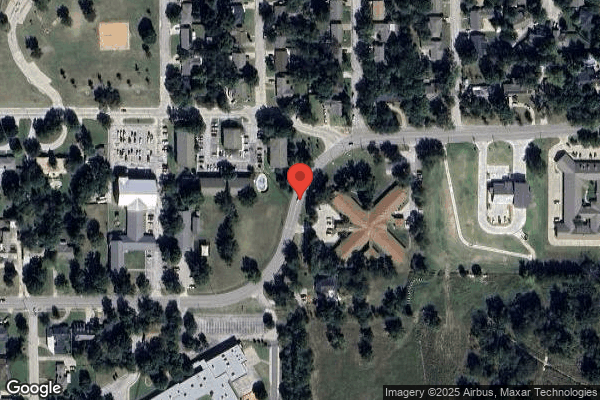
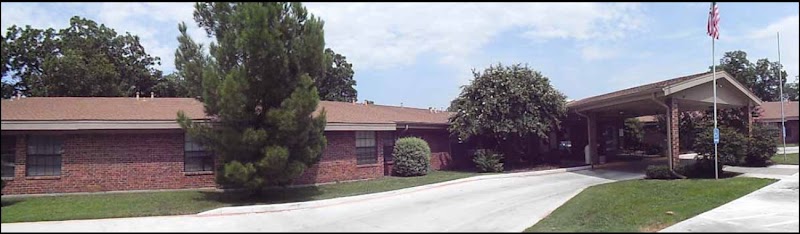
1900 E CALIFORNIA ST, GAINESVILLE, TX 76240 (940) 668-6263
For profit - Corporation 122 Beds SOUTHWEST LTC Data: November 2025
Trust Grade
70/100
#312 of 1168 in TX
Last Inspection: November 2024

Within standard 12-15 month inspection cycle. Federal law requires annual inspections.

Overview

Pecan Tree Rehab and Healthcare Center has a Trust Grade of B, which indicates it is a good choice for care, ranking #312 out of 1168 nursing homes in Texas, placing it in the top half of facilities statewide. In Cooke County, it ranks #1 out of 4, meaning it is the best option locally. The facility is improving, as it reduced its issues from 12 in 2023 to 7 in 2024. Staffing is a relative strength with a 3 out of 5-star rating and a turnover rate of 40%, which is lower than the Texas average of 50%. There have been no fines, indicating compliance with regulations, and there is good RN coverage, surpassing 83% of other Texas facilities, ensuring more attentive care. However, there are some concerns. The facility failed to maintain effective pest control, resulting in gnats in residents' rooms, which could lead to infection risks. Additionally, there were issues with incontinence care for one resident, where staff did not manage a catheter properly, increasing the risk of urinary tract infections. Lastly, the kitchen did not meet safety standards, with improper food storage and preparation practices that could potentially expose residents to foodborne illnesses. Overall, while there are notable strengths, families should be aware of these weaknesses when considering this facility.

Trust Score
B
70/100
In Texas
#312/1168
Top 26%
Safety Record
Low Risk
No red flags
Inspections
Getting Better
12 → 7 violations
Staff Stability
○ Average
40% turnover. Near Texas's 48% average. Typical for the industry.
Penalties
✓ Good
No fines on record. Clean compliance history, better than most Texas facilities.
Skilled Nurses
○ Average
Each resident gets 31 minutes of Registered Nurse (RN) attention daily — about average for Texas. RNs are the most trained staff who monitor for health changes.
Violations
⚠ Watch
23 deficiencies on record. Higher than average. Multiple issues found across inspections.
★★★★☆
4.0
Overall Rating
★★★☆☆
3.0
Staff Levels
★★★☆☆
3.0
Care Quality
★★★★☆
4.0
Inspection Score
Stable
2023: 12 issues
2024: 7 issues

The Good

  • Full Sprinkler Coverage · Fire safety systems throughout facility
  • No fines on record
  • Staff turnover below average (40%)

    8 points below Texas average of 48%

Facility shows strength in fire safety.

The Bad

Staff Turnover: 40%

Near Texas avg (46%)

Typical for the industry

Chain: SOUTHWEST LTC

Part of a multi-facility chain

Ask about local staffing decisions and management

The Ugly 23 deficiencies on record

Nov 2024 7 deficiencies
CONCERN (D)

Potential for Harm - no one hurt, but risky conditions existed

Deficiency F0558 (Tag F0558)

Could have caused harm · This affected 1 resident

**NOTE- TERMS IN BRACKETS HAVE BEEN EDITED TO PROTECT CONFIDENTIALITY** Based on observations, interviews, and record review the facility failed to ensure the resident has the right to reside and rece...

Read full inspector narrative →
**NOTE- TERMS IN BRACKETS HAVE BEEN EDITED TO PROTECT CONFIDENTIALITY** Based on observations, interviews, and record review the facility failed to ensure the resident has the right to reside and receive services in the facility with reasonable accommodation of resident needs and preferences for 1 of 5 residents (Resident #77) reviewed for reasonable accommodation of needs. The facility failed to ensure the call light system was within reach of the Resident #77, who was sitting in a wheelchair by the foot of the bed. This failure could place residents in the facility at risk of being unable to have a means of directly contacting caregivers. Findings included: Record review of Resident #77's MDS assessment dated [DATE] reflected Resident #77 was an [AGE] year-old female with a BIMS score 03 of 15, indicating severe cognitive impairment. Resident #77 was admitted to the facility on [DATE] with the diagnoses of Diabetes Mellitus (elevated blood sugar), Dementia (a progressive loss of intellectual functioning, especially with impairment of memory and abstract thinking, and often with personality change, resulting from organic disease of the brain), and hypertension (elevated blood pressure). The review further reflected the resident was totally dependent on staff for the ADLs . Record review of Resident #77's Comprehensive Care Plan dated 11/11/24 reflected Focus. Resident#77 has impaired cognitive function/dementia or impaired thought process related to .impaired decision making. Goal. The Resident#77 Will be able to communicate basic needs on a daily basis through the review date. Interventions. Keep the Resident's routine consistent . in order to decrease confusion. Record review revealed no intervention of keeping the call light within reach of the resident. Observation on 11/13/24 at 08:43 AM revealed Resident#77 was sitting in her wheelchair by the foot of the bed, and the call light was lying by the head of the bed. Resident#77 stated she could not reach the call light. This state surveyor called LVN F inside the Resident#77's room and pointed to the call light by the head of the bed. LVN F stated the call light was not within reach of Resident#77. He took the call light and placed it closer to Resident#77 by the foot of the bed. Resident#77 took the call light and held it in her hand. Interview on 11/13/24 at 08:53 AM LVN F stated the call light was not within reach of the Resident#77. LVN F stated the call light should be within residents' reach all the time. LVN F stated the risk to the resident was not getting help he/she needed. LVN F stated it was the responsibility of all the staff to make sure the call light was within resident reach before exiting the room. Interview on 11/13/24 at 10:05 AM the DON stated his expectation was the call light should be always within resident reach. He stated it was the responsibility of all staff to make sure the call light is within resident reach. The DON stated the risk to residents, if the call light was not within resident reach or did not work properly, was the residents could not call for help. Review of the facility policy titled Call Lights: Accessibility and Timely Response, revised 05/01/2024 revealed The purpose of this policy is to assure the facility is adequately equipped with a call light to allow residents to call for assistance .5. Staff will ensure the call light is within reach of resident and secured, as needed.
CONCERN (D) 📢 Someone Reported This

A family member, employee, or ombudsman was alarmed enough to file a formal complaint

Potential for Harm - no one hurt, but risky conditions existed

Safe Environment (Tag F0584)

Could have caused harm · This affected 1 resident

**NOTE- TERMS IN BRACKETS HAVE BEEN EDITED TO PROTECT CONFIDENTIALITY** Based on observation, interview and record review the facility failed to provide a safe, clean, comfortable environment, includi...

Read full inspector narrative →
**NOTE- TERMS IN BRACKETS HAVE BEEN EDITED TO PROTECT CONFIDENTIALITY** Based on observation, interview and record review the facility failed to provide a safe, clean, comfortable environment, including but not limited to receiving treatments and supports for daily living for 1 of 5 residents (Resident #102) reviewed for quality of life. Facility staff/Hospice Aide failed to provide Resident #102 with clean linens. These failures could affect the residents by causing infections and skin issues. Findings include: A record review of Resident #102's MDS assessment dated [DATE] reflected Resident #102 was a [AGE] year-old male with a BIMS score of 00 of 15, indicating severe cognitive impairment. Resident #102 was admitted to the facility on [DATE] with the diagnoses of Alzheimer's disease, Dementia (a progressive loss of intellectual functioning, especially with impairment of memory and abstract thinking, and often with personality change, resulting from organic disease of the brain), hypertension (elevated blood pressure), depression, and anxiety. The review further reflected the resident was on hospice services, and totally dependent on staff for the ADLs. A record review of Resident #102's Comprehensive Care Plan initiated date 10/01/24 reflected Problem. Resident#102 has a terminal prognosis related to senile degenerative of the brain. Utilized: Hospice services. Goal. Resident#102's comfort Will be maintained through the review date. Interventions .Keep the environment quiet and calm, keep linens clean, dry, and wrinkle free . Work with the nursing staff to provide maximum comfort for the resident. Observation on 11/13/24 at 07:55 AM of Resident #102 revealed that he was walking in the hall wearing daytime attire. Resident #102's linen (fitted sheet) was soiled with a feces smear at the middle of the bed, where Resident#102 would be if he was sitting at the edge of the bed. Resident#102 was unable to respond to interview. Observation and interview on 11/13/24 at 01:27 PM revealed Resident #102's bed still had the same soiled fitted sheet. The state surveyor showed the soiled linen to NA K, and NA K responded the fitted sheet was dirty. NA K stated she was assigned to the Resident#102, but the hospice aide was responsible for giving Resident#102 a shower and changing his bed linen. She further stated she did not notice the dirty linen and did not know when the last time Resident#102's bed linen was changed. NA K stated the risk to Resident#102 was development of infection. Observation and interview on 11/13/24 at 01:30 PM revealed LVN F entered Resident #102's room during the observation and interview with NA K. LVN F looked at Resident#102's bed linen fitted sheet, and stated it was dirty and need to be changed. LVN F stated the staff will change Resident#102's bed linen. LVN F stated the risk to Resident#102 was development of infection, and skin issues. Interview on 11/13/24 at 01:57 PM with Hospice Aide, she stated she was responsible for changing the linen on the days of the resident showers. The hospice Aide stated she gave a shower to Resident #102 this morning, and did not change the bed linen, because she could not find clean linen, and she looked in other Halls linen carts. The hospice Aide stated she could not recall the staff she notified. Interview on 11/13/24 at 02:05 PM with NA K and LVN F revealed, both denied been notified by the hospice Aide regarding Resident#102's bed linen not being changed after Resident#102's shower this morning. Interview on 11/13/24 at 02:19 PM with the DON revealed, he stated the hospice aides were responsible for giving residents in hospice services showers and changing the resident's linen on the shower day. DON stated not changing Resident#102's bed linen because the hospice aide could not find clean linen was not acceptable, and the hospice aide was supposed to communicate the issue with the management. The DON stated the hospice aides get training on residents' care via their agency. DON stated the risk to residents was infection, and skin issues. On 11/13/24 at 03:00 PM the facility administrator stated they do not have a policy for linen and safe clean comfortable home like. The facility did not submit a policy for linen and safe clean comfortable home like policy by the date and time of exit.
CONCERN (D)

Potential for Harm - no one hurt, but risky conditions existed

PASARR Coordination (Tag F0644)

Could have caused harm · This affected 1 resident

**NOTE- TERMS IN BRACKETS HAVE BEEN EDITED TO PROTECT CONFIDENTIALITY** Based on interview and record review, the facility failed to refer all level II residents and all residents with newly evident o...

Read full inspector narrative →
**NOTE- TERMS IN BRACKETS HAVE BEEN EDITED TO PROTECT CONFIDENTIALITY** Based on interview and record review, the facility failed to refer all level II residents and all residents with newly evident or possible serious mental disorder, intellectual disability, or a related condition for level II resident review upon a significant change in status assessment for one (Resident #8) of 5 residents reviewed for PASARR . The facility failed to refer Resident #8, who had an active diagnosis of Post Traumautic Stress Disorder (PTSD), to the appropriate state-designated authority for Level II PASARR evaluation. This failure could affect residents with mental disorders, intellectual disabilities, or a related condition by placing them at risk for not receiving needed treatment and services that could enhance their quality of life. Findings included: Review of Resident #8's quarterly MDS assessment dated [DATE] revealed an [AGE] year-old female who was initially admitted to the facility on [DATE] and readmitted on [DATE] with the diagnoses to include: hypertension (elevated blood pressure), diabetes Mellitus (elevated blood sugar), anxiety, depression, and PTSD. The resident had a BIMs score of 15, indicating her cognition was intact, and required substantial/maximal assistance with ADLs. There was not a diagnosis of dementia. Review of Resident #8's Medical Diagnosis Report dated 10/22/19 revealed, Post Traumatic stress disorder. Review of Resident #8's PASARR Level 1 screen dated 09/06/19 revealed Effective date: 09/06/2019, Resident#8. MI/ID/DD : N-N-N. admitted : yes. Status date: 09/06/2019. Status: Negative PASRR (sic) Eligibility. Review of Resident#8's psychological evaluation dated 01/30/22 revealed Resident#8 was referred for psychological service in April of 2017 due to anxiety and picking at her skin, at which time she was diagnosed with adjustment disorder and PTSD. currently carries the diagnoses of F43.10 post-traumatic stress disorder . Interview on 11/13/24 at 07:58 AM. with the Administrator revealed, he stated the Social Worker and the MDS coordinator were responsible for resident record review during the resident admission and with any changes in the resident status thereafter. Interview on 11/13/24 at 08:24 AM with Social Worker revealed, she stated she was not responsible for completing the PASARR level 1. She stated the MDS coordinator was responsible for completing the PASARR level 1 and following with the residents. She stated her responsibility on admission was to do the resident code status and schedule the care plan meeting. Interview on 11/13/24 at 09:34 AM with the MDS coordinator revealed she was responsible for the PASARR level 1. The MDS coordinator stated when a resident admits to the facility, she reviewed the resident's information documenting the admission information on the PASARR level 1. She stated if the resident had a diagnosis of Mental Illness Health, she would answer yes to the question asking if they had a diagnosis. MDS coordinator stated the LA would come to complete a PASARR level 2 to see if the resident qualifies for services. She stated Resident#8 had been living in the facility since 2016, and the PASARR level 1 done for Resident#8 on 09/06/19 was related to the facility change of ownership. She stated that the follow-up for the PASARR 1 was her responsibly, and the SW would notify her if she noticed some change in the resident diagnosis, and the MDS coordinator would report to the LA. The MDS coordinator gave examples of diagnosis that she would check yes for: Schizophrenia, bipolar disorder, psychosis, anxiety with psychosis. The MDS coordinator stated it could had been missed, because she did not know that PTSD was a diagnosis that will qualify the residents for PASARR level 2 evaluation. She stated that the follow-up for the PASARR 1 was her responsibly and the meetings were also her responsibility, if the residents qualified for services (specialized services) it would be the responsibility of the department manager to receive the orders and initiate the services. Interview on 11/13/24 at 09:50 AM with Resident #8 revealed she did not know anything about PASARR or specialized services, no one had talked to her about that. The resident said if she was entitled to something, she wanted to be able to get it. Interview on 11/13/24 at 10:05 AM with the DON revealed, he stated the MDS coordinator took care of the PASARR reports. The DON stated he did know that PTSD was a qualifying diagnosis for PASRR. The DON stated if the assessment was not completed properly, he thought the resident might not get services she needed. Record review, no date, of facility's form, Active Residents with PASARR Positive PI , did not include Resident #8. Review of the facility's policy and procedure Resident Assessment-Coordination with PASRR (sic) program implemented March 01, 2023, reflected, This facility coordinates assessments with the preadmission screening and resident review (PASARR) program under Medicaid to ensure that individuals with a mental disorder, intellectual disability, or a related condition receives care and services in the most integrated setting appropriate to their needs . 9. Any resident who exhibits a newly evident or possible serious mental disorder, intellectual disability, or a related condition will be referred promptly to the state mental health or intellectual disability authority for a level II resident review .a. A resident who exhibits behavioral, psychiatric, . symptoms . (where dementia is not the primary diagnosis).
CONCERN (D)

Potential for Harm - no one hurt, but risky conditions existed

Pharmacy Services (Tag F0755)

Could have caused harm · This affected 1 resident

**NOTE- TERMS IN BRACKETS HAVE BEEN EDITED TO PROTECT CONFIDENTIALITY** Based on observation, interview and record review, the facility failed to provide pharmaceutical services including procedures t...

Read full inspector narrative →
**NOTE- TERMS IN BRACKETS HAVE BEEN EDITED TO PROTECT CONFIDENTIALITY** Based on observation, interview and record review, the facility failed to provide pharmaceutical services including procedures that assure the accurate acquiring and administering of all medications to meet the needs of each resident for one of seven (Residents #77) residents reviewed for pharmacy services. The facility failed to ensure LVN F followed the procedure for accurate administration of Resident #77's Insulin Glargine Solution 15 unit when he held the daily dose of Insulin without notifying the physician on 11/11/24. These failures placed residents at risk of not receiving a therapeutic dosage of medication. Findings included: Record review of Resident #77's admission MDS assessment dated [DATE] reflected an [AGE] year-old female admitted to the facility on [DATE]. Resident had a BIMS score of 3 which indicated she was severely cognitively impaired. Diagnoses included type 2 diabetes mellitus and Osteomyelitis (infection in the bone). Record Review of Resident #77's Physician Orders Report on 11/11/24 reflected, Insulin Glargine Solution 100 unit/ml (long-acting insulin that increases insulin levels in the body to help decrease blood sugar) inject 15 unit subcutaneously one time a day for diabetes related to type 2 diabetes mellitus without complications until 11/15/24 with a start date of 11/07/24. There were no parameters for when to hold the insulin. An observation of the medication pass on 11/11/24 at 10:55 a.m. revealed LVN F performed a fingerstick blood sugar on Resident #77 and obtained a reading of 113. LVN F returned to the medication cart and disposed of the lancet and test strip and placed the glucometer on top of the medication cart and stated he was holding Resident #77's Glargine Insulin because he did not want her blood sugar to bottom out. LVN F documented into the electronic medication administration record the resident's blood sugar level and documented the medication was held. In an interview with LVN F on 11/11/24 at 1:00 p.m. he stated he held Resident #77's insulin but did not notify the doctor. He stated there were no parameters for when to hold her insulin for the routine insulin, but there were parameters for the sliding scale. He stated he should have notified the physician. In an interview on 11/12/24 at 01:00 p.m. with the DON he stated anytime a medication was held that did not have specific parameters they should notify the physician. He stated holding a medication could result in the resident not receiving the therapeutic dose of medication which could worsen the resident's conditions. He stated they had followed up with the physician on 11/11/24 after becoming aware the insulin was held and they now had parameters in place for when to hold Resident #77's maintenance dose of insulin. In an interview on 11/13/24 at 10:15 a.m. with the facility's Pharmacy consultant, she stated missing a dose of maintenance insulin could result in not having a constant therapeutic level in the resident's system when it was every 24 hour medication. She stated they usually do not have parameters on holding maintenance insulin, but if it was held, they would need to notify the physician for orders. Record Review of Resident #77's Physician Orders Report dated 11/12/24 reflected, Insulin Glargine Solution 100 unit/ml inject 15 unit subcutaneously one time a day for diabetes related to type 2 diabetes mellitus without complications until 11/15/24 Hold for blood glucose less than 140 . with a start date of 11/11/24. Record review of LNV F's Nurse check off list dated 10/08/24 reflected he was competent in Medication administration. Record review of the facility's policy, Medication Administration, dated May 2024, reflected, Medications are administered by licensed nurses or other staff who are legally authorized to do so in this state, as ordered by the physician and in accordance with professional standards of practice When applicable, hold medication for those vital signs outside the physician's prescribed parameters .Refer to drug reference material if unfamiliar with the medication, including its mechanism of action or common side effects .Administer medication as ordered in accordance with manufacturer specifications Record review of the facility's policy, Timely Administration Insulin, dated May 2024, reflected, It is the policy of this facility to provide timely administration of insulin in order to meet the needs of each resident and to prevent adverse effects on a resident's condition .All insulin will be administered in accordance with physician's orders .
CONCERN (E)

Potential for Harm - no one hurt, but risky conditions existed

Incontinence Care (Tag F0690)

Could have caused harm · This affected multiple residents

**NOTE- TERMS IN BRACKETS HAVE BEEN EDITED TO PROTECT CONFIDENTIALITY** Based on observation, interview, and record review the facility failed to ensure a resident who was incontinent of bladder recei...

Read full inspector narrative →
**NOTE- TERMS IN BRACKETS HAVE BEEN EDITED TO PROTECT CONFIDENTIALITY** Based on observation, interview, and record review the facility failed to ensure a resident who was incontinent of bladder received appropriate treatment and services to prevent urinary tract infections and to restore continence to the extent possible for one of four residents (Resident #13) reviewed for catheter and incontinence care. 1. The facility failed to ensure NA E and CNA D maintained the foley catheter drainage bag below Resident #13's bladder during a mechanical lift transfer. 2. The facility failed to ensure CNA C did not place the urine catheter bag on the bed while performing incontinence care for Resident #13. These failures could place residents at risk for not receiving care appropriate to address their incontinence and could increase the risk of urinary tract infections. Findings included: 1. Record review of Resident #13's quarterly MDS assessment, dated 10/02/24, reflected a [AGE] year-old male with an admission date of 01/13/11 and a re-admission date of 05/29/24. He had a BIMS of 9, which indicted he was moderately cognitively impaired. Resident #13 required substantial/maximum assist with ADLs and was dependent of 2 persons assist with transfers. He had an indwelling catheter and was always incontinent of bowel. Resident #13 had diagnoses which included obstructive uropathy (structural or functional hindrance of normal urine flow) and hemiplegia (paralysis that affects one side of the body). Record review of Resident #13's care plan, with a revision date of 08/29/24, reflected, The resident has 18 French (measurement of the circumference of the outer catheter tube) indwelling catheter related to obstructive uropathy .Goal .The resident will show no signs or symptoms of urinary infection through the review period .Interventions .Catheter anchor in place .Change as needed .Monitor/record/report to MD for signs and symptoms of urinary tract infection Record review of Resident #13's Order summary report, dated 11/13/24, reflected .Foley catheter care every shift and as needed . with a start date of 05/30/24. In an observation on 11/12/24 at 11:15 a.m. CNA C entered Resident #13's room to provide catheter care. CNA C washed hands and put on gloves. CNA C placed a towel on the floor and placed a plastic container on the floor and emptied the foley catheter drainage bag which contained approximately 150 cc of dark amber urine. CNA C emptied the container of urine, removed her gloves, and performed hand hygiene and put on clean gloves and proceeded to provide catheter care and incontinence care. CNA C unfastened the catheter drainage bag and placed in on the bed between the resident's feet. Urine was observed in the tube flowing back toward the resident. CNA C then unfastened the brief and pulled the foreskin back revealing moderate amount of white drainage around the penis head. CNA C cleaned in circular motion and then cleaned the catheter tubing from tip downward. ADON A entered Resident #13's room and performed hand hygiene and put on gloves. ADON A immediately picked up the catheter bag lying on the bed and placed it back on the bed frame ADON A and CNA C completed the incontinence care and removed their gloves and performed hand hygiene. In an interview with CNA C on 11/12/24 at 11:35 a.m. she stated the catheter bag was considered dirty and by placing it on the bed it was not below the bladder and urine could back up into the bladder. In an interview with ADON A on 11/12/24 at 11:40 a.m. he stated he walked into the room and observed the catheter bag on the bed and knew it was not supposed to be on the bed, and he instinctively stepped in and placed it in the proper place to ensure the flow of urine was not backing up toward the resident. He stated the staff were taught to always keep the urinary drainage bag below the bladder. In an observation with ADON A on 11/13/24 at 09:20 a.m. NA E and CNA D entered Resident #13's room with the Mechanical lift. Both staff washed their hands and put on gloves. Both staff maneuvered the lift around the resident's wheelchair and hooked the sling to the lift. NA E unhooked the catheter bag from the wheelchair and started to hook it to her pants legs when CNA D instructed her to hang it on the mechanical lift arm. NA E placed the catheter bag on the arm of the mechanical lift which was above the resident's bladder. The staff lifted the resident up with the catheter bag above the bladder and transferred him from the wheelchair to the bed. Staff then unhooked the urinary drainage bag and placed it on the bed frame. In an interview with ADON A on 11/13/24 at 09:30 a.m. he stated the urinary drainage bag was not supposed to be hooked to the mechanical lift during the transfer because it placed it above the bladder which could increase the risk of the urine backing up into the bladder and causing urinary tract infections. He stated he realized after the observations he had seen the past two days they needed to be observing the staff more frequently while they were providing care. He stated they had developed some bad habits and he needed to address how they were training and reinforce that training through more one-on-one observations during resident care. In an interview on 11/13/24 at 09:35 a.m. with CNA D she stated they were supposed to ensure the catheter tubing was over the resident's leg. She stated she was afraid if NA E had hooked the drainage bag to her pants it would pull the catheter too tight when they transferred Resident #13. She stated the catheter was supposed to be lower than the bladder but stated she really was not sure how they were supposed to keep it below the bladder during a mechanical lift transfer. She stated she guessed one of them should have held the catheter bag during the transfer. In an interview on 11/13/24 at 09:40 a.m. with NA E she stated they were supposed to always keep the catheter bag below the bladder to prevent the urine from flowing back toward the resident's bladder. She stated one of them should have held it below the bladder. In an interview with the DON on 11/13/24 at 01:00 p.m., he stated any resident with a foley catheter should always have the bag and tubing below the bladder and the bag should never be placed on the bed. He stated not keeping the foley catheter bag below the resident's bladder, placed them at risk of a urinary tract infection and cross contamination. He stated all the staff had been trained numerous times on the expectation. He stated to ensure staff were knowledgeable in the care of indwelling catheters and peri-care the facility did skills competency checks, but stated he and ADON A had discussed they were going to have to observe staff more frequently during resident care. Record Review of CNA D's skills check off dated 10/09/24 reflected she was competent in the care of indwelling catheters and infection control. Record Review of NA E's skills check off dated 10/08/24 reflected she was competent in the care of indwelling catheters and infection control. Record review of the facility's policy titled, Perineal Care, dated May 2024, did not address foley catheter care. Record review of the facility's undated skills assessment titled, Indwelling Catheter care, reflected, Ensure that the resident has a catheter secured in placed and a privacy bag for the urine collection bag. Never lift the catheter urine bag above the resident's bladder .
CONCERN (E)

Potential for Harm - no one hurt, but risky conditions existed

Food Safety (Tag F0812)

Could have caused harm · This affected multiple residents

Based on observation, interview, and record review, the facility failed to store, prepare, distribute, and serve food in accordance with professional standards for food service safety for 1 of 1 kitch...

Read full inspector narrative →
Based on observation, interview, and record review, the facility failed to store, prepare, distribute, and serve food in accordance with professional standards for food service safety for 1 of 1 kitchen, in that: 1. The facility failed to ensure that two dented cans were removed and separated from the other canned food. 2. The facility failed to ensure that two cans of oven cleaner and two bottles of bleach were stored separately from food items in the dry storage room. 3. The facility failed to ensure the dry storage room floor was free from all items. 4. The facility failed to ensure hair restraints were worn properly during food preparation in the kitchen. These failures could place residents who received meals and/or snacks from the kitchen at risk for food borne illness. The findings included: Observation of the dry storage room on 11/11/24 at 9:46 AM revealed two 6 lb. dented cans of apple slices mixed in with other canned foods. There were two cans of oven cleaner located on the shelf next to bottles of Worchester sauce and food coloring. There was also a box that contained two bottles of bleach and a box of cup lids that was located on the dry storage room floor. In a brief interview with Dietary Supervisor, with the Administrator present on 11/11/24 at 10:12 AM, she revealed that they had a dented' can sign next to the dented cans, but it must have fallen off. The Administrator left and returned with a dented can sign and taped it next to the dented cans located to the far right of the canned food shelf. Observation during lunch service on 11/11/24 at 11:45 AM revealed [NAME] L wore a hair restraint but had about ¼ inch of hair out in the back and on the sides, while she scooped food onto resident's plates. Observation during lunch service on 11/11/24 at 11:45 AM revealed Dietary Aide M wore a hair restraint but had about ¼ inch of hair out in the back and on the sides, while she plated residents' food trays. Dietary Aide N wore a hair restraint but had about ¼ inch of hair out in the back, while she plated residents' food trays and Dietary Aide O wore a hair restraint but had exposed strands of hair, approximately six inches, on each side of her temples while she plated residents' food trays. In an interview with Dietary Aide M on 11/11/24 at 12:35 PM she revealed all hair is supposed to be covered underneath the hair restraint. She stated she was unaware any hair was out. She stated the risk to the residents was hair could fall into their drinks and food, which could cause them to choke. In an interview with [NAME] L on 11/11/24 at 12:41 PM she revealed all hair is supposed to be underneath the hairnet. She stated the risk to the residents was that the hair could fall into their food or drinks, which could cause them to choke. In an interview with Dietary Aide O on 11/11/24 at 12:43 PM she revealed hair was supposed to be fully covered underneath the hair restraint. She stated the risk to residents was hair could get into the resident's food and drinks, which could cause them to choke. In an interview with Dietary Aide N on 11/11/24 at 12:45 PM she revealed all hair is supposed to be underneath the hair restraint. She stated the risk to the residents was that hair could fall in their food and drinks, which could cause the residents to choke. In an interview with Dietary Supervisor on 11/11/24 at 12:47 PM she revealed she did not know there were dented cans mixed in with other canned food. She stated the dented cans should be stored with the other dented cans. She stated the cans of oven cleaner, and bottles of bleach should be stored in her office. She stated the cup lids should be stored on the shelf and not on the floor. She stated the risk to the residents due to these failures was contamination. She stated hair restraints are supposed to be worn over staff ears, covering all hair. She stated the risk to residents was that hair could get into the resident's food and drinks, which could cause them to choke. She stated her expectations of staff was to ensure that all hair was covered underneath the hair restraint. During an interview on 11/13/24 at 01:40 PM, the Administrator stated he expected hairnets to be worn to cover the entire head, dented cans placed in the dented can section, the floor should be free from all items and the oven cleaner, and bottles of bleach should be stored in their proper place. He stated these failures could potentially put residents at risk for cross contamination, and food borne illness. Record review of the facility policy titled 'Nutritious Lifestyle, Inc' dated 2012, revealed, All foods delivered are examined and foods that appear contaminated or have damage to the packaging are rejected, including any cans with swollen ends, leaks and flawed seals, rust and dents or containing no label. Dented cans or any item with damaged packaging is separated and kept in a separate designated area. Items are returned to the supplier on next delivery and a credit is requested. Record review of the facility policy titled 'Nutritious Lifestyle, Inc' dated 2012, revealed, Cleaning materials or other chemicals are not used or stored where they might contaminate foods. Chemicals are labeled and kept in their original containers when possible and stored in a locked area away from any food products. Record review of the facility policy titled 'Nutritious Lifestyle, Inc' dated 2012, revealed, Hairnets, headbands, caps, or other effective hair restraints shall be worn to keep hair from food and food-contact surfaces. Record review of the facility policy titled 'Nutritious Lifestyle, Inc' dated 2012, revealed, All items are stored at least 6 above the floor with adequate space between the items and the ceiling to allow for air flow and sprinkler system operation. Review of the Food Code, U.S. Public Health Service, U.S. FDA, 2022, U.S. Department of H&HS, 2-402.11, revealed, (A) Except as provided in (B) of this section, Food employees shall wear hair restraints such as hats, hair coverings or nets, beard restraints, and clothing that covers body hair, that are designed and worn to effectively keep their hair from contacting exposed food; clean equipment, utensils, and linens; and unwrapped single service and single-use articles.
CONCERN (E) 📢 Someone Reported This

A family member, employee, or ombudsman was alarmed enough to file a formal complaint

Potential for Harm - no one hurt, but risky conditions existed

Infection Control (Tag F0880)

Could have caused harm · This affected multiple residents

**NOTE- TERMS IN BRACKETS HAVE BEEN EDITED TO PROTECT CONFIDENTIALITY** Based on observation, interview, and record review, the facility failed to maintain an Infection Prevention and Control Program ...

Read full inspector narrative →
**NOTE- TERMS IN BRACKETS HAVE BEEN EDITED TO PROTECT CONFIDENTIALITY** Based on observation, interview, and record review, the facility failed to maintain an Infection Prevention and Control Program designed to provide a safe, sanitary, and comfortable environment and to help prevent the development and transmission of communicable diseases and infections for four of 19 residents (Resident #77, Resident #15, Resident #13, and Resident #68) observed for infection control. 1. The facility failed to ensure LVN F used the required PPE for Resident #77, who was on enhanced barrier precautions due to her venous access device, while administering resident IV antibiotics on 11/11/24. 2. The facility failed to ensure that CNA B performed hand hygiene before moving to the clean supplies after completion of incontinence care to Resident #15 and before leaving the resident's room on 11/12/24. 3. The facility failed to ensure that CNA C and ADON A used the required PPE for Resident #13 who was on enhanced barrier precautions due to his foley catheter, while providing catheter and incontinence care on 11/12/24. 4. The facility failed to ensure CNA D and NA E used the required PPE for Resident #13, who was on enhanced barrier precautions due to his foley catheter, while performing a mechanical lift transfer on 11/13/24. 5. The facility failed to ensure CNA G performed hand hygiene while providing incontinence care to Resident #68 on 11/11/24. These failures could place the residents at risk of cross-contamination and development of infection. Findings included: 1. Record review of Resident #77's admission MDS assessment dated [DATE] reflected an [AGE] year-old female admitted to the facility on [DATE]. Resident had a BIMS score of 3 which indicated she was severely cognitively impaired. Diagnoses included type 2 diabetes mellitus and Osteomyelitis (infection in the bone). Record Review of Resident #77's Physician Orders Report on 11/11/24 reflected, Resident requires EBP Related to PICC line (a long, flexible tube that is inserted into a vein in the arm and used to deliver medications) until Discontinued every shift with a start date of 11/04/24. Record review of Resident #77's comprehensive care plan initiated on 10/23/24, reflected, Resident is on Enhanced Barrier Precautions related to PICC line .Interventions .Apply appropriate PPE during all High-Contact resident care activities . An observation of the medication pass on 11/11/24 at 10:55 a.m. revealed LVN F at the medication cart preparing Resident #77's intravenous antibiotic and gathering supplies needed for fingerstick blood sugar. LVN F entered Resident #77's room, performed hand hygiene and put on gloves, but did not put on a gown. LVN F cleaned the PICC line lumen (access line) with an alcohol wipe and flushed the PICC line with 10 cc of Normal Saline. LVN F then connected the IV line to the PICC line for the medication administration. LVN F then performed a fingerstick blood sugar on Resident #77 and obtained a reading of 113. LVN F returned to the medication cart and disposed of the lancet and test strip and removed his gloves and performed hand hygiene. He stated the IV would run about 30 minutes to an hour. A second observation on 11/11/24 at 12:15 p.m. revealed LVN F entering Resident #77's room to disconnect the IV infusion. LVN F performed hand hygiene and put on gloves, but no gown. LVN F disconnected the IV line from the resident's PICC line and flushed the PICC line with 10 cc of normal saline. LVN F removed his gloves and performed hand hygiene. In an interview with LVN F on 11/11/24 at 1:00 p.m. he stated Resident #77 was on Enhanced Barrier Precautions because of her IV access line. He stated he was supposed to wear a gown and gloves while providing care or medication administration to her PICC line and failed to do so. He stated he just forgot. He stated he had been in serviced on the use of Enhanced Barrier Precautions and what PPE was required. 2. Record review of Resident #15's quarterly MDS assessment dated [DATE] reflected a [AGE] year-old female with an admission date of 07/10/24. The resident had a BIMS of 15 which indicated she was cognitively intact. She required substantial to maximum assistance with toileting and transfers and was always incontinent of bladder and bowel. Diagnoses included hypertension (high blood pressure), diabetes, and a personal history of urinary tract infections. In an observation on 11/12/24 at 10:20 a.m. CNA B and ADON A entered Resident #15's room to provide a mechanical lift transfer and incontinence care. Both staff washed their hands and put on gloves and hooked the mechanical lift sling onto the lift and transferred the resident from her wheelchair to the bed. Both staff pulled the resident's pants down and unfastened the brief. CNA B wiped from front to back changing the wipes with each swipe. Without changing her gloves and performing hand hygiene, CNA B then reached into the plastic bag to retrieve the clean brief and laid it on the bed next to the resident. ADON A prompted her she needed to complete the peri care and both staff rolled the resident on her side revealing she had a small bowel movement. CNA B wiped from front to back and went to reach for the brief, when ADON A stopped her and told her to change her gloves. CNA B removed her gloves and then ADON A handed her a bottle of hand sanitizer and prompted her to sanitize her hands before putting on her gloves. CNA B sanitized her hands and put on gloves and then placed the brief on the resident and both staff pulled the resident's pants back up. Resident stated she wanted to get back up for lunch. CNA B removed her gloves and left the room without performing hand hygiene to retrieve the mechanical lift. CNA B returned to the room and washed her hands and put on gloves. ADON A removed his gloves and washed his hands and re-gloved. Both staff transferred the resident back to her wheelchair. ADON A positioned the resident and returned her overbed table in front of her, placed her call light within reach and went to the bathroom to wash his hands. CNA B gathered the dirty linens and trash and removed her gloves and left the room without performing hand hygiene. In an interview on 11/12/24 at 10:55 a.m. with the ADON A he stated the CNA B contaminated the clean brief when she reached into the bag and retrieved the brief before she had completed the peri-care. He stated he had to prompt her to change her gloves when she finished with the incontinence care before placing the clean brief on her. He stated the staff were to always perform glove changes and hand hygiene when going from dirty to clean. He stated they were to always wash their hands before leaving the resident's room if they had contact with the resident. He stated failing to do this placed resident at risk of infections and cross contamination. In an interview with CNA B on 11/12/24 at 11:00 a.m. she stated she thought she had performed hand hygiene when she left the room, but stated she may have forgotten. She stated she realized she had contaminated the brief and should have completed the care before moving to the clean brief. She stated she had received training on incontinent care but stated she was a new CNA and had trouble remembering some of the steps. 3. Record review of Resident #13's quarterly MDS assessment, dated 10/02/24, reflected a [AGE] year-old male with an admission date of 01/13/11 and a re-admission date of 05/29/24. He had a BIMS of 9, which indicted he was moderately cognitively impaired. Resident #13 required substantial/maximum assist with ADLs and was dependent of 2 persons assist with transfers. He had an indwelling catheter and was always incontinent of bowel. Resident #13 had diagnoses which included obstructive uropathy (structural or functional hindrance of normal urine flow) and hemiplegia (paralysis that affects one side of the body). Record review of Resident #13's care plan, with a revision date of 08/19/24, reflected, The resident requires Enhance Barrier Precautions related to foley catheter .Interventions .Follow protocol for Enhanced Barrier Precautions . In an observation on 11/12/24 at 11:15 a.m. CNA C entered Resident #13's room to provide catheter care. CNA C washed hands and put on gloves but did not put on a gown. CNA C placed a towel on the floor and placed a plastic container on the floor and emptied the foley catheter drainage bag which contained approximately 150 cc of dark amber urine. Resident #13 was partially uncovered and observed resident had a loose stool that had leaked out of brief onto the sheets. CNA C emptied the container of urine, removed her gloves, and performed hand hygiene and put on clean gloves and proceeded to provide catheter care and incontinence care. CNA C unfastened the catheter drainage bag and placed in on the bed between the resident's feet. CNA C then unfastened the brief and pulled the foreskin back revealing moderate amount of white drainage around the penis head. CNA C cleaned in circular motion and then cleaned the catheter tubing from tip downward. CNA C then rolled the resident over and cleaned large soft bowel movement. ADON A entered Resident #13's room and performed hand hygiene and put on gloves but no gown. ADON A then removed the soiled linen and brief, changed his gloves, and performed hand hygiene and put on clean gloves. ADON A then applied barrier cream to the Resident buttocks. ADON A and CNA C completed the incontinence care and removed their gloves and performed hand hygiene. In an interview with CNA C on 11/12/24 at 11:35 a.m. she stated residents who had foley catheters were under enhanced barrier precautions and she was supposed to put a gown on when doing catheter care. She stated she just forgot to put on the gown. In an interview with ADON A on 11/12/24 at 11:40 a.m. he stated he should have put on gown before he started assisting with care for Resident #13. 4. In an observation with ADON A on 11/13/24 at 09:20 a.m. NA E and CNA D entered Resident #13's room with the Mechanical lift. Both staff washed their hands and put on gloves, but no gown. Both staff maneuvered the lift around the resident's wheelchair and hooked the sling to the lift. NA E unhooked the catheter bag from the wheelchair and started to hook it to her pants legs when CNA D instructed her to hang it on the mechanical lift arm. NA E placed the catheter bag on the arm of the mechanical lift. The staff lifted the resident up with the catheter bag and transferred him from the wheelchair to the bed. Staff then unhooked the urinary drainage bag and placed it on the bed frame. In an interview with ADON A on 11/13/24 at 09:30 a.m. he stated he realized after the observations he had seen the past two days they needed to be observing the staff more frequently while they were providing care. He stated they had developed some bad habits and he needed to address how they were training and reinforce that training through more one-on-one observations during resident care. He stated any resident with a foley catheter, or IV access line was always placed on enhanced barrier precaution. He stated he had in serviced the staff on the expectation. He stated he did not understand how they could not be following the protocol. In an interview on 11/13/24 at 09:35 a.m. with CNA D she stated they were supposed to put a gown for any care on Resident #15 because of the catheter. She stated she just forgot. In an interview on 11/13/24 at 09:40 a.m. with NA E she stated they were supposed wear a gown when doing care on Resident #13 because of the catheter. She stated they just did not think to put one on when they went in to put him in bed. She stated the risk was the spread of infection. In an interview with the DON on 11/13/24 at 01:00 p.m., he stated there had been a lot of confusion about the implementation of Enhanced Barrier Precautions on when it should be used. He stated they had in serviced the staff that for anyone with a catheter or PICC line they were required to wear a gown when performing direct care. He stated the risk was potential spread of multi-drug resistant organism from resident to resident. 5. Record review of Resident #68's quarterly MDS assessment dated [DATE] reflected she was an [AGE] year-old-female originally admitted to the facility on [DATE] and readmitted on [DATE]. Her BIMS score was 15 of 15 reflecting she was cognitively intact, required extensive, one-person assistance for ADLs and was always incontinent of bowel and bladder. Her active diagnoses included hypertension (elevated blood pressure), diabetes mellitus (elevated blood sugar), weakness, and morbid (severe) obesity due to excess calories. Observation on 11/11/24 at 11:05 a.m. revealed CNA G at Resident #68's bed side, wearing gown, and gloves. CNA G unfastened Resident#68's brief, and cleaned the resident's front area, using one wipe per stroke, front to back. CNA G helped Resident#68 turn to her left side revealing Resident had a bowel movement. CNA G cleaned the resident's buttocks area front to back using one wipe per stroke. CNA G removed the dirty brief, disposed of it in the trash can by the bed side, put a clean brief next to resident and then removed her gloves and put on clean gloves without performing hand hygiene. CNA G then applied barrier cream to the resident's buttocks area, put the brief under and turned the resident onto her back. She then applied barrier cream on Resident#68's front area. CNA G finished putting the brief on Resident#68 and fastened the brief. CNA G removed gloves, retrieved a disposable under pad and then put on clean gloves without performing hand hygiene, placed the under pad under the resident and adjusted the pillows under the resident's leg. CNA G covered Resident#68 and removed her gloves and gown and disposed of them in the trash bag. CNA G took the trash bag and disposed of it in a hamper in front of the room and returned to the resident's room and washed hands. In an Interview on 11/11/24 at 12:14 p.m. with CNA G she stated she knew she was supposed to perform hand hygiene between glove changes. CNA G stated she was supposed to have hand sanitizer with her, but stated she was gowned, and did not have one in the room. CNA G stated the risk to resident was cross contamination. She stated had been in serviced on hand hygiene a month ago. In an interview on 11/12/24 at 01:00 p.m. with DON he stated staff were supposed to wash hands and change gloves before, and after completion of cleaning a resident and after completion of care. He stated they had worked so hard with the staff on skills and stated they were all aware of what they were supposed to be doing. He stated the risk of failing to perform hand hygiene was increased infections and cross contamination. Record Review of LVN F's Nurse check off dated 10/08/24 reflected he was competent in infection control and the use of Personal Protective equipment. Record Review of CNA D's skills check off dated 10/09/24 reflected she was competent in the care of indwelling catheters, infection control and the use of Personal Protective equipment. Record Review of NA E's skills check off dated 10/08/24 reflected she was competent in the care of indwelling catheters, infection control and the use of Personal Protective equipment. Record Review of CNA B's skills check off dated 10/08/24 reflected she was competent in infection control and the use of Personal Protective equipment. Record Review of CNA C's skills check off dated 10/07/24 reflected she was competent in infection control and the use of Personal Protective equipment. Record Review of CNA G's skills check off dated 10/08/24 reflected she was competent in infection control and the use of Personal Protective equipment. Record review of the facility's policy, Enhanced Barrier Precautions, dated May 2024, reflected, It is the policy of this facility to implement enhanced barrier precautions for the prevention of transmission of multidrug-resistant organisms . Enhanced Barrier precautions (EBP) refer to an infection control intervention designed to reduce transmission of multidrug-resistant organisms that employs targeted gown and gloves use during high contact resident care activities .An order for enhanced barrier precautions will be obtained for residents with any of the following .urinary catheters .PICC lines .High contact resident care activities include Dressing, Bathing, Transferring, Providing hygiene, Changing linens, Device care or use: central lines, urinary catheters .PICC lines . Record review of the facility's policy titled, Hand Hygiene, dated June 2024, reflected, .2. Hand hygiene is indicated and will be performed under the conditions listed in, but not limited to, the attached hand hygiene table . When, during resident care, moving from a contaminated body site to a clean body site .6. The use of gloves does not replace hand hygiene. If your task requires gloves, perform hand hygiene prior to donning gloves, and immediately after removing gloves .
Sept 2023 12 deficiencies
CONCERN (D) 📢 Someone Reported This

A family member, employee, or ombudsman was alarmed enough to file a formal complaint

Potential for Harm - no one hurt, but risky conditions existed

Free from Abuse/Neglect (Tag F0600)

Could have caused harm · This affected 1 resident

**NOTE- TERMS IN BRACKETS HAVE BEEN EDITED TO PROTECT CONFIDENTIALITY** Based on interview and record review, the facility failed to ensure residents were free from abuse for 2 of 3 residents (Residen...

Read full inspector narrative →
**NOTE- TERMS IN BRACKETS HAVE BEEN EDITED TO PROTECT CONFIDENTIALITY** Based on interview and record review, the facility failed to ensure residents were free from abuse for 2 of 3 residents (Residents #2 and Resident #67) reviewed for abuse. The facility failed to ensure Hospitality Aide A did not abuse Residents #2 and #67 in April 2023. This failure left the residents feeling unsafe around Hospitality Aide A. Findings included: Review of Resident #2's admission Record revealed the resident was a [AGE] year-old female admitted to the facility on [DATE] with diagnoses that included dementia falls, anxiety, and depression. Review of Resident #2's quarterly MDS, dated [DATE], revealed a BIMS score of 5 indicating severe cognitive impairment. Her Functions Status revealed she required extensive assistance with most of her ADLs. Review of Resident #2's care plan, dated 09/07/23, revealed she required the assistance of staff for her ADLs, with interventions of providing a mechanical lift for transfers. Review of Resident #67's admission Record revealed she was an [AGE] year-old female admitted to the facility on [DATE] with diagnoses that included mild cognitive impairment, diabetes, non-pressure related chronic ulcer, and muscle weakness Review of Resident #67's quarterly MDS, dated [DATE], revealed a BIMS score of 14, indicating intact cognition. Her Functional Status indicated she required extensive assistance with most of her ADLs. Review of Resident #67's care plan, dated 08/03/23, revealed she required the use of a mechanical lift to transfer, and an electric wheelchair to move about, with intervention of physical help for the resident. Interview on 09/17/23 at 11:29 AM, Resident #2 stated she had an incident in April 2023 that she reported to the nurse and the Administrator. Hospitality Aide A was putting her back to bed, using the Hoyer Lift, when she struck Resident #2's leg against the TV stand. Resident #2 stated when she told the aide that it hurt, the aide was very rude and cursed at her. Resident #2 stated it was not the first time this had happened, but this time there was a witness to confirm it. Resident #2 stated the situation made her feel unsafe around Hospitality Aide A as she was known to be verbally abusive towards the residents. Interview on 09/17/23 at 11:40 AM, Resident #67 stated the Social Worker had come around asking if any staff had been abusive towards her and she reported that in April of 2023 the Hospitality Aide A had caught her foot under the bed while using the Hoyer lift to transfer her. When Resident #67 told Hospitality Aide A her foot was stuck under the bed, Hospitality Aide A just pulled the Hoyer lift back, scraping the top of Resident #67's foot on the underside of the bed. When Resident #67 mentioned that it hurt, Hospitality Aide A just continued about her business as if nothing had happened and never apologized for it. Resident #67 stated she felt frustrated because she would tell staff about things Hospitality Aide A would say and do but no one would do anything about it. Interview on 09/19/23 at 10:28 AM, the DON stated he had been made aware of the accusation of Hospitality Aide A being verbally abusive towards Resident #2 on 04/18/23 and began his investigation. Based on his interviews with Hospitality Aide B, Resident #2, and the results of the Safety Surveys, Hospitality Aide A was terminated. The DON stated any form of abuse was not tolerated at the facility and reports of abuse were taken seriously. Interview on 09/19/23 at 11:20 AM, Hospitality Aide B stated she had been working with Hospitality Aide A in April of 2023 when they entered Resident #2's room to put her back to bed. Hospitality Aide A had lifted Resident #2 out of her wheelchair and in the process of moving her to the bed she accidentally hit the resident's foot on the furniture. When Resident #2 said something about it hurting Hospitality Aide-A stated, If you don't quit fucking bitching so much, I'm going to just leave your fat ass in the bed all day. Hospitality Aide B stated she knew this was wrong and reported it to the nurse as soon as she could. Phone interview on 09/19/23 at 3:26 PM, Hospitality Aide A stated she had no recall of the event in April, and she terminated the interview. Review of the facility's Prohibiting and Preventing Abuse, Neglect, Exploitation, and Misappropriation of Property policy and procedure, dated 2022, described verbal abuse as: .including but not limited to the use of oral, written, or gestured language that wilfully includes disparaging or derogatory terms to residents .Examples include cursing, yelling, name calling, threatening or saying things to frighten a resident .
CONCERN (D)

Potential for Harm - no one hurt, but risky conditions existed

Deficiency F0635 (Tag F0635)

Could have caused harm · This affected 1 resident

**NOTE- TERMS IN BRACKETS HAVE BEEN EDITED TO PROTECT CONFIDENTIALITY** Based on interview and record review, the facility failed to ensure residents had complete admission orders for the resident's i...

Read full inspector narrative →
**NOTE- TERMS IN BRACKETS HAVE BEEN EDITED TO PROTECT CONFIDENTIALITY** Based on interview and record review, the facility failed to ensure residents had complete admission orders for the resident's immediate care for 1 of 3 residents (Resident #97) reviewed for physician orders. The facility failed to ensure Resident #97 had dialysis orders in place when she was admitted . This failure placed residents at risk of not receiving the care they required. Findings included: Review of Resident #97's admission Record revealed the resident was a [AGE] year-old female admitted to the facility on [DATE] with diagnoses that included end stage kidney disease requiring dialysis, diabetes, and heart failure. Review of Resident #97's admission MDS, dated [DATE], revealed a BIMS score of 9, indicating moderate cognitive impairment. Her Functional Status indicated she required limited assistance with her ADLs. Review of Resident #97's admission care plan revealed she required hemodialysis for her kidney failure, with interventions of dialysis on Monday, Wednesday, and Friday every week. Review of Resident #97's physician orders revealed no order for the resident to go to dialysis. Interview on 09/17/23 at 11:32 AM, Resident #97 stated she was just admitted on [DATE] and the facility had done a good job of getting her to her dialysis appointments on time. They provided her with a snack to eat while at dialysis, as well as an extra blanket to keep her warm. She stated her dialysis days are Monday, Wednesday, and Friday. Interview on 09/19/24 at 10:28 AM, the DON stated Resident #97 should have had her dialysis orders in place when the physician wrote her admission orders. The DON stated he was glad staff did not miss any of her dialysis days, but they should have noticed there was no order in place. Review of the facility's Hemodialysis Access Care policy and procedure did not cover physician orders.
CONCERN (D)

Potential for Harm - no one hurt, but risky conditions existed

Quality of Care (Tag F0684)

Could have caused harm · This affected 1 resident

**NOTE- TERMS IN BRACKETS HAVE BEEN EDITED TO PROTECT CONFIDENTIALITY** Based on observation, interview, and record review the facility failed to ensure that residents received treatment and care in a...

Read full inspector narrative →
**NOTE- TERMS IN BRACKETS HAVE BEEN EDITED TO PROTECT CONFIDENTIALITY** Based on observation, interview, and record review the facility failed to ensure that residents received treatment and care in accordance with professional standards of practice, the comprehensive person-centered care plan, and the residents' choices for 1 of 10 Residents (Resident #61) reviewed for quality of care. The facility failed to ensure Resident #61 was wearing compression wraps (a specialized hosiery designed to help prevent the occurrence of and guard against further progression of venous disorders such as swelling/inflammation and blood clots) as ordered by the physician. This failure placed residents at risk of not receiving appropriate care and worsening of their conditions. Findings included: Record review of Resident #61's face sheet revealed the resident was a [AGE] year-old male, admitted [DATE] and readmitted [DATE] with diagnosis of Type 2 Diabetes (high blood sugar), peripheral vascular disease (slow and progressive circulation disorder), cellulitis (bacterial infection), dermatitis (skin inflammation), edema (buildup of fluid), unsteadiness on feet, and high blood pressure. Record review of Resident #61's quarterly MDS dated [DATE], revealed a BIMS score of 15 indicating the resident's cognition was intact. The assessment reflected Resident #61 required supervision with dressing, one-person physical assist. Record review of Resident #61's undated care plan revealed the care plan did not address Resident #61's order for bilateral knee high 15 compression hose. Record review of Resident #61's physician order dated 08/08/23 revealed Bilateral knee high 15 compression hose one time a day, apply in the morning Remove at bedtime remove per schedule. Record review of Resident #61's clinical records did not reveal the resident had refused physician order for compression hose. Observation and interview with Resident #61 on 09/17/23 beginning at 11:16 AM revealed the resident sitting on the side of the bed. The resident was observed with both feet swollen and with dry flaky skin. Resident #61 stated he has been having problems with both feet being swollen and hurting at times. When asked about his feet, Resident #61 stated he needed cream or lotion on them to prevent the dry skin. The resident stated he should be wearing compression hose everyday; however, he had not worn them in about a month. Resident #61 stated he required assistance to get them on because they are so tight, they were used to help prevent the swelling. Resident #61 stated staff had not asked or attempted to put them on in a long while. Observation of Resident #61 on 09/18/23 at 9:15 AM revealed Resident #61 sitting on the side of the bed, Resident #61 was observed without compression hose, both feet swollen and dry with flaky skin. Observation and interview with Resident #61 on 09/18/23 beginning at 3:00 PM without compression hose, Resident #61 stated staff did not assist or offer to place compressions hose today, the hose are in my armoire (pointing behind the door). Observation of Resident #61 on 09/19/23 at 9:30 AM without his compression hose, feet were swollen with dry skin. Interview on 09/18/23 at 10:36 AM with LVN E revealed Resident #61 will have compression hose put on and he will take them off or refuse to have them on. According to LVN E, the last time he attempted to put them on was yesterday morning, they could be in his top drawer, or he will put them in the laundry. LVN E stated he was not aware of the risk involved with not having on the socks. LVN E stated Resident #61 does frequently have swollen feet and takes 80 milligrams of Lasix. LVN E stated there was an active order in place to have the compression hose on daily and removed at bedtime. LVN E stated it was facility policy to follow doctor orders. LVN E stated nursing staff were responsible for ensuring to attempt to put the socks on daily. LVN E stated nursing staff were responsible to document and notify the doctor if residents refuse the order. Interview on 09/19/23 at 3:35 PM with the DON revealed Resident #61's feet were usually swollen. The DON stated Resident #61 did have an active order to wear compression hose. According to the DON, Resident #61 did not always leave the compression hose on due to them feeling tight on his legs. The DON stated he was not sure of the last time nursing staff had put the compression hose on Resident #61. The DON stated he assisted Resident #61 at least two weeks ago to place on the hose. The DON stated he expected staff to assist Resident #61 with the compression hose daily and as stated in the order. The DON stated the charge nurse was responsible for initiating and administering the compression hose on a daily basis. The DON stated not using the compression hose could place Resident #61 at risk of complications of edema (swelling caused by excess fluid trapped in tissue). According to the DON, he expected staff to properly document in resident charts anytime a resident was administered treatment, resident refused treatment or a change in resident condition. The DON stated not accurately documenting resident treatment would affect resident treatment goals and outcomes. A policy regarding Treatment orders was requested; however, it was not provided prior to exit.
CONCERN (D)

Potential for Harm - no one hurt, but risky conditions existed

Tube Feeding (Tag F0693)

Could have caused harm · This affected 1 resident

**NOTE- TERMS IN BRACKETS HAVE BEEN EDITED TO PROTECT CONFIDENTIALITY** Based on observation, interview, and record review, the facility failed to ensure residents fed by enteral means received the ap...

Read full inspector narrative →
**NOTE- TERMS IN BRACKETS HAVE BEEN EDITED TO PROTECT CONFIDENTIALITY** Based on observation, interview, and record review, the facility failed to ensure residents fed by enteral means received the appropriate treatment and services to prevent complications of enteral feedings for 1 of 1 resident (Resident #51) reviewed for enteral nutrition. The facility failed to follow Resident #51's physician orders for enteral feeding. These failures could affect residents receiving enteral nutrition/hydration and place them at risk of health complications and decline in health. Findings included: Record review of Resident #51's face sheet dated 09/19/23 revealed the resident was [AGE] year-old female admitted on [DATE] with a diagnosis that included cerebral infarction (stroke), and dysphagia (swallowing difficulties), Record review of Resident #51's admission MDS dated [DATE] revealed the resident had moderate cognitive impairment with a BIMS score of 10. The assessment reflected Resident #51 required limited assistance with eating, one-person physical assist, and the resident received nutrition via a feeding tube. Record review of Resident #51's care plan revised dated 09/07/23 revealed: Resident requires tube feeding r/t Swallowing problem. Goal: The resident will be free of aspiration through the review date. The resident will maintain adequate nutritional and hydration status aeb weight stable, no s/sx of malnutrition or dehydration through review date. The resident will remain free of side effects or complications related to tube feeding through review date. Record review of Resident #51's physician order dated 08/27/23 revealed enteral Feed Order every 24 hours Isosource 1.5 at 55ml/hr continue x20hr. w/ water flushes 150mL q4h (off at 9am/on at 1pm). The order start date was 08/27/23. Record review of Resident #51's physician order dated 08/27/23 revealed Tube Feeding off for 4hrs every 24 hours. The order start date was 08/27/23 9:00 AM. Record review on 09/17/23 at 2:10 PM of Resident #51's September 2023 MAR revealed resident had been disconnected at 9:53 AM and was connected at 12:36 PM by LVN F. Observation on 09/17/23 at 2:14 PM of Resident #51 lying in bed sleeping. Observed a feeding pump next to Resident #51 bed not infusing. A bag of enteral feeding was hanging from the pole of the feeding pump with a date of 09/17/23, time 5:30 AM, rate of 55 ml/hr x 20 hours. Observation on 09/17/23 at 2:48 PM of Resident #51 lying in bed sleeping. Observed a feeding pump next to Resident #51 bed infusing. A bag of enteral feeding was hanging from the pole of the feeding pump with a date of 09/17/23, time 5:30 AM, rate of 55 ml/hr x 20 hours. Interview on 09/17/23 at 2:54 PM LVN F revealed she was the nurse assigned for Resident #51. LVN F stated she disconnected Resident #51 at 11:00 AM. LVN F reviewed Resident #51 orders and stated resident had an order to be disconnected at 9:00 AM, be off for 4 hours and be reconnected at 1:00 PM. LVN F stated when she came in today (09/17/23) between the times of 8:00 AM-9:00 AM Resident #51 g-tube machine was beeping due feeding tube was clamped by Resident #51's upper extremities. LVN F stated Resident #51 did not received her full feeding amount and she decided to keep her on the g-tube longer. When LVN F was asked if she had documented in the Resident #51's MAR prior to stopping Resident #51 formula feeding, LVN F stated she made a mistake by clicking on Resident #51's MAR at 9:53 AM. LVN F stated she did not disconnect Resident #51 at 9:53 AM. She stated she disconnected her at 11:00 AM, and she did not reconnect her at 12:36 PM but at around 2:45 PM. LVN F was asked if she notified the physician, she stated she did and the Weekend Supervisor RN G was in the room with her when she disconnected Resident #51 at 11:00 AM. LVN F stated the risk of not following physician orders was that it could cause weight loss and residents not receiving the correct amount of formula. Interview on 09/17/23 at 3:00 PM RN G revealed he was the Weekend Supervisor. He stated he had observed LVN F flush Resident #51 g-tube earlier this morning, unknown of the time. He stated he did not observe LVN F disconnect Resident #51, he stated he left the room. RN G stated he was unsure of Resident #51 physician orders; observed RN G review Resident #51's physician orders and stated Resident #51 had an order to be disconnected for 4 hours from 9:00 AM-1:00 PM. During the interview with RN G, LVN F intervened and stated to RN G remember you were in the room when I flushed her g-tube and I told you about [Resident #51] feeding machine beeping, that is why I disconnected her at 11AM. RN G stated he recalled LVN F had inform him about Resident #51's feeding machine beeping but did not observe when LVN F disconnected the resident. RN G stated his expectation was for the nurses to follow physician orders. If there was a problem, nurses should contact the physician for further instruction. RN G stated the risk of not following physician orders was that it could cause weight loss. Record review of Resident #51's Progress Notes dated 09/17//23 at 15:39 [3:59 PM] by LVN F revealed: Effective Date: 09/17/23 at 9:30 AM Upon entering residents' room at beginning of shift residents gtube machine was clamped by residents' upper extremities which caused machine to alarm. Supervisor notified. Discussed Let feeding run overtime because the feeding was unknown to be adequately flowing through tubing r/t delayed feeding r/t equipment. Tubing residual checked and in normal range. Record review of Resident #51's Progress Notes dated 09/17//23 at 15:56 [3:56 PM] by LVN F revealed: Effective Date: 09/17/23 at 14:54 [2:54 PM] Resumed feeding after 4 hrs of being stopped, residual within normal limits, Pain medications given for comfort. Will notify MD and hospice of Situation Interview on 09/19/23 at 3:47 PM with the DON revealed his expectation were for his staff to follow physician orders. He stated he was made aware by RN G who is also the weekend supervisor about a problem that had occurred with Resident #51's g-tube. He stated he was informed LVN G had disconnected Resident #51 after 9AM. The DON was notified Resident #51's MAR indicated Resident #51 was disconnected at 9:53 AM and was provided with her feeding at 12:36 PM; however, the resident was not connected until around 3:00 PM. The DON stated the best practice was for staff to follow physician orders and then document after the procedure was completed. The DON stated the risk of not following physician order would be weight loss. Interview via phone call on 09/19/23 at 4:24 PM with Resident #51's Physician revealed he had received a call from the facility on Sunday 09/17/23; however, he could not recall the conversation. Record review of the facility's Enteral Nutrition policy, revised January 2014, reflected: Adequate nutritional support through enteral feeding will be provided to residents as ordered.
CONCERN (D)

Potential for Harm - no one hurt, but risky conditions existed

Medical Records (Tag F0842)

Could have caused harm · This affected 1 resident

**NOTE- TERMS IN BRACKETS HAVE BEEN EDITED TO PROTECT CONFIDENTIALITY** Based on observation, interview, and record review, the facility failed to ensure the clinical record were maintained in accorda...

Read full inspector narrative →
**NOTE- TERMS IN BRACKETS HAVE BEEN EDITED TO PROTECT CONFIDENTIALITY** Based on observation, interview, and record review, the facility failed to ensure the clinical record were maintained in accordance with accepted professional standards and practices and were complete and accurately documented for 2 of 18 residents (Resident #61 ad Resident #51) records reviewed for treatment documentation. 1. LVN E documented Resident #61 had been provided with his compression hose, but observation revealed resident was not provided with the care of compression hose. 2. LVN F documented Resident #51 had been connected to her g-tube feedings at 12:36 PM, but the resident was not connected to her g-tube feedings until 2:45 PM. These failures could affect the residents medical record not being an accurate representation of the residents medical condition or medical needs. Findings included: 1. Record review of Resident #61's face sheet revealed the resident was a [AGE] year-old male, admitted [DATE] and readmitted [DATE] with diagnosis of Type 2 Diabetes (high blood sugar), peripheral vascular disease (slow and progressive circulation disorder), cellulitis (bacterial infection), dermatitis (skin inflammation), edema (buildup of fluid), unsteadiness on feet, high blood pressure. Record review of Resident #61's quarterly MDS dated [DATE], revealed a BIMS score of 15 indicating the resident's cognition was intact. The assessment reflected Resident #61 required supervision with dressing, one-person physical assist. Record review of Resident #61's undated care plan revealed the care plan did not address Resident #61's order for Bilateral knee high 15-20mmHg compression hose. Record review of Resident #61s physician order dated 08/08/23 revealed Bilateral knee high 15-20mmHg compression hose one time a day, Apply in the AM Remove at bedtime remove per schedule. Record review of Resident #61's September 2023 MAR, revealed resident was provided with compression hose for the day of 09/17, 09/18 and 09/19/23 by LVN E. Applied at 0800 [8:00AM] and removed at 2000 [8:00PM]. Observation and interview with Resident #61 on 09/17/23 beginning at 11:16 AM revealed resident sitting on the side of the bed, resident was observed with both feet swollen and with dry flaky skin. Resident #61 stated he has been having problems with both feet being swollen and hurting at times. When asked about his feet, Resident #61 stated he needed cream or lotion on them to prevent the dry skin, Resident stated he should be wearing compression hose everyday however he had not worn them in about a month. Resident #61 stated he required assistance to get them on because they are so tight, they are used to help prevent the swelling. Resident #61 stated staff had not asked or attempted to put them on in a long while. Observation and interview with Resident #61 on 09/18/23 beginning at 9:15 AM revealed resident #61 sitting on the side of the bed, Resident #61 was observed without compression hose, both feet swollen and dry with flaky skin. Resident was observed on 09/18/23 at 3:00 PM without compression hose, Resident #61 stated staff did not assist or offer to place compressions hose today, the hose are in my armoire (pointing behind the door). Observation of Resident #61 on 09/18/23 at 9:30 AM without his compression hose on, feet were swollen with dry skin. Interview on 09/18/23 at 10:36 AM with LVN E revealed Resident #61 will have compression hose put on and he will take them off or refuse to have them on. According to LVN E, the last time he attempted to put them on was yesterday morning, they could be in his top drawer, or he will put them in the laundry. LVN E stated he was not aware of the risk involved with not having on the socks. LVN E stated Resident #61 does frequently have swollen feet and takes 80 milligrams of Lasix. LVN E stated there was an active order in place to have the compression hose on daily and removed at bedtime. LVN E stated it was facility policy to follow doctor orders. LVN E stated nursing staff were responsible for ensuring to attempt to put the socks on daily. LVN E stated nursing staff were responsible to document and notify the doctor if residents refuse the order. Interview on 09/19/23 at 3:35 PM with the DON revealed Resident #61's feet are usually swollen; Resident #61 does have an active order to wear compression hose. According to the DON Resident #61 does not always leave the compressions hose on due to them feeling tight on his legs. The DON stated he was not sure of the last time nursing staff had put the compression hose on Resident #61. The DON stated he assisted Resident #61 at least 2 weeks ago to place the on the hose. The DON stated he expects staff to assist Resident #61 with the compression hose daily and as stated in the order. DON stated the charge nurse was responsible for initiating and administering the compression hose on a daily basis. The DON stated not using the compression hose could place Resident #61 at risk of complications of Edema (swelling caused by excess fluid trapped in tissue). According to the DON he expected staff to properly document in resident charts anytime a resident was administered treatment, resident refused treatment or a change in resident condition. The DON stated not accurately documenting resident treatment would affect resident treatment goals and outcomes. 2. Record review of Resident #51's face sheet dated 09/19/23 revealed the resident was [AGE] year-old female admitted on [DATE] with a diagnosis that included cerebral infarction (stroke), and dysphagia (swallowing difficulties). Record review of Resident #51's admission MDS dated [DATE] revealed the resident had moderate cognitive impairment with a BIMS score of 10. The assessment reflected Resident #51 required limited assistance with eating, one-person physical assist, and the resident received nutrition via a feeding tube. Record review of Resident #51's care plan revised dated 09/07/23 revealed: Resident requires tube feeding r/t Swallowing problem. Goal: The resident will be free of aspiration through the review date. The resident will maintain adequate nutritional and hydration status aeb weight stable, no s/sx of malnutrition or dehydration through review date. The resident will remain free of side effects or complications related to tube feeding through review date. Record review of Resident #51's physician order dated 08/27/23 revealed enteral Feed Order every 24 hours Isosource 1.5 at 55ml/hr continue x20hr. w/ water flushes 150mL q4h (off at 9am/on at 1pm). The order start date was 08/27/23. Record review of Resident #51's physician order dated 08/27/23 revealed Tube Feeding off for 4hrs every 24 hours. The order start date was 08/27/23 0900AM. Record review on 09/17/23 at 2:10 PM of Resident #51's September 2023 MAR revealed resident had been disconnected at 9:53AM and was connected at 12:36 PM by LVN F. Observation on 09/17/23 at 2:14 PM of Resident #51 lying in bed sleeping. Observed a feeding pump next to Resident #51 bed not infusing. A bag of enteral feeding was hanging from the pole of the feeding pump with a date of 09/17/23, time 5:30AM, rate of 55 ml/hr X 20 hours. Observation on 09/17/23 at 2:48 PM of Resident #51 lying in bed sleeping. Observed a feeding pump next to Resident #51 bed infusing. A bag of enteral feeding was hanging from the pole of the feeding pump with a date of 09/17/23, time 5:30AM, rate of 55 ml/hr X 20 hours. Interview on 09/17/23 at 2:54 PM LVN F revealed she was the nurse assigned for Resident #51. LVN F stated she disconnected Resident #51 at 11AM. LVN F reviewed Resident #51 orders and stated resident had an order to be disconnected at 9 AM, be off for 4 hours and be reconnected at 1PM. LVN F stated when she came in today (09/17/23) between the times of 8AM-9AM Resident #51 g-tube machine was beeping due feeding tube was clamped by Resident #51's upper extremities. LVN F stated Resident #51 did not received her full feeding amount and she decided to keep her on the g-tube longer. State Surveyor asked LVN F if she had documented in the Resident #51's MAR prior to stopping Resident #51 formula feeding, LVN F stated she made a mistake by clicking on Resident #51's MAR at 9:53AM. LVN F stated she did not disconnect Resident #51 at 9:53AM, she disconnected her at 11AM and she did not reconnect her at 12:36PM but at around 2:45PM. LVN F was asked if she notified the physician, she stated she did and the Weekend Supervisor RN G was in the room with her when she disconnected Resident #51 at 11AM. LVN F stated the risk of not documenting correctly could cause resident not receiving the correct amount of formula. Interview on 09/17/23 at 3:00 PM RN G revealed he was the weekend supervisor. He stated he had observed LVN F flush Resident #51 g-tube earlier this morning, unknown of the time. He stated he did not observe LVN F disconnect Resident #51, he stated he left the room. RN G stated he was unsure of Resident #51 physician orders; observed RN G review Resident #51's physician orders and stated Resident #51 had an order to be disconnected for 4 hours from 9AM-1PM. While in interview with RN G, LVN F intervene and stated to RN G remember you were in the room when I flushed her g-tube and I told you about Resident #51 feeding machine beeping, that is why I disconnected her at 11AM. RN G stated he recalls LVN F informed him about Resident #51's feeding machine beeping but did not observed when LVN F disconnected the resident. RN G stated his expectation are for the nurses to follow physician orders and if there was a problem nurses should contact the physician for further instruction. RN G stated nurses should document after they finished providing the care. Record review of Resident #51's Progress notes dated 09/17//23 at 15:39 [3:59 PM] by LVN F revealed: Effective Date: 09/17/23 at 9:30 AM Upon entering residents' room at beginning of shift residents gtube machine was clamped by residents upper extremities which caused machine to alarm. supervisor notified. discussed Let feeding run overtime because the feeding was unknown to be adequately flowing through tubing r/t delayed feeding r/t equipment. tubing residual checked and in normal range. Record review of Resident #51's Progress notes dated 09/17//23 at 15:56 [3:56 PM] by LVN F revealed: Effective Date: 09/17/23 at 14:54 [2:54 PM] Resumed feeding after 4 hrs of being stopped, residual within normal limits , Pain medications given for comfort. Will notify MD and hospice of Situation Interview on 09/19/23 at 3:47 PM with the DON revealed his expectation were for his staff to follow physician orders. He stated he was made aware by RN G who is also the weekend supervisor about a problem that had occurred with Resident #51's g-tube. He stated he was informed LVN G had disconnected Resident #51 after 9:00 AM. The DON was notified Resident #51's MAR indicated Resident #51 was disconnected at 9:53 AM and was provided with her feeding at 12:36 PM; however, the resident was not connected until around 3:00 PM. The DON stated the best practice was for staff to follow physician orders and then document after the procedure was completed. The DON stated not accurately documenting resident treatment would affect resident treatment goals and outcomes. Interview via phone call on 09/19/23 at 4:24 PM with Resident #51's Physician revealed he had received a call from the facility on Sunday 09/17/23; however, he could not recall the conversation. A policy regarding Charting/Documentation was requested; however, it was not provided prior to exit.
CONCERN (E) 📢 Someone Reported This

A family member, employee, or ombudsman was alarmed enough to file a formal complaint

Potential for Harm - no one hurt, but risky conditions existed

Resident Rights (Tag F0550)

Could have caused harm · This affected multiple residents

**NOTE- TERMS IN BRACKETS HAVE BEEN EDITED TO PROTECT CONFIDENTIALITY** Based on interview and record review, the facility failed to ensure residents were treated with dignity and respect for 2 of 3 r...

Read full inspector narrative →
**NOTE- TERMS IN BRACKETS HAVE BEEN EDITED TO PROTECT CONFIDENTIALITY** Based on interview and record review, the facility failed to ensure residents were treated with dignity and respect for 2 of 3 residents (Residents #2 and #67) reviewed for resident rights. The facility failed to ensure Hospitality Aide A treated Residents #2 and #67 with respect and dignity in her interactions with them in April 2023. This failure led to the residents having feelings of decreased self-worth. Findings included: Review of Resident #2's admission Record revealed the resident was a [AGE] year-old female admitted to the facility on [DATE] with diagnoses that included dementia falls, anxiety, and depression. Review of Resident #2's quarterly MDS, dated [DATE], revealed a BIMS score of 5 indicating severe cognitive impairment. Her Functions Status revealed she required extensive assistance with most of her ADLs. Review of Resident #2's care plan, dated 09/07/23, revealed she required the assistance of staff for her ADLs, with interventions of providing a mechanical lift for transfers. Review of Resident #67's admission Record revealed the resident was an [AGE] year-old female admitted to the facility on [DATE] with diagnoses that included mild cognitive impairment, diabetes, non-pressure related chronic ulcer, and muscle weakness Review of Resident #67's quarterly MDS, dated [DATE], revealed a BIMS score of 14, indicating intact cognition. Her Functional Status indicated she required extensive assistance with most of her ADLs. Review of Resident #67's care plan, dated 08/03/23, revealed she required the use of a mechanical lift to transfer, and an electric wheelchair to move about, with intervention of physical help for the resident. Interview on 09/17/23 at 11:29 AM, Resident #2 stated she had an incident in April 2023 that she reported to the nurse and the Administrator. Hospitality Aide A was putting her back to bed, using the Hoyer Lift, when she struck Resident #2's leg against the TV stand. Resident #2 stated when she told the aide that it hurt, the aide was very rude and cursed at her. Resident #2 stated it was not the first time this had happened, but this time there was a witness to confirm it. Resident #2 stated the situation made her feel bad about herself because she knew she was fat and did not need to be reminded of it. Interview on 09/17/23 at 11:40 AM, Resident #67 stated the Social Worker had come around asking if any staff had been abusive towards her, and she reported that in April of 2023 Hospitality Aide A had caught her foot under the bed while using the Hoyer lift to transfer her. When Resident #67 told Hospitality Aide A her foot was stuck under the bed, Hospitality Aide A just pulled the Hoyer lift back, scraping the top of Resident #67's foot on the underside of the bed. When Resident #67 mentioned that it hurt, Hospitality Aide A just continued about her business as if nothing had happened and never apologized for it. Resident #67 stated she felt frustrated and upset afterwards that the aide just acted like nothing had happened. Interview on 09/19/23 at 10:28 AM, the DON stated he had been made aware of the accusation of Hospitality Aide A being verbally abusive towards Resident #2 on 04/18/23 and began his investigation. Based on his interviews with Hospitality Aide B, Resident #2, and the results of the Safety Surveys, Hospitality Aide A was terminated in April 2023. Interview on 09/19/23 at 11:20 AM, Hospitality Aide B stated she had been working with Hospitality Aide A in April of 2023 when they entered Resident #2's room to put her back to bed. Hospitality Aide A had lifted Resident #2 out of her wheelchair and in the process of moving her to the bed she accidentally hit the resident's foot on the furniture. When Resident #2 said something about it hurting Hospitality Aide A stated, If you don't quit fucking bitching so much, I'm going to just leave your fat ass in the bed all day. Hospitality Aide B stated she knew this was wrong and reported it to the nurse as soon as she could. Phone interview on 09/19/23 at 3:26 PM, Hospitality Aide A stated she had no recall of the event in April 2023, and she terminated the interview. Review of the facility's Prohibiting and Preventing Abuse, Neglect, Exploitation, and Misappropriation of Property policy and procedure, dated 2022, described verbal abuse as: .including but not limited to the use of oral, written, or gestured language that willfully includes disparaging or derogatory terms to residents .Examples include cursing, yelling, name calling, threatening or saying things to frighten a resident .
CONCERN (E)

Potential for Harm - no one hurt, but risky conditions existed

Deficiency F0679 (Tag F0679)

Could have caused harm · This affected multiple residents

Based on observation, interview, and record review, the facility failed to provide an ongoing program of activities designed to meet the interests and the physical, mental, and psychosocial well-being...

Read full inspector narrative →
Based on observation, interview, and record review, the facility failed to provide an ongoing program of activities designed to meet the interests and the physical, mental, and psychosocial well-being of 11 of 13 residents reviewed for activities. The facility failed to ensure there were organized activities during the weekends according to 11 residents who attended the confidential group interview. The failure placed residents at risk for a diminished quality of life, isolation, lack of stimulation, and a decline in mental status. Findings included: Observation on 09/17/23 from 9:05 AM-3:00 PM residents were observed in their rooms either sleeping or watching television or in the lobby sitting. No activities were observed being provided. Review of facility's current September 2023 Activities Calendar, revealed weekends activities scheduled were repetitive for every weekend 6am coffee bar & daily chronicles, 8am Sunday Morning Show, All day Activity Packets, 10am Shuffleboard, 2pm Resident Choice Movie, 4pm Yahtzee. During the confidential resident group interview, on 09/18/23 at 9:48 AM, 11 of the 13 residents in attendance revealed during the weekends they had nothing to do. Residents revealed disliking the weekends because all they did was either stay in their rooms, sleep, watch television or find a place in the facility and sit all day. Residents stated they were aware of the activities that were schedule for them during the weekends; however, they did not like them. Residents stated they would like other options for activities. Residents stated they wanted to do activities other than coloring. Residents stated, Staff have more fun during the weekends than us (residents). Residents stated they had asked staff about other activities; however, nothing was being done. Residents stated the staff always wanted to provide them with drawings for them to color like if they were 2 years old. Residents stated the lack of activities had made them feel bored because they had nothing to do during the weekends. Interview on 09/19/23 at 1:20 PM, the Activity Director revealed she had been employed since December 2022. She stated she worked Monday-Friday, but if a resident had a birthday during the weekend, she would come in to celebrate. She stated she completed the monthly activity schedules and during the weekends residents had activities like different coloring pages, crossword puzzles, movies and card games. The Activities Director stated the weekend staff were responsible for providing those activities to the residents. She stated residents could come in the activities rooms and do whatever they liked. She stated she had not had any residents complain about weekend activities. Interview on 09/19/23 at 2:51 PM, RN G revealed he was the Weekend Supervisor and had been employed for about two weeks. He stated the Activities Director completed the monthly activities schedule. He stated during the weekends residents liked playing bingo. He stated they tried to encourage the residents to come to the activities room to watch a movie or find other things to do. He stated they did not have an assigned staff who did activities, it was whomever was available to do activities with the residents. He stated he had not had any residents complain about weekend activities. Interview on 09/19/23 at 3:18 PM, Housekeeper J revealed she had been scheduled to work during the weekends. She stated when she worked during the weekends, she had not seen any activities being provided to the residents. She stated at times she would see residents coloring in the activity room, but no other activities were being provided. Interview on 09/19/23 at 3:22 PM, LVN I stated she had been scheduled to work during the weekends. She stated since football season started residents watched football in their individual rooms. She stated they had an activities schedule planned for residents like puzzles, coloring pages, and movies. She stated some residents did attend but not all the time. She stated this past weekend she did not observe any activities being provided; she was not sure why. She stated she had offered residents to play dominos, but she was declined. She stated all the residents appeared content and were acquainted to their environment. Interview via phone call on 09/19/23 at 3:27 PM, CNA H revealed he had been employed for three months and worked only the weekends. He stated residents did not have a lot of activities going on during the weekends. He stated they had an activities calendar with things to do with residents; however, they did not follow the schedule due to residents not wanting to participate. He stated residents mostly were sitting at the front area of the facility or would go outside and sit. He stated they tried to encourage residents to do activities like puzzles or bingo, but at times they do not want to. He stated this past Sunday 09/17/23 they had no activities provided to residents, and he was unsure why. He stated the weekend scheduled activities were repetitive. He stated the risk of not having weekend activities was that resident would be bored or depressed. Interview on 09/19/23 at 3:52 PM, the DON revealed the Weekend Supervisor was responsible for ensuring weekend activities were being provided to the residents. He stated he has had conducted walk-ins during the weekends and had not had any residents mention any concerns regarding activities. He stated he had spoken to residents regarding weekend activities and no resident had mentioned any concerns. Review of facility's current Quality of Life - Self Determination and Participation policy, dated December 2023, reflected the following: .1. Each resident shall be allowed to choose activities, schedules and health care that are consistent with his or her interests, assessments and plans of care, including: a. Daily routine, such as sleeping, eating, exercise and bathing schedules; b. Personal care needs, such as bathing methods, grooming styles and dress; c. Health care scheduling, such as times of day for therapies and certain treatments; d. Activities, hobbies and interests; and e. Religious affiliation and worship preference
CONCERN (E)

Potential for Harm - no one hurt, but risky conditions existed

Accident Prevention (Tag F0689)

Could have caused harm · This affected multiple residents

**NOTE- TERMS IN BRACKETS HAVE BEEN EDITED TO PROTECT CONFIDENTIALITY** Based on observation, interview, and record review the facility failed to ensure residents received adequate supervision to prev...

Read full inspector narrative →
**NOTE- TERMS IN BRACKETS HAVE BEEN EDITED TO PROTECT CONFIDENTIALITY** Based on observation, interview, and record review the facility failed to ensure residents received adequate supervision to prevent accidents for 2 of 6 residents (Residents #37 and #72) reviewed for accidents and supervision. The facility failed to ensure Residents #37 and #72 were properly covered with a smoking apron while being supervised during smoking breaks. These deficient practices could place residents at risk for burns causing injury or harm. Findings included: Record review of a Face Sheet for Resident #37 revealed the resident was a [AGE] year-old male admitted to the facility on [DATE] and readmitted on [DATE]. His diagnoses included repeated falls, weakness, high blood pressure, acute upper respiratory infection, chronic obstructive pulmonary disease, lack of coordination, abnormal posture. Record review of Resident #37's Quarterly MDS dated [DATE] revealed a BIMS score of 11 which indicated a cognition level that was moderately impaired. Record review of Resident #37 ' s's Smoking Evaluation dated 01/24/23 revealed resident was able to smoke independently but could not safely have smoking paraphernalia. Record review of Resident #37's undated care plan revealed a focus that Resident #37 was a smoker and required staff supervision/adaptations when using smoking tobacco. Goals: I will follow tobacco policy of community without injuring myself or others. Interventions: I require facility to keep all tobacco and fire-starting materials for safety. Observe my clothing, skin, and environment for signs of cigarette burns. Staff will complete a smoking assessment to ensure my safety quarterly and as needed. Record review of a Face Sheet for Resident #72 revealed an [AGE] year-old female admitted to the facility on [DATE] and readmitted on [DATE]. Her diagnoses included chronic obstructive pulmonary disease (diseases that cause airflow blockage), lack of coordination, repeated falls, weakness, other fatigue, pneumonia, acute respiratory failure with hypoxia, high blood pressure, tobacco use. Record review of Resident #72's Quarterly MDS dated [DATE] revealed a BIMS score of 14 which indicated a cognition level that was intact. Record review of Resident #72's Smoking Evaluation dated 01/24/23 revealed resident was able to smoke independently but could not safely have smoking paraphernalia. Record review of Resident #72's undated care plan revealed a focus that Resident #72 was a smoker and required staff supervision/adaptations when using smoking tobacco. Goals: I will follow tobacco policy of community without injuring myself or others. Interventions: I require facility to keep all tobacco and fire-starting materials for safety. Observe my clothing, skin, and environment for signs of cigarette burns. Staff will complete a smoking assessment to ensure my safety quarterly and as needed. Observation on 09/18/23 1:30 PM revealed Residents #37 and #72 was observed outside smoking with Hospitality Aide M, Resident #37 was observed being handed a cigarette by Hospitality Aide M. Hospitality Aide M then reached over to light Resident #37's cigarette. Hospitality Aide M then passed Resident #72 a cigarette box which housed cigarettes, lighter, and smoking apron, then she sat down. Resident #72 lit her own cigarette. Hospitality Aide M was then told by residents that were outside smoking, in unison, they told Hospitality Aide M that Resident #37 also required an apron. Hospitality Aide M passed Resident #72 a smoking apron. During the smoking break, Resident #37 and Resident #72, were not properly wearing their smoking aprons to cover their entire body. Hospitality Aide M was observed sitting with residents, Hospitality Aide M was heard calling Resident #72 to wake up and finish cigarette. Hospitality Aide M was then observed to sit closer and engage with Resident #72 until she completed her smoke break. During Interview on 09/18/23 at 1:47 PM with Hospitality Aide M revealed staff will pass out cigarettes to the smokers. Hospitality Aide M stated she would light cigarettes for residents that need a little more assistance, however most residents are able to light their own cigarettes on their own. Hospitality Aide M stated she was fairly new and was never told anything about the use of the aprons but there are two in the bag, residents told her who would use them. Hospitality Aide M stated she was responsible to make sure resident's aprons were fully covering their body for protection. Hospitality Aide M stated aprons are to be laid over the resident's lap and used to protect residents against fallen ashes. Hospitality Aide M stated, Resident #37 ad #72 did not have their smoking aprons on correctly because it did not cover their entire bodies, the aprons were only placed across their lap. Observation on 09/18/23 03:33 PM Resident #37 and #72 were outside smoking with CNA L supervising. Resident #37 or Resident #72 were observed to have their smoking apron properly covering their body. Weekend Supervisor was observed to walk outside past Resident #37 and returned, instructing the CNA L to ensure smoking aprons are worn properly. Weekend Supervisor was observed in placing the strap around Resident #37's neck. During interview with CNA L revealed certain hall assignments are responsible for taking residents outside for smoke break, staff are present to bring smoking products out and supervise residents to ensure they do not burn themselves. CNA L stated Resident #37 had the apron on his lap because he got upset when she attempted to strap it around his neck, he rather have it on his lap. CNA L stated Resident #72 does require one due to her ability to fall asleep. CNA L stated she was responsible for ensuring residents were properly wearing smoking aprons. CNA L stated hopefully there would not be any risk to residents because she was there to supervise otherwise residents could burn themselves. CNA L stated it was a state requirement to have the smoking apron worn properly to prevent injuries. During interview on 09/19/23 at 2:51 PM with Weekend Supervisor revealed smoking products are kept by facility staff and are passed out during smoking breaks. Weekend Supervisor stated there are 2 residents that tend not to pay attention to the ashes falling on them, putting themselves at risk for burns or injury. Weekend Supervisor stated prior to Resident #37 and Resident #72 being handed a cigarette, staff are responsible to properly place a smoking apron to cover resident's entire body. Weekend Supervisor stated smoking risk assessments are completed and based on the score it would determine who would require the smoking aprons, reassessments are completed quarterly or as needed. Weekend Supervisor stated according to Resident #37's last assessment he did not require the use of a smoking apron. Resident #72's last assessment revealed she required supervision, and the assessment prior to that revealed Resident #72 required an apron. Weekend Supervisor stated he did not feel the assessments were completely accurate due to both requiring close supervision. Record review of the facility Smoking Policy - Residents policy, revised December 2011, reflected: This facility shall establish and maintain safe resident smoking practices prior to or upon admission residents shall be informed about any limitation on smoking, including designated smoking areas .any smoking-related privileges, restrictions, and concerns (for example, need for close monitoring) shall be noted on the care plan, and all personnel caring for the resident shall be alerted to these issues. .any resident with restricted smoking privileges requiring monitoring shall have the direct supervision of a staff member at all times while smoking. .the staff will review the status of a resident's smoking privileges periodically
CONCERN (E)

Potential for Harm - no one hurt, but risky conditions existed

Deficiency F0698 (Tag F0698)

Could have caused harm · This affected multiple residents

**NOTE- TERMS IN BRACKETS HAVE BEEN EDITED TO PROTECT CONFIDENTIALITY** Based on interviews and record reviews the facility failed to ensure residents who require dialysis receive such services, consi...

Read full inspector narrative →
**NOTE- TERMS IN BRACKETS HAVE BEEN EDITED TO PROTECT CONFIDENTIALITY** Based on interviews and record reviews the facility failed to ensure residents who require dialysis receive such services, consistent with professional standards of practice for 1 of 2 residents (Resident #97) reviewed for dialysis. The facility failed to ensure staff provided ongoing assessment of Resident #97's condition and monitoring for complications after dialysis treatments received at a certified dialysis facility. This failure placed the residents at risk of undetected complications post-dialysis. Findings included: Review of Resident #97's admission Record revealed the resident was a [AGE] year-old female admitted to the facility on [DATE] with diagnoses that included end stage kidney disease requiring dialysis, diabetes, and heart failure. Review of Resident #97's admission MDS, dated [DATE], revealed a BIMS score of 9, indicating moderate cognitive impairment. Her Functional Status indicated she required limited assistance with her ADLs. Review of Resident #97's admission care plan revealed she required hemodialysis for her kidney failure, with interventions of dialysis on Monday, Wednesday, and Friday every week. Review of Resident #97's Dialysis Communication Sheets revealed she had been to dialysis three times since admission [DATE]) and had three communication sheets in her binder. The post dialysis assessments were not completed by the staff or 09/13/23 and 09/15/23. Review of nursing progress notes and daily assessments revealed no post dialysis assessments for either day as well. Interview on 09/19/23 at 10:28 AM, the DON stated all post dialysis assessments were documented on the dialysis communication sheets located in each resident's dialysis binder. The DON stated if the assessments were not completed it placed the residents at risk of post dialysis problems going undetected. Review on 09/19/23 of the facility policies reflected the facility did not have a policy addressing post dialysis assessments.
CONCERN (E)

Potential for Harm - no one hurt, but risky conditions existed

Food Safety (Tag F0812)

Could have caused harm · This affected multiple residents

Based on observation, interview, and record review the facility failed to ensure food, subject to spoilage and removed from its original container, was kept sealed, labeled, and dated in the facility'...

Read full inspector narrative →
Based on observation, interview, and record review the facility failed to ensure food, subject to spoilage and removed from its original container, was kept sealed, labeled, and dated in the facility's only kitchen. The facility failed to ensure various foods stored in the freezer were sealed, dated and labeled. This failure could place all residents at risk for food contamination and food borne illness. Findings included: Observation of the freezer on 09/17/23 at beginning at 9:00 AM revealed a grey tub in the top of the freezer, 4 clear plastic bags one each of breaded rectangles measuring about 3 inches long and 1inch thick, white rectangles 3 inches long and 1 inch thick, potato wedges, diced potatoes, and a blue bag with circular noodles. The blue bag was not properly sealed, labeled or dated. The four clear bags were not properly labeled or dated. At the bottom of the freezer, it appeared to be spilled orange ice cream that was frozen at the bottom of the freezer. Interview on 09/17/23 at 9:05 AM with [NAME] D revealed the grey tub in the freezer was used to hose leftover items that were cooked from a previous day or food items that were taken from their original box. [NAME] D revealed bagged items in the tub were breaded fish, baked fish, potato wedges and diced potatoes. [NAME] D stated the blue bag were cheese Cannoli and it was tied in a knot when placed in the freezer. [NAME] D stated she would usually go back to the tub first before opening a new box food item to see what was available or to add to the menu as an alternate. [NAME] D stated the cooks and Dietary Manager are responsible for ensuring foods placed in the freezer are properly sealed, labeled and dated. [NAME] D state cooks and Dietary Manager were responsible for completing a walk through on a weekly basis to ensure anything past 7 days are discarded. [NAME] D stated she was unsure of who placed the items in the tub, however it should have been properly labeled and dated. [NAME] D stated she did not do a walk-through this morning to review the items in the tub. [NAME] D stated not having foods properly sealed, labeled, or dated could led staff to cook foods that are expired or out of date causing residents to have food poisoning. Interview on 09/17/23 at 12:30 PM with the Dietary Manager revealed the tub in the top of the freezer is where overflow foods are placed, when foods are low it is taken out the of the original box and in the tub. The Dietary Manager stated she was new back in the kitchen and recently had an in-service on how to properly seal, label, and date all food items by the dietician. The Dietary Manager stated it was the responsibility of all cooks and herself to ensure food items are sealed, labeled, and dated properly. The Dietary Manager stated she and the cooks complete a walkthrough at least weekly to discard old foods from each, the freezer, fridge, and the pantry. The Dietary Manager stated she was not aware of who placed the food items without labeling or dating them, but not doing so could cause food borne illnesses. The Dietary Manager stated she noticed the ice cream in the freezer, and it was cleaned. Interview on 09/18/23 at 11:45 AM with the Administrator revealed he was aware food was to be properly sealed, labeled and dated, that the kitchen was in-serviced recently by the Dietitian. The Administrator stated the Dietary Manager was responsible for ensuring food was kept in a safe manner to prevent food borne illnesses. The Administrator stated not properly sealing, labeling, and dating food items could cause staff to use outdated food items. The Administrator stated he expects the kitchen to follow through with the in-service to properly store food items and to keep the storage equipment clean at all times. Review of the facility's Food Receiving and Storage policy, dated July 2014, reflected: Foods shall be received and stored in a manner that complies with safe food handling practices. Food Services, or other designated staff, will maintain clean food storage areas at all times. All foods stored in the refrigerator or freezer will be covered, labeled, and dated (use by date).
CONCERN (E) 📢 Someone Reported This

A family member, employee, or ombudsman was alarmed enough to file a formal complaint

Potential for Harm - no one hurt, but risky conditions existed

Infection Control (Tag F0880)

Could have caused harm · This affected multiple residents

**NOTE- TERMS IN BRACKETS HAVE BEEN EDITED TO PROTECT CONFIDENTIALITY** Based on observations, record reviews and interviews the facility failed to ensure staff did not prevent the development and tra...

Read full inspector narrative →
**NOTE- TERMS IN BRACKETS HAVE BEEN EDITED TO PROTECT CONFIDENTIALITY** Based on observations, record reviews and interviews the facility failed to ensure staff did not prevent the development and transmission of communicable diseases and infections for 3 of 5 residents (Residents #24, #26, and #64) observed for infection control. The facility failed to ensure LVN C sanitized her re-useable blood pressure cuff between resident uses. This failure placed residents at risk of contracting or spreading infectious agents. Findings included: Review of Resident #24's admission Record revealed the resident was a [AGE] year-old male admitted to the facility on [DATE] with diagnoses that included stroke affecting his right side, diabetes, and candidiasis (fungal) infection. Review of Resident #24's quarterly MDS, dated [DATE], revealed a BIMS score of 13 indicating he was cognitively intact. His Functional Status indicated he required limited assistance with his ADLs. Review of Resident #24's care plan revealed he was at risk of impaired psychosocial well-being related to Covid. Review of Resident # 26's admission Record revealed the resident was a [AGE] year-old male admitted to the facility on [DATE] with diagnoses that included skin infection of his leg, emphysema, and morbid obesity. Review of Resident #26's quarterly MDS, dated [DATE], revealed a BIMS score of 14 indicating he was cognitively intact. His Functional Status indicated he required limited assistance with his ADLs. Review of Resident #26's care plan revealed he was at risk of impaired skin integrity related to poor nutrition and non-compliance with diet and hygiene. Review of Resident #64's admission Record revealed the resident was a [AGE] year-old male admitted to the facility on [DATE] with diagnoses that included pneumonia, emphysema, and respiratory failure. Review of Resident #64's quarterly MDS, dated [DATE], revealed a BIMS score of 12 indicating moderate cognitive impairment. His Functional Status revealed he required limited assistance with his ADLs. Review of resident #64's care plan revealed he was at risk for impaired skin integrity related to fragile skin. Observation on 09/18/23 from 7:57 AM-8:59 AM LVN C exited Resident #24's room with a reusable blood pressure cuff and returned it to her cart without sanitizing it. LVN-C then next used the blood pressure cuff on Resident #24 and returned it to her cart without sanitizing it. Resident #24 notified LVN C that he was having symptoms of sore throat, cough, and congestion. LVN C stated he would have to be tested for Covid. LVN C next used the blood pressure cuff on Resident #64 and again returned it to her cart without sanitizing it. Observation and interview on 09/18/23 at 10:35 AM LVN C's cart had sanitizing wipes located in the bottom drawer. LVN C stated the wipes were used to wipe down the cart, the glucose monitor, and the pill crusher. LVN C was asked if the wipes were for the blood pressure cuff and she affirmed they were. LVN C was asked why she had not sanitized the cuff between Residents #24, #26, and #64, and she admitted to being nervous with the surveyor monitoring her. She stated the risk of not sanitizing the blood pressure cuff between uses was spreading an infection from one resident to another. Interview on 09/19/23 at 10:28 AM, the DON stated all reusable medical equipment had to be sanitized between each resident in order to prevent spreading infectious agents from one resident to another. Review of the facility's Cleaning and Disinfection of Resident-Care Items and Equipment, policy, dated July 2014, reflected: .4. Reusable resident care equipment will be decontaminated and/or sterilized between residents
CONCERN (F)

Potential for Harm - no one hurt, but risky conditions existed

Deficiency F0925 (Tag F0925)

Could have caused harm · This affected most or all residents

Based on observation, interview, and record review the facility failed to maintain an effective pest control program to ensure the facility was free of pests for 3 of 4 halls (Hall 100, Hall 200, Hall...

Read full inspector narrative →
Based on observation, interview, and record review the facility failed to maintain an effective pest control program to ensure the facility was free of pests for 3 of 4 halls (Hall 100, Hall 200, Hall 300), 1 of 1 nurses' station. The facility failed to ensure Hall 100, Hall 200, Hall 300, and nurses' station were free from gnats. This failure could place residents at risk for the potential spread of infection, cross-contamination, and decreased quality of life. Findings included: Observation of Hall 100 on 09/17/23 11:16 AM, Hall 100 revealed gnats circling in Resident #61's room and landing on his bedside table with personal items. Observation and interview of Hall 200 on 09/17/23 beginning at 11:58 AM, with Resident #3 and Resident #72 revealed gnats flying around room, Resident #3 had a fly swatter in her hand. Resident #3 stated her family member had purchased both her and Resident #72 fly swatters to kill gnats flying in their room. Resident #72 had gnats landed on her bedside table, landed on the privacy curtain, flying around her side of the bed, and over personal items. Observation of Hall 200 on 09/18/23 at 9:08 AM, Resident #75 had at least 5 gnats flying around resident room, fly swatter was observed at nightstand table. Observation of Hall 200 on 09/18/23 at 9:32 AM, Resident #78 had at least 8 gnats landed on her privacy curtain and flying over her bed. During the confidential resident group interview on 09/18/23 at 9:48 AM, 9 of the 13 residents in attendance revealed the facility had an issue with gnats. Residents stated they have observed pest control treat the facility but does not seem to work. Residents stated at this point they are just used to them. Observation on 09/19/23 11:35 AM, there were a few gnats flying around the nursing station while surveyor was interviewing staff. During interview on 09/19/23 at 10:27 AM, LVN C revealed the facility did have a big issue with flies, the facility had gotten rid of the flies and for a few weeks we were ok. LVN C stated a couple of days ago she began to see gnats starting to appear. LVN C stated she has seen pest control in the facility, and she has seen the Maintenance Director spraying to get rid of the gnats. According to LVN C when she saw gnats, she would inform the Maintenance Director. LVN C stated having gnats in the facility could cause infection and cross-contamination causing residents to possibly become ill. During interview on 09/19/23 at 3:17 PM, Housekeeper J revealed she had noticed gnats in the facility this past weekend while working on the 300 Hall. Housekeeper J stated she noticed most gnats in rooms beside the shower room. Housekeeper J stated she has observed the Maintenance Director going in and spraying for the gnats. Housekeeper J stated she also will use her disinfectant spray in an attempt to kill gnats. Housekeeper J stated she had not received complaints from residents about the gnats, however received complaints from nursing staff that there was a lot of gnats in the building. Housekeeper J stated it was her responsibility to report the gnats to the Maintenance Director so that he could treat them or call pest control. Housekeeper J stated she would usually write down in the maintenance log when she needs the Maintenance Director to address pest and she notified her supervisor. During interview on 09/19/23 at 3:32 PM, the DON revealed the facility had a company that came out a couple of months ago. The pest control company put something in different areas of the facility that got rid of pest like gnats. The DON stated they had placed fly bags out front, gnat lights, and an air curtain for the kitchen. The DON stated he noticed gnats last Friday. According to the DON having gnats flying around the facility could cause illness and cross contamination. The DON stated the Maintenance Director was responsible for contacting pest control to remove the gnats. During interview on 09/19/23 at 3:50 PM, the Maintenance Director revealed the facility has had an issue with gnats and flies. Maintenance Director stated pest control has come out to spray to get rid of the gnats. The Maintenance Director stated the facility installed gnat fly lights, in July, completed power washes at each entrance and hung fly bags. The Maintenance Director stated with the weather being so bad and the doors swinging open, gnats were able to enter the facility. The Maintenance Director stated he was responsible for contacting pest control to come out and spray if he saw gnats in the building or facility staff would alert him of a problem. The Maintenance Director stated having gnats in the building was unsanitary. Record review of facility pest control binder revealed the following: 8/28/23 resident room in restroom, 8/29/23 100 hall gnats, 9/06/23 resident room gnats kit, 9/18/23 resident room gnats kit, 9/19/23 300 hall gnats. Record review of facility's Pest Control policy, revised May 2008, reflected: Our facility shall maintain an effective pest control program. .This facility maintains an on-going pest control program to ensure that the building is kept free of insects and rodents. .Maintenance services assist, when appropriate and necessary, in providing pest control services.
Jul 2022 4 deficiencies
CONCERN (D)

Potential for Harm - no one hurt, but risky conditions existed

Pharmacy Services (Tag F0755)

Could have caused harm · This affected 1 resident

Based on observation, interview and record review, the facility failed to provide pharmaceutical services (including procedures that assure the accurate acquiring, receiving, dispensing, and administe...

Read full inspector narrative →
Based on observation, interview and record review, the facility failed to provide pharmaceutical services (including procedures that assure the accurate acquiring, receiving, dispensing, and administering of all drugs and biologicals) to meet the needs of residents in one of four medication carts for expired medications. The facility failed to ensure expired medications were removed from stock in one out of four medication carts. This failure could place residents at risk of not receiving the intended therapeutic benefit of their medications. Findings included: Observation on 07/20/22 at 10:24 a.m. of the 200-hallway medication cart revealed, a bottle of Aspirin 325 mg tablet with an expiration date of 6/22. This bottle was found in the 200-hall medication cart which means this medication was not for a specific resident. Interview on 07/20/22 at 10: 24 a.m . with RN A revealed, it is my responsibility to remove expired medications. She stated, I just missed it. I am sorry. Anyone could have received this medication in the 200 hallway that had an order for Aspirin 325mg tablet. RN A stated that giving expired medications can decrease its effectiveness. Interview on 07/21/22 08:58 a.m. with the DON revealed that he stated I go through medications every Sunday. He stated she got specialized glasses a week ago and maybe that was what caused her to miss that expired medication. DON stated that giving expired medications can decrease potency. Review of the facility's policy on Medication Storage in the Facility dated January 2018, revealed, . G. All expired medications will be removed from the active supply and destroyed in the facility, regardless of amount remaining .
CONCERN (E)

Potential for Harm - no one hurt, but risky conditions existed

Deficiency F0849 (Tag F0849)

Could have caused harm · This affected multiple residents

**NOTE- TERMS IN BRACKETS HAVE BEEN EDITED TO PROTECT CONFIDENTIALITY** Based on interview and record review, the facility failed to have a written agreement with the hospice that is signed by an auth...

Read full inspector narrative →
**NOTE- TERMS IN BRACKETS HAVE BEEN EDITED TO PROTECT CONFIDENTIALITY** Based on interview and record review, the facility failed to have a written agreement with the hospice that is signed by an authorized representative of the hospice and an authorized representative of the LTC facility before hospice care is furnished to any resident the most recent hospice plan of care specific to each patient, the physician certification and recertification of the terminal illness specific to each patient, hospice election form and hospice medication information specific to each patient for two (Residents #15 and #79) of three residents reviewed for hospice services. The facility failed to obtain the most recent hospice plan of care, the physician certification and recertification of the terminal illness, hospice election form and hospice medication information from Hospice M for Resident #15 and Hospice N for Resident #79. This failure could result in services and treatments for end-of-life care not being properly coordinated. Findings included: 1. Record Review of Resident #15's face sheet dated 07/20/22 reflected Resident #15 was admitted to the facility on [DATE] with diagnoses of liver failure, low back pain, dysphagia and heart failure . She was receiving hospice services through Hospice. Record Review of Resident #15's Annual MDS assessment dated [DATE] reflected she had a BIMS of 15 indicating she was cognitively intact. She was on hospice services while at the facility. Record Review of Resident #15's Comprehensive Care Plan, last revised on 07/19/22, reflected the date initiated for hospice services was on 11/17/20with Hospice M due to hepatic failure. Record Review of Resident #15's electronic clinical record revealed no hospice documentation for Resident #15. Interview on 07/19/22 at 10:19 AM with Resident #15 revealed she was on hospice services with Hospice M and the hospice aide came to facility three times a week to bathe her. Interview on 07/20/22 at 10:18 AM with the DON revealed he could not locate Resident #15's hospice book and stated they do not scan hospice documentation into the electronic record. He stated he did not know where any of Hospice M's books were at that time for the hospice residents. In a follow up interview on 07/20/22 at 12:55 PM with the DON revealed they could not find any hospice documentation from Hospice M on Resident #15. He stated Hospice M was contacted today after being unable to find hospice documentation for Resident #15 and state the nurse will bring it today. He was not aware of what required hospice documentation the facility needed for hospice residents. He stated they should have a hospice binder for each resident which should include the required hospice documentation. Hospice is in charge of ensuring required hospice documentation is on file. Interview on 07/20/22 at 2:32 PM with Hospice RN G revealed she has not been providing the facility with up-to-date hospice documentation on residents including Resident #15. She stated she took Hospice M binders for her patients with her last week but did not tell anyone at the facility. She stated the hospice binders were not up-to-date until today and she had gotten behind in making sure facility had required hospice documentation. She stated the facility had not discussed hospice documentation with her. 2. Record Review of Resident #79's face sheet dated 07/20/22 reflected she was a [AGE] year-old female admitted to the facility on [DATE] with diagnoses of local infection of the skin, Alzheimer's disease, dysphagia, hypertension. Review of Resident #79's Significant change MDS assessment dated [DATE] reflected she had a BIMS of 5 indicating she was severely cognitively impaired. She was on hospice services while in the facility. Review of Resident #79's current physician orders dated 06/25/22 reflected Resident #79 was admitted to Hospice N for diagnosis of Alzheimer's disease. Interview on 07/20/22 at 10:18 AM with the DON revealed he could not locate Resident #79's hospice book and stated they did not scan hospice documentation into the electronic record. In a follow up interview on 07/20/22 at 12:55 PM with the DON revealed the facility requested Hospice N's documentation for Resident #79 after not being able to find any on file. He was not aware of what was the required documentation the facility needed for residents on hospice services. Review of facility's policy Hospice Program undated reflected 3. When a resident participates in the hospice program, a coordinated plan of care between the facility, hospice agency and resident/family should be developed and should include directives for managing pain and other uncomfortable symptoms. The policy did not reflect other required hospice documentation.
CONCERN (E)

Potential for Harm - no one hurt, but risky conditions existed

Room Equipment (Tag F0908)

Could have caused harm · This affected multiple residents

Based on observation, interview, and record review, the facility failed to ensure all patient care equipment was in safe operating condition for 2 (Residents #48 and #63) of 15 residents reviewed for ...

Read full inspector narrative →
Based on observation, interview, and record review, the facility failed to ensure all patient care equipment was in safe operating condition for 2 (Residents #48 and #63) of 15 residents reviewed for wheelchair maintenance. The facility failed to properly maintain wheelchairs for Residents#48 and #63. This failure placed residents by placing them at risk for skin tears and discomfort. Findings included: An observation of Resident #48's wheelchair on 07/19/22 9:30 am revealed both armrest vinyl pads were cracked with the foam exposed. The left pad wrapped with clear tape and the forward 1/3 of the armrest and the back half of the pad could be lifted from the armrest. In an interview on 07/19/22 at 9:30 am with Resident #48, he stated the armrest had been like this a while and he would like for it to be repaired. He had already told the nurse before. On 07/20/22 at 9:40 am observed Resident#63's wheelchair which had the right armrest missing and the left armrest vinyl is cracked with the foam beneath exposed. In an interview on 07/20/22 at 12:15 pm, the Maintenance Director stated if a wheelchair needed repair, the staff let him know by the TELS systems which comes directly to his phone, and he repaired the wheelchair. He stated he was not aware of wheelchairs that needed repair. In an interview on 07/20/22 at 12:28 pm with the Administrator , he stated if a wheelchair needed repair, the staff let maintenance know by entering it into the TELS systems which went to the Maintenance Director's personal cell phone to let maintenance know of the needed repairs. In an interview on 07/20/22 at 12:35 pm , LVN B stated if a wheelchair needed repair, the staff let the maintenance know by entering it into the TELS systems which goes to the maintenance personal cell phone to let maintenance know of the needed repair. In an interview on 07/20/22 at 12:37 pm with LVN C stated if a wheelchair needed repair the staff let the maintenance know by entering it into the TELS systems which goes to the maintenance personal cell phone to let maintenance know of the needed repair. In an interview on 07/21/22 at 8:30 am with CNA D stated when a wheelchair needed repair the staff let the maintenance know by entering it into the TELS systems which goes to the maintenance personal cell phone to let maintenance know of the needed repair. In an interview on 07/21/22 at 8:35 am with CNA E when a wheelchair needed repair the staff let the maintenance know by entering it into the TELS systems which goes to the maintenance personal cell phone to let maintenance know of the needed repair. A review of May, June, and July 2022 revealed the messages sent through the TELS system to the maintenance department, reflected none had been for repair of residents' wheelchairs. A review of the facility's policy entitled, 'Maintenance Service, dated 2002 , indicated The Maintenance Department is responsible for maintaining the building, grounds and equipment in a safe and operable manner at all times.
CONCERN (E)

Potential for Harm - no one hurt, but risky conditions existed

Deficiency F0925 (Tag F0925)

Could have caused harm · This affected multiple residents

Based on observation, interview, and record review, the facility failed to ensure an effective pest control program was implemented so the facility was free of pests and rodents reviewed for pest cont...

Read full inspector narrative →
Based on observation, interview, and record review, the facility failed to ensure an effective pest control program was implemented so the facility was free of pests and rodents reviewed for pest control. The facility failed to keep an effective pest control program to ensure resident dining rooms, facility kitchen and resident rooms were free of gnats and flies. This failure could place residents at risk for a reduced quality of life. Findings include: Observation on 07/19/22 at 9:25 AM revealed two flying insects in facility's kitchen preparation on steamtable. Observation and Interview on 07/19/22 at 9:40 AM with Resident #7, in her room, revealed the facility had flies and stated she has been told they can't use bug spray and won't find her a fly swatter. Observation of two flies and one gnat was made in her room, One fly and one gnat were observed in the window sill. She tells anyone who comes into her room about it and they say they can't use bug spray at the facility. She asked for fly swatter from staff, but they leave and don't hear from them again. Observations on 07/19/22 during lunch time: - At 12:09 PM, Resident #60 had a fly lay on his water glass. - At 12:11 PM, A facility staff member swatted a fly away from Resident #62's food with her hand. - At 12:16 PM, Resident #56 had a fly land on her coffee mug and she swatted it away with her hand. - At12:17 PM Resident #80 had a fly land on his hand while he was eating his lunch. Observation on 07/19/22 at 12:15 PM revealed Administrator gave LVN C a fly swatter while in the dining room to take care of the flies. Observation and interview on 07/19/22 at 12:22 PM revealed Resident # 49 had a flying insect landing on her lunch plate. Resident #49 swatted it away. Resident #49 on 12:26 PM stated the flies were bothering her today, especially during meal times when she was eating. She was observed swatting at a fly. Interview on 07/20/22 at 8:50 AM with Resident # 80 revealed he saw flies in the dining room a long time during meal times, as regular occurrence. Observation on 07/20/22 at 2:09 PM in facility kitchen revealed two flies. One landed on the steam table and the other one landed on the stove. Interview on 07/20/22 at 2:10 PM with Dietary Aide O revealed she noticed flies in the kitchen recently especially when people enter from the outside door the flies come in. During a resident confidential group interview with 11 residents, all 11 residents stated they have flies and gnats in their facility and see them everywhere for a long time. They stated it started with gnats and then it had gotten worse with the larger flies. They stated at that time, the facility had both. Interview on 07/20/22 at 9:10 AM with LVN F revealed the facility did have an issue with pests including flies and gnats especially in the dining rooms during meal times. She stated the flies have been in the facility for at least a few weeks and it started with the smaller flies (gnats). She stated the facility treated the smaller flies but then the regular flies started showing up. Interview on 07/21/22 at 9:08 AM with the Maintenance Director revealed pest control came out and treated pests. He was not sure when; prior to yesterday, the facility treated flies . He stated they came out recently to treat for ants. Interview on 07/21/22 at 9:10 AM with Administrator revealed pest control came out twice a month and yesterday they came out due to the flies. He stated they treated the drains in the kitchen. They have ordered fly traps as of yesterday but were not aware could have these before yesterday. They will come back the 07/26/22 to treat drains again and it will be regular. He stated going forward from now on each time pest control comes out to facility they will treat the drains in the kitchen where the flies are coming in from. Interview on 07/21/22 at 9:30 AM with Dietary Manager revealed she had noticed flies in kitchen and dining room recently. Record Review of facility's Pest Control Log from April to July 2022 did not reflect any flies or gnats. Review of May to July 2022 pest control visits reflected the following: -Dated 05/16/22 reflected pest control inspected and treated in these areas; interior and exterior restrooms, kitchen area, dining area, treated hallway 300 and exterior serviced all devices . Target pests treated were drain flies/fruit flies/vinegar flies, house flies. -Dated 06/10/22 reflected pest control inspected and treated kitchen. Pest control granulated building for ants. -Dated 06/28/22 reflected pest control inspected and treated interior and exterior restrooms, kitchen area, hallways and serviced bait boxes for rodent control. Targeted pests were rodents and crawling insects. There was no treatment completed for flies or gnats. -Dated 07/14/22 reflected pest control inspected and treated interior and exterior hallways, office, kitchen area, dining area rooms and exterior windows. There was no treatment completed for flies or gnats. -Dated 07/20/22 reflected pest control treated interior for flies and drain flies. It reflected invade foam application to help control the drain flies and that included kitchen, showers, laundry room and sprayed exterior dining room . Pest control hung up 3 fly glue traps in the dining area and recommended fly lights in ever hallway to control the situation. Review of the facility's policy Pest Control, revised May 2008, reflected the facility should maintain an effective pest control program. 1. This facility maintains an on-going pest control program to ensure that the building is kept free of insects and rodents . Maintenance serves assist , when appropriate and necessary, in providing pest control services.
Understanding Severity Codes (click to expand)
Life-Threatening (Immediate Jeopardy)
J - Isolated K - Pattern L - Widespread
Actual Harm
G - Isolated H - Pattern I - Widespread
Potential for Harm
D - Isolated E - Pattern F - Widespread
No Harm (Minor)
A - Isolated B - Pattern C - Widespread

Questions to Ask on Your Visit

  • "Can I speak with families of current residents?"
  • "What's your RN coverage like on weekends and overnight?"

Our Honest Assessment

Strengths
  • • No major safety red flags. No abuse findings, life-threatening violations, or SFF status.
  • • No fines on record. Clean compliance history, better than most Texas facilities.
  • • 40% turnover. Below Texas's 48% average. Good staff retention means consistent care.
Concerns
  • • 23 deficiencies on record. Higher than average. Multiple issues found across inspections.
Bottom line: Mixed indicators with Trust Score of 70/100. Visit in person and ask pointed questions.

About This Facility

What is Pecan Tree Rehab And Healthcare Center's CMS Rating?

CMS assigns PECAN TREE REHAB AND HEALTHCARE CENTER an overall rating of 4 out of 5 stars, which is considered above average nationally. Within Texas, this rating places the facility higher than 99% of the state's 100 nursing homes. This rating reflects solid performance across the metrics CMS uses to evaluate nursing home quality.
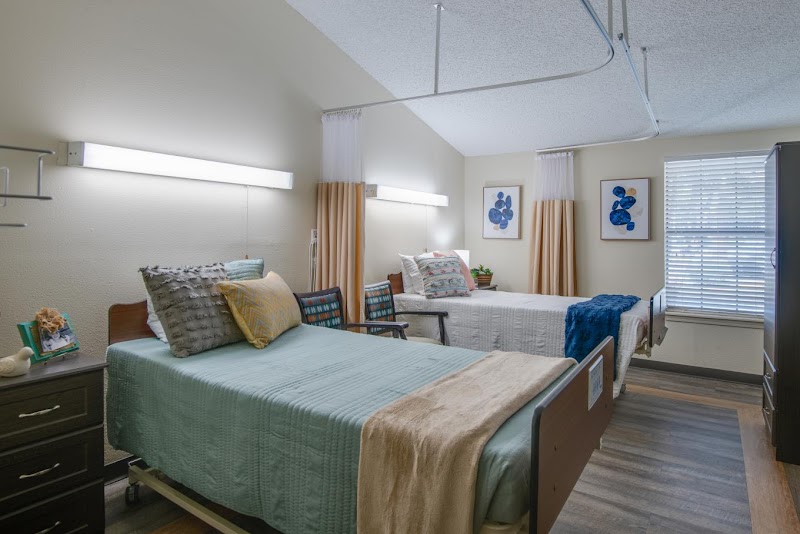
How is Pecan Tree Rehab And Healthcare Center Staffed?

CMS rates PECAN TREE REHAB AND HEALTHCARE CENTER's staffing level at 3 out of 5 stars, which is average compared to other nursing homes. Staff turnover is 40%, compared to the Texas average of 46%. This relatively stable workforce can support continuity of care.

What Have Inspectors Found at Pecan Tree Rehab And Healthcare Center?

State health inspectors documented 23 deficiencies at PECAN TREE REHAB AND HEALTHCARE CENTER during 2022 to 2024. These included: 23 with potential for harm.
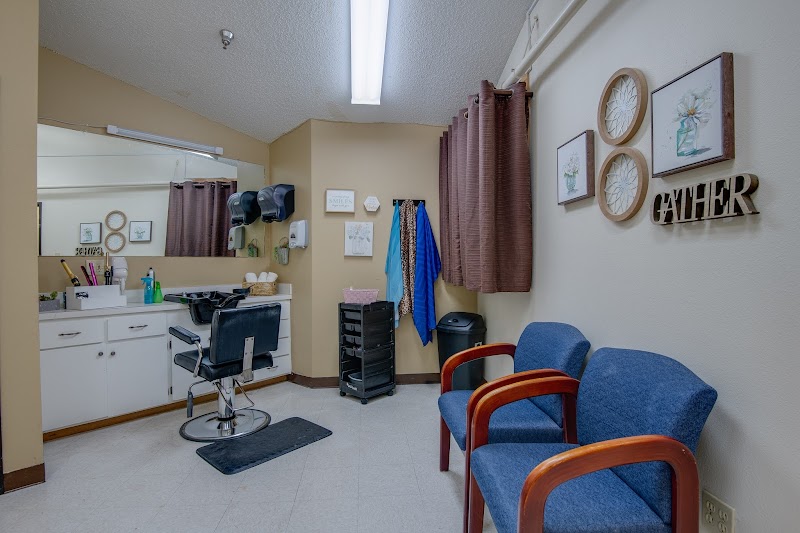
Who Owns and Operates Pecan Tree Rehab And Healthcare Center?

PECAN TREE REHAB AND HEALTHCARE CENTER is owned by a for-profit company. For-profit facilities operate as businesses with obligations to shareholders or private owners. The facility is operated by SOUTHWEST LTC, a chain that manages multiple nursing homes. With 122 certified beds and approximately 87 residents (about 71% occupancy), it is a mid-sized facility located in GAINESVILLE, Texas.
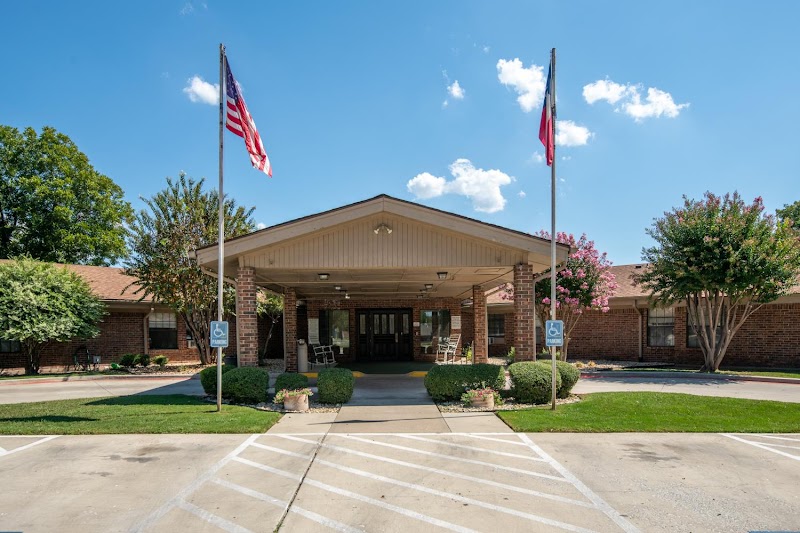
How Does Pecan Tree Rehab And Healthcare Center Compare to Other Texas Nursing Homes?

Compared to the 100 nursing homes in Texas, PECAN TREE REHAB AND HEALTHCARE CENTER's overall rating (4 stars) is above the state average of 2.8, staff turnover (40%) is near the state average of 46%, and health inspection rating (4 stars) is above the national benchmark.

What Should Families Ask When Visiting Pecan Tree Rehab And Healthcare Center?

Based on this facility's data, families visiting should ask: "Can I visit during a mealtime to observe dining assistance and food quality?" "How do you handle medical emergencies, and what is your hospital transfer rate?" "Can I speak with family members of current residents about their experience?"

Is Pecan Tree Rehab And Healthcare Center Safe?

Based on CMS inspection data, PECAN TREE REHAB AND HEALTHCARE CENTER has a clean safety record: no substantiated abuse findings (meaning no confirmed cases of resident harm), no Immediate Jeopardy citations (the most serious violation level indicating risk of serious injury or death), and is not on the Special Focus Facility watch list (a federal program monitoring the lowest-performing 1% of nursing homes). The facility has a 4-star overall rating and ranks #1 of 100 nursing homes in Texas. While no facility is perfect, families should still ask about staff-to-resident ratios and recent inspection results during their visit.

Do Nurses at Pecan Tree Rehab And Healthcare Center Stick Around?

PECAN TREE REHAB AND HEALTHCARE CENTER has a staff turnover rate of 40%, which is about average for Texas nursing homes (state average: 46%). Moderate turnover is common in nursing homes, but families should still ask about staff tenure and how the facility maintains care continuity when employees leave.

Was Pecan Tree Rehab And Healthcare Center Ever Fined?

PECAN TREE REHAB AND HEALTHCARE CENTER has no federal fines on record. CMS issues fines when nursing homes fail to meet care standards or don't correct problems found during inspections. The absence of fines suggests the facility has either maintained compliance or corrected any issues before penalties were assessed. This is a positive indicator, though families should still review recent inspection reports for the full picture.

Is Pecan Tree Rehab And Healthcare Center on Any Federal Watch List?

PECAN TREE REHAB AND HEALTHCARE CENTER is not on any federal watch list. The most significant is the Special Focus Facility (SFF) program, which identifies the bottom 1% of nursing homes nationally based on persistent, serious quality problems. Not being on this list means the facility has avoided the pattern of deficiencies that triggers enhanced federal oversight. This is a positive indicator, though families should still review the facility's inspection history directly.