RENAISSANCE CARE CENTER
1400 BLACKSHILL DR, GAINESVILLE, TX 76240 (940) 665-5221
For profit - Individual 91 Beds CANTEX CONTINUING CARE Data: November 2025 2 Immediate Jeopardy citations
Trust Grade
1/100
#1082 of 1168 in TX
Last Inspection: April 2025

Within standard 12-15 month inspection cycle. Federal law requires annual inspections.

Overview

Renaissance Care Center in Gainesville, Texas, has received a Trust Grade of F, indicating significant concerns with care quality. They rank #1082 out of 1168 facilities in Texas, placing them in the bottom half of nursing homes, and #3 out of 4 in Cooke County, suggesting only one local option is better. The facility is worsening, with issues increasing from 5 in 2024 to 19 in 2025. Staffing is a major concern, with a low rating of 1 out of 5 stars and a turnover rate of 61%, which is well above the Texas average of 50%. Additionally, the center has incurred $70,372 in fines, more than 79% of Texas facilities, indicating repeated compliance problems. Specific incidents reported include failures to investigate allegations of abuse against residents, with staff not following policies to report and address these serious concerns. There were also issues with insufficient nursing staff, resulting in residents not receiving necessary care, such as showers and bed baths. While there are some average quality measures, the overall picture shows significant weaknesses that families should consider carefully.

Trust Score
F
1/100
In Texas
#1082/1168
Bottom 8%
Safety Record
High Risk
Review needed
Inspections
Getting Worse
5 → 19 violations
Staff Stability
⚠ Watch
61% turnover. Above average. Higher turnover means staff may not know residents' routines.
Penalties
✓ Good
$70,372 in fines. Lower than most Texas facilities. Relatively clean record.
Skilled Nurses
⚠ Watch
Each resident gets only 18 minutes of Registered Nurse (RN) attention daily — below average for Texas. Fewer RN minutes means fewer trained eyes watching for problems.
Violations
⚠ Watch
32 deficiencies on record. Higher than average. Multiple issues found across inspections.
★☆☆☆☆
1.0
Overall Rating
★☆☆☆☆
1.0
Staff Levels
★★★☆☆
3.0
Care Quality
★☆☆☆☆
1.0
Inspection Score
Stable
2024: 5 issues
2025: 19 issues

The Good

  • Full Sprinkler Coverage · Fire safety systems throughout facility
  • No fines on record

Facility shows strength in fire safety.

The Bad

1-Star Overall Rating

Below Texas average (2.8)

Significant quality concerns identified by CMS

Staff Turnover: 61%

15pts above Texas avg (46%)

Frequent staff changes - ask about care continuity

Federal Fines: $70,372

Well above median ($33,413)

Moderate penalties - review what triggered them

Chain: CANTEX CONTINUING CARE

Part of a multi-facility chain

Ask about local staffing decisions and management

Staff turnover is elevated (61%)

13 points above Texas average of 48%

The Ugly 32 deficiencies on record

2 life-threatening
Aug 2025 1 deficiency
CONCERN (D) 📢 Someone Reported This

A family member, employee, or ombudsman was alarmed enough to file a formal complaint

Potential for Harm - no one hurt, but risky conditions existed

Infection Control (Tag F0880)

Could have caused harm · This affected 1 resident

**NOTE- TERMS IN BRACKETS HAVE BEEN EDITED TO PROTECT CONFIDENTIALITY** Based on observation, interview, and record review, the facility failed to maintain an Infection Prevention and Control Program ...

Read full inspector narrative →
**NOTE- TERMS IN BRACKETS HAVE BEEN EDITED TO PROTECT CONFIDENTIALITY** Based on observation, interview, and record review, the facility failed to maintain an Infection Prevention and Control Program designed to provide a safe, sanitary, and comfortable environment and to help prevent the development and transmission of communicable diseases and infections for 1 of 5 residents (Resident #1) and 1 of 2 shower rooms observed for infection control. 1. The facility failed to ensure CNA A and CNA B performed hand hygiene between gloves changes while providing incontinence care to Resident #1 and failed to ensure CNA A used the required PPE for Resident #1, who was on enhanced barrier precautions due to a wound on her toe on her right foot, during incontinence care on 08/20/25. 2. The facility failed to ensure staff did not place soiled linens on the floor on the hall 500 shower room on 08/20/25. These failures could place the residents at risk of cross-contamination and development of infection.Findings included: 1. Record review of Resident #1's face sheet dated 08/20/25 reflected a [AGE] year-old female with an admission date of 07/03/24. Diagnoses included hemiplegia effecting right dominant side (paralysis) and dementia. An observation on 08/20/25 at 09:00 a.m. revealed CNA A and CNA B entering Resident #1's room to provided incontinence care. There was a sign posted outside of the door which indicated Resident was on Enhanced Barrier Precautions. Both staff washed their hands and put on gloves and gown. CNA A uncovered resident and unfastened the resident brief. CNA A then cleaned the resident's front pubic area with several wipes, changing the surface of the wipe with each stroke. Both staff rolled the resident on her side revealing urine had soaked through her brief onto the bottom sheet. CNA A stated she needed to get more linens, removed her gown and gloves, left the room and used the hand sanitizer outside of the room, and went to retrieve linens. CNA B covered the resident while waiting for CNA A to return. CNA A returned to the room with clean linens placed in a plastic bag. CNA A then washed her hands and put on gloves but did not put on a gown. CNA A returned to the bedside, removed the top sheet and blanket, held the soiled linens against her uniform while CNA B opened a plastic bag for her to place the linens in. CNA A then removed the resident brief, revealing she had a large bowel movement. CNA A cleaned the resident's anal area from front to back, removing her gloves with each wipe, retrieving new gloves from the wall container and returning to the bedside to continue with care. After the 3rd trip to retrieve gloves, CNA A then put on a gown. CNA A continued to clean the resident until all the feces had been removed, but stated they would have to clean her front again because she had not been able to get her clean. CNA A removed the soiled brief and rolled the soiled sheet under the resident, revealing the mattress was wet with urine. CNA A took a peri-wipe and wiped down the mattress. CNA A then removed the glove from her right and put on a clean glove with performing hand hygiene. CNA A the placed the clean bottom sheet, draw sheet and a clean brief under the resident and both staff rolled the resident over to her other side while CNA B removed the soiled linen from under the resident, revealing the mattress was wet from urine on that side of the bed. CNA B removed the soiled linens and placed them in a plastic bag. CNA B then removed her gloves, washed her hands and put on clean gloves. CNA B then returned to the bedside and used a peri-wipe to wipe the urine off the mattress, and with the same soiled gloves, pulled the clean sheet and clean brief under the resident. Both staff then rolled the resident onto her back and CNA B provided peri- care, going from front to back and downward toward the clean brief, while still wearing soiled gloves. Both staff then closed the resident's brief. Both staff removed their PPE, gathered the trash, and soiled linens, performed hand hygiene and left the room. In an interview on 08/20/25 at 09:45 a.m. with CBA A and CNA B, CNA A stated she was supposed to do hand hygiene before and after care and stated she should have washed her hands before going from dirty to the clean portion of the resident's care. CNA B stated they were to sanitize their hands between glove changes. CNA B stated she thought she had done that, but then realized after she had cleaned the mattress she now had on soiled gloves. CNA A stated she realized she had forgot to put her gown back on when she returned to the room. Both staff stated anyone who was on Enhance Barrier Precautions required them use a gown and gloves for all direct care to the resident. Both staff stated failing to perform hand hygiene after gloves changes and failing to utilize proper PPE exposed the resident to infections. 2. An observation and interview on 08/20/25 at 11:15 a.m. of the Hall 500 shower room revealed CNA A in the shower room with Resident #2. A sheet, towel and blanket were observed laying on the shower room floor under the sink area. CNA A stated it did not belong to Resident #1. She stated it was laying on the floor when she entered the shower room with Resident #1. CNA A stated they were not supposed to place dirty linen on the floors, but instead were to place them in a plastic bag. She stated putting dirty linen on the floor caused the risk of spreading germs throughout the building. In an interview with ADON C who was also the facility's infection preventionist on 08/20/25 at 03:00 p.m. stated staff were to always perform hand hygiene between gloves changes. She stated they had to perform hand hygiene when going from dirty to clean. She stated any resident who had a wound or any implanted medical device required the use of enhanced barrier precautions to prevent the potential spread of drug-resistant infections. She stated she had just completed an in service on hand hygiene and infection control on 08/08/25 because she had started to see an increase in urinary tract infections. She stated she does spot checks on her daily rounds and will watch the staff provide direct care. In an interview with the DON on 08/20/25 at 4:54 p.m. she stated staff were to change their gloves and sanitize their hands when going from dirty to clean. She stated staff were always required to perform hand hygiene before care and after care and to wear a gown and gloves for direct care for any resident who was on enhanced barrier precautions. She stated the staff had been taught to never place soiled linens on the floor. She stated they do train on infection control during their skills checks and anytime they had any issues with infections in the building. She stated the risk of not adhering to the protocol was increased risk of infections. Record review of the Facility's policy titled, Enhanced Barrier Precautions, dated August 2022, reflected, Enhanced Barrier Precautions (EHPs) are utilized to prevent the spread of multi-drug resistant organisms (MDROs) to residents.EBP employ targeted gown and glove use during high contact resident care activities when contact precautions no not otherwise apply.Examples of high-contact resident care activities requiring the use of gown and gloves for EBP's include.changing linens.changing briefs.EBPs remain in place for the duration of the residents stay or until resolution of the wound.Staff are trained prior to caring for resident on EBPs.Signs are posted in the door or wall outside the resident room indicating the type of precautions and PPE required. Record review of the facility's policy titled, Handwashing/Hand Hygiene, dated August 2019, reflected, This facility considers hand hygiene the primary means to prevent the spread of infection.Wash hands with soap(antimicrobial or non-antimicrobial) and water for the following.When hands are visibly soiled.After contact with a resident with infectious diarrhea.Use an alcohol-based hand rub.Soap.and water for the following.Before and after direct contact with residents.Before moving from a contaminated body site to a clean body site during resident care.After removing gloves.Hand hygiene is the final step after removing and disposing of personal protective equipment.The use of gloves done replace hand washing/hand hygiene.Record review of the facility's policy titled, Laundry and Bedding, Soiled, dated September 2022, reflected, Soiled laundry/bedding shall be handled, transported and process according to best practices for infection prevention and control.All used laundry is handled a potentially contaminated using standard precautions.Contaminated laundry is bagged or contained at the point of collection (i.e., location where it was used).Contaminated line and laundry bags/containers are not held close to the body or squeezed during transport.
Apr 2025 11 deficiencies
CONCERN (D) 📢 Someone Reported This

A family member, employee, or ombudsman was alarmed enough to file a formal complaint

Potential for Harm - no one hurt, but risky conditions existed

Report Alleged Abuse (Tag F0609)

Could have caused harm · This affected 1 resident

**NOTE- TERMS IN BRACKETS HAVE BEEN EDITED TO PROTECT CONFIDENTIALITY** Based on interview and record review the facility failed to ensure all alleged violations involving abuse, neglect, exploitation...

Read full inspector narrative →
**NOTE- TERMS IN BRACKETS HAVE BEEN EDITED TO PROTECT CONFIDENTIALITY** Based on interview and record review the facility failed to ensure all alleged violations involving abuse, neglect, exploitation or mistreatment, including injuries of unknown source and misappropriation of resident property, were reported immediately, but not later than 2 hours after the allegation was made, if the events that caused the allegation involved abuse or resulted in serious bodily injury to the administrator of the facility and to the other officials, including to the State Survey Agency, in accordance with State law through the established procedures for one of 7 residents (Resident #66) reviewed for abuse and neglect . The facility failed to report allegations of neglect and abuse which involved Resident #66 to the Administrator and appropriate State Agency immediately on 04/26/25. This failure could place residents at risk of abuse and neglect. Findings Include: Record review of Resident #66's admission MDS assessment, dated 4/26/25, reflected an [AGE] year-old female who was admitted to the facility on [DATE]. She had little to no cognitive impairment and had a BIMs of 15 . Her active diagnoses included coronary artery disease (a heart condition where plaque builds up inside the coronary arteries), Hypertension (elevated blood pressure), Ulcer (the break or erosion in the lining of an organ or tissue), Diabetes (a disease that results in too much sugar in the blood), Thyroid Disorder(a condition that prevents your thyroid from making the right amount of hormones , and wedge compression fracture of first lumbar vertebra, she required some help with self-care to include moderate assistance with toileting and substantial help with bathing. Record review of Resident #66's admission Assessment, dated 4/25/25, reflected the resident had a catheter, was continent, a high fall risk, and required a retraining program for bowel and bladder. Record review of Resident #66's Daily Care Guide, dated 4/30/25, reflected Resident #66 needed assistance with bathroom, was a fall risk, voiding method was toilet and was continent for urine and bowel. Her transfer needs were 1 person Gait Belt assist and partial lift 1 person assist for sit to stand. Record review of facility's incident logs for April 2025 did not reflect an incident had been documented for Resident #66. Record review of progress notes for Resident #66 on 4/26/25 did not reflect the allegation of abuse and neglect were reported or documented. In an interview with Resident #66's family member on 4/29/25 at 9:43 AM revealed Resident #66 was admitted to the facility on [DATE] for therapy. She reported the night of admission, Resident #66 called for help to go to the restroom and LVN B responded but did not help her. It was reported LVN B laughed at her because Resident #66 had a bowel movement in her pull-up . The family member stated she talked to the weekend supervisor the morning of 4/26/25, and weekend supervisor apologized for the nurse's behavior. The family member reported she decided to discharge Resident #66 from the facility that day due to the incident. In an interview with RN M on 4/29/25 at 3:19 PM revealed she was the weekend supervisor. She spoke to Resident #66 and her relative on 4/26/25 and was told during the night shift, Resident #66 had requested help getting up to go to the restroom. She stated no one helped her and when staff went in they didn't help her and laughed. The resident identified LVN B as the nurse who laughed instead of helping Resident #66. The relative stated Resident #66 had been lying in her poop for over any hour when she arrived. RN M stated when they brought the incident to her attention LVN B had already left. She had not interviewed LVN B or questioned her about the incident. Resident #66 had requested to go home, and she assisted them with Home Health to discharge with the appropriate supports. RN M stated she told the Manager on Duty of the incident and assumed she would take care of reporting it to the Administrator. RN M stated the incident should have been reported to the Administrator. In an interview with the Lifestyle Director on 4/29/25 at 3:46 PM revealed she was the MOD on 4/26/25. She reported RN M provided the complaint from Resident #66 and her relative and she talked to the family and assisted with the discharge. She stated she provided the update on this resident at the stand-up meeting Monday morning. The Lifestyle Director stated she did not know she needed to report it to their abuse coordinator and assumed RN M would have reported it since she was the one who had told her about the complaint. She stated it could have been abuse and therefore should have been investigated . She was not aware that she needed to ensure it was reported as the MOD for the weekend. She stated she believed an email by another staff member was sent to the Administrator about the incident because Resident #66's relative wanted to speak to Administrator. In an interview with Director of Operations on 4/29/25 at 4:03 PM revealed he was covering for the Administrator while he was on vacation. He stated if there was an allegation of abuse or neglect, they would have needed to report it to the abuse coordinator immediately, which would be him while the Administrator is on leave. He stated staff should have been aware of reporting it to him. He stated he did not know about the incident and was barely being made aware of it during this interview. Now that it had been brought up, he would call the family and see if they felt it was abuse and would report it to the state survey agency immediately or within 2 hours and would have taken the following steps: conducted an assessment of the resident, investigated the incident, suspend the alleged perpetrator until the investigation was complete, in-service with staff and completed safe surveys. In an interview with the Regional Nurse Consultant on 4/30/25 at 11:55 AM revealed whoever received a complaint or witnessed the alleged abuse or neglect should have reported it to the abuse coordinator, the Administrator. RN M should have reported the complaint to the Administrator when is happened on 4/26/25. In an interview with the Director of Operations on 4/30/25 at 12:47 PM revealed he contacted Resident #66's relative and received the complaint earlier on 4/30/25. He initiated the abuse/neglect protocol immediately, called in the report to the state survey agency and suspended LVN B until he completed his investigation . He started to in-service staff and conducted safe surveys with residents. Record review of the facility's Abuse and Neglect Policy, updated August 2024, reflected .8. Any person observing an incident of Patient Abuse or suspecting Patient Abuse must immediately report such incidents to the Charge Nurse .9. The Charge Nurse will immediately examine the Patient and notify the Abuse Prevention Coordinator upon receiving reports of mental, physical, or sexual abuse . 10. The Abuse Prevention Coordinator will: a. Immediately (within 2 hours) report to the State agency and other appropriate authorities' incidents of Patient Abuse as required under applicable regulations and regulatory guidance
CONCERN (D) 📢 Someone Reported This

A family member, employee, or ombudsman was alarmed enough to file a formal complaint

Potential for Harm - no one hurt, but risky conditions existed

Investigate Abuse (Tag F0610)

Could have caused harm · This affected 1 resident

**NOTE- TERMS IN BRACKETS HAVE BEEN EDITED TO PROTECT CONFIDENTIALITY** Based on interview and record review, the facility failed to have evidence that all alleged violations were thoroughly investiga...

Read full inspector narrative →
**NOTE- TERMS IN BRACKETS HAVE BEEN EDITED TO PROTECT CONFIDENTIALITY** Based on interview and record review, the facility failed to have evidence that all alleged violations were thoroughly investigated for one of 7 residents (Resident #66) reviewed for abuse and neglect. The facility failed to ensure allegations of abuse and neglect were investigated when Resident #66 reported an allegation of abuse and neglect to the facility. This failure could place residents at risk for abuse and neglect . Findings Include: Record review of Resident #66's admission MDS assessment, dated 4/26/25, reflected an [AGE] year-old female who was admitted to the facility on [DATE]. She had little to no cognitive impairment and had a BIMs of 15 . Her active diagnoses included coronary artery disease (a heart condition where plaque builds up inside the coronary arteries), Hypertension (elevated blood pressure), Ulcer (the break or erosion in the lining of an organ or tissue), Diabetes (a disease that results in too much sugar in the blood), Thyroid Disorder(a condition that prevents your thyroid from making the right amount of hormones , and wedge compression fracture of first lumbar vertebra, she required some help with self-care to include moderate assistance with toileting and substantial help with bathing. Record review of Resident #66's admission Assessment, dated 4/25/25, reflected the resident had a catheter, was continent, a high fall risk, and required a retraining program for bowel and bladder. Record review of Resident #66's Daily Care Guide, dated 4/30/25, reflected Resident #66 needed assistance with bathroom, was a fall risk, voiding method was toilet and was continent for urine and bowel. Her transfer needs were 1 person Gait Belt assist and partial lift 1 person assist for sit to stand. In an interview with RN M on 4/29/25 at 3:19 PM revealed she was the weekend supervisor. She spoke to Resident #66 and her relative on 4/26/25 and was told during the night shift, Resident #66 had requested help getting up to go to the restroom. She stated no one helped her and when staff went in they didn't help her and laughed. The resident identified LVN B as the nurse who laughed instead of helping Resident #66. The relative stated Resident #66 had been lying in her poop for over any hour when she arrived. RN M stated when they brought the incident to her attention LVN B had already left. She had not interviewed LVN B or questioned her about the incident. Resident #66 had requested to go home, and she assisted them with Home Health to discharge with the appropriate supports. RN M stated she told the Manager on Duty of the incident and assumed she would take care of reporting it to the Administrator. RN M stated the incident should have been reported to the Administrator. In an interview with the Lifestyle Director on 4/29/25 at 3:46 PM revealed she was the MOD on 4/26/25. She reported RN M provided the complaint from Resident #66 and her relative and she talked to the family and assisted with the discharge. She stated she provided the update on this resident at the stand-up meeting Monday morning. The Lifestyle Director stated she did not know she needed to report it to their abuse coordinator and assumed RN M would have reported it since she was the one who had told her about the complaint. She stated it could have been abuse and therefore should have been investigated . She was not aware that she needed to ensure it was reported as the MOD for the weekend. She stated she believed an email by another staff member was sent to the Administrator about the incident because Resident #66's relative wanted to speak to Administrator. In an interview with the Director of Operations on 4/29/25 at 4:03 PM revealed that he was covering for the Administrator while he was on vacation. He stated if there was an allegation of abuse or neglect, they would have needed to report it to the abuse coordinator, which would be him, while the Administrator was on leave. He stated he did not know about the incident and was barely being made aware of it during this interview. Now that it was brought up, he would call the family and see if they felt it was abuse and would report it to the state and take the appropriate steps. He stated it would be investigated if the family felt it was abuse . In an interview with the Regional Nurse Consultant on 4/30/25 at 11:55 AM revealed RN M should have reported the complaint to the Administrator when it happened so that it could be investigated and the abuse protocol could be followed. Record review of the facility's Abuse and Neglect Policy, updated August 2024, reflected . immediately (within 24 hours) suspend the employee for an abuse allegation until an investigation is completed. C. conduct and document on a Patient Abuse Investigation (see form 3-5) a thorough investigation of each incident or patient abuse, neglect, exploitation or mistreatment to include: observation, interviews and reviews of all patients involved, interviews of all witnesses, including Patients, staff and family members, notify physicians, notify families and responsible parties of the involved patients, recording all relevant physical findings
CONCERN (D)

Potential for Harm - no one hurt, but risky conditions existed

Deficiency F0761 (Tag F0761)

Could have caused harm · This affected 1 resident

Based on observation, interview, and record review the facility failed to label drugs and biologicals used in the facility in accordance with currently accepted professional principles, and include th...

Read full inspector narrative →
Based on observation, interview, and record review the facility failed to label drugs and biologicals used in the facility in accordance with currently accepted professional principles, and include the appropriate accessory and cautionary instructions, and the expiration date when applicable for the facility's one medication room reviewed for storage. The facility failed to ensure a vial of TB PPD, that was opened and used, was not dated in the medication room refrigerator. This failure could affect residents and staff resulting in diminished effectiveness, and not receiving the therapeutic benefits of the medications. The findings included: An observation on 04/30/25 at 11:35 a.m. of the medication room refrigerator with the ADON revealed an undated open vial of Tuberculin Purified protein derivative. The ADON stated it appeared one dose might have been used out of the multi dose vial. In an interview with the ADON on 04/30/25 at 11:41a.m. he stated the TB PPD had to be dated when opened. He stated once it was open it would only be good for 30 days. He stated the risk of not dating it once opened was the potential for false positive or an inaccurate test, which could lead to a missed infection. He stated all the nurses perform the TB skin test on any new admission and whoever opened the vial was responsible for dating it. He stated going forward he would most likely be responsible for checking the medication room for expired medications. In an interview with the Regional Nurse Consultant/DON on 04/30/25 at 11:50 a.m. she stated once a multi-use vial of medication was opened the staff were required to date it. She stated when they open of vial of TB PPD it had to be dated to prevent the risk of using an expired medication which would render it ineffective and could give a false positive reading of the PPD. The Regional Nurse Consultant/DON said all nurses were responsible to check the medication carts and the medication rooms for expiration and labeling of medication. Record review of the facility's policy titled Storage of Medications, dated April 2007, reflected, .The facility shall not use discontinued, outdated, or deteriorated drugs or biologicals. All such drugs shall be returned to the dispensing pharmacy or destroyed The nursing staff shall be responsible for maintaining medication storage
CONCERN (E) 📢 Someone Reported This

A family member, employee, or ombudsman was alarmed enough to file a formal complaint

Potential for Harm - no one hurt, but risky conditions existed

Deficiency F0565 (Tag F0565)

Could have caused harm · This affected multiple residents

Based on interview and record review, the facility failed to ensure prompt efforts to resolve grievances for 6 (confidential residents) of 13 residents reviewed for grievances. The facility failed to ...

Read full inspector narrative →
Based on interview and record review, the facility failed to ensure prompt efforts to resolve grievances for 6 (confidential residents) of 13 residents reviewed for grievances. The facility failed to provide a written response to the Resident Council addressing the grievances reported from their meetings on February 2025 and March 2025 which included ongoing issues with call light response times. These failures could place residents at risk of unresolved grievances, a decreased sense of self-worth, and a decline in quality of life. Findings Included: Record review of the Resident council meeting notes from February 19, 2025 reflected, .New Business .b. New Concerns: Aids do not answer call lights in timely manner , nurses need to help answer lights, especially emergency lights Record review of the Resident council meeting minutes from March 19, 2025 reflected, .New Business: a. Facility Updates, call lights are no being answered in a timely manner The minutes had no response to the same concern from February 19, 2025. Record review of the Grievance logs for February 2025, March 2025 and April 2025 did not reflect any Grievance filed on behalf of the Resident Council. In an interview with the Lifestyles Director on 4/29/25 at 3:46 PM revealed she recently found out she needed to file a grievance for complaints and concerns at the Resident Council meetings. She stated she had been providing the concerns at the next stand-up meeting after the Resident Council Meeting and would give the Resident Council an update the next time they convened but never filed any grievances on their behalf. She stated as of April's meeting she started to file grievances with the Administrator. The risk to the Resident of not filing a grievance would be that issues would not be resolved timely and could impact their care. An anonymous interview with a resident revealed she attended all the Resident Council meetings since she was admitted to the facility, which had been several years, and staff never provided any feedback on their concerns from previous meetings. She stated they had not gotten a response to their concerns for the call light response times from the last two meetings. She stated she knew the minutes were provided to the Administrator. She stated that the delayed call light had not been resolved and delayed resident care. In an interview with Director of Operations on 4/30/25 at 3:43 PM revealed whenever there was a complaint, a grievance should have been filled out by the staff who received the complaint. That staff should have provided the complaint to the Department Heads who the complaint pertained to. Any complaints at a Resident Council meeting, a grievance should have been filed. Once the grievance was investigated, the staff member who facilitated the next Resident Council Meeting should provide the update on the grievances filed from the previous meeting and what was being done about them. He stated he did not believe there was any risk to the resident of their complaints at the Resident Council Meeting not being filed as a grievance, as residents had multiple opportunities to file a grievance and complaint outside of the Resident Council meetings. Record review of the facility's Grievances, updated on November 2017, reflected Policy .Grievances include those with respect to care and treatment which has been furnished as well as that which has not been furnished, the behavior of staff and of other patients .Guidelines: 1. The facility must make prompt efforts to resolve grievances and must make information on how to file a grievance or complaint available to the patient. 2. The facility must make information on how to file a grievance policy if requested. 3. When the facility is made aware of a problem or concern voiced by a patient or on behalf of the patient, the facility must make every effort for prompt resolution of all grievance regarding the residents' rights .c. the right to obtain a written decision regarding his or her grievance .4. The following steps should be taken for concern resolution: a. Attempt to solve the problem yourself and check back with the patient to see if they are satisfied with the outcome. B. involve your Executive Director or Director of Nursing Services .&. The executive Director is the designated grievance official for the facility with the Director of Nursing as the designee who is responsible for overseeing: A. The grievance process to include initiation of resolutions within 72 hours of received the grievance. B. the receiving and tracking grievances to their conclusion. C. leading any necessary investigations by the facility .e. issuing written grievance decisions to the Patient/Resident if requested. F. Coordinating with state and federal agencies as necessary in light of specific allegations .8. Any grievance which arises to the level of abuse, mistreatment, or neglect, or injuries of unknown source, and/or misappropriation of resident property shall be reported to the state agency immediately
CONCERN (E)

Potential for Harm - no one hurt, but risky conditions existed

ADL Care (Tag F0677)

Could have caused harm · This affected multiple residents

**NOTE- TERMS IN BRACKETS HAVE BEEN EDITED TO PROTECT CONFIDENTIALITY** Based on observation, interview, and record review the facility failed to ensure a resident who was unable to carry out activiti...

Read full inspector narrative →
**NOTE- TERMS IN BRACKETS HAVE BEEN EDITED TO PROTECT CONFIDENTIALITY** Based on observation, interview, and record review the facility failed to ensure a resident who was unable to carry out activities of daily living received the necessary services to maintain good nutrition, grooming, and personal and oral hygiene for 2 of 8 residents (Resident #61 and Resident #23) reviewed for ADLs. 1. The facility failed to ensure staff provided consistent showers/baths for Resident #61. 2. The facility failed to ensure staff provided consistent bed baths on 6 p.m. to 6 a.m. shift on Tuesdays, Thursdays and Saturdays for Resident #23. These failures could place residents at risk of not receiving needed hygiene care which could cause skin breakdown, a loss of dignity and self-worth. Findings include: 1. Record review of Resident #61's quarterly MDS assessment, dated 03/21/25, reflected a [AGE] year-old female who was admitted to the facility on [DATE]. She had a BIMS score of 13, which indicated she was cognitively intact. She had not rejected care and required supervision and touch assistance with showers and baths. Her active diagnoses included diabetes and dementia. Record review of Resident #61's care plan, dated 04/30/25, reflected [Resident #61] ADL Function (current) .Goals .Will maintain a sense of dignity by being clean, dry, odor free, and well-groomed over the next 90 days .Interventions . set-up, assist, give shower, shave, oral, hair, nail care scheduled and prn Record review of the facility's, undated, shower schedule reflected Resident #61 was scheduled for showers on Monday, Wednesday, Friday on the 6:00 p.m. to 06:00 a.m. shift. Record review of Resident #61s ADL documentation survey report for March 2025 reflected no showers were provided. No days marked as offered and refused. Record review of Resident #61's ADL documentation survey report for April 2025 reflected she received a shower on 04/16/25. No other days were marked as offered and refused. Record review of Resident #61's shower sheets for April 2025 reflected Resident #61 received a shower on 04/11/25 (Friday), 04/14/25 (Monday), 04/16/25 (Wednesday), 04/23/25 (Wednesday). Notation on 04/16/25, reflected Needs to be moved to AM shower,. There were no shower sheets for March 2025. In an interview and observation with Resident #61 on 04/29/25 at 08:25 a.m., she stated she was not getting her showers. She stated they didn't come get her for showers. She stated she could not remember the last time she had her shower and was not sure what her shower days were. The resident was observed to have very oily hair. In an interview on 04/29/25 at 10:35 a.m. with CNA H, she stated she just finished giving Resident #61 a shower. She stated she really needed a shower. She stated the resident was a 06:00 p.m. to 06:00 a.m. shower. She stated she thought the resident had been refusing her showers on the PM shift. In an interview with LVN A on 04/29/25 at 04:00 p.m., she stated the CNAs were supposed to complete a shower sheet on every resident who was scheduled for a shower and turn it into them and then they turned the shower sheets into the staffing coordinator. She stated if a resident refused a shower, then the aide and the Nurse had to co-sign off that the shower was reattempted and note the ongoing refusal. She stated she could not recall any refusal of showers for Resident #61. In an interview with CNA F on 04/29/25 at 05:04 p.m., she stated she worked the 06:00 p.m. to 06:00 a.m. shift. She stated they had not been able to get to their assigned showers since they had been so short-handed in the last several weeks. She stated by the time they got their first rounds made and people back to bed it was almost 10:00 p.m. and the residents were not wanting their showers that late. She stated in the past 3 weeks they had been working with only 2 aides on the 6:00 p.m. to 06:00 a.m. shift. She stated when they had 3 aides, they were able to get most of their assigned showers done, but they were not able with just 2 aides. She stated CNA G was usually assigned to Resident #61. She stated the resident frequently asked to get her shower. In an interview with LVN B on 04/30/25 at 08:45 a.m., she stated she was one of the 10 p.m. to 6 a.m. Charge nurses. She stated she had very few residents who were willing to take their showers after 10:00 p.m. She stated if the aides did provide the resident a shower they were supposed to turn in a shower sheet to the Nurse, who signed off and then put the shower sheet under the door of the Staffing Coordinator. In an interview with CNA G on 04/30/25 at 09:12 a.m., she stated she worked the 06:00 p.m. to 06:00 a.m. shift. She stated she had offered Resident #61 a shower, but it was usually after 10:00 p.m. when she had offered, and the resident would refuse because it was too late. She stated this was the time they usually got around to getting to showers since they had been so shorthanded. She stated she had not been turning in a shower sheet or logging it into the computer system when she offered, and the resident refused. In an interview with the Staffing Coordinator on 04/30/25 at 10:05 a.m., she stated when a resident was admitted to the facility, they were assigned a shower day and assigned AM or PM showers. She stated the aides worked 12 hour shift. She stated they were getting ready to go to 8 hours shifts, but then had several aides quit. She stated when they had 3-4 aides on the 06:00 p.m. to 06:00 a.m. shift they did not have any issues getting showers done. She stated the aides were supposed to sign off when the shower was completed and turn the shower sheets into the nurse. She stated if a resident refused a shower they were supposed to have the nurse co-sign with them. She stated the nurse was supposed to attempt to see if the resident wanted their shower at another time or was simply refusing the shower and document the refusal. She stated she had only been keeping the shower sheets for a month at a time and was not aware until today she was supposed to keep them for a year. She stated Resident #61 told her yesterday (04/29/25) she was not getting her showers and wanted a shower. She stated she told the aides she needed a shower. She stated she had not been notified Resident #61 was refusing her showers after 10:00 p.m. She stated she had since moved the resident to the day shift shower schedule. In an interview with CNA E on 04/30/25 at 10:10 a.m., she stated she worked the 06:00 p.m. to 06:00 a.m. shift. She stated she had not been giving any showers on her shift, and she was not aware they were supposed to provide showers on the evening shift. 2. Record Review of Resident #23's face sheet undated reflected Resident #23 was a [AGE] year-old female admitted to the facility on [DATE]. Resident #23 had diagnoses which included chronic obstructive pulmonary disease (Lung disease causing restricted airflow and breathing problems), type 2 diabetes (elevated blood sugar), paraplegia (paralysis of the legs and lower body), parkinsonism (neurological disorders characterized by slowed movements, stiffness and tremors) and peripheral vascular disease (circulation disorder caused by narrowing, blockage or spasms in a blood vessel), and heart failure (chronic condition where the heart muscle is unable to pump enough blood to meet the body's needs for blood and oxygen). Record review of Resident #23's Quarterly MDS, dated [DATE], reflected Resident #23 had a BIMS of 14, which indicated she was cognitively intact. Resident #23 required substantial/maximal assistance with showering/bathing. Record review of Resident #23's, undated, comprehensive care plan reflected the following: Resident #23 required extensive to total assistance required with bathing . Frequency of bath/shower was 3 times weekly. [Resident #23] will allow bed bath given at times. Record review of Resident #23's Daily Care Guide, printed 04/30/25, reflected Resident #23 required assist x 1 for bath/shower evening shift Tuesday, Thursday, and Saturday. Record review of facility's shower schedule reflected Resident #23 was a Tuesday, Thursday and Saturday shower from 6 pm to 6 am shift. Record review of Resident #23's electronic ADL documentation for CNAs from 04/01/25 to 04/25/25 reflected no documentation of bathing for Resident #23. Record review of 100 hall shower sheets for March to April 2025 reflected the following: -dated 03/04/25 by CNA G reflected Resident #23 received a shower. -dated 04/02/25 by CNA G reflected Resident #23 refused because it was too late and did not want a shower at night. -dated 04/10/25 by CNA H reflected Resident #23 refused shower. No reason given. -dated 04/17/25 (day shift) reflected Resident #23 received a shower. -dated 04/22/25 (day shift) reflected Resident #23 received a shower. There was no other shower documentation found for Resident #23 for March to April 2025. Observation and interview on 04/29/25 at 9:13 a.m. revealed Resident #23 was lying in bed with oily hair. Resident #23 stated she was dependent on staff for bathing. She stated she preferred bed baths on her shower days which were Tuesdays, Thursdays and Saturdays in the evenings. Resident #23 stated she did not like getting bed baths at 10 pm because she liked to go to bed early. She stated she recently talked to the facility staff about changing her showers times so they were not so late and she was told it could not be changed. She stated she did not refuse bed baths. She could not recall the last time she was given a bed bath and thought it had been a week or two. She stated she was not offered a bed bath at times due to short of staff in the evenings . In an interview on 04/29/25 at 2:18 p.m., CNA N revealed Resident #23 preferred bed baths. She was scheduled for bed baths on Tuesdays, Thursdays and Saturdays on the 6 p.m. to 6 a.m. shift. She stated Resident #23 received a bed bath twice last week due to staffing issues on the evening shifts. She could not recall what date last week she bathed Resident #23. She stated the staffing coordinator, LVN A and LVN I knew about Resident #23 complaints of not getting bed baths on the evening shifts on her scheduled bath days. In an interview on 04/29/25 at 2:29 p.m. with CNA H revealed Resident #23 preferred bed baths and was on the evening and night shift for bed baths on Tuesdays, Thursdays and Saturdays. She stated Resident #23 complained on Sunday (April 27) of not getting a bed bath on Saturday. She stated she reported this to LVN I of Resident #23 not getting a bed bath. She stated the ADON was aware of the residents not getting showers on the evening and night shifts. In an interview on 04/29/25 at 2:55 p.m. with the ADON revealed Resident #23 preferred bed baths. He stated it had not been reported to him that Resident #23 was not getting showers on the evening shift. He was not aware Resident #23 was not getting showers. The ADON stated he had been the ADON for last 5 days only. In an interview on 04/29/25 at 3:32 p.m. with CNA C revealed Resident #23 allowed staff to give her bed baths. She was not aware of Resident #23 refusing bed baths recently, but she worked the day shift. She stated last week on Thursday (04/24/25) she gave Resident #23 a bed bath on the day shift since they were short staff on evening shifts. She stated for the last month there was difficulty on evening shifts for residents to get baths and showers due to short staff. In an interview on 04/29/25 at 3:52 p.m. with LVN A revealed the last time Resident #23 was given a bed bath was last week but could not recall which day. She stated Resident #23 preferred bed baths and was not aware of the resident refusing bed baths. She stated the 6 p.m. to 6 a.m. shift had been short staff recently. In an interview on 04/29/25 at 05:03 p.m. with CNA F revealed when they had 3 CNAs in the evening and nights, they were able to get all the showers/bed baths. She stated CNA G worked with Resident #23. She stated she was not able to get all showers completed on her shift and did not know she should document why showers were not given to residents if they were unable to get to them due to staffing. In an interview on 04/30/25 at 08:48 a.m. with LVN B revealed she was aware Resident #23 preferred bed baths and was not aware of Resident #23 refusing bed baths. She stated she was an evening shower and if evening shift was not short of staff, then residents were able to get shower/baths. She stated she knew day shift would provide Resident #23 her bed baths doing the day sometimes if Resident #23 complained of not getting her bed baths. In an interview on 04/30/25 at 09:15 a.m. with CNA G revealed Resident #23 preferred bed baths on her shift, but she could not recall the last time she was given bed bath. She stated the last 3 weeks they were short on CNAs and had one less CNA on evening shifts. She stated the charge nurse was aware of residents not getting showered or bathed due to short staff. In an interview on 04/30/25 at 10:04 a.m. with the Staffing Coordinator revealed on Monday (04/28/25) Resident #23 reported she did not get her bed baths on Saturday. She stated she talked to LVN I of Resident #23's complaint of not getting showers, but she had not followed up with the evening night shift nurse, LVN A, about Resident #23's complaint of not getting her bed bath. She stated she had difficulty getting the shower sheets from the night shift and was not aware she should be keeping them. She stated residents not getting showers or baths could lead to skin issues. She stated inadequate staffing could lead to increase in residents' falls and not getting their ADL care. She stated the 6 p.m. to 6 a.m. shift stated there were times only 1 CNA was working the night shift. She stated she did not have consistent CNAs on the evening shifts and tried to have at least 2 CNAs on evening shifts. She stated based on the resident census and resident needs, she could have 3 full-time CNAs on the 6 p.m. to 6 a.m She stated when she had at least 3 CNAs on the 6 p.m. to 6 a.m. shift showers were getting done and shower sheets were turned in to her. In an interview on 04/30/25 at 12:01 p.m. with LVN I revealed Resident #23 preferred bed baths and had voiced to her about not getting her bed baths on the evening shift. She stated the facility tried to accommodate and provide bed baths on day shift if they could. LVN I stated she reported her concerns to the Staffing Coordinator about Resident #23 not getting bed baths on her shower/bath days. In an interview on 04/30/25 at 12:05 PM with the Regional Nurse Consultant reflected she took over the facility about 3 weeks ago and had only been able to come to the facility about once a week. She stated the risk to residents not getting showers could place residents at risk of body odor and it was a dignity issue. She stated the previous DON gave her notice on 04/17/25 and did not come back after this date. She stated the facility was in process of hiring a new DON to start in May 2025. She stated she was unaware of any residents not getting their showers or bed baths on their shower days. Record review of the facility's policy Activities of Daily Living, dated May 2016, reflected 2. A Daily Care Guide must be prepared from the electronic medical record (EMR) to assist direct care staff in providing assistance to Patients in their activities of daily living .5. CNA ADL Tracking Record must be maintained in accordance with the MDS coding guidelines and specific to the Patient's needs. CNA ADL Tracking Records must be regularly monitored by the DON or the designee to ensure that tasks are being performed as scheduled.
CONCERN (E)

Potential for Harm - no one hurt, but risky conditions existed

Tube Feeding (Tag F0693)

Could have caused harm · This affected multiple residents

**NOTE- TERMS IN BRACKETS HAVE BEEN EDITED TO PROTECT CONFIDENTIALITY** Based on observation, interview and record review, the facility failed to ensure that a resident who is fed by enteral means rec...

Read full inspector narrative →
**NOTE- TERMS IN BRACKETS HAVE BEEN EDITED TO PROTECT CONFIDENTIALITY** Based on observation, interview and record review, the facility failed to ensure that a resident who is fed by enteral means receives the appropriate treatment and services to prevent complications of enteral feeding for two of seven residents (Resident #171 and Resident #21) reviewed for quality of care. 1. The facility failed to ensure LVN A followed physician ordered water flushes between each medication administration given via the G-Tube for Resident #171 on 04/28/25. 2. The facility failed to ensure LVN J followed physician ordered water flushes between each medication administration given via the G-Tube for Resident #21 on 04/28/25. These failures could place residents at risk of nausea, shortness of breath and a decrease potential fluid overload. Findings include: 1. Record review of Resident #171's face sheet dated 04/30/25 reflected a [AGE] year-old male with and admission date 04/23/25. Diagnoses included dysphagia (difficulty swallowing), cerebral vascular accident (stroke), atrial fibrillation (irregular, rapid heartbeat) and gastroesophageal reflux (condition where stomach contents back up into the esophagus. Record review of Resident #171's Nurse admission assessment dated [DATE] did not address Resident #171' g-tube (a tube inserted through the abdomen that delivers nutrition directly to the stomach). Record review of Resident #171's base line care plan with an effective date of 04/23/25 did not address Resident 171's g-tube status. Record review of Resident #171's April 2025 Physician order sheet report reflected, .Flush G-tube with 50 cc water before and after medication administration .Medication water Mix-May mis and flush each med with 5-10 ml of water . with a start date of 04/23/25. Record review of Resident #171's Medication administration record for April 2025 reflected, Flush G-tube with 50 cc water before and after medication administration .Medication water Mix-May mis and flush each med with 5-10 ml of water . with a start date of 04/23/25. An observation on 04/28/25 at 01:30 p.m. of G-Tube medication administration revealed LVN A prepared medication for Resident #171. LVN A placed 1/2 tablet Baclofen 10 mg (muscle relaxant), 1 tablet of Hydrocodone-acetaminophen 10-325 mg (opioid for pain), and Sucralfate 1 gram tablet (used to treat/prevent ulcers) and placed them in and individual cup and crushed each tablet. LVN A placed the 3 medication cups and a cup filled with approximately 8 ounces of water on a tray and entered the resident's room. LVN A poured approximately 10 cc of water into each medication cup and the then retrieved a 60-cc piston syringe and placed the piston syringe into the G-tube connector and checked for residual. LVN A then flushed the G-tube with 50 ccs of water and then administered the first medication by gravity and flushed with 50 cc of water after the first medication. LVN A then capped the G-Tube and went to the sink to retrieve another full glass of water. LVN A reconnected the piston syringe to the G-Tube and flushed the tube again with another 50 cc of water and then administered the second medication followed by another 50 cc of water. LVN A then administered the last medication and flushed again with 50 cc of water. LVN A then reconnected the feeding tube and turned the pump back on. In an interview with LVN A on 04/28/25 at 01:45 p.m. she stated she was required to flush the G-tube with 50 cc of water before and after each med pass. When LVN A looked at the medication administration record, she stated oh it was supposed to be 10 ml of water after each medication. She stated she misread the orders when she saw the order for flush with 50 cc of water before and after mediation administration, she assumed it meant after each individual medication, not the beginning and end of the medication administration. She stated she should not have assumed and was required to review with physicians' orders prior to giving any medication and clarify if it was not clear. She stated not flushing with the prescribed amount of water could result in possible fluid overload. 2. Record review of Resident #21's quarterly MDS assessment, dated 04/15/25, reflected a [AGE] year-old female with an admission date of 09/20/21. Resident #21 had BIMs score of 15 which indicated she was cognitively intact. She was totally depended on all ADL and always incontinent of bowel and bladder and she received 25% or more of total calories through a feeding tube. Diagnoses included dysphagia (difficulty swallowing), cerebral vascular accident (stroke), and diabetes. Record review of Resident #21's Care Plan, with an effective date of 09/20/21 to present, reflected, . [Resident #21] has g-tube due to past problems with dysphagia. She refused to swallow her pills and request all medications to be given via G-tube but does not take feeding. Eats orally .Goals .will be free from complications with G-tube and will remain free from signs and symptoms of infection or breakdown . Record review of Resident #21's April 2025 Physician order sheet report reflected, .Flush G-tube with 50 cc water before and after medication administration .Medication water Mix-May mis and flush each med with 5-10 ml of water . with a start date of 10/25/21. Record review of Resident #21's Medication administration record for April 2025 reflected, Flush G-tube with 50 cc water before and after medication administration .Medication water Mix-May mis and flush each med with 5-10 ml of water . with a start date of 10/25/21. An observation on 04/28/25 at 04:40 p.m. of G-Tube medication administration revealed LVN J prepared medication for Resident #21. LVN J placed Atorvastatin 40 mg 1 tab (used to treat high cholesterol), Metformin 850 mg 1 tab (treats diabetes), and placed them in and individual cup and crushed each tablet. She then poured 6 ml of Gabapentin 250 mg/ 5 ml in a medication cup. LVN J then diluted each medication with 10 ml of water and placed the 3 medication cups and a cup filled with approximately 8 ounces of water on a tray and entered the resident's room. LVN J then retrieved a 60-cc piston syringe and placed the piston syringe into the G-tube connector and checked for residual. LVN J then flushed the G-tube with 50 ccs of water and then administered the first medication by gravity and flushed with 20 cc of water. LVN J repeated the process with the next 2 medications, flushing each time with 20 cc after each medication. In an interview with LVN J on 04/28/25 at 04:40 p.m. she stated she was required to flush the G-tube with 50 cc of water before and after each med pass and then 20 cc of water between each medication. When LVN J looked at the medication administration record, she stated oh it was supposed to be 10 ml of water after each medication. She stated she misread the orders and swore it was 20 ccs. She stated she was required to review with physicians' orders prior to giving any medication. She stated not flushing with the prescribed amount of water could result in possible fluid overload if someone was on fluid restrictions. In an interview with the Regional Nurse Consultant/DON on 04/28/25 at 4:55 p.m., she stated staff were to always to follow the docts' orders on the amount of fluid to flush before and after medications. She stated failing to follow the orders could result in complication with the G-tube and discomfort to the resident. She stated flushing with the too much water could cause fluid overload. She stated all nurses were skills checked prior to G-tube medications administration and were expected to follow the physician ordered flushes. She stated any time a nurse questioned an order it was their responsibility to clarify the order. She stated they would be doing follow up monitoring to ensure staff were following proper procedures. Record review of the facility's policy, Medication Administration through a Feeding Tube, dated May 2012, reflected, .Dilute liquid medications with 10 -30 cc of water (or as ordered by the physician) and dissolve or suspend crushed medications in 5-10 cc (or as ordered by the physician) .Flush feeding tube with at least 30 cc of water. Pour medication into 60 cc syringe. Allow mediation to flow from syringe into tube. Flush the tube with 5-10 cc of water (or as ordered by physician) between each medication. After all medications have been administered, flush syringe with at least 30 cc of water to assure complete dose of medication will be administered. Clamp tubing and detach syringe .
CONCERN (E)

Potential for Harm - no one hurt, but risky conditions existed

Respiratory Care (Tag F0695)

Could have caused harm · This affected multiple residents

**NOTE- TERMS IN BRACKETS HAVE BEEN EDITED TO PROTECT CONFIDENTIALITY** Based on observation, interview, and record review the facility failed to ensure that a resident who needed respiratory care, in...

Read full inspector narrative →
**NOTE- TERMS IN BRACKETS HAVE BEEN EDITED TO PROTECT CONFIDENTIALITY** Based on observation, interview, and record review the facility failed to ensure that a resident who needed respiratory care, including tracheostomy care, was provided such care, consistent with professional standards of practice, the comprehensive person-centered care plan, and the residents goals and preferences for two of three (Resident #170, and Resident #52) reviewed for respiratory care. 1. The facility failed to have Physician orders for the use of Oxygen and the amount to be administered to Resident #170 upon her admission to the facility on [DATE]. 2. The facility failed to have Physician orders for the use of Oxygen and the amount to be administered to Resident #52 upon his re-admission to the facility on [DATE]. These failures could place residents at risk of receiving an incorrect amount of oxygen and the risk of oxygen toxicity (occurs when the body inhales too much supplemental oxygen which can damage the lungs and affect the central nervous system). Findings include: 1. Record review of Resident #170's face sheet, dated 04/30/25, reflected a [AGE] year-old female with an admission date of 04/21/25. Resident #170 had diagnoses which included acute cystitis with hematuria (bladder infection accompanied by blood in the urine, pneumonia (infection that inflames the air sacs of the lungs) and chronic respiratory failure with hypoxia (condition where the body's respiratory system is unable to effectively provide enough oxygen to the blood, leading to low blood oxygen levels). Record review of Resident #170's Nursing admission Assessment, dated 04/21/25 completed by RN L and LVN K, reflected, Primary admission diagnosis- Acute cystitis .Orientation .Alert and oriented x 4 .had non-labored shortness of breath with exertion .diminished breath sounds bilateral lungs and was on continuous oxygen Record review of Resident #170's hospital discharge orders dated 04/21/25, reflected, .Portable oxygen .Nasal Cannula with Activity at 2 L/Min . Record review of Resident #170 Nurse progress note, dated 04/21/25 by LVN K, reflected Resident arrived with family to facility after being discharged from the hospital in [city name]. Resident is A&O x 4. Able to make needs and want known .Respirations even and unlabored. O2 @ 92 % on 3L. Resident does use a CPAP (continuous positive airway pressure used to deliver a steady stream of pressurized air through a mask worn over the nose or mouth during sleep). Machine set up for resident to use this evening Record review of nurse progress note, dated 04/22/25 by LVN A, reflected Skilled nursing Respiration even non-labored O2 at 3 lpm via NC . Record review of Resident #170's base line care plan completed by LVN A on 04/24/25 did not reflect the resident needed for continuous oxygen. Record review of Resident #170's Physician Order Summary for April 2025 on 04/28/25 reflected no orders for Oxygen. An observation and interview with Resident #170 on 04/28/25 at 09:55 a.m. revealed the resident lying in bed. Resident #170 was receiving oxygen at 3 liters per minute via a nasal cannula. The resident stated she had recently discharged from the hospital and was on antibiotics for about 2 weeks. She stated she was on oxygen since admission to the facility and used oxygen prior to her hospital stay. She stated she was using 3 lpm at home. Observation and interview of Resident #170 on 04/29/25 at 10:15 a.m. revealed the resident was up in her wheelchair with O2 via nasal cannula. A portable oxygen tank was attached to the back of the wheelchair and was set to deliver 3 liters per minute. In an interview on 04/29/25 at 10:20. a.m., LVN I stated any resident who received oxygen had to have a physician's order for oxygen and the amount to administer. She stated she had not noticed there were no orders for the Oxygen for Resident #170. She stated she had been on oxygen since her admission. She stated the admitting nurse (LVN A) was responsible for obtaining the admission orders when a new resident came into the facility. She stated Oxygen was considered a medication and a nurse could not provide it without an order. She stated giving to much oxygen or providing oxygen that was not needed could make the residents breathing worse. She stated 2 nurses reviewed admission orders to make sure they did not miss any orders at the time of admission, and then the DON or ADON reviewed the admission orders the next day. She stated she would add the oxygen orders today. In an interview with LVN A on 04/29/25 at 11:00 a.m., she stated she started the admission on Resident #170 and put the medications in the system but had not seen the order for the oxygen. She stated the resident came in right around the end of her shift and the oncoming nurse (LVN K) was from a sister facility. She stated she assumed they completed the admission. She stated she had not noticed the resident did not have an order for oxygen. She stated all residents who had oxygen had to have an order for the amount to be delivered. Interview with the ADON on 04/29/25 at 11:30 a.m., he stated they were reviewing new admits in the morning stand up meetings but had not gone line by line on reviewing hospital discharge orders to ensure all the orders were captured. He stated if the hospital discharge orders did not address how much Oxygen a resident required, they had to clarify it with the physician to determine the amount and frequency the Oxygen was to be delivered. He stated giving to much Oxygen could be toxic to a resident. Record review of Resident #170's updated Physician Order Summary for April 2025 reflected, Oxygen (O2) at 2 L/min per nasal canula. With a start date of 04/29/25. 2. Record review of Resident #52's face sheet, dated 4/30/25, reflected a [AGE] year-old male who was admitted to the facility on [DATE]. Resident #52 had diagnoses which included acute respiratory failure with hypoxia (a condition in which the body doesn't receive enough oxygen), Chronic Obstructive Pulmonary Disease (lung disease involving long-term poor air flow), and Pneumonia (infection that inflames air sacs in one or both lungs, which may fill with fluid). Record review of Resident #52's electronic medical record reflected he had no MDS completed as of 04/30/25. Record review of Resident #52's care plan, with an effective date of 02/07/25, did not indicate the resident had a need for oxygen. Record review of Resident #52's hospital discharge orders, dated of 4/24/25, reflected .Discharge Instructions .Diagnosis: Hypoxia - Chronic .Special Notes: Patient is to have 2 L nasal cannula oxygen as needed for low pulse ox Record review of Resident #52's April 2025 Physician Order Sheet on 04/29/25, reflected no physician orders for continuous and/or as needed oxygen supplement. Record review of Resident #52's Nurse progress note, dated 04/23/25 by LVN A, reflected Resident #52 was sent to the hospital. Record review of Resident #52's electronic medical record reflected there was no Nurse admission Assessment for Resident #52 or Nurse's admission note for 4/24/25. Record review of Resident #52's progress note, dated 4/25/25 at 9:00 a.m., by LVN A, reflected Resident lying in bed took all medications this morning, pleasant, cooperative. No behaviors at this time. Resident O2 sat 76% RA (room air) SN applied O2 sat increased to 95% Observation and interview of Resident # 52, in his bedroom, on 4/28/25 at 9:44 a.m. revealed an oxygen concentrator running. The nasal cannula was laying on the bed. Resident #52 stated a nurse had turned on the oxygen for him. Resident #52 proceeded to grab the cannula and put it on his face. Observation of the oxygen tubing revealed a date of 4/26/25. In an interview with LVN A on 4/29/25 at 12:32 p.m. she revealed Resident #52 had not normally used oxygen but after his last hospitalization it was recommended due to him having been diagnosed with Hypoxia. Resident #52 had not kept his oxygen on when she administered it to him. When asked to provide an order for the oxygen, LVN A was unable to locate one. She stated the risk of the resident receiving oxygen without an order could be an increase in carbon monoxide, which could cause him more damage. Interview with the ADON on 4/29/25 at 1:04 p.m. revealed the resident had not required oxygen initially but had come back from this last hospitalization with oxygen. Interview with LVN B on 4/30/25 at 9:03 a.m. revealed if a resident was discharged from the hospital with an order for oxygen the order needed to be in the electronic system. The risk to the resident of not having had an order was the resident may not receive the required treatment they needed which in turn could result in O2 saturation dropping and they could become disoriented and possibly die. In an interview with the Regional Nurse Consultant/DON on 04/30/25 at 11:50 a.m., she stated any resident who required oxygen had to have an order from the physician which stated the number of liters to be delivered. She stated it was a requirement that the physician determined how much supplemental oxygen someone needed. She stated the nurses were supposed to assess the resident's respiratory status, which included ensuring the Oxygen was delivered at the prescribed rate. She stated giving to much oxygen could lead to Co2 build up and respiratory decline. Record review of the facility's policy titled, Oxygen Administration, dated October 2010, reflected Verify that there is a physician order for this procedure .Before administering oxygen, and while the resident is receiving oxygen therapy, asses for the following .Signs or symptoms of hypoxia .Signs or symptoms of oxygen toxicity .lung sounds .After completing the oxygen setup or adjustment, the following information should be recorded .The date and time that the procedure was performed. The name and title of the individual who performed the procedure. The rate of oxygen flow, route, and rationale, the frequency and duration of the treatment
CONCERN (E)

Potential for Harm - no one hurt, but risky conditions existed

Pharmacy Services (Tag F0755)

Could have caused harm · This affected multiple residents

Based on observation, interview and record review, the facility failed to provide pharmaceutical services including procedures that assure the accurate acquiring and administering of all medications t...

Read full inspector narrative →
Based on observation, interview and record review, the facility failed to provide pharmaceutical services including procedures that assure the accurate acquiring and administering of all medications to meet the needs of each resident for one of seven residents (Resident #55) reviewed for pharmacy services. The facility failed to ensure Resident # 55's discontinued Lorazepam 2mg/ml was removed from the Refrigerator in the Medication room. These failures could place residents at risk of nausea, shortness of breath and a decrease potential fluid overload. Findings include: During an observation of the facility's one Medication room on 04/30/25 at 11:41 a.m. with the ADON, revealed one medication was observed in the locked compartment of the medication rooms refrigerator. The lock box contained a vial of Lorazepam 2mg/ml for Resident #55. The fill date of the prescription was 07/19/25 with an expiration date 07/19/25. Record review of the Narcotic count sheet for Resident #55's Lorazepam 2mg/ml revealed the last time the medication was administered was on 01/25/24 with remaining amount of 29ml which matched the amount in bottle. In a follow up interview on 04/30/25 at 11:50 a.m. with the ADON, he stated Resident #55's Lorazepam 2mg/ ml was discontinued on 09/09/24. He stated he had pulled the medication and would place it in the DON locked area for drug destruction. He stated all discontinued medication was to be pulled from the stock as soon as it was stopped to prevent staff from inadvertently giving a medication that was no longer needed. He stated the risk of not pulling medication was possibly giving duplicate medications. In an interview on 04/30/25 at 12:04 p.m. with LVN I she stated they were expected to pull any discontinued medication as soon as it was discontinued. She stated the risk of not pulling discontinued medication was someone could give something that had been discontinued or the risk of drug diversion. She stated they had been counting Resident #55's Lorazepam every shift change but never thought to question if it was discontinued. In an interview on 04/30/25 at 12:30 p.m. with the Regional Nurse Consultant/DON she stated discontinued medication should be removed from the cart or medication room immediately, or if it was a narcotic as soon as it could be handed off to the DON for it to be logged and locked up for destruction. She stated the risk of having discontinued medication would be administering medication without an order or the potential for drug diversion. Record review of the facility's policy titled Storage of Medications, dated April 2007, reflected, . The nursing staff shall be responsible for maintaining medication storage The facility shall not use discontinued, outdated, or deteriorated drugs or biologicals. All such drugs shall be returned to the dispensing pharmacy or destroyed
CONCERN (E)

Potential for Harm - no one hurt, but risky conditions existed

Infection Control (Tag F0880)

Could have caused harm · This affected multiple residents

**NOTE- TERMS IN BRACKETS HAVE BEEN EDITED TO PROTECT CONFIDENTIALITY** Based on observation, interview, and record review, the facility failed to maintain an Infection Prevention and Control Program ...

Read full inspector narrative →
**NOTE- TERMS IN BRACKETS HAVE BEEN EDITED TO PROTECT CONFIDENTIALITY** Based on observation, interview, and record review, the facility failed to maintain an Infection Prevention and Control Program designed to provide a safe, sanitary, and comfortable environment and to help prevent the development and transmission of communicable diseases and infections for 2 of 18 residents (Resident #171 and Resident #55) observed for infection control. 1. The facility failed to ensure LVN A used the required PPE for Resident #171, who was on enhanced barrier precautions due to his g-tube (a tube inserted through the abdomen that delivers nutrition directly to the stomach), while administering residents' medication through the g-tube on 04/28/25. The facility failed to ensure Resident #171's room had a sign reflecting she was on enhanced barrier precautions. 2. The facility failed to ensure CNA K performed hand hygiene while providing incontinence care to Resident #55 on 04/28/25 and failed to ensure CNA K and Hospitality Aide D performed hand hygiene before leaving the resident's room. These failures could place the residents at risk of cross-contamination and development of infection. Findings included: 1. Record review of Resident #171's face sheet dated 04/30/25 reflected a [AGE] year-old male with an admission date of 04/23/25. Diagnoses included dysphagia (difficulty swallowing), cerebral vascular accident (stroke), atrial fibrillation (irregular, rapid heartbeat) and gastroesophageal reflux (condition where stomach contents back up into the esophagus. Record review of Resident #171's April 2025 Physician order sheet report reflected, .G-tube site care-Check GT site daily for s/s of infection . with a start date of 04/23/25. An observation on 04/28/25 at 01:30 p.m. of G-Tube medication administration revealed LVN A prepared medication for Resident #171. LVN A placed the 3 medication cups and a cup filled with approximately 8 ounces of water on a tray and entered the resident's room. There was no sign posted outside of the door which indicated Resident was on EBP. LVN A performed hand hygiene and put on gloves but did not put on a gown. LVN A turned off the feeding pump, checked for residual and then administered the medication and reconnected the feeding tube and turned the pump back on. LVN A removed her gloves and performed hand hygiene and left the room. In an interview with LVN A on 04/28/25 at 01:45 p.m. she stated any resident with a G-tube was required to be in enhanced barrier precautions. She stated she should have worn a gown and just overlooked it when she entered the room. She stated the risk of not following Enhanced Barrier Precautions was the spread of MDRO's. In an interview with the Regional Nurse Consultant/DON on 04/28/25 at 02: 45 p.m. she stated any resident who had any type of indwelling medical device was placed on Enhanced Barrier precautions to help reduce the spread of MDRO's. She stated signage was supposed to be posted outside to the door, which explains what PPE was to be worn and for what task the PPE is to be worn for. She stated any contact with a resident with a g-tube required the use of gown and gloves. She stated the staff had received numerous trainings on the use of Enhanced Barrier Precautions. Record review of the Facility's policy titled, Enhanced Barrier Precautions, dated August 2022, reflected, Enhanced Barrier Precautions (EHPs) are utilized to prevent the spread of multi-drug resistant organisms (MDROs) to residents .EBP employ targeted gown and glove use during high contact resident care activities when contact precautions no not otherwise apply .Examples of high-contact resident care activities requiring the use of gown and gloves for EBP's include .device care or use ( .feeding tube .)EBPs remain in place for the duration of the residents stay or until resolution .or discontinuation of the indwelling medical device that places them at increased risk .Staff are trained prior to caring for resident on EBPs .Signs are posted in the door or wall outside the resident room indicating the type of precautions and PPE required . 2. In an observation on 04/28/25 at 10:29 a.m. CNA C and Hospitality Aide D entered Resident #55's room to provide peri-care and get her up for the day. Both staff washed their hands and put on gloves and gown. CNA C uncovered resident and unfastened the resident brief. CNA C provided catheter care, cleaning down the tube away from the body. CNA C then cleaned the resident's front pubic area with several wipes, changing the surface of the wipe with each stroke. Both staff rolled the resident on her side revealing resident had a small bowel movement. CNA C cleaned the resident's anal area from front to back, removed the soiled brief and her gloves. CNA C then put on new gloves without performing hand hygiene. CNA C placed the clean brief under the resident and both staff rolled the resident over and closed the resident's brief. Both staff rolled the resident onto the mechanical sling and transferred the resident to her wheelchair. Both staff removed their PPE, gathered the trash, and soiled linens and left the room without performing hand hygiene. In an interview on 04/28/25 at 11:10 a.m. CNA C stated she was supposed to change her gloves and perform hand hygiene when she went from dirty to clean. CNA C stated she should sanitize her hands between change of gloves. She stated failing to provide proper care exposed the resident to infections. CNA C and Hospitality aide D stated they were supposed to wash their hands after they finished providing care to the resident and before leaving the room and both stated they had forgot to do that. Both stated the risk for not washing their hands was the spread of germs. In an interview on 04/28/25 at 02:25 p.m. with the Regional Nurse Consultant /DON stated staff were to change their gloves and sanitize their hands when going from dirty to clean. She stated staff were always required to perform hand hygiene before care and after care. She stated they do train on infection control during their skills checks and anytime they had any issues with infections in the building. She stated the risk of not adhering to the protocol was increased risk of infections. Record Review of the Facility's policy titled, Perineal Care, dated October 2010, reflected, The purpose of this procedure are to provide cleanliness and comfort to the resident, to prevent infections and skin irritation, and to observe the resident's skin condition .Wash and dry your hands .put on gloves .For female resident .Wash perineal area, wiping from font to back .Continue to wash the perineum moving from inside outward to and including thighs, alternating from side to side, and using downward strokes .Wash the rectal area thoroughly, wiping from the base of the labia towards and extending over the buttocks .Remove gloves .Wash and dry your hands . Record review of the facility's policy titled, Hand Washing, dated August 2012, reflected, .Hand washing is the single most important means of preventing the spread of infection .After Patient contact .Wash hands with soap and running water .May use Hand sanitizing gel in place of soap and water .
CONCERN (F)

Potential for Harm - no one hurt, but risky conditions existed

Deficiency F0725 (Tag F0725)

Could have caused harm · This affected most or all residents

**NOTE- TERMS IN BRACKETS HAVE BEEN EDITED TO PROTECT CONFIDENTIALITY** Based on observation, interview, and record review the facility failed to have sufficient nursing staff with the appropriate com...

Read full inspector narrative →
**NOTE- TERMS IN BRACKETS HAVE BEEN EDITED TO PROTECT CONFIDENTIALITY** Based on observation, interview, and record review the facility failed to have sufficient nursing staff with the appropriate competencies and skills sets to provide nursing and related services to assure resident safety and attain or maintain the highest practicable physical, mental, and psychosocial wellbeing for 2 (Resident #61 and Resident #23) of 24 residents reviewed for staffing concerns. 1. The facility failed to ensure Residents #61 and #23 received consistent showers/bed baths on their shower days for the evenings of 6 pm to 6 am shift due to staffing issues. 2. The facility failed to ensure sufficient staff to meet resident needs in April 2025. These failures placed residents at risk of not getting needed care and services, a decrease in quality of care and quality of life and/or injury. Findings include: 1. Record review of Resident #61's quarterly MDS assessment, dated 03/21/25, reflected a [AGE] year-old female who was admitted to the facility on [DATE]. She had a BIMS score of 13, which indicated she was cognitively intact. She had not rejected care and required supervision and touch assistance with showers and baths. Her active diagnoses included diabetes and dementia. Record review of Resident #61's care plan, dated 04/30/25, reflected, [Resident #61] ADL Function (current) .Goals .Will maintain a sense of dignity by being clean, dry, odor free, and well-groomed over the next 90 days .Interventions . set-up, assist, give shower, shave, oral, hair, nail care scheduled and prn . Record review of the facility's undated shower schedule reflected Resident #61 was scheduled for showers on Monday, Wednesday, Friday on the 6:00 PM to 06:00 AM shift. Record review of Resident #61's ADL documentation survey report for March 2025 reflected no showers were provided. No days marked as offered and refused. Record Review of Resident #61's ADL documentation survey report for April 2025 reflected she had received a shower on 04/16/25. No other days were marked as offered and refused. Record review of Resident #61's shower sheets for April 2025 reflected Resident #61 received a shower on 04/11/25 (Friday), 04/14/25 (Monday), 04/16/25 (Wednesday), 04/23/25 (Wednesday). Notation on 04/16/25, reflected, Needs to be moved to AM shower,. There were no shower sheets for March 2025. In an interview and observation with Resident #61 on 04/29/25 she stated she was not getting her showers. She stated they don't come get her for showers. She stated she cannot remember the last time she had her shower and was not sure what her shower days were. Resident was observed to have very oily hair. In an interview on 04/29/25 at 10:35 a.m. with CNA H she stated she just finished giving Resident #61 a shower. She stated she really needed a shower. She stated the resident was a 06:00 p.m. to 06:00 a.m. shower. She stated she thought the resident had been refusing her showers on the PM shift. In an interview with LVN A on 04/29/25 at 04:00 p.m. she stated the CNAs were supposed to complete a shower sheet on every resident who was scheduled for a shower and turn it into them and then they turned the shower sheets into the staffing coordinator. She stated if a resident refused a shower, then the aide and the Nurse had to co-sign off that the shower was reattempted and note the ongoing refusal. She stated she cannot recall any refusal of showers for Resident #61. In an interview with CNA F on 04/29/25 at 05:04 p.m. she stated she worked the 06:00 p.m. to 06:00 a.m. shift. She stated to be honest, they have not been able to get to their assigned showers since they had been so short handed in the last several weeks. She stated by the time they get their first rounds made and people back to bed it is almost 10:00 p.m. and the residents were not wanting their showers that late. She stated in the past 3 weeks they had been working with only 2 aides on the 6:00 p.m. to 06:00 a.m. shift. She stated when they had 3 aides, they were able to get most of their assigned showers done, but they were not able with just 2 aides. She stated CNA G was usually assigned to Resident #61. She stated the resident frequently asked to get her shower. In an interview with CNA G on 04/30/25 at 09:12 a.m. she stated she works the 06:00 p.m. to 06:00 a.m. shift. She stated she had offered Resident #61 a shower, but it was usually after 10:00 p.m. when she had offered, and the resident would refuse because it was too late. She stated this was the time they usually got around to getting to showers since they had been so shorthanded. She stated she had not been turning in a shower sheet or logging it into the computer system when she offered, and the resident refused. Record Review of Resident #23's face sheet undated reflected Resident #23 was a [AGE] year-old female admitted to the facility on [DATE] with diagnoses of chronic obstructive pulmonary disease (Lung disease causing restricted airflow and breathing problems), type 2 diabetes (elevated blood sugar), paraplegia (paralysis of the legs and lower body), parkinsonism (neurological disorders characterized by slowed movements, stiffness and tremors) and peripheral vascular disease (circulation disorder caused by narrowing, blockage or spasms in a blood vessel), and heart failure (chronic condition where the heart muscle is unable to pump enough blood to meet the body's needs for blood and oxygen). Record Review of Resident #23's Quarterly MDS dated [DATE] reflected Resident #23 had a BIMS of 14 indicating she was cognitively intact. Resident #23 required substantial/maximal assistance with showering/bathing. Record Review of Resident #23's comprehensive care plan undated reflected the following: Resident #23 required extensive to total assistance required with bathing . Frequency of bath/shower was 3 times weekly. Resident #23 will allow bed bath given at times. Record Review of Resident #23's Daily Care Guide printed 04/30/25 reflected Resident #23 required assist x 1 for bath/shower evening shift Tuesday, Thursday, and Saturday. Record Review of facility's shower schedule reflected Resident #23 was a Tuesday, Thursday and Saturday shower from 6 pm to 6 am shift. Record Review of Resident #23's electronic ADL documentation for CNAs from 04/01/25 to 04/25/25 reflected no documentation of bathing for Resident #23. It was blank for bathing, but other ADLs for Resident #23 were captured. Record Review of 100 hall shower sheets for March to April 2025 reflected the following: -dated 03/04/25 by CNA G reflected Resident #23 received a shower. dated 04/02/25 by CNA G reflected Resident #23 refused because it was too late and did not want a shower at night. -dated 04/10/25 by CNA H reflected Resident #23 refused shower. No reason given. -dated 04/17/25 (day shift) reflected Resident #23 received a shower. -dated 04/22/25 (day shift) reflected Resident #23 received a shower. There was no other shower documentation found for Resident #23 for March to April 2025. Observation and Interview on 04/29/25 at 9:13 a.m. revealed Resident #23 was lying in bed with oily hair. Resident #23 stated she was dependent on staff for bathing. She stated she preferred bed baths on her shower days which were Tuesdays, Thursdays and Saturdays in the evenings. Resident #23 stated she did not like getting bed baths at 10 pm because she liked to go to bed early. She stated she recently had talked to the facility staff about changing her showers times so they were not so late and she was told it cannot be changed. She stated she did not refuse bed baths unless it was too late in the evening. She could not recall the last time she was given a bed bath thought it had been a week or two. She stated she was not offered a bed bath at times due to short of staff in the evenings. She stated CNAs tell her they do not have time to give her a bed bath. In an interview on 04/29/25 at 2:18 p.m. CNA N revealed Resident #23 preferred bed baths. She was scheduled for bed baths on Tuesdays, Thursdays and Saturdays on the 6 pm to 6 am shift. She stated Resident #23 received a bed bath twice on day shift last week due to staffing issues on the evening shifts. She cannot recall what date last week she bathed Resident #23. She stated the staffing coordinator, LVN A and LVN I knew about Resident #23 complaints of not getting bed baths on the evening shifts on her scheduled bath days. In an interview on 04/29/25 at 2:29 p.m. with CNA H revealed Resident #23 preferred bed baths and was on the 6 pm to 6 am shift for bed baths on Tuesdays, Thursdays and Saturdays. She stated Resident #23 complained on Sunday (04/27/25) of not getting a bed bath on Saturday (04/26/25). She stated she reported this to LVN I of Resident #23 not getting a bed bath. She stated the ADON and Staffing Coordinator were aware of residents not getting showers on the 6 pm to 6 am shifts. In an interview on 04/29/25 at 2:55 p.m. with the ADON revealed Resident #23 did prefer bed baths. He stated it had not been reported to him that Resident #23 was not getting bed baths on evening shift. The ADON stated he had been the ADON for last 5 days only. He stated he was having to work the floor as a charge nurse to assist with staffing needs. In an interview on 04/29/25 at 3:32 p.m. with CNA C revealed Resident #23 allowed them to give her bed baths. She was not aware of Resident #23 refusing bed baths recently but she worked the day shift. She stated last week on Thursday she gave Resident #23 a bed bath on day shift since they were short staff on evening shifts. She stated for the last month there had been difficulty on evening shifts for residents to get baths and showers due to short staffed. In an interview on 04/29/25 at 3:52 p.m. with LVN A revealed last time Resident #23 was given a bed bath last week but cannot recall which day. She stated Resident #23 preferred bed baths and was unaware of resident refusing bed baths. She stated the 6 pm to 6 am shift had been short staff recently. In an interview on 04/29/25 at 05:03 p.m. with CNA F revealed when they had 3 CNAs from 6 pm to 6 am shift they were able to get all the showers/bed baths completed unless a resident refused. She stated CNA G worked with Resident #23 so she was not sure when Resident #23 received a bed bath or shower. She stated she was not able to get all showers completed on her shift and did not know she should document why showers were not given to residents. In an interview on 04/30/25 at 08:48 a.m. with LVN B revealed she was aware Resident #23 preferred bed baths and was not aware of Resident #23 refusing bed baths. She stated she was an evening shower and if evening shift was not short of staff then residents were able to get shower/baths. She stated she knew day shift would provide Resident #23 her bed baths doing the day sometimes if Resident #23 complained of not getting her bed baths. In an interview on 04/30/25 at 09:15 a.m. with CNA G revealed Resident #23 preferred bed baths on her shift but she could not recall the last time she was given bed bath. She stated the last 3 weeks they have been short on CNAs and have had one less CNA. She stated the charge nurse was aware of residents not getting showered or bathed due to short staff. In an interview with the Staffing Coordinator on 04/30/25 at 10:05 a.m. she stated when a resident was admitted to the facility, they were assigned a shower day and assigned AM or PM showers. She stated the aides work 12 hours shift. She stated they were getting ready to go to 8 hours shifts, but then had several aides quit. She stated when they had 3-4 aides on the 06:00 p.m. to 06:00 a.m. shift they do not have any issues getting showers done. She stated the aides were supposed sign off when the shower had been completed and turn the shower sheets into the nurse. She stated if a resident refused a shower they were supposed to have the nurse co-sign with them. She stated the nurse was supposed to attempt to see if the resident wanted their shower at another time or was simply refusing the shower and document the refusal. She stated she had only been keeping the shower sheets for a month at a time and was not aware until today she was supposed to keep them for a year. She stated Resident #61 had told her yesterday (04/29/25) she was not getting her showers and wanted a shower. She stated she told the aides she needed a shower. She stated she had not been notified Resident #61 was refusing her showers after 10:00 p.m. She stated she had since moved Resident #61 to the day shift shower schedule. She stated on Monday (04/28/25) Resident #23 reported she did not get her bed baths on Saturday. She stated she talked to LVN I of Resident #23's complaint of not getting showers, but she had not followed up with evening night shift nurse LVN A about Resident #23's complaint of not getting her bed bath in the evening shift. She stated she had difficulty getting the shower sheets from night shift. She stated residents not getting showers or baths can lead to skin issues. She stated inadequate staffing could lead to increase in residents' falls and not getting their ADL care. She stated the 6 pm to 6 am shift she stated there were times only 1 CNA was working the night shift. She was not aware if the facility could use agency staffing but she had reached out to Administrator of issues with staffing and assisted in helping her find staff to work from other facilities in the corporation. She stated she did not have consistent CNAs on the evening shifts and tried to have at least 2 CNAs on evening shifts. She stated based on resident census and resident needs she could have 3 full-time CNAs on the 6 pm to 6 am with 2 nurses on the 6 pm to 6 am shift. She stated she reaches out to prn staff and staff who work other shifts to assist with their staffing needs. She stated on 2 pm to 10 pm shift she has 3 nurses. She stated they had hired new staff for 6 pm to 6 am shift, but some have already quit. She stated she had not asked the Administrator about agency staff as an option to assist with staffing. In an interview with CNA E on 04/30/25 at 10:10 a.m. she stated she worked the 06:00 p.m. to 06:00 a.m. shift. She stated she had not been giving any showers on her shift, and stated she was not aware they were supposed to provide showers on the evening shift. In an interview on 04/30/25 at 11:50 a.m. with the Director of Operations stated the Administrator was working on addressing staffing concerns by calling other staff members from other facilities within the corporation to assist with CNAs and nurses. He stated agency was a contingency plan if needed but they had not used agency staff at this facility. He stated he was not aware of resident showers/baths not getting done on the evening shifts due to staffing. He stated the Administrator had hired more staff and the staffing concerns had gotten better than the Administrator first took over. He stated he was covering the facility this week since the Administrator was on leave. In an interview on 04/30/25 at 12:01 p.m. with LVN I revealed Resident #23 preferred bed baths and had voiced to her about not getting her bed baths on evening shift. She stated the facility tried to accommodate and provide bed baths on day shift if they could but this is not always possible with the residents they need to get showered on their shifts. LVN I stated she had reported her concerns to Staffing Coordinator about Resident #23 not getting bed baths on her shower/bath days. In an Interview on 04/30/25 at 12:05 p.m. with the Regional Nurse Consultant reflected she took over the facility about 3 weeks ago and had only been able to come to facility about once a week. She stated the risk to residents not getting showers could place residents at risk of body odor and it was a dignity issue. She stated the previous DON gave her notice on 04/17/25 and did not come back after this date. She stated the facility was in process of hiring a new DON to start in May 2025. She stated she was unaware of any residents not getting their showers or bed baths on their shower days. She stated inadequate staffing concerns could affect the residents' quality of care and quality of life. In an interview on 04/30/25 at 3:55 p.m. with the ADON revealed he worked the 2 pm to 10 pm and 10 pm to 6 am shifts to assist with staffing as a floor nurse. He stated one of the 6 pm to 6 am shifts he worked they were down to only 1 CNA with 2 nurses on the evening shift 6 pm to 6 am shift but could not recall the date. He stated he was the CNA and nurse on his hall. He stated the day shift did not have any issues with staffing. He stated he had to work the floor as a nurse to assist with staffing needs since he was hired in February 2025. In an interview on 04/30/25 at 04:51 PM with the Director of Operations revealed the Administrator was ultimately responsible to ensure adequate staffing to meet resident needs. Record Review of timesheets for Nurses and CNAs for April 2025 reflected the following for 6 pm to 6 am shifts: - 04/01/25 - 3 Nurses from 6 PM to 10 PM, 2 Nurses from 10 PM to 6 AM, 1 CNA until 7:35 PM and 1 CNA from 7:33 pm until 6 AM - 04/03/25 - 2 Nurses from 6 PM to 10 PM, 2 Nurses from 10 PM to 6 AM, 2 CNAs from 6 PM to 6 AM - 04/06/25 - 4 Nurses from 6 PM to 10 PM, 2 Nurses from 10 PM to 6 AM, 3 CNAs from 6 pm to 10 pm, 2 CNAs until 11 pm, 1 CNA from 11:00 PM to 6 AM - 04/07/25 - 2 Nurses from 6 PM to 10 PM, 2 Nurses from 10 PM to 6 AM, 3 CNAs from 6 PM to 11:20 PM, 2 CNAs from 11:20 PM to 6 AM - 04/08/25 - 3 Nurses from 6 PM to 10 PM, 2 Nurses from 10 PM to 6 AM, 2 CNAs from 6 PM to 6 AM - 04/11/25 - 3 Nurses from 6 PM to 10 PM, 2 Nurses from 10 PM to 11:28 PM, 1 Nurse until 6 AM, 2 CNAs from 6 PM to 8:53 PM, 3 CNAs from 8:53 PM to 9:48 PM, 2 CNAs from 9:48 PM to 6 AM. - 04/12/25 - 3 Nurses from 6 PM to 10 PM, 1 nurse from 10 PM to 6 AM, 3 CNAs from 6 PM to 11 PM, 2 CNAs from 11 PM to 6 AM - 04/15/25 - 2 Nurses from 6 PM to 10 PM, 2 Nurses from 10 PM to 6 AM, 2 CNAs from 6 PM to 6 AM - 04/16/25 - 3 Nurses from 6 PM to 10 PM, 2 Nurses from 10 PM to 6 AM, 2 CNAs from 6 PM to 6 AM - 04/17/25 - 2 Nurses from 6 PM to 10 PM, 2 Nurses from 10 PM to 6 AM, 2 CNAs from 6 PM to 10 PM, 1 CNA from 10 PM to 6 AM - 04/18/25 - 1 Nurse from 6 PM to 10 PM, 2 Nurses from 10 PM to 6 AM, 2 CNAs from 6 PM to 6 AM - 04/19/25 - 3 Nurses from 6 PM to 10 PM, 2 Nurses from 10 PM to 6 AM, 2 CNAs from 6 PM to 6 AM - 04/20/25 - 3 Nurses from 6 PM to 10 PM, 2 Nurses from 10 PM to 6 AM, 2 CNAs from 6 PM to 6 AM - 04/21/25 - 1 Nurse from 6 PM to 10 PM, 2 Nurses from 10 PM to 6 AM, 2 CNAs from 6 PM to 6 AM - 04/22/25 - 3 Nurses from 6 PM to 10 PM, 1 Nurse from 10 PM to 6 AM, 2 CNAs from 6 PM to 6 AM - 04/23/25 - 3 Nurses from 6 PM to 10 PM, 2 Nurses from 10 PM to 6 AM, 2 CNAs from 6 PM to 6 AM - 04/24/25 - 2 Nurses from 6 PM to 10 PM, 2 Nurses from 10 PM to 6 AM, 2 CNAs from 6 PM to 6 AM - 04/26/25 - 4 Nurses from 6 PM to 10 PM, 2 Nurses from 10 PM to 6 AM, 2 CNAs from 6 PM to 6 AM - 04/27/25 - 4 Nurses from 6 PM to 10:00 PM, 2 Nurses from 10 PM to 10:28 PM, 1 Nurse from 10:28 PM to 6 AM, 2 CNAs from 6 PM to 3:08 AM, 1 CNAs from 3:08 AM to 6:00 AM Review of staff sign in sheets for April 2025 reflected the ADON worked on 04/07/25, 04/08/25 and 04/18/25 the 2 PM to 10 PM shift as a nurse. It reflected on 04/11/25, 04/14/25 and 04/17/25 ADON worked the 10 pm to 6 am shift as a nurse. Review of facility's policy Staffing last revised April 2007 reflected Our facility provides adequate staffing to meet needed care and services for our resident population. 1. Our facility maintains adequate staffing on each shift to ensure that our resident's needs and service are met. Licensed registered nursing and licensed nursing staff are available to provide and monitor the delivery of resident care services 2. Certified Nursing Assistants are available on each shift to provide the needed care and services of each resident as outlined on the resident's comprehensive care plan .Inquires or concerns relative to our facility's staffing should be directed to the Administrator or his/her designee.
CONCERN (F)

Potential for Harm - no one hurt, but risky conditions existed

Food Safety (Tag F0812)

Could have caused harm · This affected most or all residents

Based on observations, interviews, and record review, the facility failed to store, prepare, distribute, and serve food in accordance with professional standards for food service safety for the facili...

Read full inspector narrative →
Based on observations, interviews, and record review, the facility failed to store, prepare, distribute, and serve food in accordance with professional standards for food service safety for the facility's only kitchen. 1. The facility failed to ensure stove grease trap was cleaned and emptied. 2. The facility failed to ensure cold food temperatures were at or below 40 degrees F for 3 menu items for lunch on 04/28/25. 3. The facility failed to ensure hot food temperatures were taken and were above 135 F for menu items for lunch on 04/28/25. 4. The facility failed to ensure Dietary Manager wore a facial restraint for his mustache during lunch meal preparation on 04/28/25. These failures could affect residents who received their meals from the facility's only kitchen, by placing them at risk for food-borne illness, and food contamination. Findings include: 1. Observation on 04/28/25 at 9:32 AM revealed the stove grease trap had black sticky substances covering the bottom about 1 inch thick and had with food debris. Interview on 04/28/25 at 9:33 AM with the Dietary Manager revealed he had last emptied and cleaned out stove grease trap 2 days ago. He stated he emptied it every 2 days or more often if it gets full before then. Review of facility's policy Cleaning Ranges dated 11/03/04 reflected The cook on each shift is responsible for keeping the range as clean as possible during the meal preparation. The range will be cleaned after each use. Spills and food particles will be wipes as they occur. 2. Observation on 04/28/25 at 12:06 PM revealed the Dietary Consultant used the thermometer to take the food temperature of pico de gallo which was 52 F while the pico de gallo was on the steam table in a container with ice under it. Observation and Interview with the Dietary Consultant revealed she put more ice under the pico de gallo and lettuce containers to cool them down. At 12:27 PM, Dietary Consultant re-temped the pico de gallo which was on the steam table in container with ice under it, the food temperature was at 49 F degrees. Observation on 04/28/25 at 12:14 PM revealed the Dietary Consultant used the thermometer to take food temperature of pureed pico de gallo which was on steam table in container with ice under it, the food temperature was 43 F degrees . The Dietary Consultant did not take the food temperature of the pureed pico de gallo prior to serving for lunch meals. Observation on 04/28/25 at 12:28 PM revealed the Dietary Consultant used the thermometer to take food temperature of lettuce which was on steam table in a container with ice under, it was 48 F degrees. Interview on 04/28/25 at 12:29 PM with the Dietary Consultant revealed the lettuce and pico de gallo should be served at 40 F or below. She stated she had ice under the containers to keep them cool. Observation on 04/28/25 at 12:31 PM revealed the Dietary Consultant started plating food for lunch including pico de gallo. At 12:33 PM, lettuce was put on resident plate for lunch. The Dietary Consultant did not take any food temperatures of the lettuce and pico de gallo which were both on the steam table with ice under their containers to ensure temperatures were below 41 for serving. Record Review of the facility's production recipe Pico de Gallo from US Food/Blue Print Menu Management System undated reflected to hold or serve cold food at or above 40 degree F. Record Review of the facility's production recipe Lettuce Shredded and Diced Tomato from US Food/Blue Print Menu Management System undated reflected to hold or serve cold food at or above 40 degree F. 3. Observation on 04/28/25 at 12:57 PM revealed a 2nd batch of enchiladas came out of the stove. The Dietary staff failed to take food temperature of the enchiladas prior to serving. The Dietary Consultant started scooping the enchiladas and placing it on residents lunch plates. Observation on 04/28/25 at 1:10 PM revealed a 2nd batch of beans was cooked on oven stove. The Dietary staff failed to take food temp of beans. The Dietary Consultant used a scoop to place beans in bowl and then placed the bowl of beans on resident meal trays. Observation on 04/28/25 at 1:35 PM of lunch test tray revealed the lettuce was warm. The beans were lukewarm. Interview on 04/28/25 at 1:46 PM with the Dietary Consultant revealed she was aware the food temperature of the beans should be served at 135 degrees F or higher, enchiladas at 135 degrees F or higher. She stated the pico de gallo and lettuce should have had the food temperatures taken and be within proper temperatures prior to serving for cold foods. She stated she did not obtain the food temperatures of enchiladas and beans prior to serving and should have taken the food temperatures. Record Review of the facility's production recipe Enchilada Beef from US Food/Blue Print Menu Management System undated reflected to hold or serve hot food at or above 140 degree F. Record Review of the facility's production recipe Beans Seasoned from US Food/Blue Print Menu Management System undated reflected to hold or serve hot food at or above 140 degree F. Record Review of the facility's policy Food Temperatures dated September 2010 reflected The Dining Services Director/designee shall check food temperatures routinely. PROCEDURE: 1. All hot and cold food items must be served to the Resident at a palatable temperature. All hot food must be held at a minimum of 145 degrees Fahrenheit. 2. All cold food items must be held at 40 (degrees) F or below .Food temperatures must be taken prior to placing on the steamtable/trayline .8. Temperatures should be taken periodically to ensure hot foods stay above 145 (degrees) F and cold foods stay below 40 (degrees) F all during the trayline period. Record Review of Review of the Food and Drug Administration Food Code, dated 2022, reflected, .3-501.19 Time as a Public Health Control. (A) Except as specified under (D) of this section, if time without temperature control is used as the public health control for a working supply of TIME/TEMPERATURE CONTROL FOR SAFETY FOOD before cooking, or for READY-TO-EAT TIME/TEMPERATURE CONTROL FOR SAFETY FOOD that is displayed or held for sale or service . (B) If time without temperature control is used as the public health control up to a maximum of 4 hours: (1) Except as specified in (B)(2), the FOOD shall have an initial temperature of 5°C (41ºF) or less when removed from cold holding temperature control, or 57°C (135°F) or greater when removed from hot holding temperature control. 4. Observation on 04/28/25 at 12:52 PM the Dietary Manager was cutting up onions with no facial restraint for mustache. At 1:03 PM, the Dietary Manager put fruit in a cup for resident lunch with no facial restraint to cover the mustache. Interview on 04/28/25 at 01:48 PM with the Dietary Manager revealed he was not aware he needed to wear a facial hair restraint for his mustache. He stated he was only aware he needed a beard restraint if he had a beard. He was not aware of facility's specific policy on facial restraints. Follow-up interview on 04/30/25 at 2:43 PM with the Dietary Manager revealed he had only been working at facility about 1.5 months. He stated the importance of effective hair and facial restraints were to keep hair out of food. Review of the facility's policy Nutrition Services Department Dress Code last revised April 2019 reflected All employees will be require to abide by [corporate] minimum dress code standards, as detailed in the Staff Guidelines-Dress Code/Uniform Policy. The following are department specific standards: .j. Facial hair must be covered by a beard restraint. Review of the Food and Drug Administration Food Code, dated 2022, reflected, 2-402.11 Effectiveness. (Hair Restraints) .1. Code of Federal Regulations, Title 21, Sections 110.10 Personnel (6) Wearing, where appropriate, in an effective manner, hair nets, head bands, caps, beard covers, or other effective hair restraints.
Feb 2025 7 deficiencies
CONCERN (D) 📢 Someone Reported This

A family member, employee, or ombudsman was alarmed enough to file a formal complaint

Potential for Harm - no one hurt, but risky conditions existed

Free from Abuse/Neglect (Tag F0600)

Could have caused harm · This affected 1 resident

**NOTE- TERMS IN BRACKETS HAVE BEEN EDITED TO PROTECT CONFIDENTIALITY** Based on observation, interview, and record review, the facility failed to ensure residents were free from abuse for one (Reside...

Read full inspector narrative →
**NOTE- TERMS IN BRACKETS HAVE BEEN EDITED TO PROTECT CONFIDENTIALITY** Based on observation, interview, and record review, the facility failed to ensure residents were free from abuse for one (Resident #9) of four residents reviewed for abuse. The facility failed to protect Resident #9 from verbal abuse by LVN E on 07/26/2024 at 9:15 AM. The noncompliance was identified as Past Noncompliance (PNC). The noncompliance began on 07/26/2024 at 9:15 AM and ended on 08/01/2024. The facility had corrected the noncompliance before the incident investigation began on 02/04/2025. This failure could place residents at risk of serious injury and harm. Findings included: Record review of Resident #9's face sheet, undated, reflected she was an [AGE] year-old female, admitted to the facility on [DATE] with the diagnoses of stroke and dementia (loss of cognition). Record review of Resident #9's Comprehensive MDS, dated [DATE], reflected she had a memory problem and had severely impaired cognition. Record review of Resident #9's care plan, undated, reflected she needed extensive assistance with activities of daily living, was on hospice services, and took an aspirin to prevent blood clots. Record review of PIR (Form 3613-A of Texas Health and Human Services) dated 07/31/2024 reflected on 07/26/2024 at 9:15 AM the Staffing Coordinator noticed blood on Resident #9's foot and brought her to the nurse (LVN E), when LVN E stated she didn't [expletive] care if [Resident #9] foot fell off because she had requested a new chair for her. The incident was witnessed by the Speech Language Pathologist. LVN E was immediately suspended pending an investigation. The Interim DON performed a head-to-toe assessment and found Resident #9's toenails were long so they were clipped, an x-ray was requested that showed no fracture, and she did not display any distress. LVN E denied saying anything abusive. Review of PIR revealed resident safe surveys were completed for 34 residents with no concerns related to abuse or neglect. Review of employee surveys revealed they reported abuse to the abuse coordinator (Administrator) and had not witnessed any abuse. Review of the Staffing Coordinator's written witness statement dated 07/26/2024 revealed, in front of Resident #4, LVN E told the Staffing Coordinator that she .didn't [expletive] care if her foot fell off because she had requested a new chair . Review of the SLP written witness statement dated 07/26/2024 reflected she witnessed the Staffing Coordinator show LVN E Resident #9 toe and LVN E responded .I don't [expletive] care if her feet fall off I've asked for a different wheelchair . Review of LVN E's written statement, undated, and signed by her reflected, .CNA stated to this nurse that her [Resident #9] toe was currently bleeding this nurse stated that it was not and that I had requested for resident to get a better (wheelchair) and was told by Hospice that Administrator was turning it away so feet would not drag on carpet . Record review of Resident #9's clinical note progress note, dated 07/26/2024, written by the Interim DON, revealed the resident was assessed and showed no signs of distress, pain, or other signs of abuse and neglect; her toenail was bleeding due to propelling herself in her wheelchair. Resident #9's toenail was trimmed and the bleeding stopped upon cleaning; physician and representative were notified of the incident. Observation and attempt to interview on 02/04/2025 at 9:30 AM with Resident #9 revealed she was non-interviewable, appeared pleasant, and was seated in her wheelchair by the nurses' station. In an interview on 02/04/2025 at 12:36 PM with the Staffing Coordinator, she said Resident #9 was nonverbal and ambulated around the facility in her wheelchair by scooting her feet along the floor. She stated on 07/26/2024 she saw Resident #9 had a small spot of blood on the bandage of her toe and took her to see LVN E at the nursing station. She stated LVN E said she had already ordered a new wheelchair and she did not care if Resident #9's '[expletive] toe fell off' because she already ordered a new wheelchair. She stated Resident #9 was present and the Speech Language Pathologist was walking by at the same time. She immediately took Resident #9 to the Administrator and wrote a witness statement and she and the other staff were in-serviced on abuse and neglect. She stated the resident did not show any signs of psychosocial harm or change in her behavior. She stated there are regular in-services on abuse and neglect that included reporting requirements and the abuse coordinator was the Administrator. In an interview on 02/04/2025 at 12:43 PM with the Speech Language Pathologist she said she was walking by the nurses' station when she saw the Staffing Coordinator talking with LVN E about Resident #9's wheelchair and heard LVN E say I don't care if her [expletive] feet fall off, I've already asked for another wheelchair . She stated she and the Staffing Coordinator went to the Administrator and wrote statements . She stated that Resident #9 did not show any signs of being impacted by the incident. She stated that she was in-serviced with staff on abuse and neglect and reporting requirements. In an interview on 02/04/2025 at 2:48 PM with Resident #9's Representative he said he had no concerns regarding the care of Resident #9 and the facility contacted him regarding the incident in July 2024 and that they had terminated the nurse. He stated that he regularly visited with Resident #9 and had not observed any change in behavior or indicators that she was impacted by the event. In an interview on 02/05/2025 at 1:03 PM via phone with the Interim DON he said he did not witness the incident and he assessed the resident for injuries immediately and the resident was wearing a dressing on her toe and had a broken corner of her toenail that had caused a little bleeding; so he clipped her nail and patted the area dry and it stopped bleeding. He stated Resident #9 typically ambulated herself down the hallway and she did not display any psychosocial or mental harm . He stated LVN E was suspended immediately and later terminated due to the incident. He stated it was unacceptable that LVN E used the language she did in front of the resident and other staff and family members were present. He stated that staff were in-serviced the same day on abuse and reporting requirements. Attempts to interview LVN E via phone on 02/04/2025 at 1:06 PM and 02/05/2025 at 9:07 AM were unsuccessful, voicemail message was left requesting a phone call back. In an interview on 02/05/2025 at 11:05 AM with the SSD she said she did not witness the incident and was responsible for a portion of the safe surveys conducted afterward and none of the residents had abuse concerns. She stated she was familiar with Resident #9, who was non-verbal, and did not observe any psychosocial impacts such as change in emotional patterns or behavior. The SSD stated that the facility in-serviced on abuse routinely, was able to name types of abuse and who the abuse coordinator was including reporting requirements . In an interview on 02/05/2025 at 12:34 PM with the Interim Administrator he said he is the abuse coordinator and staff were in-serviced on abuse and neglect monthly and sometimes more often. He stated that LVN E was suspended immediately, did not return to the facility, and was terminated due to the incident. He stated that Resident #9 was non-verbal, had a head-to-toe assessment, and did not show signs of being bothered by the incident. In an interview on 02/05/2025 at 1:46 PM with LVN H she said she was familiar with Resident #9 and did not witness the incident. She stated that she believed Resident #9 understands more than others realize she does and did not see any changes in the resident's emotions or behaviors since the incident in July. She was able to name different types of abuse, the abuse coordinator was the administrator, and reporting requirements. She stated that there were routine in-services on abuse. Interviews on 02/04/2025 and 02/05/2025 across multiple shifts with various staff members (CNA L, CNA M, CNA D, LVN F, LVN G, LVN H, RN J, SPL , SSD, and Interim DON) over various shifts revealed the facility had conducted abuse and neglect in-services on a routine basis and as needed. The above-mentioned staff members were able to verbalize abuse and different forms of abuse and neglect including reporting to the Administrator who was the facility's abuse coordinator. Record review of the facility policy titled, Policy and Procedures: Abuse, Neglect and Exploitation dated April 2019 reflected, The Patient has the right to be free from Abuse, neglect, mistreatment of resident property, and exploitation. This includes but is not limited to freedom from corporal punishment, involuntary seclusion, and any physical or chemical restraint not required in treating the Patient's symptoms verbal abuse is defined as any use of oral, written or gestured language that includes disparaging and derogatory terms to Patient or their families, or within their hearing distance, to describe a Patient, regardless of their age, ability to comprehend, or disability Record review of LVN E's personnel file revealed she was hired on 12/10/2009 with a last worked date of 07/26/2024 and terminated from employment on 08/01/2024. The facility had conducted Texas Department of Public Safety Criminal History verification and Employee Misconduct Registry Employability status check without any concerns. Record Review of abuse and neglect in-services conducted by the facility on 07/26/2024 revealed that the facility staff was trained on abuse and neglect, types of abuse, who was the abuse coordinator and when abuse should be reported. The noncompliance was identified as Past Noncompliance (PNC). The noncompliance began on 07/26/2024 at 9:15 AM and ended on 08/01/24. The facility had corrected the noncompliance before the Incident investigation began. LVN E was terminated from employment and Resident #9 had no other incidents or signs of harm. The facility staff were reeducated regarding Abuse and Neglect on 07/26/2024.
CONCERN (D) 📢 Someone Reported This

A family member, employee, or ombudsman was alarmed enough to file a formal complaint

Potential for Harm - no one hurt, but risky conditions existed

Accident Prevention (Tag F0689)

Could have caused harm · This affected 1 resident

**NOTE- TERMS IN BRACKETS HAVE BEEN EDITED TO PROTECT CONFIDENTIALITY** Based on observation, interview, and record review the facility failed to ensure residents receive adequate supervision and assi...

Read full inspector narrative →
**NOTE- TERMS IN BRACKETS HAVE BEEN EDITED TO PROTECT CONFIDENTIALITY** Based on observation, interview, and record review the facility failed to ensure residents receive adequate supervision and assistance devices to prevent accidents for one of nine residents (Resident #1) reviewed for quality of care. The Facility failed to ensure CNA A used a gait belt when transferring Resident #1 from her wheelchair to the toilet on and off the toilet on 02/04/25. These failures could affect the residents by placing the residents at risk for falls, injuries, and skin tears. Findings included: Record Review of Resident #1's 5-day MDS assessment, dated 01/16/25 reflected a [AGE] year-old female admitted to the facility on [DATE]. Resident #1 was cognitively intact with a BIMs of 15. She had limited range of motion of one side of her lower extremities and was dependent with toileting hygiene and toilet transfers. She was occasionally incontinent of bladder and bowel. She was mobile with a wheelchair and was receiving physical and occupational therapy. Diagnoses included osteomyelitis of the lumbar region (inflammation of the bone caused by infection in the low back), diabetes and morbid obesity. Review of Resident #1's care plan dated 02/04/25 reflected, At risk for falls .Goal-[Resident #1] will demonstrate the ability to ambulate/transfer without fall related injuries over the next 90 days .Interventions .Respond promptly to calls for assist to the toilet .footwear will fit properly and have non-skid soles . In an observation and interview on 02/04/25 at 09:55 a.m. Resident #1 was observed in her wheelchair sitting in her room. She stated she had been at the facility for about 6 weeks and was getting therapy. She stated when she came, she was unable to walk, but stated she was improving each day. An observation on 02/04/25 at 10:45 a.m. revealed CNA A responding to Resident #1's call light. CNA A entered Resident #1's room, put on gloves, and pushed the resident's wheelchair into the bathroom. A gait belt was observed in the CNA's side pants pocket. CNA A faced the resident toward the wall and instructed her to reach for the grab bars and then assisted the resident into a standing position with no gait belt in use. CNA A then moved the wheelchair away and pulled down the resident's brief and guided her toward the toilet. Resident slowly scooted her feet to position herself over the toilet. CNA A asked the resident to pull the call light when she was finished. A follow up observation on 02/04/25 at 10:50 a.m. revealed Resident #1's call light on. CNA A returned to Resident #1's room, entered the bathroom and put on gloves. CNA A placed a clean brief around the residents' ankles and asked the resident if she was ready to stand, and resident grabbed the grabs bars and stood without the CNA A placing a gait belt around the resident. CNA A asked the resident if she could stand while she cleaned her buttocks. Resident #1 stated yes. Residents' legs were observed shaking. CNA A wiped the resident's buttocks with a peri-wipe, then removed her gloves. CNA A then put on clean gloves. CNA A then pulled up the brief and fastened it, readjusted the residents' clothes, and assisted her back into her wheelchair. In an interview with CNA A on 02/04/25 at 10:55 a.m. she stated she was not sure of Resident #1 was a fall risk, but stated they were supposed to use a gait belt anytime they assisted with a transfer. She stated a gait belt was used to help steady a resident and help prevent a fall and injury to herself. In an interview with the PTA on 02/05/25 at 9:10 a.m. she stated she and the staffing coordinator had done some new employee training with gait belts, but it was not something they did on a routine basis. She stated the facility's expectation for safe transfers was any resident who needed contact assistance with a transfer would need a gait belt to assist with fall recovery and or prevent falls. She stated Resident #1 was a fall risk and would need the use of gait belt for safety. In an interview with the Interim DON on 02/05/25 at 11:28 a.m. he stated he had covered the facility from June 2024 until a few weeks ago when the new DON had started. He stated he and the ADON had completed skills checks a few weeks ago on all the CNAs and provided gait belts to all the staff. He said it was the expectation for staff to use a gait belt when providing transfers to residents to prevent the risk of injury to the resident and the staff. Record review of CNA A's skills check list titled Transfer skills dated 2/03/24, reflected she had met acceptable performance in the task. Record review of the facility's policy, General Staff Guidelines-Gait Belt Policy dated June 2006, reflected, Purpose-Gait/transfer belts provide a safe method for transfer and ambulation of the Patient .At all times while on duty, all nursing employees are required to have on their person a Gait/Transfer Belt, and to use the Gait/transfer belt for all patient transfers and ambulation .
CONCERN (E) 📢 Someone Reported This

A family member, employee, or ombudsman was alarmed enough to file a formal complaint

Potential for Harm - no one hurt, but risky conditions existed

Incontinence Care (Tag F0690)

Could have caused harm · This affected multiple residents

**NOTE- TERMS IN BRACKETS HAVE BEEN EDITED TO PROTECT CONFIDENTIALITY** Based on observation, interview, and record review the facility failed to ensure a resident who was incontinent of bladder recei...

Read full inspector narrative →
**NOTE- TERMS IN BRACKETS HAVE BEEN EDITED TO PROTECT CONFIDENTIALITY** Based on observation, interview, and record review the facility failed to ensure a resident who was incontinent of bladder received appropriate treatment and services to prevent urinary tract infections for three of five residents (Resident #2, Resident #4, and Resident #8) reviewed for catheter and incontinence care. 1. The facility failed to ensure CNA A and CNA B maintained the foley catheter drainage bag below Resident #2's bladder while they transferred the resident with a mechanical lift on 02/04/25 2. The facility failed to ensure CNA C provided Resident #4 timely and appropriate perineal care after an incontinent episode when she failed to check and change the resident from 06:00 a.m. to 10:30 a.m. and failed to clean the resident's penis and scrotum from front to back on 02/05/24. 3. The facility failed to ensure CNA C provided timely incontinence care for Resident #8 on 02/05/25. These failures could place residents at risk for not receiving appropriate care to address their incontinence and could increase the risk of urinary tract infections. Findings included: 1. Record review of Resident #2's quarterly MDS assessment, dated 01/20/25, reflected an [AGE] year-old female with an admission date of 06/17/24. She had a BIMS of 15, which indicated she was cognitively intact. Resident #2 required substantial/maximum assist with ADLs and was dependent of 2 persons assist with transfers. She had an indwelling catheter and was always incontinent of bowel. Resident #2 had diagnoses which included neurogenic bladder (condition caused by nerve problems affecting the bladder), diabetes and hypertension. Record review of Resident #2's care plan, dated 02/04/25, reflected, At risk of infection related to indwelling catheter .Goal . [Resident #2] will remain free of urinary tract infection during period of catheterization .Interventions .Keep tubing below the level of bladder and free of kinks or twist Record review of Resident #2's February 2025 Physician Order Sheet, dated 02/04/25, reflected .Foley catheter: Check for patency (unobstructed) and placement every shift . with a start date of 06/18/24. In an observation on 02/04/25 at 11:30 a.m. CNA A and CNA B entered Resident #2's room to transfer her from her bed to the wheelchair with a mechanical lift. CNA A unhooked the urinary drainage bag from the bed rail and hooked it onto the lower pocket on her pants. Both staff positioned the resident onto the mechanical lift sling and hooked the sling to the mechanical lift. Once the sling was attached, CNA B instructed CNA A to attach the urinary drainage bag to the top bar of the mechanical lift, well above the resident's bladder. CNA A attached the urinary drainage bag to the top bar of the lift while CNA B began to lift the resident from the bed. Once the lift went up the urinary drainage bag was above her head. The resident was positioned over the chair and lowered onto the chair. Urine was observed in the tube flowing up and down. CNA A then unhooked the drainage bag and placed it on the wheelchair. In an interview with CNA B on 02/04/25 at 11:35 a.m. she stated they had been taught the urinary drainage bag was to be kept below the bladder. She stated she knew they were not supposed to hook it to their clothing which is why she instructed CNA B to hook it to the lift. She stated she was not sure how they were supposed to position the drainage bag during a mechanical lift. In an interview with CNA A on 02/04/25 at 11:40 a.m. she stated she had started at the facility about 3 weeks ago. She stated she was assigned with another CNA who had showed her how to do transfers. She stated she knew they were supposed to keep the urinary bag below the bladder and was not sure why CNA B had her hook it to the bar of the mechanical lift. She stated this was her first time working in a facility and she was still learning. In an interview with the ADON on 02/04/25 at 12:45 p.m. she stated staff were taught to keep the urinary drainage bag below the bladder to ensure proper drainage and prevent urine from backing up into the bladder. She stated she and the Interim DON had performed skills checks a few weeks ago and the staff knew they were to keep the drainage bag below the bladder. In an interview with the Interim DON on 02/05/25 at 11:25 a.m., he stated the staff were taught to keep the urinary drainage bag below the bladder to ensure proper drainage and prevent urine from backing up into the bladder. He stated he and the ADON did the competency checks on all the CNA staff a few weeks ago. He stated proper placement of the foley catheter bag during a mechanical lift transfer was not part of their current check off skills, but stated the staff should know how to place it on the sling where it was below the bladder. He stated it was not appropriate to hook it on the top bar of the sling. Record Review of CNA A's Nurse Aide Proficiency skills check off dated 02/03/25 reflected she was competent in the care of indwelling catheters which included keeping the drainage below the bladder. Record Review of CNA B's Nurse Aide Proficiency skills check off dated 02/03/25 reflected she was competent in the care of indwelling catheters which included keeping the drainage below the bladder. Record review of the facility's policy, Catheter Care, dated March 2019, did not reflect the placement of the urinary drainage bag. 2. Record review of Resident #4's quarterly MDS assessment, dated 11/21/24, reflected a [AGE] year-old male with an admission date of 01/09/20. He had a BIMS of 10, which indicated he was moderately cognitively impaired. Resident #4 required substantial/maximum assist with ADLs and was dependent of 2 persons assist with transfers and toileting hygiene. He was always incontinent of bladder and bowel. Resident #4 had diagnoses which included Parkinson's disease (disorder of the central nervous system that affects movement) and seizure disorder. Record review of Resident #4's care plan dated 02/05/25 reflected, Urinary and Bowel incontinence: [Resident #4] is always incontinent .Goal .Incontinence will be managed by staff without evidence of skin breakdown .Interventions .Patients who are incontinent of bladder and/or bowel will have incontinent care provided every 2 hours as needed In an interview and observation with Resident #4 on 02/05/25 at 09:55 a.m. Resident #4 was observed sitting up in his wheelchair in his room watching TV. Resident #4 stated he needed to be changed and stated he was soaked through his pants. Resident #4 stated no one had changed him this morning. He stated he had been up since the butt crack of dawn. Resident's call light was pushed to obtain assistance. In an observation on 02/05/25 at 10:00 a.m. CNA C entered Resident #4's room in response to his call light. Resident #4 told CNA C he needed to be changed, and stated I am soaked. CNA C stated she would have to get help to transfer the resident to bed. CNA C re-entered Resident #4's room with the mechanical lift at 10:25 a.m. with the ADON. CNA C put on gloves without performing hand hygiene while the ADON washed her hands and put on gloves. Both staff hooked the mechanical sling to the lift and transferred the resident from his wheelchair to the bed. The wheelchair cushions exuded a very strong urine smell when the resident was lifted. The resident's pants were observed to be wet. Staff lowered the resident onto the bed and unhooked the sling. ADON then left the room with the mechanical lift. CNA C assisted the resident to roll from side to side to remove the sling and then removed his wet pants and saturated brief. CNA C rolled the resident onto his left side and wiped his buttocks a few times with a peri-wipe. She then placed a clean brief under the resident with soiled gloves and had him roll onto his back. CNA C then took a peri-wipe and wipe down his groin one time on each side and wiped the top of his penile shaft from his body down toward the head of his penis. She did not clean the resident's scrotum, the underside of his penis, or his inner thighs. CNA C then fastened the brief, removed her gloves, and went to the resident's closet without performing hand hygiene, and retrieved a clean shirt. CNA C removed his dirty shirt and assisted him with putting on the clean shirt. CNA C then gathered the trash and dirty clothes and left the room without performing hand hygiene. In an interview with CNA C on 02/05/25 at 10:50 a.m. she stated they were required to check and change any resident with incontinence every 2 hours, but stated it was just not possible with only 4 of them covering 6 halls. She stated she was not sure how long Resident #4 had been up since the night shift had gotten him up. She stated she was supposed to clean the resident from front to back and stated she did not realize she had not adequately cleaned the resident. She stated failing to clean the resident properly or timely placed him at risk of infections and skin breakdown. In an interview with the current DON on 02/05/25 at 12:45 p.m. she stated she had worked the night shift on 02/03/25 and knew the night shift got a few residents up. She stated the residents were gotten up around 4:30 a.m. She stated she was not sure if they had gotten Resident #4 up or not. She stated any resident the night shift got up needed to be checked and changed no later than a few hours after the start of the day shift at 6:00 a.m. She stated any resident who was incontinent of bowel and bladder needed to be checked for incontinence every 2 hours and changed as needed. She stated staff were to clean the peri area including penis and scrotum for male residents then move toward the buttocks. She stated by not providing accurate incontinent care it placed residents at risk for urinary tract infections, skin breakdown and overall poor hygiene. 3. Record review of Resident #8's Comprehensive MDS assessment, dated 12/06/24, reflected a [AGE] year-old female with an admission date of 9/20/2016. Resident #8 was unable to participate in the interview for cognition and was assessed by the staff to be severely impaired. She was dependent for ADL care and was always incontinent of urine and bowel. Her active diagnoses included respiratory failure with hypoxia (not enough oxygen in the blood), and dementia. Record review of Resident #8's care plan, reviewed on 08/12/2019, reflected, .is always incontinent . Interventions: check for incontinence; change if wet/soiled. Clean skin with mild soap and water . Check skin for areas of redness . Observation on 02/05/25 at 08:30 AM, 10:30 AM, and 11:50 a.m. revealed Resident #8 was laying in the Geri-chair (specialized wheelchair) in the activity room. Resident was unable to answer questions. An observation on 02/05/25 at 12:00 p.m. revealed CNA C and CNA I entered Resident #8's room to transfer her back to bed. Both staff washed their hands and put on gloves and transferred the resident via a mechanical lift from her Geri-chair to the bed. Both staff removed their gloves, without performing hand hygiene they re-gloved to provide peri-care. CNA C opened the resident's brief to reveal a strong smell of urine. CNA C provided peri care and with assistance from CNA I turned the resident over on her side to reveal she had saturated through the brief. Resident #8's buttocks was red with creases noted in skin, but no skin breakdown. CNA I provided peri-care and applied barrier cream to the resident's buttocks. In an interview with CNA C on 02/05/25 at 12:30 p.m., she stated she was assigned to Resident #8 today (02/05/25) and did not provide incontinence care to her because she assumed the hospice nurse did because Resident #8 was on hospice. She stated her procedure was to check each resident every two hours or more often depending on the individual. She stated the risk for not changing Resident #8 for a long time would be skin break down and urinary infection. In an interview with CNA I on 02/05/25 at 1:35 p.m., she stated she was not assigned to Resident #8 today (02/05/25), and she would help CNA C when she called for assistance with total care residents. In an interview on 02/05/25 at 01:42 p.m., the DON stated it was her expectation the CNAs provide incontinence care in a timely manner at least every two hours. She stated the risk factor for not performing timely incontinence care was skin rash, infection, and skin breakdown. She stated she felt there was enough staff to care for the current resident census. She stated it was the expectation for the CNAs to come and ask the nurse, medication aide, or herself if they needed assistance with a resident. Record review of the facility's policy titled, Perineal Care Protocol, dated September 2023, reflected, Purpose: to provide care of the external genitalia and anal are which promotes cleanliness and prevents infections .Perform hand hygiene and apply gloves .Assist patient to supine position and remove soiled brief .Remove gloves and perform hand hygiene, and apply new gloves .Perform perineal care (as directed below) .For male patient .Gently hold the shaft of the penis, cleanse the head of the penis from urethral meatus outward in circular motion .Cleanse the shaft of the penis from the head of the penis toward the body .Using the downward one stroke method. Gently cleanse one groin fold and the scrotum, use a new cleansing wipe to cleanse the other groin fold and other side of the scrotum .Cleanse across the lower abdomen and inner thighs using a downward stroke method. Use a separate cleaning wipe for the lower abdomen and inner thighs .Turn the patient to his side to expose the anal area .Cleanse the anal area, wiping in one stroke method from the front toward the rectum .Cleanse the entire buttock and hip area using a separate cleaning wipe for each area .Remove gloves, perform hand hygiene, and apply new gloves .Apply brief .Assist patient to comfortable position .Remove gloves, sanitize hands, and remove sealed plastic bag(s) . Record review of the facility's policy titled, Activities of Daily Living, dated May 2016, reflected, Every effort must be made to assure that assignments of nurses and nurse aides to Patients are as consistent as possible .CNA ADL Tracking Records must be regularly monitored by the DON or designee to ensure that tasks are being performed as scheduled
CONCERN (E) 📢 Someone Reported This

A family member, employee, or ombudsman was alarmed enough to file a formal complaint

Potential for Harm - no one hurt, but risky conditions existed

Pharmacy Services (Tag F0755)

Could have caused harm · This affected multiple residents

**NOTE- TERMS IN BRACKETS HAVE BEEN EDITED TO PROTECT CONFIDENTIALITY** Based on observation, interview and record review the facility failed to provide pharmaceutical services (including procedures t...

Read full inspector narrative →
**NOTE- TERMS IN BRACKETS HAVE BEEN EDITED TO PROTECT CONFIDENTIALITY** Based on observation, interview and record review the facility failed to provide pharmaceutical services (including procedures that assure the accurate acquiring, receiving, dispensing, and administering of all drugs and biologicals) to meet the needs of each resident for three of eight residents (Residents #4, #5, and #6) reviewed for medications and for 1 (nurses cart hall 300/400) of 2 medication carts reviewed for pharmacy services in that: 1. The Nurses Cart Hall 300/400 had 1 insulin pen for Resident #5 with an expired open date of [DATE] and 1 insulin pen for Resident #6 with no open date . Observation of the pen reflected it was not full and it was used. 2. The facility failed to administer Resident #4's Phenobarbital (treats seizures) according to doctor's orders on [DATE] and [DATE]. These failures placed residents at risk of not receiving the therapeutic benefits of the medications. The Findings included: 1. Observation on [DATE] at 09:40 AM of nurses cart hall 300/400, with LVN F revealed: - The pen of insulin humalog 100 unit /ml for Resident #5 with an expired opened date of [DATE]. - The pen of insulin lantus 100 unit/ml for Resident #6 with no open date . Observation of the pen reflected it was not full and it was used. Interview on [DATE] at 09:35 AM, LVN F stated she did not give insulin to Resident #5 and Resident #6 and she did not check the pen for the open date. LVN F stated the purpose for putting an open date was for expiration purposes because the insulin was only good for 28 days. She stated after 28 days the insulin would be ineffective. Interview on [DATE] at 01:42 PM, the DON stated the insulin flex pens and vial, once opened, needed to be dated because each insulin pen and vial had a specific day's shelf life and if not thrown out before that time the insulin could lose its effectiveness. The DON stated the pharmacy consultant checked the carts monthly and she stated she was supposed to do random checks of the medication carts for monitoring. 2. Record review of Resident #4's face sheet, dated printed [DATE], reflected he was a [AGE] year-old male admitted to the facility on [DATE] with the diagnoses of traumatic brain injury and epilepsy. Record review of Resident #4's Comprehensive MDS, dated [DATE], reflected he had a BIMS score of 10, which indicated moderate cognitive impairment. Record review of Resident #4's care plan, undated, reflected he had a history of seizures and was on levetiracetam divalproex with an intervention of give meds per order . Record review of Resident #4's physician orders revealed an order with a start date of [DATE] for Phenobarbital 30 mg tablet, orally, 3 times daily. Record review of Resident #4's nurses progress notes revealed a note, dated [DATE], written by LVN F at 1:28 PM: Medication Phenobarbital did not arrive last night as pharmacy had said, Called pharmacy again spoke with [Pharmacist K] and said it would be delivered tonight. Record review of Resident #4's electronic Medication Administration Record for [DATE], reflected Phenobarbital 30 mg tablet (2 tablets) orally 3 times a day were not administered on: [DATE] at 2 PM, signed by LVN F and 10 PM signed by LVN G [DATE] at 7 AM and 2 PM signed by LVN F In an interview on [DATE] at 9:06 AM with Resident #4, he was seated in his wheelchair in his room, he was a poor historian and stated he had no concerns with medications. In an interview on [DATE] at 3 PM with LVN F she reviewed [DATE]'s medication administration record for Resident #4 and stated she remembered that she was unable to give the medication (2 tablets of Phenobarbital 30 mg) to Resident #4 on [DATE], and [DATE]. She said the seizure medication had not been refilled and it was not in the emergency kit. She stated that Resident #4 had no negative effects, and no break through seizures. She stated she could not remember when she contacted the pharmacy and when she did, they said it would be sent to the facility, and they usually delivered in the middle of the night. She stated that the following day she saw the medication had not been filled and called the pharmacy again and spoke with Pharmacist K who said they would be delivered that evening. She stated she most likely would have mentioned it to the physician but could not remember and did not remember if she told the Interim Director of Nursing. She stated that there was not a local company to get the medications from in these situations. She stated that the cut off time for medications to come in at midnight was 3 PM. In an interview on [DATE] at 4:08 PM with LVN G she reviewed Resident #4's [DATE] Medication Administration Record (MAR) and stated she remembered that the resident was out of the medication Phenobarbital and she was unable to administer the medication. She stated it was not a medication that they kept in the emergency kit. She stated she was unable to recall if she contacted the pharmacy but knew they had been notified and there was not a local pharmacy they could contact. She stated that usually medication refills are ordered a week in advance through fax and they received deliveries at midnight on Tuesdays or Thursdays. She stated refill requests needed to be completed by noon on Tuesdays to receive them Tuesday at midnight or they would not receive the medication until Thursday. In an interview on [DATE] at 12:34 PM with Interim Administrator he said if a resident missed a dose of medication, because it was not available then he expected nurses to check the emergency kit and if it was not available then they would notify the physician and follow whatever orders the physician gave and document in the progress notes. He stated he was unaware any residents missed a seizure medication in [DATE] and the risk to a resident could be break through seizures. In a phone interview on [DATE] at 1:03 PM with Interim DON he said he was unaware that Resident #4 had missed any doses of a seizure medication in November of 2024 and did not remember if nurses informed him that the facility had run out of a seizure medication. He stated he would have expected the nurse to check the emergency kit and if there was not any medication there then inform the DON and he would have called the pharmacy directly and the physician. He stated that the medication should have been ordered ahead of time. He stated the risk to the resident could be break through seizures. In an interview on [DATE] at 1:46 PM with LVN H she said she was the charge nurse and was not aware of any resident missing seizure medications in [DATE]. She stated that they send refill requests on Tuesdays and Thursday by noon to the pharmacy by printing the labels and faxing them to the pharmacy. She stated that if a resident is out of a medication they should notify the physician and follow any new orders. She stated a resident missing 4 doses of a seizure medication like Phenobarbital placed them at risk for breakthrough seizures. In an interview on [DATE] at 2:50 PM with the DON she said medications refill requests are sent via fax to the pharmacy and they receive fax confirmations. She stated it would be concerning if a resident did not receive 4 doses of Keppra because it would put them at risk for break through seizures. She stated she expected nurses to notify the pharmacy of refill requests timely and notify the physician and the DON if the medication was not available and document it in the progress notes. On [DATE] at 3:38 PM, an attempt to interview Pharmacist K via phone revealed he was not available and in interview with Pharmacist L she stated the Phenobarbital was dispensed on [DATE] with a quantity of 120 pills. She stated that it was important to not miss doses because a resident who took Phenobarbital to control seizures could experience break through seizures if they missed several doses. She stated the facility faxes the prescription labels with a refill request and had the ability to call them. Record review of the facility's medication reordering policy, titled Medication Ordering Procedures, dated revised [DATE], reflected Purpose: To ensure that medications are ordered appropriately and to assist both the Facility and Pharmacy in maintain a timely medication re-ordering schedule . Procedure 3) .Check each medication card/container/package and ensure there is enough medication on hand to meet the needs of the Patient. Reorder as needed . 4) Medications should not be reordered until there is a 4-5 day supply remaining. Compare the directions and quantity carefully to determine the appropriate time to reorder. 5) If a medication refill is needed, remove the small re-order sticker from the prescription label and affix to an appropriate re-order form. Scan or fax this form to [Pharmacy]. Keep all fax confirmation sheets. Note: Do not attempt to fax the original reorder sheet as the prescription labels may jam the fax machine. Instead, make a copy of this form and fax the copy to [Pharmacy] . 7) If a medication refill was overlooked during the twice weekly review process and is needed prior to the Facility's next assigned refill day, please call [Pharmacy] and make arrangements for the processing of a refill outside your normal schedule . Record review of the facility's policy titled Medication Labeling and Storage, revised February 2023, revealed in part .5. Multi-dose vials that have been opened or accessed are dated and discarded within 28 days unless the manufacturer specifies a shorter or longer date for the open vial.
CONCERN (E) 📢 Someone Reported This

A family member, employee, or ombudsman was alarmed enough to file a formal complaint

Potential for Harm - no one hurt, but risky conditions existed

Food Safety (Tag F0812)

Could have caused harm · This affected multiple residents

Based on observations, interviews, and record review the facility failed to store, prepare, distribute, and serve food in accordance with professional standards for food service safety for one of one ...

Read full inspector narrative →
Based on observations, interviews, and record review the facility failed to store, prepare, distribute, and serve food in accordance with professional standards for food service safety for one of one kitchen reviewed for Food and Nutrition Services. 1. The facility failed to ensure the walk-in freezer was free of ice accumulation. 2. The facility failed to ensure Dietary [NAME] O used proper hand hygiene while handling and serving food during the lunch meal preparation and service on 02/04/25. These failures could place residents at risk for food-borne illness if consumed and food contamination. Findings included: 1. Observation on 02/04/25 at 9:13 AM of the walk-in freezer revealed ice accumulation of about 4 ft length x 3 ft wide including icicles up to 2 inches covering the ceiling. There was an ice thickened patch of about 2 ft length x 1 foot length in the back right corner of the walk-in freezer. There were ice particles and patches of ice covering the floor of the walk-in freezer. There were ice patches near the door of the walk-in freezer. The freezer door was difficult to open from inside due to ice accumulation. Interview on 02/04/25 at 9:16 AM with Dietary Consultant stated she had reached out to the service company to come look at it but could not remember when and if they were coming to look at the freezer. She could not recall the last time the freezer had been serviced. She stated she was aware of the ice accumulation in the freezer. Interview on 02/04/25 at 10:48 AM with Maintenance Supervisor revealed he was not aware of the walk-in freezer having ice accumulation or any issues at this time. He was unable to recall the last time he had seen the walk-in freezer. He stated the walk-in freezer in the past had to be serviced but could not remember when and what was repaired in the walk-in freezer. Interview on 02/04/25 at 10:57 AM with Dietary [NAME] O revealed the walk-in freezer was serviced in the past for the rubber seal around the door coming out. She stated the walk-in freezer did have ongoing ice issues and the freezer door could get stuck due to the ice accumulation. She could not recall how long the walk-in freezer had ice accumulation and was not sure what the facility was doing to address it. Interview on 02/04/25 at 12:17 PM with Dietary Aide P revealed the walk-in freezer did have ice accumulation for some time but did not specify how long. She stated the ice particles on the floor of the walk-in freezer were concerning and were a fall hazard for staff. She could not recall when the walk-in freezer was last serviced or looked at. 2. Observation on 02/04/25 at 12:18 pm revealed Dietary [NAME] O did not wash her hands, put gloves on, touched plates with gloved hands while scooping food onto plates for lunch. There were no observations of hand washing by Dietary [NAME] O. She continued to plate food for residents in the dining room until 12:33 PM. Interview on 02/04/25 at 1:25 PM with Dietary [NAME] O revealed she normally washed her hands prior to putting on gloves. She stated she should have washed her hands to prevent germs and viruses. Interview on 02/04/25 at 3:40 PM with Administrator revealed he expected dietary staff to use appropriate hand hygiene to prevent infection. He stated today was his second day as the new Administrator. He was not aware of the walk-in freezer needing to be serviced until today and he would need to look into it. He expected the facility staff including dietary staff to communicate to the Maintenance Supervisor of any maintenance concerns and to write it down in the maintenance log. The Administrator stated he could not find any other service documentation for the walk-in freezer since December 2024. Interview on 02/04/25 at 3:55 PM with the Dietitian revealed the dietary staff should wash hands prior to putting on gloves to prevent cross contamination. Review of email from the Service Vendor to the Maintenance Supervisor dated 12/20/24 reflected on 12/19/24 technician notes reflected vendor found a piece of ice between blade and fan guard. The service company serviced the fan guard removing the ice ball and installed a trap on the drain line to create air lock. Review of facility's policy Use of plastic gloves dated September 2006 reflected Plastic gloves will be worn when handling food directly with hands to ensure that bacteria is not transferred from the food handlers' hands to the food product being served .1. Hands are to be washed .before putting on the gloves .Staff are educated on the importance of hand washing and retrained and reminded as necessary on .policy and procedure. Review of facility's policy Handwashing dated September 2006 reflected Dietary Staff will wash hands .after removing gloves and at other times hands have been soiled. The facility did not have a policy on kitchen maintenance or general maintenance policy per the Administrator on 02/05/25. Record review of the Food and Drug Administration Food Code, dated 2022, reflected .2-301.14 When to Wash. FOOD EMPLOYEES shall clean their hands and exposed portions of their arms as specified under § 2-301.12 immediately before engaging in FOOD preparation including working with exposed FOOD, clean EQUIPMENT and UTENSILS, and unwrapped SINGLE-SERVICE and SINGLE-USE ARTICLESP and (E) After handling soiled EQUIPMENT or UTENSILS; (F) During FOOD preparation, as often as necessary to remove soil and contamination and to prevent cross contamination when changing tasks . (H) Before donning gloves to initiate a task that involves working with FOOD; P and (I) After engaging in other activities that contaminate the hands
CONCERN (E) 📢 Someone Reported This

A family member, employee, or ombudsman was alarmed enough to file a formal complaint

Potential for Harm - no one hurt, but risky conditions existed

Infection Control (Tag F0880)

Could have caused harm · This affected multiple residents

Based on observations, interviews, and record review, the facility failed to maintain an Infection Prevention and Control Program designed to provide a safe, sanitary, and comfortable environment and ...

Read full inspector narrative →
Based on observations, interviews, and record review, the facility failed to maintain an Infection Prevention and Control Program designed to provide a safe, sanitary, and comfortable environment and to help prevent the development and transmission of communicable diseases and infections for four of eight Residents (Resident #1, Resident #2, Resident #4, and Resident #8) observed for infection control. 1. The facility failed to ensure CNA A used the required PPE for Resident #1, who was on enhanced barrier precautions due to her venous access device, while assisting resident with toileting on 02/04/25 and failed to perform hand hygiene before and after assistance. 2. The facility failed to ensure CNA A and CNA B used the required PPE for Resident #2, who was on enhanced barrier precautions due to her foley catheter, while performing a mechanical lift transfer on 02/04/25. 3. The facility failed to ensure that CNA C changed her gloves and performed hand hygiene before moving to the clean supplies after completion of incontinence care to Resident #4 and before leaving the resident's room on 02/05/25. 4. The facility failed to ensure CNA C and CNA I changed her gloves and performed hand hygiene while providing incontinence care to Resident #8 on 02/05/25. These failures could place the residents at risk of cross-contamination and development of infection. Findings included: 1. In an observation and interview on 02/04/25 at 09:55 a.m. Resident #1's room was noted with a sign outside of her door which indicated she was in Enhanced Barrier Precautions. Resident #1 was observed in her wheelchair sitting in her room. She stated she had been at the facility for about 6 weeks and was getting therapy and IV antibiotics. Resident #1 was noted to have a PICC line in her upper right arm. An observation on 02/04/25 at 10:45 a.m. revealed CNA A responding to Resident #1's call light. CNA A entered Resident #1's room, put on gloves, but did not put on a gown, and pushed the resident's wheelchair into the bathroom. CNA A faced the resident toward the wall and instructed her to reach for the grab bars and then assisted the resident into a standing position. CNA A then moved the wheelchair away and pulled down the resident's brief and guided her toward the toilet. The resident slowly scooted her feet to position herself over the toilet. CNA A asked the resident to pull the call light when she was finished. CNA A placed the dirty brief in a trash bag, removed her gloves and left the room without performing hand hygiene, and went down the hall to dispose of the trash. A follow up observation on 02/04/25 at 10:50 a.m. revealed Resident #1's call light on. CNA A returned to Resident #1's room, entered the room, without performing hand hygiene she put on gloves, but no gown. CNA A placed a clean brief around the residents' ankles and asked the resident if she was ready to stand. CNA A asked the resident if she could stand while she cleaned her buttocks. Resident #1 stated yes. Residents' legs were observed shaking. CNA A wiped the resident's buttocks with a peri-wipe, then removed her gloves. CNA A then put on clean gloves without performing hand hygiene. CNA A then pulled up the brief and fastened it, readjusted the residents' clothes, and assisted her back into her wheelchair. CNA A removed her gloves and left the room without performing hand hygiene. 2. In an interview and observation on 02/04/25 at 9:45 a.m., Resident #2's room was noted with a sign outside of her door which indicated she was on Enhanced Barrier Precautions. Interview with Resident #2 stated she had a foley catheter. In an observation on 02/04/25 at 11:30 a.m. CNA A and CNA B entered Resident #2's room to transfer her from her bed to the wheelchair with a mechanical lift. CNA B washed her hands and put on gloves, but no gown. CNA A put on gloves without performing hand hygiene, and not a gown. CNA A unhooked the urinary drainage bag from the bed rail and hooked it onto the lower pocket on her pants. Both staff positioned the resident onto the mechanical lift sling and hooked the sling to the mechanical lift. Once the sling was attached, CNA B instructed CNA A to attach the urinary drainage bag to the top bar of the mechanical lift, well above the resident's bladder. CNA A attached the urinary drainage bag to the top bar of the lift while CNA B began to lift the resident from the bed. Once the lift went up the resident was in a supine position with her urinary drainage bag above her head. The resident was positioned over the chair and lowered onto the chair. Urine was observed in the tube flowing up and down. CNA A then unhooked the drainage bag and placed it on the wheelchair. In an interview with CNA B on 02/04/25 at 11:35 a.m. she stated she saw the sign indicating the resident was on Enhanced Barrier precautions, but stated they only had to put on the gown if they were emptying the urinary drainage bag and providing incontinent care. She stated that was her understanding. In an interview with CNA A on 02/04/25 at 11:40 a.m. she stated she had started at the facility about 3 weeks ago. She stated she was assigned with another CNA who had showed her how to do things. She stated she did not know why Resident #1 was on enhanced barrier precautions. She stated it was her understanding they only had to wear the gown when providing incontinent care to Resident #2 and it was not required for transfers. She stated she was supposed to perform hand hygiene before and after care, and stated she thought she had done that. She stated this was her first time working in a facility and she was still learning. In an interview with the ADON on 02/04/25 at 12:45 p.m. she stated staff were taught that any resident who was in Enhanced Barrier Precautions required gloves and gown when providing any contact with the resident. She stated it is written on the notice posted on the door what care required gown and gloves. She stated she and the Interim DON had performed skills checks a few weeks ago which included infection control and hand hygiene. In an interview with the Interim DON on 02/05/25 at 11:25 a.m., he stated they had trained the staff on the difference between Enhanced Barrier precautions and Isolation. He stated the signage they used clearly stated what care required the use of PPE. He stated he and the ADON did the competency checks on all the CNA staff a few weeks ago. He stated failing to follow protocol placed staff and other residents at risk of the spread of germs and infections. 3. In an observation on 02/05/25 at 10:00 a.m. CNA C entered Resident #4's room in response to his call light. Resident #4 told CNA C he needed to be changed and stated, I am soaked. CNA C put on gloves and proceeded to strip the resident's bed and gathered up the soiled linen and placed them in a plastic bag. CNA C then removed her gloves and left the room without performing hand hygiene. CNA C went down the hallway and deposited the dirty linen in the soiled linen room. CNA C returned to the clean linen cart and re-entered Resident #4's room. CNA C then put on gloves without performing hand hygiene and made the resident's bed. CNA C stated she would have to get help to transfer the resident to bed to change him. CNA C removed her gloves and left the room without performing hand hygiene. CNA C re-entered Resident #4's room with the mechanical lift at 10:25 a.m. with the ADON. CNA C put on gloves without performing hand hygiene while the ADON washed her hands and put on gloves. Both staff hooked the mechanical sling to the lift and transferred the resident from his wheelchair to the bed. The wheelchair cushions exuded a very strong urine smell when the resident was lifted. The resident's pants were observed to be wet. Staff lowered the resident onto the bed and unhooked the sling. The ADON then left the room with the mechanical lift. CNA C assisted the resident to roll from side to side to remove the sling and then removed his wet pants and saturated brief. CNA C rolled the resident onto his left side and wiped his buttocks a few times with a peri-wipe. She then placed a clean brief under the resident with soiled gloves and had him roll onto his back. CNA C then took a peri-wipe and wipe down his groin one time on each side and wiped the top of his penile shaft from his body down toward the head of his penis. She did not clean the resident's scrotum, the underside of his penis, or his inner thighs. CNA C then fastened the brief, removed her gloves, and went to the resident's closet without performing hand hygiene, and retrieved a clean shirt. CNA C removed his dirty shirt and assisted him with putting on the clean shirt. CNA C then gathered the trash and dirty clothes and left the room without performing hand hygiene. In an interview with CNA C on 02/05/25 at 10:50 a.m. she stated they were required to perform hand hygiene before and after they provided care. She stated she realized she had not done this. She stated she did not realize she had to change gloves during care. She stated the risk of not performing hand hygiene was the spread of germs and infections. 4. An observation on 02/05/25 at 12:00 p.m. revealed CNA C and CNA I entered Resident #8's room to transfer her back to bed. Both staff washed their hands and put on gloves and transferred the resident via a mechanical lift from her Geri-chair to the bed. Both staff removed their gloves, without performing hand hygiene they re-gloved to provide peri-care. CNA C opened the resident's brief to reveal a strong smell of urine. CNA C provided peri care and with the same gloves on and with assistance from CNA I turned the resident over on her side to reveal she had saturated through the brief. CNA I provided peri-care and without changing her gloves, she applied barrier cream to the resident's buttocks. CNA I changed her gloves without performing hand hygiene, she placed a clean brief under the resident. Both staff then rolled the resident. Both staff closed the resident brief, assisted her with dressing, and transferred her via a mechanical lift from her bed to Geri-chair. Both staff then removed their gloves and washed their hands. In an interview on 02/05/25 at 12:30 p.m. CNA C stated she should change her gloves and perform hand hygiene when she went from dirty to clean. CNA C stated failing to provide proper care exposed the resident to infections. CNA C stated she did not realize she had soiled gloves on when she assisted Resident #8 to turn on her side. In an interview on 02/05/25 at 01:35 p.m. CNA I stated she should change her gloves and perform hand hygiene when she went from dirty to clean. CNA I stated failing to provide proper care exposed the resident to infections. In an interview on 02/05/25 at 01:42 p.m., the DON stated they had trained on when staff were to change their gloves and sanitize their hands. She stated staff needed to change their gloves when they go from dirty to clean. She stated the risk was increased risk of infections. She stated she would be re-training and observing care to ensure staff compliance. Record review of the facility's undated signage from the CDC for Enhanced Barrier precautions reflected, Enhanced Barrier Precautions Everyone must: Clean hands, including before entering and when leaving the room. Providers and Staff Must Also: Wear gloves and gown for the following High-Contact Resident Care Activities. dressing, bathing/showering, transferring, changing linens, providing hygiene, changing briefs, or assisting with toileting. Device Care or use: Central line, urinary catheter, feeding tube, tracheostomy, Wound Care: any skin opening requiring a dressing. Record review of the facility's policy titled, Hand Hygiene, dated August 2024, reflected, Hand washing is the single most important means of preventing the spread of infection . Record review of the facility's policy titled, Perineal Care Protocol, dated September 2023, reflected, Purpose: to provide care of the external genitalia and anal are which promotes cleanliness and prevents infections .Perform hand hygiene and apply gloves .Assist patient to supine position and remove soiled brief .Remove gloves and perform hand hygiene, and apply new gloves .Perform perineal care(as directed below) . Remove gloves, perform hand hygiene, and apply new gloves .Apply brief .Assist patient to comfortable position .Remove gloves, sanitize hands, and remove sealed plastic bag(s) .
CONCERN (E) 📢 Someone Reported This

A family member, employee, or ombudsman was alarmed enough to file a formal complaint

Potential for Harm - no one hurt, but risky conditions existed

Room Equipment (Tag F0908)

Could have caused harm · This affected multiple residents

Based on observations, interviews, and record review the facility failed to maintain equipment in safe operating condition in facility's kitchen reviewed for physical environment. 1. The facility fail...

Read full inspector narrative →
Based on observations, interviews, and record review the facility failed to maintain equipment in safe operating condition in facility's kitchen reviewed for physical environment. 1. The facility failed to ensure the walk-in freezer was in good repair and free of ice accumulation on 02/04/25. 2. The facility failed to ensure 3-compartment sink was not leaking underneath from the pipe. 3. The facility failed to ensure the steam table did not have 3 missing knobs while in use for lunch on 02/04/25. This failure could place a potential for fire hazard risk in the facility kitchen with equipment not in safe operating condition. Findings included: 1. Observation on 02/04/25 at 9:13 AM of the walk-in freezer revealed ice accumulation of about 4 ft length x 3 ft wide including icicles up to 2 inches covering the ceiling. There was an ice thickened patch of about 2 ft length x 1 foot length in the back right corner of the walk-in freezer. There were ice particles and patches of ice covering the floor of the walk-in freezer. There were ice patches near the door of the walk-in freezer. The freezer door was difficult to open from inside due to ice accumulation. Interview on 02/04/25 at 9:16 AM with Dietary Consultant stated she had reached out to the service company to come look at it but could not remember when and if they were coming to look at the freezer. She could not recall the last time the freezer had been serviced. She stated she was aware of the ice accumulation in the freezer. Interview on 02/04/25 at 10:48 AM with Maintenance Supervisor revealed he was not aware of walk-in freezer having ice accumulation or any issues at this time. He was unable to recall the last time he had seen the walk-in freezer. He stated the walk-in freezer in the past had to be serviced but could not remember when and what was repaired in the walk-in freezer. Interview on 02/04/25 at 10:57 AM with Dietary [NAME] O revealed the walk-in freezer was serviced in the past for the rubber seal around the door coming out. She stated the walk-in freezer did have ongoing ice issues and the freezer door could get stuck due to the ice accumulation. She could not recall how long the walk-in freezer had ice accumulation and was not sure what the facility was doing to address it. Interview on 02/04/25 at 12:17 PM with Dietary Aide P revealed the walk-in freezer did have ice accumulation for some time but did not specify how long. She stated the ice particles on the floor of the walk-in freezer were concerning and were a fall hazard for staff. She could not recall when walk-in freezer was last serviced or looked at. 2. Observation on 02/04/25 at 11:48 AM on 02/04/25 revealed water dropping into a container from under the 3 compartment sink with the container being full to the top. Interview on 02/04/25 at 11:49 AM with Dietary Consultant revealed the 3-compartment sink had been leaking for about a week and Maintenance Supervisor was aware of it. 3. Observation on 02/04/25 at 11:50 AM revealed the steam table was in use with red light indicated with 3 of 5 knobs missing on the steam table. Interview on 02/04/25 at 11:51 AM with Dietary [NAME] O revealed she showed the knob to the surveyor. She stated the knob will not stay on and she had to use one knob each time to turn the steam table to the proper setting. She stated it had been like this for some time but could not recall how long. Interview on 02/04/25 at 3:40 PM with Administrator revealed today was his second day as the new Administrator. He was not aware of the walk-in freezer in the kitchen needing to be serviced until today and would need to look into it. He expected facility staff including Dietary staff to communicate to Maintenance Supervisor of any maintenance concerns and to write it down in the maintenance log. The Administrator stated he could not find any other service documentation for the walk-in freezer since December 2024. He expected the Maintenance Supervisor to repair if possible and replace. He stated if unable to fix the equipment then the facility should reach out to a vendor to have the equipment looked at. He was not aware of the steam table having missing knobs and was unaware of the 3-compartment sink leaking. Interview on 02/05/25 at 10:34 AM with Maintenance Supervisor revealed he was not aware of the 3-compartment sink leaking. He stated he did a walk through of the kitchen yesterday and did not observe it. He stated the leaking could cause damage to the walls. He stated Dietary communicated to him about maintenance concerns by calling him or tells him when Dietary sees him in the building. Review of Email from Service Vendor to the Maintenance Supervisor dated 12/20/24 reflected on 12/19/24 technician notes reflected vendor found a piece of ice between blade and fan guard. Service company serviced the fan guard removing the ice ball and installed trap on drain line to create air lock. Review of facility's Maintenance Log for December 2024 to February 2025 revealed no kitchen maintenance repairs. The facility did not have a policy on kitchen maintenance or general maintenance policy per the Administrator on 02/05/25. The facility did not submit a policy on kitchen maintenance or general maintenance policy by the date and time of exit.
Feb 2024 5 deficiencies
CONCERN (D) 📢 Someone Reported This

A family member, employee, or ombudsman was alarmed enough to file a formal complaint

Potential for Harm - no one hurt, but risky conditions existed

Deficiency F0583 (Tag F0583)

Could have caused harm · This affected 1 resident

Based on observations, interview and record review, the facility failed to respect the residents' right to confidentiality in his or her personal and medical records for one (Medication Cart Hall 100-...

Read full inspector narrative →
Based on observations, interview and record review, the facility failed to respect the residents' right to confidentiality in his or her personal and medical records for one (Medication Cart Hall 100-200 Computer) of three medication cart computers reviewed for confidential medical records. LVN A failed to lock Medication Cart Hall 100-200 Computer, used for documenting residents' health information, and left Resident #25's information exposed. This failure could place residents at risk of resident-identifiable information being accessed by unauthorized persons. Findings included: Observation on 02/14/2024 at 11:03 AM revealed a computer on LVN C's medication cart (Medication Cart Hall 100-200 Computer) in front of room (111) was left unlocked and unattended with resident information available for 5 minutes from 11:03 AM to 11:08 AM. Resident #25's name, date of birth , allergies and part of her medication orders records were exposed while LVN C stepped away from her cart to assist other residents in the next door room (109). Interview on 02/14/2024 at 11:09 AM with LVN C revealed she was aware that she should not have left the computer unlocked and unattended. She stated that leaving the computer open left the residents' protected health information vulnerable to a person walking by and could be used for any unauthorized purposes. She said that she had been educated by the facility about leaving protected health information exposed to the public. Interview on 02/14/2024 at 11:20 AM with DON E revealed the computer screen should be closed before the staff walk away from it. He stated residents' information should be always secured, including when on computer screens. He said exposed resident information is a violation of HIPAA . Interview on 02/15/2024 at 01:55 PM with the Administrator revealed resident information should be secure at all times due to the potential for violations of HIPAA. Review of the facility's Safeguarding Protected Health Information, dated 06/01/15, reflected, .It is the Center's policy to ensure to the extent possible, that PHI is not intentionally, or unintentionally used or disclosed in a manner that would violate HIPPA or any other federal or state law governing confidentiality and privacy of health information .
CONCERN (D)

Potential for Harm - no one hurt, but risky conditions existed

Safe Environment (Tag F0584)

Could have caused harm · This affected 1 resident

**NOTE- TERMS IN BRACKETS HAVE BEEN EDITED TO PROTECT CONFIDENTIALITY** Based on observation, interview, and record review the facility failed to ensure resident has a right to a safe, clean, comforta...

Read full inspector narrative →
**NOTE- TERMS IN BRACKETS HAVE BEEN EDITED TO PROTECT CONFIDENTIALITY** Based on observation, interview, and record review the facility failed to ensure resident has a right to a safe, clean, comfortable and homelike environment for one (Resident #7) of 24 residents reviewed for safe and sanitary environment. The facility failed to ensure Resident #7's mattress was free of stain and in good condition. This failure could place residents at risk for an unsanitary and hazardous living conditions. Findings included: Review of Resident #7's admission MDS assessment dated reflected she was a [AGE] year-old female admitted to the facility on [DATE] diagnoses of acute respiratory failure with hypoxia (condition where you don't have enough oxygen in the tissues in your body), arthritis and hip fracture. Resident #7 had a BIMS of 13 indicating she was cognitively intact. Observation and interview on 02/13/24 10:41 AM revealed Resident # 7's mattress had a yellowish/brownish stain on left middle side about 2.5 feet in length by a foot wide. Resident #7 stated she had noticed the stain on her mattress and would like it changed out. She stated it had been like this since she was in the room but was not sure how long that was. Interview on 02/13/24 at 10:47 AM with Housekeeper D revealed she had noticed the stain on Resident #7''s mattress and it should be changed. Follow-up interview on 02/13/24 at 12:25 PM with Housekeeper D revealed she talked to Maintenance Supervisor today about it, but was told by him they had no other new mattresses to replace it with at this time. She stated had been noticing it since Resident #7 was admitted into room but had not talked to anyone about it until today. She stated she noticed the mattress on shower days when bedding was off of it. Observation and interview on 02/13/24 at 12:27 PM with Maintenance Supervisor revealed Resident #7's mattress still had the stain on it. He stated he had been informed by Housekeeper D today about Resident #7 needing a new mattress but he stated could not change it since facility did not have any new mattresses. When surveyor asked him if there were any mattresses in the unoccupied resident rooms, he stated there were empty resident rooms with mattresses and would go see about finding a mattress so he could change Resident #7 's mattress. Review of facility's policy Homelike Environment last revised February 2021 reflected Residents are provided with a safe, clean, comfortable and homelike environment .2. The facility staff and management maximizes, to the extent possible, the characteristics of the facility that reflect a personalized, homelike setting. These characteristics include: a. clean, sanitary and orderly environment .e. clean bed .that are in good condition.
CONCERN (D)

Potential for Harm - no one hurt, but risky conditions existed

Comprehensive Care Plan (Tag F0656)

Could have caused harm · This affected 1 resident

**NOTE- TERMS IN BRACKETS HAVE BEEN EDITED TO PROTECT CONFIDENTIALITY** Based on observation, interview, and record review the facility failed to develop and implement a comprehensive person-centered ...

Read full inspector narrative →
**NOTE- TERMS IN BRACKETS HAVE BEEN EDITED TO PROTECT CONFIDENTIALITY** Based on observation, interview, and record review the facility failed to develop and implement a comprehensive person-centered care plan for each resident, consistent with resident rights, that include measurable objectives and time frames to meet Residents' mental and psychosocial needs for 2 (Residents #54 and Resident #44) of 24 residents reviewed for care plans. 1- The facility did not develop and implement a comprehensive person-centered care plan to address Resident #54's dependence on indwelling urinary catheter. 2- The facility failed to develop a care plan for Resident #44's communication deficit related to diagnoses of aphasia and apraxia. These failures could place resident at risk of not having a plan developed to address care needs. Findings included: 1- Resident #54 Review of Resident #54's admission MDS assessment dated [DATE] revealed Resident #54 was [AGE] year-old Female admitted to facility on 10/6/2023. Relevant diagnoses include Cancer, Anemia (Lower amount of healthy red blood cells ), Hypertension (High blood pressure) , Deep vein Thrombosis ( blood clot forms in a deep vein), Neurogenic Bladder (name given to urinary conditions in people who lack bladder control) and Diabetes Mellitus (high blood glucose levels). admission MDS also revealed resident had urinary incontinence and indwelling catheter. Review of admission MDS also revealed Resident #54 had urinary incontinence with Indwelling foley catheter. Review of Resident #54's Comprehensive Care Plan, last updated 10/9/2023, reflected there was no care plan that addressed Resident #54's bowel incontinence and Catheter dependence. Review of Resident #54s Physician order dated 10/17/2023 revealed Catheter - Change bag two times Monthly. Review of Resident #54s Physician order dated 10/17/2023 revealed Catheter - change catheter one time Monthly. Review of Resident #54s Physician order dated 10/17/2023 revealed Catheter - site care by Shift. Review of Resident #54s Physician order dated 10/17/2023 revealed Catheter - change catheter as needed. Review of Resident #54s Physician order dated 10/17/2023 revealed Irrigate catheter as needed. Observation on 2/13/24 10:00 AM revealed Resident #54 had urinary catheter that was hung slightly above the floor and had approximately 500 milliliters urine in it. Interview with Resident #54 on 2/13/24 at10:01 AM revealed that Resident #54 was incontinent with urine and had urinary Catheter since admission to the facility in October. Interview with LVN B on 2/14/24 at 1:34 PM revealed that Resident #54 had urinary catheter bag since admission related to frequent Urinary tract infections. She also revealed that the catheter bag was changed twice monthly, and catheter was changed one time monthly. She also stated that Resident#54s urinary incontinence and Catheter dependence should be care planned, but she was not able to find a care plan on resident #54s electronic health record. Interview with MDS Coordinator on 2/14/24 at 1:49 PM revealed that she had been working in the facility since March 2023. She revealed that she was responsible for care planning chronic conditions for the residents. She stated that Resident #54 had a diagnosis of neurogenic bladder since admission in October 2023 and catheter dependence that should have been care planned. She also stated that care plan issues are identified based on admission MDS. She also stated that risk for not care planning was potential to miss out on patient centered care. Interview with ADON on 2/14/24 at 2:30 PM revealed that the Nurses and herself were responsible for care planning acute conditions whereas MDS coordinator was responsible for care planning chronic conditions. She stated that for Resident #54 Catheter dependence was a chronic issue and should have been care planned during Admission. She stated that risk of not care planning can result in not providing adequate, resident centered care to the residents. Interview with DON on 2/14/24 at 2:44 PM revealed her expectation is that they need to care plan accurately and risk of not care planning may lead to not providing resident centered care. 2. Review of Resident #44's quarterly MDS assessment dated [DATE] reflected Resident #44 was a [AGE] year old male admitted to the facility on [DATE] with diagnoses of hemiplegia on right side, cerebral infarction (stroke), apraxia (neurological disorder characterized by the inability to perform learned (familiar) movements on command), aphasia (a language disorder caused by damage in a specific area of the brain that controls language expression and comprehension) after stroke. Resident #44 had a BIMS of 0 and had unclear speech. Review of Resident #44's comprehensive care plan last updated 12/27/23 did not reflect Resident #44's communication deficit due to aphasia and apraxia. Observation on 02/13/24 at 10:04 AM with Resident # 44 revealed he had difficulty communicating and kept repeating and gesturing with hand I want to tell you something, then would try to talk but had difficult speaking it. When surveyor asked him if he wanted to use the Ipad he declined and continued to gesture and try to speak. Observation on 02/13/24 at 10:10 AM with Resident #44 communicating with Social Worker revealed he communicated with her using gestures and was able to answer yes/no questions. He would say yes, yes, yes if he agreed. Interview on 02/13/24 at 10:37 AM and 02/15/24 at 9:05 AM revealed Social Worker stated Resident #44 did communicate using gestures, singing it out and could point to items to express himself. Social Worker stated he used his IPAD to communicate when he wanted to. She thought Resident #44's communication deficit was care planned for Resident #44 . She stated Resident #44 did communicate more with people he was familiar and comfortable with. Social Worker stated Resident #44 had the communication deficit since admission. Interview on 02/14/24 at 10:56 AM with Resident #44's MPOA stated Resident #44 did have difficulty communicating due to history of stroke. Resident #44 stated he had been on therapy services in the past. Review of Resident #44's speech therapy evaluation dated 02/15/24 completed by Speech Therapist reflected Resident #44 had a history of CVA (cerebrovascular accident) and had aphasia. Clinical impressions reflected Resident #44 had severe-marked aphasia and expressive aphasia and apraxia; mild receptive aphasia and cognitive communication deficits. Pt has switched from a manual pictorial communication to preferring to use his Ipad, gestures and yes/no question responses to express his functional communication needs. Interview on 02/15/24 at 9:45 AM with Social Worker revealed Resident #44 did not have care plan for communication deficit so she reached out to MDS Coordinator to get it updated today. Interview on 02/15/24 at 11:18 AM with MDS Coordinator revealed Resident #44 should have been care planned for communication deficit. She stated she was responsible for care planning but she missed it when last reviewed quarterly. She stated Resident #44 had a stroke and would communicate by saying yes, yes yes to questions meant yes and if it is no would just say no. She stated Resident #44 used his Ipad, gestures and point at items if need to communicate to staff. She stated Resident #44 had been like this since she had worked at facility and had history of stroke. She stated the interventions and how Resident #44 communicated to staff was important to include in the resident's care plan. Review of facility's policy Care Plan, Comprehensive Person-Centered , revised 3/2022 revealed that . The comprehensive, person-centered care plan that includes measurable objective and timetables to meet the resident's physical, psychosocial, and functional need is developed and implement for each resident.
CONCERN (D)

Potential for Harm - no one hurt, but risky conditions existed

Respiratory Care (Tag F0695)

Could have caused harm · This affected 1 resident

**NOTE- TERMS IN BRACKETS HAVE BEEN EDITED TO PROTECT CONFIDENTIALITY** Based on observation, interview and record review the facility failed to ensure that a Resident who needs respiratory care was p...

Read full inspector narrative →
**NOTE- TERMS IN BRACKETS HAVE BEEN EDITED TO PROTECT CONFIDENTIALITY** Based on observation, interview and record review the facility failed to ensure that a Resident who needs respiratory care was provided such care, consistent with professional standards of practice for 1 of 3 Residents (#26) reviewed for respiratory care, in that: Resident #26 oxygen concentrator's humidifier bottle was not labeled or dated which was a facility policy requirement. These failures could place residents who received oxygen therapy at risk of respiratory infections. The findings were: Review of Resident #26's Quarterly MDS dated [DATE] reflected Resident #26 was an [AGE] year-old Male admitted in the facility on 8/3/2023. Relevant diagnoses include coronary artery disease (a condition that affects heart), Heart failure (a serious condition in which the heart doesn't pump blood as efficiently as it should), Hypertension (high blood pressure), and Pneumonia (an infection that affects one or both legs). The Quarterly MDS reflected Resident #26 was on oxygen therapy. Review of Resident #26's comprehensive care plan dated 8/4/2023 reflected Resident #26 had Problem: Episodes of shortness of breath and is at risk for respiratory distress/ failure. Goal: Oxygen at 2 liters per minute via Nasal cannula. Intervention: Apply Oxygen per order, encourage to take slow deep breaths. Review of Resident #26's Physician order dated 1/24/2024 Oxygen at 2 Liters per minute via nasal cannula. Observation on 02/13/24 at 10:18 AM revealed that Resident #26's was on oxygen therapy via Nasal cannula and Oxygen concentrator's humidifier bottle was not labeled or dated. Interview with Resident #26 on 2/13/24 at 10:19 AM revealed that he had been on oxygen therapy for a while but could not tell the writer when the Oxygen tubing and humidifier bottle was changed. Interview with CNA A on 12/13/24 at 10:20 AM revealed that she was assigned to the resident and did not see the humidifier bottle empty. She stated that both the tubing and bottle should be dated and was done by Nursing and CNAs usually were not responsible for changing the tubing. Interview with LVN B on 12/13/24 at 10:26 AM revealed that Resident #26 was on continuous Oxygen therapy. She stated that Oxygen tubing and humidifier bottle was changed every Sunday by the night shift Nursing. She stated that both the oxygen tubing and humidifier bottle needs to be labeled and dated each time a new Oxygen delivery equipment was used. The risk of not dating or labeling the humidifier bottle was possible spread of infection. She also stated that she will immediately change the humidifier bottle with label it appropriately. Interview with the ADON on 2/14/24 at 2:30 PM revealed that her expectation was Nursing staff should be changing the tubing and humidifier bottle on a weekly basis , and the night shift was responsible for dating it. She also stated that if there was no label or date on either the humidifier bottle or oxygen tubing, the nursing staff will replace the tubing immediately and date it. She also revealed that the risk of not dating the oxygen equipment will cause lapses in infection control. Interview with DON on 2/14/24 at 2:44 PM revealed that she was very new to the facility, but it was a standard nursing practice to date and change Oxygen humidifier bottles every Sunday and on an as needed basis. The risk for not changing or dating oxygen supplies can lead to infection lapses. Facility's Oxygen storage policy updated 3/2019 revealed . Oxygen tubing, cannulas, nebulizers and face mask will be changed weekly and date/initialized when dispensed.
CONCERN (E) 📢 Someone Reported This

A family member, employee, or ombudsman was alarmed enough to file a formal complaint

Potential for Harm - no one hurt, but risky conditions existed

Infection Control (Tag F0880)

Could have caused harm · This affected multiple residents

**NOTE- TERMS IN BRACKETS HAVE BEEN EDITED TO PROTECT CONFIDENTIALITY** Based on observation, interview and record review, the facility failed to maintain an Infection Prevention and Control Program d...

Read full inspector narrative →
**NOTE- TERMS IN BRACKETS HAVE BEEN EDITED TO PROTECT CONFIDENTIALITY** Based on observation, interview and record review, the facility failed to maintain an Infection Prevention and Control Program designed to provide a safe, sanitary, and comfortable environment and to help prevent the development and transmission of communicable diseases and infections for two (Residents #12 and #18) of seven residents observed for infection control. 1. CNA T failed to perform hand hygiene between glove changes, and when she went from dirty to clean during incontinence care for Resident #12. 2. The facility failed to ensure Resident #18's nasal cannula oxygen was not lying on wheelchair seat when not in use. These failures placed residents at risk for spread of infection through cross-contamination. Findings included: 1. Record review of Resident #12's face sheet dated 02/15/2024 reflected she was [AGE] years old female. She was admitted to the facility on [DATE]. She was admitted with the diagnoses of Alzheimer's disease, osteoarthritis (is a degenerative joint disease that causes pain, stiffness, and loss of joint function in the hands, knees, hip, neck, and lower back), muscle weakness, depression, and insomnia. Review of Resident #12's Care Plan initiated 04/30/2021 reflected the resident was incontinent of bowel, and bladder. Resident#12 had an ADL (activity of daily living) self-care performance deficit related to mental, and physical conditions and the intervention was for the resident to be assisted by staff for incontinent care. In an observation 02/13/2024 at 10:39 AM. revealed CNA T entered Resident # 12's room and told the resident she was here to change the resident brief. CNA T unfasten Resident#12's brief, cleaned Resident#12's front area using one wipe per stroke, tacked the brief between Resident#12's legs. CNA T turned Resident#12 to her left side, cleaned the buttocks area using one wipe per stroke. CNA T pushed the brief underneath Resident#12, pulled the clean brief put it underneath the resident, removed the right-hand glove and put a clean one without hand hygiene. CNA T turned Resident#12 to her back, removed the dirty brief, and finished putting the clean brief on Resident#12, fastening it in the front. CNA T covered Resident#12 and adjusted her bed, with the same glove. CNA T removed glove and washed hands before exiting the room. Interview with CNA T on 02 /13/24 at 10:45 AM revealed she was supposed to perform hand hygiene after changing the dirty brief. She stated the dirty brief needed to be removed before putting the new one. She stated both gloves not just one was supposed to be changed with hand hygiene; before getting the clean brief; and she did not do it because the resident was on her side, and she was contracted. She stated she had training on hand hygiene , and that she supposed to wash hands for 20 seconds, and in between changing glove sanitized hands. She stated today just changed one hand glove by accident. Interview with ADON on 02 /15/24 at 09:41 AM she stated the process of incontinent care, explain the process to resident wash hands, gather supplies and put them close to the resident bed. Unfasten the brief, clean resident front to back using one wipe per stoke, turn resident to side, clean the buttocks area, the same way, back to front, using one wipe per stoke. Dispose of the dirty brief, change glove with hand hygiene. Put the clean brief on the resident. Cover, and make resident comfortable. Change glove with hands hygiene, dispose of trash, and lining appropriately. She stated expected the staff to do incontinent care the proper way, and the risk to residents was developing an infection. ADON stated the training on incontinent care was done, weekly, every week, she will pull certain staff and go over the training with them, she stated did not do all of them at the same time. Interview with the DON E on 02/15/2024 at 1:21 PM revealed he expected staff to wash their hands before care, when they went from dirty to clean, and after care was completed. DON E stated the dirty brief should be removed off, change glove with hands hygiene before proceeding to put on a clean one. DON E stated the staff were supposed to change both hands' glove at the same time. He stated the risk to residents' was developing an infection . Review of the facility's policy titled Hand washing revised February 2021, reflected, . hand washing is the single most important means of preventing the spread of infection. 2. Review of Resident #18's quarterly MDS assessment dated [DATE] reflected she was a [AGE] year-old female admitted to the facility on [DATE] and readmitted on [DATE] with diagnoses of acute respiratory failure with hypoxia (condition where you don't have enough oxygen in the tissues in your body), cancer and chronic obstructive pulmonary disease (chronic inflammatory lung disease that causes obstructed airflow from the lungs). Review of Resident #18's comprehensive care plan last updated 12/01/23 reflected Resident #18 was unable to maintain oxygen saturation. Receives oxygen at 2-4 L/min. Observations on 02/13/24 at 10:07 AM revealed Resident # 18's nasal cannula oxygen tubing from portable oxygen cylinder was lying on resident's wheelchair seat. Observation on 02/13/24 at 10:10 am with LVN C revealed Resident #18's nasal cannula tubing from portable oxygen was lying on the resident's wheel chair seat. Interview on 02/13/24 at 10:11 AM with LVN C revealed Resident #18's nasal cannula oxygen tubing should be in a plastic bag and should not be lying on the wheelchair seat when not in use. She stated she will throw it away and replace it with a new one storing the new one in a plastic bag. Interview on 02/15/24 at 10:22 AM with DON N revealed she expected residents on oxygen not to have nasal cannula oxygen tubing on the wheelchair and should be bagged. She stated it was an infection control issue and risk for contamination for the nasal oxygen cannula to be lying on the wheelchair seat. Review of facility's policy Protocol for Oxygen Administration last updated March 2019 reflected under procedure, When not in use, oxygen cannuals and facemasks will be stored in plastic bags attached to oxygen concentrator or tank.
Apr 2023 3 deficiencies 2 IJ (2 affecting multiple)
CRITICAL (K) 📢 Someone Reported This

A family member, employee, or ombudsman was alarmed enough to file a formal complaint

Immediate Jeopardy (IJ) - the most serious Medicare violation

Abuse Prevention Policies (Tag F0607)

Someone could have died · This affected multiple residents

**NOTE- TERMS IN BRACKETS HAVE BEEN EDITED TO PROTECT CONFIDENTIALITY** Based on observations, interview and record review, the facility failed to implement its written policies and procedures to proh...

Read full inspector narrative →
**NOTE- TERMS IN BRACKETS HAVE BEEN EDITED TO PROTECT CONFIDENTIALITY** Based on observations, interview and record review, the facility failed to implement its written policies and procedures to prohibit and prevent abuse for three (Residents #1, #2 and #3) of nine residents reviewed for resident abuse. 1.OT A, LVN D and CNA E failed to follow their policy to report two abuse allegations(02/20/23) involving Resident #1 to the Administrator, who is the abuse coordinator, on 02/20/23. The Administrator failed to immediately report the allegations of verbal and physical abuse of Resident #1, by alleged prepurator PT B after becoming aware of the incident on 02/22/23. Administrator failed to follow their policy to thoroughly investigate the alleged abuse allegations. 2. OT A and the Director of Rehab failed to report an allegation of verbal abuse (end of December 2022) of Resident #2 by alleged perpetrator PT B. The Administrator was made aware of an allegation of verbal abuse for Resident #2 by alleged perpetrator PT B on 02/22/23 but failed to report to HHSC immediately. The Administrator failed to investigate alleged abuse for Resident #2. 3.ST C and OT F failed report verbal and physical abuse allegations of Resident #3 by alleged perpetrator PT B to the charge nurse and immediately to the Administrator. PT B was not suspended pending investigation into abuse allegations and was allowed to continue working despite allegations of abuse. On 04/19/23 and 04/20/23, PT B was in facility and providing PT services to residents. These failures resulted in an identification of an Immediate Jeopardy (IJ) on 04/21/23 at 11:15 AM, . While the IJ was removed on 04/24/23 at 4:15 PM, the facility remained out of compliance at a scope of pattern and a no actual harm with potential for more than minimal harm that is not immediate jeopardy due to the facility continuing to monitor the implementation and effectiveness of their corrective systems. These failures could place residents at risk for further abuse due to unreported and uninvestigated allegations of abuse. Findings included: Review of facility's policy Abuse Protocol dated November 2016 reflected Resident has the right to be free from Abuse .4. The Executive Director, and in his/her absence, the Director of Nursing, will perform the duties of the Abuse Prevention Coordinator. 5. The Abuse Prevention Coordinator will assure that all facility staff is in-serviced on recognizing abuse, abuse prevention and abuse reporting upon employment, and as necessary to maintain an abuse free environment .6. Our facility will not retaliate against any person who in good faith reports an allegation. Accidents and Incidents must be reported internally and externally in accordance with Reportable Incident Protocol .a. Staff will be made aware of the name and contact phone number for the Abuse Prevention Coordinator. b. All persons who report an allegation of Abuse or Neglect will be kept confidential by the Abuse Prevention Coordinator. c. A person who believes he or she has been subjected to retaliation as a result of reporting an allegation or who believes an allegation has been ignored, may contact the Abuse Prevention Coordinator, the DADS office or the Office of the Attorney General .7. The following definitions are provided to assist our facility's staff members in recognizing incidents of patient/resident abuse; a. Abuse is defined as the willful infliction of injury, unreasonable confinement, intimidation, or punishment with resulting physical harm or pain or mental anguish, or deprivation by an individual, including a caretaker, of goods or services that are necessary to attain or maintain physical, mental, and psychosocial well-being. Instance of abuse of all patient/resident, irrespective of any physical or mental condition cause physical harm, pain or mental anguish. Willful as used in this definition of abuse, means the individual must have acted deliberately, not that the individual must have intended to inflict injury or harm .d. Verbal abuse is defined as any use of oral, written or gestured language that includes disparaging and derogatory terms to patient/residents or their families, or within their hearing distance to describe Patient/Residents, regardless of their age, ability to comprehend, or disability .f. Physical abuse is defined as hitting, slapping, pinching, kicking etc. It also includes controlling behavior through corporal punishment .h. Mental abuse is defined as, but not limited to, humiliation, harassment, threats of punishment, or withholding of treatment or services .8. Any person observing an incident of Patient/Resident Abuse or suspecting Patient/Resident Abuse must immediately report such incidents to the Charge Nurse. The following information should be reported to the Charge Nurse: a. The name of the Patient/Resident involved; b. The date and time that the incident occurred; c. Where the incident took place; d. The name(s) of the person(s) committing the incident, if known; e. The name(s) of any witnesses to the incident; f. The type of abuse that was committed (i.e. verbal, physical, sexual, etc); and g. Other information that may be requested by the Charge Nurse. 9. The Charge Nurse will immediately examine the Patient/Resident and notify the Abuse Prevention Coordinator upon receiving report of mental, physical or sexual abuse. Findings of the examination will be recorded in the Patient/Resident's medical record. 10. The Abuse Prevention Coordinator will: a. Immediately (within 2 hours) report to The Department of Aging and Disability Services (DADS) and other appropriate authorities of Patient/Resident Abuse as required under applicable regulations and regulatory guidance .b. Immediately (within 24 hours) suspend the employee for an abuse allegation until an investigation is completed. c. Conduct and document on a Patient/Resident Abuse Investigation a thorough investigation of each incident of Patient/Resident abuse .to include: observations, interviews and reviews of all patient/residents involved -interviews of all witnesses, including patient/residents, staff and family members -notifying physician -notifying families and responsible parties of the involved Patients/Residents -recording all relevant physical findings. d. Complete an appropriate assessment of all patient/residents involved e. Take all steps necessary to protect the Facility's patient/residents form further incidents of patient/resident abuse .while the investigation is in process .g. Be responsible for carrying out any interventions or follow-up steps subsequent to the investigation of any abuse or alleged abuse .(Investigation) 11. The Patient/Resident abuse questionnaire must be completed on a sampling of Patient/Residents and/or family members during an investigation of an abuse allegation to determine their awareness of abuse that may have occurred inside the facility. 12. An employee abuse investigation questionnaire must be completed on a sampling of employees during an investigation of an abuse allegation to determine their awareness of abuse that may have occurred inside the facility. 13. When an incident of Patient/Resident Abuse is suspected or determined, the incident must be reported to the Charge Nurse regardless of the time lapse since the incident occurred .20. The Abuse Prevention Coordinator will (a) report all alleged incidents of Patient/resident abuse to DADS .In addition, the results of all investigations will reported to the State Agency within 5 working days of the incident if the alleged violations are verified are appropriate, corrective action will be taken. 1. Observation on 04/19/23 at 10:35 AM, revealed PT B was in therapy room. Observation on 04/19/23 revealed PT B was in therapy room while Resident #4 was in therapy room on the exercise bike. Observation on 04/19/23 at 1:05 PM revealed PT B was pushing Resident #4 in her wheelchair from therapy to common area near nurse's station. Observation on 04/19/23 at 2:46 PM, revealed PT B was pushing a resident in wheelchair down the hall. Observations on 04/20/23 at 9:15 AM and 12:35 PM PT B was in therapy room. Review of Resident #1's face sheet dated 04/19/23 reflected he was a [AGE] year-old male admitted to the facility on [DATE] with diagnoses of cellulitis (bacterial skin infection) of left lower limb, Chronic Kidney Disease, Heart Failure, Respiratory Failure and Diabetes. Resident #1 was his own responsible party. Resident #1 was discharged on 03/03/23. Review of Resident #1's admission MDS assessment dated [DATE] reflected Resident #1 had a BIMS of 15 indicating he was cognitively intact. Resident #1 required extensive assistance with ADLs except eating supervision assistance only. Resident #1 was occasionally urinary incontinent and frequently bowel incontinent. Resident #1 was on OT and PT services. Review of Resident #1's undated comprehensive care plan reflected Resident #1's ADL functions. Interventions included to assist with ADL's as needed. Review of OT A's email to Regional Director of Rehab dated 02/22/23 at 2:51 PM, reflected the following about Resident #1: On Monday, February 20th, 2023, around approximately 11:45 A.M., another incident occurred that I personally witnessed. I had a patient to see, [Resident #1]. [PT B] also had this patient on her schedule and asked me if she could come with me so that we could see him together. We went into the patient's room. The patient was still in bed and reported that he needed to be cleaned up. [Resident #1] had a BM (bowel movement) in his brief. [PT B] immediately became upset and stated, A grown man, laying there, pooping in his diaper, that's just great. [Resident #1] immediately got upset and told [PT B] that she did not need to be so mean. [PT B] started arguing with the patient. This went on for a few minutes. [PT B] and resident were arguing back and forth. The patient was telling [PT B] that he didn't appreciate her being rude, and [PT B] was telling the patient that he needed to stop being lazy, and that he needed to use the toilet instead of his diaper. Finally, after a few minutes of this, [PT B] told the patient we would clean him up. The patient had a sore/wound on his bottom. [PT B] took some wet wipes and began cleaning the patient; however, she was being very aggressive and ruff. The patient asked her multiple times to be more gentle, and he also told her multiple times that she was hurting him. She continued on anyways, with the same aggression and the same roughness. We helped the patient get transferred into his wheelchair and get ready for lunch. I asked the patient if he would come down, after lunch, to do a little more therapy. He agreed to do so. After lunch, [Resident #1] came down to the therapy room where he did some more therapy. At the end of the session, patient wanted to walk. I walked with the patient, with a gait-belt, while [PT B] walked behind us, following us with the wheelchair. The patient walked approximately 100 feet when he asked to sit down to take a rest break. Patient started to sit down in his wheelchair. [PT B] started telling the patient in an aggressive raised tone, Reach back for your chair before you sit. The patient was holding onto the hallway railing that he was standing next to, so he did not listen to [PT B] and continued to sit on down in the wheelchair. [PT B] stuck her hand underneath the patient's bottom, pushing on him, in an upward motion, trying to keep him from sitting. She started yelling at him, stating, No! No! I told you to reach back for your chair and that's what you're going to do. [PT B] was being so loud that the social worker heard her from across the way, in her office, approximately 150 feet away. She came out of her office and down the hallway toward us, to see what was happening. I stayed with the patient to help him get back to his room. [PT B] was speaking to the social worker, telling a different version of the story, blaming everything on the patient, stating that he was just not listening today, and that he was being difficult. I attempted to locate the building administrator and the building DON/ADON multiple times throughout the day, so that I could report this incident, however, I was never able to locate any of them. The administrator's office was also locked. I also attempted to locate them the next day as well, with no luck. That is why I am reaching out to you about this. [Director of Rehab] stated that she spoke to [PT B], however, [PT B] continues to act inappropriately and unprofessional. I'm afraid if this continues on, she will not only continue to act inappropriately and unprofessionally with the residents, but I am afraid this will also affect outsiders view of the facility as a whole. Review of PT B's statement dated 02/23/23 signed by PT B reflected I know an allegation has been made against me concerning the treatment of my patients, and my professionalism as a therapist. I would like to take this time to rebut some of these accusations. Monday 02/20/2023 with [Resident #1]: when I went to ask [Resident #1] that morning what time he would prefer to participate in his therapy services, he stated he would like to after lunch. I then asked if he would like to practice his transfers by getting up in his chair right before lunch so he could eat in the dining room. He agreed and said yes that would be good. I responded OK I will see you a little before lunch, and maybe after lunch we can practice our gait training? He was also agreeable to this plan. When it was time to practice transferring to his w/c I noticed his call light was on and [OT A] was here so I asked her if she would like to be part of his treatment list too. [Resident #1 was on her treatment list too. [Resident #1] had been a patient at OT A and OT I facility several times. OT A and OT I had made several comments about how difficult and self-limiting [Resident #1] could be. When we entered [Resident #1's] room I asked if he was ready to get up, if that was the reason he had turned on his call light. He proceeded to tell us he was waiting to be cleaned up he had a bowel movement in his brief. I had already had a conversation with [Resident #1] the week before about being independent with his toileting because his plan was to return to an assisted living facility. When he told us had had soiled himself I felt it was my responsibility to re-iterate the conversation from earlier regarding toileting, and reminded him it may take a few minutes for staff to respond to his call light and he should turn it on as early as possible to get to the bathroom in time to avoid an accident. I said well, let's get clean up and go to lunch. As I was cleaning his bottom he said Oh one time, I thought it was because the wipes were cold (I saw no sores, or skin break-down I checked with the wound nurse who stated he had none. I then told [Resident #1] I'm sorry I've got to get you clean. Nothing else was said by [Resident #1] during the cleaning process. [Resident #1] got out of bed SBA for safety purposes and took himself to lunch. After lunch [Resident #1] came to the gym as promised to practice his gait training. We walked about 100 feet with a [two wheeled walker] and [side bend/contact guard assist] for safety, I was wheeling the w/c behind [Resident #1] as OT A walked beside him so when he required a rest break all he had to do was reach back for the w/c, but [Resident #1] just started sitting he did not reach to make sure the w/c was in the proper position to prevent a fall. Again I was concerned for my patients safety, and it frightened me that he would not reach back to not only make sure the chair was there but to prevent him from causing trauma to his spine by sitting down too hard in the chair. [Resident #1] was not following proper safety protocol that was given and stated I'm holding onto the rail I told him that was not safe, he need to reach back for the chair for safety. He raised his voice to me so loud the Social Worker came to investigate the disturbance. I took her aside and explained what was going on, she was very concerned about [Resident #1's] safety. OT A and I continued walking with [Resident #1] after his rest break back to his room, When he arrived in his room he made the comment Let me reach back before I sit down I praised him for his safe practice and we laughed. [Resident #1] wanted to know how far he had walked, I left his room to measure the footage. I came back a few minutes later to let him know the results, OT A had already left his room. I told [Resident #1] how far he had walked and what a great job he had done, he then apologized for yelling at me and not following the safety precautions/instructions while involved in gait training. If I was being at all abusive to my patient at any time would it not be the responsibility of anyone hearing the conversation to intervene, especially if this was an ongoing occurrence? I feel that my assertiveness has been misconstrued because abuse is totally different from assertiveness. I feel that my personality has been attacked and my character has been defamed. I feel like I am being unfairly scrutinized for my treatment practices and the way I educate my patients to keep them safe. Each of my patients is different, what may work for one does not necessarily work with another. I have to be more assertive with some patients, it is my job to keep them as safe as possible when they are in my care. Review of facility's investigation completed by Administrator, provided on 04/19/23 at 5:56 PM reflected the following: - Email dated 02/22/23 at 5:53 PM from [NAME] President of Operations to the Administrator reflected I'm forwarding you an exchange regarding potential allegation. - Email dated 02/22/23 at 7:22 PM from Administrator to [NAME] President of Operations reflected I am reading this now and I will get right on it. I was not contacted by the community nor was the DON as I spoke to her this evening and I am sure she would have told me. I will get right on this as there is a window of time to get information. I will contact [Director of Rehab] now and go from there. Thank you and I will have a full report as I found out more information. - Administrator wrote down Resident #1's statement dated 02/23/23 about PT B 1. We are like oil and water, she never compliments me, she always says I do not do the things that she said for you to do. 2. How many times, did I tell you, and then you can stabilize the chair and make sure that it won't slide behind you. 3. It comes off as her being concerned that I am going to hurt myself in a motherly way. I have a bad temper and I asked the other girls later if I used profanity when I yelled back to her. They stated no. 4. I do truly believe that [PT B] has best interest at heart and she is trying to ensure that I understand how to make myself the most independent. 5. Did she get on my nerves telling me, yes, but I never felt unsafe or uncomfortable with any care or treatment that she gave me. - There was no provider investigation report. There were no staff witness statements or resident safe surveys to alleged incident. There was no summary of facility's investigation findings for alleged abuse. Review of Resident #1's progress notes including nurse notes for February to March 2023 reflected no documentation of resident abuse/neglect allegations. Review of February 2023 Incident/Accident Reports reflected no incident/accident reports for Resident #1. Review of PT Treatment Notes reflected Resident #1 received PT services by PT B on 02/14/23, 02/16/23, 02/17/23, 02/20/23 and 02/22/23. Review of OT Treatment Notes reflected Resident #1 received OT services by OT A on 02/20/23 and 02/21/23. Review of Resident #1's Discharge summary dated [DATE] reflected he was discharged on 03/03/23 at 10:30 AM to an assisted living facility with home health services. Interview on 04/19/23 at 11:27 AM with OT A revealed she was cotreating with PT B when she witnessed the morning of 02/20/23 PT B being verbally abusive with Resident #1 when he had soiled on himself and needed to be changed. She stated PT B told Resident #1 he was a lazy and a grown man should not poop on himself. She stated PT B was physically abusive by being rough when wiping Resident #1's butt during incontinent care and Resident #1 told her she did have to mean and hateful to him. She stated Resident #1 told PT B she was hurting him but continued providing incontinent care. She stated she did not report to the Charge Nurse about Resident #1 complaining of pain and allegation of abuse by PT B. She stated she tried to find the Administrator, who is the abuse coordinator, and was unable to find her so she did not report the allegation of abuse to the Abuse Coordinator. She stated she witnessed another incident the same day after lunch when she was walking with Resident #1 using gait belt and PT B was behind Resident #1 pushing the wheelchair. She stated she was to the side of Resident #1 and Resident #1 wanted to sit down but PT B yelled at Resident #1 telling him No, No and placed her hand under his bottom smacking him on bottom not allowing him to sit down. She stated PT B continued yelling at Resident #1 and other staff overheard her yelling including LVN D and CNA E. She stated social worker came out of her office and started She stated she did not report it to the Administrator about incident and did not speak to the social worker about what happened either. OT A stated she did not know she needed to report abuse allegation to the charge nurse for Resident #1 as per the facility policy. She stated she did not report the allegation of verbal/physical abuse to the Director of Rehab due to a past allegation of abuse by PT B was reported to the Director of Rehab and nothing happened. She stated she could not find the Administrator or DON so she did not report the abuse allegations by PT B. She stated on 02/22/23 she reported it to Regional Director of Rehab Services the allegations of witnessed verbal and physical abuse by PT B. She stated the next morning (02/23/23) the Administrator talked to her about what she witnessed and said she had gotten a report from Resident #1 who denied any abuse. She stated PT B was not suspended during investigation but was taken off Resident #1's services after the abuse allegation. Interview 04/19/23 at 1:20 PM with CNA E revealed she witnessed PT B being verbally abusive to Resident # 1. CNA E stated PT B threatened and yelled at Resident #1 saying I told you to lock the wheelchair when Resident #1 tried to sit down and told Resident #1 what would you do if I had taken the wheelchair away. She stated LVN D witnessed it along with another therapist. CNA E stated she did not immediately report it to the Administrator. She stated Administrator knew about alleged abuse incident she thought by Resident #1 or by other staff. CNA E stated she did not witness any physical abuse by PT B. She stated she was not asked by Administrator about what she witnessed on Resident #1's incident and did not complete a witness statement. Surveyor attempted to contact Resident #1 on 04/19/23 at 2:43 PM via telephone leaving a voicemail but Resident #1 did not call surveyor back. Interview on 04/20/23 at 10:15 AM with LVN D revealed she witnessed PT B being verbally abusive towards Resident #1. LVN D stated PT B was behind Resident #1 pushing the wheelchair. She stated PT G was hateful and yelling at Resident #1 saying You have to lock brakes when Resident #1 wanted to sit down. She stated PT B and Resident #1 continued arguing back and forth. She stated another therapist and CNA E also witnessed the incident. She stated LVN H was aware of the incident she thought. She stated she did not remember the exact date it happened but was about a week to a few days or so before Resident #1 was discharged . LVN D did not report it to the Administrator immediately. She stated she thought she talked with the Administrator about the incident the next day but did not fill out witness statement or an incident report. Interview on 04/20/23 at 10:27 AM with LVN H revealed she was unaware of any allegations of abuse in regards to Resident #1. She was not aware of any incident involving a therapist yelling at a resident. She stated the facility had in-serviced on abuse/neglect but was not sure how recent it was. She stated the Administrator was the abuse coordinator who she would need to report any abuse allegations to immediately. Interviews on 04/19/23 at 5:50 PM and 04/20/23 at 1:15 PM, the Social Worker revealed she did not witness any verbal abuse by PT B towards Resident #1. She stated PT B was talking loudly to Resident #1 in the 600 hallway but she did not hear exactly what was said. She stated PT B and Resident #1 were arguing but did not know the specifics about what happened. She stated no one came to her after incident to allege any allegations of abuse by PT B towards Resident #1. She stated any resident abuse allegations should be reported to the Administrator who is the abuse coordinator immediately and Administrator was responsible for reporting allegations to the state. She stated she completed the resident safe surveys when an allegation of abuse/neglect was suspected for the investigation but she did not complete any resident safe surveys about allegations of abuse in regards to therapist. Interview on 04/20/23 at 10:58 AM with Regional Director of Rehab revealed he received a phone call from OT I and OT A about concerns of PT B allegedly being rude and having a tone with Resident #1 during a therapy session and said she had not told the Director of Rehab due to a past incident where nothing was done about PT B. Regional Director of Rehab stated OT A told him she had not informed the Administrator. Regional Director of Rehab asked OT A to email him her statement. He stated he received the email the same day OT A called him. He stated he tried to call the facility to get hold of Administrator but Administrator was not at facility nor was the DON so he reached out to his boss. He forwarded the email to the [NAME] President of Operations and Administrator about the allegations of abuse for Resident #1. He stated the email from OT A revealed suspected allegations of abuse and required the Administrator who is the abuse coordinator to investigate these alleged abuse allegations. He stated PT B was not suspended and did not know if Resident #1 was taken off her caseload. Interviews on 04/19/23 at 3:16 PM and 04/20/23 at 12:20 PM the Director of Rehab revealed she was not made aware of OT A reporting abuse by PT B for Resident #1 until after Administrator contacted her. She stated the Administrator was the abuse coordinator who was responsible for investigating the allegation of abuse. She stated she was not aware if this allegation of abuse was reported to the state. She stated Administrator investigated the alleged incident and Resident #1 reported he felt safe. She stated PT B was not suspended but was taken off Resident #1's treatment caseload. She stated Administrator inserviced the staff on abuse/neglect and reporting guidelines. Interview with OT F on 04/20/23 at 11:14 AM revealed she became aware of allegation of abuse for Resident #1 by PT B when OT A reported it to her either face to face or via telephone. She could not recall when she specifically became aware of the alleged incident. She stated OT A reported she and PT B had gone into Resident #1's room who told them he was waiting to be changed and had a bowel movement. She stated it was reported to her that PT B told Resident #1 Grown man should not be shitting upon himself and this upset Resident #1. She stated OT A stated when PT B was doing incontinent care on Resident #1 he reported she was hurting him. OT F stated OT A stated later same day when walking Resident #1 when he wanted to sit down PT B yelled at him saying If you try to sit down we will pull this chair from underneath you. She stated when she became aware it was after the Administrator was already made aware of the allegations of abuse. She did not report the allegation of abuse to the Administrator. Interview on 04/19/23 at 3:35 PM with PT B revealed Administrator reported there was a complaint about my treatment and allegation of abuse for Resident #1 on 02/20/23. She was told by Administrator Resident #1 did not have any issues with it. She stated she talked with Administrator the same day as her statement (02/23/23) about two incidents with Resident #1. She stated first incident OT A and her went into Resident #1's room. PT B stated Resident #1 had a bowel movement and was waiting to be changed. She stated she provided incontinent care to him and when he rolled over said Oh. She stated he was not complaining of pain during incontinent care. She denied any verbal abuse or physical abuse to Resident #1. She stated after she provided incontinent care she assisted in in transfer to go to dining room for lunch. She stated after lunch the same day she was doing gait belt training with Resident #1 with OT A. PT B stated she was holding the wheelchair while OT A was beside Resident #1 when walking down the hall. She stated Resident #1 was holding until rail and not reaching back for wheelchair when wanting to rest. She stated she did raise her voice because she was concerned about his safety and him falling. PT B stated she told him to reach for wheelchair before trying to sit down because he was not reaching back. PT B stated she sometimes had to raise her voice to get resident's attention or if concerned about their safety but she denied any verbal abuse. She stated social worker overheard it and checked on incident. She stated LVN D was standing at her cart when the incident happened on 02/20/23. She stated she was not sent home nor was suspended pending investigation by Administrator due to allegation of abuse for Resident #1. She stated she was in-serviced on abuse/neglect. She stated Resident #1 was taken off of her caseload after she talked with Administrator as a precaution but no disciplinary action was taken. Interview with Administrator on 04/19/23 at 4:07 PM revealed she did not report the allegation of verbal and physical abuse by PT B for Resident #1 to the state agency within 2 hours. She stated she was at a corporate meeting on 02/22/23. She stated OT A should have reported the allegation of abuse to her immediately on 02/20/23 when alleged incidents occurred. She stated OT A reported the alleged allegation of abuse by PT B to Regional Director of Rehab on 02/22/23 and she was informed by an email of OT A's statement on the evening of 02/22/23. She stated she contacted Director of Rehab on 02/22/23 to get her a statement from PT B. Administrator stated she would immediately notify the state if a resident or family member reported an alleged allegation of abuse/neglect, suspend alleged perpetrator pending investigation and investigate the incident. She stated at first stated this alleged allegation of abuse was hearsay by staff member. She stated she would report the allegation if the resident when interviewed stated an allegation of abuse/neglect occurred to the state. She stated she interviewed Resident #1 the next day on 02/23/23 who denied any abuse and felt safe at facility. She stated PT B provided a witness statement on 02/23/23. She stated since Resident #1 denied any abuse occurred so she did not report it and PT B denied any abuse occurred. She stated PT B was not suspended but Resident #1 was taken off her caseload just to be safe. She stated staff were in-serviced on abuse/neglect and reporting after incident. She stated OT A alleged the first incident that PT B was rude to Resident [TRUNCATED]
CRITICAL (K) 📢 Someone Reported This

A family member, employee, or ombudsman was alarmed enough to file a formal complaint

Immediate Jeopardy (IJ) - the most serious Medicare violation

Investigate Abuse (Tag F0610)

Someone could have died · This affected multiple residents

**NOTE- TERMS IN BRACKETS HAVE BEEN EDITED TO PROTECT CONFIDENTIALITY** Based on observations, interview and record review revealed the facility failed to, in response to allegations of abuse, thoroug...

Read full inspector narrative →
**NOTE- TERMS IN BRACKETS HAVE BEEN EDITED TO PROTECT CONFIDENTIALITY** Based on observations, interview and record review revealed the facility failed to, in response to allegations of abuse, thoroughly investigate the alleged violation for two (Residents #1 and #2) of nine residents reviewed for resident abuse. 1. The facility failed to immediately investigate two incidents which occurred on 02/20/23 after allegations of verbal and physical abuse for Resident #1 were reported to the Abuse Coordinator. Abuse Coordinator/Administrator was made aware on 02/22/23 and failed to thoroughly investigate the allegations of abuse. PT B was not suspended pending investigation. 2. The facility failed to investigate after allegation of verbal abuse for Resident #2 by PT B. OT A and Director of Rehab failed to report an allegation of verbal abuse by PT B for Resident #2 which occurred in December 2022. On 02/22/23 Administrator was made aware of an allegation of verbal abuse for Resident #2 but failed to investigate alleged abuse for Resident #2. PT B continued to work at the facility since Administrator did not look into or investigate the allegation of abuse for Resident #2. PT B was not suspended pending investigation into abuse allegations for Residents #1, #2, and #3 and was allowed to continue working despite allegations of abuse. On 04/19/23 and 04/20/23, PT B was in facility and providing PT services to residents. These failures resulted in an identification of an Immediate Jeopardy (IJ) on 04/21/23 at 11:15 AM, . While the IJ was removed on 04/24/23 at 4:15 PM, the facility remained out of compliance at a scope of pattern and a no actual harm with potential for more than minimal harm that is not immediate jeopardy due to the facility continuing to monitor the implementation and effectiveness of their corrective systems. These failures could place the residents at risk for further potential abuse due to uninvestigated allegations of abuse. Findings included: 1. Observation on 04/19/23 at 10:35 AM, revealed PT B was in therapy room. Observation on 04/19/23 revealed PT B was in therapy room while Resident #4 was in therapy room on the exercise bike. Observation on 04/19/23 at 1:05 PM revealed PT B was pushing Resident #4 in her wheelchair from therapy to common area near nurse's station. Observation on 04/19/23 at 2:46 PM, revealed PT B was pushing a resident in wheelchair down the hall. Observations on 04/20/23 at 9:15 AM and 12:35 PM PT B was in therapy room. Review of Resident #1's face sheet dated 04/19/23 reflected he was a [AGE] year-old male admitted to the facility on [DATE] with diagnoses of cellulitis (bacterial skin infection) of left lower limb, Chronic Kidney Disease, Heart Failure, Respiratory Failure and Diabetes. Resident #1 was his own responsible party. Resident #1 was discharged on 03/03/23. Review of Resident #1's admission MDS assessment dated [DATE] reflected Resident #1 had a BIMS of 15 indicating he was cognitively intact. Resident #1 required extensive assistance with ADLs except eating supervision assistance only. Resident #1 was occasionally urinary incontinent and frequently bowel incontinent. Resident #1 was on OT and PT services. Review of Resident #1's undated comprehensive care plan reflected Resident #1's ADL functions. Interventions included to assist with ADL's as needed. Review of OT A's email to Regional Director of Rehab dated 02/22/23 at 2:51 PM, reflected the following about Resident #1: On Monday, February 20th, 2023, around approximately 11:45 A.M., another incident occurred that I personally witnessed. I had a patient to see, [Resident #1]. [PT B] also had this patient on her schedule and asked me if she could come with me so that we could see him together. We went into the patient's room. The patient was still in bed and reported that he needed to be cleaned up. [Resident #1] had a BM (bowel movement) in his brief. [PT B] immediately became upset and stated, A grown man, laying there, pooping in his diaper, that's just great. [Resident #1] immediately got upset and told [PT B] that she did not need to be so mean. [PT B] started arguing with the patient. This went on for a few minutes. [PT B] and resident were arguing back and forth. The patient was telling [PT B] that he didn't appreciate her being rude, and [PT B] was telling the patient that he needed to stop being lazy, and that he needed to use the toilet instead of his diaper. Finally, after a few minutes of this, [PT B] told the patient we would clean him up. The patient had a sore/wound on his bottom. [PT B] took some wet wipes and began cleaning the patient; however, she was being very aggressive and ruff. The patient asked her multiple times to be more gentle, and he also told her multiple times that she was hurting him. She continued on anyways, with the same aggression and the same roughness. We helped the patient get transferred into his wheelchair and get ready for lunch. I asked the patient if he would come down, after lunch, to do a little more therapy. He agreed to do so. After lunch, [Resident #1] came down to the therapy room where he did some more therapy. At the end of the session, patient wanted to walk. I walked with the patient, with a gait-belt, while [PT B] walked behind us, following us with the wheelchair. The patient walked approximately 100 feet when he asked to sit down to take a rest break. Patient started to sit down in his wheelchair. [PT B] started telling the patient in an aggressive raised tone, Reach back for your chair before you sit. The patient was holding onto the hallway railing that he was standing next to, so he did not listen to [PT B] and continued to sit on down in the wheelchair. [PT B] stuck her hand underneath the patient's bottom, pushing on him, in an upward motion, trying to keep him from sitting. She started yelling at him, stating, No! No! I told you to reach back for your chair and that's what you're going to do. [PT B] was being so loud that the social worker heard her from across the way, in her office, approximately 150 feet away. She came out of her office and down the hallway toward us, to see what was happening. I stayed with the patient to help him get back to his room. [PT B] was speaking to the social worker, telling a different version of the story, blaming everything on the patient, stating that he was just not listening today, and that he was being difficult. I attempted to locate the building administrator and the building DON/ADON multiple times throughout the day, so that I could report this incident, however, I was never able to locate any of them. The administrator's office was also locked. I also attempted to locate them the next day as well, with no luck. That is why I am reaching out to you about this. [Director of Rehab] stated that she spoke to [PT B], however, [PT B] continues to act inappropriately and unprofessional. I'm afraid if this continues on, she will not only continue to act inappropriately and unprofessionally with the residents, but I am afraid this will also affect outsiders view of the facility as a whole. Review of PT B's statement dated 02/23/23 signed by PT B reflected I know an allegation has been made against me concerning the treatment of my patients, and my professionalism as a therapist. I would like to take this time to rebut some of these accusations. Monday 02/20/2023 with [Resident #1]: when I went to ask [Resident #1] that morning what time he would prefer to participate in his therapy services, he stated he would like to after lunch. I then asked if he would like to practice his transfers by getting up in his chair right before lunch so he could eat in the dining room. He agreed and said yes that would be good. I responded OK I will see you a little before lunch, and maybe after lunch we can practice our gait training? He was also agreeable to this plan. When it was time to practice transferring to his w/c I noticed his call light was on and [OT A] was here so I asked her if she would like to be part of his treatment list too. [Resident #1 was on her treatment list too. [Resident #1] had been a patient at OT A and OT I facility several times. OT A and OT I had made several comments about how difficult and self-limiting [Resident #1] could be. When we entered [Resident #1's] room I asked if he was ready to get up, if that was the reason he had turned on his call light. He proceeded to tell us he was waiting to be cleaned up he had a bowel movement in his brief. I had already had a conversation with [Resident #1] the week before about being independent with his toileting because his plan was to return to an assisted living facility. When he told us had had soiled himself I felt it was my responsibility to re-iterate the conversation from earlier regarding toileting, and reminded him it may take a few minutes for staff to respond to his call light and he should turn it on as early as possible to get to the bathroom in time to avoid an accident. I said well, let's get clean up and go to lunch. As I was cleaning his bottom he said Oh one time, I thought it was because the wipes were cold (I saw no sores, or skin break-down I checked with the wound nurse who stated he had none. I then told [Resident #1] I'm sorry I've got to get you clean. Nothing else was said by [Resident #1] during the cleaning process. [Resident #1] got out of bed SBA for safety purposes and took himself to lunch. After lunch [Resident #1] came to the gym as promised to practice his gait training. We walked about 100 feet with a [two wheeled walker] and [side bend/contact guard assist] for safety, I was wheeling the w/c behind [Resident #1] as OT A walked beside him so when he required a rest break all he had to do was reach back for the w/c, but [Resident #1] just started sitting he did not reach to make sure the w/c was in the proper position to prevent a fall. Again I was concerned for my patients safety, and it frightened me that he would not reach back to not only make sure the chair was there but to prevent him from causing trauma to his spine by sitting down too hard in the chair. [Resident #1] was not following proper safety protocol that was given and stated I'm holding onto the rail I told him that was not safe, he need to reach back for the chair for safety. He raised his voice to me so loud the Social Worker came to investigate the disturbance. I took her aside and explained what was going on, she was very concerned about [Resident #1's] safety. OT A and I continued walking with [Resident #1] after his rest break back to his room, When he arrived in his room he made the comment Let me reach back before I sit down I praised him for his safe practice and we laughed. [Resident #1] wanted to know how far he had walked, I left his room to measure the footage. I came back a few minutes later to let him know the results, OT A had already left his room. I told [Resident #1] how far he had walked and what a great job he had done, he then apologized for yelling at me and not following the safety precautions/instructions while involved in gait training. If I was being at all abusive to my patient at any time would it not be the responsibility of anyone hearing the conversation to intervene, especially if this was an ongoing occurrence? I feel that my assertiveness has been misconstrued because abuse is totally different from assertiveness. I feel that my personality has been attacked and my character has been defamed. I feel like I am being unfairly scrutinized for my treatment practices and the way I educate my patients to keep them safe. Each of my patients is different, what may work for one does not necessarily work with another. I have to be more assertive with some patients, it is my job to keep them as safe as possible when they are in my care. Review of facility's investigation completed by Administrator, provided on 04/19/23 at 5:56 PM reflected the following: - Email dated 02/22/23 at 5:53 PM from [NAME] President of Operations to the Administrator reflected I'm forwarding you an exchange regarding potential allegation. - Email dated 02/22/23 at 7:22 PM from Administrator to [NAME] President of Operations reflected I am reading this now and I will get right on it. I was not contacted by the community nor was the DON as I spoke to her this evening and I am sure she would have told me. I will get right on this as there is a window of time to get information. I will contact [Director of Rehab] now and go from there. Thank you and I will have a full report as I found out more information. - Administrator wrote down Resident #1's statement dated 02/23/23 about PT B 1. We are like oil and water, she never compliments me, she always says I do not do the things that she said for you to do. 2. How many times, did I tell you, and then you can stabilize the chair and make sure that it won't slide behind you. 3. It comes off as her being concerned that I am going to hurt myself in a motherly way. I have a bad temper and I asked the other girls later if I used profanity when I yelled back to her. They stated no. 4. I do truly believe that [PT B] has best interest at heart and she is trying to ensure that I understand how to make myself the most independent. 5. Did she get on my nerves telling me, yes, but I never felt unsafe or uncomfortable with any care or treatment that she gave me. - There was no provider investigation report. There were no staff witness statements or resident safe surveys to alleged incident. There was no summary of facility's investigation findings for alleged abuse. Review of Resident #1's progress notes including nurse notes for February to March 2023 reflected no documentation of resident abuse/neglect allegations. Review of February 2023 Incident/Accident Reports reflected no incident/accident reports for Resident #1. Review of PT Treatment Notes reflected Resident #1 received PT services by PT B on 02/14/23, 02/16/23, 02/17/23, 02/20/23 and 02/22/23. Review of OT Treatment Notes reflected Resident #1 received OT services by OT A on 02/20/23 and 02/21/23. Review of Resident #1's Discharge summary dated [DATE] reflected he was discharged on 03/03/23 at 10:30 AM to an assisted living facility with home health services. Interview on 04/19/23 at 11:27 AM with OT A revealed she was cotreating with PT B when she witnessed the morning of 02/20/23 PT B being verbally abusive with Resident #1 when he had soiled on himself and needed to be changed. She stated PT B told Resident #1 he was a lazy and a grown man should not poop on himself. She stated PT B was physically abusive by being rough when wiping Resident #1's butt during incontinent care and Resident #1 told her she did have to mean and hateful to him. She stated Resident #1 told PT B she was hurting him but continued providing incontinent care. She stated she did not report to the Charge Nurse about Resident #1 complaining of pain and allegation of abuse by PT B. She stated she tried to find the Administrator, who is the abuse coordinator, and was unable to find her so she did not report the allegation of abuse to the Abuse Coordinator. She stated she witnessed another incident the same day after lunch when she was walking with Resident #1 using gait belt and PT B was behind Resident #1 pushing the wheelchair. She stated she was to the side of Resident #1 and Resident #1 wanted to sit down but PT B yelled at Resident #1 telling him No, No and placed her hand under his bottom smacking him on bottom not allowing him to sit down. She stated PT B continued yelling at Resident #1 and other staff overheard her yelling including LVN D and CNA E. She stated social worker came out of her office and started She stated she did not report it to the Administrator about incident and did not speak to the social worker about what happened either. OT A stated she did not know she needed to report abuse allegation to the charge nurse for Resident #1 as per the facility policy. She stated she did not report the allegation of verbal/physical abuse to the Director of Rehab due to a past allegation of abuse by PT B was reported to the Director of Rehab and nothing happened. She stated she could not find the Administrator or DON so she did not report the abuse allegations by PT B. She stated on 02/22/23 she reported it to Regional Director of Rehab Services the allegations of witnessed verbal and physical abuse by PT B. She stated the next morning (02/23/23) the Administrator talked to her about what she witnessed and said she had gotten a report from Resident #1 who denied any abuse. She stated PT B was not suspended during investigation but was taken off Resident #1's services after the abuse allegation. Interview 04/19/23 at 1:20 PM with CNA E revealed she witnessed PT B being verbally abusive to Resident # 1. CNA E stated PT B threatened and yelled at Resident #1 saying I told you to lock the wheelchair when Resident #1 tried to sit down and told Resident #1 what would you do if I had taken the wheelchair away. She stated LVN D witnessed it along with another therapist. CNA E stated she did not immediately report it to the Administrator. She stated Administrator knew about alleged abuse incident she thought by Resident #1 or by other staff. CNA E stated she did not witness any physical abuse by PT B. She stated she was not asked by Administrator about what she witnessed on Resident #1's incident and did not complete a witness statement. Surveyor attempted to contact Resident #1 on 04/19/23 at 2:43 PM via telephone leaving a voicemail but Resident #1 did not call surveyor back. Interview on 04/20/23 at 10:15 AM with LVN D revealed she witnessed PT B being verbally abusive towards Resident #1. LVN D stated PT B was behind Resident #1 pushing the wheelchair. She stated PT G was hateful and yelling at Resident #1 saying You have to lock brakes when Resident #1 wanted to sit down. She stated PT B and Resident #1 continued arguing back and forth. She stated another therapist and CNA E also witnessed the incident. She stated LVN H was aware of the incident she thought. She stated she did not remember the exact date it happened but was about a week to a few days or so before Resident #1 was discharged . LVN D did not report it to the Administrator immediately. She stated she thought she talked with the Administrator about the incident the next day but did not fill out witness statement or an incident report. Interview on 04/20/23 at 10:27 AM with LVN H revealed she was unaware of any allegations of abuse in regards to Resident #1. She was not aware of any incident involving a therapist yelling at a resident. She stated the facility had in-serviced on abuse/neglect but was not sure how recent it was. She stated the Administrator was the abuse coordinator who she would need to report any abuse allegations to immediately. Interviews on 04/19/23 at 5:50 PM and 04/20/23 at 1:15 PM, the Social Worker revealed she did not witness any verbal abuse by PT B towards Resident #1. She stated PT B was talking loudly to Resident #1 in the 600 hallway but she did not hear exactly what was said. She stated PT B and Resident #1 were arguing but did not know the specifics about what happened. She stated no one came to her after incident to allege any allegations of abuse by PT B towards Resident #1. She stated any resident abuse allegations should be reported to the Administrator who is the abuse coordinator immediately and Administrator was responsible for reporting allegations to the state. She stated she completed the resident safe surveys when an allegation of abuse/neglect was suspected for the investigation but she did not complete any resident safe surveys about allegations of abuse in regards to therapist. Interview on 04/20/23 at 10:58 AM with Regional Director of Rehab revealed he received a phone call from OT I and OT A about concerns of PT B allegedly being rude and having a tone with Resident #1 during a therapy session and said she had not told the Director of Rehab due to a past incident where nothing was done about PT B. Regional Director of Rehab stated OT A told him she had not informed the Administrator. Regional Director of Rehab asked OT A to email him her statement. He stated he received the email the same day OT A called him. He stated he tried to call the facility to get hold of Administrator but Administrator was not at facility nor was the DON so he reached out to his boss. He forwarded the email to the [NAME] President of Operations and Administrator about the allegations of abuse for Resident #1. He stated the email from OT A revealed suspected allegations of abuse and required the Administrator who is the abuse coordinator to investigate these alleged abuse allegations. He stated PT B was not suspended and did not know if Resident #1 was taken off her caseload. Interviews on 04/19/23 at 3:16 PM and 04/20/23 at 12:20 PM the Director of Rehab revealed she was not made aware of OT A reporting abuse by PT B for Resident #1 until after Administrator contacted her. She stated the Administrator was the abuse coordinator who was responsible for investigating the allegation of abuse. She stated she was not aware if this allegation of abuse was reported to the state. She stated Administrator investigated the alleged incident and Resident #1 reported he felt safe. She stated PT B was not suspended but was taken off Resident #1's treatment caseload. She stated Administrator inserviced the staff on abuse/neglect and reporting guidelines. Interview with OT F on 04/20/23 at 11:14 AM revealed she became aware of allegation of abuse for Resident #1 by PT B when OT A reported it to her either face to face or via telephone. She could not recall when she specifically became aware of the alleged incident. She stated OT A reported she and PT B had gone into Resident #1's room who told them he was waiting to be changed and had a bowel movement. She stated it was reported to her that PT B told Resident #1 Grown man should not be shitting upon himself and this upset Resident #1. She stated OT A stated when PT B was doing incontinent care on Resident #1 he reported she was hurting him. OT F stated OT A stated later same day when walking Resident #1 when he wanted to sit down PT B yelled at him saying If you try to sit down we will pull this chair from underneath you. She stated when she became aware it was after the Administrator was already made aware of the allegations of abuse. She did not report the allegation of abuse to the Administrator. Interview on 04/19/23 at 3:35 PM with PT B revealed Administrator reported there was a complaint about my treatment and allegation of abuse for Resident #1 on 02/20/23. She was told by Administrator Resident #1 did not have any issues with it. She stated she talked with Administrator the same day as her statement (02/23/23) about two incidents with Resident #1. She stated first incident OT A and her went into Resident #1's room. PT B stated Resident #1 had a bowel movement and was waiting to be changed. She stated she provided incontinent care to him and when he rolled over said Oh. She stated he was not complaining of pain during incontinent care. She denied any verbal abuse or physical abuse to Resident #1. She stated after she provided incontinent care she assisted in in transfer to go to dining room for lunch. She stated after lunch the same day she was doing gait belt training with Resident #1 with OT A. PT B stated she was holding the wheelchair while OT A was beside Resident #1 when walking down the hall. She stated Resident #1 was holding until rail and not reaching back for wheelchair when wanting to rest. She stated she did raise her voice because she was concerned about his safety and him falling. PT B stated she told him to reach for wheelchair before trying to sit down because he was not reaching back. PT B stated she sometimes had to raise her voice to get resident's attention or if concerned about their safety but she denied any verbal abuse. She stated social worker overheard it and checked on incident. She stated LVN D was standing at her cart when the incident happened on 02/20/23. She stated she was not sent home nor was suspended pending investigation by Administrator due to allegation of abuse for Resident #1. She stated she was in-serviced on abuse/neglect. She stated Resident #1 was taken off of her caseload after she talked with Administrator as a precaution but no disciplinary action was taken. Interview with Administrator on 04/19/23 at 4:07 PM revealed she did not report the allegation of verbal and physical abuse by PT B for Resident #1 to the state agency within 2 hours. She stated she was at a corporate meeting on 02/22/23. She stated OT A should have reported the allegation of abuse to her immediately on 02/20/23 when alleged incidents occurred. She stated OT A reported the alleged allegation of abuse by PT B to Regional Director of Rehab on 02/22/23 and she was informed by an email of OT A's statement on the evening of 02/22/23. She stated she contacted Director of Rehab on 02/22/23 to get her a statement from PT B. Administrator stated she would immediately notify the state if a resident or family member reported an alleged allegation of abuse/neglect, suspend alleged perpetrator pending investigation and investigate the incident. She stated at first stated this alleged allegation of abuse was hearsay by staff member. She stated she would report the allegation if the resident when interviewed stated an allegation of abuse/neglect occurred to the state. She stated she interviewed Resident #1 the next day on 02/23/23 who denied any abuse and felt safe at facility. She stated PT B provided a witness statement on 02/23/23. She stated since Resident #1 denied any abuse occurred so she did not report it and PT B denied any abuse occurred. She stated PT B was not suspended but Resident #1 was taken off her caseload just to be safe. She stated staff were in-serviced on abuse/neglect and reporting after incident. She stated OT A alleged the first incident that PT B was rude to Resident #1 by stating grown man laying there pooping in his diaper and wiping aggressive and rough during incontinent care provided by PT B. Interview on 04/20/23 at 1:44 PM with Administrator revealed she did contact LVN G on 02/22/23 in the evening to have him talk to Resident #1 about allegation of abuse. She stated she talked with Resident #1 in the morning on 02/23/23 about the alleged incident and he denied any abuse by PT B. She stated she was not aware of any other staff being witnesses to the second alleged allegation of abuse. She stated she did not interview facility staff to determine if there were any witnesses to the alleged allegations of abuse for Resident #1. She stated not reporting allegations of resident abuse immediately to abuse coordinator can place residents at risk of further abuse if they do not report it. She stated PT B was currently in the facility providing therapy services. She was not aware the facility policy stated to report suspected abuse to Charge Nurse. Interview on 04/21/23 at 11:47 AM with LVN G revealed he was not the charge nurse for Resident #1. He stated the Administrator did not contact him about allegation of abuse for Resident #1. LVN G stated he did not speak with Resident #1 about allegation of abuse or therapy issues. He was unaware of any alleged abuse concerns for Resident #1. 2. Review of Resident #2's face sheet dated 04/19/23 reflected Resident #2 was an [AGE] year-old female admitted to the facility on [DATE] with diagnoses of gout, myocardial infarction, Chronic Obstructive Pulmonary Disease, Chronic Kidney Disease and osteoarthritis. She was discharged on 01/12/23. Review of Resident #2's admission MDS assessment dated [DATE] reflected Resident #2 had a BIMS of 12 indicating she was moderately cognitively impaired. Resident #2 required limited assistance with ADLs except extensive for bathing and supervision with eating. Resident #2 was on OT and PT services. Review of Resident #2's Grievance Report dated 01/02/23 reflected Resident #2's responsible party reported family was upset with therapist as the patient currently has an order to wear back brace at all times while up. This order is in the patients medical record and the family stated the patient should only have to wear it when she is comfortable. The nurses will be getting an intervention to clarify the order with the MD and either keep the brace when up or make it prn for comfort. The grievance was resolved on 01/05/23. It did not mention about an issues with therapist yelling at Resident #2. Review of OT A's email to the Regional Director of Rehab dated 02/22/23 at 2:51 PM reflected the following about Resident #2: A few months ago, approximately sometime toward the end of December, I was in a resident's room working with her. Her name was [Resident #2]. We were in the middle of some seated exercises and it was me, [Resident #2], and [Resident #2's family member] in the room. [PT B] opened the door and came into the room. She saw a walker, in the room, that had been left by the OT. [PT B] immediately became upset and started raising her voice, with a hateful tone, and stated, Well, I see you got your way, and you got the walker that you were wanting. [PT B] did not want the resident to have the walker, in her room, and was angry that the OT had left one for her. [PT B] then noticed that the patient was not wearing her back brace while she was seated upright in a chair. [PT B] started becoming more and more agitated and aggressive with her tone and speaking. She began getting onto the resident for not having her back brace on. The patient stated that she did not have to have the brace on. The patient stated that the brace was for comfort only, to help reduce back pain with support and compression. The son also stated that the brace was only for comfort purposes and was not a requirement. [PT B] continued to raise her voice and argue with the patient, stating that this information wasn't true, and that the patient was supposed to wear the brace at all times when out of bed. [PT B] finally left the room because things were getting too heated. Shortly after [PT B] left the room, the son's wife arrived, [Resident #2's] daughter-in-law. The son shared with her what had just happened. He was upset with the way that [PT B] had handled the whole situation, and with how she had spoken to his mother. The daughter-in-law was also very angry and upset. The daughter-in-law immediately went and found [PT B] and confronted her about what had happened, telling her that she had not right to speak to her mother with that tone and in that manner. This was the first incident that occurred that I had personally witnessed myself. I contacted [OT F] and told her about what had happened. I also notified the [Director of Rehab]. [Director of Rehab] stated that she would talk to [PT B] about it. Review of Resident #2's PT Treatment Notes dated 12/22/22, 12/23/23 and 01/05/23 reflected PT B worked with Resident #2. Review of Resident #2's December 2022 and January 2023 Progress notes including nurse notes reflected no concerns with therapy or abuse/neglect. Review of facility's incident reports for December 2022 and January 2023 reflected no incident reports for Resident #2. Review of Resident #2's Discharge Plan of Care date 01/12/23 reflected Resident #2 was discharged home with family with home health services. Interview on 04/19/23 at 11:27 AM with OT A revealed this was the first time she had worked with PT B before with Resident #2. She stated end of December 2022 she witnessed PT B being verbally abusive towards Resident #
CONCERN (E) 📢 Someone Reported This

A family member, employee, or ombudsman was alarmed enough to file a formal complaint

Potential for Harm - no one hurt, but risky conditions existed

Report Alleged Abuse (Tag F0609)

Could have caused harm · This affected multiple residents

**NOTE- TERMS IN BRACKETS HAVE BEEN EDITED TO PROTECT CONFIDENTIALITY** Based on observations, interview and record review the facility to ensure that all alleged violations involving abuse were repor...

Read full inspector narrative →
**NOTE- TERMS IN BRACKETS HAVE BEEN EDITED TO PROTECT CONFIDENTIALITY** Based on observations, interview and record review the facility to ensure that all alleged violations involving abuse were reported to the administrator and State Survey Agency immediately, but no later than 2 hours after the allegation was made for allegations that involved abuse and neglect for three of four residents (Residents #1, #2 and #3) reviewed for reportable incidents of resident abuse and neglect. 1. OT A, LVN D, CNA E and OT F failed to ensure the allegations of abuse were reported to the abuse coordinator within 2 hours for Resident #1. 2. OT A, OT F and Director of Rehab failed to ensure an allegation of verbal abuse were reported to the abuse coordinator within 2 hours for Resident #2. 3. The Administrator/Abuse Coordinator failed to report allegations of abuse within 2 hours after the allegation for Residents #1 and #2. The Abuse Coordinator failed to submit the results of the investigations for Resident #1 and #2 to the State Agency. 4. ST C and OT F failed to ensure an allegation of verbal and physical abuse within 2 hours for Resident #3 were reported to the Abuse Coordinator. These failures could place residents at risk for further abuse due to unreported and uninvestigated allegations of abuse. Findings included: 1. Observation on 04/19/23 at 10:35 AM, revealed PT B was in therapy room. Observation on 04/19/23 revealed PT B was in therapy room while Resident #4 was in therapy room on the exercise bike. Observation on 04/19/23 at 1:05 PM revealed PT B was pushing Resident #4 in her wheelchair from therapy to common area near nurse's station. Observation on 04/19/23 at 2:46 PM, revealed PT B was pushing a resident in wheelchair down the hall. Observations on 04/20/23 at 9:15 AM and 12:35 PM PT B was in therapy room. Review of Resident #1's face sheet dated 04/19/23 reflected he was a [AGE] year-old male admitted to the facility on [DATE] with diagnoses of cellulitis (bacterial skin infection) of left lower limb, Chronic Kidney Disease, Heart Failure, Respiratory Failure and Diabetes. Resident #1 was his own responsible party. Resident #1 was discharged on 03/03/23. Review of Resident #1's admission MDS assessment dated [DATE] reflected Resident #1 had a BIMS of 15 indicating he was cognitively intact. Resident #1 required extensive assistance with ADLs except eating supervision assistance only. Resident #1 was occasionally urinary incontinent and frequently bowel incontinent. Resident #1 was on OT and PT services. Review of Resident #1's undated comprehensive care plan reflected Resident #1's ADL functions. Interventions included to assist with ADL's as needed. Review of OT A's email to Regional Director of Rehab dated 02/22/23 at 2:51 PM, reflected the following about Resident #1: On Monday, February 20th, 2023, around approximately 11:45 A.M., another incident occurred that I personally witnessed. I had a patient to see, [Resident #1]. [PT B] also had this patient on her schedule and asked me if she could come with me so that we could see him together. We went into the patient's room. The patient was still in bed and reported that he needed to be cleaned up. [Resident #1] had a BM (bowel movement) in his brief. [PT B] immediately became upset and stated, A grown man, laying there, pooping in his diaper, that's just great. [Resident #1] immediately got upset and told [PT B] that she did not need to be so mean. [PT B] started arguing with the patient. This went on for a few minutes. [PT B] and resident were arguing back and forth. The patient was telling [PT B] that he didn't appreciate her being rude, and [PT B] was telling the patient that he needed to stop being lazy, and that he needed to use the toilet instead of his diaper. Finally, after a few minutes of this, [PT B] told the patient we would clean him up. The patient had a sore/wound on his bottom. [PT B] took some wet wipes and began cleaning the patient; however, she was being very aggressive and ruff. The patient asked her multiple times to be more gentle, and he also told her multiple times that she was hurting him. She continued on anyways, with the same aggression and the same roughness. We helped the patient get transferred into his wheelchair and get ready for lunch. I asked the patient if he would come down, after lunch, to do a little more therapy. He agreed to do so. After lunch, [Resident #1] came down to the therapy room where he did some more therapy. At the end of the session, patient wanted to walk. I walked with the patient, with a gait-belt, while [PT B] walked behind us, following us with the wheelchair. The patient walked approximately 100 feet when he asked to sit down to take a rest break. Patient started to sit down in his wheelchair. [PT B] started telling the patient in an aggressive raised tone, Reach back for your chair before you sit. The patient was holding onto the hallway railing that he was standing next to, so he did not listen to [PT B] and continued to sit on down in the wheelchair. [PT B] stuck her hand underneath the patient's bottom, pushing on him, in an upward motion, trying to keep him from sitting. She started yelling at him, stating, No! No! I told you to reach back for your chair and that's what you're going to do. [PT B] was being so loud that the social worker heard her from across the way, in her office, approximately 150 feet away. She came out of her office and down the hallway toward us, to see what was happening. I stayed with the patient to help him get back to his room. [PT B] was speaking to the social worker, telling a different version of the story, blaming everything on the patient, stating that he was just not listening today, and that he was being difficult. I attempted to locate the building administrator and the building DON/ADON multiple times throughout the day, so that I could report this incident, however, I was never able to locate any of them. The administrator's office was also locked. I also attempted to locate them the next day as well, with no luck. That is why I am reaching out to you about this. [Director of Rehab] stated that she spoke to [PT B], however, [PT B] continues to act inappropriately and unprofessional. I'm afraid if this continues on, she will not only continue to act inappropriately and unprofessionally with the residents, but I am afraid this will also affect outsiders view of the facility as a whole. Review of PT B's statement dated 02/23/23 signed by PT B reflected I know an allegation has been made against me concerning the treatment of my patients, and my professionalism as a therapist. I would like to take this time to rebut some of these accusations. Monday 02/20/2023 with [Resident #1]: when I went to ask [Resident #1] that morning what time he would prefer to participate in his therapy services, he stated he would like to after lunch. I then asked if he would like to practice his transfers by getting up in his chair right before lunch so he could eat in the dining room. He agreed and said yes that would be good. I responded OK I will see you a little before lunch, and maybe after lunch we can practice our gait training? He was also agreeable to this plan. When it was time to practice transferring to his w/c I noticed his call light was on and [OT A] was here so I asked her if she would like to be part of his treatment list too. [Resident #1 was on her treatment list too. [Resident #1] had been a patient at OT A and OT I facility several times. OT A and OT I had made several comments about how difficult and self-limiting [Resident #1] could be. When we entered [Resident #1's] room I asked if he was ready to get up, if that was the reason he had turned on his call light. He proceeded to tell us he was waiting to be cleaned up he had a bowel movement in his brief. I had already had a conversation with [Resident #1] the week before about being independent with his toileting because his plan was to return to an assisted living facility. When he told us had had soiled himself I felt it was my responsibility to re-iterate the conversation from earlier regarding toileting, and reminded him it may take a few minutes for staff to respond to his call light and he should turn it on as early as possible to get to the bathroom in time to avoid an accident. I said well, let's get clean up and go to lunch. As I was cleaning his bottom he said Oh one time, I thought it was because the wipes were cold (I saw no sores, or skin break-down I checked with the wound nurse who stated he had none. I then told [Resident #1] I'm sorry I've got to get you clean. Nothing else was said by [Resident #1] during the cleaning process. [Resident #1] got out of bed SBA for safety purposes and took himself to lunch. After lunch [Resident #1] came to the gym as promised to practice his gait training. We walked about 100 feet with a [two wheeled walker] and [side bend/contact guard assist] for safety, I was wheeling the w/c behind [Resident #1] as OT A walked beside him so when he required a rest break all he had to do was reach back for the w/c, but [Resident #1] just started sitting he did not reach to make sure the w/c was in the proper position to prevent a fall. Again I was concerned for my patients safety, and it frightened me that he would not reach back to not only make sure the chair was there but to prevent him from causing trauma to his spine by sitting down too hard in the chair. [Resident #1] was not following proper safety protocol that was given and stated I'm holding onto the rail I told him that was not safe, he need to reach back for the chair for safety. He raised his voice to me so loud the Social Worker came to investigate the disturbance. I took her aside and explained what was going on, she was very concerned about [Resident #1's] safety. OT A and I continued walking with [Resident #1] after his rest break back to his room, When he arrived in his room he made the comment Let me reach back before I sit down I praised him for his safe practice and we laughed. [Resident #1] wanted to know how far he had walked, I left his room to measure the footage. I came back a few minutes later to let him know the results, OT A had already left his room. I told [Resident #1] how far he had walked and what a great job he had done, he then apologized for yelling at me and not following the safety precautions/instructions while involved in gait training. If I was being at all abusive to my patient at any time would it not be the responsibility of anyone hearing the conversation to intervene, especially if this was an ongoing occurrence? I feel that my assertiveness has been misconstrued because abuse is totally different from assertiveness. I feel that my personality has been attacked and my character has been defamed. I feel like I am being unfairly scrutinized for my treatment practices and the way I educate my patients to keep them safe. Each of my patients is different, what may work for one does not necessarily work with another. I have to be more assertive with some patients, it is my job to keep them as safe as possible when they are in my care. Review of facility's investigation completed by Administrator, provided on 04/19/23 at 5:56 PM reflected the following: - Email dated 02/22/23 at 5:53 PM from [NAME] President of Operations to the Administrator reflected I'm forwarding you an exchange regarding potential allegation. - Email dated 02/22/23 at 7:22 PM from Administrator to [NAME] President of Operations reflected I am reading this now and I will get right on it. I was not contacted by the community nor was the DON as I spoke to her this evening and I am sure she would have told me. I will get right on this as there is a window of time to get information. I will contact [Director of Rehab] now and go from there. Thank you and I will have a full report as I found out more information. - Administrator wrote down Resident #1's statement dated 02/23/23 about PT B 1. We are like oil and water, she never compliments me, she always says I do not do the things that she said for you to do. 2. How many times, did I tell you, and then you can stabilize the chair and make sure that it won't slide behind you. 3. It comes off as her being concerned that I am going to hurt myself in a motherly way. I have a bad temper and I asked the other girls later if I used profanity when I yelled back to her. They stated no. 4. I do truly believe that [PT B] has best interest at heart and she is trying to ensure that I understand how to make myself the most independent. 5. Did she get on my nerves telling me, yes, but I never felt unsafe or uncomfortable with any care or treatment that she gave me. - There was no provider investigation report. There were no staff witness statements or resident safe surveys to alleged incident. There was no summary of facility's investigation findings for alleged abuse. Review of Resident #1's progress notes including nurse notes for February to March 2023 reflected no documentation of resident abuse/neglect allegations. Review of February 2023 Incident/Accident Reports reflected no incident/accident reports for Resident #1. Review of PT Treatment Notes reflected Resident #1 received PT services by PT B on 02/14/23, 02/16/23, 02/17/23, 02/20/23 and 02/22/23. Review of OT Treatment Notes reflected Resident #1 received OT services by OT A on 02/20/23 and 02/21/23. Review of Resident #1's Discharge summary dated [DATE] reflected he was discharged on 03/03/23 at 10:30 AM to an assisted living facility with home health services. Interview on 04/19/23 at 11:27 AM with OT A revealed she was cotreating with PT B when she witnessed the morning of 02/20/23 PT B being verbally abusive with Resident #1 when he had soiled on himself and needed to be changed. She stated PT B told Resident #1 he was a lazy and a grown man should not poop on himself. She stated PT B was physically abusive by being rough when wiping Resident #1's butt during incontinent care and Resident #1 told her she did have to mean and hateful to him. She stated Resident #1 told PT B she was hurting him but continued providing incontinent care. She stated she did not report to the Charge Nurse about Resident #1 complaining of pain and allegation of abuse by PT B. She stated she tried to find the Administrator, who is the abuse coordinator, and was unable to find her so she did not report the allegation of abuse to the Abuse Coordinator. She stated she witnessed another incident the same day after lunch when she was walking with Resident #1 using gait belt and PT B was behind Resident #1 pushing the wheelchair. She stated she was to the side of Resident #1 and Resident #1 wanted to sit down but PT B yelled at Resident #1 telling him No, No and placed her hand under his bottom smacking him on bottom not allowing him to sit down. She stated PT B continued yelling at Resident #1 and other staff overheard her yelling including LVN D and CNA E. She stated social worker came out of her office and started She stated she did not report it to the Administrator about incident and did not speak to the social worker about what happened either. OT A stated she did not know she needed to report abuse allegation to the charge nurse for Resident #1 as per the facility policy. She stated she did not report the allegation of verbal/physical abuse to the Director of Rehab due to a past allegation of abuse by PT B was reported to the Director of Rehab and nothing happened. She stated she could not find the Administrator or DON so she did not report the abuse allegations by PT B. She stated on 02/22/23 she reported it to Regional Director of Rehab Services the allegations of witnessed verbal and physical abuse by PT B. She stated the next morning (02/23/23) the Administrator talked to her about what she witnessed and said she had gotten a report from Resident #1 who denied any abuse. She stated PT B was not suspended during investigation but was taken off Resident #1's services after the abuse allegation. Interview 04/19/23 at 1:20 PM with CNA E revealed she witnessed PT B being verbally abusive to Resident # 1. CNA E stated PT B threatened and yelled at Resident #1 saying I told you to lock the wheelchair when Resident #1 tried to sit down and told Resident #1 what would you do if I had taken the wheelchair away. She stated LVN D witnessed it along with another therapist. CNA E stated she did not immediately report it to the Administrator. She stated Administrator knew about alleged abuse incident she thought by Resident #1 or by other staff. CNA E stated she did not witness any physical abuse by PT B. She stated she was not asked by Administrator about what she witnessed on Resident #1's incident and did not complete a witness statement. Surveyor attempted to contact Resident #1 on 04/19/23 at 2:43 PM via telephone leaving a voicemail but Resident #1 did not call surveyor back. Interview on 04/20/23 at 10:15 AM with LVN D revealed she witnessed PT B being verbally abusive towards Resident #1. LVN D stated PT B was behind Resident #1 pushing the wheelchair. She stated PT G was hateful and yelling at Resident #1 saying You have to lock brakes when Resident #1 wanted to sit down. She stated PT B and Resident #1 continued arguing back and forth. She stated another therapist and CNA E also witnessed the incident. She stated LVN H was aware of the incident she thought. She stated she did not remember the exact date it happened but was about a week to a few days or so before Resident #1 was discharged . LVN D did not report it to the Administrator immediately. She stated she thought she talked with the Administrator about the incident the next day but did not fill out witness statement or an incident report. Interview on 04/20/23 at 10:27 AM with LVN H revealed she was unaware of any allegations of abuse in regards to Resident #1. She was not aware of any incident involving a therapist yelling at a resident. She stated the facility had in-serviced on abuse/neglect but was not sure how recent it was. She stated the Administrator was the abuse coordinator who she would need to report any abuse allegations to immediately. Interviews on 04/19/23 at 5:50 PM and 04/20/23 at 1:15 PM, the Social Worker revealed she did not witness any verbal abuse by PT B towards Resident #1. She stated PT B was talking loudly to Resident #1 in the 600 hallway but she did not hear exactly what was said. She stated PT B and Resident #1 were arguing but did not know the specifics about what happened. She stated no one came to her after incident to allege any allegations of abuse by PT B towards Resident #1. She stated any resident abuse allegations should be reported to the Administrator who is the abuse coordinator immediately and Administrator was responsible for reporting allegations to the state. She stated she completed the resident safe surveys when an allegation of abuse/neglect was suspected for the investigation but she did not complete any resident safe surveys about allegations of abuse in regards to therapist. Interview on 04/20/23 at 10:58 AM with Regional Director of Rehab revealed he received a phone call from OT I and OT A about concerns of PT B allegedly being rude and having a tone with Resident #1 during a therapy session and said she had not told the Director of Rehab due to a past incident where nothing was done about PT B. Regional Director of Rehab stated OT A told him she had not informed the Administrator. Regional Director of Rehab asked OT A to email him her statement. He stated he received the email the same day OT A called him. He stated he tried to call the facility to get hold of Administrator but Administrator was not at facility nor was the DON so he reached out to his boss. He forwarded the email to the [NAME] President of Operations and Administrator about the allegations of abuse for Resident #1. He stated the email from OT A revealed suspected allegations of abuse and required the Administrator who is the abuse coordinator to investigate these alleged abuse allegations. He stated PT B was not suspended and did not know if Resident #1 was taken off her caseload. Interviews on 04/19/23 at 3:16 PM and 04/20/23 at 12:20 PM the Director of Rehab revealed she was not made aware of OT A reporting abuse by PT B for Resident #1 until after Administrator contacted her. She stated the Administrator was the abuse coordinator who was responsible for investigating the allegation of abuse. She stated she was not aware if this allegation of abuse was reported to the state. She stated Administrator investigated the alleged incident and Resident #1 reported he felt safe. She stated PT B was not suspended but was taken off Resident #1's treatment caseload. She stated Administrator inserviced the staff on abuse/neglect and reporting guidelines. Interview with OT F on 04/20/23 at 11:14 AM revealed she became aware of allegation of abuse for Resident #1 by PT B when OT A reported it to her either face to face or via telephone. She could not recall when she specifically became aware of the alleged incident. She stated OT A reported she and PT B had gone into Resident #1's room who told them he was waiting to be changed and had a bowel movement. She stated it was reported to her that PT B told Resident #1 Grown man should not be shitting upon himself and this upset Resident #1. She stated OT A stated when PT B was doing incontinent care on Resident #1 he reported she was hurting him. OT F stated OT A stated later same day when walking Resident #1 when he wanted to sit down PT B yelled at him saying If you try to sit down we will pull this chair from underneath you. She stated when she became aware it was after the Administrator was already made aware of the allegations of abuse. She did not report the allegation of abuse to the Administrator. Interview on 04/19/23 at 3:35 PM with PT B revealed Administrator reported there was a complaint about my treatment and allegation of abuse for Resident #1 on 02/20/23. She was told by Administrator Resident #1 did not have any issues with it. She stated she talked with Administrator the same day as her statement (02/23/23) about two incidents with Resident #1. She stated first incident OT A and her went into Resident #1's room. PT B stated Resident #1 had a bowel movement and was waiting to be changed. She stated she provided incontinent care to him and when he rolled over said Oh. She stated he was not complaining of pain during incontinent care. She denied any verbal abuse or physical abuse to Resident #1. She stated after she provided incontinent care she assisted in in transfer to go to dining room for lunch. She stated after lunch the same day she was doing gait belt training with Resident #1 with OT A. PT B stated she was holding the wheelchair while OT A was beside Resident #1 when walking down the hall. She stated Resident #1 was holding until rail and not reaching back for wheelchair when wanting to rest. She stated she did raise her voice because she was concerned about his safety and him falling. PT B stated she told him to reach for wheelchair before trying to sit down because he was not reaching back. PT B stated she sometimes had to raise her voice to get resident's attention or if concerned about their safety but she denied any verbal abuse. She stated social worker overheard it and checked on incident. She stated LVN D was standing at her cart when the incident happened on 02/20/23. She stated she was not sent home nor was suspended pending investigation by Administrator due to allegation of abuse for Resident #1. She stated she was in-serviced on abuse/neglect. She stated Resident #1 was taken off of her caseload after she talked with Administrator as a precaution but no disciplinary action was taken. Interview with Administrator on 04/19/23 at 4:07 PM revealed she did not report the allegation of verbal and physical abuse by PT B for Resident #1 to the state agency within 2 hours. She stated she was at a corporate meeting on 02/22/23. She stated OT A should have reported the allegation of abuse to her immediately on 02/20/23 when alleged incidents occurred. She stated OT A reported the alleged allegation of abuse by PT B to Regional Director of Rehab on 02/22/23 and she was informed by an email of OT A's statement on the evening of 02/22/23. She stated she contacted Director of Rehab on 02/22/23 to get her a statement from PT B. Administrator stated she would immediately notify the state if a resident or family member reported an alleged allegation of abuse/neglect, suspend alleged perpetrator pending investigation and investigate the incident. She stated at first stated this alleged allegation of abuse was hearsay by staff member. She stated she would report the allegation if the resident when interviewed stated an allegation of abuse/neglect occurred to the state. She stated she interviewed Resident #1 the next day on 02/23/23 who denied any abuse and felt safe at facility. She stated PT B provided a witness statement on 02/23/23. She stated since Resident #1 denied any abuse occurred so she did not report it and PT B denied any abuse occurred. She stated PT B was not suspended but Resident #1 was taken off her caseload just to be safe. She stated staff were in-serviced on abuse/neglect and reporting after incident. She stated OT A alleged the first incident that PT B was rude to Resident #1 by stating grown man laying there pooping in his diaper and wiping aggressive and rough during incontinent care provided by PT B. Interview on 04/20/23 at 1:44 PM with Administrator revealed she did contact LVN G on 02/22/23 in the evening to have him talk to Resident #1 about allegation of abuse. She stated she talked with Resident #1 in the morning on 02/23/23 about the alleged incident and he denied any abuse by PT B. She stated she was not aware of any other staff being witnesses to the second alleged allegation of abuse. She stated she did not interview facility staff to determine if there were any witnesses to the alleged allegations of abuse for Resident #1. She stated not reporting allegations of resident abuse immediately to abuse coordinator can place residents at risk of further abuse if they do not report it. She stated PT B was currently in the facility providing therapy services. She was not aware the facility policy stated to report suspected abuse to Charge Nurse. Interview on 04/21/23 at 11:47 AM with LVN G revealed he was not the charge nurse for Resident #1. He stated the Administrator did not contact him about allegation of abuse for Resident #1. LVN G stated he did not speak with Resident #1 about allegation of abuse or therapy issues. He was unaware of any alleged abuse concerns for Resident #1. 2. Review of Resident #2's face sheet dated 04/19/23 reflected Resident #2 was an [AGE] year-old female admitted to the facility on [DATE] with diagnoses of gout, myocardial infarction, Chronic Obstructive Pulmonary Disease, Chronic Kidney Disease and osteoarthritis. She was discharged on 01/12/23. Review of Resident #2's admission MDS assessment dated [DATE] reflected Resident #2 had a BIMS of 12 indicating she was moderately cognitively impaired. Resident #2 required limited assistance with ADLs except extensive for bathing and supervision with eating. Resident #2 was on OT and PT services. Review of Resident #2's Grievance Report dated 01/02/23 reflected Resident #2's responsible party reported family was upset with therapist as the patient currently has an order to wear back brace at all times while up. This order is in the patients medical record and the family stated the patient should only have to wear it when she is comfortable. The nurses will be getting an intervention to clarify the order with the MD and either keep the brace when up or make it prn for comfort. The grievance was resolved on 01/05/23. It did not mention about an issues with therapist yelling at Resident #2. Review of OT A's email to the Regional Director of Rehab dated 02/22/23 at 2:51 PM reflected the following about Resident #2: A few months ago, approximately sometime toward the end of December, I was in a resident's room working with her. Her name was [Resident #2]. We were in the middle of some seated exercises and it was me, [Resident #2], and [Resident #2's family member] in the room. [PT B] opened the door and came into the room. She saw a walker, in the room, that had been left by the OT. [PT B] immediately became upset and started raising her voice, with a hateful tone, and stated, Well, I see you got your way, and you got the walker that you were wanting. [PT B] did not want the resident to have the walker, in her room, and was angry that the OT had left one for her. [PT B] then noticed that the patient was not wearing her back brace while she was seated upright in a chair. [PT B] started becoming more and more agitated and aggressive with her tone and speaking. She began getting onto the resident for not having her back brace on. The patient stated that she did not have to have the brace on. The patient stated that the brace was for comfort only, to help reduce back pain with support and compression. The son also stated that the brace was only for comfort purposes and was not a requirement. [PT B] continued to raise her voice and argue with the patient, stating that this information wasn't true, and that the patient was supposed to wear the brace at all times when out of bed. [PT B] finally left the room because things were getting too heated. Shortly after [PT B] left the room, the son's wife arrived, [Resident #2's] daughter-in-law. The son shared with her what had just happened. He was upset with the way that [PT B] had handled the whole situation, and with how she had spoken to his mother. The daughter-in-law was also very angry and upset. The daughter-in-law immediately went and found [PT B] and confronted her about what had happened, telling her that she had not right to speak to her mother with that tone and in that manner. This was the first incident that occurred that I had personally witnessed myself. I contacted [OT F] and told her about what had happened. I also notified the [Director of Rehab]. [Director of Rehab] stated that she would talk to [PT B] about it. Review of Resident #2's PT Treatment Notes dated 12/22/22, 12/23/23 and 01/05/23 reflected PT B worked with Resident #2. Review of Resident #2's December 2022 and January 2023 Progress notes including nurse notes reflected no concerns with therapy or abuse/neglect. Review of facility's incident reports for December 2022 and January 2023 reflected no incident reports for Resident #2. Review of Resident #2's Discharge Plan of Care date 01/12/23 reflected Resident #2 was discharged home with family with home health services. Interview on 04/19/23 at 11:27 AM with OT A revealed this was the first time she had worked with PT B before with Resident #2. She stated end of December 2022 she witnessed PT B being verbally abusive towards Resident # 2 when she walked into her room noticed a walker in room left by another therapist. OT A stated PT B was upset about walker being in Resident #2's room and was hateful and raised her voice telling he Well I see you got your way, and you got walker you were wanting. She then stated PT B noticed she was not wearing her back brace like she should while sitting in a chair. PT B was yelling at Resident #2 for not wearing a back brace that she had to wear per doctor's orders. OT A stated Resident #2 and the family member were telling PT B it was just for comfort measures. OT A stated she failed to report the allegation of abuse to the Administrator but did report it[TRUNCATED]
Dec 2022 5 deficiencies
CONCERN (D)

Potential for Harm - no one hurt, but risky conditions existed

Deficiency F0583 (Tag F0583)

Could have caused harm · This affected 1 resident

**NOTE- TERMS IN BRACKETS HAVE BEEN EDITED TO PROTECT CONFIDENTIALITY** Based on observation, interview, and record review, the facility failed to ensure resident has a right to personal privacy that ...

Read full inspector narrative →
**NOTE- TERMS IN BRACKETS HAVE BEEN EDITED TO PROTECT CONFIDENTIALITY** Based on observation, interview, and record review, the facility failed to ensure resident has a right to personal privacy that includes accommodations for one (Resident #16) of five residents reviewed for resident rights. The facility failed to ensure Resident #16 was receiving individual therapy privately by Consultant Psychologist G. This failure could place residents at risk for privacy being violated and a decrease in quality of life. Findings included: Record Review of Resident #16's Annual MDS dated [DATE] reflected she was a [AGE] year-old female admitted to the facility on [DATE] with diagnoses of hypertension, dementia, Depression and bipolar disorder and chronic obstructive pulmonary disorder. Resident #16 had a BIMS of 12 indicating she was moderately cognitively intact. She had a mood score of 15 indicating she had moderately severe depression. She received antidepressant medications. Record Review of Resident #16's Comprehensive Care Plan last evaluated on 11/10/22 reflected Resident #16 was currently taking psychotropic medications as evidence by depression. Interventions included to monitor and record any displayed behavior or mood problems, monitor effectiveness of psychotropic medications and psych consult as needed. The care plan did not address her bipolar disorder. Record Review of Resident #16's current physician orders reflected a physician order dated 10/14/21 for psychiatry/psychology referral and psychiatry and psychology care to evaluate and treat. Observation and Interviews on 12/06/22 at 10:19 AM and 11:45 AM with Resident #16 revealed she was in her room. She stated her depression was getting worse and talking to a professional like a counselor would help her. Resident #16 stated she had issues with her family member recently and that has made her depression much worse. She stated the psychologist did not meet with her privately the last two times she saw her, and she was in the dining room. She stated it had been a while since she last saw the Consultant psychologist G privately and did not see her that often. Observation and Interview on 12/07/22 at 2:13 PM with Resident #16 revealed she did not open up like she wanted to and it was difficult to be honest with Consultant Psychologist G if she could not have privacy to talk with her. She stated other people were in the area and anyone could just walk up on their conversation. She stated talking to someone like Consultant Psychologist G had helped her with her depression, but she needed to meet with her more often especially now since her depression had gotten worse. Interviews on 12/08/22 at 2:28 PM and 9:18 AM with Social Worker revealed Resident # 16 had diagnoses of depression and bipolar disorder. She stated she was currently being seen by a psychiatrist and psychologist for her mental illness. She stated Resident #16's psychologist should be meeting with Resident #16 privately. Record Review of Resident #16's individual therapy notes from August to December 2022 revealed Resident had individual counseling on 08/09/22, 08/23/22, 09/13/22, 09/27/22, 10/11/22, 10/25/22, 11/15/22. The counseling forms reflected recommended therapy once a week. Record Review of Resident #16's individual therapy note completed by Consultant Psychologist G dated 11/15/22 reflected Resident #16 had symptoms of depression and anxiety. She stated feeling better after the therapy. Goals for therapy including reducing symptoms of anxiety and depression. Psychotherapy is recommended 1 time a week. Record Review of Resident #16's Psychiatric Evaluation/Management Visit note dated 11/22/22 completed by Consultant Psychiatrist F reflected Resident #16 was being seen for anxiety, depression/sadness and psychosis. Resident #16 had diagnoses of bipolar disorder, generalized anxiety disorder and major depressive disorder. Interview on 12/07/22 at 3:05 PM with the DON revealed Resident #16 loved attention. She stated she was unaware of Resident #16's therapy sessions with the Consultant Psychologist G not being done in a private setting. She stated Resident #16 should have therapy sessions in a private setting. Interview on 12/07/22 at 3:46 PM with Consultant Psychologist G revealed she was supposed to meet Resident #16 weekly as per therapy recommendations but only came to facility every 2 weeks to see Resident #16. She stated she had talked with Resident #16 when she was in dining room . She stated she would make sure from now on she met with Resident #16 privately. Interview on 12/08/22 at 12:55 PM with Consultant Psychiatrist F revealed she will go see Resident #16 today. She stated she visited with Resident #16 about twice a month for short amount of time for medication management. She stated Resident #16 should be asked if she would like to go somewhere more private to talk and if resident wants privacy, it should be followed. Record Review of facility's policy Behavioral Health Services last revised February 2019 reflected The facility will provide and residents will receive behavioral health services as needed to attain or maintain the highest practical physical, mental and psychosocial well-being in accordance with the comprehensive assessment and plan of care .Behavioral health services are provided to residents as part of the Interdisciplinary, person-centered approach to care. 2. Residents who exhibit signs of emotional /psychosocial distress receive services and support that address their individual needs and goals for care.
CONCERN (D)

Potential for Harm - no one hurt, but risky conditions existed

Incontinence Care (Tag F0690)

Could have caused harm · This affected 1 resident

**NOTE- TERMS IN BRACKETS HAVE BEEN EDITED TO PROTECT CONFIDENTIALITY** Based on observation, interview, and record review the facility failed to ensure a resident who was incontinent of bladder recei...

Read full inspector narrative →
**NOTE- TERMS IN BRACKETS HAVE BEEN EDITED TO PROTECT CONFIDENTIALITY** Based on observation, interview, and record review the facility failed to ensure a resident who was incontinent of bladder received appropriate treatment and services to prevent urinary tract infections and to restore continence to the extent possible for one (Resident #33) of two residents reviewed for incontinence care. The facility failed to ensure CNA C and CNA B provided appropriate perineal care for Resident #33 after assisting resident with the bed pan when CNA C failed to clean the resident's perineal area. This failure could place residents at risk for the development and/or worsening of urinary tract infections and skin breakdown. Findings included: Review of Resident #33's quarterly MDS assessment, dated 10/28/22 reflected a [AGE] year-old female with an admission date of 04/29/19. She had a BIMS of 12, indicating she was moderately cognitively impaired. Resident #33 required extensive one person assistance with toileting and personal hygiene and was occasionally incontinent of urinary bladder and continent of bowel. Resident #33 was at risk of pressure ulcers with no current skin issues. Her active diagnoses included coronary artery disease, dementia, and cerebrovascular disease. Review of Resident #33's Comprehensive Care Plan dated 07/28/22, reflected, . Toileting- [Resident #33] requires extensive assistance . [Resident #33] will have toileting needs met with the assistance of 1-2 people .Interventions .Provide hygiene after voiding/Bowel movements to prevent skin breakdown. Apply moisture barriers . Review of CNA C's skills checks reflected she had been skills checked on incontinence care, which included hand hygiene, on 10/19/22 and was competent to provide care. Review of CNA B's skills checks reflected she had been skills checked on incontinence care, which included hand hygiene, on 10/19/22 and was competent to provide care. In an observation on 12/06/22 at 10:30 a.m. revealed CNAs B and C entered Resident #33's room with mechanical lift. Both staff put on clean gloves without performing hand hygiene. CNA C asked Resident #33 if she needed to use the bed pan, which the resident said yes. CNA C rolled the resident over on her right side and placed a bed pan under the resident. When resident had finished, she rolled the resident off the bedpan revealing she had urinated. CNA C wiped the resident's anal area from front to back, revealing she also had some bowel movement. CNA C wiped a few times more and then emptied the bed pan. CNA C removed her gloves and put on clean gloves without performing hand hygiene and placed a clean brief under the resident and opened packages of barrier cream, which accidentally dropped on the floor. CNA C picked up with barrier cream with a wipe, removed her gloves and without performing hand hygiene left the room to retrieve more gloves and more barrier cream. CNA C re-entered the resident's room and placed a new box of gloves in the glove holder by the resident's sink and put on clean gloves without performing hand hygiene. CNA C then applied barrier cream, removed her gloves, and re-gloved without performing hand hygiene and rolled the resident back onto the brief without ever cleaning her perineal area. CNA B and CNA C fastened the resident brief. In an interview with CNAs B and C on 12/06/22 at 11:00 a.m. CNA C stated she was supposed to clean from front to back when providing perineal care and stated by failing to provide proper peri care it placed the resident at risk of infections. In an interview with the DON on 12/08/22 at 01:35 p.m. She stated anytime a staff member assisted a resident with a bed pan, they were to clean the resident from front to back. She stated by not cleaning a resident properly it placed them at risk for urinary tract infections and skin breakdown. Review of the facility's policy titled, Perineal Care Protocol, dated February 2022, reflected, Cleansing the perineal area between showers or baths, helps prevent irritations, infection, and skin breakdown as well as keeping the Patient comfortable .Wash hands; apply gloves .Assist patient to supine position and remove soiled clothing and/or brief, if needed to clean soiled areas first by wiping of fecal material with wipes .Remove gloves, sanitize hands and apply new gloves .Place a clean towel under patient's buttocks .Using a new wipe, wash, beginning from center of abdomen, and clean outwards from front to side .Wash from front towards rectum, front to back, and using clean stroke. Never wipe back and forth from the back to the top .Separate labia with hand to expose urethral meatus. Use one stroke method to clean front to back .Using a new wipe, wash from vagina toward rectum with one stroke, front to back, repeat, if necessary, with a new wipe as all feces must be cleaned off .With new wipe, cleanse the entire buttock area and surrounding hip area. Turn over surface of wipe to cleanse other side of buttock .Wash/sanitize hands. Apply clean gloves .apply barrier cream to perineal and buttock area, dispose of gloves, sanitize hands, and apply clean gloves .
CONCERN (D)

Potential for Harm - no one hurt, but risky conditions existed

Deficiency F0742 (Tag F0742)

Could have caused harm · This affected 1 resident

**NOTE- TERMS IN BRACKETS HAVE BEEN EDITED TO PROTECT CONFIDENTIALITY** Based on observation, interview, and record review, the facility failed to ensure a resident who displays or is diagnosed with m...

Read full inspector narrative →
**NOTE- TERMS IN BRACKETS HAVE BEEN EDITED TO PROTECT CONFIDENTIALITY** Based on observation, interview, and record review, the facility failed to ensure a resident who displays or is diagnosed with mental disorder or psychosocial adjustment difficulty, received appropriate treatment and services to correct the assessed problem or to attain the highest practicable mental and psychosocial well-being, for one (Resident #16) of five residents reviewed for behavioral health services. The facility failed to ensure Resident #16 was receiving individual therapy once a week by Consultant Psychologist G. This failure could place residents at risk for not receiving behavioral healthcare services and a decrease in quality of life. Findings included: Record Review of Resident #16's Annual MDS dated [DATE] reflected she was a [AGE] year-old female admitted to the facility on [DATE] with diagnoses of hypertension, dementia, Depression and bipolar disorder and chronic obstructive pulmonary disorder. Resident #16 had a BIMS of 12 indicating she was moderately cognitively intact. She had a mood score of 15 indicating she had moderately severe depression. She received antidepressant medications. Record Review of Resident #16's Quarterly MDS assessments dated 09/20/22 and 06/21/22 reflected she had diagnoses of bipolar disorder and depression. Resident #16's mood score was 0 indicating no mood issues. Resident #16 was receiving antidepressant medications. Record Review of Resident #16's Active Diagnoses List undated reflected she was admitted on [DATE] with diagnoses of Major Depression Disorder and Bipolar Disorder. Record Review of Resident #16's Comprehensive Care Plan last evaluated on 11/10/22 reflected Resident #16 was currently taking psychotropic medications as evidence by depression. Interventions included to monitor and record any displayed behavior or mood problems, monitor effectiveness of psychotropic medications and psych consult as needed. The care plan did not address her bipolar disorder. Record Review of Resident #16's current physician orders reflected a physician order dated 10/14/21 for psychiatry/psychology referral and psychiatry and psychology care to evaluate and treat. Record Review of Resident #16's individual therapy notes from August to December 2022 revealed Resident had individual counseling on 08/09/22, 08/23/22, 09/13/22, 09/27/22, 10/11/22, 10/25/22, 11/15/22. The counseling forms reflected recommended therapy once a week. Record Review of Resident #16's Psychiatric Evaluation/Management Visit note completed by Consultant Psychiatrist F dated 11/03/22 reflected Resident #16 had diagnoses of Bipolar disorder, generalized anxiety disorder and major depressive disorder. It reflected Depression: managed with Cymbalta, Anxiety: stable and Bipolar disorder: stable Record Review of Resident #16' s individual therapy note completed by Consultant Psychologist G dated 11/15/22 reflected Resident #16 had symptoms of depression and anxiety. She stated feeling better after the therapy. Goals for therapy including reducing symptoms of anxiety and depression. Psychotherapy is recommended 1 time a week. Record Review of Resident #16's Psychiatric Evaluation/Management Visit note dated 11/22/22 completed by Consultant Psychiatrist F reflected Resident #16 was being seen for anxiety, depression/sadness and psychosis. Resident #16 had diagnoses of Bipolar disorder, generalized anxiety disorder and major depressive disorder. Observation and Interviews on 12/06/22 at 10:19 AM and 11:45 AM with Resident #16 revealed she was in her room. She stated her depression was getting worse and talking to a professional like a counselor would help her. Resident #16 stated she had issues with her family member recently and that has made her depression much worse. She stated the psychologist did not meet with her privately the last two times she saw her, and she was in the dining room. She stated it had been a while since she last saw the Consultant psychologist G privately and did not see her that often. Observation and Interview on 12/06/22 at 12:05 PM revealed Resident #16 told LVN H she was going to stay in her room for lunch. Observation and Interview on 12/07/22 at 2:13 PM with Resident #16 revealed she did not open up like she wanted to and able to be honest with Consultant Psychologist G if she could not have privacy to talk with her. She stated talking to someone like Consultant Psychologist G had helped her with her depression, but she needed to meet with her more often especially now since her depression had gotten worse. Resident #16 became tearful with tears coming down her face and said, she felt like shit and was less social than usual not wanting to participate in group activities like she did before. Interview on 12/07/22 at 2:18 PM with Resident #16 revealed she told social worker she did not want to burden her, and social worker assured her she was available to talk to her. Resident #16 stated she was going to go to bingo now but that's only group activity she wanted to go to right now. Interview on 12/07/22 at 2:28 PM with Social Worker revealed this was the first time she saw Resident #16 crying and she was having issues with family. Resident # 16 had diagnoses of depression and bipolar disorder. She stated she was currently being seen by a psychiatrist and psychologist for her mental illness. She stated Resident #16 had depression and bipolar diagnoses for a long time but was not sure how long. She stated yesterday her not going to eat in dining room for lunch was out of her normal. Follow-up interview on 12/08/22 at 9:18 AM with Social Worker revealed she spoke with Resident #16 yesterday and today she's doing better. She stated she only saw Consultant Psychologist G come out to facility about every 2 weeks and was not aware Resident #16 was to be seen weekly by the Consultant Psychologist G per the therapy notes. She stated going forward the facility will meet with Consultant Psychologist G and review with her to ensure Resident #16 is seen as often as recommended once a week. She stated the Consultant Psychologist G will see Resident #16 next week. Interview on 12/07/22 at 3:05 PM with the DON revealed Resident #16 loved attention. She stated she was not aware yesterday that Resident #16 ate in her room during lunch and that was not like her. She stated she was not aware of Resident #16's depression getting worse. She stated if the nurse had not contacted physician today about increased anxiety and resident requesting some medication help she would have an issue. She stated she was unaware of Resident #16's therapy sessions with the Consultant Psychologist G not being done in a private setting. She stated she was unaware of Resident #16 not getting the recommended individual therapy sessions and did not know she should have been getting weekly therapy by Consultant Psychologist G. Interview on 12/07/22 at 3:46 PM with Consultant Psychologist G revealed she was supposed to meet Resident #16 weekly as per therapy recommendations but only came to facility every 2 weeks . She stated she had talked with Resident #16 when she was in dining room. She stated she would make sure from now on she met with Resident #16 privately. She said she was off this week and will be seeing Resident #16 next week. She stated she last saw Resident #16 on 11/29/22 but did not have it documented yet. She stated Resident #16's bipolar was stable and she was not aware of Resident #16 having increased depression or anxiety. She stated Resident #16 was compliant with her therapy and Resident #16 did tell her the individual therapy sessions did seem to help her with her depression and anxiety. Interview on 12/08/22 at 12:55 PM with Consultant Psychiatrist F revealed she will go see Resident #16 today. She stated she visited with Resident #16 about twice a month for short amount of time for medication management. She stated Resident #16 should be asked if she would like to go somewhere more private to talk and if resident wants privacy it should be followed. Record Review of facility's policy Behavioral Health Services last revised February 2019 reflected The facility will provide and residents will receive behavioral health services as needed to attain or maintain the highest practical physical, mental and psychosocial well-being in accordance with the comprehensive assessment and plan of care .Behavioral health services are provided to residents as part of the Interdisciplinary, person-centered approach to care. 2. Residents who exhibit signs of emotional /psychosocial distress receive services and support that address their individual needs and goals for care.
CONCERN (E)

Potential for Harm - no one hurt, but risky conditions existed

Comprehensive Care Plan (Tag F0656)

Could have caused harm · This affected multiple residents

**NOTE- TERMS IN BRACKETS HAVE BEEN EDITED TO PROTECT CONFIDENTIALITY** Based on observation, interview and record review, the facility failed to develop and implement comprehensive person-centered ca...

Read full inspector narrative →
**NOTE- TERMS IN BRACKETS HAVE BEEN EDITED TO PROTECT CONFIDENTIALITY** Based on observation, interview and record review, the facility failed to develop and implement comprehensive person-centered care plans for each resident that included measurable objectives and time frames to meet a resident's medical, nursing, and mental and psychosocial needs that were identified in the comprehensive assessment for 2 (Residents #7 and #16) of 24 residents reviewed for comprehensive care plans. 1. The facility failed to develop a comprehensive person-centered care plan to address Resident #7's WanderGuard and history of exit seeking behavior. 2. The facility failed to develop a comprehensive person-centered care plan to address Resident #16's bipolar disorder and interventions for depression. These failures could place residents at risk of not receiving individualized care and services to meet their needs. Findings included: 1. Review of Resident #7's Annual MDS assessment dated [DATE] reflected Resident #7 was a [AGE] year-old male admitted to the facility on [DATE] with diagnoses of traumatic brain injury, hypertension, Parkinson's disease and seizures. Resident #7 required extensive assistance with transfers, dressing and toileting ADLs. Resident #7 had a BIMS of 10 indicating he was moderately cognitively impaired. He had no behaviors. Record Review of Resident #7's Current Physician Orders dated 12/08/22 reflected a physician order dated 01/12/20 to check WanderGuard and record activation and expiration date weekly. Record Review of Resident #7's Current Comprehensive Care Plan undated did not reflect Resident #7 had a WanderGuard and had history of exit seeking behavior. Observation on 12/06/22 at 10:08 AM revealed Resident #7 was in his room and had a WanderGuard around his right ankle. Interview on 12/07/22 at 2:28 PM with Social Worker revealed Resident #7 did have a WanderGuard placement and has tried to go out exit door before. Interview on 12/08/22 at 12:25 PM with Unit Manager E revealed Resident #7 did attempt to go out one of the back exit doors on hallway before. She stated Resident #7 verbalized he wanted to leave but no there was no recent exit seeking behavior. She stated Resident #7 had a WanderGuard for resident safety and because of his exit seeking behavior in the past. She was not aware WanderGuard and Resident's exit seeking behavior was not care planned. Interview on 12/08/22 at 1:05 PM with Patient Care Coordinator revealed Resident #7 did have a WanderGuard for resident safety due to history of exit seeking behavior. She stated Resident #7's WanderGuard and exit seeking behavior should be care planed. 2. Record Review of Resident #16's Annual MDS dated [DATE] reflected she was a [AGE] year-old female admitted to the facility on [DATE] with diagnoses of hypertension, dementia, Depression and bipolar disorder and chronic obstructive pulmonary disorder. Resident #16 had a BIMS of 12 indicating she was moderately cognitively intact. She had a mood score of 15 indicating she had moderately severe depression. She received antidepressant medications. Record Review of Resident #16's Quarterly MDS assessments dated 09/20/22 and 06/21/22 reflected she had diagnoses of bipolar disorder and depression. Resident #16's mood score was 0 indicating no mood issues. Resident #16 was receiving antidepressant medications. Record Review of Resident #16's Active Diagnoses List undated reflected she was admitted on [DATE] with diagnoses of Major Depression Disorder and Bipolar Disorder. Record Review of Resident #16's individual therapy notes from August to December 2022 revealed Resident had individual counseling on 08/09/22, 08/23/22, 09/13/22, 09/27/22, 10/11/22, 10/25/22, 11/15/22 for anxiety and major depression disorder. The counseling forms reflected recommended therapy once a week. Record Review of Resident #16's psychiatric evaluation/management nurse notes from June to October 2022 reflected Resident #16 was seen for management of psychotropic medications and side effects, and to monitor the effect of medication and for dosage adjustment. Resident #16 had diagnoses of bipolar disorder, generalized anxiety disorder and major depressive disorder. Record Review of Resident #16's Psychiatric Evaluation/Management Visit note completed by Consultant Psychiatrist F dated 11/03/22 reflected Resident #16 had diagnoses of Bipolar disorder, generalized anxiety disorder and major depressive disorder. It reflected Depression: managed with Cymbalta, Anxiety: stable and Bipolar disorder: stable Record Review of Resident #16's individual therapy note completed by Consultant Psychologist G dated 11/15/22 reflected Resident #16 had symptoms of depression and anxiety. She stated feeling better after the therapy. Goals for therapy including reducing symptoms of anxiety and depression. Psychotherapy is recommended 1 time a week. Record Review of Resident #16's Psychiatric Evaluation/Management Visit note dated 11/22/22 completed by Consultant Psychiatrist F reflected Resident #16 was being seen for anxiety, depression/sadness and psychosis. Resident #16 had diagnoses of Bipolar disorder, generalized anxiety disorder and major depressive disorder. Record Review of Resident #16's Comprehensive Care Plan last evaluated on 11/10/22 reflected Resident #16 was currently taking psychotropic medications as evidence by depression. Interventions included to monitor and record any displayed behavior or mood problems, monitor effectiveness of psychotropic medications and psych consult as needed. It did not address specific interventions for Resident #16's depression. The care plan did not address her bipolar disorder. Observation and Interviews on 12/06/22 at 10:19 AM and 11:45 AM with Resident #16 revealed she was in her room. She stated her depression was getting worse and talking to a professional like a counselor would help her. Resident #16 stated she had issues with her family member recently and that has made her depression much worse. She stated the psychologist did not meet with her privately the last two times she saw her and she was in the dining room. She stated it had been awhile since she last saw the Consultant psychologist G privately and did not see her that often. Observation and Interview on 12/07/22 at 2:13 PM with Resident #16 revealed she did not open up like she wanted to and able to be honest with Consultant Psychologist G if she could not have privacy to talk with her. She stated talking to someone like Consultant Psychologist G had helped her with her depression, but she needed to meet with her more often especially now since her depression had gotten worse. Resident #16 became tearful with tears coming down her face and said she felt like shit and was less social than usual not wanting to participate in group activities like she did before. Interview on 12/07/22 at 2:28 PM with Social Worker revealed this was the first time she saw Resident #16 crying and she was having issues with family. Resident # 16 had diagnoses of depression and bipolar disorder. She stated she was currently being seen by a psychiatrist and psychologist for her mental illness. She stated Resident #16 had depression and bipolar diagnoses for a long time but was not sure how long. She stated yesterday her not going to eat in dining room for lunch was out of her normal. Interview on 12/07/22 at 3:05 PM with DON revealed Resident #16 had depression and bipolar disorder. She was seeing a psychiatrist and psychologist to assist her with her mental illnesses. She stated Unit Managers and Patient Care Coordinator were responsible for care planning. Interview on 12/07/22 at 3:15 PM with Unit Manager D revealed she was not aware depression and bipolar disorder needed to be care planned for Resident #16. Interview on 12/07/22 at 3:20 PM with Patient Care Coordinator revealed Resident #16 only had a care plan for depression medications and care plan did not mention Resident #16's bipolar disorder. She was not aware depression and bipolar disorder should have been care planned for Resident #16. Interview on 12/07/22 at 3:46 PM with Consultant Psychologist G revealed she provided individual therapy to Resident #16 every 2 weeks for her bipolar, depression and anxiety. She stated she last saw Resident #16 on 11/29/22 but did not have it documented yet. Review of facility's policy Assessments dated November 2017 reflected: .6. A comprehensive, person-centered plan of care, consistent with the resident rights The policy did not specify what specific areas need to be care planned. Record review of facility's policy Behavioral Health Services last revised February 2019 reflected .Behavioral health services are provided to residents as part of the Interdisciplinary, person-centered approach to care. 2. Residents who exhibit signs of emotional /psychosocial distress receive services and support that address their individual needs and goals for care.
CONCERN (E) 📢 Someone Reported This

A family member, employee, or ombudsman was alarmed enough to file a formal complaint

Potential for Harm - no one hurt, but risky conditions existed

Infection Control (Tag F0880)

Could have caused harm · This affected multiple residents

**NOTE- TERMS IN BRACKETS HAVE BEEN EDITED TO PROTECT CONFIDENTIALITY** Based on observation, interview, and record review, the facility failed to maintain an Infection Prevention and Control Program ...

Read full inspector narrative →
**NOTE- TERMS IN BRACKETS HAVE BEEN EDITED TO PROTECT CONFIDENTIALITY** Based on observation, interview, and record review, the facility failed to maintain an Infection Prevention and Control Program designed to provide a safe, sanitary, and comfortable environment and to help prevent the development and transmission of communicable diseases and infections for two (Resident #33 and Resident #56) of six residents observed for infection control in that: 1. CNA B and CNA C failed to perform hand hygiene during perineal care for Resident #33 and failed to perform hand hygiene before leaving and re-entering Resident #33's room. CNA C failed to wipe Resident #33 from front to back during perineal care. 2. LVN A failed to prevent cross contamination of the bottle of testing strips used to obtain a fingerstick blood sugar on Resident's #56. These failures could place the residents at risk for infection and cross contamination. Findings included: 1. Review of Resident #33's quarterly MDS assessment, dated 10/28/22 reflected a [AGE] year-old female with an admission dated of 04/29/19. She had a BIMS of 12, indicating she was moderately cognitively impaired. Resident #33 required extensive one person assistance with toileting and personal hygiene and was occasionally incontinent of urinary bladder and continent of bowel. Resident #1 was at risk of pressure ulcers with no current skin issues. Her active diagnoses included coronary artery disease, dementia, and cerebrovascular disease. Review of Resident #33's Comprehensive Care Plan dated 07/28/22, reflected, . Toileting- [Resident #33] requires extensive assistance . [Resident #33] will have toileting needs met with the assistance of 1-2 people .Interventions .Provide hygiene after voiding/Bowel movements to prevent skin breakdown. Apply moisture barriers . Review of CNA B's skills checks reflected she had been skills checked on incontinence care, which included hand hygiene, on 10/19/22 and was competent to provide care. Review of CNA C's skills checks reflected she had been skills checked on incontinence care, which included hand hygiene, on 10/19/22 and was competent to provide care. In an observation on 12/06/22 at 10:30 a.m. revealed CNAs B and C entered Resident #33's room with mechanical lift. Both staff put on clean gloves without performing hand hygiene. CNA C asked Resident #33 if she needed to use the bed pan, which the resident said yes. CNA C rolled the resident over on her right side and placed a bed pan under the resident. When resident had finished, she rolled the resident off the bedpan revealing she had urinated. CNA C wiped the resident's anal area and wiped back to front, revealing she also had some bowel movement. CNA C wiped a few times more and then emptied the bed pan. CNA C removed her gloves and put on clean gloves without performing hand hygiene and placed a clean brief under the resident and opened packages of barrier cream, which accidentally dropped on the floor. CNA C picked up with barrier cream with a wipe, removed her gloves and without performing hand hygiene left the room to retrieve more gloves and more barrier cream. CNA C re-entered the resident's room and placed a new box of gloves in the glove holder by the resident's sink and put on clean gloves without performing hand hygiene. CNA C then applied barrier cream, removed her gloves, and re-gloved without performing hand hygiene and rolled the resident back onto the brief without ever cleaning her perineal area. CNA B and CNA C fastened the resident brief. CNA B put on the residents' pants while CNA C removed her gloves and without performing hand hygiene, left the room again to retrieve a mechanical lift sling. CNA C re-entered the room put on clean gloves without performing hand hygiene, and she and CNA B placed the resident on the sling and transferred her to her wheelchair. CNA B removed her gloves and without performing hand hygiene, left the room to retrieve a pair of socks for the resident while. CNA C gathered the soiled linens and trash. CNA C removed the glove from her right hand but left the glove on her left hand and carried the trash and soiled linen bags out of the room down the hallway to the soiled linen room. CNA B re-entered the resident's room, put on clean gloves without performing hand hygiene and placed the socks on the resident. CNA C re-entered the resident's room and without performing hand hygiene put on gloves and retrieved a shirt out of the resident's closet and both CNAs changed the resident's shirt. Both CNAs removed their gloves and left the room without performing hand hygiene. In an interview with CNAs B and C on 12/06/22 at 11:00 a.m. Both CNAs stated they were supposed to perform hand hygiene after each glove change and before and after entering the room. Both acknowledged they had not performed hand hygiene during the entire process. CNA C stated she was didn't know why she had not performed hand hygiene, and CNA B stated she was nervous. CNA C stated she was supposed to clean from front to back when providing perineal care and stated by failing to provide proper peri care it placed the resident at risk of infections. In an interview with the DON on 12/08/22 at 01:35 p.m. she stated staff were to perform hand hygiene when they entered a resident's room, after contact with any bodily fluid, and they were to change their gloves and perform hand hygiene during incontinent care when they went from dirty to clean. She stated by not following standard precautions with hand hygiene it placed residents at risk of infections and cross contamination. Review of the facility's policy titled, Perineal Care Protocol, dated February 2022, reflected, Cleansing the perineal area between showers or baths, helps prevent irritations, infection, and skin breakdown as well as keeping the Patient comfortable .Wash hands; apply gloves .Assist patient to supine position and remove soiled clothing and/or brief, if needed to clean soiled areas first by wiping of fecal material with wipes .Remove gloves, sanitize hands and apply new gloves .Place a clean towel under patient's buttocks .Using a new wipe, wash, beginning from center of abdomen, and clean outwards from front to side .Wash from front towards rectum, front to back, and using clean stroke. Never wipe back and forth from the back to the top .Separate labia with hand to expose urethral meatus. Use one stroke method to clean front to back .Using a new wipe, wash from vagina toward rectum with one stroke, front to back, repeat, if necessary, with a new wipe as all feces must be cleaned off .With new wipe, cleanse the entire buttock area and surrounding hip area. Turn over surface of wipe to cleanse other side of buttock .Wash/sanitize hands. Apply clean gloves .apply barrier cream to perineal and buttock area, dispose of gloves, sanitize hands, and apply clean gloves . 2. Record review of Resident #56's Face Sheet dated 12/07/22, reflected a [AGE] year-old male admitted to the facility on [DATE]. His diagnoses included type 2 diabetes mellitus, acquired absence of right leg above knee and chronic kidney disease. An observation on 12/06/22 at 11:30 a.m. revealed LVN A at the medication cart preparing to perform Resident #56's finger-stick blood sugar (FSBS). LVN A removed the glucometer and a bottle of testing strips with an open date of 12/05/22, from the medication cart and wiped down the glucometer with a 3x3 germicidal wipe. LVN A performed hand hygiene, donned gloves, and entered the resident's room to perform the FSBS, carrying the glucometer, an alcohol wipe, a lancet, and the bottle of testing strips. LVN A opened the bottle of testing strips, pulled one strip out of the bottle, and placed the strip into the glucometer. LVN A then pricked Resident #56's finger and obtained a blood sample for FSBS. LVN A then gathered up the bottle of testing strips with her soiled gloves and returned to the medication cart, removed the test strip from the glucometer, and disposed of it and the lancet and placed the glucometer on a paper towel and placed the bottle of testing strips on top of the medication cart. LVN A removed her gloves, put on clean gloves and opened a single package of germicidal wipe which contained a 3x3 pre-moistened wipe and wiped the glucometer down. LVN A then removed her gloves and placed the contaminated bottle of testing strips into the top drawer of the medication cart and then performed hand hygiene. In an interview with LVN A 12/06/22 at 11:45 a.m., she stated she should not have carried the full bottle of test strips into the room and that by doing so she had contaminated the bottle of strips. She stated she would discard the bottle of test strips. Interview with the DON on 12/08/22 at 1:40 p.m. revealed staff were not to carry in the full bottle of test strips into a resident's room for FSBS. She stated by doing so, they had contaminated the entire bottle of test strips since it was used for multiple patients. She stated failure to follow the correct procedures could lead to infections and cross contamination. Review of the CDC guidelines obtained on 12/09/22 https://www.cdc.gov/cliac/docs/addenda/cliac0313/07B_CLIAC_2013March_Glucose_Monitoring.pdf, reflected: .The Centers for Disease Control and Prevention (CDC) has become increasingly concerned about the risks for transmitting hepatitis B virus (HBV) and other infectious diseases during assisted blood glucose ( blood sugar) monitoring and insulin administration .Unsafe practices during assisted monitoring of blood glucose and insulin administration that have contributed to transmission of HBV or have put person at risk for infection include .Failing to change gloves and perform hand hygiene between fingerstick procedures .A simple rule for safe care .Blood glucose Meters .disinfected after every use .General .unused supplies and medications should be maintained in clean areas separate from used supplies and equipment .Do not carry supplies and medications in pockets .Hand hygiene .Perform hand hygiene immediately after removal of gloves and before touching other medical supplies intended for use on other person's Review of the facility's policy titled, Obtaining a Fingerstick Glucose Level, dated October 2011, reflected, .Place the equipment on the bedside stand or overbed table .Always ensure that blood glucose meters intended for reuse are cleaned and disinfected between resident uses .Wear gloves .Obtain a blood sample .dispose of the lancet in the sharps disposal container .discard disposable supplies .Clean and disinfect reusable equipment between uses .remove gloves .wash hands.
Understanding Severity Codes (click to expand)
Life-Threatening (Immediate Jeopardy)
J - Isolated K - Pattern L - Widespread
Actual Harm
G - Isolated H - Pattern I - Widespread
Potential for Harm
D - Isolated E - Pattern F - Widespread
No Harm (Minor)
A - Isolated B - Pattern C - Widespread

Questions to Ask on Your Visit

  • "What changes have you made since the serious inspection findings?"
  • "Why is there high staff turnover? How do you retain staff?"
  • "Can I speak with families of current residents?"
  • "What's your RN coverage like on weekends and overnight?"

Our Honest Assessment

Strengths
  • • Licensed and certified facility. Meets minimum state requirements.
Concerns
  • • Multiple safety concerns identified: 2 life-threatening violation(s), $70,372 in fines. Review inspection reports carefully.
  • • 32 deficiencies on record, including 2 critical (life-threatening) violations. These warrant careful review before choosing this facility.
  • • $70,372 in fines. Extremely high, among the most fined facilities in Texas. Major compliance failures.
  • • Grade F (1/100). Below average facility with significant concerns.
Bottom line: Trust Score of 1/100 indicates significant concerns. Thoroughly evaluate alternatives.

About This Facility

What is Renaissance's CMS Rating?

CMS assigns RENAISSANCE CARE CENTER an overall rating of 1 out of 5 stars, which is considered much below average nationally. Within Texas, this rating places the facility higher than 0% of the state's 100 nursing homes. A rating at this level reflects concerns identified through health inspections, staffing assessments, or quality measures that families should carefully consider.
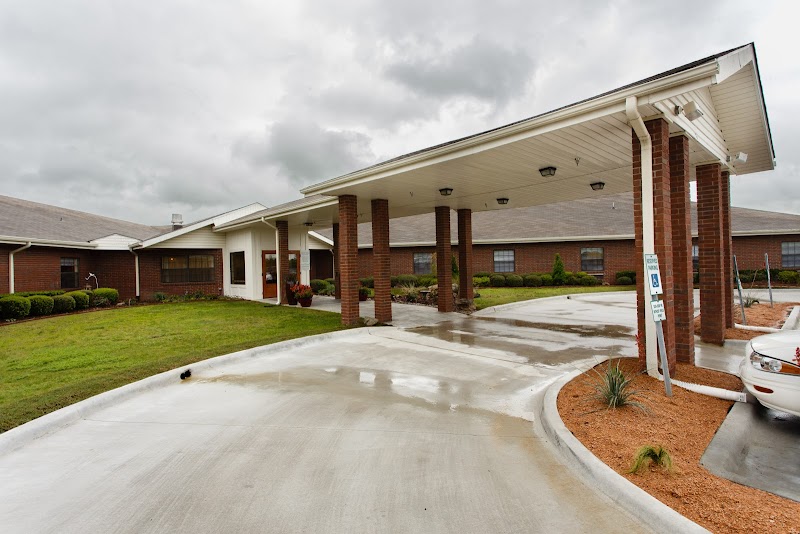
How is Renaissance Staffed?

CMS rates RENAISSANCE CARE CENTER's staffing level at 1 out of 5 stars, which is much below average compared to other nursing homes. Staff turnover is 61%, which is 15 percentage points above the Texas average of 46%. High turnover can affect care consistency as new staff learn residents' individual needs. RN turnover specifically is 88%, which is notably high. RNs provide skilled clinical oversight, so turnover in this role can affect medical care quality.

What Have Inspectors Found at Renaissance?

State health inspectors documented 32 deficiencies at RENAISSANCE CARE CENTER during 2022 to 2025. These included: 2 Immediate Jeopardy (the most serious level, indicating potential for serious harm or death) and 30 with potential for harm. Immediate Jeopardy findings are rare and represent the most serious regulatory concerns. They require immediate corrective action.
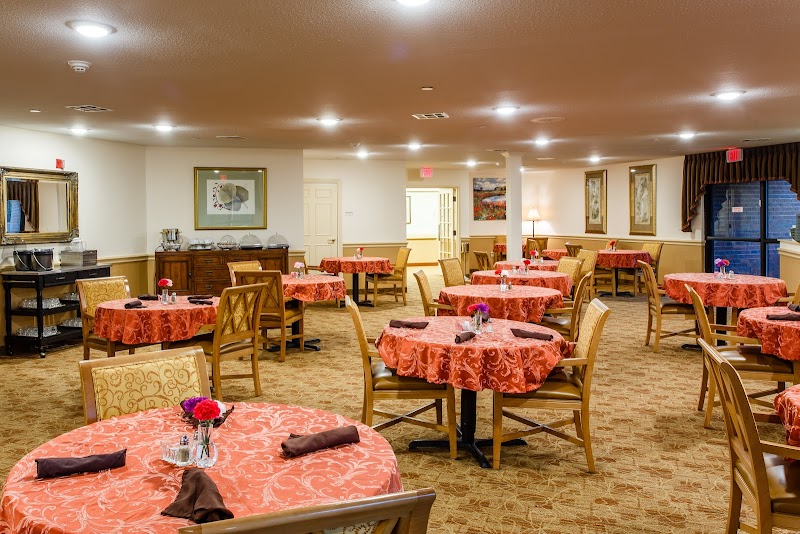
Who Owns and Operates Renaissance?

RENAISSANCE CARE CENTER is owned by a for-profit company. For-profit facilities operate as businesses with obligations to shareholders or private owners. The facility is operated by CANTEX CONTINUING CARE, a chain that manages multiple nursing homes. With 91 certified beds and approximately 70 residents (about 77% occupancy), it is a smaller facility located in GAINESVILLE, Texas.
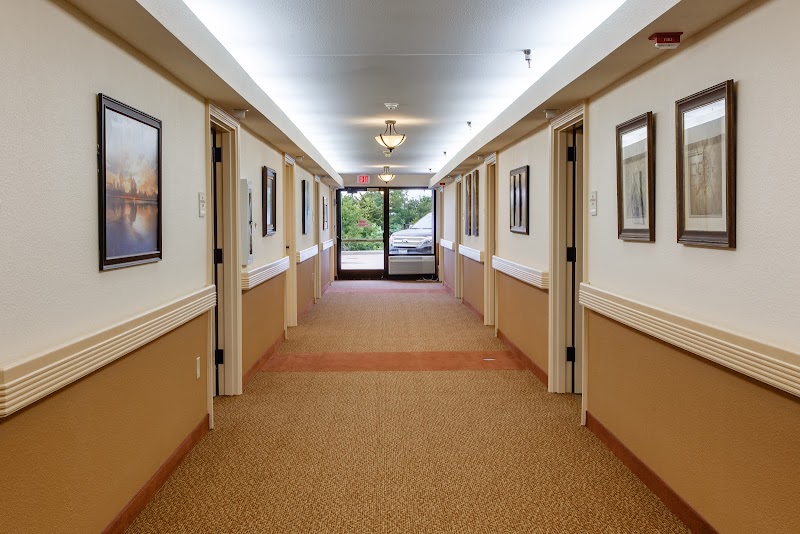
How Does Renaissance Compare to Other Texas Nursing Homes?

Compared to the 100 nursing homes in Texas, RENAISSANCE CARE CENTER's overall rating (1 stars) is below the state average of 2.8, staff turnover (61%) is significantly higher than the state average of 46%, and health inspection rating (1 stars) is much below the national benchmark.

What Should Families Ask When Visiting Renaissance?

Based on this facility's data, families visiting should ask: "What changes have been made since the serious inspection findings, and how are you preventing similar issues?" "How do you ensure continuity of care given staff turnover, and what is your staff retention strategy?" "Can you walk me through typical staffing levels on day, evening, and night shifts?" "Can I visit during a mealtime to observe dining assistance and food quality?" These questions are particularly relevant given the facility's Immediate Jeopardy citations, the facility's high staff turnover rate, and the below-average staffing rating.

Is Renaissance Safe?

Based on CMS inspection data, RENAISSANCE CARE CENTER has documented safety concerns. Inspectors have issued 2 Immediate Jeopardy citations (the most serious violation level indicating risk of serious injury or death). The facility has a 1-star overall rating and ranks #100 of 100 nursing homes in Texas. Families considering this facility should ask detailed questions about what corrective actions have been taken since these incidents.

Do Nurses at Renaissance Stick Around?

Staff turnover at RENAISSANCE CARE CENTER is high. At 61%, the facility is 15 percentage points above the Texas average of 46%. Registered Nurse turnover is particularly concerning at 88%. RNs handle complex medical decisions and coordinate care — frequent RN changes can directly impact care quality. High turnover means new staff may not know residents' individual needs, medications, or preferences. It can also be disorienting for residents, especially those with dementia who rely on familiar faces. Families should ask: What is causing the turnover? What retention programs are in place? How do you ensure care continuity during staff transitions?

Was Renaissance Ever Fined?

RENAISSANCE CARE CENTER has been fined $70,372 across 1 penalty action. This is above the Texas average of $33,783. Fines in this range indicate compliance issues significant enough for CMS to impose meaningful financial consequences. Common causes include delayed correction of deficiencies, repeat violations, or care failures affecting resident safety. Families should ask facility leadership what changes have been made since these penalties.

Is Renaissance on Any Federal Watch List?

RENAISSANCE CARE CENTER is not on any federal watch list. The most significant is the Special Focus Facility (SFF) program, which identifies the bottom 1% of nursing homes nationally based on persistent, serious quality problems. Not being on this list means the facility has avoided the pattern of deficiencies that triggers enhanced federal oversight. This is a positive indicator, though families should still review the facility's inspection history directly.