RIVER VALLEY HEALTH & REHABILITATION CENTER

1907 REFINERY RD, GAINESVILLE, TX 76240 (940) 665-0386
Government - Hospital district 116 Beds SLP OPERATIONS Data: November 2025
Trust Grade
40/100
#1087 of 1168 in TX
Last Inspection: February 2025

Within standard 12-15 month inspection cycle. Federal law requires annual inspections.

Overview

River Valley Health & Rehabilitation Center has a Trust Grade of D, indicating below-average performance with some concerning issues. Ranked #1087 out of 1168 in Texas, this places them in the bottom half of nursing homes in the state and last in Cooke County, meaning families have limited options. The facility's trend is worsening, with the number of issues increasing from 7 in 2023 to 8 in 2025. Staffing is particularly weak, earning only 1 out of 5 stars, and while the turnover rate is slightly below the state average at 48%, there is less RN coverage than 96% of Texas facilities, which could impact the quality of care. Specific incidents of concern include a failure to provide RN coverage for at least 8 hours a day on multiple weekends, potentially leaving residents without necessary supervision, and a lack of criminal background checks for staff, raising risks of neglect or abuse. Overall, while there are no fines recorded, the facility has significant weaknesses that families should carefully consider.

Trust Score
D
40/100
In Texas
#1087/1168
Bottom 7%
Safety Record
Low Risk
No red flags
Inspections
Getting Worse
7 → 8 violations
Staff Stability
⚠ Watch
48% turnover. Above average. Higher turnover means staff may not know residents' routines.
Penalties
✓ Good
No fines on record. Clean compliance history, better than most Texas facilities.
Skilled Nurses
⚠ Watch
Each resident gets only 8 minutes of Registered Nurse (RN) attention daily — below average for Texas. Fewer RN minutes means fewer trained eyes watching for problems.
Violations
⚠ Watch
24 deficiencies on record. Higher than average. Multiple issues found across inspections.
★☆☆☆☆
1.0
Overall Rating
★☆☆☆☆
1.0
Staff Levels
★☆☆☆☆
1.0
Care Quality
★★★☆☆
3.0
Inspection Score
Stable
2023: 7 issues
2025: 8 issues

The Good

  • Full Sprinkler Coverage · Fire safety systems throughout facility
  • No fines on record

Facility shows strength in fire safety.

The Bad

1-Star Overall Rating

Below Texas average (2.8)

Significant quality concerns identified by CMS

Staff Turnover: 48%

Near Texas avg (46%)

Higher turnover may affect care consistency

Chain: SLP OPERATIONS

Part of a multi-facility chain

Ask about local staffing decisions and management

The Ugly 24 deficiencies on record

Feb 2025 6 deficiencies
CONCERN (D)

Potential for Harm - no one hurt, but risky conditions existed

Incontinence Care (Tag F0690)

Could have caused harm · This affected 1 resident

**NOTE- TERMS IN BRACKETS HAVE BEEN EDITED TO PROTECT CONFIDENTIALITY** Based on observation, interview, and record review, the facility failed to ensure a resident who was incontinent of bladder rece...

Read full inspector narrative →
**NOTE- TERMS IN BRACKETS HAVE BEEN EDITED TO PROTECT CONFIDENTIALITY** Based on observation, interview, and record review, the facility failed to ensure a resident who was incontinent of bladder received appropriate treatment and services to prevent urinary tract infections for one (Resident #25) of two residents reviewed for incontinence care. The facility failed to ensure CNA B cleaned the labia from the inside outward to the thighs during perineal care for Resident #25 on 02/25/25. This failure could place residents at risk for the development and/or worsening of urinary tract infections and skin breakdown. Findings included: Record review of Resident #25's Quarterly MDS assessment dated [DATE] reflected Resident #25 was a [AGE] year-old female admitted to the facility on [DATE] with diagnoses which included Alzheimer's disease, need for assistance with personal care, and chronic kidney disease. Resident #25's BIMS score of 12, which indicated Resident #25's cognition was moderately impaired. The MDS assessment indicated Resident #25 was always incontinent of bladder and bowel. Record review of Resident #25's Care Plan dated 10/22/24, reflected the following: Problem: [Resident #25] has bowel/bladder incontinence. Goal: Resident #25 will be establish an individual bowel/bladder routine . Approach: . Resident uses briefs . Check for incontinence how often every 2 hours and as needed . Observation on 02/25/25 at 10:32 AM revealed CNA B entered Resident #25's room to provide incontinence care. CNA B donned the gloves and gown and placed the brief and wipes on Resident #25's bedside table. CNA B lowered the head of the bed with the electronic control and placed the bed in a flat position. CNA B then lowered the flat sheet to the foot of the bed, uncovering Resident #25's lower extremities. CNA B undid the tabs on the resident's brief and folded the brief inward and down exposing the resident's peri-area. CNA B then obtained one wipe from the plastic wipe container and swiped at the resident's right groin; CNA B then obtained another wipe and wiped the resident's left groin. CNA B obtained another wipe and wiped the resident's upper pubic area. CNA B obtained another wipe and wiped the resident's labia last ( cleaning the labia first ensures that any potential contaminants are removed from the external genitalia before performing any procedures to minimize the risk of introducing pathogens). CNA B then turned the resident onto her left side, pressing on the posterior portion of her back with her gloved hands. CNA B removed the dirty brief and discarded it into the trash can. CNA B then obtained a wipe and wiped the resident's buttocks. CNA B then obtained the clean brief from the bedside table, touching it, still wearing the same gloves, and placed the brief under the resident's buttock. CNA B then turned the resident onto her back and pulled the brief up between the resident's legs and closed it. CNA B then adjusted the incontinence pad. CNA B then adjusted the resident's pillow under her head touching the pillowcase while still wearing the same gloves. CNA B then placed pulled the flat sheet up to the resident's abdominal area. CNA B also raised the resident's head of the bed. CNA B touched the bed controller with her gloves. CNA B then doffed her gloves and gown and washed her hands. In an interview on 02/25/25 at 10:44 AM, CNA B stated she was supposed to clean labia first and acknowledged she did not do that. CNA B stated failing to provide proper care exposed the resident to infections. Record review of CNA B's skills verification checklist dated 07/16/24 reflected she was competent in Peri-care. In an interview on 02/26/25 at 11:56 AM, the DON stated when providing incontinent care staff were to clean perineum moving from inside outward to the thighs. She stated by not providing accurate incontinent care it placed residents at risk for urinary tract infections, skin breakdown and overall poor hygiene. She stated all staff were trained on incontinent care and skills checked every year. Record review of the facility's policy titled, Perineal Care, revised 01/20/23 reflected . 3. Continue to clean the perineum moving from inside outward to the thighs .
CONCERN (D)

Potential for Harm - no one hurt, but risky conditions existed

Food Safety (Tag F0812)

Could have caused harm · This affected 1 resident

Based on observations, interview and record review, the facility failed to store, prepare, distribute and serve food in accordance with professional standards for food service safety in the facility's...

Read full inspector narrative →
Based on observations, interview and record review, the facility failed to store, prepare, distribute and serve food in accordance with professional standards for food service safety in the facility's only kitchen. The facility failed to ensure stove burner drip pan was emptied and free of food particles. This failure could place residents at risk for food-borne illness and food contamination. Findings included: Observation on 02/25/25 at 9:52 AM revealed the stove burner drip tray under the stove burners was removed and it was covered with food particles and thickened dark brown and black sticky substances covering the bottom of it. Interview on 02/25/25 at 9:53 AM with the Dietary Manager revealed the evening cook should have emptied it out after use last night for supper and cleaned out the tray. She stated there was okra pieces on it. She stated she would empty it and clean it now. She stated she expected the Dietary [NAME] to empty it and change it after each meal. Review of facility's policy for Range and Grill dated 2018 reflected the facility will maintain the range and grill in a clean manner to minimize the risk of food hazards.
CONCERN (E)

Potential for Harm - no one hurt, but risky conditions existed

Abuse Prevention Policies (Tag F0607)

Could have caused harm · This affected multiple residents

Based on interview and record review the facility failed to develop and implement written policies and procedures that prohibit and prevent abuse, neglect, and exploitation of residents and misappropr...

Read full inspector narrative →
Based on interview and record review the facility failed to develop and implement written policies and procedures that prohibit and prevent abuse, neglect, and exploitation of residents and misappropriation of resident property for one (CNA A) of six employees reviewed for abuse and neglect. The facility failed to conduct criminal background checks for CNA A. These failures could place residents at risk for abuse and receiving care from unemployable staff. Findings included: 1. Review of facility's policy Abuse, Neglect, and Exploitation revised October 2023 reflected The facility will provide protection for the health, welfare, and rights of each resident by developing and implementing written policies and procedures that prohibit and prevent abuse, neglect, and exploitation and misappropriation of resident property .Abuse Prohibition Plan Components I. Screening A. Potential employees will be screened for a history of abuse, neglect, exploitation, or misappropriation of resident property. 1. Background, reference, and credentials' checks shall be conducted on potential employees, contracted temporary staff, students affiliated with academic institutions, volunteers, and consultants. 2. Screenings may be conducted by the facility itself, third-party agency, or academic institution. 3. The facility will maintain documentation of proof that the screening occurred. Review of CNA A's personnel file revealed her hire date was 02/20/25. There was no Criminal background in her file. Interview on 02/27/25 at 3:16 PM with the Administrator revealed the criminal background check for CNA A should have been completed prior to hire. Interview on 02/27/25 at 4:45 PM with the HR Manager revealed he was hired in December 2024. He stated he was aware that employee criminal backgrounds had to be completed upon hire. He stated he had received training by corporate. He stated it was important to run criminal background checks for employees to ensure no allegations of abuse/neglect on record that prohibit employees to be hired and to ensure employable. Interview on 02/27/25 at 4:51 PM with the Administrator revealed HR Manager was hired on 12/30/24 after he looked at employee list. He stated HR Manager was provided training by corporate for his job. He stated it was important to not have employees who were barred to work because it placed residents at risk for abuse and neglect. He stated all employees should have criminal background checks upon hire. Review of facility's policy dated May 2018 Criminal History Record Information (CHRI) Policies and Procedures reflected facility runs CHRI searches on all applicants for employment, volunteers, contractors and annually on all active employees .The search must be printed and stored in the designated secure, confidential location at the facility (not in the personnel file) .
CONCERN (E)

Potential for Harm - no one hurt, but risky conditions existed

Deficiency F0727 (Tag F0727)

Could have caused harm · This affected multiple residents

**NOTE- TERMS IN BRACKETS HAVE BEEN EDITED TO PROTECT CONFIDENTIALITY** Based on interview and record review, the facility failed to use the services of a registered nurse for at least 8 consecutive h...

Read full inspector narrative →
**NOTE- TERMS IN BRACKETS HAVE BEEN EDITED TO PROTECT CONFIDENTIALITY** Based on interview and record review, the facility failed to use the services of a registered nurse for at least 8 consecutive hours a day, 7 days a week for 1 of 1 facility reviewed for nursing services. The facility failed to provide RN coverage for 8 consecutive hours daily for 1 of 3 holidays ([DATE]) and 32 out of 34 weekend day ([DATE], [DATE], [DATE], [DATE], [DATE], [DATE], [DATE], [DATE], [DATE], [DATE], [DATE], [DATE], [DATE], [DATE], [DATE], [DATE], [DATE], [DATE], [DATE], [DATE], [DATE], [DATE], [DATE], [DATE], [DATE], [DATE], [DATE], [DATE], [DATE], [DATE], [DATE] and [DATE]) from [DATE] to February 2025. This failure had the potential to affect residents in the facility by leaving staff without supervisory coverage for RN-specific nursing activities. Findings included: Interview on [DATE] at 10:30 AM with the Administrator revealed the facility just hired an RN for Weekend Supervisor this month and she provided RN coverage for the first time this past weekend ([DATE] and [DATE]). He stated prior to the new hire the only RN the facility had was the DON. He stated the DON provided RN coverage during the week but she was not able to work on the weekends to provide 8 hour daily coverage. He stated the facility did not use agency staff to provide RN coverage per corporate choice. He stated the facility nurses on the weekends were LVNs not RNs. He stated he had weekly meetings with corporate and brought up about the need for weekend RN coverage. The Administrator stated the importance of having RN coverage was for oversight. He stated he was aware of the regulations requiring 8 hour in-facility RN coverage in the facility daily. He stated RN's scope of practice covered areas the LVN scope of practice did not cover. He stated LVN coverage daily was not a concern. He stated the facility had RN weekend coverage job posting up and have not been able to fulfill the job posting until hired RN about 2 weeks ago. Interview on [DATE] at 3:30 PM with the DON revealed she was the only RN to provide RN coverage until this past weekend. She stated the importance of RN coverage was to ensure oversight of nursing including medication management. She stated RN's scope of practice was wider than the LVN's scope of practice, for example a RN was required to pronounce a resident as expired. She stated since she started in [DATE] and the facility had no RN weekend coverage until this past weekend. She stated the facility had a job posting up for RN weekend supervisor and they even tried to reach out to the local college to see if there were any RN candidates available. She stated she was not able to provide RN coverage 7 days a week. She stated she had worked holidays but she did not work [DATE] so no RN coverage was provided. She stated the facility refused to use agency staffing to provide RN coverage per corporate. Review of facility's employee list reflected RN Weekend Supervisor was hired on [DATE]. There were no other RN nurses on the facility's employee list. Record Review of facility's PBJ Staffing Data Report for Quarter 2 ([DATE]-[DATE]), Quarter 3([DATE]-[DATE]), and Quarter 4 ([DATE]-[DATE]) 2024 reflected the facility triggered for no RN hours. Review of facility's policy Staffing revised [DATE] reflected the facility provides sufficient nursing staff with the appropriate skills and competencies necessary to provide care and related services to ensure resident safety and attain or maintain the highest practicable physical, mental, and psychosocial well-being of each resident .4. The facility utilizes the services of a registered nurse for at least 8 consecutive hours a day, 7 days a week.
CONCERN (E) 📢 Someone Reported This

A family member, employee, or ombudsman was alarmed enough to file a formal complaint

Potential for Harm - no one hurt, but risky conditions existed

Deficiency F0760 (Tag F0760)

Could have caused harm · This affected multiple residents

**NOTE- TERMS IN BRACKETS HAVE BEEN EDITED TO PROTECT CONFIDENTIALITY** Based on interview and record review, the facility failed to ensure that residents were free of any significant medication error...

Read full inspector narrative →
**NOTE- TERMS IN BRACKETS HAVE BEEN EDITED TO PROTECT CONFIDENTIALITY** Based on interview and record review, the facility failed to ensure that residents were free of any significant medication errors for one (Resident #35) of five residents reviewed for pharmacy services. 1. LVN C failed to hold medication as ordered by physician and administered Lantus insulin 20 units on 02/10/25, 02/16/25, 02/19/24, 02/20/24 when FSBS was below 150. 2. LVN D failed to document he withheld Lantus medication on 02/03/25 and 02/18/25. These failures could place residents at risk of bleeding, result in an adverse reactions to medications, not being monitored for side effects to medications, and a decline in health. Findings included: Record Review of Resident #35's quarterly MDS dated [DATE] reflected Resident #35 was a [AGE] year-old female admitted to the facility on [DATE] and readmitted on [DATE] with diagnoses of acute and chronic respiratory failure, heart failure, hypertension and diabetes. Resident #35 had a BIMS score of 15 indicating she was cognitively intact. Resident #35 received daily insulin injections. Record Review of Resident #35 physician order dated 07/05/24 of Lantus Solostar U-100 Insulin (insulin glargine) insulin pen; 100 unit/mL (3 mL); amt: 20 units; subcutaneous Once A Day . Bedtime .Special Instructions: hold Lantus if FSBS <150 for diagnosis of Type 2 diabetes mellitus without complications. Record Review of Resident #35's [DATE] MAR reflected the following for physician order with start date of 07/05/24 Lantus Solostar U-100 Insulin (insulin glargine) insulin pen; 100 unit/mL (3 mL); Amount to Administer: 20 units; subcutaneous with frequency once a day with Special Instructions hold Lantus if FSBS <150 for diagnosis of Type 2 diabetes mellitus without complications 02/03/25: FSBS 149 by LVN D - shows given 20 units, not held 02/10/25: FSBS 132 by LVN C - shows given 20 units, not held 02/16/25: FSBS 124 by LVN C - shows given 20 units, not held 02/18/25: FSBS 107 by LVN D - shows given 20 units, not held 02/19/24: FSBS 128 by LVN C - shows given 20 units, not held 02/20/24: FSBS 134 by LVN C - shows given 20 units, not held Interview on 02/25/25 at 12:36 PM with Resident #35 revealed she had no concerns with her medications including her insulin. Interview on 02/26/25 at 2:50 PM with LVN C revealed Resident #35 was administered Lantus when she worked in the evening and she was not aware of any stipulation or special instructions about holding Resident #35's Lantus medication if blood sugar was below a certain level. She stated Resident #35 had no special instructions so she did not hold the Lantus medication for Resident #35. She stated Resident #35's MAR did not show any special instructions for the Lantus medication. Interview on 02/26/25 at 2:58 PM with LVN D revealed he was aware there were special instructions for Resident #35's Lantus to be held if blood sugar was below a certain number. He stated the physician order and MAR showed special instructions to hold if blood sugar was below a certain level. He stated there were 2 occasions in February 2025 he held the Lantus insulin per physician order since blood sugar was too low and remembered most recently it was last week. He stated he thought he had documented on Resident #35's MAR it was not given, held per physician order. He stated he was expected to follow physician orders of medications and document as not given. He could not recall the other date in February 2025 he had not given it due to blood sugar too low to give. Interview on 02/27/25 at 9:13 AM with the DON revealed nurses should follow the physician order to hold FSBS below 150 for Resident #35's Lantus medication as ordered by the physician. She stated the risk to a resident was it could cause hypoglycemia (low blood sugar). She stated she expected nurses to hold medication as ordered and document it accurately on the MAR as held. She stated LVN C should have held the Lantus medication. She stated reviewing Resident #35's MAR reflected documentation shows the Lantus was given not held for blood sugars below 150. She stated Resident #35 had no negative impact of low blood sugars. She stated the nurses and her were responsible to review the physician orders. She stated she will have to in-service nursing on medication administration policy and documenting medication administration appropriately. She stated charge nurse contacted physician yesterday evening to clarify the physician order and the special instructions of when to hold the medication. Review of Medication Administration - General Guidelines policy reflected Medications are administered as prescribed in accordance with good nursing principles and practices . Under Administration, 2) Medications are administered in accordance with written orders of the prescriber. Under Documentation, 1) The individual who administers the medication dose records the administration on the resident's MAR/eMAR directly after the medication is given .6) If a dose of regularly scheduled medication is withheld, refused, not available, or given at a time other than the scheduled time (e.g., the resident is not in the facility at scheduled dose time, or a starter dose of antibiotic is needed), the space provided on the front of the MAR for that dosage administration is [initialed and circled]. If electronic MAR is used, documentation of the unadministered dose is done as instructed by the procedures for use of the eMAR system. An explanatory note is entered on the reverse side of the record. If [XX consecutive doses] of a vital medication are withheld, refused, or not available the physician is notified. Nursing documents the notification and physician response.
CONCERN (E)

Potential for Harm - no one hurt, but risky conditions existed

Infection Control (Tag F0880)

Could have caused harm · This affected multiple residents

**NOTE- TERMS IN BRACKETS HAVE BEEN EDITED TO PROTECT CONFIDENTIALITY** Based on observation, interview, and record review, the facility failed to maintain an infection control program designed to pre...

Read full inspector narrative →
**NOTE- TERMS IN BRACKETS HAVE BEEN EDITED TO PROTECT CONFIDENTIALITY** Based on observation, interview, and record review, the facility failed to maintain an infection control program designed to prevent the development and transmission of infection for 2 of 2 residents observed (Resident#2 and Resident #25)) for infection control. 1. The facility failed to ensure CNA A completed hand hygiene while performing incontinent care for (Resident #2). 2. The facility failed to ensure CNA B did not use the same gloves throughout the procedure of incontinence care for Resident #25 on 02/25/25. This failure could place the residents at risk for infection. Findings include: 1. Review of Resident #2's annual MDS dated [DATE] reflected she was a [AGE] year-old female, with the BIMS score of 09/15 indicating she moderate cognitive impairment. She was admitted to the facility on [DATE]. Her diagnoses included hypertension, neurogenic bladder, Cerebral Palsy (a group of disorders that affect movement, muscle tone, and posture), and seizer disorders (a neurological condition characterized by recurrent seizer). Further review revealed resident was dependent on the staff for her ADL's. Review of Resident #2's Care Plan dated 01/29/24 reflected the following: .Problem: Resident#2's ADL functional/Rehab potential fluctuations-Some days Resident requires more assistance than others. Goal: I will maintain a sense of dignity by being clean, dry, odor free and well groomed. Approach: BATHING/GROOMONG amount of assist: Dependent. TOILETING amount of assist: Extensive-dependent assist Observation on 02/25/25 at 10:05 AM reveled: CNA A entered the Resident#2 room and put on gloves. CNA A opened the brief, cleaned resident front area using one wipe per stroke front to back, tack the brief and dirty wipes between the resident's legs, turned resident to her right side. Resident#2 had a large bowel movement. CNA A folded the brief with the dirty wipes and disposed of it in the trash can at the bedside. CNA A cleaned Resident#2's buttocks area using one wipe per stroke and disposed of the dirty wipes in the trash can. CNA A got clean brief and put it under the resident without changing her glove. CNA A got barrier cream from the nightstand drawer and put the cream on the Resident#2 buttocks area. CNA A removed glove and put a clean glove without any kind of hands hygiene and finished putting the brief on the resident. CNA A covered resident, and took the dirty linen to the hamper, and the trash to trach hamper. CNA A removed gloves and sanitized her hands. Interview on 02/25/25 at 10:55 AM with CNA A, she stated that she was supposed to change gloves when going from dirty to clean, and perform hand hygiene every time she removes glove, and before she puts on a clean glove. She stated the risk to resident was to get bacteria on the resident skin, and if there was a cut in the skin, there would be infection, and to prevent the resident from getting UTI. She stated she knew the purpose of hand hygiene, but she was nervous. Interview on 02/27/25 at 09:31 AM with the DON, she stated her expectations for the staff during incontinent care to change gloves going from dirty to clean, and to perform any form of hands hygiene any time they remove gloves. The DON stated if the staff were not following proper infection control and hand hygiene it could put the residents at risk for developing infection. She states the hand hygiene training was done on hire, and annually. On 02/27/2027 at 4:00 PM, the date and time of exit, the DON was unable to provide skills check list for CNA A. 2. Record review of Resident #25's Quarterly MDS assessment dated [DATE] reflected Resident #25 was a [AGE] year-old female admitted to the facility on [DATE] with diagnoses which included Alzheimer's disease, need for assistance with personal care, and chronic kidney disease. Resident #25's BIMS score of 12, which indicated Resident #25's cognition was moderately impaired. The MDS assessment indicated Resident #25 was always incontinent of bladder and bowel. Record review of Resident #25's Care Plan dated 10/22/24, reflected the following: Problem: [Resident #25] has bowel/bladder incontinence. Goal: Resident #25 will be establish an individual bowel/bladder routine . Approach: . Resident uses briefs . Check for incontinence how often every 2 hours and as needed . Observation on 02/25/25 at 10:32 AM revealed CNA B entered Resident #25's room to provide incontinence care. CNA B donned the gloves and gown and placed the brief and wipes on Resident #25's bedside table. CNA B lowered the head of the bed with the electronic control and placed the bed in a flat position. CNA B then lowered the flat sheet to the foot of the bed, uncovering Resident #25's lower extremities. CNA B undid the tabs on the resident's brief and folded the brief inward and down exposing the resident's peri-area. CNA B then obtained one wipe from the plastic wipe container and swiped at the resident's right groin; CNA B then obtained another wipe and wiped the resident's left groin. CNA B obtained another wipe and wiped the resident's upper pubic area. CNA B obtained another wipe and wiped the resident's labia last ( cleaning the labia first ensures that any potential contaminants are removed from the external genitalia before performing any procedures to minimize the risk of introducing pathogens). CNA B then turned the resident onto her left side, pressing on the posterior portion of her back with her gloved hands. CNA B removed the dirty brief and discarded it into the trash can. CNA B then obtained a wipe and wiped the resident's buttocks. CNA B then obtained the clean brief from the bedside table, touching it, still wearing the same gloves, and placed the brief under the resident's buttock. CNA B then turned the resident onto her back and pulled the brief up between the resident's legs and closed it. CNA B then adjusted the incontinence pad. CNA B then adjusted the resident's pillow under her head touching the pillowcase while still wearing the same gloves. CNA B then placed pulled the flat sheet up to the resident's abdominal area. CNA B also raised the resident's head of the bed. CNA B touched the bed controller with her gloves. CNA B then doffed her gloves and gown and washed her hands. In an interview on 02/25/25 at 10:44 AM, CNA B stated she should have changed her gloves and perform hand hygiene when she went from dirty to clean. CNA B stated failing to provide proper care exposed the resident to infections. Record review of CNA B's skills verification checklist dated 07/16/24 reflected she was competent in Peri-care. In an interview on 02/26/25 at 11:56 AM, the DON stated staff should change gloves when they take the brief off, after peri care, and before putting on the new brief. The DON stated it was not acceptable to wear the same gloves throughout the entirety of the incontinent care. She stated by not providing accurate incontinent care it placed residents at risk for urinary tract infections, skin breakdown and overall poor hygiene. She stated all staff were trained on incontinent care and skills checked every year. Review of the facility's policy dated 01/20/23 titled Handwashing/Hand Hygiene reflected: This facility considers hand hygiene the primary means to prevent the spread of infection. 1.All personnel shall follow the Handwashing/hand hygiene procedures to help prevent the spread of infections to other personnel, residents, and visitors. 1. staff will perform hand hygiene when indicated, 6.a The use of gloves does not replace hand hygiene. If your task requires gloves, perform hand hygiene prior to donning gloves, and immediately after removing gloves .5. Hand hygiene must be performed prior to donning and after doffing gloves . 6. Hand hygiene is the final step after removing and disposing of personal protective equipment.
Jan 2025 2 deficiencies
CONCERN (E) 📢 Someone Reported This

A family member, employee, or ombudsman was alarmed enough to file a formal complaint

Potential for Harm - no one hurt, but risky conditions existed

Transfer Requirements (Tag F0622)

Could have caused harm · This affected multiple residents

**NOTE- TERMS IN BRACKETS HAVE BEEN EDITED TO PROTECT CONFIDENTIALITY** Based on interview and record review the facility failed to ensure all necessary documentation of discharge was in the medical r...

Read full inspector narrative →
**NOTE- TERMS IN BRACKETS HAVE BEEN EDITED TO PROTECT CONFIDENTIALITY** Based on interview and record review the facility failed to ensure all necessary documentation of discharge was in the medical record for four of six residents (Residents #5, #6, #7 and #8) reviewed for discharge The facility failed to ensure discharge summary completed for planned discharge for Residents #5, #6, #7 and #8. This failure could place residents at risk for not receiving care and services to meet their needs upon discharge. Findings included: 1. Record review of Resident #5's face sheet, undated, revealed she was a [AGE] year-old female admitted to the facility on [DATE], with a planned discharge to another facility on 08/12/2024. Resident #5 had the diagnoses of dementia (loss of cognition), dysphagia (swallowing difficulties), and a cognitive communication deficit. Record review of Resident #5's care plan revealed a goal of .Resident has no planned discharge plan at this time and will reside at the facility. with a long term goal target date of 10/17/2024 and edited on 07/17/2024 by RN G . Record review of Resident #5's Discharge MDS assessment, dated 08/12/2024, revealed resident had a planned discharge to a skilled nursing facility on 08/12/2024, and had a BIMS score of 3 (severely impaired cognition). Record review of Resident #5's progress notes revealed a progress note dated 08/12/2024, written by LVN C Resident #5 was discharged from facility with family member with all medications accounted for and instructions and was .alert and oriented x's1 . Review of Resident #5's clinical record reflected no discharge assessment or summary for Resident #5. 2. Record review of Resident #6's face sheet, undated, reflected she was a [AGE] year-old female admitted to the facility on [DATE] with a planned discharged on 05/20/2024 to another facility. Resident #6 had the diagnoses of hydrocephalus (fluid in the brain), epilepsy (a seizure disorder), and intellectual disabilities. Record review of Resident #6's Discharge MDS assessment, dated 05/20/2024, reflected resident had a planned discharge to skilled nursing facility on 05/20/2024, with a blank BIMS score. Record review of Resident #6's care plan start date of 6/7/23 edited 4/17/24 revealed a goal of .Resident has no planned discharge plan at this time and will reside at the facility . Record review of Resident #6's progress notes revealed a nursing note, dated 05/20/2024, written by LVN C, resident was discharged from facility with her family member via a private vehicle and educated on all medications. Review of Resident #6's clinical record reflected no discharge assessment or summary for Resident #6. Interview on 01/15/2025 at 2:45 PM with the Administrator revealed Resident #6 had dementia and had a decline. He stated she had a planned discharge and transferred to a facility with a secure unit due to her dementia. He stated Resident #5 had a planned discharge to another facility. 3. Record Review of Resident #7's face sheet, date printed 01/16/25, reflected she was a [AGE] year-old female admitted to the facility on [DATE] and discharged to the community/home on [DATE]. Resident #7 had diagnoses of heart failure and diabetes. Record review of Resident #7's comprehensive care plan dated 02/25/24 reflected [Resident #7]'s discharge plans are to [discharge] home to own apartment independently. Record review of Resident #7's Discharge MDS assessment, dated 04/29/2024, reflected Resident #7 had a planned discharge with return not anticipated to home/community on 04/29/24. Record review of Resident #7's April 2024 progress notes reflected a progress note dated 04/29/24 by LVN A, Resident #7 discharged with all meds and belongings. Review of Resident #7's clinical record reflected no discharge assessment or summary for Resident #7. Interview on 01/15/2025 at 4:22 PM with LVN A revealed nursing was not responsible to complete and initiate the discharge summary. She stated she thought the social worker was responsible to ensure the discharge summary was completed. She stated she documents resident receiving their medications at discharge in a nurse progress note. LVN A stated Resident #7 was a planned discharged to a group home and she was the discharging charge nurse for Resident #7. She stated she provided Resident #7's medications at time of discharge. 4. Record review of Resident #8's face sheet, undated reflected she was an [AGE] year-old female admitted to the facility on [DATE] with diagnoses of orthopedic aftercare, osteoarthritis ( at type of arthritis that occurs when flexible tissue at the ends of the bones wears down), epilepsy ( abnormal electrical brain activity that causes seizures), atrial fibrillation (irregular heart rhythm) and chronic kidney disease (long term condition that occurs when the kidneys are damaged and can not filter blood properly Resident #8 was discharged on 06/17/2024 to home. Record review of Resident #8's Discharge MDS assessment dated [DATE] reflected Resident #8 had a planned discharged with return not anticipated to home/community on 06/17/24. Record review of Resident #8's June 2024 progress notes reflected the following: - dated 06/17/24 by LVN H Transport here to pick up resident. Resident being discharged home with hospice .Call placed to hospice provider to confirm discharge. - dated 06/17/24 by LVN H Resident discharged home. Resident transported via stretcher with two attendants. All meds sent with resident. Physician notified. - dated 06/17/24 by previous SW The MSW spoke with [family member] this A.M. to inform him that the resident's cell phone and clothes were left in the room. [Family member] confirmed that he would pick up the items this evening. Review of Resident #8's clinical record reflected no discharge assessment or summary for Resident #8. Interview on 01/15/2025 at 3:15 PM with LVN E revealed he usually worked the 6 pm to 6 am shift but was working the day shift today to assist with staffing needs. He stated the facility had not inserviced on discharge planning. He did not know about discharge documentation required for planned resident discharges. He stated residents had planned discharges usually on the day shift. Interview on 01/15/2025 at 9:06 PM with LVN F he stated he was not sure who was responsible for initiating the discharge summary and thought management or the charge nurse. He stated he worked nights and residents do not usually discharge on his shift. He stated that when a resident discharged there was planning that occurred to ensure it was a safe discharge with management was involved and they probably started the discharge summary. He stated the nurses were responsible for charting an ending progress note in the resident's chart. He stated the discharge summary was important because it ensured the resident received proper services and had a safe discharge with items like medications and home health. Interview on 01/16/2025 at 3:10 PM with the Administrator and DON revealed the social worker was responsible to ensure the discharge summary was initiated but the charge nurse could initiate it if social worker had not initiated it. The Administrator stated the previous social worker had left in October 2024 and hired a new social worker who had been at facility for the last month. He stated during the time the facility was without a social worker the charge nurse was responsible for discharge planning but had not specifically had an inservice with charge nurses to ensure nursing was aware discharge summaries needed to be completed by charge nurse. The DON stated charge nurses would ensure residents were provided at time of discharge the continuity care document which included current medication list and diagnoses along with their medications. Interview on 01/16/2025 at 4:40 PM with DON revealed she could not find the discharge summaries for Residents #5, #6, #7, and #8. She stated it was important for nurses to complete discharge planning documentation in the discharge summary to ensure discharge planning and needs were met. She stated at previous facility she was used to the social worker ensuring the discharge summary was completed. She stated she started at the end of April 2024 as the DON. She stated going forward she would follow-up with charge nurse and SW to ensure discharge summary completed for planned resident discharges. Record review of facility's policy Discharge Summary and Plan dated December 2016 reflected When a resident's discharge is anticipated, a discharge summary .will be developed to assist the resident to adjust to his/her new living environment. 1. When the facility anticipates a resident's discharge to a private residence, another nursing care facility (i.e., skilled, intermediate care, ICF/IID, etc.), a discharge summary and a post-discharge plan will be developed which will assist the resident to adjust to his or her new living environment. 2. The discharge summary will include a recapitulation of the resident's stay at this facility and a final summary of the resident's status at the time of the discharge in accordance with established regulations governing release of resident information and as permitted by the resident. The discharge summary shall include a description of the resident's: a. current diagnosis; b. medical history (including any history of mental disorders and intellectual disabilities); c. course of illness, treatment and/or therapy since entering the facility; d. current laboratory, radiology, consultation, and diagnostic test results; e. physical and mental functional status; f. ability to perform activities of daily living including: (1) bathing, dressing and grooming, transferring and ambulating, toilet use, eating, and using speech, language, and other communication systems; (2) the need for staff assistance and assistive devices or equipment to maintain or improve functional abilities; and (3) the ability to form relationships, make decisions including health care decisions, and participate (to the extent physically able) in the day-to-day activities of the facility. g. sensory and physical impairments (neurological, or muscular deficits; for example, a decrease in vision and hearing, paralysis, and bladder incontinence); h. nutritional status and requirements: (1) weight and height; (2) nutritional intake; and (3) eating habits, preferences and dietary restrictions. i. special treatments or procedures (treatments and procedures that are not part of basic services provided); j. mental and psychosocial status (ability to deal with life, interpersonal relationships and goals, make health care decisions, and indicators of resident behavior and mood); k. discharge potential (the expectation of discharging the resident from the facility within the next three months); l. dental condition (the condition of the teeth, gums, and other structures of the oral cavity that may affect a resident's nutritional status, communications abilities, quality of life, and the need for and use of dentures or other dental appliances); m. activities potential (the ability and desire to take part in activity pursuits which maintain or improve physical, mental, and psychosocial well-being); n. rehabilitation potential (the ability to improve independence in functional status through restorative care programs); o. cognitive status (the ability to problem solve, decide, remember, and be aware of and respond to safety hazards); and p. medication therapy (all prescription and over-the-counter medications taken by the resident including dosage, frequency of administration, and recognition of significant side effects that would be most likely to occur in the resident). 3. As part of the discharge summary, the nurse will reconcile all pre-discharge medication with the resident's post-discharge medications. The medication reconciliation will be documented.
CONCERN (E) 📢 Someone Reported This

A family member, employee, or ombudsman was alarmed enough to file a formal complaint

Potential for Harm - no one hurt, but risky conditions existed

Pharmacy Services (Tag F0755)

Could have caused harm · This affected multiple residents

**NOTE- TERMS IN BRACKETS HAVE BEEN EDITED TO PROTECT CONFIDENTIALITY** Based on observation, interview and record review, the facility failed to provide pharmaceutical services including the accurate...

Read full inspector narrative →
**NOTE- TERMS IN BRACKETS HAVE BEEN EDITED TO PROTECT CONFIDENTIALITY** Based on observation, interview and record review, the facility failed to provide pharmaceutical services including the accurate acquiring, receiving, dispensing, and administering of all drugs and biologicals to meet the needs of each resident for four of eight residents (Resident #1, Resident #2, Resident #3, and Resident #4) reviewed for pharmacy services. The facility staff failed to accurately document administration of prn pain medications to Resident's #1, Resident #2, Resident #3, and Resident #4. This failure could affect residents receiving medications and place them at risk of missed doses of medications, inaccurate records, and drug diversion. Findings included: 1. Record review of Resident #1's quarterly MDS assessment dated [DATE] reflected a [AGE] year-old female with an admission date of 11/17/17. Resident #1 had a BIMS score of 10 which indicated she was moderately cognitively intact. She had received PRN pain medication in the last 5 days. Diagnoses included diabetes and frequent falls. Record review of Resident #1's Physician order report, dated 01/15/25 reflected, hydrocodone-acetaminophen tablet 10-325 mg (narcotic for pain control) 1 tablet every four hours as needed . Record review of Resident #1's-controlled drug record on 01/15/24 for hydrocodone-acetaminophen tablet 10-325 mg reflected from 01/04/25 through 01/16/25 LVN C had signed out on 01/04/25-4 tablets, 01/05/25-4 tablets, 01/08/25-4 tablets, 01/09/25- 5 tablets (1 was wasted), 01/13/25-4 tablets, 01/14/25-4 tablets, LVN A-signed out 01/06/25-4 tablets, 01/07/25-3 tablets, 01/10/25-3 tablets, 01/11/25-3 tablets, 01/12/25-3 tablets, 01/15/25-3 tablets, 01/16/25-2 tablets , and LVN D signed out 01/07/25-1 tablet, 01/10/25-1 tablet, 01/11/25-1 tablet and 01/15/25-1 tablet. Record review of Resident #1's Medication Administration record for January 2025 for hydrocodone-acetaminophen tablet 10-325 mg reflected no administration of the medication from 01/01/25 through 01/15/25. 2. Record review of Resident #2's quarterly MDS assessment dated [DATE] reflected a [AGE] year-old female with an admission date of 12/15/23. Resident #2 had a BIMS score of 15 which indicated she was cognitively intact. She had received both scheduled and PRN pain medications in the past 5 days. Diagnoses included pain and neuropathy (condition that affects the nerves in the body). Record review of Resident #2's Physician order report, dated 01/15/25 reflected, hydrocodone-acetaminophen tablet 7.5-325 mg (narcotic for pain control) 1 tablet every four hours as needed . Record review of Resident #2's-controlled drug record on 01/15/24 for hydrocodone-acetaminophen tablet 7.5-325 mg reflected from 01/10/25 through 01/15/25 LVN A had signed out 01/10/25-2 tablets, 01/11/25-4 tablets, 01/12/25-4 tablets, 01/15/25-5 tablets, 01/16/25-1 tablet, LVN C-signed out 01/13/25-2 tablets, 01/14/25- 2 tablets, and LVN D signed out 01/12/25-1 tablets, 01/16/25 1 tablet. Record review of Resident #2's Medication Administration record for January 2025 for hydrocodone-acetaminophen tablet 7.5-325 mg reflected no administration of the medication from 01/01/25 through 01/14/25. LVN A signed out administration of 1 tablet on 01/15/25 at 1:36 p.m. 3. Record review of Resident #3's quarterly MDS assessment dated [DATE]/24 reflected a [AGE] year-old female with an admission date of 04/27/23. Resident #3 had a BIMS score of 15 which indicated she was cognitively intact. She had not received PRN pain medication in the last 5 days. Diagnoses included diabetes and muscle weakness. Record review of Resident #3's Physician order report, dated 01/15/25 reflected, oxycodone 5mg (narcotic for pain control) 1 tablet every four hours as needed . Record review of Resident #3's-controlled drug record on 01/15/24 for oxycodone 5mg reflected from 01/01/25 through 01/15/25 LVN A had signed out 01/01/25-4 tablets, 01/02/25-4 tablets, 01/06/25-4 tablets, 01/07/25-4 tablets, 01/10/25-4 tablets, 01/11/25-4 tablets, 01/12/25-4 tablets, 01/15/25-4 tablets, LVN C signed out 01/03/25-4 tablets, 01/04/25-4 tablets, 01/05/25-4 tablets, 01/08/25-4 tablets, 01/09/25-5 tablets (1 tablet was wasted), 01/13/25-4 tablets, 01/14/25-4 tablets, LVN E signed out 01/03/25-1 tablets, 01/04/25-1 tablet, 01/08/25-1 tablets, 01/09/25-1 tablet, 01/13/25-1 tablets, 01/14/25-1 tablets, and LVN D signed out 01/01/25-1 tablet, 01/02/25-1 tablet, 01/06/25-1 tablet, 01/07/25-1 tablet, 01/10/25-1 tablet, 01/11/25-1 tablet, 01/12/25-1 tablet. Record review of Resident #3's Medication Administration record for January 2025 for oxycodone 5mg reflected no administration of the medication from 01/01/25 through 01/15/25. 4. Record review of Resident #4's 5-day MDS assessment dated [DATE] reflected a [AGE] year-old female with an admission date of 08/15/24. Resident #4 had a BIMS score of 15 which indicated she was cognitively intact. She had received PRN pain medications in the past 5 days. Diagnoses included cancer and chronic lung disease. Record review of Resident #4's Physician order report, dated 01/15/25 reflected, hydrocodone-acetaminophen tablet 7.5-325 mg (narcotic for pain control) 1 tablet every four hours as needed . Record review of Resident #4's-controlled drug record on 01/15/24 for hydrocodone-acetaminophen tablet 7.5-325 mg reflected from 01/01/25 through 01/15/25 LVN A had signed out 01/01/25-4 tablets, 01/02/25-4 tablets, 01/06/25-4 tablets, 01/07/25-4 tablets, 01/10/25-4 tablets, 01/11/25-4 tablets, 01/12/25-4 tablets, 01/15/25-3 tablets, LVN C- signed out 01/03/25-4 tablets, 01/04/25-4 tablets, 01/05/25-4 tablets, 01/08/25-4 tablets, 01/09/25-4 tablets, 01/13/25-4 tablets, 01/14/25-4 tablets, LVN D signed out 01/02/25-1 tablets, 01/03/25-1 tablets, 01/06/25-1 tablet, 01/07/25-1 tablet, 01/08/25-1 tablet, 01/10/25-1 tablet and LVN E signed out 01/03/25-1 tablet, 01/10/25-1 tablet. Record review of Resident #4's Medication Administration record for January 2025 for hydrocodone-acetaminophen tablet 7.25-325 mg reflected no administration of the medication from 01/01/25 through 01/14/25. LVN A signed out administration of 1 tablet on 01/15/25 at 1:36 p.m. During an observation, interview, and record review of the med cart for halls 200 and 300 on 01/15/25 beginning at 09:55 a.m, LVN A was asked for the narcotic drug count book. LVN A retrieved the book and stated she needed to sign out for the medications she had administered this morning. LVN A was observed going through the book and signed for numerous residents including Resident #1, Resident #2, Resident #3, and Resident #4. In an interview with LVN A on 01/15/24 at 10:05 a.m. she stated they were supposed to sign the medication out on the drug record with the time they pulled the medication. She stated the risk of not signing it out at the time you could get busy and forgot to sign out and then the count would be off, or you give a medication to soon to someone if some other nurse was covering your hall. She stated they were also supposed to sign the MAR when the drug was administered. She stated she had not been signing off on the MAR because she usually does not take her medication cart with her when she was administering PRN medications. She stated by the time she got back to her computer the time would be off which would delay the resident when the resident could get their next dose of medications. She stated she had been relying on the times signed off in the narcotic drug record instead of the MAR. In an interview with LVN B on 01/15/24 at 10:10 a.m. she stated they were supposed to sign out any controlled drug on the narcotic drug sheet and on the MAR at the time of administration. She stated when they signed out on the MAR for PRN drug administration it would prompt them to go back and evaluate for effectiveness of the medication. In an interview with Resident #3 on 01/15/24 at 10:40 a.m. she stated she was absolutely getting her pain medications. She stated she had terrible joint point and could not go without her pain medications. In an interview with Resident #1 on 01/15/24 at 10:45 a.m. she stated she had not had any issues with getting her pain medications as needed. She stated she had lung cancer in the past and was afraid it had returned. She stated she currently had a wound on her back, and they were taking good care of it. In an interview with Resident # 4 on 01/15/24 at 03:05 p.m. she stated she was getting her medications like clockwork. She stated you could set the clock on when she gets its. She stated she had a bad wound on her bottom they had been treating. She stated it was slowly getting better. In an interview with Resident #2 on 01/15/24 at 3:25 p.m. she stated she was getting her pain medications as needed and stated her pain was kept in control. In an interview with LVN C on 01/15/24 at 04:30 p.m. she stated she knew they were supposed to sign out PRN medications on the MAR when they gave it. She stated honestly most of the residents on hall 200 and 300 their pain meds should be routine the way they were taking them. She stated signing out the medication on the drug record and not MAR did not reflect an accurate picture of what medications the resident had received. Interview with the DON on 01/15/25 at 04:45 p.m. revealed she expected the charge nurses on the floor to document on the MAR as well as the controlled count sheet when they administered controlled medications. She stated failing to sign out at the time they pulled the medication from the cart and the time they administered the medication could result in an inaccurate drug reconciliation and an inaccurate medication administration. She stated this could lead to a resident getting a medication to soon and could lead to drug diversion. Interview with the Administrator on 01/15/25 at 04:50 p.m. revealed the management team recognized the documentation problem after the surveyor brought it to their attention on the controlled count sheet as well as on the MAR and all the nurses would be re-trained on the policy on documentation of the controlled medication. He stated they would also be monitoring for compliance. Record review of facility policy on Controlled Substances, dated June 2022, reflected, .Accurate accountability of the inventory of all controlled drugs is maintained at all times. When a controlled substance is administered, the licensed nurse administering the medication immediately enters the following information on the accountability record and the medication administration record (MAR): 1) Date and time of Administration (MAR, Accountability Record). 2) Amount administered (Accountability Record). 3) Remaining quantity (Accountability record). 4) Initials of the nurse administering the dose, completed after the medication is actually administered (MAR, Accountability record).
Dec 2023 5 deficiencies
CONCERN (D)

Potential for Harm - no one hurt, but risky conditions existed

Pharmacy Services (Tag F0755)

Could have caused harm · This affected 1 resident

Based on observation, interview, and record review, the facility failed to provide pharmaceutical services (including procedures that assure the accurate acquiring, receiving, dispensing, and administ...

Read full inspector narrative →
Based on observation, interview, and record review, the facility failed to provide pharmaceutical services (including procedures that assure the accurate acquiring, receiving, dispensing, and administering of all drugs and biologicals) to meet the needs of each resident.for 1 of 1 medication carts reviewed for pharmacy services. The facility failed to ensure Resident #31 did not have expired medication of Zofran in the nurse medication cart. These failures could place residents at risk of diminished effectiveness and not receiving the therapeutic benefits of the medications. The findings include: Observation on 12/21/23 at 10:57 AM revealed in the medication cart there was Resident #31's opened Zofran 4 mg pill bottle with received date of 03/07/22 and expired date of 03/07/23. Interview on 12/23/23 at 10:59 AM with LVN A revealed she did not have a current order for Zofran and this medication was expired. She stated she would dispose of the medication and should not have been in the medication cart. She stated she checked the medication cart weekly to ensure no expired medication. She stated the risk of residents having expired medications in the medication cart could be less effective use or adverse reaction of medications for residents. Review of Resident #31's current physician orders for December 2023 reflected no current physician order for Zofran. Review of Resident #31's inactive medication orders revealed Zofran 4 mg prn every 4 hours for nausea with vomiting was started on 04/07/21 and discontinued on 08/31/22. Interview on 12/22/23 at 8;30 AM with the DON revealed she and nursing went through the medication carts weekly to ensure all discontinued and expired medications were taken out and disposed of. She stated there was not a high risk of Resident #31 receiving the medication since it was discontinued. She stated the expired and discontinued medication should have been removed of and disposed of properly. She stated the consultant pharmacist looked at the medication carts monthly and had not seen any issues with pharmacy storage. Review of facility's policy Storage of Medications last revised November 2020 reflected The facility stores all drugs and biologicals in a safe, secure and orderly manner .3. The nursing staff is responsible for maintaining medication storage and preparation areas in a clean, safe, and sanitary manner .Discontinued, outdated, or deteriorated drugs or biologicals are returned to the dispensing pharmacy or destroyed.
CONCERN (D)

Potential for Harm - no one hurt, but risky conditions existed

Deficiency F0761 (Tag F0761)

Could have caused harm · This affected 1 resident

Based on observation, interview, and record review, the facility failed to ensure drugs and biologicals used in the facility were labeled in accordance with currently accepted professional principles,...

Read full inspector narrative →
Based on observation, interview, and record review, the facility failed to ensure drugs and biologicals used in the facility were labeled in accordance with currently accepted professional principles, and included the appropriate accessory and cautionary instructions, and the expiration date when applicable for 1 of 1 medication carts reviewed for pharmacy services. 1. The facility failed to ensure 2 unidentified pills were stored properly in nurse medication cart. 2. The facility failed to ensure nurse medication cart was free of cracks and in good working condition to ensure proper storage for resident medications. These failures could place residents at risk of diminished effectiveness and not receiving the therapeutic benefits of the medications. The findings include: 1. Observation on 12/21/23 at 10:55 AM revealed when LVN A picked up medication blister packages, 2 pills (1 small white and 1 small round tan pill) fell out and were in bottom of medication drawer. Observation and Interview with LVN A revealed she was not sure what pills those were specifically, but she needed to throw them out. She disposed of them in trash can. 2. Observation on 12/21/23 at 11:01 AM revealed the 2nd drawer of the medication cart had a crack and piece of medication cart was gone revealing an opening of about ½ inch wide by 4.5 inches where you could see medication blister packs. Interview on 12/21/23 at 11:02 AM with LVN A revealed she had noticed the crack and opening about a couple of months ago but had not reported it to anyone. She stated she thought the facility had more medication carts they could use but was not sure. Interview on 12/22/23 at 8;30 AM with the DON revealed she and nursing went through the medication carts weekly to ensure resident medications were stored properly in the nurse medication cart. She stated she looked at the crack in the medication cart yesterday when she was notified but stated the opening was too small to get medications out of. She stated the medication cart would need to be repaired. The DON stated the pills should not have been loose and should have disposed of. She stated the consultant pharmacist looked at the medication carts monthly and had not seen any issues with pharmacy storage. Review of facility's policy Storage of Medications last revised November 2020 reflected The facility stores all drugs and biologicals in a safe, secure and orderly manner .3. The nursing staff is responsible for maintaining medication storage and preparation areas in a clean, safe, and sanitary manner .Discontinued, outdated, or deteriorated drugs or biologicals are returned to the dispensing pharmacy or destroyed.
CONCERN (E)

Potential for Harm - no one hurt, but risky conditions existed

Comprehensive Care Plan (Tag F0656)

Could have caused harm · This affected multiple residents

**NOTE- TERMS IN BRACKETS HAVE BEEN EDITED TO PROTECT CONFIDENTIALITY** Based on observation, interview, and record review, the facility failed to ensure the comprehensive care plan described the serv...

Read full inspector narrative →
**NOTE- TERMS IN BRACKETS HAVE BEEN EDITED TO PROTECT CONFIDENTIALITY** Based on observation, interview, and record review, the facility failed to ensure the comprehensive care plan described the services that are to be furnished to attain or maintain the resident's highest practicable physical, mental, and psychosocial well-being for two (Resident #34 and Resident #6 ) of 11 residents reviewed for comprehensive care plans. 1) The facility failed to implement Resident #34's comprehensive person-centered care plan failed to address their activity needs. 2) The facility failed to implement Resident #6's comprehensive person-centered care plan for plastic utensils for two meals. This failure could affect all residents by placing them at risk of not having their choices and preferences of activities care planned and/or provided. Findings included: 1) Review of Resident #34's face sheet dated 12/18/23 reflected a [AGE] year-old male admitted to the facility on [DATE] with diagnoses of Bipolar disorder (associated with episodes of mood swings ranging from depressive lows to manic highs), cognitive communication deficit, abnormalities of gait and mobility, muscle wasting and atrophy, Major depressive disorder, metabolic encephalopathy (a problem in the brain caused by a chemical imbalance in the blood which can lead to personality changes when it affects the brain), Muscle weakness, other lack of coordination and unsteadiness on feet. Review of Resident #13's Annual MDS assessment dated [DATE], reflected the resident has a BIMS score of 15 (cognitively intact). Record review of Resident #34's care plan, last revised 12/06/23, stated resident was to be offered activities one time a week. Review revealed there were no identifying activities that the resident enjoyed. Review revealed there were no specific activity interventions. Observation and Interview on 12/20/23 11:01 AM revealed Resident # 34 was lying on his bed watching television. Resident #34 stated he did not want to do activities and preferred to stay in his room. Interview with Activities Director on 12/21/23 01:19 PM revealed Resident #34 did not like being social very often unless the activity is baking. Activity Director stated she did 1:1's 2 times a week. Observation and Interview on 12/21/23 03:12 PM revealed Resident # 34 playing a casino game on his phone. He stated he likes watching tv, playing video games on his PlayStation 3 or casino games on his phone. He preferred to stay in his room, but the activities director did ask him if he would like to join activities one time a week. Interview on 12/22/23 09:52 AM with Activities Director said during her 1:1's 2 times a week, she will hang out with Resident #34 and talk with him or watch him play games. She said resident liked to watch tv and playing games in his room but will come to an activity if it is a baking activity. Activities Director and MDS coordinator work together to complete resident care plans. She plans on having gone through all the resident's care plans by mid-January. She does transports residents to doctor appointments and December is a busy month for transports. Interview on 12/22/23 10:46 AM with Activities Director revealed she did not have paperwork or a log to show for Resident #34's activities. She read the activities policy and did an in-service training that morning. Activities Director will have a checklist for all residents going forward. Activities Director stated she does activity assessments when they come due. The assessments are due at same time as MDS; within first two days of admission and then quarterly. She will participate in the care plans when she is available. Activities Director stated the younger residents like Western movies, baking parties and playing dominoes. She does 1:1's 2-3 times a week. She talks to residents about coming out more and making new friends. Activities Director stated she is working on getting more personalized assessments completed for all the residents. Record review of activity log revealed there was no activity log reflecting activities performed for resident #34. 2) Review of Resident #6 's face sheet, undated, revealed the resident was admitted to the facility on [DATE] with diagnoses of spastic diplegic cerebral palsy (Disorder that affects movement muscle tone, balance, and posture), dysphagia (difficulty chewing and swallowing), oropharyngeal phase (the first stage of swallowing) and neurotransmitter (device used to stimulate vagus nerve and brain signal to disrupt seizure) for seizure activity. Review of Resident #6's face sheet revealed Put wrist to left clavicle during seizure before calling 911. Resident has known seizure history and should not be sent to the ER unless neurotransmitter is faulty. Review of Resident #6's MDS assessment dated [DATE] revealed a Brief Interview for Mental Status of 15 (cognitively intact). The MDS Assessment reflected Resident #6 requires supervision and set up when eating and drinking. MDS Assessment reflected Resident #6's eating support as Setup. Review of Resident #6's care plan revision date 08/06/2019 revealed Resident #6 did not want to use silverware during meals I want to use plastic utensils. Observation on 12/20/23 at 2:04 pm revealed Resident #6 had magnet bracelet on left wrist. In an interview on 12/20/2023 at 2:04 p.m., Resident #6 stated she wore a magnet on her left wrist for seizures and had asked and begged for plastic utensils instead of silverware to kitchen staff and social worker but they don't do anything. Resident #6 stated that she was left-handed and when she used silverware it became stuck to her magnet on her wrist and it was difficult for her to unstick the silverware. During observation on 12/21/23 12:21 PM Resident #6 was sitting in wheelchair at table with plate of food, green beans, steak fries, corn, and garlic bread. Observation revealed she was wearing magnet bracelet on left wrist. Observation revealed Resident #6 was using metal silverware and the spoon was stuck on magnet her on left wrist. Observation revealed Resident #6 was attempting to scoop food from plate but could not because spoon was stuck to her magnet bracelet. Resident #6 stated I hate this. Observation revealed the Resident #6 attempted 2 times to remove spoon from magnet on left wrist with her right hand. Resident #6 was able to eat once spoon was not attached to her wrist. Interview with Resident #6 revealed she needed plastic utensils and asks and asks but she continued to receive silverware. Observation of Resident #6 lunch meal ticket on tray revealed no note regarding resident need for plastic utensils. In interview on 12/21/23 at 12:46 pm with MDS Coordinator, revealed that Resident #6's request for plastic utensils was care planned with a problem start date of 08/06/19 and updated on 10/12/23 by MDS Coordinator. MDS Coordinator stated she did not remember updating the MDS for this particular issue and that Resident # 6 had not mentioned the issue to her. MDS Coordinator stated this is the first time I'm hearing of it. MDS Coordinator stated that staff should be reviewing resident care plan. In interview on 12/21/23 1:38 pm with CNA B, revealed that Resident #6 sometimes asked for plastic utensils but hardly ever. CNA B stated that she does give plastic utensils to Resident #6 if she asks for it and the last time she remembered Resident #6 asking for plastic utensils was about 3 weeks ago. CNA B stated she was not aware that plastic utensils were care planned for Resident #6. CNA B stated that the Speech Therapist should notify the kitchen and the kitchen should show the preference on the meal ticket. Interview on 12/22/23 at 1:00 pm with the DON revealed she was not aware of Resident #6 requiring plastic utensils and that she speaks with Resident #6 every day. Interview on 12/21/23 at 1:40 pm with Dietary Manager revealed she did not know Resident #6 required plastic utensils. Dietary Manager obtained Resident #6's 12/21/23 lunch meal ticket and stated that it did not note Resident #6's need for plastic utensils on ticket. In interview with Dietary Manager revealed she would not know if Resident #6's needed plastic utensils unless indicated on the resident's meal ticket. In interview with Dietary Manager she stated she would fix the ticket to ensure Resident #6 receives plastic utensils. Review of facility's Assistance with Meals Policy, dated March 2022, revealed Residents shall receive assistance with meals in a manner that meets the individual needs of each resident .1. Adaptive devices (special eating equipment and utensils) will be provided for residents who need or request them. These may include devices such as silverware with enlarged/padded handles, plate guards, and/or specialized cups. Review of facility's Accommodation of Needs Policy, dated March 2021, revealed Our facility's environment and staff behaviors are directed toward assisting the resident in maintaining and/or achieving safe independent functioning, dignity and well-being .1. The resident's individual needs and preferences are accommodated to the extent possible, except when the health and safety of the individual or other residents would be endangered. Record review of facility's activity policy revealed Individual activities will be provided for those residents whose situation or condition prevents participation in other types of activities, and for those residents who do not wish to attend group activities. Residents who can maintain an independent program will have supplies available to them. Record review of the Care Plan policy revealed A comprehensive, person-centered care plan that includes measurable objectives and timetables to meet the resident's physical, psychosocial and functional needs is developed and implemented for each resident. The services provided or arranged by the facility, as outlined by the comprehensive care plan, are provided by qualified persons, are culturally- competent and trauma-informed.
CONCERN (E)

Potential for Harm - no one hurt, but risky conditions existed

Room Equipment (Tag F0908)

Could have caused harm · This affected multiple residents

Based on observations, interview, and record review, the facility failed to maintain oven equipment in safe operating condition in facility's only kitchen reviewed for physical environment. The facili...

Read full inspector narrative →
Based on observations, interview, and record review, the facility failed to maintain oven equipment in safe operating condition in facility's only kitchen reviewed for physical environment. The facility failed to ensure the stove and oven were in good working condition with no missing control knobs or loose handles. This failure places residents at risk of injury due to fire or foodborne illness. Findings included: Observation on 12/20/23 at 10:15 am revealed oven door handle not attached on one end, hanging down on left side. Observation on 12/20/23 at 10:15 am revealed Dietary Manager looking at oven handle hanging off oven door. Interview with Dietary Manager on 12/20/23 at 10:15 am revealed Dietary Manager was unsure how long the handle has been hanging off of oven door and stated it happened not very long ago, and that it just happened. Observation on 12/20/23 at 10:15 am revealed stove control knobs were missing for 2 of 9 control knobs. Observation on 12/20/23 at 10:15 am revealed Dietary Manager looked at missing control knobs. Interview with Dietary Manager on 12/20/23 at 10:15 am revealed she was not sure what happened to control knobs. Observation on 12/21/2023 at 10:58 am in kitchen revealed oven handle reattached to oven door and 1 of 9 control knobs missing with exposed metal turning shaft. Surveyor asked about missing knob and Dietary Manager stated that they fall off pretty often because they are slippery and looked around the kitchen floor for the missing control knob but did not see it. Dietary Manager demonstrated how she uses stove when control knobs are missing by using the exposed metal shaft and pushed in and turned burner on, then turned it off. Dietary Manager stated she can put in a request verbally or electronically for maintenance issues and just hasn't gotten around to it yet. Interview on 12/22/23 at 10:13 am with the Maintenance Director revealed he was informed on 12/21/23 of the oven handle and oven control knobs and completed repairs. Interview on 12/22/23 at 10:39 am with Administrator revealed expectation on maintenance repairs was for any issues to be reported immediately via written work order, verbally to Maintenance Director, or over TELS (Electronic Maintenance Application). Record review of Maintenance Work Orders for 11/7/23-12/20/23 showed no work orders for oven control knobs or handle. Record review of the facility's Equipment policy, dated October 2019, revealed It is the center policy that all foodservice equipment is clean, sanitary, and in proper working order . 5. The Dining Services Director will submit requests for maintenance or repair to the Administrator and/ or Maintenance Director as needed.
CONCERN (F)

Potential for Harm - no one hurt, but risky conditions existed

Deficiency F0727 (Tag F0727)

Could have caused harm · This affected most or all residents

Based on interview and record review, the facility failed to use the services of a registered nurse for at least 8 consecutive hours a day, 7 days a week for 1 of 1 facility reviewed for nursing servi...

Read full inspector narrative →
Based on interview and record review, the facility failed to use the services of a registered nurse for at least 8 consecutive hours a day, 7 days a week for 1 of 1 facility reviewed for nursing services. The facility failed to provide RN coverage for 8 consecutive hours daily for 10 of 16 weekends (09/02/23, 09/03/23, 09/16/23, 09/17/23, 09/30/23, 10/01/23, 10/14/23, 10/15/23, 10/28/23, 10/29/23, 11/11/23, 11/12/23, 11/17/23, 11/18/23, 12/02/23, 12/03/23, 12/09/23, 12/10/23, 12/16/23 and 12/17/23) from September to December 2023. This deficient practice had the potential to affect residents in the facility by leaving staff without supervisory coverage for RN-specific nursing activities. Findings included: Review of facility's staffing schedules for September to December 2023 revealed the following: - 09/02/23 and 09/03/23 RN Supervisor was the DON. - 09/16/23 and 09/17/23 RN Supervisor was the DON - 09/30/23 and 10/01/23 RN Supervisor was the DON - 10/14/23 and 10/15/23 RN Supervisor was the DON with phone number - 10/28/23 and 10/29/23 RN Supervisor was the DON with phone number - 11/11/23 and 11/12/23 RN Supervisor was the DON with phone number - 11/17/23 and 11/18/23 RN Supervisor was the DON with phone number - 12/02/23 and 12/03/23 RN Supervisor was the DON with phone number - 12/09/23 and 12/10/23 RN Supervisor was the DON with phone number - 12/16/23 and 12/17/23 RN Supervisor was the DON with phone number Interview on 12/22/23 at 4:22 PM and 4:35 PM with the Administrator revealed he was aware of requirement of RN coverage but currently the DON was the only RN that worked at the facility. He stated when ADON worked at the facility she was RN so they took turns on the weekends providing RN coverage for the facility. He stated after ADON quit in October 2023, and the DON was not at the facility each weekend for RN coverage. He reviewed staffing sheets with surveyor revealing on the weekends of 09/02/23, 09/03/23, 09/16/23, 09/17/23, 09/30/23, 10/01/23, 10/14/23, 10/15/23, 10/28/23, 10/29/23, 11/11/23, 11/12/23, 11/17/23 and 11/18/23 the DON was only available by phone not at the facility for RN coverage. He stated the last time DON was onsite for RN coverage was the last weekend of November (11/25/23 and 11/26/23) and he stated in December they had no RN coverage for Saturdays and Sundays. The Administrator stated the LVNs could contact the DON by phone on the weekends. He stated the DON did not provide RN coverage starting in December 2023 on the weekends since she needed to be at the facility during the week for survey preparation. He stated the facility did not use any agency staff for nursing. He stated the DON did not have to fill out any timesheets for DON so all he had was the staffing sheets. Interview on 12/22/23 at 4:29 PM with LVN D revealed since the ADON quit the DON would be available by phone if needed but did not come to the facility on the weekends. She stated the DON came on some of the weekends but was not consistently at the facility every weekend since ADON quit. Interview on 12/22/23 at 4:32 PM with LVN E revealed DON did provide some RN coverage on the weekends by coming to the facility but if DON was not in facility they could reach out to DON by phone on the weekends. Interview on 12/22/23 at 4:35 PM with Administrator revealed the facility did not have a waiver for RN coverage. He stated the risk for the lack of RN coverage on the weekends could place residents at risk for not getting the services they require from RNs. Interview on 12/22/23 at 4:50 PM with DON revealed she was not able to provide RN coverage each weekend since there was no weekend RN supervisor. Review of ADON's employee file revealed the ADON resigned on 10/10/23 and her last day of employment at the facility was on 10/09/23. Review of CMS PBJ staffing reports reflected facility triggered for no RN coverage for all quarters since the last re-licensure survey. Review of facility's policy Staffing dated 09/28/23 reflected the facility provides sufficient nursing staff with the appropriate skills and competencies necessary to provide care and related services to ensure resident safety and attain or maintain the highest practicable physical, mental, and psychosocial well-being of each resident in accordance with resident care pans and the facility assessment .4. The facility utilizes the services of a registered nurse for at least 8 hours consecutive hours a day, 7 days a week.
Sept 2023 1 deficiency
CONCERN (D) 📢 Someone Reported This

A family member, employee, or ombudsman was alarmed enough to file a formal complaint

Potential for Harm - no one hurt, but risky conditions existed

Infection Control (Tag F0880)

Could have caused harm · This affected 1 resident

**NOTE- TERMS IN BRACKETS HAVE BEEN EDITED TO PROTECT CONFIDENTIALITY** Based on observation, interview and record review, the facility failed to maintain an infection control program designed to prev...

Read full inspector narrative →
**NOTE- TERMS IN BRACKETS HAVE BEEN EDITED TO PROTECT CONFIDENTIALITY** Based on observation, interview and record review, the facility failed to maintain an infection control program designed to prevent the development and transmission of infection for one of two residents (Resident #1) observed for infection control. The facility failed to ensure TCNA A performed hand hygiene while providing incontinence care to Resident #1. This failure could place the residents at risk for infection. Findings include: A record review of Resident #1's face sheet, dated 09/01/23, reflected Resident #1 was an [AGE] year-old female admitted to the facility on [DATE] with depression, malnutrition, and muscle weakness. A record review of Resident #1's Comprehensive MDS assessment , dated 07/21/2023, reflected Resident #1 had a BIMS of 11 which indicated Resident #1's cognition was moderately impaired. Resident#1 functional status was total dependence and assistance of two-person physical assistance with bed mobility and transfer. Observation on 09/01/23 at 02:30 PM revealed TCNA A provided incontinent care to Resident #1. TCNA A had gloves on and brief open. TCNA A proceeded to clean Resident #1's genital area with wipes and turned resident and cleaned stool off Resident #1. TCNA removed gloves but did not do hand hygiene. TCNA A put clean brief under Resident #1. TCNA A and CNA B turned resident to pull clean brief under resident and clasped clean brief. Resident #1 stated she had another bowel movement. TCNA A and CNA B unclasped the brief. TCNA A cleaned stool off Resident #1 for a second time. TCNA did not remove gloves or do hand hygiene. TCNA A placed a second clean brief under Resident #1. TCNA A and CNA B turned Resident #1 again to place clean brief and draw sheet under her. TCNA A grabbed a clean pillow and handed it to CNA B and then grabbed Resident #1's blanket to place on top of her. In an interview on 09/01/23 at 02:45 PM with TCNA A revealed that she does hand hygiene before patient care. She stated that she should have removed gloves and done hand hygiene each time she cleaned bowel movement to prevent infection. She stated I forgot because I was nervous. I am sorry. TCNA A states that she was trained on it recently. In an interview on 09/01/23 at 02:50 PM with CNA B revealed that she does hand hygiene before and after patient care. She stated after cleaning a bowel movement she would remove gloves and do hand hygiene to prevent spread of infection. In an interview on 09/01/23 at 03:06 PM with the Administrator, he stated that staff were to complete hand hygiene between care of residents. The Administrator stated that during incontinent care staff should remove gloves and do hand hygiene after cleaning a resident. The Administrator stated it was important to do hand hygiene to prevent spread of infection and have good hygiene. The administrator did a training on 8/30/23 regarding hand hygiene. Record review of the facility in- service dated 8/30/23, titled Hand hygiene reflected TCNA A's signature with their Handwashing/Hand Hygiene policy attached to in-service. Record review of the facility policy revised 1/20/23, titled Handwashing/Hand Hygiene reflected, This facility considers hand hygiene the primary means to prevent spread of infection . hand hygiene must be performed prior to donning and after doffing gloves .
Jul 2023 1 deficiency
CONCERN (E) 📢 Someone Reported This

A family member, employee, or ombudsman was alarmed enough to file a formal complaint

Potential for Harm - no one hurt, but risky conditions existed

Deficiency F0925 (Tag F0925)

Could have caused harm · This affected multiple residents

**NOTE- TERMS IN BRACKETS HAVE BEEN EDITED TO PROTECT CONFIDENTIALITY** Based on observation, interview, and record review, the facility failed to ensure an effective pest control program was implemen...

Read full inspector narrative →
**NOTE- TERMS IN BRACKETS HAVE BEEN EDITED TO PROTECT CONFIDENTIALITY** Based on observation, interview, and record review, the facility failed to ensure an effective pest control program was implemented so the facility was free of pests and rodents for two halls out of six halls (200 and 300 hall), facility's only dining room, and facility's conference room. The facility failed to keep an effective pest control program to ensure resident dining rooms, facility conference room and resident rooms on 200 and 300 halls were free of flies, crickets, gnats, and roaches. This failure could place residents at risk for a reduced quality of life. Findings included: Interview on 07/27/23 at 09:45 AM with Resident #1 revealed that there are a lot of flies. He stated there were more flies in the room than there is outside. There were flies in the dining room when they ate daily. Observation on 09/27/23 at 09:45 AM revealed one fly on Resident#1's leg as well as two more flies in the air around Resident #1. Observation on 07/27/23 at 09:50 AM revealed: - one fly on the table close to where food was served outside of kitchen area - one fly on another table directly in front of the kitchen area - cricket on the floor directly in front of the kitchen door moving towards the kitchen area - one fly on the table near the snack machine (within dining area) - one fly in the hallway in beginning of 300 hall in the middle of hallway Observation on 07/27/23 at 10:00 AM revealed three dead flies on the windowsill and one flying in resident room [ROOM NUMBER]. Observation on 07/27/23 at 10:00 AM revealed one fly on the window, one fly on a blanket, and one fly on the wall in resident room [ROOM NUMBER]. Observation on 07/27/23 at 10:01 AM revealed five flies on a sleeping resident, two ants and two gnats around the bed, and four gnats in the bathroom in resident room [ROOM NUMBER]. Observation on 07/27/23 at 10:01 AM revealed one fly in 200 hall on the wall. Observation on 07/27/23 at 10:02 AM revealed one fly on the bed in resident room [ROOM NUMBER]. Observation on 07/27/23 at 10:02 AM revealed two flies and one gnat near the window in resident room [ROOM NUMBER]. Interview on 07/27/23 at 10:04 AM with Resident #2 revealed that she often has flies in her room. She stated she mentioned it to staff, and she was told that her flowers attract bugs and she needed to get rid of the flowers. She told them no because her family member brought them for her. Observation on 07/27/23 at 10:04 AM of Resident #2's room revealed one fly around her food, one on the chair, and one on the ceiling. Interview on 07/27/23 at 10:11 AM with Resident #3 revealed they had flies. I have only seen one today but usually there are many. Resident #3 pointed to the fly swatter in the windowsill and stated that her and her family member use it to kill flies. Observation on 09/27/23 at 10:22 AM of the conference room revealed a light brown cockroach on the floor next to the wall and a dead cricket in the restroom. Interview with the Maintenance Director on 07/27/23 at 11:07 AM revealed that pest control comes out once a month, but they will call them out more often as needed. He stated that they recently came July 12th, 2023. He stated any staff can report pest control issues to the maintenance director, and they also have an online system to report issues. They have ordered air curtains for exits/entries to help control flies. The Maintenance director stated that flies and other pests could be possibly unsanitary for residents. Interview on 07/27/23 at 12:19 PM with the Administrator revealed that pest control was out on July 12th, and they did not see issues. The Administrator noticed an increase in flies that last couple days. He stated facility has ordered air curtains for each door and thinks that will help with the flies. The Administrator stated they did call pest control to come back out again , but they have not yet. The Administrator stated it could be unsanitary or irritable for the residents. Review of the facility's pest control service reflected on 07/12/23, states no rooms reported for any pest issues. Pest activity found: No findings noted during service. Location - exterior area - I noticed that several holes located around the building especially underneath the eves of the building. I noticed birds flying. Action needed/taken: Please address structural concern. This has been documented several times. Review of the facility's policy Pest Control revised May 2008 reflected our facility shall maintain an effective pest control program .This facility maintains an on-going pest control program to ensure that the building is kept free of insects and rodents.
Oct 2022 9 deficiencies
CONCERN (D)

Potential for Harm - no one hurt, but risky conditions existed

Deficiency F0558 (Tag F0558)

Could have caused harm · This affected 1 resident

**NOTE- TERMS IN BRACKETS HAVE BEEN EDITED TO PROTECT CONFIDENTIALITY** Based on observations, interviews, and record review the facility failed to provide services in the facility with reasonable acc...

Read full inspector narrative →
**NOTE- TERMS IN BRACKETS HAVE BEEN EDITED TO PROTECT CONFIDENTIALITY** Based on observations, interviews, and record review the facility failed to provide services in the facility with reasonable accommodation of resident needs and preferences for one (Resident #29) of 16 residents reviewed for accommodation of needs. The facility failed to ensure Resident #29 had an assistive device of specialized wheelchair or broad chair to be able to sit up and get out of bed. This failure placed the resident at risk for limited or lack of means for mobility and a decreased quality of life. Findings included: Review of Resident#29's Annual MDS assessment dated [DATE] reflected Resident #29 was a [AGE] year-old female admitted to the facility on [DATE] with diagnoses of dementia, contractures of left and right knee and osteoarthritis. Resident#29 required extensive assistance with ADLs of bed mobility, transfers, toileting and hygiene of one to two physical assistance. She was total dependence with bathing. Resident#29 had no locomotion or walk in corridor. She had lower extremity impairment on both sides. Review of Resident#29's Comprehensive Care Plan last revised 08/09/22 reflected Resident#29 had ADL function/rehab potential. Interventions included ambulation/transfers amount of 2 person for bathing. Resident#29's Care plan was not updated until 10/26/22 for limited bilateral knee rom (range of motion) related to contracture to bilateral knees. Review of Resident #29's therapy screen dated 08/01/22 completed by DOR reflected recommendation for Resident #29 to be evaluated for physical therapy due to knee contractures. She was refusing to get up. Resident #29 had poor knee function and bed mobility. Observation and Interview on 10/25/22 at 10:19 AM with Resident # 29 revealed she was lying in bed. There was no wheelchair in her room. Resident #29 stated she was unable to move her legs and was in the bed all the time. She stated she would like to get out of bed but she did not have a wheelchair to get out of bed in. She stated the CNAs did not get her out of bed. Interview on 10/26/22 at 8:55 AM with DOR revealed Resident #29 did not want to get up out of bed per CNAs. She stated Resident #29 had told her before that she would like to get up out of bed but she had not seen her out of bed in a wheelchair. She stated she was last screened on 10/01/22 for therapy evaluation but she refused to have therapy services at this time. She stated she would go talk with Resident #29 to discuss with her about therapy services and screen her if resident wanted therapy services. She stated she thought Resident #29 had a standard wheelchair and would go look for it. She stated Resident #29 had a 75 degree contracture of both lower extremities on her last screening. Follow-up interview on 10/26/22 at 9:19 AM with DOR revealed after speaking with Resident #29 and seeing her contractures of lower extremities again she realized Resident #29 did not have a wheelchair to get up out of bed to sit in due to her contractures of her lower extremities. She stated Resident #29's bilateral knee contractures made it unsafe for Resident #29 to be placed in a standard wheelchair. She further stated Resident #29 would need a specialized wheelchair to be able to be placed in to get out of bed. She stated she would have to contact a specialized wheelchair company. She stated they would need to do an evaluation of her to find an appropriate wheelchair or broda chair for her specialized needs. She stated she would talk with facility administration about seeing what options were available for Resident #29. She stated Resident #29 was two degrees more contracture in her knees than previous evaluation. Interview on 10/26/22 at 10:47 AM revealed DOR stated facility had ordered a rental geri-chair for Resident #29 to be able to get in when and if she wanted to get out of bed in it. She stated once it is at facility she will ensure Resident #29 had it available for it to be used by Resident #29. Review of Resident #29's therapy screen dated 10/26/22 completed by DOR reflected Resident #29 to be evaluated for physical therapy today. Resident #29 to be screened for wheelchair assessment and was total care. It reflected Resident #29 had bilateral knee rom 77 degrees. Interview on 10/26/22 at 2:41 PM with CNA G revealed Resident #29 was transferred via hoyer lift for showers when resident would let staff shower her. CNA G stated Resident #29 stayed in her bed except for showers. She stated she had not seen Resident #29 in a wheelchair and was not aware of Resident #29 having any type of specialized chair to sit in to be able to get up. Interview on 10/27/22 at 2:00 PM with CNA E revealed Resident #29 was only transferred out of bed with a hoyer lift to be showered and put in shower chair. CNA E refused to get up and did not have a wheelchair or any type of chair to sit in. Interview on 10/27/22 at 2:02 PM with CNA F revealed Resident #29 did not have a wheelchair or any type of chair to sit in. She stated only time Resident #29 is out of bed is when she is showered and allows the CNAs to shower her. Interview on 10/27/22 at 10:38 AM with LVN C revealed Resident #29 did not have a wheelchair or any type of chair to sit in. She stated Resident #29 refused to get out of bed and refused showers at times. Review of Resident #29's order confirmation dated 10/26/22 reflected facility ordered Resident #29 a geri-geri chair. Review of Assistive Devices and Equipment revised January 2020 reflected the facility maintains and supervises the use of assistive devices and equipment for residents .1. Certain devices and equipment that assist with resident mobility, safety and independence are provided for residents. These may include (but are not limited to): .c. Mobility devices (wheelchairs, walkers and canes) .6. The following factors are addressed to the extent possible to decrease the risk of avoidable accidents associated with devices and equipment. a. Appropriateness for resident condition - the resident is assessed for lower extremity strength, range of motion, balance and cognitive abilities when determining the safest use of devices and equipment. b. Personal fit - the equipment or device is used according to its intended purpose and is measured to fit the resident's size and weight . Review of facility's policy Accommodation of Needs revised March 2021 reflected .assisting the resident in maintaining and/or achieving safe independent functioning, dignity and well-being .The resident's individual needs and preferences are accommodated to the extent possible, except when the health and safety of the individual or other residents would be endangered.
CONCERN (D)

Potential for Harm - no one hurt, but risky conditions existed

Notification of Changes (Tag F0580)

Could have caused harm · This affected 1 resident

**NOTE- TERMS IN BRACKETS HAVE BEEN EDITED TO PROTECT CONFIDENTIALITY** Based on observations, interview and record review, the facility failed to notify the resident's physician when there was a sign...

Read full inspector narrative →
**NOTE- TERMS IN BRACKETS HAVE BEEN EDITED TO PROTECT CONFIDENTIALITY** Based on observations, interview and record review, the facility failed to notify the resident's physician when there was a significant change in the physical status for one (Resident #7) of 16 residents reviewed for notification of change in condition. LVN H failed to notify the physician of Resident #7'significant weight loss on 09/06/22. Resident #7's physician was not informed of significant weight loss until 10/04/22. The failure could place residents at risk for further decline in health status. Findings included: Review of Resident #7's admission MDS assessment dated [DATE] reflected Resident #7 was admitted on [DATE] to the facility and had a weight of 89 pounds. Review of Resident #7's quarterly MDS assessment dated [DATE] reflected Resident #7 was an [AGE] year-old female with diagnoses of hypertension( high blood pressure) and dementia (impaired ability to remember, think or make decisions with activities of daily living). Her weight was 107 lbs. Resident #7 was total dependence with ADLs of bed mobility, dressing, toileting and hygiene. She required supervision with set up help with eating. Review of Resident #7's comprehensive care plan last revised 08/06/22 reflected Resident #7 was at risk for weight loss related to dementia. Current body weight under 100 pounds. Interventions included to Notify MD and family of significant weight change. The care plan was not updated for significant weight loss. Review of Resident #7's weights reflected the following weights put in by nurses: 06/07/22 105 lbs 07/12/22 103.6 lbs 08/02/22 110.2 lbs 09/06/22 90 lbs input in system by LVN H 10/14/22: 98 lbs Review of Dietary note dated 09/26/22 completed by Consultant Dietitian reflected weight loss assessment with weight changes of -18.3% x 30 days, 14.3% x 90 days, -2.3% x 180 days. Po intake good avg 75% per nurse note. Recommendations of fortified meal plan. Review of Nurse notes for September to October 2022 about weight loss reflected the following: 10/04/22 Nurse note by LVN I d/t (due to) recent noted weight loss new order per md medication Remeron 15 mg 1 tab q hs (at bedtime) to help with appetite. Order placed in system resident notified of new medication. Interview on 10/27/22 at 8:52 AM with Consultant Dietitian revealed she came out to facility once a month and reviewed weights. She stated she would have been made aware of Resident #7's significant weight loss when she came to facility on 09/26/22 and reviewed resident's weights. Observation on 10/27/22 at 10:05 AM revealed CNA E weighed Resident #7 in her wheelchair and scale showed 134.4 lbs. Interview with CNA E revealed she had weighed Resident #7 with her wheelchair cushion which was 35.4 lbs. She stated to get Resident #7's weight you subtract the weight of the wheelchair. She stated the weight of Resident #7 was 98 lbs. CNA E stated she weighed Resident #7 for the last couple of months. Interview on 10/27/22 at 10:18 AM with Resident #7's physician stated he would have ordered Resident #7 Remeron as an appetite stimulant when notified of significant weight loss. He stated when he ordered Resident #7's Remeron medication on 10/04/22 that would have been the time he was notified of the significant weight loss. He expected nurse to notify him immediately of significant weight loss of a resident so he could put resident on Remeron medication or other interventions. He stated Remeron medications takes about 2-3 weeks to get into resident system before it starts assisting resident to increase appetite. He stated he a delay in notification of significant weight loss would put a delay in interventions like Remeron medication being added. Surveyor attempted to interview LVN H via telephone on 10/27/22 at 11:18 AM but was unable to reach LVN H. Interview on 10/27/22 at 12:05 pm with ADON revealed Resident #7's physician should have been notified of significant weight loss when triggered on 09/06/22 by the nurse. She stated by notifying the physician orders and interventions can be put in place to address the weight loss. She stated the previous DON updated the acute care plans for significant weight loss. She stated Resident #7 could have been placed on Remeron medication sooner if notified when significant weight loss occurred. She stated physician notification should be documented in the nurse's note about resident's significant weight loss. Review of facility's policy Nutrition (Impaired)/Unplanned Weight Loss - Clinical Protocol reflected The staff will report to the physician significant weight gains or losses or any abrupt or persistent change from baseline appetite or food intake.
CONCERN (D)

Potential for Harm - no one hurt, but risky conditions existed

Deficiency F0657 (Tag F0657)

Could have caused harm · This affected 1 resident

**NOTE- TERMS IN BRACKETS HAVE BEEN EDITED TO PROTECT CONFIDENTIALITY** Based on observations, interview, and record review, the facility failed to review and revise the person centered care plan afte...

Read full inspector narrative →
**NOTE- TERMS IN BRACKETS HAVE BEEN EDITED TO PROTECT CONFIDENTIALITY** Based on observations, interview, and record review, the facility failed to review and revise the person centered care plan after each assessment for one (Resident #7) of 16 residents reviewed for care plans. The facility failed to address Resident #7's significant weight loss in her care plan. This failure could place residents at risk for decreased quality of care and not having their needs met. Findings included: Review of Resident #7's admission MDS assessment dated [DATE] reflected Resident #7 was admitted on [DATE] to the facility and had a weight of 89 pounds. Review of Resident #7's quarterly MDS assessment dated [DATE] reflected Resident #7 was an [AGE] year-old female with diagnoses of hypertension ( high blood pressure) and dementia ( impaired ability to think, remember and make decisions related to activity of daily living). Her weight was 107 lbs. Resident #7 was total dependence with ADLs of bed mobility, dressing, toileting and hygiene. She required supervision with set up help with eating. Review of Resident #7's comprehensive care plan last revised 08/06/22 reflected Resident #7 was at risk for weight loss related to dementia. Current body weight under 100 pounds. Interventions included to Notify MD and family of significant weight change. The care plan was not updated for significant weight loss. Review of Resident #7's weights reflected the following weights put in by nurses: 06/07/22 105 lbs 07/12/22 103.6 lbs 08/02/22 110.2 lbs 09/06/22 90 lbs input in system by LVN H 10/14/22: 98 lbs Review of Dietary note dated 09/26/22 completed by Consultant Dietitian reflected weight loss assessment with weight changes of -18.3% x 30 days, 14.3% x 90 days, -2.3% x 180 days. Po intake good avg 75% per nurse note. Recommendations of fortified meal plan. Review of Nurse notes for September to October 2022 about weight loss reflected the following: 10/04/22 Nurse note by LVN I d/t (due to) recent noted weight loss new order per md medication Remeron 15 mg 1 tab q hs (at bedtime) to help with appetite. Order placed in system resident notified of new medication. Interview on 10/27/22 at 8:52 AM with Consultant Dietitian revealed she came out to facility once a month and reviewed weights. She stated she would have been made aware of Resident #7's significant weight loss when she came to facility on 09/26/22 and reviewed resident's weights. Observation on 10/27/22 at 10:05 AM revealed CNA E weighed Resident #7 in her wheelchair and scale showed 134.4 lbs. Interview with CNA E revealed she had weighed Resident #7 with her wheelchair cushion which was 35.4 lbs. She stated to get Resident #7's weight you subtract the weight of the wheelchair. She stated the weight of Resident #7 was 98 lbs. CNA E stated she weighed Resident #7 for the last couple of months. Surveyor attempted to interview LVN H via telephone on 10/27/22 at 11:18 AM but was unable to reach LVN H. Interview on 10/27/22 at 10:35 AM with MDS Coordinator revealed the previous DON updated the acute care plans for residents including significant weight loss. She stated the previous DON gave her notice abruptly last week. She stated Resident #7's care plan should have been updated for the significant weight loss. Interview on 10/27/22 at 12:05 pm with ADON revealed Resident #7 did have a significant weight loss back in September after reviewing dietary note for Resident #7. She stated the previous DON updated the acute care plans including significant weight loss. Review of facility's policy Care Plans, Comprehensive Person-centered revised December 2020 reflected A comprehensive, person-centered care plan that includes measurable objectives and timetables to meet the resident's physical, psychosocial and functional needs is developed and implemented for each resident .13. Assessments of residents are on-going and care plans are revised as information about the residents and the residents' condition change .15. The Interdisciplinary team must review and update the care plan: a. When there has been a significant change in the resident's condition .
CONCERN (D)

Potential for Harm - no one hurt, but risky conditions existed

Deficiency F0692 (Tag F0692)

Could have caused harm · This affected 1 resident

**NOTE- TERMS IN BRACKETS HAVE BEEN EDITED TO PROTECT CONFIDENTIALITY** Based on observations, interview and record review the facility failed to maintain acceptable of parameters of body weights for ...

Read full inspector narrative →
**NOTE- TERMS IN BRACKETS HAVE BEEN EDITED TO PROTECT CONFIDENTIALITY** Based on observations, interview and record review the facility failed to maintain acceptable of parameters of body weights for one of 16 residents (Resident #7) reviewed for weights. The facility failed to maintain the weight of Resident #7 with a significant weight loss on 09/06/22. This failure could place residents at risk for weight loss. Findings include: Record review of Resident #7's admission MDS assessment, dated 01/04/22, reflected Resident #7 was admitted to the facility on [DATE] and had a weight of 89 pounds. Record review of Resident #7's quarterly MDS assessment, dated 07/14/22, reflected Resident #7 was an [AGE] year-old female with diagnoses which included hypertension and dementia. Her weight was 107 lbs. Resident #7 was total dependence with ADLs of bed mobility, dressing, toileting and hygiene. She required supervision with set up help with eating. Record review of Resident #7's comprehensive care plan, last revised 08/06/22, reflected Resident #7 was at risk for weight loss related to dementia. Her current body weight was under 100 pounds. Interventions included to Notify MD and family of significant weight change. The care plan was not updated for significant weight loss. Record review of Resident #7's weights reflected the following: -On 06/07/22 her weight was 105 lbs. -On 07/12/22 her weight was 103.6 lbs. -On 08/02/22 her weight was 110.2 lbs. -On 09/06/22 her weight was 90 lbs. entered by LVN H -On10/14/22 her weight was 98 lbs. Record review of Resident #7's Dietary note, dated 09/26/22, completed by the Consultant Dietitian, reflected a weight loss assessment with weight changes of -18.3% x 30 days, 14.3% x 90 days, -2.3% x 180 days. PO intake good avg 75% per nurse note. Recommendations of fortified meal plan. Record review of Resident #7's nurses notes for September 2022 to October 2022 about weight loss reflected the following: On 10/04/22 Nurse note entered by LVN I revealed d/t (due to) recent noted weight loss new order per MD medication Remeron 15 mg 1 tab q hs (at bedtime) to help with appetite. Order placed in system resident notified of new medication. Interview on 10/27/22 at 8:52 AM with the Consultant Dietitian revealed she went to the facility once a month and reviewed weights. She stated she would have been made aware of Resident #7's significant weight loss when she went to the facility on [DATE] and reviewed the resident's weights. Observation and interview on 10/27/22 at 10:05 AM revealed CNA E weighed Resident #7 in her wheelchair and scale which showed the residents weight as 134.4 lbs. CNA E stated she weighed Resident #7 with her wheelchair cushion which was 35.4 lbs. She stated to get Resident #7's weight you subtract the weight of the wheelchair. She stated the weight of Resident #7 was 98 lbs. CNA E stated she weighed Resident #7 for the last couple of months. Interview on 10/27/22 at 10:18 AM with Resident #7's physician revealed he would have ordered Resident #7 Remeron as an appetite stimulant when notified of significant weight loss. He stated when he ordered Resident #7's Remeron medication on 10/04/22 that would have been the time he was notified of the significant weight loss. He expected nurses to notify him immediately of significant weight loss of a resident so he could put the resident on Remeron medication or other interventions. He stated Remeron medications took about 2-3 weeks to get into the resident's system before it started assisting the resident to increase appetite. He stated a delay in notification of significant weight loss would put a delay in interventions like Remeron medication being added. Attempted interview with LVN H via telephone on 10/27/22 at 11:18 AM was unsuccessful. Interview on 10/27/22 at 12:05 PM with the ADON revealed Resident #7's physician should have been notified of the significant weight loss when it triggered on 09/06/22 by the nurse. She stated by notifying the physician, orders and interventions could be put in place to address the weight loss. She stated the previous DON updated the acute care plans for significant weight loss. She stated Resident #7 could have been placed on Remeron medication sooner if the physician was notified when the significant weight loss occurred. She stated the physician notification should be documented in the nurse's note about the resident's significant weight loss. Record review of the facility's policy titled Nutrition (Impaired)/Unplanned Weight Loss - Clinical Protocol reflected The staff will report to the physician significant weight gains or losses or any abrupt or persistent change from baseline appetite or food intake.
CONCERN (D)

Potential for Harm - no one hurt, but risky conditions existed

Respiratory Care (Tag F0695)

Could have caused harm · This affected 1 resident

**NOTE- TERMS IN BRACKETS HAVE BEEN EDITED TO PROTECT CONFIDENTIALITY** Based on observation, interview, and record review the facility failed to ensure residents who needed respiratory care were prov...

Read full inspector narrative →
**NOTE- TERMS IN BRACKETS HAVE BEEN EDITED TO PROTECT CONFIDENTIALITY** Based on observation, interview, and record review the facility failed to ensure residents who needed respiratory care were provided such care consistent with professional standards of practice for one of two residents (Resident #37), reviewed for respiratory care in that: The facility failed to ensure Resident #37s oxygen humidifier was changed out per doctor's order. This failure could place residents who received oxygen therapy at risk for nose bleeds and/or skin break down inside the residents' nostrils. Findings Included: Review of Resident #37's Face Sheet, dated 10/26/22, reflected an [AGE] year-old male with an admission date of 06/04/22. Diagnoses included congestive heart failure (chronic heart failure), chronic obstructive pulmonary disease (chronic inflammation of the lung which causes airflow problems), and hypertension ((high blood pressure). Record review of Resident #37's Physician orders entered on 6/22/22 stated monitor oxygen humidification bottle every shift. Replace or refill as required. Record Review of Resident #37's care plan reviewed on 10/26/22 did not include Resident# 37's need for oxygen or humidification. Observation and interview on 10/25/22 at 10:04 a.m. revealed in Resident #37's room, the humidifier had a date of 10/15/22 and oxygen humidification bottle was completely empty. Resident #37 stated that he told someone that the bottle needed to be changed out. He was unable to recall who he told but it might have been the day before (10/24/22). He stated that they came back and told him they were out of them completely in the building. In an interview with LVN B on 10/25/22 at 2:29 p.m. revealed that the night nurses are to change the nasal canula and humidifiers out every Sunday night. She stated the reason to change humidifier when empty is to prevent nose bleeds. In an interview with ADON on 10/26/22 at 1:51 p.m., revealed that the oxygen humidifiers to be replaced as needed (when empty). She stated that the humidifiers need to be replaced to prevent nose bleeds and skin break down in the residents' nostrils. Record review of the facility's policy, Oxygen Administration, revised October 2010, .Be sure there is water in the humidifying jar and that the water level is high enough that the water bubbles as oxygen flows through
CONCERN (D)

Potential for Harm - no one hurt, but risky conditions existed

Infection Control (Tag F0880)

Could have caused harm · This affected 1 resident

Based on observation, interview, and record review, the facility failed to maintain an Infection Prevention and Control Program designed to provide a safe, sanitary, and comfortable environment and to...

Read full inspector narrative →
Based on observation, interview, and record review, the facility failed to maintain an Infection Prevention and Control Program designed to provide a safe, sanitary, and comfortable environment and to help prevent the development and transmission of communicable diseases and infections for one (Resident #28) of five residents observed for infection control. CMA A failed to sanitize the blood pressure cuff and stethoscope before, after, or between care for Resident #28. The failure could place residents at risk for infection. Findings included: Record review of Resident #28 annual face sheet, dated 10/26/22, reflected an admission date of 5/16/22. Resident #28's active diagnoses included bipolar disorder, anxiety disorder, and diabetes mellitus type 2. Observation on 10/26/22 at 9:14 a.m. revealed MA A at her medication cart outside Resident #28's room. MA A then obtained the blood pressure cuff and stethoscope and entered Resident #28's room. MA A then applied the blood pressure cuff to Resident #28's along with her stethoscope and obtained her blood pressure. MA A then removed the blood pressure cuff, placed her stethoscope around her neck, returned to her medication cart outside Resident #28's room, placed the blood pressure cuff on the medication cart, and then reviewed information on the computer. MA A then gathered Resident #28's medication and took to Resident #28. MA A failed to sanitize the blood pressure cuff before or after care of Resident #28. Interview with MA A on 10/26/22 08:15 a.m. revealed MA A stated that she did not clean blood pressure cuff or stethoscope before or after use on Resident #28. She stated, she does not clean after every resident. She stated that cleaning the equipment is for infection control purposes. Interview with ADON on 10/26/22 1:51 p.m. ADON stated that the expectation is for staff to clean the equipment after each use. She stated the reason we clean after every resident is to prevent spread of infectious disease. She was not able to give a reason that the medication aide did not do this but stated she has been re-educated since that happened. Record review of the facility's Cleaning and Disinfection of Resident-Care Items and Equipment, revised October 2018 revealed .reusable items are cleaned and disinfected or sterilized between residents (e.g., stethoscopes, durable medical equipment) .
CONCERN (E)

Potential for Harm - no one hurt, but risky conditions existed

Abuse Prevention Policies (Tag F0607)

Could have caused harm · This affected multiple residents

Based on interview and record review the facility failed to develop and implement written policies and procedures that prohibit and prevent abuse, neglect, and exploitation of residents and misappropr...

Read full inspector narrative →
Based on interview and record review the facility failed to develop and implement written policies and procedures that prohibit and prevent abuse, neglect, and exploitation of residents and misappropriation of resident property for three (CNAs E, G and D) of six employees reviewed for abuse and neglect. The facility failed to conduct criminal background checks for CNAs E, G and D. These failures could place residents at risk for abuse and receiving care from unemployable staff. Findings included: Review of facility's policy Abuse Prevention Program revised June 2021 reflected the facility conducted employment background screening checks, reference checks and criminal conviction investigation checks on direct access employees. For purposes of this policy 'direct access employee' means any individual who has access to a resident or patient of a Long Term Care (LTC) Center or provider through employment or through a contract and has duties that involve (or may involve) one-on-one contact with a patient or resident of the Center or provider, as determined by the State. Under Screening in the policy reflected the following: 1. The personnel/Human Services Director, or other designee, will conduct background checks, reference checks and criminal conviction checking (including fingerprinting as may be required by state law) on all potential employees and contract personnel who meet the criteria for direct access employee, as stated above. 2. For any individual applying for a position as a Certified Nurse Assistant, the state nurse aide registry search will be conducted to determine if any findings of abuse, neglect, mistreatment of individuals, and/or theft of property have been entered into the applicant's file. Review of CNA E's personnel file revealed her hire date was 01/05/21. There was no Criminal background in her file. Review of CNA G's personnel file revealed her hire date was 12/01/21. There was no Criminal background in her file. Review of CNA D's personnel file revealed her hire date was 10/10/22. There was no Criminal background in her file. The facility conducted criminal background checks for CNA D, CNA E and CNA G on 10/27/22. All three of the employees were employable and had no bars to employment. Interview on 10/27/22 at 2:30 PM with Alternate Administrator revealed Human Resources Manager left recently and they were unable to locate the criminal backgrounds for CNA D, CNA E and CNA G. She stated they had to re-run them to ensure staff were employable and had no bars to employment. She stated the criminal backgrounds should be conducted prior to being hired and annually per facility policy.
CONCERN (E)

Potential for Harm - no one hurt, but risky conditions existed

Deficiency F0804 (Tag F0804)

Could have caused harm · This affected multiple residents

Based on observation and interview, the facility failed to provide food that was palatable for one (10/27/22 breakfast) of one meal reviewed for food palatability. The facility failed to serve bacon t...

Read full inspector narrative →
Based on observation and interview, the facility failed to provide food that was palatable for one (10/27/22 breakfast) of one meal reviewed for food palatability. The facility failed to serve bacon that had a palatable texture during the breakfast meal on 10/27/22. This failure could affect residents by placing them at risk of weight loss, altered nutritional status, and a diminished quality of life. Findings included: Observations of the breakfast meal on 10/27/22 from 7:45 AM to 7:55 AM revealed the bacon was overcooked and a few slices of bacon was blackened on sides. Resident breakfast meal hall trays were served with blackened bacon on sides. Observation of breakfast test tray on 10/27/22 at 8:12 AM revealed test tray had blackened piece of bacon and hard. It tasted burnt. Confidential group interview on 10/26/22 with seven of seven residents revealed the bacon at breakfast was overcooked, hard and burnt that was served to them. Interview on 10/27/22 at 8:20 AM with Resident #5 revealed he had two pieces of bacon this morning with one of the pieces of bacon being burnt and too hard to eat. He stated he was not able to eat the second piece of bacon due to it being burnt. He stated he did not understand why they would serve bacon that was burnt and overcooked. Interview on 10/27/22 at 8:24 AM with the Dietary Manager revealed the bacon on the test tray was burnt and overcooked. She stated she would not eat this bacon and it should not have been on serving table. She stated they have to watch the food in oven closely so it does not overcook or burn food. Interview on 10/27/22 at 8:31 AM with Interim DON revealed she liked crispy bacon but it would be a food preference for residents if they like crispy bacon. She did not recall any residents getting any blackened or burnt bacon for breakfast. Interview on 10/27/22 at 8:37 AM with ADON revealed the bacon on the test tray could have gone out to residents and the bacon should not be blackened or burnt. Interview on 10/27/22 at 8:45 AM with Consultant Dietitian revealed food should be served based on resident preferences. She stated she was informed by the kitchen that the ovens run hotter so that might be why the bacon was burnt or blackened. She stated if food is too hard for residents it can make it more difficult for them to eat it.
CONCERN (E)

Potential for Harm - no one hurt, but risky conditions existed

Food Safety (Tag F0812)

Could have caused harm · This affected multiple residents

Based on observations, interviews and record review the facility failed to store, prepare, distribute and serve food in accordance with professional standards for food service safety for one of one ki...

Read full inspector narrative →
Based on observations, interviews and record review the facility failed to store, prepare, distribute and serve food in accordance with professional standards for food service safety for one of one kitchen reviewed for kitchen sanitation. 1. The facility failed to ensure items in walk-in refrigerator were labeled and dated. 2. The facility failed to ensure the cleanliness of the fryer was maintained. These failures could place residents at risk for food-borne illness and food contamination. Findings include: 1. Observations on 10/25/22 at 9:24 AM in walk-in refrigerator revealed plastic container of fruit not dated or labeled and a plastic container of leftover food not labeled or dated. Interview on 10/25/22 at 9:28 AM with Dietary Manager revealed the plastic container of fruit was mixed fruit and is should have been dated and labeled. She stated the leftover food was meatballs and it should have been dated and labeled. She stated the dates and labels may have come off. Record review of the facility's policy titled Food Storage, dated 2018, reflected To ensure that all food served by the facility is of good quality and safe for consumption, all food will be stored according to the state, federal and US food Codes .2. Refrigerators .d. Date, label and tightly seal all refrigerated foods using clean, nonabsorbent, covered containers that are approved for food storage . 2. Observation on 10/25/22 at 9:26 AM revealed the fryer had food stains and particles were on the front top and sides of fryer. Interview on 10/25/22 at 9:28 AM with the Dietary Manager revealed they used the fryer last Friday for fried fish and was not aware of the policy on how often it should be cleaned. Review of facility's policy General Kitchen Sanitation dated 2018 reflected all nutrition and food-service employees will maintain clean, sanitary kitchen facilities in accordance with the state and US Food Codes in order to minimize the risk of infection and food borne illness .2. Clean food-contact surfaces of grilles, griddles and similar cooking devices and the cavities and door seals of microwave ovens at least once a day .3. Keep food-contact surfaces of all cooking equipment free of encrusted grease deposits and other accumulated soil .5. After cleaning and until use, store and handle all food-contact surfaces of equipment .in a manner that protects the surfaces from manual contact, splash, dust, dirt, insects and other contaminants. 6. Clean non-food-contact surfaces of equipment at intervals as necessary to keep them free of dust, dirt, and food particles and otherwise in a clean and sanitary condition. Record Review of the US Public Health Service, Food Code, dated 2017, retrieved on 11/03/22, reflected the following regarding Equipment, Food-Contact Surfaces and Nonfood-Contact Surfaces, equipment food-contact surfaces and utensils shall be clean to sight and touch .the nonfood contact surfaces of equipment shall be kept free of an accumulation of dust, dirt, food residue, and other debris. Record review of the US Public Health Service Food Code, dated 2017, retrieved 11/03/22, reflected the following regarding food labeling: 3-602.11 Food Labels. (A) food packaged in a food establishment, shall be labeled as specified in law, including 21 CFR 101 - Food labeling, and 9 CFR 317 Labeling, marking devices, and containers. (B) Label information shall include: (1) The common name of the FOOD, or absent a common name, an adequately descriptive identity statement
Understanding Severity Codes (click to expand)
Life-Threatening (Immediate Jeopardy)
J - Isolated K - Pattern L - Widespread
Actual Harm
G - Isolated H - Pattern I - Widespread
Potential for Harm
D - Isolated E - Pattern F - Widespread
No Harm (Minor)
A - Isolated B - Pattern C - Widespread

Questions to Ask on Your Visit

  • "Can I speak with families of current residents?"
  • "What's your RN coverage like on weekends and overnight?"

Our Honest Assessment

Strengths
  • • No major safety red flags. No abuse findings, life-threatening violations, or SFF status.
  • • No fines on record. Clean compliance history, better than most Texas facilities.
Concerns
  • • 24 deficiencies on record. Higher than average. Multiple issues found across inspections.
  • • Grade D (40/100). Below average facility with significant concerns.
Bottom line: Trust Score of 40/100 indicates significant concerns. Thoroughly evaluate alternatives.

About This Facility

What is River Valley Health & Rehabilitation Center's CMS Rating?

CMS assigns RIVER VALLEY HEALTH & REHABILITATION CENTER an overall rating of 1 out of 5 stars, which is considered much below average nationally. Within Texas, this rating places the facility higher than 0% of the state's 100 nursing homes. A rating at this level reflects concerns identified through health inspections, staffing assessments, or quality measures that families should carefully consider.
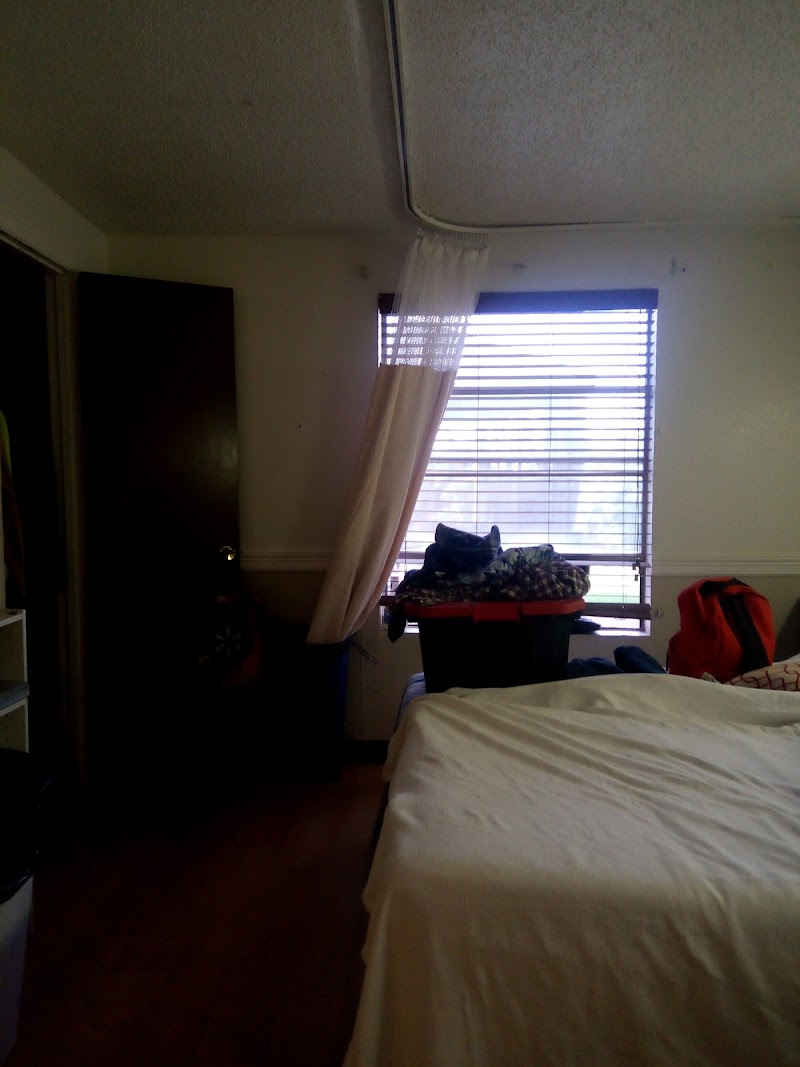
How is River Valley Health & Rehabilitation Center Staffed?

CMS rates RIVER VALLEY HEALTH & REHABILITATION CENTER's staffing level at 1 out of 5 stars, which is much below average compared to other nursing homes. Staff turnover is 48%, compared to the Texas average of 46%.

What Have Inspectors Found at River Valley Health & Rehabilitation Center?

State health inspectors documented 24 deficiencies at RIVER VALLEY HEALTH & REHABILITATION CENTER during 2022 to 2025. These included: 24 with potential for harm.

Who Owns and Operates River Valley Health & Rehabilitation Center?

RIVER VALLEY HEALTH & REHABILITATION CENTER is owned by a government entity. Government-operated facilities are typically run by state, county, or municipal agencies. The facility is operated by SLP OPERATIONS, a chain that manages multiple nursing homes. With 116 certified beds and approximately 42 residents (about 36% occupancy), it is a mid-sized facility located in GAINESVILLE, Texas.
How Does River Valley Health & Rehabilitation Center Compare to Other Texas Nursing Homes?

Compared to the 100 nursing homes in Texas, RIVER VALLEY HEALTH & REHABILITATION CENTER's overall rating (1 stars) is below the state average of 2.8, staff turnover (48%) is near the state average of 46%, and health inspection rating (3 stars) is at the national benchmark.

What Should Families Ask When Visiting River Valley Health & Rehabilitation Center?

Based on this facility's data, families visiting should ask: "Can you walk me through typical staffing levels on day, evening, and night shifts?" "Can I visit during a mealtime to observe dining assistance and food quality?" "How do you handle medical emergencies, and what is your hospital transfer rate?" "Can I speak with family members of current residents about their experience?" These questions are particularly relevant given the below-average staffing rating.

Is River Valley Health & Rehabilitation Center Safe?

Based on CMS inspection data, RIVER VALLEY HEALTH & REHABILITATION CENTER has a clean safety record: no substantiated abuse findings (meaning no confirmed cases of resident harm), no Immediate Jeopardy citations (the most serious violation level indicating risk of serious injury or death), and is not on the Special Focus Facility watch list (a federal program monitoring the lowest-performing 1% of nursing homes). The facility has a 1-star overall rating and ranks #100 of 100 nursing homes in Texas. While no facility is perfect, families should still ask about staff-to-resident ratios and recent inspection results during their visit.

Do Nurses at River Valley Health & Rehabilitation Center Stick Around?

RIVER VALLEY HEALTH & REHABILITATION CENTER has a staff turnover rate of 48%, which is about average for Texas nursing homes (state average: 46%). Moderate turnover is common in nursing homes, but families should still ask about staff tenure and how the facility maintains care continuity when employees leave.

Was River Valley Health & Rehabilitation Center Ever Fined?

RIVER VALLEY HEALTH & REHABILITATION CENTER has no federal fines on record. CMS issues fines when nursing homes fail to meet care standards or don't correct problems found during inspections. The absence of fines suggests the facility has either maintained compliance or corrected any issues before penalties were assessed. This is a positive indicator, though families should still review recent inspection reports for the full picture.

Is River Valley Health & Rehabilitation Center on Any Federal Watch List?

RIVER VALLEY HEALTH & REHABILITATION CENTER is not on any federal watch list. The most significant is the Special Focus Facility (SFF) program, which identifies the bottom 1% of nursing homes nationally based on persistent, serious quality problems. Not being on this list means the facility has avoided the pattern of deficiencies that triggers enhanced federal oversight. This is a positive indicator, though families should still review the facility's inspection history directly.