CORYELL HEALTH REHABLIVING AT THE MEADOWS
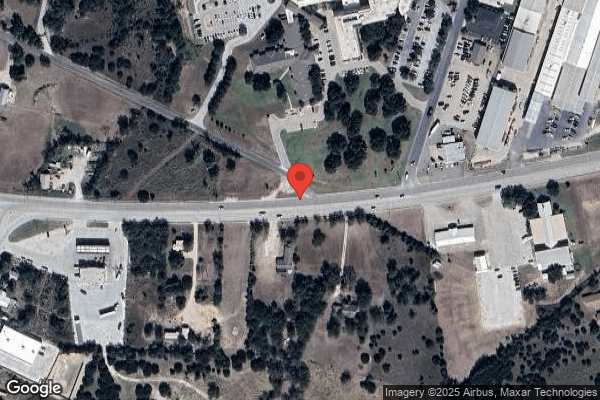
110 CHICKTOWN RD, GATESVILLE, TX 76528 (254) 404-2500
Government - Hospital district 106 Beds Independent Data: November 2025
Trust Grade
70/100
#218 of 1168 in TX
Last Inspection: November 2024

Within standard 12-15 month inspection cycle. Federal law requires annual inspections.

Overview

Coryell Health Rehabiliving at the Meadows has a Trust Grade of B, indicating it is a good facility and a solid choice among nursing homes. It ranks #218 out of 1,168 facilities in Texas, placing it in the top half of the state, and is the best option in Coryell County out of four facilities. The facility's trend is improving, as the number of issues decreased from four in 2024 to three in 2025. Staffing is average with a 3/5 rating, and the turnover rate is 58%, which is on par with the Texas average. While there are no fines on record, the facility has less RN coverage than 85% of Texas facilities, which may raise concerns about the level of nursing supervision. However, there have been specific incidents that families should consider. The kitchen has faced concerns over sanitation practices, including improper cleaning of appliances and a failure to maintain proper food storage, which could risk foodborne illnesses. Additionally, there were reports of residents not being treated with the dignity they deserve during feeding, potentially impacting their quality of life. Finally, there were issues with the lack of adequate indications for routine medications for several residents, which raises concerns about medication management. Overall, while there are strengths in the facility, families should weigh these concerns carefully.

Trust Score
B
70/100
In Texas
#218/1168
Top 18%
Safety Record
Low Risk
No red flags
Inspections
Getting Better
4 → 3 violations
Staff Stability
⚠ Watch
58% turnover. Above average. Higher turnover means staff may not know residents' routines.
Penalties
✓ Good
No fines on record. Clean compliance history, better than most Texas facilities.
Skilled Nurses
⚠ Watch
Each resident gets only 17 minutes of Registered Nurse (RN) attention daily — below average for Texas. Fewer RN minutes means fewer trained eyes watching for problems.
Violations
⚠ Watch
20 deficiencies on record. Higher than average. Multiple issues found across inspections.
★★★★☆
4.0
Overall Rating
★★★☆☆
3.0
Staff Levels
★★★★☆
4.0
Care Quality
★★★★☆
4.0
Inspection Score
Stable
2024: 4 issues
2025: 3 issues

The Good

  • 4-Star Quality Measures · Strong clinical quality outcomes
  • Full Sprinkler Coverage · Fire safety systems throughout facility
  • No fines on record

Facility shows strength in quality measures, fire safety.

The Bad

Staff Turnover: 58%

12pts above Texas avg (46%)

Frequent staff changes - ask about care continuity

Staff turnover is elevated (58%)

10 points above Texas average of 48%

The Ugly 20 deficiencies on record

Sept 2025 3 deficiencies
CONCERN (D) 📢 Someone Reported This

A family member, employee, or ombudsman was alarmed enough to file a formal complaint

Potential for Harm - no one hurt, but risky conditions existed

Pressure Ulcer Prevention (Tag F0686)

Could have caused harm · This affected 1 resident

**NOTE- TERMS IN BRACKETS HAVE BEEN EDITED TO PROTECT CONFIDENTIALITY** Based on interviews and records review the facility failed to ensure that a resident receives treatment and care in accordance w...

Read full inspector narrative →
**NOTE- TERMS IN BRACKETS HAVE BEEN EDITED TO PROTECT CONFIDENTIALITY** Based on interviews and records review the facility failed to ensure that a resident receives treatment and care in accordance with professional standards of practice, the comprehensive person-centered care plan, for one (Resident #1) of two residents reviewed for foot wounds.The facility's Agency CNA put tennis shoes on Resident #1 after being told not to put tennis shoes on Resident #1 who had a blister on the back of her left heel which later became a pressure ulcer.This failure could place residents at risk of discomfort and worsening of foot blister or wound.Review of Resident #1's undated face sheet reflected an [AGE] year-old female who was admitted to the facility on [DATE] with diagnoses including Dementia with behavioral disturbance, DM w/o complication type II Anxiety, Chronic diastolic CHF (congestive heart failure- is a long-term condition that happens when your heart can't pump blood well enough to give your body a normal supply.) Chronic obstructive pulmonary disease (Chronic obstructive pulmonary disease (COPD) is an ongoing lung condition caused by damage to the lungs), Dependence on supplemental oxygen, Age related osteoporosis, Dementia without behavioral disturbance, Generalized muscle weakness, Abnormality of gait due to impairment of balance, Benign hypertensive heart disease with congestive heart failure, Sprain of unspecified ligament of left ankle, Unspecified fall, subsequent encounter. Review of Resident #1's quarterly MDS assessment, dated [DATE], reflected a BIMS score of 06, indicating severe cognitive impairment. Section I (Active diagnosis) reflected she had Chronic Pain. Section J (Health Conditions) reflected she had been hurting within the past five days and her pain intensity of 06 on the pain scale 00-10. Section M (Skin Condition) indicated the resident was at risk of developing pressure ulcer/ injuries. Review of Resident #1's quarterly care plan, initiated [DATE] and modified on [DATE], reflected she had blister at her left heel with interventions to off load her heels with a cushion or pillow to prevent skin breakdown on her heels, change dressings as ordered. The care plan also reflected Resident #1 had LTC Pain IPOC, with outcome of pain level maintained at less than moderate. Review of the facility's wounds documentation reflected Resident #1's left heel skin issue was identified on [DATE]. Review of Resident #1's wound notes dated [DATE] completed by the Wound Care Nurse reflected: Type of Injury/ Onset: Pressure ulcer DTILocation of Wound: L HEELWound Dimension:Length: 2.5 cm Width 2.4cm Depth: cmWound Appearance: Tissue Type (estimate%) 15 % Epithelial (the epithelial tissue, primarily the epidermis, that regenerates to cover a wound surface _75 % Granulation (a type of new, pink, soft tissue that forms in the wound bed during the healing process) 10 % Slough (the dead, yellowish, or whitish tissue in a wound that can delay healing) _ % Necrotic Color (refers to the appearance of dead tissue, which is typically brown, gray, or black): pink Review of the facility's grievances revealed a grievance filed by Resident #1's family dated [DATE] and taken by the Administrator which reflected: During the course of last 60 days, a tissue injury was identified on resident's heel. Tennis shoes were not to be worn, and when [Resident #1's] family arrived, she had tennis shoes on. She feels like the communication between nursing administration and line staff should improve. She provided photos of the heel injury. Treatment in place and hospice is aware.What Action Was Taken:Daily document of [Resident #1] dx and what is going on with her on 24-hour report. Set up a care plan meeting with and hospice to ensure we are all on the same page Administrator will attend care plan meeting. Resolved by the Administrator on [DATE] Review of Resident #1's physician's order dated [DATE] reflected: WOUND CARE NURSE TO CHANGE DRSG TO LEFT HEEL ON MON & WED & FRIDAY/ BLISTER/DTI -ON MEDIAL LEFT HEEL/ CLEAN WITH VASHE/ APPLY BETADINE TO HEEL-ALLOW TO DRY/ APPLY ADAPTIC TO AREA/THEN COVER WITH TETRA NET ELASTIC DRSG / PLEASE DATE & INITIAL DRSG. USE HEEL BOOT AT ALL TIMES TO OFFLOAD PRESSURE/ USE LIDOCAINE SPRAY PRIOR TO WOUND CARE TO HELP CONTROL PAIN. Review of Resident #1's progress notes dated [DATE] reflected Resident #1 expired on [DATE]. During an interview on [DATE] at 3:00 pm Resident #1's family stated a fluid filled blister was identified on Resident #1's left heel sometimes in April of 2025. Resident #1's family stated Resident #1 was noted with tennis shoes on after it was communicated with the ADON that Resident #1 didn't need the tennis shoes due to the pressure area on Resident #1's heel. Resident #1's family stated she spoke with LVN A who stated Resident #1 was not supposed to be wearing tennis shoes. Resident #1's family stated she spoke with the CNA on duty that day and the CNA stated she did not know Resident #1 was not supposed to wear the tennis shoes. Resident #1's family stated she took the tennis shoes home. During an interview on [DATE] at 12:09 pm, the Wound Care Nurse stated Resident #1 had a pressure area to her left heel which started as a fluid filled blister and DTI. The Wound Care Nurse stated she heard in conversation that Resident #1's tennis shoes were put on her. The Wound Care Nurse stated there should have been an order for Resident #1 to wear only socks or opened back house shoes. The Wound Care Nurse stated she or the ADON were responsible to put in the order. The Wound Care Nurse stated putting tennis shoes on Resident #1's foot with a pressure area would cause discomfort. The Wound Care Nurse stated the facility had boots ordered, they were offloading Resident #1's heels and providing positioning pillows and wedges and repositioning her every 2 hours and as needed. During an interview on [DATE] at 1:12 pm, the ADON stated, when the blister had started on Resident #1's left heel, she and Resident #1's family had discussed that maybe the shoes were tight. The ADON stated she asked Resident #1's family if it was ok to a house shoe on the Resident #1 and the family agreed. The ADON stated she communicated with staff. The ADON stated 3-4 days after the discussion, an agency staff working with Resident #1 put the shoes on Resident #1 and the family was visiting and saw the shoes on the Resident #1. The ADON stated that was the only time the shoes were put on Resident #1, after that incident the shoes were not in the Resident #1's room. During an interview on [DATE] at 12:57 pm the DON stated it was discussed in a care plan meeting concerning Resident #1 not wearing her tennis shoes. The DON stated, I believe they had asked the family to take the shoes home, but the family didn't. I believe there was a missed communication with the CNAs, the charge nurse was supposed to notify the CNA. I will have to check with the ADON to find out if there was an in-service with the staff not to put the tennis shoes on Resident #1. I don't remember what the wound looked like back in June ([DATE]) but once it was agreed upon not to put the shoes on Resident #1, the staff shouldn't have put the shoe on the resident. Review of facility's in-services for the months of May, June, and [DATE] reflected no in-service regarding Resident #1 not to wear tennis shoe due to pressure areaRequested Skin and wound Care policy from the Administrator on [DATE] at 09:30 am and it was not provided.
CONCERN (D) 📢 Someone Reported This

A family member, employee, or ombudsman was alarmed enough to file a formal complaint

Potential for Harm - no one hurt, but risky conditions existed

Deficiency F0697 (Tag F0697)

Could have caused harm · This affected 1 resident

**NOTE- TERMS IN BRACKETS HAVE BEEN EDITED TO PROTECT CONFIDENTIALITY** Based on interview, and record review, the facility failed to ensure that pain management is provided to residents who require s...

Read full inspector narrative →
**NOTE- TERMS IN BRACKETS HAVE BEEN EDITED TO PROTECT CONFIDENTIALITY** Based on interview, and record review, the facility failed to ensure that pain management is provided to residents who require such services, consistent with professional standards of practice, the comprehensive person-centered care plan, and the residents' goals and preferences for one (Resident #1) of three residents reviewed for pain. The facility failed to assess Resident #1 pain level on [DATE] when family reported Resident #1 was hurting and needed pain medication. These failures could place residents at risk of increased pain, hospitalization, and a decreased quality of life.Findings included: Review of Resident #1's undated face sheet reflected an [AGE] year-old female who was admitted to the facility on [DATE] with diagnoses including Dementia with behavioral disturbance, DM w/o complication type II, Anxiety, Chronic diastolic CHF (congestive heart failure- is a long-term condition that happens when your heart can't pump blood well enough to give your body a normal supply.), Chronic obstructive pulmonary disease (Chronic obstructive pulmonary disease (COPD) is an ongoing lung condition caused by damage to the lungs), Dependence on supplemental oxygen, Age related osteoporosis, Dementia without behavioral disturbance, Generalized muscle weakness, Abnormality of gait due to impairment of balance, Benign hypertensive heart disease with congestive heart failure, Sprain of unspecified ligament of left ankle, Unspecified fall, subsequent encounter. Review of Resident #1's quarterly MDS assessment, dated [DATE], reflected a BIMS score of 06, indicating severe cognitive impairment. Section I (Active diagnosis) reflected she had Chronic Pain. Section J (Health Conditions) reflected she had been hurting within the past five days and her pain intensity of 06 on the pain scale 00-10. (0 meaning no pain and 10 meaning worst pain) Section M (Skin Condition) indicated the resident was at risk of developing pressure ulcer/ injuries. Review of Resident #1's quarterly care plan, initiated [DATE] and modified on [DATE], reflected she had a blister on her left heel with interventions to Off load heels with cushion or pillow to prevent skin breakdown on heels, change dressings as ordered. Care plan also reflected Resident #1 had LTC Pain IPOC, with outcome of Pain Level Maintained at Less Than Moderate. Review of Resident #1's physician's orders reflected the following:Hydromorphone 1.5 mg, Oral, Liquid, every 1 hr, PRN pain, First Dose: [DATE] 12:42:00 CDT, Routine Give 1.5 ml = 1.5 mg every one (1) hours as neededFentanyl 12 mcg, Transdermal, every 72 hr, First Dose: [DATE] 6:00 pm RoutineHydromorphone-- 2 mg, Oral, Tab, QID, First Dose: [DATE] 4:00 pm Routine Per HospiceAcetaminophen 650 mg, Oral, Tab, every 4 hr, PRN fever, First Dose: [DATE] 1:26 pm Routine Give TWO (2) tablets of 325 to equal 650 mg total dose for fever Review of Resident #1's narcotic count sheet dated [DATE] reflected Resident #1 was given Hydromorphone 2 mg 2 tabs at 7:31 pm by LVN A. Review of Resident # 1's narcotic count sheet dated [DATE] reflected Resident #1 was given Hydromorphone 5mg/5ml solution at about 8:00 pm by LVN A for break through pain. During an interview on [DATE] at 3:00 pm, Resident #1's family stated Resident #1 was crying of pain at about 6:30 pm on [DATE] and the nurse stated the resident had just gotten her 6:00 pm medication and could not get pain medication until 7:00 pm. Review of Resident #1's pain assessment on [DATE] reflected the following:No actual or suspected pain (Charted at [DATE] 10:46pm)No actual or suspected pain (Charted at [DATE] 11 :42 am)There was no pain assessment noted on [DATE] at about 6:30 to 7:30 pm when Resident #1's family requested pain medication. Review of Resident #1's progress notes dated [DATE] reflected Resident #1 expired on [DATE]. During an interview on [DATE] at 09:04 am LVN A stated, she was not sure of the date but there was a day Resident #1's family requested pain medication, and she told Resident #1's family that Resident #1 had just gotten pain medication at 6:00 pm. LVN A stated Resident #1's family stated Resident #1 did not get pain medication at 6:00 pm. LVN A stated she called the medication aide to confirm, and the medication aide stated she did not give Resident #1 pain medication at 6:00 pm. LVN A stated she gave Resident #1 her pain medication within the time frame, which was an hour before or an hour after. LVN A stated she would have given Resident #1 PRN pain medication as ordered but she was out of the time frame for medication administration. LVN A stated it depends on the day, some days Resident #1's was in so much pain and on other days she was not in pain. LVN A could say how much pain Resident #1 was in on [DATE]. During an interview on [DATE] at 1:55 pm the DON stated if a resident was complaining of pain, it was the expectation of the nurse to assess the resident's pain level. The DON stated not assessing the resident's pain level, they wouldn't be able to know what medication to give the resident or how to treat them. The DON reviewed Resident #1's MAR and TAR for [DATE] and stated Resident #1 was supposed to be assessed for pain every time the nurses administered pain medication. The DON stated Resident #1's schedule Hydromorphone was schedule for 08:00 am, 12:00 noon, 4:00 pm and 8:00 pm so Resident #1 was not scheduled for pain medication at 6:00 pm. Review of facility's policy titled Pain - Clinical Protocol undated reflected: Assessment and Recognition1. The physician and staff will identify individuals who have pain or who are at risk for having pain.a. This includes reviewing known diagnoses and conditions that commonly cause pain; for example, degenerative joint disease, rheumatoid arthritis, osteoporosis (with or without vertebral compression fractures), diabetic neuropathy, oral or dental pathology, and post-stroke syndromes.b. It also includes a review for any treatments that the resident currently is receiving for pain, including complementary and non-pharmacologic treatments.2. The nursing staff will assess each individual for pain upon admission to the facility, at the quarterly review, whenever there is a significant change in condition, and when there is onset of new pain or worsening of existing pain.3. The staff and physician will identify the characteristics of pain such as location, intensity, frequency,pattern, and severity.a. Staff will use a consistent approach and a standardized pain assessment instrument appropriate to the resident's cognitive level.4. The nursing staff will identify any situations or interventions where an increase in the resident's pain may be anticipated; for example, wound care, ambulation, or repositioning.5. The staff and physician will evaluate how pain is affecting mood, activities of daily living, sleep, and the resident's quality of life, as well as how pain may be contributing to complications such as gait disturbances, social isolation, and falls.Monitoring1. The staff will reassess the individual's pain and related consequences at regular intervals, at least each shift for acute pain or significant changes in levels of chronic pain and at least weekly in stable chronic pain.a. Review should include frequency, duration and intensity of pain, ability to perform activities of daily living (ADLs), sleep pattern, mood, behavior, and participation in activities.
CONCERN (D) 📢 Someone Reported This

A family member, employee, or ombudsman was alarmed enough to file a formal complaint

Potential for Harm - no one hurt, but risky conditions existed

Pharmacy Services (Tag F0755)

Could have caused harm · This affected 1 resident

**NOTE- TERMS IN BRACKETS HAVE BEEN EDITED TO PROTECT CONFIDENTIALITY** Based on interviews and records review the facility failed to provide pharmaceutical services (including procedures that assure ...

Read full inspector narrative →
**NOTE- TERMS IN BRACKETS HAVE BEEN EDITED TO PROTECT CONFIDENTIALITY** Based on interviews and records review the facility failed to provide pharmaceutical services (including procedures that assure the accurate acquiring, receiving, dispensing, and administering of all drugs and biologicals) to meet the needs of each resident for one (Resident #1)of three residents review for medication administration.The facility failed to administer Resident 1's antibiotic on [DATE] as was ordered on [DATE].This failure could place residents at risk of ineffective therapeutic effect.Findings included:Review of Resident #1's undated face sheet reflected an [AGE] year-old female who was admitted to the facility on [DATE] with diagnoses including Dementia with behavioral disturbance, DM w/o complication type II, Anxiety, Chronic diastolic CHF (congestive heart failure- is a long-term condition that happens when your heart can't pump blood well enough to give your body a normal supply.), Chronic obstructive pulmonary disease (Chronic obstructive pulmonary disease (COPD) is an ongoing lung condition caused by damage to the lungs), Dependence on supplemental oxygen, Age related osteoporosis, Dementia without behavioral disturbance, Generalized muscle weakness, Abnormality of gait due to impairment of balance, Benign hypertensive heart disease with congestive heart failure, Sprain of unspecified ligament of left ankle, Unspecified fall, subsequent encounter. Review of Resident #1's quarterly MDS assessment, dated [DATE], reflected a BIMS score of 06, indicating severe cognitive impairment. Section I (Active diagnosis) reflected she had Chronic Pain. Section J (Health Conditions) reflected she had been hurting within the past five days and her pain intensity of 06 on the pain scale 00-10. Section M (Skin Condition) indicated the resident was at risk of developing pressure ulcer/ injuries. Review of Resident #1's physician's order dated [DATE] reflected: Cephalexin 500 mg. Oral, cap, every 12 hr (sch), Antibiotic Indication Urinary Tract Infection, first Dose: [DATE] 8:00 pm, Stop Date: [DATE] 7:59 PM, Physician Stop, Routine -do NOT crush or chew Review of Resident #1's Medication Administration Records (MAR) for the month of [DATE] reflected Resident #1's Cephalexin 500 mg. Oral, cap, every 12 hr (sch), was not given on [DATE]. Review of Resident #1's MAR for the month of [DATE] reflected Resident #1's Cephalexin 500 mg. Oral, cap, every 12 hr (sch), was given as followed:On [DATE] at 8:00 pmOn [DATE] at 1:32 pm and at 7:48 pm. On [DATE] at 7:59 am and at 7:24 pm. On [DATE] at 7:51 am and at 7:06 pmOn [DATE] at 8:26 am and at 7:10 pmOn [DATE] at 8:36 am and at 7:01 pm Review of Resident #1's progress notes for [DATE] and [DATE] reflected no documentation of Resident #1 starting an antibiotic on [DATE] or why the ABT was not given on [DATE]. Review of Resident #1's progress notes dated [DATE] written by LVN A reflected: Resident is Day 1 of 7 for start of medication: Keflex for cystitis (is a medical condition that refers to inflammation of the bladder. It is a common infection of the urinary tract, typically caused by bacteria.) Adverse reaction / Side effects: no. If yes, document adverse reaction / side effects below: Medication appears to be_, If ineffective, has PCP been notified To early to see effects resident has only had 2 doses Electronically Signed on [DATE] 01:34 pm. Review of Resident #1's progress notes dated [DATE] reflected Resident #1 expired on [DATE]. During an interview on [DATE] at 2:28 pm, the Hospice Nurse stated she was not aware of Resident #1's ABT not being in the facility or not arriving on time. The Hospice Nurse stated the facility staff were good at communicating with hospice that the medication was not in the E-kit. The Hospice Nurse stated if it was communicated with hospice that Resident #1's ABT was not available, she would have ordered the medication from the nearby pharmacy or ordered the medication to start the following day. During an interview on [DATE] at 3:00 pm Resident #1's family stated on [DATE] Resident #1 was smelling of a foul urine odor. Resident #1's family stated hospice was contacted and an ABT was ordered. Resident #1's family stated hospice confirmed the ABT was ordered, and Resident #1 was starting the ABT on [DATE]. Resident #1 family stated she called on [DATE] and spoke with LVN A and asked about Resident #1's ABT administration. Resident #1's family stated she was told by LVN A that Resident #1 did not get her morning and evening dose of ABT due to the medication not being put in the system. Resident #1's family stated LVN A stated she would put the orders in the computer system. Resident #1's family stated she did not complain to hospice, the DON, ADON or the Administrator because she couldn't process what to say. During an interview on [DATE] at 09:04 am, LVN A stated she couldn't remember the exact incident regarding Resident #1's ABT orders because it has been a while. LVN A stated they may have started Resident #1's ABT the next day or so. LVN A stated it might have been pharmacy issues. LVN A stated they could take the ABT from the e-kit, but there were lot of residents in the facility who also got medication from the e-kit and staff had to wait for the medication to be refilled in the e-kit. During an interview on [DATE] at 10:52 am the DON stated if there is an order for ABT, the nurses were expected to get it from the Cubex (e-kit). The DON stated hospice usually provided the medication once it was ordered. The DON stated, if hospice was unable to provide a medication, the facility provided it. The DON stated she did not recall an instance where Resident #1 was ordered an ABT, and she did not get the medication as ordered or the medication was not provided by hospice. Later the DON stated, she did not know why Resident #1's ABT was not given on [DATE]. The DON stated she would check and see why. The DON stated the expectation was for the nurses to give the initial dose of the ABT from the e-kit /cubex and continue as ordered. The DON stated she couldn't remember from 3 months ago, but the process was to call the pharmacy to find out why the medication was not delivered; if they can't get the medication, they order it from the local pharmacy. The DON stated is Resident #'s ABT was not given as ordered, it should have been documented in Resident #1's progress why the medication was not given, and hospice and the MD should should have been notified. The DON again stated she couldn't find where the ABT was ordered, but the initial dose was given on [DATE]. The DON stated maybe there was an error with when the medication being put in the computer system. The DON stated she couldn't tell who put the medication in the computer system, but the next dose was given on [DATE]. The DON stated not administering an ABT as ordered could have impact on the effectiveness of the medication. Review of the facility's medication errors for the months of May, June and [DATE] reflected no medication error for Resident #1. Review of the facility's policy titled Medication and Treatment Orders revised [DATE] reflected: Policy Statement Orders for medications and treatments will be consistent with principles of safe and effective order writing.Policy Interpretation and Implementation7. Verbal orders must be recorded immediately in the resident's chart by the person receiving the order and must include prescriber's last name, credentials, the date and the time of the order.
Nov 2024 3 deficiencies
CONCERN (E)

Potential for Harm - no one hurt, but risky conditions existed

Resident Rights (Tag F0550)

Could have caused harm · This affected multiple residents

**NOTE- TERMS IN BRACKETS HAVE BEEN EDITED TO PROTECT CONFIDENTIALITY** Based on observation, interview, and record review, the facility failed to treat each resident with respect and dignity and care...

Read full inspector narrative →
**NOTE- TERMS IN BRACKETS HAVE BEEN EDITED TO PROTECT CONFIDENTIALITY** Based on observation, interview, and record review, the facility failed to treat each resident with respect and dignity and care for each resident in a manner and in an environment that promoted maintenance or enhancement of his or her quality of life, recognizing each resident's individuality and failed to protect and promote the rights of the residents for eight (Resident #3, Resident #11, Resident #15, Resident #16, Resident #30, Resident #31, Resident #38, and Resident #66) of twenty residents reviewed for rights, in that: The facility failed to ensure Resident # 3, Resident #11, Resident #15, Resident #16, Resident # 30, Resident # 31, Resident # 38, and Resident #66 were assisted with feeding in a dignified manner. These failures put residents at risk of experiencing humiliation, degradation, and a decreased quality of life. The findings included: Record review of Resident # 3 Comprehensive MDS dated [DATE] reflected a [AGE] year-old female admitted to the facility on [DATE] with diagnoses of non-Alzheimer's dementia with psychosis, glaucoma, cataracts, congestive heart failure, and asthma. Resident # 3 did not have a BIMS score recorded. Resident # 3 had it documented that she was dependent upon staff for all her ADL's including eating. Record review of Resident # 3 care plan reflected under nutritional status dated 9/27/24 outcome listed as nutritional intake meets needs with interventions of evaluate eating limitations, diet ordered regular/pureed/thin liquids ADL function dated 11/26/24 outcome listed as functions at optimal level with ADL's with interventions of assist resident with meals, provide assistance to support level of need. Record review of Resident # 66 quarterly MDS dated [DATE] reflected an [AGE] year-old female admitted to the facility on [DATE] with diagnoses of unspecified dementia with other behavioral disturbances, chronic kidney disease stage 2, pain, age related osteoporosis. Resident # 66 did not have a BIMS score recorded. Resident # 66 had it documented that she needed supervision and touching assistance with eating. Record review of Resident # 66 care plan reflected under nutritional status dated 10/7/24 outcome listed as nutritional intake meets needs with interventions of evaluate eating limitations, diet ordered vegetarian/mech soft/thin liquids, cut food into small bite size pieces. ADL function dated 11/26/24 outcome listed as functions at optimal level with ADL's with interventions of assist resident with meals, provide assistance to support level of need. Observation on 11/25/24 at 12:30 PM of Resident # 3 in dining room seated at a table with Resident # 66 being assisted with her lunch meal by 1 staff member assisting to fed both residents. Resident # 66 was seated on the left and Resident # 3 was seated on the right with the staff member seated at the end of the table. The staff member proceeded to use her left hand to feed Resident # 66 and her right hand to feed Resident # 3. The staff member did not turn her body towards either resident when feeding them or check to see if they were enjoying their meal. Resident # 3 and Resident # 66 are both non-interviewable residents. Residents appeared not to have an issue with their tablemate sitting across from them being fed. Record review of Resident # 11 quarterly MDS dated [DATE] reflected an [AGE] year-old female admitted to the facility on [DATE] with diagnoses of unspecified dementia with other behavioral disturbances, anxiety disorder, protein-calorie malnutrition, cerebral aneurysm, and osteoarthritis. Resident # 11 did not have a BIMS score recorded. Resident # 11 had it documented that she had it documented that she was dependent upon staff for all her ADL's including eating. Record review of Resident # 11 care plan reflected under nutritional status dated 9/27/24 outcome listed as nutritional intake meets needs with interventions of evaluate eating limitations, diet ordered regular/pureed/thin liquids. ADL function dated 11/26/24 outcome listed as functions at optimal level with ADL's with interventions of assist resident with meals, provide assistance to support level of need. Record review of Resident # 16 quarterly MDS dated [DATE] reflected an [AGE] year-old female admitted to the facility on [DATE] with diagnoses of unspecified dementia, chronic kidney disease stage 3, Parkinson, chronic pain, and anxiety disorder. Resident # 16 did not have a BIMS score recorded. Resident # 16 had it documented that she was dependent upon staff for all her ADL's including eating. Record review of Resident # 16 care plan reflected under nutritional status dated 9/27/24 outcome listed as nutritional intake meets needs with interventions of evaluate eating limitations, diet ordered consistent carbs/pureed/thin liquids. Aspiration precautions-oral feeding dated 1/13/24 outcome listed as oral feeding without aspiration, pureed diet, swallowing disorder, respiratory symptoms with interventions of evaluate for coughing when eating and drinking, evaluate for regurgitation with oral intake, evaluate for hoarseness and gurgling, use cueing and redirection and quiet room, provide liquids small controlled amounts, no straws while drinking, position food in mouth per SLP directions, use multiple swallow technique, clear pocketing from cheek, alternate solids and liquids, allow extra swallow time, and use chin tuck technique for swallows. ADL function dated 11/26/24 outcome listed as functions at optimal level with ADL's with interventions of assist resident with meals, provide assistance to support level of need. Observation on 11/25/24 at 12:33 PM of Resident # 11 in dining room seated at a table with Resident # 16 being assisted with her lunch meal by 1 staff member assisting to fed both residents. Resident # 11 was seated on the left and Resident # 16 was seated on the right with the staff member seated at the end of the table. The staff member proceeded to use her left hand to feed Resident # 11 and her right hand to feed Resident # 16. The staff member did not turn her body towards either resident when feeding them or check to see if they were enjoying their meal. The staff member did not follow the interventions in Resident # 16 care plan listed under her aspirations interventions. Resident # 11 and Resident # 16 are both non-interviewable residents. Residents appeared not to have an issue with their tablemate sitting across from them being fed. Record review of Resident # 31 quarterly MDS dated [DATE] reflected an [AGE] year-old female admitted to the facility on [DATE] with diagnoses of unspecified dementia, chronic obstructive pulmonary disease, chronic pain syndrome, osteoarthritis, rheumatoid arthritis, and major depressive disorder. Resident # 31 did not have a BIMS score recorded. Resident # 31 had it documented that she was substantial/maximal assistance from staff for eating. Record review of Resident # 31 care plan under nutritional status dated 9/27/24 outcome listed as nutritional intake meets needs with interventions of evaluate eating limitations, diet ordered regular/pureed/thin liquids. ADL function dated 11/26/24 outcome listed as functions at optimal level with ADL's with interventions of assist resident with meals, provide assistance to support level of need. Record review of Resident # 38 quarterly MDS dated [DATE] reflected a [AGE] year-old female admitted to the facility on [DATE] with diagnoses of vascular dementia, cerebral infarction, dysphasia, congestive heart failure, muscle weakness, abnormalities of gait and mobility, acute kidney failure, and chronic kidney disease stage 3. Resident # 38 did not have a BIMS score recorded. Resident # 38 had it documented that they required supervision or touching assistance from staff for eating. Record review of Resident # 38 care plan under nutritional status dated 10/18/24 outcome listed as nutritional intake meets needs with interventions of evaluate eating limitations, diet ordered regular/mech soft/thin liquids, give 2 Cal supplement for weight loss with each meal. Aspirations precautions-oral feeding dated 1/8/24 outcome oral feeding without aspiration, swallowing disorder, respiratory symptoms with interventions of evaluate for coughing when eating and drinking, evaluate for regurgitation with oral intake, evaluate for hoarseness and gurgling, use cueing and redirection and quiet room, auscultate breath sounds with evaluation, use cueing and redirection and quiet room, provide liquids small controlled amounts, no straws while drinking, position food in mouth per SLP directions, use multiple swallow technique, clear pocketing from cheek, alternate solids and liquids, allow extra swallow time, and use chin tuck technique for swallows. ADL function dated 11/26/24 outcome listed as functions at optimal level with ADL's with interventions of assist resident with meals, provide assistance to support level of need. Observation on 11/25/24 at 12:36 PM of Resident # 31 in dining room seated at a table with Resident # 38 being assisted with her lunch meal by 1 staff member assisting to fed both residents. Resident # 31 was seated on the left and Resident # 38 was seated on the right with the staff member seated at the end of the table. The staff member proceeded to use her left hand to feed Resident # 31 and her right hand to feed Resident # 38. The staff member did not turn her body towards either resident when feeding them or check to see if they were enjoying their meal. The staff member did not follow the interventions in Resident # 38 care plan listed under her aspirations interventions. Resident # 31 and Resident # 38 are both non-interviewable residents. Residents appeared not to have a issue with their tablemate sitting across from them being fed. Record review of Resident # 30 quarterly MDS dated [DATE] reflected a [AGE] year-old female admitted to the facility on [DATE] with diagnoses of unspecified dementia, cerebral infarction, anxiety disorder, and gastro-esophageal reflux disease. Resident # 30 did not have a BIMS score recorded. Resident # 30 had it documented that they required supervision or touching assistance from staff for eating. Record review of Resident # 30 care plan under nutritional status dated 9/27/24 outcome listed as nutritional intake meets needs with interventions of evaluate eating limitations, diet ordered regular/no salt on tray/regular texture/thin liquids. ADL function dated 11/26/24 outcome listed as functions at optimal level with ADL's with interventions of assist resident with meals, provide assistance to support level of need. Record review of Resident # 15 Comprehensive MDS dated [DATE] reflected a [AGE] year-old female admitted to the facility on [DATE] with diagnoses of unspecified dementia, epilepsy, osteoarthritis, osteoporosis, dysphasia, and gastro-esophageal reflux disease. Resident # 15 had a BIMS score of 6 indicating severe cognitive impairment. Resident # 15 had it documented that they required supervision or touching assistance from staff for eating. Record review of Resident # 15 care plan under nutritional status dated 10/7/24 outcome listed as nutritional intake meets needs with interventions of evaluate eating limitations, diet ordered regular/mech soft/thin liquids. ADL function dated 11/26/24 outcome listed as functions at optimal level with ADL's with interventions of assist resident with meals, provide assistance to support level of need. Observation on 11/25/24 at 12:40 PM of Resident # 30 in dining room seated at a table with Resident # 15 being assisted with her lunch meal by 1 staff member assisting to fed both residents. Resident # 30 was seated on the left and Resident # 15 was seated on the right with the staff member seated at the end of the table. The staff member proceeded to use her left hand to feed Resident # 30 and her right hand to feed Resident # 15. The staff member did not turn her body towards either resident when feeding them or check to see if they were enjoying their meal. Resident # 30 and Resident # 15 are both non-interviewable residents. Residents appeared not to have an issue with their tablemate sitting across from them being fed. In an interview on 11/27/24 at 1:53 PM with LVN A revealed LVN A stated All staff members help with feeding during all meals, and it depends on which shift duties. She will do lunch or both breakfast and lunch, some staff do lunch and dinner, but it depends how many staff they have on that shift. If she is on shift, she will help with all meals and there is always a nurse in there before the meal starts and after the last person finishes their meal. She feels like it is manageable to feed two residents' at once. She can concentrate on feeding both residents one at a time while making sure they are clean during feeding. She doesn't have any concerns with feeding two residents at once. She doesn't remember the policy and what it says with assisted feeding, and she is not sure how many residents they are able to feed at once, but she can check. She thinks 1:2 assistance feeding is doable; she thinks what could make it better is feeding resident's and eating with them to make it more community based. They are not rushing the resident's and doesn't see a dignity or safety issue. She sees the facility as it is a community-based setting. There are not any cross-contamination issues during feeding, and they don't feed both at a time with each hand or giving the resident each other's food accidentally. In an interview on 11/27/24 at 2:00 PM with CNA C revealed CNA C stated one staff member for every 2 residents who need to be fed unless the resident won't eat for that staff member then another staff member comes to help and try and get the resident who is not eating to eat. CNA C stated they do not feel there is a safety issue because the staff member sits facing the two residents so they can watch for any swallowing issues and a nurse is always present in the dining room. CNA C stated they did not feel feeding two residents at the same time was a dignity issue because all of the residents who need to be fed are seated together on one side of the dining room and they are all encouraged to eat equally. CNA C stated that it appeared to them that the residents to not mind having a table mate who is also being fed. In an interview on 11/27/24 at 2:10 PM with LVN B revealed LVN B stated one staff member feeds two residents and the staff members have a rotation as to which meal and what day they feed residents. LVN B stated they do not feel there is a resident safety issue since the staff member sits facing the residents and can see if they have swallowing problems. LVN B stated they do not feel that feeding two residents at a time is a dignity issue since all the residents who need to be fed are seated at tables next to each other and all encouraged to eat together from all the staff. In an interview on 11/27/24 at 2:20 PM with ADM revealed the ADM stated for residents who need meal assistance it is their expectation that 1 CNA to every 2 residents is acceptable parameters. ADM stated she did not feel having 1 staff member feed 2 residents at the same time was a dignity issue since the staff communicate and engage with the residents and even though eating is an ADL it is not the same as receiving a shower or toileting. ADM cited CNA training curriculum from 3/12 and HHSC module 5 feeding assistant training dated 12/22 saying both of which stated adequate staff with feeding. Record review of assistance with meals policy undated reflected under policy statement: Residents shall receive assistance with meals in a manner that meets the individual needs of each resident. Under heading policy interpretation and implementation Dining room Residents: All residents will be encouraged to eat in the dining room. 2. Facility staff will serve resident trays and will help residents who require assistance with eating. 3. Residents who cannot feed themselves will be fed with attention to safety, comfort, and dignity, for example: a. not standing over residents while assisting them with meals. b. keeping interactions with other staff to a minimum while assisting residents with meals. c. avoiding the use of labels when referring to residents (e.g., feeders); and d. avoiding the use of bibs or clothing protectors instead of napkins, unless requested by the resident.
CONCERN (E)

Potential for Harm - no one hurt, but risky conditions existed

Deficiency F0757 (Tag F0757)

Could have caused harm · This affected multiple residents

**NOTE- TERMS IN BRACKETS HAVE BEEN EDITED TO PROTECT CONFIDENTIALITY** Based on Interview and record review the facility failed to ensure each resident's drug regimen was free from unnecessary drugs ...

Read full inspector narrative →
**NOTE- TERMS IN BRACKETS HAVE BEEN EDITED TO PROTECT CONFIDENTIALITY** Based on Interview and record review the facility failed to ensure each resident's drug regimen was free from unnecessary drugs by having an indication for use of 5 (Residents #39, 72, 146, 69, and 70) of 5 residents reviewed. The facility failed to have adequate indications for routine medications for Residents #39,72,146,69, and 70. This failure could potentially affect all residents that receive routine medications from receiving unnecessary medications. Findings included: Record review of Resident # 39 face sheet dated 11/26/2024 reflected an [AGE] year-old female admitted [DATE] with diagnoses that included Coronary Artery Disease (a type of heart disease involving the reduction of blood flow to the cardiac muscle due to a build-up of plaque in the arteries of the heart.), Hypertension ( a long-term medical condition in which the blood pressure in the arteries is persistently elevated), Diabetes Mellitus ( a chronic condition that happens when you have a persistently high blood sugar levels affecting your body to use insulin properly) Hyperlipidemia ( abnormally high levels of any or all lipids in the blood) Cerebrovascular Accident ( an event involving an interruption of blood flow or bleeding in a region of the brain), Vascular dementia ( a type of dementia caused by brain damage from impaired blood flow), gastro-esophageal reflux disease without esophagitis ( is a condition in which stomach acid repeatedly flows back up into the tube connecting the mouth and stomach without inflammation of the esophagus), Anxiety disorder ( a disorder characterized by excessive anxiety), Depression ( a mood disorder that causes feeling of sadness that won't go away) and Unspecified osteoarthritis ( a degenerative joint disease that can affect the many tissues of the joint,). Record review of Resident # 39's Annual MDS dated [DATE] reflected BIMS score of 5 which indicated severe cognitive impairment. Record review of Resident # 39 Physician orders dated 11/26/2024 reflected the following medications with no indication for use. Divalproex sodium (Depakote Sprinkles) 125 mg, oral, BID. Ordered 9/22/23. Lorazepam (Ativan) 0.5 mg, oral, tab daily. Ordered 8/26/2024. Amlodipine 10 mg, oral, tab, daily. Ordered 8/30/2024. Review of Resident # 72's Face sheet dated 11/26/2024 reflected a [AGE] year-old female admitted [DATE] with diagnoses of unspecified dementia ( a loss of cognitive functioning that interferes with daily life and activities ), Type 2 diabetes mellitus with diabetic polyneuropathy( a chronic condition that happens when you have a persistently high blood sugar levels affection you bodies use of insulin with nerve damage), Chronic kidney disease ( a long term kidney disease in which there is a gradual loss of kidney function), unspecified osteoarthritis ( a degenerative joint disease that can affect the many tissues of the joint,), Depression ( a mood disorder that causes feeling of sadness that won't go away), Hypertensive heart disease ( a group of medical problems that can happen when you have unmanaged high blood pressure for a long time), and Anxiety disorder ( a disorder characterized by excessive anxiety). Record review of Resident # 72's Quarterly MDS dated [DATE] reflected BIMS score of 7 that indicated severe cognitive impairment. Record review of Resident # 72's physician orders dated 11/26/2024 reflected the following medications with no indication for use. Atorvastatin 40 mg, 1 tab, oral every evening. Written 6/12/2023. Carvedilol 6.25 mg 1-tab, oral bid Give one tablet by mouth twice daily***hold (do not give medication) if SBP less than 100 or DBP less than 60 and HR less than 55*** ordered written 6/12/23. Omeprazole 20 mg, oral, cap-dr, daily, ***Do Not Crush**** written 6/12/2023. Gabapentin 600 mg, oral, TID written 6/21/2023. Methocarbamol 750 mg, Oral, TID Give two (2) 750 mg tablets to equal 1500 mg by mouth three times daily written 6/21/23. Ferrous Sulfate 325mg, Oral, Daily, ***Do Not Crush*** written 6/23/23. Ergocalciferol 2,000 units, oral, cap, daily, written 8/18/23. Insulin Glargine (Lantus) 45 units, subcutaneous, soln, every night at bedtime. Written 10/12/23. Insulin aspart (NovoLog FlexPen) 3 units, Subcutaneous, soln, TID (AC) written 10/16/23. Insulin aspart (NovoLog Medium sliding scale) Sliding scale, subcutaneous injection, TID with meals. Moderate sliding scale insulin. To be taken If accucheck <60 for alert patient give sweet snack and notify provider. If accucheck < 60 for patients unable to take by mouth give 1-amp D50.Order 6/20/2024. Divalproex sodium (Depakote Sprinkles) 250 mg, Oral, BID written 10/21/24. Record review of Resident # 146's face sheet dated 11/26/2024 reflected an [AGE] year-old male admitted [DATE] with diagnoses that included Dementia in other diseases classified elsewhere (a loss of cognitive functioning that interferes with daily life and activities), Coronary Artery Disease ( (a type of heart disease involving the reduction of blood flow to the cardiac muscle due to a build-up of plaque in the arteries of the heart.) Hypertension (a long-term medical condition in which the blood pressure in the arteries is persistently elevated) Renal Insufficiency (poor functioning kidneys) and Hyperlipidemia (abnormally high levels of any or all lipids in the blood). Review of Resident # 146's quarterly MDS dated [DATE] reflected a BIMS score of 9 which indicated a moderate cognitive impairment. Review of Resident # 146's Physician orders dated 11/26/2024 reflected the following medication ordered with no indication of use. Allopurinol 50 mg = 0.5 tab, oral, tab, daily at home patient was taking medication with the following details: comments give half a tablet to equal 50 mg tab. Written 2/27/2024. Famotidine 20 mg = 1 tab, oral, tab, BID. Written 2/27/2024. Losartan 75 mg= 1.5 tab, oral, tab, daily at home, patient was taking medication with the following details: Comments: give one and a half tablets to equal 75 mg dose written 2/27/2024 Rosuvastatin 10 mg, oral, cap, every night at bedtime. Written 2/27/24, Sertraline 100 mg, oral, tab, daily written 3/4/2024. Aspirin 81 mg, oral, tab-DR, daily, written 7/17/2024. Buspirone 10 mg, oral, tab, daily. Written 10/14/2024. Record review of Resident # 69's Face Sheet dated 11/26/2024 reflected a [AGE] year old male admitted on [DATE] with the diagnoses that included Dementia in other diseases classified elsewhere (a loss of cognitive functioning that interferes with daily life and activities ), Gastroesophageal reflux disease ( is a condition in which stomach acid repeatedly flows back up into the tube connecting the mouth and stomach without inflammation of the esophagus), Hyperlipidemia (abnormally high levels of any or all lipids in the blood), Diabetes mellitus type 2 ( a chronic condition that happens when you have a persistently high blood sugar levels affecting your body to use insulin properly), and Alzheimer's disease ( a disease that can cause trouble concentrating and thinking, especially about abstract concepts such a numbers) Review of Resident # 69's admission MDS dated [DATE] revealed a BIMS score of 8 which indicated moderate cognitive impairment. Review of Resident # 69's physician orders dated 11/26/2024 reflected the following medication had no indication for use. Ascorbic Acid 1,000 mg = 1 tab, oral, tab, daily written 10/18/2024. Aspirin 81 mg, oral, Tab-DR, daily, written 10/18/2024. Atorvastatin 40 mg = 1 tab, every evening. Written 10/18/2024. Calcium-vitamin D (Calcium 500 + D) 1 tab, chewed, tab-chew, BID. Written 10/18/2024. Cholecalciferol (Vitamin D3) 25 mcg= 1 tab, oral, tab, daily. Written 10/19/2024. Cranberry 1 tab, oral, tab, daily. Give 500 mcg tab. Written 10/19/2024. Cyanocobalamin 500 mcg=1 tab, oral, tab, daily. Written 10/19/2024. Donepezil 10 mg= 1 tab, oral, tab, daily. Written 10/19/2024. Famotidine 40 mg = 1 tab, oral, tab, every evening. Written 10/19/2024. Ferrous Sulfate 325 mg, oral, Tab-DR, Daily, give with food/snack. Written 10/19/2024. Metformin 500 mg, oral, Tab-ER, every evening, give with food/snack Written 10/19/2024. Multivitamin (Vitamin B Complex 100) 1 tab, oral, tab, daily. Written 10/19/2024. Melatonin (Advanced Sleep Melatonin) 10 mg, oral, every night at bedtime. Written 10/23/2024. Memantine 10 mg, oral, tab, BID. Written 10/24/2024. Tamsulosin 0.4 mg, oral, every evening for 2 weeks start date 11/13/2024, stop date 11/27/2024. Monitor and document resident urinary symptoms. Written 11/13/2024. Review of Resident # 70's Face sheet dated 11/26/2024 reflected a [AGE] year-old female admitted on [DATE] with diagnoses, Bipolar Disorder ( a mental disorder characterized by periods of depression and periods of abnormally elevated mood that each last from days to weeks), Dementia with anxiety ( a long term disorder causing personality changes and impaired memory, reasoning and social function with anxiety) Osteoporosis ( s systemic skeletal disorder characterized by low bone mass) and Hyperlipidemia (abnormally high levels of any or all lipids in the blood). Review of Resident # 70's Quarterly MDS dated [DATE] revealed resident was unable to participate in BIMS score testing, A staff assessment for Mental status was conducted revealed the resident is severely impaired with cognitive skills for daily decision making. Review of Resident # 70's Physician orders dated 11/26/2024 reflected the following medication have no indication for use. Atorvastatin 10 mg= 1 tab, oral, tab, daily. Written 6/22/2023. Calcium-vitamin D (Calcium 550 +D) 2 tab, oral, daily, give two 500 mg tablets to equal 1000 mg dose. Written 7/5/2023. Oxcarbazepine (Trileptal) 450 mg, oral, tab, BID. Written 5/2/2024. Paroxetine (Paxil) 60 mg, oral, tab, every night at bedtime. Written 10/1/2024. Cyanocobalamin (Vitamin B12), 1,000 mcg, oral, tab, daily. Written 10/16/2024. Buspirone 30 mg, oral, tab, BID. Written 11/19/2024. Interview with the DON on 11/26/2024 at 10:30 am stated that the facility was aware of the issue and was working with the company that does the EMR to fix the issue. She stated she audits the resident's chart but sometimes the indications do not save to the physician order. She stated the program they used for EMR was made for the hospital and there were no regulation at the hospital that required an indication for medication. They were working with the company to address the issue, but it is a slow process. She demonstrated that when indications were added they did not always save. She stated that this could put the residents at risk for overmedication due to duplicate of treatment. Interview with the Pharmacy consultant via phone on 11/26/2024 at 2:15 pm she stated that she was aware of the limitations of the program for the indications and had been focusing on the PRN and psychotropic medications so that they were at least compliant with that regulation. She had offered to meet with the company that owns the EMR to come up with a solution but had not heard back about it. She stated that the residents could be at risk for duplicate treatment for the same illness if not corrected. Interview with the ADM on 11/26/2024 at 3:30 pm she stated that she was aware of the indications not always showing up on the physician orders and was working with her corporate lead and the EHR company to find a solution. She stated she had been aware since the last survey and they were trying to address the issue with weekly audits and that the medical director was aware of the issue. She stated the hospital did not have the same requirements as the Skilled facility and the program was developed for the acute care setting. She stated she felt they were doing their best to keep the residents safe but there was always a risk when giving resident care. Record review of the policy titled Medication orders revised November 2014 read Recording orders 1. Medication orders- When recording orders for medications, specify the type, route, dosage, frequency and strength of the medication.
CONCERN (F)

Potential for Harm - no one hurt, but risky conditions existed

Food Safety (Tag F0812)

Could have caused harm · This affected most or all residents

Based on observation, interview, and record review, the facility failed to store, prepare, distribute, and serve food in accordance with professional standards for food service safety for one of one k...

Read full inspector narrative →
Based on observation, interview, and record review, the facility failed to store, prepare, distribute, and serve food in accordance with professional standards for food service safety for one of one kitchen reviewed for sanitation. 1. The facility failed to ensure sanitation practices of cleaning the ice machine, cleaning the microwave, hand hygiene, hair restrained, and clothing sleeves not touching food items were occurring in the kitchen. 2. The facility failed to ensure temperature logs were being completed. 3. The facility failed to ensure labeling and dating of all food items in the kitchen. 4. The facility failed to ensure all items were covered and stored properly. These failures could place residents at risk of foodborne illness. Findings included: Observation on 11/25/24 at 9:10 AM of the dining room kitchen entry door revealed a sign posted stating hair restraints required upon kitchen entry, the bin on the wall that was below the posted sign that was labeled for hair nets was empty of any hair restraints. Observation on 11/25/24 at 9:13 AM of the kitchen revealed the microwave had what appeared to be dried food particles and debris stuck to the inside of the roof. Observation on 11/25/24 at 9:15 AM of the kitchen revealed the ice machine inside of the door had splotches of a black and brown substance that appeared to be mold growing on the inside of the door. Observation on 11/25/24 at 9:18 AM of the kitchen walk-in refrigerator revealed: 1. An opened bag of salad mix loosely saran wrapped dated 11/24 (unsure if this is open date or use by date) and unlabeled. 2. An opened bag of chopped onions with the opening loosely tied in a knot unlabeled and undated. 3. A storage bin with the lid unsecured and placed diagonally with loose salad mix inside unlabeled and undated. 4. A bag of shredded cheese dated 11/22 (unsure if this is open date or use by date) loosely saran wrapped and unlabeled. 5. A package of chopped ham lunchmeat loosely saran wrapped unlabeled and undated. 6. A package of turkey breast lunchmeat loosely saran wrapped unlabeled and undated. 7. A shelf full of containers of individually packaged pieces of apple pie unlabeled and undated. 8. A shelf full of containers of individually packaged pieces of pumpkin pie unlabeled and undated. 9. An opened bag of baby spinach loosely saran wrapped unlabeled and undated. 10. A bunch of cilantro saran wrapped undated and unlabeled. 11. An opened bag of salad mix dated 11/2/24 that had brown slimy pieces throughout bag. 12. A utility rack full of packages of beef patties thawing unlabeled and undated. 13. A utility rack full of turkey breasts thawing unlabeled and undated. 14. A utility rack full of hams thawing unlabeled and undated. Observation on 11/25/24 at 9:31 AM of the kitchen revealed a 55-gallon trash can in the kitchen near dish room without a lid. Observation on 11/25/24 at 9:35 AM of the kitchen walk-in freezer revealed: 1. A box that contained a opened package of sweet potato French fries unsealed with the open part of package just twisted together unlabeled and undated, an opened package of what appeared to be hush puppies undated and unlabeled, an open package of battered cauliflower bites unsealed with the package just folded over on itself undated and unlabeled, an open bag of what appeared to be frozen ravioli with a date of 11/6/24 no use by date recorded and bag was open with product falling out into box, an opened package of breaded zucchini fries unsealed with saran wrap on half of package undated and unlabeled, and an open package of what appeared to be battered onion rings wrapped in saran wrap undated and unlabeled. The box all these items were in was labeled crinkle cut French fries. 2. An opened bag of sliced okra with bag opening just folded over on itself unlabeled and undated. 3. An opened bag of whole kernel corn with the opening tied close undated and unlabeled. 4. A bag of what appeared to be frozen dinner roll dough with the bag just folded on itself unlabeled and undated. 5. An open bag of frozen chicken breast with the Ziploc seal portion of the bag wide open unlabeled and undated. 6. A saran wrapped bunch of what appeared to be chicken breasts unlabeled and undated. 7. An open bag of diced dark meat chicken unlabeled and undated. Observation on 11/25/24 at 9:40 AM of the kitchen dry storage revealed: 1. An open package of macaroni with opening loosely tied with saran wrap unlabeled and undated. 2. A row of 4 dented cans of tomato sauce stored on the canned goods rack with all the other cans not in the dented can area outside of the dry storage room. 3. An unopened case box of granola stored on the dry storage floor. Observation on 11/25/24 at 9:55 AM of the kitchen grill prep area with storage racks of bread revealed 6 packages of hot dog buns dated 9/16/24 and 2 undated packages of hoagie buns. Observation on 11/25/24 at 10:00 AM of the kitchen salad prep refrigerator revealed: 1. Three trays of individually bowled up salads undated and unlabeled. 2. Container tomato slices undated and unlabeled. 3. Container of cut up cantaloupe and honeydew melon undated and unlabeled. 4. Container of cheese slices undated and unlabeled. 5. Container of mixed fruit salad undated and unlabeled. 6. Container of cut up lemons undated and unlabeled. 7. Plates of burger salads undated and unlabeled. Observation on 11/25/24 at 10:10 AM of the back service hall corridor with kitchen entry door revealed signage posted of required hair restraints, bin labeled hair nets below signage empty of any hair restraints. Observation on 11/26/24 at 10:47 AM of the kitchen salad prep refrigerator revealed: 1. Plates of burger salads undated and unlabeled. 2. Three trays of individually bowled up salads undated and unlabeled. 3. Container of chopped onion unlabeled and undated 4. Container of chopped lettuce undated and unlabeled. Observation on 11/26/24 at 10:55 AM of the kitchen revealed Chef was only wearing a ball cap without a hair restraint under it and no beard guard. The chef had hair roughly 1 inch below the ball cap and facial hair. Chef also was wearing a long sleeve chef jacket and while panning up cooked chicken for lunch chef jacket repeatedly rubbed across cooked chicken surfaces. Observation on 11/26/24 at 10:55 AM of the kitchen revealed [NAME] had hair restraint not covering all of cooks hair. [NAME] had hair at nape of neck not covered by hair restraint. Further observation revealed [NAME] cleaning prep table from breading chicken breast, [NAME] picked up copies of recipes and threw copies into trash can and shoved papers down in trash can with ungloved hand touching trash can. [NAME] then proceeded to pick up cleaning cloth and continue cleaning prep table without washing hands. After cleaning prep table [NAME] then proceeded to wash hands. [NAME] then picked up trash from floor and discarded into trash can touching trash can without washing hands. [NAME] then wiped hands on front of clothes and went to get new cleaning cloths for prep table area. [NAME] then rinsed out dirty mixing bowl and then proceeded to wash hands. [NAME] then used the new cleaning cloths she had just put on prep table area as potholders to take cooked chicken from oven. [NAME] then threw trash away again touched trash can and did not wash hands just put on gloves and proceeded to start cutting up cooked chicken. Interview attempted on 11/27/24 at 1:00 PM with the Dietary Director but unsuccessful as Dietary Director was on vacation at time of survey. Interview on 11/27/24 at 1:13 PM with the Chef revealed Chef stated hair restraints including hair nets and beard guards were to be always worn while in the kitchen. The Chef stated that even while wearing a ball cap a hair net was to be worn under the ball cap if employee has hair. The Chef stated shirt sleeves were to be rolled up if they extend past the wrist so they will not come in contact with food. The Chef stated hair contamination and clothing sleeves touching food could be a physical and biological contamination. The Chef stated these types of contaminations could negatively affect residents by being cross contamination. Interview on 11/27/24 at 1:22 PM with the ADD revealed ADD stated hair restraints were to be worn by all staff in the kitchen and all hair was to be covered. The ADD stated ball caps can be worn but staff must have a hair restraint on under the ball cap. The ADD stated beard guards were to be worn for all facial hair. The ADD stated it can negatively affect residents if hair gets into the food because it would be a turn off to the resident and they would lose their appetite and possibly lose weight. The ADD stated it was the Dietary Director responsibility to ensure hair restraints were being worn. The ADD stated long sleeves were to be pulled up or rolled up to prevent them from getting into the food. The ADD stated if the clothing sleeves got into food this could negatively affect residents by being cross contamination. The ADD stated it was the Dietary Director responsibility to ensure staff clothing is not contaminating food products. The ADD stated staff were supposed to wash and sanitize their hands after discarding trash before their next activity. The ADD stated if staff did not perform hand hygiene correctly this could negatively affect residents by germs and residents getting sick. The ADD stated it was the Dietary Director responsibility to ensure staff were performing hand hygiene correctly. The ADD stated all food items in the kitchen were to be labeled and dated. The ADD stated everything was dated upon receipt and when opened /prepared and at that time also with a discard date. The ADD stated if items were not labeled and dated then this could negatively affect residents by them getting spoiled food and getting sick. The ADD stated it was the Chefs responsibility to ensure proper labeling and dating practices are occurring. The ADD stated food temperature logs were to be completed daily at every meal. The ADD stated if temperatures were not being taken and recorded then this could potentially negatively affect residents by foods being in the temperature danger zone and residents getting sick. The ADD stated it was their responsibility to ensure food temperature logs were completed daily at each meal. Interview on 11/27/24 at 1:36 PM with the [NAME] revealed [NAME] stated hair restraints were to be worn by all staff in the kitchen. The [NAME] stated all hair was to be covered by the hair restraint. The [NAME] stated it could negatively affect residents if hair got into the food by being a choking hazard. The [NAME] stated all food items were to be labeled and dated upon receipt and when open and at that time with a discard date. The [NAME] stated if food items were not labeled and dated this could negatively affect residents by bacteria growth and spoilage and make them sick. The [NAME] stated hygiene was to be performed after throwing away trash and touching the trash can before moving to the next task. The [NAME] stated if hand hygiene was not performed then this could negatively affect residents by there could be contamination and could make residents sick. The [NAME] stated food temperature logs were to be completed daily prior to the meal being served. The [NAME] stated by food temperatures not being taken then this could negatively affect residents by bacteria growth and sickness. Interview on 11/27/24 at 2:20 PM with the ADM revealed ADM stated it was their expectation that all food products were labeled and dated per policy. The ADM stated it was their expectation that sanitation practices were followed according to policy and guidelines. The ADM stated it was their expectation that hand hygiene practices were being followed according to policy and guidelines as that was the facilities biggest fight against infection. The ADM stated it was their expectation that temperature logs were being completed according to policy and guidelines. The ADM stated it was their expectation that hair restraints were being worn according to policy and guidelines. The ADM stated if labeling and dating, sanitation practices, hand hygiene, temperature logs, and hair restraints practices were not occurring then this could negatively affect residents by the residents could potentially receive spoiled food and get sick. The ADM stated it was the Dietary Director responsibility to ensure these practices were occurring. Record review of food temperature logs reflected 11/1/24 breakfast and lunch food temperatures not recorded, 11/7/24 lunch food temperatures not recorded, 11/11/24 lunch food temperatures not recorded, 11/18/24 dinner food temperatures not recorded, 11/19/24 dinner food temperatures not recorded, 11/21/24 lunch food temperatures not recorded, 11/24/25 lunch food temperatures not recorded, and 11/25/24 lunch food temperatures not recorded. Food temperature logs reviewed for 26 days with 8 meals temperatures not being recorded. Record review of ice machine cleaning and sanitizing log reflected the last time recorded for the ice machine to have been cleaned was 9/18/24. No documentation of cleaning to have occurred for October or November Record review of the food storage policy undated reflected under heading policy: Sufficient storage facilities will be provided to keep foods safe, wholesome, and appetizing. Food will be stored in an area that is clean, dry, and free from contaminants. Food will be stored at appropriate temperatures and by methods designed to prevent contamination or cross contamination. Under heading procedure: 6. Food items will be stored on shelves, with heavier and bulkier items stored on lower shelves. 7. All stock must be rotated with each new order received. Rotating stock is essential to assure the freshness and highest quality of all foods. a. old stock is always used first (first in - first out method or FIFO). The person designated to manage stock should be trained to rotate it properly. b. Food should be dated as it is placed on the shelves if required by state regulation. c. Date marking should be visible on all high-risk food to indicate the date by which a ready-to-eat TCS food should be consumed, sold or discarded. d. Food will be stored and handled to maintain the integrity of the packaging until ready for use. Food stored in bins may be removed from its original packaging. 8. Plastic containers with tight fitting covers or sealable plastic bags must be used for storing grain products, sugar, dried vegetables and broken lots of bulk foods or opened packages. All containers or storage bags must be legible and accurately labeled and dated. 10. Food should be stored a minimum of 6 inches above the floor, 18 inches from the ceiling and 2 inches from the wall with adequate space on all sides of stored items to permit ventilation. Racks and other storage surfaces should be clean and protected from splashes, overhead pipes or other contamination (ceiling sprinklers, sewer/waste disposal pipes, vents, etc.). 12. Leftover food should be stored in covered containers or wrapped carefully and securely and clearly labeled and dated before being refrigerated. Leftover food must be used within 7 days or discarded as per the 2022 Federal Food Code. (Also see policy on Use of Leftovers later in this chapter.) Check state regulations as some states may allow shorter time frames for the use of leftovers. 13. Refrigerated food storage: f. All foods should be covered, labeled and dated and routinely monitored to assure that foods (including leftovers) will be consumed by their use by dates, or frozen (where applicable) or discarded. 14. Frozen Foods: c. All foods should be covered, labeled and dated. All foods will be checked to assure that foods will be consumed by their use by dates or discarded. Record review of the Food Safety and Sanitation policy undated reflected under heading policy: All local, state, and federal standards and regulations will be followed to assure a safe and sanitary food and nutrition services department. Under heading procedure: 2. Employees c. Employees are required to have their hair styled so that it does not touch the collar, and to wear clean aprons, clothes, and closed toe shoes. o Hair restraints are required and should cover all hair on the head. o Beard nets are required when facial hair is visible. d. Employees will wash their hands just before they start to work in the kitchen and after smoking, sneezing, using the restroom, handling poisonous compounds or dirty dishes, and touching face, hair, other people or surfaces or items with potential for contamination. 3. Food Purchasing e. Bulging or leaking cans, cans with severe dents on the seams or broken containers of food will not be used. 4. Food Storage a. Stored food is handled to prevent contamination and growth of pathogenic organisms. Leftovers are used within 72 hours (or discarded). Note: 2022 Federal Food Code guidelines allow 7 days for food safety with the day of preparation counted as day 1 of the 7 days and then food is discarded. Check local and state regulations and if different from the Federal Food Code, determine which regulation should be followed. Perishable foods with expiration dates should be used prior to the use by date on the package. Perishable ingredients should be refrigerated when they are not being used. All time and temperature control for safety (TCS) foods (including leftovers) should be labeled, covered and dated when stored. When a food package is opened, the food item should be marked to indicate the open date. This date is used to determine when to discard the food. Canned and dry foods without expiration dates should be used within six months of delivery or according to the manufacturer's guidelines. Record review of the General Hazard Analysis Critical Control Points Guidelines for Food Safety policy undated reflected under heading policy: Food and nutrition services staff will be educated and supervised on all hazard analysis critical control points {HACCP) information and procedures. A good training program and the proper systems and tools will help to assure a successful HACCP/Food Safety program. Under heading procedure: Educate and monitor food and nutrition services staff on the following: 1. Hand Washing Train staff to wash hands prior to working with food, after using the restroom or soiling hands in any way. 2. The Time-Temperature Connection a. Limit the time that food is in the temperature danger zone (TDZ). b. The TDZ: Food must be held at greater than 135° For less than 41° F. c. Limit the time that food is in the TDZ to no more than 4 hours combined total for all preparation (thawing, preparation, cooling and re-heating). This includes hot foods, cold foods and foods stored at room temperature being prepared for consumption (such as fresh fruits or hermetically sealed ready to eat foods stored at room temperature). 4. Prevent Cross Contamination and Employee Contamination a. Preparation: Avoid the TDZ, prevent cross contamination and employee contamination. b. Cooking: Final internal temperatures as noted earlier. c. Hot holding: greater than 135° F, cover and stir often. d. Cooling: Safe cooling to less than 41° F within 4 hours, or to 70° F in 2 hours and from 70° F to 41° Fin 4 hours (not to exceed 6 hours). e. If food drops less than 135° F, reheat to 165° F for minimum of 15 seconds. 7. Food Temperatures for Meal Service a. Check to be sure the staff takes food temperatures correctly and records temperatures. 11. Receiving a. Take food temperatures upon receiving. Be sure the vendors have refrigerated trucks that are clean and in good repair. b. Label and date foods and put foods away promptly. c. Check temperatures upon delivery and reject any damaged goods: cans dented on the seams, refrigerator or freezer foods at improper temperatures, damaged boxes of dry goods that expose the foods, etc.
May 2024 1 deficiency
CONCERN (E) 📢 Someone Reported This

A family member, employee, or ombudsman was alarmed enough to file a formal complaint

Potential for Harm - no one hurt, but risky conditions existed

Abuse Prevention Policies (Tag F0607)

Could have caused harm · This affected multiple residents

**NOTE- TERMS IN BRACKETS HAVE BEEN EDITED TO PROTECT CONFIDENTIALITY** Based on interview and record review, the facility failed to implement their written policies and procedures regarding prohibiti...

Read full inspector narrative →
**NOTE- TERMS IN BRACKETS HAVE BEEN EDITED TO PROTECT CONFIDENTIALITY** Based on interview and record review, the facility failed to implement their written policies and procedures regarding prohibiting and preventing abuse for one (Resident #1) of six residents reviewed for developing and implementing abuse and neglect policies, in that: Facility staff failed to report to the Administrator, who was the Abuse Prevention Coordinator, potential incidents of abuse that occurred on 4/23/2024 when: 1. RN B was allegedly heard making a derogatory statement about Resident #1 to CNA A. 2. RN B was allegedly heard making a derogatory statement about Resident #1 to CSM C. 3. RN-B was allegedly heard making a derogatory statement about Resident #1 in front of CSM D This failure placed residents at risk of abuse, neglect, or exploitation. Findings included: Review of Resident #1 undated face sheet reflected an [AGE] year-old female with an unknown admission date with diagnoses that included: Diabetes mellitus Type II (blood sugar disorder), Hypertension (high blood pressure), Hyperlipidemia (high cholesterol) Congestive Heart Failure (chronic condition in which the heart doesn't pump blood correctly) Mild Asthma, Generalized Anxiety Disorder, Chronic Pain Syndrome, Disorder of the Connective Tissue (inflammation of connective tissue like collagen and elastin), and Osteoarthritis . (Degeneration of joint cartilage) Review of Resident #1's Quarterly MDS assessment dated [DATE]., reflected Resident had a BIMS score of 15 suggesting Resident # 1 had no cognitive impairments. Review of Resident #1's care plan dated 5/6/2024 reflected a plan of LTC Falls with outcome: free from falls and interventions including: low bed, ensure glasses worn, evaluate room for clutter, use of assistive devices, adequate room lighting, call light tin reach and non -slip footwear. During an interview on 5/2/2024 at 1:30 pm, CNA -A stated they were at work on 4/23/2024 and they received a call from another CNA that Resident #1 had an unwitnessed fall , and their help was needed. On their way to that hall, CNA - A stated they encountered RN-B in the hall and RN-B stated that Resident #1 had fallen. CNA-A asked RN-B if they were sending Resident #1 out to the hospital and RN-B stated no it was a boy who cried wolf scenario. CNA-A stated at the time they did not think RN-B's derogatory comment about Resident #1 was abuse so they did not report it. CNA-A stated they had received training on abuse and neglect and was able to identify the Administrator as the Abuse Coordinator. CNA-A stated later after talking with Resident #1 they called and spoke to the ADON and told her what RN-B has said to them about Resident #1 crying wolf about the fall. During an interview on 5/2/2024 at 2:43 pm, RN-B stated she had been at work on 4/23/2024 when Resident #1 sustained an unwitnessed fall. She stated she assessed the resident and had not seen any injuries but Resident #1 wanted to be sent to the ER, so she had gone back to the nurse's desk to start the process. She stated Resident #1 has Generalized Anxiety Disorder and can be hyper-sensitive. She stated she never told Resident #1 that she would not send her out to the ER. She also stated that she had not said anything to anyone about the resident being overly dramatic or crying wolf. She stated when she provided information at the nurse's station at shift change she did not say Resident #1 was faking it or being overly dramatic. She stated she did not remember that she said anything to CNA-A in the hall about the fall. RN-B stated Resident #1 had a history of making false accusations and has had frequent somatic complaints. She said, the thought entered my mind that she had not fallen because the resident could not tell me how she got to sitting on the floor by her recliner. She stated Resident #1 had made accusations in the past that are not quite accurate from my viewpoint. RN-B She stated she had received training on ANE and how to recognize and report ANE. She stated they are supposed to report all ANE to the Abuse Coordinator who is the AD. RN-B denied any ANE of Resident #1. During an interview on 5/2/2024 at 3:49 pm, the ADON stated she had received a call from CNA-A after Resident #1 had fallen. She stated nothing was reported to her as abuse or neglect, there was just a concern that RN-B was not going to send Resident to ER. She stated she received no statements from staff stating RN-B stated Resident #1 was faking her fall or crying wolf. She stated if she had, she would have reported it to the Administrator. During an interview on 5/2/2024 at 4:13 pm, the AD stated she was aware of the fall incident with Resident #1 on 4/23/2024. She stated staff thought RN-B wasn't going to send Resident #1 out, but that staff didn't understand protocol for sending a resident to the ER. She stated she had no concerns about ANE and no concerns with how the incident was handled. During an interview on 5/3/2024 at 1:57 pm, CSM-C stated they were at work on 4/23/2024 and had been sitting at the nurse's station at shift change and heard CNA staff come up to the desk and tell RN-B that Resident #1 had fallen. RN-B stated that Resident #1 was faking it and CSM-C heard RN B say She's always crying wolf, there's nothing wrong with her, she didn't hit her head and I'm not sending her out.' CSM-C stated Resident #1 is the type of resident that will say things sometimes that staff think are not true. During another interview on 5/5/2024 at 1:36pm, CSM-C stated they had received training on abuse and neglect and was able to identify the AD as the person to report any ANE. CSM-C stated that it did not cross my mind that it might be abuse, referring to what she heard RN-B had said on 4/23/2024 and that RN-B wasn't being malicious about it, that's how they talk about Resident #1. During an interview on 5/3/2024 at 2:19 pm, CSM-D stated they had been working on 4/23/2024 and was at the nurse's desk about 5:15 pm. RN-B told her that Resident #1 had fallen and you know she's faking it, she did one of her fake falls,. CSM - D asked if Resident #1 had hit her head and RN-B stated, she says she did. CSM-D asked RN-B if she was going to send Resident #1 out and RN-B said no. CSM-D stated later that evening the DON called them and asked what happened at the nurse's desk earlier that day and CSM-D stated they told the DON that RN-B told me that Resident #1 fake fell and that she wasn't sending her to the ER. During another interview on 5/3/2024 at 4:09 pm, CSM-D stated at the time they did not think what RN-B said was abuse or neglect but looking back now they think that it was , and they should have reported it to the AD who is the abuse coordinator. CSM-D stated, I wanted to get out of the situation because of RN-B's attitude at the time. I know that's wrong, and I have been beating myself up over it. She stated the facility policy stated any concerns with ANE are to be reported to the abuse coordinator who is the administrator. During an interview on 5/3/2024 at 4:59 pm, the DON stated she was aware of the fall incident with Resident #1 and that staff thought RN-B was not going to send Resident #1 out to the ER. She stated she does not recall any staff telling her that RN-B said it was a fake fall or that Resident #1 was crying wolf., I'm not saying they didn't, I don't recall, I don't remember; not to my recollection. She stated there was no reason to believe that there was any abuse or neglect going on by RN-B. She stated the events were reported to the AD in the morning meeting the next day on 4/24/24 and there was nothing reported in the morning meeting about RN-B refusing to send Resident #1 out to the ER. She stated she did have an informal discussion with RN-B on 4/24/24 at the nurse's station face to face to remind her if a resident wants to be sent out we have to send them out. Review of undated facility policy Prevention and Reporting of Suspected Resident Abuse and Neglect reflected: This facility has designed and implemented processes, which strive to ensure the prevention and reporting of suspected or alleged resident abuse and neglect. This facility has implemented the following processes in an effort to provide residents and staff a comfortable and safe environment. The Administrator and Director of Nursing are responsible for the implementation and ongoing monitoring of abuse policies and procedures. Implementation and ongoing monitoring consist of the following policies: Screening, Training, Prevention, Identification, Protection, Investigation and Reporting .4. B. Any person with the knowledge or suspicion of suspected violations must report, immediately, without fear of reprisal. Notification will be to the Unit Charge Nurse (UCN) for the resident involved. The UCN is identified as responsible for initiating the reporting process and will notify the Director of Nursing and/or Administrator.
Sept 2023 5 deficiencies
CONCERN (D)

Potential for Harm - no one hurt, but risky conditions existed

Deficiency F0583 (Tag F0583)

Could have caused harm · This affected 1 resident

**NOTE- TERMS IN BRACKETS HAVE BEEN EDITED TO PROTECT CONFIDENTIALITY** Based on observation, interview and record review, the facility failed to respect the residents' rights to personal privacy of m...

Read full inspector narrative →
**NOTE- TERMS IN BRACKETS HAVE BEEN EDITED TO PROTECT CONFIDENTIALITY** Based on observation, interview and record review, the facility failed to respect the residents' rights to personal privacy of medical record on 1 (Resident # 213) of 1resident reviewed for privacy in that: CMA A failed to lock the screen on a computer used for documenting residents' medications. This failure could place residents at risk of personal information being exposed to unauthorized persons, loss of dignity and low esteem. Findings include Review of Resident # 213's face sheet dated 09/28/2023 revealed an [AGE] year-old male admitted on [DATE] with diagnoses that include Pneumonia (Infection of the lung), Kidney failure (the kidney lose the ability to remove waste and balance fluids) Atrial Fibrillation (an irregular often rapid heart rate) and Fecal impaction (Harden stool that is stuck in the lower colon). Review of Resident # 213 MDS dated [DATE] revealed a Brief Interview for Mental status score of 14 (13 to 15 points indicates cognitive intactness). Observation on 09/27/2023 at 8:07 am while walking down hall A, revealed a medication cart with computer open with Resident # 213's medical information including date of birth and medical diagnoses. 2 staff members walked by, and one noticed screen was open and logged out of program. MA A returned to the cart at 8:10 am. Interview on 9/27/2023 at 8:10 am with MA A, she stated that with the new program she was unaware of a way to lock the screen without logging out and if you close the computer, it also logs you out. Interview with the DON on 9/27/2023 at 2:00 pm revealed her expectation was that when a staff member leaves a computer, they either close the program or the computer to protect the resident's privacy. She stated that as much traffic there was up and down the halls the resident was a risk for harm due to someone unauthorized finding out a medical diagnosis or even attempting to steal their identity. Interview with the ADM on 9/28/2023 at 11:00 am, stated that her expectation was that the staff always maintain HIPPA when conducting care and that includes but not limited to securing the medical record when you walk away from it. She stated that risk to the resident was potential harm as this practice can put the resident at risk for identity theft. Reviewed document Resident rights that speaks to confidentiality and was signed by all staff upon employment.
CONCERN (D)

Potential for Harm - no one hurt, but risky conditions existed

Deficiency F0757 (Tag F0757)

Could have caused harm · This affected 1 resident

**NOTE- TERMS IN BRACKETS HAVE BEEN EDITED TO PROTECT CONFIDENTIALITY** Based on interview and record review the facility failed to ensure each residents drug regimen was free from unnecessary drugs b...

Read full inspector narrative →
**NOTE- TERMS IN BRACKETS HAVE BEEN EDITED TO PROTECT CONFIDENTIALITY** Based on interview and record review the facility failed to ensure each residents drug regimen was free from unnecessary drugs by having an indication for use for 3 (Residents #40,19 and 38) of 3 residents reviewed for unecessary drugs. The facility failed to have adequate indications for routine medications for Residents #40, 19 and 38. This failure could potentially affect all residents that receive routine medications from receiving unnecessary medications. Findings include Review of Resident # 40's face sheet dated 07/14/2023 revealed an [AGE] year-old female admitted on [DATE]. Her diagnoses included hypertension (elevated blood pressure), septicemia( infection of the blood stream), wound infection (infection to open wound), hyperlipidemia( High level of fat particles in the blood), thyroid disorder( disfunction of thyroid), and non-Alzheimer's dementia ( a group of thinking and social symptoms that interfere with daily function not related to Alzheimer's). Review of Resident # 40's MDS dated [DATE] revealed a BIMS score of 4 (0-7 indicates severe cognitive impairment). Review of Resident # 40's Physician's orders revealed the following medications with no indications for use : Ascorbic Acid 500 mg 1-tab po BID Calcium -vitamin D (Calcium500+D) 1-tab po daily Cholecalciferol 25 mcg po daily Levothyroxine 100 Mcg po daily Melatonin-pyridoxine 1 tab every night at bedtime MiraLAX 17 g po daily K-Tab 10 mEq po daily Pravastatin 20 mg I tab po every night at bedtime Senna 8.6 mg 1-tab po daily Zinc Sulfate 50 mg po daily Arginaide 1 packet po daily Prostat 30 ml po daily Aspirin 81 mg po daily Remeron 15 mg po every night at bedtime Review of Resident # 40's Medication administration record dated 9/28/2023 revealed the following medications where received by the resident. Ascorbic Acid 500 mg 1-tab po BID Calcium -vitamin D (Calcium500+D) 1-tab po daily Cholecalciferol 25 mcg po daily Levothyroxine 100 Mcg po daily Melatonin-pyridoxine 1 tab every night at bedtime MiraLAX 17 g po daily K-Tab 10 mEq po daily Pravastatin 20 mg I tab po every night at bedtime Senna 8.6 mg 1-tab po daily Zinc Sulfate 50 mg po daily Arginaide 1 packet po daily Prostat 30 ml po daily Aspirin 81 mg po daily Remeron 15 mg po every night at bedtime Review of Resident # 19's face sheet dated 5/26/2023 revealed an [AGE] year-old male with diagnoses that included Clostridium difficile colitis( inflammation of the colon caused by the bacteria Difficile), essential hypertension ( elevated blood pressure), acute myocardial infarction( heart attack), chronic obstructive pulmonary disease( a group of lung diseases that block air flow and make it difficult to breath), Dementia( group of thinking and social symptom that interfere with daily function), history of traumatic brain injury( brain dysfunction caused by an outside force), and psychotic disturbance( a mental disorder characterized by a disconnection from reality). Review of Resident # 19's MDS revealed a BIMS score of 03 (0-7 indicated severe cognitive impairment). Review of Resident # 19's Physician's orders revealed the following medications with no indications for use: Eliquis 5 mg 1 tab BID Vitamin D3 2,000 units po daily Cardizem LA 180 mg po daily (hold parameters in place) Nexium 20 mg tab 1 po daily Tramadol 50 mg 1 tab bid Potassium Chloride 20 [NAME] tab- ER po bid Florastor 250 mg cap po daily Review of Resident # 19's Medication Administration record dated 9/28/2023 indicated the resident received the following medications. Eliquis 5 mg 1 tab BID Vitamin D3 2,000 units po daily Cardizem LA 180 mg po daily (hold parameters in place) Nexium 20 mg tab 1 po daily Tramadol 50 mg 1 tab bid Potassium Chloride 20 [NAME] tab- ER po bid Florastor 250 mg cap po daily Review of Resident # 38's face sheet dated 9/28/23 revealed a [AGE] year old female admitted on [DATE] with diagnoses that included obstructive sleep apnea ( intermittent airflow blockage during sleep), Major depressive disorder ( persistently low of depressed mood causing significate disruption in daily life), gastroesophageal reflux disease( a digestive disease in which stomach acid irritates the food pipe lining), Diabetes Mellitus, type 2 ( a chronic condition is which the body processes blood sugar) atrial fibrillation( an irregular usually fast heart rate), and chronic kidney disease( a condition where the kidney had trouble filtering the blood) Review of Resident # 38's MDS shows a BIMS score of 09 (8-12 suggest moderate cognitive impairment). Review of Resident # 38's Physician's orders revealed the following medications with no indication for use. Fluoxetine 20 mg 1 tab daily Entresto 24 mg-26 mg 1-tab po bid Vitamin D3 2000 mg daily po Jardiance 10 mg 1-tab po daily Zetia 10mg 1-tab po daily Ferrous Sulfate 325 mg 1-tab po tid Flonase 50 mcg spray 2 sprays into each nostril daily Furosemide 20 mg 1-tab po daily Gabapentin 200 mg po 1 cap daily Levothyroxine 50 mcg 1-tab po daily Metoprolol Succinate ER 25 mg I tab po daily (parameter in place with no indication for use) Crestor 10 mg 1-tab po daily Humalog 10 units subcutaneous injection with meals and bedtime Pantoprazole 40 mg 1-tab po daily Voltarin 1 app topical bid Aspirin 81 mg 1 daily po Levemir 24 units subcutaneous bid with meals Review of Resident # 38's Medication Administration Record dated 9/28/2023 indicated that the resident received the following medications Fluoxetine 20 mg 1 tab daily Entresto 24 mg-26 mg 1-tab po bid Vitamin D3 2000 mg daily po Jardiance 10 mg 1-tab po daily Zetia 10mg 1-tab po daily Ferrous Sulfate 325 mg 1-tab po tid Flonase 50 mcg spray 2 sprays into each nostril daily Furosemide 20 mg 1-tab po daily Gabapentin 200 mg po 1 cap daily Levothyroxine 50 mcg 1-tab po daily Metoprolol Succinate ER 25 mg I tab po daily (parameter in place with no indication for use) Crestor 10 mg 1-tab po daily Humalog 10 units subcutaneous injection with meals and bedtime Pantoprazole 40 mg 1-tab po daily Voltarin 1 app topical bid Aspirin 81 mg 1 daily po Levemir 24 units subcutaneous bid with meals Interview with the DON on 9/27/2023 at 5:30 pm, she said she was not aware that there were medications without a diagnosis that indicated what they were for. She stated she just started and have not had a chance to look at anything. She stated there was a potential harm to the resident as they may not be being treated for all their disease processes. Interview with the ADM on 9/28/2023 at 11:00 am, she stated that she was under the impression that indication for the medication was part of the physician order and she was not sure how it could have been missed by so many practitioners that review the charts. She stated that she saw a significate potential for harm to the residents who might not get the correct treatment needed. Attempted to contact Pharm on 9/28/2023 at 10:00 am and 11:30 am, no answer and no return phone call . Record review of the policy titled Medication and treatment orders undated read orders for medications must include a. name and strength of the drug b. number of doses, start and stop date, and/or specific duration of therapy; c. dosage and frequency of administration d. Route of administration E. Clinical condition or symptoms for which the medication is prescribed.
CONCERN (D)

Potential for Harm - no one hurt, but risky conditions existed

Deficiency F0806 (Tag F0806)

Could have caused harm · This affected 1 resident

**NOTE- TERMS IN BRACKETS HAVE BEEN EDITED TO PROTECT CONFIDENTIALITY** Based on observation, interview and record review, the facility failed to ensure residents receive food that accommodates their ...

Read full inspector narrative →
**NOTE- TERMS IN BRACKETS HAVE BEEN EDITED TO PROTECT CONFIDENTIALITY** Based on observation, interview and record review, the facility failed to ensure residents receive food that accommodates their preferences for 1 out of 1 resident (Resident #206) reviewed for food and nutrition services. The facility failed to complete required documentation to ensure Resident #206 was served a regular texture diet based on her preference and assessment. This failure could place residents at risks for a diminished quality of life. Findings include: Review of the electronic health records revealed Resident #206 was a 95 y/o female who was admitted on [DATE]. Review of an MDS dated [DATE] revealed Resident #206 had a BIMS score of 13. Review of a Baseline Care Plan dated 09/20/23 revealed Resident #206 had diagnoses of Hypertension (high blood pressure), Anemia, Diabetes, Respiratory Failure and Pneumonia, and reflected the following information: - Dietary Goal: Maintain 5% of admission weight - Intervention: No salt, puree texture and thin liquids; will endorse likes and dislikes; provide supplements as needed. Review of a Nutrition Note for Resident #206, completed by the RD, dated 09/25/23 reflected: - Nutrition Goal: Maintain stable wright, good PO (by mouth) intake with no difficulty chewing or swallowing; maintain healthy skin - Interventions: Continue with Boost with meals - Comments: Reports good appetite, no difficulty chewing or swallowing; Resident was on baby food, resident did not like baby food, referred to SLP and now on regular texture. - Diet Orders: Diet Order, 09/25/23, 13:12:00, No salt tray, Regular texture, Thin liquids During an interview on 09/25/23 at 2:50 PM, Resident #206 stated she doesn't like baby food, that she has teeth and can chew her food. During an observation on 09/26/23, Resident #206 was observed eating lunch, the food had been pureed. During an interview on 09/27/23 at 11:55 AM, Resident #206 stated she had not received her lunch yet. She stated for breakfast, she was served solid foods which consisted of eggs, a sausage patty and oatmeal. Observation on 09/27/23 at 1:15 PM revealed Resident #206 had been served solid food which consisted of spaghetti, mashed potatoes, a dinner roll, and pudding. During an interview 09/27/23 at 1:15 PM, Resident #206 stated she was initially served pureed food for lunch, and she told staff she did not want to eat the food. She stated they returned with solid foods, reiterating that she was not a baby and that she has teeth. Review of Resident #206's meal ticket reflected that it was dated 09/25/23 and puree diet texture was highlighted. Review of the menu on the ticket reflected meal options were all noted to be puree options. Review of the ticket reflected that puree had been scribbled through and regular texture was now circled. The puree notation in front of the spaghetti, vegetables and bread was scribble through. During an interview on 09/27/23 at 11:42 AM, LVN A stated a resident may be admitted with puree diets due to their admitting orders. She stated new admissions were assessed during their first meal at the facility, and subsequently assigned an appropriate diet texture. She stated if a resident prefers a different texture, they can communicate that to the nurse who would complete and submit required documentation to reflect this request and relay this information to the doctor for an order for the change. She stated once the order was received, this should be communicated to dietary, and the changes should be reflected in the system and on the resident's meal ticket. During an interview on 09/27/23 at 2:05 PM, the DM revealed if a resident had a change to their diet order, an Order Communication Form was completed/updated by the nurses and sent to the dietary department; this change could also be communicated via e-mail. The DM stated the dietary department had not received any communication forms on 09/25/23 and they had not received an e-mail regarding Resident #206's diet order change. The DM stated normally, changes to diet orders should be honored on the residents next meal if the forms or changes were communicated by 7:30 PM the previous night. During an interview on 09/27/23 at 2:14 PM, LVN B stated changes to a resident diet order was submitted via S-BAR Communication Form, which was given to the ADON. The ADON would contact the Physician and the physician would send an order. She stated Resident #206 has an order for puree diet and this change has already been communicated to the ND due to Resident #206 receiving a puree diet for lunch (on 09/27/23) instead of regular texture diet. She stated an S-BAR nor Order Communication Form was not completed as of today (09/27/23), which was when she relayed the discrepancy to ND. She stated Resident #206 likely received a puree diet due to her being sick upon admission. She stated a risk of a resident not having their preferences honored was depression. During an interview on 09/27/23 at 4:05 PM, the ND revealed he was informed about Resident #206's request for a new diet order on 09/27/23. He stated on 09/25/23, he did not receive a verbal report or Order Communication Form with notice that her diet order was changed. He stated he received a form on 09/27/23. During an interview on 09/28/23 at 8:44 AM, RN C revealed he was covering as ADON while their actual ADON was on leave. He stated when there was a diet order change, an SBAR form was submitted to the dietary department. He stated on Monday, the doctor visited Resident #206 during shift change. He stated the nurse working was an agency nurse (LVN D), and this was when a change was made to her diet order. He stated a communication form should have been submitted on 09/25/23, but he could not locate the completed form. He further stated the form was submitted on 09/27/23. During an interview on 09/28/23 at 9:00 AM, the RD stated that when there was a diet order change, the nurse would receive the order from the doctor and [the nurse would] relay the change to the food service department via a(n) [unspecified] form. She stated she assessed Resident #206 when she communicated that she didn't like the texture of her food. She stated this information was relayed to the SLP and they received the order from the physician for this change. She stated she would expect that this change would have been made by 09/28/23 as the order was received 09/25/23. She stated it was important to honor these changes as it was the resident's choice. During an interview on 09/28/23 at 10:00 AM, the DON stated yesterday (09/27/23), she met with the ND and reviewed the communication form used to reflect changes to resident diet orders. She stated she has started to in-service staff on the form and instructions for completion. The DON stated all changes should be reflected on the sheet, signed by the nurse, and taken to the dietary department. She stated the risks could be that if a resident fails a swallow study and needs a new diet texture, they could choke if inappropriately served. She stated regarding honoring resident preferences, this could be a quality of life issue as the facility has a duty to issue a homelike environment which included being respectful of residents choices. During an interview on 09/28/23 at 10:15 AM, LVN D stated he was not sure rather or not he worked on Monday. He stated he works on night shift on E-halls. He stated he was familiar with Resident #206 but was unsure of what diet texture she usually receives because she has had her meals by the time he arrives for work. He stated he did not put in an order for a changed diet texture for her. He stated the process was that if a new order was received, they can go into the system and input dietary orders. He stated then, there was a form completed by the nurse and filled out and given to the kitchen. During an interview on 09/28/23 at 11:33 AM, the SLP stated Resident #206 was admitted to the facility about a week ago with Puree diet texture. She stated on Monday, she was informed that the resident had requested a diet change. The SLP stated she evaluated Resident #206 for the three textures and found that she was safely consumed foods with the regular texture, adding that she had no history of swallowing issues. Following this assessment, the SLP stated she went into their charting software to input the order for the diet change. She stated in this situation, nurses were responsible for ensuring [residents] are getting the correct diet. Dietary should receive the order and it should be printed on the residents' meal ticket. She stated that nurses should double check that this change is reflected on the meal ticket. She stated previously, a communication form would be completed by the nurse, but due to changes to their charting software, she was unsure if these forms still existed. She stated when a resident was evaluated early in the morning, she would expect that the change to have been made by dinner; if evaluated the resident in the evening, she would expect the change to be made by the next morning. She stated risks of not honoring a diet change order was that the resident would receive the wrong diet texture which may be important if they had swallowing issues. Review of a policy titled Interdepartmental Notification of Diet (Including Changes and Reports), last revised October 2017, reflected: 1. When a resident is admitted or has a diet change, the nurse shall ensure that the food and nutrition services department receive a written or electronic notice of the diet order. 2. The food and nutrition services department will be notified verbally if the diet change occurs before a scheduled meal, or if the circumstances indicate that the written or electronic procedure will not be adequate to ensure service at the next meal. Review of a policy titled Resident Food Preferences, revised July 2017, reflected: 2. When possible, staff will interview the resident directly to determine current food preferences based on history and life patterns related to food and mealtimes. 3. The dietitian and nursing staff, assisted by the physician, will identify any nutritional issues and dietary recommendations that might be in conflict with the resident's food preferences. 6. If the resident refuses or is unhappy with his or her diet, the staff will create a care plan that the resident is satisfied with. Review of an in-service dated 09/28/23 titled Dietary Communication Form, completed by the DON, reflected: - Use this form when you receive dietary orders and any changes - This will need to be signed by the nurse receiving the order - Take to Dietary Dept.
CONCERN (E)

Potential for Harm - no one hurt, but risky conditions existed

Respiratory Care (Tag F0695)

Could have caused harm · This affected multiple residents

**NOTE- TERMS IN BRACKETS HAVE BEEN EDITED TO PROTECT CONFIDENTIALITY** Based on interview, observation and record review, the facility failed to ensure that a resident who needs respiratory care was ...

Read full inspector narrative →
**NOTE- TERMS IN BRACKETS HAVE BEEN EDITED TO PROTECT CONFIDENTIALITY** Based on interview, observation and record review, the facility failed to ensure that a resident who needs respiratory care was provided such care, consistent with professional standards of practice for 4 of 6 residents (Resident #35, #16, #43, #210) reviewed for ventilator orders. The facility failed to label and date O2 tubing and water concentrator bottles weekly, per physician's orders, for Resident #35, #16, #43, #210. This failure could result in residents receiving incorrect or inadequate ventilator support and could result in a decline in health. Findings include: Review of Resident #35's MDS dated [DATE] reflected a [AGE] year-old female who was admitted on [DATE] with diagnoses of Chronic Kidney Disease (loss of kidney function), A-Fib (irregular, rapid heart rhythm), Hypothyroidism (decreased production of thyroid hormones), Dehydration, CHF (heart disease that causes SoB), Dementia and Hyperlipidemia (elevated lipid levels). Review of Resident #35's Significant Change in Status MDS dated [DATE] reflected no coding for oxygen. Resident #35 had a BIMS score of 3. Review of Resident #35's Comprehensive Care Plan, dated 07/15/23, reflected the following: - Monitor oxygen saturation level related to supplemental oxygen use as ordered by provider. Review of Resident #35's consolidated physician's orders reflected the following: - 09/18/23 21:00:00 CDT, Monday, CHANGE Oxygen Tubing and Water every Monday night *** Ensure to Date and Inital *** During an observation on 09/25/23, around 11:00 AM, Resident #35 was observed in her room connected to an Oxygen concentrator. The connected tubing was dated 09/08/23 and the water concentrator bottle was dated 09/23/23. Review of Resident #16's MDS reflected an [AGE] year-old female who was admitted on [DATE] with diagnoses of Cerebral Infarction (stroke), GERD (reflux), COPD (lung disease causing obstructed airflow from the lungs), Anemia (red blood cell deficiency), Cardiac Arrhythmia (abnormal heart rhythm), Presence of Cardiac Pacemaker and Osteoarthritis. Resident #16 had a BIMS of 6 and Section O reflected the use of oxygen therapy. Review of Resident #16's Care Plan, initiated 08/30/2023, reflected the following: - Intervention: Evaluate Effectiveness of O2 and Respiratory Review of Resident #16's consolidated physician's orders reflected the following: - 09/18/23: Monday, CHANGE Oxygen Tubing and Water every Monday night *** Ensure to Date and Initial *** - 09/18/23: Oxygen Therapy TAR, BID, 1, Nasal Cannula, PRN, Apply 1 L via Nasal Cannula PRN for SoB or sats less than 90% During an observation on 09/25/23, around 11:00 AM, Resident #16's room was observed with an Oxygen concentrator at her bedside. The connected tubing was dated 09/08/23 and the water concentrator bottle was dated 09/10/23. Review of Resident #43's Quarterly MDS dated [DATE] reflected an [AGE] year-old female who was admitted on [DATE] with diagnoses of CHF (heart disease that causes SoB), A-Fib (irregular, rapid heart rhythm), Cognitive Impairment, and Hemiplegia Affecting Right Dominant Side. Resident #43's BIMS was not documented and Section O of the MDS reflected the use of oxygen. Review of Resident #43's Comprehensive Care Plan, dated 07/19/23, reflected the following: - Monitor respiratory status related to supplemental oxygen therapy resident non-compliance Review of Resident #43's consolidated physician's orders reflected the following: - 09/24/23: Sunday, CHANGE Nebulizer Setup every Sunday night *** Ensure to Date and Initial *** - 09/18/23: Monday, CHANGE Oxygen Tubing and Water every Monday night *** Ensure to Date and Initial *** - 06/27/23: Oxygen Therapy TAR, BID, 3, Nasal Cannula, 366 days; Continuous Supplemental Oxygen Therapy via Nasal Cannula @ 3.5 LPM - 07/23/23: Oxygen Check TAR, every week, change resident oxygen tubing and cannister once weekly Observation of Resident #43's room on 09/25/23, around 11:00 AM, revealed the presence of an oxygen concentrator. The connected tubing and water concentrator bottle were both undated. A nasal cannula was observed on the ground next to the oxygen concentrator. Observation on 09/25/23 at 3:03 PM revealed Resident #43 in her room and was connected to the oxygen concentrator, with the nasal cannula inserted into their nose. The tubing remained undated. Observation of Resident #43's room on 09/26/23 at 10:11 AM revealed the presence of an oxygen concentrator. The connected tubing was dated 09/08/23 and the water concentrator bottle was undated. The resident was not connected to the concentrator, but the nasal cannula was observed on the floor. An observation on 09/27/23 of Resident #43 revealed she was sitting in her room in her recliner chair, reading a book. Oxygen concentrator was in her room. Nasal cannula was observed positioned on the oxygen machine. During an observation and interview on 09/27/23 at 11:42 AM, Resident #43 revealed she can place her nasal cannula in her nose on her own. She stated, I guess I should put this on. Resident was observed grabbing her nasal cannula and appropriately placing it on her nose. She stated when she leaves her room, she can remove the cannula herself. Review of Resident #210's MDS dated [DATE] reflected an [AGE] year-old female who was admitted on [DATE] with diagnoses of CHF (heart disease that causes SoB), Chronic A-Fib (irregular, rapid heart rhythm), HTN (high blood pressure), Osteoarthritis, Obstructive Sleep Apnea (stopping breathing during sleep), Dementia, and Anxiety. Resident #210 had a BIMS score of 8 and oxygen was not coded in the MDS. Review of Resident #210's Comprehensive Care Plan, dated 07/19/23, reflected the following: - Encourage resident to keep nasal cannula in place for supplemental oxygen therapy related to non compliance. Review of Resident #210's consolidated physician's orders reflected the following: - 09/18/23: Monday, CHANGE Oxygen Tubing and Water every Monday night *** Ensure to Date and Initial *** - 09/19/23: Oxygen Therapy TAR, Daily, 2, Nasal Cannula, PRN, Apply 2L of o2 via Nasal Cannula as needed for SoB or saturation level (stats) less than 90% During an observation on 09/25/23 at 11:05 AM, Resident #210 was observed in bed, with O2 Concentrator on and nasal cannula was in the resident's nose. The connected tubing was undated. During an interview on 09/27/23 at 11:45 AM, LVN A stated the nurses have been trained and were responsible for changing and ensuring the tubing on oxygen concentrators weekly and are up to date. She stated there were residents at the facility who may remove their nasal cannulas on their own, but they provide education on infection control for those residents who were capable to do so. LVN A stated the risks of not changing the tubing weekly could pose the risk of infection. Interview on 09/27/23 at 2:14 PM with LVN B revealed nurses were responsible for changing the tubing on oxygen concentrators. She stated when they were changed, the tubing should have a label with the date it was changed; she stated the water bottle should also be labeled and dated. She stated this information (orders) can be found on the computer; with the new software, the facility has begun to put orders to change the tubing and bottle weekly. During an interview on 09/28/23 at 10:00 AM, the DON stated the expectation for changing oxygen tubing was that it should be changed at least every (7) days to avoid complications including infection to the resident. She stated this should be reflected in residents MAR. During an interview on 09/28/23 at approximately 12:00 PM, the ADM stated regarding labeling and dating oxygen tubes and water concentrator bottles, she would expect staff to follow their policy. She stated the risks of not ensuring oxygen concentrator equipment was not labeled and dated per physician's orders was that there is a risk of infection which could cause harm to the resident. Review of a facility policy titled Oxygen Administration, last revised October 2021, reflected the following: Purpose: 1. Verify that there is a physician's order for this procedure. Review the physician's orders or facility protocol for oxygen administration
CONCERN (E)

Potential for Harm - no one hurt, but risky conditions existed

Deficiency F0761 (Tag F0761)

Could have caused harm · This affected multiple residents

Based on observation, interview, and record review, the facility failed to ensure that all drugs and biologicals were stored in locked compartments and inaccessible to unauthorized staff, visitors, an...

Read full inspector narrative →
Based on observation, interview, and record review, the facility failed to ensure that all drugs and biologicals were stored in locked compartments and inaccessible to unauthorized staff, visitors, and residents for 2( Hall E treatment cart , Wound care) of 9 medication/treatment carts reviewed for medication storage in that: Treatment Cart #1 was left unattended and unlocked at the nurse's station on 9/25/23 and 9/26/23. Wound care cart #2 was left unlocked outside of a resident room This failure could allow residents, unsupervised access to prescription and over the counter medications. Findings Include: Observation on 9/25/2023 at 10:21am revealed, Hall E treatment cart was unsupervised and unlocked at the nurse's station.RN A was sitting out of eyesight of the cart at the nurse's station, . Review of the contents of the cart revealed glucometer supplies, insulin pens, insulin syringes, some over the counter medication, prescription ointments and treatment, secured locked box. Treatment cart secured at 10:22 am by RN A Interview on 09/25/2023 at 10:25 am with RN A, she said she was the nurse assigned to E hall, and she stated she was responsible for the treatment cart. She stated she was not aware the cart was unlocked and does not remember how long ago she used it. She stated that if a resident was able to access some of the supplies or medications on the cart, potential harm could come to the resident for unauthorized use med medications. Interview on 09/25/2023 at 10:30 am with the IDON, she stated that the nurses were responsible for the treatment cart on their assigned halls. Treatment carts were considered medication carts and fall under the same policy. Medication and treatment carts were to be locked when not in use. Potential harm to the residents was access to unauthorized medication and treatments. Observation on 9/25/2023 at 11:00 am revealed, the Wound care cart was unsupervised and unlocked in front of a resident room on Hall B. The I DON was in the hall and noticed the cart was unlocked and secured it at 11:01 am. The cart was removed from the floor by the IDON. Cart contained prescription creams, dressing supplies, antiseptic wipes and several pair of scissors. Interview on 9/25/2023 at 11:15 am with wound care nurse, she stated she was aware that the cart was supposed to be locked, but the lock was broken and should be in this week. She stated that she placed a work order for repair of the lack a week ago and replacement has been ordered. She stated that she has removed most of the medications and creams. She stated that with most of the medication and creams off the cart there was not a potential danger. She stated she was not aware of a policy that stated it should not be used since most of the supplies were in her office. Interview on 09/25/203 at 11:20 am, the IDON stated that she was not aware the lock was broken, it should have been reported to her and the cart should have been taken out of service. She stated even with minimal medication on the cart there was still a potential risk to residents from the equipment and over the counter creams on the cart. Observation and interview on 9/26/2023 at 11:32 am revealed the E hall treatment cart was at nurses' station unsupervised and unlocked. RN B stated he was unaware the cart was unlocked and stated he last used it at about 9:30 am. Cart secured at 11:35 am By RN B. Interview on 9/26/2023 at 11:35 am with RN B, he stated he was an agency nurse and had been oriented to the facility medication cart policy. He stated he knew that medication and treatment carts should be locked when not in use. He stated he simply forgot to lock it. He said that he felt there was a potential danger for the resident to get something they don't need with the cart opened. Interview on 9/26/2023 at 11:50 am with the ADON, he stated that medication and treatment carts were to be locked when not in use. He stated that agency nurses were oriented to facility policies. He stated that residents were at risk for potential harm with access to unauthorized medications. Interview on 9/28/2023 at 11:00 am with the ADM, she stated her expectation was that the nursing staff treat all carts with medications on it as a medication cart and the policy states they were to be locked with not in use or eyesight. She stated that residents can have access to medication on an unlocked cart and that could be potential harm. Record Review of the policy storage of medications dated November 2020. 6. Compartments (including but not limited to, draws, cabinets, rooms, refrigerators, carts, and boxes) containing drugs and biologicals are locked when not in use. Unlocked medication carts are not left unattended.
Sept 2023 1 deficiency
CONCERN (D) 📢 Someone Reported This

A family member, employee, or ombudsman was alarmed enough to file a formal complaint

Potential for Harm - no one hurt, but risky conditions existed

Report Alleged Abuse (Tag F0609)

Could have caused harm · This affected 1 resident

**NOTE- TERMS IN BRACKETS HAVE BEEN EDITED TO PROTECT CONFIDENTIALITY** Based on interview, and record review, the facility failed to implement their written policies and procedures for reporting all ...

Read full inspector narrative →
**NOTE- TERMS IN BRACKETS HAVE BEEN EDITED TO PROTECT CONFIDENTIALITY** Based on interview, and record review, the facility failed to implement their written policies and procedures for reporting all allegations involving abuse, neglect, and injuries of unknown source in accordance with the state law for 1 of 1 resident (Resident #1) reviewed for abuse and neglect The facility failed to provide evidence that an allegation of abuse was reported to law enforcement officials immediately. The facility reported the allegation of abuse on 08/20/23. This failure could place the census of 99 residents at risk for abuse and neglect. Findings included: Review of the facility policy titled Abuse. Neglect, Exploitation or Misappropriation - Reporting and Investigating, last revised September 2022, reflected the suspicion of abuse must be immediately reported to law enforcement agencies. Review of Resident #1's electronic health record , indicated Resident #1 was [AGE] years old and admitted on [DATE] with diagnoses that included Macular degeneration (eye disease), insomnia, GERD (reflux), HTN (high blood pressure), depression, hallucinations, and Dementia without behavioral disturbance. Review of Resident #1's MDS dated [DATE] indicated Resident #1 had a BIMS of 5 . Resident #1's MDS indicated she utilized a wheelchair for mobility and required limited, one-person, physical assist for ADL's. Review of the provider investigation report dated 08/20/23 indicated an allegation of abuse was reported to the state agency on 08/20/23 regarding Resident #1. The investigation outlined an allegation of verbal Resident Abuse towards Resident #1 by an agency nurse. It was noted on the investigation report that police were not notified . The report concluded that the allegation investigation, which involved in-services, resident safety polls and witness statements, of abuse was unsubstantiated. Review of an in-service titled Abuse and Neglect dated 08/2023 was conducted, as well as review of in-services titled Abuse and Neglect, Resident Rights, Ethics and Dementia dated 08/29/23. During an interview on 09/08/23 at 3:56 PM, the DON stated she was unsure if the previous, now resigned, administrator s ubmitted a police report for the allegation of abuse against Resident #1. The DON stated she does not know why the incident was not reported to the police. She stated this would have been the responsibility of the administrator, at the time the allegation was received, to report the allegation to police. She identified the administrator as the Abuse Coordinator. The CMS 672 dated 09/08/23 indicated 99 residents resided in the facility.
Mar 2023 1 deficiency
CONCERN (D) 📢 Someone Reported This

A family member, employee, or ombudsman was alarmed enough to file a formal complaint

Potential for Harm - no one hurt, but risky conditions existed

Deficiency F0557 (Tag F0557)

Could have caused harm · This affected 1 resident

Based on observation, interview, and record review the facility failed to ensure 1 of 5 (Resident #1) sampled Residents was treated with dignity, respect and adhere to HIPPA laws. CNA A took a photogr...

Read full inspector narrative →
Based on observation, interview, and record review the facility failed to ensure 1 of 5 (Resident #1) sampled Residents was treated with dignity, respect and adhere to HIPPA laws. CNA A took a photograph of Resident #1 lying in bed with her gown up and adult brief exposed. This failure could affect all Residents in the facility and could result in Residents not being treated with dignity and respect. The findings were: Record review of Resident #1's admission face sheet dated (3/22/2023) revealed an admission date of 06/29/2010 with Esophageal obstruction (obstruction of the esophagus), Fracture of unspecified part of neck of left femur ( a type of high hip fracture of the thigh bone(femur), age-related osteoporosis w/o current pathological fracture( a disorder characterized by reduced bone mass that could increase fractured bones), psychophysiological insomnia (heightened arousal and learned sleep preventing associations that result in a complaint of insomnia). Record review of Resident #1's care plan (5/14/2019) revealed Resident # 1 required extensive assistance to complete ADL's and mobility tasks. Resident # 1 requires extensive assistance with x1 with bed mobility, change to sit to stand, and to transfer. Record review of Resident #1's MDS (3/8/2023) revealed a Brief Interview for Mental Status (BIMS) score of 99 (Resident was unable to complete the interview). Further review revealed Resident #1 required extensive assistance with bed mobility, transfer, and personal hygiene. During an observation on 3/21/2023 at 4:00pm of photo taken by CNA A, provided by ADM, reflected Resident # 1 lying on side with gown up and adult brief exposed, Resident # 1 did not appear to be facing into the pillow of the bed. Resident # 1 appeared to be laying on side, pillow was observed in picture above Resident # 1 head not on top of head. Review of written statement dated 3/7/2023 by CNA D, reflected she laid the Resident #1 down in bed on her right side at approx. 8:00pm. Stated Resident # 1 was laid on her side because she was going to come back to get her up for her shower. Stated when she left Resident # 1 she was lying in bed covered with a blanket because Resident # 1 indicated that she was cold. CNA D reported that CNA A came in the breakroom showing pictures of Resident # 1, she stated she thought that was against HIPPA laws, so she called in a report. In a phone interview on 3/21/2023 at 2:00pm CNA A, stated she was walking down the hall and heard the Resident moaning. She stated when she went into the room, she found Resident # 1 lying face down on her bed with both arms underneath. She stated the Resident did have a blanket however, it was down over her lower legs not covering her adult brief. She stated she called for immediate assistance and LVN A assisted her repositioning Resident #1 in her bed. CNA A stated she took the picture of Resident #1 because she wanted to find out who had placed the Resident in that position. CNA A stated she showed the picture to some people in the breakroom, to another nurse, and another staff going down the hall before she sent the picture to the DON. CNA A stated she did not want anyone to think she had placed Resident #1 in bed that way. In an interview on 3/21/2023 at 2:30pm with CNA B stated she was sitting in the breakroom with others when CNA A came in and showed the picture of Resident #1, she stated CNA A stated, this is how I found Resident # 1 and ask if she placed Resident#1 in the bed and left her like that way. CNA B stated she did not work on that hall and did not place Resident #1 in her bed. CNA B stated she then showed the picture to another staff who was also sitting in the breakroom. In a phone interview on 3/21/2023 at 6:30pm with CNA C, stated she was walking down the hall and CNA A showed her the picture of Resident #1. She stated CNA A stated, this is how I found Resident # 1. She stated she really doesn't know why she showed her the picture because she knows that she was not working on that hall. In an interview with on 3/21/2023 at 3:00pm the DON stated when she learned of the picture from CNA A, she stated CNA A sent her a copy of the picture of Resident # 1. She stated the picture reflected Resident # 1 lying in bed on her side, she states Resident # 1 face did not appear to be face down in the pillow and the pillow was at the top of the bed in the picture that she saw. The DON stated she was not aware if CNA A showed the picture to others but heard from other staff interviewed that she might have. The DON stated she advised CNA A that it was against the facility policy to take pictures of the Residents. She stated she advised CNA A that she needed to delete that picture from her cell phone. She stated all staff were in-serviced on abuse/neglect and Resident rights. The DON stated it was not reported because she was not aware that the staff had showed the photo to others. She stated at the time she thought she had been the only person who had seen the photo. She stated she advised her that it was against the facility policy, and that she could get fired for taking any type of pictures of the Residents. She stated she gave a verbal warning to the staff and will be completing a written warning once she returned to work on March 24, 2023, she stated she also will be in-serviced over photos or Residents and HIPPA laws. She stated all staff have been in-serviced over abuse/neglect, Resident rights, and positioning and transferring. The DON stated she did not think it was malicious, the Resident was not identifiable in the picture, however explained that pictures cannot be taken of the Residents. The DON stated this was an isolated incident. Records review on 3/21/2023 at 3:30pm on staff personnel file, did not reflect any written documentation of the verbal warning to staff . In an interview on 3/21/2023 at 4:45pm the ADM, stated she received the picture from the DON. She stated she advised the DON that she needed speak with CNA A about taking pictures of the Residents because it is against their policy for pictures to be taken of the Residents. The ADM stated the DON did a verbal warning to CNA A and stated all staff were in-serviced on abuse/neglect and Resident's rights. The ADM stated this was an isolated incident. She stated when she spoke with the DON about it, they were not aware that the pictures had been shown to others. She stated the staff is a good staff who just made a mistake and felt that she took the picture to show other staff what not to do. She stated they took the information in-serviced the staff over transferring/ positioning of Residents, abuse/neglect and resident rights. Reviewed Resident Right's policy dated 11/2021 reflected: The Resident has a right to be treated with dignity, courtesy, consideration, and respect. Reviewed Abuse/Neglect policy dated 10/14/2022 reflected: Protecting Resident Privacy and Prohibiting Mental abuse related to photographs and audio/video recording by nursing home staff. Taking photographs of a Resident without the Residents, or designated representatives, written consent is a violation of the Resident's right to privacy and confidentiality. Taking unauthorized photographs of Residents in any state of dress or undress using any type of equipment (e.g., smart phone and other electronic devices) is a violation of a Resident's right to privacy and confidentiality.
Jul 2022 6 deficiencies
CONCERN (D)

Potential for Harm - no one hurt, but risky conditions existed

Deficiency F0692 (Tag F0692)

Could have caused harm · This affected 1 resident

**NOTE- TERMS IN BRACKETS HAVE BEEN EDITED TO PROTECT CONFIDENTIALITY** Based on observation, interview and record review, the facility failed to ensure residents maintained acceptable parameters of n...

Read full inspector narrative →
**NOTE- TERMS IN BRACKETS HAVE BEEN EDITED TO PROTECT CONFIDENTIALITY** Based on observation, interview and record review, the facility failed to ensure residents maintained acceptable parameters of nutritional status for 2 of 8 residents (Resident #31 and #34) reviewed for nutrition. -The facility failed to provide Resident #31 with physician ordered nutrition supplement with her meals and fortified cereal with her breakfast. -The facility failed to provide Resident #34 with physician ordered nutrition supplement. These failures could place residents at risk for decreased nutritional status, decline in health, serious illness or hospitalization. Findings included: Review of Resident #31's face sheet dated 07/21/2022 revealed Resident #31 was an [AGE] year-old female admitted to the facility on [DATE] with a diagnoses of history of a hip fracture, major depressive disorder, high blood pressure and dementia (disorder that causes impairments in thinking, memory and behavior). Review of Resident #31's annual MDS assessment dated [DATE] revealed Resident #31 had a BIMS score of zero to indicate severely impaired cognition. Resident #31 required extensive assistance by two or more people for ADL's and supervision with one-person physical assist for eating. Resident #31 did not require a therapeutic or mechanically altered diet. Review of Resident #31's care plan dated 10/23/2019 revealed Resident #31 at risk for weight loss and interventions included diet order of regular diet, mechanically soft texture as needed and offer house supplement as needed and document amount taken. Review of Resident #31's physician orders dated 03/16/2021 revealed Resident #31 to have a regular diet, regular texture and thin liquids with fortified cereal. Resident #31 ordered [LIQUID SHAKE SUPPLEMENT] as a supplement for weight stabilization. An observation on 07/20/2022 at 1:00 PM revealed Resident #31 did not have the nutrition supplement ordered at meals with her tray food. Review of Resident #31's meal ticket dated 07/20/2022 for lunch time meal revealed Resident #31 had [SUPPLEMENT NAME] ordered and health shakes at every meal. Review of Resident #34's face sheet dated 07/21/2022 revealed Resident #34 to be an [AGE] year-old male admitted to the facility on [DATE] with a diagnoses of chronic obstructive pulmonary disease, high blood pressure, dementia and history of a traumatic brain injury (injury to the brain caused by an external force). Review of Resident #34's admission MDS assessment dated [DATE] revealed Resident #34 to have a BIMS score 6 to indicate severely impaired cognition. Resident #34 required extensive assistance by two or more people with ADL's. Resident #34 had no swallowing issues and did not require a therapeutic or mechanically altered diet. Review of Resident #34's care plan (undated) revealed Resident #34 had the potential for weight loss with interventions to include the dietitian following up at least quarterly, determine food preferences, monitor food intake and allow ample time to consume meals. Review of Resident #34's physician order dated 06/07/2022 revealed Resident #34 was ordered health shakes twice daily with meals for weight stabilization. An observation on 07/20/2022 at 1:03 PM revealed Resident #34 did not have a health shake with his meal. Review of Resident #34's meal ticket revealed Resident #34 was ordered a mighty shake. In an interview on 07/20/2022 at 1:05 PM, CNA A stated she did not know why Resident #31 did not have his health shake. She said she would get him one. She stated Resident #34 received her [SUPPLEMENT NAME] from the medication aide with her medications. She said she would get her a health shake to go with her meal. She said the meal ticket was unclear for Resident #31 because Resident #31 did not receive [SUPPLEMENT NAME] with her meals. She said Resident #31's ticket needed to be revised. In an observation on 07/20/2022 at 1:10 PM, Resident #34 received his health shake from CNA A and drank 100% of it. In a follow-up observation on 07/21/2022 at 7:40 AM, Resident #31 was not observed to have fortified cereal with her breakfast . Review of Resident #31's meal ticket dated 07/21/2022 for breakfast revealed Resident #31 had fortified cereal ordered as part of her breakfast. In an interview on 07/21/2022 at 7:45 AM CNA D stated Resident #31 did not eat the fortified cereal and they did not give it to her. She said Resident #31's meal ticket needed to be updated. She said she did not know why her meal ticket was not updated and the nurses notified the kitchen staff of changes needed to resident meal tickets. In an interview on 07/21/2022 at 10:07 AM, NTR DIR said when a resident had a changed or new diet order a nurse input the order into the resident's EMR and then completed a diet order communication change form. He said once the kitchen staff received the diet order communication change form, he or one of the assistant dietary managers will make the change to the resident's meal ticket information. He said he had not received any dietary changes for Resident #31 or Resident #34. He said what was on the resident's meal ticket was what should be on their tray. He said even if the resident was known to not eat fortified cereal, it should still be offered until it is discontinued from the meal ticket. He stated health shakes or mighty shakes should be brought with the meal as designated on the meal ticket from the kitchen. In an interview on 07/21/2022 at 10:20 AM, the ADON stated Resident #34 should have had his health shake with his meal and she did not know why staff did not serve it to him. She said the fortified cereal for Resident #31 needed to be discontinued if she did not want to eat it. She said she would reach out to the doctor for further orders for Resident #31. She stated the charge nurse should be checking each resident's meal ticket compared with the tray to ensure the resident received all of their food and supplements as ordered. She stated residents who did not receive their health shakes or supplements would be at risk for weight loss. In an interview on 07/21/2022 at 3:47 PM, the DON stated the resident's food on their tray should match their meal ticket and their meal ticket should match their physician orders. She said even if a resident was known to not eat the fortified cereal it should be offered or discontinued. She said she would check all resident physician orders with meal tickets on the locked unit to ensure consistency with what residents received on their trays. Review of Resident #31's Nutrition Update/Quarterly Review dated 05/27/2022 revealed Resident #31 required a regular diet with regular portions and [NUTRITION SUPPLEMENT] with medications. No additional supplement was noted for Resident #31. Review of Resident #34's Nutrition Update/Quarterly Review dated 05/27/2022 revealed Resident #34 required a regular diet with no documented nutrition supplement recommended. Review of Diet orders policy (undated) revealed the purpose of the policy was to ensure residents and patients are given an accurate meal. The policy noted physicians will be notified of the available diets in the facility and diets will be offered as ordered by the physician. The dietetics professional will be notified of any special diets not listed on the menu. Resident response to special and modified diets will be evaluated and ineffective or inappropriate diets (including texture modifications) will be referred to the physician for discontinuation or change to a more appropriate diet.
CONCERN (D)

Potential for Harm - no one hurt, but risky conditions existed

Deficiency F0805 (Tag F0805)

Could have caused harm · This affected 1 resident

**NOTE- TERMS IN BRACKETS HAVE BEEN EDITED TO PROTECT CONFIDENTIALITY** Based on observation, interview and record review the facility failed to prepare food in a form designated to meet individual ne...

Read full inspector narrative →
**NOTE- TERMS IN BRACKETS HAVE BEEN EDITED TO PROTECT CONFIDENTIALITY** Based on observation, interview and record review the facility failed to prepare food in a form designated to meet individual needs for 1 (Resident #12) of 8 residents reviewed for food to meet individual needs. The facility failed to provide Resident #12 with finger foods as ordered by the physician. This failure put residents at risk for poor oral intake, weight loss and malnutrition. Findings included: Review of Resident #12's face sheet dated 07/21/2022 revealed Resident #12 was an [AGE] year-old female admitted to the facility on [DATE] with a diagnosis of Alzheimer's disease (a cognitive disorder that causes decreased cognition and confusion), Type 2 Diabetes Mellitus, history of hip fracture and adult failure to thrive (decline seen in elderly adults related to multiple health conditions resulting in a downward spiral of poor nutrition, weight loss, inactivity, depression and decreasing functional ability). Review of Resident #12's MDS significant change assessment dated [DATE] revealed Resident #12 had a BIMS score of zero to indicate severely impaired cognition. Resident #12 required extensive assistance by two or more staff members for ADL's. Resident #12 required a therapeutic diet. Review of Resident #12's care plan dated 06/25/2021 revealed Resident #12 required for eating staff assistance due to dementia and had a regular diet, thin liquids with fortified cereal. Resident #12 diet changed to finger foods. Interventions included break tasks up into smaller steps, prefers a quiet environment, assist by opening containers and cutting up food, giver verbal cues to prompt, allow adequate time to eat and offer foods she likes and finger foods. Review of Resident #12's physician orders dated 11/03/2021 revealed Resident #12's diet order was regular diet, finger food texture and thin liquids. An observation on 07/20/2022 at 12:40 PM revealed Resident #12 to have chicken cut-up on her plate with au gratin potatoes and stewed tomatoes and okra. Resident #12 took a bite of the chicken using her fingers. Resident #12 did not eat the au gratin potatoes or stewed tomatoes. Review of Resident #12 meal ticket dated 07/20/2022 for lunch meal revealed Resident #12 to have a diet of finger foods, regular texture with the meal choice of lemon pepper chicken cubes, scalloped potatoes and au gratin potatoes and okra & tomatoes. In an observation and interview on 07/20/2022 at 1:00 PM, CNA A placed a disposable bowl of tomato slices in front of Resident #12. Resident #12 picked up the tomato slices and ate them all. CNA A said Resident #12 loved tomatoes and they tried to bring them to her at lunch and dinner. She said this preference was not on Resident #12's meal ticket, but all of the staff knew Resident #12 liked tomatoes. She said she did not know Resident #12 had finger foods on her meal ticket. She said they gave Resident #12 the regular entrée and then add in the tomatoes. She said Resident #12 was not able to use utensils and ate with her fingers. She said she and other facility staff will attempt to feed her the entrée food that was not a finger food and she will not eat very much and prefers to feed herself. She said the au gratin potatoes and tomato and okra were not finger foods. She said she did not know if there was a finger food substitution for the au gratin potatoes and the tomato and okra mix. In a follow-up observation on 07/21/2022 at 7:40 AM, Resident #12 had a cut-up hard fried egg on her plate. Review of Resident #12 meal ticket dated 07/21/2022 for breakfast meal Resident #12 had diet as finger food with regular texture. Resident #12 had selected a hard-boiled egg, sausage and danish for her meal. Resident #12 also had in the notes section of the ticket: fortified cereal. In an interview on 07/21/2022 at 7:45 AM, CNA E said Resident #12 preferred finger foods and liked to feed herself. She said Resident #12 could not eat the fortified cereal on her own and did not like to be fed, so they do not give it to her. She said her meal ticket needed to be updated. She said she was not sure why they gave her a hard fried egg and not the hardboiled egg on the her ticket. She said Resident #12 could eat a hard-boiled egg cut-up on her own. She said Resident #12 already ate her sausage and her danish. In an interview on 07/21/2022 at 10:07 AM, NTR DIR said when a resident has a changed or new diet order a nurse will put the order into the resident's EMR and then completed a diet order communication change form. He said once the kitchen staff received the diet order communication change form, he or one of the assistant dietary managers will make the change to the resident's meal ticket information. He stated he had not received a diet order communication change form for Resident #12 and was not aware that Resident #12 did not eat the fortified cereal. He stated they substitute finger foods in the main entrée for residents who have a finger food diet order. He stated for instance for potatoes they will substitute tater tots. He stated the au gratin potatoes and tomato, and okra mix were not finger foods and should not have been served to Resident #12. In an interview on 07/21/2022 at 10:20 AM, ADON stated Resident #12 should have received finger foods for all part of her entrée and a substitution should have been make for the au gratin potatoes and tomato and okra mix. She said she would speak with Resident #12's physician and have the fortified cereal discontinued since Resident #12 did not like it. She said Resident #12's weight was stable. She said she would update Resident #12's orders and send a dietary change communication form to have Resident #12's meal ticket updated. She said she was not sure why it had not been updated with her preferences until today. In an interview on 07/21/2022 at 1:00 PM, the RP for Resident #12 stated she was not aware of Resident #12's finger food diet order not being followed. She said it made sense that they did not give Resident #12 finger foods because when she visited Resident #12, she noticed Resident #12 was covered in food all the time. In an interview on 07/21/2022 at 3:35 PM, LVN F stated she was not aware of meal tickets and what was served to residents being inaccurate. She said during meal service she checked the resident's trays to ensure they match the meal ticket. She said if a food was not available, they make a substitution. She said for Resident #12 she did not know about the finger food diet order. She said when they received a new or updated diet order from the resident's physician, she put it into the resident's EMR. She then completed a dietary change form and gave it to the kitchen staff to change in their system. She said the NTR DIR required a copy of the physician order if it was physician directed change. She said the dietitian can make some changes like adding preferences or health shakes. She said the dietitian changes were communicated with dietary change form too. In an interview on 07/21/2022 at 3:47 PM, the DON stated the resident's food on their tray should match their meal ticket and their meal ticket should match their physician orders. She was not aware of Resident #12 not receiving finger foods at meals. She would not consider au gratin potatoes and tomato and okra mix a finger food. She said she was not aware of Resident #12 not liking the fortified cereal and the physician would need to discontinue the order and they would remove it from her meal ticket. She said Resident #12's preference for fresh sliced tomatoes at lunch and dinner would need to be added. She said the nurse should check the meal tickets and confirm the food served was what on the meal ticket. She said not having the correct food for residents could result in decreased intake and weight loss. Review of Resident #12 Nutrition Quarterly Review dated 07/06/2022 and written by RD revealed Resident #12 diet order was finger food and regular portion size. Resident #12 was to receive snacks as needed and health shakes if intake of meal was less than 50%. Resident #12 noted with stable weight and meal intake was greater than 75% for most meals. Review of Diet orders policy (undated) revealed the purpose of the policy was to ensure residents and patients are given an accurate meal. The policy noted physicians will be notified of the available diets in the facility and diets will be offered as ordered by the physician. The dietetics professional will be notified of any special diets not listed on the menu. Resident response to special and modified diets will be evaluated and ineffective or inappropriate diets (including texture modifications) will be referred to the physician for discontinuation or change to a more appropriate diet. Review of System for Recording Food Preferences Policy (undated) revealed food preferences will be kept on file for each resident. The policy further revealed disliked foods should be noted on the form and update resident information on a daily basis or as needed.
CONCERN (D)

Potential for Harm - no one hurt, but risky conditions existed

Deficiency F0806 (Tag F0806)

Could have caused harm · This affected 1 resident

**NOTE- TERMS IN BRACKETS HAVE BEEN EDITED TO PROTECT CONFIDENTIALITY** Based on observations, interviews, and record reviews the facility failed to ensure each resident received food that accommodate...

Read full inspector narrative →
**NOTE- TERMS IN BRACKETS HAVE BEEN EDITED TO PROTECT CONFIDENTIALITY** Based on observations, interviews, and record reviews the facility failed to ensure each resident received food that accommodates resident preferences for 1 of 8 (Residents #2) residents reviewed for food preferences. The facility failed to provide Resident #2 a lactose free diet as designated in her physician orders and on her meal ticket. This failure could place residents at risk for reactions to foods not tolerated, gastrointestinal complications and decreased oral intake. Findings included: Review of Resident #2 face sheet dated 07/21/2022 revealed Resident #2 was an [AGE] year-old female admitted to the facility on [DATE] with a diagnosis of pneumonia, multiple sclerosis (disease in which the immune system eats away at the protective covering of the nerves), dementia (disorder that causes impairments in thinking, memory and behavior), major depressive disorder and history of a stroke. Review of Resident #2 annual MDS assessment dated [DATE] revealed Resident #2 had a BIMS score of six to indicate severe impairment in cognition. Resident #2 required extensive assistance by two or more staff members for ADL's. Resident #2 required supervision and set-up help for eating. Resident #2 was noted to have difficulty or pain when swallowing but did not require a therapeutic or mechanically altered diet. Review of Resident #2 care plan dated 07/21/2022 revealed Resident #2 was noted to have allergies to eggs and lactose with an intervention to not give medications or offer eggs or food items with lactose present. Resident #2 had potential for weight loss due to new admission added as a problem on 06/27/2019. An intervention included was Resident #2 had a regular diet with thin liquids and lactose free milk only. Review of Resident #2 physician orders dated 01/18/2021 revealed Resident #2 had a diet order for regular diet, regular texture, thin liquids with intolerance to milk and no eggs or cheese. An observation on 07/20/2022 at 1:00 PM revealed Resident #2 to have a piece of cheesecake with her lunch. In an interview on 07/20/2022 at 1:02 PM, Resident #2 shook her head yes when asked if she would eat the cheesecake since she was lactose intolerant. Review Resident #2 meal ticket dated 07/20/2022 for lunch revealed Resident #2 had a regular diet, regular texture with intolerance to milk and no eggs or cheese. In an interview on 07/20/2022 at 1:10 PM, CNA E stated Resident #2 liked dairy foods and they would give her small portions when she asked for them for the past few months. She said Resident #2 did not experience symptoms such as diarrhea, nausea and vomiting when given dairy foods in small amounts. She said at breakfast Resident #2 will ask for milk or eggs and they gave her a small cup of milk or a small portion of eggs. In an interview on 07/20/2022 at 1:15 PM, ASST DM stated Resident #2 should have been given the alternate dessert of cake instead of the cheesecake. She stated Resident #2 had a history of lactose intolerance and cheesecake could cause her to have symptoms of lactose intolerance including nausea, vomiting and or diarrhea. She said staff should have checked Resident #2's meal card prior to serving Resident #2 the cheesecake and they would have known she could not have the cheesecake. In an interview on 07/21/2022 at 10:07 AM, NTR DIR said when a resident has a changed or new diet order a nurse will put the order into the resident's EMR and then completed a diet order communication change form. He said once the kitchen staff received the diet order communication change form, he or one of the assistant dietary managers will make the change to the resident's meal ticket information. He said food allergies or intolerances were on the meal ticket and should be followed as ordered by the physician. He stated Resident #2 should not have been given the cheesecake for dessert as her meal ticket noted her to be lactose intolerant and said no milk, cheese or eggs. In an interview on 07/21/2022 at 10:20 AM, the ADON stated Resident #2 had mild lactose intolerance and the doctor ordered lactaid in April 2022 so Resident #2 could have small amounts of dairy products without side effects. She stated Resident #2 did not experience side effects of dairy products if given in small amounts. She said if Resident #2 had too much dairy products she had diarrhea. She said Resident #2's meal ticket needed to be updated to say small amounts of dairy were okay after a physician order was received to change Resident #2's meal ticket . She said the staff were giving her small amounts of dairy products because Resident #2 liked milk and eggs and would become upset if she was not allowed to have it. In an interview on 07/21/2022 at 3:47 PM, the DON stated Resident #2's meal ticket needed to be updated to reflect that Resident #2 could have small amounts of dairy products. She stated Resident #2's family did not want her to have dairy products but Resident #2's preference was to have small amounts. She stated Resident #2 did not experience side effects such as diarrhea if given dairy products in small amounts. She stated Resident #2 became upset if not given milk or eggs when she asked, and they wanted to honor her food preferences when they could. She stated the ADON was in the process of obtaining a new physician order to change Resident #2's meal ticket. She said Resident #2 should not have been given the cheesecake with lunch. Review of Resident #2 Nutrition update/quarterly review dated 11/29/2021 revealed Resident #2 had a diet order of regular lactose free, no dairy, coffee, yogurt or eggs. Review of Diet orders policy (undated) revealed the purpose of the policy was to ensure residents and patients are given an accurate meal. The policy noted physicians will be notified of the available diets in the facility and diets will be offered as ordered by the physician. The dietetics professional will be notified of any special diets not listed on the menu. Resident response to special and modified diets will be evaluated and ineffective or inappropriate diets (including texture modifications) will be referred to the physician for discontinuation or change to a more appropriate diet. Review of System for Recording Food Preferences Policy (undated) revealed food preferences will be kept on file for each resident. The policy further revealed disliked foods should be noted on the form and update resident information on a daily basis or as needed.
CONCERN (D)

Potential for Harm - no one hurt, but risky conditions existed

Deficiency F0808 (Tag F0808)

Could have caused harm · This affected 1 resident

**NOTE- TERMS IN BRACKETS HAVE BEEN EDITED TO PROTECT CONFIDENTIALITY** Based on observations, interviews, and record review, the facility failed to follow the therapeutic diet as ordered by the physi...

Read full inspector narrative →
**NOTE- TERMS IN BRACKETS HAVE BEEN EDITED TO PROTECT CONFIDENTIALITY** Based on observations, interviews, and record review, the facility failed to follow the therapeutic diet as ordered by the physician for 1 of 8 (Resident #4) residents reviewed for therapeutic diets. The facility failed to provide the physician ordered mechanical soft diet for Resident #4. This failure could contribute to meal dissatisfaction, poor food intake, and the potential for weight loss. Findings included: Review of Resident #4 face sheet dated 07/21/2022 revealed Resident #4 was an [AGE] year-old female admitted to the facility 10/24/2016 with a diagnoses of bacterial pneumonia (bacterial infection of the lungs), dementia (disorder that causes impairments in thinking, memory and behavior), major depressive disorder, hypothyroidism (low thyroid hormone disorder), high blood pressure, endometriosis (condition in which tissue that usually grows in uterus, grows outside of the uterus) and atrial fibrillation (irregular heart caused by the heart chambers beating out of sync). Review of Resident #4 annual MDS assessment dated [DATE] revealed Resident #4 had a BIMS score of zero to indicate Resident #4 had severely impaired cognition. Resident #4 required extensive assistance by two or more staff for ADL's. Resident #4 required one person assistance with eating. Resident #4 was not noted to have a swallowing disorder but did require a mechanically altered diet. Review of Resident #4 care plan dated 09/22/2020 revealed Resident #4 nutritional care area triggered related to swallowing issues, low/high BMI, mechanically altered diet and therapeutic diet to manage high blood pressure, diabetes mellitus, renal failure (condition in which the kidneys do not fully function to clean a patient's blood) and dysphagia (difficulty swallowing). The care plan goal was resident will maintain current weight and consume at least 50% of all meals for the next 90 days. Interventions included assess fluid intake and hydration status, finger foods so she can walk and eat, mechanical soft diet, encourage good nutritional intake, two calorie health shake twice daily, monitor assistance needed with nutritional intake and notify physician of changes. Additionally, the staff should offer food alternatives when appropriate for any meal. Review of Resident #4's physician orders dated 03/02/2021 revealed Resident #4's diet order was regular diet, mechanical soft finger foods and thin liquids. In an observation on 07/20/2022 at 12:45 PM, Resident #4 had pureed foods on her plate and was assisted by CNA A. Review of Resident #4 meal ticket dated 07/20/2022 for the lunch meal, Resident #4 had a regular diet, mechanical soft texture and thin liquids. Pureed was hand-written at the bottom of the ticket. In an interview on 07/20/2022 at 12:48 PM, CNA A stated Resident #4 was recently changed to a pureed diet and her meal ticket had not been updated in the dietary system. She said Resident #4 had been chewing her food for extended amounts of time and did not eat as much as a result so the nurse downgraded her to pureed . She said Resident #4 ate the pureed food well. She said she was not sure who wrote pureed on the ticket. When asked how an unfamiliar staff member to Resident #4 would know she needed a pureed diet if someone did not write pureed on the ticket, she said she did not know. In a follow-up observation on 07/21/2022 at 8:15 AM, Resident #4 was served pureed foods and was assisted by CNA E. Review of Resident #4 meal ticket dated 07/21/2022 for the breakfast meal, Resident #4 had a regular diet, mechanical soft texture and thin liquids. Pureed was hand-written at the bottom of the ticket. In an interview on 07/21/2022 at 8:20 AM, CNA E stated Resident #4 was recently changed to pureed maybe last Friday 07/15/2022. She said Resident #4 kept chewing and chewing her food and then would spit it out and the nurse downgraded Resident #4's diet to pureed. She stated Resident #4 ate the pureed foods well. She said she did not know who wrote pureed on the ticket. When asked how an unfamiliar staff member to Resident #4 would know she needed a pureed diet if someone did not write pureed on the ticket, she said she did not know. In an interview on 07/21/2022 at 10:07 AM, NTR DIR said when a resident has a changed or new diet order a nurse will put the order into the resident's EMR and then completed a diet order communication change form. He said once the kitchen staff received the diet order communication change form, he or one of the assistant dietary managers will make the change to the resident's meal ticket information. He had not received a diet order communication change form for Resident #4. For Resident #4 the kitchen did not receive a diet order communication change from nursing staff and were unaware of the pureed diet order change. He stated unfamiliar staff to Resident #4 would not have known from her meal ticket that Resident #4 required pureed texture and not mechanical soft as it says on her meal ticket. NTR DIR said they did not change diet orders on the meal ticket without a physician order. He stated he did not know who wrote pureed on Resident #4's ticket. In an interview on 07/21/2022 at 10:20 AM, the ADON stated Resident #4's physician signed off on the diet order change to pureed texture. She said nursing staff have been trialing pureed texture with Resident #4 due to her chewing the mechanical soft food and not swallowing it. She said she made the change in Resident #4's EMR and would complete the dietary change communication form for the kitchen staff to make the change on Resident #4's meal ticket. She stated the nurses on this unit were aware of Resident #4 being trialed on pureed foods but did not know how an unfamiliar staff member would know Resident #4 required a pureed texture. She said Resident #4 was not changed to pureed due to a swallowing, choking or safety issue, but changed to pureed to see if it would increase her intake. In an interview on 07/21/2022 at 3:47 PM, the DON stated Resident #4 was changed to pureed due to chewing her food a long time and spitting it out. She said she was changed in the EMR and the dietary system today after they received the physician order . She said she did not know how staff unfamiliar to Resident #4 would know she was being trialed on the pureed diet if it was not written on the meal ticket. She said the physician order and dietary system should have been updated sooner to reflect the change. In an interview on 07/22/22 at 11:35 AM ST said was notified last week by nursing staff of Resident #4 needing a pureed diet texture due to increased chewing times and less intake. She did not do an evaluation since it was not related to safety but would if needed if it was related to dysphagia, ie coughing while eating or choking episode. She said Resident #4 had a steady decline in cognition recently related to her medical conditions and therefore the need for pureed is not surprising. In an interview on 07/22/2022 at 11:47 AM, RD stated she was not involved in the decision to change Resident #4 to pureed diet texture and was not notified she was having issues with mechanical soft diet texture. She said speech therapy would likely be the specialty that would downgrade a diet texture. Review of Resident #4 Nutrition Update/Quarterly Review dated 07/01/2022 revealed Resident #4 diet order as mechanical soft, finger food and standard size portions. Resident # 4 had no change in dentition or oral health and was noted to have generally good intake with many meals documented at 75-100%. There were no new recommendations by the dietitian. Review of Diet orders policy (undated) revealed the purpose of the policy was to ensure residents and patients are given an accurate meal. The policy noted physicians will be notified of the available diets in the facility and diets will be offered as ordered by the physician. The dietetics professional will be notified of any special diets not listed on the menu. Resident response to special and modified diets will be evaluated and ineffective or inappropriate diets (including texture modifications) will be referred to the physician for discontinuation or change to a more appropriate diet.
CONCERN (D)

Potential for Harm - no one hurt, but risky conditions existed

Food Safety (Tag F0812)

Could have caused harm · This affected 1 resident

Based on observation, interview, and record review, the facility failed to store, prepare, distribute, and serve food under sanitary conditions in the facility's refrigerator, walk-in cooler and freez...

Read full inspector narrative →
Based on observation, interview, and record review, the facility failed to store, prepare, distribute, and serve food under sanitary conditions in the facility's refrigerator, walk-in cooler and freezer. The facility failed to label and date open foods stored in the facility's stand-alone refrigerator, walk-in cooler, and stand-alone freezer. These failures could place residents who ate food from the kitchen at risk for consumption of expired or outdated leftover food and food borne illness. Findings included: An observation on 07/20/2022 at 10:20 AM revealed a container of frozen strawberries in a plastic container with no label or date in stand-alone freezer #1. An observation on 07/20/2022 at 10:25 AM revealed in the walk-in cooler multiple black containers with clear lids containing cut-up vegetables, shredded cheese and sour cream with no label or date. Two packages of sliced cheese were open with no date of opening. An observation on 07/20/2022 at 10:30 AM revealed in refrigerator #2 multiple black containers with clear lids containing cut up vegetables with no label or date. In an interview on 07/20/2022 at 10:35 AM, ASST DM stated all the foods should have had a label and date so staff know when to throw the food away. She stated in the walk-in cooler they usually cover the whole rack with the containers with a plastic cover and date it but due to the recent remodeling the cook did not have his routine rack. She said he should have labeled each shelf with the date the food was put into the containers. She said the frozen strawberries should have had a label the date they were frozen so they would know when to use them by or throw them out. She said serving foods past their use by date could expose residents to food borne illness. Review of Food Storage Policy (undated) revealed food is stored, prepared and transported at an appropriate temperature and by methods designed to prevent contamination. Food items will be stored on shelves, labeled/dated (label must contain name, item date prepared and the date it must be used or thrown out by).
CONCERN (E)

Potential for Harm - no one hurt, but risky conditions existed

Deficiency F0761 (Tag F0761)

Could have caused harm · This affected multiple residents

Based on observation, interview and record review the facility failed to ensure all drugs and biological medications were not past their expiration dates and had readable labels were labeled in accord...

Read full inspector narrative →
Based on observation, interview and record review the facility failed to ensure all drugs and biological medications were not past their expiration dates and had readable labels were labeled in accordance with professional principles for 1 of 4 medication aide carts (C-Hall medication cart) reviewed and also failed to ensure that drugs and biologicals used in the facility were secured properly for 1 of 4 nurse medication carts (E-Hall nurse medication cart) reviewed for label/store drug. The facility failed to ensure expired and/or discontinued medications were removed from the medication carts, and that all medication on the cart had readable labels. The facility further failed to ensure medication carts were not left unlocked and unsupervised. This failure could place residents at risk of not receiving the intended therapeutic benefits of their medications and could place all residents at risk for possible drug diversion. Findings include: Observation on 07/21/2022 at 3:00 PM revealed the facility's C-Hall medication cart with a bottle of cetirizine hydrochloride 10 mg expired on 06/2022. Further observation of the medication cart revealed a bottle of Benadryl 25 mg with a handwritten open date of 12/16/2021. The expiration date on the bottle was unreadable. The C-Hall medication cart also contained a bottle of melatonin 1mg with a label with no readable open date or readable expiration date. In an interview on 07/21/2022 at 3:05 PM MA B stated it was the responsibility of the medication aide to ensure medications on the cart are not expired. She stated she did not notice the medication cetirizine hydrochloride was expired or that the labels on the benadryl and melatonin were not readable. MA B stated the medication bottles should be checked when the medication is administered. MA B stated one resident was receiving the cetirizine hydrochloride daily. MA B further stated no residents had current orders for benadryl or melatonin. Observation on 07/21/2022 at 3:32 PM revealed an unlocked nurse medication cart on E-Hall in the hall next to the nurses station with drawers facing the patient hall where residents could access them. In an interview on 07/21/2022 at 3:39 PM LVN C stated the cart was open and should be locked. She stated she did not leave it open that the other LVN working on the unit did, but she was not currently on the unit. LVN C stated the cart should be locked to ensure no one is able to get into the cart and remove medications. In an interview on 07/21/2022 at 3:50 PM the DON stated the medication carts should be locked at all times to prevent unauthorized removal of medications from the carts and to protect the residents. The DON further stated that all medications on the carts should have readable labels and carts should be checked by the medication aides during the medication pass to ensure no expired medications are on the carts to ensure residents are not receiving expired medications to might have altered therapeutic effects. Review of the facility's policy Storage of medications dated 11/2020 reflected The facility stores all drugs and biologicals in a safe, secure, and orderly manner. Drugs and biologicals used in the facility are stored in locked compartments .Only persons authorized to prepare and administer medications have access to the locked medications. Drug containers that have missing, incomplete, improper, or incorrect labels are returned to the pharmacy for proper labeling .discontinued, outdated, or deteriorated drugs or biologicals are returned to the dispensing pharmacy or destroyed .
Understanding Severity Codes (click to expand)
Life-Threatening (Immediate Jeopardy)
J - Isolated K - Pattern L - Widespread
Actual Harm
G - Isolated H - Pattern I - Widespread
Potential for Harm
D - Isolated E - Pattern F - Widespread
No Harm (Minor)
A - Isolated B - Pattern C - Widespread

Questions to Ask on Your Visit

  • "Why is there high staff turnover? How do you retain staff?"
  • "Can I speak with families of current residents?"
  • "What's your RN coverage like on weekends and overnight?"

Our Honest Assessment

Strengths
  • • No major safety red flags. No abuse findings, life-threatening violations, or SFF status.
  • • No fines on record. Clean compliance history, better than most Texas facilities.
Concerns
  • • 20 deficiencies on record. Higher than average. Multiple issues found across inspections.
  • • 58% turnover. Above average. Higher turnover means staff may not know residents' routines.
Bottom line: Mixed indicators with Trust Score of 70/100. Visit in person and ask pointed questions.

About This Facility

What is Coryell Health Rehabliving At The Meadows's CMS Rating?

CMS assigns CORYELL HEALTH REHABLIVING AT THE MEADOWS an overall rating of 4 out of 5 stars, which is considered above average nationally. Within Texas, this rating places the facility higher than 99% of the state's 100 nursing homes. This rating reflects solid performance across the metrics CMS uses to evaluate nursing home quality.

How is Coryell Health Rehabliving At The Meadows Staffed?

CMS rates CORYELL HEALTH REHABLIVING AT THE MEADOWS's staffing level at 3 out of 5 stars, which is average compared to other nursing homes. Staff turnover is 58%, which is 12 percentage points above the Texas average of 46%. High turnover can affect care consistency as new staff learn residents' individual needs.

What Have Inspectors Found at Coryell Health Rehabliving At The Meadows?

State health inspectors documented 20 deficiencies at CORYELL HEALTH REHABLIVING AT THE MEADOWS during 2022 to 2025. These included: 20 with potential for harm.

Who Owns and Operates Coryell Health Rehabliving At The Meadows?

CORYELL HEALTH REHABLIVING AT THE MEADOWS is owned by a government entity. Government-operated facilities are typically run by state, county, or municipal agencies. The facility operates independently rather than as part of a larger chain. With 106 certified beds and approximately 90 residents (about 85% occupancy), it is a mid-sized facility located in GATESVILLE, Texas.

How Does Coryell Health Rehabliving At The Meadows Compare to Other Texas Nursing Homes?

Compared to the 100 nursing homes in Texas, CORYELL HEALTH REHABLIVING AT THE MEADOWS's overall rating (4 stars) is above the state average of 2.8, staff turnover (58%) is significantly higher than the state average of 46%, and health inspection rating (4 stars) is above the national benchmark.

What Should Families Ask When Visiting Coryell Health Rehabliving At The Meadows?

Based on this facility's data, families visiting should ask: "How do you ensure continuity of care given staff turnover, and what is your staff retention strategy?" "Can I visit during a mealtime to observe dining assistance and food quality?" "How do you handle medical emergencies, and what is your hospital transfer rate?" "Can I speak with family members of current residents about their experience?" These questions are particularly relevant given the facility's high staff turnover rate.

Is Coryell Health Rehabliving At The Meadows Safe?

Based on CMS inspection data, CORYELL HEALTH REHABLIVING AT THE MEADOWS has a clean safety record: no substantiated abuse findings (meaning no confirmed cases of resident harm), no Immediate Jeopardy citations (the most serious violation level indicating risk of serious injury or death), and is not on the Special Focus Facility watch list (a federal program monitoring the lowest-performing 1% of nursing homes). The facility has a 4-star overall rating and ranks #1 of 100 nursing homes in Texas. While no facility is perfect, families should still ask about staff-to-resident ratios and recent inspection results during their visit.

Do Nurses at Coryell Health Rehabliving At The Meadows Stick Around?

Staff turnover at CORYELL HEALTH REHABLIVING AT THE MEADOWS is high. At 58%, the facility is 12 percentage points above the Texas average of 46%. High turnover means new staff may not know residents' individual needs, medications, or preferences. It can also be disorienting for residents, especially those with dementia who rely on familiar faces. Families should ask: What is causing the turnover? What retention programs are in place? How do you ensure care continuity during staff transitions?

Was Coryell Health Rehabliving At The Meadows Ever Fined?

CORYELL HEALTH REHABLIVING AT THE MEADOWS has no federal fines on record. CMS issues fines when nursing homes fail to meet care standards or don't correct problems found during inspections. The absence of fines suggests the facility has either maintained compliance or corrected any issues before penalties were assessed. This is a positive indicator, though families should still review recent inspection reports for the full picture.

Is Coryell Health Rehabliving At The Meadows on Any Federal Watch List?

CORYELL HEALTH REHABLIVING AT THE MEADOWS is not on any federal watch list. The most significant is the Special Focus Facility (SFF) program, which identifies the bottom 1% of nursing homes nationally based on persistent, serious quality problems. Not being on this list means the facility has avoided the pattern of deficiencies that triggers enhanced federal oversight. This is a positive indicator, though families should still review the facility's inspection history directly.