Park Place Care Center
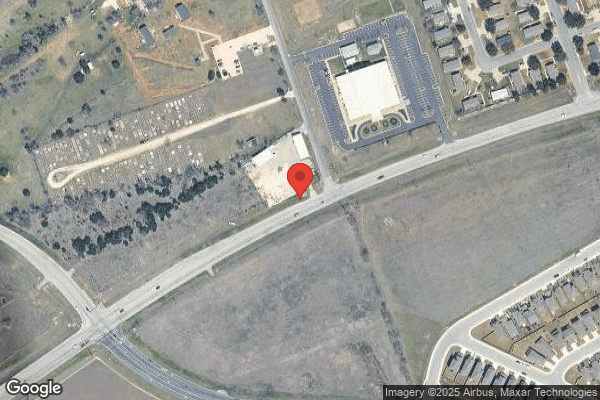
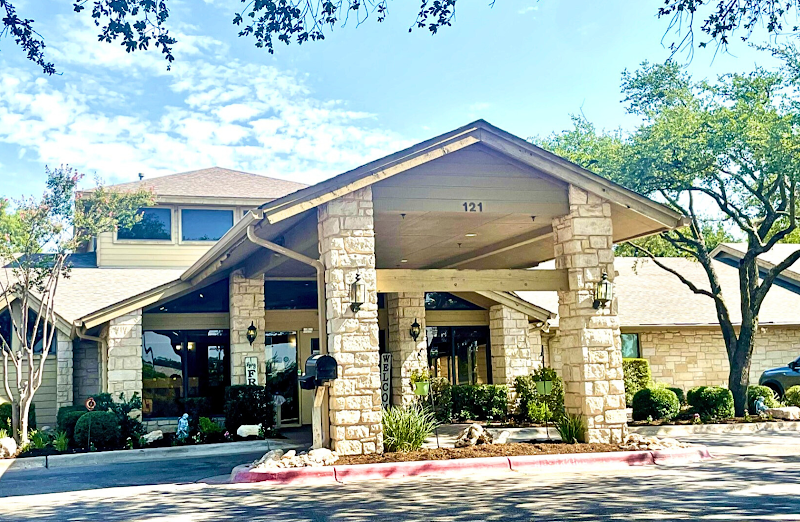
121 FM 971, Georgetown, TX 78626 (512) 868-6200
Government - Hospital district 116 Beds CREATIVE SOLUTIONS IN HEALTHCARE Data: November 2025 8 Immediate Jeopardy citations
Trust Grade
0/100
#1080 of 1168 in TX
Last Inspection: December 2024

Within standard 12-15 month inspection cycle. Federal law requires annual inspections.

Overview

Park Place Care Center has a Trust Grade of F, indicating significant concerns and poor overall performance. With a state ranking of #1080 out of 1168, they fall in the bottom half of Texas facilities, and they rank #13 out of 15 in Williamson County, meaning there are only two better local options. The facility is currently improving, having reduced its number of issues from 15 in 2024 to 10 in 2025. Staffing is below average with a rating of 2 out of 5 stars and a turnover rate of 43%, which is better than the Texas average but still concerning. However, the facility has received troubling fines totaling $297,843, which is higher than 96% of Texas facilities, suggesting ongoing compliance issues. Specific incidents include the failure to protect residents from verbal and emotional abuse, as seen in the case of one resident who was not suspended following allegations against a staff member. Additionally, the facility did not conduct thorough investigations into multiple abuse claims, potentially putting residents at risk. While there are some strengths, such as good quality measures rated at 4 out of 5, the significant issues of abuse, lack of proper investigation, and high fines indicate serious weaknesses that families should consider carefully.
Trust Score
F
0/100
In Texas
#1080/1168
Bottom 8%
Safety Record
High Risk
Review needed
Inspections
Getting Better
15 → 10 violations
Staff Stability
○ Average
43% turnover. Near Texas's 48% average. Typical for the industry.
Penalties
○ Average
$297,843 in fines. Higher than 57% of Texas facilities. Some compliance issues.
Skilled Nurses
⚠ Watch
Each resident gets only 17 minutes of Registered Nurse (RN) attention daily — below average for Texas. Fewer RN minutes means fewer trained eyes watching for problems.
Violations
⚠ Watch
41 deficiencies on record. Higher than average. Multiple issues found across inspections.
★☆☆☆☆
1.0
Overall Rating
★★☆☆☆
2.0
Staff Levels
★★★★☆
4.0
Care Quality
★☆☆☆☆
1.0
Inspection Score
Stable
2024: 15 issues
2025: 10 issues

The Good

  • 4-Star Quality Measures · Strong clinical quality outcomes
  • Full Sprinkler Coverage · Fire safety systems throughout facility
  • No fines on record
  • Staff turnover below average (43%)

    5 points below Texas average of 48%

Facility shows strength in quality measures, fire safety.

The Bad

1-Star Overall Rating

Below Texas average (2.8)

Significant quality concerns identified by CMS

Staff Turnover: 43%

Near Texas avg (46%)

Typical for the industry

Federal Fines: $297,843

Well above median ($33,413)

Significant penalties indicating serious issues

Chain: CREATIVE SOLUTIONS IN HEALTHCARE

Part of a multi-facility chain

Ask about local staffing decisions and management

The Ugly 41 deficiencies on record

8 life-threatening
Jul 2025 4 deficiencies 3 IJ (3 affecting multiple)
CRITICAL (K) 📢 Someone Reported This

A family member, employee, or ombudsman was alarmed enough to file a formal complaint

Immediate Jeopardy (IJ) - the most serious Medicare violation

Free from Abuse/Neglect (Tag F0600)

Someone could have died · This affected multiple residents

**NOTE- TERMS IN BRACKETS HAVE BEEN EDITED TO PROTECT CONFIDENTIALITY** Based on observation, interview, and record review, the facility failed to ensure the residents had the right to be free from ps...

Read full inspector narrative →
**NOTE- TERMS IN BRACKETS HAVE BEEN EDITED TO PROTECT CONFIDENTIALITY** Based on observation, interview, and record review, the facility failed to ensure the residents had the right to be free from psychosocial abuse and neglect for five (Resident #1, Resident #2, Resident #3, Resident #4, and Resident #5) of ten residents reviewed for abuse and neglect. The facility failed to:Ensure Resident #1 was free from verbal and emotional abuse by NA A on or around 05/30/25 and they failed to immediately suspend NA A (per their policy) as she had worked at the facility (26 shifts) since the incident. The facility did not investigate/report the incident because the DON stated Resident #1 later denied the allegation.Conduct thorough abuse/neglect investigations as they (staff) were photo-copying Abuse and Neglect in-services and changing the date without in servicing the staff for four separate self-reports, dated 06/14/25, 06/22/25, 06/26/25, and 07/02/25.Conduct thorough abuse/neglect investigations as they (staff) were photo-copying resident safe surveys for Residents #2, #3, #4, and #5 for two separate self-reports, dated 06/14/25 and 06/22/25. An Immediate Jeopardy (IJ) was identified on 07/09/25 at 3:24 PM and an IJ template was provided. While the IJ was removed on 07/10/25 at 5:00 PM, the facility remained out of compliance at a scope of pattern and a severity level of no actual harm with the potential for more than minimal harm that is not immediate jeopardy.These failures could place residents at risk of abuse, neglect, trauma, and psychosocial harm. Findings included:Resident #1Review of Resident #1's undated face sheet reflected a [AGE] year-old female who was admitted to the facility on [DATE] with diagnoses including morbid obesity, need for assistance with personal care, anxiety disorder, and age-related cognitive decline. Review of Resident #1's quarterly MDS assessment, dated 06/12/25, reflected a BIMS score of 15, indicating she was cognitively intact. Section GG (Functional Abilities) reflected she required substantial/maximal assistance for toileting hygiene. Review of Resident #1's quarterly care plan, dated 5/28/25, reflected she had an ADL self-care performance deficit with an intervention of requiring two staff participation to toilet. Resident #2Review of Resident #2's undated face sheet reflected a [AGE] year-old male who was admitted to the facility on [DATE] with diagnoses including mild cognitive impairment, muscle weakness, and a history of falling. Review of Resident #2's quarterly MDS assessment, dated 05/30/25, reflected a BIMS score of 14, indicating he was cognitively intact. Review of Resident #2's quarterly care plan, dated 05/27/25, reflected he had an ADL self-care performance deficit with an intervention of requiring two staff for assistance with bed mobility. During an interview on 07/09/25 at 10:08 AM, Resident #2 was shown a completed safe survey with his name on it. He stated he believed he had been asked those questions before, but if he had, it had only been one time. Resident #3Review of Resident #3's undated face sheet reflected a [AGE] year-old male who was admitted to the facility on [DATE] with diagnoses including cognitive communication deficit, mild cognitive impairment, anxiety disorder, and need for assistance with personal care. Review of Resident #3's quarterly MDS assessment, dated 05/01/25, reflected a BIMS score of 14, indicating he was cognitively intact. Review of Resident #3's quarterly care plan, dated 05/05/25, reflected he had an ADL self-care deficit with an intervention of requiring one staff for assistance with bed mobility. During an interview on 07/09/25 at 10:11 AM, Resident #3 was shown a completed safe survey with his name on it. He stated he had never been asked those questions before and had never seen the document. Resident #4Review of Resident #4's undated face sheet reflected a [AGE] year-old female who was admitted to the facility on [DATE] with diagnoses including anxiety disorder, acute respiratory failure, history of falling, and muscle weakness. Review of Resident #4's quarterly MDS, dated [DATE], reflected a BIMS score of 10, indicating a moderate cognitive impairment. Review of Resident #4's quarterly care plan, dated 03/04/25, reflected he had an ADL self-care performance deficit with an intervention of requiring one staff for assistance with bed mobility. Resident #5Review of Resident #5's undated face sheet reflected a [AGE] year-old female who was admitted to the facility on [DATE] with diagnoses including joint disorders, cerebral infraction (stroke), cognitive communication deficit, and muscle weakness. Review of Resident #5's quarterly MDS, dated [DATE], reflected a BIMS score of 15, indicating she was cognitively intact. Review of Resident #5's quarterly care plan, dated 07/08/25, reflected she had an ADL self-care performance deficit with an intervention of requiring one staff for assistance with bed mobility. Review of safe surveys, dated 06/25/25 and included in the facility's 3613 (facility investigation report), from a self-report, dated 06/14/25, reflected the following questions/answers documented by the SW for Residents #2, #3, #4, and #5: 1. Do you feel safe in the facility? Yes2. Do the staff treat you with respect? Yes3. Do you know what to do if you witness or experience any kind of abuse? Tell the nurse4. Do you know who the Abuse Coordinator is? Unsure - explained it is the Admin. Review of safe surveys, dated 06/25/25 and included in the facility's 3613 (investigation report), from a self-report, dated 07/01/25, reflected the following questions/answers documented by the SW for Residents #2, #3, #4, and #5, which were photo-copied and identical from the ones completed for the self-report from 06/14/25: 1. Do you feel safe in the facility? Yes2. Do the staff treat you with respect? Yes3. Do you know what to do if you witness or experience any kind of abuse? Tell the nurse4. Do you know who the Abuse Coordinator is? Unsure - explained it is the Admin. Review of in-services entitled Abuse and Neglect and conducted by ADON D, dated 06/14/25, 06/25/25, 07/02/25, and one that was undated, reflected they were photo-copied with the date changed at the top. The staff in-serviced and their signatures were identical. They were included with the facility's 3613s from self-reports dated 06/14/25, 06/22/25, 06/26/25, and 07/02/25. Review of the facility's self-reports from 06/14/25, 06/22/25, 06/26/25, and 07/02/25, reflected the reporter was the DON and her signature was on the 3613s. During an interview on 07/09/25 at 9:41 AM, CNA B stated the management staff were lax when it came to abuse and neglect. She stated the residents were in a vulnerable state and it was not fair to them to not take abuse seriously. She stated a couple of days after she first started working at the facility, on approximately 05/30/25, she was in training and shadowing CNA C. She stated Resident #1 had said something about not getting changed by NA A and CNA C asked Resident #1 about the situation. She stated NA A was walking past the room and heard the conversation. She stated NA A she charged into the room and at the resident and yelled, Keep my mother f****** name out of your mother f****** mouth! She stated Resident #1 was shaking and was terrified. She stated she told NA A she needed to leave Resident #1's room and CNA C had to walk NA A out of the room. She stated she told CNA C to ensure that incident was reported to management as it was verbal abuse. She stated she continued to see NA A working and asked ADON E why nothing had been done and ADON E told her CNA C had changed her statement and stated she had walked NA A out of the room before she said anything to Resident #1. She stated she wrote a statement and had assumed it had gone to the DON and was self-reported to the state. She was told the DON told ADON E that without two written statements confirming it had happened, they could not do anything about it. CNA B was shown the four in-services (that had her name and signature on them) and she stated, You can tell these are copies! Look at the signatures - they are all the same! She stated she had not worked on any of those four dates and had been out of town on vacation. She stated, None of these are real.Review of NA A's time sheets, from 05/30/25 - 07/09/25, reflected she had worked 26 shifts during that timeframe. During an interview on 07/09/25 at 10:01 AM, Resident #1 stated she remembered NA A was sometimes mean to her. She stated she remembered (her account from the incident on 05/30/25) NA A telling her she was so big and her butt was so big it was hard to change her. She stated she had made her feel humiliated, ashamed, and scared. She stated the DON told her NA A would not work with her anymore, but NA A continued to come and try to change her, and she would tell her no because she did not want her to provide care. She stated she did not believe NA A ever got talked to by management. During an interview and observation on 07/09/25 at 11:50 AM, ADON E stated the ADM was the abuse and neglect coordinator. She stated she did not witness the incident regarding NA A and Resident #1 on 05/30/25 but was told about it by CNA B. She stated she reported it to the DON and the DON told her she found it to be unsubstantiated. She stated she would expect for the incident to have been reported the state if it had not been. She stated the DON told her she would not bring it to corporate's attention unless there were two witnesses confirming it happened. She stated when she initially interviewed CNA C, she confirmed the events of the incident that CNA B had relayed to her. She stated when she wrote her statement, she changed the story and wrote that she never heard anything. She stated she told CNA C to document the truth, but she would not. She stated both witness statements were given to the DON. She stated NA A was never suspended and continued to work on Resident #1's hall. She stated the DON conducted in-services every other Tuesday when they received their paychecks, and ADON D conducted in-services on the floor whenever they were needed. ADON E was shown the in-services and safe surveys that had been photo-copied. She stated they were obviously being copied which meant the staff were not getting appropriately educated and they were not ensuring residents felt safe. She stated it absolutely did not meet her expectations. She stated she did not believe ADON D had conducted them, and she probably had no idea her name was attached to them. ADON E became tearful and stated she could not believe that was going on and that the residents relied on them and they were not being taken care of the way they should be. During an interview on 07/09/25 at 12:24 PM, the DON stated her expectations regarding safe surveys were that the SW conduct new surveys any time there was an incident of abuse or neglect. She stated the surveys should pertain to the residents who were cared for by the staff member that it had been alleged against. She stated, typically, the ADM was responsible for completing self-reports, but for the last five weeks (how long the new ADM had been working at the facility), the responsibility had fallen on the nursing side. She was shown the photo-copied in-services and stated they looked like they were copied. She could not remember who completed those particular in-services, but it did not meet her expectations, as there should be new in-services conducted every time abuse or neglect was alleged. She stated she remembered CNA B had reported (at the end of May 2025) to ADON E that Resident #1 told her NA A had yelled at her. She stated she believed statements were gotten from CNAs B and C. She stated when she interviewed Resident #1, she denied the allegation and she believed her because they had a therapeutic relationship. She stated she would have reported it to the state if Resident #1 had been cognitively impaired, but she had denied it and was cognitively intact. The witness statements for CNAs B and C were requested. During an interview on 07/09/25 at 12:51 PM, the SW stated she was responsible for conducting safe surveys when she was told to. She was shown the photo-copied safe surveys and stated she never made copies of them and believed they were put in the wrong binders. She stated it was important to interview residents that could have been affected by a staff member who had been accused of possible abuse or neglect and it was important to interview the residents that were cognitively intact. During a telephone interview on 07/09/25 at 12:51 PM, the NP stated if there was an incident of alleged verbal abuse, she would expect the facility to investigate it if the patient was with it. She stated if the resident was confused, she was not sure if they should investigate it. She stated if the abuse was witnessed by another staff member, then that was a different story. She stated they should escalate it through their chain of command. She stated it was very important for staff to be in-serviced regularly on abuse and neglect to refresh them. During an interview on 07/09/25 at 2:11 PM, the ADM stated the DON could only find CNA C's witness statement regarding the incident with Resident #1. She stated that did not meet her expectations to only have the one statement. She stated ADON E told her she gave both statements to the DON and she was not sure what happened. She stated she started working at the facility around the time of the incident and was never notified of the allegation. She stated it did not matter if only one statement had been obtained. She stated the second an allegation of abuse or neglect was made towards a staff member; she would immediately suspend them and start her investigation. She stated if a resident then denied it, she would not go solely on that interview. She stated she would interview other staff that worked the same shift and the roommate of the resident alleging the abuse or neglect. The ADM was shown the photo-copied in-services and safe surveys and she stated they appeared to be duplicates and she considered that to be falsification. She stated that did not meet her expectations. She stated the DON was responsible for all self-reports as she (the DON) was clinical. She stated ADON D only conducted in-services on the weekends when an allegation of abuse or neglect was made, and the DON conducted them during the week. (All four copied in-services reflected week-day dates.) She stated after an allegation was made; she should be made aware immediately. She stated the sooner they could get to the root cause, the sooner she could make the necessary adjustments. She stated not investigating was putting the residents in jeopardy of being harmed. Telephone interviews were attempted with NA A on 07/09/25 at 10:27 AM and 1:32 PM. A returned call was not received prior to exit. Telephone interviews were attempted with CNA C on 07/09/25 at 10:29 AM and 1:35 PM. A returned call was not received prior to exit. Telephone interviews were attempted with ADON D on 07/09/25 at 10:07 AM and 2:12 PM. A returned call was not received prior to exit. Review of CNA C's witness statement, dated 06/04/25, reflected the following: On Friday the 30th [of May], we [CNAs B and C] were passing out morning trays. We went into [Resident #1]'s room and she was telling me something about the day before. As she was talking, [NA A] came in and saying things [sic]. So I politely turn [sic] [NA A] out of the room and let the resident finish talking. Then I went to report what had to place [sic]. It was noted under the statement that CNA C did not want to sign the statement. On the back of the statement, the DON documented, [Resident #1] (BIMS 15) denied hearing any cobe [sic] words or abusive language. Accusation unfounded. Review of the facility's Abuse/Neglect Policy, revised 05/09/17, reflected the following: The resident has the right to be free from abuse. Verbal Abuse: Any use of oral, written, or gestured language that willfully includes disparaging and derogatory terms to residents. Mental Abuse: Includes, but not limited to, humiliation, harassment, threats of punishment or deprivation. Training: The facility will train through orientation and on-going in-services on issues related to abuse/neglect prohibition practices regularly. All reports of abuse or suspicion of abuse/neglect or potentially criminal behavior will be investigated as per facility protocol. Investigations will be reviewed by the facility administrator and/or Abuse Preventionist within 24 hours of complaint. With an allegation of abuse or neglect, the employee(s) will immediately be suspended pending an investigation. Review of the facility's Resident Rights Policy, revised 11/28/16, reflected the following: A facility must treat each resident with respect and dignity and care for each resident in a manner and in an environment that promotes maintenance or enhancement of his or her quality of life. The ADM was notified on 07/09/25 at 3:24 PM that an IJ situation had been identified and an IJ template was provided. The following POR was approved on 07/10/25 at 1:33 PM and indicated: Problem: FREE FROM ABUSE AND NEGLECT- On 07/09/2025, an abbreviated survey was initiated at the facility. On 07/09/2025 the surveyor provided an Immediate Jeopardy (IJ) Template notification that the Regulatory Services has determined that the condition at the facility constitutes an immediate jeopardy to resident health and safety. Interventions: One on One documented in-service on Abuse Investigation with the Administrator/DON was conducted by the Regional Compliance Nurse on 07/09/2025. This in-service included reviewing and conducting timely investigations for allegations. Staff verbalized understanding One on one documented inservice with DON by regional compliance nurse on events about reporting all allegations of abuse to the administrator as defined in 2014-14. Alleged perpetrators are to be suspended immediately, new inservices and new staff and resident assessments are to be initiated with every new allegation. DON verbalized understanding. Staff working with NA A have been interviewed on 07/09/2025 NA A, was suspended by facility administrator on 07/09/2025, pending investigation for abuse Resident safe surveys were completed on 07/9/2025 by Activity Director. No negative findings. Un-interviewable residents had a head-to-toe assessment completed on 07/09/2025 by charge nurses. No negative findings. The following in-services were initiated, documented and signed to confirm verbal understanding on 07/09/2025 by admin and DON, and any staff member not present or in-serviced on 07/09/2025, will not be allowed to assume their duties until in-services have been completed. Any new employees or agency staff or PRN staff utilized will receive the following in-services before first shift to be worked.o All StaffS Abuse/NeglectS Abuse/Neglect ReportingS Who to Report Abuse/Neglect to Inservice included reporting timelines and abuse and neglect coordinator notification . Staff will be questioned on inservices randomly, 3 x week x 4 weeks or until compliance is met by DON, ADON, Admin or Designee. The medical director was notified of the immediate jeopardy situation on 07/09/2025 at 1709 by ADON. On 07/09/2025, a trauma informed assessment was completed for Resident #1, by social worker which was negative for findings that required follow up interventions. 07/09/2025 Staff that worked with perpetrator were interviewed by Administrator, DON and ADON and asked if they had noted any abuse by the alleged perpetrator, no negative findings. ADHOC QAPI discussed with IDT on 07/09/2025. Monitoring DON/Admin/Designee will interview 5-10 staff weekly x 6-week situational abuse scenarios had how to address effective 07/09/2025 DON/Admin/Designee will interview 5 residents how staff treat them weekly x 6 weeks effective 07/09/2025 ADO/Regional Compliance Nurse will monitor weekly x 6 weeks monitoring tools for staff and resident interviews effective 07/09/2025 The QA committee will review the findings monthly x 3 months and makes changes as needed. The Administrator will resolve once no further issues have been identified. Effective 07/09/2025 The Surveyor monitored the POR on 07/10/25 as followed: During interviews on 07/10/25 from 1:55 PM - 4:29 PM, staff from both shifts were interviewed, which included CNA F, LVN G, CNA H, LVN I, MA J, the SW, and the AD. They all stated they were in-serviced on abuse and neglect before their shifts as well as receiving text message alerts about reporting abuse to the ADM immediately. They all knew their abuse and neglect coordinator was the ADM. All staff stated they have the ADM's personal phone number, and it was also located by the copy machine. The staff stated they were required to notify the ADM of any suspicion of abuse or neglect immediately - any day, any time. They all were able to give examples of abuse which included verbal, mental, physical, and emotional. During an interview on 07/10/25 at 3:53 PM, ADON E stated the abuse and neglect coordinator was the ADM. She stated she had never seen a resident at the facility being abused or neglected. She stated if she had, she would ensure their safety which was the main priority, then would report it to the ADM. She stated it was not their duty to determine if something happened, it was their duty to report it immediately. She stated all residents received either a skin assessment or safe survey on 07/09/25. During an interview on 07/10/25 at 4:29 PM, the ADM stated she was the abuse and neglect coordinator. She stated she expected to be notified immediately of any allegation of abuse or neglect. She stated, if you see something, say something. She stated she was in-serviced the night prior (07/09/25) by their regional corporate nurse regarding abuse and neglect. She stated the team had ensured all staff had her contact information, they sent mass text messages to all staff through their scheduling system, and did follow-up interviews with staff. She stated the DON was suspended because the IJ and not communicating to her the allegation of abuse with Resident #1. She stated NA A was suspended and then terminated due to the allegations made against her. Review of the facility's AD Hoc QAPI agenda, dated 07/09/25, reflected the ADM, the DON, ADON E, the SW, the AD, the HRD, and the MD were in attendance. Review of a Trauma Informed Assessment for Resident #1, dated 07/09/25 and completed by the SW, reflected no concerns. Review of witness statements, dated 07/09/25, reflected seven staff members' statements that had worked with NA A in some capacity alleging they had never seen NA A being abusive towards the residents. Review of safe surveys, dated 07/09/25, reflected interviewable residents had a safe survey completed by the AD with no concerns noted. Review of skin assessments, dated 07/09/25, reflected all non-interviewable residents had a completed skin assessment by a nurse with no concerns noted. Review of an in-service, dated 07/09/25 and conducted by the RCN, reflected the DON was in-serviced on the following: DON must report all allegations of abuse to the administrator as defined in 2014-14, asap. Every new allegation requires - Alleged perpetrators to be suspended immediately, new in-services initiated, new staff interviews, and new resident safe surveys. Review of an in-service, dated 07/09/25 and conducted by the RCN, reflected the DON, the ADM, ADON D, and ADON E, were in-serviced on the following: All allegations of abuse require a thorough investigation to include staff interviews and resident safe surveys. Review of an in-service, dated 07/09/25 and conducted by the RCN, reflected the DON, the ADM, ADON D, and ADON E, were in-serviced on the Abuse and Neglect provider letter. Review of an in-serviced, dated 07/09/25 and conducted by ADON E, reflected all staff for all shifts were in-serviced on the facility's Abuse and Neglect Policy. Review of an Employee Disciplinary Report for NA A, dated 07/09/25, reflected the following: [NA A] will be placed on investigatory suspension pending an investigation into allegations of resident mistreatment. Review of a Personnel Action Form for NA A, dated 07/10/25, reflected she was terminated due to failing to adhere to corporate code of conduct. The ADM was notified on 07/10/25 at 5:00 PM that the IJ had been removed. While the IJ was removed, the facility remained at a level of no actual harm at a scope of pattern that was not immediate jeopardy due to the facility's need to evaluate the effectiveness of the corrective systems.
CRITICAL (K) 📢 Someone Reported This

A family member, employee, or ombudsman was alarmed enough to file a formal complaint

Immediate Jeopardy (IJ) - the most serious Medicare violation

Abuse Prevention Policies (Tag F0607)

Someone could have died · This affected multiple residents

**NOTE- TERMS IN BRACKETS HAVE BEEN EDITED TO PROTECT CONFIDENTIALITY** Based on observation, interview and record review, the facility failed to develop and implement written policies and procedures ...

Read full inspector narrative →
**NOTE- TERMS IN BRACKETS HAVE BEEN EDITED TO PROTECT CONFIDENTIALITY** Based on observation, interview and record review, the facility failed to develop and implement written policies and procedures that prohibit and prevent abuse and establish policies and procedures to investigate any such allegations for one (Resident #1) of ten residents reviewed for abuse and neglect. The facility failed to: - Follow their Abuse and Neglect policy after Resident #1 was verbally/emotionally abused by NA A on or around 05/30/25 by not investigating the incident, not suspending NA A, and not reporting it to the ADM which resulted in psychosocial harm for Resident #1. An Immediate Jeopardy (IJ) was identified on 07/09/25 at 3:24 PM and an IJ template was provided. While the IJ was removed on 07/10/25 at 5:00 PM, the facility remained out of compliance at a scope of pattern and a severity level of no actual harm with the potential for more than minimal harm that is not immediate jeopardy. These failures could place residents at risk of abuse, neglect, trauma, and psychosocial harm.Findings included: Review of Resident #1's undated face sheet reflected a [AGE] year-old female who was admitted to the facility on [DATE] with diagnoses including morbid obesity, need for assistance with personal care, anxiety disorder, and age-related cognitive decline. Review of Resident #1's quarterly MDS assessment, dated 06/12/25, reflected a BIMS score of 15, indicating she was cognitively intact. Section GG (Functional Abilities) reflected she required substantial/maximal assistance for toileting hygiene. Review of Resident #1's quarterly care plan, dated 5/28/25, reflected she had an ADL self-care performance deficit with an intervention of requiring two staff participation to toilet. Review of CNA A's time sheets, from 05/30/25 - 07/09/25, reflected she had worked 26 shifts during that timeframe. During an interview on 07/09/25 at 9:41 AM, CNA B stated the management staff were lax when it came to abuse and neglect. She stated the residents were in a vulnerable state and it was not fair to them to not take abuse seriously. She stated a couple of days after she first started working at the facility, on approximately 05/30/25, she was in training and shadowing CNA C. She stated Resident #1 had said something about not getting changed by NA A and CNA C asked Resident #1 about the situation. She stated NA A was walking past the room and heard the conversation. She stated NA A she charged into the room and at the resident and yelled, Keep my mother f****** name out of your mother f****** mouth! She stated Resident #1 was shaking and was terrified. She stated she told NA A she needed to leave Resident #1's room and CNA C had to walk NA A out of the room. She stated she told CNA C to ensure that incident was reported to management as it was verbal abuse. She stated she continued to see NA A working and asked ADON E why nothing had been done and ADON E told her CNA C had changed her statement and stated she had walked NA A out of the room before she said anything to Resident #1. She stated she wrote a statement and had assumed it had gone to the DON and was self-reported to the state. She was told that the DON told ADON E that without two written statements confirming it had happened, they could not do anything about it. CNA B was shown the four in-services (that had her name and signature on them) and she stated, You can tell these are copies! Look at the signatures - they are all the same! She stated she had not worked on any of those four dates and had been out of town on vacation. She stated, None of these are real. During an interview on 07/09/25 at 10:01 AM, Resident #1 stated she remembered NA A was sometimes mean to her. She stated she remembered (her account from the incident on 05/30/25) NA A telling her she was so big and her butt was so big it was hard to change her. She stated she had made her feel humiliated, ashamed, and scared. She stated the DON told her NA A would not work with her anymore, but NA A continued to come and try to change her, and she would tell her no because she did not want her to provide care. She stated she did not believe NA A every got talked to by management. During an interview and observation on 07/09/25 at 11:50 AM, ADON E stated the ADM was the abuse and neglect coordinator. She stated she did not witness the incident regarding NA A and Resident #1 on 05/30/25 but was told about it by CNA B. She stated she reported it to the DON and the DON told her she found it to be unsubstantiated. She stated she would expect for the incident to have been reported the state if it had not been. She stated the DON told her she would not bring it to corporate's attention unless there were two witnesses confirming it happened. She stated when she initially interviewed CNA C, she confirmed the events of the incident that CNA B had relayed to her. She stated when she wrote her statement, she changed the story and wrote that she never heard anything. She stated she told CNA C to document the truth, but she would not. She stated both witness statements were given to the DON. She stated NA A was never suspended and continued to work on Resident #1's hall. During an interview on 07/09/25 at 12:24 PM, the DON stated her expectations regarding safe surveys were that the SW conduct new surveys any time there was an incident of abuse or neglect. She stated the surveys should pertain to the residents who were cared for by the staff member that it had been alleged against. She stated, typically, the ADM was responsible for completing self-reports, but for the last five weeks (how long the new ADM had been working at the facility), the responsibility had fallen on the nursing side. She was shown the photo-copied in-services and stated they looked like they were copied. She could not remember who completed those particular in-services, but it did not meet her expectations, as there should be new in-services conducted every time abuse or neglect was alleged. She stated she remembered CNA B had reported (at the end of May 2025) to the ADON that Resident #1 told her NA A had yelled at her. She stated she believed statements were gotten from CNAs B and C. She stated when she interviewed Resident #1, she denied the allegation and she believed her because they had a therapeutic relationship. She stated she would have reported it to the state if Resident #1 had been cognitively impaired, but she had denied it and was cognitively intact. The witness statements for CNAs B and C were requested.During a telephone interview on 07/09/25 at 12:51 PM, the NP stated if there was an incident of alleged verbal abuse, she would expect the facility to investigate it if the patient was with it. She stated if the resident was confused, she was not sure if they should investigate it. She stated if the abuse was witnessed by another staff member, then that was a different story. She stated they should escalate it through their chain of command. During an interview on 07/09/25 at 2:11 PM, the ADM stated the DON could only find CNA C's witness statement regarding the incident with Resident #1. She stated that did not meet her expectations to only have the one statement. She stated ADON E told her she gave both statements to the DON and she was not sure what happened. She stated she started working at the facility around the time of the incident and was never notified of the allegation. She stated it did not matter if only one statement had been obtained. She stated the second an allegation of abuse or neglect was made towards a staff member; she would immediately suspend them and start her investigation. She stated if a resident then denied it, she would not go solely on that interview. She stated she would interview other staff that worked the same shift and the roommate of the resident alleging the abuse or neglect. She stated after an allegation was made; she should be made aware immediately. She stated the sooner they could get to the root cause, the sooner she could make the necessary adjustments. She stated not investigating was putting the residents in jeopardy of being harmed. Telephone interviews were attempted with NA A on 07/09/25 at 10:27 AM and 1:32 PM. A returned call was not received prior to exit. Telephone interviews were attempted with CNA C on 07/09/25 at 10:29 AM and 1:35 PM. A returned call was not received prior to exit.Review of CNA C's witness statement, dated 06/04/25, reflected the following: On Friday the 30th [of May], we [CNAs B and C] were passing out morning trays. We went into [Resident #1]'s room and she was telling me something about the day before. As she was talking, [NA A] came in and saying things [sic]. So I politely turn [sic] [NA A] out of the room and let the resident finish talking. Then I went to report what had to place [sic]. It was noted under the statement that CNA C did not want to sign the statement. On the back of the statement, the DON documented, [Resident #1] (BIMS 15) denied hearing any cobe [sic] words or abusive language. Accusation unfounded. Review of the facility's Abuse/Neglect Policy, revised 05/09/17, reflected the following: The resident has the right to be free from abuse. Verbal Abuse: Any use of oral, written, or gestured language that willfully includes disparaging and derogatory terms to residents. Mental Abuse: Includes, but not limited to, humiliation, harassment, threats of punishment or deprivation. Training: The facility will train through orientation and on-going in-services on issues related to abuse/neglect prohibition practices regularly. All reports of abuse or suspicion of abuse/neglect or potentially criminal behavior will be investigated as per facility protocol. Investigations will be reviewed by the facility administrator and/or Abuse Preventionist within 24 hours of complaint. With an allegation of abuse or neglect, the employee(s) will immediately be suspended pending an investigation. Review of the facility's Resident Rights Policy, revised 11/28/16, reflected the following: A facility must treat each resident with respect and dignity and care for each resident in a manner and in an environment that promotes maintenance or enhancement of his or her quality of life. The ADM was notified on 07/09/25 at 3:24 PM that an IJ had been identified and an IJ template was provided. The following POR was approved on 07/10/25 at 1:33 PM: Problem: On 07/09/2025, an abbreviated survey was initiated at the facility. On 07/09/2025 the surveyor provided an Immediate Jeopardy (IJ) Template notification that the Regulatory Services has determined that the condition at the facility constitutes an immediate jeopardy to resident health and safety. The facility must develop and implement written policies and procedures that prohibit and prevent abuse, establish policies and procedures to investigate any such allegations, and include training as required Facility failed to keep resident #1 free from verbal and emotional abuse by NA A on or around 5/28/25 The facility failed to immediately suspend NA A (per their policy) as she has worked at the facility since the incident on 5/28/25. The facility did not investigate the incident because the DON stated Resident #1 later denied the allegation. One to one documented inservice provided to the DON by Regional Compliance Nurse over notification of administrator of any allegation and reporting per state provider letter 2024-14. This was completed on 07/10/2025. Signature confirmed verbal understanding. The facility failed to conduct thorough abuse/neglect investigation as they copied Abuse and Neglect in-service and changed the date without in-servicing the staff for four separate self reports. The facility failed to conduct thorough abuse/neglect investigation as they copied resident safe surveys for residents #2,#3,#4, and #5 for three separate self reports Interventions: One on One documented in-service on Abuse Investigation with the Administrator/DON was conducted by the Regional Compliance Nurse on 07/09/2025. This in-service included reviewing and conducting timely investigations for allegations per CMS provider letter _PL2024-14____. Signature to confirm verbal understanding. Staff working with Alleged perpetrator (NA A) have been interviewed on 07/09/2025 by DON with no negative findings The alleged perpetrator, NA A was suspended by facility administrator on 07/09/2025. Resident safe surveys were completed on 07/09/2025 by Activity Director. No negative outcomes. Administrator and DON and ADON were in-serviced by the Regional Compliance Nurse on conducting staff in-services for each individual self report on 07/09/2025. Administrator and DON and ADON were in-serviced by the Regional Compliance Nurse related to conducting thorough investigation including current safe surveys for each separate self report on 07/09/2025. Un-interviewable residents had a head-to-toe assessment completed on 07/09/2025 and completed by charge nurse. No negative findings. The medical director was notified of the immediate jeopardy situation on 07/09/2025 by ADON. On 07/09/2025 a trauma informed assessment was completed for Resident #1 by Social Worker. No negative outcomes. Resident denied past or present trauma. All events / risk management will be reviewed 5 times a week by the IDT members for 6 weeks ADHOC QAPI discussed with IDT on 07/09/2025. Monitoring DON/Admin/Designee will interview 5-10 staff weekly x 6-week situational abuse scenarios had how to address effective 07/09/2025. DON/Admin/Designee will interview 5 residents how staff treat them weekly x 6 weeks effective 07/09/2025. ADO/Compliance Nurse will review all events/risk management to ensure timely/accurate investigation and reporting if needed weekly for 6 weeks. ADO/Regional Compliance Nurse will monitor weekly x 6 weeks monitoring tools for staff and resident interviews effective 07/09/2025. The QA committee will review the findings monthly x 3 months and makes changes as needed. The Administrator will resolve once no further issues have been identified. Effective 07/09/2025. The Surveyor monitored the POR on 07/10/25 as followed: During interviews on 07/10/25 from 1:55 PM - 4:29 PM, staff from both shifts were interviewed, which included CNA F, LVN G, CNA H, LVN I, MA J, the SW, and the AD. They all stated they were in-serviced on abuse and neglect before their shifts as well as receiving text message alerts about reporting abuse to the ADM immediately. They all knew their abuse and neglect coordinator was the ADM. All staff stated they have the ADM's personal phone number, and it was also located by the copy machine. The staff stated they were required to notify the ADM of any suspicion of abuse or neglect immediately - any day, any time. They stated that was to ensure all residents were safe and protected. They all were able to give examples of abuse which included verbal, mental, physical, and emotional. During an interview on 07/10/25 at 3:53 PM, ADON E stated the abuse and neglect coordinator was the ADM. She stated she had never seen a resident at the facility being abused or neglected. She stated if she had, she would ensure their safety which was the main priority, then would report it to the ADM. She stated it was not their duty to determine if something happened, it was their duty to report it immediately. She stated all residents received either a skin assessment or safe survey they day prior, 07/09/25. During an interview on 07/10/25 at 4:29 PM, the ADM stated she was the abuse and neglect coordinator. She stated she expected to be notified immediately of any allegation of abuse or neglect. She stated, if you see something, say something. She stated she was in-serviced the night prior (07/09/25) by their regional corporate nurse regarding abuse and neglect. She stated the team had ensured all staff had her contact information, they sent mass text messages to all staff through their scheduling system, and did follow-up interviews with staff. She stated the DON was suspended because the IJ and not communicating to her the allegation of abuse with Resident #1. She stated NA A was suspended and then terminated due to the allegations made against her. Review of the facility's AD Hoc QAPI agenda, dated 07/09/25, reflected the ADM, the DON, ADON E, the SW, the AD, the HRD, and the MD were in attendance. Review of a Trauma Informed Assessment for Resident #1, dated 07/09/25 and completed by the SW, reflected no concerns. Review of witness statements, dated 07/09/25, reflected seven staff members' statements that had worked with NA A in some capacity alleging they had never seen NA A being abusive towards the residents. Review of safe surveys, dated 07/09/25, reflected interviewable residents had a safe survey completed by the AD with no concerns noted. Review of skin assessments, dated 07/09/25, reflected all non-interviewable residents had a completed skin assessment by a nurse with no concerns noted. Review of an in-service, dated 07/09/25 and conducted by the RCN, reflected the DON was in-serviced on the following: DON must report all allegations of abuse to the administrator as defined in 2014-14, asap. Every new allegation requires - Alleged perpetrators to be suspended immediately, new in-services initiated, new staff interviews, and new resident safe surveys. Review of an in-service, dated 07/09/25 and conducted by the RCN, reflected the DON, the ADM, ADON D, and ADON E, were in-serviced on the following: All allegations of abuse require a thorough investigation to include staff interviews and resident safe surveys. Review of an in-service, dated 07/09/25 and conducted by the RCN, reflected the DON, the ADM, ADON D, and ADON E, were in-serviced on the Abuse and Neglect provider letter. Review of an in-serviced, dated 07/09/25 and conducted by ADON E, reflected all staff for all shifts were in-serviced on the facility's Abuse and Neglect Policy. Review of an Employee Disciplinary Report for NA A, dated 07/09/25, reflected the following: [NA A] will be placed on investigatory suspension pending an investigation into allegations of resident mistreatment. Review of a Personnel Action Form for NA A, dated 07/10/25, reflected she was terminated due to failing to adhere to corporate code of conduct. The ADM was notified on 07/10/25 at 5:00 PM that the IJ had been removed. While the IJ was removed, the facility remained at a level of no actual harm at a scope of pattern that was not immediate jeopardy due to the facility's need to evaluate the effectiveness of the corrective systems.
CRITICAL (K) 📢 Someone Reported This

A family member, employee, or ombudsman was alarmed enough to file a formal complaint

Immediate Jeopardy (IJ) - the most serious Medicare violation

Report Alleged Abuse (Tag F0609)

Someone could have died · This affected multiple residents

**NOTE- TERMS IN BRACKETS HAVE BEEN EDITED TO PROTECT CONFIDENTIALITY** Based on observation, interview, and record review, the facility failed to ensure that all alleged violations involving abuse ar...

Read full inspector narrative →
**NOTE- TERMS IN BRACKETS HAVE BEEN EDITED TO PROTECT CONFIDENTIALITY** Based on observation, interview, and record review, the facility failed to ensure that all alleged violations involving abuse are reported immediately, but not later than 2 hours after the allegation is made for one (Resident #1) of ten residents reviewed for abuse. The facility failed to: - Ensure Resident #1 was free from verbal and emotional abuse by NA A on or around 05/30/25 and they failed to immediately suspend NA A (per their policy) as she had worked at the facility (26 shifts) since the incident. The facility did not investigate/report (to HHSC) the incident because the DON stated Resident #1 later denied the allegation. - Notify the Abuse and Neglect Coordinator (ADM) of the alleged abuse by NA A towards Resident #1 so it could be investigated and handled appropriately to ensure her safety. An Immediate Jeopardy (IJ) was identified on 07/09/25 at 3:24 PM and an IJ template was provided. While the IJ was removed on 07/10/25 at 5:00 PM, the facility remained out of compliance at a scope of pattern and a severity level of no actual harm with the potential for more than minimal harm that is not immediate jeopardy. These failures could place residents at risk of abuse, neglect, trauma, and psychosocial harm. Findings included: Review of Resident #1's undated face sheet reflected a [AGE] year-old female who was admitted to the facility on [DATE] with diagnoses including morbid obesity, need for assistance with personal care, anxiety disorder, and age-related cognitive decline. Review of Resident #1's quarterly MDS assessment, dated 06/12/25, reflected a BIMS score of 15, indicating she was cognitively intact. Section GG (Functional Abilities) reflected she required substantial/maximal assistance for toileting hygiene. Review of Resident #1's quarterly care plan, dated 5/28/25, reflected she had an ADL self-care performance deficit with an intervention of requiring two staff participation to toilet. Review of the facility's self-reports to HHSC from 05/01/25 - 07/01/25, reflected no self-report regarding Resident #1 and NA A from 05/30/25. During an interview on 07/09/25 at 9:41 AM, CNA B stated the management staff were lax when it came to abuse and neglect. She stated the residents were in a vulnerable state and it was not fair to them to not take abuse seriously. She stated a couple of days after she first started working at the facility, on approximately 05/30/25, she was in training and shadowing CNA C. She stated Resident #1 had said something about not getting changed by NA A and CNA C asked Resident #1 about the situation. She stated NA A was walking past the room and heard the conversation. She stated NA A she charged into the room and at the resident and yelled, Keep my mother f****** name out of your mother f****** mouth! She stated Resident #1 was shaking and was terrified. She stated she told NA A she needed to leave Resident #1's room and CNA C had to walk NA A out of the room. She stated she told CNA C to ensure that incident was reported to management as it was verbal abuse. She stated she continued to see NA A working and asked ADON E why nothing had been done and ADON E told her CNA C had changed her statement and stated she had walked NA A out of the room before she said anything to Resident #1. She stated she wrote a statement and had assumed it had gone to the DON and was self-reported to the state. She was told that the DON told ADON E that without two written statements confirming it had happened, they could not do anything about it. CNA B was shown the four in-services (that had her name and signature on them) and she stated, You can tell these are copies! Look at the signatures - they are all the same! She stated she had not worked on any of those four dates and had been out of town on vacation. She stated, None of these are real. During an interview on 07/09/25 at 10:01 AM, Resident #1 stated she remembered NA A was sometimes mean to her. She stated she remembered (her recollection from the incident on 05/30/25) NA A telling her she was so big and her butt was so big it was hard to change her. She stated she had made her feel humiliated, ashamed, and scared. She stated the DON told her NA A would not work with her anymore, but NA A continued to come and try to change her, and she would tell her no because she did not want her to provide care. She stated she did not believe NA A every got talked to by management. During an interview on 07/09/25 at 11:50 AM, ADON E stated the ADM was the abuse and neglect coordinator. She stated she did not witness the incident regarding NA A and Resident #1 on 05/30/25 but was told about it by CNA B. She stated she reported it to the DON and the DON told her she found it to be unsubstantiated. She stated she would expect for the incident to have been reported the state if it had not been. She stated the DON told her she would not bring it to corporate's attention unless there were two witnesses confirming it happened. She stated when she initially interviewed CNA C, she confirmed the events of the incident that CNA B had relayed to her. She stated when she wrote her statement, she changed the story and wrote that she never heard anything. She stated she told CNA C to document the truth, but she would not. She stated both witness statements were given to the DON. She stated NA A was never suspended and continued to work on Resident #1's hall. During an interview on 07/09/25 at 12:24 PM, the DON stated her expectations regarding safe surveys were that the SW conduct new surveys any time there was an incident of abuse or neglect. She stated the surveys should pertain to the residents who were cared for by the staff member that it had been alleged against. She stated, typically, the ADM was responsible for completing self-reports, but for the last five weeks (how long the new ADM had been working at the facility), the responsibility had fallen on the nursing side. She stated she remembered CNA B had reported (at the end of May 2025) to the ADON that Resident #1 told her NA A had yelled at her. She stated she believed statements were gotten from CNAs B and C. She stated when she interviewed Resident #1, she denied the allegation and she believed her because they had a therapeutic relationship. She stated she would have reported it to the state if Resident #1 had been cognitively impaired, but she had denied it and was cognitively intact. The witness statements for CNAs B and C were requested.During a telephone interview on 07/09/25 at 12:51 PM, the NP stated if there was an incident of alleged verbal abuse, she would expect the facility to investigate it if the patient was with it. She stated if the resident was confused, she was not sure if they should investigate it. She stated if the abuse was witnessed by another staff member, then that was a different story. She stated they should escalate it through their chain of command. She stated it was very important for staff to be in-serviced regularly on abuse and neglect to refresh them. During an interview on 07/09/25 at 2:11 PM, the ADM stated the DON could only find CNA C's witness statement regarding the incident with Resident #1. She stated that did not meet her expectations to only have the one statement. She stated ADON E told her she gave both statements to the DON and she was not sure what happened. She stated she started working at the facility around the time of the incident and was never notified of the allegation. She stated it did not matter if only one statement had been obtained. She stated the second an allegation of abuse or neglect was made towards a staff member; she would immediately suspend them and start her investigation. She stated if a resident then denied it, she would not go solely on that interview. She stated she would interview other staff that worked the same shift and the roommate of the resident alleging the abuse or neglect. She stated she would report all allegations of abuse or neglect to HHSC within two hours. She stated the DON was responsible for all self-reports as she (the DON) was clinical. She stated after an allegation was made; she should be made aware immediately. She stated the sooner they could get to the root cause, the sooner she could make the necessary adjustments. She stated not investigating was putting the residents in jeopardy of being harmed. Telephone interviews were attempted with NA A on 07/09/25 at 10:27 AM and 1:32 PM. A returned call was not received prior to exit. Telephone interviews were attempted with CNA C on 07/09/25 at 10:29 AM and 1:35 PM. A returned call was not received prior to exit. Review of CNA C's witness statement, dated 06/04/25, reflected the following: On Friday the 30th [of May], we [CNAs B and C] were passing out morning trays. We went into [Resident #1]'s room and she was telling me something about the day before. As she was talking, [NA A] came in and saying things [sic]. So I politely turn [sic] [NA A] out of the room and let the resident finish talking. Then I went to report what had to place [sic]. It was noted under the statement that CNA C did not want to sign the statement. On the back of the statement, the DON documented, [Resident #1] (BIMS 15) denied hearing any cobe [sic] words or abusive language. Accusation unfounded. Review of the (reporting website), from 05/28/25 - 07/09/25, reflected no self-report for the incident on 05/30/25. Review of the facility's Abuse/Neglect Policy, revised 05/09/17, reflected the following: The resident has the right to be free from abuse. Verbal Abuse: Any use of oral, written, or gestured language that willfully includes disparaging and derogatory terms to residents. Mental Abuse: Includes, but not limited to, humiliation, harassment, threats of punishment or deprivation. Training: The facility will train through orientation and on-going in-services on issues related to abuse/neglect prohibition practices regularly. All reports of abuse or suspicion of abuse/neglect or potentially criminal behavior will be investigated as per facility protocol. Investigations will be reviewed by the facility administrator and/or Abuse Preventionist within 24 hours of complaint. With an allegation of abuse or neglect, the employee(s) will immediately be suspended pending an investigation. Review of the facility's Resident Rights Policy, revised 11/28/16, reflected the following: A facility must treat each resident with respect and dignity and care for each resident in a manner and in an environment that promotes maintenance or enhancement of his or her quality of life. The ADM was notified on 07/09/25 at 3:24 PM that an IJ had been identified and an IJ template was provided. The following POR was approved on 07/10/25 at 1:33 PM: The Surveyor monitored the POR on 07/10/25 as followed: Problem: On 07/09/2025 an abbreviated survey was initiated at the facility. On 07/09/2025, the surveyor provided an Immediate Jeopardy (IJ) Template notification that the Regulatory Services has determined that the condition at the facility constitutes an immediate jeopardy to resident health and safety. Facility failed to notify the ADM (the abuse and neglect coordinator) when NA A verbally abused Resident #1 on or about 5/28/25 Interventions: One on One documented in-service on Abuse Investigation with the Administrator/DON was conducted by the Regional Compliance Nurse on 07/09/2025. This in-service included reviewing and conducting timely investigations and reporting for allegations per CMS provider letter PL-2024-14. Signatures confirmed verbal understanding. NA A suspended pending investigation on 07/09/2025 by facility administrator. Administrator and DON and ADON were provided a documented in-serviced by the Regional Compliance Nurse on conducting staff in-services for each individual self report on 07/09/2025, signatures confirmed verbal understanding. One on one documented inservice with DON on events about reporting all allegations of abuse to the administrator as defined in 2014-14. Alleged perpetrators are to be suspended immediately, new inservices and new staff and resident assessments are to be initiated with every new allegation. Signatures confirmed verbal understanding. Administrator and DON and ADON were in-serviced by the Regional Compliance Nurse related to conducting thorough investigation including current safe surveys for each separate self report on 07/09/2025. The medical director was notified of the immediate jeopardy situation on 07/09/2025 by ADON. On 07/09/2025 a trauma informed assessment was completed for Resident #1 BY SOCIAL WORKER. The resident denies all past and current trauma. ADHOC QAPI discussed with IDT on 07/09/2025.Monitoring All events / risk management will be reviewed 5 times a week by the IDT members for 6 weeks DON/Admin/Designee will interview 5-10 staff weekly x 6-week situational abuse scenarios had how to address effective 07/09/2025. DON/Admin/Designee will interview 5 residents how staff treat them weekly x 6 weeks effective 07/09/2025. ADO/Compliance Nurse will review all events/risk management to ensure timely/accurate investigation and reporting if needed weekly for 6 weeks effective 07/09/2025. ADO/Regional Compliance Nurse will monitor weekly x 6 weeks monitoring tools for staff and resident interviews effective 07/09/2025. The QA committee will review the findings monthly x 3 months and makes changes as needed. The Administrator will resolve once no further issues have been identified. Effective 07/09/2025. During interviews on 07/10/25 from 1:55 PM - 4:29 PM, staff from both shifts were interviewed, which included CNA F, LVN G, CNA H, LVN I, MA J, the SW, and the AD. They all stated they were in-serviced on abuse and neglect before their shifts as well as receiving text message alerts about reporting abuse to the ADM immediately. They all knew their abuse and neglect coordinator was the ADM. All staff stated they have the ADM's personal phone number, and it was also located by the copy machine. The staff stated they were required to notify the ADM of any suspicion of abuse or neglect immediately - any day, any time. They stated that was to ensure all residents were safe and protected. They all were able to give examples of abuse which included verbal, mental, physical, and emotional. During an interview on 07/10/25 at 3:53 PM, ADON E stated the abuse and neglect coordinator was the ADM. She stated she had never seen a resident at the facility being abused or neglected. She stated if she had, she would ensure their safety which was the main priority, then would report it to the ADM. She stated it was not their duty to determine if something happened, it was their duty to report it immediately. She stated all residents received either a skin assessment or safe survey they day prior, 07/09/25. During an interview on 07/10/25 at 4:29 PM, the ADM stated she was the abuse and neglect coordinator. She stated she expected to be notified immediately of any allegation of abuse or neglect. She stated, if you see something, say something. She stated she was in-serviced the night prior (07/09/25) by their regional corporate nurse regarding abuse and neglect. She stated the team had ensured all staff had her contact information, they sent mass text messages to all staff through their scheduling system, and did follow-up interviews with staff. She stated the DON was suspended because the IJ and not communicating to her the allegation of abuse with Resident #1. She stated NA A was suspended and then terminated due to the allegations made against her. Review of the facility's AD Hoc QAPI agenda, dated 07/09/25, reflected the ADM, the DON, ADON E, the SW, the AD, the HRD, and the MD were in attendance. Review of a Trauma Informed Assessment for Resident #1, dated 07/09/25 and completed by the SW, reflected no concerns. Review of witness statements, dated 07/09/25, reflected seven staff members' statements that had worked with NA A in some capacity alleging they had never seen NA A being abusive towards the residents. Review of safe surveys, dated 07/09/25, reflected interviewable residents had a safe survey completed by the AD with no concerns noted. Review of skin assessments, dated 07/09/25, reflected all non-interviewable residents had a completed skin assessment by a nurse with no concerns noted. Review of an in-service, dated 07/09/25 and conducted by the RCN, reflected the DON was in-serviced on the following: DON must report all allegations of abuse to the administrator as defined in 2014-14, asap. Every new allegation requires - Alleged perpetrators to be suspended immediately, new in-services initiated, new staff interviews, and new resident safe surveys. Review of an in-service, dated 07/09/25 and conducted by the RCN, reflected the DON, the ADM, ADON D, and ADON E, were in-serviced on the following: All allegations of abuse require a thorough investigation to include staff interviews and resident safe surveys. Review of an in-service, dated 07/09/25 and conducted by the RCN, reflected the DON, the ADM, ADON D, and ADON E, were in-serviced on the Abuse and Neglect provider letter. Review of an in-serviced, dated 07/09/25 and conducted by ADON E, reflected all staff for all shifts were in-serviced on the facility's Abuse and Neglect Policy. Review of an Employee Disciplinary Report for NA A, dated 07/09/25, reflected the following: [NA A] will be placed on investigatory suspension pending an investigation into allegations of resident mistreatment. Review of a Personnel Action Form for NA A, dated 07/10/25, reflected she was terminated due to failing to adhere to corporate code of conduct. The ADM was notified on 07/10/25 at 5:00 PM that the IJ had been removed. While the IJ was removed, the facility remained at a level of no actual harm at a scope of pattern that was not immediate jeopardy due to the facility's need to evaluate the effectiveness of the corrective systems.
CONCERN (E) 📢 Someone Reported This

A family member, employee, or ombudsman was alarmed enough to file a formal complaint

Potential for Harm - no one hurt, but risky conditions existed

Investigate Abuse (Tag F0610)

Could have caused harm · This affected multiple residents

**NOTE- TERMS IN BRACKETS HAVE BEEN EDITED TO PROTECT CONFIDENTIALITY** Based on interviews, and record reviews the facility failed to ensure in response to allegations of abuse, neglect, or mistreatm...

Read full inspector narrative →
**NOTE- TERMS IN BRACKETS HAVE BEEN EDITED TO PROTECT CONFIDENTIALITY** Based on interviews, and record reviews the facility failed to ensure in response to allegations of abuse, neglect, or mistreatment, have evidence that all alleged violations were thoroughly investigated and report the results of all investigations to the administrator or his or her designated representative and to other officials in accordance with State law, including to the State Survey Agency, within 5 working days of the incident for two of ten (Resident #6 and Resident #7) residents reviewed for Abuse and Neglect. The facility failed to thoroughly investigate and report within 5 working days, when Resident #6 reported her roommate, Resident #7, hit her and twisted her arm on 06/14/25. The Provider Investigation Report was due on 06/19/25 but was not submitted until 07/09/25 This failure could place residents at risk for abuse, neglect, and exploitation. Findings included: Resident #6 Review of Resident #6’s undated face sheet reflected a [AGE] year-old female who was initially admitted to the facility on [DATE] and readmitted on [DATE]. Her primary diagnosis was unspecified dementia, moderate, without behavioral disturbance, mood disturbance, and anxiety. Secondary diagnoses included major depressive disorder, hypertension (high blood pressure), rheumatoid arthritis (chronic inflammation, usually in the joints causing pain and swelling but can affect the eyes, lungs, and heart), heart failure, and insomnia. Review of Resident #6’s quarterly MDS assessment, dated 04/02/25, reflected a BIMS score of 11 which indicated moderately impaired cognition. The MDS reflected some feelings of isolation but no other mood or behavior symptoms. The MDS reflected no hallucinations or delusions. Review of Resident #6’s comprehensive care plan, revised 02/11/25, reflected in part, “Focus – The resident has impaired cognitive function and impaired thought process due to dementia. Goal – The resident will be able to communicate basic needs on a daily basis through the next review date. Interventions – Administer meds as ordered. Communicate with the resident//family/caregivers regarding residents’ capabilities and needs…” Review of Resident #6’s progress note written by LVN K, dated 06/14/25 at 11:51 AM, reflected, “This nurse was notified by (Resident #6) that her roommate (Resident #7) twisted her right arm while they were both in their room. Resident (#6) stated, (Resident #7) held my arm and twisted it and she was hitting my arm and now my arm is twitching. Assessed resident's arm, no bruising, no swelling, or redness noted. Resident rates right arm pain 4/10, PRN Tylenol 325mg x2=650mg admin. Resident able to move arm without any facial grimacing. VS 100/68, 77, 16, 98.4 97% on room air. Resident's room was changed to (number). On call NP (name) notified, received new order for X-ray to right arm and to call back with results. DON notified, administrator was notified by DON. RP (Name) Notified.” [sic] Resident #7 Review of Resident #7’s undated face sheet reflected an [AGE] year-old female initially admitted to the facility on [DATE] and readmitted [DATE]. Her diagnoses included vascular dementia unspecified severity with agitation, unspecified fracture of right femur (large bone in the top of the leg), hypertension (high blood pressure), and diabetes. Review of Resident #7’s quarterly MDS assessment, dated 06/26/25, reflected a BIMS score of 3 which indicated severely impaired cognition. The assessment reflected no inattention, no disorganized thinking, and no behavior symptoms. Review of Resident #7’s comprehensive care plan, revised 04/02/25, reflected in part, “Focus – The resident has potential to demonstrate physical behaviors Dementia [sic]. Goal – The resident will not harm self or others through the review date. Interventions – Assess and address for contributing sensory deficits. Assess and anticipate resident’s needs… Communication: provide physical and verbal cues to alleviate anxiety; give positive feedback, assist verbalization of source of agitation…” Review of Resident #7’s progress note written by LVN K, dated 06/14/25 at 2:44 PM, reflected, “this writer was notified by (Resident #6) that (Resident #7) twisted her right arm while hitting her. Resident (#7) stated, ‘I didn’t do it, that’s a lie.’ Resident is alert and confused, does not appear to be in distress or discomfort. Resident keeps following roommate everywhere she goes… DON/Administrator notified, called RP (name) notified, NP notified by communication form…” Review of the facility’s self-report binder reflected the initial Self Reporting Template but no Provider Investigation Report – form 3613 -A. Review of the intake reporting system reflected the PIR was submitted on 07/09/25. During an interview on 07/08/25 at 3:06 PM, the Provider Investigation Report (PIR) was requested from the DON. During an interview on 07/09/25 at 12:23 PM, the DON stated for last 5 weeks, nursing had been investigating and completing the self-reports. Regarding the incident on 06/14/25 between Resident #6 and Resident #7, the DON stated she had reported and investigated the allegation. The DON stated she was told, “Resident #6 reported someone came in the room and hit her.” The DON stated she asked Resident #7 if anyone had been in the room and Resident #7 denied anyone else being in the room. The DON stated she was not aware that Resident #7 was the person accused of hitting Resident #6. The DON stated the SW was responsible for completing safe surveys. She stated it did not meet her expectations that the surveys were completed 11 days after the allegation was made. She stated the surveys should have been done the next practicable business day. The DON stated the Abuse Coordinator was responsible for investing and reporting. During an interview on 07/09/25 at 2:10 PM, the ADM stated she was the Abuse Coordinator. She stated the DON was not able to locate the Provider Investigation Report yesterday after the document was requested. The ADM stated she checked her email and did not find a copy of the report. The ADM stated she submitted a PIR report to HHSC on the evening of 07/08/25. She stated it was her expectation that every allegation was thoroughly investigated, safe surveys were conducted, and staff were in-serviced within the five-day period. Review of the facility’s Abuse/Neglect policy, revised 05/09/17, reflected in part, “D. Identification. The facility will identify and investigate events that may constitute abuse/neglect. The facility will determine the direction of the investigation based on a thorough examination of events… F. Investigation. Comprehensive investigations will be the responsibility of the administrator and/or Abuse Preventionist. All allegations of abuse, neglect, exploitation, mistreatment of residents, misappropriation of resident property and injuries of unknow source will be investigated. 1. The administrator in consultation with Risk Management Department will be responsible for investigating and reporting cases to the HHSC… 3… The written report must be sent to HHSC no later than the fifth working day after the initial report. The facility will use the designated state reporting form. 6. The Abuse Preventionist and/or administrator will conduct a thorough investigation of the incidents(s)… Resident to Resident. The above policy will apply to potential resident-to-resident abuse. Provider letter 17-18 will be reviewed to determine if resident-to-resident abuse occurred.”
May 2025 2 deficiencies
CONCERN (D) 📢 Someone Reported This

A family member, employee, or ombudsman was alarmed enough to file a formal complaint

Potential for Harm - no one hurt, but risky conditions existed

Investigate Abuse (Tag F0610)

Could have caused harm · This affected 1 resident

**NOTE- TERMS IN BRACKETS HAVE BEEN EDITED TO PROTECT CONFIDENTIALITY** Based on interview and record review the facility failed to, in response to allegations of abuse, neglect, exploitation, or mist...

Read full inspector narrative →
**NOTE- TERMS IN BRACKETS HAVE BEEN EDITED TO PROTECT CONFIDENTIALITY** Based on interview and record review the facility failed to, in response to allegations of abuse, neglect, exploitation, or mistreatment, have evidence that all alleged violations are thoroughly investigated and report the results of all investigations to the state survey agency within five working days of the incident for two (2) of five (5) residents reviewed for abuse and neglect. (Resident #2 and Resident #4). The facility failed to thoroughly investigate two facility reported incidents regarding Resident #2 and Resident #4 within five (5) days regarding allegations of neglect and injury of unknown origin. This deficient practice placed all residents at risk of harm form neglect due to not having a thorough investigation done for facility reported incidents. Findings Include: Record review of Resident #2's face sheet, dated 05/21/2025, revealed a [AGE] year-old female who was admitted to the facility on [DATE]. Resident #2 had diagnoses which included dementia (memory, thinking, difficulty), hypertension (high blood pressure), Alzheimer's disease (progressive disease that destroys memory and other important mental function), anxiety (feeling of uneasiness or worry), Migraine, repeated falls, insomnia (difficulty sleeping), muscle weakness, history of falling, hypertensive heart disease with heart failure (damage to heart and heart failure due to chronic high blood pressure), dysphagia oropharyngeal phase (inability to empty from the throat to the esophagus), and vitamin D deficiency. Record review of Resident #2's Quarterly MDS dated [DATE] revealed Resident #2 had a BIMS score of 03 indicating severe cognitive impairment. Record review of Resident #4's face sheet, dated 05/21/2025, revealed a [AGE] year-old female who was admitted to the facility on [DATE]. Resident #4 had diagnoses which included atrial fibrillation (abnormal heart rhythm), obesity, kidney disease, hypertension (high blood pressure), hypertensive chronic kidney disease (damage to kidneys due to chronic high blood pressure), heart disease, lymphedema (localized swelling), constipation, and impulse disorder (inability to resist harmful urges leading to behaviors that can negatively impact oneself or others). Record review of Resident #4's Quarterly MDS dated [DATE] revealed Resident #4 had a BIMS score of 15 indicating intact cognitive response. Review of the facility's Investigation Report provided on 05/21/2025 reflected a report was submitted by the ADM to the state agency on 05/16/2025 at 8:22 AM for Resident #4 with an allegation of neglect. Schedules, and investigation report, provided to surveyor revealed that CNA C and CNA D who worked with Resident #4 when the incident occurred did not have documented interviews regarding the allegation of neglect. The findings were not submitted to HHSC within 5 days. The investigation report also revealed that there was no documentation as to the findings were unfounded. Review of the facility's Investigation Report provided on 05/21/2025 reflected a report was submitted by the ADM to the state agency on 05/10/2025 at 6:37 PM for Resident #2 with an allegation of injury of unknown origin. Schedules, and investigation report provided to surveyor revealed that RN A and MA B who worked with Resident #2 when the incident occurred did not have documented interviews regarding the allegation of injury of unknown origin. The findings were not submitted to HHSC within 5 days. The investigation report also revealed the findings were inconclusive. Record Review of the Self-Reporting Protocol/Neglect and/or Injury of Unknown Origin checklist dated 05/16/2025 revealed that the ADM did not complete interviews with staff who worked with Resident #4 regarding the allegation of neglect. Record Review of the Self-Reporting Protocol/Neglect and/or Injury of Unknown Origin checklist dated 05/10/2025 revealed that the ADM checked off that she interviewed staff about the injury of unknown origin for Resident #2. No staff interviews were in the documents provided to the surveyor. During an interview with the ADM on 05/21/2025 at 3:33pm, she stated that she did interviews with RN A, MA B, CNA C and CNA D that worked with the residents at the time and that they were in the binder. The only staff interview that was in the binder was for LVN C She said if they were not in the binder then she had them in her office. She did not remember what the staff stated in their interview. Surveyor requested those interviews and ADM did not provide them. She also said that she had completed the investigations. Record review of the incident intake Binders for Resident #2 and Resident #4's incidents revealed there were no staff interviews in the binders. Requested the interviews from the ADM and they were not provided at exit. Record review of the Facility Abuse and Neglect Policy not dated revealed the facility will determine the direction of the investigation based on a thorough examination of events. The written report must be sent to HHSC no later than the fifth working day after the initial report. The facility will use the designated state reporting form.
CONCERN (E) 📢 Someone Reported This

A family member, employee, or ombudsman was alarmed enough to file a formal complaint

Potential for Harm - no one hurt, but risky conditions existed

Safe Environment (Tag F0584)

Could have caused harm · This affected multiple residents

**NOTE- TERMS IN BRACKETS HAVE BEEN EDITED TO PROTECT CONFIDENTIALITY** Based on observation, interview, and record review the facility failed to provide housekeeping and maintenance services necessar...

Read full inspector narrative →
**NOTE- TERMS IN BRACKETS HAVE BEEN EDITED TO PROTECT CONFIDENTIALITY** Based on observation, interview, and record review the facility failed to provide housekeeping and maintenance services necessary to maintain a sanitary, orderly, and comfortable interior for 1 of 4 (400) halls observed for housekeeping and maintenance services. The facility failed to ensure there were not a black circular substance under the wallpaper in three residents (Resident #1, Resident #2, and Resident #3) rooms. This deficient practice could place residents at risk of living in an unclean and unsanitary environment and result in potential health issues or affecting the airway. The findings were: Record review of Resident #1's face sheet, dated 05/21/2025, revealed a [AGE] year-old female who was admitted to the facility on [DATE]. Resident #1 had diagnoses which included dementia (memory, thinking, difficulty), anemia (not enough healthy red blood cells), type 2 diabetes mellitus without complications (high blood sugar), hyperlipidemia (high cholesterol), hypertension (high blood pressure), kidney disease, and hypertensive chronic kidney disease (damage to kidneys due to chronic high blood pressure). Record review of Resident #1's Quarterly MDS dated [DATE] revealed Resident #1 had a BIMS score of 99 indicating she was unable to complete the interview. Record review of Resident #2's face sheet, dated 05/21/2025, revealed a [AGE] year-old female who was admitted to the facility on [DATE]. Resident #2 had diagnoses which included dementia (memory, thinking, difficulty), hypertension (high blood pressure), Alzheimer's disease (progressive disease that destroys memory and other important mental function), anxiety (feeling of uneasiness or worry), Migraine, repeated falls, insomnia (difficulty sleeping), muscle weakness, history of falling, hypertensive heart disease with heart failure (damage to heart and heart failure due to chronic high blood pressure), dysphagia oropharyngeal phase (inability to empty from the throat to the esophagus), and vitamin D deficiency. Record review of Resident #2's Quarterly MDS dated [DATE] revealed Resident #2 had a BIMS score of 03 indicating severe cognitive impairment. Record review of Resident #3's face sheet, dated 05/21/2025, revealed a [AGE] year-old male who was admitted to the facility on [DATE]. Resident #3 had diagnoses which included metabolic encephalopathy (brain disease), hyperlipidemia (high cholesterol), hypertension (high blood pressure), other forms of tremor, and benign prostatic hyperplasia with lower urinary tract symptoms (enlarged prostate). Record review of Resident #3's admission MDS dated [DATE] revealed Resident #3 did not have a BIMS score. Record review of Resident #3's progress notes dated 05/21/2025 revealed Resident #3 rarely/never made self-understood. During an interview with the Housekeeper on 05/21/2025 at 10:02 am revealed that the wall in the housekeeping storage room was tore out and had mold on the walls. She said that she informed MAIN, and nothing had been done. She said that it had been that way for about three or four months. During an interview with the MAIN Director on 05/21/2025 at 2:3 he said that Resident #1, Resident #2, and Resident #3's rooms on the 400-hall had mold behind the wallpaper. He said there was not a resident in one of the rooms. He said the residents and staff could get sick from the mold. He said that he informed the ADM and had not gotten a response. He said that he informed the ADM on 04/28/2025. He said that he had torn the wallpaper and started to take it off, saw the mold, and let the facility know. Observation of 400 hall on 05/21/2025 at 2:53 PM revealed that there was a black circular substance of different sizes underneath the wallpaper in Resident # 1, Resident #2, and Resident #3's room. Interview attempted with Resident #2 on 05/21/2025 at 2:53 revealed she would only say she was fine and was just resting. During an interview with the DON on 05/21/2025 at 3:07pm she said that she had not gotten any complaints about mold. She said that she had not heard from MAIN regarding any mold. She said if she thought there was mold in a resident's room she would move the resident to another room. She said mold was black and furry. The DON stated that the picture shown to her of the rooms looked like mold. She said that mold could cause health issues. During an interview on 05/21/2025 at 3:33pm, the ADM stated that the maintenance person had not told her about mold in rooms. She said if she had any suspicion of mold the resident would be taken out of the room. She said that she could not tell if it was mold in the pictures from the room because she was not a mold expert. She said that MAIN was responsible for letting her know so the facility could send it up and get someone out to check it. She said that she would call someone to inspect it. She said that mold or mildew could affect the airway. Interview attempted with Resident #1 on 05/21/2025 at 4:04pm was unsuccessful. Resident #1 started talking about her glasses and having an appointment. Interview attempted with Resident #3 on 05/21/2025 at 4:20pm revealed he did not want to talk to the surveyor. Record Review of Resident Rights Policy not dated revealed: The resident has a right to a safe, clean, comfortable, and homelike environment, including but not limited to receiving treatment and supports for daily living safely. The facility must provide housekeeping and maintenance services necessary to maintain a sanitary, orderly, and comfortable interior.
Apr 2025 1 deficiency
CONCERN (D) 📢 Someone Reported This

A family member, employee, or ombudsman was alarmed enough to file a formal complaint

Potential for Harm - no one hurt, but risky conditions existed

Transfer Notice (Tag F0623)

Could have caused harm · This affected 1 resident

**NOTE- TERMS IN BRACKETS HAVE BEEN EDITED TO PROTECT CONFIDENTIALITY** Based on interview and record review, the facility failed to notify the resident and the resident's representative(s) of the dis...

Read full inspector narrative →
**NOTE- TERMS IN BRACKETS HAVE BEEN EDITED TO PROTECT CONFIDENTIALITY** Based on interview and record review, the facility failed to notify the resident and the resident's representative(s) of the discharge and the reasons for the discharge in writing and in a language and manner they understand for 1 of 5 residents reviewed for discharge notification. (Resident #1) The facility did not give a written notice of discharge, when Resident #1 was transferred into Police custody on 02/19/2025. This failure could affect residents by placing them at risk of being transferred and not having access to available advocacy services, discharge/transfer options, and appeal processes. Findings included: Review of Resident #1's face sheet dated 04/09/2025 reflected initial admission date of 03/29/2023 and readmission date of 01/14/2025 with diagnoses of Type 2 Diabetes Mellitus with diabetic peripheral angiopathy without gangrene, pain unspecified, chronic pulmonary edema (buildup of fluids in the lungs), benign prostatic hyperplasia (a condition in which the flow of urine is blocked due to the enlargement of prostate gland) without lower urinary tract symptom, repeated falls. Review of Resident#1's admission MDS assessment dated [DATE] reflected a BIMS score of 15 indicating no cognitive impairment. Review of Resident #1's care plan initiated 10/29/2025 reflected Resident #1 had potential for falls, related to unsteady gait, and history of fall, fluctuating blood sugars related to diabetes mellitus and his noncompliance with need to restrict carbs/sugars, Acute Pain / Chronic Pain related to Arthritis (is a condition characterized by pain, swelling, and stiffness in one or more joints), neuropathy (a condition that affects the nerves in the body), and migraine. Review of Resident #1's progress notes dated 02/19/2025 at 09:36 am written by the DON reflected: [name]County detective arrived this am to take [Resident #1] into custody, all belongings to accompany him. Badge verified by this nurse. no additional information given. all medications and face sheet sent with resident. Per detective, the DA will email documents to our legal team. Resident sent in detective vehicle, no s/s distress. Review of Resident #1's progress notes dated 02/19/2025 at 02:12 pm written by the DON reflected: spoke with ombudsman, notified him of resident taken into custody of [name] County sheriff dept, DC' d from facility permanently. He voiced surprise and understanding. VMs left with POA and ombudsman to update them. Review of Resident #1's progress notes dated 02/21/2025 at 11:13 am written by the DON reflected: VM left POA notifying of need to collect resident belongings in a timely manner due to residents permanent DC due to change of residence. During an interview on 04/10/2025 at 09:57 am Resident #1's POA stated Resident #1 was immediately discharged from the facility without 30-day notice after he was taken into custody by the police. Resident #1's POA stated she was called and told Resident #1 was discharged same day because he was in police custody. Resident #1's POA stated Resident #1 was taken into police custody on 2/19/2025 due to warrant that was out, and Resident #1 had his court hearing on 02/28/2025 and was transferred to the ER from the court due to injuries. Resident #1's POA stated the facility refused accepting Resident #1 back to the facility. During an interview on 04/09/2025 at 10:32 am the Social Worker stated Resident #1 was discharged from the facility because he got arrested from the facility for sexual abuse of a minor. The Social Worker stated she did not know if Resident #1 was guilty. The Social Worker stated it was their policy to give 30-day notice for facility-initiated discharge, but she did not give Resident #1 30-day notice because it was out of her hands. During an interview on 04/09/2025 at 11:00 am the Administrator stated Resident #1 was discharged to the county jail. The Administrator stated she was told by the DON that Resident #1 would be in custody until his trial date. The Administrator stated the facility did not accept Resident #1's referrals back to the facility because the facility was next to a school. The Administrator stated she did not know if Resident #1 was found guilty of the charges on him. The Administrator stated Resident #1 or his POA were not issued a 30-day notice of discharge. During an interview on 4/09/2025 at 3:37 pm the DON stated she was present when Resident #1 was taken into custody and was told by the Deputy that Resident #1 would be in police custody until his trial date. The DON stated the facility did not anticipate Resident #1 coming back to the facility because the Deputy stated Resident #1 would be in police custody until his trial date. The DON stated she spoke with the case manager and told the case manager Resident #1 was not going back to the facility because he was permanently discharged from the facility. The DON stated the Administrator made the decision to discharge Resident #1. The DON stated, We notify the POA of what happened. We also notify her to pick up his things. I don't know what he did to post threat to staff or resident, I have to go back and look. During an interview on 04/09/2025 at 4:09 pm, the Ombudsman stated Resident #1 was given a 30-day discharge in the past, appealed and won the appeal on 2/18/2025. The Ombudsman stated Resident #1 should be accepted back to the facility after his arrest and hospital stay. During an interview on 04/10/2025 at 09:32 am the Administrator stated the DON got a call from the Sheriff's office on 04/09/2025 stating Resident #1 cannot be next to a child and the facility was close to a school. The Administrator also stated they had children volunteering at the facility therefore Resident #1 cannot be accepted back to the facility. The Administrator stated, I will have to discuss with my cooperate. Right now, we do not have reason for not readmitting, once we have a reason not to, we will not re-admit him. During an interview on 04/10/2025 at 10:13 am, the Sergeant with the Special Verdict Unit with name County (Contact provided by the DON) stated the facility had just made contact with him and he explained Resident #'1s trial findings. He stated, the court would have stipulated in the deferred adjudication that Resident #1 could not be in a certain radius of a school. The Sergeant said he explained to the facility that this was not in the case of Resident #1, Resident #1 was not allowed to live in a residence with a child but a facility next to the school would not apply. During an interview on 04/10/2025 at 10:57 am the Administrator stated Resident #1 will not be allow back in the facility due to the facility's policy on Registered sex offender and the findings from his court hearing on 02/28/2025. Review of facility's policy titled Discharge or Transfer to another facility revised 04/10/2025 reflected: The facility will permit each resident to remain in the facility, and not transfer or discharge the resident from the facility. In the following limited circumstances, this facility may initiate transfers or discharges: A. The transfer or discharge is necessary for the resident's welfare and the resident's needs cannot be met in the facility. B. The transfer or discharge is appropriate because the resident's health has improved sufficiently so the resident no longer needs the services provided by the facility. C. The safety of individuals in the facility is endangered due to the clinical or behavioral status of the resident. D. The health of individuals in the facility would otherwise be endangered. When a resident is temporarily transferred on an emergency basis to an acute care facility, this type of transfer is considered to be a facility-initiated transfer and a notice of transfer will be provided to the resident and resident representative as soon as practicable. Copies of notices for emergency transfers will also still be sent to the ombudsman, but they may be sent when practicable, such as in a list of residents on a monthly basis. In situations where the facility has decided to discharge the resident while the resident is still hospitalized , the facility will send a notice of discharge to the resident and resident representative and will also send a copy of the discharge notice to a representative of the Office of the State LTC Ombudsman. Review of facility's policy titled Resident Rights undated reflected, The facility must provide equal access to quality care regardless of diagnosis, severity of condition, or payment source. A facility must establish and maintain identical policies and practices regarding transfer, discharge, and the provision of services under the State plan for all residents regardless of payment source.) Review of facility's policy titled Registered Sex Offender dated 1/1/2020 reflected, It is the policy of this facility not to admit known registered sex offenders (as defined by Texas Chapter 62 of the Code of Criminal Procedure) into this facility.
Jan 2025 1 deficiency 1 IJ (1 affecting multiple)
CRITICAL (K) 📢 Someone Reported This

A family member, employee, or ombudsman was alarmed enough to file a formal complaint

Immediate Jeopardy (IJ) - the most serious Medicare violation

Free from Abuse/Neglect (Tag F0600)

Someone could have died · This affected multiple residents

**NOTE- TERMS IN BRACKETS HAVE BEEN EDITED TO PROTECT CONFIDENTIALITY** Based on, interview, and record review the facility failed to ensure residents were free from neglect for 1 of 4 residents (Resi...

Read full inspector narrative →
**NOTE- TERMS IN BRACKETS HAVE BEEN EDITED TO PROTECT CONFIDENTIALITY** Based on, interview, and record review the facility failed to ensure residents were free from neglect for 1 of 4 residents (Resident #1) reviewed for abuse and neglect. CNA A and LVN B failed to check on Resident #1 on the night of 01/09/2025 from about 10:00 pm through the morning of 01/10/2025 at about 4:40 am, leaving Resident # 1 unattended for about 6 hours. Resident #1 fell on the floor and was on the floor the entire night unattended by staff. When Resident #1 was found on the morning of 01/10/2025, he was noted with abrasion at his left arm, combative, angry and speaking Spanish. The noncompliance was identified as PNC. The IJ began on 01/09/2025 and ended on 01/17/2025. The facility had corrected the noncompliance before the survey began. This failure could place residents at risk of Neglect, injury, and psychosocial harm. Finding included: Review of Resident #1's undated care plan reflected a [AGE] year-old male that was admitted to the facility on [DATE] with diagnoses including Alzheimer's disease with late onset, Generalized Anxiety disorder, Dementia in other diseases classified elsewhere. Review of Resident #1's significantly change in status MDS assessment, dated 12/24/24, reflected a BIMS score of 99, indicating he had a severe cognitive impairment. It was also noted a staff assessment for mental status was conducted which indicated short and long-term memory problem and cognitive skills for daily decision-making being moderately impaired. Section GG -Functional Abilities of the MDS reflected Resident #1 required supervision or touching assistance with toileting. Review of Resident #1's quarterly care plan, initiated 10/15/2024, reflected Resident #1 had communication problems, with intervention to anticipate and meet needs. Resident #1 was on the secure unit related to diagnosis of dementia and risk for elopement. Resident was at risk for fall related to gait/balance problems, with intervention to anticipate and meet resident's needs. Resident #1 had impaired cognitive function/dementia or impaired thought processes. Review of Resident #1's fall risk assessment dated [DATE] reflected a score of 13 which indicated high risk. Review of Resident #1's progress notes dated 10/10/2025 at 05:41 am written by LVN B reflected At 0440 resident was found on the floor, near the toilet door by the CNA (xx). He sustained an injury (abrasion) to his left elbow, and also refused further assessments as he was being combative. He was not able to tell the reason for his fall as he just kept on speaking in Spanish. Upon routine care no other injury was noted, no vitals were documented. Hospice nurse (xxx), DON (xxx), RP (xxx) were being notified. Wound is left too air dry, and resident is being monitored for any changes. Review of Resident #1's progress notes dated 10/10/2025 at 05:43 am reflected: .The fall caused an abrasion to left elbow. Size of the abrasion in cm: 1-2cm.Painful, At 0440 resident was found on the floor, near the toilet door by the CNA (XX). He sustained an injury (abrasion) to his left elbow, and also refused further assessments as he was being combative. Review of written statement provider by Administrator, undated reflected the following, On 1/10/25, Administrator was notified?ed of allegation of neglect from resident [family member]. Allegation made regarding potential neglect of resident not being rounded overnight for six hours. Administrator reviewed cameras with DON and identified?ed resident fell and remained on ?floor from around 10:20pm until around 5am. Resident's room had light on all night, resident was laying on ?floor half on fall mat and head closest to resident bathroom. DON and administrator assessed the room to identify if staff opened door if they could easily see resident; both identified?ed if you crack open the door you can see resident if he is lying in bed. According to camera footage, the resident was laying on the ground from stated hours and would not have been witnessed in his bed. During an observation on 01/28/2025 at 11:26 am revealed Resident #1 lying in bed. Bed was noted in the lowest position with floor mat present. Attempted to interview Resident #1 and he was not responding appropriately. During an interview on 1/28/2025 at 12:44 pm CNA A stated she worked the 7pm to 7 am shift on the night of 1/09/2025 to the morning of 1/10/2025 on the secure unit. CNA A stated she got to work late that evening but could not remember how late she was. CNA A stated LVN B had already done the first checks on the residents when she got at the Facility. CNA A stated she and LVN B did their second check at about 11:30 pm but she did not check Resident #1. CNA A said she saw Resident #1 lying in bed at about 1:30 am. CNA A stated, at about 4:30 am while making her rounds, she found Resident #1 on the floor next to the bathroom door and notified LVN B. CNA A stated LVN B went to Resident #1's room and assessed Resident #1. CNA A stated she and LVN B provided care for Resident #1 and put him back in the bed. CNA A stated she did not know how long Resident #1 was on the floor. CNA A stated staff were supposed to check on the residents every 2 hour and if it was not done, that was neglect . CNA A stated she was aware Resident #1 had camera in his room, the sign was posted at the door. CNA A stated she was suspended on 01/10/2025 and terminated a week later. During an interview on 01/28/2025 at 1:21 pm LVN B stated she worked the 6pm to 6 am shift on the night of 01/09/2025 to the morning of 01/10/2025 on the secure unit. LVN B stated she checked Resident #1 on 01/09/2025 at about 10:00 pm and the next time she saw Resident #1 was when she was notified by CNA A that the resident was on the floor on the morning of 01/10/2025 at about 4:40 am. LVN B stated she tried to assess Resident #1, but he was refusing care, she noted bruise and scratch on Resident #1's hand. LVN B stated they were supposed to make rounds/checks every 2 hours, not making rounds or frequent checks on the residents was considered neglect. LVN B stated it was not ok for a resident to fall and remain on the floor for hours because it could lead to injuries and concussion. LVN B stated once Resident1 #'s door was opened, staff would see him on the bed or on the floor. LVN B stated the night was busy. LVN B stated she was suspended on 01/10/2025 and terminated a week later. During an interview on 01/28/2025 at 2:58 pm the DON stated she watched the video footage provided by Resident #1's family dated 01/09/2025 through 01/10/2025. The DON stated, according to the time stamp on the video footage, Resident #1 got out of bed on 01/09/2025, took himself to the toilet, on his way back to bed, fell at about 10:15 to 10:20 pm and remained on the floor, floor mat present, his head was towards the bed and the legs to the bathroom, until about 4:40 am on 01/10/2025 when he was found by staff. The DON stated, Resident #1 made several attempts to get back up and repositioned himself but was not successful. The DON stated, according to the video footage, CNA A entered Resident #1's room at about 4:40 am on 01/10/2025 and alerted LVN B. The DON stated LVN B attempted assessing Resident #1, both staff cleaned Resident #1 and helped him back to bed. The DON stated staff were expected to check on residents frequently , six hours was a long time not to check on a Resident. The DON stated once Resident #1's door was opened, the staff would see him on the floor or on his bed which indicated he was not checked on by staff. The DON stated both staff were suspended pending investigation and terminated after viewing of the video footage provided fob the family. She stated Staff were in-serviced on abuse and neglect and making frequent checks on Residents. The DON stated Resident #1's medications were review by hospice. During an interview on 01/28/2025 at about 3:35 pm the Administrator stated she was made aware by Resident #'1 family that he fell the night of 01/09/2025 at about 10:20 pm and remained on the floor until 01/10/2025 at about 4:40 before staff found him. The Administrator stated she watched the video footage provided by family along with the DON. The Administrator stated the video camera did not face the doorway, but no staff was seen in Resident #1's room for about 6 hours. The Administrator stated from the location of Resident #1's bed, even if his door was cracked opened a little, the staff would have seen him on the bed or on the floor. The Administrator stated she did not believe the staff had checked on Resident #1 for the period being reviewed. The Administrator stated staff were expected to make frequent checks on residents. She stated there was no facility policy on how frequent staff should check on the residents, but 6 hours was a long time to not check on the resident. The Administrator stated both CNA A and LVN B were suspended immediately pending investigation, staff were educated on abuse and neglect and frequent rounding on residents. She stated Resident #1 was assessed; the facility completed full skin sweep of all the residents on the secure unit. The Administrator stated CNA A and LVN B were terminated. The Administrator stated Resident #1 was later sent to the ER for further evaluation but came back quickly the same day. During an interview on 01/30/2025 at about 1:51 pm, Resident #1's family stated she followed Resident #1 to the local ER and CAT scan (is an imaging test that uses a combination of x-ray and a computer to create detailed picture of organs, bones, and other tissue inside the body) of his head came back negative. She stated the Resident was fine and was transferred back to the facility. During an interview on 01/30/2025 at about 1:51 pm, Resident #1's family stated she followed Resident #1 to the local ER and CAT scan (is an imaging test that uses a combination of x-ray and a computer to create detailed picture of organs, bones, and other tissue inside the body) of his head came back negative. She stated the Resident was fine and was transferred back to the facility. During interview on 01/28/2025 from 11:41 am through 2:49 pm with 1 ADON, 1 RNs, 2 LVNs, 3 CNAs , 1 HA, the Staffing Coordinator revealed they were in-serviced on abuse and neglect and making frequent rounds/checks on residents after the incident with Resident #1 when he was found on the floor. Staff stated they were supposed to make rounds every 2 hours alternating trips. Review of the facility's in-services reflected an in-service dated 01/10/2025 presented by the DON for all facility staff. In-service: Attached lessons -- Neglect Reporting --Frequent Rounding on Residents Review of CNA A and LVN B's personnel files reflected they both were terminated on 01/17/2025. Review of the facility's investigation dated 01/17/2025 reflected a thorough investigation was completed, and the allegation of was injury of Unknown injury was confirmed. Review of the facility's Policy revised 09/09/24 titled Abuse/Neglect reflected: Residents have the right to be free from abuse, neglect, misappropriation of resident property and exploitation. This includes but is not limited to freedom from corporal punishment, involuntary seclusion, verbal, mental, sexual or physical abuse, and physical or chemical restraint not required to treat the resident's symptoms. Training The facility will train through orientation and on-going in-services on issues related to abuse/neglect prohibition practices regularly. Protection The facility will take necessary measures to protect residents and employees from harm during and following an abuse, neglect, exploitation, mistreatment of residents or misappropriation of resident property investigation. 1. Allegations of abuse, neglect, exploitation, mistreatment of residents or misappropriation of resident property will remain confidential.
Jan 2025 2 deficiencies 1 IJ (1 affecting multiple)
CRITICAL (K) 📢 Someone Reported This

A family member, employee, or ombudsman was alarmed enough to file a formal complaint

Immediate Jeopardy (IJ) - the most serious Medicare violation

Deficiency F0694 (Tag F0694)

Someone could have died · This affected multiple residents

**NOTE- TERMS IN BRACKETS HAVE BEEN EDITED TO PROTECT CONFIDENTIALITY** Based on observations, interviews, and record reviews, the facility failed to ensure parenteral fluids were administered consist...

Read full inspector narrative →
**NOTE- TERMS IN BRACKETS HAVE BEEN EDITED TO PROTECT CONFIDENTIALITY** Based on observations, interviews, and record reviews, the facility failed to ensure parenteral fluids were administered consistent with professional standards for 2 (Resident #1 and Resident #2) of 2 residents reviewed for intravenous care. The facility failed to ensure Resident #1 had orders to change her PICC line dressing after the PICC was placed. She went from 12/18/24 until 01/09/25 without a PICC dressing change. The facility failed to ensure the ADON changed Resident #1's PICC line dressing per the facility protocol. The facility failed to ensure Resident #1 had orders to flush the PICC or to monitor the PICC insertion site for signs/symptoms of infection from 12/18/24 through 01/09/25. The facility failed to ensure Resident #2 had orders to flush the PICC or to monitor the PICC insertion site for signs/symptoms of infection from 11/13/24 through 11/27/24. The facility failed to ensure nursing staff (ADON, RN A, LVN B, LVN C, LVN D, and LVN E) were trained/educated on, and able to demonstrate competency on, managing a PICC line. The failures resulted in the identification of an Immediate Jeopardy (IJ) on 01/09/25 at 5:15 PM. While the IJ was removed on 01/11/25 at 4:10 PM, the facility remained at a level of no actual harm with potential for more than minimal harm that is not immediate jeopardy at a scope of isolated due to the facility's need to evaluate the effectiveness of the corrective systems. These failures could place residents at risk for decreased quality of care, not receiving intravenous medication as ordered, and risk for infection, hospitalization, and death. Findings included: 1.Review of Resident #1's face sheet printed on 01/09/25, reflected a [AGE] year-old female originally admitted to the facility on [DATE] with a recent readmission on [DATE]. Her diagnoses included non-pressure chronic ulcer left lower leg, chronic venous hypertension, peripheral vascular disease, and cellulitis. Review of Resident #1's quarterly MDS assessment dated [DATE], Section C (Cognitive Patterns) reflected a BIMS score of 15 indicating intact cognition. Section O (Special Treatments, Procedures, and Programs) reflected the resident received IV medications. Review of Resident #1's Order Recap Report for orders from 12/01/24 through 01/31/25, reflected orders dated 12/18/24: PICK [sic] LINE STAT one time only until 12/18/24, Piperacillin-Tazobactam 3.375 grams intravenously every 6 hours for infection for 28 days, ending 01/16/25, Vancomycin 1GM/250ml, use 1 gram intravenously one time a day for infection for 28 days, ending 01/16/25. Review of Resident #1's current Clinical Physician Orders, an order dated 01/09/25 reflected a revised Piperacillin-Tazobactam 3.375 grams intravenously every 6 hours for infection for 8 days, changed the end date to 01/17/25. Review of Resident #1's CVAD Procedure form, dated 12/18/24, reflected a PICC was inserted using ultrasound guidance on 12/18/24 at 7:30 PM. The catheter was trimmed and measured 38cm. The upper arm circumference was 31cm. Review of Resident #1's chest x-ray report dated 12/18/24, reflected the PICC terminated over expected level of the superior cavoatrial junction. Review of Resident #1's comprehensive care plan, on 01/09/25, last review completed 10/20/24, did not address the central line. Review of Resident #1's nursing progress note written 01/09/25 at 4:27 AM by LVN B reflected, Resident PICC line was clogged which made resident not able to receive 3:00 AM Piperacillin Sod-Tazobactam Sod Solution Reconstituted 3-0.375 GM IV. On call NP was notified, [company name] vascular was called but they were not picking up. Review of Resident #1's December 2024 MAR/TAR reflected the Vancomycin and Piperacillin-Tazobactam intravenous medications were both administered for 13 days. The MAR/TAR did not reflect any dressing changes, flushes, or monitoring of the site. Review of Resident #1's January 2025 MAR/TAR reflected a missed does of Piperacillin-Tazobactam on 01/09/25. The record reflected no monitoring of the central line site until 01/09/25, no flushing of the line until 01/09/25, and the first dressing and cap change scheduled for 01/10/25. During an observation and interview on 01/09/25 at 9:23 AM, Resident #1 was lying in bed with an IV infusing. She stated the IV was connected to the PICC in her arm. She stated she had asked several nurses to change the dressing because it was loose, but the dressing had not been changed since the PICC was inserted. When asked if there was a date on the dressing, she stated there was a date, but it was covered with tape, so it was no longer visible. Resident #1 attempted to adjust her sleeve to expose the dressing but could not do it without assistance. During an observation and interview on 01/09/25 at 9:29 AM, RN A entered Resident #1's room and offered the resident assistance to visualize the PICC dressing. The PICC dressing was completely covered with white tape. The PICC insertion site was not visible. The edges of the dressing were not visible. Upon exiting the room, RN A stated this was the first PICC line she had worked with. She stated she had not been trained on changing the PICC dressing and did not feel comfortable attempting the procedure. She stated she had been shown how to flush the line and adjust the flow rate on the IV. She stated she had put some tape on the dressing to keep it in place until another nurse could change the dressing. She stated she had been trained on infection control and EBP. She stated not following infection control procedures could increase the spread of germs or infection. She stated she believed central line dressings were supposed to be changed daily and the IV tubing changed every 72 hours. During an observation and interview on 01/09/25 at 10:38 AM, the ADON sanitized an over the bed table and placed her dressing change supplies on the table and prepared to change Resident #1's PICC dressing. The ADON applied clean gloves and explained the procedure to the resident. She did not ask the resident to turn her head away from the insertion site. The ADON removed the dressing from the resident's arm. A bio patch (a small sponge-like wound dressing used to reduce local infections) coated with dry blood was attached to the dressing. The ADON removed the tape from the clear dressing. The dressing was dated 12/18/24. The ADON disposed of the old dressing and gloves then applied another pair of clean gloves. The resident repositioned her arm and viewed the site. The ADON opened the IV dressing change kit and retrieved the package of alcohol swabs. She used one swab to clean the insertion site and in a circular motion cleaned from the inside towards the outside. She continued to clean with the other two swabs in the package. The PICC line stabilization device that secured the line to the resident's arm was swabbed during the cleaning. The catheter line remained attached to the device and thus, the back of the line and the skin under the line was not cleansed. After the alcohol dried, the ADON took the clear dressing out of the dressing change kit and covered the insertion site and the stabilization device. She repositioned the resident then gathered her supplies. She did not change the caps. After exiting the room, the ADON stated she had training on central lines early in 2024. She stated some lady from the IV company came in and did a class for the nurses. She stated they did not get a competency or certificate from that training. During an interview on 01/09/25 at 1:26 PM, the ADON started to describe the procedure for changing a PICC dressing then stated, It's pretty much what you observed earlier. She stated there probably should have been orders for changing the dressing and the caps. Requested competencies/skills checks for central lines. During an interview on 01/10/25 at 3:57 PM, when asked is she should have followed sterile technique when changing Resident #1's PICC dressing, the ADON stated she thought she was changing the dressing on a peripheral IV and not a central line when she changed Resident #1's PICC dressing on 01/09/25. During a telephone interview on 01/09/25 at 1:52 PM, the NP stated Resident #1 was on IV antibiotics for osteomyelitis. He stated the wound care doctor had ordered the antibiotics. The NP stated he was sick and did not want to answer any other questions. During an interview on 01/09/25 at 3:07 PM, the MD stated he was the attending physician for Resident #1. He stated the staff informed him about the 12/18/24 date on Resident #1's PICC dressing. He stated it was an unfortunate miss. He stated he worked in infectious disease in a large hospital in [city] and he was aware of the major focus on preventing CLABSIs. He stated they rarely used PICCS or central lines at the facility, but the staff were very cautious when they did use them. He stated it was his expectation that the insertion site was monitored at least daily and assessed for redness, bleeding, and drainage. He expected the dressing to was monitored daily to ensure it was intact and sealed, and changed every 3 days. He stated the risk of infection increased if central lines were not properly maintained. 2. Review of Resident #2's face sheet, printed on 01/09/24, reflected a [AGE] year-old female initially admitted to the facility on [DATE] and readmitted on [DATE]. Her diagnoses included diabetes mellitus, persistent vegetative state, hemiplegia following cerebral infarction, and pressure ulcers. Review of Resident #2's quarterly MDS assessment dated [DATE], Section C (Cognitive Patterns) reflected no BIMS score as resident was rarely/never understood. Staff assessment of her cognitive status reflected both short and long-term memory impairment. Review of Resident #2's order Summary Report for active orders as of 11/27/24, reflected the following orders: -Zosyn Intravenous Solution 3-0.375 GM/50ML use 3.375 gram intravenously for times a day for wound infection for 28 days, ordered 11/13/24. -Change PICC/Central line dressing Q3D one time a day every 7 day(s) for wound infection, ordered 11/14/24. -There were no orders to monitor the for s/s infection or to flush the central line. Review of Resident #2's Order Recap Report for all physician orders from 11/01/24 to 12/31/24, reflected an order, written 11/24/24, for Cath flow as directed one time only for clogged PICC line for 1 day. Review of Resident #2's CVAD Procedure form, dated 11/13/24, reflected a PICC was inserted using ultrasound guidance on 11/13/24 at 6:30 PM. The catheter was trimmed and measured 38cm. The upper arm circumference was 28cm. Review of Resident #2's chest x-ray report dated 11/13/24, reflected the PICC terminated in the region of the SVC. Review of Resident #2's November 2024 MAR/TAR reflected the Cath flow, was administered on 11/24/24 to unclog the PICC. The MAR/TAR reflected the PICC dressing changes were scheduled every 7 days. The dressing change was initialed as completed on 11/22/24. Review of Resident #2's SBAR, completed by LVN F, reflected Resident #1 transferred to an acute hospital on [DATE]. Her temperature was 104.6 degrees Fahrenheit, and her pulse was 109. Review of Resident #2's History and Physical Reports from the acute hospital, dated 11/27/24, reflected a chief complaint of fever. The admitting diagnoses included sepsis and pneumonia. Blood culture positive for Candidiasis, IV medication ordered. IV antibiotics were also initiated for pneumonia. During a brief interview on 01/09/25 at 9:40 AM, a policy for central lines and nurse competencies/skill checks were requested from the DON. During an interview on 01/09/25 at 2:32 PM, the DON stated she expected central lines to be cared for according to the policy. She described the dressing change process as, Apply clean gloves and remove the old dressing. Remove those gloves and perform hand hygiene. Apply sterile gloves. Clean 3 times with the alcohol and let it air dry. Apply the clear dressing and change the caps. She stated the dressing change kits were the same for peripheral IVs and central lines. She stated she expected the dressings and caps to be change weekly. She stated PICCs were flushed after each use, and periodically if the PICC was not used. She stated a PICC dressing dated 12/18/24 did not meet her expectations. She stated the dressings were clear, so the insertion site was visible, and they watched for any changes so there were no inherent risks from the dressing not being changed. She stated she was not aware that Resident #1's insertion site was covered with white tape. She stated that a covered dressing did not meet her expectations. The DON stated she was not sure if Resident #2 had orders to monitor or maintain her PICC line. The DON provided Nurse Skill Audits, but no competencies or skills checks specific to central lines. During an interview on 01/10/25 at 3:19 PM, RN G stated she had worked with Resident #2. She stated she did not remember the specific orders for the care and maintenance of her PICC line. She stated she remembered Resident #2 had a midline IV (an IV line, over 3 inches long, inserted in a large vein the arm upper and ends in the axilla or armpit) and not a PICC line. She stated the line became clogged but the IV company was able to get the line working again, so the line did not have to be replaced. Review of the Licensed Nurse Proficiency Audit, dated 11/16 (no year), for RN A reflected in part, 4. IV skills A. Initiating IV therapy N (needs improvement) B. Maintaining IV therapy S (satisfactory) C. Assessment S (satisfactory) D. Proper documentation S (satisfactory). No competencies or skills checks specific to central lines were provided. Review of the Nurse Proficiency Audit, dated 11/29 (no year), for the ADON reflected in part, 4. IV skills A. Initiating IV therapy S (satisfactory) B. Maintaining IV therapy S (satisfactory) C. Assessment S (satisfactory) D. Proper documentation S (satisfactory). No competencies or skills checks specific to central lines were provided. Review of the Nurse Proficiency Audit, dated 07/31 (no year), for LVN B reflected in part, 4. IV skills A. Initiating IV therapy S (satisfactory) B. Maintaining IV therapy S (satisfactory) C. Assessment S (satisfactory) D. Proper documentation S (satisfactory). No competencies or skills checks specific to central lines were provided. Review of the Nurse Proficiency Audit, dated 08/07 (no year), for nurse LVN C reflected in part, 4. IV skills A. Initiating IV therapy S (satisfactory) B. Maintaining IV therapy S (satisfactory) C. Assessment S (satisfactory) D. Proper documentation S (satisfactory). No competencies or skills checks specific to central lines were provided. Review of the Licensed Nurse Proficiency Audit, dated 03/05/24 for LVN D, reflected in part, 4. IV skills A. Initiating IV therapy S (satisfactory) B. Maintaining IV therapy S (satisfactory) C. Assessment S (satisfactory) D. Proper documentation S (satisfactory). No competencies or skills checks specific to central lines were provided. Review of the Licensed Nurse Proficiency Audit, dated 06/14 and 06/17 (no year) for LVN E, reflected in part, 4. IV skills A. Initiating IV therapy S (satisfactory) B. Maintaining IV therapy S (satisfactory) C. Assessment S (satisfactory) D. Proper documentation S (satisfactory). No competencies or skills checks specific to central lines were provided. Review of the Care of Central Venous Catheter, Dressing Change policy dated 2003, reflected, Central venous catheters are used for long-term intravenous administrations. Invasive lines can also be used for a variety of care needs such as hyperalimentation and blood draws. The sites are high risk for infections and catheter care including dressing changes are performed to maintain sterility and prevent infection in central access catheters. Dressing changes are performed every 48 hours and prn if gauze is used or every week if transparent dressing is used. Sterile technique is used. Goals 1. The resident will be free from infection. 2. The resident will maintain skin integrity. Procedure 1. Explain the procedure and expected results to the resident. 2 Perform hand washing. 3 Create sterile field by opening glove wrapper. 4. Put on exam gloves. 5. Remove existing dressing using a no-touch technique. Discard dressing according to Universal Precautions. Remove exam gloves. 6 Perform hand hygiene. Apply sterile gloves. 7. Cleanse site with alcohol wipe x3. Let the site air dry. 8 Apply clear dressing. Label the new dressing with the date, time, and initials or label provided. Do not write on dressing, as ink will absorb through the dressing. 9. Lure lock injection caps will be changed as needed. 10. Clamp pigtail tubing. 11. Wear sterile gloves and prep pigtail cap connection with an alcohol swab. 12. Quickly twist off old cap and apply new cap. 13. Prepare top of cap with an alcohol swab. 14. Discard used supplies according to Universal Precautions. 15. Perform hand washing. 16. Document care and residents' response to treatment. Review of the Intravenous Medication Policy dated 2003, reflected in part, 1. The Physician may order any IV fluids and IV medications for resident in the nursing facility . 3. IV medication may be administered only by LVN or RN familiar with IV administration techniques . 8. Flush the IV according to physician's orders . Review of the Infection Control Plan: Overview, revised 03/2024, reflected in part, .II. Preventing infections related to the use of specific devices: Central venous catheters (CVCs) have also been associated with infectious complications. Other intravascular catheters such as dialysis catheters and implanted ports may be accessed multiple times per day, such as for hemodynamic measurements, or to obtain samples for laboratory analysis, thus increasing the risk of contamination and subsequent clinical infection. Limiting access to central venous catheters for only the primary purpose may help reduce the risk of infection. 1. Consistent use of appropriate infection control measures when caring for residents with vascular access catheters reduces the risk for catheter-related infections. 2. Surveillance consistently includes all residents with vascular access, including those with venous access and implanted ports such as peripherally inserted central catheter lines, and midline access catheters. 3. Activities to reduce infection risk includes surveillance such as observation of insertion sites, routine dressing changes, use of appropriate PPE and hand hygiene during the care and treatment of residents with venous catheters, and review of the resident for clinical evidence of infection. It is important that practices reflect the most current CDC guidelines. The ADM and DON were notified on 01/09/25 at 5:15 PM that an IJ had been identified and an IJ template was provided. The following POR was approved on 01/10/25 at 2:13 PM: 01/09/25 Plan of Removal On 0109/2025 an abbreviated survey was initiated at 10am. On 01/09/2025 the surveyor provided an Immediate Threat (IT) Template notification that the Regulatory Services has determined that the condition at the facility constitutes an immediate threat to resident health and safety. Problem: Central Venous Line Management Interventions: o DON completed 100% audit of current residents with central venous line on 1/9/2025 - no further issues identified (current resident in question). o The following in-services were initiated: 1. All nurses will be in-serviced on proper dressing change and care of a central venous line by the DON and/or Designee 2. All nurses will be in-serviced on infection prevention and monitoring for infection of a central venous line by the DON and/or Designee 3. All nurses will be in-serviced on receiving and validating central venous line management care with ordering physician by the DON and/or Designee 4. All nurses/agency nurses will not be allowed to begin work until they have received the above in-services/trainings by the DON and/or Designee - staff were able to verbalize comprehension post in-servicing. 5. DON in-serviced by compliance nurse 1/9/2025. - DON was able to verbalize comprehension post in-servicing. 6. Facility anticipates having this task completed by today, 1/10/2025. o The medical director was notified of the immediate jeopardy situation on 1/9/2025 at 7:00 pm Monitoring o The DON / designee will view each PICC/central venous line dressing 3xwk for 6 weeks and periodically thereafter to ensure compliance - it will be maintained on a monitoring log. o The DON / designee will review Real time key word for any new orders for PICC/Central Venous Line 5 times a week for 6 weeks and periodically thereafter to ensure compliance it will be maintained on a monitoring log. o DON/Designee will validate all new orders of PICC/Central Venous Line 5 times a week for 6 weeks and periodically thereafter to ensure compliance it will be maintained on a monitoring log. o The QA committee will review findings and makes changes to the plan if needed. The investigators monitored the Plan of Removal on 01/10/25 and 10/11/25 as followed: During interviews conducted from 01/10/25 at 3:19 PM and 01/11/25 at 3:18 PM, 6 LVNs and 3 RNs from both shifts. 6 of the nurses stated they received in-service and had in-person training. 3 of the nurses stated they had received the training e-mail but had not been to the facility yet for the in-person training. They stated they would receive training prior to working their next shift. The nurses were able to speak to the central line dressing change procedure, infection control, and validating central venous line management care with the physician. The nurses stated the central line dressing and caps were changed every 7 days and prn if soiled or loose. The nurses stated the PICC site was monitored for signs and symptoms of infection and flushed as ordered. Review of the in-service given by the Regional RN on 01/09/25 to the DON, had the Care of Central Venous Catheter, Dressing Change policy attached. Review of a PICC in-service given by the DON, initiated on 01/09/25, reflected, Central line dressings must be changed at least weekly including cap change, and PRN, using sterile technique. The sign-in sheet contained 13 signatures. Review of a second PICC in-service given by the DON, initiated on 01/09/25, reflected, All residents with IVs of any type will have the order set for that IV type entered upon insertion, and site monitored for s/s complications at least every shift. The sign-in sheet contained 13 signatures. Review of the Nursing Scope in-service given by the DON, initiated on 01/09/25, reflected, if you as a nurse do not feel comfortable that you can safely perform a nursing task you must notify your supervisor immediately. We will either re-assign the task or teach it to you by doing it while you observe. You should never perform a skill you aren't confident in.[sic] The sign-in sheet contained 7 signatures. Review of the Clinicals in-service given by the DON, initiated on 01/09/25, reflected, all charge nurses who are working that day will be in the DON office every weekday at 9 AM for clinicals, no exceptions. The sign-in sheet contained 13 signatures. Review of the message sent by the ADM on 01/10/25 from 8:54 AM through 8:56 AM reflected 20 nurses were sent the message with the in-service trainings attached. The facility completed an audit of the record for Resident #1. Resident #1's orders for dressing and cap changes, monitoring, and flushing were implemented. The physician orders dated 01/09/25 included, IV-PICC monitor site every shift for signs/symptoms of infection and/or infiltration every day and night shift; PICC Line dressing and cap change weekly using sterile technique pre protocol on time a day every 7 days and PRN, The physician order dated 01/10/25 reflected IV-PICC when being used intermittently, infuse medication and then flush with 10ml NS before and after medication five times a day. Review of the audits reflected the DON monitored their order system for any key word or new orders for PICC/Central Venous Lines. There were no new orders during the auditing on 01/09/25 or 01/10/25. The audits were scheduled for 5 times per week. The ADM and DON were notified on 01/11/25 at 4:10 PM that the IJ had been removed. While the IJ was removed on 01/11/25 at 4:10 PM, the facility remained at a level of no actual harm with potential for more than minimal harm that is not immediate jeopardy at a scope of isolated that is not immediate jeopardy due to the facility's need to evaluate the effectiveness of the corrective systems.
CONCERN (E) 📢 Someone Reported This

A family member, employee, or ombudsman was alarmed enough to file a formal complaint

Potential for Harm - no one hurt, but risky conditions existed

Deficiency F0726 (Tag F0726)

Could have caused harm · This affected multiple residents

**NOTE- TERMS IN BRACKETS HAVE BEEN EDITED TO PROTECT CONFIDENTIALITY** Based on interview and record review, the facility failed to ensure that licensed nurses were able to demonstrate the specific c...

Read full inspector narrative →
**NOTE- TERMS IN BRACKETS HAVE BEEN EDITED TO PROTECT CONFIDENTIALITY** Based on interview and record review, the facility failed to ensure that licensed nurses were able to demonstrate the specific competencies and skill sets necessary to care for the resident's needs for 1 (Resident #1) of 1 resident provided care by 6 of 6 nurses (ADON, RN A, LVN B, LVN C, LVN D, and LVN E) reviewed nursing competency. The facility failed to ensure the ADON, RN A, LVN B, LVN C, LVN D, and LVN E who provided central line care and maintenance to Resident #1 from 12/18/24 through 01/09/25 were knowledgeable and competent on the facility's central line policy. These failures could place residents with central lines at risk of infection, line malfunction, hospitalization, and not receiving medication as ordered. Findings included: Review of Resident #1's face sheet printed on 01/09/25, reflected a [AGE] year-old female originally admitted to the facility on [DATE] with a recent readmission on [DATE]. Her diagnoses included non-pressure chronic ulcer left lower leg, chronic venous hypertension, peripheral vascular disease, and cellulitis. Review of Resident #1's quarterly MDS assessment dated [DATE], Section C (Cognitive Patterns) reflected a BIMS score of 15 indicating intact cognition. Section O (Special Treatments, Procedures, and Programs) reflected the resident received IV medications. Review of Resident #1's Order Recap Report for orders from 12/01/24 through 01/31/25, reflected orders dated 12/18/24: PICK [sic] LINE STAT one time only until 12/18/24, Piperacillin-Tazobactam 3.375 grams intravenously every 6 hours for infection for 28 days, ending 01/16/25, Vancomycin 1GM/250ml, use 1 gram intravenously give one time a day for infection for 28 days, ending 01/16/25. Review of Resident #1's current Clinical Physician Orders, an order dated 01/09/25 reflected a revised Piperacillin-Tazobactam 3.375 grams intravenously every 6 hours for infection for 8 days, changed the end date to 01/17/25. Review of Resident #1's CVAD Procedure form reflected a PICC was inserted using ultrasound guidance on 12/18/24 at 7:30 PM. The catheter was trimmed and measured 38cm. The upper arm circumference was 31cm. Review of Resident #1's chest x-ray report dated 12/18/24, reflected the PICC terminated over expected level of the superior cavoatrial junction. Review of Resident #1's nursing progress note written 01/09/25 at 4:27 AM by LVN B reflected, Resident PICC line was clogged which made resident not able to receive 3:00 AM Piperacillin Sod-Tazobactam Sod Solution Reconstituted 3-0.375 GM IV. On call NP was notified, [company name] vascular was called but they were not picking up. Review of Resident #1's December 2024 MAR/TAR reflected the Vancomycin and Piperacillin-Tazobactam intravenous medications were both administered for 13 days. The MAR/TAR did not reflect any dressing changes, flushes, or monitoring of the site. The MAR/TAR reflected Piperacillin Sod-Tazobactam Sod Solution Reconstituted 3-0.375 GM IV was administered by LVN B on 01/01/25, 01/05/25, and 01/09/25, by LVN C on 01/03/25, 01/04/25, 01/05/25, and 01/06/25, by LVN D on 01/01/25, 01/02/25, 01/06/25, and 01/07/25, and by LVN E on 01/01/25, 01/02/25, 01/03/25, 01/06/25, 01/07/25, and 01/08/25. Review of Resident #1's January 2025 MAR/TAR reflected a missed does of Piperacillin-Tazobactam on 01/09/25. The record reflected no monitoring of the central line site until 01/09/25, no flushing of the line until 01/09/25, and the first dressing and cap change scheduled for 01/10/25. During an observation and interview on 01/09/25 at 9:23 AM, Resident #1 was lying in bed with an IV infusing. She stated the IV was connected to the PICC in her arm. She stated she had asked several nurses to change the dressing because it was loose, but the dressing had not been changed since the PICC was inserted. When asked if there was a date on the dressing, she stated there was a date, but it was covered with tape, so it was no longer visible. Resident #1 attempted to adjust her sleeve to expose the dressing but could not do it without assistance. During an observation and interview on 01/09/25 at 9:29 AM, RN A entered Resident #1's room and offered the resident assistance to visualize the PICC dressing. The PICC dressing was completely covered with white tape. The PICC insertion site was not visible. The edges of the dressing were not visible. Upon exiting the room, RN A stated this was the first PICC line she had worked with. She stated she had not been trained on changing the PICC dressing and did not feel comfortable attempting the procedure. She stated she had been shown how to flush the line and adjust the flow rate on the IV. She stated she had put some tape on the dressing to keep it in place until another nurse could change the dressing. She stated she believed central line dressings were supposed to be changed daily and the IV tubing changed every 72 hours. During an observation and interview on 01/09/25 at 10:38 AM, the ADON sanitized an over the bed table and placed her dressing change supplies on the table and prepared to change Resident #1's PICC dressing. The ADON applied clean gloves and explained the procedure to the resident. The ADON removed the dressing from the resident's arm. A bio patch (a small sponge-like wound dressing used to reduce local infections) coated with dry blood was attached to the dressing. The ADON removed the tape from the clear dressing. The dressing was dated 12/18/24. No redness or drainage was noted at the insertion site. The ADON disposed of the old dressing and gloves then applied another pair of clean gloves. She opened the IV dressing change kit and retrieved the package of alcohol swabs. She used one swab to clean the insertion site and in a circular motion cleaned from the inside towards the outside. She continued to clean with the other two swabs in the package. The PICC line stabilization device that secured the line to the resident's arm was swabbed during the cleaning. The catheter line remained attached to the device and thus, the back of the line and the skin under the line was not cleansed. After the alcohol dried, the ADON took the clear dressing out of the dressing change kit and covered the insertion site and the stabilization device. She repositioned the resident then gathered her supplies. She did not change the caps. After exiting the room, the ADON stated she had training on central lines early in 2024. She stated some lady from the IV company came in and did a class for the nurses. She stated they did not get a competency or certificate from that training. The surveyor requested competencies/skills checks for Central Lines for the nurses. The ADON stated she would let the DON know about the request for the competencies. During an interview on 01/09/25 at 1:26 PM, the ADON started to describe the procedure for changing a PICC dressing then stated, It's pretty much what you observed earlier. She stated there probably should have been orders for changing the dressing and the caps. The surveyor requested competencies/skills checks for central lines. During an interview on 01/09/25 at 2:32 PM, the DON stated she expected central lines to be cared for according to the policy. She described the dressing change process as, Apply clean gloves and remove the old dressing. Remove those gloves and perform hand hygiene. Apply sterile gloves. Clean 3 times with the alcohol and let it air dry. Apply the clear dressing and change the caps. She stated the dressing change kits were the same for peripheral IVs and central lines. She stated she expected the dressings and caps to be change weekly. She stated PICCs were flushed after each use, and periodically if the PICC was not used. She stated a PICC dressing dated 12/18/24 did not meet her expectations. She stated the dressings were clear, so the insertion site was visible, and they watched for any changes so there were no inherent risks from the dressing not being changed. She stated she was not aware that Resident #1's insertion site was covered with white tape. She stated that a covered dressing did not meet her expectations. The DON provided Nurse Skill Audits, but no competencies or skills checks specific to central lines. During an interview on 01/09/25 at 3:07 PM, the MD stated it was his expectation that the insertion site was monitored at least daily and assessed for redness, bleeding, and drainage. He expected the dressing was monitored daily to ensure it was intact and sealed, and changed every 3 days. He stated the risk of infection increased if central lines were not properly maintained. During an interview on 01/10/25 at 3:57 PM, the ADON stated central line dressing changes were supposed to be sterile and a mask should have been worn during the procedure. She stated she thought she was changing the dressing on a peripheral IV and not a central line when she changed Resident #1's PICC dressing on 01/09/24. During an interview on 01/10/25 at 5:22 PM, the DON stated LVNs can perform central line dressing changes if they have had further training after completing nursing school. She stated LVNs could not insert or discontinue a central line nor draw blood through a central line. She stated there was an IV training class on their computer system that all nurses take upon hire and annually. She stated HR monitored the computer training and the clinical management monitored annual evaluation skill check offs. Review of Proficiency Audits for 5 licensed nurses who administered Resident #1's IV medications through the PICC line, and 1 licensed nurse who changed the PICC dressing with the following results. Review of the Licensed Nurse Proficiency Audit, dated 11/16 (no year), for RN A reflected in part, 4. IV skills A. Initiating IV therapy N (needs improvement) B. Maintaining IV therapy S (satisfactory) C. Assessment S (satisfactory) D. Proper documentation S (satisfactory). No competencies or skills checks specific to central lines were provided. Review of the Nurse Proficiency Audit, dated 11/29 (no year), for the ADON reflected in part, 4. IV skills A. Initiating IV therapy S (satisfactory) B. Maintaining IV therapy S (satisfactory) C. Assessment S (satisfactory) D. Proper documentation S (satisfactory). No competencies or skills checks specific to central lines were provided. Review of the Nurse Proficiency Audit, dated 07/31 (no year), for LVN B reflected in part, 4. IV skills A. Initiating IV therapy S (satisfactory) B. Maintaining IV therapy S (satisfactory) C. Assessment S (satisfactory) D. Proper documentation S (satisfactory). No competencies or skills checks specific to central lines were provided. Review of the Nurse Proficiency Audit, dated 08/07 (no year), for nurse LVN C reflected in part, 4. IV skills A. Initiating IV therapy S (satisfactory) B. Maintaining IV therapy S (satisfactory) C. Assessment S (satisfactory) D. Proper documentation S (satisfactory). No competencies or skills checks specific to central lines were provided. Review of the Licensed Nurse Proficiency Audit, dated 03/05/24 for LVN D, reflected in part, 4. IV skills A. Initiating IV therapy S (satisfactory) B. Maintaining IV therapy S (satisfactory) C. Assessment S (satisfactory) D. Proper documentation S (satisfactory). No competencies or skills checks specific to central lines were provided. Review of the Licensed Nurse Proficiency Audit, dated 06/14 and 06/17 (no year) for nurse LVN E, reflected in part, 4. IV skills A. Initiating IV therapy S (satisfactory) B. Maintaining IV therapy S (satisfactory) C. Assessment S (satisfactory) D. Proper documentation S (satisfactory). No competencies or skills checks specific to central lines were provided. Review of the ADONs Certificate of Completion reflected she completed the course, Management of Intravenous Devices on 04/24/24 for 1 hour of training. A second Certificate of Completion reflected she completed Infusion Therapy: Central Lines on 01/09/25 for 0.13 of training hours (7.8 minutes). Review of the Care of Central Venous Catheter, Dressing Change policy dated 2003, reflected, Central venous catheters are used for long-term intravenous administrations. Invasive lines can also be used for a variety of care needs such as hyperalimentation and blood draws. The sites are high risk for infections and catheter care including dressing changes are performed to maintain sterility and prevent infection in central access catheters. Dressing changes are performed every 48 hours and prn if gauze is used or every week if transparent dressing is used. Sterile technique is used. Goals 1. The resident will be free from infection. 2. The resident will maintain skin integrity. Procedure 1. Explain the procedure and expected results to the resident. 2 Perform hand washing. 3 Create sterile field by opening glove wrapper. 4. Put on exam gloves. 5. Remove existing dressing using a no-touch technique. Discard dressing according to Universal Precautions. Remove exam gloves. 6 Perform hand hygiene. Apply sterile gloves. 7. Cleanse site with alcohol wipe x3. Let the site air dry. 8 Apply clear dressing. Label the new dressing with the date, time, and initials or label provided. Do not write on dressing, as ink will absorb through the dressing. 9. Lue lock injection caps will be changed as needed. 10. Clamp pigtail tubing. 11. Wear sterile gloves and prep pigtail cap connection with an alcohol swab. 12. Quickly twist off old cap and apply new cap. 13. Prepare top of cap with an alcohol swab. 14. Discard used supplies according to Universal Precautions. 15. Perform hand washing. 16. Document care and residents' response to treatment. Review of the Intravenous Medication Policy dated 2003, reflected in part, 1 3. IV medication may be administered only by LVN or RN familiar with IV administration techniques .
Dec 2024 8 deficiencies
CONCERN (D)

Potential for Harm - no one hurt, but risky conditions existed

Deficiency F0558 (Tag F0558)

Could have caused harm · This affected 1 resident

**NOTE- TERMS IN BRACKETS HAVE BEEN EDITED TO PROTECT CONFIDENTIALITY** Based on observations, interviews, and record review, the facility failed to ensure residents had the right to receive services ...

Read full inspector narrative →
**NOTE- TERMS IN BRACKETS HAVE BEEN EDITED TO PROTECT CONFIDENTIALITY** Based on observations, interviews, and record review, the facility failed to ensure residents had the right to receive services with reasonable accommodation of resident needs and preferences for 1 of 11 residents (Resident #88) reviewed for accommodation of needs. The facility failed to ensure Resident #88's call light bell was within arm's reach. This failure could place residents at risk for low quality care and psychosocial harm. Findings included: Record review or Resident #88's AR, dated 12/10/2024, reflected a [AGE] year-old woman who admitted to the facility on [DATE]. She was diagnosed with Cerebral infarction (which was a pathologic process that resulted in necrotic tissue in the brain, caused by disrupted oxygen and blood supply,) Hemiplegia (which was one-sided paralysis; right side,) and Hemiparesis (which was one-sided muscle weakness; right side.) Record review of Resident #88's admission MDS Assessment, dated 11/30/2024, reflected the resident had a BIMS Score of 9, which indicated the resident had moderate cognitive impairment. The resident had impairment on one side of their upper extremities (shoulder, elbow, wrist, and hand;) impairment on both sides of their lower extremities (hip, knee, ankle, and foot;) and, utilized a wheelchair for mobility. Resident #88 required substantial/maximum assistance for toileting hygiene, roll left and right, sit to lying, lying to sitting on side of bed, sit to stand, chair to bed/ bed to chair transfer, toilet transfer, and tub/shower transfer. Substantial/maximum assistance meant the helper provided more than half the effort while the resident completed the lesser portion of the activity. The resident wore a urinary catheter and was always incontinent of bowel. Record review of Resident #88's CCP reflected a Focus area for ADL Self Care, initiated on 11/27/2024, evidenced by performance deficit. The Goal, initiated on 11/27/2024, indicated Resident #88 would maintain, or improve, ADL function. The Intervention, initiated on 11/27/2024, delegated nursing home staff to encourage the resident to use the call bell for assistance. Observation and interview on 12/10/24 at 10:17 AM, revealed Resident #88 was sitting in her bed in the upright position with her head elevated 45 degrees. Resident #88 stated, my back is hurting. When asked how she called staff for help, she stated she had a call light bell, but she did not know where it was; (a call light bell was a small electronic device, about the size of a roll of pennies, that was connected to wall outlet box with a wire. The small electronic device had a button on one end to press to call staff to the room for help.) The location of the call light bell was on the floor on the right side of the resident; there was a small metal clip on the call light bell's wire. The call light bell was not reachable with either of the resident's hands. This investigator exited the room to get a CNA to get a nurse to address the resident's pain. RN A entered the room to address the resident's pain. While in the room, RN A saw the location of the call light bell and stated, the call light bell was supposed to be close to the resident. She was observed placing the call light bell on the resident's bed and having attached the metal clip on the call bell's cord to her pillow. The RN told the resident, To press the button whenever she needed help. After RN A exited the room, further interview with Resident #88 revealed the location of the call bell, which was on the floor, made her feel sad. Interview on 12/12/2024 at 9:07 AM with CNA M, revealed residents had call light bells in their rooms to let staff know they had a need. Some examples of resident's needs were pain management, thirst, body adjustment, or a general health question. A resident's call light bell was supposed to be as close to the resident as possible, within arm's reach. The metal clip, which was attached to the wire, was supposed to clip on a stationary spot and secure the call light bell close. CNA M stated, No, the floor would not be an appropriate location for a call light bell. Negative outcomes for residents who could not call for help would be thirst, hunger, skin breakdown, and mental frustration. Safeguards in place to ensure residents had access to their call light were room rounds, spot checks, and training for proper call light bell placement before exiting the room. Observation on 12/12/2024 at 9:48 AM with Resident #88, revealed her in her room, sitting in her chair sleeping. No distress noted. Resident had her call light bell in her hand. Interview on 12/12/2024 at 9:55 AM with the DON revealed, facility staff was trained to make sure the resident's call light bell was always within the resident's reach. If the resident was in a chair, the call light bell would be accessible while in the chair. If the resident was in the bed, the call light bell would be accessible while in the bed. The use of the call light bell was a resident's right; and residents had needs. Some examples of resident needs were clothing change, hydration, or a general care concern. Resident who did not have access to call staff for help risked skin breakdown, other unmet needs, and frustration. An intervention in place, to ensure proper call light bell placement, was the use of manager rounds, regular room rounds, and training. Interview on 12/12/2024 at 11:29 AM with the ADM revealed, the facility did not have a call light bell policy. The facility trained staff was to ensure the call light bell was always within the resident's reach. An intervention in place, to ensure proper call light bell placement, was the use of management rounds, regular room rounds, and training. Negative outcomes for a resident unable to call for help could have resulted in their needs going unmet. Record review of the facility's Resident Right Policy, revised 11/28/2016, reflected resident had the right to exercise his or her rights as a resident of the facility and as a citizen or resident of the United States. Residents had the right to reside and receive services in the facility with reasonable accommodation.
CONCERN (D)

Potential for Harm - no one hurt, but risky conditions existed

Deficiency F0567 (Tag F0567)

Could have caused harm · This affected 1 resident

**NOTE- TERMS IN BRACKETS HAVE BEEN EDITED TO PROTECT CONFIDENTIALITY** Based on interview and record review the facility failed to manage the personal funds of the resident deposited with the facilit...

Read full inspector narrative →
**NOTE- TERMS IN BRACKETS HAVE BEEN EDITED TO PROTECT CONFIDENTIALITY** Based on interview and record review the facility failed to manage the personal funds of the resident deposited with the facility for 1 (Resident #25) of 5 residents reviewed for trust funds. The facility failed to ensure Resident #25 had ready access to her personal funds upon request in a timely manner. This failure could place all residents whose funds are managed by the facility of not receiving funds deposited with the facility and not having their rights and preferences honored. Findings Included: Record review of Resident # 25 admission face sheet dated 12/12/2024 reflected a [AGE] year-old female admitted to the facility on [DATE] and then readmitted on [DATE]. Resident #25 had diagnoses of non-pressure chronic ulcer of unspecified part of lower left leg, need for assistance with personal care, repeated falls, unspecified abnormalities of gait and mobility, hypertension, fibromyalgia (a long term condition that involves widespread body pain and tiredness), cognitive communication deficit, major depressive disorder, protein calorie malnutrition, intervertebral disc stenosis, rotator cuff tear of right shoulder, chronic pain syndrome, muscle weakness, borderline personality disorder, dementia, hypermetropia (farsighted), dysphagia(difficulty swallowing), anxiety disorder, hypothyroidism (underactive thyroid), osteoarthritis (degenerative joint disease), peripheral vascular disease (a circulatory condition with reduced blood flow to the limbs), and polyneuropathy (a condition that affects multiple peripheral nerves throughout the body simultaneously causing malfunction). Record review of Resident # 25 quarterly MDS dated [DATE] reflected a BIMS score of 15 indicating intact cognition. Resident # 25's vision was documented as adequate with no corrective lens usage under the Hearing, Speech, And Vision section of the MDS. Record review of Resident # 25's care plan dated 7/16/2024 indicated Resident # 25 had problem of impaired visual function with interventions of arrange consultation with eye practitioner as required. Monitor/document/report to MD the s/s of acute eye problems: change in ability to perform ADL's, decline in mobility, sudden vision loss, pupils dilated, gray or milky in eyes, complaints of halos around lights, double vision, tunnel vision, blurred or hazy vision. Review medications for side effects which affect vision. Resident # 25 will wear glasses as she chooses. Record review of Resident # 25's clinical physician orders dated 9/5/2023 with next review date to be 12/31/2024 reflected Resident # 25 had order stating may have ophthalmologist care PRN. Interview on 12/10/2024 at 3:30 p.m., Resident Council members revealed Resident # 25 stated they had some concerns with their personal funds being made available to them in a timely manner that they would like to discuss further privately. Interview on 12/11/2024 at 2:45 PM, the BOM stated residents can immediately receive amounts up to $75 anything above that requires a special request. The BOM stated if a request is received before noon, then request will be processed next day if request is received after noon, then request will be processed in 2 days. The BOM stated business hours are not posted but BOM works M-F 8 to 5. The BOM stated on the weekend the weekend supervisor is available Sat & Sun 8 to 5. The BOM stated after 5 no one is available to pass out funds. The BOM stated documentation is not posted about special requests only communicated verbally. The BOM stated if a request comes in at end of day and is needed for the next day residents would have to wait until the request was processed to receive entire amount requested. The BOM stated she would give resident the available amount she had at the time. BOM stated residents are given statements quarterly and can be given upon request. The BOM stated she never has any residents ask for amounts over $75 except one resident. The BOM remembers of one incident when one resident asked for amounts over $75 came and asked for money for a dentist appointment. The BOM told the resident since it was over the $75 amount a special request would have to be processed in order to receive a check, that the BOM could then go cash and be able to give the resident the cash requested. The BOM stated she was out of the office the next day due to being sick but when she came back BOM stated the resident was able to receive her funds. Interview on 12/12/2024 at 10:48 AM, Resident # 25 stated she does not remember the exact date but remembers she needed the money in October for a dental visit and was unable to receive the money in time for the dental visit. Resident stated the SW had set up the appointment and arranged transportation. Resident #25 stated after receiving confirmation of the appointment she went to the BOM to request the co-pay needed and was told by the BOM that the facility did not have that amount of money on hand and a request would have to be submitted to get a check issued for the amount. The resident stated she told the BOM the appointment date and was told the money would be available. The resident stated the day of the appointment came, and she had not received the co-pay amount, so she went to the BOM office and the BOM was out of the office on the day of her appointment and was unable to be reached by anyone at the facility. Resident #25 stated her appointment had to be canceled due to not having the funds available for the co-pay. The resident stated Medicaid does not cover her implants, so she must pay out of pocket for the co-pay. Resident #25 stated she received the money a few days later after her appointment had been canceled due to funds not being available on the day of her appointment. Interview on 12/12/2024 at 11:03 AM, the SW revealed she was aware Resident # 25 had a dental visit scheduled for 10/11/24 and was unable to attend due to not having the co-pay amount. No new visit had been scheduled. Interview on 12/12/2024 at 12:19 PM, the BOM revealed there are other staff at the facility that have access to the financial system to be able to print the check and take it to the bank to cash so residents can have their money. The BOM stated the ADM had access and the SW could have been walked thru the process to print a check for residents to receive funds in a timely manner. Interview on 12/12/2024 at 4:55 PM, the ADM it was their expectation that concerning residents' personal funds that residents should be able to receive their funds according to policy. The ADM stated by residents not being able to receive their personal funds this could negatively affect them by the residents would be unable to pay for whatever they are trying to pay for. Record review of Trust fund policy and procedure dated 3/25/2024 reflected: Objective: The objective is to ensure that proper procedure is followed for the daily record keeping of the resident trust fund. The petty cash kept in the business office will be a designated amount per facility that must be signed for by either the resident or the court appointed Guardian for disbursement. Funds Availability: The trust fund will be accessible during normal business hours M-F 8 to 5. Trust Withdrawals: Cash Disbursement log: The form is to be started with a beginning balance after the last replenishment and a running of the cash box after each disbursement. Records of cash disbursements are to be recorded on the trust petty cash disbursement log; each cash transaction must be signed by the resident. All withdrawal transactions should be entered into software system daily. When applicable trust fund petty cash will need to be replenished and the disbursement log totaled. The sum of the distributed cash on the disbursement log will equal the amount in which the cash replenishment check should be written for. This should balance to the amount in the software system for the petty cash vendor.
CONCERN (D)

Potential for Harm - no one hurt, but risky conditions existed

Deficiency F0576 (Tag F0576)

Could have caused harm · This affected 1 resident

**NOTE- TERMS IN BRACKETS HAVE BEEN EDITED TO PROTECT CONFIDENTIALITY** Based on interview and record review the facility failed to ensure that the residents had the right to send and receive mail, an...

Read full inspector narrative →
**NOTE- TERMS IN BRACKETS HAVE BEEN EDITED TO PROTECT CONFIDENTIALITY** Based on interview and record review the facility failed to ensure that the residents had the right to send and receive mail, and to receive letters, packages and other materials delivered to the facility for the residents through the means other than a postal service for 2 (Resident #14 and Resident #253) of 11 residents in a group meeting reviewed for resident rights. The facility failed to ensure Residents #14 and #253 received packages unopened. This failure could affect residents by placing them at risk of not receiving packages unopened that could result in residents experiencing diminished psychosocial well-being and quality of life. The findings included: Record review of Resident # 14's admission face sheet dated 12/12/2024 reflected a [AGE] year-old female admitted to the facility on [DATE] with a readmission date of 05/02/2023. Resident # 14 had diagnoses of spondylosis without myelopathy or radiculopathy cervical region(age related wear and tear of spinal discs), muscle weakness, major depressive disorder, chronic pain, need for assistance with personal care, morbid obesity, anxiety disorder, hypokalemia (low potassium), spinal stenosis (spinal narrowing), cognitive communication deficit, polyneuropathy (a condition that affects multiple peripheral nerves throughout the body simultaneously causing malfunction), obstructive sleep apnea, type 2 diabetes, irritable bowel syndrome, gastro-esophageal reflux disease, muscle wasting and atrophy, hyperglycemia, and diverticulitis ( an inflammation or infection in one or more small pouches in the digestive tract). Record review of Resident # 14's Quarterly MDS dated [DATE] reflected a BIMS score of 15 indicating intact cognition. Record review of Resident # 253's admission face sheet dated 12/12/2024 reflected a [AGE] year-old male admitted to the facility on [DATE] and readmitted on [DATE]. Resident # 253 had diagnoses of hemiplegia and hemiparesis (muscle weakness or partial paralysis) following cerebral infarction affecting left dominant side, major depressive disorder, muscle weakness, opioid abuse in remission, repeated falls, alcohol abuse in remission, chronic pain syndrome, cardiomegaly, chronic pulmonary edema, atherosclerotic heart disease, benign prostatic hyperplasia, chronic pain syndrome, mild cognitive impairment, post-traumatic stress disorder, morbid obesity, type 2 diabetes, congestive heart failure, respiratory failure with hypoxia, hypertension, cognitive communication deficit, bipolar disorder, anxiety disorder, cerebral infarction, and protein calorie malnutrition. Record review of Resident # 253's Quarterly MDS dated [DATE] reflected a BIMS score of 13 indicating intact cognition. During Resident Council interview on 12/10/2024 at 3:30 PM, Resident # 14 and Resident # 253 had concerns about when they receive packages that the packages was already opened upon receipt. Resident # 14 and Resident # 253 both stated they wished to discuss this matter further in private. Interview on 12/11/2024 at 2:02 PM, Resident # 14 stated usually someone in the business office checks the mail and gives it to them. Resident # 14 stated it is never one person, it is whoever checks it that day. Resident # 14 said the packages are usually open and it may be due to someone that hurt themselves at the facility, so they check the packages. Resident # 14 stated she thinks it is for safety purposes. Resident # 14 stated the resident was in the 200 hall, but that resident moved somewhere else from what she knows and Resident # 14 thinks the facility is just being cautious. Resident # 14 stated the mail or letters are not opened just the packages. Resident # 14 stated the only concern they have with the packages being opened is that she wants to make sure she always receives everything she orders. Interview on 12/12/2024 at 10:17 AM, Resident # 253 stated staff opens packages because they fear contraband or anything that can cause harm. Resident # 253 stated staff took away resident's nail clippers and anything that can cause harm to self or others. Resident # 253 stated that he ordered a hammer in which staff took it away when it was delivered. It was a small hammer and he demonstrated with his hands measuring approximately about 7 to 8 inches. Resident # 253 stated wanted to hang stuff on his wall that is why he ordered a hammer, but they took it away from him. Resident # 253 stated he feels that this started when the new Administrator started around 4 months ago. Resident # 253 stated staff never open the letters or any mail besides packages. Resident # 253 stated has heard concerns from other residents in the facility but could not provide names. Resident # 253 stated staff opens the packages in front of him or he will get packages already opened sent to him in his room. Resident # 253 stated he has addressed it with the facility. Resident # 253 stated its always different individuals bringing his packages, he feels they are being nosey. Resident # 253 stated it makes him feel like they are invading his privacy. Resident # 253 stated it makes him feel like himself and other residents are animals in a zoo. Interview on 12/12/2024 at 10:27 AM, the BOM stated when residents receive mail, she checks the mail and then takes it to the residents. The BOM stated as for packages any staff member that answers the facility door can receive a resident package. The BOM stated packages are then left at the receptionist desk until receptionist or transportation driver take package to resident rooms. The BOM stated resident mail and packages are to be delivered unopened. The BOM stated when they deliver mail or packages, they stay in the room for a few minutes to see if the resident needs any assistance opening the package or having mail read to them. Interview on 12/12/2024 at 4:55 PM, the ADM stated her expectations is for mail and packages to be delivered unopened. The ADM stated packages are received by any staff that answers the front door then taken to the reception desk to be delivered to residents by the BOM or AD. The ADM stated that residents receiving packages opened could negatively affect them depending on what is in the package they are receiving. Record review of Residents Rights undated reflected: Exercise of Rights-The resident has the right to exercise his or her rights as a resident of the facility and as a citizen or resident of the United States. Information and Communication: 7. The resident has the right to send and receive mail, and to receive letters, packages and other materials delivered to the facility for the resident through means other than the postal service.
CONCERN (D)

Potential for Harm - no one hurt, but risky conditions existed

Comprehensive Care Plan (Tag F0656)

Could have caused harm · This affected 1 resident

**NOTE- TERMS IN BRACKETS HAVE BEEN EDITED TO PROTECT CONFIDENTIALITY** Based on observations, interviews, and records reviewed, the facility failed to develop and implement a comprehensive person-cen...

Read full inspector narrative →
**NOTE- TERMS IN BRACKETS HAVE BEEN EDITED TO PROTECT CONFIDENTIALITY** Based on observations, interviews, and records reviewed, the facility failed to develop and implement a comprehensive person-centered care plan for each resident, consistent with the resident rights, which includes measurable objectives and timeframes to meet a resident's medical, nursing, and mental and psychosocial needs that are identified in the comprehensive assessment reviewed for care plans for 1 of 4 (Resident #47) reviewed for daily activities. The facility failed to ensure Resident # 47's care plan addressed daily activities. This failure placed residents at risk of social isolation and diminished quality of life. Findings included: Record review of Resident # 47's face sheet dated 11/20/2024 reflected an [AGE] year-old male admitted to the facility on [DATE]. His diagnoses included Parkinson's Disease, Fracture of one Rib, Fracture of Pubis(one of three bones that make up the hip bone and pelvis), Displaced Intertrochanteric Fracture of Femur (a break in the upper thigh bone), Polyneuropathy(a condition that affects multiple peripheral nerves throughout the body simultaneously causing malfunction), Type 2 Diabetes Mellitus, Atherosclerotic Heart Disease (coronary artery disease), Depression, Dysthymic Disorder,(persistent depressive disorder) Cognitive Communication Deficit, Muscle Weakness, and History of Falling. Record review of Resident # 47's Quarterly MDS assessment dated [DATE] reflected a BIMS score of 99 due to the resident was unable to complete the interview indicating significant cognitive impairment. Under Mood heading Social Isolation documented as Sometimes. No documentation recorded under Behavior heading. Record review of care plan for Resident # 47 dated 10/31/2024 reflected no documentation regarding daily activities. During an observation and interview on 12/09/2024 at 11:37 AM, Resident # 47 was observed in bed watching television. Refused to answer questions, stating he was busy. No concerns or red flags noted. Call light was within reach, and the room environment was appropriate with no foul odors. During observation on 12/09/2024 at 1:11 PM, Resident # 47 was in bed, not participating in activities or socializing. No indication of activities being offered, and resident appeared isolated. During an observation on 12/10/2024 at 10:07 AM, Resident # 47 was observed sleeping in bed. Call light was on the wheelchair next to the bed. Cell phone was charging on the bedside table. No safety or environmental concerns noted. During an observation and interview on 12/12/2024 at 10:30 AM, Resident # 47 was laying down in bed to themselves. An additional attempt to interview Resident # 47 took place, but resident declined, stating that they did not wish to answer questions moving forward. In an interview on 12/10/2024 at 10:14 AM, CNA A stated stated Resident # 47 prefers to stay in bed and sometimes refuses care, medications, or meals. Resident # 47's daughter visits to provide support. CNA A reported no concerns about Resident # 47's care or treatment and stated that the residents isolation would not negatively impact their quality of life. In an interview on 12/10/2024 at 12:26 PM, LVN A stated that Resident # 47 occasionally leaves the room and participates in activities or socialization on certain days. In an interview on 12/12/2024 at 10:45 AM, with the Activity Director stated sometimes Resident # 47 leaves their room to visit the dining area or lobby but does so on their own terms. Resident prefers cereal and milk over regular meals. Resident does not engage much with staff or other residents. Not care-planned for 1:1 activity due to resident refusal, but staff check on and motivate the resident daily. Resident # 47 had a private caregiver who the resident listens to more than staff, but the resident has exhibited discriminatory behavior, refusing care from staff of color. In an interview on 12/12/2024 at 2:11 PM, the Administrator stated baseline care plans are expected to be completed within 24 or 48 hours depending on the date of admission, 2 weeks for a comprehensive care plan, and do a more long-term care plan for the resident. Administrator stated if a resident does not have a care plan area for activities, it would be educated to them and completed immediately. Administrator stated depending on the individual, if not having a certain care plan, it would cause isolation or effect their quality of life. It is their expectation as the Administrator to have the Activity Director to learn what the resident likes and does not like, and once they figure out what the resident may or may not like, they are to make a certain activity care plan area to be addressed. They can adjust the activities and outings every other week on the calendar. Record review of the facility Comprehensive Care Planning policy undated reflected that each resident in a facility has a person-centered, comprehensive care plan addressing their medical, nursing, mental, and psychosocial needs. Care plans must respect resident rights and preferences while focusing on their highest practicable quality of life. Key Components of the Comprehensive Care Plan: 1. Content: Goals for admission and desired outcomes. Services to maintain or improve well-being. Specialized services or rehabilitative needs per PASARR findings. Discharge preferences and planning, including the potential for community return. 2. Development: Based on assessments identifying risks, needs, and preferences. Collaborative effort involving the interdisciplinary team, resident, and representative. Must be initiated within 7 days of completing a comprehensive assessment. 3. Implementation: Documented interventions to achieve measurable objectives for the resident's goals. Include alternatives for residents who decline treatment or services. Reflect ongoing adjustments for changing resident needs and preferences. 4. Interdisciplinary Team: Includes the attending physician, registered nurse, nurse aide, nutrition staff, and others relevant to the resident's care. Must involve the resident and representative, with documentation if their participation is not practicable. 5. Ongoing Review and Updates: Care plans are reviewed and updated after Admission, Quarterly, Annual, or Significant Change MDS assessments to address changes in goals, preferences, or needs. Person-Centered Approach. Recognizes residents as the center of control. Supports individual choices in daily routines and activities. Facilitates resident and representative participation through advance notice, flexible scheduling, and alternative communication methods. 6. Standards and Quality Assurance: Care must adhere to professional standards of practice, delivered by qualified personnel. Facility must provide evidence-based services aligned with guidelines from professional organizations or clinical literature. This policy emphasizes individualized care, regular communication with residents and representatives, and adherence to high standards to ensure each resident's well-being and dignity.
CONCERN (D)

Potential for Harm - no one hurt, but risky conditions existed

Quality of Care (Tag F0684)

Could have caused harm · This affected 1 resident

**NOTE- TERMS IN BRACKETS HAVE BEEN EDITED TO PROTECT CONFIDENTIALITY** Based on observation, interview and record review, the facility failed to ensure that residents received treatment and care in a...

Read full inspector narrative →
**NOTE- TERMS IN BRACKETS HAVE BEEN EDITED TO PROTECT CONFIDENTIALITY** Based on observation, interview and record review, the facility failed to ensure that residents received treatment and care in accordance with professional standards of practice, the comprehensive person-centered care plan, and the residents' choices for 1 (Resident #66) of 3 residents reviewed for quality of care. The facility failed to ensure repairs was made to Resident #66's custom wheelchair in a timely manner. This failure could place residents at risk of not receiving care to maintain optimum health and placing them at risk for decline in health. Findings included: Record review of Resident # 66's admission face sheet dated 12/12/2024 reflected a [AGE] year-old female admitted to the facility on [DATE]. Resident # 66 had diagnoses of Hemiplegia and hemiparesis following cerebral infarction affecting right dominant side (muscle weakness and partial paralysis following stroke affecting right dominant side), cerebral infarction (stroke), dysphagia (difficulty swallowing), seizures, anxiety disorder, polyneuropathy(a condition that affects multiple peripheral nerves throughout the body simultaneously causing malfunction) , ataxia (impaired coordination), protein calorie malnutrition, aphasia (a language disorder affecting one's ability to communicate), hypertension (high blood pressure), gastro-esophageal reflux disease (acid reflux), dysarthria (slurred speech), muscle weakness, need for assistance with personal care, history of falling, speech and language deficits following cerebral infarction, major depressive disorder, and abnormalities of gait and mobility. Record review of Resident # 66's Quarterly MDS dated [DATE] reflected a BIMS score of 13 indicating intact cognition. Under section functional abilities documented Resident # 66 has limited range of motion in upper and lower extremities. Mobility device documented as wheelchair. Resident # 66 is documented as partial/moderate assistance for transfer, personal hygiene, upper body dressing, putting on/off footwear, and toileting hygiene. Resident # 66 is documented as substantial/maximal assistance for lower body dressing and shower/bathe self. Record review of Resident # 66's care plan dated 09/03/2024 reflected problem of ADL self-care performance deficit impaired balance, limited mobility, stroke. Interventions of 1 person staff assist for transfer, bed mobility, and bathing. The resident uses a wheelchair. Resident # 66 has limited physical mobility related to contractures, stroke, and neurological deficits. Interventions of mobility the resident is totally dependent on staff for ambulation/locomotion. Resident uses a wheelchair for locomotion. Monitor/document/report signs and symptoms of immobility: contractures forming or worsening, thrombus formation, skin breakdown, and fall related injury. Observation on 12/12/2024 at 10:46 AM, Resident # 66's personal wheelchair was outside of room in hallway with sign on back stating awaiting repair therapy dated 8/2024. Interview on 12/10/2024 at 10:46 AM, Resident # 66's RP revealed the resident had brought the concern up about the residents' custom wheelchair that was broken and been sitting in her room for 3 months awaiting repair. RP stated she had been told it is still awaiting repair but had been given no time frame. Resident is currently using a loaner wheelchair, but it is not custom made for her to address her ROM limitations and provide the needed support. Interview on 12/12/2024 at 11:03 AM, the SW revealed Resident # 66's RP contacted the SW yesterday with concerns about wheelchair repair for Resident # 66's custom wheelchair. The SW stated the DOR said they had conducted a video conference with the repair people about getting the wheelchair repaired no estimated timeframe for repair was given. The SW did not have date the video conference was held. Interview on 12/12/2024 at 11:23 AM, the DOR revealed the initial report about Resident # 66's wheelchair needing repair was received on 8/21/24 when a video conference call was held with repair company. The DOR unsure of repair status at this time stated she would have to contact the BOM to see about financial status. Interview on 12/12/2024 at 3:45 PM, the OT revealed they held the initial conference call with the repair company to start the repair process for Resident # 66's custom wheelchair. The OT stated there had been no communication from the repair company since the initial repair call was held. OT stated she does not feel it could negatively affect the resident since a loaner chair had been provided that was the correct size for Resident # 66. Interview on 12/12/2024 at 3:45 PM, the DOR revealed Resident # 66 was no longer on therapy. The DOR stated after the initial repair call was made and the resident was provided a loaner wheelchair that fit her then it was basically in the hands of the repair company to take the steps and complete a repair invoice and send it to the facility at which time it would be reviewed and the payer source would be identified and payment would be secured then company would come out and make repairs to the wheelchair. The DOR stated no repair invoice had been provided to the facility. The DOR stated after the initial call made on 8/21/24 no communication was attempted from facility until the DOR asked the BOM on 10/23/24 to reach out to the repair company to inquire if they had a repair invoice and when repairs would be made. The DOR stated the BOM told the DOR today on 12/12/24 that the repair company had not replied to her email inquiry. The DOR asked the BOM to reach out to the repair company again today and see if she gets a response of a repair invoice being provided and an estimation as to when repairs will be completed. Interview on 12/12/2024 at 4:55 PM, the ADM revealed it was their expectation that a call to the service company to have repairs made and to follow up with repair company until repairs are completed. The ADM stated yes this could negatively affect residents. The ADM stated it would depend on the repair needed of the wheelchair as to how it could negatively affect the resident. Attempted record review of positioning/ mobility equipment policy unavailable as ADM stated the facility does not have a specific policy covering this situation. Policy was requested on 12/12/2024 at 4:55 PM during interview with ADM.
CONCERN (D)

Potential for Harm - no one hurt, but risky conditions existed

Respiratory Care (Tag F0695)

Could have caused harm · This affected 1 resident

**NOTE- TERMS IN BRACKETS HAVE BEEN EDITED TO PROTECT CONFIDENTIALITY** Based on observations, interviews, and record review, the facility failed to ensure residents that required respiratory care wer...

Read full inspector narrative →
**NOTE- TERMS IN BRACKETS HAVE BEEN EDITED TO PROTECT CONFIDENTIALITY** Based on observations, interviews, and record review, the facility failed to ensure residents that required respiratory care were provided such care consistent with professional standards of practice, person-centered care plan, and resident's goals and preferences for 1 of 2 residents (Resident #253) reviewed for respiratory care. The facility failed to maintain Resident #253's BIPAP (Bilevel Positive Airway Pressure) machine in an unusable condition. This failure could place residents at risk of complications from respiratory distress. Findings included: Record review or Resident #253's AR, dated 10/10/2024, reflected a [AGE] year-old male. He admitted to the facility on [DATE]. He was diagnosed with Respiratory Failure (which was a medical condition where the lungs could not deliver enough oxygen to the body or removing enough carbon dioxide from the body) and Other Sleep Apnea (which was a medical condition marked by throat muscles having relaxed and having blocked the person's airway.) Record review of Resident #253's Discharge MDS Assessment, dated 11/15/2024, reflected the resident had a BIMS Score of 14 which indicated the resident had no cognitive impairment. Record review of Resident #253's CCP reflected a Focus area for BiPAP machine use, initiated on 10/29/2024, R/T Sleep Apnea. The Focus area reflected the resident disliked using the BiPAP machine and did not use it. The BiPAP use was PRN and resident used at their discretion. The Goal, revised on 11/25/2024, reflected oxygen saturations goals of 90 percent or better. The Intervention, revised on 11/25/2024, delegated the resident to use BiPAP machine as ordered. Record review of Resident #253's Order Summary Report reflected an order, started on 11/25/2024, for BiPAP use at bedtime every 24 hours as needed. The order reflected the resident had never complied with wearing device, offer nightly, document refusal. Interview and observation on 12/09/24 at 1:17 PM with Resident #253, revealed him in his room on his bed. He was clean, no orders in room, and no distress noted. Resident #253 stated, I have a doctor's order for BiPAP therapy. Observations of the resident's BiPAP machine revealed the machine on a sink counter several feet from the resident's bed. The machine had no wall outlet plug; the head gear did not have a nasal mask; and the filter for the air intake was discolored and dirty. Prior to having received the order for PRN BiPAP on 11/25/2024, the resident had possession of a BiPAP machine. His BiPAP machine was in the resident's storage at the facility. He stated staff brought him his BiPAP machine from storage, on 11/25/2024, without an outlet plug; the head gear without a nasal mask; and the discolored and dirty air intake filter. He stated the BiPAP machine would not operate in the condition it was in. He stated he had been non-compliant with the BiPAP machine in the past, and even refused to wear it, but he would like to wear it now. He stated he was angry the staff had not helped him with his BiPAP machine. Observation on 12/12/2024 at 8:40 AM, revealed Resident #253's BiPAP machine on a sink counter several feet from the resident's bed. The machine had no wall outlet plug; the head gear did not have a nasal mask; and the filter for the air intake was discolored and dirty. Interview on 12/12/2024 at 10:30 AM with the DON revealed, the resident had a PRN order for his BiPAP machine use, which started on 11/25/2024. Prior to 11/25/2024, the resident's BiPAP machine had been in resident storage. The DON stated she returned the BiPAP machine, from storage, to the resident with all the required pieces on 11/25/2024. The resident did not report to the DON personally, but the DON later heard he was missing a power cord to his machine. The DON stated the general upkeep of the BiPAP machine was left to the resident, and the company who provided it. Interview on 12/12/2024 at 2:45 PM with LVN B revealed that the resident's BiPAP cord was found earlier today, 12/12/2024, in a drawer in his room. She plugged it in, and it worked. The machine was still missing nasal mask and a clean filter. LVN B stated the facility had the responsibility to make sure resident's BiPAP machine was working properly. LVN B stated the MRC was getting the required parts to make Resident #253's BiPAP machine work properly. Interview on 12/12/2024 at 3:39 PM with the ADM revealed, the facility staff was trained per policy on resident's BiPAP machine care. The facility's responsibility for resident's BiPAP machines was to provide ongoing therapy and clean the BiPAP system. The upkeep was the facility's responsibility as well as to communicate to the supplier any issues and concerns. Safeguards in place to make sure residents BiPAPs worked properly was manager room rounds and regular equipment maintenance. Resident #253 had been non-compliant with BiPAP therapy in the past; but his non-compliance did not equate his machine did not have to work properly. It was the resident's choice to use the BiPAP or not, it was the facility's responsibility to make sure the BiPAP worked. Interview and observation on 12/12/2024 at 5:20 PM with MRC revealed, the required pieces for the resident's BiPAP machine were bought from a local drug store. The BiPAP machine was fully operational. Observations in Resident #253's room reflected Resident #253 with the new BiPAP machine equipment. He was being test fitted for the face mask, the power cord was supplying power, and the air filter was new. Resident #253 stated the facility had addressed his needs with the BiPAP machine and that he was satisfied. Record review on 12/12/2024 of https://www.Sleepfoundation.org ; BiPAP machines was a device to provide a form of positive airway pressure therapy, which used compressed air to open and support the upper airway during sleep. A portable machine generated the pressurized air and directed it to the user's airway via a hose and mask system. Record review of the facility's Respiratory BiPAP/CPAP Policy, dated 7/1/2007, reflected the facility provided ongoing BiPAP Therapy by applying mask to resident, adjusting for comfort, assess for tolerance, and note adverse reactions. The facility provided BiPAP machine maintenance weekly by cleaning the outside of the machine, wash, and rinse face mask with warm soapy water solution, hand wash cloth parts with mild detergent, replace face masks as needed, and change intake filter per manufacturers instructions.
CONCERN (E)

Potential for Harm - no one hurt, but risky conditions existed

Food Safety (Tag F0812)

Could have caused harm · This affected multiple residents

**NOTE- TERMS IN BRACKETS HAVE BEEN EDITED TO PROTECT CONFIDENTIALITY** Based on observations, interviews, and record review, the facility failed to store, prepare, distribute, and serve food in accor...

Read full inspector narrative →
**NOTE- TERMS IN BRACKETS HAVE BEEN EDITED TO PROTECT CONFIDENTIALITY** Based on observations, interviews, and record review, the facility failed to store, prepare, distribute, and serve food in accordance with professional standards for food service safety for one of one kitchen reviewed for sanitation. 1.The facility failed to ensure sanitation practices was occurring including cleaning the ice machine, cleaning the microwave, cleaning the meat slicer and utilizing a meat slicer that had a rusty slicing blade, having trash receptacles without lids secured, having ingredient bins with scoops in them, utilizing a ice scoop holding receptacle with no lid and that had dirt and debris in the bottom touching the ice scoop, cleaning the juice gun nozzle, and proper hair restraints. 2.The facility failed to label and date all food items in the kitchen. 3.The facility failed to have hand wash sinks that did not leak. 4.The facility failed to ensure food items was covered, secured, and stored properly. These failures could place residents at risk of foodborne illness. Findings included: Observation on 12/9/2024 at 9:12 AM, of the kitchen revealed the hand washing sink outside of dish room to be leaking when in use from the pipes underneath. Observation on 12/9/2024 at 9:14 AM, of the kitchen microwave revealed the interior top of the microwave to not be clean. Interior top had what appeared to be dried splattered food debris caked on surface. Observation on 12/9/2024 at 9:15 AM, of kitchen meat slicer revealed the slicer to be dirty with what appeared to be dried food debris on the slicing arm near blade. Further observation revealed the slicing blade to be rusty. Observation on 12/9/2024 at 9:16 AM, of kitchen preparation area revealed a 55-gallon trash can in preparation without a lid. Observation on 12/9/2024 at 9:20 AM, of kitchen walk-in freezer revealed the following: -Box contained what appeared to be 1 bag of frozen hushpuppies unsealed not labeled and dated, -1 bag of what appeared to be breaded onion rings not labeled and dated, -1 bag of what appeared to be breaded chicken tenders unsealed not labeled and date, -1 bag of what appeared to be breaded fish fillets not labeled and dated, -1 bag of broccoli cuts not labeled and dated, and -1 bag of what appeared to be individual cherry pies unlabeled and undated. Observation on 12/9/2024 at 9:22 AM of kitchen revealed a 55-gallon trash can near the door of the dry storage without a lid. Observation on 12/9/2024 at 9:23 AM of kitchen dry storage area revealed: - an open bag of brown sugar unlabeled and undated, -an opened bag of bowtie pasta unlabeled and undated, -an opened bag of macaroni pasta unlabeled and undated, -an opened bag of yellow cake mix, unlabeled and undated inside of a gallon storage bag, -an opened bag of cherry gelatin dated 11/1 unsure if this is open date or discard date inside a gallon storage bag with a plastic spoon in storage bag with dry gelatin mix on spoon, -an opened bag of granulated peanuts dated 4/1/24 unsure if this is open date or discard date inside a gallon storage bag, -an opened bag of pistachio pudding mix, dated 8/22 unsure if this is open date or discard date inside a gallon storage bag, a gallon storage bag with an opened bag of cocoa and powdered sugar with a date on the gallon storage bag of 2/1/24 unsure if this is open date or discard date or for which product this is for, and -2 packages of tortillas unlabeled and undated. Observation on 12/9/2024 at 9:28 AM, of chest deep freezer revealed what appeared to be 2 unopened bags of tater tots unlabeled and undated, 1 unopened bag of what appeared to hushpuppies unlabeled and undated, 2 unopened bags of chicken nuggets unlabeled and undated. Observation on 12/9/2024 at 9:30 AM of kitchen hand washing sink by preparation table leaking from faucet. Observation on 12/9/2024 at 9:31 AM of kitchen storage bin of sugar with scoop inside of bin pushed halfway down into sugar. Observation on 12/9/2024 at 9:31 AM of kitchen storage bin of tea bags uncovered, unlabeled, and undated. Observation on 12/9/2024 at 9:33 AM of kitchen ice scoop storage receptacle revealed storage receptacle did not have lid and storage receptacle to have what appeared to be a black mold substance and white string in the bottom of the storage receptacle. Observation on 12/9/2024 at 9:35 AM of kitchen ice machine revealed seal on top of ice machine door to have a crack in it approximately 2 inches long. Further observation revealed ice machine to have what appeared to be a brown, black, and white mold type substance on the inside door and inner upper wall of ice machine. A pink and black mold type substance was observed on the inside on the shield to guard where the ice falls from. Observation on 12/9/2024 at 9:40 AM of kitchen juice gun nozzle revealed an orange and red substance buildup on the inside of the juice gun. Observation on 12/10/2024 at 9:25 AM of kitchen revealed DM wearing a ball cap as hair restraint with hair extending below ball cap approximately 2 inches. Observation on 12/12/2024 at 4:30 PM of kitchen revealed [NAME] F with beard guard under chin and beard exposed. Interview on 2/12/2024 at 1:49 PM, of kitchen DM revealed DM was asked about cleaning logs/ cleaning schedule, labeling, and dating policy, ice machine cleaning log and or policy, and hair restraint policy. DM stated that he will get them for me. DM stated they do in-service online trainings, but he cannot see them. DM stated his expectation is to have everything in the kitchen, and for the kitchen to be clean and sanitized as well as for it to remain a safe environment. DM stated if the kitchen and dining is not cleaned or sanitized appropriately, it may cause foodborne illnesses. DM stated that the kitchen staff follow the first in and first out policy for all food products unless it has a used by date printed on it. DM stated if food was not appropriately labeled or dated, it can be bad to give out that food or give someone the wrong food if you do not know what it is. DM stated that his expectation is anyone that enters the kitchen area is to wear hair nets as you can have food fall in the food during preparation and can cause cross contamination. DM stated the food slicer is cleaned after each use, there is no logs to track who cleans it after usage, but if there was any leftover food on it, they would clean and sanitized before usage. DM stated as for rust on the food preparation equipment such as, the food slicer, he does not know what exactly rust would do to the residents since he is not a medical professional. DM stated that he thinks if rust is directly consumed by an individual, it could harm the individual, but he does not know in what way. Interview on 12/12/2024 at 4:30 PM, revealed [NAME] F stated that everyone who enters the kitchen must wear a hair restraint. [NAME] F stated that for staff members with facial hair a beard guard must be worn to cover the facial hair. [NAME] F stated they were trained about hair restraints upon hire. Interview on 12/12/2024 at 4:45 PM, revealed the DM stated they do not complete daily or monthly cleaning logs. DM states they only complete the weekly logs. DM states the ice machine interior was cleaned last month. DM stated there is no documentation of the ice machine cleaning log as they do not keep that log. Interview on 12/12/2024 at 4:55 PM, revealed the ADM stated for general kitchen sanitation and cleaning that their expectation was that the kitchen staff would follow company policies. ADM stated if policies for general kitchen sanitation and cleaning are not followed that this could negatively affect residents by uncleanliness. ADM stated concerning hair restraints she expects everyone who enters the kitchen is required to wear a hair restraint and beard restraint, for staff wearing hats hair restraint would be required if hair extends out from hat and is shoulder length. The ADM stated by staff not wearing hair restraints it could negatively affect residents by hair getting into the food. ADM states they expect all kitchen equipment to be properly maintained according to manufacturer and policies. ADM was unsure how rust on a meat slicer blade could be a negative effect on residents besides possibly not cutting the meat properly. ADM stated her expectation regarding food labeling and dating is that all food items was labeled and dated and that the company policies was being followed. ADM stated it could negatively affect residents if food is not being labeled and dated by residents possibly getting sick. Record review of Food Storage and Supplies policy undated reflected: All facility storage areas will be maintained in an orderly manner that preserves the condition of food and supplies. We will ensure storage areas are clean, organized, dry and protected from vermin, and insects. Procedure: 3. Dry bulk foods (example: flour, sugar) are stored in seamless metal or plastic containers with tight covers or bins which are easily sanitized. Containers are labeled. Best practice is that scoops should not be left in food containers or bins, but if so, handles should be upright and not contacting the food item. Containers are cleaned regularly. 4. Open packages of food are stored in closed containers with covers or in sealed bags and dated as to when opened. 6. When items are received from the vendor, they should be first examined for expiration date, and if an expiration date is present, it is beneficial to mark it by circling it so it is readily visible and noticeable. It is important to distinguish between an expiration date and a production date, or a best by or use by date. Production dates indicate when the product was manufactured, not when it expires, and should not be interpreted as a best by or use by date. Best by or use by dates indicate when a product will have best flavor or quality and are not an indicator of the product's safety. As the quality may deteriorate after the date passes, the dietary manager should closely inspect any products that are past the best by date to determine if they are still good quality. If in doubt, discard the product. If any stamped date is unclear, contact the food vendor for clarification. If an item does not have a date designated by the manufacturer as an expiration date, then the item should be dated as to when it is received, and shelf-stable items will be stored in a first in, first out manner, to be used within one year. After one year, any product that is shelf stable will be inspected by the dietary manager to ensure that it is good quality before it is used. Any product with a stamped expiration date will be discarded once that date passes. Sanitation and Food Handling: 1. All employees receive instruction on sanitation during orientation and thru in-service training programs. 2. Hair nets or hats covering the hairline are worn at all times. [NAME] guards are required for facial hair. 3. Wash your hands (with soap and hot water) before starting work, after coughing or sneezing, handling garbage, picking up an article from the floor, after handling soaps or detergents, after using the toilet, after smoking, and after all breaks. Touching something that is not clean and then handling food can cause food poisoning. 4. Handle all utensils and dishes so the food or customer contact surfaces are not touched. All disposables are opened from the bottom of the package. 5. Do not handle food with bare hands. Use the proper utensil or wear disposable gloves. Remember to change gloves after touching anything that should not contact food, including clothing, hair, doorknobs, etcetera. 6. Wash and sanitize any utensil or non-food supply that has fallen on the floor before allowing it to contact food. 7. Dispose of food that has fallen on the floor. Any food that has come in contact with broken dishes will be discarded, and another food substituted. 8. Work surfaces must be kept as neat and clean as possible during preparation and service. Clean up your area as you work, and do not let sinks become full of [NAME] utensils and bowls. 9. All utensils, pots, and pans must be properly washed and sanitized after use. I 0. All work areas must be thoroughly cleaned and sanitized after use. Red sanitation buckets with moist cleaning cloths should be prepared and the sanitation concentration verified every four hours. 11. All unused food must be securely covered. All items are to be dated and labeled as to their content. Store items in their original container unless instructed to do otherwise. Plastic containers from pickles, salad dressings, etc. are to be discarded as they are emptied, unless otherwise instructed. 12. Do not leave any serving tools in refrigerated or dry storage food containers. Record review of Equipment Sanitation policy undated reflected: We will provide clean and sanitized equipment for food preparation. The facility will clean all food service equipment in a sanitary manner. Procedure: 5. Meat slicer and meat preparation areas. a. Slicing of cooked meat (ready for serving) should not follow the slicing of raw foods or uncooked meat. b. Slicer parts are removed and washed after each use with sanitizer, rinsed well, and allowed to air dry. c. Counter on which uncooked meat has been placed should be thoroughly cleaned with detergent after use. d. Meat preparation areas should be cleaned and sanitized at the end of preparation of each product. Record review of the Cleaning of the Ice Machine policy undated reflected: The ice machine shall be cleaned and sanitized according to manufacturer's instructions to maintain sanitary conditions in order to prevent food contamination and the growth of disease producing organisms and toxins. Procedure: 1. Unplug from electricity and/or turn off. 2. Empty, dispose of ice and drain completely. 3. Clean any hard water deposits with de-[NAME], per manufacturer instructions for mixing and use, and rinse well. 4. If any type of soil/food stains are present, wash with all-purpose cleaner and rinse well. 5. Wipe down all food/ice contact surfaces with a sanitizer solution, per manufacturer instructions, DO NOT rinse. Iodine: 12.5 to 25 ppm Chlorine: 50 to I 00 ppm Quaternary ammonia: 150 -400 ppm 6. Allow to air dry. 7. Turn ice machine back on.
CONCERN (E)

Potential for Harm - no one hurt, but risky conditions existed

Infection Control (Tag F0880)

Could have caused harm · This affected multiple residents

**NOTE- TERMS IN BRACKETS HAVE BEEN EDITED TO PROTECT CONFIDENTIALITY** Based on observations, interviews, and record review, the facility failed to provide a safe and sanitary environment to prevent ...

Read full inspector narrative →
**NOTE- TERMS IN BRACKETS HAVE BEEN EDITED TO PROTECT CONFIDENTIALITY** Based on observations, interviews, and record review, the facility failed to provide a safe and sanitary environment to prevent the development and transmission of communicable diseases and infections for 5 of 11 residents (Resident #40, Resident #3, Resident #18, Resident #25, and Resident #253) reviewed for infection control. 1. LVN B did not label wound care dressings, per facility stated policy, for Resident #40, Resident #18, Resident #3, and Resident #25. 2. LVN B did not place a barrier, between the resident's body part and the bedding, prior to Resident #40's wound care and rested Resident #40's foot on the blanket. 3. LVN N provided catheter care to Resident #253 with without wearing EBP. These failures could place the residents at risk of infection transmission, sepsis, and hospitalization. Findings included: Resident #40 Record review of Resident #40's face sheet revealed a [AGE] year-old female who was admitted to the facility on [DATE]. Her diagnoses included cellulitis (skin infection), protein-calorie malnutrition, hyperlipidemia (elevated lipids in blood), hypertension (high blood pressure), chronic ulcer of right foot, cognitive communication deficit, and need for assistance with personal care. Record review of Resident #40's MDS assessment, dated 10/16/24 revealed a BIMS score of 14, indicating her cognition was intact. Further review of the MDS revealed Resident #40 had a stage 3 pressure injury, no venous or arterial ulcers present, and an infection of the foot (cellulitis and purulent drainage). Record review of Resident #40's Care Plan dated 11/27/24 reflected Resident #40 had a stage 3 venous stasis ulcer to right upper thigh, and the goal was for the ulcer to heal by a target date of 01/23/25. The Care Plan further reflected: Evaluation of wound for size, depth, and margins including peri-wound skin, sinuses, undermining, exudate, edema, granulation, infection, necrosis, eschar, and gangrene. Document progress in wound healing on an ongoing basis. Notify Physician as indicated. Monitor/document/report to MD PRN for signs and symptoms of infection: green drainage, foul odor, redness and swelling, red lines coming from the wound, excessive pain, and fever. Review of Order Summary Report dated 12/10/24 for Resident #40 reflected a post-surgical wound of the left distal foot with wound care orders: Clean with wound cleanser pat dry pack with alginate calcium with silver and may sub packing with methylene blue or iodoform gauze and compression wrap one time a day for wound healing. An observation on 12/10/24 on 09:32 AM of wound care for Resident #40 conducted by LVN B revealed, Resident #40's left foot dressing had no initials or date on the dressing. Further observation revealed LVN B did not place a barrier under the left foot wound prior to wound care being provided. Resident #40's blanket was under her foot and rested on the blanket while LVN B prepared the iodoform gauze to pack into the wound. Interview on 12/10/24 on 09:53 AM with LVN B revealed, Resident #40 admitted with left foot surgical amputation of toes and the wound had opened or dehisced. LVN B stated she had forgotten to initial and date the dressing on Resident #40's left foot. LVN B further stated not having a barrier between the wound and bedspread could lead to cross-contamination. Resident #18 Record review of Resident #18's face sheet revealed a [AGE] year-old male admitted to the facility on [DATE]. His diagnoses included lymphedema (a condition of localized swelling caused by a compromised lymphatic system), atrial fibrillation (rapid and irregular beating of the atrial chambers of the heart), benign prostatic hypertrophy (enlarged prostate gland), and a non-pressure chronic ulcer of right and left lower leg. Record review of Resident #18's MDS assessment, dated 09/13/24 revealed a BIMS score of 15, which indicated the resident had no cognitive impairment. The MDS also reflected an infection of the foot and pressure ulcer injury care with the interventions of an application of non-surgical dressings, surgical wound care, and a pressure reducing device for the bed. Record review of Resident #18's Care Plan dated 10/30/24 reflected the resident had impaired skin related to lymphedema to bilateral lower extremities. The goal reflected Resident #18 would have intact skin, free of redness, blisters, or discoloration with a target date of 10/15/24. Interventions included administration of treatments as ordered and monitor for effectiveness, assess/monitor/record wound healing weekly. Measure length, width, and depth where possible. Monitor the dressing to ensure it is intact and adhering. Review of Order Summary Report dated 12/12/24 for Resident #18 reflected a lymphademic wound of the right, lower shin full thickness. Wound care orders reflected to have resident scrub in shower or clean with wound cleanser, dap dry and apply ammonium lactate first than petroleum-based moisturizer, cover with alginate calcium w/silver with compression wrap 3 times a day and/or as needed one time a day every Mon, Wed, Fri for Wound care AND as needed for wound care. Review of Order Summary Report dated 12/12/24 for Resident #18 reflected a lymphatic wound to the left medial ankle full thickness. Wound care orders reflected to have resident wash/scrub lower extremities, first apply ammonium lactate lotion than petroleum based and alginate calcium w/silver with compression wrap one time a day every Mon, Wed, Fri for WOUND CARE AND as needed for wound care. An observation on 12/11/24 at 7:34 AM, LVN B provided wound care for Resident #18. It was noted the old dressings to the right leg and left leg did not display the date and initials. Resident #3 Record review of Resident #3's face sheet revealed a [AGE] year-old male admitted to the facility on [DATE]. His diagnoses included paraplegia and hemiplegia, protein - calorie malnutrition, diabetes mellitus type 2, hypertension (high blood pressure), cerebrovascular disease, chronic pain syndrome, and cognitive communication deficit. Record review of Resident #3's MDS dated [DATE] reflected a BIMS Score of 3, which indicated the resident had a severe cognitive impairment. The MDS further reflected Resident #3 was at risk of developing pressure ulcers/injuries, and treatment included an application of dressings to feet and a pressure reducing device for the bed. Record review of Resident #3's Care Plan dated 10/22/24 reflected Resident #3 was at risk for skin integrity related to history of pressure ulcer and skin tear. Resident #3 had wounds to left 1st toe, left 3rd toes, and left heel. The Goal reflected resident's wounds will heal without further complications with a target date of 11/05/24. Interventions included: Monitor/document location, size, and treatment of skin injury. Report abnormalities, failure to heal, signs and symptoms of infection to MD. Wound care as ordered and report any changes. Review of Order Summary Report dated 12/12/24 for Resident #3 reflected he had a stage 4 pressure wound of the right coccyx and an unstageable deep tissue injury of the left heel. Wound care orders reflected to clean the wound with wound cleanser and apply alginate calcium with silver and cover with island dressing one time a day every Monday, Wednesday, and Friday for wound healing. Wound care orders reflected an unstageable deep tissue injury of the left heel. Wound care orders reflected to clean the wound with cleanser and pat dry, apply alginate calcium with silver and cover with island dressing every Monday, Wednesday, and Friday for wound care. An observation on 12/10/24 at 10:01 AM, LVN B provided wound care for Resident #3, and the old dressing to coccyx wound and the heel wound did not display a date and initials. Resident #25 Record review of Resident #25's face sheet revealed a [AGE] year-old female who was admitted to the facility on [DATE]. Her diagnoses included a non-pressure chronic ulcer of left lower leg, fibromyalgia (a medical syndrome that causes widespread pain, fatigue, awakening unrefreshed, and cognitive symptoms), hypertension (high blood pressure), cellulitis of left lower limb (skin infection), and osteoarthritis. Record review of Resident #25's care plan dated 12/01/23 reflected the resident had MRSA (methicillin-resistant staphylococcus aureus) colonization of the left lower extremity and a venous stasis ulcer to left lower extremity. The goal was for the ulcer and infection to heal without complications. Interventions included education of residents, families, and caregivers regarding the importance of hand washing. Use antibacterial soap and disposable towels. Wash hands immediately after activities of daily living, care tasks and activities. Record review of Resident #25's Quarterly MDS assessment, dated 11/25/24 reflected a BIMS score of 15 which indicated the resident had no cognitive impairment. Further review of the MDS revealed Resident #25 used a motorized wheelchair for mobility. The MDS reflected Resident #25 was at risk of developing pressure ulcers/injuries, with interventions of a pressure reducing device for the bed. The MDS further reflected Resident #3 had 3 venous and arterial ulcers present. An observation on 12/11/24 at 08:11 AM, wound care provided by LVN B for Resident #25 revealed the old dressing did not display a date and initials. An interview on 12/11/24 at 8:26 AM, revealed LVN B had forgotten to date and initial the dressings the day before. LVN B stated the importance of initials and a date on the wound dressing would inform other staff of when the wound care had last been done, and if there was any drainage it would let us know how long the drainage had been there. Resident #253 Record review of Resident #253's AR, dated 10/10/2024, reflected a [AGE] year-old male who admitted to the facility on [DATE]. He had diagnoses of hemiplegia (which was one-sided paralysis; left side,) and hemiparesis (which was one-sided muscle weakness; left side;) and, the need for assistance with personal care. Record review of Resident #253's Discharge MDS Assessment, dated 11/15/2024, reflected the resident had a BIMS Score of 14, which indicated the resident had no cognitive impairment. The resident had an indwelling catheter. Record review of Resident #253's CCP reflected a Focus area for a catheter, initiated on 11/1/2024, evidenced by bladder function. The Goal, initiated on 11/1/2024 reflected the resident would be free, and remain free, from catheter related trauma. The Intervention, initiated on 11/1/2024, delegated nursing home staff to check the catheter tubing for kinks and to maintain the drainage off the floor; a Focus area for EBP, initiated on 12/9/2024. The Goal, initiated on 12/9/2024, reflected the resident would be free from the risk of infection transmission. The Intervention, initiated on 12/9/2024, delegated nursing home staff to wear gloves and gowns for catheter care. Record review of Resident #253's Order Summary Report reflected an order, started on 11/15/2024, for catheter care every shift. Interview and observation on 12/9/2024 at 2:53 PM with Resident #253, revealed him in his room in his bed. The resident was clean, the room was free from odors, and there was no distress noted. LVN N entered his room to perform catheter care. She entered the room in her nurse's uniform. She did not have on rubber gloves, and she did not have on an EBP gown. She was observed taking the resident's catheter line with both hands to inspect the urine in the line. She maintained physical control of the resident's catheter line with one hand and used to the other to reach for the catheter bag from its low hanging position. She was observed taking the catheter bag in both hands to check for obstructions. She was observed inspecting the catheter tubing from the bag to the point of insertion. In her inspection, she was observed removing some white medical tape, adjusting the tube at the resident's groin area, and placing the catheter bag to its low hanging position. There was a plastic container outside of the resident's door with gloves, and gowns; there was a sign on the door to educate staff, and visitors, that the resident required EBP. Interview on 12/12/2024 at 8:55 AM, Resident #253 revealed his awareness that the facility staff was supposed to wear gowns and gloves when he received catheter care. He stated, they never do it. They changed out his catheter often and he did not appreciate the facility did not practice better infection control. Interview on 12/12/2024 at 9:15 AM, CNA M revealed EBP required hand cleaning before entering the room. High contact activities, such as incontinent care, emptying a catheter bag, and changing bedding required clean hands, gloves, and a gown. Residents on EBP was more susceptible to infection and EBP protected both the resident, and the staff member, from infection transmission. Interview on 12/12/2024 at 10:04 AM, the DON revealed EBP was a program in place to protect specific residents from the risk of infection. Residents who had unique medical characteristics, such as wounds, catheter, intravenous lines, or tube feeding required an enhanced level of infection control. Staff who provided high contact activities, such as dressing, bathing, wound care, and device care should have worn gloves, and a gown, to help prevent the spread of infection. Staff was trained in orientation class and pre-shift training to know of EPB requirements and when to wear the proper PPE. Some risks for residents exposed to inadequate infection control would be the spread of infection. EBP was in place to protect the resident, but any barrier of precaution also helped to protect staff. An interview on 12/12/2024 at 3:15 PM, the ADM revealed the facility staff was trained, per policy, for EBP requirements. Any staff member who entered a resident's room to perform high contact care, such as catheter care, should have worn gloves and a gown to help prevent the spread of infection. Safeguards in place to ensure staff wore the proper PPE was laminated signs by the door, PPE in nearby plastic bins, and nearby hand sanitizer available. The failure for staff to wear the proper PPE started at the level of following infection control measures and making sure staff was trained. An interview on 12/12/24 at 05:11 PM, the ADM revealed her expectation was for all wound dressings to be labeled and dated. The effect on the resident would include not knowing when the wound care was last done, and when the dressing was placed on the resident. The ADM further revealed her expectation was for a barrier to be placed to protect the wound during wound care, because not having a clean barrier could lead to an infection. An interview on 12/12/24 at 05:31 PM, the DON revealed her expectation was for wound dressings to be labeled and dated. The effect on the resident would include not knowing when the wound care was last done, and when the dressing was placed on the resident. The DON further revealed her expectation was for a clean barrier to be placed to protect the wound, and the wound not having a clean barrier could lead to a wound infection and cross-contamination. The DON stated she started in-servicing on labeling the wound bandage and would also start an in-service on enhanced barrier precautions. Record review of the facility's undated Dressing Change Checklist reflected under Cleansing Wound (Clean Technique) Apply new gloves and cleanse wound per orders and facility policy (place barrier under resident only if the wound has drainage and will come in contact with linens. Record review of the facility's Catheter Care Policy, revised 2/13/2007, reflected to check the resident's catheter frequently to avoid kinks and minimize the catheter movements. Record review of the facility's Enhanced Barrier Precautions Policy, undated, reflected EBP referred to an infection control intervention designed to reduce transmission of multidrug resistant organisms that employed targeted gown and glove use during high contact resident care activities. EBP were required for high contact activities for residents with an indwelling medical device. Device care for an indwelling medical device required the care provider to use hand sanitizing, gloves, and gown.
Nov 2024 2 deficiencies
CONCERN (E) 📢 Someone Reported This

A family member, employee, or ombudsman was alarmed enough to file a formal complaint

Potential for Harm - no one hurt, but risky conditions existed

Quality of Care (Tag F0684)

Could have caused harm · This affected multiple residents

**NOTE- TERMS IN BRACKETS HAVE BEEN EDITED TO PROTECT CONFIDENTIALITY** Based on observation, interview and record review, the facility failed to ensure that residents received treatment and care in a...

Read full inspector narrative →
**NOTE- TERMS IN BRACKETS HAVE BEEN EDITED TO PROTECT CONFIDENTIALITY** Based on observation, interview and record review, the facility failed to ensure that residents received treatment and care in accordance with professional standards of practice, the comprehensive person-centered care plan, and the residents' choices for one (Resident #3) of three residents reviewed for quality of care. The facility failed to schedule an appointment in a timely manner with a neurologist as ordered by Resident #3's cardiologist. This failure could place residents at risk of not receiving necessary medical care, harm, and hospitalization. Findings included: Review of Resident #3's undated face sheet reflected a [AGE] year-old male who was readmitted to the facility on [DATE], with an original admission date of 11/29/24. Resident #3's diagnoses include: sleep apnea (pauses/stops in breathing while sleeping), chronic obstructive pulmonary disease (difficulty breathing), type II diabetes, mild cognitive impairment of uncertain or unknown etiology, cerebral infarction (interrupted blood flow to the brain causing brain cell death) and PTSD (a mental health condition that some develop after a traumatic event). Review of Resident #3's five day scheduled assessment MDS, dated [DATE], reflected a BIMS score of 10, indicating moderate cognitive impairment. Review of Resident #3's EHR reflected a referral was faxed on 10/7/24 to the facility by the cardiologist for an appointment with a neurologist. Review of Resident #3's facility Physician Orders, revision date of 10/11/24, reflected an order for a neurologist visit. During an interview on 11/23/24 at 10:44 am with Resident #3 revealed he was having trouble getting the facility to make an appointment, his cardiologist wants him to see a neurologist. Resident #3 stated the last appointment he had with the cardiologist he was given a hard copy of the referral order which he gave to the nurses. The first time the SW faxed the referral they put he had dementia as a diagnosis which I do not have, so the neurologist would not see him. Supposedly, the SW faxed a new referral but said they are not responding. Resident #3 stated he had a history of strokes, which is the reason he wanted the appointment. During interviews on 11/23/24 at 3:29 pm and on 11/25/24 at 12:25 pm, the facility SW stated the first time she faxed the neurologist had been on 10/9/24 after she became aware of the cardiologist having given a referral order. The SW believed the cardiologist made the referral because Resident #3 requested to see the neurologist. She stated the first fax request was refused because they did not treat the diagnoses listed on the referral that the cardiologist had given for Resident #3. The SW stated she wondered if they just do not want to see him because he can be a difficult patient and they had seen him before, so they were aware. On 10/11/24 she sent another fax requesting an appointment with different diagnoses, both faxes had her number and she had requested a call back to make an appointment. She stated they never called her back. The SW stated she was waiting for the call from them because that named neurologist was included on the referral order. She left voicemails on the answering machine on 11/01/24 and 11/18/24 asking for a call back, but she had not documented the calls. She stated on 11/21/24 she and Resident #3 called the neurologist together and left another voicemail. The SW stated she did not call the cardiologist to request a referral to a different neurologist because this specific cardiologist is on the order . During an interview on 11/25 10:40 am with Certified Medical Assistant at Resident #3's cardiologist office stated there were many doctors these days that were not accepting new patients. She stated they frequently would send the referral to a different doctor if they were notified the one listed was not available. During an interview on 11/23/24 at 2:23pm and on 11/25/24 at 10:15 am the facility DON stated the SW had been trying to get Resident #3 an appointment with a neurologist but the ones the SW had reached had declined. The DON stated she did expect physician orders to be implemented timely but Resident #3 had been hospitalized since the referral and they did not continue to try to do a referral while the resident was not in the facility. During an interview on 11/25/24 at 10:05 am the Adm stated the referral for Resident #2 was sent twice but the neurologist did not like the diagnoses that were on the referral. She stated in addition Resident #3 had gone to the hospital a couple of times so no referrals occurred during that time. Adm stated they do referrals regularly for residents, but she knows it takes a long time to get an appointment with a neurologist. During an interview on 11/25/24 at 1:59 pm, Resident #3's NP stated the referral to the neurologist should have followed up on sooner. He stated he would work with the SW and the facility to make sure the appointment was made. Review of the facility policy, undated, titled Resident Rights reflected the following: Planning and implementing care - The resident has the right to be informed of, and participate in, his or her treatment, including: 1. The right to be fully informed in language that he or she can understand his or her total health status, including but not limited to, his or her medical condition. 2. The right to participate in the development and implementation of his or her person-centered plan of care, including but not limited to: a. The right to participate in the planning process, including the right to identify individuals or roles to be included in the planning process, the right to request meetings and the right to request revisions to the person-centered plan of care. b. The right to participate in establishing the expected goals and outcomes of care, the type, amount, frequency, and duration of care, and any other factors related to the effectiveness of the plan of care. c. The right to be informed, in advance, of changes to the plan of care. d. The right to receive the services and/or items included in the plan of care. e. The right to see the care plan, including the right to sign after significant changes to the plan of care.
CONCERN (E) 📢 Someone Reported This

A family member, employee, or ombudsman was alarmed enough to file a formal complaint

Potential for Harm - no one hurt, but risky conditions existed

Respiratory Care (Tag F0695)

Could have caused harm · This affected multiple residents

**NOTE- TERMS IN BRACKETS HAVE BEEN EDITED TO PROTECT CONFIDENTIALITY** Based on observations, interviews, and record review, the facility failed to ensure that residents who needed respiratory care w...

Read full inspector narrative →
**NOTE- TERMS IN BRACKETS HAVE BEEN EDITED TO PROTECT CONFIDENTIALITY** Based on observations, interviews, and record review, the facility failed to ensure that residents who needed respiratory care were provided such care, consistent with professional standards of practice, for 1 of 3 residents (Residents #3 ) reviewed for quality of care. The facility failed to implement Resident #3's Care Plan which included the use of a CPAP for sleep apnea. This failure could place residents at risk of not receiving necessary medical care, a decrease quality of sleep and cardiovascular impairments. Findings included: Review of Resident #3's undated face sheet reflected a [AGE] year-old male who was readmitted to the facility on [DATE], with an original admission date of 11/29/24. Resident #3's diagnoses include: sleep apnea (pauses/stops in breathing while sleeping), chronic obstructive pulmonary disease (difficulty breathing), type II diabetes, mild cognitive impairment of uncertain or unknown etiology, cerebral infarction (interrupted blood flow to the brain causing brain cell death) and PTSD (a mental health condition that some develop after a traumatic event). Review of Resident #3's five day scheduled assessment MDS, dated [DATE], reflected a BIMS score of 10, indicating moderate cognitive impairment. Section O (Special Treatments, Procedures, and Programs) did not include the use of a CPAP. Review of Resident #3's care plan, updated 10/29/24, reflected a focus area regarding Resident #3's use of a CPAP/BIPAP during sleep for sleep apnea. The date of initiation of the focus is listed as 10/29/24. Review of Resident #3's Physician Order Summary, undated, reflected an order to apply CPAP at night. The order was discontinued 4/29/24. Review of Current and Active Physician Orders revealed there was not a current order for a CPAP. During an observation on 11/23/24 at 10:50 am of Resident #3's room, revealed a box of items and in the room's closet there was not a CPAP machine in the room. During an interview on 11/23/24 at 10:44 am with Resident #3 revealed he had concerns that he no longer had his CPAP machine. He stated when he changed his room last time, they did not bring the CPAP to his new room. Resident #3 stated he sometimes felt like he needed to use the CPAP, but he could not now. Resident #3 stated they did not ask him if he wanted to use it anymore. During an interview on 11/23/24 at 2:23 pm and on 11/25/24 at 10:15 am the facility DON stated Resident #3 had not used a CPAP since she had been working at the facility the last couple of months. She stated she has not seen any clinical indications that he needs a CPAP machine. The DON stated she did not know if Resident #3 had a diagnosis of sleep apnea. She stated she did not know that Resident #3's care plan included the use of a CPAP as it predates her employment. During an interview on 11/25/24 at 10:05 am the Adm stated Resident #3 does not have a current order for the CPAP to be offered, but they plan to add it as a prn order. She did not know why it was discontinued but suspected probably because he was noncompliant. Adm stated she did not know that the care plan included the use of the CPAP. She does expect the care plan to be followed. During an interview on 11/25/24 at 1:59 pm, Resident #3's NP stated he was not aware until recently that the CPAP order had been discontinued. He had thought the CPAP was being offered nightly but knew Resident #3 frequently refused treatments. The NP stated the CPAP had been found in the resident's previous room. The NP stated that he knew the CPAP was previously in Resident #3's room when he would visit with the resident because they had discussed if he was utilizing the CPAP and Resident #3 stated he did not tolerate the CPAP . The NP stated they will be implementing a PRN order. Review of the facility policy, undated, titled Resident Rights reflected the following: Planning and implementing care - The resident has the right to be informed of, and participate in, his or her treatment, including: 1. The right to be fully informed in language that he or she can understand his or her total health status, including but not limited to, his or her medical condition. 2. The right to participate in the development and implementation of his or her person-centered plan of care, including but not limited to: a. The right to participate in the planning process, including the right to identify individuals or roles to be included in the planning process, the right to request meetings and the right to request revisions to the person-centered plan of care. b. The right to participate in establishing the expected goals and outcomes of care, the type, amount, frequency, and duration of care, and any other factors related to the effectiveness of the plan of care. c. The right to be informed, in advance, of changes to the plan of care. d. The right to receive the services and/or items included in the plan of care. e. The right to see the care plan, including the right to sign after significant changes to the plan of care. Review of the facility policy, undated, titled Comprehensive Care Planning reflected the following: The services provided or arranged by the facility, as outlined by the comprehensive care plan, will meet professional standards of quality. And In situations where a resident's choice to decline care or treatment (e.g., due to preferences, maintain autonomy, etc.) poses a risk to the resident's health or safety, the comprehensive care plan will identify the care or service being declined, the risk the declination poses to the resident, and efforts by the interdisciplinary team to educate the resident and the representative, as appropriate. The facility's attempts to find alternative means to address the identified risk/need should be documented in the care plan.
Oct 2024 1 deficiency
CONCERN (E) 📢 Someone Reported This

A family member, employee, or ombudsman was alarmed enough to file a formal complaint

Potential for Harm - no one hurt, but risky conditions existed

Safe Environment (Tag F0584)

Could have caused harm · This affected multiple residents

**NOTE- TERMS IN BRACKETS HAVE BEEN EDITED TO PROTECT CONFIDENTIALITY** Based on observations, interviews, and record review, the facility failed to provide a safe, clean, comfortable, and homelike en...

Read full inspector narrative →
**NOTE- TERMS IN BRACKETS HAVE BEEN EDITED TO PROTECT CONFIDENTIALITY** Based on observations, interviews, and record review, the facility failed to provide a safe, clean, comfortable, and homelike environment for 1 of 1 facility reviewed for safe, clean, and comfortable environment. The facility failed to replace the countertop over a set of cabinets, for about a year, when remodeling in the dining room. This failure could place residents at risk for uncomfortable, unhomelike environment, and a diminished quality of life. Findings included: Record review of an annual MDS assessment dated [DATE], Section A (Identification Information) reflected Resident #1 was a [AGE] year-old female admitted to the facility on [DATE]. Section I (Active Diagnoses) reflected diagnoses including cerebrovascular accident (stroke), non-Alzheimer's dementia, anxiety (intense and excessive worry and fear), and depression (a mood disorder with persistent feeling of sadness and loss of interest). Section C (Cognitive Patterns) reflected a BIMS score of 7 indicating severe cognitive impairment. An observation in the dining room on 10/31/24 at 10:30 AM revealed a set of cabinets along the wall near the kitchen. The cabinets did not have a countertop. The top was partially covered with plywood. The plywood was covered with stained green tablecloths and a bath towel. The area not covered by plywood revealed two drawers and cabinet hardware. The drawers contained a napkin holder, two condiment holders, a tin of dominoes, and various pieces of paper and debris. During an interview on 10/31/24 at 12:40 PM, the Maintenance Director stated he did not know exactly when the countertop was removed. He stated he had worked at the facility for a couple of months and the countertop had been gone the whole time. He stated a replacement had been ordered but he did not know when it was expected. He texted the ADM who then joined the interview. The ADM stated the countertop had been removed a year ago when a previous company started a renovation. She stated a replacement had been approved by the corporate office, and they were waiting for [company name] to build and install the countertop. During an interview on 10/31/24 at 12:58 PM, DS A stated she had worked at the facility for about seven years. She stated the countertop in the dining room had been missing for about two years. She stated there used to be a sink but that was removed when they started the remodel. During an interview on 10/31/24 at 2:33 PM, MA B stated in August 2023, there was a sink in the dining room then in September 2023 they removed the sink and the countertop. She stated it did not look very homelike without a countertop. She stated it had looked bad for a long time and residents had complained about it in the past. During an interview on 10/31/24 at 2:36 PM, Resident #1 stated she could not remember how long the countertop had been missing. She stated it looked bad, junky. She wondered if it would ever be fixed. During an interview on 10/31/24 at 2:40 PM, the ADM stated the facility had gone through several changes in owners. A renovation had been started then it got delayed because of a change. She stated they were in the process of getting the countertop replaced. She stated the current fix of covered plywood was doable for now, but it was a sore sight. She stated she had talked with the Ombudsman about it and has one resident that complained about the lack of a countertop. She stated it was not homelike. She stated she had not seen any adverse effects to the residents other than the one resident complaining. A review of the undated Residents Rights policy reflected in part, A facility must treat each resident with respect and dignity and care for each resident in a manner and in an environment that promotes maintenance or enhancement of his or her quality of life, recognizing each resident's individuality. The facility must protect and promote the rights of the resident . Safe environment - The resident has a right to a safe, clean, comfortable, and homelike environment, including but not limited to receiving treatment and supports for daily living safely. The facility must provide-1. A safe, clean, comfortable, and homelike environment, allowing the resident to use his or her personal belongings to the extent possible. a. This includes ensuring that the resident can receive care and services safely and that the physical layout of the facility maximizes resident independence and does not pose a safety risk. b. The facility shall exercise reasonable care for the protection of the resident's property from loss or theft. 2. Housekeeping and maintenance services necessary to maintain a sanitary, orderly, and comfortable interior .
Oct 2024 2 deficiencies
CONCERN (D) 📢 Someone Reported This

A family member, employee, or ombudsman was alarmed enough to file a formal complaint

Potential for Harm - no one hurt, but risky conditions existed

Notification of Changes (Tag F0580)

Could have caused harm · This affected 1 resident

**NOTE- TERMS IN BRACKETS HAVE BEEN EDITED TO PROTECT CONFIDENTIALITY** Based on interview and record review, the facility failed to immediately notify the resident's representative(s) when there was ...

Read full inspector narrative →
**NOTE- TERMS IN BRACKETS HAVE BEEN EDITED TO PROTECT CONFIDENTIALITY** Based on interview and record review, the facility failed to immediately notify the resident's representative(s) when there was a significant change in the resident's physical status for one (Resident #2) of five residents reviewed for changes in condition. The facility failed to notify Resident #2's RP of a metacarpal fracture until ten days after receiving the results of the x-ray. This failure could put residents at risk of not having their care needs and health changes communicated and addressed with their responsible party. Findings included: Review of Resident #2's undated face sheet reflected a [AGE] year-old female who was admitted to the facility on [DATE] and readmitted on [DATE] with diagnoses including age-related physical debility, muscle weakness, cognitive communication deficit, and history of falling. Review of Resident #2's quarterly MDS assessment, dated 08/18/24, reflected a BIMS of 2, indicating a severe cognitive impairment. Section J (Health Conditions) reflected she had no falls since admission/entry or since the prior assessment. Review of Resident #2's quarterly care plan, dated 08/12/24, reflected she was at risk for falls and had a recent fall related to poor safety awareness with an intervention of educating the resident/family/caregivers about safety reminders and what to do if a fall occurred. Review of Resident #2's progress notes, dated 07/18/24 at 1:36 PM and documented by LVN A, reflected the following: X ray left hand and wrist complete to assess the fracture and healing - one time only for fracture for 1 day. Review of Resident #2's progress notes, dated 07/23/24 at 1:47 PM and documented by LVN B, reflected the following: [Resident #2] received an order for (orthopedic), (doctor) to eval and treat. Diagnosis: left wrist 5th metacarpal fracture. Review of Resident #2's progress notes, dated 07/29/24 at 11:09 AM and documented by the SW, reflected the following: Notified [RP C] (Resident #1's) has an Ortho appointment on 07/31/24, [RP C] stated it will need to be rescheduled . During a telephone interview on 10/15/24 at 10:42 AM, RP C stated she was not notified of Resident #1's hand fracture in July (2024) until 07/29/24, ten days after it happened. She stated she was not even told how it happened. She stated she was not happy with that situation. Telephone interviews were attempted on 10/15/24 to LVNs A and B. Phone calls were not returned prior to exiting. During an interview on 10/15/24 at 12:45 PM, the DON stated it was her expectation that resident RPs be notified immediately of any change-in-condition such as fractures or falls and it was part of their protocol. She stated all entities involved in the resident's care should be notified and aware. She stated it was important for the RP to know what was going on and be involved in the care of the resident. Review of the facility's undated Resident Rights Policy reflected the following: 1. Notification of changes. (i) A facility must immediately inform the resident; consult with the resident's physician; and notify, consistent with his or her authority, the resident representative(s), when there is- a. An accident involving the resident which results in injury and has the potential for requiring physician intervention; b. Significant change in the resident's physical, mental, or psychosocial status (that is, a deterioration in health, mental, or psychosocial status in either life-threatening conditions or clinical complications);
CONCERN (D) 📢 Someone Reported This

A family member, employee, or ombudsman was alarmed enough to file a formal complaint

Potential for Harm - no one hurt, but risky conditions existed

Medication Errors (Tag F0758)

Could have caused harm · This affected 1 resident

**NOTE- TERMS IN BRACKETS HAVE BEEN EDITED TO PROTECT CONFIDENTIALITY** Based on interview and record review, the facility failed to ensure that residents who have not used psychotropic drugs are not ...

Read full inspector narrative →
**NOTE- TERMS IN BRACKETS HAVE BEEN EDITED TO PROTECT CONFIDENTIALITY** Based on interview and record review, the facility failed to ensure that residents who have not used psychotropic drugs are not given these drugs unless the medication is necessary to treat a specific condition as diagnosed and documented in the clinical record for one (Resident #1) of five residents reviewed for unnecessary medications. The facility failed to ensure Resident #1 had a preexisting mental illness for which an antipsychotic medication (Zyprexa) would be warranted. This failure could place residents at risk for unnecessary psychotropic drug use. Findings included: Review of Resident #1's undated face sheet reflected an [AGE] year-old female who was admitted to the facility on [DATE] with diagnoses including unspecified dementia, anxiety, depression, and age-related cognitive decline. Review of Resident #1's quarterly MDS assessment, dated 09/24/24, reflected a BIMS of 7, indicating a severe cognitive impairment. Section E (Behavior) reflected physical behavioral symptoms had not been directed towards others but verbal behavioral symptoms had been directed towards others. Review of Resident #1's admission care plan, dated 08/26/24, reflected she was at risk of falls related to psychoactive drug use with an intervention of ensuring she was wearing appropriate footwear when ambulating. Review of Resident #1's physician order, dated 10/08/24, reflected Zyprexa Intramuscular Solution - Inject 2.5 mg intramuscularly as needed for agitation related to other specified anxiety disorders. Review of Resident #1's physician order, dated 10/08/24, reflected Zyprexa oral tablet 2.5 MG - Give 1 tablet orally at bedtime for mood disorder with agitation related to unspecified dementia. Review of Resident #1's October 2024 MAR, on 10/15/24, reflected she was administered Zyprexa from 10/08/24 - 10/14/24. During a telephone interview on 10/15/24 at 11:57 AM, the Psychiatrist stated Resident #1's indication for her prescribed Zyprexa was aggression. He stated it was an acceptable diagnosis when someone was a potential danger to someone else (other residents). During an interview on 10/15/24 at 12:45 PM, the DON stated an appropriate diagnosis for Zyprexa would be bipolar disorder, schizophrenia, or psychosis. She stated aggression would not be an appropriate diagnosis. She stated the importance of ensuring medications were ordered for proper diagnoses was to ensure they were only administering medication for symptom management. Review of the facility's Psychotropic Drugs Policy, revised 10/25/17, reflected the following: A psychotropic drug is any drug that affects brain activities associated with mental processes and behavior. These drugs include, but are not limited to, drugs in the following categories: (i) Anti-psychotic; (ii) Anti-depressant; (iii) Anti-anxiety; and (iv) Hypnotic The facility must will ensure that- 1. Residents who have not used psychotropic drugs are not given these drugs unless the medication is necessary to treat a specific condition as diagnosed and documented in the clinical record .
Jul 2024 2 deficiencies
CONCERN (D) 📢 Someone Reported This

A family member, employee, or ombudsman was alarmed enough to file a formal complaint

Potential for Harm - no one hurt, but risky conditions existed

Deficiency F0552 (Tag F0552)

Could have caused harm · This affected 1 resident

**NOTE- TERMS IN BRACKETS HAVE BEEN EDITED TO PROTECT CONFIDENTIALITY** Based on interviews and record review, the facility failed to ensure residents/resident representatives were informed in advance...

Read full inspector narrative →
**NOTE- TERMS IN BRACKETS HAVE BEEN EDITED TO PROTECT CONFIDENTIALITY** Based on interviews and record review, the facility failed to ensure residents/resident representatives were informed in advance, by the physician or other practitioner or professional, of the risks and benefits of proposed care, of treatment, and treatment alternatives or treatment options, and to choose the alternative or option he or she prefers for one (Resident #1) of three residents reviewed for consents. The facility failed to obtain a written consent from Residents #1's Representative (RP) before administering her Xanax (a medicine used to treat the symptoms of anxiety). This failure could place residents at risk of not having their preferred responsible party represent them in medical and care decisions. Findings included: Review of Resident #1's undated face sheet reflected a [AGE] year-old female who was admitted to the facility on [DATE] with diagnoses including dementia, major depressive disorder, generalized anxiety disorder, and mild cognitive impairment. Review of Resident #1's quarterly MDS assessment, dated 06/27/24, reflected a BIMS score of 13, indicating a moderate cognitive impairment. Section D (Mood) reflected she had been feeling down, depressed, or hopeless for several days. Section E (Behavior) reflected she had not had any hallucinations, delusions, or physical or verbal altercations directed towards others. Review of Resident #1's quarterly care plan, dated 04/23/24, reflected she was at risk for wandering due to being disoriented to place and having impaired safety awareness with an intervention of distracting her by offering pleasant diversions. Review of Resident #1's physician order, dated 05/28/24, reflected an order for Xanax Oral Tablet 0.5 MG - Give 1 tablet by mouth every 24 hours as needed (PRN ) for Anxiety. Review of Resident #1's EMR , on 07/12/24, reflected no signed consent form for Xanax. Review of Resident #1's MAR, May of 2024, reflected she was administered Xanax on four occasions - 05/09/24, 05/11/24, 05/12/24, and 05/14/24. Review of Resident #1's MAR, June of 2024, reflected she was administered Xanax on three occasions - 06/01/24, 06/02/24, and 06/04/24 . During an interview on 07/12/24 at 1:37 PM, the DON stated a consent for a psychotropic medication must be obtained when the doctor gives an order and before it was administered. She stated the charge nurses were responsible for obtaining the consents. She stated consents were extremely important especially for psychotropic medications to prevent a chemical restraint. She stated a residents' RP was responsible for their care and they had the right to make the decision regarding their medications. She stated a resident may have been prescribed a medication in the past and had a negative reaction to it and the family would be able to inform the staff it would not be the right medication for them. Review of an in-service entitled Psychotropic Meds Consent, dated 06/05/24, reflected nurses were reeducated by the DON and ADON on obtaining consents for psychotropic medications. Review of the facility's Psychotropic Drugs Policy, revised 10/25/17, reflected the following: A psychotropic drug is any drug that affects brain activities associated with mental processes and behavior. These drugs include, but are not limited to, drugs in the following categories: Anti-psychotic, anti-depressant, anti-anxiety, and hypnotic. Consent: A psychotropic consent form explains the risks and benefits of psychotropic medication. The resident or their representative must provide documented consent prior to administration of a newly ordered psychotropic medication. If needed, consent can be obtained by telephone from the resident's representative .
CONCERN (D) 📢 Someone Reported This

A family member, employee, or ombudsman was alarmed enough to file a formal complaint

Potential for Harm - no one hurt, but risky conditions existed

Medication Errors (Tag F0758)

Could have caused harm · This affected 1 resident

**NOTE- TERMS IN BRACKETS HAVE BEEN EDITED TO PROTECT CONFIDENTIALITY** Based on interviews and record review, the facility failed to ensure PRN orders for psychotropic drugs were limited to 14 days u...

Read full inspector narrative →
**NOTE- TERMS IN BRACKETS HAVE BEEN EDITED TO PROTECT CONFIDENTIALITY** Based on interviews and record review, the facility failed to ensure PRN orders for psychotropic drugs were limited to 14 days unless the attending physician or prescribing practitioner believed that it was appropriate for the PRN order to be extended beyond 14 days, he or she should document their rationale in the resident's medical record, and indicate the duration for the PRN order for one (Resident #1) of three residents reviewed for pharmacy services. The facility failed to ensure Resident #1 had a stop date for PRN Xanax (a medicine used to treat the symptoms of anxiety). This failure could place residents at risk of being overmedicated or receiving unnecessary medications. Findings included: Review of Resident #1's undated face sheet reflected a [AGE] year-old female who was admitted to the facility on [DATE] with diagnoses including dementia, major depressive disorder, generalized anxiety disorder, and mild cognitive impairment. Review of Resident #1's quarterly MDS assessment, dated 06/27/24, reflected a BIMS of 13, indicating a moderate cognitive impairment. Section D (Mood) reflected she had been feeling down, depressed, or hopeless for several days. Section E (Behavior) reflected she had not had any hallucinations, delusions, or physical or verbal altercations directed towards others. Review of Resident #1's quarterly care plan, dated 04/23/24, reflected she was at risk for wandering due to being disoriented to place and having impaired safety awareness with an intervention of distracting her by offering pleasant diversions. Review of Resident #1's physician order, dated 05/28/24, reflected an order for Xanax Oral Tablet 0.5 MG - Give 1 tablet by mouth every 24 hours as needed (PRN) for Anxiety. There was no stop/discontinued date. Review of Resident #1's MAR, May of 2024, reflected she was administered Xanax on four occasions - 05/09/24, 05/11/24, 05/12/24, and 05/14/24. Review of Resident #1's MAR, June of 2024, reflected she was administered Xanax on three occasions - 06/01/24, 06/02/24, and 06/04/24 . During an interview on 07/12/24 at 1:37 PM, the DON stated any order for a PRN psychotropic medication could not be open-ended. She stated it needed to be short-term and no longer than 14 days. She stated it was important so nursing staff could assess if the medication was working or not or to determine if the resident still needed it. She stated a negative outcome could be over-medicated or sedation which could result in a chemical restraint. Review of the facility's Psychotropic Drugs Policy, revised 10/25/17, reflected the following: A psychotropic drug is any drug that affects brain activities associated with mental processes and behavior. These drugs include, but are not limited to, drugs in the following categories: Anti-psychotic, anti-depressant, anti-anxiety, and hypnotic. The facility must ensure that - .4. PRN orders for psychotropic drugs are limited to 14 days.
Nov 2023 1 deficiency 1 IJ
CRITICAL (J) 📢 Someone Reported This

A family member, employee, or ombudsman was alarmed enough to file a formal complaint

Immediate Jeopardy (IJ) - the most serious Medicare violation

Accident Prevention (Tag F0689)

Someone could have died · This affected 1 resident

**NOTE- TERMS IN BRACKETS HAVE BEEN EDITED TO PROTECT CONFIDENTIALITY** Based on observation, interview and record review the facility failed to ensure each resident received adequate supervision and ...

Read full inspector narrative →
**NOTE- TERMS IN BRACKETS HAVE BEEN EDITED TO PROTECT CONFIDENTIALITY** Based on observation, interview and record review the facility failed to ensure each resident received adequate supervision and assistance devices to prevent falls and injury for 1 of 5 residents (Resident #1) reviewed for accidents. The facility failed to safely perform a one-person transfer and prevent fall and injury for Resident #1, which resulted in Resident #1 falling straight forward and landing on his forehead and sustaining an 8-centimeter large forehead laceration and an acute compression fracture of T-3 vertebra. EMS was activated, and Resident #1 was hospitalized from [DATE] - 11/10/23. This failure could place residents at risk of not receiving the care and services to meet their needs and services to prevent serious harm, serious impairment, or death. Findings include: Record review of Resident #1's face sheet, dated 11/10/23, reflected an [AGE] year-old male who was admitted to the facility on [DATE] and re-entered on 11/29/22. Resident #1 had diagnoses which included Supranuclear Palsy (an uncommon brain disorder that causes serious problems with walking, balance, and eye movements, and later with swallowing), Rheumatoid arthritis (a long-term disease that causes inflammation of the joints), Atrial fibrillation (irregular heartbeat), Osteoarthritis (joint pain), Pain, Alzheimer's disease (progressive mental deterioration due to generalized degeneration of the brain), Cognitive communication deficit (an impairment in thought organization, sequencing, attention, memory, planning, problem-solving, and safety awareness), Weakness, abnormal gait and mobility (Injuries and medical conditions can affect walking pattern), and history of malignant neoplasm of prostate (history of prostate cancer). Record review of Resident #1's annual MDS, dated [DATE], reflected the resident had a BIMS score of 14, which indicated his cognition was mildly impaired. The MDS reflected the resident required extensive assistance with two-person assist for transfers and toileting, and one-person assist for dressing, eating, and toileting required limited to extensive assistance with one or more persons. The functional abilities reflected Resident #1 was dependent on staff for toileting hygiene, shower, bathing, dressing upper and lower extremities, and transfers from bed to wheelchair for mobility. The resident had no falls or injuries since admission or reentry at the time of the MDS assessment. Active Diagnosis included Supranuclear Palsy (an uncommon brain disorder that causes serious problems with walking, balance, and eye movements, and later with swallowing), Rheumatoid arthritis (a long-term disease that causes inflammation of the joints), Atrial fibrillation (irregular heartbeat), Osteoarthritis, Pain, Alzheimer's disease, Cognitive communication deficit, Weakness, abnormal gait and mobility, and history of malignant neoplasm of prostate. Record review of Resident #1's Care Plan, with review date of 09/12/23, reflected Resident #1 was at risk for falls, had an ADL Self Care Performance Deficit, impaired balance, limited range of motion, and musculoskeletal impairment and required one person assistance for transfers. Goal: Resident will maintain or improve current level of functioning with activities of daily living (ADLs) through the next review date. Intervention: Encourage the resident to fully participate possible with each interaction. Goal: Resident will be free of falls through review date. Interventions: Ensure the resident's call light is within reach and encourage the resident to use it for assistance as needed, ensure the resident is wearing appropriate footwear when ambulating or mobilizing in wheelchair, and review information on past falls and attempt to determine cause of falls. Record possible root causes. Alter remove any potential causes if possible. Educate the resident and family/caregivers/IDT as to causes. Record review of Resident #1 Fall Risk Assessment, dated 11/07/23, reflected a score of 11, which indicated the resident was high risk for falls. No falls were reflected for the past 3 months. Resident #1 had a balance problem while standing, walking, decreased muscular coordination, and required use of assistive devices. Record review of Resident #1 Hospital Record dated 11/10/23 at 11:00 AM reflected a primary diagnosis of Fall, scalp laceration, and t spine compression fracture. Record review of Resident #1 CT Spine Cervical w/o contrast done on 11/07/23 reflected acute T3 compression fracture with approximately 50% height loss and mild retropulsion of the superior/posterior [NAME] resulting in mild spinal canal stenosis. Record review of Resident #1 MR Spinal canal w/o contrast done on 11/07/23 reflected a stable appearing acute compression fracture T3 vertebral body with very minimal encroachment on spinal canal. Posterior elements and posterior paraspinal soft tissues appeared intact. Observation on 11/10/23 at 2:30 PM conducted with CNA A revealed the resident's room was clean and organized. The bed was along the wall with the entry way, and nightstand and recliner were on the wall in line with the head of bed. There were signs above the head of the bed which stated, Please let me do as much as I can when getting me out of bed .Elevate head of bed at least 30 degrees .Use my walker to transfer. Interview on 11/10/23 at 12:02 PM with the DON revealed CNA A transferred Resident #1 from the bed to the wheelchair, and noticed his pants were twisted so she straightened them. Resident #1 fell forward with his head to the ground. EMS was called immediately, and Resident #1 was sent to the ER . The DON stated the hospital was going to discharge him on 11/09/23 and then decided to monitor him for one more night.The DON further stated CNA A was a witness to the incident and Resident #1 was able to attest to falling, and concluded the incident did not need to be reported to the state. Interview on 11/10/23 at 12:12 PM with CNA A revealed when Resident #1 was standing in front of the wheelchair she told him his pants were crooked and told him not to sit down yet, and to keep his chin up, bring his feet together and stand up tall. CNA A gently straightened Resident #1 pants and Resident #1 began to tilt to the right and fell straight down, with his head hitting the floor which resulted in a forehead laceration. CNA A stated she screamed for nurses to come help, and bleeding from Resident #1's forehead laceration was treated by the nurse applying pressure. Interview on 11/10/23 at 2:35 PM with CNA A revealed she used a gait belt during Resident #1's transfer and when he was in front of the wheelchair, she told him she was going to adjust his pants. CNA A took her hands off the gait belt to adjust Resident #1's sweatpants. Resident #1 then began tilting to right and fell straight down to the ground in front of the nightstand and recliner and hit his head on the floor . CNA A tearfully stated Resident #1 clothing was on straight when he was sitting on side of the bed, and pants had somehow twisted going from bed to wheelchair. CNA A further stated if she had not fixed Resident #1's pants and continued with assisting into wheelchair this terrible incident would not have happened to Resident #1. CNA A shared she had wanted to ensure Resident #1 looked presentable for the day and had never intended for any of this to happen. Observation on 11/10/23 at 2:45 PM revealed Resident #1 returning to his room from the hospital via EMS and stretcher. Resident #1's forehead laceration was sutured. Signs on Resident #1 wall above bed reflected, Please let me do as much as I can when getting me out of bed, Elevate head of bed at least 30 degrees and Use my walker to transfer. Interview on 11/10/23 at 3:00 PM with Resident #1 revealed he was fearful of being transferred and sustaining another fall. Interview on 11/10/23 at 3:30 PM with DON revealed Resident #1 would be a 2-person transfer on return from the hospital, as per Physical Therapy recommendation. Record review of recent in-servicing for all staff on fall prevention was conducted on 11/07/23. CNA A was present for the training. Interview on 11/11/23 at 3:13 PM with CNA B revealed in-serviced before shift on Abuse and Neglect, and the ADMIN was the ANE Coordinator. Types of Abuse included mental, physical, financial, verbal. CNA B stated when using a gait belt during a transfer to never let go, even if you need to adjust pants. CNA B further stated always make sure resident wearing proper shoes when transferring, enough proper help before transferring anyone, and find in their POC to figure out if weight bearing, etc. Interview on 11/11/23 at 3:24 PM revealed CNA C was in-serviced on Abuse and Neglect including types of abuse: physical, neglect, and emotional. CNA C revealed Abuse and Neglect coordinator was the ADMIN. CNA C stated when transferring a resident, place gait belt under their ribs to fit snuggly with 2-finger grip, and make sure you have all your equipment. CNA C further stated the gait belt was going to save the resident, and never let the belt go. CNA C stated if pants falling, set resident back on the bed and get someone to help you. Interview conducted on 11/11/23 at 3:42 PM with LVN B revealed important to look at [NAME] before doing a transfer to determine transfer status, use gait belt whether it's one person or 2-person assist, put gait belt on properly - not too tight, not too loose, never remove your hands from the gait belt until resident seated where they need to be safely. LVN B further stated in-servicing today on gait belt, Abuse and Neglect, and transfers, and types of abuse included neglect, emotional, physical, verbal, and exploitation. Observation on 11/11/23 at 3:54 PM revealed CNA B conducting transfer for Resident #2 from recliner to wheelchair. CNA B washed her hands, put on gloves, and explained to resident what she was going to do. CNA B placed the gait belt around Resident #2 waist, and ensured it wasn't too tight by putting 2 fingers between the resident and the belt. CNA B put the wheelchair next to the recliner and locked the breaks. CNA B then scooted Resident #2 to the edge of the recliner and had Resident #2 put her hands around CNA B's neck. CNA B explained the process the whole time, now we are going to pivot - then set her gently in the wheelchair. CAN B never took her hands off the gait belt. Record review of the facility's, undated, Policy & Procedure for Moving a resident from bed to chair/chair to bed reflected, If moving a resident from bed to chair, and support the resident by placing a gait belt around the resident's waist for you to hold and steady the resident .move with the resident and be sure the resident is all the way back in the chair . The ADM was notified on 11/10/2023 at 5:05 PM an IJ situation was identified due to the above failures and the IJ template was provided. The facility failed to investigate to determine the causative factors of falls to help prevent and/or reduce risk for falls and implement new fall interventions, if needed; and failed to ensure fall interventions were implemented to help prevent falls. This affected 1 of 5 residents (Resident #1) reviewed for falls. Resident #1 had sustained a fall during a one-person transfer resulting in a forehead laceration and hospitalization. Interview on 11/10/23 at 12:12 pm revealed CNA A adjusted Resident #1 sweatpants in the middle of one-person transfer. CNA A told Resident #1 his pants were crooked and told him not to sit down yet, to keep his chin up, feet together and stand up tall. CNA A took hands off gait belt and twisted sweatpants to right x 2 and resident began to tilt to the right and fell straight down and hit his forehead on the floor, causing a large forehead laceration. CNA called for nurse immediately. Resident #1 was admitted on [DATE] and had diagnoses of Progressive supranuclear palsy, Rheumatoid arthritis, Osteoarthritis right shoulder, age-related physical debility, muscle wasting and atrophy, and muscle weakness. Resident #1 had no documented falls during the past 3 months. A review of Resident #10's face sheet revealed the resident was admitted to the facility on [DATE] with diagnoses including Progressive supranuclear palsy, Rheumatoid arthritis, Osteoarthritis right shoulder, age-related physical debility, muscle wasting and atrophy, and muscle weakness. Review of the annual MDS dated [DATE] revealed that the resident had a BIMS of 14. The Staff Assessment for Mental Status revealed that the resident cognition was only mildly impaired. The resident required one-person assistance for ADLs, one-person assistance for personal hygiene and bathing. Resident was always incontinent of bladder and bowel. The resident uses a wheelchair. Review of Care Plan dated 8/30/23 reflected Resident #1 was transferred with gait belt and assist of one staff. Most recent in-servicing on Fall Prevention was conducted on 11/07/23. Interview on 11/10/23 at 6:25pm revealed DON requested Human Resources to assign Relias training for resident transfers. On return from hospital today 11/10/23 Resident #1 updated to two-person transfer and P.T. to evaluate. Investigation included after fall occurred DON, ADMIN and Resident #1 RP went to room for demonstration of how fall occurred. Resident #1 had sustained a fall during a one-person transfer, which resulted in a forehead laceration and hospitalization. The lack of falls investigations and fall interventions has the potential to result in residents continuing to experience falls that could likely lead to serious injury or death. The facility needs to take immediate action to prevent continued falls that could result in major injuries or death, which includes investigating falls to determine causal factors and implementing interventions to reduce injury from subsequent falls. Immediate Jeopardy IJ Monitoring was conducted on 11/11/23: Review conducted on 11/11/23 of In-services: Abuse/neglect, fall prevention, gait belt transfers, determining transfer status, following Care Plan. Interview conducted on 11/11/23 at 3:13 PM with CNA B revealed in-serviced before shift on ANE, fall prevention, gait belt transfers, determining transfer status, following care plan, and the ADMIN was the ANE Coordinator. Types of Abuse included mental, physical, financial, verbal. CNA B stated when using a gait belt during a transfer to never let go, even if you need to adjust pants. CNA B further stated always make sure resident wearing proper shoes when transferring, enough proper help before transferring anyone, and find in their POC to figure out if weight bearing, etc. Interview on 11/11/23 at 3:24 PM revealed CNA C was in-serviced on Abuse and Neglect including types of abuse: physical, neglect, and emotional. CNA C revealed Abuse and Neglect coordinator was the ADMIN. CNA C stated when transferring a resident, place gait belt under their ribs to fit snuggly with 2-finger grip, and make sure you have all your equipment. CNA C further stated the gait belt was going to save the resident, and never let the belt go. CNA C stated if pants falling, set resident back on the bed and get someone to help you. Transfer status located in plan of care. Interview on 11/11/23 at 3:35 PM revealed CNA D was in-serviced before shift today on transferring with gait belt. CNA D stated they had them do demonstrations with therapy. CNA D stated to never let the belt go. CNA D further stated transfer status was in the care plan, where you find everything out about your resident. CNA D stated types of abuse were neglect, verbal, and physical and the ANE coordinator was the ADMIN. Interview conducted on 11/11/23 at 3:42 PM with LVN B revealed important to look at [NAME] before doing a transfer to determine transfer status, use gait belt whether it's one person or 2-person assist, put gait belt on properly - not too tight, not too loose, never remove your hands from the gait belt until resident seated where they need to be safely. LVN B further stated in-servicing today on gait belt, Abuse and Neglect, and transfers, and types of abuse included neglect, emotional, physical, verbal, and exploitation. Observation on 11/11/23 at 3:54 PM revealed CNA B conducting transfer for Resident #2 from recliner to wheelchair. CNA B washed her hands, put on gloves, and explained to resident what she was going to do. CNA B placed the gait belt around Resident #2 waist, and ensured it wasn't too tight by putting 2 fingers between the resident and the belt. CNA B put the wheelchair next to the recliner and locked the breaks. CNA B then scooted Resident #2 to the edge of the recliner and had Resident #2 put her hands around CNA B's neck. CNA B explained the process the whole time, now we are going to pivot - then set her gently in the wheelchair. Never took her hands off the gait belt. The Plan of Removal was accepted on 11/11/2023 at 4:00 PM and included: Problem: F689 The facility failed to ensure that the residents received adequate supervision to prevent accidents hazards for 1(Resident #1) of 5 residents reviewed for falls. This deficient practice has the potential to effect residents that require 1 person assistance with ADL's and use of Gait Belt for transfers. Interventions: o Resident #1 was transferred to the hospital for evaluation as of 11/10/23. o CNA A was 1:1 in-serviced by the DON on 11/10/23 on fall prevention and gait belt transfers (not to remove hands off the gait belt during transfer or when adjusting clothing). o Administrator and DON were in-serviced 1:1 by the Regional Compliance Nurse on investigating incidents and accidents; initiating in-servicing and training immediately. Completed 11/10/23. o All residents were evaluated for the proper amount of transfer assistance on 11/10/23 by the DON/ADON/Designee. o All resident care plans were reviewed for the proper amount of transfer assistance DON/ADON/MDS nurse on 11/10/23. In-services: The following in-services were initiated by Admin/ DON on 11/10/23. Any staff member not present or in-serviced on 11/11/23 will not be allowed to assume their duties until in-serviced. All new hires, PRN, and agency staff will be in-service prior to the start of their assignment. Admin/DON/Designee will ensure staff have received in-services prior to the start of their assignment. All staff present during the night shift for 11/10/23 to the current day shift for 11/11/2023 have completed the below in-services. o Abuse/Neglect policy. o Fall Prevention o Gait belt transfers (not to remove hands off gait belt during the transfer or when adjusting clothing) with return demonstration/competency. o How to use the [NAME] in PCC to determine the transfer status of a resident. o Following the care plan interventions including how much staff and the proper equipment required for transfers. o If unable to provide the required staff or equipment to perform a transfer, do not perform until staff are available. Do not rush. o The Medical Director was notified by the Administrator of the immediate jeopardy on 11/10/23. o An ADHOC QAPI meeting IDT was held on 11/10/23 to discuss the immediate jeopardy and plan of removal. Monitoring: o During incident/event review in standup, the DON and Admin will monitor Events in Realtime and PCC for any incidents surrounding transfers. Monitoring will continue x 5 days per week indefinitely. During weekends and holidays the DON/designee RN will monitor Events in Realtime and PCC for any incidents surrounding transfers. Monitoring will start 11/10/23. o The Administrator/DON/Designee will ask 10 staff members per week x 4 weeks, how to locate how much assistance/equipment is needed for a resident transfer and what they would do if the proper amount of staff/equipment is not available. Monitoring will start 11/10/23. o The DON/Designee will monitor at least 10 resident transfers per week to ensure proper technique was demonstrated. Monitoring will start 11/10/23 and continue x 4 weeks. o Area Director/Compliance Nurse will review all incidents and accidents weekly x 4 weeks to ensure all investigations and in-services/training have been initiated timely. o The above will be reviewed during the facility monthly QA meeting for no less than 60 days, or until the Administrator determines substantial compliance has been achieved and maintained.
Oct 2023 2 deficiencies
CONCERN (D)

Potential for Harm - no one hurt, but risky conditions existed

Deficiency F0757 (Tag F0757)

Could have caused harm · This affected 1 resident

**NOTE- TERMS IN BRACKETS HAVE BEEN EDITED TO PROTECT CONFIDENTIALITY** Based on interview and record review, the facility failed to ensure a resident's drug regimen was free from unnecessary drugs fo...

Read full inspector narrative →
**NOTE- TERMS IN BRACKETS HAVE BEEN EDITED TO PROTECT CONFIDENTIALITY** Based on interview and record review, the facility failed to ensure a resident's drug regimen was free from unnecessary drugs for 1 of 8 residents (Resident #21) reviewed for unnecessary drugs. The facility failed to monitor Resident #21 for adverse effects of prophylactic antibiotic use. This failure placed residents at risk of nausea, diarrhea, and secondary infection. Findings included: Review of the undated face sheet for Resident #1 reflected a [AGE] year-old female admitted to the facility on [DATE] with diagnoses of chronic lymphocytic leukemia (A type of cancer that begins in the lymphocytes of bone marrow and extends into the blood, causing painless enlarged lymph nodes, pain in upper left side of abdomen, night sweats, weight loss, and fever) and infection and inflammatory reaction due to internal left knee prostheses. Review of the quarterly MDS for Resident #21 dated 09/29/23 reflected a BIMS score of 14, indicating an intact cognitive response. It also reflected that she received an antibiotic seven of the seven days of the lookback period. Review of the care plan for Resident #21 dated 07/31/23 reflected the following: Peggy is on Antibiotic Therapy r/t Leukemia. The resident will be free of any discomfort or adverse side effects of antibiotic therapy through the review date. Administer medication as ordered. Any antibiotic may cause diarrhea, nausea, vomiting, anorexia, and hypersensitivity/allergic reactions. Monitor q-shift for adverse reaction. Observe for possible side effects every shift. Report pertinent lab results to MD. Review of physician orders for Resident #21 reflected the following: Doxycycline Hyclate Oral Tablet 100 MG. Give 1 tablet by mouth two times a day for Lifelong prophylactic antibiotic for right knee infection. There were no orders for tracking side effects of an antibiotic. During an interview on 10/26/23 at 12:47 PM, Resident #21 stated she was on antibiotics prophylactically for her leukemia, not for infection of her knee replacement. She stated the medication aide gave the medication and no staff ever asked her if she was having any gastrointestinal issues or diarrhea, nausea. She stated she has had some really bad UTIs and she did not know how to identify the side effects of an antibiotic, but it seemed like they should be checking for those. She stated she was able to report to the staff if she felt bad, but there were probably some residents who could not. During an interview on 10/26/23 at 03:36 PM, ADON stated they should have been monitoring for possible side effects of antibiotics. She stated it was possible the contract C-diff, a bacterial infection that resulted form the death of helpful bacteria in the digestive tract, or thrush, a yeast infection, if antibiotics were used long term. She stated there should have been monitoring for symptoms of those diseases and any other possible adverse effects. She stated the nurses arrived in the morning and assessed residents during rounds, and if there were the presence of any symptoms, the nurses would fill out an SBAR to indicate a change in condition. She stated that should have been sufficient to establish that the possible adverse effects were being tracked. During an interview on 10/26/23 at 04:25 PM, the DON stated there did not need to be tracking for side effects of Resident #21's prophylactic antibiotic. She stated side effect tracking was required for an acute infection, but not prophylactic use. She stated they had consulted their regional leadership and had received the same answer that documentation of the monitoring for side effects was not necessary. Policies on antibiotic use and unnecessary medications were requested from the ADM on 10/26/23 but not provided by the time of exit.
CONCERN (E)

Potential for Harm - no one hurt, but risky conditions existed

ADL Care (Tag F0677)

Could have caused harm · This affected multiple residents

**NOTE- TERMS IN BRACKETS HAVE BEEN EDITED TO PROTECT CONFIDENTIALITY** Based on observation, interview, and record review, the facility failed to ensure that a resident who was unable to carry out ac...

Read full inspector narrative →
**NOTE- TERMS IN BRACKETS HAVE BEEN EDITED TO PROTECT CONFIDENTIALITY** Based on observation, interview, and record review, the facility failed to ensure that a resident who was unable to carry out activities of daily living received the necessary services to maintain good nutrition, grooming, and personal and oral hygiene for three of nine residents (Residents #6, 45, and 67) reviewed for personal hygiene. The facility failed to provide nail care for Residents #6, #45, and #67, oral hygiene to Resident #67, and showers according to schedule for Resident #45. This failure placed residents at risk of embarrassment, dental issues, skin breakdown, and infection. Findings included: Review of the undated face sheet for Resident #6 reflected a [AGE] year-old male admitted to the facility on [DATE] with diagnoses of sequelae following cerebrovascular disease, muscle weakness, long-term use of insulin, major depressive disorder, muscle wasting and atrophy, bipolar disorder, dysphagia, hypertension, cognitive communication deficit, vascular dementia, abnormalities of gait and mobility, hyperlipidemia, cerebral infarction, anxiety disorder, type two diabetes mellitus, insomnia, vitamin D deficiency, tachycardia, allergic contact dermatitis, allergic rhinitis, need for assistance with personal care, and weakness. Review of the quarterly MDS for Resident #6 dated 10/20/23 reflected a BIMS score of 03, indicating severe cognitive impairment. The section for Functional Abilities reflected he required maximal assistance in bathing and personal hygiene. Review of the care plan for Resident #6 dated 07/31/23 reflected the following: (Resident #6) has an ADL Self Care Performance Deficit Impaired balance, Limited Mobility. The resident will maintain or improve current level of function through the review date. BATHING: Check nail length and trim and clean on bath day and as necessary. Report any changes to the nurse. If diabetic, the nurse will provide toenail care. Review of the point of care documentation for Resident #6 from 09/26/23 to 10/25/23 reflected there was no option for documenting nail care. No refusals of any nail care were documented anywhere in the clinical record. Observation and interview on 10/26/23 at 09:37 AM, revealed Resident #6 had trimmed fingernails on his left hand, but the fingernails on his right hand were very long and yellow. He stated he wanted the fingernails trimmed, but he could not trim the nails on his right hand, because his left hand did not work very well. Resident #6 stated he trimmed his own fingernails by going up to the nurse's station and asking for the supplies. He stated he did not keep supplies in his room. Review of the undated face sheet for Resident #45 reflected a [AGE] year-old male admitted to the facility on [DATE] with diagnoses of type two diabetes mellitus, congestive heart failure, anemia, and kidney disease, Parkinson's disease, age-related physical debility, depression, atherosclerotic heart disease, chronic pain syndrome, repeated falls, hyperlipidemia, insomnia, muscle weakness, hypertension, cognitive communication deficit, and chronic respiratory failure. Review of the quarterly MDS for Resident #45 dated 09/20/23 reflected a BIMS score of 14, indicating intact cognitive response. The section for Functional Abilities reflected he required extensive assistance in personal hygiene, and the activity of bathing did not occur. Review of the care plan for Resident #45 dated 07/31/23 reflected the following: (Resident #45) has an ADL Self Care Performance Deficit Impaired balance, Limited ROM, Musculoskeletal impairment, Pain. The resident will maintain or improve current level of function in (Specify Bed Mobility, Transfers, Eating, Dressing, Toilet Use and Personal Hygiene; ADL Score) through the review date. BATHING: Check nail length and trim and clean on bath day and as necessary. Report any changes to the nurse. If diabetic, the nurse will provide toenail care. Review of the point of care documentation for Resident #45 from 09/26/23 to 10/25/23 reflected there was no option for documenting nail care. The documentation for scheduled bathing reflected he was scheduled showers on Monday/Wednesday/Friday during the day. Both the scheduled bathing task and the PRN bathing task reflected no documented showers. No refusals of any nail care or bathing were documented anywhere in the clinical record. Observation and interview on 10/24/23 at 12:39 PM, revealed Resident #45 laying in his bed. His clothing was dirty, and his fingernails were long and very dirty, with a brown substance under his fingernails and around the cuticles of both hands. He stated he had not had a shower in two weeks and did not know why. He stated he did not really like to talk to anyone who worked there, so he had not asked why there had not been a shower. He stated he used the bathroom, transferred between bed and wheelchair, and got dressed on his own, so the aides did not need to provide him very much help. Resident #45 stated the problem was, he could not go to the shower room by himself, and his sheets had not been changed since he had not received a shower. He rolled over to expose his sheets, which were covered with crumbs, liquid stains, and dots of dried red substance. He stated not receiving a shower or getting clean sheets made him miserable and made him hate the place, and he did not believe it would get any better. Review of the undated face sheet for Resident #67 reflected a [AGE] year-old male admitted to the facility on [DATE] with diagnoses of type two diabetes mellitus, dysphagia, dementia, congestive heart failure, adjustment disorder with mixed anxiety and depressed mood, abnormalities of gait and mobility, muscle weakness, cognitive communication deficit, hyperlipidemia, hypertension, chronic gout, atherosclerotic heart disease, repeated falls, retention of urine, alcohol abuse, traumatic subdural hemorrhage without loss of consciousness, weakness, and need for assistance with personal care. Review of the quarterly MDS for Resident #67 dated 09/18/23 reflected a BIMS score of 07, indicating severe cognitive impairment. The section for Functional Abilities reflected he required extensive assistance in personal hygiene, and the activity of bathing required assistance of one person in part of bathing activity. Review of the care plan for Resident #67 dated 05/16/23 reflected the following: (Resident #67) has Diabetes Mellitus. (Resident #67) will have no complications related to diabetes through the review date. Refer to podiatrist/foot care nurse to monitor/document foot care needs and to cut long nails. Review of the point of care documentation for Resident #67 from 09/26/23 to 10/25/23 reflected there was no option for documenting nail care. Review of the point of care documentation for oral care reflected it was documented on 10/24/23 at 08:36 AM by CNA B, at 10/25/23 at 12:57 PM by CNA B, and 10/26/23 at 01:30 PM by CNA C. No refusals of any nail care or oral care were documented anywhere in the clinical record. Observation on 10/24/23 at 10:00 AM, revealed Resident #67 had a white substance in between each of his bottom teeth. He stated he did not get his teeth brushed or receive any assistance with brushing his teeth and that he wanted his teeth brushed. His fingernails were long, yellowed, and dirty both underneath the nails and around the cuticle. Observation on 10/25/23 at 06:45 AM, revealed Resident #67 still had a white substance in between his bottom teeth, and his fingernails were still dirty, thick, and long. During an interview and observation on 10/26/23 at 12:10 PM, CNA B stated usually Sundays were dedicated to nail care and shaving, but they also tried to look at nails and clean them during showers. She stated there were a few residents who refused nail care, but she was not sure about Resident #45, as his shower was scheduled for evenings, so she was not responsible for his nail care. She stated she often had to try to convince Resident #6 to change his clothes, and she had not trimmed his fingernails, but she was not sure if Resident #6's fingernails had been cleaned. CNA B stated the aides could not trim nails for diabetic residents, and the nurse had to do that. She stated the nurse that day was ADON, and she was the charge nurse for that hall five days a week. CNA B stated she was not sure who exactly was diabetic on the hall and began trying to remember the residents who received blood sugar checks. As she thought about it, she stated she realized Residents #6, 45, and 67 all had diabetes. She stated she was not trained or notified to identify specific residents who were diabetic. When asked how she knew which of the residents she had to perform nail care for, she did not answer. CNA B stated Resident #67 did allow nail care and oral care, and the person responsible for that was whoever was on the hall. CNA B stated she did not help Resident #67 brush his teeth that morning and could not remember when she had done it last, but she did regularly help him brush his teeth. She stated sometimes eh brushed his own teeth. CNA B stated she did not really get any specific training on oral hygiene and assumed it was obvious what needed to be done. CNA B stated she thought Resident #67 had a toothbrush in his drawer. She went to his bedside drawer and checked to see if the toothbrush was in his drawer, but there was only an empty toothbrush package. CNA B checked in Resident #67's bathroom and found a toothbrush that matched the empty package. She stated the toothbrush was very dry, and it did not seem as if it could have been used that morning. During an interview on 10/26/23 at 02:56 PM, LVN A stated she had worked at the facility for four months and had begun working on the hall where Residents #6, 45, and 67 lived on 10/11/23. LVN A stated she passed out shower sheets to the CNAs in the mornings and picked them up at the end of their shifts to make sure the showers were done. LVN A stated the aides had an idea of which showers they needed to perform each day. LVN A stated she monitored for completion by asking about the showers, and the staff periodically told her about refusals. She stated the aides did the nail care for the most part, but nurses had to do diabetic nail care. LVN A stated she asked Resident #45 about his nails, and he had told her they got clean when he washed and scrubbed his hair. She stated Resident #45 refused to have his fingernails cut that day, but that day was the first time she had asked him. She stated it was hard to tell that resident #45 had recently been showered. LVN A stated she worked, as the charge nurse, to ensure the CNAs were providing the care they were supposed to. She stated, prior to today, it was not on her radar to accomplish the nail care for the diabetic residents. LVN A stated a potential negative outcome of not receiving nail care was it could have been bad for their health. She stated a potential negative outcome of not receiving showers was skin breakdown. During an interview on 10/26/23 at 03:36 PM, the ADON stated she monitored for compliance with nail care on her hall by helping to look at the point of care documentation system. She stated her expectation was the aides were aware of their duties so when they arrived in the morning, they knew what they were supposed to do and did it. She stated the nurses were in charge of making sure they did those things, and ADON did so by asking questions. ADON stated she had noticed some issues with showers. ADON stated they had a schedule at the nurse's station, and the nurses sent out the shower sheets and then picked them up for the day. ADON stated the nurses were responsible for nail care for residents with diabetes. She stated they knew when to provide the nail care by doing their morning rounds and seeing who needed the nail care. She stated they also had an ambassador program in which a member of the management team assigned to particular rooms visited the room daily to make sure everything was being done. ADON stated she did not know exactly who the ambassador was for Residents #6, #45, and #67. She stated the process was the ambassador (known as a champion visited their residents each morning before morning meeting, and any concerns were brought to morning meeting. ADON stated a possible negative impact of not receiving nail care, showers, or oral care was that too much time being dirty could have led to infection. During an interview on 10/26/23 at 04:25 PM, the DON stated the CNAs were supposed to provide nail care if they noticed long nails, and Sundays were the primary day for nail care. She stated she did not believe that Resident #45 had missed any showers and said she would procure shower sheets. She stated if there were missing showers on the shower sheets, the management team followed up. She did not state how they followed up. She produced a shower sheet that had a shower noted for Resident #45 on 10/23/23 in the afternoon by CNA C. She stated CNA C was not working on 10/26/23 and thus not available for interview. When asked about nail care for Residents #6 and 67, the DON stated she felt they had received care for their nails and did not remark further. She stated she believed Resident #67 also received assistance with toothbrushing regularly. During an interview on 10/26/23 at 05:15 PM, the ADM stated he was very hands on walked the halls daily to monitor for compliance with all the quality of life regulations. The ADM stated he hoped the residents would tell him if they had an issue with their quality of life. The ADM stated he checked in with his staff and usually pushed them to attain 100% of showers given. The ADM stated it brought down morale when showers were not given on time, because then someone else had to perform the showers later when they were not performed on time. With regard to nail care, the ADM stated if it came up and somebody noticed nails were long, he would make sure the nail care was provided. The ADM stated on shower days they should be completing the nail care. He stated toothbrushing was after breakfast and he tried to pay attention to that, as well. The ADM stated it was difficult to monitor for oral hygiene, because they could not go in resident rooms and touch toothbrushes. The ADM stated some of the residents refused care. He stated resident #6 had to be coaxed to shower and change his clothes, and Resident #67 was also sometimes difficult and refused care. When it was pointed out to the ADM that refusal of nail care was not in the care plan for either resident, he stated refusals should have been care planned if they were an issue. Review of facility policy titled Nail Care and dated 2003 reflected the following: Nail management is the regular care of the toenails and fingernails to promote cleanliness and skin integrity of tissues, to prevent infection and injury from scratching by fingernails or pressure of shoes on toenails. And includes it cleansing, trimming, smoothing, and cuticle care, and is usually done during the bath. Nails can become thinner and more brittle in the elderly and thicker if peripheral circulation is impaired. Nails are also important in assessment as changes occur with certain medical conditions, such as clubbing with chronic obstructive, pulmonary disease or cardiac disease. Color changes with circulatory or lymphatic impairment and certain drug therapy is common. Ingrown toenails are also common in the elderly. Fungal infections of the toenails, dry, brittle, ridges, and thickening of the nails all occur in the elderly with some frequency. Nail care, especially trimming is performed by a podiatrist in those with diabetes and peripheral vascular disease. Oral and teeth care is the removal of soft plaque and food particles, bacteria and odors to promote physical and psychological comfort. It helps prevent dental cavities and abnormal mouth conditions that result from medication's or disease. It includes procedures, such as brushing and flossing, gum, massage, and mouth rinsing. It is performed in the morning or at bedtime, and after meals, depending on individual needs. The procedures can be done independently or with assistance in those with impaired ability to use the hands and arms. The resident will receive mouth care at least daily. Review of facility policy titled Teeth Care/Oral Hygiene and dated 06/29/05 reflected the following: Oral and teeth care is the removal of soft plaque and food particles, bacteria and odors to promote physical and psychological comfort. It helps prevent dental cavities and abnormal mouth conditions that result from medication's or disease. It includes procedures, such as brushing and flossing, gum, massage, and mouth rinsing. It is performed in the morning or at bedtime, and after meals, depending on individual needs. The procedures can be done independently or with assistance in those with impaired ability to use the hands and arms. The resident will receive mouth care at least daily.
May 2023 3 deficiencies 1 IJ (1 affecting multiple)
CRITICAL (K) 📢 Someone Reported This

A family member, employee, or ombudsman was alarmed enough to file a formal complaint

Immediate Jeopardy (IJ) - the most serious Medicare violation

Free from Abuse/Neglect (Tag F0600)

Someone could have died · This affected multiple residents

**NOTE- TERMS IN BRACKETS HAVE BEEN EDITED TO PROTECT CONFIDENTIALITY** Based on interview, and record review, the facility failed to ensure residents were free from any type of abuse, including corpo...

Read full inspector narrative →
**NOTE- TERMS IN BRACKETS HAVE BEEN EDITED TO PROTECT CONFIDENTIALITY** Based on interview, and record review, the facility failed to ensure residents were free from any type of abuse, including corporal punishment, and neglect, that results in, or has the likelihood to result in physical harm, pain, or mental anguish abuse and neglect for 6 of 6 residents reviewed for abuse/neglect. The facility failed to take sufficient protective measures after on 04/12/2023, Resident #2 pushed Resident #1, who fell and fractured (broke) his hip. The facility failed to take sufficient protective measures after, on 04/17/2023, Resident #3 pushed Resident #5 into a wall and Resident #5 hit her head. Resident #5 was sent to the hospital, was assessed as having no significant injuries, and she returned to the facility. The facility failed to take sufficient protective measures after, on 04/20/2023, Resident #4 broke two bedside tables, hit Resident #3 and pushed down a nurse. EMS was called and both Resident #3 and Resident #4 were taken to the hospital. Resident #4 was assessed to be not a harm to herself or others and returned to the facility. Resident #3 was assessed as having no significant injuries and returned to the facility. The facility failed to take sufficient protective measures after, on 04/23/2023 when Resident #6 was seated on a recliner when Resident #4 grabbed his groin area, squeezed, and did not release her hold until staff intervened. Resident #s 1,2,3,4,5,6 all resided in the facility's locked/secure unit. An IJ was identified on 04/25/2023. The IJ template was provided to the facility on [DATE] at 5:45 PM. While the IJ was removed on 04/27/2023, the facility remained out of compliance at actual harm that is not immediate jeopardy at a scope of a pattern because the facility continued to monitor the implementation and effectiveness of the These failures could place residents at risk of physical and psychosocial injury, including serious injury or death. Findings included: Review of the undated face sheet for Resident #1 reflected a [AGE] year-old male admitted to the facility on [DATE] with diagnoses of unspecified dementia (progressive impairments in memory, thinking, and behavior which negatively affects a person's ability to function and carry out everyday activities), unspecified severity, without behavioral disturbance, psychotic disturbance (severe mental disorders that cause abnormal thinking and perceptions), mood disturbance (disturbance in the person's mood is the main underlying feature), and anxiety. Review of the admission MDS for Resident #1 dated 04/21/2023 reflected a BIMS score of 99 and indicated the resident was unable to complete the interview and behavior review indicated Resident #1 had verbal behavioral symptoms directed toward others every one to three days but not physical aggression. Review of the care plan for Resident #1 dated 04/2/2023 reflected the following: physical behavioral symptoms directed towards others as evidenced by, however, the care plan did not elaborate, describe, or list evidence of the physical behavioral symptoms. Interventions listed in care plan included address wandering behavior by walking with resident; redirect from inappropriate area; engage in diversional activity, administer and monitor the effectiveness and side effects of medications as ordered - see physician orders, anticipate care needs and provide them before the resident becomes overly stressed, explain care to resident in advance, in terms resident understands, if reasonable, discuss behavior with resident; explain/reinforce why behavior is unacceptable, intervene as needed to protect the rights and safety of others; approach in calm manner; divert attention, remove from situation and take to another location as needed, investigate/monitor need for psychological support, provide services if desired by resident/responsible party and as ordered by physician. Review of the undated face sheet for Resident #2 reflected a [AGE] year-old male admitted to the facility on [DATE] with diagnoses of dementia (progressive impairments in memory, thinking, and behavior which negatively affects a person's ability to function and carry out everyday activities) in other diseases classified elsewhere, unspecified severity with agitation (nervous excitement), generalized anxiety disorder (excessive worrying about daily matters), and psychotic disorder (severe mental disorders that cause abnormal thinking and perceptions) with delusions (unshakable, false, and irrational beliefs that defy normal reasoning and evidence) due to known psychological condition. Review of the admission MDS for Resident #2 dated 01/21/2023 reflected a BIMS score of 3, indicating a severe cognitive (the mental action or process of acquiring knowledge and understanding through thought, experience, and the senses) impairment and the behavioral review indicated Resident #2 had verbal behavioral symptoms directed towards others (threatening others, screaming at others, cursing at others) that occurred one to three days; and other behavioral symptoms not directed toward others (physical symptoms such as hitting or scratching self, pacing, rummaging, public sexual acts, disrobing in public, throwing or smearing food or bodily waste, or verbal/vocal symptoms like screaming, disruptive sounds) that occurred one to three days. Review of the care plan for Resident #2 dated 01/09/2023 reflected the following: Resident #2 displays socially inappropriate behavior, attempting to put feces on the floor and will state that it belongs to roommate. Removes sheets and mattress off the bed. Interventions in care plan included calmy approach him and call his name to gain his attention, offer comfort and reassurance, remove from room or area, if necessary, stay with him until calm, or alternate staff, validate his emotions. Review of the care plan for Resident #2 dated 02/09/2023 reflected the following: Resident #2 has a behavior problem as evidenced by making sexual advances towards staff. Attempting to kiss on the lips and touch aide while providing assistance with shower. Interventions in care plan included administer medications as ordered, monitor/document for side effects and effectiveness, if reasonable, discuss the resident's behavior, explain/reinforce why behavior is inappropriate and/or unacceptable to the resident, intervene as necessary to protect the rights and safety of others, approach/speak in a calm manner, divert attention, remove from situation, and take to alternate location as needed. Review of the care plan for Resident #2 dated 02/09/2023 reflected the following: Resident #2 has a potential to demonstrate verbally abusive behaviors related to dementia. Interventions in care plan included give as many choices as possible about care and activities, when he becomes agitated intervene before agitation escalates, guide away from source of distress, engage calmly in conversation, if response is aggressive, staff to walk calmly away, and approach later. Review of the care plan for Resident #2 dated 04/13/2023 reflected the following: Resident #2 has episodes of agitation and can become irritated easily when being redirected with a goal that Resident #2 will have a decrease in episodes of angry outbursts and allow staff to redirect him and assist him. Resident #2 has physical behavioral symptoms directed towards others; however, the care plan did not elaborate, describe, or list evidence of the physical behavioral symptoms. Interventions in care plan included when he becomes agitated intervene before agitation escalates, guide away from source of distress, engage calmly in conversation; if response is aggressive, staff to walk calmly away, and approach later. Review of the care plan for Resident #2 dated 04/14/2023 reflected the following: Resident #2 has a potential to demonstrate physical behaviors related to dementia with a goal of decrease in episodes of physically striking out. Interventions in care plan included analyze of key times, places, circumstances, triggers, and what de-escalates behavior and document, assess and anticipate his needs: food, thirst. toileting needs, comfort level, body positioning, pain etc., when he becomes agitated: Intervene before agitation escalates; guide away from source of distress; engage calmly in conversation; If response is aggressive, staff to walk calmly away, and approach later. Review of the care plan for Resident #2 dated 04/14/2023 reflected the following: Resident #2 has low tolerance for other residents who are lowering functioning than he is. Resident #2 often has conflicts with other residents and can lose patience towards other residents. He makes derogatory remarks towards other residents or attempts to tell them how to correctly participate in activities. When staff redirects, he has a difficult time identifying what they have done wrong, or feels it is the other resident's fault, or that staff is picking on him. Interventions in care plan included allow him to voice frustrations and concerns, do q15mins (check on him every 15 minutes) and q1hrly (check on him hourly) visual checks and encourage him to keep a distance from other residents and psychological services as needed. Review of the undated face sheet for Resident #3 reflected an [AGE] year-old female admitted to the facility on [DATE] with diagnoses of unspecified dementia, (unspecified severity, without behavioral disturbance, psychotic disturbance (severe mental disorders that cause abnormal thinking and perceptions), mood disturbance, and anxiety, other abnormalities of gait and mobility, cognitive communication deficit. Review of the quarterly MDS for Resident #3 dated 11/14/22 reflected a BIMS score of 99, indicating the resident was unable to complete the interview and the behavior review indicated Resident #3 had no behavioral symptoms. Review of the undated face sheet for Resident #4 reflected a [AGE] year-old female admitted to the facility on [DATE] with diagnoses of psychotic disorder (severe mental disorders that cause abnormal thinking and perceptions) with delusions (severe mental disorders that cause abnormal thinking and perceptions) due to known psychological condition, generalized anxiety disorder and Alzheimer's disease unspecified. Review of the quarterly MDS for Resident #4 dated 03/13/2023 reflected a BIMS score of 3, indicating severe cognitive impairments. The behavioral review indicated Resident #4 had physical behavioral symptoms directed toward others (e.g., hitting, kicking, pushing, scratching, grabbing, abusing others sexually) that occurred one to three days and verbal behavioral symptoms directed toward others (e.g., threatening others, screaming at others, cursing at others) occurring one to three days. Review of the care plan for Resident #4 dated 03/27/2023 reflected the following: Resident #4 displays physical behavioral symptoms directed towards others as evidenced by, however, the care plan did not elaborate, describe, or list evidence of the physical behavioral symptoms. Interventions in care plan included administer and monitor the effectiveness and side effects of medications as ordered, do a Q15mins (check on her every 15 minutes) and q1hrly (check on her hourly) visual checks, explain care to resident in advance, in terms resident understands, intervene as needed to protect the rights and safety of others; approach in calm manner; divert attention, remove from situation and take to another location as needed, investigate/monitor need for psychological support, provide services if desired by resident/responsible party and as ordered by physician, monitor behavior episodes and attempt to determine underlying cause - consider location time of day, person involved, etc., provide non-confrontational environment for care, provide opportunities for positive interaction, attention by stopping and talking with resident as passing by her. Review of the undated face sheet for Resident #5 reflected a [AGE] year-old female admitted to the facility on [DATE] with diagnoses of unspecified dementia, unspecified severity, without behavioral disturbance, psychotic (severe mental disorders that cause abnormal thinking and perceptions) disturbance, mood disturbance, and anxiety pseudobulbar affect (a neurological condition involving involuntary, sudden, and frequent episodes of laughing or crying) anoxic brain damage (complete lack of oxygen to the brain), not elsewhere classified, encephalopathy (brain is affected by some agent or condition such as viral infection or toxins in the blood), unspecified, cognitive communication deficit (difficulty with thinking and how someone uses language), anxiety disorder, unspecified major depressive disorder, recurrent unspecified, and psychotic disorder (severe mental disorders that cause abnormal thinking and perceptions) with delusions (unshakable, false, and irrational beliefs that defy normal reasoning and evidence) due to known psychological condition. Review of the quarterly MDS for Resident #5 dated 03/07/2023 reflected a BIMS score of 99 indicating the resident was unable to complete the interview. The behavioral review indicated Resident #5 had physical behavioral symptoms directed toward others (hitting, kicking, pushing, scratching, grabbing, abusing others sexually) that occurred every one to three days, verbal behavioral symptoms directed toward others (threatening others, screaming at others, cursing at others) that occurred every one to three days, and other behavioral symptoms not directed toward others (physical symptoms such as hitting or scratching self, pacing, rummaging, public sexual acts, disrobing in public, throwing or smearing food or bodily wastes, or verbal/vocal symptoms like screaming, disruptive sounds) that occurred every one to three days. Review of the care plan for Resident #5 dated 07/19/2022 reflected the following: Resident #5 has behavioral symptoms not directed toward others as evidenced by: she throws her food everywhere, and breaks utensils at mealtimes. Hence, she's at risk of hurting herself and others with broken utensils and injuries from slips. Interventions as listed in care plan included administer and monitor the effectiveness and side effects of medications as ordered, anticipate care needs, and provide them before the resident becomes overly stressed, educate the resident/responsible party on the causal factors of the behavior and the planned interventions, encourage patient to eat in the dining room as much as possible, keep patient's room clean and pick up food crumps as quickly as possible to prevent slips and falls, explain care to resident in advance, in terms resident understands, intervene as needed to protect the rights and safety of others; approach in calm manner; divert attention, remove from situation and take to another location as needed, invite and encourage activity programs consistent with resident's interest, monitor behavior episodes and attempt to determine underlying cause consider consider location time of day, person involved, etc., provide non-confrontational environment for care, re-approach resident later, when she becomes agitated, report to physician changes in behavior status. Review of the care plan for Resident #5 dated 04/17/2023 reflected the following: Resident #5 has physical behavioral symptoms directed towards others as evidenced by: she has the tendency to hit on Residents and staff while passing by them. Interventions as listed in care plan included address wandering behavior by walking with resident, redirect from inappropriate area; engage in diversional activity, administer and monitor the effectiveness and side effects of medications as ordered - see physician orders, anticipate care needs and provide them before the resident becomes overly stressed, do Q15mins (check on her every 15 minutes) and q1hrly (check on her hourly) visual check on patient for aggressive behavior, explain care to resident in advance, in terms resident understands, if reasonable, discuss behavior with resident; explain/reinforce why behavior is unacceptable, intervene as needed to protect the rights and safety of others; approach in calm manner; divert attention, remove from situation and take to another location as needed, investigate/monitor need for psychological support, provide services if desired by resident/responsible party and as ordered by physician, invite and encourage activity programs consistent with resident's interest, monitor behavior episodes and attempt to determine underlying cause. Review of the undated face sheet for Resident #6 reflected an [AGE] year-old male admitted to the facility on [DATE] with diagnoses of unspecified dementia, unspecified severity, without behavioral disturbance, and psychosis (severe mental disorders that cause abnormal thinking and perceptions disturbance). Review of the quarterly MDS for Resident #6 dated 02/19/2023 reflected a BIMS score of 99; the resident was unable to complete the interview and the behavior review indicated Resident #6 had no behavioral symptoms. Review of the care plan for Resident #6 dated 04/28/2023 reflected the following: Resident #6 has behavioral symptoms not directed toward others as evidenced by however, the care plan did not elaborate, describe, or list evidence of the physical behavioral symptoms. Interview on 04/25/2023 at 9:45 AM with the ADM regarding resident-to-resident altercations that occurred on 04/13/2023 involving Resident #1 and Resident #2. CNA A and LVN A were in resident rooms on the 400-hallway locked/secured unit and heard noises. Both CNA A and LVN A came out of the resident rooms and went to the dining area and saw Resident #1 hitting Resident #2, then Resident #2 pushed Resident #1 and Resident #1 fell to the floor with Resident #2 falling on top of Resident #1. After the residents fell, they stopped hitting each other. Both residents were assessed by LVN B. Resident #1 complained of hip pain, was assessed, and was sent to the hospital and diagnoses with a hip fracture and received surgery to repair his hip. The ADM said the facility was trying to locate a new facility for Resident #2, but the facilities had, turned him down. Interview on 04/25/2023 at 9:45 AM with the ADM regarding a resident-to-resident altercation that occurred on 4/17/23 revealed Resident #5 and Resident #3 were walking opposite of each other down the hall of the 400-hallway of the locked/secured unit. Resident #5 (unprovoked by Resident #3) pushed Resident #3 into a wall and Resident #3 hit her head against the wall. Resident #5 had a history of aggressive behavior but, the pushing is kind of new. Resident #3 was assessed by a nurse, and it was revealed that Resident #3 had a hematoma (a localized bleeding outside of blood vessels, due to either disease or trauma including injury or surgery and may involve blood continuing to seep from broken capillaries) and was sent to the hospital. She returned from the hospital a couple of hours later. The ADM revealed the facility increased staffing by one CNA in the locked/secured unit (bringing the staffing from one to three CNAs and one nurse for each 24-hour period). The ADM realized behaviors had increased on that hall. The facility began charting resident 15-minute visual checks by the CNAs and hourly checks by nurses. The facility conducted an in-service consisting of two videos entitled Communicating with Older Adults and Dementia and How to Handle Aggressive Residents. Interview on 04/25/2023 at 9:45 AM with the ADM regarding a resident-to-resident altercation on 4/20/23. Resident #4 was really aggressive and violent and broke the bedside tables. Resident #3 was walking up and down the hallway and Resident #4 attempted to push her into the nurse's station, but a nurse intervened. Later during this event Resident #4 did shove Resident #3 and Resident #3 fell. The police were called but they did not come. EMS took both residents to the hospital and Resident #4 was assessed not to be a danger to herself or others and returned to the facility and Resident #3 was assessed as not having any injuries. Interview on 04/25/2023 at 9:45 AM with the ADM regarding a resident-to-resident altercation on 04/23/2023. Residents #4 and #6 were in the dining area of the 400-hallway of the locked/secured unit. Resident #6 was sitting in a reclining chair and Resident #4 was sitting on the left arm of the same reclining chair. Resident #4 grabbed Resident #6's groin area and Resident #6 began to yell. Resident #4 released Resident #6 when staff intervened. Resident #6 was assessed, and it was reported he had no injury that required EMS. Resident #6's groin area was red and inflamed and he suffered pain that ceased after re-assessment. Interview on 04/25/2023 at 1:12 PM with LVN B who worked in worked in locked unit with Resident #2 revealed Resident #2 had been at the facility for a while and he had declined and has been depressed because he was in the locked unit. He has been physically aggressive towards other residents and hourly checks by the nurse and every 15 minute checks by the CNA has been installed to keep eyes on him, but it did not help with the aggression because he would go, from 0 to 100 just like that explaining that he would seem calm one minute then he was aggressive with other residents the next minute. She revealed she was concerned about the other residents' safety, and she was concerned for his safety because of his decline. She considered a resident hitting another resident to be abuse. Interview on 04/25/2023 at 12:04 PM with LVN D revealed Resident #2 had become aggressive and hit walls, kicked the doors and windows. She revealed the more staff talked to him the more agitated he got. She revealed that facility had increased staff in the locked unit partly because of Resident #2's behaviors. Interview on 04/25/2023 at 12:04 with LVN C revealed Resident #4 verbally attacked other residents when they would walk by her. LVN C revealed she was concerned about the other residents, but it was hard to say if the other residents are concerned about Resident #4 because of their lack of ability to verbalize. LVN C told the DON that Resident #4 is really going to hurt someone, either a resident or a staff member and Resident #4 is very aggressive and, comes after staff members. She revealed the DON told her there has been discussion of trying to see if Resident #4 can be transferred to another facility. LVN C revealed Resident #4 started out in a pleasant way when people begin to interact with her then she, flips out and yells and is very aggressive. Interview on 04/25/2023 at 1:34 PM with CNA B who worked in locked unit revealed that Resident #2 did not have a staff member who was a one-on-one person monitoring him. CNA B said Resident #2 would hurt the other residents. The staff has been doing visual checks on Resident #2 every 15 minutes. CNA B did not think the 15-minute visual checks would keep him from hitting other residents because he was very aggressive. The staff have talked amongst themselves that they are concerned about Resident #1 and Resident #4 hurting other residents and both the ADM and the DON are concerned because Resident #1 has 15-minute visual checks and Resident #4 has a one-on-one staff member sitting with her. CNA B revealed staff cannot predict what Resident #4 is going to do, anything can happen. CNA B revealed that during rounds the nurse was trying to give her pills to Resident #3 and Resident #4 physically held Resident #3 trying to help the nurse and the nurse told Resident #4 to leave Resident #3 alone and Resident #4 pushed Resident #3 and Resident #4 tried to hit the nurse. CNA B was concerned about the other residents' safety because Resident #2 and Resident #4 were unpredictable. Interview on 04/25/2023 at 2:14 PM with the AD who did activities in the 400-hallway of the locked/secured unit and has worked with Resident #4. The AD revealed that most of the time they would sing and pray together then suddenly Resident #4 will change and get excited and start to fight. The AD revealed she has not told the DON and ADM about the Resident #4's behaviors. The AD revealed that Resident #1 fights. The AD revealed, You think everything is fine and he gets upset. The AD revealed that both Resident #2 and Resident #4 would hit and yell at staff and residents and she feels like their behavior has been abusive to other residents. She revealed the definition of abuse is pushing and hitting, and the behavior has happened with both Resident #1 and Resident #4 and she was concerned about the safety of the other residents. She revealed they have added more nurses to cover the locked/secured unit and that has been a help but if Resident #4 is in that mood she will hit the CNA and knock the CNA out. She revealed that the ADM has had to bribe staff to work in the locked unit by giving bonuses. Interview on 04/25/2023 at 2:14 PM with CNA C revealed there was no way of telling when Resident #4 will become upset, and staff are breaking off a fight. She revealed there is no way of telling what will trigger the outbursts of violence. CNA C revealed Resident #4 had made statements along the lines of, I told those children to stop jumping on the couch and will thenbecome verbally and physically aggressive. CNA C revealed she is concerned for the other residents and is absolutely concerned for the staff. Resident #4 hit a staff member with a hanger last Thursday and she pushed a nurse to the floor. CNA C revealed Resident #4 cursed and yelled and was disrespectful. CNA C feels the staff tip toed around Resident #4 and walked on eggshells worried about their safety because of Resident #4. Interview on 04/25/2023 at 2:14 PM the Psychiatric PA revealed Resident #4 came into the facility prescribed with a lot of mental health medications and he had been trying to simplify her medication, working to get her stable. The Psychiatric PA revealed, she will go after people and it is quick as it can be, it happens so quick. Nurses report she is out of the blue very psychotic and agitated. He revealed he, absolutely feels like she is a danger to other residents and she is not in the right facility. Resident #4 needs to be in another facility that has staff that is equipped to handle her. The Psychiatric PA revealed that tonight absolutely something could happen, and Resident #4 needs to be in a facility that is a little better at crisis situations. The Psychiatric PA revealed that having a one-on-one sitter is a good thing, but he is absolutely concerned about residents and other staff, and she could do some damage. The Psychiatric PA revealed that Resident #2 is difficult because of his paranoia and delusions, and he goes after residents and Resident #2 is strong and mobile. The Psychiatric PA revealed, he can be a scary dude and he is absolutely concerned about the safety of the residents. The Psychiatric PA revealed that Resident #2 told the PA straight up that Resident #2 is angry, and he is going to hurt someone. Interview on 05/25/2023 at 5:00 PM with Resident #4. She was on the 300-hallway with a CNA sitting with her in Resident #4's room. They were watching TV. Resident #4 was calm and displayed no verbally or physically inappropriate behavior. She discussed her children coming to visit her. Resident #4 said that the CNA had been sitting with her for a while, but she did not seem to know details about when or how long she had been in the room or with someone on the room with her. Interview on 04/25/2023 at 10:38 PM with the ADM revealed the 400-hallway locked/secured unit was always staffed with 2 CNAs and a nurse for each 24-hour period. On 04/23/2023 two CNAs continued to report to the 400-hallway locked/secured until and one CNA reported to the 300-hallway and monitored Resident #4 (who was assigned to the 400-hallway locked/secured unit) exclusively for 24-hours a day. The 400-hallway and the 300-hallway are separate units. The 400-hallway is the locked/secured unit. The 300-hallway is not locked/secured. He revealed he felt the residents who were discharged , Resident #2, Resident #4, and Resident #5, were unmanageable. Resident #2, Resident #4, and Resident #5 were hitting staff and going after other residents and, wearing out the staff. No staff wanted to work in the 400-hallway unit because of incidents of staff being bitten on the breast and the arm and hit in the face. The ADM revealed he gave them gift cards or bought them lunch to get them to work in the secured unit. Interview on 04/25/2023 with the ADM revealed that the facilty had no room available for Resident #4 on the 400-hallway locked/secured unit for her to have a room to herself. On 04/23/2023 Resident #4 was moved to a room on the 300-hallway, did not have a roommate, and had a one-on-one CNA with her 24 hours a day. Resident #4 was the only resident who was moved from the 400-hallway locked/secure unit. The other residents, Residents #2, #3, and #5 remained in the 400-hallway locked/secure unit and received 15-minute visual checks by the CNAs and hourly checks by nurses. Resident #6 received two days of hourly visual checks for a 24-hours period. A review of 13 documents titled 15-Minute Visual Check for Resident #2 dated 04/15/2023 - 04/26/23 reflected that 15-minute visual checks were begun for Resident #2 on 04/15/2023 and ended on 04/26/2023. A review of 3 documents titled 15-Minute Visual Check for Resident #3 dated 04/14/2023, 04/15/2023, and 04/18/2023 reflected that 15-minute visual checks were begun for Resident #3 on 04/15/2023 and ended on 04/18/2023. A review of 11 documents titled 15-Minute Visual Check for Resident #4 dated 04/14/2023 through 04/18/2023 and 04/21/2023 through 04/26/2023 reflected that 15-minute visual checks were begun for Resident #4 on 04/14/2023, ceased, and began again on 04/21/2023 and ended on 04/26/2023. A review of 5 documents titled 15-Minute Visual Check for Resident #5 dated 01/24/2023, 01/30/2023, 04/17/2023, 04/21/2023, and 04/29/2023 reflected that 15-minute visual checks were begun for Resident #5 on 01/23/2023, ceased, and began again on 04/17/2023 and ended on 04/18/2023. A review of 2 documents titled Hourly Visual Check for Resident #6 dated 01/20/2023 and 01/21/2023 reflected that hourly visual checks were begun for Resident #6 on 01/21/2023 and ended on 01/21/2023 but no visual checks were conducted for Resident #6 after 01/21/2023. A review of undated documents titled Q15 mins - 1 hlry. Visual Check for Residents reflected that the document indicated the time interval of which the staff set their eyes on the residents to prevent cases of abuse and neglect which can be achieved by doing the following: close monitoring of residents to determine patient safety to decrease the number of unwitnessed incidents/accidents, to facilitate staff ability to round on patients, to assist staff in always knowing resident location to reduce resident to resident occurrence resulting from wandering into other residents rooms, prevent cases of elopement and help staff being proactive in meeting the needs of residents. A review of inservice dated 04/13/2023 reveals an inservice was conducted on abuse and neglect including a video on Communicating with Older Adults and Dementia and a video on Dealing with Residents with Agressive Behavior. The following Plan of Removal submitted by the facility was accepted on 11/30/22 at 12:45 PM: Impact Statement F600 Failed to protect a resident's right to be free from any type of abuse, including corporal punishment, and neglect, that results in, or has the likelihood to result in physical harm, pain, or mental anguish. The notification of the immediate jeopardy states as follows: On 04.25.2023 an abbreviated survey was initiated at [facility name and address]. The surveyor has determined that the conditions at the center constitute immediate jeopardy to resident health. The notification of
CONCERN (D) 📢 Someone Reported This

A family member, employee, or ombudsman was alarmed enough to file a formal complaint

Potential for Harm - no one hurt, but risky conditions existed

Comprehensive Care Plan (Tag F0656)

Could have caused harm · This affected 1 resident

**NOTE- TERMS IN BRACKETS HAVE BEEN EDITED TO PROTECT CONFIDENTIALITY** Based on observation, interview, and record review, the facility failed to develop and implement a comprehensive person-centered...

Read full inspector narrative →
**NOTE- TERMS IN BRACKETS HAVE BEEN EDITED TO PROTECT CONFIDENTIALITY** Based on observation, interview, and record review, the facility failed to develop and implement a comprehensive person-centered care plan for each resident, consistent with the resident rights that includes measurable objectives and timeframes to meet a resident's medical, nursing, and mental and psychosocial needs that are identified in the comprehensive assessment for two (Residents #7 and Resident #8) of five residents reviewed for care plans, in that: The facility failed to ensure care plans for Residents #7 and Resident #8 included goals and interventions for the rashes on their bodies. This failure placed residents at risk for not having their specific medical needs met, pain, and a decreased quality of life. Findings included: Review of Resident #7's undated face sheet reflected a [AGE] year-old male who was admitted to the facility on [DATE] and readmitted on [DATE] with diagnoses including Parkinson's disease (a progressive disorder that affects the nervous system and the parts of the body controlled by the nerve), depression, type II diabetes, and hypertension (high blood pressure). Review of Resident #7's quarterly MDS assessment, dated 04/14/23, reflected a BIMS of 11, indicating a moderate cognitive impairment. Review of Resident #7's physician order, dated 04/25/23, reflected an order to apply calamine external lotion to upper and lower arm topically, two times a day for itching. Review of Resident #7's most recent skin observation assessment, dated 04/28/23, reflected he had a new skin issue of a rash on his abdomen and groin area. Review of Resident #7's quarterly care plan, dated 04/19/23, reflected he had a surgical wound to his right hip with an intervention of monitoring the surgical site for infection and healing. There was no goal or intervention for his rash. Review of Resident #8's undated face sheet reflected an [AGE] year-old male who was admitted to the facility on [DATE] with diagnoses including Parkinson's disease, major depressive disorder, type II diabetes, and psoriasis (a skin disorder that causes skin cells to multiply up to 10 times faster than normal). Review of Resident #8's quarterly MDS assessment, dated 03/23/23, reflected a BIMS of 8, indicating moderate cognitive impairment. Review of Resident #8's quarterly care plan, dated 03/21/23, reflected no focus area of being at risk for skin integrity issues. Review of Resident #8's physician's order, dated 02/02/23, reflected Triamcinolone Acetonide External Cream 0.1%, apply to affected area topically every 12 hours and as needed for skin issue. Review of Resident #8's physician's order, dated 04/10/23, reflected Hydroxyzine HCl oral tablet, 10 mg, one tablet by mouth twice a day for itching. Review of Resident #8's NP's progress note, dated 02/16/23, reflected he was seen to for follow-up visit to erythematous (a broad category of skin condition that can impact any area of the skin and mucous membranes) rash all over his torso, lower and upper extremities. Review of Resident #8's most recent skin observation assessment, dated 04/28/23, reflected he had a skin issue of a rash all over his body and itching. During an observation and interview on 05/02/23 at 9:13 AM, revealed Resident #7 and Resident #8 were in their room. Resident #8 was sleeping but red bumps and blotches were visible on his arms, face, and head. Resident #7 pulled up his shirt, exposing red bumps and blotches on his torso. He stated they both had rashes for months. During an interview on 05/02/23 at 10:28 AM, the NP for Resident #7 and Resident #8 stated they both had rashes since they were admitted . She stated Resident #8's rash comes and goes. During an interview on 05/02/23 at 2:05 PM with the ADM and DON, the ADM stated he was aware the care plans were not where they needed to be. The ADM stated they recently hired a new MDS Coordinator but had not had the time to get the care plans up to date. The DON stated her expectations were that care plans get updated upon change of condition. She stated if a resident had a rash, she would expect it to be documented in their care plan. The DON stated care plans were an encompass of each resident's care, they were what guided staff. The DON stated if they were not accurate or up-to-date, residents could maybe go without care they needed. Review of the facility's Comprehensive Care Plan policy, revised December 2010, reflected the following: Policy Statement: An individualized comprehensive care plan that includes measurable objectives and timetables to meet the resident's medical, nursing, and mental and psychological needs is developed for each resident. Policy Interpretation and Implementation: . 3. Each resident's comprehensive care plan is designed to: a. Incorporate identified problem areas . e. Reflect treatment goals, timetables and objectives in measurable outcomes . 5. Care plan interventions are designed after careful consideration of the relationship between the resident's problem area and their causes. When possible, interventions address the underlying source(s) of the problem area(s) . . 8. Assessments of residents are ongoing and care plans are revised as information about the resident and the resident's condition change.
CONCERN (D) 📢 Someone Reported This

A family member, employee, or ombudsman was alarmed enough to file a formal complaint

Potential for Harm - no one hurt, but risky conditions existed

Quality of Care (Tag F0684)

Could have caused harm · This affected 1 resident

**NOTE- TERMS IN BRACKETS HAVE BEEN EDITED TO PROTECT CONFIDENTIALITY** Based on observation, interview, and record review the facility failed to ensure that residents received treatment and care in a...

Read full inspector narrative →
**NOTE- TERMS IN BRACKETS HAVE BEEN EDITED TO PROTECT CONFIDENTIALITY** Based on observation, interview, and record review the facility failed to ensure that residents received treatment and care in accordance with professional standards of practice, the comprehensive person-centered care plan, and the residents' choices for one (Resident #7) of five residents reviewed for quality of care, in that: The facility failed to ensure Calamine lotion (physician ordered) was being applied to Resident #7's rash for seven days. This failure placed residents at risk of serious injury, pain, mental anguish, emotional distress, and a decreased quality of life. Findings included: Review of Resident #7's undated face sheet reflected a [AGE] year-old male who was admitted to the facility on [DATE] and readmitted on [DATE] with diagnoses including Parkinson's disease (a progressive disorder that affects the nervous system and the parts of the body controlled by the nerve), depression, type II diabetes, and hypertension (high blood pressure). Review of Resident #7's physician's order, dated 04/25/23, reflected an order to apply Calamine external lotion to upper and lower arm topically, two times a day for itching. Review of Resident #7's most recent skin observation assessment, dated 04/28/23, reflected he had a new skin issue of a rash on his abdomen, arms, and groin area. Review of Resident #7's quarterly care plan, dated 04/19/23, reflected he had a surgical wound to his right hip with an intervention of monitoring the surgical site for infection and healing. There was no goal or intervention for his rash. Review of Resident #7's MAR/TAR, from 04/25/23 - 05/02/23, reflected no documented evidence the Calamine lotion was applied to his rash as the lotion was on hold. During an observation and interview on 05/02/23 at 9:13 AM, revealed Resident #7 was in his room scratching his arms which had red bumps to his forearms and upper arms. Resident #7 pulled up his shirt, exposing red bumps and blotches on his torso. Resident #7 showed this Surveyor a medication cup which contained a clear ointment, him stating it was Vaseline. He stated that was all he had been given for days and days and it did nothing to relieve the itching or pain. He stated he kept asking for something else because it was not working, but they kept giving him the same thing. During an observation and interview on 05/02/23 at 10:28 AM, revealed LVN D pulled a container of A&D ointment from her medication cart and stated that was what they had been applying to Resident #7's rash. She stated the NP had written an order on 04/25/23 for Calamine lotion, but she noticed they were out. She stated she put the order on hold in his EMR and requested for some to be ordered from the Central Supply Coordinator (CSC) by writing a request on the white board in the CSC's office. She stated she believed it was the CSC's responsibility to ensure it was purchased in a timely manner. She stated Calamine lotion and A&D ointment were not comparable, as A&D was for moisturizing, and calamine was for moisturizing and soothing which helped with the pain. During an interview on 05/02/23 at 10:34 AM, Resident #7's NP stated she was not aware the facility was out of Calamine lotion. She stated she would visit with him today and would decide how to proceed. She stated she was glad he was at least getting A&D onitment applied to the rash as it helped with moisturizing the skin. During an interview on 05/02/23 at 10:42 AM, the CSC stated the nurses or aides wrote what supplies or medications they needed to be ordered on a white board in her office. She stated she put her orders in on Monday's, and they were delivered on Thursday's. She stated she had ordered Calamine lotion the day before (Monday, 05/01/23). She stated it was the nurse's responsibility to ensure they notified her in a timely manner (specifically 30 days in advance) to ensure a resident did not go without. She stated she had not been notified that Resident #7 was going without Calamine lotion all together, as that was something that could be purchased over the counter. During an interview on 05/02/23 at 2:05 PM, the DON stated she had not been notified Resident #7 was not receiving his Calamine lotion, or that they were out. She stated it could have easily been rectified by going to a drug store and purchasing it over the counter. She stated it was the nurses' responsibility to ensure the CSC was notified in a timely manner (30 days) of what supplies or medications needed to be ordered before they ran out. She stated applying solely the A&D ointment on rashes could be okay for some residents, it just depended on the individual. She stated, however, physician's orders should always be followed to ensure the residents were receiving appropriate care. Review of the facility's Ordering Supplies and Equipment Policy, revised December of 2009, reflected the following: Policy Statement: The Purchasing Agent shall process and order and order all supplies and equipment. . 3. Requests shall be made at least thirty (30) days in advance to allow time for the processing and receiving of the supplies. A request was made for a policy on skin management but was not provided prior to exit.
Apr 2023 1 deficiency
CONCERN (D) 📢 Someone Reported This

A family member, employee, or ombudsman was alarmed enough to file a formal complaint

Potential for Harm - no one hurt, but risky conditions existed

Comprehensive Care Plan (Tag F0656)

Could have caused harm · This affected 1 resident

**NOTE- TERMS IN BRACKETS HAVE BEEN EDITED TO PROTECT CONFIDENTIALITY** Based on interview, and record review, the facility failed to develop a comprehensive person-centered care plan that describes t...

Read full inspector narrative →
**NOTE- TERMS IN BRACKETS HAVE BEEN EDITED TO PROTECT CONFIDENTIALITY** Based on interview, and record review, the facility failed to develop a comprehensive person-centered care plan that describes the measurable objectives, services, and timeframes that are to be furnished to attain or maintain resident's medical, nursing, and mental and psychosocial needs that are the highest practicable physical, mental, and psychosocial well-being for 1 (Resident #1) of 1 resident reviewed for care plans as follows: The facility failed to provide OT and PT for Resident #1. This failure could place residents at risk of not receiving the care required to meet their physical, mental, and psychosocial needs to attain or maintain their highest practicable physical, mental, and psychosocial outcome. Findings include: Record review of Resident #1's face sheet dated 04/06/2023 revealed a 62- year-old male, admitted [DATE], with diagnoses of intervertebral disc disorders with radiculopathy, lumbar region (radiating leg pain, numbness, or weakness caused by inflammation or pinching of a spinal nerve in the lower back). Record review of Resident #1's Baseline Care Plan dated 02/27/2023 reflected initial goals of rehabilitation of physical therapy and occupational therapy. Resident #1's function goals were to maintain current functional status and he wanted to improve and was excited about PT, OT. Skin concerns indicated no current pressure ulcer but redness to bilateral heels/coccyx (small triangular bone at the base of the spinal column in humans) with skin break interventions to turn and reposition Q 2 hrs (turn and reposition every two hours). Resident #1 required the assist of two more people during bed mobility activities and a one-person assistant with toileting. Record review of a hand-written summary of baseline care plan dated 02/27/2023 indicated, he is here for rehab and is excited to get started with therapy and return to his normal way of living as he knows. He can pivot with a two person assist with most of his weight being on the right side. He had left sided weakness because of a prior CVA. Record review of Resident #1's care plan initiated 03/07/2023, indicated Focus pain -Potential for r/t chronic physical disability (radiculopathy of the lumbar region (occurs in the lower region of the spine and is associated with sciatica (pain, weakness, numbness, or tingling in the leg )(pain) diagnosis of chronic pain, immobility. Goal - Resident will be free of pain or report tolerance of unresolved pain daily through next review. Interventions - Administer pain meds as ordered, monitor for side effects and effectiveness. Anticipate the need for pain relief and respond immediately to any complaints, educated resident/family on pain management program, evaluate benefit of non- medical intervention such as postering, adaptive equipment, warm, cold therapies, keep call light in the reach and encourage resident to use to report pain, monitor pain intensity following medication or treatment, monitor/document for side effects of pain medication; observe for Constipation; new onset or increased agitation, restlessness, confusion, hallucinations, dysphoria; nausea; vomiting; dizziness and falls. Report occurrences to the physician. Monitor/ document probable causes of each pain episode. Remove/limit cause, when possible, monitor/record pain characteristics PRN; Quality (e.g. sharp, burning); severity (1 to 10 scale (a score of 0 means no pain, and 10 means the worst pain you have ever felt); anatomical location; onset; duration (e.g. continuous, intermittent); aggravating factors, relieving factors pain meds as ordered, monitor for effectiveness and adverse reactions. Follow up as needed. Report on resolved pain to MD. Record review of Resident #1's care plan revision date 04/06/2023, 30 days after care plan initiation date of 03/07/2023. No change to Resident #1's care plan. Record review on 04/06/23 of Resident #1's care plan in PCC revealed that it appeared that Resident #1's care plan was not completed. Record review on 04/06/2023 of order summary report dated 04/06/2023 reflects orders for for diet, PT, OT, and ST order date 02/27/2023 for all orders. Interview on 04/06/2023 at 4:36 PM with Resident #1 PM revealed he has had not PT, OT, and ST since he has been at the facility, and he came to the facility specifically for therapeutic services with the goal of getting stronger and returning to his home. He revealed he feels like he has declined since he has been at the facility waiting for therapy services to begin. He revealed he requested to speak with the SW several times to discuss the problem with therapy, but she has not come to see him. Interview on 04/06/2023 at 3:30 PM, the DON was asked if Resident #1's care plan was completed because a review of PCC reflected it had not been completed. The DON printed Resident #1's care plan that revealed a revision date of 4/6/23, the date of the investigation. When the DON was asked when Resident #1's care plan was completed, she said it was completed on 4/6/23 but no additional information was added to Resident#1's care plan. During an interview on 04/06/2023 at 00:00, the DON revealed that a resident care plan should contain resident specific information that reflected the resident's diagnosis and a plan to meet the resident's comprehensive needs including the need for physical, occupational, and speech therapy. The DON revealed that orders for PT, OT, ST should be included in a care plan, especially if they are part of the resident's goal for discharge and if a resident's care plan is not comprehensive the resident could decline in functioning abilities. The DON also revealed that the care plan should outline all aspects of the residents medical, nursing, and mental and psychosocial needs. The DON revealed that the current care plan for Resident #1 did not outline all aspects of his medical, nursing, and mental and psychological needs. The Admin acknowledged that there were 38 days between the date of Resident #1's baseline care plan dated 02/27/2023 the date of the investigation of 04/06/2023 and there was no update in Resident's care plan and Resident did not receive any PT, OT, or ST. The Admin revealed that Resident #1 could suffer a decline during that 38 days. Record review of facility Care Planning - Interdisciplinary Team, undated, revealed the facilities care planning/interdisciplinary team is responsible for the development of an individualized comprehensive care plan for each resident. 1. a comprehensive care plan for each resident is developed within seven (7) days of completion of the resident assessment (MDS). 2. The care plan is based on the resident's comprehensive assessment and is developed by a care planning/ interdisciplinary team which includes, but is not necessarily limited to the following personnel: a. The resident attending physician; b. The registered nurse who has responsibility for the resident; c. The dietary manager/dietitian; d. The social services worker responsible for the resident; e. The activity director slash coordinator; f. Therapist (speech, occupational, recreational, etc.) as applicable; g. Consultants (as appropriate); h. The director of nursing (is applicable); i. The charge nurse responsible for resident care; j. Nursing assistants responsible for the residents care; and k. Others as appropriate or necessary to meet the needs of the resident. 3. The resident, the resident's family and/ or the resident's legal representative/ guardian or surrogate are encouraged to participate in the development of and revisions to the resident's care plan.
Jan 2023 2 deficiencies 1 IJ
CRITICAL (J) 📢 Someone Reported This

A family member, employee, or ombudsman was alarmed enough to file a formal complaint

Immediate Jeopardy (IJ) - the most serious Medicare violation

Accident Prevention (Tag F0689)

Someone could have died · This affected 1 resident

**NOTE- TERMS IN BRACKETS HAVE BEEN EDITED TO PROTECT CONFIDENTIALITY** Based on observation, interview, and record review; the facility failed to ensure the resident remained free of accident hazards...

Read full inspector narrative →
**NOTE- TERMS IN BRACKETS HAVE BEEN EDITED TO PROTECT CONFIDENTIALITY** Based on observation, interview, and record review; the facility failed to ensure the resident remained free of accident hazards as is possible. The noncompliance was identified as Past Noncompliance (PNC). The IJ began on 12/28/2022 and ended 01/13/2023. The facility had corrected the noncompliance before the survey began. The facility failed to provide an environment free from accidents and hazards over which the facility had control and provided supervision to prevent avoidable accidents. On 12/28/2022, Resident #1 was able to elope from the facility's locked unit thru another resident's room window. The resident was found 0.8 miles away from the facility by local law enforcement. Resident #1 was brought back to the facility, and only then Resident #1 was identified by the facility as leaving the facility grounds. The noncompliance was identified as Past Noncompliance (PNC). The IJ began on 12/28/2022 and ended 01/13/2023. The facility had corrected the noncompliance before the survey began. This deficient practice placed residents at risk for accidents, falls, fractures, and a diminished quality of life. Findings included: Review of Resident #1's Face Sheet, undated, revealed an [AGE] year-old-male admitted to the facility on [DATE] with a diagnosis of dementia (group of symptoms that affects memory, thinking and interferes with daily life), psychotic disturbance (mental health problem that causes people to perceive or interpret things differently from those around them), mood disturbance, and anxiety. Review of Resident #1's Care Plan, initiated 6/2/2022, revealed a focus of an elopement risk/wanderer, a goal of not leaving the facility unattended, interventions of Disguise exit: cover doorknobs and handles, tape floor, and further interventions of placed on secured unit for safety. Review of Resident #1's Quarterly MDS Assessment, dated 11/19/2022, revealed a BIMS of 99 indicating that a resident was not able to complete the interview. Further review revealed Resident #1's functional status, local motion on unit and local motion off unit at limited assistance with one-person physical assist at limited assistance with one-person physical assist. Resident #1's MDS further revealed that wander/elopement alarm was not used. Review of Resident #1s order summary, dated 1/26/2023, revealed the resident was on services with hospice ordered on 5/9/2022. Review of Resident #1's Risk of Elopement/Wandering Review, dated 5/9/2022, revealed the resident was at risk for wandering/elopement. Review of Resident #1's electronic records in the miscellaneous documents revealed the Consent to Voluntarily Reside on a Secure Unit, dated 5/12/22, signed by two verbal consents and one staff witness. Review of Resident #1's Progress Notes entry, note text, dated 12/28/2022, revealed while leaving the facility nurse called and stated that Local Police was in the building stating that resident was found walking around nearby high school and was inside the police car, Resident #1 was assisted back to the into the facility and back into secured unit; nurse practitioner, responsible party, and hospice provider were notified. Further review revealed a health status note, dated 12/28/2022, revealed hospice nurse assessed Resident #1, no significant findings or injuries noted. Interview on 1/25/2023 at 9:20 a.m., AIT, DON, and ADON explained that Resident #1, residing in the locked unit, was able to exit out of the facility by going into another resident's room and opening the window and eloped out the facility grounds on 12/28/2022 approximately at 6:00 p.m. Interview on 1/25/23 at 3:42 p.m., local law enforcement-records department, revealed Resident #1 was picked up by local law enforcement on 12/28/22 at 18:37 (6:37pm), close to the nearby high school, within city limits. Interview on 1/25/23 at 3:59 p.m., ADON stated that local law enforcement arrived at the facility to check if Resident #1 lived at the facility. The ADON confirmed Resident #1's identity, assessed the resident and contacted Resident #1's hospice provider, responsible party, and nurse practitioner. ADON was not initially aware Resident #1 had eloped. Further into the interview, ADON stated she went to the locked unit and asked staff working on how long ago they saw Resident #1, staff informed the ADON they saw the resident 30 minutes prior from the ADON arriving in the locked unit. The ADON looked around the unit and noticed a window half way open in another resident's room, and with the window screen laying outside on the ground, ADON then proceeded to contact all responsible parties, and administration. Interview on 1/26/2023 at 1:30 p.m., LVN A stated Resident #1 was last seen on 12/28/2024 at 6:34 p.m. while doing rounds, LVN A stated she did not know that Resident #1 was missing. Review of the facility's witness statements, dated 12/28/22, revealed LVN A stated that Resident #1 was last seen on 12/28/22 on 6:34 p.m. Review of the facility's Root Cause Analysis of the incident, completed 12/30/2022, refelected Resident #1 was last seen by staff in the dining area, it was noticed that Resident #1 was not in his room, an elopement procedure was initiated with a head count. In the process of finding the resident, a police officer brought the Resident #1 into the building. Observation on 1/25/2023 at 10:25 a.m., revealed the room Resident #1 eloped from the facility having a window alarm. Further observation revealed staff demonstrated the alarm functioned when opened, creating a noticeable alarm sound. Observation of Resident #1's room window alarm, and staff demonstrated the alarm functioned when opened creating a noticeable alarm sound. Observation on 1/25/2023 at 10:30 a.m., revealed Resident #1 in the dining/activity area participating in a daily activity with staff and other residents, Resident #1 did not appear to be in any physical or emotional distress, and no visual signs of injuries. Interview on 1/26/2023 at 8:11 a.m., Resident #1's hospice provider stated they received a call from the facility on 12/28/2022 at 7:52 p.m., informing that Resident #1 had left the facility and local law enforcement brought the resident back to the facility. Further into the interview revealed the hospice provider sent the on call nurse to the facility with a starting date and time of 12/28/2022 at 8:23 p.m, and arriving at the facility on 12/28/2022 at 8:54 p.m. The hospice provider stated that Resident #1 was found to be alert and oriented x2 with no injuries noted, the hospice provider was not aware of Resident #1 having previous elopement incidents from the facility. Interview on 1/25/2023 at 9:16 a.m., AIT stated that the facility had move forward with an intervention to place window alarms on all windows of residents in the locked unit, and checks are done daily to confirm alarms are functioning properly. Further into the interview the AIT stated that staff had been in-serviced on abuse, neglect, and elopement. Interview on 1/25/2023 at 9:16 a.m., the DON stated Resident #1 had orders to be checked 1 hour, due to the elopement risk and that staff have been in-serviced (trained) on abuse, neglect, and elopement. Interview on 1/25/2023 at 10:32 a.m., LVN B recalled that in-services related to abuse, neglect, and elopement were taken after the elopement incident involving Resident #1. LVN B further confirmed that orders were in place for staff to check on Resident #1 every hour and document any findings and to immediately report any signs of elopement. LVN B stated that staff must be alert and respond to any alarms associated in the locked unit to assure resident health and safety. Interview on 1/25/2023 on 10:44 a.m., CNA A revealed recalled completing in-services related to abuse, neglect, and elopement after the elopement incident involving Resident #1. CNA A confirmed that orders had been initiated to check on Resident #1 every 1 hour and document all findings, CNA A included that staff must have eyes on Resident #1, and all other residents. CNA A revealed alarms placed on all resident windows in the locked unit, and staff were to respond immediately when the alarm went off. Interview on 1/25/2023 on 10:49 a.m., CNA B revealed in-services (training) were taken related to abuse, neglect, and elopement after the elopement incident involving Resident #1. CNA B confirmed Resident#1's order to check on the Resident#1 every 1 hour and document all findings, CNA B included that staff were to respond to window alarms, and all alarms accordingly. Review of Resident #1's Elopement Risk Assessment, dated 12/29/2022, reflected the assessment completed and reflecting that Resident #1 risk score at 18, indicating a score of 5 or more was at a risk for elopement. Review of Resident #1's Orders, dated and started on 1/13/2023, reflected Quarterly 1 hour checks every hour for elopement risk. Review of Resident #1's TAR, dated [DATE], reflected documentation of Quarterly 1 hour checks every hour for elopement risk documented by staff from 1/13/2023 to 1/25/2023. Review of in-services for staff occurred on 12/29/22 related to Wandering/Elopement should be managed by staff properly; if not, it is nursing home neglect. Review of QAPI minutes, dated 01/9/2023, reflected the Interdisciplinary Team met and the incident of elopement was discussed. Review of 400 hall window alarms and window latch checklist, dated 12/29/2022 to 1/25/2023, documenting all window alarm checks good. Review of the facility's safety and supervision of residents, revised December 2008, highlights the facility-oriented approach to safety, resident-oriented approach to safety, systems approach to safety, and resident risks and environmental hazards. Review of the facility's elopement policy statement, revised December 2007, reporting practices, 1. Staff shall promptly report any resident who tries to leave the premises or is suspected of being missing to the charge nurse or director of nursing.
CONCERN (D) 📢 Someone Reported This

A family member, employee, or ombudsman was alarmed enough to file a formal complaint

Potential for Harm - no one hurt, but risky conditions existed

Deficiency F0558 (Tag F0558)

Could have caused harm · This affected 1 resident

**NOTE- TERMS IN BRACKETS HAVE BEEN EDITED TO PROTECT CONFIDENTIALITY** Based on observation, interview, and record review; the facility failed to accommodate the needs and preferences for 1 of 4 resi...

Read full inspector narrative →
**NOTE- TERMS IN BRACKETS HAVE BEEN EDITED TO PROTECT CONFIDENTIALITY** Based on observation, interview, and record review; the facility failed to accommodate the needs and preferences for 1 of 4 residents (Residents #2) reviewed for resident rights and quality of life. The facility failed to ensure Residents #2 had their call light in reach. This deficient practice could place residents at risk of injury due to not receiving timely care or not receiving nursing interventions. Findings included: Review of Resident #2's Face Sheet, undated, revealed a [AGE] year-old female admitted to the facility on [DATE] with a diagnosis of Cerebral Palsy (disorders that affect a person's ability to move and maintain balance and posture) and neuromuscular dysfunction of bladder (disorder in that a person lacks bladder control due to brain, spinal cord, or a nerve condition). Review of Resident #2's Care plan, no date, revealed, impaired physical mobility, with an intervention of call light available for resident. Review of Resident #2's Quarterly MDS, dated [DATE], reflected a BIMS score of 14, suggesting the Resident #1 was cognitively intact. Further review reflected that Resident #2's required extensive assistance with one-person physical assist for bed mobility, extensive assistance with two or more persons with transfers, and extensive assistance with one-person physical assist for toilet use. Observations on 1/18/2023 at 12:14 p.m , revealed Resident #2 in room their room, sitting on electric wheelchair away from the bed, with the bed side table directly in front of the wheelchair. Resident #2's call light was on top of the mattress, away and out of reach. Interview on 1/18/2023 at 12:14 p.m., Resident #2's stated that the call light was not within reach, and there were times that reminders were made to the staff to pin the call light either to her blanket or close to the right dominant hand. Interview on 1/18/2023 at 12:28 p.m., LVN C stated the resident's call lights should be within reach when staff set residents in their rooms, call lights should be in reach so residents could easily use them. LVN C stated that Resident #2's call light was not within reach. Interview on 1/29/2023 at 4:29 p.m., ADM stated that per the facility's policy for call lights all residents must have their call lights within reach, that is how they would call staff for assistance. Review on the facility's Answering the Call Light Policy, revised 5-2017, revealed the purpose was to respond to the resident's request and needs. Further review revealed General Guidelines, 3. Ask the resident to return the demonstration so that you will be sure that the resident can operate the system., 5. When the resident is in bed or confined to a chair be sure that the call light is within easy reach of the resident.
Sept 2022 7 deficiencies
CONCERN (D)

Potential for Harm - no one hurt, but risky conditions existed

Deficiency F0558 (Tag F0558)

Could have caused harm · This affected 1 resident

**NOTE- TERMS IN BRACKETS HAVE BEEN EDITED TO PROTECT CONFIDENTIALITY** Based on observation, interview and record review the facility failed to ensure the residents had the right to receive services ...

Read full inspector narrative →
**NOTE- TERMS IN BRACKETS HAVE BEEN EDITED TO PROTECT CONFIDENTIALITY** Based on observation, interview and record review the facility failed to ensure the residents had the right to receive services in the facility with reasonable accommodation of resident needs and preferences for one of 7 residents (Resident #10) reviewed for resident rights, in that: Resident #10 was observed in her bed with her call light out of reach. This deficient practice could place resident at risk for not receiving care, services, and assistance. Findings included: Review of Resident #10's face sheet dated 09/09/2022 revealed a [AGE] year-old woman admitted to the facility on [DATE] with diagnoses that included congestive heart failure (a chronic condition in which the heart doesn't pump blood as well as it should), dementia (a group of conditions characterized by impairment of at least two brain functions, such as memory loss and judgement) and dysphagia (difficulty swallowing food or liquids). Review of Resident #10's quarterly MDS dated [DATE] revealed a BIMS score of 03 (severe cognitive impairment). Functional Status revealed that Resident #10 requires extensive assistance with one-person physical assists for bed mobility, transfer, locomotion on unit, locomotion of unit, personal hygiene, and dressing. Resident #10 has total dependence on staff with one-person physical assists Review of Resident #10 Care Plan dated 08/01/2022 reflected Resident #10 has multiple risk factors for falls such as dementia, history of falls and unsteady gait. Interventions included assist with transfers, complete fall risk assessment upon admission, educate resident on how to use a call light and keep within reach of resident, encourage resident to ask for help when transferring/ambulating as needed, ensure all light is within patient reach and frequent reminders on the use of call light. An observation and interview on 09/06/2022 at 9:20 AM revealed Resident #10 sitting on her bed with her right foot stuck underneath her rolling side table. Resident #10 stated my coffee cup is clean, if I could reach my light, I could tell them. Resident #10 was trying to push the rolling table away from her body unsuccessfully and her call light was at the opposite end of her bed on the floor. When asked where the Resident call light was, she stated that she did not know but that she needed a nurse. Resident #10 stated that she needed some help but didn't know where the call light was. An interview on 09/06/2022 at 9:30 AM with RN A revealed that resident #10 was not able to un-hook her foot from beneath the rolling table on her own and her call light was on the floor. RN A went on to state that the resident's call light should have been in reach and that CNA's should have ensured that it was within reach. RN A stated that resident outcome for not having call light in reach was she could injure herself. An interview on 09/07/2022 at 10:30 AM with CNA H revealed that that resident call-lights should be in reach and that CNA's needed to ensure they were in reach throughout their shifts and if they were not, that could lead to resident injury. An interview on 09/08/2022 at 9:30 AM with DON revealed that resident #10's call light did not need to be in reach because she played it like a microphone. When asked how resident #10 was able to call for assistance or let the staff know that she needed help without her call light being in reach, DON stated that nursing staff check every one to two hours. He stated that if the Resident needed something and the call light was not in reach it could lead to negative outcomes. An interview on 09/08/2022 at 5:00 PM with ADMIN revealed the expectation for resident call lights was that all resident call lights were within reach. The ADMIN stated that this is a standard that should be followed by all staff. He stated that resident #10's call light should have been in reach and that there was no reason that resident call light was not within reach. He stated that the call light not being in reach could lead to not being aware of resident injury or resident needs. He stated that resident #10 often used her call light to ask for coffee, creamer and other things, so he would expect for the call light to be in reach. When told that the DON stated that resident #10's call light didn't need to be in reach, he stated that this was not correct and that the DON was wrong with this statement. He stated that she must have been confused. He stated that the charge nurses are supposed to ensure the CNA's are checking on a frequent bases, in reach call lights for residents. Record review of facility policy Answering the Call Light revised 07/01/2022 revealed general guidelines that included; explain the call light to the resident, demonstrate the use of the call light, be sure that the call light is plugged in at all times, when the resident is in bed or confined to a chair, be sure the call light is within each reach of the resident.
CONCERN (D)

Potential for Harm - no one hurt, but risky conditions existed

Unnecessary Medications (Tag F0759)

Could have caused harm · This affected 1 resident

**NOTE- TERMS IN BRACKETS HAVE BEEN EDITED TO PROTECT CONFIDENTIALITY** Based on observation, interview, and record review, the facility failed to ensure that the medication error rate was not five pe...

Read full inspector narrative →
**NOTE- TERMS IN BRACKETS HAVE BEEN EDITED TO PROTECT CONFIDENTIALITY** Based on observation, interview, and record review, the facility failed to ensure that the medication error rate was not five percent or greater when the facility had a medication error rate of 6.25% based on 2 of 32 opportunities, for 1 of 4 residents (Resident #29) reviewed for medication error rate, in that: 1. Resident #29 had a physician order for Metoprolol Succinate ER 25mg (for blood pressure) to be given once a day. MA G administered Metoprolol Succinate ER 50mg. 2. Resident #29 had a physician order for Senna 8.6 mg (for constipation) to be given two times per day. MA G administered Senna-S which contained senna 8.6 mg and docusate sodium 50mg. These deficient practices could place residents at risk of not receiving therapeutic dosage of medications. Findings included: 1. Review of Resident #29's face sheet printed 9/7/22 reflected a [AGE] year-old female admitted to the facility 2/19/17 and readmitted on [DATE]. Her diagnoses included other secondary hypertension (high blood pressure), constipation, unspecified atrial fibrillation (irregular heartbeat), and depression. Review of Resident #29's quarterly MDS assessment dated [DATE] reflected Resident #29 had a BIMS score of 15 indicating intact cognition. Resident #29 was coded to have Hypertension and constipation. Review of Resident #29's comprehensive care plan dated 7/13/21 and revised on 8/23/22 reflected a focus area for elevated blood pressure. Interventions included give anti-hypertensive medications as ordered. The care plan also reflected a focus area constipation related to decreased mobility, medications side effects, pain. She currently has an order for Senna. Review of Resident #29's Physician Orders dated 8/31/22 reflected an order for Metoprolol Succinate ER 25mg by mouth one time a day for hypertension. Hold for B/p less than 110/70 and HR below 60. Review of Resident #29's Physician Orders dated 2/22/20 reflected an order for Senna Tablet 8.6mg by mouth two times a day related to constipation. Observation on 9/7/22 at 8:25 AM revealed MA G preparing Resident # 29's medications for administration. She checked the blood pressure (148/72) and pulse (70). The medications included the following: Tylenol 325mg one tab, Aspirin 81mg one tab, Loratadine 10mg one tab, Vitamin b-1 100mg one tab, Fish Oil 1000mg one capsule, Buspirone 5mg one tab, Metoprolol ER 50mg one tab, Multivitamin one tab, Senna-S 8.6/50mg one tab. During an observation and interview on 9/7/22 at 1:00 PM with MA G, she pulled the medication card out of the med cart and looked at the label and compared that to the order in her computer . She stated the doses were not the same. She stated, I must have missed it. She stated she was supposed to check medicines at least three times before it was administered. MA pulled the bottle of Senna-s she had given to the resident and pointed at the label and stated, It says right here, senna 8.6mg. After reading the line above docusate sodium 50mg, she stated, That's not the same thing, is it? During an interview on 9/7/22 at 1:05 PM with the ADM, he stated it did not meet his expectations that the wrong dose and wrong medication were given. He stated, There are the five rights of med administration, and they were supposed to follow that. He stated medication errors could cause adverse effects for the resident. During an interview on 9/7/22 at 3:34 PM with the DON, she stated the 50mg Metoprolol was discontinued the end of last month and the medicine had been held a couple of times because the resident's blood pressure was below the parameters in the order. She stated the medication aide should have checked the dose prior to administration. She stated the nurse who verified the order for the new dose should have removed the old medication from the medication cart. The DON stated too much blood pressure medication could cause the blood pressure to go lower than desired. Review of the facility's Medication Administration Procedure dated 2007, reflected in part, 3. Prior to administration, review and confirm medication orders for each individual resident on the Medication Administration Record. Compare the medication and dosage schedule on the resident's MAR with the medication label 9. Verify medication is correct three (3) times before administering the medication. a. When pulling medication packet from the med cart b. when dose is prepared c. Before dose is administered .
CONCERN (D)

Potential for Harm - no one hurt, but risky conditions existed

Deficiency F0761 (Tag F0761)

Could have caused harm · This affected 1 resident

Based on observation, interview and record review the facility failed to ensure storage of drugs and biologicals used in the facility for one (1) of four (4) medication carts. The facility failed to e...

Read full inspector narrative →
Based on observation, interview and record review the facility failed to ensure storage of drugs and biologicals used in the facility for one (1) of four (4) medication carts. The facility failed to ensure expired medications were removed from the medication cart once expired. This failure could place residents who received medications at risk of not receiving the intended therapeutic effect of the medication. Findings Included: Observation on 9/8/22 at 8:05 AM revealed the wound care cart contained a tube of Clindamycin phosphate with the expiration date of 1/2022. During an interview on 9/8/22 at 8:06 AM with LVN C, she stated she did not know why that medicine was in the cart because the resident was no longer at the facility and the medication was expired. She stated they could not use medication prescribed to one resident on any other resident. She stated expired medications may not have the right potency. During an interview on 9/8/22 at 12:40 PM with the DON, she stated expired medications should not be administered as they may not have the desired potency or effect. She stated medications ordered for a particular resident could not be used for any other resident. She stated the pharmacist had recently gone through all the carts and med room and she did not know where the tube of expired medication had come from. During an interview on 9/8/22 at 12:42 with the ADM, he stated agreement with the DON. He stated expired medications being available for use did not meet his expectations. He stated nursing and pharmacy were responsible for checking expiration dates. During an interview on 9/8/22 at 4:10 PM with the ADON, she stated it was not acceptable to use medication on one resident if it was ordered for another resident. She stated that it was not acceptable to have expired medications in the carts available for use. She stated she used that cart, where the expired medication was found, on 9/6/22 and the expired medication was not in the cart on that day stating, I don't know where it came from. Review of the medical record for the resident who was prescribed the expired medication reflected the resident had discharged from the facility 3/2/21. Review of the facility's policy titled Medication Storage reflected in part, .Outdated, contaminated, discontinued or deteriorated medication and those in containers that are cracked, soiled or without secure closures are immediately removed from stock, disposed of according to procedures for medications disposal .
CONCERN (E)

Potential for Harm - no one hurt, but risky conditions existed

Safe Environment (Tag F0584)

Could have caused harm · This affected multiple residents

**NOTE- TERMS IN BRACKETS HAVE BEEN EDITED TO PROTECT CONFIDENTIALITY** Based on observation, interview, and record review, the facility failed to provide a safe, clean, comfortable, and homelike envi...

Read full inspector narrative →
**NOTE- TERMS IN BRACKETS HAVE BEEN EDITED TO PROTECT CONFIDENTIALITY** Based on observation, interview, and record review, the facility failed to provide a safe, clean, comfortable, and homelike environment for: two of four halls (hall 500 and 200) reviewed for cleanliness and safety; one of four outdoor areas (the back side of the building) reviewed for cleanliness and good repair; one of seven bathrooms (room [ROOM NUMBER]) reviewed for cleanliness and good repair; and seven of 25 identified residents (Residents #49, 38, 14, 47, 83, 21, and 18) and eight anonymous residents reviewed for housekeeping services, in that: 1. A constant foul odor was observed on hall 500 from 9/6/2022 to 9/8/2022. 2. The following observations were made in the hall 200 shower room on 9/6/2022 and 9/7/2022: a brown, malodorous substance on the floor; the toilet bowl full of yellow liquid with yellow splash stains across the back and seat; a 4-foot piece of metal equipment and broken polyvinylchloride pipe (a plastic pipe used for plumbing) on the floor; a bin of soiled linens; and a sharps container that was too full to properly shut. 3. The area surrounding the outdoor garbage dumpster contained bags of soiled briefs and other trash, used gastrostomy tubing and formula bags. There was also a hose running out of this side of the building with an additional piece of black tubing attached which leaked constantly and created a 16-square-foot and approximately two-inch deep pool of standing water. 4. The toilet in room [ROOM NUMBER] leaked at the base and pooled under the floor tiles. 5. The facility was without a dryer for approximately four weeks, which led to family, residents, Hospice providers, and staff reporting a lack of clean towels and bed linens. These failures placed residents at risk of infection, injury, and diminished quality of life. Findings included: 1. Observation on 9/6/2022 between 8:00 a.m. to 4:30 p.m., 9/7/2022 between 7:30 a.m. to 4:30 p.m., and 9/8/2022 between 8:00 a.m. to 6:45 p.m. revealed a sulfuric or sewage-like odor on entire 500 hall. The odor was slightly stronger at the front of the hall. Review of the quarterly MDS for Resident #13 dated 6/6/2022 reflected a BIMS score of 15, indicating no cognitive impairment. Review of the quarterly MDS for Resident #17 dated 6/24/2022 reflected a BIMS score of 13, indicating very little cognitive impairment. Review of the quarterly MDS for Resident #56 dated 7/19/2022 reflected a BIMS score of 15, indicating no cognitive impairment. Review of the quarterly MDS for Resident #64 dated 7/27/2022 reflected a BIMS score of 13, indicating very little cognitive impairment. During interviews on 9/8/2022 between 12:40 p.m. and 1:00 p.m., Residents #13, 17, 56, and 64 all stated they could smell the odor on the 500 hall and did not find it pleasant. They each disclosed that it was constant, but they were used to it. None of the residents stated they knew what the smell was or exactly where it came from. Resident #56 stated that the staff occasionally took some action to make it better, but she was not sure what that was. During an interview conducted on hall 500 on 9/8/2022 at 1:04 p.m., CNA L stated that she could detect the foul odor and that it was constant and had been there since she started working there several months prior. She stated she believed it was sewage and that sometimes the housekeeping staff would flush the drains in one of the bathrooms at the front of the hall to reduce the odor. She stated that did work to lessen the odor, but it never went away entirely. She stated she had been trained to report maintenance concerns to her charge nurse, but she had not specifically reported the odor, because everyone already knew about it. She stated she had not been provided any training or guidance on how to reduce the smell, what to do about it, or how to talk to residents about it. She stated the residents did not really complain about it, but she felt that they were probably so used to the smell that they could not notice it anymore. During an interview on 9/8/2022 at 4:00 p.m., the HKS stated she could smell the foul odor on the 500 hall and that the odor was sewage. She stated she knew it was sewage because she knew what that smelled like. She stated it had smelled like that for the entire three months she had worked there, and she did not know when it began. She stated nobody had specifically told her it was sewage or where it was coming from. She stated she knew of no plan in place to identify and treat the source of the odor, but her staff occasionally flushed the drain in the soiled linen closet, and that seemed to reduce the odor . She stated there was no training, guidance or direction offered from her management related to how to reduce the odor on the hall. When asked what the potential impact of the odor could be to the residents, she stated she could not answer. During an interview on 9/8/2022 at 4:48 p.m., the DON stated she could smell the odor on the 500 hall and thought it came from the soiled utility room. She stated there was an eyewash station in that room, and the odor came from the eyewash station. She stated she was not involved in any plan to eliminate the odor and did not know what was being done to reduce it. She stated she had heard no complaints about the odor in the hall, and it was not her responsibility. When asked about the potential effect in residents, she stated she could not answer that question. During an interview on 9/8/2022 at 5:58 p.m., the ADM stated he was familiar and could smell the odor on the 500 hall. He stated the odor was particularly intense when it was hot outside or hot water ran through the pipes. He stated the odor had to do with the sewer. He stated the facility had no maintenance director since 8/8/2022, but the previous director said the drain had to be flushed now and then. He stated the flushing did work to reduce the odor. He stated he thought the flushing was on the housekeeping deep clean schedule. He stated housekeeping did a deep clean once a week and poured water and bleach into the eyewash drain in the soiled linens closet. He stated he monitored the process that kept the building clean, safe, and homelike by trusting that the HKS was on top of things. He did not know the last time it was flushed. He stated he had never had any residents or visitors complain about the odor. He was asked for a copy of the deep clean schedule but did not provide this prior to exit. 2. Observation of the 200 hall shower room on 9/6/2022 at 8:45 a.m. revealed the sharps container was full to the top with sharps. There were four disposable shaving razors sitting on top of the sharps container. The linen basket inside of the shower room had soiled linen inside. There was a two inch long dried, brown smear on the floor near the toilet with a foul smell. The toilet was full of a yellow liquid with yellow staining that covered the back portion of the toilet inside of the bowel. There was a piece of polyvinylchloride (PVC) piping lying underneath the sink on the floor. There was a 4-foot-long piece of metal that was an unknown part of an electrical appliance lying against the wall. During an interview on 9/6/2022 at 9:15 a.m., CNA K stated the sharps container in the shower room should be emptied before it got too full; there should not be any soiled linen in the bin, and that the soiled linen should have been removed by the last staff member that used the shower room. He stated that the brown substance, which he stated was feces, should not be on the floor and that the toilet should be clean. He stated that these were all issues that could cause infection. During an interview on 9/7/2022 at 10:15 a.m., the ADM acknowledged the condition of the 200 hall shower room . He stated the sharps container being full could be in issue for infection control. He stated that he could see a brown dried substance on the floor near the toilet which could be feces and could potentially be an issue for sanitation and infection for residents. He stated that the bathroom should be free of clutter such as PVC pipe and unknown metal strip leaning about the wall. He stated that the shower room should be cleaned by the last CNA to use the room as well as by housekeeping. He stated that current condition of the shower room was unacceptable, and he would have housekeeping clean it immediately. 3. Observation on 9/7/2022 at 11:27 a.m. revealed the dumpster behind the exit from the kitchen was sitting on top of a plastic trash bag that was full of soiled adult briefs and ripped. There was also a red hose emerging from the wall nearby and a smaller black hose connected to the hose bib. The smaller, black hose was leaking water constantly. There was a concrete pad underneath the hose bib, and a 12-square-foot pool of greenish-brown standing water on the concrete pad which had a center depth of nearly two inches. A multitude of houseflies circled this area, and a few mosquitoes were visible near the pool of water. During an interview on 9/8/2022 at 6:03 p.m., the ADM stated his staff should know better than to leave the trash dumpster in that condition. He stated several times, They know, and did not offer any other remarks on the subject. 4. Observation of the bathroom in resident room [ROOM NUMBER] on 9/6/2022 at 10:00 a.m. revealed standing water around the base of the toilet. The water had seeped under flooring tiles and pressure on tiles caused water to emerge from underneath and splash onto the tiles. The tiles, which were cream-colored in the rest of the bathroom, were yellow and orange in color around the base of the toilet. During an interview on 9/6/2022 at 10:10 a.m., LVN B stated maintenance should have fixed the toilet leak, and she was not sure why no one had reported the leak to maintenance . She stated that it was unacceptable to have standing water on the bathroom floor. She stated that resident outcomes could be accidents and hazards for the mobile residents in the room as they could slip and fall on the water. During an observation and interview on 9/6/2022 at 5:00 p.m., the ADM stated there was no work order for the toilet leak in room [ROOM NUMBER]. He stated he could see standing water on the floor and that the water had moved underneath the tiles and would pop up when pressure was applied. He stated that the facility was unaware that there was a leak. He stated that resident outcomes could include slipping and falling due to water on the floor for mobile residents. Observation on 9/7/2022 at 9:15 a.m. revealed the toilet in resident room [ROOM NUMBER] had been recaulked, but there was still water on the floor. The tiles were still loose, and water was seeping from underneath the tiles surrounding the toilet. The water seeping through the tiles and onto the floor was now white in color due dissolving caulk. Review of the maintenance log from June 2022 through September 2022 reflected no mention of the toilet leaking in room [ROOM NUMBER]. 5. Observation on the 500 hall on 9/6/2022 at 8:14 a.m. revealed there were no linens- sheets or towels- on the linen cart. During an interview on 9/6/2022 at 8:22 a.m., Resident #4 stated the facility had been operating way under the usual capacity for laundry. She stated they had been out of towels more often than they had them. She stated she knew she lived in the dementia unit of the facility, but she was still with it and knew what was going on in the facility. She stated the sheets were not getting washed, and so the beds were not getting changed. She stated they were not getting their clothes back and had to wear the same clothes over and over. She stated the facility was trying to do what they could, but they needed to get new dryers. Observation on the 300 hall on 9/6/2022 at 8:40 a.m. revealed there were no linens- sheets to towels- on the linen cart. Review of the undated face sheet for Resident #47 reflected an [AGE] year-old female admitted to the facility on [DATE] with diagnoses of hyperlipidemia (high cholesterol), type two diabetes mellitus, dementia, acute kidney failure, hypertension (high blood pressure), hypokalemia (low blood potassium), and gastrostomy status (presence of feeding tube). Review of admission MDS for Resident #47 dated reflected a BIMS score of 6, indicating a significant cognitive impairment. During an interview on 9/7/2022 at 9:12 a.m., Resident #47 stated she had not taken a shower, but she was okay with that. She stated she did not need very much. Review of the undated face sheet for Resident #2 reflected a [AGE] year-old female admitted to the facility on [DATE] with diagnoses of hypothyroidism (a condition resulting from decreased production of thyroid hormones), atrial fibrillation (a disease of the heart characterized by irregular and often faster heartbeat), hypokalemia (low blood potassium), obstructive sleep apnea (snoring), hyperlipidemia (high cholesterol), alcohol dependence in remission, dysthymic disorder (a form of depression), chronic obstructive pulmonary disease(disease that is characterized by persistent respiratory symptoms like progressive breathlessness and cough), epilepsy, hypertension (high blood pressure), insomnia, depression, and diffuse traumatic brain injury (injury to the brain cause by an external force). Review of admission MDS for Resident #2 dated 5/31/2022 reflected a BIMS score of 8, indicating a moderate cognitive impairment. It also reflected that she required the partial physical assistance of one person for bathing. During an interview on 9/7/2022 at 9:21 a.m., Resident #2 stated she had not had a shower in a few days. She stated she was not sure why but guessed that nobody had time. She stated she was okay with not showering if she did not get itchy, and she was not currently itchy. She stated it had been at least a week or more since her sheets had been changed. During an interview on 9/7/2022 at 9:24 a.m. CNA I stated the dryer had been broken for several weeks, and they had just gotten two new ones the day before. She stated during the time they were broken; she was not able to give showers. She stated the nurses and other management staff did not really discuss what to do about the laundry problem a team. She stated she received no guidance on the plan to handle the diminished laundry capacity, and the only people she talked to about it was the laundry staff. She stated the residents did not like the situation, but they were understanding. Review of the undated face sheet for Resident #85 reflected a [AGE] year-old female admitted to the facility on [DATE] with diagnoses of diabetes, repeated falls, hypothyroidism (a condition resulting from decreased production of thyroid hormones), dysphagia (a condition with difficulty in swallowing food or liquid), dysarthria (difficulty in speech due to weakness of speech muscles), gastroesophageal reflux disease, hyperlipidemia (high cholesterol), anemia (low blood iron level), shortness of breath, depression, dementia, anxiety disorder, vitamin deficiency, severe protein-calorie malnutrition, and disorders of bone density and structure. Review of admission MDS for Resident #85 dated 7/21/2022 reflected a BIMS score of 3, indicating a severe cognitive impairment. During an interview on 9/7/2022 at 9:30 a.m., Resident #85 stated the staff had not changed her sheets in a while. She had no more to say about the matter. During a confidential interview, eight residents stated the facility had not been washing and drying the clothes and linens. One of the residents stated they had to bring their towels from home. Another resident stated several residents had to sleep in dirty sheets for a few weeks. They all agreed this had been a problem for three weeks. A third resident stated they went two of those three weeks without a shower due to there being no towels. All eight residents agreed that every resident they knew had missed showers, because there were no towels. A fourth resident said that even when the laundry was running normally, they had to ask staff to change their sheets. They stated the staff was supposed to change the sheets three times a week, but they had to ask. A fifth resident stated the sheets are supposed to be changed every time they get a shower. During an interview on 9/6/2022 at 11:33 a.m., a FM of a resident stated the laundry had not been working at full capacity since June or July 2022. She stated there had been times she had seen the resident's mattress without sheets on it and was told by staff it was because they did not have any clean sheets. She stated the facility never contacted her or explained what was going on, but the CNAs told her about the dryers not working. She stated there had been times she had to say she would not leave until the resident was showered. She stated she would bring her own towels if she needed to, but the facility needed to communicate with her. During an interview on 9/6/2022 at 12:14 p.m., an FM of another resident stated that the resident was not getting showered due to the facility not having clean linens. She stated there was a day that she visited the resident, and the resident's sheets had feces on them, but the CNA on duty said she could not change the sheets, because they had no clean ones available. She stated they finally found a clean flat sheet and placed it on top of the mattress. She stated the facility was well aware of the issues, and she had talked to the DON, the ADM, and everyone else she could find to tell about it. During an interview on 9/72022 at 5:14 p.m., a Hospice representative stated that the Hospice aides had been told by the charge nurses and CNAs several times that they could not shower residents they had arrived at the facility to shower, because there were no clean towels . She stated that there was not an offer made for the aides to come back later and shower the residents, but they would not have been able to do that, because they all had tight schedules. She stated she was not sure if any of the Hospice aides addressed the problem with administration. During an interview on 9/7/2022 at 11:29 a.m., LA N stated the facility received a new dryer the day before, on 9/6/2022. She stated she had only the one working dryer, but she had no dryer for several weeks prior. She stated the first dryer went out two months ago, and the other one started acting up about three or four weeks ago. She stated during that time, they could still do the washing at the facility and then take the van to the sister facility to dry. She stated, when that procedure got overwhelming, the HKS's friend let them use their laundromat after closing. She stated during this time, she was able to wash about a third of what need to be done. She stated it would be just enough washed and dried and returned to the halls. She stated the residents all still got showers and got their sheets changed, but only about a third as often as they were supposed to. She stated she did not have any kind of meeting or get any kind of game plan as to how to handle the laundry situation during the lack of a dryer. She stated she did not know how often the sheets should be washed. She stated she could tell there was an impact on the residents; there were no clothes in their closets, and they might not come out of their rooms, because they did not have pants or a shirt. She stated she knew there were showers missed because the CNAs would tell her about it. She stated it was not the CNAs' fault. During an interview on 9/8/2022 at 9:18 a.m., CNA J stated the facility had no dryer for a month. She stated it was getting to the point that the residents were not getting showers because they had no towels, and they were lying on their mattresses with no sheets. She stated none of the residents complained about not getting a shower, but they also had advanced dementia and were not aware of their surroundings. She stated it got to the point that they had to go to other residents' closets or the lost and found for clothes. She stated the laundry department was not providing any sheets or towels. She stated she knew they were going to a washing place, but they weren't getting the sheets or towels back. She stated her secure unit didn't get clothes at all for like two weeks. She stated, during this time, she would give the residents a sponge bath. She stated with the linens available, they would get a shower once a week. She stated the day after the surveyors came, the linens were available. During an interview on 9/8/2022 at 11:05 a.m., the NP stated she was not made aware that the laundry was not functioning at capacity. She stated she did participate in the QAPI meetings, but laundry failures were not discussed during those meetings. She stated hygiene is the most important thing for residents, and they needed to be washed and have their sheets changed. She stated all the brittle patients who could not take care of themselves depended on the facility for everything. During an interview on 9/8/2022 at 1:08 p.m., LVN F stated she had worked at the facility for two weeks. She stated when she arrived, she was told the dryer was broken. She stated they were not able to make the beds and would not change sheets during this time. She stated she went to the laundry room and talked to the laundry lady and was told they were getting limited laundry from an outside source. Tow She stated they got showers sometimes, but she knew some residents missed showers. She stated that she had a resident who got a shower yesterday for the first time in a long while and talked about how wonderful it was to receive a shower. She stated she talked to the ADM a day or two after she started working, which was two weeks prior, and he said the laundry was being done by an outside entity . She stated the ADM said at that time he was about to go get some laundry from the other facility. She stated this was the only conversation she ever had about the laundry with the ADM or the DON, and she never heard any follow-up about whether the laundry problem had been solved. She stated she was not sure if the families were notified of the issue with the laundry. She stated the laundry problem had a negative impact on the residents. When asked what the impact was, she stated if the laundry was not done in her house, it would have an impact on her. She stated she had no in-servicing from anyone about laundry or laundry issues. During an interview on 9/8/2022 at 4:00 p.m., the HKS stated she had been working at the facility for two or three months, and the completion of laundry was her responsibility. She stated they had a dryer when she first started, and it stopped working three to five weeks ago. She stated she tried to come up with ideas to get the resident's clothes and linens to them. She stated she had a friend of hers help at the laundromat, and she would go there at night to work on it. She stated all the laundry was getting washed and dried. She then stated there was a delay and a reduced amount of laundry. She stated the delay and reduction started about two weeks ago. She stated she had not heard about the bedsheets not being changed. She stated the residents did come to her about towels, and she explained to them what the situation was with the laundry. She stated the facility was trying to do everything they could. She stated the issue was that one of her laundry workers did not like to work and wanted to do everything her way . When asked to elaborate, she stated the particular laundry aide was very slow and did not like to work very hard. She stated her expectation was that the resident bedsheets should have been changed out every two or three days. She stated she had gotten training from the administrator and the head nurse on what to do with the diminished laundry capacity. When asked what that training was, she stated they told her how much they needed, what needed to be done, and how/where to stock the linens. When asked what an appropriate quantity of linens was to go on the hall carts, she stated there should have been a full stack up to the top of the shelf with a small amount of space so that they don't touch the bottom of the shelf above them. She stated her management had not told her how often the bedsheets needed to be changed. She stated she had not been invited to the QAPI meetings and had not discussed the laundry as part of the QAPI process. When asked if it could have a negative impact on the residents, she stated she could not answer. During an interview on 9/8/2022 at 3:37 p.m., the ADON stated the facility had been sending their laundry to dry at a sister facility's laundry room. She stated they may not have had linens in the morning for showers and changing of bed linens, but they had the linens cleaned by the afternoon and would call in extra staff to ensure all the residents were showered. She stated it was possible some residents missed showers from this issue, but she had no knowledge of any specific residents who missed showers or bed linen changes. She stated the residents' sheets should be changed with each bath/shower. She stated she had not had any reports that sheets could not be changed because there were not enough clean linens. She stated there had been a break in service as far as timing, but not as far as actual delivery. She stated they tried to make sure they provided the residents showers when linens and clothes were available. She stated she attended QAPI meetings but had not attended any during which they spoke about the laundry services. She stated they did have daily management meetings where they spoke about and decided who would be assisting with laundry that day. She stated they tried to let the charge nurses know when linen would be available, and they would try to talk to residents about what to expect. She stated the plan to manage the laundry crisis was communicated to the CNAs. She stated it was not a written communication or an official in-service, but a lot of times they would tell the CNAs verbally what was going on. She stated everyone played a part in making sure the residents had linens and clothing. She stated the primary person responsible was the HKS and ADM. She stated she can believe that any given resident went one week without showers during this time, but that was it. During an interview on 9/8/2022 at 4:48 p.m., the DON stated their laundry system was effective until the maintenance manager got fired, and everything turned upside down. She stated he came to the facility overnight on 8/9/2022 and vandalized the laundry room as well as some other areas of the facility . She stated the plan to maintain laundry during this situation was the new owners of the facility told them to reach out to their sister facility and use one of their dryers. She stated sometimes they would go to do laundry at a laundromat. She stated she was not aware of contacting a laundry service. She stated they were without a dryer at the facility starting early August. She stated residents had their sheets changed regularly even while the facility did not have a dryer. She stated they also all got their showers, but maybe not at that time that they were used to. She stated, even if they skipped the showers for residents who had morning shoers scheduled, by midday they would start showers and finish them on the 2 p.m. to 10 p.m. shift. She stated she brought in extra staff in the evenings to assist with the showers. She stated she did receive complaints from residents and family about the showers not being done. She stated a hospice nurse reached out and said her CNA was in the building and not able to give the patient a shower, as there were no towels available . She stated none of these complaints were true, and none of the residents missed any showers. When asked how she found out the complaints were not true, she stated she knew they were not true. She stated she did not know why they would say they did not get showers. She stated they did not get showers at the times and days they were used to, but they got all their showers. She stated a potential negative outcome for the residents if they did not get showers or clean bed linens was, they would not be comfortable in their skin. She stated the HKS was responsible for laundry. During an interview on 9/8/2022 at 5:52 p.m., the ADM stated the dryers went out of commission on 8/9/2022 or 8/10/2022. He stated one of those mornings, he started getting messages that things were broken, and the facility was vandalized. They suspected it was the former maintenance director who had been let go on 8/8/2022. He stated when it first happened, they started off going to the laundromat to wash residents' clothes and linens. He stated they washed, dried, and folded everything. They then started washing at the facility and taking the clothes and linens to the sister facility to dry. He stated the laundry was not being completed at full capacity, and he thought it was probably being completed at 60-65% capacity. He stated the HKS was responsible for the laundry. When asked if he gave guidance or training to the HKS, he stated she was generally on point. He stated he monitored her performance by hearing her plan, which was usually the right one, and he might offer some ideas to tweak it. He stated he was not sure if any in-servicing was done during this time that the laundry productivity was diminished. He stated all the staff were informed about the laundry and how they would get it done. He stated he did not notify the families or responsible parties of the residents, but he did notify the residents, themselves. He stated some of the Hospice agencies were informed by him or the DON. He stated the Hospice agencies who visited the facility less often may not have been notified. He stated he did get complaints about not getting laundry back and not getting sheets changed. He stated they had to make sure it was fair, and they washed/dried 60% linen and 40% clothes with the combination of the sister facility and the laundromat. He stated the staff did complain about not being able to give showers, but he and the management team worked tirelessly to fix the problem. He stated it took so long to replace the dryer, because the owners obtained a dryer from another facility, they owned that was too high voltage for the electrical system. He stated when they received a cost estimate two weeks ago for rewiring to fit the dryer and getting approval from the State Agency for the new rewiring, the owner took a couple of weeks to get back to him and let him know it was going to cost too much money and time. He stated at that point, which was the past weekend (9/3-4/2022), he found and bought a dryer, which was delivered on 9/6/2022. He stated he did not try the option of a laundry service such as a hospital would use. When asked about potential impact of the failure on residents, he stated it would depend on the resident. He did not offer any more specific information on the subject. Policy on Physical Environment was requested but not provided prior to exit. Review of August 2022 resident council minutes. 8/11/2022 CNAs don't change the sheets on shower days and don't do the beds. Review of grievances from January 2022 to September 2022 reflected the following: 2/14/2022 Problem Linens do not get changed. Per resident it has been about three weeks. Solution Inservice will be provided regarding changing linens on shower days. 3/1/2022 Problem CNAs do not change sheets when resident in showered Resolution CNAs instructed to change linens for Resident on shower days. 4/29/2022 Problem Linens not being changed. Resolution Staff will be in-serviced regarding changing linens on shower days. 8/12/2022 Problem CNAs do not change bed sheets on shower days and do not do the beds. Review of in-services from January 2022 to September 2022 reflected no related in-services.
CONCERN (E)

Potential for Harm - no one hurt, but risky conditions existed

Comprehensive Care Plan (Tag F0656)

Could have caused harm · This affected multiple residents

**NOTE- TERMS IN BRACKETS HAVE BEEN EDITED TO PROTECT CONFIDENTIALITY** Based on observation, interview, and record review, the facility failed to develop a comprehensive person-centered care plan for...

Read full inspector narrative →
**NOTE- TERMS IN BRACKETS HAVE BEEN EDITED TO PROTECT CONFIDENTIALITY** Based on observation, interview, and record review, the facility failed to develop a comprehensive person-centered care plan for each resident, consistent with the resident rights that included measurable objectives and timeframes to meet a resident's medical, nursing, and mental and psychosocial needs that were identified in the comprehensive assessment for four of 25 residents (Residents #8, 46, 47, and 85) reviewed for comprehensive care plans. Residents #8, 46, 47, and 85 had care areas listed in their comprehensive assessments that were not represented in their plans of care. This failure placed residents at risk of not having their individualized needs met. Findings included: Review of the undated face sheet for Resident #8 reflected a [AGE] year-old male admitted to the facility on [DATE] with diagnoses of benign prostatic hyperplasia (a condition in which the flow of urine is blocked due to the enlargement of prostate gland), chronic obstructive pulmonary disease (disease that is characterized by persistent respiratory symptoms like progressive breathlessness and cough), hypothyroidism (a condition resulting from decreased production of thyroid hormones), insomnia, need for assistance with personal care, history of falling, cognitive communication deficit (verbal problems, usually following a stroke), dysphagia (a condition with difficulty in swallowing food or liquid), attention and concentration deficit, muscle weakness, and abnormalities of gait and mobility. Review of the admission MDS for Resident #8 dated 6/14/2022 reflected a BIMS score of 9, indicating a mild cognitive impairment. It also indicated that he felt down, depressed, or hopeless several days of the 7-day lookback period. It reflected that he found it very important to listen to music he liked, read the news, and participate in religious services. It reflected he required extensive assistance of two people for bed mobility and transfers, extensive assistance of one person for locomotion, dressing, toileting, personal hygiene, and bathing. It reflected he was always incontinent of bladder and bowel. It reflected he had a stage II and an unstageable pressure ulcer. It reflected that he participated in speech, occupational and physical therapy. Review of his care area assessment summary reflected he should have care planning for the following: cognitive loss/dementia, communication, ADL function/rehabilitation potential, psychosocial well-being, falls, nutritional status, and pressure ulcer. Review of the care plan for Resident #8 dated 6/6/2022 reflected the only care planning was for Chronic Obstructive Pulmonary disease. During interview and observation on 9/7/2022 at 9:12 a.m., Resident #47 was lying in bed and stated everything was alright. Review of the undated face sheet for Resident #46 reflected an [AGE] year-old male admitted to the facility on [DATE] with diagnoses of atherosclerotic heart disease (a condition where the arteries become narrowed and hardened due to buildup of fats in the artery wall), cervicalgia (neck pain), dysphagia (a condition with difficulty in swallowing food or liquid), hypothyroidism (a condition resulting from decreased production of thyroid hormones), Parkinson's disease, spondylosis (an age-related condition where the joints and cartilage lined discs of the neck are affected), dementia, type two diabetes mellitus, psoriasis (a chronic skin disease which results in scaly, often itchy areas in patches), major depressive disorder, hyperlipidemia (high cholesterol), hypertension (high blood pressure), diverticulosis of small intestine (development of small sacs in the wall of colon), cerebral infarction (a brain lesion in which a cluster of brain cells die when they don't get enough blood), hallucinations, and chronic embolism and thrombosis (formation of blood clots and lodging of the clots in the blood vessels). Review of admission MDS for Resident #46 dated 9/21/2021 reflected the following care area assessments summaries: cognitive loss/dementia, visual function, communication, ADL functional/rehabilitation potential, psychosocial well-being, falls, nutritional status, pressure ulcer, and psychotropic drug use. Review of the care plan for Resident #46 dated 6/22/2022 reflected care planning for hypertension, therapeutic diet, cognitive loss/dementia, ADLs, diabetes, and incontinence. There was no care planning for visual function, communication, ADL functional/rehabilitation potential, psychosocial well-being, falls, nutritional status, pressure ulcer, or psychotropic drug use. During an observation and interview on 9/6/2022 at 2:20 p.m., Resident #46 stated he had not received a shower in a while but was fine and did not feeling like talking anymore. Review of the undated face sheet for Resident #47 reflected an [AGE] year-old female admitted to the facility on [DATE] with diagnoses of hyperlipidemia (high cholesterol), type two diabetes mellitus, dementia, acute kidney failure, hypertension (high blood pressure), hypokalemia (low blood potassium), and gastrostomy status (presence of feeding tube). Review of admission MDS for Resident #47 dated reflected a BIMS score of 6, indicating a significant cognitive impairment. It also reflected that she required impaired vision with corrective lenses. It reflected that it was very important to her to have reading material, listen to music, be around animals, do things with groups of people, get fresh air, and attend religious services. It reflected she required extensive assistance of two people for bed mobility and transfers, extensive assistance of one person for locomotion, dressing, toileting, personal hygiene, and bathing. It reflected that she participated in speech, occupational and physical therapy. Review of her care area assessment summary reflected she should have care planning for the following: cognitive loss/dementia, visual function, communication, ADL function/rehabilitation potential, urinary incontinence, falls, nutritional status, feeding tube, dehydration, and pressure ulcer. Review of the care plan for Resident #47 dated 7/9/2022 reflected care planning only for the following items: dysphagia/feeding tube and diabetes. Cognitive loss/dementia, visual function, communication, ADL function/rehabilitation potential, urinary incontinence, falls, nutritional status, dehydration, and pressure ulcer were not care planned. During interview and observation on 9/7/2022 at 9:12 a.m., Resident #47 was lying in bed and said everything was alright. Review of the undated face sheet for Resident #85 reflected a [AGE] year-old female admitted to the facility on [DATE] with diagnoses of diabetes, repeated falls, hypothyroidism (a condition resulting from decreased production of thyroid hormones), dysphagia (a condition with difficulty in swallowing food or liquid), dysarthria (difficulty in speech due to weakness of speech muscles), gastroesophageal reflux disease, hyperlipidemia (high cholesterol), anemia (low blood iron level), shortness of breath, depression, dementia, anxiety disorder, vitamin deficiency, severe protein-calorie malnutrition, and disorders of bone density and structure. Review of admission MDS for Resident #85 dated 7/21/2022 reflected a BIMS score of 3, indicating a severe cognitive impairment. It also reflected that she required corrective lenses. It reflected that she found it somewhat important to participate in religious services. It reflected that she required the extensive assistance two people to transfer, the limited assistance of one person for locomotion, dressing, and toileting and the partial physical assistance of one person for bathing. It reflected she was occasionally incontinent of bladder and always of bowel. It reflected she had falls, took antidepressants, and participated in speech therapy. The care area assessment summary reflected the following items should have been included in the care plan: cognitive loss/dementia, communication, urinary incontinence, psychosocial well-being, falls, nutritional status, pressure ulcer, and psychotropic drug use. Review of the care plan for Resident #85 dated 7/14/2022 reflected the following: ADLs, risk of falls, and actual falls. There were no other care plan items present on her care plan. Observation and interview on 9/7/2022 at 9:30 a.m. revealed Resident #85 sitting on the edge of her bed. She had no comment related to her care plan. During an interview on 6/8/2022 at 3:45 p.m., the ADON stated she had been in the ADON position since March 2022. When asked who was responsible for care planning, she stated for about one month, they had a remote MDS nurse who came in on the weekends since the facility changed owners. She stated they had meetings about the MDS, and the part time MDS nurse had worked their part time for a long time, so she was familiar with the residents. The ADON stated she had not been introduced to creating care plans. She stated they were supposed to have an upcoming in-service with the MDS nurse about it, but she was not sure when that was scheduled. She stated they used the care plans to set tasks for CNAs. She stated if something was not captured in a care plan then everyone would not know what the resident's needs were. She stated nurses and the CNAs needed to know. She stated she did not think it could affect the resident if something was not in a care plan, because the staff would observe symptoms and trust the nurse's observation. During an interview on 9/8/2022 at 4:27 p.m., the MDSLVN stated she worked full time at the sister facility and helped at this facility one day a week since the end of June 2022. She stated she opened the MDS assessments for the residents on skilled services. She stated she reviewed the therapy charts, initiated, and entered the data, and then the DON reviewed, certified, and closed. She stated the DON opened the care plans. She stated the other MDS nurse, MDSRN, worked for the hospital during the week. She stated MDSRN did the long term annual/significant change/quarterly assessments. MDSLVN stated that the DON was responsible for the care plans, as far as she knew. During an interview on 9/8/2022 at 4:40 p.m., the MDSRN stated she had been helping the facility on weekends for four weeks. She started helping with long term care residents' MDS. She stated she had been working part time there for a long time. She stated until recently they had a full time MDS nurse for several years. She stated she completed the MDS assessments for all the long term residents, including residents on Hospice. She stated the MDS needed to be completed by day 14 after admission and the comprehensive care plan completed by day 21. She stated she and the DON both initiate the care plans. She stated she had been starting care plans for brand new residents since she started helping four weeks ago, but she had not performed an audit on the existing residents, so she was not aware how the care plans looked for the residents who had been there a while. She stated, when she completed care plans, she would use Section V of the MDS, otherwise known as the care area assessment summary, to determine what items needed to be included on the plan. During an interview on 6/8/2022 at 4:48 p.m., the DON stated she had been the DON for one year, and until June/July 2022, they had a full time MDS nurse. She stated he had overseen the care plans. She stated now, when there was a new admission, she (DON) initiated the care plans and had been going in to do as much as she could. She stated then other depts went in and added their care plan items. She stated, initially the MDSRN was signing all the MDS assessments, but she (DON) got her certification and can now help with that. She stated, between the two of them, they did quarterly assessments and revisions to care plans. She stated the corporate MDS nurse oversaw both she and the MDSRN and was going to come and teach the charge nurses to do the care plans. She stated both she and the MDSRN were responsible for ensuring the care plans were completed. When asked how she monitored the MDS and care plan process, she ststaed it was not her responsibility to do that. When asked how it could affect the residents, she stated it would not affect them. During an interview on 9/8/2022 at 5:52 p.m., the ADM stated care plans should be individualized and centered on the individual. He stated he was not sure when the resident care plans should have been completed, but he thought it should have been 14 days after the assessment date. He stated if a resident admitted [DATE], and the comprehensive care plan only included one item, it most likely did not meet expectations. He stated they had identified that the care plans were a problem and that a plan was rolling out to fix it. Review of facility policy dated September 2010 and titled Care Plans-Comprehensive reflected the following: An individualized comprehensive care plan that includes measurable objectives and timetables to meet the resident's medical, nursing, mental and psychological needs is developed for each resident.
CONCERN (E)

Potential for Harm - no one hurt, but risky conditions existed

ADL Care (Tag F0677)

Could have caused harm · This affected multiple residents

**NOTE- TERMS IN BRACKETS HAVE BEEN EDITED TO PROTECT CONFIDENTIALITY** Based on observation, interview, and record review, the facility failed to ensure that residents who were unable to carry out ac...

Read full inspector narrative →
**NOTE- TERMS IN BRACKETS HAVE BEEN EDITED TO PROTECT CONFIDENTIALITY** Based on observation, interview, and record review, the facility failed to ensure that residents who were unable to carry out activities of daily living received the necessary services to maintain good nutrition, grooming, and personal and oral hygiene for 12 of 25 residents (Residents #2, 4, 6, 14, 18, 21, 38, 46, 47, 49, 83, and 85) reviewed for showers and nail care. 1. Residents #2, 4, 14, 18, 21, 38, 46, 47, 49, 83, and 85 did not receive showers for personal hygiene three times per week as scheduled during August 2022. 2. Residents # 6, 21, 49, 83 and 85 were observed with long, dirty, and/or jagged fingernails. These failures placed residents at risk for infection, injury, skin breakdown, indignity, and diminished quality of life. Findings included: 1. Review of the undated face sheet for Resident #2 reflected a [AGE] year-old female admitted to the facility on [DATE] with diagnoses of hypothyroidism (a condition resulting from decreased production of thyroid hormones), atrial fibrillation (a disease of the heart characterized by irregular and often faster heartbeat), hypokalemia (low blood potassium), obstructive sleep apnea (snoring), hyperlipidemia (high cholesterol), alcohol dependence in remission, dysthymic disorder (a form of depression), chronic obstructive pulmonary disease(disease that is characterized by persistent respiratory symptoms like progressive breathlessness and cough), epilepsy, hypertension (high blood pressure), insomnia, depression, and diffuse traumatic brain injury (injury to the brain cause by an external force). Review of admission MDS for Resident #2 dated 5/31/2022 reflected a BIMS score of 8, indicating a moderate cognitive impairment. It also reflected that she required the partial physical assistance of one person for bathing. Review of the care plan for Resident #2 dated 9/3/2022 reflected the following: ADL self-care deficit R/T COPD, decreased endurance, general weakness. Resident will present with a neat, clean, odor free appearance daily through next review. Encourage resident to participate as tolerated. Lotion to skin with ADL care and after shower/bath. Review of 30 days of point of care tasks for Resident #2 reflected she was scheduled for baths on Tuesdays, Thursdays, and Saturdays on the 2 p.m. to 10 p.m. shift. Between 8/13/2022 and 9/8/2022, there was no documentation of showers on the following T/Th/S: 8/13, 8/16, 8/20, 8/23, 8/25, 8/27, 9/1, 9/6. Review of a handwritten shower log for August 2022 reflected no showers were missed for Resident #2. During an interview on 9/7/2022 at 9:21 a.m., Resident #2 stated she had not had a shower in a few days. She stated she was not sure why but guessed that nobody had time. She stated she was okay with not showering if she did not get itchy, and she was not currently itchy. Review of the undated face sheet for Resident #4 reflected a [AGE] year-old female admitted to the facility on [DATE] with diagnoses of pain, need for assistance with personal care, artificial left hip joint, anxiety disorder, major depressive disorder, dementia, chronic ulcer of buttock, constipation, and end-stage renal disease (disease of the kidneys). Review of quarterly MDS for Resident #4 dated 8/27/2022 reflected a BIMS score of 6, indicating a significant cognitive impairment. It also reflected that she required the total physical assistance of one person for bathing. Review of the care plan for Resident #4 dated 5/6/2022 reflected the following: Resident has an ADL Self Care Performance Deficit r/t debility with general muscle weakness. Resident will maintain current level of function in Bed Mobility, Transfers, Eating, Dressing, Toilet Use and Personal Hygiene through the review date. Review of 30 days of point of care tasks for Resident #4 reflected she was scheduled for baths on Mondays, Wednesday, and Fridays on the 2 p.m. to 10 p.m. shift. Between 8/13/2022 and 9/8/2022, there was no documentation for the following showers: 8/26, 8/29, 8/31, 9/2, 9/5. Review of a handwritten shower log for August 2022 reflected the only shower received by Resident #4 from 8/12/2022 to 8/31/2022 was on 8/22. During an interview on 9/6/2022 at 8:22 a.m., Resident #4 stated the facility had been operating way under the usual capacity for laundry. She stated they had been out of towels more often than they had them. She stated she knew she lived in the dementia unit of the facility, but she was still with it and knew what was going on in the facility. She stated the sheets were not getting washed, and so the beds were not getting changed. She stated they were not getting their clothes back and had to wear the same clothes over and over. She stated the facility was trying to do what they could, but they needed to get new dryers. Review of the undated face sheet for Resident #14 reflected a [AGE] year-old male admitted to the facility on [DATE] with diagnoses of cerebral infarction (a brain lesion in which a cluster of brain cells die when they don't get enough blood), dementia with behavioral disturbance, hypertension (high blood pressure), dysphagia (trouble swallowing), atherosclerotic heart disease (a condition where the arteries become narrowed and hardened due to buildup of fats in the artery wall), end-stage renal disease (kidney function disease), psychotic disorder due to known physiological condition, and hyperlipidemia. Review of annual MDS for Resident #14 dated 6/7/2022 reflected a BIMS score of 00, indicating a severe cognitive impairment. It also reflected that he required the partial physical assistance of one person for bathing. Review of the care plan for Resident #14 dated 5/25/2022 reflected the following: Resident has an EDL self-care performance deficit R/T CVAs. Resident will maintain current level of function. Resident requires 1-2 staff participating with bathing. Review of 30 days of point of care tasks for Resident #14 reflected he was scheduled for baths on Tuesdays, Thursdays, and Saturdays on the 2 p.m. to 10 p.m. shift. Between 8/13/2022 and 9/8/2022, he missed the following showers: 8/13, 8/16, 8/20, 8/23, 8/25, 8/27, 9/1, 9/6. Review of a handwritten shower log for August 2022 reflected no showers were missed for Resident #14, but several were documented on alternate shower days from his schedule. Observation on 9/6/2022 at 8:26 a.m. revealed Resident #14 lying in bed. He was fairly twisted up on the sheets, his hair was oily and disheveled, and the front of his shirt was moist. He did not respond to efforts to communicate verbally. Review of the undated face sheet for Resident #18 reflected a [AGE] year-old female admitted to the facility on [DATE] with diagnoses of cerebral infarction (a brain lesion in which a cluster of brain cells die when they don't get enough blood), type two diabetes mellitus, seizures, angina pectoris (chest pain), hyperlipidemia (high cholesterol), hypertension (high blood pressure), hypothyroidism (a condition resulting from decreased production of thyroid hormones), hypokalemia (low blood potassium), protein calorie malnutrition, and depression. Review of admission MDS for Resident #18 dated 6/13/2022 reflected a BIMS score of 8, indicating a moderate cognitive impairment. It also reflected that the activity of bathing did not occur. Review of the care plan for Resident #18 dated 6/18/2022 reflected the following: Resident needs total assist with ADLs; she is at risk of developing complications R/T the need for total assistance with ADLs R/T advanced disease process/condition poor motivation. Resident will be appropriately dressed and groomed by staff daily. Nursing staff to provide all ADL care to ensure daily needs are met. Review of 30 days of point of care tasks for Resident #18 reflected she was scheduled for baths on Tuesdays, Thursdays, and Saturdays on the 2 p.m. to 10 p.m. shift . Between 8/10/2022 and 9/8/2022, there was no documentation for the following showers: 8/13, 8/16, 8/20, 8/23, 8/30, 9/6. Review of a handwritten shower log for August 2022 reflected no showers were missed for Resident #18. Observation on 9/6/2022 at 9:20 a.m. revealed Resident #18 lying in bed asleep with a nightgown on. Her hair was messy and slightly oily. Review of the undated face sheet for Resident #21 reflected a [AGE] year-old female admitted to the facility on [DATE] with diagnoses of dementia, sepsis (blood infection), acute cystitis (infection or inflammation of the urinary bladder or any part of the urinary system), heart failure, hypothyroidism (a condition resulting from decreased production of thyroid hormones), hypokalemia (low blood potassium), edema (swelling), vitamin deficiency, hyperlipidemia (high cholesterol), rhabdomyolysis (breakdown of skeletal muscle due to direct or indirect muscle injury), history of falling, dermatitis (skin irritation), and hypertension (high blood pressure). Review of admission MDS for Resident #21 dated 5/31/2022 reflected a BIMS score of 8, indicating a moderate cognitive impairment. It also reflected that she required the partial physical assistance of one person for bathing. Review of the care plan for Resident #21 dated 4/14/2022 reflected the following: Resident has episodes of refusing care AEB: if he's in to take showers. Resident will accept staff assistance with ADL care of her next visit. Contact responsible party after three refusals. Explain all care prior to enduring assistance. Explain the importance of care. If resident becomes upset during care, walk away and reapproach later. Review of 30 days of point of care tasks for Resident #21 reflected she was scheduled for baths on Mondays, Wednesdays, and Fridays on the 2 p.m. to 10 p.m. shift . Between 8/9/2022 and 9/5/2022, there was no documentation for the following showers: 8/10, 8/17, 8/19, 8/22, 8/24, 8/26, 9/2, 9/5. Review of paper shower logs for Resident #21 reflected the only shower, bed bath, or refusal documented after 8/11/2022 were showers on 8/22, 8/24, and 8/29. There was no documentation for 8/12, 8/15, 8/17, 8/19, or 8/31. Observation on 9/6/2022 at 8:26 a.m. revealed Resident #21 was seated on the edge of her bed. Her fingernails were very dirty with brown and black substance underneath. A faint odor of urine was detected about her person. Her hair was covered with a bonnet, and its cleanliness could not be determined. She did not engage in an interview but did make eye contact and shake her head when addressed. During an interview on 9/7/2022 at 5:14 p.m., a representative of Resident #21's Hospice organization stated the aide told her she had tried to give a shower to Resident #21 three times a week for the past few weeks and was told by the floor staff she could not be due to there being no clean towels available. She stated she contacted Resident #21's FM to notify the FM, but they had not come up with a plan to ensure the resident received a shower. She stated the facility did not communicate with them about what to expect or ask them to bring towels. Review of the undated face sheet for Resident #38 reflected a [AGE] year-old female admitted to the facility on [DATE] with diagnoses of muscle weakness, Alzheimer's disease, lack of coordination, unsteadiness on feet, malaise (sick feeling, fatigue, general discomfort), type two diabetes mellitus, morbid obesity, hyperlipidemia (high cholesterol), major depressive disorder, anxiety disorder, adjustment disorder, mild cognitive impairment, chronic pain syndrome, idiopathic peripheral autonomic neuropathy (nerve pain of unknown origin), glaucomatous flecks (opaque flecks in the eye), hypertension (high blood pressure), allergic rhinitis, constipation, chondrocostal junction syndrome (benign inflammation of one or more of the costal cartilages), repeated falls, acquired absence of right, history of falling, osteoarthritis (reduced bone density), dementia with behavioral disturbance, pressure ulcer of sacral region, and dysphagia (a condition with difficulty in swallowing food or liquid). Review of annual MDS for Resident #38 dated 5/29/2022 reflected a BIMS score of 3, indicating a severe cognitive impairment. It also reflected that she required total assistance of one person for bathing. Review of the care plan for Resident #38 dated 8/24/2022 reflected the following: ADL self-care deficit R/T: decreased endurance, dementia, depression, general weakness. Resident will present with a neat, clean, odor free appearance daily throughout next review. Encourage resident to participate as tolerated. Monitor for changes in ADL station and notify position and responsible party. Review of 30 days of point of care tasks for Resident #38 reflected she was scheduled for baths on Mondays, Wednesdays, and Fridays on the 2 p.m. to 10 p.m. shift . Between 8/10/2022 and 9/5/2022, there was no documentation for the following showers: 8/29, 8/31, 9/2, 9/5. Review of paper shower logs for Resident #38 reflected the only shower, bed bath, or refusal documented after 8/11/2022 was a shower on 8/22/2022. Observation on 9/6/2022 at 8:18 a.m. revealed Resident #38 lying on her side and looking out her window. She did not respond to efforts to interview her. During an interview on 9/6/2022 at 3:07 p.m., a Hospice representative for Resident #38 stated the resident had started Hospice services less than a week prior. The representative stated Resident #38 had not been able to receive a shower from Hospice yet, as the facility had no clean linens or clothing. She stated she had not discussed this issue with any of the facility staff. Review of the undated face sheet for Resident #46 reflected an [AGE] year-old male admitted to the facility on [DATE] with diagnoses of atherosclerotic heart disease (a condition where the arteries become narrowed and hardened due to buildup of fats in the artery wall), cervicalgia (neck pain), dysphagia (a condition with difficulty in swallowing food or liquid), hypothyroidism (a condition resulting from decreased production of thyroid hormones), Parkinson's disease, spondylosis (an age-related condition where the joints and cartilage lined discs of the neck are affected), dementia, type two diabetes mellitus, psoriasis (a chronic skin disease which results in scaly, often itchy areas in patches), major depressive disorder, hyperlipidemia (high cholesterol), hypertension (high blood pressure), diverticulosis of small intestine (development of small sacs in the wall of colon), cerebral infarction (a brain lesion in which a cluster of brain cells die when they don't get enough blood), hallucinations, and chronic embolism and thrombosis (formation of blood clots and lodging of the clots in the blood vessels). Review of admission MDS for Resident #46 dated 7/21/2022 reflected a BIMS score of 12, indicating a mild cognitive impairment. It also reflected that he required the partial physical assistance of one person for bathing. Review of the care plan for Resident #46 dated 6/22/2022 reflected the following: Resident has an ADL self-care performance deficit. Resident will improve current level of function in bed mobility transfers, eating, dressing, toilet use and personal hygiene through the review date. All efforts and self-care. Encourage the resident to fully participate possible with each interaction. Monitor/document/report to MD PRN any changes, any potential for improvement, reasons for self-care deficit, expected course, declines and function. Review of 30 days of point of care tasks for Resident #46 reflected he was scheduled for baths on Tuesdays, Thursdays, and Saturdays on the 6 a.m. to 2 p.m. shift . Between 8/12/2022 and 9/6/2022, there was no documentation for the following showers: 8/13, 8/16, 8/18, 8/23, 8/25, 8/27 . Review of a handwritten shower log for August 2022 reflected no showers were missed for Resident #46. During an observation and interview on 9/6/2022 at 2:20 p.m., Resident #46 stated he had missed nearly all his showers in August due to the facility not having clean linens and clothes. He stated he did not care that much, because he was not spending any time with anyone except himself. Review of the undated face sheet for Resident #47 reflected an [AGE] year-old female admitted to the facility on [DATE] with diagnoses of hyperlipidemia (high cholesterol), type two diabetes mellitus, dementia, acute kidney failure, hypertension (high blood pressure), hypokalemia (low blood potassium), and gastrostomy status (presence of feeding tube). Review of significant change MDS for Resident #47 dated 7/12/2022 reflected a BIMS score of 6, indicating a moderate cognitive impairment. It also reflected that she required the partial physical assistance of one person for bathing. Review of the care plan for Resident #47 dated 9/3/2022 reflected no care plan item related to ADLs or bathing. Review of 30 days of point of care tasks for Resident #47 reflected she was scheduled for baths on Tuesdays, Thursdays, and Saturdays on the 2 p.m. to 10 p.m. shift . Between 8/13/2022 and 9/8/2022, there was no documentation for the following showers: 8/13, 8/16, 8/18, 8/23, 8/25, 9/3, 9/6. Review of a handwritten shower log for August 2022 reflected no showers were missed for Resident #47. During observation and an interview on 9/6/2022 at 9:12 a.m., Resident #47 stated she had not taken a shower, but she usually just got bathed in the bed. She stated she had not been bathed in the bed for a while. She could not remember how long it had been. Her hair was oily and disheveled. Review of the undated face sheet for Resident #49 reflected an [AGE] year-old female admitted to the facility on [DATE] with diagnoses of dementia, depressive episodes, edema (swelling), diabetes mellitus, hypertension (high blood pressure), insomnia, gastroesophageal reflux disease, and generalized anxiety disorder. Review of quarterly MDS for Resident #49 dated 7/14/2022 reflected a BIMS score of 3, indicating a severe cognitive impairment. It also reflected that she required the total physical assistance of one person for bathing. Review of the care plan for Resident #49 dated 6/17/2022 reflected the following: Resident has an ADL self-care performance deficit. Resident will maintain current level of function in bed mobility, transfers, eating, dressing, toilet use and personal hygiene through the review date. He's all efforts of self-care. Encourage the resident dispute possible with each interaction. Review of 30 days of point of care tasks for Resident #49 reflected she was scheduled for baths on Tuesdays, Thursdays, and Saturdays on the 6 a.m. to 2 p.m. shift. Between 8/9/2022 and 9/8/2022, there was no documentation for the following showers: 8/9, 8/13, 8/18, 8/25, 8/27, 9/3, 9/6. Review of paper shower logs for Resident #49 reflected no showers, bed baths, or refusals documented after 8/11/2022. Observation on 9/6/2022 at 10:50 a.m. revealed Resident #49 walking up and down the halls of the secure unit. Her hair was greasy and unkempt, and her fingernails were dirty. She did not respond to efforts to communicate with her. Review of Resident #83's undated face sheet dated 9/9/2022 reflected an [AGE] year-old man admitted to the facility on [DATE] with diagnoses that included unspecified dementia without behavioral disturbance (a mental disorder in which a person loses the ability to think, remember, learn, make decisions, and solve problems), chronic obstructive pulmonary disease (a group of lung diseases that block airflow and make it difficult to breathe) and, essential hypertension (a condition in which the force of the blood against the artery is too high). Review of Resident #83's MDS dated [DATE] reflected a BIMS score of 3 (severe cognitive impairment). Functional status revealed Resident #83 required extensive assistance with one-person physical assistance for bed mobility, transfers, toilet use and personal hygiene. Resident #83 had total dependence with one-person physical assistance for bathing. Resident #83 was always incontinent for urinary and bowel. Review of Resident #83's care plan dated 12/22/2021 reflected an ADL self-care performance deficit with the goal of maintaining current level of function with interventions that included: praise all efforts at self-care, resident requires one staff participation to use toilet, resident requires one staff participation with transfers, resident requires one staff participation to reposition and turn in bed and, resident requires one staff participation with bathing. Review of point of care documentation ending on 9/5/2022 for Resident #83's bathing by staff for 30 days reflected that bathing was not conducted on any days. During an observation and interview on 9/6/2022 at 9:10 a.m., Resident #83 Resident was observed to have a white flaky substance coating his scalp and in his hair. Resident had the same white flaky substance covering his shoulder descending the front and back of his shirt. During an interview on 9/8/2022 at 1:00 p.m., Resident #83 stated he could only remember a couple of showers since he had been at the facility. He stated that it wasn't anything to write home about. Observation on the 500 halls on 9/6/2022 at 8:14 a.m. revealed there were no linens- sheets or towels- on the linen cart. Observation on the 300 halls on 9/6/2022 at 8:40 a.m. revealed there were no linens- sheets to towels- on the linen cart. During an interview on 9/6/2022 at 9:00 a.m., CNA K stated he was unaware of how often residents were missing their showers. He stated that priority patients received showers but was unable to identify which residents those were. He stated that the priority patients were dried off with whatever they could find. He stated that the priority patients received showers in the afternoon if the facility didn't have linen in the morning. During a confidential interview, eight residents stated the facility had not been washing and drying the clothes and linens. One of the residents stated they had to bring their towels from home. Another resident stated several residents had to sleep in dirty sheets for a few weeks. They all agreed this had been a problem for three weeks. A third resident stated they went two of those three weeks without a shower due to there being no towels. All eight residents agreed that every resident they knew had missed showers, because there were no towels. A fourth resident said that even when the laundry was running normally, they had to ask staff to change their sheets. They stated the staff was supposed to change the sheets three times a week, but they had to ask. A fifth resident stated the sheets are supposed to be changed every time they get a shower. During an interview on 9/7/2022 at 9:24 a.m. CNA I stated the dryer had been broken for several weeks, and they had just gotten two new ones the day before. She stated during the time they were broken; she was not able to give showers. She stated the nurses and other management staff did not really discuss what to do about the laundry problem as a team. She stated she received no guidance on the plan to handle the diminished laundry capacity, and the only people she talked to about it were the laundry staff members. She stated the residents did not like the situation, but they were understanding . She stated they borrowed laundry from the lost and found and did what they could. During an interview on 9/7/2022 at 9:40 a.m., LVN D stated that she was aware that the facility did not have linens for approximately two weeks. She stated that some residents received showers, and some did not. She stated that if a resident wanted a shower the staff would use hand towels, sheets or whatever they could find to dry the residents off. She stated that when the linen was washed, the mobile residents would come and get all the linens off the linen cart before they could be used for other residents, leaving no linens to use for other residents . She stated that everyone knew that this was a problem and that the facility was sending dirty linen off site to be cleaned but was not sure how often this was happening. An interview on 09/07/2022 at 9:50 AM with MA G revealed that for the last two months, there had been issues with linens. She stated that some residents were getting showers but if there were no linens, then residents didn't get showers. She stated that residents who were mobile were taking towels of the cart which caused a shortage of linens for the rest of the residents. During an interview on 9/6/2022 at 11:33 a.m., a FM of a resident stated the laundry had not been working at full capacity since June or July 2022. She stated there had been times she had seen the resident's mattress without sheets on it and was told by staff it was because they did not have any clean sheets. She stated the facility never contacted her or explained what was going on, but the CNAs told her about the dryers not working. She stated there had been times she had to say she would not leave until the resident was showered. She stated she would bring her own towels if she needed to, but the facility needed to communicate with her. During an interview on 9/6/2022 at 12:14 p.m., an FM of another resident stated that the resident was not getting showered due to the facility not having clean linens. She stated there was a day that she visited the resident, and the resident's sheets had feces on them, but the CNA on duty said she could not change the sheets, because they had no clean ones available. She stated they finally found a clean flat sheet and placed it on top of the mattress. During an interview on 9/7/2022 at 11:29 a.m., LA N stated the facility received a new dryer the day before, on 9/6/2022. She stated she had only the one working dryer, but she had no dryer for several weeks prior. She stated the first dryer went out two months ago, and the other one started acting up about three or four weeks ago. She stated during that time, they could still do the washing at the facility and then take the van to the sister facility to dry. She stated, when that procedure got overwhelming, the HKS's friend let them use their laundromat after closing. She stated during this time, she was able to wash about a third of what need to be done. She stated it would be just enough washed and dried and returned to the halls. She stated the residents all still got showers and got their sheets changed, but only about a third as often as they were supposed to. She stated she did not have any kind of meeting or get any kind of game plan as to how to handle the laundry situation during the lack of a dryer. She stated she did not know how often the sheets should be washed. She stated she could tell there was an impact on the residents; there were no clothes in their closets, and they might not come out of their rooms, because they did not have pants or a shirt. She stated she knew there were showers missed because the CNAs would tell her about it. She stated it was not the CNAs' fault. During an interview on 9/7/2022 at 12:31 p.m., CNA L stated she worked on the 500 hall and residents were not getting bathed as often as usual due to the lack of linen. During an interview on 9/8/2022 at 9:18 a.m., CNA J stated she worked on the secure unit of the facility and had worked there for at least five years. She stated the facility had no dryer for a month. She stated it got to the point that the residents were not getting showers because they had no towels. She stated none of the residents complained about not getting a shower, but the residents on her unit had advanced dementia and would not be aware of the issue. She stated laundry staff was not giving out sheets or towels to her unit on a regular basis. She stated she was told (could not remember by whom) that the laundry staff were going to a laundromat, but her hall was not getting anything back. She stated she gave a sponge bath to residents who allowed it. She stated the residents did not go entirely without showers, but they would get a shower once a week. She stated they were supposed to get three per week. She stated the aides document their showers in the EMR point of care. She stated she reported these issues to her charge nurse. She stated the day the surveyors arrived at the building was the day things started to improve. During an interview on 9/8/2022 at 11:05 a.m., the NP stated she was not made aware that the laundry was not functioning at capacity. She stated she did participate in the QAPI meetings, but laundry failures were not discussed during those meetings. She stated hygiene is the most important thing for residents, and they needed to be washed and have their sheets changed. She stated all the brittle patients who could not take care of themselves depended on the facility for everything. During an interview on 9/8/2022 at 1:10 p.m., LVN F stated she had worked at the facility for two weeks, and when she first started working, she was told the dryer was broken. She stated they had an issue during that time in which they were not able to give all the resident showers, as the quantity of clean towels was limited. She stated she went to the laundry room and talked to the laundry staff to find out what was being done and how she could help. She stated she was told by the laundry staff they were getting limited laundry processed outside the facility. She stated they got towels sometimes and not others. She stated residents missed several showers. She stated she had one resident on her unit who was cognitively intact and got a shower yesterday for the first time in a while. She stated the resident told her it felt so good to get a shower. She stated she did go to the administrator about the problem two weeks prior on her first or second day of work, and he told her the laundry was being done outside . She stated his solution was that he was about to get some laundry from the sister facility. She stated she was never provided a plan to deal with the issue for its duration. She stated she was not sure if the families were notified of the issue with the laundry. She stated the problem had a negative impact on residents, and if laundry was not completed in her house, it would have a negative impact on her. She did not clarify a potential negative impact further. She stated the staff on her unit had no in-servicing about laundry or the laundry issues. She stated the dryer was replaced on 9/6/2022, and the laundry was coming back at full capacity now. During an interview on 9/8/2022 at 4:00 p.m., the HKS stated she had been working at the facility for two or three months, and the completion of laundry was her responsibility. She stated they had a dryer when she first started, and it stopped working three to five weeks ago. She stated she tried to come up with ideas to get the resident's clothes and linens to them. She stated she had a friend of hers help at the laundromat, and she would go there at night to work on it. She stated all the laundry was getting washed and dried. She then stated there was a delay and a reduced amount of laundry. She stated the delay and reduction started about two weeks ago. She stated she had not heard about the bedsheets not being changed. She stated the residents did come to her about towels, and she explained to them what the situation was with the laundry. She stated the facility was trying to do everything they could. She stated the issue was that one of her laundry workers did not like to work and wanted to do everything her way. She stated her expectation was that the resident bedsheets should have been changed out every two or three days. She stated she had gotten training from the administrator and the head nurse on what to do with the diminished laundry capacity. When asked what that training was, she stated they told her how much they needed, what needed to be done, and how/where to stock the linens. When asked what an appropriate quantity of linens was to go on the hall carts, she stated there should have been a full stack up to the [TRUNCATED]
CONCERN (F)

Potential for Harm - no one hurt, but risky conditions existed

Food Safety (Tag F0812)

Could have caused harm · This affected most or all residents

Based on observation, interviews, and record review, the facility failed to store, prepare, distribute, and serve food in accordance with professional standards for food service safety of one of one k...

Read full inspector narrative →
Based on observation, interviews, and record review, the facility failed to store, prepare, distribute, and serve food in accordance with professional standards for food service safety of one of one kitchen reviewed for kitchen sanitation, in that: The kitchen was not appropriately cleaned or sanitized in all areas. This failure could place all residents who received meals from the main kitchen at risk for food borne illness. An observation on 09/06/2022 beginning at 8:20 AM of the facility kitchen revealed three staff members in the kitchen in the process of breakfast services. Observation of the ice machine revealed water drainage on the right-hand side of the machine that was brown in color. There was standing water observed underneath and to the right hand side of the ice-maker that was 10 tiles deep and 5 tiles across and directly in front of the ice maker. The wall to the right of the ice maker was observed to be wet behind the metal plating and when touched, sheetrock dropped down onto the kitchen floor. An observation of the inside the icemaker revealed what appeared to be a black substance on the lip of the ice shoot inside the main ice storage area. The top of the ice maker had what appeared to be black mold coating the seal and bottom lip of the ice dispenser. The ice scoop container on the wall had brown liquid that was of thick consistency touching the edge of the of the ice dispensing scoop. A personal cell phone as well as staff food was stored on the shelf with spices directly above a resident food preparation area. The air vents (eight in total) above the stove and fryer were covered in a grey substance that appeared to be dust. This dust was so thick that surveyor was able to use their finger and pull off long strands of sticky grey dirt. The wall behind the oven and fryer had a coating of a grey substance that appeared to be dust. The top of the pan hanger had a coating of dust that was grey in color. Observation of the window above the food prep tabled revealed several large cobwebs, grey in color. An interview on 09/06/2022 at 9:00 AM with CKM revealed that although she works hard at cooking food and food prep, she knows there is a lack of kitchen sanitation and general cleaning due to lack of time. She stated that she had discussed the cleanliness of the kitchen with the DM, but nothing has happened. When asked about resident outcomes for observed unsanitary conditions, she stated that dust and dirt near food preparation could possibly get into resident meals causing them to maybe get sick. Interviews and observation on 09/07/2022 with DM and RD revealed that there should not be dirt or dust on the air vents above the stove, on the pot and pan storage rack and behind the cooking area. DM and RD observed the top and bottom of the ice machine. RD stated that she was able to view a blackish substance inside of the ice machine as well as in the ice scoop holder. RD stated that this was not acceptable and could lead to resident illness. DM and RD observed a pair of glasses in the resident food preparation area. RD stated that there should not be any personal items in food preparation area as this could lead to food contamination. DM and RD observed dust and dirt on the pan hanger and stated that this should be clean. RD stated that she had worked diligently with DM to ensure that labels and dating were done correctly but would begin to work on general cleanliness of the kitchen. Interview on 09/08/2022 at 1:29 PM with the DM revealed that he had no excuses for the dust on surfaces, water on the floor next to the ice maker, wet wall, mold in the ice maker, unknown substances in the ice scoop holder or the personal items in the resident food preparation areas. He stated that six months ago the ice maker and vents were professionally cleaned and assumed that these areas would remain clean until the next cleaning date. He stated that it was his responsibility to ensure that all areas in the kitchen were clean and sanitized and the aforementioned surfaces and appliances were not clean and he didn't notice it. He stated that he performed daily checks to ensure cleanliness and that he and his staff were trained on proper cleaning techniques. He stated that all these issues could be potential health hazards to residents. Record review of facility policy cleaning and sanitizing dietary areas and equipment (not dated) revealed that all kitchen areas and equipment shall be maintained in a sanitary manner and be free of buildup of food, grease or other soil.
Understanding Severity Codes (click to expand)
Life-Threatening (Immediate Jeopardy)
J - Isolated K - Pattern L - Widespread
Actual Harm
G - Isolated H - Pattern I - Widespread
Potential for Harm
D - Isolated E - Pattern F - Widespread
No Harm (Minor)
A - Isolated B - Pattern C - Widespread

Questions to Ask on Your Visit

  • "What changes have you made since the serious inspection findings?"
  • "What safeguards are in place to prevent abuse and neglect?"
  • "Can I speak with families of current residents?"
  • "What's your RN coverage like on weekends and overnight?"

Our Honest Assessment

Strengths
  • • 43% turnover. Below Texas's 48% average. Good staff retention means consistent care.
Concerns
  • • Multiple safety concerns identified: Federal abuse finding, 8 life-threatening violation(s), Special Focus Facility, $297,843 in fines. Review inspection reports carefully.
  • • 41 deficiencies on record, including 8 critical (life-threatening) violations. These warrant careful review before choosing this facility.
  • • $297,843 in fines. Extremely high, among the most fined facilities in Texas. Major compliance failures.
  • • Grade F (0/100). Below average facility with significant concerns.
Bottom line: This facility has a substantiated abuse finding. Extreme caution advised. Explore alternatives.

About This Facility

What is Park Place Care Center's CMS Rating?

CMS assigns Park Place Care Center an overall rating of 1 out of 5 stars, which is considered much below average nationally. Within Texas, this rating places the facility higher than 0% of the state's 100 nursing homes. A rating at this level reflects concerns identified through health inspections, staffing assessments, or quality measures that families should carefully consider.
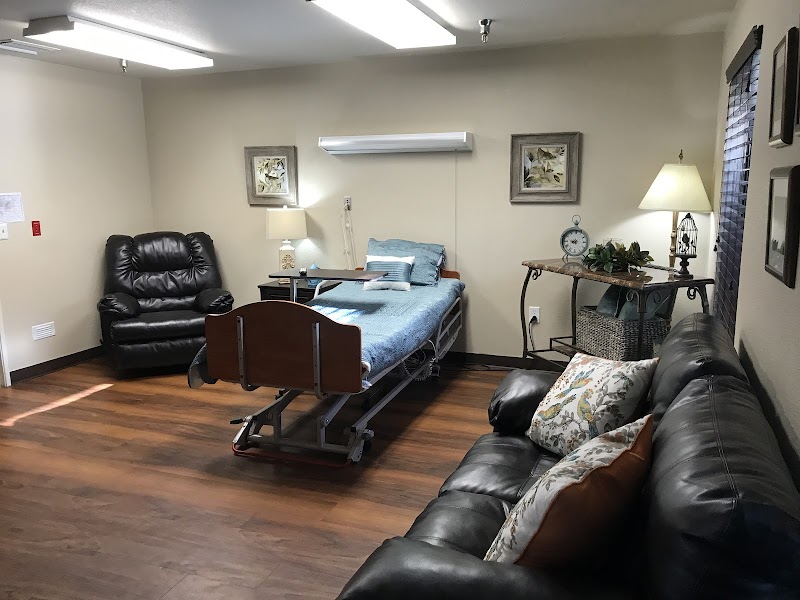
How is Park Place Care Center Staffed?
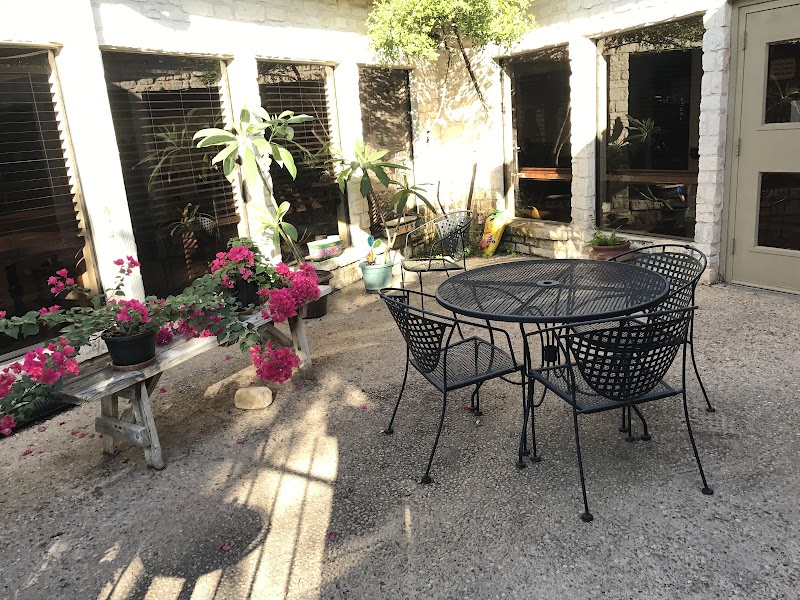
CMS rates Park Place Care Center's staffing level at 2 out of 5 stars, which is below average compared to other nursing homes. Staff turnover is 43%, compared to the Texas average of 46%. This relatively stable workforce can support continuity of care.

What Have Inspectors Found at Park Place Care Center?

State health inspectors documented 41 deficiencies at Park Place Care Center during 2022 to 2025. These included: 8 Immediate Jeopardy (the most serious level, indicating potential for serious harm or death) and 33 with potential for harm. Immediate Jeopardy findings are rare and represent the most serious regulatory concerns. They require immediate corrective action.

Who Owns and Operates Park Place Care Center?

Park Place Care Center is owned by a government entity. Government-operated facilities are typically run by state, county, or municipal agencies. The facility is operated by CREATIVE SOLUTIONS IN HEALTHCARE, a chain that manages multiple nursing homes. With 116 certified beds and approximately 97 residents (about 84% occupancy), it is a mid-sized facility located in Georgetown, Texas.

How Does Park Place Care Center Compare to Other Texas Nursing Homes?

Compared to the 100 nursing homes in Texas, Park Place Care Center's overall rating (1 stars) is below the state average of 2.8, staff turnover (43%) is near the state average of 46%, and health inspection rating (1 stars) is much below the national benchmark.

What Should Families Ask When Visiting Park Place Care Center?

Based on this facility's data, families visiting should ask: "What changes have been made since the serious inspection findings, and how are you preventing similar issues?" "What safeguards and monitoring systems are in place to protect residents from abuse or neglect?" "Can you walk me through typical staffing levels on day, evening, and night shifts?" "Can I visit during a mealtime to observe dining assistance and food quality?" These questions are particularly relevant given the facility's Immediate Jeopardy citations, the substantiated abuse finding on record, and the below-average staffing rating.

Is Park Place Care Center Safe?

Based on CMS inspection data, Park Place Care Center has documented safety concerns. The facility has 1 substantiated abuse finding (meaning confirmed case of resident harm by staff or other residents). Inspectors have issued 8 Immediate Jeopardy citations (the most serious violation level indicating risk of serious injury or death). The facility is currently on the Special Focus Facility watch list (a federal program monitoring the lowest-performing 1% of nursing homes nationwide). The facility has a 1-star overall rating and ranks #100 of 100 nursing homes in Texas. Families considering this facility should ask detailed questions about what corrective actions have been taken since these incidents.

Do Nurses at Park Place Care Center Stick Around?

Park Place Care Center has a staff turnover rate of 43%, which is about average for Texas nursing homes (state average: 46%). Moderate turnover is common in nursing homes, but families should still ask about staff tenure and how the facility maintains care continuity when employees leave.

Was Park Place Care Center Ever Fined?

Park Place Care Center has been fined $297,843 across 5 penalty actions. This is 8.3x the Texas average of $36,057. Fines at this level are uncommon and typically indicate a pattern of serious deficiencies, repeated violations, or failure to correct problems promptly. CMS reserves penalties of this magnitude for facilities that pose significant, documented risk to resident health or safety. Families should request specific documentation of what issues led to these fines and what systemic changes have been implemented.

Is Park Place Care Center on Any Federal Watch List?

Park Place Care Center is currently an SFF Candidate, meaning CMS has identified it as potentially qualifying for the Special Focus Facility watch list. SFF Candidates have a history of serious deficiencies but haven't yet reached the threshold for full SFF designation. The facility is being monitored more closely — if problems continue, it may be added to the official watch list. Families should ask what the facility is doing to address the issues that led to this status.