LEGEND OAKS HEALTHCARE AND REHABILITATION CENTER G
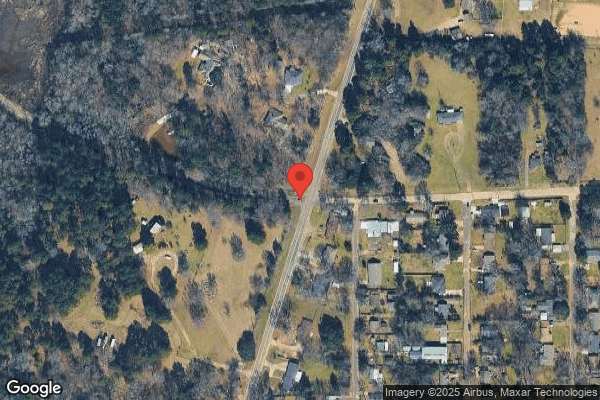
1201 FM 2685, GLADEWATER, TX 75647 (903) 845-2175
For profit - Limited Liability company 100 Beds THE ENSIGN GROUP Data: November 2025 8 Immediate Jeopardy citations
Trust Grade
0/100
#762 of 1168 in TX
Last Inspection: February 2025

Within standard 12-15 month inspection cycle. Federal law requires annual inspections.

Overview

Legend Oaks Healthcare and Rehabilitation Center G has a Trust Grade of F, indicating significant concerns about the quality of care provided. Ranked #762 out of 1168 facilities in Texas, they are in the bottom half, and #5 out of 13 in Gregg County means only four local options are worse. While the facility is improving its performance-reducing issues from 18 in 2024 to 6 in 2025-serious problems remain, including a concerning $124,559 in fines, which is higher than 86% of Texas facilities, suggesting compliance issues. Staffing is average with a 55% turnover rate, but they have good RN coverage, being better than 91% of Texas facilities, which is a positive aspect since RNs can identify issues that CNAs may miss. However, critical incidents, such as a staff member filming a resident inappropriately and failing to report the incident, raise serious alarms about the safety and well-being of residents at this facility.

Trust Score
F
0/100
In Texas
#762/1168
Bottom 35%
Safety Record
High Risk
Review needed
Inspections
Getting Better
18 → 6 violations
Staff Stability
⚠ Watch
55% turnover. Above average. Higher turnover means staff may not know residents' routines.
Penalties
○ Average
$124,559 in fines. Higher than 66% of Texas facilities. Some compliance issues.
Skilled Nurses
○ Average
Each resident gets 37 minutes of Registered Nurse (RN) attention daily — about average for Texas. RNs are the most trained staff who monitor for health changes.
Violations
⚠ Watch
34 deficiencies on record. Higher than average. Multiple issues found across inspections.
★★☆☆☆
2.0
Overall Rating
★★★☆☆
3.0
Staff Levels
★★★★☆
4.0
Care Quality
★★☆☆☆
2.0
Inspection Score
Stable
2024: 18 issues
2025: 6 issues

The Good

  • 4-Star Quality Measures · Strong clinical quality outcomes
  • Full Sprinkler Coverage · Fire safety systems throughout facility
  • No fines on record

Facility shows strength in quality measures, fire safety.

The Bad

2-Star Overall Rating

Below Texas average (2.8)

Below average - review inspection findings carefully

Staff Turnover: 55%

Near Texas avg (46%)

Higher turnover may affect care consistency

Federal Fines: $124,559

Well above median ($33,413)

Significant penalties indicating serious issues

Chain: THE ENSIGN GROUP

Part of a multi-facility chain

Ask about local staffing decisions and management

The Ugly 34 deficiencies on record

8 life-threatening 2 actual harm
Feb 2025 6 deficiencies
CONCERN (D)

Potential for Harm - no one hurt, but risky conditions existed

Respiratory Care (Tag F0695)

Could have caused harm · This affected 1 resident

**NOTE- TERMS IN BRACKETS HAVE BEEN EDITED TO PROTECT CONFIDENTIALITY** Based on observation, interview, and record review, the facility failed to ensure a resident who needed respiratory care was pro...

Read full inspector narrative →
**NOTE- TERMS IN BRACKETS HAVE BEEN EDITED TO PROTECT CONFIDENTIALITY** Based on observation, interview, and record review, the facility failed to ensure a resident who needed respiratory care was provided such care, consistent with professional standards of practice, the comprehensive person-centered care plan, the residents' goals, and preferences for 1 of 1 resident (Resident #51) reviewed for respiratory care and services. The facility failed to ensure Resident #51's oxygen concentrator was clean and free of gray debris. This failure could place residents who receive oxygen at risk for developing respiratory complications. Findings included: Record review of Resident #51's face sheet, dated 02/11/25, indicated he was a [AGE] year-old male, admitted to the facility on [DATE], and readmitted on [DATE]. His diagnoses included cerebrovascular disease (a group of conditions that affect the blood vessels in the brain, leading to disruptions in blood flow and oxygen supply to the brain tissue), enterocolitis due to clostridium difficile (an infection of the colon caused by the bacterium Clostridium difficile), and pneumonia due to mycoplasma pneumoniae (a common respiratory infection caused by the bacterium Mycoplasma pneumoniae) (dated 02/05/25). Record review of Resident #51's quarterly MDS assessment, dated 01/27/25, indicated he had a BIMS score of 08, which indicated moderate cognitive impairment. He did not exhibit behaviors of rejection of care or wandering. He was dependent on staff for many of his activities of daily living, including oral hygiene, bathing, and lower body dressing. He required substantial assistance for other activities of daily living, including roll left and right, sit to lying, and chair/bed-to-chair transfers. The assessment further indicated Resident #51 received oxygen therapy while a resident at the facility. Record review of Resident #51's physician's orders, dated 02/11/25, indicated the following order: *o2 (oxygen) at 2-4 liters per minute continuous per nasal cannula. The start date was 02/05/25. Record review of Resident #51's care plan, dated 08/20/24, indicated a focus of Resident #51 was on oxygen therapy related to ineffective gas exchange. Interventions included oxygen via nasal prongs continuously as ordered by physician. During an observation on 02/10/25 at 09:37 AM, Resident #51 was sitting in a chair in his room watching TV. He had oxygen in place via a nasal cannula. The oxygen concentrator was set to 4 liters per minute. The oxygen concentrator filter was dirty with gray debris. During an observation on 02/10/25 at 02:55 PM, Resident #51 was in his room with oxygen in place via nasal cannula. The oxygen concentrator was set to 4 liters per minute. The oxygen concentrator was dirty with gray debris. During an observation on 02/11/25 at 08:27 AM, Resident #51 was in his room with oxygen in place via nasal cannula. The oxygen concentrator was set to 4 liters per minute. The oxygen concentrator was dirty with gray debris. During an interview on 02/12/25 at 01:09 PM, the ADON said Resident #51's dirty filter was likely missed while he was in the hospital. She said the filters should be pulled and cleaned at least once a week. She said she cleaned the filter on 02/11/25. She said the risk to the resident was a possible infection. During an interview on 02/12/25 at 01:17 PM, the DON said she expected the oxygen filters to be cleaned once a week. She said there was an increased risk for infection and poor oxygen flow. She said the nursing staff were responsible for cleaning the oxygen filters. During an interview on 02/12/25 at 01:22 PM, the Operations Manager said he expected the oxygen filters to be clean. He said the nursing staff was responsible for ensuring the filters were clean. He said the risk to the resident was possible harm. He said the contaminants from the air were not being filtered properly and potentially being passed to the resident. Record review of the facility's policy, Oxygen Equipment, last revised May 2007, stated: .It is the policy of this facility to maintain all oxygen therapy equipment in a clean and sanitary manner and to use disposable pre-filled humidifiers, tubing, masks and cannulas for residents receiving oxygen. This equipment is to be discarded after use. The facility will maintain clean tanks, connectors and concentrators . .4. Oxygen concentrator filters will be cleaned with water and detergent every week or according to manufacturers recommendations .
CONCERN (D)

Potential for Harm - no one hurt, but risky conditions existed

Deficiency F0802 (Tag F0802)

Could have caused harm · This affected 1 resident

Based on interview, and record review the facility failed to employ sufficient staff with the appropriate competencies, skills set and accreditations to carry out the functions of the food and nutriti...

Read full inspector narrative →
Based on interview, and record review the facility failed to employ sufficient staff with the appropriate competencies, skills set and accreditations to carry out the functions of the food and nutrition service department for 1 of 9 kitchen staff (Dietary Aide A) reviewed for qualified dietary staff. The facility failed to ensure the DA A met the requirements for food handling by obtaining a current and valid Food Handler's Certificate. This failure could place residents at risk of not having their nutritional needs met and placing them at risk for food born illnesses. Findings: During an interview and record review on 2/10/25 at 2:59 PM, the DM provided an undated Active Employee List for the kitchen staff. The list revealed DA A was hired 1/11/21. The DM provided his Food Handler's Certificate that was dated 11/6/22. The certificate indicated it was valid for 2 years. During an interview on 2/10/25 at 3:03 PM, the DM said she would check to see if DA A had a current, valid Food Handler's Certificate. She said his Food Handler's Certificate was not valid after 11/6/24. During an interview and record review on 2/10/25 at 3:53 PM, the DM brought a Food Handler's Certificate for DA A dated 2/10/25. She said he had just completed it. During an interview on 02/11/25 at 11:00 AM, the DM said she was responsible for making sure all staff had their current Food Handler's Certificate. She said she left it up to DA A to get his Food Handler's Certificate in a timely manner. She said she should have made sure he did it and reminded him. She said no one else verified the dietary staff's completion of the food handlers training. During an interview on 2/11/25 3:58 PM, the DON said the policy she provided, Infection Control Policy Food Service/Procedure was the only policy they had regarding Food Handler's Certificates. During a telephone interview on 2/12/25 at 10:03 AM, DA A said he was responsible for getting his Food Handler's Certificate updated as needed. He said he had a lot going on and it slipped his mind. He said he thought there would be a risk to residents, but he did not know what, and did not want to answer the question wrong. He said he updated his Food Handler's Certificate on 2/10/25. During an interview on 2/12/25 at 10:34 AM the DON said everyone that worked in the kitchen should have a current Food Handler's Certificate for safe food handling and to prevent germs and bacteria to the residents. During an interview on 02/12/25 at 11:01 AM, the OM said he expected all staff in the kitchen to follow the parameters and the rules for resident safety and it was unacceptable that DA A did not have a valid Food Handler's Certificate. He said it was the DM's responsibility to make sure DA A had a valid Food Handler's Certificate. Record review of an Infection Control Policy Food Service/Procedure with a revised date of 10/2022 indicated: Policy It is the policy of this facility to prevent contamination of food products and therefore prevent foodborne illness. Procedures 1.Director of food service responsibilities .C.Provide and document personnel education regarding personal hygiene and food handling sanitation . B.Education 1.Basic orientation and annual in-service education will include personal hygiene, hand washing techniques, and food handling sanitation and employee health .
CONCERN (D)

Potential for Harm - no one hurt, but risky conditions existed

Deficiency F0807 (Tag F0807)

Could have caused harm · This affected 1 resident

**NOTE- TERMS IN BRACKETS HAVE BEEN EDITED TO PROTECT CONFIDENTIALITY** Based on observation, interview, and record review, the facility failed to provide liquids consistent with the resident's needs,...

Read full inspector narrative →
**NOTE- TERMS IN BRACKETS HAVE BEEN EDITED TO PROTECT CONFIDENTIALITY** Based on observation, interview, and record review, the facility failed to provide liquids consistent with the resident's needs, for 1 of 24 (Resident #21) residents reviewed for liquid inconsistency, in that: The facility failed to ensure CNA C did not serve ice water on 2/11/25 to Resident #21 who required nectar-thickened liquids. This failure could place residents who have dysphagia at risk for aspiration (breathing on foreign objects). Findings included: Record review of Resident #21' face sheet dated 2/11/25, indicated an [AGE] year-old female who admitted to the facility on [DATE] with diagnoses which included unspecified dementia (a group of thinking and social symptoms that interferes with daily functioning) and dysphagia oropharyngeal phase (a condition where there is difficulty swallowing during the oropharyngeal phase, which involves the mouth throat and upper esophagus). Record review of Resident #21's quarterly MDS assessment dated [DATE], indicated Resident #21 was usually understood and sometimes understood others. The MDS assessment indicated Resident #21 had a BIMS of 1 and her cognition was severely impaired. The MDS assessment indicated Resident #21 required set-up assistance with eating. The MDS assessment indicated Resident #21 had a mechanically altered diet. Record review of Resident #21's comprehensive care plan revised on 10/30/24, indicated Resident #21 had a potential fluid deficit. The care plan interventions included to encourage the resident to drink fluids of choice, ensure the resident had fluids within reach, and ensure all beverages complied with the diet/fluid restrictions and consistency requirements. Resident #21 had a potential for swallowing problem related history of coughing or choking during meals or swallowing med, holding food in mouth/cheeks (pocketing). Record review of Resident #21's comprehensive care plan dated 12/08/23, indicated Resident #21 had an order for thickened fluids. The care plan intervention indicated all resident fluids should be thickened to nectar consistency. Diet to be followed as prescribe. o Honor resident rights to make personal dietary choices and provide dietary education as needed. o Monitor and report to physician as needed for any sign and symptoms of: decreased appetite, nausea and vomit, unexpected weight loss, complaint of stomach pain, etc. Monitor for shortness of breath, choking, labored respirations, lung congestion. Monitor/document/report to nurse/dietitian and MD PRN for difficulty swallowing, holding food in mouth, prolonged swallowing time, repeated swallows per bite, coughing, throat clearing, drooling, pocketing food in mouth. Record review of Resident #21's order summary report dated 2/11/25, indicated Resident #21 had the following order: *No added salt diet regular texture, nectar thick consistency, with an order start date of 8/23/24. During an observation on 2/11/24 at 12:05 p.m., revealed Resident #21's bedside table in her room had a pitcher filled with ice water. Resident #21 had a sign above the head of her bed and a sign on the wall facing the entrance door that reflected, Nectar Thicken Liquids. During an interview on 02/12/25 09:44 A.M., CNA C said the nurse put a nectar liquid sign in Resident #21's room. CNA C said she put the pitcher of ice water in Resident #21's room, but she had not drunk it. CNA C said she did not know Resident #21 was supposed to drink nectar thickened liquids only. She said she put the little nectar cups of juice in Resident #21's room for her to drink after she was informed of her to drink nectar thickened liquids. She said she had never seen Resident #21 drink the thin liquid water. She said she wondered why Resident #21 had not drank the water. She said if Resident #21 was supposed to drink nectar thickened liquids and she had water without thickening she could had choked. During an interview on 2/12/25 at 9:53 A.M., OT I said if a resident had a pitcher of ice water on their bedside table that was supposed to have nectar thicken liquids, that would not be good. She said most of the time the residents had a sign posted in their rooms. She said if the resident was coughing while drinking the staff would speak to the speech therapist about the resident. She said a negative effect of a resident having thin liquids available, while ordered to have nectar thicken liquids was aspiration, then pneumonia or choking. During an interview on 2/12/25 at 9:59 A.M., LVN J said all staff were responsible for ensuring that the residents have the correct diets and orders were followed. He said a resident on nectar thickened liquids should never have thin liquid water in their room. He said a negative effect of Resident #21 having ice water (thin liquid) was she could aspirate. During an interview on 2/12/25 at 10:05 A.M., CNA K said the aide should have asked the nurse if a resident was on nectar thickened liquids or thin liquids. She said a negative effect of a resident receiving thin liquids with a nectar thickened liquid restriction was the resident could aspirate or choke. During an interview on 2/12/25 at 10:15 A.M., ADON said when the residents come from the hospital, we check to see what type of orders the residents come with such as liquid diets. She usually staff did not put water pitchers in the resident's room that were on thickened liquids, to prevent this from happening. She said a negative effect of Resident #21 having thin liquids and she was on a nectar thicken liquid diet; she could get aspirate pneumonia. During an interview on 2/12/25 at 10:26 A.M., CNA L said the aides usually asked the nurse which residents were on thickened liquids, and they usually had signs in the resident's room if they were on thickened liquids. She said if Resident #21 was to drink a thin liquid and she was ordered to have nectar thick liquids she could aspirate. During an interview on 2/12/25 at 11:32 A.M., the DON said the aides serve the residents' trays, so they should see the residents that were on thickened liquids on the resident's tray card. She said the nurse should had reported the thickened liquids to the aides. She said a negative effect of Resident #21 having ice water was she could aspirate. During an interview on 2/12/25 at 11:36 A.M., the Operations Manager said when the residents came from the hospital and once therapy has evaluated the resident, they communicate the orders needed for the resident. He said a resident on a nectar thickened liquid diet should not had a pitcher with ice water in their room. He said since Resident #21 had already been evaluated and it has been determined that she needed nectar thickened liquids, she should have never had a thin liquid such as ice water, because it could cause choking or aspiration to the resident. Record review of the facility's policy, Nutrition Status Management - Quality of Care, last revised in 12.2023, revealed: .It is the policy of this facility to assess each resident's nutritional status and needs, including medications and medical conditions to ensure that all residents maintain acceptable parameters of nutritional status, such as body weight and other available data, unless the resident's clinical condition demonstrates that this is not possible .
CONCERN (E)

Potential for Harm - no one hurt, but risky conditions existed

Deficiency F0558 (Tag F0558)

Could have caused harm · This affected multiple residents

**NOTE- TERMS IN BRACKETS HAVE BEEN EDITED TO PROTECT CONFIDENTIALITY** Based on observation, interviews, and record review, the facility failed to ensure residents reviewed received reasonable accomm...

Read full inspector narrative →
**NOTE- TERMS IN BRACKETS HAVE BEEN EDITED TO PROTECT CONFIDENTIALITY** Based on observation, interviews, and record review, the facility failed to ensure residents reviewed received reasonable accommodation of needs for 3 of 20 residents (Resident#2, Resident #27, Resident #52) reviewed for resident rights. The facility failed to ensure Resident #2, Resident #27, and Resident #52 had a call light within reach. This failure could place residents at risk of injury that could lead to falls, major injuries, hospitalization, and unmet needs. Findings include: 1. Record review of the face sheet dated 1/15/2025 indicated Resident #2 was a [AGE] year old female and was readmitted on [DATE] with diagnoses including Hemiplegia and hemiparesis following Cerebral Infarction affecting the left non-dominant side (Hemiplegia is paralysis of one side of the body. Hemiparesis is weakness of one side of the body and is less severe than hemiplegia. Both are a common side effect of stroke or cerebrovascular accident), posterior subcapsular polar age-related cataract, bilateral (a fast-growing opacity in the rear of the natural lenses most commonly in people who take steroids or have diabetes), weakness (a quality or state of lacking strength), contracture of muscle, left upper arm (permanent shortening and tightening of muscle fibers). Record review of the quarterly MDS dated 1216/2024 indicated Resident #2 was usually understood and usually understood others. The MDS indicated a BIMS score of 06 indicating Resident #2 had sever cognitive impairment. Record review of a care plan revised on 11/7/2022 indicated Resident #2 was diagnosed with cerebral vascular accident (stroke) with hemiplegia with interventions to provide assistance turning and repositioning to keep body in good alignment and to prevent skin breakdown. The care plan revised on 11/7/2022 indicated she was incontinent related to activity intolerance, impaired mobility and was not a candidate for toileting program. The care plan indicated Resident #2 was to remain free from skin breakdown due to incontinence and brief use through the review date. During an interview and observation on 2/10/2025 at 9:35 AM, Resident # 2 said the staff answered her call light, but she never could find it. Resident #2's call light was observed hanging off her bedside table and out of reach. 2. Record review of the face sheet dated 2/12/2025 indicated Resident #27 was an [AGE] year old male and was readmitted on [DATE] with diagnoses including seizures (sudden, uncontrolled electrical disturbance in the brain which can cause changes in behavior, movement, feelings, and consciousness) , hemiplegia and hemiparesis (severe or complete unilateral loss of strength or paralysis and weakness in one leg, arm or side of face) following a nontraumatic subarachnoid hemorrhage affecting left non-dominant side (a bleed within the subarachnoid space which is between the brain and the tissue covering the brain) , diabetes mellitus (a long-term condition in which the body has trouble controlling blood sugar and using it for energy) and muscle weakness (loss of muscle strength) . Record review of the quarterly MDS dated [DATE] indicated Resident #27 was able to make self-understood and usually understood others. The MDS indicated a BIMS score of 12 indicating Resident #27's cognition was moderately impaired. Record review of a care plan revised on 1/20/2022 indicated Resident #27 had ADL self-care performance deficits related to hospitalization for Coronary Artery Bypass Graft (CABG), Cerebrovascular accident (CVA), Congestive Heart Failure (CHF) and chest pains with interventions to assist with dressing, hygiene, toilet use, transfer, and bed mobility with one person assist. During an interview and observation on 2/10/2025 at 9:49 AM, revealed Resident #27 was observed to have deficits to his left side and was unable to lift left arm. Resident #27's call light was placed on the bedside table out of reach his reach. 3. Record review of the face sheet dated 2/12/2025 indicated Resident #52 was an [AGE] year old female and was readmitted on [DATE] with diagnoses including mild cognitive impairment (a stage between normal aging and dementia, with memory loss and trouble with language and judgement), pleural effusion (an excessive collection of fluid in the pleural cavity the fluid-filled space that surrounds the lungs) , chronic kidney disease (gradual loss of kidney function) and diabetes mellitus (a long-term condition in which the body has trouble controlling blood sugar and using it for energy). Record review of the quarterly MDS dated [DATE] indicated Resident #52 was able to make self-understood and usually understood others. The MDS indicated a BIMS score of 15 indicating Resident #52 was cognitively intact. Record review of a care plan revised on 1/2/2025 indicated Resident #52 had ADL self-care performance deficits related to weakness, impaired mobility, and cognitive deficits with interventions for one staff participation to reposition and turn in bed, one staff participation with bathing, dressing, and requires one person to assist with transfers. The care plan revised on 1/2/2025 indicated Resident # 52 was at risk for falls related to weakness, impaired balance, and psychotropic medication use. During an observation and interview on 2/10/2025 at 2:37 PM, revealed Resident #52 was sitting in her personal chair located on the left side of the bed with call light out of reach lying on her bed out of her reach. Resident #52 said she had a recent fall while attempting to obtain a crochet needle that was out of her reach. During an interview on 02/12/2025 at 10:15 AM, CNA F said anyone would be able to answer call lights. CNA F said the CNAs were responsible for ensuring call lights were within reach. She said she rounds on residents every 1-2 hours depending on the resident's needs. She said call lights should be clipped to the bed sheet or blanket within the resident's reach. CNA F said she checked the call lights when she made her rounds and would remind the residents what the call light is for. CNA F said it was important to make sure a resident's call light was within their reach so they can call for drinks, medications, report pain, to ensure they were clean and dry and to make sure the resident was not trying to get up by themselves which could result in a fall. CNA F said a resident's needs would not be met if they could not push their call light button. During an interview on 02/12/2025 at 10:29 AM CNA G said the staff should answer the call light quickly. She said a call light should be placed within resident's reach. CNA G said the staff would not know what they need if the resident was not able to reach call light. CNA G said the CNAs were responsible for ensuring call lights were within reach. CNA G said the facility had residents the staff checked on more frequently. During an interview on 02/12/2025 at 10:36 AM LVN H said call lights needed to be within reach. She said all staff are responsible for ensuring call lights were within reach. LVN H said the staff should make rounds at least every 2 hours if not more. LVN H said residents would yell if they needed help and they know to go check on them. LVN H said a resident would be at risk if they were unable to reach call light if they needed assistance. During an interview on 02/12/2025 at 10:49 AM, the ADON said anyone working the floor and providing care could answer the call lights. The ADON said the CNAs should hand the call light to the resident or clip the call light to a blanket to where the call light remains in place. The ADON said residents who have recliners and chairs in their room should still have access to call light and the CNA should make sure call light is within reach of the resident. The ADON said the resident could fall and not be able to get to their call light. During an interview on 02/12/2025 at 11:02 AM, the DON said call lights needed to be placed within a resident's reach. The DON said the call light needed to be clipped to an area easily accessible to the resident. The DON said if a resident was up in a chair, their call light needed to be accessible. She said everyone was responsible for ensuring the call lights were within reach. The DON said the resident could try to get up by themselves and not have access for assistance for someone to help them. During an interview on 02/12/25 at 11:12 AM, the OM said a resident should always have their call light clipped within reach. He said the staff should have contact every couple of hours even if they do not have contact with resident. The OM said the CNAs and medical staff were responsible for ensuring call lights were within reach to meet the needs of the residents. He said if a resident did not have ability to reach the call light, the staff would not be able to meet the needs, or answer questions the resident may have. Review of a facility policy titled Policy/Procedure-Nursing Clinical revised on 5/2007 indicated Routine procedures .Call Light/Bell . Policy.it is the policy of this facility to provide the resident a means of communication with nursing staff. Procedures: .5. Leave the resident comfortable. Place the call device within resident's reach before leaving the room. If the call light/bell is defective, immediately report this information to the unit supervisor.
CONCERN (E)

Potential for Harm - no one hurt, but risky conditions existed

Deficiency F0761 (Tag F0761)

Could have caused harm · This affected multiple residents

**NOTE- TERMS IN BRACKETS HAVE BEEN EDITED TO PROTECT CONFIDENTIALITY** Based on observation, record review and interview the facility failed to store all drugs and biologicals in locked compartments ...

Read full inspector narrative →
**NOTE- TERMS IN BRACKETS HAVE BEEN EDITED TO PROTECT CONFIDENTIALITY** Based on observation, record review and interview the facility failed to store all drugs and biologicals in locked compartments for 3 of 20 reviewed for medication storage. (Resident #2, Resident #27, Resident # 163) 1. The facility failed to securely store 3 packets of Thera calazinc barrier cream and a medication cup with a white substance located on Resident #2's beside table. 2. The facility failed to securely store over the counter medication Miconazole Nitrate 2% cream for Resident #27 which was located on the bedside table. 3. The facility failed to securely store prescribed medication Silvadene 400 gm and Adapt stoma powder for Resident #163 which was located on the bedside table. The failures could place residents at risk for health complications and not having received the intended therapeutic benefit of their medications and adverse reaction. Findings included: 1. Record review of the face sheet dated 1/15/2025 indicated Resident #2 was [AGE] years old and was readmitted on [DATE] with diagnoses including Hemiplegia and hemiparesis following Cerebral Infarction affecting the left non-dominant side (Hemiplegia is paralysis of one side of the body. Hemiparesis is weakness of one side of the body and is less severe than hemiplegia. Both are a common side effect of stroke or cerebrovascular accident), posterior subcapsular polar age-related cataract, bilateral (a fast-growing opacity in the rear of the natural lenses most commonly in people who take steroids or have diabetes), weakness (a quality or state of lacking strength), contracture of muscle, left upper arm (permanent shortening and tightening of muscle fibers). Record review of the quarterly MDS dated 1216/2024 indicated Resident #2 was usually understood and usually understood others. The MDS indicated a BIMS score of 06 indicating Resident #2 was moderately cognitively impaired. Record review of a care plan revised on 11/7/2022 indicated Resident #2 was diagnosed with cerebral vascular accident (Stroke) with hemiplegia with interventions to provide assistance turning and repositioning to keep body in good alignment and to prevent skin breakdown. The care plan revised on 11/7/2022 indicated she was incontinent related to activity intolerance, impaired mobility and was not a candidate for toileting program. The care plan indicated Resident #2's was to remain free from skin breakdown due to incontinence and brief use through the review date. During an observation and interview on 2/10/2025 at 9:35 AM, Resident #2 was observed to have 3 packets of thera calazinc body shield cream and a medication cup with her name written on the side with white substance in the medication cup located on the bedside table. Record review of order summary report dated 2/12/2025 for Resident #2 indicated an order for Nystatin Powder to be applied to underarms topically three times a day for yeast or rash under arms. 2. Record review of the face sheet dated 2/12/2025 indicated Resident #27 was [AGE] years old and was readmitted on [DATE] with diagnoses including seizures (sudden, uncontrolled electrical disturbance in the brain which can cause changes in behavior, movement, feelings, and consciousness) , hemiplegia and hemiparesis (severe or complete unilateral loss of strength or paralysis and weakness in one leg, arm or side of face) following a nontraumatic subarachnoid hemorrhage affecting left non-dominant side (a bleed within the subarachnoid space which is between the brain and the tissue covering the brain) , diabetes mellitus (a long-term condition in which the body has trouble controlling blood sugar and using it for energy) and muscle weakness (loss of muscle strength) . Record review of the quarterly MDS dated [DATE] indicated Resident #27 was able to make self-understood and usually understood others. The MDS indicated a BIMS score of 12 indicating Resident #27 was moderately impaired. Record review of a care plan revised on 11/8/2022 indicated Resident #27 was at risk for pressure ulcer development with goal to have intact skin, free of redness, blisters, or discoloration with intervention to monitor, document and report to MD PRN changes in skin status such as appearance, color, wound healing, signs and symptoms of infection, wound size, and stage. The care plan also indicated the nurse to be immediately of any new areas of skin breakdown such as redness, blisters, bruises, discoloration noted during bath or daily care. During an interview and observation on 2/10/2025 at 9:49 AM, Resident #27said the ointment on his bedside was for his jock itch. Resident # 27 said the nurses applied it to affected area when he needed it. Resident #27 had Miconazole Nitrate 2 % on his bedside table. During an observation on 2/11/2025 at 9:35 AM, revealed Resident #27 was sitting up in bed eating breakfast during morning rounds. Resident #27 was observed to have Miconazole Nitrate 2% cream on his bedside table. During an observation on 02/12/2025 at 08:33 AM, revealed Resident #27 was sitting up in bed eating breakfast during morning rounds. Resident #27 was observed to have Miconazole Nitrate 2% cream on his bedside table. Record review of order summary report dated 2/12/2025 for Resident #27 revealed the report did not indicate an order for Miconazole Nitrate 2 % ointment for jock itch. 3. Record review of the face sheet dated 2/11/2025 indicated Resident #163 was [AGE] years old and was admitted on [DATE] with diagnoses including Cellulitis of the abdominal wall (a bacterial infection of your skin and tissue beneath the skin), unspecified protein-calorie malnutrition (a lack of adequate calories, protein and other nutrients needed for tissue maintenance and repair), malignant neoplasm of bladder (a common type of cancer that begins in the cells of the bladder) and infection of incontinent external stoma of urinary tract (an infectious complication that affect the urinary tract and related to different types of urinary diversion). Record review of a care plan revised on 2/10/2025 indicated Resident #163 had cellulitis to abdominal wall and pain related to wound to abdomen with interventions to administer antibiotics per MD orders, follow pain scale and medicate as ordered, monitor and report to nurse complaints of pain or request for pain treatment. The Care plan revised on 2/10/2025 also indicated Resident #163 had a urostomy (a surgical procedure that creates an artificial opening (stoma) for the urinary system)with interventions to monitor, record and report to MD signs and symptoms of urinary tract infection, ostomy (a prosthetic device that collects waste from surgically created opening in the abdomen) care as ordered, and enhanced barrier precautions. During an observation and interview on 2/11/2025 at 3:40 PM, revealed Resident #163 had urostomy powder and a blue jar of located on bedside table. Resident #163 said the powder was for his urostomy and the cream was for his abdomen wound and he said he applied as needed. During an observation on 2/11/2025 at 3:40 PM, Silvadene 1% labeled with Resident # 163's name, prescriber and direction to be applied to the area outside the stoma pouch twice daily and cover with a non-adherent dressing. Record review of order summary report dated 2/11/2025 for Resident # 163 revealed the report did not indicate an order for Silvadene or adapt stoma powder. During an interview on 2/11/2025 at 7:45 AM, RN J said she was not sure if Resident #163 could have stoma powder at bedside and she would have to check on that. RN J did not return with an answer by end of medication pass on the stoma powder identified. During an interview on 2/12/2025 at 10:15 AM CNA F said calamine should be kept on the their person. CNA F said she did not know if barrier cream packets could be kept at the bedside. CNA F said medications should not be stored in a resident room. CNA F said she would get the nurse, ADON or DON if a medication was identified. CNA F said no medications should be stored at the bedside. CNA F said it could be a high risk if a medication was not taken on time. She said a visitor, or another person could use the medication and it could be serious and make them sick. CNA F said the nurse was responsible for ensuring medications were stored properly. During an interview on 2/12/2025 at 10:29 AM, CNA G said medications should not be stored at the bedside. She said she would notify the nurse if a resident had medications at bedside. CNA G said it could be harmful if a visitor took the medication or used it incorrectly. CNA G said ointments and creams should not be stored at bedside. CNA G said the packets of barrier cream packets could be stored in a resident drawer and were mainly stored in drawer for residents who cannot get out of bed. CNA G said the nurses were responsible for ensuring medication were stored properly. During an interview and observation on 2/12/2025 at 10:36 AM, revealed LVN H was walking down the 400-hall holding 2 tubes of ointments, Desitin and Miconazole Nitrate 2%. LVN H said she removed ointments from Resident #27's room. LVN H said Resident #27's resident representative visited in the evenings and must have brought the ointments with her. LVN H said the staff usually put it in the resident's drawer. LVN H said the ointments could not be accessible for the resident and the staff sometimes placed the ointments in the closet. LVN H said Resident #27 was incontinent, so he wanted to keep it handy. LVN H said Resident #27 had an order for barrier cream due to excoriation (damage or remove part of surface of (the skin) between his legs. LVN H said she would let the DON know if a new medication was identified. LVN H said the ointments were the same. LVN H said the antifungal was for the groin and the barrier cream was for the buttocks. During an interview on 02/12/2025 at 10:49 AM, the ADON said medications were not supposed to be stored in the room. The ADON said medication such as ointments, creams, eye drops were not to be stored in resident rooms. The ADON said the calazinc packets should not be stored in a resident's room. The ADON said she considered antifungal a medication. She said she would want the CNA to notify the nurse if medications were identified. The ADON said CNAs should not be storing medications and the medications such as creams and ointments should be stored out of accessibility to residents. The ADON said someone with dementia could apply or take the medication incorrectly or they could have an allergy to the medication. The ADON said Silvadene and adapt stoma powder should be stored on the treatment cart. The ADON said the nurse should make sure the nurses and staff completed an inventory of what medications were brought in from the hospital or home. During an interview on 02/12/2025 at 11:02 AM, the DON said medication and ointments should not be stored at a resident's bedside. The DON said the antifungal was considered a medication. The DON said she expected the facility to have an order for medications. The DON said a visitor or other resident could get the medication and have an adverse reaction. She said the medications should be stored on the nurse cart. The nurses were responsible for ensuring medications are stored properly. During an interview on 02/12/2025 at 11:12 AM, The OM (Operation Manager) said the medications such as creams, ointments and eye drops should be stored on the medication cart. The OM said he expected there to be an order for medication and properly store. He said the nurses do shift change and medications are accounted for. The OM said he expected the nurses and staff to report medications identified. The OM said there had been families who had brought in medications into the facility. He said the facility staff had attempted to educate residents and families on protocols and regulations, safety and need to review medications for proper diagnosis and treatments plans. The OM said he would expect antifungal cream to be removed from Resident # 27's bedside and stored on the locked medication cart. The OM said ointments and packets of ointment should be accounted for and no ointments or medication cups with medications should be stored on the resident's bedside table. The OM said there could be harmful effects if medication on resident or visitors. Review of a Medication Storage titled Medication Storage in the Facility policy undated indicated 1. Storage of medication. Policy .Medications and biologicals are stored safely, securely, and properly, following manufacturer's recommendations or those of the supplier. The medication accessible only to licensed nursing personnel, pharmacy personnel, or staff members lawfully authorized to administer medication.
CONCERN (E)

Potential for Harm - no one hurt, but risky conditions existed

Infection Control (Tag F0880)

Could have caused harm · This affected multiple residents

**NOTE- TERMS IN BRACKETS HAVE BEEN EDITED TO PROTECT CONFIDENTIALITY** Based on observation, interview and record review the facility failed to maintain an infection prevention and control program de...

Read full inspector narrative →
**NOTE- TERMS IN BRACKETS HAVE BEEN EDITED TO PROTECT CONFIDENTIALITY** Based on observation, interview and record review the facility failed to maintain an infection prevention and control program designed to provide a safe, sanitary, and comfortable environment and to help prevent the development and transmission of communicable diseases and infections for 3 of 24 residents (Residents #18, #46 and #51) reviewed for infection control practices. 1.The facility failed to ensure CNA G performed proper incontinent care. CNA G wiped from the top of Resident #18's buttocks down towards the perineal area during incontinent care. 2.The facility failed to ensure the proper disinfectant cleaner was used to clean Resident #51's isolation room. Resident #51 had Clostridium difficile (bacteria that causes infection in the large intestine). 3.LVN B did not change her gloves or sanitize her hands after performing catheter care for Resident #46. She touched clean items with her dirty gloves. These failures could place residents at risk for cross contamination and the spread of infection. Finding include: 1.Record review of Resident #18's face sheet, dated 2/11/25, indicated a [AGE] year-old female who initially admitted to the facility on [DATE] with diagnoses which included other reduced mobility, weakness, need for assistance with personal care, muscle weakness, alcohol dependence with alcohol induced persisting dementia (a group of thinking and social symptoms that interferes with daily functioning) and Huntington's disease (an inherited condition in which nerve cells in the brain break down over time). Record review of Resident #18's quarterly MDS assessment, dated 12/2/24, indicated she was usually able to make herself understood and could usually understand others. Resident #18 had a BIMS score of 11, which indicated her cognition was moderately impaired. Resident #18 required maximal assistance with bed mobility and hygiene. Resident #18 was always incontinent of bowel and bladder. Record review of Resident #18's care plan dated 6/27/23 indicated bowel/ bladder incontinence related to confusion, dementia and weakness. Interventions include brief use, uses disposable briefs, change every 2 hours and prn. Chart bowel movement every shift. Incontinent: check as required for incontinence. Wash, rinse, and dry perineum. Change clothing PRN after incontinence episodes. Monitor/document for signs and symptoms of UTI: pain, burning, blood-tinged urine, cloudiness, no output, deepening of urine color, increased pulse, increased temp, urinary frequency, foul smelling urine, fever, chills, altered mental status, change in behavior, change in eating patterns. During an observation on 02/11/25 at 2:34 P.M., revealed CNA F and CNA G performed incontinent care on Resident #18. While the CNAs performed incontinent care, CNA G wiped from the top of Resident #18's buttocks down towards the perineal area, then CNA F told her, I am going to need you to wipe up on the buttocks. During an interview on 2/11/25 at 2:41 P.M., CNA F said she knew they messed up with incontinent care when CNA G wiped down on Resident #18's buttocks instead of wiping up and away from her perineal area. She said when performing incontinent care, when someone wiped down on the buttocks or intergluteal cleft (the formal term for the groove between the buttocks) that would wash everything toward the perineal area. She said improper incontinent care could cause UTIs. During an interview on 2/11/25 at 2:43 P.M., CNA G said she caught herself after she wiped down on the buttocks, then she wiped upward. She said that was not proper incontinent care and she caught herself after she did it. She said improper incontinent care could place the resident at risk for infections or UTIs. Record review of CNA G's: Clinical Proficiency-Incontinence Care sheet dated 10/21/24 indicated CNA G had met the requirements. The competency was signed by evaluator ADON. Record review of CNA F's: Clinical Proficiency-Incontinence Care sheet dated 1/14/25 indicated CNA F had met the requirements. The competency was signed by evaluator ADON. During an interview on 2/12/25 at 9:44 A.M., CNA C said during incontinent care staff were supposed to wipe the buttocks from front to back. She said improper incontinent care could cause a UTI or some type of infection. During an interview on 2/12/25 at 9:59 A.M., LVN J said improper incontinent care can cause UTIs and that came from E. coli getting in the urinary tract. He said staff should be wiping the residents from front to back during incontinent care. During an interview on 2/12/25 at 10:05 A.M., CNA K said during incontinent care the best practice was to go back not down when cleaning a resident's buttocks. She said a negative effect of improper incontinent care if the resident was a female by wiping down, something could get into her peri area and cause a UTI or sore. During an interview on 2/12/25 at 10:15 A.M., the ADON said she thought CNA F was nervous when she performed the incontinent care on Resident #18. She said when staff wiped down on the buttocks during incontinent care, they were pushing bacteria into the urethra. She said a negative effect of improper incontinent care was a potential for UTIs. During an interview on 2/12/25 at 10:26 A.M., CNA L said during incontinent care of the buttocks staff should wipe from front to back instead of down. She said improper incontinent care can cause UTIs and other infections, due to not cleaning correctly. During an interview on 2/12/25 11:32 A.M., the DON said she expected the aides to perform proper incontinent care. She said improper incontinent care could cause UTIs. 2. Record review of Resident #51's face sheet, dated 02/11/25, indicated he was a [AGE] year-old male, admitted to the facility on [DATE], and readmitted on [DATE]. His diagnoses included cerebrovascular disease (a group of conditions that affect the blood vessels in the brain, leading to disruptions in blood flow and oxygen supply to the brain tissue), enterocolitis due to clostridium difficile (an infection of the colon caused by the bacterium Clostridium difficile), and pneumonia due to mycoplasma pneumoniae (a common respiratory infection caused by the bacterium Mycoplasma pneumoniae) (dated 02/05/25). Record review of Resident #51's quarterly MDS assessment, dated 01/27/25, indicated he had a BIMS score of 08, which indicated moderate cognitive impairment. He did not exhibit behaviors of rejection of care or wandering. He was dependent on staff for many of his activities of daily living, including oral hygiene, bathing, and lower body dressing. He required substantial assistance for other activities of daily living, including roll left and right, sit to lying, and chair/bed-to-chair transfers. Record review of Resident #51's physician's orders, dated 02/11/25, indicated this order: *Room Placement: Single Room Isolation (all services be brought to the resident (e.g., rehabilitation, activities, dining, etc.) every shift for clostridium difficile, mycoplasma pneumonia. The start date was 02/06/25. Record review of Resident #51's care plan, dated 02/03/25, indicated a focus of has clostridium difficile. Interventions included: *Contact isolation: Wear gowns and masks when changing contaminated linens. Placed soiled linens in bags marked biohazard. Bag linens and close bag tightly before taking to laundry. *Disinfect all equipment used before it leaves the room. *Educate resident/family/staff regarding preventative measures to contain the infection. During an observation on 02/10/25 at 09:37 AM, there was a red sign on Resident #51's door that stated STOP - Please see nurse before entering. There was an isolation cart outside of Resident #51's room that contained gowns, gloves, and masks. Resident #51 was inside his room sitting in a chair and watching TV. During an interview on 02/12/25 at 10:30 AM, Housekeeping Supervisor K said the housekeepers used the Betco pH7Q Dual disinfectant to clean and disinfect clostridium difficile rooms. He said he was going to look up and see if he could provide documentation that the cleaner killed clostridium difficile. During an interview on 02/12/25 at 10:49 AM, Housekeeper L said she was working on Resident #51's hall this day. She said she had not yet cleaned Resident #51's room, but she was going back to the hall. She said she used the Betco pH7Q dual cleaner to clean for clostridium difficile. She pointed to a bottle of the cleaner on the cart and showed it to this surveyor. During an observation on 02/12/25 at 11:10 AM, this surveyor observed Housekeeper L cleaning Resident #51's room. During an interview on 02/12/25 at 12:34 PM, Housekeeping Supervisor K said he was responsible for ensuring that the facility had a cleaner for killing clostridium difficile. He said the risk to the residents was that someone else could get infected with clostridium difficile. He said they would be getting another product that day. During an interview on 02/12/25 at 01:09 PM, the ADON said she expected the housekeeping staff to use the proper cleaner for clostridium difficile. She said the risk was possible spread of clostridium difficile to other residents. During an interview on 02/12/25 at 01:17 PM, the DON said she expected the housekeeping staff to use a cleaner that would kill clostridium difficile. She said housekeeping staff were responsible for using the proper cleaner. She said the risk was that clostridium difficile could potentially spread to other residents. During an interview on 02/12/25 at 01:22 PM, the Operations Manager said he expected the housekeeping staff to ensure the chemicals did kill clostridium difficile. He said the residents and employees could become sick with clostridium difficile or pass it on. He said the risk was increased for spreading clostridium difficile. He said the risk to the resident was that he could become reinfected. Record review of the following site was accessed on 02/12/25 at 12:00PM, and did not indicate the Betco pH7Q dual cleaner killed clostridium difficile bacteria: * List K: Antimicrobial Products Registered with EPA for Claims Against Clostridium difficile Spores | US EPA Record review of the following site was accessed on 02/12/25 at 12:15PM, and indicated the active ingredient in Betco pH7Q dual cleaner was registered under the name MAQUAT 256-NHQ. *Details for BETCO PH7Q DUAL | US EPA Record review of the following site was accessed on 02/12/25 at 12:15PM, and did not indicate the MAQUAT 256-NHQ cleaner killed clostridium difficile bacteria. *Details for MAQUAT 256-NHQ | US EPA 3.Record review of the undated face sheet indicated Resident #46 was an [AGE] year-old male that admitted [DATE]. Record review of the physician's orders dated 2/11/25 indicated Resident #46 had diagnoses that included: apraxia following cerebrovascular disease (a cognitive disorder that can occur after cerebrovascular disease, such as a stroke), Urinary Tract infection (bacteria gets in the tube through which urine leaves the body), and Extended Spectrum Beta Lactamase Resistance (enzymes that make bacteria resistant to many antibiotics). Record review of the quarterly MDS dated [DATE] indicated Resident #46 had unclear speech, was usually understood, and usually understood others. He had a BIMS of 14 indicating he was cognitively intact. Resident #46 was dependent on staff for toileting hygiene. Record review of the undated care plan indicated Resident #46 had a CVA (Cerebrovascular Accident, a stroke, loss of blood flow to the brain) with aphasia (cannot communicate effectively). The care plan indicated he required the assistance of 1 staff for personal hygiene and had an indwelling catheter related to atonic bladder (bladder muscles are weakened and do not contract effectively), and neuromuscular dysfunction of the bladder (impaired bladder muscle activity due to the disrupted communication between the brain and the bladder itself). The care plan indicated he got a suprapubic catheter 10/13/21. During an observation on 2/11/25 at 3:00 PM, LVN B, CNA C, and the Treatment Nurse donned (put on) their PPE for EBP. Resident #46 was in bed, covered and positioned with pillows. LVN B provided catheter care for Resident #46's suprapubic catheter (a thin, flexible tube inserted through a small incision in the abdomen). LVN B did not change her gloves after completing the dirty procedure. She touched the clean towel with her dirty gloves to dry off his catheter. She touched a clean hospital gown that she covered him with. During an interview on 02/11/25 at 3:08 PM, LVN B said she should have changed her gloves and washed her hands before touching the clean towel to dry the catheter and the gown she laid over him. She said it was wrong of her to do that because she could have transferred bacteria to the resident which could cause infection. She said she was taught to change her gloves and wash her hands after a dirty procedure and before going to a clean one. Record review of a Suprapubic Cath Care Skills Checklist dated 5/22/24 indicated LVN B as proficient with catheter care. This was signed by the previous ADON. During an interview on 2/11/25 at 03:16 PM, CNA C said she noticed LVN B had not changed her gloves after performing catheter care on Resident #46 and had touched clean items with her dirty gloves. She said she did not know she could remind her to change her gloves with a surveyor in the room, so she did not say anything. She said there was a risk of infection to the resident and the staff from touching clean things with dirty gloves. CNA C said she was taught to always change her gloves after a dirty procedure before going to a clean one to prevent infection. During an interview and record review on 2/11/25 at 3:34 PM, the DON provided competencies for Suprapubic Catheter Care - Skills Checklist for LVN B, dated 5/22/24 and signed by the previous ADON. The skills checklist for LVN B indicated she was competent to provide catheter care. The DON said the previous ADON was no longer working at the facility. During an interview on 2/12/25 at 8:13 AM, LVN D said she would always change her gloves and wash her hands after a dirty procedure and before going to a clean procedure. She said if she had performed catheter care, she would immediately change her gloves and wash her hands before touching anything clean. She said touching clean items with dirty gloves was a risk of infection to residents and staff. During an interview 02/12/25 at 10:15 AM, RN E said she sometimes did Foley and incontinent care. She said staff must always change their gloves and wash their hands after a dirty procedure and before touching anything clean. She said touching clean items with gloves that were considered dirty was a risk of infection to staff and residents. RN E said female residents should always be wiped front to back to prevent urinary tract infections or vaginal infections. During an interview on 2/12/25 at 10:34 AM, the DON said she expected all staff to change their gloves and wash their hands after a dirty procedure and before going to a clean procedure. She said using dirty gloves to touch something clean was a risk of transferring bacteria to the resident or staff. She said when wiping a woman, they must always wipe from front to back to prevent urinary tract or vaginal infections. During an interview on 02/12/25 at 11:01 AM, the OM said all staff should change their gloves and wash their hands after a dirty procedure and before going to a clean area to keep from transmitting infection to the residents and staff. He said when wiping a woman during incontinent care, she should be wiped from front to back to prevent urinary and vaginal infections. He said he expected all staff to be accountable when they have done something they should not have, and to learn the correct way for the benefit of the residents. All staff must follow the parameters and the rules. Record review of a Policy/Procedure - Nursing Clinical with a revised date of 5/2007 indicated: Procedures .2. Assist resident to turn on side with back toward you. Expose buttocks area. Wash, using front-to-back strokes, rinse, and dry exposed skin surfaces . Record review of an Environmental Services - Housekeeping Policy with a revised date of 2022 indicated: Policy .Housekeeping and Maintenance services include the cleaning, sanitization, and care for rooms and common areas of the facility to ensure that the facility is a safe for all who reside, work, and visit. 1 .g.Use the proper disinfectant and cleaners when working. These products are labeled and mixed for the intended use. If any questions arise, MDS [MSDS-Material Safety Data Sheets] and product information is available upon request. Record review of an Indwelling Urinary Catheter Care policy with a revised date of 12/2023 indicated: Policy .It is the policy of this facility that each resident with an indwelling catheter will receive catheter care daily and as needed (PRN) to promote hygiene, comfort, and decrease the risk of infection.
Oct 2024 4 deficiencies 4 IJ
CRITICAL (J) 📢 Someone Reported This

A family member, employee, or ombudsman was alarmed enough to file a formal complaint

Immediate Jeopardy (IJ) - the most serious Medicare violation

Free from Abuse/Neglect (Tag F0600)

Someone could have died · This affected 1 resident

**NOTE- TERMS IN BRACKETS HAVE BEEN EDITED TO PROTECT CONFIDENTIALITY** Based on observation, interview, and record review, the facility failed to ensure the right to be free from abuse was provided f...

Read full inspector narrative →
**NOTE- TERMS IN BRACKETS HAVE BEEN EDITED TO PROTECT CONFIDENTIALITY** Based on observation, interview, and record review, the facility failed to ensure the right to be free from abuse was provided for 1 of 11 residents reviewed for abuse. (Resident #1) The facility failed protect Resident #1 from abuse when RN A recorded him on 07/26/24 with her personal cellphone while undressed from the waist down. RN A was laughing. RN A showed and sent the video to other staff. The noncompliance was identified as PNC. The Immediate Jeopardy (IJ) began on 07/26/24 and ended on 08/30/24. The facility had corrected the noncompliance before the survey began. This failure could place residents at risk for emotional and mental abuse. Findings included: Record review of a face sheet dated 10/22/24 revealed Resident #1 was an [AGE] year-old male and admitted on [DATE] with diagnoses including dementia, depression, and anxiety. Record review of a quarterly MDS dated [DATE] revealed Resident #1 was understood and usually understood others. The MDS revealed a BIMS score of 7, indicating severe cognitive impairment. The MDS indicated Resident #1 required supervision with most ADLs. Record review of Resident #1's physician order dated 08/23/24 indicated a verbal order was obtained to monitor for emotional distress every shift for 3 days. Record review of a care plan last revised on 10/12/24 revealed Resident #1 was at risk for impaired thought processes related to a history of dementia. Resident #1 needed assistance with all decision making. Resident #1 had an ADL self-care performance deficit related to decreased mobility and intermittent confusion. The care plan indicated Resident #1 had potential for a behavior problem as evidenced by inappropriate sexual behaviors. There was an intervention to provide privacy and encourage resident to remain clothed per family request. Record review of a Grievance Resolution Form dated 08/23/24 indicated Resident #1 was involved in a video without his knowledge. The report indicated the compliance department was involved and notified administration. Record review of a Progress Note dated 08/23/24 indicated, SW (Social Worker) visited with resident (Resident #1) this afternoon .SW noticed no change in his mood or behavior after he was notified of the incident. He continues to show confusion, per his usual state. He states I am OK. I am not going to let this effect my life. He is agreeable to speaking with (psych services). SW has sent in a referral for evaluation and spoke with .counselor, re: the incident. SW will continue to monitor resident and will assist further as needed. The note was signed by the Social Worker. Record review of Nurse's notes for Resident #1 dated 08/23/24 - 08/28/24 indicated Resident #1 was monitored for mood and distress. The notes did not indicate Resident #1 had a change in mood or emotional distress. Record review of an Investigation Summary and Timeline report dated 08/30/24 indicated the DON was notified of the allegation of abuse on 08/22/24 at approximately 5:00 p.m. related to the conduct of RN A. The allegation suggested that the nurse had taken an unauthorized video of a resident. RN A was immediately suspended at the time it was reported, pending investigation. During the interview process, it was confirmed that RN A had taken a video of a resident while in his room The resident was not wearing pants and his genitals were visible. The Investigation Summary and Timeline indicated that Resident #1 had been interviewed by Administrator G and had knowledge of the video at the time of the interview. The Investigation Summary and Timeline report indicated RN A was terminated in person on 08/26/24. The report indicated the police were notified and the RP requested to press charges against RN A. Record review of a Provider Investigation Report dated 08/23/24 indicated that on an unknown date RN A took an unauthorized video of Resident #1. The investigation findings were confirmed. Record review of an interview of RN A dated 08/23/24 at 9:30 a.m. indicated she had taken a video of Resident #1. She stated Resident #1 had been in his room with his roommate. She said it had been reported to her by someone in therapy that they smelled smoke in the residents' room. She said she went to the room and Resident #1 was leaning over his roommate and his genitals were rubbing on the roommate. She stated the video showed Resident #1's backside, naked from the waist down. She said she showed the video to LVN C. She said the purpose of filming the video was to show LVN C the residents behavior. She stated, .I shouldn't have done that. I should have verbally told the nurse or done a progress notes. The interview was conducted by the DON and the Clinical Resource Nurse. The interview was signed by RN A. On 10/22/24 at 11:30 a.m., an attempt was made to reach RN A by telephone. There was no answer. A detailed message requesting a return call was left on voicemail. Record review of an interview of LVN C dated 08/23/24 at 10:10 a.m. indicated that she knew about and had seen the video. She said she had seen the video. She said it was of Resident #1 walking over to his roommate. She said Resident #1 only had a shirt on. She said she just saw the back of Resident #1. She said she saw his buttocks. She said he was bending over to do something, and she could see his genitals hanging down. She said RN A had shown her from her phone. She stated RN A said, Oh my God, look what (Resident #1) did. She said RN A thought it was funny. She said she did not report the video. The interview was conducted by the DON and the Clinical Resource Nurse. The interview was signed by LVN C. Record review of an interview of the Transport Aide dated 08/23/24 at 10:20 a.m. indicated the Transport Aide was aware of and had seen the video. She said the video was shown to her by RN A. She said the video was of Resident #1 walking with a shirt on. She said she could see Resident #1's genitals. The interview indicated that the Transport Aide asked RN A why she had the video and RN A said something to her about when he was younger, he probably had big balls. The Transport Aide said she had seen the video weeks ago. The interview was conducted by the DON and the Clinical Resource Nurse. The interview was signed by the Transport Aide. During an interview on 10/22/24 at 3:34 p.m., the Transport Aide said she walked in one morning. She said RN A said to come see the video and said, it's really funny. She said she did not understand why RN A would have even filmed the video. She said she watched the video on RN A's phone, and it was never sent to her. She said she thought the video was shown to her in July 2024. She said the video was inappropriate. She said on the video she saw Resident #1 over by the air conditioner. She said RN A said, Look at his balls going back in forth, I bet when he was younger, he was bigger. Record review of an interview of CNA D dated 08/23/24 at 10:20 a.m. indicated CNA D was aware of the video and that she had seen the video. She said it was both shown to her and sent to her via text by RN A. She stated that on the video Resident #1 was standing by his roommate with no pants or underwear on, just a shirt. Resident #1 leaned over to help his roommate and she saw his buttocks, penis, and scrotum. She said it had been less than a month since she had seen the video. The interview was conducted by the DON and the Clinical Resource Nurse. The interview was signed by CNA D. Record review of an interview of LVN E dated 08/23/24 at 10:20 a.m. indicated LVN E had heard about the video but had not seen the video. He stated it had been about a month since he had heard about the video. He said he heard there was a video of Resident #1's genitalia. He said RN A had told him about the video. The interview was conducted by the DON and the Clinical Resource Nurse. The interview was signed by LVN E. Record review of an interview of the Staffing Coordinator dated 08/23/24 at 11:05 a.m. indicated the Staffing Coordinator became aware of the video on 08/22/24. The Staffing Coordinator stated RN A came to the office and stated that compliance had called her about a video she had taken of one of the residents and she was scared and didn't know what to do. The Staffing Coordinator indicated she had not seen the video and had only heard gossip about the video. The interview was conducted by the DON and the Clinical Resource Nurse. The interview was signed by the Staffing Coordinator. During an interview on 10/22/24 at 11:42 a.m., the Staffing Coordinator said she was in the hallway on a day in August 2024. She did not remember the date. She said RN A pulled her into the office and said compliance had reached out to her and she did not know what to do. The Staffing Coordinator said RN A was scared. The Staffing Coordinator said RN A said, I think they are calling me about the video. The Staffing Coordinator said she had heard rumors about the video but was not sure if those rumors were true. She said she has never seen the video. She said she heard there was a video out of a resident that they had at the time. She said she did not know any details. She said RN A did not tell her what was on the video or show it to her. She said she reported the incident to the DON after RN A had come into her office. During an interview on 10/22/24 at 11:42 a.m., the Staffing Coordinator said she was in the hallway on a day in August 2024. She did not remember the date. She said RN A pulled her into the office and said compliance had reached out to her and she did not know what to do. The Staffing Coordinator said RN A was scared. The Staffing Coordinator said RN A said, I think they are calling me about the video. The Staffing Coordinator said she had heard rumors about the video but was not sure if those rumors were true. She said she has never seen the video. She said she heard there was a video out of a resident that they had at the time. She said she did not know any details. She said RN A did not tell her what was on the video or show it to her. She said she reported the incident to the DON after RN A had come into her office. Record review of a telephone interview of the Treatment Nurse dated 08/23/24 at 11:15 a.m. indicated the Treatment Nurse was aware of and had seen the video. She said it was shown to her right before she went on maternity leave. She said in the video she could see Resident #1's behind and his scrotum between his legs. She said RN A had shown her the video. She said it was on RN A's phone. The Treatment Nurse said she had mentioned the video to Administrator G and ADON H. She said she may have reported it the next day but could not remember. She stated that RN A thought the video was funny and was showing staff. She said she told RN A that the video was inappropriate, and she should not be videoing the residents. The interview was conducted and signed by the DON and the Clinical Resource Nurse. During an interview on 10/22/2024 at 1:06 p.m., the Treatment Nurse said she went on leave in August 2024. She said it would have been the middle of August 2024. She said RN A did show her the video. She said RN A did not send her the video. She said RN A stopped her in the hall and said, Hey look at this. She said you could see Resident #1 and his roommate messing with the air conditioner. She said Resident #1 only had a shirt on. She said you could see his scrotum. She said the video was from behind and she was not sure if you could see the resident's penis. She said it did not appear Resident #1 was aware he was being videoed. She said RN A was laughing about the video. She said she told RN A it was inappropriate, and RN A said, I just thought it was funny. She said she did report it immediately to the previous ADON H that and told Administrator G the same day. She said she told Administrator G on 07/30/24 or 07/31/24. She said Administrator G told her he would address it at the next all staff meeting. Record review of a police Incident Report, dated 08/23/24 indicated Administrator G was the reportee. The report indicated the offense was solicitation to commit - invasive visual recording in bathroom/changing room. The report indicated RN A was the offender. The report indicated the officer spoke with Administrator G and the DON. The report indicated the DON explained that RN A recorded a patient in secret. The report indicated Resident #1 liked to walk around in the nude and RN A had secretly recorded Resident #1 and sent the video through text to RN B and made jokes about Resident #1. RN A showed her co-workers the video while making fun of Resident #1. The officer asked RN B if she still had the video and was told that she had deleted it. The report indicated on 08/27/24 It was concluded by (the facility) that (RN A) had acted inappropriately by recording (Resident #1) and was subsequently terminated for that reason. According to the interviews, (RN A) was distributing the video to other employees and making comments like, When he was younger, he probably had big balls and Look what you're missing out on. RN A herself was interviewed and stated that her reasoning for recording (Resident #1) was to provide his nurse with information on his behavior. During an interview on 10/22/24 at 9:28 a.m. a family member of Resident #1 said the incident of RN A videoing Resident #1 had been reported to the police. He said the investigating officer was Officer J. He said RN A took a video of Resident #1 and shared the video with her co-workers. The family member said they had not personally seen the video. The family said said Officer J had seen the video. He said Officer J had interviewed some of the facility staff at the police department and had taken several phones. The family member said one of the phones had produced the video. The family member said they did not know which one had. The family member said the facility was aware of the incident in July 2024. The family member said they were not notified of the video until the end of August 2024. The family member said Resident #1 had no memory of the incident. The family member said Resident #1 cannot even remember what he had for breakfast. During an interview and observation on 10/22/24 at 1:30 p.m., Officer J said nursing home staff did not report the video to the police department until a month after it was recorded. He said then the following week, Resident #1's family had reported the video to the police department. He said the first report was made on 8/23/2024. He said review of the video indicated a create date of 7/26/24. He said the police department still had custody of CNA D's and RN B's cell phones. He said they each gave consent for their phones to be searched. He said the video was eventually found on RN B's cellphone. He said on some of the phones there were text messages from the staff members and RN A discussing what Resident #1 might have looked like when he was younger. The video was observed in Officer J's office. The video showed Resident #1 from behind. Resident #1's roommate was sitting in a chair. Each resident had their backs to the camera. Resident #1 had on a polo type shirt. He was naked from the waist down. His buttocks and testicles were visible. At one point in the video, Resident #1 walked over to his roommate and bent over as if to help him with something. When the resident bent over it further exposed his testicles. In the background, there was heard a female voice laughing off and on throughout the video. At one point the female voice said, What is he doing? followed by more laughter. During an observation on 10/22/24 at 2:00 p.m., a video of RN B being interviewed by Officer J revealed RN B stated RN A had sent the video to a few people. RN B said the video was, inappropriate to say the least. RN B said RN A sent the video to her between 07/21/24 to 07/28/24. RN B said she had deleted the video from her phone after she found out that compliance had called RN A. RN B said she had deleted text messages from her phone also. During an interview on 10/23/24 at 8:25 a.m., RN B said she went on vacation for a whole week. She said she then tested positive for Covid and was off another week. She said texted RN A to ask what she had missed at work. She said RN A said, Hey I'm about to send you a video. She said she watched most of the video but not all of it. She said this was normal behavior for Resident #1 and she had seen this behavior daily. She said she felt the video was inappropriate. She said she thought the video was meant to be humorous. She said she thought she typed back, LOL. She said after that she did not think anything else about the video. She said she was sick, and she really did not give it much thought. She said RN A texted her and told her she had sent the video to several other people. She said she did not know the date the video was sent to her, but it was towards the end of July 2024 because she was home sick. She said Resident #1 had a shirt on and nothing below. She said he was walking away from the camera. She said that was as far as she watched. She said she could see his buttocks. She said she did not have her glasses on and did not see his testicles. She said around 8/28/24 she did have a meeting with Compliance. She said she had already deleted the video from her phone. She said now the police had her phone. She said it was sent to forensics and they found the video on the phone. During an observation on 10/22/24 at 2:10 p.m., a video of CNA D was being interviewed by Officer J. CNA D said she was shown the video in the hallway right after RN A had come out of Resident #1's room. CNA D said that at the nurse's station RN A was showing the video to LVN C, LVN E, and herself. During an interview on 10/22/24 at 4:20 p.m., CNA D said RN A sent the video to her the day she recorded the video. She said this date was 7/27/24 on her birthday. She said the resident's roommate was in his wheelchair over by the air conditioner. She said Resident #1 was standing over him with a polo type shirt on and was naked from the waist down. She said she could see his buttocks, testicles, and his penis. She said RN A did not tell her why she took the video. She said she could not remember the context of her conversation with RN A. She said she could not remember if she saw all of the video, but she did feel it was inappropriate. She said she did not report the video to anyone. She said she was not aware of anyone else seeing the video. She said RN A never showed the video to LVN C, LVN E, and herself at the nurse's station. During an interview on 10/22/24 at 2:38 p.m., LVN C said RN A just showed her the video to show her what he was doing. She said the video was just the back of Resident #1 walking over to his roommate with just a shirt on. She said you could not see his face. She said you could see his testicles from behind. She said the video was never sent to her. She said she was at her medication cart when RN A showed her the video. She said LVN E and CNA D were at the facility but were not present when she watched the video. She said the resident's behavior was not a shock to her because he did stuff like that all the time. She said the video was inappropriate and was not necessary. She said RN A was laughing and said, I can't believe this, look at him. She said she was not sure of the date the video was taken. She said she felt RN A showed it to her immediately after it was recorded. She said Resident #1 had dementia and would not remember the incident. She said one time he had even walked down the hall with only a shirt on. During an interview on 10/22/24 at 3:24 p.m., PTA L said she was aware RN A took a video of Resident #1. She said RN A showed her the video on her phone. She said she saw Resident #1 in his room naked from the waist down. She said he had only a shirt on. She said he was walking around the room. She said as soon as she saw it, she quit watching the video. She said she did not know if it was the day, RN A took the video. She said when RN A showed her the video she was laughing. She thought it was funny. She said Resident #1 was not aware the incident happened. During an interview on 10/22/24 at 3:56 p.m., Administrator G said what occurred was HR K informed him that a video was going around. He said that was either 7/31/2024 or 8/2/2024. He said he thought it was in August 2024. He said he could not remember if she gave him details of the video. He said the allegation did not hit his abuse and neglect radar. He said about two weeks later the DON was informed of the video and communicated the details the video to him and it was reported. He said RN A was suspended immediately and never brought back from suspension. He said he did send a text to the Treatment Nurse on 08/02/24. He said he did say the video was inappropriate. He said he just did not realize how bad the video was or the response would have been completely different. He said he had never seen the video. He said he left the facility sometime in August 2024. He said he was given the option to resign. During an interview 10/22/24 at 4:12 p.m., the Social Worker said she was not even aware of the video until compliance got involved. She said she usually did a checkup with residents after any incident. She said she did safe surveys and there were no concerns. She said she did talk to Resident #1. She said Administrator G had just come out of his room, so the incident was fresh on Resident #1's mind. She said he did not seem upset. She said he did say, I just don't know why someone would do something like that. I'm not going to let it affect me. She said she did get an order for psychology services to check on him. During an interview on 10/23/24 at 9:14 a.m., HR K said she found out about the video on 8/2/24. She said ADON H told her about the video. She said, and still nothing was done. She said she never saw the video. She said she was told by multiple people it did exist and what it consisted of. During an interview on 10/23/24 at 9:31 a.m., the DON said she first became aware of the video approximately 2 days before she reported the incident to the state. She said HR K told her but did not tell her any details about the video. She said prior to 8/21/24 she had not even heard of the video. She said she was on vacation 7/30/24 - 8/5/24. She said the video was not reported to her during that time. She said on 8/22/24 she became of aware of the content of the video. She said she was told by the Staffing Coordinator. She said the Staffing Coordinator told her there was a video of Resident #1 with his genitals exposed and that RN A had taken the video. She said she suspended RN A immediately. She said she began the investigation herself on 8/23/24. She said her investigation concluded that RN A had taken the video of Resident #1 and had shown multiple co-workers. She said RN A was terminated on 08/26/24. She said she had not seen the video. She said all staff that had knowledge of or saw the video was given final written warnings for failure to report. She said once she heard the content of the video, she felt it was abuse. She said she felt it should have been reported and investigated right from the very beginning. She said she did talk to Resident #1 about the video. She said he did not remember the incident unless it was brought up by staff. She said she did feel like this was a dignity issue. She said he had been the mayor at one time. She said he was a photographer. She said he could not help his behavior. During an interview on 10/23/24 at 2:21 p.m., a family member of Resident #1 said in the condition of dementia or Alzheimer's they would not know if this had happened to them. The family member said if they did know, they would feel it was demeaning or demoralizing and against all privacy. They said they thought the whole thing horrible. They said Resident #1 had been a very private but public person. The family member said Resident #1 was the mayor at one time. The family member said Resident #1 never discussed the birds and bees with them because he was a private person. The family member said Resident #1 would not have liked this at all. During an interview on 10/23/24 at 4:21 p.m., the Clinical Resource Nurse said she learned of the video during one of her weekly visits. She said it was probably on 08/22/24 or 08/23/24. She said she was told there was a nurse that had taken an inappropriate video of a resident not fully dressed and that it was sent to a staff member that was not on duty that day. She said she interviewed RN A. She said RN A was off that day and she was told she had to come to the facility to be interviewed. She said RN A admitted to taking the video. She said during interview RN A said, there was no reason for taking the video. She RN A said during that interview she had shown the video to no one. The Clinical Resource Nurse said she never saw the video. She said RN A told her the video was no longer on her phone, and she had deleted the video. She said every staff member was in-serviced. She said there were some one-on-one in-services. She said these were with the people that were disciplined. She said RN A was suspended that day. She said RN A's license were referred to the state. She said if this happened to her, she would be humiliated. She said it would be humiliating regardless of her age. She said she was angry and very emotional about what happened. She said it was just disgusting. She said she had assisted with safe surveys and with Resident #1 and he had no concerns. She said she did know Administrator G had interviewed the resident. She said Administrator G told her the resident did not recall the incident. She said Administrator G was asked to resign or he would be terminated. Record review of a Counseling/Disciplinary Notice dated 08/22/24 indicated an allegation of abuse was identified and RN A was suspended pending investigation. RN A was notified at 5:08 p.m. by the DON. Record review of a Counseling/Disciplinary Notice dated 08/26/24 indicated RN A was discharged from employment and her last day worked was 08/20/24. The notice indicated, It was determined that the nurse, (RN A), was responsible for the recording and distributing inappropriate video of a resident to multiple staff members. This is against our Abuse Policy as it classifies as Mental Abuse. Staff member is to be terminated for violation of Abuse Policy. The notice was signed by Administrator G and RN A on 08/27/24. Record review of a Termination Form dated 08/27/24 indicated RN A was terminated with a termination date of 08/27/24 for gross misconduct. The Termination Form was signed by the DON. Record review of an undated Employer Report Form to the Texas Board of Nursing Regarding Violations of the Nursing Practice Act, Other Statutes, and Board Rules indicated, It was reported that (RN A) had taken inappropriate video of the resident (Resident #1) and was distributing the video to her co-workers via multimedia message. Upon investigation, it was identified that (RN A) had videoed the resident nude from the waist down while he ambulated in his room and shown multiple coworkers on her phone, as well as sent it via text message to at least 2 coworkers. Through investigation it was determined that there was no reason medical indication for the video to be taken. It has been determined through this investigation that the nurse mentally abused the resident by taking and distributing this video. CMS defines mental abuse as, abuse that is facilitated or caused by nursing home staff taking or using photographs or recording in any manner that would demean or humiliate a resident (Ref. S&C16-33-NH). Employment has been terminated at this facility due to this crime. Record review of a Social Media facility policy dated December 2020 indicated, .An employee's use of social media, both during work time and non-work time, may subject the employee to discipline if their conduct violates company policies or law . Record review of an Abuse: Prevention of and Prohibition Against facility policy dated 11/2017 indicated, .It is the policy of this Facility that each resident has the right to be free from abuse, neglect, misappropriation of resident property, and exploitation. Facility staff are prohibited from taking, keeping, using or distributing photographs or video recordings of Facility residents in any manner that would demean or humiliate a resident, regardless of whether the resident provided consent and regardless of the resident's cognitive status. This includes using any type of equipment (e.g., cameras, smart phones, or other electronic devices) to take, keep, or distribute inappropriate photographs or recordings on social media. The Facility will provide oversight and monitoring to ensure that staff, who are agents of the Facility, deliver care and services in a way that promotes and respects the rights of the residents to be free from abuse, neglect, misappropriation of resident property, and exploitation .Abuse is the willful infliction of injury, unreasonable confinement, intimidation, or punishment with resulting physical harm, pain or mental anguish .Mental Abuse includes, but is not limited to humiliation . The facility had corrected the noncompliance on 08/30/24 by the following: - Termination of RN A who was responsible for the abuse - Resignation of Administrator G who was responsible for not reporting or investigating the abuse. - Final Written Warnings for the failure to report alleged abuse to supervisor or abuse coordinator dated 08/23/24 were given to Transport Aide, the Staffing Coordinator, CNA D, LVN E, LVN C, and RN B. PTA L was given a Final Written Warning for the failure to report alleged abuse to supervisor or abuse coordinator on 08/29/24. - Safe surveys of all the residents in the facility initially and weekly for 90 Days. (on-going at the time of exit) - 100% staff in-service on Code of Conduct, Photographing or Videoing a resident (Abuse and Neglect), Abuse: Prevention of and Prohibition Against, and Abuse Coordinator - 100% staff knowledge checks on Abuse and Neglect Prevention and Reporting - 100% staff Abuse Prevention & Reporting Skills Check - 100% staff on-line training on Knowing the Resident Rights, HIPPA Refresher (TO), Abuse Neglect and Exploitation, Obligation to Report Abuse - Psychological Services were provided to Resident #1 beginning 8/27/24 Record review of an Ad Hoc Quality Assurance (QA) Meeting Sign-in Sheet dated 08/23/24 indicated the facility had an QA meeting addressing the incident. The QA Meeting Sign-in Sheet indicated the DON, ADON, Medical Director, Marketing Representative, Admissions Coordinator, LVN N, Maintenance Director, Activity Director MDS Nurse, Medical Records staff member, Resource Therapist, the Treatment Nurse, and Operations Manager. Record review and interview of the sampled residents (Resident #2, Resident #3, Resident #4, Resident #5, Resident #6, Resident #7, Resident #8, Resident #9, Resident #10, and Resident #11) revealed they had not been abused or witnessed any abuse of other residents. They each said to their knowledge they had not been photographed or videoed by any staff members. All staff interviewed (RN B, LVN C, CNA D, LVN E, ADON F, HR K, PTA L, LVN O, the Staffing Coordinator, the Transport Aide, the Treatment Nurse, the Social Worker, CNA P, the Activ[TRUNCATED]
CRITICAL (J) 📢 Someone Reported This

A family member, employee, or ombudsman was alarmed enough to file a formal complaint

Immediate Jeopardy (IJ) - the most serious Medicare violation

Abuse Prevention Policies (Tag F0607)

Someone could have died · This affected 1 resident

**NOTE- TERMS IN BRACKETS HAVE BEEN EDITED TO PROTECT CONFIDENTIALITY** Based on observation, interview, and record review, the facility failed to implement written policies and procedures that prohib...

Read full inspector narrative →
**NOTE- TERMS IN BRACKETS HAVE BEEN EDITED TO PROTECT CONFIDENTIALITY** Based on observation, interview, and record review, the facility failed to implement written policies and procedures that prohibit and prevent abuse, neglect, exploitation, or mistreatment of residents for 1 of 11 residents (Resident #1) reviewed for abuse and neglect. The facility failed to prevent Resident #1 from being abused when on 07/26/2024 RN A entered his room and filmed him with her cellphone. Resident #1 was naked from the waist down. RN A shared the video with other staff. The facility failed to protect Resident #1 from potential further abuse after the allegation. RN A was allowed to work from the date of the incident until she was suspended on 08/22/24. The facility staff (RN B, LVN C, CNA D, LVN E, the Staffing Coordinator, the Transport Aide, PTA L) failed to report abuse immediately to the Abuse Coordinator after they had viewed or became aware of the video. Facility Administrator G failed to investigate and to report an allegation of abuse to the state agency after he became aware of the video on 07/31/24. The noncompliance was identified as PNC. The Immediate Jeopardy (IJ) began on 07/26/24 and ended on 08/30/24. The facility had corrected the noncompliance before the survey began. These failures could place residents at risk for continued abuse and neglect due to inappropriate interventions and failure to report the allegations of abuse timely. Findings included: Record review of an Abuse: Prevention of and Prohibition Against facility policy dated 11/2017 indicated, .It is the policy of this Facility that each resident has the right to be free from abuse, neglect, misappropriation of resident property, and exploitation. Facility staff are prohibited from taking, keeping, using or distributing photographs or video recordings of Facility residents in any manner that would demean or humiliate a resident, regardless of whether the resident provided consent and regardless of the resident's cognitive status. This includes using any type of equipment (e.g., cameras, smart phones, or other electronic devices) to take, keep, or distribute inappropriate photographs or recordings on social media. The Facility will provide oversight and monitoring to ensure that staff, who are agents of the Facility, deliver care and services in a way that promotes and respects the rights of the residents to be free from abuse, neglect, misappropriation of resident property, and exploitation .Abuse is the willful infliction of injury, unreasonable confinement, intimidation, or punishment with resulting physical harm, pain or mental anguish .Mental Abuse includes, but is not limited to humiliation .All personnel, residents, visitor, etc. are encouraged to report incidents and grievance without the fear of retribution. The Facility will act to protect and prevent abuse and neglect from occurring with the Facility by .Supervising staff to identify and correct any inappropriate or unprofessional behavior .Identifying, correcting and intervening in situations in which abuse, neglect, exploitation, and/or misappropriation of resident property is more likely to occur .Facility staff with knowledge of an actual or potential violation of this policy must report the violation to his or her supervisor or the Facility administrator immediately .This includes taking, keeping, using or distributing photographs or video recordings of Facility resident in any manner that would demean or humiliate a resident .with any type of device .All identified events are reported to the Administrator immediately .After receiving the allegation, and during and after the investigation, the Administrator will ensure that all residents are protected from physical and psychosocial harm .All allegations of abuse, neglect, misappropriation of resident property, and exploitation will be promptly and thoroughly investigate by the Administrator or his/her designee .Upon receiving a report or allegation of a potential violation of this policy involving the taking, keeping, using, or distributing photos or video recordings, the Administrator or his or her designee will analyze the allegations and determine whether the conduct at issue implicated resident privacy or security as protected by the Health Insurance Portability and Accountability Act (HIPPA) .The investigation will include .an interview with the person(s) reporting the incident .an interview with the resident(s) .Interviews with any witnesses to the incident, including the alleged perpetrator, as appropriate .a review of the resident's medical record .An interview with staff members (on all shifts) who may have information regarding the alleged incident .Interviews with other residents to whom the accused employee provides care or services or who may have information regarding the alleged incident .an interview with staff members (on all shifts) having contact with the accused employee and a review of all circumstance surrounding the incident .To the extent there is evidence that could be sued in a criminal investigation, staff will immediately notify the Administrator or his/her designee .The investigation, and the results of the investigation, will be documented .If an allegation of abuse .is reported, discovered or suspected, the Facility will take the following steps to protect all residents .respond immediately to protect the alleged victim and the integrity of the investigation .examine the alleged victim for any sign of injury, including a physical examination and psychosocial assessment .Increase supervision of the alleged victim and residents .make room or staffing changes .provide emotional support and counseling to the resident during and after the investigation .immediately remove the employee from the care of any resident .Suspend the employee during the pendency of the investigation . All allegations of abuse .should be reported immediately to the Administrator .Allegations of abuse .will be reported outside the Facility and to the appropriate State or Federal agencies in the applicable timeframes, as per this policy and applicable regulations .At the conclusion of the investigation, the Facility will take action, as necessary, in light of the information gathered which may include but is not limited to . Record review of a face sheet dated 10/22/24 revealed Resident #1 was an [AGE] year-old male and admitted on [DATE] with diagnoses including dementia, depression, and anxiety. Record review of a quarterly MDS dated [DATE] revealed Resident #1 was understood and usually understood others. The MDS revealed a BIMS score of 7, indicating severe cognitive impairment. The MDS indicated Resident #1 required supervision with most ADLs. Record review of Resident #1's physician's orders indicated on dated 08/23/24 indicated a verbal order was obtained to monitor for emotional distress every shift for 3 days. Record review of a care plan last revised on 10/12/24 revealed Resident #1 was at risk for impaired thought processes related to a history of dementia. Resident #1 needed assistance with all decision making. Resident #1 had an ADL self-care performance deficit related to decreased mobility and intermittent confusion. The care plan indicated Resident #1 had potential for a behavior problem as evidenced by inappropriate sexual behaviors. There was an intervention to provide privacy and encourage resident to remain clothed per family request. Record review of text messages dated 08/02/24 at 6:14 p.m., indicated texts between HR K and Administrator G. The texts indicated HR K wrote, .And ANOTHER note, I don't know who, how or where it originated from but there has been a video taken of (Resident #1) with no pants on and making its way around the building. Administrator G responded, Oh no! If you're still there, will you mention to one or two of the staff at the nurse's station that any videos taken of residents against their will can give family members a foot hold to sue whoever has the video. HR K responded, I left unfortunately but I was told over the phone, not in person at the facility or I would have said just that and how it's not funny. Administrator G responded, Mmm, ok. I'll mention it to (the Treatment Nurse). Record review of a text message dated 08/02/24 at 6:38 p.m. to the Treatment Nurse from Administrator G indicated, Hey, I just got word that there's an inappropriate video of (Resident #1) going around the facility. Will you mention to the staff that any videos taken of residents against their will can give family members a foot hold to sue whoever has the video. It has happened to our sister facility . Record review of a Grievance Resolution Form dated 08/23/24 indicated Resident #1 was involved in a video without his knowledge. The report indicated the compliance department was involved and notified administration. Record review of a Progress Note dated 08/23/24 indicated, SW (Social Worker) visited with resident (Resident #1) this afternoon .SW noticed no change in his mood or behavior after he was notified of the incident. He continues to show confusion, per his usual state. He states I am OK. I am not going to let this effect my life. He is agreeable to speaking with (psych services). SW has sent in a referral for evaluation and spoke with .counselor, re: the incident. SW will continue to monitor resident and will assist further as needed. The note was signed by the Social Worker. Record review of Nurse's notes for Resident #1 dated 08/23/24 - 08/28/24 indicated Resident #1 was monitored for mood and distress. The notes did not indicate Resident #1 had a change in mood or emotional distress. Record review of an Investigation Summary and Timeline report dated 08/30/24 indicated the DON was notified of the allegation of abuse on 08/22/24 at approximately 5:00 p.m. related to the conduct of RN A. The allegation suggested that the nurse had taken an unauthorized video of a resident. RN A was immediately suspended at the time it was reported, pending investigation. During the interview process, it was confirmed that RN A had taken a video of a resident while in his room The resident was not wearing pants and his genitals were visible. The Investigation Summary and Timeline indicated that Resident #1 had been interviewed by Administrator G and had knowledge of the video at the time of the interview. The Investigation Summary and Timeline report indicated RN A was terminated in person on 08/26/24. The report indicated the police were notified and the RP requested to press charges against RN A. Record review of a Provider Investigation Report dated 08/23/24 indicated that on an unknown date RN A took an unauthorized video of Resident #1. The investigation findings were confirmed. Record review of an interview of RN A dated 08/23/24 at 9:30 a.m. indicated she had taken a video of Resident #1. She stated Resident #1 had been in his room with his roommate. She said it had been reported to her by someone in therapy that they smelled smoke in the residents' room. She said she went to the room and Resident #1 was leaning over his roommate and his genitals were rubbing on the roommate. She stated the video showed Resident #1's backside, naked from the waist down. She said she showed the video to LVN C. She said the purpose of filming the video was to show LVN C the residents behavior. She stated, .I shouldn't have done that. I should have verbally told the nurse or done a progress notes. The interview was conducted by the DON and the Clinical Resource Nurse. The interview was signed by RN A. On 10/22/24 at 11:30 a.m., an attempt was made to reach RN A by telephone. There was no answer. A detailed message requesting a return call was left on voicemail. Record review of an interview of LVN C dated 08/23/24 at 10:10 a.m. indicated that she knew about and had seen the video. She said she had seen the video. She said it was of Resident #1 walking over to his roommate. She said Resident #1 only had a shirt on. She said she just saw the back of Resident #1. She said she saw his buttocks. She said he was bending over to do something, and she could see his genitals hanging down. She said RN A had shown her from her phone. She stated RN A said, Oh my God, look what (Resident #1) did. She said RN A thought it was funny. She said she did not report the video. The interview was conducted by the DON and the Clinical Resource Nurse. The interview was signed by LVN C. Record review of an interview of the Transport Aide dated 08/23/24 at 10:20 a.m. indicated the Transport Aide was aware of and had seen the video. She said the video was shown to her by RN A. She said the video was of Resident #1 walking with a shirt on. She said she could see Resident #1's genitals. The interview indicated that the Transport Aide asked RN A why she had the video and RN A said something to her about when he was younger, he probably had big balls. The Transport Aide said she had seen the video weeks ago. The interview indicated the Transport Aide did not report the video to anyone and when asked why she said, I know I should have. I don't know why I didn't. The interview was conducted by the DON and the Clinical Resource Nurse. The interview was signed by the Transport Aide. During an interview on 10/22/24 at 3:34 p.m., the Transport Aide said she walked in one morning. She said RN A said to come see the video and said, it's really funny. She said she did not understand why RN A would have even filmed the video. She said she watched the video on RN A's phone, and it was never sent to her. She said she thought the video was shown to her in July 2024. She said the video was inappropriate. She said on the video she saw Resident #1 over by the air conditioner. She said RN A said, Look at his balls going back in forth, I bet when he was younger, he was bigger. Record review of an interview of CNA D dated 08/23/24 at 10:20 a.m. indicated CNA D was aware of the video and that she had seen the video. She said it was both shown to her and sent to her via text by RN A. She stated that on the video Resident #1 was standing by his roommate with no pants or underwear on, just a shirt. Resident #1 leaned over to help his roommate and she saw his buttocks, penis, and scrotum. She said it had been less than a month since she had seen the video. She said she did not report the video to anyone. The interview was conducted by the DON and the Clinical Resource Nurse. The interview was signed by CNA D. Record review of an interview of LVN E dated 08/23/24 at 10:20 a.m. indicated LVN E had heard about the video but had not seen the video. He stated it had been about a month since he had heard about the video. He said he heard there was a video of Resident #1's genitalia. He said RN A had told him about the video. He said he thought he should have reported the video but did not report the video. The interview was conducted by the DON and the Clinical Resource Nurse. The interview was signed by LVN E. Record review of an interview of the Staffing Coordinator dated 08/23/24 at 11:05 a.m. indicated the Staffing Coordinator became aware of the video on 08/22/24. The Staffing Coordinator stated RN A came to the office and stated that compliance had called her about a video she had taken of one of the residents and she was scared and didn't know what to do. The Staffing Coordinator indicated she had not seen the video and had only heard gossip about the video. She said the staff that were gossiping did explain what was in the video. She said she did not report what was in the video because it was just gossip. The interview was conducted by the DON and the Clinical Resource Nurse. The interview was signed by the Staffing Coordinator. During an interview on 10/22/24 at 11:42 a.m., the Staffing Coordinator said she was in the hallway on a day in August 2024. She did not remember the date. She said RN A pulled her into the office and said compliance had reached out to her and she did not know what to do. The Staffing Coordinator said RN A was scared. The Staffing Coordinator said RN A said, I think they are calling me about the video. The Staffing Coordinator said she had heard rumors about the video but was not sure if those rumors were true. She said she has never seen the video. She said she heard there was a video out of a resident that they had at the time. She said she did not know any details. She said RN A did not tell her what was on the video or show it to her. She said she reported the incident to the DON after RN A had come into her office. Record review of a telephone interview of the Treatment Nurse dated 08/23/24 at 11:15 a.m. indicated the Treatment Nurse was aware of and had seen the video. She said it was shown to her right before she went on maternity leave. She said in the video she could see Resident #1's behind and his scrotum between his legs. She said RN A had shown her the video. She said it was on RN A's phone. The Treatment Nurse said she had mentioned the video to Administrator G and ADON H. She said she may have reported it the next day but could not remember. She stated that RN A thought the video was funny and was showing staff. She said she told RN A that the video was inappropriate, and she should not be videoing the residents. The interview was conducted and signed by the DON and the Clinical Resource Nurse. During an interview on 10/22/2024 at 1:06 p.m., the Treatment Nurse said she went on leave in August 2024 . She said it would have been the middle of August 2024. She said RN A did show her the video. She said RN A did not send her the video. She said RN A stopped her in the hall and said, Hey look at this. She said you could see Resident #1 and his roommate messing with the air conditioner. She said Resident #1 only had a shirt on. She said you could see his scrotum. She said the video was from behind and she was not sure if you could see the resident's penis. She said it did not appear Resident #1 was aware he was being videoed. She said RN A was laughing about the video. She said she told RN A it was inappropriate, and RN A said, I just thought it was funny. She said she did report it immediately to the previous ADON H that and told Administrator G the same day. She said she told Administrator G on 07/30/24 or 07/31/24. She said Administrator G told her he would address it at the next all staff meeting. Record review of a police Incident Report, dated 08/23/24 indicated Administrator G was the reportee. The report indicated the offense was solicitation to commit - invasive visual recording in bathroom/changing room. The report indicated RN A was the offender. The report indicated the officer spoke with Administrator G and the DON. The report indicated the DON explained that RN A recorded a patient in secret. The report indicated Resident #1 liked to walk around in the nude and RN A had secretly recorded Resident #1 and sent the video through text to RN B and made jokes about Resident #1. RN A showed her co-workers the video while making fun of Resident #1. The officer asked RN B if she still had the video and was told that she had deleted it. The report indicated on 08/27/24 It was concluded by (the facility) that (RN A) had acted inappropriately by recording (Resident #1) and was subsequently terminated for that reason. According to the interviews, (RN A) was distributing the video to other employees and making comments like, When he was younger, he probably had big balls and Look what you're missing out on. RN A herself was interviewed and stated that her reasoning for recording (Resident #1) was to provide his nurse with information on his behavior. During an interview on 10/22/24 at 9:28 a.m. a family member of Resident #1 said the incident of RN A videoing Resident #1 had been reported to the police. He said the investigating officer was Officer J. He said RN A took a video of Resident #1 and shared the video with her co-workers. The family member said they had not personally seen the video. They said Officer J had seen the video. He said Officer J had interviewed some of the facility staff at the police department and had taken several phones. The family member said one of the phones had produced the video. The family member said they did not know which one had. The family member said the facility was aware of the incident in July 2024. The family member said they were not notified of the video until the end of August 2024. The family member said Resident #1 had no memory of the incident. The family member said Resident #1 cannot even remember what he had for breakfast. During an interview and observation on 10/22/24 at 1:30 p.m., Officer J said nursing home staff did not report the video to the police department until a month after it was recorded. He said then the following week, Resident #1's family had reported the video to the police department. He said the first report was made on 8/23/2024. He said review of the video indicated a create date of 7/26/24. He said the police department still had custody of CNA D's and RN B's cell phones. He said they each gave consent for their phones to be searched. He said the video was eventually found on RN B's cellphone. He said on some of the phones there were text messages from the staff members and RN A discussing what Resident #1 might have looked like when he was younger. The video was observed in Officer J's office. The video showed Resident #1 from behind. Resident #1's roommate was sitting in a chair. Each resident had their backs to the camera. Resident #1 had on a polo type shirt. He was naked from the waist down. His buttocks and testicles were visible. At one point in the video, Resident #1 walked over to his roommate and bent over as if to help him with something. When the resident bent over it further exposed his testicles. In the background, there was heard a female voice laughing off and on throughout the video. At one point the female voice said, What is he doing? followed by more laughter. During an observation on 10/22/24 at 2:00 p.m., a video of RN B being interviewed by Officer J revealed RN B stated RN A had sent the video to a few people. RN B said the video was, inappropriate to say the least. RN B said RN A sent the video to her between 07/21/24 to 07/28/24. RN B said she had deleted the video from her phone after she found out that compliance had called RN A. RN B said she had deleted text messages from her phone also. During an interview on 10/23/24 at 8:25 a.m., RN B said she went on vacation for a whole week. She said she then tested positive for Covid and was off another week. She said texted RN A to ask what she had missed at work. She said RN A said, Hey I'm about to send you a video. She said she watched most of the video but not all of it. She said this was normal behavior for Resident #1 and she had seen this behavior daily. She said she felt the video was inappropriate. She said she thought the video was meant to be humorous. She said she thought she typed back, LOL. She said after that she did not think anything else about the video. She said she was sick, and she really did not give it much thought. She said RN A texted her and told her she had sent the video to several other people. She said she did not know the date the video was sent to her, but it was towards the end of July 2024 because she was home sick. She said Resident #1 had a shirt on and nothing below. She said he was walking away from the camera. She said that was as far as she watched. She said she could see his buttocks. She said she did not have her glasses on and did not see his testicles. She said around 8/28/24 she did have a meeting with Compliance. She said she had already deleted the video from her phone. She said now the police had her phone. She said it was sent to forensics and they found the video on the phone. During an observation on 10/22/24 at 2:10 p.m., a video of CNA D was being interviewed by Officer J. CNA D said she was shown the video in the hallway right after RN A had come out of Resident #1's room. CNA D said that at the nurse's station RN A was showing the video to LVN C, LVN E, and herself. During an interview on 10/22/24 at 4:20 p.m., CNA D said RN A sent the video to her the day she recorded the video. She said this date was 7/27/24 on her birthday. She said the resident's roommate was in his wheelchair over by the air conditioner. She said Resident #1 was standing over him with a polo type shirt on and was naked from the waist down. She said she could see his buttocks, testicles, and his penis. She said RN A did not tell her why she took the video. She said she could not remember the context of her conversation with RN A. She said she could not remember if she saw all of the video, but she did feel it was inappropriate. She said she did not report the video to anyone. She said she was not aware of anyone else seeing the video. She said RN A never showed the video to LVN C, LVN E, and herself at the nurse's station. During an interview on 10/22/24 at 2:38 p.m., LVN C said RN A just showed her the video to show her what he was doing. She said the video was just the back of Resident #1 walking over to his roommate with just a shirt on. She said you could not see his face. She said you could see his testicles from behind. She said the video was never sent to her. She said she was at her medication cart when RN A showed her the video. She said LVN E and CNA D were at the facility but were not present when she watched the video. She said the resident's behavior was not a shock to her because he did stuff like that all the time. She said the video was inappropriate and was not necessary. She said RN A was laughing and said, I can't believe this, look at him. She said she did not report the incident. She said at the time she did not think RN A was going to do anything with it. She said at the time she did not think about it reporting it. She said she was not sure of the date the video was taken. She said she felt RN A showed it to her immediately after it was recorded. She said Resident #1 had dementia and would not remember the incident. She said one time he had even walked down the hall with only a shirt on. During an interview on 10/22/24 at 3:24 p.m., PTA L said she was aware RN A took a video of Resident #1. She said RN A showed her the video on her phone. She said she saw Resident #1 in his room naked from the waist down. She said he had only a shirt on. She said he was walking around the room. She said as soon as she saw it, she quit watching the video. She said she did not know if it was the day, RN A took the video. She said she worked at different facilities and was not sure of the day. She said residents across the hall had complained about Resident #1 walking around naked. She said she told RN #1 about the complaint and that was when she showed her the video. She said after viewing the video she did not report it to anyone. She said she did not know why. She said the video made her uncomfortable. She said, I just didn't. I don't know why. I just didn't want that in my brain. She said when RN A showed her the video she was laughing. She thought it was funny. She said Resident #1 was not aware the incident happened. During an interview on 10/22/24 at 3:56 p.m., Administrator G said what occurred was HR K informed him that a video was going around. He said that was either 7/31/2024 or 8/2/2024. He said he thought it was in August 2024. He said he could not remember if she gave him details of the video. He said the allegation did not hit his abuse and neglect radar. He said about two weeks later the DON was informed of the video and communicated the details the video to him and it was reported. He said RN A was suspended immediately and never brought back from suspension. He said he did send a text to the Treatment Nurse on 08/02/24. He said he did say the video was inappropriate. He said he just did not realize how bad the video was or the response would have been completely different. He said he had never seen the video. He said he left the facility sometime in August 2024. He said he was given the option to resign. During an interview 10/22/24 at 4:12 p.m., the Social Worker said she was not even aware of the video until compliance got involved. She said she usually did a checkup with residents after any incident. She said she did safe surveys and there were no concerns. She said she did talk to Resident #1. She said Administrator G had just come out of his room, so the incident was fresh on Resident #1's mind. She said he did not seem upset. She said he did say, I just don't know why someone would do something like that. I'm not going to let it affect me. She said she did get an order for psychology services to check on him. During an interview on 10/23/24 at 8:50 a.m., ADON H said she quit working at the facility on approximately 8/12/24. She said she became aware of the video in July 2024 on a Wednesday. She said the Treatment Nurse had told her. She said she told the Treatment Nurse that she needed to report the video to the DON and Administrator G. ADON H said she reported the video to Compliance on 8/3/24 at 2:00 a.m. She said therefore she was told about the video on 7/31/24. ADON H said she never saw the video. She said the Transport Aide did tell her on 08/09/24 that she had seen the video. She said she quit working at the facility because she felt things were not being addressed. She said there were a few other reasons. She said she understood the facility did not want a tag, but they had to do the right thing. She said she knew the DON was made aware of the video on 7/31/24 and HR K told her again on 8/12/24. During an interview on 10/23/24 at 9:14 a.m., HR K said she found out about the video on 8/2/24. She said ADON H told her about the video. She said RN A was going around showing everyone videos of Resident #1 walking around in his room butt naked. She said she immediately texted Administrator G. She said he said he texted her back and Oh no that is really bad. The family could sue us. Could you please tell the nurse's that is not funny, and they should not be doing that? She said nothing happened after that. She said there was no investigation. She said she reported it to the DON on 8/12/24 and voiced her concerns about nothing happening. She said, and still nothing was done. She said she never saw the video. She said she was told by multiple people it did exist and what it consisted of. During an interview on 10/23/24 at 9:31 a.m., the DON said she first became aware of the video approximately 2 days before she reported the incident to the state. She said HR K told her but did not tell her any details about the video. She said prior to 8/21/24 she had not even heard of the video. She said she was on vacation 7/30/24 - 8/5/24. She said the video was not reported to her during that time. She said on 8/22/24 she became of aware of the content of the video. She said she was told by the Staffing Coordinator. She said the Staffing Coordinator told her there was a video of Resident #1 with his genitals exposed and that RN A had taken the video. She said she suspended RN A immediately. She said she discussed the video with the Administrator G. She said he told her he had no idea about the video. She said she went back to HR K and asked her if she had reported the incident to Administrator G. She said HR K showed her a text message showing that she had reported the video to Administrator G. She said the text was dated 8/2/24. She said to her knowledge there was no investigation started by Administrator G. She said she began the investigation herself on 8/23/24. She said her investigation concluded that RN A had taken the video of Resident #1 and had shown multiple co-workers. She said RN A was terminated on 08/26/24. She said she h[TRUNCATED]
CRITICAL (J) 📢 Someone Reported This

A family member, employee, or ombudsman was alarmed enough to file a formal complaint

Immediate Jeopardy (IJ) - the most serious Medicare violation

Report Alleged Abuse (Tag F0609)

Someone could have died · This affected 1 resident

**NOTE- TERMS IN BRACKETS HAVE BEEN EDITED TO PROTECT CONFIDENTIALITY** Based on observation, interview, and record review, the facility failed to ensure that all alleged violations involving abuse, n...

Read full inspector narrative →
**NOTE- TERMS IN BRACKETS HAVE BEEN EDITED TO PROTECT CONFIDENTIALITY** Based on observation, interview, and record review, the facility failed to ensure that all alleged violations involving abuse, neglect, or mistreatment are reported immediately or not later than 2 hours for 1 of 11 residents reviewed for abuse and neglect. (Resident #1) The facility staff (RN B, LVN C, CNA D, LVN E, the Staffing Coordinator, the Transport Aide, PTA L) failed to report abuse immediately to the Abuse Coordinator after they had viewed or became aware of video taken by RN A of Resident #1 naked from the waist down. Facility Administrator G failed to investigate and to report an allegation of abuse to the state agency after he became aware of the video on 07/31/24. The noncompliance was identified as PNC. The Immediate Jeopardy (IJ) began on 07/26/24 and ended on 08/30/24. The facility had corrected the noncompliance before the survey began. These failures could place residents at risk for ongoing abuse and neglect. Findings included: Record review of a face sheet dated 10/22/24 revealed Resident #1 was an [AGE] year-old male and admitted on [DATE] with diagnoses including dementia, depression, and anxiety. Record review of a quarterly MDS dated [DATE] revealed Resident #1 was understood and usually understood others. The MDS revealed a BIMS score of 7, indicating severe cognitive impairment. The MDS indicated Resident #1 required supervision with most ADLs. Record review of Resident #1's physician's orders indicated on dated 08/23/24 indicated a verbal order was obtained to monitor for emotional distress every shift for 3 days. Record review of a care plan last revised on 10/12/24 revealed Resident #1 was at risk for impaired thought processes related to a history of dementia. Resident #1 needed assistance with all decision making. Resident #1 had an ADL self-care performance deficit related to decreased mobility and intermittent confusion. The care plan indicated Resident #1 had potential for a behavior problem as evidenced by inappropriate sexual behaviors. There was an intervention to provide privacy and encourage resident to remain clothed per family request. Record review of text messages dated 08/02/24 at 6:14 p.m., indicated texts between HR K and Administrator G. The texts indicated HR K wrote, .And ANOTHER note, I don't know who, how or where it originated from but there has been a video taken of (Resident #1) with no pants on and making its way around the building. Administrator G responded, Oh no! If you're still there, will you mention to one or two of the staff at the nurse's station that any videos taken of residents against their will can give family members a foot hold to sue whoever has the video. HR K responded, I left unfortunately but I was told over the phone, not in person at the facility or I would have said just that and how it's not funny. Administrator G responded, Mmm, ok. I'll mention it to (the Treatment Nurse). Record review of a text message dated 08/02/24 at 6:38 p.m., to the Treatment Nurse from Administrator G indicated, Hey, I just got word that there's an inappropriate video of (Resident #1) going around the facility. Will you mention to the staff that any videos taken of residents against their will can give family members a foot hold to sue whoever has the video. It has happened to our sister facility . Record review of a Grievance Resolution Form dated 08/23/24 indicated Resident #1 was involved in a video without his knowledge. The report indicated the compliance department was involved and notified administration. Record review of a Progress Note dated 08/23/24 indicated, SW (Social Worker) visited with resident (Resident #1) this afternoon .SW noticed no change in his mood or behavior after he was notified of the incident. He continues to show confusion, per his usual state. He states I am OK. I am not going to let this effect my life. He is agreeable to speaking with (psych services). SW has sent in a referral for evaluation and spoke with .counselor, re: the incident. SW will continue to monitor resident and will assist further as needed. The note was signed by the Social Worker. Record review of Nurse's notes for Resident #1 dated 08/23/24 - 08/28/24 indicated Resident #1 was monitored for mood and distress. The notes did not indicate Resident #1 had a change in mood or emotional distress. Record review of an Investigation Summary and Timeline report dated 08/30/24 indicated the DON was notified of the allegation of abuse on 08/22/24 at approximately 5:00 p.m. related to the conduct of RN A. The allegation suggested that the nurse had taken an unauthorized video of a resident. RN A was immediately suspended at the time it was reported, pending investigation. During the interview process, it was confirmed that RN A had taken a video of a resident while in his room The resident was not wearing pants and his genitals were visible. The Investigation Summary and Timeline indicated that Resident #1 had been interviewed by Administrator G and had knowledge of the video at the time of the interview. The Investigation Summary and Timeline report indicated RN A was terminated in person on 08/26/24. The report indicated the police were notified and the RP requested to press charges against RN A. Record review of a Provider Investigation Report dated 08/23/24 indicated that on an unknown date RN A took an unauthorized video of Resident #1. The investigation findings were confirmed. Record review of an interview of RN A dated 08/23/24 at 9:30 a.m. indicated she had taken a video of Resident #1. She stated Resident #1 had been in his room with his roommate. She said it had been reported to her by someone in therapy that they smelled smoke in the residents' room. She said she went to the room and Resident #1 was leaning over his roommate and his genitals were rubbing on the roommate. She stated the video showed Resident #1's backside, naked from the waist down. She said she showed the video to LVN C. She said the purpose of filming the video was to show LVN C the residents behavior. She stated, .I shouldn't have done that. I should have verbally told the nurse or done a progress notes. The interview was conducted by the DON and the Clinical Resource Nurse. The interview was signed by RN A. On 10/22/24 at 11:30 a.m., an attempt was made to reach RN A by telephone. There was no answer. A detailed message requesting a return call was left on voicemail. Record review of an interview of LVN C dated 08/23/24 at 10:10 a.m. indicated that she knew about and had seen the video. She said she had seen the video. She said it was of Resident #1 walking over to his roommate. She said Resident #1 only had a shirt on. She said she just saw the back of Resident #1. She said she saw his buttocks. She said he was bending over to do something, and she could see his genitals hanging down. She said RN A had shown her from her phone. She stated RN A said, Oh my God, look what (Resident #1) did. She said RN A thought it was funny. She said she did not report the video. The interview was conducted by the DON and the Clinical Resource Nurse. The interview was signed by LVN C. Record review of an interview of the Transport Aide dated 08/23/24 at 10:20 a.m. indicated the Transport Aide was aware of and had seen the video. She said the video was shown to her by RN A. She said the video was of Resident #1 walking with a shirt on. She said she could see Resident #1's genitals. The interview indicated that the Transport Aide asked RN A why she had the video and RN A said something to her about when he was younger, he probably had big balls. The Transport Aide said she had seen the video weeks ago. The interview indicated the Transport Aide did not report the video to anyone and when asked why she said, I know I should have. I don't know why I didn't. The interview was conducted by the DON and the Clinical Resource Nurse. The interview was signed by the Transport Aide. During an interview on 10/22/24 at 3:34 p.m., the Transport Aide said she walked in one morning. She said RN A said to come see the video and said, it's really funny. She said she did not understand why RN A would have even filmed the video. She said she watched the video on RN A's phone, and it was never sent to her. She said she thought the video was shown to her in July 2024. She said the video was inappropriate. She said on the video she saw Resident #1 over by the air conditioner. She said RN A said, Look at his balls going back in forth, I bet when he was younger, he was bigger. Record review of an interview of CNA D dated 08/23/24 at 10:20 a.m. indicated CNA D was aware of the video and that she had seen the video. She said it was both shown to her and sent to her via text by RN A. She stated that on the video Resident #1 was standing by his roommate with no pants or underwear on, just a shirt. Resident #1 leaned over to help his roommate and she saw his buttocks, penis, and scrotum. She said it had been less than a month since she had seen the video. She said she did not report the video to anyone. The interview was conducted by the DON and the Clinical Resource Nurse. The interview was signed by CNA D. Record review of an interview of LVN E dated 08/23/24 at 10:20 a.m. indicated LVN E had heard about the video but had not seen the video. He stated it had been about a month since he had heard about the video. He said he heard there was a video of Resident #1's genitalia. He said RN A had told him about the video. He said he thought he should have reported the video but did not report the video. The interview was conducted by the DON and the Clinical Resource Nurse. The interview was signed by LVN E. Record review of an interview of the Staffing Coordinator dated 08/23/24 at 11:05 a.m. indicated the Staffing Coordinator became aware of the video on 08/22/24. The Staffing Coordinator stated RN A came to the office and stated that compliance had called her about a video she had taken of one of the residents and she was scared and didn't know what to do. The Staffing Coordinator indicated she had not seen the video and had only heard gossip about the video. She said the staff that were gossiping did explain what was in the video. She said she did not report what was in the video because it was just gossip. The interview was conducted by the DON and the Clinical Resource Nurse. The interview was signed by the Staffing Coordinator. During an interview on 10/22/24 at 11:42 a.m., the Staffing Coordinator said she was in the hallway on a day in August 2024. She did not remember the date. She said RN A pulled her into the office and said compliance had reached out to her and she did not know what to do. The Staffing Coordinator said RN A was scared. The Staffing Coordinator said RN A said, I think they are calling me about the video. The Staffing Coordinator said she had heard rumors about the video but was not sure if those rumors were true. She said she has never seen the video. She said she heard there was a video out of a resident that they had at the time. She said she did not know any details. She said RN A did not tell her what was on the video or show it to her. She said she reported the incident to the DON after RN A had come into her office. Record review of a telephone interview of the Treatment Nurse dated 08/23/24 at 11:15 a.m. indicated the Treatment Nurse was aware of and had seen the video. She said it was shown to her right before she went on maternity leave. She said in the video she could see Resident #1's behind and his scrotum between his legs. She said RN A had shown her the video. She said it was on RN A's phone. The Treatment Nurse said she had mentioned the video to Administrator G and ADON H. She said she may have reported it the next day but could not remember. She stated that RN A thought the video was funny and was showing staff. She said she told RN A that the video was inappropriate, and she should not be videoing the residents. The interview was conducted and signed by the DON and the Clinical Resource Nurse. During an interview on 10/22/2024 at 1:06 p.m., the Treatment Nurse said she went on leave in August 2024 . She said it would have been the middle of August 2024. She said RN A did show her the video. She said RN A did not send her the video. She said RN A stopped her in the hall and said, Hey look at this. She said you could see Resident #1 and his roommate messing with the air conditioner. She said Resident #1 only had a shirt on. She said you could see his scrotum. She said the video was from behind and she was not sure if you could see the resident's penis. She said it did not appear Resident #1 was aware he was being videoed. She said RN A was laughing about the video. She said she told RN A it was inappropriate, and RN A said, I just thought it was funny. She said she did report it immediately to the previous ADON H that and told Administrator G the same day. She said she told Administrator G on 07/30/24 or 07/31/24. She said Administrator G told her he would address it at the next all staff meeting. Record review of a police Incident Report, dated 08/23/24 indicated Administrator G was the reportee. The report indicated the offense was solicitation to commit - invasive visual recording in bathroom/changing room. The report indicated RN A was the offender. The report indicated the officer spoke with Administrator G and the DON. The report indicated the DON explained that RN A recorded a patient in secret. The report indicated Resident #1 liked to walk around in the nude and RN A had secretly recorded Resident #1 and sent the video through text to RN B and made jokes about Resident #1. RN A showed her co-workers the video while making fun of Resident #1. The officer asked RN B if she still had the video and was told that she had deleted it. The report indicated on 08/27/24 It was concluded by (the facility) that (RN A) had acted inappropriately by recording (Resident #1) and was subsequently terminated for that reason. According to the interviews, (RN A) was distributing the video to other employees and making comments like, When he was younger, he probably had big balls and Look what you're missing out on. RN A herself was interviewed and stated that her reasoning for recording (Resident #1) was to provide his nurse with information on his behavior. During an interview on 10/22/24 at 9:28 a.m. a family member of Resident #1 said the incident of RN A videoing Resident #1 had been reported to the police. He said the investigating officer was Officer J. He said RN A took a video of Resident #1 and shared the video with her co-workers. The family member said they had not personally seen the video. They said Officer J had seen the video. He said Officer J had interviewed some of the facility staff at the police department and had taken several phones. The family member said one of the phones had produced the video. The family member said they did not know which one had. The family member said the facility was aware of the incident in July 2024. The family member said they were not notified of the video until the end of August 2024. The family member said Resident #1 had no memory of the incident. The family member said Resident #1 cannot even remember what he had for breakfast. During an interview and observation on 10/22/24 at 1:30 p.m., Officer J said nursing home staff did not report the video to the police department until a month after it was recorded. He said then the following week, Resident #1's family had reported the video to the police department. He said the first report was made on 8/23/2024. He said review of the video indicated a create date of 7/26/24. He said the police department still had custody of CNA D's and RN B's cell phones. He said they each gave consent for their phones to be searched. He said the video was eventually found on RN B's cellphone. He said on some of the phones there were text messages from the staff members and RN A discussing what Resident #1 might have looked like when he was younger. The video was observed in Officer J's office. The video showed Resident #1 from behind. Resident #1's roommate was sitting in a chair. Each resident had their backs to the camera. Resident #1 had on a polo type shirt. He was naked from the waist down. His buttocks and testicles were visible. At one point in the video, Resident #1 walked over to his roommate and bent over as if to help him with something. When the resident bent over it further exposed his testicles. In the background, there was heard a female voice laughing off and on throughout the video. At one point the female voice said, What is he doing? followed by more laughter. During an observation on 10/22/24 at 2:00 p.m., a video of RN B being interviewed by Officer J revealed RN B stated RN A had sent the video to a few people. RN B said the video was, inappropriate to say the least. RN B said RN A sent the video to her between 07/21/24 to 07/28/24. RN B said she had deleted the video from her phone after she found out that compliance had called RN A. RN B said she had deleted text messages from her phone also. During an interview on 10/23/24 at 8:25 a.m., RN B said she went on vacation for a whole week. She said she then tested positive for Covid and was off another week. She said texted RN A to ask what she had missed at work. She said RN A said, Hey I'm about to send you a video. She said she watched most of the video but not all of it. She said this was normal behavior for Resident #1 and she had seen this behavior daily. She said she felt the video was inappropriate. She said she thought the video was meant to be humorous. She said she thought she typed back, LOL. She said after that she did not think anything else about the video. She said she was sick, and she really did not give it much thought. She said RN A texted her and told her she had sent the video to several other people. She said she did not know the date the video was sent to her, but it was towards the end of July 2024 because she was home sick. She said Resident #1 had a shirt on and nothing below. She said he was walking away from the camera. She said that was as far as she watched. She said she could see his buttocks. She said she did not have her glasses on and did not see his testicles. She said around 8/28/24 she did have a meeting with Compliance. She said she had already deleted the video from her phone. She said now the police had her phone. She said it was sent to forensics and they found the video on the phone. During an observation on 10/22/24 at 2:10 p.m., a video of CNA D was being interviewed by Officer J. CNA D said she was shown the video in the hallway right after RN A had come out of Resident #1's room. CNA D said that at the nurse's station RN A was showing the video to LVN C, LVN E, and herself. During an interview on 10/22/24 at 4:20 p.m., CNA D said RN A sent the video to her the day she recorded the video. She said this date was 7/27/24 on her birthday. She said the resident's roommate was in his wheelchair over by the air conditioner. She said Resident #1 was standing over him with a polo type shirt on and was naked from the waist down. She said she could see his buttocks, testicles, and his penis. She said RN A did not tell her why she took the video. She said she could not remember the context of her conversation with RN A. She said she could not remember if she saw all of the video, but she did feel it was inappropriate. She said she did not report the video to anyone. She said she was not aware of anyone else seeing the video. She said RN A never showed the video to LVN C, LVN E, and herself at the nurse's station. During an interview on 10/22/24 at 2:38 p.m., LVN C said RN A just showed her the video to show her what he was doing. She said the video was just the back of Resident #1 walking over to his roommate with just a shirt on. She said you could not see his face. She said you could see his testicles from behind. She said the video was never sent to her. She said she was at her medication cart when RN A showed her the video. She said LVN E and CNA D were at the facility but were not present when she watched the video. She said the resident's behavior was not a shock to her because he did stuff like that all the time. She said the video was inappropriate and was not necessary. She said RN A was laughing and said, I can't believe this, look at him. She said she did not report the incident. She said at the time she did not think RN A was going to do anything with it. She said at the time she did not think about it reporting it. She said she was not sure of the date the video was taken. She said she felt RN A showed it to her immediately after it was recorded. She said Resident #1 had dementia and would not remember the incident. She said one time he had even walked down the hall with only a shirt on. During an interview on 10/22/24 at 3:24 p.m., PTA L said she was aware RN A took a video of Resident #1. She said RN A showed her the video on her phone. She said she saw Resident #1 in his room naked from the waist down. She said he had only a shirt on. She said he was walking around the room. She said as soon as she saw it, she quit watching the video. She said she did not know if it was the day, RN A took the video. She said she worked at different facilities and was not sure of the day. She said residents across the hall had complained about Resident #1 walking around naked. She said she told RN #1 about the complaint and that was when she showed her the video. She said after viewing the video she did not report it to anyone. She said she did not know why. She said the video made her uncomfortable. She said, I just didn't. I don't know why. I just didn't want that in my brain. She said when RN A showed her the video she was laughing. She thought it was funny. She said Resident #1 was not aware the incident happened. During an interview on 10/22/24 at 3:56 p.m., Administrator G said what occurred was HR K informed him that a video was going around. He said that was either 7/31/2024 or 8/2/2024. He said he thought it was in August 2024. He said he could not remember if she gave him details of the video. He said the allegation did not hit his abuse and neglect radar. He said about two weeks later the DON was informed of the video and communicated the details the video to him and it was reported. He said RN A was suspended immediately and never brought back from suspension. He said he did send a text to the Treatment Nurse on 08/02/24. He said he did say the video was inappropriate. He said he just did not realize how bad the video was or the response would have been completely different. He said he had never seen the video. He said he left the facility sometime in August 2024. He said he was given the option to resign. During an interview 10/22/24 at 4:12 p.m., the Social Worker said she was not even aware of the video until compliance got involved. She said she usually did a checkup with residents after any incident. She said she did safe surveys and there were no concerns. She said she did talk to Resident #1. She said Administrator G had just come out of his room, so the incident was fresh on Resident #1's mind. She said he did not seem upset. She said he did say, I just don't know why someone would do something like that. I'm not going to let it affect me. She said she did get an order for psychology services to check on him. During an interview on 10/23/24 at 8:50 a.m., ADON H said she quit working at the facility on approximately 8/12/24. She said she became aware of the video in July 2024 on a Wednesday. She said the Treatment Nurse had told her. She said she told the Treatment Nurse that she needed to report the video to the DON and Administrator G. ADON H said she reported the video to Compliance on 8/3/24 at 2:00 a.m. She said therefore she was told about the video on 7/31/24. ADON H said she never saw the video. She said the Transport Aide did tell her on 08/09/24 that she had seen the video. She said she quit working at the facility because she felt things were not being addressed. She said there were a few other reasons. She said she understood the facility did not want a tag, but they had to do the right thing. She said she knew the DON was made aware of the video on 7/31/24 and HR K told her again on 8/12/24. During an interview on 10/23/24 at 9:14 a.m., HR K said she found out about the video on 8/2/24. She said ADON H told her about the video. She said RN A was going around showing everyone videos of Resident #1 walking around in his room butt naked. She said she immediately texted Administrator G. She said he said he texted her back and Oh no that is really bad. The family could sue us. Could you please tell the nurse's that is not funny, and they should not be doing that? She said nothing happened after that. She said there was no investigation. She said she reported it to the DON on 8/12/24 and voiced her concerns about nothing happening. She said, and still nothing was done. She said she never saw the video. She said she was told by multiple people it did exist and what it consisted of. During an interview on 10/23/24 at 9:31 a.m., the DON said she first became aware of the video approximately 2 days before she reported the incident to the state. She said HR K told her but did not tell her any details about the video. She said prior to 8/21/24 she had not even heard of the video. She said she was on vacation 7/30/24 - 8/5/24. She said the video was not reported to her during that time. She said on 8/22/24 she became of aware of the content of the video. She said she was told by the Staffing Coordinator. She said the Staffing Coordinator told her there was a video of Resident #1 with his genitals exposed and that RN A had taken the video. She said she suspended RN A immediately. She said she discussed the video with the Administrator G. She said he told her he had no idea about the video. She said she went back to HR K and asked her if she had reported the incident to Administrator G. She said HR K showed her a text message showing that she had reported the video to Administrator G. She said the text was dated 8/2/24. She said to her knowledge there was no investigation started by Administrator G. She said she began the investigation herself on 8/23/24. She said her investigation concluded that RN A had taken the video of Resident #1 and had shown multiple co-workers. She said RN A was terminated on 08/26/24. She said she had not seen the video. She said all staff that had knowledge of or saw the video was given final written warnings for failure to report. She said once she heard the content of the video, she felt it was abuse. She said she felt it should have been reported and investigated right from the very beginning. She said she did talk to Resident #1 about the video. She said he did not remember the incident unless it was brought up by staff. She said she did feel like this was a dignity issue. She said he had been the mayor at one time. She said he was a photographer. She said he could not help his behavior. During an interview on 10/23/24 at 1:30 p.m. RN B said if this happened to herself or a family member, she would feel awful. She said, I would be so mad. During an interview on 10/23/24 at 2:21 p.m., a family member of Resident #1 said in the condition of dementia or Alzheimer's they would not know if this had happened to them. The family member said if they did know, they would feel it was demeaning or demoralizing and against all privacy. They said they thought the whole thing horrible. They said Resident #1 had been a very private but public person. The family member said Resident #1 was the mayor at one time. The family member said Resident #1 never discussed the birds and bees with them because he was a private person. The family member said Resident #1 would not have liked this at all. During an interview on 10/23/24 at 2:43 p.m., the Social Worker said if this happened to her or a family member she would be upset. She said she would probably feel embarrassed. During an interview on 10/23/24 at 3:00 p.m., the Treatment Nurse said this had happened to her dad she would be hell mad. She said the video was a dignity issue and abusive to the resident. During an interview on 10/23/24 at 3:18 p.m., CNA D if someone took a video of her or a family member naked, she would be livid. She said if it were her, she would feel humiliated. During an interview on 10/23/24 at 3:23 p.m., the Activity Director said if someone videoed her naked and shared it with others, she would be ashamed, mad, embarrassed and just pissed off. During an interview on 10/23/24 at 3:26 p.m., ADON F said she was a floor nurse when the video was taken. She said she never even heard about the video until there were in-services. She said if this happened to her or her family it would be upsetting. She said it was a modesty and dignity issue. She said it was a lack of respect. During an interview on 10/23/24 at 3:31 p.m., PTA L said if it happened to her, she would not like it at all. She said she would be extremely embarrassed and angry. She said she did take seriously that these are people's lives and they had feelings. During an interview on 10/23/24 at 3:46 p.m., LVN C said if someone took a video of her naked and shared it with other people, she would feel embarrassed and violated. During an interview on 10/23/24 at 4:02 p.m., LVN E said if this happened to family it would made him highly upset. He said he would be furious if it happened to him. He said it would be a total invasion of privacy. During an interview on 10/23/24 at 4:12 p.m., the Staffing Coordinator said if someone took a video of her naked and shared it with other people, she would feel embarrassed. During an interview on 10/23/24 at 4:21 p.m., the Clinical Resource Nurse said she learned of the video during one of her weekly visits. She said it was probably on 08/22/24 or 08/23/24. She said she was told there was a nurse that had taken an inappropriate video of a resident not fully dressed and that it was sent to a staff member that was not on duty that day. She said she interviewed RN A. She said RN A was off that day and she was told she had to come to the facility to be interviewed. She said RN A admitted to taking the video. She said during interview RN A said, there was no reason for taking the video. She RN A said during that interview she had shown the video to no one. The Clinical Resource Nurse said she never saw the video. She said RN A told her the video was no longer on her phone, and she had deleted the video. She said every staff member was in-serviced. She said there were some one-on-one in-services. She said these were with the people that were disciplined. She said RN A was suspended that day. She said RN A's license were referred to the state. She said if this happened to her, she would be humiliated. She said it would be humiliating regardless of her age. She said she was angry and very emotional about what happened. She said it was just disgusting. She said she had assisted with safe surveys and with Resident #1 and he had no concerns. She said she did know Administrator G had interviewed the resident. She said Administrator G told her the resident did not recall the incident. She said Administrator G was asked to resign or he would be terminated. During an interview on 10/23/24 at 4:45 p.m., the DON said if someone took a video of her naked and shared it with other people, she would feel absolutely disgusted, violated, and awful. During an interview on 10/22/24 at 4:46 p.m., Administrator M said he was not the administrator when the incident happened or when it was first reported. He said his first day was
CRITICAL (J) 📢 Someone Reported This

A family member, employee, or ombudsman was alarmed enough to file a formal complaint

Immediate Jeopardy (IJ) - the most serious Medicare violation

Investigate Abuse (Tag F0610)

Someone could have died · This affected 1 resident

**NOTE- TERMS IN BRACKETS HAVE BEEN EDITED TO PROTECT CONFIDENTIALITY** Based on observation, interview and record review, the facility failed to ensure an allegation of abuse was thoroughly investiga...

Read full inspector narrative →
**NOTE- TERMS IN BRACKETS HAVE BEEN EDITED TO PROTECT CONFIDENTIALITY** Based on observation, interview and record review, the facility failed to ensure an allegation of abuse was thoroughly investigated for 1 of 11 residents reviewed for abuse. (Resident #1) The facility Administrator, Administrator G, failed to investigate an incident where RN A videoed Resident #1 in his room naked from the waist down. RN A shared the video with other staff. The facility failed to protect Resident #1 from potential further abuse after the allegation. RN A was allowed to work from the date of the incident until she was suspended on 08/22/24. The noncompliance was identified as PNC. The Immediate Jeopardy (IJ) began on 07/26/24 and ended on 08/30/24. The facility had corrected the noncompliance before the survey began. These failures could place residents at risk for further abuse, physical or psychological harm or injury. Findings included: Record review of a face sheet dated 10/22/24 revealed Resident #1 was an [AGE] year-old male and admitted on [DATE] with diagnoses including dementia, depression, and anxiety. Record review of a quarterly MDS dated [DATE] revealed Resident #1 was understood and usually understood others. The MDS revealed a BIMS score of 7, indicating severe cognitive impairment. The MDS indicated Resident #1 required supervision with most ADLs. Record review of Resident #1's physician's orders indicated on dated 08/23/24 indicated a verbal order was obtained to monitor for emotional distress every shift for 3 days. Record review of a care plan last revised on 10/12/24 revealed Resident #1 was at risk for impaired thought processes related to a history of dementia. Resident #1 needed assistance with all decision making. Resident #1 had an ADL self-care performance deficit related to decreased mobility and intermittent confusion. The care plan indicated Resident #1 had potential for a behavior problem as evidenced by inappropriate sexual behaviors. There was an intervention to provide privacy and encourage resident to remain clothed per family request. Record review of text messages dated 08/02/24 at 6:14 p.m., indicated texts between HR K and Administrator G. The texts indicated HR K wrote, .And ANOTHER note, I don't know who, how or where it originated from but there has been a video taken of (Resident #1) with no pants on and making its way around the building. Administrator G responded, Oh no! If you're still there, will you mention to one or two of the staff at the nurse's station that any videos taken of residents against their will can give family members a foot hold to sue whoever has the video. HR K responded, I left unfortunately but I was told over the phone, not in person at the facility or I would have said just that and how it's not funny. Administrator G responded, Mmm, ok. I'll mention it to (the Treatment Nurse). Record review of a text message dated 08/02/24 at 6:38 p.m., to the Treatment Nurse from Administrator G indicated, Hey, I just got word that there's an inappropriate video of (Resident #1) going around the facility. Will you mention to the staff that any videos taken of residents against their will can give family members a foot hold to sue whoever has the video. It has happened to our sister facility . Record review of a Grievance Resolution Form dated 08/23/24 indicated Resident #1 was involved in a video without his knowledge. The report indicated the compliance department was involved and notified administration. Record review of a Progress Note dated 08/23/24 indicated, SW (Social Worker) visited with resident (Resident #1) this afternoon .SW noticed no change in his mood or behavior after he was notified of the incident. He continues to show confusion, per his usual state. He states I am OK. I am not going to let this effect my life. He is agreeable to speaking with (psych services). SW has sent in a referral for evaluation and spoke with .counselor, re: the incident. SW will continue to monitor resident and will assist further as needed. The note was signed by the Social Worker. Record review of Nurse's notes for Resident #1 dated 08/23/24 - 08/28/24 indicated Resident #1 was monitored for mood and distress. The notes did not indicate Resident #1 had a change in mood or emotional distress. Record review of an Investigation Summary and Timeline report dated 08/30/24 indicated the DON was notified of the allegation of abuse on 08/22/24 at approximately 5:00 p.m. related to the conduct of RN A. The allegation suggested that the nurse had taken an unauthorized video of a resident. RN A was immediately suspended at the time it was reported, pending investigation. During the interview process, it was confirmed that RN A had taken a video of a resident while in his room The resident was not wearing pants and his genitals were visible. The Investigation Summary and Timeline indicated that Resident #1 had been interviewed by Administrator G and had knowledge of the video at the time of the interview. The Investigation Summary and Timeline report indicated RN A was terminated in person on 08/26/24. The report indicated the police were notified and the RP requested to press charges against RN A. Record review of a Provider Investigation Report dated 08/23/24 indicated that on an unknown date RN A took an unauthorized video of Resident #1. The investigation findings were confirmed. Record review of an interview of RN A dated 08/23/24 at 9:30 a.m. indicated she had taken a video of Resident #1. She stated Resident #1 had been in his room with his roommate. She said it had been reported to her by someone in therapy that they smelled smoke in the residents' room. She said she went to the room and Resident #1 was leaning over his roommate and his genitals were rubbing on the roommate. She stated the video showed Resident #1's backside, naked from the waist down. She said she showed the video to LVN C. She said the purpose of filming the video was to show LVN C the residents behavior. She stated, .I shouldn't have done that. I should have verbally told the nurse or done a progress notes. The interview was conducted by the DON and the Clinical Resource Nurse. The interview was signed by RN A. On 10/22/24 at 11:30 a.m., an attempt was made to reach RN A by telephone. There was no answer. A detailed message requesting a return call was left on voicemail. Record review of an interview of LVN C dated 08/23/24 at 10:10 a.m. indicated that she knew about and had seen the video. She said she had seen the video. She said it was of Resident #1 walking over to his roommate. She said Resident #1 only had a shirt on. She said she just saw the back of Resident #1. She said she saw his buttocks. She said he was bending over to do something, and she could see his genitals hanging down. She said RN A had shown her from her phone. She stated RN A said, Oh my God, look what (Resident #1) did. She said RN A thought it was funny. She said she did not report the video. The interview was conducted by the DON and the Clinical Resource Nurse. The interview was signed by LVN C. Record review of an interview of the Transport Aide dated 08/23/24 at 10:20 a.m. indicated the Transport Aide was aware of and had seen the video. She said the video was shown to her by RN A. She said the video was of Resident #1 walking with a shirt on. She said she could see Resident #1's genitals. The interview indicated that the Transport Aide asked RN A why she had the video and RN A said something to her about when he was younger, he probably had big balls. The Transport Aide said she had seen the video weeks ago. The interview indicated the Transport Aide did not report the video to anyone and when asked why she said, I know I should have. I don't know why I didn't. The interview was conducted by the DON and the Clinical Resource Nurse. The interview was signed by the Transport Aide. During an interview on 10/22/24 at 3:34 p.m., the Transport Aide said she walked in one morning. She said RN A said to come see the video and said, it's really funny. She said she did not understand why RN A would have even filmed the video. She said she watched the video on RN A's phone, and it was never sent to her. She said she thought the video was shown to her in July 2024. She said the video was inappropriate. She said on the video she saw Resident #1 over by the air conditioner. She said RN A said, Look at his balls going back in forth, I bet when he was younger, he was bigger. Record review of an interview of CNA D dated 08/23/24 at 10:20 a.m. indicated CNA D was aware of the video and that she had seen the video. She said it was both shown to her and sent to her via text by RN A. She stated that on the video Resident #1 was standing by his roommate with no pants or underwear on, just a shirt. Resident #1 leaned over to help his roommate and she saw his buttocks, penis, and scrotum. She said it had been less than a month since she had seen the video. She said she did not report the video to anyone. The interview was conducted by the DON and the Clinical Resource Nurse. The interview was signed by CNA D. Record review of an interview of LVN E dated 08/23/24 at 10:20 a.m. indicated LVN E had heard about the video but had not seen the video. He stated it had been about a month since he had heard about the video. He said he heard there was a video of Resident #1's genitalia. He said RN A had told him about the video. He said he thought he should have reported the video but did not report the video. The interview was conducted by the DON and the Clinical Resource Nurse. The interview was signed by LVN E. Record review of an interview of the Staffing Coordinator dated 08/23/24 at 11:05 a.m. indicated the Staffing Coordinator became aware of the video on 08/22/24. The Staffing Coordinator stated RN A came to the office and stated that compliance had called her about a video she had taken of one of the residents and she was scared and didn't know what to do. The Staffing Coordinator indicated she had not seen the video and had only heard gossip about the video. She said the staff that were gossiping did explain what was in the video. She said she did not report what was in the video because it was just gossip. The interview was conducted by the DON and the Clinical Resource Nurse. The interview was signed by the Staffing Coordinator. During an interview on 10/22/24 at 11:42 a.m., the Staffing Coordinator said she was in the hallway on a day in August 2024. She did not remember the date. She said RN A pulled her into the office and said compliance had reached out to her and she did not know what to do. The Staffing Coordinator said RN A was scared. The Staffing Coordinator said RN A said, I think they are calling me about the video. The Staffing Coordinator said she had heard rumors about the video but was not sure if those rumors were true. She said she has never seen the video. She said she heard there was a video out of a resident that they had at the time. She said she did not know any details. She said RN A did not tell her what was on the video or show it to her. She said she reported the incident to the DON after RN A had come into her office. Record review of a telephone interview of the Treatment Nurse dated 08/23/24 at 11:15 a.m. indicated the Treatment Nurse was aware of and had seen the video. She said it was shown to her right before she went on maternity leave. She said in the video she could see Resident #1's behind and his scrotum between his legs. She said RN A had shown her the video. She said it was on RN A's phone. The Treatment Nurse said she had mentioned the video to Administrator G and ADON H. She said she may have reported it the next day but could not remember. She stated that RN A thought the video was funny and was showing staff. She said she told RN A that the video was inappropriate, and she should not be videoing the residents. The interview was conducted and signed by the DON and the Clinical Resource Nurse. During an interview on 10/22/2024 at 1:06 p.m., the Treatment Nurse said she went on leave in August 2024 . She said it would have been the middle of August 2024. She said RN A did show her the video. She said RN A did not send her the video. She said RN A stopped her in the hall and said, Hey look at this. She said you could see Resident #1 and his roommate messing with the air conditioner. She said Resident #1 only had a shirt on. She said you could see his scrotum. She said the video was from behind and she was not sure if you could see the resident's penis. She said it did not appear Resident #1 was aware he was being videoed. She said RN A was laughing about the video. She said she told RN A it was inappropriate, and RN A said, I just thought it was funny. She said she did report it immediately to the previous ADON H that and told Administrator G the same day. She said she told Administrator G on 07/30/24 or 07/31/24. She said Administrator G told her he would address it at the next all staff meeting. Record review of a police Incident Report, dated 08/23/24 indicated Administrator G was the reportee. The report indicated the offense was solicitation to commit - invasive visual recording in bathroom/changing room. The report indicated RN A was the offender. The report indicated the officer spoke with Administrator G and the DON. The report indicated the DON explained that RN A recorded a patient in secret. The report indicated Resident #1 liked to walk around in the nude and RN A had secretly recorded Resident #1 and sent the video through text to RN B and made jokes about Resident #1. RN A showed her co-workers the video while making fun of Resident #1. The officer asked RN B if she still had the video and was told that she had deleted it. The report indicated on 08/27/24 It was concluded by (the facility) that (RN A) had acted inappropriately by recording (Resident #1) and was subsequently terminated for that reason. According to the interviews, (RN A) was distributing the video to other employees and making comments like, When he was younger, he probably had big balls and Look what you're missing out on. RN A herself was interviewed and stated that her reasoning for recording (Resident #1) was to provide his nurse with information on his behavior. During an interview on 10/22/24 at 9:28 a.m. a family member of Resident #1 said the incident of RN A videoing Resident #1 had been reported to the police. He said the investigating officer was Officer J. He said RN A took a video of Resident #1 and shared the video with her co-workers. The family member said they had not personally seen the video. They said Officer J had seen the video. He said Officer J had interviewed some of the facility staff at the police department and had taken several phones. The family member said one of the phones had produced the video. The family member said they did not know which one had. The family member said the facility was aware of the incident in July 2024. The family member said they were not notified of the video until the end of August 2024. The family member said Resident #1 had no memory of the incident. The family member said Resident #1 cannot even remember what he had for breakfast. During an interview and observation on 10/22/24 at 1:30 p.m., Officer J said nursing home staff did not report the video to the police department until a month after it was recorded. He said then the following week, Resident #1's family had reported the video to the police department. He said the first report was made on 8/23/2024. He said review of the video indicated a create date of 7/26/24. He said the police department still had custody of CNA D's and RN B's cell phones. He said they each gave consent for their phones to be searched. He said the video was eventually found on RN B's cellphone. He said on some of the phones there were text messages from the staff members and RN A discussing what Resident #1 might have looked like when he was younger. The video was observed in Officer J's office. The video showed Resident #1 from behind. Resident #1's roommate was sitting in a chair. Each resident had their backs to the camera. Resident #1 had on a polo type shirt. He was naked from the waist down. His buttocks and testicles were visible. At one point in the video, Resident #1 walked over to his roommate and bent over as if to help him with something. When the resident bent over it further exposed his testicles. In the background, there was heard a female voice laughing off and on throughout the video. At one point the female voice said, What is he doing? followed by more laughter. During an observation on 10/22/24 at 2:00 p.m., a video of RN B being interviewed by Officer J revealed RN B stated RN A had sent the video to a few people. RN B said the video was, inappropriate to say the least. RN B said RN A sent the video to her between 07/21/24 to 07/28/24. RN B said she had deleted the video from her phone after she found out that compliance had called RN A. RN B said she had deleted text messages from her phone also. During an interview on 10/23/24 at 8:25 a.m., RN B said she went on vacation for a whole week. She said she then tested positive for Covid and was off another week. She said texted RN A to ask what she had missed at work. She said RN A said, Hey I'm about to send you a video. She said she watched most of the video but not all of it. She said this was normal behavior for Resident #1 and she had seen this behavior daily. She said she felt the video was inappropriate. She said she thought the video was meant to be humorous. She said she thought she typed back, LOL. She said after that she did not think anything else about the video. She said she was sick, and she really did not give it much thought. She said RN A texted her and told her she had sent the video to several other people. She said she did not know the date the video was sent to her, but it was towards the end of July 2024 because she was home sick. She said Resident #1 had a shirt on and nothing below. She said he was walking away from the camera. She said that was as far as she watched. She said she could see his buttocks. She said she did not have her glasses on and did not see his testicles. She said around 8/28/24 she did have a meeting with Compliance. She said she had already deleted the video from her phone. She said now the police had her phone. She said it was sent to forensics and they found the video on the phone. During an observation on 10/22/24 at 2:10 p.m., a video of CNA D was being interviewed by Officer J. CNA D said she was shown the video in the hallway right after RN A had come out of Resident #1's room. CNA D said that at the nurse's station RN A was showing the video to LVN C, LVN E, and herself. During an interview on 10/22/24 at 4:20 p.m., CNA D said RN A sent the video to her the day she recorded the video. She said this date was 7/27/24 on her birthday. She said the resident's roommate was in his wheelchair over by the air conditioner. She said Resident #1 was standing over him with a polo type shirt on and was naked from the waist down. She said she could see his buttocks, testicles, and his penis. She said RN A did not tell her why she took the video. She said she could not remember the context of her conversation with RN A. She said she could not remember if she saw all of the video, but she did feel it was inappropriate. She said she did not report the video to anyone. She said she was not aware of anyone else seeing the video. She said RN A never showed the video to LVN C, LVN E, and herself at the nurse's station. During an interview on 10/22/24 at 2:38 p.m., LVN C said RN A just showed her the video to show her what he was doing. She said the video was just the back of Resident #1 walking over to his roommate with just a shirt on. She said you could not see his face. She said you could see his testicles from behind. She said the video was never sent to her. She said she was at her medication cart when RN A showed her the video. She said LVN E and CNA D were at the facility but were not present when she watched the video. She said the resident's behavior was not a shock to her because he did stuff like that all the time. She said the video was inappropriate and was not necessary. She said RN A was laughing and said, I can't believe this, look at him. She said she did not report the incident. She said at the time she did not think RN A was going to do anything with it. She said at the time she did not think about it reporting it. She said she was not sure of the date the video was taken. She said she felt RN A showed it to her immediately after it was recorded. She said Resident #1 had dementia and would not remember the incident. She said one time he had even walked down the hall with only a shirt on. During an interview on 10/22/24 at 3:24 p.m., PTA L said she was aware RN A took a video of Resident #1. She said RN A showed her the video on her phone. She said she saw Resident #1 in his room naked from the waist down. She said he had only a shirt on. She said he was walking around the room. She said as soon as she saw it, she quit watching the video. She said she did not know if it was the day, RN A took the video. She said she worked at different facilities and was not sure of the day. She said residents across the hall had complained about Resident #1 walking around naked. She said she told RN #1 about the complaint and that was when she showed her the video. She said after viewing the video she did not report it to anyone. She said she did not know why. She said the video made her uncomfortable. She said, I just didn't. I don't know why. I just didn't want that in my brain. She said when RN A showed her the video she was laughing. She thought it was funny. She said Resident #1 was not aware the incident happened. During an interview on 10/22/24 at 3:56 p.m., Administrator G said what occurred was HR K informed him that a video was going around. He said that was either 7/31/2024 or 8/2/2024. He said he thought it was in August 2024. He said he could not remember if she gave him details of the video. He said the allegation did not hit his abuse and neglect radar. He said about two weeks later the DON was informed of the video and communicated the details the video to him and it was reported. He said RN A was suspended immediately and never brought back from suspension. He said he did send a text to the Treatment Nurse on 08/02/24. He said he did say the video was inappropriate. He said he just did not realize how bad the video was or the response would have been completely different. He said he had never seen the video. He said he left the facility sometime in August 2024. He said he was given the option to resign. During an interview 10/22/24 at 4:12 p.m., the Social Worker said she was not even aware of the video until compliance got involved. She said she usually did a checkup with residents after any incident. She said she did safe surveys and there were no concerns. She said she did talk to Resident #1. She said Administrator G had just come out of his room, so the incident was fresh on Resident #1's mind. She said he did not seem upset. She said he did say, I just don't know why someone would do something like that. I'm not going to let it affect me. She said she did get an order for psychology services to check on him. During an interview on 10/23/24 at 8:50 a.m., ADON H said she quit working at the facility on approximately 8/12/24. She said she became aware of the video in July 2024 on a Wednesday. She said the Treatment Nurse had told her. She said she told the Treatment Nurse that she needed to report the video to the DON and Administrator G. ADON H said she reported the video to Compliance on 8/3/24 at 2:00 a.m. She said therefore she was told about the video on 7/31/24. ADON H said she never saw the video. She said the Transport Aide did tell her on 08/09/24 that she had seen the video. She said she quit working at the facility because she felt things were not being addressed. She said there were a few other reasons. She said she understood the facility did not want a tag, but they had to do the right thing. She said she knew the DON was made aware of the video on 7/31/24 and HR K told her again on 8/12/24. During an interview on 10/23/24 at 9:14 a.m., HR K said she found out about the video on 8/2/24. She said ADON H told her about the video. She said RN A was going around showing everyone videos of Resident #1 walking around in his room butt naked. She said she immediately texted Administrator G. She said he said he texted her back and Oh no that is really bad. The family could sue us. Could you please tell the nurse's that is not funny, and they should not be doing that? She said nothing happened after that. She said there was no investigation. She said she reported it to the DON on 8/12/24 and voiced her concerns about nothing happening. She said, and still nothing was done. She said she never saw the video. She said she was told by multiple people it did exist and what it consisted of. During an interview on 10/23/24 at 9:31 a.m., the DON said she first became aware of the video approximately 2 days before she reported the incident to the state. She said HR K told her but did not tell her any details about the video. She said prior to 8/21/24 she had not even heard of the video. She said she was on vacation 7/30/24 - 8/5/24. She said the video was not reported to her during that time. She said on 8/22/24 she became of aware of the content of the video. She said she was told by the Staffing Coordinator. She said the Staffing Coordinator told her there was a video of Resident #1 with his genitals exposed and that RN A had taken the video. She said she suspended RN A immediately. She said she discussed the video with the Administrator G. She said he told her he had no idea about the video. She said she went back to HR K and asked her if she had reported the incident to Administrator G. She said HR K showed her a text message showing that she had reported the video to Administrator G. She said the text was dated 8/2/24. She said to her knowledge there was no investigation started by Administrator G. She said she began the investigation herself on 8/23/24. She said her investigation concluded that RN A had taken the video of Resident #1 and had shown multiple co-workers. She said RN A was terminated on 08/26/24. She said she had not seen the video. She said all staff that had knowledge of or saw the video was given final written warnings for failure to report. She said once she heard the content of the video, she felt it was abuse. She said she felt it should have been reported and investigated right from the very beginning. She said she did talk to Resident #1 about the video. She said he did not remember the incident unless it was brought up by staff. She said she did feel like this was a dignity issue. She said he had been the mayor at one time. She said he was a photographer. She said he could not help his behavior. During an interview on 10/23/24 at 1:30 p.m. RN B said if this happened to herself or a family member, she would feel awful. She said, I would be so mad. During an interview on 10/23/24 at 2:21 p.m., a family member of Resident #1 said in the condition of dementia or Alzheimer's they would not know if this had happened to them. The family member said if they did know, they would feel it was demeaning or demoralizing and against all privacy. They said they thought the whole thing horrible. They said Resident #1 had been a very private but public person. The family member said Resident #1 was the mayor at one time. The family member said Resident #1 never discussed the birds and bees with them because he was a private person. The family member said Resident #1 would not have liked this at all. During an interview on 10/23/24 at 2:43 p.m., the Social Worker said if this happened to her or a family member she would be upset. She said she would probably feel embarrassed. During an interview on 10/23/24 at 3:00 p.m., the Treatment Nurse said this had happened to her dad she would be hell mad. She said the video was a dignity issue and abusive to the resident. During an interview on 10/23/24 at 3:18 p.m., CNA D if someone took a video of her or a family member naked, she would be livid. She said if it were her, she would feel humiliated. During an interview on 10/23/24 at 3:23 p.m., the Activity Director said if someone videoed her naked and shared it with others, she would be ashamed, mad, embarrassed and just pissed off. During an interview on 10/23/24 at 3:26 p.m., ADON F said she was a floor nurse when the video was taken. She said she never even heard about the video until there were in-services. She said if this happened to her or her family it would be upsetting. She said it was a modesty and dignity issue. She said it was a lack of respect. During an interview on 10/23/24 at 3:31 p.m., PTA L said if it happened to her, she would not like it at all. She said she would be extremely embarrassed and angry. She said she did take seriously that these are people's lives and they had feelings. During an interview on 10/23/24 at 3:46 p.m., LVN C said if someone took a video of her naked and shared it with other people, she would feel embarrassed and violated. During an interview on 10/23/24 at 4:02 p.m., LVN E said if this happened to family it would made him highly upset. He said he would be furious if it happened to him. He said it would be a total invasion of privacy. During an interview on 10/23/24 at 4:12 p.m., the Staffing Coordinator said if someone took a video of her naked and shared it with other people, she would feel embarrassed. During an interview on 10/23/24 at 4:21 p.m., the Clinical Resource Nurse said she learned of the video during one of her weekly visits. She said it was probably on 08/22/24 or 08/23/24. She said she was told there was a nurse that had taken an inappropriate video of a resident not fully dressed and that it was sent to a staff member that was not on duty that day. She said she interviewed RN A. She said RN A was off that day and she was told she had to come to the facility to be interviewed. She said RN A admitted to taking the video. She said during interview RN A said, there was no reason for taking the video. She RN A said during that interview she had shown the video to no one. The Clinical Resource Nurse said she never saw the video. She said RN A told her the video was no longer on her phone, and she had deleted the video. She said every staff member was in-serviced. She said there were some one-on-one in-services. She said these were with the people that were disciplined. She said RN A was suspended that day. She said RN A's license were referred to the state. She said if this happened to her, she would be humiliated. She said it would be humiliating regardless of her age. She said she was angry and very emotional about what happened. She said it was just disgusting. She said she had assisted with safe surveys and with Resident #1 and he had no concerns. She said she did know Administrator G had interviewed the resident. She said Administrator G told her the resident did not recall the incident. She said Administrator G was asked to resign or he would be terminated. During an interview on 10/23/24 at 4:45 p.m., the DON said if someone took a video of her naked and shared it with other people, she would feel absolutely disgusted, violated, and awful. During an interview on 10/22/24 at 4:46 p.m., Administrator M said he was not the administrator when the incident happened or when it was first reported. He said his first day was on 10/2/24. He said he would consider the video abuse. He said abuse sums it up. He said if[TRUNCATED]
Jun 2024 2 deficiencies 1 Harm
SERIOUS (G) 📢 Someone Reported This

A family member, employee, or ombudsman was alarmed enough to file a formal complaint

Actual Harm - a resident was hurt due to facility failures

Deficiency F0925 (Tag F0925)

A resident was harmed · This affected 1 resident

**NOTE- TERMS IN BRACKETS HAVE BEEN EDITED TO PROTECT CONFIDENTIALITY** Based on observation, interview, and record review the facility failed to ensure an effective pest control program so the facili...

Read full inspector narrative →
**NOTE- TERMS IN BRACKETS HAVE BEEN EDITED TO PROTECT CONFIDENTIALITY** Based on observation, interview, and record review the facility failed to ensure an effective pest control program so the facility was free of pests for 1 of 3 residents reviewed for pest control. (Resident #2) The facility had an outbreak of flies during the week of 5/23/24 through 6/5/24. On 6/1/24 a Resident #2 was noted with maggots in his wounds on his foot. This failure could cause the facility to become infested with pests. Findings included: Record review of Resident #2's Face Sheet indicated he was a [AGE] year-old male admitted to the facility on [DATE]. Some of his diagnoses were non pressure chronic ulcer of the right foot limited to the skin dated 4/16/22. Hemiplegia( paralysis on one side of the body)followed by a stroke muscle weakness, foot drop of the right foot, and mild cognitive impairment. Record review of Resident #2's Quarterly MDS dated [DATE] indicated intact cognitive status with a BIMs of 14. Resident #2's functional status was partial to maximum assistance with ADLs and sit up help with eating. Resident #2's skin condition did not indicate any pressure ulcers. Record review of Resident #2's Care Plan last revised 4/10/24 indicated a Focus area of wound to the right first and second toe. Some of the interventions were identify and document potential causative factors and eliminate or resolve where possible. Provide treatment as ordered, and wound care as ordered. A Focus area of Resident #2 reflected he had the potential for pressure ulcer development. Some of the interventions were to administer treatments as ordered and monitor effectiveness. Record review of Resident #2's computerized physician's orders indicated an order dated 6/1/14 indicated cleanse first and second toe with wound cleanser or normal saline , pat dry and apply methylene blue and cover with dry dressing. An order dated 6/12/24 indicted to clean right fifth toe with wound cleanser or normal saline, pat dry , apply Medi honey and cover with dry dressing. Record review of the facility last pest control log dated 5/23/24 indicated it was a monthly pest control visit and they targeted house flies, and ants. Record review of Resident #2's nursing notes dated 6/1/24 at 8:01 p.m. signed by LVN D. indicated upon wound care this shift, the nurse removed the dressing dated 5/31/24 from the wound care on previous day and maggots were noted inside the residents wound between the right toe and second toe. Wound care was performed as ordered by the physician, as well as cleaning between each of the resident's toes on the right foot. The resident stated his level of pain during wound care was 10/10. The wound itself was bright red and inflamed but not much drainage noted this shift. A clean dressing was applied the family member was at the bedside with the resident at this time of the occurrence and was aware. The DON, the Physician, and Wound Care Physician were notified with no new orders at this time. ( Attempted to contact LVN D several times by phone and she would not answer or return calls or texts.) Record review of Resident #2's the Wound Physician notes dated 6/4/24 indicated non pressure wound to the right second toe with full thickness with a duration of greater than 939 days. The wound size was 4.6 cm by 3 cm by 0.1 cm. with a surface are of 13.80 cm, moderate exudate(a watery fluid that can appear clear or pale yellow in color and is normally part of the healing process during the inflammatory stage of a wound) , 10 percent slough( dead tissue separating from living tissue and 90 percent granulation tissue( new connective tissue). The wound progress had improved as evidence by decreased surface area. A lymphatic wound( wound occurs when lymph nodes or vessels in lymphatic system are damaged or blocked) to the right first toe( Great toe or big toe) with full thickness duration greater than 127 days. The wound size was 2 cm by 1 cm by 0.1 cm with the surface are of 2/00 cm, moderate serous exudate, 100 percent granulation tissue, wound progress improved as evidenced by decreased drainage. The dressing treatment for both the wounds was methylene blue foam apply once daily for 23 days. A lymphedema wound of the right fifth toe( little toe) with duration of greater than 4 days. The wound measured 0.4cm by 0.3cm by 0.1 cm. the surface area was 0.12 cm with light serous drainage and 100 percent granulation( new healthy tissue). Record review of a purchase order dated 6/5/24 indicated the facility purchased 6 wall sconce fly light traps for capturing flies, moths, gnats, mosquitos, and other flying insects. During an interview on 6/19/24 at 9:10 a.m. Resident #5 said they did have problems with flies a few weeks ago but they appear to all be gone now. During an interview on 6/19/24 at 9:12 a.m. Resident #6 said she saw a fly every now and then but had no issues with flies. During an interview on 6/19/24 at 9: 20 a.m. Resident #2 was in wheelchair with wheeling himself around using his hand and left foot. He is eating breakfast unassisted. His tray was on a table across the room. He was wheeling back and forth. He said he did not require assistance. He said that he had trauma to his toe because he had hit his foot on something. He had on socks. Observation of the room did not reveal any flies. During an interview on 6/19/24 at 9:35 a.m. Resident #7 said he was doing well and had no problems he was noted with a fly squatter on his side of the room. He said a few weeks ago they had quite a few flies, but now there was only and occasional fly here and there. During an interview on 6/19/24 at 10:30 a.m. CNA E said Resident #2's foot is always covered with a bandage. She said she had no idea what his wounds looked like. When they give him a shower, they put a plastic bag on the foot to keep it dry. CNA E said they did have a problem with flies a few weeks ago but they were better now. During observation on 6/19/24 at 10:45 a.m. a fly was observed in the conference room. During an observation and interview on 6/19/24 at 11:41 a.m. revealed Resident #2's wound care was completed by LVN A and the ADON. Resident #2 was sitting up in his wheelchair. The ADON held his right foot while LVN A removed his sock. The resident had a bandage that covered all his toes. The LVN removed the bandage. Observation of his foot revealed the whole foot was swollen past the ankle and it was swollen more toward the toe area, and under the bottom of his foot. The first and second toes were deep purple, and the reddish color was on the top of the foot about half an inch high. The first toe had a wound on the inside appeared to be discoloration between that toe and the second toe. The first toe had an area with no skin and a black toenail. The second toe was completely discolored, purple in color, with the skin looking beefy, and the nail bed was white. There was a black spot on the outside of the fifth toe. LVN A cleansed the wounds with wounds cleanser to right foot 1st and 2nd toe, gently patted dry, applied 2 dry pieces of Hyrofera Blue between toes and draped over the toes and covered with a dry dressing. She applied Medi honey to fifth and covered with a dry dressing. During a telephone interview on 6/19/2024 at 12:08 p.m. the Treatment Nurse/LVN B said LVN D had called her on a Saturday 6/1/24 a couple of weeks ago, to say she had found maggots in Resident #2's wound. The Treatment nurse said she told LVN D to call the DON and physician for orders. The Treatment Nurse said when she arrived at the facility on that Monday, she did not see any maggots and the resident had been seen by wound care on at least two occasions since and there were no problems noted. During an interview on 6/19/2024 at 12:38 p.m. the DON said she had been informed by LVN D that Resident #2 had maggots in his wound on 6/1/24. She said she had informed the LVN to write a factual note and not speculate about what may have occurred. She said she told LVN D to contact the physician and there were no new orders. She said on one day Resident #2 had maggots in his wound and the next day they were gone. They had problems with flies but had installed blue lights at the entrances of the facility and the flies were much better. She said the wound was covered and she had no idea how the maggots got in the wound. She said she had not seen any maggots in Resident #2's wound. During an observation on 6/19/24 at 3:00 p.m. a fly was noted flying around the nurse's station. During an interview on 6/19/24 at 5:24 p.m. the administrator there was an incident when Resident #2 was found with maggots. He said that they had quite a bit a rain and with that rain came the flies. They had put in 6 to 8 blue lights to prevent insects from coming in the building. They no longer had problems with flies just an occasional one here or there. He said he could only speculate about how Resident #2 got the maggots in his wound. During a telephone interview on 6/28/24 at 2:57 p.m. the Administrator said they had pest control out for the flies and they put in the blue lights to combat the fly problems. They ordered the lights, and they were installed and they had no farther issues with flies. During a telephone interview on 6/28/24 at 3:07 p.m. the Treatment Nurse said she provided wound care to Resident #2 on 5/31/24 and she did not see any maggots. She said she did not think she saw any flies in the room. She performed wound care according to physician's orders. The Treatment Nurse said she did not remember leaving the room because she brought all her supplies into the room with her. She said she did not know how Resident #2 got the maggots in his wound because his wounds were always coved with a bandage and most of the time he had on a sock as well. According to Terminix.com fly eggs take 8- 20 hours to become maggots.
CONCERN (D) 📢 Someone Reported This

A family member, employee, or ombudsman was alarmed enough to file a formal complaint

Potential for Harm - no one hurt, but risky conditions existed

Quality of Care (Tag F0684)

Could have caused harm · This affected 1 resident

**NOTE- TERMS IN BRACKETS HAVE BEEN EDITED TO PROTECT CONFIDENTIALITY** Based on observation, interview, and record review the facility failed to ensure that residents received treatment and care in a...

Read full inspector narrative →
**NOTE- TERMS IN BRACKETS HAVE BEEN EDITED TO PROTECT CONFIDENTIALITY** Based on observation, interview, and record review the facility failed to ensure that residents received treatment and care in accordance with professional standards of practice, the comprehensive person-centered care plan, and the residents' choices for 2 of 3 residents reviewed for quality of care. (Resident #2 and Resident #1) Resident #2 and Resident #1 did not receive physician ordered wound care as ordered by the physician according to the manufacture's recommendations for treatment with Hydrofera Blue (a medicated foam dressing for wounds) that required moisture before use. The facility failed to ensure Resident #2's physician's plan of care for a boot that was an appropriate fit to prevent an increased risk for injury to his right foot as ordered by the physician. This failure could cause residents to not attain or maintain their highest physical well-being. Findings Included: 1. Record review of Resident #2's Face Sheet indicated he was a [AGE] year-old male admitted to the facility on [DATE]. Some of his diagnoses were non pressure chronic ulcer of the right foot limited to the skin dated 4/16/22. Hemiplegia( paralysis on one side of the body)followed by a stroke, muscle weakness, foot drop of the right foot, and mild cognitive impairment. Record review of Resident #2's Quarterly MDS dated [DATE] indicated an intact cognitive status with a BIMs of 14. Resident #2's functional status was partial to maximum assistance with ADLs and sit up help with eating. Resident #2's skin condition did not indicate any pressure ulcers. Record review of Resident #2's Care Plan last revised 4/10/24 indicated a Focus area of wound to the right first and second toe. Some of the interventions were identify and document potential causative factors and eliminate or resolve where possible. Provide treatment as ordered, and wound care as ordered. A Focus area of Resident #2 reflected he had the potential for pressure ulcer development. Some of the interventions were to administer treatments as ordered and monitor effectiveness enhanced barrier precautions ( infection conatal practices that can reduce the spread of germs). Record review of Resident #2's computerized physician's orders indicated an order dated 6/1/14 indicated cleanse first and second toe with wound cleanser or normal saline , pat dry and apply methylene/Hydrofera blue and cover with dry dressing. An order dated 6/12/24 indicted to clean right fifth toe with wound cleanser or normal saline, pat dry , apply Medi honey and cover with dry dressing. An order dated 1/2/24 reflected to apply a boot to the right foot to assist in prevention of further injury to right toes due to dragging foot. Record review of Resident #2's the Wound Physician notes dated 6/4/24 indicated non pressure wound to the right second toe with full thickness with a duration of greater than 939 days. The wound size was 4.6 cm by 3 cm by 0.1 cm. with a surface are of 13.80 cm, moderate exudate(a watery fluid that can appear clear or pale yellow in color and is normally part of the healing process during the inflammatory stage of a wound) , 10 percent slough( dead tissue separating from living tissue and 90 percent granulation tissue( new connective tissue). The wound progress had improved as evidence by decreased surface area. A lymphatic wound( wound occurs when lymph nodes or vessels in lymphatic system are damaged or blocked) to the right first toe( Great toe or big toe) with full thickness duration greater than 127 days. The wound size was 2 cm by 1 cm by 0.1 cm with the surface are of 2/00 cm, moderate serous exudate, 100 percent granulation tissue, wound progress improved as evidenced by decreased drainage. The dressing treatment for both the wounds was methylene blue foam apply once daily for 23 days. A lymphedema wound of the right fifth toe( little toe) with duration of greater than 4 days. The wound measured 0.4cm by 0.3cm by 0.1 cm. the surface area was 0.12 cm with light serous drainage and 100 percent granulation( new healthy tissue) . During an interview on 6/19/24 at 9: 20 a.m. Resident #2 was in wheelchair with wheeling himself around using his hand and left foot. He is eating breakfast unassisted. His tray was on a table across the room. He was wheeling back and forth. He said he did not require assistance. He said that he had trauma to his toe because he had hit his foot on something. He had on socks. During an observation and interview on 6/19/24 at 11:41 a.m. revealed Resident #2's wound care was completed by LVN A and the ADON. Resident #2 was sitting up in his wheelchair. The ADON held his right foot while LVN A removed his sock. The resident had a bandage that covered all his toes. The LVN removed the bandage. Observation of his foot revealed the whole foot was swollen past the ankle and it was swollen more toward the toe area, and under the bottom of his foot. The first and second toes were deep purple, and the reddish color was on the top of the foot about half an inch high. The first toe had a wound on the inside appeared to be discoloration between that toe and the second toe. The first toe had an area with no skin and a black toenail. The second toe was completely discolored, purple in color, with the skin looking beefy, and the nail bed was white. There was a black spot on the outside of the fifth toe. LVN A cleansed the wounds with wounds cleanser to right foot 1st and 2nd toe, gently patted dry, applied 2 dry pieces of Hyrofera Blue between toes and draped over the toes and covered with a dry dressing. She applied Medi honey to fifth and covered with a dry dressing. The ADON said she was not sure if the treatment needed to be moisturized or not, she would find out if Hydrofera Blue was supposed to be moistened. Resident #1 had a Velcro half boot lying in the floor by his wheelchair. He said he did not wear it because it was too tight and hurt his toes. He said they were ordering him another boot. The ADON said they had ordered him another boot for his foot. During an interview on 6/19/2024 at 12:38 p.m. the DON said LVN A had just returned to the facility and was not aware of how to use the Hydrofera Blue. The DON said Hydrofera Blue should be moistened prior to applying to wound During an interview on 6/19/24 at 4:44 p.m. p.m. a pre exit with the DON, acting administrator, the acting DON and Regional Nurse they were told LVN C did not know how to use the Hydrofera Blue. The DON said she was doing an in-service on the use of the Hydrofera Blue for her nursing staff. 2. Record review of Resident #1's face sheet dated 6/19/24 indicated he was a [AGE] year-old male admitted to the facility on [DATE]. He had diagnoses of contracture( ( shortening and hardening of muscles often leading to deformity and rigidity of joints.) of the left upper arm, left elbow and left hand. Contracture of the right hand, colostomy status, ( a new path for waste material to leave the body) neuromuscular dysfunctional of bladder9 the brain does not properly communicate with the bladder's nerves and muscles) , lack of coordination, quadriplegia (paralysis that affects all a person's limbs and body form the neck down), and pressure ulcer of the sacral(is a triangular bone at the base of the spine and center of the pelvis located between the lower back and tailbone) region. Record review of Resident #1's Annual MDS dated [DATE] indicated no cognitive impairment with a BIMS score of 15. Resident #1's functional abilities indicated he was dependent on staff for all ADLs including eating. The Skin Condition indicted the resident had a pressure ulcer and was at risk for developing pressure ulcers and he currently had 2 stage 4 pressure ulcers with 1 present on admission. Record review of Resident #1's care plan last revised on 4/3/24 indicate a Focus of Suprapubic Catheter and Urostomy( is a surgical procedure that creates a stoma for the urinary system, a urinary diversion) , some of the interventions were to monitor for pain and discomfort and report to physician any changes. A Focus area of a stage 4 to the sacrum related to immobility last revised on 7/28/23. Some of the interventions were to administer treatments as ordered and monitor effectiveness. A Focus area of a stage 4 pressure ulcer to the right ischium( the curved bone forming the base of each half of the pelvis) related to quadriplegia. The resident preferred to stay in bed most of the time. He had been attempting to get out of the bed more than usual since getting his new wheelchair with a revision date of 11/21/23. Some of the interventions were provide the resident with vitamins and supplement as order and the see wound care specialist weekly. Record review of Resident #1's computerized physician's order indicted an order dated 5/30/24 cleanse right ischium with wound cleanser, pat dry, apply methylene blue, cover with dressing. Cleanse Sacrum with wound cleanser, pat dry, apply methylene blue( foam wound care treatment), cover with dry dressing. Record review of Hydrofera Blue's instructions sheet dated 2020 indicated to moisten the dressing with sterile saline or sterile water prior to administration. During an interview and observation on 6/19/24 at 11:12 a.m. of Resident #1's wound care. Observation showed LVN A providing care to the right Ischium and Sacrum wound. She did not moisten the Hydrofera Blue prior to applying to wound bed. LVN A said the Hydrofera Blue softens up as the product sits on the wound. During a telephone interview on 6/19/2024 at 12:08 p.m. LVN B the Treatment Nurse. She said Hydrofera Blue should be moistened with normal saline or wound cleanser. She said the product was hard until it was dampened, it needed to be dampened before placing it on the wound. LVN B said the Hyrofera Blue helped to absorb more drainage. Record review of facility Care Planning Policy and Procedure last revised May 2007 indicated it was the policy of the facility that the interdisciplinary team shall develop a comprehensive care plan for each resident. The care plan was developed by professionals to include the attending physician.
Feb 2024 3 deficiencies 1 Harm
SERIOUS (H) 📢 Someone Reported This

A family member, employee, or ombudsman was alarmed enough to file a formal complaint

Actual Harm - a resident was hurt due to facility failures

Deficiency F0603 (Tag F0603)

A resident was harmed · This affected multiple residents

**NOTE- TERMS IN BRACKETS HAVE BEEN EDITED TO PROTECT CONFIDENTIALITY** Based on interview and record review, the facility did not ensure residents had the right to be free from involuntary seclusion ...

Read full inspector narrative →
**NOTE- TERMS IN BRACKETS HAVE BEEN EDITED TO PROTECT CONFIDENTIALITY** Based on interview and record review, the facility did not ensure residents had the right to be free from involuntary seclusion and any physical or chemical restraint not required to treat the resident's medical symptoms for 1 of 4 (Resident #1) residents reviewed for involuntary seclusion. The facility failed to follow their policy for residents refusing the test for COVID-19 resulting in Resident #1 being placed in isolation from 7/18/23 through 8/18/23 (32 days), 10/3/23 through 10/16/23 (13 days), and 11/6/23 through 11/11/23 (6 days). This failure could place residents at risk for increased depression and emotional and psychological harm. Findings included: Record review of the face sheet dated 2/22/24 indicated Resident #1 admitted to the facility on [DATE] with diagnoses including cerebral infarction (stroke), hemiparesis (partial weakness to one side) and hemiplegia (paralysis to one side) following cerebral infarction affecting the left side, dementia, muscle weakness, and lack of coordination. Record review of the MDS dated [DATE] indicated Resident #1 usually understood others and was usually understood by others. The MDS indicated Resident #1 had a BIMS of 09 and was moderately cognitively impaired. The MDS indicated Resident #1 used a wheelchair for mobility. Record review of the care plan last updated 12/1/23 indicated Resident #1's family requested for him not to be tested for COVID-19 starting 7/27/23. The care plan indicated interventions were in place including patient to stay in room while during COVID outbreak starting 12/1/23. Record review of a nursing progress note dated 7/27/23 at 7:42 a.m. written by the DON indicated, Family continues to refuse to have [Resident #1] tested for COVID despite facility outbreak. [Resident #1's family] educated on [the] risks of not identifying [a] COVID infection. [Resident #1's family] continued to refuse. Will continue to encourage [the family] to consider testing should symptoms arise. Record review of a nursing progress note dated 7/27/23 at 10:42 a.m. written by the DON indicated, [The] Ombudsman [was] notified of [the] family's refusal [for Resident #1] to participate in [COVID] testing. [The] Ombudsman stated [Resident #1] should be treated like a positive [COVID] case and [Resident #1 needed] to remain in isolation until [the COVID] outbreak was over or [the] family agreed to outbreak testing [for Resident #1]. Record review of a nursing progress note dated 8/15/23 at 11:13 a.m. written by the DON indicated, [Resident #1's family] in facility at this time requesting [Resident #1] be allowed out of room. [Resident #1's family was educated] on COVID outbreak in facility and .due to family request for resident to not be tested for COVID, resident would be treated as if they were COVID positive for the duration of the outbreak as previously agreed upon. [Resident #1's family was] upset with [the] isolation of [Resident #1] and requesting exception be made. Education [was] provided to [Resident #1's family] regarding CMS guidelines and need for maintaining safety of all residents within facility. Educated [Resident #1's family he] would be allowed out of room once outbreak period was over or [if Resident #1] had a negative COVID test. [Resident #1's family was] visibly upset at this time and left DON's office. Record review of a nursing progress note date 10/3/23 at 11:21 a.m. written by RN B indicated, [Due to a] Covid outbreak and family's refusal to allow testing, [Resident #1] was to be treated as Covid positive until we are out outbreak. Family has been notified and wife verbally complied. During an interview on 2/13/24 at 11:47 a.m. the Ombudsman said she felt there was a miscommunication with the facility regarding the COVID outbreak. The Ombudsman said Resident #1's family refused to for him to be COVID tested. The Ombudsman said she had advised the facility he had the right to refuse but they could put him in quarantine for 10 days to watch for signs and symptoms. The Ombudsman said the facility restarted Resident #1's quarantine time every time during the initial outbreak that another resident tested positive for COVID. The Ombudsman said the facility ended up keeping Resident #1 in quarantine for 7 weeks. During an interview on 2/14/24 at 10:12 am LVN C said he was not familiar with Resident #1. LVN C said Resident #1 was not on his hall during his admission to the facility. LVN C said if a resident tested positive for COVID they would be placed in isolation with contact precautions in place. LVN C said if a resident refused to be COVID tested they would be placed in isolation for approximately 5-7 days. LVN C said if a resident was non-compliant with isolation, they would encourage them to keep distant from other residents and wear a mask. LVN C said a resident could not be forced to stay in their room. During an interview on 2/14/24 at 10:17 a.m. RN B said she was familiar with Resident #1. RN B said the family did not want him tested for COVID. RN B said when the facility had a COVID outbreak in the summer of 2023 Resident #1 was placed in isolation due to refusal to test for COVID. RN B said the outbreak lasted approximately 2 months. RN B said she did not remember the exact length of Resident #1's isolation, but it was quite a while. RN B said the Administrator had discussed the isolation with Resident #1's POA. RN B said Resident #1 was not allowed out of his room during his isolation. RN B said the family would sneak him out of his room and take him outside. RN B said the Administrator went outside each time the family took Resident #1 outside and told them they were not allowed to be out of the room and need to go back due to Resident #1 being in isolation. RN B said a resident that tested negative for COVID and was symptomatic would be placed on isolation for 7 days. RN B said she thought a resident who tested positive for COVID would be placed in isolation for 7-10 days. During an interview on 2/14/24 at 1:23 p.m. the family said they were not informed of Resident #1's isolation status during the COVID breakout during summer 2023. The family said the DON told them she had been told by the Ombudsman to isolate Resident #1 for the entire time of the COVID outbreak due to refusal of COVID testing. The family said the Ombudsman denied telling the DON that Resident #1 had to isolated during the entire COVID outbreak. During an interview on 2/15/24 at 9:33 a.m. the Infection Preventionist said she had been the infection preventionist at the facility for a couple years. The Infection Preventionist said she performed the COVID testing on residents. The Infection Preventionist said Resident #1 had been COVID tested in the past prior to a care plan meeting with the social worker where the family requested no COVID testing moving forward. The Infection Preventionist said if a resident tested positive for COVID they would be moved to a different room and placed in isolation for 10 days as long as symptoms were not worsening. The Infection Preventionist said if a resident had been exposed to COVID, was symptomatic or asymptomatic, but tested negative for COVID they would not be placed in isolation they would only be monitored and tested as needed. The Infection Preventionist said they could not isolate someone who tested negative. The Infection Preventionist said if a resident refused to be tested for COVID during an outbreak they would be treated as if they were an unknown COVID positive and be required to be in isolation for the duration of the outbreak. The Infection Preventionist said if a resident was non-compliant with isolation staff would re-educate them, put a mask on the resident, and redirect them back to their room. The Infection Preventionist said she was on leave during the outbreak which started at the end of June 2023, but that Resident #1 should have been in isolation for the duration of the outbreak due to refusal to test for COVID. During an interview on 2/15/24 at 10:34 a.m. CNA D said if a resident tested positive for COVID they would be placed in isolation and staff would wear N95 masks while in the building. CNA D said the COVID positive resident would be in isolation for 10-12 days. CNA D said if a resident was exposed to COVID but tested negative for COVID they would not be moved or put in isolation. CNA D said Resident #1 was the only resident she was ever aware of refusing to be COVID tested. CNA D said Resident #1 was placed on isolation in the summer 2023 during a COVID outbreak for the duration of the outbreak. During an interview on 2/15/24 at 10:38 a.m. LVN E said she had worked at the facility for 12 years. LVN E said if a resident tested positive for COVID they would be placed in isolation, the facility would begin outbreak testing, and staff would wear N95 masks while in the facility. LVN E said a COVID positive resident would be in isolation for 10 days. LVN E said if a resident was exposed to COVID, was symptomatic, and tested negative for COVID they would be placed in isolation for 7-10 days or until they were no longer symptomatic. LVN E said if a resident refused to be COVID tested and were asymptomatic they would be put in isolation because the facility would not know if they were COVID positive. LVN E said a resident who refused to be COVID tested would be in isolation until they agreed to be tested. LVN E said if a resident was non-compliant with isolation staff would educate the resident, contain to illness, wound, etc., and perform/encourage frequent hand hygiene. During an interview on 2/15/24 at 12:58 pm the DON said if the facility had a COVID positive resident they would begin outbreak testing on days 1.3. and 5 and isolate the COVID positive resident for 10 days. The DON said in July 2023 the facility was considered in outbreak until they went 14 days without a COVID positive test. The DON said if a resident had been exposed to COVID, was symptomatic, and tested negative they would not be put in isolation. The DON said if a resident refused to test for COVID they would be put in isolation until the facility was out of outbreak. The DON said Resident #1 refused to be COVID tested and was placed in isolation for the duration of the outbreak that occurred in the summer of 2023. The DON said Resident #1 was asymptomatic during the isolation and outbreak. The DON said Resident #1 only interacted with other resident while in therapy, when eating in the dining room, and sometimes when brought to activities by his family, but for the most part was not around other residents a lot. The DON said if the facility had ended Resident #1's isolation after 10 days and they were still in outbreak he would have been re-exposed and required another 10-day isolation. The DON said Resident #1 was isolated during the facility's COVID outbreak in November 2023. During an interview on 2/20/24 at 1:06 p.m. Resident #1's family said on 8/16/23 they took Resident #1 outside and were yelled at by the DON to go back to the Resident #1's room. The family said Resident #1 started crying when the DON yelled at them . The family said during the October COVID isolation Resident #1 was isolated for 3 weeks after they had been told it would only be a 14-day isolation. They said Resident #1 was put in isolation again in November due to another COVID outbreak at the facility and refusal to COVID test. The family said during one of his isolations they had taken Resident #1 outside to the front porch of the facility and away from other residents. The family said the Administrator came out and told them they could not be outside or out of the room. The family said she asked why as they were not near any other person. The family said they were wearing masks at the time. The family said the Administrator said something about Resident #1 shedding and it was blowing towards him, and he could get COVID from the shedding. The family said the Administrator continued to stand there looking at them and Resident #1 began to get upset so she reluctantly took Resident #1 back to his room. During an interview on 2/21/24 at 1:15 p.m. the DON said during his isolation Resident #1 was permitted to go outside. The DON said there were stipulations on him going outside. The DON said the stipulations included Resident #1 had to wear a mask when transporting through the facility and had to come back in or wear a mask if other residents were outside. The DON said there were only 2 sitting areas outside and she guessed they were only about 4 feet apart, but she had not measured it. Record review of the facility's Freedom from Abuse, Neglect, Exploitation policy revised 12/2023 indicated, It is the policy of this facility that each resident has the right to be free from abuse, neglect, misappropriation of resident property, exploitation and mistreatment. It is also the policy of this facility to recognize the resident right to personal privacy and confidentiality of their physical body personal care, and personal space or accommodations. This includes but is not limited to freedom from corporal punishment, involuntary seclusion, and any physical or chemical restraint not required to treat the resident's medical symptoms .Involuntary seclusion is separation of a resident from other residents or from his/her room or confinement to his/her room (with or without roommates) against the resident's will, or the will of the resident's representative . Record review of the facility's COVID-19 Testing policy revised 10/2022 indicated, It is the policy of this facility to provide or obtain laboratory testing services for residents and staff to assist in the identification and management of COVID-19 infections and/or outbreaks. Testing will be performed according to current local/state health departments and Centers for Disease Control and Prevention guidelines .Resident declines: Resident or resident representatives my exercise their right to decline COVID-19 testing. A. If a resident has known exposure to COVID-19 or is symptomatic regardless of vaccination status and declines testing, the resident will be placed on transmission-based precautions (TBP) until criteria for discontinuation is met. B. If outbreak testing has been triggered and an asymptomatic resident refuses testing, the facility should be extremely vigilant, such as through additional monitoring, to ensure the resident maintains the appropriate distance from the other residents, wears a face covering, and practices effective hand hygiene until the procedures for outbreak testing have been completed . Record review of the facility's undated Transmission Based Precaution and Isolation policy indicated, It is the policy of [the facility] to implement infection control measures to prevent the spread of communicable disease and conditions. Int LTC, it is appropriate to individualize decisions regarding resident placement (shared or private), balancing infection risks with the need for more than one occupant in the room, the presence of risk factors that increase the likelihood of transmission, and the potential for adverse psychological impact on the infected or colonized resident. It is therefore appropriate to use the least restrictive approach possible that adequately protect the residents and others. Maintaining isolation longer than necessary may adversely affect psychosocial well-being .
CONCERN (D) 📢 Someone Reported This

A family member, employee, or ombudsman was alarmed enough to file a formal complaint

Potential for Harm - no one hurt, but risky conditions existed

Deficiency F0563 (Tag F0563)

Could have caused harm · This affected 1 resident

Based on interview and record review, the facility did not ensure the right to receive visitors of his or her choosing at the time of his or her choosing for 1 of 1 facility reviewed for resident righ...

Read full inspector narrative →
Based on interview and record review, the facility did not ensure the right to receive visitors of his or her choosing at the time of his or her choosing for 1 of 1 facility reviewed for resident rights. The facility did not allow visitors between the hours of 10:00 p.m. to 8:00 a.m. except in the event of end of life. This failure could place residents at risk for emotional and psychological harm. Findings included: Record review of a nursing progress note dated 4/22/23 at 11:20 p.m. written by LVN A indicated, [Resident #1's family was] notified by this nurse [at 10:40 p.m. that visiting hours [had] ended, [the family] voiced understanding. [Resident #1's family exited the] facility at this time . Record review of an undated sticky note provided by the DON indicated the facility did not have a policy regarding visitation hours. The sticky note indicated visiting hours were 8:00 a.m. until 10:00 p.m. with exceptions made for end of life. During an interview on 2/21/24 at 2:10 pm, the DON said they told families visiting hours were from 8:00 a.m. to 10:00 p.m. because they did not want to disturb other residents. The DON said the door alarms would go off with people entering and exiting the building and the alarms were loud. The DON said residents needed to sleep. During an interview on 2/22/24 at 12:30 p.m., the Administrator said the facility did not have a policy regarding visiting hours. The Administrator said the facility did not enforce visiting hours. The Administrator said the facility made exceptions on a case-by-case basis. The Administrator said the residents needed to sleep. Record review of the facility's Visitation policy revised May 2007 indicated, It is the policy of this facility to: 1. Allow access to resident by family members and other appropriate parties to the extent that Resident Rights require. 2. Deny access to visitors when the resident requests or other specific factors are present .3. Families, friends, clergy, and volunteers are encouraged to visit with residents during visiting hours. 4. The facility established visiting hours are scheduled to meet the needs of most potential visitors. 5. Special provisions will be made by the Administrator and/or the Director of Nursing Services (unless prohibited by the resident's physician and so documented) to accommodate visitors when the resident make a request or when the resident is in critical condition .
CONCERN (E) 📢 Someone Reported This

A family member, employee, or ombudsman was alarmed enough to file a formal complaint

Potential for Harm - no one hurt, but risky conditions existed

Infection Control (Tag F0880)

Could have caused harm · This affected multiple residents

**NOTE- TERMS IN BRACKETS HAVE BEEN EDITED TO PROTECT CONFIDENTIALITY** Based on observation, interview, and record review, the facility failed to maintain an infection prevention and control program ...

Read full inspector narrative →
**NOTE- TERMS IN BRACKETS HAVE BEEN EDITED TO PROTECT CONFIDENTIALITY** Based on observation, interview, and record review, the facility failed to maintain an infection prevention and control program designed to provide a safe, sanitary, and comfortable environment and to help prevent the development and transmission of communicable diseases and infections for 2 of 4 (Resident #1 and Resident #2) residents reviewed for infection control. 1. The facility failed to ensure they used the least restrictive isolation possible for Resident #1 when he was put in isolation from 7/18/23 through 8/18/23 (32 days), 10/3/23 through 10/16/23 (13 days ), and 11/6/23 through 11/11/23 (6 days) due to refusing to be COVID tested. 2. The facility failed to ensure CNA F did not use contaminated wipes and gloves when performing in continent care on Resident #2. These failures could place residents and staff at risk for decreased quality of life, infection from contaminated products, and could potentially affect all others in the building. Findings Included: 1. Record review of the face sheet dated 2/22/24 indicated Resident #1 admitted to the facility on [DATE] with diagnoses including cerebral infarction (stroke), hemiparesis (partial weakness to one side) and hemiplegia (paralysis to one side) following cerebral infarction affecting the left side, dementia, muscle weakness, and lack of coordination. Record review of the MDS assessment dated [DATE] indicated Resident #1 usually understood others and was usually understood by others. The MDS indicated Resident #1 had a BIMS of 09 and was moderately cognitively impaired. The MDS indicated Resident #1 used a wheelchair for mobility. Record review of the care plan last updated 12/1/23 indicated Resident #1's family requested for him not to be tested for COVID-19 starting 7/27/23. The care plan indicated interventions were in place including patient to stay in room while during COVID outbreak starting 12/1/23. Record review of a nursing progress note dated 7/27/23 at 7:42 a.m. written by the DON indicated, Family continues to refuse to have [Resident #1] tested for COVID despite facility outbreak. [Resident #1's family] educated on [the] risks of not identifying [a] COVID infection. [Resident #1's family] continued to refuse. Will continue to encourage [the family] to consider testing should symptoms arise. Record review of a nursing progress note dated 7/27/23 at 10:42 a.m. written by the DON indicated, [The] Ombudsman [was] notified of [the] family's refusal [for Resident #1] to participate in [COVID] testing. [The] Ombudsman stated [Resident #1] should be treated like a positive [COVID] case and [Resident #1 needed] to remain in isolation until {the COVID] outbreak was over or [the] family agreed to outbreak testing [for Resident #1]. Record review of a nursing progress note dated 8/15/23 at 11:13 a.m. written by the DON indicated, [Resident #1's family] in facility at this time requesting [Resident #1] be allowed out of room. [Resident #1's family was educated] on COVID outbreak in facility and .due to family request for resident to not be tested for COVID, resident would be treated as if they were COVID positive for the duration of the outbreak as previously agreed upon. [Resident #1's family was] upset with [the] isolation of [Resident #1] and requesting exception be made. Education [was] provided to [Resident #1's family] regarding CMS guidelines and need for maintaining safety of all residents within facility. Educated [Resident #1's family he] would be allowed out of room once outbreak period was over or [if Resident #1] had a negative COVID test. [Resident #1's family was] visibly upset at this time and left DON's office. Record review of a nursing progress note date 10/3/23 at 11:21 a.m. written by RN B indicated, [Due to a] Covid outbreak and family's refusal to allow testing, [Resident #1] was to be treated as Covid positive until we are out outbreak. Family has been notified and wife verbally complied. During an interview on 2/13/24 at 11:47 a.m., the Ombudsman said she felt there was a miscommunication with the facility regarding the COVID outbreak. The Ombudsman said Resident #1's family refused for him to be COVID tested. The Ombudsman said she had advised the facility he had the right to refuse but they could put him in quarantine for 10 days to watch for signs and symptoms. The Ombudsman said the facility restarted Resident #1's quarantine time every time during the initial outbreak that another resident tested positive for COVID. The Ombudsman said the facility ended up keeping Resident #1 in quarantine for 7 weeks. During an interview on 2/14/24 at 10:12 am, LVN C said he was not familiar with Resident #1. LVN C said Resident #1 was not on his hall during his admission to the facility. LVN C said if a resident tested positive for COVID they would be placed in isolation with contact precautions in place. LVN C said if a resident refused to be COVID tested, they would be placed in isolation for approximately 5-7 days. LVN C said if a resident was non-compliant with isolation, they would encourage them to keep distant from other residents and wear a mask. LVN C said a resident could not be forced to stay in their room. During an interview on 2/14/24 at 10:17 a.m., RN B said she was familiar with Resident #1. RN B said the family did not want him tested for COVID. RN B said when the facility had a COVID outbreak in the summer of 2023, Resident #1 was placed in isolation due to refusal to test for COVID. RN B said the outbreak lasted approximately 2 months. RN B said she did not remember the exact length of Resident #1's isolation, but it was quite a while. RN B said the Administrator had discussed the isolation with Resident #1's POA. RN B said Resident #1 was not allowed out of his room during his isolation. RN B said the family would sneak him out of his room and take him outside. RN B said the Administrator went outside each time the family took Resident #1 outside and told them they were not allowed to be out of the room and need to go back due to Resident #1 being in isolation. RN B said a resident that tested negative for COVID and was symptomatic would be placed on isolation for 7 days. RN B said she thought a resident who tested positive for COVID would be placed in isolation for 7-10 days. During an interview on 2/14/24 at 1:23 p.m., the family said they were not informed of Resident #1's isolation status during the COVID breakout during summer 2023. The family said the DON told them she had been told by the Ombudsman to isolate Resident #1 for the entire time of the COVID outbreak due to refusal of COVID testing. The family said the Ombudsman denied telling the DON that Resident #1 had to isolated during the entire COVID outbreak. During an interview on 2/15/24 at 9:33 a.m., the Infection Preventionist said she had been the infection preventionist at the facility for a couple years. The Infection Preventionist said she performed the COVID testing on residents. The Infection Preventionist said Resident #1 had been COVID tested in the past prior to a care plan meeting with the social worker where the family requested no COVID testing moving forward. The Infection Preventionist said if a resident tested positive for COVID, they would be moved to a different room and placed in isolation for10 days as long as symptoms were not worsening. The Infection Preventionist said if a resident had been exposed to COVID, was symptomatic or asymptomatic, but tested negative for COVID, they would not be placed in isolation, and they would only be monitored and tested as needed. The Infection Preventionist said they could not isolate someone who tested negative. The Infection Preventionist said if a resident refused to be tested for COVID during an outbreak, they would be treated as if they were an unknown COVID positive and be required to be in isolation for the duration of the outbreak. The Infection Preventionist said if a resident was non-compliant with isolation staff would re-educate them, put a mask on the resident, and redirect them back to their room. The Infection Preventionist said she was on leave during the outbreak which started at the end of June 2023, but that Resident #1 should have been in isolation for the duration of the outbreak due to refusal to test for COVID. During an interview on 2/15/24 at 10:34 a.m., CNA D said if a resident tested positive for COVID they would be placed in isolation and staff would wear N95 masks while in the building. CNA D said the COVID positive resident would be in isolation for 10-12 days. CNA D said if a resident was exposed to COVID but tested negative for COVID they would not be moved or put in isolation. CNA D said Resident #1 was the only resident she was ever aware of refusing to be COVID tested. CNA D said Resident #1 was placed on isolation in the summer 2023 during a COVID outbreak for the duration of the outbreak. During an interview on 2/15/24 at 10:38 a.m., LVN E said she had worked at the facility for 12 years. LVN E said if a resident tested positive for COVID, they would be placed in isolation, the facility would begin outbreak testing, and staff would wear N95 masks while in the facility. LVN E said a COVID positive resident would be in isolation for 10 days. LVN E said if a resident was exposed to COVID, was symptomatic, and tested negative for COVID they would be placed in isolation for 7-10 days or until they were no longer symptomatic. LVN E said if a resident refused to be COVID tested and were asymptomatic they would be put in isolation because the facility would not know if they were COVID positive. LVN E said a resident who refused to be COVID tested would be in isolation until they agreed to be tested. LVN E said if a resident was non-compliant with isolation, staff would educate the resident, contain to illness, wound, etc ., and perform/encourage frequent hand hygiene. During an interview on 2/15/24 at 12:58 pm, the DON said if the facility had a COVID positive resident, they would begin outbreak testing on days 1, 3, and 5, and isolate the COVID positive resident for 10 days. The DON said in July 2023, the facility was considered in outbreak until they went 14 days without a COVID positive test. The DON said if a resident had been exposed to COVID, was symptomatic, and tested negative they would not be put in isolation. The DON said if a resident refused to test for COVID, they would be put in isolation until the facility was out of outbreak. The DON said Resident #1 refused to be COVID tested and was placed in isolation for the duration of the outbreak that occurred in the summer of 2023. The DON said Resident #1 was asymptomatic during the isolation and outbreak. The DON said Resident #1 only interacted with other resident while in therapy, when eating in the dining room, and sometimes when brought to activities by his family, but for the most part was not around other residents a lot. The DON said if the facility had ended Resident #1's isolation after 10 days, and they were still in outbreak, he would have been re-exposed and required another 10-day isolation. The DON said Resident #1 was isolated during the facility's COVID outbreak in November 2023. During an interview on 2/20/24 at 1:06 p.m., Resident #1's family said on 8/16/23, they took Resident #1 outside and were yelled at by the DON to go back to the Resident #1's room. The family said Resident #1 started crying when the DON yelled at them . The family said during the October COVID isolation Resident #1 was isolated for 3 weeks after they had been told it would only be a 14-day isolation. They said Resident #1 was put in isolation again in November due to another COVID outbreak at the facility and refusal to COVID test. The family said during one of his isolations they had taken Resident #1 outside to the front porch of the facility and away from other residents. The family said the Administrator came out and told them they could not be outside or out of the room. The family said she asked why as they were not near any other person. The family said they were wearing masks at the time. The family said the Administrator said something about Resident #1 shedding and it was blowing towards him, and he could get COVID from the shedding. The family said the Administrator continued to stand there looking at them and Resident #1 began to get upset so she reluctantly took Resident #1 back to his room. During an interview on 2/21/24 at 1:15 p.m. the DON said during his isolation, Resident #1 was permitted to go outside. The DON said there were stipulations on him going outside. The DON said the stipulations included Resident #1 had to wear a mask when transporting through the facility and had to come back in or wear a mask if other residents were outside. The DON said there were only 2 sitting areas outside and she guessed they were only about 4 feet apart, but she had not measured it. 2. Record review of a face sheet dated 2/22/24 indicated Resident #2 was re-admitted to the facility on [DATE] with diagnoses including hypertension (elevated blood pressured), anxiety, muscle weakness, repeated falls, and hemiplegia affecting the left side. Record review of the MDS dated [DATE] indicated Resident #2 was understood by others and usually understood others. The MDS indicated Resident #2 had a BIMS of 12 and was moderately cognitively impaired. The MDS indicated Resident #2 was incontinent of bladder and bowel and required maximum assistance with toileting. Record review of the care plan last revised 7/11/23 indicated Resident #2 had an ADL Self-Care Performance Deficit related to impaired balance, weakness, and impaired. During an observation on 2/13/24 at 11:11 a.m., CNA F and CNA G performed incontinent care on Resident #2. Both CNAs performed hand hygiene prior to starting incontinent care and changed gloves as needed performing hand hygiene between glove changes. CNA F dropped 2 wipes onto the draw pad, picked them up, and them used them to clean Resident #2's peri-area (tiny patch of sensitive skin between your genitals (vaginal opening or scrotum) and anus, and it is also the bottom region of your pelvic area). CNA F later, during a glove change, dropped a glove onto the draw pad, picked it up and put it on to continue performing incontinent care. During an interview on 2/13/24 at 11:23 a.m., CNA G said the draw pad would be considered dirty due to the dirty brief being on it. During an interview on 2/13/24 at 11:24 a.m. CNA F said the draw pad would be considered dirty. CNA F said gloves or wipes dropped on the draw pad during incontinent care would be considered contaminated. CNA F said she should not have used the wipes or glove that had fallen on the draw pad that she should have thrown them away and got clean supplies. CNA F said the importance of not using contaminated supplies was for infection control. During an interview on 2/15/24 at 9:33 a.m., the Infection Preventionist said if, during peri-care, a glove or wipes were dropped on a draw pad, they might be considered dirty if staff was unsure if the draw pad was clean. The Infection Preventionist said best practice would be to dispose of any wipes or gloves that were dropped on a draw pad and not use them on the resident. The Infection Preventionist said the importance of not using wipes or gloves on a resident that were dropped on a draw pad was because one didn't know if the draw pad was clean. During an interview on 2/15/24 at 10:38 a.m., LVN E said she was unsure if a wipe and glove dropped on the draw pad during incontinent care would be considered contaminated. LVN E said after consulting with coworkers, a glove or wipes dropped on a draw pad would be considered contaminated. LVN E said if dropped on the draw pad during incontinent care, the glove and wipes should be disposed of and not used. LVN E said the importance of disposing of a glove or wipes that had been dropped during incontinent care was to prevent the spread of bacteria. During an interview on 2/15/24 at 12:58 p.m., the DON said if, during incontinent care, wipes or a clean glove were dropped on a draw pad, she was not sure if they would be considered contaminated. The DON said if the brief had been opened and was dirty, then she would consider dropped wipes or gloves contaminated. The DON said she did not know how to answer what she expected her staff to do if they dropped wipes or gloves on the draw pad during incontinent care since it was not a sterile procedure. The DON said the reason contaminated items should not be used during incontinent care was for infection control. Record review of the facility's Surveillance of Infections and Reporting policy last revised 9/2017 indicated, It is the policy of this facility to maintain an ongoing system of surveillance designed to identify possible communicable diseases or infections to ensure that measures are take to prevent any potential outbreak .During the initial assessment, the physician or provider will help identify individuals who have had a recent infection or who are at risk for developing an infection. Infection may be suspected based on clinical signs and symptoms: i. Temperature elevation over 101 degrees Fahrenheit, ii. A draining wound, iii. Receiving special treatment such as compresses, heat treatment, etc., iv. Receiving Antibiotics, v. If culture is obtained for any reason, vi. Has an abnormal chest x-ray indicative of an infiltrate or infectious lesion, vii. admitted with a suspected or confirmed infection, viii. Had positive culture report, ix. Cough-producing yellowish or green sputum, x. Rash or pustules of unknown origin, xi. Nausea/Vomiting/Diarrhea, xii. Persistent eye irritation with exudate .Residents should be allowed to ambulate, interact with other residents socially and participate in group activities. It is the philosophy of the facility to isolate the infection (the germ), not necessarily the resident. Record review of the facility's Incontinent Care policy revised 5/2007 indicated, It is the policy of this facility to: Remove urine or feces from the skin, Cleanse and lubricate the skin, Provide dry, odor free perennial (tiny patch of sensitive skin between your genitals (vaginal opening or scrotum) and anus, and it is also the bottom region of your pelvic area) care system . Record review of the facility's COVID-19 Testing policy revised 10/2022 indicated, It is the policy of this facility to provide or obtain laboratory testing services for residents and staff to assist in the identification and management of COVID-19 infections and/or outbreaks. Testing will be performed according to current local/state health departments and Centers for Disease Control and Prevention guidelines .Resident declines: Resident or resident representatives my exercise their right to decline COVID-19 testing. A. If a resident has known exposure to COVID-19 or is symptomatic regardless of vaccination status and declines testing, the resident will be placed on transmission-based precautions (TBP) until criteria for discontinuation is met. B. If outbreak testing has been triggered and an asymptomatic resident refuses testing, the facility should be extremely vigilant, such as through additional monitoring, to ensure the resident maintains the appropriate distance from the other residents, wears a face covering, and practices effective hand hygiene until the procedures for outbreak testing have been completed .
Jan 2024 9 deficiencies
CONCERN (D)

Potential for Harm - no one hurt, but risky conditions existed

Deficiency F0558 (Tag F0558)

Could have caused harm · This affected 1 resident

**NOTE- TERMS IN BRACKETS HAVE BEEN EDITED TO PROTECT CONFIDENTIALITY** Based on observation, interview, and record review, the facility failed to ensure residents had the right to reside and receive ...

Read full inspector narrative →
**NOTE- TERMS IN BRACKETS HAVE BEEN EDITED TO PROTECT CONFIDENTIALITY** Based on observation, interview, and record review, the facility failed to ensure residents had the right to reside and receive services in the facility with reasonable accommodation of resident needs and preferences for 2 of 16 residents (Resident #16 and Resident #33) reviewed for reasonable accommodations. The facility failed to ensure Resident #16 and Resident #33's call light was placed within reach. This failure could place residents at risk for unmet needs. Findings included: 1. Record review of Resident #16's face sheet printed 01/22/24 indicated Resident #16 was a [AGE] year-old male and admitted on [DATE] and 11/08/23 with diagnoses including dementia (a group of thinking and social symptoms that interferes with daily functioning), hemiplegia (paralysis of one side of the body) and hemiparesis (is one-sided muscle weakness) following nontraumatic intracerebral hemorrhage (spontaneous bleeding into the brain tissue) affecting left non-dominant side, need for assistance with personal care, muscle weakness, reduced mobility, abnormalities of gait and mobility, muscle wasting and atrophy (shortening). Record review of Resident #16's quarterly MDS assessment dated [DATE] indicated Resident #16 was usually understood and usually had the ability to understand others. The MDS indicated Resident #16 had unclear speech and impaired vision. The MDS indicated Resident #16 had a BIMS score of 07 which indicated severe cognitive impairment. The MDS indicated Resident #16 had functional limitation in range of motion on one side of the upper and lower extremities. The MDS indicated Resident #16 was dependent for toileting hygiene, shower/bath self, personal hygiene, and chair/bed-to-chair transfer. The MDS indicated Resident #16 was always incontinent for urine and bowel. Record review of Resident #16's care plan dated 08/11/23 indicated Resident #16 had alteration in musculoskeletal status related to slight contracture. Intervention included anticipate and meet needs and be sure call light was within reach and respond promptly to all requests for assistance. During an observation and interview on 01/22/24 beginning at 9:30 a.m., Resident #16 was sitting up in his bed. Resident #16's call light was hanging down the right side of his rail. Resident #16 left hand was slightly contracted. Resident #16 said he did not know where his call light was. When shown where it was, Resident #16 attempted to reach for it with his left hand, then his right hand. Resident #16 was not able to reach it. 2. Record review of Resident #33's face sheet printed 01/22/24 indicated Resident #33 was an [AGE] year-old male and admitted on [DATE] and 05/28/23 with diagnoses including hemiplegia (paralysis of one side of the body) and hemiparesis ( one-sided muscle weakness) following subarachnoid hemorrhage affecting left non-dominant side, need for assistance with personal care, muscle weakness, reduced mobility, abnormalities of gait and mobility, muscle wasting and atrophy (shortening). Record review of Resident #33's annual MDS assessment dated [DATE] indicated Resident #33 was usually understood and usually had the ability to understand others. The MDS indicated Resident #33 had minimal difficulty hearing with no hearing aid, adequate vision, and clear speech. The MDS did not indicated Resident #33's BIMS score. The MDS indicated Resident #33 required substantial/maximal assistance for toileting, oral, personal hygiene, shower/bathe self, chair/bed-to-chair transfer, toilet transfer, lying to sitting on side of bed, and sit to stand. The MDS indicated Resident #33 was always incontinent of urine and bowel. Record review of Resident #33's care plan dated 06/28/23 indicated Resident #33 was at risk for falls related to impaired balance, weakness, cardiac meds, insulin use, and CVA with hemiplegia. Intervention included, be sure the call light was within reach and encourage to use it to call for assistance as needed. During an interview and observation on 01/23/24 beginning at 9:19 a.m., Resident #33 and Resident #16 were in their beds. Resident #33's call light was draped over his nightstand with the button facing the ground. Resident #33 said he could not reach it and did not know how long it had been on the nightstand. Resident #33 said he guessed he had not had to use it yet. Resident #16 was sitting up in bed with a hand brace on his left hand. Resident #16's call light was hanging down the right side of his bedrail. Resident #16 said he could not reach it. Resident #33 said they took care of each other by call for help for each other when one of their call lights were not within reach. During an interview on 01/24/24 at 10:15 a.m., CNA N said CNAs were responsible for resident's call lights being within reach. She said when resident's call lights were not within reach, it was neglect. She said call lights were needed if a resident needed to get help. During an interview on 01/24/24 at 11:33 a.m., CNA P said she was assigned Resident #16 and Resident #33 on 01/22/24 and 01/23/24. She said nurse and aides were responsible for making sure resident's call lights were within reach. She said Resident #33's clip on the call light did not work so if he moved the head of the bed up or down, it slipped off the bed. She said she did notice Resident #16's call light hanging down the right side of the bedrail. She said when resident's call lights were not within reach, falls could happen. She said Resident #16 got confused and tried to get up and walk. She said Resident #16 and Resident #33's call light may not always be within reach, but the facility staff left their door open and constantly checked on them. During an interview on 01/24/24 at 12:16 p.m., RN M said CNAs and LVNs were responsible for making sure resident's call lights were within reach. She said she ensured resident's call lights were within reach by making rounds and asking the resident if they had it. She said when a resident's call light was not within reach, residents cannot get help and would have to holler out. During an interview on 01/24/24 at 12:41 p.m., ADON said all staff were responsible for ensuring resident's call lights were within reach. She said management did angel rounds daily to make sure the call lights were working and should be making sure they were within reach. She said when call lights were not within reach, staff would not know if residents needed something. During an interview on 01/24/24 at 1:06 p.m., the DON said all staff members should make sure resident's call light should be within reach. She said upper management made rounds to monitor call light placement. She said when call lights were not within reach, residents could not get help. During an interview on 01/24/24 at 1:32 p.m., the ADM said he expected resident's call lights to be within reach. He said everyone was responsible for making sure call lights were within reach. He said they did angel rounds every morning to ensure call light placement. He said when resident's call light was not within reach, it had the potential to put a resident in situation to not be able to ask for what they needed. Record review of a facility's Call Lights policy/procedure revised 06/07 indicated .it is the policy of this facility to provide the resident a means of communication with nursing staff .place the call device within resident's reach before leaving room .
CONCERN (D) 📢 Someone Reported This

A family member, employee, or ombudsman was alarmed enough to file a formal complaint

Potential for Harm - no one hurt, but risky conditions existed

Abuse Prevention Policies (Tag F0607)

Could have caused harm · This affected 1 resident

Based on interview and record review, the facility failed to develop and implement written policies and procedures that prohibit mistreatment, neglect, and abuse of residents, and misappropriation of ...

Read full inspector narrative →
Based on interview and record review, the facility failed to develop and implement written policies and procedures that prohibit mistreatment, neglect, and abuse of residents, and misappropriation of resident property and establish policies and procedures to report and investigate such allegations, for 1 of 7 staff (RN T) reviewed for abuse/neglect. The facility's staff members (LVN D, RN H, LVN Q, LVN R, CNA K, CNA U, CNA N) failed to immediately report RN T suspicious behaviors and behaviors that may indicate an impaired individual to the ADM and DON. The facility hired RN T, who had active disciplinary action against her nursing license per the Texas Board of Nursing, which was against their policy. These failures could place residents at risk of abuse and neglect. Findings included: Record review of the facility's provider report dated 09/28/23 indicated .at approximately 2:05 p.m. 09/20/23 ADON was conducting a routine electronic medication administration record [eMAR] and narcotic count logs review .during the audit ADON identified discrepancies with multiple nurses documenting the administrator of PRN meds in the eMAR and the narcotic count logs .ADON identified that three residents on the 400 hall (Resident #165, Resident #16, Resident #33) had excessive signatures from one particular nurse .confirmation of the narcotic administration discrepancy was confirmed when ADON interviewed Resident #165 .and she [Resident #165] stated she had not received the pain medication documented on the narcotic log .at this point .ADON notified the DON and ADM of a possible drug diversion .the nurse in question, RN T, was suspended at 2:20 p.m. pending investigation .RN T instantly stated that her coworkers 'had it out for her' and she knew the must have done something to trigger the allegations .the DON received a call from LVN V .LVN V stated that she had noticed that the nurse she usually follows [RN T] rarely signs out PRN medication in the eMAR but did sign out them out on the narcotic log .interviews of RN T's coworkers were conducted .the interviews revealed that most have observed recent behavioral changes in nurse [RN T] which were described as 'extremely energetic followed by excessive drowsiness .RN T suspension ended in termination on 09/28/23 . Record review LVN D's undated interview, in the facility's provider report dated 09/28/23, indicated .Have you ever had any concerns related to any coworkers and medication administration? .Yes .Just some observations over the past 3 to 4 weeks .Have you ever been concerned with any behaviors by your coworker? .Yes I have .Please explain .one nurse behavior in particular (referring to RN T) has become extremely paranoid .we were having a personal conversation and she informed me that her future ex had filed charges against her in court regarding use of pills . a few weeks later we were having another conversation and I [LVN D] had made a joke about her ex's allegations and she became extremely defensive and paranoid asking what I knew .after that she has shown a lot of paranoia .she had had slurred words and her movements have seemed very purposeful .Do you feel like her ability to care for residents was effected by these recent changes in behavior? .absolutely .Have you ever felt like she was under the influence while she was at work? .several times over the past few weeks .Did you report your suspicious to anyone? . No, I did not. I thought maybe she was taking something at home . Record review of LVN Q's undated interview, in the facility's provider report dated 09/28/23, indicated .Have you ever had any concerns related to any coworkers and medication administration? . I have concerns about [RN T]. I had an alert and oriented resident that stated he didn't think he was getting PRN medication .Has there ever been any issues with narcotic count at shift change? .I have had issues with [RN T] not signing meds out in the MAR but it is signed out on the narcotic log .Why do you believe I am asking questions about medication administration? .I have noticed [RN T] has been signing out a lot more pain medications than I have seen . Have you ever been concerned with any behaviors by your coworker? . When she comes in the morning she is quite alert but when I come back at night she is overly drowsy .Does this happen often or has the frequency increased? .It's increased most definitely .initially it wasn't that bad .since moving to 400 hall I am noticing it a lot more . Do you feel like her ability to care for residents was effected by these recent changes in behavior? . Most definitely . Have you ever felt like she was under the influence while she was at work? . Yes .Did you notify anyone? .I did not .In the future will you notify someone? .Absolutely .I try to give my coworkers the benefit of the doubt but realize I probably shouldn't have done that .Do you know who to notify in the future should you suspect someone is under the influence .You (referring to DON) . Record review of RN H's undated interview, in the facility's provider report dated 09/28/23, indicated .Have you ever been concerned with any behaviors by your coworker? . Yes .[RN T] .seemed more drowsy .more quiet, droopy eyes, unable to maintain eye contact, zone out during conversations . Do you feel like her ability to care for residents was effected? . I thinks so in terms of there were people coming and saying they hadn't had their medications .I found medications left in the cart before .Did you notify anyone when you thought she was under the influence? . No, I didn't know if it was prescription or something from her injury . Do you know who to notify in the future should you suspect someone is under the influence .Yes, the DON . Record review of LVN R's undated interview, in the facility's provider report dated 09/28/23, indicated .Have you ever had any concerns related to any coworkers and medication administration? . Yes . Has there ever been any issues with narcotic count at shift change? . Once when I took over from her and the count was off . Why do you believe I am asking questions about medication administration? . Um because of my coworkers behavior and the way she talks to people and the way she looks .She is really hyper one minute, cleaning the med room early in the shift then 2 or 3 more times, then later is extremely drowsy .she goes outside a lot and her eyes will be closed or rolling back in her head while she is have a conversation .Have you ever reported your suspicions to anyone? .Yes .I told [LVN W] last month that I thought she was under the influence because she couldn't keep her eyes open . Do you know who to notify in the future if you believe a coworker is under the influence while working? . Yes, the DON, the ADM or Compliance . Record review of CNA K's undated interview, in the facility's provider report dated 09/28/23, indicated .Have you ever noticed any nurse acting different? . Yes. [RN T]. She sometimes slurs her words and is extremely drowsy . Record review of CNA N's undated interview, in the facility's provider report dated 09/28/23, indicated .Have you ever noticed any nurse acting different? . Yes, [RN T] would be really drowsy and falling asleep or lazy eyed at the nurses station and medication cart .she acts different at times, acts suspicious . [RN T] would hesitate and wait to administer medications to residents until I left the room .Did any resident complain of not getting medication? . Yes . [Resident #165] complained that she didn't get her medication. When I reported it to [RN T], she said she gave it to her an hour ago .another resident would still complain of pain and reported that she didn't get her pain medication .when I followed up with [RN T], she said she already gave it to her . Record review of CNA U's undated interview, in the facility's provider report dated 09/28/23, indicated .Have you ever noticed any nurse acting different? . Yes .Can you name the nurse? . [RN T], it was like she wasn't awake all the way . Record review of RN T's Counseling/Disciplinary Notice dated 09/20/23 indicated .date of hire 04/07/23 .suspension, pending investigation, subject to discharge .reason .allegation of drug diversion .DON 09/22/23 . Signature of Witness (if employee refuses to sign) .ADM . During an interview on 01/23/24 at 10:15 a.m., the ADON said she was responsible for auditing documentation and administration of narcotic medication. She said she was out on leave June 2023 until the end of August 2023 and did not know if anyone did audits in her absence. She said when she returned from leave, she performed an audit and notice discrepancies on some resident's PRN narcotic administration. She said after further investigation of the discrepancies noted in August and September 2023, she identified 3 residents and RN T was involved with. She said LVN A said Resident #165 said she only needed her PRN pain medication at night but there was documentation of her receiving dose during the day. She said nurses were required to document narcotic administration on the eMAR and narcotic log. She said there were several administrations not done correctly by RN T. She said the narcotic count was always correct. She said nursing staff had drug diversion and abuse training upon hire and regularly through a computer program provided by the facility. She said staff members should have reported RN T's suspicious behavior and incorrect documentation for resident's PRN narcotics. She said staff who noticed RN T's behaviors and did not report received 1:1 counseling and all staff were given in-services and the drug diversion policy reread to them. She said she knew RN T had stipulations on her license but did not know the details. She said there had been reports from another facility that RN T had been fired for similar behaviors and allegations. During an interview on 01/23/24 at 10:30 a.m., the DON said the ADON noticed the trend of RN T documenting narcotic administration on the narcotic log but not the eMAR. She said Resident #165 was not known to taking her prn pain medication frequently but when RN T worked, she had a lot logged on the narcotic log. She said an audit was performed on residents with prn pain medications in September 2023, and a pattern was found. She said all nurses were drug tested during the investigation. She said the facility did not have a schedule on when to do narcotic log audits. She said the DON and the ADON were responsible for doing the audits. She said during the ADON's leave, a narcotic administration audit was not done. She said no staff members expressed concerns about RN T's charting or behavior. She said staff knew they were supposed to report concerns to upper management. She said she did not know why they did not report their concerns. She said a drug diversion could not be confirmed because RN T's drug test was negative, and Resident #165 had attention seeking behaviors so they could not be sure she was telling the truth. She said the facility could only prove RN T did not follow proper procedure for documenting narcotic administration. She said RN T was hired with known stipulation on her license. She said RN T had attendance counseling in September 2023. She said RN T's stipulation orders were still active and in place. She said after the investigation staff were educated on reporting and change of staff behavior. She said she did not know if the facility reported RN T's allegations to the BON. During an interview on 01/23/24 at 10:51 a.m., the ADM said he was the abuse coordinator. The ADM said the ADON returned from leave and did an audit of the narcotic logs and noticed medication discrepancies. He said the ADON spoke to the resident affected by the discrepancies, and they expressed not receiving some of the entries list. He said staff members said RN T had a change in her behavior but had not said anything. He said he was only aware of RN T's stipulation on her nursing license from the DON but did not know the details. He said he had to give RN T's her drug test at home so he felt the sample could not have been altered. He said her drug test results were negative and investigation unconfirmed, so the facility did not refer her license. He said RN T was suspended then terminated due to the strong coincidences. On 01/23/24 at 12:30 p.m., attempted to contact RN T, voicemail left to return phone call. No return phone call was received before or after exit. On 01/23/24 at 12:40 p.m., attempted to contact LVN D, voicemail left to return phone call. During an interview on 01/23/24 at 1:00 p.m., LVN A said she had noticed a resident getting more prn pain medication than normal. She said she never worked with RN T but worked alternate shifts with her. She said no residents every complained about not getting their pain medications. She said she noted the extra administration and when the initial investigation started, she mentioned her findings to the ADON. On 01/23/24 at 3:08 p.m., attempted to contact LVN Q, voicemail left to return phone call. On 01/23/24 at 3:11 p.m., attempted to contact RN H, voicemail left to return phone call. During an interview on 01/23/24 at 3:15 p.m., RN H stated she had been employed at the facility since March 2021. RN H said she worked 6am-6pm shift on the 300 hall. She said the facility required PRN narcotic medication administration had to be documented on the eMAR and narcotic log. She said she knew to let the DON know if a resident reported they did not get their medications. She said she had noticed RN T being drowsy or possible being under the influence. She said other staff members had noticed her strange behavior and were talking about that amongst themselves. She said she did not report her concerns of RN T, but she thought it had already been reported. She said after audit results, the facility did an in-service on signing PRN medication in both places. She stated not reporting her concerns, if the resident was not getting their medications, they would not be getting proper care. She said the ADM was the abuse coordinator. During an interview on 01/24/24 at 10:57 a.m., LVN D said RN T had a change in her behavior. He said RN T started slurring her words and fidgeting. He said he mentioned to RN T that she was looking suspicious that if she was taken prescribed medication, she could not come to work looking drowsy. He said he thought he had discussed his concerns with the ADON but maybe it was the DON because the ADON was on leave. He said 1 or 2 weeks after he mentioned her changed behavior, she was suspended. He said RN T had missed a few days of work and texted him she had fallen and broke a part of her body. He said it was odd because later she texted him, the doctor had sent her home. He said he and other nurse had been talking amongst themselves for 3 to 4 weeks of RN T behavior change. He said in a 3-4 weeks period was 1 week before the before the audit was done and 2-3 weeks while RN T was being investigated. He said he felt like he notified management of his concerns in a timely manner. He said RN T did not char her administration of the narcotics given until the end of the shift. He said the facility required documenting on the eMAR and narcotic sheet. He said documenting in each place was for accountability and if not done caused discrepancies. He said staff received training on when to sign medication and documenting, and drug diversion. On 01/24/24 at 11:32 a.m., attempted to contact LVN R, voicemail left to return phone call. No return call before or after exit. During an interview on 01/24/24 at 11:33 a.m., CNA P said she had been employed at facility since September 2022. She said she worked the 400-hall. She said she did work with RN T. She said RN T said inappropriate things and was not readily available. She said she did not really notice drowsy or suspicious behaviors. She said she knew to report concerns about medications to the ADON or DON, and abuse and neglect concerns to the ADM. On 01/24/24 at 12:09 p.m., attempted to contact LVN Q, voicemail left to return phone call. No return call before or after exit. During an interview on 01/24/24 at 12:41 p.m., the ADON said staff not reporting drug diversion or staff members behavior concerns placed resident at risk to go without their pain medication. She said improper documenting prn medication could lead to medication errors, drug diversion, and potential overdose of the resident. She said auditing narcotic administration and documenting was still not a scheduled task after the incident. She said she did perform more audits than she used to after the incident with RN T. She said she was not a 100 percent sure because she was not working at the time, but she believed staff had reported RN T's impaired behavior and suspicions to upper management before the investigation. During an interview on 01/24/24 at 1:06 p.m., the DON said she was not informed of RN T's changed behavior before the incident was investigated. She said staff did not start mentioning their concerns with RN T's behavior until the investigation started. She said staff not reporting their concerns risked resident not getting their pain medications, staff working impaired, or medication administered inappropriately. She said RN T has stipulations to work and she followed those stipulations. She said RN T's reprimand with stipulations from the BON was not a disciplinary action on her license. She said a disciplinary action on her license would be if it was suspended or revoked. She said she hired RN T. She said RN T was hired in April 2023 and issues did not start until September 2023. During an interview on 01/24/24 at 1:32 p.m., the ADM said management did not have knowledge of the staffs concerns about RN T's behavior. He said staff should have immediately reported their concerns to the DON or ADM. He said not reporting potential to put resident at risk for abuse or neglect. He said the facility did have a policy which stated if staff had a suspicion of drug diversion or impairment of another staff member, it was supposed to report immediately. He said the DON hired RN T, so he did not know her stipulation ordered facility to report similar allegation to the BON. He said did not know if RN T's stipulation was considered a disciplinary action against her license. Record review of a facility's Narc med administration in-service training report dated 04/26/23, presented by DON and ADON, indicated .you must sign out narc medications in the narc book as soon as you pop medications out of blister pack .do not wait until the end of the shift .all prn narc medications MUST be signed out as soon as it is administered .you MUST also click off PRN medication on the EMAR .if you fail to do this it is drug diversion and could lead to termination . RN T's signature was not noted but RN H, LVN Q,LVN A, and LVN V was. Record review of a facility's Abuse and Neglect in-service training report dated 06/22/23, presented by LVN W, indicated .Resident Rights .Abuse: Prevention of and Prohibition Against policy . RN T, LVN A, LVN D, CNA U, RN H, LVN Q, and LVN R signature was noted. Record review of a facility's Pre-pull medications in-service training report dated 09/05/23, presented by DON and ADON, indicated .policy .do not pre-pull medications .you must administer the medications to the resident as soon as you remove it from the blister pack .pre pulling is not acceptable .you are more at risk for medication error .if you pre-pull, then it could result in disciplinary action . RN T signature was not noted. Review of Texas Board of Nursing Discipline & Complaints, Notice of Disciplinary Action 07/21, www.bon.texas.gov/discipline_and_complaints_disciplinary_action_072021.asp.html was accessed on 01/24/24 revealed .the following nurses had disciplinary action taken against their licenses through a Board order containing public information about the nurse's disciplinary action .RN T .Discipline: Reprimand with Stipulations .Date of Action: 03/23/21 . Record review of a facility's Drug Diversion Reporting an Response policy and procedure revised on 01/22 indicated . it is the policy of this facility to provide guidelines for the identification and reporting of suspected drug diversion by employees or other individual .suspicion of dug diversion may arise from variety of circumstances including .behaviors that may indicate an impaired individual .suspicious activity identified during routine monitoring or proactive surveillance .any employee who suspects that drug diversion has occurred should immediately notify the ADM and DON . Record review of a facility's undated Administration and Documentation of Controlled Medications policy indicated .document in the appropriate area on the MAR or eMAR .document on the narcotic count down sheet provided for each individual substance . Record review of a facility's Abuse: Prevention of and Prohibition Against policy revised 10/22 indicated it is the policy of this facility that each resident has the right to be free from abuse, neglect, misappropriation of resident property .the facility will provide oversight and monitoring to ensure that its staff .deliver care and services in a way that promotes and respects the rights of the resident to be free from abuse, neglect, misappropriation of resident property .identifying, correcting and intervening in situations in which abuse, neglect, exploitation, and/or misappropriation of resident property is more likely to occur, to include validating that the Facility has deployed the correct number of competent staff on each shift .facility staff with knowledge of an actual or potential violation of this policy must report the violation to his or supervisor or the facility administrator immediately .all allegations of abuse, neglect, misappropriation of resident property, or exploitation should be reported immediately to the Administrator .
CONCERN (D)

Potential for Harm - no one hurt, but risky conditions existed

Deficiency F0657 (Tag F0657)

Could have caused harm · This affected 1 resident

**NOTE- TERMS IN BRACKETS HAVE BEEN EDITED TO PROTECT CONFIDENTIALITY** Based on interview and record review, the facility failed to ensure each resident's person-centered comprehensive care plan was ...

Read full inspector narrative →
**NOTE- TERMS IN BRACKETS HAVE BEEN EDITED TO PROTECT CONFIDENTIALITY** Based on interview and record review, the facility failed to ensure each resident's person-centered comprehensive care plan was reviewed and revised by the interdisciplinary team after each assessment for 2 of 16 residents (Residents #16 and Resident #33), reviewed for care plans. 1.The facility failed to revise and update Resident #16's comprehensive care plan for his functional abilities related to shower/bathing and eating. 2.The facility failed to revise and update Resident #33's comprehensive care plan for his functional abilities related to eating, shower/bathing, and personal hygiene. These failures could affect residents of the facility by not addressing their physical, mental, and psychosocial needs for each to attain or maintain their highest practicable physical, mental, and psychosocial outcome. Findings included: 1. Record review of Resident #16's face sheet printed 01/22/24 indicated Resident #16 was a [AGE] year-old male and admitted on [DATE] and 11/08/23 with diagnoses including dementia (a group of thinking and social symptoms that interferes with daily functioning), hemiplegia (paralysis of one side of the body) and hemiparesis (is one-sided muscle weakness) following nontraumatic intracerebral hemorrhage (spontaneous bleeding into the brain tissue) affecting left non-dominant side, need for assistance with personal care, muscle weakness, reduced mobility, abnormalities of gait and mobility, muscle wasting and atrophy (shortening). Record review of Resident #16's quarterly MDS assessment dated [DATE] indicated Resident #16 was usually understood and usually had the ability to understand others. The MDS indicated Resident #16 had unclear speech and impaired vision. The MDS indicated Resident #16 had a BIMS score of 07 which indicated severe cognitive impairment. The MDS indicated Resident #16 had functional limitation in range of motion on one side of the upper and lower extremities. The MDS indicated Resident #16 was dependent for toileting hygiene, shower/bath self, personal hygiene, and chair/bed-to-chair transfer and setup or clean-up assistance for eating. Record review of Resident #16's care plan dated 08/11/23 indicated Resident #16 had an ADL self-care performance deficit related to stroke. Interventions included transfer requires 1 staff participant with transfers, bed mobility: requires 1 staff participant to reposition and turn in bed, personal hygiene/oral care x1, dressing: requires 1 staff participation to dress, and transfer: requires Hoyer lift x2 staff with transferring. The care plan did not indicate Resident #16's functional abilities for eating and shower/bathing. Record review of Resident #16's care plan dated 10/27/23 indicated: * Resident #16 had swallowing problem related to coughing or choking during meals or swallowing med, and difficulty with thin liquids. *Resident #16 had weight loss related to poor food intake. Review of the care plan did not reflect Resident #16's functional abilities for eating. 2. Record review of Resident #33's face sheet printed 01/22/24 indicated Resident #33 was an [AGE] year-old male and admitted on [DATE] and 05/28/23 with diagnoses including hemiplegia (paralysis of one side of the body) and hemiparesis (is one-sided muscle weakness) following subarachnoid hemorrhage affecting left non-dominant side, need for assistance with personal care, muscle weakness, reduced mobility, essential tremors, abnormalities of gait and mobility, muscle wasting and atrophy (shortening). Record review of Resident #33's annual MDS assessment dated [DATE] indicated Resident #33 was usually understood and usually had the ability to understand others. The MDS indicated Resident #33 had minimal difficulty hearing with no hearing aid, adequate vision, and clear speech. The MDS did not indicated Resident #33's BIMS score. The MDS indicated Resident #33 required substantial/maximal assistance for toileting, oral, personal hygiene, shower/bathe self, chair/bed-to-chair transfer, toilet transfer, lying to sitting on side of bed, and sit to stand and supervision or touching assistance for eating. Record review of Resident #33's care plan dated 11/08/22 indicated Resident #33 had ADL self-care performance deficit related to recent hospitalization with CABG (is a surgical procedure used to treat coronary heart disease), CVA (a stroke), CHF (is a long-term condition in which your heart can't pump blood well enough to meet your body's needs), and chest pain. Interventions included eating: independent with setup and toilet use, transfer, bed mobility, and dressing physical assist x1. Review of the care plan did not reflect Resident #33's functional abilities for shower/bathe self and personal hygiene. During an interview on 01/24/24 at 10:15 a.m., CNA N said staff can view the care plan on the facility's electronic charting system. She said the care plan told the resident's assistance level. She said if the assistance level was not on the care plan, she asked the nurse about their care needs. She said Resident #16 required assistance with eating. She said Resident #33 required setup for eating. She said if the care plan was not updated or revised the resident could get the wrong care. During an interview on 01/24/24 at 11:33 a.m., CNA P said she thought on the resident's eMAR, the care plan information could be seen. She said nursing staff walked and assessed the resident to know how to take care of the resident and know their assistance level. She said for Resident #16, she had to assistance him with eating and he occasional fed himself. She said if the resident's assistance level could not be found or changed, the nurse updated them. She said if the care plan had the wrong assistance required or no assistance noted the resident could not get the correct care and hurt the resident. During an interview on 01/24/24 at 12:16 p.m., RN M said staff were able to see the resident's care plan on the computer. She said she determined the resident's level of assistance by observation. She said if the care plan did not match the resident's MDS assistance level, the resident may not get what they needed. She said the resident's ADL abilities should be care planned. During an interview on 01/24/24 at 12:41 p.m., the ADON said the nurse and MDS coordinator revised/updated care plans. She said if a resident received the wrong level of assistance for ADLs, it could hurt the resident's progress. She said any nurse could update the care plan, but a RN had to oversee and add new care plan problems. During an interview on 01/24/24 at 1:06 p.m., the DON said the MDS coordinator was responsible to revise and update care plans. She said care plan were random checked for accuracy but there was no specific time or person. She said she expected a resident's ADL care assistance to be care planned but if the resident was on rehab their assistance may change. She said the resident's care plan provided information on how to take care of the resident. A care plan policy regarding revision was requested. During an interview on 01/24/24 at 3:00 p.m., the MDS coordinator said she revised care plans with input from the IDT. She said she normally care planned ADL care of eating, transfer, and toileting needs. She said she thought she did bathe too. She said if the wrong ADL assistance was provided to a resident, they may not get the care needed. She said Resident #16's eating assistance was important because he had weight loss. She said she was not aware Resident #16 and Resident #33 did not have some care areas care planned. On 01/24/24 at 3:10 p.m., the DON said the facility did not have a care plan policy but followed the RAI manual.
CONCERN (D)

Potential for Harm - no one hurt, but risky conditions existed

Accident Prevention (Tag F0689)

Could have caused harm · This affected 1 resident

**NOTE- TERMS IN BRACKETS HAVE BEEN EDITED TO PROTECT CONFIDENTIALITY** Based on observation, interview, and record review, the facility has failed to ensure that the resident environment remains as f...

Read full inspector narrative →
**NOTE- TERMS IN BRACKETS HAVE BEEN EDITED TO PROTECT CONFIDENTIALITY** Based on observation, interview, and record review, the facility has failed to ensure that the resident environment remains as free of accident hazards as possible and provide supervision to prevent avoidable accidents for 1 of 2 residents reviewed for transfer. (Residents #33) The facility failed to ensure CNA N performed a safe 1 person transfer for Resident #33 due to not using a gait belt during transfer. This failure could place residents at risk of injury from accident and hazards. Findings included: Record review of Resident #33's face sheet printed 01/22/24 indicated Resident #33 was an [AGE] year-old male and admitted on [DATE] and 05/28/23 with diagnoses including hemiplegia (paralysis of one side of the body) and hemiparesis (is one-sided muscle weakness) following subarachnoid hemorrhage affecting left non-dominant side, need for assistance with personal care, muscle weakness, reduced mobility, essential tremors, abnormalities of gait and mobility, muscle wasting and atrophy (shortening). Record review of Resident #33's annual MDS assessment dated [DATE] indicated Resident #33 was usually understood and usually had the ability to understand others. The MDS indicated Resident #33 had minimal difficulty hearing with no hearing aid, adequate vision, and clear speech. The MDS did not indicated Resident #33's BIMS score. The MDS indicated Resident #33 required substantial/maximal assistance (Helper does more than half the effort. Helper lifts or holds or supports trunk or limbs and provides more than effort.) for chair/bed-to-chair transfer, toilet transfer, lying to sitting on side of bed, and sit to stand. Record review of Resident #33's care plan dated 11/08/22 indicated Resident #33 had ADL self-care performance deficit related to recent hospitalization with CABG (is a surgical procedure used to treat coronary heart disease), CVA (a stroke), CHF (is a long-term condition in which your heart can't pump blood well enough to meet your body's needs), and chest pain. Interventions included toilet use, transfer, bed mobility, and dressing physical assist x1. During an observation and interview on 01/24/24 beginning at 10:13 a.m., Resident #33's bedroom door was closed. After knocking and entering, CNA N opened the bathroom door to get Resident #33's wheelchair, which partially blocked the bedroom door from opening, and said she was getting Resident #33 out bed. CNA N had a gait belt (is an assistive device which can be used to help safely transfer a person from a bed to a wheelchair, assist with sitting and standing, and help with walking around) around her chest. After waiting a few seconds to enter the room due to the bathroom door blocking the bedroom door, CNA N was transferring Resident #33 to his wheelchair. CNA N with a gait belt around her chest, was in mid motion of sitting Resident #33 in his wheelchair by one of his arms. During an interview on 01/24/24 at 10:15 a.m., CNA N said Resident #33 was a one person assist x1 transfer. She said she was supposed to use a gait belt for transfers. She said most of the time, she did not use a gait belt to transfer Resident #33. She said he could do a lot without assistance. She said she sometime used the gait belt for half of the transfer. She said the gait belt had stayed around her chest during the transfer and had not used it at all for Resident #33. She said gait belts was used to hold a resident in case they fell but Resident #33 had never fallen. She said she had a recent checkoff for transfers. During an interview on 01/24/24 at 10:51 a.m., the DOR said CNA received transfer training upon hire and annually. He said the therapy helped train staff on transfers and the ADON trained staff when therapy was not available. He said staff were trained to use the gait belt for transfer and use it the through the whole process for all residents. He said gait belts were important for safety and not to pull on resident's clothes. He said Resident #33 was a one person transfer during therapy with the use of a gait belt. During an interview on 01/24/24 at 1:50 p.m., the DON, with the ADM present, said transfer check off happened upon hire, once a year, and as needed. She said therapy helped with training when staff needed additional help or training. She said she expected staff to use gait belts when transferring residents. She said not using a gait belt during a transfer placed a resident at risk for falls. Record review of CNA N's Transfers Activities-Skills Checklist signed 12/13/23 indicated Procedure: Transfer from bed to wheelchair .assist the resident to sitting position on the side of the bed .apply transfer belt .hold the transfer belt from underneath, straighten your hips, and legs slightly and lift the client .lower the resident into the wheelchair by flexing your hips and knees .Transfer Activities-Skills Checklist Requirements Met . Record review of a facility's Quality of Care: Transfers, Types of policy/procedure revised 11/07 indicated .Sit to Stand to Chair .place gait belt around the resident .stand facing the resident .block the resident's feet and knew .grasp the gait belt .Bed to Chair (to bed) Minimal Assist Pivot Transfer .resident slides to edge of bed, placing feet apart, flat on floor .stand at resident's weak side, supporting his weak arm with one hand and grasping the safety belt with the other .
CONCERN (D)

Potential for Harm - no one hurt, but risky conditions existed

Medication Errors (Tag F0758)

Could have caused harm · This affected 1 resident

**NOTE- TERMS IN BRACKETS HAVE BEEN EDITED TO PROTECT CONFIDENTIALITY** Based on interview and record review the facility failed to have adequate monitoring in place for side effects associated with t...

Read full inspector narrative →
**NOTE- TERMS IN BRACKETS HAVE BEEN EDITED TO PROTECT CONFIDENTIALITY** Based on interview and record review the facility failed to have adequate monitoring in place for side effects associated with the use of psychotropic medications and documented in the clinical record for 1 of 5 residents reviewed for unnecessary psychotropic drugs (Resident #33). The facility failed to ensure Resident #33 had behavior monitoring for his prescribed anti-anxiety (treats anxiety disorders). The facility failed to ensure Resident #33 had side effect and effectiveness monitoring for his prescribed anti-anxiety. These failures could place residents at risk of receiving unnecessary psychotropic medications with possible medication side effects, adverse consequences, decreased quality of life, and dependence on unnecessary medications. Findings included: 1. Record review of Resident #33's face sheet printed 01/22/24 indicated Resident #33 was an [AGE] year-old male and admitted on [DATE] and 05/28/23 with diagnoses including hemiplegia (paralysis of one side of the body) and hemiparesis (is one-sided muscle weakness) following subarachnoid hemorrhage affecting left non-dominant side, seizures (is a sudden, uncontrolled burst of electrical activity in the brain), anxiety (is a feeling of fear, dread, and uneasiness), post-traumatic stress disorder (a disorder in which a person has difficulty recovering after experiencing or witnessing a terrifying event), and localization-related symptomatic epilepsy and epileptic syndromes with complex partial seizures (epilepsy that follows an injury to the brain known). Record review of Resident #33's annual MDS assessment dated [DATE] indicated Resident #33 was usually understood and usually had the ability to understand others. The MDS indicated Resident #33 had minimal difficulty hearing with no hearing aid, adequate vision, and clear speech. The MDS did not indicated Resident #33's BIMS score. The MDS indicated Resident #33 required substantial/maximal assistance for toileting, oral, personal hygiene, shower/bathe self, chair/bed-to-chair transfer, toilet transfer, lying to sitting on side of bed, and sit to stand. The MDS indicated Resident #16 received an antianxiety medication during the last 7 days of the assessment period. Record review of Resident #33's care plan dated 11/08/22 indicated Resident #33 was at risk for re-traumatization related to history of trauma post-traumatic stress disorder. Interventions included document behaviors and resident response to interventions, administer medications as ordered, monitor/document for side effects and effectiveness, and observe for side effects and adverse reactions of psychoactive medication. Record review of Resident #33's care plan dated 08/15/23 indicated Resident #33 was prescribed anti-anxiety medication. Intervention included give anti-anxiety medications ordered by physician, monitor/document side effects and effectiveness. Record review of Resident #33's order summary dated 01/22/24 indicated: *Zoloft (antidepressant; is used to treat certain mental/mood disorders (such as depression, panic attacks, obsessive compulsive disorder, post-traumatic stress disorder, social anxiety disorder).) Oral Tablet 50 MG, give 1 tablet by mouth one time a day for depression related to anxiety disorder, start date 12/09/23. *Ativan (is used to treat anxiety disorders) Oral Tablet 1 MG (Lorazepam), give 1 tablet by mouth two times a day for seizures related to anxiety disorder, start date 03/29/23. Review of the order summary did not reflect behavioral or side effect monitoring or effectiveness of medications. Record review of Resident #33's MAR dated 01/01/24-01/31/23 indicated: *Zoloft Oral Tablet 50 MG, give 1 tablet by mouth one time a day for depression related to anxiety disorder, start date 12/09/23. *Ativan Oral Tablet 1 MG (Lorazepam), give 1 tablet by mouth two times a day for seizures related to anxiety disorder, start date 03/29/23. Review of the MAR did not reflect behavioral or side effect monitoring or effectiveness of medications. During an interview on 01/24/24 at 10:57 a.m., LVN D said resident prescribed antianxiety and anticonvulsant medication should have behavior and side effects monitoring. He said it should be charted on the MAR. He said he thought the behavior and side effects monitoring was an auto generated order when a medication was ordered. He said if it was not auto generated then the nurse who entered the medication should order the monitoring. He said it was important to have behavior and side effect monitoring to watch for specific medication side effects and monitor behaviors. During an interview on 01/24/24 at 12:16 p.m., RN M said psychotropic medications required monitoring for behaviors and side effects. She said the nurse who got the medication order should put in the monitoring orders also. She said not doing monitoring for psychotropic medications risked not knowing if the medication was working and if the resident was experiencing side effects. During an interview on 01/24/24 at 12:41 p.m., the ADON said antianxiety, and anticonvulsant should have behavior and side effect monitoring. She said the nurse who got the medication order should put in the monitoring orders in. She said nursing management did audit to ensure psychotropic medication had monitoring orders. She said it was important to have monitoring to make sure the medication was effective. During an interview on 01/24/24 at 1:06 p.m., the DON said all psychotropic medication are supposed to have behavior and side effect monitoring. She said the facility had standing orders for behavior and side effect monitoring. She said the nurse who got the medication order should put in the monitoring orders in. She said her and ADON spot checked for compliance but there was no schedule. She said monitoring was important for medications to ensure it was needed, working effectively, and no side effects were experienced. During an interview on 01/24/24 at 1:32 p.m., the ADM said he expected nursing staff to monitor behavior and side effects of psychotropic medications. He said nursing management was responsible to ensure this happened. Record review of a facility's Psychotropic Medications policy and procedure revised 12/23 indicated .the facility will ensure that .residents who use psychotropic drugs .and behavioral interventions .psychotropic medications as any drug that affect brain activities associated with mental processes and behavior .other medication are subjected to the psychotropic medication requirement if documented use appears to be a substitution for another psychotropic medication rather than for the approved for original indication .the LN shall review the classification of the drug .its indication .behavioral monitors and related adverse side effects .the facility's interdisciplinary team will review to ensure .monitoring for adverse consequences and effectiveness of medications are in place .
CONCERN (E)

Potential for Harm - no one hurt, but risky conditions existed

Assessment Accuracy (Tag F0641)

Could have caused harm · This affected multiple residents

**NOTE- TERMS IN BRACKETS HAVE BEEN EDITED TO PROTECT CONFIDENTIALITY** 2. Record review of Resident #28's quarterly MDS assessment, dated 12/20/23, indicated Section C, C0100 Should brief interview f...

Read full inspector narrative →
**NOTE- TERMS IN BRACKETS HAVE BEEN EDITED TO PROTECT CONFIDENTIALITY** 2. Record review of Resident #28's quarterly MDS assessment, dated 12/20/23, indicated Section C, C0100 Should brief interview for Mental status be conducted? This was marked 1 indicating Yes. The BIMS interview was dashed meaning there were no scores on her cognitive abilities. Record review of Resident #28's undated care plan indicated she was at risk for impaired cognitive function related to dementia. Record review of an IDT - BIMS dated 12/26/23 indicated Resident #28 had a BIMS score of 15 which indicated she was cognitively intact. During an interview on 01/24/24 at 10:40 AM, the MDS Nurse said Resident #28's 12/20/23 Quarterly MDS was missing the BIMS assessment because the ARD date was 12/20/23 and the BIMS assessment was not completed until 12/26/23. She said was unable to add the assessment at that time to the MDS because the MDS had closed. she said it was missed and she should have caught it. 3. Record review of Resident #33's face sheet printed 01/22/24 indicated Resident #33 was an [AGE] year-old male and admitted on [DATE] and 05/28/23 with diagnoses including vascular dementia (is a decline in thinking skills caused by conditions that block or reduce blood flow to various regions of the brain, depriving them of oxygen and nutrients) and cognitive communication deficit (in difficulty with thinking and how someone uses language). Record review of Resident #33's annual MDS assessment dated [DATE] indicated Resident #33 was usually understood and usually had the ability to understand others. The MDS indicated Resident #33 had minimal difficulty hearing with no hearing aid, adequate vision, and clear speech. The MDS did not indicated Resident #33's BIMS score. The MDS indicated Resident #33 required substantial/maximal assistance for toileting, oral, personal hygiene, shower/bathe self, chair/bed-to-chair transfer, toilet transfer, lying to sitting on side of bed, and sit to stand. The MDS did not indicated Resident #33's BIMS score. Record review of Resident #33 care plan dated 11/08/22 indicated Resident #33 was at risk for impaired cognitive function/dementia or impaired thought processes. Intervention report to nurse any changes in cognitive function, specifically changes in decision making ability, memory, recall, awareness of surroundings and others, difficulty expressing self, difficulty understanding others, sleepiness/lethargy, and confusion. During an interview on 1/24/24 at 10:01 AM, the Regional Nurse emailed me that they did not have an Accuracy of Assessments policy or an MDS policy. She said they use the RAI Manual. During an interview on 01/24/24 at 3:00 p.m., the MDS coordinator said she was not aware Resident #33's BIMS assessment score was missing from his MDS. She said she did not know why it was not done but the facility had done an audit yesterday (01/23/24), after being made aware that some resident did not have BIMS scores on their MDS. Based on interview and record review, the facility failed to ensure BIMS assessments accurately reflected the status for 3 of 16 residents reviewed for assessments. (Resident #'s 28, 33, and 45) 1.The facility failed to ensure Resident #45's admission MDS assessment dated [DATE] and his Quarterly MDS assessment dated [DATE] accurately reflected his cognitive status. 2.The facility failed to ensure the Resident #28's Quarterly MDS assessment dated [DATE] accurately reflected her cognitive status. 3.The facility failed to ensure the Resident #33's Annual MDS assessment dated [DATE] accurately reflected his cognitive status. This failure could place residents at risk of not having individual needs met. Findings included: 1. Record review of the undated face sheet indicated Resident #45, a [AGE] year-old male admitted [DATE]. Record review of the consolidated physician's orders dated 1/22/24 indicated Resident #45 had diagnoses including: dementia (impairment of at least 2 brain functions, such as memory loss and judgement), chronic systolic congestive heart failure (the heart cannot pump enough blood to provide the body with the blood and oxygen it needs), chronic pulmonary embolism (blockage of an artery in the lungs), and constipation (passing less than three bowel movements a week). Record review of the admission MDS dated [DATE] indicated Resident #45 had minimal difficulty hearing, clear speech, was understood by others, and understood others. Section C, C0100 Should brief interview for Mental status be conducted? This was marked 1 indicating Yes. The BIMS interview was dashed meaning there were no scores on his cognitive abilities. Record review of the Quarterly MDS dated [DATE] indicated Resident #45 had minimal difficulty hearing, clear speech, was understood by others, and understood others. Section C, C0100 Should brief interview for Mental status be conducted? This was marked 1 indicating Yes. The BIMS interview was dashed meaning there were no scores on his cognitive abilities. Record review of the undated care plan indicated Resident #45 was at risk for impaired cognitive function related to dementia. The care plan indicated he had congestive heart failure and constipation. The care plan indicated he was at risk for a communication problem related to a hearing deficit. Record review of an IDT - BIMS dated 11/7/23 indicated Resident #45 had a BIMS score of 14 indicating he was cognitively intact. Record review of an IDT - BIMS dated 12/11/23 indicated Resident #45 had a BIMS score of 13 indicating he was cognitively intact. During an interview on 01/22/24 at 12:57 PM, the MDS nurse said she would check to see why there were no BIMS scores on Resident #45's admission or Quarterly MDS's She said it must not have been done timely, meaning the BIMS assessment was not completed in the 7-day lookback period. During an interview on 01/22/24 at 2:38 PM, the MDS nurse said it was her responsibility to get the BIMS assessment done within the 7-day look back period and it must have been missed. She said the BIMS assessment for Resident #45 could not be put in the quarterly MDS assessment dated [DATE] because it was 2 days out of the 7 day look-back period, so it was too late. She said she may have missed the BIMS dates on both Resident #45's assessments, his admission and his quarterly. She said she could not remember why she missed doing the BIMS assessments on time. She said she did double check herself and the corporate person checked to make sure she had done them. She said corporate was aware she had done them late. She said there were probably others that were late. She said it was up to her or the SW to do the BIMS assessments on residents. She said the BIMS score not being recorded on the MDS should not have any negative effect on a resident. During an interview on 01/23/24 at 8:12 AM, the SW said she completed the BIMS assessments then puts them in the computer under assessments. She said then the MDS nurse puts those assessments in the MDS assessment. She said that was the process. The SW said Resident #45's quarterly MDS was opened on a Saturday, 12/9/23 and she only worked Monday through Friday so she could not do the BIMS assessment that day. She said she realized the MDS was opened on Monday 12/11/23 and did the BIMS that day which made it too late to go on the MDS assessment. She said she was not aware it was due until she came in on Monday 12/11/23. She was looking in her computer and said the admission BIMS was 10/18/23 and that BIMS was done by the ST at the time. She said the second BIMS for Resident #45 was 11/7/23 and done by her. She said she did the third BIMS on 12/11/23. She said the ARD was 12/9/23 and was not completed until 12/11/23. She said it was completed late because she did not know it was opened. She said the BIMS for the admission MDS for Resident #45 was done 10/27/23 and it was done too early (more than the 7-day look back). She said it was the responsibility of the MDS nurse to make sure the BIMS assessment was done timely. She said no one other than her or the MDS nurse checked to see if the MDS or sections of the MDS were completed on time. She said the MDS nurse answered to someone in corporate. She said no one ever brought to her attention that parts of the MDS were late. During an interview on 1/23/24 at 10:02 AM, the Corporate MDS Resource Nurse said they did audits periodically to make sure the MDS's were completed. She said if an MDS was not done properly they would provide education to the MDS nurse. She said all MDS's should be done properly, with the BIMS assessments filled out. She said if the BIMS assessment was not completed before the ARD date, it could not put it in the MDS per the RAI [NAME]. She said if an ARD was Saturday and the BIMS had not been done it would have to be dashed in the MDS and then a BIMS would still have to be done to update the plan of care. She said the MDS nurse was responsible for making sure the MDS was filled out properly and complete with the BIMS scores. She said she was responsible for making sure the MDS nurse had done them properly. She said she was not aware there were MDS's that were completed without the BIMS scores. She said she did not do daily audits. She said there was a potential problem with their process, but she would have to see how many MDS's had not been completed and whether it was a few or a lot. She said she would have to check on it before she could say if there was a problem with their process. During an interview on 1/23/24 at 2:22 PM, the MDS nurse said she could not recall if they had a process for checking to make sure the BIMS assessments were done in an appropriate time frame to be put on the MDS admission and quarterly assessments at the times Resident #45 had his admission and quarterly assessments done. (October and December of 2023) During an interview on 1/24/24 at 10:48 AM, the ADON said she expected the BIMS assessments to be done in a timely manner so that it could be put on the MDS assessment. She said there were BIMS assessments under assessments for Resident #45. During an interview on 1/24/24 at 10:56 AM, the DON said she expected the BIMS assessments to be done timely so that it was on the MDS assessment. She said the MDS nurse was responsible for making sure that was done. She said she did not know why the MDS nurse did not get the BIMS assessments on the MDS's. She said the Corporate MDS Resource Nurse oversaw her. She said there were BIMS assessments in the record for Resident #45. During an interview on 1/24/24 at 11:03 AM, the ADM he expected the BIMS assessments to be done in a timely enough manner to make it on the MDS assessment. He said there were BIMS assessments in the charts. He said the MDS nurse was responsible for making sure that was done.
CONCERN (E)

Potential for Harm - no one hurt, but risky conditions existed

Respiratory Care (Tag F0695)

Could have caused harm · This affected multiple residents

**NOTE- TERMS IN BRACKETS HAVE BEEN EDITED TO PROTECT CONFIDENTIALITY** Based on observation, interview, and record review the facility failed to ensure that residents who need respiratory care are pr...

Read full inspector narrative →
**NOTE- TERMS IN BRACKETS HAVE BEEN EDITED TO PROTECT CONFIDENTIALITY** Based on observation, interview, and record review the facility failed to ensure that residents who need respiratory care are provided with such care, consistent with professional standards of practices for 5 or 20 residents (Resident #16, Resident #22, Resident #33, Resident #39, and Resident #56) reviewed for respiratory care. 1. The facility failed to properly store a nebulizer mask while not in use for Resident #56. 2. The facility failed to ensure Resident #16 and Resident #33 CPAP mask (a hose connected to a mask or nosepiece to deliver constant and steady air pressure to help you breathe while you sleep) was stored in a bag after use. 3. The facility failed to ensure Resident #22's nebulizer mask (provide vaporized medicine into the airway) was stored in a bag after use. 4. The facility failed to ensure Resident # 39's filter (the air passes through a series of filters that remove impurities, ensuring that the oxygen delivered to the patient is of high quality) in the oxygen concentrator (take air from your surroundings, extract oxygen and filter it into purified oxygen for you to breathe) was free of white, fuzzy particles. These failures could place residents at risk for of respiratory infections. Findings included: 1. Record review of an undated face sheet revealed Resident #56 was a [AGE] year-old, male, and admitted on [DATE] with diagnoses including chronic obstructive pulmonary disease (group of diseases that cause airflow blockage and breathing-related problems), need for assistance with personal care, and generalized anxiety disorder (worrying constantly and can't control the worrying). Record review of a quarterly MDS dated [DATE] revealed Resident #56 had a BIMS of 11, which indicated moderate cognitive impairment. Shows that Resident #56 receives oxygen therapy. Shows that resident #56 requires supervision with ADLs. Shows that Resident # 56 has severely impaired vision. Record review of the Resident #56s order summary report dated 7/24/23 revealed an order for Albuterol Sulfate Nebulization Solution (2.5 MG/3ML) and Ipratropium-Albuterol Inhalation Solution 0.5-2.5 (3) MG/3ML. Record review of Resident #56's care plan dated 1/22/24 revealed a problem initiated on 7/20/23, Resident # 56 has Respiratory Failure, Chronic Obstructive Pulmonary Disease. Give aerosol or bronchodilators as ordered. Monitor/document any side effects and effectiveness. During an observation on 01/22/24 at 9:39 a.m., Resident #56 was in his room asleep. It was observed that his nebulizer was laying on his bedside table not in use. There was no bag to store the nebulizer in. During an observation on 01/24/24 at 9:20 a.m., Resident #56 was not in his room and his nebulizer was laying on the edge of his bed not in a bag. During an observation on 01/22/24 at 10:20 a.m., Resident #56 started a breathing treatment with LVN D. During an interview on 01/24/24 at 10:44 a.m., CNA E said she was trained to place all oxygen and nebulizer equipment into a bag when it was not in use. She said equipment was supposed to be cleaned but she was unsure how often oxygen and nebulizer equipment should be cleaned. She said if she saw a nebulizer laying on the floor or stored improperly it would need to be cleaned before it could be used again . She said residents could be placed at risk of infections if they were using nebulizers or oxygen equipment that was not stored properly. During an interview and observation on 01/24/24 beginning at 11:03 a.m., Resident #56 said that his oxygen equipment was never in a bag. He said he doesn't know if staff changes the tubing. He said that he was blind so he wouldn't be able to see if the equipment was cleaned or changed out. He said he always wears his nasal cannula, and it only comes off if he transfers, showers, or the tubing was being changed out. He said he didn't know if his nebulizer should be stored in a bag and that no one has ever told him to store his nebulizer in a bag. He said he lays it where he can when he was not using it. The nebulizer was observed with medication in the reservoir and laying in resident's drawer. During an interview on 01/24/24 at 11:38 a.m., LVN D He stated nebulizers while not in use should be stored in a clean plastic bag near the bed. He said the reason was to help keep the nebulizer clean and prevent infections. He said everywhere he has ever worked the policy says to store nebulizer equipment in a bag. During an interview on 01/24/24 at 11:43 a.m., the DON said nebulizer equipment should be stored in a plastic bag while not in use. She said the purpose behind storing nebulizer equipment in this manner was to prevent infections that could be acquired through the use of dirty equipment. She said it is the responsibility of all staff to ensure that this practice is followed. During an interview on 01/24/24 at 11:48 a.m., the Administrator said that a nebulizer should be stored in a plastic bag while not in use. He said that residents could be exposed to infections should the nebulizer be stored inappropriately. He said that it would be improper to store a nebulizer in a drawer without a bag. He said all staff are responsible to ensure this policy is followed. 2. Record review of Resident #16's face sheet printed 01/22/24 indicated Resident #16 was an [AGE] year-old male and admitted on [DATE] and 11/08/23 with diagnoses including hemiplegia (paralysis of one side of the body) and hemiparesis (is one-sided muscle weakness) following nontraumatic intracerebral hemorrhage (spontaneous bleeding into the brain tissue) affecting left non-dominant side and heart failure (is a condition that develops when your heart doesn't pump enough blood for your body's needs). Record review of Resident #16's quarterly MDS assessment dated [DATE] indicated Resident #16 was usually understood and usually had the ability to understand others. The MDS indicated Resident #16 had a BIMS score of 07 which indicated severe cognitive impairment. The MDS indicated Resident #16 was dependent for toileting hygiene, shower/bath self, personal hygiene, and chair/bed-to-chair transfer. The MDS indicated Resident #16 used a non-invasive mechanical ventilator (CPAP) while a resident in the last 14 days. Record review of Resident #16's care plan dated 08/15/23 indicated Resident #16 had an altered status related to sleep apnea (is a potentially serious sleep disorder in which breathing repeatedly stops and starts). Intervention included CPAP as ordered. Record review of Resident #16's order summary dated 01/23/23 indicated secure and turn on C-Pap at night, at bedtime for sleep apnea, start date 12/05/23. During an observation on 01/22/24 at 9:30 a.m., Resident #16's CPAP mask was laying on his nightstand not in a bag. 3. Record review of Resident #33's face sheet printed 01/22/24 indicated Resident #33 was an [AGE] year-old male and admitted on [DATE] and 05/28/23 with diagnoses including hemiplegia (paralysis of one side of the body) and hemiparesis (is one-sided muscle weakness) following subarachnoid hemorrhage affecting left non-dominant side and obstructive sleep apnea (occurs when the muscles that support the soft tissues in your throat, such as your tongue and soft palate, temporarily relax). Record review of Resident #33's annual MDS assessment dated [DATE] indicated Resident #33 was usually understood and usually had the ability to understand others. The MDS did not indicated Resident #33's BIMS score. The MDS indicated Resident #33 required substantial/maximal assistance for toileting, oral, personal hygiene, shower/bathe self, chair/bed-to-chair transfer, toilet transfer, lying to sitting on side of bed, and sit to stand. The MDS did not indicated use of a non-invasive mechanical ventilator (CPAP) while a resident in the last 14 days. Record review of Resident #33's care plan dated 11/08/22 indicated Resident #33 had altered respiratory status and difficulty breathing related to sleep apnea. Intervention included CPAP as ordered. Record review of Resident #33's order summary dated 01/22/24 indicated CPAP at bedtime, at bedtime related to obstructive sleep apnea, start date 01/18/23. During an interview and observation on 01/22/24 beginning at 9:30 a.m., Resident #33's CPAP mask was laying on his nightstand not in a bag. Resident #33 said staff did not place his CPAP mask in a bag when it was not in use. 4. Record review of Resident #22's face sheet printed on 01/24/24 indicated Resident #22 was a [AGE] year-old female and admitted on [DATE] and 01/26/21 with diagnoses including Huntington's disease (is a rare, inherited disease that causes the progressive breakdown (degeneration) of nerve cells in the brain) and Creutzfeldt-[NAME] disease (is a rare, rapidly worsening brain disorder that causes unique changes in brain tissue and affects muscle coordination thinking, and memory). Record review of Resident #22's quarterly MDS assessment dated [DATE] indicated Resident #22 was usually understood and usually had the ability to understand others. The MDS indicated Resident #22 had a BIMS score of 12 which indicated moderate cognitive impairment. The MDS indicated Resident #22 required partial assistance shower/bathe and oral hygiene and substantial assistance for toileting and personal hygiene. Record review of Resident #22's care plan dated 08/30/22 indicated Resident #22 had potential for alteration in respiratory failure (lungs can't get enough oxygen into the blood) related to hypoxia (is low levels of oxygen in your body tissues, causing confusion, bluish skin, and changes in breathing and heart rate). Intervention included provide oxygen as ordered. During an observation on 01/22/24 at 9:55 a.m., Resident #22's nebulizer mask was on her nightstand, not in use and was not bagged. Record review of Resident #22's order summary dated 01/24/24 indicated Ipratropium-Albuterol Inhalation (is used to treat and prevent symptoms (wheezing and shortness of breath) caused by ongoing lung disease (chronic obstructive pulmonary disease-COPD which includes bronchitis (is an inflammation of the tubes that carry air to and from the lungs) and emphysema (is a type of lung disease that causes breathlessness)) 0.5-2.5 MG/3ML, 1 vial inhale orally two times a day for breathing treatments, start date 01/19/24. 5. Record review of Resident #39's face sheet printed 01/22/24 indicated Resident #39 was a [AGE] year-old male and admitted on [DATE] and 01/04/24 with diagnoses including chronic obstructive pulmonary disease (is a chronic inflammatory lung disease that causes obstructed airflow from the lungs), acute and chronic respiratory failure (is a condition in which your blood doesn't have enough oxygen or has too much carbon dioxide) and cerebral infarction (stroke). Record review of Resident #39's quarterly MDS assessment dated [DATE] indicated Resident #39 was sometimes understood and usually had the ability to understand others. The MDS indicated Resident #39 had a BIMS 09 which indicated moderate cognitive impairment. The MDS indicated Resident #39 was dependent for personal and toilet hygiene and dressing, and shower/bathe self. The MDS indicated pneumonia (is an infection that inflames the air sacs in one or both lungs). The MDS indicated Resident #39 was on oxygen therapy while a resident in the facility within the last 14 days. Record review of Resident #39's care plan dated 11/07/22 indicated Resident #39 had oxygen therapy related to ineffective gas exchange. Intervention included oxygen via nasal cannula. Record review of Resident #39's order summary dated 01/22/24 indicated change oxygen tubing and humidifier bottle every night every Sunday, start date 01/04/24. The order summary did not indicate change or clean oxygen filter. During an observation and interview on 01/22/24 beginning at 10:54 a.m., Resident #39 was sitting up in bed with a nasal cannula on his face connected to an oxygen concentrator. Resident #39's oxygen concentrator filter had a large amount of thick, white particle on it. Resident #39 said he did not know about the filter or if it got cleaned. During an interview on 01/24/24 at 10:57 a.m., LVN D said the Sunday night nurse was responsible for oxygen equipment dating, changing, and cleaning. He said oxygen equipment needed to be placed in a bag when not in use due to bacteria. He said dirty oxygen filters would cause the resident to not get amount of oxygen and placed them a risk for infections. During an interview on 01/24/24 at 12:16 p.m., RN M said she worked night shift. She said staff who took the oxygen equipment off the resident was responsible for placing it in bag. She said she did not know what the oxygen concentrator filter was and did not clean it. She said she did not know night nurses were responsible for cleaning them. She said she knew oxygen equipment was changed weekly on night shift and prn. She said not placing a nebulizer or CPAP mask in bags risked cross contamination. During an interview on 01/24/24 at 12:41 p.m., the ADON said CPAP and neb mask should be stored in a clear bag. She said nurses were responsible for placing equipment in bags when not in use. She said nurses were told upon hire to clean the oxygen concentrator filter with Sunday night tubing changes. She said not bagging equipment and not cleaning filters placed residents at risk for infections. She said she did audits on Mondays to ensure oxygen equipment was changed, cleaned, and stored correctly. She said she did not see Resident #39's dirty filter on Monday (01/22/24). During an interview on 01/24/24 at 1:06 p.m., the DON said nurses were responsible for oxygen equipment storage and cleaning. She said masks not in use should be stored in a plastic bag. She said she and the ADON were responsible for ensuring it was being done. She said they spot checked compliance but there was no routine or schedule. She said improper storage of equipment could get residents sick and expose them to bacteria. She said nurses were responsible for the oxygen concentrator filter but there was no physician order placed on the eMAR. She said nurses were told upon hire to clean the filters. She said filters were spot checked also. She said a dirty filter placed residents at risk for upper respiratory infection and poor oxygen movement. During an interview on 01/24/24 at 1:32 p.m., the ADM said direct care staff was responsible for oxygen equipment storage and filter cleaning. He said improper storage and dirty filters had the potential for increase of infection. He said he was not aware of the nursing staff process to ensure storage and cleaning of filters happened. He said these things should be checked during angel rounds. Review of a facility Oxygen Equipment policy revised on 05/2007 indicated, .It is the policy of this facility to maintain all oxygen therapy equipment in a clean and sanitary manner and to use disposable pre-filled humidifiers, tubing, masks and cannulas for residents receiving oxygen. This equipment is to be discarded after use. The facility will maintain clean tanks, connectors, and concentrators 2. Nebulizer equipment procedures A. Nebulizer equipment generates aerosols small enough to be readily deposited in the lungs. Careful technique is required to prevent infecting the resident .C. After each treatment, take the nebulizer apart and discard all unused medication. Rinse all parts thoroughly with warm water and air dry D. Daily dismantle entire breathing assembly including all hoses, wash with warm soapy water, rinse well and ensure parts are dry, including inside of hoses F. Store, clean, and dry until next use . oxygen concentrator filters will be cleaned with water and detergent every week .mask or cannula is temporarily not being used, it will be covered loosely to prevent contamination from airborne microorganisms .
CONCERN (E)

Potential for Harm - no one hurt, but risky conditions existed

Deficiency F0757 (Tag F0757)

Could have caused harm · This affected multiple residents

**NOTE- TERMS IN BRACKETS HAVE BEEN EDITED TO PROTECT CONFIDENTIALITY** Based on interview and record review, the facility failed to ensure each resident's drug regimen was free from unnecessary medic...

Read full inspector narrative →
**NOTE- TERMS IN BRACKETS HAVE BEEN EDITED TO PROTECT CONFIDENTIALITY** Based on interview and record review, the facility failed to ensure each resident's drug regimen was free from unnecessary medications (is a medication used: In excessive doses (including duplicate therapy); or For excessive duration; or Without adequate monitoring; or Without adequate indication for its use; or In the presence of adverse consequences which indicate the dose should be reduced or discontinued) for 2 of 5 residents (Resident #16 and Resident #33) reviewed for unnecessary medications in that: The facility failed to ensure Resident #16 had behavior monitoring (is an on-going process to evaluate a person's distressed behaviors, including: o Physically aggressive behaviors - hitting, kicking, pushing, pinching o Verbally aggressive behaviors - screaming, cursing, insults o Sexually aggressive behaviors - sexual comments, inappropriate touching o Wandering o Taking, touching, or rummaging through another person's belongings) for his prescribed anticonvulsant medication (are prescription medications that help treat and prevent seizures). The facility failed to ensure Resident #16 had side effect (also known as adverse reactions, are unwanted undesirable effects that are possibly related to a drug) and effectiveness (the extent to which a drug achieves its intended effect in the usual clinical setting) monitoring for his prescribed anticonvulsant medication. The facility failed to ensure Resident #33 had behavior monitoring for his prescribed anticonvulsant medications. The facility failed to ensure Resident #33 had side effect and effectiveness monitoring for his prescribed anticonvulsant medications. These failures could place residents at risk of receiving unnecessary psychotropic medications with possible medication side effects, adverse consequences, decreased quality of life, and dependence on unnecessary medications. Findings included: 1. Record review of Resident #16's face sheet printed 01/22/24 indicated Resident #16 was an [AGE] year-old male and admitted on [DATE] and 11/08/23 with diagnoses including dementia (a group of thinking and social symptoms that interferes with daily functioning), hemiplegia (paralysis of one side of the body) and hemiparesis (is one-sided muscle weakness) following nontraumatic intracerebral hemorrhage (spontaneous bleeding into the brain tissue) affecting left non-dominant side, and encephalopathy (is a term that refers to brain disease, damage, or malfunction). Record review of Resident #16's quarterly MDS assessment dated [DATE] indicated Resident #16 was usually understood and usually had the ability to understand others. The MDS indicated Resident #16 had unclear speech and impaired vision. The MDS indicated Resident #16 had a BIMS score of 07 which indicated severe cognitive impairment. The MDS indicated Resident #16 had functional limitation in range of motion on one side of the upper and lower extremities. The MDS indicated Resident #16 was dependent for toileting hygiene, shower/bath self, personal hygiene, and chair/bed-to-chair transfer. The MDS indicated Resident #16 had an active diagnosis of seizure disorder or epilepsy. Record review of Resident #16's care plan dated 08/11/23 indicated Resident #16 had a seizure disorder. Interventions included assess asap if seizure activity occurs, give seizure medication as ordered by doctor, monitor/document side effects and effectiveness, and seizure documentation. Record review of Resident #16's order summary dated 01/22/24 indicated Phenytoin (an anti-epileptic drug, also called an anticonvulsant; works by slowing down impulses in the brain that cause seizures) Oral Suspension 125mg/5ml, give 16 ml by mouth one time a day for anticonvulsant, start date 11/08/23. The order summary did not reflect behavioral or side effect monitoring or effectiveness of medication. Record review of Resident #16's MAR dated 01/01/24-01/31/24 indicated Phenytoin Oral Suspension 125mg/5ml, give 16 ml by mouth one time a day for anticonvulsant, start date 11/08/23. Review of the MAR did not reflect behavioral or side effect monitoring or effectiveness of medication. 2. Record review of Resident #33's face sheet printed 01/22/24 indicated Resident #33 was an [AGE] year-old male and admitted on [DATE] and 05/28/23 with diagnoses including hemiplegia (paralysis of one side of the body) and hemiparesis (is one-sided muscle weakness) following subarachnoid hemorrhage affecting left non-dominant side, seizures (is a sudden, uncontrolled burst of electrical activity in the brain), anxiety (is a feeling of fear, dread, and uneasiness), post-traumatic stress disorder (a disorder in which a person has difficulty recovering after experiencing or witnessing a terrifying event), and localization-related symptomatic epilepsy and epileptic syndromes with complex partial seizures (epilepsy that follows an injury to the brain known). Record review of Resident #33's annual MDS assessment dated [DATE] indicated Resident #33 was usually understood and usually had the ability to understand others. The MDS indicated Resident #33 had minimal difficulty hearing with no hearing aid, adequate vision, and clear speech. The MDS did not indicated Resident #33's BIMS score. The MDS indicated Resident #33 required substantial/maximal assistance for toileting, oral, personal hygiene, shower/bathe self, chair/bed-to-chair transfer, toilet transfer, lying to sitting on side of bed, and sit to stand. The MDS indicated Resident #16 received an antianxiety medication during the last 7 days of the assessment period. Record review of Resident #33's care plan dated 11/08/22 indicated Resident #33 was at risk for re-traumatization related to history of trauma post-traumatic stress disorder. Interventions included document behaviors and resident response to interventions, administer medications as ordered, monitor/document for side effects and effectiveness, and observe for side effects and adverse reactions of psychoactive medication. Record review of Resident #33's care plan dated 04/21/23 indicated Resident #33 had a seizure disorder. Interventions included assess asap if seizure activity occurs, give seizure medication as ordered by doctor, monitor/document side effects and effectiveness, and seizure documentation. Record review of Resident #33's order summary dated 01/22/24 indicated: *Gabapentin (anticonvulsant; is a medicine used to treat partial seizures, nerve pain from shingles and restless leg syndrome) Capsule 100 MG, give 1 capsule by mouth three times a day for neuropathy, start date 01/04/23. *Levetiracetam (is used with other medications to treat seizures (epilepsy). It belongs to a class of drugs known as anticonvulsants) Oral tablet 500 MG, give 2 tablets by mouth two times a day related to other seizures, start date 01/11/23. Record review of Resident #33's MAR dated 01/01/24-01/31/23 indicated: *Gabapentin Capsule 100 MG, give 1 capsule by mouth three times a day for neuropathy, start date 01/04/23. *Levetiracetam Oral tablet 500 MG, give 2 tablets by mouth two times a day related to other seizures, start date 01/11/23. During an interview on 01/24/24 at 10:57 a.m., LVN D said resident prescribed antianxiety and anticonvulsant medication should have behavior and side effects monitoring. He said it should be charted on the MAR. He said he thought the behavior and side effects monitoring was an auto generated order when a medication was ordered. He said if it was not auto generated then the nurse who entered the medication should order the monitoring. He said it was important to have behavior and side effect monitoring to watch for specific medication side effects and monitor behaviors. During an interview on 01/24/24 at 12:16 p.m., RN M said psychotropic medications required monitoring for behaviors and side effects. She said the nurse who got the medication order should put in the monitoring orders also. She said not doing monitoring for psychotropic medications risked not knowing if the medication was working and if the resident was experiencing side effects. During an interview on 01/24/24 at 12:41 p.m., the ADON said antianxiety, and anticonvulsant should have behavior and side effect monitoring. She said the nurse who got the medication order should put in the monitoring orders in. She said nursing management did audit to ensure psychotropic medication had monitoring orders. She said it was important to have monitoring to make sure the medication was effective. During an interview on 01/24/24 at 1:06 p.m., the DON said all psychotropic medication are supposed to have behavior and side effect monitoring. She said the facility had standing orders for behavior and side effect monitoring. She said the nurse who got the medication order should put in the monitoring orders in. She said her and ADON spot checked for compliance but there was no schedule. She said monitoring was important for medications to ensure it was needed, working effectively, and no side effects were experienced. During an interview on 01/24/24 at 1:32 p.m., the ADM said he expected nursing staff to monitor behavior and side effects of psychotropic medications. He said nursing management was responsible to ensure this happened. Record review of a facility's Psychotropic Medications policy and procedure revised 12/23 indicated .the facility will ensure that .residents who use psychotropic drugs .and behavioral interventions .psychotropic medications as any drug that affect brain activities associated with mental processes and behavior .other medication are subjected to the psychotropic medication requirement if documented use appears to be a substitution for another psychotropic medication rather than for the approved for original indication .the LN shall review the classification of the drug .its indication .behavioral monitors and related adverse side effects .the facility's interdisciplinary team will review to ensure .monitoring for adverse consequences and effectiveness of medications are in place .
CONCERN (E) 📢 Someone Reported This

A family member, employee, or ombudsman was alarmed enough to file a formal complaint

Potential for Harm - no one hurt, but risky conditions existed

Deficiency F0761 (Tag F0761)

Could have caused harm · This affected multiple residents

**NOTE- TERMS IN BRACKETS HAVE BEEN EDITED TO PROTECT CONFIDENTIALITY** Based on observations, interviews, and record review, the facility failed to provide separately locked, permanently affixed comp...

Read full inspector narrative →
**NOTE- TERMS IN BRACKETS HAVE BEEN EDITED TO PROTECT CONFIDENTIALITY** Based on observations, interviews, and record review, the facility failed to provide separately locked, permanently affixed compartments for storage of controlled drugs for 1 of 1 medication rooms reviewed for storage of medication.The facility failed to provide pharmaceutical services, including procedures that assure the accurate dispensing and administering of all drugs and biologicals to meet the needs of each resident for 1 (Resident #45) of 16 residents reviewed for pharmacy services. 1.The facility failed to ensure the narcotic box was permanently affixed inside the refrigerator in Medication room [ROOM NUMBER]. 2. The facility failed to ensure accurate medication administration and securely store Resident #45's Hydrocodone, Colace, Eliquis, Famotidine, Furosemide, Guaifenesin, Movantik, Lyrica, and Milk of Magnesia that were at the resident's bedside. This failure could place residents that take narcotics that required refrigeration at risk of misappropriation of drugs. Findings included: During observation and interview on 1/23/2024 at 2:37 PM, RN S went in medication room [ROOM NUMBER] and a black plastic lockbox was sitting on top of a 2- door mini-refrigerator. RN S unlocked and opened the narcotic box revealing two medications: Lorazepam and Dronabinol. Lorazepam 2mg/ml was labeled to Resident # 54 and Dronabinol 5 mg was labeled to Resident #12. RN S said the narcotic box was supposed to be affixed inside the refrigerator. RN S said someone could just walk out with the narcotic box if not secure inside refrigerator. During observation and interview on 1/23/2024 at 2:46 PM, there was a black box with a lock on it sitting on top of the refriderator in Medication room [ROOM NUMBER]. The box was not secured to the refriderator. The DON said the black box was the narcotic box and someone could walk out with unsecured narcotic box. During record review of face sheet dated 1/24/2024, indicated Resident #12 was an 82- year- old male that was admitted on [DATE]. During Record review of Comprehensive MDS dated [DATE], indicated Resident #12 had clear speech, was understood by others, and usually understood others. He had a BIMS score of 12 indicating mild cognitive impairment. A record review of Resident #12's MAR Resident had received Marinol (Dronabinol) 5 mg 1 capsule at bedtime for decreased appetite for 7 of 7 days of the lookback period. A record review of the MDS dated [DATE], indicated Resident # 12 had diagnosis that included: Atrial Fibrillation (An irregular and often very rapid heart rhythm), Coronary artery Disease (damage or disease in the hearts major blood vessels),Malnutrition (lack of proper nutrition), Septicemia (blood poisoning caused by bacteria or their toxins), urinary tract infection (an infection in any part of the urinary system, the kidneys, bladder or urethra) and arthritis (inflammation of one or more joints, causing pain and stiffness). During record review of face sheet dated 1/24/2024, indicated Resident # 54 was a [AGE] year-old male that was admitted on [DATE]. During record review of MDS dated [DATE], indicated Resident # 54 clear speech was usually understood by others and usually understood others. He had a BIMS score of 9 indicating moderate cognitive impairment. A record review of Resident #54's MAR dated January 2024 indicated Resident #54 recieved Lorazepam 2mg/ml at bedtime for the last 14 days with the first day being 1/9/24 and the last day was 1/24/24. During record review of Quarterly MDS dated [DATE], indicated Resident # 54 had diagnosis that include: (COPD) Chronic Obstructive Pulmonary disease (a group of lung diseases that block airflow and make it difficult to breathe), muscle weakness, Tinea Corporis (highly contagious, fungal infection of the skin or scalp), Hypothyroidism (a condition in which the thyroid gland doesn't produce enough thyroid hormone) and primary osteoarthritis of right shoulder (a type of arthritis that occurs when flexible tissue at the ends of bones wear down). During observation on 1/24/2024 at 8:42 AM, there was a black box sitting on top of the refrigerator unsecured and not affixed to anything. During observation and interview on 1/24/2024 beginning at 8:50 AM, the ADM said the narcotic box was now chained up and secured in the refrigerator. The ADM said he was unsure why the narcotic lockbox was not secured inside the refrigerator. During interview on 1/24/2024 at 10:23 AM, Maintenance Supervisor L said the DON was responsible for securing the lock box. Maintenance Supervisor L said anyone with a key to the med room could leave with the unsecured box since it was not secured. During interview on 1/24/2024 at 12:45 PM, RN H said the nurses were responsible for ensuring the lock box was secured. RN H said she had not noticed the lockbox being unsecured and said there was a new refrigerator in there now. RN H said someone could remove the lockbox which would result in a drug diversion if it was not secured. During interview on 1/24/2024 at 1:10 PM, LVN G said every nurse who goes to the medication storage room was responsible to ensure the lockbox was secured. LVN G said a drug diversion could occur if the lockbox was not secured to the refrigerator. During interview on 1/24/2024 at 1:13 PM, the ADON said the previous lockbox was secured in refrigerator. The ADON said the medications could be stored at improper temperatures and could be misplaced. During interview on 1/24/2024 at 1:42 PM, the DON said the lockbox was previously secured in refrigerator. The DON said someone could steal narcotics or take the narcotics if it was not secured. During interview on 1/24/2024 at 2:02 PM, the ADM said the nurses were responsible for ensuring the narcotic lockbox was secured. The ADM said the Maintenance supervisor was responsible for securing the lockbox in the refrigerator. The ADM said the lockbox could grow legs and walk off if not secured in refrigerator. A policy titled Clinical Nursing revised date 5/2001 provided by the DON revealed It is the policy of this facility to store all drugs and biological in locked compartments under proper temperature controls. The medication supply is accessible only to licensed nursing personnel, pharmacy personnel, or staff members lawfully authorized to administer medications. Procedures revealed Scheduled III and IV controlled medications are stored separately from other medications in a locked drawer or compartment designated for that purpose . Scheduled II medications are stored in a separate area under double lock. Medications requiring storage at room temperature are kept at temperatures ranging from 15 degrees Celsius (59 degrees Fahrenheit) to 30 degrees Celsius (86 degrees Fahrenheit). Medications requiring refrigeration or temperatures between 2 degrees Celsius (36 degrees Fahrenheit) and 8 degrees Celsius (46 degrees Fahrenheit) are kept in refrigerator with a thermometer to allow temperature monitoring. 11. Refrigerated medications are kept in closed and labeled containers, with internal and external medications separated, and separate from fruit juices . A policy titled Controlled Medications- Storage and Reconciliation revised on 12/2023 revealed It is the policy of this facility to safeguard access and storage of controlled drugs listed in Schedule II of the Comprehensive Drug Abuse Prevention and Control Act of 1976 and other drugs subject to abuse using separately locked, permanently affixed compartments, with the exception that controlled medications and those medications are subject to abuse may be stored with non-controlled medications as part of a single unit package medication distribution system, if the supply of the medication (s) is minimal and a shortage is readily detectable . Procedure revealed Medications listed in the Schedule II, III, IV and V are stored under double-lock in a locked cabinet or safe designated for that purpose, separate from all other medications . 2.Record review of the undated face sheet indicated Resident #45, a [AGE] year old male admitted [DATE]. Record review of the consolidated physician's orders dated 1/22/24 indicated Resident #45 had diagnoses including: chronic systolic congestive heart failure (the heart cannot pump enough blood to provide the body with the blood and oxygen it needs), chronic pulmonary embolism (blockage of an artery in the lungs), constipation (passing less than three bowel movements a week), and Chronic Obstructive Pulmonary Disease (progressive lung disease causing airflow limitation), Record review of the quarterly MDS dated [DATE] indicated Resident #45 had minimal difficulty hearing, clear speech, was understood by others, and understood others. The BIMS interview was dashed meaning there were no scores on his cognitive abilities. Record review of the undated care plan indicated Resident #45 was on pain medication, diuretic and anticoagulant therapy. The care plan indicated he had congestive heart failure and constipation. The care plan indicated he was at risk for a communication problem related to a hearing deficit. During an observation and interview on 1/22/24 beginning at 9:39 AM, Resident #45 was lying in bed. There was a cup of medications in his room and a small cup of white liquid. He said they were his medications and he had not taken them yet. During an interview on 1/22/24 at 9:46 AM, LVN A said she left Milk of Magnesia (MOM) and a cup of pills in Resident #45's room. She said he was just about to take them when she left because was sitting up in his bed. She walked to his room and took the medications out of his room. She said she would give them to him later. She said nurses were supposed to stay with the residents until they took/swallowed all their medications. During an interview and record review on 1/22/24 at 10:52 AM, LVN A provided a list of medications that were left in Resident #45's room. The list she provided indicated: Hydrocodone 7.5-325 mg, 1 tab (pain medication) Colace 100 mg, 1 tab (stool softener) Eliquis 2.5 mg, 1 tab (blood thinner) Famotidine 20 mg, 1 tab (acid reducer for stomach) Furosemide 40 mg, 1 tab (diuretic, a water pill) Guaifenesin 400 mg, 1 tab (expectorant, cough medicine) Movantik, 25 mg, 1 tab (constipation) Lyrica 75 mg, 1 tab (nerve pain medication) Milk of Magnesia, 30 ml (constipation) During an interview on 1/23/24 at 12:14 PM, LVN A said she normally stayed with residents until they had taken all their medications. She said she said she should have stayed with Resident #45 until he had taken all his medications. She said she had not done that before. She said it was possible another resident could have gotten the medications, but she did not believe that would have happened. During an interview on 1/23/24 at 1:07 PM, RN B said she would never leave medication, pills, liquid, or capsules in a resident's room. She said part of being a nurse was making sure residents took their medication. She said if she did not watch them take the medication they could spill it, set it down, not take it, or anyone could get it. She said medication was not administered until it was swallowed. During an interview on 1/23/24 at 2:18 PM, LVN C said he always made sure his residents had taken all their medications before he left their room. He said it was common sense for a nurse to make sure the resident took all their medications in front of the nurse. He said many things could go wrong if a nurse did not do that. He said the resident could save and stockpile the medication or someone else could get and take the medication. During an interview on 1/24/24 at 10:48 AM, the ADON said medications should not ever be left at bedside. She said the nurse should have watched Resident #45 take all the medication before she left the room. She said LVN A should have known better. She said Resident #45 could have stock-piled the medication, given it to someone, or anyone could have gotten it. She said there was potential for harm if another resident had gotten the medications. During an interview on 1/24/24 at 10:56 AM, the DON said medications should never be left in a resident's room because they might not take the medications, or someone else could take them. She said the nurse could not verify the resident received their ordered medications if the nurse did not see them swallow the medications. She said the potential for harm was that anyone could get the medication, or the resident would not receive the dose of something they needed. She said the nurse was responsible for making sure the medication was not left at bedside. During an interview on 1/24/24 at 11:03 AM, the ADM said nurses should never leave medications at the bedside. He said nurses should watch the resident take all the medications before leaving the room. He said the resident could choke on the medications, they could be taken at the wrong time, or someone else could get the medications. He said if another resident got the medications that were left in the room that could result in harm. The ADM said the person responsible for making sure medications were not left at the bedside was the nurse giving the medications. The DON provided an in-service done 1/22/24 that indicated: You must give every medication that is on the EMAR. Do not pre-pull medications. All medication is to be given and taken within the nurse's view. It is not to be left at bedside. If a resident requests a pain medication you are to go assess resident's pain and administer PRN med at that time. Do not wait until an hour or longer to give a pain medication. This in-service was signed by several staff including LVN A. The Regional Nurse provided a policy, Nursing Clinical, Care and Treatment, Medication Access and Storage dated 05/2007 that indicated: It is the policy of this facility to store all drugs and biologicals in locked compartments under proper temperature controls. The medication supply is accessible only to licensed nursing personnel, or staff members lawfully authorized to administer medications. During an interview on 1/23/24 at 9:02 AM, the ADM said the policy regarding medication storage was the only policy they had regarding leaving medications at bedside.
Sept 2023 3 deficiencies 2 IJ
CRITICAL (J) 📢 Someone Reported This

A family member, employee, or ombudsman was alarmed enough to file a formal complaint

Immediate Jeopardy (IJ) - the most serious Medicare violation

Quality of Care (Tag F0684)

Someone could have died · This affected 1 resident

Deficiency Text Not Available

Read full inspector narrative →
Deficiency Text Not Available
CRITICAL (J) 📢 Someone Reported This

A family member, employee, or ombudsman was alarmed enough to file a formal complaint

Immediate Jeopardy (IJ) - the most serious Medicare violation

Accident Prevention (Tag F0689)

Someone could have died · This affected 1 resident

**NOTE- TERMS IN BRACKETS HAVE BEEN EDITED TO PROTECT CONFIDENTIALITY** Based on observation, interview, and record review, the facility failed to ensure the resident environment remained as free of a...

Read full inspector narrative →
**NOTE- TERMS IN BRACKETS HAVE BEEN EDITED TO PROTECT CONFIDENTIALITY** Based on observation, interview, and record review, the facility failed to ensure the resident environment remained as free of accident hazards as possible, and each resident received adequate supervision to prevent accidents for two of two residents (Resident #1 and #2) reviewed for accidents and hazards in that: 1. The facility failed to update Resident #1's elopement evaluation after he exhibited exit seeking behavior, and Resident #1 was able to elope from the facility without staff's knowledge due to an exit door failing to activate and Resident #1 was found on the roadway by police 2. The facility failed to ensure coffee was served at a safe temperature for Resident #2. Resident #2 received second degree burns to the left arm and abdomen after hot coffee was spilled on her. Resident #2 was not thoroughly assessed for burns after the coffee was spilled and treatment was not provided to the abdominal burn until 2 days after the incident occurred 3. The facility failed to have a policy to ensure coffee temperatures were at the appropriate temperature prior to serving These failures resulted in the identification of an Immediate Jeopardy (IJ) on 09/12/23 at 02:06 PM. While the IJ was removed on 09/13/23 at 1:45PM, the facility remained out of compliance at a scope of isolated and a severity level of actual harm that is not immediate jeopardy due to the facility's need to evaluate the effectiveness of the corrective systems. This deficient practice could place the residents at risk for further elopement, burns, serious harm, serious injury, or death. Findings included: 1. Record review of Resident #1's face sheet, dated 09/11/23, indicated he was a [AGE] year-old male, admitted to the facility on [DATE]. His diagnoses included generalized muscle weakness (decreased strength and compromised ability to perform active movements), type 2 diabetes mellitus (a long-term medical condition in which your body doesn't use insulin properly, resulting in unusual blood sugar levels), and dementia (a general term for loss of memory, language, problem-solving and other thinking abilities that are severe enough to interfere with daily life). Record review of Resident #1's admission MDS assessment, dated 02/20/23, indicated he did not have a BIMS conducted because he was rarely/never understood. He had problems with both short-term and long-term memory, and his cognitive skills for daily decision making were severely impaired. He required extensive assistance with bed mobility, transfers, dressing, toileting, and personal hygiene. He required supervision assistance with eating. Resident #1's locomotion on and off unit were not coded in the assessment because he had only performed those activities once or twice during the assessment. He used a wheelchair as a mobility device. Resident #1 received antidepressant medications 7 of 7 days of the assessment. Record review of Resident #1's care plan, created and initiated on 03/27/23, indicated a focus of elopement risk/wanderer related to disoriented to place, history of attempts to leave facility unattended, impaired safety awareness, resident wanders aimlessly. Interventions included: *Assess for fall risk *Distract resident from wandering by offering pleasant diversions, structured activities, food, conversation, television, book *Document wandering behavior and attempted diversional interventions *Establish behavior patterns in the resident: look for patterns in the places the resident wanders repeatedly, what time of day they tend to wander most, and if the resident was engaging in a particular activity prior to wandering. *Monitor fatigue and weight loss *Provide structured activities: toileting, walking inside and outside, reorientation strategies including signs, pictures and memory boxes *Redirect them once you have distracted them: once you have gained their attention, redirect them in an assuring manner Further record review of Resident #1's care plan, created and initiated on 02/20/23, indicated a focus of at risk for falls related to decreased mobility and poor safety awareness. Interventions included: *Avoid rearranging furniture *Be sure the call light is within reach and encourage to use it to call for assistance as needed *Bed in lowest position *Educate resident/family/caregivers about safety reminders and what to do if a fall occurs *Ensure resident is wearing appropriate footwear when ambulating or wheeling in wheelchair *Needs a safe environment: floors free from spills and/or clutter; adequate, glare-free light; a working and reachable call light, the bed in low position at night; side rails as ordered, handrails on walls, personal items within reach Record review of Resident #1's progress note, dated 03/21/23 at 09:49AM, stated: resident going into other rooms, per resident that is [alert and oriented] went into her room last night, attempted to go into kitchen this am but staff present and redirected, shower given this am. Record review of Resident #1's progress note, dated 03/21/23 at 01:03 PM, written by RN H, stated: Resident propelled self using wheel chair to hall one exit door. Resident pushed the door attempting to exit setting off the alarm. This nurse turned off the alarm and redirected the resident back to the nurses station. Record review of Resident #1's progress note, dated 03/23/23 at 02:21 PM, stated: noted resident going into others room, per other staff members taking belonging from other rooms, belongings returned Record review of Resident #1's progress note, dated 03/24/23 at 05:45 PM, written by LVN G, stated: [Resident] attempted to go out back door on hall 400. Staff quickly redirected [Resident]. Alarm reset. [Resident] wanders, propels self in wheelchair. Record review of Resident #1's progress note, dated 03/25/23 at 03:47PM, written by LVN G, stated: [Resident] has attempted to go out door on hall 100 & hall 300 today. Sat at front door attempting to open door unsuccessfully. Record review of Resident #1's progress note, dated 03/27/23 at 09:46AM, stated: Up in [wheelchair] and propels self .continues to attempt to go into others room Record review of Resident #1's progress note, dated 03/28/23 at 05:02 AM, stated: Received call from [facility's city police department] that a [name of facility] patient was on [local farm-to-market road] in a [wheelchair]/ This nurse and 2 CNAs went out to road to find patient in [wheelchair] on the side of the road by the driveway turn in. Spoke with police, thanked him and brought patient via [wheelchair] back into building. No alarms went off. No employees let him out. Patient placed in bed. 15 min check in place. DON notified. Will continue to monitor. Record review of Resident #1's elopement / wandering evaluation, signed on 02/13/23, indicated Resident #1 was a low risk. Record review of Resident #1's elopement / wandering evaluation, signed on 03/28/23, indicated he was a high risk. Record review of Resident #1's incident report, dated 03/28/23, indicated the city police had called the facility and informed them that a patient was on the road in front of the facility in a wheelchair. A nurse and two CNAs went out and brought the resident back into the facility. There were no injuries observed. He had a predisposing situation factor of being an active exit seeker and a wanderer. Record review of the facility's provider investigation report for Resident #1's elopement stated in the second investigation summary section: .Evaluation of facility doors revealed the door alarm closest to the resident's room was not activated at the time of his elopement . During an interview and observation on 09/11/23 at 1:58 PM, the Maintenance Director said he was working in the facility when the resident eloped in March 2023. He said the resident got out because the doors did not lock at the time of the incident. He said he was unsure if the alarm went off or not at the time of the incident. He tested all of the door alarms weekly, sometime during the week. He said he did not check on a specific day. He said he kept the checks on a log. He said the front and the back door were secured and alarmed. He said before the elopement, only the front and back door were secured. He said the other doors were only alarmed but not locked. They could still be pushed opened to allow egress. He said the nurses and the Maintenance Director had a key to the alarm. He said after the elopement all exterior doors were upgraded so they could be secured in the same way as the front and back door with a magnet lock. They were all alarmed. He took this surveyor around the facility and checked each exterior door and they were all secured and alarmed. During an interview on 09/11/23 at 2:58 PM, CNA M said she remembered seeing Resident #1 around 3:00 AM. She said she missed out on everything because the others ran outside. She said the nurses had a key to the alarms. She said she had never seen anyone turn off the alarm. She said she thought they were always on. She said she never heard an alarm sound that morning when the resident eloped. During an interview on 09/11/23 at 3:04 PM, CNA L said Resident #1 had behaviors before of exit seeking and trying to exit. She was not sure how he got out of the facility at the time of the elopement. She said he got out and they noticed he was missing and ran out to look for him and they found him at the end of the parking lot next to the road. She said he did not exhibit any distress. They got him back inside and the nurse looked him over. She said she was not sure if she heard an alarm that morning. She said the nurses had a key to the alarms. During an interview on 09/11/23 at 3:14 PM, CNA K said she dressed Resident #1 that morning. She said she brought him to the front of the building near the nurses station and gave him some snacks to keep him occupied. She said he then wandered around the facility either to the dining room or another hall. When she came back to check on him, he was not in the same spot when she left him. She said she could not find him in his usual places. The PD called and he was out of the facility down beside the street. They found him out of the parking lot by the side of the street. She said he did not have any injuries. She said they brought him back into the facility. She said later that day after her shift the DON or the ADON called her and they said the 400 hall door was found unlocked. She said she never heard an alarm that morning. She said she last saw him around 5-10 minutes before they found him outside. She said the nurses and the ADON have a key to the alarms. She said he just mumbled when asked how he got out. During an interview on 09/11/23 at 3:25 PM, LVN B said she said took care of Resident #1 the next shift after his elopement. She said he did not have any negative effects and did not have any injuries related to the elopement. During an interview on 09/11/23 at 3:29 PM, the ADON said Resident #1 got out of the building. She said the nurse assessed him. She said Resident #1 had no negative effects. She said he was outside around 10-20 minutes. She said they put him on 1:1 observation until he left to another facility later that day on 03/28/23. During an interview on 09/11/23 at 3:32 PM, the DON said she headed the facility's investigation. She said one of the nurses found that the alarm was turned off after Resident #1's elopement. She said when she arrived to the facility on [DATE], she checked the doors and the alarms were activated. She said one of the nurses that were working at the time of the elopement told her that the alarm to the 400 hall was turned off. She said the 400 hall door was the only one that was found not activated. She said the nurses had a key at the time of the elopement. She said after the incident, they changed the door locks to magnets that auto lock. She said Resident #1 was put on 15-minute checks until he was transferred out to another facility. She said they reevaluated all elopement risk residents. She said they did in-services related to the alarms. She said her investigation found that the resident was out of the building about 20-25 minutes. She said the current administrator had only been there about 1 month. During an interview on 09/11/23 at 4:00 PM, the DON said they did not have a policy that addressed how often the door alarms should be checked. During an observation on 09/11/23 at 4:16 PM, this surveyor found a speed limit sign for the road that the facility driveways end on. The speed limit was 55 miles per hour. During an interview on 09/11/23 at 4:43 PM, RN H said he did not remember taking care of Resident #1. He said he wrote a progress note on 03/21/23 likely because he noticed the resident was exit seeking. He said he could not recall the event but he said he would have notified the nurse and the DON about the new exit seeking behaviors. He said he was unsure if a new elopement assessment was completed on Resident #1 related to his exit seeking. During an interview on 09/11/23 at 4:49 PM, LVN G said Resident #1 was frequently exit seeking. She said she kept a closer eye on him since he started exit seeking. She said the hall doors had alarms and would sound when someone opened the door. She said she was unable to remember if a new elopement assessment was completed or if the DON was notified about Resident #1's exit seeking behaviors. She said for a resident that was a low risk to elope and then started to be exit seeking, she said she would notify the DON and complete a new elopement risk assessment. She said she did not create a new elopement/wandering risk assessment for Resident #1 when she noticed his exit seeking behaviors. During an interview on 09/12/23 at 9:09 AM, the DON said she last conducted an elopement in-service in March 2023 after Resident #1 eloped. She said newly hired employees were taught about elopement during their orientation training. She said she expected to be notified about Resident #1's new exit-seeking behaviors prior to his elopement. She said she expected the nurses to complete a new elopement assessment when they noticed new exit-seeking behaviors. During an interview on 09/12/23 at 9:14 AM, the Administrator said he did an in-service on elopement with the nurses on 09/11/23 after this surveyor left the facility. 2. Record review of Resident #2's face sheet, dated 09/12/23, indicated she was a [AGE] year-old female, admitted to the facility on [DATE]. Her diagnoses included generalized muscle weakness (decreased strength and compromised ability to perform active movements), and dementia (a general term for loss of memory, language, problem-solving and other thinking abilities that are severe enough to interfere with daily life). Record review of Resident #2's quarterly MDS assessment, dated 07/03/23, indicated she did not have a brief interview for mental status conducted because she was rarely/never understood. Her staff assessment for mental status indicated she had a problem with both short and long-term memory, and that her cognitive skills for daily decision making were severely impaired. She did not exhibit behaviors of rejection of care or wandering. She required extensive assistance with bed mobility, transfers, locomotion on and off unit, dressing, eating, toileting, and personal hygiene. Her primary medical condition that best described her primary reason for admission was non-traumatic brain dysfunction (a brain injury not caused by external physical force or trauma exerted on the head). Record review of Resident #2's physician's orders, dated 09/12/23, indicated he had these orders: *Cleanse left arm wound with normal saline/wound cleanser, apple silver sulfadiazine cream (used with other treatments to help prevent and treat wound infections in patients with serious burns) to left arm BID and cover with kerlix (a brand of gauze that is used to cover wounds) every shift for wound healing. The start date was 07/07/23. *Cleanse lower left abdomen wound with normal saline/wound cleanser, apply silver sulfadiazine cream to left arm BID and cover with kerlix every shift for wound. The start date was 07/09/23. Record review of Resident #2's care plan, created on 07/10/23, indicated a focus of Resident #1 has actual impairment to skin integrity related to burn to left arm from spilt coffee. The focus also indicated 07/09/23 burn areas noted on abdomen - resident refusing treatment frequently due to impaired cognition. Interventions included: *Notified wound MD, orders implemented *Educate resident/family/caregivers of causative factors and measures to prevent skin injury. *Follow facility protocols for treatment of injury *Identify/document potential causative factors and eliminate/resolve where possible *Monitor/document location, size, and treatment of skin injury. Report abnormalities, failure to heal, signs or symptoms of infection, maceration to MD. Further record review of Resident #2's care plan, created on 07/25/2019, indicated a focus of Resident #2 is at risk for impaired cognitive function/dementia or impaired thought processes. Interventions included: *Identify yourself at each interaction. Face when speaking and make eye contact. Reduce any distractions. Use simple, directive sentences. Provide with necessary cues - stop and return if agitated. *Engage in simple, structured activities that avoid overly demanding tasks Further record review of Resident #2's care plan, created on 07/10/23, indicated a focus of Resident #2 is resistive to care as evidenced by refusing wound care treatments related to dementia. Interventions included: *Encourage as much participation/interaction by the resident as possible during care activities *If resident resists with ADLs, reassure resident, leave and return 5-10 minutes later and try again *Praise when behavior is appropriate Record review of Resident #2's incident report, dated 07/07/23, indicated she was given a cup of coffee on 07/07/23 in the morning in the dining room. She spilled coffee on her left arm and abdomen causing a burn. The incident indicated Resident #2's arm was assessed, cleaned, and silver sulfadiazine cream was applied. A note at the bottom of the incident report indicated Resident #2 spilled coffee on her arm during breakfast causing a burn, and education was provided to the kitchen regarding coffee temperatures. Record review of Resident #2's progress note, dated 07/07/23 at 01:32 PM, written by LVN B, stated: resident was given a cup of coffee this morning in the dining room, resident spilled the coffee on her left arm causing a burn. Treatment nurse, [LVN C], notified and treatment of SSD cream implemented . Record review of Resident #2's progress note, dated 07/09/23 at 05:26 PM, written by LVN B, stated: during rounds this shift it was observed that resident has two burns to left side of abdomen. Area was cleaned with NS and SSD cream applied and covered with dry dressing. Wound care nurse notified and orders put in . Record review of Resident #2's progress note, dated 07/11/23 at 07:18 PM, written by LVN C, stated: Resident evaluated this AM by [Wound care doctor E]. Following wound evaluated: -[left] arm and [left upper quadrant abdomen]: burn to area, 11x10x0.1 cm, 110.00 cm^2, light serous drainage, 80% granulation tissue/20% skin. [treatment] of silver sulfadiazine and rolled gauze daily . Record review of Resident #2's skin evaluation, dated 07/07/23 at 09:05 AM, indicated Resident #2 had a burn to her left upper arm, forearm, antecubital area (the region of the arm in front of the elbow), and forearm. Record review of Resident #2's initial wound evaluation and management summary, dated 07/11/23, indicated she had a burn wound to her left arm that was a full thickness burn (third-degree burn). The wound size was 11 x 10 x 0.1 cm, and the surface area was 110.00 cm^2. The summary further stated: During today's visit, 35 minutes were spent in providing patient care related to reviewing of history, relevant investigations, performing examination, and/or coordination of care and counseling specific to Burn wound of the Left Arm . The summary did not address the burn of Resident #2's abdomen. The exam portion of the summary indicated Resident #2's abdomen was normal, and that there was a wound present to Resident #2's left upper extremity. Record review of Resident #2's wound evaluation and management summary, dated 07/18/23, indicated she had a burn wound to her left arm. The wound size was 10 x 5 x 0.1cm, and the surface area was 50.00 cm^2. The exam portion of the summary indicated Resident #2's abdomen was normal, and that there was a wound present to Resident #2's left upper extremity. The summary did not address the burn of Resident #2's abdomen. Record review of Resident #2's wound care progress note, with a date of service of 07/18/23, and signed by Wound Care Doctor E on 07/20/23 at 3:17PM stated: The patient has partial second degree burns on the abdomen as well. However, the wounds are not open. We will apply Silvadene to wounds with dry dressing daily and prn. Record review of Resident #2's skin ulcer non-pressure assessment, dated 07/11/23 and completed by LVN C, indicated Resident #2 had a burn to her left arm and left lateral (of or relating to the side) abdomen. The onset date was 07/07/23. The size was 11x10 cm. The burn was described as a full thickness wound. The wound was noted to have a small amount of serous exudate (a clear fluid that leaks out of wounds). Record Review of Resident #2's wound care progress note, dated 7/11/23, and signed by Wound Care Doctor E on 09/13/23 at 10:05 AM, indicated that the wound care note dated for 07/18/23 concerning Resident #2's abdominal wound progress note was supposed to be dated for the 7/11/23 visit. This record was provided by the Administrator via email to this surveyor on 09/13/23 at 12:49 PM. Wound Care Doctor E signed this note on 09/13/23 at 10:05 AM, after surveyor interview with the Wound Care Doctor E, and after this surveyor notified the Administrator and DON of IJ on 09/12/23. During an interview on 09/12/23 at 9:40 AM, LVN B said she looked at the burn on Resident #2's left arm and grabbed the wound care nurse, LVN C. She said they immediately rinsed it with water and the wound nurse treated and bandaged the burn. She said she spoke with the kitchen about not giving out hot coffee. She said the resident had not had coffee before and she was unsure if it was given because she asked or if the kitchen had mistakenly given it to her. She said she notified the MD, DON, and family. During an interview on 09/12/23 at 9:55AM, LVN B said she did not notice the burn to Resident #2's abdomen on 07/07/23. During an interview on 09/12/23 at 10:05AM, LVN C said Resident #2 had sustained a coffee burn. He said he did not notice the burn to her abdomen on 07/07/23. He said the abdominal burn was found sometime between 07/07/23 and 07/11/23 because he remembered telling Wound Care Doctor E to look at both wounds on 07/11/23. During an interview on 09/12/23 at 10:19AM, LVN B said she found Resident #2's abdominal burn on 7/9/23. She said she was not told in report about the burns and treated them as new. She thought they were delayed from the coffee burn on her arm on 7/7/23. She said she immediately cleaned and treated the wound, and notified the DON, MD, Family, and treatment nurse. During an interview on 09/12/23 at 10:30AM, the Dietary Manager said they did not log the coffee temperature before the burn incident on the morning of 07/07/23. She said before the incident she expected the aides to read the temperature reading on the coffee maker and not to serve if the coffee temperature was greater than 180 degrees F. She said the dietician gave her some guidance at the time of the event that indicated there was no minimum or maximum that the coffee should be served. She said in the mornings the dietary aides assisted the nursing staff to give out coffee before breakfast. She after the burn incident they changed to use a thermometer to check the temps of the coffee and keep a log. She said the residents also now have coffee cups with lids to reduce the risk of spillage. She said the coffee maker was set to 200 degrees F and the coffee was usually around 180 degrees F when it finished brewing. During an interview on 09/12/23 at 10:40AM, the DON said they do not have a policy that addresses the coffee temperature or the temperature that would be safe to serve to residents. She said after the incident the dietician provided some guidance that they now follow. During an interview on 09/12/23 at 10:51AM, LVN D said she was called into the shower room and noticed the burn on Resident #2's L Arm. She did not observe an abdomen burn on 07/07/23. She treated and covered the wound as ordered by the wound care doctor. She notified the MD, nurse, and DON. She was not sure if Resident #2 normally drank coffee. During an interview on 09/12/23 at 11:28AM, LVN B said he was unsure if Wound Care Doctor E saw the burn to Resident #2's abdomen on the 11th. He said he was not sure if Wound Care Doctor E was going to look at the abdominal wound or not. He said sometimes Wound Care Doctor E does not look at wounds the facility can treat. During an interview on 09/12/23 at 11:35AM, the DON said she expected Wound Care Doctor E to assess and treat the abdominal wound on 7/11/23. During an interview on 09/12/23 at 11:37AM, Wound Care Doctor E said Resident #2 had a big burn wound on her left arm and it never appeared to be infected. He said he was unsure if he saw the abdominal part of the wound on 7/11/23. He said he knew he saw it on the 7/18/23 visit. During an interview on 09/12/23 at 12:50PM, the DON said her investigation showed that Resident #2 spilled coffee on herself during breakfast. The CNA first noticed the burn to Resident #2's left arm when undressing her for a shower after breakfast. She said the CNA noticed the burn approximately at 9 to 9:30 AM. She said the resident did not express pain or any facial grimace. During an interview on 09/12/23 at 12:56PM, the Dietary Manager said they started the coffee temperature log the day after the burn incident. She said it was possible she put the coffee temps for the 8th on the 7th line. She said she did not have a record of the coffee temperature for the morning of the 7th. She said coffee was normally served between 6:30-7AM and breakfast was normally served at 7:15AM. During an interview on 09/12/23 at 3:46PM, CNA F said she took care of Resident #2 on 07/07/23. She said the resident had breakfast in the dining room and then participated in an activity. She said after the activity she took her out of the dining room to bathe her at approximately 10:00 AM. She said she noticed Resident #2's jacket was wet and undressed her. She then noticed a reddened area to Resident #2's left arm. She said she did not remember if Resident #2 had any reddened areas on her abdomen. She said she notified the nurse about the reddened area. During an interview on 09/13/23 at 3:50PM, the ADON said she expected the 400-hall alarm to be turned on at all times. The risk to Resident #1 was that he could have gotten hurt or injured. She expected the nurses to follow the elopement policy. During an interview on 09/13/23 at 3:59 PM, the DON said the risk to her Resident #2 as a result of the abdominal burn not being identified for two days was that she could have had skin breakdown or an infection. She said she expected the nurses to complete a new elopement evaluation when they noticed Resident #1 had new exit-seeking behaviors. She said she expected the 400-hall alarm to be turned on at all times. She said the risk to Resident #1 eloping could have been serious injury. Record review of the facility's policy titled elopement / unsafe wandering, last revised on January 2022, stated: .It is the policy of this facility to provide a safe environment for all residents through appropriate assessment and interventions to prevent accidents related to unsafe wandering or elopement . .Procedure 1. Resident with capabilities of ambulation and/or mobility in wheelchair will have an elopement/wandering evaluation completed to determine risks for elopement and unsafe wandering on admission and with observed behaviors of wandering or attempting to elope. 2. Residents with high risk factors will be identified as at risk and will have an individualized care plan developed that included measurable objectives and timeframes. a. Care plan interventions will consider the elements of the evaluation or behavior observations that identified the resident at risk. b. interventions will address the individualized level of supervision needed to prevent elopement/unsafe wandering. 3. Staff shall promptly report any resident who is trying to leave the premises or is suspected of being missing to the Charge Nurse or Supervisor to evaluate the need for further interventions Record review of an undated coffee safety Inservice sheet, provided by the DM on 09/12/23 at 10:39AM stated: .*Coffee should be brewed around 180 degrees F per the manufacturer's recommendation for flavor. *There is no temperature minimum or maximum for point of service. *Temperature designation at point of service is not recommended. *Coffee service below 150 degrees F will likely result in complaints of cold coffee and will not eliminate the risk of burns. *To help mitigate the risk of burns, ensure adequate monitoring and assistance is available to residents Record review of the facility policy for accident intervention, last revised May 2007, stated: .It is the policy of this facility that the resident environment remains as free of accident hazards as is possible and that each resident receives adequate supervision and assistance devices to prevent accidents . .Procedures: 1. Assess resident fully. 2. Provide needed emergency care . .3. Notify physician immediately and responsible party by telephone. 4. Minor injuries may be reported to physician and responsible party at the earliest appropriate hour. 5. Document - notification of physician and orders received notification of family incident report - complete nurses notes 6. Follow up - assess resident during each shift - at least once. Document findings for seventy-two (72) hours 7. Report- 24 hours report. Pass information on in shift report The Administrator was notified of an IJ on 09/12/23 at 2:06PM and was given a copy of the IJ template and a Plan of Removal (POR) was requested. The Plan of Removal was accepted on 09/13/23 at 11:00AM and included the following: [Facility Name] F689 Plan of Removal 09/12/23 Per the information provided in the IJ Template given on 09/12/23 at 1409, the facility failed to temp the coffee prior to giving it to the residents and failed to assess resident abdomen immediately. The facility failed to have a policy to ensure coffee temps were at the appropriate temperature. The facility failed to follow the elopement policy and the facility failed to ensure the alarm on the exit door on hall 400 was turned on. 1. The Medical Director was notified of IJ on 09/12/23 1425. 2. Skin sweep of total census initiated 09/12/23 and will be completed 09/12/23 by Clinical Resources, Clinical Le[TRUNCATED]
CONCERN (D) 📢 Someone Reported This

A family member, employee, or ombudsman was alarmed enough to file a formal complaint

Potential for Harm - no one hurt, but risky conditions existed

Free from Abuse/Neglect (Tag F0600)

Could have caused harm · This affected 1 resident

**NOTE- TERMS IN BRACKETS HAVE BEEN EDITED TO PROTECT CONFIDENTIALITY** Based on interview and record review, the facility failed to ensure residents the right to be free from abuse and/or neglect for...

Read full inspector narrative →
**NOTE- TERMS IN BRACKETS HAVE BEEN EDITED TO PROTECT CONFIDENTIALITY** Based on interview and record review, the facility failed to ensure residents the right to be free from abuse and/or neglect for 1 (Resident #3) of 10 residents reviewed for abuse and/or neglect. 1. The facility failed to prevent OT A from pulling Resident #3's arm down while Resident #3 was receiving therapy in the therapy gym. 2. The facility failed to prevent OT A from using a loud tone of voice with Resident #3 in the therapy gym after Resident #3 complained he wanted to be finished with his therapy session These failures could place residents at risk of physical or emotional harm. Findings included: 1. Record review of Resident #3's face sheet, dated 09/12/23, indicated he was a [AGE] year-old male, admitted to the facility on [DATE]. His diagnoses included cerebral infarction (refers to damage to tissues in the brain due to a loss of oxygen to the area), Hemiplegia (paralysis that affects one side of the body) and hemiparesis (weakness or the inability to move on one side of the body), dementia (a general term for loss of memory, language, problem-solving and other thinking abilities that are severe enough to interfere with daily life), and muscle weakness (decreased strength and compromised ability to perform active movements). Record review of Resident #3's annual MDS assessment, dated 08/08/23, indicated he was usually able to make himself understood and was usually able to understand others. He had a BIMS score of 05, which indicated severe cognitive impairment. He did not exhibit behaviors of wandering or rejection of care. Resident #3 required extensive assistance with bed mobility, transfers, locomotion on unit, dressing, toileting, and personal hygiene. The MDS indicated he did not receive any antipsychotic, antianxiety, antidepressant or hypnotic medications during the assessment. Section V of the MDS indicated Resident #3's previous MDS assessment marked his BIMS score as 08, which indicated moderate cognitive impairment. Record review of Resident #3's physician's orders, dated 09/12/23, indicated he had these orders: *PT to evaluate and treat as indicated. The order start date was 09/30/22. *OT to evaluate and treat as indicated. The order start date was 09/30/22. Record review of the facility's provider investigation report for this incident, dated 08/23/23, stated in the investigation summary section: [Resident #3] was in the rehab gym in the standing [frame] and was complaining that his right arm was hurting him. The treating therapist, [PTA P], adjusted [Resident #3's] arm and provided him with some padding. [Resident #3] continued to complain of pain and began stating that he wanted to get out of the standing frame. [OT A] was sitting behind [Resident #3] at the desk. [OT A] slammed his hands down on the desk, turned and grabbed [Resident #3's] arm, forcing it down onto the bar and held his hand onto the standing frame. [Resident #3] stated that this hurt at which point [PTA P] intervened, removing [Resident #3] from [OT A]. [OT A] began aggressively moving equipment, yelling, and he then left the facility. The administrator and Director of Rehab phoned [OT A] and suspended him immediately, pending investigation. [Resident #3] was assessed by the treatment nurse, [LVN C]. [LVN C's] assessment revealed no physical injuries, no marks, no bruising, no redness of any kind and no emotional distress. Safe surveys were conducted on the residents that [OT A] treated. The safe surveys revealed no negative outcomes. The facility notified [Resident #3's] family and physician. The facility reported to [state survey agency] 8-16-23 at 1:19pm. Through interviews and investigation, the facility learned that therapists [PTA P], [PTA N], and [Therapy Tech O] witnessed the event. From their statements the facility gathered that [PTA P] was treating [Resident #3] and that [Resident #3] complained of pain in his right arm, was struggling with his stamina in the standing frame, and was impatient to be finished. After hearing [Resident #3] complain [PTA P] adjusted [Resident #3's], gave him some additional padding, and asked him to push through for just a little longer. [Resident #3] continued a bit longer and then began saying that held better be finished soon. [OT A] was sitting at the desk in the rehab gym. Upon hearing [Resident #3] complain again he became impatient, he got up and pushed [Resident #3's] right arm down onto the bar of the standing frame, he raised his [voice] stating that [Resident #3] was Interrupting other patients therapy and that [Resident #3] was [finished] with his therapy session. [PTA P] intervened and removed [Resident #3] from the rehab gym. [OT A] aggressively moved some equipment around and then left the facility. [Resident #3] was monitored throughout the investigation but he exhibited no initial, nor any delayed onset physical injuries nor any emotional distress. In a phone interview with the administrator [OT A] stated that he pushes people to complete their therapy but he would never physically or emotionally hurt someone. An in-service on abuse/neglect was begun with staff. The investigation reveals that the incident occurred: [OT A] became impatient with [Resident #3] in the rehab gym and responded by pressing his right arm down onto the bar of the standing frame, [stating] loudly that he wasn't going to let [Resident #3] interrupt other residents' therapy. This was witnessed by staff members [PTA P], [PTA N], and [Therapy Tech O]. Although the incident occurred, the facility could not substantiate abuse ([Resident #3] exhibited no initial nor any delayed onset physical injuries nor emotional distress and the safe surveys that were conducted with the patients being treated by [OT A] revealed no negative outcomes). [Resident #3] continues his stay at [facility] in [Resident #3's room number]. Further record review of the facility's provider investigation report for this incident, dated 08/23/23, stated in the second investigation summary section: During the resident's therapy session, a therapist was witnessed speaking harshly to the resident and aggressively moving equipment near the resident. These actions could have caused the resident emotional trauma. The resident did not sustain any injury related to the incident and has not displayed any long-lasting emotional effects related to the incident. It is the belief of the facility that the therapist is solely responsible for the incident, and they did not behave appropriately while interacting with a resident of the facility. The therapist was immediately suspended at the time of the incident and has been terminated at the conclusion of this investigation. The incident was confirmed by three other employees near or within the vicinity during the interaction. During an interview on 09/12/23 at 2:36PM, LVN C said he took care of Resident #3 on 08/16/23. He assessed Resident #3 after the incident in the therapy gym and did not find any negative findings. He said there was no bruising or wounds. He said there was no physical or emotional injury to Resident #3. He said he did not act outside of his normal or show that it bothered him. He said Resident #3 did not require pain medication from the incident. He said he did not think OT A would hurt or be mean to a resident. He said he did not know OT A to be aggressive. During an interview on 09/13/23 at 7:53 AM, Resident #3 said he was doing his morning therapy on 08/16/23. He said OT A pushed his arm down on a machine in the therapy gym. He said when OT A pushed down his arm it was painful. He said it was at least a 7-8 out of 10 on a 1-10 pain scale. He said he did not require any pain medication after the event. He said it did not make him feel very good. He said it made him upset that someone would do that to him. He said before that event OT A had never been aggressive or forceful with him before. He said no one else in the facility was trying to hurt him. He said if there was abuse he would talk to the nurse and administrator. During an interview on 09/13/23 at 9:18 AM, PTA N said he was working on 8/16/23 when the incident occurred with OT A and Resident #3. He said Resident #3 was in the standing frame machine for therapy and he saw OT A walk over to Resident #3 and he saw Resident 3's arm jerk downward as OT A was aggressively trying to remove Resident #3 from the machine. He said he heard some loud talking and he saw two therapists intervene and stop OT A. He said OT A got irritated easily but he had never seen him be physical with a resident before. During an interview on 09/13/23 at 9:18AM, Therapy Tech O said Resident #3 was in the standing frame in the therapy gym. She said PTA P was the treating therapist for Resident #3 and OT A was assisting. She said she heard Resident #3 complain about being in the standing frame and say he wanted to be finished with the frame. She said OT A then told Resident #3 you need to calm down and Resident #3 said don't talk to me like that. OT A told Resident #3 we're not doing this today. She said OT A aggressively took Resident #3 off of the standing frame and she saw OT A jerk down Resident #3's arm. She said Resident #3 was loudly arguing with OT A but he did not scream out in pain. She said she then left the room right as PTA P intervened. She said OT A had always been easily irritated when residents would complain in the therapy gym. She said she had never seen OT A be physically aggressive before. During an interview on 09/13/23 at 9:35AM, PTA P said she was treating Resident #3 on 08/16/23. She said they were working on standing endurance with Resident #3. She had a goal of 15 minutes in the standing frame for Resident #3. He had a few minutes left and wanted to be finished. She added a pad to the frame because he complained of pain to his arm. She encouraged Resident #3 to push through to meet his goal. She walked away to assist to another resident and OT A was sitting in a desk behind Resident #3. She said OT A had always been impatient and easily frustrated. She said after Resident #3 complained again about wanting to be finished with his therapy, OT A got upset with Resident #3 and slammed his hands down on the desk. She said OT A stood up and stormed towards Resident #3 and grabbed his right arm and push it down aggressively. She said Resident #3 yelled at OT A and told him to have some compassion when he jerked his arm. She said she immediately intervened, and OT A was being aggressive and rough with Resident #3. She told OT A she was going to take Resident #3 to his room and then OT A stopped being aggressive. She said OT A then apologized to her. She said sometime after this incident, he left the facility. She said she reported it to the facility DON, ADM, and director of rehab. She said OT A had been verbally aggressive before. She thought OT A crossed a line by putting his hands on a resident in that manner. She said OT A had anger issues and a short temper. She said as far as she knew he has never been physical with a resident. During an interview on 09/13/23 at 10:02AM, OT A said Resident #3 was standing in the standing frame. He said he was trying to help Resident #3 out of the frame. He said Resident #3 was raising his voice and he matched his loud tone. He said he tried to help lower Resident #3 to his wheelchair. He said he thought Resident #3 was balling up his fist to hit him, so he grabbed Resident #3's hand and held it down. He said he was trying to avoid jerking Resident #3's arm so he grabbed it to support it, and he saw Resident #3 make a fist so he moved his arm closer to his body so he could not hit him. He sat back down to the wheelchair and another therapist took him to his room. He said he cannot recall if anything else happened. He said he went to check on him after this and wanted to speak with the resident to make sure he was okay. He said he had worked with the resident a few times before this incident. He didn't think Resident #3 was appropriate for therapy because he got emotional, and he thought Resident #3 was not appropriately medically managed. He said he had worked at the facility before the incident about 18 months. He said he had received training on abuse and neglect. He said it was unfortunate what happened, and he was ultimately fired for unprofessional conduct. He said he had learned from this incident and wants to be a better clinician and has respect for the facility's decision to terminate his employment. During an interview on 09/13/23 at 3:59 PM, the DON said a therapist came to her office and asked to speak with her. She said it was reported to her that OT A had been involved in an incident with Resident #3. She said OT A had left the building for lunch. She said when OT A came back from lunch, they told him he was not allowed in the building and was suspended pending investigation. She said she interviewed the therapists in the gym that day. She said they told her OT A was aggressively speaking at Resident #3. She said one therapist told her OT A was holding down Resident #3's arm with force. She said OT A was ultimately terminated. She said she expected the therapists to treat the residents well, and not be aggressive with them. She said the risk to Resident #3 was that he could have been physically injured and had possible emotional trauma. She said Resident #3 could have feared the therapists and not want to go to therapy. She said she felt like OT A's verbal aggression was abuse. During an interview on 09/13/23 at 4:21 PM, the Director of Rehab said he was called by a PTA and there was an incident between OT A and Resident #3. He said he was worried about abuse. He said he notified the Administrator. He said OT A was suspended pending investigation. He said he was told OT A yelled at Resident #3 and pulled his arm down to the table on the standing frame. He said ultimately they terminated OT A. He said he thought Resident #3 was emotionally and verbally abused based on the investigation. He said Resident #3 did not have any sign of injury after the incident. He said the risk to Resident #3 could be insecurity and fear of therapy. During an interview on 09/13/23 at 4:27 PM, the Administrator said he began working at the facility on 08/07/23. He said the allegation was that Resident #3 was in the therapy gym, being treated by PTA P. He said Resident #3 started to complain about pain in his right arm. PTA P adjusted his right arm and encouraged him to hold out. Resident #3 complained again that he wanted to be done soon. OT A was annoyed and slammed his hands down on the desk. He said OT A pushed down Resident #3's right arm. He said OT A told Resident #3 I'm not going to let you interrupt other residents' therapy time. PTA P intervened and separated OT A and Resident #3 and OT A left the building. After this the Administrator and the DON phoned OT A and suspended him immediately pending investigation. He said he did not refer OT A's license. He said ultimately the facility terminated OT A. He said the risk to Resident #3 was that the resident could suffer physical or emotional injury. He said he did not think that the incident was abuse. Record review of the facility's policy on abuse prevention and reporting, last revised December 2020, stated: .It is the policy of this facility that: 1. Residents will be free from verbal abuse, physical abuse, mental abuse, sexual abuse, involuntary seclusion, neglect, and exploitation. 2. Residents will not be subjected to abuse by anyone, including, but not limited to, facility staff, other residents, consultants, or volunteers, staff [of] other agencies serving the residents, family members or legal guardians, friends, or other individuals. 3. All allegations of abuse are investigated Record review of the facility's policy on abuse: prevention of and prohibition against, last revised 11/28/17, stated: .It is the policy of this facility that each resident has the right to be free from abuse, neglect, misappropriation of resident property, and exploitation. The facility will provide oversight and monitoring to ensure that its staff, who are agents of the facility, deliver care in services in a way that promotes and respects the rights of the residents to be [free] from abuse, neglect, misappropriation of resident property, and exploitation. For purposes of this policy, staff includes: employees, the medical director, consultants, contractors, volunteers. Staff would also include caregivers who provide care and services to residents on behalf of the facility . .D. Prevention . .2. The facility will take action to protect and prevent abuse and neglect from occurring within the facility by: *Supervising staff to identify and correct and inappropriate or unprofessional behaviors . .*Identifying, correcting and intervening in situations in which abuse, neglect, exploitation, and/or misappropriation of resident property is more likely to occur, to include validation that the facility has deployed the correct number of competent staff on each shift to meet the needs of the residents . .I. Definitions . .*Abuse is willful infliction of injury, unreasonable confinement, intimidation, or punishment with resulting physical harm, pain, or mental anguish. This includes the deprivation by an individual, including a caretaker, of goods or services that are necessary to attain or maintain physical, mental and psychosocial well-being. Instances of abuse of all residents, irrespective of any mental or physical condition, cause physical harm, pain or mental anguish. It includes verbal abuse, sexual abuse, physical abuse, and mental abuse including abuse facilitated or enabled through the use of technology. Willful, as used in this definition of abuse, means the individual must have acted deliberately, not that the individual must have intended to inflict injury or harm . .*Mental abuse included, but is not limited to humiliation, harassment, and threats of punishment or deprivation . .*Verbal abuse included the use of oral, written, or gestured language that willfully included disparaging and derogatory terms to residents or their representatives, or within their hearing distance, regardless of their age, ability to comprehend, or disability Record review of the facility's policy on resident rights, revised May 2007, stated: .It is the policy of this facility that all resident rights be followed per state and federal guidelines as well as other regulative agencies. The resident has the right: 1. To be treated with consideration, respect and full recognition of his or her dignity and individuality. 2. To be free from verbal, sexual, mental or physical abuse, corporal punishment, involuntary seclusion and any physical or chemical restraint imposed for purposes of discipline or convenience or for other than treating medical symptoms
Nov 2022 7 deficiencies 2 IJ
CRITICAL (J) 📢 Someone Reported This

A family member, employee, or ombudsman was alarmed enough to file a formal complaint

Immediate Jeopardy (IJ) - the most serious Medicare violation

Pressure Ulcer Prevention (Tag F0686)

Someone could have died · This affected 1 resident

**NOTE- TERMS IN BRACKETS HAVE BEEN EDITED TO PROTECT CONFIDENTIALITY** Based on observation, interview, and record review the facility failed to ensure that residents with pressure ulcers receives ne...

Read full inspector narrative →
**NOTE- TERMS IN BRACKETS HAVE BEEN EDITED TO PROTECT CONFIDENTIALITY** Based on observation, interview, and record review the facility failed to ensure that residents with pressure ulcers receives necessary treatment and services, consistent with professional standards of practice, to promote healing, prevent infection and prevent new ulcers from developing for 1 of 5 residents reviewed for pressure ulcers. (Resident #52) *The facility failed to prevent the sacral wound from deterioration from a Stage 2 to a Stage 4 (over a 7-day period) of time. *The facility failed to notify the physician of the wound decline between the visits on 10/04/22 and 10/11/22. *The facility failed to obtain #52's recommended lab orders (WBC, ESR, and CRP) from the wound care consultant on 11/01/22. *The facility failed to ensure Resident #52's low air loss mattress was functioning for 5 hours and 47 minutes on 11/06/22 from 9:15 a.m. to 3:02 p.m. *The facility failed to provide treatment for Resident #52's sacral wound for 4 days after admission starting on 08/30/22. *The facility failed to provide #52's wound care consultant evaluation for the sacral wound, indicated on 08/26/22 admission assessment until 9/27/22. An Immediate Jeopardy (IJ) situation was identified on 11/07/22 at 4:40 p.m. While the IJ was removed on 11/08/22, the facility remained out of compliance at the severity of actual harm that is not immediate jeopardy with a scope identified as isolated due to the facility's need to evaluate the effectiveness of the corrective systems. These failures placed residents with skin breakdown at risk of pain, worsening of wounds, wound infection, emotional distress, harm, or even death. Findings included: Record review of Resident #52's face sheet with a printed date of 11/07/22, indicated she was a [AGE] year-old-female, admitted on [DATE] and readmitted on [DATE] with the diagnoses of diabetes, difficulty swallowing, protein-calorie malnutrition, and anxiety. Resident #52's hospital assessment indicated she admitted to the local hospital on 9/11/22. Record review of an Initial admission Record dated 08/26/22 indicated Resident #52 was admitted with a weight of 225.4 pounds and was 65 inches tall. The assessment indicated Resident #52's skin was normal, pale, not flushed or blueish colored, warm and not cold. The admission assessment indicated Resident #52 had a ½ inch stage 2 ulcer on her left buttock. The additional documentation indicated Resident #52 had non-blanchable open area to the sacrum that was to be evaluated by the wound consultant. The admission record indicated Resident #52 was not provided an alternating air mattress, or a pressure re-distributing overlay mattress. Record review of an admission MDS dated [DATE] indicated Resident #52 was admitted from an acute hospital, was rarely understood, and rarely understands. The MDS indicated Resident #52's cognitive skills for daily decision making were severely impaired. The MDS indicated Resident #52 did not reject care. The MDS indicated Resident #52 required extensive assistance with two staff for bed mobility, dressing and toilet use. She required limited assistance of two staff with transfers. Resident #52 required extensive assistance with eating and personal hygiene and total assistance of two staff for bathing. The MDS indicated Resident #52 was always incontinent of bowel and bladder. The MDS indicate Resident #52 was 65 inches tall and her weight was 225 pounds. The MDS indicated she had no weight loss of the last month. Section M of the MDS indicated Resident #52 had a pressure ulcer, a formal assessment tool, and a clinical assessment. The MDS indicated Resident #52 was at risk for pressure ulcers. The MDS indicated she had one or more unhealed pressure ulcers. The MDS indicated Resident #52 had a Stage 2 pressure ulcer (some of the outer surface of the skin or the deeper layer was damaged). The MDS indicated Resident #52 did not have any other pressure injuries. Record review of a medication administration record dated September 2022 indicated an order for the application of collagen powder to a pressure wound on sacrum and cover with a dry dressing daily starting on 08/30/22 ending on 09/06/2022. Record review of the September 2022 medication administration record indicated Resident #52 had an order for the application of barrier cream to bilateral buttocks daily and as needed for MASD (moisture associated skin damage) starting 09/14/22. The medication administration record indicated the first application occurred on 09/14/22 Record review of a Braden Scale for Predicting Pressure Sore Risk dated 08/30/22 indicated Resident #52's score was a 7 indicating very high risk to develop a pressure sore. Record review of a Braden Scale for Predicting Pressure Sore Risk dated 09/06/22 indicated Resident #52's score was a 9 indicating she was at a very high risk to develop a pressure sore. Record review of a hospital History and Physical dated 09/11/22 indicated Resident #52 was admitted and assessed by the physician on 09/11/22 and noted to have a sacral pressure ulcer, and excoriations (removal of skin) in the perineum ( area between anus and vulva) and thigh suggestive of incontinence associated dermatitis (diaper rash like). The History and Physical indicated a wound consult recommendation. Record review of an Initial admission assessment dated [DATE] indicated Resident #52 was readmitted after a hospital stay for cystitis (bladder infection). Resident #52 was 65 inches tall, and her weight was 220.8 pounds. The admission assessment indicated Resident #52 did not have a pressure re-distributing mattress but had an alternating air mattress. The general skin condition of Resident #52 was indicated to be normal and warm. The skin integrity indicated she had moisture associated skin damage on her buttocks but no pressure ulcers. Record review of the EMR (electronic medical record) dated October 2022 indicated Resident #52 was ordered a low air loss mattress initiated on 09/26/22. Record review of a skin evaluation dated 09/27/22 indicated Resident #52 had MASD (moisture associated skin damage) to her buttocks completed by the treatment nurse . The note did not reflect a pressure injury. Record review of an Initial Wound Evaluation and Management Summary (documented by the wound care consulting physician) dated 9/27/22 indicated Resident #52 had a Stage 2 pressure ulcer to the sacrum for at least 1 day duration. The note indicated there was moderate serous exudate (thin watery drainage). The note indicated the wound to Resident #52's sacral region measured 7 cm x 8 cm x 0.1 cm with moderate exudate. The treatment plan included to apply calcium alginate once daily for 30 days and collagen powder once daily for 30 days and cover with a gauze sponge once daily. The note indicated a recommendation for a Prealbumin (protein monitoring) and a hemoglobin AIC (blood sugar monitoring). Record review of a facility wound care report dated October 2022 indicated Resident #52 had a pressure ulcer to her sacrum (a shield shaped bony structure located at the base of the lumbar vertebrae and that was connected to the pelvis). The facility wound report indicated Resident #52's pressure wound was obtained in-house on 9/27/22. The wound stage was classified as unstageable due to slough and eschar. Resident #52 was high risk due to the results of the last Braden score completed on 09/12/22. The wound care report indicated in the month of October 2022 Resident #52's sacral wound reflected the following: Week #1 measured 6 cm x7.0 cm 0.1 cm; Week #2 measuring 6 cm x 5 cm x 1 cm; Week #3 measuring 6 cm x 9 cm x 1.4 cm; Week #4 measuring 10 cm x 12 cm x 2 cm; and week #5 measuring 10 cm x 12 cm x 5 cm. Record review of a Wound Evaluation and Management Summary dated 10/04/22 indicated Resident #52 had a stage 2 pressure ulcer to her sacrum for at least 7 days. The note indicated the wound had moderate serous exudate. The wound measurements were 6 cm x 7 cm x 0.1 cm with moderate exudate and 10% skin. The treatment plan included collagen powder application once daily, calcium alginate application once daily cover with gauze sponge once daily. Record review of a Wound Evaluation and Management Summary dated 10/11/22 indicated Resident #52 now had an unstageable wound due to necrosis (dead) tissue to her sacrum. The note indicated there was moderate serous exudate and was now a full thickness wound (tissue loss of the epidermis and dermis). The note indicated Resident #52's wound measured 6 cm x 9.5 cm x 1 cm. The note indicated the wound had 40% slough, 50% granulation tissue, and 10% skin with the deteriorated wound status. The wound was surgically debrided (removal of dead tissue with a blade) devitalized tissue including slough, biofilm, and non-viable tissue at a depth of 1 cm. The treatment for Resident #52's wound was calcium alginate twice daily with a gauze sponge twice daily. Record review of the progress notes from 10/04/22 through 10/11/22 did not reflect a decline in Resident #52's sacral wound from a Stage 2 to a Stage 4 during this time nor any documentation of the notification of her physician or responsible party. Record review of laboratory results dated [DATE] indicated WBC (white blood cells measuring infection) resulted at 15.7 with the normal range of 4.0-9.6, ESR Erythrocyte sedimentation rate of 90 indicated a high level of inflammation. The normal ESR range was 0-20. Record review of a wound culture dated 10/13/22 and resulted on 10/15/22 indicated Resident #52's sacral wound had a moderate gram-positive coccus. The wound had many groups A streptococcus isolated (infections range from minor to illness to very serious and deadly diseases) and moderate proteus mirabilis (can cause serious infections in humans). Record review of a physician's order dated 10/18/22 indicated Resident #52 was ordered Amoxicillin 500 milligrams by mouth three times daily for 10 days. (Although Resident #52's wound culture was resulted on 10/15/22 the order for the antibiotic therapy was not provided or initiated until 10/18/22 when Resident #52 received two doses). Record review of a Wound Evaluation and Management Summary dated 10/18/22 indicated Resident #52 continued to have an unstageable sacral wound with moderate serous exudate. The note indicated the wound measured 6 cm x 9 cm x ¼ cm with 30% being slough, 60 % granulation tissue, and 10% skin. The treatment plan was calcium alginate twice daily and a gauze sponge twice daily. The wound was again debrided using a surgical blade. The physician surgically excised devitalized tissue including slough, biofilm, and non-viable subcutaneous level tissues at a depth of ¼ cm. Record review of a Wound Evaluation and Management Summary dated 10/25/22 indicated Resident #52 had a Stage 4 pressure wound (wound extending to the ligaments, muscle, and bone) with moderate serous exudate. The wound measurements were 10 cm x 12 cm x 2 cm with undermining at 4 cm. The treatment plan was sodium hypochlorite solution and calcium alginate with a second dressing. Record review of a nurse practitioner no te dated 10/31/22 at 9:00 a.m., indicated Resident #52 was currently being treated for a sacral pressure ulcer stage 4 (the most severe form of a bedsore, a deep wound reaching the muscles, ligaments, or bones. Often cause extreme pain infection, invasive surgeries, or even death). The note indicated she was non-distressed in appearance. The note indicated the NP was increasing her pain medication to Tramadol 100 milligrams by mouth every 6 hours routinely. Record review of a Wound Evaluation and Management Summary dated 11/01/22 indicated Resident #52 had a Stage 4 pressure ulcer to the sacrum. The wound had moderate serous exudate. The wound measurement was 10 cm x 12 cm x 5 cm with undermining of 4 cm at 3 o'clock. The wound had 20% slough and 60% granulation tissue and 20% muscle tissue with the wound deteriorated since last visit. Again, the wound was debrided using a surgical blade. The excision of 24.0 cm² squared of devitalized tissue including slough, biofilm and non-viable muscle level tissues were removed at a depth of 5 cm. The physician recommended a CRP (measuring protein in the blood), WBC (lab for white blood cells indicating infection), ESR (lab level of measuring inflammation) and a culture of the sacral wound. Record review of the Resident #52's laboratory results did not indicate laboratory results for the CRP, WBC, and ESR recommended by the wound care physician on 11/01/22. During an interview on 11/07/22 at 12:38 p.m., the DON indicated Resident #52's labs ordered on 11/01/22 was not completed because they were only suggested. The DON indicated she was unsure why the wound culture was obtained and not the laboratory levels. During an interview on 11/07/22 at 1:20 p.m., the wound care consulting physician indicated Resident #52's wound care started with a Stage 2 sacral wound on 9/27/22 which had declined now to a large Stage 4 sacral wound. The physician indicated he had made the recommendation for labs to determine if Resident #52 had osteomyelitis (bone infection). The physician indicated he had not seen bone in the wound and therefore required the labs to help determine if Resident #52 required intravenous antibiotic therapy instead of antibiotics through the gastrostomy tube. During an observation on 11/06/22 at 9:15 a.m., Resident #52's low air loss mattress cord was not plugged in to the electrical outlet. The mattress cord was lying on the floor underneath her bed. The lights on the monitoring box were not on. During an observation on 11/06/2022 at 3:02 p.m., Resident #52's low air loss mattress cord was not plugged in to the electrical outlet. The mattress cord was lying on the floor underneath her bed. The lights on the monitoring box were not on. During an observation on 11/07/22 at 7:50 a.m., Resident #52's low air loss mattress was now plugged into the electrical outlet and the lights were on the monitor box. Resident #52 was facing the right side toward the wall. Resident #52 had a scabbed area to her left [NAME] (ear). Record review of a comprehensive care plan indicated Resident #52 had a pressure ulcer to sacral area initiated on 10/14/22 with a revision on 11/07/2022 there was no goal for the pressure wound. The interventions included pressure relieving devices per orders, wound consultant visits, and weekly had to toe skin at risk assessments. A potential for pressure ulcer development care plan indicated the goal was to have intact skin, free of redness, blisters, or discoloration with the interventions of administer treatments as ordered and monitor the effectiveness, notify the nurse immediately of any new areas of skin breakdown such as redness, blisters, bruises, discoloration noted during bathing or daily care, obtain and monitor lab and diagnostic work reporting results to the medical director, and weekly head to toe skin at risk assessments. Record review of a wound culture dated 11/04/22 and resulted on 11/06/22 indicated Resident #52 continued to have a sacral wound infection with proteus mirabilis and moderate group A streptococcus. The physician ordered to complete the oral antibiotic Augmentin. Record Review of a November 2022 medication administration record indicated Resident #52 was ordered Augmentin 600-125 milligrams one tablet every 12 hours for 7 days starting on 11/5/22 until 11/11/22. Record review of Resident #52's clinical record indicated the CRP, WBC, ESR, was not obtained until after surveyor intervention on 11/07/22. The WBC, CRP, ESR, and a wound culture were recommended on the 11/01/22 wound consultant report. The records indicated the wound care consultant physician obtained Resident #52's wound culture was obtained during the wound care. The WBC count was 10.3 with the normal level of 4.0 - 9.6. The CRP result was high at 25.9 indicating inflammation the normal range was 0.1 - 0.8. The ESR result was high indicating inflammation at a result of 109 with the normal range of 0-20. Record review of a medication administration record dated November 2022 indicated Resident #52 was administered Piperacillin Sod-Tazobactam solution 3-0.375 grams intravenously three times daily for wound infection for three weeks. Resident #52 received her first dose on 11/08/22 at 4:00 a.m. Record review of Resident #52's consolidated physician's orders dated 11/07/22 indicated Resident #52 had an ordered to cleanse the sacrum wound with wound cleanser, dry with gauze, pack with Dakin's-soaked gauze, cover with calcium alginate and dry dressing twice daily and as needed for a pressure wound initiated on 10/13/2022. Augmentin tablet 500-125mg administer 1 tablet via the gastrostomy every 12 hours for wound infection initiated on 11/05/22 with an end date of 11/12/22 for a wound infection. Dakin's (1/4 strength) Solution 0.125% (Sodium hypochlorite) apply to sacrum topically every shift for pressure wound. Record review of a care plan dated 11/07/22 indicated Resident #52 was on intravenous antibiotics for osteomyelitis and the goal was not to have any complications. The interventions included to monitor and document any symptoms of infection such as drainage, inflammation, swelling, redness, or warmth. Provide PICC line care every 7 days and flush the PICC line prior to the medication administration was the other interventions for Resident #52. During an observation and interview on 11/07/22 at 9:16 a.m. to 9:49 a.m., the treatment nurse performed wound care for Resident #52's Stage 4 sacral wound. The treatment nurse removed the top dressing and revealed a large and deep sacral wound with necrotic (dead) tissue at the noon to 3'oclock portion of the wound. The dressing was saturated in a copious amount of serosanguineous (blood-tinged drainage), and the wound was odorous. The treatment nurse indicated he was assisted by the staffing coordinator because she had a stronger stomach and could handle the odor. During the wound care Resident #52 began grimacing, groaning, and moving her face to the right imbedding her face in her pillow. Resident #52 was encouraged by the staffing coordinator to squeeze her hand. The staffing coordinator indicated Resident #52 was displaying pain. The staffing coordinator indicated Resident #52 displayed this behavior each time during the actual wound care procedure. The treatment nurse indicated Resident #52 was medicated earlier this morning. The treatment nurse indicated he had even mentioned to the family about hospice care to have more effective pain management. During the wound care neither the treatment nurse nor the staffing coordinator stopped the wound care process to ensure adequate pain relief was achieved prior to finishing the treatment. Resident #52 made a grimacing face as the treatment nurse initiated the cleaning of the wound. The staffing coordinator indicated the cleaning must hurt by the face Resident #52 was making. The treatment nurse stated he was unsure if the moaning was pain or how Resident #52 was positioned. During the repositioning of Resident #52 the surveyor noticed two skin concerns. The treatment nurse indicated he was unaware of these two areas. Resident #52 had a 2.5 cm x 0.5 cm x 0.1 cm stage 2 pressure injury, and a 0.5 cm x 0.5 cm fluid filled blister to the right heel. The treatment nurse indicated Resident #52 should have had some heel protection boots on. During an interview after the wound care the treatment nurse indicated Resident #52's grunting, moaning, and grimacing was demonstration of pain. The treatment nurse indicated he should have stopped the procedure and obtained pain medication. The treatment nurse indicated he did not stop the wound care, assess Resident #52 because he was in a hurry to finish. The treatment nurse indicated even though Resident #52's wound looked bad it was actually better in his opinion. The treatment nurse indicated the antibiotic therapy and the Daiken's wound solution was helping the odor. During a telephone interview on 11/07/22 at 6:32 p.m., the MD indicated he was aware Resident #52 had a Stage 4 pressure injury but had not seen the wound himself. The MD indicated he was not made aware the wound declined in a 7-day period from a Stage 2 to a Stage 4. The MD indicated he had not been made aware Resident #52 had two new wounds today nor had he been informed Resident #52 had increased pain with her wound care. The MD indicated he expected the wound care nurse to stop the wound care when any resident demonstrated pain. The MD indicated a low air mattress being unplugged was not ideal for wound healing. The MD indicated he allowed the wound care physician to make recommendations for the wound needs. During an interview on 11/07/22 at 1:51 p.m., CNA F indicated she was the CNA providing care to Resident #52. CNA F indicated she had not noticed Resident #53's two new wounds on her right heel. During an interview on 11/07/22 at 4:16 p.m., the DON indicated Resident #52 was admitted on a Friday evening. The DON indicated the treatment nurse did not work the weekend and was not made aware of the wound care referral therefore Resident #52 was not seen by the wound care physician, and the DON indicated Resident #52's wound was not open on 08/26/22 therefore the wound care consulting physician wound not have seen Resident #52's wound. The DON indicated Resident #52's wound declined from a Stage 2 to a Stage 4 only after the wound care consultant physician debrided the wound. During a phone interview on 11/08/22 at 6:06 p.m., the wound consultant physician was questioned about the debridement of a stage 2 pressure wound. The wound consultant physician stated he would never debride a Stage 2 wound to any resident. He stated he would debride a Stage 3, Stage 4, or an unstageable pressure ulcer. The wound care physician indicated he had never debrided a Stage 2 wound on Resident #52. Record Review of a Wound Evaluation and Management Summary dated 11/08/22 indicated Resident #52 had a stage 4 pressure wound to the sacrum. There was a light serous drainage. The wound measured 11 cm x 14 cm x 5 cm with undermining at 3 o'clock measuring 4 cm. The wound was 20 % slough, 60% granulation tissue, and 20% muscle with the wound deteriorated. The note included additional wound details of now the wound has osteomyelitis (inflammation of the bone caused by an infection). The physician recommended to start Zosyn (antibiotic) for 4 weeks for a maximum of 8 weeks if indicated. The wound dressing continues to be sodium hypochlorite solution apply twice daily and with a gauze sponge dressing twice daily. The note indicated Resident #52's wound was debrided using a surgical blade excising 30.8 cm² squared of devitalized tissue including slough, biofilm, and non-viable muscle tissue was removed at a depth of 5 cm. Record review of a chest x-ray dated 11/08/22 for a PICC (peripherally inserted central catheter) line placement verification. Resident #52 received a PICC Line for the administration of intravenous antibiotic therapy. Record review of a Skin and Wound Monitoring and Management policy and procedure dated 03/2015 and revised date of 01/2022 indicated It was the policy of this facility that 1. A resident who enters the facility without a pressure injury does not develop pressure injury unless the individual's clinical condition or other factors demonstrate that a developed pressure injury was unavoidable; and 2. A resident having pressure injury (s) receives necessary treatment and services to promote healing, prevent infection, and prevent new, avoidable pressure injuries from developing. The purpose of this policy was that the facility provides care and services to 1. Promote interventions that prevent pressure injury development; 2. Promote the healing of pressure injuries that are present (including prevention of infection to the extent possible); and 3. Prevent the development of additional, avoidable pressure injury. Stage 2 Pressure Injury: Partial-thickness skin loss with exposed dermis. The wound bed is viable, pink or red, moist and may also present as an intact or ruptured serum-filled blister. Adipose (fat) is not visible and deeper tissues are no visible. Granulation tissue, slough and eschar are not present. These injuries commonly result from adverse microclimate and shear in the skin over the pelvis and shear in the heel. This stage should not be used to describe moisture associated skin damage. Stage 4 pressure injury: full-thickness skin and tissue loss with exposed or directly palpable fascia, muscle, tendon, ligament, cartilage, or bone in the ulcer. Slough and/or eschar may be visible. Epibole (rolled edges), undermining and/or tunneling often occur. Depth varies by anatomical location. If slough or eschar obscures the extent of tissue loss this is an unstageable pressure injury. 7. Communication of Changes a. any changes in the condition of the resident's skin as identified daily, weekly, monthly or otherwise, must be communicated to the resident/responsible party, resident physician, and others as necessary to facilitate healing. The Administrator and DON were notified 11/07/22 at 5:02 p.m. that an Immediate Jeopardy (IJ) was identified due to the above failures. The IJ template was provided on 11/07/22 at 5:05 p.m. The following Plan of Removal submitted by the facility was accepted on 11/08/22 at 8:34 p.m. and included the following: Immediate action: The Medical Director was notified of IJ on 11/7/22 at 5:45pm. Review of all pressure ulcer treatments orders was initiated and will be completed 11/08/22 by the DON. Review/Identification/Interventions will be completed to assure all residents at high risk for pressures ulcers (as determined via Braden scale) will be completed by DON/ADON by 11/07/22. Review of all residents with current pressure ulcers to assure appropriate treatment in place. Education initiated with Nurses and CNAs that included change in condition procedures for wounds, change in behaviors, refusal of care, notification of changes in condition, wound identification, and documentation. This education will be included in the new hire orientation and to including agency staff. Identification of Others Affected Currently there are 67 residents residing in the facility. The facility initiated a skin sweep on 11/07/22 of all residents and will complete 11/08/22. Systemic Change to Prevent Re-occurrence DON started in-service on 11/07/22 with facility charge nurses and CNAs on documentation and monitoring skin integrity system along with skin assessments. The training includes use of shower sheets by the CNAs as well as the Stop and Watch Program, reporting new areas to nurses, nurse documentation / treatment / notification of new areas, new admission assessments to occur once a week for four weeks, quarterly, and with any change of condition. In-services included: documenting skin assessments, timely follow up and notification to RP, DON and MD, wound treatments and reporting until all applicable personnel complete education. In-services will be completed prior to accepting assignments for all charge nurses, nursing assistants, including agency, new hires, and PRN staff. This education will be included in the new hire orientation to include agency - will be completed by 11/08/22. Nurses will complete education for skin assessment prior to the start of their next shift. CNAs will also receive education on shower sheets and Stop and Watch program prior to the start of their shift will be completed by 11/08/22. Shower sheets to be completed by CNA and any new areas to be communicated to Charge Nurse. Skin assessments to be completed by Treatment Nurse, document and communicate any new skin changes to physician, responsible party, and place on 24 hr. report for DON notification. Monitoring: Interviews on 11/08/22 from 12:58 p.m. until 3:18 p.m. the surveyor confirmed the facility implemented their plan of removal sufficiently to remove the IJ by: Interviews with 8 CNAs indicated they had received a written in-service regarding monitoring low air loss mattresses for functioning properly, reporting of all new alterations in skin integrity to the licensed nurse immediately upon discover. Utilization of the shower sheets to document and identify all skin alterations found on a resident while providing care. Interviews with 6 LVNs indicated to monitor a low air loss mattress every shift to determine whether functioning properly. Reporting of skin alterations to the physician, DON, and responsible party. A treatment for alteration must be received and documented when reporting to the physician. The use of shower sheets for monitoring new skin issues. Interviews with 5 RNs indicated to monitor a low air loss mattress every shift to determine whether functioning properly. Reporting of skin alterations to the physician, DON, and responsible party. A treatment for alteration must be received and documented when reporting to the physician. The use of shower sheets for monitoring new skin issues. During an interview on 11/08/22 at 12:58 p.m., the DON indicated she reviewed all pressure ulcer treatments and did not change any treatments. She said a full skin sweep was completed and all identified skin alteration had a treatment in place even if it was a healing scratch. She in-serviced all staff on change of condition on wounds, change in behaviors, refusal of care, notification of changes, wound identification, and documentation. The DON indicated she in-serviced night shift last night and day shift today and including PRN (as needed) nurses. The DON indicated she in-serviced regarding skin integrity, shower sheets with every shower for CNA's, stop and watch for CNA's (doc anything new or new to that CNA), new admission assessment weekly for 4 weeks, doc skin assessment, timely follow up, notifying the responsible party, MD, and the DON. The in-services included reporting all new treatments to the DON, ADON, and treatment nurse. The DON indicated all staff not having the in-services would be in-serviced prior to accepting assignments. Record review of a written in-service dated 11/07/22 indicated the policy of the facility was if a resident has a low air loss mattress it must be assessed every shift to determine if it is function properly. When in a resident's room and notice a mattress unplugged, first plug it back in and you must report to the nurse. Record review of a written in-service dated 11/07/22 indicated unlicensed staff were required to report all new alterations in skin integrity which includes bruises, skin tears, abrasions, scratches, discolored areas, etc. to licensed nurse immediately upon discovery. Licensed staff were required to report alterations of skin integrity to the physician, DON, and the resident's responsible party. A treatment for the alteration must be received and documented at the time of the reporting to the physician. The treatment ordered must be reported to the responsible party and notification must be documented. Record review of a written in-service dated 11/07/22 indicated the unlicensed staff would utilize shower sheets to document and identify all skin alterations found on a resident at any point while providing care. The shower sheet must be turned into the treatment nurse at the end of the shift, with signatures of the nurse indicating understanding of alterations and copy of new order received from the physician. The Administrator and DON were informed the Immediate Jeopardy was re[TRUNCATED]
CRITICAL (J) 📢 Someone Reported This

A family member, employee, or ombudsman was alarmed enough to file a formal complaint

Immediate Jeopardy (IJ) - the most serious Medicare violation

Deficiency F0697 (Tag F0697)

Someone could have died · This affected 1 resident

**NOTE- TERMS IN BRACKETS HAVE BEEN EDITED TO PROTECT CONFIDENTIALITY** Based on observation, interview, and record review the facility failed to ensure pain management is provided to residents who re...

Read full inspector narrative →
**NOTE- TERMS IN BRACKETS HAVE BEEN EDITED TO PROTECT CONFIDENTIALITY** Based on observation, interview, and record review the facility failed to ensure pain management is provided to residents who require such services consistent with professional standards of practice, the comprehensive person-centered care plan, and the residents' choices for 1 of 20 residents reviewed for pain management. (Resident #52) The facility failed to ensure Resident #52 had effective pain management by evaluating Resident #52's by prior to wound care, during wound care, and post wound care. The facility failed to acknowledge or provide any pain relief medications for Resident #52's pain when she was grimacing and groaning during wound care. The facility failed to notify the physician of Resident #52's pain with wound care. These failures could place residents who received wound care, who had chronic pain conditions, who received as needed pain medication, or who received routine pain medications at risk for not having had their pain addressed causing undo suffering. An Immediate Jeopardy (IJ) situation was identified on 11/07/22 at 4:40 p.m. While the IJ was removed on 11/08/22, the facility remained out of compliance at the severity of actual harm that is not immediate jeopardy with a scope identified as isolated due to the facility's need to evaluate the effectiveness of the corrective systems. Findings included: Record review of Resident #52's face sheet with a printed date of 11/07/22, indicated she was a [AGE] year-old-female, admitted on [DATE] and readmitted on [DATE] with the diagnoses of diabetes, difficulty swallowing, protein-calorie malnutrition, and anxiety. Record review of an Initial admission Record dated 08/26/22 indicated Resident #52 was admitted with a weight of 225.4 pounds and was 65 inches tall. The admission record indicated Resident #52 was not provided an alternating air mattress, or a pressure re-distributing overlay mattress. The assessment indicated Resident #52's skin was normal, pale, not flushed or blueish colored, warm and not cold. The admission assessment indicated Resident #52 had a ½ inch stage 2 ulcer on her left buttock. The additional documentation indicated Resident #52 had non-blanchable open area to the sacrum that was to be evaluated by the wound consultant. The assessment indicated Resident #52 smiles occasionally and was very quiet, indicating Resident #52's baseline. Record review of an admission MDS dated [DATE] indicated Resident #52 was admitted from an acute hospital, was rarely understood, and rarely understands. The MDS indicated Resident #52's cognitive skills for daily decision making were severely impaired. The MDS indicated Resident #52 did not reject care. The MDS indicated Resident #52 required extensive assistance with two staff for bed mobility, dressing and toilet use. She required limited assistance of two staff with transfers. Resident #52 required extensive assistance with eating and personal hygiene and total assistance of two staff for bathing. The MDS indicated Resident #52 was always incontinent of bowel and bladder. The MDS indicated in the section J0100 Pain Management Resident #52 received no scheduled pain medications, received no as needed pain medication, nor any non-medication pain interventions. The MDS indicate Resident #52 was 65 inches tall and her weight was 225 pounds. Section M of the MDS indicated Resident #52 had a pressure ulcer, a formal assessment tool, and a clinical assessment. The MDS indicated Resident #52 was at risk for pressure ulcers. Section M0210 indicated had one or more unhealed pressure ulcers. The MDS indicated in Section M0300 Resident #52 had a Stage 2 pressure ulcer (some of the outer surface of the skin or the deeper layer was damaged). The MDS indicated Resident #52 did not have any other pressure injuries. The MDS did not reflect a pain assessment. The comprehensive care plan dated 8/26/22 with a revision on 11/07/22 indicated Resident #52 had a potential for pain with a goal of Resident #52 would voice a level of comfort or will not have an interruption in normal activities due to pain. The interventions included to administer analgesia medication as per orders; give ½ hour before treatments or care, anticipate need for pain relief and respond immediately to any complaint of pain, monitor, and document any side effects, monitor and report any symptoms of non-verbal pain, changes in breathing, grunting, moaning, and even silence. Also report grimacing, clenched teeth, tense body, and face appearing worried. Pain assessment each shift and observe and report any changes in normal routine. Record review of the October 2022 Medication Administration Record revealed Resident #52 had ordered 10/11/22 Tramadol 50 mg administer one tablet every 8 hours as needed for pain. The medication record indicated Resident #52 received only 8 doses in the month of October. Record review of the October 2022 Medication Administration Record revealed Resident #52 was assessed for pain using the PAINAID tool and the assessments indicated she had no pain the entire month of October. Record review of the November 2022 consolidated physician orders printed on 11/07/22 indicated on 10/31/22 Resident #52 was ordered Tramadol 100 mg per the gastrostomy tube 4 times a day routinely. This medication was on scheduled for administration at 6:00 a.m., 12:00 p.m., 6:00 p.m., and 12:00 a.m. Resident #52 was ordered Acetaminophen 325 mg 2 tablets every 4 hours as needed for pain/temperature. Record review of the October 2022 electronic medication administration record indicated Resident #52 had no pain documented in the entire month. The record indicated Resident #52 had acetaminophen 325 mg give 2 tablet every 4 hours as need for pain ordered on 9/12/22. The record indicated Resident #52 received acetaminophen administration a total of 4 times in the entire month of October. Record review of the November 2022 electronic medication administration record indicated Resident #52 had pain on the day shift on November 5th, 6th, and 7th and the 4th and 6th on the night shift. The record indicated Resident #52 received acetaminophen 325 mg 2 tablets every 4 hours on 11/05/22. The electronic medication administration record did not reflect any as needed medications were administered for 11/04/22, 11/96/22, and 11/07/22. Record review of the November 2022 electronic medication administration record indicated Resident #52 had pain on these days: 11/04 /22 rated at a 2; 11/05/22 rated at a 6, 11/06/22 rated at a 2 on the day shift and a 3 on the night shift, and 11/07/22 pain at a 3 on the day shift. The November EMAR indicated Resident #52 received Tramadol 100 mg by gastrostomy tube four times daily 6:00 a.m., 12:00 p.m., 6:00 p.m., and 12:00 a.m. The EMAR indicated Resident #52 had acetaminophen 325 mg two tablets administered on 11/5/22 for a pain level of a 6. The EMAR indicated the medication was effective. During an observation and interview on 11/7/22 at 9:16 a.m. to 9:49 a.m., the treatment nurse performed wound care on Resident #52's Stage 4 sacral wound. The treatment nurse removed the top dressing and revealed a large and deep sacral wound with necrotic (dead) tissue at the noon to 3'oclock portion of the wound. The dressing was saturated in a copious amount of serosanguineous (blood-tinged drainage), and the wound was odorous. The treatment nurse indicated he was assisted by the staffing coordinator because she had a stronger stomach and could handle the odor. During the wound care Resident #52 began grimacing, groaning, and moving her face to the right imbedding her face in her pillow. Resident #52 was encouraged by the staffing coordinator to squeeze her hand. The staffing coordinator indicated Resident #52 was displaying pain. The staffing coordinator indicated Resident #52 displayed this behavior each time during the actual wound care procedure. The treatment nurse indicated Resident #52 was medicated earlier this morning. The treatment nurse indicated he had even mentioned to the family about hospice care to have more effective pain management. During the wound care neither the treatment nurse nor the staffing coordinator stopped the wound care process to ensure adequate pain relief was achieved prior to finishing the treatment. Resident #52 was noted to be making a grimacing face as the treatment nurse initiated the cleaning of the wound. The staffing coordinator indicated the cleaning must hurt by the face Resident #52 was making. The treatment nurse stated he was unsure if the moaning was pain or how Resident #52 was positioned. During the repositioning of Resident #52 the surveyor noticed two skin concerns. The treatment nurse indicated he was unaware of these two areas. Resident #52 had a 2.5 cm x 0.5 cm x 0.1 cm stage 2 pressure injury, and a 0.5 cm x 0.5 cm fluid filled blister to the right heel. The treatment nurse indicated Resident #52 should have had some heel protection boots on. During an interview after the wound care the treatment nurse indicated Resident #52's grunting, moaning, and grimacing was demonstration of pain. The treatment nurse indicated he should have stopped the procedure and obtained pain medication. The treatment nurse indicated he did not stop the wound care, assess Resident #52 because he was in a hurry to finish. During an interview on 11/07/22 at 12:17 p.m., the nurse practitioner indicated she had not actually visualized the Stage 4 pressure ulcer to Resident #52's sacrum. She indicated she ordered the tramadol in anticipation the wound would cause discomfort and she indicated she had not been advised the pain medication was not effective. The nurse practitioner also indicated she expected the nursing staff to monitor and notify her of ineffective pain management. The Nurse Practitioner indicated she expected the pain medication to be administered 1-2 hours prior to wound care. During an interview on 11/07/22 at 12:46 p.m., LVN E indicated she had been completing the wound care for Resident #52 and had noticed the facial grimacing and some moaning . LVN E indicated she had notified the nurse practitioner of the pain and the tramadol order was provided. During an interview on 11/07/22 at 1:20 p.m., the wound care consulting physician indicated Resident #52 had a rather large Stage 4 sacral wound. The physician indicated he had made the recommendation for labs to determine if Resident #52 had osteomyelitis (bone infection). The physician indicated he had not seen bone in the wound and therefore required the labs to help determine if Resident #52 required intravenous antibiotic therapy instead of antibiotics through the gastrostomy tube. The wound care consultant indicated Resident #52 had not displayed pain during his wound care, but he had used a topical anesthesia with wound debridement. During a telephone interview on 11/07/22 at 6:32 p.m., the MD indicated he was aware Resident #52 had a Stage 4 pressure injury but had not seen the wound himself. The MD indicated he had not been made aware Resident #52 had two new wounds today nor had he been informed Resident #53 had increased pain with her wound care. The MD indicated he expected the wound care nurse to stop the wound care when any resident demonstrated pain. During an interview on 11/08/22 at 1:15 p.m., the treatment nurse indicated he should have premedicated Resident #52 prior to the wound care on 11/07/22. The treatment nurse indicated he should have then waited for the medication to be effective prior to starting the wound care for Resident #52. The treatment nurse indicated the PAINAID tool was used to indicated pain for non-verbal residents. During an interview on 11/08/22 at 5:25 p.m., the DON indicated Resident #52 had been medicated two hours prior to her treatment and this was in the time frame of an effective pain management criteria. Record review of a pain policy dated 05/2007 with a revision on 01/2022 indicated the policy of this facility to ensure that pain management was provided to residents who require such services, consistent with professional standards of practice, the comprehensive person-centered care plan, and the residents' goals and preferences. Purpose Identify circumstances when pain can be anticipated. Procedure 3. For the resident who was unable to communicate verbally or understand abstract concepts, the PAINAD scale for the cognitively impaired will be used and documented in the residents HER. . The Administrator and DON were notified on 11/07/22 at 5:02 p.m. an Immediate Jeopardy (IJ) was identified due to the above failures. The IJ template was provided on 11/07/22 at 5:05 p.m. The following Plan of Removal submitted by the facility was accepted on 11/08/22 at 8:34 p.m. and included the following: Immediate action: Immediate Action The Medical Director was notified of IJ on 11/7/22 at 5:45pm. Review of all residents with pressure ulcers to assure current orders are in place for pain management to be completed by DON by 11/07/22 Education provided to all licensed nurses to assure pain assessment is completed prior to all wound care. New pain medication orders received for affected resident from physician for Methadone 5mg/5ml - give 5 ml via gastrostomy tube daily for pain. Tramadol 100mg via gastrostomy tube Q 6 as needed for pain and Tylenol 500mg 2 tabs via gastrostomy tube every 8 hours as need for pain. Identification of Others Affected Currently there are 67 residents residing in the facility. The facility will assure pain assessments for all residents with pressure ulcers are completed prior to treatment. Systemic Change to Prevent Re-occurrence DON started in-service on 11/07/22 with facility charge nurses on documentation and pain assessments prior to wound care treatments. The training includes use of pain assessment prior to any wound care and post pain assessment after treatment is completed will be completed by 11/08/22. Nurses will complete education for pain assessment prior to the start of their next shift - date of completion 11/08/22. Education provided to charge nurses to notify physician if pain management plan is ineffective based on assessment of the resident. Monitoring: Interviews on 11/08/22 from 12:58 p.m. until 3:18 p.m. the surveyor confirmed the facility implemented their plan of removal sufficiently to remove the IJ by: Interviews with 8 CNAs indicated they had received a written in-service regarding monitoring reporting pain to the nurses. Referencing pain is whatever the person says it is, existing whenever the experiencing person say it does. Also referencing, Pain is an unpleasant sensory and emotional experience, associated with, or potential tissue damage. Pain is an unpleasant sensory and emotional experience, associated with actual or potential tissue damage. Interviews with 6 LVNs indicated the in-services included: *Pain assessment was a broad concept involving clinical judgement based on observation of the type, significance, and context of an individual's pain experience. *Provide analgesia 30 to 60 minutes before dressing change. Assess the patient for pain before, during, and after dressing changes. *If no order available for analgesia please notify physician prior to performing the treatment. *Pain assessment to be documented in the resident's medical record, before, during, and after the dressing changes. Interviews with 5 RNs indicated the in-services included: *Pain assessment was a broad concept involving clinical judgement based on observation of the type, significance, and context of an individual's pain experience. *Provide analgesia 30 to 60 minutes before dressing change. Assess the patient for pain before, during, and after dressing changes. *If no order available for analgesia please notify physician prior to performing the treatment. *Pain assessment to be documented in the resident's medical record, before, during, and after the dressing changes. During an interview on 11/08/22 at 12:58 p.m., the DON indicated the nursing staff would be in-serviced prior to accepting their assignments regarding pain. The DON indicated the nurse would assess pain prior, during, and after wound care or ADL care. The DON indicated the nurses will notify the physician if there were no analgesics to administer for pain needs. During an interview on 11/08/22 at 4:41 p.m., the Administrator indicated he was under the understanding the facility had done all the appropriate interventions regarding Resident #52's Stage 4 pressure ulcer. The administrator indicated he expected the residents to have their pain managed. The Administrator indicated education had been provided to the staff and the skin and pain issues will be taken to on-going scheduled QAPI meetings. The Administrator and DON were informed the Immediate Jeopardy was removed on 11/08/22 at 8:34 a.m. The facility remained out of compliance at a severity level of actual harm that is not immediate jeopardy and a scope of isolated due to the facility's need to evaluate the effectiveness of the corrective systems.
CONCERN (D) 📢 Someone Reported This

A family member, employee, or ombudsman was alarmed enough to file a formal complaint

Potential for Harm - no one hurt, but risky conditions existed

Deficiency F0558 (Tag F0558)

Could have caused harm · This affected 1 resident

**NOTE- TERMS IN BRACKETS HAVE BEEN EDITED TO PROTECT CONFIDENTIALITY** Based on observation, interviews, and record review, the facility failed to ensure 1 of 20 residents reviewed received reasonabl...

Read full inspector narrative →
**NOTE- TERMS IN BRACKETS HAVE BEEN EDITED TO PROTECT CONFIDENTIALITY** Based on observation, interviews, and record review, the facility failed to ensure 1 of 20 residents reviewed received reasonable accommodation of needs. (Resident #60) The facility failed to ensure Resident #60 had a functioning call light. This failure could place residents at risk of injury that could lead to possible falls, major injuries, hospitalization, and unmet needs. Findings include: Record review of an undated face sheet indicated Resident #60 was an [AGE] year-old female admitted on [DATE] with diagnoses of muscle weakness, high blood pressure, dementia (memory loss), and had a history of falling. Record review of the most recent quarterly MDS dated [DATE] indicated Resident #60 was understood and understood others. The MDS revealed Resident #60's BIMs (Brief Interview for Mental Status) score was an 11 indicating moderate impaired cognition. The MDS indicated Resident #60 required supervision with bed mobility, transfers, walking, dressing, eating, toileting, personal hygiene, and bathing. The MDS revealed Resident #60 had no falls since admission/entry, reentry, or prior assessment. Record review of an undated care plan revealed Resident #60 was at risk for falls related to history of falling, psychotropic and cardiac medication use, and weakness. The interventions included to ensure the call light was within reach and encourage her to use it to call for assistance as needed. During an observation and interview on 11/06/22 at 9:28 a.m., Resident #60 indicated her call light had not been working since Thursday, 11/03/22. Resident #60 indicated the Maintenance Supervisor was aware and had ordered the parts to get it fixed. During an observation and interview on 11/07/22 at 08:05 a.m., call light was pushed and it did not work. Resident #60 indicated she did not have any other means to call for assistance if needed. During an interview on 11/07/22 at 08:28 a.m., RN B indicated he had notified the Maintenance Supervisor on Thursday, 11/03/22, as soon as he noticed Resident #60's call light was not working. He indicated he assumed the call light was fixed and was unaware it was not functioning. RN B indicated the risks for Resident #60 not having a functioning call light were that Resident #60 could fall, become dizzy or need medical attention and not have the means to ask for help. During an interview on 11/07/22 at 8:30 a.m., CNA C indicated she was unaware of Resident #60's call light not working. During an interview on 11/07/22 at 8:39 a.m., the Maintenance Supervisor indicated he was aware that Resident #60's call light did not work and had ordered the part that morning. He indicated there was nothing in place for Resident #60 that she could use if she was to need help and was unsure of the risks of not having a functioning call light. During an interview on 11/07/22 at 08:44 a.m., the DON indicated she was not aware of Resident #60's call light not functioning, so no interventions had been put in place. She indicated this placed Resident #60 at risk for falling, becoming injured and not be able to notify anyone. During an interview on 11/07/22 at 8:45 a.m., the Administrator indicated he was unaware of Resident #60 call light not working. He not having a functioning call light could place Resident #60 at risk for not being able to call for help if needed. During an interview on 11/08/22 at 1:40 p.m., the ADON indicated she expected when a call light was malfunctioning for it to be reported to the charge nurse. The charge nurse would then place a call to the Maintenance Supervisor and place a work order in the electronic system to alert maintenance. The ADON indicated they could have provided Resident #60 with something that would make noise, for example a bell, or move her to another room with a functioning call light. The ADON indicated Resident #60 could be at risk of not being able to call for assistance. Record review of the facility's policy and procedure titled Call Light/Bell revised on 5/2007 indicated . to provide the resident a means of communication with nursing staff . if the call light/bell is defective, immediately report this information to the unit supervisor .
CONCERN (D) 📢 Someone Reported This

A family member, employee, or ombudsman was alarmed enough to file a formal complaint

Potential for Harm - no one hurt, but risky conditions existed

Respiratory Care (Tag F0695)

Could have caused harm · This affected 1 resident

**NOTE- TERMS IN BRACKETS HAVE BEEN EDITED TO PROTECT CONFIDENTIALITY** Based on observation, interview, and record review the facility failed to ensure respiratory care was provided with professional...

Read full inspector narrative →
**NOTE- TERMS IN BRACKETS HAVE BEEN EDITED TO PROTECT CONFIDENTIALITY** Based on observation, interview, and record review the facility failed to ensure respiratory care was provided with professional standards of practice for 1 of 20 residents reviewed for respiratory care and services. (Resident #33) The facility failed to administer oxygen at 2 liters via nasal cannula as prescribed by the physician for Resident #33. This failure could place residents who receive respiratory care at risk for developing respiratory complications. Findings included: 1. A record review of an undated face sheet indicated Resident #33 was a [AGE] year-old female admitted on [DATE] and readmitted on [DATE] with diagnoses of acute and chronic respiratory failure (not enough oxygen in blood), congestive heart failure (heart is unable to pump enough force to push enough blood into circulation), stroke, and diabetes (chronic condition that affects the way the body processes blood sugar). Record review of the most recent quarterly MDS dated [DATE] indicated Resident #33 was understood and understood others. The MDS revealed Resident # 33's BIMs (Brief Interview for Mental Status) score was a 15 indicating cognition intact. The MDS indicated Resident #33 required extensive assistance with bed mobility, dressing, toileting, and personal hygiene. Resident #33 was totally dependent on transfers and bathing. The MDS revealed under Section O (special treatments, procedures, and program), oxygen therapy had been checked. Record review of the order summary report dated 11/08/22, revealed an order for oxygen at 2 liters per minute continuously per nasal cannula for the diagnosis of acute and chronic respiratory failure. Record review of an undated care plan indicated Resident #33 required oxygen via nasal cannula with interventions to administer oxygen as ordered. During an observation on 11/06/22 at 08:45 a.m., Resident #33's oxygen was set at 3 liters per minute via nasal cannula. During an observation on 11/06/22 at 03:06 p.m., Resident #33's oxygen was set at 3 liters per minute via nasal cannula. During an observation on 11/07/22 at 07:59 a.m., Resident #33's oxygen was set at 3 liters per minute via nasal cannula. During an observation on 11/07/22 at 09:44 a.m., Resident #33's oxygen was set at 3 liters per minute via nasal cannula. During an observation on 11/07/22 at 12:59 p.m., Resident #33's oxygen was set at 3 liters per minute via nasal cannula. Record review of the medication administration record for November 2022, indicated nurses had signed off the oxygen was set at 2 liters per min via nasal cannula on 11/6/22, on day and night shift, and 11/7/22, on day shift. During an interview on 11/09/22 at 1:15 p.m., RN D indicated oxygen was to be set per physician orders. RN D indicated the charge nurse was responsible for checking oxygen daily and checked off on the medication administration record. RN D indicated oxygen set at 3 and not at 2 liters per min as prescribed indicated not following physicians' orders. RN D indicated by not setting the oxygen at the prescribed rate could cause residents to become short of breath if not receiving the adequate amount or cause harm if they receive too much oxygen. During an interview on 11/08/22 at 1:40 p.m., the ADON indicated she expected oxygen to be set at the ordered flow rate. The ADON indicated the nurse on the floor caring for the resident was responsible for ensuring the oxygen was set at the correct flow rate. The ADON indicated by not setting the oxygen at the prescribed rate could cause residents to receive too much or too little oxygen. During an interview on 11/08/22 at 4:15 p.m., the DON indicated she expected the nurses to follow the orders as prescribed by the physician. The DON indicated Resident #33 could be at risk for retaining carbon dioxide, which could lead to respiratory issues. During an interview on 11/08/22 at 04:46 p.m., the Administrator indicated he expected the nurses to follow the physicians' orders due to being part of the residents' care. He indicated he was unsure of the risks but believed the residents' breathing could be affected. The Administrator indicated he expected the DON or ADON to follow up and ensure the nurses were following physician's orders. Record review of the facility's policy and procedure titled Oxygen Administration (Mask, Cannula, Catheter) revised on 05/2007 indicated .oxygen therapy is administered, as ordered by the physician.
CONCERN (D) 📢 Someone Reported This

A family member, employee, or ombudsman was alarmed enough to file a formal complaint

Potential for Harm - no one hurt, but risky conditions existed

Deficiency F0742 (Tag F0742)

Could have caused harm · This affected 1 resident

**NOTE- TERMS IN BRACKETS HAVE BEEN EDITED TO PROTECT CONFIDENTIALITY** Based on observations, interviews, and record review, the facility failed to provide the appropriate treatment and facility serv...

Read full inspector narrative →
**NOTE- TERMS IN BRACKETS HAVE BEEN EDITED TO PROTECT CONFIDENTIALITY** Based on observations, interviews, and record review, the facility failed to provide the appropriate treatment and facility servicess to correct the assessed problem or to attain the highest practicable mental and psychosocial well-being for a resident with Post Traumatic Stress Disorder (PTSD) for 1 of 17 residents reviewed for behavioral health care services (Resident #40). This failure could place a resident with PTSD at risk of not receiving specialized services which would enhance their highest level of functioning and could contribute to residents decline in physical, mental, and psychosocial well-being. Findings included: A record review of the undated face sheet indicated Resident #40 admitted on [DATE] and was [AGE] year-old male. A record review of the physician's orders dated 11/8/22 indicated Resident #40 had diagnoses that included: Vascular Dementia, unspecified severity, without behavioral disturbance, psychotic disturbance mood disturbance, and anxiety, (a medical classification as listed by WHO under the range - Mental, Behavioral and Neurodevelopmental disorders) with an onset date of 11/7/22 (during stay), Cognitive Communication Deficit (an inclusive term used to describe the impairment of different domains of cognition) with an onset of 12/31/21 (during stay), Anxiety Disorder (a mental health disorder characterized by feelings of worry, anxiety, or fear that are strong enough to interfere with one's daily activities) with an onset date of 12/27/21 (admission), and PTSD (Post Traumatic Stress Disorder is a mental and behavioral disorder that can develop because of exposure to a traumatic event including symptoms of disturbing thoughts, mental or physical distress, and alterations in the way a person thinks or feels) with an onset date of 12/27/21 (admission). The physician's orders dated 11/8/22, indicated Resident #40 was ordered: 5/23/22 Sertraline HCI Tablet, 50 MG, 1 tablet by mouth one time a day for depression A record review of the undated care plan indicated Resident #40 was at risk for impaired cognitive function/dementia or impaired thought processes. Goals for this focus were to remain orientated to (person, place, situation, time) through the review date and maintain current level of cognitive function through the review date. The interventions for these goals were to administer medication as ordered, communicate with family/caregivers regarding resident's capabilities and needs, report to nurse any changes in cognitive function, specifically changes in: decision making ability, memory, recall, awareness to surroundings, and other, difficulty expressing self, difficulty understanding others, sleepiness/lethargy, confusion, and social services to provide psychosocial support as needed. Resident #40 has potential for psychosocial well-being problem with a history of Post-Traumatic Stress Disorder (PTSD). The goal for this focus was to have no indications of psychosocial well-being problem by/through review date. The interventions for that goal were to allow time to answer questions and to verbalize feelings perceptions, and fears, assist/encourage/support to set realistic goals, encourage participation from resident who depends on others to make own decision, and observe for side effects and adverse reactions to psychoactive medication. Resident #40 was at risk for re-traumatization with history of PTSD. The goal for that focus was for resident to not have any evidence of emotional, physical, and psychological problems by review date. The interventions for that goal were to administer medication as ordered and monitor for side effects and effectiveness, anticipate and meet the needs, approach in a calm manner, document behaviors, and residents responses to interventions, explain all procedures to before starting, attempt to de-escalate and implement coping strategies, monitor behavior episodes and attempt to determine underlying cause, observe for side effects of psychoactive medication, praise any indication of progress/improvement in behavior, and stop and talk with resident when passing by. Resident #40 received psychotropic medications used for depression. The goal for that focus was to remain free of drug related complications. The interventions for that goal were to administer medication as ordered, consult with pharmacy, to consider dosage reduction when clinically appropriate, monitor/record/report to physician as needed for side effects and adverse reactions to psychoactive medications. A record review of the most recent MDS dated [DATE] indicated Resident #40 had clear speech, usually understood others, and was usually understood by others. BIMS score of 9 indicated Resident #40 had moderately cognitive impairment. The MDS indicated Resident #40 had little to no interest or pleasure in doing things 2 to 6 days, felt down, depressed, or hopeless 2 to 6 days, and felt tired or having little energy 2 to 6 days. No behavior concerns or signs and symptoms of delirium were present. No psychological therapy services provided. During interview and observation on 11/7/22 at 9:49 AM with Resident #40, he said he had PTSD from a time he would not like to discuss. He said he did not think most staff know he had PTS because he did not have any triggering episodes. He said he had only had behavioral issue when he had a urinary tract infection and had to go to the emergency room for that. He said he was unsure of when that was. He said none of the nursing staff treated him in a way that made him feel uncomfortable. He said had not received in-house and no one from another agency did not provide him any mental health services. He said he was not familiar with what the process for Medicaid and mental health services. He said that none of the services would be offered to him. He said that he was interested in learning about what was available to him. During an interview on 11/8/22 at 4:12 PM with RN D, she said she was aware of Resident #40's diagnosis of PTSD. She said Resident #40 received services from physical therapy and occupational therapy. She indicated she had not noticed any behaviors and did not have any triggers related to PTSD that she was aware of. She said she was not aware if Resident #40 was supposed to or needed to have mental health services. She said she had trauma informed care training. During an interview on 11/8/22 at 4:19 PM with CNA A, she said she was unaware of any new services Resident #40 was receiving. She stated that she had not noticed any behaviors and was unaware of any triggers. She said she was not aware that Resident #40 had PTSD. She said she had trauma informed care training. During an interview on 11/8/22 at 4:28 PM with LVN E, she indicated Resident #40 received physical and occupational therap. She indicated she was unsure if Resident #40 had a diagnosis of PTSD and stated Resident #40 had no behavioral concerns. She said she was not aware of any triggers Resident #40 may have related to PTSD. She stated she had trauma informed care training during the hiring process. During an interview on 11/8/22 at 4:32 PM with CNA P, she stated she sometimes assisted with care to Resident #40. She indicated Resident #40 attended physical therapy but not she was unsure of times and day. She said she was aware of a PTSD diagnosis for Resident #40 or if he had any triggers. She stated he has had no behavioral concerns. During an interview on 11/8/22 at 4:44 PM with the licensed social worker, she said she did not receive any information from the MDS nurse regarding Resident #40. She said she did not typically obtain any information on a resident unless she is informed by the resident or the MDS nurse that the resident may need additional services. She said she would offer services to Resident #40 and if he desired any mental health services, she would schedule that for him. Social worker said that she was unsure what exactly what services Resident #40 may need but therapeutic approach would be a start and then she would follow any recommendation thereafter. She said she was not aware of his PTSD diagnosis and thus was unaware of any triggers he may have had. She said that she had training on trauma informed care. She said the risk for a resident who had not received any mental health services with a diagnosis of PTSD would be the resident could have an adverse reaction to care received and facility staff could cause harm to the resident's mental health unknowingly. During an interview on 11/8/22 at 4:52 PM with the MDS nurse, she said while she had been trained on trauma informed care, she was not aware of any triggers that Resident #40 may have. She said Resident #40 was not receiving any mental health services at this time. She said the risk to the resident was he could be triggered by something staff are unaware of and that could cause behavioral issues. During an interview on 11/8/22 at 5:02 PM with DON, she said she does not complete any requests for mental health services or any MDS tasks. She said the facility had a social worker and MDS nurse who completed things like this. She said she was not aware that Resident #40 had a diagnosis of PTSD and that she had not been made aware of any behavioral concerns. She said that if a resident had a diagnosis of PTSD, they should be at least offered mental health services. She said if the resident declined, it should be followed up on during the quarterly care plan reviews. She said the risks to a resident if they are not receiving mental health services could be that he would be triggered unknowingly and cause emotional harm. During an interview on 11/8/22 at 5:15 PM with the administrator, he said that he was not aware that any of the residents admitted had a diagnosis of PTSD. He said that it was an uncommon diagnosis for the population the facility services. He said that the expected MDS nurse and social worker would work together to ensure all residents received any services they needed. He said he was confused as to why Resident #40 would need mental health services if he was not PASARR positive. He said that Resident #40 also had a diagnosis of Dementia. He said that he was not aware of any triggered or behavioral concerns for Resident #40. He said he could not think of any risks of harm to the Resident #40 related to not receiving mental health services for PTSD. Record review of facility policy titled Behavioral Health Services dated 8/17 indicated 1. on admission, the nursing staff will review the resident's medical history for any diagnosis or history of mental and psychological adjustment difficulty, trauma and/or post-traumatic stress disorder (PTSD) and physician's orders for treatment and referral recommendation 3. The social services designee will also meet with resident and/or resident's representative and attempt to identify possible psychosocial issues and needs that may be causing behaviors or having an impact on resident's function, mood, or cognition. 4. The inter-disciplinary team (IDT) will ensure that the residents who display or is diagnosed with a mental disorder or psychosocial adjustment difficulty, history of trauma, or post-traumatic stress disordered (PTSD) receives appropriate treatment and services to attain the highest practicable mental or psychosocial well-being and will have an individualized plan of care that addresses the needs of hethe resident, based on comprehensive MDS assessment of the resident. 5. The plan of care will include non-pharmacological interventions and individualized, person-centered care approached as well as trauma-informed approaches in accordance with resident's customary routines, with input from the resident and/or resident representative. 7. Social services will make the appropriate professional services referral, if needed, the following the agreement from the resident and/or resident representative. 10. The facility will provide appropriate training to staff, to ensure skills and competencies that include but not limited to the following: a. caring for residents with mental and psychosocial disorders, b. implementing non-pharmacological interventions, c. trauma-informed care.
CONCERN (D) 📢 Someone Reported This

A family member, employee, or ombudsman was alarmed enough to file a formal complaint

Potential for Harm - no one hurt, but risky conditions existed

Medical Records (Tag F0842)

Could have caused harm · This affected 1 resident

**NOTE- TERMS IN BRACKETS HAVE BEEN EDITED TO PROTECT CONFIDENTIALITY** Based on interview and record review the facility failed to in accordance with accepted professional standards and practices, ma...

Read full inspector narrative →
**NOTE- TERMS IN BRACKETS HAVE BEEN EDITED TO PROTECT CONFIDENTIALITY** Based on interview and record review the facility failed to in accordance with accepted professional standards and practices, maintain medical records on each resident that was accurately documented for 1 of 20 residents (Resident #54) reviewed for accuracy of medical records. The facility failed to obtain a physician order for dialysis for Resident #54. This deficient practice could affect residents whose records are maintained by the facility and could place them at risk for errors in care and treatment. Findings included: 1. A record review of an undated face sheet indicated Resident #54 was a [AGE] year-old male admitted on [DATE] and readmitted on [DATE] with diagnoses of diabetes (chronic condition that affects the way the body processes blood sugar), end stage renal disease (kidneys cease functioning on a permanent basis), high blood pressure and dependence on renal dialysis (procedure to remove waste products and excess fluid from the blood when the kidneys stop working properly). Record review of the most recent annual MDS dated [DATE] indicated Resident #54 was understood and understood others. Resident #54's BIMs (Brief Interview for Mental Status) score was a 15 indicating intact cognition. The MDS indicated Resident #54 required limited assistance with bed mobility and dressing. Resident #54 required supervision with transfers, locomotion and personal hygiene and he required extensive assistance with toileting and bathing. The MDS revealed under Section O (special treatments and procedures), dialysis was checked. Record review of the comprehensive care plan created on 10/19/20 and revised on 05/09/22 indicated Resident # 54 needed hemodialysis related to renal failure. The care plan indicated Resident #54 attended the dialysis center (establishment which provides treatment to remove waste products and excess fluid from the blood) on Monday, Wednesday, and Friday. Interventions included to encourage resident to go to scheduled dialysis appointments, check arteriovenous fistula daily, and not to draw or take blood pressure in arm with graft. Record review of the order summary report dated 11/7/22 did not reveal an order for hemodialysis three times a week. During an interview on 11/08/22 at 1:15 p.m., RN D indicated she was unsure if the order for dialysis was needed. She indicated Resident #54 was already on dialysis prior to admitting to the facility. She indicated she had not obtained an order for dialysis before. During an interview on 11/8/22 at 2:41 p.m., the ADON indicated an order for dialysis should be in Resident #54 electronic medical record. The ADON indicated the admitting nurse was responsible of ensuring the order was placed in electronic medical record. The ADON indicated she was responsible of ensuring all orders were correctly inputted in the electronic medical record. The ADON indicated she reviewed the physician's orders the day of admission or the day after admission. The ADON indicated Resident #54 did not have an order for dialysis which placed him at risk for new staff to be unaware that he required dialysis treatments. During an interview on 11/08/22 at 4:12p.m., the DON indicated Resident #54 should have an order for dialysis. The DON indicated Resident #54 not having a physician's order for dialysis placed him at risk for new staff and physicians to not know he required dialysis treatments. The DON indicated the ADON was responsible of reviewing the hospital records and ensuring all orders were correct. The DON indicated the order for dialysis for Resident #54 was somehow missed. During an interview on 11/08/22 at 4:44 p.m., the Administrator indicated he expected Resident #54 to have an order for dialysis. He indicated Resident #54 was at risk of missing a dialysis treatment which could therefore lead Resident #54 to retain more fluid and cause fluid overload. Record review of the facility's policy and procedure titled Medication and Treatment Orders revised on 05/2007 indicated . medications and treatments are administered only upon the clear, complete, and signed order of a person lawfully authorized to prescribe .
CONCERN (D) 📢 Someone Reported This

A family member, employee, or ombudsman was alarmed enough to file a formal complaint

Potential for Harm - no one hurt, but risky conditions existed

Infection Control (Tag F0880)

Could have caused harm · This affected 1 resident

**NOTE- TERMS IN BRACKETS HAVE BEEN EDITED TO PROTECT CONFIDENTIALITY** 2. A record review of an undated face sheet indicated Resident #13 was an [AGE] year-old female who was admitted on [DATE] with ...

Read full inspector narrative →
**NOTE- TERMS IN BRACKETS HAVE BEEN EDITED TO PROTECT CONFIDENTIALITY** 2. A record review of an undated face sheet indicated Resident #13 was an [AGE] year-old female who was admitted on [DATE] with diagnoses of dementia (memory loss), high blood pressure, and protein-calorie malnutrition (lack of protein and calories in diet). Record Review of the most recent annual MDS dated [DATE] indicated Resident #13 was usually understood and understood others. The MDs indicated resident #13's BIMs (Brief Interview for Mental Status) score was a 10 indicating moderately impaired cognition. The MDS indicated Resident #13 required extensive assistance with bed mobility, locomotion off unit, dressing and personal hygiene. Resident #13 was totally dependent on transfers, toileting, and bathing. During an observation on 11/06/22 at 09:54 a.m., CNA A and CNA G entered Resident #13's room to provide incontinent care. CNA A cleaned Resident #13 by wiping from front to back and only using one disposable wipe. CNA A took off gloves and reapplied new gloves. CNA A did not use hand sanitizer between glove changes. CNA A proceeded in applying new brief to Resident #13 and applied barrier cream. CNA A and CNA G removed gloves, washed hands, and new gloves reapplied by both CNAs. After removing Resident #13 dirty clothes, CNA A removed her gloves and reapplied clean gloves without hand sanitizing between glove changes. CNA A finished assisting Resident #13 in getting dressed. During an interview on 11/06/22 at 11:29 a.m., CNA A indicated she had not been instructed to use hand sanitizer between glove changes. Therefore, she was unaware of needing to perform hand hygiene after changing gloves. She indicated there was not any hand sanitizers in Resident #13's room but she could carry one in her pocket if she needed. She indicated the risks of not performing hand hygiene between glove changes could place Resident #13 at risk for infection. Record review of skills check offs titled Incontinent Care and Hand Hygiene revealed CNA A was checked off on 8/18/22 with skill being met. During an interview on 11/08/22 at 1:15 p.m., RN D indicated she expected hand hygiene be performed between glove changes. She indicated the risks for not performing hand hygiene between glove changes could cause infection. She indicated hand hygiene was important for infection control. During an interview on 11/08/22 at 1:40 p.m., the ADON indicated she expected her staff to perform hand hygiene when changing gloves. She indicated not performing hand hygiene between glove changes could place the residents at risk for infection. Record review of facility policy Infection Prevention and Control Program dated 11/23/16, indicated, The goal of the infection control program is to decrease the risk of infection ., recognize infection control practices ., identify and correct problems related to infection control practices. Record review of facility policy Perineal Care dated May 2007, Indicated, It is the policy to cleanse the perineum, wash from the cleanest area to the dirtiest area. Record review of facility policy Hand hygiene dated August 2014, indicated, This facility considers hand hygiene the primary means to prevent the spread of infection. Based on observation, interview, and record review, the facility failed to establish and maintain an Infection prevention and control program designed to provide a safe, sanitary, and comfortable environment and to help prevent the development and transmission of communicable disease and infection for 2 of 20 residents (Resident #220 and resident #13) reviewed for infection control, in that: The facility failed to ensure CNA H did not contaminate wipes, changed gloves, or performed hand hygiene after providing incontinent care and touching linen for Resident #220. The facility failed to ensure CNA A changed gloves or performed hand hygiene after providing incontinent care to Resident #13. These deficient practices could place residents at risk for infection due to improper care practices. Findings include: 1.Record review of Resident # 220's face sheet dated 11/08/22 revealed she was admitted to the facility on [DATE] with diagnoses which included fracture of lumbar spine, rheumatoid arthritis and high blood pressure. Record review of Resident # 220's care plans for the problem area of ADL (Activities of Daily Living) self-care deficit related to second lumbar vertebra. Goal: maintain current level of function. Interventions: encourage to participate to the fullest extent possible with each interaction. Record review of Resident #220 indicated she was admitted [DATE], she had only been at facility 6 days and an MDS was not required prior to exit. During an observation on 11/08/22 at 10:23 a.m., CNA H washed her hands and explained to Resident # 220 what she was going to do. CNA H opened the wipes and placed several individual wipes on residents' uncleaned bed side table and started peri care. CNA H assisted Resident #220 to turn over, using same dirty gloves while touching resident and bed linen. CNA H then proceeded with peri-care wiping from front to back and back to front attempting to clean BM off residents' buttock. CNA H placed brief on Resident # 220, replaced comforter and used remote control to raise head of bed without changing glove and sanitizing her hands. CNA H gathered all equipment, washed her hands, and exited the room. During an interview on 11/08/22 at 10:40a.m., CNA H said she had been checked off on handwashing and incontinent care skills and realized she did not perform peri-care properly after exiting the room. CNA H said she placed wipes on residents' bed side table which cross contaminated her wipes. CNA H said she wiped front to back and back to front during incontinence care and did not wash her hands or change gloves as often as needed for prevention of infection. Record review of skills check offs titled Incontinent Care and Handwashing revealed CNA H was checked off on 09/30/22 with skill being met. During an interview on 11/08/22 at 1:15 p.m., RN D indicated she expected hand hygiene be performed between glove changes. She indicated the risks for not performing hand hygiene between glove changes could cause infection. She indicated hand hygiene was important for infection control. During an interview on 11/08/22 at 1:40 p.m., the ADON indicated she expected her staff to perform hand hygiene when changing gloves. She indicated not performing hand hygiene between glove changes could place the residents at risk for infection. During an interview on 11/08/22 at 4:22 p.m., the DON said medical records was responsible to check off all nurse aides and she was the overseer of all nursing staff. The DON said staff should perform hand hygiene between changing gloves and place a barrier between clean and dirty to prevent cross contamination and infection. During an interview on 11/08/22 at 4:48 p.m., the Administrator said he expected staff to follow the procedure set forth when providing incontinence care. The administrator said he expected the ADON and DON to be responsible for making sure staff was preforming incontinent care correctly. The administrator said gloves should be changed after care was provided to a resident, when the gloves were soiled and before applying new gloves. The Administrator stated the risk of not changing gloves during care could lead to the spread of germs and infection.
Understanding Severity Codes (click to expand)
Life-Threatening (Immediate Jeopardy)
J - Isolated K - Pattern L - Widespread
Actual Harm
G - Isolated H - Pattern I - Widespread
Potential for Harm
D - Isolated E - Pattern F - Widespread
No Harm (Minor)
A - Isolated B - Pattern C - Widespread

Questions to Ask on Your Visit

  • "What changes have you made since the serious inspection findings?"
  • "Can I speak with families of current residents?"
  • "What's your RN coverage like on weekends and overnight?"

Our Honest Assessment

Strengths
  • • Licensed and certified facility. Meets minimum state requirements.
Concerns
  • • Multiple safety concerns identified: 8 life-threatening violation(s), 2 harm violation(s), $124,559 in fines. Review inspection reports carefully.
  • • 34 deficiencies on record, including 8 critical (life-threatening) violations. These warrant careful review before choosing this facility.
  • • $124,559 in fines. Extremely high, among the most fined facilities in Texas. Major compliance failures.
  • • Grade F (0/100). Below average facility with significant concerns.
Bottom line: This facility has 8 Immediate Jeopardy findings. Serious concerns require careful evaluation.

About This Facility

What is Legend Oaks Healthcare And Rehabilitation Center G's CMS Rating?

CMS assigns LEGEND OAKS HEALTHCARE AND REHABILITATION CENTER G an overall rating of 2 out of 5 stars, which is considered below average nationally. Within Texas, this rating places the facility higher than 0% of the state's 100 nursing homes. A rating at this level reflects concerns identified through health inspections, staffing assessments, or quality measures that families should carefully consider.
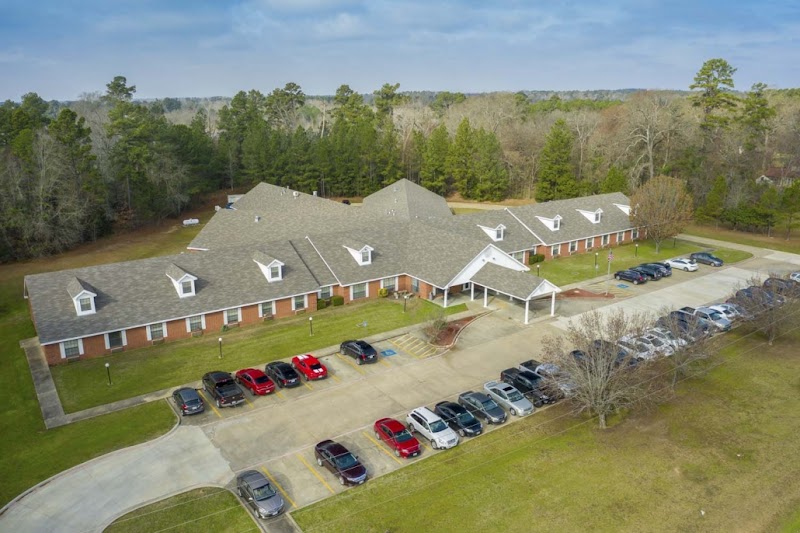
How is Legend Oaks Healthcare And Rehabilitation Center G Staffed?

CMS rates LEGEND OAKS HEALTHCARE AND REHABILITATION CENTER G's staffing level at 3 out of 5 stars, which is average compared to other nursing homes. Staff turnover is 55%, compared to the Texas average of 46%.

What Have Inspectors Found at Legend Oaks Healthcare And Rehabilitation Center G?

State health inspectors documented 34 deficiencies at LEGEND OAKS HEALTHCARE AND REHABILITATION CENTER G during 2022 to 2025. These included: 8 Immediate Jeopardy (the most serious level, indicating potential for serious harm or death), 2 that caused actual resident harm, and 24 with potential for harm. Immediate Jeopardy findings are rare and represent the most serious regulatory concerns. They require immediate corrective action.
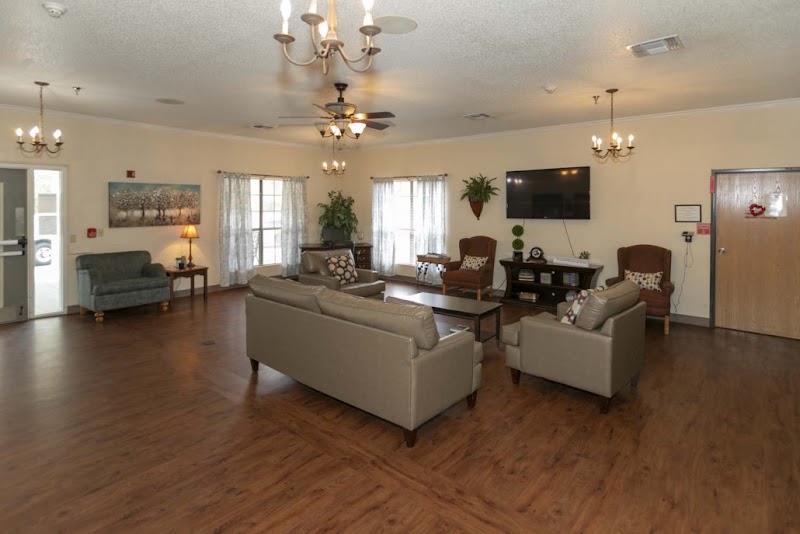
Who Owns and Operates Legend Oaks Healthcare And Rehabilitation Center G?

LEGEND OAKS HEALTHCARE AND REHABILITATION CENTER G is owned by a for-profit company. For-profit facilities operate as businesses with obligations to shareholders or private owners. The facility is operated by THE ENSIGN GROUP, a chain that manages multiple nursing homes. With 100 certified beds and approximately 64 residents (about 64% occupancy), it is a mid-sized facility located in GLADEWATER, Texas.
How Does Legend Oaks Healthcare And Rehabilitation Center G Compare to Other Texas Nursing Homes?

Compared to the 100 nursing homes in Texas, LEGEND OAKS HEALTHCARE AND REHABILITATION CENTER G's overall rating (2 stars) is below the state average of 2.8, staff turnover (55%) is near the state average of 46%, and health inspection rating (2 stars) is below the national benchmark.

What Should Families Ask When Visiting Legend Oaks Healthcare And Rehabilitation Center G?

Based on this facility's data, families visiting should ask: "What changes have been made since the serious inspection findings, and how are you preventing similar issues?" "Can I visit during a mealtime to observe dining assistance and food quality?" "How do you handle medical emergencies, and what is your hospital transfer rate?" "Can I speak with family members of current residents about their experience?" These questions are particularly relevant given the facility's Immediate Jeopardy citations.

Is Legend Oaks Healthcare And Rehabilitation Center G Safe?

Based on CMS inspection data, LEGEND OAKS HEALTHCARE AND REHABILITATION CENTER G has documented safety concerns. Inspectors have issued 8 Immediate Jeopardy citations (the most serious violation level indicating risk of serious injury or death). The facility has a 2-star overall rating and ranks #100 of 100 nursing homes in Texas. Families considering this facility should ask detailed questions about what corrective actions have been taken since these incidents.

Do Nurses at Legend Oaks Healthcare And Rehabilitation Center G Stick Around?

LEGEND OAKS HEALTHCARE AND REHABILITATION CENTER G has a staff turnover rate of 55%, which is 9 percentage points above the Texas average of 46%. Moderate turnover is common in nursing homes, but families should still ask about staff tenure and how the facility maintains care continuity when employees leave.

Was Legend Oaks Healthcare And Rehabilitation Center G Ever Fined?

LEGEND OAKS HEALTHCARE AND REHABILITATION CENTER G has been fined $124,559 across 6 penalty actions. This is 3.6x the Texas average of $34,324. Fines at this level are uncommon and typically indicate a pattern of serious deficiencies, repeated violations, or failure to correct problems promptly. CMS reserves penalties of this magnitude for facilities that pose significant, documented risk to resident health or safety. Families should request specific documentation of what issues led to these fines and what systemic changes have been implemented.

Is Legend Oaks Healthcare And Rehabilitation Center G on Any Federal Watch List?

LEGEND OAKS HEALTHCARE AND REHABILITATION CENTER G is not on any federal watch list. The most significant is the Special Focus Facility (SFF) program, which identifies the bottom 1% of nursing homes nationally based on persistent, serious quality problems. Not being on this list means the facility has avoided the pattern of deficiencies that triggers enhanced federal oversight. This is a positive indicator, though families should still review the facility's inspection history directly.