GRAHAM OAKS CARE CENTER
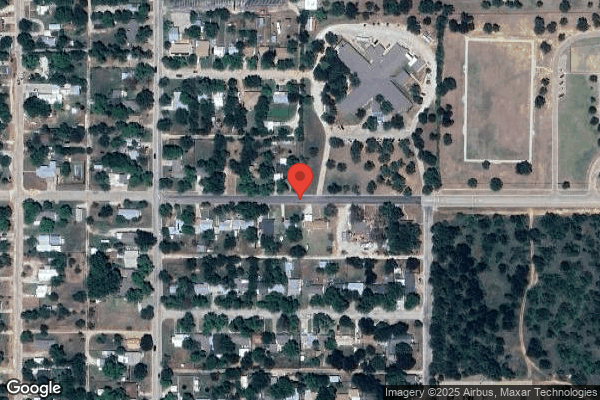
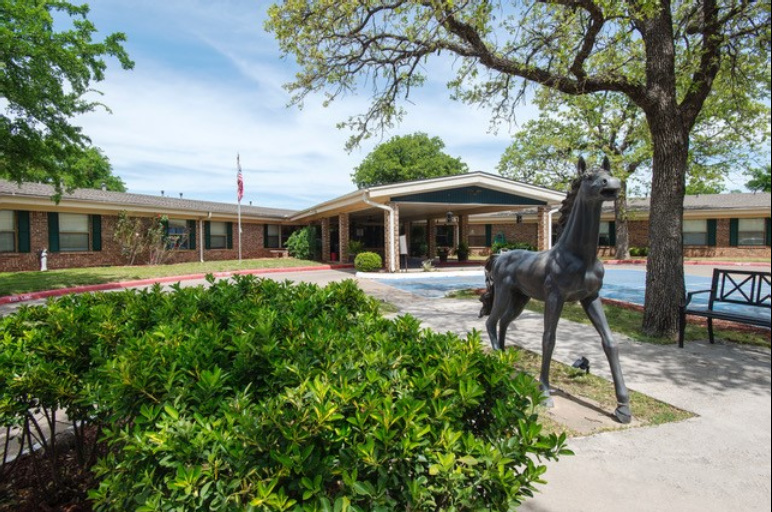
1325 FIRST ST, GRAHAM, TX 76450 (940) 549-8787
For profit - Limited Liability company 110 Beds CREATIVE SOLUTIONS IN HEALTHCARE Data: November 2025
Trust Grade
55/100
#477 of 1168 in TX
Last Inspection: January 2025

Within standard 12-15 month inspection cycle. Federal law requires annual inspections.

Overview

Graham Oaks Care Center has a Trust Grade of C, indicating that it is average and falls in the middle of the pack among nursing homes. It ranks #477 out of 1168 facilities in Texas, placing it in the top half, but is last in Young County at #3 out of 3. Unfortunately, the facility's trend is worsening, with the number of issues increasing from 1 in 2024 to 3 in 2025. Staffing is a significant concern here, receiving a 1/5 star rating with a turnover rate of 64%, much higher than the Texas average of 50%. While the center has not incurred any fines, which is positive, there have been serious concerns identified, such as failing to manage pain effectively for a resident and not creating comprehensive care plans tailored to individual needs for several residents. Overall, while there are strengths, such as good health inspection ratings, the weaknesses in staffing and care management are significant factors for families to consider.

Trust Score
C
55/100
In Texas
#477/1168
Top 40%
Safety Record
Moderate
Needs review
Inspections
Getting Worse
1 → 3 violations
Staff Stability
⚠ Watch
64% turnover. Above average. Higher turnover means staff may not know residents' routines.
Penalties
✓ Good
No fines on record. Clean compliance history, better than most Texas facilities.
Skilled Nurses
⚠ Watch
Each resident gets only 14 minutes of Registered Nurse (RN) attention daily — below average for Texas. Fewer RN minutes means fewer trained eyes watching for problems.
Violations
⚠ Watch
17 deficiencies on record. Higher than average. Multiple issues found across inspections.
★★★☆☆
3.0
Overall Rating
★☆☆☆☆
1.0
Staff Levels
★★★☆☆
3.0
Care Quality
★★★★☆
4.0
Inspection Score
Stable
2024: 1 issues
2025: 3 issues

The Good

  • Full Sprinkler Coverage · Fire safety systems throughout facility
  • No fines on record

Facility shows strength in fire safety.

The Bad

3-Star Overall Rating

Near Texas average (2.8)

Meets federal standards, typical of most facilities

Staff Turnover: 64%

18pts above Texas avg (46%)

Frequent staff changes - ask about care continuity

Chain: CREATIVE SOLUTIONS IN HEALTHCARE

Part of a multi-facility chain

Ask about local staffing decisions and management

Staff turnover is elevated (64%)

16 points above Texas average of 48%

The Ugly 17 deficiencies on record

1 actual harm
May 2025 1 deficiency
CONCERN (D) 📢 Someone Reported This

A family member, employee, or ombudsman was alarmed enough to file a formal complaint

Potential for Harm - no one hurt, but risky conditions existed

Medical Records (Tag F0842)

Could have caused harm · This affected 1 resident

**NOTE- TERMS IN BRACKETS HAVE BEEN EDITED TO PROTECT CONFIDENTIALITY** Based on interview, and record review the facility failed to maintain clinical records that were complete and/or accurate for 1 ...

Read full inspector narrative →
**NOTE- TERMS IN BRACKETS HAVE BEEN EDITED TO PROTECT CONFIDENTIALITY** Based on interview, and record review the facility failed to maintain clinical records that were complete and/or accurate for 1 of 10 residents (Resident #1) reviewed for clinical records in that: The RN A did not document Resident # 1 was transferred to the ER on 5.12.25. This failure could place residents at risk of inaccurate and incomplete clinical records resulting in an inaccuracy in the care the resident received. The findings include: Record review Record review of Resident # 1's Face Sheet revealed she was a [AGE] year-old female originally admitted to the facility on 4.20.25 and readmitted on 5.20.25. She had diagnoses of fracture of hip, end stage renal disease (last stage of kidney failure) osteoporosis (porous brittle bone that breaks easily with spontaneous fractures common), and calciphylaxis (rare and life-threatening syndrome which involves calcium buildup in the skin and fat tissue leading to clotting and painful lesions). Record review of admission MDS dated 5.3.25 documented Resident #1 had a BIMS score of 7 (which indicated moderate cognitive impairment). Record review of Resident #1's Nursing progress Notes for 5.12.25 stated: Transfer Notification - Late entry Effective Date: 5/12/2025 10:38:0 Created By: DON Created Date : 5/23/2025 11:21:03 Resident was transferred to a hospital on [DATE] 10:38 AM related to AMS Hypoxia(low oxygen content in the blood) This is intended to serve as notice of an emergency transfer Record review of the nurses note dated 5.12.25 indicated Resident #1 returned to the facility with a diagnoses of urinary tract infection at 1:39 PM on 5.12.25 Resident #1 was nonresponsive and unavailable for an interview at the time of the investigation. In an interview on 5.22.25 at 2:30 PM, Resident # 1's family member said she was not aware of Resident #1's transfer to the emergency room on 5.12.25 @ 10:38 AM when she experienced an altered mental status. She stated she found out the resident had a UTI when she visited the resident at the nursing facility later that day. In an interview on 5.23.25 at 11.43 AM RN A stated she thought she did notify Resident #1's family member of the transfer on 5.12.25 but if it was not documented, and the family member stated she did not notify her she could not state with certainty that she did notify her. She stated she failed to follow proper procedure by not documenting the event when it occurred which could result in an inaccuracy in the care the resident received. In an interview on 5.23.25 at 11:50 AM the DON stated she was in the facility and she and another nurse were present and assisted with the transfer. She stated it was her expectation that resident information was documented in a resident's record at the time it occurred. She stated if documentation were not made a late entry could be made at a later date and identified as a late entry with the date and time the event occurred and the time and date the documentation was created. Record review of the facility's policy, Documentation not dated, revealed [in part]: Documentation is the recording of all information, both objective and subjective, in the clinical record of an individual resident. The facility will maintain complete and accurate documentation for each resident. The facility will ensure that information is comprehensive and timely and properly signed. Complete documentation in the electronic health record in a timely manner.
Jan 2025 2 deficiencies
CONCERN (D) 📢 Someone Reported This

A family member, employee, or ombudsman was alarmed enough to file a formal complaint

Potential for Harm - no one hurt, but risky conditions existed

Assessment Accuracy (Tag F0641)

Could have caused harm · This affected 1 resident

**NOTE- TERMS IN BRACKETS HAVE BEEN EDITED TO PROTECT CONFIDENTIALITY** Based on observation , interview and record review the facility failed to ensure the assessments accurately reflected the reside...

Read full inspector narrative →
**NOTE- TERMS IN BRACKETS HAVE BEEN EDITED TO PROTECT CONFIDENTIALITY** Based on observation , interview and record review the facility failed to ensure the assessments accurately reflected the resident status for 2 of 11 residents (Residents #4 and #24) reviewed for assessments . 1. The Facility failed to ensure Resident #4's MDS was accurately completed with the residents tobacco use. 2. The facility failed to ensure Resident #24's MDS was accurately completed with Resident #24's anticoagulant. These failures could place residents at risk by decreasing the accurate information available to determine the care and services needed for each resident. The findings include: 1. Record review of Resident # 4's face sheet, dated 1/22/2025, revealed a [AGE] year-old male who was admitted to the facility on [DATE]. Resident #4 had diagnoses which included Rhabdomyolysis (rare muscle injury where your muscles break down), high blood pressure and congestive heart failure. Record review of Resident #4's Annual MDS, dated [DATE], revealed Section C- Cognitive Patterns BIMS score of 5, which indicated Severely impaired cognition. Section J- Health Conditions revealed no evidence of current tobacco use. Record review of Resident #4's Care Plan, dated 12/23/2024, revealed no problem, goal or intervention related to Resident #4's use of smokeless tobacco. During an observation and interview on 01/202/2025 at 2:43 PM Resident # 4 was sitting up in his bed. A brown ball of substance was sitting on his bedside table. Resident #4 stated the substance was his chewing tobacco. Resident #4 stated he took it out to eat and then put it back into his mouth. 2. Record review of Resident #24's face sheet, dated 1/22/2025, revealed an [AGE] year-old female who was admitted to the facility on [DATE]. with a readmission date on 01/07/2025 with the following diagnosis of respiratory failure, dementia, high blood pressure, congestive heart failure and Cerebral Infraction (stroke). Record review of Resident #24's Physician order revealed a start date of 09/26/2024 Pradaxa oral capsule 150 MG (Dabigatran Etexilate Mesylate) Give 1 capsule by mouth two times a day related to Cerebral Infraction. Record review of Resident #24's Quarterly MDS, dated [DATE], revealed: Section C- Cognitive Pattern she had a BIMS score of 13, which indicated cognitively intact cognition. Section N- Medications documented no evidence of anticoagulant use. During an interview on 01/22/2025 at 3:18 PM, LVN B stated she was the MDS coordinator and the MDS should have included Resident #4's tobacco use and Resident #24's anticoagulant use. LVN B stated their cooperate monitored the MDS. LVN B stated the effect on residents could have affected residents' ability to receive outside resources. LVN B stated what led to the failure was oversight staff not looking at documentation completely. During an interview on 01/22/2025 at 3:33 PM, the DON stated her expectation was for MDS to be completed correctly and include all resident care needs. The DON stated the MDS was responsible to ensure MDS's were completed and their corporate monitored. The DON stated the effect on residents could have had interference with the resident's plan of care and what was being done to meet their goals. The DON stated they did not have a policy for the MDS, they followed the CMS Resident Assessment Instrument User's Manual. Record review of the CMS Long-Term Care Facility Resident Assessment Instrument (RAI) User's Manual (https://www.cms.gov/files/document/finalmds-30-rai-manual-v11811october2023.pdf accessed on 01/22/2025) documented the following: J1300 Current Tobacco Use: Steps for Assessment 1. Ask the resident if they used tobacco in any form during the 7-day look-back period. 2. If the resident states that they used tobacco in some form during the 7-day look-back period, code 1, yes. DEFINITION TOBACCO USE Includes tobacco used in any form. CMS's RAI Version 3.0 Manual CH 3: MDS Items [J] October 2023 Page J-27 J1300: Current Tobacco Use (cont.) 3. If the resident is unable to answer or indicates that they did not use tobacco of any kind during the look-back period, review the medical record and interview staff for any indication of tobacco use by the resident during the look-back period. Coding Instructions o Code 0, no: if there are no indications that the resident used any form of tobacco. o Code 1, yes: if the resident or any other source indicates that the resident used tobacco in some form during the look-back period. N0415: High-Risk Drug Classes: Use and Indication .Anticoagulant (e.g., warfarin, heparin, or low-molecular weight heparin): Check if an anticoagulant medication was taken by the resident at any time during the 7-day look-back period (or since admission/entry or reentry if less than 7 days). N0415E2. Anticoagulant: Check if there is an indication noted for all anticoagulant medications taken by the resident any time during the observation period (or since admission/entry or reentry if less than 7 days) . N0415I1. Antiplatelet: Check if an antiplatelet medication (e.g., aspirin/extended release, dipyridamole, clopidogrel) was taken by the resident at any time during the 7-day observation period (or since admission/entry or reentry if less than 7 days). N0415I2. Antiplatelet: Check if there is an indication noted for all antiplatelet medications taken by the resident any time during the observation period (or since admission/entry or reentry if less than 7 days).
CONCERN (E) 📢 Someone Reported This

A family member, employee, or ombudsman was alarmed enough to file a formal complaint

Potential for Harm - no one hurt, but risky conditions existed

Comprehensive Care Plan (Tag F0656)

Could have caused harm · This affected multiple residents

**NOTE- TERMS IN BRACKETS HAVE BEEN EDITED TO PROTECT CONFIDENTIALITY** Based on observation , interview and record review, the facility failed to develop and implement a comprehensive person-centered...

Read full inspector narrative →
**NOTE- TERMS IN BRACKETS HAVE BEEN EDITED TO PROTECT CONFIDENTIALITY** Based on observation , interview and record review, the facility failed to develop and implement a comprehensive person-centered care plan for each resident, consistent with the resident rights that included measurable objectives and timeframes to meet the resident's medical, nursing, and mental and psychosocial needs that were identified in the comprehensive assessment for 3 of 24 residents (Resident #4, Resident #44 and Resident #76) reviewed for comprehensive person-centered care plans. 1. The facility failed to ensure Resident #4's comprehensive care plan was person centered and measurable when addressing Resident #4's Tobacco use. 2. The facility failed to ensure Resident #44's comprehensive care plan contained the resident's use of Trapeze bar (medical device used to help patient move and positions themselves in bed) for bed mobility. 3. The facility failed to ensure Resident # 76's comprehensive care plan contained Resident #76's amputation . 4. The facility failed to ensure Resident #76's use of a fall mat was implemented as documented in the resident's care plan. These failures could place residents at risk for not receiving care and services to attain or maintain the resident's highest practicable physical, mental, and psychosocial well-being. Findings include: 1. Record review of Resident #4's electronic face sheet revealed a [AGE] year-old male who was admitted to the facility on [DATE]. Resident #4 had diagnoses which included Rhabdomyolysis (breakdown of muscle tissue causing chemical release) Syncope and collapse (brief loss of consciousness), Hypertension (high blood pressure), Congestive heart failure , and Unsteadiness on feet. Record review of Resident #4's Annual MDS, dated [DATE], revealed Section C cognitive Patterns BIMS score 05, which indicated severely impaired cognition. Section FF0115 Functional Limitation in range of Motion Upper Extremity impairment on one side. Lower extremity impairment on both sides. Section GG0120 Mobility Devices Wheelchair. Section J 1300 Current Tobacco use No. Record review of Resident #4's Care Plan, dated 12/23/2024, revealed no problem, goal or intervention related to Resident #4's use of smokeless tobacco. During an observation and interview on 01/20/2025 at 2:43 PM revealed Resident # 4 was sitting up in his bed. A brown ball of substance sat on his bedside table. Resident #4 stated it was his chewing tobacco. Resident #4 stated he took it out to eat and then put it back into his mouth. 2. Record review of Resident #44's electronic face sheet revealed a [AGE] year-old male who was admitted to the facility on [DATE] with a previous admission on [DATE]. Resident #44 had diagnoses which included Encounter for orthopedic aftercare involving surgical amputation, Heart Failure, Nicotine Dependence, Pressure ulcer of sacral region, stage 4 and Acquired Absence of left leg below knee. Record review of Resident #44's Physician Orders, last reviewed 11/17/2024, revealed no orders for use of a Trapeze bar. Record review of Resident #44's Annual MDS, dated [DATE], Section C cognitive Patterns BIMS score 14, which indicated Intact cognition ). Section GG Functional Abilities-GG0130 Toileting Dependent, Lower body dressing setup or clean-up assistance, lying to sitting on bed Independent, Chair to bed transfer Independent. Section I Active Diagnosis Amputation. J1300 Current Tobacco Use Yes. Record review of Resident #44's Care Plan, dated 12/20/204, did not address use of a Trapeze Bar for bed mobility. No goals or interventions for use of a Trapeze Bar were addressed in the Care Plan, dated 12/20/2024. During an observation on 01/21/2025 at 09:03 AM revealed Resident #44 lying in bed and a trapeze bar attached to the bed frame . During an interview on 01/22/2025 at 12:05 PM, LVN A stated she was not sure how long Resident #44 had been using the trapeze bar. She stated she thought therapy recommended it. She stated she was not sure if he needed a physician order for the trapeze bar or if it should be on care plan. During an interview on 01/22/2025 at 1:30 PM with PTA D stated Resident #44 had a trapeze bar for a long time. PTA D stated he did not believe the therapy department recommended use of the trapeze bar. During an interview on 01/22/2025 at 2:40 PM with MDS Coordinator LVN B stated use of a trapeze bar should be care planned. LVN B stated if not care planned staff would not have known he needed the trapeze bar and how often he needed it. LVN B stated she did not know how long the resident had been using the trapeze bar. LVN B stated she was not sure who ordered the trapeze bar for this resident. LVN B stated if there was no order then it would not be triggered to be care planned . During an interview on 01/22/2025 at 2:45 PM, the DON stated use of trapeze bars should be care planned and did not need an order. The DON stated this could affect residents in that staff would not be able to monitor the effectiveness of the trapeze bar. The DON stated this could be a negative effect on the resident if trapeze bar use was not monitored and not being used correctly by the resident. The DON stated she did not know why this was not care planned and she monitored care plans for accuracy. The DON stated no one else at the facility monitored care plans . 3. Record review of Resident #76's electronic face sheet revealed a [AGE] year-old male who was admitted to the facility on [DATE]. Resident #76 had diagnoses which included Diabetes Mellitus, Acute Kidney Failure, Hypertension , Acquired Absence of Right Leg Below Knee (Amputation) Record review of Resident #76's Physician Orders, dated 01/21/2025, revealed: no orders for fall mat at bedside. Record review of Resident #76's admission MDS, dated [DATE], Section C Cognitive status BIMS score 14, which indicated the resident was intact cognitively. Section GG0115 Functional Limitation in Range of Motion Upper extremity impairment on one side, Lower extremity impairment on one side. GG0120 Mobility Devices Walker, Wheelchair, Limb Prosthesis Section J Health Conditions J1300 Current Tobacco User No. Section J1 900 Number of falls since Admission/Entry two or more. Record review of Resident #76's Care Plan, dated 12/18/2024, reflected Focus: the resident is risk for fall. Date initiated: 12/06/2024 Revision on 12/182024 Goal: the resident will be free of falls through the renew date.12/17/2024. Intervention included fall mat while in bed. Amputation of right leg below knee was not addressed. Use of Prosthetic leg was not addressed. During an observation on 01/2025 at 10:30 AM and 01/21/2025 at 09:03 AM revealed no fall mat was observed by the bed in the room for Resident #76. During an interview on 01/22/25 at 09:20 AM, the DON stated she was responsible for entering fall risk assessments on care plans and MDS Coordinators entered items triggered on the CAA (Care Area Assessment)from the MDS. The DON stated care plans were reviewed weekly during the standard of care meeting. The DON stated she conducted quarterly audits to identify issues that had been resolved and needed to be cancelled. The DON stated equipment specified in the care plan must be in place for the resident such as a f all mat. The DON stated the expectations were interventions on the care plan were done and if not coaching/retraining was provided. The DON stated if a fall mat was noted in an intervention, a fall mat should be in place if the resident was in bed or in the room . During an interview on 01/22/2025 at 01:46 PM, LVN C stated she looked at care plans from time to time. LVN C stated the DON reviewed changes during the daily morning meeting. LVN C stated any equipment used for a resident should be on the care plan. LVN C stated the consequences for a resident if the equipment was not addressed on the care plan, a needed device could be missed by the caregiver and not be used. Record review of the facility's, undated, policy titled Comprehensive Care Planning, reflected: The facility will develop and implement a comprehensive person-centered care plan for each resident, consistent with the resident rights that include measurable objectives and timeframes to meet a resident's medical, nursing, and mental and psychosocial needs that are identified in the comprehensive assessment . The comprehensive care plan will reflect interventions to enable each resident to meet his/her objectives. Interventions are the specific care and services that will be implemented. Record review of the facility's, undated, policy titled Uniform Smoke Free Policy reflected. Residents will be allowed to keep smokeless tobacco, i.e., chewing tobacco, snuff, in their room and in their possession. Residents may use smokeless tobacco at their own discretion. Residents will be educated regarding cleanliness and proper disposal of the smokeless tobacco.
Oct 2024 1 deficiency
CONCERN (D) 📢 Someone Reported This

A family member, employee, or ombudsman was alarmed enough to file a formal complaint

Potential for Harm - no one hurt, but risky conditions existed

Abuse Prevention Policies (Tag F0607)

Could have caused harm · This affected 1 resident

Based on interview and record review the facility failed to develop and implement written policies and procedures prohibited and prevented abuse, neglect, and exploitation, of residents and misappropr...

Read full inspector narrative →
Based on interview and record review the facility failed to develop and implement written policies and procedures prohibited and prevented abuse, neglect, and exploitation, of residents and misappropriation of resident property for 1 of 4 employee files (Employee C) reviewed for abuse protocol. The facility failed to complete annual Criminal Background Checks for Employee C. This failure could place residents at risk for abuse, neglect, and exploitation. Findings include: In a record review of Employee C's personnel file reflected the facility did not complete annual Criminal History checks. The last check completed was date 12/2/22. In an interview on 10/16/24 at 4:45 PM, the Human Resource Specialist said the annual Criminal History checks for Employee C were not completed. He said it was the responsibility of the Human Resource Specialist to ensure reference checks were completed and documented during annual review. He said Criminal History checks helped prevent abuse . Human Resource Specialist stated he has worked for facility for only 3 weeks and has not completed reviews of all staff to see if background checks and training are up to date. Human Resource Specialist stated the former HRS must have missed the annual background check for Employee C. In an interview on 10/17/24 at 5:15 PM, the Administrator said Human Resources should be completing employee reference checks prior to employment and annually. The Administrator said Employee C's Criminal History was not checked or documented. The Administrator said a potential negative outcome of not checking employee Criminal History annually was to ensure the facility did not employ a person whose criminal history did not put the safety for the resident in jeopardy. A Criminal Background check was conducted for Employee C on 10/16/24, Employee C was employable. Record review of the facility's policy Criminal Background Checks , dated as revised 11/17/2017, reflected the following [in part]: Policy: It is the policy of the company to conduct criminal background checks of all applicants within 72 hours of employment . and complete annual Criminal History checks, Procedure: 6. The Criminal History Coordinator will be responsible for obtaining reference checks and licensure verification/registries prior to employment and annually. Written documentation of reference checks and licensure/verification will be maintained in the personnel file . Record review of the facility's Abuse and Neglect policy dated as revised 3/29/2018, reflected the following: The facility will conduct criminal background checks of all personnel in accordance with Texas Health and Safety Code, Chapter 250.
Dec 2023 5 deficiencies 1 Harm
SERIOUS (G) 📢 Someone Reported This

A family member, employee, or ombudsman was alarmed enough to file a formal complaint

Actual Harm - a resident was hurt due to facility failures

Deficiency F0697 (Tag F0697)

A resident was harmed · This affected 1 resident

**NOTE- TERMS IN BRACKETS HAVE BEEN EDITED TO PROTECT CONFIDENTIALITY** Based on interview and record review, the facility failed to ensure that pain management was provided to residents who require s...

Read full inspector narrative →
**NOTE- TERMS IN BRACKETS HAVE BEEN EDITED TO PROTECT CONFIDENTIALITY** Based on interview and record review, the facility failed to ensure that pain management was provided to residents who require such services, consistent with professional standards of practice, the comprehensive person-centered care plan, and the residents' goals and preferences for 1 of 3 (Resident # 55) residents reviewed for quality of care. The facility failed to ensure Resident #55's pain was managed at a level that did not interfere with the resident's sleep or day to day activities This deficient practice could place residents at risk of pain, discomfort, and a diminished quality of life. Findings included: A review of Resident #55's Electronic Health Record (EHR) indicated her admission date was 05/31/2023 with relevant diagnoses of pain in left ankle and joints of left foot, abnormal gait, and mobility (difficulty walking and moving from place to place), muscle atrophy (decrease in size of the muscle tissue from not using the muscle). Review of Resident #55's routine medications indicated : Tylenol 500 mg 2 tablets every 6 hours for fever with a start date of 8/8/23, and Tylenol 500 mg 2 po every 6 hours as needed for pain/inflammation with a start date of 12/7/23. Review of Resident #55's quarterly MDS assessment dated [DATE] revealed Resident #55 experienced pain o at a level of an 8 constantly during the 5-day lookback period. Review of the MDS assessment dated [DATE] showed a Quarterly Assessment which revealed in the pain assessment the following: interview; Section J0300- Have you had pain or hurting at any time in the last 5 days? - Yes How much of the time have you experienced pain or hurting over the last 5 days? - Almost Constantly Please rate your pain over the last 5 days on a zero to ten pain scale, with zero being no pain and ten as the worst pain you can imagine. 08. Record Review of Resident #52's MAR revealed the resident had recieved Tylenol 500 mg caps 2 by mouth on 11/5/23 for a pain level of 5, on 11/9/23 for a pain level of 4, and on 11/27/23 and 11/28/23 for pa pain level of 5, and not again until 12/5/23 for a pain level of 3. In an interview with Resident #55 on 12/06/23 at 10:25 AM she said that she normally, constantly had pain since her admission in May 2023. She said that she had told someone that she needed a pain medication, the pain medication that had been given did not help and they were supposed to get her something else ordered for pain. She stated she did not remember who she told about her pain, or if it was a nurse. She stated that the pain limits her day-to-day activity and was constant. In an interview with the DON (Director of Nursing) on 12/07/23 at 2:28 PM She stated said she did not know the resident was having so much pain. She stated it was her expectation that the pain assessment information gathered on the 11/10/23 MDS would have resulted in the nurse communicating with the physician and getting her an order for pain medication She said that the RN MDS Coordinator signed the MDS, and the social worker did the actual interview for pain on the 11/10/23 quarterly MDS and it should have been addressed by nursing. The social worker did the MDS and did not notify her with her pain score. She said stated she would be contacting the physician to get a new order for pain. She stated it would be her expectation that a nurse completes the pain interview in section J of the MDS.A facility policy on pain management was not reviewed.
CONCERN (D) 📢 Someone Reported This

A family member, employee, or ombudsman was alarmed enough to file a formal complaint

Potential for Harm - no one hurt, but risky conditions existed

Abuse Prevention Policies (Tag F0607)

Could have caused harm · This affected 1 resident

Based on interview and record review the facility failed to implement their written policies and procedures to prohibit abuse, neglect, exploitation, and misappropriation of resident property for 1 of...

Read full inspector narrative →
Based on interview and record review the facility failed to implement their written policies and procedures to prohibit abuse, neglect, exploitation, and misappropriation of resident property for 1 of 8 employee files (Employee C) reviewed for abuse protocol. The facility did not complete reference checks on Employee C, with a hire date of 11/27/2023, prior to employment at the facility. This failure could place residents at risk for abuse, neglect, and exploitation. Findings included: In a record review of Employee C's personnel file revealed the facility did not complete reference checks with a hire date of 11/27/2023 prior to employment. In an interview on 12/07/23 at 11:30 AM, the Human Resource Specialist said the reference checks for Employee C were not completed. He said it was the responsibility of the Human Resource Coordinator to ensure reference checks are completed and documented prior to hire. He said reference checks helps prevent abuse. In an interview on 12/07/23 at 1:54 PM, the Administrator said Human Resources should be completing employee reference checks prior to employment. She said Employee C's references were not checked or documented. She said a potential negative outcome of not checking employee references would be the employee would not be a satisfactory hire. Review of the facility's policy Criminal Background Checks, dated as revised 11/17/2017, revealed the following [in part]: Policy: It is the policy of the company to conduct criminal background checks of all applicants within 72 hours of employment . Procedure: 6. The Criminal History Coordinator will be responsible for obtaining reference checks and licensure verification/registries prior to employment. Written documentation of reference checks and licensure/verification will be maintained in the personnel file. Review of the facility's policy Abuse/Neglect, dated as revised 03/29/2018, revealed the following [in part]: The resident has a right to be free from abuse, neglect, misappropriation of resident property, and exploitation . Procedure: 4. The facility will attempt to obtain at least one reference check on all new hires.
CONCERN (D) 📢 Someone Reported This

A family member, employee, or ombudsman was alarmed enough to file a formal complaint

Potential for Harm - no one hurt, but risky conditions existed

Deficiency F0657 (Tag F0657)

Could have caused harm · This affected 1 resident

**NOTE- TERMS IN BRACKETS HAVE BEEN EDITED TO PROTECT CONFIDENTIALITY** Based on interview, and record review, the facility failed to update the comprehensive care plan after the assessment for 1 of 6...

Read full inspector narrative →
**NOTE- TERMS IN BRACKETS HAVE BEEN EDITED TO PROTECT CONFIDENTIALITY** Based on interview, and record review, the facility failed to update the comprehensive care plan after the assessment for 1 of 6 residents (Resident #'s 53) reviewed for plan of care revision. The facility failed to include in the care plan, nutritional interventions for a significant weight loss for Resident #53 after the 11/26/2023 Comprehensive MDS . This failure could place the residents at risk of staff and providers not having the most current information for the Resident's plan of care. Findings included: Record review of Resident #53's electronic health record revealed a [AGE] year-old male with a, re-admission date 11/21/2023, Diagnoses: dysphagia (difficulty swallowing), essential (primary) hypertension (high blood pressure), Alzheimer's disease (progressive memory loss), atrial fibrillation (the hearts upper chambers beat out of sequence with the lower chambers which can lead to poor blood flow, blood clots and stroke), anxiety disorder (feelings of worry and fear that interfere with daily activities), muscle weakness and muscle wasting and atrophy (decreased muscle mass resulting in weakness due to decreased physical activity, and nutritional deficiencies). Record review of Resident 53's electronic health record revealed the most recent Care Plan dated 3/21/23 listed a focus area for potential risk for malnutrition dated 3/1/23. The goal was for Resident #53 to maintain a stable weight and nutritional parameters. The Care Plan further revealed the interventions were last updated 5/16/23, the interventions were not reviewed or revised after the 31-pound weight loss in November 2023. Record review of Resident #53's electronic health record revealed he had a weight of 131.6 on 11/21/23 and a weight of 164.6 on 11/8/23 (a 31-pound weight loss loss). The weight documented on 11/21/23 was the last recorded weight for the resident. Record review of Resident #53's admission MDS with an assessment reference date of 11/26/23, section K 0200 documented a weight of 132 pounds and a height of 72 inches. Section K0300 documented that Resident #53 had a weight loss of 5 percent or more in the last month and was not on a prescribed weight loss program. Section K0520 he had not received intravenous feeding, a feeding tube, mechanically altered diet, or a therapeutic diet while not a resident, or while a resident. Record review of the electronic health record revealed the physician orders, dated 12/6/23, for Resident #53 reflected that he was on a Regular diet with Regular consistency and thin fluids. In an interview on 12/06/23 at 10:52 AM Resident #53's wife stated that he did not eat as much due to his dementia. She stated she did not know that he had a significant weight loss . She stated she was here for every meal, and she cuts his meat. She stated he has dentures and has no trouble chewing. Interview on 12/07/23 at 3:32 pm with the DON revealed it would be her expectation that re-weight would happen if a large discrepancy in weight was discovered, and she would also expect the family and physician to be notified. She stated the care plan should be updated by the MDS nurse after the MDS was completed. She stated failure to update the care plan could result in the resident not receiving the care he needs. Interview on 12/07/23 at 4:03 pm with MDS Coordinator revealed she was responsible for updating the care plan with the MDS but if it is an acute problem then it was nursing that was to update the care plan. She stated failure to update the care plan and communicato the te the weight loss to the interdisciplinary team could result in the resident not receiving the care he needs. Review of the facilities undated policy titled: Comprehensive Care Planning revealed the following: The facility will establish, document, and implement the care and services to be provided to each resident to assist in attaining or maintaining his or her highest practicable quality of life. The comprehensive care plan will reflect interventions to enable each resident to meet his/her objectives interventions are the specific services that will be implemented.
CONCERN (D) 📢 Someone Reported This

A family member, employee, or ombudsman was alarmed enough to file a formal complaint

Potential for Harm - no one hurt, but risky conditions existed

Medication Errors (Tag F0758)

Could have caused harm · This affected 1 resident

**NOTE- TERMS IN BRACKETS HAVE BEEN EDITED TO PROTECT CONFIDENTIALITY** Based on interview and record review, the facility failed to ensure residents who have not used psychotropic drugs are not given...

Read full inspector narrative →
**NOTE- TERMS IN BRACKETS HAVE BEEN EDITED TO PROTECT CONFIDENTIALITY** Based on interview and record review, the facility failed to ensure residents who have not used psychotropic drugs are not given these drugs unless the medication was necessary to treat a specific condition as diagnosed and documented in the clinical record and gradual dose reductions were attempted for 1 of 5 residents (Resident #56) whose records were reviewed for unnecessary medications. Resident #56 was admitted to the facility on [DATE]. Her admission orders included an order for the antipsychotic medication Zyprexa 5 mg for a diagnosis of depression, with a start date on 04/18/2023. She did not have a diagnosis or indication of use for antipsychotic medication. The facility's failure placed the resident at risk for adverse side effects from receiving antipsychotic medication that was not indicated for use. The findings included: Review of Resident #56's admission Record, dated 12/07/2023, revealed a [AGE] year-old female admitted to the facility on [DATE]. The resident's diagnoses included: iron deficiency anemia; depression; Alzheimer's disease; hypertension (high blood pressure); and cardiac arrhythmia (abnormal heartbeat). Review of Resident #56's Physician Order Summary revealed an order dated 04/17/2023 for Zyprexa 5 mg by mouth one time daily related to depression, with a start date on 04/18/2023. Review of the Consent for Antipsychotic Medication Treatment for Resident #56 revealed the physician documented the resident had been receiving Zyprexa since 04/17/2023 and the benefit was to help psychosis and agitation. The form was signed by the physician on 05/25/2023 and was signed by the resident's family member on 07/06/2023. The documented indication for use had not been clarified and added to the resident's list of diagnoses. Review of Resident #56's comprehensive care plan, dated as initiated on 07/06/2023 and last reviewed on 10/28/2023, revealed the care plan The resident requires anti-psychotic medications. Review of Resident #56's Quarterly MDS Assessment, dated 10/24/2023, revealed a BIMS score of 00 out of 15 (severe cognitive impairment); verbal behavioral symptoms on 1-3 days; other behavioral symptoms 4-6 days; wandering daily; selected Psychiatric/Mood disorder diagnosis of depression; and antipsychotic, antidepressant and anticoagulant medications received. There was no GDR attempted for antipsychotic medication. Review of the Pharmacist Consultant Medication Regimen Review Recommendation, dated 10/31/2023, revealed it was recommended a GDR be attempted for Zyprexa 5 mg by mouth daily. There was no documented physician follow-up to the Pharmacist Consultant's recommendation. During an interview and record review on 12/07/2023 at 6:31 PM, the DON reviewed Resident #56's physician order Zyprexa 5 mg daily for depression dated 04/17/2023 and the Consent for Antipsychotic Medication Treatment form. She stated the physician did document psychosis on the consent form. The DON stated there were several residents with antipsychotic medication orders that did not have the correct diagnosis for indication for use. The DON stated she would look for a policy and procedure for pharmacy services and psychotropic medications. A policy and procedure for pharmacy services and psychotropic medications was not provided at the time of the completion of the survey and exit from the facility on 12/07/2023.
CONCERN (E) 📢 Someone Reported This

A family member, employee, or ombudsman was alarmed enough to file a formal complaint

Potential for Harm - no one hurt, but risky conditions existed

Deficiency F0655 (Tag F0655)

Could have caused harm · This affected multiple residents

**NOTE- TERMS IN BRACKETS HAVE BEEN EDITED TO PROTECT CONFIDENTIALITY** Based on interview and record review, the facility failed to develop and implement a baseline care plan within 48 hours for 2 of...

Read full inspector narrative →
**NOTE- TERMS IN BRACKETS HAVE BEEN EDITED TO PROTECT CONFIDENTIALITY** Based on interview and record review, the facility failed to develop and implement a baseline care plan within 48 hours for 2 of 5 residents (Residents #39 and #56) whose record were reviewed for recent admission to the facility, in that: 1. Resident #39 was admitted to the facility on [DATE] and a baseline care plan had not been developed within 48 hours of his admission. 2. Resident #56 was admitted to the facility on [DATE] and a baseline care plan had not been developed within 48 hours of her admission. This failure placed the residents at risk for not receiving care and services to meet their needs and to promote their physical and mental health and well-being within their new living environment. The findings included: 1. Resident #39 Review of Resident #39's admission Record, dated 12/07/2023, revealed an [AGE] year-old male admitted to the facility on [DATE]. The resident's diagnoses included: Type 2 diabetes mellitus with foot ulcer; hyperlipidemia (high cholesterol); hypertension (high blood pressure); heart failure; end stage renal disease (kidney failure); dependence on renal dialysis; and dysphagia (difficulty swallowing). Review of Resident #39's Baseline Care Plan Acknowledgement form, dated 09/30/2023, revealed a copy of the baseline care plan was provided to the resident's representative. Review of Resident #39's Baseline Care Plan revealed it was dated as developed on 10/03/2023, later than 48 hours after admission. During an interview and record review on 12/07/2023 at 10:37 AM, the DON reviewed the Baseline Care Plan Acknowledgement form and the Baseline Care Plan for Resident #39. She stated the Baseline Care Plan dated 10/03/2023 was done late. She stated the Baseline Care Plan Acknowledgement had been done by the LVN charge nurse and she probably did the form as part of the nursing admission packet. The DON stated she was the one who initiated the baseline care plan within 48 hours and the LVN should not have completed the acknowledgement form. The DON stated the LVN would not have given the resident's representative a copy of a baseline care plan. 2. Resident #56 Review of Resident #56's admission Record, dated 12/07/2023, revealed a [AGE] year-old female admitted to the facility on [DATE]. The resident's diagnoses included: iron deficiency anemia; depression; Alzheimer's disease; hypertension (high blood pressure); and cardiac arrhythmia (abnormal heartbeat). Review of Resident #56's Baseline Care Plan Acknowledgement form, dated 04/17/2023, revealed a copy of the baseline care plan was provided to the resident's representative. Review of Resident #56's Baseline Care Plan revealed it was dated as developed on 04/25/2023, later than 48 hours after admission. Review of the facility's policy and procedure for Base Line Care Plans, not dated, revealed the following [in part]: Completion and implementation of the baseline care plan withing 48 hours of a resident's admission is intended to promote continuity of care and communication among nursing home staff, increase resident safety, and safeguard against adverse events that are most likely to occur right after admission; and to ensure the resident and representative, if applicable, are informed of the initial plan for delivery of care and services by receiving a written summary of the baseline care plan .
Aug 2023 1 deficiency
CONCERN (D) 📢 Someone Reported This

A family member, employee, or ombudsman was alarmed enough to file a formal complaint

Potential for Harm - no one hurt, but risky conditions existed

Report Alleged Abuse (Tag F0609)

Could have caused harm · This affected 1 resident

**NOTE- TERMS IN BRACKETS HAVE BEEN EDITED TO PROTECT CONFIDENTIALITY** Based on interview and record review, the facility failed to report the results of investigations of allegations of abuse in acc...

Read full inspector narrative →
**NOTE- TERMS IN BRACKETS HAVE BEEN EDITED TO PROTECT CONFIDENTIALITY** Based on interview and record review, the facility failed to report the results of investigations of allegations of abuse in accordance with State law, including to the State Survey Agency, within 5 working days of the incident for 4 (Resident #2, Resident #3, Resident #7and Resident #12) of 10 residents reviewed for abuse. The facility failed to report the investigations findings of abuse when Resident #3 attempted to remove Resident #2 from dinner table resulting Resident #2 receiving nail marks on her arm from Resident #3. The facility failed to report the investigation findings of abuse when Resident #12 slapped Resident #7 in the face while both residents were passing in the hall. This failure could place residents at risk for abuse. Findings include: Resident #2 Record review of Resident #2's, , MDS dated [DATE] indicated the resident was an [AGE] year-old female with a BIMS of 3 (severely cognitively impaired). The residents Medical Diagnoses were Dementia (a decline in cognitive abilities), and Psychotic Disturbances (a severe mental disorder that causes abnormal thinking and perceptions). The resident was a Hospice patient. Resident #2 resided in secure unit of facility. Resident #3 Record review of Resident #3's, MDS dated [DATE] indicated the resident was an [AGE] year-old female with a BIMS 1 (severely cognitively impaired). The residents Medical Diagnoses were Dementia (a decline in cognitive abilities) and Rhabdomyolysis (rare muscle tissue breakdown). Resident #3 resided in the secure unit of facility. Record review of incident report date 7/22/23, LVN A witnessed Resident #3 attempting to remove Resident #2 from dining room table. Resident #2 refused to move, and Resident #3 clawed her fingernails into Resident #2's inner left arm, leaving nail marks. LVN A immediately separated residents and de-escalated situation. LVN A assessed Resident #2, skin was not broken, red marks from nails were visible. Vitals taken. Resident #2 did not seem bothered by incident or upset. Resident #3 was placed on 1 on 1 supervision, social services provided. Resident #3 was assessed, no injuries, had no concerns moments after incident. Resident #3 has no history of aggressive behaviors towards others. LVN A notified the DON, physician, Hospice, and family of both residents. Interview on 8/8/23 at 10:30 am, the DON stated she reported the incident to HHSC on 7/22/23. The DON stated her investigation did not establish what caused the behavior of Resident #3 to try and remove Resident #2 from the table. Neither resident was interview-able and both residents had no concerns or any mental stress. The DON stated she provided in-service training to staff on 7/23/23, topics include Prevention of Physical abuse, Preventing and Recognizing Triggers of Behaviors and Dementia. The DON stated Resident #3 does not have any history of aggression and has not done anything like this before. The DON stated she performed an investigation on incident, but she must have forgotten to submit the PIR findings for incident on 7/22/23, on form (3613-A) to HHSC. Resident #7 Record review of Resident #7, [AGE] year-old female, discharged from facility 7/14/23 (moved closer to family) last MDS dated [DATE] BIMS 6 (severely cognitively impaired). Medical Diagnosis Alzheimer (a neurodegenerative disease), Resident # 7 resided in facilities secured unit. Resident #12 Record review of Resident #12, [AGE] year-old female, MDS dated [DATE] BIMS 00 (severely cognitively impaired), Medical Diagnosis Alzheimer (a neurodegenerative disease), Resident #12 resides in facility secure unit. Record review of incident report dated 5/30/23 indicated as Resident #12 and Resident #7 passed each other in the hall on the secure unit at 3:45 pm, Resident #12 slapped Resident #7 on the left side of face. CNA A witnessed incident. CNA B stated no words were exchanged between residents before or after the incident. CNA B stated both residents kept walking down the hall as if nothing happened. CNA A reported incident to LVN A. LVN A assessed both residents, Resident #7 did not have any marks or redness on left side of face or injuries anywhere on face or body. Resident #12 had no injuries. LVN A stated neither Resident #7 or Resident #12 had any clue or was aware of any incident. LVN A reported incident to the DON, resident's physicians, and families. Interview on 8/9/23 at 11: 00 am, the DON stated she reported incident to HHSC on 5/30/23, and an Intake Investigation Worksheet was assigned to incident. The DON stated her investigation did not establish what caused the behavior of Resident #12 to slap Resident #7, neither resident had any history of aggression towards anyone or each other. Neither resident suffered injury or mental destress over incident. Both residents are non-interview able. The DON stated she provided in-service training to staff on 5/31/23, topics include Tips and Strategies for De-Escalating Aggressive, Hostile, or Violent Patients. The DON stated she has been submitting incidents to HHSC for several months due to not having a permanent Administrator, (facility has been using interim Administrators for the past several months). The DON stated she performed an investigation on the incident, but she must have forgotten to submit the PIR findings for the incident on 5/30/23, on form (3613-A) to HHSC. Record review of facility's Resident-to-Resident Altercations policy Revised 9/2022 indicated the following: 4. If two residents are involved in an altercation: j. Report incidents, findings, and corrective measures to appropriate agencies as outlined in Abuse, Neglect-Reporting, and Investigation Record review of facility's Abuse/Neglect Policy Revised 3/29/18 Section F Investigation 3. G. Other pertinent information as available. The written report must be sent to HHSC no later than the Fifth working day after the initial report. The facility will use the designed state reporting form (3613-A).
Oct 2022 7 deficiencies
CONCERN (D)

Potential for Harm - no one hurt, but risky conditions existed

Comprehensive Care Plan (Tag F0656)

Could have caused harm · This affected 1 resident

**NOTE- TERMS IN BRACKETS HAVE BEEN EDITED TO PROTECT CONFIDENTIALITY** Based on observation, interview and record review, the facility failed to develop and implement comprehensive care plans to meet...

Read full inspector narrative →
**NOTE- TERMS IN BRACKETS HAVE BEEN EDITED TO PROTECT CONFIDENTIALITY** Based on observation, interview and record review, the facility failed to develop and implement comprehensive care plans to meet a resident's medical and nursing needs for 2 of 2 residents (Resident # 33, and Resident #28) reviewed for care plans, by failing to ensure: A. Resident #28's care plan was revised to include stoma care after the removal of her tracheostomy. B. Resident #33's care plan included pain management related to Spondylolysis (a stress fracture through the pars interarticularis of the lumbar vertebrae. The pars interarticularis is a thin bone segment joining two vertebrae. It is the most likely area to be affected by repetitive stress) This failure could place the residents at risk for not having their individual needs met according to their comprehensive assessments and potentially cause a physical and/or mental decline in health and well-being. Findings included: Resident #28 Resident #28's undated face sheet revealed she was a [AGE] year-old-female admitted on [DATE] with the following diagnoses: chronic kidney disease, bipolar disorder, lack of coordination, acute respiratory failure with hypoxemia, and muscle weakness. Resident #28's annual MDS dated [DATE] revealed she had a BIMS of 13 indicating she was cognitively intact and able to make her need known. Section O (Special Treatment Procedure and Progress) revealed she did not have a tracheostomy Review of Resident #28's Care Plan dated 09/20/2022 revealed she had a communication problem. Goals: the resident will maintain current level of communication function by (how and with what assistance i.e., making sounds, using appropriate gestures responding yes/no question appropriately using communication board writing messages. Intervention: use communication techniques which enhances information. Allow adequate time to respond repeat as necessary Ask yes/no question if appropriate. The resident has altered respiratory status difficulty breathing/shortness of breath Goal: Monitor for signs and symptoms of distress and report to MD (medical doctor) as needed During initial tour on 10/23/2022 at 10:00 AM Resident #28 said she was on the ventilator for almost a year and had her tracheostomy removed about a year ago. Observed Resident #28 extended her neck and exposed an open stoma where she had a band aide covering a hole in her neck. She began whistling as she breathed when removed the band aide. She said she has the band aide to cover the hole when she takes a shower. She was unsure how long the tracheostomy was removed but it was supposed to close but never has. During observation on 10/23/2022 at 10:15 AM Resident #28's stoma in her neck appeared to be approximately the size of a dime (2 cm x 2 cm) with air movement through the hole. She said she tried to see a physician, but the insurance did not cover her visit. Concentrator for oxygen was not attached for emergency event. During an interview on 10/25/2022 at 2:30 PM with Speech Therapist said she was not aware Resident #28 had a stoma and she had not assessed her personally, but she would put her on the list to check on her. She said an open stoma can be a problem because it is open to the air and can have problems with infections and aspiration. During an interview on 10/25/2022 at 2:45 PM with the MDS Nurse said she waa not aware of Resident #28 did not have a care plan for her stoma. During an Interview on 10/25/2022 at 4:00 PM Wound Care Nurse said Resident #28 said we watch her to make sure she keeps her stoma clean, she does not have any secretions and she covers the stoma when she takes a shower. She is susceptible to infections which part of the problem with an open hole in her neck. We just watch her. He said the last physician cleared her stoma (related to no longer needing a tracheostomy) (A tracheotomy or a tracheostomy is an opening surgically created through the neck into the trachea (windpipe) to allow direct access to the breathing tube) During an interview on 10/25/2022 at 4:40 PM DON said Resident #28 was cleared by the physician in [large city] (not needing a tracheostomy tube) but confirmed that an open stoma is susceptible to infections. She was not sure if a Speech Therapist was following her and unsure if she was care planned. She said she was not aware Resident #28 did not [NAME] care plan for he stoma. Facility did not have a policy and procedure specifically for stoma care. Review of physician orders on 10/25/2022 at 2:00 PM did not reveal orders for stoma care or emergency interventions. Resident #33 Review of Resident #33's undated Face Sheet revealed she was a [AGE] year-old-female admitted on [DATE] with the diagnoses of: Congestive heart disease, Spondylolysis (a stress fracture through the pars interarticularis of the lumbar vertebrae. The pars interarticularis is a thin bone segment joining two vertebrae. It is the most likely area to be affected by repetitive stress) and hypertension. Review of Resident Care Plan dated 09/26/2022 failed to include pain management related to her Spondylolysis. Review of Resident #33's quarterly MDS dated [DATE] revealed section J (Pain Management) Pain management A. (NO) decline. PRN Pain management offered and decline (YES). Physician orders dated 09/27/2022 revealed the following Hydrocodone 5mg and 325 mg acetaminophen every 6 hours as needed for pain. Review of MAR (Medication Administration Record) revealed she received the following medication for pain: Norco (hydrocodone-acetaminophen) 5/325 mg was given on 10/03/2022 with a pain of 6 Numerical Rating Scales - (NRS) was given it at 11:00 AM, 10/04/2022 at 8:00 AM pain at 5, 10/07/2022 at 10:23 PM pain at 4, 10/08/2022 at pain at 7, 10/18/2022 at 6:05 PM pain at 5, 10/21/2022 at 9:03 PM at 6, 10/23/2022 at 9:35 PM at 3, 10/24/2022 at 3:24 PM at 5. During an interview on 10/25/2022 at 11:30 AM MDS Nurse said she was not aware of Resident #33's pain if addressed until now that surveyor brought it to her attention. She said she would update the care plan. https://my.clevelandclinic.org/health/diseases/10303-spondylolysis Treatments include: o Rest: Take a break from sports and other strenuous activities. o Medications: Over-the-counter nonsteroidal anti-inflammatory drugs (NSAIDs) such as ibuprofen (Motrin®) can help reduce pain and inflammation. Your healthcare provider may prescribe stronger medications as needed. o Steroid injections: Your healthcare provider injects steroid medication directly into the affected area to help relieve pain. o Physical therapy: A physical therapist helps you learn exercises to strengthen your muscles and improve flexibility, so you can move without pain. o Bracing: Occasionally, healthcare providers recommend a back brace to stabilize the spine as the pars fracture heals.
CONCERN (D)

Potential for Harm - no one hurt, but risky conditions existed

Pharmacy Services (Tag F0755)

Could have caused harm · This affected 1 resident

**NOTE- TERMS IN BRACKETS HAVE BEEN EDITED TO PROTECT CONFIDENTIALITY** Based on observation, interview and record review the facility failed to provide pharmaceutical services (including procedures t...

Read full inspector narrative →
**NOTE- TERMS IN BRACKETS HAVE BEEN EDITED TO PROTECT CONFIDENTIALITY** Based on observation, interview and record review the facility failed to provide pharmaceutical services (including procedures that assure the accurate acquiring, receiving, dispensing, and administering of all drugs) to meet the needs for 1 (Resident#) of 6 residents reviewed for pharmaceutical services. LVN-B, facility failed to administer medications to Resident #50 according to physician's orders. LVN-B left Resident #50's medication with her in a pill cup to take later . This failure could place residents who receive medications at risk of not receiving the intended therapeutic benefit of the medications. The findings included: Record review of the face sheet dated 10/27/22 revealed Resident # 50 was originally admitted to the facility on [DATE] and had a recent admission date of 10/20/2022. Her diagnoses included: Type 2 Diabetes, end stage renal disease, and hypertension. In an observation and interview on 10/23/2022 at 11:35 AM, Resident #50 was sitting up in her w/c in the small dining room and LVN B came up to resident #50 with a plastic cup with water and a medication cup with 3 white tablets. Resident stated the medication tablets were her Selvamere - and she takes them due to having kidney failure and going to dialysis. Stated she takes them 3 times daily before meals. Resident told the LVN that she wanted to wait until it was closer to the time to eat to take the pills, as they do not work as well if she takes them too early before eating. LVN B let the resident keep the medication cup with the 3 tablets and the resident put the medication cup in her left breast pocket of her flannel shirt. LVN B walked away and back to her medication cart carrying a cup of water that she had taken to Resident # 50 to use for swallowing her medicine. Resident stated she always leaves my medicine for me to take when I'm ready. I take it with food Observation of the medication administration record on 10/23/2022 at 11:35 AM revealed resident 50's Selvelamer was initialed as taken when the pills remained in her left breast pocket. Record review of Resident #50's, physicians' orders dated 10/25/2022 documented an order for Sevelamer tablets 800 mg 3 tablets by mouth with meals for chronic kidney disease stage 5. In an interview on 10/23/2022 at 12:45 PM with LVN B, who was assigned med pass during the observation stated she did not know why she had left the medication with the resident to take. She stated residents should be observed to ensure the medication was taken by the correct resident at the correct time. She stated the medication should not be documented as taken unless the nurse actually watched them take the medication. In an interview on 10/23/2022 at 1:05 PM, the DON stated the person administering the medication should always verify medication with resident, date, time, and route with medication being given. When giving medication to a resident the nurse providing medications should always witness medication has been taken by the resident for whom it was ordered taken per the orders given. Review of the facility policy statement on Administering Oral Medications, dated 2001 MED-PASS, Inc. (Revised October 2010) stated [in part]: check the label on the medication and confirm the medication name, dose with the medication administration record, check the expiration date, check the medication dose and recheck the dose to confirm, then remain with the resident until all medications have been taken. Follow documentation guidelines. The individual administering the medication initials the resident's MAR on the appropriate line after giving each medication.
CONCERN (D)

Potential for Harm - no one hurt, but risky conditions existed

Infection Control (Tag F0880)

Could have caused harm · This affected 1 resident

**NOTE- TERMS IN BRACKETS HAVE BEEN EDITED TO PROTECT CONFIDENTIALITY** Based on observation, interview and record review, the facility failed to maintain an infection control program designed to prev...

Read full inspector narrative →
**NOTE- TERMS IN BRACKETS HAVE BEEN EDITED TO PROTECT CONFIDENTIALITY** Based on observation, interview and record review, the facility failed to maintain an infection control program designed to prevent the development and transmission of infection for 2 of 2 residents (#'s 36 and 44) reviewed for blood glucose monitoring. A. LVN A failed to disinfect the multi-use glucometer between uses on different resident's according to the required contact time for the disinfectant. B. LVN C failed to disinfect the multi-use glucometer between uses on different resident's according to the required contact time for the disinfectant. The facility's failure could place residents at risk for development of infection and a decline in health status. The findings include: Resident ID #36 Review of Resident #36's Face Sheet, not dated, revealed he was a [AGE] year-old male with the following diagnoses: Type 1 diabetes; low vision. Review of Resident #36's physician order summary revealed she received finger stick blood glucose checks 4 times daily (before meals and at bedtime) and Humalog 100 units/ml per sliding scale 4 times daily, and Glargine 100units/ml Subcutaneous solution 30 units daily. In an observation on 10/24/22 at 11:50 AM, LVN A removed the glucometer from the medication cart and placed it on top of the medication carthe sanitized her hands and wiped the glucometer with a Biactive wipe and laid it back on the med cart. She entered Resident ID #36's room and performed the finger stick. She then carried the glucometer back to the cart and disposed of the used supplies and her gloves. She performed hand hygiene with an alcohol-based hand sanitizer and placed the glucometer back into the drawer of the medication cart without disinfecting it with an EPA approved sanitizer using the proper contact time. In an interview at 11:55 AM on 10/24/22, LVN A stated the contact time for the Bactive wipes to disinfect an object was 2 minutes. She stated the contact time was the length of time it took the chemical to kill bacteria and the failure to disinfect equipment could result in an infection. Resident ID #44 Review of resident #44's Face Sheet revealed she was a [AGE] year-old male with the following diagnoses: type 2 diabetes mellitus with hyperglycemia, atherosclerotic heart disease, and cerebrovascular disease. In an observation and interview on 10/24/22 at12:20 PM, LVN C removed the glucometer from the drawer of the medication cart and placed it on top of the cart with a wax paper barrier underneath. She cleaned the glucometer and let it air dry for 2 minutes. She stated 2 minutes was the required contact time for the wipes to disinfect the glucometer. She entered Resident 44' s room and performed the finger stick wearing gloves. She carried the glucometer back to the cart, disposed of the used supplies and her gloves appropriately. She performed hand hygiene with an alcohol-based hand sanitizer and placed the glucometer back into the drawer of the medication cart. In an interview on 10/24/22 at 12:20 PM LVN C stated she knew that the multi-use glucometer should be disinfected with the Disinfectant after each use. She stated she was nervous and had not disinfected the glucometer properly during the observation. She stated the appropriate contact time for the bioactive was 4 minutes and it should remain wet for 4 minutes and then be allowed to air dry. In an interview on 11/5/19 at 2:30 PM the DON stated that she expected the nurses to cleanse the multi-use glucometer with the antimicrobial wipes after each use. She stated the appropriate contact time for the bioactive was 4 minutes and it should remain wet for 4 minutes and then be allowed to air dry. She stated failure to follow these steps could lead to the spread of infection. Review of the facility's procedure titled Glucose , dated as revised 02/13/2007, revealed the following [in part]: Clean and inspect meter exterior with each use. Meter will be cleaned with a germicidal and allowed to air dry between patient testing.
CONCERN (E)

Potential for Harm - no one hurt, but risky conditions existed

Respiratory Care (Tag F0695)

Could have caused harm · This affected multiple residents

**NOTE- TERMS IN BRACKETS HAVE BEEN EDITED TO PROTECT CONFIDENTIALITY** Based on observations, interviews and record review the facility failed to provide each resident with necessary respiratory care...

Read full inspector narrative →
**NOTE- TERMS IN BRACKETS HAVE BEEN EDITED TO PROTECT CONFIDENTIALITY** Based on observations, interviews and record review the facility failed to provide each resident with necessary respiratory care consistent with professional standards of practice, for 2 of 3 residents (Resident's #13 and #53) reviewed for respiratory care, by failing to ensure: Resident's #13 and #53 oxygen tubing was changed weekly as ordered by the Physician. This failure could place residents requiring oxygen at risk for respiratory infections due to the potential for microorganisms infiltrating their oxygen equipment and supplies causing a decline in physical health. The findings Include: Resident #13 Record Review of Resident #13's face sheet, dated 10/25/2022, revealed she was an [AGE] year-old female admitted to the facility on [DATE]. Diagnosis included chronic obstructive pulmonary disease, unspecified (primary). Observation and interview during initial rounds, on 10/23/2022 at 10:07 AM, revealed Resident #13's oxygen tubing was dated 10/10/2022. Resident said she uses oxygen at night or when needed. Record review of Resident #13's Order Summary Report, dated 10/25/2022, revealed Resident #13 had an order for: A) O2 2 LPM per nasal canula to maintain O2 status >90% every day and night shift; B) Change Respiratory Tubing, Mask, Bottled Water, clean filter every 7 days, PRN as needed with use every night shift every Sun. Resident #53 Record Review of Resident #53's face sheet, dated 10/25/2022, revealed she was an [AGE] year-old female admitted to the facility on [DATE]. Diagnosis included chronic obstructive pulmonary disease, unspecified (primary). Observation and interview during initial rounds, on 10/23/2022 at 10:30 AM, revealed Resident #53's oxygen tubing was dated 10/10/2022. Resident said she does not remember when her tubing was last changed. Record review of Resident #53's Order Summary Report, dated 10/25/2022, revealed Resident #53 had an order for: A) May have O2 2 LPM per nasal canula to maintain O2 states > 90% as needed; B) May use oxygen 2 LPM per nasal canula. every night shift; C) Change Respiratory Tubing, Mask, Bottled Water, 02 BAG, clean 02 MACHINE FILTER every night shift every 2 weeks on Sunday. In an interview with the DON, on 10/25/22 at 3:37 PM, when asked about the oxygen tubing being dated for 10/10/22, she said the facility policy had recently changed for oxygen tubing to be changed only when visible dirty or as needed. However, she did acknowledge the doctor orders were still active for oxygen tubing to be changed every 7 days and that doctor orders supersedes facility policy. Review of the facility's policy for Oxygen Administration (undated) revealed Oxygen tubing was to be changed when visibly soiled or as needed.
CONCERN (E)

Potential for Harm - no one hurt, but risky conditions existed

Drug Regimen Review (Tag F0756)

Could have caused harm · This affected multiple residents

**NOTE- TERMS IN BRACKETS HAVE BEEN EDITED TO PROTECT CONFIDENTIALITY** Based on interview and record review, the facility failed to act upon and notify the attending physician of the pharmacist consu...

Read full inspector narrative →
**NOTE- TERMS IN BRACKETS HAVE BEEN EDITED TO PROTECT CONFIDENTIALITY** Based on interview and record review, the facility failed to act upon and notify the attending physician of the pharmacist consultant's recommendation for 2 of 5 residents (Resident #s 18 and 47) whose records were reviewed for pharmacist drug regimen review. A. The facility did not follow up with the attending physician on the Pharmacist Consultant's recommendation to add parameters to hold hypertensive medication for Resident #18. B. The facility did not follow up with the attending physician on the Pharmacist Consultant's recommendation to attempt a gradual dose reduction of Resident 47's order for Fluoxetine (Prozac) 60 mg daily. This failure placed residents at risk for receiving medication for an extended duration without monitoring and physician review for continuation and necessity of the medication. The findings include: Resident #18 Review of Resident #18's face sheet, not dated, revealed a [AGE] year-old female who was admitted to the facility on [DATE] with a primary diagnosis of unspecified dementia, unspecified severity, without behavioral disturbance, psychotic disturbance, mood disturbance, and anxiety. Additional diagnoses included cerebral infarction, hemiplegia and hemiparesis affecting right side, and hypertension. Review of Resident #18's active Physician Orders, dated 10/25/2022, revealed the following medication orders: Benazepril 10 mg, give 1 tablet by mouth one time a day for hypertension, related to the diagnosis essential (primary) hypertension, with an order start date of 6/14/2022; Propranolol 20 mg, give 1 tablet by mouth two times a day related to secondary hypertension, unspecified, with an order start date of 6/14/2022. Review of the Pharmacist Consultant Medication Regimen Review reports revealed a Director of Nursing Report, dated 7/29/2022. The report documented the Pharmacist Consultant had reviewed Resident #18's medication orders on 7/08/2022. The Pharmacist Consultant documented the resident was being treated for hypertension and recommended hold parameters be added to the hypertension medication orders. The DON documented her initials on the report that the recommendation had been followed-up on by her. Review of Resident #18's active Physician Orders, dated 10/25/2022, revealed no parameters for holding the medications had been added to the orders for Benazepril and Propranolol. Resident #47 Review of Resident #47's face sheet, not dated, revealed a [AGE] year-old male who was initially admitted to the facility on [DATE]. The form documented the resident's diagnoses included quadriplegia, other specified depressive episodes, anxiety disorder, and insomnia. Review of Resident #47's Physician Orders, dated 10/25/2022, revealed an order for Fluoxetine 20 mg, give 60 mg by mouth one time a day related to other specified depressive episodes. Review of the Pharmacist Consultant Medication Regimen Review reports revealed a Director of Nursing Report, dated 8/08/2022. The report documented the Pharmacist Consultant had reviewed Resident #18's medication orders on 8/02/2022. The Pharmacist Consultant had reviewed Resident #47's order for Fluoxetine 60 mg by mouth daily and inquired if a gradual dose reduction could be attempted. There was no documented evidence on the report that the recommendation had been followed-up on by the DON. In an interview on 10/25/22 at 6:32 PM, the DON stated the Pharmacist Consultant had not been here yet this month. She stated recommendations were made on the Director of Nursing Report and the Medical Director Report. She stated the Medical Director responded to recommendations. The DON stated she and the Medical Director sat down together sometimes and reviewed the Pharmacist Consultant's report and recommendations. She stated the Medical Director would initial on the Medical Director Report and she initialed on the DON report when recommendations had been followed-up. The DON stated she would add parameters to Resident #18's orders for blood pressure medication. She stated there were standing orders for some parameters. Review of the facility's policy for Consultant Pharmacist, dated as revised 10/25/2017, revealed the following [in part]: The facility will contract the services of a pharmacist to provide consultation on all aspects of pharmaceutical services. The facility and the pharmacist will collaborate for effective consultation regarding pharmaceutical services. The pharmacist reviews and evaluates the pharmaceutical services by helping the facility identify, evaluate, and address medication issues that may affect resident care, medical care, and quality of life . Procedure 6. The Consultant Pharmacist shall provide the facility with documentation that he has reviewed each patient's drug therapy. When potential irregularities are identified, the consultant pharmacist shall complete an individualized report detailing the potential irregularity 7. The pharmacist will provide a separate written report of irregularities to the attending physician, medical director, and director of nursing after their review. 8. The attending physician will be notified of irregularities within 2 business days . 9. If an irregularity requires immediate action by the physician, the facility will call the physician and notify them of the irregularity. 10. The attending physician will review the identified irregularity and will document what, if any, action is to be taken to address it. If there is no change in the medication, the attending physician should document his or her rationale . 12. The completed report will be filed in the resident's clinical record. 13. Any irregularities that do not require a physician's order will be initiated within a timely manner by the director of nurses and/or designee .
CONCERN (E)

Potential for Harm - no one hurt, but risky conditions existed

Medication Errors (Tag F0758)

Could have caused harm · This affected multiple residents

**NOTE- TERMS IN BRACKETS HAVE BEEN EDITED TO PROTECT CONFIDENTIALITY** Based on interview and record review, the facility failed to ensure that residents with PRN orders for psychotropic drugs were l...

Read full inspector narrative →
**NOTE- TERMS IN BRACKETS HAVE BEEN EDITED TO PROTECT CONFIDENTIALITY** Based on interview and record review, the facility failed to ensure that residents with PRN orders for psychotropic drugs were limited to 14 days for 3 of 5 residents (Resident #s 14, 53 and 47) and a gradual dose reduction for a sedative/hypnotic medication was attempted for 1 of 5 residents (Resident #18) whose medication regimens were reviewed for unnecessary medications in that: A. Resident #14's order for PRN diazepam/Haldol gel was not discontinued after 14 days. B. Resident #53's order for PRN Lorazepam (antianxiety medication) was not discontinued after 14 days. C. Resident #47 had an order for the antianxiety medication Alprazolam (Xanax) 1 mg by mouth every 12 hours as needed (PRN) for anxiety, dated 8/25/22, which did not have an end/stop date. D. Resident #18 had an order for the sedative/hypnotic medication Zolpidem (Ambien) 10 mg by mouth at bedtime for difficulty sleeping, dated 7/02/2022, with no attempts of a gradual dose reduction. This failure could place residents administered PRN and routinely scheduled psychotropic medications at risk of adverse side effects from prolonged use of psychotropic medications including stroke and death. The findings included: Resident #14 Review of Resident #14's face sheet, dated 10/25/2022, revealed he was a [AGE] year-old male, admitted to the facility on [DATE] and was receiving hospice care services. Diagnosis included: senile degeneration of the brain; anxiety disorder; and other specified depressive episodes. Review of Resident #14's Quarterly MDS, dated [DATE], documented the resident had a BIMS score of 1 out of 15 (Severe Cognitive Impairment). Review of Resident #14's Physician Orders, dated 10/25/2022, revealed Resident #14 was prescribed diazepam/Haldol gel 2mg/2mg, give 1 ml topically to inner wrist, rub in well, PRN every 4 hours as needed for anxiety, with a start date of 09/06/2022, and an end date of indefinite. Review of Resident #14's pharmacy consultant reviews for September 2022 revealed the consultant pharmacist had not recommended that the resident's order for diazepam/Haldol gel be discontinued because the 14-day maximum allowed prescribed length for prn psychotropic medications had been met. Resident #53 Review of Resident #53's face sheet, not dated, revealed she was admitted to the facility on [DATE] and was 82-years-old and had diagnoses including anxiety disorder, insomnia, Alzheimer's Disease, and major depressive disorder. Review of Resident #53's Quarterly MDS, dated [DATE], documented she had a BIMS score of 11 out of 15 (Moderate Cognitive Impairment). During the seven-day look-back period she had received an anti-anxiety medication for 7 days. No behavioral symptoms were documented. Review of Resident #53's pharmacy consultant reviews for September did not reveal the consultant pharmacist recommended that the resident's order for Lorazepam be discontinued because the 14-day maximum allowed prescribed length for PRN psychotropic medications had been met. Review of Resident #53's Physician Orders, dated 10/25/2022, revealed that the resident was to continue receiving Lorazepam 2 mg/ml 0.5 ml every 4 hours PRN and Lorazepam 2 mg/ml 1 ml every 4 hours PRN as needed for anxiety. The medication was ordered on 08/26/2021. The orders did not specify a stop date. Review of Resident #53's Medication Administration Records dated 10/1/2022 through 10/25/2022 did reveal documentation of PRN Lorazepam 2 mg/ml give 1 ml as given two times on 10/01/2022. In an interview on 10/25/22 at 3:32 PM, the Director of Nurses stated that PRN orders for psychotropic medications were to be discontinued after 14 days and that justification from the prescriber was required for PRN orders for psychotropic medications that extended beyond the 14-day limit. She stated the Lorazepam continued because the hospice staff refused to write a PRN order for 14 days duration. She stated the diazepam/Haldol gel continued because hospice refused to write a PRN order for 14 days duration. The DON stated she was responsible for seeing that PRN psychotropic medications were not administered PRN longer than 14 days. Resident #47 Review of Resident #47's face sheet, not dated, revealed a [AGE] year-old male who was initially admitted to the facility on [DATE]. The form documented the resident's diagnoses included quadriplegia, other specified depressive episodes, anxiety disorder, and insomnia. Review of Resident #47's Physician Orders, dated 10/25/2022, revealed an order for Alprazolam 1 mg by mouth every 12 hours as needed (PRN) for anxiety, with a start date of 8/25/2022. The order did not include and end/stop date. Review of Resident #47's quarterly MDS assessment, dated 10/05/2022, revealed the resident had received antianxiety medication 1 out of 7 days during the assessment review period. Resident #18 Review of Resident #18's face sheet, not dated, revealed a [AGE] year-old female who was admitted to the facility on [DATE] with a primary diagnosis of unspecified dementia, unspecified severity, without behavioral disturbance, psychotic disturbance, mood disturbance, and anxiety. Additional diagnoses included cerebral infarction, hemiplegia and hemiparesis affecting right side, diabetes mellitus type 2, epilepsy unspecified, insomnia, hypertension, gastro-esophageal reflux disease, and hypothyroidism. Review of Resident #18's active Physician Orders, dated 10/25/2022, revealed the following medication orders: Amitriptyline 75 mg by mouth one time daily related to insomnia, dated 6/14/2022 (Elavil - antidepressant medication); Zolpidem Tartrate 10 mg by mouth at bedtime for difficulty sleeping, dated 7/06/2022 (Ambien - sedative/hypnotic medication). The physician orders did not include a referral for mental health/psychological evaluation and services. The physician orders did not include orders for anti-anxiety medication. Review of Resident #18's quarterly MDS assessment, dated 10/21/22, revealed the resident had received antidepressant medication and hypnotic medication 7 out of 7 days during the assessment review period. The diagnosis section for psychiatric/mood disorder did not have any diagnoses selected. (The diagnoses of depression and anxiety were not selected.) Review of Resident #18's comprehensive care plan revealed a care plan, dated 9/09/2022, which documented The resident uses anti-anxiety/hypnotic medications - anxiety disorder - Zolpidem. The goal did address decreased episodes and signs/symptoms of sleep disturbance. The interventions/approaches included administering anti-anxiety medication as ordered by physician, monitoring for effectiveness and side effects of anti-anxiety medication. Review of the Pharmacist Consultant Medication Regimen Review reports revealed a Director of Nursing Report, dated 7/29/2022. The report documented the Pharmacist Consultant had reviewed Resident #18's medication orders on 7/08/22 - High Dose - Medication: Ambien tablet 10 mg (Zolpidem Tartrate) 1 po QHS (by mouth at bedtime). Recommendation: In geriatric patients, clearance of zolpidem is similar in men and women. The recommended dose of AMBIEN in geriatric patients is 5 mg regardless of gender per the FDA. Please consider reducing dose of Ambien to 5 mg QHS (at bedtime). There was no documented evidence on the report that the recommendation had been followed-up on by the DON. Review of the Pharmacist Consultant Medication Regimen Review report to Resident #18's physician, dated 9/30/2022, revealed the request for a response to the review date on 9/24/2022. The report documented High Dose - Medication: Ambien tablet 10 mg (Zolpidem Tartrate) 1 po QHS (by mouth at bedtime). Recommendation: In geriatric patients, clearance of zolpidem is similar in men and women. The recommended dose of AMBIEN in geriatric patients is 5 mg regardless of gender per the FDA. Please consider reducing dose of Ambien to 5 mg QHS (at bedtime). The physician response, dated 10/19/22, documented Disagree - Lots of anxiety regarding uterine cancer that is metastatic. Having difficulty sleeping. In an interview on 10/25/2022 at 6:32 PM, the DON stated the Medical Director was not Resident #18's physician. The DON stated Resident #18 had a lot of anxiety related to having cancer. Review of the facility policy titled Psychotropic Drugs, dated as revised 10/25/2017, revealed the following [in part]: The facility must ensure that . 1. Residents who have not psychotropic drugs will not be given psychotropic drugs unless the medication is used to treat a specific condition as diagnosed and documented in the clinical record. 2. Residents who use psychotropic drugs receive gradual dose reduction, and behavioral interventions, unless clinically contraindicated, in an effort to discontinue these drugs. 4. PRN orders for psychotropic drugs are limited to 14 days. Except as provided in 483.45(e)(5), if the attending physician or prescribing physician believes that it is appropriate for the prn order to be extended beyond 14 days, he should document their rationale in the resident's medical record and indicate the duration for the prn order.
CONCERN (E)

Potential for Harm - no one hurt, but risky conditions existed

Food Safety (Tag F0812)

Could have caused harm · This affected multiple residents

Based on observation, interview, and record review, the facility failed to store, prepare, distribute, and serve food in accordance with professional standards for one of one kitchen. The facility fa...

Read full inspector narrative →
Based on observation, interview, and record review, the facility failed to store, prepare, distribute, and serve food in accordance with professional standards for one of one kitchen. The facility failed to protect the 3 of 58 residents who are provided puree diets in the facility's only kitchen from bacterial contamination when [NAME] D assembled the puree machine processor touching the cutting blades post with his bare hands. This failure could place residents who are provided puree food at risk for food borne illness and compromise health status The findings included: Observation on 10/24/2022 at 11:00 AM during puree processing for 3 residents revealed [NAME] D processing puree food 3 times (clean and sanitized between food processing) for different food stuff, hamburger steak, green beans, and bread he assembled the food processor he touching the center post of the blades adjusting the seating of the blades with his bare hand. The center post was touched by the food pureed during processing potentially contaminating the food. During an interview on 10/24/2022 at 11:35 AM Dietary Manager said their expectation regarding touching food processor with bare hands she said [NAME] D should not have touched the inside of the food processor with bare hands. Review of the facility's policy and procedure dated 2012 titled Equipment Sanitation revealed the following: Will clean and sanitized equipment for food preparation. The facility will clean all food service equipment in a sanitary manner. Review of the facility's policy and procedure dated 2012 titled, Infection Control revealed the following: Procedure: .2. Careful handwashing by personnel will be done in the following situations: .b. Between handling of dirty dishes boxes or equipment and handling clean food or utensils. .5. Equipment sanitation .d. Cups, glasses, and bowels must be handled so that fingers or thumbs do not contact inside surfaces.
Understanding Severity Codes (click to expand)
Life-Threatening (Immediate Jeopardy)
J - Isolated K - Pattern L - Widespread
Actual Harm
G - Isolated H - Pattern I - Widespread
Potential for Harm
D - Isolated E - Pattern F - Widespread
No Harm (Minor)
A - Isolated B - Pattern C - Widespread

Questions to Ask on Your Visit

  • "Why is there high staff turnover? How do you retain staff?"
  • "Can I speak with families of current residents?"
  • "What's your RN coverage like on weekends and overnight?"

Our Honest Assessment

Strengths
  • • No fines on record. Clean compliance history, better than most Texas facilities.
Concerns
  • • 17 deficiencies on record, including 1 serious (caused harm) violation. Ask about corrective actions taken.
  • • Grade C (55/100). Below average facility with significant concerns.
  • • 64% turnover. Above average. Higher turnover means staff may not know residents' routines.
Bottom line: Mixed indicators with Trust Score of 55/100. Visit in person and ask pointed questions.

About This Facility

What is Graham Oaks's CMS Rating?

CMS assigns GRAHAM OAKS CARE CENTER an overall rating of 3 out of 5 stars, which is considered average nationally. Within Texas, this rating places the facility higher than 99% of the state's 100 nursing homes. This mid-range rating indicates the facility meets federal standards but may have areas for improvement.
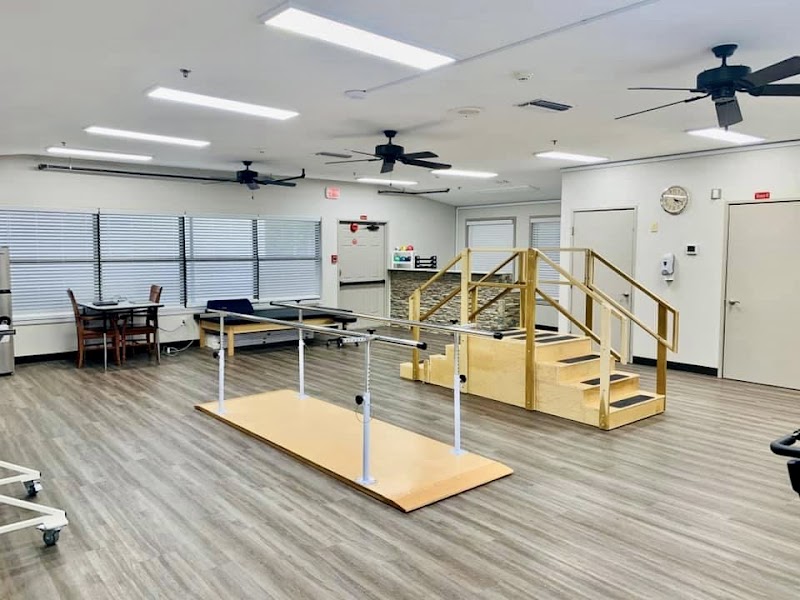
How is Graham Oaks Staffed?

CMS rates GRAHAM OAKS CARE CENTER's staffing level at 1 out of 5 stars, which is much below average compared to other nursing homes. Staff turnover is 64%, which is 18 percentage points above the Texas average of 46%. High turnover can affect care consistency as new staff learn residents' individual needs. RN turnover specifically is 78%, which is notably high. RNs provide skilled clinical oversight, so turnover in this role can affect medical care quality.

What Have Inspectors Found at Graham Oaks?

State health inspectors documented 17 deficiencies at GRAHAM OAKS CARE CENTER during 2022 to 2025. These included: 1 that caused actual resident harm and 16 with potential for harm. Deficiencies causing actual harm indicate documented cases where residents experienced negative health consequences.
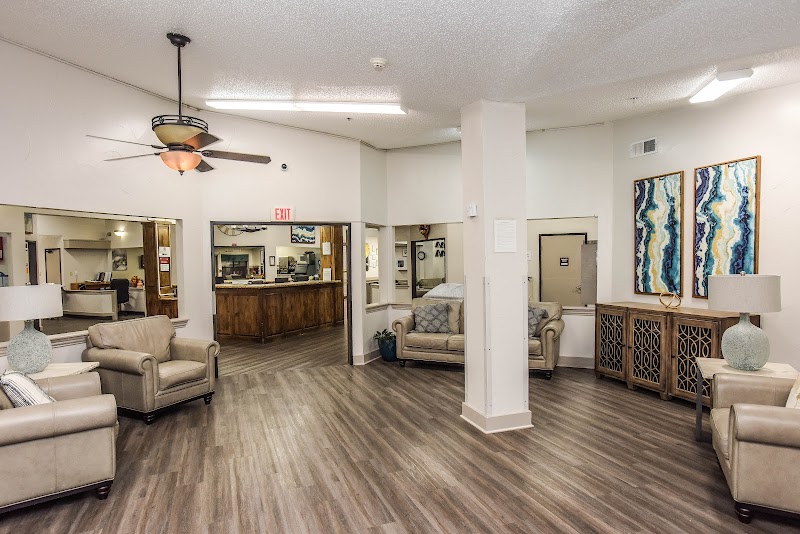
Who Owns and Operates Graham Oaks?

GRAHAM OAKS CARE CENTER is owned by a for-profit company. For-profit facilities operate as businesses with obligations to shareholders or private owners. The facility is operated by CREATIVE SOLUTIONS IN HEALTHCARE, a chain that manages multiple nursing homes. With 110 certified beds and approximately 81 residents (about 74% occupancy), it is a mid-sized facility located in GRAHAM, Texas.

How Does Graham Oaks Compare to Other Texas Nursing Homes?

Compared to the 100 nursing homes in Texas, GRAHAM OAKS CARE CENTER's overall rating (3 stars) is above the state average of 2.8, staff turnover (64%) is significantly higher than the state average of 46%, and health inspection rating (4 stars) is above the national benchmark.

What Should Families Ask When Visiting Graham Oaks?

Based on this facility's data, families visiting should ask: "How do you ensure continuity of care given staff turnover, and what is your staff retention strategy?" "Can you walk me through typical staffing levels on day, evening, and night shifts?" "Can I visit during a mealtime to observe dining assistance and food quality?" "How do you handle medical emergencies, and what is your hospital transfer rate?" These questions are particularly relevant given the facility's high staff turnover rate and the below-average staffing rating.

Is Graham Oaks Safe?

Based on CMS inspection data, GRAHAM OAKS CARE CENTER has a clean safety record: no substantiated abuse findings (meaning no confirmed cases of resident harm), no Immediate Jeopardy citations (the most serious violation level indicating risk of serious injury or death), and is not on the Special Focus Facility watch list (a federal program monitoring the lowest-performing 1% of nursing homes). The facility has a 3-star overall rating and ranks #1 of 100 nursing homes in Texas. While no facility is perfect, families should still ask about staff-to-resident ratios and recent inspection results during their visit.

Do Nurses at Graham Oaks Stick Around?

Staff turnover at GRAHAM OAKS CARE CENTER is high. At 64%, the facility is 18 percentage points above the Texas average of 46%. Registered Nurse turnover is particularly concerning at 78%. RNs handle complex medical decisions and coordinate care — frequent RN changes can directly impact care quality. High turnover means new staff may not know residents' individual needs, medications, or preferences. It can also be disorienting for residents, especially those with dementia who rely on familiar faces. Families should ask: What is causing the turnover? What retention programs are in place? How do you ensure care continuity during staff transitions?

Was Graham Oaks Ever Fined?

GRAHAM OAKS CARE CENTER has no federal fines on record. CMS issues fines when nursing homes fail to meet care standards or don't correct problems found during inspections. The absence of fines suggests the facility has either maintained compliance or corrected any issues before penalties were assessed. This is a positive indicator, though families should still review recent inspection reports for the full picture.

Is Graham Oaks on Any Federal Watch List?

GRAHAM OAKS CARE CENTER is not on any federal watch list. The most significant is the Special Focus Facility (SFF) program, which identifies the bottom 1% of nursing homes nationally based on persistent, serious quality problems. Not being on this list means the facility has avoided the pattern of deficiencies that triggers enhanced federal oversight. This is a positive indicator, though families should still review the facility's inspection history directly.