GRANBURY CARE CENTER
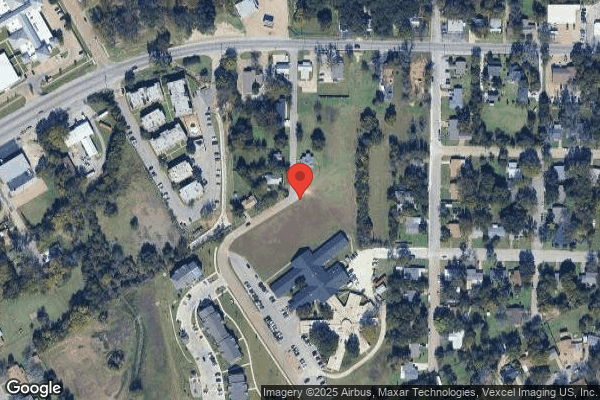

301 S PARK ST, GRANBURY, TX 76048 (817) 573-3726
For profit - Corporation 174 Beds CREATIVE SOLUTIONS IN HEALTHCARE Data: November 2025 2 Immediate Jeopardy citations
Trust Grade
14/100
#992 of 1168 in TX
Last Inspection: December 2024

Within standard 12-15 month inspection cycle. Federal law requires annual inspections.

Overview

Granbury Care Center has a Trust Grade of F, indicating significant concerns about the quality of care provided. It ranks #992 out of 1168 nursing homes in Texas, placing it in the bottom half of facilities in the state, and #3 out of 4 in Hood County, meaning only one local option is rated higher. While the facility is showing improvement with a decrease in reported issues from 16 in 2024 to 6 in 2025, it still faces serious challenges, including 38 total issues found during inspections, with 2 classified as critical. Staffing is a weakness, with a poor rating of 1 out of 5 stars and a turnover rate of 52%, which is around the state average. Specific incidents include a failure to provide adequate supervision for residents at risk of falls and a critical failure to initiate CPR for a resident in need, raising concerns about resident safety.

Trust Score
F
14/100
In Texas
#992/1168
Bottom 16%
Safety Record
High Risk
Review needed
Inspections
Getting Better
16 → 6 violations
Staff Stability
⚠ Watch
52% turnover. Above average. Higher turnover means staff may not know residents' routines.
Penalties
✓ Good
$21,107 in fines. Lower than most Texas facilities. Relatively clean record.
Skilled Nurses
⚠ Watch
Each resident gets only 9 minutes of Registered Nurse (RN) attention daily — below average for Texas. Fewer RN minutes means fewer trained eyes watching for problems.
Violations
⚠ Watch
38 deficiencies on record. Higher than average. Multiple issues found across inspections.
★☆☆☆☆
1.0
Overall Rating
★☆☆☆☆
1.0
Staff Levels
★★☆☆☆
2.0
Care Quality
★★☆☆☆
2.0
Inspection Score
Stable
2024: 16 issues
2025: 6 issues

The Good

  • Full Sprinkler Coverage · Fire safety systems throughout facility
  • No fines on record

Facility shows strength in fire safety.

The Bad

1-Star Overall Rating

Below Texas average (2.8)

Significant quality concerns identified by CMS

Staff Turnover: 52%

Near Texas avg (46%)

Higher turnover may affect care consistency

Federal Fines: $21,107

Below median ($33,413)

Minor penalties assessed

Chain: CREATIVE SOLUTIONS IN HEALTHCARE

Part of a multi-facility chain

Ask about local staffing decisions and management

The Ugly 38 deficiencies on record

2 life-threatening
Sept 2025 1 deficiency 1 IJ
CRITICAL (J) 📢 Someone Reported This

A family member, employee, or ombudsman was alarmed enough to file a formal complaint

Immediate Jeopardy (IJ) - the most serious Medicare violation

Deficiency F0678 (Tag F0678)

Someone could have died · This affected 1 resident

**NOTE- TERMS IN BRACKETS HAVE BEEN EDITED TO PROTECT CONFIDENTIALITY** Based on interview and record review the facility failed to ensure that a resident received CPR in accordance with professional ...

Read full inspector narrative →
**NOTE- TERMS IN BRACKETS HAVE BEEN EDITED TO PROTECT CONFIDENTIALITY** Based on interview and record review the facility failed to ensure that a resident received CPR in accordance with professional standards of practice for one (Resident #1) of six resident's reviewed for CPR. On [DATE] at 12:20 am, LVN A failed to initiate CPR on Resident #1 who was a full code status. Resident #1 expired on [DATE]. An Immediate Jeopardy was identified on [DATE] at 5:00 pm. The noncompliance began on [DATE] and ended on [DATE]. It was determined to be past non-compliance due to the facility having implemented action that corrected the non-compliance prior to the beginning of the investigation. This failure could affect residents who are full code status and could need CPR by placing them at risk of death. Findings included: Record review of Resident #1's admission Record, dated [DATE] revealed an [AGE] year-old female, with an original admission date of [DATE] and the latest readmission date of [DATE]. The resident expired on [DATE]. The resident had a primary diagnoses of unspecified dementia (the specific type of dementia cannot be clearly identified, despite the presence of cognitive decline and memory loss) and congestive heart failure (hearts ability to pump blood is compromised). The resident was under the care of hospice. Resident #1 was a full code. Resident #1 had a BIMS score of 14 indicating she was cognitively intact. Record review of Resident #1's Physician's Orders, dated [DATE], revealed an active order with a start date of [DATE] for full code. Record review of Resident #1's Care Plan, last revised on [DATE] revealed the following: Focus: Full Code/CPR in place. Goal: Resident has an order for CPR to be initiated will be followed. Interventions: Initiate CPR if the resident is without a heartbeat or not breathing. Notify EMS. Record review of Resident #1's progress noted, dated [DATE] at 3:40 am, by LVN A, revealed the following [in part]: [12:05 am] aide at this time has reported that patient is noted breathing abnormally. [12:07 am] This nurse went to assess pt and pt was noted semi-Fowlers (30 to 45 degree angle with the head elevated) in bed with head cocked to left side, pt appears to be taking deep breaths for air constantly at this time with eyes fixed as if she is imminent to passing. palpated for pulse and pulse is faint. skin is still warm to touch. [12:10 am to 12:15 am] Went to verify advance directive and was not found in hospice binder but did verify in PCC full code only. [12:20 am] returned to pt bedside and pt was noted unresponsive. aide prepared body immediately. A record review of Resident #1's vitals revealed there were no vitals documented in the Electronic Health Record on [DATE]. In an interview on [DATE] at 11:00 am, the DON said she did not know why LVN A did not initiate CPR on Resident #1. She said LVN A told her she was distracted by a phone call from her family member. In an interview on [DATE] at 1:40 pm, LVN A she said at the time of the incident on [DATE] at approximately 12:00 am, she had a lot going on, and said I had an emergency with my kids who were home alone and was distracted. In my head, all hospice patients have DNR's. My aide came and told me [Resident #1] took a turn, I went and saw her, and she was already basically gone. I went and looked at the hospice binder and did not see an advance directive. I looked in PCC (Electronic Health Record) and it said full code. I thought it was a mistake. I did not honor her code status. In an interview on [DATE] at 1:50 am, CNA B said on [DATE] at about 12:00 am, I went to check on and change [Resident #1] and she was having trouble breathing, I went and told [LVN A], the nurse went down with me to check her. [LVN A] said she didn't look good, and she went back to the nurses' station to look at computer. I stayed with [Resident #1], she got worse, she stopped breathing and had a blank staring off look. I went and got [LVN A] again. She came and took her vitals, told me she stopped breathing and passed, and told me to perform post-mortem care. [LVN A] did not initiate CPR. In an interview on [DATE] at 2:15 pm, the Medical Director said Resident #1 had an order for full code. He said it was his expectation for staff to follow the physician's orders. He said in this instance, failing to follow physician's orders had the potential that the resident's life could have been saved. In an interview on [DATE] at 3:19 pm, Resident #1's Family Member, he said LVN A called him sometime after midnight on [DATE] telling him that Resident #1 stopped breathing and did not have a DNR in place. He thought LVN A had told him CPR had been attempted but was too distraught to know for sure. In interview and record review on [DATE] at 10:30 am, the Administrator said he was no longer the Administrator of the facility since [DATE]. He said he was the Administrator of the facility during the time of the incident. He said he reported the incident and the LVN should have initiated CPR on Resident #1 who was a full code status. Record review of the facility policy Cardiopulmonary Resuscitation, not dated, revealed the following [in part]: Cardiopulmonary resuscitation (CPR) is a method of providing systemic circulation by manual chest compression and oxygen by mouth-to-mouth breathing or providing air to the lungs via ambu-bag. The procedure is preformed to prevent death following cardiac or pulmonary arrest . Record review of the facility policy Self Determination End of Life Measures, not dated, revealed the following [in part]: Policy: 2. Upon admission, the facility will provide the individual with a copy of her/her rights under Texas law concerning the right to make decisions concerning medical care, including the right to accept or refuse medical or surgical treatment and the right to formulate advance directives.3.The facility will respect the wishes of the resident as outlined in the advanced directive . A record review of the facility policy Resident Rights, not dated, revealed the following [in part]: The resident has a right to a dignified existence, self-determination, and communication with and access to persons and services inside and outside the facility.A facility must treat each resident with respect and dignity and care for each resident in a manner and in an environment that promotes maintenance or enhancement of his or her equality of life, recognizing each resident's individuality. The facility must protect and promote the rights of the resident. Planning and Implementing Care - the Resident has the right to be informed of, participate in, his or her treatment including:b. The right to participate in establishing the expected goals and outcomes of care, the type, amount, frequency, and d uratin of care and any other factors related to the effectiveness of the plan of care. Self-Determination: The resident has the right to and the facility must promote and facilitate resident self-determination through support of the resident choice. 2. The Resident has the right to make choices about aspects of his or her life in the facility that are significant to the resident. 12. The facility must comply with the requirements specified in 42 CFR part 489, subpart I (Advance Directives). The facility prior to investigator entrance on [DATE] completed the following corrections/interventions. The facility was evaluated to be in past noncompliance based on the corrections implemented prior to entrance. 1. Self-reporting protocol initiated on [DATE]. 2. [DATE] at 2:15 am, the Administrator was notified by the hospice nurse of Resident #1 passing that was full code and LVN A did not initiate CPR or contact emergency services. 3. Ad Hoc QAPI on [DATE] for Resident who was on hospice services but chose to have full code status, had passed away and the nurse did not initiate a code. 4. LVN A was immediately suspended on [DATE].5. The Administrator notified the DON, ADON, MD, Responsible Party, Social Services, Ombudsman, and Regional Team notified on [DATE]. Investigation started by the facility on [DATE]. Obtained witness statements. 7. The DON audited all resident code status on [DATE] - reviewed orders, care plans, DNRs. No errors were found. 8. Staff in-services were initiated on abuse/neglect, CPR, Advanced Directives, Resident Rights, Notification of Change, How to identify code status, and Following Physician Orders. Sign-in sheets observed. Quizzes were completed. The DON said all staff have been in-serviced except for a few PRN staff that hasn't worked in a while and before they return to work, they will have to complete the in-services before they will be allowed to work. Initiated [DATE]. 9. Safe surveys were conducted with residents on the LVNs hallway on [DATE], no further concerns were identified. 10. LVN A was terminated, and her nursing license was referred to the Texas Board of Nursing on [DATE]. 11. Daily monitoring by DON was ongoing. Verification of Correction 1: In an interview on [DATE] at 11:00 am, the DON said she received a call from the Administrator on [DATE] at 4:30 am in the morning about the incident. The LVN was immediately suspended and terminated after an investigation and her nursing licenses was referred to the Texas Board of Nursing all on [DATE]. The DON audited all residents' code status', making sure they were completed, care plans were correct, and physician's orders were reviewed. There were no errors found. A memo was put out for staff to not assume if a resident was on hospice care that did not mean they were not full code and how to find the code status in PCC (Electronic Health Record). In-servicing staff with a competency quiz was initiated. All staff had been in-serviced except for a few PRN staff who hadn't worked in a while. When they returned to work, they would be required to complete the in-services before being able to work. Hospice services had been contacted regarding the incident and reviewed with them the 2 residents that were currently under hospice care who were also full codes in the facility. Daily monitoring was ongoing at this time by the DON, including during the stand-up meetings to identify any evidence of any potential neglect, and during facility rounds were there any signs of staff performing or not performing their duties in a neglect manner. At the facility, per policy, CNAs were not CPR certified, only the nurses were. The facility policy states only 1 person must be in the facility per shift that is CPR certified. LVNs could not pronounce death, only RNs could do that. In this instance the LVN contacted hospice who came and pronounced death. Record review of the facility reporting protocol template indicated all areas of the self-reporting protocol had been completed, dated and signed by staff. Verification of Correction 2:In an interview on [DATE] at 2:20 pm, the Hospice DON said the incident was reviewed in their morning stand up meeting on [DATE]. She said the hospice nurse arrived at the facility an hour after the incident at approximately 1:00 am and noted that Resident #1 was full code status, and that CPR had not been initiated. The hospice nurse did contact Resident #1's family member and he did not want anything else done at that time. She contacted the Administrator of the facility on [DATE] at 2:15 am and reported the incident to him. Verification of Correction 3:Record review of the Ad Hoc QAPI meeting revealed the meeting was conducted on [DATE] with the following members attended: Medical Director, Administrator, DON, ADON #1, ADON #2 , MDS Nurse #1, MDS Nurse #2, Area Director of Operations, and the Regional Compliance Nurse. Verification of Correction 4:Record review of the Employee Disciplinary Report dated [DATE] revealed the LVN A was suspended for investigation of failing to do CPR. Verification of Correction 5:Record review of the Provider Investigation Report, dated [DATE] revealed the Administrator, DON, ADON, Medical Director, the Resident Representative, Social Services, Ombudsman and the facility Regional Team were notified that LVN A failed to initiate CPR or notify EMS for Resident #1 that was full code status. Verification of Correction 6:Record review of documentation including the Provider Investigation Report dated [DATE] and the Self-Reporting protocol dated [DATE] revealed the facility investigation of the incident was started on [DATE] at 2:15 am by the Administrator. Verification of Correction 7:Record review of the 13 sampled Resident Code Status' were reviewed that included the advanced directives, physician's orders, and care plans. No errors were found. Verification of Correction 8:Record review in-service training records sign-in sheets and quizzes revealed completion by all active staff. Interviews with the following 12 sampled staff revealed all stated they had received in-service training including abuse/neglect, advance directives, CPR, resident rights, code status' and following physician's orders that included completing a competency quiz. They were not allowed to work until the in-services had been completed. [DATE] at 1:50 pm, CNA BXXX[DATE] at 11:29 am, CMA CXXX[DATE] at 11:55 am, Social WorkerXXX[DATE] at 11:12 am, CMA DXXX[DATE] at 11:24 am, CNA E.9/11.25 at 11:27 am, CNA FXXX[DATE] at 11:34 am, LVN GXXX[DATE] at 11:38 am, LVN HXXX[DATE] at 11:44 am, Rehabilitation ManagerXXX[DATE] at 11:48 am, CNA IXXX[DATE] at 11:52 am, CMA JXXX[DATE] at 11:57 am, CNA K. Verification of Correction 9:Record review revealed the residents on LVN A's hallway were interviewed with no additional concerns identified regarding the LVN. The resident's all said staff were respectful and appropriate, denied staff were rude or spoken abusively to, felt safe, knew how to report abuse, who the abuse coordinator was and did not express any concerns with their treatment and care. In interviews with the following sampled residents revealed none of them expressed concerns with staff. [DATE] at 11:27 am, Resident #2XXX[DATE] at 11:31 am, Resident #4XXX[DATE] at 11:35 am, Resident #3XXX[DATE] at 11:41 am, Resident # 5XXX[DATE] at 11:45 am, Resident #6. Verification of Correction 10:Record review of LVN A's employee file revealed a termination date of [DATE]. Record review of referral to Texas Board of Nursing was completed on [DATE] at 2:54 pm. Record review revealed LVN A's CPR certification was current, expiring on 03/2027. Verification of Correction 11:Record review of documentation monitoring revealed it was on-going daily since [DATE]. No further concerns have been identified.
Jul 2025 2 deficiencies
CONCERN (E) 📢 Someone Reported This

A family member, employee, or ombudsman was alarmed enough to file a formal complaint

Potential for Harm - no one hurt, but risky conditions existed

Comprehensive Care Plan (Tag F0656)

Could have caused harm · This affected multiple residents

**NOTE- TERMS IN BRACKETS HAVE BEEN EDITED TO PROTECT CONFIDENTIALITY** Based on interviews and record reviews, the facility failed to develop and implement a comprehensive person-centered care plan f...

Read full inspector narrative →
**NOTE- TERMS IN BRACKETS HAVE BEEN EDITED TO PROTECT CONFIDENTIALITY** Based on interviews and record reviews, the facility failed to develop and implement a comprehensive person-centered care plan for each resident that includes measurable objectives and timeframes to a meet a resident's medical, nursing, and mental and psychosocial needs that are identified in the comprehensive assessment and describes the services that are to be furnished to attain or maintain the resident's highest practicable physical, mental, and psychosocial well-being for 6 (Resident #1, Resident #2, Resident #3, Resident #4, Resident #6, Resident #7) of 8 residents reviewed for comprehensive person-centered care plans.1. The facility failed to develop care plans based on assessed needs with measurable objectives in the areas of Hemiplegia/Hemiparesis, Hypertension, GERD, Dementia, and Anxiety for Resident #1.2. The facility failed to develop care plans based on assessed needs with measurable objectives in the areas of Parkinson's Disease, Hypertension, Diabetes Mellitus, diuretic therapy, edema, GERD, and renal failure for Resident #2.3. The facility failed to develop care plans based on assessed needs with measurable objectives in the areas of Parkinson's Disease, Diabetes Mellitus, and edema for Resident #3.4. The facility failed to develop care plans based on assessed needs with measured objectives in the areas of Anticoagulant Therapy, hypertension, bowel incontinence, GERD, and dementia for Resident #4.5. The facility failed to develop care plans based on assessed needs with measurable objectives in the areas of Diabetes, Atrial Fibrillation, Crohn's Disease, osteoporosis, asthma, and GERD for Resident #6. 6. The facility failed to develop care plans based on assessed needs with measurable objectives in the areas of Hemiplegia, Seizure Disorder, History of Vascular accident with residual right sided Hemiplegia, and COPD for Resident #7.These failures could affect the residents by placing them at risk for not receiving care and services to meet their needs.The findings included:Resident #1Record review of Resident #1's Facesheet, dated 07/03/2025, revealed Resident #1 was a [AGE] year-old female, with an admission date into the facility of 09/08/2023. Diagnoses included Unspecified Dementia (diagnosis given when a person's cognitive impairment was not clearly categorized into a specific type of dementia), Hemiplegia (paralysis on one side of the body) and Hemiparesis (weakness on one side of the body) following cerebral infarction (condition where a part of the brain tissue dies due to lack of blood flow) affecting left non-dominant side, Hypertension (condition where the force of blood against the artery wall was consistently too high), Generalized Anxiety Disorder (mental health condition characterized by excessive, uncontrollable, and often irrational worry about everyday events or activities), and GERD (digestive disorder where stomach acid flows back into the esophagus, causing symptoms like heartburn or regurgitation).Record review of Resident #1's Quarterly MDS, dated [DATE], revealed Resident #1's BIMS score was 05, which indicated severe cognitive impairment. Section I - Active Diagnoses revealed Resident #1 had medically complex conditions, with diagnoses of Dementia, Generalized Anxiety Disorder, GERD, Hypertension, and Hemiplegia/Hemiparesis following cerebral infarction.Record review of Resident #1's Care Plan with recent review of 03/03/2025 revealed objectives lacking ability to be evaluated, quantified, and verified were: The resident will remain free of complications or discomfort related to Hemiplegia/Hemiparesis; the resident will remain free of complications related to hypertension through the review date; the resident will remain free of discomfort, complications, or s/sx related to dx of GERD; the resident will be free from s/sx of complications of cardiac problems; the resident will remain oriented to (person, place, situation, time) though the review date (related to Dementia); and the resident will have no indications of psychosocial well-being problems by/through review date.Resident #2Record review of Resident #2's Facesheet, dated 07/03/2025, revealed Resident #2 was a [AGE] year-old male, with an admission date into the facility of 09/03/2024. Diagnoses included Type II Diabetes Mellitus with foot ulcer (a chronic metabolic disorder characterized by high blood sugar levels due to the body's inability to properly use insulin and/or insufficient insulin production), Essential Hypertension (a condition characterized by persistently high blood pressure without a known secondary cause), Parkinsonism (a term used to describe a group of neurological disorders characterized by motor symptoms such as tremors, rigidity, and slow movement), Acute Kidney Failure (a sudden and rapid decrease in kidney function), localized Edema (condition characterized by swelling caused by fluid retention in body tissues), GERD (digestive disorder where stomach acid flows back into the esophagus, causing symptoms like heartburn or regurgitation), and enlarged and hypertrophic nails (abnormal thickening of the nail plate).Record review of Resident #2's Significant Change in Condition MDS, dated [DATE], revealed Resident #2's BIMS score was 15, which indicated intact cognition. Section I - Active Diagnoses revealed Resident #1 had medically complex conditions, with diagnoses of Anemia, GERD, Dementia, Diabetes Mellitus, Parkinsonism, and Essential Hypertension. Record review of Resident #2's Care Plan with recent review of 06/30/2025 revealed objectives lacking ability to be evaluated, quantified, and verified were: The resident will remain free of further s/sx, discomfort, or complications related to Parkinson's disease; [Resident #2] will remain free of complication related to hypertension; the resident will be free from any s/sx of hyperglycemia (a condition where there is too much glucose in the blood), have no complications related to diabetes, and the resident will be free from any s/sx of hypoglycemia (a condition where the level of glucose in your blood drops too low, often below 70 mg/dl); [Resident #2] will be free of any discomfort or adverse side effect of diuretic therapy; the resident's fluid balance will improve and not worsen; the resident will remain free from discomfort, complications, and s/sx related to dx of GERD; [Resident #2] will have no s/sx of complications relate to fluid overload through the review date (related to acute kidney disease); [Resident #2] will have no s/sx of complications related to fluid overload; the resident's ulcer (diabetic ulcer) will improve by review date; and the resident will maintain current level of cognitive function. Further review of comprehensive care plan reviewed there was no evidence of a focus, objective, or interventions related to enlarged and hypertrophic nails.Resident #3Record review of Resident #3's Facesheet, dated 07/01/2025, revealed Resident #3 was a [AGE] year-old female, with an admission date into the facility of 11/16/2024. Diagnoses included Neuroleptic induced Parkinsonism (a movement disorder that resembles Parkinson's disease but was caused by certain medications, particularly antipsychotics), Type II Diabetes Mellitus (a chronic metabolic disorder characterized by high blood sugar levels due to the body's inability to properly use insulin and/or insufficient insulin production), Edema (condition characterized by swelling caused by fluid retention in body tissues), Unspecified Dementia (diagnosis given when a person's cognitive impairment was not clearly categorized into a specific type of dementia), and GERD (digestive disorder where stomach acid flows back into the esophagus, causing symptoms like heartburn or regurgitation).Record review of Resident #3's Quarterly MDS, dated [DATE], revealed Resident #3's BIMS score was not calculated. C0100, Should Brief Interview for Mental Status (C0200 - C0500) be Conducted was coded 0 for No - resident was rarely/never understood; therefore, BIMS score was not determined. Section I - Active Diagnoses revealed Resident #3 had Other Neurological Condition, as I0020 was coded 07. Active diagnoses included Neuroleptic induced Parkinsonism, Unspecified Dementia, Edema, Primary Osteoarthritis, GERD, and Diabetes Mellitus. Record review of Resident #3's Care Plan with recent review of 12/13/2024 revealed objectives lacking ability to be evaluated, quantified, and verified were: The resident will remain free of further s/sx, discomfort, or complications related to Parkinson's disease; the resident will be free from any s/sx of hyperglycemia through review date; [Resident #3] will have no complications related to diabetes; the resident's fluid balance will improve or not worsen through the next review date; [Resident #3] will remain free from discomfort, complications, or s/sx related to dx of GERD; and [Resident #3] will maintain current level of cognitive function through review date. Further review of comprehensive care plan reviewed there was no evidence of a focus, objective, or interventions related to Primary Osteoarthritis. Resident #4Record review of Resident #4's Facesheet, dated 07/03/2025, revealed Resident #4 was an [AGE] year-old female, with an admission date into the facility of 01/30/2025. Diagnoses included Other Alzheimer's Disease (most common form, where a person experienced the effects of more than one type of dementia), Cellulitis (bacterial infection of the skin and underlying tissue caused by bacteria) of unspecified part of limb, Hypothyroidism (when the thyroid gland does not make and release enough hormone into the bloodstream), GERD (digestive disorder where stomach acid flows back into the esophagus, causing symptoms like heartburn or regurgitation), Paroxysmal Atrial Fibrillation (type of irregular heartbeat where the heart's upper chambers beat chaotically and rapidly, causing the heart to beat irregularly and often too fast), and Essential (Primary) Hypertension (a condition characterized by persistently high blood pressure without a known secondary cause).Record review of Resident #4's Quarterly MDS, dated [DATE], revealed Resident #4's BIMS score was 06, which indicated severe cognitive impairment. Section I - Active Diagnoses revealed Resident #4 had medically complex conditions, with diagnoses of Hypertension, Alzheimer's Disease, Anxiety Disorder, Hypothyroidism, Paroxysmal Atrial Fibrillation, and GERD. Record review of Resident #4's Care Plan with recent review of 05/01/2025 revealed objectives lacking ability to be evaluated, quantified, and verified were: The resident would be free from discomfort or adverse reactions related to anticoagulant use through the review date; the resident would remain free of complications related to hypertension through the review date; the resident would not have any complications r/t bowel incontinence; the resident will remain free from discomfort, complications, or s/sx related to dx of GERD through review date; the resident would be free from s/sx of complications of cardiac problems through review date; and the resident would maintain current level of cognitive function through the review date. Further review of comprehensive care plan reviewed there was no evidence of a focus, objective, or interventions related to cellulitis. Resident #6Record review of Resident #6's Facesheet, dated 07/03/2025, revealed Resident #6 was an [AGE] year-old female, with an admission date into the facility of 12/23/2020. Diagnoses included Legal blindness (a severe level of vision impairment, defined as having a visual acuity of 20/200 or less in the better-seeing eye with corrective lenses, or as restricted visual field of 20 degrees or less), Type II Diabetes Mellitus (a chronic metabolic disorder characterized by high blood sugar levels due to the body's inability to properly use insulin and/or insufficient insulin production), Atrial Fibrillation (type of irregular heartbeat where the heart's upper chambers beat chaotically and rapidly, causing the heart to beat irregularly and often too fast), Crohn's Disease (chronic inflammatory bowel disease that can affect any of part of the digestive tract), Hyperlipidemia (condition where there are elevated levels of lipids, including cholesterol and triglycerides, in the blood), Essential (Primary) Hypertension (a condition characterized by persistently high blood pressure without a known secondary cause), osteoporosis (a disease that weakens bones, making them more likely to break), GERD (digestive disorder where stomach acid flows back into the esophagus, causing symptoms like heartburn or regurgitation), Unspecified Asthma (a diagnosis of asthma where the specific type or severity was not documented), and Obstructive Sleep Apnea (a sleep disorder where the upper airway repeatedly collapse or becomes blocked during sleep, causing pauses in breathing or shallowing breathing). Record review of Resident #6's Annual MDS, dated [DATE], revealed Resident #6's BIMS score was 13, which indicated intact cognition. Section I - Active Diagnoses revealed Resident #1 had medically complex conditions, with diagnoses of Atrial Fibrillation, Hypertension, Crohn's Disease, Diabetes Mellitus, Hyperlipidemia, Thyroid Disorder, Legal blindness, Anxiety Disorder, and Gout.Record review of Resident #6's Care Plan with recent review of 08/14/2024 revealed objectives lacking ability to be evaluated, quantified, and verified were: [Resident #6] will have no complications related to diabetes through the review date; Resident will remain free from s/sx of pacemaker malfunction or failure through the review period; Resident will be free from discomfort or adverse reactions related to anticoagulant use through the review period; Resident will remain free from discomfort, complications, or s/sx related to gastrointestinal alterations through the review period; (related to osteoporosis) Resident will remain free from or at a level of discomfort acceptable to the resident through the review period; Resident will be free from s/sx of complications of poor circulation through the review period; Resident will remain free of complications related to hypertension through the review period; Resident will remain free of s/sx related to hypothyroidism through the review period; Resident will remain free of discomfort, complications, or s/sx related to dx of GERD through the review period; and Resident will maintain optimal quality of life within limitations imposed by visual function through the review period. Resident #7Record review of Resident #7's Facesheet, dated 07/03/2025, revealed Resident #7 was a [AGE] year-old male, with an admission date into the facility of 06/25/2025 . Diagnoses included Chronic Obstructive Pulmonary Disease (progressive lung disease that makes it hard to breathe), Epilepsy (neurological disorder characterized by seizures due to abnormal electrical activity in the brain), Hyperlipidemia (condition where there are elevated levels of lipids, including cholesterol and triglycerides, in the blood), Hemiplegia affecting right dominant side (paralysis on one side of the body), Primary generalized osteoarthritis (a degenerative joint disease characterized by the breakdown of cartilage, leading to pain, stiffness, and reduced range of motion in the affected joints), and Cerebral Infarction (a condition where a part of the brain was damaged due to a lack of blood supply. Record review of Resident #7's Annual MDS, dated [DATE], revealed Resident #7's BIMS score was 15, which indicated intact cognitive response. Section I - Active Diagnoses revealed Resident #7 had Debility (physical weakness, especially as a result of illness), Cardiorespiratory Conditions. Diagnoses included Hyperlipidemia, Seizure Disorder, Bipolar Disorder, Asthma, Chronic Obstructive Pulmonary Disease, and Cerebral Infarction. Record review of Resident #7's Care Plan with recent review of 08/14/2024 revealed objectives lacking ability to be evaluated, quantified, and verified were: The resident will be free from complications or discomfort related to Hemiplegia through the review date; the resident will be free from injury related to seizure activity through the review date; the resident will show improvement to maximum potential with mobility and cognition by review date (related to Cerebral Vascular Accident); resident will maintain current level of mobility (related to arthritis); and resident will have a stable mood (related to seizures). During an interview on 07/03/2025 at 10:32 a.m., the MDS Coordinator said the residents' goals and outcomes were developed through the IDT process. The MDS Coordinator said she was aware the outcomes were not measurable as written, and she had not been trained on how to write measurable outcomes.During an interview on 07/03/2025 at 12:01 p.m., the DON said the outcome for Resident #3, the resident would have fewer episodes thorough review date (in the area of behavior problems related to dementia) was vague and unmeasurable. The DON said the importance of having measurable outcomes was to show progress of the services that were provided to the resident. The DON said it was part of the monitoring process to determine if the residents met their goals with the appropriate service.During an interview on 07/03/2025 at 12:43 p.m., the Administrator said he expected all outcomes in the residents' care plans to be measurable. The Administrator said outcomes needed to be measurable to track data and ensure services were being provided accurately and consistently. Record review of the facility's policy, Comprehensive Care Planning, not dated, revealed, The facility will develop and implement a comprehensive person-centered care plan for each resident, consistent with the resident rights that includes measurable objectives and timeframes to meet the resident's medical, nursing, and mental and psychosocial needs that are identified in the comprehensive assessment.
CONCERN (E) 📢 Someone Reported This

A family member, employee, or ombudsman was alarmed enough to file a formal complaint

Potential for Harm - no one hurt, but risky conditions existed

Deficiency F0657 (Tag F0657)

Could have caused harm · This affected multiple residents

**NOTE- TERMS IN BRACKETS HAVE BEEN EDITED TO PROTECT CONFIDENTIALITY** Based on interviews and record reviews, the facility failed to make sure that the comprehensive care plan was prepared by an int...

Read full inspector narrative →
**NOTE- TERMS IN BRACKETS HAVE BEEN EDITED TO PROTECT CONFIDENTIALITY** Based on interviews and record reviews, the facility failed to make sure that the comprehensive care plan was prepared by an interdisciplinary team that included a nurse aide with responsibility for the resident for 8 (Resident #1, Resident #2, Resident #3, Resident #4, Resident #5, Resident #6, Resident #7, and Resident #8) of 8 residents reviewed for care plans. The facility failed to ensure the nurse aides with responsibility for the residents were invited and attended the resident care plan conferences. These failures could place the residents at risk for not receiving the care and services to meet their needs.The findings included: Resident #1: Record review of Resident #1's Facesheet, dated 07/03/2025, revealed Resident #1 was a [AGE] year-old female, with an admission date into the facility of 09/08/2023. Diagnoses included Unspecified Dementia (diagnosis given when a person's cognitive impairment was not clearly categorized into a specific type of dementia). Record review of Resident #1's Quarterly MDS, dated [DATE], revealed Resident #1's BIMS score was 05, which indicated severe cognitive impairment. Resident #2 Record review of Resident #2's Facesheet, dated 07/03/2025, revealed Resident #2 was a [AGE] year-old male, with an admission date into the facility of 09/03/2024. Diagnoses included Type II Diabetes Mellitus with foot ulcer (a chronic metabolic disorder characterized by high blood sugar levels due to the body's inability to properly use insulin and/or insufficient insulin production). Record review of Resident #2's Significant Change in Condition MDS, dated [DATE], revealed Resident #2's BIMS score was 15, which indicated intact cognition. Resident #3 Record review of Resident #3's Facesheet, dated 07/01/2025, revealed Resident #3 was a [AGE] year-old female, with an admission date into the facility of 11/16/2024. Diagnoses included Neuroleptic induced Parkinsonism (a movement disorder that resembles Parkinson's disease but was caused by certain medications, particularly antipsychotics). Record review of Resident #3's Quarterly MDS, dated [DATE], revealed Resident #3's BIMS score was not calculated. C0100, Should Brief Interview for Mental Status (C0200 - C0500) be Conducted was coded 0 for No - resident was rarely/never understood; therefore, BIMS score was not determined. Resident #4 Record review of Resident #4's Facesheet, dated 07/03/2025, revealed Resident #4 was an [AGE] year-old female, with an admission date into the facility of 01/30/2025. Diagnoses included Other Alzheimer's Disease (most common form, where a person experienced the effects of more than one type of dementia). Record review of Resident #4's Quarterly MDS, dated [DATE], revealed Resident #4's BIMS score was 06, which indicated severe cognitive impairment. Resident #5 Record review of Resident #5's Facesheet, dated 07/03/2025, revealed Resident #5 was a [AGE] year-old female, with an admission date into the facility of 07/16/2018. Diagnoses included Cerebral Palsy, Unspecified (a group of neurological disorders that appear in infancy or early childhood and permanently affect a person's movement and muscle coordination. Record review of Resident #5's MDS, dated [DATE], revealed Resident #5's BIMS score was not calculated. C0100, Should Brief Interview for Mental Status (C0200 - C0500) be Conducted was coded 0 for No - resident was rarely/never understood; therefore, BIMS score was not determined. Resident #6 Record review of Resident #6's Facesheet, dated 07/03/2025, revealed Resident #6 was an [AGE] year-old female, with an admission date into the facility of 12/23/2020. Diagnoses included Legal blindness (a severe level of vision impairment, defined as having a visual acuity of 20/200 or less in the better-seeing eye with corrective lenses, or as restricted visual field of 20 degrees or less). Record review of Resident #6's Annual MDS, dated [DATE], revealed Resident #6's BIMS score was 13, which indicated intact cognition. Resident #7 Record review of Resident #7's Facesheet, dated 07/03/2025, revealed Resident #7 was a [AGE] year-old male, with an admission date into the facility of 06/25/2025 . Diagnoses included Chronic Obstructive Pulmonary Disease (progressive lung disease that makes it hard to breathe), Epilepsy (neurological disorder characterized by seizures due to abnormal electrical activity in the brain). Record review of Resident #7's Annual MDS, dated [DATE], revealed Resident #7's BIMS score was 15, which indicated intact cognition. Resident #8 Record review of Resident #8's Facesheet, dated 07/03/2025, revealed Resident #8 was a [AGE] year-old female, with an admission date into the facility of 03/11/2024. Diagnoses included Hemiplegia (paralysis on one side of the body) and Hemiparesis (weakness on one side of the body) following cerebral infarction (condition where a part of the brain tissue dies due to lack of blood flow) affecting Right dominant side. Record review of Resident #8's Quarterly MDS, dated [DATE], revealed Resident #8's BIMS score was 13, which indicated intact cognition. During an interview on 07/01/2025 at 7:57 a.m., CNA D said he did not attend or participate in the IDT meetings of any of the residents in the facility. CNA D said he had never been invited to attend. CNA D said he had important information to share at the meetings because he knew the residents very well since he interacted with the residents during his entire shift. CNA D said he knew what the residents liked and disliked and how to communicate with residents who were non-verbal. During an interview on 07/02/2025 at 1:39 p.m., CNA E said she did not attend care plan meetings and had not been invited to any of the residents' IDT care plan meetings who he provided services to in the facility. During an interview on 07/02/2025 at 3:25 p.m., CNA F said she did not attend care plan meetings. CNA F said the facility was often short staffed and the direct care could not leave the floor to attend a meeting. CNA F said she had never been invited. During an interview on 07/03/2025 at 10:32 a.m., the MDS Coordinator said the facility sent out notifications to the members of the IDT team. The MDS Coordinator said she did not invite the CNAs because she knew the CNAs had difficulty attending the care plan meetings due to their direct care responsibilities and the facility did not want to pull them off the halls. The MDS Coordinator said she was aware CNAs were required members of the IDT. During an interview on 07/03/2025 at 12:01 p.m., the DON said she was aware the CNAs were part of the IDT were required to attend the care plan meetings. The DON said it was important for the CNAs to be involved in the care planning process because the aides spent the most time with the residents and provided the actual services. Record review of the facility's policy, Comprehensive Care Planning, not dated, revealed, A comprehensive care plan will be - Prepared and/or contributed to by an interdisciplinary team, that includes but is not limited to -- *A nurse aide with the responsibility for the resident.
May 2025 1 deficiency
CONCERN (E) 📢 Someone Reported This

A family member, employee, or ombudsman was alarmed enough to file a formal complaint

Potential for Harm - no one hurt, but risky conditions existed

Pressure Ulcer Prevention (Tag F0686)

Could have caused harm · This affected multiple residents

**NOTE- TERMS IN BRACKETS HAVE BEEN EDITED TO PROTECT CONFIDENTIALITY** Based on observations, interview, and record review the facility failed to maintain medical records on each resident, in accorda...

Read full inspector narrative →
**NOTE- TERMS IN BRACKETS HAVE BEEN EDITED TO PROTECT CONFIDENTIALITY** Based on observations, interview, and record review the facility failed to maintain medical records on each resident, in accordance with accepted professional standards and practices, that were complete and accurate for 3 (Resident #1, Resident #3 and Resident # 7) of 7 residents reviewed for resident records. The facility failed to ensure weekly skin assessments were documented in the medical record for Resident #1, Resident #3, and Resident # 7. This failure could place residents at risk of having errors in care and treatment. The Findings included: Resident #1 Record review of Resident #1's face sheet dated 05/02/2025 revealed a [AGE] year-old-female admitted on [DATE], with the most recent admission on [DATE] and with the following diagnoses: Alzheimer's disease, respiratory failure, and hemiplegia and hemiparesis following cerebral infarction affecting left non-dominant side (weakness and partial paralysis of left side following a stroke). Record review of Resident #1's Significant Change MDS assessment dated [DATE] revealed, Section C- Cognitive Patterns: Resident #1 had a BIMS score of 5 (meaning severe cognitive impairment); Section GG-Functional Abilities: Resident #1 required substantial/maximal assistance for activities of daily living. Section M-Skin Conditions: Resident #1 had the risk of developing pressure ulcers/injuries and Resident #1 did not have pressure ulcers, wounds, or skin problems. Record review of Resident #1's care plan dated 02/18/2025 revealed Resident #1 required extensive assistance of 1 staff with transfers and activities of daily living. Record review of Resident #1's electronic medical chart revealed no evidence of weekly skin inspections completed weekly for the weeks of: 03/10/2025, 03/17/2025, 03/24/2025, 03/31/2025, 04/21/2025 and 04/28/2025. Further record review revealed Resident #1 did not have any skin issues and was admitted to hospital on [DATE] due to an abscess to her tooth. Resident #3 Record review of Resident #3's face sheet dated 05/02/2025 revealed an [AGE] year-old-female admitted on [DATE], with the most recent admission on [DATE] and the following diagnoses: Alzheimer's disease, Type 2 diabetes, age-related osteoporosis, and high blood pressure. Record review of Resident #3's Quarterly MDS assessment dated [DATE] revealed, Section C- Cognitive Patterns: Resident #3 had a BIMS score of 14 (meaning cognitively intact); Section GG-Functional Abilities: Resident #3 required substantial/maximal assistance or was dependent for activities of daily living. Section M-Skin Conditions: Resident #3 had the risk of developing pressure ulcers/injuries and Resident #3 had a stage 4 pressure ulcer, (open wound through multiple layers of skin and tissue) to right heel and sacrum (large triangular bone at the base of the spine). Record review of Resident #3's care plan dated 03/04/2025 revealed Resident #3 had a stage 4 pressure ulcer to her sacrum area and right l heel. Resident #3 was receiving hospice care. Record review of Resident # 3's physician's orders dated 05/02/2025 revealed: Start date: 08/19/2024 admit to {name} service. Start date: 01/30/2025: {Name wound care company} to consult for skin and wound conditions/prevention. Start date 04/04/2025: Cleanse stage 4 pressure wound to sacrum with wound cleanser, pat dry with gauze, pack with calcium alginate with silver, cover with non-border foam dressing 3 times a week and PRN as needed for Stage 4 pressure wound of the sacrum. Start date: 04/04/2025 Cleanse stage 4 pressure wound to sacrum with wound cleanser, pat dry with gauze, pack with calcium alginate with silver, cover with non-border foam dressing 3 times a week and PRN one time a day every Monday, Wednesday, Friday for Stage 4 pressure wound of the sacrum. Record review of Resident #3's electronic medical chart revealed no evidence of weekly skin inspections completed weekly for the weeks of 03/17/2025, 03/24/2025, 03/31/2025, 04/21/2025 and 04/28/2025. During an observation and interview on 05/01/2025 at 11:00 AM revealed Resident #3 was sitting up in her bed. Resident #3 stated the staff did frequent checks on her and changed her often. Resident #3 stated she did not have any concerns with her care from the staff. Resident #3 stated that she had some issues with her skin, but the facility was treating them and they were getting better. Resident #7 Record review of Resident #7's face sheet dated 05/02/2025 revealed a [AGE] year-old-female admitted on [DATE], and with the following diagnosed: Alzheimer's disease and high blood pressure. Record review of Resident #7's Significant Change MDS assessment dated [DATE] revealed, Section C- Cognitive Patterns: Resident #7 had a BIMS score of 4 (meaning severe cognitive impairment); Section GG-Functional Abilities: Resident #7 required Partial/moderate to substantial/maximal assistance for activities of daily living. Section M-Skin Conditions: Resident #7 had the risk of developing pressure ulcers/injuries and Resident #7 did not have pressure ulcers, wounds, or skin problems. Record review of Resident #7's care plan dated 03/31/2025 revealed Resident #7 required extensive assistance of 1 staff with transfers and activities of daily living. Resident #7 had potential for pressure ulcer development. Record review of Resident #7's electronic medical chart revealed no evidence of weekly skin inspections completed weekly for the weeks of 02/24/2025, 03/03/2025, 03/10/2025, 03/17/2025, 03,24,2025, 03/31/2025, 04/21/2025 and 04/28/2025. During an observation and interview on 05/02/2025 at 8:45 AM revealed Resident #7 received incontinent care and her skin was observed to have no redness or drainage. Resident #7 stated she did not have any concerns with her care at the facility. During an interview on 05/02/2025 at 1:15 PM the ADON stated charge nurses were responsible to complete skin assessments weekly. The ADON stated the CNAs completed shower sheets when they gave residents their showers. The ADON stated the CNAs were good about letting the nurses know when there was a change in the resident's skin. The ADON stated the weekly skin assessments were triggered for the charge nurses to complete weekly. The ADON did not have an explanation as to why skin assessments were not complete. During an interview on 05/02/2025 at 1:26 PM CNA A stated she completed skin sheets when providing showers for residents. CNA A stated if during showers she noticed a problem she would contact the charge nurse. CNA A stated Resident #1, Resident #3, and Resident #7 were on her hall, and she had completed skin sheets for each resident. CNA A stated Resident #1, Resident #3 and Resident #7 did not have any new concerns with their skin. During an interview on 05/02/2025 at 1:39 PM RN B stated the charge nurses were responsible for completing skin assessments weekly and were to be documented under Assessments in the electronic medical record. RN B stated Resident #1 and Resident # 7 were residents on her hall. RN B stated Resident #3 had been treated for a pressure ulcer on her sacrum and her left buttock. RN B stated Resident #3's wounds had gotten smaller. RN B stated she did not know why skin assessments had been missed. RN B stated the skin assessments would populate on the electronic medical system. RN B stated she would make sure to complete them before she ended her shift. RN B stated CNAs completed shower sheets, when they gave showers, and would document any new skin issues and would turn them into the charge nurse. RN B stated the nurses would sign the sheets after reviewing them. RN B stated she did not see any negative impact on the residents from skin assessments not being documented in the system, because the residents' skin was being assessed. During an interview on 05/02/2025 at 1:40 PM the DON stated her expectation was that skin assessments should have been completed weekly and documented on the weekly skin assessment in the electronic medical system. The DON stated the charge nurses were responsible to complete the weekly skin assessments. The DON stated herself and the ADON would help the nurses with completing the skin assessments. The DON stated the ADON was responsible to monitor the completion of weekly skin assessments by running reports. The DON stated there had been some changes with the electronic medical record system and that had made it harder to catch the missed assessments. The DON stated what led to the failure was the updates to the electronic medical record system and nurses having to help with other duties. The DON stated she did not think there was a negative effect on residents because she felt nurses were assessing residents' skin and they were failing to document. During an interview on 05/02/2025 at 1:55 PM the ADMN stated her expectation was that skin assessments were to be completed upon admission and weekly. The ADMN stated skin assessments should have been documented under the assessment tab in the electronic medical chart. The ADMN stated the weekly skin assessment was to be completed by the charge nurse for the residents on their hall. The ADMN stated the DON and ADON were supposed to have been monitoring to ensure the weekly skin assessments were completed. The ADMN stated the skin assessments were to have been monitored during the standard of care meeting. The ADMN stated the effect on residents could have been missed skin breakdown. The ADMN stated the failure of skin assessments not being completed could have been changes in the electronic medical record system. The ADMN stated the electronic medical record system failed to notify nurse that assessments were needed to be done. Record review of the facility policy titled, Skin Assessment dated 08/15/2016, revealed: All residents should have a skin assessment on a weekly basis completed in {name of electronic medical system.
Mar 2025 1 deficiency
CONCERN (E) 📢 Someone Reported This

A family member, employee, or ombudsman was alarmed enough to file a formal complaint

Potential for Harm - no one hurt, but risky conditions existed

Accident Prevention (Tag F0689)

Could have caused harm · This affected multiple residents

**NOTE- TERMS IN BRACKETS HAVE BEEN EDITED TO PROTECT CONFIDENTIALITY** Based on observation, interview, and record review, the facility failed to ensure the resident environment remained as free from...

Read full inspector narrative →
**NOTE- TERMS IN BRACKETS HAVE BEEN EDITED TO PROTECT CONFIDENTIALITY** Based on observation, interview, and record review, the facility failed to ensure the resident environment remained as free from accident hazards as was possible and each resident received adequate supervision and assistive devices to prevent accidents for 2 of 5 residents (Resident #1 & Resident #2) reviewed for accidents and supervision. 1. The facility failed to ensure Resident #1, and Resident #2 were properly supervised during smoke break to prevent agitation and altercations. These failures could place the residents at risk of injury. Findings included: Record review of Resident #1's electronic health record revealed a [AGE] year-old female, admission date 11/04/2021, Diagnoses: hypertension (high blood pressure), unspecified dementia (brain degeneration) chronic obstructive pulmonary disease (group of lung diseases that block airflow and make it difficult to breathe), major depressive disorder (persistent feelings of sadness, hopelessness, and loss of interest or pleasure in activities). Record review of Resident #1's electronic health record revealed the most recent Care Plan revision dated 03/19/25, date initiated of 12/13/24, revealed, Resident resides in SecureUnit .assist and monitor resident for off unit activities. Record review of Resident #1's progress note dated 3/16/25 at 1:54 pm revealed Experienced a behavior in the hallway. Resident to resident, agitated, cognitive impairment. Resident was yelling and she hit the male resident and he hit her back. Record review of Resident #2's electronic health record revealed a [AGE] year-old male, admission date 01/23/2023, Diagnoses: cerebral infarction (blood flow to the brain interruption causing brain tissue damage), anxiety disorder (intense, excessive, and persistent worry and fear about everyday situations), adjustment disorder with mixed anxiety and depressed mood (struggle to cope with a significant stressor, experiencing both anxiety and depressed mood symptoms), personal history of transient ischemic attack and cerebral infarction without residual deficits (occurrence of mini stroke and blood flow to brain interrupted without lasting neurological problems), vascular dementia with agitation (behavioral disturbance featuring exaggerated motor activity and verbal/physical aggression). Record review of Resident #2's electronic health record revealed the most recent Care Plan revision dated 3/19/2025, initiated on 7/17/24, revealed, Resident is a smoker .2. Explain/Show where designated smoking areas are and smoking times-repeat PRN. 3. Monitor PRN when smoking to assure resident safety. Record review of Resident #1's Provider Investigation Report, dated 03/21/2025, revealed , Residents were waiting outside smoke porch door for staff member to come supervise smoke break. Resident #1 was yelling and hollering about smoke break being late. Resident #2 told Resident #1 to shup up. Resident #1 slapped at Resident #2's face and Resident #2 slapped back ay Resident #1's mid-section. Record review of Smoke Breaks and Department undated revealed Monday through Friday: 8:30am-activities, 11:00am-Southside CNA, 1:30pm -Dietary, 4:00pm-Activities, 6:00pm-housekeeping, 8:30pm - Northside CNA. Saturday & Sunday: 8:30am - Northside CNA, 11:00am - Southside CNA, 1:30pm - Dietary, 4:00pm - Northside CNA, 6:00pm-Housekeeping, 8:30pm-Southside CNA. Interview on 3/23/25 at 4:48 pm, CNA A stated Resident #1 was on secure unit. Staff got her and took her to smoke and bring her back every time. Interview on 3/23/25 at 5:01 pm, Resident #2 stated the residents yelled when staff were late, and Resident #1 was yelling, and staff were late that day and he told Resident #1 to be quiet and she hit him, and he hit her back. Resident #2 stated there were no injuries. Resident #2 stated staff were usually late on weekends, like 15 to 30 minutes late. Resident #2 stated that no staff were with them during that time, and they were waiting on staff. Observation on 3/23/25 at 5:57 pm at hall inside smoker door revealed a group of 8 residents waiting for smoke break. One female resident stated staff were usually 15 minutes late and today's schedule said housekeeping, but no one from housekeeping was there at 6:00 pm on a Sunday. Male resident stated sometimes they were 30 minutes late. Sign on wall near door stated smoking times and department responsible. Resident #2 came to the group and asked if anyone had come yet and residents told him no. Resident #2 stated he already went to north side of building staff to see if they would smoke the residents, and they said no. Observation on 3/23/25 at 6:10 pm revealed Resident #2 went to south side nurse's station. Resident #2 asked nurse who was going to smoke the residents and the nurse stated she can't because she gets bronchitis. Resident #2 asked if the aide could, and the nurse said she can't either because she just had stints put in. Resident #2 asked CNA B and she stated people are doing things and can Resident #2 give her 5 minutes. CNA B stated to Resident #2 not to get all crazy like yesterday and hit the walls and yell. Resident #2 stated he was just trying to get someone to smoke the residents, and he got frustrated. Residents taken out to smoke at 6:15pm. Interview on 3/23/25 at 6:15 pm with CNA B stated she was allergic to smoke, but someone has to take them. She stated facility has staff, but the schedule is not followed, and it is not logical. CNA B stated no one wants to take them. This happens a lot on weekends. Interview on 3/24/25 at 10:37 am, CNA B stated Saturday 3/22/25, she took the resident's out three times yesterday because no one else would take them out. CNA B stated she could hear staff over the intercom to get someone to take them (residents) out. Saturday Resident #2 got very upset and punched a wall and she understood; he was upset. CNA B stated she has seen residents wait an hour past smoke time. Saturday, they waited about 30 minutes before CNA B took them out one time, another time it was on time, and the last time CNA B took them out, but it was an hour late because she was working two halls all weekend and no one else would do it. She stated it was hard to do that and take all the smokers out. CNA B took the residents out at the 11am smoke break time and that was when Resident #2 punched the wall, because she did not get residents out until after 11:30 am. CNA B stated Resident #2 calmed down because CNA B took him out. She stated Resident #2 was the person that went around to get someone to smoke the residents. Interview on 3/24/25 at 10:56 am, the ADON stated she believed staff were running late for the smoke break when the incident between Resident #1 and Resident #2 occurred, and the smoke breaks were late on weekends. The ADON stated the schedule was created by AD and ADM and she told them to pick someone specific from each department, but she did not think that happened. She stated she had smokers tell her staff were late, and she told the DON and ADM. She stated they were aware of the weekend issue and have the smoking schedule posted everywhere. The ADON state the facility brought the hospitality aide on to make it better, but he did not work weekends. She stated the smoke break times was a failure. Interview on 3/24/25 at 12:25 pm, the AD stated he made the smoking schedule with the ADM, and he had a hospitality aide that did smoke breaks on Monday through Friday at 8:30 am, 11:00 am, and 1:30 pm. He stated there should be a floor tech at facility on 6:00 pm on Sundays that would be a part of housekeeping. The AD stated he heard from residents and staff that there is an issue on weekends and occasional evenings, and he was trying to figure it out. He stated he can only make suggestions and can't hold staff accountable. Staff bosses would be the ones to hold them accountable. The AD stated the facility, including the ADM, knew there was an issue when there was an altercation with Resident #1 and Resident #2. Interview on 3/24/25 at 2:00 pm with the ADM stated the smoke break was late the time of the incident with Resident #1 and Resident #2. The ADM stated the facility had a weekend floor tech, but he had open heart surgery and there was a breakdown in communication. Record review of Resident Rights undated revealed 2. The resident has the right to be free of interference, coercion, discrimination, and reprisal from the facility in exercising his or her rights and to be supported by the facility in the exercise of his or her rights as required under this subpart. Under Respect and Dignity: 3. The right to reside and receive services in the facility with reasonable accommodation of resident needs and preferences except when to do so would endanger the health and safety of the resident or other residents.
Jan 2025 1 deficiency
CONCERN (D) 📢 Someone Reported This

A family member, employee, or ombudsman was alarmed enough to file a formal complaint

Potential for Harm - no one hurt, but risky conditions existed

Infection Control (Tag F0880)

Could have caused harm · This affected 1 resident

**NOTE- TERMS IN BRACKETS HAVE BEEN EDITED TO PROTECT CONFIDENTIALITY** Based on observation, interview, and record review, the facility failed to maintain an infection prevention and control program ...

Read full inspector narrative →
**NOTE- TERMS IN BRACKETS HAVE BEEN EDITED TO PROTECT CONFIDENTIALITY** Based on observation, interview, and record review, the facility failed to maintain an infection prevention and control program designed to provide a safe, sanitary, and comfortable environment to help prevent the development and transmission of communicable disease and infections for one (Resident #1) of three residents reviewed for infection control practices. The facility failed to ensure CNA A performed proper hand hygiene and glove changes while providing incontinence care to Resident #1. This failure could place residents at risk for the spread of infection. Findings included: Review of Resident #1's face sheet dated 01/10/25, revealed a 67- year- old female admitted to the facility on [DATE] with diagnoses including frequency of micturition (urinating), constipation, muscle weakness and Alzheimer's disease (neurological disorder). Review of Resident #1's Quarterly MDS assessment dated [DATE] revealed Resident #1 required substantial/maximal assistance with most activities of daily living (ADLs). Resident #1 was always incontinent of bowel and bladder. Observation of incontinence care for Resident #1 on 01/09/25 at 2:55p.m. revealed CNA A washed her hands prior to donning gloves. CNA A removed Resident #1's brief that was soiled with urine and placed it on the bed close to resident. She did not completely remove it. CNA A wiped the resident from front to back. She retrieved a clean brief and placed it on top of the soiled brief. She did not change gloves but continued to clean the resident. Her gloves were visibly soiled with urine. CNA A did not wash her hands, change gloves, or perform hand hygiene before placing the clean brief underneath the resident. CNA A changed her gloves, and retrieved the old, soiled brief and placed on a trash can. CNA A removed her gloves and picked up the trash. She washed her hands before leaving Resident #1's room. In an interview on 01/09/24 at 3:06 p.m. with CNA A, she stated she should have changed her gloves before retrieving a clean brief and placing it underneath Resident #1. CNA A stated she has been in the facility for 2 years and received infection control training last month. She said cross contamination was going from clean to dirty. CNA A noted the resident could acquire an infection when she did not follow good infection control practices including changing gloves before retrieving the clean brief. CNA A stated she did not change her gloves because she was not thinking. During interview on 01/10/25 at 5:11 p.m., the DON acknowledged being aware of some of the concerns raised about infection control practice. She stated ADON B was responsible for infection control in the facility. The ADON trained and monitored staffs with return demonstration periodically. The DON stated aides were expected to follow standard precaution including washing hands and changing gloves while providing care. She stated the corporate nurse also trained staff annually. Review of the facility's infection control policy dated 04/27/22 reflected: Purpose: This procedure aims to maintain the resident dignity and self-worth and reduce embarrassment by providing cleanliness and comfort to the resident, preventing infections and skin irritation, and observing the resident's skin condition. Important Points: o Doffing and discarding of gloves are required if visibly soiled o Always perform hand hygiene before and after glove use
Dec 2024 5 deficiencies
CONCERN (E)

Potential for Harm - no one hurt, but risky conditions existed

Deficiency F0552 (Tag F0552)

Could have caused harm · This affected multiple residents

**NOTE- TERMS IN BRACKETS HAVE BEEN EDITED TO PROTECT CONFIDENTIALITY** Based on interview and record review the facility failed to ensure residents/resident's representative had the right to be infor...

Read full inspector narrative →
**NOTE- TERMS IN BRACKETS HAVE BEEN EDITED TO PROTECT CONFIDENTIALITY** Based on interview and record review the facility failed to ensure residents/resident's representative had the right to be informed in advance, by the physician or other practitioner or professional, of the risks and benefits of proposed care, of treatment and treatment alternatives or treatment options and to choose the alternative or option he/ she preferred for 2 of 26 residents (Resident #50 and Resident #114) reviewed for antipsychotic consents. 1. The facility failed to ensure Resident #50's HHSC Form 3713 for Ziprasidone (also known as Geodon an antipsychotic medication used to treat bipolar 1 disorder and schizophrenia) was signed by Resident #50 or Resident 50'ss responsible party. 2. The facility failed to ensure Resident #114's HHSC Form 3713 for Seroquel (an antipsychotic medication used to treat mental health disorders, such as schizophrenia) was signed by Resident #114 or Resident #114's responsible party. This failure could affect residents who received antipsychotics by placing them at risk of not being informed of their health status, to make informed decisions regarding their care. Findings included: Record review of Resident #50's electronic face sheet dated 12/04/2024 revealed a [AGE] year-old male admitted on [DATE] with the following diagnosis senile degeneration of (brain group of symptoms affecting memory, thinking and social abilities) schizoaffective disorder (mental health condition that includes hallucinations and delusions, depression and , mania), psychosis, and anxiety disorder. Record review of Resident #50's MDS assessment dated [DATE] revealed Section C- Cognitive Patterns: Resident #50 had a BIMS of 10 (meaning moderate cognitive impairment); Section N-Medications: Resident #50 had received antipsychotic medications during the previous 7-day period. Record review of Resident #50's physician order revealed: Ziprasidone HCL Oral Capsule 60 MG Give 1capsule by mouth two time a day related to schizoaffective disorder with a start date of 12/28/2023. Record review of Resident #50's December Medical Administration Record dated December 2024 revealed Resident #50 received Ziprasidone on 12/01/2024, 12/02/2024, 12/03/2024 and 12/04/2024. Record review of Resident #50's HHSC Form 3713 for Ziprasidone revealed no evidcnce of a signature by Resident #50 or their representative. Record review of Resident #114's electronic face sheet dated 12/04/2024 revealed [AGE] year-old male admitted on [DATE] with the following diagnosis unspecified Dementia, and insomnia. Record review of Resident #114's MDS assessment dated [DATE] revealed Section C- Cognitive Patterns: Resident #114 had a BIMS of 3 (meaning severe cognitive impairment); Section N-Medications: Resident #114 had received antipsychotic medications during the previous 7-day period. Record review of Resident #114's physician orders revealed: Seroquel Oral Tablet 25 MG Give 0.5 tablet by mouth one time a day related to unspecified dementia, unspecified severity, without behavioral disturbance, psychotic disturbance, mood disturbance, and anxiety (f03.90) give half of tablet to equal 12.5m . Seroquel oral tablet 25 mg (quetiapine fumarate) give 1 tablet by mouth one time a day related to unspecified, dementia, unspecified severity, without behavioral disturbance, psychotic disturbance, mood disturbance, and anxiety (f03.90) with a start date of 11/14/2024. Record review of Resident #114's December Medical Administration Record dated December 2024 revealed Resident #114 received Seroquel on 12/01/2024, 12/02/2024, 12/03/2024 and 12/04/2024. Record review of Resident #114's HHSC Form 3713 for Seroquel revealed no evidence of a signature by Resident #114 or their representative. During an interview on 12/04/24 at 5:02 PM, the DON stated her expectation was that the antipsychotic consent should have been signed by the resident or resident's representative prior to Resident # 50 and Resident #114 were given and antipsychotic medication. The DON stated she was responsible to monitor the completion of resident's HHSC Form 3713, and she monitored during their weekly team meetings. The DON stated the effect on residents could have been residents and their representatives were not made aware of what medication residents were on and the side effects of the medications. The DON stated what led to the failure was the lack oversight by staff and staff turnover. Record review of facility policy titled Psychotropic Drugs dated 10/25/17 revealed A psychotropic consent from explains the risks and benefits of psychotropic medication. The resident or their representative must provide documented consent prior to administration of a newly offered psychotropic medication . Consent for antipsychotics must be in a written from. Phone o Seroquel r verbal consent is not allowed. Review of LTCR Provider letter titled Consent for Antipsychotic and Neuroleptic Medications dated May 5, 2022, accessed on 08/30/2024 at https://www.hhs.texas.gov/sites/default/files/documents/pl2022-11.pdf, revealed The prescriber of the medication, the prescriber's designee, or the NF' s medical director must complete Section I of Form 3713. HHSC cannot specify who can be the designee for the prescriber. Prescribers should consult their own board, such as the Texas Medical Board, to determine who can act as their designee. A prescriber can delegate the completion of Form 3713, Section I, if the prescriber's license permits it . The resident or the resident's legally authorized representative must sign Section II of Form 3713 (Consent for Antipsychotic or Neuroleptic Medication Treatment). The rule requires consent in writing by the resident or by a person authorized by law to consent on behalf of the resident. Verbal consent does not meet the rule requirements. NF staff cannot sign on behalf of the resident. Review of drugs.com accessed on 12/04/2024 at https://www.drugs.com, revealed Seroquel and Ziprasidone (Geodon) were Drug class: Atypical antipsychotics. Review of [NAME]-Term Care Regulatory Provider Letter date issued 05/05/2022 revealed: Under 26 TAC §554.1207, a resident receiving antipsychotic or neuroleptic medications must provide written consent. Written consent can also be given by a person authorized by law to consent on the resident ' s behalf. Consent for antipsychotic and neuroleptic medications must be documented on Texas Health and Human Services Commission (HHSC) Form 3713.
CONCERN (E)

Potential for Harm - no one hurt, but risky conditions existed

PASARR Coordination (Tag F0644)

Could have caused harm · This affected multiple residents

**NOTE- TERMS IN BRACKETS HAVE BEEN EDITED TO PROTECT CONFIDENTIALITY** Based on observation, interviews, and record review, the facility failed to refer residents for PASRR screening and evaluation, ...

Read full inspector narrative →
**NOTE- TERMS IN BRACKETS HAVE BEEN EDITED TO PROTECT CONFIDENTIALITY** Based on observation, interviews, and record review, the facility failed to refer residents for PASRR screening and evaluation, with a newly evident mental disorder or related condition for level II PASRR review, 1 of 3 residents (Resident #107) in that: Resident #107 was not referred to the state-designated authority for PASRR re-evaluation upon evidence of past history significant for depression, anxiety, and PTSD when admitted to the facility on [DATE] with a negative PL1. This failure placed residents at risk of not receiving adequate services or care related to mental illnesses. Finding include: Record review of Resident #107's Facesheet, dated 12/03/2024, revealed Resident #107 was a [AGE] year-old male, with an admission date into the facility on [DATE]. Record review of Resident #107's Diagnosis Report, dated 12/03/2024, revealed Resident #107's admission primary diagnosis was Bipolar disorder, unspecified, effective 09/12/2023. Other diagnoses included Generalized Anxiety Disorder, which was dated 12/12/2023, and Post-traumatic stress disorder and major depressive disorder, dated effective 12/13/2023. Record review of Resident #107's Annual Minimum Data Set (MDS) assessment, dated 09/17/2024, indicated Resident #107 had a BIMS score of 15, which indicated intact cognitive response. Section I - Active Diagnoses revealed Resident #107 was coded a 13 which identified medically complex conditions. Active diagnoses identified were Anxiety disorder, depression, bipolar disorder, and post-traumatic stress disorder. Record review of Resident #107's PL1, dated 09/11/2023, revealed the referring entity documented Resident #107 had no previous history of mental illness by answering C0100 Is there evidence or an indicator this is an individual that has a Mental Illness? as no. Record review of Resident #107's progress note, dated 09/13/2023, completed by the PCP, revealed Resident #107 had a past history significant for depression, anxiety, and PTSD. Record review of Resident #107's Care Plan, dated initiated on 09/15/2023, revealed Resident #107 had a focus of, The resident has a psychosocial well-being problem (actual or potential) related illness/disease process due to history of trauma from working as a police officer in a large City, has been homeless, had a family member commit suicide when at a young age and resident was age [AGE]. Resident has a diagnosis of bipolar. Review of Care Plan revealed Resident #107 had a focus of, The Resident has depression related to Bipolar maniac state. Record review of Resident #107's Psychiatric Progress Note, dated 10/11/2023, revealed Resident #107 was seen for mania following PCP med adjustments. Formal diagnoses included Bipolar disorder, current episode manic without psychotic features, moderate and Generalized anxiety disorder, active. Psychiatric medications were adjusted. Record review of Resident #107's Psychiatric Progress Note, dated 07/01/2024, revealed Resident #107 was seen due to symptoms of mania and his statement of, I think I need some help with my mood. Review revealed continued diagnoses of Bipolar disorder and Generalized anxiety disorder. Psychiatric medications were adjusted. During an observation on 12/03/2024 at 1:35 p.m., Resident #107 sat in the designated smoking area of the facility and smoked a cigarette. Resident #107 look around the area with a frown on his face. During an interview on 12/03/2024 at 1:39 p.m., Resident #107 said he was doing ok but he felt slightly nervous. Resident #107 said he had taken his medication, but he still felt anxious at times. Resident #107 said he saw the psychiatric doctor who came to the nursing facility and the psychiatric doctor adjusted his medication for anxiety. During an interview on 12/04/2024 at 2:28 p.m., the MDS Coordinator said Resident #107 came into the facility with no psychological diagnoses when he was admitted on [DATE] and had self-diagnosed himself with depression. MDS Coordinator said Resident #107 had been formally diagnosed with Post-traumatic stress disorder after admission on [DATE]. MDS Coordinator said she completed the Form 1012 on 12/03/2024 and was waiting for the doctor's signature. MDS Coordinator said she had submitted the PL1 in the portal to request a new PASRR evaluation be completed on Resident #107 on 12/03/2024. MDS Coordinator said the facility had an internal audit recently and recognized the facility had an issue with Resident #107's record and submitted the PL1. MDS Coordinator said she was not familiar with the Form 1012 prior to 12/03/2024 and was not aware that the form was required to be submitted. The MDS Coordinator provided the policy, PASRR Nursing Facility Specialized Services Policy and Procedure, dated as revised 03/06/2024, and stated the policy was the only policy the facility had in the area of PASRR specialized services. During an interview on 12/04/2024 at 3:30 p.m., the Area Director of Operations said the PASRR forms were monitored at a higher level than the facility. The Area Director of Operations said the corporate regional audit nurses inspected and audited, routinely, and provided feedback to the MDS Coordinators. The Area Director of Operations said the Form 1012 should have been completed and processed for Resident #107. During an interview on 12/04/2024 at 3:40 p.m., the Administrator said the MDS Coordinators were monitored by the facility and corporate staff and audited routinely. The Administrator said the Coordinator who did not complete the Form 1012 as required for Resident #107 when a suspicion of mental illness was present was an error and the form should have been completed and processed. Record review of the facility policy's, PASRR Nursing Facility Specialized Services Policy and Procedure, dated as revised 03/06/2024, revealed the policy did not address the process to take if a resident had a negative PL1 and the resident was diagnosed with a psychiatric diagnosis that could trigger a suspicion of eligibility for PASRR Mental Health services.
CONCERN (E)

Potential for Harm - no one hurt, but risky conditions existed

Deficiency F0761 (Tag F0761)

Could have caused harm · This affected multiple residents

**NOTE- TERMS IN BRACKETS HAVE BEEN EDITED TO PROTECT CONFIDENTIALITY** Based on observation, interview and record review, the facility failed to ensure drugs and biologicals used in the facility were...

Read full inspector narrative →
**NOTE- TERMS IN BRACKETS HAVE BEEN EDITED TO PROTECT CONFIDENTIALITY** Based on observation, interview and record review, the facility failed to ensure drugs and biologicals used in the facility were labeled in accordance with currently accepted professional principles and included the appropriate accessory and cautionary instructions for 2 of 6 medication carts (Hall B nurse medication cart & Hall A-D nurse medication cart) reviewed for medication labeling and storage. The facility failed to ensure Schedule II-V medications subject to abuse were stored so that shortage of medication was readily detectable for 1 of 2 medication rooms (Hall G-H medication room) reviewed for medication labeling and storage. 1. The facility failed to dispose of expired medications from Hall A-D nurse medication cart. 2. The facility failed to have pharmacy labels on 2 insulin flex pens from Hall B nurse medication cart. 3. The facility failed to have medication count sheets with controlled substances from Hall G-H medication room. These failures could place residents at risk of misappropriation of medications, receiving the wrong medication doses, and receiving medications with reduced therapeutic effects of medication. Findings Included: Resident #2 Record review of Resident #2's electronic face sheet dated 12/04/2024 revealed he was a [AGE] year-old male admitted to the facility on most recently on 09/11/2023 with diagnoses to include: type 2 diabetes. Record review of Resident #2's electronic physician orders dated 09/11/2023 revealed Lantus SoloStar Subcutaneous Solution Pen-Injector 100 unit/ml (Insulin Glargine) Inject 40 unit subcutaneously two time a day related to type 2 diabetes. Resident #111 Record review of Resident #111's electronic face sheet dated 12/04/2024 revealed she was a [AGE] year-old female admitted to the facility most recently on 01/05/2024 with diagnoses to include: type 2 diabetes. Record review of Resident #111's electronic physician orders dated 01/06/2024 revealed Insulin Lispro (1 unit dial) Subcutaneous Solution Pen-Injector 100 unit/ml (Insulin Lispro) Inject as per sliding scale: if 131-170 = 2 units; 171-210 = 3 units; 211-250 = 5 units; 251-290 = 6 units; 291-330 = 7 units; 331-400 = 8 units, subcutaneously four times a day related to type 2 diabetes. During an observation on 12/03/2024 at 8:33 AM, Hall G-H medication room revealed the medication refrigerator lock box affixed to refrigerator that included: 1. 1-30 ml bottle of lorazepam 2 mg/1 ml with Resident #21's name on pharmacy label. No evidence that medication had count sheet in H Hall binder behind refrigerator tab. 2. 1 medication bottle of buprenorphine/nalox 2-0.5 mg with Resident #93's name on pharmacy label and 23 individual wrapped films inside of bottle. No evidence that medication had count sheet in H Hall binder behind refrigerator tab. 3. 1 unopened medication box quantity of 30 buprenorphine/nalox 2-0.5mg with Resident #93's name on pharmacy label. CIII labeled on medication box. No evidence that medication had count sheet in H Hall binder behind refrigerator tab. During an observation on 12/03/2024 at 9:15 AM, Hall B nurse medication cart included 1 Lantus insulin flex pen for Resident #2 with resident's last name and open date of 11/24 and 1 Lispro insulin flex pen for Resident #111 with resident's last name and open date of 11/30. No evidence of prescribed dose observed on either flex pens. During an observation on 12/03/2024 at 11:43 AM, A-D Hall nurse medication cart included 1 bottle of OTC diphenhydramine 25 mg that had expiration date of 10/2024. During an interview on 12/03/2024 at 8:40 AM, LVN A stated nurses were supposed to count medications stored in locked controlled substance box when coming on shift. She stated she had not counted the medications that morning because she did not normally work Hall H and did not know that Hall H nurses' keys had the key to open controlled substance box in the medication room refrigerator. She stated she had not noticed count sheets for the 3 medications were not present at shift change. She stated the count sheets would be in the Hall H nurses binder for controlled substances behind the tab labeled Fridge. She stated not having count sheets could lead to medication being lost. During an interview on 12/03/2024 at 8:42 AM, LVN B stated medications stored in the locked box in the medication room refrigerator needed to have count sheets. She stated she remembered there being a discussion the night before about Lorazepam needed to be left in refrigerator when nurses were removing medications from the refrigerator for residents that no longer were at the facility or were discontinued. She felt the count sheet for lorazepam may have been misplaced during time when refrigerator medications were being removed the night before but did not know where it would be now. LVN B stated she had no knowledge of why the count sheets for buprenorphine/nalox 2-0.5mg were not present. She stated the count sheets should be kept in Hall H nurses' binder for narcotics as the H Hall nurse had keys to locked box. She stated not having a count sheet could lead to medication being lost. During an interview on 12/03/2024 at 8:57 AM, the DON stated she expected medication stored in locked controlled substance box in medication room refrigerator to have count sheets. She stated that nurses were responsible for making sure controlled medications had count sheets and should count the medications during shift change. She stated she did not have count sheet for Lorazepam or buprenorphine/nalox 2-0.5mg in her office. During an interview on 12/03/2024 at 9:15 AM, ADON C stated she did not know why insulin flex pens in Hall B treatment cart did not have pharmacy label on them. She stated that flex pen medications should have labels on them and that nurses were responsible for making sure medications were labeled. During an interview on 12/03/2024 at 11:43 AM, LVN D stated expired medications should not be left on medication carts. She stated she did not know why expired diphenhydramine was on Hall B medication cart, but it could be because that medication was not given often. She stated leaving expired medication on cart could lead to someone receiving expired medication. During an interview on 12/03/2024 at 4:08 PM, the DON stated that count sheets were required for any opioid medication or controlled medication. She stated scheduled III controlled substances should have count sheets per the facility's policy. She stated that she expected flex pens received from pharmacy to be labeled with resident's name, physician's name, directions for administration, and expiration date. She stated if flex pens were gotten out of emergency kit, then it would be appropriate to write the resident's name and date the medication was opened on pen and no label would be needed. She stated nurses would look at the order in the medication administration record prior to administering medication and did not feel any negative outcome would occur from flex pen not having direction for administration on them. She stated she expected medication to be removed from medication carts when it expired. She stated that medication aides and nurses were responsible for making sure expired medications were not left on medication carts. She denied any negative outcome had occurred from expired medication being left on cart but that it could lose effectiveness. She stated all nurses were responsible for making sure medications were labeled and stored correctly and that corporate and pharmacy monitored the nurses. During an interview on 12/04/2024 at 8:49 AM, LVN E stated she was familiar with H Hall and was working on that hall today. She stated the medication buprenorphine/nalox 2-0.5mg was not in the refrigerator the last day she had worked. She stated she had been off for several days. She stated she had reached out to Resident #93's family and asked them to please come and pick up medication since the facility had gotten buprenorphine filled from their pharmacy. LVN E stated in the past his family member would use outside pharmacies to get medication for the residents while they were waiting on Medicaid, but now used the facility's pharmacy. She did not know who had excepted the medication from family, but stated it should have had a count sheet if kept in facility's medication room refrigerator. She stated she had been counting Lorazepam prior to her being off work and did not know why count sheet was unable to be found on 12/03/2024 morning but that it was found and had been placed back in H Hall binder behind the Fridge tab so she was able to count it this morning. She stated that controlled medications should be counted during shift change. During an interview on 12/04/2024 at 9:11 AM, LVN F stated she had knowledge about G Hall and was working on G Hall today. She stated she did not count controlled medications that were stored in the refrigerator since the key to lock box was stored with H Hall keys. She stated she would only look at those count sheets if she were administering medication for her residents. She stated she had never administered the lorazepam or buprenorphine/nalox 2-0.5mg and did not ever look for those count sheets. During an interview on 12/04/2024 at 11:15 AM, the DON stated she had confirmed with Resident #93's family member that buprenorphine/nalox 2-0.5mg had been picked up from an outside pharmacy. The family member verified that the medication had been dropped off at the facility on 12/01/2024 when Resident #93 came back from being out on pass. The family member stated 7 doses had been given at home prior to being dropped off at the facility and that lined up with how many of the medication had been dispensed and how many the facility had on hand. She stated she had asked Resident #93's family member to pick up medication from the facility, but the family member wanted Resident #93 to go to outside physician and that was what caused the medication to be filled from outside pharmacy in the first place. During a telephone interview on 12/04/2024 at 9:30 AM, the pharmacy Regional VP stated he expected expired medication to be discarded. He stated diphenhydramine should not be administered past its expiration date. He stated medication would start losing effectiveness in general when it expired. He stated that Resident #2 had no record in the pharmacy's system that insulin Lantus had been pulled from emergency kit and on 11/18/2024 the pharmacy had filled 5 insulin Lantus flex pens. He stated Resident #111 had no record in the pharmacy's system that insulin Lispro had been pulled from emergency kit and on 11/29/2024 the pharmacy had filled 2 insulin Lispro flex pens. He stated directions were typically in the plastic bag or box insulin was dispensed in because there was only so much room on the pens. He stated no negative outcome would occur from label being missing since the most current orders would be in the medication administration record and the resident's last name and expiration date were written on pen. He stated pharmacies were required to label controlled medications on original boxes. He stated the medication box would have a Bold C with [NAME] numerals for the schedule of medication on the box for all controlled medications. During a telephone interview on 12/04/2024 at 12:15 PM, the pharmacy VP of clinical services stated he expected for controlled substances to have count sheets. He stated he felt the failure occurred due to the medications being filled by outside pharmacies that did not always know to send count sheet with medication. He stated he did expect facility staff to make a count sheet if none had been provided and that pharmacy consultants do monitor those count sheets were done. He stated not having count sheets for controlled substances could lead to misappropriation of medication but did not feel any negative outcome had occurred to the residents. The pharmacy VP of clinical services stated he expected medications to be discarded when they were expired and not be kept on medication cart. He stated nurses and medication aides were responsible for disposal of expired medications. He stated he did expect for insulin flex pens should be labeled but did state that labels could come off due to adhesive weakened from refrigeration. He stated, at a minimum, the label should have the residents name and date of expiration / opened on the flex pen if facilities pharmacy label had fallen off or medication obtained from an outside pharmacy. He stated that nurses have been trained to go off the medication administration record and physician orders for directions and did not feel any negative outcome would occur from flex pens not having directions present on them. He stated that pharmacy consultants monitored medications were stored and labeled correctly. Review of the policy titled, Medication Labeling, dated 2003 read in part: Medications dispensed by a pharmacy: All legend patient medication regardless of source shall be properly labeled as required in State regulations for Long Term Care Facilities .The nurse receiving the drugs assumes the responsibility for assuring that all items entering the facility are properly labeled. Any item improperly labeled shall be rejected and returned to the originating pharmacy or originating provider .All unit dose medication is labeled with the drug name, strength, lot number and date of expiration .When the multiple dose medication label cannot be attached directly to the multiple dose medication container because of size or shape, the Pharmacy will attach the medication label to the companion box or on a baggie and insert in the medication container. The medication container will have a small auxiliary label attached to it which will contain the prescription number, date, and resident name. After the medication is used it must always be returned immediately to the labeled box or baggie. Strip labels are not required on single dose containers .Directions for administration shall be as specific as possible. Review of the policy titled Storage of Controlled Substance revised on date 07/2012 read in part: The Controlled Substances Act of 1970 replaces existing laws regarding labeling, handling and accountability of narcotics, sedatives, stimulants and other drugs with abuse potential .Drugs listed in schedule II, III, and IV of the Federal Comprehensive Drug Abuse Prevention and Control Act of 1970 shall not be accessible to other than licensed nursing, pharmacy and medical personnel designated by the HOME. The Director of Nursing is designated by the facility to be responsible for the control of such drugs.
CONCERN (E)

Potential for Harm - no one hurt, but risky conditions existed

Deficiency F0804 (Tag F0804)

Could have caused harm · This affected multiple residents

**NOTE- TERMS IN BRACKETS HAVE BEEN EDITED TO PROTECT CONFIDENTIALITY** Based on observation, interview, and record review, the facility failed to provide food and drink that was palatable, attractive...

Read full inspector narrative →
**NOTE- TERMS IN BRACKETS HAVE BEEN EDITED TO PROTECT CONFIDENTIALITY** Based on observation, interview, and record review, the facility failed to provide food and drink that was palatable, attractive, and at a safe and appetizing temperature for 4 of 26 Residents (Residents #8, #9, #120, and #376) and one (1) of one (1) kitchen. 1. Residents #8, #9, #120, and #376 voiced concerns of cold food, flavor, and/or texture. 2. One (1) of the three (3) foods sampled on the meal tray was cold. These failures could affect the residents by placing them at risk for malnutrition due to residents' decline in consumption in food, dissatisfaction of meals served, and residents to have unwanted weight loss. Findings include: Record review of Resident #120's Facesheet, dated 12/04/2024, revealed Resident #120 was a [AGE] year-old male, with an admission date into the facility of 09/12/2024. Diagnoses included Parkinson's disease (a progressive neurological condition that affects the brain and causes movement and non-movement issues) with dyskinesia (a range of movement disorders that involve involuntary muscle movements, such as tics, tremors, or spasms), with fluctuations (changes in the ability to move) and Depression (a serious mood disorder that can affect a person's thoughts, feelings, behavior, and sense of well-being). Record review of Resident #120's admission MDS assessment, dated 09/16/2024, revealed Resident #120 had a BIMS score of 10 which indicated a moderate cognitive impairment. During an interview on 12/02/24 at 2:45 p.m., Resident #120 said the food was the only thing that he would consider that needed to be worked on. Resident #120 said breakfast was usually cold, and the food overall was not very good. Resident #120 said the lunch served on the day of the on-site visit was actually pretty good for once, but it was cold when he ate it. Record review of Resident #376's Facesheet, dated 12/03/2024, revealed Resident #376 was an [AGE] year-old male, with an admission date into the facility of 11/18/2024. Diagnoses included Type II Diabetes Mellitus without complications and Iron deficiency secondary to blood loss (chronic). Record review of Resident #376's admission MDS, dated [DATE], revealed Resident #376's had a BIMS score of 15 which indicated an intact cognitive response. During an interview on 12/03/24 at 12:27 p.m., Resident #376 said the food was inconsistent and he thought the kitchen should be overhauled. Resident #376 said the food was often cold. Resident #376 said he never received condiments and the food tasted terrible. Resident #376 said he attended the monthly council meeting and residents talked about cold food every meeting. Record review of Resident #8's Facesheet, dated 12/04/2024, revealed Resident #9 was a [AGE] year-old female, with an admission date into the facility of 05/06/2004. Diagnoses included Other cerebrovascular disease (temporary blockage of an artery in the brain that causes stroke-like symptoms) and Gastro-esophageal reflux disease (a chronic condition that occurs when stomach contents leak into the esophagus). Record review of Resident #8's Annual MDS, dated [DATE], revealed Resident #9 had a BIMS score of 15 which indicated an intact cognitive response. During an interview on 12/03/2024 at 4:34 p.m., Resident #8 said the food being cold was brought up at every resident council meeting that was held on a monthly basis. Resident #8 said the was sent out of kitchen and by the time the aids passed the trays out, the food was not hot. During an observation on 12/02/2024 at 12:25 p.m., a test tray was requested. At 12:40 p.m., preparation of the test tray began, and the tray was placed on the serving cart for Hall G. Plate was picked up with suction cup. Meat placed on plate with mashed potatoes and spinach. Observed a slice of cheese to be placed on top of meatloaf and tray place on the bottom slot of the cart for Hall G. Staff placed a roll, cake, tea, silver ware, and a cover on the tray. At 12:48 p.m., Hall G serving cart left the kitchen and was placed outside the kitchen into the hallway. At 12:55 p.m., the test tray left the area and CNA J took possession of the cart, which she took to Hall G. During an interview on 12/02/2024 at 12:27 p.m., CNA J said the residents on Hall G often complained of tea being watered down and no condiments on the trays. CNA J said she observed no butter on the trays for the current meal. During an observation on 12/02/2024 at 1:10 p.m., the sample tray arrived at the conference room. At 1:11 p.m., the Dietary Manager took the temperature of the spinach, which was 117.5 degrees Fahrenheit, hamburger steak with cheese was 100.2 degrees Fahrenheit, and the mashed potatoes were 117.1 degrees Fahrenheit. The food was sampled by the Dietary Manager and surveyors. During an interview on 12/02/2024 at 1:10 p.m., the Dietary Manager said the food was cold and could be warmer. The Dietary Manager said the meatloaf hamburger could be warmer and would taster better. The Dietary Supervisor said the food temperature did not meet her expectations. The Dietary Supervisor said the residents would not eat the food at the present temperature. During record review of the facility's policy, Daily Food Temperature Control, dated 2012, revealed the facility would assure that food was served within acceptable ranges.
CONCERN (E)

Potential for Harm - no one hurt, but risky conditions existed

Food Safety (Tag F0812)

Could have caused harm · This affected multiple residents

Based on observation, interview, and record review the facility failed to store, prepare, distribute, and serve food in accordance with professional standards for food service safety in 1 of 1 kitchen...

Read full inspector narrative →
Based on observation, interview, and record review the facility failed to store, prepare, distribute, and serve food in accordance with professional standards for food service safety in 1 of 1 kitchen reviewed for service safety, in that: 1. The facility failed to ensure staff wore effective hair restraints. 2. The facility failed to ensure staff practiced appropriate hand hygiene during meal prep. These failures could place residents at risk of food borne illness and cross contamination. During an observation on 12/02/2024 at 10:45 a.m., [NAME] G cut a large sheet cake with no gloves on. [NAME] G had white tipped acrylic nails on her fingertips approximately ¼ inch in length. [NAME] G touched the cake with her left thumb on the left bottom of the pan as she held the pan to steady to cut. [NAME] G then wiped her left hand on the front of her left pant and pick up a knife and spread cool whip frosting over half of the sheet cake. [NAME] G picked up a permanent marker from a rolling cart that contained a bag of frozen bananas and wrote on a empty zip lock bag. [NAME] G the pushed then cart across the kitchen and pick up small plates with her exposed hands. [NAME] G placed her first three fingers over the top of the plates touching the eating surface with her thumb on the bottom of the plates. [NAME] G then pushed the cart back to the counter where the cake was located and put on gloves and place a piece of cake on each plate without washing her hands. [NAME] G's hair hung out of her net approximately three (3) inches in the back and left side of her head. During an observation on 12/02/2024 at 11:05 a.m., [NAME] G picked up a small plate that contained a piece of cake, with no gloves on, and her finger on her right hand touched the top and side of the plate with the acrylic nail touching the bottom of the cake. During an observation on 12/02/2024 at 11:11 a.m., Dietary Aide H poured tea in glasses wearing rubber gloves and she placed plastic lids on the cups. Dietary Aide H walked to a large 30-gallon gray plastic trash can and picked up the lid while she threw a piece of paper in the container and walked back to the cart with the glasses and proceeded to pour tea and place lids on the glasses without changing gloves or washing her hands. Dietary Aide H's hair hung out of her hair net to the left side and back in small pieces approximately one (1) inch in length. During an observation on 12/02/2024 at 11:15 a.m., Dietary Aide I put silver ware on individual trays located on the serving cart. Dietary Aide I picked up a spoon and a knife by the cutting end of the knife and the round eating end of the spoon. Dietary Aide I then placed a large crate of silver ware from the dishwasher on the counter and used both hands to shuffle the silverware until she found a knife and picked the knife up with the cutting end. Dietary Aide I picked up a spoon and fork with the eating end of the utensil, wiped her left hand across her nose and picked up another fork with the end of the eating side of the utensil. Dietary Aide I's hair hung out of her hair net in the back with several strings of hair approximately four (4) inches in length. During an interview on 12/02/2024 at 12:29 p.m., [NAME] G said she had been at the facility for approximately 3 ½ years. [NAME] G said she had acrylic nails put on the day prior because she was going on vacation but had to work her final shift prior to her time off. [NAME] G said she had never been told that she could or could not wear fake nails because she had never worn them to work before. [NAME] G said she was only wearing the acrylic nails because she was going on vacation and had to work her shift. [NAME] G said she had been in-serviced on not touching the surface of a plate, but she, had slept since then. [NAME] G said, she could see someone getting mad if she touched the surface of their plate but state people had never eaten out and went into the kitchen of the restaurant. [NAME] G said, if they did, then they would never eat in the restaurant again. [NAME] G said she was aware her hair was not inside her hair net and the hairnet did not fit well but she had a hard time keeping her hair in the net due to the quality of the restraint. During an interview on 12/02/2024 at 1:25 p.m., Dietary Aide H said she had been at the facility for three (3) weeks. Dietary Aide H said she had a hard time keeping her hair under her hairnet. Dietary Aide H said she should have taken her gloves off and washed her hands when she stopped putting lids on the glasses and started brewing tea and completing other tasks. Dietary Aide H said the failure to do so could spread germs and could cause the residents who ate from the kitchen to become sick. During an interview on 12/02/2024 at 1:40 p.m., Dietary Aide I said she had been at the facility for approximately two (2) years. Dietary Aide I said she knew she was supposed to pick up silverware from the handle and not the eating end. Dietary Aide I said she should wear gloves if needed. Dietary Aide I said touching the silverware on the wrong end could contaminate it and the residents could get sick. During an interview on 12/04/2024 at 9:46 a.m., the Dietary Manager said she had been at the facility for approximately one (1) month. The Dietary Manager said wearing acrylic nails while working in the kitchen was not in the facility's policy. The Dietary Manager said wearing gloves and performing several tasks without changing gloves did not meet her expectation and was cross contaminations that could cause food borne illness. The Dietary Manager said the staff were trained on handwashing and knew better but were caught off guard. During an interview on 12/04/2024 at 10:17 a.m., the Dietary Supervisor said she had been in the kitchen approximately one (1) month. The Dietary Supervisor said wearing gloves and completing different task without changing or washing hands did not meet her expectations. She said it was cross contamination and could spread to the residents, workers, and everyone in the facility including family. The Dietary Supervisor said the employee that wore the acrylic nails should not have worn them while working in the kitchen due to cross contamination. The Dietary Supervisor said picking up the silverware from the wrong end did not meet her expectations. She did not agree with the hair sticking out but had not asked if the staff in kitchen could have better quality hair nets. On 12/04/2024 at 10:35 a.m., an attempt was made to contact the Registered Dietician by phone. There was no answer. A message was left to return call. Record review of the facility's policy, Infection Control, dated 2012, revealed clean hair was required to be totally covered with an effective hair restraint. Careful hand washing by personnel will be done in the following situations: - Between handling of dirty dishes, boxes, equipment and handling clean food or utensils. - Between handling cook and uncooked foods. - After each instance of coughing, sneezing, touching face and/or hair. - Sanitation of food preparation surfaces: - All kitchenware and food contact surfaces would be cleaned and sanitized after each use. Record review of the Food Code U.S. Food and Drug Administration 2022 Food Code, dated 01/18/2023, revealed: - Food employees shall wear hair restraints such as hats, hair coverings or nets, and clothing that covers body hair, that are designed and worn to effectively keep their hair from contacting exposed food; clean equipment, and utensils. - Food employees shall clean their hands and exposed portions of their arms for at least 20 seconds, using a cleaning compound in a handwashing sink.
Oct 2024 2 deficiencies
CONCERN (D) 📢 Someone Reported This

A family member, employee, or ombudsman was alarmed enough to file a formal complaint

Potential for Harm - no one hurt, but risky conditions existed

Comprehensive Care Plan (Tag F0656)

Could have caused harm · This affected 1 resident

**NOTE- TERMS IN BRACKETS HAVE BEEN EDITED TO PROTECT CONFIDENTIALITY** Based on interviews and record review, the facility failed to develop and implement a comprehensive person-centered care plan fo...

Read full inspector narrative →
**NOTE- TERMS IN BRACKETS HAVE BEEN EDITED TO PROTECT CONFIDENTIALITY** Based on interviews and record review, the facility failed to develop and implement a comprehensive person-centered care plan for each resident that included measurable objectives and time frames to meet a resident's medical, nursing, and mental and psychosocial needs, 1 of 5 residents (Resident #1) reviewed for comprehensive care plans. The facility failed to develop a comprehensive care plan for Resident # 1 that included the edema in his lower extremities and resisting care. This failure could place the resident at risk for a decline in health and providers not having the most current information for the Resident's plan of care. Findings included: Record review of Resident #1's Quarterly MDS assessment dated [DATE] revealed he was a [AGE] year-old male who was admitted on [DATE], with the following diagnoses: Downs syndrome (a genetic disorder caused by an extra set of chromosomes), peripheral vascular disease (a circulatory condition in which narrowed blood vessels reduce blood flow to the limbs), and aortic valve insufficiency (a condition in which a heart valve doesn't properly close, causing blood to flow backwards into the heart instead of pumping out). His BIMS score was 4, which indicated severe cognitive impairment. Record review of Resident 1's physician orders dated 8/4/24 reflected he had an order for knee high compression stockings each morning and to remove at night for bilateral lower extremity edema, and an order to encourage the resident to elevate his lower extremities when sitting. Record Review of Resident #1's treatment administration record reflected orders for knee high compression stockings that were implemented from 8/4/24 to 8/31/24 and no refusals were documented. Record Review of the nursing progress note by an unidentified nurse written on 8/4/24 reflected that Resident # 1 had refused to wear his compression stockings or elevate his legs. Record review of a progress not written 8/4/24 by NP reflected the resident had 3+ edema to his left lower extremity and 2+ edema to his right lower extremity. Record review of Resident #1's electronic health record on 10/10/24 revealed the most recent comprehensive care plan dated with a most recent revision date of 9/25/24 did not contain a problem area for Resident #1's edema and his refusal of care. During an interview on 10/10/23 at 3:32 PM, the Interim DON stated her expectation was the care plan should include the resident's refusal of care and his edema. She stated the care plan should be updated by the DON. She stated failure to update the care plan could result in the resident not receiving the care he needed. She stated it was her responsibility to update the care plans and ensure the care plan meetings were held. She stated the failure occurred because she was new to her job and had been busy learning the system. Review of the facility's undated policy titled: Comprehensive Care Plans revealed the following [in part]: The facility will develop and implement a comprehensive care plan for each resident, consistent with the resident rights that includes measurable objectives and timeframes to meet a resident's medical, nursing, and mental and psychosocial needs that are identified in the comprehensive assessment. The comprehensive care plan will describe the following: -the services to be provided to attain or maintain the resident's highest practicable physical, mental, and psychosocial well-being
CONCERN (D) 📢 Someone Reported This

A family member, employee, or ombudsman was alarmed enough to file a formal complaint

Potential for Harm - no one hurt, but risky conditions existed

Medical Records (Tag F0842)

Could have caused harm · This affected 1 resident

**NOTE- TERMS IN BRACKETS HAVE BEEN EDITED TO PROTECT CONFIDENTIALITY** Based on observations, interviews, and record review, the facility failed to ensure the medical record was complete and accurate...

Read full inspector narrative →
**NOTE- TERMS IN BRACKETS HAVE BEEN EDITED TO PROTECT CONFIDENTIALITY** Based on observations, interviews, and record review, the facility failed to ensure the medical record was complete and accurately documented for 1 of 5 residents (Resident #1) reviewed for resident records. The facility failed to ensure LVN A and documented accurate skin assessments for Resident #1. These failures could place residents at risk of new or worsening pressure injuries, and not receiving required treatments and medications as ordered by the physician. Findings included: Record review of Resident #1's discharge MDS assessment dated [DATE] revealed he was a [AGE] year-old male who was admitted on [DATE], with the following diagnoses: Downs syndrome (a genetic disorder caused by an extra set of chromosomes), peripheral vascular disease (a circulatory condition in which narrowed blood vessels reduce blood flow to the limbs), and aortic valve insufficiency (a condition in which a heart valve doesn't properly close, causing blood to flow backwards into the heart instead of pumping out). His BIMS score was 4, which indicated severe cognitive impairment. Resident #1 was able to roll from side to side from the supine position, he had 3 unstageable pressure areas that were covered by eschar or slough that were not present on admission, and 1deep tissue pressure injury that was not present on admission. Record review of Resident # 1's care plan reflected: Resident #1 had an actual/potential impairment to skin integrity initiated on 8/10/24 with a goal of the resident will heal by target date of 10/30/24. Interventions included: Encourage good nutrition and hydration in order to promote healthier skin. Date Initiated: 09/21/2024. Follow facility protocols for treatment of injury. Date initiated: 08/30/2024. Keep skin clean and dry. Use lotion on dry skin. Initiated: 09/21/2024. Low air loss mattress Date Initiated: 09/21/2024. Monitor/document location, size, and treatment of skin injury. Report abnormalities, failure to heal, symptoms of infection, maceration, to physician. Date Initiated: 08/30/2024. referred to wound care and was seen 9/6/24 Date Initiated: 08/30/2024. Reposition patient per protocol. Date Initiated: 09/21/2024. Use caution during transfers and bed mobility to prevent striking arms, legs, and hands against any sharp or hard surface. Date Initiated: 09/21/2024. wound care per orders Date Initiated: 08/30/2024. Record review of the Order Summary Report dated 9/1/24 indicated Resident #1 had orders for Daily skin prep to purple pressure are to lt lateral lower leg. Leave in place to build up layers. Off load feet. Start date. Daily wound care to right lateral foot blistered area, clean with saline or wound cleanser and pat dry cover with padded dressing. Wrap with kerlix to secure. Daily wound care to right leg blister, apply skin prep allow to dry do not remove allow to build up and form a protective layer. Off load heels or pressure relieving boots to legs. Record review of Resident#1's weekly skin assessment dated [DATE] completed by LVN A revealed the resident's skin was intact. Record review of Resident #1's wound evaluation note conducted by the wound care physician dated 09/13/24, indicated Resident #1 had a skin tear wound of the right lateral foot that was resolved on 9/13/24, a skin tear wound of the right distal lateral foot that measured 4.52 cm x 5 cm x unmeasurable cm which was improving, an unstageable deep tissue Injury of the right, dorsal, 5th toe that measured 0.6 cm x 0.8 cmx not measurable, skin tear wound of the right, dorsal medial foot that measured 2.0 cm x 0.8 cm x not measurable cm, skin tear wound of right lateral ankle that measured 2.1 cm x 1.8 cm x not measurable cm, skin tear of right heel 7 cm x 5.1 cm x not measurable, unstageable deep tissue injury of the right, proximal lateral ankle 0.7cm x 2.0 cm x not measurable. Area improved by decreased surface area, unstageable deep tissue injury the left, proximal, lateral, ankle 4.5 cm x 1.5 cm x not measurable cm. During an interview on 8/11/24 at 10:30 AM RN B stated she did not know why LVN A did not document her assessment accurately, unless she did not know how to fill the form out properly. She stated failure to document accurately could result in the Resident #1 not receiving needed care. Attempted to interview LVN A on 8/11/ 24 2:40 PM, but she did not return the call. During an interview on 10/16/24 at 3:16 PM, the Administrator said she expected for the nurses to report any new skin concerns to the physician and for them to document accurately and completely. The Administrator said it was important for skin assessments to be completed accurately to prevent any worsening of skin conditions. Record review of the facility's policy dated May 2015, titled, Documentation, indicated, The facility will maintain complete and accurate documentation for each resident on all appropriate clinical record sheets .
Jul 2024 2 deficiencies
CONCERN (D) 📢 Someone Reported This

A family member, employee, or ombudsman was alarmed enough to file a formal complaint

Potential for Harm - no one hurt, but risky conditions existed

Notification of Changes (Tag F0580)

Could have caused harm · This affected 1 resident

**NOTE- TERMS IN BRACKETS HAVE BEEN EDITED TO PROTECT CONFIDENTIALITY** Based on interview and record review, the facility failed to immediately inform the resident, consult with the resident's physic...

Read full inspector narrative →
**NOTE- TERMS IN BRACKETS HAVE BEEN EDITED TO PROTECT CONFIDENTIALITY** Based on interview and record review, the facility failed to immediately inform the resident, consult with the resident's physician, and notify, consistent with his or her authority, the resident representative when there was an accident involving the resident which resulted in injury and had the potential for requiring physician intervention, a significant change in the resident's physical, mental or psychosocial status, or a decision to transfer or discharge the resident from the facility for 1 (Resident #1) of 4 residents reviewed for notification of changes. The facility failed to ensure Resident #1's POA/resident representative was immediately notified when the resident had a change in condition that required her to be transported via ambulance to the hospital. The non-compliance was identified as PNC. The noncompliance began on 07/26/2027 and ended on 07/27/2027. The facility corrected the noncompliance before the survey began. This failure placed residents at risk of not having the comfort and company of their families during traumatic times. Findings include: Record review of Resident #1's Face Sheet, dated 07/29/2024, revealed a [AGE] year-old female who was admitted to the facility on [DATE]. Resident #1 had diagnoses which included of Unspecified Dementia (symptoms affecting memory, thinking, and social abilities), severe, without behavioral, psychotic, mood disturbances, or anxiety, Hypothyroidism (underactive thyroid), unspecified, Depression (mental state that can affect a person's thoughts, feelings, behavior, and sense of well-being), unspecified (term used when a patient's symptoms are primarily depressive but do not meet the full criteria for a specific depressive disorder), and Essential (primary) hypertension (high blood pressure that is multi-factorial and does not have one distinct cause). Resident #1 was discharged on 07/27/2024 to the local hospital. Record review of Resident #1's admission MDS Assessment, dated 04/28/2024, in Section C- Cognitive Response Patterns, C0100 revealed Resident #1 was rarely/never understood and a BIMS score was not able to be determined. Section C0500 BIMS Summary Score was blank. Section C1000 - Cognitive Skills for Daily Decision Making - was coded as 3 - severely impaired - never/rarely made decisions. Record review of Resident #1's Event Nurses' Note - Fall, dated 07/27/2024 at 12:31 (12:31 p.m.), revealed RN C documented RN C contacted Resident #1's POA and resident representative on 07/26/2024 at 22:30 (10:30 p.m.). During a confidential interview revealed that Resident #1, who resided at the nursing facility, had a change in condition on 07/26/2024 at 7:05 p.m., which required Resident #1 to be transported to the local hospital via ambulance. The confidential person said Resident #1's POA/responsible party was not contacted by the facility and notified of the change of the condition or that Resident #1 was discharged and transported to the emergency room. The confidential person said Resident #1 was care flighted from the local hospital to a hospital 30 miles away and the POA/responsible party not being contacted by the facility was unacceptable. The confidential person's voice crack and there was a sound of crying. The confidential person said he was told Resident #1 was in the hospital when he received a call from an employee who identified himself as a Chaplin on 07/26/2024 at approximately 10:30 p.m., from the hospital located 30 miles away. The confidential person said Resident #1's family lost at least three (3) hours that could have been spent holding Resident #1's hand and the family could have been there for Resident #1. During an interview on 07/29/2024 at 12:29 p.m., Resident #1's POA said she was not contacted on 07/26/2024 at 7:30 p.m. or at 10:30 p.m., by the nursing facility that Resident #1 had a change in condition or had been transported to the hospital by EMS at 7:30 p.m. and Resident #1's POA said absolutely no one from the nursing home had contacted her since the incident had occurred. Resident #1's POA stated the first time she became aware Resident #1 was transported to the hospital was when she received a call on 07/26/2024 at 10:18 p.m., by an employee of a hospital approximately 30 miles from the facility who stated Resident #1 was at the ER and the hospital employee requested additional information for Resident #1 to be treated. Resident #1's POA said at the same time, her family member received a call from an employee from the same hospital and another family member was contacted and informed Resident #1 was care flighted from the local hospital. Resident #1's POA said she went up to the nursing home the morning of 07/27/2024 to pick up some of Resident #1's belongings and spoke with the Administrator by phone, but never received a call from an employee from the facility. Attempted interview on 07/29/2024 at 1:41 p.m., with RN C was unsuccessful. The phone went straight to voice mail and the message indicated the mailbox was full and the caller could not accept messages at that time. During an interview on 07/29/2024 at 1:52 p.m., the DON said she was not aware Resident #1's POA was not contacted by the facility when Resident #1 had a change in condition on 07/26/2024 at 7:05 p.m., and was transported to the hospital via ambulance until 07/27/2024 at approximately 8:30 a.m. The DON said the Administrator informed her at that time. The DON said she called RN C on 07/27/2027 at approximately 9:00 a.m. and asked RN C to come into the facility to finish completing the documentation related to the incident. The DON said when RN C arrived, the DON asked her if she called Resident #1's POA/family member and RN C replied to her that she had become busy with another resident and by the time RN C finished, the time was 10 p.m. The DON said RN C admitted at this time she failed to contact Resident #1's POA. The DON said her expectation when a resident left the building by EMS was for the nurse to contact the family, ensure the doctor was notified, and for the nurse to notify herself, as the DON. The DON said the actions of RN C did not meet her expectations. The DON said the POA/resident representative/family should be informed immediately of a change of in condition to be aware the resident was no longer in the facility, and the family could be there with the resident. The DON said notification was important for the resident to have family with them and to have an advocate in an emergency situation. The DON said all staff had been in-serviced on notification when a resident had a change-condition and to make sure all nursing staff understood that if an emergency occurred, the doctor was notified to obtain orders to transfer the resident out, the POA/resident representative, and DON were notified immediately. The DON said RN C was terminated and under the circumstances, and felt the disciplinary action was appropriate. The DON said the resident would need family present during an emergency situation for comfort. During an interview on 07/29/2024 at 2:23 p.m., the ADON said her expectations when a resident had a change in condition and was transported out to the hospital was for the charge nurse to call the family, the doctor, the DON, and the administrator. The ADON said she typed out a short list that contained multiple situations and who was required to be contacted and posted the list at both of the nurses' stations for a reference. The ADON said she was contacted on 07/26/2024 at approximately 8:30 p.m., by the Administrator that Resident #1 had a change in condition and was transported to the ER by ambulance. The ADON said she was not contacted by RN C at any time. During an interview on 07/29/2024 at 2:34 p.m., LVN E said if a resident was sent to the ER, she would contact the DON, Administrator, the doctor, and the family. LVN E said it was important to contact the residents' family so they would know about any changes in condition and families would not get a phone call from a hospital in the middle of night. LVN E said it was important for the resident, especially for residents who were confused, to have a familiar face to help with the transition in unfamiliar place. LVN E said the family could assist the resident to not be scared. LVN E said she was in-serviced on who to notify for emergency situations, falls, change in conditions, and abuse and neglect following the incident with Resident #1. During an interview on 07/29/2024 at 2:45 p.m., LVN F said if a resident was sent to the ER, she would call the doctor to obtain orders for the resident to be sent to the ER, contact the family, call the DON, and Administrator to let them know a resident was transported and was discharged to the hospital. LVN F said the contact was done quickly and usually prior to the arrival of the ambulance. LVN F said she was recently in-serviced on this topic, reporting change of condition to physician, DON/ADON, and resident representative immediately, but this was standard procedure for a nurse, and she had done the steps for a long time. LVN F said she was in-serviced on abuse/neglect. LVN F said she was not on duty when Resident #1 was sent out to the ER on [DATE]. During an interview on 07/29/2024 at 3:01 p.m., the Administrator said she was notified on 07/26/2024 at approximately 8:30 p.m., by CMA A Resident #1 had a change in condition and was sent out by ambulance to the ER. The Administrator said she was contacted on 07/26/2024 at approximately 10:30 p.m. that the POA of Resident #1 was not notified by the facility and she spoke with the POA on 07/27/2024 by phone when Resident #1's POA arrived at the facility to retrieve Resident #1's personal items and demanded an explanation as to why she, the POA was not contacted when Resident #1 was transported to the ER. The Administrator said RN C came into the facility on the morning of 7/27/2024 and admitted she had not contacted the POA or the family immediately or any time after Resident #1 was transported to the hospital via ambulance. The Administrator said termination was the appropriate action and felt the facility had taken the appropriate corrective actions. The Administrator said Resident #1's family needed to be notified of her change in condition and Resident #1 was transferred outside the facility. The Administrator said the negative effects were the family was unable to be with Resident #1 when she left the facility until they were able to get to the hospital over 2 ½ hours later. The Administrator said it was important for all residents to have their resident representative notified to protect their rights and comfort. The Administrator said her expectation was for the nurse to contact the doctor to receive orders, the responsible party, the DON, and the Administrator. The Administrator said she monitored contact of the resident representative when she was contacted of the incident as she would ask the nurse on the phone to ensure the family was notified. The Administrator said she would monitor documentation. Record review of the Facility: [Facility] Employee Disciplinary Report, dated 07/26/2024, revealed RN C would be discharged , with the following specific reasons for disciplinary action: [RN C] has failed to adhere to the Corporate Code of Conduct and Job Duties/Responsibilities. [RN C] on 07/26/2024 failed to adhere to her job duties/responsibilities. [RN C] failed to notify the responsible party about resident being transferred to emergency room. [RN C] is aware of her job duties/responsibilities as indicated by her signature on her employee handbook acknowledgement. [RN C] meets the criteria for immediate termination. [RN C] will be terminated effective immediately. Record review of in-service training, Topic: Incident Reporting: Notify RP, Physician, DON/ADON, Administrator, dated 07/27/2024, conducted by the Administrator, revealed nursing staff was in-serviced on the topic including LVN E, LVN F, CMA A and the ADON. Record review of in-service training, Topic: Reporting Change of Condition to physician, DON/ADON, and RP immediately, dated 07/27/2024, conducted by the Administrator, revealed nursing staff were in-serviced on the topic including LVN E, LVN F, and the ADON. Record review of in-service training, Topic: Reporting Change of Condition to charge nurse immediately, dated 07/27/2024, conducted by the Administrator, revealed nursing staff had been in-serviced on the topic including CMA A. Record review of in-service training, Topic: Provide clear directives to nursing staff re: incidents, Follow-up to ensure proper notifications have been made and confirm time of notification, dated 07/27/2024, revealed the Administrator was in-serviced on 07/27/2024 by the Area Director of Operations. Record review of the facility's policy, Transfer of Residents from the Facility, dated 2003, revealed the objectives of the policy were to assist in necessary resident transfers and to prevent trauma at the time of transfer. Emergency transfers of residents for medical reasons would be completed promptly and family notification would occur as soon as possible.
CONCERN (D) 📢 Someone Reported This

A family member, employee, or ombudsman was alarmed enough to file a formal complaint

Potential for Harm - no one hurt, but risky conditions existed

Medical Records (Tag F0842)

Could have caused harm · This affected 1 resident

**NOTE- TERMS IN BRACKETS HAVE BEEN EDITED TO PROTECT CONFIDENTIALITY** Based on interview, and record review, the facility the facility failed to maintain medical records on each resident, in accorda...

Read full inspector narrative →
**NOTE- TERMS IN BRACKETS HAVE BEEN EDITED TO PROTECT CONFIDENTIALITY** Based on interview, and record review, the facility the facility failed to maintain medical records on each resident, in accordance with accepted professional standards and practices, which were complete and accurately documented for 1 (Resident #1) of 4 residents reviewed for documentation. RN B failed to accurately document the notification of Resident #1's resident representative when Resident #1 had a change in condition and was sent via ambulance to the hospital. This failure could place residents at risk of inaccurate documentation in residents' records and decreased confidence in the facility staff. Findings include: Record review of Resident #1's Face Sheet, dated 07/29/2024, revealed a [AGE] year-old female who was admitted to the facility on [DATE]. Resident #1 had diagnoses which included Unspecified Dementia (symptoms affecting memory, thinking, and social abilities), severe, without behavioral, psychotic, mood disturbances, or anxiety, Hypothyroidism (underactive thyroid), unspecified, Depression (mental state that can affect a person's thoughts, feelings, behavior, and sense of well-being), unspecified (term used when a patient's symptoms are primarily depressive but do not meet the full criteria for a specific depressive disorder), and Essential (primary) hypertension (high blood pressure that is multi-factorial and does not have one distinct cause). Resident #1 was discharged on 07/27/2024 to the local hospital. Record review of Resident #1's admission MDS Assessment, dated 04/28/2024, in Section C- Cognitive Response Patterns, C0100 revealed Resident #1 was rarely/never understood and a BIMS score was not able to be determined. Section C0500 BIMS Summary Score was blank. Section C1000 - Cognitive Skills for Daily Decision Making - was coded as 3 - severely impaired - never/rarely made decisions. Record review of Resident #1's Event Nurses' Note - Fall, dated 07/27/2024 at 12:31 (12:31 p.m.), revealed RN C documented RN C contacted Resident #1's POA and resident representative on 07/26/2024 at 22:30 (10:30 p.m.). Record review of Resident #1's Progress Note, dated 07/26/2024 at 07:25 military time, (7:25 a.m.), revealed RN C documented Resident #1 was taken by EMS to the Emergency Room. The family, DON, and doctor were contacted. Documentation was recorded in military time. Record review of Resident #1's Progress Note, dated 07/26/2024 at 19:00 military time, (7:00 p.m.), revealed RN C documented she called 911. EMS transported Resident #1 to the hospital. Provider, RP, and ADON notified. Record review of Resident #1's Progress Note, 07/26/2024 at 22:23 military time, (10:23 p.m.), revealed RN C documented Resident #1 was taken by EMS to the emergency room. Family, DON, and doctor were contact. This entry was struck out with a line through the sentences. Strike Out Reason identified as Incomplete Documentation; Strike Out Date: 07/27/2024 03:00 military time, (3:00 a.m.). During an interview a confidential person said Resident #1, who resided at the nursing facility, had a change in condition on 07/26/2024 at 7:05 p.m., which required Resident #1 to be transported to the local hospital via ambulance. The confidential person said Resident #1's POA/responsible party was not contacted by the facility or notified of the change of the condition or Resident #1 was discharged and transported to the emergency room. The confidential person said the facility nurse documented in Resident #1's permanent clinical record that the patient's family was contacted on 07/26/2024 after a change in condition occurred and Resident #1 was taken by EMS to the emergency room. The confidential person said he met with the facility administration staff on the morning of 7/27/2024 and the facility admitted the nurse falsified documentation when she recorded the resident representative was notified and was shown the clinical documentation and took a screen shot of the information. The confidential person said the facility reported the nurse who falsified the documentation was terminated but he felt this did not make up for what had happened. The confidential person said Resident #1 could have been conscious for several hours at the hospital and the family were not present to hold Resident #1's hand. During an interview on 07/29/2024 at 12:29 p.m., Resident #1's POA said she was not contacted on 07/26/2024 by the facility that Resident #1 had a change in condition or had been transported to the hospital by the nursing facility immediately after the incident between 7:05 p.m. - 7:30 p.m. Resident #1's POA said she was not contacted by the facility at 10:30 p.m., by a facility nurse and said absolutely no one from the nursing home had contacted her since the incident had occurred. Attempted interview on 07/29/2024 at 1:41 p.m., with RN C was unsuccessful. The phone went straight to voice mail and the message indicated the mailbox was full and the caller could not accept messages at that time. During an interview on 07/29/2024 at 1:52 p.m., the DON said she was not aware Resident #1's POA was not contacted by the facility when Resident #1 had a change in condition on 07/26/2024 at 7:05 p.m., and was transported to the hospital via ambulance until 07/27/2024 at approximately 8:30 a.m. The DON said the Administrator informed her at that time. The DON said she called RN C on 07/27/2027 at approximately 9:00 a.m. and asked RN C to come into the facility to finish completing the documentation related to the incident. The DON said when RN C arrived, the DON asked her if she called Resident #1's POA/family member and RN C replied to her that she had become busy with another resident and by the time RN C finished, the time was 10 p.m. The DON said RN C admitted at this time she failed to contact Resident #1's POA. The DON said her expectation was for the nursing staff to document clear and precise records that were accurate. The DON said incorrect documentation could cause miscommunication with family and anxiety for the resident. The DON said Resident #1's family not being contacted was unacceptable to her. During an interview on 07/29/2024 at 3:01 p.m., the Administrator said she was notified on 07/26/2024 at approximately 8:30 p.m., by CMA A when Resident #1 had a change in condition and was sent out by ambulance to the ER. The Administrator said she was contacted on 07/26/2024 at approximately 10:30 p.m. that the POA of Resident #1 was not notified by the facility and she spoke with the POA on 07/27/2025 by phone when Resident #1's POA arrived at the facility to retrieve Resident #1's personal items and demanded an explanation as to why she, the POA was not contacted immediately when Resident #1 was transported to the ER. The Administrator said RN C came into the facility on 7/27/2024 and admitted she had not contacted the POA or the family immediately or any time after Resident #1 was transported to the hospital via ambulance. The Administrator said at this time, the facility became aware the documentation in the clinical records was inaccurate. The Administrator said the documentation revealed RN C notified the ADON on 07/26/2024 at 7:00 p.m. and an interview with the ADON revealed she was not contacted. The Administrator said termination was appropriate action and felt the facility had taken the appropriate corrective actions. The Administrator said she would monitor documentation and what occurred on Friday (07/26/2024) was unacceptable. Record review of the Facility: [Facility] Employee Disciplinary Report, dated 07/26/2024, revealed RN C would be discharged , with the following specific reasons for disciplinary action: [RN C] has failed to adhere to the Corporate Code of Conduct and Job Duties/Responsibilities. [RN C] on 07/26/2024 failed to adhere to her job duties/responsibilities. [RN C] failed to notify the responsible party about resident being transferred to emergency room. [RN C] is aware of her job duties/responsibilities as indicated by her signature on her employee handbook acknowledgement. [RN C] meets the criteria for immediate termination. [RN C] will be terminated effective immediately. Record review of the facility's policy, Documentation, dated 05/2015, revealed the facility would maintain complete and accurate documentation for each resident on all appropriate clinical record sheets. The facility would ensure that information was comprehensive and timely, and properly signed. It has legal requirements regarding accuracy and completeness, legibility, and timing.
Jul 2024 1 deficiency
CONCERN (D) 📢 Someone Reported This

A family member, employee, or ombudsman was alarmed enough to file a formal complaint

Potential for Harm - no one hurt, but risky conditions existed

Deficiency F0558 (Tag F0558)

Could have caused harm · This affected 1 resident

**NOTE- TERMS IN BRACKETS HAVE BEEN EDITED TO PROTECT CONFIDENTIALITY** Based on observation, interviews, and record reviews, the facility failed to ensure each resident receives adequate supervision ...

Read full inspector narrative →
**NOTE- TERMS IN BRACKETS HAVE BEEN EDITED TO PROTECT CONFIDENTIALITY** Based on observation, interviews, and record reviews, the facility failed to ensure each resident receives adequate supervision and assistance devices to prevent accidents for 2 (Resident #3 and Resident #7) of 6 residents reviewed who required working call lights for quality of care. The facility failed to ensure the call light in Resident #3 and Resident #7's room was in good working order. The string to activate call light was long enough to be within reach of residents in room. This failure could place residents at risk of not being able to alert staff to their room. Findings include: Record review of MDS dated [DATE] reflected . Resident #3 Female [AGE] years old, admitted on [DATE]. BIMS of 0, severe cognitive impairment. Medical Diagnosis of Alzheimer's (neurodegenerative disease). Resident's Care Plan dated 5/2/24 states the resident has a communication problem r/t impaired cognitive status, ensure/provide a safe environment: Call light in reach. Record review of MDS dated [DATE] reflected . Resident #7, Female [AGE] years old, admitted to facility on 4/8/23. BIMS of 3 cognitive impaired. Resident #7 has a medical diagnosis of Dementia (neurodegenerative disease with decline in cognitive abilities) Care Plan dated 7/3/24 states The resident is risk for falls r/t cognition impaired, poor safety awareness, unsteady. balance. Be sure the resident's call light is within reach and encourage the resident to use it for assistance as needed. Observation on 7/23/24 at 10:20am revealed that the call light system in Resident #7's room was not within reach. The system was a string system that when pulled turns the call light on, much like a light switch in a room. Observation revealed that the string connected to the switch on the wall was 8 inches long, not long enough for residents sitting, or lying in bed to be able to reach the string to activate the call light if needed. Observation on 7/23/24 at 10:20am revealed Resident #3 was observed sitting in her wheelchair ambulating down the hall, Resident #3 was non interview able. Interview on 7/23/24 at 10:30am resident #7, was sitting on her bed, call light was not within reach, resident #7 stated she did not know there was a call light system in her room and had never used it. Interview on 7/23/24 at 10:25am CNA A stated she has worked at the facility for 3 months and had not noticed that the call light string was cut and non-usable. CNA A stated staff performed rounds constantly and call lights were not used much in the secure unit. Interview on 7/23/24 at 10:40am Administrator stated she was unaware of the string being cut. Observed Administrator herself repaired call light in room A008 by adding two new strings long enough to be within reach of residents when needed. Administrator stated that having a call light system in each room that was functional was necessary for each residents' safety and well-being. Review of the Facility Call Light System Check Policy (no date) states, Step 2. Check wall station in each patient room. Repair as necessary.
May 2024 1 deficiency
CONCERN (D) 📢 Someone Reported This

A family member, employee, or ombudsman was alarmed enough to file a formal complaint

Potential for Harm - no one hurt, but risky conditions existed

Accident Prevention (Tag F0689)

Could have caused harm · This affected 1 resident

**NOTE- TERMS IN BRACKETS HAVE BEEN EDITED TO PROTECT CONFIDENTIALITY** Based on interview, and record review, the facility failed to ensure the resident environment remained as free from accident haz...

Read full inspector narrative →
**NOTE- TERMS IN BRACKETS HAVE BEEN EDITED TO PROTECT CONFIDENTIALITY** Based on interview, and record review, the facility failed to ensure the resident environment remained as free from accident hazards as was possible and each resident received adequate supervision and assistive devices to prevent accidents for 1 of 20 residents (Resident #1) reviewed for accidents and supervision. CNA A failed to ensure Resident #1 was properly transferred by two persons using a Hoyer Lift to prevent accidents. This failure could place the residents at risk of injury. Findings included: Record review of Resident #1's electronic health record revealed a [AGE] year-old male, admission date 09/06/2023, Diagnoses: muscle weakness, other lack of coordination, age-related physical debility, nondisplaced fracture of lateral end of unspecified clavicle (clavicle fracture), subsequent encounter for fracture with routine healing, and repeated falls. Record review of Resident #1's MDS Resident Assessment and Care Screening , Section G, Functional Status revealed Transfer: 3=Extensive assistance; Two+ person physical assist. Section C revealed a BIMS score of 15. Record review of Resident #1's electronic health record revealed the most recent Care Plan dated 9/27/23, revision dated 05/03/2024 on page 12 of 13 stated, Transfers: requires assist x 2 (Hoyer Lift). Interview on 5/3/24 at 6:03pm with Resident #1 revealed staff were putting him to bed and hit his head on the wall. Resident #1 stated he received a goose egg and saw stars when his head hit the wall. Resident opted not to go to the hospital and revealed it was CNA A and another Hispanic lady. Record review of Resident #1's physician order dated 5/2/2024 revealed Mechanical Lift with 2-person assistance for transfers. Record review of Resident #1's progress note dated 5/2/24 at 1:25 pm by LVN B revealed Resident c/o bump to back of neck. Resident states last evening CNA unintentionally bumped head on wall while hoyering to bed. Nursing staff assessed resident head and neck notes no redness, swelling, bruising, or bleeding to head or neck ADON Notified. Record review of CNA A Certificate of Completion dated 12/26/23 revealed successful completion of course labeled Mechanical Lifts. Interview on 5/3/24 at 6:25pm with ADM revealed CNA A transferred Resident #1 by herself and when asked why she did that, she said that there were no other aides around. The ADM further revealed when he asked CNA A why she did not go get a nurse, she stated she did not think of that. The ADM revealed CNA A had been trained and knew better than to transfer with one person. Interview on 5/5/24 at 3:34 pm with CNA A via telephone revealed she had transferred Resident #1 by herself, and she was supposed to have two people to Hoyer transfer. CNA A stated Resident #1 wanted to go smoke and was yelling at her and she was trying to hurry and do what he wanted her to do. CNA A stated Resident #1 hit his head, but she thought he was joking because he liked to joke, and she did not see him hit his head. CNA further revealed she had been trained on Hoyer Lift transfers and knew better than to do it by herself. Interview on 5/05/24 at 1:45 pm with the ADON revealed she assessed Resident #1 the next day after the incident was reported to her and Resident #1 had no injuries or pain at that time. The ADON revealed staff have all been checked off on Hoyer Lift competencies. That happens at hire and then another one after this incident .It's a two-person thing. Interview on 5/05/24 at 4:40 pm with the DON revealed she assisted with the assessment of Resident #1 and found no injuries or pain. The DON revealed two people should always be used during a Hoyer Lift transfer. The DON stated that CNA A had been trained prior to the incident. Record review of Hydraulic Lift policy undated revealed The number of staff to provide assistance with the transfer should be determined by the manufacture recommendations. 2. The caregiver will demonstrate safe and correct transfer of the resident to the bed or chair via the hydraulic lift Interview on 5/04/24 at 5:35 pm with ADM revealed the manufacturer's documents for the Hoyer Lift state to ask the facility so it does not say how many people to use. ADM revealed that facility Moving a Resident policy states, possibly two and facility always trains for staff to use two staff and it is also in Resident #1's care plan as two assist Hoyer lift transfer. ADM provided Statement of Intended Use from Hoyer Manual. Record review of the mechanical lift manufacturer's document: Statement of Intended Use page 5 undated revealed The intended use of this lifting device is for the safe lifting and transfer of an individual from one resting surface to another (such as bed to a wheelchair) .there are circumstances .that may require two people to safely operate the lift. It is the responsibility of the facility or caregiver to determine if more than one person is required to safely operate the lift at the time of transfer.
Feb 2024 5 deficiencies 1 IJ (1 affecting multiple)
CRITICAL (K) 📢 Someone Reported This

A family member, employee, or ombudsman was alarmed enough to file a formal complaint

Immediate Jeopardy (IJ) - the most serious Medicare violation

Accident Prevention (Tag F0689)

Someone could have died · This affected multiple residents

**NOTE- TERMS IN BRACKETS HAVE BEEN EDITED TO PROTECT CONFIDENTIALITY** Based on observation, interview and record review, the facility failed to ensure that each resident received adequate supervisio...

Read full inspector narrative →
**NOTE- TERMS IN BRACKETS HAVE BEEN EDITED TO PROTECT CONFIDENTIALITY** Based on observation, interview and record review, the facility failed to ensure that each resident received adequate supervision and assistance devices to prevent accidents for 2 (Resident #1 and Resident #2) of 10 residents reviewed for multiple falls. The facility failed to implement a system for identifying fall patterns and implementing interventions to prevent falls that lead to emergency room visits with serious injury on 12/17/2023 and 02/07/2024 for Resident #1 and 12/10/2023 and 01/04/2024 for Resident #2. An IJ was identified on 02/16/2024. The IJ template was provided to the facility on [DATE] at 10:25 am. While the IJ was removed on 02/16/2024, the facility remained out of compliance at a scope of pattern and a severity level of potential for more than minimal harm, due to the facility's need to continue to monitor the implementation and effectiveness of their corrective systems. These failures could place the residents at risk for falls, serious injuries, hospitalizations, and death. Findings include: Resident #1 Review of Resident #1's electronic face sheet revealed a [AGE] year-old male admitted to facility on 08/24/2021 with diagnoses to include: dementia, depression, schizophrenia, and repeated falls. Review of Resident #1's Quarterly MDS assessment, dated 01/18/2024, revealed a BIMS score of 15 which indicated no impaired cognition. Section J Health Conditions: Falls revealed no falls since admission or prior assessment. Review of Resident #1's Significant Change MDS assessment, dated 02/14/2024, revealed a BIMS score of 11 which indicated moderate impaired cognition. Section J Health Conditions: Falls revealed yes falls since admission or prior assessment. Further review revealed: 0 falls with no injury, 0 falls with injury, and 1 fall with major injury. Review of Resident #1's Comprehensive Care Plan, initiated 08/24/2021, revealed: Focus: The resident is at risk for falls. Goal: The resident will be free from falls through the review date. The resident will not sustain serious injury through review date. Interventions: Anticipate and meet the resident's needs, be sure the resident's call light is within reach and encourage the resident to use it for assistance as needed., ensure that the resident is wearing appropriate footwear when ambulating or mobilizing in wheelchair, keep furniture in locked position, Keep needed items, water in reach. Staff to make frequent visual checks to promote safety and reduce risk of fall, Physical therapy evaluate and treat as ordered or as needed, the resident needs a safe environment with: (even floors free from spills and/or clutter; adequate, glare-free light; a working and reachable call light, the bed in low position at night; Side fails as ordered, handrails on walls, personal items within reach. The resident needs activities that minimize the potential for falls while providing diversion and distraction. Further review of the Comprehensive Care Plan revealed no new interventions added or implemented since 08/24/2021. Review of Resident #1's Fall Event Nurses' Note, dated 02/07/2024 at 4:48 PM, signed by LVN D, revealed: Resident #1 had an unwitnessed fall where he hit his head. Resident #1 was ambulating in hallway, and he fell in hallway face first. He bloodied his nose and received a bruise to the right side of his forehead. Doctor was notified and Resident #1 was sent to the emergency room for evaluation and treatment. Review of Resident #1's hospital clinical record, dated 02/07/2024, revealed: Injuries: Subdural hematoma (blood around the brain), Hemorrhagic contusion right inferior temporal region (bleeding brain bruise), left periorbital hematoma (bruise around the eye), and left 7th, 9th, and 10th rib fractures. Resident #1 was discharged back to facility on 02/08/2024. Review of Resident #1's Fall Event Nurses' Note, dated 12/17/2023 at 6:48 PM, signed by RN E, revealed: Resident #1 had an unwitnessed fall. Resident #1 fell and hit head on floor with laceration. Resident #1 was transferred to the emergency room. Review of Resident #1's hospital clinical record, dated 12/17/2023, revealed: Injury: Laceration sustained to left parietal area (top rear of head) is clean, jagged, superficial, 2.6 by 7.5 centimeters. Wound care applied 5 stiches. Resident #1 was discharged back to facility on 12/17/2023. Review of the facility's incident log from 11/16/2023-02/07/2024, revealed Resident #1 had falls on 12/17/2023 at 3:09 pm no injury, 12/17/2023 at 6:15 pm with injury, 01/25/2024 at 2:30 pm no injury, 01/29/2024 at 4:40 pm no injury, 01/30/2024 at 4:21 pm no injury, 02/01/2024 at 4:07 pm no injury, 02/06/2024 at 3:22 pm no injury, and 02/07/2024 at 4:46 pm with injury. Review of Resident #1's Fall Risk Assessments dated 12/17/2023 revealed a score of 13 High Risk, 01/25/2024 score 18 High Risk, 01/29/2024 score 21 High Risk, 01/30/2024 score 21 High Risk, 02/01/2024 score 18 High Risk, 02/06/2024 score 20 High Risk, and 02/07/2024 score 23 High Risk. Review of Resident #1's Care Plan Conference, dated 01/11/2024 at 9:44 am signed by LVN F, revealed: Resident did not attend due to inability to understand care plan discussion. Family did not attend. Went over care plan, with no changes at this time. Continue current plan of care. Observation on 02/14/2024 at 12:40 pm, revealed Resident #1 on the secure unit lying in bed no distress noted. Resident was alert but not oriented and not really communicating. Nurse and CNA were currently sitting at bedside. Observation on 02/15/2024 at 9:30 am, revealed Resident #1 was lying in bed. The bed was in a low position. There was no siderail or handrails on the bed. Resident #1 had his eyes open and looked at the surveyor but did not speak. There were 3 CNAs in the resident's room. Resident #2 Review of Resident #2's electronic face sheet revealed a [AGE] year-old female admitted to facility on 09/28/2022 with diagnoses to include: dementia, depression, anxiety, and unsteadiness on feet. Review of Resident #2's Significant Change MDS assessment, dated 12/15/2023, revealed no BIMS score. Section J Health Conditions: Falls revealed yes falls since admission or prior assessment. 0 with no injury, 1 with injury, 1 with major injury. Review of Resident #2's Quarterly MDS assessment, dated 11/03/2023, revealed no BIMS score. Section J Health Conditions: Falls revealed yes falls since admission or prior assessment. 0 with no injury, 1 with injury, 0 with major injury. Review of Resident #2's Comprehensive Care Plan, initiated 09/29/2022, revealed: Focus: The resident is at risk for falls related to She has had actual falls since entering the facility due to poor gait and balance, dementia with poor safety awareness and judgment. Actual fall 12/10/23 Fall between bed and wall causing Right Rib Fracture and mild pneumothorax resulting in emergency room visit. Goal: The resident will not sustain serious injury through review date. Interventions: Anticipate and meet the resident's needs, be sure the resident's call light is within reach and encourage the resident to use it for assistance as needed, Educate the resident/family/caregivers about safety reminders and what to do if a fall occurs, Encourage the resident to participate in activities that promote exercise, physical activity for strengthening and improved mobility, Ensure that the resident is wearing appropriate footwear when ambulating, Staff x 1 to assist with transfers, and the resident needs activities that minimize the potential for falls while providing diversion and distraction. Further review of the Comprehensive Care Plan revealed no new interventions added or implemented since 09/29/2022. Review of Resident #2's Fall Event Nurses' Note, dated 12/10/2023 at 6:05 AM, signed by LVN G, revealed: Resident #2 had an unwitnessed fall. CNA reported that resident had fallen on the floor. This nurse went into residents' room and found her lying on the floor on her right side and screaming in pain and holding her right side at her rib cage. Having difficulty breathing at this time. Bedside toilet and table and walker all turned over on floor by her. Resident #2 was transferred to the emergency room. Review of Resident #2's hospital discharge record, dated 12/10/2023, revealed: Diagnosis Fractured rib and head injury. Resident #2 was discharged back to the facility on [DATE]. Review of Resident #2's Fall Event Nurses' Note, dated 01/04/2024 at 9:50 PM, signed by LVN H, revealed: Resident #2 had an unwitnessed fall. CNA noticed blood on resident's shirt and observed blood in residents' hair and notified nurse. I assessed resident and observed laceration to right side of resident's head. Resident was guarding right shoulder as well. Resident #2 was transferred to the emergency room. Review of Resident #2's hospital clinical record, dated 01/04/2024, revealed: Abrasion on the right scalp and shoulder pain. Resident #2 was discharged back to the facility on [DATE]. Review of the facility's incident log from 11/16/2023-02/07/2024, revealed Resident #2 had falls on 11/19/2023 at 11:00 pm with no injury, 12/10/2023 at 5:44 am with injury, 12/23/2023 at 10:00 am with no injury, and 01/04/2024 at 8:15 pm with injury. Review of Resident #2's Fall Risk Assessments dated 11/19/2023 revealed score 16 High Risk, 12/10/2023 score 19 High Risk, 12/23/2023 score 15 High Risk, 01/04/2024 score 15 High Risk. Review of Resident #2's Care Plan Conference, dated 12/26/2023 at 11:29 am signed by LVN F, revealed: Resident did not attend due to inability to understand care plan discussion. Resident #2's [family member] did attend. Went over care plan, with no changes at this time. Continue current plan of care. Observation on 02/15/2024 at 4:00 pm, revealed Resident #2 ambulating up and down the hall. Resident seemed unsteady on her feet. Resident was wandering in and out of other residents' rooms. During an interview on 02/14/2024 at 12:45 pm, LVN A stated Resident #1 had a history of falling. She stated she had been sitting in his room since his return from the hospital as much as she could because she did not want him to fall again. She stated Resident had a history of wandering and was only oriented to his name. She stated she was trying to increase supervision. She stated she had not been instructed to sit or monitor Resident #1 by the facility. She stated she just was because she was concerned. She stated she had spoken to the DON and informed her that Resident #1 needed 1:1 supervision but she was told the facility did not have the staff for that. She stated there was always 2 CNAs on the secure unit. LVN A stated Resident #2 had a history of wandering and falls also. She stated Resident #2 walks the unit continuously and it was almost impossible to keep an eye on her all the time. She stated Resident #2 had no new fall interventions that she was aware of. During an interview on 02/14/2024 at 12:50 pm, CNA B stated he was working with another resident the day Resident #1 fell and was injured. He stated his coworker was in a room and he was assisting the nurse with another resident when he heard a loud noise. He stated he turned around and Resident #1 was lying face down in his doorway covered in blood. He stated he had seen Resident #1 in his bed 15 minutes prior to the fall. He stated he always tried to watch Resident #1 closely and made sure to check on him every 15 minutes when possible. He stated he had asked for help and spoke to the DON and Administrator about not having adequate staff to meet Resident #1's needs. He stated Resident #2 was also a high fall risk. He stated Resident #2 continuously wandered and was very unsteady. CNA B stated he felt 2 CNAs was not enough to monitor the residents and to prevent falls. He stated he was not aware of any new fall prevention interventions put in place for Resident #1 or Resident #2. During an interview on 02/14/2024 at 2:00 pm, the DON stated she did not know much about Resident #1. She stated she had 130 residents and could not keep up with all of them. She stated she was not aware of any clinical issues with Resident #1 prior to the fall. She stated she was not aware of how many falls he had had but she knew he had a history of falls. She stated when a fall occurred the staff assessed the resident, notified the physician and family member, then completed an incident report. She stated she was not always notified of all falls, only falls with major injury. She stated falls were reviewed every morning during morning meeting. During an interview on 02/15/2024 at 9:35 am, CNA B stated he was told this morning by the DON to keep resident #1 in his line of site at all times. He stated they did not increase the staffing and he still had to do his normal work and watch resident. #1. He stated he had not received any in-service regarding increased supervision for Resident #1 or Resident #2. During an interview on 02/15/2024 at 10:40 am, the DON stated the facility had clinical meeting every morning to discuss day to day updates on all residents. She stated if a resident fell it would be discussed in the clinical meeting and new interventions should be put into place. She stated it was her responsibility to update the care plan with acute issues and new interventions. The DON stated she did not have any documentation of what was discussed in the clinical meeting she just made herself a to-do list. She stated she had missed multiple clinical meetings lately due to having to work the floor. She stated she did not have a system where she tracked falls. She stated falls were discussed in QAPI meetings monthly. She stated the facility just stated how may falls they had each month. The DON stated she was unaware of any QAPI plan specifically for falls or any fall prevention programs in place. She stated the possibility of getting Resident #1 a helmet was brought up by the family on 02/07 prior to the fall. The DON stated since Residents #1's return from the hospital on [DATE], she placed the resident on increased supervision. She stated she verbally in-serviced the staff on the secure unit and instructed them to always keep Resident #1 in line of site. She stated she did not increase staffing and did not document, or care plan the new intervention. She stated she obtained an order to refer Resident #1 to a neurologist, but she was unsure where the facility was in the process of getting that done. The DON stated she was unable to perform her clinical duties because she was working the floor or constantly putting out fires and she had not had the time do her responsibilities. She stated she did not feel that any further interventions could have been put in place to prevent the falls but agreed that the facility did not attempt any new interventions. Interview attempted on 02/15/2024 at 11:00 am with both Medical Directors via phone. Called office and left message with no returned phone call. During an interview on 02/15/2024 at 11:45 pm, the Administrator stated he monitored the number of falls in QAPI meetings and looked for trends, but he just looked at overall fall numbers not resident specific. He stated more interventions should have been put into place for Resident #1 and Resident #2 and it was ultimately his responsibility to ensure this was done. The Administrator stated he was notified of all falls and ensured all documentation was done. He stated he only investigated falls with injury or unwitnessed or suspicious falls. During an interview on 02/15/2024 at 1:00 pm, CNA C stated Resident #1 had always had multiple falls. She stated she was working the day he fell and the day he returned. CNA C stated she was not aware of any new interventions being put into place. She stated Resident #2 got up quickly and fell before staff even knew that he was out of bed. She stated she tried to watch him closely but most of the time there was only 2 CNAs on the unit, and it was hard to provide 1:1 supervision. CNA denied being in-serviced or told to increase monitoring or supervision when Resident #1 returned to the facility. During an interview on 02/15/2024 at 3:30 pm, the MDS Nurse stated she was not responsible for updating the care plan with acute or new issues. She stated she performed quarterly care plan conferences based on what was documented in the chart. She stated if the falls had been added to the care plan when they occurred and new interventions had been added then she would have discussed it in the care plan conferences. She stated it was not her responsibility to update the care plan. She stated the failure occurred because the DON had not added new interventions when the falls occurred. Review of facility policy titled, Preventive Strategies to Reduce Fall Risk, revised October 5, 2016, revealed in part: Policy: The goal of fall prevention strategies is to design interventions that minimize fall risk by eliminating or managing contributing factors while maintaining or improving the resident's mobility. Procedure: 1. After risk is assessed, individualized nursing care plans will be implemented to prevent falls. The resident and family members will be educated on methods to prevent falls. Interventions will focus on manipulating the environment, educating the resident/family, implementing rehabilitation programs to improve functional ability, and care monitoring of medication side effects .5. Incident Reporting: Reported falls will be thoroughly investigated to assess fall risk factors and contributing factors in order to provide a safe environment for the resident(s). This was determined to be an Immediate Jeopardy (IJ) on 02/16/2024. The Administrator, and Director of Nurses were notified on 02/16/2024 at 10:25 am that an Immediate Jeopardy was identified, and a Plan of Removal was requested at that time. The Administrator was provided with the IJ template on 02/16/2024 at 10:25 am. The following Plan of Removal was accepted on 02/16/2024 at 2:35 pm and included: Problem: F689 Accidents/Hazards Interventions: Resident #1's care plan was reviewed for fall prevention interventions by the DON/Regional Compliance nurse on 2/16/24. o Helmet ordered for safety. o Refusal to use assistive devices. o PT/OT/ST o Offer diversions, activities, food, conversation, etc to reduce wandering. o Non-skid socks o Increased staff rounding Resident #2's care plan was reviewed for fall prevention interventions by the DON/Regional Compliance nurse on 2/16/24. o Increase rounding to promote safety. o Ensure a safe environment free of clutter and obstructions. All residents with falls in the last 30 days were reviewed by DON/Regional Compliance Nurse on 2/16/24 to ensure that appropriate fall interventions are listed on the care plan. There were 50 falls with 26 residents noted in the review. A task on the POC Kiosk was added for all resident at high risk for easy identification by the DON, ADON, and Regional Compliance Nurse on 2/16/24. The medical director was notified of the immediate jeopardy situation on 2/16/24 at 11:30pm by the Administrator. Ad Hoc QAPI meeting will be held on 2/16/24 to discuss the IJ and review plan of removal. In-services: The Administrator, DON, and ADON were in-serviced 1:1 by the Regional Compliance Nurse on the following in-services. o Fall Prevention Policy o Care Plan Policy: Updating the care plan with fall prevention/safety interventions. o Abuse and Neglect. The following in-services were initiated by the Regional Compliance nurse, DON, and ADON on 2/16/24. Any staff member not present or in-service on 2/16/24 will not be allowed to assume their duties until in-serviced. All new hires will be in-service at orientation. All agency staff will in serviced before assuming their assignment. All Staff: Abuse and Neglect Policy Notifying the charge nurse for any change in condition to include falls, pain or a change in mobility or transfer status. All Direct Care Staff: Abuse and Neglect Policy Fall Prevention Policy Notification of a change in condition policy include falls, pain, or a change in mobility or transfer status. How to identify a resident who is high risk for falls on the Kiosk or Care plan Monitoring: DON, Administrator, Designee will review all falls during the morning meeting to ensure appropriate interventions have been implemented. Monitoring will occur 5 days per week for a minimum of 6 weeks. DON, Administrator, Designee will review all falls during the weekly Standard of Care Meeting to ensure appropriate interventions have been implemented. Monitoring will occur weekly for a minimum of 6 weeks. Administrator or Designee will review the Event entry and ensure that care planned interventions are change with each fall during the weekly Standards of Care Meeting. Meeting will occur weekly, and monitoring will be in place for 6 weeks. Regional Compliance Nurse and/or ADO will monitor, on a weekly basis, that monitoring tools are in place and up to date. Monitoring of the facility's Plan of Removal through observations, interviews, and record reviews from 02/16/2023 at 2:40 pm through 02/16/2024 at 5:30 pm revealed: Review of Resident #1's comprehensive care plan revealed new interventions added on 02/16/2024 to include: Continues PT/OT. Started OT in October for safety and strength. ST picked up for weight and cognition. PT started for strengthening endurance related to weakness to lower extremity. Date Initiated: 02/16/2024 PT o Distract resident from wandering by offering pleasant diversions, structured activities, food, conversation, television, book. Date Initiated: 02/14/2024 Revision on: 02/15/2024 o Ensure that the resident is wearing appropriate nonskid footwear or nonskid socks when ambulating Date Initiated: 08/24/2021 Revision on: 02/15/2024 o Helmet ordered by Therapy for prevention of head trauma Date Initiated: 02/16/2024 Revision on: 02/16/2024 o Keep needed items, water, etc, in reach. 2/16/24 Staff to increase visual checks to promote safety and reduce risk of fall Date Initiated: 08/24/2021 Revision on: 02/16/2024 o Resident offered and refuses to use assistive device for safety. Date Initiated: 02/16/2024 o Staff x 1 to assist with transfers, staff to monitor while in room and when resident ambulating in hallway. Date Initiated: 02/14/2024 Revision on: 02/16/2024 o The resident needs a safe environment Date Initiated: 08/24/2021 Revision on: 02/16/2024. Observation on 02/16/2024 at 2:40 pm, Resident #1 was lying in bed with family members in his room. Observed staff in line of sight of Resident #1. Review of Resident #2's comprehensive care plan revealed new interventions added on 02/16/2024 to include: o Ensure a safe environment free of clutter and obstructions. Date Initiated: 02/16/2024 Revision on: 02/16/2024 o Staff to increase rounding on resident to promote safety Date Initiated: 02/16/2024. Observation on 02/16/2024 at 2:43, Resident #2 was sitting on couch in the lobby with staff beside her. Random record reviews revealed at least 6 of the 26 residents with falls in the last 30 days had their comprehensive care plans reviewed with new interventions added on 02/16/2024. Observation on 02/16/2024 at 2:45 pm revealed CNA B accessing the POC Kiosk (computer system used by staff) and signing off on the high fall risk alert for Resident #1. Observed high fall risk alerts on 6 random residents. Review of an email dated 02/16/2024, sent from the Medical Director to this surveyor, stated he was aware of the IJ, and he attended the QAPI meeting via phone. Review of a QAPI document dated 02/16/2024 revealed d the IJ with signature page of all in attendance. In-services: Reviewed in-service information and signature sheets for in-service given by RCN to Administrator, DON, and ADON on Fall Prevention Policy, Care Plan Policy: Updating the care plan with fall prevention/safety interventions, and Abuse and Neglect During an interview on 02/16/2024 at 3:00 pm, the Administrator and DON confirmed understanding of in-services titled: Fall Prevention Policy, Care Plan Policy: Updating the care plan with fall prevention/safety interventions, and Abuse and Neglect. During observation on 02/16/2024 at 3:10 pm, revealed the DON educating 3 nurses, 9 CNAs, and 1 human resources staff that work the 6:30 am-6:30 pm shift, on Abuse and Neglect Policy, Fall Prevention Policy, Notification of a change in condition policy include falls, pain, or a change in mobility or transfer status, and how to identify a resident who is high risk for falls on the Kiosk or Care plan. Interview with 2 CNAs and 1 nurse verified understanding of in-service. During observation on 02/16/2024 at 4:00 pm, revealed the DON educating 1 CNA and 1 medication aide that work the 2:00 pm- 10:100 pm shift, on Abuse and Neglect Policy, Fall Prevention Policy, Notification of a change in condition policy include falls, pain, or a change in mobility or transfer status, and how to identify a resident who is high risk for falls on the Kiosk or Care plan. During observation on 02/16/2024 at 4:00 pm, revealed the DON educating 1 nurse who works 6:30 pm- 6:30 am shift via phone, on Abuse and Neglect Policy, Fall Prevention Policy, Notification of a change in condition policy include falls, pain, or a change in mobility or transfer status, and how to identify a resident who is high risk for falls on the Kiosk or Care plan. Interview with nurse verified understanding of in-service. The Administer, RCN, ADO, and DON were informed the Immediate Jeopardy was removed on 02/16/2024 at 5:30 pm. The facility remained out of compliance at a severity level of harm and a scope of pattern due to the facility's need to evaluate the effectiveness of the corrective systems that were put into place.
CONCERN (E) 📢 Someone Reported This

A family member, employee, or ombudsman was alarmed enough to file a formal complaint

Potential for Harm - no one hurt, but risky conditions existed

Assessment Accuracy (Tag F0641)

Could have caused harm · This affected multiple residents

**NOTE- TERMS IN BRACKETS HAVE BEEN EDITED TO PROTECT CONFIDENTIALITY** Based on interview and record review, the facility failed to ensure the assessment accurately reflected the resident's status fo...

Read full inspector narrative →
**NOTE- TERMS IN BRACKETS HAVE BEEN EDITED TO PROTECT CONFIDENTIALITY** Based on interview and record review, the facility failed to ensure the assessment accurately reflected the resident's status for 2 (Resident #1 and Resident #3) of 10 Residents reviewed for accuracy of assessments. - The facility failed to ensure the Quarterly MDS dated [DATE] reflected falls and Significant Change MDS dated [DATE] reflected accurate number of falls for Resident #1. - The facility failed to ensure the Significant Change MDS dated [DATE] reflected accurate number of falls for Resident #3. This failure could place residents at risk of inaccurate assessments and not receiving appropriate care according to their status. Findings include: Resident #1 Review of Resident #1's electronic face sheet revealed a [AGE] year-old male admitted to facility on 08/24/2021 with diagnoses to include: dementia, depression, schizophrenia, and repeated falls. Review of Resident #1's Quarterly MDS assessment, dated 01/18/2024, revealed a BIMS score of 15 which indicated no impaired cognition. Section J Health Conditions: Falls revealed no falls since admission or prior assessment which was 11/15/2023. Review of Resident #1's Significant Change MDS assessment, dated 02/14/2024, revealed a BIMS score of 11 which indicated moderate impaired cognition. Section J Health Conditions: Falls revealed yes falls since admission or prior assessment. Further review revealed: 0 falls with no injury, 0 falls with injury, and 1 fall with major injury. Review of Resident #1's Comprehensive Care Plan, initiated 08/24/2021, revealed: Focus: The resident is at risk for falls. Goal: The resident will be free from falls through the review date. The resident will not sustain serious injury through review date. Interventions: Anticipate and meet the resident's needs, be sure the resident's call light is within reach and encourage the resident to use it for assistance as needed., ensure that the resident is wearing appropriate footwear when ambulating or mobilizing in wheelchair, keep furniture in locked position, Keep needed items, water in reach. Staff to make frequent visual checks to promote safety and reduce risk of fall, Physical therapy evaluate and treat as ordered or as needed, the resident needs a safe environment with: (even floors free from spills and/or clutter; adequate, glare-free light; a working and reachable call light, the bed in low position at night; Side fails as ordered, handrails on walls, personal items within reach. The resident needs activities that minimize the potential for falls while providing diversion and distraction. Review of facility incident log from 11/16/2023-02/07/2024, revealed Resident #1 had falls on 12/17/2023 at 3:09 pm no injury, 12/17/2023 at 6:15 pm with injury, 01/25/2024 at 2:30 pm no injury, 01/29/2024 at 4:40 pm no injury, 01/30/2024 at 4:21 pm no injury, 02/01/2024 at 4:07 pm no injury, 02/06/2024 at 3:22 pm no injury, and 02/07/2024 at 4:46 pm with injury. Resident #3's Review of Resident #3's electronic face sheet revealed an [AGE] year-old male admitted to facility on 11/13/2023 with diagnoses to include: depression, kidney failure, and heart disease. Review of Resident #3's Significant Change MDS assessment, dated 01/31/2024, revealed a BIMS score of 01 which indicated severely impaired cognition. Section J Health Conditions: Falls revealed yes falls since admission or prior assessment which was 11/17/2023. Further review revealed: 0 falls with no injury, 0 falls with injury, and 1 fall with major injury. Review of Resident #3's Comprehensive Care Plan, initiated 11/14/2023, revealed: Focus: The resident is risk for falls related to history of cerebral infarct with residual side effects of hemiparesis. Goal: The resident will be free of falls through the review date. The resident will not sustain serious injury through the review date. Interventions: Anticipate and meet the resident's needs. Be sure the resident's call light is within reach and encourage the resident to use it for assistance as needed. Educate the resident/family/caregivers about safety reminders and what to do if a fall occurs. Ensure that the resident is wearing appropriate footwear or nonskid socks when ambulating or mobilizing in wheelchair. Review of facility incident log from 11/16/2023-02/07/2024, revealed Resident #3 had falls on 11/23/2023 at 3:20 pm no injury, 12/01/2024 at 5:00 am no injury, 12/27/2023 at 5:20 pm with injury, 01/04/2024 at 4:40 pm no injury, 01/09/2024 at 7:56 am, and 01/12/2024 at 11:31 am no injury, 01/18/2024 at 12:49 pm with injury. During an interview on 02/15/2024 at 03:15 PM, the DON stated she was not responsible for the oversight of MDS transmission, completion, or accuracy. She stated it was the MDS nurse's responsibility to complete and submit the MDS. She stated the regional MDS nurse was the one who provided oversight and monitored the MDS nurse. During an interview on 02/15/2024 at 3:30 pm, the MDS Nurse stated she performed MDS assessments based on what was documented in the chart. She stated if the falls had been added to the care plan for Resident #1 and Resident #3 when they occurred and new interventions had been added then she would have known to add it to the MDS assessment. She stated it was not her responsibility to update the care plan. She stated the failure occurred because the DON had not added new interventions when falls occurred. She stated the accuracy of MDS was important because it effected the facility's reimbursement for care, and it also effected the quality of care for the residents. She stated the regional MDS nurse was responsible for her oversight. During an interview on 02/15/2024 at 3:40 PM, the RCN stated the facility did not have a policy for MDS. He stated the facility followed the RAI timetable. Record review of the CMS RAI Version 3.0 Manual last revised October 2023 revealed: For a Quarterly, Significant Correction to Prior Quarterly, Discharge or PPS assessment, encoding must occur within 7 days after the MDS completion Date . Providers must transmit all sections of the MDS 3.0 required for their State-specific instrument, including the Care Area Assessment (CAA) Summary (Section V) and all tracking or correction information. Transmission requirements apply to all MDS 3.0 records used to meet both federal and state requirements. Care plans are not required to be transmitted. Assessment Transmission: Comprehensive assessments must be transmitted electronically within 14 days of the Care Plan Completion Date (V0200C2 +14 days). All other MDS assessments must be submitted within 14 days of the MDS Completion Date (Z0500B + 14 days) . Discharge Assessment Submit by Z0500B + 14.
CONCERN (E) 📢 Someone Reported This

A family member, employee, or ombudsman was alarmed enough to file a formal complaint

Potential for Harm - no one hurt, but risky conditions existed

Comprehensive Care Plan (Tag F0656)

Could have caused harm · This affected multiple residents

**NOTE- TERMS IN BRACKETS HAVE BEEN EDITED TO PROTECT CONFIDENTIALITY** Based on interviews and record reviews, the facility failed to develop and implement a comprehensive person-centered care plan b...

Read full inspector narrative →
**NOTE- TERMS IN BRACKETS HAVE BEEN EDITED TO PROTECT CONFIDENTIALITY** Based on interviews and record reviews, the facility failed to develop and implement a comprehensive person-centered care plan based on assessed needs with measurable objectives that have the ability to be evaluated or quantified to attain or maintain the resident's highest practicable physical, mental, and psychosocial well-being for 3 (Resident #1, Resident #2, and Resident #3) of 10 residents reviewed for comprehensive person-centered care plans. The facility failed to develop care plans based on the assessed needs with measurable objectives and timeframes in areas such as impaired visual function, Seizure Disorder, and risk for falls for Resident #1. The facility failed to develop care plans based on the assessed needs with measurable objectives and timeframes in areas such as hypertension, Diabetes Mellitus, and risk for falls for Resident #2. The facility failed to develop care plans based on the assessed needs with measurable objectives and timeframes in areas such as Anticoagulant and Antiplatelet therapy, hypertension, and risk for falls for Resident #3. This failure could place the residents at risk for decreased quality of life and not having their needs met. Findings include: Resident #1 Review of Resident #1's electronic face sheet revealed a [AGE] year-old male admitted to facility on 08/24/2021 with diagnoses to include: dementia, depression, schizophrenia, and repeated falls. Review of Resident #1's Quarterly MDS assessment, dated 01/18/2024, revealed a BIMS score of 15 which indicated no impaired cognition. Review of Resident #1's Comprehensive Care Plan initiated on 08/24/2021 revealed the lack of measurable objectives to be evaluated or quantified were in the order of the problems listed above: The Resident will maintain optimal quality of life within limitation imposed by visual function, The resident will remain free from injury related to seizure activity, The resident will be free of falls The resident will not sustain serious injury. Resident #2 Review of Resident #2's electronic face sheet revealed a [AGE] year-old female admitted to facility on 09/28/2022 with diagnoses to include: dementia, depression, anxiety, and unsteadiness on feet. Review of Resident #2's Quarterly MDS assessment, dated 11/03/2023, revealed no BIMS score. Review of Resident #2's Comprehensive Care Plan initiated on 09/29/2022 revealed the lack of measurable objectives to be evaluated or quantified were in the order of the problems listed above: The resident will remain free of complication related to hypertension, The resident will be free from any s/sx of hyperglycemia, The resident will have no complications related to diabetes, The resident will be free from any s/sx of hypoglycemia, and The resident will not sustain serious injury. Resident #3 Review of Resident #3's electronic face sheet revealed an [AGE] year-old male admitted to facility on 11/13/2023 with diagnoses to include: depression, kidney failure, and heart disease. Review of Resident #3's Significant Change MDS assessment, dated 01/31/2024, revealed a BIMS score of 01 which indicated severely impaired cognition. Review of Resident #3's Comprehensive Care Plan, initiated 11/14/2023, revealed the lack of measurable objectives to be evaluated or quantified were in the order of the problems listed above: The resident will be free from discomfort or adverse reactions related to anticoagulant and antiplatelet medication use, The resident will remain free of complication related to hypertension, The resident will be free of falls, and The resident will not sustain serious injury. During an interview on 02/15/2024 at 10:40 am, the DON stated the facility had clinical meeting every morning to discuss day to day updates on all residents. She stated it was her responsibility to update the care plan with acute issues and new interventions. The DON stated the importance of measurable objectives in an accurate care plan were for residents to receive the care needed. The Comprehensive care plans were necessary for the staff to know the residents. The care plans that were not resident centered and lack of measurable objectives could be detrimental to the resident's health and well-being. The DON stated she expected care plans to address each resident's problems with measurable objectives and have a way to determine when the problem was resolved or needed to be re-evaluated. During an interview on 02/15/2024 at 3:30 pm, the MDS Nurse stated she was not responsible for updating the care plan with acute or new issues. She stated she performed quarterly care plan conferences based on what was documented in the chart. She stated if the falls had been added to the care plan when they occurred and new interventions had been added then she would have discussed it in the care plan conferences. She stated it was not her responsibility to update the care plan. Record review of the facility's policy, Comprehensive Care Planning, not dated, revealed; The facility will develop and implement a comprehensive person-centered care plan for each resident, consistent with the residents rights that includes measurable objectives and timeframes to meet a residents needs.
CONCERN (E) 📢 Someone Reported This

A family member, employee, or ombudsman was alarmed enough to file a formal complaint

Potential for Harm - no one hurt, but risky conditions existed

Deficiency F0657 (Tag F0657)

Could have caused harm · This affected multiple residents

**NOTE- TERMS IN BRACKETS HAVE BEEN EDITED TO PROTECT CONFIDENTIALITY** Based on interviews, observation, and record reviews, the facility failed to ensure the comprehensive care plan were prepared by...

Read full inspector narrative →
**NOTE- TERMS IN BRACKETS HAVE BEEN EDITED TO PROTECT CONFIDENTIALITY** Based on interviews, observation, and record reviews, the facility failed to ensure the comprehensive care plan were prepared by an interdisciplinary team, that included but not limited to, a nurse aide or a registered nurse with responsibility for the resident for 3 (Resident #1, Resident #2, and Resident #3) of 10 residents reviewed for care plans. The facility failed to invite and include the input of the nursing staff as members of the interdisciplinary team after the completion of the comprehensive assessment for Resident #1, Resident #2, and Resident #3. This failure could place the residents at risk for decreased quality of life and not having their needs met. Findings include: Resident #1 Review of Resident #1's electronic face sheet revealed a [AGE] year-old male admitted to facility on 08/24/2021 with diagnoses to include: dementia, depression, schizophrenia, and repeated falls. Review of Resident #1's Quarterly MDS assessment, dated 01/18/2024, revealed a BIMS score of 15 which indicated no impaired cognition. Section J Health Conditions: Falls revealed no falls since admission or prior assessment. Review of Resident #1's Significant Change MDS assessment, dated 02/14/2024, revealed a BIMS score of 11 which indicated moderate impaired cognition. Section J Health Conditions: Falls revealed yes falls since admission or prior assessment. Further review revealed: 0 falls with no injury, 0 falls with injury, and 1 fall with major injury. Review of Resident #1's Comprehensive Care Plan, initiated 08/24/2021, revealed the care plan was not changed or updated during the quarterly care plan meeting on 01/11/2024. Further review of Comprehensive Care Plan revealed no new interventions added or implemented since 08/24/2022. Review of Resident #1's Care Plan Conference, dated 01/11/2024 at 9:44 am signed by LVN F, revealed: Resident did not attend due to inability to understand care plan discussion. Family did not attend. RN unable to attend. Nurse aide did not attend. The documentation revealed: Went over care plan, with no changes at this time. Continue current plan of care. Participants included LVN F and Social Worker. Resident #2 Review of Resident #2's electronic face sheet revealed a [AGE] year-old female admitted to facility on 09/28/2022 with diagnoses to include: dementia, depression, anxiety, and unsteadiness on feet. Review of Resident #2's Significant Change MDS assessment, dated 12/15/2023, revealed no BIMS score. Section J Health Conditions: Falls revealed yes falls since admission or prior assessment. 0 with no injury, 1 with injury, 1 with major injury. Review of Resident #2's Quarterly MDS assessment, dated 11/03/2023, revealed no BIMS score. Section J Health Conditions: Falls revealed yes falls since admission or prior assessment. 0 with no injury, 1 with injury, 0 with major injury. Review of Resident #2's Comprehensive Care Plan, initiated 09/29/2022, revealed the care plan was not changed or updated during the quarterly care plan meeting on 12/26/2023. Further review of Comprehensive Care Plan revealed no new interventions added or implemented since 09/29/2022. Review of Resident #2's Care Plan Conference, dated 12/26/2023 at 11:29 am signed by LVN F, revealed: Resident did not attend due to inability to understand care plan discussion. Resident #2's family did attend. RN unable to attend. Nurse aide did not attend. The documentation revealed: Went over care plan, with no changes at this time. Continue current plan of care. Participants included LVN F and Social Worker and Resident #2's family member. Resident #3's Review of Resident #3's electronic face sheet revealed an [AGE] year-old male admitted to facility on 11/13/2023 with diagnoses to include: depression, kidney failure, and heart disease. Review of Resident #3's Significant Change MDS assessment, dated 01/31/2024, revealed a BIMS score of 01 which indicated severely impaired cognition. Section J Health Conditions: Falls revealed yes falls since admission or prior assessment which was 11/17/2023. Further review revealed: 0 falls with no injury, 0 falls with injury, and 1 fall with major injury. Review of Resident #3's Comprehensive Care Plan, initiated 11/14/2023, revealed the care plan was not changed or updated during the quarterly care plan meeting on 02/13/2024. Further review of Comprehensive Care Plan revealed no new interventions added or implemented since 11/14/2023. Review of Resident #3's Care Plan Conference, dated 02/13/2024 at 11:12 am signed by LVN F, revealed: Resident did not attend due to inability to understand care plan discussion. Resident #3's family did attend. RN unable to attend. Nurse aide did not attend. The documentation revealed: No changes made to plan of care. Continue current plan of care. Participants included LVN F and Social Worker and Resident #3's family member via phone. During an interview on 02/15/2024 at 3:30 pm, the MDS Nurse stated she was not responsible for updating the care plan with acute or new issues. She stated she performed quarterly care plan conferences based on what was documented in the chart. She stated if the falls had been added to the care plan when they occurred and new interventions had been added then she would have discussed it in the care plan conferences. She stated it was not her responsibility to update the care plan. The MDS nurse stated nurse aides and registered nurses were not invited to the care plan conferences because it was just not feasible. She stated direct care staff did not have time to participate. She stated the social worker schedules the conferences and invites the attendees. The MDS nurse stated she was aware of the facilities policy that nurse aides and registered nurses were supposed to attend care conferences and she was aware the facility was cited for this in November. She stated there was a performance improvement plan in place but once again it just was not feasible. During an interview on 02/15/2024 at 5:40 pm, LVN A said she had not attended or been invited to a care plan meeting. LVN A said the direct care staff should be able to attend the care plan meetings because they were the staff with key input to the residents' behaviors, monitoring and preventing behaviors and the CNAs knew what interventions worked and did not work. LVN A said the CNAs also knew the concerns and conditions of the residents they work with every day. During an interview on 02/15/2024 at 5:50 pm, CNA B said he had never attended a care plan meeting or was asked for input for the care plan for Resident #1 or any other resident on the locked unit. During an interview on 02/15/2024 at 6:00 pm, the Administrator stated he was unaware the facility had been cited in November for the same issue. He stated he was ultimately responsible for ensuring the previous plan of correction was being implemented. Record review of the facility's policy, Comprehensive Care Planning, not dated, revealed the interdisciplinary team included but was not limited to - - The attending physician - A registered nurse with responsibility for the resident - A nurse aide with responsibility for the resident - A member of food and nutritional services staff - The resident and the resident's representative - Other appropriate staff or professionals determined by the resident.
CONCERN (E) 📢 Someone Reported This

A family member, employee, or ombudsman was alarmed enough to file a formal complaint

Potential for Harm - no one hurt, but risky conditions existed

QAPI Program (Tag F0867)

Could have caused harm · This affected multiple residents

Based on interview and records review, the facility's Quality Assurance and Performance Improvement (QAPI) committee failed to implement an appropriate action plan to address identified quality defici...

Read full inspector narrative →
Based on interview and records review, the facility's Quality Assurance and Performance Improvement (QAPI) committee failed to implement an appropriate action plan to address identified quality deficiencies for 1 of 1 facility. The QAPI committee failed to implement the corrective actions outlined on the Plan of Correction dated 12/13/2023 for deficient practice F657. This failure placed residents at risk for substandard quality of care due to the failure of the facility to take action on an identified problem affecting resident safety. Findings include: Review of a CMS 2567 dated 11/16/23 revealed that, based on observation, interviews, and record review, a deficient practice was cited at F657 (Care Plan Timing and Revision) during the 11/16/23 SSA recertification survey. Interviews and records revealed that the facility failed to invite and include the input of the nursing staff as members of the interdisciplinary team after the completion of the comprehensive assessment. Review of the facility's 12/22/23 Plan of Correction which was submitted in response to the 02/15/23 SSA recertification survey revealed the facility's plan as The Administrator or designee will ensure required attendees for Comprehensive Care Plans are invited and attend per State and Federal regulations and Comprehensive Care Plan attendance sheets will be monitored for completion by the Administrator or designee and through QAPI for 3 months. Review of Resident #1's Care Plan Conference, dated 01/11/2024 at 9:44 am signed by LVN F, revealed: Resident did not attend due to inability to understand care plan discussion. Family did not attend. RN unable to attend. Nurse aide did not attend. The documentation revealed: Went over care plan, with no changes at this time. Continue current plan of care. Participants included LVN F and Social Worker. Review of Resident #2's Care Plan Conference, dated 12/26/2023 at 11:29 am signed by LVN F, revealed: Resident did not attend due to inability to understand care plan discussion. Resident #2's family did attend. RN unable to attend. Nurse aide did not attend. The documentation revealed: Went over care plan, with no changes at this time. Continue current plan of care. Participants included LVN F and Social Worker and Resident #2's family member. Review of Resident #3's Care Plan Conference, dated 02/13/2024 at 11:12 am signed by LVN F, revealed: Resident did not attend due to inability to understand care plan discussion. Resident #3's family did attend. RN unable to attend. Nurse aide did not attend. The documentation revealed: No changes made to plan of care. Continue current plan of care. Participants included LVN F and Social Worker and Resident #3's family member via phone. During an interview on 02/15/2024 at 6:00 pm, the Administrator stated he was unaware the facility had been cited in November for the same issue. He stated he was ultimately responsible for ensuring the previous plan of correction was being implemented. The Administrator confirmed he was not the Administrator during the recertification survey on 11/16/23 when SSA cited F657 as an area of concern. When asked about the facility's plan of correction, the Administrator did state he completed it, signed it, and submitted it. He stated he was ultimately responsible for ensuring the plan of correction was followed. The Administrator stated since he was new to the facility, he was playing catch up and had missed several things. He stated that he felt that the MDS nurse was following the plan of correction, but he had not followed up an monitored the care plan conference attendance. Review of the facility's policy revised March 2020, titled, Quality Assurance and Performance Improvement (QAPI) Program - Governance and Leadership, revealed, The Quality Assurance and Performance Improvement Program is overseen and implemented by the QAPI Committee, which reports its findings, actions and results to the Administrator and governing body. The responsibilities of the QAPI Committee are to: b. Identify, evaluate, monitor and improve facility systems and processes that support the delivery of care and services and g. Coordinate the development, implementation, monitoring, and evaluation of performance improvement projects to achieve specific goals.
Nov 2023 5 deficiencies
CONCERN (D)

Potential for Harm - no one hurt, but risky conditions existed

MDS Data Transmission (Tag F0640)

Could have caused harm · This affected 1 resident

**NOTE- TERMS IN BRACKETS HAVE BEEN EDITED TO PROTECT CONFIDENTIALITY** Based on interview and record review, the facility failed to ensure an encoded, accurate, and complete MDS discharge assessment ...

Read full inspector narrative →
**NOTE- TERMS IN BRACKETS HAVE BEEN EDITED TO PROTECT CONFIDENTIALITY** Based on interview and record review, the facility failed to ensure an encoded, accurate, and complete MDS discharge assessment was electronically transmitted to the CMS System for 1 (Resident #84) of 3 residents records reviewed for closed records. The facility did not ensure the discharge MDS assessment was completed and electronically transmitted as required for Resident #84. This failure could place residents at risk of facility not providing complete and specific information for payment and quality of measure purposes. Finding included: Review of Resident #84's electronic face sheet, accessed 11/15/2023, revealed a [AGE] year-old female admitted to the facility on [DATE] with diagnosis to include: broken left leg, anxiety, and kidney disease. Further review of electronic face sheet revealed resident discharged home on [DATE]. Review of Resident #84's Discharge MDS dated [DATE], revealed assessment was not completed and had not been submitted. During an interview on 11/15/23 at 02:18 PM, the DON stated she was not responsible for the oversight of MDS transmission, completion, or accuracy. She stated it was the MDS nurse responsibility to complete and submit the MDS. She stated the regional MDS nurse was the one who provided oversight and monitored the MDS nurse. During an interview on 11/15/23 at 02:28 PM, the MDS nurse stated she oversaw MDS for skilled residents and short stay residents. She stated MDS must be completed within 5 days and submitted within 14 days. She stated the same rules applied for discharged residents. She stated the accuracy and timely transmission of MDS was important because it effected the facilities reimbursement for care, and it also effected the quality of care for the residents. She stated she was aware of the discharge MDS not being submitted yet. She stated she had not had time to complete it yet. She stated she had multiple things to complete, and it was not on the top of her priority list. She stated the regional MDS nurse was responsible for her oversight. During an interview on 11/15/2023 at 3:30 PM, the ACN stated the facility did not have a policy for transmitting MDS's. He stated the facility followed the RAI timetable. Record review of the CMS RAI Version 3.0 Manual last revised October 2023 revealed: For a Quarterly, Significant Correction to Prior Quarterly, Discharge or PPS assessment, encoding must occur within 7 days after the MDS completion Date . Providers must transmit all sections of the MDS 3.0 required for their State-specific instrument, including the Care Area Assessment (CAA) Summary (Section V) and all tracking or correction information. Transmission requirements apply to all MDS 3.0 records used to meet both federal and state requirements. Care plans are not required to be transmitted. Assessment Transmission: Comprehensive assessments must be transmitted electronically within 14 days of the Care Plan Completion Date (V0200C2 +14 days). All other MDS assessments must be submitted within 14 days of the MDS Completion Date (Z0500B + 14 days) . Discharge Assessment Submit by Z0500B + 14.
CONCERN (D)

Potential for Harm - no one hurt, but risky conditions existed

Assessment Accuracy (Tag F0641)

Could have caused harm · This affected 1 resident

**NOTE- TERMS IN BRACKETS HAVE BEEN EDITED TO PROTECT CONFIDENTIALITY** Based on interviews and record reviews, the facility failed to accurately reflect the resident's status on the Discharge MDS for...

Read full inspector narrative →
**NOTE- TERMS IN BRACKETS HAVE BEEN EDITED TO PROTECT CONFIDENTIALITY** Based on interviews and record reviews, the facility failed to accurately reflect the resident's status on the Discharge MDS for 1 (Resident #134) of 3 residents reviewed for closed records. The facility failed to properly code Resident #134's Discharge MDS assessment a 04 for discharge to short-term general hospital instead of 01 for discharged home. This deficient practice could result in missed or inaccurate care. The findings included: Review of Resident #134's electronic face sheet accessed on 11/15/23 revealed a [AGE] year-old male admitted to the facility on [DATE] with diagnoses to include: fusion of spine, heart failure, and kidney disease. Further review of electronic face sheet Resident #134 was discharged home on [DATE]. Review of Resident #134's Discharge MDS, dated [DATE] and transmitted 10/18/23, revealed: Section A- Identification Information discharge date [DATE] and discharge status 04 (short-term general hospital). Review of Resident #134's Discharge summary, dated [DATE], revealed date of discharge 10/06/2023 and discharged to home with home health. During an interview on 11/15/23 at 02:18 PM, the DON stated she was not responsible for the oversight of MDS transmission, completion, or accuracy. She stated it was the MDS nurse's responsibility to complete and submit the MDS. She stated the regional MDS nurse was the one who provided oversight and monitored the MDS nurse. During an interview on 11/15/23 at 02:28 PM, the MDS nurse stated she oversaw MDS for skilled residents and short stay residents. She stated MDS must be completed within 5 days and submitted within 14 days. She stated the same rules applied for discharged residents. She stated the accuracy and timely transmission of MDS was important because it effected the facilities reimbursement for care, and it also effected the quality of care for the residents. She stated she did not feel that the inaccuracy of claiming hospital verses discharge home had any effect on the resident or the reimbursement to the facility. She stated it was just a mistaken entry. She stated the regional MDS nurse was responsible for her oversight. During an interview on 11/15/2023 at 3:30 PM, the ACN stated the facility did not have a policy for transmitting MDS. He stated the facility followed the RAI timetable. Record review of the CMS RAI Version 3.0 Manual last revised October 2023 revealed: For a Quarterly, Significant Correction to Prior Quarterly, Discharge or PPS assessment, encoding must occur within 7 days after the MDS completion Date . Providers must transmit all sections of the MDS 3.0 required for their State-specific instrument, including the Care Area Assessment (CAA) Summary (Section V) and all tracking or correction information. Transmission requirements apply to all MDS 3.0 records used to meet both federal and state requirements. Care plans are not required to be transmitted. Assessment Transmission: Comprehensive assessments must be transmitted electronically within 14 days of the Care Plan Completion Date (V0200C2 +14 days). All other MDS assessments must be submitted within 14 days of the MDS Completion Date (Z0500B + 14 days) . Discharge Assessment Submit by Z0500B + 14.
CONCERN (E) 📢 Someone Reported This

A family member, employee, or ombudsman was alarmed enough to file a formal complaint

Potential for Harm - no one hurt, but risky conditions existed

Deficiency F0657 (Tag F0657)

Could have caused harm · This affected multiple residents

**NOTE- TERMS IN BRACKETS HAVE BEEN EDITED TO PROTECT CONFIDENTIALITY** Based on interviews, observation, and record reviews, the facility failed to ensure the comprehensive care plan were prepared by...

Read full inspector narrative →
**NOTE- TERMS IN BRACKETS HAVE BEEN EDITED TO PROTECT CONFIDENTIALITY** Based on interviews, observation, and record reviews, the facility failed to ensure the comprehensive care plan were prepared by a interdisciplinary team, that included but not limited to, a nurse aide with responsibility for the resident for 3 (Resident #5, Resident #6, and Resident #8) of 40 residents reviewed for care plans. The facility failed to invite and include the input of the nursing staff as members of the interdisciplinary team after the completion of the comprehensive assessment for Resident #5, Resident #6, and Resident #8. This failure could place the residents at risk for decreased quality of life and not having their needs met. Findings include: Resident #5 Record review of Resident #5's Face Sheet, dated 10/26/2023, revealed a [AGE] year-old male who was admitted to the facility on [DATE]. Resident #5's diagnoses included Unspecified Dementia (mild memory disturbance due to known physiological condition), Unspecified severity, with agitation, Dysphagia (difficulty swallowing), Oral Phase, and Repeated falls. Record review of Resident #5's Quarterly MDS, dated [DATE], revealed a BIMS of score of 03, which meant severe cognitive impact. Record review of Resident #5's current Care Plan, dated 10/10/2023, revealed the care plan was not changed during the quarterly care plan meeting on 10/10/2023. Record review of Resident #5's Care Plan Conference, dated 05/23/2023, revealed the IDT met and reviewed the care plan and no changes were made. The documentation revealed a CNA did not attend. Participants included the Social Worker, a friend of Resident #5, and the MDS Coordinator F. Resident #6 Record review of Resident #6's Face Sheet, dated 10/20/2023, revealed an [AGE] year-old female who was admitted to the nursing facility on 01/24/2022. Resident #6's diagnoses included Unspecified Dementia (mild memory disturbance due to known physiological condition), with unspecified severity, without behavioral disturbance and anxiety, and Anxiety Disorder. Record review of Resident #6's Quarterly MDS dated [DATE], revealed a BIMS score of 03, which meant severe cognitive impact. Record review of Resident #6's Care Plan Conference, dated 09/26/2023, revealed the IDT met and reviewed the care plan with no concerns and continued current POC. The documentation revealed a CNA did not attend. Participants included the Social Worker and the MDS Coordinator F. Responsible party was to attend but did not show. Record review of Resident #6's current Care Plan, dated 09/26/2023, revealed the care plan was not changed during the quarterly care plan meeting on 09/26/2023. Resident #8 Record review of Resident #8's Face Sheet, dated 10/26/2023, revealed a [AGE] year-old female with an admission date of 07/01/2023. Diagnoses included Alzheimer's Disease (dementia or the impaired ability to remember, think, or make decisions that interferes with doing everyday activities), Unspecified, and Major Depression (a mental health condition that causes a persistently low or depressed mood and a loss of interest in activities that once brought joy). Record review of Resident #8's Quarterly MDS dated [DATE], revealed a BIMS score of 00, which meant severe cognitive impact. Record review of Resident #8's Care Plan Conference, dated 07/13/2023, revealed the IDT met and reviewed the care plan with no concerns and continued current POC. The documentation revealed a CNA did not attend. Participants included the Social Worker, Resident #8's family, and the MDS Coordinator F. Record review of Resident #8's current Care Plan, dated 09/18/2023, revealed the care plan was not changed during the quarterly care plan meeting on 09/18/2023. During an interview on 10/23/2023 at 2:13 p.m., CNA A said he had never attended, been invited to, or gave input to a care plan meeting. CNA A said he thought the care aides should be able to attend because they were with the residents every day and know the residents the best. During an interview on 10/25/2023 at 9:40 a.m., LVN B said she had not attended or been invited to a care plan meeting. LVN B said the direct care staff should be able to attend the care plan meetings because they are the staff with key input to the residents' behaviors, monitoring and preventing behaviors and the CNAs knew what interventions worked and did not work. LVN B said the CNAs also knew the concerns and conditions of the residents they work with every day. During an interview on 10/25/2023 at 1:19 p.m., CNA D said she had never attended a care plan meeting or was asked for input for the care plan for Resident #6 or any other resident on the locked unit. During an interview on 10/26/2023 at 11:26 a.m., the Social Worker said she was responsible for inviting members of the interdisciplinary team to the care plan meetings. The Social Worker said the CNAs and LVNs were not invited to the care plan meeting because the CNAs do not have time. The Social Worker said if the CNAs attended the care plan meetings, it would be beneficial because the family or the residents know and trust the CNAs and see them more often when they come to visit. During an interview on 10/26/2023 at 12:28 p.m., the Regional Compliance RN said the CNAs were not invited to the care plan meetings because they were too busy to attend. The Regional Compliance RN said the facility should receive the CNAs input as this would be beneficial because they take care of the residents. During an interview on 10/26/2023 at 12:58 p.m., the Administrator said not including the CNAs as a member of the interdisciplinary team did not meet his expectation and would be valuable because the CNAs interact with the residents daily. Record review of the facility's policy, Comprehensive Care Planning, not dated, revealed the interdisciplinary team included but was not limited to - - The attending physician - A registered nurse with responsibility for the resident - A nurse aide with responsibility for the resident - A member of food and nutritional services staff - The resident and the resident's representative - Other appropriate staff or professionals determined by the resident.
CONCERN (E)

Potential for Harm - no one hurt, but risky conditions existed

Deficiency F0761 (Tag F0761)

Could have caused harm · This affected multiple residents

**NOTE- TERMS IN BRACKETS HAVE BEEN EDITED TO PROTECT CONFIDENTIALITY** Based on observation, interview and record review, the facility failed to ensure drugs and biologicals used in the facility were...

Read full inspector narrative →
**NOTE- TERMS IN BRACKETS HAVE BEEN EDITED TO PROTECT CONFIDENTIALITY** Based on observation, interview and record review, the facility failed to ensure drugs and biologicals used in the facility were labeled in accordance with currently accepted professional principles, and included the appropriate accessory and cautionary instructions, and the expiration date when applicable for 2 (Hall G medication cart and Hall E medication cart) of 6 medication carts reviewed for medication labeling and storage. The facility failed to ensure that insulin stored on Hall G and Hall E's medication cart were properly labeled and not past the medications' expiration date. These failures could place residents at risk of harm or decline in health due to lack of potency of medications/biologicals. The findings included: During an observation on [DATE] at 08:54 a.m., the G Hall medication cart located at the nurses station inspected for medication storage and labeling revealed: 1. Two insulin lispro pen injectors not labeled with an open date. 2. Two insulin glargine pen injectors not labeled with an open date. During an observation on [DATE] at 09:08 a.m., the E Hall medication cart located on E Hall inspected for medication storage and labeling revealed: 1. One insulin lispro pen injector not labeled with an open date. During an interview on [DATE] at 09:08 a.m., LVN J stated she was not aware the insulin on G Hall medication cart did not have an open date labeled on pen injectors. She stated that the insulins are supposed to have an open date when first used. She did not give an explanation to why insulins were not labeled when opened. She stated she will take the unlabeled insulin pen injectors to DON to ask what needs to be done. During an interview on [DATE] at 09:10 a.m., LVN K stated that he was unsure why insulin on E Hall medication cart did not have an open date labeled on pen injectors. He stated that insulins should be labeled with an open date when first used. He did not give an explanation to why insulins were not labeled when opened. During an interview on [DATE] at 09:13 a.m., ADON L stated that insulin should be dated with an open date when it was first used. She did not know why insulins were found on medication carts with no open date. She stated that the effect on residents could be that medication would not be as effective. She stated that nurses have instructions from pharmacy on medication carts stating that insulin should be disposed of 28 days after open date. During an interview on [DATE] at 02:39 p.m., the DON stated that insulin should be labeled with an open date when it was first used. She stated that the pharmacy and the ADONs were responsible for monitoring if medication was stored properly but ultimately the responsibility fell on her. She said that does not know the last date pharmacy was in facility to inspect carts and educate staff. She stated that if there is no open date on the insulin, facility could go by dispense date if it was less than 28 days in the past. She stated that the facility disposed of unlabeled insulin pen injectors brought to her earlier being the dispense date was over 28 days in the past and they had no way of knowing when opened. She stated that she expects the nurses to dispose of medications when they are expired. She stated that education and training led to the failure. She stated that medications' desired effect could decrease when used after 28 days of being opened or expired. Record review on [DATE] of policy titled Recommended Mediation Storage last revised 07/2012 revealed Medications that require an open date as directed by the manufacturer should be dated when opened in a manner that it is clear when the medication was opened. Below is a list of medications that require a date when opening and the recommended time frame the medication should be used. This is not an all-inclusive list and the manufacturer recommendations will supersede this list .INSULINS (Vials, Cartridge, Pens) .Humulin R, N, 70/30 and Mix Humalog and Humalog Mix .Insulin glarglne Lantus) .Refrigerate until initial use; Expires 28 days after initial use regardless of product storage (refrigerated or room temperature); Unopened, refrigerated insulin vials remain effective until the vial expiration date.
CONCERN (E)

Potential for Harm - no one hurt, but risky conditions existed

Food Safety (Tag F0812)

Could have caused harm · This affected multiple residents

Based on observations, interviews, and record reviews, the facility failed to store, prepare, distribute and serve food in accordance with professional standards for 1 of 1 kitchen's reviewed for food...

Read full inspector narrative →
Based on observations, interviews, and record reviews, the facility failed to store, prepare, distribute and serve food in accordance with professional standards for 1 of 1 kitchen's reviewed for food service safety. The facility failed to properly label food items in the refrigerators, and freezers. The facility failed to discard food items after the use by date in refrigerators and freezers. The facility failed to seal items to protect them from freezer burn in freezers. The facility failed to discard expired food items in the dry food storage areas. The facility failed to maintain clean, refrigerators and freezers. The facility staff failed to practice good hand hygiene while preparing and serving food. These failures placed residents at risk of food borne illnesses that ate from the facility kitchen. Findings included: During an observation on 11/12/23 at 10:06AM of the facility's 1 kitchen: Bakery Freezer 1 bag small purple berries with the date of 10/24 on the package no label to identify what it was. Later DM said that it was blueberry and that the staff should have put a label on the bag when they pulled it out-of-the-box. 1 clear plastic zipper sealed bag with a date of 10/9, that had a dark brown substance in it with no label to identify the food item was. Later DM said that it was mashed bananas. 1 clear plastic zipper sealed bag with a date 9/27 and a used by date of 10/27 that had no label to identify the food item, it appeared to be a chocolate fudge or possibly then chocolate cake. Later DM said that it was a chocolate cake. 1 clear zipper sealed bag with a date of 6/27 with a used by 7/8 with no label to identify the food item it appeared to be sugar cookie dough in a log roll. Later DM identified the third item as sugar cookie dough. 1 blue bag that had what appeared to be Crescent roll that had no label to identify the food item or the date it was placed in the freezer. Later DM said that when an item was pulled out add its original box container a label needed to be placed on the item to identify the item as well as when the item was placed in the freezer and or refrigerator for staff to know a used by date. 1 clear plastic zipper seal bag that had a date of 10/25 that appeared to be white corn tortillas but did not have an identifier for the food item. Later DM identified the food item as small pastry dough. Ice Machine had pink and black substance on the white plastic shield inside the machine with the ice full up to the white plastic shield. Later DM said the ice machine was cleaned once a month. Walk-In Refrigerator A very strong raw chicken smell permeated the entire refrigerator. Later the DM said it had been discovered that morning that the chicken that had been thawing for later meals inside the box sitting on the bottom back shelf had leaked and blood had dripped all over the floor. The box was not inside of a container to catch the drippings and the box was very soft and wet to touch and had blood soaked through. The front shelving unit that had doors that opened into the kitchen contained: 1 clear plastic zipper sealed bag that contained a sliced Turkey sandwich meat with no open date. the bottom shell of that shelving unit had a pan of fish in a clear plastic zipper sealed bag and another clear plastic zipper sealed bag that had a yellow cornmeal substance there was no date on either bag to identify the items and when they were put in the refrigerator. Later the DM said that it was fish from the week before and it should have been thrown out. On the bottom shelf beside the fish there was a metal container with the label of breakfast gravy no date on the item. On the top shelf there was a large clear plastic zipper sealed bag with what appeared to be pepperoni slices with the date 8/24/23, used by 9/8/23. On The top shelf there was a large clear plastic zipper sealed bag with the label of pepperoni with the date of 9/13 and no use by date. The back wall shelving unit contained: 6-½ gallon jugs of Buttermilk that had a best by date of 10/31/23. 1 clear plastic zipper sealed bag with sliced yellow cheese that was unsealed and had no opened date. 1-16ounce tubs of whipped topping that had no opened date on them that were ½ full. 1 clear plastic bag with no label to identify the food item with a use by date of 11/6/23. Later the DM identified the food as diced potatoes. The right-side wall shelving unit contained: 1 tub with individually prepared cups of a white substance. The tub label identified the items as yogurt with dates of 11/3-11/10 on it. 1 tub with individually prepared bags of what appeared to be brownies had a label of super 11/7-11/13. Later the DM identified those as Super brownies fortified brownies for residents that required fortified meal plans. 1 tub with individually prepared cups of Sweet and Sour sauce with a use by date of 10/20. 1 gallon jar of poppy seed dressing ¾ full with no opened date. Later DM said the staff should place an opened date on each container when it was opened. 1 gallon jar of balsamic vinaigrette ¾ empty with no opened date on the jar. Walk-In Freezer housed inside the Walk-In Refrigerator. White frozen ice drip from the condenser fan onto a box of gnocchi directly below it that had been placed in the freezer on 10/05. 1 shelf directly below the gnocchi had a box of soft white 20-ounce pullman bread with a date received of 9/26 that had the white frozen ice drip extending over 1/2 of the box. 1 plastic tray had a clear plastic zipper sealed bag of brown mashed banana's that also had some of their contents covering the plastic tray with refrozen ice drip on the tray. The left far corner of the freezer had a white fluffy frost on the floor extending up to the bottom shelf of the metal shelving unit and covering ½ the length of the shelving unit. The right far corner of the freezer had boxes of assorted food items stored half-hazard. Food boxes were on the ground and other boxes stacked on them. And boxes leaning against wall. Dry Food Storage 1-169 fluid ounce bottle of balsamic vinegar ¾ full with an opened date of 8/11/21. Later DM said that item should have been thrown away a long time ago. 1 package containing 12 spoons laying in the floor. 4 individual container lids laying in the floor. 1 25-pound bag of pellet salt for water softener laying in the floor. 1 box of Fluff marshmallows laying in the floor. During an interview on 11/13/23 at 10:49AM DC said food should be allowed to be cooled to room temperature then the food should be wrapped and labeled with the food identifier and the date it was cooked and the date that it needed to be thrown out. DDS said they would label food items for a 5-day discard, she said they had a 7-day policy, but they liked to get things thrown out at 5 days. DC said that any bulk items such as mayonnaise or dressings would need to have a date placed on the lid of when the food item had been opened. DDS said any person that opened a food item or stored a food item in any refrigerator or freezer was responsible for putting labels on the food items. During an interview on 11/13/23 at 11:25 AM with ACN and ADOO, neither noticed a smell of raw chicken inside the walk-in refrigerator. ACN walked into the Freezer and seen the ice buildup and said it should not have looked like it did. He said the freezer had been fairly new, but that the food should not have been in places that the ice buildup should be touching the boxes. ADOO said she would have maintenance take a look at the freezer and possibly have someone come out and service the freezer if needed. During an observation of meal service on 11/13/23 at 12:19PM, DA was observed to not wash hands prior to beginning meal service. She was observed several times to put her entire bare hand inside the food surface of the plates prior to making the resident's plate. She was observed to touch the inside food surface of divided plates with her bare hand and then prepare the resident's plate. DA was then observed to readjust her jacket wrapped around her waist. She did not wash her hands and then she began making other resident's plates. During an interview on 11/13/23 at 12:22PM, DM said it was a company policy to not wear gloves on the meal service line unless the staff was touching food directly. She said the staff was expected to wash their hands frequently, not touch the eating surfaces of the plates, and not touch their clothing while serving meals. DM did have to correct DA while she was serving the meal. DM said the freezer had been installed in July of 2023 and the technician had to come out a few times repeatedly at first to get the temperature regulated. DM said the ice buildup had been an almost constant issue since they had installed the new freezer. She said she had made the MS aware of the issue. During an interview on 11/13/23 at 3:38PM with MS, he said that the issue with the freezer was that the kitchen staff did not close the freezer door completely each time and it would add moisture to the freezer. He said the new freezer was installed June into July and at first it would be like snow in the freezer and it was having to be swept out almost daily, and they were calling the technician out almost daily as well to regulate the temperature. MS said after they got the temperature regulated, they had no more issues. MS said he looked at the freezer periodically and said he was constantly in-servicing the kitchen staff that they needed to shut the freezer door completely because it did still build up ice like that because of the door not closing and being able to maintain the temperature. During an interview on 11/14/23 at 1:25PM with the technician from local mechanical services, he said the issue was regarding the heater not regulating properly and allowing excess condensation into the air and refreezing, as well as the staff not effectively shutting the door to the freezer. He said the door was heavy and the staff needed to ensure the latch shut by manually pushing on the door until they heard the audible click of the latch. He said the door not latching really did make a difference because the temperature change was so substantial between the refrigerator and the freezer. He said it was the newest line of freezers and they were working out the kinks. He said it was just a matter of replacing parts within the heater and he would have it finished by the end of that day. During an interview on 11/15/23 at 3:30PM with MA, he said the kitchen staff would tell them about the issues with the freezer and MS would look at the freezer. He said the facility did not do preventative maintenance and monitoring of the kitchen walk-in freezer. During an interview on 11/15/23 at 3:35PM, DM reviewed the kitchen cleaning forms for weekly cleaning and said the freezer was not a part of the cleaning. She did say that whoever was putting the food items from their supply order away in the freezer was responsible for cleaning the freezer and ensuring that there wasn't any ice buildup. She said she had put issues with the freezer holding temperature right before and after the freezer was replaced in the facility's electronic maintenance logs. She further reviewed and said she had a white glove inspection sheet that she used 1 time a month that had cleaning of the freezer inside and out. Record review of facility policy labeled Food Storage and Supplies dated 2012 revealed: All facility storage areas will be maintained in an orderly manner that preserves the condition of food and supplies. We will ensure storage areas are clean, organized, dry and protected from vermin, and insects. Storerooms are to be well lighted, ventilated and temperature controlled . All food and supplies are to be stored six (6) inches above the floor on surfaces which facilitate thorough cleaning, and 18 inches or more from the sprinkler head . Open packages of food are stored in closed containers with covers or in sealed bags and dated as too when opened. Storeroom floors should be swept and mopped to be maintained in a sanitary manner to prevent vermin or pest infestation. When items are received from the vendor, they should be first examined for expiration date, and if an expiration date is present, it is beneficial to mark it by circling it, so it is readily visible and noticeable. It is important to distinguish between an expiration date and a production date, or a best by or use by date. Production dates indicate when the product was manufactured, not when it expires, and should not be interpreted as a best by or use by date. Best by or use by dates indicate when a product will have best flavor or quality and are not an indicator of the products' safety. As the quality may deteriorate after the date passes, DM should closely inspect any products that are past the best by date to determine if they are still good quality. If in doubt, discard the product. If any stamped date is unclear, contact the food vendor for clarification. If an item does not have a dated designated by the manufacturer as an expiration date, then the item should be dated as to when it is received, and shelf-stable items will be stored in a first in, first out manner. To be used within one year. After one year, any product that is shelf stable will be inspected by DM to ensure that it is good quality before it is used. Any product with a stamped expiration date will be discarded once that date passes . On perishable foods, microorganisms such as molds, yeasts, and bacteria can multiply and cause food to spoil. Spoiled foods will develop an off odor, flavor or texture due to naturally occurring spoilage bacteria. If a food has developed such spoilage characteristics, it should not be eaten. There are two types of bacteria that can be found on food: pathogenic bacteria which cause foodborne illness, and spoilage bacteria, which causes foods to deteriorate and develop unpleasant characteristics such as an undesirable taste or odor making the food not wholesome, but do not cause illness . Perishable items that are refrigerated are dated once opened and used within 7 days (if they do not have an expiration date or best by/use by date), Frozen items that should be thawed before preparation should be stored under refrigeration until thawed and should be dated with the date removed from the freezer and used within 7 days. Record review of Weekly cleaning schedule form undated does not address cleaning or maintaining the refrigerators/freezers. Record review of Monthly Cleaning (White Glove Inspection) schedule undated revealed: walk in freezer outside, walk in freezer inside. Record review of facility policy labeled Preventative Maintenance dated 2003 revealed: The facility will ensure that a comprehensive preventative maintenance program is in place for essential operating equipment. Preventive maintenance will be completed routinely and according to protocol by the Maintenance Supervisor or qualified designee. The facility will maintain documentation of all preventive maintenance. The facility will maintain all preventive maintenance logs in a notebook binder. The book will be maintained in a meat and organized manner and will be easily an accessible at all times. The facility will maintain the binders for three consecutive years before discarding. Preventive maintenance will be completed according to protocols outlines. Record review of USDA guidelines accessed at FDA Food Code 2022: Full Document on 11/17/23 revealed: FOOD EMPLOYEES may not contact exposed, READY-TO-EAT FOOD with their bare hands and shall use suitable UTENSILS such as deli tissue, spatulas, tongs, single-use gloves, or dispensing EQUIPMENT. P (C) FOOD EMPLOYEES shall minimize bare hand and arm contact with exposed FOOD that is not in a READY-TO-EAT form . Except for containers holding FOOD that can be readily and unmistakably recognized such as dry pasta, working containers holding FOOD or FOOD ingredients that are removed from their original packages for use in the FOOD ESTABLISHMENT, such as cooking oils, flour, herbs, potato flakes, salt, spices, and sugar shall be identified with the common name of the FOOD . PACKAGED FOOD may not be stored in direct contact with ice or water if the FOOD is subject to the entry of water because of the nature of its packaging, wrapping, or container or its positioning in the ice or water . FOOD shall be protected from contamination by storing the FOOD: (1) In a clean, dry location; (2) Where it is not exposed to splash, dust, or other contamination; and (3) At least 15 cm (6 inches) above the floor . FOOD may not be stored: (G)Under leaking water lines, including leaking automatic fire sprinkler heads, or under lines on which water has condensed; . Ensure the FOOD is: Held at 5°C (41°F) or less for no more than 7 days, at which time the FOOD must be consumed or discarded; . Labeled with the product name and the date PACKAGED .Cheese . Labels the PACKAGE on the principal display panel with a use by date that does not exceed 30 days from its packaging or the original manufacturer's sell by or use by date, whichever occurs first; . Label information shall include: (1) The common name of the FOOD, or absent a common name, an adequately descriptive identity statement.
Oct 2023 1 deficiency
CONCERN (E) 📢 Someone Reported This

A family member, employee, or ombudsman was alarmed enough to file a formal complaint

Potential for Harm - no one hurt, but risky conditions existed

Food Safety (Tag F0812)

Could have caused harm · This affected multiple residents

Based on observations, interviews, and record reviews the facility failed to properly store, prepare, distribute, and serve food in accordance with professional standards for food service safety for 1...

Read full inspector narrative →
Based on observations, interviews, and record reviews the facility failed to properly store, prepare, distribute, and serve food in accordance with professional standards for food service safety for 1 of 1 kitchen reviewed for sanitization The facility failed to ensure that kitchen staff obtained food temperatures prior to serving meals on 09/04/2023, 09/14/2023,09/15/2023, 09/19/2023, 09/20/2023, 09/24/2023, 09/27/2023, 09/28/2023, 09/29/2023, 09/30/2023, 10/01/2023, 10/02/2023, and 10/03/2023. The facility failed to ensure plastic drinking cups were cleaned and sanitized properly. These failures could place residents that eat out of the kitchen at risk for food borne illnesses. Findings included: During an observation on 10/03/2023 at 9:45 AM of the kitchen revealed blanks on temperature logs for the month of October 2023. During an interview on 10/03/2023 at 9:45 AM the DM stated the cook was to write the temperatures of food when it was cooked on the temperature log. The DM stated if the cook did not write the temperature on log, then there was no way to prove that the temperatures were taken. During an observation and interview on 10/03/2023 at 1:45 PM in the dining room revealed Resident # 1 sitting at a table with 2 other residents. Resident #1's pointed out cups at table that residents were served during lunch. One plastic cup had a cloudy film on the inside and one plastic cup had a brown film on the inside. Resident # 1 stated there had been a problem with cups not being clean. Resident # 1 stated look I can rub this brown stuff off the inside of the cup. Resident #1 stated the stained cup makes my milk look like root beer. Resident #1 stated she did not like drinking out of cups that are not clean. Resident #1 stated sometimes the food was not hot when they received food. During an observation on 10/03/2023 at 2:00 PM of the kitchen revealed dietary staff pouring milk into plastic drinking cups. One of the plastic cups was observed to have a brown film on the inside of the cup, which made the white milk look like brown milk. Dietary staff put lids on cup and placed them into fridge. During an interview on 10/03/2023 at 1:50 PM Resident # 2 stated she had received cups that did not appear to be clean. Resident # 2 stated it was gross to drink out of cups that looked dirty. Resident # 2 stated food was served cold at times and would have to ask them to heat food. During an interview on 10/03/2023 at 3:15 PM the DM stated staff should not be serving residents drinks in cups that are stained. The DM stated staff should have thrown the cups away that appeared to be stained. The DM stated her expectation was that residents received cups that were not stained. The DM stated a lot of new staff and lack of training led to failure of residents receiving plastic cups that were stained. The DM stated the effect on the residents could have been a dignity issue or could have received cups that were not clean and have debris in cups. The DM stated her expectation was that staff take temperature of food when it was cooked and again before it was served; staff all need to record the temperatures on the temperature log. The DM stated there was no other way to ensure that the food was cooked to correct temperature without the logs. The DM stated there was a shift supervisor that was supposed to have checked to ensure the temperatures were taken and put on log. The DM stated new staff are trained when they are hired. The DM stated new staff were paired with shift supervisor to learn the recipes, taking temps, cleaning thermometer, and writing in log. The DM stated once the shift supervisor felt new staff were ready they would follow them and monitor them to ensure they were doing things correctly. The DM stated she monitored the logs by looking at the end of the month and when finds holes she would find the cook that was cooking that meal and will contact the supervisor to retrain that staff. The DM stated she had not reviewed the September 2023 temperature log before today and was not aware there were so many meals that were blank on the log. The DM stated she probably should have been looking more frequently. The DM stated what led to failure of temperature logs not being completed was the dietary staff get in a hurry and do not pay attention to the things they were supposed to have done. The DM stated the effect on residents could have caused residents to get sick. The DM stated she was not aware of residents getting sick from eating under cooked food. During an interview on 10/03/2023 at 3:30 PM the IP stated there had not been any residents with gastrointestinal issues related to food. During an interview on 10/03/2023 at 3:45 PM the ADMN stated his expectation was that cups should be cleaned properly and not have any stains on them when they were served to residents. The ADMN stated if residents were served drinks in cups that were not cleaned properly it could have caused them to become sick. The ADMN stated lack of oversight by the dietary supervisors, the DM and ADMN led to failure of residents having received cups with film on the inside of cup. The ADMN stated his expectation was that temperature of food should have been completed and recorded. The ADMN stated if temperatures were not recorded on the logs, then there was no way to prove temperatures were completed. The ADMN stated the dietary supervisors, and the DM should have been monitoring the temperature logs daily. The ADMN stated poor oversight led to the failure of food temperatures not being logged. The ADMN stated they did not have a policy in regard to clean and sanitary dishes. Record review of facility temperature logs for the month of September 2023 and October 2023 revealed no evidence that temperatures were taken for the following meals: 09/04/2023 Dinner 09/14/2023 Breakfast, lunch, dinner 09/15/2023 Breakfast, lunch, dinner 09/19/2023 lunch, dinner 09/20/2023 Lunch 09/24/2023 Dinner 09/27/2023 Breakfast, lunch, dinner 09/28/2023 Dinner 09/29/2023 Lunch 09/30/2023 Breakfast, lunch, dinner 10/01/2023 Breakfast, lunch, dinner 10/02/2023 Breakfast 10/03/2023 Breakfast Record review of facility policy titled Daily Food Temperature Control, dated with only year of 2012, revealed: We will assure that food is served at a safe temperature. Temperatures of all hot and cold food shall be taken prior to every meal service and recorded on the Temperature Log.
Jun 2023 3 deficiencies
CONCERN (D) 📢 Someone Reported This

A family member, employee, or ombudsman was alarmed enough to file a formal complaint

Potential for Harm - no one hurt, but risky conditions existed

Deficiency F0602 (Tag F0602)

Could have caused harm · This affected 1 resident

**NOTE- TERMS IN BRACKETS HAVE BEEN EDITED TO PROTECT CONFIDENTIALITY** Based on interview and record review the facility failed to ensure residents were free from abuse, neglect, misappropriation of ...

Read full inspector narrative →
**NOTE- TERMS IN BRACKETS HAVE BEEN EDITED TO PROTECT CONFIDENTIALITY** Based on interview and record review the facility failed to ensure residents were free from abuse, neglect, misappropriation of resident property, and exploitation for 1 of 6 residents (Resident #1) reviewed for misappropriation of property. The facility staff failed to prevent the misappropriation of Resident #1's bottled water by staff. This failure could place residents at risk of staff taking their property. Findings include: Record review of Resident #1's electronic file revealed a [AGE] year-old male whose admission date was 4/05/2021 and discharge date was 6/1/2023. Resident #1 had diagnoses which included nontraumatic intracerebral hemorrhage (subtype of stroke), other seizures, hyperlipidemia (elevated level of lipids), hypothyroidism (thyroid gland doesn't make enough thyroid hormones), other recurrent depressive disorders, hypertension (elevated blood pressure), dysphagia (difficulty swallowing, diabetes mellitus due to underlying condition with diabetic neuropathy (diabetes that causes nerve pain), insomnia (difficulty sleeping), anxiety disorder, gastro-esophageal reflux disease without esophagitis (acid that flows back into tube connecting your mouth and stomach, unspecified dementia, and retention of urine. Record review of a video from a Ring Camera, dated 5/29/23 at 1:59 pm revealed CNA-A stood at Resident #1's tray table filling her (CNA-A's) water cup with a one-gallon jug of water that belonged to Resident #1. CNA A placed the gallon jug back on the tray table, placed the lid back on her cup, took a drink from the cup and walked out of Resident #1's room with her (CNA-A's) cup. Interview on 6/3/23 at 11:30 AM with the family member revealed they had video evidence that CNA-A took water for herself from Resident #1's bottled water. The family member reported she provided the bottled water for Resident #1. Interview on 6/9/23 at 3:11 PM, CNA-B stated Resident #1's family member offered food and snacks to staff regularly when she brought them in for Resident #1. CNA-B also revealed there was a facility policy against it, so she had never done it. Interview on 6/9/23 at 5:20 PM with the HR Coordinator revealed staff were not allowed to accept snacks or water from the residents or their family. The HR Coordinator further revealed this policy was located in the Personnel Handbook or the orientation checklist that was gone over at hire. Interview on 6/9/23 at 6:34 PM with the DON, revealed CNA-A took the water, and she was retrained on not to accept gifts from family no matter how long they say you could help yourself. The DON also revealed the resident's family member always offered the staff snacks and water and now she was barred from the building, she decided to take it back. that the DON stated staff learned a valuable lesson on why they should not accept it to begin with. Record review of the Personnel Handbook 2019, revision dated 9/20/2019, pages 13-14, revealed Gratuities and gifts should not be accepted by individual facility personnel. Gratuities may be considered when they are: extended to the facility as a whole, shared by all employees and/or residents, or benefit the facilities environment. Record review of CNA-A employee file revealed: the employee disciplinary report, dated 5/30/23, revealed CNA-A was suspended pending investigation. Statement from CNA-A, dated 5/29/23, revealed Resident #1's family member called CNA-A cursing at me for getting his dad water when she previously said I was very welcome to take some snacks and drinks because she trusts me with the care, I give her dad. The document further revealed CNA-A completed training on Freedom from abuse, neglect and mistreatment of belongings, signed and dated 7/12/13. Record review of CNA-A's employee file of Orientation checklist which included resident rights: Resident's personal belongings and property rights, signed and dated 7/12/13. Record review of the Grievance Form dated 5/30/23, from complainant revealed staff took bottles of water. The facility started an investigation and found CNA-A took the water from the bottle because she was offered by Resident #1's family. The facility retrained CNA-A. Record review of the facility's, undated, Nursing Facility Resident Rights policy revealed residents have the right to keep and use property, and have it secured from theft or loss.
CONCERN (D) 📢 Someone Reported This

A family member, employee, or ombudsman was alarmed enough to file a formal complaint

Potential for Harm - no one hurt, but risky conditions existed

Transfer Requirements (Tag F0622)

Could have caused harm · This affected 1 resident

**NOTE- TERMS IN BRACKETS HAVE BEEN EDITED TO PROTECT CONFIDENTIALITY** Based on interview and record review, the facility failed to document the appropriate reason for discharge in the resident's med...

Read full inspector narrative →
**NOTE- TERMS IN BRACKETS HAVE BEEN EDITED TO PROTECT CONFIDENTIALITY** Based on interview and record review, the facility failed to document the appropriate reason for discharge in the resident's medical record for one of 6 resident's (Resident #1) reviewed. This failure could place the resident's at risk of being discharge without accurate reason for discharge and inaccurate information communicated to provider or furture health care institution's. Finding's include: Record review of Resident #1's electronic file revealed a [AGE] year-old male with an admission date of 4/05/2021 and a discharge date of 6/1/2023. Resident #1 had diagnoses which included nontraumatic intracerebral hemorrhage (subtype of stroke), other seizures, hyperlipidemia (elevated level of lipids), hypothyroidism (thyroid gland doesn't make enough thyroid hormones), other recurrent depressive disorders, hypertension (elevated blood pressure), dysphagia (difficulty swallowing, diabetes mellitus due to underlying condition with diabetic neuropathy (diabetes that causes nerve pain), insomnia (difficulty sleeping), anxiety disorder, gastro-esophageal reflux disease without esophagitis (acid that flows back into tube connecting your mouth and stomach, unspecified dementia, and retention of urine. Record review of the Facility Initiated Discharge Protocol, dated 5/31/23, signed by the Regional Compliance Nurse stated Resident #1's discharge date was 5/31/23 and the Discharge Notice was provided on 5/31/23 to the resident, Resident Representative and Ombudsman on 5/31/23. This notice revealed on page 2, The Resident's responsible party is not permitted in the facility due to threats to the facility and residents' staff within the facility. Record Review of the Discharge Notification, dated 5/31/23, revealed a discharge date of 5/31/23 and the reason for discharge was: The safety of individuals in the facility is endangered due to the clinical or behavioral status of the resident .The health of individuals in the facility would otherwise be endangered. The explanation of items checked revealed The resident's responsible party, poses a threat to the safety and well-being of all residents in the facility. The responsible party stated, with local authorities present, that she would burn the facility to the ground with everyone inside it. Prior to this statement, the responsible party was noted to be acting belligerent in the facility around other residents being verbally aggressive and cursing in the main dining room during dinner service. Record review of Resident #1's electronic health record showed no evidence of a specific reason for discharge. Also, revealed resident was safely discharged to to another nursing facility. Interview on 6/9/23 at 6:22 PM with the DON revealed the discharge of Resident #1 was due to not being able to meet the needs of the resident because the responsible party could not be in the facility. The DON did not know why the discharge paperwork stated they discharged Resident #1 because of behavioral concerns for resident. The DON stated the resident wasn't the issue; it was the representative. We have always had issues with her but never with him. I just don't know how we could hold care plan meetings when she won't attend the zoom ones and can only meet outside with the resident. Interview on 6/9/23 at 6:34 PM with the Administrator In-Training revealed the box which stated the safety of individuals in the facility is endangered due to the clinical or behavioral status of the resident should not have been checked, it should have been that the facility could not meet the resident's needs. The Administrator in Training stated the residents needs could not be met because the facility could not have the responsible person in the facility due to her behavior towards staff and threats and they tried to hold telehealth meetings, but she did not show and with the health and safety of the residents, they couldn't have her back in the building which made it too difficult to meet the resident's needs.
CONCERN (D) 📢 Someone Reported This

A family member, employee, or ombudsman was alarmed enough to file a formal complaint

Potential for Harm - no one hurt, but risky conditions existed

Transfer Notice (Tag F0623)

Could have caused harm · This affected 1 resident

**NOTE- TERMS IN BRACKETS HAVE BEEN EDITED TO PROTECT CONFIDENTIALITY** Based on interview and record review the facility failed to ensure the notice of transfer or discharge was made by the facility ...

Read full inspector narrative →
**NOTE- TERMS IN BRACKETS HAVE BEEN EDITED TO PROTECT CONFIDENTIALITY** Based on interview and record review the facility failed to ensure the notice of transfer or discharge was made by the facility at least 30 days before the resident was transferred or discharged for one of 6 residents (Resident #1) reviewed for transfers and discharges. The facility failed to notify the resident representative of the transfer or discharge with at least 30 days' notice in a language and manner they understood for Resident #1. This failure could place residents at risk of being discharged without proper notice, without accurate reason for discharge and could also result in residents not having time to utilize the appeal process. Findings include: Record review of Resident #1's electronic file revealed a [AGE] year-old male with an admission date of 4/05/2021 and a discharge date of 6/1/2023. Resident #1 had diagnoses which included nontraumatic intracerebral hemorrhage (subtype of stroke), other seizures, hyperlipidemia (elevated level of lipids), hypothyroidism (thyroid gland doesn't make enough thyroid hormones), other recurrent depressive disorders, hypertension (elevated blood pressure), dysphagia (difficulty swallowing, diabetes mellitus due to underlying condition with diabetic neuropathy (diabetes that causes nerve pain), insomnia (difficulty sleeping), anxiety disorder, gastro-esophageal reflux disease without esophagitis (acid that flows back into tube connecting your mouth and stomach, unspecified dementia, and retention of urine. Record review of the Facility Initiated Discharge Protocol, dated 5/31/23, signed by the Regional Compliance Nurse stated Resident #1's discharge date was 5/31/23 and the Discharge Notice was provided on 5/31/23 to the resident, Resident Representative and Ombudsman on 5/31/23. This notice revealed on page 2, The Resident's responsible party is not permitted in the facility due to threats to the facility and residents' staff within the facility. Record Review of the Discharge Notification, dated 5/31/23, revealed a discharge date of 5/31/23 and the reason for discharge was: The safety of individuals in the facility is endangered due to the clinical or behavioral status of the resident .The health of individuals in the facility would otherwise be endangered. The explanation of items checked revealed The resident's responsible party, poses a threat to the safety and well-being of all residents in the facility. The responsible party stated, with local authorities present, that she would burn the facility to the ground with everyone inside it. Prior to this statement, the responsible party was noted to be acting belligerent in the facility around other residents being verbally aggressive and cursing in the main dining room during dinner service. Record review of Resident #1's electronic health record showed no evidence of a specific reason for discharge. Also, revealed resident was safely discharged to to another nursing facility. Interview on 6/9/23 at 6:22 PM with the DON revealed the discharge of Resident #1 was due to not being able to meet the needs of the resident because the responsible party could not be in the facility. The DON did not know why the discharge paperwork stated they discharged Resident #1 because of behavioral concerns for resident. The DON stated the resident wasn't the issue; it was the representative. We have always had issues with her but never with him. I just don't know how we could hold care plan meetings when she won't attend the zoom ones and can only meet outside with the resident. Interview on 6/9/23 at 6:34 PM with the Administrator In-Training revealed the box which stated the safety of individuals in the facility is endangered due to the clinical or behavioral status of the resident should not have been checked, it should have been that the facility could not meet the resident's needs. The Administrator in Training stated the residents needs could not be met because the facility could not have the responsible person in the facility due to her behavior towards staff and threats and they tried to hold telehealth meetings, but she did not show and with the health and safety of the residents, they couldn't have her back in the building which made it too difficult to meet the resident's needs. Record review of the nursing facility's Resident's Rights, dated November 2021, page 3 revealed residents had the right to not be discharged from the facility, except in accordance with nursing facility regulations. Receive a 30-day written notice sent to you, your legally authorized representative or a family member.
Apr 2023 1 deficiency
CONCERN (D) 📢 Someone Reported This

A family member, employee, or ombudsman was alarmed enough to file a formal complaint

Potential for Harm - no one hurt, but risky conditions existed

Accident Prevention (Tag F0689)

Could have caused harm · This affected 1 resident

**NOTE- TERMS IN BRACKETS HAVE BEEN EDITED TO PROTECT CONFIDENTIALITY** Based on observation, interview and record review, the facility failed to provide treatment and care in accordance with professi...

Read full inspector narrative →
**NOTE- TERMS IN BRACKETS HAVE BEEN EDITED TO PROTECT CONFIDENTIALITY** Based on observation, interview and record review, the facility failed to provide treatment and care in accordance with professional standards of practice and the comprehensive person-centered care plan for 1 of 4 residents (Resident #1) whose records were reviewed for quality of care. The facility failed to ensure that two staff assisted Resident #1 with incontinent care, which led to Resident #1 being injured. This failure could place residents at risk of being injured. Findings included: Review of Resident #1's electronic face sheet revealed an [AGE] year-old female admitted on [DATE] with an original admission date of 07/02/2011 with the following diagnosis Alzheimer's disease; Dementia, Unspecified severity, with agitation; and bipolar disorder. Review of Resident #1's MDS dated [DATE] revealed Section C- Cognitive Patterns a BIMS of 13; Section E- Behaviors revealed Resident #1 had Physical behaviors directed toward others 1 to 3 days during evaluation time frame, Resident #1 rejected evaluation or care 1 to 3 days during review period; Section G-Functional Status Resident required extensive assistance with two + persons physical assist. Review of Resident #1's Care Plan intervention dated 03/02/2023 revealed, Two staff to room for care if resident is known to make accusations or has delusions, regarding staff or other resident. Review of Resident # 1's Progress Note dated 03/27/2023 revealed CNA A reported to writer that approximately 12:30 AM while providing incontinent care, patient threw bed controller at her and it flew back, striking patient in the face. Writer observed right side of nose swelling, scant blood to inner right nostril, right upper lip bruising and left check with redness and an abrasion. Observation on 04/01/2023 at 2:30 PM. Revealed Resident #1had bruising under her right eye that was dark red and purple in color and was 2 inches by 1 inch in size During an interview on 04/04/2023 at 3:15 PM CNA A stated she had gone into Resident #1's room and attempted to change Resident #1, Resident #1 became combative, and the resident was a little damp so CNA A decided to leave and let Resident # 1 calm down. CNA A stated that she returned to room and Resident #1 was soaked in urine, so she proceeded to change Resident #1, CNA A stated that Resident #1 was combative, and she continued to attempt to change Resident #1 because the resident was soaking wet. CNA A stated that Resident #1 was agitated and was holding the bed remote by the cord and attempted to throw remote at CNA the remote flew back and hit Resident # 1 in face. CNA A stated she should have gone and got help but just wanted to get Resident #1 cleaned up. CNA A stated Resident #1 requires two people to provide care because of her agitation. During an interview 04/04/2023 at 4:40 PM the DON stated that her expectation is that staff follow the comprehensive care plan. The DON stated the care plan stated Resident #1 required two persons to provide personal care due to resident safety. The DON stated she did not have a reason to why CNA A did not take another aide with her. Review of facility policy titled Comprehensive Care Planning not dated, revealed: The facility will develop and implement a compressive person-centered care plan for each resident, consistent with the resident rights that includes measurable objectives and timeframes to meet a residents' medical, nursing and mental and psychosocial needs that are identified in the comprehensive assessment .The services that are to be furnished to attain or maintain the resident's highest practicable physical, mental, and psychosocial well- being.
Feb 2023 2 deficiencies
CONCERN (D) 📢 Someone Reported This

A family member, employee, or ombudsman was alarmed enough to file a formal complaint

Potential for Harm - no one hurt, but risky conditions existed

Resident Rights (Tag F0550)

Could have caused harm · This affected 1 resident

**NOTE- TERMS IN BRACKETS HAVE BEEN EDITED TO PROTECT CONFIDENTIALITY** Based on observation, interview, and record review, the facility failed to treat residents with respect, dignity, and care for e...

Read full inspector narrative →
**NOTE- TERMS IN BRACKETS HAVE BEEN EDITED TO PROTECT CONFIDENTIALITY** Based on observation, interview, and record review, the facility failed to treat residents with respect, dignity, and care for each resident in a manner that promotes maintenance or enhancement of his or her quality of life for 1 of 4 residents (Resident #1) reviewed for dignity. The facility failed to ensure staff treated Resident #1 with dignity while providing personal care. This failure could place residents at risk of a diminished quality of life and lead to a loss of self-esteem and isolation. The findings included: Review of Resident # 1's face sheet dated 02/28/2023 revealed, [AGE] year-old female admitted on [DATE], with the following diagnosis chronic kidney disease, dementia, abnormal findings in urine and hypertension (high blood pressure). Review of Resident # 1's MDS assessment dated [DATE] revealed, Section C- Cognitive Behavior revealed a BIMS score of 99 (resident not able to complete the interview); Section G- Functional Status revealed Resident #1 required extensive assistance( resident involved in activity, staff provide weight bearing support) and two+ person physical assist for toilet use; Section H- Bladder and Bowel revealed Resident # 1 occasionally incontinent; Section M-Skin Conditions revealed Resident #1 was at risk of developing pressure ulcers/injuries. Review of Resident #1's care plan dated 01/06/2023 revealed; Focus: The resident has a potential for pressure ulcer development; Goal: The resident will have intact skin, free of redness, blisters or discoloration by/through review date; Interventions/Tasks: Incontinent care after each episode and apply moisture barrier. During observation on 02/28/2023 at 12:22 PM revealed Resident #1 asked NA A to assist her to the toilet. NA A responded to Resident #1 by saying go ahead and pee pee in your diaper and that NA A would change her later when she put her to bed. During an interview on 02/28/2023 at 12: 50 PM, Resident #1 stated it made her feel terrible when NA A told her to pee pee in her diaper, and she felt like she could not ask her for help. During an interview on 02/28/2023 at 1:25 PM, NA A stated Resident #1 was [AGE] years old and did not understand the word brief that is why she used diaper. NA A stated she was going to find someone to help her transfer Resident #1. NA A stated she should have told Resident #1 that she was going to find someone to help her instead of telling Resident #1 to go pee pee in her diaper . During an interview on 2/28/2023 at 4:00 PM, the ADMIN stated her expectation was that if residents asked staff to assist them to toilet, that staff would have assisted resident to be put on toilet or tell the resident that they were going to get help and would be right back. The ADMIN stated staff should have never told a resident to go pee pee in her diaper. The ADMIN stated the word diaper should have never been used, the appropriate term was brief. The ADMIN stated the effect on resident could have been resident felt belittled, embarrassed and/or not want to ask for help. The ADMIN stated the physical effect on resident could have been skin breakdown or UTI from sitting in a soiled brief. The ADMIN stated what led to failure was staff's poor judgement, and lack of training. Review of facility policy titled, Resident Rights dated 11/28/16 revealed: The Resident has a right to be treated with respect and dignity.
CONCERN (D) 📢 Someone Reported This

A family member, employee, or ombudsman was alarmed enough to file a formal complaint

Potential for Harm - no one hurt, but risky conditions existed

ADL Care (Tag F0677)

Could have caused harm · This affected 1 resident

**NOTE- TERMS IN BRACKETS HAVE BEEN EDITED TO PROTECT CONFIDENTIALITY** Based on observation, interview, and record review, the facility failed to provide necessary activities of daily living (ADL) se...

Read full inspector narrative →
**NOTE- TERMS IN BRACKETS HAVE BEEN EDITED TO PROTECT CONFIDENTIALITY** Based on observation, interview, and record review, the facility failed to provide necessary activities of daily living (ADL) services to 1 (Resident #2) of 4 residents reviewed for activity of daily living (ADL) services to dependent residents. The facility failed to ensure NA A assisted Resident #2 when eating lunch, by leaving Resident #2 alone while eating. This failure could place residents who were dependent on staff for ADLs at risk of not receiving proper care and services and a decreased quality of life. The Findings included: Review of Resident # 2's face sheet dated 02/28/2023 revealed, an [AGE] year-old female admitted on [DATE] with the following diagnoses Alzheimer's disease, muscle weakness, anxiety, and dementia. Review of Resident #2's MDS assessment dated [DATE] revealed, Section C- Cognitive Patterns revealed a BIMS score of 0 (meaning severe cognitive impairment); Section G- Functional Status revealed Resident #2 required extensive assistance and one-person physical assist while eating. Review of Resident #2's care plan dated 11/17/2022 revealed; Focus- The resident has an ADL self-Care Performance Deficit, Treatment/Tasks - Eating: requires staff x 1 During observation on 02/28/2023 between 1:00 PM and 1:15 PM, NA A was sitting beside Resident #2 assisting her with her lunch. NA A gave Resident #2 a roll and left Resident #2 sitting beside table with her plate of food sitting next to her. NA A returned to table 10 minutes later and began assisting resident eating. During an interview on 02/28/2023 at 1:25 PM, NA A stated when assisting a resident eating you should not leave them during the meal. NA A stated leaving resident alone could have caused a choking hazard. NA A stated she left resident because she needed to help finish passing out meal trays on the hall. During an Interview on 2/28/2023 at 4:00 PM, the ADMIN stated her expectation of staff while assisting residents eating, staff should not leave resident until resident had completed eating the meal. The ADMIN stated that NA A should have not left resident in the middle of resident eating lunch. The ADMIN stated the effect on resident could have been the resident had been neglected if they are not able to feed themselves and food sitting next to them. The ADMIN stated the food would have been cold after sitting there for 10 minutes. The ADMIN stated she was not sure what led to failure not sure or why staff would have left resident. Review of facility policy titled, Feeding, Assistive/Complete dated February 14, 2007 revealed Constant supervision will be provided throughout the meal for complete feeders. Close supervision will be provided throughout the meal for assistive feeders.
Oct 2022 4 deficiencies
CONCERN (D)

Potential for Harm - no one hurt, but risky conditions existed

Infection Control (Tag F0880)

Could have caused harm · This affected 1 resident

**NOTE- TERMS IN BRACKETS HAVE BEEN EDITED TO PROTECT CONFIDENTIALITY** Based on observations, interviews, and record reviews, the facility failed to maintain a system to prevent infection for 1 of 3 ...

Read full inspector narrative →
**NOTE- TERMS IN BRACKETS HAVE BEEN EDITED TO PROTECT CONFIDENTIALITY** Based on observations, interviews, and record reviews, the facility failed to maintain a system to prevent infection for 1 of 3 (Resident #37) residents reviewed for infection control. The CNA failed to perform hand hygiene during donning/doffing of gloves during incontinent care for Resident #37. This failure placed the residents at risk of unnecessary infections. Findings included: Record review of Resident #37 electronic Facesheet dated 10/05/22 revealed an [AGE] year-old male with an admission date of 07/29/22. He had a diagnosis list that included, Alzheimer's disease, Unspecified dementia, Unspecified psychosis, Benign prostatic hyperplasia with lower urinary tract symptoms Record review of Resident #37 admission MDS dated [DATE] revealed resident had a short- and long-term memory problem and cognitive skills were severely impaired that made him unable to perform the BIMS. ADL care needs included extensive 2-person physical assistance. During an observation on 10/04/22 at 11:10 AM, CNA D performed incontinent care for Resident #37. CNA D removed Resident #37 pants and observed that his brief was indeed soiled, then doffed gloves and donned new gloves without performing any hand hygiene. CNA D grabbed a large handful of pericare wet wipes from resident personal bag, then he pulled privacy curtain. CNA D doffed gloves then donned new gloves with no hand hygiene. He then removed straps from soiled brief. CNA D began using both hands to grab the wipes then perform cleaning of Resident #37 incontinent episode. After CNA D completed the incontinent care, he removed Resident #37's soiled brief and doffed gloves then donned new gloves with no hand hygiene. CNA D placed a new clean brief on Resident #37. During an interview on 10/04/22 at 11:28 AM, CNA D said that staff should always use hand sanitizer when discarding gloves and putting on a new pair of gloves. He said he did not use the ABHR. Not using the ABHR could potentially cause unnecessary infections, regarding not doing this with pericare could cause UTI's. During an interview on 10/06/22 at 12:13 PM, DON said the staff knew to use ABHR or perform handwashing when they removed gloves. Record review of Facility policy labeled Fundamentals of Infection Control Precautions dated 2019 revealed: Hand Hygiene continues to be the primary means of preventing the transmission of infection. The following is a list of some situations that require hand hygiene: Before and after assisting a resident with personal care . upon and after coming in contact with a resident's intact skin, . before and after assisting a resident with toileting, . after removing gloves . Except for situations where hand washing is specifically required, antimicrobial agents such as ABHR are also appropriate for cleaning hands and can be used for direct resident care . Wearing gloves does not replace the need for hand washing because gloves may have small inapparent defects or be torn during use, and hands can become contaminated during removal of gloves. Failure to change gloves between resident contacts is an infection control hazard.
CONCERN (E)

Potential for Harm - no one hurt, but risky conditions existed

Respiratory Care (Tag F0695)

Could have caused harm · This affected multiple residents

**NOTE- TERMS IN BRACKETS HAVE BEEN EDITED TO PROTECT CONFIDENTIALITY** Based on observation, interview and record review the facility failed to provide respiratory care consistent with professional s...

Read full inspector narrative →
**NOTE- TERMS IN BRACKETS HAVE BEEN EDITED TO PROTECT CONFIDENTIALITY** Based on observation, interview and record review the facility failed to provide respiratory care consistent with professional standards of practice for 6 (Resident #25, Resident #30, Resident #105, Resident #107, Resident #263, and Resident #264) of 22 residents reviewed for respiratory care. The facility failed to: 1. Provide a method for storing for Resident's #30, #105, #107, #263 and #264 oxygen tubing when not in use. 2. Change Resident's #25 oxygen delivery tubing on a weekly basis. 3. Label Resident's #30, #105, #107 and #264 oxygen tubing with the date the tubing was attached to the oxygen concentrator and the date the bottle was attached to the oxygen concentrator. 4. Place signage outside Resident's #105, #263, and #264 door indicating oxygen was in use. 5. Obtain an order for oxygen administration for Resident #105. These deficient practices could place residents who receive supplemental oxygen at risk for respiratory infection, injury, or insufficient oxygenation resulting in a decline in health. Findings included: Resident #263's electronic face sheet revealed a [AGE] year-old female admitted [DATE]. Medical diagnoses included chronic respiratory failure and pulmonary hypertension. A Brief Interview of Mental Status (BIMS) score on 09/29/22 was 4 out of 15 indicating severe cognitive impairment. Resident #263's electronic physician orders dated 09/27/22 related to oxygen therapy revealed may use oxygen at 2-4 l/m via nasal cannula, Change respiratory tubing, mask, bottled water, clean filter q7d, and check O2 sat q shift and PRN. Observation on 10/04/22 at 10:25 AM, Resident #263 was wearing supplemental oxygen via concentrator delivered by nasal cannula set at 2 Lpm. A bag for storing the oxygen tubing when not in use was not available. No signage indicating oxygen was in use was posted outside of Resident #263's door. Resident #105's electronic face sheet revealed a [AGE] year-old male admitted [DATE]. Medical diagnoses included an irregular heart rhythm and a stroke. His BIMS score on 09/30/22 was 6 out of 15 indicating severe cognitive impairment. Resident #105's electronic physician orders accessed 10/05/22 revealed no order for oxygen therapy. Observation on 10/04/22 10:28 AM, Resident #105 was wearing supplemental oxygen via concentrator delivered by nasal cannula set at 2 Lpm. The oxygen tubing and humidifier bottle were not labeled with a date. A bag for storing the oxygen tubing when not in use was not available. No signage indicating oxygen was in use was posted outside of Resident #105's door. Resident #264's electronic face sheet revealed a [AGE] year-old female admitted [DATE]. Medical diagnoses included congestive heart failure and respiratory failure. Her BIMS score on 09/30/22 was 9 out of 15 indicating moderate cognitive impairment. Resident #264's electronic physician orders dated 10/04/22 related to oxygen therapy revealed May use oxygen at 2 l/m via nasal canula. Observation on 10/04/22 at 10:31 AM, Resident #264 was wearing supplemental oxygen via concentrator delivered by nasal cannula set at 2 Lpm. The oxygen tubing and humidifier bottle were not labeled with a date. A bag for storing the oxygen tubing when not in use was not available. There was no signage outside Resident #264's door indicating oxygen was in use. Resident #30's electronic face sheet revealed a [AGE] year-old female admitted [DATE]. Medical diagnoses included chronic obstructive pulmonary disease and obstructive sleep apnea. Her BIMS score on 09/15/22 was 15 out of 15 indicating no cognitive impairment. Resident #30's electronic physician orders dated 10/04/22 related to oxygen therapy revealed may use CPAP at night. Observation and interview on 10/05/22 at 10:22 AM, Resident #30 was lying in bed wearing a continuous positive airway pressure (CPAP) nasal cannula for supplemental oxygen via concentrator. Resident stated she liked to wear it when she lays down, it helped her breath better. The CPAP cannula was attached to an oxygen concentrator via oxygen tubing. The oxygen tubing was not labeled with a date. A bag for storing the oxygen tubing or the CPAP cannula when not in use was not available. Resident #107's electronic face sheet revealed an [AGE] year-old female admitted [DATE]. Medical diagnoses included respiratory failure and heart failure. Her BIMS score on 09/21/22 was 8 out of 15 indicating moderate cognitive impairment. Resident #107's electronic physician orders dated 09/20/22 related to oxygen therapy revealed may use oxygen at 2 l/m via NC, and change respiratory tubing, mask, bottled water, clean filter q7d . Observation on 10/05/22 at 02:30 PM, Resident #107 was lying in bed on left side, eyes closed, breathing was even and not labored. The oxygen tubing attached to the oxygen concentrator was dated 7/19. The tubing went from the oxygen concentrator to the far side of the bed. The end of the tubing was not on the resident or visible. A bag for storing the oxygen tubing when not in use was not available. Resident #25's electronic face sheet revealed a [AGE] year-old male admitted [DATE]. Medical diagnoses included heart failure and shortness of breath. His BIMS score on 07/22/22 was 9 out of 15 indicating moderate cognitive impairment. Resident #25's electronic physician orders dated 09/17/20 related to oxygen therapy revealed O2 at 2 L NC PRN and Change O2 tubing q Sunday. Record review of Resident #25's Treatment Administration Record (TAR) accessed 10/05/22 revealed the physician order to change oxygen tubing every Sunday was not documented for 10/02/22. During an interview on 10/04/22 at 11:47 AM. LVN D stated night shift was responsible for changing oxygen tubing, storage bag, and humidifier bottle on Sundays. She stated all items should be dated. During an interview on 10/05/22 at 08:46 AM, LVN A stated he had worked at this facility for 2 weeks and did not know what the policy was for changing and labeling oxygen tubing. During an interview on 10/06/22 at 06:41 AM, LVN B was a night nurse at the south nurse's station. LVN B stated the night nurses were responsible for changing oxygen tubing, the water bottle and tubing storage bag. She stated everything should be labeled with at least a date, some nurses will initial also. LVN B stated record of changing O2 tubing for all residents on oxygen therapy was entered into the electronic records system in the TAR section. During an interview on 10/06/22 at 06:43 AM, LVN C was a night nurse at the north nurse's station. LVN C stated the night nurses changed the oxygen tubing once a week, usually on the weekend. The old tubing, water bottle and storage bag all go in the trash and all new equipment is labeled with the date. LVN C stated that was per policy. She stated the consequences of not changing the oxygen delivery equipment would be risk for infection. During an interview and record review on 10/06/22 at 11:33 AM, the DON stated entering orders into the electronic system could be missed because agency nurses or new nurses were not familiar with the process. The DON stated the consequences may be the oxygen tubing would get yucky and they need to have clean tubing. The DON stated the oxygen tubing should be stored in a bag when not being used. She stated she was responsible for following up on orders. The DON explained that herself, the ADON, and the nurses are responsible for entering orders. Orders are received via verbal or written form. The nurse that receives the order is responsible for entering it into the system. The DON stated when a problem was identified she did an in-service and initiated a Performance Improvement Plan (PIP). The DON was made aware of the missing oxygen order for Resident #105. She verified by checking Resident #105's physician orders and the care plan and stated the order was not in the system. The DON explained the oxygen tubing dated 7/19 was due to the resident not using oxygen on a regular basis but tubing was attached so it was available if the resident should need it. The DON stated she prefers tubing not be labeled with a date especially for residents with a PRN oxygen order. The DON explained the staff could track tubing changes by checking the TAR in the electronic records system. Facility policy title Oxygen Administration revised 02/13/07 revealed The amount of oxygen by percent of concentration or L/min, and the method of administration, is ordered by the physician. In the Procedure section, Item #10 revealed Change device and tubing when needed. Oxygenation administration disposable equipment should be changed weekly and PRN and Item #11 revealed Place NO SMOKING signs in the area where oxygen is administered and stored.
CONCERN (E)

Potential for Harm - no one hurt, but risky conditions existed

Safe Environment (Tag F0921)

Could have caused harm · This affected multiple residents

**NOTE- TERMS IN BRACKETS HAVE BEEN EDITED TO PROTECT CONFIDENTIALITY** Based on observation, interview, and record review the facility failed to provide a safe, functional, sanitary, and comfortable ...

Read full inspector narrative →
**NOTE- TERMS IN BRACKETS HAVE BEEN EDITED TO PROTECT CONFIDENTIALITY** Based on observation, interview, and record review the facility failed to provide a safe, functional, sanitary, and comfortable environment for residents, and staff, reviewed for 3 of 11 rooms (#2, #5, #6) reviewed for safe environment. The facility failed to have residents' rooms without damage to RM [ROOM NUMBER], RM [ROOM NUMBER], and RM [ROOM NUMBER] on Hall A. These failures could place residents and staff at risk of unsafe, and unsanitary environment. Findings include: During observation on 10/05/2022 between 9:25 and 9:40 AM revealed: RM 2 revealed a cable box located on north wall adjacent to closet had coax cable protruding from exposed hole in the wall that was not properly boxed or plated for coax cable, which left the drywall and interior wall exposed. RM 5 revealed a 7-inch diameter hole in the north wall behind the door, interior wall and sheetrock were exposed. RM [ROOM NUMBER]'s private bathroom revealed a toilet with the tank lid missing, which allowed access to the tank water. RM 6 revealed a cable box located on south wall adjacent to closet had coax cable protruding from exposed hole in the wall that was not properly boxed or plated for coax cable, which left the drywall and interior wall exposed. During interview on 10/05/2022 at 9:30 AM with Resident # 101 stated the hole in wall did not look good and that it bothered her, and she did not like having the lid on the toilet tank missing. During an observation and interview on 10/06/2022 at 9:30 AM the ADMN stated she was not aware of the damage on the walls in RM [ROOM NUMBER], RM [ROOM NUMBER], or RM [ROOM NUMBER]. The ADMN, stated the holes were not supposed to be there and did not promote a home like environment. The ADMN stated that toilet tank should have a lid to cover the tank. During interview on 10/06/2022 at 11:30 AM the ADMN stated there were signs throughout building with QR (Quick Response) codes where staff or visitors can report concerns about things that need to be addressed throughout building, then concerns were sent to maintenance care electronic system. The ADMN stated the Maintenance Director monitors electronic system to ensure issues are resolved. The ADMN stated she reviewed electronic maintenance system and did not find work orders for damages in RM [ROOM NUMBER], RM [ROOM NUMBER], or RM6. The ADMN stated effect on residents could be potentially harm themselves. The ADMN stated the Maintenance supervisor was responsible to monitor the electronic maintenance care and supposed to make rounds of the building. The ADMN stated staff were assigned hallways to check at least weekly and complete a form if they observed damage or issues in the building. The ADMN stated what led to failure of damages not being repaired was staff had not communicated with the ADMN. During an interview on 10/06/2022 at 11:50 AM the Maintenance Director stated he was able to track work order requests in their electronic system. The Maintenance Director stated the toilet in RM [ROOM NUMBER] was a work in progress. The Maintenance Director stated the tank got cracked in process of resetting the toilet last week. The Maintenance Director stated he did not receive work orders for the damage on walls in RM [ROOM NUMBER], RM5 or RM [ROOM NUMBER]. The Maintenance Director stated the damage and missing toilet lid could have been a safety issue for residents. The Maintenance Director was not sure what led to failure of the damages not being repaired. During interview on 10/06/22 at 12:00 PM the Housekeeping Supervisor stated she had completed an electronic work order request the previous week for the toilet needing to be fixed. The Housekeeping Supervisor stated she had not noticed the damage in RM [ROOM NUMBER], RM [ROOM NUMBER] or RM [ROOM NUMBER]. Record review of facility report titled, Task List Report dated 10/06/2022 revealed no evidence of work request for RM [ROOM NUMBER], RM [ROOM NUMBER], or RM [ROOM NUMBER]. Record review of Facility admission Packet not dated revealed: Residents' Rights . You have the right to: Live in safe, decent and clean conditions.
CONCERN (F)

Potential for Harm - no one hurt, but risky conditions existed

Food Safety (Tag F0812)

Could have caused harm · This affected most or all residents

FACILITY Based on observations, interviews, and record reviews the facility failed to properly store, prepare, distribute, and serve food in accordance with professional standards for food service saf...

Read full inspector narrative →
FACILITY Based on observations, interviews, and record reviews the facility failed to properly store, prepare, distribute, and serve food in accordance with professional standards for food service safety for 1 of 1 kitchen reviewed. The facility failed to ensure food temperatures were taken prior to being served. The facility failed to ensure that staff utilized proper personal hygiene practices during food preparation. The facility failed to ensure that kitchen staff's mask covered both mouth and nose. These failures could place residents that eat food from the kitchen at risk for food borne illnesses. Findings included: During an observation on 10/06/2022 between 11:45 AM and 1:00 PM revealed: Dietary Aide A getting ice and drinks set up for meal trays. Dietary Aide A went back and forth from ice machine to meal tray carts and pushed a cart with cups on it. Dietary Aide A touched the tops and inside of cups when filling them with ice. She did not have gloves on. She went to the refrigerator then returned to the ice machine and began scooping ice with no hand hygiene in between. Dietary Aide A touched her shirt multiple times. Dietary Aide A's mask was not covering her nose. Dietary Aide A went to the refrigerator and removed a bucket of butter packets then placed on all the trays on the cart. She then began to assist with serving the meal with no hand hygiene performed. Dietary Aide A touched the inside of the plate covers each time she placed them on the plates. She touched the plate covers against her shirt three times. Dietary Aide A then rolled a cart full of trays out of the kitchen to the dining room. She returned to the kitchen with no hand hygiene and began placing plate covers on plates again. Dietary Aide A then washed her hands by placing soap on hands, turning on sink, rubbed hands together under water for 2 seconds, tuned off water with bare hands, and dried hands with paper towel. Dietary Aide A then grabbed a bowl by placing her fingers inside of the bowl and walked to the microwave. She opened a can of chicken noodle soup, poured it into the bowl, placed the bowl of soup in the microwave for 1 minute per microwave timer, removed the bowl by placing her hand over the top, placed a plastic lid onto the bowl, and placed bowl on a meal tray on the tray cart. No temperature was taken, the soup was not stirred, and no gloves were worn during this process. Dietary Aide A then began placing plate covers on plates on trays on the cart by grabbing them from the inside. Dietary Aide A then grabbed 2 drinking cups by placing her fingers inside of them and stacked them together. She went to the ice machine and placed ice in both cups with no hand hygiene or gloves. She poured tea into the cups and placed them on trays on the cart. Dietary Aide A then pushed the cart out of the kitchen to the dining room touching the kitchen door. She returned to the kitchen with no hand hygiene, grabbed 2 bowls by placing her fingers on the inside, went to the microwave, opened 2 cans of chicken noodle soup, and poured 1 into each bowl. Dietary Aide A placed both bowls in the microwave for 2 minutes, removed the bowls, placed lids onto the bowls, and placed the bowls on the trays on the cart. No temperature was taken, the soup was not stirred, and no gloves were worn during this process. During an interview on 10/04/22 at 1:00 PM, Dietary Aide A stated hand hygiene should be performed any time a contaminated object is touched. She stated she should have washed her hands anytime she touched an object other than what she was originally touching. She stated gloves should be worn anytime she was in contact with food. She stated she did not know why she did not perform hand hygiene when she should have. She stated she did not know when she was last in-serviced on hand hygiene. Dietary Aide A stated failure to perform hand hygiene correctly could lead to cross-contamination and cause illness to the residents. She stated all food should be temped (temperature taken) prior to being served. She stated the failure to take temperatures on food could lead to residents burning themselves or receiving food not fully cooked. She stated she did not know why she did not take the temperature of the soups. Dietary Aide A stated she did not realize that her mask was not covering her nose. During an interview on 10/04/22 at 03:30 PM, the Dietary Manager stated staff should wash their hands anytime they enter or exit the kitchen, anytime they touch or contaminate their hands, and in between donning and doffing gloves. He stated staff should wear gloves anytime they have direct contact with food. The Dietary Manager stated staff should was their hands for at least 20 seconds and not touch the facet with clean hands. He stated staff should turn off the facet with paper towel not clean hands. The Dietary Manager stated all food must be tempted prior to going to a resident. He stated If heating food in a microwave the food must be stirred and temped prior to serving. The Dietary Manager stated that he observed staff not washing their hands according to policy and he did a hand hygiene in-service. He stated not using proper hand hygiene could lead to cross-contamination resulting in illness. The Dietary Manager stated not temping foods can lead to illness or could cause a resident to burn themselves. During an interview on 10/06/22 at 11:31 AM, the Administrator stated her expectation is for all staff to perform proper hand hygiene and mask should always be worn properly. She stated failure to do this could lead to cross-contamination and illness. Record review of facility policy titled; Infection Control dated 2012 revealed: We will ensure that all employees practice infection control in the Dietary Service Department and maintain sanitary food preparation. All dietary employees will follow infection control policies as established and approved by the Infection Control committee. Procedure: 1 .2.) Careful hand washing by personnel will be done in the following situations: a. Prior to entering the work area and reporting to the workstation. B. Between handling of dirty dishes, boxes, or equipment and handling clean food or utensils. C. After going to the restroom, after breaks or after smoking. D. Between handling of cooked and uncooked foods. E. After each instance of coughing, sneezing, touching face or hair. F. After visiting resident rooms, prior to returning to food production area. Record review of facility policy titled; Daily Food Temperature Control date 2012 revealed: We will assure that food is served at a safe temperature. Temperatures of all hot and cold food shall be taken prior to every meal service and recorded on the Temperature Log. This is done to help ensure food is safe and is served within acceptable ranges.
Understanding Severity Codes (click to expand)
Life-Threatening (Immediate Jeopardy)
J - Isolated K - Pattern L - Widespread
Actual Harm
G - Isolated H - Pattern I - Widespread
Potential for Harm
D - Isolated E - Pattern F - Widespread
No Harm (Minor)
A - Isolated B - Pattern C - Widespread

Questions to Ask on Your Visit

  • "What changes have you made since the serious inspection findings?"
  • "Can I speak with families of current residents?"
  • "What's your RN coverage like on weekends and overnight?"

Our Honest Assessment

Strengths
  • • Licensed and certified facility. Meets minimum state requirements.
Concerns
  • • Multiple safety concerns identified: 2 life-threatening violation(s). Review inspection reports carefully.
  • • 38 deficiencies on record, including 2 critical (life-threatening) violations. These warrant careful review before choosing this facility.
  • • $21,107 in fines. Higher than 94% of Texas facilities, suggesting repeated compliance issues.
  • • Grade F (14/100). Below average facility with significant concerns.
Bottom line: Trust Score of 14/100 indicates significant concerns. Thoroughly evaluate alternatives.

About This Facility

What is Granbury's CMS Rating?

CMS assigns GRANBURY CARE CENTER an overall rating of 1 out of 5 stars, which is considered much below average nationally. Within Texas, this rating places the facility higher than 0% of the state's 100 nursing homes. A rating at this level reflects concerns identified through health inspections, staffing assessments, or quality measures that families should carefully consider.
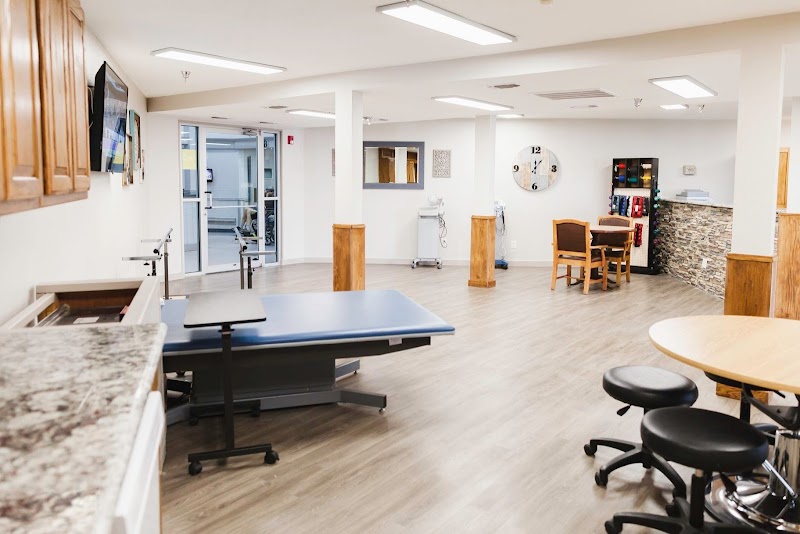
How is Granbury Staffed?

CMS rates GRANBURY CARE CENTER's staffing level at 1 out of 5 stars, which is much below average compared to other nursing homes. Staff turnover is 52%, compared to the Texas average of 46%. RN turnover specifically is 83%, which is notably high. RNs provide skilled clinical oversight, so turnover in this role can affect medical care quality.

What Have Inspectors Found at Granbury?

State health inspectors documented 38 deficiencies at GRANBURY CARE CENTER during 2022 to 2025. These included: 2 Immediate Jeopardy (the most serious level, indicating potential for serious harm or death) and 36 with potential for harm. Immediate Jeopardy findings are rare and represent the most serious regulatory concerns. They require immediate corrective action.

Who Owns and Operates Granbury?

GRANBURY CARE CENTER is owned by a for-profit company. For-profit facilities operate as businesses with obligations to shareholders or private owners. The facility is operated by CREATIVE SOLUTIONS IN HEALTHCARE, a chain that manages multiple nursing homes. With 174 certified beds and approximately 121 residents (about 70% occupancy), it is a mid-sized facility located in GRANBURY, Texas.
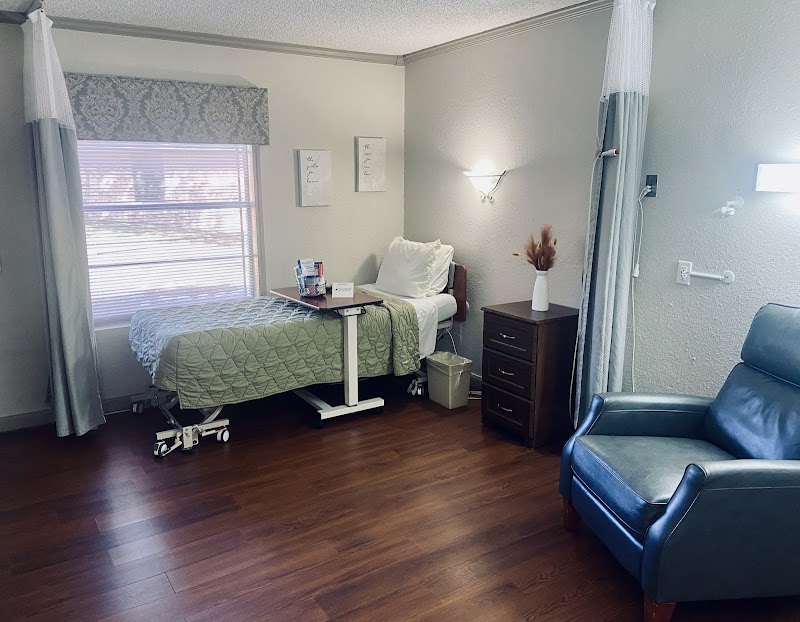
How Does Granbury Compare to Other Texas Nursing Homes?

Compared to the 100 nursing homes in Texas, GRANBURY CARE CENTER's overall rating (1 stars) is below the state average of 2.8, staff turnover (52%) is near the state average of 46%, and health inspection rating (2 stars) is below the national benchmark.

What Should Families Ask When Visiting Granbury?

Based on this facility's data, families visiting should ask: "What changes have been made since the serious inspection findings, and how are you preventing similar issues?" "Can you walk me through typical staffing levels on day, evening, and night shifts?" "Can I visit during a mealtime to observe dining assistance and food quality?" "How do you handle medical emergencies, and what is your hospital transfer rate?" These questions are particularly relevant given the facility's Immediate Jeopardy citations and the below-average staffing rating.

Is Granbury Safe?

Based on CMS inspection data, GRANBURY CARE CENTER has documented safety concerns. Inspectors have issued 2 Immediate Jeopardy citations (the most serious violation level indicating risk of serious injury or death). The facility has a 1-star overall rating and ranks #100 of 100 nursing homes in Texas. Families considering this facility should ask detailed questions about what corrective actions have been taken since these incidents.

Do Nurses at Granbury Stick Around?

GRANBURY CARE CENTER has a staff turnover rate of 52%, which is 6 percentage points above the Texas average of 46%. Moderate turnover is common in nursing homes, but families should still ask about staff tenure and how the facility maintains care continuity when employees leave.

Was Granbury Ever Fined?

GRANBURY CARE CENTER has been fined $21,107 across 1 penalty action. This is below the Texas average of $33,290. While any fine indicates a compliance issue, fines under $50,000 are relatively common and typically reflect isolated problems that were subsequently corrected. Families should ask what specific issues led to these fines and confirm they've been resolved.

Is Granbury on Any Federal Watch List?

GRANBURY CARE CENTER is not on any federal watch list. The most significant is the Special Focus Facility (SFF) program, which identifies the bottom 1% of nursing homes nationally based on persistent, serious quality problems. Not being on this list means the facility has avoided the pattern of deficiencies that triggers enhanced federal oversight. This is a positive indicator, though families should still review the facility's inspection history directly.