GRANBURY REHAB & NURSING
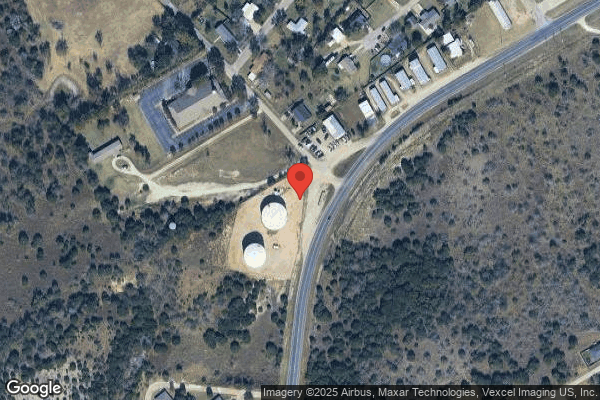

2124 PALUXY HWY, GRANBURY, TX 76048 (817) 279-7600
For profit - Corporation 95 Beds CREATIVE SOLUTIONS IN HEALTHCARE Data: November 2025
Trust Grade
85/100
#55 of 1168 in TX
Last Inspection: August 2024

Within standard 12-15 month inspection cycle. Federal law requires annual inspections.

Overview

Granbury Rehab & Nursing has a Trust Grade of B+, which means it is above average and recommended for families considering care options. It ranks #55 out of 1168 facilities in Texas, placing it in the top half, and is the best option among the four facilities in Hood County. However, the facility is experiencing a worsening trend, with issues increasing from 3 in 2023 to 4 in 2024. Staffing is considered a strength, with a turnover rate of 40%, below the state average, and more RN coverage than 86% of Texas facilities, which is beneficial for resident care. On the downside, the facility has faced some concerning findings, such as failing to deliver mail on weekends to residents, which could affect their quality of life, and issues with food safety, including unlabelled and expired food items, which pose risks for residents’ health.

Trust Score
B+
85/100
In Texas
#55/1168
Top 4%
Safety Record
Low Risk
No red flags
Inspections
Getting Worse
3 → 4 violations
Staff Stability
○ Average
40% turnover. Near Texas's 48% average. Typical for the industry.
Penalties
✓ Good
No fines on record. Clean compliance history, better than most Texas facilities.
Skilled Nurses
○ Average
Each resident gets 34 minutes of Registered Nurse (RN) attention daily — about average for Texas. RNs are the most trained staff who monitor for health changes.
Violations
⚠ Watch
19 deficiencies on record. Higher than average. Multiple issues found across inspections.
★★★★★
5.0
Overall Rating
★★★☆☆
3.0
Staff Levels
★★★★★
5.0
Care Quality
★★★★☆
4.0
Inspection Score
Stable
2023: 3 issues
2024: 4 issues

The Good

  • 5-Star Quality Measures · Strong clinical quality outcomes
  • Full Sprinkler Coverage · Fire safety systems throughout facility
  • No fines on record
  • Staff turnover below average (40%)

    8 points below Texas average of 48%

Facility shows strength in quality measures, fire safety.

The Bad

Staff Turnover: 40%

Near Texas avg (46%)

Typical for the industry

Chain: CREATIVE SOLUTIONS IN HEALTHCARE

Part of a multi-facility chain

Ask about local staffing decisions and management

The Ugly 19 deficiencies on record

Aug 2024 4 deficiencies
CONCERN (E)

Potential for Harm - no one hurt, but risky conditions existed

Deficiency F0575 (Tag F0575)

Could have caused harm · This affected multiple residents

Based on observation and interview, the facility failed to post the HHSC complaint number and a statement that the resident may file a complaint with the State Survey Agency concerning any suspected v...

Read full inspector narrative →
Based on observation and interview, the facility failed to post the HHSC complaint number and a statement that the resident may file a complaint with the State Survey Agency concerning any suspected violation of a state or federal regulation, including but not limited to resident abuse, neglect, exploitation, misappropriation of property in the entire facility observed for required postings reviewed for resident rights. The facility failed to ensure the required posting of a HHSC complaint number and statement about how a resident may file a complaint with the State Survey agency. This failure placed residents at risk of being unaware of who and how to contact the State Survey Agency and their right to file a complaint with the State Service Agency concerning any suspected violation of state or federal regulation. The findings included: An observation of the facility's front lobby area on 07/31/24 at 11:30 a.m. revealed there was no HHSC complaint number and statement that the resident may file a complaint with the State Survey Agency posted. In a confidential group interview on 07/31/24 at 9:52 a.m. with seven residents revealed residents did not know how to file and contact the State Survey Agency if they have any complaints. They stated they would like to be aware of how to file a complaint with the State Survey Agency. An interview with the Administrator on 07/31/24 at 1:30 pm, revealed he did not know why there were no HHSC complaint number and statement that the resident may file a complaint with the State Survey Agency posted. The Administrator said it was important to have this signage posted so residents will know how to file a complaint regarding staff and residents. The Administrator said there was not a policy regarding required postings.
CONCERN (E)

Potential for Harm - no one hurt, but risky conditions existed

Deficiency F0806 (Tag F0806)

Could have caused harm · This affected multiple residents

Based on interview and record review, the facility failed to ensure each resident received food that accommodated their preferences for seven residents in confidential group interview reviewed for foo...

Read full inspector narrative →
Based on interview and record review, the facility failed to ensure each resident received food that accommodated their preferences for seven residents in confidential group interview reviewed for food preferences. The facility failed to accommodate the residents' preference of spreading peanut butter on the peanut butter/jelly sandwich when served. This failure could place residents at risk for not having their choices and food preferences accommodated, possible weight loss and a diminished quality of life. Findings include: A confidential group meeting on 07/31/24 at 9:52 am, revealed peanut butter and jelly, as well as chicken salad, are not spread on bread when served. The residents stated the jelly is thick and tore the bread when spread. An interview with the Dietary Manager on 07/31/24 at 12:30 pm, revealed the jelly was difficult to spread due to the thickness. The Dietary Manager stated the facility changed to Company D in January, which only provided the thick jelly for residents. The Dietary Manager stated residents have been complaining about the jelly being too thick during monthly Food Committee meetings held with residents. The Dietary Manager stated there was not a policy regarding resident preferences. An interview with the Consultant Dietitian on 08/01/24 at 9:01 am revealed the Administrator went out yesterday evening and bought jelly from a local store to meet resident preferences. The Dietitian stated they would look into getting a different jelly that was not thick to meet resident needs. The Consultant Dietitian stated she did not have a specific policy on food preferences. She provided the alternate list which included peanut butter/jelly. During an interview on 08/01/24 at 9:13 am, the Administrator stated he would ensure residents have jelly to meet their resident preferences. The Administrator stated it was important to meet resident preferences. The Administrator stated he purchased jelly from the local store since the facility was unable to get the jelly from their vendor, Company D. Record Review of the Resident Food Committee Meeting Minutes dated 04/25/24 reflected Resident Topics/Concerns Identified: better jelly for PBJ.
CONCERN (E)

Potential for Harm - no one hurt, but risky conditions existed

Food Safety (Tag F0812)

Could have caused harm · This affected multiple residents

Based on observations, interviews and record review, the facility failed to store, prepare, distribute and serve food in accordance with professional standards for food service safety for the facility...

Read full inspector narrative →
Based on observations, interviews and record review, the facility failed to store, prepare, distribute and serve food in accordance with professional standards for food service safety for the facility's only kitchen observed for kitchen sanitation. 1. The facility failed to ensure the fryer with grease was covered and cleaned when not in use. 2. The facility failed to ensure sugar container was sealed. The sugar and four containers in dry storage were not free from white powder on top. 3. Dietary Aide B failed to practice proper hand hygiene during lunch meal preparation on 07/31/24. 4. The facility failed to ensure icing container, chicken broth and beef broth containers were free of crumbs and particles. These failures could place residents at risk for food contamination and food-borne illness. Findings include: 1. Observation on 07/30/24 at 10:35 AM revealed fryer was uncovered with dark oil and grease debris on the inside above the oil. There were grease debris and particles on front of fyer along with sides. Interview on 07/30/24 at 10:38 AM with Dietary [NAME] A revealed the fryer was not used today and was not sure the last time it had been used. She stated it should be wiped and cleaned after use. She stated she was going to use it today for lunch. She stated the evening Dietary [NAME] was responsible for draining, cleaning and replacing the new oil every Wednesday. 2. Observations on 07/30/24 at 10:38 AM revealed in dry storage: -A sugar container was not sealed with about 2 cups of sugar inside with white particles on lid. -A flour plastic container dated 2024 had white powder on the lid. Interview on 07/30/24 at 10:40 AM with Dietary [NAME] A revealed the sugar container was open and staff would clean the lid off after the sugar is refilled today. She stated dietary staff would wipe off the containers after they put they put up the weekly shipment of food supplies in dry storage. Interview on 07/30/24 at 3:28 PM with Dietary Manager stated the fryer in kitchen was drained, cleaned and put new oil in every Wednesday. She stated the dietary staff should wipe it the front and top of the fryer after use. She stated evening cook cleaned it on Wednesday as well. She stated we do not have a cover for it. She stated the fryer being uncovered could cause insects and bugs to get in it. She stated the white particles may have gotten on the lid when dietary staff was measuring it. She stated the dietary staff would wipe off the containers after they put new sugar in it. She stated the containers like sugar should be closed and wiped down because it can attract bugs. 3. Observation on 07/31/24 at 11:47 AM revealed Dietary Aide B had both his gloved hands palm down on the counter. Dietary Aide did not wash hands and touched the plate of fruit tray. He put both gloved hands on the counter. At 11:51 AM Dietary Aide B did not change gloves or wash hands, he touched soup bowl to put on resident lunch meal tray. He took gloves off and did not wash hands. He put glove on right hand only. He picked up soup with right gloved hand and put it on meal tray. He changed glove, did not wash hands and put new glove on right hand. He put peanut butter and jelly sandwich on 2 meal trays touching the meal tray with gloved right hand. He did not wash hands and then put soup on meal tray. He changed glove on right hand, did not wash hands and put chef salad on meal tray. Interview on 07/31/24 at 12:08 PM with Dietary Aide B revealed when he did change his gloves he should have washed his hands between glove changes. He stated the counter was cleaned beforehand so he did not realize he needed to change his gloves and wash his hands when he touched it. Dietary Aide B stated he work prn. Interview on 07/31/24 at 12:10 PM with Dietary Manager revealed Dietary Aide B worked prn and had just returned working recently. She stated Dietary Aide B should have washed his hands between glove changes and when touching the counter. She stated she would in-service Dietary Aide B about hand hygiene. She stated he was still getting used to working back in the kitchen. 4. Observation on 07/31/24 at 11:46 AM revealed icing container had crumbs on it. The beef broth and chicken broth containers had crumbs and particles on it. Interview on 07/31/24 at 12:11 PM with Dietary Manager revealed she was not sure what was on the lids of the icing container, beef broth and chicken broth containers but they should all be cleaned off. She stated the box on shelf above it when Dietary Staff move it may have caused the particles to fall on the containers since it is up the containers. Interview on 08/01/24 at 9:01 AM with Consultant Dietitian and Dietary Manager revealed the risk to dietary staff not washing hands when changing gloves or contaminating their gloves would be cross contamination. Review of facility's policy Equipment Cleaning Procedures last revised 01/13 reflected all dietary equipment and the environment are cleaned and sanitized in a a manner that meets local(if applicable), state, and federal regulations. Cleaning Frequency: Equipment and items that are used in food preparation should be cleaned and sanitized after each use .Weekly: If the fryer is used frequently (five or more times a week), clean weekly. Review of facility's policy Dry Food and Supplies Storage revised 11/15/17 and reviewed 07/22/22 reflected Desirable practices include keeping dry food products in closed containers .All bulk food items (i.e. flour, sugar) that are removed from original containers into food grade containers must have tight fitting lids .Dry storage areas will be kept neat, clean and orderly. Review of facility's policy Single-Glove Use in Dietary Services last revised 01/2015 and reviewed 07/2022 reflected Dietary Staff will maintain proper food safety practices through proper hand washing and disposable glove use as appropriate .It is important to note that sound handwashing are always the first line of defense in safe food handling .When properly used, single-use gloves can serve as an effective barrier between bare hands and food. Under procedure it reflected 1. Hands must be washed prior to putting on gloves .6. Hands must be washed once gloves are removed. 7. DSM (Dietary Services Manager) should monitor frequently to ensure proper glove use and hand washing practices are in place. Review of facility's policy Hand Washing last revised 11/2017 and reviewed dated 07/2022 reflected Gloved hands are considered a food contact surface that can get contaminated or soiled .The use of disposable gloves is not a substitute for proper hand washing. Hands must be washed before putting on gloves and after removing gloves. Failure to change gloves and wash hands between tasks .can contribute to cross-contamination. Because the skin carries microorganisms, it is critical that staff involved in food preparation consistently utilize hygiene practices and techniques including proper hand washing. Dietary Staff will wash their hands .When changing gloves.
CONCERN (F)

Potential for Harm - no one hurt, but risky conditions existed

Deficiency F0576 (Tag F0576)

Could have caused harm · This affected most or all residents

Based on interview, the facility failed to ensure the residents' right to receive their mail for seven of seven (confidential) residents interviewed regarding personal mail. The facility failed to dis...

Read full inspector narrative →
Based on interview, the facility failed to ensure the residents' right to receive their mail for seven of seven (confidential) residents interviewed regarding personal mail. The facility failed to distribute mail to residents on Saturdays. This failure could place residents at risk of not receiving mail in a timely manner and could result in a decline in resident's psychosocial well-being and quality of life. Findings include: During a confidential group interview on 07/31/24 at 9:52 am, 7 of 7 residents stated that mail was only delivered Monday through Friday, when the facility's business office was opened and not on weekends. They stated they would like to receive their mail on Saturday when facility receives it. An interview with the Business Office Manager on 08/01/24 at 11:40 am, revealed mail was distributed on Saturdays by Resident #1. The Business Office Manager stated Resident #1 volunteered to distribute the mail. The Business Office Manager stated there was a weekend receptionist. An interview with Resident #1 on 08/01/24 at 12:00 pm, revealed she does not distribute mail on Saturdays. Resident #1 stated she waited until Mondays to distribute Saturday's mail when she was given the mail to distribute to residents. Resident #1 stated the weekend Receptionist retrieved the Saturday mail and took it to the business office. Resident #1 stated the business office separated the mail and then it was given to her to distribute to residents. An interview with the Administrator on 08/01/24 at 2:23 pm, revealed he was not aware the mail was not delivered on Saturdays. The Administrator stated he planned to put a system in place for residents to receive mail on Saturdays. The Administrator revealed there was not a policy regarding mail distribution.
Jun 2023 3 deficiencies
CONCERN (D) 📢 Someone Reported This

A family member, employee, or ombudsman was alarmed enough to file a formal complaint

Potential for Harm - no one hurt, but risky conditions existed

Deficiency F0655 (Tag F0655)

Could have caused harm · This affected 1 resident

**NOTE- TERMS IN BRACKETS HAVE BEEN EDITED TO PROTECT CONFIDENTIALITY** Based on observation, interview and record review, the facility failed to develop and implement a baseline care plan for each re...

Read full inspector narrative →
**NOTE- TERMS IN BRACKETS HAVE BEEN EDITED TO PROTECT CONFIDENTIALITY** Based on observation, interview and record review, the facility failed to develop and implement a baseline care plan for each resident that includes the instructions needed to provide effective and person-centered care of the resident that meet professional standards of quality care for 1 of 2 (Resident #131) reviewed for baseline care plans. The facility failed to develop a baseline careplan that included the needs of Resident #131's foley catheter. This failure placed residents that admitted to the facility with a foley catheter of having their needs met. Findings included: Record review of Resident #131's Facesheet dated 06/14/23 revealed a [AGE] year-old male that admitted to the facility on [DATE]. He had a diagnosis list that included dysuria dated 06/12/23. Record review of Resident #131's admission Evaluation dated 06/08/23 revealed that resident was incontinent of urine with no comment regarding Resident #131 had a foley catheter. Record review of Resident #131's Bowel and Bladder Program Screener dated 06/08/23 revealed that resident never voided appropriately without incontinence and no comment regarding he had a foley catheter. Record review of Resident 131's Physician's Orders dated 06/13/23 revealed: Change the BSD bag along with the catheter if visibly soiled, to collect a urine specimen, or if the closed system has been compromised. as needed. Start date of 06/08/23. Flush foley catheter with 60ml of sterile water or normal saline. as needed for non-patency. Start date of 06/08/23. Provide catheter care every shift for Urinary catheter use. Start date 06/08/23. Record fluid intake and output. Review each week for fluid imbalance. every shift. Start date of 06/08/23. Urinary catheter FR CC bulb to gravity (BSD). Change the catheter if it becomes occluded, to obtain a urine specimen, or if the closed system has become compromised. every shift for urinary retention. Start date of 06/08/23. Record review of Resident #131's Baseline Careplan initiated 06/09/23 revealed no problem regarding resident care needs for a foley catheter. During an observation and interview on 06/12/23 at 11:31AM of Resident #131, he had a foley catheter draining to gravity that had a noted blood clot in tubing and pink blood-tinged urine in the drainage bag. Resident #131 was repetitive in his remarks and spoke in a word salad. He was unable to express when and why he came to the facility. During an interview on 06/14/23 at 2:38PM with the DON, she said they had a baseline careplan assessment. She said, whatever is on the baseline assessment would be on their baseline careplan. She, or an RN if on weekends, would begin the comprehensive care plan within 24 hours. DON said the baseline careplan would have the ADL needs if any. DON said if a resident had a catheter, then that would be considered as they were incontinent. She said the baseline careplan assessment had a box to check that the resident was continent or incontinent. So, with that, a catheter would mean incontinent, and staff would know they needed to go check on that resident. She said the admission nurse would also put physician orders in to indicate that a resident had a catheter. The physician orders would include what type/size the catheter was, to empty it, monitoring of the catheter. DON said the nurse aides did not have direct access to resident physician orders so the only way they would know if a resident had a catheter would be by going into the resident room and checking on them. She said, the baseline care plan assessment did not have a direct question regarding if a resident had a catheter. DON said there was a section at the bottom of that assessment that the nurse could summarize what was answered in that assessment and nothing more. She said the admission assessment and the bowel and bladder assessment would also have been completed as well. DON review of all 3 assessments did not include an area to checkbox that a resident did or did not have a catheter. It only had a checkbox that they were continent or incontinent of bowel and bladder. She said the reason that Resident #131 did not have a baseline careplan area directly identifying his catheter was due to the system generated assessments not having an area of addressing a catheter directly. DON said that the comprehensive care plan would address the resident catheter with further details, however they had at least 7 days to complete the comprehensive care plan. She said the comprehensive care plan policy should address baseline care plans as well. Record review of facility policy labeled Comprehensive Care Plans revised September of 2010 revealed no area specifically addressing baseline careplans.
CONCERN (E) 📢 Someone Reported This

A family member, employee, or ombudsman was alarmed enough to file a formal complaint

Potential for Harm - no one hurt, but risky conditions existed

Assessment Accuracy (Tag F0641)

Could have caused harm · This affected multiple residents

**NOTE- TERMS IN BRACKETS HAVE BEEN EDITED TO PROTECT CONFIDENTIALITY** Based on interview and record review, the facility failed to ensure the comprehensive assessment accurately reflected the reside...

Read full inspector narrative →
**NOTE- TERMS IN BRACKETS HAVE BEEN EDITED TO PROTECT CONFIDENTIALITY** Based on interview and record review, the facility failed to ensure the comprehensive assessment accurately reflected the resident's status for 3 of 18 Residents (Resident # 15, Resident # 23, and Resident #20) reviewed for accuracy of assessments, in that: 1. The facility failed to update Resident #15's MDS when the resident had not had COVID since 02/01/2023 or sepsis since 11/01/2022. 2. The facility failed to update Resident #23's MDS when the resident had not had COVID since 01/23/2023. 3. The facility failed to update Resident #20's MDS when the resident had not had pneumonia since 03/11/2023. These failures place residents at risk of inaccurate assessments and not receiving appropriate care according to their current status. Findings include: 1. Record review of the electronic face sheet for Resident #15 revealed an admission date of 09/02/2022. Resident was an [AGE] year-old female with diagnoses to include: high blood pressure, diabetes, and urinary tract infection. Further review revealed diagnosis of sepsis on 11/01/2022. Further review of electronic face sheet revealed no evidence of a COVID diagnosis. Record review of Quarterly MDS dated [DATE] for Resident #15 revealed a BIMS score of 03 which indicated severely impaired cognitive skills for daily decision making. Further review of MDS Section I Active Diagnoses revealed COVID and sepsis. Record review of electronic physician's orders from 04/20/2023 to 06/14/20223 for Resident #15 revealed no evidence of any treatments for COVID or sepsis. Record review of electronic progress noted from 04/20/2023 to 06/14/2023 for Resident #15 revealed no evidence of COVID or sepsis. 2. Record review of the electronic face sheet for Resident #23 revealed an admission date of 03/04/2022. Resident was a [AGE] year-old male with diagnoses to include: high blood pressure, depression, and anxiety. Further review revealed diagnosis of COVID on 01/23/2023. Record review of Quarterly MDS dated [DATE] for Resident #23 revealed a BIMS score of 14 which indicated no impaired cognitive skills for daily decision making. Further review of MDS Section I Active Diagnoses revealed COVID. Record review of electronic physician's orders from 05/20/2023 to 06/14/20223 for Resident #23 revealed no evidence of any treatments for COVID. Record review of electronic progress noted from 05/20/2023 to 06/14/2023 for Resident #23 revealed no evidence of COVID. 3. Record review of the electronic face sheet for Resident #20 revealed an admission date of 03/11/2023. Resident was a [AGE] year-old female with diagnoses to include: heart failure and respiratory failure. Further review revealed diagnosis of pneumonia on 03/11/2023. Record review of Quarterly MDS dated [DATE] for Resident #20 revealed a BIMS score of 12 which indicated moderately impaired cognitive skills for daily decision making. Further review of MDS Section I Active Diagnoses revealed pneumonia. Record review of electronic physician's orders from 05/20/2023 to 06/14/20223 for Resident #20 revealed no evidence of any treatments for pneumonia. Record review of electronic progress noted from 05/20/2023 to 06/14/2023 for Resident #20 revealed no evidence of pneumonia. During an interview on 06/14/23 at 3:00 PM, MDS nurse stated it was her responsibility to ensure the MDSs are accurate. She stated MDS is how the facility got reimbursed. She stated diagnosis should be removed when they are no longer active diagnosis. MDS nurse stated the MDS is a snapshot of resident during a 7-day lookback period. She stated she just missed them. During an interview on 06/14/23 3:20 PM, DON stated diagnosis such as COVID, pneumonia, and sepsis should be removed on the next MDS after they are resolved since they are no longer active. She stated she did not know why the failure occurred. DON stated the facility did not have a policy for MDS. She stated the facility followed the RAI.
CONCERN (F) 📢 Someone Reported This

A family member, employee, or ombudsman was alarmed enough to file a formal complaint

Potential for Harm - no one hurt, but risky conditions existed

Food Safety (Tag F0812)

Could have caused harm · This affected most or all residents

Based on observation, interview, and record review the facility failed to store, prepare, distribute, and serve food in accordance with professional standards for food service safety for 1 of 1 kitche...

Read full inspector narrative →
Based on observation, interview, and record review the facility failed to store, prepare, distribute, and serve food in accordance with professional standards for food service safety for 1 of 1 kitchen reviewed, in that: The facility failed to ensure open items in the freezer, refrigerator, and dry food storage were dated and labeled and free from expired foods. These failures could place residents at risk for food borne illness and cross-contamination. Findings included: Record Review of facility MDS Resident 672 dated 06/12/2023 revealed, there were 76 out of 76 residents that ate from the kitchen. During observation on 06/12/2023 at 10:25 AM, of 1 of 1 dry storage contained: 1. One 5-gallon bucket labeled Beef Broth was open to elements with the lid placed to the side. 2. One gallon of opened Liquid Smoke Beef Marinade with no opened date. 3. One gallon of opened Imitation Vanilla Flavor with no opened date. 4. One gallon of opened White Distilled Vinegar with no opened date, and an expired date of 2020. 5. One gallon of opened Karo with no open date, and an expired date of 01/12/2020. 6. One 32 oz. opened bottle of Seasoning Sauce, with opened date of 2021, and expired date of 12/2022. 7. One storage bin labeled Bulk Cereal,, dated 4/26/21, contained 3 bags of cereal, not labeled, or dated. 8. One 8.1 oz. can of Baking Powder with an expired date of 01/22/2023. 9. Twenty separate opened containers of spices with no opened date. During observation on 06/12/2023 at 10:44 AM, freezer #1 of 2 contained: 1. Two unopened bags of what appeared to be, frozen tater tots that had been removed from the original box, not labeled, or dated. 2. One opened bag of what appeared to be, frozen tater tots removed from the original box, not labeled, or dated. 3. Six unopened bags of what appeared to be, frozen French bread that had been removed from the original box, not labeled, or dated. 4. One opened bag of what appeared to be, frozen French Toast that had been removed from the original box, not labeled, or dated 5. Two unopened bags of what appeared to be, frozen French Toast that had been removed from the original box, not labeled, or dated. 6. One bag of what appeared to be, frozen Okra that had been removed from the original box, not labeled, or dated During observation on 06/12/2023 at 10:54 AM, refrigerator #2 of 3 contained: 1. One 32 fluid oz. opened bottle of Reconstituted Lemon Juice, with the expired date of 02/21/2022. During interview on 06/12/2023 at 12:30 PM, the DM stated all items should have an open date. She stated all products were to have written on the boxes or bags if removed, with a label and received date. The DM stated, once removed from the original box, a label and date should have been placed on that product. She stated, all products should be rotated and used, according to the in date. She stated, there should have been no expired products in the pantry, or refrigerator. She also stated, she was told by her corporate, the spices had not needed an open date so had not proceeded to do so. The DM stated she failed to monitor the dates and rotations of products due to being understaffed. She stated, she felt the failure that led to the products not having not been labeled correctly was, the staff getting in a hurry and her, as DM, had not followed up. She stated, the neg impact to residents was, food could have gone bad and led to residents getting sick. Her expectations were for all products to be labeled and dated when appropriate with no expired dates. During an interview on 06/13/2023 at 2:15 PM, the Admin stated, the DM was supposed to had monitored the labeling and storage of products in the kitchen. He stated, not following protocols of label and storing. As well as having had expired food products could have had a negative outcome of possibly causing harm to residents with an adverse reaction to bad food. The Admin stated his expectations were for staff to follow policies and procedures as well as state laws. Record Review of facility policy, Dry Food and Supplies Storage dated 07/22/2022, revealed: Policy: . . Desirable practices include managing the receipt and storage of dry food, regulating foods not safe for consumption, keeping dry food products in closed containers, and rotating supplies. Fundamental Information: . .All bulk food items (i.e., flour, sugar) That are removed from original containers into food grade containers must have cat fitting lids and must be properly labeled with the common name of the product Procedure: . .6. Expiration or use by dates will be checked and product will be put in order of use by or expiration date. Any product that is found to be out of date will be discarded .7. Bulk food products that are removed from original containers must be placed in plastic or metal food grade containers with tight fitting lid. Each container must be labeled with the common name of the food. Plastic food grade storage bags are also acceptable for storage. All storage bags must also be properly sealed and labeled with the common name of the food .9. All open products must be resealed effectively and properly labeled, dated and rotated for use .10. Use by, Best by Dates should routinely be checked to ensure that items which have expired or discarded appropriately. Record Review of facility policy Frozen and Refrigerated Foods Storage with the revised date of 11/16/2017, and a Review Date of 07/22/2022 revealed: . .Procedure . .10. Package frozen items that are opened and not used in their entirety must be properly sealed, labeled and dated for continued storage. This includes individual bags of frozen vegetables removed from the original storage box unless they have a common name and expiration date on the bag. 11. All refrigerated and frozen items in storage will contain a minimum label of common names of products and dated as noted above.
Apr 2022 12 deficiencies
CONCERN (D)

Potential for Harm - no one hurt, but risky conditions existed

Resident Rights (Tag F0550)

Could have caused harm · This affected 1 resident

**NOTE- TERMS IN BRACKETS HAVE BEEN EDITED TO PROTECT CONFIDENTIALITY** Based on observation, interview and record review the facility failed to treat residents with respect, dignity and care for each...

Read full inspector narrative →
**NOTE- TERMS IN BRACKETS HAVE BEEN EDITED TO PROTECT CONFIDENTIALITY** Based on observation, interview and record review the facility failed to treat residents with respect, dignity and care for each resident in a manner that promotes maintenance or enhancement of his or her quality of life for 1 (Residents #54) of 6 of residents reviewed for dignity. The facility failed to respect Resident #54's dignity, by allowing male staff to bathe Resident. This failure resulted in a diminished quality of life for the identified resident and could affect additional residents by causing a loss of self-esteem and increased isolation. The findings included: Record review of Resident #54's Electronic Face Sheet, dated 04/27/2022, revealed: a [AGE] year-old female admitted on [DATE] with diagnoses that included: Bipolar Disorder, Major Depressive, Muscle Wasting, Osteoporosis with fractures, Dementia and Anxiety Disorders. Record review of Resident #54's Minimum Data Set (MDS) dated [DATE] revealed: BIMS score of 10, meaning Resident had moderate impairment. Observation and interview on 04/26/22 at 10:27 AM of Resident #54's room revealed, a handwritten poster on resident's wall that stated resident only wanted to be bathed by female staff, no male staff. Resident #54 stated that male staff had bathed her a few times. Record review of Resident #54's Electronic Progress Notes dated 04/27/22 revealed no evidence that Resident 54's preference of only female staff bathing resident was documented. Record review of Resident #54's Electronic Care Plan dated 12/21/21 revealed no evidence that Resident 54's preference of only female staff bathing resident was addressed in care plan. During interview on 4/26/22 at 2:24 PM with Resident #54's Resident Representative, she stated she made a poster and placed at her mom's bedside to let staff know what her mother's preferences. Resident #54's Resident Representative stated she had let the facility know when she was admitted that her mother wanted to be bathed by female staff. Resident #54's Resident Representative stated a male staff had bathed her mother on a few occasions. Resident #54's Resident Representative stated when she would come to visit her mother, she would tell her that a male staff had bathed her, and she would be in tears when she told her about it. During interview on 04/27/22 at 2:35 PM with SW, she remembered Resident #54's Resident Representative requested that only female staff bathe her mother within a few weeks of her admission. SW stated this request should be documented in the care plan. SW reviewed care plan and stated she was not able to locate request in the care plan. SW stated that the request should also be documented in progress notes, SW stated she was not able to locate request in progress notes. SW stated due to Resident #54's previous trauma a male staff bathing resident could upset resident and cause emotional harm. SW stated she is responsible for scheduling the care conference, adding resident's code status and resident smoking status. SW stated MDS is responsible for entering the rest of the care plan. During interview on 04/27/22 at 4:02 PM with DON, she stated she was not aware of Resident #54 being bathed by male staff. DON stated there is a sign in Resident #54's room that was placed by Resident Representative that says no male staff to bathe Resident #54 and that everyone knows. DON stated they only have 2 male CNAs and they know not to bathe her and that they work on another hall. DON stated Resident #54's request of no male staff bathing resident should maybe be documented in care plan. DON stated what led to failure of Resident #54's preference of not being bathed by male staff being documented in care plan is that everyone knows, they have had changes in MDS nurses and a computer crash. DON stated she doesn't know when she was made aware of this request, she thinks it was about 3 months ago. DON stated this failure could affect Resident #54 emotionally. DON stated what led to failure of male aide giving bath to Resident would be staff not knowing. During interview on 04/28/22 at 12:18 PM with ADMN, he stated he was not aware of any residents requesting a specific gender of aide to bathe resident. ADMN stated that this type of preference should be in care plan and that DON would address because it's a nursing issue. ADMN stated he was not aware of what led to the failure of this request not being documented in the care plan. ADMN stated that DON, MDS and ADON oversee updating care plans. ADMN stated that his expectation is care plans should be individualized per resident's needs. ADMN was not aware of residents request not being followed. ADMN stated male staff should not have bathed resident, there are only 2 male CNAs and they do not work on Resident #54's hall. Record review of policy titled Resident Rights dated 02/23/2016, revealed Respect and dignity. The resident has the right to be treated with respect and dignity, including: The right to reside and receive services in the facility with reasonable accommodation of resident needs and preferences, except when to do so would endanger the health or safety of the resident or other residents . Self-determination. The resident has the right to and the facility must promote and facilitate resident self-determination through support of resident choice, including but not limited to: the resident has the right to choose activities schedules (including sleeping and waking times), health care and providers of health care services consistent with his or her interest, assessments, and plan of care and other applicable provisions of this part. The resident has the right to make choices about aspects of his or her life in the facility that are significant to the resident.
CONCERN (D)

Potential for Harm - no one hurt, but risky conditions existed

Deficiency F0576 (Tag F0576)

Could have caused harm · This affected 1 resident

**NOTE- TERMS IN BRACKETS HAVE BEEN EDITED TO PROTECT CONFIDENTIALITY** Based on observation, interview, and record review the facility failed to ensure that the residents receive mail unopened for 1 ...

Read full inspector narrative →
**NOTE- TERMS IN BRACKETS HAVE BEEN EDITED TO PROTECT CONFIDENTIALITY** Based on observation, interview, and record review the facility failed to ensure that the residents receive mail unopened for 1 (Resident # 8) of 6 residents reviewed for resident rights in that: The facility failed to ensure that Resident #8 received packages thru the mail unopened. This failure could place residents at risk for identity theft and a decline in the resident's psychosocial well-being. Findings included: Record review of Resident #8's Electronic Face Sheet, dated 04/28/2022, revealed: a [AGE] year-old male admitted on [DATE] with diagnoses that included: High Blood Pressure, Diabetic, and Renal Failure. Record review of Resident #8's Minimum Data Set (MDS) dated [DATE] revealed: BIMS score of 14, meaning intact cognitively. During interview on 04/27/22 at 10:00 AM, Resident #8 stated the facility opens his mail and goes thru his items he brings back from shopping trips. Resident #8 stated his son sent him a tablet. The tablet was in its original white box and then packaged in a bigger brown box. Resident #8 stated he received the tablet in the white box. Resident #8 stated that this violated his privacy. During interview on 04/27/22 at 3:29 PM with SW, she stated residents should receive their mail and packages unopened. SW stated she was not aware of Resident #8 receiving his mail opened. SW stated this would be a violation of resident rights. During interview on 04/27/22 at 4:02 PM with DON, she stated residents mail should not be opened. DON stated she was not aware of mail being opened, it's a privacy issue. DON did not give a reason for failure of mail being opened, she stated mail is handled thru the business office. During interview on 04/28/22 at 11:59 AM with BOM, she stated residents mail or packages are delivered unopened. BOM stated she and the Activity Director deliver mail. BOM stated she has never opened a resident's package. Review of policy titled, Resident Rights dated 02/23/2016 revealed: Information and communication. The resident has the right to send and receive mail and to receive letters, packages and other materials delivered to the facility for the resident through means other than a Postal Service, including the right to privacy of such communications consistent with this section.
CONCERN (D)

Potential for Harm - no one hurt, but risky conditions existed

Assessment Accuracy (Tag F0641)

Could have caused harm · This affected 1 resident

**NOTE- TERMS IN BRACKETS HAVE BEEN EDITED TO PROTECT CONFIDENTIALITY** Based on interview and record review, the facility failed to ensure the comprehensive assessment accurately reflected the reside...

Read full inspector narrative →
**NOTE- TERMS IN BRACKETS HAVE BEEN EDITED TO PROTECT CONFIDENTIALITY** Based on interview and record review, the facility failed to ensure the comprehensive assessment accurately reflected the resident's status for 2 (Resident # 30 and Resident # 27) of 6 Residents reviewed for accuracy of assessments. - The facility failed to ensure MDS dated [DATE] reflected urinary tract infections for Resident #30. - The facility failed to ensure MDS date 02/22/2022 reflected wounds and infection for Resident #27. This failure could residents at risk of inaccurate assessments and not receiving appropriate care according to their status. Findings include: 1. Review of Resident #30's electronic face sheet dated 04/26/2022 revealed: resident was a [AGE] year-old male who was admitted to the facility on [DATE] with diagnosis of Dementia, Asthma, Diabetes, low blood level, and lack of coordination. Review of Resident #30's MDS dated [DATE] revealed: BIMS of 04 which indicated severe cognitive impairment. Review of active diagnoses (section I) revealed no evidence of urinary tract infections. Review of Resident #30's electronic physicians orders dated 04/26/2022 revealed: currently on Macrobid started on 04/18/2022 for urinary tract infection, Ciproflaxin started on 03/16/2022 completed on 03/23/2022 for urinary tract infection, cefdinir started on 02/24/2022 completed on 03/03/2022 for urinary tract infection, Bactrim DS started on 01/29/2022 completed on 02/05/2022 for urinary tract infection, Macrobid started on 01/20/2022 completed on 01/27/2022 for urinary tract infection, and Azithromycin started on 08/11/2021 completed on 08/14/2021 for urinary tract infection. 2. Review of Resident #27's electronic face sheet dated 04/26/2022 revealed: resident was a [AGE] year-old male who was admitted to the facility on [DATE] with diagnosis of brain stroke, paralysis affecting left non-dominant side, type 2 diabetes mellitus, and lack of coordination. Review of Resident #27's MDS dated [DATE] revealed: BIMS of 99 which indicated severe cognitive impairment. Review of active diagnoses (section I) revealed no evidence of infections. Review of skin conditions (section K) revealed no evidence of wounds. Review of Resident #27's Wound Evaluation and Management Summary date 04/22/2022 written by wound care doctor revealed: wound on right dorsal second toe, and unstageable wound to left lateral heel. Review of Resident #27's electronic physicians orders date 04/28/2022 revealed: currently on Levaquin started 04/28/2022 for wound infection, Bactrim DS started on 04/14/2022 completed on 04/26/2022 for wound infection, Augmentin started on 12/06/2021 completed on 12/16/2021 for wound infection, and Ertapenem started on 11/09/2021 completed on 11/18/2021 for wound infection. During an interview on 04/28/22 at 11:00 AM with MDS Coordinator, she stated she is responsible for MDS, initial comprehensive care plans and significant change care plans. She stated she does not add in new infections or wounds to the care plans. She stated the DON or ADON would be responsible for that. She stated the error occurred because the care plans were not updated, and she must have just missed it when doing her MDS assessments. She stated the failure could cause issue with billing and reimbursement and for the residents to not get proper care. During interview on 04/28/2022 at 11:30 AM with DON, she stated the MDS Coordinator is responsible for coding the MDS. She stated the facility does a stand-up meeting with the entire IDT team every morning and all new issues are addressed. DON stated she is not sure why the failure occurred. DON stated the facility does not have a policy for MDS. She stated the facility follows the RAI.
CONCERN (D)

Potential for Harm - no one hurt, but risky conditions existed

Comprehensive Care Plan (Tag F0656)

Could have caused harm · This affected 1 resident

**NOTE- TERMS IN BRACKETS HAVE BEEN EDITED TO PROTECT CONFIDENTIALITY** Based on interviews and record reviews, the facility failed to develop a comprehensive person-centered care plan based on assess...

Read full inspector narrative →
**NOTE- TERMS IN BRACKETS HAVE BEEN EDITED TO PROTECT CONFIDENTIALITY** Based on interviews and record reviews, the facility failed to develop a comprehensive person-centered care plan based on assessed needs to attain or maintain the resident's highest practicable physical, mental, and psychosocial well-being for 3 (Resident #27, Resident #30, Resident #54) of 6 residents reviewed for comprehensive person-centered care plans. 1.The facility failed to develop a comprehensive person-centered care plans based on the assessed needs related to wounds, infections, and falls for Resident #27. 2.The facility failed to develop a comprehensive person-centered care plan based on the assessed needs related to urinary tract infections for resident #30. 3.The facility failed to develop a comprehensive person-centered care plan based on the assessed needs related to preference of only female staff bathing resident for Resident #54. These failures could affect the residents by placing them at risk for not receiving care and services to meet their needs. Findings include: 1. Review of Resident #27's electronic face sheet dated 04/26/2022 revealed: resident was a [AGE] year-old male who was admitted to the facility on [DATE] with diagnosis of brain stroke, paralysis affecting left non-dominant side, type 2 diabetes mellitus, and lack of coordination. Review of Resident #27's MDS dated [DATE] revealed a BIMS score of 99 which indicated severe cognitive impairment. Review of Resident #27's Wound Evaluation and Management Summary dated 04/22/2022 written by wound care doctor revealed: wound on right dorsal second toe, and unstageable wound to left lateral heel. Review of Resident #27's electronic physicians orders date 04/28/2022 revealed: currently on Levaquin started 04/28/2022 for wound infection, Bactrim DS started on 04/14/2022 completed on 04/26/2022 for wound infection, Augmentin started on 12/06/2021 completed on 12/16/2021 for wound infection, and Ertapenem started on 11/09/2021 completed on 11/18/2021 for wound infection. Review of Resident #27's incident report log dated 04/27/2022 revealed: falls on 01/28/2022, 02/28/2022, and 04/08/2022. Review of Resident's #27's electronic care plan last revised on 04/13/2022 revealed no evidence of a focus, objective, or interventions related to wounds, infections, or falls. 2. Review of Resident #30's electronic face sheet dated 04/26/2022 revealed: resident was a [AGE] year-old male who was admitted to the facility on [DATE] with diagnosis of Dementia, Asthma, Diabetes, low blood level, and lack of coordination. Review of Resident #30's MDS dated [DATE] revealed a BIMS score of 04 which indicated severe cognitive impairment. Review of Resident #30's electronic physicians orders dated 04/26/2022 revealed: currently on Macrobid started on 04/18/2022 for urinary tract infection, Ciproflaxin started on 03/16/2022 completed on 03/23/2022 for urinary tract infection, cefdinir started on 02/24/2022 completed on 03/03/2022 for urinary tract infection, Bactrim DS started on 01/29/2022 completed on 02/05/2022 for urinary tract infection, Macrobid started on 01/20/2022 completed on 01/27/2022 for urinary tract infection, and Azithromycin started on 08/11/2022 completed on 08/14/2022 for urinary tract infection. Review of Resident's #30's electronic care plan dated 07/20/2021 revealed no evidence of a focus, objective, or interventions related to urinary tract infections. 3. Record review of Resident #54's Electronic Face Sheet, dated 04/27/2022, revealed: a [AGE] year-old female admitted on [DATE] with diagnoses that included: Bipolar Disorder, Major Depressive, Muscle Wasting, Osteoporosis with fractures, Dementia and Anxiety Disorders. Record review of Resident #54's Minimum Data Set (MDS) dated [DATE] revealed: BIMS score of 10, meaning moderate impairment. Record review of Resident #54's Electronic Care Plan dated 12/21/21 revealed no evidence that Resident 54's preference of only female staff bathing resident was addressed in care plan. During an observation and interview on 04/26/22 at 10:27 AM, Resident #54's room had a handwritten poster on resident's wall at the head of the bed to the left of the headboard that stated resident only wanted to be bathed by female staff, no male staff. Resident #54 stated that male staff had bathed her a few times. During an interview on 04/28/22 at 11:00 AM with MDS Coordinator, she stated she is responsible for completing the MDS, initial comprehensive care plans and significant change care plans. She stated she does not add in new infections, wounds, or falls because it is the DON or ADON's responsibility. During interview on 04/28/2022 at 11:30 AM with DON, she stated the MDS Coordinator is responsible for updating care plans. She stated the facility does a stand-up meeting with the entire IDT team every morning and all new issues are addressed and added to the care plan. DON stated she is not sure why the failure occurred. During interview on 04/28/22 at 12:18 PM with administrator, he stated all these issues should be in the care plan and this is a nursing issue. He is unsure why the failure occurred. He stated the DON, MDS nurse, and ADON oversee updating of care plans. He stated the expectation is that care plans should be individualized per resident's needs. He stated this failure could cause resident to be un-happy and the plan is to deliver good care and make residents happy. Review of facility's policy titled Comprehensive Care Plans implemented February 10, 2021 revealed: Policy: . facility to develop and implement a comprehensive person-centered care plan for each resident, consistent with resident rights, that includes measurable objectives and timeframes to meet a resident's medical, nursing, and mental and psychosocial needs . Policy Explanation and Compliance Guidelines: 1. The care planning process will include an assessment of the resident's strengths and needs and will incorporate the resident's personal and cultural preferences.2. developed within seven days of completion of the comprehensive MDS assessment. All Care Assessment Areas triggered by the MDS will be considered in developing the plan of care. 5.reviewed and revised by the interdisciplinary team after each comprehensive and quarterly MDS assessment .
CONCERN (D)

Potential for Harm - no one hurt, but risky conditions existed

Deficiency F0661 (Tag F0661)

Could have caused harm · This affected 1 resident

**NOTE- TERMS IN BRACKETS HAVE BEEN EDITED TO PROTECT CONFIDENTIALITY** Based on interview and record review, the facility failed to ensure residents had a discharge summary that included a recapitula...

Read full inspector narrative →
**NOTE- TERMS IN BRACKETS HAVE BEEN EDITED TO PROTECT CONFIDENTIALITY** Based on interview and record review, the facility failed to ensure residents had a discharge summary that included a recapitulation of the resident's stay that included of Resident #77's stay, medication reconciliation, and a discharge plan of care for 1 of 2 resident (Resident #77) reviewed for discharge summaries. The facility failed to complete a discharge summary with necessary medical information that the facility must furnish prior to discharge for Resident #77. The facility failed to complete a post-discharge plan of care with the participation of the Interdisciplinary team, the resident and with the resident's consent, and the resident's representative for Resident #77. This failure could place residents discharged from the facility at risk for incorrect, incomplete, or misleading information regarding discharge. Findings included: Record review of Resident #77's electronic face sheet dated 04/28/2022 revealed: resident was a [AGE] year-old female who was admitted to the facility on [DATE] with diagnosis of SURGICAL AFTERCARE FOLLOWING SURGERY ON THE SKIN and TYPE 2 DIABETES. Record review of Resident #77's MDS dated [DATE] revealed that resident discharged on 03/12/2022. Record review of Resident #77's electronic closed record revealed no evidence of discharge summary and no evidence of a post-discharge plan of care. On 04/28/2022 at 11:00 am, an attempt was made to contact the family of Resident #77. A message was left and no return call was received. During interview on 04/28/22 at 09:16 AM with DON about discharge process, she stated the IDT gets together and determines goals and discharge planning and has a care plan meeting. She stated the discharge summary, and the discharge plan of care should be documented in the chart. She stated failure occurred because computers where down and documents were lost. She stated the IDT met the morning of Resident #77's discharge. Review of facility's policy titled Discharge Planning originated December 06, 2016 revealed: Discharge Summary: Post-discharge plan of care is developed with the participation of the resident and, with the resident's consent, the resident's representative, which will assist the resident to adjust to his or her new living environment.
CONCERN (D)

Potential for Harm - no one hurt, but risky conditions existed

Deficiency F0691 (Tag F0691)

Could have caused harm · This affected 1 resident

**NOTE- TERMS IN BRACKETS HAVE BEEN EDITED TO PROTECT CONFIDENTIALITY** Based on interviews, observations, and record reviews, the facility failed to ensure that residents who require colostomy, recei...

Read full inspector narrative →
**NOTE- TERMS IN BRACKETS HAVE BEEN EDITED TO PROTECT CONFIDENTIALITY** Based on interviews, observations, and record reviews, the facility failed to ensure that residents who require colostomy, receive such care consistent with professional standards of practice, the comprehensive person-centered care plan, and the resident's goals and preferences for 1 of 1 (Resident #45) reviewed for colostomy. Resident #45 had no physician orders to address colostomy care needs. Resident #45 had no diagnosis to support colostomy. These failures place residents at risk of receiving the necessary care and treatment including medical and nursing care and services regarding colostomy. Findings included: Record review of Resident #45 electronic Facesheet dated 04/27/22 revealed: A [AGE] year-old female admitted on [DATE]. Diagnosis list included: Aftercare following joint replacement surgery (Primary) . Personal history of other malignant neoplasm of large intestine . Constipation. Record review of Resident #45 admission MDS dated [DATE] revealed: BIMS of 15 meaning no cognitive impairment. ADL care needs of extensive 1-person physical assist. Ostomy (including urostomy, ileostomy, and colostomy). Record review of Resident #45 Care plan dated 04/26/22 revealed: Focus: Ostomy Status . requires the use of an ostomy as evidenced by the presence of the following: colostomy. Goal: Resident's dignity will be maintained, and the ostomy will remain patent/functional over the next 90 days. Resident will have no excoriation at the ostomy site for the next 90 days. Interventions: Ostomy care per physician's orders. Change ostomy supplies as ordered and PRN. Bathe to prevent odor as scheduled and PRN. Encourage to report any leakage to staff. Weekly skin checks to monitor site for excoriation, breakdown, and signs and symptoms of infection. Monitor for diarrhea, constipation, or color changes in stool and report any abnormal findings to the physician. During an interview with DON on 04/27/22 at 02:08 PM she said, should be an order for colostomy care to change the wafer and bag. The order should have included general maintenance of the ostomy site. During an interview with CNA A on 04/28/22 at 10:50 AM, she said Resident #45 had a colostomy on the left upper quadrant of her abdomen that she admitted to the facility with. The aides changed the bag each time resident had BM. Resident #45 ostomy wafer and bag just snapped into each other and resident preferred that the bag be changed any time she had BM inside. CNA A said Resident #45 supplied her own ostomy supplies and preferred to use those over the facility's ostomy supplies. She said the nurse changed the wafer, but she did not know how often that occurred. The aides document as a BM, they had a new system that they could add a new alert and she would document Changed colostomy bag. During an interview with Resident #45 on 04/28/22 at 11:00 AM, she said she had the colostomy for 22 years. Resident #45 said she was aware that facility had ostomy supplies. She used her own supplies because she Doesn't want to mess up insurance and supply chain. She said it was a personal preference that staff just changed the bag each time. She said, then it doesn't smell or get too full. Resident #45 said the staff had to change it all now because she just could not do it anymore. She said, They change whole unit when it starts to leak. During an interview with RN A on 04/28/22 at 11:12 AM, she said Resident #45 admitted to the facility with the colostomy. The nurse changed the ostomy wafer and bag when it leaked or if it just looked bad. She did not believe they had a routine weekly change or anything like that. She said it could be documented on the TAR, but she just documented on the 24-hour report sheet that she changed the colostomy bag and patch. During an interview with DON and ADON A on 04/28/22 12:07 PM, the DON said the charge nurse that admitted the resident would put in all admitting orders, that would include colostomy care needs. DON said herself and ADON would look over them the next morning to ensure all orders were on the MAR/TAR for a new resident. DON said, Will also go over the resident and orders in the morning IDT meeting to make sure all the orders are there. ADON A said he MAR and TAR were paper, so at end of each month the DON, both ADON's and treatment nurse did a reconciliation to make sure everything transferred from previous month to new month. She said they Go line by line to make sure it all transfers. DON said, If it wasn't there the previous month it might not be looked for, but regarding colostomy care needs, they should not have been missed and it should not have taken that long to get the orders in for those monitoring care needs. Record review of facility policy labeled Colostomy/Ileostomy Care reviewed 02/10/2020 revealed: To Maintain cleanliness and skin integrity of stoma and peristomal area, eliminate odors and monitor amount of fecal drainage through colostomy/ileostomy. Fundamental information. A colostomy or ileostomy is an artificial opening in the abdomen that is created as a means for evacuation of bowel contents. Waste leaves the body through a stoma, or opening, in the abdomen, and goes into a bag the patient wears. A pouching system is used to collect ileostomy output. There are two main types of systems available: one-piece pouches with attached skin barrier and two-piece system composed of a skin barrier and a detachable pouch . Observe stoma site, stoma color, size and shape, bleeding, redness and peristomal irritation, swelling, stoma retraction, amount and type of feces, pain and discomfort, psychological complication
CONCERN (D)

Potential for Harm - no one hurt, but risky conditions existed

Deficiency F0698 (Tag F0698)

Could have caused harm · This affected 1 resident

**NOTE- TERMS IN BRACKETS HAVE BEEN EDITED TO PROTECT CONFIDENTIALITY** Based on interviews and record reviews, the facility failed to ensure that residents who required dialysis received such service...

Read full inspector narrative →
**NOTE- TERMS IN BRACKETS HAVE BEEN EDITED TO PROTECT CONFIDENTIALITY** Based on interviews and record reviews, the facility failed to ensure that residents who required dialysis received such services, consistent with professional standards of practice, the comprehensive person-centered care plan, and the residents' goals and preferences for 1 (Resident #15) of 1 resident reviewed for dialysis. The facility failed to ensure Resident #15 had a physician's order for dialysis. The facility failed to ensure the dialysis vascular access was monitored by not having a physician's order to monitor dialysis vascular access for Resident #15. This failure could affect residents at the facility on dialysis by contributing to inadequate dialysis care. The findings were: Review of Resident #15's electronic face sheet dated 04/28/2022 revealed: resident was a [AGE] year-old male who was admitted to the facility on [DATE] with diagnosis of end stage kidney disease, diabetes, and depression. Review of Resident #15's MDS dated [DATE] revealed a BIMS score of 15 which indicated no cognitive impairment. Review of Special Treatments, Procedures, and Programs (section O) revealed resident receives dialysis. Review of Resident #15's electronic physicians orders date 04/28/2022 revealed no evidence or orders for dialysis services and no orders to monitor or assess the dialysis vascular access (way to reach the blood for hemodialysis). Review of Resident's #15's electronic care plan last revised on 04/13/2022 revealed: Focus: Dialysis: resident receives dialysis related to renal failure; Dialysis port located to right chest wall. Interventions: Dialysis on Monday-Wednesday-Friday. Monitor dialysis dressing and change as ordered. Monitor/Document/Report to physician any signs or symptoms of infection at the access site. During an interview on 04/27/22 at 03:04 PM with DON, she stated her expectation for a dialysis resident would be to monitor residents' diet, weights, and blood sugars. Residents should have an order for dialysis with the dialysis frequency and location of dialysis. She stated resident should have an order to monitor dialysis access. She stated not having this order could cause the resident to miss a dialysis treatment. She stated it also could cause someone to not assess the access site and miss an infection or an issue with the access site. She stated she believes the error occurred because the facilities computers were down for 4 months and the facility lost records at this time. During an interview on 04/28/22 at 12:07 PM with DON, she stated the charge nurse that admits the resident enters all admitting orders, that would include dialysis care needs. She stated the DON and ADON reviews the orders the next morning. She stated the IDT team meeting reviews the orders in stand-up meeting. She stated the orders should not have been missed and it should not have taken that long to get the orders in for those monitoring care needs. Review of facility's policy titled Dialysis Access originated January 29, 2016 revealed: Process: Routine Care 2. Observe Venous access catheter ports are clamped, and dressing is dry/intact, document every shift on MAR .
CONCERN (D)

Potential for Harm - no one hurt, but risky conditions existed

Deficiency F0761 (Tag F0761)

Could have caused harm · This affected 1 resident

Based on observations, interviews, and record reviews, the facility failed to ensure they stored all drugs and biologicals in locked compartments away from unauthorized personnel and/or residents for ...

Read full inspector narrative →
Based on observations, interviews, and record reviews, the facility failed to ensure they stored all drugs and biologicals in locked compartments away from unauthorized personnel and/or residents for 1 of 2 (D Hall) treatment carts. Treatment cart on Hall D was observed as unlocked. This failure placed residents at risk of adverse reactions and/or accidental ingestion of nonprescribed ointments. Findings included: During an observation on 04/27/22 at 08:01 AM, Treatment cart unlocked. Random items observed included: 1st drawer: tubes of wound gel, and petroleum jelly. Skin prep spray, single use TAO packets. 2nd drawer: Box of gloves, Normal Saline bullets, Gauze pads of various sizes, band aids of various sizes. 3rd drawer: Various tubes of ointments, wound dressing supplies and baggies with supplies for individual residents 4th drawer: Overflow of supplies for wound care. During an interview with LVN B on 04/27/22 at 08:20 AM, she said, I should not leave the treatment cart unlocked because residents could get in it and ingest or use something from the cart that could cause the to get sick. I was going around to see which resident was ready for their wound treatment and I guess I left it unlocked. During an interview with DON on 04/28/22 at 08:35 AM, she said, The treatment cart should be locked when not in use. It was unlocked because the surveyor was standing next to it and the nurse was asking a resident down the hall if she was ready for her wound care to be done. She said If a resident opened the cart and got something out, they could ingest something that should not be ingested. DON said, I am responsible for the nurses being orientated to use of treatment cart, supplies, and the need to keep it locked unless in use. Record review of facility policy labeled Single Unit Medication Dose Package Reconciliation review date 02/10/2020 revealed: Story only authorized staff may have access to medication cards. Medication aide or licensed nurse maintains possession of the key to the medication. Medication carts remain locked when unattended by authorized staff.
CONCERN (D)

Potential for Harm - no one hurt, but risky conditions existed

Medical Records (Tag F0842)

Could have caused harm · This affected 1 resident

**NOTE- TERMS IN BRACKETS HAVE BEEN EDITED TO PROTECT CONFIDENTIALITY** Based on interview and record review, the facility failed to maintain accurate and complete medical records for 1 of 2 (Resident...

Read full inspector narrative →
**NOTE- TERMS IN BRACKETS HAVE BEEN EDITED TO PROTECT CONFIDENTIALITY** Based on interview and record review, the facility failed to maintain accurate and complete medical records for 1 of 2 (Resident #77) reviewed for an effective discharge process. The facility failed to ensure Resident #77's discharge summary and post-discharge plan of care were located in the resident's closed record. This failure could place residents at risk for inaccurate or incomplete clinical records regarding effective discharge process. The findings included: Record review of Resident #77's electronic face sheet dated 04/28/2022 revealed: resident was a [AGE] year-old female who was admitted to the facility on [DATE] with diagnosis of surgical aftercare following surgery on the skin and type 2 diabetes. Record review of Resident #77's MDS dated [DATE] revealed that resident discharged on 03/12/2022. Record review of Resident #77's electronic closed record revealed no evidence of discharge summary and no evidence of a post-discharge plan of care. During interview on 04/28/22 at 09:16 AM with DON about discharge process, she stated the IDT gets together and determines goals and discharge planning and has a care plan meeting. She stated the discharge summary, and the discharge plan of care should be documented in the chart. She stated failure occurred because computers were down and documents were lost. She stated the IDT met the morning of Resident #77's discharge and the resident did receive her discharge summary. On 04/28/2022 at 11:00 am, an attempt was made to contact the family of Resident #77. A message was left and no return call was received. Review of facility's policy titled Discharge Planning originated December 06, 2016 revealed: Discharge Summary: Post-discharge plan of care is developed with the participation of the resident and, with the resident's consent, the resident's representative, which will assist the resident to adjust to his or her new living environment.
CONCERN (E)

Potential for Harm - no one hurt, but risky conditions existed

Respiratory Care (Tag F0695)

Could have caused harm · This affected multiple residents

**NOTE- TERMS IN BRACKETS HAVE BEEN EDITED TO PROTECT CONFIDENTIALITY** Based on observations, interviews, and record reviews, the facility failed to ensure residents were provided respiratory care re...

Read full inspector narrative →
**NOTE- TERMS IN BRACKETS HAVE BEEN EDITED TO PROTECT CONFIDENTIALITY** Based on observations, interviews, and record reviews, the facility failed to ensure residents were provided respiratory care received care consistent with professional standards of practice for 5 of 5 residents (Residents # 226, # 18, #227, #228, #9) reviewed for oxygen administration. The facility failed to provide Oxygen (O2) in use sign on resident doorways for Residents #226, #227, and #228. The facility failed to cover Oxygen nasal cannula in clear plastic bag. The facility failed to date Nebulizer tubing in a bag. Oxygen (O2) tubing was dated 03/13/2022 for Resident #18 The facility failed to ensure that Resident #9 did not use Oxygen (O2) tubing and nasal cannula found on floor. Resident #9 placed nasal cannula in nose without cleaning the tubing or nasal cannula. These failures could place residents who use O2 at risk of respiratory illnesses. Findings include: #226 Per record review of Electronic Face Sheet Resident #226 was a [AGE] year-old was admitted on [DATE]. Diagnosis includes: Lung and breathing problems (Chronic Obstructive Pulmonary Disease), an abnormally low concertation of oxygen in the blood, Breathing repeatedly stops and starts while sleeping, Diabetes Mellitus Type II, Morbid Obesity. Per review of EMR (Electronic Medical Record) physician orders dated 04/14/2022, stated O2 (Oxygen) at 4 liters per minute via nasal cannula during waking hours. Per review of MDS dated [DATE] BIMS (Brief Interview for Mental Status) score was 15 (cognitively intact). Per review of Care Plan dated 04/20/2022 Oxygen use was Care Planned for resident. Per observation of Resident # 226 on 04/26/2022 at 09:29 AM, Resident was working with therapist and was using O2 (oxygen) on at 4 liters per minute via nasal cannula. There was no sign on the doorway to indicate oxygen in use. #227 Per record review of Electronic Face Sheet resident # 227 was a [AGE] year-old female admitted [DATE]. Diagnosis includes Lung Disease, Heart Failure. Per review of MDS dated [DATE] Resident # 227 BIMS score 11 (moderate impairment). Per review of Physician Orders dated 04/13/2022 stated O2 (oxygen) at 2 liters per minute via nasal cannula. Per observation of Resident # 227 on 04/26/2022 at 09:32 AM, Resident was sitting up in recliner using O2 (oxygen) via nasal cannula at 2 liters per minute. There was no sign on the doorway to indicate oxygen in use. #228 Per record review of Electronic Face Sheet resident #228 was a [AGE] year-old female admitted [DATE]. Diagnosis include Chronic Obstructive Pulmonary Disease, Acute Respiratory Failure with Hypoxia. Per review of MDS dated [DATE] BIMS score 15 (cognitively intact). Per review of Physician Orders dated 04/04/2022, stated O2 (oxygen) at 2 liters per minute via nasal cannula. Per observation of Resident # 228 on 04/26/2022 at 09:40 AM. Resident # 228 was sitting on side of bed using O2 (oxygen) via nasal cannula at 2 liters per minute. There was no oxygen in use sign on the doorway. #18 Per record review of Electronic Face Sheet resident # 18 was a [AGE] year-old male was admitted [DATE]. Diagnosis includes Parkinson's Disease, Major Depression, Pneumonia, breathing difficulties with low oxygen level, Per review Physician Orders dated 02/16/2022 stated Change O2 (oxygen) set up (tubing and humidifier) and clean concentrator and filter every night shift. Per review of MDS (minimum data set) dated 03/07/2022 BIMS score not available. Per observation of Resident #18 on 04/26/2022 at 11:40 AM, O2 (oxygen) tubing dated 03/13/2022. Resident # 18's Nasal Cannula was not covered and was hanging over the oxygen concentrator. #9 Per record review of Electronic Face Sheet resident #9 was a [AGE] year-old female admitted on [DATE]. Diagnosis include Lung Disease (Chronic Obstructive Pulmonary disease), Pneumonia. Per review Physician Orders dated 01/30/2022 stated Change O2 (oxygen) set up (tubing/humidifier bottle) and clean concentrator and filter every Sunday night. O2 (oxygen) at 2-4 liters per minute as needed for comfort. Per review of MDS dated [DATE] BIMS score 14 (cognitively intact). Per observation and interview of Resident # 9 on 04/26/2022 at 09:45 AM, resident just came back from smoking. She stated that she had put Oxygen tubing with nasal cannula on the bed and it must have fallen off. She stated that she will just wipe if off and use it. Resident #9 stated, I don't have any issue with it. Per interview with DON on 04/28/2022 at 10:32 AM, she stated that signage for O2 use should be on resident's door. I do not know why the signs were not there. O2 tubing is changed every Sunday by the charge nurse for that hall. It should be dated. O2 tubing on the floor should not be used by resident. That could result in infection. All direct care staff are in-serviced on O2 tubing and that it should not be in the floor. Department heads make daily quality rounds. The charge nurse should check each shift for O2 tubing to be sure it is not on the floor. I am not sure why O2 tubing would be on the floor. Per review of facility policy titled Oxygen Administration Review date 01/05/2022 Fundamental Information Oxygen signs remain on room doorway the entire time the O2 source is in the patient room Procedure 6. Place No Smoking Oxygen in uses sign on the doorway. Completion of Procedure 2. When oxygen not in use, store oxygen tubing and nasal cannula or mask in small plastic bag.
CONCERN (E)

Potential for Harm - no one hurt, but risky conditions existed

Infection Control (Tag F0880)

Could have caused harm · This affected multiple residents

Based on observation, interview, and record review the facility failed to maintain an infection prevention and control program designed to provide a safe, sanitary, and comfortable environment and to ...

Read full inspector narrative →
Based on observation, interview, and record review the facility failed to maintain an infection prevention and control program designed to provide a safe, sanitary, and comfortable environment and to help prevent the development and transmission of communicable diseases and infections for 7 of 7 residents (Residents #70, #11, #24, #6, #67, #9 and #45) reviewed for infection control. LVN A touched the inside of mediation cups and hydration cups with her fingers prior to getting medications ready for 7 of 7 residents. These failures placed residents at risk of infection and transmission of communicable diseases. The findings include Per observation on 04/26/2022 at 11:32 AM LVN A touched the inside each medication cup and hydration cup, with her fingers, prior to getting medication ready for Resident #70 and Resident #11. Per observation on 04/26/2022 at 11:39 AM LVN A touched the inside each medication cup and hydration cup, with her fingers, prior to getting medication ready for Resident # 24. Per observation on 04/26/2022 at 11:41 AM LVN A touched the inside each medication cup and hydration cup, with her fingers, prior to getting medication ready for Resident # 6. Per observation on 04/26/2022 at 11:43 AM LVN A touched the inside each medication cup and hydration cup, with her fingers, prior to getting medication ready for Resident #67. Per observation on 04/26/2022 at 11:49 AM LVN A touched the inside each medication cup and hydration cup, with her fingers, prior to getting medication ready for for Resident #9. Per observation on 04/26/2022 at 12:00 PM LVN A entered Resident #45 room threw away old hydration cup, moved the old straw from that cup to new cup. LVN A then changed out trash bag and handed resident medication cup for resident to take medication. LVN A then put on one glove and applied 1 drop of Artificial Tears to each eye, then removed gloves. LVN A did not perform any hand hygiene between each task performed. Per interview with LVN A on 04/26/2022 at 12:43 PM she stated she should wash her hands before beginning medication administration and use alcohol-based hand rub between each resident. She stated she should not touch the inside of the medication or drinking cups. Per interview with DON on 04/28/2022 at 10:40 AM. DON stated, the medication nurse should not touch the inside of medication cup or hydration cup when preparing medications for residents. She stated she did not know why the medication nurse did it. she stated she in-service staff on infection control and hand hygiene frequently. Touching the inside of the medication cup and hydration cup could possibly cause an infection. Per review of facility policy titled: Infection Control Guidelines dated 09/22/2015 Anticipated Outcome The purpose of the policy is to reduce and prevent the spread of infections by the use of evidenced based techniques established infection control policies and procedures. 3. Hand Hygiene Protocol: c. For routine patient care, staff shall wash their hands with soap and water or a waterless alcohol agent before and after patient contact. 4. Patient Protocol a. Standard precautions shall be observed for all patients.
CONCERN (F)

Potential for Harm - no one hurt, but risky conditions existed

Deficiency F0802 (Tag F0802)

Could have caused harm · This affected most or all residents

Based on observation, interview, and record review the facility failed to employ sufficient staff with the appropriate competencies, skills set and accreditations to carry out the functions of the foo...

Read full inspector narrative →
Based on observation, interview, and record review the facility failed to employ sufficient staff with the appropriate competencies, skills set and accreditations to carry out the functions of the food and nutrition service department for 1 of 8 dietary staff (Dietary Cook) reviewed for dietary support personnel. The facility failed to ensure that dietary staff (Dietary Cook) had a current Food Handler Certificate. This failure could place residents at risk of not having their nutritional needs met and place them at risk for food born illnesses due to lack of dietary staff training. Findings include: Record review of Dietary Cook's employee file revealed no Food Handler certificate. During observation on 04/26/22 at 9:30 AM of the kitchen, Dietary [NAME] was in the kitchen preparing the lunch meal. During observation 04/26/22 at 10:30 AM of the kitchen, Dietary [NAME] was in the kitchen preparing the lunch meal. During observation on 04/26/22 at 11:35 AM of the kitchen, DM was preparing the line to serve lunch, DM and Dietary [NAME] prepared and served lunch trays for residents. During interview on 04/27/22 at 10:10 AM with Administrator, he stated all dietary staff is contracted by another company. He stated the contract company are responsible for the entire hiring process and training process. He stated he does not keep up with the dietary staff or the requirements. During interview on 04/27/22 at 02:30 PM with DM, she stated it is her responsibility to ensure that all staff have their food handler's certification. She stated he said he had it and she just assumed he did. During interview on 04/27/22 at 2:35 PM with Dietary Cook, he stated he had his food handler's certification when he worked at [a fast food restaurant], but he cannot get them to give him a copy. Review of facility's job description titled Dietary Aide revised 9/18/07 revealed: Essential Duties and Responsibilities: In-Service Functions: Attend orientation and in-service as required by the state.
Understanding Severity Codes (click to expand)
Life-Threatening (Immediate Jeopardy)
J - Isolated K - Pattern L - Widespread
Actual Harm
G - Isolated H - Pattern I - Widespread
Potential for Harm
D - Isolated E - Pattern F - Widespread
No Harm (Minor)
A - Isolated B - Pattern C - Widespread

Questions to Ask on Your Visit

  • "Can I speak with families of current residents?"
  • "What's your RN coverage like on weekends and overnight?"

Our Honest Assessment

Strengths
  • • Grade B+ (85/100). Above average facility, better than most options in Texas.
  • • No major safety red flags. No abuse findings, life-threatening violations, or SFF status.
  • • No fines on record. Clean compliance history, better than most Texas facilities.
  • • 40% turnover. Below Texas's 48% average. Good staff retention means consistent care.
Concerns
  • • 19 deficiencies on record. Higher than average. Multiple issues found across inspections.
Bottom line: Generally positive indicators. Standard due diligence and a personal visit recommended.

About This Facility

What is Granbury Rehab & Nursing's CMS Rating?

CMS assigns GRANBURY REHAB & NURSING an overall rating of 5 out of 5 stars, which is considered much above average nationally. Within Texas, this rating places the facility higher than 99% of the state's 100 nursing homes. This rating reflects solid performance across the metrics CMS uses to evaluate nursing home quality.
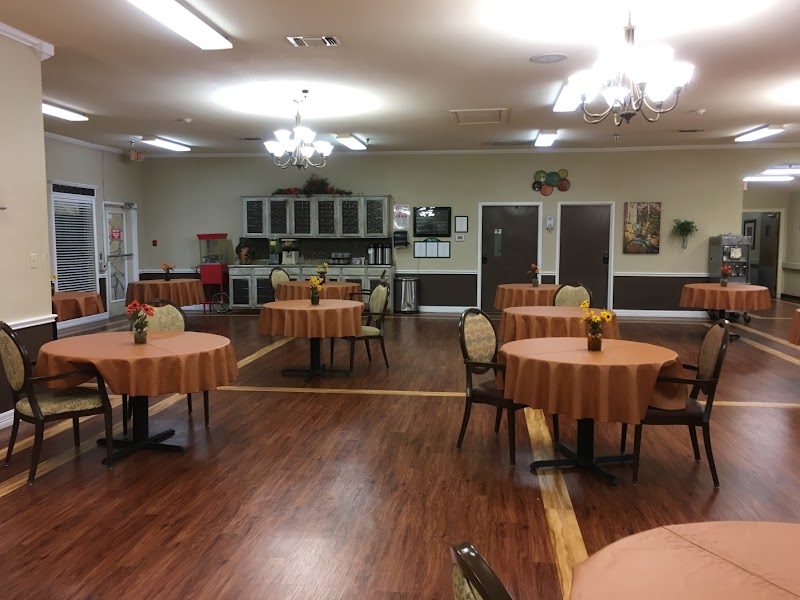
How is Granbury Rehab & Nursing Staffed?

CMS rates GRANBURY REHAB & NURSING's staffing level at 3 out of 5 stars, which is average compared to other nursing homes. Staff turnover is 40%, compared to the Texas average of 46%. This relatively stable workforce can support continuity of care.

What Have Inspectors Found at Granbury Rehab & Nursing?

State health inspectors documented 19 deficiencies at GRANBURY REHAB & NURSING during 2022 to 2024. These included: 19 with potential for harm.
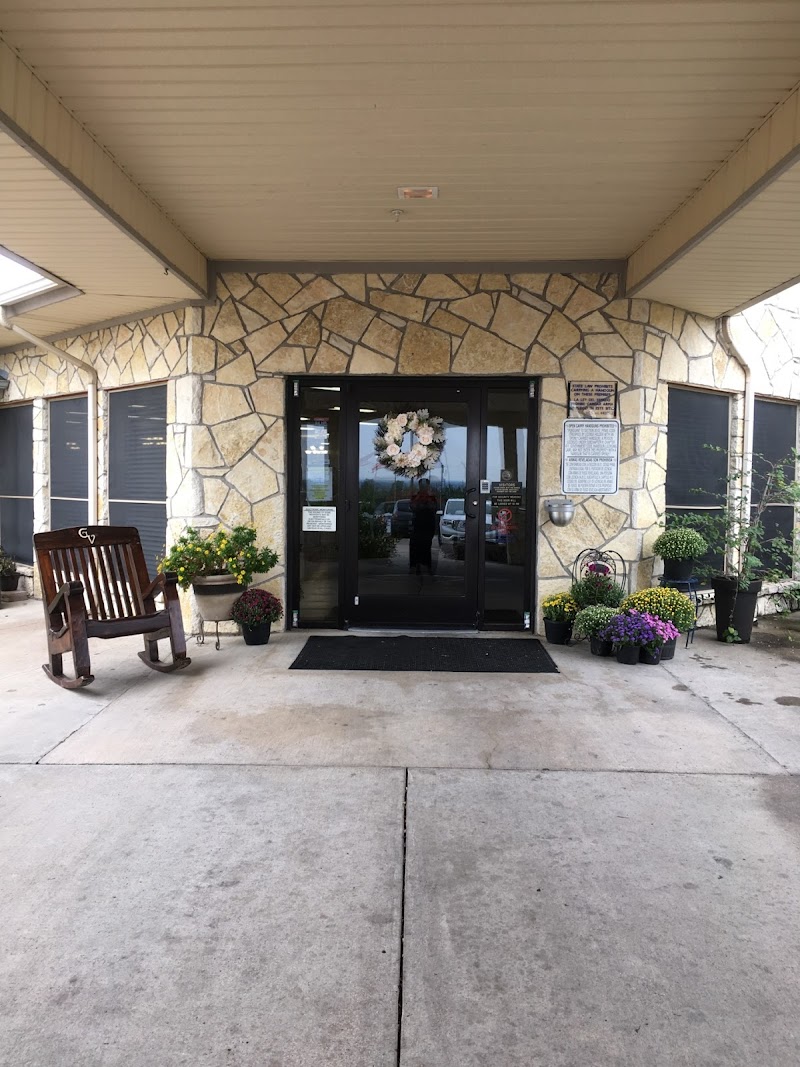
Who Owns and Operates Granbury Rehab & Nursing?

GRANBURY REHAB & NURSING is owned by a for-profit company. For-profit facilities operate as businesses with obligations to shareholders or private owners. The facility is operated by CREATIVE SOLUTIONS IN HEALTHCARE, a chain that manages multiple nursing homes. With 95 certified beds and approximately 84 residents (about 88% occupancy), it is a smaller facility located in GRANBURY, Texas.

How Does Granbury Rehab & Nursing Compare to Other Texas Nursing Homes?

Compared to the 100 nursing homes in Texas, GRANBURY REHAB & NURSING's overall rating (5 stars) is above the state average of 2.8, staff turnover (40%) is near the state average of 46%, and health inspection rating (4 stars) is above the national benchmark.

What Should Families Ask When Visiting Granbury Rehab & Nursing?

Based on this facility's data, families visiting should ask: "Can I visit during a mealtime to observe dining assistance and food quality?" "How do you handle medical emergencies, and what is your hospital transfer rate?" "Can I speak with family members of current residents about their experience?"

Is Granbury Rehab & Nursing Safe?

Based on CMS inspection data, GRANBURY REHAB & NURSING has a clean safety record: no substantiated abuse findings (meaning no confirmed cases of resident harm), no Immediate Jeopardy citations (the most serious violation level indicating risk of serious injury or death), and is not on the Special Focus Facility watch list (a federal program monitoring the lowest-performing 1% of nursing homes). The facility has a 5-star overall rating and ranks #1 of 100 nursing homes in Texas. While no facility is perfect, families should still ask about staff-to-resident ratios and recent inspection results during their visit.

Do Nurses at Granbury Rehab & Nursing Stick Around?

GRANBURY REHAB & NURSING has a staff turnover rate of 40%, which is about average for Texas nursing homes (state average: 46%). Moderate turnover is common in nursing homes, but families should still ask about staff tenure and how the facility maintains care continuity when employees leave.

Was Granbury Rehab & Nursing Ever Fined?

GRANBURY REHAB & NURSING has no federal fines on record. CMS issues fines when nursing homes fail to meet care standards or don't correct problems found during inspections. The absence of fines suggests the facility has either maintained compliance or corrected any issues before penalties were assessed. This is a positive indicator, though families should still review recent inspection reports for the full picture.

Is Granbury Rehab & Nursing on Any Federal Watch List?

GRANBURY REHAB & NURSING is not on any federal watch list. The most significant is the Special Focus Facility (SFF) program, which identifies the bottom 1% of nursing homes nationally based on persistent, serious quality problems. Not being on this list means the facility has avoided the pattern of deficiencies that triggers enhanced federal oversight. This is a positive indicator, though families should still review the facility's inspection history directly.