TRINITY NURSING AND REHAB OF GRANBURY
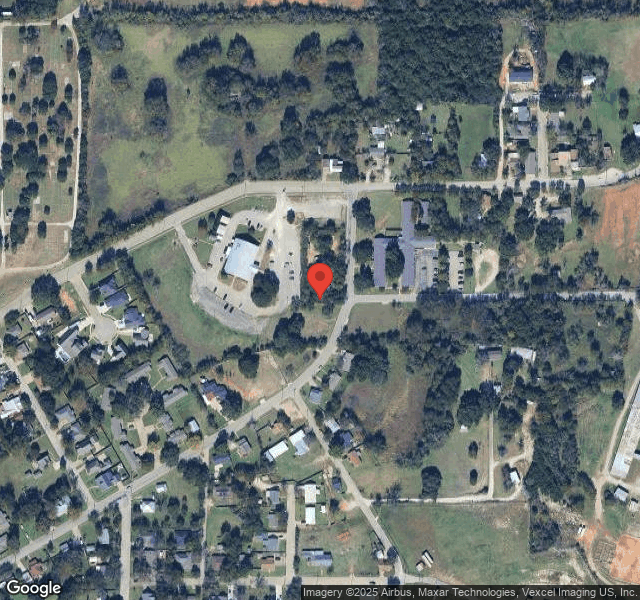

600 REUNION COURT, GRANBURY, TX 76048 (817) 573-3773
For profit - Limited Liability company 90 Beds SLP OPERATIONS Data: November 2025 2 Immediate Jeopardy citations
Trust Grade
0/100
#1133 of 1168 in TX
Last Inspection: June 2025

Inspected within the last 6 months. Data reflects current conditions.

Overview

Trinity Nursing and Rehab of Granbury has received a Trust Grade of F, indicating significant concerns and a poor overall quality of care. Ranking #1133 out of 1168 in Texas means they are in the bottom half of all facilities in the state, and they are the lowest-ranked option in Hood County. While the facility is showing some improvement, with issues decreasing from 11 in 2024 to 9 in 2025, staffing remains a serious concern with a turnover rate of 77%, which is much higher than the state average. The facility has also faced a concerning $66,367 in fines, indicating compliance issues that are more frequent than 78% of Texas facilities. Specific incidents include neglect in wound care for a resident, where a skin tear led to maggots appearing due to delayed treatment, and failures in ensuring accurate assessments for multiple residents, potentially affecting their care. Families should weigh these significant weaknesses against any perceived strengths when considering this facility for their loved ones.

Trust Score
F
0/100
In Texas
#1133/1168
Bottom 3%
Safety Record
High Risk
Review needed
Inspections
Getting Better
11 → 9 violations
Staff Stability
⚠ Watch
77% turnover. Very high, 29 points above average. Constant new faces learning your loved one's needs.
Penalties
✓ Good
$66,367 in fines. Lower than most Texas facilities. Relatively clean record.
Skilled Nurses
⚠ Watch
Each resident gets only 25 minutes of Registered Nurse (RN) attention daily — below average for Texas. Fewer RN minutes means fewer trained eyes watching for problems.
Violations
⚠ Watch
25 deficiencies on record. Higher than average. Multiple issues found across inspections.
★☆☆☆☆
1.0
Overall Rating
★☆☆☆☆
1.0
Staff Levels
★☆☆☆☆
1.0
Care Quality
★★★☆☆
3.0
Inspection Score
Stable
2024: 11 issues
2025: 9 issues

The Good

  • Full Sprinkler Coverage · Fire safety systems throughout facility
  • No fines on record

Facility shows strength in fire safety.

The Bad

1-Star Overall Rating

Below Texas average (2.8)

Significant quality concerns identified by CMS

Staff Turnover: 77%

30pts above Texas avg (46%)

Frequent staff changes - ask about care continuity

Federal Fines: $66,367

Above median ($33,413)

Moderate penalties - review what triggered them

Chain: SLP OPERATIONS

Part of a multi-facility chain

Ask about local staffing decisions and management

Staff turnover is very high (77%)

29 points above Texas average of 48%

The Ugly 25 deficiencies on record

2 life-threatening
Jun 2025 8 deficiencies
CONCERN (D)

Potential for Harm - no one hurt, but risky conditions existed

Deficiency F0605 (Tag F0605)

Could have caused harm · This affected 1 resident

**NOTE- TERMS IN BRACKETS HAVE BEEN EDITED TO PROTECT CONFIDENTIALITY** Based on interview and record review, the facility failed to ensure that the residents were free from chemical restraints not re...

Read full inspector narrative →
**NOTE- TERMS IN BRACKETS HAVE BEEN EDITED TO PROTECT CONFIDENTIALITY** Based on interview and record review, the facility failed to ensure that the residents were free from chemical restraints not required to treat the residents' medical symptoms for 2 (Resident #8 and Resident #39) of 18 residents reviewed for unnecessary medications. 1. The facility failed to ensure Resident #8's PRN Lorazepam (medicine used to treat the symptoms of anxiety) was discontinued after 14 days or document a rationale for the continued provision of the medication. 2. The facility failed to ensure Resident #39's PRN Hydroxyzine (medicine used to treat the symptoms of anxiety) was discontinued after 14 days or document a rationale for the continued provision of the medication. This failure could place residents at risk for adverse reactions and negative side effects from the administration of medication and dependence on unnecessary medications. Findings included: Resident #8 Review of Resident #8's electronic face sheet revealed a [AGE] year-old female admitted to the facility on [DATE] with diagnoses to include: anxiety, depression, and schizoaffective disorder. Review of Resident #8's quarterly MDS assessment dated [DATE], revealed a BIMS score of 11 which indicated moderate cognitive impairment. Review of Section N: Medications revealed Resident #8 was receiving anti-anxiety medications. Review of Resident #8's Comprehensive Care Plan last revised 04/03/2025, revealed: Problem: Resident has the potential for complications related to antianxiety medication use .Approach: Administer medication per MD orders, monitor for any side effects. Review of Resident #8's electronic Physicians Orders revealed: lorazepam tablet; 0.5 mg; amt: 1 tab; oral Special Instructions: May administer 1-2 tabs Every 2 Hours, start date 03/19/2025 with no stop date. Review of Resident #8's May 2025 MAR revealed no doses of Lorazepam were administered. Review of Resident #8's June 2025 MAR up until 06/03/2025, revealed no doses of Lorazepam were administered. Review of Resident #8's physician progress notes revealed no evidence of documented rationale to order PRN Lorazepam for more than 14 days. Review of Drugs.com for Lorazepam accessed on 06/04/2025 at https://www.drugs.com/lorazepam.html revealed: Lorazepam belongs to a class of medications called benzodiazepines. It is thought that benzodiazepines work by enhancing the activity of certain neurotransmitters in the brain. Lorazepam is used in adults and children at least [AGE] years old to treat anxiety disorders. Resident #39 Review of Resident #39's electronic face sheet revealed a [AGE] year-old male admitted to the facility on [DATE] with diagnoses to include: heart failure, anxiety, and diabetes. Review of Resident #39's Quarterly MDS dated [DATE], revealed a BIMS score of 13 which indicated no cognitive impairment. Review of Section N: Medications revealed Resident #39 was not receiving anti-anxiety medication. Review of Resident #39's Comprehensive Care Plan last revised 05/30/2025 revealed no evidence of resident medication for anxiety. Review of Resident #39's electronic Physicians Orders revealed: hydroxyzine tablet; 10 mg; amt: 1 tab; oral Special Instructions: 1 tab at bedtime prn or 2 as tolerated/needed At Bedtime for anxiety, start date 03/11/2025 discontinued 05/29/2025 and hydroxyzine tablet; 10 mg; amt: 1 tab; oral Special Instructions: 1 tab at bedtime prn or 2 as tolerated/needed At Bedtime start date 05/29/2025 with no stop date. Review of Resident #39's May 2025 MAR revealed 12 doses of hydroxyzine was administered. Review of Resident #39's June 2025 MAR up until 06/03/2025, revealed 3 doses of hydroxyzine was administered. Review of Resident #39's physician progress notes revealed no evidence of documented rationale to order PRN hydroxyzine for more than 14 days. Review of Drugs.com for Hydroxyzine accessed on 06/04/2025 at https://www.drugs.com/ hydroxyzine.html revealed: hydroxyzine also reduces activity in the central nervous system, it can be used as a sedative to treat anxiety and tension. During an interview on 06/04/25 at 03:31 PM, the DON stated prn psychotropic medications cannot be given for longer than 14 days without a new order or physician documentation for the need to continue past 14 days. He stated this could lead to over-sedation or possible seclusion. He stated he just overlooked and missed these orders. He stated he was responsible for reviewing orders. Review of the facility's policy titled; Psychoactive Medication Use dated July 2024 revealed in part: Policy Statement: Residents are not given psychotropic medications unless the drug is necessary to treat a specific condition, as diagnoses and documented in the clinical record, and the medication is beneficial to the resident, as demonstrated by monitoring and documentation of the resident's response to the medication. Guidelines: .7. PRN orders for all psychotropic drugs shall be used only when the medication is necessary to treat a diagnosed specific condition that is documented in the clinical record, and for a limited duration (i.e 14 days).
CONCERN (D)

Potential for Harm - no one hurt, but risky conditions existed

Respiratory Care (Tag F0695)

Could have caused harm · This affected 1 resident

**NOTE- TERMS IN BRACKETS HAVE BEEN EDITED TO PROTECT CONFIDENTIALITY** Based on observations, interviews, and record reviews, the facility failed to ensure residents were provided respiratory care re...

Read full inspector narrative →
**NOTE- TERMS IN BRACKETS HAVE BEEN EDITED TO PROTECT CONFIDENTIALITY** Based on observations, interviews, and record reviews, the facility failed to ensure residents were provided respiratory care received care consistent with professional standards of practice for 1 of 18 residents (Resident #32) and 1 of 1 oxygen storage room reviewed for oxygen administration. 1. The facility failed to post No Smoking sign in resident doorway for Resident #32 on 06/02/2025 & 06/03/2025 who used oxygen. 2. The facility failed to post No Smoking sign on doorway for room that oxygen was stored on 06/02/2025. These failures could place residents at risk of people not being notified of no smoking in oxygen storage or oxygen in use and prohibit smoking in any room, ward, or compartment where oxygen was in use or stored. Findings included: Resident #32 Record review of Resident #32's electronic face sheet dated 06/03/2025 reflected the resident was a [AGE] year-old male originally admitted on [DATE] and most recently re-admitted on [DATE] with diagnoses that included: fusion of spine (surgery to fuse spine), quadriplegia (loss of motor and sensory function in all limbs and the trunk), weakness, pneumonia (infection in the lungs), and chronic obstructive pulmonary disease (disorder that effects air flow in and out of the lungs). Record review of Resident #32's quarterly MDS assessment dated [DATE] reflected: BIMS score of 13 meaning his cognition was intact. Further review of MDS reflected the resident was not on oxygen therapy. Record review of Resident #32's care plan with start date of 12/11/2024 reflected: Problem: [resident name] has an as needed oxygen therapy order related to emphysema/COPD and personal history of smoking .Approach: Administer oxygen at as needed 1-4 l/min via nasal cannula. Observe oxygen precautions. Record review of Resident #32's physician order dated 07/30/2024 reflected oxygen to be administered via nasal cannula as needed at 1-4 l/min for quadriplegia (loss of motor and sensory function in all limbs and the trunk). Record review of Resident #32's progress note dated 05/21/2025 reflected day one of three after roommate change, seems to be tolerating well so far. During an observation on 06/02/2025 at 11:32 a.m., Resident #32 was sitting up in a wheelchair in his room. Oxygen was being administered at 4/l/min and there was no oxygen sign on his door indicating oxygen in use. During an observation on 06/03/2025 at 9:25 a.m., Resident was sitting in his room in his wheelchair and his oxygen concentrator was on. During an observation on 06/02/2025 at 10:01 a.m., empty oxygen cylinders and full oxygen cylinders were stored in a building adjacent to the facility. There was no evidence of an oxygen sign on the door to the building which opened to the room where oxygen was being stored. There were 10 empty cylinders and 25 full canisters. During an interview on 06/03/2025 at 10:52 a.m., the ADON stated residents with oxygen being administered should have an oxygen sign on the door to their rooms. She stated Resident #32 had been on oxygen for a while. She stated she felt him moving rooms recently may have led to failure of no sign on his doorway. During an interview on 06/03/2025 at 11:03 a.m., the DON stated all staff were responsible for making sure no smoking signs were posted outside of resident's rooms. He stated he, the ADON, and the ADMN monitored that appropriate oxygen signs were posted outside of the resident's rooms twice a week. He stated that the resident moving rooms may have led to failure of sign not being posted outside of his room. He stated not having an oxygen sign could be hazardous and may not alert people that oxygen was being used in the room. During an interview on 06/03/2025 at 11:07 a.m., the ED stated she did not know why oxygen in use sign was not posted outside of Resident #32's room. She stated not posting could lead to people not knowing that oxygen was in use inside of the room. She stated she expected that oxygen storage area to have oxygen sign in place on the door, but she never thought of placing a sign on the door leading to where oxygen was stored in building adjacent to facility. She stated not having signs were a safety hazard and would lead to not alerting people that oxygen was stored in that area. During an interview on 06/03/2025 at 12:36 p.m., the RNC stated her expectation would be that areas that store oxygen or oxygen was used, would have a sign outside the door notifying people that oxygen was in use or being stored. She stated the ADMN and DON were responsible for making sure signs were posted when corporate was not in the building. She stated she expected for staff to follow policies about oxygen use and storage. She stated she felt the sign on Resident #32's room could have been removed by another resident or had fallen off the door. She stated not having signs posted could lead to people not knowing that oxygen was in use or being stored. Record review of the facility policy's titled Resident Smoking Policy with no date reflected: No smoking signs will be maintained on doors or gates where oxygen is used or stored. Record review of the facility policy's titled Fire Safety and Prevention with revision date November 2021 reflected: Use visible 'No Smoking' signs where oxygen is stored or being administered.
CONCERN (D)

Potential for Harm - no one hurt, but risky conditions existed

Deficiency F0804 (Tag F0804)

Could have caused harm · This affected 1 resident

**NOTE- TERMS IN BRACKETS HAVE BEEN EDITED TO PROTECT CONFIDENTIALITY** Based on observation, interview, and record review, the facility failed to ensure that each resident received food that is palat...

Read full inspector narrative →
**NOTE- TERMS IN BRACKETS HAVE BEEN EDITED TO PROTECT CONFIDENTIALITY** Based on observation, interview, and record review, the facility failed to ensure that each resident received food that is palatable, attractive, and at a safe and appetizing temperature for 1 (Resident #5) of 110 residents tested for nutritive value, flavor, and appearance: The facility failed to provide palatable food served that was palatable and attractive to Residents #5, during lunch on 06/02/2025. Resident #5 received gravy on his hamburger patty. This failure could affect the residents who ate food from the facility kitchen by placing them at risk of poor food intake and/or dissatisfaction of the meals served. The findings included: Record review of Resident #5's face sheet dated 06/04/2025 revealed a [AGE] year-old male admitted on [DATE] with most recent readmission on [DATE] with the following diagnoses Heart failure, high blood pressure, renal failure and type 2 diabetes. Record review of Resident #5's Quarterly MDS assessment dated [DATE] revealed, Section C- Cognitive Patterns revealed Resident #5 had a BIMS score of 14 (meaning cognitively intact). Record review of Resident #5's dietary preferences dated 06/21/2023 revealed Resident #5 disliked gravy. During an observation and interview on 06/02/2025 at 12:40 PM, during the lunch meal service, the Dietary Aide told the [NAME] Resident #5 had no gravy written on his meal ticket. The [NAME] stated she did not know what to do because she had put all the meat patties into the gravy. The [NAME] placed the gravy covered patty on the plate and the plate was covered and served out of the kitchen.- During an observation and interview on 06/02/2025 at 1:20 PM, Resident #5 received gravy on his steak after requesting no gravy. Resident #5 stated he only got one meat patty and he was supposed to receive double protein. Resident #5 stated it upset him because his meals were always messed up. Resident #5 stated that he had written no gravy on his ticket that morning, and the kitchen still got it wrong. During an interview on 06/02/2025 at 2:50 PM, the DM stated her expectation was residents' likes and dislikes should have been followed. The DM stated the dietary aides, cooks, and herself were responsible to ensure residents' likes and dislikes were met. The DM stated what led to failure of not meeting Resident # 5's dislikes was she and the cook were trying to bring the meat back up to temperature and added the gravy to all of the meat patties. The DM stated she should have told the cook to keep some of the patties separate from the gravy. During an interview on 06/04/25 at 3:17 PM, the ADMN stated her expectation was that residents' likes and dislikes were honored. The ADMN stated the cooks, nurses, and the DM were responsible to ensure residents' likes and dislikes were honored. The ADMN stated the effect on residents could have been their preferences not being honored which could have led to residents not eating. The ADMN stated what led to the failure was new staff and lack of training. Record review of the facility's policy titled Food and Nutrition Services dated September 2021 revealed: Food and nutrition services staff will inspect food trays to ensure that the correct meal is provided to each resident, the food appears palatable and attractive, and it is served at a safe and appetizing temperature.
CONCERN (E)

Potential for Harm - no one hurt, but risky conditions existed

Assessment Accuracy (Tag F0641)

Could have caused harm · This affected multiple residents

**NOTE- TERMS IN BRACKETS HAVE BEEN EDITED TO PROTECT CONFIDENTIALITY** Based on observation, interview, and record review, the facility failed to ensure the comprehensive assessment accurately reflec...

Read full inspector narrative →
**NOTE- TERMS IN BRACKETS HAVE BEEN EDITED TO PROTECT CONFIDENTIALITY** Based on observation, interview, and record review, the facility failed to ensure the comprehensive assessment accurately reflected the resident's status for 4 (Resident #32, Resident #25, Resident #21, and Resident #39) of 18 Residents reviewed for accuracy of assessments. The facility failed to ensure MDS dated [DATE] reflected the use of oxygen for Resident #32. The facility failed to ensure MDS dated [DATE] reflected hospice services for Resident #25. The facility failed to ensure MDS dated [DATE] reflected hospice services for Resident #21. The facility failed to ensure MDS dated [DATE], reflected the use of anti-anxiety medications for Resident #39. This failure could residents at risk of inaccurate assessments and not receiving appropriate care according to their status. Findings include: Resident #32 Review of Resident #32's electronic face sheet reflected a [AGE] year-old male originally admitted on [DATE] re-admitted on [DATE] with diagnoses that included: fusion of spine (surgery to fuse spine), quadriplegia (loss of motor and sensory function in all limbs and the trunk), weakness, pneumonia (infection in the lungs), and chronic obstructive pulmonary disease (disorder that effects air flow in and out of the lungs). Review of Resident #32's quarterly MDS assessment dated [DATE] reflected: BIMS score of 13 meaning his cognition was intact. Further review of MDS reflected resident was not on oxygen therapy. Review of Resident #32's comprehensive care plan initiated 12/11/2024 reflected: Problem: resident has an as needed oxygen therapy order related to emphysema/COPD and personal history of smoking .Approach: Administer oxygen at as needed 1-4 l/min via nasal cannula. Observe oxygen precautions. Record review of Resident #32's electronic physician order dated 07/30/2024 reflected: oxygen to be administered via nasal cannula as needed at 1-4 l/min for quadriplegia (loss of motor and sensory function in all limbs and the trunk). Further review of order reflected physician order was discontinued on 05/29/2025. Record review of Resident #32's electronic physician order dated 05/29/2025 reflected: oxygen to be administered via nasal cannula as needed at 1-4 l/min for quadriplegia (loss of motor and sensory function in all limbs and the trunk). During an observation on 06/02/2025 at 11:32 a.m., Resident #32 was sitting up in a wheelchair in his room. Oxygen was being administered at 4 l/min via nasal cannula, and there was no oxygen sign on his door indicating oxygen in use. During an observation on 06/03/2025 at 9:25 a.m., Resident #32 was sitting in his room in wheelchair and the oxygen concentrator was on and being administered to resident at 4 l/min via nasal cannula. Resident #25 Review of Resident #25's electronic face sheet reflected an [AGE] year-old male who was admitted to the facility on [DATE] with diagnoses to include: brain bleed, prostate cancer, and dementia. Review of Resident #25's quarterly MDS dated [DATE] reflected: BIMS score of 11 which indicated moderate cognitive impairment. Further review of the MDS reflected resident was not on hospice services. Review of Resident #25's comprehensive care plan initiated 12/10/2024 reflected: Problem: Terminal Care (Hospice) .Approach: Pain management, Comfort measures. Review of Resident #25's electronic physicians reflected: Admit to Hospice diagnosis heart disease, dated 05/29/2025 and Admit to Hospice, dated 12/10/2024 and discontinued 05/29/2025. Resident #21 Review of Resident #21's electronic face sheet reflected a [AGE] year-old male who was admitted to the facility on [DATE] with diagnoses to include: urinary tract infection, anxiety, and dementia. Review of Resident #21's quarterly MDS dated [DATE] reflected: BIMS score of 11 which indicated moderate cognitive impairment. Further review of the MDS reflected resident was not on hospice services. Review of Resident #21's comprehensive care plan initiated 10/10/2024 reflected: Problem: resident is on Hospice .Approach: Hospice will follow resident's needs; resident's rights will be respected. Review of Resident #21's electronic physicians reflected: Admit to Hospice diagnosis degeneration of the brain, dated 05/27/2025 and Admit to Hospice, dated 01/09/2025 and discontinued 05/27/2025. Resident #39 Review of Resident #39's electronic face sheet revealed a [AGE] year-old male admitted to the facility on [DATE] with diagnoses to include: heart failure, anxiety, and diabetes. Review of Resident #39's Quarterly MDS dated [DATE], revealed a BIMS score of 13 which indicated no cognitive impairment. Review of Section N: Medications revealed Resident #39 was not receiving anti-anxiety medication. Review of Resident #39's Comprehensive Care Plan last revised 05/30/2025 revealed no evidence of resident medication for anxiety. Review of Resident #39's electronic Physicians Orders revealed: hydroxyzine tablet; 10 mg; amt: 1 tab; oral Special Instructions: 1 tab at bedtime prn or 2 as tolerated/needed At Bedtime for anxiety, start date 03/11/2025 discontinued 05/29/2025 and hydroxyzine tablet; 10 mg; amt: 1 tab; oral Special Instructions: 1 tab at bedtime prn or 2 as tolerated/needed At Bedtime start date 05/29/2025 with no stop date. Review of Resident #39's May 2025 MAR revealed 12 doses of hydroxyzine was administered. Review of Resident #39's June 2025 MAR up until 06/03/2025, revealed 3 doses of hydroxyzine was administered. During an interview on 06/04/25 at 03:17 PM, the MDS Coordinator stated anyone receiving hospice services should have been claimed on the MDS. She stated anyone receiving oxygen or taking anti-anxiety medications should have been claimed on the MDS. She stated she just started in May and these MDS were completed prior to that. During an interview on 06/04/25 at 03:31 PM, the DON stated he was responsible for ensuring that the MDS's were completed accurately. He stated they were completed by the MDS Coordinator and then reviewed by him. He stated the hospice, and the oxygen just must have been missed. He stated the facility did not have an MDS policy, the facility follows the RAI.
CONCERN (E)

Potential for Harm - no one hurt, but risky conditions existed

Deficiency F0761 (Tag F0761)

Could have caused harm · This affected multiple residents

Based on observation, interview, and record review, the facility failed to store all drugs and biologicals in locked compartments and to permit only authorized personnel to have access to 2 (West Hall...

Read full inspector narrative →
Based on observation, interview, and record review, the facility failed to store all drugs and biologicals in locked compartments and to permit only authorized personnel to have access to 2 (West Hall medication cart and East Hall medication cart) of 4 medication carts reviewed for pharmacy services. The facility failed to ensure the [NAME] Hall and East Hall medication carts, with prescription medications and biologicals, were secured while unattended. This failure could place residents at risk of harm or decline in health due to lack of potency of supplies, medications/biologicals or misappropriation of medications, or drug diversions. The findings included: During an observation on 06.02.2025 at 10:01 AM, the [NAME] Hall Medication cart had prescription heart medications (amiodarone, amlodipine, metoprolol), prescription depression medications (trazodone), prescription diuretics (metolazone), prescription antinausea (meclizine, ondansetron), prescription diabetes medications (glucagon, insulin), prescription inhalation medications (albuterol, ipratropium bromide, budesonide), prescription anti-yeast medication. (nystatin powder and cream), OTC pain medication (aspirin, Tylenol), OTC constipation medication (MiraLAX). During an observation on 06.02.2025 at 11:28 AM East Hall Medication cart had prescription heart medications (amiodarone, amlodipine, metoprolol), prescription depression medications (trazodone), prescription diuretics (metolazone), prescription antinausea (meclizine, ondansetron), prescription diabetes medications (glucagon, insulin), prescription inhalation medications (albuterol, ipratropium bromide, budesonide), prescription anti-yeast medication. (nystatin powder and cream), OTC pain medication (aspirin, Tylenol), OTC constipation medication (MiraLAX). During an observation on 06.02.2025 at 10:01 AM medication cart on [NAME] Hall was unlocked and unattended for 15 minutes. There were no residents in the hall. During an observation on 06.02.2025 at 11:28 AM medication cart on East Hall was unlocked and unattended for 15 minutes. There were no resident in the hall. During an interview on 06.02.2025 at 10:05 AM, LVN A stated the medication cart (West Hall medication cart) should not have been left unlocked and unattended. LVN A stated residents could get medications that did not belong to them, and this could possibly cause harm to the resident. LVN A stated she had been trained when she was hired on use and medication carts and the keep it locked when not in use by the DON. LVN A stated she just got busy and forgot to lock the medication cart. During an interview on 06.02.2025 at 11:30 AM, RN B stated the medication cart (East Hall medication cart) should be locked when not in use or in line of sight. RN B stated if the medication cart was not locked, other people or residents could take something out of the cart that they did not need. RN B stated this could cause a resident to possibly take a medication not intended for them. RN B stated if a resident took a medication not intended for them, it could possibly cause a health issue for that resident. RN B stated that she left the medication cart to get a resident some ice. RN B stated she had been trained on the use of the medication cart when she was hired by DON. During an interview on 06.04.2025 at 2:49 PM, the DON stated the medication carts should have been locked when not in use. The DON stated the harm could be if a resident took a medication off the cart that was not for them, it could cause an adverse reaction. The DON stated she was not sure why this occurred. The DON stated she and the ADMIN made rounds in the morning and several times a day and check to see the medication carts are locked if not in use. The DON stated nurses and medication aides are trained on hire and PRN, on the use of medication carts. Review of the facility's undated policy titled: Security of Medication Cart The medication cart shall be secured during medications passes. Policy Interpretation and Implementation 1. The nurse must secure the medication cart during the medication pass to prevent unauthorized entry . Medication carts must be securely locked at all times when out of the nurse's view.
CONCERN (E)

Potential for Harm - no one hurt, but risky conditions existed

Food Safety (Tag F0812)

Could have caused harm · This affected multiple residents

**NOTE- TERMS IN BRACKETS HAVE BEEN EDITED TO PROTECT CONFIDENTIALITY** Based on observations, interviews, and record reviews, the facility failed to properly store, prepare, distribute, and serve foo...

Read full inspector narrative →
**NOTE- TERMS IN BRACKETS HAVE BEEN EDITED TO PROTECT CONFIDENTIALITY** Based on observations, interviews, and record reviews, the facility failed to properly store, prepare, distribute, and serve food in accordance with professional standards for food service safety for 1 of 1 kitchen reviewed. 1. The facility failed to ensure that spoiled food items were disposed of properly. 2. The facility failed to ensure foods were labeled properly. 3. The facility failed to ensure that food items were disposed of properly. 4. The facility failed to ensure cans that were dented were removed from food storage. 5. The facility failed to ensure staff wore beard and hair coverings, that secured all hair. These failures could place residents that eat out of the kitchen at risk for food borne illnesses. The findings included: During an observation and interview on 06/02/2025 between 9:30 AM and 9:50 AM of the kitchen revealed Dietary Aide was wearing a hair net that failed to have all hair covered, and dietary aide was not wearing a beard covering over his beard. The Dietary Aide stated he was new and was not told he needed to wear a covering over his beard. The Dietary Aide stated he did not realize he did not have all his hair restrained in his hair covering. Further observation of kitchen revealed: Refrigerator: 1. 1 package of salad mix out of the original container that was not labeled with a use by date. 2. 1 package of lettuce out of the original container that was not labeled with a use by date. 3. 1 package of ham out of the original container that was labeled with a use by date. 4. 1 metal container covered in foil that contained gravy, that was hot to touch. 5. 1 metal container covered in foil that contained oatmeal, that was hot to touch. The Dietary Aide took the temperature of the gravy when it was removed from the refrigerator the temperature of gravy was 140 degrees and the oatmeal temperature was 130 degrees. The Dietary Aide stated he did not put them in the refrigerator and did not know why they were in the refrigerator. The Dietary aide stated he did not know the cooling process. During an observation on 06/02/25 between 9:55 AM to 10:10 AM of the storage building revealed: Dry Storage: 1. 3 unopened boxes of bran flakes cereal with a use by date of 04/19/2025 2. 1 can of chicken noodle soup that was dented. 3. 1 can of cream of mushroom soup that was dented. 4. 1 can of solid packed apples that was dented. 5. 4 bags of tortilla chips out of the original container not labeled with a description or a date. Freezer: 1. 15 packages of vegetables out of the original container that were not labeled with a use by date. During an interview on 06/02/2025 at 11:30 AM, the DM stated she had put the gravy and the oatmeal in the refrigerator when she saw state come in the building. The DM stated she had gotten nervous and was trying to make sure the kitchen looked clean. The DM stated the gravy and oatmeal were too hot to be put into the refrigerator. The DM stated the gravy and oatmeal needed to be cooled to 70 degrees before putting into the refrigerator. The DM stated it was the cooks' and the DM's responsibility to ensure food was cooled prior to placing in the refrigerator. The DM stated it was ultimately her responsibility. The DM stated the effect on residents could have been residents could have gotten sick. The DM stated what led to failure was her being overwhelmed that state was in the building. The DM stated she did not realize male staff needed to wear coverings over their beards. The DM stated staff needed to make sure all their hair was contained in a hair net. The DM stated she did not realize that Dietary Aide did not have all his hair in the hair covering. The DM stated her expectation was staff have all hair covered properly per policy. The DM stated staff were responsible to ensure they used hair and beard coverings. The DM stated she was ultimately responsible to ensure that staff used hair and beard coverings properly. The DM stated what led to failure was she overlooked and assumed it was good enough. The DM stated the affect on residents could have been hair in a resident's food. The DM stated food should have been labeled with a receive date, an open date and a use by date. The DM stated she did not realize the frozen vegetables needed a use by date on them, she assumed there was a manufacture date on each package. The DM stated all staff who stocked food or opened food were responsible to label food. The DM stated she was ultimately responsible for ensuring food was labeled. The DM stated residents could have gotten sick if receiving food that was spoiled or out of date. The DM stated she monitored food storage by making rounds each morning. The DM stated what led to the failure was oversight on her part and being overwhelmed with state in the building. During an interview on 06/04/2025 at 3:17 PM, the ADMN stated her expectation was dietary staff needed to follow the kitchen policies. The ADMN stated the DM and herself were responsible to ensure policy was being followed in the kitchen. The ADMN stated she and the DM should have been making rounds in the kitchen to ensure policy was being followed. The ADMN stated residents could have been exposed to food borne illness or cross contamination. The ADMN stated what led to failures the DM being new and was still learning. Record review of the facility's policy titled, Cooling and Reheating Foods dated 2018, revealed Chill methods place food in 2-inch-deep pans, chill from 140 degrees to 70 degrees in two hours. Record review of the facility's policy titled, Employee Sanitation dated 2018, revealed Employee Cleanliness Requirements .Hairnets, headbands, caps, beard coverings or other effective hair restraints must be worn to keep hair from food and food-contact surfaces. Record review of the facility's policy titled, Food Storage dated 2018, revealed To ensure that all food served by the facility is of good quality and safe for consumption, all food will be stored according to the state, federal and US Food Codes . All containers by be labeled and dated. Review of the FDA Food Code 2022 https://www.fda.gov/food/retail-food-protection/fda-food-code accessed 06/04/2025 revealed: 3-602.11 Food Labels. (A) FOOD PACKAGED in a FOOD ESTABLISHMENT, shall be labeled as specified in LAW, including 21 CFR 101 - Food labeling, and 9 CFR 317 Labeling, marking devices, and containers. (B) Label information shall include: (1) The common name of the FOOD, or absent a common name, an adequately descriptive identity statement; (2) If made from two or more ingredients, a list of ingredients and sub-ingredients in descending order of predominance by weight, including a declaration of artificial colors, artificial flavors and chemical preservatives, if contained in the FOOD; (3) An accurate declaration of the net quantity of contents; (4) The name and place of business of the manufacturer, [NAME], or distributor; and (5) The name of the FOOD source for each MAJOR FOOD ALLERGEN contained in the FOOD unless the FOOD source is already part of the common or usual name of the respective ingredient. (6) Except as exempted in the Federal Food, Drug, and Cosmetic Act § 403(q)(3) - (5), nutrition labeling as specified in 21 CFR 101 - Food Labeling and 9 CFR 317 Subpart B Nutrition Labeling. (7) For any salmonid FISH containing canthaxanthin or astaxanthin as a COLOR ADDITIVE, the labeling of the bulk FISH container, including a list of ingredients, displayed on the retail container or by other written means, such as a counter card, that discloses the use of canthaxanthin or astaxanthin. Time/temperature control for safety refrigerated foods must be consumed, sold or discarded by the expiration date.
CONCERN (E)

Potential for Harm - no one hurt, but risky conditions existed

Deficiency F0849 (Tag F0849)

Could have caused harm · This affected multiple residents

**NOTE- TERMS IN BRACKETS HAVE BEEN EDITED TO PROTECT CONFIDENTIALITY** Based on interview and record review, the facility failed to collaborate with hospice representatives and coordinate the hospice...

Read full inspector narrative →
**NOTE- TERMS IN BRACKETS HAVE BEEN EDITED TO PROTECT CONFIDENTIALITY** Based on interview and record review, the facility failed to collaborate with hospice representatives and coordinate the hospice care planning process for each resident receiving hospice services, to ensure quality of care for the resident, ensuring communication with the hospice medical director, the resident's attending physician and others participating in the provision of care for 3 (Resident #8, Resident #25, and Resident #40) of 18 residents reviewed for hospice services. 1. The facility failed to maintain required hospice forms and documentation, that included certificate of terminal illness to ensure that the needs of the resident were addressed and met 24 hours per day to ensure Resident #8, Resident #25, and Resident #40 received adequate end-of-life care. 2. The facility failed to have a communication process, including how the communication will be documented between the facility and the hospice provider, to ensure that the needs of the resident were addressed and met 24 hours per day and to have a physician certification and recertification of the terminal illness for Resident #8, Resident #25, and Resident #40. This failure could place the residents who receive hospice services at-risk of receiving inadequate end-of-life care due to a lack of documentation, coordination of care, and communication of resident needs. The findings included: Resident #8 Review of Resident #8's electronic face sheet revealed a [AGE] year-old female admitted to the facility on [DATE] with diagnoses to include: anxiety, depression, and schizoaffective disorder. Review of Resident #8's quarterly MDS assessment dated [DATE], revealed a BIMS score of 11 which indicated moderate cognitive impairment. Review of Section O: revealed Resident #8 was on hospice care. Review of Resident #8's Comprehensive Care Plan last revised 04/03/2025, revealed: Problem: Resident is on Hospice .Approach .Report decline in condition to hospice agency. Review of Resident #8's electronic Physicians Orders revealed: Admit to Hospice diagnosis moderate protein calorie malnutrition, dated 05/29/2025 and Admit to Hospice, dated 03/20/2025 and discontinued 05/29/2025. Review of Resident #8's clinical records revealed no evidence of the required hospice forms and documentation, that included certificate of terminal illness or any form of communication between the facility and the hospice provider for Resident #8. Resident #25 Review of Resident #25's electronic face sheet reflected an [AGE] year-old male who was admitted to the facility on [DATE] with diagnosis to include: brain bleed, prostate cancer, and dementia. Review of Resident #25's quarterly MDS dated [DATE] reflected: BIMS of 11 which indicated moderate cognitive impairment. Further review of MDS reflected resident was not on hospice services. Review of Resident #25's comprehensive care plan initiated 12/10/2024 reflected: Problem: Terminal Care (Hospice) .Approach: Pain management, Comfort measures. Review of Resident #25's electronic physicians reflected: Admit to Hospice diagnosis heart disease, dated 05/29/2025 and Admit to Hospice, dated 12/10/2024 and discontinued 05/29/2025. Review of Resident #25's clinical records revealed no evidence of the required hospice forms and documentation, that included certificate of terminal illness or any form of communication between the facility and the hospice provider for Resident #25. Resident #40 Review of Resident #40's electronic face sheet revealed a [AGE] year-old male admitted to the facility on [DATE] with diagnoses to include: kidney disease, depression, and renal failure. Review of Resident #40's quarterly MDS dated [DATE], revealed a BIMS score of 10 which indicated moderate cognitive impairment. Review of Section O: revealed Resident #40 was on hospice care. Review of Resident #40's Comprehensive Care Plan last revised 05/30/2025, revealed: Problem: Resident requires Hospice .Approach .Report decline in condition to hospice agency. Review of Resident #40's electronic Physicians Orders revealed: Admit to Hospice, dated 05/27/2025 and Admit to Hospice, dated 03/06/2025 and discontinued 05/27/2025. Review of Resident #40's clinical records revealed no evidence of the required hospice forms and documentation, that included certificate of terminal illness or any form of communication between the facility and the hospice provider for Resident #8. During an interview on 06/04/25 at 03:00 PM, the DON stated that communication between hospice staff and facility staff was done verbally, but the facility did not have any written documentation of communication. He stated he was not aware that communication needed to be documented. He stated he did not know why the facility did not have the certifications of terminal illness on file for these 3 residents. Review of the facility's policy titled, Hospice Program, revised July 2017, revealed in part: Policy Statement: Hospice services are available to residents at the end of life. Policy Interpretation and Implementation . 10. In general, it is the responsibility of the facility to meet the resident's personal care and nursing needs in coordination with the hospice representative and ensure that the level of care provided is appropriately based on the individual residents' needs. These responsibilities include the following .d. Communicating with the hospice provider (and documenting such communication) to ensure that the needs of the resident are addressed and met 24 hours per day .12. Our facility is responsible for a. Collaborating with hospice representatives and coordinating facility staff participation in the hospice care planning process. B. Communicating with hospice representatives and other healthcare providers participating on the provision of care .d. Obtaining the following information from the hospice . 3.) Physician certification of the terminal illness specific to each resident.
MINOR (C)

Minor Issue - procedural, no safety impact

Staffing Information (Tag F0732)

Minor procedural issue · This affected most or all residents

Based upon observation and interview, the facility failed to ensure staffing information was posted in a prominent place readily accessible to residents and visitors for 1 (06/02/2025) of 3 days revie...

Read full inspector narrative →
Based upon observation and interview, the facility failed to ensure staffing information was posted in a prominent place readily accessible to residents and visitors for 1 (06/02/2025) of 3 days reviewed for nursing services and postings. The facility failed to post in a prominent place the current number of licensed and unlicensed nursing staff on 06/02/2025. This failure could place residents, their families, and visitors at risk of not having access to information regarding staffing and facility census. Findings include: During an observation on 06/02/2025 at 9:53 a.m., daily nursing staffing posted across from nurses' station was dated 05/28/2025. During an observation on 06/02/2025 at 1:24 p.m., daily nursing staffing posted across from nurses' station was dated 05/28/2025. During an interview on 06/03/2025 at 9:40 a.m., the DON stated nurse staffing should be posted daily. He stated he was responsible for posting nurse staffing. He stated nurse staffing posting was not posted daily since 5/28/2025 because it slipped his mind. He stated that if any resident or visitor wanted to know the staffing, they could look in a binder at the nurses' station. He stated he felt no negative impact from not posting had occurred. During an interview on 06/03/2025 at 9:41 a.m., the ADMN stated the DON was responsible for posting daily nurse staffing. She stated she monitored that the nurse staffing was posted. She stated she did not know why it had not been posted daily since 05/28/2025 until 06/03/2025. She stated the negative effect of not posting would be that visitors would not have the nursing staff hours for that day. Review of the facility's policy titled Staffing with revision date of 09/28/2023 reflected: Staffing levels for direct care staffing are updated each shift and posted in a public area.
May 2025 1 deficiency
CONCERN (E) 📢 Someone Reported This

A family member, employee, or ombudsman was alarmed enough to file a formal complaint

Potential for Harm - no one hurt, but risky conditions existed

Deficiency F0804 (Tag F0804)

Could have caused harm · This affected multiple residents

Based on observation, interview, and record review, the facility failed to ensure that each resident received food that is palatable, attractive, and at a safe and appetizing temperature for 1 of 1 lu...

Read full inspector narrative →
Based on observation, interview, and record review, the facility failed to ensure that each resident received food that is palatable, attractive, and at a safe and appetizing temperature for 1 of 1 lunch meals tested for nutritive value, flavor, and appearance: The facility failed to provide palatable food served at an appetizing temperature to residents, during lunch on 05/21/2025. This failure could affect the residents who ate food from the facility kitchen by placing them at risk of poor food intake and/or dissatisfaction of the meals served. The findings included: During an observation on 05/21/2025 at 10:30 AM, in the dining room, the daily menu was posted and revealed: Pork Steak w/gravy, Black-Eyed Peas, Cauliflower with cheese, Roll and Banana Cake. During an interview on 05/21/2025 at 10:46 AM LVN B stated she had received complaints from residents stating that the food was cold. During an observation and interview on 05/21/2025 at 11:50 AM [NAME] A stated he had taken the temperature of food when he had taken it out of the oven. [NAME] A stated he would take the temperature of the food before he served the food. [NAME] A took the temperature of the pork chop and the thermometer read 155 degrees. [NAME] A stated the pork chop was at the correct temperature, it was supposed to be held at least at 145 degrees. [NAME] A had uncovered the meat, the DM told him several times to cover the meat to keep it warm. [NAME] A had plated food and left them sitting on the counter for 2-3 minutes. During an observation and interview on 05/21/2025 at 12:05 PM Resident #9 stated, Look at my food. Resident #9 stated the food looked disgusting and he could not eat it. Resident #9 left his plate of food and went back to his room. During an observation and interview on 05/21/2025 at 12:40 PM the test tray was observed to have crumbles of meat on top of the vegetables with cheese, the roll was dark brown and black cu on the bottom and the gravy was very thin (looked like water). The cake was not iced and was not a solid piece. The DM stated she was embarrassed by the food service today. The DM stated she had only been the DM for a little over 3 weeks. The DM stated the test tray did not appear to be appetizing. The DM stated the chopped-up food that was on the vegetables was probably the mechanical soft meat and should not have been on the plate. The DM stated the gravy was too thin and did not think [NAME] A followed the recipe when he made the gravy. The DM stated the roll had been overcooked. The DM stated the cake should have been iced and should not have looked like it did. The pork chop temperature was taken by the DM the thermometer read 80 degrees. The pork chop was not warm to touch. The DM stated the pork chop was not warm enough. The DM stated she felt [NAME] A had cooked the meat to the correct temperature but did not cover the meat and left plates sitting on the counter uncovered for long period of time. The DM stated residents could have been affected by not wanting to eat food which could have led to weight loss. The DM stated the cook was responsible to ensure food was cooked and served at the correct temperature. The DM stated she was ultimately responsible for ensuring food was served at the correct temperature. The DM stated what led to failure was [NAME] A not following recipes and the facility's policies and procedures. During an interview with the ADMN on 05/22/2025 at 10:25 AM the ADMN stated her expectation was that food be served to resident at a safe and appetizing temperature. The ADMN stated that the cook was responsible for ensuring food was cooked and served at correct temperatures, and ultimately the DM was responsible. The ADMN stated if food was not served at an appetizing temperature or looked appealing it could have caused residents to not want to eat their food which could have led to weight loss. The ADMN stated what led to failure was the [NAME] not following instructions by the DM and the facility policies. Record review of facility policy titled Food and Nutrition Services dated September 2021 revealed: Food and nutrition services staff will inspect food trays to ensure that the correct meal is provided to each resident, the food appears palatable and attractive, and it is served at a safe and appetizing temperature. Record review of the temperature log revealed the pork chop temperature was 180 degrees, when taken out of the oven and 155 degrees when food service started.
Jun 2024 3 deficiencies 2 IJ
CRITICAL (J) 📢 Someone Reported This

A family member, employee, or ombudsman was alarmed enough to file a formal complaint

Immediate Jeopardy (IJ) - the most serious Medicare violation

Free from Abuse/Neglect (Tag F0600)

Someone could have died · This affected 1 resident

**NOTE- TERMS IN BRACKETS HAVE BEEN EDITED TO PROTECT CONFIDENTIALITY** Based on observation, interviews, and record reviews the facility failed to ensure residents were free from neglect for 1 of 3 r...

Read full inspector narrative →
**NOTE- TERMS IN BRACKETS HAVE BEEN EDITED TO PROTECT CONFIDENTIALITY** Based on observation, interviews, and record reviews the facility failed to ensure residents were free from neglect for 1 of 3 residents (Resident #1) reviewed for abuse. When Resident #1 obtained a skin tear on 05/17/24 that reopened on 05/25/24, the facility failed to obtain treatment orders and provide wound care treatment. After the wound reopened on 5/25/24, the facility did not provide wound care until 5/30/34 when a family member changed the dressing. On 06/01/24 maggots were found in the wound and dressing. The facility did not obtain treatment orders until 06/02/24. An IJ was identified on 06/07/2024. The IJ template was provided to the facility on [DATE] at 5:13 p.m. While the IJ was removed on 06/08/2024, the facility remained out of compliance at a scope of isolated with the potential for more than minimal harm due to the facility's need to evaluate the effectiveness of the corrective systems. These failures could place residents at risk of pain, mental anguish, emotional distress, diminished quality of life, and serious physical harm. Findings included: Record review of Resident #1's Face Sheet, dated 06/04/2024, revealed a [AGE] year-old male who was admitted to the facility on [DATE], with of diagnoses Chronic (persisting) obstructive pulmonary disease (lung disease causing restricted airflow and breathing problems), unspecified, Unspecified dementia (impaired ability to remember, think, or make decisions that interfere with completing daily activities), Spinal stenosis (occurs when the space inside the backbone was to small and can put pressure on the spinal cord), Essential Hypertension (high blood pressure), and Dysphagia (difficulty swallowing), oropharyngeal phase (affects the oral and pharyngeal [swallowing food or liquid through the pharynx and esophagus] of swallowing). Record review of Resident #1's Doctor Visit Progress Note with Physician D, dated 05/17/2024, revealed Resident #1 had profound hearing impairment and he had an otoplasty (procedure to change the shape, position, or size of the ear using permanent sutures) in the past and had his right ear removed as part of his surgery. Record review revealed diagnoses included a cerebrovascular accident (a stroke) and Degenerative joint disease (another name for osteoarthritis). Record review revealed Physician D noted Resident #1 had no infections or acute issues over the past four to six weeks. Skin and integument was noted as no acute changes. Record review of Resident #1's admission MDS Assessment, dated 04/14/2024, Section C- Cognitive Response Patterns revealed a BIMS score of 14, which indicated intact cognitive response. Section B - Hearing, Speech, and Vision, under B0200 - Hearing, revealed Resident #1 had moderate hearing difficulty in which the speaker had to increase volume and speak distinctly. Under B1000 - Vision, revealed Resident #1 was highly impaired with object identification in question, but eyes appeared to follow objects. Review of Section J1700 - History of Falls on Admission/Entry or Reentry revealed Resident #1 had no falls in the last two (2) to six (6) months prior to admission. Record review of Resident #1's Care Plan, dated 05/17/2024, revealed the plan was updated to identify Resident #1 had a fall with a laceration to the back of head of 5/17/24 and a fall on 5/25/24 with skin tear to rt elbow. Record review of Resident #1's Event Report, dated 05/17/2024 at 11:45 a.m., and completed by LVN M, revealed Resident #1 fell, sustained a head injury and skin tear to left upper extremity, and was transported to the hospital. Record review of Resident #1's Progress Note, dated 05/17/2024 at 11:50 a.m., revealed Resident #1 was found on the floor in his room by Maintenance Director and had an abrasion on the top of his head and a skin tear to left upper extremity. Resident #1 was sent out by 911. Note documented by LVN M. Record review of Resident #1's Progress Note, dated 05/17/2024 at 6:03 p.m., revealed Resident #1 arrived back from the ER with the presence of a laceration of right forearm, wrapped with ace bandages and a laceration of the scalp. Review revealed there was no documentation LVN M contacted the facility doctor when Resident #1 returned from the emergency room to discuss the discharge orders or confer about orders for Resident #1's laceration on his right forearm. Record review of Resident #1's hospital discharge records, dated 05/17/2025, revealed Resident #1 wound Care to be: care for the wound with soap and water; wound cleanser, saline or germ-free water, gauze, and dressing; use mild soap and water and pat wound dry. Record review of Resident #1's Progress Note, dated 05/25/2024 at 2:15 p.m., revealed Resident #1 returned from the ER and LVN M notified the on-call for Physician G and would continue current care plan. Record review of Resident #1's Progress Note, dated 05/25/2024 at 2:15 p.m., revealed Resident #1 returned from the ER and LVN M notified the on-call for Physician G and would continue current care plan. Record review of Resident #1's clinical Medication Orders, dated 06/04/2024, revealed Resident #1's medication order history from 04/08/2024 - 06/02/2024 did not include an order for wound care until 06/02/2024. Record review of Resident #1 eMar for 05/17/2024 - 05/31/2024, revealed Resident #1 had no wound care orders in place. Record review of Resident #1's nursing progress notes from 05/25/2024 to 06/01/2024 revealed no evidence of nursing care provided wound care. During an interview on 06/05/2024 at 10:15 a.m., Resident #1's family member said she had a video camera in Resident #1's room. Resident #1's family member said she witnessed Resident #1 as he sat on the side of his bed on 05/17/2024 at 11:30 a.m. drop his med cup, bent over, reach toward the floor, and fell forward. Resident #1's family member said Resident #1 fell to the floor and hit his head on the nightstand by his bed. Resident #1's family member said she immediately called the facility to let them know Resident #1 had fell. Resident #1's family member said she went to the ER and met Resident #1 when he arrived and said he had a skin tear on his right elbow. Resident #1's family member said Resident #1 fell again on 05/25/2024 when Resident #1 was found on the floor and sent to the ER for the second time. Resident #1's family member said she went to the ER and met Resident #1 when he arrived and said he had reopened the skin tear on his right elbow. Resident #1's family member said she was at the facility with Resident #1 visiting at approximately 8:15 p.m., on 06/01/2024. Resident #1's family member said she was sitting to the left of Resident #1 and put her arm around his shoulders and Resident #1 said, ouch, that hurts. Resident #1's family member said she asked Resident #1 what hurt, and he told her his right elbow. Resident #1's family member said she looked at the bandage on Resident's elbow and saw movement of approximately 50 maggots on the outside of the bandage. Resident #1's family member said she moved the top layer of the bandage and underneath was approximately 100 to 150 baby maggots. Resident #1's family member said the bandage was saturated in bloody drainage. Resident #1's family member said she immediately called LVN A who came in and changed and cleaned the bandage. Resident #1's family member said she watched as LVN A cleaned the area and she said she saw maggots on the wound. Resident #1's family member said she did not tell Resident #1 about the maggots because she was afraid Resident #1 would freak out. Resident #1's family member said Resident #1 was nearly blind and he could not see the larvae. During a follow-up interview on 06/05/2024 at 11:58 a.m., Resident #1's family member said she was at the facility on 05/30/2024 at 6:00 p.m., and at approximately 6:15pm, noticed Resident #1's bandaged on his elbow had not been removed since he returned from the ER on [DATE]. Resident #1's family member said she removed the dressing and saw the area was soaked in dark, black colored drainage and had a bad smell. Resident #1's family member said she reported the wound to the nurse who was in the hall outside Resident #1's door. Review of video evidence submitted by Resident #1's family member, dated 06/01/2024 at 8:36 p.m., revealed an up-close view of the wound. Resident #1's arm laid on unwrapped cotton gauze and was wrapped in woven gauze bandage with small white larvae wiggling on the inside of the top layer of the gauze. The second layer of gauze had an area approximately 4 inches by 4 inches saturated in red blood with dark red colored drainage around the edges. The area was moist, the gauze was stretched, and small white larvae could be seen moving under the second layer. Review of two (2) photos, submitted by Resident #1's family member, dated 05/30/2024 at 6:17 p.m. and 6:23 p.m., revealed Resident #1's wound on his right elbow was uncovered and laid on white bandage that covered the wound. The bandage was saturated in black and thick, dark red drainage and the gauze was stuck to Resident #1 skin. The wound, which was approximately 1 ½ inches by 1 ½ inches, was pink, soft, and raw. The skin around the outer edge of the bandage was dry and cracked, with large scales of dry skin present. Based on the photo image, Resident #1's family member was contacted by phone. During an interview on 06/06/2024 at 9:27 a.m., LVN A said on 05/30/2024, during daily head-to-toe assessments, she observed changed the bandage on Resident #1's left elbow at approximately 7:45pm. LVN A said Resident #1 did not have orders for wound care, but she saw the bandage and did not know when the bandage had been changed. LVN A said she had been off duty for a week and 05/30/2024 was her first shift upon return. LVN A said Resident #1 had fallen prior to her return and she was not aware if Resident #1 had wound care orders or not. Review of video evidence submitted by Resident #1's family member, dated 06/01/2024 at 8:39 p.m., revealed an up-close view of the wound. The video showed a bandage that was saturated with a circle of bloody drainage and multiple small white larvae could be seen moving under the gauze. Review of photograph evidence provided by Resident #1's family member, dated 06/01/2024 at 8:40 p.m., revealed an up-close view of the wound of Resident #1's bandage on his right elbow. The area was covered in woven gauze that was stretch and small, white larvae was seen between the fibers of the gauze. The gauze was observed saturated in red drainage with dark edges. During an observation on 06/04/2024 at 7:42 a.m., Resident #1 was observed with a gauze wrapped around his right elbow, with the gauze approximately an inch above and under the elbow. Observed a spot of bright red substance in the middle of the gauze about the size of a dime where the tape had come undone from the bandage and a spot of bright red substance on the tape, approximately ½ inch in length, that was unattached from the bandage. The bandage was dry. The skin on Resident #1's right arm around the outer edge of the bandage was extremely dry, flaking, and peeling from the mid-forearm, around the elbow, and upper arm. During an interview on 06/04/2024 at 7:46 a.m., Resident #1 said he did not remember who changed his bandage or seeing any type of bugs. Resident #1 said on Sunday (06/01/2024), he did not think he had white bugs on his bandage but Resident #1 said he could not remember. Resident #1 said he had trouble seeing. Record review of Resident #1's nursing progress notes dated 06/01/2024 at 10:05pm by LVN A revealed: (Recorded as Late Entry on 06/03/2024 at 4:11am) Upon assessment, noted dressing to be dry, clean and intact, with small amount of drainage noted on dressing. Date [on dressing] noted to be 5/30. Noted small white debris in dressing, noted to be smaller than grain of rice. Dressing was immediately removed, cleansed and changed. MD was notified and new orders received and placed into the MAR. No other orders received at this time. During an interview on 06/04/2024 at 6:58 a.m., LVN A said she was familiar with Resident #1 and was the nurse who found the bandage on Resident #1's right elbow covered with maggots on Saturday, 06/01/2024, at approximately 9:00 p.m. LVN A said she went into Resident #1's room to do his dressing change and noticed movement under the bandage. LVN A said she observed approximately 100 maggots in and around the bandage and in the gauze wrap. LVN A said the dressing was semi-saturated over the wound. LVN A described the bandage as wet with drainage and said blood had seeped through the gauze. LVN A said Resident #1 did not have doctor orders for wound care on 5/30/2024. LVN A said she cleaned and dressed the wound because she knew the area needed to be cleaned. During a follow-up interview on 06/06/2024 at 9:27 a.m., LVN A said on 05/30/2024, during daily head-to-toe assessments, she changed the bandage on Resident #1's elbow at approximately 7:45pm. LVN A said Resident #1 did not have orders for wound care, but she saw the bandage and did not know when the bandage had been changed. LVN A said she had been off duty for a week and 05/30/2024 was her first shift upon return. LVN A said Resident #1 had fallen prior to her return and she was not aware if Resident #1 had wound care orders or not. During an interview on 06/04/2024 at 9:38 a.m., LVN B said she was on duty the day Resident #1 fell (05/25/2024) but an agency nurse was assigned to Resident #1's hall. LVN B said she had not seen the wound, as it had been covered with a bandage when Resident #1 returned from the ER on [DATE]. LVN B said she saw the wound on Resident #1's right elbow for the first time on Monday, 06/03/2024. LVN B said Resident #1 had new orders from the doctor that were started over the weekend on 06/02/2024, when Resident #1 was found with larvae. During an interview on 06/05/2024 at 11:01 a.m., LVN F said Resident #1 had wound care orders to change the dressing on Resident #1's elbow every shift and the orders were initiated on 06/02/2024. LVN F said Resident #1's orders were changed 06/04/2024 from every four hours to once every shift. LVN F said Resident #1 did not have wound care orders prior to 06/01/2024. LVN F said she was not sure how or when Resident #1 obtained the skin tear on his right elbow and had not seen the bandage on Resident #1's right elbow before 06/01/2024. Record review of nursing progress note by LVN H dated 05/28/2024 at 2:30pm revealed Dressing was checked and it was cleand, dry and intact. During an interview on 06/06/2024 at 3:10pm, LVN H said when a resident returned from the hospital or ER, she would get the resident comfortable and ensure interventions were in place. LVN H said she would review the paperwork and place the paperwork in the DON's box. LVN H said she usually did not contact the doctor, family, or the DON. LVN H said if the resident had new orders, she would enter the new orders into the resident's clinical record and text the doctor or call the on-call service During an interview 06/06/2024 at 3:52pm, CNA S stated she was familiar with Resident #1. She said that Resident's #1's family member would give Resident #1 a shower and let CNA S when the shower was completed. CNA S said she would then document the shower in the clinical records. CNA S said she noticed Resident #1's bandage but never looked underneath. CNA S said she never saw a nurse take the bandage off. During an interview on 06/06/2024 at 12:55pm, the ADON said she worked as the nurse on the floor on Saturday, 06/01/2024, 6 a.m. to 6 p.m., and Sunday, 06/02/2024 and did not know Resident #1 had a bandage on his right elbow. The ADON said the night nurse, LVN A, who came in on Saturday night changed the dressing with maggots after she had left at 6pm on 06/01/2024 and she was not notified until the ADON arrived at the facility on 06/02/2024 to work 6 a.m. to 6 p.m. During an interview on 06/05/2024 at 12:35 p.m., the DON said the nurse on duty when Resident #1 returned from the ER on [DATE] was an agency nurse, LVN M, and she had not worked in the facility since that date. The DON said the nurse who was on duty when Resident #1 returned from the ER on [DATE] was an agency nurse, LVN N. The DON said he was not sure if he would be able to obtain her number from the agency she worked for. During an interview on 06/06/2024 at 12:01 p.m., the DON said he was called by the charge nurse at the facility and informed fly larvae were found on and inside Resident #1's wound dressing located on his right elbow. The DON said he was sent a video by LVN A on 06/01/2024 at approximately 6:30 p.m., by text. The DON said he observed on the video the bandage had drainage on the dressing and he saw larvae moving. The DON said by looking at the dressing, he said the drainage did not look old and the amount of drainage did not concern him because he had seen wounds have copious amounts drainage and still be healthy. The DON said the larvae concerned him. The DON said his expectations when a resident returned the ER or hospital were for the nursing staff to follow the physician's orders. The DON said Resident #1 returned from the ER on [DATE] with a bandage on his arm and did not have orders to care for the wound until 06/02/2024. The DON said his expectation was the nurse on duty when Resident #1 returned to the facility on [DATE] would have been to clarify Resident #1's discharge orders with the facility physician. The DON said the progress note in Resident #1's clinical record indicated the doctor was notified upon return from ER but agreed the documentation was not clear what was discussed in the phone conversation with the doctor. The DON said; if the family provided evidence of Resident #1's wound and the bandage appeared in a state that lacked attention by the facility nursing staff, this he would be based the doctor's orders. The DON said he agreed wound care orders were not put into place until 06/02/2024 for Resident #1's wound care until 06/02/2024. The DON said his expectations for was the CNAs to round every 2 hours and if a CNA witnessed drainage, to notify the nurse. During an interview on 06/06/2024 at 3:25pm, the DON said he worked on shift 6 p.m. to 6 a.m., on 05/25/2024 and 6 p.m. to 6 a.m., on 05/26/2024. The DON said he checked on residents during the overnight shift at least twice a shift. The DON said to his knowledge, he did not remember if he saw a bandage on Resident #1's right elbow. During a phone interview on 06/05/2024 at 3:18 p.m., Physician G said he was notified by facility staff when Resident #1 had maggots in his wound on his arm on 06/01/2024. Physician G said he ordered for the area to be flushed once or twice with hydron peroxide and put wound orders in place on 06/02/2024. Physician G said the facility had an in-house order for skin care and should have implemented the orders when Resident #1 returned from the emergency room with a wound or a bandage. Physician G said he was not familiar with Resident #1's fall or skin tear on 05/25/2024 but was aware Resident #1 went to the ER. During an interview on 06/07/2024 at 12:33 p.m., the Administrator said she was familiar with Resident #1 and was aware he fell on [DATE] and 05/25/2024. The Administrator said she, as the facility abuse coordinator, self-reported the incident with the bandage on Resident #1's right elbow that occurred on 6/1/2024. The Administrator said she was told the bandage contained a white debris that was smaller than a grain of rice. The Administrator said she did not see the larvae in Resident #1's bandage and could not confirm the bandage and wound had larvae present. The Administrator said she reported white debris the size of a grain of rice on Resident #1's right forearm near the elbow based on the fact she did not witness the wound at the time of the incident. Record review of the facility's policy, Abuse, Neglect, and Exploitation, dated 10/2023, revealed possible indicators of abuse include, but are not limited to: failure to provide care needs such as comfort and safety. The facility would prevent abuse by assigning responsibility for the supervision of staff on all shifts for identifying inappropriate staff behaviors, identification with ongoing assessment, care planning with appropriate interventions, and monitoring of residents with needs which might lead to conflict or neglect. This was determined to be an Immediate Jeopardy that was called on 06/07/2024. The Administrator was notified on 06/07/2024 at 5:13 p.m. that an Immediate Jeopardy (IJ) situation was identified due to the above failures. The Administrator was provided the Immediate Jeopardy (IJ) template on 06/07/2024 at 5:30 p.m. and the plan of removal was requested. The facility's plan of removal was accepted on 06/08/2024 at 1:23 p.m. and included the following: [facility name] Nursing and Rehabilitation Plan of Removal: 600: Free from Abuse and Neglect Date Initiated: 6/7/2024 Today's Date: 6/7/2024 Based on interviews, and record reviews, the facility failed to ensure residents were free from neglect for 1 of 3 residents (Resident #1) reviewed for abuse. All residents can be affected by this deficient practice. Action: Resident #1 received a skin assessment, physician notified, follow MD orders, RP notified. Identified Resident not showing any signs of distress or a negative physical outcome as a result of the event. Person(s) Responsible: Charge Nurse and/or Designee Date Action Completed: 06/01/24 Action: All residents received head-to-toe skin assessments. All residents with wounds assessed with no additional adverse findings. Person(s) Responsible: Assistant Director of Nursing, Director of Nursing, and/or Designee Date Action Completed: 06/02/24 Action: Education-- Neglect (All Staff) a. Failing to Obtain treatment orders (Nurses) b. Failing to change wound dressings (Nurses) c. Failing to notify MD of resident status and discharge orders \after a return from hospital (Nurses) Test will be completed for competency and to ensure understanding. All identified staff will be educated and tested prior to working their next shift. All new and temporary staff will be educated and tested prior to working their first shift. Person Responsible: Director of Nursing, Assistant Director of Nursing, Administrator, and/or Designee Date Action Initiated: 06/08/24 Action: All residents that have returned from the hospital in the previous 30 days have been reviewed to ensure that the physician has been notified of any pertinent resident information and ensure we are following physician orders. Person(s) Responsible: Director of Nursing, Assistant Director, and/or designee Date: 6/7/2024 Action: Director of Nursing and/or Designee to observe and/or follow behind and confirm x3 skin assessments a week and verify treatment is in place and dated within the MD's order x2 a week with emphasis on residents, who smoke, go out on pass, and/or spend time outside with wounds for 4 weeks. Person(s) Responsible: Director of Nursing, Assistant Director of Nursing, and/or Designee Date Action Initiated: 06/02/24 Action: Ad hoc QAPI with on call physician reviewing 580 template and the facility's plan to remove the immediacy. Person(s) Responsible: Administrator Date: 6/7/2024 On 06/08/2024, the investigator confirmed the facility implemented their plan of removal sufficiently to remove Immediate Jeopardy (IJ) by: On 06/08/2024 at 12:55 p.m., completed a record review of a random sample of residents who resided in the facility based on the action that all resident received head-to-toe assessment. Reviewed Resident #4's Clinical Progress Note, dated 06/02/2024 at 6:54 a.m., that indicated Resident #4 received a head-to-toe assessment completed by LVN F. Reviewed Resident #5's Clinical Progress Note, dated 06/04/2024 2:04 p.m., which revealed Resident #5 had a head-to-toe assessment completed by LVN B. Reviewed Resident #9's Clinical Progress Note, dated 06/04/2024 at 7:27 a.m., which revealed Resident #9 received a head-to-toe assessment completed by LVN F. 06/08/2024 at 1:15 p.m., reviewed progress note dated 06/01/2024, completed by the DON that revealed Resident #1 was assessed immediately after the discovery of the larvae on his right elbow. Reviewed Progress Note dated 06/01/2024 that Physician G was notified on 06/01/2024. Notification was verified by interview with Physician G and review of doctor orders dated 06/02/2024. On 06/08/2024 at 1:25 p.m., completed a record review of Resident #8's clinical record when he returned to the facility on [DATE]. Discharge records, progress notes, doctor orders, and care plan reviewed with no issues noted. During an interview on 06/08/2024 at 1:41 p.m RN O said she worked 6 a.m. to 2:30 p.m. on the weekends and PRN. RN O said she was in-serviced on how to readmit a resident who returned to the facility from the ER prior to her shift that morning. RN O said the process was to receive and review the discharge orders, notify the doctor, family, and put new orders in place after she discussed the orders with the facility doctor. RN O said she would notify the doctor if a resident fell, had new lab orders, showed a change in conditions, or any request by family or resident requesting orders. RN O said if a resident had an open area or wound and no orders for wound care, she would contact the doctor and inform the doctor of the issues and ask if new orders are needed. RN O said she was in-serviced on abuse/neglect and assessments, including head-to-toe, vital signs, and to notify the doctor of results. During an interview on 06/08/2024 at 1:55 p.m., RN, Weekend Supervisor said she worked 8 a.m. to 5 p.m., Saturday and Sunday. RN, Weekend Supervisor said she was recently in-serviced on fall precautions, identifying wounds, abuse/neglect, patient rights, fire safety, and the evacuation plan. RN, Weekend Supervisor said the wound care in-service included notifying the doctor if orders were needed. RN, Weekend Supervisor said wound care orders were need to complete wound care. RN, Weekend Supervisor said if a resident returned from ER, she would notify family, complete an assessment, review the discharge report and orders, contact doctor to obtain any needed orders, and put all orders into the MAR and clinical record. During an interview on 06/08/2024 at 2:06 p, m., LVN C said she worked a 6 a.m. to 6 p.m., rotation that included weekdays and weekends. LVN C said she was in-serviced prior to shift. LVN C said the contents of the in-services were admission protocols, following doctor orders, and going over the meds and wound orders with the facility doctor, LVN C said wound care could not be complete without doctor orders. LVN C said when a resident returned from ER, she would ensure the resident was comfortable in bed, complete a head-to-toe assessment to include vital signs and skin assessments. LVN C said she would call the doctor and review the orders to let the doctor know the resident had returned to the facility. LVN C said she would clarify wound care orders to ensure products are available that were included in the ER or facility doctor's order. LVN C said she would notify the family and the administrator. LVN C said she was in-serviced to ensure skin assessment were completed at least weekly, but she would complete more frequently or as needed. During an interview on 06/08/2024 at 3:08 p.m., Housekeeping Q said she had been recently in-serviced on abuse/neglect prior to her shift on this date. Housekeeping Q said if she saw a call light on too long, she would get an aide. Housekeeping Q said examples of abuse included if she saw someone getting to rough or not being physically careful, or residents being mean to each other could be abuse. Housekeeping Q said she identified the categories of abuse as neglect, physical, emotional, or financial. Housekeeping Q said neglect could be a resident that was thirsty and had no water at his bedside. Housekeeping Q said if a resident was wet and had been laying wet for a long time could be neglect. During an interview on 06/08/2024 at 3:15p.m., CNA R said she worked a 6 p.m. to 6 a.m. rotation that included weekdays and weekends. CNA R said she was recently in-serviced on abuse/neglect prior to her shift that morning. CNA R said neglect was not providing resident proper care or not providing care when they needed it. CNA R said an example could be not answering a call light or not providing pain medication. During an interview on 06/08/2024 at 3:27 p.m., LVN A said she worked a 6 p.m. to 6 a.m. rotation that included weekdays and weekends. LVN A said she was in-serviced on 06/07/24 when she came on shift at 6 p.m. LVN A said the in-service covered documentation, abuse/neglect, which including a test, and what action to take when a resident returned from the ER. LVN A said she was to notify the facility doctor and family. LVN A said she was required to scan in the documents and if the discharge orders had new orders, she would enter the new orders into the eMar after she verified with the facility physician. LVN A said if a resident had a wound and no treatment orders, she was in-serviced to notify the facility doctor prior to completing wound care. LVN A said she could not do wound care without doctor orders. LVN A said she would do a head-to-toe assessment when a resident returned from the ER. During an interview on 06/06/2024 at 3:10pm, LVN H said when a resident returned from the hospital or ER, she would get the resident comfortable and ensure interventions were in place. LVN H said she would review the paperwork and place the paperwork in the DON's box. LVN H said she usually did not contact the doctor, family, or the DON. LVN H said if the resident had new orders, she would enter the new orders into the resident's clinical record and text the doctor or call the on-call service On 06/08/2024 at 2:17 p.m., received the Plan of Removal notebook which contained documentation for the action plan of the facility's POR, from the Administrator. Reviewed Resident #1's Doctor's Order History, which revealed wound care orders were initiated 06/02/2024. On 06/08/2024 at 2:34 p.m., reviewed the following in-services and signature sheets: - When do you notify the Attending Physician? Dated 06/02/2024 - Abuse & Neglect Inservice - dated 6/02/2024 for all staff - Wound Treatment Orders, How to input orders into the electronic record - dated 6/08/2024, signed by LVN A - When a resident returns from the ER: steps to take - dated 06/07/2024 - Resident Assessment: reviewed what steps were included - dated 6/02/2024 - Skin assessment and wound orders: when to be completed, who to notify - dated 6/02/2024 - Orders: directions and key points to remember - dated 6/02/2024 - Change in Condition, notifying proper parties - dated 6/03/2024 - Documentation - dated 6/02/2024 - Neglect test - nine (9) random employees included in sample - Resident returning from ER - four (4) nurses included in random sample - Ad Hoc QAPI Meeting Agenda dated 06/07/2024 - [facility name] Tracking Sh[TRUNCATED]
CRITICAL (J) 📢 Someone Reported This

A family member, employee, or ombudsman was alarmed enough to file a formal complaint

Immediate Jeopardy (IJ) - the most serious Medicare violation

Quality of Care (Tag F0684)

Someone could have died · This affected 1 resident

**NOTE- TERMS IN BRACKETS HAVE BEEN EDITED TO PROTECT CONFIDENTIALITY** Based on observation, interviews, and record reviews, the facility failed to ensure that residents received treatment and care i...

Read full inspector narrative →
**NOTE- TERMS IN BRACKETS HAVE BEEN EDITED TO PROTECT CONFIDENTIALITY** Based on observation, interviews, and record reviews, the facility failed to ensure that residents received treatment and care in accordance with professional standards of practice, the comprehensive person-centered care plan, and the residents' choices for 1 (Resident #1) of 3 residents reviewed for quality of care. When Resident #1 obtained a skin tear on 05/17/24 that reopened on 05/25/24, the facility failed to obtain treatment orders and provide wound care treatment. After the wound reopened on 5/25/24, the facility did not provide wound care until 5/30/24 when a family member changed the dressing. On 06/01/24 maggots were found in the wound and dressing. The facility did not obtain treatment orders until 06/02/24. An IJ was identified on 06/07/2024. The IJ template was provided to the facility on [DATE] at 5:13 p.m. While the IJ was removed on 06/08/2024, the facility remained out of compliance at a scope of isolated with the potential for more than minimal harm due to the facility's need to evaluate the effectiveness of the corrective systems These failures placed residents of having unidentified skin conditions leading to delays in necessary medical interventions, pain, worsening conditions, and decline in health. Findings included: Based on observation, interviews, and record reviews the facility failed to ensure residents were free from neglect for 1 of 3 residents (Resident #1) reviewed for abuse. When Resident #1 obtained a skin tear on 05/17/24 that reopened on 05/25/24, the facility failed to obtain treatment orders and provide wound care treatment. After the wound reopened on 5/25/24, the facility did not provide wound care until 5/30/34 when a family member changed the dressing. On 06/01/24 maggots were found in the wound and dressing. The facility did not obtain treatment orders until 06/02/24. An IJ was identified on 06/07/2024. The IJ template was provided to the facility on [DATE] at 5:13 p.m. While the IJ was removed on 06/08/2024, the facility remained out of compliance at a scope of isolated with the potential for more than minimal harm due to the facility's need to evaluate the effectiveness of the corrective systems. These failures could place residents at risk of pain, mental anguish, emotional distress, diminished quality of life, and serious physical harm. Findings included: Record review of Resident #1's Face Sheet, dated 06/04/2024, revealed a [AGE] year-old male who was admitted to the facility on [DATE], with of diagnoses Chronic (persisting) obstructive pulmonary disease (lung disease causing restricted airflow and breathing problems), unspecified, Unspecified dementia (impaired ability to remember, think, or make decisions that interfere with completing daily activities), Spinal stenosis (occurs when the space inside the backbone was to small and can put pressure on the spinal cord), Essential Hypertension (high blood pressure), and Dysphagia (difficulty swallowing), oropharyngeal phase (affects the oral and pharyngeal [swallowing food or liquid through the pharynx and esophagus] of swallowing). Record review of Resident #1's Doctor Visit Progress Note with Physician D, dated 05/17/2024, revealed Resident #1 had profound hearing impairment and he had an otoplasty (procedure to change the shape, position, or size of the ear using permanent sutures) in the past and had his right ear removed as part of his surgery. Record review revealed diagnoses included a cerebrovascular accident (a stroke) and Degenerative joint disease (another name for osteoarthritis). Record review revealed Physician D noted Resident #1 had no infections or acute issues over the past four to six weeks. Skin and integument was noted as no acute changes. Record review of Resident #1's admission MDS Assessment, dated 04/14/2024, Section C- Cognitive Response Patterns revealed a BIMS score of 14, which indicated intact cognitive response. Section B - Hearing, Speech, and Vision, under B0200 - Hearing, revealed Resident #1 had moderate hearing difficulty in which the speaker had to increase volume and speak distinctly. Under B1000 - Vision, revealed Resident #1 was highly impaired with object identification in question, but eyes appeared to follow objects. Review of Section J1700 - History of Falls on Admission/Entry or Reentry revealed Resident #1 had no falls in the last two (2) to six (6) months prior to admission. Record review of Resident #1's Care Plan, dated 05/17/2024, revealed the plan was updated to identify Resident #1 had a fall with a laceration to the back of head of 5/17/24 and a fall on 5/25/24 with skin tear to rt elbow. Record review of Resident #1's Event Report, dated 05/17/2024 at 11:45 a.m., and completed by LVN M, revealed Resident #1 fell, sustained a head injury and skin tear to left upper extremity, and was transported to the hospital. Record review of Resident #1's Progress Note, dated 05/17/2024 at 11:50 a.m., revealed Resident #1 was found on the floor in his room by Maintenance Director and had an abrasion on the top of his head and a skin tear to left upper extremity. Resident #1 was sent out by 911. Note documented by LVN M. Record review of Resident #1's Progress Note, dated 05/17/2024 at 6:03 p.m., revealed Resident #1 arrived back from the ER with the presence of a laceration of right forearm, wrapped with ace bandages and a laceration of the scalp. Review revealed there was no documentation LVN M contacted the facility doctor when Resident #1 returned from the emergency room to discuss the discharge orders or confer about orders for Resident #1's laceration on his right forearm. Record review of Resident #1's hospital discharge records, dated 05/17/2025, revealed Resident #1 wound Care to be: care for the wound with soap and water; wound cleanser, saline or germ-free water, gauze, and dressing; use mild soap and water and pat wound dry. Record review of Resident #1's Progress Note, dated 05/25/2024 at 2:15 p.m., revealed Resident #1 returned from the ER and LVN M notified the on-call for Physician G and would continue current care plan. Record review of Resident #1's clinical Medication Orders, dated 06/04/2024, revealed Resident #1's medication order history from 04/08/2024 - 06/02/2024 did not include an order for wound care until 06/02/2024. Record review of Resident #1 eMar for 05/17/2024 - 05/31/2024, revealed Resident #1 had no wound care orders in place. Record review of Resident #1's nursing progress notes from 05/25/2024 to 06/01/2024 revealed no evidence of nursing care provided wound care. During an interview on 06/05/2024 at 10:15 a.m., Resident #1's family member said she had a video camera in Resident #1's room. Resident #1's family member said she witnessed Resident #1 as he sat on the side of his bed on 05/17/2024 at 11:30 a.m. drop his med cup, bent over, reach toward the floor, and fell forward. Resident #1's family member said Resident #1 fell to the floor and hit his head on the nightstand by his bed. Resident #1's family member said she immediately called the facility to let them know Resident #1 had fell. Resident #1's family member said she went to the ER and met Resident #1 when he arrived and said he had a skin tear on his right elbow. Resident #1's family member said Resident #1 fell again on 05/25/2024 when Resident #1 was found on the floor and sent to the ER for the second time. Resident #1's family member said she went to the ER and met Resident #1 when he arrived and said he had reopened the skin tear on his right elbow. Resident #1's family member said she was at the facility with Resident #1 visiting at approximately 8:15 p.m., on 06/01/2024. Resident #1's family member said she was sitting to the left of Resident #1 and put her arm around his shoulders and Resident #1 said, ouch, that hurts. Resident #1's family member said she asked Resident #1 what hurt, and he told her his right elbow. Resident #1's family member said she looked at the bandage on Resident's elbow and saw movement of approximately 50 maggots on the outside of the bandage. Resident #1's family member said she moved the top layer of the bandage and underneath was approximately 100 to 150 baby maggots. Resident #1's family member said the bandage was saturated in bloody drainage. Resident #1's family member said she immediately called LVN A who came in and changed and cleaned the bandage. Resident #1's family member said she watched as LVN A cleaned the area and she said she saw maggots on the wound. Resident #1's family member said she did not tell Resident #1 about the maggots because she was afraid Resident #1 would freak out. Resident #1's family member said Resident #1 was nearly blind and he could not see the larvae. During a follow-up interview on 06/05/2024 at 11:58 a.m., Resident #1's family member said she was at the facility on 05/30/2024 at 6:00 p.m., and at approximately 6:15pm, noticed Resident #1's bandaged on his elbow had not been removed since he returned from the ER on [DATE]. Resident #1's family member said she removed the dressing and saw the area was soaked in dark, black colored drainage and had a bad smell. Resident #1's family member said she reported the wound to the nurse who was in the hall outside Resident #1's door. Review of video evidence submitted by Resident #1's family member, dated 06/01/2024 at 8:36 p.m., revealed an up-close view of the wound. Resident #1's arm laid on unwrapped cotton gauze and was wrapped in woven gauze bandage with small white larvae wiggling on the inside of the top layer of the gauze. The second layer of gauze had an area approximately 4 inches by 4 inches saturated in red blood with dark red colored drainage around the edges. The area was moist, the gauze was stretched, and small white larvae could be seen moving under the second layer. Review of two (2) photos, submitted by Resident #1's family member, dated 05/30/2024 at 6:17 p.m. and 6:23 p.m., revealed Resident #1's wound on his right elbow was uncovered and laid on white bandage that covered the wound. The bandage was saturated in black and thick, dark red drainage and the gauze was stuck to Resident #1 skin. The wound, which was approximately 1 ½ inches by 1 ½ inches, was pink, soft, and raw. The skin around the outer edge of the bandage was dry and cracked, with large scales of dry skin present. Based on the photo image, Resident #1's family member was contacted by phone. During an interview on 06/06/2024 at 9:27 a.m., LVN A said on 05/30/2024, during daily head-to-toe assessments, she observed changed the bandage on Resident #1's left elbow at approximately 7:45pm. LVN A said Resident #1 did not have orders for wound care, but she saw the bandage and did not know when the bandage had been changed. LVN A said she had been off duty for a week and 05/30/2024 was her first shift upon return. LVN A said Resident #1 had fallen prior to her return and she was not aware if Resident #1 had wound care orders or not. Review of video evidence submitted by Resident #1's family member, dated 06/01/2024 at 8:39 p.m., revealed an up-close view of the wound. The video showed a bandage that was saturated with a circle of bloody drainage and multiple small white larvae could be seen moving under the gauze. Review of photograph evidence provided by Resident #1's family member, dated 06/01/2024 at 8:40 p.m., revealed an up-close view of the wound of Resident #1's bandage on his right elbow. The area was covered in woven gauze that was stretch and small, white larvae was seen between the fibers of the gauze. The gauze was observed saturated in red drainage with dark edges. During an observation on 06/04/2024 at 7:42 a.m., Resident #1 was observed with a gauze wrapped around his right elbow, with the gauze approximately an inch above and under the elbow. Observed a spot of bright red substance in the middle of the gauze about the size of a dime where the tape had come undone from the bandage and a spot of bright red substance on the tape, approximately ½ inch in length, that was unattached from the bandage. The bandage was dry. The skin on Resident #1's right arm around the outer edge of the bandage was extremely dry, flaking, and peeling from the mid-forearm, around the elbow, and upper arm. During an interview on 06/04/2024 at 7:46 a.m., Resident #1 said he did not remember who changed his bandage or seeing any type of bugs. Resident #1 said on Sunday (06/01/2024), he did not think he had white bugs on his bandage but Resident #1 said he could not remember. Resident #1 said he had trouble seeing. Record review of Resident #1's nursing progress notes dated 06/01/2024 at 10:05pm by LVN A revealed: (Recorded as Late Entry on 06/03/2024 at 4:11am) Upon assessment, noted dressing to be dry, clean and intact, with small amount of drainage noted on dressing. Date [on dressing] noted to be 5/30. Noted small white debris in dressing, noted to be smaller than grain of rice. Dressing was immediately removed, cleansed and changed. MD was notified and new orders received and placed into the MAR. No other orders received at this time. During an interview on 06/04/2024 at 6:58 a.m., LVN A said she was familiar with Resident #1 and was the nurse who found the bandage on Resident #1's right elbow covered with maggots on Saturday, 06/01/2024, at approximately 9:00 p.m. LVN A said she went into Resident #1's room to do his dressing change and noticed movement under the bandage. LVN A said she observed approximately 100 maggots in and around the bandage and in the gauze wrap. LVN A said the dressing was semi-saturated over the wound. LVN A described the bandage as wet with drainage and said blood had seeped through the gauze. LVN A said Resident #1 did not have doctor orders for wound care on 5/30/2024. LVN A said she cleaned and dressed the wound because she knew the area needed to be cleaned. During a follow-up interview on 06/06/2024 at 9:27 a.m., LVN A said on 05/30/2024, during daily head-to-toe assessments, she changed the bandage on Resident #1's elbow at approximately 7:45pm. LVN A said Resident #1 did not have orders for wound care, but she saw the bandage and did not know when the bandage had been changed. LVN A said she had been off duty for a week and 05/30/2024 was her first shift upon return. LVN A said Resident #1 had fallen prior to her return and she was not aware if Resident #1 had wound care orders or not. During an interview on 06/04/2024 at 9:38 a.m., LVN B said she was on duty the day Resident #1 fell (05/25/2024) but an agency nurse was assigned to Resident #1's hall. LVN B said she had not seen the wound, as it had been covered with a bandage when Resident #1 returned from the ER on [DATE]. LVN B said she saw the wound on Resident #1's right elbow for the first time on Monday, 06/03/2024. LVN B said Resident #1 had new orders from the doctor that were started over the weekend on 06/02/2024, when Resident #1 was found with larvae. During an interview on 06/05/2024 at 11:01 a.m., LVN F said Resident #1 had wound care orders to change the dressing on Resident #1's elbow every shift and the orders were initiated on 06/02/2024. LVN F said Resident #1's orders were changed 06/04/2024 from every four hours to once every shift. LVN F said Resident #1 did not have wound care orders prior to 06/01/2024. LVN F said she was not sure how or when Resident #1 obtained the skin tear on his right elbow and had not seen the bandage on Resident #1's right elbow before 06/01/2024. Record review of nursing progress note by LVN H dated 05/28/2024 at 2:30pm revealed Dressing was checked and it was cleand, dry and intact. During an interview on 06/06/2024 at 3:10pm, LVN H said when a resident returned from the hospital or ER, she would get the resident comfortable and ensure interventions were in place. LVN H said she would review the paperwork and place the paperwork in the DON's box. LVN H said she usually did not contact the doctor, family, or the DON. LVN H said if the resident had new orders, she would enter the new orders into the resident's clinical record and text the doctor or call the on-call service During an interview 06/06/2024 at 3:52pm, CNA S stated she was familiar with Resident #1. She said that Resident's #1's family member would give Resident #1 a shower and let CNA S when the shower was completed. CNA S said she would then document the shower in the clinical records. CNA S said she noticed Resident #1's bandage but never looked underneath. CNA S said she never saw a nurse take the bandage off. During an interview on 06/06/2024 at 12:55pm, the ADON said she worked as the nurse on the floor on Saturday, 06/01/2024, 6 a.m. to 6 p.m., and Sunday, 06/02/2024 and did not know Resident #1 had a bandage on his right elbow. The ADON said the night nurse, LVN A, who came in on Saturday night changed the dressing with maggots after she had left at 6pm on 06/01/2024 and she was not notified until the ADON arrived at the facility on 06/02/2024 to work 6 a.m. to 6 p.m. During an interview on 06/05/2024 at 12:35 p.m., the DON said the nurse on duty when Resident #1 returned from the ER on [DATE] was an agency nurse, LVN M, and she had not worked in the facility since that date. The DON said the nurse who was on duty when Resident #1 returned from the ER on [DATE] was an agency nurse, LVN N. The DON said he was not sure if he would be able to obtain her number from the agency she worked for. During an interview on 06/06/2024 at 12:01 p.m., the DON said he was called by the charge nurse at the facility and informed fly larvae were found on and inside Resident #1's wound dressing located on his right elbow. The DON said he was sent a video by LVN A on 06/01/2024 at approximately 6:30 p.m., by text. The DON said he observed on the video the bandage had drainage on the dressing and he saw larvae moving. The DON said by looking at the dressing, he said the drainage did not look old and the amount of drainage did not concern him because he had seen wounds have copious amounts drainage and still be healthy. The DON said the larvae concerned him. The DON said his expectations when a resident returned the ER or hospital were for the nursing staff to follow the physician's orders. The DON said Resident #1 returned from the ER on [DATE] with a bandage on his arm and did not have orders to care for the wound until 06/02/2024. The DON said his expectation was the nurse on duty when Resident #1 returned to the facility on [DATE] would have been to clarify Resident #1's discharge orders with the facility physician. The DON said the progress note in Resident #1's clinical record indicated the doctor was notified upon return from ER but agreed the documentation was not clear what was discussed in the phone conversation with the doctor. The DON said; if the family provided evidence of Resident #1's wound and the bandage appeared in a state that lacked attention by the facility nursing staff, this he would be based the doctor's orders. The DON said he agreed wound care orders were not put into place until 06/02/2024 for Resident #1's wound care until 06/02/2024. The DON said his expectations for was the CNAs to round every 2 hours and if a CNA witnessed drainage, to notify the nurse. During an interview on 06/06/2024 at 3:25pm, the DON said he worked on shift 6 p.m. to 6 a.m., on 05/25/2024 and 6 p.m. to 6 a.m., on 05/26/2024. The DON said he checked on residents during the overnight shift at least twice a shift. The DON said to his knowledge, he did not remember if he saw a bandage on Resident #1's right elbow. During a phone interview on 06/05/2024 at 3:18 p.m., Physician G said he was notified by facility staff when Resident #1 had maggots in his wound on his arm on 06/01/2024. Physician G said he ordered for the area to be flushed once or twice with hydron peroxide and put wound orders in place on 06/02/2024. Physician G said the facility had an in-house order for skin care and should have implemented the orders when Resident #1 returned from the emergency room with a wound or a bandage. Physician G said he was not familiar with Resident #1's fall or skin tear on 05/25/2024 but was aware Resident #1 went to the ER. During an interview on 06/07/2024 at 12:33 p.m., the Administrator said she was familiar with Resident #1 and was aware he fell on [DATE] and 05/25/2024. The Administrator said she, as the facility abuse coordinator, self-reported the incident with the bandage on Resident #1's right elbow that occurred on 6/1/2024. The Administrator said she was told the bandage contained a white debris that was smaller than a grain of rice. The Administrator said she did not see the larvae in Resident #1's bandage and could not confirm the bandage and wound had larvae present. The Administrator said she reported white debris the size of a grain of rice on Resident #1's right forearm near the elbow based on the fact she did not witness the wound at the time of the incident. This was determined to be an Immediate Jeopardy that was called on 06/07/2024. The Administrator was notified on 06/07/2024 at 5:13 p.m. that an Immediate Jeopardy (IJ) situation was identified due to the above failures. The Administrator was provided the Immediate Jeopardy (IJ) template on 06/07/2024 at 5:30 p.m. and the plan of removal was requested. The facility's plan of removal was accepted on 06/08/2024 at 1:23 p.m. and included the following: [facility name] Nursing and Rehabilitation Plan of Removal: 684: Professional Standards Date Initiated: 6/7/2024 Today's Date: 6/7/2024 Based on interviews and record reviews, the facility failed to ensure that resident received treatment and care in accordance with professional standards of practice, the comprehensive person-centered care plan, and the residents' choices for 1 (Resident #1) of 3 residents reviewed for quality care. All residents can be affected by this deficient practice. Action: Identified Resident received a skin assessment, physician notified, follow MD orders, RP notified. Identified Resident not showing any signs of distress or a negative physical outcome as a result of the event. Person(s) Responsible: Charge Nurse and/or Designee Date Action Completed: 06/01/24 Action: All residents received head-to-toe skin assessments. All residents with wounds assessed with no additional adverse findings. Person(s) Responsible: Assistant Director of Nursing, Director of Nursing, and/or Designee Date Action Completed: 06/02/24 Action: Education Wound Care/Treatment Orders/Physician Orders (Nurses) a. Completing head to toe assessments when a Resident returns from the hospital b. Completing wound care treatments as ordered and performing Weekly Skin assessments Change in Condition (Nurses) a. Notification of MD for new or changing wounds and obtaining treatment orders b. Resident Assessment Test will be completed for competency and to ensure understanding. All identified staff will be educated and tested prior to working their next shift. All new and temporary staff will be educated and tested prior to working their first shift. Person(s) Responsible: Director of Nursing, Assistant Director of Nursing, Administrator, and/or Designee Date Action Initiated: 06/08//24 Action: All residents that have returned from the hospital in the previous 30 days have been reviewed to ensure that the physician has been notified of any pertinent resident information and ensure we are following physician orders. Person(s) Responsible: Director of Nursing, Assistant Director, and/or designee Date: 6/7/2024 Action: Director of Nursing and/or Designee to observe and/or follow behind and confirm x3 skin assessments a week and verify treatment is in place and dated within the MD's order x2 a week with emphasis on residents, who smoke, go out on pass, and/or spend time outside with wounds for 4 weeks. Person(s) Responsible: Director of Nursing, Assistant Director of Nursing, and/or Designee Date Action Initiated: 06/02/24 Action: Ad hoc QAPI with on call physician reviewing 684 template and the facility's plan to remove the immediacy. Person(s) Responsible: Administrator Date: 6/7/2024 On 06/08/2024, the investigator confirmed the facility implemented their plan of removal sufficiently to remove Immediate Jeopardy (IJ) by: On 06/08/2024 at 12:55 p.m., completed a record review of a random sample of residents who resided in the facility based on the action that all resident received head-to-toe assessment. Reviewed Resident #4's Clinical Progress Note, dated 06/02/2024 at 6:54 a.m., that indicated Resident #4 received a head-to-toe assessment completed by LVN F. Reviewed Resident #5's Clinical Progress Note, dated 06/04/2024 at 2:04 p.m., which revealed Resident #5 had a head-to-toe assessment completed by LVN B. Reviewed Resident #9's Clinical Progress Note, dated 06/04/2024 at7:27 a.m., which revealed Resident #9 received a head-to-toe assessment completed by LVN F. 06/08/2024 at 1:15 p.m., reviewed progress note dated 06/01/2024, completed by the DON that revealed Resident #1 was assessed immediately after the discovery of the larvae on his right elbow. Review Progress Note dated 06/01/2024 that Physician G was notified on 06/01/2024. Notification was verified by interview with Physician G and review of doctor orders dated 06/02/2024. On 06/08/2024 at 1:25 p.m., completed a record review of Resident #8's clinical record when he returned to the facility on [DATE]. Discharge records, progress notes, doctor orders, and care plan reviewed with no issues noted. During an interview on 06/08/2024 at 1:41 p.m RN O said she worked 6 a.m. to 2:30 p.m. on the weekends and PRN. RN O said she was in-serviced on how to readmit a resident who returned to the facility from the ER prior to her shift that morning. RN O said the process was to receive and review the discharge orders, notify the doctor, family, and put new orders in place after she discussed the orders with the facility doctor. RN O said she would notify the doctor if a resident fell, had new lab orders, showed a change in conditions, or any request by family or resident requesting orders. RN O said if a resident had an open area or wound and no orders for wound care, she would contact the doctor and inform the doctor of the issues and ask if new orders are needed. RN O said she was in-serviced on abuse/neglect and assessments, including head-to-toe, vital signs, and to notify the doctor of results. During an interview on 06/08/2024 at 1:55 p.m., RN, Weekend Supervisor said she worked 8 a.m. to 5 p.m., Saturday and Sunday. RN, Weekend Supervisor said she was recently in-serviced on fall precautions, identifying wounds, abuse/neglect, patient rights, fire safety, and the evacuation plan. RN, Weekend Supervisor said the wound care in-service included notifying the doctor if orders were needed. RN, Weekend Supervisor said wound care orders were need to complete wound care. RN, Weekend Supervisor said if a resident returned from ER, she would notify family, complete an assessment, review the discharge report and orders, contact doctor to obtain any needed orders, and put all orders into the MAR and clinical record. During an interview on 06/08/2024 at 2:06 p, m., LVN C said she worked a 6 a.m. to 6 p.m., rotation that included weekdays and weekends. LVN C said she was in-serviced prior to shift. LVN C said the contents of the in-services were admission protocols, abuse/neglect, following doctor orders, and going over the meds and wound orders with the facility doctor, LVN C said wound care could not be complete without doctor orders. LVN C said when a resident returned from ER, she would ensure the resident was comfortable in bed, complete a head-to-toe assessment to include vital signs and skin assessments. LVN C said she would call the doctor and review the orders to let the doctor know the resident had returned to the facility. LVN C said she would clarify wound care orders to ensure products are available that were included in the ER or facility doctor's order. LVN C said she would notify the family and the administrator. LVN C said she was in-serviced to ensure skin assessment were completed at least weekly, but she would complete more frequently or as needed. During an interview on 06/08/2024 at 3:08 p.m., Housekeeping Q said she had been recently in-serviced on abuse/neglect prior to her shift on this date. Housekeeping Q said if she saw a call light on too long, she would get an aide. Housekeeping Q said examples of abuse included if she saw someone getting to rough or not being physically careful, or residents being mean to each other could be abuse. Housekeeping Q said she identified the categories of abuse as neglect, physical, emotional, or financial. Housekeeping Q said neglect could be a resident that was thirsty and had no water at his bedside. Housekeeping Q said if a resident was wet and had been laying wet for a long time could be neglect. During an interview on 06/08/2024 at 3:15p.m., CNA R said she worked a 6 p.m. to 6 a.m. rotation that included weekdays and weekends. CNA R said she was recently in-serviced on abuse/neglect prior to her shift that morning. CNA R said neglect was not providing resident proper care or not providing care when they needed it. CNA R said an example could be not answering a call light or not providing pain medication. During an interview on 06/08/2024 at 3:27 p.m., LVN A said she worked a 6 p.m. to 6 a.m. rotation that included weekdays and weekends. LVN A said she was in-serviced on 06/07/24 when she came on shift at 6 p.m. LVN A said the in-service covered documentation, abuse/neglect, which including a test, and what action to take when a resident returned from the ER. LVN A said she was to notify the facility doctor and family. LVN A said she was required to scan in the documents and if the discharge orders had new orders, she would enter the new orders into the eMar after she verified with the facility physician. LVN A said if a resident had a wound and no treatment orders, she was in-serviced to notify the facility doctor prior to completing wound care. LVN A said she could not do wound care without doctor orders. LVN A said she would do a head-to-toe assessment when a resident returned from the ER. During an interview on 06/06/2024 at 3:10pm, LVN H said when a resident returned from the hospital or ER, she would get the resident comfortable and ensure interventions were in place. LVN H said she would review the paperwork and place the paperwork in the DON's box. LVN H said she usually did not contact the doctor, family, or the DON. LVN H said if the resident had new orders, she would enter the new orders into the resident's clinical record and text the doctor or call the on-call service On 06/08/2024 at 2:17 p.m., received the Plan of Removal notebook which contained documentation for the action plan of the facility's POR, from the Administrator. Reviewed Resident #1's Doctor's Order History, which revealed wound care orders were initiated 06/02/2024. [TRUNCATED]
CONCERN (D) 📢 Someone Reported This

A family member, employee, or ombudsman was alarmed enough to file a formal complaint

Potential for Harm - no one hurt, but risky conditions existed

Medical Records (Tag F0842)

Could have caused harm · This affected 1 resident

**NOTE- TERMS IN BRACKETS HAVE BEEN EDITED TO PROTECT CONFIDENTIALITY** Based on observation, interview, and record review, the facility failed to maintain medical records, in accordance with accepted...

Read full inspector narrative →
**NOTE- TERMS IN BRACKETS HAVE BEEN EDITED TO PROTECT CONFIDENTIALITY** Based on observation, interview, and record review, the facility failed to maintain medical records, in accordance with accepted professional standards and practices, that were complete and accurately documented for 1 (Resident #1) of 5 residents reviewed for accuracy of medical records. The facility failed to accurately document Resident #1's had a bandaged area on his right elbow when he returned for the emergency room on [DATE] and accurately document an incident when Resident #1 had an open wound that was discovered infested with maggots. This failure could result in residents' records not accurately documenting interventions, monitoring, and inaccurate information provided to nursing staff and could lead to risk for errors in care and treatment. Findings included: Record review of Resident #1's Face Sheet, dated 06/04/2024, revealed a [AGE] year-old male who was admitted to the facility on [DATE], with of diagnoses Chronic (persisting) obstructive pulmonary disease (lung disease causing restricted airflow and breathing problems), unspecified, Unspecified dementia (impaired ability to remember, think, or make decisions that interfere with completing daily activities), Spinal stenosis (occurs when the space inside the backbone was to small and can put pressure on the spinal cord), Essential Hypertension (high blood pressure), and Dysphagia (difficulty swallowing), oropharyngeal phase (affects the oral and pharyngeal [swallowing food or liquid through the pharynx and esophagus] of swallowing). Record review of Resident #1's Doctor Visit Progress Note with Physician D, dated 05/17/2024, revealed Resident #1 had profound hearing impairment and he had an otoplasty (procedure to change the shape, position, or size of the ear using permanent sutures) in the past and had his right ear removed as part of his surgery. Record review revealed diagnoses included a cerebrovascular accident (a stroke) and Degenerative joint disease (another name for osteoarthritis). Record review revealed Physician D noted Resident #1 had no infections or acute issues over the past four to six weeks. Skin and integument was noted as no acute changes. Record review of Resident #1's admission MDS Assessment, dated 04/14/2024, Section C- Cognitive Response Patterns revealed a BIMS score of 14, which indicated intact cognitive response. Section B - Hearing, Speech, and Vision, under B0200 - Hearing, revealed Resident #1 had moderate hearing difficulty in which the speaker had to increase volume and speak distinctly. Under B1000 - Vision, revealed Resident #1 was highly impaired with object identification in question, but eyes appeared to follow objects. Review of Section J1700 - History of Falls on Admission/Entry or Reentry revealed Resident #1 had no falls in the last two (2) to six (6) months prior to admission. Record review of Resident #1's Care Plan, dated 05/17/2024, revealed the plan was updated to identify Resident #1 had a fall with a laceration to the back of head of 5/17/24 and a fall on 5/25/24 with skin tear to rt elbow. Record review of Resident #1's Progress Note, dated 05/25/2024 at 8:40 a.m., revealed LVN N was called to Resident #1's room when he was found on the floor on his back. LVN N noted bleeding to Resident #1's right elbow and Resident #1 was confused on how the fall occurred. Resident #1 was sent out by 911. Record review of Resident #1's Progress Note, dated 05/25/2024 at 2:15 p.m., revealed LVN N documented Resident #1 returned from the ER after a fall and LVN M notified the on-call for Physician G but there was no documentation to indicate Resident #1 had a bandage on his right elbow. Record review of Resident #1's Progress Notes, dated 05/15/2024 through 06/04/2024, revealed there was no documentation on or about 05/30/2024 that described or revealed Resident #1's wound on his right elbow was provided wound treatment after the wound was discovered by Resident #1's family member. Record review of Resident #1's Progress Note, dated 06/02/2024 at 10:05 p.m., revealed LVN A documented the date to be 05/30/2024 and noted small, white debris in dressing, smaller than a grain of rice. Review revealed note was edited by LVN A on 06/03/2024 at 4:05 a.m., due to incorrect data. Review revealed note was edited by DON on 06/05/2024 at 12:08 p.m., due to incorrect data. During an interview on 06/04/2024 at 6:58 a.m., LVN A said she was familiar with Resident #1 and was the nurse who found the bandage on Resident #1's right elbow covered with maggots on Saturday, 06/01/2024, at approximately 9:00 p.m. LVN A said she went into Resident #1's room to do his dressing change and noticed movement under the bandage. LVN A said she observed approximately 100 maggots in and around the bandage and in the gauze wrap. LVN A said the dressing was semi-saturated over the wound. LVN A described the bandage as wet with drainage and said blood had seeped through the gauze. LVN A said Resident #1 did not have doctor orders for wound care on 5/30/2024. LVN A said she cleaned and dressed the wound because she knew the area needed to be cleaned. During an observation on 06/04/2024 at 7:42 a.m., Resident #1 was observed with a gauze wrapped around his right elbow, with the gauze approximately an inch above and under the elbow. Observed a spot of bright red substance in the middle of the gauze about the size of a dime where the tape had come undone from the bandage and a spot of bright red substance on the tape, approximately ½ inch in length, that was unattached from the bandage. The bandage was dry. The skin on Resident #1's right arm around the outer edge of the bandage was extremely dry, flaking, and peeling from the mid-forearm, around the elbow, and upper arm. During an interview on 06/04/2024 at 7:46 a.m., Resident #1 said he did not remember who changed his bandage or seeing any type of bugs. Resident #1 said on Sunday (06/01/2024), he did not think he had white bugs on his bandage but Resident #1 said he could remember. Resident #1 said he had trouble seeing. During an interview on 06/05/2024 at 10:15 a.m., Resident #1's family member said she was at the facility with Resident #1 visiting at approximately 8:15 p.m., on 06/01/2024. Resident #1's family member said she was sitting to the left of Resident #1 and put her arm around his shoulders and Resident #1 said, ouch, that hurts. Resident #1's family member said she asked Resident #1 what hurt, and he told her his right elbow. Resident #1's family member said she looked at the bandage on Resident's elbow and saw movement of approximately 50 maggots on the outside of the bandage. Resident #1's family member said she moved the top layer of the bandage and under neither was approximately 100 to 150 baby maggots. Resident #1's family member said the bandage was saturated in bloody drainage. Resident #1's family member said immediately called LVN A who came in and changed and cleaned the bandage. Resident #1's family member said she watched while LVN A cleaned the area and she said she saw maggots on the wound. Review of photo evidence submitted by Resident #1's family member, dated 05/30/2024 at 6:17 p.m. and 6:23 p.m., revealed Resident #1's wound on his right elbow was uncovered and laid on white bandage that covered the wound. The bandage was saturated in black and thick, dark red drainage and the gauze was stuck to Resident #1 skin. The wound, which was approximately 1 ½ inches by 1 ½ inches, was pink, soft, and raw. The skin around the outer edge of the bandage was dry and cracked, with large scales of dry skin present. Based on the photo image, Resident #1's family member was contacted by phone. Review of video evidence submitted by Resident #1's family member, dated 06/01/2024 at 8:36 p.m., revealed an up-close view of the wound. Resident #1's arm laid on unwrapped cotton gauze and was wrapped in woven gauze bandage with small white larvae wiggling on the inside of the top layer of the gauze. The second layer of gauze had an area approximately 4 inches by 4 inches saturated in red blood with dark red colored drainage around the edges. The area was moist, the gauze was stretched, and small white larvae could be seen moving under the second layer. Review of video evidence submitted by Resident #1's family member, dated 06/01/2024 at 8:39 p.m., revealed an up-close view of the wound. Resident #1's arm laid on unwrapped cotton gauze and was wrapped in woven gauze bandage with small white larvae wiggling on the inside of the top layer of the gauze. The second layer of gauze had an area approximately 4 inches by 4 inches saturated in red blood with dark red colored drainage around the edges. The area was moist, the gauze was stretched, and small white larvae could be seen moving under the second layer. Review of photograph evidence provided by Resident #1's family member, dated 06/01/2024 at 8:40 p.m., revealed an up-close view of the wound of Resident #1's bandage on his right elbow. The area was covered in woven gauze that was stretch and small, white larvae was seen between the fibers of the gauze. The gauze was observed saturated in red drainage with dark edges. During a phone interview on 06/05/2024 at 11:58 a.m., Resident #1's family member said she was at the facility on 05/30/2024 at 6:00 p.m., and at approximately 6:15pm, noticed Resident #1's bandaged on his elbow had not been removed since he returned from the ER on [DATE]. 05/30/2024 at 6:17pm and 6:23pm said she removed the dressing and saw the area was soaked in dark, black colored drainage and had a bad smell. Resident #1's family member said she reported the wound to the nurse who was in the hall outside Resident #1's door and was told that the facility was short staffed, and she would have to clean herself. Resident #1's family member said she gathered first aid supplies and cleaned and bandaged the wounds. During an interview on 06/06/2024 at 12:01 p.m., the DON said Resident #1 returned from the ER on [DATE] with a bandage on his arm and did not have orders to care for the wound until 06/02/2024. The DON said his expectation was the nurse on duty when Resident #1 returned to the facility on [DATE] would have been to clarify Resident #1's discharge orders with the facility physician. The DON said the progress note in Resident #1's clinical record indicated the doctor was notified upon return from ER but agreed the documentation was not clear what was discussed in the phone conversation with the doctor. The DON said; if the family provided evidence of Resident #1's wound and the bandage appeared in a state that lacked attention by the facility nursing staff, this he would be based the doctor's orders. The DON said he agreed were not put into place until 06/02/2024. Record review of the facility's policy, Charting and Documentation, dated 07/2017, revealed all services provided to the resident shall be documented in the resident's medical record. The medical record should facilitate communication between the interdisciplinary team regarding the resident's condition and response to care. Documentation of procedures and treatments will include care-specific details, including: a. The date and time the procedure/treatment was provided; b. The name and title of the individual(s) who provided the care; c. The assessment data and/or any unusual findings obtained during the procedure/treatment; d. How the resident tolerated the procedure/treatment; e. Whether the resident refused the procedure/treatment; f. Notification of family, physician, or other staff, if indicated; and g. The signature and title of the individual documenting.
May 2024 8 deficiencies
CONCERN (D) 📢 Someone Reported This

A family member, employee, or ombudsman was alarmed enough to file a formal complaint

Potential for Harm - no one hurt, but risky conditions existed

Deficiency F0558 (Tag F0558)

Could have caused harm · This affected 1 resident

**NOTE- TERMS IN BRACKETS HAVE BEEN EDITED TO PROTECT CONFIDENTIALITY** Based on observation, interview and record review, the facility failed to accommodate residents needs and preferences and accomm...

Read full inspector narrative →
**NOTE- TERMS IN BRACKETS HAVE BEEN EDITED TO PROTECT CONFIDENTIALITY** Based on observation, interview and record review, the facility failed to accommodate residents needs and preferences and accommodation of needs, for 2 (Resident #13, Resident #14) of 19 residents reviewed for dignity. The facility failed to ensure Resident #13 and Resident #14 call lights were within reach. This failure could place residents at risk of a diminished quality of life and lead to a loss of self-esteem and isolation. Findings included: 1.Review of Resident #13's face sheet dated 05/16/2024 revealed a [AGE] year-old male admitted on [DATE] and most recently admitted on [DATE] with following diagnosis: Flaccid hemiplegia affecting right dominant side (inability to move muscles or muscle weakness on right side), sepsis (infection with inflammation throughout the body), aphasia (difficulty speaking), and dysphagia (difficulty swallowing). Review of Resident #13's significant change MDS dated [DATE] revealed: Resident #13 had no speech and rarely understood, sometimes understood others and BIMS not able to be performed. Section GG: Functional Abilities revealed Resident #13 had impaired range of motion to one side, he was dependent on staff for bed mobility and helper did all the effort with bed to chair transfer. Review of Resident #13's most recent Care plan last revised on 05/04/2024 revealed: Keep call light in reach at all times. During an observation on 05/14/2024 at 01:23 p.m. Resident #13 was lying in bed with his eyes closed and call light was sitting on nightstand to the right or resident's bed. During an observation on 05/15/2024 at 03:25 p.m. Resident #13 was lying in bed on his left side and his eyes closed. Call light was lying on nightstand to the right of resident's bed. During an interview on 05/15/2024 at 03:25 p.m. CNA B stated Resident #13 would be able to use call light if it was attached to his pillow. She stated that he was not able to reach if call light left on nightstand. CNA B stated that Resident #13 cannot use right arm so he uses left arm to grab things such as call light and mobility rail on right side of the bed. She did not know why call light was left out or Resident #14's reach. 2.Review of Resident #14's face sheet revealed a [AGE] year-old female admitted on [DATE] and most recently admitted on [DATE] with the following diagnosis: cervical disc degeneration (degeneration of the spine in the neck region), lack of coordination, weakness, abnormalities of gait and mobility, difficulty in walking, and unsteadiness on feet. Review of Resident #14's quarterly MDS dated [DATE] revealed Section C: Cognitive Patterns revealed a BIMS score of 07, which indicated her cognition was severely impaired; Section GG: Functional Abilities revealed Resident #14 she was dependent on staff for bed mobility and helper did all the effort with bed to chair transfer. Review of Resident #14's most recent care plan last revised on 05/08/2024 revealed : Keep call light in reach at all times. Encourage use of call light. During an observation on 05/14/2024 at 10:35 a.m. Resident #14 was lying in bed trying to find her cellphone and stated that it was in her pillowcase She was unable to find the cell phone and her Call light was sitting on the top of oxygen concentrator with a nightstand in between it and her bed out of resident's reach. She stated that she could not reach the call light. During an interview on 05/14/2024 at 10:39 a.m., CNA A stated Resident #14 was not able to reach the call light on the oxygen machine. He stated she would not be able to use call light if it was out of reach and had difficulty using it when it was in reach. He stated that he must have left it on oxygen machine earlier in the day when he was assisting resident with incontinent care. CNA A stated that call light should be in Resident #14's reach and then clipped it to her bed sheets. During an interview on 05/15/2024 at 04:06 p.m., the DON stated his expectation was for call lights to be in residents reach. He stated that Resident #13 and Resident #14 could not exit bed without assistance. He stated that Resident #14 would yell out or use her cell phone to call if she needed assistance when call light was out of reach. The DON stated Resident #13 would not use call light when it was in reach so staff check on him regularly when performing needs and did not feel any negative outcome to Resident #13 would have occurred. He stated that Resident #14's light not being in reach could possibly cause brief to not be changed timely. The DON stated charge nurse, ADON, and he were who monitored that the call lights were in reach of residents. He did not know why call lights were left out of reach. Review of facility policy titled Answering the Call Light revised date March 2021 revealed: Upon admission and periodically as needed, explain and demonstrate use of the call light to the resident. Ask the resident to return the demonstration .When a resident is in bed or confined to a chair be sure the call light is within easy reach of the resident.
CONCERN (D) 📢 Someone Reported This

A family member, employee, or ombudsman was alarmed enough to file a formal complaint

Potential for Harm - no one hurt, but risky conditions existed

Deficiency F0578 (Tag F0578)

Could have caused harm · This affected 1 resident

**NOTE- TERMS IN BRACKETS HAVE BEEN EDITED TO PROTECT CONFIDENTIALITY** Based on interviews and record review, the facility failed to ensure resident right to formulate an advance directive for 2 of 5...

Read full inspector narrative →
**NOTE- TERMS IN BRACKETS HAVE BEEN EDITED TO PROTECT CONFIDENTIALITY** Based on interviews and record review, the facility failed to ensure resident right to formulate an advance directive for 2 of 5 residents (Resident #42 and #48) reviewed for advance directives. The facility failed to ensure that Resident #42 and #48's advanced directive consent, Out of Hospital Do Not Resuscitate (OOH-DNR) order, was signed by two witnesses. The facility failed to ensure that Resident #42 and #48's physician orders contained the most current code status. This failure could place residents at risk of receiving treatments that go against their personal preferences and does not allow them to make an informed decision about their care. Finding included: 1.Review of Resident #42's face sheet dated 05/16/2024 revealed a [AGE] year-old male admitted on [DATE] with the following diagnosis of unspecified psychosis not due to a substance or known physiological condition (condition were hallucinations or delusions may be present for unknown reason). Resident #42 had a code status of Do Not Resuscitate. Review of Resident #42's quarterly MDS dated [DATE] revealed: Resident #42 had a BIMS of 09 meaning moderate cognitive impairment. Review of Resident #42's physician orders reviewed on 05/16/2024 revealed no evidence of a physician order for DNR/ Do Not Attempt Resuscitation. Record review of Resident #42's OOH-DNR dated 02/05/2024 revealed no evidence of two witness' signatures. 2.Review of Resident #48's face sheet dated 05/16/2024 revealed a [AGE] year-old male admitted on [DATE] with an original admission date of 02/23/2024 with the following diagnosis of hypertension (high blood pressure), heart disease, kidney failure and Encephalopathy (disease affects brain/mental state). Resident #48 had a code status of Do Not Resuscitate. Review of Resident #48's admission MDS dated [DATE] revealed: Resident #48 had a BIMS of 0 meaning a BIMS was not conducted due to resident is rarely/never understood. Review of Resident #48's physician orders reviewed on 05/16/2024 revealed no evidence of a physician order for DNR/ Do Not Attempt Resuscitation. Record review of Resident #48's OOH-DNR dated 03/04/2024 revealed no evidence of two witness' signatures. Record review of Resident #48's Care Plan dated 05/14/2024 revealed Resident #48 had a code status for Do Not Attempt Resuscitation. During an interview on 05/16/2024 at 11:12 AM the SW stated she was responsible for ensuring resident DNR's are completed. The SW stated for an OOH-DNR to be valid it needed be signed by two witnesses only when the resident was signing, and if family member was signing then you did not need witnesses. The SW stated she had retired and decided to come back to work. After the SW reviewed the directions on the back of the OOH-DNR, she stated things must have changed and she was not up to date on all the rules. The SW stated the OOH-DNR was not valid unless it had all the required signatures completed. During an interview on 05/16/24 at11:42 AM the DON stated the SW was responsible to ensure that OOH-DNR's were completed. The DON stated his expectation was that OOH-DNR's were completed correctly. The DON stated the effect on residents if OOH-DNR were not completed could be their wishes may not be met. The DON stated lack of education led to failure of the OOH-DNR's not being completed correctly. Record review of facility policy titled, Advanced Directives, dated 02/29/2024 revealed: It is the policy of this facility to adhere to residents' rights to formulate advance directives. In accordance with these rights, the facility will implement procedure to communicate a resident's code status to those individuals who need to know this information .When an order is written pertaining to a resident's presences or absence of an Advance Directive, the directions will be clearly documented on the resident face sheet and banner of the medical record. Examples of directions to be documented include but are not limited to: a. Full Code b. Do Not Resuscitate . The attending physician must be informed of the resident's or surrogate's request to cease the DNR order and new order will be written reflecting the most current code status . The designated sections of the medical record include resident face sheet, resident banner and physician's orders. Record review of website titled Out of Hospital Do No Resuscitate Program located https://www.dshs.texas.gov/emstraumasystems/dnr.shtm accessed on 05/16/2024 revealed: An OOH DNR Order form must be properly executed in accordance with the instructions on the opposite side to be considered a valid form by emergency medical services personnel . IMPLEMENTATION: A competent adult person, at least [AGE] years of age, or the person's authorized representative or qualified relative may execute or issue an OOH-DNR Order. The person's attending physician will document existence of the Order in the person's permanent medical record . The OOH-DNR Order may be executed as follows: Section A - If an adult person is competent and at least [AGE] years of age, he/she will sign and date the Order in Section A. Section B - If an adult person is incompetent or otherwise mentally or physically incapable of communication and has either a legal guardian, agent in a medical power of attorney, or proxy in a directive to physicians, the guardian, agent, or proxy may execute the OOH-DNR Order by signing and dating it in Section B. Section C - If the adult person is incompetent or otherwise mentally or physically incapable of communication and does not have a guardian, agent, or proxy, then a qualified relative may execute the OOH-DNR Order by signing and dating it in Section C. Section D - If the person is incompetent and his/her attending physician has seen evidence of the person's previously issued proper directive to physicians or observed the person competently issue an OOH-DNR Order in a nonwritten manner, the physician may execute the Order on behalf of the person by signing and dating it in Section D In addition, the OOH-DNR Order must be signed and dated by two competent adult witnesses, who have witnessed either the competent adult person making his/her signature in section A, or authorized declarant making his/her signature in either sections B, C, or E, and if applicable, have witnessed a competent adult person making an OOH-DNR Order by nonwritten communication to the attending physician, who must sign in Section D and also the physician's statement section. Optionally, a competent adult person or authorized declarant may sign the OOH-DNR Order in the presence of a notary public. However, a notary cannot acknowledge witnessing the issuance of an OOH-DNR in a nonwritten manner, which must be observed and only can be acknowledged by two qualified witnesses. Witness or notary signatures are not required when two physicians execute the OOH-DNR Order in section F. The original or a copy of a fully and properly completed OOH-DNR Order or the presence of an OOH-DNR device on a person is sufficient evidence of the existence of the original OOH-DNR Order and either one shall be honored by responding health care professionals.
CONCERN (D) 📢 Someone Reported This

A family member, employee, or ombudsman was alarmed enough to file a formal complaint

Potential for Harm - no one hurt, but risky conditions existed

Deficiency F0661 (Tag F0661)

Could have caused harm · This affected 1 resident

**NOTE- TERMS IN BRACKETS HAVE BEEN EDITED TO PROTECT CONFIDENTIALITY** Based on interview and record review, the facility failed to ensure residents had a discharge summary that included a recapitula...

Read full inspector narrative →
**NOTE- TERMS IN BRACKETS HAVE BEEN EDITED TO PROTECT CONFIDENTIALITY** Based on interview and record review, the facility failed to ensure residents had a discharge summary that included a recapitulation of the resident's stay, medication reconciliation, and a discharge plan of care for 1 of 3 resident (Resident #50) reviewed for discharge summaries. The facility failed to complete a discharge summary with necessary medical information that the facility must furnish prior to discharge for Resident #50. The facility failed to complete a post-discharge plan of care with the participation of the Interdisciplinary team, the resident and with the resident's consent, and the resident's representative. This failure could place residents discharged from the facility at risk for incorrect, incomplete, or misleading information regarding discharge. Findings included: Review of Resident #50's electronic face sheet revealed a [AGE] year-old male admitted to the facility on [DATE] with diagnosis that included: bacterial infection, heart failure, dementia, and kidney disease. Further review of electronic face sheet revealed Resident #50 was discharged home on [DATE]. Review of Resident #50's Discharge MDS assessment dated [DATE], revealed BIMS score 12 (indicates no cognitive impairment). Further review of Discharge MDS Assessment planned discharge home return not anticipated on 04/05/2024. Review of Resident #50's Care Plan last revised 02/23/2024 revealed no evidence discharge plan with goals and interventions defined. Further review revealed no evidence of discharge care plan or care plan conference with Resident #50 or family member. Review of Resident #50's electronic physicians orders revealed no evidence of discharge order. Review of Resident #50's electronic record revealed no evidence of discharge paperwork including an evaluation of the resident's discharge needs, a discharge summary, or post-discharge plan. Review of Resident #50's electronic progress notes revealed: Discharge to Home/Community Progress Note (Nursing): Resident discharged Assisted Living Community Discharge Order obtained from medical provider and entered into medical records. Discharge instruction provided to resident. Discharge instruction provided on: Other. Document sent with resident: Transition of care/discharge summary, list of medications, Immunization record. Report provided to Receiving Facility. Resident left the facility by ambulation. Resident left facility via facility van. Time resident left facility 04/05/2024 at 3:00 PM. Medications sent with resident. Dated 04/05/2024 at 5:18 PM. Signed by LVN C. During an interview on 05/16/2024 at 11:15 AM, LVN C stated she did not remember if she had done Resident #50's discharge or not. She stated when she discharged residents, she completed the discharge progress note and printed out a list of the residents' medications. She stated that was all she was told in her training to do involved with the discharge process. During an interview on 05/16/24 at 11:38 AM, the DON stated the social worker should do a discharge assessment and plan and there should have been a document with this information. He stated the Discharge summary should have been completed and it was not done. He stated he was ultimately responsible for ensuring the discharge process was done accurately. He stated he did not know why this was not done. During an interview on 05/16/24 at 11:52 AM, the SW stated she would document in the resident's progress notes any assessments or planning she had performed. She stated when a resident discharged or transferred to another facility there was not much that she was involved in. She stated if it was not documented in the progress notes then she was not involved. The SW could not remember any details related to Resident #50's discharge. She stated a normal discharge would include planning with the resident and family member and a post-discharge plan. Attempted interview on 05/16/24 at 12:00, with Resident #50 and resident family member via phone call with no answer. Review of facility policy titled, Discharge Summary and Plan, revised December 2016, revealed: Policy Statement: When a resident's discharge is anticipated, a discharge summary and post-discharge plan will be developed to assist the resident to adjust to his/her new living environment. Policy Interpretation and Implementation: 1. When the facility anticipated a resident's discharge to a private residence, another nursing care facility, a discharge summary, and a post-discharge plan will be developed which will assist the resident to adjust to his or her new living environment. 2. The discharge summary will include a recapitulation of the resident's stay at this facility and a final summary of the resident's status at the time of discharge in accordance with the established regulations governing release of resident information and as permitted by the resident .4. Every resident will be evaluated for his or her discharge needs and will have an individual post-discharge plan. 5. The post-discharge plan will be developed by the care planning/interdisciplinary team with assistance of the resident and his or her family and will include: a. where the individual plans to reside; b. arrangements that have been made for follow-up care and services; c. a description of the resident's stated discharge goals; d. the degree of caregiver/support person availability, capacity, and capability to perform required care; e how the interdisciplinary team will support the resident or representative in the transition to post-discharge care; f. what factors may make the resident vulnerable to preventable readmission; and g. how those factors will be addressed .13. A copy of the following will be provided to the resident and receiving facility and a copy will be filled in the resident's medical records: a. An evaluation of the resident's discharge needs; b. the post-discharge plan; and c. the discharge summary.
CONCERN (E) 📢 Someone Reported This

A family member, employee, or ombudsman was alarmed enough to file a formal complaint

Potential for Harm - no one hurt, but risky conditions existed

Comprehensive Care Plan (Tag F0656)

Could have caused harm · This affected multiple residents

**NOTE- TERMS IN BRACKETS HAVE BEEN EDITED TO PROTECT CONFIDENTIALITY** Based on interviews and record reviews, the facility failed to develop and implement a comprehensive person-centered care plan w...

Read full inspector narrative →
**NOTE- TERMS IN BRACKETS HAVE BEEN EDITED TO PROTECT CONFIDENTIALITY** Based on interviews and record reviews, the facility failed to develop and implement a comprehensive person-centered care plan with measurable objectives based on assessed needs with the ability to be evaluated or quantified to attain or maintain the resident's highest practicable physical, mental, and psychosocial well-being for 2 (Resident #3, and Resident #10) of 18 residents reviewed for comprehensive person-centered care plans. The facility failed to develop care plan that included Resident #3's current code status. The facility failed to develop care plan that included Resident #10's conditions of probation. The facility failed to develop a care plan that included measurable approach/frequency for Resident #10's wounds on both lower legs. These failures could affect the residents by placing them at risk for not receiving care and services to attain or maintain the residents highest practicable physical, mental, and psychosocial well-being. Findings include: 1.Review of Resident #3's face sheet dated 05/16/2024 revealed a [AGE] year-old male admitted on [DATE] with the following diagnosis of Heart failure, Senile degeneration of brain, presence of pacemaker, Atrial fibrillation, Chronic Kidney disease and Type 2 diabetes. Review of Resident #3's admission MDS dated [DATE] revealed: Section C- Cognitive Patterns Resident #3 had a BIMS score of 8(meaning moderate cognitive impairment). Review of Resident #3's physician orders reviewed on 05/16/2024 revealed Code Status: Do Not Resuscitate (DNR) start date of 03/08/2024. Review of Resident #3's care plan dated 3/15/2024 revealed the following: Problem start date: 03/06/2024 Category: Code Status My code status: no code Long term goal target date: 06/06/2024 The resident and/or responsibly party will communicate their wishes regarding code status. Facility staff will honor their stated preferences. Approach: Will review on admission, quarterly and PRN. 2.Review of Resident #10's face sheet dated 05/15/2024 revealed a [AGE] year-old male admitted on [DATE] and most recently admitted on [DATE] with following diagnosis: encephalopathy (swelling of the brain), abnormalities of gait and mobility, unsteadiness of feet, soft tissue disorder, non-pressure chronic ulcer of unspecified part of lower leg. Further review of face sheet revealed Probation officer call when leaving building. Review of Resident #10's quarterly MDS dated [DATE] Section C - Cognitive Patterns revealed BIMS score of 13 meaning cognitively intact. Review of Resident #10's most recent Care plan reviewed on 05/15/2024 revealed the residents care plan did not address notifying the residents probation officer. During an interview on 05/15/2024 at 9:11 AM Resident #10's probation officer stated that Resident#10 was on probation. The probation officer stated that resident was not allowed to have access to any electronic devices that had internet capable devices. The probation officer stated the facility was to contact him if Resident #10 was to leave the facility. During an interview on 05/16/2024 at 8:35 AM the Clinical Resource Nurse stated she would expect stipulations of resident's probation be on his care plan. During an interview on 05/16/2024 at 3:15 PM the DON stated his expectation was that care plans be accurate, person specific, measurable, and attainable. The DON stated he was responsible to monitor care plans. The DON stated the code status of Residents should have been incorporated in the care plan. The DON stated not having a person-centered measurable care plan could affect residents' specific needs not being met. The DON stated oversight during the auditing process led to failure. Record review of facility policy titled, Comprehensive Care Plans, dated 01/26/2024 revealed: It is the policy of this facility to develop and implement a comprehensive person-centered care plan for each resident, consistent with resident rights, that includes measurable objectives and timeframes to meet a resident's medical, nursing, mental and psychosocial needs that are identified in the resident's comprehensive assessment .The comprehensive care plan will describe, at a minimum, the following: The services that are to be furnished to attain or maintain the resident's highest practicable physical, mental, and psychosocial well-being. Record review of facility policy titled, Advanced Directives, dated 02/29/2024 revealed: Additional means of communication of code status will be the are plan.
CONCERN (E) 📢 Someone Reported This

A family member, employee, or ombudsman was alarmed enough to file a formal complaint

Potential for Harm - no one hurt, but risky conditions existed

Deficiency F0727 (Tag F0727)

Could have caused harm · This affected multiple residents

Based on record review and interviews, the facility failed to ensure the use of the services of a registered nurse for at least 8 consecutive hours a day, seven days a week for 8(10/07/2023, 10/08/202...

Read full inspector narrative →
Based on record review and interviews, the facility failed to ensure the use of the services of a registered nurse for at least 8 consecutive hours a day, seven days a week for 8(10/07/2023, 10/08/2023, 10/21/2023, 10/22/2023, 10/28/2023, 10/29/2023, 11/04/2023 and 11/05/2023) of 90 days reviewed for RN coverage. The facility failed to provide evidence that a Registered Nurse (RN) worked 8 consecutive hours a day, seven days a week on 10/07/2023, 10/08/2023, 10/21/2023, 10/22/2023, 10/28/2023, 10/29/2023, 11/04/2023 and 11/05/2023. This failure placed the residents at risk for not having decisions made that would have required an RN to make in the management of the residents' healthcare needs and in managing and monitoring of the direct care staff. Findings included: Review of facility's Direct Care Staff Daily Report from 10/01/2023 to 12/31/2023, revealed on 10/07/2023, 10/08/2023, 10/21/2023, 10/22/2023, 10/28/2023, 10/29/2023, 11/04/2023 and 11/05/2023 there was no evidence of RN coverage. During an interview on 05/16/2024 at 3:15 PM the DON stated his expectation was to have RN coverage 8 hours a day. The DON stated he started at the end of October 2023 and inherited the issue of not having RN coverage on the weekends. During an interview on 05/16/20024 at 3:30 PM the ADMN stated her expectation was to follow policy and have RN coverage 8 hours a day. The ADMN stated what led to failure of not having 8 hours of RN coverage was the inability to hire a RN due to facility location. The ADMN did not provide a response to how not having a RN would have affected residents. Record review of facility policy, titled Staffing, dated 09/28/2023 revealed: The facility utilizes the services of registered nurse for at least 8 consecutive hours a day, 7 days per week.
CONCERN (E) 📢 Someone Reported This

A family member, employee, or ombudsman was alarmed enough to file a formal complaint

Potential for Harm - no one hurt, but risky conditions existed

Menu Adequacy (Tag F0803)

Could have caused harm · This affected multiple residents

**NOTE- TERMS IN BRACKETS HAVE BEEN EDITED TO PROTECT CONFIDENTIALITY** Based on observation, interview and record review, the facility failed to ensure the menu was followed for 3 of 4 (Residents #12...

Read full inspector narrative →
**NOTE- TERMS IN BRACKETS HAVE BEEN EDITED TO PROTECT CONFIDENTIALITY** Based on observation, interview and record review, the facility failed to ensure the menu was followed for 3 of 4 (Residents #12, #36, #37) residents who received a pureed meal reviewed during one lunch meal observed. The facility failed to ensure residents receiving a pureed texture diet were provided the food according to the menu, including a roll. This failure could place residents that eat food from the kitchen at risk of poor intake, chemical imbalance and/or weight loss. Findings included: 1. Resident #12 Record review of the resident #12's face sheet dated 05/16/2024 revealed she was an [AGE] year-old female admitted to the facility on [DATE] with diagnoses to include: hypertension (high blood pressure) and depression. Record review of Resident #12's quarterly MDS dated [DATE] revealed: no BIMS score related to resident was rarely or never understood. Further review of the MDS Section K- Swallowing / Nutritional Status revealed Resident #12 had been on a mechanically altered diet while a resident. 2. Resident #36 Record review of the resident #36's face sheet dated 05/16/2024 revealed she was a [AGE] year-old female admitted to the facility on [DATE] with diagnoses to include: diabetes, aphasia (difficulty speaking), and cerebrovascular accident (stroke). Record review of Resident #36's significant change MDS dated [DATE] revealed: no BIMS score related to resident was rarely or never understood. Further review of the MDS Section K- Swallowing / Nutritional Status revealed Resident #36 had been on a mechanically altered diet while a resident. 3. Resident #37 Record review of the resident #37's face sheet dated 05/16/2024 revealed she was a [AGE] year-old female admitted to the facility on [DATE] with diagnoses to include: hypertension (high blood pressure), dementia, and malnutrition. Record review of Resident #37's significant change MDS dated [DATE] revealed: no BIMS score related to resident was rarely or never understood. Further review of the MDS Section K- Swallowing / Nutritional Status revealed Resident #37 had been on a mechanically altered diet while a resident. Review of Resident #37's lunch meal ticket dated 05/13/2024 revealed she was to receive ¼ cup of pureed dinner roll. During an observation on 03/13/2024 at 11:15 a.m., a daily posted menu that reflected chicken fried chicken, cream gravy, mashed potatoes, parslied carrots, dinner roll and a frosted cake. The DA and the [NAME] were pureeing menu items in the kitchen and did not observe them include roll in pureed items that were ready to serve. During an observation on 05/13/2024 at 12:19 p.m., trays for residents who received a pureed diet sitting in dining room did not receive a pureed roll. During an interview on 05/14/2024 at 09:18 a.m., the Dietician stated her expectation would be that menus be followed. She stated that residents on pureed diet should receive one item per food group per the resident's preference. The effect on the resident would be missing out on the food groups and calories that could potentially cause weight loss in the future and not being served food that were on another resident's tray. The Dietician stated the cook monitors menus are followed and should follow the menu. The DM would monitor that menus are followed if DM was available, and Dietician monitor that menus are followed when in the building. She stated she did not know why pureed diet residents were not offered a roll. During an interview on 05/15/2024 at 02:32 p.m. the DM stated her expectation would be for pureed diet residents to receive a pureed roll. She stated that all menu items should have been provided to residents. She stated that she monitors that menus are followed. She did not know why the [NAME] did not prepare pureed roll during meal preparation. She stated the effect of not providing all menu items would be residents not getting proper nutrition. She stated she felt that kitchen staff being nervous led to pureed diet residents not offered roll. During an interview on 05/16/2024 at 03:07 p.m., the ADMN stated her expectation would be for all residents offered all menu items including rolls. She stated the effect of residents not receiving all menu items could cause weight loss. She stated that it was a joint effort of staff to monitor that all menu items are provided but mostly nurses monitor when they check the trays. She did not know why pureed diet residents were not offered a roll. Record review of facility provided list of residents with Pureed diets revealed: Resident #12, Resident #36 and Resident #37 received a pureed diet. Review of pureed dinner roll recipe dated November 17, 2023, revealed: Ingredients (Prep Method) .Mild Whole .Dinner Roll .Place prepared recipe portions along with liquid into a blender or food processor; blend until smooth, adding additional liquid/thickener as needed to obtain a pudding-like consistency. Hot Service: CCP Reheat to an internal temperature of > 165F held for 15 seconds. Serve: #16 dipper. CCP Maintain at an internal temperature of > 140F for only 4 hours. Discard unused portion(s). Cold Service: CCP Chill to an internal temperature of <41F. Serve: #16 dipper CCP Maintain at an internal temperature of < 41F. Discard unused portion(s). Record review of facility polity titled, Menu Planning dated June 1, 2019, revealed The facility believes that nutrition is an important part of maintaining the well-being and health of its residents and is committed to providing a menu that is well-balanced, nutritious and meets the preferences of the resident population. A standardized menu which meets the nutritional recommendations of the residents in accordance with the recommended dietary allowances of the Food and Nutrition Board of the National Research Council, National Academy of Sciences will be used. Modifications for resident population and preferences may be made as appropriate.
CONCERN (E) 📢 Someone Reported This

A family member, employee, or ombudsman was alarmed enough to file a formal complaint

Potential for Harm - no one hurt, but risky conditions existed

Food Safety (Tag F0812)

Could have caused harm · This affected multiple residents

**NOTE- TERMS IN BRACKETS HAVE BEEN EDITED TO PROTECT CONFIDENTIALITY** Based on observations, interviews, and record reviews the facility failed to properly store, prepare, distribute, and serve food...

Read full inspector narrative →
**NOTE- TERMS IN BRACKETS HAVE BEEN EDITED TO PROTECT CONFIDENTIALITY** Based on observations, interviews, and record reviews the facility failed to properly store, prepare, distribute, and serve food in accordance with professional standards for food service safety for 1 of 1 kitchen reviewed for kitchen sanitation. The facility failed to ensure foods were sealed and/or labeled properly in dry food storage and refrigerator. The facility failed to ensure that food items were discarded when it reached expiration date. The facility failed to ensure that meat was thawed properly. The facility failed to ensure food temperatures were taken properly. These failures could place residents that eat out of the kitchen at risk for food borne illnesses. The findings included: During an observation and interview on 05/13/2024 between at 09:50 a.m. to 10:15 a.m. of the kitchen revealed: Refrigerator 1. 1 plastic container of sliced cheese with lid not secured on right front corner. 2. 1 plastic container of chicken noodle soup with foil lid not covering front of container. 3. 1 individual see through plastic container with lid and what appeared to be chopped onion without a label identifying the item and date. Dry Storage 1. 3 packages of what appeared to be coconut flakes in sealed plastic bags outside of original box, not labeled with an item description, with open date of 05/09/2023 written on bag. Some of the white flakes had pink discoloration. 2. 10 cans of evaporated milk with best by date of 08/23/2023. Sink 1. 1 aluminum pan with package of hamburger meat thawing. Half of hamburger meat package was above water line in aluminum pan (not submerged) and water was running down one side of package. At 10:11 a.m., the DM stated she did not have a pan large enough to thaw meat another way. She stated that she would turn package over halfway through thawing to start thawing the other end. She stated that she expected for foods in the refrigerator to have lid secured, have item description and date written on container. During an observation on 05/13/2024 between 11:15 a.m. to 12:15 a.m. of kitchen revealed: 1. The [NAME] and DA observed making pureed chicken fried chicken. 2 scoops of cream gravy added to blender with 3 skinned chicken breasts removed from bone. The [NAME] used spatula to push down food from side of blender and proceeded to add cold milk to blender then blended some more. The pureed chicken fried chicken temperature was not taken prior to placing in aluminum pan and then sat on top of other pans in the steam table. 2. Observed hamburger meat still thawing in aluminum pan in sink with half of meat sticking out of pan and not fully submerged with cold water running down the side. 3. Temperatures of food taken with thermometer of hamburger patties, chicken fried chicken and mechanical soft chicken fried chicken without wiping thermometer in between. Temperatures taken of pureed carrots, mashed potato, pureed chicken and wiped thermometer with paper towel in between temperatures but did not sanitize. 4. Pureed chicken temp taken at 12:03 by DA and temperature was 120 ?. Meal service started. At 12:07 p.m. the [NAME] took temperature of pureed chicken, and it was 123 ? after being asked questions about what temperature should be prior to serving food. He then heated food in microwave to appropriate temperature. During an interview on 05/13/2024 at 11:21 a.m., the [NAME] stated that he knew pureed diet recipes and usually had them sitting next to him when he was preparing food. Today the DM needed to make the food order, so they were not present. He stated that it was okay to use cold milk to thin chicken fried chicken. The [NAME] stated that there was not enough room in the steam table to sit all the prepared food in it so he would sit aluminum pans on top of other pans in the steam table to attempt to keep them warm. During an interview on 05/13/2024 at 12:07 p.m., the [NAME] stated that chicken needed to be at least 140 ? prior to being served. He stated that he felt the chicken temperature could be low because he used cold milk to thin out the pureed chicken. During an interview on 05/14/2024 at 09:18 a.m., the Dietician stated she expected kitchen staff to follow facility policy on storing food items. She stated that if anything was expired then item should be discarded. If items are taken out of original container there should be received date written and items would need to be identified. She stated that guidelines for coconut package should be stored for 6 months, and I would expect for it to be discarded after 6 months. She expected that onion would need to be labeled per policy if it was not being used for the next meal. She stated that foods stored in fridge with lid should be sealed with lid or foil. The Dietician stated the DM, corporate staff and herself monitor that food items are being stored appropriately. She stated that not storing food properly could affect quality of food. Expired food runs risk for bacterial growth and causing sickness. Food not being sealed could cause potential for another food product entering that product and contaminating it that could potentially cause bacterial growth and sickness to the residents. She did not know why foods were not stored properly. The Dietician stated the process for taking food temperatures would be to take temperature after cooking and prior to serving the food. She expected mechanically altered food have a temperature taken after alteration and expected it to be heated to 165 ? if not above 165 ? already. She stated that she expected staff to clean and sanitize thermometer per policy before taking food temperatures and in between food items. She stated that wiping with paper towel would clean thermometer but not sanitize it. Her expectation would be that food temperature be maintained to over 135 ? and that if holding temperature drops below 135? then food be reheated to above 165?. The Dietician stated that cold mild could be used in pureed chicken fried chicken if it was reheated to 165 ?. The Dietician stated she expected for kitchen staff to thaw meat per policy which included in refrigerator, completely submerged in cold water, or in microwave. She stated completely submerged would mean all food surface would be in the water. She said that the effect of not preparing foods correctly could run the risk of bacterial growth if food was in temperature danger zone. She felt that staff education may have caused some of the issues. She stated that both the DM and she monitored that kitchen staff prepare food properly when she was in the building. During a follow up interview on 05/15/2024 at 02:32 p.m., the DM stated her expectation would be for food to be discarded when past expiration or best use by date. She expected items stored outside of original container then the date it was received, the date that it was opened and if there was a used by date then that should be written on package. She stated that she monitored foods were stored appropriately and did not know why they were not. She stated that storing food improperly could cause residents to become sick from cross contamination. The DM stated she expected for temperatures to be taken after food was cooked and then before being served. She expects that thermometer be sanitized prior to temperatures being taken. The DM stated if food were not above proper temperature, then she expected for it to be heated to correct temperate. She felt that using cold milk when pureeing could have caused temperature to be below 135 ? and would have expected hot liquid be used. She stated that the cooks and her monitor that temperatures are taken correctly, and that equipment sanitized. Not performing correctly could cause residents to not eat food or become sick from bacterial growth. The DM stated meat should be submerged into cold water when thawing. She stated that she was thawing the way she was taught and did not know it was incorrect. She stated that she and the ADMN monitor meat thawed correctly and performing wrong could affect the texture of food or cause residents to become sick. During an interview on 05/16/2024 at 03:07 p.m., the ADMN stated that she expected food to be stored appropriately and food should have been discarded when past use by date. She felt that coconut flakes and evaporated mild were forgotten about since the facility has not used them in any recipes recently. She stated that she expected for food temperatures to be taken and thermometer to be wiped with alcohol wipes in between thermometer use. She stated that it was the third day that the DA had worked and felt that led to the failure to sanitize and take temperatures appropriately. The ADMN stated meat should have been submerged in water when thawing. She stated the DM, the Dietician, the Cook, and herself monitor that food was stored and prepared properly. She stated the effect of not preparing and storing food appropriately could cause sickness from food borne illness. Review of puree chicken fried chicken recipe dated November 17, 2023, revealed: Ingredients (Prep Method) Chicken Fried Chicken and Cream Gravy (Prepared) .Place portions to be pureed into blender or food processor. Add adequate amount of liquid needed to achieve the consistency as appropriate for resident(s) and puree until smooth. CCP Reheat to an internal temperature of > 165F held for 15 seconds. Measure the resulting total amount of pureed product prepared. Serve: ½ cup (#8 scoop). CCP Maintain at an internal temperature of > 140F for only 4 hours. Discard unused portion(s). Record review of facility policy titled, Food Storage revised date June 1, 2019, revealed: To ensure freshness, store opened and bulk items in tightly covered containers. All containers must be labeled and dated .Refrigerators: Date, label and tightly seal all refrigerated foods using clean, nonabsorbent, covered containers that are approved for food storage. Record review of facility policy titled Food Preparation and Handling revied date June 1, 2019, revealed: Use clean, sanitized surfaces, equipment, and utensils . Foods may also be thawed using the following procedures: Completely submerged under running water at a temperature of 70?or below with sufficient water velocity to agitate and float off loosened food particles into the overflow; .Food Preparation: Take temperatures throughout the preparation process to ensure that food is safe .Hot Food Temperatures: [NAME] poultry, stuffed fish or meat, stuffed pasta or stuffing containing fish, meat or poultry to 165 ?or above for 15 seconds. Review of the FDA Food Code 2022 https://www.fda.gov/food/retail-food-protection/fda-food-code accessed 03/23/2023 revealed: 3-602.11 Food Labels. (A) FOOD PACKAGED in a FOOD ESTABLISHMENT, shall be labeled as specified in LAW, including 21 CFR 101 - Food labeling, and 9 CFR 317 Labeling, marking devices, and containers. (B) Label information shall include: (1) The common name of the FOOD, or absent a common name, an adequately descriptive identity statement; (2) If made from two or more ingredients, a list of ingredients and sub-ingredients in descending order of predominance by weight, including a declaration of artificial colors, artificial flavors and chemical preservatives, if contained in the FOOD; (3) An accurate declaration of the net quantity of contents; (4) The name and place of business of the manufacturer, [NAME], or distributor; and (5) The name of the FOOD source for each MAJOR FOOD ALLERGEN contained in the FOOD unless the FOOD source is already part of the common or usual name of the respective ingredient. Pf (6) Except as exempted in the Federal Food, Drug, and Cosmetic Act § 403(q)(3) - (5), nutrition labeling as specified in 21 CFR 101 - Food Labeling and 9 CFR 317 Subpart B Nutrition Labeling. (7) For any salmonid FISH containing canthaxanthin or astaxanthin as a COLOR ADDITIVE, the labeling of the bulk FISH container, including a list of ingredients, displayed on the retail container or by other written means, such as a counter card, that discloses the use of canthaxanthin or astaxanthin. Time/temperature control for safety refrigerated foods must be consumed, sold or discarded by the expiration date. 3-501.13 Thawing. Except as specified in (D) of this section, TIME/TEMPERATURE CONTROL FOR SAFETY FOOD shall be thawed: (A) Under refrigeration that maintains the FOOD temperature at 5oC (41oF) or less Pf; or (B) Completely submerged under running water: (1) At a water temperature of 21oC (70oF) or below Pf, (2) With sufficient water velocity to agitate and float off loose particles in an overflow Pf, and (3) For a period of time that does not allow thawed portions of READY-TO-EAT FOOD to rise above 5oC (41oF) Pf, or (4) For a period of time that does not allow thawed portions of a raw animal FOOD requiring cooking as specified under 3-401.11(A) or (B) to be above 5oC (41oF), for more than 4 hours including: (a) The time the FOOD is exposed to the running water and the time needed for preparation for cooking Pf, or (b) The time it takes under refrigeration to lower the FOOD temperature to 5oC (41oF) Pf; (C) As part of a cooking process if the FOOD that is frozen is: (1) Cooked as specified under 3-401.11(A) or (B), §3-401.12, or § 3-401.15 Pf, or.
MINOR (B) 📢 Someone Reported This

A family member, employee, or ombudsman was alarmed enough to file a formal complaint

Minor Issue - procedural, no safety impact

Deficiency F0910 (Tag F0910)

Minor procedural issue · This affected multiple residents

Based on observation and record review, the facility failed to have certified resident rooms equipped for adequate nursing care, comfort, and privacy for 14 (#45W, #45D, #46W, #46D, #47W, #47D, #48W, ...

Read full inspector narrative →
Based on observation and record review, the facility failed to have certified resident rooms equipped for adequate nursing care, comfort, and privacy for 14 (#45W, #45D, #46W, #46D, #47W, #47D, #48W, #48D 49W, #49D, #52W, #52D, #53W, #53D) of 104 certified beds. 1. The facility failed to ensure rooms #45 and #46 were certified for two Title 18 resident beds each and were not resident ready and could not easily be transitioned into resident ready rooms. The rooms were being used for activities, the shared wall between the two rooms had been knocked out to make one large room. 2. The facility failed to ensure rooms #47, #48 and #49 were certified for two Title 18 resident beds each and were not resident ready and could not easily be transitioned into resident ready rooms. The rooms were being used as a theater, the shared walls between the three rooms had been knocked out to make one large room. 3. The facility failed to ensure rooms #52 and #53 were certified for two Title 18 resident beds each and were not resident ready and could not easily be transitioned into resident ready rooms. The rooms were being used for therapy, the shared wall between the two rooms had been knocked out to make one large room. These failures could affect residents by placing them at risk of being placed in rooms without proper furnishings and privacy. The findings include: During observations on 05/13/2024 between 1:45 PM and 2:00 PM of North Hall revealed: Room's #45 and 46 had a wall knocked out to make one large room and was being used for activities. Room #'s 47,48, and 49 had the walls knocked out of the rooms to make one large room and was being used as the theater room. Room #'s 52 and 53 had a wall knocked out between the rooms to make one large room and was being used for therapy. During an interview on 05/15/2024 at 4:00 PM the ADMN stated she did not have a reason to why the beds were not decertified. The ADMN stated she had been here over a year and a half and the theater room, the activities room and therapy rooms were set up. The ADMN stated she never really thought about the rooms needing to be decertified, that if they needed the rooms, they could have just built a wall. The ADMN stated she did not have a policy to provide regarding bed class/certification. Review of the Bed Classification Form 3740 dated 05/13/2024 the facility identified rooms: #45, #46, #47, #48, #49, #52, and #53 were certified for two Title 18 resident beds each. Review of the CMS-671 dated 050/13/2024 the facility identified the census of 51 residents who were currently residing in the facility.
Nov 2023 2 deficiencies
CONCERN (D) 📢 Someone Reported This

A family member, employee, or ombudsman was alarmed enough to file a formal complaint

Potential for Harm - no one hurt, but risky conditions existed

Deficiency F0761 (Tag F0761)

Could have caused harm · This affected 1 resident

Based on observation, interview, and record review the facility failed to ensure drugs and biologicals used in the facility were stored and labeled in accordance with currently accepted professional p...

Read full inspector narrative →
Based on observation, interview, and record review the facility failed to ensure drugs and biologicals used in the facility were stored and labeled in accordance with currently accepted professional principles, and included the appropriate accessory and cautionary instructions, and the expiration date when applicable for 1 (South Hall) of 4 medication carts reviewed for medication labeling and storage. The facility failed to ensure that all medications stored in South Hall medication cart were stored in their original container/packaging. The facility failed to ensure that all medications stored in South Hall medication cart were properly labeled. The facility failed to ensure that controlled medication in South Hall medication cart were stored under a double locking system. These failures placed all residents at risk of harm or decline in health due to lack of potency of medications/biologicals or misappropriation of medications. The findings included: During observation on 11/27/2023 at 10:15 a.m., the South Hall medication cart in the top drawer, there was one clear medication cup with morning medications outside of their original containers and placed inside with some vanilla pudding. The clear medication cup was covered with white paper cup that had Resident #2's first name written on it and a wooden spoon stuck out of the side of cup. During an interview on 11/27/2023 at 10:15 a.m., LVN A stated she had prepared medication in cup earlier this morning and had attempted to administer to Resident #2, but resident refused. LVN A stated the loose medications included: Sucralfate 1 gram tablet (medication that helps prevent and heal stomach ulcers), Vimpat 100 mg tablet (controlled schedule V medication that reduces seizure activity), Coreg 3.125mg tablet (medication that helps reduce pulse or blood pressure), Seroquel 50mg tablet (medication that helps reduce symptoms of psychotic disorders), amlodipine 10mg tablet (medication that helps reduce elevated blood pressure), memantine 5mg tablet (medication that helps with dementia), potassium chloride 20 mEq ER tablet (medication that helps gain potassium). She stated that she left medication in cup on top drawer to re-attempt administering medication after she passed medication on another hall. She stated it was not appropriate to leave medications in cup on top shelf and that she should have disposed. She stated that Vimpat medication was to be stored under a second locked compartment of cart. During an interview on 11/27/2023 at 11:32 a.m., DON stated that it was appropriate to give resident multiple attempts to take medications. He stated that the expectation would be for the nurse not to lock medication cup on the cart but to keep in nurse's hand. The DON stated that the resident not taking medication when it was offered lead to the failure. He would not provide a negative effect the failure could have on a resident. DON stated that he and pharmacy representatives were responsible for monitoring that the charge nurses were storing medication appropriately. He stated that the last time pharmacy representatives were in the building was on November 7, 2023. During an interview on 11/27/2023 at 11:35 a.m., Corporate RN B stated that it was okay to re-attempt to give medication to a resident up to three times or until medication was past ordered time. He voiced that it was appropriate for medication to remain in cup of pudding and that it did not interfere with pharmacological factors for up to an hour. He expected that the nurse would have kept the medication cup with unlabeled medication in hand until medication would be given or destroyed. He stated that he expected a nurse to lock medication on the cart in the pudding cup if there was an emergency pulling nurse to another resident. He did not state the negative effect the failure could have on residents. RN B stated that policy did state controlled medications should be stored under two locks. Record review of facility policy labeled Storage of Medication last revised on November 2020 revealed: Drugs and biologicals are stored in the packaging, containers, or other dispensing systems in which they are received. Only the issuing pharmacy is authorized to transfer medications between containers .The nursing staff is responsible for maintaining medication storage and preparation areas .Schedule II-V controlled medication are stored in separately locked, permanently affixed compartments. Access to controlled medication is separate from access to non-controlled medications.
CONCERN (D) 📢 Someone Reported This

A family member, employee, or ombudsman was alarmed enough to file a formal complaint

Potential for Harm - no one hurt, but risky conditions existed

Deficiency F0806 (Tag F0806)

Could have caused harm · This affected 1 resident

**NOTE- TERMS IN BRACKETS HAVE BEEN EDITED TO PROTECT CONFIDENTIALITY** Based on observations, interviews and record reviews, the facility failed to provide food that accommodates resident's preferenc...

Read full inspector narrative →
**NOTE- TERMS IN BRACKETS HAVE BEEN EDITED TO PROTECT CONFIDENTIALITY** Based on observations, interviews and record reviews, the facility failed to provide food that accommodates resident's preferences for one (Resident #1) of four residents reviewed for food preferences. The facility failed to ensure Resident #1 did not receive her dislike food (peas) during the lunch meal on 11/22/2023 and failed to label her meal tickets with her likes and dislikes. This failure could affect all residents with food preferences and could result in a decrease in resident choices and weight loss from diminished interest in meals. The findings included: Record review of Resident #1's face sheet revealed a [AGE] year-old female admitted on [DATE] with most recent return date 07/06/2023. Her diagnosis includes respiratory failure (lung disease), chronic obstructive pulmonary disease (lung disease), muscle weakness, atrial fibrillation (irregular pulse), heart failure (heart disease), and type 2 diabetes. Record review of Resident #1's Quarterly MDS assessment dated [DATE] revealed a BIMS score of 08 meaning moderately impaired. Record review of Resident #1's care plan dated 11/20/2023 revealed no evidence of dislike preference of peas. Record review of Resident #1's lunch meal card dated 11/22/2023 revealed no likes or dislikes listed and no handwritten notes present. Record review of Resident #1's food preference record dated 07/19/2023 revealed dislikes by category .vegetables .peas. Record review of the current weekly menu, dated 11/22/2023, revealed Wednesday's scheduled lunch meal was fried pork chip with gravy, black-eyed peas, mixed greens, cornbread, pudding with whipped topping. During an observation on 11/22/2023 at 11:53 a.m. revealed Resident #1 was served black-eyed peas with her lunch. During an interview on 11/22/2023 at 10:09 a.m., CNA C stated that it was the CNAs responsibility to take meal tickets for the following day around to resident's rooms and ask if resident wanted changes to menu. She stated that CNAs would circle on the meal ticket what residents wanted or write on ticket if there was a special request. She stated that if resident did not like what was being served during mealtimes, CNA would go to kitchen and get an alternate food item. During an interview on 11/22/2023 at 11:53 a.m., Resident #1 stated that she was not asked 11/21/2023 what her preferences were for 11/22/2023 meals. She stated that she had complained about being served her dislikes in the past and she continued to be served her dislikes. She stated that she did not think staff cared about her requests at times and that made her think that facility did not care about her. During an observation and interview on 11/22/2023 beginning at 11:53 a.m., CNA C stated that she did not work on 11/21/2023. She stated that normally the tickets would have handwritten notes on them with resident's requests. CNA C was serving meal tray to Resident #1 who reported that she would not eat anything that was served. CNA C asked Resident #1 if she would like something different and requested alternate food provided. During an interview on 11/22/2023 at 2:49 p.m., DM stated that she monitored resident's likes and dislike preferences. She stated that she was new to the DM role and that she did see where previous dietary manager had performed food preference assessment on Resident #1 on 07/19/2023. She stated that after food preference assessment was performed, DM would then enter information into system so that resident's likes and dislikes would be printed on meal ticket. She believed the failure of meal ticket not having likes and dislikes was due to them not being inputted into system correctly. She stated that CNA know where to get meal ticket for the next day and that they should go room to room notifying residents of what will be served and ask if residents want alternate. She stated that Resident #1 was good about writing what her preference was on meal tickets. She stated that a resident should not be served peas if they have a documented dislike for peas. She stated the failure could cause the resident not to eat the food. During an interview on 11/27/2023 at 11:24 a.m., ADMN stated that it as her expectation that residents were asked about likes and dislikes and be inputted into system. She stated that residents should be asked the day before about their meal preference and staff were to write on meal tickets if alternative food requested. She stated that the charge nurses and DON were expected to monitor that preferences were followed. She stated that she believed accountability led to the failure of resident not being offered chooses the day prior. She stated that another failure was staff not following steps inputting likes and dislikes into software to be printed on tickets and that had been corrected since 11/22/2023. She did not state any negative effects this could have on residents. The ADMN stated that residents may not remember their requests from the prior day and alternates were offered during meals. Record review of facility in-service labeled Resident Meal Tickets dated 11/20/2023 revealed: Resident's meal tickets are given approx. 10 am every day for the next day's meal. It is the CNAs responsibility to ask what each resident would like. Always ask and do not write down what you think they would want. NPO are exempt. Tickets are to be turned in at 6pm before you leave for the day. Record review of facility policy labeled Nutritional Assessment last revised on October 2017 revealed: As part of the comprehensive assessment, a nutritional assessment, including current nutritional status and risk factor for impaired nutrition, shall be conducted for each resident .The nutritional assessment will be conducted by the multidisciplinary team and shall identify at least the following components .Food preferences and dislikes (including flavors, textures, and forms) .Individualized care plan shall address, to the extent possible the resident's personal preferences.
Mar 2023 3 deficiencies
CONCERN (E)

Potential for Harm - no one hurt, but risky conditions existed

Deficiency F0727 (Tag F0727)

Could have caused harm · This affected multiple residents

Based on record review and interviews, the facility failed to ensure the use of the services of a registered nurse for at least 8 consecutive hours a day, seven days a week for 2 of 2 months. The faci...

Read full inspector narrative →
Based on record review and interviews, the facility failed to ensure the use of the services of a registered nurse for at least 8 consecutive hours a day, seven days a week for 2 of 2 months. The facility failed to provide evidence that a Registered Nurse (RN) worked 8 consecutive hours a day, seven days a week for 16 of 61 days. This failure placed the residents at risk for not having decisions made that would have required an RN to make in the management of the residents' healthcare needs and in managing and monitoring of the direct care staff. Findings included: Review of facility's RN nursing schedule from 05/01/2022-06/30/2022, revealed on 05/21/2022, 05/22/2022, 05/25/2022, 05/26/2022, 05/27/2022, 05/28/2022, 05/29/2022, 05/30/2022, 06/04/2022, 06/05/2022, 06/11/2022, 06/12/2022, 06/18/2022, 06/19/2022, 06/25/2022 and 06/26/2022 there was no evidence of RN coverage. During an interview on 03/29/2023 at 3:45PM the CCL stated her expectation was there should be at least 8 hours of RN coverage daily. The CCL stated not having RN coverage affects the residents by residents not receiving appropriate assessment skills. The CCL stated what led to the failure was a new DON was hired for the facility in May 2022 and COVID was in the building during that time. The CCL stated the DON was responsible for scheduling staff. The CCL stated that DON was no longer at facility. The CCL stated the facility did not have a policy for RN coverage but followed the state regulations requiring a minimum of 8-hour RN coverage daily.
CONCERN (E)

Potential for Harm - no one hurt, but risky conditions existed

Medication Errors (Tag F0758)

Could have caused harm · This affected multiple residents

**NOTE- TERMS IN BRACKETS HAVE BEEN EDITED TO PROTECT CONFIDENTIALITY** Based on interviews and record review, the facility failed to ensure as needed (PRN) orders for psychotropics drugs were limited...

Read full inspector narrative →
**NOTE- TERMS IN BRACKETS HAVE BEEN EDITED TO PROTECT CONFIDENTIALITY** Based on interviews and record review, the facility failed to ensure as needed (PRN) orders for psychotropics drugs were limited to 14-days, for six residents (Resident #4, Resident #11, Resident #14, Resident #22, Resident #28, and Resident #30) of twelve residents reviewed for unnecessary psychotropic medications. The facility had an order for the psychoactive medication alprazolam (Xanax) PRN (as needed) for Resident #4, Resident #14, Resident #22, Resident #28, and Resident #30, and an order for lorazepam (Ativan) PRN for Resident #11 for more than 14 days, without an evaluation by the physician(s) for the appropriateness of the medications. This failure could place all residents on psychoactive medications at risk for receiving unnecessary medications. The findings were: Record review of Resident #4's electronic face sheet revealed Resident #4 was an [AGE] year-old female admitted to the facility on [DATE]. The resident had a BIMS score of 9 out of 15 indicating moderate cognitive impairment. Resident #4's diagnoses included dementia, anxiety, chest pains, depression, pain in left shoulder, mood disturbances, high blood pressure, nerve pain, and weakness. Physician orders dated 01/30/2023 included alprazolam (Xanax) 0.5 mg by mouth twice a day as needed for anxiety. The end date for the order was 04/30/2023. Record review of Resident #4's Medication Administration Record for February and March 2023 revealed Resident #4 received one as needed dose of alprazolam (Xanax) 0.5 mg on 03/20/23 at 01:41 AM for behaviors. Record review of Resident #4's progress notes dated 03/20/2023 at 05:11 PM revealed Resident with confused behaviors and refusal to take her medicine still noted. However, after a lot of redirecting, resident agreed to take her medicines. Will continue to monitor behaviors. The entry was signed Facility Agency LVN 1. Record review of Resident #11's electronic face sheet revealed Resident #11 was an [AGE] year-old female admitted to the facility on [DATE]. The resident had a BIMS score of 0 out of 15 indicating severe cognitive impairment. Resident #11's diagnoses included dementia, anxiety, respiratory disease, depression, weight loss, mood disturbances, high blood pressure, nerve pain, and weakness. The physician orders dated 01/30/2023 included lorazepam (Ativan) 2 mg/mL; amt: 0.5 mL as needed by mouth every 2 hours for anxiety. The end date for the order was 07/31/2023. Physician orders dated 01/30/23 included lorazepam (Ativan) 2 mg/mL; amt: 0.25 mL by mouth as needed every 2 hours for anxiety. The end date for the order was 07/31/2023. Record review of Resident #11's Medical Record for February and March 2023 revealed no documentation of the resident receiving lorazepam (Ativan). Record review of Resident #14's electronic face sheet revealed Resident #14 was a [AGE] year-old female admitted to the facility on [DATE]. The resident had a BIMS score of 0 out of 15 indicating severe cognitive impairment. Resident #14's diagnoses included dementia, anxiety, respiratory disease, depression, weight loss, mood disturbances, high blood pressure, nerve pain, and weakness. Physician orders dated 01/30/2023 included alprazolam (Xanax) 1 mg as needed by mouth every 4 hours for anxiety. The end date for the order was 04/30/2023. Record review of Resident #14's Medical Record for February and March 2023 revealed no documentation of the resident receiving alprazolam (Xanax). Record review of Resident #22's electronic face sheet revealed Resident #22 was a [AGE] year-old male admitted to the facility on [DATE]. The resident had a BIMS score of 9 out of 15 indicating moderate cognitive impairment. Resident #22's diagnoses included dementia, anxiety, depression, right side paralysis, blood clots, pain, and obesity. Physician orders dated 03/05/2023 included alprazolam (Xanax) 0.25 mg as needed by mouth every 8 hours for anxiety. The end date for the order was 06/24/2023. Record review of Resident #22's Medical Record for February and March 2023 revealed no documentation of the resident receiving alprazolam (Xanax). Record review of Resident #28's electronic face sheet revealed Resident #28 was a [AGE] year-old male admitted to the facility on [DATE]. The resident had a BIMS score of 13 out of 15 indicating intact cognition. Resident #28's diagnoses included anxiety, depression, respiratory disease, high blood pressure, pain, and malnutrition. Physician orders dated 01/30/2023 included alprazolam (Xanax) 0.25 mg as needed by mouth every 8 hours for anxiety. The end date for the order was 05/02/2023. Record review of Resident #28's Medical Record for February and March 2023 revealed no documentation of the resident receiving alprazolam (Xanax). Record review of Resident #30's electronic face sheet revealed Resident #30 was a [AGE] year-old female admitted to the facility on [DATE]. The resident had a BIMS score of 0 out of 15 indicating severe cognitive impairment. Resident #30's diagnoses included brain damage, anxiety, stiffness of arms and legs, depression, inability to speak, feeding tube, and breathing tube. Physician orders dated 01/30/2023 included alprazolam (Xanax) 1 mg as needed by gastric tube every 8 hours for anxiety. The end date for the order was 04/30/2023. Record review of Resident #30's Medical Record for February and March 2023 revealed no documentation of the resident receiving alprazolam (Xanax). During an interview on 03/29/23 at 03:20 PM, the DON stated a psychotropic medication remaining on a resident's orders beyond the 14-day limitation would need a reason to continue to have the order on the MAR. She stated there was no sense in a medication still sitting there if the resident does not need it. The DON stated a resident could be overmedicated if an unnecessary PRN dose was administered. The DON explained the failure may have occurred due to new nurses and agency nurses not checking for stop dates on PRN medications. She stated she and the ADON went thru all the GDRs and audited stop dates recently. She stated she understood the Physician cannot not document con't Rx as a rationale to decline the pharmacy consultant's recommendations for a gradual dose reduction or to extend a psychotropic medication stop date. The DON stated she was aware the physician must evaluate the resident and document a specific rationale. She stated she felt like the nursing staff she has now knows to watch for a stop date and follow-up with the prescriber. During an interview on 03/29/23 at 03:27 PM, the Administrator stated she could not answer the question on why the failure to follow policy on PRN psychotropic medications occurred. She stated she assumed the DON and ADON were responsible for monitoring renewal dates on PRN psychotropic medications. The Administrator described potential consequences to residents not reevaluated for a need of a psychotropic medication every 14 days was that a resident may receive a medication they do not need. She continued by stating, If the resident does not need the medication, it needs to be removed from the orders. She concluded by stating if the resident does need the medication and takes regularly, the prescribers order should be changed to a scheduled dose. During an interview on 03/29/23 at 04:01 PM, the CCL stated the cause of failure occurred when the PRN psychotropic medications report was generated, the parameters were based on medication category therefore no medications were flagged. She explained when generating a report on medications, the parameters should be based on drug classification. She stated not all meds were entered into the correct category due to multiple staff entering physician orders. This caused the system to produce an incorrect list. During an interview on 03/29/23 at 04:05 PM, the DON stated all nurses were trained to enter prescriber orders. She explained the training was conducted by the DON and ADON when a nurse was hired. The DON stated she opened the electronic records system and went through the whole system with the nurse. Facility policy titled Medication Monitoring Medication Management dated 01/22, Section 8.4, page 8 of 12 under PRN Orders for Psychotropic and Antipsychotic Medications stated, The attending physician or prescribing practitioner must document the diagnosed specific condition and indication for the PRN medication in the medical record. Type of PRN order: PRN orders for psychotropic medications, excluding antipsychotics. Limitation: 14 days. Exception: Order may be extended beyond 14 days if the attending physician or prescribing practitioner believes it is appropriate to extend the order. Required Action: Attending physician or prescribing practitioner should document the rationale for the extended time period in the medical record and indicate a specific duration.
CONCERN (E)

Potential for Harm - no one hurt, but risky conditions existed

Food Safety (Tag F0812)

Could have caused harm · This affected multiple residents

Based on observations, interviews, and record reviews, the facility failed to store, prepare, distribute, and serve food in accordance with professional standards for 1 of 1 kitchen's reviewed for foo...

Read full inspector narrative →
Based on observations, interviews, and record reviews, the facility failed to store, prepare, distribute, and serve food in accordance with professional standards for 1 of 1 kitchen's reviewed for food safety, in that: Items in freezer #1 were not labeled identify items and dated with opened/use by dates. Items in the large refrigerator were not labeled and dated with opened/use by dates past 7 days. These failures placed residents that eat food from the kitchen at risk for foodborne illnesses. Findings included: During an observation and interview on 03/27/2023 beginning at 10:45 AM of the 1 kitchen revealed: Large refrigerator 1 white container of green diced substance, that DM identified as diced peppers, not labeled to identify item, and dated 2/24. 1 white container of green diced substance, that DM identified as diced peppers, not labeled to identify item, and dated 2/16. Freezer #1 22 bags of what the DM identified as waffles not labeled to identify item and not dated with opened/use by dates. 1 bag of what the DM identified as carrots not labeled to identify item and not dated with opened/use by dates. 1 large plastic bag filled with what the DM identified as pancakes not labeled to identify item and not dated with opened/use by dates. 1 clear green bag tied shut with what the DM identified breakfast sausage patties not labeled to identify item and not dated with opened/use by date. 6 slabs of what the DM identified as meat not labeled to identify item and not dated with opened/use by dates. 5 rolls of what the DM identified as hamburger meat not labeled to identify item and not dated with opened/use by dates. I 5-gallon brown tub of what the DM identified as ice cream not labeled to identify item and not dated with opened/use by dates. During an interview on 03/27/23 at 11:00 AM, the DM stated that everything should have been labeled and dated. He stated anything out of the original package should have been labeled and dated. He stated that all these items' things were labeled improperly. He stated this could pose a risk to the residents by them receiving expired food which could make them sick or receiving foods that they may be allergic too since the food is not labeled. The DM stated it was his responsibility to ensure items were dated and labeled properly. He stated he had only worked in the facility for 1 month and had been working on getting everything labeled and dated. Record Review of Facility Policy labeled Food Storage dated October 2019 revealed: The dining services director or designee ensures that all packages and canned food items shall be kept clean, dry, and properly sealed . The dining services director or designee ensure that the storage will be neat, arranged for easy identification, and date marked as appropriate . The dining services director ensures that all food items are stored properly in covered containers, labeled and dated and arranged in a manner to prevent cross contamination. Record Review of United States Food and Drug Administration (USFDA) accessed https://www.fda.gov/media/127796/download at on 03/31/2022 revealed: Section 3-501.17 specifies ready-to-eat, time/temperature control for safety (TCS) food prepared in a food establishment and held longer than a 24 hour period shall be marked to indicate the date or day by which the food is to be consumed on the premises, sold, or discarded when held at a temperature of 5°C (41°F) or less for a maximum of 7 days. These time/temperature parameters are intended to help control for growth of Listeria monocytogenes.
Understanding Severity Codes (click to expand)
Life-Threatening (Immediate Jeopardy)
J - Isolated K - Pattern L - Widespread
Actual Harm
G - Isolated H - Pattern I - Widespread
Potential for Harm
D - Isolated E - Pattern F - Widespread
No Harm (Minor)
A - Isolated B - Pattern C - Widespread

Questions to Ask on Your Visit

  • "What changes have you made since the serious inspection findings?"
  • "Why is there high staff turnover? How do you retain staff?"
  • "Can I speak with families of current residents?"
  • "What's your RN coverage like on weekends and overnight?"

Our Honest Assessment

Strengths
  • • Licensed and certified facility. Meets minimum state requirements.
Concerns
  • • Multiple safety concerns identified: 2 life-threatening violation(s), $66,367 in fines. Review inspection reports carefully.
  • • 25 deficiencies on record, including 2 critical (life-threatening) violations. These warrant careful review before choosing this facility.
  • • $66,367 in fines. Extremely high, among the most fined facilities in Texas. Major compliance failures.
  • • Grade F (0/100). Below average facility with significant concerns.
Bottom line: Trust Score of 0/100 indicates significant concerns. Thoroughly evaluate alternatives.

About This Facility

What is Trinity Nursing And Rehab Of Granbury's CMS Rating?

CMS assigns TRINITY NURSING AND REHAB OF GRANBURY an overall rating of 1 out of 5 stars, which is considered much below average nationally. Within Texas, this rating places the facility higher than 0% of the state's 100 nursing homes. A rating at this level reflects concerns identified through health inspections, staffing assessments, or quality measures that families should carefully consider.

How is Trinity Nursing And Rehab Of Granbury Staffed?

CMS rates TRINITY NURSING AND REHAB OF GRANBURY's staffing level at 1 out of 5 stars, which is much below average compared to other nursing homes. Staff turnover is 77%, which is 30 percentage points above the Texas average of 46%. High turnover can affect care consistency as new staff learn residents' individual needs. RN turnover specifically is 80%, which is notably high. RNs provide skilled clinical oversight, so turnover in this role can affect medical care quality.

What Have Inspectors Found at Trinity Nursing And Rehab Of Granbury?

State health inspectors documented 25 deficiencies at TRINITY NURSING AND REHAB OF GRANBURY during 2023 to 2025. These included: 2 Immediate Jeopardy (the most serious level, indicating potential for serious harm or death), 21 with potential for harm, and 2 minor or isolated issues. Immediate Jeopardy findings are rare and represent the most serious regulatory concerns. They require immediate corrective action.

Who Owns and Operates Trinity Nursing And Rehab Of Granbury?

TRINITY NURSING AND REHAB OF GRANBURY is owned by a for-profit company. For-profit facilities operate as businesses with obligations to shareholders or private owners. The facility is operated by SLP OPERATIONS, a chain that manages multiple nursing homes. With 90 certified beds and approximately 48 residents (about 53% occupancy), it is a smaller facility located in GRANBURY, Texas.

How Does Trinity Nursing And Rehab Of Granbury Compare to Other Texas Nursing Homes?

Compared to the 100 nursing homes in Texas, TRINITY NURSING AND REHAB OF GRANBURY's overall rating (1 stars) is below the state average of 2.8, staff turnover (77%) is significantly higher than the state average of 46%, and health inspection rating (3 stars) is at the national benchmark.

What Should Families Ask When Visiting Trinity Nursing And Rehab Of Granbury?

Based on this facility's data, families visiting should ask: "What changes have been made since the serious inspection findings, and how are you preventing similar issues?" "How do you ensure continuity of care given staff turnover, and what is your staff retention strategy?" "Can you walk me through typical staffing levels on day, evening, and night shifts?" "Can I visit during a mealtime to observe dining assistance and food quality?" These questions are particularly relevant given the facility's Immediate Jeopardy citations, the facility's high staff turnover rate, and the below-average staffing rating.

Is Trinity Nursing And Rehab Of Granbury Safe?

Based on CMS inspection data, TRINITY NURSING AND REHAB OF GRANBURY has documented safety concerns. Inspectors have issued 2 Immediate Jeopardy citations (the most serious violation level indicating risk of serious injury or death). The facility has a 1-star overall rating and ranks #100 of 100 nursing homes in Texas. Families considering this facility should ask detailed questions about what corrective actions have been taken since these incidents.

Do Nurses at Trinity Nursing And Rehab Of Granbury Stick Around?

Staff turnover at TRINITY NURSING AND REHAB OF GRANBURY is high. At 77%, the facility is 30 percentage points above the Texas average of 46%. Registered Nurse turnover is particularly concerning at 80%. RNs handle complex medical decisions and coordinate care — frequent RN changes can directly impact care quality. High turnover means new staff may not know residents' individual needs, medications, or preferences. It can also be disorienting for residents, especially those with dementia who rely on familiar faces. Families should ask: What is causing the turnover? What retention programs are in place? How do you ensure care continuity during staff transitions?

Was Trinity Nursing And Rehab Of Granbury Ever Fined?

TRINITY NURSING AND REHAB OF GRANBURY has been fined $66,367 across 1 penalty action. This is above the Texas average of $33,743. Fines in this range indicate compliance issues significant enough for CMS to impose meaningful financial consequences. Common causes include delayed correction of deficiencies, repeat violations, or care failures affecting resident safety. Families should ask facility leadership what changes have been made since these penalties.

Is Trinity Nursing And Rehab Of Granbury on Any Federal Watch List?

TRINITY NURSING AND REHAB OF GRANBURY is not on any federal watch list. The most significant is the Special Focus Facility (SFF) program, which identifies the bottom 1% of nursing homes nationally based on persistent, serious quality problems. Not being on this list means the facility has avoided the pattern of deficiencies that triggers enhanced federal oversight. This is a positive indicator, though families should still review the facility's inspection history directly.