Avir at Grand Saline
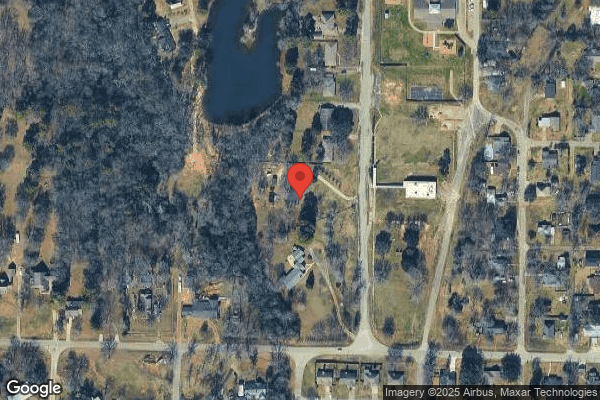
1638 VZ CR 1803, GRAND SALINE, TX 75140 (903) 962-7595
For profit - Limited Liability company 120 Beds Independent Data: November 2025
Trust Grade
80/100
#188 of 1168 in TX
Last Inspection: November 2024

Within standard 12-15 month inspection cycle. Federal law requires annual inspections.

Overview

Avir at Grand Saline received a Trust Grade of B+, which indicates it is above average and recommended for families considering long-term care options. It ranks #188 out of 1,168 facilities in Texas, placing it in the top half, and #3 out of 6 in Van Zandt County, meaning only two local facilities perform better. The facility's performance is stable, with eight concerns noted in recent inspections, all categorized as potential harm but none serious or life-threatening. Staffing is a weakness here, with a below-average rating of 2 out of 5 stars and a turnover rate of 44%, although this is slightly better than the Texas average. While there have been no fines, which is a positive sign, the facility has less RN coverage than 95% of Texas facilities, raising concerns about the level of professional oversight. Specific incidents include failures in food safety practices that could lead to foodborne illnesses and lapses in infection control procedures, which may increase the risk of communicable diseases among residents. Overall, while Avir at Grand Saline has strengths, such as its trust grade and absence of fines, families should remain aware of the staffing challenges and recent safety concerns.

Trust Score
B+
80/100
In Texas
#188/1168
Top 16%
Safety Record
Low Risk
No red flags
Inspections
Holding Steady
3 → 3 violations
Staff Stability
○ Average
44% turnover. Near Texas's 48% average. Typical for the industry.
Penalties
✓ Good
No fines on record. Clean compliance history, better than most Texas facilities.
Skilled Nurses
⚠ Watch
Each resident gets only 9 minutes of Registered Nurse (RN) attention daily — below average for Texas. Fewer RN minutes means fewer trained eyes watching for problems.
Violations
○ Average
8 deficiencies on record. Average for a facility this size. Mostly minor or procedural issues.
★★★★☆
4.0
Overall Rating
★★☆☆☆
2.0
Staff Levels
★★★☆☆
3.0
Care Quality
★★★★☆
4.0
Inspection Score
Stable
2024: 3 issues
2025: 3 issues

The Good

  • Full Sprinkler Coverage · Fire safety systems throughout facility
  • No fines on record
  • Staff turnover below average (44%)

    4 points below Texas average of 48%

Facility shows strength in fire safety.

The Bad

Staff Turnover: 44%

Near Texas avg (46%)

Typical for the industry

The Ugly 8 deficiencies on record

May 2025 3 deficiencies
CONCERN (D) 📢 Someone Reported This

A family member, employee, or ombudsman was alarmed enough to file a formal complaint

Potential for Harm - no one hurt, but risky conditions existed

Report Alleged Abuse (Tag F0609)

Could have caused harm · This affected 1 resident

**NOTE- TERMS IN BRACKETS HAVE BEEN EDITED TO PROTECT CONFIDENTIALITY** Based on interview and record review the facility failed to ensure that all alleged violations involving abuse, neglect, exploit...

Read full inspector narrative →
**NOTE- TERMS IN BRACKETS HAVE BEEN EDITED TO PROTECT CONFIDENTIALITY** Based on interview and record review the facility failed to ensure that all alleged violations involving abuse, neglect, exploitation or mistreatment, including injuries of unknown source and misappropriation of resident property, are reported immediately, but , but not later than 2 hours after forming the suspicion, if the events that cause the suspicion result in serious bodily injury, or not later than 24 hours if the events that cause the suspicion do not result in serious bodily injury for 2 of 6 (Resident # 4 and Resident #5) residents reviewed for abuse and neglect. The facility staff did not report to the state agency Resident #4's complaint of physical abuse by CNA J and CNA K on 2/17/25. The facility staff did not report to the state agency Resident #5's diagnosis of a subdural hematoma (a pool of blood between the brain and its outermost covering) discovered following an unwitnessed fall on 4/11/25. This failure could place residents at risk of injuries, abuse, and/or neglect. Findings Include: 1. Record review of the face sheet dated 5/8/25 indicated Resident #4 was a [AGE] year-old male, re-admitted to the facility on [DATE] with diagnoses including contracture (a structural change in the body's soft tissues, like muscles, tendons, ligaments, or skin that causes them to stiffen or shorten), unspecified joint; contracture of muscle, multiple sites; abnormal posture; muscle weakness; and dementia. Record review of the MDS dated [DATE] indicated Resident #4 understood others and was understood by others. The MDS indicated Resident #4 had a BIMS of 12 and was moderately cognitively impaired. The MDS indicated Resident #4 was dependent on staff for toileting, showering, personal hygiene, and transfers. The MDS indicated Resident #4 required substantial/maximum assist with rolling left and right, sitting to lying, and lying to sitting on the side of the bed. Record review of the care plan last revised 4/1/25 indicated Resident #4 had verbal behavior symptoms directed towards others. Record review of a grievance dated 2/17/25 indicated Resident #4 reported to the DON that when CNA J and CNA K were changing him, they were rough with him. The grievance indicated Resident #4 said they pulled his leg when repositioning him. The grievance indicated Resident #4 said the CNAs had been rough with him the morning of 2/17/25. The grievance indicated the DON explained to Resident #4 that CNA J and CNA were not at the facility the morning of 2/17/25. The grievance indicated Resident #4 said CNA K rolled up a rag and slapped him in the testicles with it and knocked a scab off his foot. The grievance indicated the DON explained to Resident #4 that the wound care physician had just seen him and removed a scabbed area to his foot due to it being healed. The grievance indicated the DON notified the Social Worker at this time to assist in interviewing the resident. The grievance indicated the Administrator was notified of the allegation. Record review in TULIP (online system for intakes regarding facility reported incidents and complaints in nursing facilities) for 2/17/25 through 5/8/25 indicated the facility had not reported to the state agency the allegation of abuse made on 2/17/25 by Resident #4. During an interview on 5/8/25 at 9:13 am Resident #4 said he did not remember the incident from January or February 2025 with 2 CNAs being rough during care and one of them hitting him in the testicles. Resident #4 said staff had been rough with him, but he could not remember any details. Resident #4 said he was not scared of anyone in the facility. During an interview on 5/8/25 at 9:36 a.m. the Administrator said she did a full investigation regarding the allegation of abuse made by Resident #4 in February 2025. The Administrator said she did not report the allegation of abuse to the state agency due to the fact the CNAs that were accused of physical abuse by Resident #4 had not worked the day and time he said the incident occurred. The Administrator said she did not think a self-report needed to be done for CNAs who were not in the building for the time of the allegation. 2. Record review of the face sheet dated 5/9/25 indicated Resident #5 was a [AGE] year-old male re-admitted to the facility on [DATE] with diagnoses including dementia, dizziness, hallucinations, and hypertension (elevated blood pressure). Record review of the MDS dated [DATE] indicated Resident #5 usually understood others and was usually understood by others. The MDS indicated Resident #5 had a BIMS of 08 and was moderately cognitively impaired. The MDS indicated Resident #5 did not use a wheelchair and was independent with ambulation. Record review of the care plan last revised on 4/15/25 indicated Resident #5 was at risk for falls related to change in environment and admission to the facility. Record review of an incident report dated 4/11/25 indicated Resident #5 had an unwitnessed fall. The incident report indicated Resident #5 was found in the floor in front of his bedroom door on his right side with his head lying on the bed handles. The incident report indicated Resident #5 was noted to be bleeding on the top of the head with a hematoma (localized collection of blood often due to injury or trauma). The incident report indicated Resident #5 said he had tripped getting out of bed and hit his head. The incident report indicated Resident #5 was transported to the hospital for evaluation. Record review of the hospital discharge paperwork dated 4/12/25 indicated Resident #5's primary diagnosis was subdural hematoma. Record review of TULIP (online system for intakes regarding facility reported incidents and complaints in nursing facilities) for dated 4/11/25 through 5/8/25 indicated the facility had not reported to the state agency Resident #5's fall with major injury on 4/11/25. During an interview on 5/9/25 at 12:19 p.m. the DON said she had been working as a charge nurse on 4/11/25 when Resident #5 had a fall. The DON said the fall was unwitnessed. The DON said the CNA (name not provided) came to get her regarding Resident #5's fall. The DON said he was lying in the floor by his door. The DON said he had got himself up out of bed and tripped causing the fall. The DON said he was sent to the ER for evaluation. The DON said she had logged on to the hospital records between 11:00 and 11:30 am and saw Resident #5 had a diagnosis of subdural hematoma. The DON said the Administrator was responsible for reporting incidents to the state agency. During an interview on 5/9/25 at 12:47 p.m. the Administrator said she was responsible for reporting incidents to the state agency. The Administrator said abuse, neglect, misappropriation, injury of unknown source, and death of unusual circumstances should be reported to the state agency. The Administrator said the importance of reporting incidents to the state agency was to enable complete investigations to be performed and prevention of future incidents. Record review of the facility's Abuse, Neglect, Exploitation or Misappropriation-Reporting and Investigating policy revised 9/2022 indicated, All reports of resident abuse (including injuries of unknown origin), neglect exploitation, or theft/misappropriation of the resident property are reported to local, state, and federal agencies (as requires by current regulations) and thoroughly investigated by facility management. Findings of all investigation are documented and reported. Reporting Allegations to the Administrator and Authorities: 1. If resident abuse, neglect, exploitation, misappropriation of resident property, or injury of unknown source is suspected, the suspicion must be reported immediately to the administrator and to other officials according to state law and HHSC reporting guidelines .3. Immediately is defined as: a, within two hours of an allegation involving abuse or result in serious bodily injury; or b. within 24 hours of an allegation that does not involve abuse or result in serious bodily injury .6. Upon receiving any allegation of abuse, neglect, exploitation, misappropriation of resident property, or injury of unknown source, the administrator is responsible for determining what actions (if any) are needed for protection of the resident .
CONCERN (D) 📢 Someone Reported This

A family member, employee, or ombudsman was alarmed enough to file a formal complaint

Potential for Harm - no one hurt, but risky conditions existed

Pressure Ulcer Prevention (Tag F0686)

Could have caused harm · This affected 1 resident

**NOTE- TERMS IN BRACKETS HAVE BEEN EDITED TO PROTECT CONFIDENTIALITY** Based on interview and record review, the facility failed to ensure the necessary treatment and services, in accordance with com...

Read full inspector narrative →
**NOTE- TERMS IN BRACKETS HAVE BEEN EDITED TO PROTECT CONFIDENTIALITY** Based on interview and record review, the facility failed to ensure the necessary treatment and services, in accordance with comprehensive assessment and professional standards of practice, to prevent development of pressure injuries was provided for 1 of 4 (Resident #1) residents reviewed for pressure injuries. The facility failed to ensure Resident #1 did not develop a DTI to her right heel. These failures could place residents at risk for development of pressure ulcers, worsening of existing pressure injuries, infection, pain, and decreased quality of life. Findings included: 1. Record review of the face sheet dated 5/9/25 indicated Resident #1 was a [AGE] year-old female, re-admitted to the facility on [DATE] with diagnoses including dementia, diabetes, hypertension (elevated blood pressure), difficulty walking, and muscle weakness. Record review of the comprehensive MDS dated [DATE] indicated Resident #1 usually understood others and was usually understood by others. The MDS indicated Resident #1 had a BIMS score of 03 and was severely cognitively impaired. The MDS indicated Resident #1 was at risk for developing pressure ulcers/injuries and did not have any skin and ulcer/injury treatments in place. Record review of the care plan revised on 2/22/25 indicated Resident #1 was at risk for skin breakdown related to incontinence of bowel and bladder, use of wheelchair, disease process, and food and beverage intake with interventions including skin assessment and inspection every shift with close attention to heels. Record review of the physician's orders dated 5/9/25 indicated Resident #1 had an order to cleanse the DTI to the right heel every day shift and to offload heels while in bed every day and night shift starting 5/4/25. Record review of a skin assessment dated [DATE] indicated Resident #1had no alterations in skin integrity. Record review of a skin assessment dated [DATE] written by RN B indicated Resident #1 had blanchable redness (skin that appear red due to increased blood flow, but becomes paler or white when pressure is applied, returning to its normal color when pressure is release) to her sacrum (the area at the bottom of the spine). Record review of the progress note dated 5/3/25 written by RN A indicated Resident #1 had a dark tissue area with surrounding redness to her right heel measuring 2.5cm x 1.5cm. The progress note indicated RN A cleansed the area with normal saline and applied skin prep (skin protectant or barrier film used to protect skin from various irritants and damage) to Resident #1's heel. The progress note indicated RN A notified the NP and Resident #1's responsible party regarding Resident #1's change in skin condition. During an interview on 5/8/25 at 11:57 a.m. RN A said she was familiar with Resident #1. RN A said when she came to work on 5/3/25 and she noted Resident #1 was not doing well (no specifics were given) and saw the dark colored area to her heel. RN A said she had not noticed the area to Resident #1's heel prior, but the nurses did not perform skin assessments, the treatment nurse had been responsible for skin assessments. RN A said she contacted the physician regarding the area to Resident #1's heel and obtained an order for skin prep daily. During an interview on 5/8/25 at 2:07 p.m. the Hospital Nurse said Resident #1 had redness to her bottom with no open area and a DTI to her right heel. During an observation at the hospital on 5/8/25 at 2:10 p.m. Resident #1's right heel indicated there was no open areas or eschar (necrotic, dead tissue that is often black or brown in the wound bed). Resident #1's right heel had a dark purple area with surrounding redness consistent with a DTI. During an interview attempt on 5/9/25 at 9:50 a.m. RN B's voicemail was full, and the surveyor was unable to leave a message. During an interview on 5/9/25 at 9:56 a.m. LVN C said the week of 5/5/25 was the facility's first week without a treatment nurse in a month. LVN C said she did not remember the last time she had seen Resident #1's feet. LVN C said nurses had not been responsible for skin assessments. LVN C said it had been the treatment nurse's responsibility to complete skin assessments. During an interview on 5/9/25 at 10:00 a.m. CNA D said residents received showers 3 times a week on Monday, Wednesday, and Friday or on Tuesday, Thursday, and Saturday. CNA D said Resident #1's scheduled showers were on the 6:00 a.m.-2:00 p.m. shift on Monday, Wednesday, and Friday. CNA D said she was off on 5/2/25 but had worked and given Resident #1 her shower on 4/30/25. CNA D said she did not notice any discoloration or skin issues to Resident #1's heel on 4/30/25 when giving her a shower. During an interview on 5/9/25 at 12:19 p.m. the DON said skin assessments should be performed on admission and weekly. The DON said when the facility had a treatment nurse the treatment nurse was responsible for completing skin assessments. The DON said if a resident's care plan said they should have a skin assessment every shift she would expect the resident to have a skin assessment every shift. The DON said she was not aware of any resident with a care plan indicating they should have a skin assessment every shift. The DON said the importance of skin assessments was to monitor the skin and prevent pressure ulcers and major skin issues. During an interview on 5/9/25 at 12:47 pm the Administrator said she would have to look at the policy to answer when skin assessments should be performed. The Administrator said the importance of skin assessments was to prevent further skin breakdown, identify areas of concerns, and for infection prevention. Record review of the facility's Prevention of Pressure Injuries policy revised 4/2021 indicated, The purpose of this procedure is to provide information regarding identification of pressure injury risk factors and intervention for specific risk factors. Preparation: Review the resident's care plan and identify the risk factors as well as the interventions designed to reduce or eliminate those considered modifiable. Risk Assessment: 1. Assess the resident on admission (within four hours) for existing pressure injury risk factors. Repeat the risk assessment weekly and upon any changes in condition. 2. Use the standard pressure injury screening tool to determine and document risk factors. 3. Supplement the use of a risk assessment tool with assessment of additional risk factors. Skin Assessment .3. Inspect the skin on a daily basis when performing or assisting with personal care od ADLs. a. Identify any signs of developing pressure injuries. For darkly pigmented skin, inspect for changes to skin tone, temperature, or consistency. b. Inspect pressure points (sacrum, heels, buttocks, coccyx (the last bone at the bottom of the spine), elbows, ischium (a paired bone forming the lower and back parts of the hip), trochanter (a bony prominence found on the femur (though bone) near the hip), etc.) .
CONCERN (D) 📢 Someone Reported This

A family member, employee, or ombudsman was alarmed enough to file a formal complaint

Potential for Harm - no one hurt, but risky conditions existed

Infection Control (Tag F0880)

Could have caused harm · This affected 1 resident

Based on observation, interview, and record review, the facility failed to maintain an infection prevention and control program designed to provide a safe, sanitary, and comfortable environment and to...

Read full inspector narrative →
Based on observation, interview, and record review, the facility failed to maintain an infection prevention and control program designed to provide a safe, sanitary, and comfortable environment and to help prevent the development and transmission of communicable diseases and infections for 2 of 5 staff (CNA F and CNA G) viewed for infection control. The facility failed to ensure the CNA F performed hand hygiene between glove changes while performing incontinent care on Resident #2. The facility failed to ensure CNA G changed gloves and performed hand hygiene after taking a dirty wipe from CNA H and handing her a clean wipe during incontinent care for Resident #3. These failures could place residents and staff at risk for cross-contamination, spread of infection and could potentially affect all others in the building. Findings Include : 1. During an observation on 5/8/25 at 9:57 a.m. CNA E and CNA F performed incontinent care on Resident #2. CNA E and CNA F knocked on the door prior to entering the room, explained the procedure, provided privacy, and performed hand hygiene prior to putting on gloves and beginning incontinent care. CNA F opened Resident #2's wet brief then changed her gloves without performing hand hygiene. CNA F wiped Resident #2's vaginal area with disposable wipes, removed the wet brief, changed gloves, and did not perform hand hygiene. CNA E assisted Resident #2 in turning over. CNA F wiped Resident #2's bottom using disposable wipes, changed gloves, and did not perform hand hygiene. CNA F put a clean brief on Resident #2, changed gloves, and did not perform hand hygiene. CNA F retrieved lotion from the bedside table, applied lotion to Resident #2's feet, changed gloves, and did not perform hand hygiene. CNA F put the lotion back on bedside table, covered Resident #2 up, removed her gloves, and washed her hands. Record review of the Clinical Competency: Handwashing dated 9/10/24 indicated CNA F had been checked off on proper handwashing techniques. During an interview on 5/9/25 at 10:27 a.m. CNA F said hand hygiene should be performed when providing resident care (did not specify what care) . CNA F said hand hygiene should not be performed between glove changes . CNA F said the importance of proper hand hygiene was to prevent the spread of infections. 2. During an observation on 5/8/25 at 10:07 a.m. CNA G and CNA H performed incontinent care on Resident #3. CNA G and CNA H knocked on the door prior to entering the room, explained the procedure, provided privacy, and performed hand hygiene prior to donning gloves and beginning incontinent care. CNA H opened the wet brief, took a clean wipe from CNA G, and wiped Resident #3's vaginal area. CNA H handed the dirty wipe to CNA G. CNA G threw away the dirty wipe, did not change her gloves or perform hand hygiene, and handed CNA H a clean wipe. Resident #3 rolled to her side and CNA H wiped Resident #3 bottom. CNA G handed CNA H a clean brief. CNA G and CNA H both removed their gloves, performed hand hygiene, and donned clean gloves. CNA H placed clean brief on Resident #3. During an interview on 5/8/25 10:07 a.m. CNA G said she should have changed her gloves and performed hand hygiene after she took the dirty wipe from CNA H and before handing her clean wipes or a clean brief. CNA G said she did not change her gloves and perform hand hygiene when she should have because she was nervous. CNA G said the importance of changing gloves and performing hand hygiene was to prevent cross contamination. During an interview on 5/9/25 at 12:19 p.m. the DON said she expected staff to perform hand hygiene before providing care, when going from dirty to clean, after providing care, and between glove changes. The DON said the importance of proper hand hygiene was to prevent the spread of infections. During an interview on 5/9/25 at 12:47 p.m. the Administrator said she expected staff to perform hand hygiene before putting on gloves, after taking offgloves, and when hands were visibly soiled. The Administrator said the importance of proper hand hygiene was prevention of the spread of infections. Record review of the facility's Handwashing/Hand Hygiene policy last revised 1/2025 indicated, The facility considers hand hygiene the primary means to prevent the spread of healthcare-associated infections. Administrative practices to Promote Hand Hygiene: 1. All personnel are trained and regularly in-serviced on the importance of hand hygiene in preventing the transmission of healthcare-associated infections. 2. All personnel are expected to adhere to hand hygiene policies and practices to prevent the spread of infections to other personnel, residents, and visitors .Indications for Hand Hygiene: 1. Hand hygiene is indicated: a. Immediately before touching a resident .c. After contact with blood, body floods, or contaminated surfaces .f. before moving from work on a soiled body site to a clean body site on the same resident; and g. immediately after glove removal .
Nov 2024 3 deficiencies
CONCERN (D)

Potential for Harm - no one hurt, but risky conditions existed

Deficiency F0726 (Tag F0726)

Could have caused harm · This affected 1 resident

Bases on observations, interviews and record reviews, the facility failed to have sufficient nursing staff with the appropriate competencies and skill sets to provide nursing and related services to a...

Read full inspector narrative →
Bases on observations, interviews and record reviews, the facility failed to have sufficient nursing staff with the appropriate competencies and skill sets to provide nursing and related services to assure resident safety and attain or maintain the highest practicable physical, mental, and psychosocial well-being of each resident for 1 of 2 staff (LVN A) reviewed for nursing services. LVN A did not don a gown prior to administering Resident #18's medications, who was on enhanced barrier precautions (EBP). The facility did not ensure LVN A received initial EBP training upon hire. These failures placed could place residents at risk for cross-contamination and the spread of communicable diseases and infections. Findings included: During observation of medication administration via Resident #18's gastrostomy tube on 11/12/2024 at 11:10 AM, LVN A was observed to prepare a medication for administration, perform hand sanitation, obtain a pair of disposable gloves from her medication cart, and don the gloves. Upon entry into Resident #18's room, a sign indicating the need for EBP was noted on the door and a clear plastic 3-drawer container with PPE in it was noted just inside the door. LVN A did not don a gown prior to admininstering medication. LVN A disconnected Resident #18's gastrostomy tube from the feeding pump, checked the tube for patency, inserted a 30ml syringe barrel into the gastrostomy tube, and then poured the medication and prescribed water flushes into the syringe barrel. LVN A completed the procedure, removed the syringe barrel from the gastrostomy tube, and reconnected the gastrostomy tube to the feeding pump. She then removed and disposed of her gloves, performed hand sanitation, and left the room. During an interview with LVN A on 11/12/2024 at 01:15 PM, she said residents who had open wounds or indwelling devices required EBP. She said a gastrostomy tube was considered an indwelling device. LVN A said residents who required EBP had a sign on their doors to communicate the need for EBP. She said Resident #18 had an EBP sign on the door to his room. She said EBP meant Enhanced Barrier Precautions which meant gloves and gowns were to be worn when providing direct care. LVN A said she forgot to don a gown prior to administering medications via the gastrostomy route. LVN A said she should have donned a gown to reduce the risk of cross-contamination and prevent the spread of communicable diseases. LVN A said she had been worked at the facility about a month and had not been trained on EBP at this facility. During an interview with LVN B on 11/12/2024 at 01:20 PM, she said the focus of EBP was the use of gloves and a gown when providing direct patient care to residents with wounds and/or indwelling devices. She said administering medications through a gastrostomy tube was considered direct patient care and would require the nurse to sanitize his/her hands and put on gloves and a gown prior to starting the procedure. During an interview with the DCO on 11/12/2024 at 02:00 PM, she said LVN A should have donned both gloves and a gown prior to administering medications. The DCO said the facility had no evidence of LVN A being trained on EBP upon hire. During an interview with the DON on 11/13/2024 at 09:00 AM, she said she expected nursing staff to follow the facility's policy and EBP protocol when providing care to residents with wounds and/or indwelling devices to reduce the risk of spreading disease. During an interview on 11/13/2024 at 11:36 AM, RN DCO stated that there was no evidence of EBP training of employees on hire. She was able to state a potential negative outcome for failure to observe EBP on at-risk residents. During an interview on 11/13/2024 at 3:30 PM with the BOM, she said she was responsible for new hire employees and no new hire was trained or checked off on EBP. Record review of LVN A's new hire orientation and new associate training indicated reflected she had not received any training on EBP nor the facility's EBP policy. During an observation on 11/11/2024 at approximately 10:30 AM, revealed rooms #107, #401, and #609 had EBP signage on the doors with no PPE supplies noted at or near the entrance to the residents' rooms nor was there any PPE set up inside the residents' rooms. Record review on 11/13/2024 of a New Associate checklist, dated as revised February 2024, reflected EBP was not addressed upon hire. Record review on 11/13/2024 of New Hire Orientation Checklist, dated as revised May 2019, did not address EBP upon hire. A record review of the facility's EBP signage (developed by CDC) indicated reflected the following: Providers and staff must also wear gloves and a gown for the following High-Contact Resident Care Activities. .Device care or use: .feeding tube : A record review of the facility's, undated, policy titled Enhanced Barrier Precautions Policy reflected the following: Definitions EBP are an infection control intervention designed to reduce transmission of MDROs in nursing homes. EBP expands upon Standard Precautions by requiring the use of gowns and gloves during specific high-contact resident care activities for residents known to be colonized or infected with an MDRO as well as those at risk of MDRO acquisition (e.g., residents with wounds or indwelling medical devices). Examples of high-contact resident care activities requiring gown and glove use for residents on EBP include, but not limited to: .Device care or use .feeding tubes . Indwelling medical device is a device that provided a direct pathway for pathogens in the environment to enter the body and cause infection. Staff Awareness and Training: 1.All staff members will receive initial training on EBP upon hire and refresher training annually thereafter. 2.Training will include identification of when EBH are needed: Which residents should be placed in EBP, MDRO (Multidrug-resistant Organisms) for which EBP are required, and high contact resident care activities for which EBP should be used.
CONCERN (E)

Potential for Harm - no one hurt, but risky conditions existed

Food Safety (Tag F0812)

Could have caused harm · This affected multiple residents

Based on observation, interview and record review, the facility failed to store, prepare, distribute, and serve food under sanitary conditions for 1 of 1 facility kitchens. 1. The facility failed to e...

Read full inspector narrative →
Based on observation, interview and record review, the facility failed to store, prepare, distribute, and serve food under sanitary conditions for 1 of 1 facility kitchens. 1. The facility failed to ensure scoops were not left in the flour in the bulk flour bin. 2. The facility failed to ensure a box of raw cabbage was not stored on the floor in front of the reach in cooler. 3. The facility failed to ensure food items were labeled or dated. These failures could place residents who ate food from the kitchen at risk of foodborne illness. Findings included: During observations and interviews on 11/11/24 of the kitchen the following was noted: *at 10:10 AM a scoop was left inside the flour in the bulk flour bin in the dry pantry. The DM removed the scoop and placed it in its designated storage hanger. She said new kitchen staff have not learned everything yet and indicated the scoop was labeled flour and the storage hanger indicated flour. *at 10:18 AM a box of raw cabbage was stored on the floor in front of the 2 door cooler. *at 10:19 AM in the 2 door cooler a resealable bag of breadsticks was not labeled or dated. *at 10:25 AM in the single door cooler the following was noted: a large plastic container containing a solid orange-brown substance was not labeled or dated, 1-46 oz. nectar thick cranberry juice had no open date, 1-46 oz. nectar thick apple juice had no open date, 1-46 oz. nectar thick sweetened tea with lemon had no open date, packaging on the nectar thickened liquids indicated After opening may be kept up to 7 days under refrigeration, and 1-2 quart pitcher of tomato juice was not labeled or dated. During an interview on 11/11/2024 at 10:38 AM the DM said she had no idea what substance was in the plastic container because that was normally the beverage cooler. She said the thickened liquids were to be dated when opened. She said the dates on the boxes were the truck date indicating when they were delivered to the facility. She said there had been a spill in the cooler that needed to be cleaned before she put the cabbage in the cooler. During an observation on 11/12/24 11:02 AM the box of raw cabbage was still stored on the floor in front of the 2 door cooler and in the single door cooler the plastic container containing the solid orange-brown substance was still unlabeled and dated and the pitcher of tomato juice was not labeled and dated. Review of a facility policy, dated 12/01/11, on Food Storage indicated .1. e. Scoops are used for items stored in bins, such as sugar, flour, rice, and other items. Scoops are stored covered in protected area near the food containers .i. All items are stored at least 6 inches above the floor .Food is stored on clean racks or shelves .2. e. All refrigerated foods are dated, labeled, and tightly sealed, including leftovers, using clean, nonabsorbent, covered containers that are approved for food storage. All leftovers are used within 48 hours . Food and Drug Administration Code, Dated, 2013, indicated: 3-305.11 Food Storage. (A) Except as specified in (B) and (C) of this section, FOOD shall be protected from contamination by storing the FOOD: (1) In a clean, dry location; (2) Where it is not exposed to splash, dust, or other contamination; and (3) At least 15 cm (6 inches) above the floor.
CONCERN (E)

Potential for Harm - no one hurt, but risky conditions existed

Infection Control (Tag F0880)

Could have caused harm · This affected multiple residents

**NOTE- TERMS IN BRACKETS HAVE BEEN EDITED TO PROTECT CONFIDENTIALITY** Based on observations, interviews, and record reviews, the facility failed to establish and maintain an infection prevention and...

Read full inspector narrative →
**NOTE- TERMS IN BRACKETS HAVE BEEN EDITED TO PROTECT CONFIDENTIALITY** Based on observations, interviews, and record reviews, the facility failed to establish and maintain an infection prevention and control program designed to provide a safe, sanitary, and comfortable environment and to help prevent the development and transmission of communicable diseases and infections for 4 of 12 residents (Residents #18, #20, #58, #60) reviewed for infection control. 1.The facility failed to ensure LVN A wore the appropriate PPE while administering medications to Resident #18 who required EBP. 2.The facility failed to provide appropriate containers to dispose of contaminated PPE for Residents #20, #58, and #60 who required contact isolation. These failures could place residents at risk for cross-contamination and the spread of communicable diseases and infections. Findings included: 1.A record review of Resident #18's face sheet dated 11/13/2024 indicated he was a [AGE] year-old male who was admitted to the facility on [DATE]. Resident #18 had diagnoses which included gastrostomy tube placement (a flexible, hollow tube that is inserted into the stomach through the abdominal wall) and spastic quadriplegic cerebral palsy (the most severe form of cerebral palsy which is a permanent neuromuscular disorder affecting all four limbs of the body and is characterized by severe stiffness of arms and legs and other developmental disabilities such as intellectual disabilities, seizures, inability to walk, and problems with speech, vision, and hearing). A record review of an annual MDS dated [DATE] indicated Resident #18 was rarely or never understood, non-verbal, incontinent of bowel and bladder, had impaired vision, and was dependent on staff for all activities of daily living. The same MDS indicated Resident #18 received nutrition, water, and medications by way of a gastrostomy tube (also called a feeding tube). A record review of Resident #18's care plan dated 05/23/2024 indicated Resident had a concern for risk of infection and EBP were to be observed when providing care. During observation of medication administration via Resident #18's gastrostomy tube on 11/12/2024 at 11:10 AM, LVN A was observed to prepare a medication for administration, perform hand sanitation, obtain a pair of disposable gloves from her medication cart, and don the gloves. LVN A did not put on any additional PPE. Upon entry into Resident #18's room, a sign indicating the need for EBP was noted on the door and a clear plastic 3-drawer container with PPE in it was noted just inside the door. LVN A disconnected Resident #18's gastrostomy tube from the feeding pump, checked the tube for patency, inserted a 30ml syringe barrel into the gastrostomy tube, and then poured the medication and prescribed water flushes into the syringe barrel. LVN A completed the procedure, removed the syringe barrel from the gastrostomy tube, and reconnected the gastrostomy tube to the feeding pump. She then removed and disposed of her gloves, performed hand sanitation, and left the room. During an interview with LVN A on 11/12/2024 at 01:15 PM, she said residents who had open wounds or indwelling devices required EBP. She said a gastrostomy tube was considered an indwelling device. LVN A said residents who required EBP had a sign on their doors to communicate the need for EBP. She said Resident #18 had an EBP sign on the door to his room. She said EBP meant Enhanced Barrier Precautions which meant gloves and gowns were to be worn when providing direct care. LVN A said she forgot to don a gown prior to administering medications via the gastrostomy route. LVN A said she should have donned a gown to reduce the risk of cross-contamination and prevent the spread of communicable diseases. LVN A said she worked at the facility about a month and had not been trained on EBP at this facility. During an interview with LVN B on 11/12/2024 at 01:15 PM, she said the focus of EBP was the use of gloves and a gown when providing direct patient care to residents with wounds and/or indwelling devices. She said administering medications through a gastrostomy tube was considered direct patient care and would require the nurse to sanitize his/her hands and put on gloves and a gown prior to starting the procedure. During an interview with the DCO on 11/12/2024 at 02:00 PM, she said LVN A should have donned both gloves and a gown prior to administering medications to Resident #18. The DCO said the facility had no evidence of LVN A being trained on EBP upon hire. The DCO said the facility's policy was for all staff to be trained on EBP upon hire. During an interview with the DON on 11/13/2024 at 09:00 AM, she said she expected nursing staff to follow the facility's policy and EBP protocol when providing care to residents with wounds and/or indwelling devices to reduce the risk of spreading disease. The DON said the facility's policy required staff to wear both gloves and a gown when providing direct patient care to residents with a gastrostomy tube. 2. During an observation on 11/11/2024 at 10:20AM, posted signage on resident #58's door indicated contact isolation. Resident #58 was observed in bed asleep. Resident #58's room did not have a lined bio-hazard container in the room to place doffed PPE into. During observation on 11/11/2024 at 10:46AM, posted signage on resident #20's door indicated contact isolation. Resident #20 was observed, sitting in a chair, in her room. Resident #20's room did not have a lined bio-hazard container to place doffed PPE into. During observation on 11/11/2024 at 11:11AM, posted signage on resident #60's door indicated contact isolation. Resident #60 was standing in the doorway of his room. Resident #60's room did not have a lined bio-hazard container to place doffed PPE into. During an interview on 11/23/2024 at 2:36PM, HK-G said Resident #58 did not have anything in her room to put doffed PPE into. She said when she went out of the room, she put her PPE in the trash on her housekeeping cart. During an interview on 11/13/2024 at 3:06PM, CNA-F said bio-hazard boxes were not in the rooms of residents who were identified as requiring contact isolation on 11/11/2024. She said she last worked on 11/08/2024 and there was no bio-hazard boxes in either of the 3 rooms with contact isolation signage on the door. She said 11/11/2024 was her first day back to work and there were no bio-hazard boxes in any room with contact isolation signage on the door. She said she was in-serviced that she had to put on a gown and wear gloves when she entered to provide care or service. She said once, when she doffed, she put her PPE in a plastic bag and removed it from the room and the other times she exited, she said she put the PPE in the trash can in the room. During an interview on 11/13/2024 at 3:31PM, the DON said contact isolation meant staff should put on a gown and wear gloves, before entering a room with contact isolation signage on the door. She said staff should doff before exiting and doffed PPE should go in a bio-hazard box, in the room. She said all staff were in-serviced and bio-hazard boxes were in the rooms identified as contact isolation. The DON said medical services notified housekeeping, who provided the bio-hazard box for the rooms identified as contact isolation. She said it was medical services responsibility to place the bio-hazard box in the room for doffed gloves and gowns. A record review of the facility's EBP signage (developed by CDC) indicated the following: Providers and staff must also wear gloves and a gown for the following High-Contact Resident Care Activities. .Device care or use: .feeding tube . A record review of the facility's undated policy titled Enhanced Barrier Precautions Policy indicated the following: Examples of high-contact resident care activities requiring gown and glove use for residents on EBP include, but not limited to: .Device care or use .feeding tubes . Record review of a revised policy, dated 03/2020, titled: Isolation - Categories of Transmission-Based Precautions indicated the following: c. Gloves and Handwashing (3) Remove gloves before leaving the room and perform hand hygiene. d. Gown (1) Wear a disposal gown entering the Contact Precautions room or cubicle. (2) After removing the gown, do not allow clothing to contact potentially contaminated environmental surfaces. A record review of CDC guidelines indicated the following: Transmission-Based Precautions (April 3, 2024) Use Contact Precautions for patients with known or suspected infections that represent an increased risk for contact transmission. Use personal protective equipment (PPE) appropriately, including gloves and gown. Wear a gown and gloves for all interactions that may involve contact with the patient or the patient's environment. Donning PPE upon room entry and properly discarding before exiting the patient room is done to contain pathogens. How do you safely remove and dispose of PPE? In a situation where PPE waste is exposed to possible pathogens, please note the following: PPE must be put in a plastic waste bag and tied when full. This plastic bag should then be placed in a second bin bag and tied 10/03/2022: Dispose of all PPE in appropriate waste containers.
Oct 2023 1 deficiency
CONCERN (E)

Potential for Harm - no one hurt, but risky conditions existed

Infection Control (Tag F0880)

Could have caused harm · This affected multiple residents

**NOTE- TERMS IN BRACKETS HAVE BEEN EDITED TO PROTECT CONFIDENTIALITY** Based on observations, interviews, and record reviews, the facility failed to implement infection control practices designed to ...

Read full inspector narrative →
**NOTE- TERMS IN BRACKETS HAVE BEEN EDITED TO PROTECT CONFIDENTIALITY** Based on observations, interviews, and record reviews, the facility failed to implement infection control practices designed to provide a safe, sanitary, and comfortable environment to help prevent the development and transmission of communicable diseases and infections for 3 of 4 residents (Residents #54, #3, and #27) reviewed for infection control practices. LVN B failed to sanitize the glucometer (instrument used for point-of care blood glucose testing) between 3 residents (Residents #54, #3, and #27) during medication administration. LVN B failed to utilize proper hand hygiene during point-of-care testing using a glucometer and insulin administration for 3 residents (Residents #54, #3, and #27). These failures placed the residents under her care at risk for exposure to possible transmission of communicable diseases and infections. Findings included: Resident #54 Review of Resident #54's undated face sheet indicated Resident #54 was a [AGE] year-old male who admitted to the facility 01/30/2023 with diagnoses including diabetes and candidiasis of the skin and nails (yeast infection of skin and nails). Record review of Resident #54's Quarterly MDS assessment dated [DATE] indicated his cognition to be moderately impaired as indicated by a BIMS score of 9 out of 15 and requiring moderate to maximum assistance with most ADLs. Review of Resident #54's physician orders dated 09/19/2023-10/19/2023 indicated an order dated 04/15/2023 for Resident #5's blood glucose level to be checked 4 (four) times a day with additional instructions to administer doses of Humalog insulin according to a prescribed sliding scale (A sliding scale varies the dose of insulin based on blood glucose level). Resident #3 Review of Resident #3's undated face sheet indicated Resident #3 was an [AGE] year-old female who admitted to the facility on [DATE] with diagnoses including diabetes, acute respiratory failure, low white blood cell count, and dementia. Record review of Resident #3's Quarterly MDS assessment dated [DATE] indicated her cognition to be severely impaired as indicated by a BIMS score of 7 out of 15 and requiring substantial to totally dependent assistance with most ADLs. Review of Resident #3's physician orders dated 09/19/2023-10/19/2023 indicated an order dated 06/05/2023 for resident #3's blood glucose level to be checked before meals and at bedtime daily with additional instructions to administer doses of Novolog insulin according to a prescribed sliding scale. Resident also had an order dated 06/25/2023 for 20 Units of Basaglar insulin to be administered daily at 11:30 AM. Resident #27 Review of Resident #27's undated face sheet indicated Resident #27 was an [AGE] year-old male who admitted to the facility on [DATE] with diagnoses of a history of urinary tract infections, prostate cancer, and dementia. Record review of Resident #27's Quarterly MDS assessment dated [DATE] indicated his cognition to be severely impaired as indicated by a BIMS score of 7 out of 15 and requiring partial to moderate assistance with most ADLs. Review of Resident #27's physician orders dated 09/19/2023-10/19/2023 indicated an order dated 02/11/2023 for resident #27's blood glucose level to be checked 3 (three) times daily at 06:30 AM, 11:30 AM, and 04:30 PM with additional instructions to administer doses of Aspart insulin according to a prescribed sliding scale. During observation and interview on 10/16/2023 starting at 11:09 AM, LVN B, without washing or sanitizing her hands, removed a glucometer (a handheld meter used to measure how much glucose is in the blood) and a lancet (a small, sterile needle used to obtain a blood sample to check blood glucose levels) from the drawer of her medication cart and set them on top of the cart. Using her fingers, she obtained a test strip from its container and without sanitizing the glucometer first, she inserted the test strip into the glucometer. Without washing or using an alcohol-based hand rub (ABHR), she put on a pair of disposable gloves, picked up the glucometer and lancet and entered Resident #54's room. LVN B obtained a blood sample from Resident #54's finger and applied it to the glucometer test strip. LVN B said Resident #54's blood sugar level was 210. LVN B returned to the medication cart, disposed of the lancet in a secure container, removed the test strip from the glucometer, set the glucometer on top of the medication cart, and removed her gloves. LVN B did not sanitize the glucometer prior to placing it on the cart nor did she cleanse her hands after removing the gloves. She checked the physician's order and said the resident was to receive 4 Units of insulin. She obtained the appropriate insulin from the medication cart and without washing or sanitizing her hands, she put on a pair of disposable gloves. Using an insulin syringe, LVN B obtained the appropriate dose of insulin and an alcohol wipe and re-entered Resident #54's room. She cleaned an area of his right upper arm and using her left gloved hand to anchor the arm, she used her right hand to administer the insulin injection. Still wearing gloves, she adjusted the Resident's sleeve and left the room and returned to the medication cart. LVN B disposed of the insulin syringe and alcohol pad and removed her gloves. After disposing of the gloves, she accessed the computer to document the blood sugar level and insulin administration. LVN B did not perform any type of hand hygiene after removing the gloves. LVN B did not perform hand hygiene prior to care, between glove changes, nor after provision of care. LVN B did not clean and disinfect the glucometer before and after use. Placing her bare hands on the cart, she pushed the cart to the room of the next resident (Resident #3) requiring point of care testing for blood glucose level. During observation and interview on 10/16/2023 at 11:21 AM, LVN B stopped at the doorway to Resident #3's room. Without washing or sanitizing her hands, LVN B put on a pair of disposable gloves, obtained a test strip, inserted it into the same glucometer used for Resident #54. She used her gloved hand to open the mediation cart drawer and obtain a lancet. She entered Resident #3's room, cleaned a finger with the alcohol pad, obtained a blood sample for the test strip, and said Resident #3's blood sugar level was 187. LVN B said Resident #3's blood sugar level did not require any sliding scale insulin dose but Resident #3 would be receiving a routine dose of 20 Units of Lantus insulin. LVN B returned to the medication cart, disposed of the lancet and test strip, set the glucometer on the cart, and removed her gloves. She put on a clean pair of gloves, obtained a bottle of insulin from the medication cart drawer and using an insulin syringe, obtained the scheduled dose of insulin. Using her gloved hand, she reached into the cart drawer and obtained an alcohol pad. LVN B returned to Resident #3 and using her gloved left hand, repositioned Resident's sleeve and anchored the left arm while administering the insulin injection with her right hand. LVN B repositioned Resident's sleeve and left the room. Upon returning to the cart, LVN B disposed of the insulin syringe and alcohol pad and removed her gloves. Without sanitizing the glucometer, she put the glucometer in the medication cart drawer and said she had to go to another hall for the next resident (Resident #27) requiring point of care testing for blood sugar level. LVN B did not perform hand hygiene prior to care, between glove changes, nor after provision of care. LVN B did not clean and disinfect the glucometer before and after use. During observation and interview on 10/16/2023 at 10:35 AM, LVN B stopped at the doorway to Resident #27's room. Without washing or sanitizing her hands, LVN B put on a pair of disposable gloves, opened the medication cart drawer with her gloved hands, picked up the glucometer (same one used for Resident #3) from the drawer, obtained a test strip from its container, and inserted it into the same glucometer used for the previous two residents. She used her gloved hand to open the mediation cart drawer and obtain a lancet and alcohol pad. She entered Resident #27's room, cleaned his finger with the alcohol pad, obtained a blood sample for the test strip, and said Resident #27's blood sugar level was 120. LVN B said Resident #27's blood sugar level did not require any sliding scale insulin. LVN B returned to the medication cart, disposed of the lancet and test strip, set the glucometer on the cart, and removed her gloves. Without washing or sanitizing her hands, LVN B opened the medication cart drawer and put the glucometer inside. LVN B closed the mediation cart drawer, locked the cart, and pushed the cart the cart to the nurses' station. LVN B did not perform hand hygiene prior to care, between glove changes, nor after provision of care. LVN B did not clean and disinfect the glucometer before and after use. During an interview on 10/16/2023 at 12:25 PM, LVN B said she had not washed her hands nor used hand sanitizer at any time during the process of checking blood sugar levels and insulin administration. She said she had not cleaned the glucometer before nor after point-of-care testing nor between resident usage. LVN B said the glucometer should have been sanitized between residents and should have been cleaned before placing it on the cart and in the cart drawer after use. She said the glucometer could be contaminated with blood or other infectious agents. LVN B also said she should have washed her hands before and after wearing gloves. She said handwashing and cleaning the glucometer between residents was important to prevent and control the spread of infections. During an interview with the DON on 10/16/2023 at 01:34 PM, she said she expected the nurses to follow infection prevention and control practices during point-of-care testing using glucometers and when administering insulin. She said the nurses should wash their hands before and after glove use, between resident contacts, and before and after performing procedures. She said nurses should cleanse their hands and the glucometers before and after use to prevent the spread of infections. The DON said each nurse cart contained 2 (two) glucometers so the nurses could alternate glucometer use between residents, allowing for the required wait time after sanitizing a glucometer. Record review of the facility policy titled Obtaining a Fingerstick Glucose Level dated 06/2020 indicated the following: Equipment and Supplies The following equipment and supplies will be necessary when performing this procedure. 3. Disinfected blood glucose meter (glucometer) with sterile lancet . Steps in the Procedure 3. Always ensure that blood glucose meters intended for reuse are cleaned and disinfected between resident uses. 18. Clean and disinfect reusable equipment between uses according to the manufacturer's instructions and current infection control standards of practice. 19. Remove gloves and discard into designated container. 20. Wash hands. Record review of the facility policy titled Handwashing/Hand Hygiene dated revised on 03/2020 indicated the following: Policy Statement This facility considers hand hygiene the primary means to prevent the spread of infection. Policy Interpretation and Implementation 5. Employees must wash their hands for at least fifteen (15) seconds using antimicrobial or non-antimicrobial soap and water under the following conditions or complete hand hygiene with an alcohol-based hand rub: c. Before and after direct resident contact (for which hand hygiene is indicated by acceptable professional practice; d. Before and after performing any invasive procedure (e.g., fingerstick blood sampling). 6. In most situations, the preferred method of hand hygiene is with an alcohol-based hand rub. If hands are not visibly soiled, use an alcohol-based hand rub containing 60-95% ethanol or isopropanol for all the following situations: a. Before and after direct contact with residents. d. Before preparing or handling medications. h. After handling used dressings, contaminated equipment, etc. 8. The use of gloves does not replace handwashing/hand hygiene. Record review of the facility policy titled Administering Medications dated 04/11/2022 indicated the following: 23. Staff shall follow established facility infection control procedures (e.g., handwashing, antiseptic technique, gloves, isolation precautions, etc.) for the administration of medications, as applicable.
Aug 2022 1 deficiency
CONCERN (D)

Potential for Harm - no one hurt, but risky conditions existed

Deficiency F0919 (Tag F0919)

Could have caused harm · This affected 1 resident

Based on observation, interview, and record review, the facility failed to be adequately equipped to allow residents to call for staff assistance through a communication system which relays the call d...

Read full inspector narrative →
Based on observation, interview, and record review, the facility failed to be adequately equipped to allow residents to call for staff assistance through a communication system which relays the call directly to a centralized staff work area, for 1 of 6 residents (Resident #38) reviewed, in that: Resident #38's call light was inoperative and failed to light and sound at the centralized call light panel, located near the only nurse station in the facility. This failure could place residents at risk of not having their needs met . Findings included: Record review of Resident #38 face sheet revealed an admission date of 04/11/2022 with diagnoses that included: Osteomyelitis (inflammation of the bone or bone marrow, usually due to infection), Difficulty in walking, Chronic pain syndrome, Acquired absence of right toe, Acquired absence of other right toe(s), Other speech and language deficits following unspecified cerebrovascular disease, Pressure-induced deep tissue damage of unspecified site, Pressure ulcer of other side, unstageable, Muscle wasting and atrophy. Record review of Resident #38's care plan dated 06/28/2022 revealed he had an amputation to foot, transfer requires mechanical lift, he needs assistance with positioning in bed or chair, he was at risk for choking, required nursing assistance with oral care, staff are to respond to call light promptly. Observation and interview on 08/29/22 at 11:53 a.m., Resident #38, stated his call light did not work. Resident #38 said when he needs something, his roommate will press his call light to get someone in the room. Resident #38 attempted activation of his call light revealed no activation at the wall plate connection in his room. Observation of the facility's centralized call light panel, at 11:56 a.m., near facility's only nurse station, indicated no activation of the call light, or sound, for Resident #38's room . During interview on 08/31/22 at 9:26 a.m., CNA-A said he was not familiar with the residents on Hall 600. He said he was an agency staff, and this was his first day at the facility. He said if a call light was not working, he would report it to a nurse or the DON. During interview on 08/31/22 at 9:28 a.m., LVN-B, said she was familiar with Resident #38 and when he needs something, he uses his call light. LVN-B demonstrated use of Resident #38's call light and said, it's not working. She said, it usually works; I didn't know it wasn't working. During observation and interview on 08/31/22 at 9:33 a.m., the DON said the residents use the call lights to communicate their needs. The DON attempted to activate Resident #38's call light and it failed to activate. The DON said, it's not working. Resident #38 said his call light had not been working ever since he was moved to the room, about a month. He said he told 2-3 CNAs, but he could not remember their names, stating you know how they come and go. The DON said she was not aware Resident #38's call light was not working. The DON immediately reported the malfunction to the Maintenance Director. Interview on 08/31/22 at 9:38 a.m., the ADM said maintenance checks the call lights on a regular basis and the Fire Alarm Company also check the call light. When asked, she said a log is kept. She said she was not aware of any call lights not working. She said she would provide a log of the call light checks. Interview on 08/31/22 at 9:41 a.m., the Maintenance Director said he checked call lights once per month. He said, other than that, he only checks call lights when a new resident moves in or when a resident changes room. He said he checked Resident #38's call light, approximately 1 month ago. The Maintenance Director said the Fire Alarm Company does not check the call lights and he does not keep a record when call lights are checked. Record review of facility undated policy, Room Readiness Practice. Facility Practice: Facility staff (maintenance, housekeeping, supervisor, and admission director, others as assigned) check room for admissions and room changes. #10. Does call light work (light on the door and at nurse station).
Understanding Severity Codes (click to expand)
Life-Threatening (Immediate Jeopardy)
J - Isolated K - Pattern L - Widespread
Actual Harm
G - Isolated H - Pattern I - Widespread
Potential for Harm
D - Isolated E - Pattern F - Widespread
No Harm (Minor)
A - Isolated B - Pattern C - Widespread

Questions to Ask on Your Visit

  • "Can I speak with families of current residents?"
  • "What's your RN coverage like on weekends and overnight?"

Our Honest Assessment

Strengths
  • • Grade B+ (80/100). Above average facility, better than most options in Texas.
  • • No major safety red flags. No abuse findings, life-threatening violations, or SFF status.
  • • No fines on record. Clean compliance history, better than most Texas facilities.
  • • 44% turnover. Below Texas's 48% average. Good staff retention means consistent care.
Concerns
  • • No significant concerns identified. This facility shows no red flags across CMS ratings, staff turnover, or federal penalties.
Bottom line: Generally positive indicators. Standard due diligence and a personal visit recommended.

About This Facility

What is Avir At Grand Saline's CMS Rating?

CMS assigns Avir at Grand Saline an overall rating of 4 out of 5 stars, which is considered above average nationally. Within Texas, this rating places the facility higher than 99% of the state's 100 nursing homes. This rating reflects solid performance across the metrics CMS uses to evaluate nursing home quality.

How is Avir At Grand Saline Staffed?

CMS rates Avir at Grand Saline's staffing level at 2 out of 5 stars, which is below average compared to other nursing homes. Staff turnover is 44%, compared to the Texas average of 46%. This relatively stable workforce can support continuity of care.

What Have Inspectors Found at Avir At Grand Saline?

State health inspectors documented 8 deficiencies at Avir at Grand Saline during 2022 to 2025. These included: 8 with potential for harm.

Who Owns and Operates Avir At Grand Saline?

Avir at Grand Saline is owned by a for-profit company. For-profit facilities operate as businesses with obligations to shareholders or private owners. The facility operates independently rather than as part of a larger chain. With 120 certified beds and approximately 76 residents (about 63% occupancy), it is a mid-sized facility located in GRAND SALINE, Texas.

How Does Avir At Grand Saline Compare to Other Texas Nursing Homes?

Compared to the 100 nursing homes in Texas, Avir at Grand Saline's overall rating (4 stars) is above the state average of 2.8, staff turnover (44%) is near the state average of 46%, and health inspection rating (4 stars) is above the national benchmark.

What Should Families Ask When Visiting Avir At Grand Saline?

Based on this facility's data, families visiting should ask: "Can you walk me through typical staffing levels on day, evening, and night shifts?" "Can I visit during a mealtime to observe dining assistance and food quality?" "How do you handle medical emergencies, and what is your hospital transfer rate?" "Can I speak with family members of current residents about their experience?" These questions are particularly relevant given the below-average staffing rating.

Is Avir At Grand Saline Safe?

Based on CMS inspection data, Avir at Grand Saline has a clean safety record: no substantiated abuse findings (meaning no confirmed cases of resident harm), no Immediate Jeopardy citations (the most serious violation level indicating risk of serious injury or death), and is not on the Special Focus Facility watch list (a federal program monitoring the lowest-performing 1% of nursing homes). The facility has a 4-star overall rating and ranks #1 of 100 nursing homes in Texas. While no facility is perfect, families should still ask about staff-to-resident ratios and recent inspection results during their visit.

Do Nurses at Avir At Grand Saline Stick Around?

Avir at Grand Saline has a staff turnover rate of 44%, which is about average for Texas nursing homes (state average: 46%). Moderate turnover is common in nursing homes, but families should still ask about staff tenure and how the facility maintains care continuity when employees leave.

Was Avir At Grand Saline Ever Fined?

Avir at Grand Saline has no federal fines on record. CMS issues fines when nursing homes fail to meet care standards or don't correct problems found during inspections. The absence of fines suggests the facility has either maintained compliance or corrected any issues before penalties were assessed. This is a positive indicator, though families should still review recent inspection reports for the full picture.

Is Avir At Grand Saline on Any Federal Watch List?

Avir at Grand Saline is not on any federal watch list. The most significant is the Special Focus Facility (SFF) program, which identifies the bottom 1% of nursing homes nationally based on persistent, serious quality problems. Not being on this list means the facility has avoided the pattern of deficiencies that triggers enhanced federal oversight. This is a positive indicator, though families should still review the facility's inspection history directly.