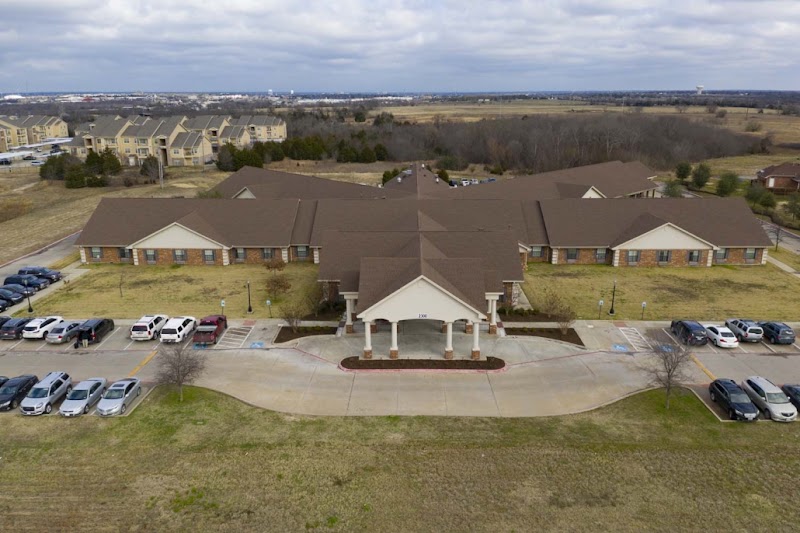
LEGEND HEALTHCARE AND REHABILITATION - GREENVILLE

2300 JACK FINNEY BLVD, GREENVILLE, TX 75402 (903) 455-7942
For profit - Corporation 126 Beds THE ENSIGN GROUP Data: November 2025
Trust Grade
50/100
#507 of 1168 in TX
Last Inspection: May 2024

Within standard 12-15 month inspection cycle. Federal law requires annual inspections.

Overview

Legend Healthcare and Rehabilitation in Greenville, Texas has a Trust Grade of C, indicating it is average and sits in the middle of the pack for nursing homes. It ranks #507 out of 1168 facilities in Texas, placing it in the top half, and #1 out of 5 in Hunt County, meaning it is the best option locally. The facility is improving, with issues decreasing from 8 in 2024 to 5 in 2025, but staffing is a concern with a rating of 2 out of 5 stars and a high turnover rate of 65%, which is above the state average. There are no fines on record, which is positive, and the facility has average RN coverage; however, there have been serious concerns, such as a failure to manage pharmaceutical services properly and allowing untrained staff to provide care, which could jeopardize resident safety. Overall, while there are strengths such as its local rank and lack of fines, families should be mindful of staffing issues and specific incidents that indicate potential care gaps.

Trust Score
C
50/100
In Texas
#507/1168
Top 43%
Safety Record
Moderate
Needs review
Inspections
Getting Better
8 → 5 violations
Staff Stability
⚠ Watch
65% turnover. Above average. Higher turnover means staff may not know residents' routines.
Penalties
✓ Good
No fines on record. Clean compliance history, better than most Texas facilities.
Skilled Nurses
⚠ Watch
Each resident gets only 17 minutes of Registered Nurse (RN) attention daily — below average for Texas. Fewer RN minutes means fewer trained eyes watching for problems.
Violations
⚠ Watch
43 deficiencies on record. Higher than average. Multiple issues found across inspections.
★★★☆☆
3.0
Overall Rating
★★☆☆☆
2.0
Staff Levels
★★★☆☆
3.0
Care Quality
★★★☆☆
3.0
Inspection Score
Stable
2024: 8 issues
2025: 5 issues

The Good

  • Full Sprinkler Coverage · Fire safety systems throughout facility
  • No fines on record

Facility shows strength in fire safety.

The Bad

3-Star Overall Rating

Near Texas average (2.8)

Meets federal standards, typical of most facilities

Staff Turnover: 65%

19pts above Texas avg (46%)

Frequent staff changes - ask about care continuity

Chain: THE ENSIGN GROUP

Part of a multi-facility chain

Ask about local staffing decisions and management

Staff turnover is elevated (65%)

17 points above Texas average of 48%

The Ugly 43 deficiencies on record

1 actual harm
Aug 2025 2 deficiencies
CONCERN (D) 📢 Someone Reported This

A family member, employee, or ombudsman was alarmed enough to file a formal complaint

Potential for Harm - no one hurt, but risky conditions existed

Deficiency F0761 (Tag F0761)

Could have caused harm · This affected 1 resident

Based on observations, interviews, and record review, the facility failed to ensure that drugs and biologicals were stored properly in locked compartments for one of five medication carts (medication ...

Read full inspector narrative →
Based on observations, interviews, and record review, the facility failed to ensure that drugs and biologicals were stored properly in locked compartments for one of five medication carts (medication cart for hall 300) reviewed for storage of Drugs and Biologicals. The facility failed to ensure RN F locked his medication cart for hall 300 on 08/27/2025. This failure could place the residents at risk of accessing/opening the cart causing accidental overdose or misuse of medications and not receiving the full benefit of the medication. Findings included: Observation on 08/27/2025 at 03:44 p.m. revealed a medication cart was parked against the wall with the drawers facing out toward the hallway. The cart was not locked because the centralized, metal, round lock, was protruding and the metal lock needed to be pushed in to lock the drawers of the cart. The cart was facing the hallway, and the drawers could easily be opened. The drawers of the cart contained various over-the-counter medications, blister packs of medications, and insulins. Several staff and residents were passing by the unlocked cart. Approximately 5 minutes passed when RN F walked out of a Resident #100's room and returned to the medication cart. In an interview with RN F on 08/27/25 at 03:50 p.m. he stated he forgot to push the button on the cart to lock it before he answered the Resident #100's call light. He stated the risk of leaving the cart unlocked was anyone could have accessed the medications in the cart. He said the cart should be locked every time it was left unattended because anybody, residents, staff, and visitors, could open it and could get anything from the cart. In an interview with the DON on 08/28/2025 at 11:10 a.m., she stated medication carts should be always locked to prevent unauthorized access to the medications. She stated the risk were to resident's obtaining medications that was not intended for them as well as diversion of medications. She stated RN F was an as needed employee, but stated she had never seen him leave the cart unlocked. She stated they would re-educate him on the importance of keeping the medication cart secured. Record review of facility policy Medication Storage , revised May 2021 reflected, It is the policy of this facility to ensure the proper and safe storage of drugs and biologicals.Drugs and/or biologicals should not be left unsecured/unattended.Medication and treatment carts will be kept locked when unattended.
CONCERN (E) 📢 Someone Reported This

A family member, employee, or ombudsman was alarmed enough to file a formal complaint

Potential for Harm - no one hurt, but risky conditions existed

Pharmacy Services (Tag F0755)

Could have caused harm · This affected multiple residents

**NOTE- TERMS IN BRACKETS HAVE BEEN EDITED TO PROTECT CONFIDENTIALITY** Based on interview, and record review, the facility failed to provide pharmaceutical services, including procedures that assure ...

Read full inspector narrative →
**NOTE- TERMS IN BRACKETS HAVE BEEN EDITED TO PROTECT CONFIDENTIALITY** Based on interview, and record review, the facility failed to provide pharmaceutical services, including procedures that assure the accurate acquiring, receiving, dispensing, and administering of all drugs and biologicals, to meet the needs of each resident for 3 (100 Hall Med Aide Cart, 100 Hall Nurses Cart, and 400 Hall Nurses Cart) of 4 carts and 1 resident (Resident #100) of 8 residents reviewed for pharmacy services. The facility failed to ensure:- LVN K responsible for100 Hall Med Aide Cart, counted controlled drugs every shift change.- RN B responsible for 100 Hall Nurses Cart, counted controlled drugs every shift change.- RN L responsible for 400 Hall Nurses Cart, counted controlled drugs every shift change. - ADON A, RN B, RN F, LVN C, LVN D and LVN E documented on Resident #100's MAR for administering prn hydrocodone-acetaminophen 10-325 mg tablets. - LVN C failed to document on 08/21/25 when she administered hydrocodone-acetaminophen 10-325 mg 2 tablets from emergency kit. These failures could place residents at risk of not having the medication available due to possible drug diversion and medications not administered according to physician orders. Findings Included:- Record review on 08/26/25 at 10:12 AM of 100 Hall Med Aide Cart, with MA J revealed missing signatures for Off duty for 08/26/2025 (10:00 PM to 6:00 AM shift) of the narcotic count sheet. - Record review on 08/26/25 at 10:21 AM of 100 Hall Nurses Cart, with LVN I revealed missing signatures for Off duty for 08/20/2025 (2:00 PM to 10:00 PM shift) of the narcotic count sheet. - Record review on 08/26/25 at 10:41 AM of 400 Hall Med Nurses Cart, with LVN K revealed missing signatures for On duty and Off duty for 08/21/2025 (2:00 PM to 10:00 PM shift) of the narcotic count sheet. Interview on 08/28/2025 at 11:54 AM, LVN K stated she should have signed the narcotic sheet after counting the narcotics, on 8/26/25 at the beginning and at the end of the shift 10 PM to 6 AM. She stated she got busy because she was called to go to the dining room, and she forgot to go back and sign the count sheet. She stated she knew that she supposed to sign immediately after the count was done. She stated the risk would be potential for drug diversion. Interview on 08/28/25 at 2:05 PM, RN L stated she should have signed the narcotic sheet after counting the narcotics on 8/21/25 at the beginning and at the end of the shift 2 PM to 10 PM. RN L stated, I counted the narcotics, but I don't remember what happened why I did not sign. RN L stated this failure could potentially cause a drug diversion. She stated she was trained and learned that she was supposed to sign the narcotic count sheet immediately after counting with the other nurse. On 08/28/25 at 2:14 PM attempted to call RN B, she did not answer. Interview on 08/28/25 at 12:15 PM, the DON stated she expected nurses to sign the narcotic count sheet at the beginning and at the end of their shift after they completed count with the incoming and off-going nurse. The DON stated if the staff was not signing the narcotic count sheets, she was unable to prove they were counting. The DON stated it was important to ensure a drug diversion did not occur. The DON stated the ADONs would daily check the cart on the weekdays and the weekend supervisor during the weekends for monitoring. 2. Review of Resident #100's face sheet undated reflected she was a [AGE] year-old female admitted to the facility on [DATE] for diagnoses of acute osteomyelitis of the left foot and ankle (infection of the bone), type 2 diabetes mellitus with diabetic neuropathy (chronic condition where the body does not produce enough insulin to regulate blood sugar levels and damage to nerves), chronic pain syndrome, peripheral vascular disease (condition that affect the blood vessels outside of the heart) and osteoarthritis (joint disease that causes pain, stiffness and swelling). Review of Resident #100's comprehensive care plan dated 08/24/25 reflected she had neuropathic pain and is prescribedanticonvulsant therapy. Intervention included Pain management as needed. See MD orders. Provide alternative comfortmeasures PRN. Review of Resident #100's physician order dated 08/20/25 of Hydrocodone-Acetaminophen Tablet 10-325 MG Give 2 tablet by mouth every 8 hours as needed for Pain. Review of Resident #100's Narcotic Record for Hydrocodone-Acetaminophen Tablet 10-325 MG reflected Resident #100 was administered the following:-2 tablets administered on 08/21/25 at 8:30 PM by LVN C-2 tablets administered on 08/22/25 at 5:30 AM by LVN D-2 tablets administered on 08/22/25 at 1:30 PM by ADON A-2 tablets administered on 08/22/25 at 9:30 PM by ADON A-2 tablets administered on 08/23/25 at 9:45 PM by LVN E-2 tablets administered on 08/25/25 at 5:15 AM by RN B-2 tablets administered on 08/25/25 at 3:45 PM by ADON A-2 tablets administered on 08/26/25 at 10:30 PM by RN F-2 tablets administered on 08/27/25 at 6:45 AM by LVN C-2 tablets administered on 08/27/25 at 3:30 PM by RN F Review of Resident #100's August 2025 MAR/TAR printed on 08/28/25 reflected no medication administration was documented for Resident #100 on 08/20/25, 08/21/25, 08/22/25 and 08/27/25 for Hydrocodone-Acetaminophen Tablet 10-325 MG - Give 2 tablet by mouth every 8 hours as needed for Pain. It did not reflect medication was administered on 08/23/25 at 9:45 PM by LVN E, 08/25/25 at 5:15 AM by RN B, 08/25/25 at 3:45 PM by ADON A, 08/26/25 at 10:30 PM by RN F, 08/27/25 at 6:45 AM by LVN C and 08/27/25 at 3:30 PM by RN F. Interview on 08/27/2025 at 3:25 PM with LVN C revealed on 08/21/25 Resident #100 complained of pain level of 7 or 8. LVN C stated she thought she called the pharmacy to get Resident #100's pain medication of Hydrocodone-Acetaminophen Tablet 10-325 MG out of the emergency e-kit since Resident #100 medication had not arrived yet from the pharmacy. She stated Resident #100 did have a current prn pain medication order and they had to contact the pharmacy to access narcotic medication out of the E-kit. She stated she was given an access code from pharmacy once the physician order was verified with the pharmacist. She stated she followed up with Resident #100 to ensure Resident #100's pain medication was effective. Interview on 08/27/2025 at 3:56 PM with the Pharmacist revealed on 08/21/25 at 2:41 PM LVN C contacted pharmacy to get pain medication for Resident #100 out of the emergency kit. The Pharmacist stated nurse from facility had to contact pharmacy to get a narcotic medication out of the emergency kit to get a code to access to put in the system so it will be dispensed. The Pharmacist stated this was the only time facility contacted pharmacy to get Resident #100 narcotic medication of Hydrocodone-Acetaminophen 10-325 mg 2 tablets out of emergency e-kit. She stated pharmacy was available 24 hours/365 days a year. She stated the nurse had to call the pharmacy to get a code to access the narcotic medication out of the emergency kit. Interview on 08/28/2025 at 10:00 AM with ADON A revealed prn pain medications should be documented on resident's MAR/TAR including the pain level. She stated she was pulled to work the floor as a charge nurse due to nurse having to lleave shift early. [SP1] She stated she should have documented on the MAR for Resident #100's prn pain medication including pain level. Interview on 08/28/2025 at 12:21 PM with LVN D revealed she should document on Resident #100's MAR for the prn pain medication. She stated she did review Resident #100's physician order but could not recall if she documented on the MAR she had given the prn pain medication when she worked on 08/22/25. Interview on 08/28/25 at 10:47 AM with LVN E revealed he typically documented on the resident's MAR when giving resident a prn pain medication. He stated Resident #100 had complained of pain level of 5 or 6 so he administered Resident #100's prn pain medication as ordered. He stated it was important to document the prn pain medication so it would show how often they are getting the pain medication, to document the pain levels at time of administration and follow up to ensure effectiveness of pain medication. Interview on 08/28/2025 at 11:01 AM with the DON revealed she expected the charge nurse to document Resident #100's pain level, administer medication as ordered, document it on the MAR along with the narcotic count sheet. She stated not documenting on the MAR when giving a prn pain narcotic medication could place residents at risk of medication given outside of physician orders and possible drug diversion if not documented accurately. She stated the charge nurse should document if getting the narcotic pain medication out of emergency kit in resident's chart. Surveyor attempted to contact RN F on 08/28/2025 at 12:08 PM, but was unable to reach RN F. Interview on 08/28/2025 at 12:09 PM with RN B revealed she could not recall what night she worked with Resident #100 but Resident #100 requested her prn pain medication for pain. She stated she did give the hydrocodone-acetaminophen 10-3325 2 tablets to her as ordered and documented on the narcotic count sheet. She stated she must have forgotten to document it on Resident #100's MAR to show the pain level and signing it was given. She stated she usually did document in the MAR when giving prn scheduling pain medication. Review of facility's policy Administration of Drugs revised May 2021 reflected .3. All current drugs and dosage schedules must be recorded on the resident's electronic administration record (eMAR).6. When PRN medications are administered, the nurse must record: A. Justification/reason the medication is given B. The date and time administered via eMAR C. Any results achieved from administering the drug and the time each results were observed.Right documentation - Document administration or refusal of the medication after the administration or attempt and note any concerns. Review of the facility's policy Controlled Medications - Storage and Reconciliation revised January 2022, reflected, . A reconciliation or physical inventory of all controlled medications is conducted by two licensed nurses and is documented on an audit record at each shift change.
Apr 2025 2 deficiencies
CONCERN (D) 📢 Someone Reported This

A family member, employee, or ombudsman was alarmed enough to file a formal complaint

Potential for Harm - no one hurt, but risky conditions existed

Free from Abuse/Neglect (Tag F0600)

Could have caused harm · This affected 1 resident

**NOTE- TERMS IN BRACKETS HAVE BEEN EDITED TO PROTECT CONFIDENTIALITY** Based on interview and record review, the facility failed to ensure the resident had the right to be free from abuse for 1 of 16...

Read full inspector narrative →
**NOTE- TERMS IN BRACKETS HAVE BEEN EDITED TO PROTECT CONFIDENTIALITY** Based on interview and record review, the facility failed to ensure the resident had the right to be free from abuse for 1 of 16 (Resident #1) residents reviewed for abuse. The facility failed to protect Resident #1 from verbal and physical abuse from Resident #2 on [DATE]. The noncompliance was identified as PNC. The noncompliance began on [DATE] and ended on [DATE]. The facility had corrected the noncompliance before the survey began. This failure could place residents at risk for physical and verbal abuse, psychosocial harm, and decreased quality of life. Findings Include: 1. Record review of the face sheet dated [DATE] indicated Resident #1 was re-admitted to the facility on [DATE] with diagnoses including dementia, muscle weakness, and cognitive communication deficit. Record review of the quarterly MDS dated [DATE] indicated Resident # 1 understood others and was understood by others. The MDS indicated Resident #1 had a BIMS of 03 and was severely cognitively impaired. The MDS indicated during the 7-day look back period Resident #1 did not have any physical behaviors towards others. The MDS indicated during the 7-day look back period Resident #1 did not have any verbal behaviors directed towards others. Record review of the care plan last updated [DATE] indicated Resident #1 had actual impairment to skin integrity r/t bruise to left upper arm [DATE]. The care plan indicated Resident #1 had a skin tear to the left upper arm [DATE]. Record review of an incident report dated [DATE] indicated, [Resident #1 was] noted to have [a] skin tear and bruise to [the] left upper arm. Another resident was witnessed grabbing [Resident #1's] arm. MD and RP notified. Wound care provided per facility protocol. Resident were separated immediately. Record review of the progress note dated [DATE] at 8:54 p.m. indicated, CNA reported to this nurse that while she was charting, she overheard another resident aggressive with this resident and when she turned around other resident had grabbed this resident left arm causing bruising and skin tear. Area was assessed, skin tear was cleaned and covered with steri-strips. When interviewed resident states that he was not sure what happened that other resident had just grabbed him. Two residents were immediately separated . Record review of the progress note dated [DATE] at 1:13 a.m. indicated [Resident #1] in another room, sleeping well, no acute distress noted . Record review of the progress note dated [DATE] at 3:13 p.m. indicated Resident #1 expired in the facility with family at bedside. 2. Record review of the face sheet dated [DATE] indicated Resident #2 was admitted to the facility on [DATE] with diagnoses including Alzheimer's, psychotic disorder with delusions (mental disorder that causes abnormal thinking and perceptions), Parkinson's disease (a disorder of the central nervous system that affects movement, often including tremors), and muscle weakness. Record review of the quarterly MDS dated [DATE] indicated Resident #2 understood other and was understood by others. The MDS indicated Resident #2 had a BIMS of 00 and was severely cognitively impaired. The MDS indicated during the 7-day look back period Resident #2 did not have any physical behaviors towards others. The MDS indicated during the 7-day look back period Resident #2 did not have any verbal behaviors directed towards others. Record review of the care plan last updated on [DATE] indicated Resident #2 had demonstrated physical behaviors toward other residents related to anger and dementia. Record review of the incident report dated [DATE] indicated, [Resident #2] reportedly grabbed another resident's arm and left a bruise and skin tear. [Resident #2] was heard saying give me the fucking toilet paper before grabbing [the] other resident's arm. [Resident #2] was noted to have a UTI and is now being treated . Record review of the progress note dated [DATE] at 8:48 p.m. indicated CNA reported to this nurse that [Resident #2] had grabbed another resident's arm causing bruise and small skin tear. Interviewed [Resident #2] who is unable to tell what happened. CNA reported that she was charting and heard resident make a statement about toilet paper and she turned around to see resident grabbing [another resident's] left arm. CNA told this resident to let go and he did and then CNA separated [the] two residents .Resident to move rooms. Record review of the PIR dated [DATE] indicated Resident #2 was witnessed by CNA A saying give me that fucking toilet paper to Resident #1 and was witnessed by CNA A with his hand on Resident #1's left arm. The PIR indicated Resident #1 was noted with a skin tear and bruise to his left arm. The PIR indicated after Resident #2 was asked to let go of Resident #1 that he complied. The PIR indicated the residents were separated immediately. During an interview on [DATE] at 12:36 p.m., Resident #1 said he had not had issue with too many of the other residents. During an interview on [DATE] at 1:01 p.m., CNA A said she did not remember the specifics of the incident between Resident #1 and Resident #2 except that Resident #2 reached out and grabbed Resident #1. During an interview on [DATE] at 1:49 p.m., the DON said in the event of a resident-to-resident altercation she expected staff to separate the residents and notify the abuse coordinator. The DON said the importance of preventing resident-to-resident altercations was for safety. During an interview on [DATE] at 2:01 p.m., the Administrator said she was the abuse coordinator. The Administrator said she expected staff to report all allegations or witnessed abuse and neglect to her immediately. The Administrator said the importance of preventing all types of abuse including resident-to-resident altercations was for resident safety. Record review of the facility's Freedom from Abuse, Neglect, Exploitation policy last revised 12/2023 indicated, It is the policy of this facility that each resident has the right to be free from abuse, neglect, misappropriation of resident property, exploitation, and mistreatment. It is the policy of this facility to recognize the resident right to personal privacy and confidentiality of their physical body, personal care, and personal space or accommodations .The facility act to protect and prevent abuse and neglect from occurring in the facility by: .Identifying, correcting, and intervening in situations in which abuse, neglect, exploitation, and/or misappropriation of resident property is more likely to occur, to include validating that the facility has deployed the correct number of competent staff on each shift to meet the needs of residents . The facility had corrected the noncompliance prior to surveyor entrance by the following: Separating Resident #1 and Resident #2 In-servicing staff regarding abuse and neglect and how to handle residents with dementia. The surveyor confirmed the facility had corrected the non-compliance prior to survey starting by: Record review of Resident #1 and Resident #2's progress notes and census record to ensure the residents were separated and there was a room change for Resident #1 following the incident. Record review of an in-services dated [DATE] indicated staff were in-serviced regarding abuse and neglect and how to handle residents with dementia. Staff interviewed (NA B, CNA C, CNA D, Treatment Nurse, CNA A, CNA E, SW, LVN F, LVN G, and LVN H) on [DATE], [DATE], and [DATE] between 9:16 a.m. and 1:23 p.m. were able to name all types of abuse including physical, verbal, sexual, emotional, and misappropriation of property. Staff interviewed said if they witnessed abuse, they would intervene and then report it immediately. Staff interviewed said the Administrator was the Abuse Coordinator of the facility. Staff interviewed said when handling residents with dementia and de-escalating resident-to-resident altercations, they would stay calm, attempt to redirect the resident, not argue with the resident, use reassuring tones, sit with the resident, and stay positive.
CONCERN (D) 📢 Someone Reported This

A family member, employee, or ombudsman was alarmed enough to file a formal complaint

Potential for Harm - no one hurt, but risky conditions existed

Accident Prevention (Tag F0689)

Could have caused harm · This affected 1 resident

**NOTE- TERMS IN BRACKETS HAVE BEEN EDITED TO PROTECT CONFIDENTIALITY** Based on observation, interview, and record review the facility failed to ensure that the resident environment remained free of ...

Read full inspector narrative →
**NOTE- TERMS IN BRACKETS HAVE BEEN EDITED TO PROTECT CONFIDENTIALITY** Based on observation, interview, and record review the facility failed to ensure that the resident environment remained free of accident hazards and each resident was provided adequate supervision to prevent injuries for 1 of 3 residents (Resident #3) reviewed for accident hazards. The facility failed to ensure Resident #3 did not fall during a mechanical lift transfer on 12/17/24 when NA B performed a mechanical lift transfer (uses a specialized device to safely move individuals with limited mobility from one place to another) by herself. The noncompliance was identified as PNC. The noncompliance began on 12/17/24 and ended on 12/23/24. The facility had corrected the noncompliance before the survey began. This failure could place residents at risk for injury during mechanical lift transfers. Findings include: 1. Record review of the face sheet dated 4/9/25 indicated Resident #3 was admitted to the facility on [DATE] with diagnoses including contracture (a permanent or temporary tightening of soft tissues, muscles, tendons, ligaments, or skin that restricts movements) of the left knee, contracture of the right knee, lack of coordination, Parkinson's disease (a disorder of the central nervous system that affects movement, often including tremors), muscle weakness, and need for assistance with personal care. Record review of the quarterly MDS dated [DATE] indicated Resident #3 understood others and was understood by others. The MDS indicated Resident #3 had a BIMS of 13 and was cognitively intact. The MDS indicated Resident #3 was dependent with transfers. Record review of the care plan last updated 1/14/25 indicated Resident #3 had an actual fall without injury related to poor balance and unsteady gait. The care plan indicated Resident #3 had an ADL self-care performance deficit related to generalized weakness with interventions including transfer: mechanical lift with 2 persons assists. Record review of the incident report dated 12/17/24 indicated the nurse was notified by a CNA that after transferring Resident #3 to her wheelchair with the mechanical lift Resident #3 was sliding out of the wheelchair. The incident report indicated the CNA assisted Resident #3 to the floor. The incident report indicated when the nurse entered the room Resident #3 was lying on her back in the floor, on top of the mechanical lift pad. The incident report indicated Resident #3 reported her chest hurt and she wanted to go to the hospital. The incident report indicated the nurse assessed Resident #3 for injuries and no injuries were noted. The incident report indicated Resident #3 complained of hurting all over her body. The incident report indicated Resident #3 was sent to the hospital for evaluation. The incident report indicated Resident #3 was lowered to the floor by the CNA while transferring due to Resident #3 slipping out of the mechanical lift pad/sling. During an interview on 4/2/25 at 1:09 p.m., Resident #3 said she remember falling back in December. Resident #3 said she fell out of the mechanical lift and went to the hospital. Resident #3 said when she went to the hospital she was diagnosed with a UTI. Resident #3 said NA B had been operating the mechanical lift when she fell. During an interview on 4/2/25 at 1:23 p.m., NA B said she was a nurse aide at the facility and had worked at the facility for 6-7 months. NA B said she had taken the CNA class but had not taken her state test. NA B said she remember the incident with Resident #3 on 12/17/24. NA B said there was no one in the facility available to assist her with a mechanical lift transfer and she did not realize it was a requirement to have more than one person for a mechanical lift transfer. NA B said she was transferring Resident #3 by herself via mechanical lift from the bed to the chair. NA B said after she had Resident #3 in the air over the floor, she realized Resident #3 was at an angle due to not having the mechanical lift pad positioned under her properly. NA B said Resident #3 was freaking out and she lowered Resident #3 to the floor. NA B said she immediately ran to get assistance. NA B said Resident #3 complained of pain (she could not remember to where) but Resident #3 said the pain had been there prior to the transfer. NA B said Resident #3 was sent to the ER for evaluation. During an interview on 4/9/25 at 1:49 p.m., the DON said she expected 2 staff members to be present when performing a mechanical lift transfer. The DON said the importance of ensuring 2 staff members were present was for the safety of the residents. The DON said an NA should not perform any transfer by themselves including a mechanical lift transfer. The DON said an NA should not perform a transfer by themselves because they are not certified, and mechanical lift transfer should always have two staff members present. Record review of the facility's Safe Transfers policy revised 9/2023 indicated, It is the policy of this facility to transfer a resident in a safe manner. A transfer is the safe movement of a resident from one surface to another. Safe and efficient transfers are combination of the resident's ability and perceptual capacity, proper equipment, appropriate techniques, and good planning. Residents may transfer independently or be assisted by one or more caregivers. Transfers may involve assisted devices and/or involve a mechanical lift .Mechanical lift transfers are usually used for residents who are total dependent .Safe and secure mechanical lift transfers may require the help of minimum two, caregivers depending on the resident's conditions. The following basic principles apply to performing all mechanical lift transfers safely and effectively .7. Ensure that the resident's body is in alignment. 8. Make sure the placement of the sling is low enough to fully support the resident's thighs and buttocks so that the resident will not slip out of the bottom of the sling during the transfer .10. Always reevaluate the resident's position, the location of the slings, and the security of the attachments before moving away from the bed or chair . The facility had corrected the noncompliance by the following: Retraining NA B in mechanical lift transfers In-servicing staff regarding fall prevention and mechanical lift transfer The surveyor confirmed the facility had corrected the non-compliance prior to survey starting by: Record review of NA B's employee file indicated she was hired at the facility on 9/13/24 for a Nursing Assistant. The employee file indicated NA B had completed a Nurse Aide Competency Course approved by Texas HHS on 9/13/24. The employee file indicated on 12/17/24 NA B had been checked of by the OT regarding safe use of mechanical lift with 2 people. The employee file indicated NA B was given a final written warning on 12/17/24 regarding failure to perform job duties directly related to or engaging in conduct that in anyway compromises the safety, health, and/or physical comfort and well-being of a resident. On 4/3/25 observed CNA A, CNA E, CNA C and CNA D perform mechanical lift transfers safely using 2 staff members to assist in the transfer, ensuring the mechanical lift sling was properly placed under the residents prior to transfer, and ensuring each residents' body was aligned properly prior to transfer. Record review of in-services dated 12/23/25 indicated staff had been in-serviced regarding fall prevention and safe transfers. Staff interviewed (NA B, CNA C, CNA D, CNA A, and CNA E) on 4/2/25 and 4/3/25 between 9:16 a.m. and 1:23 p.m. were able to answer all question regarding in-services including fall precautions including beds in low position, call light in reach, and fall mats at bedside. Staff interviewed said mechanical lift transfers always required 2 persons assist, ensure the mechanical lift sling was properly placed under the resident, and ensure each resident's body was properly aligned prior to transfer.
Jan 2025 1 deficiency
CONCERN (D) 📢 Someone Reported This

A family member, employee, or ombudsman was alarmed enough to file a formal complaint

Potential for Harm - no one hurt, but risky conditions existed

Comprehensive Care Plan (Tag F0656)

Could have caused harm · This affected 1 resident

**NOTE- TERMS IN BRACKETS HAVE BEEN EDITED TO PROTECT CONFIDENTIALITY** Based on interview and record review the facility failed to develop and implement a comprehensive person-centered care plan for ...

Read full inspector narrative →
**NOTE- TERMS IN BRACKETS HAVE BEEN EDITED TO PROTECT CONFIDENTIALITY** Based on interview and record review the facility failed to develop and implement a comprehensive person-centered care plan for each resident, consistent with resident rights for 1 of 5 (Resident #1) residents reviewed for care plans, The facility failed to ensure Resident #1's code status was properly care planned. This failure could place the residents at increased risk of not having their individual needs met and a decreased quality of life. 1. Record review of the face sheet dated 1/30/25 indicated Resident #1 was a [AGE] year-old male re-admitted to the facility on [DATE] with diagnoses including dementia, Alzheimer's, heart failure, and hypertension (elevated blood pressure). Record review of the physician orders dated 1/30/25 for physician orders active as of 1/3/25 indicated Resident #1 had an order for Code Status: DNR starting 6/4/24. Record review of an Out-Of-Hospital Do-Not-Resuscitate Order dated 6/4/24 indicated Resident #1 DNR was effective 6/4/24. Record review of the MDS dated [DATE] indicated Resident #1 Resident #1 was understood by others and understood others. The MDS indicated Resident #1 had a BIMS score of 05 and was severely cognitively impaired. Record review of the care plan last revised on 11/20/24 indicated Resident #1 wished to be a full code. During an interview on 1/30/25 at 1:12 p.m. the DON said the facility uses the RAI Manual for care plans. The DON said the facility did not have a care plan policy. During an interview on 1/30/25 at 2:29 p.m. LVN A said the way she would look up a resident's code status was to go into the EMR in the resident's profile and under the resident's picture code status can be seen. LVN A said she did not know if the physician orders or care plan prompted the code status in the EMR. During an interview on 1/30/25 at 2: 39 p.m. MDS Coordinator B said the MDS Coordinators handled the care plans and ensured they were correct. MDS Coordinator B said the MDS Coordinators were responsible for ensuring the care plan was correct and was checked 7 days after completing an MDS. MDS Coordinator B said the computer system populated a care plan review. MDS Coordinator B said the MDS, and care plan code status should be the same. MDS Coordinator B said the orders populate the code status on the resident's profile under their picture. MDS Coordinator B said the importance of the orders and care plan code status matching was because the care plan represented the kind of care the facility was giving. During an interview on 1/30/25 at 2:46 p.m. the DON said the MDS Coordinators were responsible for ensuring the care plans were accurate. The DON said she expected the orders and the care plan to match including a resident's code status. The DON said the importance of ensuring the code status on the care plan and orders matched was for accuracy.
Sept 2024 1 deficiency
CONCERN (E) 📢 Someone Reported This

A family member, employee, or ombudsman was alarmed enough to file a formal complaint

Potential for Harm - no one hurt, but risky conditions existed

Deficiency F0728 (Tag F0728)

Could have caused harm · This affected multiple residents

Based on interview and record review, the facility failed to not use any individual working in the facility as a nurse aide for more than four months, on a full-time basis, unless that individual is c...

Read full inspector narrative →
Based on interview and record review, the facility failed to not use any individual working in the facility as a nurse aide for more than four months, on a full-time basis, unless that individual is competent to provide nursing and nursing related services; and that individual has completed a training and competency evaluation program, or a competency evaluation program approved by the State for 4 of 4 Student Nurse Aide (NA) reviewed for training and competency ( NA B, NA C, NA D and NA E). The facility failed to ensure NA B, NA C, NA D and NA E were certified nurse aides and had the appropriate training/competency to provide care to residents within four months of hire. This failure could place residents at risk for injury or receiving improper care by unlicensed personnel. Findings included: Record review of employee roster dated 9/13/24 revealed NA B had a hired date of 3/21/24 and position: nurse aide; NA C had a hired date of 3/21/24 and position: nurse aide; NA D had a hired date of 12/15/23 and position: nurse aide; NA E had a hired date of 12/13/23 and position: nurse aide. Record review of NA B's Texas Nurse Aide Performance Record revealed a training begin date of 3/27/24 and an end date of 4/19/24. Record review of NA C's Texas Nurse Aide Performance Record revealed training a begin date of 3/27/24 and an end date of 4/19/24. Record review of NA D's Texas Nurse Aide Performance Record revealed a training begin date of 12/18/23 and an end date of 1/12/24. Record review of NA E's Texas Nurse Aide Performance Record revealed training a begin date of 3/27/24 and an end date of 4/19/24. During an interview on 9/15/24 at 10:21 a.m., NA E said she had worked at the facility full time since April or May 2024 and was not a certified NA. She said she worked the 100 Hall from 6am-2pm shift and sometimes double shifts if needed independently. NA E said she had not scheduled to retake the state certification at this time and planned on scheduling to take the test soon. She said she previously took the test but did not pass. NA E said when she first started, she did some training and she worked with another CNA for a few days to know how to care for the residents. She said she did a peri care check off with the DON. She said she now worked independently when providing care to a resident unless she needed another aide to assist her with a resident that required two people. During an interview on 9/15/24 at 10:47 a.m., NA D said she had worked at the facility full time since around December 2023 and was not a certified NA. She said she worked the 200 Hall from 6am-2pm shift independently. NA D said she had not scheduled to take the state certification at this time and planned on scheduling to take the test soon. During an interview on 9/15/24 at 2:09 p.m., NA B said she had worked at the facility full time since April 2024 and was not a certified NA. She said she worked the 400 Hall from2p -10p shift independently. During an interview on 9/15/24 at 2:43p.m., NA C said she had worked at the facility full time since April 2024 and was not a certified NA. She said she worked the 300 Hall from2p -10p shift independently. NA C said when she first started, she did some training and she worked with another CNA for a few days to know how to care for residents. She said she did a peri care check off with the DON. She said she now worked independently when providing care to a resident unless she needed another aide to assist her with a resident that required two people. During an interview on 9/15/24 at 4:39 p.m., the Operations Manager said NA B, NA C, NA D and NA E were considered full-time staff. During an interview on 9/15/24 at 4:57 p.m., the DON said she was aware NA B, NA C, NA D and NA E were not certified NAs and NA B, NA C, NA D and NA E were allowed to provided patient peri care independently because they had completed training prior to working independently. The DON said she was aware NAs had 120 days to become certified, but NA B, NA C, NA D and NA E all went through a refresher class in August 2024 and had 3 more months to schedule to test. The DON said she was not aware NAs were not allowed to keep doing refreshers to restart the four months time period of working as NAs . Record review of the facility's nursing assistant job description dated 12/17/21 revealed the following: Position Summary - The primary purpose of your job position as a full-time staff member is to acquire the knowledge, skills, and certification as a Certified Nursing Assistant by participation in the facility's planned educational program consisting of classroom instructions, clinical practice and on- the - job supervised training, and to perform certain services for which you have been trained and found to be competent during the training period Acknowledgement: This position consistently supports and promotes compliance with the Code of Conduct by maintaining the privacy and confidentiality of information, protecting the assets of the facility, acting with ethics and integrity, reporting non-compliance, and adhering to applicable Federal, State, and local laws and regulations, accreditation and licensure requirements (if applicable), and all policies and procedures .
May 2024 7 deficiencies
CONCERN (D)

Potential for Harm - no one hurt, but risky conditions existed

Quality of Care (Tag F0684)

Could have caused harm · This affected 1 resident

**NOTE- TERMS IN BRACKETS HAVE BEEN EDITED TO PROTECT CONFIDENTIALITY** Based on observation, interview, and record review, the facility failed to ensure that based on the comprehensive assessment of ...

Read full inspector narrative →
**NOTE- TERMS IN BRACKETS HAVE BEEN EDITED TO PROTECT CONFIDENTIALITY** Based on observation, interview, and record review, the facility failed to ensure that based on the comprehensive assessment of a resident, the residents received treatment and care in accordance with professional standards of practice and the comprehensive person-centered care plan for one of 21 residents (Resident #44) reviewed for quality of care. The facility staff failed to ensure Resident #44's splint was placed on his right arm and hand on 06/04/24 and 06/05/24 per physician orders. These failures could place residents at risk of not receiving the care and treatment needed to meet their needs and could result in decreased Range of Motion and worsening of contractures. Findings included: Record review of Resident #44's face sheet dated 06/06/24 reflected a [AGE] year-old male admitted to the facility on [DATE] with a diagnosis of aphasia (loss of ability to understand or express speech caused by brain damage), hemiplegia right side (paralysis), and cerebral vascular accident (stroke). Record review of Resident #44's quarterly MDS assessment dated [DATE] reflected a staff assessment for mental status determined the resident was moderately cognitively impaired, he was dependent for his ADL needs and had one side functional limitations in range of motion on both upper and lower limbs. Record review of Resident #44's care plan initiated 11/28/22 reflected, [Resident #44] have right hand that requires splinting related to Cerebral Vascular Accident and contractures .Goal .Maintain current function and prevention of further contractures .Interventions .Right hand splint to be worn daily at 08:00 a.m. and remove splint at 2 p.m. Nursing to apply Right hand splint with wearing schedule daily as tolerated. Record review of Resident #44's Physician order Summary Report dated 06/05/24 reflected, Right hand splint to be worn daily at 8 am and removed splint at 2 pm two times a day with a start date of 01/03/23. Record review of Resident #44's MAR and TAR for June 2024 at 09:45 a.m. reflected RN C had signed the TAR on 06/04/24 which indicated the splint had been placed on at 8 a.m. and off at 2 p.m. and on 06/05/24 it was signed off which indicated the splint had been placed on at 8 a.m. In an observation on 06/04/24 at 10:20 a.m., Resident #44 was observed lying in bed. Resident indicated he was doing okay. Right hand noted to be clenched in a tight fist. No splint in use. Resident was unable to open his right hand. In an observation on 06/04/24 at 12:15 p.m. resident #44 was observed up in a Geri-chair in the dining room. Family members present. No splint on right hand. In an observation on 06/05/24 at 09:30 a.m. Resident #44 was observed in bed. No splint or hand rolls observed on right hand. In an observation on 06/05/24 at 11:10 a.m. Resident #44 remained in bed. No splint in place on resident's right hand. In an observation and interview on 06/05/24 at 11:30 a.m. CNA H entered Resident #44's room to get him up for the day. CNA H stated the CNAs and sometimes therapy are responsible for putting the resident's splint on. She stated she had not put the splint on this morning (06/05/24) because she had just now got his clothes changed. In an interview on 06/05/24 at 11:35 a.m. with RN C, she stated the nurses were responsible for monitoring to ensure the splints were in place for any resident who had orders for splint placement. She stated she thought Resident #44's splint had been placed on the resident. She stated she was not sure why his splint was not on 06/04/24, and again on 06/05/24. She stated she does not check off on the TAR if the splint was not in place and stated the CNAs should be informing her if they had taken it off since he had specific order for it to be in place from 8 am to 2 p.m. In an interview on 06/05/24 at 11:40 a.m. with CNA I, she stated she was assigned to Resident # 44 on 06/04/24. She stated she does not normally work that hall and was not familiar with the resident. She stated she did not put a splint on the resident stating she was not aware he had a splint. She stated an unknown Nurse had told her to put a washcloth in his hand but did not say anything about a splint. She stated she thought the Nurses were responsible for putting on splints. In an interview on 06/05/24 at 11:45 a.m. with ADON A, she stated the nurses were responsible for ensuring splints were in place if they had an order for splint placement. She stated the nurse, or the CNA could put the splints on the resident. She stated the nurse needed to assess the skin at the time of the removal of the splint to ensure no skin issues. She stated failure to ensure placement of splints could result in a decline of mobility and worsening of contractures. On 06/05/24 at 12:50 p.m. Resident # 44 was observed sitting up in Geri-chair in the dining room with family present. Right hand splint was now in place. Interview with resident's Family member, stated the resident did not have his splint on yesterday (06/04/24) when they came at noon. She stated he usually had it on. In an interview on 06/05/24 at 02:10 p.m. with the DON, he stated the nurses were responsible for ensuring the splints were in place and should not sign off on the TAR indicating it was in place when it was not. He stated the CNAs had all been trained on splint placement and could put the splints on and take them off, but the nurse needed to ensure the resident was wearing the splint the prescribed amount of time, and if not the reason why. He stated the nurse should also check the skin when the splint is removed. He stated failure to follow the prescribed amount of time or failure to place the splints on a resident could lead to worsening of the contractures and loss of mobility. Review of the facility's undated policy titled, Resident Mobility and Range of Motion, reflected, Resident's will not experience an avoidable reduction in range of motion .Resident with limited range of motion will receive treatment and services to increase and/ or prevent a further decrease in ROM .Residents with limited mobility will receive interventions per the plan of care, which include appropriate services, equipment such as splints and other devices and assistance to maintain or improve mobility unless reduction in mobility is unavoidable .
CONCERN (D) 📢 Someone Reported This

A family member, employee, or ombudsman was alarmed enough to file a formal complaint

Potential for Harm - no one hurt, but risky conditions existed

Incontinence Care (Tag F0690)

Could have caused harm · This affected 1 resident

**NOTE- TERMS IN BRACKETS HAVE BEEN EDITED TO PROTECT CONFIDENTIALITY** Based on observation, interview, and record review, the facility failed to ensure a resident who was incontinent of bladder rece...

Read full inspector narrative →
**NOTE- TERMS IN BRACKETS HAVE BEEN EDITED TO PROTECT CONFIDENTIALITY** Based on observation, interview, and record review, the facility failed to ensure a resident who was incontinent of bladder received appropriate treatment and services to prevent urinary tract infections for three of five residents (Resident #52, Resident #70, and Resident #85) reviewed for catheter care. 1. The facility failed to ensure CNA D and CNA E maintained the foley catheter drainage bag below Resident #52's bladder during a mechanical lift transfer. 2. The facility failed to ensure RN P maintained Resident #70's foley catheter drainage bag below the bladder level during wound care on 06/03/24. 3. The facility failed to ensure Resident #85's catheter bag did not had contact with the floor. This failure placed residents at risk for not receiving care appropriate to address their incontinence. Findings included: 1. Record review of Resident #52's face sheet dated 06//06/24, reflected a [AGE] year-old male admitted to the facility on [DATE]. Diagnoses included obstructive and reflux uropathy (a disorder of the urinary tract that occurs due to obstructed urinary flow and can be either structural or functional), diabetes and obesity. Record review of Resident #52's quarterly MDS assessment dated [DATE] reflected he had a BIMS of 15 which indicted he was cognitively intact, required substantial/maximum assist with toileting and transfers and was frequently incontinent of urine and always incontinent of bowel. Record review of Resident #52's care plan initiated on 04/23/24 reflected, Risk for infection related to foley catheter .Goal .Resident will remain free from signs and symptoms of infection due to catheter .Interventions .Staff will provide catheter care every shift as ordered/indicated . Review of Resident #52's Order Summary report dated 06/06/24, reflected, .Foley catheter care q shift and PRN, Clean with soap and water Keep bag off floor and below bladder level every shift for infection control with a start date of 01/29/24. Observation on 06/06/24 at 09:50 a.m. revealed CNA D and CNA E entered Resident #52's room to get the resident up for the day. CNA D emptied the catheter drainage bag and placed it on the bed while preparing to place the mechanical lift sling under the resident. Both staff positioned the resident on the sling. CNA E picked up the catheter drainage bag and handed it CNA D, who then handed it to Resident #52, and he placed it top of his abdomen. The staff raised the resident from the bed with the catheter drainage bag remaining on the resident's abdomen, above the resident's bladder. Urine was observed flowing back toward the resident's bladder. The staff then positioned him over his wheelchair and lowered him into his chair and then placed the catheter bag onto the side of his wheelchair. In an interview with CNA D on 06/06/24 at 09:55 a.m., he stated she was trained to always keep the catheter drainage bag below the bladder. He stated having it above the bladder could possibility cause the urine to run backwards, which could cause an infection. He stated placing the bag on the bed could cause a risk of cross contamination. In an interview with CNA E on 06/06/24 at 09:58 a.m. she stated they should not have placed the catheter bag in Resident #52's lap. She stated when the resident held out his hand for the bag, they just handed it to him without thinking. She stated she knew the catheter bag and tubing were supposed to be kept below the bladder. She stated failing to do this could cause the urine to back up and might cause an infection. In an interview with the DON on 06/06/24 at 11:30 a.m., he stated any resident with a foley catheter should always have the bag and tubing below the bladder. He stated not keeping the foley catheter bag below the resident's bladder, placed them at risk of a urinary tract infection and cross contamination. He stated to ensure staff were knowledgeable in the care of indwelling catheter the facility does skills competency checks and he stated the ADONs, and Charge Nurses made daily rounds and watched care. He said when staff needed to be re-trained her provided the in-service training. Record review of CNA D's competency check off for catheter care revealed he was proficient in care as of 02/16/24. Record review of CNA E's competency check off for catheter care revealed she was proficient in care as of 02/16/24. 2. A record review of Resident #70's Comprehensive MDS assessment dated [DATE] reflected Resident #70 was a [AGE] year-old female admitted to the facility on [DATE] with diagnoses included morbid (severe) obesity due to excess calories, chronic heart failure, and metabolic encephalopathy (a brain disorder caused by a chemical imbalance in the blood due to an illness or organ dysfunction). Resident #70 had a BIMS of 15 which indicated Resident #70's cognition was intact. She had a stage 4 pressure ulcer to the sacrum. She required extensive assistance of two-person physical assistance with personal hygiene and toileting. Record review of Resident #70's care plan initiated on 05/02/24 reflected, [Resident #70] has indwelling foley catheter (a catheter that's inserted into the bladder through the urethra and left in place to drain urine) related to stage 4 wound .Goal . No injury related to catheter and [Resident #70] will remain free from signs and symptoms of infection due to catheter . Review of Resident #70's Order Summary report dated 06/06/24, reflected, Foley catheter care every shift and PRN (as needed), clean with soap and water keep bag off floor and below bladder level with a start date of 04/17/24. Observation on 06/06/24 at 10:33 AM revealed RN P entered Resident #70's room to do wound treatment. RN P unhooked the catheter bag from the bed rail and put it flat on the foot of bed, above the resident's bladder. RN P provided wound care to sacral wound. During the procedure urine was observed flowing back toward the resident's bladder. The staff finished the treatment and then hooked the catheter bag onto the bed rail. In an interview with RN P on 06/06/24 at 10:53 AM she stated she should not have placed the catheter bag on the bed. She stated she knew the catheter bag and tubing were supposed to be kept below the bladder. She stated failing to do this could cause the urine to back up and might cause an infection. 3. Record review of Resident #85's Annual MDS assessment, dated 03/22/2024, reflected an [AGE] year-old male who was admitted to the facility on [DATE]. Resident #85 had diagnoses which included: hypertension (high blood pressure), Gastroesophageal Reflux Disease (condition in which stomach acid repeatedly flows back up into the food tube), Anxiety, and Depression (common mental disorder). He was always incontinent of urine and bowel and had a Foley catheter. Resident had BIMS of 9 suggesting Resident #85 had moderate cognitive impairment. Record review of Resident #85's active Physician order dated 7/20/2023 reflected Foley catheter Care every shift and as needed, Clean with soap and water; Keep bag off floor and below bladder level every shift for Infection Control. Record review of Resident #85's comprehensive care plan, dated 04/05/2024, reflected Focus [Resident #85] has indwelling foley catheter. Goals: No injury related to catheter over next 90 days. Interventions: Ensure that catheter is secured to leg and drainage bag is covered. In an Observation and Interview on 06/04/24 at 11:28 AM revealed Resident #85 was in his wheelchair and the catheter bag was in contact with the floor. Resident #85 stated that he had often seen the catheter bag touching the floor many times. Resident #85 then proceeded to pick up the catheter bag tubing and placed it back on the side of his wheelchair. Interview with CNA Q on 06/04/24 at 11:34 AM revealed the catheter bag should not be touching the floor. She stated the CNA or nurses were responsible for emptying the bag. She did not see the catheter bag tubing on the floor until the time of this interview. She stated if the catheter bag was on the floor it could lead to increased risk of infections. In an interview with RN J on 06/5/24 at 2:52 PM revealed the catheter bag tubing should never touch the floor because of increased risk of infection. She stated that she was assigned to the resident and did not see the catheter bag on the floor until the time of this interview. She stated that Resident #85 was not compliant with keeping the catheter tubing off the floor. She stated that Resident #85 had several urine infections in the past and the risk of not keeping the catheter tubing off the floor can lead to increased risk of infection. In an interview with the DON on 6/5/24 at 2:56 PM revealed his expectation was the catheter bag should always be off the ground and below the resident's bladder, per nursing standards. He stated the risk for having a catheter bag in contact with the floor was increased risk for infections. Review of the facility's undated policy titled, Catheter Care, Urinary, reflected, The purpose of this procedure is to prevent catheter-associated urinary tract infections .The urinary drainage bag must be held or positioned lower than the bladder at all times to prevent the urine in the tubing and drainage bag from flowing back into the urinary bladder .Infection control .Use standard precautions when handling or manipulating the drainage system .Be sure the catheter tubing and drainage bag are kept off the floor .
CONCERN (D) 📢 Someone Reported This

A family member, employee, or ombudsman was alarmed enough to file a formal complaint

Potential for Harm - no one hurt, but risky conditions existed

Deficiency F0761 (Tag F0761)

Could have caused harm · This affected 1 resident

**NOTE- TERMS IN BRACKETS HAVE BEEN EDITED TO PROTECT CONFIDENTIALITY** Based on observation, interview, and record review the facility failed to label drugs and biologicals used in the facility in ac...

Read full inspector narrative →
**NOTE- TERMS IN BRACKETS HAVE BEEN EDITED TO PROTECT CONFIDENTIALITY** Based on observation, interview, and record review the facility failed to label drugs and biologicals used in the facility in accordance with currently accepted professional principles, and include the appropriate accessory and cautionary instructions, and the expiration date when applicable for 1 (300 hall nurses' medication cart) of 4 medication carts reviewed for pharmacy services in that: The facility failed to ensure the 300 Hall medication cart had: 1- 1 insulin pens with no label and with an expired opened date. 2- 1 insulin pen for Resident #250 with no opened date. These failures could affect residents resulting in diminished effectiveness, and not receiving the therapeutic benefits of the medications. The findings include: 1- Observation on [DATE] at 12:48 PM revealed the 300-hall nurse's medication cart had a pen of Novolin R insulin pen 100 unit/ml, had no label an opened date of [DATE]. The label revealed discard after 28 days. 2- Record review of Resident #250's Comprehensive MDS, dated [DATE], revealed the resident was a [AGE] year-old female admitted to the facility on [DATE] with diagnoses included type 2 diabetes mellitus and elevated blood pressure. She had a BIMS score of 15 indicating her cognition was intact. Record review of Resident #250's physician's orders dated [DATE] revealed an order for Humulin N subcutaneous suspension 100 unit/ml. Inject 30 unit subcutaneously (insertion of medications beneath the skin) at bedtime. Observation on [DATE] at 12:48 PM revealed the 300-hall nurse's medication cart had a vial of Humulin N- 100 unit/ml, for Resident #250, that did not have an opened date. Interview on [DATE] at 12:50 PM, RN A stated the insulin pen or vial was supposed to be labeled and have the name of the resident. He stated he did not give any one of the two insulins. He stated the Humulin N insulin belonging to Resident #250 did not have an open date. He stated the purpose of open dates was for expiration purposes because the insulin was only good for 28 days. He stated expired insulin would be ineffective and the insulin with no resident name was supposed to be discarded. Interview on [DATE] at 8:40 AM, the DON stated the insulin flex pens or vial, once opened, needed to be dated because each insulin pen or vial had a 28 or 30 days shelf life and if not thrown out before that time the insulin could lose its effectiveness. The DON stated the Assistant DON and the DON were supposed to do random check of the medication carts for monitoring. Record review of the facility's policy Medication Access and Storage revised [DATE], reflected the following: . 13. Outdated, contaminated, or deteriorated medications and those in containers that are cracked, soiled, or without secure closures are immediately removed from stock, disposed of according to procedures for medication destruction, and reordered from the pharmacy if a current order exists .
CONCERN (D) 📢 Someone Reported This

A family member, employee, or ombudsman was alarmed enough to file a formal complaint

Potential for Harm - no one hurt, but risky conditions existed

Infection Control (Tag F0880)

Could have caused harm · This affected 1 resident

**NOTE- TERMS IN BRACKETS HAVE BEEN EDITED TO PROTECT CONFIDENTIALITY** Based on observation, interview, and record review, the facility failed to maintain an Infection Prevention and Control Program ...

Read full inspector narrative →
**NOTE- TERMS IN BRACKETS HAVE BEEN EDITED TO PROTECT CONFIDENTIALITY** Based on observation, interview, and record review, the facility failed to maintain an Infection Prevention and Control Program designed to provide a safe, sanitary, and comfortable environment and to help prevent the development and transmission of communicable diseases and infections for three of sixteen residents (Resident #78, Resident #13 and Resident #51) observed for infection control. 1. The facility failed to ensure that CNA D performed hand hygiene while providing incontinence care to Resident #78 on 06/04/24. 2. The facility failed to ensure that CNA F changed his gloves and performed hand hygiene while providing incontinence care to Resident #13 on 06/04/24. 3. The facility failed to ensure that CNA L changed her gloves and performed hand hygiene while providing incontinence care to Resident #51 on 06/04/24. These failures could place the residents at risk of cross-contamination and development of infection. Findings included: 1. Record review of Resident #78's Face sheet dated 06/06/24 reflected a [AGE] year-old male with an admission date of 12/01/22. Diagnoses included cerebral infarction (disrupted blood flow to the brain), hemiplegia affecting right side (paralysis) and chronic kidney disease. Record review of Resident #78's quarterly MDS assessment dated [DATE] reflected resident had a BIMS of 2 which indicated he was severely cognitively impaired. He was dependent for ADL care and was frequently incontinent of bladder and bowel. An observation on 06/04/24 at 11:30 a.m. revealed CNA D and CNA E entered Resident #78's room to provide incontinence care. Both staff washed their hands and put on gloves. CNA D unfastened the resident's brief and cleaned down each groin, across the pubic area and retracted the foreskin and cleaned the tip of the penis, wiped down the shaft and changed the wipes with each pass. Both staff assisted the resident onto his side revealing he had a moderate bowel movement. CNA D cleaned the resident from front to back, removed his gloves and put on clean gloves without performing hand hygiene. CNA D placed a clean brief under the resident and both staff repositioned the resident back onto his back and fastened the brief. Both staff then removed their gloves and washed their hands. In an interview with CNA D on 06/04/24 at11:20 a.m. he stated he was supposed to do hand hygiene before, after cleaning the resident, and when he changed his gloves and after completion. He stated he forgot to do hand hygiene when he changed his gloves after cleaning the resident. He stated the risk for failing to do hand hygiene was infection and cross contamination. Record review of CNA D's competency check off for hand hygiene revealed he was proficient in care as of 02/16/24. 2. Record review of Resident #13's Face sheet dated 06/06/24 reflected a [AGE] year-old female with an admission date of 01/13/12. Diagnoses included multiple sclerosis (chronic disease of the central nervous system), and overactive bladder. Record review of Resident #13's quarterly MDS assessment, dated 05/07/24, reflected she had a BIMS of 9 which indicated she was moderately cognitively impaired. She was dependent of care for all ADL. She was frequently incontinent of urine and always incontinent of bowel. In an observation on 06/04/24 at 03:20 p.m. CNA F and CNA G were observed entering Resident #13's room to transfer resident with a mechanical lift from her Geri-chair to the bed. Both staff washed their hands and put on gloves. The resident was transferred without incident. CNA F removed his gloves and left the room without performing hand hygiene to retrieve supplies for incontinences care. CNA F returned to the room and put on gloves without performing hand hygiene. CNA F opened the resident's brief and wiped down each groin, across the pubic area and down the middle using a different wipe each time. Both staff rolled the resident onto her side and CNA F removed the soiled brief and placed a clean brief under the resident before cleaning her peri anal area and buttocks. CNA F proceeded to wipe the resident's anal area revealing small bowel movement which fell onto the clean brief. CAN F picked up the bowel movement with a wipe, leaving a smear on the upper portion of the brief, and threw it into the trash can. CNA F continued with peri care and rolled the resident back onto the soiled brief and fastened the brief. Wearing the same gloves, CNA F adjusted the bed, and both staff removed the resident's gown and put a clean gown, covered her up and repositioned her in the bed. Both staff removed their gloves and washed their hands. In an interview on 06/06/24 at 03:40 p.m. with CNA F he stated he was supposed to wash his hands before and after care. He stated he was not aware he had to change his gloves after he finished cleaning the resident and before touching the clean brief or the resident's clean gown. He then stated he could see the risk of infections. He stated he should have washed his hands when he came back into the room with the supplies. In an interview on 06/04/24 at 03:50 p.m. with ADON A she stated staff were supposed to wash hands and change gloves before, after completion of cleaning a resident, and after completion of care. She stated she did the skills checks on her CNAs and any additional training they might need. She stated they were all taught to change their gloves when going from dirty to clean. She stated the risk of failing to perform hand hygiene is increased infections and cross contamination. 3. Record review of Resident #51's Face sheet dated 06/06/24 reflected Resident #51 was a [AGE] year-old male admitted to the facility on [DATE] with diagnoses included paraplegia (paralysis that affects legs, but not arms) and chronic respiratory failure Record review of Resident #51's Comprehensive MDS assessment, dated 04/05/24, reflected Resident #51's cognition was severely impaired. The MDS assessment indicated Resident #51 was dependent of care for all ADLs. He requires 2 persons assist with rolling left and right. He was always incontinent of urine and bowel. Observation on 06/04/24 at 10:13 AM revealed CNA L entered Resident #51's room to provide incontinence care. CNA L had gloves in her hands. She unfastened Resident #51's brief and cleaned down each groin, across the pubic area and retracted the foreskin and cleaned the tip of the penis and wiped down the shaft. She removed her gloves and put on clean gloves without performing hand hygiene. She wiped the resident's buttock area with peri-wipes, front to back. She then removed the soiled brief and with soiled gloves, placed the clean brief under the resident. LVN N entered the room, and she helped CNA L to roll Resident #51 on his back onto the clean brief. LVN N left the room to bring clean linen. CNA L fastened the resident's brief. LVN N entered the room with clean linens, and CNA L covered Resident #51 with the blanket. Both staff removed their gloves and washed their hands. In an interview on 06/04/24 at 10:45 AM, CNA L stated she was supposed to do hand hygiene before, after, and in the middle of the procedure of incontinent care. She stated she should change her gloves and perform hand hygiene when she went from dirty to clean. She stated she was nervous and forgot to change gloves and perform hand hygiene. CNA L stated failing to provide proper care exposed the resident to infections. Record review of CNA L's competency check off for hand hygiene revealed she was proficient in care as of 08/28/23. In an interview on 06/06/24 at 11:11 a.m. with the DON he stated hand Hygiene was to be done before incontinence care, staff were to change gloves and perform hand hygiene after cleaning the resident and before putting on a clean brief and clean clothing. He stated the ADONs did skill checks on the staff, and he expected the ADON's and Charge nurses to make rounds and observe care provided by the staff. He stated if the ADON's or Charge nurses determine additional training was needed then he provided the training through in-services. He stated the failure to follow the procedure was risk of infection and cross contamination. Record review of CNA F's skill checks reflected both staff were skills checked on 06/04/24 and were competent in hand hygiene and perineal care. In a follow up interview with ADON A on 06/06/24 at 02:00 p.m. she stated she had been unable to locate CNA's F and G previous skills checks. She stated she knew the previous DON had performed those skills checks because they had a clinic where all the staff were skills checked with a mannequin, but stated she could not locate the documents. She stated she re-educated both staff and checked their competency on 06/04/24. Record review of the facility's undated policy titled, Handwashing/Hand Hygiene, reflected, The Facility considers hand hygiene the primary means to prevent the spread of infections All personnel shall follow the handwashing/hand hygiene procedures to help prevent the spread of infection .Wash hands with soap and water .when hands are visibly soiled .Use an alcohol-based hand rub .Before and after direct contact with residents .Before moving from a contaminated body site to a clean body site during resident care .After removing gloves .Hand hygiene is the final step after removing and disposing of personal protective equipment .The use of gloves does not replace hand washing/hand hygiene .
CONCERN (E) 📢 Someone Reported This

A family member, employee, or ombudsman was alarmed enough to file a formal complaint

Potential for Harm - no one hurt, but risky conditions existed

Pharmacy Services (Tag F0755)

Could have caused harm · This affected multiple residents

Based on interview, and record review, the facility failed to provide pharmaceutical services, including procedures that assure the accurate acquiring, receiving, dispensing, and administering of all ...

Read full inspector narrative →
Based on interview, and record review, the facility failed to provide pharmaceutical services, including procedures that assure the accurate acquiring, receiving, dispensing, and administering of all drugs and biologicals, to meet the needs of each resident for 2 medication carts (Nurses cart hall 300 and Med Aide Cart Hall 400) of 4 medication carts reviewed for pharmacy services. The facility failed to ensure: 1- RN A, responsible for Nurses Cart hall 300, removed medications in unsecure containers from the Nurses Cart. 2- MA C, responsible for Med Aide Cart hall 400, removed medications in unsecure containers from the Med Aide Cart. These failures could place residents at risk of not having the medication available due to possible drug diversion and at risk of not receiving the intended therapeutic benefit of the medication. Findings Included: 1- Record review and observation on 05/28/24 at 12:48 PM of Nurses Cart Hall 300, with RN A revealed the blister pack for Resident #45's Hydroco/APAP 5 - 325 mg tablet (controlled medication used for pain) had 1 blister seal broken and the pill still inside the broken blister and tapped over. Interview on 05/28/24 at 12:50 PM, RN A stated he was unaware when the blister pack seal was broken, and he was not aware of who might have damaged the blister. He stated the risk would be a potential for drug diversion. He stated the nurses and med aides were responsible to check the medication blister packs for broken seals during the count of narcotics during the change of the shift. He stated the count was done at shift change and the count was correct. He stated he did not see the broken blister during the count. He stated when a broken seal was observed, he would report it to the DON and would discard the pill with another nurse. 2- Record review and observation on 05/28/24 at 1:09 PM of Med Aide Cart Hall 400, with MA C revealed the blister pack for Resident #63's Clonazepam 0.5 mg tablet (controlled medication used for anxiety) had 1 blister seal broken and the pill still inside the broken blister and tapped over. Interview on 05/28/24 at 1:18 PM, MA C stated she was unaware when the blister pack seal was broken, and she was not aware of who might have damaged the blister. She stated the risk would be a potential for drug diversion. She stated the nurses and med aides were responsible to check the medication blister packs for broken seals during the count of narcotics during the change of the shift. She stated she did the count at shift change with the previous shift staff. She stated she did not see the broken blister during the count. She stated if a broken seal was observed, she would report it to the charge nurse. Interview on 05/30/24 at 8:40 AM, the DON stated she expected if a blister pack medication seal was broken the pill should be discarded. The DON stated it would not be acceptable to keep a pill in a blister pack that was opened. The DON stated the risk would be potential for drug diversion and infection control issue. She stated nurses were responsible for checking the medication blister packs for broken seals during the count on the change of shifts. The DON stated the ADON, and the DON were supposed to check the carts weekly. Record review of the facility's policy Medication Access and Storage revised May 2007, reflected the following: . 13. Outdated, contaminated, or deteriorated medications and those in containers that are cracked, soiled, or without secure closures are immediately removed from stock, disposed of according to procedures for medication destruction, and reordered from the pharmacy if a current order exists .
CONCERN (E) 📢 Someone Reported This

A family member, employee, or ombudsman was alarmed enough to file a formal complaint

Potential for Harm - no one hurt, but risky conditions existed

Deficiency F0806 (Tag F0806)

Could have caused harm · This affected multiple residents

**NOTE- TERMS IN BRACKETS HAVE BEEN EDITED TO PROTECT CONFIDENTIALITY** Based on observation, interview and record review, the facility failed to ensure each resident received food that accommodated t...

Read full inspector narrative →
**NOTE- TERMS IN BRACKETS HAVE BEEN EDITED TO PROTECT CONFIDENTIALITY** Based on observation, interview and record review, the facility failed to ensure each resident received food that accommodated their preferences for four (Resident #66, Resident #250, Resident #73, Resident #1) of 24 residents reviewed for dietary services. The facility failed to honor Resident #250's preference for no pork. The facility failed to provide snacks for dialysis for Resident #66 and Resident #73. The facility failed to provide Resident #1 with food that accommodated his preferences. This failure could place residents at risk for not having their choices and food preferences accommodated, possible weight loss and a diminished quality of life. Findings include: 1- Resident #66 Record Review of Resident #66s face sheet revealed she was admitted to facility with initial admission date of 8/12/2023. Her relevant diagnoses include Diabetes Mellitus (increased blood glucose), Hypothyroidism (low thyroid hormone levels), Hypertension (high blood pressure), Dependence on Renal Dialysis (involves relying on a dialysis machine to treat failure of the kidneys). Record Review of Quarterly MDS assessment dated [DATE] reflected Resident #66 had BIMS of 15 which indicated resident was cognitively intact. Record Review of Resident #66s care plan revised 8/24/2023 reflected, Focus: [Resident #66] needs dialysis related to Renal Failure . Goal: Will have immediate intervention should any signs and symptoms of complications from dialysis occur through the review date. Interventions: May take snack to dialysis. In an interview on 05/28/24 at 11:15 AM Resident#66 stated she underwent dialysis three times a week at an outside dialysis facility. She stated she left the nursing facility about 4:00 AM three days a week. She stated the facility did not send anything with her for snacks and did not hold her breakfast. She stated she had to wait for lunch when she returned to the facility. She stated she would like to get a snack from the facility, if available. 2- Resident #250 Record review of Resident #250 Face sheet dated 5/21/2024 revealed Resident#250s initial admission date to the facility was 5/21/2024. Her relevant diagnoses included: Anxiety disorder, Diabetes Mellitus (high blood glucose), Protein calorie Malnutrition (supply of protein, calories or both is inadequate) and hypertension (high blood pressure). Record Review of Resident #250 physician order dated 5/21/2024 reflected Low Concentrated Sweets diet, Regular texture, Thin liquids consistency, NO PORK. Record Review of Resident#250 s care plan dated 5/21/2024 reflected, Focus: Has potential nutritional problem. Goal: Will maintain adequate nutritional status as evidenced by maintaining weight with no signs and symptoms of malnutrition through review date. Intervention: Honor resident rights to make personal dietary choices and provide dietary education as needed. In an Observation and Interview on 05/28/24 at 12:36 PM revealed Resident #250's lunch meal consisted of pizza with pepperoni, bread and steamed green beans. Resident #250 stated she cannot eat pork since it did not agree with her system. She stated that she had told her preference for not being served pork for meals to the facility staff, however Resident #250 was not able to identify which staff she had told. Resident #250 stated that she will not eat the pizza and did not know what alternatives were available. In an interview on 5/29/24 at 10:53 AM with RN A stated that he was not aware that Resident #250 preferred not eating pork. He stated that Resident #250 was new to the facility, and he was not sure if Resident #250 dietary preference were noted by the Dietary Manager. He stated he will inform the kitchen regarding Resident #250 preferences. RN A stated that Resident preferences for food should be accommodated within a reasonable means and suitable alternatives should be provided. He stated that if Resident's preferences are not met it could lead to decrease quality of life and possible weight loss. 3-Resident #73 Record Review of Resident #73s face sheet revealed she was admitted to the facility with initial admission date of 10/28/2023. Her Relevant diagnoses included: End Stage Renal Disease (permanent stage of chronic kidney disease that occurs when the kidneys can no longer function on their own), Dysphagia (difficulty with swallowing), Diabetes Mellitus (high blood glucose), Essential Hypertension (high blood pressure), Dependence on renal Dialysis (involves relying on a dialysis machine to treat failure of the kidneys). Record Review of Quarterly MDS assessment dated [DATE] reflected Resident #73 had BIMS of 13 which indicated resident was cognitively intact. Record Review of Resident#73's care plan revised 1/8/2024 reflected, Focus : [Resident#73 ] needs hemodialysis related to Renal failure. Goal: Will have no signs and symptoms of complications from dialysis through the review date. Intervention: May send snack with resident to dialysis. In an interview on 05/28/24 at 1:45 PM with Resident # 73 stated she underwent dialysis three times a week and at an outside dialysis facility. She stated she left the nursing facility about 10:00 a.m. She stated the facility does not provides her snacks for her trips to dialysis. She stated she takes her own snacks that her family brings to her. She stated she would take snacks from the facility if nursing facility provided them. In an interview with LVN H on 5/29/24 at 1:46 PM revealed that both Resident #66 and Resident #73 did not get snacks from the facility before going to dialysis since November 2023. She stated that she had seen Resident #66 and Resident #73 prepare their own snacks or the family provided them with snacks. She stated that Facility provided nighttime snacks, however no snacks were provided specifically for the residents who went to dialysis. LVN H stated that facility should attempt to provide snack choices to dialysis resident and failure to do so may result in decreased quality of life and possible weight loss. In an interview on 5/29/24 at 12:29 PM with Dietary Manager stated she had been the Dietary manager for about a week at the facility. She was not familiar with Kitchen policies. She stated that previous Dietary Manager had stopped the practice of providing alternate menus to the residents since she worked as a [NAME] in the same facility prior to being promoted as a Dietary manager She stated that all residents are provided with snacks, however she did not know if the dialysis resident received a packed snack from the facility before they went to dialysis. She stated that when Residents were gone for a long time , they should be provided with snacks and their food choices should be honored. She also stated that Resident #250 was newer to the facility and the dietary manager was not aware that Resident #250 could not eat pork. She stated she was educated regarding the process of obtaining Resident food preferences on the day of this interview. The Dietary manager stated Residents food preferences and choices should be met by the facility and not doing so can lead to decreased quality of life. In an interview on 5/29/24 at 12:50 PM the Dietitian stated that it was her expectation that Resident food choice, preferences and allergies were met by the facility within reasonable means. The Dietitian stated she thought Resident #66 and Resident #73 were provided a snack for dialysis since it was outlined in their care plan but stated she had not checked whether the facility was providing one. She stated [NAME] resident #250s preference for not having pork should have been honored and a substitute protein alternative should have been offered. The dietitian stated the facility had learned on the day of this interview that the previous dietary manager was not providing residents with preference sheets. She stated failure to honor Resident food choices and preferences can lead to decreased quality of life and possible weight loss. In phone Interview on 5/30/24 at 11:31 AM the Dietitian stated the facility did not have a Resident Dining and food preference policy available for review. 4- Resident #1 Review of Resident #1 Face Sheet dated 03/30/24 revealed he was a [AGE] year-old male who was admitted to the facility on [DATE]. Resident's diagnosis included Cerebral Infarction due to unspecified occlusion (also known as a stroke), Hemiplegia and Hemiparesis following cerebral infarction (which occurs after a stroke), and Aphasia following cerebral infarction (a language disorder that can occur after a stroke). Interview with Resident #1 on 05/28/24 at 2:15pm, revealed the food is ok but the portion sizes of the food could be larger. He stated the kitchen does not give 2nd servings when requested. An interview with the Dietary Manager on 05/29/24 at 10:55am, revealed the portion sizes are listed on menu tickets. The Dietary Manager stated a resident can change the portion sizes. The Dietary Manager stated monthly menus, without alternatives, are posted at the end of each hall and daily menus are posted in the dining room (with alternatives). The Dietary Manager stated the breakfast daily menu is not listed in the dining room. The Dietary Manager stated CNAs inform residents, who do not come to the dining room for meals, of the menu options. The Dietary Manager stated those residents relay their choice, changes, and request for 2nd servings to the CNAs who inform the kitchen staff. An interview with CNA F on 05/29/24 at 11:20am, revealed residents who eat in their rooms are only informed of the menu if asked. The CNA stated if the resident requested an alternative or 2nd helping, the kitchen was informed right away. The CNA stated 2nd helpings are provided after every resident has been served. An interview with the DON on 05/29/24 at 12:30pm, revealed CNAs received meal tickets from the Dietary Manager and then provided meal tickets to residents who circle their choices. The DON stated the choices contained substitutions as well. Interview with Resident #1 on 05/29/24 at 12:40pm, revealed he has never received a meal ticket outlining meal options and alternatives. Resident #1 stated the only alternative he was aware of is a grilled cheese sandwich.
CONCERN (E) 📢 Someone Reported This

A family member, employee, or ombudsman was alarmed enough to file a formal complaint

Potential for Harm - no one hurt, but risky conditions existed

Food Safety (Tag F0812)

Could have caused harm · This affected multiple residents

Based on observations, interviews and record review, the facility failed to store, prepare, distribute, and serve food in accordance with professional standards for food service safety for the facilit...

Read full inspector narrative →
Based on observations, interviews and record review, the facility failed to store, prepare, distribute, and serve food in accordance with professional standards for food service safety for the facility's only kitchen 1. The facility failed to ensure food items in the facility refrigerator, freezer and dry storage were dated or labeled. 2. The facility failed to ensure dented cans were stored away from the main dry storage area. 3. The facility failed to ensure Dietary manager checked food temperature before serving during lunch meal service on 5/29/24. These failures could affect residents who received their meals from the facility's only kitchen, by placing them at risk for food-borne illness if consumed and food contamination. Findings included: Observation in the facility's kitchen on 5/28/24 at 10:54 AM revealed one-gallon Ziplock bag of orange mashed food. Observation in Facility's dry storage on 5/28/2 at 10:44 AM of kitchen dry storage area revealed 3 cans of canned butterbeans and 1 can Chicken Broth were dented and stored within the storage area with other canned goods. Observation of lunch meal service on 5/29/24 at 12:06 PM revealed that Dietary manager went to the dry storage to obtain a big can of chicken noodle soup. She opened the can and poured it in a container. She then placed the soup container on the gas stove to heat it for about 2 minutes. Later, she poured the soup from the container into small bowls, covered it up and placed them on the food cart to be delivered to the residents. The Dietary manager did not check the temperature of the soup before serving it to the residents. In an interview with Dietary Manager on 5/29/24 at 12:29 PM revealed she was not sure what exactly was in the bag stored in the refrigerator and she threw it away on 5/28/24 due to it being unlabeled. She stated that she knew all food items in the kitchen should be labeled and dated . She stated that cooks, Dietary aides, and herself were responsible for dating and labeling all food items. She stated it was important to label and date all food items in the kitchen; so that food can be identified properly, and older items can be used first to decrease the risk of any food borne illness. The Dietary manager stated she saw the dented cans in the dry storage on 5/27/24 and meant to remove them and put them in her office but had not yet gotten around to it yet. The Dietary manager stated dented cans should not be used because they could result in contamination such as metal shavings or rust or have a broken seal that could make residents sick. The Dietary manager also stated that she forgot to measure temperature of the chicken noodle soup before serving it to the residents because they were in the process of serving lunch and she didn't want the residents to wait on it . She stated that she knew that the soup temperature should have been checked before serving it to residents to prevent any food borne illness. In an interview with the Dietitian on 5/29/24 at 12:50 PM she stated that it was her expectation that dented cans cannot be stored with regular canned goods because it may cause food borne illness if used inadvertently. She stated there was a place in the Dietary manager's office to secure dented cans. She stated it was her expectation that all foods in the kitchen should be labeled and dated and not doing so can increase risk of food borne illness for residents. The Dietitian stated that she expected the food service manager to heat canned goods including soup adequately and measure temperature of all foods before serving them to residents. The risk of not obtaining food temperatures before serving it to the residents can lead to food borne illness. In an interview with [NAME] G on 5/29/24 at 1:02 PM revealed that she was aware all foods in the kitchen should be dated and labeled. She stated that she was not aware who left the un-labeled item in the facility refrigerator. She stated that everyone in the kitchen including cooks, aides and dietary manager were responsible for dating and labeling food items. She stated that dented cans needed to be stored separately and was not sure why they were not stored in the Dietary manager's office. She stated that it might have been overlooked and can cause the resident to get sick if served. She stated that cooks usually obtain food temperatures before serving it to the residents. She stated that not obtaining food temperature, or not dating and labeling food items can lead to risk of food borne illness to the resident. In another phone Interview with the Dietitian on 5/30/24 at 11:31 AM stated the facility did not have a Food storage policy that included dating or labeling food items, storage of dented cans; Food temperature safety, however referred to Texas Food Establishment rules (TFER) for guidance. Review of the Food and Drug Administration Food Code, dated 2022, reflected, .3-302.12 Food Storage Containers, Identified with Common Name of Food. Except for containers holding food that can be readily and unmistakably recognized such as dry pasta, working containers holding food, or food ingredients that are removed from their original packages for use in the food establishment, such as cooking oils, flour, herbs, potato flakes, salt, spices, and sugar shall be identified with the common name of the food 3-305.11 Food Storage.(B) .refrigerated, ready-to eat time/temperature control for safety food prepared and packaged by a food processing plant shall be clearly marked, at the time the original container is opened in a food establishment and if the food is held for more than 24 hours, to indicate the date or day by which the food shall be consumed on the premises, sold, or discarded, based on the temperature and time combinations specified in (A) of this section and: (1) The day the original container is opened in the food establishment shall be counted as Day 1; and (2) The day or date marked by the food establishment may not exceed a manufacturer's use-by date if the manufacturer determined the use-by date based on food safety Review of Food and Drug Administrative Food Code, dated 2022, reflected, .Chapter 3. Food Condition 3-101.11 Safe, Unadulterated, and Honestly Presented The regulatory community, industry, and consumers should exercise vigilance in controlling the conditions to which foods are subjected and be alert to signs of abuse. FDA considers food in hermetically sealed containers that are swelled or leaking to be adulterated and actionable under the Federal Food, Drug, and Cosmetic Act. Depending on the circumstances, rusted, and pitted or dented cans may also present a serious potential hazard. Review of Food and Drug Administrative Food Code, dated 2022, reflected .5. Develop and Implement Standard Operating Procedures (SOPs) Following standardized, written procedures for performing various tasks ensures that quality, efficiency, and safety criteria are met each time the task is performed Procedures are implemented for measuring temperatures at a given frequency and for taking appropriate corrective actions to prevent hazards associated inadequate cooking.
Sept 2023 1 deficiency
CONCERN (E) 📢 Someone Reported This

A family member, employee, or ombudsman was alarmed enough to file a formal complaint

Potential for Harm - no one hurt, but risky conditions existed

Pharmacy Services (Tag F0755)

Could have caused harm · This affected multiple residents

**NOTE- TERMS IN BRACKETS HAVE BEEN EDITED TO PROTECT CONFIDENTIALITY** Based on observation, interview, and record review the facility failed to provide pharmaceutical services including procedures t...

Read full inspector narrative →
**NOTE- TERMS IN BRACKETS HAVE BEEN EDITED TO PROTECT CONFIDENTIALITY** Based on observation, interview, and record review the facility failed to provide pharmaceutical services including procedures that established a system of records of receipt and disposition of all controlled drugs in sufficient detail to ensure an accurate reconciliation for 4 of 5 carts (Carts 1, 2, 3, and 4) reviewed for securing controlled drugs. The facility failed to ensure all controlled drugs were received and counted according to facility procedure when nursing staff failed to document the count of controlled drugs on the medication carts. MA A failed to secure controlled drugs on cart #3. This failure could place residents at risk for misappropriation of their medications or not receiving the therapeutic benefits from medications because there are not available. Findings included: Cart 1: Review of a narcotic count sheet dated September 2023 for the nursing medication cart for the 100-hall showed: On 09/01/23 at the end of the 6:00 a.m. to 2:00 p.m. shift there were a total of 16 cards which indicated the number of controlled drugs in the cart. On 09/01/23 during the 2:00 p.m. to 10:00 p.m. shift there were 18 cards. There was no documentation as to why there were two additional cards on the cart. On 09/01/23 the count for the 10:00 p.m. to 6:00 a.m. shift there were 16 cards. There was no documentation of what happened to the 2-missing cared shown on the 2:00 pm to 10:00 pm shift. On 09/02/23 during the 6:00 a.m. to 2:00 p.m. shift there were 16 cards. On the 2:00 p.m. to 10:00 p.m. the number of cards was left blank. On the 10:00 p.m. to 6:00 a.m. shift there was 18-2. (18 minus 2). There was no documentation as to why this entry was made. On 09/03/23 during the 6:00 a.m. to 2:00 p.m. shift there were 16 cards. On the 2:00 p.m. to 10:00 p.m. shift the number of cards was left blank. An observation and record review on 09/03/23 at 10:21 a.m. of the nursing medication cart for the 100-hall showed an entry for 09/03/23 for the 10:00 p.m. to 6:00 a.m. showing 16 cards. (The entry had been made for a future shift). Observation of the number of cards in the cart on 09/03/23 at 10:25 a.m. showed 16 cards in the cart. During an interview on 09/03/23 at 10:21 a.m. LVN C said she works the 100-hall. LVN C said she completed a narcotic count this morning with the 10:00 a.m. to 6:00 a.m. Nurse. LVN-C said she not only counts the sheets but counts each pill on each card. LVN C said the count this morning showed 16 cards and all pills were accounted for in the cart. LVN C said there were two cards that went from the nurse's cart to the medication cart because the medication was changed to a routine medication and not a PRN (As needed) medication. LVN C said when the medication was changed to the medication aide cart, whomever moved the medication wrote a minus 2 on the narcotic count sheet showing the two cards had been removed. During an interview on 09/03/23 at 10:47 a.m. LVN/ADON said she did not remove the narcotics from the nursing cart on 100-hall to the medication cart on 100-hall. LVN/ADON said more in-service was needed on facility procedures for handling narcotics including transferring narcotics from one cart to the other. LVN/ADON the training needed to include discontinued medication and documentation of narcotics. LVN/ADON said each pill is counted during the narcotic count at the end of each shift or when the keys to the cart are given to another nurse or medication aide. LVN/ADON said the count sheet is used to document the count had been completed before the keys were passed as well as the number of count sheets on the cart at the time of the count. LVN/ADON said there had been a problem with missing count sheets and that is why the number of count sheets are also counted during the narcotic count. LVN/ADON said the nurses/medication aides are to count each pill on each card and count the number of count sheets on the cart to ensure none of the narcotic are missing. LVN/DON said staff failed to accurately document the count had been performed. Cart 2: Review of a narcotic count sheet dated September 2023 for the Medication Aide cart for the 100-hall showed: On 09/01/23 at the end of the 6:00 a.m. to 2:00 p.m. shift there were a total of 21 cards which indicated the number of controlled drugs in the cart. On 09/01/23 during the 2:00 p.m. to 10:00 p.m. shift there were 21 cards. On 09/01/23 the count for the 10:00 p.m. to 6:00 a.m. shift there were 24 cards. (The 24 had been written over what appeared to be 22) There was no documentation of why the increase from 21 cards to 24 cards. On 09/02/23 during the 6:00 a.m. to 2:00 p.m. the number of cards was left blank. On the 2:00 p.m. to 10:00 p.m. the number of cards showed 20. There was no documentation as to why the number of cards changed from 24 to 20. On the 10:00 p.m. to 6:00 a.m. shift there was 19. There was no documentation as to why the number of cards changed from 20 to 19. On 09/03/23 during the 6:00 a.m. to 2:00 p.m. shift the number of cards was blank. An observation and record review on 09/03/23 at 10:26 a.m. of the medication aide cart for the 100-hall showed an entry for 09/03/23 for the 10:00 p.m. to 6:00 a.m. showing 19 cards. (The entry had been made for a future shift). Observation of the number of cards in the card on 09/03/23 at 10:28 a.m. showed 19 cards in the cart. During an interview on 09/03/23 at 10:21 a.m. LVN C said during med count she would count all the pills and the cards. LVN C said she was to also count the number of sheets to ensure none of the count sheets are missing and record the number of sheets on the count sheet when she completes the count. LVN C only the DON or the ADON are to remove narcotics or count sheets from the cart. Cart #3: Observation on 09/03/23 at 10:35 a.m. showed the cart was on the 300-hall in front of room [ROOM NUMBER]. The door to room [ROOM NUMBER] was closed. The outside lock to the cart was unlocked. MA A was observed exiting the room. During an interview on 09/03/23 at 10:35 a.m. MA A said she was the medication aide for the 300-hall. MA A said she was in room [ROOM NUMBER] taking the blood pressure of the resident before administering his medication. MA A said she left the cart unlocked and should have locked the cart before going into the resident's room to take his blood pressure. MA said she conducted a count with LVN A at the 6:00 a.m. when she started her shift. MA A said she did not sign the count sheet showing the count had been completed. MA A said there is only one card of narcotics in the 310-317 cart. During an interview on 09/03/23 at 10:35 a.m. LVN A said he is the charge nurse for the 300-hall. LVN A said he counted the cart with MA A this morning at the start of her shift. LVN A said he failed to document the count was completed. LVN said all narcotics should be counted before the keys are given to another staff. LVN said there is only one card of narcotics in the 310-317 cart. Review of a narcotic count sheet dated September 2023 for the Medication Aide cart for the 310-317 hall showed: On 09/01/23 at the end of the 6:00 a.m. to 2:00 p.m. shift there was a total of 1 card which indicated the number of controlled drugs in the cart. On 09/01/23 during the 2:00 p.m. to 10:00 p.m. shift there was 1 card. On 09/01/23 the count for the 10:00 p.m. to 6:00 a.m. shift there was 1 card. On 09/02/23 during the 6:00 a.m. to 2:00 p.m. there was 1 card. On the 2:00 p.m. to 10:00 p.m. the number of cards showed 1. On the 10:00 p.m. to 6:00 a.m. shift the number of cards was left blank. On 09/03/23 during the 6:00 a.m. to 2:00 p.m. shift the number of cards was blank. Cart #4: Review of a narcotic count sheet dated September 2023 for the Medication Aide cart for the 200-hall showed: On 09/01/23 at the end of the 6:00 a.m. to 2:00 p.m. shift there were a total of 33 cards which indicated the number of controlled drugs in the cart. On 09/01/23 during the 2:00 p.m. to 10:00 p.m. shift the signatures were left blank and the count was 33. On 09/01/23 the count for the 10:00 p.m. to 6:00 a.m. shift there were 33 cards. On 09/02/23 during the 6:00 a.m. to 2:00 p.m. the number of cards was 33. On the 2:00 p.m. to 10:00 p.m. the number of cards showed 33. On the 10:00 p.m. to 6:00 a.m. shift there were 33. On 09/03/23 during the 6:00 a.m. to 2:00 p.m. shift the number of cards was blank. There was an entry of 33 cards for the 10:00 p.m. to 6:00 a.m. shift. (The entry had been made for a future shift). An Observation of the number of cards in the cart on 09/03/23 at 12:20 p.m. showed 33 cards in the cart. During an interview on 09/03/23 at 12:20 p.m., LVN B said she was the charge nurse for the 200-hall. LVN B said she did the narcotics count with the nurse going off shift when she started this morning at 6:00 a.m. LVN B said she failed to enter the number of cards on the count sheet after completing the count. LVN B said she was not sure why the nurse signed showing the count was 33 on the upcoming night shift, but more than likely it was done in error. During an interview on 09/08/23 at 9:10 a.m., the DON said she just started as the DON this week. The DON said she is concerned with the security of the narcotics and had updated the narcotics log and provided training to all nursing staff on conducting a narcotic count, documentation of when narcotics are received, administered, or discontinued. The DON said she also provided training to nurses on what to do when residents are discharged home or go out on leave. The DON sad she and the ADON are responsible for monitoring the carts to ensure nursing staff are accounting for all narcotics each shift. The DON said two nurses are required to sign when a narcotic is delivered, when the narcotic is placed on the medication cart, and when the narcotic is removed. The DON said this information will be recorded and reconciled with the count sheet during the narcotic count each shift and any variation in the count will immediately reported to the DON or the ADON. During an interview on 09/08/23 at 11:00 a.m. the Administrator said the concerns of the narcotic count was identified at the beginning of August 2023 when some medications were found to be missing. ADM said it was addressed in the QAPI meeting on July 31, 2023. ADM said the new DON had implanted a new count sheet that required two nurses to sign any time a narcotic was delivered or removed from the medication carts. ADM said the DON and/or the ADON will monitor to ensure narcotics are accounted for and kept secure. Review of in-service records dated 09/03/23 showed nursing staff received training on Discharging a resident with medication, Residents discharging to the hospital, Discrepancies in narcotic count, and Narcotic count. Review of in-service records dated 06/30/23 showed Discharging Home and Narcotics .Narcotic count sheet signed by 2 nurses the total medication sent with resident upon discharge. Resident/family must sign to verify medications released to them. Review of Quality Assurance and Performance Improvement (QAPI) dated 07/31/23 showed the issue of narcotics count and security was addressed at the meeting. The Medical Director was not present at the meeting. Review of the facility policy for Controlled Medication-Storage and reconciliation dated 01/2022 showed It is the policy of this facility to safeguard access and storage of controlled drugs listed in Schedule II of the Comprehensive Drug Abuse Prevention and Control Act of 1976 and other drugs subject to abuse using separately locked, permanently affixed compartments .This facility will maintain a process for monitoring, administration, documentation, reconciliation and destruction of controlled substances. 8. A reconciliation or physical inventory of all controlled medications is conducted by two licensed nurses and is documented on an audit record at each shift change. Alternatively, the shift change audit may be recorded on the accountability record if there is a designated column for the audit. ? The reconciliation at shift change includes controlled medications stored under refrigeration and those stored in emergency kits .
Mar 2023 15 deficiencies
CONCERN (D)

Potential for Harm - no one hurt, but risky conditions existed

Deficiency F0561 (Tag F0561)

Could have caused harm · This affected 1 resident

**NOTE- TERMS IN BRACKETS HAVE BEEN EDITED TO PROTECT CONFIDENTIALITY** Based on interviews and record review, the facility failed to ensure each resident had the right to make choices about aspects o...

Read full inspector narrative →
**NOTE- TERMS IN BRACKETS HAVE BEEN EDITED TO PROTECT CONFIDENTIALITY** Based on interviews and record review, the facility failed to ensure each resident had the right to make choices about aspects of his or her life in the facility that were significant to the resident for 1 of 24 resident (Resident #12) reviewed for self-determination. The facility failed to ensure CNA E assisted Resident #12 with a bed bath when he requested it. This failure could place residents at risk for being denied the opportunity to exercise his or her autonomy regarding things that are import in their life and decrease their quality of life. Findings included: Record review of a face sheet dated 03/22/2023 revealed Resident #12 was a [AGE] year old male initially admitted [DATE] and re-admitted [DATE], with diagnoses which included unspecified dementia, unspecified severity, without behavioral disturbance, psychotic disturbance, mood disturbance, and anxiety (loss of memory, language, problem solving and other thinking abilities that were severe enough to interfere with daily life), chronic obstructive pulmonary disease (acute) exacerbation (chronic inflammatory lung disease that causes obstructed airflow from the lungs), and chronic (systolic) congestive heart failure (chronic, progressive condition in which the heart muscle is unable to pump enough blood to meet the body's needs for blood and oxygen). Record review of the quarterly MDS assessment dated [DATE] revealed Resident #12 was understood and understood others. The MDS assessment revealed Resident #12 had a BIMS score of 15, indicating he was cognitively intact. The MDS assessment indicated Resident #12 required extensive assistance with bed mobility, transfer, dressing, toilet use and personal hygiene, and limited assistance for eating. Record review of the care plan with a target date of 04/21/2023 revealed, Resident #12 had an ADL self-care performance deficit related to needed assistance with ADLS with an intervention which included resident preferred to have a bed bath (resident did not like showers). During an interview on 03/22/2023 at 9:14 AM, Resident #12 stated he had requested a bed bath yesterday to the CNAs and he did not receive one (resident unable to provide name of the CNA). Resident #12 stated not receiving a bed bath when he requested it made him feel bad and dirty. During an interview on 03/22/2023 at 1:29 PM, CNA E stated Resident #12 had requested she give him a bed bath, but she did not have time to give him one. CNA E stated she did not let the nurse, or the next shift know Resident #12 wanted a bed bath because he was scheduled to get one the next day. CNA E stated it was important for the residents to receive a bed bath if they requested one, so they did not stink and for health reasons. CNA E stated not giving the residents a bed bath when they requested it could make them feel horrible. During an interview on 03/22/2023 at 1:35 PM, LVN A stated if Resident #12 requested a bed bath it should have been given. LVN A stated he was responsible for ensuring the CNAs gave the residents baths/showers. LVN A stated CNA E should have reported to him that she did not have time to give Resident #12 a bed bath so he could ensure the next shift did it. LVN A stated it was important to give residents a bath when they requested it to make them feel better and for their skin. During an interview on 03/22/2023 at 6:01 PM, ADON Q stated the CNAs should give a resident a bed bath if the resident requested it. Even if it was not their shower day. ADON Q stated it was important because the facility was their home, and it was important to do what the residents requested. ADON Q stated it was also important because the residents needed a bath for their skin and skin care, and because the staff was there to take care of them and meet the residents' needs. ADON Q stated the nurse was responsible for making sure the CNAs respected the resident's choices. ADON Q stated nurse management monitored the CNAs respecting resident's choices by providing trainings and in-services on this subject. During an interview on 03/22/2023 at 6:23 PM, the Administrator stated if Resident #12 requested a bed bath the CNAs should have given it to him. The Administrator stated the residents should be bathed when they wanted to be bathed. The Administrator stated the IDT and nurse management should be making sure the residents' choices were respected. The Administrator stated it was for the resident's dignity to respect their choices. The Administrator stated he expected all staff to respect the residents' choices. The Administrator stated ensuring the residents' choices were respected was monitored by the grievances, angel rounds, daily IDT meetings, and in-services/trainings were provided quarterly if not more often. During an interview on 03/22/2023 at 6:56 PM, the DON stated if a resident requested a bed bath, they should receive it. The DON stated he was not aware Resident #12 had requested a bed bath and it was not provided. The DON stated the nurse was responsible for ensuring the CNAs did this. The DON stated he did in-services monthly and as needed to ensure the residents' rights were respected. The DON stated not respecting a resident's choices could make them feel bad. Record review of the facility's policy titled, Resident Rights and Responsibilities, Notice of, last revised 01/2022 revealed, Self-Determination. You have a right to self-determination through support of your choice, including the right to: choose activities, schedules (including sleeping and waking times), health care and providers of health care services consistent with your interests, assessments, plan of care, make choices about aspects of your life in the facility that are significant to you .
CONCERN (D)

Potential for Harm - no one hurt, but risky conditions existed

Safe Environment (Tag F0584)

Could have caused harm · This affected 1 resident

**NOTE- TERMS IN BRACKETS HAVE BEEN EDITED TO PROTECT CONFIDENTIALITY** Based on observation, interview, and record review, the facility failed to provide a safe, clean, and comfortable environment fo...

Read full inspector narrative →
**NOTE- TERMS IN BRACKETS HAVE BEEN EDITED TO PROTECT CONFIDENTIALITY** Based on observation, interview, and record review, the facility failed to provide a safe, clean, and comfortable environment for 1 of 24 resident room (room [ROOM NUMBER]A) reviewed for a homelike environment. The facility failed to repair deep scratches that exposed the sheetrock and dents with cracks on the wall behind the head of the bed in room [ROOM NUMBER]A. This failure could place residents at risk for a diminished quality of life and a diminished clean well-kept environment. Findings included: During an observation on 03/20/23 at 2:39 PM, room [ROOM NUMBER]A behind the head of the bed had deep scratches to the wall that exposed the sheetrock and dents with cracks. During an interview on 03/22/2023 at 3:55 PM, MA N stated she was aware of the deep scratches and dents with cracks behind the head of the bed in room [ROOM NUMBER]A. MA N stated if there was damage in the rooms it was supposed to be put in the maintenance book for the maintenance director to fix it. MA N stated she did not put room [ROOM NUMBER]A's damages in the maintenance book. MA N stated she verbally reported it to the previous maintenance director. MA N stated it was important for the residents' rooms to be fixed because the facility was their home and it was supposed to be safe, secure, and clean. During an observation and interview on 03/22/2023 at 3:59 PM, the Maintenance Director stated nobody had told him room [ROOM NUMBER]A needed to be fixed. The Maintenance Director stated the staff was supposed to be logging rooms that needed to be fixed in the maintenance book. The Maintenance Director stated he had not done any training with the staff to ensure they knew to use the maintenance book because he had just started. The Maintenance Director stated it was important to fix the residents' rooms because the damaged surfaces were not smooth and it could cause more dust, and it could make the residents unhappy to have their home this way. During an interview on 03/22/2023 at 6:04 PM, ADON Q stated all the staff should know about using the maintenance book. ADON Q stated the maintenance supervisor was responsible for fixing damages to the residents' rooms. ADON Q stated she was not aware of the deep scratches and dents with cracks on the wall in room [ROOM NUMBER]A. ADON Q stated it was important for the rooms not to have deep scratches and dents on the wall because their room was supposed to be a homelike environment. During an interview on 03/22/2023 at 6:27 PM, the administrator stated that any staff member that was going into the residents' rooms was responsible for reporting damages to the room. The administrator stated he monitored the maintenance director and the tasks he completed by checking the maintenance log. The administrator stated he performed random room checks daily to ensure the residents' rooms were free of damages. The administrator stated he had not noticed room [ROOM NUMBER]A had deep scratches and dents with cracks on the wall. The administrator stated it was the resident's right to have a room that was not damaged. During an interview on 03/22/2023 at 7:03 PM, the DON stated all the staff were responsible for making sure the residents' rooms were homelike and not damaged. The DON stated he was not aware of the damage to the wall in room [ROOM NUMBER]A. The DON stated any of the staff members that went into room [ROOM NUMBER]A should have reported the damages to the wall. The DON stated the residents' rooms were monitored for damages by the maintenance director randomly daily. The DON stated it was important for the residents' rooms to be repaired for them to have a homely atmosphere. Record review of the facility's maintenance log with dates ranging between 01/11/2023-03/14/2023, revealed no entries for room [ROOM NUMBER]A. Record review of the facility's policy titled, Resident Rights and Responsibilities, Notice of, last revised on 01/2022 revealed, . Safe environment you have the right to a safe, clean, comfortable, and homelike environment, including but not limited to receiving treatment and supports for daily living safely .
CONCERN (D)

Potential for Harm - no one hurt, but risky conditions existed

Grievances (Tag F0585)

Could have caused harm · This affected 1 resident

**NOTE- TERMS IN BRACKETS HAVE BEEN EDITED TO PROTECT CONFIDENTIALITY** Based on interview and record review, the facility failed to ensure prompt efforts were made to resolve grievances for 1 of 3 re...

Read full inspector narrative →
**NOTE- TERMS IN BRACKETS HAVE BEEN EDITED TO PROTECT CONFIDENTIALITY** Based on interview and record review, the facility failed to ensure prompt efforts were made to resolve grievances for 1 of 3 residents (Resident #12) reviewed for grievances. The facility did not ensure a grievance was filed for Resident #12's black blanket when it was not returned from the laundry. These failures could place residents at risk for grievances not being addressed or resolved promptly. Findings included: Record review of a face sheet dated 03/22/2023 revealed Resident #12 was a [AGE] year old male initially admitted [DATE] and re-admitted [DATE], with diagnoses which included unspecified dementia, unspecified severity, without behavioral disturbance, psychotic disturbance, mood disturbance, and anxiety (loss of memory, language, problem solving and other thinking abilities that were severe enough to interfere with daily life), chronic obstructive pulmonary disease (acute) exacerbation (chronic inflammatory lung disease that causes obstructed airflow from the lungs), and chronic (systolic) congestive heart failure (chronic, progressive condition in which the heart muscle is unable to pump enough blood to meet the body's needs for blood and oxygen). Record review of the quarterly MDS assessment dated [DATE] revealed Resident #12 was understood and understood others. The MDS assessment revealed Resident #12 had a BIMS score of 15, indicating he was cognitively intact. The MDS assessment indicated Resident #12 required extensive assistance with bed mobility, transfer, dressing, toilet use and personal hygiene, and limited assistance for eating. Record review of the facility's grievances did not reveal a grievance for Resident #12's missing black blanket. During an interview on 03/21/2023 at 9:36 AM, Resident #12 stated last Friday his black blanket was taken to the laundry and it was never brought back. Resident #12 stated he had told the nurses and the CNAs (he did not know their names) that the black blanket was lost, but they did not resolve anything for him. During an interview on 03/22/2023 at 7:49 AM, LVN A stated if a resident notified him of a missing item, he would notify the administrator. If the administrator was not available, he would notify the social worker or the DON. LVN A stated the social worker handled all the grievances. LVN A stated he only filled out a grievance form if the social worker or DON told him to. LVN A stated Resident #12 had not reported he was missing a black blanket to him. LVN A stated it was important for the residents to have their personal belongings because it was their right to have their belongings. During an interview on 03/22/2023 at 8:13 AM, Laundry Aide T stated if the residents reported a clothing item or blanket missing, she would go to the laundry and look for it. Laundry Aide T stated if she did not find it, she would return to the resident and let them know she did not find the item and she would notify the nurse. Laundry Aide T stated nobody had ever told her to let the administrator or social worker know if a missing item was not found. Laundry Aide T stated she did not know who oversaw the grievances because there had been a lot of turn over at the facility. Laundry Aide T stated Resident #12 had reported to her he was missing a black blanket 4 days ago. Laundry Aide T stated Resident #12 reported to her it was sent to the laundry and it was never returned. Laundry Aide T stated she had looked for it and had not found it. Laundry Aide T stated she did not report this to anybody. During an interview on 03/22/2023 08:26 AM, the maintenance director stated if a missing clothing or blanket was reported to the laundry the staff should go to the social worker for her to do a grievance report. The maintenance director stated he was not aware Resident #12 was missing a black blanket. The maintenance director stated he assumed Laundry Aide T knew to report missing clothing or blankets that were not found to the social worker. The maintenance director stated he was new and had not done any training on what to do if missing laundry items were not found. The maintenance director stated it was important for the residents' personal belongings to be returned to them because it was theirs. During an interview on 03/22/2023 at 11:34 AM, the social worker stated the staff should notify her if the resident was missing clothing items or a blanket and a grievance should be filed if the item was not immediately found. The social worker stated she was responsible for the grievances. The social worker stated any staff member could file a grievance. The social worker stated she was not notified Resident #12 was missing a black blanket. The social worker stated the DON was responsible for educating the staff on grievances. The social worker stated it was important to file grievances so that the residents' belongings could be returned and to ensure a proper investigation. During an interview on 03/22/2023 at 1:30 PM, CNA E stated Resident #12 had not reported to her that he was missing a black blanket. CNA E stated if a resident reported a missing item to her, she would go ask the laundry and if not found then she would report it to the nurse, DON, and administrator. CNA E stated it was important for the residents' belongings to be returned to them because it was theirs and it could make them feel bad. During an interview on 03/22/2023 at 6:08 PM, ADON Q stated if a resident reported a missing clothing item or blanket the staff should go and check the laundry to locate the missing item. If they were unable to find the item, they should let the social worker know and she would write a grievance. ADON Q state the social worker monitored the grievances. ADON Q stated she was not aware Resident #12 had a missing blanket. ADON Q stated it was important for a grievance to be filed if an item was not found because it was the residents' personal belongings and things they valued. During an interview on 03/22/2023 at 6:31 PM, the administrator stated if a resident reported a missing clothing item or blanket to a CNA, the CNA should go look for it in the laundry, and if it was not found they should report it to the social worker or any manager. The administrator stated he was not aware Resident #12 was missing a black blanket. The administrator stated a grievance should have been filed for the blanket. The administrator stated management was responsible for ensuring the staff reported missing items that were not found. The administrator stated the social worker was responsible for the grievances. The administrator stated filing a grievance was important because it showed that the facility did an investigation and it helped with continuity to ensure things are followed up on. The administrator stated missing items could cost the family money. During an interview on 03/22/2023 at 7:05 PM, the DON stated he was not aware Resident #12 had a missing black blanket. The DON stated if a clothing item or blanket was missing the staff should notify him and the social worker. The DON stated a grievance should be filed, the family contacted, and the facility should get back to the family within 3 days on what would be done. The DON stated missing items could affect the residents emotionally because sometimes they are attached to their personal items. Record review of the facility's policy titled, Resident Rights Grievances, last revised 11/23/2016 revealed, . It is the policy of this facility to establish a grievance process to: 1. Address resident concerns without fear of discrimination or reprisal. Such grievances include those with respect to care and treatment which has been furnished as well as that which has not been furnished, the behavior of staff and of other residents; and other concerns regarding their facility stay; and make prompt efforts to resolve grievances the resident may have. Procedures: 1. The facility's grievance official is responsible for overseeing the grievance process, receiving and tracking grievances; leading any necessary investigations by the facility; maintaining confidentiality of all information associated with grievances; issuing written grievance decisions to the residents .
CONCERN (D)

Potential for Harm - no one hurt, but risky conditions existed

Assessment Accuracy (Tag F0641)

Could have caused harm · This affected 1 resident

**NOTE- TERMS IN BRACKETS HAVE BEEN EDITED TO PROTECT CONFIDENTIALITY** Based on observations, interviews, and record review the facility failed to ensure an accurate MDS was completed for 2 of 20 res...

Read full inspector narrative →
**NOTE- TERMS IN BRACKETS HAVE BEEN EDITED TO PROTECT CONFIDENTIALITY** Based on observations, interviews, and record review the facility failed to ensure an accurate MDS was completed for 2 of 20 residents (Resident's #38 and #76) reviewed for MDS assessment accuracy. 1. The facility failed to accurately document oral status for Resident #38 on the MDS assessment. 2. The facility failed to accurately complete a nursing home discharge MDS assessment for Resident #76. These failures could place residents at risk for not receiving care and services to meet their needs. The findings included: 1. Record review of Resident #38's face sheet, dated 03/20/2023, revealed Resident #38 was a [AGE] year-old female who admitted to the facility on [DATE] with diagnoses of unspecified dementia without behavioral disturbances (group of symptoms that affects memory, thinking and interferes with daily life), PTSD (mental health condition that develops following a traumatic event characterized by intrusive thoughts about the incident, recurrent distress/anxiety, flashback and avoidance of similar situations), and schizoaffective disorder (mental health disorder that is marked by a combination of schizophrenia symptoms, such as hallucinations or delusions, and mood disorder symptoms, such as depression or mania). Record review of Initial admission Record assessment, dated 12/30/2022, revealed Resident #38 had carious (cavities), loose, missing, and broken teeth. Record review of the MDS assessment, dated 01/04/2023, revealed Resident #38 had clear speech and was usually understood by staff. The MDS revealed Resident #38 was able to understand others. The MDS revealed Resident #38 had a BIMS score of 0, which indicated severe cognitive impairment. The MDS revealed Resident #38 required extensive assistance with personal hygiene that included brushing her teeth. The MDS revealed Resident #38 required a mechanically altered diet. The MDS revealed Resident #38 had no broken, carious, loose, or missing teeth. Record review of Resident #38's comprehensive care plan, dated 01/13/2023, did not address dental status. During an observation and interview on 03/20/2023 at 10:15 AM, Resident #38 was sitting up in her bed with the head of the bed elevated slightly. Resident #38 had her breakfast tray sitting on the bedside table in front of her. Resident #38 had eaten about 50% of her ground sausage with gravy and about 50% of her scrambled eggs. Resident #38 showed and pointed to her teeth when the surveyor asked about eating. Resident #38 had missing bottom and top middle teeth. She was able to wiggle her bottom, right lateral incisor (tooth to the right of her middle teeth). Resident #38 also had red, inflamed gums and brown discoloration between her teeth and near the gums. Resident #38 stated her teeth did not hurt, but her teeth made it difficult to eat. During an interview on 03/22/2023 at 5:44 PM, MDS Coordinator G stated when completing the MDS assessment she looked at the initial assessment record to accurately code section L (oral or dental status) of the MDS. MDS Coordinator G stated she probably did not see the initial admission record when she was completing the MDS assessment but was unsure because it was completed a few months ago. MDS Coordinator G stated it was important to ensure oral or dental status was accurately coded to ensure Resident #38's dental status was care planned and appropriate interventions were put in place. During an interview on 03/22/2023 at 6:08 PM, the DON stated MDS was responsible for ensuring dental status was accurately coded. The DON stated he was responsible for overseeing the MDS department. The DON stated he was not aware Resident #38 had missing, loose, carious, and broken teeth. The DON stated it was important to ensure the MDS assessment accurately reflected the dental status so the residents' received the appropriate care and services. During an interview on 03/22/2023 at 7:32 PM, the Administrator stated he expected the MDS Coordinator to accurately reflect the residents oral or dental status on the MDS. The Administrator stated it was important to accurately reflect the dental status on the MDS so a care plan could have been developed to ensure the resident received the correct diet, dental referral, and the IDT could have monitored the dental status. 2. Record review of Resident #76's face sheet (no date) indicated he was a [AGE] year-old male that was admitted to the facility on [DATE]. Resident #76 had diagnoses of type 2 diabetes (chronic condition that affects the way the body processes blood sugar), hypertension (force of blood against the artery walls is too high) and hyperlipidemia (high concentration of fats or lipids in the blood). Record review of the comprehensive MDS assessment dated [DATE] indicated Resident #76 did not have a BIMS score. Record review of the nursing home discharge MDS assessment dated [DATE] indicated Resident #76 was discharged to an acute hospital. Record review of Resident #76's Discharge summary dated [DATE] indicated he was discharged home with his family member. During an interview on 03/22/23 at 4:29 PM, MDS Coordinator G stated the discharge MDS should have indicated Resident #76 was sent home. MDS Resource H stated she had completed the discharge MDS assessment on Resident #76 and had filled in the wrong thing. MDS Coordinator G stated she was primarily responsible for filling out the MDS and MDS Resource H helped her at times when she needed it. MDS Coordinator G stated the MDS discharge assessment was for accurately tracking residents and would not negatively impact the resident. During an interview on 03/22/23 at 1:48 PM, the DON stated the MDS nurse was responsible for filling out the MDS discharge assessment and he expected it to be accurate. The DON stated he, did not know how it would impact the resident if the form was not filled out accurately because the facility had never had that problem in the past. During an interview on 03/22/23 at 1:47 PM, the Administrator stated he expected the MDS discharge assessment to be filled out correctly and the MDS coordinator was responsible. During an interview on 03/22/23 at 1:47 PM, the facility's policy on MDS was requested from the Administrator and not provided. The Administrator stated the facility followed the RAI manual. Review of the CMS RAI Version 3.0 Manual, dated October 2019, revealed in Chapter 3, Section A, page A-32 Steps for Assessment: 1. Review the medical record including the discharge plan and discharge orders for documentation of discharge location. The RAI Manual further revealed in Chapter 3, Section L, page L-2 Steps for Assessment: 1. Ask the resident about the presence of chewing problems or mouth or facial pain/discomfort. 4. Conduct exam of the resident's lips and oral cavity with dentures or partials removed, if applicable. Use a light source that is adequate to visualize the back of the mouth. Visually observe and feel all oral surfaces including lips, gums, tongue, palate, mouth floor, and cheek lining. Check for abnormal mouth tissue, abnormal teeth, or inflamed or bleeding gums. The assessor should use his or her gloved fingers to adequately feel for masses or loose teeth. 5. If the resident is unable to self-report, then observe him or her while eating with dentures or partials, if indicated, to determine if chewing problems or mouth pain are present.
CONCERN (D)

Potential for Harm - no one hurt, but risky conditions existed

PASARR Coordination (Tag F0644)

Could have caused harm · This affected 1 resident

**NOTE- TERMS IN BRACKETS HAVE BEEN EDITED TO PROTECT CONFIDENTIALITY** Based on interview and record review, the facility failed to coordinate assessments with the pre-admission screening and residen...

Read full inspector narrative →
**NOTE- TERMS IN BRACKETS HAVE BEEN EDITED TO PROTECT CONFIDENTIALITY** Based on interview and record review, the facility failed to coordinate assessments with the pre-admission screening and resident review program (PASRR) to the maximum extent practicable to avoid duplicative testing and effort for 2 of 21 residents (Resident #52 and Resident #2) reviewed for PASRR. The facility failed to indicate on the PASRR level 1 screening completed by the facility that Resident #52 had a mental illness. The facility failed to coordinate Resident #2's annual IDT PASSR meeting. This failure could affect residents with mental illnesses and place them at risk of not being assessed to receive needed services. Findings include: 1.Record review of Resident #52's consolidated physician orders dated 03/22/23 indicated she was a [AGE] year-old woman admitted to the facility on [DATE]. Resident #52 had a diagnosis of type 2 diabetes (chronic condition that affects the way the body processes blood sugar), bipolar (episodes of mood swings ranging from depressive lows to manic highs) and hypertension (force of blood against the artery walls is too high). Record review of Resident #52's MDS assessment dated [DATE] indicated Resident #52 had a BIMS score of 4 for severe impairment and an active diagnosis of bipolar disorder. Record review of Resident #52's physician order's (no date) indicated risperidone tablet 0.25mg was taken daily for bipolar starting on 12/22/22. Record review of the care plan (no date) indicated Resident #52's focus was on antidepressant medication used related to bipolar depression. The goal indicated Resident #52 would be free from discomfort or adverse reactions. The interventions included to give antidepressant medications ordered by the physician and to monitor the side effects and effectiveness. Record review of Resident #52's PASRR Level 1 Screening completed on 07/12/22 by the facility indicated in section C0100 no evidence this individual had a mental illness. Record review of the electronic health record revealed the facility had not completed a Form 1012 (form that assists nursing facilities in determining whether a resident needs further evaluation for mental illness) for Resident #52. During an interview on 03/22/23 at 10:33 AM, the MDS coordinator stated Resident #52 should have had a 1012 form completed due to her bipolar diagnosis. The MDS coordinator stated she was responsible for completing the PASRR's and the MDS resource assisted with quarterly audits. The MDS coordinator stated the MDS resource assisted her quarterly with running a diagnosis report on all of the facility residents to audit and made sure the residents that needed a 1012 form were completed. The MDS coordinator stated the importance of making sure PASRR's were filled out correctly was to make sure the facility was complying with state regulations. The MDS coordinator stated if the PASRR was not filled out correctly, the resident could have missed out on months of PASSR services that she could have benefited from. The MDS coordinator stated she missed getting the 1012 form signed on Resident #53 because she thought if they had a diagnosis of bipolar for a long time, then the form was not needed. During an interview on 03/22/23 at 1:48 PM, the DON stated he expected the MDS coordinator to complete the PASRR's accurately and the MDS coordinator was responsible. The DON stated not filling out the PASRR correctly could have impacted patient care negatively if it was not done correctly. During an interview on 03/22/23 at 1:47 PM, the Administrator stated he expected the PASRR's to be completed accurately. The Administrator stated if they were not completed accurately, then the resident could have missed out on needed PASRR services, or their services could have been delayed. The Administrator stated the MDS coordinator was responsible for making sure the PASRR was correct and the other nurse managers were responsible for looking at it as well. 2. Record review of Resident #2's face sheet, dated 03/22/2023, revealed Resident #2 was a [AGE] year-old female who admitted to the facility on [DATE] with diagnoses of bipolar disorder (serious mental illness characterized by extreme mood swings), schizoaffective disorder (mental health disorder that is marked by a combination of schizophrenia symptoms, such as hallucinations or delusions, and mood disorder symptoms, such as depression or mania), and anxiety disorder (group of mental conditions characterized by excessive fear of or apprehension about real or perceived threats). Record review of the PASRR Comprehensive Service Plan was dated 11/12/2021, which indicated the date of the last annual PASRR IDT meeting for Resident #2. The annual PASSR IDT meeting for Resident #2 should have been completed in November of 2022. Record review of the MDS assessment, dated 01/11/2023, revealed Resident #2 had a serious mental illness that qualified her for PASSR services. The MDS revealed Resident #2 had clear speech and was understood by staff. The MDS revealed Resident #2 was able to understand others. The MDS revealed Resident #2 had no BIMS interview, which assessed cognitive status. Record review of the comprehensive care plan, last revised on 02/09/2023, revealed Resident #2 was PASSR positive for diagnosis of schizoaffective disorder and bipolar disorder. The interventions included: IDT meeting to be completed as required. During an interview on 03/22/2023 at 5:44 PM, MDS Coordinator G stated Resident #2 was still on PASSR services. MDS Coordinator G stated an annual IDT meeting was scheduled today for next week. MDS Coordinator G stated the facility had not had a social worker and she was trying to keep up with everything herself and she just missed Resident #2's annual IDT PASSR meeting. MDS Coordinator G stated it was important to coordinate Resident #2's annual PASSR IDT meetings to ensure Resident #2 continued with PASSR services and to stay in compliance. During an interview on 03/22/2023 at 6:08 PM, the DON stated the MDS coordinator was responsible for ensuring annual IDT PASSR meetings were completed. The DON stated the MDS Coordinator was usually good at keeping up with annual IDT PASSR meetings and she just probably overlooked Resident #2's. The DON stated annual IDT PASSR meetings were important to ensure Resident #2 continued services she was entitled to. During an interview on 03/22/2023 at 7:32 PM, the Administrator stated the MDS Coordinator or Social Worker was responsible for ensuring annual IDT PASSR meetings were conducted. The Administrator stated he expected annual IDT PASSR meetings to be conducted. The Administrator stated ensuring annual IDT PASSR meetings were conducted was important to ensure residents receive the extra care and services for their diagnoses and because state wanted to make sure they were being completed. Record review of the guidelines followed by the facility What is PASSR?, undated, did not address timelines for annual IDT PASSR meetings. During an interview on 03/22/23 at 1:47 PM, the facility's policy was requested from the Administrator and was not provided.
CONCERN (D)

Potential for Harm - no one hurt, but risky conditions existed

Comprehensive Care Plan (Tag F0656)

Could have caused harm · This affected 1 resident

**NOTE- TERMS IN BRACKETS HAVE BEEN EDITED TO PROTECT CONFIDENTIALITY** Based on observation, interviews, and record review, the facility failed to implement a comprehensive person-centered care plan ...

Read full inspector narrative →
**NOTE- TERMS IN BRACKETS HAVE BEEN EDITED TO PROTECT CONFIDENTIALITY** Based on observation, interviews, and record review, the facility failed to implement a comprehensive person-centered care plan to meet resident's medical, nursing, mental and psychosocial needs identified in the comprehensive assessment for 1 of 20 residents reviewed for care plans. (Resident #38) The facility failed to ensure Resident #38's oral or dental status was care planned. These failures could place the residents at increased risk of not having their individual needs met and a decreased quality of life. The findings included: Record review of Resident #38's face sheet, dated 03/20/2023, revealed Resident #38 was a [AGE] year-old female who admitted to the facility on [DATE] with diagnoses of unspecified dementia without behavioral disturbances (group of symptoms that affects memory, thinking and interferes with daily life), PTSD (mental health condition that develops following a traumatic event characterized by intrusive thoughts about the incident, recurrent distress/anxiety, flashback and avoidance of similar situations), and schizoaffective disorder (mental health disorder that is marked by a combination of schizophrenia symptoms, such as hallucinations or delusions, and mood disorder symptoms, such as depression or mania). Record review of Initial admission Record assessment, dated 12/30/2022, revealed Resident #38 had carious (cavities), loose, missing, and broken teeth. Record review of the MDS assessment, dated 01/04/2023, revealed Resident #38 had clear speech and was usually understood by staff. The MDS revealed Resident #38 was able to understand others. The MDS revealed Resident #38 had a BIMS score of 0, which indicated severe cognitive impairment. The MDS revealed Resident #38 required extensive assistance with personal hygiene that included brushing her teeth. The MDS revealed Resident #38 required a mechanically altered diet. The MDS revealed Resident #38 had no broken, carious, loose, or missing teeth. Record review of Resident #38's comprehensive care plan, dated 01/13/2023, did not address dental status. During an observation and interview on 03/20/2023 at 10:15 AM, Resident #38 was sitting up in her bed with the head of the bed elevated slightly. Resident #38 had her breakfast tray sitting on the bedside table in front of her. Resident #38 had eaten about 50% of her ground sausage with gravy and about 50% of her scrambled eggs. Resident #38 showed and pointed to her teeth when the surveyor asked about eating. Resident #38 had missing bottom and top middle teeth. She was able to wiggle her bottom, right lateral incisor (tooth to the right of her middle teeth). Resident #38 also had red, inflamed gums and brown discoloration between her teeth and near the gums. Resident #38 stated her teeth did not hurt, but her teeth made it difficult to eat. During an interview on 03/22/2023 at 4:24 PM, CNA E stated Resident #38 did not require assistance with eating. CNA E stated Resident #38 usually would eat her breakfast tray until lunch time. CNA E stated she had not noticed Resident #38's loose or missing teeth. CNA E stated Resident #38 had not complained of dental pain to her knowledge. CNA E stated oral hygiene and care was important to keep Resident #38 healthy and able to eat. During an interview on 03/22/2023 at 4:41 PM, RN F stated she normally worked with Resident #38. RN F stated she was unaware of Resident #38's missing, loose, carious, and broken teeth. RN F stated she would not have had any reason to look at Resident #38's mouth. RN F stated she was unsure if Resident #38 had a referral to the dentist. RN F stated it took Resident #38 a while to eat. RN F stated Resident #38 ate independently with supervision. RN F stated oral health was important to prevent decline in oral intake and to prevent weight loss. During an interview on 03/22/2023 at 5:44 PM, MDS Coordinator G stated when completing the MDS assessment she looked at the initial assessment record to accurately code section L (oral or dental status) of the MDS. MDS Coordinator G stated she probably did not see the initial admission record when she was completing the MDS assessment but was unsure because it was completed a few months ago. MDS Coordinator G stated the oral status should have been accurately coded, so an appropriate plan of care was developed and implemented. MDS Coordinator G stated it was important to ensure oral or dental status was accurately coded to ensure Resident #38's dental status was care planned and appropriate interventions were put in place. During an interview on 03/22/2023 at 6:08 PM, the DON stated MDS was responsible for ensuring dental status was care planned. The DON stated he was responsible for overseeing the MDS department. The DON stated he was not aware Resident #38 had missing, loose, carious, and broken teeth. The DON stated it was important to ensure the care plan accurately reflected the dental status so the residents' received the appropriate care and services. During an interview on 03/22/2023 at 7:32 PM, the Administrator stated he expected the MDS Coordinator to accurately reflect the residents oral or dental status on the MDS. The Administrator stated it was important to accurately reflect the dental status on the MDS so a care plan could have been developed to ensure the resident received the correct diet, dental referral, and the IDT could have monitored the dental status. Record review of the Comprehensive Person-Centered Care Planning policy, last revised 01/2022, revealed 4. The facility IDT will develop and implement a comprehensive person-centered care plan for each resident within 7 days of completion of the Resident Minimum Data Set (MDS) and will include resident's needs identified in the comprehensive assessment .
CONCERN (D)

Potential for Harm - no one hurt, but risky conditions existed

Deficiency F0657 (Tag F0657)

Could have caused harm · This affected 1 resident

**NOTE- TERMS IN BRACKETS HAVE BEEN EDITED TO PROTECT CONFIDENTIALITY** Based on interviews and record review, the facility failed to ensure that the comprehensive care plan was reviewed by the interd...

Read full inspector narrative →
**NOTE- TERMS IN BRACKETS HAVE BEEN EDITED TO PROTECT CONFIDENTIALITY** Based on interviews and record review, the facility failed to ensure that the comprehensive care plan was reviewed by the interdisciplinary team and that the resident representative was invited to participate in developing the care plan and making decisions about his or her care for 1 of 24 resident reviewed for care plan timing and revision. The facility failed to ensure Resident #26's resident representative was invited to participate in the development, review, and revision of her care plan. This failure could place residents at risk of not being able to attain or maintain their highest practicable level of physical, mental, and psychosocial well-being. Findings included: Record review of a face sheet dated 03/22/2023, revealed Resident #26 was a [AGE] year-old female initially admitted on [DATE] and re-admitted on [DATE] with diagnoses which included, unspecified dementia, unspecified severity, without behavioral disturbance, psychotic disturbance, mood disturbance, and anxiety(loss of memory, language, problem solving and other thinking abilities that were severe enough to interfere with daily life), major depressive disorder, recurrent, severe with psychotic symptoms (a serious mood disorder involving one or more episodes of intense psychological depression or loss of interest or pleasure that lasts two or more weeks), and chronic obstructive pulmonary disease (chronic inflammatory lung disease that causes obstructed airflow from the lungs). Record review of the quarterly MDS assessment dated [DATE] revealed Resident #26 was understood and understood others. The MDS assessment revealed Resident #26's cognition was not assessed. The MDS assessment revealed Resident #26 required extensive assistance with bed mobility, transfers, dressing, toilet use and personal hygiene and supervision for eating. Record review of Resident #26's care plan with a target date of 04/01/2023 revealed, Resident #26 wished to remain long term in the facility and had an intervention of inviting the resident and requested family to care plan quarterly and as needed. During an interview on 03/20/2023 at 4:00 PM, Resident #26's resident representative stated she had not been invited to participate in a care plan meeting in over 3 months. Resident #26's resident representative stated it had been so long that she could not remember when the last one was. During an interview on 03/21/2023 at 1:55 PM, the DON stated the social worker was responsible for the care plan meetings, and the care plan meetings were documented in the electronic health record under the assessments as an IDT care plan review. Record review of the electronic health record on 03/22/2023 revealed Resident #26 last IDT care plan review was on 08/25/2021 and the care plan review was incomplete. During an interview on 03/22/2023 at 5:50 PM, ADON Q stated the social worker was responsible for setting up the care plan meetings. ADON Q stated the care plan meetings should be done on admission, quarterly and with any changes in condition and the family and IDT should be present. ADON Q stated she was not sure what happened that Resident #26 had not had a care plan meeting since 08/25/2021. ADON Q stated the care plan meetings were monitored by the system. The system in the electronic health record notified the facility staff when a resident required a care plan meeting. ADON Q stated it was important to have care plan meetings to review the plan of care and to update the family on how the resident was doing, and if the family had any concerns, they could verbalize them. During an interview on 03/22/2023 at 6:20 PM, the administrator stated the social worker was responsible for scheduling the care plan meetings. The administrator stated he expected the social worker to schedule the care plan meetings and for them to be done as required. The administrator stated it was important for the care plan meetings to be done to ensure the staff was providing the residents the care they needed, to find out from the family the residents likes/dislikes, and to improve the resident's quality of life. During an interview on 03/22/2023 at 6:48 PM, the DON stated the social worker was responsible for the care plan meetings and was responsible for monitoring to ensure they were occurring. The DON stated the resident's family, and the IDT should be present to review the care plan. The DON stated he did not know why Resident #26 had not had a care plan meeting since 08/25/2021. The DON stated care plan meetings should be done on admission, quarterly, and with any changes in condition. The DON stated it was important to have care plan meetings to discuss the residents plan of care, and not having the care plan meetings they could miss the opportunity for the family or resident to discuss their care. During an interview on 03/22/2023 at 7:25 PM, the social worker stated she was responsible for the care plan meetings. The social worker stated she monitored the care plan meetings by using the system in the electronic health record to know when a resident required a care plan meeting. The social worker stated care plan meetings should be done on admission, quarterly, and with any changes in condition. The social worker stated the care plan meetings should be done with the family and the IDT. The social worker stated it was important to have care plan meetings because it gave the family and the resident time to voice their concerns and the family could be updated on the resident's care. The social worker stated she was new at the facility (started 01/30/2023), and she did not know why Resident #26's care plan meetings had not been done. Record review of the facility's policy titles Comprehensive Person-Centered Care Planning, last revised 01/2022 revealed, . The resident's comprehensive plan of care will be reviewed and/or revised by the IDT after each assessment, including both the comprehensive and quarterly review assessments. 7. The facility IDT includes, but is not limited to the following professionals: A. Attending physician or Non-Physician Practitioner (NPP) designee involved in resident's care; B. Registered Nurse with responsibility for the resident; C. Nurse Aide with responsibility for the resident D. Member of the Food and Nutrition services staff E. To the extent practicable, resident/or resident representative .
CONCERN (D)

Potential for Harm - no one hurt, but risky conditions existed

Unnecessary Medications (Tag F0759)

Could have caused harm · This affected 1 resident

**NOTE- TERMS IN BRACKETS HAVE BEEN EDITED TO PROTECT CONFIDENTIALITY** Based on observation, interview and record review, the facility failed to ensure that it was free of medication error rate of 5 ...

Read full inspector narrative →
**NOTE- TERMS IN BRACKETS HAVE BEEN EDITED TO PROTECT CONFIDENTIALITY** Based on observation, interview and record review, the facility failed to ensure that it was free of medication error rate of 5 percent or greater. The facility had a medication error rate of 27.78%, based on 10 errors out of 36 opportunities, which involved 1 of 6 residents (Resident #231) reviewed for medication administration. The facility failed to ensure Resident #231 received Eliquis (prevent blood clots), escitalopram (treat depression), Namenda (treat dementia), Protonix (treat acid reflux), potassium chloride (mineral supplement), vitamin B12 (supplement), cholecalciferol (supplement), calcium (supplement), ocuvel (supplement), and magox (supplement). This failure could place residents at risk for not receiving the intended therapeutic benefit of their medications or receiving them as prescribed, per physician orders. Findings included: 1. Record review of Resident #231's order summary report, dated 03/22/2023, indicated Resident #231 was an [AGE] year-old female, admitted to the facility on [DATE] with a diagnosis included encephalitis (inflammation of the brain), essential hypertension (high blood pressure), and peripheral vascular disease (reduced circulation of blood to a body part). Further review of Resident #231's order summary report, dated 03/22/2023, indicated Resident #231 was prescribed Eliquis tablet, 2.5 mg by mouth two times a day for A-fib (irregular, often rapid heart rate) with a start date 03/10/2023; escitalopram oxalate tablet, 10 mg by mouth one time a day for depression with a start date 03/10/2023; Namenda tablet,10 mg by mouth two time a day for dementia (loss of memory, language, problem-solving and other thinking abilities that are severe enough to interfere with daily life); Protonix tablet, 40 mg by mouth one time a day for GI bleed (bleeding in the digestive tract) with a start date 03/10/2023; potassium chloride tablet, 10 meq by mouth two times a day for hypokalemia (low blood level in potassium) with a start date 03/10/2023; vitamin B12 tablet,1000 mcg by mouth one time a day for supplementary vitamin with a start date 03/10/2023; cholecalciferol capsule,125 mcg by mouth one time a day for supplementary vitamin with a start date 03/10/2023; calcium tablet, 600-400 mg-unit by mouth one time a day for supplementary vitamin with a start date 03/10/2023; ocuvel capsule (dose was not addressed) by mouth one time day for supplement with a start date 03/14/2023; and magox tablet, 400 mg by mouth a day for supplement with a start date 03/14/2023. Record review of the MAR dated 03/01/2023-03/31/2023 indicated Resident #231 had an order for vitamin B12 1000 mcg, calcium 600-400 mg-unit, cholecalciferol 125 mcg, escitalopram oxalate 10 mg, mag ox 400 mg, ocuvel, Eliquis 2.5 mg, potassium chloride 10 meq and Namenda 10 mg to be given at 9:00 a.m. Record review of the MAR dated 03/01/2023-03/31/2023 indicated Resident #231 had an order for Protonix 40 mg to be given at 7:30 a.m. During an observation on 03/22/2023 at 10:17 a.m., MA K administered Eliquis, vitamin B12, calcium, cholecalciferol, escitalopram oxalate, mag ox, ocuvel, potassium chloride, Namenda, and Protonix at 10:17 a.m. to Resident #231. During an interview on 03/22/2023 at 10:40 a.m., MA K stated the Protonix should have been given between 6:30 a.m. and 8:30 a.m. MA K stated the other medications should have been given between 8:00 a.m. and 10:00 p.m. MA stated she had an hour before the scheduled time and an hour after the scheduled time. MA K stated medications were given late due to her passing medications on other halls. MA K stated she had passed medications late before but not consistently. MA K stated this failure could potentially cause bleeding, and interactions with other medications. During an interview on 03/22/2023 at 4:32 p.m., the DON stated he expected medications to be given on time. The DON stated he spoke with MA K to see why the medications were delayed and she stated, the reason behind her not being able to administer the medications was due to stopping in between to help residents with toileting and other needs. The DON stated there had been complaints from residents stating their medications were not given in a timely manner. The DON stated the medication times were adjusted to the resident's preference. The DON stated prior to surveyor intervention there was not a system breakdown to ensure timely medication administration. The DON stated the failure of not administering medications on time were not following the physician's order and interactions with other medications. During an interview on 03/22/2023 at 6:51 p.m., the Administrator stated he expected medications to be given at the correct time. The Administrator stated this failure could cause interactions with other medications and a blood clot. Record review of the facility's policy titled, Physician Orders, revised on 05/2007 indicated, . it is the policy of this facility that drugs and treatments shall be administered/carried out upon the order of a person duly licensed and authorized to prescribe such drugs and treatments . Record review of the facility's policy titled, Medication Administration-Oral, revised on 05/2007 did not address administering medications in a timely manner.
CONCERN (D)

Potential for Harm - no one hurt, but risky conditions existed

Deficiency F0790 (Tag F0790)

Could have caused harm · This affected 1 resident

**NOTE- TERMS IN BRACKETS HAVE BEEN EDITED TO PROTECT CONFIDENTIALITY** Based on observation, interview, and record review, the facility failed to assist residents in obtaining routine dental services...

Read full inspector narrative →
**NOTE- TERMS IN BRACKETS HAVE BEEN EDITED TO PROTECT CONFIDENTIALITY** Based on observation, interview, and record review, the facility failed to assist residents in obtaining routine dental services to meet the needs of 1 of 1 (Resident #38) residents reviewed for dental services. The facility failed to ensure Resident #38 received dental services when she had carious, missing, loose, and broken teeth. These failures could place residents at risk of not receiving needed dental care and a decreased quality of life. The findings included: Record review of Resident #38's face sheet, dated 03/20/2023, revealed Resident #38 was a [AGE] year-old female who admitted to the facility on [DATE] with diagnoses of unspecified dementia without behavioral disturbances (group of symptoms that affects memory, thinking and interferes with daily life), PTSD (mental health condition that develops following a traumatic event characterized by intrusive thoughts about the incident, recurrent distress/anxiety, flashback and avoidance of similar situations), and schizoaffective disorder (mental health disorder that is marked by a combination of schizophrenia symptoms, such as hallucinations or delusions, and mood disorder symptoms, such as depression or mania). Record review of Initial admission Record assessment, dated 12/30/2022, revealed Resident #38 had carious (cavities), loose, missing, and broken teeth. Record review of the MDS assessment, dated 01/04/2023, revealed Resident #38 had clear speech and was usually understood by staff. The MDS revealed Resident #38 was able to understand others. The MDS revealed Resident #38 had a BIMS score of 0, which indicated severe cognitive impairment. The MDS revealed Resident #38 required extensive assistance with personal hygiene that included brushing her teeth. The MDS revealed Resident #38 required a mechanically altered diet. The MDS revealed Resident #38 had no broken, carious, loose, or missing teeth. Record review of Resident #38's comprehensive care plan, dated 01/13/2023, did not address dental status. Record review of the progress notes from 12/20/2023 to 01/15/2023, printed 03/21/2023, revealed no dental referral had been made for Resident #38. Record review of the DNT Patients for the mobile dentistry, printed on 02/08/2023, revealed Resident #38 was not on the do not treat list for the mobile dentistry services. Record review of the List of Everyone on Services, printed on 03/08/2023, revealed Resident #38 was not on the mobile dentistry services. During an observation and interview on 03/20/2023 at 10:15 AM, Resident #38 was sitting up in her bed with the head of the bed elevated slightly. Resident #38 had her breakfast tray sitting on the bedside table in front of her. Resident #38 had eaten about 50% of her ground sausage with gravy and about 50% of her scrambled eggs. Resident #38 showed and pointed to her teeth when the surveyor asked about eating. Resident #38 had missing bottom and top middle teeth. She was able to wiggle her bottom, right lateral incisor (tooth to the right of her middle teeth). Resident #38 also had red, inflamed gums and brown discoloration between her teeth and near the gums. Resident #38 stated her teeth did not hurt, but her teeth made it difficult to eat. Resident #38 was unable to tell the surveyor if a dental referral had been made. During an interview on 03/21/2023 at 2:33 PM, the DON stated the social worker was usually responsible for completing the referrals for dental. The DON stated while there was no social worker, himself, the DOR, or the admission Coordinator was responsible for completing the dental. The DON stated all long-term care residents should have been seen by the dental company every quarter and as needed. The DON stated approximately 3.5 months ago they were having an issue with the billing of the dental company and had to switch to a new dental company. The DON stated if a resident was admitted to the facility for long-term care back in December 2022, the resident should have already been seen by the dentist. The DON stated the mobile dentist came to the facility at least every quarter. During an interview on 03/21/2022 at 4:13 PM, Resident #38's family member stated Resident #38's teeth were in poor condition. The family member stated she was not asked about a dental referral, and she was unsure if one had been made. The family member stated it took Resident #38 a while to eat her food, but she tried to eat it all. During an interview on 03/22/2023 at 4:24 PM, CNA E stated Resident #38 did not require assistance with eating. CNA E stated Resident #38 usually would eat her breakfast tray until lunch time. CNA E stated she had not noticed Resident #38's loose or missing teeth. CNA E stated Resident #38 had not complained of dental pain to her knowledge. CNA E stated oral hygiene and care was important to keep Resident #38 healthy and able to eat. During an interview on 03/22/2023 at 4:41 PM, RN F stated she normally worked with Resident #38. RN F stated she was unaware of Resident #38's missing, loose, carious, and broken teeth. RN F stated she would not have had any reason to look at Resident #38's mouth. RN F stated she was unsure if Resident #38 had a referral to the dentist. RN F stated it took Resident #38 a while to eat. RN F stated Resident #38 ate independently with supervision. RN F stated oral health was important to prevent decline in oral intake and to prevent weight loss. During an interview on 03/22/2023 at 5:34 PM, the Social Worker stated she was responsible for making dental referrals. The Social Worker stated she started at the facility on 01/30/2023 and the mobile dentistry was already seeing residents. The Social Worker stated she created a binder to keep track of the referral process. The Social Worker stated when residents or resident's representative requested dental services the referral was made to the mobile dentistry. The Social Worker stated if Resident #38 was not on the lists for services she was either newly admitted to the facility or the family had not requested services. The Social Worker stated she was unaware Resident #38 had carious, loose, missing, and broken teeth. The Social Worker stated referring residents to mobile dentistry was important to prevent infection and increase health. During an interview on 03/22/2023 at 6:08 PM, the DON stated he was not aware Resident #38 had missing, loose, carious, and broken teeth. The DON stated Resident #38 should have already had a dental referral. The DON was unsure why Resident #38 had not received a referral. The DON stated dental referrals were important to ensure residents receive the appropriate care and services. The DON stated dental problems could have led to weight loss and decreased nutrition. During an interview on 03/22/2023 at 7:32 PM, the Administrator stated he expected the MDS Coordinator to accurately reflect the residents oral or dental status on the MDS. The Administrator stated it was important to accurately reflect the dental status on the MDS so a care plan could have been developed to ensure the resident received the correct diet, dental referral, and the IDT could have monitored the dental status. Record review of the Dental Services policy, last revised in 01/2022, revealed In order to comply with the Facility's obligations as set forth in 42 CFR Section 483.55, the Facility will: Provide, or obtain from an outside resource, routine and emergency dental services for each resident.
CONCERN (D)

Potential for Harm - no one hurt, but risky conditions existed

Deficiency F0808 (Tag F0808)

Could have caused harm · This affected 1 resident

**NOTE- TERMS IN BRACKETS HAVE BEEN EDITED TO PROTECT CONFIDENTIALITY** Based on observation, interview and record review, the facility failed to ensure food was prepared in a form designed to meet in...

Read full inspector narrative →
**NOTE- TERMS IN BRACKETS HAVE BEEN EDITED TO PROTECT CONFIDENTIALITY** Based on observation, interview and record review, the facility failed to ensure food was prepared in a form designed to meet individual needs and as prescribed by the physician for 2 of 3 residents (Resident #48 and Resident #26) reviewed for therapeutic diets. The facility failed to ensure Resident #48 received a pureed diet as ordered by the physician. The facility failed to ensure Resident #26 received a mechanical soft diet as ordered by the physician. This failure could place residents at risk for poor intake, weight loss, unmet nutritional needs, choking, and aspiration (when food or drinks enter the lungs). Findings Included: 1.Record review of a face sheet dated 03/22/2023, revealed Resident #26 was a [AGE] year-old female initially admitted to the facility on [DATE] and re-admitted on [DATE] with diagnoses which included, unspecified dementia, unspecified severity, without behavioral disturbance, psychotic disturbance, mood disturbance, and anxiety (loss of memory, language, problem solving and other thinking abilities that were severe enough to interfere with daily life), major depressive disorder, recurrent, severe with psychotic symptoms (a serious mood disorder involving one or more episodes of intense psychological depression or loss of interest or pleasure that lasts two or more weeks), and chronic obstructive pulmonary disease (chronic inflammatory lung disease that causes obstructed airflow from the lungs). Record review of the quarterly MDS assessment dated [DATE] revealed Resident #26 was understood and understood others. The MDS assessment revealed Resident #26's cognition was not assessed. The MDS assessment revealed Resident #26 required supervision for eating. The MDS assessment revealed Resident #26 required a mechanically altered diet (require change in texture of food or liquids examples: pureed food, thickened liquids). Record review of Resident #26's care plan with a target date of 04/01/2023 revealed Resident #26 had a nutritional problem or potential nutritional problem related to diet orders with mechanically altered diet with therapeutic diet with interventions that included diet as ordered by the physician, mechanical soft diet and thin liquids. Record review of the order summary report dated 03/20/2023 revealed Resident #26 had an order of NAS diet mechanical soft texture, thin liquids consistency, health shake with meals, divided plate start date of 11/22/2021. During an observation and interview of the lunch meal on 03/20/23 starting at 12:15 PM revealed Resident #26 had a meal ticket that indicated a mechanical soft diet. Resident #26 had a package of croutons on her lunch tray. Resident #26 was attempting to open the package to start eating them. The Surveyor intervened and LVN A stated Resident #26 should not have received the croutons and took them. During an interview on 03/22/23 at 7:53 AM, LVN A stated at mealtime he should check the meal tray with the meal ticket and make sure the meal tray went to the right person. LVN A stated Resident #26 received the croutons due to him being nervous and not checking the trays correctly. LVN A stated CNA D should have also checked the meal tray before giving it to Resident #26. LVN A stated Resident #26 could have choked because of her swallowing deficiencies. During an interview on 03/21/2023 at 3:50 PM the Dietician stated residents on a mechanical soft diet should not have received croutons with their meal. The Dietician stated the nurse in the dining area should have checked all the trays to ensure the diet matched the items on the tray. The Dietician stated Resident #26 received croutons on her tray due to the dietary aide had set up all the meal trays with croutons, but the nurse in the dining room should have checked the meal trays before they were passed out. The Dietician stated the Dietary Manager was responsible for ensuring the dietary aide set up the trays with the correct diet. The Dietician stated it was important for the residents to receive the correct diet for their safety. The Dietician stated Resident #26 receiving croutons on her tray could have caused her to choke or aspirate. During an interview on 03/21/2023 at 3:56 PM the Dietary Manager stated, I am responsible for making sure the trays are set up correctly. The Dietary Manager stated she ensured the trays were set up correctly by the dietary aides by watching them as they served the meals. The Dietary Manager stated she went between areas of the kitchen while the kitchen staff served. The Dietary Manager stated she had noticed the croutons were on all the trays, but by the time she noticed the trays had already been sent to the residents. The Dietary Manager stated the nurse was supposed to check the residents' meal trays before the staff passed out the trays. The Dietary Manager stated she did in-services with her staff to train them on setting up the meal trays. The Dietary Manager stated she did in-services when she noticed something was wrong, monthly, and as needed with all the dietary staff. The Dietary manager stated it was important for the residents to receive the correct diet, so they did not choke. During an interview on 03/21/2023 at 4:07 PM, Dietary Aide P stated she had set up all the trays with croutons before putting the meal tickets on the trays. Dietary Aide P stated was supposed to check the items on the tray with the meal ticket. Dietary Aide P stated a resident on mechanical soft diet should not have received croutons. Dietary Aide P stated the Dietary Manager taught her what each diet should receive on a meal tray. Dietary Aide P stated she guessed it was a mistake that the croutons were left on Resident #26's meal tray. Dietary Aide P stated Resident #26 could have choked on the croutons if she had eaten them. During an interview on 03/22/2023 at 5:57 PM, ADON Q stated a resident on mechanical soft diet should not have received croutons. ADON Q stated the nurse checking the meal trays was responsible for making sure the residents received the correct diet. ADON Q stated the nurse managers were responsible for making sure the nurses checked the trays at meals before they were passed out to the residents. ADON Q stated this was monitored by the nurse managers going to the dining area during meals to ensure the nurses were checking the trays. ADON Q stated she was not sure which nurse manager was supposed to be in the dining room when Resident #26 received the croutons. ADON Q stated it was important for the residents to receive the correct diet, so the residents did not choke or aspirate. During an interview on 03/22/2023 at 6:22 PM, the administrator stated the nurses were responsible for making sure the residents received the correct diet. The administrator stated it was not okay for a resident on a mechanical soft diet to receive croutons. The administrator stated he expected the nurses to ensure all residents received the correct diet. The administrator stated he did not know what harm could be caused by giving a resident the wrong diet. During an interview on 03/22/2023 at 6:52 PM, the DON stated the Dietary Manager, and the nurses were responsible for making sure the residents received the correct diet. The DON stated the ADONs and himself did trainings monthly with the staff to discuss the nurse checking the trays. The DON stated a resident on a mechanical soft diet should not have received croutons on their tray. The DON stated the dietary aide had put croutons on Resident #26's meal tray, but the nurse should have taken it off before it got to the resident. The DON stated Resident #26 could have aspirated if she ate the croutons. During an attempted phone interview on 03/22/2023 at 7:41 PM, CNA D did not answer the phone 2.Record review of Resident #48's face sheet dated 03/33/23 indicated he was an [AGE] year-old male that was admitted to the facility on [DATE]. Resident #48 had a diagnoses of dementia (loss of intellectual functioning and memory impairment), dysphagia (difficulty swallowing), and type 2 Diabetes Mellitus (how the body processes blood sugar). Record review of Resident #48's comprehensive MDS assessment dated [DATE] revealed, Resident #48 usually made self-understood and usually understood others. Resident #48's BIMS score was 00 indicating severe cognitive impact. The MDS indicated Resident #48 was on a mechanically altered diet and a therapeutic diet. Record review of Resident #48's care plan (no date) indicated he had a potential for nutritional problems related to dementia. The goal indicated to maintain an adequate nutritional status as evidenced by maintaining weight with no signs or symptoms of malnutrition through the review date. The interventions included for occupational therapy to screen and provide adaptive equipment for feeding as needed. Resident #48 had a swallowing problem related to coughing and choking during meals or swallowing medications. The goals included to have no choking episodes when eating through the review date, to follow the prescribed diet, and for all staff to be informed of the resident's special dietary and safety needs. Record review of the order summary report dated 03/22/2023 revealed Resident #48 had a diet order for pureed texture with thin liquids started 07/05/2022. During an observation and interview on 03/20/23 at 12:17 PM, Resident #48 received croutons on his lunch meal tray. Resident #48's meal ticket revealed he was on a pureed diet. Resident #48's family member was feeding him and stated, He's on a pureed diet and I don't know why they gave him these. The family member stated, I know what he is supposed to have, so I just don't give it to him if he cannot have it. During an interview on 03/20/23 at 12:30 PM, LVN A stated he checked the meal tray for Resident #48 and saw the croutons on the tray. LVN A stated he did not know what was in the individual package or he would not have given it to Resident #48. LVN A stated if staff was feeding Resident #48 and not a family member, then they still would have made sure Resident #48 did not get the croutons. During an interview on 03/22/23 at 1:30 PM, Resident #48's family member stated she fed Resident #48 his lunch every day and the facility had given him the wrong meal on several occasions. The family member stated, I will fuss at them about giving him the wrong meal and they will do good for a little while. The family member stated she had reported her concerns to staff several times but could not remember which ones. During an interview on 03/22/23 at 1:34 PM, LVN B stated the charge nurses were responsible for checking meal trays in the main dining room and when they come out on the carts for the halls. LVN B stated not checking the trays could result in residents choking if they were given the wrong diet. During an interview on 03/22/23 at 1:38 PM, the dietary manager stated it was her responsibility to check the trays before they left the kitchen. The dietary manager stated the meal trays were double checked by her and the kitchen aid before they left the kitchen. The dietary manager stated once the trays left the kitchen the charge nurses were responsible for checking them a third time. The dietary manager stated Resident #48 should not have gotten croutons on a pureed diet because Resident #48 could have choked on them. The dietary manager stated it was the nurse's responsibility to make sure the tray was right. The dietary manager stated kitchen staff had set all the trays up prior to adding the meal tickets on them with the croutons. The dietary manager stated that was not a good way to set up trays and the facility will never do that again. During an interview on 03/22/23 at 1:48 PM, the DON stated Resident #48 should not have received the croutons because he was on a pureed diet. The DON stated the dietary manger was responsible for checking the meal tray prior to it leaving the kitchen along with the kitchen aid, and the charge nurse was responsible for checking the tray before giving it to the resident. The DON stated Resident #48 could have aspirated on the croutons or it could have caused harm to other residents if they received the wrong trays. During an interview on 03/22/23 at 1:47 PM, the Administrator stated he expected the residents to receive the correct diet on their meal trays. The Administrator stated Resident #48 should not have received croutons on a pureed diet and it could have been a choking hazard for the resident. The Administrator stated the charge nurses were responsible for making sure the trays were correct prior to giving them to residents. Record review of the, Diet and Nutrition Care Manual, dated 2021 indicated, food characteristics to avoid on a pureed diet were: crumbly bits, crispy or dry food. Record review of the facility's policy on, Meals and Food, dated 06/2017 indicated, the dietary manager was responsible for the total food service of the facility.
CONCERN (D)

Potential for Harm - no one hurt, but risky conditions existed

Deficiency F0813 (Tag F0813)

Could have caused harm · This affected 1 resident

**NOTE- TERMS IN BRACKETS HAVE BEEN EDITED TO PROTECT CONFIDENTIALITY** Based on observations, interviews, and record review the facility failed to ensure safe and sanitary storage of resident's food ...

Read full inspector narrative →
**NOTE- TERMS IN BRACKETS HAVE BEEN EDITED TO PROTECT CONFIDENTIALITY** Based on observations, interviews, and record review the facility failed to ensure safe and sanitary storage of resident's food items for 2 of 7 residents reviewed for personal food safety. (Resident's #2 and Resident #23) The facility did not implement the personal food policy related to personal refrigerators for Resident's #2 and #23. These failures could place the residents at risk for food borne illness. The findings included: 1. Record review of Resident #2's face sheet, dated 03/22/2023, revealed Resident #2 was a [AGE] year-old female who admitted to the facility on [DATE] with diagnoses of bipolar disorder (serious mental illness characterized by extreme mood swings), schizoaffective disorder (mental health disorder that is marked by a combination of schizophrenia symptoms, such as hallucinations or delusions, and mood disorder symptoms, such as depression or mania), and anxiety disorder (group of mental conditions characterized by excessive fear of or apprehension about real or perceived threats). Record review of the MDS assessment, dated 01/11/2023, revealed Resident #2 had clear speech and was understood by staff. The MDS revealed Resident #2 was able to understand others. The MDS revealed Resident #2 had no BIMS interview, which assessed cognitive status. During an observation and interview on 03/20/2023 at 10:30 AM, Resident #2 had a temperature log on her personal refrigerator that was last filled out and dated for 03/04/2023. Resident had a blue, undated, and unlabeled container of a creamy-like substance. Resident #2 was unsure how long it had been in her refrigerator. During an observation on 03/21/2023 at 10:25 AM, Resident #2 had a temperature log on her personal refrigerator that was missing temperatures for dates 03/05/2023 - 03/20/2023. Resident had a blue, undated, and unlabeled container of a creamy-like substance. 2. Record review of Resident #23's face sheet, dated 03/22/2023, revealed Resident #23 was a [AGE] year-old female who admitted to the facility on [DATE] with diagnoses of moderate intellectual disabilities (level of cognitive development and adaptive behavior that is moderately below age expectations), schizoaffective disorder (mental health disorder that is marked by a combination of schizophrenia symptoms, such as hallucinations or delusions, and mood disorder symptoms, such as depression or mania), and borderline personality disorder (mental disorder characterized by the instability in mood, behavior, and functioning). Record review of the MDS assessment, dated 03/08/2023, revealed Resident #23 had clear speech and was understood by staff. The MDS revealed Resident #23 was able to understand others. The MDS revealed Resident #23's BIMS interview, which assessed cognitive function, was not completed. During an observation on 03/20/2023 at 10:24 AM, Resident #23 had a temperature log on her personal refrigerator that was last filled out and dated for 03/04/2023. During an observation on 03/21/2023 at 10:19 AM, Resident #23 had a temperature log on her personal refrigerator that was last missing temperatures for 03/05/2023 - 03/20/2023. During an interview on 03/22/2023 at 5:08 PM, the BOM stated she was responsible for ensuring the temperature logs were completed for Resident #2 and Resident #23. The BOM stated she had been overseeing the wrong resident's room during daily angel rounds. The BOM stated it was important to ensure refrigerated items were labeled and dated and temperature logs were completed to keep food from freezing or expiring and to ensure refrigerators were functioning properly. During an interview on 03/22/2023 at 7:32 PM, the Administrator stated personal refrigerators were monitored by management staff during daily angel rounds. The Administrator stated he expected staff to ensure food was labeled and dated and temperature logs were filled out. The Administrator stated monitoring personal refrigerators was important to ensure food is stored at proper temperature to prevent food-borne illness. Record review of the Resident/Personal Food Storage policy, revised 11/2016, revealed Staff will monitor and document unit refrigerator temperatures. Record review of the Refrigerator in Nursing Facility policy, revised 03/2009, revealed A temperature log should be kept on all residents' refrigerators. The policy further revealed If foods are retained in the refrigerator, they shall be covered and clearly identified as to contents and date initially covered.
CONCERN (D)

Potential for Harm - no one hurt, but risky conditions existed

Deficiency F0868 (Tag F0868)

Could have caused harm · This affected 1 resident

Based on interview and record review, the facility failed to maintain a quality assessment and assurance committee consisting at a minimum the required committee members for 2 of 5 meetings (November ...

Read full inspector narrative →
Based on interview and record review, the facility failed to maintain a quality assessment and assurance committee consisting at a minimum the required committee members for 2 of 5 meetings (November 2022, and December 2022) reviewed for QAPI. The facility did not ensure the Administrator attended their QAPI meetings in November 2022, and December 2022. This failure could place residents at risk for quality deficiencies being unidentified, no appropriate plans of action developed and implemented, and no appropriate guidance developed. Findings include: Record review of the facility's QAPI Committee sign-in-sheets indicated the Administrator did not sign in for their meetings from November 2022 and December 2022. The sign-in-sheets did not indicate the owner, or a board member attended the meetings in November 2022 and December 2022. During an interview on 03/22/2023 at 9:56 a.m., Administrator C stated he was the interim Administrator for November 2022 and December 2022. Administrator C stated the Administrator, DON, MDS nurse and the DOR were supposed to be present at the QAPI meetings. Administrator C stated he did attend the meetings in November and December. When asked why his name was not on the sign in sheets, he stated I could not tell you that. Administrator C stated personally he did not feel there was a failure with him not attending the QAPI meetings due to someone was following up on the notes that were taken in the meeting. During an interview on 03/22/2023 at 11:32 a.m., the Clinical Market Leader stated per documentation it appeared Administrator C did not attend the QAPI meetings in November and December. The Clinical Market Leader stated if he attended the meetings, he should have signed the sign in sheet. The Clinical Market Leader stated not attending the meetings could result in not being able to follow up on quality assurance issues that were discussed. Record review of the facility's policy titled Quality Assurance-Performance Improvement, revised on 01/2022 indicated, the facility will establish and implement a Quality Assessment and Assurance Committee, develop a written Quality Assurance and Performance Improvement Plan, which will be reviewed and updated annually, and implement Performance Improvement Projects through a data driven and proactive approach 1. Quality Assessment and Assurance Committee a. members of the committee will include . Administrator .
CONCERN (E)

Potential for Harm - no one hurt, but risky conditions existed

Comprehensive Assessments (Tag F0636)

Could have caused harm · This affected multiple residents

**NOTE- TERMS IN BRACKETS HAVE BEEN EDITED TO PROTECT CONFIDENTIALITY** Based on interviews and record review, the facility failed to complete a comprehensive resident-centered assessment of each resi...

Read full inspector narrative →
**NOTE- TERMS IN BRACKETS HAVE BEEN EDITED TO PROTECT CONFIDENTIALITY** Based on interviews and record review, the facility failed to complete a comprehensive resident-centered assessment of each resident's cognitive, medical, and functional capacity in a timely manner for 4 of 20 residents (Resident's #7, #23, #27, and #129) reviewed for comprehensive assessments and timing. 1. The facility failed to ensure Resident #129's cognitive status was assessed. 2. The facility failed to ensure Resident #7, #23, and #27's cognitive and mood statuses were assessed. This failure could place residents at risk of not having their needs identified and met. The findings included: 1. Record review of Resident #129's face sheet dated 3/20/23 revealed he was a [AGE] year-old, male, and admitted to the facility on [DATE] with diagnoses of cerebral infarction (disruption of blood flow to the brain which can parts of the brain to die off, also known as a stroke), hemiplegia and hemiparesis of right dominant side (weakness or inability to move the right side of the body), aphasia (loss of ability to understand or express speech caused from brain damage), dysphagia (difficulty swallowing), diabetes (disease of too much sugar in the blood), hypertension (high blood pressure), and anxiety (feeling of worry, unease, or nervousness). Record review of Resident #129's admission MDS dated [DATE] revealed Resident #129's BIMS interview was dashed, which indicated the BIMS interview was not completed. During an interview on 3/22/23 at 3:00 PM with MDS Coordinator G revealed Resident #129 should have had a BIMS, but the BIMS was not completed during the seven-day look back period. She said the Social Worker was responsible for completing the BIMS, but there was a time frame when they did not have a steady social worker. MDS Coordinator G said she identified there was a problem with the BIMS not being completed timely and had corrected the problem by having the social worker or the speech therapist responsible for completing the BIMS. 2. Record review of Resident #7's face sheet, dated 03/22/2023, revealed Resident #7 was an [AGE] year-old female who admitted to the facility on [DATE] with diagnoses of Alzheimer's disease (brain disorder that slowly destroys memory and thinking skills and, eventually, the ability to carry out the simplest tasks) and pulmonary fibrosis (disease in which the lungs become scarred (fibrosed) and damaged causing difficulty in breathing). Record review of the MDS assessment, dated 03/07/2023, revealed Resident #7 had clear speech and was understood by staff. The MDS revealed Resident #7 was able to understand others. The MDS revealed Resident #7's BIMS interview, which assessed cognitive function, should have been completed. The MDS revealed Resident #7's BIMS interview was dashed, which indicated the BIMS interview was not completed. The MDS revealed Resident #7's PHQ-9 interview, which assessed mood, should have been completed. The MDS revealed Resident #7's PHQ-9 interview was dashed, which indicated the PHQ-9 interview was not completed. 3. Record review of Resident #23's face sheet, dated 03/22/2023, revealed Resident #23 was a [AGE] year-old female who admitted to the facility on [DATE] with diagnoses of moderate intellectual disabilities (level of cognitive development and adaptive behavior that is moderately below age expectations), schizoaffective disorder (mental health disorder that is marked by a combination of schizophrenia symptoms, such as hallucinations or delusions, and mood disorder symptoms, such as depression or mania), and borderline personality disorder (mental disorder characterized by the instability in mood, behavior, and functioning). Record review of the MDS assessment, dated 03/08/2023, revealed Resident #23 had clear speech and was understood by staff. The MDS revealed Resident #23 was able to understand others. The MDS revealed Resident #23's BIMS interview, which assessed cognitive function, should have been completed. The MDS revealed Resident #23's BIMS interview was dashed, which indicated the BIMS interview was not completed. The MDS revealed Resident #23's PHQ-9 interview, which assessed mood, should have been completed. The MDS revealed Resident #23's PHQ-9 interview was dashed, which indicated the PHQ-9 interview was not completed. 4. Record review of Resident #27's face sheet, dated 03/22/2023, revealed Resident #27 was an [AGE] year-old female who admitted to the facility on [DATE] with diagnoses of dementia without behavioral disturbance (group of symptoms affecting memory, thinking and social abilities severely enough to interfere with your daily life) and major depressive disorder (mood disorder that causes a persistent feeling of sadness and loss of interest). Record review of the MDS assessment, dated 03/06/2023, revealed Resident #27 had clear speech and was understood by staff. The MDS revealed Resident #27 was able to understand others. The MDS revealed Resident #27's BIMS interview, which assessed cognitive function, should have been completed. The MDS revealed Resident #27's BIMS interview was dashed, which indicated the BIMS interview was not completed. The MDS revealed Resident #27's PHQ-9 interview, which assessed mood, should have been completed. The MDS revealed Resident #27's PHQ-9 interview was dashed, which indicated the PHQ-9 interview was not completed. During an interview on 03/22/2023 at 5:44 PM, MDS Coordinator G stated the social worker was responsible for completing the BIMS and the PHQ-9. MDS Coordinator G stated she was ultimately responsible for ensuring the BIMS and PHQ-9 interviews were completed prior to the ARD date. MDS Coordinator G stated the social worker started at the end of January 2023 and started completing the BIMS and PHQ-9 interviews timely. MDS Coordinator G stated the BIMS and PHQ-9 interviews were not completed for Residents #7, #23, and #27 because the ARD date was set late, and the interviews were not completed during the look-back period. MDS Coordinator G stated during the weekly Medicaid meeting it was determined by the IDT that an MDS assessment needed to be completed to capture current residents' statuses. MDS Coordinator G stated it was important to accurately assess Resident #7, #23, and #27's cognitive and mood statuses to ensure the MDS assessment accurately reflected the residents' status. MDS Coordinator G stated completing the BIMS and PHQ-9 was important for monitoring the resident's status, care planning, and to ensure the resident had no decline. During an interview on 03/22/2023 at 7:32 PM, the Administrator stated the IDT was responsible for ensuring the BIMS and PHQ-9 interviews were completed by the ARD date. The Administrator stated the IDT member's responsible could have been the social worker, therapist, or therapy assistant. The Administrator stated the IDT met multiple times a week to review the ARD dates and to ensure all parts were completed. The Administrator stated he expected the BIMS and PHQ-9 interview to be completed during the look-back period. The Administrator stated the MDS assessment should have accurately reflected the resident's status. The Administrator stated ensuring the MDS assessment had a completed BIMS and PHQ-9 interview was important because the facility used an MDS assessment to update the plan of care and services being provided. The MDS policy was requested. The Administrator stated the facility did not have a MDS policy, they referred to the RAI manual. Review of the CMS RAI Version 3.0 Manual, dated October 2019, revealed, in Chapter 3, Section C, page C-2 Coding Tips: Attempt to conduct the interview with ALL residents. This interview is conducted during the look-back period of the Assessment Reference Date (ARD) . The RAI Manual further revealed, in Chapter 3, Section D, page D-2 Coding Tips and Special Populations: Attempt to conduct the interview with ALL residents. This interview is conducted during the look-back period of the Assessment Reference Date (ARD) .
CONCERN (E)

Potential for Harm - no one hurt, but risky conditions existed

Deficiency F0804 (Tag F0804)

Could have caused harm · This affected multiple residents

**NOTE- TERMS IN BRACKETS HAVE BEEN EDITED TO PROTECT CONFIDENTIALITY** Based on observation, interview, and record review, the facility failed to provide food that was palatable and served at an appe...

Read full inspector narrative →
**NOTE- TERMS IN BRACKETS HAVE BEEN EDITED TO PROTECT CONFIDENTIALITY** Based on observation, interview, and record review, the facility failed to provide food that was palatable and served at an appetizing temperature for 8 of 20 residents reviewed for palatable food. (Resident #239, Resident #240, and 6 residents in a confidential group). The facility failed to provide palatable food served at an appetizing temperature for Resident #239, Resident #240, and 6 residents in a confidential group. This failure could place residents who ate food from the kitchen at risk of weight loss, altered nutritional status, and diminished quality of life. Findings included: 1. Record review of Resident #239's face sheet dated 3/21/23 revealed she was an [AGE] year-old, female, and admitted to the facility on [DATE] with diagnoses of fracture of right ischium (broken right pelvis), history of falls, diabetes (disease of too much sugar in the blood), pain, and history of lung cancer. Record review of Resident #239's MDS revealed it had not been completed. Record review of Resident #239's BIMS assessment dated [DATE] revealed a BIMS of 15, which indicated she was cognitively intact. Record review of Resident #239's initial care plan dated 3/18/23 revealed she had a potential nutritional problem related to a disease process. Record review of the Resident #239's order summary report dated 3/21/23 revealed an order for a regular diet. During an interview on 3/20/23 at 4:34 PM, Resident #239 revealed the food was served cold and had no taste, especially the breakfast. She said breakfast was served with a top cover over a regular plate and did not have the bottom cover . During an observation and interview on 3/21/23 at 8:20 AM revealed a staff member delivered Resident #239's breakfast with just the top insulator covering a regular plate and sat the tray on the resident's bedside table and removed the top cover. Resident #239 said her food was cold again this morning and there was no salt or pepper for the egg. She said the whole plate was cold and asked the surveyor to touch the bottom of the plate, which reflected it was cool to touch. Resident #239 was served a hard fried egg, a biscuit, and 2 sausage patties and there were no condiments on the resident's tray to season the food. During an interview on 3/22/23 at 11:43 AM Resident #239 said her breakfast was cold again that morning, but there was an insulated cover on both the top and bottom of the plate. She said her pancakes were cold and would not melt her butter and her oatmeal was barely warm. She said lunch and dinner were usually warm, but nothing had any flavor, and they did not put salt or pepper on her trays. 2. Record review of Resident #240's face sheet dated 3/22/23 revealed she was a [AGE] year-old, female, and admitted to the facility on [DATE] with diagnoses of aortic valve stenosis (narrowing of the valve in the large blood vessel branching off the heart), aortic valve replacement (surgical replacement of the valve in the large blood vessel branching off the heart), diabetes (disease of too much sugar in the blood), hypertension (high blood pressure), paroxysmal atrial fibrillation (irregular, often rapid heart rate that causes poor blood flow), and chronic kidney disease (long term disease of the kidneys that effects the kidney's ability to filter waste and excess fluid from the blood). Record review of Resident #240's MDS revealed it had not been completed. Record review of Resident #240's BIMS assessment dated [DATE] revealed a BIMS of 14, which indicated she was cognitively intact. Record review of Resident #240's initial care plan dated 3/20/23 revealed the resident had a potential nutritional problem related to malnutrition. Record review of Resident #240's order summary report dated 3/22/23 revealed an order for a regular low concentrated sweets and no added sodium diet. During an interview on 3/22/23 at 11:52 AM Resident #240 revealed her breakfast was cold that morning, the eggs were overcooked, and there were no seasonings on the eggs or on her plate. She said the lunch pot roast yesterday was good, but the potatoes had no flavor, and the spinach was awful and tasted like it was just poured out of a can. She said she loved spinach and potatoes, but was unable to eat them, because they had no flavor. 3. During a confidential resident group meeting six out of six residents stated the food was not good at all. They stated most of the meals were cold and needed more seasoning. They stated the issue had been reported to staff but could not recall their names. They stated an alternative or substitution was usually requested. 4. During an observation and interview on 03/21/2023 at 12:36 p.m. a lunch tray was sampled by the Dietary Manager and five surveyors. The sample tray consisted of roast beef, potatoes & onions, spinach, a roll, and a brownie. The potatoes & onions were bland. The spinach was bland. The Dietary Manager stated the spinach and potatoes & onions were bland. There were no issues with the temperature of the food items tested. During an interview on 3/21/23 at 12:43 PM, the Dietary Manager revealed all meal trays for the residents on the hallways should have both top and bottom insulators to keep the plates warm during transport. She said if the resident's plate did not have the top and bottom insulators, the plate and food would cool down quicker. She said she was not in the facility during the breakfast service and was not aware the breakfast trays were served without the bottom insulator, but they should have had both a top and bottom insulator to keep the plates warm. Record review of the grievance resolution form dated 11/29/2022 indicated a resident complained about her meals being cold. The resolution stated the ADON informed the social worker a new scheduling system was set to be in place to reduce wait times for trays at mealtime. The Interim Administrator was working to correct issue. During an interview on 03/22/2023 at 1:47 p.m., CNA L stated residents complained to her about food not being seasoned. CNA L stated she offered the residents an alternative. CNA L stated all food complaints were reported to the charge nurse. CNA L stated resident's not eating their food could potentially cause weight loss. During an interview on 03/22/2023 at 1:55 p.m., LVN A stated residents complained to him about the food being bland. LVN A stated they could tell by the intake amount that some residents did not like the meal that day. LVN A stated he had reported the complaints to the dietician. LVN A stated he offered the residents an alternative. LVN A stated resident's not eating their food could potentially cause weight loss. During an interview on 03/22/2023 at 3:00 p.m., the Dietary Manager stated she had not received any food complaints from staff or residents. The Dietary Manager stated she visited with residents randomly to see if there were any complaints about the food. The Dietary Manager stated she monitors by tasting each meal selection daily through a regular and pureed diet. The Dietary Manager stated previously a test tray was done with the dietician that raised concerns or palatability seasoning. The Dietary Manager stated a verbal in-service was done with the cook that prepared the meal. The Dietary Manager stated there was an ongoing issue with a certain cook. The Dietary Manager stated if she was not supervised by a manager or team lead, she did not follow the menu directions on how to properly season the food. The Dietary Manager stated the test tray that was given to the surveyors was prepared by the cook that was already being monitored for ensuring the food was aligned with the policy and procedures. The Dietary Manager stated this failure could potentially cause weight loss and decrease in residents' independence. During an interview on 03/22/2023 at 6:51 p.m., the Administrator stated he expected all food to be palatable. The Administrator stated he had not received any food complaints from residents or staff. The Administrator stated a test tray was done randomly and he did not notice any issues with flavor. The Administrator stated this failure would result in residents not eating their vegetables which then could result in decreased nutritional values. Record review of the Dietary Services policy, last revised on 10/2022, indicated .1. Director of food service responsibilities . J. Assure food that was served palatable .
CONCERN (E)

Potential for Harm - no one hurt, but risky conditions existed

Food Safety (Tag F0812)

Could have caused harm · This affected multiple residents

Based on observation, interview, and record review, the facility failed to store, prepare, distribute, and serve food in accordance with professional standards for food safety in the facility's only k...

Read full inspector narrative →
Based on observation, interview, and record review, the facility failed to store, prepare, distribute, and serve food in accordance with professional standards for food safety in the facility's only kitchen. The facility failed to ensure: 1. The juice machine spigot was clean 2. The microwave was clean and free of food debris. 3. The cooking grease in the deep fryer was kept clean. These failures could place residents at risk for foodborne illness. Findings include: 1. During an observation in the kitchen on 03/20/2023 at 10:15 a.m., revealed yellow build up inside the microwave, a red gooey substance was observed in the juice machine spigot and dark brown grease noted inside the deep fryer. Record review of the daily cleaning schedule indicated [NAME] R was responsible for changing the grease in the deep fryer on 3/19/2023. The cleaning schedule indicated Dietary Aide S was responsible for cleaning the microwave. The cleaning schedule did not address the juice spigot. Record review of a dining services and sanitation audit dated 02/27/2023 completed by the Dietician indicated buildup was noted on the microwave and juice spigot. An attempted telephone interview on 03/22/2023 at 2:23 p.m. with [NAME] R, the cook for 03/19/2023. During an interview on 03/22/2023 at 2:27 p.m., Dietary Aide S stated the aides were responsible for cleaning the microwave after every use and the juice spigot daily. Dietary Aide S stated the cooks were responsible for changing the grease in the deep fryer. Dietary Aide S stated the fryer grease should be changed twice a week. Dietary Aide S stated she did not clean the juice spigot on 03/19/2023. Dietary Aide S stated I was busy doing other stuff.'' Dietary Aide S stated she cleaned the microwave on 03/19/2023. Dietary Aide S stated not changing the grease could alter the taste of food. Dietary Aide S stated these failures could potentially cause a food-borne illness. During an interview on 03/22/2023 at 3:00 p.m., the Dietary Manager stated cleanliness was important in the kitchen, so her staff were not spreading germs or contaminating anything. The Dietary Manager stated she was responsible for making sure the kitchen was cleaned appropriately. The Dietary Manager stated she used an order guide that was already in place upon hiring. The Dietary Manager stated she did have a cleaning log schedule with all items on it. The Dietary Manager stated all staff must follow and complete it on a daily basis. The Dietary Manager stated the aides were responsible for cleaning the juice spigot and microwave. The Dietary Manager sated the juice spigot should be cleaned daily and the microwave twice a day. The Dietary Manager sated the grease should be changed every Sunday by the cooks. The Dietary Manager stated she spot checked appliances throughout each shift. The Dietary Manager stated she had not noticed any issues. The Dietary Manager stated these failures could alter the taste of food and cause a food-borne illness. During an interview on 03/22/2023 at 4:03 p.m., the Dietician stated the microwave should be cleaned every day and the juice spigot should be taken apart and soaked overnight. The Dietitian stated the grease should be changed weekly but it really was dependent on the use. The Dietitian stated a sanitation audit was done monthly to ensure the facility was following the policy and procedures of the TFER. The Dietician stated these failures could affect palatability and cause food borne illness. During an interview on 03/22/2023 at 6:51 p.m., the Administrator stated he expected the kitchen to be clean and staff preventing cross contamination. The Administrator stated he was not familiar with how often the fryer grease should be changed or the microwave and juice spigot. The Administrator stated he conducted rounds once a week in the kitchen to ensure compliance with regulations. The Administrator stated he has not noticed any consistent issues. The Administrator stated this failure could alter the taste/quality of food and cause a food-borne illness. Record review of the facility's policy titled, Dietary, Sanitation, revised on 10/2007 indicated, . it is the policy of this facility that the food service area shall be maintained in a clean and sanitary manner . 1. All kitchens, kitchen areas, and dining areas shall be kept clean . 2. All utensils, counters shelves, and equipment shall be kept clean, maintained in good repair .
Feb 2022 14 deficiencies 1 Harm
SERIOUS (G)

Actual Harm - a resident was hurt due to facility failures

Accident Prevention (Tag F0689)

A resident was harmed · This affected 1 resident

**NOTE- TERMS IN BRACKETS HAVE BEEN EDITED TO PROTECT CONFIDENTIALITY** 2. Record review of the consolidated physician orders dated 02/09/22 indicated Resident #58 was 93-years-old, admitted to the fa...

Read full inspector narrative →
**NOTE- TERMS IN BRACKETS HAVE BEEN EDITED TO PROTECT CONFIDENTIALITY** 2. Record review of the consolidated physician orders dated 02/09/22 indicated Resident #58 was 93-years-old, admitted to the facility on [DATE] with diagnoses including dementia, history of falling, bilateral osteoarthritis of knee, muscle weakness, muscle wasting and atrophy (wasting away of body tissues as a result of degeneration of calls), and need for assistance with personal care. Record review of the MDS dated [DATE] indicated Resident #58 usually understood others and was understood by others. The MDS indicated Resident #58 was severely cognitively impaired with a BIMS score of 04. The MDS indicated Resident #58 required extensive assistance with bed mobility, transferring, dressing, personal hygiene, and toileting. The MDS indicated Resident #58 required limited supervision with eating. Record review of the care plan updated on 01/17/22 indicated Resident #58 has an activities of daily living self-care performance deficit related to limited mobility, pain, and limited range of motion. During an observation on 02/08/22 at 1:55 p.m. CNA J and NA K were performing a 2-person gait belt (a device put on a patient/resident who has mobility issues to aid in safe movement of the patient/resident) transfer from wheelchair to bed on Resident #58. CNA J placed the gait belt around Resident #58's torso. CNA J and NA K each placed an arm under Resident #58's arm directly below the shoulder, then grabbed the gait belt from the back, and transferred Resident #58 from the wheelchair to the bed. During an interview on 02/08/22 at 02:00 p.m. PTA Q said staff should never place their arms under a resident's arm when performing a 2-person gait belt transfer. PTA Q said transferring a resident in that manner could cause injury to the resident being transferred. During an interview on 02/08/22 at 02:10 p.m. CNA J said she always performed 2-person gait belt transfers by putting an arm under the resident's arm below the shoulder to lift. CNA J said staff should not transfer a resident by lifting under the arm below the shoulder. CNA J said staff should only use the gait belt to aid with lifting a resident during that type of transfer. CNA J said the importance of not lifting under the arm below the shoulder was to prevent injury or breaking a resident's bone. CNA [NAME] said she received training on resident transfers twice a year. During an interview on 02/08/22 at 2:41 p.m. CNA M said when performing a gait belt transfer staff should only lift with the gait belt. CNA M said when residents were lifted under the arm below the shoulder it put the resident at risk for injury including shoulder dislocation, skin tear, or other injury. During an interview on 02/08/22 at 3:35 p.m. LVN N said staff should never lift a resident from under the arm below the shoulder. LVN N said transferring a resident under the arm below the shoulder put the resident at risk for getting off balance or shoulder dislocation. During an interview on 02/09/22 at 09:58 a.m. LVN P said during a gait belt transfer a resident should never be lifted from under the arm below the shoulder. LVN P said the importance of not lifting from under the arm below the shoulder was to prevent injury. During an interview on 02/09/22 at 11:25 a.m. ADON F said staff should not lift a resident from under the arm below the shoulder during a gait belt transfer. ADON F said transferring a resident under the arm below the shoulder could cause injury to the resident. ADON F said the ADON's perform CNA skills checkoffs annually and as needed for training and efficiency of skills including proper transfer techniques. During an interview on 02/09/22 at 02:31 p.m. the Administrator said when staff were transferring residents with gait belt staff should not lift with their arm under the resident's arm at the shoulder. The Administrator said the importance of not transferring in this manner was to prevent injury. Record review of Gait Belt/Transfer Belt policy dated 05/2007 indicated, It is the policy of this facility to: Provide safety for the unsteady and/or confused resident. Aid in the transfer of the dependent resident. Prevent injuries to employees and residents .Two-person transfer .Place gait belt around resident's waist; snug but not tight. Avoid ribs, hip bone, or breasts. Grasp the gait belt on either side. Staying close to the resident, the assistance should rock back and forth, synchronizing movements and shifting weight from one leg to the other while maintaining a backward pelvic tilt. With hips and knees bent, and on the count of three, lift the resident . Based on observation, interview, and record review, the facility failed to ensure adequate supervision and assistance devices to prevent accidents for 3 of 4 residents reviewed for accidents. (Residents #5, 58 and 63) The facility failed to ensure CNA AA transferred Resident #5 with two-person assistance. CNA AA transferred Resident #5 from bed to wheelchair without using two-person assistance. Resident #5 lost her balance during the transfer and was lowered to the floor. An x-ray indicated Resident #5 had an acute fracture in the distal right femur (area of the leg just above the knee joint). The facility failed to ensure CNA H locked the mechanical lift properly when transferring Resident #63. The facility failed to ensure CNA J and NA K did not lift Resident #58 from under the arm below the shoulder when performing a 2-person gait belt transfer. These failures could place residents who required the use of a gait belt or mechanical lift for transfers at risk of injury and hospitalization. Findings included: 1. Record review of a face sheet dated 02/09/22 indicated Resident #5 was a [AGE] year-old female admitted on [DATE] and re-admitted on [DATE] with diagnoses of fracture of lower end of right femur, orthopedic aftercare, cerebrovascular disease (stroke caused by insufficient blood flow or bleeding in the brain), abnormal posture, lower back pain, arthritis, muscle weakness, difficulty in walking, lack of coordination, unsteadiness on feet, anxiety disorder, muscle wasting and atrophy, cerebrovascular disease (stroke caused by insufficient blood flow or bleeding in the brain), cognitive communication deficit and congestive heart failure (decrease in the heart's pumping action to deliver oxygen to the body). Record review of the MDS dated [DATE] indicated Resident #5 required extensive two-person assistance with transfers and had no impairments to her upper and lower extremities. Resident #5 used a wheelchair for mobility. The MDS did not address Resident #5's cognition. Record review of the care plan revised on 04/29/19 indicated Resident #5 had an ADL self-care performance deficit related to a history of cerebrovascular accident (stroke), pain, arthritis, abnormal gait, and abnormal posture. Interventions included Resident #5 required physical assistance with transferring. The care plan interventions did not address the type of transfer or staff assistance required with transfers. Record review of the [NAME] on 02/08/22 indicated Resident #5 required physical assistance during transfers. The [NAME] did not address the type of transfer needed to transfer Resident #5. Record review of an incident report dated 01/15/19 at 2:02 a.m., indicated LVN Z was called to Resident #5's room and noted Resident #5 was on her buttocks to left side of her bed. CNA X reported Resident #5 lost her footing during the transfer and Resident #5's right leg got twisted under her when he lowered her to the ground. Resident #5 said she got weak. Resident #5 was assessed, complained of pain to her right knee tried to straighten her leg and was sent to the hospital. Record review of a hospital x-ray dated 01/15/22 at 2:42 a.m., indicated Resident #5 had an acute fracture in the distal right femur at the metadiaphysis extending to the femoral stem component of the knee prothesis is identified with mild displacement. No dislocation is present. Record review of a provider investigation report signed and submitted to the state office on 01/21/22 by the Administrator indicated a staff member (unknown) transferred Resident #5 from her wheelchair to her bed and lost her balance. Resident #5 was assisted to the floor by the staff member and pinned her leg underneath herself and the wheelchair. The staff member notified the nurse. Resident #5 complained of pain to her leg when the nurse attempted to straighten the resident's leg. Resident #5 was discharged to the hospital and diagnosed with a leg fracture. Resident #5 had surgery to repair her fractured leg. The investigation summary indicated facility protocols and best practices were followed and the fracture sustained was not a result of any negligence or wrongdoing on part of the facility and its staff. The investigation finding indicated the allegation was unfounded. The investigation report did not have witness statements. During an observation and interview on 02/08/22 at 2:09 p.m., Resident #5 was in her room sitting in a wheelchair with her right leg propped up and straight. Resident #5 had several staples to her right knee. Resident #5 said she was in bed and pushed her call light button to call for assistance because she needed to use the bathroom. Resident #5 said she was in bed and CNA AA answered her call light. Resident #5 said CNA AA transferred her by himself to her wheelchair and lowered her to the floor after her legs became weak during the transfer. Resident #5 said she had pain in her right leg and was sent to the hospital. Resident #5 said since she broke her leg, she was transferred with a Hoyer lift. During a phone interview on 02/09/22 at 6:00 AM, CNA AA said he was responsible for providing care to Resident #5 and worked the 10 p.m. to 6 a.m. shift. CNA AA said Resident #5 could stand with assistance and required a gait belt with one-person assistance when transferred. CNA AA said he answered Resident #5's call light. CNA AA said Resident #5 was in her bed and he placed a gait belt on her. CNA AA said he transferred Resident #5 from her bed to her wheelchair by himself and when she stood up her legs gave out. CNA AA said he assisted Resident #5 to the floor and her right leg was bent back underneath her and the wheelchair. CNA AA said he notified the charge nurse and Resident #5 complained of pain when the nurse assessed her. CNA AA said Resident #5 was sent to the hospital and diagnosed with a right leg fracture. CNA AA said he used the computerized charting system and looked in the [NAME] section under the resident's name to find what level of assistance is needed. CNA AA said Resident #5's [NAME] showed she was a one-person assistance when he transferred her. CNA AA said he did not know Resident #5 needed two-person assistance when he transferred or why it was not updated. CNA AA said Resident #5 would not have been injured if her [NAME] was updated with the correct level of assistance needed for transfers. CNA AA said he was not interviewed or asked to write a witness statement about Resident #5's fall. During an interview on 02/09/22 at 1:20 p.m., the administrator said he was the abuse coordinator. The administrator said Resident #5 had a fall during the night shift and fractured her right leg. The administrator said he investigated Resident #5's fall and submitted the final investigation report to the state. The administrator he reviewed Resident #5's incident report and concluded CNA AA transferred Resident #5 appropriately and was not at fault. The administrator said there was enough information in Resident #5's incident report for him to make his conclusion. The administrator said he did not interview or get a written witness statement from CNA AA and LVN CC during his investigation and was unaware he needed to do so. The administrator said he was unaware Resident #5 was an extensive two-person assistance with transfers when she fell. The administrator said he did not know who was responsible for updating a resident's care plan. The administrator said he had access to Resident #5's care plan and MDS and should have looked at it during his investigation. During an interview on 02/09/22 at 1:55 p.m., RN BB said she was the MDS nurse and was responsible for completing a residents MDS and updating their care plan. RN BB said she updated a care plan if a resident has a change in condition, change in assistance and MDS changes. RN BB said a care plan was used to promote safety when providing care to a resident. RN BB said she completed and signed Resident #5's MDS on 11/07/21. RN BB said she believed she documented the resident required extensive one-person assistance with transfers but was not sure and would look. RN BB said, after she reviewed Resident #5's MDS dated [DATE] and care plan, the MDS indicated she was an extensive two-person assistance with transfers and her care plan indicated she required physical assistance with transfers which means one-person. RN BB said she did not update Resident #5's care plan and should have when her level of assistance changed. RN BB said Resident #5's [NAME] said she required physical assistance with transfers which means that one-person needed to assist her. RN BB said it was overwhelming when there were weeks she had 70 or more care plans to update, and it was an oversight by her Resident #5's care was not updated. RN BB said the CNA's used the [NAME] section in the computer charting system to find what level of assistance is required. RN BB said the [NAME] updates immediately after the care plan has been updated. RN BB said Resident #5 would not have been injured if she updated her care plan. Record review of a Safe Transfer policy revised on 05/2007 indicated, It is the policy of this facility to transfer a resident in a safe manner .2. Know the resident's abilities and limitations. Transfer status can be found in the [NAME] in PCC and also POC .3. Two-person transfers using a gait belt .F. Provide the necessary help for the resident to stand up. The caregivers should stand on both sides of the resident and hold the gait belt .Mechanical lift transfers are usually used for residents who are very large or extremely dependent .1. Always be aware of and follow the manufacturer's recommendations for the particular lift being used .10. Always reevaluate the resident's position, the location of the slings, and the security of the attachments before moving away from the bed or chair.
CONCERN (D)

Potential for Harm - no one hurt, but risky conditions existed

Report Alleged Abuse (Tag F0609)

Could have caused harm · This affected 1 resident

**NOTE- TERMS IN BRACKETS HAVE BEEN EDITED TO PROTECT CONFIDENTIALITY** Based on interview and record review the facility failed to ensure that all alleged violations involving abuse, neglect, exploit...

Read full inspector narrative →
**NOTE- TERMS IN BRACKETS HAVE BEEN EDITED TO PROTECT CONFIDENTIALITY** Based on interview and record review the facility failed to ensure that all alleged violations involving abuse, neglect, exploitation or mistreatment, including injuries of unknown source and misappropriation of resident property, are reported immediately, but not later than 2 hours after the allegation is made, if the events that cause the allegation involve abuse or result in serious bodily injury, for 2 of 24 residents reviewed for abuse and neglect (Resident #44 and Resident #30). The facility did not report resident to resident altercations involving Resident #s 44 and 30 to the State within the 2 hour time frame. This failure could place the residents at risk for unreported allegations of abuse, neglect, and injuries of unknown origin. Findings included: Record review of consolidated physician orders dated 2/9/2022 indicated Resident #44 was [AGE] years old, re-admitted on [DATE] with diagnosis including, Alzheimer's (progressive mental deterioration), psychotic disorder with hallucinations (severe mental disorders that cause abnormal thinking and perceptions), Type 2 diabetes (impairment in the way the body regulates and uses sugar), and hypertension (High blood pressure). Record review of the most recent comprehensive MDS dated [DATE] indicated Resident #44 made self-understood and usually understands others. The assessment indicated a BIMS score of 00. The assessment indicated Resident #44 did not reject care necessary to achieve the resident's goals for health or well-being. The assessment indicated Resident #44 had physical or verbal behavior symptoms directed toward others. The assessment indicated Resident #44 had no other behavioral disturbances not directed towards others. The MDS indicated Resident #44 required limited assistance with bed mobility, transfers, toilet use, and personal hygiene. Resident #44 required extensive assist with walking in room and dressing. The MDS indicated Resident #44 required supervision with bathing. Record review of the care plan dated 1/12/2022 indicated Resident #44 had potential to demonstrate physical behaviors related to dementia. The care plan interventions included, analyze key times, places, circumstances, triggers, and what de-escalates behavior and document, assess, and anticipate resident's needs, document observed behaviors and attempted interventions, give as many choices as possible about care and activities, monitor/document/report to MD of danger to self and others. Record review of a progress note for Resident #44 dated 1/11/2022 at 5:10 a.m., indicated the nurse was called to room by the CNA. The CNA stated that Resident #30 roommate told her that Resident #44 got out of bed and took Resident #30 covers off and hit her in her right forearm. The CNA redirected Resident #44 to bed. No signs of pain or injury were noted. The physician, DON, Administrator, and family were notified. Resident #44 was started on 15-minute monitoring. Record review of an incident report for Resident #44 dated 1/11/2022 indicated Resident #44 pulled the covers off Resident 30 and hit her in her right arm. The incident report indicated immediate action taken included redirecting Resident #44 to bed and notified physician, DON, Administrator, and family. The report indicated no injuries were noted. Record review of consolidated physician orders dated 2/9/2022 indicated Resident #30 was [AGE] years old, admitted on [DATE] with diagnosis including Schizophrenia (a serious mental disorder in which people interpret reality abnormally), Chronic Kidney Disease Stage 3 (moderate kidney damage), Major depression (persistently depressed mood and long-term loss of pleasure or interest in life), hypertension (High blood pressure). Record review of the most recent comprehensive MDS dated [DATE] indicated Resident #30 makes self-understood and usually understands others. The assessment did not indicate a BIMS score. The assessment indicated Resident #30 did not reject care necessary to achieve the resident's goals for health or well-being. The assessment indicated Resident #30 did not have physical or verbal behavior symptoms directed toward others. The assessment indicated Resident #30 had no other behavioral disturbances not directed towards others. The MDS indicated Resident #30 required extensive assistance with bed mobility, transfers, dressing, toilet use, and personal hygiene. Activity only occurred once or twice for walking in room. The MDS indicated Resident #30 required physical help in part of bathing. Record review of the care plan dated 12/16/2021 indicated Resident #30 had ADL self-care performance deficit related to generalized weakness and lack of coordination/hemiplegia affecting non dominate left side. potential to demonstrate physical behaviors related to dementia. The care plan interventions included converse with resident while providing care, explain all procedures before starting, promote dignity by ensuring privacy, encourage to discuss feelings about self-care deficit. Record review of a progress note for Resident #30 dated 1/11/2022 5:10 a.m., indicated LVN A was called to room by the CNA. CNA stated Resident #30 said her roommate Resident #44 got out of bed and pulled off her covers and hit her on her right forearm. Resident #30 was assessed for pain and injury with none noted. LVN A did note a small old bruise to area below where Resident #30 said she was hit. Resident #30 said the bruise was already there and Resident #44 did not hit her hard but did take her covers. Resident #44 was lying in bed at this time. The progress note indicated the physician, DON, and Administrator we notified, and the family was unable to be reached. Record review of an incident report for Resident #30 dated 1/11/2022 indicated Resident #44 pulled the covers off of Resident #30 and hit her in her right arm. The incident report indicated immediate action taken was a skin assessment with findings a small dissipating/fading bruise to her right arm. Resident #30 said this was an old bruise. The report indicated the physician, DON, and Administrator were notified but the family was unable to be reached. The report indicated no new injuries were noted. During an interview on 02/08/2022 at 03:00 p.m., LVN N said she would report abuse when it occurred to the ADON and DON. She said she was not sure if they had an abuse coordinator but would ask. She said if resident to resident behavior continued, they should be moved to another room to stop abuse. During an interview on 02/08/2022 at 3:05 p.m., LVN A said she would report abuse to the Administrator immediately. She said she would separate two residents that did not get along. LVN A said she would make an incident report, report it to the abuse coordinator, and call the MD. She said two confrontational residents should not stay in the same room. She said a resident-to-resident incident should be investigated. During an interview on 2/08/2022 at 3:20 at p.m., LVN A said she did recall the incident between Resident #44 and Resident #30 on 1/11/2022. She said the CNA told her Resident #44 slapped Resident #30 on the right arm and pulled off her covers. LVN A said she wrote up the incident, called the administrator and the DON and the administrator was aware of the incident by the morning of 1/12/2022. During an interview on 2/08/2022 at 3:24 p.m., The Administrator said he was not notified of the resident-to-resident incident that occurred on 1/11/2022 until 1/26/2022 when he reported it in Tulip. He said Resident #44 had a psychiatric evaluation shortly after and he did not know the reason behind it. He said Resident had some interesting incidents during that time. The Administrator said he had two hours to report abuse. During an interview on 2/08/2022 at 3:42 p.m., The Clinical Resource Nurse said the facility had two hours to report abuse. She said the facility should review incident reports daily during the standup meeting. The Clinical Resource Nurse said the DON, Administrator, the IDT management team, and the floor nurse attend the daily stand-up meeting. During an interview on 2/08/2022 at 3:48 p.m., The Clinical Resource Nurse said she e-mailed the administrator 1/25/2021 asking if the incident regarding Resident #44 and Resident #30 that occurred on 1/11/2022 was reported to the State. She said the administrator replied that he did not report it and was not made aware of any incident between the two residents. During an interview on 2/08/22 at 4:07 p.m., The Administrator said he ran the daily stand-up meeting. He said he does not fill out a form with the information covered during the meeting. The Administrator said he took notes on his census sheet and will keep it for a short time and then throw it away. The Administrator said the incident report on Resident #44 and Resident #30 was written on the day it occurred 1/11/2022 but was not discussed during the daily stand-up meeting and he does not know how it was missed. He said the undated In-service on Keeping Residents Safe from Aggressing Behaviors was done on 1/31/2022. During an interview on 2/09/2022 at 10:30 a.m., CNA H she said she would report abuse immediately to the charge nurse or supervisor. She said the abuse coordinator was the ADON. She said the last abuse in-service she received was a few months ago. CNA H said she would not get between two residents to separate them. She said two residents who were fighting should change rooms, but she could not move them. During an interview on 2/09/2022 10:45 a.m., CNA T said she would report abuse immediately to the Administrator who was the abuse coordinator. She said she was in-serviced on abuse one month ago. She said if two residents were fighting, she would separate them and if they were roommates they should be moved to different rooms. During an observation and interview of Resident #30 on 2/9/2022 at 10:55 a.m., Resident #30 was sitting up in her wheelchair in her room. She said resident #44 did hit her but did not recall when the incident occurred. She said she was not injured. Resident #30 said Resident #44 was moved to another room the same day. During an interview on 2/09/2022 11:00 a.m., ADON S she said she would report abuse immediately to the administrator who was the abuse coordinator. She said if two residents were fighting, she would separate them, assess them, and notify family and the Dr. She said if they were roommates they should be moved to separate rooms and put them on every 15-minute checks if needed. ADON S said all management attended daily stand up. She said incidents would be discussed after the stand-up was over. ADON S said Therapy, the DON, both ADONs, the MDS coordinator, and the Social worker would stay for the meeting. She said the administrator is notified of incidents when they occur. She said the DON also notifies the administrator of incidents when they occur. She said the administrator does not attend the meeting following the stand-up meeting when incidents are discussed. ADON S said she was aware of the resident to resident with Resident #44 and Resident #30 but was not notified until after it had occurred when the residents had already moved to another room. She said Resident #44 had just returned from inpatient psychiatric care and had not been back for a week. ADON S said she would expect that a full investigation be done on a resident to resident. She said staff should be interviewed for statements. During an interview on 2/09/2022 at 11:15 a.m., the Administrator said abuse should be reported immediately to him and he had two hours to report it. He said he reports it first and investigates later. The administrator said during his investigation with Resident #44 and Resident #30 he talked to the staff that reported the incident to the DON. He said the DON let him know the incident needed to be reported at a later date that he could not recall. The Administrator said he relied on clinical staff to let him know what needed to be reported. He said he did not interview Resident #30 and Resident #44 because he did not feel comfortable referencing two statements from individuals who were not competent. He said the incident between Resident #30 and Resident #44 did happen. The Administrator said he does not have any documentation of interviews stating they were just conversations. He said he did not have any statements from staff members. During an interview on 2/09/2022 at 11:30 a.m., the Clinical Resources Nurse said there was a process on how incidents should be investigated. She said interviews should be conducted with staff and residents as part of the investigation. The Clinical Resources Nurse said when she works as the DON, she obtained witness statements. She said she did not know how the facility did their investigations. She said she thinks the administrator should answer these questions. During an observation and interview on 2/9/2022 at 11:45 a.m., Resident #44 was sitting up in her wheelchair at the dining room table. She said she did not recall the incident that occurred on 1/11/2022. During a record review of the facility in-service book, there were two in-services titled abuse dated 12/16/2021 and 1/27/2022. Record review of an In-service Training Report with Topic: Keeping Residents Safe from Aggressive Behaviors, provided with the Provider Investigation report, was not dated. Record review of the Provider Investigation Report did not include resident or staff interviews. Record review of the Provider Investigation Report indicated the date reported was 1/25/2022 at 2:45 p.m. Record review of a policy and procedure titled Abuse: Prevention of and Prohibition Against with a revision date of 11/28/2017 indicated . it is the policy of this facility that each resident has the right to be free from abuse .training will include; reporting abuse, neglect exploitation, and misappropriation of resident property, including injuries of unknown sources, and to whom and when staff and others must report their knowledge related to alleged violation ., procedures for reporting incidents ., investigation will include; will be promptly and thoroughly investigated by the Administrator ., the investigation will include; an interview with the person(s) reporting the incident, an interview with the resident(s), interviews with any witnesses to the incident, including the alleged perpetrator, an interview with staff members (on all shifts) who have information regarding the alleged incident, a review of all circumstances surrounding the incident ., the investigation, and the results of the investigation, will be documented.
CONCERN (D)

Potential for Harm - no one hurt, but risky conditions existed

Comprehensive Care Plan (Tag F0656)

Could have caused harm · This affected 1 resident

**NOTE- TERMS IN BRACKETS HAVE BEEN EDITED TO PROTECT CONFIDENTIALITY** 2. Record review of consolidated physician orders dated 02/09/2022 indicated Resident #65 was [AGE] years old, admitted on [DATE...

Read full inspector narrative →
**NOTE- TERMS IN BRACKETS HAVE BEEN EDITED TO PROTECT CONFIDENTIALITY** 2. Record review of consolidated physician orders dated 02/09/2022 indicated Resident #65 was [AGE] years old, admitted on [DATE] with diagnoses including COPD, chronic kidney disease, congestive heart failure (a chronic condition in which the heart does not pump blood as well as it should), hypertension (high blood pressure), cognitive communication deficit, and muscle wasting. The consolidated physician orders indicated Resident #65 had an order for weekly weights x 4 weeks starting 01/21/2022. Record review of the most comprehensive MDS dated [DATE] indicated Resident #65 understood others, is understood by others, and was cognitively intact with a BIMS score of 14. Th MDS indicated Resident #65 was 70 inches in height and 192 pounds in weight. The MDS indicated Resident #65 had an indwelling catheter Record review of the care plan updated on 01/21/2022 indicated Resident #65 had an indwelling catheter with intervention including monitor and document intake and output. The care plan indicated Resident #65 had a nutritional problem or potential nutritional problem related to anemia with interventions including monitor and report to the physician as needed any signs and symptoms of decreased appetite, unexpected weight loss, and complaints of stomach pain. The care plan indicated Resident #65 had a potential fluid deficit related to diuretic use with interventions including monitor/document/report to the physician recent/sudden weight loss. Record review of the weights and vital summary dated 02/09/2022 indicated Resident #65 did not have weights obtained on 01/28/2022 and 02/04/2022. The weights and vitals summary indicated Resident #65 weighed 192 pounds on 01/21/2022. Resident #65 was weighed on 02/08/2022 at request of the surveyor. The weights and vitals summary indicated Resident #65 weighed 206 pounds on 02/08/2022 a 7.29% increase in 18 days. During an interview on 02/08/22 at 10:13 a.m. CNA X said the assigned CNA performs weighing residents in the facility. CNA X said it was the responsibility of the nurses and ADON's to ensure weights were being performed. CNA X said the importance of monitoring resident's weight was to monitor for significant weight gain or loss. During an interview on 02/08/22 at 2:41 p.m. CNA M the CNAs usually weighed the residents. CNA M said the nurses inform the CNA's when to weigh residents and which resident need to be weighed. CNA M said weights should be measured regularly to monitor for weight loss. During an interview on 02/08/22 at 3:35 p.m. LVN N said the CNA's usually weighed residents. LVN N said the nurses would inform the CNA's which residents need to be weighed and what days to weigh them on. LVN N said weights were usually performed in the mornings and all weights were recorded in the electronic medical record. LVN N said the importance of measuring weight on residents was to monitor for weight loss which could indicate malnutrition or weight gain which could indicate fluid overload. During an interview on 02/09/22 at 9:58 a.m. LVN P said CNA's weigh the residents monthly and as ordered. LVN P said it was the nurse's responsibility to inform the CNA's who needed to be weighed and when. LVN P said the importance of weighing residents monthly and as ordered was to monitor for significant weight fluctuations which could indicate need for change in diet consistency, trouble swallowing, and fluid overload. During an interview on 02/09/22 at 11:25 a.m. ADON F said she was responsible for weighing the residents. ADON F said she usually had an aide assist her in weighing the residents. ADON F said the importance in weighing the residents monthly and as ordered was to monitor for significant weight changes. ADON F said if a resident had a significant change in weight the facility would notify the physician, dietician, and family. ADON F it was the responsibility of the ADON's and DON to ensure orders were being followed and changes in condition including significant weight changes were reported to the physician, dietician (if indicated), and family. ADON F said the ADON's, and DON checked orders and for any documented changed in condition daily after their morning meeting. During an interview on 02/09/2022 at 02:31 p.m. the Administrator said he expected nurses to follow physician orders regarding weights. Record review of Physician Order policy dated 05/2007 indicated, It is the policy of this facility that drugs and treatments shall be administered/carried out upon the order of a person duly certified and authorized to prescribe such drugs and treatments . Record review of Vital Signs, Weight and Height policy dated 05/2007 indicated, Resident's height and weight shall be recorded, at the time of admission, by the nursing staff. The weight shall be recorded monthly, unless, otherwise indicated by the physician. Weight changes of five pounds or 5% within a 30 day period, or 7.5% within an 90 day period, or 10% within a 180 day period, shall be reported to the physician, unless, otherwise indicated by the physician .A licensed nurse is to review all weights taken on the same day so the follow-up to reweigh a questionable weight can be done promptly or with significant weight changes (i.e. five pounds or 5% within a 30 day period, or 7.5% within an 90 day period, or 10% within a 180 day period), the physician shall be notified. Weights shall be taken at different intervals, when prescribed by the attending physician. Based on observation, interview and record review, the facility failed to develop and implement a comprehensive person-centered care plan for 1 of 11 residents reviewed for care plans. (Resident #51 and #65) The facility did not follow Resident #51's care plan for contracture prevention to his right wrist/hand. The facility did not ensure Resident #65 was weighed weekly as ordered by his physician. This failure could place residents at risk of not receiving adequate care and services to meet their needs. Findings included: Record review of consolidated physician orders dated 2/9/22 indicated Resident #51 was [AGE] years old, admitted on [DATE] with diagnoses including essential hypertension (force of the blood against the artery walls is too high), epilepsy (uncontrolled electrical disturbance in the brain), cerebrovascular disease (a group of conditions that affect the blood flow and the blood vessels in the brain), contracture (fixed tightening of muscle, tendons, ligaments, or skin) right hand, and spastic hemiplegia (part of the brain controlling movement is damaged) affecting right dominant side. The order indicated Donn/Doff right wrist/hand orthotic device daily for at least 6 hours, monitor skin in the morning. (start date 9/14/2021) Record review of the most recent comprehensive MDS dated [DATE] indicated Resident #51usually made himself understood and usually understood others. Resident #51 had a BIMS (brief interview for mental status) score of 8 which indicated Resident #51 was moderately cognitively impaired. The MDS indicated Resident #51 did not reject care necessary to achieve the resident's goals for health or well-being. The assessment indicated Resident #51 required extensive assistance with bed mobility, transfers, dressing, toileting, personal hygiene; supervision with eating; bathing activity did not occur or family and/or non-facility staff provided care 100% of the time for that activity over the entire 7-day period. The MDS indicated Resident #51 had a contracture, right hand. Record review of the care plan revised on 4/23/2018 indicated Resident #51 required extensive assist with ADL's and transfers. Late effect CVA (blood flow to a part of the brain is stopped wither by blockage or the rupture of a blood vessel with right side hemiplegia (paralysis of one side of the body). The care plan interventions included apply right hand/wrist splint. During an observation on 2/6/22 at 10:00 a.m., Resident #51 was sitting in his electric wheelchair. Resident #51 did not have a splint, or a contracture device applied to his right wrist/hand. During an observation on 2/6/22 at 2:30 p.m., Resident #51 was sitting in his electric wheelchair. Resident #51 did not have a splint, or a contracture device applied to his right wrist/hand. During an observation and interview on 2/7/22 at 9:58 a.m., Resident #51 was sitting in his electric wheelchair. Resident #51 did not have a splint, or a contracture device applied to his right wrist/hand. Resident #51 said he was supposed to wear a splint on his right hand. Resident #51 was unable to give the exact date of the last time he wore the splint. During an observation on 2/7/22 at 2:04 p.m., Resident #51 was sitting in his electric wheelchair. Resident #51 did not have a splint, or a contracture device applied to his right wrist/hand. During an observation on 2/8/22 at 9:30 a.m., Resident #51 was lying in bed. Resident #51 did not have a splint, or a contracture device applied to his right wrist/hand. During an interview on 2/8/22 at 3;15 p.m., LVN A said it was the nurse's and therapy responsibility to ensure contracture devices was in place. LVN A said Resident #51 should wear his splint every morning for 6 hours. LVN A said staff does not document when the splints were placed on the resident. LVN A said she cannot remember the last time Resident #51 wore his splint. During an interview on 2/9/22 at 10:52 a.m., OT G said she had worked with Resident #51 in the past. OT G said when she worked with Resident #51, he was complaint with wearing the splint to his right wrist/hand. OT G said she placed the splint on Resident #51 when she worked with him previously. OT G said if a resident was not on therapy case load or the restorative program it was the responsibility of the nursing staff to ensure contracture devices were in place. She said the importance of residents wearing prescribed contracture devices was to reduce the risk for increase contractures. During an interview on 2/9/22 at 10:54 a.m., LVN E said he was the nurse assigned to Resident #51. LVN E said Resident #51 had an order for a contracture device to be in place to his right hand every morning for 6 hours. LVN E said it was the nurse's responsibility to ensure contracture devices were in place. LVN E said it was important for Resident #51 to wear his contracture device to prevent contractures from worsening. LVN E said he does not document when the splints were placed on the resident. LVN E said he cannot recall the last time Resident #51 wore his splint. During an interview on 2/9/22 at 1:30 p.m., ADON F said it was the responsibility of the charge nurses to apply contracture devices. ADON F said she expected contracture devices to be applied as ordered. ADON F said she monitor staff to ensure they were applying contractures devices by making daily rounds first thing in the morning. ADON F said she does not know why she did not make rounds on Sunday, Monday, and Tuesday. ADON F said this failure has the potential to affect the resident by decrease in mobility, pain, and increase in contractures. During an interview on 2/9/22 at 2:30 p.m., the Administrator said he expected contracture devices to be applied as ordered. The Administrator said it was the responsibility of the nurses to apply contracture devices. The Administrator said the importance of contracture devices were to prevent worsening contractures. Record review of a Range of Motion policy revised November 2007 indicated preventive care will be provided so that resident will not experience a reduction in range of motion, unless clinical condition demonstrates a decline in unavoidable, as follows . application of splints and braces, is necessary. Record review of a Physician Orders policy revised May 2007 did not address following physician orders.
CONCERN (D)

Potential for Harm - no one hurt, but risky conditions existed

ADL Care (Tag F0677)

Could have caused harm · This affected 1 resident

**NOTE- TERMS IN BRACKETS HAVE BEEN EDITED TO PROTECT CONFIDENTIALITY** Based on observation, interview, and record review the facility failed to ensure residents who were unable to carry out ADLs rec...

Read full inspector narrative →
**NOTE- TERMS IN BRACKETS HAVE BEEN EDITED TO PROTECT CONFIDENTIALITY** Based on observation, interview, and record review the facility failed to ensure residents who were unable to carry out ADLs received the necessary services to maintain personal hygiene for 2 of 6 residents (Residents # 374,379) reviewed for ADL care. The facility failed to ensure Residents # 374 and #379 received showers. These failures could place residents who were dependent and required assistance with activities of daily living at risk decreased self-esteem and decreased quality of life. 1. Record review of the admission record dated 02/09/2022 indicated Resident # 374 was an [AGE] year-old female admitted to the facility on [DATE] with diagnoses including: worsening COPD (a long-lasting lung disease), muscle weakness, abnormal walking and mobility, and limited ability to do activities. Recorder review of the most recent MDS dated [DATE] indicated Resident # 374 had a BIMS (Brief interview for mental status) of 15 (a score of 13-15 indicates the resident has no cognitive impairment). Resident # 374 required limited assistance with bed mobility, transfers, and toilet use. Record review of care plan initiated on 2/3/2022 indicated Resident # 374 had an ADL deficit related to weakness and disability. Resident # 374 required staff participation with transfers. Resident # 374 required one person assist with showering. Record review of Resident # 374's bathing activity history record dated 2/9/2022 indicated during a period from 1/29/2022-2/7/2022, the resident did not refuse or receive a shower/bath for a total of 5 shower days. Resident #274 was scheduled to take showers on Monday, Wednesday, and Fridays. Interview on 2/8/2022 at 10:51 am, Resident # 374 said she would like to receive showers three times a week. Resident #374 said she had not received a shower in previous 7 days. Resident #374 said showers were important to her because they made her feel clean, relaxed, and better overall. Resident # 374 said she required an aide to assist her in taking showers. 2. Record review of the admission record dated 02/09/2022 indicated Resident # 379 was a [AGE] year-old female admitted to the facility on [DATE] with diagnoses including: chest spine fracture, dementia (impaired ability to remember, think, or make decisions that interferes with doing everyday activities), heart failure, and urinary incontinence. Resident #279 require one person assistance with showering/bathing Record review of the most recent MDS dated [DATE] indicated Resident # 379 had BIMS (Brief interview for mental status) of 15 (a score of 13-15 indicates the resident has no cognitive impairment). Resident #379 required 1 person assistance with transfers and toilet use. Record review of care plan initiated on 2/3/2022 indicated Resident #379 had an ADL deficit related to weakness and disability. Resident #379 required staff participation with transfers. Record review of Resident#379's bathing activity history record dated 2/9/2022 indicated during a period from 2/2/2022-2/7/2022, the resident did not refuse of receive a shower/bath for a total of 3 shower days. Resident #379 was scheduled to receive showers on Tuesday, Thursdays, and Saturdays. Interview on 2/8/22 at 9:41 am, Resident #379 said she would prefer showers regularly like she takes at home. Resident #379 said she needed assistance with shower and could not take a bed bath. Resident #379 said she was never told how often showers were given. Resident #379 said she had not received a shower in 5 days. Resident #379 said shower were important because she liked being clean. Interview on 2/8/22 at 10:10 am, LVN R said he was familiar with both Residents #374 and 379. LVN R said residents receive shower 3 times a week. LVN R said if residents don't receive regular showers it could be disadvantageous to their overall health and be an infection control issue. LVN R said showers also allow staff time to change the sheets in resident's beds. Interview on 2/9/22 at 9:33 am, CNA J said she was not familiar with Residents #374 and #379. CNA J said showers/baths are given to a bed resident on Mondays, Wednesdays, and Fridays, while the b residents received them on Tuesdays, Thursdays, and Saturdays. CNA J said not many residents refuse showers. CNA J said skin breakdown and bad smell could be disadvantageous for residents when they don't receive regular showers. Interview on 2/9/22 at 11:30 pm CNA T said she was not familiar with Residents#374 and #379. CNA T said residents get showers/baths 3 times a week. CNA T said some residents do refuse showers. CNA T said resident could develop skin breakdowns and smell bad if they did not get regular showers. I nterview on 2/9/22 at 1:33 pm RN P said she did not work hall 300 and was not familiar with Residents#374 and #379. RN P said residents are offered showers three times a week. RN P said if residents don't receive showers, they could lose dignity. RN P said residents could develop rashes and sores if they didn't receive scheduled showers. RN P said showers make residents feel better. Interview on 2/9/22 at 2:22 pm, ADON S said the facility expects residents to receive showers 3 times a week. ADON S said if one shift misses showers, the other shift was expected to pick it up. ADON S said it had been a challenge ensuring facility residents receive all their showers because of COVID-19 and nobody wanting to work. ADON S said shower sheets were turned in by the aides to the charge nurses. ADON S the charge nurses sign the sheets. ADON S said the charge nurses were ultimately responsible for residents receiving showers. ADON S said residents could get yeast infections, skin breakdowns and infections if they didn't receive regular showers. ADON S said the administrative nursing staff do daily rounds Monday-Friday to ensure residents were clean. Interview on 2/9/22 at 2:28 pm, the Administrator said he expected residents to get showers according to schedule. The Administrator said many residents refuse showers and tell their families they were not receiving showers. The Administrator said shower sheets should be documented, and residents should be offered showers/baths a second time if they refuse. The Administrator said it would be disadvantageous for residents and cause a loss of dignity by smelling bad. The Administrator said residents could experience a diminished quality of life when they didn't receive regular showers/baths. Record review of the facility provide policy Policy/Procedure-Nursing Clinical, Routine Procedures, Bath, Complete dated 05/2007 did not indicate how often facility residents were to be offered showers/baths.
CONCERN (D)

Potential for Harm - no one hurt, but risky conditions existed

Incontinence Care (Tag F0690)

Could have caused harm · This affected 1 resident

**NOTE- TERMS IN BRACKETS HAVE BEEN EDITED TO PROTECT CONFIDENTIALITY** Based on observation, interview, and record review the facility failed to ensure a resident who was incontinent of bladder and b...

Read full inspector narrative →
**NOTE- TERMS IN BRACKETS HAVE BEEN EDITED TO PROTECT CONFIDENTIALITY** Based on observation, interview, and record review the facility failed to ensure a resident who was incontinent of bladder and bowel received appropriate treatment and services to prevent urinary tract infection for 1 of 2 residents reviewed for incontinent care. (Resident #63) The facility did not ensure CNA H provided appropriate incontinent care for Resident #63 after he has been incontinent of bowel and bladder. This failure could place residents at risk for inappropriate treatment and services to prevent urinary tract infection. 1. Record review of the consolidated physician orders dated 02/09/22 indicated Resident #63 was a [AGE] year-old, readmitted to the facility on [DATE] with diagnoses including need for assistance with personal care, muscle weakness, lack of coordination, abnormal posture, muscle wasting and atrophy (wasting away of body tissues as a result of degeneration of calls), and mixed incontinence. Record review of the MDS dated [DATE] indicated Resident #63 usually understood others and was understood by others. The MDS did not have a BIMS score recorded. The MDS indicated Resident #63 required extensive assistance with bed mobility, transferring, dressing, personal hygiene, and toileting. The MDS indicated Resident #63 required limited supervision with eating. The MDS indicated Resident #63 had frequent bladder incontinence and was always incontinent of bowel. Record review of the care plan updated on 02/01/22 indicated Resident #63 required extensive assist with activities of daily living and transfers. The care plan indicated interventions included total assist for incontinence of bladder and bowel. The care plan indicated Resident #63 has bowel/bladder incontinence related to impaired mobility and required staff assist. During an observation on 02/08/22 at 10:25 a.m. CNA H was performing incontinent care on Resident #63 after he had been incontinent of bowel and bladder. During incontinent care CNA H did not change her gloves or perform hand hygiene after wiping resident and disposing of the dirty brief before putting a clean brief on Resident #63. CNA H changed her gloves and did not perform hand hygiene after completing incontinent care and before dressing Resident #63 for the day. During an interview on 02/08/22 at 10:45 a.m. CNA H said she did not change her gloves going from dirty to clean because there was a crowd watching her perform incontinent care on Resident #63. CNA H said hand hygiene should be performed before and after incontinent care. CNA H said she did not perform hand hygiene when she changed gloves because she had just washed her hand before performing incontinent care. Record review of CNA competencies dated 03/03/21 indicated CNA H checked off on competencies including hand washing and incontinent care. During an interview on 02/08/22 at 02:41 p.m. CNA M said she had been employed at the facility for 4 years. CNA M said when performing incontinent care staff should change their gloves and perform hand hygiene when going from dirty (wiping resident and removing dirty brief) to clean (putting on clean brief. CNA M said hand hygiene should be performed before entering a room, between residents, and before and after putting on gloves. CNA M said changing gloves and performing proper hand hygiene helped prevent infections and cross contamination. During an interview on 02/08/22 at 03:35 p.m. LVN N said hand hygiene should be performed before after taking off gloves and before putting on a clean pair. LVN N said staff should change gloves and perform proper hand hygiene when performing incontinent care after touching the dirty brief and cleaning the patient and before putting on the clean brief. LVN N said the importance of changing gloves and performing proper hand hygiene was to prevent contamination and infection. During an interview on 02/09/22 at 09:58 a.m. LVN P said gloves should be changed and proper hand hygiene should be performed when performing incontinent care and going from dirty (wiping resident and removing dirty brief) to clean (putting on clean brief). LVN P said after taking off gloves hand hygiene should be performed before putting on clean pair. LVN P said changing gloves and performing proper hand hygiene was important for infection control and not to spread bacteria. LVN P said not changing gloves and performing proper hand hygiene during incontinent care could lead to urinary tract infection. During an interview on 02/09/22 at 11:25 a.m. ADON F said CNA's skills were monitored by check offs yearly and as needed. ADON F said she expected staff to perform hand hygiene before and after care and when changing gloves. ADON F said staff should change gloves and perform hand hygiene when performing incontinent care and going from dirty (wiping resident and removing dirty brief) to clean (putting on clean brief). ADON F said changing gloves and proper hand hygiene was important to prevent infection and cross contamination. During an interview on 02/09/22 at 02:31 a.m. the Administrator said when staff performed incontinent care, they should change gloves and perform hand hygiene when going from dirty (wiping resident and removing dirty brief) to clean (putting on clean brief). The Administrator said the importance of proper hand hygiene was to prevent spread of infection. Record review of facility in-service training dated 01/26/22 indicated all staff had been in-serviced on handwashing. Record review of Incontinent Care dated 05/2007 did not indicate when hand hygiene and glove change should be performed during incontinent care. Record review of Infection Control Prevention and Control Program-Hand Hygiene dated August 2014 indicated, The facility considers hand hygiene the primary means to prevent infection .Use an alcohol-based hand rub containing at least 62% alcohol; or, alternatively, soap and water for the following situations .Before moving from a contaminated body site to a clean body site during resident car; After contact with a resident's intact skin; After contact with blood or bodily fluids; .After removing gloves .The use of gloves does not replace hand washing or hand hygiene. Integration of glove use along with routine hand hygiene is recognized as the best practice for preventing healthcare associated infections.
CONCERN (D)

Potential for Harm - no one hurt, but risky conditions existed

Deficiency F0761 (Tag F0761)

Could have caused harm · This affected 1 resident

**NOTE- TERMS IN BRACKETS HAVE BEEN EDITED TO PROTECT CONFIDENTIALITY** Based on observation, interview, and record review the facility failed to ensure all drugs and biologicals were stored securely ...

Read full inspector narrative →
**NOTE- TERMS IN BRACKETS HAVE BEEN EDITED TO PROTECT CONFIDENTIALITY** Based on observation, interview, and record review the facility failed to ensure all drugs and biologicals were stored securely for 2 of 24 residents reviewed for storage of medications (Resident #56 and #44). The facility did not keep medication being administered under the direct observation of the person administering medications. Resident #56 had unlabeled medications in a plastic pill cup on her bedside table. The facility did not assess to determine if Residents #56 and #44 could safely self-administer their medications. Residents #56 and #44 had unsecured medications left at their bedside. These failures could place residents at risk for health complications and not receiving the intended therapeutic benefit of their medication. 1. Record review of consolidated physician orders dated 2/9/22 indicated Resident #56 was [AGE] years old, re-admitted on [DATE] with diagnoses including essential hypertension (force of the blood against the artery walls is too high), dementia without behavioral disturbance (loss of memory, language, problem solving and other thinking abilities that were severe enough to interfere with daily life), acute kidney failure (condition in which the kidneys suddenly cannot filter waste from the blood), and atherosclerotic heart disease of native coronary artery without angina pectoris (buildup of cholesterol plaque in the walls of arteries causing obstruction of blood flow). Further review of the physician orders indicated Resident #56 was ordered to receive amlodipine besylate 5 mg one time a day for hypertension (start date 1/6/22), gabapentin 300 mg one time day for neuropathy pain (start date 9/30/21), valsartan-hydrochlorothiazide 160-12.5 mg for hypertension (start date 9/30/21), venlafaxine hydrochloride 75 mg one time day for depression (start date 9/30/21), furosemide 20 mg two times a day for edema (start date 1/27/22), pantoprazole 40 mg two times a day (start date 9/29/21) for GERD (chronic disease that occurs when stomach acid or bile flows into the food pipe and irritates the lining) and magnesium oxide 400 mg one time day as a vitamin supplement (start date 1/6/22). The order did not address the anti-itch cream 1%, cortisone-10 aloe cream 1%, orajel, or an antifungal cream until the surveyor brought it to the facility attention on 2/8/22. Record review of the comprehensive MDS dated [DATE] does not address if Resident #56 made herself understood or understood others. The assessment did not address her BIMS score. The MDS indicated Resident #56 did not reject care necessary to achieve the resident's goals for health or well-being. The assessment indicated Resident #56 required supervision with bed mobility, transfers, dressing, easting, toileting, personal hygiene, and bathing. Record review of the care plan initiated on 3/10/2021 indicated Resident #56 had hypertension related to lifestyle, smoking. The care plan interventions included many other medications may interact with antihypertensives to potentiate their effect. Monitor for interactions/adverse consequences. The care plan does not address self-administering medications. During an observation on 2/6/22 at 10:25 a.m., Resident #56 was sitting on the edge of the bed eating breakfast. Six pills in a plastic pill cup were observed sitting on her bed side table. There were 2 round white tablets, 1 beige colored capsule, 1 round pink tablet and 1 yellow oval pill. There were 4 over the counter creams without any resident's name observed sitting on Resident #56 bedside table. Resident #56 said after she finished her breakfast, she would take her medication. During an observation and interview on 2/6/22 at 11:23 a.m., MA B said she always stayed in the room with the resident she was administering medication to and monitor until their pills were swallowed. MA B walked in Resident #56's room with surveyor to find Resident #56 asleep in bed with six pills in a plastic cup on her bedside table. MA B said she did not watch Resident #56 swallow her morning pills because Resident #56 was eating her breakfast and she was going to allow her to finish and then allow her to take her medications. MA B said she left the medications at bedside. MA B said she intended to return to administer her medications and forgot. MA B said she should have taken the medication back to the medication cart and locked it up until the resident was ready for it. MA B said she should watch residents swallow their medications to ensure they did not choke and to prevent overdose. During an observation at 2/7/22 at 9:20 a.m., Resident #56 was sitting on the edge of her bed visiting her family member. There were 4 over the counter creams without any resident's name observed sitting on Resident #56 bedside table. Resident #56 said she uses these creams as needed. During an observation on 2/7/22 at 2:15 p.m., Resident #56 was lying in bed asleep. There were 4 over the counter creams without any resident's name observed sitting on Resident #56 bedside table. During an observation on 2/8/22 at 2:34 p.m., Resident #56 was not in her room but there were 4 over the counter creams without any resident's name observed sitting on Resident #56 bedside table. 2. Record review of consolidated physician orders dated 2/9/22 indicated Resident #44 was [AGE] years old, re-admitted on [DATE] with diagnoses including Alzheimer's (progressive disease that destroys memory and other important mental functions), dementia (loss of memory, language, problem solving and other thinking abilities that were severe enough to interfere with daily life), type 2 diabetes mellitus without complications (a chronic condition that affects the way the body processes blood sugar), and atrial fibrillation (irregular, often rapid heart rate that commonly causes poor blood flow). The order did not address antacid 1,000 mg (calcium carbonate) until the surveyor brought it to the facility attention on 2/8/22. Record review of the most comprehensive MDS dated [DATE] indicated Resident #44 made herself understood, understood others, and had a BIMS (brief interview of mental status) score of 0 which indicated Resident #44 was severe cognitively impaired. The MDS indicated Resident #44 did not reject care necessary to achieve the resident's goals for health or well-being. The assessment indicated Resident #44 required limited assistance with bed mobility, transfers, toileting, personal hygiene, supervision with eating and bathing. The assessment indicated Resident #44 required extensive assistance with dressing. Record review of the care plan revised on 10/14/21 did not address Resident #44 could self-administer her medications. During an interview and observation on 2/6/22 at 10:30 a.m., Resident #44 was lying in bed. There was a bottle of antacid 1000 mg pills observed on Resident #44 nightstand. Resident #44 said she take them as needed for when she has indigestion. During an observation on 2/6/22 at 1:50 p.m., Resident #44 was sitting in her wheelchair visiting her family member. There was a bottle of antacid 1000 mg pills observed on Resident #44 nightstand. During an interview and record review on 2/8/22 at 2:38 p.m., MA C said she passed medications for the 2-10 shift on the 400 Hall. MA C said she was unaware that Resident #56 and #44 had medications at their bedside. MA C said she always stayed with the resident until medication was taken to ensure the pills were swallowed and the resident did not choke on the medication and prevent overdose. MA C said she did not know if Resident #56 and Resident #44 had a physician's order to self-administer medications. After MA C checked the physician order, she said Resident #56 and Resident #44 did not have a physician's order to self-administer medications. MA C said the failure of leaving the medications at bedside was resident not receiving the medication or another resident taking the medication. During an interview, observation, and record review on 2/8/22 at 3:15 p.m., LVN A said she was the double weekend charge nurse on Hall 400. LVN A said she always stayed with the residents until medications were swallowed to prevent choking or adverse effect. LVN A said pills should never be left at the bedside for the resident to take at another time. LVN A said she was unaware that Resident #56 and #44 had over the counter medications at bedside. LVN A said a resident needed to be educated, assessed, and able to demonstrate they can safely administer their medications by the interdisciplinary team before medications were left at bedside to self-administer. LVN A said she did not know if Resident #56 and #44 had a physician's order to self-administer medications. After she checked the physician orders, she said Resident #56 and #44 did not have a physician's order to self-administer medications. LVN A entered Resident #56's room and found a tube of orajel, cortisone 10 cream, anti-itch cream and antifungal cream sitting on her bedside table. After looking through one of the medication carts she found Resident #44's antacids pills without her name on them or an order for the antacid. LVN A said Resident #56 and #44 needed to be evaluated before the physician can be contacted to get an order to self-administer medications. LVN A said it was important that medications were not at bedside for the safety of the residents. During an interview on 2/9/22 at 9:30 a.m., MA D said she normally does not work on Hall 400. MA D said she always stayed with the resident until medication was taken to ensure the pills were swallowed and the resident did not choke on the medication. MA D said medications been bought in by family should be brought to the charge nurse and the MD should be notified. MA D said an order was needed before medications were left at bedside for a resident to self-administer. MA D said this failure can lead to a resident been overmedicated. During an interview on 2/9/22 at 1:30 p.m., ADON F said she expected nurses to follow the 5 rights of drug administration with every medication pass. ADON F said medications should never be left in the room. ADON F said if a resident was eating breakfast and she did not want the medication at the scheduled time it should be taken back to the medication cart and locked up until the resident was ready for it. ADON F said she was not aware medications was found in Resident #56 and #44 room. ADON F said DON and ADON's were responsible for spot checks and daily rounds on all halls and should monitor medication administration randomly. ADON F said the facility also had a pharmacist come audit medication passes with nurses at a least every two months. ADON F said the failure could cause an adverse effect, choking and another resident taking this medication. ADON F said residents had to be evaluated along with documentation of their assessment before a MD order could be written to self-administer. She said medications should be locked up between uses if a resident did not have an order to self-administer. ADON F said she expected nurses to look for medications when they entered a resident room. She said the department heads were assigned specific rooms and conducted life rounds daily to ensure a safe resident environment and expected them to look for medications during their rounds. ADON F said the social worker was assigned to Resident #56 and #44 room but she was new and was not aware that she was assigned to those rooms. ADON F said she did not know who was responsible for ensuring the social worker knew she had to make rounds. ADON F said this failure could interact with other medications and cause an injury to other residents. During an interview on 2/9/22 at 2:30 p.m., the Administrator said medications should never be left in a resident's room. The Administrator said the DON and ADON oversee medication administration. The Administrator said the nurse should stay with the resident until the medication was swallowed. Record review of a Self-Administration of Medications policy revised May 2007 indicated if a resident desire to participate in self-administration, the interdisciplinary team will assess and periodically re-evaluate the resident based on change in the resident's status self-administration request and evaluation . self-administration of medications assessment . self-administration of meds, consent for . self-administration re-assessment . self-administration monitoring . self-administration of drug assessment. Record review of an Administration of Drugs policy revised May 2007 indicated medications may not be set up in advance . should a resident be away from his or her room, or unavailable during the medication pass, the charge nurse should flag the MAR (medication administration record). Once the medication pass had been completed, the nurse should administer medications to missed residents.
CONCERN (E)

Potential for Harm - no one hurt, but risky conditions existed

Safe Environment (Tag F0584)

Could have caused harm · This affected multiple residents

**NOTE- TERMS IN BRACKETS HAVE BEEN EDITED TO PROTECT CONFIDENTIALITY** 2. Record review of the admission record dated 02/09/2022 indicated Resident # 42 was an [AGE] year-old male admitted to the fac...

Read full inspector narrative →
**NOTE- TERMS IN BRACKETS HAVE BEEN EDITED TO PROTECT CONFIDENTIALITY** 2. Record review of the admission record dated 02/09/2022 indicated Resident # 42 was an [AGE] year-old male admitted to the facility on [DATE] with diagnoses including Dementia (the loss of thinking, remembering, and reasoning), Schizoaffective disorder bipolar type (a mental health disorder marked by a combination of symptoms, such as hallucinations or delusions, depression, or excitement). activity limitation due to disability, muscle weakness, unsteadiness on feet, and need for assistance with ADLs (activities of daily living). Record review of the most recent MDS dated [DATE] Resident # 42 indicated a BIMS (Brief interview for mental status) of 11 (a score of 8-12 indicating moderate cognitive impairment). Resident # 42 required Two+ persons assist for bed mobility, transfers, and total dependence for toilet use. Resident # 42 was always incontinent of urine and stool. Record review of Resident # 42's care plan initiated on 5/5/2021 indicated that needed items were to be kept in reach. Observation on 02/06/22 at 10:42 a.m., revealed Resident # 42 was resting in bed. The pull string for the over the bed light was missing. Observation on 02/07/22 at 9:33 a.m., revealed Resident # 42 was sleeping in bed. The pull string for the over the bed light was missing Observation on 2/08/22 10:10 a.m., Resident #42 was awake in bed. The pull string for the over bed light was missing. Resident # 42 said he had told multiple staff members about the problem, but nothing had been done. Resident #42 said it was impossible to get things fixed around here. Resident #42 said the pull string had been missing many months. Resident # 42 was able to demonstrate he could reach the area where a pull string would normally rest. Resident #42 said the missing pull string was an inconvenience whenever he wanted to turn the light on and off. Record review of the maintenance repair log from 6/1/2021-2/6/2022 revealed no entries mentioning a broken/missing pull string for the over bed light in Resident #42's room An entry dated 1/18/2022 revealed a repair to the flush valve on the toilet in room Resident #372 and #374 room. The reason listed for the repair was the toilet was not filling. During an interview on 02/08/2022 at 10:10 a.m., LVN R said he was the charge nurse and worked on Hall 200. LVN R said he provided care for Resident #42. LVN R said he did not know Resident #42 did not have a pull string for his over bed light. LVN R said maintenance requests were put in the maintenance book. LVN R said a missing pull string would be an inconvenience for Resident #42 when he needed to turn the light on and off. During an interview on 02/08/2022 at 3:50 p.m., Maintenance Supervisor U said he recently repaired the toilets in Residents #372 and #374 rooms . Maintenance Supervisor U said he was not aware of any new problems with the toilet in Residents #372 and #374 rooms . He said as far as he knew, there were no issues with the toilet in Resident #372 and #374 room. Maintenance Supervisor U said there was a communication problem when agency staff were working hall 300 (COVID isolation). Maintenance Supervisor U said the agency staff were not trained on reporting broken equipment. Maintenance Supervisor U said he was there at the facility all weekend (2/5 and 2/6), and no toilet problems were reported. Maintenance Supervisor U said he did not know of any beds over bed lights missing pull strings. He said staff were supposed to put broken equipment requests in the repair log. During an interview on 02/09/2022 at 09:49 a.m., CNA J said she had been off for a week. CNA J did know Resident # 42 but did not know Resident #374. CNA J said when a resident's toilet was not working and couldn't be repaired by staff, she would put a request in the maintenance book. CNA J said if the repairs couldn't be done quickly, the resident/residents would be moved to another room. CNA J said the toilet repairs were usually done quickly, and they don't have move residents. CNA J said the facility had used bedside commodes in the past. CNA J said not having a working toilet would be an inconvenience for the resident. CNA J said the smell and loss of privacy could be disadvantageous when residents had to use bedside commodes. CNA J said she did not know about the missing over bed pull string in Resident # 42's room. CNA J said the missing pull string should have be put in the maintenance log. CNA J said a missing pull string would result in inconvenience for Resident #42 by requiring him to call staff every time he needed the light turned off and on. During an interview on 02/09/2022 at 11:30 a.m., CNA T said she knew Resident #42. CNA T did not know about the missing over bed pull string for Resident #42's over bed light. CNA T said staff were supposed to put repair requests in the maintenance log. CNA T said not having a pull string on the over bed light would make Resident #42 feel more dependent on staff. During an interview on 02/09/2022 at 1:40 p.m., RN P said she did not work unit 300. RN P said if the toilet in a resident's room stopped working, the staff would call maintenance to repair the broken toilet. If the toilet could not be repaired, the staff would use another room's toilet. RN P said they don't use bedside commodes. RN P said the facility did not have them there. RN P said using bedside commodes would be a dignity issue for the resident. The resident would have a lack of privacy and a bad smell. RNA P said she did not know about a missing over bed pull string in Resident # 42's room. RNA P said staff should put a request in the maintenance book for repairs. RN P said a missing pull string on the over bed light could cause Resident #42 would cause him to call for assistance for something that should need assistance and cause frustration. During an interview on 02/09/2022 at 2:00 p.m., ADON S said when a toilet was not working, any staff member could use a plunger to unclog the toilet. ADON S said equipment issues are put in the maintenance book. If the toilet stops working after hours and the weekend, the resident will need to be moved to another room. ADON S said the facility does not usually use bedside commode because of resident safety and privacy concerns for the residents. ADON S said residents should have a pull string on their over bed lights so they can independently turn the light on and off. During an interview on 02/09/2022 at 2:38 p.m., The Administrator said he was not aware of a problem with the toilets in unit 300 unit 02/07/2022. The Administrator said equipment issues should be put in the maintenance book and call the maintenance supervisor if necessary. The Administrator said the maintenance supervisor was available 24 hours a day. The Administrator said equipment problems were usually resolved in 24 hours. The Administrator said he expected equipment to be working properly. The Administrator said the loss of dignity privacy could be a problem for residents having to use a bedside commode in their rooms. The Administrator said not having pull strings on overbed lights could make residents feel overly dependent on staff. Record review of facility's Policy/Procedure, Physical Environment, Equipment Maintenance indicated equipment will be monitored by the nurse on a routine basis to ensure equipment is working properly. The nurse will log any issues with equipment on the Maintenance Log. The Maintenance Supervisor will check Maintenance log in the morning and prior to leaving for the day. Based on observations, interviews, and record review the facility failed to provide a safe, functional, sanitary, and comfortable environment for 3 of 11 residents (Resident #42, Resident #372, and Resident #374) reviewed for a homelike environment. The facility failed to ensure the toilets in Resident #372's and 374's room were clean and in good repair. The facility failed to ensure Resident #42 had a pull string for the over bed light. These failures could place residents at risk for a diminished quality of life and a diminished clean well-kept environment. The findings were: 1. Record review of the admission record dated 02/09/2022 indicated Resident # 374 was an [AGE] year-old female admitted to the facility on [DATE] with diagnoses including: worsening COPD (A Long time Disease of the lungs), muscle weakness, abnormal walking and mobility, and limited ability to do activities. Recorder review of the most recent MDS dated [DATE] indicated Resident # 374 had a BIMS (Brief interview for mental status) of 15 (a score of 13-15 indicates the resident has no cognitive impairment). Resident # 373 required limited assistance with bed mobility, transfers, bathing, and toilet use. During an observation and interview on 02/06/22 at 2:47 p.m., Resident #374 was in room [ROOM NUMBER]B lying in her bed. Resident #372's room was on the COVID-19 unit. Resident #374 said she was admitted about three weeks ago and had COVID-19. Resident #374 said she could not use the toilet in her bathroom because it will not flush and was broken. Resident #374 said it was fixed but stopped working the next day and it has not been fixed since. Resident #374 said there were paper towels on the top of the toilet seat, and she figured someone put them there to reminder her that her toilet was not working. Resident #374 said she had to go the empty room next to her room to use the toilet, take a shower and brush her teeth. Resident #374 said she has been in the same room since she was admitted and has never used the bathroom in her room. Resident #374 said she should be able to use her own bathroom instead of being inconvenienced by having to leaving her room to do so. Resident #374 said the facility did not care about her and she feels forgotten. Resident #374 said she did not deserve to be treated like that. Resident #374's bathroom door was closed, and the surveyor opened it. There were no personal hygiene products in Resident #374's bathroom. The toilet seat was down and there were several brown paper towels laid across the top of it. During an observation and interview on 02/06/22 at 3:01 p.m., Resident #372 was in room [ROOM NUMBER]B lying in her bed. Resident #372's room was on the COVID-19 unit. Resident #372 she was admitted about three weeks ago and had COVID-19. Resident #372 said her toilet in her bathroom was broken and she was unable to use it. Resident #372 said the toilet will not flush and had feces in it. Resident #372 said she could not even go into her bathroom because the smell was disgusting. Resident #372 said she kept the bathroom door closed so she did not have to smell it when she was in bed. Resident #372 said she went to the empty room next to her room to use the toilet, take a shower and brush her teeth. Resident #372 said she wanted her bathroom fixed or be moved to another room. Resident #372's bathroom door was closed. The surveyor opened the door and there was a strong pungent smell of feces coming from Resident #372s bathroom. The water in the toilet was black and there were feces floating in the black water. There were no personal hygiene products in Resident #372's bathroom. During an interview on 02/06/22 at 3:07 p.m., LVN V said she worked at a staffing agency and was the charge nurse on the COVID-19 unit. LVN V said she worked on the COVID-19 unit yesterday and first learned of Resident #372's and Resident #374's plumbing issues in their rooms from the maintenance man. LVN V said Resident #374 had no running hot water in her bathroom and she notified the maintenance man. LVN V said the maintenance man arrived to the COVID-19 unit and before he began fixing the hot water he told her he was aware of the plumbing issues. LVN V said Resident #372's and Resident #374's toilets did not work, and they were using a bathroom in an empty room. LVN V said Resident #372's bathroom smelled terrible because there was feces in her toilet. LVN V said the feces in Resident #372's toilet had been there longer than the last two days she has worked because the water in her toilet was black. LVN V said Resident #372 should be moved to another room until her toilet can be fixed. During an interview on 02/07/22 at 3:58 p.m., RN DD said she was the charge nurse and worked on the COVID-19 unit. RN DD said Resident #372's and Resident #374's toilets did not work, and they were using a bathroom in an empty room. RN DD said the maintenance man fixed their toilets three weeks ago, but they stopped working a couple days later. RN DD said the COVID-19 unit has had ongoing plumbing issues. RN DD said Resident #372's bathroom smelled bad because there was feces in her toilet and the water in there was black. RN DD said Resident #372's toilet has been like that for three weeks. RN DD said Resident #372 and Resident #374 had completed their isolation precautions and were moved off the COVID-19 unit earlier today to another hall. During an observation on 02/07/22 at 4:05 p.m., the room Resident #374 was previously in was empty and the bathroom door was closed, and the surveyor opened it. The toilet seat was down and there were several brown paper towels laid across the top of it. Resident #374 was not on the COVID-19 unit. During an observation on 02/07/22 at 4:07 p.m., the room Resident #372 was previously in was empty and the bathroom door was closed. The surveyor opened the door and there was a strong pungent smell of feces coming from the bathroom. The water in the toilet was black and there were feces floating in the black water. Resident #372 was not on the COVID-19 unit. During an interview on 02/08/2022 at 10:10 a.m., LVN R said he was the charge nurse and worked on Hall 200. LVN R said Resident # 374 was recently moved from the COVID-unit to Hall 200. LVN R said when a resident's toilet could not be repaired quickly, they would try to transfer the resident/residents to another room. LVN R said they would use a common area restroom if another room wasn't available. LVN R said the facility had used bedside commodes when another room wasn't available. LVN R said Resident #374 could be embarrassed by having to use a bedside commode. During an interview on 02/09/2022 at 11:30 a.m., CNA T said she worked on Hall 200 and Resident # 374 was recently moved from the COVID-unit to Hall 200. CNA T said the staff would first attempt to fix a nonworking toilet. CNA T said when staff could not fix a toilet, the maintenance supervisor would be contacted. CNA T said the resident/residents would be moved to another room if the toilet could not be fixed. CNA T said a nonworking toilet could cause a resident to feel they weren't in a good place, and they shouldn't be at this facility. CNA T said if the resident had, to use a bedside commode, they would lose privacy and dignity.
CONCERN (E)

Potential for Harm - no one hurt, but risky conditions existed

Investigate Abuse (Tag F0610)

Could have caused harm · This affected multiple residents

**NOTE- TERMS IN BRACKETS HAVE BEEN EDITED TO PROTECT CONFIDENTIALITY** 3. A face sheet dated 02/09/22 indicated Resident #5 was a [AGE] year-old female admitted on [DATE] and re-admitted on [DATE] wi...

Read full inspector narrative →
**NOTE- TERMS IN BRACKETS HAVE BEEN EDITED TO PROTECT CONFIDENTIALITY** 3. A face sheet dated 02/09/22 indicated Resident #5 was a [AGE] year-old female admitted on [DATE] and re-admitted on [DATE] with diagnoses of fracture of lower end of right femur, orthopedic aftercare, cerebrovascular disease (stroke caused by insufficient blood flow or bleeding in the brain), abnormal posture, lower back pain, arthritis, muscle weakness, difficulty in walking, lack of coordination, unsteadiness on feet, anxiety disorder, muscle wasting and atrophy, cerebrovascular disease (stroke caused by insufficient blood flow or bleeding in the brain), cognitive communication deficit and congestive heart failure (decrease in the heart's pumping action to deliver oxygen to the body). Record review of the MDS dated [DATE] indicated Resident #5 required extensive two-person assistance with transfers and had no impairments to her upper and lower extremities. Resident #5 used a wheelchair for mobility. Record review of the care plan revised on 04/29/19 indicated Resident #5 had an ADL self-care performance deficit related to a history of cerebrovascular accident (stroke), pain, arthritis, abnormal gait and abnormal posture. Interventions included Resident #5 required physical assistance with transferring. The care plan interventions did not address the type of transfer or staff assistance required with transfers. A provider investigation report signed and submitted to the state office on 01/21/22 by the administrator indicated a staff member transferred Resident #5 from her wheelchair to her bed and lost her balance. Resident #5 was assisted to the floor by the staff member and pinned her leg underneath herself and the wheelchair. The staff member notified the nurse. Resident #5 complained of pain to her leg when the nurse attempted to straighten the resident's leg. Resident #5 was discharged to the hospital and diagnosed with a leg fracture. Resident #5 had surgery to repair her fractured leg. The investigation summary indicated facility protocols and best practices were followed and the fracture sustained was not a result of any negligence or wrongdoing on part of the facility and its staff. The investigation finding indicated the allegation was unfounded. The investigation report did not have witness statements. During a phone interview on 02/09/22 at 6:00 AM, CNA AA said he was responsible for providing care to Resident #5 and worked the 10 p.m. to 6 a.m. shift. CNA AA said Resident #5 could stand with assistance and required a gait belt with one-person assistance when transferred. CNA AA said he answered Resident #5's call light. CNA AA said Resident #5 was in her bed and he placed a gait belt on her. CNA AA said he transferred Resident #5 from her bed to her wheelchair by himself and when she stood up her legs gave out. CNA AA said he assisted Resident #5 to the floor and her right leg was bent back underneath her and the wheelchair. CNA AA said he notified the charge nurse and Resident #5 complained of pain when the nurse assessed her. CNA AA said Resident #5 was sent to the hospital and diagnosed with a right leg fracture. CNA AA said he used the computerized charting system and looked in the [NAME] section under the resident's name to find what level of assistance is needed. CNA AA said Resident #5's [NAME] showed she was a one-person assistance when he transferred her. CNA AA said he did not know Resident #5 needed two-person assistance when transferred or why it was not updated. CNA AA said Resident #5 would not have been injured if her [NAME] was updated with the correct level of assistance needed for transfers. CNA AA said he was not interviewed or asked to write a witness statement about Resident #5's fall. During an interview on 02/09/22 at 1:20 p.m., the administrator said he was the abuse coordinator. The administrator said Resident #5 had a fall during the night shift and fractured her right leg. The administrator said he investigated Resident #5's fall and submitted the final investigation report to the state. The administrator he reviewed Resident #5's incident report and concluded CNA AA transferred Resident #5 appropriately and was not at fault. The administrator said there was enough information in Resident #5's incident report for him to make his conclusion. The administrator said he did not interview or get a written witness statement from CNA AA and LVN CC during his investigation and was unaware he needed to do so. The administrator said he was unaware Resident #5 was an extensive two-person assistance with transfers when she fell. The administrator said he did not know who was responsible for updating a resident's care plan. The administrator said he had access to Resident #5's care plan and MDS and should have looked at it during his investigation. Based on interview and record review, the facility failed to implement their written policies and procedures to prohibit mistreatment, abuse, neglect, or misappropriation of resident property for 3 of 24 residents reviewed for abuse (Resident #44, Resident #30, and Resident #5). The facility did not report immediately to the State agency or thoroughly investigate when Resident #44 hit Resident #30. The facility did not implement their written policies and procedures to prevent neglect of residents. The administrator did not thoroughly investigate Resident #5's fall. This failure could place all residents at risk of abuse, neglect or misappropriation of resident property. Findings included: 1 Record review of consolidated physician orders dated 2/9/2022 indicated Resident #44 was [AGE] years old, re-admitted on [DATE] with diagnosis including, Alzheimer's (progressive mental deterioration), psychotic disorder with hallucinations (severe mental disorders that cause abnormal thinking and perceptions), Type 2 diabetes (impairment in the way the body regulates and uses sugar), and hypertension (High blood pressure). Record review of the most recent comprehensive MDS dated [DATE] indicated Resident #44 made self-understood and usually understands others. The assessment indicated a BIMS score of 00. The assessment indicated Resident #44 did not reject care necessary to achieve the resident's goals for health or well-being. The assessment indicated Resident #44 had physical or verbal behavior symptoms directed toward others. The assessment indicated Resident #44 had no other behavioral disturbances not directed towards others. The MDS indicated Resident #44 required limited assistance with bed mobility, transfers, toilet use, and personal hygiene. Resident #44 required extensive assist with walking in room and dressing. The MDS indicated Resident #44 required supervision with bathing. Record review of the care plan dated 1/12/2022 indicated Resident #44 had potential to demonstrate physical behaviors related to dementia. The care plan interventions included, analyze key times, places, circumstances, triggers, and what de-escalates behavior and document, assess and anticipate resident's needs, document observed behaviors and attempted interventions, give as many choices as possible about care and activities, monitor/document/report to MD of danger to self and others. Record review of a progress note for Resident #44 dated 1/11/2022 at 5:10 a.m., indicated the nurse was called to room by the CNA. The CNA stated that Resident #30 roommate told her that Resident #44 got out of bed and took Resident #30 covers off and hit her in her right forearm. The CNA redirected Resident #44 to bed. No signs of pain or injury were noted. The physician, DON, Administrator, and family were notified. Resident #44 was started on 15-minute monitoring. Record review of an incident report for Resident #44 dated 1/11/2022 indicated Resident #44 pulled the covers off Resident 30 and hit her in her right arm. The incident report indicated immediate action taken included redirecting Resident #44 to bed and notified physician, DON, Administrator, and family. The report indicated no injuries were noted. 2 Record review of consolidated physician orders dated 2/9/2022 indicated Resident #30 was [AGE] years old, admitted on [DATE] with diagnosis including; Schizophrenia (a serious mental disorder in which people interpret reality abnormally), Chronic Kidney Disease Stage 3 (moderate kidney damage), Major depression (persistently depressed mood and long-term loss of pleasure or interest in life), hypertension (High blood pressure). Record review of the most recent comprehensive MDS dated [DATE] indicated Resident #30 makes self-understood and usually understands others. The assessment did not indicate a BIMS score. The assessment indicated Resident #30 did not reject care necessary to achieve the resident's goals for health or well-being. The assessment indicated Resident #30 did not have physical or verbal behavior symptoms directed toward others. The assessment indicated Resident #30 had no other behavioral disturbances not directed towards others. The MDS indicated Resident #30 required extensive assistance with bed mobility, transfers, dressing, toilet use, and personal hygiene. Activity only occurred once or twice for walking in room. The MDS indicated Resident #30 required physical help in part of bathing. Record review of the care plan dated 12/16/2021 indicated Resident #30 had ADL self-care performance deficit related to generalized weakness and lack of coordination/hemiplegia affecting non dominate left side. potential to demonstrate physical behaviors related to dementia. The care plan interventions included converse with resident while providing care, explain all procedures before starting, promote dignity by ensuring privacy, encourage to discuss feelings about self-care deficit. Record review of a progress note for Resident #30 dated 1/11/2022 5:10 a.m., indicated LVN A was called to room by the CNA. CNA stated Resident #30 said her roommate Resident #44 got out of bed and pulled off her covers and her on her right forearm. Resident #30 was assessed for pain and injury with none noted. LVN A did note a small old bruise to area below where Resident #30 said she was hit. Resident #30 said the bruise was already there and Resident #44 did not hit her hard but did take her covers. Resident #44 was lying in bed at this time. The progress note indicated the physician, DON, and Administrator we notified and the family was unable to be reached. Record review of an incident report for Resident #30 dated 1/11/2022 indicated Resident #44 pulled the covers off of Resident #30 and hit her in her right arm. The incident report indicated immediate action taken was a skin assessment with findings a small dissipating/fading bruise to her right arm. Resident #30 said this was an old bruise. The report indicated the physician, DON, and Administrator were notified but the family was unable to be reached. The report indicated no new injuries were noted. During an interview on 02/08/2022 at 03:00 p.m., LVN N said she would report abuse when it occurred to the ADON and DON. She said she was not sure if they had an abuse coordinator but would ask. She said if resident to resident behavior continued, they should be moved to another room to stop abuse. During an interview on 02/08/2022 at 3:05 p.m., LVN A said she would report abuse to the administrator immediately. She said she would separate two residents that did not get along. LVN A said she would make an incident report, report it to the abuse coordinator, and call the MD. She said two confrontational residents should not stay in the same room. She said a resident-to-resident incident should be investigated. During an interview on 2/08/2022 at 3:20 at p.m., LVN A said she did recall the incident between Resident #44 and Resident #30 on 1/11/2022. She said the CNA told her Resident #44 slapped Resident #30 on the right arm and pulled off her covers. LVN A said she wrote up the incident, called the administrator and the DON and the administrator was aware of the incident by the morning of 1/12/2022. During an interview on 2/08/2022 at 3:24 p.m., The administrator said he was not notified of the resident-to-resident incident that occurred on 1/11/2022 until 1/26/2022 when he reported it in Tulip. He said Resident #44 had a psychiatric evaluation shortly after and he did not know the reason behind it. He said Resident Grant had some interesting incidents during that time. The administrator said he had two hours to report abuse. During an interview on 2/08/2022 at 3:42 p.m., The Clinical Resource Nurse said the facility has two hours to report abuse. She said the facility should review incident reports daily during the standup meeting. The Clinical Resource Nurse said the DON, Administrator, the IDT management team, and the floor nurse attend the daily stand-up meeting. During an interview on 2/08/2022 at 3:48 p.m., The Clinical Resource Nurse said she e-mailed the administrator 1/25/2021 asking if the incident regarding Resident #44 and Resident #30 that occurred on 1/11/2022 was reported to the State. She said the administrator replied that he did not report it and was not made aware of any incident between the two residents. During an interview on 2/08/22 at 4:07 p.m., The Administrator said he ran the daily stand-up meeting. He said he does not fill out a form with the information covered during the meeting. The Administrator said he takes notes on his census sheet and will keep it for a short time and then throw it away. The Administrator said the incident report on Resident #44 and Resident #30 was written on the day it occurred 1/11/2022 but was not discussed during the daily stand-up meeting and he does not know how it was missed. He said the undated In-service on Keeping Residents Safe from Aggressing Behaviors was done on 1/31/2022. During an interview on 2/09/2022 at 10:30 a.m., CNA H she said she would report abuse immediately to the charge nurse or supervisor. She said the abuse coordinator is the ADON. She said the last abuse in-service she received was a few months ago. CNA H said she would not get between two residents to separate them. She said two residents who were fighting should change rooms, but she could not move them. During an interview on 2/09/2022 10:45 a.m., CNA T said she would report abuse immediately to the Administrator who is the abuse coordinator. She said she was in-serviced on abuse one month ago. She said if two residents were fighting, she would separate them and if they were roommates they should be moved to different rooms. During an observation and interview of Resident #30 on 2/9/2022 at 10:55 a.m., Resident #30 was sitting up in her wheelchair in her room. She said resident #44 did hit her but did not recall when the incident occurred. She said she was not injured. Resident #30 said Resident #44 was moved to another room the same day. During an interview on 2/09/2022 11:00 a.m., ADON S she said she would report abuse immediately to the administrator who is the abuse coordinator. She said if two residents were fighting, she would separate them, assess them, and notify family and the Dr. She said if they were roommates they should be moved to separate rooms and put them on every 15-minute checks if needed. ADON S said all management attended daily stand up. She said incidents would be discussed after the stand-up was over. ADON S said Therapy, the DON, both ADONs, the MDS coordinator, and the Social worker would stay for the meeting. She said the administrator is notified of incidents when they occur. She said the DON also notifies the administrator of incidents when they occur. She said the administrator does not attend the meeting following the stand-up meeting when incidents are discussed. ADON S said she was aware of the resident to resident with Resident #44 and Resident #30 but was not notified until after it had occurred when the residents had already moved to another room. She said Resident #44 had just returned from inpatient psychiatric care and had not been back for a week. ADON S said she would expect that a full investigation be done on a resident to resident. She said staff should be interviewed for statements. During an interview on 2/09/2022 at 11:15 a.m., the Administrator said abuse should be reported immediately to him and he had two hours to report it. He said he reports it first and investigates later. The administrator said during his investigation with Resident #44 and Resident #30 he talked to the staff that reported the incident to the DON. He said the DON let him know the incident needed to be reported at a later date that he could not recall. The Administrator said he relied on clinical staff to let him know what needed to be reported. He said he did not interview Resident #30 and Resident #44 because he did not feel comfortable referencing two statements from individuals who were not competent. He said the incident between Resident #30 and Resident #44 did happen. The Administrator said he does not have any documentation of interviews stating they were just conversations. He said he did not have any statements from staff members. During an interview on 2/09/2022 at 11:30 a.m., the Clinical Resources Nurse said there was a process on how incidents should be investigated. She said interviews should be conducted with staff and residents as part of the investigation. The Clinical Resources Nurse said when she works as the DON, she obtained witness statements. She said she did not know how the facility did their investigations. She said she thinks the administrator should answer these questions as she was not going to throw him under the bus. During an observation and interview on 2/9/2022 at 11:45 a.m., Resident #44 was sitting up in her wheelchair at the dining room table. She said she did not recall the incident dated 1/11/2022. During a record review of the facility in-service book, there were two in-services titled abuse dated 12/16/2021 and 1/27/2022. Record review of an In-service Training Report with Topic: Keeping Residents Safe from Aggressive Behaviors, provided with the Provider Investigation report, was not dated. Record review of the Provider Investigation Report did not include resident or staff interviews. Record review of a policy and procedure titled Abuse: Prevention of and Prohibition Against with a revision date of 11/28/2017 indicated . it is the policy of this facility that each resident has the right to be free from abuse .training will include; reporting abuse, neglect exploitation, and misappropriation of resident property, including injuries of unknown sources, and to whom and when staff and others must report their knowledge related to alleged violation ., procedures for reporting incidents ., investigation will include; will be promptly and thoroughly investigated by the Administrator ., the investigation will include; an interview with the person(s) reporting the incident, an interview with the resident(s), interviews with any witnesses to the incident, including the alleged perpetrator, an interview with staff members (on all shifts) who have information regarding the alleged incident, a review of all circumstances surrounding the incident ., the investigation, and the results of the investigation, will be documented.
CONCERN (E)

Potential for Harm - no one hurt, but risky conditions existed

Deficiency F0688 (Tag F0688)

Could have caused harm · This affected multiple residents

**NOTE- TERMS IN BRACKETS HAVE BEEN EDITED TO PROTECT CONFIDENTIALITY** Based on observation, interview and record review, the facility failed to ensure a resident with limited mobility received appro...

Read full inspector narrative →
**NOTE- TERMS IN BRACKETS HAVE BEEN EDITED TO PROTECT CONFIDENTIALITY** Based on observation, interview and record review, the facility failed to ensure a resident with limited mobility received appropriate treatment and services to prevent further decrease in range of motion for 1 of 11 residents reviewed for mobility. (Resident #51) The facility did not provide interventions to prevent deterioration of Resident #51's range of motion in his right wrist/hand. This failure could place residents at risk for decrease in mobility, range of motion, and contribute to worsening of contractures. Findings included: Record review of consolidated physician orders dated 2/9/22 indicated Resident #51 was [AGE] years old, admitted on [DATE] with diagnoses including essential hypertension (force of the blood against the artery walls is too high), epilepsy (uncontrolled electrical disturbance in the brain), cerebrovascular disease (a group of conditions that affect the blood flow and the blood vessels in the brain), contracture (fixed tightening of muscle, tendons, ligaments, or skin) right hand, and spastic hemiplegia (part of the brain controlling movement is damaged) affecting right dominant side. The order indicated Donn/Doff right wrist/hand orthotic device daily for at least 6 hours, monitor skin in the morning. (start date 9/14/2021) Record review of the most recent comprehensive MDS dated [DATE] indicated Resident #51usually made himself understood and usually understood others. Resident #51 had a BIMS (brief interview for mental status) score of 8 which indicated Resident #51 was moderately cognitively impaired. The MDS indicated Resident #51 did not reject care necessary to achieve the resident's goals for health or well-being. The assessment indicated Resident #51 required extensive assistance with bed mobility, transfers, dressing, toileting, personal hygiene; supervision with eating; bathing activity did not occur or family and/or non-facility staff provided care 100% of the time for that activity over the entire 7-day period. The MDS indicated Resident #51 had a contracture, right hand. Record review of the care plan revised on 4/23/2018 indicated Resident #51 required extensive assist with ADL's and transfers. Late effect CVA (blood flow to a part of the brain is stopped wither by blockage or the rupture of a blood vessel with right side hemiplegia (paralysis of one side of the body). The care plan interventions included apply right hand/wrist split. During an observation on 2/6/22 at 10:00 a.m., Resident #51 was sitting in his electric wheelchair. Resident #51 did not have a splint, or a contracture device applied to his right wrist/hand. During an observation on 2/6/22 at 2:30 p.m., Resident #51 was sitting in his electric wheelchair. Resident #51 did not have a splint, or a contracture device applied to his right wrist/hand. During an observation and interview on 2/7/22 at 9:58 a.m., Resident #51 was sitting in his electric wheelchair. Resident #51 did not have a splint, or a contracture device applied to his right wrist/hand. Resident #51 said he was supposed to wear a splint on his right hand. Resident #51 was unable to give the exact date of the last time he wore the splint. During an observation on 2/7/22 at 2:04 p.m., Resident #51 was sitting in his electric wheelchair. Resident #51 did not have a splint, or a contracture device applied to his right wrist/hand. During an observation on 2/8/22 at 9:30 a.m., Resident #51 was lying in bed. Resident #51 did not have a splint, or a contracture device applied to his right wrist/hand. During an interview on 2/8/22 at 3;15 p.m., LVN A said it was the nurse's and therapy responsibility to ensure contracture devices were in place. LVN A said Resident #51 should wear his splint every morning for 6 hours. LVN A said staff does not document when the splints were placed on the resident. LVN A said she cannot remember the last time Resident #51 wore his splint. During an interview on 2/9/22 at 10:52 a.m., OT G said she had worked with Resident #51 in the past. OT G said when she worked with Resident #51, he was complaint with wearing the splint to his right wrist/hand. OT G said she placed the splint on Resident #51 when she worked with him previously. OT G said if a resident was not on therapy case load or the restorative program it was the responsibility of the nursing staff to ensure contracture devices were in place. She said the importance of residents wearing prescribed contracture devices was to reduce the risk for increase contractures. During an interview on 2/9/22 at 10:54 a.m., LVN E said he was the nurse assigned to Resident #51. LVN E said Resident #51 had an order for a contracture device to be in place to his right hand every morning for 6 hours. LVN E said it was the nurse's responsibility to ensure contracture devices were in place. LVN E said contracture devices prevented contractures from worsening. LVN E said he does not document when the splints were placed on the resident. LVN E said he cannot recall the last time Resident #51 wore his splint. During an interview on 2/9/22 at 1:30 p.m., ADON F said it was the responsibility of the charge nurses to apply contracture devices. ADON F said she expected contracture devices to be applied to Resident #51 right hand/wrist. ADON F said she monitor staff to ensure they were applying contractures devices by making daily rounds first thing in the morning. ADON F said she does not know why she did not make rounds on Sunday, Monday, and Tuesday. ADON F said this failure has the potential to affect the resident by decrease in mobility, pain, and increase in contractures. During an interview on 2/9/22 at 2:30 p.m., the Administrator said he expected contracture devices to be applied to Resident #51 right hand/wrist. The Administrator said it was the responsibility of the nurses to apply contracture devices. The Administrator said the importance of contracture devices were to prevent worsening contractures. Record review of a Range of Motion policy revised November 2007 indicated preventive care will be provided so that resident will not experience a reduction in range of motion, unless clinical condition demonstrates a decline in unavoidable, as follows . application of splints and braces, is necessary.
CONCERN (E)

Potential for Harm - no one hurt, but risky conditions existed

Deficiency F0804 (Tag F0804)

Could have caused harm · This affected multiple residents

Based on observation, interviews, and record review the facility failed to provide food that was palatable, attractive, and at an appetizing temperature for 1 of 1 test trays and 9 of 24 residents (Re...

Read full inspector narrative →
Based on observation, interviews, and record review the facility failed to provide food that was palatable, attractive, and at an appetizing temperature for 1 of 1 test trays and 9 of 24 residents (Resident #'s 57, 30, 38, 52, 29, 68, 51, 13 and 55) reviewed for food service. The facility did not prepare and serve food that was palatable. This failure could place residents at risk for weight loss, altered nutritional status, and diminished quality of life. Findings included: Record review of resident council minutes dated 6/28/21 indicated food was coming out of the kitchen cold. Record review of resident council minutes dated 8/18/2021, indicated food was still being served cold. During an interview on 2/6/2022 at 9:50 a.m., Resident #57 said he would rather not discuss the food served at the facility. Resident #57 said the food was not good and was bland. During an interview on 2/6/2022 at 10:00 a.m., Resident #30 said the food served at the facility was not good at all. Resident #30 said the food was bland. During an interview on 2/6/2022 at 10:05 a.m., Resident #38 said food served at the facility was cold. During an interview on 2/6/2022 at 10:07 a.m., Resident #52 said the food at the facility was not good at all. During an interview on 2/6/2022 at 10:15 a.m., Resident #68 said her food did not have enough seasoning. During an interview on 2/6/2022 at 10:29 a.m., Resident #29 said the food served at the facility was just food and at times it was tasteless. During a group resident council meeting on 2/7/2022 at 2:47 p.m., Resident #'s 51, 13 and 55 said the food served at the facility was usually cold, bland and the vegetables were overcooked and mushy. During an observation on 2/7/2022 at 12:30 p.m., the Dietary manager sampled a lunch tray with the surveyors. The chicken parmesan was not warm. The pasta was bland and not warm. The garlic toast was not warm. The Dietary manager agreed the chicken parmesan, pasta and garlic toast was not warm. The Dietary manager agreed the pasta was bland. During an interview on 2/7/2022 at 12:45 p.m., the Dietary manager said she expected food to be served to residents warm and have good flavor. During an interview on 2/9/2022 at 10:00 a.m., [NAME] said food served to residents should be warm and have flavor. The cook said she was careful about using seasoning because some residents did not like it. [NAME] said she felt food was cold when it reached the resident because it sat too long on the cart before being served by the staff. During an interview on 2/9/2022 at 1:55 p.m., the Administrator said he expected food from the kitchen to be palatable. The Administrator said he typically spoke with families of new admission several times a week for the first several weeks after admission to find out any concerns or issues going on in the facility. The Administrator said he found this to be one of the best ways to find issues happening in the facility. The facility did not provide a policy regarding Food Palatability.
CONCERN (E)

Potential for Harm - no one hurt, but risky conditions existed

Deficiency F0809 (Tag F0809)

Could have caused harm · This affected multiple residents

Based on observation, interview and record review, the facility failed to ensure that each resident receives, and the facility provides at least three meals daily, at regular times comparable to norma...

Read full inspector narrative →
Based on observation, interview and record review, the facility failed to ensure that each resident receives, and the facility provides at least three meals daily, at regular times comparable to normal mealtimes in the community for 1 of 2 meals observed. (lunch) The facility failed to ensure meals were consistently served at posted mealtimes. This failure could place residents at risk for decreased meal satisfaction rounds, decreased intake, loss of appetite, unplanned weight loss, and side effects from medication give without food, and diminished quality of life. Findings included: Record review of the undated facility mealtimes indicated breakfast was to be served at 8:00 a.m., lunch at 12:00 p.m. and dinner at 5:00 p.m. Record review of resident council minutes dated 10/21/2021 indicated trays were late coming out and it was sometimes after 1:00 p.m. before lunch was served. During observation on 2/6/2022 at 2:44 p.m., a meal cart with trays was on the 300 hallway which was also the COVID-19 unit. Staff on the unit were passing meals to residents on the hall. During an interview on 2/6/2022 at 2:47 p.m., Resident #374 said she was mad because it was 3:00 p.m. and lunch was just being served. Resident # 374 said lunch was normally served before 1:00 p.m. Resident #374 said she felt forgotten, and the facility did not care about her. Resident #374 said she did not deserve to be treated that way. During a group resident council meeting on 2/7/2022 at 2:47 p.m., Resident #'s 51, 13 and 55 said meals served in the facility were often late. Residents said breakfast was served as late at 10:00 a.m., lunch as late as 1:00 p.m., and dinner as late as 6:00 p.m. Residents said snacks were not passed at bedtime they had to be requested at the nurses station. During an observation on 2/9/2022 at 8:40 a.m., there was a serving cart on the 200 hallway. Staff were observed taking meal trays from the cart into resident rooms. During an interview on 2/9/2022 at 8:42 a.m., Resident #379 was sitting on her bedside with her bedside table in front of her. There was no meal tray on her bedside table, and she said she had not had breakfast this morning. Resident #379 said breakfast was served late most days and she was still waiting for breakfast today. Resident #379 said she was hungry and wanted to eat breakfast earlier. During an interview on 2/9/2022 at 10:00 a.m., [NAME] Y said food sits too long on the carts before being served to residents by staff. [NAME] Y said food is being plated on time. During an interview on 2/9/2022 at 11:30 a.m., the Dietician said during her meal audits last month breakfast was served extremely late. The Dietician said it was important for meals to be served timely so there was proper time between two meals. Record review of a Dining Services and Sanitation Audit dated 1/19/22 completed by the dietician, indicated breakfast was served after 8:30 a.m. During an interview on 2/9/2022 at 1:30 p.m., LVN R said breakfast was served late at least twice every week. LVN R said he thought breakfast was being served late when the backup kitchen staff were working. LVN R said he had seen breakfast served as late as 9:00 a.m. During an interview on 2/9/2022 at 1:35 p.m., LVN P said breakfast was being served late 3-4 times each week. LVN P said she had seen breakfast served as late as 9:00 a.m. and then the kitchen calls for lunch trays at 11:00 a.m. LVN P said this happened yesterday and with only 1.5 hours between meals the residents were not hungry for lunch at 11:00 a.m. LVN P said residents often complained the food was cold when served. LVN P said breakfast should be served at 8 a.m. and lunch at noon. During an interview on 2/9/2022 at 1:55 p.m., the Administrator said he expected meals to be served timely. The Administrator said he hoped meals would be served within the hour of mealtimes. He said he monitored mealtimes by listening to the trays coming out over the intercom and could hear if they were late. He said the dietary manager was responsible for serving timely meals. He said he was not aware of lunch being served to some of the residents at 2:45 p.m. on 2/6/22 and did not wish to respond if that was acceptable.
CONCERN (E)

Potential for Harm - no one hurt, but risky conditions existed

Food Safety (Tag F0812)

Could have caused harm · This affected multiple residents

Based on observation, interview, and record review the facility failed to store, prepare, distribute, and serve food in accordance with professional standards for 1 of 1 kitchen observed for food serv...

Read full inspector narrative →
Based on observation, interview, and record review the facility failed to store, prepare, distribute, and serve food in accordance with professional standards for 1 of 1 kitchen observed for food service. The facility failed to ensure all food was sealed or stored in an airtight container after opening. The facility failed to dispose of items in the refrigerator prior to expiration. These failures could place residents at risk for foodborne illness. Findings included: During observations of the kitchen on 2/6/2022 at 10:00 a.m. the following was noted: *Chili dated 8/22 was open and half empty. *Cole slaw open and undated. *Bottle of lemon juice was open dated 6-25 and expired on 1/20/2022. *A box of cream of wheat was open and uncovered in the pantry. *The deep fryer and the floor around and beneath the deep fryer were visibly dirty with a thick greasy film and specks of a black substance throughout. *Boxes of frozen food were stacked from the floor to the ceiling in the freezer. During an interview on 2/6/2022 at 10:20 a.m., the Dietary manager said the floor around and behind the fryer was very dirty. She said the fryer and the floor around the fryer should be cleaned weekly. The Dietary manager said the floor had not been cleaned in the last two weeks due to short staffing and training new staff for the kitchen. The Dietary manager said she expected all food to be dated when open and covered or sealed appropriately to prevent contamination. The Dietary manager said boxes should not be stored stacked that way, but they had received deliveries and had not had the time or staff to put away. The dietary manager said she was responsible for overseeing the kitchen. During an interview on 2/9/2022 at 10:00 a.m., [NAME] Y said all food opened should be bagged and dated or wrapped and dated before it was stored away. [NAME] Y said nothing should be stored uncovered or undated. [NAME] Y said not storing the food correctly could lead to contamination of food. During an interview on 2/9/2022 at 11:30 a.m., the Dietician said it was not okay for boxes to be stacked in the freezer the way they were currently as it did not allow for proper air flow and circulation in the freezer. The Dietician said she noticed on several occasions that food in the facility's kitchen was not being stored, covered, or labeled correctly. The Dietician said she expected foods to be labeled with the date received and the date when opened as well as a discard date. The Dietician said she had noted in some of her reports the kitchen having expired food in the kitchen on occasion. The Dietician said she had noted the unsanitary condition of the kitchen's fryer and the area around the fryer. She said the fryer and the area around the fryer had a greasy build-up and it was unsanitary and a fire hazard. The Dietician said she writes up monthly reports on her sanitation rounds and had brought up all these issues with the Administrator via email when she send him her reports. The Dietician said the Administrator said he would take care of the issues. Record review of a dining services and sanitation audit dated 5/5/2021 completed by the Dietician indicated not all items in the refrigerator were dated, labeled, covered, and disposed of by the use by date. The audit indicated not all items in the dry storage were dated, labeled, and covered. Record review of a dining services and sanitation audit dated 6/2/2021 completed by the Dietician, indicated not all items in the freezer were dated, labeled and covered. The audit indicated items in the freezer were not stored safely. Record review of a dining services and sanitation audit dated 7/21/21 completed by the Dietician, indicated all items in the freezer were not dated, labeled, covered, off the floor or stored safely. Record review of a dining services and sanitation audit dated 9/15/2021 completed by the Dietician indicated, several items in the refrigerator did not have dates and were on the floor. The audit indicated items in the freezer were not dated, labeled, and covered. The audit indicated items in the freezer were not off the floor in the walk-in freezer and not stored safely. The audit indicated items in the dry storage were not all dated, labeled, and covered. The audit indicated the fryer was not clean. Record review of a dining services and sanitation audit dated 10/8/2021 completed by the Dietician indicated, not all items in the fridge were dated, labeled or covered. The audit indicated not all items in the freezer were dated, labeled, and covered. The audit indicated not all items in the dry storage were dated, labeled, or covered. The audit indicated the fryer was not clean. Record review of a dining services and sanitation audit dated 11/17/2021 completed by the Dietician, indicated onion in the fridge were bad. The audit indicated items in the dry storage area were not all dated, labeled, and covered. The audit indicated the fryer was not clean. Record review of a dining services and sanitation audit dated 12/8/2021 completed by the Dietician indicated, not all items in the fridge were dated, labeled and covered. The audit indicated items in the freezer were not all dated labeled and covered. The audit indicated the fryer was not clean. Record review of a dining services and sanitation audit dated 1/19/2022 completed by the Dietician indicated items in the fridge were missing labeling and date. The audit indicated not all items in the freezer were dated, labeled, and covered. The audit indicated the fryer was not clean and had build-up. The audit indicated the floor under tables and equipment needed cleaning. Record review of a dining services and sanitation audit dated 2/9/22 completed by the Dietician, indicated all items in the fridge were not dated, labeled, covered or disposed of by use by date. The audit indicated the floors were not clean. The audit indicated items in the walk-in freezer were not stored safely. The audit indicated items in the dry storage were not dated, labeled, and covered. The audit indicated the fryer needed to be cleaned. During an interview on 2/9/2022 at 1:55 p.m., the Administrator said he expected the kitchen to be clean and food to be stored appropriately. The Administrator said boxes in the freezer should not be stored stacked from the floor to the ceiling. The Administrator said the fryer and the area around the fryer should be clean and free from build-up. The Administrator said the Dietary manager was responsible for conveying any issues happening in the kitchen at morning stand-up meetings. The Administrator said he typically spoke with families of new admission several times a week for the first several weeks after admission to find out any concerns or issues going on in the facility. The Administrator said he found this to be one of the best ways to find issues happening in the facility. The administrator said he received reports from the dietician. Record review of a policy titled Infection control policy/procedure for dietary services indicated it was the policy of the facility to prevent contamination of food products and therefore prevent foodborne illness. The policy indicated the director of food service was responsible to provide for the proper receipt and storage of all food supplies. The policy indicated dirty equipment should never touch food. The policy indicated all floor surfaces must be wet mopped daily and as needed using a bucket with wringer and germicide.
CONCERN (E)

Potential for Harm - no one hurt, but risky conditions existed

Room Equipment (Tag F0908)

Could have caused harm · This affected multiple residents

Based on observation, interview, and record review the facility failed to maintain all equipment in safe operating condition for 1 of 2 walk in freezers and 1 of 1 ice machines in the kitchen. The fac...

Read full inspector narrative →
Based on observation, interview, and record review the facility failed to maintain all equipment in safe operating condition for 1 of 2 walk in freezers and 1 of 1 ice machines in the kitchen. The facility did not ensure the kitchen's walk-in freezer was free from ice build-up. The facility did not ensure the ice makers filters were clean. These failures could place residents at risk of safety hazards and food spoilage and could result in of injury and illness. Findings included: During observations of the kitchen on 2/6/2022 at 10:00 a.m. the following was noted: *ice build-up inside the walk-in freezer. Ice observed inside and around the freezer fan. *The front filter on the ice machine was dirty with a thick layer of brown dust. During an interview on 2/6/2022 at 10:20 a.m. the Dietary manager said she was aware of the ice build-up inside the freezer. The Dietary manager said she had reported the ice build-up to maintenance by writing it down on the maintenance request log and reporting to maintenance on several occasions, but the issue had not been resolved. The dietary manager said this issue had been going on for awhile but she was unsure for how long. The Dietary manager said the freezer and fan should not have any ice build-up in it. The Dietary manager said she had been educated on the build-up could cause the freezer to freeze up and not function work correctly. The Dietary manager said the filter on the ice machine was dirty and needed to be cleaned. The Dietary manager said she was not sure how often the filter needed to be cleaned and was not sure who was responsible for ensuring the filter was cleaned. The Dietary manager said she did not know when the filter was cleaned last or by whom. The Dietary manager said the filter needed to be clean to ensure proper functioning of the ice machine. During an interview on 2/9/2022 at 1:27 p.m., the Maintenance supervisor said he was not aware of ice build-up in the walk-in freezer. The Maintenance supervisor said as far as he knew the dietary department was taking care of the filter on the ice machine. The Maintenance supervisor said any issues were usually brought to his attention when they were put on the maintenance log. During an interview on 2/9/2022 at 11:30 a.m., the Dietician said she was aware of the ice build-up inside the walk-in freezer. She said this issue was documented in her sanitation reports that were sent to the Administrator. The Dietician said ice build-up in the walk-in freezer could cause contamination, fire, and electrical issues. Record review of a dining Services and Sanitation Audit dated 6/2/21 completed by the Dietician indicated the ice machine air filters needed to be changed. Record review of a Dining Services and Sanitation Audit dated 7/21/21 completed by the Dietician indicated the freezer had ice build-up. Record review of a dining Services and Sanitation Audit dated 2/9/2022 completed by the Dietician indicated the freezer had ice build-up. The audit indicated the ice machine needed cleaning. During an interview on 2/9/2022 at 1:55 p.m., the Administrator said the dietary and maintenance departments were responsible for cleaning the filters on the ice machine. The administrator said he did not know how often the filter on the ice machine needed to be cleaned but, the filter should be cleaned. The Administrator said the dietary manager was responsible for reporting any issues happening in the kitchen at morning stand up meetings. The Administrator said he was told about ice build-up in the freezer back in September. The Administrator said he directed maintenance to call someone to come and fix the problem. The Administrator said he had not actually laid eyes on the ice build-up in the freezer but was told the issue had been fixed. The Administrator said he had not been made aware of the current ice build-up in the freezer. The Administrator said he had not been made aware of issue regarding ice build-up in the freezer from the dietician. Record review of a policy titled Physical Environment, Equipment maintenance dated 12/1/2019 indicated all staff would be trained in proper use of program equipment, as per each manufacturer's instructions.
CONCERN (E)

Potential for Harm - no one hurt, but risky conditions existed

Safe Environment (Tag F0921)

Could have caused harm · This affected multiple residents

**NOTE- TERMS IN BRACKETS HAVE BEEN EDITED TO PROTECT CONFIDENTIALITY** Based on observations, interviews, and record review the facility failed to provide a safe, functional, sanitary, and comfortabl...

Read full inspector narrative →
**NOTE- TERMS IN BRACKETS HAVE BEEN EDITED TO PROTECT CONFIDENTIALITY** Based on observations, interviews, and record review the facility failed to provide a safe, functional, sanitary, and comfortable environment for 3 of 11 residents (Resident #42, Resident #372, and Resident #374) reviewed for a homelike environment. The facility failed to ensure the toilets in Resident #372's and 374's room were clean and in good repair. The facility failed to ensure the over bed light had a pull string for Resident#42. These failures could affect place residents by placing them at risk for a diminished quality of life due to the lack of a well-kept environment. Findings included: 1. Record review of the admission record dated 02/09/2022 indicated Resident # 374 was an [AGE] year-old female admitted to the facility on [DATE] with diagnoses including: worsening COPD (A Long time Disease of the lungs), muscle weakness, abnormal walking and mobility, and limited ability to do activities. Recorder review of the most recent MDS dated [DATE] indicated Resident # 374 had a BIMS (Brief interview for mental status) of 15 (a score of 13-15 indicates the resident has no cognitive impairment). Resident # 373 required limited assistance with bed mobility, transfers, bathing, and toilet use. During an observation and interview on 02/06/22 at 2:47 p.m., Resident #374 was in room [ROOM NUMBER]B lying in her bed. Resident #372's room was on the COVID-19 unit. Resident #374 said she was admitted about three weeks ago and had COVID-19. Resident #374 said she could not use the toilet in her bathroom because it will not flush and was broken. Resident #374 said it was fixed but stopped working the next day and it has not been fixed since. Resident #374 said there were paper towels on the top of the toilet seat, and she figured someone put them there to reminder her that her toilet was not working. Resident #374 said she had to go the empty room next to her room to use the toilet, take a shower and brush her teeth. Resident #374 said she has been in the same room since she was admitted and has never used the bathroom in her room. Resident #374 said she should be able to use her own bathroom instead of being inconvenienced by having to leaving her room to do so. Resident #374 said the facility did not care about her and she feels forgotten. Resident #374 said she did not deserve to be treated like that. Resident #374's bathroom door was closed, and the surveyor opened it. There were no personal hygiene products in Resident #374's bathroom. The toilet seat was down and there were several brown paper towels laid across the top of it. During an observation and interview on 02/06/22 at 3:01 p.m., Resident #372 was in room [ROOM NUMBER]B lying in her bed. Resident #372's room was on the COVID-19 unit. Resident #372 she was admitted about three weeks ago and had COVID-19. Resident #372 said her toilet in her bathroom was broken and she was unable to use it. Resident #372 said the toilet will not flush and had feces in it. Resident #372 said she could not even go into her bathroom because the smell was disgusting. Resident #372 said she kept the bathroom door closed so she did not have to smell it when she was in bed. Resident #372 said she went to the empty room next to her room to use the toilet, take a shower and brush her teeth. Resident #372 said she wanted her bathroom fixed or be moved to another room. Resident #372's bathroom door was closed. The surveyor opened the door and there was a strong pungent smell of feces coming from Resident #372s bathroom. The water in the toilet was black and there were feces floating in the black water. There were no personal hygiene products in Resident #372's bathroom. During an interview on 02/06/22 at 3:07 p.m., LVN V said she worked at a staffing agency and was the charge nurse on the COVID-19 unit. LVN V said she worked on the COVID-19 unit yesterday and first learned of Resident #372's and Resident #374's plumbing issues in their rooms from the maintenance man. LVN V said Resident #374 had no running hot water in her bathroom and she notified the maintenance man. LVN V said the maintenance man arrived to the COVID-19 unit and before he began fixing the hot water he told her he was aware of the plumbing issues. LVN V said Resident #372's and Resident #374's toilets did not work, and they were using a bathroom in an empty room. LVN V said Resident #372's bathroom smelled terrible because there was feces in her toilet. LVN V said the feces in Resident #372's toilet had been there longer than the last two days she has worked because the water in her toilet was black. LVN V said Resident #372 should be moved to another room until her toilet can be fixed. During an interview on 02/07/22 at 3:58 p.m., RN DD said she was the charge nurse and worked on the COVID-19 unit. RN DD said Resident #372's and Resident #374's toilets did not work, and they were using a bathroom in an empty room. RN DD said the maintenance man fixed their toilets three weeks ago, but they stopped working a couple days later. RN DD said the COVID-19 unit has had ongoing plumbing issues. RN DD said Resident #372's bathroom smelled bad because there was feces in her toilet and the water in there was black. RN DD said Resident #372's toilet has been like that for three weeks. RN DD said Resident #372 and Resident #374 had completed their isolation precautions and were moved off the COVID-19 unit earlier today to another hall. During an observation on 02/07/22 at 4:05 p.m., the room Resident #374 was previously in was empty and the bathroom door was closed, and the surveyor opened it. The toilet seat was down and there were several brown paper towels laid across the top of it. Resident #374 was not on the COVID-19 unit. During an observation on 02/07/22 at 4:07 p.m., the room Resident #372 was previously in was empty and the bathroom door was closed. The surveyor opened the door and there was a strong pungent smell of feces coming from the bathroom. The water in the toilet was black and there were feces floating in the black water. Resident #372 was not on the COVID-19 unit. During an interview on 02/08/2022 at 10:10 a.m., LVN R said he was the charge nurse and worked on Hall 200. LVN R said Resident # 374 was recently moved from the COVID-unit to Hall 200. LVN R said when a resident's toilet could not be repaired quickly, they would try to transfer the resident/residents to another room. LVN R said they would use a common area restroom if another room wasn't available. LVN R said the facility had used bedside commodes when another room wasn't available. LVN R said Resident #374 could be embarrassed by having to use a bedside commode. During an interview on 02/09/2022 at 11:30 a.m., CNA T said she worked on Hall 200 and Resident # 374 was recently moved from the COVID-unit to Hall 200. CNA T said the staff would first attempt to fix a nonworking toilet. CNA T said when staff could not fix a toilet, the maintenance supervisor would be contacted. CNA T said the resident/residents would be moved to another room if the toilet could not be fixed. CNA T said a nonworking toilet could cause a resident to feel they weren't in a good place, and they shouldn't be at this facility. CNA T said if the resident had, to use a bedside commode, they would lose privacy and dignity. 2. Record review of the admission record dated 02/09/2022 indicated Resident # 42 was an [AGE] year-old male admitted to the facility on [DATE] with diagnoses including Dementia (the loss of thinking, remembering, and reasoning), Schizoaffective disorder bipolar type (a mental health disorder marked by a combination of symptoms, such as hallucinations or delusions, depression, or excitement). activity limitation due to disability, muscle weakness, unsteadiness on feet, and need for assistance with ADLs (activities of daily living). Record review of the most recent MDS dated [DATE] Resident # 42 indicated a BIMS (Brief interview for mental status) of 11 (a score of 8-12 indicating moderate cognitive impairment). Resident # 42 required Two+ persons assist for bed mobility, transfers, and total dependence for toilet use. Resident # 42 was always incontinent of urine and stool. Record review of Resident # 42's care plan initiated on 5/5/2021 indicated that needed items were to be kept in reach. Observation on 02/06/22 at 10:42 a.m., revealed Resident # 42 was resting in bed. The pull string for the over the bed light was missing. Observation on 02/07/22 at 9:33 a.m., revealed Resident # 42 was sleeping in bed. The pull string for the over the bed light was missing Observation on 2/08/22 10:10 a.m., Resident #42 was awake in bed. The pull string for the over bed light was missing. Resident # 42 said he had told multiple staff members about the problem, but nothing had been done. Resident #42 said it was impossible to get things fixed around here. Resident #42 said the pull string had been missing many months. Resident # 42 was able to demonstrate he could reach the area where a pull string would normally rest. Resident #42 said the missing pull string was an inconvenience whenever he wanted to turn the light on and off. Record review of the maintenance repair log from 6/1/2021-2/6/2022 revealed no entries mentioning a broken/missing pull string for the over bed light in Resident #42's room An entry dated 1/18/2022 revealed a repair to the flush valve on the toilet in room Resident #372 and #374 room. The reason listed for the repair was the toilet was not filling. During an interview on 02/08/2022 at 10:10 a.m., LVN R said he was the charge nurse and worked on Hall 200. LVN R said he provided care for Resident #42. LVN R said he did not know Resident #42 did not have a pull string for his over bed light. LVN R said maintenance requests were put in the maintenance book. LVN R said a missing pull string would be an inconvenience for Resident #42 when he needed to turn the light on and off. During an interview on 02/08/2022 at 3:50 p.m., Maintenance Supervisor U said he recently repaired the toilets in Residents #372 and #374 rooms . Maintenance Supervisor U said he was not aware of any new problems with the toilet in Residents #372 and #374 rooms . He said as far as he knew, there were no issues with the toilet in Resident #372 and #374 room. Maintenance Supervisor U said there was a communication problem when agency staff were working hall 300 (COVID isolation). Maintenance Supervisor U said the agency staff were not trained on reporting broken equipment. Maintenance Supervisor U said he was there at the facility all weekend (2/5 and 2/6), and no toilet problems were reported. Maintenance Supervisor U said he did not know of any beds over bed lights missing pull strings. He said staff were supposed to put broken equipment requests in the repair log. During an interview on 02/09/2022 at 09:49 a.m., CNA J said she had been off for a week. CNA J did know Resident # 42 but did not know Resident #374. CNA J said when a resident's toilet was not working and couldn't be repaired by staff, she would put a request in the maintenance book. CNA J said if the repairs couldn't be done quickly, the resident/residents would be moved to another room. CNA J said the toilet repairs were usually done quickly, and they don't have move residents. CNA J said the facility had used bedside commodes in the past. CNA J said not having a working toilet would be an inconvenience for the resident. CNA J said the smell and loss of privacy could be disadvantageous when residents had to use bedside commodes. CNA J said she did not know about the missing over bed pull string in Resident # 42's room. CNA J said the missing pull string should have be put in the maintenance log. CNA J said a missing pull string would result in inconvenience for Resident #42 by requiring him to call staff every time he needed the light turned off and on. During an interview on 02/09/2022 at 11:30 a.m., CNA T said she knew Resident #42. CNA T did not know about the missing over bed pull string for Resident #42's over bed light. CNA T said staff were supposed to put repair requests in the maintenance log. CNA T said not having a pull string on the over bed light would make Resident #42 feel more dependent on staff. During an interview on 02/09/2022 at 1:40 p.m., RN P said she did not work unit 300. RN P said if the toilet in a resident's room stopped working, the staff would call maintenance to repair the broken toilet. If the toilet could not be repaired, the staff would use another room's toilet. RN P said they don't use bedside commodes. RN P said the facility did not have them there. RN P said using bedside commodes would be a dignity issue for the resident. The resident would have a lack of privacy and a bad smell. RNA P said she did not know about a missing over bed pull string in Resident # 42's room. RNA P said staff should put a request in the maintenance book for repairs. RN P said a missing pull string on the over bed light could cause Resident #42 would cause him to call for assistance for something that should need assistance and cause frustration. During an interview on 02/09/2022 at 2:00 p.m., ADON S said when a toilet was not working, any staff member could use a plunger to unclog the toilet. ADON S said equipment issues are put in the maintenance book. If the toilet stops working after hours and the weekend, the resident will need to be moved to another room. ADON S said the facility does not usually use bedside commode because of resident safety and privacy concerns for the residents. ADON S said residents should have a pull string on their over bed lights so they can independently turn the light on and off. During an interview on 02/09/2022 at 2:38 p.m., The Administrator said he was not aware of a problem with the toilets in unit 300 unit 02/07/2022. The Administrator said equipment issues should be put in the maintenance book and call the maintenance supervisor if necessary. The Administrator said the maintenance supervisor was available 24 hours a day. The Administrator said equipment problems were usually resolved in 24 hours. The Administrator said he expected equipment to be working properly. The Administrator said the loss of dignity privacy could be a problem for residents having to use a bedside commode in their rooms. The Administrator said not having pull strings on overbed lights could make residents feel overly dependent on staff. Record review of facility's Policy/Procedure, Physical Environment, Equipment Maintenance indicated equipment will be monitored by the nurse on a routine basis to ensure equipment is working properly. The nurse will log any issues with equipment on the Maintenance Log. The Maintenance Supervisor will check Maintenance log in the morning and prior to leaving for the day.
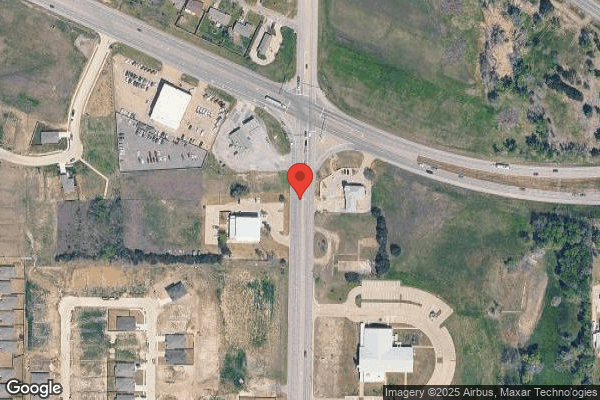
Understanding Severity Codes (click to expand)
Life-Threatening (Immediate Jeopardy)
J - Isolated K - Pattern L - Widespread
Actual Harm
G - Isolated H - Pattern I - Widespread
Potential for Harm
D - Isolated E - Pattern F - Widespread
No Harm (Minor)
A - Isolated B - Pattern C - Widespread

Questions to Ask on Your Visit

  • "Why is there high staff turnover? How do you retain staff?"
  • "Can I speak with families of current residents?"
  • "What's your RN coverage like on weekends and overnight?"

Our Honest Assessment

Strengths
  • • No fines on record. Clean compliance history, better than most Texas facilities.
Concerns
  • • 43 deficiencies on record, including 1 serious (caused harm) violation. Ask about corrective actions taken.
  • • Grade C (50/100). Below average facility with significant concerns.
  • • 65% turnover. Above average. Higher turnover means staff may not know residents' routines.
Bottom line: Mixed indicators with Trust Score of 50/100. Visit in person and ask pointed questions.

About This Facility

What is Legend Healthcare And Rehabilitation - Greenville's CMS Rating?

CMS assigns LEGEND HEALTHCARE AND REHABILITATION - GREENVILLE an overall rating of 3 out of 5 stars, which is considered average nationally. Within Texas, this rating places the facility higher than 99% of the state's 100 nursing homes. This mid-range rating indicates the facility meets federal standards but may have areas for improvement.

How is Legend Healthcare And Rehabilitation - Greenville Staffed?

CMS rates LEGEND HEALTHCARE AND REHABILITATION - GREENVILLE's staffing level at 2 out of 5 stars, which is below average compared to other nursing homes. Staff turnover is 65%, which is 19 percentage points above the Texas average of 46%. High turnover can affect care consistency as new staff learn residents' individual needs.

What Have Inspectors Found at Legend Healthcare And Rehabilitation - Greenville?

State health inspectors documented 43 deficiencies at LEGEND HEALTHCARE AND REHABILITATION - GREENVILLE during 2022 to 2025. These included: 1 that caused actual resident harm and 42 with potential for harm. Deficiencies causing actual harm indicate documented cases where residents experienced negative health consequences.

Who Owns and Operates Legend Healthcare And Rehabilitation - Greenville?

LEGEND HEALTHCARE AND REHABILITATION - GREENVILLE is owned by a for-profit company. For-profit facilities operate as businesses with obligations to shareholders or private owners. The facility is operated by THE ENSIGN GROUP, a chain that manages multiple nursing homes. With 126 certified beds and approximately 90 residents (about 71% occupancy), it is a mid-sized facility located in GREENVILLE, Texas.

How Does Legend Healthcare And Rehabilitation - Greenville Compare to Other Texas Nursing Homes?

Compared to the 100 nursing homes in Texas, LEGEND HEALTHCARE AND REHABILITATION - GREENVILLE's overall rating (3 stars) is above the state average of 2.8, staff turnover (65%) is significantly higher than the state average of 46%, and health inspection rating (3 stars) is at the national benchmark.

What Should Families Ask When Visiting Legend Healthcare And Rehabilitation - Greenville?

Based on this facility's data, families visiting should ask: "How do you ensure continuity of care given staff turnover, and what is your staff retention strategy?" "Can you walk me through typical staffing levels on day, evening, and night shifts?" "Can I visit during a mealtime to observe dining assistance and food quality?" "How do you handle medical emergencies, and what is your hospital transfer rate?" These questions are particularly relevant given the facility's high staff turnover rate and the below-average staffing rating.

Is Legend Healthcare And Rehabilitation - Greenville Safe?

Based on CMS inspection data, LEGEND HEALTHCARE AND REHABILITATION - GREENVILLE has a clean safety record: no substantiated abuse findings (meaning no confirmed cases of resident harm), no Immediate Jeopardy citations (the most serious violation level indicating risk of serious injury or death), and is not on the Special Focus Facility watch list (a federal program monitoring the lowest-performing 1% of nursing homes). The facility has a 3-star overall rating and ranks #1 of 100 nursing homes in Texas. While no facility is perfect, families should still ask about staff-to-resident ratios and recent inspection results during their visit.

Do Nurses at Legend Healthcare And Rehabilitation - Greenville Stick Around?

Staff turnover at LEGEND HEALTHCARE AND REHABILITATION - GREENVILLE is high. At 65%, the facility is 19 percentage points above the Texas average of 46%. High turnover means new staff may not know residents' individual needs, medications, or preferences. It can also be disorienting for residents, especially those with dementia who rely on familiar faces. Families should ask: What is causing the turnover? What retention programs are in place? How do you ensure care continuity during staff transitions?

Was Legend Healthcare And Rehabilitation - Greenville Ever Fined?

LEGEND HEALTHCARE AND REHABILITATION - GREENVILLE has no federal fines on record. CMS issues fines when nursing homes fail to meet care standards or don't correct problems found during inspections. The absence of fines suggests the facility has either maintained compliance or corrected any issues before penalties were assessed. This is a positive indicator, though families should still review recent inspection reports for the full picture.

Is Legend Healthcare And Rehabilitation - Greenville on Any Federal Watch List?

LEGEND HEALTHCARE AND REHABILITATION - GREENVILLE is not on any federal watch list. The most significant is the Special Focus Facility (SFF) program, which identifies the bottom 1% of nursing homes nationally based on persistent, serious quality problems. Not being on this list means the facility has avoided the pattern of deficiencies that triggers enhanced federal oversight. This is a positive indicator, though families should still review the facility's inspection history directly.