MAGNOLIA MANOR

4400 GULF ST, GROVES, TX 77619 (409) 962-5785
For profit - Corporation 126 Beds CANTEX CONTINUING CARE Data: November 2025 2 Immediate Jeopardy citations
Trust Grade
11/100
#515 of 1168 in TX
Last Inspection: July 2025

Inspected within the last 6 months. Data reflects current conditions.

Overview

Magnolia Manor in Groves, Texas, has received a Trust Grade of F, indicating significant concerns about the facility's operations and care quality. Ranked #515 out of 1168 facilities in Texas, they sit in the top half, but their county ranking of #7 out of 14 suggests there are better local options available. Unfortunately, the facility is worsening, with issues increasing from 9 in 2024 to 12 in 2025. Staffing is rated 2 out of 5 stars with a turnover of 46%, which is still better than the state average, but indicates challenges in maintaining a stable workforce. The facility has also faced serious issues, including a failure to report allegations of sexual abuse immediately, putting residents at risk. Additionally, they did not provide adequate pain management for a resident in severe pain, which could negatively impact their quality of life. On the positive side, Magnolia Manor achieved a 5 out of 5 stars in quality measures, indicating strong performance in some areas. However, the concerning fines of $346,235 suggest repeated compliance problems, and they have less RN coverage than 89% of Texas facilities, which limits oversight on resident care.

Trust Score
F
11/100
In Texas
#515/1168
Top 44%
Safety Record
High Risk
Review needed
Inspections
Getting Worse
9 → 12 violations
Staff Stability
⚠ Watch
46% turnover. Above average. Higher turnover means staff may not know residents' routines.
Penalties
✓ Good
$346,235 in fines. Lower than most Texas facilities. Relatively clean record.
Skilled Nurses
⚠ Watch
Each resident gets only 11 minutes of Registered Nurse (RN) attention daily — below average for Texas. Fewer RN minutes means fewer trained eyes watching for problems.
Violations
⚠ Watch
23 deficiencies on record. Higher than average. Multiple issues found across inspections.
★★★☆☆
3.0
Overall Rating
★★☆☆☆
2.0
Staff Levels
★★★★★
5.0
Care Quality
★★☆☆☆
2.0
Inspection Score
Stable
2024: 9 issues
2025: 12 issues

The Good

  • 5-Star Quality Measures · Strong clinical quality outcomes
  • Full Sprinkler Coverage · Fire safety systems throughout facility
  • No fines on record

Facility shows strength in quality measures, fire safety.

The Bad

3-Star Overall Rating

Near Texas average (2.8)

Meets federal standards, typical of most facilities

Staff Turnover: 46%

Near Texas avg (46%)

Higher turnover may affect care consistency

Federal Fines: $346,235

Well above median ($33,413)

Significant penalties indicating serious issues

Chain: CANTEX CONTINUING CARE

Part of a multi-facility chain

Ask about local staffing decisions and management

The Ugly 23 deficiencies on record

2 life-threatening 2 actual harm
Jul 2025 6 deficiencies
CONCERN (D)

Potential for Harm - no one hurt, but risky conditions existed

Assessment Accuracy (Tag F0641)

Could have caused harm · This affected 1 resident

**NOTE- TERMS IN BRACKETS HAVE BEEN EDITED TO PROTECT CONFIDENTIALITY** Based on observation, interview, and record review, the facility failed to ensure the assessments accurately reflected the resid...

Read full inspector narrative →
**NOTE- TERMS IN BRACKETS HAVE BEEN EDITED TO PROTECT CONFIDENTIALITY** Based on observation, interview, and record review, the facility failed to ensure the assessments accurately reflected the resident's status for 2 of 20 residents reviewed for accuracy of assessments. (Residents #73 and #86) 1. The facility failed to ensure Resident #73's most recent quarterly assessment captured the resident's range of motion (ROM) limitations to her left lower extremity. 2. The facility failed to ensure Resident # 86's most recent quarterly assessment captured the resident's range of motion limitations to her right lower extremity. These failures could place the residents at risk for not receiving the appropriate care and services. Findings included: 1. Record review of a face sheet dated 07/02/25 indicated Resident #73 was a [AGE] year-old female who was admitted to the facility on [DATE]. Her diagnosis included chronic embolism (a blockage in a blood vessel caused by a substance like a blood clot that traveled from elsewhere in the body) and thrombosis (blood clot forming in a vein or artery, which can obstruct blood flow), pain in leg, and resistant hypertension (a type of high blood pressure that remains uncontrolled when taking five or move different types of antihypertensive medications at maximum or near-maximum dosage). Record review of a quarterly MDS assessment dated [DATE] indicated Resident ##73 had a BIMS score of 9 indicating she had moderately impaired cognition, required substantial/maximal assistance with most ADLs, and had no functional limitation to her upper and lower extremities. Record review of a care plan dated 04/29/25 indicated Resident #73 had a contracture (a structural change in the body’s soft tissue, like muscles, tendons, and ligaments, or skin that causes them to stiffen and shorten) to her left knee. Goals indicated contractures would not increase. Interventions included providing pressure relieving devices on bed and chair. During an observation and interview on 06/30/25 at 10:30 a.m., Resident #73 was lying in bed with her left leg positioned with a pillow and bent at the knee. She said she had not been able to straighten her left knee for years. She said she had received physical therapy several times at the facility, and it had not helped her knee. During a telephone interview on 07/02/25 at 9:38 a.m., the former MDS Nurse said that Resident #73 had a contracture of her left knee. She said she always assessed a resident before completing their MDS assessment. She said Resident#73 was admitted to the facility with a contracture of her left knee and she coded her MDS as having no functional limitations because her contracture was her baseline normal. She said she followed RAI instructions when coding an MDS. She said the DON had final approval on all MDS assessments and was her direct supervisor at the facility. She said she had worked at the facility for one year as the MDS Nurse before she left her position on 05/29/25. She said she was not able to answer anymore questions and hung up the phone. During an interview on 07/02/25 at 12:19 p.m., LVN B said she had worked at the facility for 1 year and regularly took care of Resident #73. She said her left knee was permanently contracted and nursing interventions included positioning for comfort and to prevent further contracture of her knee. She said if she assessed Resident #73 to have increased pain or decreased ROM she would report the change to her physician. During an interview on07/02/25 at 1:35 p.m., the DON said she expected MDS assessments to be correctly coded to reflect the resident’s status. She said Resident #73’s functional limitations were not coded correctly in her MDS and did not reflect her limited ROM of her left knee. She said the possible negative outcome of an inaccurately coded MDS could be the resident’s needs not being addressed in their care plan. She said she was the direct supervisor of the former MDS Nurse. 2. Record review of a face sheet dated 07/01/25 indicated Resident #86 was a [AGE] year-old female who was admitted to the facility on [DATE]. Her diagnosis included cerebral infarction (a condition where blood flow to the brain is blocked leading to brain tissue damage or death due to oxygen deprivation) hemiplegia and hemiparesis (muscle weakness or partial paralysis on one side of the body) following cerebrovascular disease (a group of conditions that impact the brain’s blood vessels and blood flow), and contracture of muscle of unspecified lower leg. Record review of a significant change MDS dated [DATE] indicated resident #86 had a BIMS score of 6 indicating she had severe cognitive impairment, required substantial/maximal assistance with most ADLs, and had no impairment in range of motion or functional limitation of her upper or lower extremities. Record review of a care plan dated 04/15/25 indicated Resident #86 was at risk for skin breakdown and increased pain related to her contracture of her right elbow. The care plan did not address her contracture of her right hip and knee. During an observation on 06/30/25 at 10:30 a.m., Resident #86 was lying in bed in her room with her right side completely covered. Resident pulled back the bed covers to show her right leg which was bent at her hip and knee and contracted on top of her right arm. She had a right below the knee amputation (BKA). She used her left hand to open her right knee approximately 2 inches but was unable to move her right hip or arm. During an interview on 07/01/25 at 1:30 p.m., LVN A said she had worked at the facility for 7 months. She said she regularly took care of Resident #86. She said Resident #86 was admitted to the facility with her right BKA and contractures to her right elbow, hip and knee. She said the resident was lifted and turned using the bed pad to protect her contractures. She said nursing used pillows and positioning for comfort and to prevent any increase in her contractures. During a telephone interview on 07/02/25 at 9:38 a.m., the Former MDS Nurse said Resident #86 had contractures to her right elbow, right knee, and right hip. She said she also had a BKA of her right leg. She said Resident #86 was admitted to the facility with the contractures on her right side and her right BKA, so she coded her ROM on her MDS as having no impairment because the hemiparesis and contractures were her normal. She said she followed RAI instructions when coding an MDS. She said the DON had final approval on the care plan and was her direct supervisor at the facility. She said she worked at the facility for one year as the MDS nurse and left on 5/29/25. She said she was not able to answer any more questions. During an interview on 07/02/25 at 9:56 a.m., the Regional Director of Clinical Operations said Resident #86’s MDS was inaccurately coded by the Former MDS Nurse. She said the MDS showed Resident #86 to have no impairment in her ROM and did not reflect impairment to her right side due to her hemiplegia, contractures, and right BKA. She said her expectation was for all resident MDS assessments to be coded according to RAI instructions and Resident #86’s MDS was not coded accurately which could lead to her plan of care not being accurate and complete. During an interview on 07/02/25 at 10:21 a.m., the DON said Resident #86’s MDS did not accurately document her right sided range of motion limitations. She said inaccurate coding of the MDS could lead to an incomplete or inaccurate care plan for the resident. She said the facility did not have an MDS policy and followed the RAI (resident Assessment Instrument) for coding MDS assessments. During an interview on 07/02/25 at 2:21 p.m., the Administrator said she expected resident’s MDS to be coded correctly to reflect the resident’s care needs. Record review of the Minimum Data Set (MDS) 3.0 Resident Assessment Instrument (RAI) Manual last updated May 2025 indicated …”1. Review the medical record for references to functional range-of-motion limitations during the 7-day observation period. 2. Talk with staff members who work with the resident as well as family/significant others about any impairment in functional ROM. … 4. Assess the resident’s ROM bilaterally … 6. Although this item codes for the presence or absence of functional limitation related to ROM, thorough assessment ought to be comprehensive and follow standards of practice for evaluating ROM impairment.” …
CONCERN (D)

Potential for Harm - no one hurt, but risky conditions existed

Deficiency F0655 (Tag F0655)

Could have caused harm · This affected 1 resident

**NOTE- TERMS IN BRACKETS HAVE BEEN EDITED TO PROTECT CONFIDENTIALITY** Based on observation and interview, the facility failed to develop and implement a baseline care plan for each resident that inc...

Read full inspector narrative →
**NOTE- TERMS IN BRACKETS HAVE BEEN EDITED TO PROTECT CONFIDENTIALITY** Based on observation and interview, the facility failed to develop and implement a baseline care plan for each resident that includes the instructions needed to provide effective and person-centered care of the resident that meet professional standards of quality of care for 1 of 13 residents (Resident #244) reviewed for new admissions. The facility to develop and accurately complete a baseline care plan within 48 hours of admission for Resident #244.This failure could lead to residents not receiving necessary care and decreased quality of life.Record review of Resident #244's face sheet, dated 07/02/2025, reflected a [AGE] year-old male admitted to the facility on [DATE]. Relevant diagnoses included chronic gout (characterized by repeated episodes of joint pain and inflammation due to uric acid in the blood), emphysema (chronic lung disease that progressively damages the tiny air sacs in the lung, making it difficult to breathe), and adjustment disorder with anxiety. Record review of the 5-day MDS showed in progress in Resident #244's clinical record due to admission date of 06/28/2025.Record review of Resident #244's July 2025 MAR he was administered tramadol HCL 50 mg twice on 07/01/2025. Resident #244 had rated his pain as an 8 out of 10. Resident #244 also received allopurinol 100 mg once daily for gout. The baseline care plan dated 06/28/2025 for Resident #244 did not contain the following CMS guideline required information:*Precautionary plan for fall risk;*Dietary instructions for No Added Salt diet;*Prescribed PRN (as needed) pain medications;*Prescribed routine medications; *Physician treatment orders related to MASD (moisture associated skin damage) to scrotum *Prescribed therapy services; and*Failed to provide Resident #244 and his representative with a summary of the baseline care plan. During an interview on 07/02/2025 at 12:45 p.m., after reviewing Resident #244's baseline care plan together, the DON and the Regional Director of Clinical Services said the document should have contained fall risk, dietary instructions, physician treatment orders, prescribed therapy services, etc. The DON and Regional Director of Clinical Services said all fields of a baseline care plan should be completed, a copy reviewed, signed by resident and his representative, and a copy provided to them. They each acknowledged the baseline care plan was incomplete with accurate information regarding care for Resident #244 and a copy had not been presented to Resident #244 or his representative and should have been.During an interview on 07/02/2025 at 03:00 p.m., the administrator said her expectations were for all baseline care plans to be complete and accurate. She said the DON was responsible to ensure. All staff have been trained and retrained. The administrator said the Admissions Nurse had previously been responsible for completing baseline care plans, however due to performance issues, she was no longer employed at facility and a new employee had started within the past week. The administrator added if baseline care plans were not done properly, it was considered incomplete. The administrator said the risk of an incomplete baseline care plan was facility staff to fail to provide person-centered care. Record review of a policy titled Care Plans - Baseline dated March 2022, indicated the following. A baseline plan of care to meet the resident's immediate health and safety needs is developed for each resident within forty-eight (48) hours of admission. Policy Interpretation and Implementation.1. The baseline care plan includes instructions needed to provide effective person-centered care of the resident that meet professional standards of quality care and must include the minimum health care information necessary to properly care for the resident including but not limited to the following:initial goals based on admission orders in discussion with the representative, physician's orders, dietary orders, therapy services.#4 the resident and or representative are provided a written summary of the baseline care plan in a language that the resident representative can understand that includes but is not limited to the following did the stated goals and objectives a summary of the resident's medications and dietary instructions any services and treatments to be administered by the facility in personnel acting on behalf of the facility any updated information provision of the summary to the resident in Oregon resident representative is documented in the medical record.
CONCERN (D)

Potential for Harm - no one hurt, but risky conditions existed

Comprehensive Care Plan (Tag F0656)

Could have caused harm · This affected 1 resident

**NOTE- TERMS IN BRACKETS HAVE BEEN EDITED TO PROTECT CONFIDENTIALITY** Based on observation, interview, and record review, the facility failed to develop and implement a comprehensive person-centered...

Read full inspector narrative →
**NOTE- TERMS IN BRACKETS HAVE BEEN EDITED TO PROTECT CONFIDENTIALITY** Based on observation, interview, and record review, the facility failed to develop and implement a comprehensive person-centered care plan to meet each resident's medical, nursing, mental and psychosocial needs for 2 of 20 residents reviewed for care plans. (Residents #45 & #86) 1. The facility did not have a care plan to address Resident #45's Risperidone (antipsychotic medication). 2. The facility did not have a care plan to address Resident #86's contractures (a structural change in the body's soft tissues, like muscles, tendons, ligaments, or skin, that causes them to stiffen and shorten causing limited range of motion (ROM) and pain in the affected areas) Resident's right lower extremity. These failures could place residents at risk of not having their individual needs met and not receiving needed services. Findings included: 1. Record review of the face sheet dated 07/02/25 indicated Resident #45 was an [AGE] year-old male admitted on [DATE]. His diagnoses included anxiety disorder, major depressive disorder, and bipolar disorder. Record review of the physician orders dated July 2025 indicated Resident #45 had an order dated 02/17/25 for Risperidone (Risperidal) tablet 0.5 mg orally two times a day. Record review of the current care plan printed 07/02/25 indicated Resident #45 was currently taking psychotropic medication(s) as evidenced by: _X__Depression _X__Anxiety _X__Cognitive impairment and he currently takes:__Risperidal (was left blank) and _X__Other (specify): Buspar/ Hydroxyzine PRN/Remeron/ Depakote. During an interview on 07/02/25 at 10:25 a.m. the DON said she did not realize Resident #45’s care plan did not include the Risperidone. She said she expected the care plans to be accurate. She said inaccurate care plans could lead to all a resident's needs not being addressed in the care plan. 2. Record review of a face sheet dated 07/01/25 indicated Resident #86 was a [AGE] year-old female who was admitted to the facility on [DATE]. Her diagnosis included cerebral infarction (a condition where blood flow to the brain is blocked leading to brain tissue damage or death due to oxygen deprivation) hemiplegia and hemiparesis (muscle weakness or partial paralysis on one side of the body) following cerebrovascular disease (a group of conditions that impact the brain’s blood vessels and blood flow), and contracture of muscle of unspecified lower leg. Record review of a significant change MDS dated [DATE] indicated resident #86 had a BIMS score of 6 indicating she had severe cognitive impairment, required substantial/maximal assistance with most ADLs, and had no impairment in range of motion or functional limitation of her upper or lower extremities. Record review of a care plan dated 04/15/25 indicated Resident #86 was at risk for skin breakdown and increased pain related to her contracture of her right elbow. The care plan did not address her contracture of her right hip and knee. During an observation on 06/30/25 at 10:30 a.m., Resident #86 was lying in bed in her room with her right side completely covered. Resident pulled back the bed covers to show her right leg which was bent at her hip and knee and contracted on top of her right arm. She had a right below the knee amputation (BKA). She used her left hand to open her right knee approximately 2 inches but was unable to move her right hip or arm. During a telephone interview on 07/02/25 9:38 a.m., the Former MDS Nurse said Resident #86 had contractures to her right elbow, right knee, and right hip. She said she also had a below the knee amputation (BKA) of her right leg. She said she always assessed a resident before competing their care plan. She said Resident #86 was admitted to the facility with the contractures on her right side and her right BKA, but she was not sure if they were all addressed in her care plan. She said she was responsible for initiating comprehensive care plans during her employment at the facility. She said she completed care plans based on the admission MDS, physician orders, resident diagnosis and functional abilities. She said the DON had final approval on the care plan and was her direct supervisor at the facility. She said she did not remember what was in Resident #86's care plan and no longer had access to the records. She said she worked at the facility for one year as the MDS nurse and left on 5/29/25. She said she was not able to answer any more questions, and she hung up. During an interview on 07/02/25 at 9:56 a.m., the Regional Director of Clinical Services said the facility had a performance improvement plan (PIP) in place for care plans. She said the plan did not address inaccurate coding of an MDS resulting in an incomplete care plan. She said Resident #86’s care plan only addressed her contracture of her right elbow and did not address her contractures of her right knee and right hip. She said the inaccurate MDS led to Resident #86’s care plan being inaccurate. During an interview on 07/02/25 10:21 a.m., the DON said the quarterly MDS coding for ROM were inaccurate for Resident #86. She said the inaccurate MDS coding led to an incomplete care plan. She said the facility’s PIP in place for care plans did not address inaccurate MDS coding resulting in incomplete care plans. The DON said the former MDS Nurse was responsible for completing Resident #86’s care plan. She said her expectation was for care plans to be completed accurately. She said inaccurate care plans could lead to all a resident's needs not being addressed in the care plan. During an interview on 07/02/25 2:21 p.m., the Administrator said she expected resident care plans were to be complete and address all needs, goals, and interventions for each resident. She said the former MDS Nurse was responsible for completing Resident #86’s care plan. She said the DON was the direct supervisor for the former MDS Nurse. Record review of the facility’s Care Plans-Comprehensive policy revised September 2010 indicated An individualized comprehensive care plan that includes measurable objectives and timetables to meet the resident's medical, nursing, mental, and psychological needs is developed for each resident. The comprehensive care plan is based on a thorough assessment that includes, but is not limited to, the MDS.
CONCERN (D)

Potential for Harm - no one hurt, but risky conditions existed

Deficiency F0757 (Tag F0757)

Could have caused harm · This affected 1 resident

**NOTE- TERMS IN BRACKETS HAVE BEEN EDITED TO PROTECT CONFIDENTIALITY** Based on interview and record review, the facility failed to ensure each resident's drug regimen was free from unnecessary medic...

Read full inspector narrative →
**NOTE- TERMS IN BRACKETS HAVE BEEN EDITED TO PROTECT CONFIDENTIALITY** Based on interview and record review, the facility failed to ensure each resident's drug regimen was free from unnecessary medications (is a medication used: without adequate indication for its use; or in the presence of adverse consequences which indicate the dose should be reduced or discontinued) for 2 of 5 residents (Residents #45 and #77) reviewed for unnecessary medications. 1. The facility failed to ensure Resident #45 had an appropriate diagnosis entered for order for his Risperidone (antipsychotic) and Divalproex (an anticonvulsant used to treat seizures, migraine, and bipolar disorder). 2. The facility failed to ensure Resident #77 had an appropriate monitoring for his Oxcarbazepine (anticonvulsant used to treat depression). This failure could place residents at risk for unintended, harmful events attributed to the use of a medication without the appropriate indication or side effect monitoring. Findings included: 1. Record review of the face sheet dated 07/02/25 indicated Resident #45 was an [AGE] year-old male admitted on [DATE]. His diagnoses included anxiety disorder (persistent and excessive worry that interferes with daily activities), major depressive disorder (mental health disorder characterized by persistently depressed mood or loss of interest in activities, causing significant impairment in daily life), and bipolar disorder (mental disorder associated with episodes of mood swings ranging from depressive lows to manic highs). Record review of the physician orders dated July 2025 indicated Resident #45 had orders dated 02/17/25 for Risperidone (Risperidal) tablet 0.5 mg 1 table orally two times a day for anxiety and Divalproex capsule 125 mg 3 tablets orally three times a day for dementia. Record review of a pharmacy consultant Note to Attending Physician/Prescriber dated 06/19/25 indicated they requested a decrease and discontinue of Risperidone for anxiety due to flag as unnecessary use. During an interview on 07/02/25 at 10:25 a.m. the DON said during the transition on 06/01/25 from one EMR to the other EMR the diagnoses were supposed to transition over, but some did not, so they were being inputted into the system. She said Resident #45 Risperidone was for his bipolar disorder and the Divalproex was for major depressive disorder. 2. Record review of a face sheet dated 07/02/25 indicated Resident #77 was an [AGE] year-old male admitted on [DATE]. His diagnoses included dementia (loss of cognitive functioning), anxiety disorder (persistent and excessive worry that interferes with daily activities), depression (mental illness that negatively affects how you feel, the way you think and how you act), and delusional disorder (a mental health condition that causes unshakable beliefs in something that’s untrue). Record review of physician orders indicated an order dated 04/29/25 Resident #77 was to receive Oxcarbazepine 300 mg give 1 tablet by mouth two times a day for dementia. Record review of the pharmacy consultant request dated 05/15/25 for Resident #77 indicated a request for side effect monitoring of Oxcarbazepine. Record review of physician orders indicated an order dated 05/30/25 for Resident #77 to have side effect monitoring of an anti-depressant for Oxcarbazepine During an interview on 07/02/25 at 01:25 p.m. the ADON said Resident #77’s Oxcarbazepine had side effect monitoring for antidepressant because the medication was being used for depression and not as an anticonvulsant. During an interview on 07/02/25 at 04:30 p.m. the DON said she expected the correct diagnoses to be with the medications. She said she also expected the correct side effect monitoring to be done. She said the nurses did the monitoring. Record review of a Medications policy and procedure dated November 2017 indicated the following: “1. Upon admission (including readmission) of each Patient/Resident, the physician’s orders for the Patient/Resident must be reviewed and reconciled by the Charge Nurse and the Director of Nursing or his/her designee for accuracy in the Electronic Medical Record….5. The Patient who hasn’t used psychotropic medications must not be given these drugs unless the medication is necessary to treat a specific condition as diagnosed and documented in the clinical record….8. Behaviors and side effects of the use of medication must be monitored and documented for Patient/Residents receiving psychotropic medication and monitoring for side effects only for Patient/Residents receiving antidepressants….12. The Monthly Quality Assurance & Performance Improvement Meeting must include a review of the appropriate and timely entering of physician orders, documentation of Anticoagulant medication side effects, timely auditing of medication carts and re-ordering of medications, the appropriate administration of medications by licensed staff and/or medication aide, the obtaining of Informed Consent for Psychotropic Medication, monitoring Behaviors, appropriate and timely follow-up to the Consultant Pharmacist’s Report, appropriate and timely drug destruction.”
CONCERN (D)

Potential for Harm - no one hurt, but risky conditions existed

Medical Records (Tag F0842)

Could have caused harm · This affected 1 resident

**NOTE- TERMS IN BRACKETS HAVE BEEN EDITED TO PROTECT CONFIDENTIALITY** Based on interview and record review, the facility failed to ensure the assessments accurately reflected the resident's status f...

Read full inspector narrative →
**NOTE- TERMS IN BRACKETS HAVE BEEN EDITED TO PROTECT CONFIDENTIALITY** Based on interview and record review, the facility failed to ensure the assessments accurately reflected the resident's status for 1 of 20 residents reviewed for accuracy of assessments. (Resident #244)The facility failed to ensure Resident #244's Nursing admission Assessment was complete and accurately reflected the resident's status at the time of the assessment.This failure could place the resident at risk of not receiving the appropriate care and services. Record review of Resident #244's face sheet, dated 07/02/2025, reflected a [AGE] year-old male admitted to the facility on [DATE]. Relevant diagnoses included chronic gout (characterized by repeated episodes of joint pain and inflammation due to uric acid in the blood), emphysema (chronic lung disease that progressively damages the tiny air sacs in the lung, making it difficult to breathe), and adjustment disorder with anxiety. Record review of the 5-day MDS showed in progress in Resident #244's clinical record due to the admission date of 06/28/2025. Record review of Resident #244's Nursing admission Assessment gave no indication of behaviors, fall history, elimination status, gait/balance, bowel and bladder status, nor medication listed. Record review of the Minimum Data Set (MDS) 3.0 Resident Assessment Instrument (RAI) Manual last updated May 2025 indicated .1. Review the medical record for references to functional range-of-motion limitations during the 7-day observation period. 2. Talk with staff members who work with the resident as well as family/significant others about any impairment in functional ROM. 4. Assess the resident's ROM bilaterally . 6. Although this item codes for the presence or absence of functional limitation related to ROM, thorough assessment ought to be comprehensive and follow standards of practice for evaluating ROM impairment. During an interview on 07/02/2025 at 3:00 p.m., the Administrator, she said her expectations were for all assessments to be complete and accurate. The administrator said the DON was responsible for ensuring that. The administrator said all staff had been trained and retrained. The administrator said it was not done; it was incomplete. Risk was for not providing person-centered care. The Administrator said the Admissions Nurse had previously been responsible for completing admission Assessments, however due to performance issues, she was no longer employed at facility and a new employee had started within the past week. The administrator added if an assessment was not done properly, it was considered incomplete. The administrator said the risk of an incomplete assessment was facility staff could fail to provide person-centered care. The administrator said the facility did not have an admission Assessment policy for completing accurately, as the questions were self-explanatory.
CONCERN (F)

Potential for Harm - no one hurt, but risky conditions existed

Food Safety (Tag F0812)

Could have caused harm · This affected most or all residents

Based on observation, interview, and record review, the facility failed to properly store, prepare, distribute, and serve food in accordance with the professional standards for food service safety 1 o...

Read full inspector narrative →
Based on observation, interview, and record review, the facility failed to properly store, prepare, distribute, and serve food in accordance with the professional standards for food service safety 1 of 1 kitchen reviewed for safety requirements. 1. The facility failed to ensure foods were sealed and/or labeled properly in freezer and dry storage. 2. The facility failed to ensure food items in the dry pantry were labeled, dated, sealed, and not expired. 3. The facility failed to ensure dented cans in the dry pantry were not stored and co-mingled with non-dented food cans ready for use. These failures could place residents, who received food and beverages from the kitchen, at risk for health complications, foodborne illnesses, and decreased quality of life.Findings included: During initial observation and interview in the kitchen on 06/30/25 with the DM at 9:04 a.m. of the commercial storage can rack indicated the following canned food items were stored co-mingled with non-dented food cans: - One #10 can of Great Northern Beans with a large dent in the middle of the can - One #10 can of Fruit Cocktail with a dent along the bottom seam. - One #10 can of Banana Pudding with a dent along the top seam. Interview with the DM on 06/30/25 at 9:10 a.m. confirmed the cans of great northern beans, fruit cocktail and banana pudding contained dents and should have been stored separate from non-dented cans. During an observation and interview on 06/30/25 at 9:15 a.m. of the #1 freezer with the DM indicated there were: - an open, undated, original cardboard box containing a clear plastic bag of frozen breakfast sausage patties that was ripped open, not properly sealed and exposed to the elements. The DM said it was breakfast sausage patties. When asked about the frozen breakfast sausage patties, the DM tied the plastic bag and said it should be sealed. During an observation and interview on 06/30/25 at 9:30 a.m. of the dry storage/pantry with the DM indicated there were: - One, thick & easy 32 oz carton opened and used not dated when opened and manufacture label read discard within 4 days of opening. The DM said he did not know when or who opened the carton of thick & easy and would discard it, can cause decreased quality and taste. DM said there were no residents receiving thickened liquids at this time. - One, 1-pound bag of strawberry gelatin mix in their original container, opened and used in a sealed Ziploc bag; not dated when opened. The DM removed the gelatin mix from the shelf and discarded it. The DM said he was not able to tell if the gelatin was still usable or not. The DM said if used, residents could get sick. During an observation and interview on 06/30/25 at 11:00 a.m. of the #2 freezer with the DM indicated there was: * an open, undated, original cardboard box containing a clear plastic bag of frozen garlic bread, not properly sealed and exposed to the elements. The DM said it was garlic bread. When asked about the frozen garlic bread, the DM tied the plastic bag and said it should be sealed and not exposed to the air in the freezer because it could lose its taste. During an interview on 06/30/25 at 11:30 a.m. with the DM who confirmed the #10 cans contained dents and should have been stored separate from non-dented cans. The DM said he was not sure who, on Friday, put up the can goods. The DM said he was to check Monday for dented cans but had not had a chance to check for dented cans because surveyors walked in before he could check. The DM said he keeps the dented cans in his office so he could return them. The DM said risk of using dented cans could contaminate food. The DM said he expected all products in the kitchen to be stored correctly. He said packages of food items should be sealed so as not to expose food to the elements. The DM said it was the responsibility of all the dietary staff to ensure products were labeled and stored correctly. The DM said he could not explain why the expired or spoiled foods had not been removed from the refrigerator. The DM said all kitchen staff completed the required food preparation and food storage trainings. The DM said the potential harm to residents would be food poisoning, diarrhea, sickness, and bacteria on food. The DM said the failure occurred due to staff not paying attention. During an interview on 06/30/25 at 12:39 p.m., the Administrator said her expectation was for kitchen staff to follow policies on food storage, preparation, and that everything was dated. She said the DM monitored that kitchen staff were following the facility's policy. The Administrator said not storing and preparing food appropriately could cause residents to be given food beyond the expiration date and not the correct time frame. The Administrator said it could also affect the freshness and quality of resident’s food. The Administrator said the facility did not have a policy on storing dented cans of food. Record review of facility policy revised dated 3/2019 titled, “Food Storage: Policy: Sufficient storage facilities are provided to keep food safe wholesome and appetizing food is stored prepared and transported in an appropriate temperature and by methods designed to prevent contamination… Procedure: …5. Plastic containers with tight fitting covers must be used for storing cereals cereal products flour sugar dried vegetables and broken lots of bulked food all containers must legit fully and accurately labeled including the date the package was open… 16. Frozen Foods…c. Foods should be covered labeled and dated…” Review of the Food and Drug Administration Food Code, dated 2022, reflected, . 3-201.11 Safe, Unadulterated, and Honestly Presented. Compliance with Food Law. FDA considers food in hermetically sealed containers that are swelled or leaking to be adulterated and actionable under the Federal Food, Drug, and Cosmetic Act. Depending on the circumstances, rusted and pitted or dented cans may also present a serious potential hazard .3-302.12 Food Storage Containers, Identified with Common Name of Food. Except for containers holding food that can be readily and unmistakably recognized such as dry pasta, working containers holding food, or food ingredients that are removed from their original packages for use in the food establishment, such as cooking oils, flour, herbs, potato flakes, salt, spices, and sugar shall be identified with the common name of the food 3-305.11 Food Storage.(B) .refrigerated, ready-to eat time/temperature control for safety food prepared and packaged by a food processing plant shall be clearly marked, at the time the original container is opened in a food establishment and if the food is held for more than 24 hours, to indicate the date or day by which the food shall be consumed on the premises, sold, or discarded, based on the temperature and time combinations specified in (A) of this section and: (1) The day the original container is opened in the food establishment shall be counted as Day 1; and (2) The day or date marked by the food establishment may not exceed a manufacturer's use-by date if the manufacturer determined the use-by date based on food safety
Mar 2025 6 deficiencies 2 IJ
CRITICAL (J) 📢 Someone Reported This

A family member, employee, or ombudsman was alarmed enough to file a formal complaint

Immediate Jeopardy (IJ) - the most serious Medicare violation

Abuse Prevention Policies (Tag F0607)

Someone could have died · This affected 1 resident

**NOTE- TERMS IN BRACKETS HAVE BEEN EDITED TO PROTECT CONFIDENTIALITY** Based on interview and record review, the facility failed to implement the written abuse policy to ensure an allegation of sexua...

Read full inspector narrative →
**NOTE- TERMS IN BRACKETS HAVE BEEN EDITED TO PROTECT CONFIDENTIALITY** Based on interview and record review, the facility failed to implement the written abuse policy to ensure an allegation of sexual abuse was reported immediately to the Abuse Coordinator, State Agency, and implement measures to ensure residents were protected from further abuse after an allegation of abuse for 1 of 20 residents (Resident #10) reviewed for allegations of abuse. 1. The facility failed to ensure CNA K was suspended/terminated or removed from working with all residents after a sexual abuse allegation was reported on 01/11/2025. 2. The facility failed to immediately report the sexual abuse allegation to the Abuse Coordinator. The non-compliance was identified as past non-compliance. The Immediate Jeopardy began on 01/11/2025 and ended on 01/18/2025. The facility had corrected the non-compliance before the survey began. This failure could place residents at risk of abuse, physical harm, mental anguish, and emotional distress. Findings included: Record review of the facility's policy Abuse Prohibition Protocol, date revised April 2019, indicated 8. Any person observing an incident of Patient Abuse or suspecting Patient Abuse must immediately report such incidents to the Charge Nurse. 9. The Charge Nurse will immediately examine the Patient and notify the Abuse Prevention Coordinator upon receiving reports of mental, physical, or sexual abuse. Findings of the examination will be recorded in the Patient's medical record. (Protection) 10. The Abuse Prevention Coordinator will: a. Immediately (within 2 hours) report to The Department of Aging and Disability Services (DADS) and other appropriate authorities' incidents of Patient Abuse as required under applicable regulations and regulatory guidance. Report events that cause reasonable suspicion of serious bodily injury immediately (within 2 hours) after forming the suspicion to The Department of Aging and Disability Services (DADS) and other appropriate authorities as required under applicable regulations and regulatory guidance. b. Immediately suspend the employee for an abuse allegation until an investigation is completed. c. Conduct and document on a Patient Abuse Investigation a thorough investigation of each incident of Patient Abuse, neglect, exploitation or mistreatment to include observations, interviews and reviews of all Patient's involved; interviews of all witnesses, including Patients, staff and family members; notifying physicians; notifying families and responsible parties of the involved patient's; and recording all relevant physical findings. d. Complete an appropriate assessment of all Patient's involved e. Take all steps necessary to protect the Facility's Patients from further incidents of Patient Abuse, neglect, exploitation, or mistreatment while the investigation is in progress Record review of the face sheet dated 03/04/2025 indicated Resident #10 was admitted on [DATE], she was [AGE] years old with diagnoses of cerebral infarction (lack of adequate blood supply to brain cells deprives them of oxygen and vital nutrients which can cause parts of the brain to die off ), Vascular Dementia (a type of loss of cognitive functioning caused by conditions that damage blood vessels and block blood flow to your brain), bipolar disorder (mental disorder associated with episodes of mood swings ranging from depressive lows to manic highs) and schizoaffective disorder (mental health condition with a combination of symptoms of schizophrenia and mood disorder). Record review of admission MDS assessment dated [DATE] indicated Resident #10 had a BIMS score of 6indicating she was cognitively impaired. She was able to make herself understood and understood others. No behaviors were noted. Resident #10 had bipolar disorder and anxiety disorder. Resident #10 had received medication last 7 days of antipsychotic, antianxiety, and antidepressant. Record review of Resident #10's care plan, dated 11/01/2024, indicated she had verbal behavior symptoms towards other; openly expressing anger with others and called staff inappropriate names; disarrayed room by unmaking bed, spreading clothes and other items all over room and floor; and verbally accused male staff member of raping her on 01/11/2025. Had a history, prior to facility admission, of rape allegations. Interventions included redirecting resident, provide medications as ordered, send to ER for further evaluation, treatment and rape kit, staff are to partner while in room with resident; no male CNA's to be assigned to this resident; record behavior on the tracking form and monitor for patterns of behaviors; respond in a calm voice and maintain eye contact; remove resident if verbal abusive to others, and report to MD if indicated. Record Review of Resident #10's clinical note, dated 01/11/2025 at 8:00 p.m., indicated LVN E and LPC J was in Resident #10's room reapplying her wander guard. LVN E offered for CNA K to assist Resident #10 with personal care. Resident #10 stated I don't want him in here. LPC J notified LVN E that Resident #10 alleged that CNA K was in her bed on top of her. Record Review of Resident #10's psychological service progress note, dated 01/11/2025 at 7:49 p.m., authored by LCP J, indicated Resident #10 reported to her that her safety was compromised, and staff member (CNA K) had got into her bed, and she did not like it. Facility staff (LVN E) was notified of the allegation. Record Review of Resident #10's clinical note, dated 01/12/2025 at 12:57 p.m., late entry, authored by LVN F, indicated Resident #10 was in the hallway saying that she had been raped by CNA K. LVN F immediately notified DON, Administrator, and hospice. Resident #10 refused a head-to-toe assessment by LVN F. Resident #10 refused assessment by hospice nurse. Resident #10 was transported to local ER for evaluation. Record Review of Resident #10's clinical note, dated 01/12/2025 at 4:16 p.m., authored by LVN E, indicated report was received on Resident #10 from local ER. Resident #10 was seen by forensic nurse and report was clear (no indications of rape). Resident #10 was transported back to the facility. Record review of Resident #10 clinical notes, date 2/10/2025 at 6:16 p.m., Resident #10 was transferred to behavioral hospital for admission. Unable to interview Resident #10 during investigation survey (03/03/2025, 03/4/2025, 03/05/2025. 03/06/2025. 03/10/2025 and 03/11/2025) Resident #10 remains hospitalized at behavioral hospital. During an interview on 03/05/2025 at 5:00 p.m., LPC J said on 01/11/2025 around 8:00 p.m., LVN E and UM H requested her assistance on redirecting Resident #10 and assisting with reapplying her wander guard she had removed off her leg and resisting the reapplication. LPC J said she was able to intervene and assist facility staff with reapplying Resident #10's wander guard. LPC J said during interventions the resident requested to be changed and placed back to bed. LVN E told Resident #10 her CNA would assist her and Resident #10 denied assistance from the CNA and alleged she did not feel safe. Resident #10 alleged CNA K had got into her bed, and she did not like it. LPC J said LVN E was notified of the allegation and LVN E assisted Resident #10 back to bed and requested care. LPC J said UM H was not present when Resident #10 made the allegations. LPC J said she notified LVN E of the allegations made by Resident #10 not feeling safe and staff getting into her bed because they were concerning to her. LPC J said she visited with Resident #10 for approximately 1 hour that evening and she was experiencing some delusions and paranoia, but it was resolved, and her mood had calmed prior to her departure. LPC J said she had a 1:1 training provided by the facility EDO/Abuse Coordinator regarding reporting all allegations of abuse to her immediately and was provided abuse training, examples, and EDO/Abuse Coordinators personal cell phone for reporting abuse allegations in the future. During an interview on 03/04/2025 at 5:11 p.m., LVN E said Resident #10 was having behaviors on 01/11/2025 around 8:00 p.m. was refusing to reapply the wander guard she had removed. UM H requested LPC J to assist with the redirection and intervention. LVN E said Resident #10 requested to be changed and when she said CNA K would come change her, Resident #10 stated I don't want him in here. LVN E said LPC J whispered to her that Resident #10 said CNA K got in her bed and on top of her. LVN E said LPC J asked her who she could speak to about the allegation/situation, and she told LPC J the administrator was not her on weekends and she would need to tell the unit manager. LVN E said she notified UM H about the situation/ allegation. LVN E said she was terminated for not reporting the alleged sexual abuse to EDO/Abuse Coordinator immediately. LVN E said the incident was reported to the UM H (her chain of command) who was on duty that day but was not reported to the EDO/Abuse Coordinator. LVN E said she was trained regarding abuse and neglect and reporting the incident but did not recall specific training on reporting to the EDO/Abuse Coordinator until after the incident occurred with Resident #10. During an interview on 03/04/2025 at 4:30 p.m., UM H denied that LVN E reported the allegation of CNA K sexually abusing Resident #10 to her. UM E said she recalled working 01/11/2025 as a charge nurse and assisting LVN E with attempting to reapply Resident #10's wander guard because the resident was refusing. UM H said once LPC J entered Resident #10's room and assisted LVN E with redirecting the resident and reapplying the wander guard, she returned to her hall and continued providing care to her assigned residents. UM H said LVN E did not report a sexual abuse allegation to her, or she would have called the EDO/Administrator immediately. UM H said she was not made aware of the sexual allegation of CNA K sexually abusing Resident #10 until 01/12/2025. During an interview on 03/04/2025 at 10:30 a.m., CNA K said on 01/11/2025 around 7:30 p.m., he and CNA G provided personal care to Resident #10 and Resident #10 had kicked him in the stomach twice while providing her care. He said he reported the incident to the CN/LVN E. CNA K said that he did not provide care to Resident #10 without another staff member in the room because she had a history of make allegations against staff. CNA K denied the alleged sexual abuse allegation made by Resident #10. CNA K said that he was made aware by LVN E that Resident #10 had made sexual allegations against him prior to him leaving his shift on 01/11/2025. He said he but was not reprimanded, suspended, or ask to leave at that time. CNA K said he had not provided care to Resident #10 since the sexual abuse allegation on 01/11/2025. CNA K said on 01/12/2025 he reported to facility to work his 6:00 a.m. to 2:00 p.m. shift and around 9:30 a.m. he was interviewed and suspended by EDO regarding a sexual allegation made by Resident #10. CNA K said he was allowed to return to work after the facility investigated and found the allegation to be untrue. Unable to interview Resident #10, she was hospitalized at a behavioral hospital. Record review of CNA K's time sheet indicated he was on duty on 01/11/2025 at 6:05 a.m. to 10:16 p.m. and was on duty on 01/12/2025 from 6:21 a.m. to 9:45 a.m. Record review of CNA K's employee coaching and counseling record indicated he was suspended pending investigation of an allegation of abuse of resident on 1/12/2025. Record review on LVN E's employee coaching and counseling record indicated she was terminated on 01/17/2025 for failure to report abuse allegation in a timely manner. During an interview on 03/04/2025 at 2:00 p.m., LVN F said Resident #10 rolled up to her medication cart on 01/12/2025 around 9:30 a.m. and told her CNA K had raped her the previous evening/night. LVN F said she escorted Resident #10 to her room to complete an assessment, but Resident #10 refused the assessment. LVN F said she immediately notified the EDO, ADON, hospice, the RP and MD. LVN F said Resident #10 was transferred to the local ER for evaluation, a SANE exam, and rape kit per orders. During an interview on 03/06/2025 at 10:05 a.m., the ADON said she was notified of the allegation of CNA K sexually abusing Resident #10 on 01/12/2025 at 9:30 a.m. and she immediately notified the EDO/Abuse Coordinator and assisted with investigating the allegation. During an interview on 03/06/2025 at 11:25 a.m., the Administrator said the allegation of CNA K sexually abusing Resident #10 was not reported to her until 01/12/2025 by LVN F around 9:30 a.m. and she reported it to the state thereafter. She said when she was made aware of the sexual abuse allegation, CNA K was immediately suspended pending the investigation. She said that during the investigation she identified that Resident #10 had made a similar allegation to staff and vendor on the evening of 01/11/2025. She said during Resident #10's interview she identified the allegation on 01/11/2025 and 01/12/2025 as the same allegation and alleged CNA K got in her bed, got on top of her and raped her. She said all staff were provided an in-service on abuse and neglect including reporting allegations of abuse to EDO/Abuse coordinator immediately. She said all abuse allegations must be reported to her immediately and reported to the state within 2 hours of the allegation. She said residents were at risk of continued abuse if allegations of abuse were not reported as required. Record review of an In-Service Attendance Record with subject of Abuse, Neglect, Exploitation, and timely reporting, dated 01/13/2025, indicated that 29 staff members signed the in-service record, and 66 staff members were notified by phone regarding all allegations of abuse must be reported to the abuse coordinator/EDO immediately and EDO/Abuse Coordinator's phone number provided to report abuse allegations. Record review of facility reported abuse allegations incidents from 01/12/2025 through 03/11/2025 indicated the abuse coordinator was notified immediately of abuse allegations. Record Review of Safe Surveys dated week of 01/12/2025 - 01/18/2025 indicated there no residents expressing concerns regarding their safety or abusive staff. Record Review of multiple employee Abuse/Neglect and Compliance Questionnaire's dated between 01/12/2025 - 01/18/2025 indicated staff answered questions based on the in-services provided. During interviews on 03/03/2025 from 08:30 a.m. - 03/06/2025 to 2:30 p.m., 2 RNs (RN EE & RN FF), 2 Unit Mangers (UM/LVN H & UM/LVN Y) and 10 LVN's (LVN E, LVN F, LVN I, LVN O, LVN T, LVN U, LVN V, LVN W, LVN X, and LVN Z) were able to identify types of abuse, all were knowledgeable of the abuse policy and procedures for reporting abuse, and all were aware of the new expectations to notify the EDO/Abuse Coordinator immediately of any allegations of abuse. During interviews on 03/03/2025 from 08:30 a.m. - 03/06/2025 to 2:30 p.m., 9 CNAs (CNA B, CNA D, CNA G, CNA K, CNA L, CNA AA, CNA BB, CNA CC, and CNA DD), and 1 CNA/MA (CNA/MA A) were able to identify types of abuse, all were knowledgeable of the abuse policy and procedure for reporting abuse, all were aware of the new expectations to notify the EDO/Abuse Coordinator immediately of any allegations of abuse. During interviews on 03/03/2025 from 08:30 a.m. - 03/06/2025 to 2:30 p.m., 1 Human Resource staff (HR C), 1 MDS Nurse (MDS N), 2 - Community Relations Coordinator (CRC P & CRC M), 1 Housekeeping staff (HSK Q), Business office manager (BOM R), Van Driver (VD GG) and maintenance staff (MT S) were able to identify types of abuse, all were knowledgeable of the abuse policy and procedure for reporting abuse, all were aware of the new expectations to notify the EDO/Abuse Coordinator immediately of any allegations of abuse. On 03/06/2025 at 05:40 p.m., the Administrator was informed of the Immediate Jeopardy. The non-compliance was identified as past non-compliance. The Immediate Jeopardy began on 01/11/2025 and ended on 01/18/2025. The facility had corrected the noncompliance before survey began.
CRITICAL (J) 📢 Someone Reported This

A family member, employee, or ombudsman was alarmed enough to file a formal complaint

Immediate Jeopardy (IJ) - the most serious Medicare violation

Report Alleged Abuse (Tag F0609)

Someone could have died · This affected 1 resident

**NOTE- TERMS IN BRACKETS HAVE BEEN EDITED TO PROTECT CONFIDENTIALITY** Based on observation, interview, and record review the facility failed to ensure allegations of abuse to the abuse coordinator, ...

Read full inspector narrative →
**NOTE- TERMS IN BRACKETS HAVE BEEN EDITED TO PROTECT CONFIDENTIALITY** Based on observation, interview, and record review the facility failed to ensure allegations of abuse to the abuse coordinator, allegations of abuse were reported to the state agency within the required 2 hour timeframe, and allegations of misappropriation were reported to the state agency within the required 24 hour timeframe for 6 of 20 residents reviewed for freedom from abuse, neglect, and exploitation/ misappropriation. (Residents #1, #2, #3, #4, #5, and #10) 1. The facility failed to report a sexual abuse allegation immediately to the Abuse Coordinator. LPC J and LVN E did not immediately report, to the Abuse Coordinator, when Resident #10 reported a sexual abuse allegation on CNA K. This non-compliance was identified as past non-compliance. The Immediate Jeopardy began on 01/11/2025 and ended on 01/18/2025. The facility had corrected the non-compliance before the survey began. 2. The facility failed to report an allegation of abuse to the State Agency within 2 hours when it was reported on 01/19/2025 that Resident #1 was verbally abused by LVN HH. 3. The facility failed to report allegations of misappropriation of property to the State Agency within 24 hours when it was reported Resident #5 was missing money. 4. The facility did not report alleged sexual abuse involving Resident #2 and Resident #3 within the two-hour timeframe as required by HHSC on 07/24/24. 5. The facility did not report alleged sexual abuse involving Resident #3 and Resident #4 within the two-hour timeframe as required by HHSC on 09/19/24. The failures could place residents at risk of abuse, physical harm, mental anguish, and emotional distress. Findings included: 1. Record review of the face sheet dated 03/04/2025 indicated Resident #10 was admitted on [DATE], she was [AGE] years old with diagnoses of cerebral infarction (lack of adequate blood supply to brain cells deprives them of oxygen and vital nutrients which can cause parts of the brain to die off ), Vascular Dementia (a type of loss of cognitive functioning caused by conditions that damage blood vessels and block blood flow to your brain), bipolar disorder (mental disorder associated with episodes of mood swings ranging from depressive lows to manic highs) and schizoaffective disorder (mental health condition with a combination of symptoms of schizophrenia and mood disorder). Record review of admission MDS assessment dated [DATE] indicated Resident #10 had a BIMS score of 6indicating she was cognitively impaired. She was able to make herself understood and understood others. No behaviors were noted. Resident #10 had bipolar disorder and anxiety disorder. Resident #10 had received medication last 7 days of antipsychotic, antianxiety, and antidepressant. Record review of Resident #10's care plan, dated 11/01/2024, indicated she had verbal behavior symptoms towards other; openly expressing anger with others and called staff inappropriate names; disarrayed room by unmaking bed, spreading clothes and other items all over room and floor; and verbally accused male staff member of raping her on 01/11/2025. Had a history, prior to facility admission, of rape allegations. Interventions included redirecting resident, provide medications as ordered, send to ER for further evaluation, treatment and rape kit, staff are to partner while in room with resident; no male CNA's to be assigned to this resident; record behavior on the tracking form and monitor for patterns of behaviors; respond in a calm voice and maintain eye contact; remove resident if verbal abusive to others, and report to MD if indicated. Record Review of Resident #10's clinical note, dated 01/11/2025 at 8:00 p.m., indicated LVN E and LPC J was in Resident #10's room reapplying her wander guard. LVN E offered for CNA K to assist Resident #10 with personal care. Resident #10 stated I don't want him in here. LPC J notified LVN E that Resident #10 alleged that CNA K was in her bed on top of her. Record Review of Resident #10's psychological service progress note, dated 01/11/2025 at 7:49 p.m., authored by LCP J, indicated Resident #10 reported to her that her safety was compromised, and staff member (CNA K) had got into her bed, and she did not like it. Facility staff (LVN E) was notified of the allegation. Record Review of Resident #10's clinical note, dated 01/12/2025 at 12:57 p.m., late entry, authored by LVN F, indicated Resident #10 was in the hallway saying that she had been raped by CNA K. LVN F immediately notified DON, Administrator, and hospice. Resident #10 refused a head-to-toe assessment by LVN F. Resident #10 refused assessment by hospice nurse. Resident #10 was transported to local ER for evaluation. Record Review of Resident #10's clinical note, dated 01/12/2025 at 4:16 p.m., authored by LVN E, indicated report was received on Resident #10 from local ER. Resident #10 was seen by forensic nurse and report was clear (no indications of rape). Resident #10 was transported back to the facility. Record review of Resident #10 clinical notes, date 2/10/2025 at 6:16 p.m., Resident #10 was transferred to behavioral hospital for admission. Unable to interview Resident #10 during investigation survey (03/03/2025, 03/4/2025, 03/05/2025. 03/06/2025. 03/10/2025 and 03/11/2025) Resident #10 remains hospitalized at behavioral hospital. During an interview on 03/04/2025 at 10:30 a.m., CNA K said on 01/11/2025 around 7:30 p.m., he and CNA G had provided personal care to Resident #10. He said Resident #10 had kicked him in the stomach twice while providing her care and he reported the incident to the CN/LVN E. CNA K said that he did not provide care to Resident #10 without another staff member in the room because she had a history of making allegations against staff. CNA K denied the sexual abuse allegation made by Resident #10. CNA K said that he was made aware by LVN E that Resident #10 had made sexual allegations against him prior to him leaving his shift on 01/11/2025 but he was not reprimanded, suspended, or asked to leave at that time. CNA K said he had not provided care to Resident #10 since the sexual abuse allegation on 01/11/2025. CNA K said on 01/12/2025, he reported to facility to work his 6:00 a.m. - 2:00 p.m. shift and around 9:30 a.m. he was interviewed and suspended by EDO regarding a sexual allegation made by Resident #10. CNA K said he was allowed to return to work after the facility investigated and found the allegation to be untrue. During an interview on 03/04/2025 at 2:00 p.m., LVN F said Resident #10 rolled up to her medication cart on 01/12/2025 around 9:30 a.m. and told her CNA K had raped her the previous evening/night. LVN F said she escorted Resident #10 to her room to complete assessment but Resident #10 refused the assessment. LVN F said she immediately notified EDO, ADON, hospice, RP, and MD. LVN F said Resident #10 was transferred to a local ER for evaluation, SANE exam, and rape kit per orders. During an interview on 03/04/2025 at 5:11 p.m., LVN E said Resident #10 was having behaviors on 01/11/2025 around 8:00 p.m. and she requested the other CN/UM H to assist with redirecting Resident #10 and reapplying her wander guard she had previously removed. LVN E said Resident #10 was refusing to reapply the wander guard and UM H had requested LPC J to assist with the redirection and intervention. LVN E said Resident #10 requested to be changed and when she said CNA K would come change her, Resident #10 stated I don't want him in here. LVN E said LPC J whispered to her that Resident #10 said CNA K got in her bed and on top of her. LVN E said LPC J asked her who she could speak to about the allegation/situation and told her the administrator was not there on weekends and she would need to tell the unit manager. LVN E said she notified UM H about the situation/ allegation. LVN E said she was terminated for not reporting the alleged sexual abuse to EDO/Abuse Coordinator immediately. LVN E said that the incident was reported to the UM that was on duty that day but was not reported to the EDO/Abuse Coordinator. LVN E said she was trained regarding abuse and neglect and reporting the incident but does not recall specific training on reporting to the EDO/Abuse Coordinator until after the incident occurred with Resident #10. LVN E said she reported the incident to the UM (chain of command), but the UM was working as the floor charge nurse that day covering for staff call in. During an interview on 03/04/2025 at 4:30 p.m., UM H denied that LVN E reported the allegation of CNA K sexually abusing Resident #10 to her. UM E said she recalls working 01/11/2025 as a charge nurse and assisting LVN E with attempting to reapply Resident #10's wander guard because resident was refusing. UM H said once LPC J entered Resident #10's room and assisted LVN E with redirecting resident and reapplying the wander guard, she returned to her hall and continued providing care to her assigned residents. UM H said LVN E did not report sexual abuse allegation to her, or she would have called the EDO/Administrator immediately. UM H said she was not made aware of CNA K sexually abusing Resident #10 until 01/12/2025. During an interview on 03/04/2025 at 4:58 p.m., CNA G said she assisted CNA K to provide personal care to Resident #10 on 1/11/2025 around 7:30 p.m. and was in the room the entire time while care was being provided and no sexual abuse occurred. CNA G said that she assisted CNA K and other staff often with providing care to Resident #10 because she had a history of making allegations against staff. During an interview on 03/05/2025 at 5:00 p.m., LPC J said on 01/11/2025 around 8:00 p.m., LVN E and UM H had requested her assistance on redirecting Resident #10 and assisting with reapplying her wander guard she had removed off her leg and resisting the reapplication. LPC J said she was able to intervene and assist facility staff with reapplying Resident #10's wander guard. LPC J said during interventions resident requested to be changed and placed back to bed, LVN E told Resident #10 her CNA would assist her and Resident #10 denied assistance from CNA and alleged she did not feel safe and that CNA K had got into her bed, and she did not like it. LPC J said LVN E was notified of the allegation and LVN E assisted Resident #10 back to bed and assisted with requested care. LPC J said UM H was not present when Resident #10 made the allegations. LPC J said she notified LVN E of the allegations made by Resident #10 not feeling safe and staff getting into her bed because they were concerning to her. LPC J said that she visited with Resident #10 for approximately 1 hour that evening and she was experiencing some delusions and paranoia, but it was resolved, and her mood had calmed prior to her departure. LPC J said that she had a 1:1 training provided by the facility EDO/Abuse Coordinator regarding reporting all allegations of abuse to her immediately and was provided abuse training, examples, and EDO/Abuse Coordinator's personal cell phone for reporting abuse allegations in the future. During an interview on 03/06/2025 at 10:05 a.m., the ADON said she was notified of the allegation of CNA K sexually abusing Resident #10 on 01/12/2025 at 9:30 a.m. and she immediately notified the EDO/Abuse Coordinator and assisted with investigating the allegation. During an interview on 03/06/2025 at 11:25 a.m., the Administrator said the allegation of CNA K sexually abusing Resident #10 was not reported to her until 01/12/2025 by LVN F around 9:30 a.m. and reported to the state thereafter. She said when she was made aware of the sexual abuse allegation, CNA K was immediately suspended pending the investigation. She said that during the investigation, she identified that Resident #10 had made a similar allegation to staff and vendor on the evening of 1/11/2025. She said during Resident #10's interview, she identified the allegation on 01/11/2025 and 01/12/2025 as the same allegation and alleged CNA K got in her bed, got on top of her, and raped her. She said all staff were provided an in-service on abuse and neglect including reporting allegations of abuse to EDO/Abuse Coordinator immediately. She said all abuse allegations must be reported to her immediately and reported to the state within 2 hours of the allegation. She said residents were at risk of continued abuse if allegations of abuse were not reported as required. Record review of CNA K's time sheet indicated he was on duty on 01/11/2025 at 6:05 a.m. to 10:16 p.m. and was on duty on 01/12/2025 from 6:21 a.m. to 9:45 a.m. Record review of CNA K's employee coaching and counseling record indicated he was suspended pending investigation of an allegation of abuse of resident on 1/12/2025. Record review on LVN E's employee coaching and counseling record indicated she was terminated on 01/17/2025 for failure to report abuse allegation in a timely manner. Record review of an In-Service Attendance Record with subject of Abuse, Neglect, Exploitation, and timely reporting, dated 1/13/2025, indicated that 29 staff members signed the in-service record, and 66 staff members were notified by phone regarding all allegations of abuse being reported to the Abuse Coordinator/EDO immediately and the EDO/Abuse Coordinator's phone number was provided to report abuse allegations. Record review of facility's reported abuse allegations incidents from 01/12/2025 through 03/11/2025 indicated that the abuse coordinator was notified immediately of abuse allegations. Record Review of Safe Surveys dated week of 01/12/2025 - 01/18/2025 revealed no residents expressing concerns regarding their safety or abusive staff. Record Review of multiple employee Abuse/Neglect and Compliance Questionnaire's dated between 01/12/2025 - 01/18/2025 revealed staff answered questions based on the in-services provided. During interviews on 03/03/2025 from 08:30 a.m. - 03/06/2025 to 2:30 p.m., 2 RN (RN EE & RN FF), 2 Unit Mangers (UM/LVN H & UM/LVN Y) and 10 LVN's (LVN E, LVN F, LVN I, LVN O, LVN T, LVN U, LVN V, LVN W, LVN X, and LVN Z) were able to identify types of abuse, all were knowledgeable of the abuse policy and procedure for reporting abuse, all were aware of the new expectations to notify the EDO/Abuse Coordinator immediately of any allegations of abuse. During interviews on 03/03/2025 from 08:30 a.m. - 03/06/2025 to 2:30 p.m., 9 CNA's (CNA B, CNA D, CNA G, CNA K, CNA L, CNA AA, CNA BB, CNA CC, and CNA DD), and 1 CNA/MA (CNA/MA A) were able to identify types of abuse, all were knowledgeable of the abuse policy and procedure for reporting abuse, all were aware of the new expectations to notify the EDO/Abuse Coordinator immediately of any allegations of abuse. During interviews on 03/03/2025 from 08:30 a.m. - 03/06/2025 to 2:30 p.m., 1 Human Resource staff (HR C), 1 MDS Nurse (MDS N), 2 - Community Relations Coordinator (CRC P & CRC M), 1 Housekeeping staff (HSK Q), Business office manager (BOM R), Van Driver (VD GG) and maintenance staff (MT S) were able to identify types of abuse, all were knowledgeable of the abuse policy and procedure for reporting abuse, all were aware of the new expectations to notify the EDO/Abuse Coordinator immediately of any allegations of abuse. On 03/06/2025 at 05:40 p.m., the Administrator was informed of the Immediate Jeopardy. The non-compliance was identified as past non-compliance. The Immediate Jeopardy began on 01/11/2025 and ended on 01/18/2025. The facility had corrected the noncompliance before survey began. 2. Record review of the face sheet dated 03/04/2025 indicated Resident #1 was admitted on [DATE], she was [AGE] years old with diagnoses of cerebral infarction (lack of adequate blood supply to brain cells deprives them of oxygen and vital nutrients which can cause parts of the brain to die off), dementia (a type of loss of cognitive functioning), aphasia (inability to understand or produce speech, as a result of brain disease or damage), dysphagia (difficulty swallowing), muscle weakness, abnormal gait and mobility, and depression (mental illness that negatively affects how you feel, the way you think and how you act). Resident #1 resided on the memory care unit. Record review of Resident #1's quarterly MDS assessment, dated 01/20/2025, indicated a BIMS score of 03 which indicated her cognition was severely impaired, and she was usually able to make herself understood and usually understood others. No behaviors were noted. Resident #1 had anxiety disorder, depression, stroke affecting speech and vision, non-Alzheimer's dementia. bipolar disorder and anxiety disorder. Resident #1 had received medication last 7 days of antiplatelet, anticonvulsant and antidepressant. Record review of Resident #1's care plan, dated 04/04/2024, indicated she had impaired short-term memory and was unable to recall after 5 minutes, behaviors of spitting out medications, and impaired judgement and agitation secondary to dementia. Interventions included redirecting resident, re-orient to time, location, events, and activities as needed, use cues to enhance participation in self-care and report decline, ensuring safe environment, offer diverse activities to redirect attention during periods of agitation, involve resident in activities, assess for reasons of decline in behaviors, document behaviors and notify MD of decline. During an observation on 03/05/2025 at 11:00 a.m., Resident #1 was lying in bed in her room. She appeared well groomed with no foul odors and no signs of abuse or neglect were identified. Resident #1 interacted with facility staff with no indication of fear or discomfort. Unable to interview Resident #1 due to her severely impaired cognition. Record review of the Provider Investigation Report dated 01/22/2025 indicated on 01/19/2025 at 3:00 p.m., Resident's #1's family members reported to weekend supervisor, RN EE, that LVN HH was lecturing, scolding, and exhibiting unprofessional behaviors towards Resident #1 who had memory and cognitive impairments. RN EE notified the DON and ADON of the incident immediately. RN EE was directed to send LVN HH home until the incident was investigated. The Investigation Findings indicated it was unconfirmed after talking with the Resident #1's family members and completing the investigation process. It was determined LVN HH did not verbally abuse Resident #1. The Agency Action Post-Investigation included in-service performed on all staff on abuse and neglect, 1:1 in-service with LVN HH on abuse and neglect; 1:1 in-service with RN EE on abuse and neglect and reporting abuse to EDO/Abuse coordinator immediately. The date and time reported to HHSC was on 01/22/2025 at 1:45 p.m. (3 days after the incident was initially reported). During an interview on 03/05/2025 at 4:15 p.m., the Administrator said the allegation of LVN HH verbally abusing Resident #1 was unconfirmed. The Administrator said the incident happened on the weekend of 01/19/2025. The Administrator said RN EE, the weekend supervising nurse, was approached by Resident #1's family members reporting that they did not like the way LVN HH was speaking to Resident #1 and it was inappropriate because Resident #1 had memory and cognitive impairments. She said RN EE reported the incident to DON and ADON and was directed to send LVN HH home until the allegation could be investigated. She said during a review of the grievances on 01/22/2025, she contacted Resident #1's family members to investigate the grievance and found no concerns of verbal abuse of Resident #1, and identified LVN HH with unprofessional behavioral. She said she consulted with the corporate support team, and it was decided it would be best practice to report the incident to HHSC and it was submitted on 01/22/2025. The Administrator said the allegation should have been reported within 2 hours of the allegation and then investigated. The Administrator said not reporting and investigating the alleged abuse could place residents at risk for further abuse. 3. Record review of the face sheet dated 03/06/2025 indicated Resident #5 was admitted on [DATE], he was [AGE] years old with diagnoses of dementia (group of symptoms that affects memory, thinking and interferes with daily life), COPD (an ongoing lung condition caused by damage to the lung), anxiety (emotion characterized by an unpleasant state of inner turmoil and includes feelings of dread over anticipated events) and Parkinson's disease (a progressive disorder that affects the nervous system and the parts of the body controlled by the nerves). Resident #5 was discharged on 11/03/2024 to an acute care hospital. Record review of admission MDS assessment dated [DATE] indicated Resident #5 had delusions, inattention, and disorganized thinking. No behaviors were noted. Resident #5 had and anxiety disorder. Resident #5 had received medication last 7 days of antipsychotic, antianxiety and antidepressant. Record review of Resident #5's care plan, dated 10/09/2024, indicated he had trauma informed care: displayed behavior concerns, displayed flashbacks; self-destruction behaviors, poor impulse control, hyper-aerosol, and feeling of guilt (accused his wife of having an affair, removes wound dressings, constantly gets out of bed, and gets on the floor, yells and screams out). Interventions included redirecting resident, provide medications as ordered, record behavior on the tracking form and monitor for patterns of behaviors; respond in a calm voice and maintain eye contact; remove resident if verbal abusive to others, and report to MD if indicated. Record review of Resident #5's witness statement dated 10/15/2024, authored by AD JJ, indicated Resident #5 recalled over $100 was missing from his wallet, last time money was physically seen was at the hospital prior to transferring to the nursing facility. Unable to interview Resident #5 he was no longer a resident of the facility. During interview on 03/04/2025 at 8:20 a.m., AD JJ said Resident #5 reported to her he was missing money, and she wrote a witness statement for the missing money as advised by the Administrator. She said she immediately notified the ADON, DON, and Administrator of Resident #5's complaint of missing money. During interview on 03/04/2025 at 10:08 a.m., the Administrator said that she did not recall receiving the misappropriation of property allegation for Resident #5. The Administrator said that allegations of misappropriation of property must be reported the State Agency and investigated. The Administrator said that it must have got missed with the statement being in the wrong provider investigation report folder. The Administrator said allegations of misappropriation of property should be reported to her and reported to the state agency within 24 hours and an investigation should be completed and reported to the state agency within 5 working days of the incident. 4. Record review of the face sheet dated 03/06/2025 indicated Resident #2 was a [AGE] year-old female admitted on [DATE]. Her diagnoses included anxiety (persistent and excessive worry that interferes with daily activities) and hypertensive heart disorder (hypertensive heart disorder). During an observation and interview on 03/06/25 at 02:25 p.m. Resident #2 was up in her wheelchair propelling self in the hallway. Interactions with other residents were appropriate. She was alert and oriented times three. She answered questions appropriately. She said she had an issue with a male resident touching her in her private area. She said she thought she may have given him the wrong impression at the time. She said he was no longer at the facility. Record review of the face sheet dated 03/06/2025 indicated Resident #3 was an [AGE] year-old male admitted on [DATE]. His diagnoses included hypotension (a condition in which the blood pressure is abnormally low), type 2 diabetes (a chronic condition that affects the way the body processes blood sugar), alcohol dependence (physically or psychologically dependent on alcohol), and alcohol induced dementia (long-term excessive alcohol consumption, leading to brain damage and cognitive impairment). The face sheet indicated he was discharged on 09/22/24. Resident #3 was not observed as he had been discharged . Record review of a self-report submission form indicated Incident Details: Date/time you first learned of the incident: 07/24/24 at 04:00 p.m Brief narrative summary of the reportable incident: [Resident #2] reported that on an unknown date, another resident, [Resident #3] was in the hallway as was she. When they got near each other [Resident #3] placed his hand on her thigh and then inched it upwards near her private area. She told him to stop and he did. She did not initially say anything because she said she had been nice to him and felt she may have given him the wrong impression. Review of the TULIP (Texas Unified Licensure Information Portal) website indicated the incident was received on 07/24/24 at 06:06 p.m. (6 minutes after the required 2-hour timeframe). 5. Record review of the face sheet dated 03/06/2025 indicated Resident #4 was a [AGE] year-old female admitted on [DATE]. Her diagnoses included Alzheimer's disease (progressive disease that destroys memory and other important mental functions) and dementia (loss of cognitive functioning). The face sheet indicated she had discharged on 02/15/25. Resident #4 was not observed as she had been discharged . Record review of a self-report submission form indicated Incident Details: Date/time you first learned of the incident: 09/19/24 at 02:30 p.m Brief narrative summary of the reportable incident: [Resident #4] and [Resident #3] were in the main dining room filled with residents in preparation for mass when the maintenance director, [name] came upon them sitting in the front of the room and [Resident #3] was sitting in his wheelchair with his hand on the outside of [Resident #4]'s clothing on her private area. He appeared to be moving his hand in an up and down motion. She was sitting in her wheelchair smiling. Record review of an email from the Administrator to the HHSC Complaint and Incident Intake dated 09/19/24 indicated it was sent at 04:42 p.m. (12 minutes after the required 2-hour timeframe). Record review of the facility's policy Abuse Prohibition Protocol, date revised April 2019, indicated 8. Any person observing an incident of Patient Abuse or suspecting Patient Abuse must immediately report such incidents to the Charge Nurse. 9. The Charge Nurse will immediately examine the Patient and notify the Abuse Prevention Coordinator upon receiving reports of mental, physical, or sexual abuse. Findings of the examination will be recorded in the Patient's medical record. (Protection) 10. The Abuse Prevention Coordinator will: a. Immediately (within 2 hours) report to The Department of Aging and Disability Services (DADS) and other appropriate authorities' incidents of Patient Abuse as required under applicable regulations and regulatory guidance. Report events that cause reasonable suspicion of serious bodily injury immediately (within 2 hours) after forming the suspicion to The Department of Aging and Disability Services (DADS) and other appropriate authorities as required under applicable regulations and regulatory guidance. b. Immediately suspend the employee for an abuse allegation until an investigation is completed. c. Conduct and document on a Patient Abuse Investigation a thorough investigation of each incident of Patient Abuse, neglect, exploitation, or mistreatment to include observations, interviews and reviews of all Patient's involved; interviews of all witnesses, including Patients, staff and family members; notifying physicians; notifying families and responsible parties of the involved patient's; and recording all relevant physical findings. d. Complete an appropriate assessment of all Patient's involved e. Take all steps necessary to protect the Facility's Patients from further incidents of Patient Abuse, neglect, exploitation, or mistreatment while the investigation is in progress Record review of the Provider Letter PL 2024-14 dated August 29, 2024 indicated: 2.4 Reportable Incidents and Timeframes Type of Incident: an incident that results in serious bodily injury and that involves any of the following: -neglect -exploitation -mistreatment -injuries of unknown source -misappropriation of resident property When to Report: *Immediately, but not later than two hours after the incident occurs or is suspected
SERIOUS (G) 📢 Someone Reported This

A family member, employee, or ombudsman was alarmed enough to file a formal complaint

Actual Harm - a resident was hurt due to facility failures

Notification of Changes (Tag F0580)

A resident was harmed · This affected 1 resident

**NOTE- TERMS IN BRACKETS HAVE BEEN EDITED TO PROTECT CONFIDENTIALITY** Based on interview and record review, the facility failed to consult with the resident's physician when there was a need to alte...

Read full inspector narrative →
**NOTE- TERMS IN BRACKETS HAVE BEEN EDITED TO PROTECT CONFIDENTIALITY** Based on interview and record review, the facility failed to consult with the resident's physician when there was a need to alter treatment for 1 of 5 residents (Resident #7) reviewed for physician notification with changes in condition. 1. The facility failed to notify the physician of Resident #7 not having pain medications available at the facility when he was admitted on [DATE] with diagnoses of pain and orders for oxycodone for pain. 2. The facility failed to notify Resident #7's physician on [DATE] when he had a change in condition with unmanageable pain when he complained of excruciating pain (scaled 10 out of 10). The facility failed to notify Resident #7's physician on [DATE] when he had break through pain, scale of 8 out of 10, after returning from the hospital with a fentanyl patch. This failure could place residents at risk of not receiving appropriate medical treatments, which could result in a decline in health. Findings included: Record review of the face sheet dated [DATE] indicated Resident #7 was admitted on [DATE], he was [AGE] years old with diagnoses including end stage renal disease (a condition where the kidneys have permanently lost their ability to function properly), dialysis encounter, failed kidney transplant, liver transplant status, congestive heart failure (a condition where the heart muscle is weakened and cannot pump blood effectively), lower back pain, and pain in lower limbs. Resident #7 expired on [DATE] Record review of a discharge MDS assessment, dated [DATE], indicated Resident #7's pain assessment interview was not conducted. Resident #7 had a fall with major injury (bone fractures, joint dislocations, closed head injuries with alternated consciousness, subdural hematoma) since admission/entry to the nursing facility. Resident #7 used an opioid high-risk drug during the last seven days during the lookback period. Record Review of Resident #7's Brief Interview of Mental Status dated [DATE] indicated Resident #7 had a BIMS score of 14 and was cognitively intact. He was able to make daily decisions regarding task of daily life. Record review of Resident #7's baseline care plan, dated [DATE], indicated he received high risk/black box pain medications (narcotics) and had skin impairment of pressure and non-pressure ulcers. Review of Resident #7's physician orders for [DATE] indicated there was a prescription for pain medication oxycodone 5 mg tablet, one tablet, by mouth, as needed every four hours for unspecified pain for ten days starting [DATE], discontinued [DATE]. Resident #7 had an additional pain medication order for acetaminophen (Tylenol) 325 mg tablet, 2 tablets, by mouth, as needed every six hours starting [DATE] for unspecified pain. Resident #7 had another order for pain medication Hydrocodone 5 mg- acetaminophen 325 mg tablet (Norco), one tablet, by mouth, as needed every six hours starting [DATE] for unspecified open wound of lower back and pelvis. Resident #7 had an order for Fentanyl 50 mcg/hour transdermal patch one as needed every seventy-two-hours starting [DATE]. Review of Resident #7's MAR for [DATE] indicated Resident #7 could be administered PRN Tylenol 325mg (2 tablets) by mouth, as needed every six hours starting [DATE] for unspecified pain, and hydrocodone 5 mg- acetaminophen 325 mg tablet (Norco) one tablet, by mouth, as needed every six hours starting [DATE] for unspecified pain for open wound of his lower back and pelvis. The resident was administered one hydrocodone 5 mg- acetaminophen 325 mg tablet (Norco) tablet on [DATE] at 5:44 p.m. with effectiveness. Resident #7 was not administered any pain medication on [DATE]. Record review of Resident #7's TAR for [DATE] indicated LVN II documented on [DATE] at 5:54 p.m. Resident #7's pain level an 8 out of 10 on the pain scale. Record review of Resident #7's clinical note, dated [DATE] at 6:53 a.m., authored by LVN T indicated Resident #7 had multiple wounds on his body including open areas to his left hip, left leg, below his knee, under his knee, bilateral heels, left elbow, and an open wound to his sacrum. Resident #7 had limited bed mobility and required assistance for repositioning. Record review of Resident #7's clinical note, dated [DATE] at 5:44 p.m., authored by LVN H indicated Resident #7 was awake and complaining of pain all over and was medicated with one Norco 5/325mg pulled from the emergency kit. Record review of Resident #7's clinical note, dated [DATE] at 8:25 a.m., authored by the SW indicated Resident #7 was moaning while in bed reporting high level pain. Resident #7 had pain in his back, butt, legs, everywhere. During an interview on [DATE] at 12:20 p.m., the SW said she was completing Psychosocial wellbeing paperwork for Resident #7 on [DATE] at 8:25 a.m., and he was in bed moaning, reporting high level pain. She said Resident #7 had pain in his back, butt, legs, everywhere and had labored uneven breathing. She said she immediately notified the CN of his complaints of pain and spoke with Resident #7's family member. Record review of Resident #7's clinical note, dated [DATE] at 9:00 a.m., authored by LVN II indicated Resident #7 complained of excruciating pain generalized reporting pain on a scale of 10 out of 10. Resident #7 had labored breathing pattern and unmanageable pain. The note did not indicate the physician was notified of the resident complaining of excruciating pain with labored breathing patterns. Record review of Resident #7's SBAR form, dated [DATE] untimed and unsigned, indicated mental status change of decreased level of consciousness, labored or rapid breathing, and pain evaluation of a pain intensity of a 10 out of 10. Resident #7 transferred to the hospital. No indication that the primary care clinician was notified. Record review of Resident #7's hospital emergency department records dated [DATE] at 9:00 a.m. indicated Resident #7 was transferred to the ER from the nursing facility for uncontrolled pain and he was noted with multiple wounds to his body. Resident #7 was administered Fentanyl 80 mcg IVP for pain. The hospital notes indicated the resident was recently admitted to the nursing home from an acute care hospital and the nursing facility did not have his Fentanyl patch or hydrocodone in stock. Record review of Resident #7's clinical note, dated [DATE] at 2:24 p.m., authored by LVN I indicated Resident #7 returned to the facility and had a Fentanyl patch on his right shoulder for pain management. Resident #7 received a new order for cefuroxime axetil 500 mg tablet that was sent to pharmacy. There was no indication that the physician was notified that Resident #7 returned to the facility. Unable to interview LVN I, no return calls, or messages, attempted on [DATE] at 12:06 p.m. During an interview on [DATE] at 3:10 PM, LVN II said Resident #7 had chronic pain. LVN II said she knew the facility did not have Resident #7's pain medication in the building on [DATE]. LVN II said she did not notify the DON, ADON, or the physician of the resident complaining of pain when he returned from the ER. LVN II said I didn't think to call the doctor about his pain or give him anything because I knew he was sent to the hospital on the previous shift for his pain and received a Fentanyl pain patch. During an interview on [DATE] at 12:18 p.m., MD MM said he was the facility's medical director and Resident #7's attending physician. He said that him and his staff communicated with the nursing facility via a communication system. He stated he was unable to identify, in the communication system, any records regarding Resident #7s nursing facility admission, medication list, general admission assessment, pain assessment, the change in condition on [DATE], sending Resident #7 to the ER for unmanageable pain, nor on [DATE] when Resident #7 continued to have pain of an 8 after receiving Fentanyl patch at the ER. The Physician said if he was aware that Resident #7 required oxycodone for pain control upon admission to the nursing facility, he would have submitted the triple script, required, to the pharmacy, because he would have continued the resident current pain management regimen as ordered from the acute care facility. The Physician said he should have been notified immediately of Resident #7's uncontrolled or unmanageable pain so that he could have ordered medications for breakthrough pain, or an anti-inflammatory medication if not contraindicated with his transplant status. During an interview on [DATE] at 2:00 p.m., the ADON said the admitting charge nurse should have notified the attending physician of Resident #7's admission, need for a triple script for his oxycodone, general and pain assessment. The ADON said that if the triple script was obtained that Resident #7's oxycodone could have been ordered and emergent delivery by pharmacy to be available within 3 hours. The ADON said a pain assessment should have been completed and documented in the EMR on admission and during episodes of pain. The ADON said she was unable to provide or obtain documentation of admission pain assessment or pain assessment for [DATE] when episode of pain of 10 out of 10 or [DATE] when episode of pain of 8 out of 10. The ADON said pain should be assessed every shift, and as needed and unmanageable pain should be reported to physician immediately. The ADON said attending physician should be notified of resident admissions and changes in condition. During an interview on [DATE] at 2:12 p.m., the DON said she expected the nurses to notify the MD immediately for any changes in the residents, including increased pain, unavailable pain medications and/or ineffective pain medications. She said if a resident was having pain or if pain medication was unavailable, the staff could pull meds from emergency kits when it was not available and/or notify the MD of the pain medications available in the CMEK to administer immediately for pain relief until pain medications were available from pharmacy. She stated the MD needed to be part of the medical decision-making process. She stated a negative outcome of the MD not being involved could be untreated pain putting resident at risk of not receiving appropriate medical treatments, which could result in a decline in health. During an interview on [DATE] at 3:30 p.m., the Administrator said she expected the nurses to notify the MD immediately for any changes in the residents, including increased pain, unavailable pain medications and/or ineffective pain medications. She stated the nurses should follow the facility's policy regarding notifying MD of changes in condition, pain management, and the MD needed to be part of the medical decision-making process. She stated a negative outcome of the MD not being involved could be untreated pain putting resident at risk of not receiving appropriate medical treatments, which could result in a decline in health. Record review of the Change in a Resident's Condition or Status dated February 2021, 1. The nurse will notify the resident's attending physician or physician on call when there has been a(an): e. need to alter the resident's medical treatment significantly; g. need to transfer the resident to a hospital/treatment center . 2. A significant change of condition is a major decline or improvement in the resident's status that: a. will not normally resolve itself without intervention by staff or by implementing standard disease-related clinical interventions (is not self-limiting); b. impacts more than one area of the resident's health status . 3.Prior to notifying the physician or healthcare provider, the nurse will make detailed observations and gather relevant and pertinent information for the provider, including (for example) information prompted by the Interact SBAR Communication Form.
SERIOUS (H) 📢 Someone Reported This

A family member, employee, or ombudsman was alarmed enough to file a formal complaint

Actual Harm - a resident was hurt due to facility failures

Deficiency F0697 (Tag F0697)

A resident was harmed · This affected multiple residents

**NOTE- TERMS IN BRACKETS HAVE BEEN EDITED TO PROTECT CONFIDENTIALITY** Based on interview and record review, the facility failed to ensure that pain management was provided to residents who required ...

Read full inspector narrative →
**NOTE- TERMS IN BRACKETS HAVE BEEN EDITED TO PROTECT CONFIDENTIALITY** Based on interview and record review, the facility failed to ensure that pain management was provided to residents who required such services, consistent with professional standards of practice, the comprehensive person-centered care plan, and the residents' goals and preferences for 1 of 5 (Resident #7) residents reviewed for pain. The facility failed to administer Resident #7 pain medication for a complaint of pain intensity level of 10 (worst pain possible) out of 10 on [DATE] and pain intensity level of 8 (severe pain) out of 10 on [DATE] due to facility did not have Resdient #7's ordered pain medication available. This failure could place residents at risk for increased pain and decreased quality of life. Findings included: Record review of the face sheet dated [DATE] indicated Resident #7 was admitted on [DATE], he was [AGE] years old with diagnoses including end stage renal disease (a condition where the kidneys have permanently lost their ability to function properly), dialysis encounter, failed kidney transplant, liver transplant status, congestive heart failure (a condition where the heart muscle is weakened and cannot pump blood effectively), lower back pain, and pain in lower limbs. Resident #7 expired on [DATE]. Record review of a discharge MDS assessment, dated [DATE], indicated Resident #7's pain assessment interview was not conducted. Resident #7 had a fall with major injury (bone fractures, joint dislocations, closed head injuries with alternated consciousness, subdural hematoma) since admission/entry to the nursing facility. Resident #7 used an opioid high-risk drug during the last seven days during the lookback period. Record Review of Resident #7's Brief Interview of Mental Status dated [DATE] indicated Resident #7 had a BIMS score of 14 and was cognitively intact. He was able to make daily decisions regarding task of daily life. Record review of Resident #7's baseline care plan, dated [DATE], indicated he received high risk/black box pain medications (narcotics) and had skin impairment of pressure and non-pressure ulcers. Review of Resident #7's physician orders for [DATE] indicated there was a prescription for pain medication oxycodone 5 mg tablet, one tablet, by mouth, as needed every four hours for unspecified pain for ten days starting [DATE], discontinued [DATE]. Resident #7 had an additional pain medication order for acetaminophen (Tylenol) 325 mg tablet, 2 tablets, by mouth, as needed every six hours starting [DATE] for unspecified pain. Resident #7 had another order for pain medication Hydrocodone 5 mg- acetaminophen 325 mg tablet (Norco), one tablet, by mouth, as needed every six hours starting [DATE] for unspecified open wound of lower back and pelvis. Resident #7 had an order for Fentanyl 50 mcg/hour transdermal patch one as needed every seventy-two-hours starting [DATE]. Review of Resident #7's MAR for [DATE] indicated Resident #7 could be administered PRN Tylenol 325mg (2 tablets) by mouth, as needed every six hours starting [DATE] for unspecified pain, and hydrocodone 5 mg- acetaminophen 325 mg tablet (Norco) one tablet, by mouth, as needed every six hours starting [DATE] for unspecified pain for open wound of his lower back and pelvis. The resident was administered one hydrocodone 5 mg- acetaminophen 325 mg tablet (Norco) tablet on [DATE] at 5:44 p.m. with effectiveness. Resident #7 was not administered any pain medication on [DATE]. Record review of Resident #7's clinical note, dated [DATE] at 5:44 p.m., authored by LVN H indicated Resident #7 was awake and complaining of pain all over and was medicated with one Norco 5/325mg pulled from the emergency kit. Record review of Resident #7's clinical note, dated [DATE] at 8:25 a.m., authored by the SW indicated Resident #7 was moaning while in bed reporting high level pain. Resident #7 had pain in his back, butt, legs, everywhere. During an interview on [DATE] at 12:20 p.m., the SW said she was completing Psychosocial wellbeing paperwork for Resident #7 on [DATE] at 8:25 a.m., and he was in bed moaning, reporting high level pain. She said Resident #7 had pain in his back, butt, legs, everywhere and had labored uneven breathing. She said she immediately notified the CN of his complaints of pain and spoke with Resident #7's family member. Record review of Resident #7's clinical note, dated [DATE] at 9:00 a.m., authored by LVN II indicated Resident #7 complained of excruciating pain generalized reporting pain on a scale of 10 out of 10. Resident #7 had labored breathing pattern and unmanageable pain. The note did not indicate the physician was notified of the resident complaining of excruciating pain with labored breathing patterns. Record review of Resident #7's SBAR form, dated [DATE] untimed and unsigned, indicated mental status change of decreased level of consciousness, labored or rapid breathing, and pain evaluation of a pain intensity of a 10 out of 10. Resident #7 transferred to the hospital. No indication that the primary care clinician was notified. Record review of Resident #7's hospital emergency department records dated [DATE] at 9:00 a.m. indicated Resident #7 was transferred to the ER from the nursing facility for uncontrolled pain and he was noted with multiple wounds to his body. Resident #7 was administered Fentanyl 80 mcg IVP for pain. The hospital notes indicated the resident was recently admitted to the nursing home from an acute care hospital and the nursing facility did not have his Fentanyl patch or hydrocodone in stock. Record review of Resident #7's clinical note, dated [DATE] at 2:24 p.m., authored by LVN I indicated Resident #7 returned to the facility and had a Fentanyl patch on his right shoulder for pain management. Resident #7 received a new order for cefuroxime axetil 500 mg tablet that was sent to pharmacy. There was no indication that the physician was notified that Resident #7 returned to the facility. Unable to interview LVN I, no return calls, or messages, attempted on [DATE] at 12:06 p.m. Record review of Resident #7's TAR for [DATE] indicated LVN II documented on [DATE] at 5:54 p.m. Resident #7's pain level an 8 out of 10 on the pain scale. During an interview on [DATE] at 3:10 PM, LVN II said Resident #7 had chronic pain. LVN II said she knew the facility did not have Resident #7's pain medication in the building on [DATE]. LVN II said she did not notify the DON, ADON, or the physician of the resident complaining of pain when he returned from the ER. LVN II said I didn't think to call the doctor about his pain or give him anything because I knew he was sent to the hospital on the previous shift for his pain and received a Fentanyl pain patch. During an interview on [DATE] at 12:18 p.m., MD MM said he was the facility's medical director and Resident #7's attending physician. He said that him and his staff communicated with the nursing facility via a communication system. He stated he was unable to identify, in the communication system, any records regarding Resident #7s nursing facility admission, medication list, general admission assessment, pain assessment, the change in condition on [DATE], sending Resident #7 to the ER for unmanageable pain, nor on [DATE] when Resident #7 continued to have pain of an 8 after receiving Fentanyl patch at the ER. The Physician said if he was aware that Resident #7 required oxycodone for pain control upon admission to the nursing facility, he would have submitted the triple script, required, to the pharmacy, because he would have continued the resident current pain management regimen as ordered from the acute care facility. The Physician said he should have been notified immediately of Resident #7's uncontrolled or unmanageable pain so that he could have ordered medications for breakthrough pain, or an anti-inflammatory medication if not contraindicated with his transplant status. During an interview on [DATE] at 2:00 p.m., the ADON said the admitting charge nurse should have notified the attending physician of Resident #7's admission, need for a triple script for his oxycodone, general and pain assessment. The ADON said that if the triple script was obtained that Resident #7's oxycodone could have been ordered and emergent delivery by pharmacy to be available within 3 hours. The ADON said a pain assessment should have been completed and documented in the EMR on admission and during episodes of pain. The ADON said she was unable to provide or obtain documentation of admission pain assessment or pain assessment for [DATE] when episode of pain of 10 out of 10 or [DATE] when episode of pain of 8 out of 10. The ADON said pain should be assessed every shift, and as needed and unmanageable pain should be reported to physician immediately. The ADON said attending physician should be notified of resident admissions and changes in condition. During an interview on [DATE] at 2:12 p.m., the DON said she expected the nurses to notify the MD immediately for any changes in the residents, including increased pain, unavailable pain medications and/or ineffective pain medications. She said if a resident was having pain or if pain medication was unavailable, the staff could pull meds from emergency kits when it was not available and/or notify the MD of the pain medications available in the CMEK to administer immediately for pain relief until pain medications were available from pharmacy. She stated the MD needed to be part of the medical decision-making process. She stated a negative outcome of the MD not being involved could be untreated pain putting resident at risk of not receiving appropriate medical treatments, which could result in a decline in health. During an interview on [DATE] at 3:30 p.m., the Administrator said she expected the nurses to notify the MD immediately for any changes in the residents, including increased pain, unavailable pain medications and/or ineffective pain medications. She stated the nurses should follow the facility's policy regarding notifying MD of changes in condition, pain management, and the MD needed to be part of the medical decision-making process. She stated a negative outcome of the MD not being involved could be untreated pain putting resident at risk of not receiving appropriate medical treatments, which could result in a decline in health. Record review of the Change in a Resident's Condition or Status dated February 2021, 1. The nurse will notify the resident's attending physician or physician on call when there has been a(an): e. need to alter the resident's medical treatment significantly; g. need to transfer the resident to a hospital/treatment center . 2. A significant change of condition is a major decline or improvement in the resident's status that: a. will not normally resolve itself without intervention by staff or by implementing standard disease-related clinical interventions (is not self-limiting); b. impacts more than one area of the resident's health status . 3.Prior to notifying the physician or healthcare provider, the nurse will make detailed observations and gather relevant and pertinent information for the provider, including (for example) information prompted by the Interact SBAR Communication Form.
CONCERN (E) 📢 Someone Reported This

A family member, employee, or ombudsman was alarmed enough to file a formal complaint

Potential for Harm - no one hurt, but risky conditions existed

Deficiency F0726 (Tag F0726)

Could have caused harm · This affected multiple residents

**NOTE- TERMS IN BRACKETS HAVE BEEN EDITED TO PROTECT CONFIDENTIALITY** Based on observation, interview, and record review, the facility failed to ensure that licensed nursing staff were able to demon...

Read full inspector narrative →
**NOTE- TERMS IN BRACKETS HAVE BEEN EDITED TO PROTECT CONFIDENTIALITY** Based on observation, interview, and record review, the facility failed to ensure that licensed nursing staff were able to demonstrate the specific competencies and skill sets pain assessments, pain management, accessing CMEK, notifying physician of change in condition and arranging urgently needed medication order and delivery from pharmacy. The facility failed to ensure LVN II was competent in pain assessments, pain management, accessing CMEK, notifying physician of change in condition and both LVN II and UM/LVN H were competent in arranging urgently needed medication order and the delivery from pharmacy for 2 of 8 residents (Resident #7 and Resident #8) assessed for staff competency. The failure could place residents at risk for prolonged and unnecessary pain and suffering and a decreased quality of life. Findings included: Record review of the face sheet dated [DATE] indicated Resident #7 was admitted on [DATE], he was [AGE] years old with diagnoses including end stage renal disease (a condition where the kidneys have permanently lost their ability to function properly), dialysis encounter, failed kidney transplant, liver transplant status, congestive heart failure (a condition where the heart muscle is weakened and cannot pump blood effectively), lower back pain, and pain in lower limbs. Resident #7 expired on [DATE]. Record review of a discharge MDS assessment, dated [DATE], indicated Resident #7's pain assessment interview was not conducted. Resident #7 had a fall with major injury (bone fractures, joint dislocations, closed head injuries with alternated consciousness, subdural hematoma) since admission/entry to the nursing facility. Resident #7 used an opioid high-risk drug during the last seven days during the lookback period. Record Review of Resident #7's Brief Interview of Mental Status dated [DATE] indicated Resident #7 had a BIMS score of 14 and was cognitively intact. He was able to make daily decisions regarding task of daily life. Record review of Resident #7's baseline care plan, dated [DATE], indicated he received high risk/black box pain medications (narcotics) and had skin impairment of pressure and non-pressure ulcers. Review of Resident #7's physician orders for [DATE] indicated there was a prescription for pain medication oxycodone 5 mg tablet, one tablet, by mouth, as needed every four hours for unspecified pain for ten days starting [DATE], discontinued [DATE]. Resident #7 had an additional pain medication order for acetaminophen (Tylenol) 325 mg tablet, 2 tablets, by mouth, as needed every six hours starting [DATE] for unspecified pain. Resident #7 had another order for pain medication Hydrocodone 5 mg- acetaminophen 325 mg tablet (Norco), one tablet, by mouth, as needed every six hours starting [DATE] for unspecified open wound of lower back and pelvis. Resident #7 had an order for Fentanyl 50 mcg/hour transdermal patch one as needed every seventy-two-hours starting [DATE]. Review of Resident #7's MAR for [DATE] indicated Resident #7 could be administered PRN Tylenol 325mg (2 tablets) by mouth, as needed every six hours starting [DATE] for unspecified pain, and hydrocodone 5 mg- acetaminophen 325 mg tablet (Norco) one tablet, by mouth, as needed every six hours starting [DATE] for unspecified pain for open wound of his lower back and pelvis. The resident was administered one hydrocodone 5 mg- acetaminophen 325 mg tablet (Norco) tablet on [DATE] at 5:44 p.m. with effectiveness. Resident #7 was not administered any pain medication on [DATE]. Record review of Resident #7's TAR for [DATE] indicated LVN II documented on [DATE] at 5:54 p.m. Resident #7's pain level an 8 out of 10 on the pain scale. Record review of the face sheet dated [DATE] indicated Resident #8 was admitted on [DATE], she was [AGE] years old with diagnoses including dementia (loss of cognitive functioning), chronic obstructive pulmonary disease (chronic obstructive pulmonary disease-a lung disease that blocks airflow making it difficult to breathe ), and arthritis (painful inflamation and stiffness of the joints) Record review of a quarterly MDS assessment, dated [DATE], indicated Resident #8's received prn pain medication in the last 5 days. Pain assessment interview indicated Resident #8 did not have pain in the last 5 days. Record Review of Resident #8's Brief Interview of Mental Status dated [DATE] indicated Resident #8 had a BIMS score of 9 and was moderately impaired cognitively. She was able to make daily decisions regarding task of daily life. Record review of Resident #8's care plan, dated [DATE], indicated she will participate actively in making choices/decisions for care regarding pain management. Review of Resident #8's physician orders for [DATE] indicated there was a prescription for pain medication acetaminophen 300mg-codeine 30 mg tablet, one tablet, by mouth, as needed every twelve hours for unspecified pain starting [DATE] for pain of 6-10. Resident #8 had an additional pain medication order for Tylenol Extra Strength 500 mg tablet, 2 tablets, by mouth, as needed every six hours for unspecified pain starting [DATE] for pain 1-5. Record review of in-service dated [DATE], [DATE], and [DATE] indicated staff were in-serviced over change in condition and notifying physician. Record review of in-service dated [DATE] and [DATE] indicated staff were in-serviced over medication ordering and availability. Contents or summary of training for [DATE] authored by DON LL: We cannot run out of medications for anyone, for no reason. Please check you medication daily to ensure this. Evaluation, comments, or suggestions: Does not happen, we will non-compliant with MD orders delaying residents care with possible adverse reaction which could result in an immediate jeopardy. Please see me if you do not understand. Zero tolerance. Contents or summary of training for [DATE] authored by DON: Charge nurse must send all medication orders immediately to resident's pharmacy following medication ordering procedure, if medication dose is needed prior to the next scheduled pharmacy delivery, check emergency kit for the medication. If the medication is available in CMEK, remove only the dose that is needed. Fill out a CMEK charge slip and send it to pharmacy immediately, leaving one copy of the CMEK charge slip in the emergency kit. If medication is not in the emergency kit, call pharmacy to arrange for the immediate dose to be delivered from back-up pharmacy. DON and MD also must be notified immediately of any medication not available. Observation on [DATE] at 1:36 p.m., DON reported to CN/LVN NN and ADON that Resident #8 was on the call light for pain. CN/LVN NN told DON and ADON I just gave her pain medication the regular Tylenol 2 hours ago. DON and ADON replied to CN/LVN NN give her something for pain. CN/LVN NN goes to Resident #8's room to verify pain and stated to Resident #8 that she had received regular Tylenol for pain two hours ago. Resident #8 said I though I had Tylenol #3 available if needed. CN/LVN NN told Resident #8 that the MD had discontinued her Tylenol #3. Resident #8 asked why didn't the MD make me aware of the Tylenol #3 being discontinued, I was not aware. CN/LVN NN replied to Resident #8 I don't know. CN/LVN NN returns to the nurses' station and reports to ADON assessment and findings. CN/LVN NN and ADON look in the narcotic book and Resident #8 did not have a narcotic count sheet or narcotic medications in cart. ADON contacted MD's office for medication orders for Resident #8 pain. ADON and LVN W accessed the CMEK to get Acetaminophen 300mcg-codeine 30mg 1 tablet as ordered by MD. ADON gave the CN/LVN NN Acetaminophen 300mcg-codeine 30mg 1 tablet to be administered to Resident #8 for pain. During an interview on [DATE] at 3:15 p.m., LVN II said she was not aware that pain assessment was to be documented on a pain assessment form on admission or when pain level is greater than or equal to 1 on pain scale. LVN II said she knew the facility did not have Resident #7's pain medication in the building on [DATE]. LVN II said she did not notify the DON, ADON, or the physician of the resident complaining of pain when he returned from the ER. LVN II said I didn't think to call the doctor about his pain or give him anything because I knew he was sent to the hospital on the previous shift for his pain and received a Fentanyl pain patch. LVN II was not able to identify the procedure for accessing the CMEK and said she would have to call someone else for guidance because she was prn staff and was unaware of that medication could be ordered with an urgent delivery method (less than 3 hours). During an interview on [DATE] at 11:39 a.m., UM/LVN H said she was not aware of the procedures for ordering urgent delivery medications from the pharmacy and would have to call someone else for guidance. During an interview on [DATE] at 2:12 p.m., the DON said the nursing staff was trained on hire, annually and as required. The DON said she expected the nurses to be competent in notifying the MD immediately for any changes in the residents, including increased pain, unavailable pain medications and/or ineffective pain medications. She said she expected the nurses to be competent in pain assessment, pain management and accessing needed medications from the emergency kits when it was not available and getting urgent medications from the pharmacy. She stated lack of staff competencies could result in negative outcome of the MD not being involved could be untreated pain putting resident at risk of not receiving appropriate medical treatments, which could result in a decline in health. During an interview on [DATE] at 3:30 p.m., the Administrator said she expected the nurses to be competent with assessments, pain management, accessing emergency kit, notifying pharmacy of urgent needed medications, and notifying the MD immediately for any changes in the residents. She stated lack of staff competencies could put resident at risk of not receiving appropriate medical treatments, which could result in a decline in health. She said with notify the MD immediately for any changes in the residents, including increased pain, unavailable pain medications and/or ineffective pain medications. She stated the nurses should follow the facility's policy regarding notifying MD of changes in condition, pain management, and the MD needed to be part of the medical decision-making process. She stated a negative outcome of the MD not being involved could be untreated pain putting resident at risk of not receiving appropriate medical treatments, which could result in a decline in health. Record review of the Pain Management Policy dated [DATE], 1. A Pain Assessment must be completed for a Patient upon admission, including re-admission, the onset or an increase in Pain, quarterly and with any significant change in the Patient's condition. 2. Every Patient must be assessed for pain utilizing the Pain Intensity Scale (Faces/ 0-10) or PAINAD for the non-verbal, cognitively impaired patient. a) Every shift. b) Prior to and one hour following the administration of as needed Pain medication. c) Prior to and immediately following any invasive procedure, including dressing changes. 3. If a Patient's Pain intensity score is greater than or equal to 1 or has been assessed with non-verbal/non-cognitive signs of Pain; the Pain must be addressed through pharmacological and/or non-pharmacological Pain interventions and documented. 4. If a Patient is assessed with Pain that limits function, the Patient must be screened by appropriate therapy disciplines. 5. If a Patient is assessed for unrelieved Pain, the nurse must notify the attending physician to obtain an order for appropriate Pain management. 6. A care plan must be completed and/ or updated for any changes to Pain Management interventions. 7. The Monthly Quality Assurance & Performance Improvement Meeting (PCMS 19) must include a review of appropriate and timely usage of the Pain Assessment, the intensity score, and the use of appropriate Pain-relieving measures. Record review of the Medication Ordering Procedures dated [DATE], Purpose: To ensure that medications are ordered appropriately and to assist both the Facility and Pharmacy in maintaining a timely medication re-ordering schedule. Procedure: . 5. If a medication dose is needed prior to the next scheduled pharmacy delivery, check the emergency kit for the medication. If the medication is available in the emergency kit, remove only the dose that is needed. Fill out a CMEK charge slip and fax/scan immediately to Pharmacare. Leave one copy of the CMEK charge slip in the emergency kit. If the medication is not in the emergency kit, call Pharmacare. The pharmacist will try to arrange for the needed doses to be delivered from a back-up pharmacy. Record review of the Controlled Medication Emergency Kit Policy dated [DATE], it is the policy of the facility to provide appropriate pain management therapy through the utilization of a Controlled Medication Emergency Kit (CMEK) for initial dose(s) of pain medication. Pharmacy is registered with the Drug Enforcement Agency (DEA) and the Texas Department of Public Safety (DPS) to maintain controlled substances. Pharmacy will provide the DPS-registered nursing facility with a Controlled Medication Emergency Kit (CMEK). Medications provided in the CMEK are as follows: Diazepam injection (generic name) Valium (brand name) 5mQ/ml (strength) IM/IV (route) 10 ml (quantity); Diphenoxylate/atropine (generic name) Lomotil (brand name) 2.5/0.025 (strength) po (route) 6 (quantity); hydrocodone/APAP (generic name) Norco (brand name) 5/325 (strength) po (route) 20 (quantity); hydrocodone/APAP (generic name) Norco (brand name) 7.5/325 (strength) po (route) 20 (quantity); hydrocodone/APAP (generic name) Norco (brand name) 10/325 (strength) po (route) 20 (quantity); lorazepam (generic name) Ativan (brand name) 0.5 (strength) po (route) 20 (quantity); Propoxyphene-N/APAP (generic name) Darvocet N-100 (brand name) 100/650 (strength) po (route) 20 (quantity); Alprazolam (generic name) Xanax(brand name) 0.25mg (strength) po (route) 20 (quantity); and Zolpidem (generic name) Ambien (brand name) 5mg (strength) po (route) 12 (quantity). Procedure: 1. The facility will maintain the CMEK controlled medications in a sealed container with a serial numbered lock that will be stored in a designated medication cart. 2. Upon receipt of the CMEK, a narcotic count will be conducted by a licensed nurse and recorded on the CMEK Use Log and the serial numbered lock verified on the sealed container. The CMEK must be a part of the change-of-shift narcotic count of the designated medication cart. This is to be documented on the Shift-to-Shift Count Verification Form. 3. Medications dispensed from the CMEK require a physician's order. 4. Medications removed from the CMEK are to be recorded on the Controlled Medication Emergency Kit (CMEK) Usage Log. 5. After the appropriate medication is removed from the CMEK, a new serial numbered lock is to be placed on the sealed container and recorded on the CMEK Use Log. 6. After recording the removal of medication on the CMEK Usage Log, a copy of the CMEK Usage Log must be faxed to pharmacy as notification that medication was removed from the CMEK. 7. Pharmacy will replace the Controlled Medication Emergency Kit (CMEK) once weekly or as needed. A copy of the CMEK Usage Log should be returned with the CMEK to the pharmacy. Special Note: If a patient requires an emergency dose of Valium injection, the appropriate dose should be withdrawn from the vial contained in the CMEK. Once the appropriate dose has been administered, medication remaining in the multi-dose vial shall be discarded per facility policy for wasting controlled substance medication (i.e., wasting shall be witnessed by two nurses).
CONCERN (E) 📢 Someone Reported This

A family member, employee, or ombudsman was alarmed enough to file a formal complaint

Potential for Harm - no one hurt, but risky conditions existed

Pharmacy Services (Tag F0755)

Could have caused harm · This affected multiple residents

**NOTE- TERMS IN BRACKETS HAVE BEEN EDITED TO PROTECT CONFIDENTIALITY** Based on observation, interview and record review, the facility failed to establish a system of receipt and disposition of all c...

Read full inspector narrative →
**NOTE- TERMS IN BRACKETS HAVE BEEN EDITED TO PROTECT CONFIDENTIALITY** Based on observation, interview and record review, the facility failed to establish a system of receipt and disposition of all controlled drugs in sufficient detail to enable accurate reconciliation and determine that drug records were in order and that an account of all controlled drugs were maintained and periodically reconciled for 2 of 2 residents (Resident #6 and Resident #7) reviewed for controlled medications. 1. Resident #6's hydrocodone 7.5 mg /acetaminophen 325 mg (narcotic pain medication for moderate or severe pain) were not accounted for at the time of discharge 08/11/24 and remained unaccounted for after his discharge. 2. The facility did not have pain medication for Resident #7 for a complaint of pain intensity level of 10 (worst pain possible) out of 10 on 09/15/2024 and pain intensity level of 8 (severe pain) out of 10 on 9/15/2024. This failure could place residents at risk for medication overdose, medication under-dose, ineffective therapeutic outcomes, and drug diversion. Findings included: 1. Record review of the face sheet dated 08/19/24 indicated Resident #6 was a [AGE] year-old male admitted on [DATE]. His diagnoses included malignant neoplasm of pancreas (cancer of the part of the digestive system and produces insulin and other important enzymes and hormones that help break down foods) , intestinal obstruction (a blockage that prevents food or liquid from passing through the small or large intestine), and pain. Record review of the MDS dated [DATE] indicated he was able to hear without difficulty, he could able to be understood and could understand others, he had clear speech, he was cognitively intact, he received no routine or PRN pain medications, he had no pain, and he received no opioid medications. Record review of the July and August 2024 physician orders indicated Resident #6 had no order for hydrocodone 7.5 mg /acetaminophen 325 mg. Record review of the July and August 2024 MARs indicated Resident #6 had not received any hydrocodone 7.5mg /acetaminophen 325 mg. Record review of the discharge paperwork indicated Patient Medication Profile sheets for Resident #6 listing the following medications: * furosemide (fluid pill) 20 mg-28 tablets; * telmisartan (blood pressure medication) 40 mg-28 tablets; * hydrochlorothiazide (fluid pill) 12.5 mg-28 tablets; * potassium chloride (mineral supplement) ER 20 mEq-58 tablets; * Creon (digestive enzymes) 12,000-38,000- 60,000 unit capsule-78 capsules; and * insulin glargine-yfgn (U-100) 100 unit mL-1 vial. The forms were signed by the resident as receiving the medication to discharge. There was no hydrocodone 7.5 mg /acetaminophen 325 mg listed. Record review of a Provider Investigation Report dated 08/19/24 indicated a Drug Diversion of Resident #6's hydrocodone 7.5 mg /acetaminophen 325 mg. It was reported by a family member that Resident #6 discharged to another facility and his hydrocodone 7.5 mg /acetaminophen 325 mg was not sent with him. The facility searched all medication carts, medication rooms, and drug destruction bins. During an interview on 03/05/25 at 01:45 p.m. LVN X said Resident #6's family brought in a bottle of hydrocodone 7.5 mg /acetaminophen 325 mg a couple of days after he had admitted . She said she did not see an order for the medication when she checked the orders. She said she and another nurse counted the medication and made a count sheet for it then she placed it on the medication cart. During an interview on 03/05/25 at 03:32 p.m. the ADON said Resident #6's family member called the facility looking for his hydrocodone 7.5 mg /acetaminophen 325 mg. She said they thought it might still be located on the medication cart. She said it was not on the medication cart so they thought since he discharged it may have been put in the medication destruction to be destroyed but it was not on list of medications, and they could not locate the narcotic count sheet that was with the bottle. Drug tests were conducted on all staff that had access to the medication with all results being negative. The report indicated the facility was not able to determine if the medication was inappropriately taken by a staff member, if it was not appropriately disposed of, or what definitively happen to it. During an interview on 03/12/25 at 04:25 p.m. the Administrator said she expected staff to follow policy regarding narcotic medications to prevent drug diversions. Record review of a Transfer or Discharge, Facility-Initiated policy dated October 2022 indicated Documentation of Facility-Initiated Transfer or Discharge 1. When a resident is transferred or discharged from the facility, the following information is documented in the medical record: a. The basis for the transfer or discharge; (1) If the resident is being transferred or discharged because his or her needs cannot be met at the facility, documentation will include: a) the specific resident needs that cannot be met; b) this facility's attempt to meet those needs; and c) the receiving facility's service(s) that are available to meet those needs; b. That an appropriate notice was provided to the resident and/or legal representative; c. The date and time of the transfer or discharge; d. The new location of the resident; e. The mode of transportation; f. A summary of the resident's overall medical, physical, and mental condition; g. Disposition of personal effects; h. Disposition of medications; i. Others as appropriate or as necessary; and j. The signature of the person recording the data in the medical record 2. Record review of the face sheet dated 03/06/2025 indicated Resident #7 was admitted on [DATE], he was [AGE] years old with diagnoses including end stage renal disease (a condition where the kidneys have permanently lost their ability to function properly), dialysis encounter, failed kidney transplant, liver transplant status, congestive heart failure (a condition where the heart muscle is weakened and cannot pump blood effectively), lower back pain, and pain in lower limbs. Resident #7 expired on 09/23/2024. Record review of a discharge MDS assessment, dated 09/16/2024, indicated Resident #7's pain assessment interview was not conducted. Resident #7 had a fall with major injury (bone fractures, joint dislocations, closed head injuries with alternated consciousness, subdural hematoma) since admission/entry to the nursing facility. Resident #7 used an opioid high-risk drug during the last seven days during the lookback period. Record Review of Resident #7's Brief Interview of Mental Status dated 09/16/2024 indicated Resident #7 had a BIMS score of 14 and was cognitively intact. He was able to make daily decisions regarding task of daily life. Record review of Resident #7's baseline care plan, dated 09/13/2024, indicated he received high risk/black box pain medications (narcotics) and had skin impairment of pressure and non-pressure ulcers. Review of Resident #7's physician orders for September 2024 indicated there was a prescription for pain medication oxycodone 5 mg tablet, one tablet, by mouth, as needed every four hours for unspecified pain for ten days starting 09/14/2024, discontinued 09/14/2024. Resident #7 had an additional pain medication order for acetaminophen (Tylenol) 325 mg tablet, 2 tablets, by mouth, as needed every six hours starting 09/14/2024 for unspecified pain. Resident #7 had another order for pain medication Hydrocodone 5 mg- acetaminophen 325 mg tablet (Norco), one tablet, by mouth, as needed every six hours starting 09/14/2024 for unspecified open wound of lower back and pelvis. Resident #7 had an order for Fentanyl 50 mcg/hour transdermal patch one as needed every seventy-two-hours starting 09/14/2024. Review of Resident #7's MAR for September 2024 indicated Resident #7 could be administered PRN Tylenol 325mg (2 tablets) by mouth, as needed every six hours starting 09/14/2024 for unspecified pain, and hydrocodone 5 mg- acetaminophen 325 mg tablet (Norco) one tablet, by mouth, as needed every six hours starting 09/14/2024 for unspecified pain for open wound of his lower back and pelvis. The resident was administered one hydrocodone 5 mg- acetaminophen 325 mg tablet (Norco) tablet on 09/14/2024 at 5:44 p.m. with effectiveness. Resident #7 was not administered any pain medication on 09/15/2024. Record review of Resident #7's TAR for September 2024 indicated LVN II documented on 09/15/2024 at 5:54 p.m. Resident #7's pain level an 8 out of 10 on the pain scale. Record review of Resident #7's clinical note, dated 09/14/2024 at 6:53 a.m., authored by LVN T indicated Resident #7 had multiple wounds on his body including open areas to his left hip, left leg, below his knee, under his knee, bilateral heels, left elbow, and an open wound to his sacrum. Resident #7 had limited bed mobility and required assistance for repositioning. Record review of Resident #7's clinical note, dated 09/14/2024 at 5:44 p.m., authored by LVN H indicated Resident #7 was awake and complaining of pain all over and was medicated with one Norco 5/325mg pulled from the emergency kit. Record review of Resident #7's clinical note, dated 09/15/2024 at 8:25 a.m., authored by the SW indicated Resident #7 was moaning while in bed reporting high level pain. Resident #7 had pain in his back, butt, legs, everywhere. During an interview on 03/06/2025 at 12:20 p.m., the SW said she was completing Psychosocial wellbeing paperwork for Resident #7 on 09/15/2024 at 8:25 a.m., and he was in bed moaning, reporting high level pain. She said Resident #7 had pain in his back, butt, legs, everywhere and had labored uneven breathing. She said she immediately notified the CN of his complaints of pain and spoke with Resident #7's family member. Record review of Resident #7's clinical note, dated 09/15/2024 at 9:00 a.m., authored by LVN II indicated Resident #7 complained of excruciating pain generalized reporting pain on a scale of 10 out of 10. Resident #7 had labored breathing pattern and unmanageable pain. The note did not indicate the physician was notified of the resident complaining of excruciating pain with labored breathing patterns. Record review of Resident #7's SBAR form, dated 09/15/2024 untimed and unsigned, indicated mental status change of decreased level of consciousness, labored or rapid breathing, and pain evaluation of a pain intensity of a 10 out of 10. Resident #7 transferred to the hospital. No indication that the primary care clinician was notified. Record review of Resident #7's hospital emergency department records dated 09/15/2024 at 9:00 a.m. indicated Resident #7 was transferred to the ER from the nursing facility for uncontrolled pain and he was noted with multiple wounds to his body. Resident #7 was administered Fentanyl 80 mcg IVP for pain. The hospital notes indicated the resident was recently admitted to the nursing home from an acute care hospital and the nursing facility did not have his Fentanyl patch or hydrocodone in stock. During an interview on 03/06/2025 at 3:10 PM, LVN II said Resident #7 had chronic pain. LVN II said she knew the facility did not have Resident #7's pain medication in the building on 09/15/2024. During an interview on 03/11/2025 at 2:00 p.m., the ADON said the admitting charge nurse should have notified the attending physician of Resident #7's admission, need for a triple script for his oxycodone, general and pain assessment. The ADON said that if the triple script was obtained that Resident #7's oxycodone could have been ordered and emergent delivery by pharmacy to be available within 3 hours. During an interview on 03/11/2025 at 2:12 p.m., the DON said she expected the nurses to notify the MD immediately for any changes in the residents, including increased pain, unavailable pain medications and/or ineffective pain medications. She said if a resident was having pain or if pain medication was unavailable, the staff could pull meds from emergency kits when it was not available and/or notify the MD of the pain medications available in the CMEK to administer immediately for pain relief until pain medications were available from pharmacy. She stated the MD needed to be part of the medical decision-making process. She stated a negative outcome of the MD not being involved could be untreated pain putting resident at risk of not receiving appropriate medical treatments, which could result in a decline in health. During an interview on 03/12/2025 at 3:30 p.m., the Administrator said she expected the nurses to notify the MD immediately for any changes in the residents, including increased pain, unavailable pain medications and/or ineffective pain medications. She stated the nurses should follow the facility's policy regarding notifying MD of changes in condition, pain management, and the MD needed to be part of the medical decision-making process. She stated a negative outcome of the MD not being involved could be untreated pain putting resident at risk of not receiving appropriate medical treatments, which could result in a decline in health.
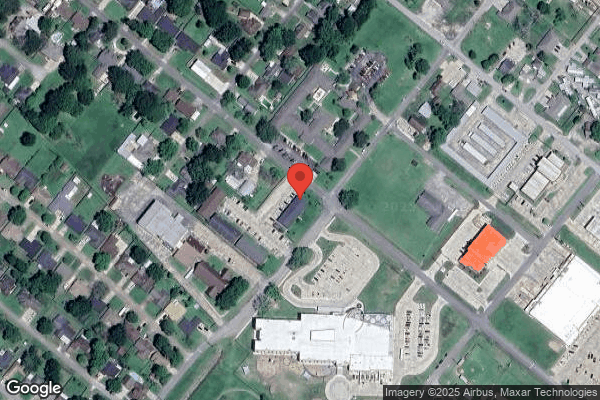
Apr 2024 7 deficiencies
CONCERN (D) 📢 Someone Reported This

A family member, employee, or ombudsman was alarmed enough to file a formal complaint

Potential for Harm - no one hurt, but risky conditions existed

Deficiency F0578 (Tag F0578)

Could have caused harm · This affected 1 resident

**NOTE- TERMS IN BRACKETS HAVE BEEN EDITED TO PROTECT CONFIDENTIALITY** Based on observations, interviews, and record reviews, the facility failed to ensure the right to formulate an advance directive...

Read full inspector narrative →
**NOTE- TERMS IN BRACKETS HAVE BEEN EDITED TO PROTECT CONFIDENTIALITY** Based on observations, interviews, and record reviews, the facility failed to ensure the right to formulate an advance directive was provided for 2 of 6 residents reviewed for resident rights. (Resident #27 and #62) * The facility did not have a valid Out of Hospital-Do Not Resuscitate (OOH-DNR) for Residents #27 and #62. This failure could place residents at risk of lifesaving procedures being performed against their wishes resulting in bruising, broken ribs, electrical shocking of the heart, having a tube placed in the throat and provided artificial breathing methods, and possibly being brought back to life in an unaware and unresponsive state. Findings included: Record review of a face sheet dated 04/24/24 indicated Resident #27 was an [AGE] year-old female admitted on [DATE]. Her diagnoses included chronic obstructive pulmonary disease (a lung disease that blocks airflow making it difficult to breathe), hypertension (condition in which the force of the blood against the artery walls is too high), and congestive heart failure (a condition in which the heart's main pumping chamber (left ventricle) is weak, becomes stiff, and unable to fill properly). She was designated Do Not Resuscitate. Record review of the current MDS assessment with an ARD of 02/25/24 indicated Resident #27 had minimal difficulty hearing, had unclear speech, she was rarely/never understood, sometimes understood others, and had moderately impaired cognitive skills for daily decision making. Record review of the EMR on 04/23/24 indicated Resident #27 had a scanned OOH-DNR dated 04/11/22 with no printed name of physician signature, printed name, date signed, and no license number of physician under the Physician's Statement section. Record review of the care plan on 04/24/24 indicated Resident #27 requested a code status of DNR with interventions of inform staff of code status per facility policy, monitor for decrease in change of condition, report to M.D. and responsible party, and monitor for any changes in resident's code status. During an observation and interview on 04/23/24 at 08:10 a.m. Resident #27 was up in her wheelchair propelling herself on the secured unit. She was not able to answer questions appropriately. During an interview and record review on 04/24/24 at 10:27 a.m. the DON said DNRs were to be completely filled out including the physician statement section unless they have 2 physicians signing. She confirmed Resident #27's DNR's Physician Statement section was left blank. She said the outcome would be the DNR would not be valid, and procedures would have to be started. 2. Record review of a face sheet dated 04/24/24 indicated Resident #62 was a [AGE] year-old female admitted on [DATE]. Her diagnoses included myocardial infarction (blood flow decreases or stops in one of the blood vessels of the heart causing tissue death), cerebral infarction (lack of adequate blood supply to brain cells deprives them of oxygen and vital nutrients which can cause parts of the brain to die off), diabetes mellitus type 2 (chronic condition that affects the way the body processes blood sugar), hypertension (condition in which the force of the blood against the artery walls is too high), respiratory failure (a serious condition that makes it difficult to breathe on your own), and tracheostomy (surgical opening that is made through the front of the neck into the windpipe). Record review of the current MDS assessment with an ARD of 02/21/24 indicated Resident #62 had adequate hearing, had no speech, she was rarely/never understood, she rarely/never understood others, and had severely impaired cognitive skills for daily decision making. Record review of the EMR on 04/23/24 indicated Resident #62 had a scanned OOH-DNR dated 02/14/24 with telephone consent in Section C Declaration by a qualified relative of the adult person who is incompetent or otherwise incapable of communication and in the bottom section All persons who have signed above must sign below, acknowledging that this document has been properly completed and there were 2 witness signatures in the Witness section. During an observation and interview on 04/22/24 at 09:43 a.m. Resident #62 was up in bed with a tracheostomy with continuous oxygen. She had limited speech. During an interview on 04/24/24 at 10:27 a.m. the DON said DNRs were to be filled out by the person who was initiating the DNR. She said a telephone consent instead of signature on Resident #62's DNR was not acceptable. She said the outcome would be the DNR would not be valid and procedures would have to be started. During an interview on 04/24/24 at 10:04 a.m. the MR staff said when she received DNRs she would check them and if they did not look right she would give them to nursing or SW. During an interview on 04/24/24 at 12:20 p.m. the SW said she just started 3 days ago but it would be her responsibility to do audits on DNRs to ensure they were complete and filled out correctly. Record review of an Advanced Directive policy dated June 2016 had no information about the accuracy and completeness of an OOH-DNR. According to Completing the Texas Out of Hospital Do Not Resuscitate Form accessed on 04/23/24 at https://www.dshs.texas.gov/dshs-ems-trauma-systems/out-hospital-do-not-resuscitate-program indicated Section C: The relative acting on behalf of the patient must check the appropriate box in this section, sign and date the form, and then print or type his/her name Section D: The physician must check the appropriate box in this section, sign and date the form, print or type his/her name, and provide his/her license number Witnesses Two witnesses or a notary public must sign that they have witnessed the patient's signature or the signature of a person(s) acting on the patient's behalf in sections A-E
CONCERN (D) 📢 Someone Reported This

A family member, employee, or ombudsman was alarmed enough to file a formal complaint

Potential for Harm - no one hurt, but risky conditions existed

Notification of Changes (Tag F0580)

Could have caused harm · This affected 1 resident

**NOTE- TERMS IN BRACKETS HAVE BEEN EDITED TO PROTECT CONFIDENTIALITY** Based on interview and record review, the facility failed to provide services as outlined by the comprehensive care plan, to mee...

Read full inspector narrative →
**NOTE- TERMS IN BRACKETS HAVE BEEN EDITED TO PROTECT CONFIDENTIALITY** Based on interview and record review, the facility failed to provide services as outlined by the comprehensive care plan, to meet professional standards of quality for consultation with the resident's physician when there was a significant change in the resident's condition or a need to alter treatment significantly for one (Resident #39) of 18 residents reviewed for following physician's orders. The facility failed to implement Resident #39's care plan when his blood pressure and/or heart rate fell below prescribed parameters and did not notify his physician in April 2024. (04/03/24, 04/08/24, 04/11/24, 04/12/24, 04/13/24, 04/20/24, 04/21/24, 04/22/24, and 04/23/24). The failure placed residents, who required blood pressure and heart rate monitoring, at risk for complications due to delayed physician intervention. Findings included: Record review of Resident #39's clinical record indicated he was admitted on [DATE], was [AGE] years old with diagnoses which included hypertension (high blood pressure). Record review of the annual MDS assessment dated [DATE] indicated Resident #39 had a BIMS score of 14 which indicated cognition was cognitively intact. He was diagnosed with hypertension. Review of Resident #39's care plan dated 12/28/21 to present, indicated the resident had diagnosis of hypertension and takes hypertensive medication. The interventions included administering medications per order, monitor labs, and reporting abnormalities to MD (medical doctor). Record review of physician orders dated April 2024 indicated Resident #39 was prescribed Coreg 3.125 mg (used to lower blood pressure) twice daily for hypertension. Hold if systolic blood pressure below 110, diastolic blood pressure below 60, or heart rate below 60. Record review of the MAR dated April 1 - 24, 2024 indicated on the following dates and times, Resident #39's Coreg 3.125 mg was held due to blood pressure and/or heart rate outside the prescribed parameters and there was no indication in the clinical record the physician had been notified: *04/03/24 at 8:00 a.m., *04/08/24 at 8:00 a.m., *04/11/24 at 8:00 p.m., *04/12/24 at 8:00 a.m., *04/13/24 at 8:00 a.m., *04/20/24 at 8:00 a.m., *04/21/24 at 8:00 p.m., *04/22/24 at 8:00 p.m., and *04/23/24 at 8:00 a.m. Record review of nurses' notes for Resident #39 dated 03/29/24, through 04/18/24 (last entry), gave no indication of notifying the physician of the blood pressure medication being held for 9 of 47 opportunities. During joint interview and record review on 04/24/24 at 11:30 AM, UM D and LVN E said anytime a resident has vital signs out of prescribed parameters, and medication was withheld, the physician should be notified, especially if there was a pattern of medications being withheld. LVN E said the physician for Resident #39 should have been notified and made aware of withholding of the blood pressure medications. UM D said if any medication that was held or refused three times in a row, the physician should be notified and documented in the resident's clinical record. UM D and LVN E sais Resident #39's clinical record lacked documentation of physician notification. Both said they had received training on when to notify physicians on residents' behalf. During an interview and record review on 04/24/24 at 11:45 a.m., the ADON reviewed Resident #39's current electronic MAR and progress notes and confirmed the absence of documentation of physician notification when medications were held. The ADON said if residents have any parameters with medications, and medication was withheld, the physician must be made aware immediately. The ADON said physicians needed to know of residents' vital signs being outside prescribed parameters. She added if vital signs were consistently out of range, negative outcomes could include falls, dizziness, among other signs or symptoms. During an interview and record review on 04/24/24 at 9:08 a.m., the DON said her expectations were for residents to have documentation in clinical record including physician notification of any medication being withheld. She said she would expect staff to notify physician for each occurrence of being withheld. She confirmed there was no documentation the physician was notified when Resident #39's medications were withheld and should have been. The policy Physician Notification dated revised January 2024 indicated . The types of conditions which arise frequently are listed. vital signs .It is the responsibility of the nursing staff to observe the change, make an assessment, and notify the physician as indicated.
CONCERN (D) 📢 Someone Reported This

A family member, employee, or ombudsman was alarmed enough to file a formal complaint

Potential for Harm - no one hurt, but risky conditions existed

Report Alleged Abuse (Tag F0609)

Could have caused harm · This affected 1 resident

**NOTE- TERMS IN BRACKETS HAVE BEEN EDITED TO PROTECT CONFIDENTIALITY** Based on interview and record review, the facility failed to ensure that all alleged violations involving abuse were reported, b...

Read full inspector narrative →
**NOTE- TERMS IN BRACKETS HAVE BEEN EDITED TO PROTECT CONFIDENTIALITY** Based on interview and record review, the facility failed to ensure that all alleged violations involving abuse were reported, but not later than 2 hours after the allegation is made, if the events that cause the allegation involves abuse or result in serious bodily injury, to the State Survey Agency, for 1 (Resident #2) of 16 residents reviewed for reporting allegations of abuse. The facility failed to report an allegation of physical abuse within 2 hours to the State Agency when Resident #2 reported to facility staff that Resident #1 hit/slapped her in the head. This failure could place residents at risk of abuse, physical harm, mental anguish, and emotional distress. Findings included: 1. Record review of a face sheet dated 4/22/2024 indicated Resident #1 was a 68-years-old, admitted to the facility on [DATE]. Her diagnoses included unspecified intellectual disabilities (a condition that affects a person's ability to learn and function at an expected level), Down Syndrome (genetic disorder caused when abnormal cell division results in extra genetic material from chromosome 21), benign lipomatous neoplasm (benign tumors of fat cells that present as soft, painless masses most commonly seen on the trunk, but can be located anywhere on the body), malignant neoplasm of connective and soft tissue (type of cancer that affect the connective tissues in our bodies: muscle, nerves, blood vessels and fats ), morbid (severe) obesity (being more than 10 pounds overweight), hypertension (condition in which the force of the blood against the artery walls is too high), and major depressive disorder (a mood disorder that causes a persistent feeling of sadness and loss of interest). Record review of a MDS assessment dated [DATE] indicated Resident #1 was usually able to make herself understood and usually understand others. She had a BIMS of 02 (severely impaired cognitively). She has behaviors of inattention and disorganized thinking. She required maximum assistance for most ADLs. She was always incontinent of bowel and bladder. Record review of Resident #1's care plan dated 4/23/2024 indicated Resident #1 had behavioral symptoms: Resident #1 has physical behavioral symptoms directed at others (hit another resident). Interventions included to refer to psych services; provide medication as ordered; record behaviors, monitor pattern of behavior (time of day, precipitating factors, specific staff or situations), notify MD; remind resident that behavior is not appropriate; and remove from situation; allow time to calm down. Record review of Resident #1's progress note dated 3/29/2024 at 2:24 p.m. authored by the ADON indicated she was notified by staff that Resident #1 slapped another resident. ADON went to the front sitting area and Resident #1 was noted sitting in her wheelchair, behind the couch. The ADON asked Resident #1 what happened, and she stated, I was trying to watch the TV but this lady was in the way, so I hit her. ADON asked Resident #1 to please come with her to do a face-to-face video call with facility NP. NP did not feel resident was a threat to harm herself nor harm others. Resident #1 was reminded that it was not ok to hit people and if she needs assistance to please call staff for help. The PCP was notified of the incident, new orders received to continue Levaquin for UTI and to start Depakote 125mg bid dx mood stabilizer and Ativan 0.5mg q 6hrs prn agitation. Family and NP notified of new orders. Record review of Resident #1's progress notes dated 3/29/204 at 2:00 p.m. authored by the NP indicated she received a face time call from ADON at facility, Resident #1 was present for the call, Resident #1 hit another resident in the common area while watching TV. When NP asked Resident #1 why she hit the other resident, she replied, She was in front of the TV. Discussion continued and Resident #1 verbalized understanding that it was not ok to hit other residents. She could move away from the situation or have a nurse assist her with any issues. Resident #1 agreed that it was not ok to hit people and she would not touch other residents. Further review revealed the NP documents at this time, I do not feel patient is a threat or harm to herself or others. Patient is on day three of Levaquin being treated for a Urinary Tract Infection. and ordered patient to start Depakote 125mg BID and Alprazolam 0.5mg q 6 hours as needed. Patient is pleasant and stable at the end of call. ADON or facility to call NP back with any changes in condition or additional issues. During an observation and interview on 4/22/2024 at 11:09 a.m., Resident #1 sitting up in wheelchair in room, she said she did not recall the incident involving her and Resident #2 that happened on 3/29/2024. Resident #1 said that she knew that she was not supposed to hit other residents or staff. 2.Record review of a face sheet dated 4/22/2024 indicated Resident #2 was [AGE] years old, initially admitted to the facility on [DATE]. Her diagnoses Alzheimer's disease ( a progressive disease beginning with mild memory loss and possibly leading to loss of the ability to carry on a conversation and respond to the environment ), disorder of lipoprotein metabolism (condition that your body may not have enough enzymes to break down lipids) osteoarthritis of right hand (swelling and irritation that causes pain and stiffness in the hand joints), anxiety disorder (persistent and excessive worry that interferes with daily activities) and depressive disorder (a mood disorder that causes a persistent feeling of sadness and loss of interest). Record review of a MDS assessment dated [DATE] indicated Resident #2 was able to make herself understood and understand others. She had a BIMS of 12 (moderately impaired cognitively). No behaviors identified. She was independent with most ADLs but required supervision with shower/bathing and toileting hygiene. She was occasionally incontinent of bladder and bowel. Record review of Resident #2's care plan dated 4/23/2024 indicated Resident #2 has diagnosis of anxiety disorder with physical manifestations of anxiety as evidence by outbursts. Interventions included refer to deer oaks psych services; assess changes in mental status; assess and record behaviors, determine pattern of behavior (time of day, precipitating factors/situations; discuss with physician and team a trial period of antianxiety medication therapy; and touch hands/shoulder to show caring or provide comfort. provide 1-1 interaction read a story/talk about events (weather/etc.). Record review of Resident #2's progress notes dated 3/29/204 at 2:33 p.m. authored by UM D indicated that resident came to nurse and stated another resident hit her on top of head. when asked what happened resident stated I was setting on the couch watching tv, and she just hit me. She told me to quit telling people what to do. head to toe assessment initiated, no visible injuries noted. resident stated the back of her head hurt. 4 out of a 0 to 10 pain level prn Tylenol given. RP notified RP stated, I was afraid this was coming; she is such a busy body. No concerns from RP, MD and DON notified. During an observation and interview on 4/22/2024 at 11:30 a.m., Resident #2 was sitting in TV room visiting with other residents, she said she did not recall the incident involving her and Resident #2 that happened on 3/29/2024. Resident #2 said she got along with everyone at the facility, she denied having an altercation with another resident. During an interview on 4/23/2024 at 2:15 p.m., with CNA B said on 3/29/2024 around 1:30 p.m., she was returning to facility from lunch and when she entered the facility from TV sitting area door, she observed Resident #1 hit/slap Resident #2 on the head, she said Resident #2 was sitting on the end of couch with other residents watching TV, Resident #1 wheeled up behind couch and slapped/hit Resident #2 on the head. CNA B said she immediately separated the two residents and reported the incident to the charge nurses. CNA B said Resident #1 said she could not see the TV and wanted Resident #2 to move her head. She said she has been trained on abuse and neglect and was aware to report any allegations of abuse to the charge nurse and/or ADON/DON immediately. During an interview on 4/24/2024 at 9:10 a.m., LVN C said she recalled the incident between Resident #1 and Resident #2 on 3/29/2024. She said she did not witness the altercation but was the charge nurse for Resident #2 and was notified by CNA B and Resident #2 regarding the incident as soon as it occurred around 1:30 p.m. LVN C said she immediately notified ADON, DON, RP, and MD of the incident. She said she has been trained on abuse and neglect and was aware to report any allegations of abuse to the administrator/Abuse Prevention Coordinator immediately, the day of incident Abuse Prevention Coordinator not working, so she notified ADON & DON. During an interview on 4/24/2024 at 10:10 a.m., ADON said she recalled the incident between Resident #1 and Resident #2 on 3/29/2024. She said she did not witness the altercation but was the charge nurse for Resident #1 and was notified by CNA B regarding the incident as soon as it occurred around 1:30 p.m. The ADON said she notified Abuse Prevention Coordinator immediately by phone/text, and then notified Psych services, facility NP, PCP and RP. Record review of TULIP intake for Resident #1 and Resident #2 indicated information date received on 3/29/2024 at 6:39 p.m., read that the allegation of abuse occurred on 3/29/2024 at 1:30 p.m. and the facility first learned of the incident on 3/29/2024 at 1:30 p.m. Caller information indicated the reporter of the allegation was the Abuse Prevention Coordinator. Record review of Provider Investigation report dated 4/5/2024 indicated that the alleged allegation of abuse occurred on 3/29/2024 at 1:30 p.m. and was reported to HHSC on 3/29/2024 at 6:00 p.m. During an interview on 4/24/2024 at 11:45 a.m., the Executive Director/Abuse Prevention Coordinator said she was notified of the abuse allegation on 3/29/2024, she recalled being notified of the incident while attending church services on holiday on 3/29/2024. Executive Director/Abuse Prevention Coordinator said she reported the abuse allegation as soon as she could get access to a computer and acknowledged it was greater than 2 hours from the alleged abuse allegation. The Executive Director/Abuse Prevention Coordinator said the expectations was for the facility staff to report all suspicions or allegations of abuse immediately to her, as the abuse prevention coordinator. She said the timeframe for reporting allegations of abuse to the state agency was to report within 2 hours of the allegation. The Executive Director said she should have reported allegations of abuse to the state agency within 2 hours of the allegation. Record review of the facility's Abuse and Neglect policy dated April 2019 indicated . The Abuse Prevention Coordinator will: immediately (within 2 hours) report to The Department of Aging and Disability Services (DADS) and other appropriate authorities' incidents of patient abuse as required under applicable regulations and regulatory guidance.
CONCERN (D) 📢 Someone Reported This

A family member, employee, or ombudsman was alarmed enough to file a formal complaint

Potential for Harm - no one hurt, but risky conditions existed

Respiratory Care (Tag F0695)

Could have caused harm · This affected 1 resident

**NOTE- TERMS IN BRACKETS HAVE BEEN EDITED TO PROTECT CONFIDENTIALITY** The facility failed to ensure that a resident who needs respiratory care, is provided such care, consistent with professional st...

Read full inspector narrative →
**NOTE- TERMS IN BRACKETS HAVE BEEN EDITED TO PROTECT CONFIDENTIALITY** The facility failed to ensure that a resident who needs respiratory care, is provided such care, consistent with professional standards of practice, the comprehensive person-centered care plan, the residents' goals and preferences for 1 of 18 residents reviewed for respiratory care. (Resident #29) The facility failed to follow physician orders for Resident #29's oxygen. This failure could place the residents at risk of not receiving the care and services to maintain their highest level of well-being. Findings included: Record review of physician orders dated April 2024 indicated Resident #29, admitted [DATE], was [AGE] years old with diagnoses of congestive heart failure (a chronic condition in which the heart does not pump blood as well as it should) and chronic obstructive pulmonary disease (a group of lung diseases that block air flow and make it difficult to breathe). The orders indicated the resident received oxygen 2 liters via nasal cannula beginning 1/24/24. Record review of the most recent quarterly MDS assessment dated [DATE] indicated Resident #29 received oxygen therapy. Record review of a care plan dated 2/12/24 indicated Resident #29 was unable to maintain O2 Saturation. Receives oxygen at 2 L/min. Record review of the TAR dated 4/1/24 to 4/30/24 indicated Resident #29 was to receive oxygen at 2 liters/minute nasal cannula. During the following observations, Resident #29's oxygen was in progress and was set at 3 liters via nasal cannula: *on 04/22/24 at 9:39 a.m., *on 03/22/24 at 2:16 p.m., *on 04/23/24 at 9:38 a.m., *on 04/23/24 at 12:36 p.m., and *on 04/23/24 at 2:57 p.m. During interview and record review on 04/23/24 at 2:51 p.m., LVN A, upon review of the clinical record, said Resident #29's oxygen was ordered at 2 liters via nasal cannula. During observation of Resident #29 and interview on 04/23/24 at 2:57 p.m., LVN A said the resident's oxygen was set at 3 liter and should be set at 2 liters. She said the resident did not receive the correct dose of oxygen. She said the possible negative outcome would be the resident's lungs could be affected. When asked how the lungs would be affected, she did not respond. During an observation of Resident #29 and interview on 04/23/24 at 3:00 p.m., the DON said the resident did not receive the oxygen at 2 liters as ordered. She said the possible negative outcome could be damage to the lungs. She said her expectations were for the staff to administer the oxygen as ordered. Record review of a Oxygen Administration policy revised October 2010 indicated: Purpose: The purpose of this procedure is to provide guidelines for safe oxygen administration. Procedure: 1. Verify that there is a physician's order for this procedure. Review the physician's orders or facility protocol for oxygen administration. 2. Review the resident's care plan to assess for any special needs of the resident. 3. Assemble the equipment and supplies as needed.
CONCERN (E) 📢 Someone Reported This

A family member, employee, or ombudsman was alarmed enough to file a formal complaint

Potential for Harm - no one hurt, but risky conditions existed

Deficiency F0557 (Tag F0557)

Could have caused harm · This affected multiple residents

**NOTE- TERMS IN BRACKETS HAVE BEEN EDITED TO PROTECT CONFIDENTIALITY** Based on observation, interview, and record review the facility failed to ensure residents had the right to be treated with resp...

Read full inspector narrative →
**NOTE- TERMS IN BRACKETS HAVE BEEN EDITED TO PROTECT CONFIDENTIALITY** Based on observation, interview, and record review the facility failed to ensure residents had the right to be treated with respect and dignity including the right to retain and use personal possessions including furnishings, and clothing, as space permitted, unless to do so would infringe upon the right or health and safety of other residents for 4 (Residents #9, #13, #47, and #268) of 18 residents reviewed for the right to retain and use personal possessions. The facility failed to return all their personal clothes from the laundry for Residents #9,#13, #47 and #268 from 04/17/24 to 04/22/24. This failure could place residents at risk of having their rights infringed upon and could lead to the residents not being able to use their personal clothes. Findings Included: 1. Record review of Resident #9's admission record dated 04/24/24 indicated an [AGE] year-old male admitted to the facility on [DATE] with diagnoses that included, but were not limited to, Alzheimer's Disease (progressive disease that destroys memory), anxiety (a feeling of worry, nervousness and unease) and chronic kidney disease (kidneys not working normally). Record review of Resident #9's quarterly MDS assessment dated [DATE] indicated his BIM score of 07 which indicated moderately impaired cognition. He was independent with dressing and required limited assistance with bathing and grooming. Record review of Resident #9's care plan dated 04/24/24 indicated he required limited assistance with dressing. The goal was for Resident #9 to dress self over the next 90 days. Interventions included assisting Resident #9 to select clothing that is clean, in good repair, fits, and is appropriate for the season. During an interview on 04/22/24 at 3:15 p.m., Resident # 9 stated we are missing our clothes (all my pants and 4 shirts) and was because the laundry lady had a vacation. During an observation on 04/22/24 at 3:30 p.m., the laundry supervisor was putting clothes in the resident's closets. During an interview on 04/23/24 at 2:30 p.m., Resident #9 said my clothes are back in my closet now. 2. Record review of Resident #13's admission record dated 04/23/24 indicated an [AGE] year-old male admitted to the facility on [DATE] with diagnoses that included, but were not limited to, left sided weakness, stroke, anxiety, and depression. Record review of Resident #13's quarterly MDS assessment dated [DATE] indicated his BIMS was 14 which was cognitive intact. Record review of Resident #13 care plan dated 4/23/24 indicated he required extensive to total assistance to bathing and grooming. During an interview on 04/22/24 at 9:00 a.m., Resident #13 said in a loud voice he was not getting his clothes back from the laundry and he had been waiting days for his clothes to return. During an interview on 04/23/24 at 09:04 a.m., Resident #13 stated I got back three shirts but some of my shorts are still missing. 3. Record review of Resident #47s admission record dated 04/24/24 indicated a [AGE] year-old male admitted to the facility on [DATE] with diagnoses that included, but were not limited to, heart disease and senile degeneration of the brain. Record review of Resident #47's quarterly MDS assessment completed on 02/20/24 indicated his BIMS was 06 and he required supervision with bathing and grooming. Record review of Resident #47's care plan indicated he required supervision with grooming and bathing. The interventions included set up assistance to complete bathing and grooming. During an interview on 4/22/24 at 12:35 p.m. Resident # 47 said I can't find my clothes. He said this was the second time my clothes had been lost and he did not know the date the clothes were lost before. 4. Record review of Resident #268' s admission record dated 04/17/24 indicated a [AGE] year-old male admitted to the facility on [DATE] with diagnoses that included, but were not limited to, dementia and high blood pressure. Record review of Resident #268's admission MDS was not completed. Record review of Resident #268's care plan indicated ineffective individual coping related to depression. During an interview on 4/22/24 at 9:40 a.m., Resident #268 was wandering on the secure unit saying he was not going to change his clothes because they were not bringing clothes back to him. During an observation on 4/22/24 at 942 a.m., there was no clothes in Resident #268's closet. During an interview on 4/22/24 at 9:45 a.m., LVN G said they have been going to the laundry and get clothes for the residents. She said she did not have time this morning to go get the clothes for the resident. She said normally the laundry brings the clothes to each room and said but last few days the laundry supervisor had taken some time off. During an interview on 4/23/24 at 11:45 a.m. with the Administrator and laundry supervisor in the Administrator's office. The administrator said she was notified on Sunday the nursing was having to get resident's clothes out of laundry. The Laundry Supervisor said while she was on vacation her relief kept calling in and not coming into work. The Administrator looked at the computer and said the last day her relief worked was on Tuesday 4/16/24. The laundry Supervisor said no one was passing out the resident personal clothes until she got back on Monday 4/22/24. The Administrator said her expectation was for resident personal clothes to be washed and dried and returned by next morning. During an observation on 4/24/24 at 9:00 a.m., the Administrator was in Resident #47's room helping the resident locating his clothes.
CONCERN (F) 📢 Someone Reported This

A family member, employee, or ombudsman was alarmed enough to file a formal complaint

Potential for Harm - no one hurt, but risky conditions existed

Room Equipment (Tag F0908)

Could have caused harm · This affected most or all residents

Based on observation, interview, and record review, the facility failed to maintain all mechanical, electrical, and patient care equipment in safe operating condition for 1 of 1 stove in the kitchen r...

Read full inspector narrative →
Based on observation, interview, and record review, the facility failed to maintain all mechanical, electrical, and patient care equipment in safe operating condition for 1 of 1 stove in the kitchen reviewed for essential equipment. The facility did not ensure the gas stove was in safe operating condition. Three burners on the back of the stove and the 2 ovens would not ignite when the knobs were turned. This failure could place the residents at risk of a fire and not having safe operating equipment. Findings included: During an observation and interview on 04/22/24 at 09:15 a.m. during initial tour of kitchen the stove's 3 rear burners were not lighting when the knobs were turned on. The DM said the stove will do that at times. During an observation and interviews on 04/23/24 at 11:25 a.m. during lunch preparation the stove's 3 rear burners were not lighting when the knobs were turned on. The 2 stoves were not lighting when the knobs were turned on. [NAME] F said she had issues at times and would light it with a lighter when it happened. The DM said the ovens at times would not light either. He said he kept a lighter for when the burners and the ovens would not light. He said he had not reported the stove to the MS. During an interview on 04/23/24 at 12:32 p.m. the MS said she was not informed about the stove burners and ovens not lighting when turned on. She said if staff used a lighter to light them it could cause an explosion and injuries to residents and staff. According to the FDA Food Code 2022 accessed at https://www.fda.gov/food/retail-food-protection/fda-food-code 4-5 Maintenance and Operation 4-501 Equipment 4-501.11 Good Repair and Proper Adjustment. (A) EQUIPMENT shall be maintained in a state of repair and condition that meets the requirements specified under Parts 4-1 and 4-2
MINOR (C) 📢 Someone Reported This

A family member, employee, or ombudsman was alarmed enough to file a formal complaint

Minor Issue - procedural, no safety impact

Staffing Information (Tag F0732)

Minor procedural issue · This affected most or all residents

Based on interview and record review, the facility failed to maintain the daily nurse staffing data for at least 18 months of last 18 months. The facility to ensure the records for the posted daily nu...

Read full inspector narrative →
Based on interview and record review, the facility failed to maintain the daily nurse staffing data for at least 18 months of last 18 months. The facility to ensure the records for the posted daily nurse staffing data were maintained from October 2022 to April 23,2024. This failure could place residents, families and visitors at risk of not being able to request the daily nurse staffing data record for the last 18 months. Findings included: During an interview on 04/23/24 at 9:00 a.m., the secretary said she was responsible for printing the daily nurse staffing data sheet. Then she would post it in the frame at the front entrance of the facility. She said she did not retain staffing reports and said she disposed of them each day when she would post the new one. She said no one had told her to keep them. During an interview on 04/23/24 at 2:00 p.m., the administrator said she wanted the posting for staffing to be maintained in a binder after each day. She said if not the documents would not be available for viewing or review as required. Record review of the staff posting dated 04/23/24 indicated .The records must be maintained for 18 months.
Mar 2024 2 deficiencies
CONCERN (D) 📢 Someone Reported This

A family member, employee, or ombudsman was alarmed enough to file a formal complaint

Potential for Harm - no one hurt, but risky conditions existed

Transfer Requirements (Tag F0622)

Could have caused harm · This affected 1 resident

**NOTE- TERMS IN BRACKETS HAVE BEEN EDITED TO PROTECT CONFIDENTIALITY** Based on interview and record review the facility failed to ensure a resident was allowed to remain in the facility and not tran...

Read full inspector narrative →
**NOTE- TERMS IN BRACKETS HAVE BEEN EDITED TO PROTECT CONFIDENTIALITY** Based on interview and record review the facility failed to ensure a resident was allowed to remain in the facility and not transfer or discharge unless they met a requirement for discharge 1 of 1 resident (Resident #2) reviewed for discharge rights. * The facility discharged Resident #2 without indicating the discharge was necessary for the resident's welfare, what needs of the resident the facility could not meet; the resident's health had improved sufficiently so the resident no longer needed the services provided by the facility; the safety of individuals in the facility is endangered due to the clinical or behavioral status of the resident; the health of individuals in the facility would otherwise be endangered; or resident had failed, after reasonable and appropriate notice, to pay for a stay at the facility. This failure could place residents at risk for inappropriate discharge from the facility and cause psychological harm. Findings included: Record review of a face sheet printed on 03/20/24 indicated Resident #2 was an [AGE] year-old female admitted on [DATE] and was discharged on 07/21/23. Her diagnoses included cerebral infarction (lack of adequate blood supply to brain cells deprives them of oxygen and vital nutrients which can cause parts of the brain to die off), metabolic encephalopathy (when another health condition, such as diabetes, liver disease, kidney failure, or heart failure, makes it hard for the brain to work), type 2 diabetes (chronic condition that affects the way the body processes blood sugar), heart failure (a condition that develops when the heart doesn't pump enough blood for the body's needs), cardiomyopathy (disease of the heart muscle that makes it harder for the heart to pump) , and rheumatic heart disease (a serious condition that affects the heart valves due to a bacterial infection). Record review of Resident #2's Nurse Notes indicated the following: * On 07/19/23 at 10:22 p.m. the resident arrived via ambulance on stretcher with 2 attendants from the hospital with no orders. The nurse had to call and have discharge orders faxed over at 11:09 p.m. The resident transferred to bed by 1 attendant without incident. The resident was oriented to room and facility. Vital signs were taken and WNL. The resident was alert and oriented to person, place, and time. The resident's family was present. The resident was on a regular low sugar and no salt on the table diet. The resident was continent of bowel and bladder. A skin assessment initiated indicated there were no open areas noted. The resident had left sided weakness from cerebral infarction. The resident room was filled with family members. The resident Speech was unclear at times and required extra time to make her needs known. * On 07/20/23 at 12:55 p.m. The resident was alert and oriented to her name. Her speech was clear, but she was soft spoken. She was able to make her needs known. She denied pain or discomfort at this time. Her vital signs were BP-139/68, P-72, O2-98% on room air, R-18 even and unlabored with no SOB. Her blood sugar was 125 for breakfast time and 182 for lunch time which required 2 units of Humalog per sliding scale administered. Her morning meds were administered along with an ABT for UTI (bladder infection). She was able to swallow the pills without complications. She had a TB test administered to the right forearm and she tolerated it well. She received a shower this morning. Family members were in the room with her. They were feeding her lunch at this time. The call light and hydration were within reach. * On 07/20/23 at 09:13 p.m. the nurse documented at 02:00 p.m. the resident was in bed resting and the call light was within reach. She denied having any pain and there were no signs or symptoms of distress. No family present at this time. At 4:30 p.m. an accucheck done with the blood sugar being 157. The resident was informed she needed 2 units of Humalog insulin which were given with the dinner tray to her left arm. She denied any pain at this time. Her family was at the bedside. At 06:00 p.m. the family was informed to not put any trays on the floor due to it being a hazard and the family verbalized understanding. At 08:00 p.m. the resident was in bed with her room filled with family. Her vital signs were B/P-140/64, P-74, and blood sugar was 160. The resident received all night medications as ordered. She denied any pain and no distress or discomfort was noted. * On 07/21/23 at 01:52 p.m. the physician was notified of resident discharging immediately. The nurse obtained orders were to discharge resident home and the resident to follow up with her primary physician in the community. The resident would discharge with all current medications. She did not require any special equipment and the Responsible Party currently resided with the resident. * On 07/21/23 at 01:58 p.m. the resident discharged home with family members in family personal vehicle at 01:30 p. m. She was rolled out in a facility wheelchair and helped into family vehicle by therapy staff without incident. She had no complaint of pain or discomfort. She had no skin issues. All medications were given to the resident prior to discharge were tolerated well. Her vital signs 01:00 p.m. were BP-152/73, P-74, and BS-191 which she was given 2 units of Humalog insulin. All discharge paperwork was signed, copied, and given to the resident and RP. She and her family were educated on how to and when to administer her medications. The nurse explained to the resident family members the signs and symptoms to look for if resident was experiencing low blood sugars and what to do if the situation occurred and when to call 911. Family verbalized understanding of proper medication administration. This nurse educated resident family on how to properly monitor blood sugar level and family verbalized understanding of checking resident blood sugar 4 times daily as well as giving insulin according to the sliding scale. This nurse educated the resident and family on the importance of following the parameters for her blood pressure medication administration and the family verbalized understanding of the importance of the parameters. Record review of physician orders for July 2023 indicated Resident #2 had an order dated 07/21/23 to discharge home. Record review of a SW note dated 07/21/23 at 03:33 p.m. indicated Resident #2 was issued an immediate discharge today due to a family member's aggressive verbal behavior with staff. The resident was no problem, but her family member was unable to be satisfied with anything the DON or the Administrator was offering her. The family member came into the facility yesterday morning interrupting the morning Stand Up Meeting by banging on the conference door, demanding to speak to the Administrator about the resident's breakfast. The family member was inconsolable about the resident being served grits with butter on them. Her family member was yelling and banging on the table as she spoke to the Administrator and the other IDT members. Unfortunately, the saga continued today, and it led to the Administrator issuing the discharge and calling the local police to ensure that the family exited the facility without further verbal aggression. Her records were sent to another facility. Record review of a Patient Discharge Plan of Care for Resident #2 dated 07/21/23 indicated she was being discharged with no information as to who or where she was being discharged to. Dietary recommendations were to avoid salt and to avoid sugar. Patient Instructions/Teaching included medication education, follow up with her physician, bathe and moisturize skin 3 times weekly, and follow dietary recommendations. There was section of an acknowledgement of receipt signed by someone who was not the RP but another family member. During an interview on 03/21/24 at 10:00 a.m. the DON said Resident #2 was discharged because of how her RP treated the previous Administrator, her, and her staff. She said the resident herself was no problem at all and was very pleasant. She said the RP wanted the resident in a private room which she was placed in one. She said the RP would stay the day at the facility due to the electricity at the home not being on. She said the RP wanted a bigger room for the resident so other family members could stay also but they would not move her to a larger room because the insurance would not pay for it. She said on the morning the Administrator discharged the resident, they were in their morning meeting and the RP was banging on the conference room door demanding to speak with the Administrator. She said the RP called them names she would not repeat, and the Administrator had had enough so she discharged her. During an interview on 03/21/24 at 12:32 p.m. the SW said she had not assisted Resident #2's RP with finding other placement for the resident. She said her documentation in the resident's clinical records was her understanding regarding the resident's discharge from the facility. She said she sent the information to the other facility after the resident had been discharged . During an interview on 03/21/24 at 01:28 p.m. the Administrator said she understood the documentation appeared to be an immediate discharge of Resident #2. She said residents were to be discharged based on the appropriate requirements. Record review of a Transfer or Discharge, Facility-Initiated policy dated October 2022 indicated Policy Statement: Once admitted to the facility, residents have the right to remain in the facility. Facility-initiated transfers and discharges, when necessary, must meet specific criteria and require resident/representative notification and orientation, and documentation as specified in this policy. Policy Interpretation and Implementation: Each resident will be permitted to remain in the facility, and not be transferred or discharged unless: a. the transfer or discharge is necessary for the resident's welfare and the resident's needs cannot be met in this facility; b. the transfer or discharge is appropriate because the resident's health has improved sufficiently so 1he resident no longer needs the services provided by this facility; c. the safety of individuals in the facility is endangered due to the clinical or behavioral status of 1he resident; d. the health of individuals in the facility would otherwise be endangered; e. the resident has failed, after reasonable and appropriate notice, to pay for (or to have paid under Medicare or Medicaid) a stay at this facility
CONCERN (D) 📢 Someone Reported This

A family member, employee, or ombudsman was alarmed enough to file a formal complaint

Potential for Harm - no one hurt, but risky conditions existed

PASARR Coordination (Tag F0644)

Could have caused harm · This affected 1 resident

**NOTE- TERMS IN BRACKETS HAVE BEEN EDITED TO PROTECT CONFIDENTIALITY** Based on interview and record review, the facility failed to ensure recommendations from PASARR evaluation were incorporated for...

Read full inspector narrative →
**NOTE- TERMS IN BRACKETS HAVE BEEN EDITED TO PROTECT CONFIDENTIALITY** Based on interview and record review, the facility failed to ensure recommendations from PASARR evaluation were incorporated for 1 of 1 resident reviewed for coordination of PASARR services. (Resident #1) Facility failed to provide specialized services for PASARR positive residents as agreed to during Resident #1's meeting by the required timeframe. This failure could place the residents with intellectual and developmental disabilities at risk of not receiving specialized services that would enhance their highest level of functioning. Findings included: Record review of a face sheet dated 10/25/23 indicated Resident #1 was a [AGE] year-old female who admitted on [DATE]. Her diagnoses included intellectual disabilities (limitations in mental abilities that affect intelligence, learning and everyday life skills), epilepsy (neurological disorder that causes seizures or unusual sensations and behaviors), major depressive disorder (mental health disorder characterized by persistently depressed mood or loss of interest in activities, causing significant impairment in daily life). Record review of a PASARR Level 1 Screening dated 05/10/23 indicated Resident #1 had mental illness, intellectual disability, and developmental disability. Record review of a PASARR Evaluation dated 05/12/23 indicated Resident #1 did not meet criteria for MI but did meet criteria for ID and DD. Record review of the admission MDS assessment dated [DATE] indicated Resident #1 was currently considered by the state level II PASRR process to have serious mental illness and/or intellectual disability or a related condition. Record review of a LIDDA Habilitation Service Plan dated 05/17/23 indicated Resident #1 would be receiving a CMWC (customized manual wheelchair) and be fitted for it. She would also be getting a special mattress. Record review of Resident #1's PASRR Comprehensive Service Plan form Quarterly Meeting dated 08/02/23 indicated in section A2800. Nursing Facility Specialized Services: B. Customized Manual Wheelchair was marked 3 for ongoing and in section A2900. Durable Medical Equipment (DME): Specialized or Treated Pressure-Reducing Support Surface Mattress was marked 2 for new. Record review of the June 2023 (2) PASRR Compliance call report.HHSCREG (1) provided by the PASRR Unit complainant indicated: * Resident #1 was listed * a Customized Manual Wheelchair (CMWC) was marked new * NF was contacted on 09/28/23 * NF staff contacted was [DON] * Due Date for NF to submit NFSS form in LTC Portal (CMWC/DME) was 10/05/23 * Request initially found in LTC Portal was marked No * NFSS form submitted in LTC Portal by due date was marked No. Record review of a PASRR Nursing Facility Specialized Services form for Resident #1 indicated an assessment for the CMWC dated 01/10/24 and signed by the therapist on 01/17/24. During an interview 03/18/24 at 03:00 p.m. the DON and the CN said normally the PCC was responsible for following up with the PASARR services. They said the DON had submitted some of Resident #1's information into the LTC Portal. They said Resident #1 originally came from another state and did not have Texas Medicaid, so the paperwork was kicked back in the LTC Portal for her. They said the NFSS form was submitted and acknowledged it was submitted late on 01/10/24 when it was due by the PASRR unit on 10/05/23. They said it was important to follow up with the recommended services to meet the resident's needs. During an interview on 03/19/24 at 09:30 a.m. Resident #1 said she liked her new wheelchair. Record review of the facility's undated PASARR Process indicated 6) Within 20 business days after the IDT meeting, submit a completed and accurate request for Nursing Facility Specialized Services (NFSS) in the LTC Online Portal (TMHP or Simple LTC)
Feb 2023 2 deficiencies
CONCERN (D)

Potential for Harm - no one hurt, but risky conditions existed

ADL Care (Tag F0677)

Could have caused harm · This affected 1 resident

**NOTE- TERMS IN BRACKETS HAVE BEEN EDITED TO PROTECT CONFIDENTIALITY** Based on observation, interview and record review the facility failed to ensure a resident who is unable to carry out activities...

Read full inspector narrative →
**NOTE- TERMS IN BRACKETS HAVE BEEN EDITED TO PROTECT CONFIDENTIALITY** Based on observation, interview and record review the facility failed to ensure a resident who is unable to carry out activities of daily living receives the necessary services to maintain good personal hygiene for 2 of 18 residents reviewed for ADL care. (Resident #'s 29 and 40) *The facility failed to maintain Resident #29's fingernails, which extended ¾ inch past the tips of each finger; and had brown substance caked under nails. *The facility failed to maintain Resident #40's fingernails, which extended approximately ¾ inch past the tips of each finger. The 4th digit (ring finger) and 5th digit (pinky finger) fingernails of the resident's right contracted hand caused indentations in the palm of the resident's right hand. This failure could place the residents at risk for not receiving the care and services to maintain their highest level of well-being. Findings included: 1. Record review of physician orders dated February 2023 indicated Resident #29, admitted [DATE], was [AGE] years old with diagnoses of acquired absence of left and right leg above knee (loss or removal of both legs from above the knees), weakness, and age-related physical debility (inability to walk and limited strength). Record review of a care plan effective 04/08/22 to present indicated Resident #29 was totally dependent on staff for personal hygiene. Intervention included comb hair, wash face, provide oral hygiene and brush teeth/dentures. Fingernail care was not included in interventions. Care plan also indicated that Resident #29 rejects and resists care. Record review of a significant change MDS dated [DATE] indicated Resident #29 was cognitively intact. The resident required extensive assistance of one person for personal hygiene and had functional limitations in range of motion to both lower extremities. The assessment indicated the resident did not have behaviors or resist care. Record review of ADL sheets dated February 2023 did not include any documentation Resident #29's nails had been trimmed. During an observation on 02/13/23 at 7:30 a.m., Resident #29 was asleep and had long fingernails which protruded approximately 3/4 past the tips of each finger: Fingernails had brown substance underneath. During an observation on 02/14/23 at 07:30 a.m. Resident #29 was asleep. His fingernails were untrimmed but did not have a brown substance underneath. During an interview on 02/14/23 at 2:25 p.m., CNA D said CNAs were responsible for cleaning and trimming Resident's fingernails and it was done on shower days, when a resident requested, or when a CNA noticed they needed trimming. She said long nails increased a Resident's risk of scratching themselves. During observation and interview on 02/15/23 at 07:30 a.m., Resident #29's fingernails remained long and had dark brown substance caked under each nail. He said the last time his nails were trimmed that his family member had trimmed them, and the facility trimmed them a long time ago. He then scraped under one nail with another nail and a clump of brown substance flew into the air. He said he didn't know how his nails got so dirty. Resident said his nails were dirty, look like claws right now and he would like them to be cut. During an observation and interview on 02/15/23 at 8:22 a.m., LVN E said she was charge nurse caring for Resident #29. She said his fingernails were long and needed to be cleaned and trimmed. She said Resident #29 had a hospice aide who does his bathing and ADL care, but he often refused care. LVN E said she had not noticed Resident's nails until surveyor intervention, but she would get them cleaned and trimmed. She said the hospice aide should have cleaned and trimmed them, but if he refused for her nursing staff at the facility should have taken care of his nails. During an interview on 02/15/23 at 10:30 a.m., the DON said she expected the nursing staff to keep resident's fingernails trimmed and clean. She said she had done many in-services with nursing staff regarding ADL care and nail care. During an observation and interview on 02/15/23 at 10:40 a.m., Resident #29 showed the surveyor his nails and said the nurse had cleaned and trimmed them for him. He said he felt much better knowing his nails were not long and dirty. 2. Record review of physician orders dated February 2023 indicated Resident #40, admitted [DATE], was [AGE] years old with a diagnosis of cerebral infarction (stroke). Record review of the most recent MDS dated [DATE] indicated Resident #40 had moderate cognitive impairment, had a diagnosis of cerebral infarction, was totally dependent for personal hygiene and had one sided weakness to the upper extremities. Record review of a care plan dated 9/30/20 to present indicated Resident #40 had a potential for alteration in comfort related to contracture of right hand, apply carrot/ hand roll when resident allows. A care plan dated 11/17/21 indicated Resident #40 had contractures and is at risk for skin breakdown, increased pain from affected areas and injuries. Contractures located to right upper hand. A care plan dated 9/30/20 indicated Resident #40 required assistance with ADL care. One of the interventions was to set-up, assist, give shower, shave, oral, hair, nail care schedule and prn. Record review of a treatment sheet dated February 2023 did not indicate Resident #40's fingernails were to be trimmed or had been trimmed. The treatment sheet indicated: Place Hand Roll in Right Hand . Keep 4 hours on, 4 hours off during day time. Keep it overnight. Order Date: 2/14/2023. Record review of the ADL sheets dated January 2023 and February 2023 indicated Resident #40 was totally dependent for personal hygiene and bathing. There was no documentation to indicate the resident's nails had been trimmed. During observation and interview on 2/13/23 at 10:37 a.m., Resident #40 was lying in bed sleeping. Observations of the resident's right hand indicated all fingers were firmly contracted inward towards the palm of the hand. The resident's fingernails to all fingers on both hands bilaterally were approximately ¾ inch in length past the tips of the fingers. The 4th and 5th digits of the right contracted hand were firmly curled inward toward the resident's palm. LVN A and LVN B entered the room. LVN A pulled the 4th and 5th digits away from the palm of the resident's right hand to reveal two deep indentations into the center of the palm. LVN A said she was the floor manager. She said the fingernails were too long and there were indentations in Resident #40's right palm of her hand. She said the resident's fingernails needed to be trimmed and the resident did have a hand roll but kept taking it out of her hand. LVN B looked for a handroll in the resident's drawers; no handroll was found. When asked who was responsible for the resident's care, LVN B said she was. LVN B said the resident's nails were too long, should be kept trimmed and a hand roll placed in the resident's hand at all times. She said the aide was ultimately responsible for cutting the resident's fingernails, but she should have cut them when she saw they were too long . She said the possible negative outcome would be altered skin integrity and infection. During an interview on 02/13/23 at 11:10 AM, CNA C said she was responsible for making sure Resident #40's fingernails were trimmed. She said the resident's nails were long and did need trimming. She said Resident #40 was not diabetic and she was responsible for trimming the resident's nails, however she had not trimmed the resident's nails and did not know she was supposed to. When asked if she was responsible for ADL care for the resident, she said yes, she was responsible for ADL care and agreed trimming fingernails was part of ADL care. She said Resident #40 had never had a handroll in her hand and she had never been told to put a handroll in her hand. She said the possible negative outcome of not trimming the resident's fingernails could be they could cut into the resident's skin. During an interview on 02/14/23 at 10:04 a.m., the DON said all resident's fingernails should be kept trimmed and her expectations were for the facility to be in compliance with ADL care. She said not trimming the resident's fingernails could cause an alteration in their skin integrity and possible infection. Record review of the Personal Care policy and procedures dated March 2013 indicated: .Bath-Shower . Purpose: To cleanse and refresh the patient; and to observe the skin. Procedure: . Perform Nail Care. Report any reddened areas, skin discolorations or skin breaks to the charge nurse.
CONCERN (D)

Potential for Harm - no one hurt, but risky conditions existed

Deficiency F0688 (Tag F0688)

Could have caused harm · This affected 1 resident

**NOTE- TERMS IN BRACKETS HAVE BEEN EDITED TO PROTECT CONFIDENTIALITY** Based on observation, interview and record review the facility failed to ensure a resident with limited range of motion receives...

Read full inspector narrative →
**NOTE- TERMS IN BRACKETS HAVE BEEN EDITED TO PROTECT CONFIDENTIALITY** Based on observation, interview and record review the facility failed to ensure a resident with limited range of motion receives appropriate treatment and services to increase range of motion and/or to prevent further decrease in range of motion for 1 of 18 residents reviewed for range of motion. (Resident #40) The facility failed to maintain Resident #40's contractures of the right hand. The resident did not have a handroll in place to maintain ROM and prevent a decline. This failure could place the residents at risk for not receiving the care and services to maintain their highest level of well-being. Findings included : Record review of physician orders dated February 2023 indicated Resident #40, admitted [DATE], was [AGE] years old with a diagnosis of cerebral infarction (stroke). The resident was admitted to hospice services 8/14/21. An order dated 2/14/23, after surveyor intervention, indicated to place hand roll in right Hand. Keep 4 hours on, 4 hours off during daytime. Keep it on overnight. Record review of the most recent MDS dated [DATE] indicated Resident #40 had moderate cognitive impairment, had a diagnosis of cerebral infarction, was totally dependent for personal hygiene and had one sided weakness to the upper extremities. Record review of the admission MDS dated [DATE] indicated Resident #40 was cognitively impaired, had a diagnosis of a stroke, required extensive assistance for personal hygiene and had impairment to one side of the upper extremities. Record review of a care plan dated 9/30/20 to present indicated Resident #40 had a potential for alteration in comfort related to contracture of right hand, apply carrot/ hand roll when resident allows. A care plan dated 11/17/21 indicated Resident #40 had contractures and is at risk for skin breakdown, increased pain from affected areas and injuries. Contractures located to right upper hand. Goals indicated contractures will not increase, skin breakdown will not occur, increased pain will be relieved within hour of intervention. The care plan did not indicate the resident would remove the handroll from her hand. Record review of the clinical record for Resident #40 from admission on [DATE] to 02/14/23 did not indicate the resident received occupational or physical therapy. An order dated 02/14/23, after surveyor intervention, indicated the resident was to be evaluated by therapy services for contracture prevention/maintenance of the right hand. A PT Evaluation and Plan of Treatment dated 2/14/23 indicated the goals for Resident #40 were contracture prevention/maintenance of the right hand. Handroll to be applied 4 hours on and 4 hours off during the day and on overnight. A section titled, Potential for Achieving Rehab Goals indicated the resident demonstrated good rehab potential as evidenced by active participation in skilled treatment. During observation and interview on 2/13/23 at 10:37 a.m., Resident #40 was lying in bed sleeping. Observations of the resident's right hand indicated all fingers were firmly contracted inward towards the palm of the hand. The resident's fingernails to all fingers on both hands bilaterally were approximately ¾ inch in length past the tips of the fingers. The 4th and 5th digits of the right contracted hand were firmly curled inward toward the resident's palm. LVN A pulled the 4th and 5th digits away from the palm of the resident's right hand to reveal two deep indentations into the center of the palm. LVN A said she was the floor manager. She said the resident did have a hand roll but kept taking it out of her hand. LVN A and LVN B entered the room. LVN B looked for a handroll in the resident's drawers; no handroll was found. When asked who was responsible for the resident's care, LVN B said she was. LVN B said a hand roll should be placed in the resident's hand at all times. During an interview on 02/13/23 11:10 AM, CNA C said she was responsible for Resident #40's care. She said Resident #40 had never had a handroll in her hand and she had never been told to put a handroll in her hand. During an interview on 02/13/23 at 1:46 p.m., the PT said Resident #40 was admitted to the facility on hospice services, so she had not ever been referred to therapy services. He said he had looked all through the resident's clinical record and there was no documentation of the resident receiving therapy. He said the residents that are on hospice do not get therapy services. He said the nurses usually just ask the PT what should be done when they have someone with contractures and they tell them to place a handroll in their hand. He said the care plan indicated Resident #40the resident should have a handroll. During observation and interview on 02/14/23 at 9:15 a.m., the PT was wheeling Resident #40 down Hall 200. The PT said the resident was being brought back from therapy. The resident began wheeling herself down the hall using the left hand. The right hand had a handroll in it. The PT said he had evaluated the resident for therapy. When asked why he decided to evaluate her for therapy, he said he remembered the resident being able to transfer herself in and out of bed but now she could not. He said she had hospice as her payer source, and it took adjusting to get her placed on therapy. During an interview and record review on 02/14/23 at 9:41 a.m., the DON said they had put an action plan in place for ROM. The Action Plan was dated 12/15/22. One of the approaches was to assess all residents for contractures. The section status indicated the plan was implemented and monitored monthly. When asked if the action plan was effective, she said it was not. The DON said her expectations were for the residents to maintain their ROM to what could be best expected. During an interview on 02/14/23 at 10:04 a.m., the DON said her expectation was for Resident #40 to receive the care needed to prevent a decline in ROM. Record review of the Range of Motion policy dated June 14, 2006 indicated: . Objectives- . to increase joint motion to the best possible range. to stimulate circulation. To prevent deformities, and any contractures from becoming worse.
Understanding Severity Codes (click to expand)
Life-Threatening (Immediate Jeopardy)
J - Isolated K - Pattern L - Widespread
Actual Harm
G - Isolated H - Pattern I - Widespread
Potential for Harm
D - Isolated E - Pattern F - Widespread
No Harm (Minor)
A - Isolated B - Pattern C - Widespread

Questions to Ask on Your Visit

  • "What changes have you made since the serious inspection findings?"
  • "Can I speak with families of current residents?"
  • "What's your RN coverage like on weekends and overnight?"

Our Honest Assessment

Strengths
  • • Licensed and certified facility. Meets minimum state requirements.
Concerns
  • • Multiple safety concerns identified: 2 life-threatening violation(s), 2 harm violation(s), $346,235 in fines. Review inspection reports carefully.
  • • 23 deficiencies on record, including 2 critical (life-threatening) violations. These warrant careful review before choosing this facility.
  • • $346,235 in fines. Extremely high, among the most fined facilities in Texas. Major compliance failures.
  • • Grade F (11/100). Below average facility with significant concerns.
Bottom line: Trust Score of 11/100 indicates significant concerns. Thoroughly evaluate alternatives.

About This Facility

What is Magnolia Manor's CMS Rating?

CMS assigns MAGNOLIA MANOR an overall rating of 3 out of 5 stars, which is considered average nationally. Within Texas, this rating places the facility higher than 99% of the state's 100 nursing homes. This mid-range rating indicates the facility meets federal standards but may have areas for improvement.

How is Magnolia Manor Staffed?

CMS rates MAGNOLIA MANOR's staffing level at 2 out of 5 stars, which is below average compared to other nursing homes. Staff turnover is 46%, compared to the Texas average of 46%. This relatively stable workforce can support continuity of care.

What Have Inspectors Found at Magnolia Manor?

State health inspectors documented 23 deficiencies at MAGNOLIA MANOR during 2023 to 2025. These included: 2 Immediate Jeopardy (the most serious level, indicating potential for serious harm or death), 2 that caused actual resident harm, 18 with potential for harm, and 1 minor or isolated issues. Immediate Jeopardy findings are rare and represent the most serious regulatory concerns. They require immediate corrective action.

Who Owns and Operates Magnolia Manor?

MAGNOLIA MANOR is owned by a for-profit company. For-profit facilities operate as businesses with obligations to shareholders or private owners. The facility is operated by CANTEX CONTINUING CARE, a chain that manages multiple nursing homes. With 126 certified beds and approximately 92 residents (about 73% occupancy), it is a mid-sized facility located in GROVES, Texas.

How Does Magnolia Manor Compare to Other Texas Nursing Homes?

Compared to the 100 nursing homes in Texas, MAGNOLIA MANOR's overall rating (3 stars) is above the state average of 2.8, staff turnover (46%) is near the state average of 46%, and health inspection rating (2 stars) is below the national benchmark.

What Should Families Ask When Visiting Magnolia Manor?

Based on this facility's data, families visiting should ask: "What changes have been made since the serious inspection findings, and how are you preventing similar issues?" "Can you walk me through typical staffing levels on day, evening, and night shifts?" "Can I visit during a mealtime to observe dining assistance and food quality?" "How do you handle medical emergencies, and what is your hospital transfer rate?" These questions are particularly relevant given the facility's Immediate Jeopardy citations and the below-average staffing rating.

Is Magnolia Manor Safe?

Based on CMS inspection data, MAGNOLIA MANOR has documented safety concerns. Inspectors have issued 2 Immediate Jeopardy citations (the most serious violation level indicating risk of serious injury or death). The facility has a 3-star overall rating and ranks #1 of 100 nursing homes in Texas. Families considering this facility should ask detailed questions about what corrective actions have been taken since these incidents.

Do Nurses at Magnolia Manor Stick Around?

MAGNOLIA MANOR has a staff turnover rate of 46%, which is about average for Texas nursing homes (state average: 46%). Moderate turnover is common in nursing homes, but families should still ask about staff tenure and how the facility maintains care continuity when employees leave.

Was Magnolia Manor Ever Fined?

MAGNOLIA MANOR has been fined $346,235 across 2 penalty actions. This is 9.5x the Texas average of $36,541. Fines at this level are uncommon and typically indicate a pattern of serious deficiencies, repeated violations, or failure to correct problems promptly. CMS reserves penalties of this magnitude for facilities that pose significant, documented risk to resident health or safety. Families should request specific documentation of what issues led to these fines and what systemic changes have been implemented.

Is Magnolia Manor on Any Federal Watch List?

MAGNOLIA MANOR is not on any federal watch list. The most significant is the Special Focus Facility (SFF) program, which identifies the bottom 1% of nursing homes nationally based on persistent, serious quality problems. Not being on this list means the facility has avoided the pattern of deficiencies that triggers enhanced federal oversight. This is a positive indicator, though families should still review the facility's inspection history directly.