FOCUSED CARE AT HAMILTON

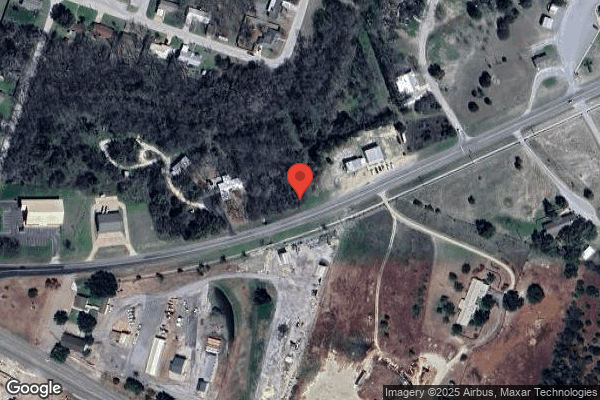
1315 EAST STATE HWY 22, HAMILTON, TX 76531 (254) 386-3171
For profit - Corporation 78 Beds FOCUSED POST ACUTE CARE PARTNERS Data: November 2025
Trust Grade
75/100
#232 of 1168 in TX
Last Inspection: September 2024

Within standard 12-15 month inspection cycle. Federal law requires annual inspections.

Overview

Focused Care at Hamilton has a Trust Grade of B, indicating it is a good choice for families seeking care for their loved ones. It ranks #232 out of 1,168 facilities in Texas, placing it in the top half, and #2 of 3 in Hamilton County, meaning there is only one other local option that is better. The facility is showing improvement, with issues decreasing from 8 in 2023 to just 2 in 2024. However, staffing is a concern, rated at 1 out of 5 stars with a 55% turnover rate, which is average for Texas but indicates some instability in staff. While the facility has not incurred any fines, there have been concerns about food safety, such as unclean kitchen equipment and improperly stored food, which could pose health risks to residents. On a positive note, the facility has excellent quality measures and receives more registered nurse coverage than many of its peers, which is critical for catching potential health issues early.

Trust Score
B
75/100
In Texas
#232/1168
Top 19%
Safety Record
Low Risk
No red flags
Inspections
Getting Better
8 → 2 violations
Staff Stability
⚠ Watch
55% turnover. Above average. Higher turnover means staff may not know residents' routines.
Penalties
✓ Good
No fines on record. Clean compliance history, better than most Texas facilities.
Skilled Nurses
⚠ Watch
Each resident gets only 12 minutes of Registered Nurse (RN) attention daily — below average for Texas. Fewer RN minutes means fewer trained eyes watching for problems.
Violations
○ Average
10 deficiencies on record. Average for a facility this size. Mostly minor or procedural issues.
★★★★☆
4.0
Overall Rating
★☆☆☆☆
1.0
Staff Levels
★★★★★
5.0
Care Quality
★★★★☆
4.0
Inspection Score
Stable
2023: 8 issues
2024: 2 issues

The Good

  • 5-Star Quality Measures · Strong clinical quality outcomes
  • Full Sprinkler Coverage · Fire safety systems throughout facility
  • No fines on record

Facility shows strength in quality measures, fire safety.

The Bad

Staff Turnover: 55%

Near Texas avg (46%)

Frequent staff changes - ask about care continuity

Chain: FOCUSED POST ACUTE CARE PARTNERS

Part of a multi-facility chain

Ask about local staffing decisions and management

Staff turnover is elevated (55%)

7 points above Texas average of 48%

The Ugly 10 deficiencies on record

Sept 2024 2 deficiencies
CONCERN (E)

Potential for Harm - no one hurt, but risky conditions existed

Food Safety (Tag F0812)

Could have caused harm · This affected multiple residents

Based on observations, interviews, and record review, the facility failed to store, prepare, distribute, and serve food in accordance with professional standards for food service safety for one of one...

Read full inspector narrative →
Based on observations, interviews, and record review, the facility failed to store, prepare, distribute, and serve food in accordance with professional standards for food service safety for one of one kitchen and one of one nourishment room reviewed for sanitation. 1. The facility failed to properly store closed and dated food in the refrigerator. 2. The facility failed to ensure the Nourishment Room was properly cleaned and items were correctly labeled and dated. These failures could place residents who were served from the kitchen at risk for health complications and foodborne illnesses, and decreased quality of life. Findings included: Observation on 09/25/24 at 09:16 AM observed two trays with condiments in the fridge stacked on top of each other without dates or labels. Observed milk and juice in cups without labels and spilled milk on the tray. Observed Hershey's syrup without dates and labels. Observation on 09/25/24 at 10:51 AM revealed a pan with butter type substance sitting out on the stove not under heat or refrigeration storage. Observation on 09/25/24 at 9:19 AM revealed 12 glasses of water sitting out uncovered next to the water filling station. No dates or labels were present. Observation on 09/25/24 at 11:15 AM revealed a stack of serving trays sitting under the dishwasher next to chemicals that were labeled dishwasher detergent. Observation of the Nourishment Room on 09/25/24 at 9:30 AM found two refrigerator bins with around 25 nectar thick vanilla shakes with no facility label or date and a mozzarella string cheese bag opened with cheese sticks packaged with an incorrect label stating cran apple with a use by date of 08/24. Observed personal food items including an energy drink, soda, ranch dressing, creamer, opened water bottle, and grape jam in Nourishment Room fridge with no dates or labels on them. An observation was also made of a dirty rag and spoon soiled with unknown brown substance sitting in the sink. Observation on 09/26/24 at 02:58 PM revealed ADM cleaning out and labeling items in the nourishment room refrigerator after interviews began of items not being labeled. During an interview with the DM on 9/27/24 at 2:51 PM she stated that all refrigerators were her responsibility to maintain. She stated it was her expectation that staff members keep their personal use items in the staff break room. She stated all items should have an expiration date of three days when they're opened. She does not expect dirty dishes to be stored or washed in the nourishment room. She stated that trays should be stored on top of the juice machine and not underneath the dishwasher next to chemicals. She expected that all drinks will be Saran wrapped or covered immediately after they're done pouring and that they should be labeled and dated and stored in the refrigerator. She stated that negative outcomes for improper storage or failing to maintain a clean environment/ equipment was contamination of the resident's food . During an interview with the ADM on 9/27/24 at 3:00 PM she stated that she expected the nourishment room to follow the posted rules. She took personal responsibility for the nourishment room and that the undated food and dirty dishes were unacceptable and out of policy. She says that she expected the DM to oversee all operations in the kitchen including proper food storage. She stated a potential negative outcome of not following the guidelines for proper storage, labeling and dating, and cleanliness was that it could make the residents sick . Review of undated facility policy posted on refrigerator states Items must have the resident's name and date on it. Food items are only good for three days then must be disposed of. House shakes must have a date on every container. Expiration date of 15 days once removed from the freezer. Review of facility policy titled Refrigerator and Freezer dated December 2014 stated all food shall be appropriately dated to ensure proper rotation by expiration dates. Received dates (dates of delivery) will be marked on cases and on individual items removed from the cases for storage use by dates will be completed with expiration dates on all prepared food in refrigerators. Expiration dates on unopened food will be observed and used by dates indicated once food is open. Review of facility policy entitled Foods Brought by Family and Visitors dated October 2017 stated that non-perishable foods will be stored in a resealable container with a tight-fitting lid. Intact fresh fruit may be stored without a lid. Perishable foods must be stored in resealable containers with tightly fitting lids and all refrigerator containers will be labeled with residents name the item and use by date. Review of the U.S. Food and Drug Administration (FDA) Code (2022) revealed, PACKAGED FOOD shall be labeled as specified in LAW, including 21 CFR 101 FOOD Labeling, 9 CFR 317 Labeling, Marking Devices, and Containers, and 9 CFR 381 Subpart N Labeling and Containers, and as specified under § 3-202.18. 3-501.16 Time/Temperature Control for Safety Food, Hot and Cold Holding. (A) Except during preparation, cooking, or cooling, or when time is used as the public health control as specified under §3-501.19, and except as specified under [paragraph] (B) and in [paragraph] (C) of this section, TIME/TEMPERATURE CONTROL FOR SAFETY FOOD shall be maintained: (1) At 57°C (135°F) or above, except that roasts cooked to a temperature and for a time specified in [paragraph] 3-401.11(B) or reheated as specified in [paragraph] 3-403.11(E) may be held at a temperature of 54°C (130°F) or above; or (2) At 5ºC (41ºF) or less. 3-501.16 Time/Temperature Control for Safety Food, Hot and Cold Holding.
CONCERN (E)

Potential for Harm - no one hurt, but risky conditions existed

Deficiency F0925 (Tag F0925)

Could have caused harm · This affected multiple residents

Based on observations, interviews, and record review, the facility failed to maintain an effective pest control program so that the facility was free of pests and rodents for one of one kitchen and on...

Read full inspector narrative →
Based on observations, interviews, and record review, the facility failed to maintain an effective pest control program so that the facility was free of pests and rodents for one of one kitchen and one of one common areas (common area near the nurse's station) reviewed for pests. 1. Houseflies, spiders, and crickets were seen in the common area by the nurse's station. 2. Insects and spiderwebs were present in the kitchen. This failure could place residents at risk of infection, discomfort, and diminished quality of life. Findings included: Observation on 09/26/24 at 02:28 PM revealed four houseflies flying in the common area near the nurse's station. Observation on 09/25/2024 at 9:10 AM revealed 1 cockroach walked across the floor in the dry storage area of the kitchen. Observation on 09/25/2024 at 10:45 AM revealed that there were multiple spider webs/ spiders and two crickets in the far-right corner of the dry storage area in the kitchen. Observation on 09/25/24 at 1:30 PM revealed one small dead cockroach in the clean dish area of the kitchen. Observation on 09/26/2024 at 2:28 PM revealed a large live spider in the hallway between the resident's room and the nurse's station. Observation on 09/27/2024 at 2:45 PM revealed spider webs and one dead cockroach in the main dining area. Observation on 09/27/2024 at 3:30 PM revealed spider webs and ants in the main conference room. During a confidential interview with eight residents on 9/26/2024 at 10:45 AM, they stated that they see flies around. They stated they believed pest control could be better. During a confidential interview with a confidential resident on 09/25/24 at 1:45 PM she stated that since her room was closest to the nurses' station, flies come in all the time. During an interview on 9/27/24 at 2:51 PM the DM stated that when she saw more than one bug, she wrote it down on the maintenance log to ask the maintenance people to take care of the pests. She stated she made sure that she communicated with the pest control guy when he came and that they swept and mopped all places daily. She said it was her expectation that her employees do not put food down the drain, take the trash out immediately, and make sure the trash cans were covered. She also said she did not leave wet mops out on the floor and ensured that the chemical room was cleaned, and wet rags were removed each day. The DM stated that if pests were around, they could contaminate the products and create an infestation. During an interview on 09/27/24 at 03:12 PM, the DON stated that from a clinical perspective having pests in the kitchen/food service areas, around clean dishes etc. was not sanitary. She stated the pests could get in the food or infect the food resulting in residents getting sick and she expected the kitchen staff to maintain sanitary conditions. During an interview on 09/27/24 at 03:31 PM, the ADM stated that they have the pest control guy on speed dial and he would be there within two hours, if they called him. She stated that they have been working on the bug problem, but it wasn't fixed yet. The ADM said it was her expectation that staff keep everything clean which included keeping the resident's bedside tables clean and ensuring that housekeeping was keeping the floors clean. The ADM stated a potential negative impact of pests in the facility were that it could make residents sick or uncomfortable and bugs would stress people out. Review record review of maintenance requests logs from 03/31/24 to 09/15/24 revealed that 12 out of 20 maintenance requests were due to pests in the facility. The pest complaints included scorpions, spiders, ants, roaches, and bed bugs. Review of record titled Notice of Pest Control Treatment provided by the ADM as the facility pest control contract stated that treatment services are provided on the 1st Thursday of every month by [pest control company]. Review of pest control invoices from April 2024 to September 2024 reflected the company treated the facility on 04/11/2024, 05/02/2024, 05/06/2024, 05/13/2024, 06/13/2024, 06/21/2024, 07/15/2024, 08/28/2024, 09/19/2024, 09/24/2024 with the most recent including bed bug treatment but did not reflect treatment for crickets, cockroaches, or flies. Review of facility policy dated 02/01/2017 and titled Pest Control reflected the following: our policy is that our facility maintains an effective pest control program. The facility maintains an ongoing pest control program to ensure that the building is kept free of insects and rodents.
Dec 2023 1 deficiency
CONCERN (F) 📢 Someone Reported This

A family member, employee, or ombudsman was alarmed enough to file a formal complaint

Potential for Harm - no one hurt, but risky conditions existed

Food Safety (Tag F0812)

Could have caused harm · This affected most or all residents

Based on observation, interview, and record review the facility failed to ensure the cleanliness of kitchen equipment, per manufacturer's instructions, for 1 of 1 ice machines reviewed for food safety...

Read full inspector narrative →
Based on observation, interview, and record review the facility failed to ensure the cleanliness of kitchen equipment, per manufacturer's instructions, for 1 of 1 ice machines reviewed for food safety requirements. The facility failed to ensure the ice machine was descaled and failed to ensure a plastic bin that held an ice scooper was free from scale buildup. This failure placed all residents at risk for illnesses related to prolonged exposure to scale. Findings include: Review of AM AIDE DAILY CLEANING LIST, undated, reflected a weekly schedule of EQUIPMENT TO BE CLEANED. A B was observed to be initialed next to the task WIPE DOWN ICE MACHINE IN HALLWAY. No date was observed on the sheet to indicate which week the task had been completed. Observation of the ice machine on 12/4/23 at 10:47 AM revealed white-colored streak marks on the left side, right side, and in the crevice of the door of the machine. A plastic, blue container was observed attached to the left side of the ice machine, and appeared to be coated with the same, white-colored substance. Inside the plastic, blue container, a silver ice scooper was observed. At the bottom of the container, the same white substance was observed. During an interview and observation on 12/4/23 at 11:53 AM, the DFS identified the white-colored substance to be lime and the streaks to have been caused by hard-water. The DFS stated a part of staff's weekly cleaning schedule includes cleaning the ice machine, which includes de-liming the machine. She stated the machine was rented, and the facility's responsibility was to maintain the outside of it. She stated initials on the AM AIDE DAILY CLEANING LIST indicated the task was completed. During an interview on 12/4/23 at 1:36 PM, the DFS reiterated that the facility had lime build-up from hard water. She stated staff should have been cleaning the ice machine daily, but they were not educated to do so. She stated she reached out to the company from whom they rent the ice machine from for service and planned to in-service staff on cleaning the ice machine and the container that holds the ice scooper using the de-scaling products that were available at the facility. She stated she also planned to update the AM AIDE DAILY CLEANING LIST to include cleaning the container that holds the ice scooper. The DFS added that facility policy stated to clean the ice machine according to manufacturers instructed; she provided the policy and manufacturer's instructions. She stated she was responsible for ensuring completion of the cleaning tasks and stated that the lime had the potential to negatively affect residents if ingested but did not identify specific risks. During an interview on 12/4/23 at 1:47 PM, the DON stated she was unsure about specific requirements related to cleaning the ice machine but stated staff have reported cleaning the ice machine every night. During an interview on 12/4/23 at 2:06 PM with the ADM, she stated the ice machine was recently serviced unrelated to lime concerns, but for a water leak. She stated she had contacted the facility's corporate maintenance person on, 12/4/23. Corporate maintenance stated staff water conditioner should have been added to the filters to prevent lime build-up. In the meantime, he stated visible lime should have been wiped by using a calcium lime remover. The ADM stated this product was available and accessible in the kitchen and used 1x per week. She stated the facility conducted weekly audits which included reviewing kitchen tasks, but the ice machine had not been identified as an area of concern. She stated the risks of not ensuring the ice machine was clean was that it could fall into the ice and ingested by residents. Review of Section 4: Maintenance of manufacturer's instructions for the ice machine, titled Descaling and Sanitizing, revised 12/19, reflected the following: Exterior Cleaning Clean the area around the ice machine as often as necessary to maintain cleanliness and efficient operation. Use cleaners designed for use with stainless steel products. Sponge any dust and dirt off the outside of the ice machine with mild soap and water. Review of facility policy, titled Sanitization, last revised October 2008, reflected the following: Ice machines and ice storage containers will be . cleaned . per manufacturer's instructions and facility policy.
Jul 2023 5 deficiencies
CONCERN (D)

Potential for Harm - no one hurt, but risky conditions existed

Deficiency F0657 (Tag F0657)

Could have caused harm · This affected 1 resident

**NOTE- TERMS IN BRACKETS HAVE BEEN EDITED TO PROTECT CONFIDENTIALITY** Based on interview, and record review, the facility failed to develop and implement a comprehensive person-centered care plan fo...

Read full inspector narrative →
**NOTE- TERMS IN BRACKETS HAVE BEEN EDITED TO PROTECT CONFIDENTIALITY** Based on interview, and record review, the facility failed to develop and implement a comprehensive person-centered care plan for each resident, consistent with resident rights, that include measurable objectives and time frames to meet resident's mental and psychosocial needs for 2 of 8 residents (Residents #7 and 13) reviewed for care plans. The facility failed to update care plans as evidenced by: 1. Resident # 7's care plan did not reflect goals and interventions for a new onset of behaviors 2. Resident #13's care plan did not reflect current needs or preferences related to the behavior of wandering. This Failure placed residents at risk of not receiving the appropriate care and services to maintain the highest practical well-being. Findings included: Review of Resident # 7 face sheet dated 7/26/23 revealed a [AGE] year-old male admitted on [DATE] with diagnosis that include Bipolar Disorder, unspecified (A mood disorder in which a person doesn't meet the criteria for bipolar disorder with the symptoms similar to bipolar but the full criteria are not met), Adjustment disorder with depressed mood (a psychological response to an identifiable stressor, leading to emotional or behavioral symptoms) Review of Resident #7's Quarterly MDS assessment dated [DATE] revealed at BIMS score of 15 on a scale of 0-15 which suggest cognitively intact. Behavioral pattern revealed no Hallucinations, delusions, physical, or verbal behavior disturbances, refusal of care or wandering noted. Assessment revealed resident is not currently taking any antipsychotic medication and currently on medication for depression. Review of Resident #7's Care plan for Behaviors initiated 12/16/2021 and revised on 06/03/2022 Revealed that recently discovered voyeur behavior was not updated. Review of Resident # 7's Progress notes dated 7/7/23 revealed Type: Behavior Note Text: Resident was discovered outside of a female residents' window. When asked to move from the window resident states I have to fasten my pants I had to urinate right there. When this nurse informed resident that is not acceptable behavior, he became angry and started cursing staff stating I have the right to go anywhere I want to. Review of Resident # 13 face sheet dated 7/26/23 revealed a [AGE] year-old female with an admission date of 7/2/2019was diagnosed with Unspecified dementia, mild, (age-related cognitive decline-), unsteadiness on feet (a balance symptom of postural instability when upright) , other reduced mobility ( mobility to use transportation is reduced due to physical disability, sensory, locomotive, permanent or temporary ) Review of Resident # 13 Quarterly MDS dated [DATE] revealed a BIMS of 0 on a scale of 0-15. A score of 0 can suggests severe impairment. Assessment revealed the resident had delusions and wandering behavior during the assessment period. Assessment revealed resident is on a daily antidepressant drug. Review of Resident # 13 Care Plan BEHAVIORS: Resident resides on the facility memory care unit d/t wander/elopement risks r/t History of attempts to leave facility unattended, Date Initiated: 02/23/2022 Revision on: 02/23/2022 Interview with DON on 7/26/23 at 2:08 pm stated that the facility does not currently have a memory unit and has not had one in the past that she is aware of. DON stated care plans are initiated by the admitting nurse and the comprehensive and updating of the care plan is the responsibility of the MDS Nurse (currently MDS nurse is out on medical leave) . The team has a meeting weekly to discuss resident conditions and issues and the care plan should be updated at that time. Behaviors that are documented in the medical record by the nurse should generate on the 24-hour report and trigger the team of care plan needs. Her expectation is the care plans reflect the care the resident is receiving and should be updated as the resident needs change. There can be a potential negative outcome for the resident if the care plans do not reflect a resident's conditions their needs may not be met. Review of Policy Comprehensive Care Plan effective 1/20/2021 revised 4/25/2021 revealed the care plan is revised every quarter, significant change of condition, annual or as the resident conditions changes on an individualized basis.
CONCERN (E)

Potential for Harm - no one hurt, but risky conditions existed

Deficiency F0679 (Tag F0679)

Could have caused harm · This affected multiple residents

**NOTE- TERMS IN BRACKETS HAVE BEEN EDITED TO PROTECT CONFIDENTIALITY** Based on observation, interview, and record review, the facility failed to provide, based on the comprehensive assessment and ca...

Read full inspector narrative →
**NOTE- TERMS IN BRACKETS HAVE BEEN EDITED TO PROTECT CONFIDENTIALITY** Based on observation, interview, and record review, the facility failed to provide, based on the comprehensive assessment and care plan and the preferences of each resident, an ongoing program to support residents in their choice of activities, both facility-sponsored group and individual activities and independent activities, designed to meet the interests of and support the physical, mental, and psychosocial well-being of each resident, encouraging both independence and interaction in the community for six of 16 residents (Residents #9, 18, 19, 23, 26, and 43) reviewed for activities. 1. Residents #9, 18, 19, 23, 36, and 43 spent nearly all their waking hours in the common area near the nurse's station, not receiving activities. 2. Residents #9, 18, 19, 23, 26, and 43 had no person-centered activity program or activities tailored to their specific needs and preferences. These failures placed residents at risk of depression and diminished quality of life. Findings included: Review of the undated face sheet for Resident #9 reflected an [AGE] year-old female admitted to the facility on [DATE] with diagnoses of dementia, generalized anxiety disorder, depression, and senile degeneration of the brain. Review of the admission MDS assessment for Resident #9 dated 05/05/23 reflected a BIMS score of 00, indicating severely impaired cognition. The section on Activity Preferences reflected Resident #9 found it very important to listen to activities she liked, do activities she liked, and participate in religious services. Review of the care plan for Resident #9 dated 04/27/23 reflected the following: ACTIVITIES: Resident will attend daily activities of her choice. Resident will enjoy activities three times per week over the next 90 days. 1. Post Monthly Calendar in room. 2. Activities Director to discuss/monitor for preferences. 3. Remind/Encourage to attend and assist to activities as needed. 4. Provide for in room activities as needed and required. 5. Respect resident's rights to refuse to attend activities. Review of the quarterly activity assessment for Resident #9 dated 07/24/23 and completed by the AD reflected the following: She will come and visit with us during bingo and Bible study. She enjoys picture books, (famous country singer), music, and visiting at the nurses station. Review of activity progress notes for Resident #9 dated 03/31/23 to 07/26/23 reflected no activity notes. Review of the undated face sheet for Resident #18 reflected an [AGE] year-old female admitted to the facility on [DATE] with diagnoses of neurocognitive disorder with Lewy bodies (a type of dementia characterized by changes in sleep, behavior, cognition, movement, and regulation of automatic bodily functions) and age-related physical debility Review of the significant change MDS for Resident #18 dated 01/18/23 reflected a BIMS score of 00 indicating severely impaired cognition. The section on Activity Preferences reflected staff assessed Resident #18's interests as listening to music, being around animals, doing things with groups of people, participating in favorite activities, spending time away from the nursing home, and spending time outdoors. Review of the care plan for Resident #18 with a target date of 09/18/23 reflected the following: ACTIVITIES: Resident will attend daily activities of her choice. Resident will enjoy activities three times per week over the next 90 days. 1. Post Monthly Calendar in room. 2. Activities Director to discuss/monitor for preferences. 3. Remind/Encourage to attend and assist to activities as needed. 4. Provide for in room activities as needed and required. 5. Respect resident's rights to refuse to attend activities. Review of the quarterly activity assessment for Resident #18 dated 06/12/23 and completed by the AD reflected the following: Resident comes outside and listens to music with the group when the weather is nice. Mostly 1:1s. She is a beautiful, talented lady, who has had the most adventurous life so far. Piano, pilot, motorcyclist, real renaissance woman. Review of activity progress notes for Resident #18 dated 03/31/23 to 07/26/23 reflected no activity notes. Review of the undated face sheet for Resident #19 reflected a [AGE] year-old female admitted to the facility on [DATE] with diagnoses of dementia, ataxia, and severe protein-calorie malnutrition. Review of the annual MDS for Resident #19 dated 09/28/22 reflected she was too cognitively impaired to participate in the assessment. The section on Activity Preferences reflected staff assessed Resident #19's interests as listening to music, being around animals, participating in favorite activities, and participating in religious services. Review of the care plan for Resident #19's target date 09/05/22 reflected the following: ACTIVITES: Resident will Attends activities of choice. Enjoys visiting with staff and peers. Resident will enjoy activities three times per week over the next 90 days. 1. Post Monthly Calendar in room. 2. Activities Director to discuss/monitor for preferences. 3. Remind/Encourage to attend and assist to activities as needed. 4. Provide for in room activities as needed and required. 5. Respect resident's rights to refuse to attend activities. Review of the quarterly activity assessment for Resident #19, dated 06/26/23 and completed by the AD reflected the following: She comes outside with us to listen to music. Likes to visit with friends at the nurses station. Likes music. Review of activity progress notes for Resident #19 dated 03/31/23 to 07/26/23 reflected no activity notes. Review of the face sheet for Resident #23 reflected a [AGE] year-old female admitted on [DATE] with a diagnosis of dementia with behavioral disturbance. Review of the annual MDS for Resident #23 dated 06/13/23 reflected a BIMS score of 1, indicating severely impaired cognition. The section on Activity Preferences reflected Resident #23 found it very important to participate in activities she liked and religious services. Review of the care plan for Resident #23 with a target date of 09/18/23 reflected the following: ACTIVITIES: Resident will attend daily activities of her choice. Resident will enjoy activities three times per week over the next 90 days. 1. Post Monthly Calendar in room. 2. Activities Director to discuss/monitor for preferences. 3. Remind/Encourage to attend and assist to activities as needed. 4. Provide for in room activities as needed and required. 5. Respect resident's rights to refuse to attend activities. Review of the quarterly activity assessment for Resident #23, dated 05/26/23 and completed by the AD reflected the following: She will attend activities for a minute, but soon decides to leave. She does enjoy one on one activities. She likes music, parties, balloons, and stuffed animals. Review of activity progress notes for Resident #23 dated 03/31/23 to 07/26/23 reflected no activity notes. Review of the undated face sheet for Resident #36 reflected an [AGE] year-old female admitted to the facility on [DATE] with diagnoses of dementia, Alzheimer's disease, mood disorder due to known physiological condition, and anxiety disorder. Review of the significant change MDS for Resident #36 dated 03/02/23 reflected a BIMS score of 1, indicating severely impaired cognition. The section on Activity Preferences reflected staff assessed Resident #36's interests as listening to music, being around animals, doing things with groups of people, participating in favorite activities, spending time outdoors, and participating in religious services. Review of the care plan for Resident #36 dated 10/05/22 reflected the following: ACTIVITIES: Resident will attend daily activities of her choice. Resident will enjoy activities three times per week over the next 90 days. 1. Post Monthly Calendar in room. 2. Activities Director to discuss/monitor for preferences. 3. Remind/Encourage to attend and assist to activities as needed. 4. Provide for in room activities as needed and required. 5. Respect resident's rights to refuse to attend activities. Review of the quarterly activity assessment for Resident #36, dated 05/29/23 and completed by the AD reflected the following: She loves coming to activities. Sitting outside, listening to music, and parties. Review of activity progress notes for Resident #36 dated 03/31/23 to 07/26/23 reflected no activity notes. Review of the undated face sheet for Resident #43 reflected a [AGE] year old admitted to the facility on [DATE] with diagnoses of Cerebral Palsy (a disorder of movement, muscle tone, or posture caused by damage to the developing brain during pregnancy or at the time of birth), aphasia (loss of ability to understand or express speech), epilepsy (a condition characterized by seizures), gastrostomy (placement of intra-abdominal feeding tube), muscle wasting and atrophy, abnormalities of gait and mobility, dysphagia (difficulty swallowing), and cognitive communication deficit amongst other diagnoses. Review of admission MDS for Resident #43 dated 11/23/23 reflected a BIMS score was not obtained due to the resident being unable to participate in the assessment. This section of the MDS also reflected Resident #43 was rarely or never understood and had severely impaired daily decision-making skills. Review. The section on Activity Preferences reflected staff assessed Resident #43's interests as listening to music, keeping up with the news, doing things with groups of people, participating in his favorite activities, spending time outdoors, and participating in religious services. Review of the care plan for Resident #43 dated 11/20/22 reflected the following: ACTIVITIES: Resident will attend daily activities of his choice. I will enjoy activities three times a week over the next 90 days. 1. Post Monthly Calendar in room. 2. Activities Director to discuss/monitor for preferences. 3. Remind/Encourage to attend and assist to activities as needed. 4. Provide for in room activities as needed and required. 5. Respect resident's rights to refuse to attend activities. Review of activity progress notes for Resident #43 dated 03/31/23 to 07/26/23 reflected no activity notes. Observation on 07/24/23 from 08:30 AM to 10:28 AM revealed Residents #9, 18, 19, 23, 36, and 43 seated in the common area by the nurse's station with the television on but no other activities or interaction occurring for them. Observation on 07/24/23 from 01:14 PM to 3:03 PM revealed Residents #9, 18, 19, 23, 36, and 43 seated in the common area by the nurse's station with the television on but no other activities or interaction occurring for them. Observation on 07/25/23 from 08:27 AM to 12:00 PM revealed Residents #9, 18, 19, 23, 36, and 43 seated in the common area by the nurse's station with the television on but no other activities or interaction occurring for them. Observation on 07/25/23 from 01:56 PM to 03:15 PM revealed Residents #9, 18, 19, 23, 36, and 43 seated in the common area by the nurse's station with the television on but no other activities or interaction occurring for them. During an interview on 07/26/23at 09:15 AM, the AD stated he did not maintain activity logs for residents. He stated the closest thing he had to something like that was a list of bingo scores for the residents who came to bingo. The AD stated the residents who sat in the common area by the nurse's station were Residents #9, 18, 19, 23, 36, and 43, and they did not participate in bingo or any other group activities. The AD stated there were no activities just for them. The AD stated he spent most of his time on group activities and walking around the building checking in with people to make sure they were happy. He stated he was responsible for the activities program, but it felt like most of his job was to be a friend to the residents. During an interview on 07/26/23 at 02:08 PM, the DON stated the residents who sat in the common area most of the day were Residents #9, 18, 19, 23, 36, and 43. She stated those six residents had in common that their cognition was very impaired, and they did not talk with others anymore or express any specific desires. The DON stated the day before, on 07/25/23, the AD had [NAME] Resident #36 out onto the porch for a snow cone at about 03:30 PM, after the surveyor observations had concluded. The DON stated that was the only time she was aware of that any of the six residents in question had been engaged in activities. The DON stated she thought the AD took residents for a walk around the block sometimes in the mornings. She stated she did not think Resident #43 had been on the morning walks. The DON stated other than the walks and the one time Resident #36 went outside for a snow cone yesterday, the only thing those residents ever had to do was watch television shows and movies in the common area. The DON stated there was not any resident-specific programming for those residents. She stated she did not monitor that aspect of resident care and did not know what the administrator monitored. She stated the administrator was on leave for the week. The DON stated she knew they had quarterly care plan meetings where they talked about activity preferences, but that was as much as she knew about the issue. The DON stated a potential negative impact to residents might be feeling alone or depressed and becoming socially withdrawn. Review of facility's policy dated 04/2020 and titled Life Enrichment Activity Guidelines reflected the following: The community will provide, based on the comprehensive assessment and care plan, and the preferences of each resident, and ongoing program to support residents in their choice of activities, but facility sponsored group and individual activities, and independent activities, designed to meet the interests of and support, the physical, mental, and psycho, social well-being of each resident, encouraging both independence and interaction in the community. The life enrichment director/coordinator is responsible for maintaining appropriate departmental documentation. 1. Our activity programs are designed to encourage maximum individual participation that are geared to the individual residents needs based on resident interviews. Interviews for activity preferences are conducted within the first 14 days, annually, and with significant change in condition. 6. Our Activity programs consist of individual and small and large group activities that are designed to meet the needs and interests of each resident and include, as a minimum: a. Activities that stimulate the cardiovascular system and assist with range of motion, such as exercise, movement to music, wheelchair basketball/volleyball, etc., are offered 5 to 7 times per week. b. Intellectual activities that are mentally stimulating, such as current events, trivia, word, games, book reviews, educational, movies, etc. Are provided 5 to 7 times per week. c. Weather permitting, at least one activity a month as hell away from the facility. d. Weather permitting, outdoor activities, are held on a regular basis. f. Spiritual programming is scheduled to meet the religious needs of the residents. i. Creative and expressive activities, such as arts and crafts, ceramics, painting, drama, creative writing, poetry, in music, are available on a regular basis to meet the needs of residents. j. Social activities are scheduled to increase self-esteem, to stimulate interest and friendships, and to provide fun and enjoyment. Activities include, but are not limited to, daily coffee, so sure, birthday and holiday parties entertainment, candlelight, dinner, country, breakfast, cultural, and theme events. 6. Individualized and group activities are provided that: a. Reflect the schedules, choices, and rights of the residents; b. Are offered at hours convenient to the residents, including the evenings, holidays, and weekends; c. Reflect the religious and cultural interests, hobbies, life experiences, and personal preferences of the residents; d. Appeal to men and women, as well as those of various age groups, residing in the facility.
CONCERN (E)

Potential for Harm - no one hurt, but risky conditions existed

Deficiency F0805 (Tag F0805)

Could have caused harm · This affected multiple residents

**NOTE- TERMS IN BRACKETS HAVE BEEN EDITED TO PROTECT CONFIDENTIALITY** Based on observation, interview, and record review, the facility failed to ensure each resident received and the facility provid...

Read full inspector narrative →
**NOTE- TERMS IN BRACKETS HAVE BEEN EDITED TO PROTECT CONFIDENTIALITY** Based on observation, interview, and record review, the facility failed to ensure each resident received and the facility provided food prepared in a form designed to meet individual needs for 3 of 16 residents (Residents #12, 18, and 19) reviewed for pureed diets. Residents #12, 18, and 19 all received pureed meals not prepared according to professional standards or the recipe. This failure placed residents at risk of weight loss and aspiration. Findings included: Review of the undated face sheet for Resident #12 reflected a [AGE] year-old female admitted to the facility on [DATE] with diagnoses of diverticulitis of intestine (An inflammation or infection of the pouches formed in the colon), gastroesophageal reflux disease, and dementia. Review of the quarterly MDS assessment for Resident #12 dated 05/11/23 reflected a BIMS score of 15, indicating minimal cognitive impairment. Review of the section titled Swallowing/Nutritional Status reflected coughing or choking during meals or when swallowing medication and complaints of difficulty or pain with swallowing. Review of the care plan for Resident #12 dated 11/11/22 reflected the following: NUTRITION: Resident is on a Regular carb controlled PUREE Diet with Regular Liquids. Resident uses weighted silverware for all Meals. Resident will have adequate nutrition and fluid intake over the next 90 days. Dietary Manager to monitor/discuss food preferences. o Monitor and document intake. o Offer snacks within diet. o Serve diet as ordered and offer substitute if less than 50% is eaten. o Weigh every month and PRN - report 5% loss/gain to MD and responsible party. Review of the physician orders for Resident #12 dated 11/10/22 reflected the following: Carb Controlled diet, Pureed texture, Regular consistency (May have pleasure foods as tolerated) for MEALS. Review of the undated face sheet for Resident #18 reflected an [AGE] year-old female admitted to the facility on [DATE] with diagnoses of neurocognitive disorder with Lewy bodies (a type of dementia characterized by changes in sleep, behavior, cognition, movement, and regulation of automatic bodily functions), age-related physical debility, gastroesophageal reflux disease, and Parkinson's disease. Review of the significant change MDS for Resident #18 dated 01/18/23 reflected a BIMS score of 00 indicating severely impaired cognition. Review of the section titled Swallowing/Nutritional Status reflected no difficulty in swallowing. Review of the care plan for Resident #18 dated 03/08/23 reflected the following: NUTRITION: Resident is at risk for nutritional impairment R/T Dx Dementia with Lewy Bodies, Dx Parkinson's. Dx GERD She is on a Regular PUREE DIET and Thin liquids Resident is at risk for malnutrition. The resident will comply with recommended diet for weight reduction daily through review date. Administer medications as ordered. Monitor/Document for side effects and effectiveness. o (Resident #18) needs a calm, quiet setting at meal times with adequate eating time. She prefers to eat in the ding room. Encourage (Resident #18)'s socialization and interaction with table mates during meals. o Invite (Resident #18) to activities that promote additional intake. o Monitor/document/report PRN any s/sx of dysphagia: Pocketing, Choking, Coughing, Drooling, Holding food in mouth, Several attempts at swallowing, Refusing to eat, Appears concerned during meals. o Monitor/record/report to MD PRN s/sx of malnutrition: Emaciation (Cachexia), muscle wasting, significant weight loss: 3lbs in 1 week, >5% in 1 month, >7.5% in 3 months, >10% in 6 months. o Obtain and monitor lab/diagnostic work as ordered. Report results to MD and follow up as indicated. o OT to screen and provide adaptive equipment for feeding as needed. o Provide and serve supplements if eats less than 50% of meal. 8/17/20 RD recommendation House supplement 2.0 90ml BID x30 days. o Provide, serve diet as ordered. Monitor intake and record q meal. Review of the physician orders for Resident #18 dated 02/28/23 reflected the following: Regular diet, Pureed texture, Regular consistency for meals. Review of the undated face sheet for Resident #19 reflected a [AGE] year-old female admitted to the facility on [DATE] with diagnoses of dementia, dysphagia, and severe protein-calorie malnutrition. Review of the annual MDS for Resident #19 dated 09/28/22 reflected she was too cognitively impaired to participate in the assessment. Review of the section titled Swallowing/Nutritional Status reflected no difficulty in swallowing. Review of the care plan for Resident #19 target date 03/06/23 reflected the following: NUTRITION: Resident is on a REGULAR PUREE Diet with Regular Liquids House Sakes TID Chocolate magic cups at lunch and supper. Offer sweet snacks at 10am 2pm HS. Offer sugar salt pepper butter for flavor enhancement with all meals. Resident has malnutrition. Resident will have adequate nutrition and fluid intake over the next 90 days. Dietary Manager to monitor/discuss food preferences. o House shake TID between meals and st HS to provide supplemental protein/energy. o Monitor and document intake. o Offer snacks within diet. o Resident has had a 10% weight loss in the last 6mths o Resident has had a 7.9% wt decrease in 180 days. o Resident is on RED CUP program d/t resident has malnutrition o Serve diet as ordered and offer substitute if less than 50% is eaten. o Weigh every month and PRN - report 5% loss/gain to MD and responsible party. Review of the physician orders for Resident #19 dated 02/24/23 reflected the following: Regular diet, Pureed texture, Regular consistency for Meals. Observation on 07/24/23 at 10:33 AM revealed CK A creating pureed dishes from the daily lunch meal, which was angel hair pasta, chicken parmesan, and mixed vegetables. She added chicken broth concentrate to the chicken parmesan and the noodles to add moisture. Review of the undated facility recipe for angel hair pasta puree reflected the following: Place portions in blender. Blend until smooth. Add water (1/2 c/5 servings) and dry milk (1 tbsp/serving). Blend until smooth. Review of the undated facility recipe for chicken parmesan puree reflected the following: Remove from the regular prepared recipe the portions needed into a food processor. Processed to a fine texture. For every five portions needed, prepare a slurry with three tablespoons thickener and 1.25 cups hot liquid. Mix well with a wire whip. Add one half of the slurry to meat mixer; reprocess 30 seconds. Reheat to 165 Fahrenheit and serve with a number six scoop. Review of the chicken broth concentrate reflected that one serving was 1.5 teaspoons and contained 600 mg/26% of the recommended daily allowance of sodium. Observation on 07/24/23 at 12:32 PM revealed Residents #12, 18, and 19 were each served a plate containing the pureed pasta and chicken parmesan. They ate the food without complaint. Observation on 07/24/23 at 12:50 PM revealed the pureed pasta was congealed into a single lump that stuck to the spoon and would not be separated. The taste of the pureed pasta was so salty as to be unpalatable. The texture of the pureed chicken parmesan was grainy and not smooth, and the taste was so salty as to be unpalatable. The DON observed the pureed food visually and stated the texture was not acceptable for residents who required pureed foods. During an interview on 07/24/23 at 01:41 PM, the RD stated she had only been to the facility once the previous month and could not remember the exact date, had done a kitchen inspection and reviewed a few resident charts, and she had not done any staff training or observed purees being made. When the purees were described to her, she stated they were not made correctly and had too much sodium and were probably not smooth enough. During an interview on 07/25/23 at 10:52 AM, the DM stated she had observed the texture of the pureed pasta and chicken parmesan from 07/24/23, and they were not prepared correctly. She stated she did not know why the items had not been properly prepared, as she had provided CK A training in preparing purees. She stated she had been extremely short-staffed in the kitchen and had been working as a cook, so she had not been able to monitor for compliance. She stated that a potential negative impact on residents with pureed diets was they might choke or aspirate on their food. During an interview on 07/26/23 at 02:08 PM, the DON stated the administrator was on leave. She stated she did not visit the kitchen and had not reviewed the purees for consistency. She stated she had not thought she would need to monitor for compliance with altered texture diets, because she thought the DM was doing that, but she might need to monitor more closely. The DON stated the purred foods should have been smooth in texture, and the wrong texture could have resulted in the resident choking. Review of facility policy dated October 2017 and titled Therapeutic Diets reflected the following: Therapeutic diets are prescribed by the attending physician to support the resident's treatment and plan of care and in accordance with his or her goals and preferences.
CONCERN (E)

Potential for Harm - no one hurt, but risky conditions existed

Deficiency F0925 (Tag F0925)

Could have caused harm · This affected multiple residents

Based on observation, interview, and record review, the facility failed to maintain an effective pest control program so that the facility was free of pests and rodents for one of one kitchen and one ...

Read full inspector narrative →
Based on observation, interview, and record review, the facility failed to maintain an effective pest control program so that the facility was free of pests and rodents for one of one kitchen and one of two common areas (common area near the nurse's station) reviewed for pests. 1. Houseflies were seen in the common area by the nurse's station, landing on residents and their food. 2. Insect pests (fruit flies, house flies, crickets, and a cockroach) were present in the kitchen. This failure placed residents at risk of infection, discomfort, and diminished quality of life. Findings included: Observation on 07/24/23 at 01:56 PM revealed five or six houseflies flying in the common area near the nurse's station. Residents #9, 18, 19, 23, and 36 were seated in the common area, and the flies continually landed on the residents' hands, faces, hair, and clothing. Resident #9 was eating a snack, and the flies landed on her food. Observation from 1:56 PM to 2:30 PM revealed Resident #9 brushing flies away from her food, face, and hands almost constantly. At 02:20 PM, a fly landed on the lip of Resident #18 and stayed there for five full minutes. At 02:24 PM, Resident #23 said Go away, flies! While this was occurring, RN B and LVN C were seated at the nurse's station in front of computers and never acknowledged the flies or resident reaction to the flies. Several staff members walked back and forth through the area and no staff ever acknowledged or attempted to rid the area of the flies. Observation on 07/25/23 at 10:50 AM revealed that a swarm of fruit flies emerged from the foot-pedal wastebasket next to one of the kitchen's handwashing sinks when the pedal was depressed. There was an expired cricket under one of the drying racks for clean dishes and another underneath the commercial dishwasher. There was an expired American cockroach on the cart used to carry the dishwashing racks. Observation on 07/25/23 at 02:50 PM revealed several houseflies in the common area, landing on resident faces, hair, hands, and clothes as well as surveyor faces, hands, hair, and clothes. During a confidential interview, seven anonymous residents stated the facility did not do anything about the flies in the building. They stated there are fly swatters available, but they never saw the staff used the fly swatters. They stated they hated the flies becuse they were disgusting and annoying. During an interview on 07/26/23 at 01:19 PM, the HKS stated every once in a while, the flies got out of hand in the building. He stated he did not have a role in addressing pests in the building. The HKS stated the procedure any time there were pests sightings was to write the sighting in the maintenance log book, and the MAINT would address the issue. The HKS stated he knew there were fly swatters at the nurse's station, but he had not noticed any flies in that area. He stated he was constantly shooing flies off the residents and their food, but he had not done anything to try to remove the flies from the area. The HKS stated he had considered bringing his salt gun to the facility to kill flies individually, but he had not done it because he worried it would make more mess. When asked what a possible impact could be of flies in resident areas, the HKS stated he thought flies were nasty. He stated it was similar to if a cat walked in their litter box and then walked in on the kitchen counter. He stated with flies, they did not know where the fly had just been or what filthy material it had just landed on, so they did not know what it carried onto the residents or their food. During an interview on 07/26/23 at 01:51 PM, the MAINT stated the facility had a much worse issue with flies a month or two ago, and he had worked on it. He stated he had found two new products that were very effective, and the conditions had improved. The MAINT stated he had not sprayed any of the new product in the common area near the nurse's station. He stated no one had told him there was an issue with flies in that area of the facility, and he had not noticed any. During an interview on 07/26/23 at 02:08 PM, the DON stated her expectation was for staff to keep flies away from the food if they were around. The DON stated there was a fly swatter at the nurse's station, and they could control any bothersome flies with that. She stated she had not spoken to or trained her staff about what to do if there are flies in resident areas. The DON stated potential negative impacts of the presence of insect pests on the residents was the pests were annoying, gross, and unclean. Review of pest control invoices from January 2023 to July 2023 reflected the company treated the facility on 01/11/23, 03/07/23, 04/04/23, 05/09/23, 06/14/23, and )7/07/23. There was no mention of any pest sightings or targeted treatments. Review of facility policy dated May 2008 and titled Pest Control reflected the following: Our facility shall maintain an effective pest control program. This facility maintains an ongoing pest control program to ensure that the building is kept free of insects and rodents. Maintenance services assist, when appropriate and necessary, and providing pest control services.
CONCERN (F)

Potential for Harm - no one hurt, but risky conditions existed

Food Safety (Tag F0812)

Could have caused harm · This affected most or all residents

Based on observation, interview, and record review, the facility failed to store, prepare, distribute and serve food in accordance with professional standards for food service safety for one of one ki...

Read full inspector narrative →
Based on observation, interview, and record review, the facility failed to store, prepare, distribute and serve food in accordance with professional standards for food service safety for one of one kitchen reviewed for food safety. Several items in and from the kitchen (salad, salad dressing, croutons, milk, juice, pudding, and a diabetic bedtime snack) were not labeled or dated. The MAINT walked through the kitchen twice without a hair restraint. Kitchen equipment (deep fryer, refrigerator, freezer, sneeze guard)) was not clean. Insect pests (fruit flies, house flies, crickets, and a cockroach) were present in the kitchen. These failures placed residents at risk of food-borne illness. Findings included: Observation on 07/24/23 at 08:30 AM revealed a gallon plastic zipper bag of croutons in dry storage not labeled or dated. It also revealed a freezer with crumbs and food particles accumulated on the shelves and bottom floor of the machine. It revealed a refrigerator containing cups of milk, cups of juice, souffle cups of mayonnaise-based salad dressings and mustard, a sandwich, green bean salad, and many single servings of Caesar salads, none of which were labeled or dated. The MAINT walked into the kitchen through the back door and out of it through the door into the dining area with no hairnet or beard net on. He wore a baseball cap and had very short hair, but his beard was long and full. Further observation revealed the sneeze guard over the serving trays was dirty with a film dripping down it and dried particles of food on it. The deep fryer was covered in crumbs and other food particles. The front of both ovens and all refrigerators and freezers were covered in food particles and drips of filmy substance. Observation on 07/24/23 at 10:34 AM revealed the MAINT walked through kitchen again with no hair or beard restraint. Observation on 07/25/23 at 10:50 AM revealed that a swarm of fruit flies emerged from the foot-pedal wastebasket next to one of the kitchen's handwashing sinks when the pedal was depressed. There was an expired cricket under one of the drying racks for clean dishes and another underneath the commercial dishwasher. There was an expired American cockroach as well as an accumulation of crumbs and food particles on the cart used to carry the dishwashing racks. During an interview on 07/24/23 at 11:41 PM, the RD stated she had only been to the facility once and was only consulting temporarily. She stated she had not trained any of the kitchen staff but had only begun reviewing resident charts and inspected the kitchen. She stated she was at the facility the month prior and had determined some of the equipment had not been clean, but there was no sign of pest activity and no foods not labeled or dated. She stated she was not aware of what training had been done. She stated she would send via email documents from her visit including the kitchen sanitation checklist she used, but these were not received. During an interview on 07/26/23 at 01:37 PM, the DM stated the meal preparation for 07/24/23 was done the night before on 07/23/23 by a brand-new employee. She stated she had not had the time to fully and properly train the new employee. She stated that was why the items were not labeled and dated in the dry storage and refrigerator. The DM stated she had gone over the rules when the employee first started, but she had not been able to provide oversight, because she had not worked on the weekend. When asked about the cleaning schedule for the kitchen, she stated there was a daily schedule, but they had been so shorthanded that they had not been able to complete the cleaning schedule. The DM clarified the cleaning was getting done, but the paper schedule was not documented. When asked why so many areas in the kitchen were not clean if the staff were completing the work, she stated they had been especially short-staffed that weekend. The DM stated she had seen American cockroaches (which she called waterbugs), and they had always died when professional pest control came to the building. When asked about the fruit flies in the wastebasket, she stated she had no idea how that had occurred. She stated she pulled the bag out after it occurred, and the bag smelled as if there were a banana peel in the bag. She stated she had never seen that happen before. The DM stated she monitored for compliance with food storage and preparation rules by training her staff but reiterated that she had not been able to provide monitoring recently due to having to work as a cook and dietary aide. The DM stated kitchen sanitation was an infection control issue and could impact the residents negatively if not maintained. During an interview on 07/26/23 at 02:08 PM, the DON stated she never entered the kitchen to look at it herself, and the oversight for kitchen compliance was performed by the administrator, who was on vacation for the week. The DON stated she did see the monthly report from the dietitian during QAPI meetings, and she did not recall the kitchen inspections ever receiving a score lower than 90%. The DON stated a potential negative impact on residents was they could get sick if they ate food that was left out too long or expired and could have a reaction if they ingested an improperly labeled food to which they had an allergy or intolerance. Review of facility policy dated October 2017 and titled Food Receiving and Storage reflected the following: Foods shall be received and stored in a manner that complies with safe food handling practices. 1. Food services, or other designated staff, will maintain clean food storage areas at all times. 2. All foods stored in the refrigerator or freezer will be covered, labeled and dated with use by date.
Jun 2023 2 deficiencies
CONCERN (D) 📢 Someone Reported This

A family member, employee, or ombudsman was alarmed enough to file a formal complaint

Potential for Harm - no one hurt, but risky conditions existed

Deficiency F0602 (Tag F0602)

Could have caused harm · This affected 1 resident

**NOTE- TERMS IN BRACKETS HAVE BEEN EDITED TO PROTECT CONFIDENTIALITY** Based on interview and record review the facility failed to ensure residents had the right to be free from misappropriation of r...

Read full inspector narrative →
**NOTE- TERMS IN BRACKETS HAVE BEEN EDITED TO PROTECT CONFIDENTIALITY** Based on interview and record review the facility failed to ensure residents had the right to be free from misappropriation of resident property for one resident (Resident #1) reviewed for misappropriation of property. CNA A used Resident #1's debt card to setup a cash app account and took $935.00. This failure could place residents at risk for exploitation. Findings include: Review of Resident #1's face sheet dated 6/15/2023, reflected a [AGE] year-old male admitted to the ALF side of this facility on 10/20/2022 with diagnoses that included alcoholic Cirrhosis of the Liver (scarring and damage to the liver), Chronic Obstructive Pulmonary Disease (progressive lung disease), Osteoarthritis (degeneration of joint cartilage and the underlying bone), Muscle Wasting and Atrophy (thinning, weakening loss of muscle) and chronic kidney disease. Review of Resident #1's MDS, undated, reflected a BIMSs score of 15 indicating no cognitive impairment. Interview with the AD on 6/14/2023 at 10:15 AM revealed Resident #1 was a resident on the SNF side of their facility from 7/8/2022 until 10/20/22 when he moved to the ALF side She stated Resident #1 reported a problem with his bank account on 6/6/2023 to the BOM. The BOM took Resident #1 to his bank on 6/7/2023 and while there Resident #1 discovered CNA A had been making withdrawals from his bank account to her cash app since January of 2023. The AD stated an investigation revealed that Resident #1 never had a cash app account and didn't even know what it was. She stated CNA A made withdrawals from Resident #1's bank account from January 2023 to May of 2023 for $935.00. The AD stated the bank cancelled his debit card immediately. When Resident #1 returned to the facility, the facility called the police and reported the incident to the state agency. During the AD's investigation, they discovered Resident #1 had given CNA A his debit card information back in October of 2022 to buy a TV, which was installed in Resident 0#1's ALF room. The AD stated CNA A had worked at the facility from 9/16/2021 to 4/12/2023. She stated she worked until right after Easter of 2023 and then stopped showing up for work and no one could reach her. The AD stated she ran into the CNA on 6/4/2023 at a local store and asked her if she still needed a job. The AD stated when the CNA A stated yes, she had her come to the facility on 6/5/2023 to fill out an application. CNA A completed orientation on 6/6/23, and then worked the overnight shift from 6/6/2023 to 6/7/2023. The AD stated when they found out about the missing money on 6/7/2023, CNA A was stopped on her way into work on the evening of 6/7/2023, asked about the missing money and stolen debit card information, then suspended immediately and terminated the next day. The AD stated when CNA A was confronted she started to cry and said she was going to pay the money back, that Resident #1 was her friend. Interview with the BOM on 6/14/2023 at 12:14 pm revealed Resident #1 came to her on 6/6/2023 and stated there was something wrong with his bank account that he was getting insufficient fund fees. The BOM stated she took Resident #1 to his bank the next day, 6/7/2023, and the bank showed them where withdrawals had been made from his account to a cash app account with CNA A's name on it. She stated the resident told the bank he had not authorized those withdrawals, so the bank cancelled his debit card. They came back to the facility, and she reported this to the AD and the AD started an investigation. Interview with Resident #1 on 6/15/23 at 2:55 PM revealed he had been on the skilled nursing side of the facility until 10/20/22 .He stated he had made friends with CNA A while on the SNF side. He stated he asked CNA A to purchase him a TV after he moved to the ALF side from the SNF side of the facility somewhere around the end of October 2022. He stated he put his debit card on the counter at the nurse's station and CNA A went online to Walmart and ordered him a TV. Then she went and picked it up a few days later and gave it to him and he had the maintenance man install it. Resident #1 stated last week he started having problems with his bank account, so he went to the BOM, and she took him to the bank the next day. He stated he noticed his account was overdrawn. Resident #1 stated when he got to the bank he found out about all the missing money and the cash app transfers that CNA A had taken. He stated he wasn't going to press charges because he thought she was his friend, but after seeing how much money she had taken he decided to press charges. He stated he was very upset that it happened and felt very embarrassed that he was taken advantage of like that by someone he thought was a friend. He stated he started to wonder if she might have done it to someone else, that's why he decided to report it to the police. He stated the police came out the next day and talked to him and he told them what happened with the TV. He also stated the bank had told him his last payment to the facility had not cleared. He stated the bank had refunded about $814 of his money and everything is alright now. He stated he didn't even know what a cash app account was until he went to the bank with the BOM and had never authorized CNA A to take his money. During an interview with the AD on 6/15/2023 at 4:56 PM she stated the in-services she provided for review had a pink highlighted dot on them where CNA A's signature and name were to confirm she had received the in-services on Resident Rights and Abuse and Neglect. AD went through 3 different in-service topics and pointed out the highlighted dots by CNA A's signature/name. Record review of in-service dated 4/11/2022 on Resident Rights policy revealed CNA A signature on the in-service. Record review of in-service dated 4/11/2022 on Abuse and Neglect policy revealed CNA A signature on the in-service. Record review of in-service dated 5/31/2022 on Resident Rights policy revealed CNA A signature on the in-service. Record review of facility policy Resident Rights dated December 2006 revealed: Employees shall treat all residents with kindness, respect and dignity. Further, Federal and state laws guarantee certain basic rights to all residents of this facility. These rights include the resident's right to: c.) be free from abuse, neglect, misappropriation of property and exploitation. Record review of facility policy Abuse dated 1/27/2020 revealed: The purpose of this policy is to ensure that each resident has the right to be free from any type of Abuse, Neglect, Intimidation, Involuntary Seclusion/Confinement, and or Misappropriation of property. Further, The facility staff will adhere to the policies and procedures and will follow the guidelines in the written policy and procedure. Also, The facility has in place policies and procedures to aid in the prevention of abuse, neglect, mistreatment, involuntarily seclusion and misappropriation of resident property.
CONCERN (D) 📢 Someone Reported This

A family member, employee, or ombudsman was alarmed enough to file a formal complaint

Potential for Harm - no one hurt, but risky conditions existed

Accident Prevention (Tag F0689)

Could have caused harm · This affected 1 resident

**NOTE- TERMS IN BRACKETS HAVE BEEN EDITED TO PROTECT CONFIDENTIALITY** Based on interviews and record reviews, the facility failed to ensure the resident environment remains free of accidents and ha...

Read full inspector narrative →
**NOTE- TERMS IN BRACKETS HAVE BEEN EDITED TO PROTECT CONFIDENTIALITY** Based on interviews and record reviews, the facility failed to ensure the resident environment remains free of accidents and hazards for one (1) resident (Resident #2) reviewed for accidents and hazards. The facility failed to ensure a warm compress was safely prepared and it burned Resident #2. This failure could place residents at risk of pain, injuries, and hospitalization. Findings include: Review of Resident #2's face sheet dated 6/14/2023 reflected a [AGE] year-old female resident admitted on [DATE] with diagnoses that included: Chronic Kidney Disease - Stage 3, Congestive Heart Failure (chronic condition in which the heart doesn't pump blood correctly), Parkinson's Disease (brain disorder causing uncontrolled movements, balance and coordination issues), Atrial Fibrillation (heart rhythm disorder), Intervertebral Disc Disorder (a breakdown of discs in the bones of the spine causing pain) , Spinal Stenosis (narrowing of the spinal canal), and Osteoarthritis (degeneration of joint cartilage and the underlying bone). Review of Resident #2's MDS dated [DATE] revealed a BIMS of 15 indicating Resident #2 had no cognitive impairments. Review of Resident #2's orders dated 6/15/2023, revealed no orders for warm compress therapy. Review of Resident #2's Care Plan dated 4/14/2023 revealed resident was at risk for skin breakdown due to fragile skin and stated SKIN 5/27/23 burn incident. Where resident noted to have small white discoloration area to her left outer thumb index finger on her left hand is stinging .large, discolored area to left buttock. Review of Resident #2's progress note dated 5/27/23 at 21:30 (9:30 PM) by LVN B: Late Entry: Called to room by CNA to assess resident d/t warm compress overheating. Resident states It just felt really warm, and I knew I needed to get it off of me. I knew I couldn't get out of bed fast enough, so I grabbed it and tried to throw it off the bed. Assessment completed and resident noted to have small white discolored area to her left outer thumb. She states her index finger on [NAME] is stinging, no visual skin issues noted. Resident has a large, discolored area to left buttock, denies symptoms of burn. Review of Progress note dated 5/28/2023 at 1:35 AM revealed: No redness or sign of irritation or burn noted to hip or back. No assessment of thumb or fingers noted. Progress note dated 5/28/2023 at 4:13 PM revealed: No redness noted on buttocks. Resident states that area does not hurt. No assessment to thumb or fingers noted. Review of Hospice RN G's visit notes dated 5/27/2023, revealed Resident #2 reported a pain score of 5, on a 0-10 score and indicated she was uncomfortable because of pain. The visit notes indicated the location of Resident #2's pain was Right thumb, right pointer finger, coccyx (bony area at the base of the lower back) and lower back and was described as burning. On the visit notes under the Integumentary section (skin) the notes indicated a skin assessment was done and PT has burned area to right thumb, right pointer finger, coccyx areas. Further in the visit notes RN G's notes indicated LVN B assisted this nurse of pulling back dressings to assess areas. Patient has 2 small dressings to left buttocks and these areas were assessed. Skin appears slightly red but intact. Facility had applied Medi honey ointment when treating burned skin so these area do have some brownish discoloration due to the ointment. Patients Left thumb and pointer finger has band aids in place which were pulled back for assessment. Left thumb has a pea sized blister and pointer finger has slight red area. All skin areas that were burned appear to have mild burns with skin intact. During an interview on 6/14/2023 at 1:40 PM, the DON stated she doesn't know if the facility has a process or procedure for using warm compresses, but she will get with ADON and find out . During an interview on 6/14/2023 at 1:54 PM the MD stated when asked about using a microwave to heat warm compresses, No, that is contrary to their policy to warm things in the microwave and use it. He stated, there may not be a specific policy on it, but it is not best practice. He further stated the compress could be too hot or not hot enough. If it was not hot enough it could not be therapeutic and if it was too hot it could burn the patient - they could get a thermal burn or thermal injury. The MD stated no one from the facility had reached out to him for an order for Resident #2 to have warm compress therapy. He stated the hospice agency Resident #2 has services with has a standing order for premade heating pads, similar to the type you can buy over the counter like Salon Pas. He stated he was aware that Resident #2 had some redness to her finger/thumb but not aware of any blisters. During an interview on 6/14/2023 at 2:09 PM, LVN B stated Resident #2 had been complaining of back pain and did not want any pain medications so Resident #2 asked for a heating pad. LVN B stated the facility did not carry heating pads, so she heated up a towel in the microwave and had done it 3-4 times throughout the day on 5/27/2023. She stated she had not received any training on hearting up compresses and was not sure if there was a facility policy on it but it was acceptable practice as far as I know. She stated she had not reached out to the doctor for an order or guidance. She stated her understanding was that later that evening , CMA E heated the compress up in the microwave and it later caught fire . She stated she was called to the room by CNA H and assessed Resident #2 for burns, did not find any skin breakdown or blisters on her back, so she cleaned the area on her back off an applied Medi honey. She stated Resident #2 did complain of burning her pointer finger and thumb, and later that evening she saw a white area on Resident #2's thumb and she treated it with cool compresses and Medi honey. She stated she had not delegated the task of heating of the compress and did not give directions to CMA E. She stated Resident #2 asked CMA E to warm it up and CMA E went and did it. She stated CMA E may have seen her warming up the compress in the microwave earlier in the day, but she had not given CMA E any instructions. During an interview on 6/14/2023 at 2:45 PM, ADON C stated LVN B called her in the evening on 5/27/2023 and told the events of Resident # 2 requesting a warm compress and it caught on fire. ADON C stated LVN B told her that she had instructed CMA E to warm up the compress in the microwave and take it to Resident #2. ADON C stated she also spoke with the hospice nurse a little while later, and she said there were no physical injuries at that point. ADON C stated she didn't know if the facility had a policy for heat therapy but that they normally request that the Therapy Department do heat therapy. She stated their practice was to use a damp towel, warm it up and wrap in another towel. She stated they don't do it very often, but when therapy is not here, sometimes they do. She stated there had been no training on warm compresses, it was just nursing knowledge and it used to be common practice. During an interview on 6/14/2023 at 3:02 PM, LVN D stated she was working a double shift on 5/27/023 and was at the nurse's station when she overheard CMA E talking to LVN B about a resident wanting a compress heated up. She stated she heard LVN B tell CMA E to heat it up for a minute to a minute and a half in the microwave. She stated CMA E heated it up in the microwave and took it down the hall to Resident #2. She stated she did not recall every getting nay any training on warm compresses at the facility but has done it throughout her career, but never at this facility. During an interview on 6/15/2023 at 12:52 PM, CMA E stated Resident #2 had her light on and when she went in the room, Resident #2 asked her to heat up the compress. The compress was in the chair, and it was a towel in a plastic bag. She stated she took it back to the nurse's station and told LVN B that resident needed a warm compress. She stated LVN B instructed her to warm it up in the microwave for a minute to a minute and a half and take it back down to Resident #2. CMA E stated she had never done any compresses before which is why she asked LVN B for directions. She stated she had never received training on warm compresses. During an interview on 6/15/2023 at 1:23 PM, RHD F stated the Therapy Department uses heat therapy with residents and they use a heat pack hydrocollator. It warms to a set temperature of 152 degrees. It is moist heat, and the packs sit inside a pool of warm water and then they pull them out, put them in a special wrap and place them on the resident. He stated only Therapy uses them and they are kept in the therapy room so that their use can be supervised. He stated the therapy team has received training on the proper use of the hydrocollator and they can use heat therapy Monday thru Friday when therapy is available. RHD F said he spoke to the resident the next morning on 5/28/2023 when she came for therapy and Resident #2 denied pain or tenderness at that point and there were no signs/symptoms of pain or injury during her therapy session. He stated he had taken a look at Resident #2's back but denied looking at Resident #2's fingers. During an interview on 6/15/2023 at 1:55 PM, Hospice RN G stated she was notified of the incident with Resident #2 about 8:52 PM on 5/27/2023. She stated she came out to the facility about 9:15 PM to assess Resident #2. She stated Resident #2 was alert and oriented and recounted the details of the event to her. She stated Resident #2's finger and thumb were red; the left thumb had a pea sized blister, and the pointer was just slightly red. She stated the area on Resident #2's back where the compress had been sitting was just barely red and not hardly noticeable. She stated Resident #2 complained of pain of a 5 on a 1-10 scale at that time to her left thumb and left pointer finger. She states Resident #2 had band aids on her finger when she arrived, and she removed them to assess resident and then reapplied fresh band aids. She gave no further orders or treatment interventions - she instructed nursing staff to leave the band aids in place until the following morning and then leave the areas open to air. During an interview on 6/15/2023 at 2:18 PM, CNA H stated she was working the evening of 5/27/2023 and answered Resident #2's call light when it came on. She stated she wasn't sure of the time but it was sometime around 9-9:15 PM. She stated she went to Resident #2's room and the resident told her the compress was burning her . She pulled the compress out from behind Resident #'2s back and it was smoking. She stated she threw the compress on the floor, and then she saw flames. She stated she stomped it out on the floor and them then picked up the compress and put it in the sink and ran water on it. She made sure Resident #2 was okay and then she went and got LVN B. CNA H stated she has provided warm compresses to resident before but has not received any training on how to do it. She stated she has done it for a long time, and she will either run the towel under warm water or put a wet towel in the microwave for about 30 seconds. She stated she then takes it to the room and has the resident touch it to be sure it is not too warm and then she will monitor it for a little while after she puts it on to make sure it doesn't get too hot. She stated earlier that day she had seen LVN B prepare a warm compress for another resident and LVN B did it the same way she had told CMA E to do it. During an interview on 6/15/2023 at 4:56 PM the AD stated she had checked with corporate, and the facility did not have a policy or procedure for warm compresses. She stated they have discontinued use of warm compresses and have begun in-servicing all staff. A facility policy on Accidents and Supervision was verbally requested but not provide by the time of exit.
Understanding Severity Codes (click to expand)
Life-Threatening (Immediate Jeopardy)
J - Isolated K - Pattern L - Widespread
Actual Harm
G - Isolated H - Pattern I - Widespread
Potential for Harm
D - Isolated E - Pattern F - Widespread
No Harm (Minor)
A - Isolated B - Pattern C - Widespread

Questions to Ask on Your Visit

  • "Why is there high staff turnover? How do you retain staff?"
  • "Can I speak with families of current residents?"
  • "What's your RN coverage like on weekends and overnight?"

Our Honest Assessment

Strengths
  • • No major safety red flags. No abuse findings, life-threatening violations, or SFF status.
  • • No fines on record. Clean compliance history, better than most Texas facilities.
Concerns
  • • 55% turnover. Above average. Higher turnover means staff may not know residents' routines.
Bottom line: Generally positive indicators. Standard due diligence and a personal visit recommended.

About This Facility

What is Focused Care At Hamilton's CMS Rating?

CMS assigns FOCUSED CARE AT HAMILTON an overall rating of 4 out of 5 stars, which is considered above average nationally. Within Texas, this rating places the facility higher than 99% of the state's 100 nursing homes. This rating reflects solid performance across the metrics CMS uses to evaluate nursing home quality.

How is Focused Care At Hamilton Staffed?

CMS rates FOCUSED CARE AT HAMILTON's staffing level at 1 out of 5 stars, which is much below average compared to other nursing homes. Staff turnover is 55%, which is 9 percentage points above the Texas average of 46%. High turnover can affect care consistency as new staff learn residents' individual needs.

What Have Inspectors Found at Focused Care At Hamilton?

State health inspectors documented 10 deficiencies at FOCUSED CARE AT HAMILTON during 2023 to 2024. These included: 10 with potential for harm.

Who Owns and Operates Focused Care At Hamilton?

FOCUSED CARE AT HAMILTON is owned by a for-profit company. For-profit facilities operate as businesses with obligations to shareholders or private owners. The facility is operated by FOCUSED POST ACUTE CARE PARTNERS, a chain that manages multiple nursing homes. With 78 certified beds and approximately 44 residents (about 56% occupancy), it is a smaller facility located in HAMILTON, Texas.

How Does Focused Care At Hamilton Compare to Other Texas Nursing Homes?

Compared to the 100 nursing homes in Texas, FOCUSED CARE AT HAMILTON's overall rating (4 stars) is above the state average of 2.8, staff turnover (55%) is near the state average of 46%, and health inspection rating (4 stars) is above the national benchmark.

What Should Families Ask When Visiting Focused Care At Hamilton?

Based on this facility's data, families visiting should ask: "How do you ensure continuity of care given staff turnover, and what is your staff retention strategy?" "Can you walk me through typical staffing levels on day, evening, and night shifts?" "Can I visit during a mealtime to observe dining assistance and food quality?" "How do you handle medical emergencies, and what is your hospital transfer rate?" These questions are particularly relevant given the facility's high staff turnover rate and the below-average staffing rating.

Is Focused Care At Hamilton Safe?

Based on CMS inspection data, FOCUSED CARE AT HAMILTON has a clean safety record: no substantiated abuse findings (meaning no confirmed cases of resident harm), no Immediate Jeopardy citations (the most serious violation level indicating risk of serious injury or death), and is not on the Special Focus Facility watch list (a federal program monitoring the lowest-performing 1% of nursing homes). The facility has a 4-star overall rating and ranks #1 of 100 nursing homes in Texas. While no facility is perfect, families should still ask about staff-to-resident ratios and recent inspection results during their visit.

Do Nurses at Focused Care At Hamilton Stick Around?

Staff turnover at FOCUSED CARE AT HAMILTON is high. At 55%, the facility is 9 percentage points above the Texas average of 46%. High turnover means new staff may not know residents' individual needs, medications, or preferences. It can also be disorienting for residents, especially those with dementia who rely on familiar faces. Families should ask: What is causing the turnover? What retention programs are in place? How do you ensure care continuity during staff transitions?

Was Focused Care At Hamilton Ever Fined?

FOCUSED CARE AT HAMILTON has no federal fines on record. CMS issues fines when nursing homes fail to meet care standards or don't correct problems found during inspections. The absence of fines suggests the facility has either maintained compliance or corrected any issues before penalties were assessed. This is a positive indicator, though families should still review recent inspection reports for the full picture.

Is Focused Care At Hamilton on Any Federal Watch List?

FOCUSED CARE AT HAMILTON is not on any federal watch list. The most significant is the Special Focus Facility (SFF) program, which identifies the bottom 1% of nursing homes nationally based on persistent, serious quality problems. Not being on this list means the facility has avoided the pattern of deficiencies that triggers enhanced federal oversight. This is a positive indicator, though families should still review the facility's inspection history directly.