HICO NURSING AND REHABILITATION

712 RAILROAD AVE, HICO, TX 76457 (254) 796-2111
For profit - Partnership 80 Beds CORYELL COUNTY MEMORIAL HOSPITAL AUTHORITY Data: November 2025 3 Immediate Jeopardy citations
Trust Grade
9/100
#490 of 1168 in TX
Last Inspection: September 2024

Within standard 12-15 month inspection cycle. Federal law requires annual inspections.

Overview

Hico Nursing and Rehabilitation has received a Trust Grade of F, indicating poor performance with significant concerns about resident care. Ranking #490 out of 1168 facilities in Texas places them in the top half, but they are last in Hamilton County at #3 out of 3, meaning local options are limited. The facility shows an improving trend, decreasing from 12 issues in 2024 to 4 in 2025, but still faces serious concerns, including critical failures to address residents' pain management and to implement policies against neglect. Staffing is average with a 3/5 star rating, but the turnover rate of 73% is concerning, much higher than the Texas average of 50%. Additionally, the facility has incurred $31,552 in fines, which is typical compared to other facilities, and boasts strong RN coverage, exceeding 98% of Texas facilities, which is beneficial for catching potential problems early. However, recent inspections revealed critical incidents where residents did not receive necessary pain medications after falls, highlighting ongoing issues with care quality.

Trust Score
F
9/100
In Texas
#490/1168
Top 41%
Safety Record
High Risk
Review needed
Inspections
Getting Better
12 → 4 violations
Staff Stability
⚠ Watch
73% turnover. Very high, 25 points above average. Constant new faces learning your loved one's needs.
Penalties
✓ Good
$31,552 in fines. Lower than most Texas facilities. Relatively clean record.
Skilled Nurses
✓ Good
Each resident gets 64 minutes of Registered Nurse (RN) attention daily — more than 97% of Texas nursing homes. RNs are the most trained staff who catch health problems before they become serious.
Violations
⚠ Watch
28 deficiencies on record. Higher than average. Multiple issues found across inspections.
★★★☆☆
3.0
Overall Rating
★★★☆☆
3.0
Staff Levels
★★★★★
5.0
Care Quality
★★☆☆☆
2.0
Inspection Score
Stable
2024: 12 issues
2025: 4 issues

The Good

  • 5-Star Quality Measures · Strong clinical quality outcomes
  • Full Sprinkler Coverage · Fire safety systems throughout facility
  • No fines on record

Facility shows strength in quality measures, fire safety.

The Bad

3-Star Overall Rating

Near Texas average (2.8)

Meets federal standards, typical of most facilities

Staff Turnover: 73%

27pts above Texas avg (46%)

Frequent staff changes - ask about care continuity

Federal Fines: $31,552

Below median ($33,413)

Moderate penalties - review what triggered them

Chain: CORYELL COUNTY MEMORIAL HOSPITAL AU

Part of a multi-facility chain

Ask about local staffing decisions and management

Staff turnover is very high (73%)

25 points above Texas average of 48%

The Ugly 28 deficiencies on record

3 life-threatening
May 2025 1 deficiency
CONCERN (D) 📢 Someone Reported This

A family member, employee, or ombudsman was alarmed enough to file a formal complaint

Potential for Harm - no one hurt, but risky conditions existed

Deficiency F0805 (Tag F0805)

Could have caused harm · This affected 1 resident

**NOTE- TERMS IN BRACKETS HAVE BEEN EDITED TO PROTECT CONFIDENTIALITY** Based on observations of Resident #2 plate in the room, interviews with staff, and record reviews, the facility failed to ensure...

Read full inspector narrative →
**NOTE- TERMS IN BRACKETS HAVE BEEN EDITED TO PROTECT CONFIDENTIALITY** Based on observations of Resident #2 plate in the room, interviews with staff, and record reviews, the facility failed to ensure each resident receives and the facility provides food prepared in a form designed to meet individual needs for Resident #2 (1 of 1 Resident reviewed). The facility failed to follow the care plan and provide Resident #2 with a mechanically soft diet that he could eat. This could cause the resident to experience unplanned weight loss due to inability to eat properly. The facility failed to prepare a textured diet to the consistency required for Resident #2. The findings included: Record review of Resident #2's admission Record, dated 05/14/2025, reflected a [AGE] year-old male. He was admitted to the facility on [DATE]. Record review of Resident #2's Medical Diagnosis EMR tab, accessed on 05/14/2025, reflected Resident #2 had diagnoses which include ; type 2 diabetes mellitus with hyperglycemia. Record review of Resident #2's care plan undated and accessed 05/14/2025, reflected the following focuses and interventions: - Focus: The resident has ADL self-care performance deficits and limitations in eating food. Activity Intolerance 05/12/2025, including: - Low Concentrated Sweets diet, Mechanical Soft texture, Regular consistency - Review of Resident #2's MDS showed a BIM score of 7. During an interview on 5/14/2025 at 12:50 PM., Resident #2 stated that he had seven teeth pulled a few days ago, and he cannot eat some of the food provided to him at the facility. Surveyor observed that Resident #2 had a whole sandwich on his plate, but said he couldn't eat it. Resident #2 said that he eats what he can on the plate. There was no visible meal ticket on the tray at the time. During an interview on 5/14/2025 at 2:15 PM., CKA said she works the evening shift and has been at the facility for eight months. CKA knew that Resident #2 was to be served mechanically soft food. CKA said that she was verbally told that Resident 2 was to be served mechanical soft. [NAME] #2 stated that the normal process is for a nurse to bring back the information form with the resident's approved food textures. During an interview on 5/14/2025 at 2:22 PM., CKB said she works the day shift. CKB said she has been at the facility for two weeks. CKB stated that a nurse is responsible for providing them with the information slip, which indicates the type of food the resident is supposed to receive. She was not aware of any changes to Resident #2's meal ticket and had not been verbally informed of the changes to Resident #2's meal information ticket. A record review on 5/14/2025 at 2:30 PM of Resident #2's Dinner meal ticket in the kitchen, which was on Resident #2's tray, surveyor observed that Resident #2 was to receive a regular diet, not a mechanically soft diet. The information form dated 2/4/2025 for Resident #2 was in the kitchen for staff review, indicating that Resident #2 had a regular diet, not a mechanically soft diet. During an interview on 5/14/2025 at 3:04 PM., RN A stated that she has been at the facility for three weeks. She indicated that if there is an update on the meal texture for Resident #2, the information is updated in the care plan and then sent to the kitchen. She noted that if a resident is served the wrong texture, they may not be able to eat properly, choke, or lose weight. An interview on 5/14/2025 at 3:12 PM, DON stated that she believes she is the one who updated Resident #2's meal information slip and sent it to the kitchen, but she does not know why the kitchen did not receive the information slip. DON was able to produce the yellow carbon copy of the meal information sheet, which stated that Resident #2 was supposed to receive mechanical soft food. DON noted that the dietary manager has been off work, which could explain why the kitchen information was not up to date. DON explained that if a resident does not receive the correct food texture, they could experience weight loss or choke on the food. An interview on 5/14/2025 at 3:18 PM, ADMN stated that he is the interim administrator and has been at the facility for a week. ADMN noted that when a resident's diet is changed, it is typically initiated by either the doctor or the speech therapist. Then it is entered into Point Click Care, the software the facility uses to maintain medical records. The ADMN said that it is sometimes verbally communicated to the staff in the kitchen when there is a short notice. The resident's meal slip is also taken to the kitchen so that the resident can get the correct food texture. ADMIN stated that a resident can either choke or not eat at all if the wrong texture is provided. A record review of the facilities policy was done on 5-14-2025 showed the policy was implemented on 2/13/2024. Interdepartmental Communication Guidelines. Special care needs will be communicated to direct care staff and IDT through the following mechanisms: o Verbally o Physician orders o Baseline Care Plan o Comprehensive Care Plan Department managers will communicate with their respective team members verbally about any special care needs followed by documented treatment plans.The facility did not provide a mechanically soft diet.
Feb 2025 3 deficiencies
CONCERN (D) 📢 Someone Reported This

A family member, employee, or ombudsman was alarmed enough to file a formal complaint

Potential for Harm - no one hurt, but risky conditions existed

Notification of Changes (Tag F0580)

Could have caused harm · This affected 1 resident

**NOTE- TERMS IN BRACKETS HAVE BEEN EDITED TO PROTECT CONFIDENTIALITY** Based on interviews and record review, the facility failed to consult with the resident's physician when there is a significant ...

Read full inspector narrative →
**NOTE- TERMS IN BRACKETS HAVE BEEN EDITED TO PROTECT CONFIDENTIALITY** Based on interviews and record review, the facility failed to consult with the resident's physician when there is a significant change in the resident's physical, mental, or psychosocial status, for 1 of 7 residents (Resident #1) reviewed for changes in condition. The facility failed to notify Resident #1's mental health primary care provider (MHNP) when there was a change of condition in behaviors after an incident with Resident #1 having unsolicited sexual advances/behaviors toward another resident on 01/08/25. This failure could place residents at risk of not having their physicians notified of changes resulting in a delay in decision making for medical interventions. Findings: Review of Resident #1's face sheet dated 02/18/25 reflected a [AGE] year-old male admitted to the facility on [DATE] with diagnoses that included adrenocortical insufficiency (a condition in which the adrenal glands do not produce enough hormones such as cortisol and aldosterone), unspecified psychosis (mental health condition characterized by a loss of contact with reality) not due to a substance or known physiological condition, generalized anxiety disorder (a group of mental health conditions characterized by excessive worry, fear, and nervousness that can interfere with daily life), onychogryphosis (a condition characterized by abnormal thickening, curvature, and discoloration of the nails), and autistic disorder (a neurological and developmental disorder that affects how people interact with others, communicate, learn, and behave). Review of Resident #1's quarterly MDS assessment dated [DATE] reflected a BIMS score of 6 indicating severe cognitive impairment. The behavior section of the MDS indicated physical behavioral symptoms directed towards others was marked behavior of this type occurred 1 to 3 days. Verbal behavioral symptoms directed towards others was marked behavior of this type occurred 4 to 6 days. Other behavioral symptoms not directed towards others was marked behavior of this type occurred 1 to 3 days. Active diagnosis for psychiatric and mood disorders was marked for psychotic disorder (other than schizophrenia). Review of Resident #1's care plan revised 12/03/24 indicated Resident #1 has been identified as having PASRR positive status related to an intellectual disability. A focus reflected Resident #1 has a diagnosis of unspecified psychosis with interventions that included Resident #1 is receiving supportive care psychiatric services. A focus reflected Resident #1 has potential to be verbally and physically aggressive toward staff or others related to diagnosis of severe intellectual disabilities and vascular dementia with behavioral disturbances. Resident #1 does not like loud auditory sounds such as noise, talking laughing, or entering personal space. Resident #1 will yell out or attempt to physically remove unwanted triggers. Interventions included monitor/document/report/ as needed any signs or symptoms of resident posing danger to self and others and Resident #1 is receiving counseling from supportive care counseling with an LPC. The care plan did not indicate sexual behaviors with relevant interventions in place. Review of Resident #1's mental health provider notes reflected a visit on 01/02/25 and then again on 01/16/25 with the visit notes for 01/16/25 reflecting no new behaviors reported. Review of Resident #1's incident reports revealed report dated 01/08/25 RN A was monitoring the activity area and observed Resident #1 with his hands under another residents' shirt. RN A stopped the incident and separated the residents. RN A performed a skin assessment, and no injuries were noted. In an interview on 02/18/25 at 11:15 AM with RN A she stated she was the one who witnessed the incident with Resident #1 putting his hand under another female resident's shirt and on her chest/breast. She stated she immediately intervened to separate the residents. She stated she notified Resident #1's doctor and family but not MHNP. She stated Resident #1 was already on psych services and was being seen by MHNP for both verbal and physical behaviors towards staff. RN A stated Resident #1 has never had behaviors towards another resident and that this was the first incident where behaviors were directed at another resident and the first time he has had sexual behaviors. In an interview on 02/18/25 at 02:58 PM with MHNP she stated she is the primary care psychiatric services provider for Resident #1 and managing his behaviors due to diagnosis of autism with psychosis. She stated that she is aware of Resident #1's verbal and physical behaviors towards staff members, but stated she was not aware of any behaviors directed at other residents. MHNP stated that she was not notified of an incident occurring on 01/08/25 and said she would consider new sexual behaviors directed at other residents a change of condition for Resident #1 and it was her expectation that behavioral changes of condition were reported to her. MHNP stated that she relies on the facility to inform her of any changes because the resident is not in his right mind. She stated a negative outcome of the facility not notifying her of changes has the potential to result in other residents becoming fearful of Resident #1 due to not having behaviors managed. She stated it could also result in new/agency/PRN staff not knowing how to care for Resident #1 or what behaviors to look for if it was not addressed appropriately or care planned. In an interview on 02/18/25 at 04:20 PM with the DON, she stated it was her expectation that primary care providers were notified of changes in condition regarding Resident #1 and was not sure why the NP was not notified. The DON stated that she believes newly identified sexual behaviors are significant and need to be reported. She stated a negative outcome of providers not being notified of changes in condition was the potential for cognitive or physical decline. In an interview on 02/18/25 at 05:15 PM with the ADM, he stated it was his expectation that nursing staff notify and update primary care providers with any changes in condition. He stated newly identified sexual or inappropriate behaviors are significant and should be reported which is why he also promptly made the report to state agencies. The ADM stated a negative outcome of primary care providers not being notified is the potential for psychiatric or therapy issues, nothing happens to improve the resident's quality of life. Review of the facility Notification of Changes policy last revised on 01/01/25 reflected: The purpose of this policy is to ensure the facility promptly informs the resident, consults the residents physician; and notifies, consistent with her or her authority, the residents representative when there is a change requiring notification. Compliance Guidelines: The facility must inform the resident, consult with the resident's physician and or notify the residents family member or legal representative when there is a change requiring such notification. Circumstances requiring notification include: - Accidents: potentially requiring physician intervention. - Significant change in the resident's physical, mental, psychosocial condition such as deterioration in health, mental, or psychosocial status; this may include clinical complications. - Circumstances that require a need to alter treatment. Review of the undated Statement of Resident Rights reflected: You have the right to all care necessary for you to have the highest possible level of care.
CONCERN (D) 📢 Someone Reported This

A family member, employee, or ombudsman was alarmed enough to file a formal complaint

Potential for Harm - no one hurt, but risky conditions existed

Deficiency F0655 (Tag F0655)

Could have caused harm · This affected 1 resident

**NOTE- TERMS IN BRACKETS HAVE BEEN EDITED TO PROTECT CONFIDENTIALITY** Based on interview and record review the facility failed to develop and implement a baseline care plan for each resident that in...

Read full inspector narrative →
**NOTE- TERMS IN BRACKETS HAVE BEEN EDITED TO PROTECT CONFIDENTIALITY** Based on interview and record review the facility failed to develop and implement a baseline care plan for each resident that includes the instructions needed to provide effective and person-centered care of the resident that meet professional standards of quality care within 48 hours of the resident's admission for 1 of 7 residents (Resident #2) reviewed for baseline care plans. The facility failed to include Resident #2's fall history/fall risks in her baseline care plan. This failure could result in residents not receiving needed care and treatment. Findings Included: Review of Resident #2's face sheet dated 02/18/25 reflected an [AGE] year-old female admitted to the facility on [DATE] with diagnoses that included senile degeneration of the brain (progressive decline in cognitive function that occurs with aging), anxiety disorder (mental health condition characterized by repeated episodes of sudden feelings of intense anxiety, fear, or terror), restlessness (feeling of unease, agitation, or inability to sit still), and agitation, and essential (primary) hypertension (high blood pressure). Review of Resident #2's admission MDS assessment dated [DATE] reflected a BIMS score was not indicated. Review of Resident #2's baseline care plan dated 02/11/25 reflected initial admission/ discharge goals stated resident is here for respite care only; she will return home where she lives with her [family member]. Initial discharge goals also were marked for return to community, receive hospice care/ coordination, and receive respite care. The section for functional abilities related to walking was marked independent and mobility devices were marked none. Level of consciousness was marked cognitively impaired due to dementia status. The safety risks section does resident have a history of falls was marked no and the comment section was left blank and did not indicate any fall risks or interventions. The baseline care plan was signed as being completed by DON. Review of Resident #2's comprehensive care plan revised 02/17/25 indicated a focus area initiated 02/13/25 of resident is high risk for falls related to confusion, gait/balance problems, incontinence, poor communication/ comprehension, unaware of safety needs with interventions that included anticipate and meet resident needs, be sure call light is in reach and prompt response is needed to all requests for assistance, follow facility fall protocol . The care plan was also revised 02/17/25 and indicated the resident had 2 falls on 02/12/25 one witnessed and one unwitnessed, an unwitnessed fall on 02/13/25, and a witnessed fall 02/15/25 with interventions continue interventions on the at-risk plan, fall mat placed at bedside, for no apparent acute injury determine and address causative factors of the fall, monitor/document/report as needed to MD signs and symptoms of pain, bruises, change in mental status, and new or onset confusion, sleepiness, inability to maintain posture or agitation, and provide activities that promote exercise and strength building where possible. Review of Resident #2's BIMS assessment completed 02/13/25 reflected a BIMS score of 0 indicating severe cognitive impairment. Review of Resident #2's Hospice Respite Admission documents dated 02/11/25 indicated patient on hospice prior to facility admit on 02/11/25. In an interview on 02/18/25 at 12:25 PM with HRN she stated she was the hospice nurse for Resident #2 and has provided care to the resident prior to being admitted to the facility as well as while at the facility. HRN stated that information was provided to the facility on the care Resident #2 required prior to admission. She stated that in the hospice process they will meet with the facility prior to the resident's admission and give a background to ensure they can accept the resident for respite care, then prior to admission a comfort kit packet is sent to them that contains medical history (which includes falls), allergies, and primary diagnosis (which was senile degeneration of the brain). HRN stated that she also was at the facility on 02/11/25 on the day Resident #2 was admitted and did a verbal hand off going over care, history, orders etc. HRN stated even without the verbal handoff that occurred on 02/11/25, the comfort kit which contains the medical history, diagnosis, allergies etc. would have had more than enough information to deem Resident #2 a high fall risk. HRN stated Resident #2 was ambulatory and could walk but would become unstable and disoriented and would fall. She stated the facility did notify hospice each time the resident fell and hospice did complete their own assessments as well, with no major injuries ever noted. She stated it was not unusual for the resident to have so many falls and that she did see fall preventive measures in place when she would visit the resident which included the bed in the lowest position and fall mat at bedside. In an interview on 02/18/25 at 04:20 PM with the DON, she stated she completed Resident #2's baseline care plan and stated she missed her fall risks. She stated that it is her expectation that baseline care plans are completed within 48 hours of admission when they are due and should reflect the minimum requirements to care for the resident. She stated fall history and risks should be marked (if applicable). The DON stated she was made aware of Resident #2's high fall risks by hospice and there was documentation of previous falls at home. The DON stated not having the falls addressed on the baseline care plan was her error because she did have the documentation. She stated Resident #2's first fall was at the nurses station and it was witnessed. She was with nursing staff and when the resident turned around as she was walking she got tangled in her legs and fell. The resident was assessed and no major injuries were noted. She stated there were fall precautions that were in place for the resident such as bed in the lowest position and fall mat at bedside; and that the comprehensive care plan was updated quickly to address fall risks. She stated that when completing the fall risk assessment that should have reminded her to go back and update the baseline care plan. In an interview on 02/18/25 at 05:15 PM with the ADM he stated it was his expectation that care plans are individualized and updated as needed. He stated changes and updates to care plans are made based on any changes with the Residents. He stated if items don't reflect current care needs or are not updated there is the potential for nothing to help improve the resident's quality of life. Review of the undated facility Care Plans- Baseline policy reflected: A baseline plan of care to meet the resident's immediate health and safety needs is developed for each resident within 48 hours of admission. The baseline care plan includes instructions needed to provide effective, person-centered care of the resident that meet professional standards of quality of care and must include the minimum healthcare information necessary to properly care for the resident. The baseline care plan is used until the staff can conduct the comprehensive assessment and develop an interdisciplinary person-centered comprehensive care plan (no later than 21 days after admission). The baseline care plan is updated as needed to meet the residents needs until the comprehensive care plan is developed. Review of the undated Statement of Resident Rights reflected: You have the right to all care necessary for you to have the highest possible level of care.
CONCERN (D) 📢 Someone Reported This

A family member, employee, or ombudsman was alarmed enough to file a formal complaint

Potential for Harm - no one hurt, but risky conditions existed

Comprehensive Care Plan (Tag F0656)

Could have caused harm · This affected 1 resident

**NOTE- TERMS IN BRACKETS HAVE BEEN EDITED TO PROTECT CONFIDENTIALITY** Based on interviews and record review the facility failed to develop and implement a comprehensive person-centered care plan con...

Read full inspector narrative →
**NOTE- TERMS IN BRACKETS HAVE BEEN EDITED TO PROTECT CONFIDENTIALITY** Based on interviews and record review the facility failed to develop and implement a comprehensive person-centered care plan consistent with the resident rights that includes measurable objectives and timeframes to meet a resident's medical, nursing, and mental and psychosocial needs and describes the services that are to be furnished to attain or maintain the resident's highest practicable physical, mental, and psychosocial well-being for 1 of 7 residents (Resident #1) reviewed for care plans in that: The facility failed to ensure that Resident #1's newly identified sexual behaviors were documented in his care plan with interventions after an incident with Resident #1 having unsolicited sexual advances/behaviors toward another resident on 01/08/25. The facility's failure placed residents requiring care at risk of not having their individual needs met, not receiving necessary care and services, and not having continuity of care. Findings included: Review of Resident #1's face sheet dated 02/18/25 reflected a [AGE] year-old male admitted to the facility on [DATE] with diagnoses that included adrenocortical insufficiency (a condition in which the adrenal glands do not produce enough hormones such as cortisol and aldosterone), unspecified psychosis (mental health condition characterized by a loss of contact with reality) not due to a substance or known physiological condition, generalized anxiety disorder (a group of mental health conditions characterized by excessive worry, fear, and nervousness that can interfere with daily life), onychogryphosis (a condition characterized by abnormal thickening, curvature, and discoloration of the nails), and autistic disorder (a neurological and developmental disorder that affects how people interact with others, communicate, learn, and behave). Review of Resident #1's quarterly MDS assessment dated [DATE] reflected a BIMS score of 6 indicating severe cognitive impairment. The behavior section of the MDS indicated physical behavioral symptoms directed towards others was marked behavior of this type occurred 1 to 3 days. Verbal behavioral symptoms directed towards others was marked behavior of this type occurred 4 to 6 days. Other behavioral symptoms not directed towards others was marked behavior of this type occurred 1 to 3 days. Active diagnosis for psychiatric and mood disorders was marked for psychotic disorder (other than schizophrenia). Review of Resident #1's care plan revised 12/03/24 indicated Resident #1 has been identified as having PASRR positive status related to an intellectual disability. A focus reflected Resident #1 has a diagnosis of unspecified psychosis with interventions that included Resident #1 is receiving supportive care psychiatric services. A focus reflected Resident #1 has potential to be verbally and physically aggressive toward staff or others related to diagnosis of severe intellectual disabilities and vascular dementia with behavioral disturbances. Resident #1 does not like loud auditory sounds such as noise, talking laughing, or entering personal space. Resident #1 will yell out or attempt to physically remove unwanted triggers. Interventions included monitor/document/report/ as needed any signs or symptoms of resident posing danger to self and others and Resident #1 is receiving counseling from supportive care counseling with an LPC. The care plan did not indicate sexual behaviors with relevant interventions in place. Review of Resident #1's incident reports revealed report dated 01/08/25 RN A was monitoring the activity area and observed Resident #1 with his hands under another residents' shirt. RN A stopped the incident and separated the residents. RN A performed a skin assessment, and no injuries were noted. In an interview on 02/18/25 at 11:15 AM with RN A she stated she was the one who witnessed the incident with Resident #1 putting his hand under another female resident's shirt and on her chest/breast. She stated she immediately intervened to separate the residents. She stated she notified Resident #1's doctor and family but not MHNP. She stated Resident #1 was already on psych services and was being seen by MHNP for both verbal and physical behaviors towards staff. RN A stated Resident #1 has never had behaviors towards another resident and that this was the first incident where behaviors were directed at another resident and the first time he has had sexual behaviors. In an interview on 02/18/25 at 02:58 PM with MHNP she stated she is the primary care psychiatric services provider for Resident #1 and managing his behaviors due to diagnosis of autism with psychosis. She stated that she is aware of Resident #1's verbal and physical behaviors towards staff members, but stated she was not aware of any behaviors directed at other residents. MHNP stated that she was not notified of an incident occurring on 01/08/25 and said she would consider new sexual behaviors directed at other residents a change of condition for Resident #1 and it was her expectation that behavioral changes of condition were reported to her. MHNP stated that she relies on the facility to inform her of any changes because the resident is not in his right mind. She stated a negative outcome of the facility not notifying her of changes has the potential to result in other residents becoming fearful of Resident #1 due to not having behaviors managed. She stated it could also result in new/agency/PRN staff not knowing how to care for Resident #1 or what behaviors to look for if it was not addressed appropriately or care planned. In an interview on 02/18/25 at 04:20 PM with the DON, she stated it was her expectation that care plans are patient centered; they should reflect specialties, diagnosis and all centered around the patient. She stated they should be updated as needed with any incident or accident and items that are no longer needed should also be resolved on the care plan. The DON stated it was her responsibility to update the medical/nursing parts of the care plan. She stated the care plans keep everyone on the same page on how they care for the resident and if they are not updated and nobody is on the same page then it sets up the residents for worsening condition or declined level of care. In an interview on 02/18/25 at 05:15 PM with the ADM, he stated it was his expectation that care plans are individualized to the person and updated as needed. He stated updates are made based on any care changes. He stated newly identified inappropriate sexual behaviors are significant and should be care planned along with being shared through report from one nurse to another. Review of the facility Care Plans, Comprehensive Person Centered policy revised March 2022 reflected: A comprehensive person-centered care plan that includes measurable objectives and timetables to meet the residents physical, psychosocial and functional needs is developed and implemented for each resident. The comprehensive person centered care plan: - Includes measurable objectives and timeframes. - Describes the services that are to be furnished to attain or maintain the residents highest practicable physical, mental, and psychosocial well being including: 1. Services that would otherwise be provided for the above but are not provided due to the resident exercising his or her rights including right to refuse treatment, 2. Any specialized services to be provided as a result of PASRR recommendations, 3. Which professional services are responsible for each element of care. - Includes the residents' stated goals upon admission and desired outcomes. - Builds on the residents' strengths. - Reflects currently recognized standards of practice for problem areas and conditions. When possible, interventions address the underlying source(s) of the problem area(s) not just symptoms or triggers. The interdisciplinary team reviews and updates the care plan: - When there has been a significant change in the residents condition. - When the desired outcome is not met. - When the resident has been readmitted to the facility following a hospital stay. - At least quarterly in conjunction with the required quarterly MDS assessment. Review of the undated Statement of Resident Rights reflected: You have the right to all care necessary for you to have the highest possible level of care.
Sept 2024 6 deficiencies
CONCERN (D)

Potential for Harm - no one hurt, but risky conditions existed

Resident Rights (Tag F0550)

Could have caused harm · This affected 1 resident

**NOTE- TERMS IN BRACKETS HAVE BEEN EDITED TO PROTECT CONFIDENTIALITY** Based on observation, interview, and record review, the facility failed to ensure residents had the right to be treated with res...

Read full inspector narrative →
**NOTE- TERMS IN BRACKETS HAVE BEEN EDITED TO PROTECT CONFIDENTIALITY** Based on observation, interview, and record review, the facility failed to ensure residents had the right to be treated with respect and dignity for 1 of 6 residents (Resident #35) residents reviewed for dignity, in that:. Resident # 35 was left alone in her room with the door shut with food covering the front of her blouse. This failure placed residents at risk of not being treated with dignity. Findings included: Record review of Resident #35's undated admission record reflected she was a [AGE] year-old female who was admitted to the facility on [DATE] with a diagnosis of Hemiplegia and Hemiparesis following a Cerebral Infarction Affecting the Right Dominant Side (paralysis of the right extremities after a stroke), Aphasia (difficulty with communication or speaking), Anxiety, and Conversion Disorder (a psychiatric condition) with seizures. Record review of Resident #35's care plan dated 08/15/2023 revised on 09/05/2024 reflected resident #35 had impaired cognitive function, impaired thought processes, and cognitive communication deficit related to a stroke. The goal was for Resident #35 to be able to communicate basic needs daily through the review date. Interventions on the care plan included to cue, reorient, and supervise as needed. Record review of Resident #35's Annual MDS dated [DATE] reflected a BIMS score of 03 indicating she was cognitively impaired. The MDS also reflected Resident #35 had an impairment on one side of upper extremities and Impairment on both sides' lower extremities in mobility, and she used a manual wheelchair for mobility. The MDS reflected Resident #35 required supervision or touching assistance with eating, substantial/maximal assistance with personal hygiene, upper body, and lower body dressing. In an observation on 09/11/24 at 10:53 AM Resident #35 was sitting in her wheelchair in her room with the door closed. Resident #35's call light was clipped to her pillow on her bed out of her reach. Resident #35 had food covering the front of her blouse and was crying . In an interview on 09/11/24 at 10:56 AM with CNA B, she stated Resident #35 was not normally left sitting in her room with door closed. She stated she was not sure who put her in her room with food on her shirt and her call light not in reach. CNA B stated Resident #35 feeds herself but would have needed her shirt changed. In an interview on 09/12/24 at 1:10 PM with the DON she stated Residents who feed themselves should have some type of clothing protector in place. She stated the clothing protectors are readily available in the dining room. The DON stated the Nurses and CNAs should apply the clothing protector to prevent food from going all over Resident #35's blouse or changed the blouse when they saw it was soiled with food. The DON stated it was not appropriate to leave a resident in soiled clothing and would cause the resident impaired dignity. In an interview on 09/12/24 at 1:26 PM with the ADM he stated his expectation was that if a resident had soiled clothing it should have been taken care of and cleaned up. The ADM stated no residents should have been left in that condition. He stated the CNAs and nurses were responsible for making rounds and monitoring for those types of needs. He stated having soiled sheets and clothing could lead to a decline in health, impaired dignity, and infection. Record review of facility policy titled Resident Rights dated 2024 reflected The resident has a rights to be treated with respect and dignity.
CONCERN (D)

Potential for Harm - no one hurt, but risky conditions existed

Deficiency F0558 (Tag F0558)

Could have caused harm · This affected 1 resident

**NOTE- TERMS IN BRACKETS HAVE BEEN EDITED TO PROTECT CONFIDENTIALITY** Based on observation, interview, and record review, the facility failed to ensure residents had the right to reside and receive ...

Read full inspector narrative →
**NOTE- TERMS IN BRACKETS HAVE BEEN EDITED TO PROTECT CONFIDENTIALITY** Based on observation, interview, and record review, the facility failed to ensure residents had the right to reside and receive services in the facility with reasonable accommodation of resident needs for 1 of 6 residents (Resident #35) who were reviewed for accommodation of needs. The facility failed to ensure Residents #35's call light was placed within their reach. This failure could place dependent residents at risk of injuries and unmet needs. Findings included: Record review of Resident #35's undated admission record reflected she was a [AGE] year-old female who was admitted to the facility on [DATE] with a diagnosis of Hemiplegia and Hemiparesis following a Cerebral Infarction Affecting the Right Dominant Side (paralysis of the right extremities after a stroke), Aphasia (difficulty with communication or speaking), Anxiety, and Conversion Disorder (a psychiatric condition) with seizures. Record review of Resident #35's care plan dated 08/15/2023 revised on 09/05/2024 reflected resident #35 had impaired cognitive function, impaired thought processes, and cognitive communication deficit related to a stroke. The goal was for Resident #35 to be able to communicate basic needs daily through the review date. Interventions on the care plan included to cue, reorient, and supervise as needed. Record review of Resident #35's Annual MDS dated [DATE] reflected a BIMS score of 03 indicating she was cognitively impaired. The MDS also reflected Resident #35 had an impairment on one side of upper extremities and Impairment on both sides' lower extremities in mobility, and she used a manual wheelchair for mobility. The MDS reflected Resident #35 required supervision or touching assistance with eating, substantial/maximal assistance with personal hygiene, upper body, and lower body dressing. In an observation on 09/11/24 at 10:53 AM Resident #35 was sitting in her wheelchair in her room with the door closed. Resident #35's call light was clipped to her pillow on her bed out of her reach. Resident #35 had food covering the front of her blouse and was crying. In an interview and observation on 09/11/24 at 10:56 AM with CNA B she stated Resident #35 was not normally left sitting in her room with door closed. CNA B stated staff were instructed to always place the call light in reach of the resident. She stated she was not sure who put Resident #35 in her room with food on her shirt and her call light not in reach. CNA B stated Resident #35 could have been in distress without her call light and the door closed no one would have known. CNA B placed resident to bed with assistance of another CAN and attached call light within reach. In an interview on 09/12/24 at 1:10 PM with the DON she stated the call light should be in reach of all residents. If the clip on the call light was broken or if there was not a clip on the call light the CNAs should notify the DON. The risk to Resident #35 would be falling in the room and no one would know. In an interview on 09/12/24 at 1:26 PM with the ADM, he stated call lights were expected to be in residents reach at all times. The ADM stated everyone was responsible for making sure the call lights were in reach of the residents. He stated the staff were trained through in-services from The DON to make sure call lights were in reach and this was monitored by making rounds throughout the building. The ADM stated negative effects to Resident #35 for not having her call light within reach could be falls and residents needs not being met. Record review of facility policy titled Call Lights: Accessibility and Timely Response dated February 2023 reflected #5 Staff will ensure the call light is within reach of resident and secured as needed.
CONCERN (D) 📢 Someone Reported This

A family member, employee, or ombudsman was alarmed enough to file a formal complaint

Potential for Harm - no one hurt, but risky conditions existed

ADL Care (Tag F0677)

Could have caused harm · This affected 1 resident

**NOTE- TERMS IN BRACKETS HAVE BEEN EDITED TO PROTECT CONFIDENTIALITY** Based on observation, interview, and record review the facility failed to ensure residents are given the appropriate treatment a...

Read full inspector narrative →
**NOTE- TERMS IN BRACKETS HAVE BEEN EDITED TO PROTECT CONFIDENTIALITY** Based on observation, interview, and record review the facility failed to ensure residents are given the appropriate treatment and services to maintain or improve his or her ability to carry out the activities of daily living (ADLs) for 2 of 6 residents (Resident #14 and Resident #35 ) reviewed for ADL abilities, in that:. 1) Resident #14 appeared disheveled, had ground meat covering the front of her blouse after her meal covered up with her blanket in her wheelchair 2 hours after lunch. 2) Resident #35 was lying in a soiled bed with a brown smear approximately 12 inches by 3 inches on bed sheet. This deficient practice could place residents who required assistance at risk for not receiving care and services to meet their needs and avoid ADL decline. Findings included: 1) Record review of Resident #14's undated admission record reflected he was a [AGE] year-old male who was admitted to the facility on [DATE] with a diagnosis of occlusion and Stenosis of bilateral carotid arteries (a clogging of the arteries), dementia (an impairment of memory), and major depressive disorder. Record review of Resident #14's care plan dated 04/20/17 reflected an ADL self-care performance deficit related to his diagnosis of Dementia, muscle weakness, lack coordination, and abnormality of gait and mobility. The care plan also reflected Resident #14 required limited assistance by 1 staff for toileting and personal hygiene . Record review of Resident #14's Quarterly MDS dated [DATE] reflected a BIMS score of 14 indicating he was cognitively intact. Setup or clean-up assistance x1 staff with Personal hygiene and toileting hygiene Partial/moderate assistance with Shower/bathe self. Resident used a manual wheelchair for mobility. In an observation on 09/10/24 at 12:05 PM Resident #14 was lying in bed asleep with a brown smear approximately 12 inches long and 3 inches wide on the lower end of the bed, resident was not covered, and the bottom sheet was exposed. There was a soiled brief in the trashcan. In an observation and interview on 09/10/24 at 02:30 PM with Resident #14's bedsheets continues to have brown smear on bedsheet approximately 12 inches long and 3 inches wide on lower end of bed. Resident #14 stated he had an accident this morning when using the restroom. He stated the staff do change his sheets every several days and staff occasionally check on him. Resident #14's lunch tray was served by staff and still in the room. The soiled brief remained in the trashcan. In an interview on 09/10/24 at 2:39 PM with RN -A, charge nurse for Resident #14, she stated the staff make rounds every 2 hours and check on resident's needs. RN A stated the staff should not have served the lunch tray with feces on the bed. She stated the CNA should have taken the dirty trash out prior to serving the lunch tray. RN A stated negative risk to the resident could be infection, cross contamination, we are instructed on ADL care, infection control, and resident rounding upon hire and as needed by nursing management. In an interview on 09/10/24 at 2:42 PM The DON stated it is not normal practice to serve lunch when residents are dirty or leave smeared feces on their bed. The DON stated it was a behavior of Resident #14 to take himself to the bathroom and he will occasionally smeared feces on his bed, but it is not acceptable to leave the resident like that. She stated visually he is checked on at least every 2 hours. She stated CNAs and staff were instructed to check on all residents q 2 hours and as needed. The DON stated charge nurses were responsible for making sure resident rounds were done and she was responsible for the education of the staff. She stated the negative effects for Resident #14 having soiled sheets could have included infection, cross contamination, impaired dignity, and lack of needs being met. 2) Record review of Resident #35's undated admission record reflected she was a [AGE] year-old female who was admitted to the facility on [DATE] with a diagnosis of Hemiplegia and Hemiparesis following a Cerebral Infarction Affecting the Right Dominant Side (paralysis of the right extremities after a stroke), Aphasia (difficulty communication or speaking), Anxiety, and Conversion Disorder (a psychiatric condition) with seizures. Record review of Resident #35's care plan dated 08/15/2023 revised on 09/05/2024 reflected resident #35 had impaired cognitive function, impaired thought processes, and cognitive communication deficit related to a stroke. The goal was for Resident #35 to be able to communicate basic needs daily through the review date. Interventions on the care plan included to cue, reorient and supervise as needed. Record review of Resident #35's Annual MDS dated [DATE] reflected a BIMS score of 03 indicating she was cognitively impaired. The MDS also reflected Resident #35 had an impairment on one side of upper extremities and Impairment on both sides' lower extremities in mobility, she used a manual wheelchair for mobility. The MDS reflected Resident #35 required supervision or touching assistance with eating, substantial/maximal assistance with personal hygiene, upper body and lower body dressing. In an observation on 09/11/24 at 10:53 AM Resident #35 was sitting in her wheelchair in her room with the door closed. Resident #35's call light was clipped to her pillow on her bed out of her reach. Resident #35 had food covering the front of her blouse and was crying. In an interview on 09/11/24 at 10:56 PM with CNA B 1 she stated Resident #35 was not normally left sitting in her room with the door closed. She stated she was not sure who put her in her room with food on her shirt and her call light not in reach. CNA B stated Resident #35 feeds herself but would have needed her shirt changed. In an interview on 09/12/24 at 1:10 PM the DON stated Residents who feed themselves should have some type of clothing protector in place. She stated the clothing protectors are readily available in the dining room. The DON stated the Nurses and CNAs should apply the clothing protector to prevent food from going all over Resident #35's blouse or changed the blouse when they saw it was soiled with food. The DON stated it was not appropriate and would cause the resident impaired dignity. In an interview on 09/12/24 at 01:26 PM with the ADM he stated his expectation was that if a resident had soiled sheets or clothing it should be taken care of and cleaned up. The ADM stated no residents should be left in that condition. He stated the CNAs and nurses were responsible for making rounds and monitoring for those types of needs. He stated having soiled sheets and clothing could lead to a decline in health, impaired dignity, and infection. Record review of facility policy titled Activities of Daily Living dated February 2023 reflected the facility will, based on the resident's comprehensive assessment and consistent with the residents needs and choices ensure a resident's ability in ADLs do not deteriorate unless deterioration is unavailable. Care and services will be provided for the following activities of daily living including bathing, dressing grooming and oral care and toileting. 3. A resident who is unable to carry out activities of daily living will receive the necessary services to maintain good nutrition, grooming and personal hygiene.
CONCERN (D)

Potential for Harm - no one hurt, but risky conditions existed

Infection Control (Tag F0880)

Could have caused harm · This affected 1 resident

**NOTE- TERMS IN BRACKETS HAVE BEEN EDITED TO PROTECT CONFIDENTIALITY** Based on observation, interview, and record review the facility failed to establish and maintain an infection prevention and con...

Read full inspector narrative →
**NOTE- TERMS IN BRACKETS HAVE BEEN EDITED TO PROTECT CONFIDENTIALITY** Based on observation, interview, and record review the facility failed to establish and maintain an infection prevention and control program designed to provide a safe, sanitary, and comfortable environment and to help prevent the development and transmission of communicable diseases and infections for 1 of 4 residents (Resident #35) reviewed for infection control . CNA C failed to wash or sanitize his hands while going from a dirty to clean surface while performing incontinent care for Resident #35. These deficient practices could place residents at risk for cross contamination and the spread of infection. Findings include: Record review of Resident #35's face sheet, dated 09/12/24, reflected a [AGE] year-old female with an admission date of 08/12/23. Resident #35 had diagnoses which included dysphagia (difficulty in swallowing), anxiety (an emotion which is characterized by an unpleasant state of inner turmoil and includes feelings of dread over anticipated events), pneumonia (an inflammatory condition of the lung primarily affecting the small air sacs known as the alveoli), and atherosclerotic heart disease of native coronary artery (reduction of blood flow to the cardiac muscle due to build-up of atherosclerotic plaque in the arteries of the heart. Record review of the most recent annual MDS assessment, dated 08/23/24, reflected Resident #35 had a BIMS score of 03, which indicated Resident #35 was severely cognitively impaired. Resident #35 required supervision or touching assist with eating, required substantial or maximal assist with personal hygiene, and was fully dependent on staff for toileting and showering. Resident #35 was frequently incontinent of bladder and always incontinent of bowel. Record review of Resident #35's care plan initiated 08/15/23 and revised 08/16/23 reflected Resident #35 had bowel incontinence r/t immobility. Goal: The resident will be continent at all times through the review date. Interventions: Check resident every two hours and assist with toileting as needed. Provide peri care after each incontinent episode. Record review of Resident #35's care plan initiated 08/15/23 and revised 08/16/23 reflected Resident #35 had bladder incontinence r/t Impaired Mobility, Physical Limitations. Goal: The resident will remain free from skin breakdown due to incontinence and brief use through the review date. Interventions: Clean peri-area with each incontinence episode. Check minimal every 2 hours and as required for incontinence. Wash, rinse, and dry perineum. Change clothing PRN after incontinence episodes. In an observation on 09/11/24 at 11:28 AM, CNA C assisted by CNA B, performed incontinent care on Resident #35. CNA B and CNA C washed their hands. CNA C performed incontinent care on Resident #35's vaginal area then removed his gloves, sanitized his hands, and donned clean gloves. CNA C then turned Resident #35 over to her side and performed incontinent care to Resident #35's bottom. CNA C removed his gloves and with bare hands applied a clean brief to resident, then made sure resident was comfortable and washed his hands. CNA C failed to wash or sanitize his hands after he provided incontinent care and before he applied a clean brief. In an interview on 09/11/24 at 11:17 AM, CNA C stated he had not washed or sanitized his hands when he went from a dirty to clean surface when he provided incontinent care for Resident #35. He stated he had been told different things by different State surveyors about the process of changing gloves and washing and sanitizing his hands. He stated he usually washed his hands when going from a dirty to clean surface and he had been trained on infection control, handwashing, and incontinent care. He stated he was in-serviced on all those things often in the facility. He stated if he had not washed or sanitized his hands when going from a dirty to clean surface, it could have caused the transfer of infection. In an interview and observation on 09/11/24 at 11:26 AM, Resident #35 stated yes when asked if she was doing ok and if staff took good care of her and met her needs. She stated yes, she was watching TV and she wanted to get up and get ready for lunch. Resident #35 was in bed and staff were getting things ready to get her up for lunch after her incontinent care. Resident #35 appeared clean and without signs of pain or distress. Resident #35's call light was in reach. In an interview on 09/11/24 at 1:05 PM, the ADM stated staff should have washed their hands any time when going from a dirty to clean surface, including when they had performed incontinent care. He stated staff had been trained and in-serviced on handwashing, incontinent care, and infection control. He stated if staff had not washed their hands when going from a dirty to clean surface, it could cause the spread of or worsening of an infection. In an interview on 09/12/24 at 11:38 AM, the DON stated staff should have always washed or sanitized their hands when going from a dirty to clean surface. She stated staff have been trained on handwashing, infection control, and incontinent care and they knew they should have washed or sanitized their hands when going from a dirty to clean surface. She stated if staff had not washed or sanitized their hands when going from a dirty to clean surface, it could have caused the start of or spread of infection. Record review of the facility's in-service titled Report of Employee Education, dated 07/18/24, with a subject of Handwashing reflected staff, including CNA C had been trained on hand hygiene. The document read and hygiene continues to be the primary means of preventing the transmission of infection. The following is a list of some situations that require hand hygiene (even if gloves are used): When coming on duty; When hands are visibly soiled (hand washing with soap and water); Before and after direct resident contact (for which hand hygiene is indicated by acceptable professional practice); Before and after performing any invasive procedure (e.g., fingerstick blood sampling); Before and after entering isolation precaution settings; Before and after assisting a resident with meals; Before and after assisting a resident with personal care (e.g., oral care, bathing); Before and after handling peripheral vascular catheters and other invasive devices; Before and after inserting indwelling catheters; Before and after changing a dressing; Upon and after coming in contact with a resident's intact skin, (e.g., when taking a pulse or blood pressure, and lifting a resident) Before and after assisting a resident with toileting; After blowing or wiping nose; After contact with a resident's mucous membranes and body fluids or excretions; After handling soiled or used linens, dressings, bedpans, catheters and urinals; After handling soiled equipment or utensils; After performing your personal hygiene (hand washing with soap and water); After removing gloves or aprons; and After completing duty. Record review of the facility's Hand Hygiene policy, dated 2024, reflected the following: Policy: All staff will perform proper hand hygiene procedures to prevent the spread of infection to other personnel, residents, and visitors. This applies to all staff working in all locations within the facility. Definitions: Hand hygiene is a general term for cleaning your hands by handwashing with soap and water or the use of an antiseptic hand rub, also known as alcohol-based hand rub (ABHR). Policy Explanation and Compliance Guidelines: 1. Staff will perform hand hygiene when indicated, using proper technique consistent with accepted standards of practice. 2. Hand hygiene is indicated and will be performed under the conditions listed in, but not limited to, the attached hand hygiene table. 6. Additional considerations: The use of gloves does not replace hand hygiene. If your task requires gloves, perform hand hygiene prior to donning gloves, and immediately after removing gloves . Record review of the facility's undated document titled Infection Control Preventing Spread of Infection Hand Hygiene In-Service Training Guide, reflected the following: F880 - Infection Control - Review Regulation(s): § 483.80 - Infection Control - The facility must establish and maintain an infection prevention and control program designed to provide a safe, sanitary and comfortable environment and to help prevent the development and transmission of communicable diseases and infections. § 483.80(a)(2)(vi) - Hand Hygiene - The hand hygiene procedures to be followed by staff involved in direct resident contact. Review Intent of Regulation: One intent of this regulation is to ensure that the facility: Develops and implements an ongoing infection prevention and control program (IPCP) to prevent, recognize, and control the onset and spread of infection to the extent possible and reviews and updates the IPCP annually and as necessary. This would include revision of the JPCP as national standards change. Review Definition: Hand hygiene is a general term that applies to hand washing, antiseptic hand wash, and alcohol-based hand rub. Hand washing is the vigorous, brief rubbing together of all surfaces of hands with plain (i.e., nonantimicrobial) soap and water, followed by rinsing under a stream of water. Review Excerpt from Interpretive Guidance: The facility must develop and implement written policies and procedures for the provision of infection prevention and control. The facility administration and medical director should ensure that current standards of practice based on recognized guidelines are incorporated in the resident care policies and procedures. These IPCP policies and procedures must include, at a minimum: How to use standard precautions and how and when to use transmission-based precautions (i.e., contact precautions, droplet precautions, airborne isolation precautions). The areas described below are part of standard and transmission-based precautions. For example: Hand hygiene (HH) (e.g., hand washing and/or ABHR): consistent with accepted standards of practice such as the use of ABHR instead of soap and water in all clinical situations except when hands are visibly soiled (e.g., blood, body fluids), or after caring for a resident with known or suspected Clostridium (C.) difficile or norovirus infection during an outbreak, or if infection rates of C. difficile infection (CDI) are high; in these circumstances, soap and water should be used .
CONCERN (F)

Potential for Harm - no one hurt, but risky conditions existed

Deficiency F0727 (Tag F0727)

Could have caused harm · This affected most or all residents

Based on interview and record review, the facility failed to use the services of a registered nurse for at least 8 consecutive hours a day, 7 days a week for 2 of 90 days (FY Quarter 3 2024 - April 1 ...

Read full inspector narrative →
Based on interview and record review, the facility failed to use the services of a registered nurse for at least 8 consecutive hours a day, 7 days a week for 2 of 90 days (FY Quarter 3 2024 - April 1 - June 30) reviewed for RN coverage. The facility failed to ensure they had an RN on duty on for 2 days: 06/08/24 and 06/09/24. This failure placed residents at risk of missed nursing assessments, interventions, care, and treatment. Findings included: Review of the daily staffing for 06/08/24 reflected zero hours worked by an RN on 06/08/24. Review of the daily staffing for 06/09/24 reflected zero hours worked by an RN on 06/09/24. In an interview on 09/12/24 at 11:38 AM, the DON stated there was one weekend when she did not have RN coverage for 8 hours a day in the facility. She stated she had not had an RN that she could have hired at the time and there were not any RN's available through agency. She stated she worked many hours and a lot of days herself to cover the RN position when she was supposed to be off on the weekends. She stated she also used agency when they had an RN available. She stated she was aware there was supposed to be 8 hours of RN coverage every day in the facility. She stated if there was no RN coverage in the facility for 8 hours a day, the LVN's would not have anyone to go to for guidance. In an interview on 09/12/24 at 01:11 PM, the ADM stated it was a requirement of the facility to have 8 hours of RN coverage every day, 7 days a week. He stated if there was no RN scheduled, they should have tried to get it covered by reaching out to PRN staff, sister facilities, or agency, and if they could not find anyone, then the DON should have worked. He stated if there was not 8 hours of RN coverage in the facility every day, the overall quality could be at risk for something happening with the resident's care. In an interview on 09/12/24 at 01:16 PM, the DON stated there was no policy on RN coverage in the facility and that they just followed Federal guidance which was that an RN must be present for 8 hours a day in the facility.
CONCERN (F)

Potential for Harm - no one hurt, but risky conditions existed

Food Safety (Tag F0812)

Could have caused harm · This affected most or all residents

Based on observation, interview, and record review, the facility failed to store, prepare, distribute, and serve food in accordance with professional standards for food service safety in the facility'...

Read full inspector narrative →
Based on observation, interview, and record review, the facility failed to store, prepare, distribute, and serve food in accordance with professional standards for food service safety in the facility's only kitchen: 1. The facility failed to label and date food and dry goods in a manner that identified the product and/or its use-by or discard date. 2. The facility failed to clean and sanitize the internal components of the ice machine. 3. The facility failed to properly discard food products which were expired or contaminated with mold. 4. The facility failed to store food in a manner that would prevent deterioration or contamination of the food, including growth from microorganisms. 5. The facility failed to store food in a manner that would maintain the look, taste, and integrity of the food. 6. The facility failed to clean and maintain kitchen equipment in a manner to prevent contamination. This failure placed residents at risk of food contamination and foodborne illness. Findings include: Observation of the kitchen on September 10, 2024, at 9:17 AM, revealed a Monthly Ice Machine Cleaning log attached to the outside of the Big Fridge. The log contained a printed table with each of the months of the years for 2024 and 2025 listed, starting with January 2024. From January 2024 through September 10, 2024, the ice machine had been cleaned one (1) time only, in August 2024, (no specific date specified) as evidenced by staff initials H.W. on the log for the month of August 2024. Observation of the contents of the kitchen's reach-in refrigerator on September 10, 2024, starting at 9:20 AM, revealed the following: Four (4) of four (4) bags of leafy green vegetables, two (2) of which had been opened and placed in unmarked plastic storage bags, were not labeled, and dated to indicate their use-by or discard date. One (1) opened package of shredded mild cheddar cheese was placed in a plastic storage bag which was not labeled and dated to indicate its use-by or discard date. Observation of one (1) of one (1) kitchen ice machine on September 10, 2024, at 9:24 AM, revealed the presence of slime, mold, or soil residues within and on the internal components of the ice machine. Interview with DW conducted on September 10, 2024, at 9:25 AM. The DW stated they have been employed with the facility for six (6) months. The DW stated they are aware of the need to keep the kitchen area, equipment, and supplies clean and sanitized. The DW stated this was to prevent foodborne illnesses. The DW stated they feel supported in their job and has what is needed to do the job successfully. Interview with the DM conducted on September 10, 2024, at 9:27 AM. The DM stated that they have been employed with the facility in the kitchen for twenty-one (21) years and had been in their current position for over one (1) year. The DM stated that they have the proper training, experience, and knowledge to manage the kitchen. The DM stated they understand the importance of maintaining a clean and sanitized work area and equipment and that is to prevent foodborne illness. The DM stated it is their responsibility to order and maintain the facility's food and emergency water supply. The DM stated that it is their responsibility to audit the facility's food supply to ensure there is a sufficient supply, that proper storage practices are utilized, and to ensure the quality and freshness of food items on hand. The DM stated their food and food products are stored in their pantry, refrigerators, and freezers within the kitchen, freezer room, and paper goods room. DM confirmed that the paper logs observed on various equipment items throughout the kitchen and kitchen storage areas, were for facility staff members to manually complete once the task listed on the form had been done. The DM stated that the freezer room and paper goods room remain locked in order to limit access to these areas to staff members only. Observation of the kitchen on September 10, 2024, at 9:31 AM, revealed one (1) of one (1) bottle of caramel flavored dessert topping with an expiration December 4, 2020, which had not been discarded or disposed of. Observation of the kitchen on September 10, 2024, at 9:31 AM, revealed three (3) of three (3) large, plastic, storage bins which were not labeled or dated to indicate their contents or use-by or discard date. Each bin was covered with its own plastic lid. Two (2) of the three (3) lids were cracked or broken. One (1) of the three (3) bins was warped or bowed, preventing a proper fit and seal of the bin's lid. Observation of the kitchen on September 10, 2024, at 9:31 AM, revealed one (1) of one (1) box of baking soda which was open at the pour spout and not covered or secured to prevent contaminants in the air from entering and settling into its contents. Observation of the kitchen's dry food storage area on September 10, 2024, at 9:38 AM, revealed at least four (4) baked cookies packaged or repackaged individually in plastic service bags that were open and not secured to prevent contamination. The bags were also not labeled or dated to indicate the contents of each bag or their use-by or discard date. Observation of the kitchen's dry food storage area on September 10, 2024, at 9:41 AM revealed one (1) opened bag of hamburger buns, one (1) opened bag of hotdog buns, and one (1) opened bag of white sandwich bread which were not labeled and dated with their use-by or discard date. Interview with DW conducted on September 10, 2024, at 9:50 AM. The DW confirmed they were familiar with proper food storage practices and immediately acknowledged and admitted that their storage of the facility's emergency water supply was improper because it is not supposed to be stored directly on the floor. Observation of the kitchen's vegetable freezer on September 10, 2024, at 9:51 AM, revealed freezer frost build-up and ice crystals thickly layered on the inside walls of the freezer, around the shelving in the freezer, and around and on the food stored within in such a way that prevented proper cleaning and sanitizing of the interior surfaces, that suggested improper maintenance of the equipment, and that would likely distort the integrity, appearance and taste of the frozen food. Observation of the kitchen's paper goods storage areas on September 10, 2024, at 9:53 AM, revealed six (6) of ten (10) boxes of gallon jugs of water being stored directly on the ground or floor. Observation of the kitchen's potato freezer on September 10, 2024, at 9:54 AM, revealed the following: Improper cleaning and sanitation of the unit as evidenced by food, dirt, dust and/or other particulates settling and collecting on the interior surfaces. Four (4) of four (4) unopened, opaque brown bags which lacked labels identifying the contents of each bag and their use-by or discard date. Observation of the kitchen's bread fridge on September 10, 2024, at 10:01 AM, revealed the following: Two (2) of three (3) packages of hoagie buns (each containing six (6) buns) covered in ice crystals, condensation, and dark green mold inside the packaging. Two (2) of three (3) packages of hoagie buns which were not dated with a use-by or discard date. One (1) of three (3) packages of hoagie buns stored and maintained past the use-by or discard date of 5-14. A stack of flour tortillas stored without their original packaging and within a clear plastic bag that was not labeled or dated with a use-by or discard date. Interview with DM conducted on September 10, 2024, at or about 10:15AM. The DM was made aware of the expired, compromised, and contaminated food items observed. The DM stated they were not aware of the items of concern but that they would remedy the issue right away. Per facility policy, The Head Cook, or designee, shall be responsible for checking the refrigerator daily for food items that are expiring, and shall discard accordingly. Interview with DM conducted on September 11, 2024, at 10:20 AM. DM stated that all kitchen staff are responsible for ensuring the facility's food supply on hand is properly stored, labeled, and dated. The DM disposed of the expired, compromised, and contaminated food items brought to their attention following the kitchen observation on September 10, 2024. The DM stated that they were not sure how long the contaminated hoagie rolls in the refrigerator. Observation of the snack/nourishment refrigerator on the unit conducted on September 12, 2024. At 9:48 AM revealed the following: A half-gallon jug of chocolate milk, opened, with approximately 1/4th of its contents remaining, with an expiration date of September 9, 2024. A Styrofoam to-go box containing left-over food dated 8-17-24. A packaged container of Smoked Chicken Salad lacking a use-by or discard date. A dried and hardened yellowish liquid of an unknown origin spilled and settled on and under the drawer compartment at the bottom of the refrigerator. A Styrofoam cup covered with a lid in the door of the refrigerator lacking a use-by or discard date with a label of someone's first name only. An unopened single serve container of Greek yogurt labeled with someone's first or last name and room number, but without a use-by or discard date. An opened bottle of water and an opened bottle of Big Red soda, both covered with lids, but lacking labeling or a use-by or discard date. Interview with the ADM conducted on September 12, 2024, at 1:11PM regarding food receipt, storage, and handling. The ADM stated that it is their expectation that food products are to be inspected upon receipt for obvious damage. The ADM stated that food products should always be labeled with a received or use-by date, and if food is observed to be expired, contaminated, moldy, or freezer burned it is to be thrown out immediately. The ADM stated that appliances should be deep cleaned, and freezers defrosted regularly or and at least monthly. Otherwise, appliances and equipment should be cleaned as needed. The ADM also stated that they would expect all staff to utilize safe food handling and storage procedures. Review of the facility's Food Safety Requirements policy reflected the following in part: 1. Food safety practices shall be followed throughout the facility's entire food handling process Elements of the process include the following: b. Storage of food in a manner that helps prevent deterioration and contamination of the food, including from growth of microorganisms . 2. Facility staff shall inspect all food, food products, and beverages for safe transport and quality upon delivery/receipt and ensure timely and proper storage . c. Refrigerated storage-foods that require refrigeration shall be refrigerated immediately upon receipt or placed in freezer, whichever is applicable. Practices to maintain safe refrigerated storage include: iv. Labeling, dating, and monitoring refrigerated food, including, but not limited to leftovers, so it is used by its use-by date, or frozen (where applicable)/discarded; and v. Keeping foods covered or in tight containers . 6. All equipment used in the handling of food shall be cleaned and sanitized and handled in a manner to prevent contamination. a. Staff shall follow facility procedures for dishwashing and cleaning fixed cooking equipment. 8. Additional strategies to prevent foodborne illness include, but are not limited to: e. Cleaning and sanitizing the internal components of the ice machine according to manufacturer's guidelines. Review of the facility's Date Marking for Food Safety policy states the following in part: Policy: The Facility adheres to a date marking system to ensure the safety of ready-to-eat, time/temperature control for safety food. Policy Explanation and Compliance Guidelines for Staffing: 2. The food shall be clearly marked to indicate the date or day by which the food shall be consumed or discarded. 3. The individual opening or preparing a food shall be responsible for date marking the food at the time the food is opened or prepared. 4. The marking system shall consist of a color-coded label, the day/date of opening, and the day/date the item must be consumed or discarded. 6. The Head Cook, or designee, shall be responsible for checking the refrigerator daily for food items that are expiring, and shall discard accordingly. 7. The Dietary Manager, or designee, shall spot check refrigerators weekly for compliance, and document accordingly. Corrective action shall be taken as needed. Review of the facility's Resident Rights policy states the following in part: 8. Safe Environment. The resident has the right to a safe, clean, comfortable, and homelike environment . Review of the Federal Food Code 2022 reflected the following: 3-302.12 Food Storage Containers, Identified with Common Name of Food. Except for containers holding FOOD that can be readily and unmistakably recognized such as dry pasta, working containers holding FOOD or FOOD ingredients that are removed from their original packages for use in the FOOD ESTABLISHMENT, such as cooking oils, flour, herbs, potato flakes, salt, spices, and sugar shall be identified with the common name of the FOOD. 3-305.11 Food Storage. (A) Except as specified in (B) and (C) of this section, FOOD shall be protected from contamination by storing the FOOD: (1) In a clean, dry location. (2) Where it is not exposed to splash, dust, or other contamination; and (3) At least 15 cm (6 inches) above the floor 3-701.11 Discarding or Reconditioning Unsafe, Adulterated, or Contaminated Food. (A) A FOOD that is unsafe, ADULTERATED, or not honestly presented as specified under § 3-101.11 shall be discarded or reconditioned according to an APPROVED procedure. 4-601.11 Equipment, Food-Contact Surfaces, Nonfood-Contact Surfaces, and Utensils. (A) EQUIPMENT FOOD-CONTACT SURFACES and UTENSILS shall be clean to sight and touch. (B) The FOOD-CONTACT SURFACES of cooking EQUIPMENT and pans shall be kept free of encrusted grease deposits and other soil accumulations. (C) Non-FOOD-CONTACT SURFACES of EQUIPMENT shall be kept free of an accumulation of dust, dirt, FOOD residue, and other debris. 4-602.11 Equipment Food-Contact Surfaces and Utensils. (A) Equipment food-contact surfaces and utensils shall be cleaned: (5) At any time during the operation when contamination may have occurred.
Mar 2024 6 deficiencies 3 IJ (3 affecting multiple)
CRITICAL (K) 📢 Someone Reported This

A family member, employee, or ombudsman was alarmed enough to file a formal complaint

Immediate Jeopardy (IJ) - the most serious Medicare violation

Free from Abuse/Neglect (Tag F0600)

Someone could have died · This affected multiple residents

**NOTE- TERMS IN BRACKETS HAVE BEEN EDITED TO PROTECT CONFIDENTIALITY** Based on observation, interview and record review, the facility failed to ensure that residents are free from abuse, neglect, mi...

Read full inspector narrative →
**NOTE- TERMS IN BRACKETS HAVE BEEN EDITED TO PROTECT CONFIDENTIALITY** Based on observation, interview and record review, the facility failed to ensure that residents are free from abuse, neglect, misappropriation of resident property, and exploitation; the facility failed to provide goods and services to a resident that are necessary to avoid physical harm, pain, mental anguish or emotional distress for two (Resident #1, Resident #2) of five residents reviewed for neglect. The facility failed to: 1. ensure Resident #1's pain in her arm and hip was addressed after a fall on [DATE] by providing her prescribed tramadol which had run out and hospice nurse reported constant pain in left forearm 2. ensure Resident #1's neuro checks were completed and documented after a fall [DATE] in which she hit her head and displayed an increase in confusion 3. ensure Resident #1's x-rays were performed in a timely manner after a fall on [DATE] after which she complained of pain and x-rays were not performed until [DATE] 4. ensure Resident #2's pain was addressed by providing his prescribed hydrocodone for 3 days while it had run out leading to pain that went as high as a 9, especially at night causing inability to sleep, but averaged at a 6 for the duration of this time when his medication was unavailable An immediate jeopardy situation was identified on [DATE]. The IJ template was provided to the facility on [DATE] at 4:15 PM. While the IJ was removed on [DATE], the facility remained out of compliance at a scope of pattern with a severity of potential for more than minimal harm, due to the facility's need to evaluate the effectiveness of the corrective systems. These failures led to uncontrolled pain and unidentified injuries and placed all residents at risk of not having their needs met to reach their highest practicable mental, physical and psycho-social wellbeing. Findings included: Resident #1 Review of Resident #1's undated face sheet reflected a [AGE] year-old female who was admitted to the facility on [DATE] with diagnoses including syncope (fainting due to a decrease in blood flow to the brain), glaucoma (a condition where the eye's optic nerve is damaged), and abnormal brain scan. Review of Resident #1's [DATE] orders revealed the following: *Portable X-ray to left upper extremity. Maybe fractured after a fall. C/o lots of pain, dated [DATE]. *X-ray of left lower extremity(hip/pelvis) left upper extremity shoulder, left ribs dated [DATE]. *Tramadol HCl Oral Tablet 50 MG (Tramadol HCl) Give 1 tablet by mouth every 4 hours as needed for pain dated [DATE]. *Tramadol HCl Oral Tablet 50 MG (Tramadol HCl) Give 1 tablet by mouth every morning and at bedtime for Pain related to NEOPLASM (cancer) OF UNSPECIFIED BEHAVIOR OF BRAIN dated [DATE]. Review of Resident #1's Resident Information sheet in her admission packet, dated [DATE], reflected the FM as her emergency contact and responsibly party. Review of Resident #1's admission MDS assessment, dated [DATE], reflected a BIMS (assessment of cognitive function) was not conducted. It further revealed Resident #1 received no intervention for pain. Review further revealed no falls since admission or prior to admission. Further review revealed Resident #1 required setup or cleanup assistance with toileting hygiene. Review of Resident #1's undated care plan, reflected it had a focus of admission to hospice with a goal of keeping Resident #1 as comfortable as possible and intervention of administer pain medications as ordered and assess for verbal and non-verbal signs/symptoms of pain or discomfort all initiated on [DATE]. Further review revealed the care plan had a focus dated [DATE], and reflected she had an actual fall with no serious injury due to unsteady gait with an intervention of having a PT consult for strength and mobility. An intervention of For no apparent acute injury, determine and address causative factors of the fall and it was initiated [DATE]. Review of the facility self-report revealed Resident #1 suffered a fall on [DATE] at 5:47 am. Review of Resident #1's [DATE] progress notes revealed no progress note related to the fall on [DATE]. Review of Resident #1's hospice progress by HRN A note dated [DATE] (no time on note) revealed Resident #1 had a fall per RN A and was sitting in her wheelchair when hospice arrived. The note reflected Resident #1 complained of pain to the left upper arm, and a hematoma (swollen knot) was noted to the left side of her head and she had a sore upper arm with continuous pain to arm. Resident #1 needed refills of tramadol and lorazepam and it was called in to the facility pharmacy. The note reflected the hospice doctor requested an order for a portable x-ray to the left upper arm. Review of Resident #1's entire EHR from her admission in [DATE] through her discharge in [DATE] revealed no neuro checks documented in any portion (including assessments, progress notes, and miscellaneous). Review of Resident #1's progress notes, from [DATE] through [DATE], revealed the following: *[DATE] 11:38 am: tramadol HCl Oral Tablet 50 MG, Med not available Hospice nurse will have med delivered by RN A. *[DATE] 9:20 pm: tramadol HCl Oral Tablet 50 MG, Medication unavailable; Hospice notified [DATE] at 6:00 am by LVN A. *[DATE] 6:03 am: tramadol HCl Oral Tablet 50 MG, Medication unavailable by LVN A. Review of Resident #1's [DATE] MAR revealed her tramadol was administered [DATE] at 8:17 pm; missing her scheduled bedtime dose [DATE], morning dose [DATE] and PRN doses after her fall. Review of Resident #1's x-ray of the left hip dated [DATE] revealed a possible fracture through the neck of the left femur (long bone in the leg) and recommended CT scan to correlate findings. During an observation on [DATE] at 5:10 pm with Resident #1 at a new facility, revealed she looked like she was trying to stay very still. She was not able to answer questions, and was tucked under blankets with pillows and padding around her. During an interview on [DATE] at 5:15 pm with the New Facility ADM, she stated Resident #1 was comfortable when she did not move, but when staff had to reposition her or change her she was in excruciating pain and would yell out with tears in her eyes. New Facility was pre-medicating Resident #1 with pain medicine before having to reposition her but she was still in pain. The New Facility ADM stated that Resident #1 admitted with severe pain in her left hip and blanching and redness to her skin from a pressure injury to her coccyx. During an interview on [DATE] at 12:36 pm LVN A stated that she answered a call light for the room next to Resident #1 and that resident heard a fall in the con-joined bathroom. LVN A found Resident #1 had fallen, urine was on the floor and her walker was folded against the door. She stated Resident #1 had a hematoma (swollen knot) to her right forehead and pain in her left arm. She stated the internet was down, so she could not see Resident #1's face sheet to notify the FM. She texted the DON that Resident #1 had an unwitnessed fall and a red raised area to the right front side of the head and complained of pain in her left shoulder with vitals bp 159/104, pulse 102, resp 18, O2 at 87 on room air (applied oxygen) and a temperature of 97.7. degrees Fahrenheit. The DON got the hospice provider's phone number and hospice was notified. Hospice stated they would notify the FM. LVN A initiated neuro checks on paper due to lack of access to the EHR. LVN A stated she administered the last tramadol to Resident #1 shortly after her fall and informed hospice that Resident #1 needed tramadol and lorazepam. LVN A left the paper to continue the neuro checks with RN A when LVN A's shift ended. RN A took over care of Resident #1 on [DATE] (day of fall) at 7:00 am. During an interview on [DATE] at 11:30 am with RN A she stated that she administered tramadol to Resident #1 on the day of her fall ([DATE]) when prompted she said she would have put it in the MAR. She stated she entered x-ray that hospice doctor ordered on [DATE] and then called the x-ray company. RN A then stated that she was not working the day that the x-ray was ordered and that the DON called the x-ray company . RN A stated she did not remember if she performed neuro checks or not on Resident #1. RN A cared for Resident #1 on [DATE] - [DATE] (discharge). RN A was not able to answer all questions asked and when she answered she gave conflicting information multiple times. Record review of Resident #1's [DATE] vitals revealed no blood pressure, respiratory rate, temperature, nor pulse entered by RN A on [DATE], [DATE], nor [DATE] (dates neuro checks should have been done). Record review of Resident #1's Discharge summary dated [DATE] at 2:28 pm created by RN A revealed Resident #1 was discharged to another facility on [DATE] at 2:54 pm. Record review of Resident #1's [DATE] vitals revealed the following pain assessments: -[DATE] 12:00 am level 4 entered by DON -[DATE] 5:46 am level 4 entered by LVN A -[DATE] 7:00 am level 3 entered by LVN A -[DATE] 7:32 am level 3 entered by LVN A -[DATE] 8:31 am level 3 entered by LVN A -[DATE] 11:38 am level 4 entered by RN A -[DATE] 9:30 pm level 3 entered by LVN A -[DATE] 1:36 am level 3 entered by LVN A -[DATE] 8:17 pm level 7 entered by LVN F -[DATE] 5:30 am level 3 entered by LVN A -[DATE] 8:13 am level 0 entered by Former Employee -[DATE] 9:25 pm level 8 entered by LVN F -[DATE] 8:56 am level 6 entered by RN A -[DATE] 9:00 am level 4 entered by the DON Record review of Resident #1's 24- hour report for [DATE]-[DATE] revealed: -[DATE] - no entry for Resident #1. -[DATE] - Resident #1 showing increased confusion, no record of a fall entered by LVN A -[DATE] - X-ray will be done tomorrow ([DATE]) for x-ray to left hip; fall on [DATE], x-ray ordered, and no tramadol entered by LVN F. -[DATE] - blank, all entries reflected to see [DATE] entered by LVN F. -[DATE] - Resident #1 7a-3p shift - neuro's, left at 3:00 pm, person who documented this did not fill out his/her name. During an interview on [DATE] at 5:50 pm the DON she stated she was not at work [DATE], the day Resident #1 fell. She then stated the results from Resident #1's post-fall x-rays (of her left hip, ribs, and shoulder but not forearm) were reported to the facility on [DATE] (same day as the x-rays were done). The DON stated the internet was down [DATE] due to high winds and the facility was notified that the x-ray company would not be able to do the x-ray until [DATE] due to the weather. The DON stated that because the internet was down, Resident #1's neuro checks were written on paper. She was unable to produce the paper and stated it was lost and she could not find the paper with the neuro checks on it. She stated the neuro checks were never entered into the EHR. She said she would usually collect information documented on paper and ensure it was entered into the EHR. She stated that tramadol was not in the hospice comfort kit and medication for hospice residents could not be pulled from the nexsys supply. During an interview on [DATE] at 10:47 am with the FM she stated she was not notified that the x-rays were not going to be done until [DATE] nor was she told she could send Resident #1 to the hospital for immediate evaluation. If she had been told there was going to be a 2-day delay for x-rays she would have sent Resident #1 to the hospital. The FM stated Resident #1 was guarding her left arm and stated she was in pain at 2:00 pm on [DATE] when she visited. During an interview on [DATE] at 11:35 am the Hospice Nurse stated that when she saw Resident #1 after the fall, she had a complete decline in function that was directly attributed to the fall. She stated she re-ordered pain medication for Resident #1 before the weekend of [DATE]-14th, so Resident #1 would not run out. She did not know why the medication did not arrive before [DATE]. She stated Resident #1 was in constant pain from the time of the fall and including the time she was admitted to the new facility. She said the new facility pre-medicated Resident #1 prior to moving her, but Resident #1 was still in pain unless she lies still. Resident #2 Review of Resident #2's undated face sheet reflected a [AGE] year-old male who was admitted to the facility on [DATE] with diagnoses including acute post-procedural pain, spinal stenosis (narrowing of the spine), gout, and repeated falls. Record review of Resident #2's annual MDS dated [DATE] revealed Resident #2 had a BIMS of 15, which indicated he was cognitively intact. It further revealed that Resident #2 had experience pain or hurting frequently in the past 5 days and that he had not experienced any falls since admission. Record review of Resident #2's active orders for February 2024 revealed an order for Hydrocodone-Acetaminophen Oral Tablet 5-325 mg, Give 2 tablet by mouth every 6 hours as needed for pain, with a start date of [DATE]. Record review of Resident #2's undated care plan revealed a focus of pain medication therapy, a goal of being free of discomfort or adverse side effects from pain medication and intervention of administer analgesic medication. It further revealed Resident #2 had an actual fall because his knee gave out (no date provided). It further revealed that Resident #2 was at high risk for falls. Further review revealed Resident #2 had acute/chronic pain with a goal of Resident #2 being able to verbalize adequate relief of pain or ability to cope with incompletely relieved pain, and intervention of anticipate need for pain relief and respond immediately to any complaint of pain. Record review of the facility 802 form (a report of condition of residents including medications) printed on [DATE] revealed Resident #2 was on hypnotic (opiate not marked) and had a fall. Record review of Resident #2's February 2024 MAR revealed the following pain medications administered at the following dates and times: Hydrocodone-Acetaminophen Oral Tablet 5-325 MG (Hydrocodone-Acetaminophen) Give 2 tablet by mouth every 6 hours as needed for PAIN: -[DATE] at 8:33 pm by LVN A -[DATE] at 3:26 pm by RN C -[DATE] at 12:53 pm by RN C -[DATE] at 8:25 pm by LVN A -[DATE] at 8:10 pm by LVN B Norco Oral Tablet 5-325 MG (Hydrocodone-Acetaminophen) Give 1 tablet by mouth every 6 hours as needed for Pain: -[DATE] at 7:47 pm by LVN A -[DATE] at 7:22 pm by LVN A Tylenol Tablet 325 MG (Acetaminophen) Give 2 tablet by mouth every 4 hours as needed for pain: -[DATE] at 7:38 am by RN C Review of Resident #2's February 2024 progress note dated [DATE] at 7:38 am revealed a note entered by RN C that stated the resident had a level of pain 6 right now, waiting on triplicate from doctor. During an interview on [DATE] at 3:45 pm with Resident #2, he stated that he was in pain because the facility was out of his hydrocodone. He said he was told his prescription expired and there was not a new one; he had been out of his hydrocodone for the last 3 days. He stated his pain went up to a 9 at nighttime, and the facility had run out of his medicine several times in the past, but this was the worst. He stated his pain was on average a 6 without his medicine and a 4 with his medicine. He said without his medicine he could not sleep due to the pain. During an interview on [DATE] at 5:50 pm with the DON, she stated that last night ([DATE]) staff had checked that every resident in the facility had all of their pain medications available. She stated she only found out this morning ([DATE]) that Resident #2 was out of hydrocodone, and she stated his medication would be delivered this afternoon. Record review of the 24-hour report for [DATE]-[DATE] revealed: -[DATE] - Resident #2 - Norco re-ordered, complained of pain to right knee; written by LVN F -[DATE] - Resident #2 - follow up on Norco, completely out; written by LVN F During an interview on [DATE] at 10:15 am with the DON, she stated the harm of residents not receiving or having meds could lead to further illness/complications that may lead a resident to go to the hospital. X-rays needed to be conducted to check for possible fractures and to prevent further pain injuries. Giving meds outside the parameters could cause further illness that may lead to serious medical conditions, and missing medications could lead to further complications/illness/ hospitalizations. During an interview on [DATE] at 1:15 pm with the ADM, he stated the harm of not receiving med ications could cause pain or further complications, and illnesses. Not receiving X-rays could lead to pain or further complications of fracture healing. Receiving medications outside parameters could cause more illness or result in infection. Not reporting incidents may cause further sickness, hospitalization, or passing. Record review of the undated facility policy titled, Abuse, Neglect and Exploitation, in part, III. Prevention of abuse, neglect, and exploitation, the facility will implement policies and procedures to prevent and prohibit all types of abuse, neglect .identify and correct situations of neglect .assuring an assessment of resources needed to provide care and services to all residents . Record review of the facility policy and procedure titled, Medication Administration undated revealed in part, 1. All medications are administered by licensed medical or nursing personnel as ordered by the physician and in accordance with professional standards .2.Compare the medication source with the MAR to verify dose and time .3.administer medication within 60 minutes prior to or after scheduled time unless otherwise ordered by the physician. Record review of the undated facility policy titled, Pain Management and Treatment, revealed in part, 9. Obtaining pain medications . facility staff will ensure that pain medication is available to residents by the following methods: a. Notify primary physician of need for refill and progress noted notification b. When pain medicine is provided by Hospice, notify Hospice of need for refill and progress note notification . d. if unable to obtain refill from hospice or primary notify the DON . e. if a medication is needed it can be pulled from the nexsys system . This was determined to be an Immediate Jeopardy (IJ) on [DATE] at 2:36 PM. The ADM and DON were notified. The ADM and DON were provided with the IJ template on [DATE] at 4:15 PM. The following plan of Removal (POR) was accepted on [DATE] at 7:21 am and included: PLAN OF REMOVAL The notification of Immediate jeopardy states as follows: F600 The facility failed to keep the resident free of neglect. Resident was admitted with terminal brain cancer and was left in pain after a fall. Immediate Interventions: 1. Consultation and notification made to Medical Director, of Immediate Jeopardy on [DATE] at 4:45 pm by the DON. Ad Hoc QAPI meeting conducted with action plan developed on [DATE] attended by Administrator, Director of Nursing, Assistant Director of Nursing, and Regional Nurse. 2. On [DATE] the DON and ADON were in-serviced, by Regional Nurse, on neglect, expectations in responding to X-Ray needs, and timeliness of obtaining an X-Ray in the event of an injury and complaints of pain. The DON and ADON then in-serviced the licensed nursing staff to include, newly hired, PRN, and agency, on neglect, expectations in responding to X-Ray needs, timeliness of obtaining an X-Ray in the event of an injury, and complaints of pain on [DATE] and [DATE]. Staff not present will be in-serviced, by DON or designee, prior to next shift. Newly hired will be in-serviced, by DON or designee, upon hire prior to working on the floor. Agency and PRN will not be allowed to work on the floor until in-service and post-test is completed by DON or Designee 3. On 2/ 22/24 the DON and ADON were in-serviced , by Regional Nurse, on notification of medication refill needs, when medication card is at the blue on the medication card, or the medication is down to 7-10 days of administration. The DON and ADON then in-serviced the licensed nursing staff to include, newly hired, PRN, and agency, on notification of medication refill needs, when medication card is at the blue on the medication card, or the medication is down to 7-10 days of administration . Staff not present will be in-serviced, by DON and ADON, prior to next shift. Newly hired will be in-serviced, by DON and ADON, upon hire, prior to working on the floor. Agency and PRN will not be allowed to work on the floor until in-service and post-test is completed by DON and ADON. 4. On [DATE] the DON, ADON, and 3 licensed nurses completed a pain assessment on all residents to identify any unmet pain needs or change in pain. Completed audit did not identify any unmet pain needs or change in pain. And an audit of medication availability for all residents on pain medications was also completed [DATE] by the ADON, Treatment Nurse, and Regional Nurse. The DON and ADON had oversight of the audit. Monitoring: 1. The DON, ADON, or designee will review 24-hour report daily for any X-Ray orders to ensure timely follow up and intervention occurs. The Care plan will be updated at that time to reflect the intervention. This will be an ongoing monitoring system completed by the DON/ADON. 2. Administrator or designee, will review this process in the Clinical Meeting scheduled 5 times per week to monitor for compliance, and to make changes based on the interdisciplinary team's decision. This Process Review will be monitored for 12 weeks. 3. The facility's plan for pain management of new admits will be as follows: a) If the resident is coming from home, DON or designee, will ask the resident's family to bring any medications that the resident is currently taking. If not possible, we revert to step c. b) If the resident is coming from another nursing facility, DON or designee, will ask the DC facility to send the resident's current med supply. Also, if appropriate, DON or designee, will request the resident be given their medication before they discharge. If not possible, we revert to step c. c) If the resident is DC from the hospital, DON or designee, will ask the hospital to medicate prior to discharge. Charge nurse will pull available medications from the nexsys system (supply of extra medication) if necessary. If not available in the nexsys system, DON or designee, will call the PCP and order medications as substitutes until orders arrive. If we still do not have medications, and we cannot treat the resident as ordered, DON or designee, will call 911 and send them back to the hospital. d) New admissions medication availability will be monitored, by DON and Administrator, during the morning clinical meeting during weekdays. On weekends, the medication availability will be monitored by the weekend supervisor. MONITORING THE POR : Record review of in-service sign-in sheets revealed the DON and ADON were in-serviced on [DATE] by the corporate nurse related to Pain medication orders/refills. Record review of in-service sign-in sheets revealed the DON and ADON were in-serviced on [DATE] by the corporate nurse related to Post Fall X-Ray Protocol. Record review of in-service sign-in sheets revealed on [DATE] the DON in-serviced staff related to post fall x-ray protocols, which included a post-test. Record review of in-service sign-in sheets revealed on [DATE] the DON in-serviced staff related to pain medication orders/refills, which included a post-test. Record review of in-service sign-in sheets revealed on [DATE] the DON in-serviced staff related to abuse/neglect, which stated at the bottom that it was a refresher for nursing as it was in-serviced in January. No post-test included. Record review of in-service sign-in sheets revealed on [DATE] the DON and ADON in-serviced staff related to New admission Medications and it was documented as completed and signed by RN B and LVN B. During an interview on [DATE] at 10:00 am with DON she stated the in-services were conducted 1 on 1 with each nursing staff and a post-test was conducted after. Testing conducted on abuse/neglect was just a refresher as the in-service was conducted back in [DATE] (so no post-test involved), in-service on pain medication orders/refills, post-fall x-ray protocol, and new admission medications along with post-tests was conducted. One LVN who had not been at work would test once she returned before the start of her shift. She and the ADON would make sure the X-ray orders will be reviewed for timeliness ongoing from here on out. During an interview and observation on [DATE] at 11:00 am Resident #2 stated he was peachy today and just got out of bed. He stated that he felt safe, no pain at the moment, and he was safe and doing just fine. No issues or concerns. Observed neat and well-groomed sitting in his wheelchair in the room watching tv. During an interview on [DATE] at 12:45 pm with RN B, who worked Sunday 7:00 am - 7:00 pm shift, she stated she was in-serviced on [DATE] one-to-one with DON along with a test after the in-service on ordering narcotics, how to order x-rays for possible fractures, sending residents out for the hospital, making sure medications were available to residents, substitutions for mediation, and abuse/neglect. Report to the abuse coordinator the Administrator immediately if witnessed. Know the signs, gave examples of abuse/neglect, pain medications availability for residents. All the in-services were refresher training for her. During an interview on [DATE] at 1:00 pm with LVN B, who worked Sunday 7:00 am - 7:00 pm shift, in-service on [DATE] one-to-one with DON; in-services on medication errors, falling injury, new admits with mediations, In-service on abuse/neglect, know to report if ever witnessed abuse, coordinator is the ADM and the testing was completed after the in-services were conducted. During an observation on [DATE] at 1:32 pm LVN D did a pain medication pass for Resident #7 and Resident #6 with no issues with med pass observed. During an interview [DATE] at 2:25 pm with LVN C, who worked the 7:00 am - 7:00 pm shift, she stated: She was in serviced in the areas of pain management, falls, and abuse and neglect and new admission medications. She said an example of neglect was refusing to give a resident their medications or to feed them. The ADM was the abuse and neglect coordinator. She revealed the post fall x-ray in service instructed staff to enter information in EHR, call the company they contract with to do x-rays and if they are unavailable, to call 911 and have the resident transported to the hospital. Notify the RP, PCP, and if on Hospice, Hospice. If resident was on hospice, still notify the PCP. Make sure that the residents' pain medications are available and check availability. If pain medication is in pill form, and on a medication card, when the medication gets to the blue line, call to re-order to call hospice for renewal. If resident is on Hospice, make sure Hospice is informed about any need to obtain medication. If pain medication is needed, with a 2nd nurse, obtain from the electronic e-kit. If there are any problems, phone the DON. If there is a new resident admission get the medications from the family and check them against the PCP orders and place any needed pharmacy orders. If the resident comes from the hospital, ask the hospital to medicate prior to sending the resident to them. The charge nurse will put the medications in the electronic e-kit if needed. If they are not available in the electronic e-kit, the DON or will call the PCP and get medication substitutions. During an interview on [DATE] at 2:20 pm with LVN D, who works 5 days a week 7:00 am - 3:00 pm shift, she stated: She was in serviced on abuse and neglect - she said abuse is yelling at somebody and named the ADM as the abuse/neglect coordinator. She was in serviced on post fall x-ray protocol. The in service instructed to put the order PCC, call the x-ray contracting service and give them the order. If the contract service is unavailable, call the clinic or ER. When this is done notify DON, MD, ADM, and family. She was in serviced on new admission medications and told to get medications from the family until they get the pharmacy refills, if the resident is discharged from the hospital, ask the hospital to give all medications prior to coming to the facility, medications will be put into the electronic e-kit and if the resident needs a medication that is not in the e-kit, call the DON, family, and they will call the PCP and get substitutes until the facility gets the orders. When a resident has a pain medication, always be on the lookout to make sure they have enough medications. Let Hospice know of all refills needs. Communicate with Hospice. If you have to get a pain medication from the electronic e-kit, take a second nurse and obtain the medication. If you can't get a medication you need, call the DON. During an interview on [DATE] at 2:58 pm with LVN E, who works 3:00 pm - 11:00 pm shift, she stated: She was in serviced on pain management, x-rays, abuse and neglect, and new admission medication. She gave the examples of yelling at a resident as abuse and referring to a resident as a, feeder. She identified the ADM as the abuse and neglect coordinator. She said, with pain pills, when they are empty at the blue they need to be reordered. The important issue is to not let medications run out. Call Hospice if there are problems with the Hospice resident medications. With new residents, get medications from the family and if resident coming from the hospital, call the hospital and ask them to medicate resident prior to leaving the hospital. If a pain medication is not available, with a second nurse, get medications from the electronic e-kit system. If there is a problem getting a medication, call the DON. If a new resident does not have medications at the facility, call the DON and she will call their PCP to get a substitute medication until the residents prescription comes in. When an x-ray is needed, enter to necessary information into PCC and call the contract x-ray service. If they can't come, call EMS and send resident out. Always inform the RP, DON, and MD when a resident goes to the hospital. Always communicate with the DON and Hospice (if a Hospice resident) about medication needs and or issues. During an interview on [DATE] at 1:15 pm with the ADM, he stated in-services with nursing staff were started on [DATE] with one LVN that had not been at work needing to be in-service. That in-service will take place before her next shift. In-service along with testing was conducted one to one; the Adm verified and read off on all the in-services of nursing staff, abuse/neglect in-service was conducted in regard to making sure x-rays conducted, medication availability, when to call medications in, and the effects of what the facility will do if medication not available. Proper handling of new admissions and if medications come from home or another facility or hospital. Pain management assessment on all residents was completed on [DATE] along with an audit of medication availability of all residents. The DON/ADON will review x-ray 24-report daily and the administrator will review daily for the next 12 weeks for each medication given. And make sure the new [NAME][TRUNCATED]
CRITICAL (K) 📢 Someone Reported This

A family member, employee, or ombudsman was alarmed enough to file a formal complaint

Immediate Jeopardy (IJ) - the most serious Medicare violation

Abuse Prevention Policies (Tag F0607)

Someone could have died · This affected multiple residents

**NOTE- TERMS IN BRACKETS HAVE BEEN EDITED TO PROTECT CONFIDENTIALITY** Based on observation, interview and record review, the facility failed to ensure it developed and implemented written policies a...

Read full inspector narrative →
**NOTE- TERMS IN BRACKETS HAVE BEEN EDITED TO PROTECT CONFIDENTIALITY** Based on observation, interview and record review, the facility failed to ensure it developed and implemented written policies and procedures that prohibit and prevent abuse, neglect, and exploitation of residents and misappropriation of resident property for two (Resident #1, Resident #2) of five residents reviewed for neglect. The facility failed to implement its policies and procedures that were designed to prevent abuse, neglect and exploitation by failing to: 1. ensure Resident #1's pain in her arm and hip was addressed after a fall on [DATE] by providing her prescribed tramadol which had run out and hospice nurse reported constant pain in left forearm 2. ensure Resident #1's neuro checks were completed and documented after a fall [DATE] in which she hit her head and displayed an increase in confusion 3. ensure Resident #1's x-rays were performed in a timely manner after a fall on [DATE] after which she complained of pain and x-rays were not performed until [DATE] 4. ensure Resident #2's pain was addressed by providing his prescribed hydrocodone for 3 days while it had run out leading to pain that went as high as a 9, especially at night causing inability to sleep, but averaged at a 6 for the duration of this time when his medication was unavailable An immediate jeopardy situation was identified on [DATE]. The IJ template was provided to the facility on [DATE] at 4:15 PM. While the IJ was removed on [DATE], the facility remained out of compliance at a scope of pattern with a severity of potential for more than minimal harm, due to the facility's need to evaluate the effectiveness of the corrective systems. These failures led to uncontrolled pain and unidentified injuries and placed all residents at risk of not having their needs met to reach their highest practicable mental, physical and psycho-social wellbeing. Findings included: Resident #1 Review of Resident #1's undated face sheet reflected a [AGE] year-old female who was admitted to the facility on [DATE] with diagnoses including syncope (fainting due to a decrease in blood flow to the brain), glaucoma (a condition where the eye's optic nerve is damaged), and abnormal brain scan. Review of Resident #1's [DATE] orders revealed the following: *Portable X-ray to left upper extremity. Maybe fractured after a fall. C/o lots of pain, dated [DATE]. *X-ray of left lower extremity(hip/pelvis) left upper extremity shoulder, left ribs dated [DATE]. *Tramadol HCl Oral Tablet 50 MG (Tramadol HCl) Give 1 tablet by mouth every 4 hours as needed for pain dated [DATE]. *Tramadol HCl Oral Tablet 50 MG (Tramadol HCl) Give 1 tablet by mouth every morning and at bedtime for Pain related to NEOPLASM (cancer) OF UNSPECIFIED BEHAVIOR OF BRAIN dated [DATE]. Review of Resident #1's Resident Information sheet in her admission packet, dated [DATE], reflected the FM as her emergency contact and responsibly party. Review of Resident #1's admission MDS assessment, dated [DATE], reflected a BIMS (assessment of cognitive function) was not conducted. It further revealed Resident #1 received no intervention for pain. Review further revealed no falls since admission or prior to admission. Further review revealed Resident #1 required setup or cleanup assistance with toileting hygiene. Review of Resident #1's undated care plan, reflected it had a focus of admission to hospice with a goal of keeping Resident #1 as comfortable as possible and intervention of administer pain medications as ordered and assess for verbal and non-verbal signs/symptoms of pain or discomfort all initiated on [DATE]. Further review revealed the care plan had a focus dated [DATE], and reflected she had an actual fall with no serious injury due to unsteady gait with an intervention of having a PT consult for strength and mobility. An intervention of For no apparent acute injury, determine and address causative factors of the fall and it was initiated [DATE]. Review of the facility self-report revealed Resident #1 suffered a fall on [DATE] at 5:47 am. Review of Resident #1's [DATE] progress notes revealed no progress note related to the fall on [DATE]. Review of Resident #1's hospice progress by HRN A note dated [DATE] (no time on note) revealed Resident #1 had a fall per RN A and was sitting in her wheelchair when hospice arrived. The note reflected Resident #1 complained of pain to the left upper arm, and a hematoma (swollen knot) was noted to the left side of her head and she had a sore upper arm with continuous pain to arm. Resident #1 needed refills of tramadol and lorazepam and it was called in to the facility pharmacy. The note reflected the hospice doctor requested an order for a portable x-ray to the left upper arm. Review of Resident #1's entire EHR from her admission in [DATE] through her discharge in [DATE] revealed no neuro checks documented in any portion (including assessments, progress notes, and miscellaneous). Review of Resident #1's progress notes, from [DATE] through [DATE], revealed the following: *[DATE] 11:38 am: tramadol HCl Oral Tablet 50 MG, Med not available Hospice nurse will have med delivered by RN A. *[DATE] 9:20 pm: tramadol HCl Oral Tablet 50 MG, Medication unavailable; Hospice notified [DATE] at 6:00 am by LVN A. *[DATE] 6:03 am: tramadol HCl Oral Tablet 50 MG, Medication unavailable by LVN A. Review of Resident #1's [DATE] MAR revealed her tramadol was administered [DATE] at 8:17 pm; missing her scheduled bedtime dose [DATE], morning dose [DATE] and PRN doses after her fall. Review of Resident #1's x-ray of the left hip dated [DATE] revealed a possible fracture through the neck of the left femur (long bone in the leg) and recommended CT scan to correlate findings. During an observation on [DATE] at 5:10 pm with Resident #1 at a new facility, revealed she looked like she was trying to stay very still. She was not able to answer questions, and was tucked under blankets with pillows and padding around her. During an interview on [DATE] at 5:15 pm with the New Facility ADM, she stated Resident #1 was comfortable when she did not move, but when staff had to reposition her or change her she was in excruciating pain and would yell out with tears in her eyes. New Facility was pre-medicating Resident #1 with pain medicine before having to reposition her but she was still in pain. The New Facility ADM stated that Resident #1 admitted with severe pain in her left hip and blanching and redness to her skin from a pressure injury to her coccyx. During an interview on [DATE] at 12:36 pm LVN A stated that she answered a call light for the room next to Resident #1 and that resident heard a fall in the con-joined bathroom. LVN A found Resident #1 had fallen, urine was on the floor and her walker was folded against the door. She stated Resident #1 had a hematoma (swollen knot) to her right forehead and pain in her left arm. She stated the internet was down, so she could not see Resident #1's face sheet to notify the FM. She texted the DON that Resident #1 had an unwitnessed fall and a red raised area to the right front side of the head and complained of pain in her left shoulder with vitals bp 159/104, pulse 102, resp 18, O2 at 87 on room air (applied oxygen) and a temperature of 97.7. degrees Fahrenheit. The DON got the hospice provider's phone number and hospice was notified. Hospice stated they would notify the FM. LVN A initiated neuro checks on paper due to lack of access to the EHR. LVN A stated she administered the last tramadol to Resident #1 shortly after her fall and informed hospice that Resident #1 needed tramadol and lorazepam. LVN A left the paper to continue the neuro checks with RN A when LVN A's shift ended. RN A took over care of Resident #1 on [DATE] (day of fall) at 7:00 am. During an interview on [DATE] at 11:30 am with RN A she stated that she administered tramadol to Resident #1 on the day of her fall ([DATE]) when prompted she said she would have put it in the MAR. She stated she entered x-ray that hospice doctor ordered on [DATE] and then called the x-ray company. RN A then stated that she was not working the day that the x-ray was ordered and that the DON called the x-ray company . RN A stated she did not remember if she performed neuro checks or not on Resident #1. RN A cared for Resident #1 on [DATE] - [DATE] (discharge). RN A was not able to answer all questions asked and when she answered she gave conflicting information multiple times. Record review of Resident #1's [DATE] vitals revealed no blood pressure, respiratory rate, temperature, nor pulse entered by RN A on [DATE], [DATE], nor [DATE] (dates neuro checks should have been done). Record review of Resident #1's Discharge summary dated [DATE] at 2:28 pm created by RN A revealed Resident #1 was discharged to another facility on [DATE] at 2:54 pm. Record review of Resident #1's [DATE] vitals revealed the following pain assessments: -[DATE] 12:00 am level 4 entered by DON -[DATE] 5:46 am level 4 entered by LVN A -[DATE] 7:00 am level 3 entered by LVN A -[DATE] 7:32 am level 3 entered by LVN A -[DATE] 8:31 am level 3 entered by LVN A -[DATE] 11:38 am level 4 entered by RN A -[DATE] 9:30 pm level 3 entered by LVN A -[DATE] 1:36 am level 3 entered by LVN A -[DATE] 8:17 pm level 7 entered by LVN F -[DATE] 5:30 am level 3 entered by LVN A -[DATE] 8:13 am level 0 entered by Former Employee -[DATE] 9:25 pm level 8 entered by LVN F -[DATE] 8:56 am level 6 entered by RN A -[DATE] 9:00 am level 4 entered by the DON Record review of Resident #1's 24- hour report for [DATE]-[DATE] revealed: -[DATE] - no entry for Resident #1. -[DATE] - Resident #1 showing increased confusion, no record of a fall entered by LVN A -[DATE] - X-ray will be done tomorrow ([DATE]) for x-ray to left hip; fall on [DATE], x-ray ordered, and no tramadol entered by LVN F. -[DATE] - blank, all entries reflected to see [DATE] entered by LVN F. -[DATE] - Resident #1 7a-3p shift - neuro's, left at 3:00 pm, person who documented this did not fill out his/her name. During an interview on [DATE] at 5:50 pm the DON she stated she was not at work [DATE], the day Resident #1 fell. She then stated the results from Resident #1's post-fall x-rays (of her left hip, ribs, and shoulder but not forearm) were reported to the facility on [DATE] (same day as the x-rays were done). The DON stated the internet was down [DATE] due to high winds and the facility was notified that the x-ray company would not be able to do the x-ray until [DATE] due to the weather. The DON stated that because the internet was down, Resident #1's neuro checks were written on paper. She was unable to produce the paper and stated it was lost and she could not find the paper with the neuro checks on it. She stated the neuro checks were never entered into the EHR. She said she would usually collect information documented on paper and ensure it was entered into the EHR. She stated that tramadol was not in the hospice comfort kit and medication for hospice residents could not be pulled from the nexsys supply. During an interview on [DATE] at 10:47 am with the FM she stated she was not notified that the x-rays were not going to be done until [DATE] nor was she told she could send Resident #1 to the hospital for immediate evaluation. If she had been told there was going to be a 2-day delay for x-rays she would have sent Resident #1 to the hospital. The FM stated Resident #1 was guarding her left arm and stated she was in pain at 2:00 pm on [DATE] when she visited. During an interview on [DATE] at 11:35 am the Hospice Nurse stated that when she saw Resident #1 after the fall, she had a complete decline in function that was directly attributed to the fall. She stated she re-ordered pain medication for Resident #1 before the weekend of [DATE]-14th, so Resident #1 would not run out. She did not know why the medication did not arrive before [DATE]. She stated Resident #1 was in constant pain from the time of the fall and including the time she was admitted to the new facility. She said the new facility pre-medicated Resident #1 prior to moving her, but Resident #1 was still in pain unless she lies still. Resident #2 Review of Resident #2's undated face sheet reflected a [AGE] year-old male who was admitted to the facility on [DATE] with diagnoses including acute post-procedural pain, spinal stenosis (narrowing of the spine), gout, and repeated falls. Record review of Resident #2's annual MDS dated [DATE] revealed Resident #2 had a BIMS of 15, which indicated he was cognitively intact. It further revealed that Resident #2 had experience pain or hurting frequently in the past 5 days and that he had not experienced any falls since admission. Record review of Resident #2's active orders for February 2024 revealed an order for Hydrocodone-Acetaminophen Oral Tablet 5-325 mg, Give 2 tablet by mouth every 6 hours as needed for pain, with a start date of [DATE]. Record review of Resident #2's undated care plan revealed a focus of pain medication therapy, a goal of being free of discomfort or adverse side effects from pain medication and intervention of administer analgesic medication. It further revealed Resident #2 had an actual fall because his knee gave out (no date provided). It further revealed that Resident #2 was at high risk for falls. Further review revealed Resident #2 had acute/chronic pain with a goal of Resident #2 being able to verbalize adequate relief of pain or ability to cope with incompletely relieved pain, and intervention of anticipate need for pain relief and respond immediately to any complaint of pain. Record review of the facility 802 form (a report of condition of residents including medications) printed on [DATE] revealed Resident #2 was on hypnotic (opiate not marked) and had a fall. Record review of Resident #2's February 2024 MAR revealed the following pain medications administered at the following dates and times: Hydrocodone-Acetaminophen Oral Tablet 5-325 MG (Hydrocodone-Acetaminophen) Give 2 tablet by mouth every 6 hours as needed for PAIN: -[DATE] at 8:33 pm by LVN A -[DATE] at 3:26 pm by RN C -[DATE] at 12:53 pm by RN C -[DATE] at 8:25 pm by LVN A -[DATE] at 8:10 pm by LVN B Norco Oral Tablet 5-325 MG (Hydrocodone-Acetaminophen) Give 1 tablet by mouth every 6 hours as needed for Pain: -[DATE] at 7:47 pm by LVN A -[DATE] at 7:22 pm by LVN A Tylenol Tablet 325 MG (Acetaminophen) Give 2 tablet by mouth every 4 hours as needed for pain: -[DATE] at 7:38 am by RN C Review of Resident #2's February 2024 progress note dated [DATE] at 7:38 am revealed a note entered by RN C that stated the resident had a level of pain 6 right now, waiting on triplicate from doctor. During an interview on [DATE] at 3:45 pm with Resident #2, he stated that he was in pain because the facility was out of his hydrocodone. He said he was told his prescription expired and there was not a new one; he had been out of his hydrocodone for the last 3 days. He stated his pain went up to a 9 at nighttime, and the facility had run out of his medicine several times in the past, but this was the worst. He stated his pain was on average a 6 without his medicine and a 4 with his medicine. He said without his medicine he could not sleep due to the pain. During an interview on [DATE] at 5:50 pm with the DON, she stated that last night ([DATE]) staff had checked that every resident in the facility had all of their pain medications available. She stated she only found out this morning ([DATE]) that Resident #2 was out of hydrocodone, and she stated his medication would be delivered this afternoon. Record review of the 24-hour report for [DATE]-[DATE] revealed: -[DATE] - Resident #2 - Norco re-ordered, complained of pain to right knee; written by LVN F -[DATE] - Resident #2 - follow up on Norco, completely out; written by LVN F During an interview on [DATE] at 10:15 am with the DON, she stated the harm of residents not receiving or having meds could lead to further illness/complications that may lead a resident to go to the hospital. X-rays needed to be conducted to check for possible fractures and to prevent further pain injuries. Giving meds outside the parameters could cause further illness that may lead to serious medical conditions, and missing medications could lead to further complications/illness/ hospitalizations. During an interview on [DATE] at 1:15 pm with the ADM, he stated the harm of not receiving med ications could cause pain or further complications, and illnesses. Not receiving X-rays could lead to pain or further complications of fracture healing. Receiving medications outside parameters could cause more illness or result in infection. Not reporting incidents may cause further sickness, hospitalization, or passing. Record review of the undated facility policy titled, Abuse, Neglect and Exploitation, in part, III. Prevention of abuse, neglect, and exploitation, the facility will implement policies and procedures to prevent and prohibit all types of abuse, neglect .identify and correct situations of neglect .assuring an assessment of resources needed to provide care and services to all residents . Record review of the facility policy and procedure titled, Medication Administration undated revealed in part, 1. All medications are administered by licensed medical or nursing personnel as ordered by the physician and in accordance with professional standards .2.Compare the medication source with the MAR to verify dose and time .3.administer medication within 60 minutes prior to or after scheduled time unless otherwise ordered by the physician. Record review of the undated facility policy titled, Pain Management and Treatment, revealed in part, 9. Obtaining pain medications . facility staff will ensure that pain medication is available to residents by the following methods: a. Notify primary physician of need for refill and progress noted notification b. When pain medicine is provided by Hospice, notify Hospice of need for refill and progress note notification . d. if unable to obtain refill from hospice or primary notify the DON . e. if a medication is needed it can be pulled from the nexsys system . This was determined to be an Immediate Jeopardy (IJ) on [DATE] at 2:36 PM. The ADM and DON were notified. The ADM and DON were provided with the IJ template on [DATE] at 4:15 PM. The following plan of Removal (POR) was accepted on [DATE] at 7:21 am and included: PLAN OF REMOVAL The notification of Immediate jeopardy states as follows: F600 The facility failed to keep the resident free of neglect. Resident was admitted with terminal brain cancer and was left in pain after a fall. Immediate Interventions: 1. Consultation and notification made to Medical Director, of Immediate Jeopardy on [DATE] at 4:45 pm by the DON. Ad Hoc QAPI meeting conducted with action plan developed on [DATE] attended by Administrator, Director of Nursing, Assistant Director of Nursing, and Regional Nurse. 2. On [DATE] the DON and ADON were in-serviced, by Regional Nurse, on neglect, expectations in responding to X-Ray needs, and timeliness of obtaining an X-Ray in the event of an injury and complaints of pain. The DON and ADON then in-serviced the licensed nursing staff to include, newly hired, PRN, and agency, on neglect, expectations in responding to X-Ray needs, timeliness of obtaining an X-Ray in the event of an injury, and complaints of pain on [DATE] and [DATE]. Staff not present will be in-serviced, by DON or designee, prior to next shift. Newly hired will be in-serviced, by DON or designee, upon hire prior to working on the floor. Agency and PRN will not be allowed to work on the floor until in-service and post-test is completed by DON or Designee 3. On 2/ 22/24 the DON and ADON were in-serviced , by Regional Nurse, on notification of medication refill needs, when medication card is at the blue on the medication card, or the medication is down to 7-10 days of administration. The DON and ADON then in-serviced the licensed nursing staff to include, newly hired, PRN, and agency, on notification of medication refill needs, when medication card is at the blue on the medication card, or the medication is down to 7-10 days of administration . Staff not present will be in-serviced, by DON and ADON, prior to next shift. Newly hired will be in-serviced, by DON and ADON, upon hire, prior to working on the floor. Agency and PRN will not be allowed to work on the floor until in-service and post-test is completed by DON and ADON. 4. On [DATE] the DON, ADON, and 3 licensed nurses completed a pain assessment on all residents to identify any unmet pain needs or change in pain. Completed audit did not identify any unmet pain needs or change in pain. And an audit of medication availability for all residents on pain medications was also completed [DATE] by the ADON, Treatment Nurse, and Regional Nurse. The DON and ADON had oversight of the audit. Monitoring: 1. The DON, ADON, or designee will review 24-hour report daily for any X-Ray orders to ensure timely follow up and intervention occurs. The Care plan will be updated at that time to reflect the intervention. This will be an ongoing monitoring system completed by the DON/ADON. 2. Administrator or designee, will review this process in the Clinical Meeting scheduled 5 times per week to monitor for compliance, and to make changes based on the interdisciplinary team's decision. This Process Review will be monitored for 12 weeks. 3. The facility's plan for pain management of new admits will be as follows: a) If the resident is coming from home, DON or designee, will ask the resident's family to bring any medications that the resident is currently taking. If not possible, we revert to step c. b) If the resident is coming from another nursing facility, DON or designee, will ask the DC facility to send the resident's current med supply. Also, if appropriate, DON or designee, will request the resident be given their medication before they discharge. If not possible, we revert to step c. c) If the resident is DC from the hospital, DON or designee, will ask the hospital to medicate prior to discharge. Charge nurse will pull available medications from the nexsys system (supply of extra medication) if necessary. If not available in the nexsys system, DON or designee, will call the PCP and order medications as substitutes until orders arrive. If we still do not have medications, and we cannot treat the resident as ordered, DON or designee, will call 911 and send them back to the hospital. d) New admissions medication availability will be monitored, by DON and Administrator, during the morning clinical meeting during weekdays. On weekends, the medication availability will be monitored by the weekend supervisor. MONITORING THE POR : Record review of in-service sign-in sheets revealed the DON and ADON were in-serviced on [DATE] by the corporate nurse related to Pain medication orders/refills. Record review of in-service sign-in sheets revealed the DON and ADON were in-serviced on [DATE] by the corporate nurse related to Post Fall X-Ray Protocol. Record review of in-service sign-in sheets revealed on [DATE] the DON in-serviced staff related to post fall x-ray protocols, which included a post-test. Record review of in-service sign-in sheets revealed on [DATE] the DON in-serviced staff related to pain medication orders/refills, which included a post-test. Record review of in-service sign-in sheets revealed on [DATE] the DON in-serviced staff related to abuse/neglect, which stated at the bottom that it was a refresher for nursing as it was in-serviced in January. No post-test included. Record review of in-service sign-in sheets revealed on [DATE] the DON and ADON in-serviced staff related to New admission Medications and it was documented as completed and signed by RN B and LVN B. During an interview on [DATE] at 10:00 am with DON she stated the in-services were conducted 1 on 1 with each nursing staff and a post-test was conducted after. Testing conducted on abuse/neglect was just a refresher as the in-service was conducted back in [DATE] (so no post-test involved), in-service on pain medication orders/refills, post-fall x-ray protocol, and new admission medications along with post-tests was conducted. One LVN who had not been at work would test once she returned before the start of her shift. She and the ADON would make sure the X-ray orders will be reviewed for timeliness ongoing from here on out. During an interview and observation on [DATE] at 11:00 am Resident #2 stated he was peachy today and just got out of bed. He stated that he felt safe, no pain at the moment, and he was safe and doing just fine. No issues or concerns. Observed neat and well-groomed sitting in his wheelchair in the room watching tv. During an interview on [DATE] at 12:45 pm with RN B, who worked Sunday 7:00 am - 7:00 pm shift, she stated she was in-serviced on [DATE] one-to-one with DON along with a test after the in-service on ordering narcotics, how to order x-rays for possible fractures, sending residents out for the hospital, making sure medications were available to residents, substitutions for mediation, and abuse/neglect. Report to the abuse coordinator the Administrator immediately if witnessed. Know the signs, gave examples of abuse/neglect, pain medications availability for residents. All the in-services were refresher training for her. During an interview on [DATE] at 1:00 pm with LVN B, who worked Sunday 7:00 am - 7:00 pm shift, in-service on [DATE] one-to-one with DON; in-services on medication errors, falling injury, new admits with mediations, In-service on abuse/neglect, know to report if ever witnessed abuse, coordinator is the ADM and the testing was completed after the in-services were conducted. During an observation on [DATE] at 1:32 pm LVN D did a pain medication pass for Resident #7 and Resident #6 with no issues with med pass observed. During an interview [DATE] at 2:25 pm with LVN C, who worked the 7:00 am - 7:00 pm shift, she stated: She was in serviced in the areas of pain management, falls, and abuse and neglect and new admission medications. She said an example of neglect was refusing to give a resident their medications or to feed them. The ADM was the abuse and neglect coordinator. She revealed the post fall x-ray in service instructed staff to enter information in EHR, call the company they contract with to do x-rays and if they are unavailable, to call 911 and have the resident transported to the hospital. Notify the RP, PCP, and if on Hospice, Hospice. If resident was on hospice, still notify the PCP. Make sure that the residents' pain medications are available and check availability. If pain medication is in pill form, and on a medication card, when the medication gets to the blue line, call to re-order to call hospice for renewal. If resident is on Hospice, make sure Hospice is informed about any need to obtain medication. If pain medication is needed, with a 2nd nurse, obtain from the electronic e-kit. If there are any problems, phone the DON. If there is a new resident admission get the medications from the family and check them against the PCP orders and place any needed pharmacy orders. If the resident comes from the hospital, ask the hospital to medicate prior to sending the resident to them. The charge nurse will put the medications in the electronic e-kit if needed. If they are not available in the electronic e-kit, the DON or will call the PCP and get medication substitutions. During an interview on [DATE] at 2:20 pm with LVN D, who works 5 days a week 7:00 am - 3:00 pm shift, she stated: She was in serviced on abuse and neglect - she said abuse is yelling at somebody and named the ADM as the abuse/neglect coordinator. She was in serviced on post fall x-ray protocol. The in service instructed to put the order PCC, call the x-ray contracting service and give them the order. If the contract service is unavailable, call the clinic or ER. When this is done notify DON, MD, ADM, and family. She was in serviced on new admission medications and told to get medications from the family until they get the pharmacy refills, if the resident is discharged from the hospital, ask the hospital to give all medications prior to coming to the facility, medications will be put into the electronic e-kit and if the resident needs a medication that is not in the e-kit, call the DON, family, and they will call the PCP and get substitutes until the facility gets the orders. When a resident has a pain medication, always be on the lookout to make sure they have enough medications. Let Hospice know of all refills needs. Communicate with Hospice. If you have to get a pain medication from the electronic e-kit, take a second nurse and obtain the medication. If you can't get a medication you need, call the DON. During an interview on [DATE] at 2:58 pm with LVN E, who works 3:00 pm - 11:00 pm shift, she stated: She was in serviced on pain management, x-rays, abuse and neglect, and new admission medication. She gave the examples of yelling at a resident as abuse and referring to a resident as a, feeder. She identified the ADM as the abuse and neglect coordinator. She said, with pain pills, when they are empty at the blue they need to be reordered. The important issue is to not let medications run out. Call Hospice if there are problems with the Hospice resident medications. With new residents, get medications from the family and if resident coming from the hospital, call the hospital and ask them to medicate resident prior to leaving the hospital. If a pain medication is not available, with a second nurse, get medications from the electronic e-kit system. If there is a problem getting a medication, call the DON. If a new resident does not have medications at the facility, call the DON and she will call their PCP to get a substitute medication until the residents prescription comes in. When an x-ray is needed, enter to necessary information into PCC and call the contract x-ray service. If they can't come, call EMS and send resident out. Always inform the RP, DON, and MD when a resident goes to the hospital. Always communicate with the DON and Hospice (if a Hospice resident) about medication needs and or issues. During an interview on [DATE] at 1:15 pm with the ADM, he stated in-services with nursing staff were started on [DATE] with one LVN that had not been at work needing to be in-service. That in-service will take place before her next shift. In-service along with testing was conducted one to one; the Adm verified and read off on all the in-services of nursing staff, abuse/neglect in-service was conducted in regard to making sure x-rays conducted, medication availability, when to call medications in, and the effects of what the facility will do if medication not available. Proper handling of new admissions and if medications come from home or another facility or hospital. Pain management assessment on all residents was completed on [DATE] along with an audit of medication availability of all residents. The DON/ADON will review x-ray 24-report daily and the administrator will review daily for the next 12 weeks for each [NAME][TRUNCATED]
CRITICAL (K) 📢 Someone Reported This

A family member, employee, or ombudsman was alarmed enough to file a formal complaint

Immediate Jeopardy (IJ) - the most serious Medicare violation

Deficiency F0697 (Tag F0697)

Someone could have died · This affected multiple residents

**NOTE- TERMS IN BRACKETS HAVE BEEN EDITED TO PROTECT CONFIDENTIALITY** Based on observation, interview and record review, the facility failed to ensure that pain management is provided to residents w...

Read full inspector narrative →
**NOTE- TERMS IN BRACKETS HAVE BEEN EDITED TO PROTECT CONFIDENTIALITY** Based on observation, interview and record review, the facility failed to ensure that pain management is provided to residents who require such services, consistent with professional standards of practice, the comprehensive person-centered care plan, and the residents' goals and preferences for two (Resident #1, Resident #2) of five residents reviewed for pain. The facility failed to: 1. ensure Resident #1's prescribed tramadol was in the facility and provided to Resident #1 for her pain after Resident #1 suffered a fall on [DATE] around 5:47 am and reported constant pain in her left arm and had a visible hematoma (swollen knot) on her right forehead. 2. ensure Resident #2's prescribed hydrocodone was in the facility and available to Resident #2 for 3 days which led to pain that went as high as a 9, especially at night, which caused sleep loss, and pain that averaged a 6 for the duration of the time his medication was unavailable An immediate jeopardy situation was identified on [DATE]. The IJ template was provided to the facility on [DATE] at 4:15 PM. While the IJ was removed on [DATE], the facility remained out of compliance at a scope of pattern with a severity of potential for more than minimal harm, due to the facility's need to evaluate the effectiveness of the corrective systems. These failures could affect residents by placing them at risk for pain that would prevent residents from achieving their highest practicable physical, mental and psychosocial well-being. Findings included: Resident #1 Review of Resident #1's undated face sheet reflected a [AGE] year-old female who was admitted to the facility on [DATE] with diagnoses including syncope (fainting due to a decrease in blood flow to the brain), glaucoma (a condition where the eye's optic nerve is damaged), and abnormal brain scan. Review of Resident #1's [DATE] orders revealed the following: *Portable X-ray to left upper extremity. Maybe fractured after a fall. C/o lots of pain, dated [DATE]. *X-ray of left lower extremity(hip/pelvis) left upper extremity shoulder, left ribs dated [DATE]. *Tramadol HCl Oral Tablet 50 MG (Tramadol HCl) Give 1 tablet by mouth every 4 hours as needed for pain dated [DATE]. *Tramadol HCl Oral Tablet 50 MG (Tramadol HCl) Give 1 tablet by mouth every morning and at bedtime for Pain related to NEOPLASM (cancer) OF UNSPECIFIED BEHAVIOR OF BRAIN dated [DATE]. Review of Resident #1's Resident Information sheet in her admission packet, dated [DATE], reflected the FM as her emergency contact and responsibly party. Review of Resident #1's admission MDS assessment, dated [DATE], reflected a BIMS (assessment of cognitive function) was not conducted. It further revealed Resident #1 received no intervention for pain. Review further revealed no falls since admission or prior to admission. Further review revealed Resident #1 required setup or cleanup assistance with toileting hygiene. Review of Resident #1's undated care plan, reflected it had a focus of admission to hospice with a goal of keeping Resident #1 as comfortable as possible and intervention of administer pain medications as ordered and assess for verbal and non-verbal signs/symptoms of pain or discomfort all initiated on [DATE]. Further review revealed the care plan had a focus dated [DATE], and reflected she had an actual fall with no serious injury due to unsteady gait with an intervention of having a PT consult for strength and mobility. An intervention of For no apparent acute injury, determine and address causative factors of the fall and it was initiated [DATE]. Review of the facility self-report revealed Resident #1 suffered a fall on [DATE] at 5:47 am. Review of Resident #1's [DATE] progress notes revealed no progress note related to the fall on [DATE]. Review of Resident #1's hospice progress by HRN A note dated [DATE] (no time on note) revealed Resident #1 had a fall per RN A and was sitting in her wheelchair when hospice arrived. The note reflected Resident #1 complained of pain to the left upper arm, and a hematoma (swollen knot) was noted to the left side of her head and she had a sore upper arm with continuous pain to arm. Resident #1 needed refills of tramadol and lorazepam and it was called in to the facility pharmacy. The note reflected the hospice doctor requested an order for a portable x-ray to the left upper arm. Review of Resident #1's progress notes, from [DATE] through [DATE], revealed the following: *[DATE] 11:38 am: tramadol HCl Oral Tablet 50 MG, Med not available Hospice nurse will have medication delivered authored by RN A. *[DATE] 9:20 pm: tramadol HCl Oral Tablet 50 MG, Medication unavailable; Hospice notified [DATE] at 6:00 am authored by LVN A. *[DATE] 6:03 am: tramadol HCl Oral Tablet 50 MG, Medication unavailable authored by LVN A. Review of Resident #1's [DATE] MAR revealed her tramadol was administered [DATE] at 8:17 pm; missing her scheduled bedtime dose [DATE], morning dose [DATE] and PRN doses after her fall. Review of Resident #1's x-ray of the left hip dated [DATE] revealed a possible fracture through the neck of the left femur (long bone in the leg) and recommended CT scan to correlate findings. During an observation on [DATE] at 5:10 pm with Resident #1 at a new facility, revealed she looked like she was trying to stay very still. She was not able to answer questions, and was tucked under blankets with pillows and padding around her. During an interview on [DATE] at 5:15 pm with the New Facility ADM, she stated Resident #1 was comfortable when she did not move, but when staff had to reposition her or change her she was in excruciating pain and would yell out with tears in her eyes. New Facility was pre-medicating Resident #1 with pain medicine before having to reposition her but she was still in pain. The New Facility ADM stated that Resident #1 admitted with severe pain in her left hip and blanching and redness to her skin from a pressure injury to her coccyx. During an interview on [DATE] at 12:36 pm LVN A stated that she answered a call light for the room next to Resident #1 and that resident heard a fall in the con-joined bathroom. LVN A found Resident #1 had fallen, urine was on the floor and her walker was folded against the door. She stated Resident #1 had a hematoma (swollen knot) to her right forehead and pain in her left arm. She stated the internet was down, so she could not see Resident #1's face sheet to notify the FM. She texted the DON that Resident #1 had an unwitnessed fall and a red raised area to the right front side of the head and complained of pain in her left shoulder with vitals bp 159/104, pulse 102, resp 18, O2 at 87 on room air (applied oxygen) and a temperature of 97.7. degrees Fahrenheit. The DON got the hospice provider's phone number and hospice was notified. Hospice stated they would notify the FM. LVN A initiated neuro checks on paper due to lack of access to the EHR. LVN A stated she administered the last tramadol to Resident #1 shortly after her fall and informed hospice that Resident #1 needed tramadol and lorazepam. LVN A left the paper to continue the neuro checks with RN A when LVN A's shift ended. RN A took over care of Resident #1 on [DATE] (day of fall) at 7:00 am. During an interview on [DATE] at 11:30 am with RN A she stated that she administered tramadol to Resident #1 on the day of her fall ([DATE]) when prompted she said she would have put it in the MAR. She stated she entered x-ray that hospice doctor ordered on [DATE] and then called the x-ray company. RN A then stated that she was not working the day that the x-ray was ordered and that the DON called the x-ray company . RN A stated she did not remember if she performed neuro checks or not on Resident #1. RN A cared for Resident #1 on [DATE] - [DATE] (discharge). RN A was not able to answer all questions asked and when she answered she gave conflicting information multiple times. Record review of Resident #1's [DATE] vitals revealed no blood pressure, respiratory rate, temperature, nor pulse entered by RN A on [DATE], [DATE], nor [DATE] (dates neuro checks should have been done). Record review of Resident #1's Discharge summary dated [DATE] at 2:28 pm created by RN A revealed Resident #1 was discharged to another facility on [DATE] at 2:54 pm. Record review of Resident #1's [DATE] vitals revealed the following pain assessments: -[DATE] 12:00 am level 4 entered by DON -[DATE] 5:46 am level 4 entered by LVN A -[DATE] 7:00 am level 3 entered by LVN A -[DATE] 7:32 am level 3 entered by LVN A -[DATE] 8:31 am level 3 entered by LVN A -[DATE] 11:38 am level 4 entered by RN A -[DATE] 9:30 pm level 3 entered by LVN A -[DATE] 1:36 am level 3 entered by LVN A -[DATE] 8:17 pm level 7 entered by LVN F -[DATE] 5:30 am level 3 entered by LVN A -[DATE] 8:13 am level 0 entered by Former Employee -[DATE] 9:25 pm level 8 entered by LVN F -[DATE] 8:56 am level 6 entered by RN A -[DATE] 9:00 am level 4 entered by the DON Record review of Resident #1's 24- hour report for [DATE]-[DATE] revealed: -[DATE] - no entry for Resident #1. -[DATE] - Resident #1 showing increased confusion, no record of a fall entered by LVN A -[DATE] - X-ray will be done tomorrow ([DATE]) for x-ray to left hip; fall on [DATE], x-ray ordered, and no tramadol entered by LVN F. -[DATE] - blank, all entries reflected to see [DATE] entered by LVN F. -[DATE] - Resident #1 7a-3p shift - neuro's, left at 3:00 pm, person who documented this did not fill out his/her name. During an interview on [DATE] at 10:47 am with FAM stated Resident #1 was guarding her left arm and stated she was in pain at 2:00 pm on [DATE] when she visited. She stated she felt that Resident #1's cognition had a sharp decline after her fall on [DATE]; FAM arranged for Resident #1 to transfer to a different facility. During an interview on [DATE] at 5:50 pm the DON she stated she was not at work [DATE], the day Resident #1 fell. She stated that tramadol was not in the hospice comfort kit and medication for hospice residents could not be pulled from the nexsys supply. During an interview on [DATE] at 11:35 am the Hospice Nurse stated that when she saw Resident #1 after the fall, she had a complete decline in function that was directly attributed to the fall. She stated she re-ordered pain medication for Resident #1 before the weekend of [DATE]-14th, so Resident #1 would not run out. She did not know why the medication did not arrive before [DATE]. She stated Resident #1 was in constant pain from the time of the fall and including the time she was admitted to the new facility. She said the new facility pre-medicated Resident #1 prior to moving her, but Resident #1 was still in pain unless she lies still. Resident #2 Review of Resident #2's undated face sheet reflected a [AGE] year-old male who was admitted to the facility on [DATE] with diagnoses including acute post-procedural pain, spinal stenosis (narrowing of the spine), gout, and repeated falls. Record review of Resident #2's annual MDS dated [DATE] revealed Resident #2 had a BIMS of 15, which indicated he was cognitively intact. It further revealed that Resident #2 had experience pain or hurting frequently in the past 5 days and that he had not experienced any falls since admission. Record review of Resident #2's active orders for February 2024 revealed an order for Hydrocodone-Acetaminophen Oral Tablet 5-325 mg, Give 2 tablet by mouth every 6 hours as needed for pain, with a start date of [DATE]. Record review of Resident #2's undated care plan revealed a focus of pain medication therapy, a goal of being free of discomfort or adverse side effects from pain medication and intervention of administer analgesic medication. It further revealed Resident #2 had an actual fall because his knee gave out (no date provided). It further revealed that Resident #2 was at high risk for falls. Further review revealed Resident #2 had acute/chronic pain with a goal of Resident #2 being able to verbalize adequate relief of pain or ability to cope with incompletely relieved pain, and intervention of anticipate need for pain relief and respond immediately to any complaint of pain. Record review of the facility 802 form (a report of condition of residents including medications) printed on [DATE] revealed Resident #2 was on hypnotic (opiate not marked) and had a fall. Record review of Resident #2's February 2024 MAR revealed the following pain medications administered at the following dates and times: Hydrocodone-Acetaminophen Oral Tablet 5-325 MG (Hydrocodone-Acetaminophen) Give 2 tablet by mouth every 6 hours as needed for PAIN: -[DATE] at 8:33 pm by LVN A -[DATE] at 3:26 pm by RN C -[DATE] at 12:53 pm by RN C -[DATE] at 8:25 pm by LVN A -[DATE] at 8:10 pm by LVN B Norco Oral Tablet 5-325 MG (Hydrocodone-Acetaminophen) Give 1 tablet by mouth every 6 hours as needed for Pain: -[DATE] at 7:47 pm by LVN A -[DATE] at 7:22 pm by LVN A Tylenol Tablet 325 MG (Acetaminophen) Give 2 tablet by mouth every 4 hours as needed for pain: -[DATE] at 7:38 am by RN C Review of Resident #2's February 2024 progress note dated [DATE] at 7:38 am revealed a note entered by RN C that stated the resident had a level of pain 6 right now, waiting on triplicate from doctor. During an interview on [DATE] at 3:45 pm with Resident #2, he stated that he was in pain because the facility was out of his hydrocodone. He said he was told his prescription expired and there was not a new one; he had been out of his hydrocodone for the last 3 days. He stated his pain went up to a 9 at nighttime, and the facility had run out of his medicine several times in the past, but this was the worst. He stated his pain was on average a 6 without his medicine and a 4 with his medicine. He said without his medicine he could not sleep due to the pain. During an interview on [DATE] at 5:50 pm with the DON, she stated that last night ([DATE]) staff had checked that every resident in the facility had all of their pain medications available. She stated she only found out this morning ([DATE]) that Resident #2 was out of hydrocodone, and she stated his medication would be delivered this afternoon. Record review of the 24-hour report for [DATE]-[DATE] revealed: -[DATE] - Resident #2 - Norco re-ordered, complained of pain to right knee; written by LVN F -[DATE] - Resident #2 - follow up on Norco, completely out; written by LVN F During an interview on [DATE] at 10:15 am with the DON, she stated the harm of residents not receiving or having meds could lead to further illness/complications that may lead a resident to go to the hospital. Giving meds outside the parameters could cause further illness that may lead to serious medical conditions, and missing medications could lead to further complications/illness/ hospitalizations. During an interview on [DATE] at 1:15 pm with the ADM, he stated the harm of not receiving medications could cause pain or further complications, and illnesses. Receiving medications outside parameters could cause more illness or result in infection. Record review of the undated facility policy titled, Abuse, Neglect and Exploitation, in part, III. Prevention of abuse, neglect, and exploitation, the facility will implement policies and procedures to prevent and prohibit all types of abuse, neglect .identify and correct situations of neglect .assuring an assessment of resources needed to provide care and services to all residents . Record review of the facility policy and procedure titled, Medication Administration undated revealed in part, 1. All medications are administered by licensed medical or nursing personnel as ordered by the physician and in accordance with professional standards .2.Compare the medication source with the MAR to verify dose and time .3.administer medication within 60 minutes prior to or after scheduled time unless otherwise ordered by the physician. Record review of the undated facility policy titled, Pain Management and Treatment, revealed in part, 9. Obtaining pain medications . facility staff will ensure that pain medication is available to residents by the following methods: a. Notify primary physician of need for refill and progress noted notification b. When pain medicine is provided by Hospice, notify Hospice of need for refill and progress note notification . d. if unable to obtain refill from hospice or primary notify the DON . e. if a medication is needed it can be pulled from the nexsys system . This was determined to be an Immediate Jeopardy (IJ) on [DATE] at 2:36 PM. The ADM and DON were notified. The ADM and DON were provided with the IJ template on [DATE] at 4:15 PM. The following plan of Removal submitted by the facility was accepted on [DATE] at 7:21 am: Plan of Removal The notification of Immediate jeopardy states as follows: F697 The facility must ensure that pain management is provided to residents who require such services, consistent with professional standards of practice, the comprehensive person-centered care plan, and the residents' goals and preferences. Resident #1 was admitted with terminal brain cancer and was left in pain after a fall. Immediate Interventions : 1. Consultation and notification made to Medical Director, of Immediate Jeopardy on [DATE] at 4:45 pm by the DON. Ad Hoc QAPI meeting conducted with action plan developed on [DATE] attended by Administrator, Director of Nursing, Assistant Director of Nursing, and Regional Nurse. 2. On [DATE] the DON and ADON were in-serviced, by Regional Nurse, on neglect, expectations in responding to X-Ray needs and timeliness of obtaining an X-Ray in the event of an injury and complaints of pain. The DON and ADON then in-serviced the licensed nursing staff to include, newly hired, PRN, and agency, on neglect, expectations in responding to X-Ray needs, timeliness of obtaining an X-Ray in the event of an injury, and complaints of pain on [DATE] and [DATE]. Staff not present will be in-serviced, by DON or designee, prior to next shift. Newly hired will be in-serviced, by DON or designee, upon hire prior to working on the floor. Agency and PRN will not be allowed to work on the floor until in-service and post-test is completed by DON or Designee. 3. On 2/ 22/24 the DON and ADON were in-serviced, by Regional Nurse, on notification of medication refill needs, when medication card is at the blue on the medication card, or the medication is down to 7-10 days of administration. The DON and ADON then in-serviced the licensed nursing staff to include, newly hired, PRN, and agency, on notification of medication refill needs, when medication card is at the blue on the medication card, or the medication is down to 7-10 days of administration. Staff not present will be in-serviced, by DON and ADON, prior to next shift. Newly hired will be in-serviced, by DON and ADON, upon hire, prior to working on the floor. Agency and PRN will not be allowed to work on the floor until in-service and post-test is completed by DON and ADON. 4. On [DATE] the DON, ADON, and 3 licensed nurses completed a pain assessment on all residents to identify any unmet pain needs or change in pain. Completed audit did not identify any unmet pain needs or change in pain. And an audit of medication availability for all residents on pain medications was also completed [DATE] by the ADON, Treatment Nurse, and Regional Nurse. The DON and ADON had oversight of the audit. Monitoring: 1. The DON, ADON, or designee will review 24-hour report daily for any X-Ray orders to ensure timely follow up and intervention occurs. The Care plan will be updated at that time to reflect the intervention. This will be an ongoing monitoring system completed by the DON/ADON. 2. Administrator or designee, will review this process in the Clinical Meeting scheduled 5 times per week to monitor for compliance, and to make changes based on the interdisciplinary team's decision. This Process Review will be monitored for 12 weeks. 3. The facility's plan for pain management of new admits will be as follows: a) If the resident is coming from home, DON or designee, will ask the resident's family to bring any medications that the resident is currently taking. If not possible, we revert to step c. b) If the resident is coming from another nursing facility, DON or designee, will ask the DC facility to send the resident's current med supply. Also, if appropriate, DON or designee, will request the resident be given their medication before they discharge. If not possible, we revert to step c. c) If the resident is DC from the hospital, DON or designee, will ask the hospital to medicate prior to discharge. Charge nurse will pull available medications from the nexsys system if necessary. If not available in the nexsys system, DON or designee, will call the PCP and order medications as substitutes until orders arrive. If we still do not have medications, and we cannot treat the resident as ordered, DON or designee, will call 911 and send them back to the hospital. d) New admissions medication availability will be monitored, by DON and Administrator, during the morning clinical meeting during weekdays. On weekends, the medication availability will be monitored by the weekend supervisor. MONITORING THE POR : During an interview on [DATE] at 10:00 am with DON she stated the in-services were conducted 1 on 1 with each nursing staff and a post-test was conducted after. Testing conducted on abuse/neglect was just a refresher as the in-service was conducted back in January (so no post-test involved), Inservice on Pain medication orders/refills, post-fall x-ray protocol, and new admission medications along with post-tests was conducted. One LVN who had not been at work will test once she returns before the start of her shift. She and ADON will make sure the X-ray orders are reviewed for timeliness ongoing from here on out. An observation on [DATE] at 10:45 am revealed residents gathered at the TV area. All appeared neat and well-groomed. All appeared pleasant and no one appeared distressed or ill. All appeared enjoying themselves. During an interview and observation on [DATE] at 11:00 am Resident #2 he stated he was [NAME] today and just got out of bed. He stated that he felt safe, no pain at the moment, and he was safe and doing just fine. No issues or concerns. Observed neat and well-groomed sitting in his wheelchair in the room watching tv. Record review of in-service sign-in sheets revealed the DON and ADON were in-serviced on [DATE] by the corporate nurse related to Pain medication orders/refills. Record review of in-service sign-in sheets revealed on [DATE] the DON in-serviced staff related to pain medication orders/refills, which included a post-test. Record review of in-service sign-in sheets revealed on [DATE] the DON and ADON in-serviced staff related to New admission Medications and it was documented as completed and signed by RN B and LVN B. During an interview on [DATE] at 12:45 pm with RN B she stated she was in-serviced on [DATE] one-to-one with DON along with a test after In-service on ordering narcotics, how to order x-rays for possible fractures, sending residents out for the hospital. Making sure medications are available to residents. Substitutions for mediation, in-service on abuse/neglect. Report to the abuse coordinator the administrator immediately if witnessed. Know the signs, gave examples of abuse/neglect Pain medications availability for residents. All the in-services were refresher training for her. During an interview on [DATE] at 1:00 pm with LVN B in-service on [DATE] one-to-one with DON; in-services on medication errors, falling injury, new admits with mediations, In-service on abuse/neglect, know to report if ever witnessed abuse, coordinator is the administrator and the testing was completed after the in-services were conducted. During an observation on [DATE] at 1:32 pm LVN D did a pain medication pass for Resident #7 and Resident #6 with no issues with med pass observed. During an interview [DATE] at 2:25 pm with LVN C, who works the 7:00 am - 7:00 pm shift, she stated: She was in serviced in the areas of pain management, falls, and abuse and neglect and new admission medications. She said an example of neglect is refusing to give a resident their medications or to feed them. The ADM is the abuse and neglect coordinator. She revealed the post fall x-ray in service instructed staff to enter information in EHR, call the company they contract with to do x-rays and if they are unavailable, to call 911 and have the resident transported to the hospital. Notify the RP, PCP, and if on Hospice, Hospice. If resident is on hospice, still notify the PCP. Make sure that the residents' pain medications are available and check availability. If pain medication is in pill form, and on a medication card, when the medication gets to the blue line, call to re-order to call hospice for renewal. If resident is on Hospice, make sure Hospice is informed about any need to obtain medication. If pain medication is needed, with a 2nd nurse, obtain from the electronic e-kit. If there are any problems, phone the DON. If there is a new resident admission get the medications from the family and check them against the PCP orders and place any needed pharmacy orders. If the resident comes from the hospital, ask the hospital to medicate prior to sending the resident to them. The charge nurse will put the medications in the electronic e-kit if needed. If they are not available in the electronic e-kit, the DON or will call the PCP and get medication substitutions. During an interview on [DATE] at 2:20 pm with LVN D, who works 5 days a week 7:00 am - 3:00 pm shift, she stated: She was in serviced on abuse and neglect - she said abuse is yelling at somebody and named the ADM as the abuse/neglect coordinator. She was in serviced on post fall x-ray protocol. The in service instructed to put the order PCC, call the x-ray contracting service and give them the order. If the contract service is unavailable, call the clinic or ER. When this is done notify DON, MD, ADM, and family. She was in serviced on new admission medications and told to get medications from the family until they get the pharmacy refills, if the resident is discharged from the hospital, ask the hospital to give all medications prior to coming to the facility, medications will be put into the electronic e-kit and if the resident needs a medication that is not in the e-kit, call the DON, family, and they will call the PCP and get substitutes until the facility gets the orders. When a resident has a pain medication, always be on the lookout to make sure they have enough medications. Let Hospice know of all refills needs. Communicate with Hospice. If you have to get a pain medication from the electronic e-kit, take a second nurse and obtain the medication. If you can't get a medication you need, call the DON. During an interview on [DATE] at 2:58 pm with LVN E, who works 3:00 pm - 11:00 pm shift, she stated: She was in serviced on pain management, x-rays, abuse and neglect, and new admission medication. She gave the examples of yelling at a resident as abuse and referring to a resident as a, feeder. She identified the ADM as the abuse and neglect coordinator. She said, with pain pills, when they are empty at the blue they need to be reordered. The important issue is to not let medications run out. Call Hospice if there are problems with the Hospice resident medications. With new residents, get medications from the family and if resident coming from the hospital, call the hospital and ask them to medicate resident prior to leaving the hospital. If a pain medication is not available, with a second nurse, get medications from the electronic e-kit system. If there is a problem getting a medication, call the DON. If a new resident does not have medications at the facility, call the DON and she will call their PCP to get a substitute medication until the residents prescription comes in. When an x-ray is needed, enter to necessary information into PCC and call the contract x-ray service. If they can't come, call EMS and send resident out. Always inform the RP, DON, and MD when a resident goes to the hospital. Always communicate with the DON and Hospice (if a Hospice resident) about medication needs and or issues. During an interview on [DATE] at 1:15 pm with ADM he stated In-services with nursing staff were started on [DATE] with one LVN that had not been at work needing to be in-service. That in-service will take place before her next shift. In-service along with testing was conducted one to the Administrator verified and read off on all the in-services of nursing staff, Abuse/neglect in-service was conducted in regard to making sure x-rays conducted, medication availability, when to call medications in, and the effects of what the facility will do if medication not available. New residents admit as it relates to mediation how to handle if medications come from home or another facility or hospital. Pain management assessment on all residents was completed on [DATE] along with an audit of medication availability of all residents. The DON/ADON will review x-ray 24-report daily and the administrator will review daily for the next 12 weeks for each medication given. And make sure the new patient admission protocol is followed. The ADM was informed the Immediate Jeopardy was removed on [DATE] at 3:15 p.m. The facility remained out of compliance at a scope of pattern with potential for more than minimal harm, due to the facility's need to evaluate the effectiveness of the corrective systems.
CONCERN (D) 📢 Someone Reported This

A family member, employee, or ombudsman was alarmed enough to file a formal complaint

Potential for Harm - no one hurt, but risky conditions existed

Notification of Changes (Tag F0580)

Could have caused harm · This affected 1 resident

**NOTE- TERMS IN BRACKETS HAVE BEEN EDITED TO PROTECT CONFIDENTIALITY** Based on interview and record review, the facility failed to immediately notify the resident's representative(s) when there was ...

Read full inspector narrative →
**NOTE- TERMS IN BRACKETS HAVE BEEN EDITED TO PROTECT CONFIDENTIALITY** Based on interview and record review, the facility failed to immediately notify the resident's representative(s) when there was a significant change in the resident's physical status for one (Resident #1) of five residents reviewed for changes in condition, in that: The facility failed to notify Resident #1's RP (FM) after she experienced a fall on 01/14/24 at 5:47 am which resulted in the resident sustaining a bump to her head and a complaint of pain to her hip and leg. This failure placed residents at risk of a delay in treatment and their responsible party not being informed and involved in care decisions. Findings included: Review of Resident #1's undated face sheet reflected a [AGE] year-old female who was admitted to the facility on [DATE] with diagnoses including syncope (fainting due to a decrease in blood flow to the brain), glaucoma (a condition where the eye's optic nerve is damaged), and abnormal brain scan. Review of Resident #1's Resident Information sheet in her admission packet, dated 12/13/23, reflected FM as her emergency contact and responsibly party. Review of Resident #1's admission MDS assessment, dated 12/20/23, reflected a BIMS (assessment of cognitive function) was not conducted. It further revealed Resident #1 received no intervention for pain. Review further revealed no falls since admission or prior to admission. Further review revealed Resident #1 required setup or cleanup assistance with toileting hygiene. Review of Resident #1's admission care plan, dated 01/15/24, reflected she had an actual fall with no serious injury due to unsteady gait with an intervention of having a PT consult for strength and mobility. Review of the facility 01/17/24 self-report revealed Resident #1 suffered a fall on 01/14/24 at 5:47 am. Review of Resident #1's January 2024 progress notes revealed no progress note related to the fall. Review of Resident #1's incident report, dated 01/14/24 7:29 am, reflected the following: Resident #1 was self-transferring to the bathroom, her tri-walker folded causing Resident #1 to miss the toilet, urinate on the floor leading to slipping and falling per patient report The report further revealed no injuries were observed at the time of the fall. The report section titled injuries reflected injury to the left shoulder and other (describe) with no further description. During an interview on 02/24/24 at 12:36 pm LVN A stated that she answered a call light for the room next to Resident #1 and that resident heard a fall in the con-joined bathroom. LVN A found Resident #1 had fallen, urine was on the floor and her walker was folded against the door. LVN A stated that the resident had a hematoma (swollen knot) to her right forehead and complained of pain in her left arm. She stated the internet was down, so she could not see Resident #1's face sheet to notify the FM. She asked if there were printed face sheets that she could reference and was told there were none. She texted the DON and got the hospice phone number and notified hospice. Hospice stated they would notify the FM. She initiated neuro checks on paper due to lack of access to EHR. During an interview and record review on 02/24/24 at 10:47 am with the FM she stated the facility did not notify her Resident #1 fell and she found out on 01/14/24 around 2:00 pm when she arrived to visit Resident #1 at the facility and crossed paths with a hospice nurse. The FM stated that Resident #1 was guarding her left arm and told her it hurt because she had fallen. The FM then shared a screenshot of her phone log for 01/14/24 which revealed no missed or incoming calls from the facility on 01/14/24. The FM stated that she would have requested Resident #1 be sent to the emergency room for evaluation if she had been notified. Review of Facility Provider Investigation Report dated 01/26/24 revealed LVN A's assessment at the time of the fall was Resident #1 had a bump on her head but did not complain of pain until later in the day on 01/14/24. It further revealed that the FM was notified. It further revealed that Resident #1 did not use the call light, self-ambulated to the restroom with folding walker and fell on the floor of her room; Resident #1 yelled for help and LVN A found Resident #1 on the floor and urine was on the floor. Immediate assessment revealed a bump on Resident #1's head and said she did not complain of pain at the time. It stated later in the day the resident complained of pain in her leg and hip; x-rays were ordered for 01/15/24 but were delayed by weather and done 01/16/24. During an interview on 02/25/24 at 10:15 am with the DON, she stated not notifying families may affect families psychologically that may cause anxiety or depression. During an interview on 02/25/24 at 1:15 pm with the ADM, he stated the harm of not notifying families of conditions may cause anxiety. Review of the undated facility policy titled Notification of Changes reflected that the facility must promptly notify the resident's family member or legal guardian when there is an accident or need to alter treatment.
CONCERN (D) 📢 Someone Reported This

A family member, employee, or ombudsman was alarmed enough to file a formal complaint

Potential for Harm - no one hurt, but risky conditions existed

Report Alleged Abuse (Tag F0609)

Could have caused harm · This affected 1 resident

**NOTE- TERMS IN BRACKETS HAVE BEEN EDITED TO PROTECT CONFIDENTIALITY** Based on interview and record review, the facility failed to ensure that all alleged violations involving abuse, neglect, exploi...

Read full inspector narrative →
**NOTE- TERMS IN BRACKETS HAVE BEEN EDITED TO PROTECT CONFIDENTIALITY** Based on interview and record review, the facility failed to ensure that all alleged violations involving abuse, neglect, exploitation or mistreatment, including injuries of unknown source and misappropriation of resident property, are reported immediately, but not later than 2 hours if the alleged violation involved abuse or neglect resulted in bodily injury, to other officials (including the State Agency) for one (Resident #1) of five residents reviewed for abuse, neglect, and misappropriation of property, in that: The facility failed to: -Report to the State Agency (SA) within two hours after Resident #1 had a fall on 01/14/24 at 5:57 am and the subsequent x-ray results reflected a possible fracture to her left femur. This failure could place residents at risk of not having injuries related to abuse, neglect, reported. Findings included: Review of Resident #1's undated face sheet reflected a [AGE] year-old female who was admitted to the facility on [DATE] with diagnoses including syncope (fainting due to a decrease in blood flow to the brain), glaucoma (a condition where the eye's optic nerve is damaged), and abnormal brain scan. Review of Resident #1's January 2024 orders revealed the following: *Portable X-ray to left upper extremity. Maybe fractured after a fall. C/o lots of pain, dated 01/14/24. *X-ray of left lower extremity(hip/pelvis) left upper extremity shoulder, left ribs dated 01/16/24. *Tramadol HCl Oral Tablet 50 MG (Tramadol HCl) Give 1 tablet by mouth every 4 hours as needed for pain dated 01/03/24. *Tramadol HCl Oral Tablet 50 MG (Tramadol HCl) Give 1 tablet by mouth every morning and at bedtime for Pain related to NEOPLASM (cancer) OF UNSPECIFIED BEHAVIOR OF BRAIN dated 01/10/24. Review of Resident #1's admission MDS assessment, dated 12/20/23, reflected a BIMS (assessment of cognitive function) was not conducted. It further revealed Resident #1 received no intervention for pain. Review further revealed no falls since admission or prior to admission. Further review revealed Resident #1 required setup or cleanup assistance with toileting hygiene. Review of the 1/17/2024 at 8:06 pm facility self-report to the SA revealed Resident #1 suffered a fall on 01/14/24 at 5:47 am; initial assessment showed a bump on Resident #1's head and complaints of left shoulder pain. The following day (01/15/24) pain was increased and imaging was ordered which revealed possible fracture to her left femur. ADM reported Resident #1's fracture at this time. Review of Resident #1's January 2024 progress notes revealed no progress note related to the fall. Review of Resident #1's incident report, dated 01/14/24, reflected the following: Nursing description of the event: [Resident #1] was self-transferring to the bathroom and urinated, slipping in the urine causing a fall . Review of Resident #1's admission care plan, dated 01/15/24, reflected she had an actual fall with no serious injury due to unsteady gait with an intervention of having a PT consult for strength and mobility. Review of Resident #1's x-ray results, dated 01/16/24 at 3:34 PM, reflected a possible fracture through the neck of left femur. During an interview on 02/23/24 at 5:50 pm with the DON, she stated the results from Resident #1's post-fall x-rays were reported to the facility on [DATE]. She stated that she was both the Administrator and DON for so long, from July 2023 until [DATE], that she had to re-learn to report things to the Administrator who had just started with the facility on 01/11/24. She could not remember when she provided the information to the Administrator for him to report it. Record review of the Incident and Accidents policy, last revised 01/01/23, revealed .purpose .meet regulatory requirements for reporting of incidents and accidents .
CONCERN (D) 📢 Someone Reported This

A family member, employee, or ombudsman was alarmed enough to file a formal complaint

Potential for Harm - no one hurt, but risky conditions existed

Pharmacy Services (Tag F0755)

Could have caused harm · This affected 1 resident

**NOTE- TERMS IN BRACKETS HAVE BEEN EDITED TO PROTECT CONFIDENTIALITY** Based on interview and record review, the facility failed to provide pharmaceutical services (including procedures that assure t...

Read full inspector narrative →
**NOTE- TERMS IN BRACKETS HAVE BEEN EDITED TO PROTECT CONFIDENTIALITY** Based on interview and record review, the facility failed to provide pharmaceutical services (including procedures that assure the accurate acquiring, receiving, dispensing, and administering of all drugs and biologicals) to meet the needs of each resident and failed to provide a system of medication records that enables periodic accurate reconciliation and accounting for all controlled medications for 2 (fridge and Hall 2) of 3 medication locations that were reviewed for pharmacy services, failed to reconcile narcotic sheets, and failed to ensure medications were given to residents within the prescribed times. The facility failed to: 1. ensure narcotic sheets were filled out at shift change 2. reconciliation of narcotic sheets compared to MAR Resident #1 to ensure every narcotic that was signed out for Resident #1 was administered and documented as administered in the MAR 3. ensure the safe and timely administration of medications by RN A and Former Employee These failures could place the residents at risk for not receiving the therapeutic effects from controlled narcotics due to not reconciling every shift, nor accounting for all narcotics signed out on the narcotics logs. The findings included: Record review of the form titled Controlled Drugs-Count Record for February 2024 for the fridge revealed missing signatures for the following dates: 2/1/24, 2/2/24, 2/5/24, 2/6/24, 2/7/24, 2/9/24, 2/10/24, 2/11/24, 2/12/24, and 2/13/24 - 2/22/24. Review of the form for January 2024 for Hall 2 revealed missing signatures for the following dates: 1/4/24, 1/5/24, 1/6/24, 1/7/24, 1/13/24, 1/14/24, 1/18/24, 1/19/24. During an interview on 02/23/24 at 5:50 pm with the DON, she stated that she reviewed all individual narcotic count sheets for completion, to ensure each narcotic sheet line was signed by the nurse. The DON stated she did not reconcile the narcotic count sheets against the MAR, and asked if she should. The DON stated she did not verify the correct number of pills or timing of the pills based on the order, she stated she did not and asked if she should. Record review of the narcotic sheet and corresponding MAR for January 2024 for Resident #1's tramadol revealed the following dates on which tramadol was pulled based on the narcotic log, but no corresponding administration was found on the January 2024 MAR for the dates of 01/08/24 at 2:33 pm, 01/09/24 at 2:00 pm, and 01/13/24 at 4:00 pm all documented by RN A; and one documented by a different former staff member on 01/10/24 at 1:22 pm. Further review revealed the January 2024 MAR lacked an entry on the narcotic log on 01/07/24 11:29 am. Resident #1 Review of Resident #1's undated face sheet reflected a [AGE] year-old female who was admitted to the facility on [DATE] with diagnoses including syncope (fainting due to a decrease in blood flow to the brain), glaucoma (a condition where the eye's optic nerve is damaged), and abnormal brain scan. Review of Resident #1's January 2024 orders revealed the following: *Portable X-ray to left upper extremity. Maybe fractured after a fall. C/o lots of pain, dated 01/14/24. *X-ray of left lower extremity(hip/pelvis) left upper extremity shoulder, left ribs dated 01/16/24. *Tramadol HCl Oral Tablet 50 MG (Tramadol HCl) Give 1 tablet by mouth every 4 hours as needed for pain dated 01/03/24. *Tramadol HCl Oral Tablet 50 MG (Tramadol HCl) Give 1 tablet by mouth every morning and at bedtime for Pain related to NEOPLASM (cancer) OF UNSPECIFIED BEHAVIOR OF BRAIN dated 01/10/24. * Dorzolamide HCl-Timolol Mal Ophthalmic Solution 2-0.5 % Instill 1 drop in both eyes two times a day for Glaucoma dated 12/22/23 Review of Resident #1's Resident Information sheet in her admission packet, dated 12/13/23, reflected the FM as her emergency contact and responsibly party. Review of Resident #1's admission MDS assessment, dated 12/20/23, reflected a BIMS (assessment of cognitive function) was not conducted. It further revealed Resident #1 received no intervention for pain. Review further revealed no falls since admission or prior to admission. Further review revealed Resident #1 required setup or cleanup assistance with toileting hygiene. Review of Resident #1's undated care plan, reflected it had a focus of admission to hospice with a goal of keeping Resident #1 as comfortable as possible and intervention of administer pain medications as ordered and assess for verbal and non-verbal signs/symptoms of pain or discomfort all initiated on 12/14/23. Further review revealed the care plan had a focus dated 01/15/24, and reflected she had an actual fall with no serious injury due to unsteady gait with an intervention of having a PT consult for strength and mobility. An intervention of For no apparent acute injury, determine and address causative factors of the fall and it was initiated 01/17/24. Resident #2 Review of Resident #2's undated face sheet reflected a [AGE] year-old male who was admitted to the facility on [DATE] with diagnoses including acute post-procedural pain, spinal stenosis (narrowing of the spine), gout, and repeated falls. Record review of Resident #2's annual MDS dated [DATE] revealed Resident #2 had a BIMS of 15, which indicated he was cognitively intact. It further revealed that Resident #2 had experience pain or hurting frequently in the past 5 days and that he had not experienced any falls since admission. Record review of Resident #2's active orders for February 2024 revealed an order for: -Hydrocodone-Acetaminophen Oral Tablet 5-325 mg, Give 2 tablet by mouth every 6 hours as needed for pain, with a start date of 01/17/24. - Allopurinol Tablet 100 MG Give 1 tablet by mouth one time a day related to GOUT with a start date of 08/23/23 - Lisinopril Tablet 40 MG Give 40 mg by mouth one time a day related to hypertension (high blood pressure) with a start date of 08/23/23 - Omeprazole 20 MG Capsule delayed release Give 1 capsule by mouth one time a day related to GERD with a start date of 12/07/23 - Zyrtec Allergy Oral Tablet 10 MG Give 1 tablet by mouth one time a day for allergies with a start date of 08/23/23 - Isosorbide Mononitrate ER Oral Tablet Extended Release 24 Hour 30 MG Give 30 mg by mouth in the morning related to MYOCARDIAL INFARCTION (heart attack) with a start date of 12/08/23 - Ferrous Sulfate Oral Tablet 325 (65 Fe) MG Give 1 tablet by mouth two times a day related to anemia (low iron) with a start date of 10/26/23 - hydralazine HCl Oral Tablet 50 Give 1 tablet by mouth two times a day related to hypertension (high blood pressure) with a start date of 09/06/23 - Gabapentin Oral Capsule 300 MG Give 2 capsule by mouth three times a day related to restless leg syndrome (uncontrolled leg movements) with a start date of 03/24/23 Record review of Resident #2's undated care plan revealed a focus of pain medication therapy, a goal of being free of discomfort or adverse side effects from pain medication and intervention of administer analgesic medication. It further revealed Resident #2 had an actual fall because his knee gave out (no date provided). It further revealed that Resident #2 was at high risk for falls. Further review revealed Resident #2 had acute/chronic pain with a goal of Resident #2 being able to verbalize adequate relief of pain or ability to cope with incompletely relieved pain, and intervention of anticipate need for pain relief and respond immediately to any complaint of pain. During a confidential interview, the person stated that because RN A performed so badly during the July 2023 full-book survey, the DON changed the medication administration times to make it easier for RN A to distribute medications without medication errors (despite all other nurses being able to administer medications in the appropriate times). The person further stated that despite the changes in the medication administration times, RN A was still not able to finish medication administration in the required times. Confidential person stated that RN A's screen on EHR showed residents that had medications not administered at the end of RN As shift and that residents had complained of late medications to confidential person. Record review of performance improvement plan for RN A dated 01/26/24 revealed the expectation that RN A be able to pass medication within the allotted time, increase critical thinking skills, verbalize issues with her residents when asked, and learn time management skills. Under areas of concern it stated RN A had difficulty administering medications in allotted time which caused medication errors, RN A had critical thinking skills that were in slow response to issues at hand, she lacked the ability to verbalize issues or knowledge of residents when asked, and had difficulty with time management. The goal for improvement in these areas was 30 days. The form was not signed by DON and nor was it signed by RN A. During a confidential interview, a confidential resident stated that occasionally the resident's medication was administered late, especially by RN A, but the resident was able to go to the medication cart and request the necessary medication. Confidential resident said he/she had witnessed less mobile residents would get medication late occasionally as well but could not go to the cart to get their medications. During an interview on 02/24/24 at 11:30 am with RN A she stated that most of the time she could give the medications to the residents in time. She said the DON had changed medication administration times a while back but she could not remember when. She said she was not given a performance improvement plan but had her annual evaluation last week and it mentioned her need to give medication within the allowed time. RN A was not able to answer all questions asked and when she answered she gave conflicting information multiple times. During an interview on 02/23/24 at 5:50 pm with DON she stated that she forgot to give the performance improvement plan to RN A, upon which it was documented that RN A had medication errors due to inability to pass medication in the scheduled time; she further stated that several people had voiced concerns about RN A's competence in nursing including employees and the Medical Director of the facility. The DON denied changing the scheduled medication administration times for RN A and said she changed the times to make it easier for all nurses to administer medications without errors and to accommodate the needs of the residents. Record review of the Medication Admin Audit Report for January 12 - 16, 2024 for Resident #1 revealed the following medication errors on her morning medications: 01/12/24 7:00 am Tramadol 50 mg administered 01/12/24 at 8:45 am by Former Employee. 01/13/24 8:00 am Dorzolamide Ophthalmic Solution (glaucoma eye drops) administered 01/13/24 9:53 am by RN A 01/14/24 8:00 am Dorzolamide Ophthalmic Solution (glaucoma eye drops) administered 01/14/24 11:41 am by RN A 01/16/24 7:00 am Tramadol 50 mg administered 01/16/24 8:13 am by Former Employee. Record review of the Medication Admin Audit Report for January 12 - 16, 2024 for Resident #2 revealed the following medication errors on his medications: 01/12/24 7:00 am Allopurinol Tablet 100 MG administered 01/12/2024 at 10:14 am by Former Employee 01/12/24 7:00 am Lisinopril Tablet 40 MG administered 01/12/2024 at 10:14 am by Former Employee 01/12/24 7:00 am Omeprazole 20 MG Capsule administered 01/12/2024 at 10:16 am by Former Employee 01/12/24 7:00 am Zyrtec Allergy Oral Tablet 10 MG administered 01/12/2024 at 10:16 am by Former Employee 01/12/24 8:00 am Isosorbide Mononitrate ER Oral Tablet administered 01/12/2024 at 9:55 am by Former Employee 01/12/24 8:00 am Ferrous Sulfate Oral Tablet administered 01/12/2024 at 9:54 am by Former Employee 01/12/24 8:00 am hydralazine HCl Oral Tablet 50 MG administered 01/12/2024 at 10:12 am by Former Employee 01/12/24 8:00 am Gabapentin Oral Capsule 300 MG administered 01/12/2024 at 10:13 am by Former Employee 01/13/24 7:00 am Allopurinol Tablet 100 MG administered 01/13/2024 at 9:32 am by RN A 01/13/24 7:00 am Lisinopril Tablet 40 MG administered 01/13/2024 at 9:32 am by RN A 01/13/24 7:00 am Omeprazole 20 MG Capsule administered 01/13/2024 at 9:33 am by RN A 01/13/24 7:00 am Zyrtec Allergy Oral Tablet 10 MG administered 01/13/2024 at 9:33 am by RN A 01/13/24 8:00 am Isosorbide Mononitrate ER Oral Tablet administered 01/13/2024 at 9:30 am by RN A 01/13/24 8:00 am Ferrous Sulfate Oral Tablet administered 01/13/2024 at 9:28 am by RN A 01/13/24 8:00 am hydralazine HCl Oral Tablet 50 MG administered 01/13/2024 at 9:28 am by RN A 01/13/24 8:00 am Gabapentin Oral Capsule 300 MG administered 01/13/2024 at 9:28 am by RN A 01/14/24 7:00 am Allopurinol Tablet 100 MG administered 01/14/2024 at 9:41 am by RN A 01/14/24 7:00 am Lisinopril Tablet 40 MG administered 01/14/2024 at 9:48 am by RN A 01/14/24 7:00 am Omeprazole 20 MG Capsule administered 01/14/2024 at 9:43 am by RN A 01/14/24 7:00 am Zyrtec Allergy Oral Tablet 10 MG administered 01/14/2024 at 9:43 am by RN A 01/14/24 8:00 am Isosorbide Mononitrate ER Oral Tablet administered 01/14/2024 at 9:30 am by RN A 01/14/24 8:00 am Ferrous Sulfate Oral Tablet administered 01/14/2024 at 9:48 am by RN A 01/14/24 8:00 am hydralazine HCl Oral Tablet 50 MG administered 01/14/2024 at 9:48 am by RN A 01/14/24 8:00 am Gabapentin Oral Capsule 300 MG administered 01/14/2024 at 9:37 am by RN A 01/16/24 7:00 am Allopurinol Tablet 100 MG administered 01/16/2024 at 8:55 am by Former Employee 01/16/24 7:00 am Lisinopril Tablet 40 MG administered 01/16/2024 at 8:56 am by Former Employee 01/16/24 7:00 am Zyrtec Allergy Oral Tablet 10 MG administered 01/16/2024 at 8:55 am by Former Employee Record review of the facility policy and procedure titled, Medication Administration undated revealed in part, 1. All medications are administered by licensed medical or nursing personnel as ordered by the physician and in accordance with professional standards .2.Compare the medication source with the MAR to verify dose and time .3.administer medication within 60 minutes prior to or after scheduled time unless otherwise ordered by the physician. Review of the facility's undated policy titled Controlled Substance and Administration and Accountability revealed all controlled substances that are administered must be recorded on the designated usage form, clearly, legibly and with all required information .in all cases, the dose noted on the usage form must match the dose recorded on the Medication Administration Record (MAR).
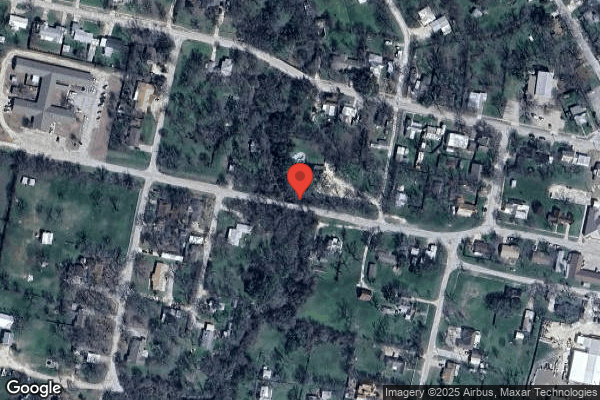
Nov 2023 1 deficiency
CONCERN (F) 📢 Someone Reported This

A family member, employee, or ombudsman was alarmed enough to file a formal complaint

Potential for Harm - no one hurt, but risky conditions existed

Deficiency F0837 (Tag F0837)

Could have caused harm · This affected most or all residents

Based on observation, interview and record review the facility failed to ensure that the governing body, or designated persons functioning as a governing body, that was legally responsible for establi...

Read full inspector narrative →
Based on observation, interview and record review the facility failed to ensure that the governing body, or designated persons functioning as a governing body, that was legally responsible for establishing and implementing policies regarding management and operation of the facility appointed an Administrator who was licensed by the State, responsible for management of the facility and reports to and was accountable to the governing body. The governing body did not appoint a licensed Nursing Home Administrator who was licensed by the State and had been without an Administrator since 7/15/2023. This deficient practice could have resulted in the facility not being managed in a responsible manner, which could affect the health and safety of all residents and risk of their needs not being met. Findings Include: Observation on 11/1/23 at 11:00 AM, during a facility walkthrough revealed no facility Administrator (AD) license was posted. During an interview with the Director of Nursing (DON) on 11/1/2023 at 10:55 AM, she stated the facility did not currently have an Administrator (AD) and she had been covering as many of those duties as she could. During an interview with the Director of Operations (DO) on 11/1/2023 at 2:20 PM, she stated it had been a month or maybe two since the last Administrator left. She stated she traveled to all of the buildings and tried to pop in at this facility once a week to check in. She stated there was not an interim Administrator for this facility. She stated she would check to see when the last Administrator left but stated I think we have 30 days to appoint a new administrator and she thought they were over that timeframe . During an interview with the DO on 11/1/23 at 2:42 PM, she stated the facility has not had an Administrator since 7/15/2023 as the last AD walked out right before their annual survey. She stated she had been interviewing for months but had not found a replacement. She stated the facility was in a very rural area and it was a challenge to try and find a replacement Administrator. She stated she was the AD at another facility and got promoted to DO. She stated, my license still hangs on the wall over at [other facility] so I can't be the AD of record over here. She stated she was the one responsible for hiring the new Administrator . During an interview with the DO on 11/1/2023 at 6:20 PM, she stated the problem of not having an Administrator was that something potentially could be missed for the residents. She went on to say, I don't feel as if anything was missed by not having an AD. In the same interview, the DON stated she had been in communication with the DO on a regular basis about facility matters and she did not feel anything was missed or the residents had not had good care. The DON stated, I had to do the full book survey myself since the AD walked out .I had the support of all the regional staff, and it all went well. A record review of an email sent by the DO on 11/1/2023 at 4:34 PM, reflected an initial job posting to a third-party platform for Administrator of the facility was posted with an open date of 7/10/2023 with a closing date of 10/3/2023. The email from the DO stated the initial job was posted July 10 and I updated the ad and reposted it 20 days ago. Record review of the facility policy Administration of Facility, dated, copyright 2023 reflected This facility will provide policies and systems to ensure that it is administered in a manner that will focus on attaining and maintaining the highest practicable physical, mental and psychosocial well-being of each resident .6: An appropriately licensed Administrator, in good standing with the state in which the facility resides, will be appointed by the governing body to be responsible for the management and overall operation of the facility. Record review of the facility policy Governing Body dated copyright 2023 reflected The facility will have a governing body, or designated persons functioning as a governing body, that is legally responsible for establishing and implementing polices regarding the management and operation of the facility .1. The governing body will appoint an administrator who is: a. Licensed by the state where required., b. Responsible for management of the facility., c. Reports to and is accountable to the governing body. Record review of Texas Unified Licensure Information Portal (TULIP), NFA license search reflected the former Administrator and license was still listed for the facility with an effective date of 6/7/2021 and an expiration date of 4/26/2023. This was previous to the AD that walked out in July of 2023.
Jul 2023 6 deficiencies
CONCERN (D)

Potential for Harm - no one hurt, but risky conditions existed

Deficiency F0655 (Tag F0655)

Could have caused harm · This affected 1 resident

**NOTE- TERMS IN BRACKETS HAVE BEEN EDITED TO PROTECT CONFIDENTIALITY** Based on interview and record review, the facility failed to develop and implement a baseline care plan for each resident within...

Read full inspector narrative →
**NOTE- TERMS IN BRACKETS HAVE BEEN EDITED TO PROTECT CONFIDENTIALITY** Based on interview and record review, the facility failed to develop and implement a baseline care plan for each resident within 48 hours of resident's admission that includes the instructions needed to provide effective and person-centered care of the resident that meet professional standards of quality care for 1 of 5 residents (Resident #90) reviewed for baseline care plan. The facility failed to ensure Resident #90's baseline care plan or comprehensive care plan that include the minimum healthcare information necessary to properly care for a resident was developed and implemented within 48 hours of her admission. This failure could affect newly admitted residents and place them at risk of not receiving continuity of care and communication among nursing home staff to ensure their immediate care needs are met. The findings were: Record review of Resident #90s face sheet, dated 07/17/23, reflected an admission date of 07/14/23 with diagnoses that included Congestive Heart Failure (low functioning heart), Alzheimer's disease, Hypertension (High blood pressure), Hypothyroidism (under active Thyroid gland), and Generalized Anxiety Disorder. Record review of Resident #90's admission MDS dated [DATE] revealed the resident's BIMS score was not assessed. Record review of Resident #90's care plan reviewed on 7/17/23 at 2:00PM revealed that there was no baseline or comprehensive care plan available. In an interview with the MDSC on 07/17/23 at 2:30PM, she stated at the facility, nurses at the time of the admission of new residents, develop the baseline care plan and later MDSC develops comprehensive care plan. She said, she was not sure what was the reason for the omission of Resident #90's baseline care plan. The MDSC stated she was responsible for ensuringe that a baseline care plan was developed within 48 hours of the admission of a resident. In an interview with the DON on 07/17/2023 at 3:45 p.m., she stated it was mandatory to develop a baseline care plan within 48 hours of the admission of the resident. The DON said a baseline care plan was essential as it provides information to the staff about initial goals based on admission orders, until a comprehensive careplan developed. Record review of the facility's policy titled, Baseline Care Plan dated 06/27/23, reflected, Policy: The facility will develop and implement a baseline care plan for each resident that includes the instructions needed to provide effective and person-centered care of the resident that meet professional standards of quality care. Policy Explanation and Compliance Guidelines: 1. The baseline care plan will: a. Be developed within 48 hours of a resident's admission except on a weekend admission, it may then be completed on the first Monday following the admission by a supervising nurse.
CONCERN (E)

Potential for Harm - no one hurt, but risky conditions existed

Pharmacy Services (Tag F0755)

Could have caused harm · This affected multiple residents

Based on observation, interview, and record review the facility failed to ensure the pharmaceutical services (including procedures that assure the accurate acquiring, receiving, dispensing, and admini...

Read full inspector narrative →
Based on observation, interview, and record review the facility failed to ensure the pharmaceutical services (including procedures that assure the accurate acquiring, receiving, dispensing, and administering of all drugs and biologicals) to meet the needs of each resident, in that. -medication room with OTC products contained two bottles of expired medication. This failure had the potential to place residents who receive medications from Medication Rooms at risk for not receiving the intended therapeutic benefit of their medication. The findings include: Observation of OTC (over the counter) Medication Room at 11:40 AM on 07/18/23 revealed the following: 2 bottles- Gas Ban (Simethicone 80 mg PO)- expired 06/2023 In an interview with RN A at 11:45 AM on 07/18/23, she stated that she was unaware of where expired medications were stored. RN A stated the DON was responsible for getting rid of medications. RN A stated that since she started working at the facility in January , she was not trained on medication storage of expired medication. RN A stated that if residents were given expired medication of Gas Ban, they would not get the full effect of medication. In an interview with the DON at 3:15 PM on 07/19/23, she stated there should not be any expired medication in the Medication room. She stated that she was responsible for checking expired medication and doesn't know how the medication got overlooked. DON stated that expired medication either go in her office or in a slot box in the overstock (prescribed meds not on floor) med room. Staff has not been trained on checking medication for expiration dates. She stated that all staff will be in serviced on storage of medications. The DON stated that administering expired medication to residents could pose a risk of liver, kidney damage to the residents. Record review of the Policy on medication storage dated 06/27/23 revealed: It is the policy of this facility to ensure all the medications housed on our premises will be stored in the pharmacy and/ or medication rooms according to the manufacturer. The pharmacy and all medication rooms are routinely inspected by the consultant pharmacist for discontinued, outdated, defective, or deteriorated medications.
CONCERN (E)

Potential for Harm - no one hurt, but risky conditions existed

Unnecessary Medications (Tag F0759)

Could have caused harm · This affected multiple residents

**NOTE- TERMS IN BRACKETS HAVE BEEN EDITED TO PROTECT CONFIDENTIALITY** Based on observation, interview, and record review the facility failed to achieve a medication error rates are not 5 percent or ...

Read full inspector narrative →
**NOTE- TERMS IN BRACKETS HAVE BEEN EDITED TO PROTECT CONFIDENTIALITY** Based on observation, interview, and record review the facility failed to achieve a medication error rates are not 5 percent or greater. There were 22 errors out of 30 opportunities, resulting in a 73 percent medication error involving 4 of 5 residents. The facility were deficient in the following areas: 1. LVN A Failed to provide medication to Resident # 28. 2. RN A Failed to administer medications within 1 hour before or after of physician's order for resident #17 and # 36 3. RN A failed to provide Dilantin according to physician orders to Resident # 05 Failure to achieve medication error rate below 5 percent can lead to potential outcome of residents at the facility not being adequately cared for. The findings included: Resident # 28 Record review of Resident #28's face sheet dated 07/19/23 revealed a [AGE] year-old female admitted on [DATE] with diagnoses that included altered mental status, unspecified symptoms and signs involving cognitive functions and awareness, pain in both wrist, pain in both joints of hands, and edema. Record review of MAR for July 2023 revealed: -Carbamazepine 200 mg tablet PO 4 times a day at 08:00 AM, 12:00 PM, 4:00 PM, 08:00 PM. - Missed doses noted in MAR ( on 07/16/2023 and 07/17/2023 at 4:00 PM and 08:00 PM). Record Review of the care plan dated 06/19/2023 revealed Resident # 28 to have seizures requiring her to be given medications by the facility. During an observation and interview on 7/18/23 at 09:45 AM, LVN A identified that Resident's #28 medication of carbamazepine 200 mg PO was empty. LVN A stated medication was ordered 07/16/2023. LVN A stated that Resident #28 medication has been out of stock since 07/16/2023 and pharmacy is currently in route to deliver. LVN stated that it was facility policy to always keep extra medication in the Emergency kit and phone pharmacy as soon as medication was running low. Resident #28 was in stable condition and did not appear to have any seizure during observation of med administration. Resident # 17 Record review of Resident #17's face sheet dated 07/19/23 revealed a [AGE] year-old male admitted on [DATE] with diagnoses that included schizoaffective disorder bipolar type, insomnia, hypothyroidism, and chronic fatigue. Record review dated 07/18/2023 of MAR revealed: - Metformin 1500 mg PO with meals at 08:00 AM - Abilify 20 mg PO at 08:00 AM - Loratadine 10 mg PO at 08:00 AM - Alprazolam 0.25 mg PO at 08:00 AM - Lisinopril 20 mg PO at 08:00 AM - Trihexyphenidyl 2 mg PO at 08:00 AM - Glipizide 5 mg PO at 08:00 AM During an observation on 7/18/23 at 09:45 AM, RN A administered Resident # 17's morning medications(Metformin, Abilify, Loratidine, Alprazolam, Lisinopril, Trihexyphenidyl, Glipizide) late. Resident # 36 Record review of Resident #36's face sheet dated 07/19/23 revealed a [AGE] year-old male admitted on [DATE] with diagnoses that included essential primary hypertension (high blood pressure), malignant neoplasm of left kidney (tumor on left kidney), hypokalemia (low potassium) and generalized muscle weakness. Record review dated 07/18/2023 of MAR revealed: - Aspirin low dose chewable PO at 08:00 AM: - Famotidine 20 mg PO at 08:00 AM - Gabapentin 300 mg PO at 08:00 AM - Hyzaar 100-12.5 mg PO at 08:00 AM - Potassium 20 meq 1 tab PO at 08:00 AM - Norco 10 mg- 325 mg PO at 08:00 AM During an observation on 7/18/23 at 09:57 AM, RN A administered Resident # 36's morning medications (Aspirin, Famotidine, Gabapentin, Hyzaar, Potassium, Norco.) Observation of Resident # 36 revealed no negative outcome. Resident # 05 Record review of Resident #5's face sheet dated 07/19/23 revealed a [AGE] year-old male admitted on [DATE] with diagnoses that included MAJOR depressive disorder (low mood), recurrent, severe with psychotic symptoms, muscle weakness, anemia (low blood), and anxiety. Record review of MAR for July 2023 revealed: - Gabapentin 300 mg PO at 08:00 AM - Sucralfate 1 gm PO at 08:00 AM - Dilantin 125 mg/ 5 ml, 3 ml PO at 08:00 AM - Multivitamin 1 tab PO at 08:00 AM - Famotidine 20 mg PO at 08:00 AM -Norco 7.5 - 325 mg PO 1 tab PO at 09:00 AM During an observation on 7/18/23 at 11:00 AM, RN A administered Resident # 05's (Gabapentin, Sucralfate, Dilantin, Multivitamin, Famotidine, Norco) medications. In addition, surveyor observed 6 ml of Dilantin being administered to resident. Surveyor did not observe any negative outcome from Dilantin administration. During an interview on 7/19/23 at 11:17 AM, RN A revealed the reason why Residents # 5, 17, and 36 received their medications late were because she was interrupted by needing to assist other residents in feeding for breakfast. RN A stated she needed more help with staffing. RN A initially stated that she administered 7 ml of Dilantin to Resident #5. RN A then stated that she drew up 7 ml of Dilantin and only administered 3 ml of the medication and threw the rest away. RN A did not give a response to if drawing up extra doses and throwing it away were facility policy. RN A stated that facility policies were to give medications within 1 hour before and 1 hour after med order time of administration. RN A stated that late medication administration for Residents #05, 17, and 36 were a violation of facility policy. During an interview on 7/19/23 at 11:17 AM, the DON revealed that since she has worked at the facility, med pass times were a concern for her. She stated that the current policy for meds to be given an hour before and an hour after needed to be modified. The DON could not give a reason for why med pass times being late beside the facility policies needing adjustment. DON stated that she and pharmacy were responsible for providing oversight during med aministration and monitoring for any deficient practice. The DON stated that medications were supposed to be delivered within 1 hour before or 1 hour after medication ordered time. The DON stated if meds were given outside of the window of time allowed then there was a violation of facility policy. The DON also stated that facility policy was not being followed regarding administration of Dilantin 7 ml to Resident # 5. The DON stated that medications were supposed to be administered according to physician orders to prevent harm from occurring to the resident. Record review of the facility policy and procedure titled, Medication Administration undated revealed in part, 1. All medications are administered by licensed medical or nursing personnel as ordered by the physician and in accordance with professional standards .2.Compare the medication source with the MAR to verify dose and time .3.administer medication within 60 minutes prior to or after scheduled time unless otherwise ordered by the physician. Resident # 36 Record review of Resident #36's face sheet dated 07/19/23 revealed a [AGE] year-old male admitted on [DATE] with diagnoses that included essential primary hypertension (high blood pressure), malignant neoplasm of left kidney (tumor on left kidney), hypokalemia (low potassium) and generalized muscle weakness. Record review of MAR for July 2023 revealed: - Aspirin low dose chewable PO at 08:00 AM: - Famotidine 20 mg PO at 08:00 AM - Gabapentin 300 mg PO at 08:00 AM - Hyzaar 100-12.5 mg PO at 08:00 AM - Potassium 20 meq 1 tab PO at 08:00 AM - Norco 10 mg- 325 mg PO at 08:00 AM During an observation on 7/18/23 at 09:57 AM, RN A administered Resident # 36's morning medications (Aspirin, Famotidine, Gabapentin, Hyzaar, Potassium, Norco.) Observation of Resident # 36 revealed no negative outcome. Resident # 05 Record review of Resident #5's face sheet dated 07/19/23 revealed a [AGE] year-old male admitted on [DATE] with diagnoses that included MAJOR depressive disorder (low mood), recurrent, severe with psychotic symptoms, muscle weakness, anemia (low blood), and anxiety. Record review of MAR for July 2023 revealed: - Gabapentin 300 mg PO at 08:00 AM - Sucralfate 1 gm PO at 08:00 AM - Dilantin 125 mg/ 5 ml, 3 ml PO at 08:00 AM - Multivitamin 1 tab PO at 08:00 AM - Famotidine 20 mg PO at 08:00 AM -Norco 7.5 - 325 mg PO 1 tab PO at 09:00 AM During an observation on 7/18/23 at 11:00 AM, RN A administered Resident # 05's (Gabapentin, Sucralfate, Dilantin, Multivitamin, Famotidine, Norco) medications. In addition, surveyor observed 6 ml of Dilantin being administered to resident. Surveyor did not observe any negative outcome from Dilantin administration. During an interview on 7/19/23 at 11:17 AM, RN A revealed the reason why Residents # 5, 17, and 36 received their medications late were because she was interrupted by needing to assist other residents in feeding for breakfast. RN A stated she needed more help with staffing. RN A initially stated that she administered 7 ml of Dilantin to Resident #5. RN A then stated that she drew up 7 ml of Dilantin and only administered 3 ml of the medication and threw the rest away. RN A did not give a response to if drawing up extra doses and throwing it away were facility policy. RN A stated that facility policies were to give medications within 1 hour before and 1 hour after med order time of administration. RN A stated that late medication administration for Residents #05, 17, and 36 were a violation of facility policy. During an interview on 7/19/23 at 11:17 AM, the DON revealed that since she has worked at the facility, med pass times were a concern for her. She stated that the current policy for meds to be given an hour before and an hour after needed to be modified. The DON could not give a reason for why med pass times being late beside the facility policies needing adjustment. DON stated that she and pharmacy were responsible for providing oversight during med aministration and monitoring for any deficient practice. The DON stated that medications were supposed to be delivered within 1 hour before or 1 hour after medication ordered time. The DON stated if meds were given outside of the window of time allowed then there was a violation of facility policy. The DON also stated that facility policy was not being followed regarding administration of Dilantin 7 ml to Resident # 5. The DON stated that medications were supposed to be administered according to physician orders to prevent harm from occurring to the resident. Record review of the facility policy and procedure titled, Medication Administration undated revealed in part, 1. All medications are administered by licensed medical or nursing personnel as ordered by the physician and in accordance with professional standards .2.Compare the medication source with the MAR to verify dose and time .3.administer medication within 60 minutes prior to or after scheduled time unless otherwise ordered by the physician.
CONCERN (E)

Potential for Harm - no one hurt, but risky conditions existed

Deficiency F0760 (Tag F0760)

Could have caused harm · This affected multiple residents

**NOTE- TERMS IN BRACKETS HAVE BEEN EDITED TO PROTECT CONFIDENTIALITY** Based on observation, interview, and record review the facility failed to ensure residents were free of significant medication e...

Read full inspector narrative →
**NOTE- TERMS IN BRACKETS HAVE BEEN EDITED TO PROTECT CONFIDENTIALITY** Based on observation, interview, and record review the facility failed to ensure residents were free of significant medication errors for one (Resident #05) of five residents reviewed for significant medication errors in that:. RN A failed to administer the correct dose of Dilantin 125mg/ 5ml to Resident #05 according to physician's order. This deficient practice failure could affect residents who were receiving Dilantin by placing them at risk of confusion, extreme lethargy(tiredness), and coma. Based on observation, interview, and record review the facility failed to ensure residents were free of significant medication errors for one (Resident #5) of five residents reviewed for significant medication errors in that: RN A failed to administer the correct dose of Dilantin 125mg/ 5ml to Resident #5 according to physician's order. This failure could affect residents who were receiving Dilantin by placing them at risk of confusion, extreme lethargy(tiredness), and coma. The findings include: Record review of Resident #5's face sheet dated 07/19/23 revealed a [AGE] year-old male admitted on [DATE] with diagnoses that included major depressive disorder (low mood), recurrent, severe with psychotic symptoms, muscle weakness, anemia (low blood), and anxiety. Review of Annual Minimum Data Set (MDS) dated [DATE] for Resident #05 documented resident to have seizures and anxiety. Surveyor was not able to get a BIMS score for Resident #5. Review of Physician's Orders dated 03/12/2023 for Resident #5 documented in part: Dilantin 125 mg/ 5 ml, 3 ml PO at 08:00 AM for unspecified convulsion(seizures). Record Review of care plan dated revealed of care plan revealed Resident is to be given Dilantin QD per physician order and monitored for side effects with labs drawn every 3 months. Record Review of the MAR for July 2023 of Resident # 05 revealed adminstered doses of Dilantin Suspension125 MG/5ML at 08:00 AM Observation on 07/18/23 at 11:00 AM, revealed RN A administered 6 ml of Dilantin to resident #05. Observation on 07/18/23 at 11:10 AM, showed resident #05 was resting bed. Interview on 07/19/2023 at 2:30 PM, RN A reported that initially she gave 7 ml of Dilantin (125 mg/ 5 ml) to Resident #5. RN A later back tracked statement and said that she withdrew 7 ml of Dilantin and only administered 3 ml. When asked if throwing away extra doses was part of facility protocol RN A stated yes, it was normal to do that. RN A stated that if she did give 7 ml then it was deficient practice. When asked if it was against policy to give doses outside med order, RN A stated yes, it was a violation of facility policy. RN A stated that administering too much Dilantin can cause confusion and breathing problems with Resident #5. Observation on 07/18/23 at 11:10 AM, showed RN A Leave Resident #05 room. Surveyor did not witness any further observation of Resident #05 by RN A or communication to physician of the error by RN A. Interview on 07/19/2023 at 2:30 PM, the DON reported that RN A providing 7 ml of Dilantin (125 mg/ 5 ml) to Resident #5 was in violation of facility policies. The DON stated that it was not normal practice for a nurse to draw up extra doses to administer and throw away what's not used. The DON stated her and the consultant pharmacist are responsible for ensuring the staffs are providing the correct drug and amount to the residents. The DON stated if 5 ml of drug was required to be administer then nurses should only draw up 5 ml. The DON stated that RN A should have followed the doctor's order. The DON stated that by administering more doses than ordered of Dilantin can cause Resident # 5 to have severe sedation, lethargy, and confusion. Record Review of reference (Seizure Treatment | DILANTIN® (extended phenytoin sodium capsules, USP) | Safety Info)undated revealed high blood levels of Dilantin could cause confusion also known as delirium, psychosis, or a more serious condition that affects how your brain works (encephalopathy). Record review of the facility policy and procedure titled, Medication Administration undated revealed in part, .1. All medications are administered by licensed medical or nursing personnel as ordered by the physician and in accordance with professional standards .2.Compare the medication source with the MAR to verify dose and time .
CONCERN (E)

Potential for Harm - no one hurt, but risky conditions existed

Deficiency F0925 (Tag F0925)

Could have caused harm · This affected multiple residents

**NOTE- TERMS IN BRACKETS HAVE BEEN EDITED TO PROTECT CONFIDENTIALITY** Based on observation, interview, and record review the facility failed to maintain an effective pest control program so that the...

Read full inspector narrative →
**NOTE- TERMS IN BRACKETS HAVE BEEN EDITED TO PROTECT CONFIDENTIALITY** Based on observation, interview, and record review the facility failed to maintain an effective pest control program so that the facility is free of pest and rodents in that : The facility failed to ensure the facility was free from flies, crickets, and grasshoppers. This failure could place residents at risk for the potential spread of infection, cross-contamination, and decreased quality of life. Findings Included: Observation on 07/18/23 at 12:00PM of the Dining hall, Hallways, and the Restrooms in the hallways, revealed there were dozens of crickets and grasshoppers roaming around. Observation of the kitchen on 07/18/23 at 2:00PM revealed, there were flies circling around in the kitchen and landing on various food products. There were crickets and grasshoppers on the floor on various locations. Observation of Resident # 35's room on 07/19/23 at 10:46 AM revealed, there were several crickets and grasshoppers on the floors. Record review of Resident #35's face sheet, dated 07/19/23, reflected an admission date of 04/14/22. He was a [AGE] year-old male diagnosed with Hypertension (High Blood pressure), Obesity, Hyperlipidemia (high fat level in blood), Repeated falls, Sleep Apnea, Retention of urine, Restless legs syndrome, Anxiety Disorder, Muscle Weakness, Lack of coordination, Chronic Obstructive Pulmonary Disease, Limitation of activities due to disability, Insomnia, Unsteadiness on feet and Abnormalities of gait and mobility. Record review of Resident #35's MDS dated [DATE] revealed the resident's BIMS score was 15, indicating he was cognitively intact. In an interview on 07/20/23 at 1:00PM with Resident#35 (was the Resident Council President), he stated there were crickets and grasshoppers in his room. He added that he had noticed lots of crickets and grasshoppers in the hallways as well and believed the insects were getting into residents' room from there. He said residents seems used to the insects at the facility so much so that they stopped complaining about it . Resident #35 said, he had seen pest control person spraying chemicals a month ago however, it did not seem to help. Record review of Resident #3's face sheet, dated 07/17/23, reflected an admission date of 07/08/20. She was an [AGE] year-old female diagnosed with Hypertension, Constipation, Major Depressive Disorder, Dysphagia, Gastrointestinal Hemorrhage, Anemia, Seizures, Need for assistance with personal care, Muscle weakness, Limitation of activities due to disability. Problems related to care provider dependency, Reduced mobility, hypokalemia (Low potassium level in blood) and Lack of coordination Record review of Resident #3's MDS dated [DATE] revealed the resident's BIMS score was 15, indicating she was cognitively intact. In an interview with Resident#3 on 07/20/23 at 3:00PM, she stated, she had flies in her room. Resident #3 said there were crickets and grasshoppers as well. She stated she had complained about this many occasions however the insect issue still not resolved. The investigator observed no insects or flies during the visit for the interview. In an interview on 07/19/23 at 3:00PM with the Dietary Manager, she stated the number of flies in the kitchen were reduced after the installation of the electronic fly light however it could not totally stop them coming into the kitchen. She stated the pest control person had been at the facility; however, she did not think the treatment they were applying was working effectively. When the investigator asked about the consequences of flies and insects in the kitchen, she stated they spread diseases by landing on the food products and contaminating them. Interview on 07/20/23 at 10:50 AM with the HS revealed she had been working at the facility for more than 5 years. She stated she had seen flies, crickets, and grasshoppers everywhere at the facility. The HS stated at the beginning of this summer they have had a constant issue with flies, cricket, and grasshoppers. She said it was worse when summer started and had gotten better. The HS stated she had seen the pest control person doing the treatment however with little effect. In an interview on 07/20/23 at 3:23 PM with the MS, she stated she was working at a sister concern of the facility. After the sudden death of the MS at the facility, she temporarily had undertaken the MS tasks until further arrangement is done. When investigator asked about the consequences of flies and insects in the facility, she stated they spread diseases and could bite/sting residents. She added the presence of insects at the facility would not create a home like environment. The MS stated the facility planned to increase the frequency of pest control treatment more than once a month until the insect and flies' infestation is contained. In an interview on 07/20/23 at 4:00 PM with the DON, she stated flies, cricket and grasshoppers had been a constant issue. She said crickets and grasshoppers were big issue currently in the entire county and they were trying their level best to contain them at the facility. The DON said this year had been worse than, others. The DON stated they had contract with the pest control company for a monthly service with an additional treatment as and when needed. The DON stated the pest control person treated the facility on 06/13/23 and for the first week there were no insect activities and then the insects and flies slowly started to pick up. When the investigator asked if the pest control treatment was effective in the first week, why the facility had not increased the frequency more than a month, she stated the pest control person was scheduled to come in the next day and will use their service more than once a month in the summer. Record review of the pest control record since 01/01/23 revealed that the facility had a contract with the company PCC, and they visited at the facility once a month for the pest control treatment. The last visit for pest control was on 06/13/23. The target issues for the treatment during this visit was American Roaches, German Roaches and Little Black Ants and no treatment was evident for flies, crickets and grasshoppers. Review of the undated facility's policy Pest Control program, reflected the following: It is the policy of this facility to maintain an effective pest control program that eradicates and contains common household pests and rodents. 1.Facility will maintain a written agreement with a qualified outside pest service to provide comprehensive pest control services on a regular and scheduled basis . . 3. Facility will maintain a report system of issues that may arise in between scheduled visits with the outside pest service and treat as indicated. 4.Facility will utilize a variety of methods in controlling certain seasonal pests, i.e., flies. These will involve indoor and outdoor methods that are deemed appropriate by the outside pest service and state and federal regulations .
MINOR (C)

Minor Issue - procedural, no safety impact

Deficiency F0577 (Tag F0577)

Minor procedural issue · This affected most or all residents

**NOTE- TERMS IN BRACKETS HAVE BEEN EDITED TO PROTECT CONFIDENTIALITY** Based on observation, interview, and record review, the facility failed to post in a place readily accessible to residents, and ...

Read full inspector narrative →
**NOTE- TERMS IN BRACKETS HAVE BEEN EDITED TO PROTECT CONFIDENTIALITY** Based on observation, interview, and record review, the facility failed to post in a place readily accessible to residents, and family members and legal representatives of residents, the results of the most recent survey of the facility for one of one facility. The facility failed to ensure the survey result from the previous recertification survey was readily available. This failure could place residents at risk of not being able to fully exercise their rights or have them exercised on their behalf by members of the community. Findings included: Record review of ASPEN Central Office reflected the most recent annual recertification and re-licensure survey took place on 06/03/2022. Observation on 07/17/23 at 12:30 PM revealed that there was no state survey result available at the facility in a place readily accessible to residents and family members. Observation and interview on 07/17/23 at 1:00PM, when the investigator requested for the most recent survey result folder for the residents, the DON stated the survey folder was at the nurses' station. She then went up to the nurses' station and picked up the folder from a rack mounted at about 6 ft up on the wall inside the nurses' station. During an interview on 07/17/2023 at 1:00PM, the DON stated she was aware the residents and their family had the right to access the survey result however did not know that it should be placed at a readily accessible location for the residents and community. She apologized and stated she would be placing the survey rack at a prominent place at the front entrance of the facility immediately. The DON said it was the responsibility of the administrative staff including DON to ensure the availability. She said she has been the DON at the facility since December 2022. She added, currently she was the responsible person for the administrative tasks until a new administrator was appointed; though they had an interim administrator currently, after the previous administrator left the faciity on [DATE]. Review of the facility policy dated 06/24/23 and titled Resident Rights reflected the following: Policy: The facility will inform the resident both orally and in writing, in a language that the resident understands, of his or her rights and all rules and regulations governing resident conduct and responsibilities during the stay in the facility . . 8.A posting of names, addresses and phone numbers of all pertinent state client advocacy groups will be available in the facility. 9.The facility prominently displays written information regarding how to apply for and use Medicare and Medicaid benefits.
Jun 2022 5 deficiencies
CONCERN (D)

Potential for Harm - no one hurt, but risky conditions existed

Deficiency F0578 (Tag F0578)

Could have caused harm · This affected 1 resident

**NOTE- TERMS IN BRACKETS HAVE BEEN EDITED TO PROTECT CONFIDENTIALITY** Based on observation, interview, and record review, the facility failed to ensure that all residents had the right to formulate ...

Read full inspector narrative →
**NOTE- TERMS IN BRACKETS HAVE BEEN EDITED TO PROTECT CONFIDENTIALITY** Based on observation, interview, and record review, the facility failed to ensure that all residents had the right to formulate an advance directive for 2 of 16 residents (Residents #11 and #29) reviewed for advance directives. 1. Resident #11 had chosen DNR code status, but her DNR documents did not include witness signatures. Her care plan was also not updated to reflect her DNR code status. 2. Resident #29 had chosen DNR code status, but her DNR document did not include a physician signature. This failure placed residents at risk for having their end of life wishes dishonored and having CPR performed against their wishes. Findings included: 1. Review of the face sheet for Resident #11 reflected a [AGE] year-old female admitted to the facility on [DATE] with diagnoses of congestive heart failure, atrial fibrillation (disease characterized by irregular/increased heart rate), history of non-Hodgkin lymphoma (cancer of the immune system), hypercholesterolemia (condition caused by high cholesterol), stage three chronic kidney disease, dementia, acute cystitis with hematuria. Review of the quarterly MDS for Resident #11 dated [DATE] reflected a BIMS score of 10, indicating moderate cognitive impairment. Review of the care plan for Resident #11 dated [DATE] reflected the following: (Resident #1) is a full code-attempt resuscitation, CPR per resident o resident will be enabled to live to the limit of his/her potential ability physically, mentally and spiritually. o encourage residents and family members to discuss any concerns o notify physician of changes o perform CPR if and when the heart stops beating and or the residents stops breathing. Review of physician's orders for Resident #11 reflected an order for Resident Code Status: DNR dated [DATE]. Review of a scanned Out of Hospital Do Not Resuscitate Order for Resident #11 dated [DATE] and found in the EMR reflected signatures of her family member and a physician but no signatures in the spaces designated for witnesses or a notary. Review of a paper copy of Resident #11's Out of Hospital Do Not Resuscitate Order dated [DATE] and found in the resident's paper chart at the nurse's station reflected that it was identical to the version scanned into the EMR. Observation and interview on [DATE] at 1:03 p.m., revealed Resident #11 seated in a wheelchair in her room. She responded to an initial greeting and was conversant but stated she did not know anything about her code status or her wishes for medical intervention in a medical emergency. A telephone interview was attempted with a FM for Resident #11, and a voicemail was left, but contact was not returned. 2. Review of the face sheet for Resident #29 reflected a [AGE] year-old female admitted to the facility on [DATE] with diagnoses of multiple sclerosis (disease that affects the central nervous system), paraplegia (partial paralysis), long-term use of anticoagulants, stage four pressure ulcer of the sacral region, hypokalemia (low potassium in the blood), and a more recent diagnosis of severe sepsis (blood infection) on [DATE]. Review of the quarterly MDS for Resident #29 dated [DATE] reflected a BIMS score of 15, indicating little to no cognitive impairment. Review of the care plan for Resident #29 dated [DATE] reflected the following: (Resident #29) wishes to be a DNR o (Resident #29)'s wishes will be honored o In the event of cardiac or respiratory arrest, do not call 911 and initiate CPR. Notify physician and Guardian.(She will notify family) Review Code Status at each Care Plan Meeting, and PRN. Review of physician's orders for Resident #29 reflected an order for Resident Code Status: DNR dated [DATE]. Review of a scanned Out of Hospital Do Not Resuscitate Order for Resident #29 dated [DATE] and found in the EMR reflected no physician signature and no signatures at all in the bottom section of the form that read: All persons who have signed above must sign below, acknowledging this document has been properly completed. Review of a paper copy of Resident #29's Out of Hospital Do Not Resuscitate Order dated [DATE] and found in the resident's paper chart at the nurse's station reflected that it was identical to the version scanned into the EMR. During observation and interview on [DATE] at 12:43 p.m., Resident #29 stated that her mother was her guardian and had chosen the DNR for her. She stated she did not have any problem with it. When asked how she would feel if she received CPR or intubation in a medical emergency, she shrugged and said she guessed CPR would be okay with her, but she did not want anything shoved down her throat. Observation revealed that she was self-ambulating in an electric wheelchair. She had very little muscle tone, and her head and shoulders hung forward. She was not able to lift her arm but could operate the electric wheelchair with her finger placed on the control lever. During an interview on [DATE] at 3:57 p.m., the DON stated the process by which resident code status was determined and implemented was the facility social worker and admission director spoke to new residents and their families to determine what code status they preferred. He stated both the social worker and the admissions director had the paperwork available for residents to implement a DNR if desires. He stated the social worker ensured all the appropriate signatures were on the document. He stated that the process for changing a code status from a full code to a DNR was that the social worker spoke with the resident or family and initiated the paperwork in the same way. He stated that a DNR order was not valid if it did not have all the signatures. He stated that, without the valid order, the resident must be treated as having full code status if there were a medical emergency. He stated that could result in the resident not having his or her wishes honored. He stated they might have the resident intubated in the parking lot when all he or she wanted was a peaceful passing. During an interview on [DATE] at 4:45 p.m., the ADM stated he thought the process for a resident to obtain a DNR code status was the DON talked to the physician. He stated he did not know who oversaw the system for ensuring that residents had a valid DNR in place, but he knew he did not oversee it. He stated he did not have any involvement in the process, but he would think it was the DON's responsibility. He stated he was responsible for all things that occurred in the facility, but he was not involved in the resident code status system and knew nothing about it. He did not provide an answer when asked what the impact on a resident could be if they had an invalid DNR or the incorrect code status. During an interview on [DATE] at 9:14 a.m., the SW stated she had just started working at the facility a couple weeks prior and worked 10 hours per week. She stated that if a new person admitted , she visited the resident in his or her room or with the family and talked to them about what a DNR entails so that she could make sure they understood and that a DNR is what they wanted. She stated she would then fill out the DNR paperwork, get two non-related witnesses or a notary to sign the form, and then get the form to the doctor for his or her signatures. She stated that she had another part time job at another long-term care facility, where she had initiated many DNRs, and there she would take the forms immediately to the physician herself at his office, so she expected she would use the same practice at this new facility. She stated she was not sure what the specific process was here to obtain physician's or witnesses signatures at this facility, and she had not initiated or completed a DNR here yet since starting nine days prior. She stated that, without all of the required signatures on the DNR order, the order was not valid, and thus the resident had a full codes status. When asked what impact it could have on a resident who preferred a DNR order to be treated as a full code in an emergency, she stated that if the resident's heart stopped, the facility staff would do CPR, and then EMTs would take over, and then if the resident made it alive to the hospital, he or she would be put on life support. She stated at that point, the MPOA would have the option to have them disconnected from life support. She stated that performing CPR could cause broken ribs. Review of facility policy dated [DATE] and titled Do Not Resuscitate Order reflected the following: The facility will honor two types of Do Not Resuscitate orders: a physician's order for Do Not Resuscitate and the Texas Out-of-Hospital DNR Order. Goals 1. The resident will verbalize end-of-life wishes. 2. The resident will execute a valid living will that reflects his/her end of life wishes. 3. The resident verbalizes feelings about a decision for end-of-life wishes. 4. The resident and/or family receive support and education about end of life decisions. Physician order for Do-Not-Resuscitate. According to the 78th Texas Legislature Section 166.102. A physician's DNR order may be honored by healthcare personnel other than emergency medical services personnel. A licensed nurse or person providing health care services in an out-of-hospital setting may honor a physician's do-not-resuscitate order. Procedure: Physician's order for DNR 1. The physicians order for DNR should be maintained in the residence clinical record. 2. Any resident who has a physician's order for DNR will have a red sheet of paper as the first page of the resident record with the words, DNR in black letters located on that sheet of paper. 3. All validly executed physician orders for DNR orders will be honored by the facility. 4. Emergency workers will not honor the physicians order for DNR. The Out of Hospital DNR Form The Out of Hospital DNR form was designed by the Texas Department of Human Services to comply with the requirements as set forth in the health and safety code for the purpose of instructing emergency medical personnel and other healthcare professionals to forgo resuscitation attempts. Procedure: Texas Out of Hospital DNR form. 1. Any resident may initiate an out of hospital DNR order. The resident's attending physician will document the presence of the terminal condition and the resident's permanent medical record. 2. If the resident is capable of providing informed consent for the order, he/she will sign and date the DNR order on the front of the official DNR form from the state of Texas. 3. If the resident is not capable of providing informed consent, his/her legal guardian/proxy or qualified relative may initiate the order by signing and dating the form and supplying sufficient proof to indicate authorization to perform such measures. 4. The order may also be initiated by the attending physician based on no written communication or previously exact executed directive to physicians. 5. In all cases the form must be signed and dated by two witnesses. 6. The original Texas out of hospital DNR form containing the DNR logo should remain with the resident. Duplicates may be made by the resident, healthcare organization or attending physician as necessary for the placement in the residence medical record or for ordering identification devices. Copies of the document lacking the DNR logo will not be honored by responding healthcare professionals. 7. The Out of Hospital DNR order may be revoked at ANY time be (sic) the resident, legal guardian, proxy, or qualified relative. The revocation will involve communication of wishes to responding healthcare professionals, distraction of the form, and removal of all or any DNR identification devices the resident may possess. 8. A person may not withhold the above designated procedures from a person known to be regnant. 9. The facility will copy the original DNR form and place a copy in the resident's medical record. The original will be placed in a protective cover and the resident's medical record. In the event of transferred to an acute care facility or another level of care, a copy will be sent with the resident. 10. The resident's record will be have (sic) a red sheet of paper as the first page of the record with the words, DNR in black letters located on that sheet of paper. 11. All validly executed DNR orders will be honored by the facility. 12. Social services will assist all interested family members and residents will information, education, and execution of the DNR form. 13. For completion of the form, see attached instructions for out of hospital DNR from the TAHC. Review of a document found on the Texas Health and Human Services Commission website, titled Out-of-Hospital Do-Not-Resuscitate (OOH-DNR) Order/Texas Department of State Health Services, and revised [DATE] reflected the following: Section F - If an adult person is incompetent or otherwise mentally or physically incapable of communication and does not have a guardian, agent, proxy, or available qualified relative to act on his/her behalf, then the attending physician may execute the OOH-DNR Order by signing and dating it in Section F with concurrence of a second physician (signing it in Section F) who is not involved in the treatment of the person or who is a representative of the ethics or medical committee of the health care facility in which the person is a patient. In addition, the OOH-DNR Order must be signed and dated by two competent adult witnesses, who have witnessed either the competent adult person making his/her signature in section A, or authorized declarant making his/her signature in either sections B, C, or E, and if applicable, have witnessed a competent adult person making an OOH-DNR Order by nonwritten communication to the attending physician, who must sign in Section D and also the physician's statement section. Optionally, a competent adult person or authorized declarant may sign the OOH-DNR Order in the presence of a notary public. However, a notary cannot acknowledge witnessing the issuance of an OOH-DNR in a nonwritten manner, which must be observed and only can be acknowledged by two qualified witnesses. Witness or notary signatures are not required when two physicians execute the OOH-DNR Order in section F. The original or a copy of a fully and properly completed OOH-DNR Order or the presence of an OOH-DNR device on a person is sufficient evidence of the existence of the original OOH-DNR Order and either one shall be honored by responding health care professionals.'
CONCERN (E)

Potential for Harm - no one hurt, but risky conditions existed

Unnecessary Medications (Tag F0759)

Could have caused harm · This affected multiple residents

**NOTE- TERMS IN BRACKETS HAVE BEEN EDITED TO PROTECT CONFIDENTIALITY** Based on observation, interview, and record review the facility failed to ensure that the medication error rate was not five per...

Read full inspector narrative →
**NOTE- TERMS IN BRACKETS HAVE BEEN EDITED TO PROTECT CONFIDENTIALITY** Based on observation, interview, and record review the facility failed to ensure that the medication error rate was not five percent or greater. The facility had a medication error rate of 5.26%, based on 2 errors out of 38 opportunities, which involved 2 (Residents #8 and #34) of 4 residents and 2 (MA C and LVN B) of 2 staff reviewed for medication errors. MA C administered Vitamin C 500 mg to Resident #8 although the physician's order did not specify a dose. LVN B administered potassium 20 mEq 1 tablet to Resident #34 although the physician's order specified 2 tablets. These failures placed residents at risk of inadequate therapeutic outcomes, ineffective disease management, and a decline in health. Findings included: 1. Review of Resident #8's face sheet printed 6/3/22 reflected an [AGE] year-old male admitted to the facility 9/10/21 with diagnoses including type 2 diabetes, vitamin deficiency, peripheral vascular disease (disease affecting the blood vessels), iron deficiency anemia, other sequelae of cerebral infarction, and hemiplegia affecting left, non-dominant side. Review of Resident #8's quarterly MDS dated [DATE], reflected a BIMS score of 15 indicating intact cognition. Review of Resident #8's physician orders dated 04/01/22 reflected an order Vitamin C tablet (Ascorbic Acid) give 1 application by mouth one time a day for prophylaxis. Review of Resident #8's medication administration record(MAR) for May and June 2022, reflected Vitamin C was administered 31 days in May and 2 days in June. There is no dose listed in the order. Review of Resident #8's physician's office visit note dated 5/15/22 reflected a list of current medications including, Vitamin C 250 mg 1 tablet by oral route. Observation on 6/1/22 at 9:35 AM revealed MA C prepared Resident #8's medications for administration. She took a bottle of Vitamin C 500 mg from the medication cart drawer and put one tablet into the medication cup. She prepared the rest of the oral medications and administered them to Resident #8. During an observation and interview on 6/2/22 at 9:50 AM with MA C, she stated she had already given Resident #8's medications. LVN B was unable to recall the dose of Vitamin C she had given but pulled the bottle out of the medication cart. Observation of the label revealed, Vitamin C 500 mg. She pulled up the physician's order on the computer and verified there was no dose in the order. She stated she should have gotten clarification of the order prior to giving the medication. 2. Review of Resident #34's face sheet printed 6/3/22, reflected an [AGE] year-old male admitted to the facility 4/19/22 with diagnoses including unspecified diastolic (congestive) heart failure, urinary tract infection, pressure ulcer of left heel, vascular dementia, hypertension (high blood pressure, atrial fibrillation (irregular heartbeat), muscle wasting and atrophy, and general muscle weakness. Review of Resident #34's 5-day MDS assessment dated [DATE], reflected a BIMS score of 12, indicating moderately impaired cognition. Review of Resident #34's physician order dated 4/19/22 reflected an order for Potassium Chloride ER 20 mEq give 2 tablets (40 mEq) by mouth two times a day for potassium replacement r/t Lasix use. Take with food and 4-8 oz of water, remain upright for 1 hour after administration. Observation on 6/2/22 at 8:56 AM revealed LVN B prepared medications for Resident #34. She took the medication card of potassium and put one tablet into the medication cup. She prepared the rest of the oral medications and entered the room. A family member at the bedside stated the resident preferred the potassium pills to be broken in half. The family member broke the tablet in half and the nurse administered the medications. During an interview on 6/2/22 at 9:57 AM with LVN B, she stated she had given Resident #34 one tablet of potassium. She reviewed the order in the electronic medical record then stated she should have given two tablets. She stated there was no good reason she had given only one. She stated an adverse outcome could be the resident not getting the desired dose of medicine. During an interview on 6/2/22 at 3:50 PM with the DON, he stated everyone giving medications should follow the 7 Rights prior to administering the medicine. He stated the 7 Rights included The right resident, the right dose, the right route and so on. He stated not having a dose in an order was not acceptable and staff should have clarified the order with the provider. He stated giving the wrong dose of medications, depending on the medication, could cause bleeds or some other unwanted side effect. He stated not giving the correct dose of potassium could be dangerous.
CONCERN (E)

Potential for Harm - no one hurt, but risky conditions existed

Deficiency F0761 (Tag F0761)

Could have caused harm · This affected multiple residents

**NOTE- TERMS IN BRACKETS HAVE BEEN EDITED TO PROTECT CONFIDENTIALITY** Based on observation, interview, and record review, the facility failed to ensure drugs and biologicals used in the facility wer...

Read full inspector narrative →
**NOTE- TERMS IN BRACKETS HAVE BEEN EDITED TO PROTECT CONFIDENTIALITY** Based on observation, interview, and record review, the facility failed to ensure drugs and biologicals used in the facility were stored in locked compartments for 2 of 4 medication carts (hall 1 medication cart and hall 1 nurse cart), and 1 of 5 residents (Resident #143), and failed to ensure drugs and biologicals were labeled in accordance with currently accepted professional principles for 1 of 1 medication room reviewed for medications. A. The facility left Resident #143's medication at his bedside. B. The facility failed to ensure Hall 1 medication cart and Hall 1 nurse cart were locked and medications were stored securely. C. The facility failed to ensure multidose vials in the medication room refrigerator were properly labeled. These failures placed residents at risk of not receiving the therapeutic benefit of medications, adverse reactions to medications, or drug diversion. Findings included: A. Review of Resident #143's face sheet printed [DATE] reflected a [AGE] year-old male admitted to the facility on [DATE] with diagnoses including Anxiety disorder, chronic obstructive pulmonary disease, hypertension, muscle weakness, pressure ulcer of left heel, sleep apnea, and insomnia. Review of Resident #143's quarterly MDS dated [DATE] reflected a BIMS score of 15 indicating intact cognition. Review of Resident #143'3 physician's order dated [DATE] reflected, Melatonin tablet 5 mg give by mouth every 24 hours as needed for insomnia qhs. Review of Resident #143's electronic medical record revealed no assessment or physician order for self-administration of medications. During an observation and interview on [DATE] at 9:19 AM with Resident #143, a white tablet was observed in a medication cup on the over-bed table. Resident #143 stated he had trouble sleeping so night-time staff left the sleeping pill for him in case he needed it. During an interview on [DATE] at 10:02 AM with MA C, she stated medications should never be left at the bedside. She stated she had not noticed medication at the resident's bedside. She stated another resident could wander in and get the medicine and maybe have a bad reaction. During an interview on [DATE] at 3:50 PM with the DON, he stated it is not acceptable to leave medications at the bedside. He stated staff should have watched the resident take the medication. He stated anyone could have taken or ingested the medication and had an adverse outcome. B. Observation on [DATE] at 8:02 AM revealed Hall 1 nurse cart unlocked and parked in the hallway. There were no staff nearby. The second drawer contained multiple tubes of ointments and creams. The third drawer contained more creams and ointments and medications for inhalation treatments. The bottom drawer contained bottles of normal saline and dressing supplies. Observation on [DATE] at 9:27 AM revealed MA C in a resident room with her back to the door. The Hall 1 medication cart was near the room and the cart was unlocked. The cart was not within MA C's line of sight. There were two residents in the hall nearby. Observation on [DATE] at 9:35 AM revealed 3 bottles of medication (aspirin, iron, and vitamin C) on top of the Hall 1 medication cart unattended. MA C was in a resident room with her back to the door. Observation on [DATE] at 12:08 PM revealed Hall 1 nurse cart unlocked with a key in the lock and other keys on a key ring attached. The cart was parked in the hall with residents nearby. Observation on [DATE] at 10:56 AM revealed Hall 1 nurse cart unlocked and unattended when RN A went into a resident room to complete wound care. During an interview on [DATE] at 10:02 AM with MA C, she stated the med carts should always be locked when not in use. She stated she should not have left the bottles of medication on top of the medication cart. She stated another resident could get the medications. During an interview on [DATE] at 12:10 PM with RN A, she stated she had just stepped away from the cart for a minute to get some supplies. She stated she did not realize her keys were hanging from the lock. During an interview on [DATE] at 11:19 with RN A, she stated she had not locked the cart but she had stepped out of the room to get more supplies during wound care. She stated the medication carts should be locked at all time when not in use. She stated residents could potentially get into the carts. During an interview on [DATE] at 3:50 PM with the DON, he stated medication carts were to be locked at all times when not in use. He stated unauthorized staff or residents could get into the carts and take medications and may have undesirable effects if the medications were ingested. During an interview on [DATE] at 4:50 PM with the ADM, he stated, Absolutely, medication carts should be locked at all times when unattended. He stated residents could get into the cart and eat the medicines. C. Observation on [DATE] at 8:19 AM, revealed a multi-dose vial of Aplisol in the medication refrigerator. The vial was open and had been accessed. There was not a date on the vial indicating when it was opened. Observation on [DATE] at 8:22 AM, revealed an opened and accessed multi-dose vial of Lidocaine sitting on a shelf. There was not a date on the vial indicating when it was opened. During an interview on [DATE] at 3:50 PM with the DON, he stated vials should be dated when opened. He stated it was important to date medication vials as medications expire at different times. He stated expired meds may not work as intended and should not be administered. Review of the facility policy Storage of Medications revised [DATE], reflected in part, 7. Compartments (including, but not limited to, drawers, cabinets, rooms, refrigerators, cart, and boxes) containing drugs and biologicals shall be locked when not in use, and trays or carts used to transport such items shall not be left unattended if open or otherwise potentially available to others. 10. Only persons authorized to prepare and administer mediations shall have access to the medication room, including any keys. Review of the facility policy Administering Medications revised [DATE], reflected in part, 8. The expiration date on the medication label must be checked prior to administering. When opening a multi-dose container, the date shall be recorded on the container. 10. During administration of medications, the medication cart is kept closed and locked wen out of sight of the medication nurse or aide . No medications are kept on top of the cart. The cart must be clearly visible to the personnel administering medications . 18. Residents may self-administer their own medications only if the attending physician, in conjunction with the interdisciplinary care planning team, has determined that they have the decision-making capacity to do so safely.
CONCERN (F)

Potential for Harm - no one hurt, but risky conditions existed

Food Safety (Tag F0812)

Could have caused harm · This affected most or all residents

**NOTE- TERMS IN BRACKETS HAVE BEEN EDITED TO PROTECT CONFIDENTIALITY** Based on observation, interviews, and record review, the facility failed to store, prepare, distribute, and serve food in accord...

Read full inspector narrative →
**NOTE- TERMS IN BRACKETS HAVE BEEN EDITED TO PROTECT CONFIDENTIALITY** Based on observation, interviews, and record review, the facility failed to store, prepare, distribute, and serve food in accordance with professional standards for food service safety in one of one kitchen ice machine and one of three kitchen refrigerators (The dessert and condiment refrigerator) reviewed for kitchen sanitation. The ice chute in the ice machine was covered in an unidentified black substance. The dessert and condiment refrigerator had several unlabeled, undated, and unsealed food items as well as spilled material on the surfaces. These failures could place residents at risk of food-borne illness. Findings included: Observation in the kitchen on 6/2/2022 at 10:37 a.m., revealed a black substance on the outside of the chute sending ice into the ice machine storage bin. The substance resembled dirt or mildew and could be removed with a paper towel. Observation in the kitchen on 6/2/2022 at 10:48 a.m., revealed that one of the facility's refrigerators had the following items/conditions: -A clear plastic cup of chocolate pudding on its side sitting in a puddle of clear, sticky, red liquid -An open plastic bag containing a nondescript baked item, undated and unlabeled -An open plastic bag containing chocolate chip cookies, undated and unlabeled -A clear plastic cup of fruit cocktail, undated and unlabeled -An opaque plastic cup, lidded, with a broth-based soup, undated and unlabeled -A 20-ounce Styrofoam cup of tuna salad, undated and unlabeled -Half a pie in a foil pie tin, with aluminum foil over the top, but not sealed around the edges, undated and unlabeled -A large plastic container of strawberry dessert topping with a cracked lid -A brown substance pooled on surface of the top shelf in the door. Observation on 6/2/2022 at 10:38 a.m. revealed a paper posted on the kitchen's stainless steel double refrigerator with a cleaning schedule printed on it. The ice machine was not included on the cleaning schedule. During an interview on 6/2/2022 at 12:46 p.m., the DM stated the MAINT had a cleaning log for the ice machine, and she thought it was once a month. She stated the substance on the ice chute was probably mold. She stated she never checked inside the ice machine to see if it was clean or not. She stated the refrigerator was mostly for condiments and leftover desserts. She stated that everything in the refrigerator should have been labeled and dated, and the refrigerator shelves should have been cleaned daily. She stated she was responsible for the cleanliness and food storage in the kitchen, and they had been very short-staffed, so some things had been missed. She stated that the potential impact for residents of the issues in the ice machine and the refrigerator was that they could get sick. She stated that all the residents in the facility ate from the kitchen, and there were no residents who were exclusively tube fed. During an interview on 6/2/2022 at 11:26 a.m., the MAINT stated the ice maker in the kitchen was brand new, only two months old, but the bin and chute were the old ones. He stated he was responsible for cleaning and maintenance of the ice machine, and it was supposed to be cleaned every three months. He stated the procedure was on his electronic maintenance log, and he got a notice when it was time. He stated his procedure was to have the dietary staff fill up their ice chests with all the ice in the bin, pull the bin, and use 160 degree water and a special ice machine cleaner. He stated he washed down the bin, replaced it, let it make ice once, threw out that ice, and then washed the bin down again. He stated that, after that procedure, the machine was clean. He stated he had not been back into the kitchen to work on the ice machine, because it had not been three months since the machine was replaced. He stated he thought the black substance on the chute was in the city's water. He stated the city flushed their system every so often, and the water came out of the taps brown on that day. He stated he did not think the substance on the ice chute could affect the residents, because the dietary staff dipped ice from the front, and the substance would not get into their drinks. He stated he did not know what the impact could be on the residents if the substance was mildew, but if it was a mineral in the water, it would not have an impact. He stated that was just how the city water was, and everyone in the city drank that. During an interview on 6/2/2022 at 4:37 p.m., the ADM stated that the DM was responsible for training the dietary staff to do cleaning in the kitchen, and the dietitian had a role in it, as well. He stated he did go into the kitchen now and then, and he thought he went in about once per week, but he had not seen any mess in refrigerators or the ice machine, and he did not think he needed to monitor the kitchen for compliance. He stated that food should be dated and labeled, and all surfaces should be clean. He stated to his knowledge there was an ice machine cleaning schedule, but he was not certain what that schedule was. He stated the potential outcome for residents eating from a kitchen with these issues was they could get sick. Observation of the [NAME] machine on 6/3/2022 at 10:35 a.m. revealed that the black substance had been removed from the chute, and the ice machine was clean. Review of facility policy dated 2012 and titled Cleaning Schedules reflected the following: The dietary department and all equipment in the dietary department will be cleaned on a regular scheduled basis. Procedure: 1. It is the responsibility of the dietary service manager to prepare the daily, weekly and monthly cleaning schedules. 2. Cleaning schedules are posted at the beginning of each month in the kitchen. 3. It is the responsibility of all employees to follow the cleaning schedule, and to initial by their assignments when completed. 4. See cleaning schedule forms in the appendix. 5. Cleaning schedules are to be individualized to the facility, and it is the responsibility of the DSM to ensure that the assigned tasks are completed when assigned, and in a thorough manner. The cleaning schedules should be updated routinely to include areas that are noted as needing additional cleaning by the white glove inspection checklist, the RD sanitation check, DSM or administrator walk-through inspections, as well as the CMS kitchen observation audit form that is performed monthly by the dietary manager. Review of facility policy dated 2012 and titled Storage Refrigerators reflected the following: All storage refrigerators shall be maintained clean and have a proper temperature for food storage and to ensure a proper environment and temperature for food storage. 4. Storage refrigerators shall be kept clean and organized. Spills are to be wiped up immediately. 5. Food must be covered when stored, with a date label identifying what is in the container.
CONCERN (F)

Potential for Harm - no one hurt, but risky conditions existed

Antibiotic Stewardship (Tag F0881)

Could have caused harm · This affected most or all residents

Based on interview and record review, the facility failed to implement an antibiotic stewardship program that included antibiotic use protocols and a system to monitor antibiotic use. The facility di...

Read full inspector narrative →
Based on interview and record review, the facility failed to implement an antibiotic stewardship program that included antibiotic use protocols and a system to monitor antibiotic use. The facility did not implement a facility-wide system to monitor the use of antibiotics and did not develop and implement protocols to optimize the treatment of infections by ensuring that residents were prescribed the appropriate antibiotic. These failures placed residents receiving antibiotics at risk for unnecessary antibiotic use, inappropriate antibiotic use, and increased antibiotic-resistant infections. Findings included: Review of the Infection Control binder for 2022 reflected no monitoring criteria for indicating true infections and the use of antibiotics. There was no documentation of an antibiotic stewardship program. During an interview on 6/2/22 at 3:50 PM with the DON, he stated he was the infection preventionist at the facility. He stated he was not aware and had not conducted any monitoring for the antibiotic stewardship program. He stated antibiotic education was not part of the staff training. He stated not monitoring antibiotics or educating staff could lead to unnecessary antibiotics. According to the CDC's Core Elements of Antibiotic Stewardship for Nursing Homes accessed on 06/02/22 at https://www.cdc.gov/antibiotic-use/core-elements/pdfs/core-elements-antibiotic-stewardship-appendix-b-508.pdf Completeness of antibiotic prescribing documentation. Ongoing audits of antibiotic prescriptions for completeness of documentation, regardless of whether the antibiotic was initiated in the nursing home or at a transferring facility, should verify that the antibiotic prescribing elements have been addressed and recorded. These elements include: dose, (including route), duration (i.e., start date, end date and planned days of therapy), and indication (i.e., rationale and treatment site) for every course of antibiotics Review of the undated Antibiotic Stewardship Program policy reflected, In order to reduce the over-use of antibiotics in the nursing home setting and to educate staff on the prevention of infections without the use of antibiotics. The antibiotic stewardship program has been developed to help with this process. Goals 1. Antibiotics will be monitored in QA meetings every quarter. 2. Infections and antibiotics used to treat those infections will be logged and care planned monthly. 3. The facilities infection control nurse under the direction of the DON will lead the antibiotic stewardship program. 4. Educate staff on proper handwashing and infection control practices that will help prevent the spread of infections. 5. Monitor criteria for indicating true infections and the use of antibiotics.
Understanding Severity Codes (click to expand)
Life-Threatening (Immediate Jeopardy)
J - Isolated K - Pattern L - Widespread
Actual Harm
G - Isolated H - Pattern I - Widespread
Potential for Harm
D - Isolated E - Pattern F - Widespread
No Harm (Minor)
A - Isolated B - Pattern C - Widespread

Questions to Ask on Your Visit

  • "What changes have you made since the serious inspection findings?"
  • "Why is there high staff turnover? How do you retain staff?"
  • "Can I speak with families of current residents?"
  • "What's your RN coverage like on weekends and overnight?"

Our Honest Assessment

Strengths
  • • Licensed and certified facility. Meets minimum state requirements.
Concerns
  • • Multiple safety concerns identified: 3 life-threatening violation(s), $31,552 in fines. Review inspection reports carefully.
  • • 28 deficiencies on record, including 3 critical (life-threatening) violations. These warrant careful review before choosing this facility.
  • • $31,552 in fines. Higher than 94% of Texas facilities, suggesting repeated compliance issues.
  • • Grade F (9/100). Below average facility with significant concerns.
Bottom line: This facility has 3 Immediate Jeopardy findings. Serious concerns require careful evaluation.

About This Facility

What is Hico Nursing And Rehabilitation's CMS Rating?

CMS assigns HICO NURSING AND REHABILITATION an overall rating of 3 out of 5 stars, which is considered average nationally. Within Texas, this rating places the facility higher than 99% of the state's 100 nursing homes. This mid-range rating indicates the facility meets federal standards but may have areas for improvement.

How is Hico Nursing And Rehabilitation Staffed?

CMS rates HICO NURSING AND REHABILITATION's staffing level at 3 out of 5 stars, which is average compared to other nursing homes. Staff turnover is 73%, which is 27 percentage points above the Texas average of 46%. High turnover can affect care consistency as new staff learn residents' individual needs. RN turnover specifically is 60%, which is notably high. RNs provide skilled clinical oversight, so turnover in this role can affect medical care quality.

What Have Inspectors Found at Hico Nursing And Rehabilitation?

State health inspectors documented 28 deficiencies at HICO NURSING AND REHABILITATION during 2022 to 2025. These included: 3 Immediate Jeopardy (the most serious level, indicating potential for serious harm or death), 24 with potential for harm, and 1 minor or isolated issues. Immediate Jeopardy findings are rare and represent the most serious regulatory concerns. They require immediate corrective action.

Who Owns and Operates Hico Nursing And Rehabilitation?

HICO NURSING AND REHABILITATION is owned by a for-profit company. For-profit facilities operate as businesses with obligations to shareholders or private owners. The facility is operated by CORYELL COUNTY MEMORIAL HOSPITAL AUTHORITY, a chain that manages multiple nursing homes. With 80 certified beds and approximately 29 residents (about 36% occupancy), it is a smaller facility located in HICO, Texas.

How Does Hico Nursing And Rehabilitation Compare to Other Texas Nursing Homes?

Compared to the 100 nursing homes in Texas, HICO NURSING AND REHABILITATION's overall rating (3 stars) is above the state average of 2.8, staff turnover (73%) is significantly higher than the state average of 46%, and health inspection rating (2 stars) is below the national benchmark.

What Should Families Ask When Visiting Hico Nursing And Rehabilitation?

Based on this facility's data, families visiting should ask: "What changes have been made since the serious inspection findings, and how are you preventing similar issues?" "How do you ensure continuity of care given staff turnover, and what is your staff retention strategy?" "Can I visit during a mealtime to observe dining assistance and food quality?" "How do you handle medical emergencies, and what is your hospital transfer rate?" These questions are particularly relevant given the facility's Immediate Jeopardy citations and the facility's high staff turnover rate.

Is Hico Nursing And Rehabilitation Safe?

Based on CMS inspection data, HICO NURSING AND REHABILITATION has documented safety concerns. Inspectors have issued 3 Immediate Jeopardy citations (the most serious violation level indicating risk of serious injury or death). The facility has a 3-star overall rating and ranks #1 of 100 nursing homes in Texas. Families considering this facility should ask detailed questions about what corrective actions have been taken since these incidents.

Do Nurses at Hico Nursing And Rehabilitation Stick Around?

Staff turnover at HICO NURSING AND REHABILITATION is high. At 73%, the facility is 27 percentage points above the Texas average of 46%. Registered Nurse turnover is particularly concerning at 60%. RNs handle complex medical decisions and coordinate care — frequent RN changes can directly impact care quality. High turnover means new staff may not know residents' individual needs, medications, or preferences. It can also be disorienting for residents, especially those with dementia who rely on familiar faces. Families should ask: What is causing the turnover? What retention programs are in place? How do you ensure care continuity during staff transitions?

Was Hico Nursing And Rehabilitation Ever Fined?

HICO NURSING AND REHABILITATION has been fined $31,552 across 1 penalty action. This is below the Texas average of $33,394. While any fine indicates a compliance issue, fines under $50,000 are relatively common and typically reflect isolated problems that were subsequently corrected. Families should ask what specific issues led to these fines and confirm they've been resolved.

Is Hico Nursing And Rehabilitation on Any Federal Watch List?

HICO NURSING AND REHABILITATION is not on any federal watch list. The most significant is the Special Focus Facility (SFF) program, which identifies the bottom 1% of nursing homes nationally based on persistent, serious quality problems. Not being on this list means the facility has avoided the pattern of deficiencies that triggers enhanced federal oversight. This is a positive indicator, though families should still review the facility's inspection history directly.