CROSSROADS NURSING & REHABILITATION
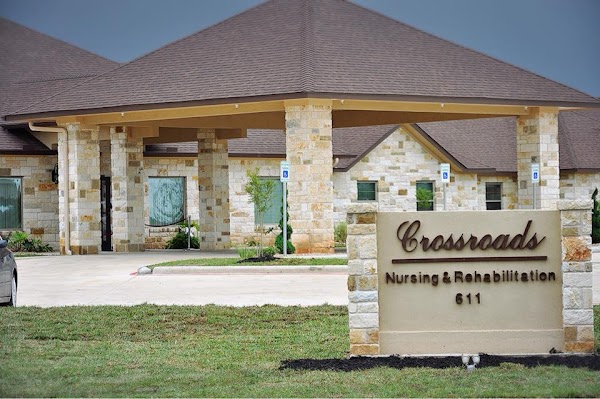
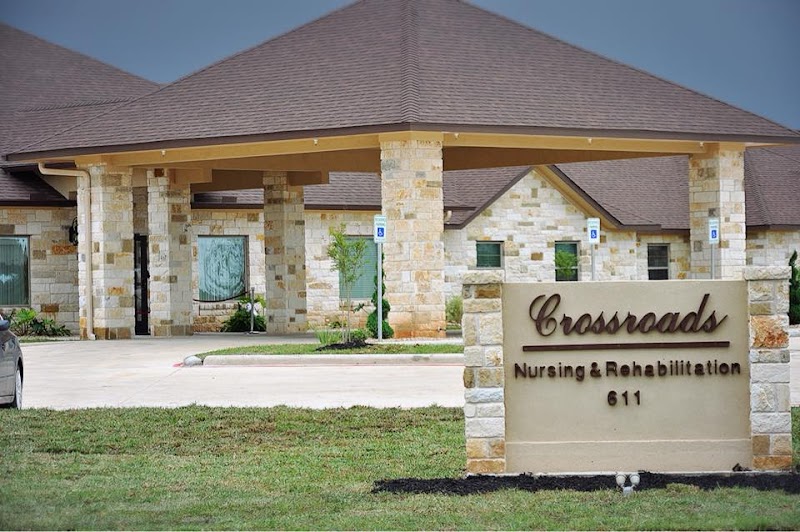
611 ROSE MARIE BLVD, HEARNE, TX 77859 (979) 280-0440
For profit - Corporation 80 Beds CREATIVE SOLUTIONS IN HEALTHCARE Data: November 2025
Trust Grade
70/100
#222 of 1168 in TX
Last Inspection: September 2024

Within standard 12-15 month inspection cycle. Federal law requires annual inspections.

Overview

Crossroads Nursing & Rehabilitation has a Trust Grade of B, indicating it is a good choice for families looking for care, though there are some areas for improvement. It ranks #222 out of 1168 facilities in Texas, placing it in the top half, and #1 out of 3 in Robertson County, meaning it is the best option locally. The facility is showing improvement, reducing issues from 10 in 2024 to just 3 in 2025. Staffing is a weakness, with a rating of 2 out of 5 stars and a turnover rate of 33%, which is better than the state average but still below optimal. Notably, the facility has no fines on record, indicating compliance with regulations, and it also has average RN coverage, which is essential for quality care. However, there are some concerning incidents. For instance, the facility failed to provide necessary wound care for residents with pressure ulcers, which could hinder healing and increase infection risk. Additionally, there was a failure to support resident autonomy when a resident's family requested assistance to help them out of bed, which could affect the resident's sense of self-determination and overall well-being. Lastly, the facility did not develop comprehensive care plans for some residents, which could lead to unmet medical and personal needs. This summary highlights both the strengths and weaknesses of Crossroads Nursing & Rehabilitation, allowing families to make an informed decision.

Trust Score
B
70/100
In Texas
#222/1168
Top 19%
Safety Record
Low Risk
No red flags
Inspections
Getting Better
10 → 3 violations
Staff Stability
○ Average
33% turnover. Near Texas's 48% average. Typical for the industry.
Penalties
✓ Good
No fines on record. Clean compliance history, better than most Texas facilities.
Skilled Nurses
⚠ Watch
Each resident gets only 16 minutes of Registered Nurse (RN) attention daily — below average for Texas. Fewer RN minutes means fewer trained eyes watching for problems.
Violations
⚠ Watch
26 deficiencies on record. Higher than average. Multiple issues found across inspections.
★★★★☆
4.0
Overall Rating
★★☆☆☆
2.0
Staff Levels
★★★★☆
4.0
Care Quality
★★★★☆
4.0
Inspection Score
Stable
2024: 10 issues
2025: 3 issues

The Good

  • 4-Star Quality Measures · Strong clinical quality outcomes
  • Full Sprinkler Coverage · Fire safety systems throughout facility
  • No fines on record
  • Staff turnover below average (33%)

    15 points below Texas average of 48%

Facility shows strength in quality measures, fire safety.

The Bad

Staff Turnover: 33%

13pts below Texas avg (46%)

Typical for the industry

Chain: CREATIVE SOLUTIONS IN HEALTHCARE

Part of a multi-facility chain

Ask about local staffing decisions and management

The Ugly 26 deficiencies on record

Sept 2025 3 deficiencies
CONCERN (D) 📢 Someone Reported This

A family member, employee, or ombudsman was alarmed enough to file a formal complaint

Potential for Harm - no one hurt, but risky conditions existed

Notification of Changes (Tag F0580)

Could have caused harm · This affected 1 resident

**NOTE- TERMS IN BRACKETS HAVE BEEN EDITED TO PROTECT CONFIDENTIALITY** Based on interview and record review, the facility failed to immediately inform the resident representative when there is an acc...

Read full inspector narrative →
**NOTE- TERMS IN BRACKETS HAVE BEEN EDITED TO PROTECT CONFIDENTIALITY** Based on interview and record review, the facility failed to immediately inform the resident representative when there is an accident involving the resident which results in injury and has the potential for requiring physician intervention for 1 of 5 residents (Resident #1) reviewed for notification of changes. The facility failed to notify Resident #1's responsible party after Resident #1 experienced an unwitnessed fall on 08/12/2025 that resulted in an abrasion. This deficient practice could place residents at risk of not having their responsible party notified of changes, resulting in a delay in medical intervention and decline in health.Findings included: Review of Resident #1's face sheet dated 09/03/2025 reflected she was admitted to the facility on [DATE] Fracture of left femur (left hip fracture) unsteadiness on feet, diabetes mellitus type II (A condition results from insufficient production of insulin, causing high blood sugar.) and osteoarthritis (happens when the protective cartilage that cushions the ends of the bones wears down over time.), left knee. Review of Resident #1's quarterly MDS dated [DATE] reflected she was assessed to have a BIMS score of 9 indicating moderate cognitive impairment. Resident #1 was assessed to have functional limitation in range of motion on both sides for her upper and lower extremities. Resident #1 was further assessed to require supervision or touching assistance with transfers. Resident #1 was assessed to have falls since admission. Review of Resident #1's comprehensive care plan reflected a focus area dated 01/20/2025 The resident has impaired cognitive function/dementia or impaired thought processes. Interventions included .Discuss concerns about confusion, disease process, NH placement with resident/family/caregivers. Review of Resident #1's fall event note dated 08/12/2025 reflected Resident #1 had a fall in room at 5:44 am which was unwitnessed and resulted in an abrasion to her right forearm. Description of the event Discovered on floor as light was on. Abrasion to right forearm, bruise to wrist lateral and right forearm. 08/12/2025 reflected LVN B documented Resident #1's RP was notified on 08/12/2025 at 5:50 am. Review of Resident #1's nursing progress note dated 08/12/2025 at 5:57 pm entered by the ADON reflected this nurse tried twice to notify RP of resident's fall but kept getting a business signal. In an interview on 09/03/2025 at 12:30 pm Resident #1's RP stated she was not contacted on 08/12/2025 about Resident #1's fall and did not find out until 4 or 5 days later when Resident #1 was complaining of pain. She stated when she asked Resident #1 what happened she told her she fell. Resident #1's RP was asked about the documentation of her being notified at 5:50 am on 09/03/2025. She stated the documentation was not true that she did not get a call. She stated they have called her at all hours of the night before and she answers. She stated she always has her phone by her. She stated she does not have a land line so her cell phone does not have a busy signal if she does not answer it goes to voicemail, she stated the must have been calling the wrong number. In an interview at 1:30 pm the ADON stated she worked on the floor the day of 08/12/2025 and the night nurse LVN B told her he was not able to reach Resident #1's RP after her fall so he passed it on to the ADON. She stated she keep getting a busy signal. She stated she could not remember who came in next and could not remember if she passed on the need to notify the family. She stated she should have followed up to make sure the family was notified of the Resident's fall. She stated she just got caught up with working on the floor and forgot about it. Attempts to contact LVN B during the investigation on 09/03/2025 at 12:20 pm and 3:30 pm were unsuccessful. In an interview on 09/03/2025 at 2:00 pm the DON stated it was her expectation that all resident change in conditions be reported to the responsible party to ensure the resident gets the care they need. In an interview on 09/03/2025 at 2:25 pm the RNC stated Resident#1's RP should have been notified after the fall and staff should have ensured follow up was done if they were not able to reach the family. Review of the facility's undated policy Notifying the physician of change in status reflected .The resident's family member or legal guardian should be notified of significant change in resident's status unless the resident has specified otherwise. Review of the facility's undated policy Resident Rights reflected The resident has a right to a dignified existence, self-determination, and communication with and access to persons and services inside and outside the facility, including those specified in this policy. A facility must treat each resident with respect and dignity and care for each resident in a manner and in an environment that promotes maintenance or enhancement of his or her quality of life, recognizing each resident's individuality. The facility must protect and promote the rights of the resident. 4. The right to be informed in advance, of the care to be furnished and the type of care giver or professional that will furnish care.
CONCERN (D) 📢 Someone Reported This

A family member, employee, or ombudsman was alarmed enough to file a formal complaint

Potential for Harm - no one hurt, but risky conditions existed

Comprehensive Care Plan (Tag F0656)

Could have caused harm · This affected 1 resident

**NOTE- TERMS IN BRACKETS HAVE BEEN EDITED TO PROTECT CONFIDENTIALITY** Based on observation, interview and record review the facility failed to develop, and implement a comprehensive care plan for ea...

Read full inspector narrative →
**NOTE- TERMS IN BRACKETS HAVE BEEN EDITED TO PROTECT CONFIDENTIALITY** Based on observation, interview and record review the facility failed to develop, and implement a comprehensive care plan for each resident that included measurable objectives and timetables to meet a resident's medical, nursing, and mental and psychosocial needs for 1 of 5 residents (Residents #1) reviewed for care plans. The facility failed to ensure Resident #1's comprehensive care plan updated interventions after Resident #1 experienced multiple falls. This deficient practice placed residents at risk of not having their individualized needs met in a timely manner and communicated to providers and could result in injury, a decline in physical, mental and/or psychosocial well-being.Findings include:Review of Resident #1's face sheet dated 09/03/2025 reflected she was admitted to the facility on [DATE] Fracture of left femur (left hip fracture) unsteadiness on feet, diabetes mellitus type II (A condition results from insufficient production of insulin, causing high blood sugar.) and osteoarthritis (happens when the protective cartilage that cushions the ends of the bones wears down over time.), left knee. Review of Resident #1's quarterly MDS dated [DATE] reflected she was assessed to have a BIMS score of 9 indicating moderate cognitive impairment. Resident #1 was assessed to have functional limitation in range of motion on both sides for her upper and lower extremities. Resident #1 was further assessed to require supervision or touching assistance with transfers. Resident #1 was assessed to have falls since admission. Review of Resident #1's Event Nurses' notes-fall reflected she had falls on 01/18/2025, 01/25/2025 x 2, 01/26/2025, 01/29/2025, 02/07/2025, 02/12/2025, 04/19/2025, 06/01/2025, and 08/12/2025. Review of Resident #1's fall event note dated 08/12/2025 reflected Resident #1 had a fall in room at 5:44 am which was unwitnessed and resulted in an abrasion to her right forearm. Description of the event Discovered on floor as light was on. Abrasion to right forearm, bruise to wrist lateral and right forearm. Review of Resident #1 comprehensive care plan reflected a focus area dated 01/20/2025 The resident is risk for falls. Goals included The resident will be free of falls through the review date. Interventions included: call don't fall sign hung in room, Date Initiated: 04/22/2025; Anticipate and meet the resident's needs; Date Initiated: 01/20/2025; Be sure the resident's call light is within reach and encourage the resident to use it, Date Initiated: 01/20/2025; Educate the resident/family/caregivers about safety reminders and what to do if a fall occurs, Date Initiated: 01/20/2025; Ensure resident is wearing appropriate footwear when ambulating or mobilizing in w/c, Date Initiated: 01/20/2025;frequent reminders to use call light for assistance, Date Initiated: 01/27/2025, Keep furniture in locked position, Date Initiated: 01/20/2025; Keep needed items, water, etc., in reach, Date Initiated: 01/20/2025; low bed w/ fall mat, Date Initiated: 01/27/2025; mat to floor at bedside, Date Initiated: 01/20/2025; med review, Date Initiated: 02/14/2025; non- skid foot wear, Date Initiated: 01/20/2025; Pt evaluate and treat as ordered or PRN, Date Initiated: 01/20/2025; Review information on past falls and attempt to determine cause of falls. Record possible root causes. Alter remove any potential causes if possible. Educate resident/family/caregivers/IDT as to causes, Date Initiated: 01/20/2025; Scoop mattress, Date Initiated: 01/27/2025; Staff x 2 to assist with transfers, Date Initiated: 01/20/2025; The resident needs activities that minimize the potential for falls while providing diversion and distraction, Date Initiated: 01/20/2025; therapy screen for cognition/safety awareness Date Initiated: 02/07/2025; Therapy to provide reacher, Date Initiated: 06/04/2025; Toilet and/or ensure clean/dry prior to going to bed, Date Initiated: 01/29/2025. Further review revealed the care plan did not address her actual falls, cause of falls, and was not updated after her unwitnessed fall on 08/12/2025. In an interview on 09/03/2025 at 12:28 pm Resident #1 stated she had a lot of falls, and she was impatient and if they do not come right away, she will just do it herself. Resident #1 stated she could not transfer herself at times. She stated she did not recall her last fall or why she fell. Resident #1 stated she did hurt her wrist. In an interview on 09/03/2025 at 2:00 pm the DON stated the facility only had a regional MDS nurse, and the care plan should have been reviewed and updated after Resident #1's 08/12/2025 fall to prevent further falls. In an interview on 09/03/2025 at 2:25 pm the RNC stated Resident #1's care plan should have been reviewed and interventions updated as appropriate. She stated Resident#1's fall on 08/12/25 had not yet been reviewed and the care plan was updated after the review occurred. She stated it should have been updated after each fall to make sure the root cause of the fall was identified to prevent reoccurrence. Review of the facility's policy comprehensive care planning undated reflected The facility will develop and implement a comprehensive person-centered care plan for each resident, consistent with the resident rights that includes measurable objectives and timeframes to meet a resident's medical, nursing, and mental and psychosocial needs that are identified in the comprehensive assessment. The comprehensive care plan will describe the following: The services that are to be furnished to attain or maintain the resident's highest practicable physical, mental, and psychosocial well-being; . The comprehensive care plan will reflect interventions to enable each resident to meet his/her objectives. Interventions are the specific care and services that will be implemented.
CONCERN (D) 📢 Someone Reported This

A family member, employee, or ombudsman was alarmed enough to file a formal complaint

Potential for Harm - no one hurt, but risky conditions existed

Accident Prevention (Tag F0689)

Could have caused harm · This affected 1 resident

**NOTE- TERMS IN BRACKETS HAVE BEEN EDITED TO PROTECT CONFIDENTIALITY** Based on interview and record review, it was determined the facility failed to ensure each resident received adequate supervisio...

Read full inspector narrative →
**NOTE- TERMS IN BRACKETS HAVE BEEN EDITED TO PROTECT CONFIDENTIALITY** Based on interview and record review, it was determined the facility failed to ensure each resident received adequate supervision and assistance devices to prevent accidents for 1 of 5 residents (Resident #1) reviewed for falls. The facility failed to develop and implement individualized interventions for Resident #1 after the resident experienced multiple falls. This failure placed residents with falls at risk of injury, pain, bruises, fractures, dislocation of joints, and/or significant changes in condition.Findings included: Review of Resident #1's face sheet dated 09/03/2025 reflected she was admitted to the facility on [DATE] Fracture of left femur (left hip fracture) unsteadiness on feet, diabetes mellitus type II (A condition results from insufficient production of insulin, causing high blood sugar.) and osteoarthritis (happens when the protective cartilage that cushions the ends of the bones wears down over time.), left knee. Review of Resident #1's quarterly MDS dated [DATE] reflected she was assessed to have a BIMS score of 9 indicating moderate cognitive impairment. Resident #1 was assessed to have functional limitation in range of motion on both sides for her upper and lower extremities. Resident #1 was further assessed to require supervision or touching assistance with transfers. Resident #1 was assessed to have falls since admission. Review of Resident #1's Event Nurses' notes-fall reflected she had falls on 01/18/2025, 01/25/2025 x 2, 01/26/2025, 01/29/2025, 02/07/2025, 02/12/2025, 04/19/2025, 06/01/2025, and 08/12/2025. Review of Resident #1's fall event note dated 08/12/2025 reflected Resident #1 had a fall in room at 5:44 am which was unwitnessed and resulted in an abrasion to her right forearm. Description of the event Discovered on floor as light was on. Abrasion to right forearm, bruise to wrist lateral and right forearm. 08/12/2025 reflected LVN B documented Resident #1's RP was notified on 08/12/2025 at 5:50 am. Review of Resident #1 comprehensive care plan reflected a focus area dated 01/20/2025 The resident is risk for falls. Goals included The resident will be free of falls through the review date. Interventions included: call don't fall sign hung in room, Date Initiated: 04/22/2025; Anticipate and meet the resident's needs; Date Initiated: 01/20/2025; Be sure the resident's call light is within reach and encourage the resident to use it, Date Initiated: 01/20/2025; Educate the resident/family/caregivers about safety reminders and what to do if a fall occurs, Date Initiated: 01/20/2025; Ensure resident is wearing appropriate footwear when ambulating or mobilizing in w/c, Date Initiated: 01/20/2025;frequent reminders to use call light for assistance, Date Initiated: 01/27/2025, Keep furniture in locked position, Date Initiated: 01/20/2025; Keep needed items, water, etc., in reach, Date Initiated: 01/20/2025; low bed w/ fall mat, Date Initiated: 01/27/2025; mat to floor at bedside, Date Initiated: 01/20/2025; med review, Date Initiated: 02/14/2025; non- skid foot wear, Date Initiated: 01/20/2025; Pt evaluate and treat as ordered or PRN, Date Initiated: 01/20/2025; Review information on past falls and attempt to determine cause of falls. Record possible root causes. Alter remove any potential causes if possible. Educate resident/family/caregivers/IDT as to causes, Date Initiated: 01/20/2025; Scoop mattress, Date Initiated: 01/27/2025; Staff x 2 to assist with transfers, Date Initiated: 01/20/2025; The resident needs activities that minimize the potential for falls while providing diversion and distraction, Date Initiated: 01/20/2025; therapy screen for cognition/safety awareness Date Initiated: 02/07/2025; Therapy to provide reacher, Date Initiated: 06/04/2025; Toilet and/or ensure clean/dry prior to going to bed, Date Initiated: 01/29/2025. The care plan did not address her actual falls and was not updated after her unwitnessed fall on 08/12/2025. In an interview on 09/03/2025 at 2:00 pm the DON stated it was her expectation that all resident change in conditions be reported to the responsible party to ensure the resident gets the care they need. She stated regarding the care plan that the facility only had a [NAME] MDS nurse, and the care plan should have been reviewed and updated after Resident #1's 08/12/2025 fall to prevent further falls. In an interview on 09/03/2025 at 2:25 pm the RNC stated Resident #1's care plan should have been reviewed and interventions updated as appropriate. She stated Resident#1's fall on 08/12/25 had not yet been reviewed by the IDT and the care plan is updated after the review occurs. She stated it should have been up after the fall to make sure the root cause of the fall was identified to prevent reoccurrence. Review of the facility's policy fall policy undated reflected Preventing falls requires an interdisciplinary program that focuses on modifying the extrinsic factors, correcting intrinsic factors, and educating the resident and family. A Fall Risk Assessment will be completed on admission and after each fall. The MDS 3.0 will also assist in determining a resident who is a fall risk. Appropriate interventions will be addressed immediately on the interdisciplinary plan of care. Reassessment will occur after each fall. The DON or designee will be responsible for investigating all resident falls to attempt to determine the cause and need for new interventions as required. Appropriate education will be provided to all staff members as needed on fall prevention.
Nov 2024 1 deficiency
CONCERN (D) 📢 Someone Reported This

A family member, employee, or ombudsman was alarmed enough to file a formal complaint

Potential for Harm - no one hurt, but risky conditions existed

Comprehensive Care Plan (Tag F0656)

Could have caused harm · This affected 1 resident

**NOTE- TERMS IN BRACKETS HAVE BEEN EDITED TO PROTECT CONFIDENTIALITY** Based on interviews and record reviews the facility failed to implement a comprehensive person-centered care plan for one (1) re...

Read full inspector narrative →
**NOTE- TERMS IN BRACKETS HAVE BEEN EDITED TO PROTECT CONFIDENTIALITY** Based on interviews and record reviews the facility failed to implement a comprehensive person-centered care plan for one (1) resident (Resident #1) of six (6) residents reviewed for care plans. The facility failed to ensure Resident #1 care plan was updated and revised after behavior events on 11/2/2024 and 11/7/2024, causing Resident #1 injuries to her face on 11/7/2024. This failure placed residents at risk of not having their individualized needs met in a timely manner and communicated to providers and could result in injury and a decline in physical well-being for residents. Findings included: 1. Review of Resident #1's face sheet dated 11/19/2024 reflected a [AGE] year-old female admitted to the facility on [DATE] with diagnoses that included: Dementia (memory loss disorder), Diabetes Mellitus (blood sugar disorder), senile degeneration of the brain (age related brain disorder) and abnormality of gait and mobility. Review of Resident #1's admission MDS dated [DATE] reflected a BIMS of 0 suggesting severe cognitive impairment. Review of the Behavior section of the MDS reflected Resident #1 did not have any behaviors since her admission seven days prior on 9/11/2024. Review of Resident #1's progress note dated 11/2/2024 at 10:58 am reflected Resident rolled up to another resident while he was asleep and slapped his arm. Review of Resident #1's progress note dated 11/3/2024 at 10:31 am reflected Resident hit another resident arm Interventions: PRN lorazepam given. Review of Resident #1's progress note dated 11/7/2024 at 9:25 am reflected The resident was involved in an incident where she was sitting next to another resident and was repeatedly putting her hands in his face. The other resident stated that he asked her not to put her hands in his face multiple times, but she continued to do so and laughed about it. The last time he asked her to stop she slapped him in his face causing him to react and hit her back .This resident has an area to the upper right lip, right side of the nose and underneath the right eyebrow that has a scratch from the incident. Review of Resident #1's current care plan as of 11/19/2024 reflected no problems related to behaviors. Review of Resident #1's care plan as of 11/20/2024 at 11 am reflected no problems related to behaviors. Review of Resident #1's care plan as of 11/20/2024 at 2 pm reflected a problem: Resident exhibits behaviors of touching other resident on the arm/face/hands with interventions: 1:1 when experiencing this behavior in excess, do no place her close by when she is having this behavior, referral to [behavioral hospital] and resident appropriate activities. During an interview on 11/19/2024 at 3:18 pm, FM #1 stated they were the responsible party for Resident #1 and he had received calls for both incidents involving Resident #1 hitting Resident #2. FM #1 stated during the second incident, Resident #1 had been hit back and got scratched up pretty close to her eye and on her lip. FM#1 stated they were concerned about how close the injury was to Resident #1's eye and that it could have been a lot worse If Resident #1 had been hit in her eye. He stated Resident #1 had severe dementia and didn't even remember what had happened but the FM#1 was still very concerned with how bad it could have been if the injury had been just a little bit closer to her eye. 2. Review of Resident #2's face sheet dated 111/19/2024 reflected a [AGE] year-old male admitted to the facility on [DATE] with diagnoses that included: High blood pressure, vascular dementia (decreased blood flow to the brain causing memory issues) and Diabetes mellitus with diabetic retinopathy. (Vision disorder related to blood sugar disorder) Review of Resident 2's quarterly MDS dated [DATE] reflected a BIMS of 8 suggesting moderate cognitive impairment. During an interview on 11/20/2024, Resident #2 stated he has not had any other problems with Resident #1 since the second time she hit him, and he hit her back. He stated she would wheel up to him and slap him and it would scare him. He stated he had vision problems, and he did not like anyone being all up in my face and she came up and got in my face and I told her to stop, and she didn't so I hit her back. He stated there had been 2 different times when she slapped him, the first time he was sleeping in his wheelchair, and she came up and slapped him and it scared him awake. He stated he hollered for staff, and they came and got her. The second time, he was in the dining room, and she just came up and started hitting his face, so he hit her back and scratched her face and busted her lip. During an interview on 11/10/2024 at 2:00 pm, the ACN stated the care plans in the EMR system were current. She stated when they checked Resident #1's care plan, it was not in there and it should have been, so the DON went in and put it in today. She stated the care plan had not been updated on 11/2/2024 and 11/7/2024 when Resident #1 had behaviors because it had been overlooked. She stated it needed to be in there, so they fixed it this afternoon. During an interview on 11/20/2024 at 3:00 pm, the DON stated she had updated Resident #1's care plan today. She stated when the investigator asked for Resident #1's care plan on 11/20/24, she had noticed the care plan had not been updated. She stated the IDT was responsible for updating care plans and it would either have been her (the DON) or the MDS Nurse. She stated the MDS nurse had been out sick and the MDS nurse thought she had done it and she (the DON) had thought the MDS nurse had updated it. She stated updating care plans are important because it tells them how to care for the resident and what's going on with that resident She stated the interventions were in place, but the care plan had not been updated. She stated if care plans are not updated, they won't know what is going on with that resident. During an interview on 11/20/2024 at 4:10 pm, the AD stated he did not know the care plan for Resident #1 had not been updated after the incident on 11/2/2024 or 11/7/2024. He stated the care plan should have been updated right after the first incident on 11/2/2024 and when the DON discovered it today, she went in and updated the care plan. He stated it was important to update care plans quickly because that's how we know how to care for the resident. He stated they will be educating nurses on documentation and updating care plans to address this issue. Record review of undated facility policy Comprehensive Care Planning reflected the facility will develop and implement a comprehensive person-centered care plan for each resident, consistent with the resident rights that includes measurable objectives and timeframes to meet a resident's medical, nursing, and mental and psychosocial needs that are identified in the comprehensive assessment. Further, the policy stated, Residents preferences and goals may change throughout their stay, so facilities should have ongoing discussions with the resident and resident representation, if applicable, so that changes can be reflected in the comprehensive care plan. Also, The resident's care plan with be reviewed after each admission, quarterly, annual and/or significant change MDS assessment, and revised based on changing goals, preferences and needs of the resident an in response to current interventions.
Sept 2024 4 deficiencies
CONCERN (D)

Potential for Harm - no one hurt, but risky conditions existed

Resident Rights (Tag F0550)

Could have caused harm · This affected 1 resident

**NOTE- TERMS IN BRACKETS HAVE BEEN EDITED TO PROTECT CONFIDENTIALITY** Based on observation, interview, and record review, the facility failed to treat each resident with respect and dignity and care...

Read full inspector narrative →
**NOTE- TERMS IN BRACKETS HAVE BEEN EDITED TO PROTECT CONFIDENTIALITY** Based on observation, interview, and record review, the facility failed to treat each resident with respect and dignity and care for each resident in a manner and in an environment that promotes maintenance or enhancement of his or her quality of life for two of five (Resident #7 and Resident #47) residents reviewed for dignity. 1. The facility failed to ensure Resident #7 had a privacy cover on their urinary catheter bag. 2. The facility failed to ensure Resident #47 was served lunch at the same time as the other residents at her table for two days. These failures could affect the resident's dignity and affect their quality of life. Findings included: 1. Review of Resident #7's face sheet reflected an [AGE] year-old female who was admitted to the facility on [DATE] and 07/21/2024 with diagnoses of surgical amputation of left leg below knee, hypertension (elevated blood pressure), and type 2 diabetes (disease that affects how your body uses insulin and glucose). Review of Resident #7's Quarterly MDS assessment, dated 07/16/2024 reflected a BIMS score of 04 indicating severe cognitive impairment. MDS further reflected resident had a urinary catheter. Review of Resident #7's care plan, dated 09/04/2024, reflected resident had an indwelling urinary catheter and the bag should be placed in a privacy bag. Observation on 09/08/2024 at 09:45 AM in Resident #7's room revealed the resident had a urinary catheter bag hanging from the bed without a privacy cover and contents exposed to anyone who enters the room. Observation on 09/09/2024 at 11:30 AM in Resident #7's room revealed the resident's urinary catheter bag still exposed with no privacy cover in place. In an interview on 09/10/2024 at 09:45 AM Resident #7 stated she would like her catheter bag to be covered. Informed resident that the bag now has a cover on it for privacy. In an interview on 09/10/24 at 10:03 AM CNA D stated urinary catheter bags should always have a blue slipcover on them to maintain privacy and dignity of the residents. In an interview on 09/10/24 at 10:08 AM RN B stated urinary catheter bags should have a cover on them at all times, even if the resident is alone in their room with the curtain pulled. She stated she did not realize Resident #7 did not have a cover because the previous nurse changed the catheter a couple nights ago and did not put one on and she has since corrected it and placed a cover on the bag. She stated it is policy to always have a cover on the bag. In an interview on 09/10/24 at 10:55 AM the DON stated urinary catheter bags should be covered at all times, even when the resident is in their room. She stated the reason Resident #7's bag was not covered was because it had been changed the night before and the staff did not put the cover back on. She stated although the policy does not specifically reflect the use of covers, it is the expectation to maintain dignity for the residents. In an interview on 09/10/2024 at 12:55 PM the ADM stated urinary catheter bags need be covered when out of the room or when visible to others from the doorway. He stated the purpose of the bag is to maintain dignity for the residents. Review of facility policy for Catheter Care, dated 02/13/2007 does not address the use of a dignity cover under general guidelines for catheter care. 2. Record review of the undated Face Sheet for Resident #47 reflected she was an [AGE] year-old female admitted to the facility on [DATE] and readmitted on [DATE] with a diagnosis of Myocardial Infarction (heart attack). Record review of the Quarterly MDS assessment for Resident #47 dated 07/11/2024 reflected she had a BIMS score of 8 indicating moderate cognitive impairment. Section GG - Functional Abilities and Goals reflected she required supervision or touching assistance with eating. Record review of the Care Plan for Resident #47 dated 05/20/2024 reflected she was at risk for unplanned weight loss or gain. Goal: Resident will maintain ideal weight and receive proper nutrition X 90 days. Interventions: Encourage meal completion. Serve diet and snacks as ordered. On 09/08/2024 an observation was made at 11:45 AM of Resident #47. Resident #47 was sitting at a table with other residents, she had been sitting there since before trays were served. All trays at her table were served. Resident #47 made a few comments to the other residents at her table saying she was still waiting for her food. Resident #47 waited approximately 20 minutes after the other residents at her table were served before she received her food tray. On 09/09/2024 at 11:50 AM Resident #47 was observed sitting at the same table as before with the same other residents. All the trays at her table were served and Resident #47 waited approximately 25 minutes after her table mates were served when her food tray was served. On 09/09/2024 at 12:15 PM an interview with Resident #47 revealed she does not usually eat in her room, that she always eats at the dining room. On 09/10/2024 at 11:15 AM an interview was completed with Resident #47. Resident #47 stated she always ate in the dining room. She stated that her tray was always late compared to her table mates. On 09/10/2024 at 12:00 PM an interview was conducted with DON. DON stated Resident #47 typically comes into the dining room for meals, but if they are taking too long she would leave and go to her bedroom. DON stated that a negative outcome of not providing a tray to all residents at the same time could cause a resident to feel forgotten about. DON stated that the policy states to try and serve all residents at a table together if it is possible. On 09/10/2024 at 12:11 PM an interview was conducted with the Kitchen Manager. KM stated the process of passing trays out consists of looking out the kitchen window to see who was in the dining room and trying to serve the trays from tables front right to back left if possible. She stated if a new resident comes to the table, the staff in the dining room lets the kitchen staff know and that is how they ensure that all residents get a tray at the table. KM stated if a resident was missed at a table it was likely due to the staff not letting the kitchen know that there was a resident at the table. On 09/10/2024 at 12:17 PM an interview was conducted with RN A. RN A stated she always helps in the dining room. RN A stated Resident #47 always eats in the dining room for her meals. She stated she is always seated at the same table with the same residents. RN A stated the method used for serving trays is the kitchen provides the trays on a cart, and the staff in the dining room pass them out. She stated if a table is served except for one resident, they let the kitchen know and the kitchen quickly gets the tray out to the resident. RN A stated a resident could feel forgotten about due to not being provided a tray with the rest of their table. RN A stated the trays are served from table to table starting at the front right table closest to the kitchen. On 09/10/2024 at 12:50 PM an interview was completed with the administrator. ADM stated the expectation for the dining room is to pass out trays and to try to serve the whole table at the same time. The staff should then hand sanitize in between trays. He stated the reason a resident may be forgotten at the table possibly if a resident comes in late they may not get their tray on time. He stated a resident having to wait for their tray table for a long time could leave the resident feeling hungry. On 09/10/2024 the facility provided a policy for Nursing Responsibilities at Meal Service dated 2012. This policy revealed the following: 3. Communicate to the dietary department if a resident will be eating in other than the usual area. Dietary must be notified prior to beginning the tray line. 4. Distribute food trays to residents in resident rooms, dining rooms, and ancillary dining rooms. Try to serve residents seated together at the same time, when possible. 5. A tray sequence is used in dining rooms so all residents at a table are served at the same time.
CONCERN (D)

Potential for Harm - no one hurt, but risky conditions existed

Notification of Changes (Tag F0580)

Could have caused harm · This affected 1 resident

**NOTE- TERMS IN BRACKETS HAVE BEEN EDITED TO PROTECT CONFIDENTIALITY** Based on observation, interview, and record review the facility failed to immediately inform the resident's Physician when the n...

Read full inspector narrative →
**NOTE- TERMS IN BRACKETS HAVE BEEN EDITED TO PROTECT CONFIDENTIALITY** Based on observation, interview, and record review the facility failed to immediately inform the resident's Physician when the nurse was unable to follow wound care orders for one of one Residents (Resident #49) reviewed for physician notification of changes. The facility failed to ensure RN C notified the Physician and family of her inability to follow wound care orders for Resident #49. This failure could have delayed the progress of the coccyx wound healing for Resident #49. Findings included: Record review of the undated Face Sheet for Resident #49 reflected he was a [AGE] year-old male who was admitted to the facility on [DATE] with a diagnosis of Pressure Ulcer of sacral (bony area of the spine) region, Stage 4 (open sore extending into muscles, tendons (cord like tissues that connect muscles to bones or other structures), and ligaments (short band of connective tissue which connects two bones or holds together a joint), can also expose bone). Record review of the Quarterly MDS assessment dated [DATE] for Resident #49 reflected he had a BIMS score of 10 indicating moderate cognitive impairment. Record review of the Care Plan for Resident #49 dated 07/24/2024 and revised on 08/19/2024 reflected Resident #49 had a pressure ulcer Stage 4 to coccyx with wound vac [a wound dressing system that uses a suction pump to apply negative pressure to a wound to promote healing] in place to be changed 3 X week. Goal: Resident #49's pressure ulcer will show signs of healing and remain free from infection. Interventions: Administer treatments as ordered and monitor for effectiveness. Replace loose ormissing dressings PRN. Specify treatment: WOUND VAC. Record review of Physicians orders dated 07/23/2024 for Resident # 49 reflected Stage 4 pressure wound to coccyx. Clean with n/s, pat dry, apply granular foam in both ends and connecting in the middle, dress with clear wound vac tape 150 mmHg continuous pressure. 3 times per week. Observation and interview on 09/08/2024 at 10:07 AM Resident #49 stated the wound on his coccyx (tailbone) was supposed to have a wound vacuum attached to it but the nurse who did his wound care that morning told him she had applied a wet to dry dressing. He stated he was ready to go home and had been at the facility for a little over a month. A wound vacuum machine was observed on his bedside table without a reservoir and was not attached to anything. In an interview on 09/08/2024 at 1:09 PM LVN E stated RN C was the treatment nurse who had changed Resident #49's dressing that morning. LVN E stated RN C had told her she had put a wet to dry dressing on his wound but did not indicate why the treatment had changed. She stated RN C did not give her any other information regarding Resident #49's wound care and had left for the day. In an interview on 09/08/2024 at 1:17 PM LVN E stated she had called the Nurse Practitioner for an order for a wet to dry dressing for Resident #49 since RN C had failed to call the clinician. In a phone interview on 09/08/2024 at 2:10 PM, RN C stated she was a weekend supervisor and was not a wound care nurse per se and it was not her forte. She stated there was no order for a wet to dry dressing however that is what she put on Resident #49's wound that morning. She stated she had completed the wound care around breakfast time, and she was aware she had not charted the wound care. She further stated she was coming back to the facility that day. In an interview on 09/08/2024 at 3:18 PM RN C stated she had been with the company since 2017 and had been in the facility since 2021. She stated she had been a floor nurse then started working prn in December 2024. She stated she had completed a wound care training course before 2017. She stated technically she had not had any wound care training at the facility. She was shown a checkoff list for the wound vacuum dated 08/24/2024 that had her name on it and was signed by the DON. She stated that was probably when she was shown how to do Resident #49's wound vacuum dressing. She stated she was making wound care rounds on Sunday 09/08/2024 and she needed an extra hand to help her with the resident. She stated his wound vac needed to be changed out and she was having problems doing it. She stated she should have called the on-call nurse for assistance. She stated she had decided the next best thing would be to put a wet to dry dressing on the wound. She stated she forgot to document the actions she took and did not call the Physician for orders or to notify them she was unable to complete the dressing change as ordered. She stated she should have stayed at the facility and taken her time. She stated wound care was probably not her strong point. Observation and interview on 09/08/2024 at 2:33 PM the DON and Medical Records Clerk showed that there were three wound vac canisters available in the central supply room. The Medical Records Clerk stated she was present when RN C was in the facility on Sunday 09/08/2024 and RN C had not asked for any supplies for Resident #49's wound care. In an interview during a wound care observation on 09/09/2024 at 1:45 PM Resident #49 stated Why did that nurse remove the wound vac yesterday? She should have put the wound vac back on. I need to call those state people. I'm trying to get well. The DON stated there were two state people in the room and the nurse should have replaced the wound vac instead of putting on a wet to dry dressing. In an interview on 09/09/2024 at 2:25 PM Resident #49 stated the lady who put that patch (dressing) on yesterday said the wound vac did not need to go back. He further stated that was the second time that nurse had not replaced his wound vac. He stated he was at the facility to get well and go home. He stated, that nurse should have known better. In an interview on 09/10/2024 at 9:45 AM the DON stated her expectations were for wound care to be done as ordered, that nurses document anything they do, notify the physician and family of any changes to the wound care. She further stated the potential risk to the resident was it could have halted progress on his wound healing. In an interview on 09/10/2024 at 12:55 PM the ADM stated his expectations were for Dr. orders to be followed and the nurse probably should have documented her care. He stated he did not know what the potential risk for the resident could be of the nurse not following the Dr. orders for wound care. Record review of a facility Policy and Procedure titled Skin Integrity Management dated 2003 and revised on October 5, 2016, reflected General Guidelines: 3. Wound care should be performed as ordered by the physician.
CONCERN (D)

Potential for Harm - no one hurt, but risky conditions existed

Pressure Ulcer Prevention (Tag F0686)

Could have caused harm · This affected 1 resident

**NOTE- TERMS IN BRACKETS HAVE BEEN EDITED TO PROTECT CONFIDENTIALITY** Based on interview and record review, the facility failed to ensure residents received necessary treatment and services, consist...

Read full inspector narrative →
**NOTE- TERMS IN BRACKETS HAVE BEEN EDITED TO PROTECT CONFIDENTIALITY** Based on interview and record review, the facility failed to ensure residents received necessary treatment and services, consistent with professional standards of practice to promote wound healing and to prevent new pressure ulcers from developing for one (Resident #49) of two residents reviewed for pressure injuries. The facility failed to ensure RN C followed Physician's orders for wound care for Resident #49. The facility failed to ensure RN C documented the wound care she provided for Resident #49 without a Physician order. These failures could have delayed the progress of the coccyx wound healing for Resident #49. Findings included: Record review of the undated Face Sheet for Resident #49 reflected he was a [AGE] year-old male who was admitted to the facility on [DATE] with a diagnosis of Pressure Ulcer of sacral (bony area of the spine) region, Stage 4 (open sore extending into muscles, tendons (cord like tissues that connect muscles to bones or other structures), and ligaments (short band of connective tissue which connects two bones or holds together a joint), can also expose bone). Record review of the Quarterly MDS assessment dated [DATE] for Resident #49 reflected he had a BIMS score of 10 indicating moderate cognitive impairment. Record review of the Care Plan for Resident #49 dated 07/24/2024 and revised on 08/19/2024 reflected Resident #49 had a pressure ulcer Stage 4 to coccyx with wound vac [a wound dressing system that uses a suction pump to apply negative pressure to a wound to promote healing] in place to be changed 3 X week. Goal: Resident #49's pressure ulcer will show signs of healing and remain free from infection. Interventions: Administer treatments as ordered and monitor for effectiveness. Replace loose ormissing dressings PRN. Specify treatment: WOUND VAC. Record review of Physicians orders dated 07/23/2024 for Resident # 49 reflected Stage 4 pressure wound to coccyx. Clean with n/s, pat dry, apply granular foam in both ends and connecting in the middle, dress with clear wound vac tape 150 mmHg continuous pressure. 3 times per week. Observation and interview on 09/08/2024 at 10:07 AM Resident #49 stated the wound on his coccyx (tailbone) was supposed to have a wound vacuum attached to it but the nurse who did his wound care that morning told him she had applied a wet to dry dressing. He stated he was ready to go home and had been at the facility for a little over a month. A wound vacuum machine was observed on his bedside table without a reservoir and was not attached to anything. In an interview on 09/08/2024 at 1:09 PM LVN E stated RN C was the treatment nurse who had changed Resident #49's dressing that morning. LVN E stated RN C had told her she had put a wet to dry dressing on his wound but did not indicate why the treatment had changed. She stated RN C did not give her any other information regarding Resident #49's wound care and had left for the day. In an interview on 09/08/2024 at 1:17 PM LVN E stated she had called the Nurse Practitioner for an order for a wet to dry dressing for Resident #49 since RN C had failed to call the clinician. In a phone interview on 09/08/2024 at 2:10 PM, RN C stated she was a weekend supervisor and was not a wound care nurse per se and it was not her forte. She stated there was no order for a wet to dry dressing however that is what she put on Resident #49's wound that morning. She stated she had completed the wound care around breakfast time, and she was aware she had not charted the wound care. She further stated she was coming back to the facility that day. In an interview on 09/08/2024 at 3:18 PM RN C stated she had been with the company since 2017 and had been in the facility since 2021. She stated she had been a floor nurse then started working prn in December 2024. She stated she had completed a wound care training course before 2017. She stated technically she had not had any wound care training at the facility. She was shown a checkoff list for the wound vacuum dated 08/24/2024 that had her name on it and was signed by the DON. She stated that was probably when she was shown how to do Resident #49's wound vacuum dressing. She stated she was making wound care rounds on Sunday 09/08/2024 and she needed an extra hand to help her with the resident. She stated his wound vac needed to be changed out and she was having problems doing it. She stated she should have called the on-call nurse for assistance. She stated she had decided the next best thing would be to put a wet to dry dressing on the wound. She stated she forgot to document the actions she took and did not call the Physician for orders or to notify them she was unable to complete the dressing change as ordered. She stated she should have stayed at the facility and taken her time. She stated wound care was probably not her strong point. Observation and interview on 09/08/2024 at 2:33 PM the DON and Medical Records Clerk showed that there were three wound vac canisters available in the central supply room. The Medical Records Clerk stated she was present when RN C was in the facility on Sunday 09/08/2024 and RN C had not asked for any supplies for Resident #49's wound care. In an interview during a wound care observation on 09/09/2024 at 1:45 PM Resident #49 stated Why did that nurse remove the wound vac yesterday? She should have put the wound vac back on. I need to call those state people. I'm trying to get well. The DON stated there were two state people in the room and the nurse should have replaced the wound vac instead of putting on a wet to dry dressing. In an interview on 09/09/2024 at 2:25 PM Resident #49 stated the lady who put that patch (dressing) on yesterday said the wound vac did not need to go back. He further stated that was the second time that nurse had not replaced his wound vac. He stated he was at the facility to get well and go home. He stated, that nurse should have known better. In an interview on 09/10/2024 at 9:45 AM the DON stated her expectations were for wound care to be done as ordered, that nurses document anything they do, notify the physician and family of any changes to the wound care. She further stated the potential risk to the resident was it could have halted progress on his wound healing. In an interview on 09/10/2024 at 12:55 PM the ADM stated his expectations were for Dr. orders to be followed and the nurse probably should have documented her care. He stated he did not know what the potential risk for the resident could be of the nurse not following the Dr. orders for wound care. Record review of a facility Policy and Procedure titled Skin Integrity Management dated 2003 and revised on October 5, 2016, reflected General Guidelines: 3. Wound care should be performed as ordered by the physician.
CONCERN (D)

Potential for Harm - no one hurt, but risky conditions existed

Infection Control (Tag F0880)

Could have caused harm · This affected 1 resident

**NOTE- TERMS IN BRACKETS HAVE BEEN EDITED TO PROTECT CONFIDENTIALITY** Based on observation, interview, and record review the facility failed to establish and maintain an infection prevention and con...

Read full inspector narrative →
**NOTE- TERMS IN BRACKETS HAVE BEEN EDITED TO PROTECT CONFIDENTIALITY** Based on observation, interview, and record review the facility failed to establish and maintain an infection prevention and control program designed to provide a safe, sanitary, and comfortable environment and to help prevent the development and transmission of communicable diseases and infections for one of one Residents (Resident #49) reviewed for pressure ulcers wound care. The facility failed to ensure RN A followed standard precautions during wound care for Resident #49's Stage 4 coccyx pressure ulcer when she contaminated supplies prior to wound care and used contaminated scissors to cut foam used for wound care which she then placed into the open wound. This failure could place residents at risk for developing wound infections. Findings included: Record review of the undated Face Sheet for Resident #49 reflected he was a [AGE] year-old male who was admitted to the facility on [DATE] with a diagnosis of Pressure Ulcer of sacral (bony area of the spine) region, Stage 4 (open sore extending into muscles, tendons (cord like tissues that connect muscles to bones or other structures), and ligaments (short band of connective tissue which connects two bones or holds together a joint), can also expose bone). Record review of the Quarterly MDS assessment dated [DATE] for Resident #49 reflected he had a BIMS score of 10 indicating moderate cognitive impairment. Record review of the Care Plan for Resident #49 dated 07/24/2024 and revised on 08/19/2024 reflected Resident #49 has a pressure ulcer. Stage 4 to coccyx with wound vac [a wound dressing system that uses a suction pump to apply negative pressure to a wound to promote healing] in place to be changed 3 X week. Goal: Resident #49's pressure ulcer will show signs of healing and remain free from infection. Interventions: Administer treatments as ordered and monitor for effectiveness. Replace loose or missing dressings PRN. Specify treatment: WOUND VAC. Record review of Physicians orders dated 07/23/2024 for Resident # 49 reflected Stage 4 pressure wound to coccyx. Clean with n/s, pat dry, apply granular foam in both ends and connecting in the middle, dress with clear wound vac tape 150 mmHg continuous pressure. 3 times per week. Observation on 09/09/24 at 1:35 PM of wound care for Resident #49 revealed RN A unlocked the treatment cart, sanitized her hands, and donned gloves. She opened the unclean drawer with her gloves on, obtained a piece of wax paper and patted the inside of the paper using her contaminated gloves. She grabbed extra gloves with her contaminated gloves and placed them on the wax paper. She then grabbed 4 X 4 gauze and placed it on the wax paper using the same contaminated gloves. She removed her gloves, sanitized her hands, donned gloves, and removed the dressing from the resident's coccyx area. She removed her gloves, sanitized her hands, re-gloved and placed wound prep around the wound. She used sanitized scissors to cut pieces of the tape used to seal around the wound. She placed those scissors on an unclean draw sheet which had been under the resident. She then used those contaminated scissors to cut foam which was then placed into the wound. She cut a hole in the dressing she had placed over the foam using the contaminated scissors and attached the dressing to the wound vac. In an interview on 09/09/2024 at 2:30 PM RN A stated the wound care training she had received was not formal but rather on the job in a hospital medical/surgical unit and when she had worked in hospice care. She stated she was not wound care certified and did not perform wound care very much. She stated the facility had asked her to fill in to do wound care for the current week and she normally did floor nursing. She stated the potential risk to the resident of not following standard infection control practices during wound care was for infection and introducing bacteria into the wound. In an interview on 09/09/2024 at 3:24 PM the DON stated her expectation for nurses performing wound care was for no contamination and for the wound to remain free of infection. She stated the staff need education on infection control and wound care. She stated the potential risk was delayed wound healing, infection, and potential sepsis (serious condition in which the body responds improperly to an infection and the infection fighting processes turn on the body.) In an interview on 09/10/2024 at 12:55 PM the ADM stated his expectation for infection control during wound care was that the nurse should follow the protocols for wound care. He stated the potential risk was it could contaminate the wound and could cause infection. Record review of a facility policy and procedure dated 2003 and titled Treatment Table reflected 3. Gather treatment supplies. Open up and place on top of wax paper. One end will be considered clean, and the other end of the table will be open for dirty (to replace scissors, etc. to be cleaned) No other wound care protocols were provided by the DON.
Jun 2024 1 deficiency
CONCERN (D) 📢 Someone Reported This

A family member, employee, or ombudsman was alarmed enough to file a formal complaint

Potential for Harm - no one hurt, but risky conditions existed

Respiratory Care (Tag F0695)

Could have caused harm · This affected 1 resident

**NOTE- TERMS IN BRACKETS HAVE BEEN EDITED TO PROTECT CONFIDENTIALITY** Based on observation, interview, and record review, the facility failed to ensure that a resident who needs respiratory care, is...

Read full inspector narrative →
**NOTE- TERMS IN BRACKETS HAVE BEEN EDITED TO PROTECT CONFIDENTIALITY** Based on observation, interview, and record review, the facility failed to ensure that a resident who needs respiratory care, is provided such care, consistent with professional standards of practice for 2 (Resident #1 and Resident #2) of 4 residents reviewed for respiratory care. The facility failed to ensure that Resident #1's oxygen tubing with nasal cannula and humidifier bottle was replaced every seven (7) days. The facility failed to ensure that Resident #1's air concentrator filter was cleaned and free of dust and debris particles. The facility failed to ensure that Resident #2's Nebulizer tubing and mask, which included the nebulizing chamber (unit into which liquid medicine is converted into aerosol or mist by the pressurized air pumped through the tubing), was replaced every seven (7) days. These failures could place residents at risk for respiratory compromise and infection. Findings Included: A) Review of Resident #1's Face Sheet dated 06/20/2024 reflected a [AGE] year-old female admitted to the facility on [DATE] with the following diagnoses: Unspecified Dementia (condition characterized by progressive or persistent loss of intellectual functioning, especially with impairment of memory and abstract thinking, and often with personality change, resulting from disease of the brain) and Dysphagia (swallowing difficulties). Review of Resident #1's MDS Comprehensive Assessment, dated 03/14/2024 revealed Resident #1 had a BIMS Score of 13, which indicated cognition was intact. Resident #1's MDS indicated for Respiratory Treatments that she was under C1. Oxygen therapy, which occurred while she was a resident. Review of Resident #1's Comprehensive Care Plan revealed The resident has Oxygen Therapy, PRN with an intervention for Oxygen at 2L/min per nasal cannula if O2 sat<90% or if Res feels SOB, with both revised on 10/07/2020. Review of Resident #1's Order Summary Report reflected an indefinite order on 03/12/2022 for May have O2 @ 2L/min via NC continuously with directions for every shift for sob/wheezing related to GENERALIZED ANXIETY DISORDER. Further review revealed an indefinite order on 4/6/2023 for Change respiratory concentrator water, clean filter q7d with directions for every night shift every Sun. Review of Resident #1's Treatment Administration Record from 06/1/2024 - 06/20/2024 reflected, Change respiratory concentrator water, clean filter q7d every night shift every Sun and indicated it was completed on Sunday, 06/02/2024, Sunday, 06/09/2024, and Sunday, 06/16/2024. Observation on 06/20/2024 at 12:00 PM, Resident #1 was in her bed receiving oxygen via nasal cannula from an air concentrator. A check of her oxygen tubing and concentrator revealed the humidifier bottle had 6-10-24 recorded on the top of it, with no date present on the tubing. Resident #1 was receiving air from the concentrator at 2L per minute and a check of the filter on the back of it revealed it was covered in dust and debris particles. Interview and observation on 06/20/2024 at 2:56 PM, Resident #1 had her tubing and nasal cannula hanging off the side of her bed side table and stated it was off because she just received a bath. Resident #1's humidifier bottle had the same date as earlier observation and had not been changed. Resident #1 stated that her oxygen tubing and cannula were not changed on 06/20/2024 but stated they do change it out. Resident #1 stated that she could not recall in days or weeks when the last time was that they changed out her oxygen tubing with cannula. B) Review of Resident #2's Face Sheet dated 06/20/2024 reflected a [AGE] year-old female admitted to the facility on [DATE] with the following diagnoses: Athetoid Cerebral Palsy (movement disorder cause by damage to the developing brain characterized by abnormal, involuntary movement), Cystic Fibrosis (disease that causes thick, sticky mucus to build up in the lungs, digestive tract, and other areas of the body), and Unspecified Dementia (condition characterized by progressive or persistent loss of intellectual functioning, especially with impairment of memory and abstract thinking, and often with personality change, resulting from disease of the brain). Review of Resident #2's Quarterly MDS Assessment, dated 05/23/2024 revealed Resident #2 had a BIMS Score of 00, which indicated severe cognitive impairment. Resident #2's MDS indicated for Respiratory Treatments that she was under C1. Oxygen therapy, which occurred while she was a resident. Review of Resident #2's Comprehensive Care Plan revealed The resident has impaired cognitive function r/t dementia dx with an intervention for Administer meds as ordered, with both revised on 08/28/2023. Resident #2's Comprehensive Care Plan did not specifically address the use of her nebulizer. Review of Resident #2's Order Summary Report reflected an order on 08/15/2023 for Ipratropium-Albuterol Inhalation Solution 0.5-2.5 (3) MG/3ML with directions for 1 dose via trach every 4 hours. Review of Resident #2's Treatment Administration Record from 06/1/2024 - 06/20/2024 reflected, Ipratropium-Albuterol Inhalation Solution 0.5-2.5 (3) MG/3ML (Ipratropium-Albuterol) 1 dose via trach every 4 hours as needed for Shortness of Breath; Wheezing documented as PRN with no indication of treatment for dates reviewed. The Treatment Administration Record further reflected Change Nebulizer Tubing and Delivery Device every 8 hours as needed related to UNSPECIFIED TRACHEOSTOMY COMPLICATION documented as PRN with no notations of completion for the dates reviewed. Observation on 06/20/2024 at 12:04 PM, revealed that Resident #2 was in her bed with a nebulizer present on her nightstand, with a plastic bag in front of it. The bag had Resident #2's last name recorded on the front of it as well as 6/3. The bag contained tubing and a mask with attached nebulizing chamber, none of which had a date recorded on them. Interview and observation on 06/20/2024 at 2:58 PM, revealed that Resident #2's nebulizer mask with chamber and tubing remained bagged at her bedside with a date of 6/3. Resident #2 was not interviewable but acknowledged with a smile that she was alright when questioned. Interview on 06/20/2024 at 3:22 PM, LVN B stated all respiratory equipment including mask, cannulas, tubing, and humidifier bottles are to be changed out every seven days by a nurse on Sunday night. LVN B stated they are also supposed to clean the filter on the residents' air concentrator at the same time. LVN B stated they normally record the date of change on the humidifier bottle for concentrated air and on the mask or the outside of the bag for nebulizer equipment. LVN B stated that failure to properly change and maintain oxygen / nebulizer equipment increases a resident's chance of respiratory infection. Interview on 06/20/2024 at 3:35 PM, RN A stated oxygen and nebulizer equipment are to be changed out every Sunday night by a nurse or more frequently if they become soiled. RN A stated oxygen tubing with cannulas have the date recorded on a piece of tape that is stuck to the tubing or have the date recorded on the humidifier bottle, because they are supposed to be changed at the same time. RN A stated dates for nebulizer equipment can be placed on the mask itself or the outside of the bag. RN A stated failure to properly change out oxygen equipment could lead to respiratory issues for the resident. Interview and observation on 06/20/2024 at 3:37 PM, the ADON stated mask, tubing, cannulas, and humidifier bottles are to be changed out every seven days by the night nurse on Saturday to Sunday. The ADON stated the filters on air concentrators are also to be cleaned every seven days or more often if necessary. The ADON stated when they change out oxygen tubing with cannulas and the humidifier bottle, they will record the date on the bottle or will place the date on the tubing at the concentrator port. The ADON stated failure to properly change and maintain respiratory equipment could result in illness or worsen a resident's condition. At 3:39 PM, the ADON entered the room of Resident #1 and checked her oxygen concentrator and equipment. The ADON stated it was not correct because it had not been changed out within the past seven days. The ADON stated the filter on the concentrator had also not been cleaned in over seven days based off the dust and debris build up on it. At 3:45 PM, the ADON entered the room of Resident #2 and checked her nebulizer and equipment. The ADON stated that Resident #2's nebulizer equipment was not correct and had not been changed out every seven days per their procedures. Interview on 06/20/2024 at 4:00 PM, the Administrator stated her expectation was for all respiratory equipment to be changed out weekly or more often if soiled. The Administrator stated that the documented observations were not within policy and could result in illness. Review of the facility's Respiratory Policies and Procedures Manual dated 6/1/2006 revealed, POLICY TITLE: 10.0 Respiratory Equipment/Supply Disinfection/Cleaning, 9. In addition to surface disinfection, perform the following: 9.4 Oxygen Concentrators: Rinse and dry the external filter weekly and prn when visibly dusty. 11. Schedule for Supply Changes, Item, Nebulizers/Aerosols/Humidifiers, Frequency, Every 7 days. POLICY TITLE: 10.1 Oxygen Concentrators, PROCESS 9. Label, date and attach water bottle.
May 2024 2 deficiencies
CONCERN (D) 📢 Someone Reported This

A family member, employee, or ombudsman was alarmed enough to file a formal complaint

Potential for Harm - no one hurt, but risky conditions existed

Deficiency F0583 (Tag F0583)

Could have caused harm · This affected 1 resident

**NOTE- TERMS IN BRACKETS HAVE BEEN EDITED TO PROTECT CONFIDENTIALITY** Based on observation, interview and record review, the facility failed to ensure the residents' right to privacy for 1 of 1 resi...

Read full inspector narrative →
**NOTE- TERMS IN BRACKETS HAVE BEEN EDITED TO PROTECT CONFIDENTIALITY** Based on observation, interview and record review, the facility failed to ensure the residents' right to privacy for 1 of 1 resident (Resident #3) reviewed for privacy. The facility failed to ensure DON, RN A and CNA A provided privacy by closing the privacy curtain during wound care for Resident #3. This failure could place residents at risk of having their bodies exposed to the public, resulting in low self-esteem and a diminished quality of life. The findings include: Record review of Resident #3's admission record dated 05/24/24 revealed an [AGE] year-old female admitted to the facility on [DATE] and readmitted on [DATE] with diagnoses that included, but were not limited to, Psychotic Disturbance, Mood disturbance, Anxiety, Hemiplegia and Hemiparesis (weakness or paralysis on one side of the body), Alcohol Dependence, Dysphagia ( difficulty to swallow), Need for assistance with personal care, Hypertension, Cerebral infarction (Stroke), Lack of coordination and Cognitive communication deficit. Record review of Resident #3's MDS dated [DATE] revealed her BIMS assessment was not completed. Record review of Resident #3's careplan dated 05/24/24 reflected the resident had Stage 3 pressure ulcer (a bedsore or decubitus ulcer, is a full-thickness loss of skin that extends into the subcutaneous tissue, or fat layers, but does not reach muscle, tendon, or bone) to her L axilla (a person's armpit) and the relevant interventions were. 4. Administer treatments as ordered and monitor for effectiveness. Replace loose or missing dressings PRN. 5. Assess/record/monitor wound healing at least weekly. Measure length, width and depth where possible. Assess and document status of wound perimeter, wound bed and healing progress. Report declines to the MD. 6. Follow facility policies/protocols for the prevention/treatment of skin breakdown. Record Review of Resident #3's Order Summary Report dated 05/24/24 revealed the following orders: 3. Cleanse Stage 3 pressure ulcer to L axilla with NS, pat dry, apply med honey, cover with calcium alginate with silver and apply superabsorbent gelling fiber with silicone bordered dressing one time a day for Wound Healing. 4. Nystatin External Powder 100000 UNIT/GM (Nystatin (Topical)) Apply to under R Axilla topically one time a day for Moisture Associated Skin Damage. During an observation and interview on 05/24/24 at 2:00 pm Resident #3 was sitting in her bed and was awake and alert. She was sharing her room with another resident. Resident #3 resides to the left side of the room when facing her from the entrance door. Her roommate who resides at the right side of the room, was not in the room during the wound care. DON, RN B and CNA C were the designated team to provide the wound care. RN B did the wound care with the assistance of CNA C to Resident #3's pressure ulcer to L axilla. The DON supervised the care, occasionally helping them with wound care. DON, RN B and CNA C entered the room and closed the door however did not draw the privacy curtain of Resident #3. This exposed Resident #3's chest area to the entire room and would have been visible to Resident #3's roommate or anyone if they entered the room unexpectedly. During an attempted interaction by the investigator, Resident #3 was not able to answer questions about her right to have privacy. During an interview on 05/24/24 at 2:15PM., CNA C stated the privacy curtain should have been completely closed to prevent Resident #3 from being exposed to the room. CNA C stated the facility provided in-service on privacy however could not remember when it was exactly. During an interview on 05/24/2024 at 2:20 PM, RN B stated, by not pulling the privacy curtain while providing wound care, the privacy and dignity of resident #3 were compromised, as the exposed body of Resident #3 would have been visible to anyone, who entered the room at that time. When asked about the training she received on wound cate, RN B stated she received in-service on resident's rights at least once a year. During an interview with the DON on 05/24/24 at 4:30PM., she stated privacy must be provided during nursing care by drawing the privacy curtain. She stated Resident #3's roommate was the RCR at the facility, was a very active person and go in and out of her room frequently. The DON stated she had many visitors from the community as well as from the facility. Under these circumstances anyone could enter the room without any notice at the time of the wound care. The DON stated the wound care team was very nervous and forgot to draw the privacy curtain. She stated they could have done better to ensure full privacy of Resident # 3 by closing the curtain. During an interview on 05/24/24 at 5:00 pm the ADM stated residents' privacy should be maintained during wound care and other nursing care by closing the room door, window blinds and pulling the curtains. Record review of the in-services records from 01/01/2024 to 05/24/24 revealed there were no in-services conducted on residents' privacy and /or residents' rights during this period. Record review of the facility's policy titled Social Services Manual 2003-Resident Rights, revised on 11/28/16, reflected: The resident has the right to exercise his or her rights as a resident of the facility and as a citizen or resident of the United States . . The resident has a right to be treated with respect and dignity .
CONCERN (E) 📢 Someone Reported This

A family member, employee, or ombudsman was alarmed enough to file a formal complaint

Potential for Harm - no one hurt, but risky conditions existed

Pressure Ulcer Prevention (Tag F0686)

Could have caused harm · This affected multiple residents

**NOTE- TERMS IN BRACKETS HAVE BEEN EDITED TO PROTECT CONFIDENTIALITY** Based on interview, and record review the facility failed to ensure residents with pressure ulcers receives necessary treatment ...

Read full inspector narrative →
**NOTE- TERMS IN BRACKETS HAVE BEEN EDITED TO PROTECT CONFIDENTIALITY** Based on interview, and record review the facility failed to ensure residents with pressure ulcers receives necessary treatment and services, consistent with professional standards of practice, to promote healing, prevent infection and prevent new ulcers from developing for 3 (Resident #1, Resident #2, and Resident #3) of 5 residents reviewed for medication/treatment errors. The facility failed to follow physician's orders for providing wound care to Resident #1, Resident #2, and Resident #3, on a regular basis. This failure could place residents at risk of delay in wound infection and healing process. Findings Included: Record review of Resident #1's admission record dated 05/24/24 revealed an [AGE] year-old male admitted to the facility on [DATE] with diagnoses that included, but were not limited to, Hyperlipidemia (Excess fat in blood), Hypertension, Osteomyelitis of vertebra ( infection on the vertebra), Protein-calorie malnutrition, Cerebral infarction (Stroke), Blindness right eye, Low vision left eye, Muscle weakness., Difficulty in walking, Abnormalities of gait and mobility, Muscle wasting, Lack of coordination and Cognitive communication deficit. Record review of Resident #1's MDS dated [DATE] revealed a BIMS score of 11 indicating his cognition was moderately impaired. Section M of the MDS indicates Resident #1 has one unhealed pressure ulcer/injury, presenting as deep tissue injury a scar over bony prominence, or a non-removable dressing/device. Record review of Resident #1's careplan dated 03/04/24 reflected, the resident has a stage 3 pressure ulcer to his R heel and the relevant interventions were: 1.Administer treatments as ordered and monitor for effectiveness. Replace loose or missing dressings PRN. 2.Specify Treatment: wound vac to right heel with dressing changes 3xweek. 3.Follow facility policies/protocols for the prevention/treatment of skin breakdown. Record Review of Resident #1's Order Summary Report dated 05/24/24 revealed the following orders: 1.Cleanse Stage 3 pressure ulcer to R heel with NS, Pat dry, apply Santyl, apply calcium alginate, apply foam dressing one time a day for Wound Healing related. to unspecified protein-calorie malnutrition. Record review of Resident #1's WAR of April and May,2024 revealed he did not receive this treatment on 04/07/24, 04/14/24, 05/17/24 and 05/21/24. 2.Negative pressure wound therapy granular foam, 125mmHg change 3x a Week one time a day every Tue, Thu, Sat for Wound Healing. Record review of Resident #1's WAR of April and May, 2024 revealed he did not receive this treatment on 04/25/24, 04/27/24, 05/04/24 and 05/11/24. 3.Santyl External Ointment 250 unit/gm (Collagenase). Apply to R heel topically one time a day for Wound Healing. Record review of Resident #1's WAR of April and May, 2024 revealed he did not receive this treatment on 04/07/24 and, 04/14/24. Record review of Resident #2's admission record dated 05/24/24 revealed an [AGE] year-old female initially admitted to the facility on [DATE] and readmitted on [DATE] with diagnoses that included, but were not limited to, Hyperlipidemia (excess fat in blood) , Hypertension, Dementia, Type 2 Diabetes Mellitus, Congestive Heart Failure, Major Depressive Disorder, Encounter for orthopedic aftercare following surgical amputation , Muscle weakness, Difficulty in walking, Unsteadiness on feet, Muscle wasting, Lack of coordination and Cognitive communication deficit. Record review of Resident #2's MDS dated [DATE] revealed a BIMS score of 05 indicating her cognition was severely impaired. Section M of the MDS indicated Resident #2 Resident had surgical wounds, stage 2 ,stage 3 and unstageable pressure ulcers, a scar over bony prominence, or a non-removable dressing/device. Record review of Resident #2's careplan dated 03/04/24 reflected the resident had: 1.One non pressure wound L anterior thigh. 2.One wound on R Posterior Thigh 3.One non pressure wound to L inner leg. 4.One Stage 2 pressure ulcer to L hip 5.One Stage 3 Pressure ulcer to R lower buttock 6.One Stage 3 pressure ulcer to R Lateral hip 7.One Stage 3 Pressure ulcer to Sacrum The relevant interventions were: 1.Administer treatments as ordered and monitor for effectiveness. Replace loose or missing dressings PRN. Specify Treatment: 2.Assess/record/monitor wound healing at least weekly. Measure length, width and depth where possible. Assess and document status of wound perimeter, wound bed and healing progress. Report declines to the MD. 3.Follow facility policies/protocols for the prevention/treatment of skin breakdown. Record Review of Resident #2's Order Summary Report dated 05/24/24 revealed the following orders: 1.Cleanse non pressure wound to L anterior thigh with NS, pat dry, apply xeroform gauze, cover with gauze island dressing one time a day for Wound Healing. Record review of Resident #2's WAR of April and May, 2024 revealed she did not receive this treatment on 04/25/24, 04/27/24 and 05/12/24. 2.Cleanse non pressure wound to L inner leg with NS, pat dry, apply calcium alginate, cover with gauze dressing one time a day for Wound Healing Record review of Resident #2's WAR of April and May, 2024 revealed she did not receive this treatment on 04/21/24, 04/25/24, 04/27/24 and 05/12/24. 3.Cleanse R Posterior Thigh with NS, pat dry, apply xeroform gauze, cover with gauze island dressing one time a day for Wound Healing. Record review of Resident #2's WAR of April and May, 2024 revealed she did not receive this treatment on 04/25/24, 04/27/24, 05/04/24 and 05/11/24. 4.Cleanse Stage 2 pressure ulcer to L hip with NS, pat dry, apply xeroform gauze cover with gauze island dressing one time a day for Wound Healing. Record review of Resident #2's WAR of April and May,2024 revealed she did not receive this treatment on 04/14 and 04/16/24. 5.Cleanse Stage 3 Pressure ulcer to R lower buttock with NS, pat dry, apply med honey, apply calcium alginate, cover with gauze island dressing one time a day for Wound Healing. Record review of Resident #2's WAR of April and May ,2024 revealed she did not receive this treatment on 04/25/24, 04/27/24, 05/12/24. 6.Cleanse Stage 3 pressure ulcer to R Lateral hip with NS, pat dry, apply med honey, apply calcium alginate, cover with gauze dressing one time a day for Wound Healing. Record review of Resident #1's WAR of April and May, 2024 revealed she did not receive this treatment on 04/25/24, 04/27/24, 05/12/24. 7.Cleanse Stage 3 Pressure ulcer to Sacrum with NS, pat dry, apply med honey, apply calcium alginate, cover with foam dressing one time a day for wound Healing. Record review of Resident #2's WAR of April and May, 2024 revealed she did not receive this treatment on 04/124/24, 04/21/24, 04/27/24, 05/124/24. Record review of Resident #3's admission record dated 05/24/24 revealed an [AGE] year-old female admitted to the facility on [DATE] and readmitted on [DATE] with diagnoses that included, but were not limited to, Psychotic Disturbance, Mood disturbance, Anxiety, Hemiplegia and Hemiparesis (weakness or paralysis on one side of the body) ,Alcohol Dependence, Dysphagia( difficulty to swallow), need for assistance with personal care, Hypertension, , Cerebral infarction (Stroke), Lack of coordination and Cognitive communication deficit. Record review of Resident #3's MDS dated [DATE] revealed her BIMS assessment was not completed . Section M of the MDS indicated Resident #3 had unhealed stage 3 pressure ulcer/injury, a scar over bony prominence, or a non-removable dressing/device. Record review of Resident #3's careplan dated 05/24/24 reflected the resident had Stage 3 pressure ulcer (a bedsore or decubitus ulcer, is a full-thickness loss of skin that extends into the subcutaneous tissue, or fat layers, but does not reach muscle, tendon, or bone:) to her L axilla and the relevant interventions were: 1.Administer treatments as ordered and monitor for effectiveness. Replace loose or missing dressings PRN. 2.Assess/record/monitor wound healing at least weekly. Measure length, width and depth where possible. Assess and document status of wound perimeter, wound bed and healing progress. Report declines to the MD. 3.Follow facility policies/protocols for the prevention/treatment of skin breakdown. Record Review of Resident #3's Order Summary Report dated 05/24/24 revealed the following orders: 1.Cleanse Stage 3 pressure ulcer to L axilla with NS, pat dry, apply med honey, cover with calcium alginate with silver and apply superabsorbent gelling fiber with silicone bordered dressing one time a day for Wound Healing. Record review of Resident #3's Wound Administration Record of April and May,2024 revealed he did not receive this treatment on 04/14/24, 04/21/24, 04/22/24, 04/25/24, 04/27/24, 05/5/24, 05/06/24, 05/07/24 and 05/13/24. 2.Nystatin External Powder 100000 unit/gm (Nystatin (Topical)) Apply to under R Axilla topically one time a day for Moisture Associated Skin Damage. Record review of Resident #3's Wound Administration Record of April and May,2024 revealed he did not receive this treatment on 04/07/24, 04/14/24, 04/21/24, 04/22/24, 04/25/24, 05/5/24, 05/06/24, 05/07/24 and 05/13/24. During a telephone interview on 05/24/24 at 11:30AM, LVN A stated she was the wound care nurse work in days shift at the facility and when on duty took care of the wound treatments for all the residents with wounds, as per the physician's order. She stated she completed her tasks diligently on a day-to-day basis on all the residents with wounds. She stated she accompanied the wound doctor on his weekly visits and participated in the assessment. LVN A stated she was sure she did the wound care without any neglect and if that was not reflecting on the WAR, it was the indication of omission of documentation not the treatment. During an interview on 05/24/24 at 4:30PM, the DON stated LVN A is the ADON at the facility as well as the treatment nurse. She said she was sure, as she observed, LVN A and other nurses on wound care duty, performing the wound care as per physician's order without any neglect. When the investigator showed her the incomplete WAR of April and May 2024, DON stated, by looking at the WAR it appeared the omissions were in documentation of the wound care. She stated neglect in providing care was unlikely, as she observed them completing their tasks without any fail. DON stated LVN A was a committed and hard-working nurse and observed her busy with wound care, every day. When investigator asked, by looking at the incomplete WAR, how she would be able to confirm if it was a documentation error or neglect in wound care, the DON stated she would not be able to distinguish between documentation error and treatment error by looking the incomplete WAR. She stated according to the nursing principles even if you completed a task and was not documented, it was taken as it was not done. The DON stated she did not do any auditing of MAR or WAR on a regular basis to identify mistakes in documentation however observed if the staff were doing their tasks diligently. She stated the progress in wound care were discussed in the daily meetings as well. Record review of facility policy titled Nursing policy and Procedure Manual 2003-Medication Administration Procedures revised on 10/25/2017 revealed: 1. All medications are administered by licensed medical or nursing personnel. 2.Medications are to be poured, administered, and charted by the same licensed person .5. After the resident has been identified, administer the medication and immediately chart doses administered on the medication administration record. It is recommended that medication be charted immediately after administration, but if facility policy permits, medication may be charted immediately before administration. Initials are to be used. Check marks are not acceptable. During the medication administration process, the unlocked side of the cart must always be in full view of the nurse. All nurses administering medication must sign and initial the designated area of each resident's medication/treatment administration record or resident specific master signature log for identification of all initials used in charting. 6.If a dose of regularly scheduled medication is withheld or refused, the nurse is to initial and circle the front of the medication administration record in the space provided for that dosage administration and an explanatory note is to be entered in the nursing notes or in the PRN nurses notes section of the medication administration record. In the presence of individual facility policies concerning refused and held documentation, the facility policy supersedes this policy Record review of facility policy titled Nursing policy and Procedure Manual 2003-Documentation revised in May,2015 revealed: Documentation is the recording of all information, both objective and subjective, in the clinical record of an individual resident. It includes observations, investigations, and communications of the resident involving care and treatments. It has legal requirements regarding accuracy and completeness, legibility, and timing. Special forms in the clinical record are utilized in nursing documentation, such as assessment, care plan, nursing progress notes, flow sheets, medication sheets, incident reports, and summary sheets (daily, weekly, monthly, discharge). Documentation also occurs in the clinical software Point Click Care (PCC). All documentation and clinical records are confidential and can be released only with signed permission of the resident or legal representative. Goal: 1.The facility will maintain complete and accurate documentation for each resident on all appropriate clinical record sheets. 2.The facility will ensure that information is comprehensive and timely and properly signed . . Document completed assessments in a timely manner and per policy. Complete documentation in narrative nursing notes as needed in a timely manner. Each entry will be dated and timed. Each entry will be signed with proper signature and title. If PCC is used for the assessment the signature and title of the person entering the information will be signed by entering their password
Mar 2024 2 deficiencies
CONCERN (D) 📢 Someone Reported This

A family member, employee, or ombudsman was alarmed enough to file a formal complaint

Potential for Harm - no one hurt, but risky conditions existed

Comprehensive Care Plan (Tag F0656)

Could have caused harm · This affected 1 resident

**NOTE- TERMS IN BRACKETS HAVE BEEN EDITED TO PROTECT CONFIDENTIALITY** Based on observation, interviews and record review the facility failed to develop and implement a comprehensive person care plan...

Read full inspector narrative →
**NOTE- TERMS IN BRACKETS HAVE BEEN EDITED TO PROTECT CONFIDENTIALITY** Based on observation, interviews and record review the facility failed to develop and implement a comprehensive person care plan for each resident that included measurable objectives and timetables to meet a resident's medical, nursing, and mental and psychosocial needs for one of five residents reviewed for care plans. (Resident #1). The facility failed to develop and implement a person-centered care plan for Residents #1. This deficient practice placed residents at risk of not having their individualized needs met in a timely manner and communicated to providers and could result in injury and a decline in physical well-being Findings Included: Record review of Resident #1's face sheet, dated 03/12/2024, reflected a [AGE] year-old male was admitted to the facility on [DATE] with the following diagnoses which included abnormalities of gait and mobility (unable to walk in a typical way), unsteadiness on feet ( can increase your risk for falls and injury- when you are not stable when walking), difficulty with walking (loss of balance, where one faces difficulty in taking steps), unspecified dementia, unspecified severity, without behavioral disturbance, psychotic disturbance, mood disturbance, aneurysm of unspecified site ( may press on nerves and cause double vision, dizziness, or headaches), altered mental status ( it can lead to changes in awareness, movement and behaviors), and major depressive disorder ( a mental health condition that can cause feelings of guilt or worthlessness, lack of energy, poor concentration, appetite changes, agitation, or suicidal thoughts). Record review of Resident #1's Significant Change MDS, dated [DATE], reflected Resident #1 had a BIMS score of one reflecting his cognition was severely impaired. Resident #1 required the staff to do more than half of the following ADLs: oral and toileting hygiene, bathing, lower body dressing, and personal hygiene. He required supervision with sit to lying and roll left and right. He also required partial assistance from staff with sit to stand, chair/bed-to-chair transfer, toilet transfer, and tub/shower transfer. Record review of Resident #1's Comprehensive Care Plan, revised on 2/22/2024 reflected Resident #1 was at risk for falls. Interventions: Fall mats to bedside for safety when Resident #1 was in bed. One person staff assist with transfers. Resident #1 needed a safe environment free spills and/or clutter, adequate, glare-free light and reachable call light, the bed in low position at night, handrails on walls, personal items within reach. Resident #1 had impaired cognitive function/dementia or impaired thought processes. Intervention: Keep the resident's, routine consistent and try to provide consistent care givers as much as possible to decrease confusion. Observation on 03/12/2024 at 9:04 AM, CNA B entered Resident #1's room. She proceeded to pick up the fall mat on the right side of the bed. She rolled the fall mat and propped it against the nightstand and exited the room. There was a fall mat on the left side between the bed and window. Observation on 03/12/2024 at 9:45 AM Resident #1's fall mat continued to be propped against the nightstand in Resident #1's room. Observation on 03/12/2024 at 10:04 AM Resident #1's fall mat continued to be propped against the nightstand in Resident #1's room. Observation on 03/12/2024 at 2:00 PM Resident #1 was in a wheelchair sitting near nurse station. He was out of bed after lunch and sat near the nurse's station. Interview on 03/12/2024 at 10:16 AM, ADON C stated no one was to remove Resident #1's fall mat while he was in bed. She stated all the information about Resident #1's care was on his care plan and the [NAME] for the CNAS to follow in the electronic medical record. She stated in Resident 1's care plan and on the [NAME] it reflected Resident #1 was to have fall mats beside his bed whenever he was in bed. ADON C also stated all staff was expected to follow the interventions on the care plan and the [NAME]. Interview on 03/12/2024 at 11:45 AM, CNA D stated the CNAs reviews the [NAME] in the electronic medical records to confirm what type of care a resident needed. She also stated on Resident #1's [NAME] it did state to have fall mats beside Resident #1's bed when he was in bed. She also stated no one was to remove a fall mat from the floor beside a resident's bed when the resident was in bed. She stated the [NAME] in the electronic medical record was from the resident care plans. Interview on 03/12/2024 at 1:05 PM, LVN F stated all the information about a resident was on the [NAME] in the electronic medical records for the CNAs to follow. She stated on the care plan and on the [NAME] for Resident #1 it was documented for Resident #1 to have fall mats beside his bed when he was in the bed. She stated the staff was expected to follow the [NAME] and the Care plan. LVN F also stated the CNAs were expected to review the [NAME] prior to giving any type of care to the resident. She also stated anyone was not to remove a fall mat when a resident was in bed especially if this was an intervention on his care plan and [NAME]. Record review of the facility's Policy on Comprehensive Care Planning, not dated, reflected the comprehensive care plan will reflect interventions to enable each resident to meet his/her objectives. Interventions are the specific care and services that will be implemented.
CONCERN (D) 📢 Someone Reported This

A family member, employee, or ombudsman was alarmed enough to file a formal complaint

Potential for Harm - no one hurt, but risky conditions existed

Accident Prevention (Tag F0689)

Could have caused harm · This affected 1 resident

**NOTE- TERMS IN BRACKETS HAVE BEEN EDITED TO PROTECT CONFIDENTIALITY** Based on observation, interview, and record review the facility failed to ensure each resident received adequate supervision and...

Read full inspector narrative →
**NOTE- TERMS IN BRACKETS HAVE BEEN EDITED TO PROTECT CONFIDENTIALITY** Based on observation, interview, and record review the facility failed to ensure each resident received adequate supervision and assistance devices to prevent accidents for one (Resident #1) of four residents reviewed for accidents and hazards. The facility failed to ensure Resident #1's new intervention of a fall mat was placed on the right side of bed when Resident #1 was lying in bed. This failure could result in residents experiencing accidents, injuries, unrelieved pain, and diminished quality of life. Findings include: 1. Record review of Resident #1's face sheet, dated 03/12/2024, reflected a [AGE] year-old male was admitted to the facility on [DATE] with the following diagnoses which included abnormalities of gait and mobility (unable to walk in a typical way), unsteadiness on feet ( can increase your risk for falls and injury- when you are not stable when walking), difficulty with walking (loss of balance, where one faces difficulty in taking steps), unspecified dementia, unspecified severity, without behavioral disturbance, psychotic disturbance, mood disturbance, and anxiety( a memory loss without a specific diagnosis-the person does not have any symptoms of behavioral disturbances), aneurysm of unspecified site ( may press on nerves and cause double vision, dizziness, or headaches), altered mental status ( it can lead to changes in awareness, movement and behaviors), and major depressive disorder ( a mental health condition that can cause feelings of guilt or worthlessness, lack of energy, poor concentration, appetite changes, agitation, or suicidal thoughts). Record review of Resident #1's Significant Change MDS, dated [DATE], reflected Resident #1 had a BIMS score of one reflecting his cognition was severely impaired. Resident #1 required the staff to do more than half of the following ADLs: oral and toileting hygiene, bathing, lower body dressing, and personal hygiene. He required supervision with sit to lying and roll left and right. He also required partial assistance from staff with sit to stand, chair/bed-to-chair transfer, toilet transfer, and tub/shower transfer. Resident #1 also required partial assistance (helper does less than half) of wheeling self in wheelchair 50 feet and make two turns. He did require partial assistance (helper does less than half) when wheeling his wheelchair 150 feet without making any turns. Resident #1 had a fall prior to this assessment. Record review of Resident #1's Comprehensive Care Plan, revised on 2/22/2024 reflected Resident #1 was at risk for falls. Interventions: Fall mats to bedside for safety when Resident #1 was in bed. One person staff assist with transfers. Resident #1 needed a safe environment free spills and/or clutter, adequate, glare-free light and reachable call light, the bed in low position at night, handrails on walls, personal items within reach. Resident #1 needed activities that minimize the potential for falls while providing diversion and distraction. Resident #1 had impaired cognitive function/dementia or impaired thought processes. Intervention: Keep the resident's, routine consistent and try to provide consistent care givers as much as possible to decrease confusion. Record review of Resident #1's Physician orders revealed: may have fall mat beside bed date initiated on 2/22/2024. (unknown by the physician order saved who received the physician order from the physician). Record review of Resident #1's Nurses Note dated 02/19/2024 reflected fall mats beside bed and bed in low position. Signed by LVN A. Record review of Resident #1's CNAs [NAME] information from the electronic medical record reflected fall mats while in bed. Record review of in-service record on preventive strategies to reduce falls was held on 02/20/2024 and CNA B did attend the in-service. Observation on 03/12/2024 at 9:04 AM, CNA B entered Resident #1's room. She proceeded to pick up the fall mat on the right side of the bed. She rolled the fall mat and propped it against the nightstand and exited the room. There was a fall mat on the left side between the bed and window. Interview on 03/12/2024 at 9:08 AM Resident #1 stated he did not know why he was there. He stated he would fall at home, and he thought this may be reason he was there. He did not answer any other questions about history of falls. Observation on 03/12/2024 at 9:45 AM Resident #1's fall mat continued to be propped against the nightstand in Resident #1's room. Observation on 03/12/2024 at 10:04 AM Resident #1's fall mat continued to be propped against the nightstand in Resident #1's room. Observation on 03/12/2024 at 2:00 PM Resident #1 was in a wheelchair sitting near nurse station. He was out of bed after lunch and sat near the nurse's station. Interview on 03/12/2024 at 10:16 AM, ADON C stated she was making her rounds and entered Resident #1's room and his fall mat was rolled up and was against Resident #1's nightstand in his room. She stated the fall mat was expected to be on the floor by the right side of the bed. She stated this was new intervention began on February 22 of this year (2024). She stated the fall mat was expected to be always on the floor when resident was in bed. ADON C stated Resident #1 had a history of sliding out of his chair. A pommel cushion was used to prevent him from sliding; however, he would sometimes find a way to get over the middle section of the pommel cushion to prevent a resident from sliding. She also stated Resident #1 had not attempted to slide out of his bed or attempt to transfer self from his bed. ADON C stated there was a potential for Resident #1 to fall out of bed. She also stated if there was not a fall mat beside his bed and he fell out of bed, it was possible he may hit his head, break a bone, or have skin tears. ADON C stated no one reported to her of removing the fall mat and placing it against the nightstand. She also stated no one was to remove Resident #1's fall mat while he was in bed. She stated all the information about Resident #1's care and not to remove fall mats while resident in the bed was documented on the CNAs [NAME] (a form in the electronic medical records the CNAs reviews to know what type of care a resident needed) in the electronic medical record. Interview on 03/12/2024 at 11:35 AM, can B stated she entered Resident #1's room and did pick up the fall mat on the right side of Resident #1's bed. She stated she rolled the fall mat and leaned the fall mat on the nightstand in Resident #1's room. CNA B stated no one informed her to pick up the fall mat. She stated she moved the fall mat to be more convenient for visitors to get closer to Resident #1 when speaking with him. CNA B stated no one asked her to move the fall mat, she made the decision on her own and realized now it was the wrong decision. She stated she was in serviced in February 2024 on Resident #1 specifically to always keep both fall mats on the floor by his bed when Resident #1 was in bed. She stated it was her mistake and she will never move a fall mat no matter who was visiting him. She stated three times during the conversation no visitors to the facility and the staff did not inform her to pick up Resident #1's fall mat. CNA B stated she did not report to anyone she removed the fall mat and propped it against Resident #1 nightstand. She stated she was not assigned to Resident #1 today (on 03/12/2024). CNA B stated she did not report to the CNA giving Resident #1 care about removing the fall mat or Resident #1's nurse who was the ADON C she removed the fall mat. She stated Resident #1 was at risk for falls especially when he was in his wheelchair. He would slide out of his wheelchair even when he was using a special cushion. She stated to her knowledge Resident #1 had not attempted to get out of bed or slide of out bed. CNA B also stated Resident #1 had a potential to fall out of bed. She stated if he fell out of bed and there was not a fall mat beside his bed, he could break a bone, hit his head on something and cause a bump on his head, or have any type of injury and needed to be transferred to hospital for further care. Interview on 03/12/2024 at 11:45 AM, CNA D stated she was assigned to Resident #1 on this date (03/12/2024). She stated she checked on Resident #1 approximately 8:30 AM and there were floor mats on each side of his bed at that time. She stated Resident #1 only had one floor mat prior to 02/22/2024 and new order for him to have 2 fall mats on each side of his bed as a precaution. CNA D also stated Resident #1 had a history of sliding out of his wheelchair and having 2 fall mats beside his bed and his bed in low position would help prevent injury if Resident #1 slid out of his bed. She stated she had not witnessed and there were no reports of Resident #1 attempting to transfer self out of bed or slide out of bed. CNA D stated no one informed her of anyone removing Resident #1's fall mat from the floor and propped it against the nightstand in Resident #1's room. She stated she was expected to make rounds every two hours and the ADON found the floor mat propped against the nightstand. CNA D also stated it was not time for her to make rounds when the ADON found the floor mat against the nightstand. She stated she would have found it when she made rounds approximately at 10:30 AM. She stated if Resident #1 had fallen off the bed and there were not any floor mats beside his bed, there was a possibility he may have a head injury from hitting his head on the floor or break a bone and need to be admitted to the hospital. She also stated she had been in-serviced on Resident #1 interventions during a fall in-service toward the end of February 2024. She stated during the fall in-service Resident #1 name was mentioned of new intervention to keep both fall mats beside his bed while Resident #1 was in bed. She stated the CNAs reviews the [NAME] in the electronic medical records to confirm what type of care a resident needed. She also stated on Resident #1's [NAME] it did state to have fall mats beside Resident #1's bed when he was in bed. She also stated no one was to remove a fall mat from the floor beside a resident's bed when the resident was in bed. Interview on 03/12/2024 at 11:59 AM, CNA E stated she had given care to Resident #1 in the past. She stated she was not aware of Resident #1 attempting to transfer self out of the bed. She stated he would slide out of his wheelchair and the nurses placed a special cushion in his wheelchair to prevent his from sliding. She stated during an in-service toward the end of February the DON explained fall protocol, documenting about falls and preventions of falls. CNA E stated the DON specifically discussed Resident #1 and stated fall mats were to be on both sides of his bed when Resident #1 was in bed. She stated the CNAs referred to the [NAME] in the electronic medical record to determine what type of interventions residents needed for all their physical and mental needs. She also stated if a fall mat wasn't beside a resident bed who was at risk for falls there was a possibility the resident may attempt to transfer self out of bed and fall. She stated a resident had a potential to sustain an injury such as: broken bones, head injury or skin tears. CNA E stated it was a possibility a resident may need to be transferred to hospital for further care depending on the type of injury. She also stated if a resident was required to have a fall mat beside the bed, no one was to remove that fall mat while resident was in bed. Interview on 03/12/2024 at 1:05 PM, LVN F stated she was in serviced on fall protocol, fall assessments and preventions of falls last 2 weeks of February 2024. She stated during the in-service it was discussed Resident #1 was to have a fall mat on each side of his bed when Resident #1 was in bed. She stated if a fall mat was not beside a resident bed and the resident was at risk for falls, there was a possibility a resident may fall out of the bed and hit their head on the floor and/ or break a bone. She stated it was determined by the physician to keep a resident with an injury after a fall at the facility or transfer the resident to the hospital for further treatment. LVN F stated there was a possibility a resident may need further treatment and care at the hospital. She stated all the information about a resident was on the [NAME] in the electronic medical records. LVN F also stated the CNAs were expected to review the [NAME] prior to giving any type of care to the resident. She also stated anyone was not to remove a fall mat when a resident was in bed especially if this was an intervention on his care plan and [NAME]. Interview via phone on 03/12/2024 at 1:27 PM, the Corporate Nurse stated she expected the fall mats to be on the floor while Resident #1 was in bed. She stated if Resident #1 had a physician order, and it was an intervention on the care plan for fall mats be beside Resident #1 bed while he was in bed no one was expected to move the fall mats unless Resident #1 was out of bed. She stated if Resident #1 had fallen out of bed when the floor mat was propped against the nightstand, there was a possibility Resident #1 may sustain any type of injury such as head injury or a broken bone. She stated the DON did an in-service in February 2024 related to fall preventions/ interventions/ fall protocol. The Corporate Nurse stated all residents care the CNA required to follow was documented on the [NAME] in the electronic medical record. Interview on 03/12/2024 at 3:00 PM, the DON stated the fall mat on the right side of Resident #1's bed was initiated on 2/20/2024. Resident #1 had a fall mat to the left of bed by the window prior to 2/22/2024. She stated he had a history of sliding out of chairs when he was at home, and he was a risk for falls when he was admitted in 01/2024. She also stated Resident #1 had not slid or attempted to transfer self out of his bed, however, as a precaution the administration team decided to place a fall mat to the right side of his bed 2/20/2024. She stated during in-service on preventive strategies to reduce falls, she did discuss to ensure Resident #1 had a fall mat on the right and left side of his bed, however, she stated she did not document specifically about Resident #1 on the in-service form. She also stated it was discussed not to remove the fall mats while resident was in bed. The DON stated it was updated on his care plan and it was on the CNAs [NAME] to have fall mats beside bed when Resident #1 was in bed. She stated the CNAs had been educated to follow the [NAME] when giving care and if they had any questions to ask their charge nurse. The DON stated CNA B was not to move the fall mat this morning (03/12/2024 AM). She stated if Resident #1 had fell out of bed when the floor mat was off the floor there was a possibility, he could have sustained a serious injury to his head or a broken hip, arm, or leg. She stated CNA B did not follow the proper protocol for the care of Resident #1 by removing the fall mat while he was in bed. She stated they began an investigation of why CNA B removed the fall mat this AM (03/12/2024 AM) and it was determined no one informed CNA B to remove the fall mat on 03/12/2024. Interview on 03/12/2024 at 3:20 PM, the Administrator stated Resident #1's fall mats on both side of his bed was expected to be on the floor when Resident #1 was in bed and not to be removed for any reason. She stated the CNAs were required to follow the care instructions on the [NAME] in the electronic medical record. She stated if Resident #1 had fell while the fall mat was against the nightstand there was a potential, he may have injured his arm, leg or hit his head on the floor and caused an injury to his head. She also stated there was all types of injuries Resident #1 may have received such as: bruises, broken bone and/or skin tears. The Administrator stated it was the charge nurse responsibility to monitor the CNAs. She also stated there was an in-service given to the nursing staff on 02/20/2024 on fall preventions and fall protocols. She stated during this in-service the DON specifically reviewed Resident #1 new interventions of one fall mat on each side of Resident #1 bed and not to remove the fall mats while Resident #1 was in bed. Interview on 03/12/2024 at 3:00 PM, the DON stated the fall mat on the right side of Resident #1's bed was initiated on 2/20/2024. Resident #1 had a fall mat to the left of bed by the window prior to 2/22/2024. She stated he had a history of sliding out of chairs when he was at home, and he was a risk for falls when he was admitted in 01/2024. She also stated Resident #1 had not slid or attempted to transfer self out of his bed, however, as a precaution the administration team decided to place a fall mat to the right side of his bed 2/20/2024. She stated during in-service on preventive strategies to reduce falls, she did discuss to ensure Resident #1 had a fall mat on the right and left side of his bed, however, she stated she did not document specifically about Resident #1 on the in-service form. She also stated it was discussed not to remove the fall mats while resident was in bed. The DON stated it was updated on his care plan and it was on the CNAs [NAME] to have fall mats beside bed when Resident #1 was in bed. She stated the CNAs had been educated to follow the [NAME] when giving care and if they had any questions to ask their charge nurse. The DON stated CNA B was not to move the fall mat this morning (03/12/2024 AM). She stated if Resident #1 had fell out of bed when the floor mat was off the floor there was a possibility, he could have sustained a serious injury to his head or a broken hip, arm, or leg. She stated CNA B did not follow the proper protocol for the care of Resident #1 by removing the fall mat while he was in bed. She stated they began an investigation of why CNA B removed the fall mat this AM (03/12/2024 AM) and it was determined no one informed CNA B to remove the fall mat on 03/12/2024. She also stated the staff was expected to follow the interventions on the care plan and [NAME]. She agreed on the care plan and the CNAs [NAME] it was documented fall mats beside Resident #1's bed while he was in bed Record review of the facility's Policy on Preventive Strategies to Reduce Fall Risk, dated 10/05/2016, reflected the goal of fall prevention strategies is to design interventions that minimize fall risk by eliminating or managing contributing factors while maintaining or improving the resident's mobility. After risk is assessed, individualized nursing care plans will be implemented to prevent falls. Record review of the facility's Policy on Comprehensive Care Planning, not dated, reflected the comprehensive care plan will reflect interventions to enable each resident to meet his/her objectives. Interventions are the specific care and services that will be implemented.
Jul 2023 8 deficiencies
CONCERN (D)

Potential for Harm - no one hurt, but risky conditions existed

Assessment Accuracy (Tag F0641)

Could have caused harm · This affected 1 resident

**NOTE- TERMS IN BRACKETS HAVE BEEN EDITED TO PROTECT CONFIDENTIALITY** Based on interview and record review, the facility failed to ensure an accurate MDS assessment was completed for 1 of 14 residen...

Read full inspector narrative →
**NOTE- TERMS IN BRACKETS HAVE BEEN EDITED TO PROTECT CONFIDENTIALITY** Based on interview and record review, the facility failed to ensure an accurate MDS assessment was completed for 1 of 14 residents reviewed for MDS accuracy. (Resident #26) The facility failed to document visual impairment and anti-anxiety use on the MDS for Resident #26. These failures could place residents at risk for not receiving needed care and services. Findings included: Record review of a face sheet dated 07/24/2023 revealed Resident # 26 was a [AGE] year-old-male admitted to the facility on [DATE] with the diagnoses of Multiple sclerosis (a potentially disabling disease of the brain and spinal cord (central nervous system), legal blindness (your vision is 20/200 or less in your better eye or your field of vision is less than 20 degrees), and anxiety ( a feeling of fear, dread, and uneasiness). Record review of a quarterly MDS dated [DATE] revealed Resident #26 had a BIMS of 14 which indicated minimal cognitive impairment. The MDS revealed Resident #26 required extensive to dependent assistance with ADLs. The MDS revealed no anti-anxiety medications were received by Resident #26. The MDS revealed no visual impairment was noted for Resident #26. Record review of the Medication Administration Record for May 2023 revealed clonazepam (anti-anxiety) 1mg was administered daily from 05/01/2023 to 05/19/2023 for Resident #26. Record review of the physician consolidated orders dated May 2023 revealed a diagnosis of legal blindness for Resident #26 since 02/25/2020. During an interview on 07/25/2023 at 3:30 p.m., the MDS Coordinator stated Resident #26 was legally blind because of nystagmus ( uncontrolled eye movements) related to his Multiple Sclerosis diagnosis and he received clonazepam daily during the look back period for the 05/16/2023 MDS. The MDS Coordinator stated missing that information on Resident #26's MDS was an oversite. During an interview on 07/26/2023 at 10:00 a.m., the DON stated the MDS nurse was responsible for accurate MDS production for all residents in this facility. The DON stated MDS inaccuracy could lead to reimbursement issues and not providing adequate care to each resident. During an interview on 07/26/2023 at 11:00 a.m., the Administrator stated it was he expectation that all MDSs be an accurate reflection of individual residents. The Administrator stated accurate MDSs were important for accurate care plans to be made and individualized care to be carried out. Review of the facility policy titled MDS accuracy dated 07/2021 indicated, the facility will ensure each resident receives an accurate assessment by qualified staff to address the needs of the resident .According to CMS's RAI Version 3.0 manual; the MDS is a core set of screening, clinical, and functional status elements .which forms the foundation of a comprehensive assessment for all residents of nursing homes .the items of the MDS standardize communication about resident problems and conditions with nursing homes, between nursing homes, and outside agencies .Federal regulations .require that .the assessment accurately reflects the resident's status .
CONCERN (D)

Potential for Harm - no one hurt, but risky conditions existed

Deficiency F0655 (Tag F0655)

Could have caused harm · This affected 1 resident

**NOTE- TERMS IN BRACKETS HAVE BEEN EDITED TO PROTECT CONFIDENTIALITY** Based on interview and record review, the facility failed to develop and implement a baseline care plan for each resident that i...

Read full inspector narrative →
**NOTE- TERMS IN BRACKETS HAVE BEEN EDITED TO PROTECT CONFIDENTIALITY** Based on interview and record review, the facility failed to develop and implement a baseline care plan for each resident that includes the instructions needed to provide effective and person-centered care for 2 of 17 residents reviewed for baseline care plans. (Resident #49 and Resident #54) The facility failed to develop and implement a baseline care plan within 48 hours of admission for Resident #49. The facility failed to develop a complete baseline care plan for Resident #54. These failures could place residents at risk of not receiving care and services to meet their needs. Findings included: 1. Record review of a face sheet dated 7/25/23 revealed Resident #49 was a [AGE] year-old female, who admitted to the facility on [DATE], with the diagnoses of dementia (progressive or persistent loss of intellectual functioning; impairment of memory, thinking, and often personality changes), weakness, hypertension (high blood pressure), congestive heart failure (the heart does not pump blood as well as it should), atrial fibrillation (irregular, often rapid heart rate that commonly causes poor blood flow), chronic kidney disease (decreased function in the kidneys' ability to filter waste and excess fluid from the blood), anxiety (feeling of fear, dread, and uneasiness), and bipolar (mental illness that causes unusual shifts in a person's mood, energy, activity levels, and concentration). Record review of the Order Summary report dated 7/25/23 revealed Resident #49 revealed the following medications were started on 3/10/23: alendronate 70 mg once a day on Mondays (increases bone density, reducing risk of bone fractures), aspirin 81 mg daily (blood thinner), donepezil 10 mg at bedtime (treats dementia), Eliquix2.5 mg two times daily (blood thinner), escitalopram 20 mg daily (treats bipolar/depression), furosemide 40 mg twice daily (diuretic to remove fluid build-up due to heart failure or kidney disease), gabapentin 100 mg twice daily for pain, levothyroxine 100 mcg daily for thyroid, and mirtazapine 7.5 mg daily for bipolar/depression. The orders revealed Resident #49 was a flight risk, was on a regular diet, and she had a full code status. Record review of Resident #49's electronic chart for the Baseline Care Plan revealed a baseline care plan had not been developed within 48 hours to include the care areas of dementia, bipolar with the use of antipsychotic and anticonvulsant medications, anticoagulant therapy, fall risk, hypertension, full code status, congestive heart failure, history of making suicidal comments for manipulative purposes, history of making false allegations, and risk for malnutrition. Record review of Resident #49's progress note dated 3/10/23 revealed she arrived at the facility, and she was placed on one-on-one with a sitter due to her being an elopement risk. During an interview on 7/26/23 at 9:56 AM, the Nurse F said Resident #49's baseline care plan was initiated on 3/13/23. Nurse F said the baseline care plans should be completed within 48 hours of admission. Nurse F said Resident #49's baseline care plan was not completed within the 48-hour timeframe. Nurse F said the importance of the baseline care plan was so the staff could provide the appropriate care to the resident. During an interview on 7/26/23 at 10:13 AM, RN G revealed she had worked at the facility for approximately 2 months as a Charge Nurse. RN G said the MDS nurse was responsible for completing the baseline care plans. RN G said she was not part of the baseline care plan process and did not know the timeframe for the baseline care plan to be completed. During an interview on 7/26/23 at 10:52 AM, the Administrator said the baseline care plan should be completed within 48 hours of the resident's admission. The Administrator said the Charge Nurse was responsible for completing the baseline care plan during the admission process. The Administrator said she would expect the baseline care plan to be completed within the required 48-hour timeframe. The Administrator said all staff used the base line care plan to reference to meet the needs of the resident. 2. Record review of a face sheet dated 07/25/23 revealed Resident #54 was [AGE] years old and was admitted on [DATE] with a diagnosis of congestive heart failure. The face sheet did not indicate any further diagnosis. The face sheet indicated a discharge date of 05/06/23. Record review of the consolidated physician orders dated 05/06/23 indicated Resident #54 was admitted to hospice service. There was an order dated 05/04/2023 for DNR (do not resuscitate). There was an order for Morphine Sulfate (opiate pain medication) Oral Solution 20 milligrams/5 milliliters. There was an order for Lorazepam (a controlled medication used for anxiety) oral tablet 1 milligram dated 05/03/23. There was an order dated 05/04/23 for BiPap (a machine that helps with breathing. It is a form of non-invasive ventilation that a provider might use if someone could breathe on their own but are not getting enough oxygen) with oxygen via the BiPap. The orders included the Bipap settings. Record review of a care plan dated 05/04/23 indicated Resident #54 was at risk for an unplanned weight loss or gain. The care plan did not address any other focus areas. The care plan did not indicate the resident had been admitted to hospice services, the resident had orders for Morphine and Lorazepam, or that the resident required ventilation with a Bipap machine. During an interview on 07/26/23 at 9:49 a.m., RN B said the baseline care plan was to be initiated on admission by the admitting nurse. She said there was a second part to the baseline care plan that the DON was responsible for. She said the purpose of a baseline care plan was to monitor a resident's needs. She said it was to monitor a resident's over all care and to set goals for their care. During an interview on 07/26/23 at 10:30 a.m., the DON said the charge nurse was responsible for creating the baseline care plan on admission. She said a baseline care plan should include the needed care for the residents. She said the base line care plan should be completed within 48 hours of admission. She said it would be more difficult to provide care for the resident without a complete baseline care plan. During an interview on 07/26/23 at 11:04 a.m., the Administrator said the charge nurse that takes the admission was responsible for completing the baseline care plan. She said a baseline care plan should be completed in 48 hours. She said she would have expected for Resident #54 to have been complete and thorough. She said the care plans needed to be complete because the staff look to the care plan to provide care. Review of an undated Baseline Care Plans facility policy indicated, Completion and implementation of the baseline care plan within 48 hours of a resident's admission is intended to promote continuity of care and communication among nursing staff, increase resident safety, and safe guard against adverse events that are most likely to occur right after admission; and to ensure the resident and representative, if applicable, are informed of the initial delivery of care and services by receiving a written summary of the baseline care plan .The baseline care plan will be developed within 48 hours of a resident's admission .Include the minimum healthcare information necessary to properly care for a resident .The baseline care plan will reflect the residents' goals and objectives, and include interventions that address his or her current needs. It will be based on admission orders .
CONCERN (D)

Potential for Harm - no one hurt, but risky conditions existed

ADL Care (Tag F0677)

Could have caused harm · This affected 1 resident

**NOTE- TERMS IN BRACKETS HAVE BEEN EDITED TO PROTECT CONFIDENTIALITY** Based on observation, interview, and record review, the facility failed to provide the necessary services to maintain personal h...

Read full inspector narrative →
**NOTE- TERMS IN BRACKETS HAVE BEEN EDITED TO PROTECT CONFIDENTIALITY** Based on observation, interview, and record review, the facility failed to provide the necessary services to maintain personal hygiene for 1 of 16 residents reviewed for ADLs (Residents #25.) The facility did not clean or trim Resident #25's fingernails. This failure could place residents who required assistance from staff for ADLs at risk of not receiving care and services to meet their needs which could result in poor care, risk for skin breakdown, feelings of poor self-esteem, lack of dignity and health. The findings were: Review of Resident #25's electronic face sheet dated 01/9/2022 revealed he was a [AGE] year old male admitted to the facility on [DATE] with diagnoses of dementia (impaired ability to remember, think, or make decisions that interferes with doing everyday activities), urinary tract infection (common infections that happen when bacteria, often from the skin or rectum, enter the urethra, and infect the urinary tract), lack of coordination (Uncoordinated movement is due to a muscle control problem that causes an inability to coordinate movements), muscle weakness ( Muscle weakness happens when full effort doesn't produce a normal muscle contraction or movement), cognitive communication deficit (difficulty with thinking and how someone uses language.) Record review of Resident #25's annual MDS dated [DATE] revealed a BIMS with a score of 12, which indicated resident #25 has moderately impaired cognition. The MDS also revealed, Resident #25, required limited assistance with personal hygiene. Resident #25 required one-person physical assistance with personal hygiene, including nail hygiene. Record review of Resident #25's care plan dated 01/13/2022 revealed that, BATHING: Check nail length and trim and clean on bath day and as necessary. During an interview and observation on 07/24/2023 at 1:57 p.m., Resident # 25 was observed with long and dirty fingernails. His nails were approximately ¼ to ½ an inch long with a black substance underneath the nails. He stated he does not cut his own nails and the nurses come around and volunteer to do it sometimes. He said that he would like his nails cut today. He stated that that he doesn't ask the nurses to cut his nails because he doesn't want to boss them around and he doesn't feel its ok to ask for his nails to be cut. During an interview on 07/24/2023 at 2:31 p.m., Resident # 25 stated that he has his baths on Tuesdays. He said that he did not get his nails cut last week. He said that he does not remember the last time he had his nails cut. During an observation on 07/25/2023 9:13 a.m., Resident # 25 nails had yet to be cut or cleaned. His nails appeared long about ¼ to ½ an inch in length with a black substance underneath the nails. During an observation on 07/25/2023 at 3:14 p.m., Resident # 25 nails had yet to be cut or cleaned. His nails appeared long about ¼ to ½ an inch in length with a black substance underneath the nails. During an interview on 07/26/2023 at 8:23 a.m., Resident # 25 nails had yet to be cut or cleaned. His nails appeared long about ¼ to ½ an inch in length with a black substance underneath the nails. During an interview on 07/26/2023 at 8:34 a.m., CNA A 07/26/23 08:35 a.m., Resident #25 takes bathes on Tuesdays. She stated that the treatment nurse, LVN I, will clean and trim his fingernails but its also the CNAs job to cut and clean them when they see they are long or dirty. She stated that Resident #25 scratches his butt and the dark matter underneath his nails is probably feces. During an interview on 07/26/2023 at 8:36 a.m., LVN I stated that she cuts Resident #25's fingernails. She stated that sometimes he gets his nails cut with his bath. She stated that if aides notice that Resident #25's nails need to be cut they should also cut or clean his nails. She stated that she does her skin assessments on Mondays, and she will cut nails herself. She stated that she is sure she cut Resident #25's fingernails last week. During an interview on 07/26/2023 at 10:20 a.m., The DON stated that she expected residents who are dependent or require assistance for ADL care should have their nails clipped when they are scheduled or whenever it was needed. She stated that if a resident was observed with long fingernails that have feces or an unknown substance underneath their nails then the resident's nails should have been cleaned and clipped. She stated that residents could be placed at risk for infection having long and dirty fingernails. During an interview on 07/26/2023 at 10:31 a.m., the Administrator stated that she expects her staff to keep resident's nails clean as it can place residents at risk for an infection. She stated that residents who are dependent or required assistance for ADLs should have their needs met by her staff. Review of the facility policy and procedure on care of Nail Care dated 2003 revealed that the purpose of the procedure is, Nail management is the regular care of the toenails and fingernails to promote cleanliness, and skin integrity of tissues, to prevent infection, and injury from scratching by fingernails or pressure of shoes on toenails. It includes cleansing, trimming, smoothing, and cuticle are and is usually done during the bath . Nail care will be performed regularly and safely. The resident will free from abnormal nail conditions The resident will be free from infection.
CONCERN (D)

Potential for Harm - no one hurt, but risky conditions existed

Deficiency F0685 (Tag F0685)

Could have caused harm · This affected 1 resident

**NOTE- TERMS IN BRACKETS HAVE BEEN EDITED TO PROTECT CONFIDENTIALITY** Based on interview and record review, the facility failed to ensure that 1 of 17 residents reviewed for vision services, receive...

Read full inspector narrative →
**NOTE- TERMS IN BRACKETS HAVE BEEN EDITED TO PROTECT CONFIDENTIALITY** Based on interview and record review, the facility failed to ensure that 1 of 17 residents reviewed for vision services, received proper treatment and assistive devices to maintain vision abilities. (Resident #33) The facility did not address Resident #33's need for a vision exam. This failure could affect residents by causing them to have decreased vision awareness when ambulating, difficulty seeing and participating in activities, and decreased self-esteem. Findings included: Record review of a face sheet dated 07/24/23 revealed Resident #33 was [AGE] years old and was admitted on [DATE] with diagnoses including changes in retinal vascular appearance (retinal vascular conditions generally involve a blockage of blood low, leakage of fluid, or rupture of a retinal vessel in eye), left eye primary optic atrophy (damage to the optic nerve), and stroke. Record review of the most recent MDS dated [DATE] indicated Resident #33 was rarely to never understood and rarely to never understood others. The MDS indicated a BIMS of 00 indicating Resident #33 was severely cognitively impaired. The MDS did not indicate any visual impairment. Record review of a care plan last revised on 07/17/2023 indicated Resident #33 had impaired visual function. There was an intervention to identify and record factors affecting visual function. Record review of a progress note dated 10/06/22 indicated, (Family Member of Resident #33) .called requesting resident be on the list to be seen by eye doctor in house email has been sent to social worker for request . Record review of an electronic medical record accessed on 07/24/23, 07/25/23, and 07/26/23 did not indicate any documentation of Resident #33 being evaluated or treated by an eye doctor. During an interview on 07/24/23 at 2:39 p.m., a family member of Resident #33 said they had requested for Resident #33 to be seen an eye doctor. The family member said they were told an eye doctor would come to the facility to see him, but she did not think that they had. During an interview on 07/25/23 at 4:33 p.m., Social Worker C said she had been the Social Worker at the facility for 5 weeks. She said the eye doctor came to the facility quarterly. She said they were at the facility at the end of June 2023. She said if it was not an emergency they just add the resident to the list to be seen when the eye doctor came. She said the charting for eye doctor visits should under the documents section of the electronic medical record. She said she did not know off the top of her head if Resident #33 had been seen by the eye doctor. She said she had not sent Resident #33 out of the facility to see an eye doctor. During an interview on 07/26/23 at 9:10 a.m., a family member of Resident #33 said Resident #33 had glaucoma and they wanted him to see an eye doctor. The family member said they had asked staff many times for him to see an eye doctor. The family member said they were told the in-house eye doctor only came quarterly to the facility. During an interview on 07/26/23 at 9:30 a.m., Social Worker D said she worked at the facility as the social service director from July 2022 to May 2023. Social Worker D said her job included social service assessments, scheduling vision, and scheduling care plan meetings with the family quarterly. Social Worker D stated she attempted twice a month to contact the in-house vision service company. The vision service did not come to the facility the entire time she worked at the facility to see any residents for visual checkups. Social Worker D stated there were a few residents that went to visual checkups in the community, but Resident #33 was not one of them. Social Worker D did recall a request from the family to have Resident #33 be seen by the eye doctor but was unable to get the contractor eye doctor to come to the facility. During an interview on 07/26/23 at 10:30 a.m., the DON said she did not know if Resident #33 had been seen by an eye doctor since it was requested in October 2022. She said currently they had not found any documentation of Resident #33 being seen by an eye doctor. She said Resident #33 not having been an eye doctor, he might have diagnoses they do not know about. During an interview on 07/26/23 at 10:50 a.m., Regional Nurse E said the facility did not have a specific policy concerning eye care. During an interview on 07/26/23 at 11:04 a.m., the Administrator said there should have been a follow up to see if Resident #33 had been seen by the eye doctor. She said the social worker was responsible for making the appointment and following up to make sure he had been seen by the eye doctor. Review of an Appointments facility policy dated 2003 indicated, .The facility will assist with outside facility resident appointments to ensure the resident attends any scheduled appointments .
CONCERN (D)

Potential for Harm - no one hurt, but risky conditions existed

Respiratory Care (Tag F0695)

Could have caused harm · This affected 1 resident

**NOTE- TERMS IN BRACKETS HAVE BEEN EDITED TO PROTECT CONFIDENTIALITY** Based on observation, interview and record review, the facility failed to ensure that respiratory care was provided consistent w...

Read full inspector narrative →
**NOTE- TERMS IN BRACKETS HAVE BEEN EDITED TO PROTECT CONFIDENTIALITY** Based on observation, interview and record review, the facility failed to ensure that respiratory care was provided consistent with professional standards of practice for 2 of 4 residents reviewed for respiratory care. (Resident #15 and Resident #51). 1. The facility failed to ensure Resident #15's oxygen concentrator had a filter in place to change weekly per physician orders. 2. The facility failed to ensure Resident #51's nasal cannula was sanitarily stored when not in use. These failures could place residents at risk of respiratory infections. Findings included: 1. Record review of Resident #15's face sheet dated 7/24/23 revealed she was a [AGE] year-old female, who admitted to the facility on [DATE]. Resident #15 had diagnoses of dementia (progressive or persistent loss of intellectual functioning, impairment in memory, thinking, personality change caused by disease of the brain), hypertension (high blood pressure), anxiety (feeling of fear, dread, and uneasiness), and depression (persistent feeling of sadness). Record review of Resident #15's quarterly MDS dated [DATE] revealed she was understood and understood others. Resident #15 had a BIMS of 9, which indicated she had moderate cognitive impairment. Resident #15 required extensive assistance of 1-2 persons for most ADLs, but she was totally dependent on staff for bathing. Record review of Resident #15's undated care plan revealed she had oxygen therapy as needed. Record review of Resident #15's Order Summary Report dated 7/24/23 revealed an order to change respiratory concentrator water, clean filter every seven days on Sunday night shift. There was an order stating resident may have oxygen at 2 LPM by nasal cannula continuously for shortness of breath/wheezing related to anxiety. Record review of Resident #15's TAR dated 7/01/23-7/31/23 revealed to change respiratory concentrator water and clean filter every 7 days on Sunday night shift was not documented as completed on 7/23/23. During an observation and interview on 7/24/23 at 10:43 AM, Resident #15 was sitting up in bed with her oxygen nasal cannula tied around the grab bar of the bed. The oxygen concentrator did not have a filter. The oxygen concentrator's air inlet, where the filter should have been, was covered with fuzzy dust-like particles and hair-like particles. Resident #15 said she wears her oxygen often daily for shortness of breath, but she did not need it at that time. She said she did not have a bag to store her oxygen nasal cannula in when she was not using it. During an observation on 7/24/23 at 2:11 PM revealed Resident #15 was wearing her oxygen nasal cannula at 2 LPM. The oxygen concentrator continued to have no filter and the air inlet had fuzzy dust-like particles and hair-like particles. During an observation on 7/25/23 at 8:11 AM revealed Resident #15 was wearing her oxygen nasal cannula at 2 LPM. The oxygen concentrator continued to have no filter and the air inlet had fuzzy dust-like particles and hair-like particles. During an observation and interview on 7/25/23 at 3:18 PM, LVN H said she had worked at the facility for 3 ½ years. LVN H said the nurses were responsible for changing/cleaning oxygen filters and tubing once weekly and she thought it was done on the day shift. LVN H said that it would show in the orders when it was to be changed or cleaned and would be documented on the TAR. LVN H said the resident's oxygen could become clogged and the resident would not get the proper oxygen if the filter was dirty or there was not a filter. LVN H and surveyor entered Resident #15's room. LVN H checked the oxygen concentrator filter and said the filter was not on the concentrator and there was dust and stuff in it. LVN H said she would replace Resident #15's filter. During an interview on 7/25/23 at 3:45 PM, LVN H said she replaced the entire oxygen concentrator for Resident #15. During an interview on 7/26/23 at 7:25 AM, RN B said she had worked at the facility for three years. RN B said the nurses were responsible for changing oxygen tubing and cleaning the oxygen concentrator filters. RN B said there was a place on the TAR to document when the oxygen tubing and cleaning the oxygen concentrator filters was completed. RN B said residents could have a decreased oxygen level and/or the machine would not work properly if the filter was missing or dirty. During an interview on 7/26/23 at 10:13 AM, RN G said the nurses were responsible for changing the oxygen tubing, but she was not sure who was responsible for cleaning the oxygen filters. RN G said the oxygen tubing change would be documented on the TAR. RN G said the nurses should be checking the oxygen filters to ensure they were clean. RN G said the resident could get an infection without an oxygen filter or a dirty filter. RN G said if the oxygen concentrator did not have a filter, it would not filter any dust and stuff. During an interview on 7/26/23 at 10:44 AM, the DON said the night nurses were responsible for changing oxygen equipment and cleaning oxygen filters on the night shift on Sundays. The DON said the nurses would document on the TAR when it was completed. The DON said the resident was at an increased risk of infection if the oxygen filter was dirty and/or missing. During an interview on 7/26/23 at 10:52 AM, the Administrator said she would expect the oxygen filters should be cleaned and the oxygen concentrator should have a filter. The Administrator said the resident could breathe germs, dust, or anything into their lungs if the filter was missing or dirty. The Administrator said a dirty or missing oxygen filter could cause an infection. 2. Record review of the face sheet dated 4/7/2023 revealed Resident #51 was a [AGE] year-old, female, and admitted on [DATE] with diagnoses including acute respiratory failure with hypoxia (results from acute or chronic impairment of gas exchange between the lungs and the blood causing hypoxia with or without hypercapnia), muscle weakness (Muscle weakness happens when full effort doesn't produce a normal muscle contraction or movement), need for assistance with personal care, malignant neoplasm of right main bronchus (a group of extremely rare neoplasms situated in large airways between the [NAME] and hilum of the lung), cognitive communication deficit (difficulty with thinking and how someone uses language.) Record review of Resident #51's MDS dated [DATE] revealed Resident #51 had a BIMS of 8, which indicated she had mildly impaired cognition. Shows that Resident #51 triggered for oxygen therapy. Record review of the Resident #51's order summary report dated 5/16/2023 revealed an order for oxygen @ 2L per minute as needed to keep oxygen saturation greater than 90%. During an observation and interview on 7/24/2023 at 10:27 AM, Resident #51 stated that she used her oxygen concentrator daily. She stated that when she was done using her oxygen cannula, she would lay it on the floor. She stated that she does not use a bag to store her cannula and her cannula had never been stored in a bag. Resident's nasal cannula was observed laying on the floor. Floor had an unknown dusty substance that the cannula was laying in underneath the bed. During an observation on 07/26/2023 at 8:28 AM, Resident #51's nasal cannula was laying on the floor with the oxygen concentrator on blowing air. During an interview on 07/26/2023 at 10:20 AM, the DON stated that it was not okay to lay nasal cannula on the floor when not in use. She stated that staff could place respiratory equipment in a Ziplock bag for storage when it was not in use. She stated that residents could be placed at a higher risk for infections by not storing their respiratory equipment and tubing in a sanitary manner, During an interview on 7/26/2023 at 10:31 AM, the Administrator stated that she expects that residents keep their oxygen stored in a sanitary manner. She stated that residents could be placed at risk for infection if their equipment is not stored properly. Review of the facility's respiratory policy titled Respiratory Equipment/Supply Disinfecting/Cleaning with a revision date of June 1, 2006, indicated the . all respiratory equipment which cannot be immersed in water is cleaned with a disinfecting solution and allowed to dry. Disinfection is performed on all equipment on a scheduled basis and upon discontinuation from service. Cleaning and disinfection performed by a respiratory therapist, licensed nurse or equipment technician . purpose was to remove microorganisms from the surfaces of equipment . oxygen concentrators rinse and dry the external filter weekly and as needed when visibly dusty . schedule for supply changes . oxygen delivery devices as needed for soiling .
CONCERN (E)

Potential for Harm - no one hurt, but risky conditions existed

Deficiency F0561 (Tag F0561)

Could have caused harm · This affected multiple residents

**NOTE- TERMS IN BRACKETS HAVE BEEN EDITED TO PROTECT CONFIDENTIALITY** Based on observation, interview, and record review, the facility failed to promote resident self-determination through support o...

Read full inspector narrative →
**NOTE- TERMS IN BRACKETS HAVE BEEN EDITED TO PROTECT CONFIDENTIALITY** Based on observation, interview, and record review, the facility failed to promote resident self-determination through support of family choice for 1 of 17 residents reviewed for resident rights. (Resident #33) The facility did not assist Resident #33 out of bed when family requested. This failure could place dependent residents at risk for feelings of depression, lack self-determination and decreased quality of life. Findings included: Record review of a face sheet dated 07/24/23 revealed Resident #33 was [AGE] years old and was admitted on [DATE] with diagnoses including stroke, high blood pressure, and lack of coordination. Record review of current physician's orders for Resident #33 indicated an open-ended order with a start date of 10/07/22 to Please have resident up in Geri chair during day as tolerated per family request. Record review of the most recent MDS dated [DATE] indicated Resident #33 was rarely to never understood and rarely to never understood others. The MDS indicated a BIMS of 00 indicating Resident #33 was severely cognitively impaired. The MDS indicated Resident #33 required extensive assistance with bed mobility and transfers. The resident was totally dependent on staff for locomotion on and off the unit. Record review of a care plan last revised on 07/17/2023 did not address Resident #33s physician's order to have the resident up in Geri chair during the day. The care plan indicated Resident #33 had a communication problem related to a weak or absent voice. Record review of a Treatment Administration Record dated 07/01/23 - 07/26/23 indicated an order for Please have resident up in Geri chair during day as tolerated per family request. The Treatment Administration Record indicated Resident #33 was only gotten up into the Geri chair on 07/18/23. All other days were marked N for no. Record review of progress notes dated 07/01/23 - 07/25/23 did not indicated any refusals to get out of bed by Resident #33. During an observation on 07/24/23 at 10:00 a.m., Resident #33 was in bed. There was a Geri chair in the corner of the room. An attempt was made to interview the resident. The resident was non-verbal and did not answer questions. During an observation on 07/24/23 at 3:19 p.m., Resident #33 was in bed. The resident remained non-verbal. There was a Geri chair in the corner of the room. During an observation on 07/25/23 at 7:43 a.m., Resident #33 was in bed. The resident remained non-verbal. There was a Geri chair in the corner of the room. During an observation on 07/25/23 at 8:53 a.m., Resident #33 was in bed. The resident remained non-verbal. There was a Geri chair in the corner of the room. During an observation on 07/25/23 at 11:00 a.m., Resident #33 was in bed. The resident remained non-verbal. There was a Geri chair in the corner of the room. During an observation on 07/25/23 at 2:10 p.m., Resident #33 was in bed. The resident remained non-verbal. There was a Geri chair in the corner of the room. During an observation on 07/25/23 at 4:04 p.m., Resident #33 was in bed. The resident remained non-verbal. There was a Geri chair in the corner of the room. During an interview on 07/26/23 at 9:10 a.m., a family member for Resident #33 said they did expect Resident #33 to be out of bed every day. The family member said he should be sitting up. The family member said they did not want Resident #33 to stay in bed all day. The family member said they had made this request to staff and wanted this in Resident #33's care plan; they thought it was in his care plan. During an observation at 07/26/23 at 9:16 a.m., Resident #33 was in bed. The resident remained non-verbal. There was a Geri chair in the corner of the room. During an interview on 07/26/23 at 9:32 a.m., CNA A said she had provided care to Resident #33. She said the aides were responsible for getting him out of bed. She said he was normally left in the bed, but she had seen him out of bed . She said he was not gotten out of bed every day. During an interview on 07/26/23 at 9:49 a.m., RN B said the aides were responsible for getting Resident #33 out of bed. She said he was normally out of bed on shower days. She said his shower days were Monday, Wednesday, and Friday. She said normally the family would call saying they wanted him out of bed. She said when he was gotten up, he did stay in his chair for a good while. She said the resident sitting up would benefit him with preventing skin breakdown and help with his respiratory function. She said it would help him to have more social interaction. During an interview on 07/26/23 at 10:30 a.m., the DON said the nursing staff were responsible for getting Resident #33 out of bed. She said she felt staff were obligated to follow physician's orders. She said being out of bed daily would benefit him by providing socialization. During an interview on 07/26/23 at 11:04 a.m., the Administrator said Resident #33 had the right not to get out of bed if he did not want to be out of bed. She said if he had refused at any time she would have expected the refusal to have been charted in the progress notes. She said not being out of bed could cause increased risk of pressure sores and he would not have any communal interaction. Review of a Resident Right's facility policy dated 11/28/16 indicated, .The resident has a right to a dignified existence, self-determination, and communication with and access to persons and services inside and outside of the facility .A facility must treat each resident with respect and dignity and care for each resident in a manner and environment that promotes maintenance or enhancement of his or her quality of life .the facility must treat the decisions of a resident representative as the decision of the resident .the resident has the right to interact with members of the community and participate in community activities both inside and outside the facility .
CONCERN (E)

Potential for Harm - no one hurt, but risky conditions existed

Comprehensive Care Plan (Tag F0656)

Could have caused harm · This affected multiple residents

**NOTE- TERMS IN BRACKETS HAVE BEEN EDITED TO PROTECT CONFIDENTIALITY** Based on interview and record review, the facility failed to develop and implement a comprehensive person-centered care plan to ...

Read full inspector narrative →
**NOTE- TERMS IN BRACKETS HAVE BEEN EDITED TO PROTECT CONFIDENTIALITY** Based on interview and record review, the facility failed to develop and implement a comprehensive person-centered care plan to meet each resident's medical, nursing, mental and psychosocial needs for 3 of 20 residents reviewed for care plans. (Resident #51, Resident #28, and Resident #33) The facility failed to develop a comprehensive person-centered care plan including an active problem of bowel and bladder incontinence, oxygen usage, and risk for malnutrition for Resident #51. The facility failed to develop a comprehensive person-centered care plan including an active problem of pain, use of foley catheter, use of diuretics, use of opioid medications, and need for assistance with ADLs for Resident #28. The facility failed to develop a comprehensive person-centered care plan for Resident #33 that included a physician's order to have the resident up and in Geri chair (a chair used for those with mobility issues and can be used for bedridden residents who have difficulty sitting upright) during the day. These failures could place residents at risk of not having individual needs met, a decreased quality of life, and cause residents not to receive needed services Findings include: 1. Record review of the face sheet dated 4/7/2023 revealed Resident #51 was a [AGE] year-old, female, and admitted on [DATE] with diagnoses including acute respiratory failure with hypoxia (results from acute or chronic impairment of gas exchange between the lungs and the blood causing hypoxia with or without hypercapnia), muscle weakness (Muscle weakness happens when full effort doesn't produce a normal muscle contraction or movement), need for assistance with personal care, malignant neoplasm of right main bronchus (a group of extremely rare neoplasms situated in large airways between the [NAME] and hilum of the lung), cognitive communication deficit (difficulty with thinking and how someone uses language.) Record review of Resident # 51's MDS assessment dated [DATE] revealed Resident #51 had a BIMS of 8, which indicated she had mildly impaired cognition. Shows that Resident #51 triggered for oxygen therapy, bladder incontinence, bowel incontinence, and nutrition risk. Record review of Resident # 51's care plan revealed that oxygen therapy, bladder incontinence, bowel incontinence, and risk for malnutrition had not been care planned until 7/25/2023. Care planning for these MDS triggers was created after surveyor spoke to facility staff regarding the failure to properly develop care plans. 2. Record review of the face sheet dated 07/24/2023 revealed Resident # 28 was a [AGE] year-old male, and admitted on [DATE] with diagnoses including Parkinson's disease (a brain disorder that causes unintended or uncontrollable movements, such as shaking, stiffness, and difficulty with balance and coordination), dementia ( the loss of cognitive functioning - thinking, remembering, and reasoning - to such an extent that it interferes with a person's daily life and activities), and congestive heart failure (a long-term condition that happens when your heart can't pump blood well enough to give your body a normal supply). Record review of Resident #28's quarterly MDS assessment revealed the use of a foley catheter, the use of routine opioid medications for pain, the use of diuretics, and varying degrees of assistance needed for ADLs for Resident #28. Record review of Resident #28's care plan dated 06/12/2023 revealed no care plan for a foley catheter, no care plan for pain, no care plan for daily opioid use, no care plan for daily diuretic use, and no care plan out lining the assistance needed for ADLs. Record review of Resident #28's MD orders dated 07/26/2023 revealed an order for a foley catheter dated 03/29/2023, and order for Tramadol 50mg twice daily dated 04/04/2023, and an order for Lasix 20 mg daily dated 03/29/2023. 3. Record review of a face sheet dated 07/24/23 revealed Resident #33 was [AGE] years old and was admitted on [DATE] with diagnoses including stroke, high blood pressure, and lack of coordination. Record review of current physician's orders for Resident #33 indicated an open-ended order with a start date of 10/07/22 to Please have resident up in geri chair during day as tolerated per family request. Record review of the most recent MDS dated [DATE] indicated Resident #33 was rarely to never understood and rarely to never understood others. The MDS indicated a BIMS of 00 indicating Resident #33 was severely cognitively impaired. The MDS indicated Resident #33 required extensive assistance with bed mobility and transfers. The resident was totally dependent on staff for locomotion on and off the unit. Record review of a care plan last revised on 07/17/2023 indicated Resident #33 did not indicate a physician's order to have the resident up in geri chair during the day. During an interview on 07/25/23 at 9:10 a.m., a family member for Resident #33 said they expected Resident #33 to be out of bed sitting up every day. The family member said they had made this request to staff. They said they wanted this in Resident #33's care plan and they thought it was in his care plan. During an interview on 07/25/2023 at 2:30 p.m., the MDS Coordinator stated she was the individual responsible for creating, updating, and maintaining all care plans in the facility except for baseline care plans. The MDS Coordinator stated she care planned all Care Area Assessments, medications, and special needs or instructions for each resident. The MDS Coordinator stated the care plan was used to direct the floor staff to care for each resident as an individual. The MDS Coordinator stated the missed items for Residents #51, #28, and #33 were oversites and should have been care planned to instruct staff on the resident's needs. During an interview on 07/26/2023 at 10:00 a.m., the DON stated it was the sole responsibility of the MDS nurse to ensure all pertinent information was care planned for each resident. The DON stated the care plan was used as a set of instructions to provide optimal care of each resident and no having everything care planned could lead to missing important parts of the resident's care. During an interview on 07/26/2023 at 11:00 a.m., the Administrator stated it was the role of the MDS Coordinator to care plan all residents care needs. The Administrator stated not having items care planned could result in the resident's not receiving important aspects of care. Review of a facility policy titled Comprehensive Care Plans dated 12/2022 revealed .(c) Comprehensive care plans. (1) The facility shall develop a comprehensive care plan for each resident that includes measurable objectives and timetables to meet each resident's medical, nursing, and mental and psychosocial needs that are identified in the comprehensive assessment.
CONCERN (E)

Potential for Harm - no one hurt, but risky conditions existed

Menu Adequacy (Tag F0803)

Could have caused harm · This affected multiple residents

**NOTE- TERMS IN BRACKETS HAVE BEEN EDITED TO PROTECT CONFIDENTIALITY** Based on observation, interview, and record review, the facility failed to ensure the menu was followed for 5 of 24 residents (R...

Read full inspector narrative →
**NOTE- TERMS IN BRACKETS HAVE BEEN EDITED TO PROTECT CONFIDENTIALITY** Based on observation, interview, and record review, the facility failed to ensure the menu was followed for 5 of 24 residents (Resident #50, Resident #21, Resident #10, Resident #29, and Resident #18). The facility failed to follow the menu. The facility failed to update residents' meal tickets to match what they were served. These failures could place residents at risk for weight loss, not having their nutritional needs met, and a decreased quality of life. Findings included: Record review of the facility's menu for 7/24/23 revealed the lunch meal consisted of BBQ pork on bun, chuckwagon beans, hot southwest potato salad, BBQ relish, cherry fried pie, and iced tea. Record review of the facility's menu for 7/25/23 revealed the lunch meal consisted of fried chicken with southern chicken gravy, mashed potatoes, collard greens, cornbread, margarine, strawberry shortcake, and iced tea. 1.Record review of a face sheet dated 7/25/23 revealed Resident #50 was a [AGE] year-old female, who admitted to the facility on [DATE], with the diagnoses of rheumatoid arthritis (chronic inflammatory disorder affecting many joints, including those in the hands and feet), depression (persistent feeling of sadness), anxiety (feeling of fear, dread, and uneasiness), cachexia (multifactorial disease characterized by weight loss with skeletal muscle and adipose (fat) tissue loss, an imbalance in metabolic regulation, and reduced food intake). Record review of Resident #50's quarterly MDS dated [DATE] revealed she understood and understood others. Resident #50 had a BIMS of 13, which indicated she cognitively intact. The MDS revealed Resident #50 required a mechanically altered diet and a therapeutic diet. Record review of an undated care plan revealed Resident #50 was at risk of malnutrition (lack of proper nutrition, caused by not having enough to eat, not eating enough of the right things, or being unable to use the that one does eat), and she had a diet order other than regular and was at risk for unplanned weight loss or gain. Record review of Resident #50's Order Summary Report, dated 7/25/23, revealed an order for Fortified/Enhanced diet mechanical soft texture, regular consistency, extra gravy with all meals and large meat portions with a start date of 5/31/23. During an observation and interview on 7/24/23 at 11:11 AM, Resident #50 said the food was not good and she often did not get everything that was on her meal ticket. Resident #50 said often for example, the ticket will say she was supposed to have gravy or a cinnamon roll, but there would be no gravy or cinnamon roll on her meal tray. Resident #50 showed surveyor meal tickets she had kept and wrote what she did not receive on the ticket. During an observation and interview on 7/25/23 at 8:21 AM, Resident #50 gave surveyor copies of her meal tickets that she said she wrote on the tickets when she did not receive an item that was listed. *6/10/23 supper meal ticket listed GR Super Soup and 1 slice of garlic bread. Resident #50 said she did not receive the soup and only received ½ slice of garlic bread. *6/09/23 supper meal ticket listed GR Super Soup and a GR cheeseburger on a bun with bacon. Resident #50 said she did not receive the soup and there was not cheese or bacon on her cheeseburger with bacon. *5/25/23 breakfast meal ticket listed GR breakfast sausage with gravy, Southern Style Biscuit, 2 fluid ounces of cream gravy. Resident #50 said she did not receive the biscuit or cream gravy. *5/23/23 supper meal ticket listed GR Super Soup and a slice of Texas Toast. Resident #50 said she did not receive the soup and only a ½ of the Texas Toast. *5/20/23 lunch meal ticket listed GR Super Soup, 1 slice of Garlic bread, 1 slice of Oreo Cheesecake. Resident #50 said she did not receive the soup, garlic bread, or Oreo cheesecake. *5/20/23 supper meal ticket listed GR Super Soup and Pico de Gallo. Resident #50 said she did not receive the soup or the Pico de Gallo. *5/10/23 supper meal ticket listed GR Super Soup, Southern Style Biscuit, and margarine. Resident #50 said she did not receive the soup, margarine, or a biscuit. Resident #50 said she received a ½ piece of bread. *4/26/23 super meal ticket listed GR Super Soup, Tea, and a breadstick. Resident #50 said she did not receive the soup, tea, and only received ½ piece of bread. *4/26/23 breakfast meal ticket listed a cinnamon roll and breakfast sausage with gravy. Resident #50 said she did not receive a cinnamon roll or gravy. 2.Record review of a face sheet dated 7/25/23 revealed Resident #21 was an [AGE] year-old female, who admitted to the facility on [DATE], with the diagnoses of dementia (progressive or persistent loss of intellectual functioning; impairment of memory, thinking, and often personality changes), cognitive communication deficit, malnutrition, and depression (persistent feeling of sadness). Record review of Resident #21's quarterly MDS dated [DATE] revealed she usually understood others and sometimes was understood. Resident #21 had a BIMS of 3, which indicated she had severe cognitive impairment. Resident #21 required a mechanically altered diet. Record review of Resident #21's undated care plan revealed she was at risk for malnutrition and unplanned weight loss or gain. The care plan revealed Resident #21 had a diet order other than regular with mechanical soft diet restrictions. Record review of Resident #21's Order Summary Report dated 7/25/23 revealed an order for regular diet, mechanical soft texture, and regular consistency. During observations on 7/24/23 beginning at 11:50 AM, dietary staff placed lunch meal trays from the kitchen on a cart located outside the kitchen door in the dining room. The was 2 nurses at the cart, who checked the trays, and then handed the meal trays to other staff to deliver to residents. During an observation and interview on 7/24/23 at 12:09 PM, Resident #21 was observed to have potato salad on her meal ticket, but there was no served potato salad served on her meal tray. When surveyor asked Resident #21 if she wanted potato salad, she said that sounded good. With surveyor intervention, Resident #21 was served potato salad and she immediately opened the container and consumed all the potato salad. 3.Record review of a face sheet dated 7/24/23 revealed Resident #10 was an [AGE] year-old female, who admitted to the facility initially on 7/26/21, with the diagnoses of dementia (progressive or persistent loss of intellectual functioning; impairment of memory, thinking, and often personality changes), muscle wasting, anemia (lack of healthy red blood cells), anxiety (feeling of fear, dread, and uneasiness), and depression (persistent feeling of sadness). Record review of Resident #10's annual MDS dated [DATE] revealed she understood others and was understood. Resident #10 had a BIMS of 12, which indicated she had moderate cognitive impairment. Resident #10 received a therapeutic mechanically alter diet. Record review of Resident #10's undated care plan revealed she had potential for risk of malnutrition and at risk for unplanned weight loss or gain. Resident #10 had a diet order other than regular with NSOT (no salt on tray), mechanical soft, and double vegetables. Record review of Resident #10's Order Summary Report dated 7/24/23 revealed an order for NSOT diet, mechanical soft texture, regular consistency, large/double portions of vegetables. During an observation and interview on 7/24/23 at 12:29 PM, Resident #10's meal ticket said she was to get double portion of vegetables and listed potato salad on the ticket. There was no potato salad served on Resident #10's lunch meal tray. She had sweet peas on her tray, but it was not listed on her meal ticket. Resident #10 said it often happens that things are not served that are on the meal ticket. Resident #10 said she would have liked the potato salad; it would have been good with the meal that was served. Resident #10 only ate part of her cowboy beans and part of her sweet peas. 4.Record review of a face sheet dated 7/25/23 revealed Resident #29 was an [AGE] year-old female, who admitted to the facility initially on 10/04/19, with the diagnoses of malnutrition (lack of proper nutrition, caused by not having enough to eat, not eating enough of the right things, or being unable to use the that one does eat) and major depression disorder (persistent feeling of sadness). Record review of Resident #29's quarterly MDS dated [DATE] revealed she understood others and was understood. Resident #29 had a BIMS of 13, which indicated she was cognitively intact. Resident #29 required a therapeutic diet. Record review of Resident #29's undated care plan revealed she had a potential risk for malnutrition, at risk for unplanned weigh loss or gain, and potential nutritional problem. Resident #29 had a diet order of regular enhanced and thin liquids. Record review of Resident #29's Order Summary Report dated 7/25/23 revealed an order for a fortified/enhanced diet with regular texture and consistency. During an observation and interview on 7/25/23 at 12:00 PM, Resident #29's meal ticket said she was having collard greens, but there were no collard greens served on her lunch meal tray. Broccoli was served on her meal tray instead and her meal ticket did not reflect a change. Resident #29 said it did not matter to her, she just did not like that the vegetables were overcooked. 5.Record review of a face sheet dated 7/25/23 revealed Resident #18 was an [AGE] year-old female, who admitted to the facility on [DATE], with the diagnoses of senile degeneration of brain, dementia (progressive or persistent loss of intellectual functioning; impairment of memory, thinking, and often personality changes), malnutrition (lack of proper nutrition, caused by not having enough to eat, not eating enough of the right things, or being unable to use the that one does eat), anxiety (feeling of fear, dread, and uneasiness), and depression (persistent feeling of sadness). Record review of Resident #18's quarterly MDS dated [DATE] revealed she rarely understood others and was rarely understood. Resident #18 had a BIMS of 00, which indicated she had severe cognitive impairment. Resident #18 required a therapeutic mechanically alter diet. Record review of Resident #18's undated care plan revealed she had a potential risk of malnutrition and unavoidable weight loss. Resident #18 had a diet order other than regular with an enhanced mechanical soft diet. Record review of Resident #18's Order Summary Report dated 7/25/23 revealed an order for a fortified/enhanced diet with mechanical soft texture and regular consistency. During an observation on 7/25/23 at 12:02 PM, Resident #18's meal ticket said she was being served collard greens, but there were no collard greens served on her meal tray. Resident #18 was served broccoli on her meal tray instead and her meal ticket did not reflect a change. During an observation and interview on 7/25/23 at 12:42 PM, a lunch tray was sampled by the Dietary Manager and 4 surveyors. The sample lunch tray was served with broccoli and not collard greens as per the menu. The DM said there was 2 residents and the sample tray that was served broccoli, instead of collard greens, because they ran out of collard greens, and she substituted the vegetable. During an interview on 7/25/23 at 3:29 PM, the DM said she had worked at the facility for 5 years. The DM said they had a double check system to ensure residents were served what they were supposed to get. The DM said the 1st step was the dietary staff would plate everything to ensure everything on the meal ticket was on the meal tray. The DM said the 2nd step was the nursing staff double checks everything on the meal tray to ensure everything was on the trays and the diet was correct before the meal trays were served to any of the residents. The DM said they did miss a few potato salads yesterday on some of the residents' trays, but they corrected it as soon as it was brought to their attention. The DM said it was an error on them yesterday on the potato salad and they just missed it. The DM said everything on the meal ticket should be on the meal tray unless there was something wrong with a product. The DM said the meal ticket would be corrected if something changed. The DM said they would mark out an item on the meal ticket and write in the correction to match what was served. The DM said the residents may not be happy if they do not get what was on the meal ticket, but she may have to make a substitution due to a bad product. During an interview on 7/26/23 at 7:25 AM, RN B said the nurses check the diet orders and items on the meal tickets to ensure all the items listed on the meal ticket were on the meal tray during dining. RN B said the dietary staff set up the meal trays and placed them on a cart and then the nurses double check that everything was on the meal tray. RN B said if a resident did not get something that was listed on the meal ticket, then the item might not be available. RN B said some items may be substituted and usually they mark it out on the meal ticket and write in the new item. RN B said mostly everyone got what was on their meal tickets. During an interview on 7/26/23 at 10:06 AM, CNA A said she had worked at the facility for five years. CNA A said the nurses checked the meal carts to ensure everything on the meal tickets were on the meal trays and then the nurse would hand the meal tray to the CNA to take to the resident. CNA A said she had residents on the halls tell her they were missing items on the meal tray. CNA A said she also looked at the meal tickets and it there was a missing item, then she would go to the kitchen for it, because the resident would ask for it. CNA A the kitchen did not usually mark on the meal ticket that there was a change, they would just substitute something on the meal tray. CNA A said if the resident did not want what the kitchen substituted, then she would go to the kitchen and have them get the resident something different. CNA A said sometimes the residents were upset when they thought they were having one thing and got something different. During an interview on 7/26/23 at 10:44 AM, the DON said the meal ticket should match the tray. The DON said if the resident requests something different, then the meal ticket was marked substituted. During an interview on 7/26/23 at 10:50 AM, the Regional Compliance Nurse said when dietary made a substitution for an item on the menu, they place it on the Substitution Book in the kitchen. The Regional Compliance Nurse said they do not correct the meal tickets when substitutions were made. During an interview on 7/26/23 at 10:52 AM, the Administrator said the meal tickets should match what the resident was being served on their tray. The Administrator said items should be marked out on the meal ticket and corrected before being delivered to the residents. The Administrator said they have a two-way check when meals come from the kitchen to ensure the meal tickets and trays match. The Administrator said the dietary staff do the 1st check and the nurses do the 2nd check. The Administrator said the nurses checked the meal tickets and tray before approving the tray to be delivered to the resident by other staff. The Administrator said the dietary staff and the nurses should be checking to ensure the residents were getting everything on their meal ticket and the meal ticket should be marked out and corrected if substitution had to be made. The Administrator said residents may feel there wants and needs do not matter if they do not get what was listed on their meal tickets. Record review of the Resident Menu policy, dated 2012, . we will strive to assure the resident's nutritional needs are provided based on the RDA . the standard menu would ensure nutritional adequacy of all diets, offer a variety of food in adequate amounts at each meal, and standardize food production . if any meal served varied from the planned menu, the change and reason for the change shall be noted in the substitution log . The policy did not address following meal tickets or how substitutions would be handled on the residents' meal ticket.
Jun 2022 5 deficiencies
CONCERN (D)

Potential for Harm - no one hurt, but risky conditions existed

Comprehensive Care Plan (Tag F0656)

Could have caused harm · This affected 1 resident

**NOTE- TERMS IN BRACKETS HAVE BEEN EDITED TO PROTECT CONFIDENTIALITY** Based on observation, interviews and record review the facility failed to develop and implement comprehensive care plan to meet ...

Read full inspector narrative →
**NOTE- TERMS IN BRACKETS HAVE BEEN EDITED TO PROTECT CONFIDENTIALITY** Based on observation, interviews and record review the facility failed to develop and implement comprehensive care plan to meet the medical and nursing needs for 1 of 24 residents (Resident #4) reviewed for care plans. The facility failed to ensure Resident #4 Comprehensive Care Plan was not developed to address physical needs for immobilization devices. This failure placed residents at risk of not having their individualized needs met and communicated with providers and could result in an injury, pressure ulcer and a decline in physical well-being and in quality of life. Findings included: Review of Resident # 4's face sheet reflected a [AGE] year-old male admitted to the facility on [DATE] with the following diagnoses cerebral infarction (occurs as a result of disrupted blood flow to the brain due to problems with the blood vessels that supply it), helicobacter pylori as the cause of disease classified elsewhere (a type of bacterium that causes inflammation and ulcers of the stomach or small intestines), essential hypertension (high blood pressure), encephalopathy unspecified (damage or disease that affects the brain), generalized muscle weakness (when your full effort doesn't produce a normal muscle contraction or movement) and acute kidney failure (occurs when your kidneys suddenly become unable to filter waste products from your blood). Review of Resident #4's admission MDS dated [DATE] reflected resident was able to complete the cognitive section of the MDS. He had a BIMS score of 3 indicating his cognition was severely impaired. Resident was assessed to require extensive assistance with two plus person physical assist with bed mobility, dressing and toileting. He was total dependent with transfers, locomotion on/ off unit and personal hygiene. Further review of the MDS reflected resident was impaired on both sides of upper and lower extremities. Resident had a feeding tube and risk for pressure ulcers. Review of Resident #4's Comprehensive Care Plan dated 2/28/2022 and revised on 3/21/2022 reflected resident had limited physical mobility related to CVA. Interventions were initiated on 04/19/2022 PT, OT referrals as ordered, PRN . The care plan did not reflect that Resident #4 required a splint to left hand to be worn except for hygiene needs or if issue with skin break down or that resident was required to wear a soft cervical neck collar at all times while in bed and out of bed (okay to remove for hygiene) per physician order dated on 03/18/2022. Observation on 06/07/2022 at 11:09 AM revealed Resident #4 was in bed. He did not have his soft cervical neck collar. Resident's head was leaning to the right side and ear was touching the pillow. He was not wearing a splint to his left arm. Resident has a BIMS score of 3 and his not interviewable. Observation on 06/07/2022 at 12:35 PM revealed Resident #4 was in bed. Resident was leaning to the right side and right ear was on the pillow. Resident was not wearing a soft cervical neck collar. He did not have a splint to his left arm. Resident has a BIMS score of a 3. He is not interviewable. Observation on 06/08/2022 at 7:25 AM revealed Resident #4 was in bed. He was leaning to the right and his ear was touching the pillow. Resident was not wearing his soft cervical neck collar. He was not wearing a splint to his left arm. Resident is not interviewable as indicated on the MDS of having a BIMS score of a 3. His cognition is severely impaired. In an interview 0n 06/08/2022 at 3:42 PM RNC B stated the cervical collar was required to be care planned. He also stated it was the MDS nurse responsibility to ensure the care plans were updated to the resident's current medical concerns. In an interview on 06/09/2022 at 7:29 AM LVN D stated it was required for any device to be documented on the resident's care plan. She stated the care plan was where the staff would receive information on what type of issues either physical, mental, or social that they needed to follow to provide personalized care to the residents. She stated the MDS nurse updates the care plans. In an interview on 06/09/2022 at 10:13 AM MDS Coordinator stated the cervical collar and the left-hand splint was required to be care planned . She stated the cervical collar, or the left-hand splint was not care planned when the order was written in March 2022. She also stated it was not care planned on 06/08/2022 in the AM. She stated the care plan was a document for the staff to know what type of care residents needed. She stated if there were any changes with resident's physical condition, the care plan was to be revised/ updated. She stated she could not give an answer of why the cervical collar or the left-hand splint was not care planned. She stated it was a possibility the staff did not know Resident # 4 required a cervical collar if it was not on the care plan. She stated the cervical collar on Resident #4 was needed to for pressure ulcers and the left-hand splint was needed to prevent contractures and pain. She stated it was her responsibility to ensure the care plan were updated to meet residents' current physical needs . She stated if resident was not wearing the devices on the physician orders the resident had potential to become contracture and develop a new pressure ulcer. In an interview on 06/09/2022 at 10:13 AM RNC A stated the left-hand splint and the cervical neck collar were required to be on the care plan. He stated it was the MDS nurse's responsibility to update the care plans when there were any changes with the residents. He stated he was not familiar with this situation and would need to further review his physical situation and why the devices were ordered. In an interview on 06/09/2022 at 10:19 AM the DON stated it was the nurse management responsibility to ensure physician orders were being followed on each resident and the MDS nurse was to ensure any device was care planned. Review of the Facilities Comprehensive Care Plan Policy not dated reflected each resident will have a person-centered comprehensive care plan developed and implemented to meet his other preferences and goals, and address the resident's medical, physical, mental, and psychosocial needs.
CONCERN (D)

Potential for Harm - no one hurt, but risky conditions existed

Pressure Ulcer Prevention (Tag F0686)

Could have caused harm · This affected 1 resident

**NOTE- TERMS IN BRACKETS HAVE BEEN EDITED TO PROTECT CONFIDENTIALITY** Based on observation, interview and record review the facility failed to provide necessary treatment, based on the physician ord...

Read full inspector narrative →
**NOTE- TERMS IN BRACKETS HAVE BEEN EDITED TO PROTECT CONFIDENTIALITY** Based on observation, interview and record review the facility failed to provide necessary treatment, based on the physician orders and consistent with professional standards of practice, to prevent pressure ulcer from developing for one of four residents reviewed for pressure ulcers. (Resident #4) The facility failed to apply soft cervical neck collar for positioning to prevent new skin concerns. This failure placed resident at risk for the development of new pressure ulcers, infection, and pain. Findings include: Review of Resident # 4's face sheet reflected a [AGE] year-old male admitted to the facility on [DATE] with the following diagnoses cerebral infarction (occurs as a result of disrupted blood flow to the brain due to problems with the blood vessels that supply it), helicobacter pylori as the cause of disease classified elsewhere (a type of bacterium that causes inflammation and ulcers of the stomach or small intestines), essential hypertension (high blood pressure), encephalopathy unspecified (damage or disease that affects the brain), generalized muscle weakness (when your full effort doesn't produce a normal muscle contraction or movement) and acute kidney failure (occurs when your kidneys suddenly become unable to filter waste products from your blood). Review of Resident #4's Comprehensive Care Plan dated 2/28/2022 and revised on 3/21/2022 reflected resident had limited physical mobility related to CVA. Interventions were initiated on 04/19/2022 PT, OT referrals as ordered, PRN . The soft cervical neck collar was not identified as an intervention. Review of Resident #4's Consolidated Physician Orders dated 02/01/2022 - 04/30/2022 reflected order date on 03/16/2022 with a start date 03/17/2022 and an end date of 03/23/2022 cleanse right ear (pressure ulcer) with ns, pat dry, apply hydrogel and cover with small gauze dressing one time a day for preventative. Make sure resident is off ear as much as possible. New order dated 03/23/2022 with start date 03/24/2022 and end date of 4/28/2022 reflected cleanse right ear (pressure ulcer) with NS, pat dry, apply hydrogel and honey cover with small gauze dressing one time a day for preventative. Make sure resident is off ear as much as possible. Review of Resident #4's Consolidated Physician Orders dated 06/08/2022 at 8:52 AM reflected order date on 03/18/2022 resident to wear soft cervical neck collar at all times while in bed and out of bed unless there is an issue with skin (okay to remove for hygiene). Review of Resident #4's Electronic Medical Records reflected the left-hand sling was not documented for monitoring on every two-hour schedule per policy. Review of Resident #4's Braden Scale for Predicting Pressure Sore Risk effective date 02/25/2022 and signed on 02/26/2022 reflected resident was a high risk for pressure ulcers. Resident was confined to the bed. Complete lifting without sliding against sheets was impossible. Frequently slides down in bed. Spasticity, contractures, or agitation leads to almost constant friction. Review of Resident #4's Braden Scale for Predicting Pressure Sore Risk effective date 03/04/2022 and signed on 03/07/2022 reflected resident was high risk for pressure ulcers. Resident does not make even slight changes in body or extremity position without assistance. Complete lifting without sliding against sheets was impossible. Frequently slides down in bed. Spasticity, contractures, or agitation leads to almost constant friction. Review of Resident #4's Braden Scale for Predicting Pressure Sore Risk dated 03/11/2022 reflected resident was high risk for pressure ulcers. Resident was confined to the bed. Resident does not make even slight changes in body or extremity position without assistance. Complete lifting without sliding against sheets was impossible. Frequently slides down in bed. Spasticity, contractures, or agitation leads to almost constant friction. Review of Resident #4's Braden Scale for Predicting Pressure Sore Risk dated 03/18/2022 reflected resident is high risk for pressure ulcers. Resident was confined to the bed. Resident does not make even slight changes in body or extremity position without assistance. Complete lifting without sliding against sheets was impossible. Frequently slides down in bed. Spasticity, contractures, or agitation leads to almost constant friction. Review of Resident #4's Skin assessment dated [DATE] reflected unstageable pressure area to right ear. Wound size 1x0.5x 0.1 cm, generalized dry skin. Documented by LVN G Review of Resident #4's Skin assessment dated [DATE] reflected stage 4 pressure ulcer to right ear. Wound size: 0.8 x 0.5 x 0.1 cm, generalized dry skin. Documented by LVN G Review of Resident #4's Skin assessment dated [DATE] reflected pressure wound to right ear wound size: 0.4 x 0.4 x 0.1 cm, generalized dry skin. Documented by LVN G Review of Resident #4's Skin assessment dated [DATE] reflected pressure wound to right ear wound size 0.5x 0.4 x 0.1, resident repositioned by use of wedge, generalized dry skin. Documented by LVN G Review of Resident #4's Skin assessment dated [DATE] reflected pressure wound to right ear, generalized dry skin and edema to right hand. Documented by LVN G Review of Resident #4's Skin assessment dated [DATE] reflected discoloration to healed wound of right ear. Documented by LVN G Review of Physical Therapy Notes dated 03/17/2022 reflected resident positioning in minimal left side lying to decrease right lateral lean and facilitate left side bending and left rotation in cervical spine. Resident educated on the importance of decreasing weight bearing on right ear due to skin breakdown and to prevent contracture. Observation on 06/07/2022 at 11:09 AM revealed Resident #4 was in bed. He did not have his soft cervical neck collar. Resident's head was leaning to the right side and ear was touching the pillow. Resident had a BIMS score of 3 and was not interviewable. Observation on 06/07/2022 at 12:35 PM revealed Resident #4 was in bed. Resident was leaning to the right side and right ear was on the pillow. Resident was not wearing a soft cervical neck collar. Resident had a BIMS score of 3 and was not interviewable. Observation on 06/08/2022 at 7:25 AM revealed Resident #4 was in bed. He was leaning to the right and his ear was touching the pillow. Resident was not wearing his soft cervical neck collar. Resident had a BIMS score of 3 and was not interviewable. In an interview on 06/08/2022 at 3:42 PM RNC B stated the staff were to follow the physician orders. He stated if the resident had a physician order to wear a soft cervical neck collar the staff was required to ensure the collar was placed on resident according to the physician order. He also verified the order for the cervical neck collar was ordered on 03/18/2022 and there was not an end date to the order. He also verified it was a current order. He stated he did not know the circumstances of resident #4 and could not give details of why resident needed the cervical collar. He stated the cervical collar was required to be care planned. In an interview at the facility on 06/08/2022 at 3:58 PM the PT stated she had given care to resident (resident #4). She stated he had left side neglect due to stroke . She stated the resident needed to continue to wear the cervical collar due to resident has a history of pressure ulcers. She also stated resident (resident #4) continued to lean his head to the right side and wouldn't keep his head center position. She stated if resident (resident #4) wore the cervical collar this would position him of pressure relief. She further stated she wanted the physician order to continue as a preventive measure of skin breakdown and potential pain. She stated the OT provided treatment and she was no longer an employee at the facility. In an interview on 06/09/2022 at 7:20 AM CNA E stated she had given care to resident (resident #4). She stated she had not seen a cervical collar on resident (resident #4). She stated she worked on the same hall where the resident lived. She stated she had seen him a few times a week. She stated she only saw a cervical collar on the resident when he was receiving therapy around March of this year. She stated she was not aware he needed to continue to wear the left splint. She follows the [NAME] and these devices was not listed on the [NAME] in the electronic medical record In an interview on 06/09/2022 at 7:29 AM LVN D stated she had been in resident's (resident #4) room several times per week when she was working. She stated resident (resident #4) had not had on a cervical collar. She stated resident (resident #4) needed a cervical collar to prevent him from having another pressure ulcer to his right ear. She also stated he leans to the right and will not keep his head straight. She stated if it was on the physician order the staff was to follow the order. She also stated it was required for any device documented on the resident's care plan. She stated the care plan was where the staff would receive information on what type of issues either physical, mental, or social the staff needed to follow to give quality of care to the resident. In an interview on 06/09/2022 at 7:36 AM NA F stated she had given care to resident (resident #4) in the past month. She stated it has been at least 3 or 4 times. She also stated she had not seen a cervical collar on the resident or in the resident's room. She stated she was not aware he required a cervical collar. In an interview on 06/09/2022 at 7:43 AM LVN C stated she sometimes gave care to resident (resident #4). She stated she did a see cervical collar on the resident when resident (resident #4) was receiving therapy sometime in March or April of this year. She stated she had not seen the cervical collar on resident (resident #4) since he was discharged from therapy in March or early April. She also stated resident (resident #4) needed the cervical collar on to prevent pressure ulcer to his ear. She stated resident (resident #4) had a tendency of leaning to right side when a pressure ulcer was developed on his right ear. She also stated the cervical collar was a preventive measure for resident. In an interview on 06/09/2022 at 7:50 AM an anonymous Staff stated they had given care to resident (resident #4) for the past 3 months. She stated she had not seen a cervical collar on resident (resident #4). She stated she did not see him with a cervical collar on this week. She also stated resident (resident #4) did need the cervical collar to prevent him from getting pressure ulcers. She stated he leaned to the right side and this was when he got a pressure ulcer in March or April of this year. In an interview on 06/09/2022 at 10:13 AM MDS Coordinator stated the cervical collar and the left-hand splint was required to be care planned . She stated the cervical collar, or the left-hand splint was not care planned when the order was written in March 2022. She also stated it was not care planned on 06/08/2022 in the AM. She stated the care plan was a document for the staff to know what type of care residents needed. She stated if there were any changes with resident's physical condition, the care plan was to be revised/ updated. She stated she could not give an answer of why the cervical collar or the left-hand splint was not care planned. She stated it was a possibility the staff did not know Resident #4 required a cervical collar if it was not on the care plan. She stated the cervical collar on Resident # 4 was needed to for pressure ulcers and the left-hand splint was needed to prevent contractures and pain. She stated it was her responsibility to ensure the care plan were updated to meet residents' current physical needs . She stated it was her responsibility to ensure the care plan were updated to meet residents' current physical needs . She stated if resident was not wearing the devices on the physician orders the resident had potential to become contracture and develop a new pressure ulcer. In an interview on 06/09/2022 at 10:13 AM RNC A stated if a resident had an order for a cervical collar, the staff was expected to place the cervical collar on resident (resident #4) and follow the physician order. He also stated he did not know all the medical details of the resident (resident #4), however, the cervical collar could prevent the resident from getting pressure ulcer. He stated this was required to be care planned. In an interview on 06/09/2022 at 10:19 AM the DON stated resident (resident #4) had a potential for pressure ulcers if he was not wearing the cervical collar. She stated the staff were to follow the physician orders. She also stated it was the nurse management responsibility to ensure physician orders were being followed on each resident and the MDS nurse was to ensure any device was care planned. Review of the Facilities Immobilization Devices, Splints/ Slings/ Collars/ Straps dated 2003 reflected immobilization devices are splints, slings, cervical collars, and clavicle straps that are applied to restrict movement, support, and preserve the integrity of an injured arm, shoulder or neck. All devices will be monitored on every two-hour schedule. Monitoring will be documented in the clinical record or flow sheet. Gradual discontinuation of the use of a device is preferred over abrupt cessation to allow for gradual muscle strengthening.
CONCERN (D)

Potential for Harm - no one hurt, but risky conditions existed

Deficiency F0688 (Tag F0688)

Could have caused harm · This affected 1 resident

**NOTE- TERMS IN BRACKETS HAVE BEEN EDITED TO PROTECT CONFIDENTIALITY** Based on observation, interview and record review the facility failed to ensure a resident with limited range of motion received...

Read full inspector narrative →
**NOTE- TERMS IN BRACKETS HAVE BEEN EDITED TO PROTECT CONFIDENTIALITY** Based on observation, interview and record review the facility failed to ensure a resident with limited range of motion received appropriate treatment to prevent decrease in range of motion and contractures for one (Resident #4) of twenty-four residents reviewed range of motion. The facility failed to apply left-hand splint for contracture prevention. This failure could place residents at risk for decrease in mobility, range of motion, and contribute to contractures, pain, and skin breakdown. Findings include: Review of Resident # 4's face sheet reflected a [AGE] year-old male admitted to the facility on [DATE] with the following diagnoses cerebral infarction (occurs as a result of disrupted blood flow to the brain due to problems with the blood vessels that supply it), helicobacter pylori as the cause of disease classified elsewhere (a type of bacterium that causes inflammation and ulcers of the stomach or small intestines), essential hypertension (high blood pressure), encephalopathy unspecified (damage or disease that affects the brain), generalized muscle weakness (when your full effort doesn't produce a normal muscle contraction or movement) and acute kidney failure (occurs when your kidneys suddenly become unable to filter waste products from your blood). Review of Resident #4's admission MDS dated [DATE] reflected resident was able to complete the cognitive section of the MDS. He had a BIMS score of 3 indicating his cognition was severely impaired. Resident was assessed to require extensive assistance with two plus person physical assist with bed mobility, dressing and toileting. He was total dependent with transfers, locomotion on/ off unit and personal hygiene. Further review of the MDS reflected resident was impaired on both sides of upper and lower extremities. Resident had a feeding tube and risk for pressure ulcers. Review of Resident #4's Comprehensive Care Plan dated 2/28/2022 and revised on 3/21/2022 reflected resident had limited physical mobility related to CVA. Interventions were initiated on 04/19/2022 PT, OT referrals as ordered, PRN . The care plan did not reflect that Resident #4 required a splint to left hand to be worn except for hygiene needs or if issue with skin break down per physician order dated on 03/18/2022. Review of Resident #4's Consolidated Physician Orders dated 06/08/2022 at 8:52 AM reflected order dated on 03/18/2022 left hand splint to be worn at all times except for hygiene needs or is issue with skin break down. Review of Resident #4's Occupational Therapy Notes dated 2/28/2022 reflected resident will increase ability to achieve and maintain correct anatomical to partial/moderate assistance while seated in wheelchair using adaptive equipment/ devices in order to demonstrate equal weight bearing and achieve proper joint alignment. The notes further reflected the left upper extremity range of motion was impaired in the following areas: shoulder, elbow/forearm, wrist, hand, thumb, index finger, middle finger, ring finger and little finger. Resident's active range of motion was 0 degrees flexion and extension to left shoulder and elbow/forearm. Resident was assessed to require positioning and range of motion techniques to promote body awareness and prevent abnormal postures because of left sided neglect. Documented by OT. Review of Resident #4's Occupation Therapy Notes dated 03/07/2022 reflected resident had severe left side neglect. Documented by OT. Review of Resident #4's Electronic Medical Records from 06/07/2022 thru 06/08/2022 reflected the left-hand sling was not documented for monitoring on every two-hour schedule per policy. Observation on 06/07/2022 at 11:09 AM revealed Resident #4 was in bed. He was not wearing a splint to his left arm. Resident had a BIMS score of 3 and he was not interviewable. Observation on 06/07/2022 at 12:35 PM revealed Resident #4 was in bed. He did not have a splint on his left arm. Resident was not interviewable. He had a BIMS score of a 3. Observation on 06/08/2022 at 7:25 AM revealed Resident #4 was in bed. He was not wearing a splint to his left arm. Resident had a BIMS score of 3 and he was not interviewable. In an interview on 06/08/2022 at 3:42 PM RNC B stated the staff were to follow the physician orders. He stated if the splint to left hand was on the physician order the staff was required to ensure the splint was on the left hand according to the physician order. He also verified the order for the left-hand splint was ordered on 03/18/2022 and there was not an end date to the order. He verified it was a current order. He also stated he did not know the circumstances of resident (resident #4) and could not give details of why resident needed the left-hand splint. He stated the care plan needed to reflect the resident needed left-hand splint as stated on the physician order. 1. In an interview on 06/08/2022 at 3:58 PM the PT stated she had given care to resident #4. She stated he had left side neglect due to stroke . He was weak on left side and was hemiplegia. She stated the resident needed to continue to wear the left-hand splint except when giving showers/baths. She stated the nature of resident's (resident #4) hemiplegia (paralysis of one side of the body) had potential to cause pain and contractures if he was not wearing the left-hand splint. She stated using the left-hand splint was a preventive measure that needed to be followed by the staff per physician order. She stated the OT provided treatment to the resident and she was no longer an employee at the facility. In an interview on 06/09/2022 at 7:20 AM CNA E stated she had given care to resident (resident #4). She stated she had not seen splint on resident's (resident #4) left hand. She stated she worked on the same hall where resident lived. She stated she had seen him few times a week. She stated she only saw the left splint on the resident's left hand when he was receiving therapy around March of this year. She stated she was not aware he needed to continue to wear left splint. In an interview on 06/09/2022 at 7:29 AM LVN D stated she had been in resident's (resident #4) room several times per week when she is working. She stated resident (resident #4) had not been wearing a left-hand splint. She stated resident (resident #4) needed the left-hand splint for contracture management. She stated if it was on the physician order the staff was to follow the order. She stated the care plan was where the staff would receive information on what type of issues either physical, mental, or social the staff needed to follow to give quality of care to the resident. She stated it would be on the [NAME] and would be written on the 24-hour report In an interview on 06/09/2022 at 7:36 AM NA F stated she had given care to resident (resident #4) in the past month. She stated it has been at least 3 or 4 times. She also stated she had not seen a left splint on resident left hand. She stated she was not aware he required a splint. In an interview on 06/09/2022 at 7:43 AM LVN C stated she sometimes gave care to resident (resident #4). She stated she did see left splint on his left hand when he was receiving therapy sometime in March or April of this year. She stated she had not seen splint on his hand since he was discharged from therapy in March or early April. She also stated he needed the splint on his left hand to prevent his left hand from becoming contracted and as a preventive measure for resident. She also stated it would prevent him from being in pain. In an interview on 06/09/2022 at 7:50 AM an anonymous Staff stated they had given care to resident (resident #4) for the past 3 months. She stated she had not seen left hand splint on his hand. She stated she did not see him with left splint on his hand this week. She also stated he did need the left-hand splint to prevent him from getting contractures. In an interview on 06/09/2022 at 10:13 AM MDS Coordinator stated the left-hand splint was required to be care planned. She stated it was not care planned when the order was written in March 2022. She also stated it was not care planned on 06/08/2022 in the AM. She stated the care plan was a document for the staff to know what type of care residents needed. She stated if there were any changes in resident the care plan was to be updated. She stated she could not give an answer of why the left-hand splint was not care planned. She stated it was a possibility the staff did not know he required a left-hand splint if it was not on the care plan. She stated the left-hand splint on resident (resident #4) was needed to prevent contractures and possibly prevent pain. She also stated there was a potential of resident not receiving optimal therapeutic care to his left hand. She stated it was her responsibility to ensure the care plan are updated to meet residents' current physical needs. She stated he did have a potential to get contractures to his left hand . In an interview on 06/09/2022 at 10:13 AM RNC A stated if a resident had an order for a splint to be on their hand, the staff was expected to place the splint on the hand and follow the physician order. He also stated he did not know all the medical details of the resident (resident #4), however, the splint could prevent the resident from getting contractures. He stated this was required to be care planned . In an interview on 06/09/2022 at 10:19 AM the DON stated resident (resident #4) had a potential for contractures if he was not wearing the left-hand splint. She stated the staff were to follow the physician orders. She also stated it was the nurse management responsibility to ensure physician orders were being followed on each resident and the MDS nurse was to ensure any device was care planned. Review of the Facilities Immobilization Devices, Splints/ Slings/ Collars/ Straps dated 2003 reflected immobilization devices are splints, slings, cervical collars, and clavicle straps that are applied to restrict movement, support, and preserve the integrity of an injured arm, shoulder or neck. Splints are rigid devices that can be used to treat a bone fracture, dislocation, or to prevent further damage of bones. All devices will be monitored on every two-hour schedule. Monitoring will be documented in the clinical record or flow sheet. Gradual discontinuation of the use of a device is preferred over abrupt cessation to allow for gradual muscle strengthening.
CONCERN (D)

Potential for Harm - no one hurt, but risky conditions existed

Medication Errors (Tag F0758)

Could have caused harm · This affected 1 resident

**NOTE- TERMS IN BRACKETS HAVE BEEN EDITED TO PROTECT CONFIDENTIALITY** Based on interview and record reviews the facility failed to ensure PRN orders for psychotropic drugs were limited to 14 days fo...

Read full inspector narrative →
**NOTE- TERMS IN BRACKETS HAVE BEEN EDITED TO PROTECT CONFIDENTIALITY** Based on interview and record reviews the facility failed to ensure PRN orders for psychotropic drugs were limited to 14 days for two of 5 residents reviewed for unnecessary medications (Resident #150 and #22) A) The facility failed to ensure a PRN order for Lorazepam (anti-anxiety) dated 05/24/2022 had a stop date to ensure the medication did not extend beyond 14 days for Resident #150 . B) The facility failed to ensure a PRN order for Lorazepam (anti-anxiety) dated 06/02/2022 had a stop date to ensure the medication did not extend beyond 14 days for Resident #22. This deficient practice placed residents with PRN psychotropic drugs at risk for side effects of psychotropic drugs which include nausea, drowsiness, dizziness, confusion, constipation, diarrhea and delirium and placed residents at risk for receiving unnecessary medications. Findings include: A) Review of Resident #150 face sheet dated 06/08/2022 reflected a [AGE] year-old female admitted to the facility on [DATE] with the following diagnoses Chronic obstructive pulmonary disease (a chronic inflammatory lung disease that causes obstructed airflow from the lungs), hypertension (high blood pressure) and atherosclerotic heart disease (the progressive narrowing and hardening of coronary arteries due to atheroma deposition). Review of Resident #150's admission MDS assessment dated [DATE] reflected Resident #150 was assessed to have a BIMS score of eight indicating moderate cognitive impairment. Resident #150 was assessed to not have behaviors. Resident #150 was further assessed to require extensive assistance with ADLs. Review of Resident #150 base line care plan dated 05/26/2022 reflected a focus area with the initiation date of 06/03/2022 which reflected the resident uses anti-anxiety medications. The base line care plan did not reflect which anti-anxiety medication the resident used. Observation and interview on 06/07/2022 at 8:39 AM revealed Resident #150 in bed alert but did not answer question. Observation on 06/08/2022 at 10:07 AM revealed Resident #150 in bed sleeping. Review of Resident #150's consolidated physician orders dated 06/08/2022 reflected an order with a start date of 05/24/2022 Ativan one tablet by mouth every four hours as needed for anxiety and agitation. The order did not have a stop date. Review of Resident #150's MAR for May 2022 reflected she was administered the PRN Ativan once on 05/29/2022. Review of Resident #150's MAR for June 2022 reflected she was administered the PRN Ativan four times on 06/03/2022, 06/04/2022, 06/08/2022 and 06/09/2022. The Ativan orders 14th day was 06/06/2022. B) Record review of Resident # 22's Face Sheet dated 06/08/2022 reflected she was an [AGE] year-old female admitted to the facility on [DATE] with diagnoses of Alzheimer's Disease (progressive disease that destroys memory and other important mental functions), Generalized Anxiety Disorder (severe, ongoing anxiety that interferes with daily activities), Major Depressive Disorder (mental disorder characterized by at least two weeks pervasive low mood, low self-esteem, and loss of interest and/or pleasure in normally enjoyable activities), and Cerebral Infarction (brain stroke). Record review of Resident # 22's Care Plan dated 10/09/2020 and revised on 09/23/2021 reflected The resident uses anti-anxiety medications for a diagnosis of anxiety. Buspirone and Lorazepam - prn (pro re nata- Latin for as necessary) Record review of Resident # 22's Order Summary Report dated 06/09/2022 reflected an order for Lorazepam tablet 0.5 mg. Give 0.5 mg by mouth every 4 hours as needed for anxiety, agitation related to Generalized Anxiety Disorder. The start date was 06/02/2022. Record review of Resident # 22's MAR dated June 2022 reflected Lorazepam 0.5 mg. Give 0.5 mg by mouth every 4 hours as needed for Anxiety/Agitation related to Generalized Anxiety Disorder. No end date was noted. Interview on 06/09/2022 at 9:17 AM the Pharmacy Consultant stated she would expect the facility to catch that there was no end date for a prn psychotropic medication. From the pharmacy level, we're asking them to have a stop date and reevaluate the order. In an interview on 06/09/2022 at 10:56 AM the RNC stated residents should not have PRN anti-anxiety medication orders unless they have a stop date. The RNC stated he expected the IDCP to review residents' orders daily in the morning meeting to ensure they caught any orders that need stop dates. The RNC further stated the DON was ultimately responsible for ensuring medication orders were reviewed and if a stop date was needed to notify the residents physicians. In an interview on 06/09/2022 at 11:05 AM the DON stated Resident #150's PRN Ativan order should have been caught during the morning meeting and stated it just got missed. Review of the facility's policy psychotropic drugs dated 2003 and revised on 10/25/2017 reflected The intent of this policy is that each resident's entire drug/ medication regimen is managed and monitored to promote or maintain the resident's highest practicable mental, physical, and psychosocial wellbeing .and PRN orders for psychotropic medications are only used when the medication is necessary and PRN use is limited .PRN orders for psychotropic drugs are limited to 14 days and cannot be renewed unless the attending physician or prescribing practitioner evaluates the resident for the appropriateness of that medication .
CONCERN (E)

Potential for Harm - no one hurt, but risky conditions existed

Deficiency F0679 (Tag F0679)

Could have caused harm · This affected multiple residents

**NOTE- TERMS IN BRACKETS HAVE BEEN EDITED TO PROTECT CONFIDENTIALITY** Based on observation, interview and record review the facility failed to provide an ongoing activity program designed to meet th...

Read full inspector narrative →
**NOTE- TERMS IN BRACKETS HAVE BEEN EDITED TO PROTECT CONFIDENTIALITY** Based on observation, interview and record review the facility failed to provide an ongoing activity program designed to meet the interest of and support the physical, mental, and psychosocial well-being for 5 of 24 residents reviewed for activities. (Resident #47, Resident #24, Resident #30, Resident #21, and Resident #4). The facility failed to consistently provide activities for Resident #47, Resident #24, Resident #30, Resident #21, and Resident #4. This failure could place residents at risk for a decline in social, mental, psychosocial well-being and decreased quality of life. Findings included: Review of Resident # 47's face sheet reflected a [AGE] year-old male admitted to the facility on [DATE] and readmitted on [DATE] with the following diagnoses cerebral infarction, unspecified (not enough blood was getting through certain blood vessels in your brain), anxiety disorder (type of mental health condition. Anxiety makes it difficult to get through your day: nervousness, panic, fear, sweating and rapid heartbeat), restlessness and agitation (more likely to show up when you're under a lot of stress- a sense of inner tension and restlessness), changes in retinal vascular appearance, unspecified eye (a blockage of blood flow, leakage of fluid, or rupture of a retinal vessel , all of which can result in loss of vision) and intervertebral disc degeneration, lumbar region (lumbar disc degeneration may lead to disc bulging, osteophytes, loss of disc space, and compression and irritation of the adjacent nerve root). Review of Resident #47's Annual MDS dated [DATE] reflected he was rarely/never understood. He was assessed to have poor short- and long-term memory recall and unclear speech. His decision-making abilities were severely impaired. His customary routine and activities were listening to music. Resident was further assessed to require dependent assistance with all ADL's. Review of Resident #47's Quarterly MDS dated [DATE] reflected he was assessed to have unclear speech. Resident had poor short- and long-term memory recall and his decision-making ability was severely impaired. Resident was further assessed to require dependent assistance with all ADL's. Review of Resident #47's Comprehensive Care Plan reflected a focus on activity with the start date of 04/07/2021 and revised on 06/08/2022: The resident needs in room socialization and sensory stimulation (1:1 activity). Residents goal was initiated on 04/07/2021 Resident will respond to one to one in room visits with sensory stimulation such as tactile and visual in room activities. Interventions was initiated on 04/07/2021: The activity director will provide the resident with one-on-one visits with sensory stimulation at least 3 times per week. Review of Resident #47's Activity Initial assessment dated [DATE] documented by the Activity Director reflected resident was not interviewable and family provided information. Resident activity pursuits that was very important to him was the following: music and keep up with the news. His vision was poor. He required reminders/cues and could not comprehend instructions. Review of Resident #47's Activity Quarterly assessment dated [DATE] documented by the activity director reflected resident participated in less than 1 activity per week. Resident was unable to participate in group activities (large or small). He was assessed to participated in one-to-one programs/ visits. His preferred activity setting was his room. He was further assessed to prefer to stay in room and does not prefer any size group (he is room bound). His vision was poor. His psychosocial needs were the following: one-to-one interaction and sensory stimulation. Review of Resident #47's Activity Quarterly assessment dated [DATE] documented by the activity director reflected resident participated less than one activity per week. Resident was unable to participate in group activities (large or small). He was assessed to participated in one-to-one programs/ visits. His preferred activity setting was his room. He was further assessed to prefer to stay in room and does not prefer any size group (he is room bound). His vision was poor. His psychosocial needs were the following: one-to-one interaction and sensory stimulation. Review of Resident#47's Activity Record of One-on-One Activities reflected reason for one-on-one activities due to being room-bound/bed-bound three times per week. There were no in room activity visits from January 2022 thru June 7, 2022. Interview with the Activity Director on 06/08/2022 at 7:45 AM, she said these was the only one-to-one programming records. She stated resident #47 required in room activities over six months. She stated she had not been providing in room activities for resident #47. She further stated she knew resident in their rooms needed activities and these type activities were required to be documented on the one-on-one activity record. She stated it was her responsibility to provide in room activities. She also stated resident did not attend group activities. He stayed in his room and in the bed. She stated she could not give a reason why the in-room activities were not being provided for the residents. She stated the residents could become depressed, have a decline in their mental status. Observation on 06/07/2022 at 9:55 AM revealed resident was in his room and there was no stimulation in the room . Review of Resident #24's face sheet reflected a [AGE] year-old- male admitted to the facility on [DATE] and readmitted on [DATE] with the following diagnoses: unspecified dementia without behavioral disturbance (it is a mental disorder in which a person loses the ability to think, remember, learn, make decisions, and solve problems), major depressive disorder (a mood disorder that causes a persistent feeling of sadness and loss of interest), anxiety disorder (type of mental health condition. Anxiety makes it difficult to get through your day: nervousness, panic, fear, sweating and rapid heartbeat) and atherosclerotic heart disease of native coronary artery with unspecified angina pectoris (occurs when the blood vessels that carry oxygen and nutrients from your heart to the rest of your body arteries become thick and stiff - sometimes restricting blood flow to your organs and tissues). Review of Resident #24's admission MDS dated [DATE] reflected he was assessed to have a BIMS score of 8 indicating his cognition was moderately impaired. Resident did feel down, depressed, and hopeless nearly 12-14 days prior to assessment (nearly every day). Review of section F of the MDS for preferences for customary routine and activities reflected it was very important to the resident to have books, newspapers or magazines to read, be around animals such as pets, keep up with the news, do favorite activity, go outside to get fresh air when the weather was good and to participate in religious services or practices. Resident was further assessed to require dependent assistance with all ADL's. Review of Resident #24's Quarterly MDS dated [DATE] reflected he was assessed to have a BIMS score of 15 indicating his cognition was intact. Resident was further assessed to require assist with all ADL's from the staff. Review of Resident #24's Comprehensive Care Plan initiated on 01/05/2022 reflected provide in room activities of choice, as able. Review of Resident #24's Activity Initial assessment dated [DATE] reflected information for the assessment was gathered by the activity director from the resident. Resident was a Baptist. The following activities were very important to resident: books, magazines and newspapers to read, being around pets, keeping up with the news, doing favorite activities, going outside for fresh air when the weather is nice and participating in religious activities/ practices. Review of Resident #24's Activity Quarterly assessment dated [DATE] reflected resident participated in less than one activity per week. Resident participates in one-to-one programs/visits. His preferred activity setting was his own room. His socialization patterns were the following: does not prefer any size group, able to make needs known, communicates verbally and prefers to stay in room. Review of Resident #24's Record of One-on-One Activities reflected resident did not prefer to participate in scheduled group activities. Resident required one-on-one activities three times per week. Resident received one in room activity/visit one time since January 2022 and this visit was not dated. Review of Resident #4's Braden Scale for Predicting Pressure Sore Risk dated 02/25/2022 reflected resident was confined to bed. Review of Resident #4's Braden Scale for Predicting Pressure Sore Risk dated 03/11/2022 reflected resident was is confined to bed. Review of Resident #4's Braden Scale for Predicting Pressure Sore Risk dated 03/18/2022 reflected resident was confined to bed. In an interview with Resident #24 on 06/07/2022 at 10:50 AM the resident stated he wanted someone to look at his activities. He stated he would like to have someone to visit with him sometimes during the week. He stated he did not see the activity director and she had not visited with him or offered him any activity items. He stated someone came in last week and talked to him about the weather and allergies, but he would rather talk about something else than weather he could care less about the weather. His speech was monotoned when he stated he became tired of television sometimes. Observation on 06/07/2022 at 10:50 AM revealed resident #24 was in bed and had sad expression (inner corners of eyebrows was raised, eyelids loose, lip corners pulled down). Resident did not have television on, and no stimulation was in room; his speech was monotoned when he stated he became tired of television sometimes. Observation and interview on 06/08/2022 at 7:32 AM there were not any stimulation in resident #24's room. Resident was restless and agitated. He was moaning and had grimace facial expression. Record Review of Resident #30's face sheet reflected a [AGE] year-old male admitted to the facility on [DATE] and readmitted on [DATE] with the following diagnoses: dysarthria (difficulty in articulating words due to disease of the central nervous system), anarthria (inability to articulate remembered words as a result of a brain lesion), congestive heart failure (serious condition in which the hear doesn't pump blood as efficiently as it should), major depressive disorder (a mood disorder that causes a persistent feeling of sadness and loss of interest), Parkinson's (a progressive disease of the nervous system marked by tremor, muscular rigidity, and slow, imprecise movement, chiefly affecting middle-aged and elderly people), anxiety disorder (anxiety makes it difficult to get through your day. Feelings of nervousness, panic and feel and a rapid heartbeat) and chronic obstructive pulmonary disease (a type of lung disease marked by permanent damage to tissues in the lungs, making it hard to breathe). Review of Resident # 30's Significant Change MDS assessment dated [DATE] reflected he was assessed to have a BIMS of 13 indicating his cognition is intact. Resident had clear speech and was understood and understands others. Review of section F of the MDS for preferences for customary routine and activities reflected it was very important for resident to do the following activities: listen to music, be around pets, keep up with the news, do favorite activities. Resident was further assessed to require dependent assistance with all ADL's. Review of Resident #30's Quarterly MDS assessment dated [DATE] reflected he was assessed to have a BIMS score of 8 indicating his cognitive statis is mildly impaired. Resident understands others and makes self-understood. Resident does require assistance from staff with all ADL's. Review of Resident #30's Comprehensive Care Plan date initiated on 04/21/2021 and target date 07/18/2022 reflected resident needs in room socialization and sensory stimulation. Resident will respond to one on one in room visits with sensory stimulation such as tactile and visual in room activities. The activity director will provide the resident with one-on-one visits with sensory stimulation at least 3 times per week. Review of Resident #30's Activity Initial assessment dated [DATE] reflected resident was interviewed by the activity director. The following activities were very important to resident: being around animals such as pets and keep up with the news. Resident does not need any adaptive activities. He does see well with glasses. Review of Resident #30's Activity Quarterly assessment dated [DATE] reflected resident was interviewed by the activity director. Resident participates in less than one activity per week. Resident participates in one-to-one programs/ visits. He prefers not to participate in group activities. His preferred activity setting was his own room. Resident was further assessed to have socialization patterns such as: has difficulty making friends, rarely initiates conversation, prefers to stay in room, does not prefer any size group and able to make needs known to others. Resident's psychosocial needs were one-to-one interaction, intellectual stimulation, and responsibility. Review of Resident #30's Activity Quarterly assessment dated [DATE] reflected resident was interviewed by the activity director. Resident participates in one-to-one programs/visits. He chooses not to participate in group activities. His preferred activity setting was his own room. Resident was further assessed his psychosocial needs were the following: one-to-one interaction, responsibility, and independence. His socialization patters were staying in his room, did not prefer any size group and communicates verbally. Review of Resident #30's Record of One-on-One Activities reflected resident preferred not to participate in scheduled group activities. Resident required one-on-one activities three times per week. Resident did receive one visit from January 1, 2022 thru June 7, 2022. The date of the visit was not documented on the one-on-one record. Observation of Resident #30 on 06/07/2022 at 10:59 AM reflected resident was in bed watching television. He did not speak very much and did not want to answer questions. Resident was not cheerful (not smiling and eyebrows were lowered) and was a little restless. Observation of Resident #30 on 06/08/2022 at 12:20 PM reflected resident was in bed and had his eyes closed. He opened eyes wider and was irritable when asked a question. Resident had his lip corners pulled down and inner brow raised. Review of Resident #21's face sheet reflected a [AGE] year-old male admitted to the facility on [DATE] and readmitted on [DATE] with the following diagnoses: unspecified sequelae of cerebral infarction (residual effects or conditions produced after the acute phase of an illness or injury has ended), localization-related focal partial idiopathic epilepsy and epileptic syndromes with seizures of localized onset, not intractable with status epileptics (seizures that originate from a localized cortical region), anxiety disorder (anxiety makes it difficult to get through your day. Feelings of nervousness, panic and feel and a rapid heartbeat), major depressive disorder (a mood disorder that causes a persistent feeling of sadness and loss of interest), aphasia following cerebral infarction (a loss of ability to produce or understand language), hemiplegia and hemiparesis following cerebral infarction affecting right dominant side (hemiparesis is a mild or partial weakness or loss of strength on one side of the body. Hemiplegia is a severe or complete loss of strength of paralysis on one side of the body. The difference between the two conditions primarily lies in severity) and cognitive communication deficit (an impairment in organization/ thought organization, sequencing, attention, memory, planning, problem-solving and safety awareness). Review of Resident #21's admission MDS assessment dated [DATE] reflected he was assessed to have a BIMS score of 14 indicating his cognition was intact. Resident had unclear speech, he sometimes understood others and sometimes made self-understood. He was further assessed to feel down, depressed, or hopeless. Review of section F of the MDS for preferences for customary routine activities reflected it was very important for resident to do the following types of activities: have books, newspapers and magazines to read, listen to music, be around pets, keep up with the news, do things with group of people, do favorite activity, go outside to get fresh air when the weather is good and participate in religious services and practices. Resident was further assessed to require dependent assistance with all ADL's. Resident was unable to walk. Review of Resident #21's Quarterly MDS assessment dated [DATE] reflected he was assessed to have a BIMS score of 9 indicating his cognition was mildly impaired. Resident usually understands others and usually makes self-understood. Resident was further assessed to be dependent on staff for all ADL care. Resident unable to walk or transfer self. Review of Resident #21's Comprehensive Care Plan reflected a focus area activity with start dated 10/12/2021 Resident had impaired cognitive function/ dementia or impaired thought processes related to recent CVA. engage resident in simple, structure activities that avoid overly demanding tasks. Provide a program of activities that accommodates the resident's abilities. Resident had communication problem related to being aphasic secondary to CVA. Provide a program of activities that accommodates the resident's communication abilities. The resident was able to communicate by using communication board. Resident had potential fluid deficit related to need for assistance to intake fluids. Offer drinks during one-to-one visits. Resident had an ADL self-care performance deficit. Resident uses a wheelchair. Further review of the comprehensive care plan reflected resident had depression. Assist the resident in developing/ provide the resident, with a program of activities that was meaningful and of interest. Encourage and provide opportunities for exercise and physical activity. Resident had limited physical mobility related to right sided hemiplegia and weakness. Goal: The resident will demonstrate the appropriate use of adaptive device: wheelchair to increase mobility. Invite the resident to activity programs that encourage activity, physical mobility such as exercise group and walking activities. Review of Resident #21's Activity Initial assessment dated [DATE] reflected resident and family was interviewed by the activity director. Resident was assessed to have no speech. Resident's activity pursuit patterns were very important to resident were the following: have books, newspapers and magazines to read, music, animals such as pets, keep up with the news, do things with groups of people, do favorite activities, go outside for fresh air when the weather is nice, participate in religious practices and use phone in private. His physical status reflected, modes of expression gestures and sounds, he was rarely understood, and resident does not need adaptive activities. Review of Resident #21's Activity Quarterly assessment dated [DATE] reflected resident participated in one-to-one programs/ visits. He had difficulty in making friends, rarely initiates conversations, and prefers to stay in room. The assessment further reflected resident did not prefer any size group, he communicates verbally and able to make needs known. Review of Resident #21's Activity Quarterly assessment dated [DATE] reflected resident participated in one-to-one programs/visits. His preferred activity setting was his own room. Resident had difficulty making friends, rarely initiates conversations, and prefers to stay in room. He does not prefer any size group. Resident communicates verbally. Review of Resident #21's Record of One-on-One Activities not dated reflected resident preferred not to participate in scheduled group activities. Resident required one-on-one activities three times per week. resident had one visit from the activity staff from January 1, 2022 thru June 6, 2022. The visit was not dated on the record. Review of Admission/ Discharge record reflected Resident #21 was in hospital from [DATE] thru 3/15/2022. He was readmitted to hospital on [DATE] and returned to facility on 3/22/2022. Observation of Resident #21 on 06/07/2022 at 12:13 PM revealed the resident was in bed. When entered resident's room he made eye contact and turned off the television. Resident turned television on and did not make eye contact or have any other interaction per resident's choice. Observation of Resident #21 on 06/07/2022 at 1:52 PM revealed the resident was in bed. He made eye contact for a few seconds and looked toward the television. There wasn't any more interaction with resident per resident's choice. Observation of Resident #21 on 06/08/2022 at 7:40 AM revealed the resident was in bed with eyes partially closed. He did wake up and did make eye contact for a few seconds and turned on the television. Review of Resident # 4's face sheet reflected a [AGE] year-old male admitted to the facility on [DATE] with the following diagnoses cerebral infarction (occurs as a result of disrupted blood flow to the brain due to problems with the blood vessels that supply it), helicobacter pylori as the cause of disease classified elsewhere (a type of bacterium that causes inflammation and ulcers of the stomach or small intestines), essential hypertension (high blood pressure), encephalopathy unspecified (damage or disease that affects the brain), generalized muscle weakness (when your full effort doesn't produce a normal muscle contraction or movement) and acute kidney failure (occurs when your kidneys suddenly become unable to filter waste products from your blood). Review of Resident #4's admission MDS dated [DATE] reflected resident was able to complete the cognitive section of the MDS. He had a BIMS score of 3 indicating his cognition was severely impaired. He was sometimes understood and understands others. Resident was assessed to feel down, depressed, or hopeless and feeling tired or having little energy 2-6 days. Review of Section F of the MDS for preferences for customary routine and activities reflected resident was rarely/never understood. The activity director completed section F. Resident enjoyed being around animals such as pets, listening to music and participating in favorite activities. Review of Resident #4's Comprehensive Care Plan dated 02/28/2022 and revised on 03/21/2022 reflected resident needs activities that minimize the potential for falls while providing diversion and distraction. Resident had a communication problem related to CVA Review of Resident #4's Initial Activity assessment dated [DATE] reflected family was interviewed for the assessment. Resident activity pursuit patterns very important to resident were the following: doing favorite activities and listening to music. Resident required reminders/ cues and extensive verbal cuing. Review of Resident #4's Activity Quarterly assessment dated [DATE] reflected resident participated in activities less than one activity per week. Resident was unable to participate in group activities (large/ small), Resident was further assessed he participated in one-to-one programs/ visits. His preferred activity setting was his own room. Resident's socialization patterns were the following: difficulty making friends, preferred to be alone, rarely initiated conversations, preferred to stay in room, did not prefer any size group, communicates verbally and able to make needs known to others. His activity assessment indicated his psychosocial needs were the following: one-to-one interaction, responsibility, adjustment to placement and independence. He did not require any adaptive equipment such as communication board. Review of Resident 4's Record of One-on- One Activities reflected reason for one-to-one activities due to resident room-bound/ bed-bound. Resident required one-on-one activities three times per week. Resident had one visit (not dated) since his admission on [DATE] thru 06/07/2022. Observation on 06/07/2022 at 11:07 AM revealed Resident #4 was in his room in bed. The lights were off and there was no stimulation in his room. Resident eyes were opened, and he was moved his eyes side to side and did make eye contact one time for a few seconds. Observation on 06/07/2022 at 12:35 PM revealed Resident #4 was in his room in bed. The lights were off and there was no stimulation in his room. Resident's eyes were opened, and he did make eye contact. Observation on 06/08/2022 at 7:35 AM revealed Resident #4 was in his room in bed. The lights were off and there was no stimulation in his room. Observation on 06/08/2022 at 10:00 AM revealed Resident #4 was in his room in bed. The lights were off and there was not stimulation in his room. In an interview on 06/08/2022 at 7:45 AM the Activity Director stated all the one-one participation records provided was the residents required in room visits/ activities. She stated if any of the residents were admitted after January 1, 2022 there one-one activities began the week of their admission. She also stated all other residents were to receive one-to-one activities/ visits from January 1, 2022 until present date (06/08/2022). She further stated all residents were to receive in room activities/visits and this was the same as one-to-one activities/ visits three times per week. She stated the activities were to relate to their activity preference. She stated the forms provided were the only one-to-one records. There were not any one-to-one activity participation records in the electronic medical records. She also stated residents receiving one-to-one activities did not attend group activities. They only wanted to be in their rooms and their preference was not to participate in group activities due to not being able to be out of bed or it was their choice. She stated she had not been visiting residents and began to visit one time in June 2022. She also stated if residents did not receive any type of stimulation it could affect their mood and them mentally such as the residents could become depressed, lonely, bored and have a decline with their memory. She stated it was her responsibility to develop activity programming and schedule. In an interview on 06/09/2022 at 11:00 AM the Administrator stated she was responsible for monitoring the activity department. She did an audit in June 2022 on the activity department and did counsel with the activity director of why she did not have an in-room activity program . Review of the Facilities Activity Programming Policy dated 2011 reflected Resident's or family's expressed needs and interests are included in the development of programs. Activity programs are designed on resident's leisure interests and implemented to meet the needs (physical, cognitive, creative, social, spiritual, independent, and sensory) of the residents. Those who cannot participate in group settings are provided individual programming. Inability to participate could include those who refuse to participate in activities, those who are in isolation or physician ordered bed rest. The resident population is cognitively assessed routinely to determine the number of functional level programs are needed. Review of the Facilities Activity Documentation- General Guidelines dated 2011 reflected the following areas are considered documentation responsibilities of the Activity Director and staff and should be completed in a comprehensive and timely manner. Comprehensive Activity assessments annually. Interdisciplinary team will assess the need for activities and reflect on the resident of care. (Problems, Goals and Appropriate approaches in related problems). Progress notes at least quarterly. Subsequent or intervention notes, when necessary. Resident participation records. Record review of Comprehensive Care Planning not dated reflected each resident will have a person-centered comprehensive care plan developed and implemented to meet his other preferences and goals, and address the resident's medical, physical, mental and psychosocial needs. Person-centered care means the facility focuses on the resident as the center of control and supports each resident in making his or her own choices. Person-centered care includes making an effort to understand what each resident is communicating, verbally, nonverbally, identifying what is important to each resident with regard to daily routines and preferred activities, and having an understanding of the resident's life before coming to reside in the nursing home. Requested Activity Progress Note Policy from the Activity Director on 06/08/2022 at 7:48 and it was not provided at time of exit .
Understanding Severity Codes (click to expand)
Life-Threatening (Immediate Jeopardy)
J - Isolated K - Pattern L - Widespread
Actual Harm
G - Isolated H - Pattern I - Widespread
Potential for Harm
D - Isolated E - Pattern F - Widespread
No Harm (Minor)
A - Isolated B - Pattern C - Widespread

Questions to Ask on Your Visit

  • "Can I speak with families of current residents?"
  • "What's your RN coverage like on weekends and overnight?"

Our Honest Assessment

Strengths
  • • No major safety red flags. No abuse findings, life-threatening violations, or SFF status.
  • • No fines on record. Clean compliance history, better than most Texas facilities.
  • • 33% turnover. Below Texas's 48% average. Good staff retention means consistent care.
Concerns
  • • 26 deficiencies on record. Higher than average. Multiple issues found across inspections.
Bottom line: Mixed indicators with Trust Score of 70/100. Visit in person and ask pointed questions.

About This Facility

What is Crossroads Nursing & Rehabilitation's CMS Rating?

CMS assigns CROSSROADS NURSING & REHABILITATION an overall rating of 4 out of 5 stars, which is considered above average nationally. Within Texas, this rating places the facility higher than 99% of the state's 100 nursing homes. This rating reflects solid performance across the metrics CMS uses to evaluate nursing home quality.
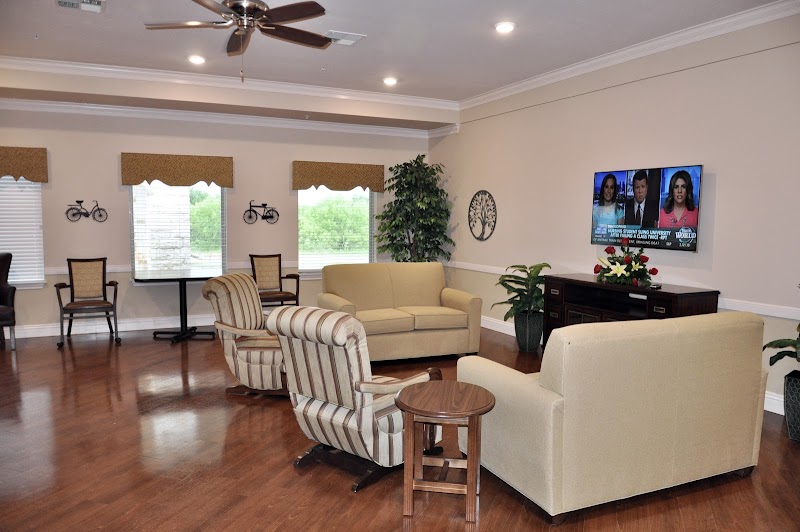
How is Crossroads Nursing & Rehabilitation Staffed?

CMS rates CROSSROADS NURSING & REHABILITATION's staffing level at 2 out of 5 stars, which is below average compared to other nursing homes. Staff turnover is 33%, compared to the Texas average of 46%. This relatively stable workforce can support continuity of care.

What Have Inspectors Found at Crossroads Nursing & Rehabilitation?

State health inspectors documented 26 deficiencies at CROSSROADS NURSING & REHABILITATION during 2022 to 2025. These included: 26 with potential for harm.
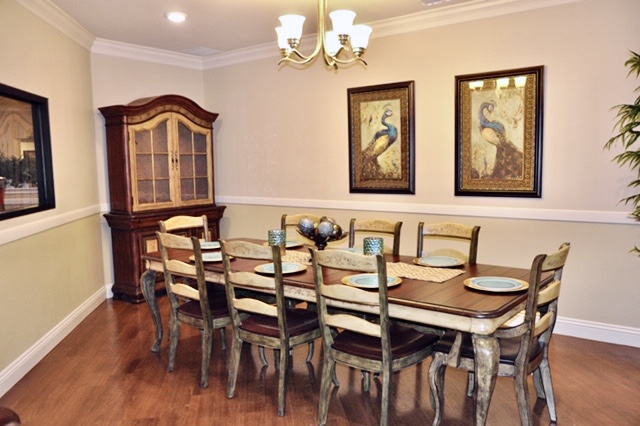
Who Owns and Operates Crossroads Nursing & Rehabilitation?

CROSSROADS NURSING & REHABILITATION is owned by a for-profit company. For-profit facilities operate as businesses with obligations to shareholders or private owners. The facility is operated by CREATIVE SOLUTIONS IN HEALTHCARE, a chain that manages multiple nursing homes. With 80 certified beds and approximately 47 residents (about 59% occupancy), it is a smaller facility located in HEARNE, Texas.
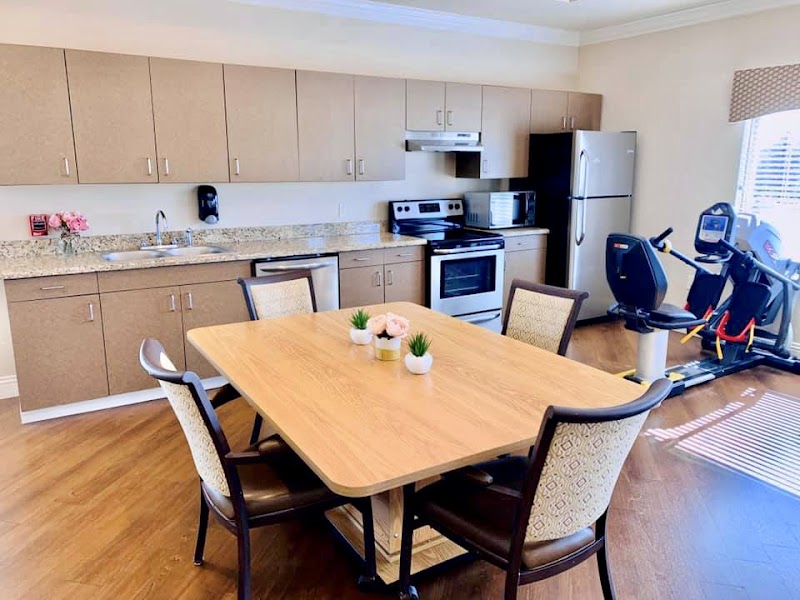
How Does Crossroads Nursing & Rehabilitation Compare to Other Texas Nursing Homes?

Compared to the 100 nursing homes in Texas, CROSSROADS NURSING & REHABILITATION's overall rating (4 stars) is above the state average of 2.8, staff turnover (33%) is significantly lower than the state average of 46%, and health inspection rating (4 stars) is above the national benchmark.

What Should Families Ask When Visiting Crossroads Nursing & Rehabilitation?

Based on this facility's data, families visiting should ask: "Can you walk me through typical staffing levels on day, evening, and night shifts?" "Can I visit during a mealtime to observe dining assistance and food quality?" "How do you handle medical emergencies, and what is your hospital transfer rate?" "Can I speak with family members of current residents about their experience?" These questions are particularly relevant given the below-average staffing rating.

Is Crossroads Nursing & Rehabilitation Safe?

Based on CMS inspection data, CROSSROADS NURSING & REHABILITATION has a clean safety record: no substantiated abuse findings (meaning no confirmed cases of resident harm), no Immediate Jeopardy citations (the most serious violation level indicating risk of serious injury or death), and is not on the Special Focus Facility watch list (a federal program monitoring the lowest-performing 1% of nursing homes). The facility has a 4-star overall rating and ranks #1 of 100 nursing homes in Texas. While no facility is perfect, families should still ask about staff-to-resident ratios and recent inspection results during their visit.

Do Nurses at Crossroads Nursing & Rehabilitation Stick Around?

CROSSROADS NURSING & REHABILITATION has a staff turnover rate of 33%, which is about average for Texas nursing homes (state average: 46%). Moderate turnover is common in nursing homes, but families should still ask about staff tenure and how the facility maintains care continuity when employees leave.

Was Crossroads Nursing & Rehabilitation Ever Fined?

CROSSROADS NURSING & REHABILITATION has no federal fines on record. CMS issues fines when nursing homes fail to meet care standards or don't correct problems found during inspections. The absence of fines suggests the facility has either maintained compliance or corrected any issues before penalties were assessed. This is a positive indicator, though families should still review recent inspection reports for the full picture.

Is Crossroads Nursing & Rehabilitation on Any Federal Watch List?

CROSSROADS NURSING & REHABILITATION is not on any federal watch list. The most significant is the Special Focus Facility (SFF) program, which identifies the bottom 1% of nursing homes nationally based on persistent, serious quality problems. Not being on this list means the facility has avoided the pattern of deficiencies that triggers enhanced federal oversight. This is a positive indicator, though families should still review the facility's inspection history directly.