RAMBLING OAKS COURTYARD EXTENSIVE CARE COMMUNITY
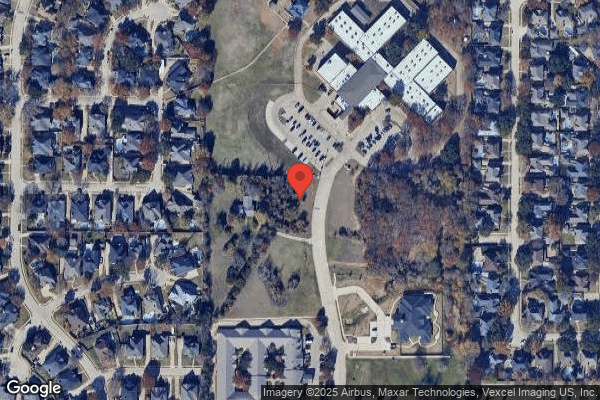

112 BARNETT BLVD, HIGHLAND VILLAGE, TX 75077 (972) 317-1174
For profit - Individual 70 Beds Independent Data: November 2025 1 Immediate Jeopardy citation
Trust Grade
56/100
#325 of 1168 in TX
Last Inspection: October 2024

Within standard 12-15 month inspection cycle. Federal law requires annual inspections.

Overview

Rambling Oaks Courtyard Extensive Care Community has a Trust Grade of C, which means it is average and sits in the middle of the pack among nursing homes. It ranks #325 out of 1,168 facilities in Texas, placing it in the top half, and #6 out of 18 in Denton County, indicating that only five local options are better. The facility is improving, with reported issues declining from 10 in 2024 to just 3 in 2025. However, staffing is a concern, as it received a 2 out of 5 rating, with a turnover rate of 51%, which is around the Texas average. Additionally, the facility has faced fines totaling $21,640, which is an average amount, but the RN coverage is below that of 75% of Texas facilities, meaning there are fewer registered nurses available to monitor residents. Some specific issues raised in inspections include a critical failure to notify a resident's physician and family about a significant change in the resident's condition, which delayed necessary medical care. There were also concerns regarding food safety practices in the kitchen, including improper storage of expired food and staff not adhering to sanitation protocols. Finally, there was a finding related to a resident self-administering medication without proper assessment or orders, which could pose risks. While there are notable strengths, such as good quality measures and overall ratings, these weaknesses highlight areas for improvement that families should consider.

Trust Score
C
56/100
In Texas
#325/1168
Top 27%
Safety Record
High Risk
Review needed
Inspections
Getting Better
10 → 3 violations
Staff Stability
⚠ Watch
51% turnover. Above average. Higher turnover means staff may not know residents' routines.
Penalties
○ Average
$21,640 in fines. Higher than 74% of Texas facilities. Some compliance issues.
Skilled Nurses
⚠ Watch
Each resident gets only 19 minutes of Registered Nurse (RN) attention daily — below average for Texas. Fewer RN minutes means fewer trained eyes watching for problems.
Violations
⚠ Watch
26 deficiencies on record. Higher than average. Multiple issues found across inspections.
★★★★☆
4.0
Overall Rating
★★☆☆☆
2.0
Staff Levels
★★★★★
5.0
Care Quality
★★★☆☆
3.0
Inspection Score
Stable
2024: 10 issues
2025: 3 issues

The Good

  • 5-Star Quality Measures · Strong clinical quality outcomes
  • Full Sprinkler Coverage · Fire safety systems throughout facility
  • No fines on record

Facility shows strength in quality measures, fire safety.

The Bad

Staff Turnover: 51%

Near Texas avg (46%)

Higher turnover may affect care consistency

Federal Fines: $21,640

Below median ($33,413)

Minor penalties assessed

The Ugly 26 deficiencies on record

1 life-threatening
Sept 2025 2 deficiencies
CONCERN (E) 📢 Someone Reported This

A family member, employee, or ombudsman was alarmed enough to file a formal complaint

Potential for Harm - no one hurt, but risky conditions existed

Pharmacy Services (Tag F0755)

Could have caused harm · This affected multiple residents

**NOTE- TERMS IN BRACKETS HAVE BEEN EDITED TO PROTECT CONFIDENTIALITY** Based on observation, interview and record review the facility failed to provide pharmaceutical services, including procedures t...

Read full inspector narrative →
**NOTE- TERMS IN BRACKETS HAVE BEEN EDITED TO PROTECT CONFIDENTIALITY** Based on observation, interview and record review the facility failed to provide pharmaceutical services, including procedures that assured the accurate acquiring, receiving, dispensing, and administering of all drugs and biologicals that met the needs of each resident for one (Resident #1) of eight residents reviewed for pharmaceutical services. The facility failed to ensure Resident #1 was not self-administering his nasal spray without an assessment and an order for nasal spray on 09/02/2025. This failure could place residents at risk for potential overdose and adverse effects. Findings include: Record review of Resident #1's Face Sheet, dated 09/02/2025, reflected a [AGE] year-old male who was admitted to the facility on [DATE]. The resident was diagnosed with chronic obstructive pulmonary disease (a chronic inflammatory lung disease that causes obstructed airflow from the lungs). Record review of Resident #1's Comprehensive MDS Assessment, dated 08/13/2025, reflected the resident had a moderate impairment (resident may need additional support and monitoring) in cognition with a BIMS score of 12. The Comprehensive MDS Assessment indicated the resident had chronic obstructive pulmonary disease. Record review of Resident #1's Comprehensive Care Plan, dated 07/08/2025, reflected the resident had asthma (lung disorder caused by narrowing of the airways) and one of the interventions was to assist the resident in identifying asthma triggers (things, activities, or conditions that could lead to asthma attack). Record review of Resident #1's Physician's Order on 09/02/2025 reflected no order for nasal spray. Record review of Resident #1's Assessment Notes on 09/02/2025 reflected no assessment for self-administration of medications, no clear instructions for self-administrations, and no assessment that the resident was competent to manage their own medications. Observation and interview on 09/02/2025 at 8:28 AM revealed Resident #1 was in his recliner, awake. A container of nasal spray was observed on top of the resident's side table. He said he was the one administering his nasal spray and he had been doing it for some time. He said he was not sure if the staff knew he was doing it and nobody talked to him that the nurse was supposed to administer his nasal spray. He said his nasal spray had been always in his table where he could easily see it. He said he would not call nor tell the nurse everytime he used the nasal spray. He said he would do it every morning and sometimes if his nose were getting itchy. The resident took the nasal spray from the side table and sprayed once on each nostril (opening of the nose). Observation on 09/02/2025 at 8:32 AM revealed LVN A went inside Resident #1's room to administer his medications. She did not notice the nasal spray on the resident's side table was in plain view. Observation and interview on 09/02/2025 at 8:38 AM, LVN A stated she did not notice the nasal spray on top of Resident #1' side table when she administered his morning medications. She said she was not aware the resident was doing it by himself. She said the nasal spray should not be inside the room because they were medications and she was not sure if the resident could self-administer any medication. She said the resident might use them every hour and no one would know until adverse reactions such as nasal irritation and nasal dryness. She went inside the room and talked to the resident that she would get his nasal spray and would place them inside the cart. She also told the resident that she would request an order for his nasal spray. In an interview on 09/02/2025 at 11:08 AM, LVN A stated she already took Resident #1's nasal spray and had placed an order for it. She said the nasal spray should be inside the nurses' cart and should be administered by nurses. She said the resident might be confused and took the medication using a different route. She said other residents, that were allergic to the content of the medication, might access the medication and consume it leading to allergic reactions. She said she also checked the rooms of other residents if there were medications inside the room. She said she would also coordinate with the family members to let the nursing staff know if they were bringing any medication. In an interview on 09/02/2025 at 11:50 AM, the DON stated Resident #1's nasal spray should be administered by nurses and there should be a physician's order for it. She said the expectation was for the staff to check if there were any medications inside the residents' room. She said if a resident was administering medications unsupervised, for this incident a nasal spray, there could be adverse effects if the nasal spray was overused such as nose irritation or allergic reactions. She said if the resident was the one administering the nasal spray, there should be an assessment that the resident was able to do so. She said if the resident was deemed able to administer his nasal spray, the nasal spray should still not be on top of the side table were other confused residents could assess it and consume it. The DON said that since the resident was using it, she would check if a physician order was already in place. The DON said she would do an in-service about not leaving any medication inside the residents' room and scanning the room if there were any medications accessible to the residents. In an interview on 09/02/2025 at 12:39 PM, the Administrator stated residents could not administer their own medications unless there was an assessment that the residents were competent enough to do it. She said the resident might overuse the medication resulting to the resident being overmedicated. She said the expectation was for the staff to scan the room if there were any medications at bedside. She said there would be some family members that would bring medications, but still, those medications should not be inside the room and the facility should be aware. She said she would coordinate with the DON on how to make sure that there were no medications inside the residents' room and that no resident was administering any medication by himself. Record review of the facility's policy, Medication Administration Procedures Pharmacy Policy & Procedure Manual 2003, revised 10/25/17 reflected, 1. All medications are administered by licensed medical or nursing personnel . 14. A specific order must be obtained from the Physician Record review of the facility's policy, Medication and Treatment Orders 2001 MED-PASS, Inc revised July 2016 reflected Policy Interpretation and Implementation . 1. Medications shall be administered only upon the written order . 3. Drug and biological orders must be recorded on the physician's order sheet in the resident's chart.
CONCERN (E) 📢 Someone Reported This

A family member, employee, or ombudsman was alarmed enough to file a formal complaint

Potential for Harm - no one hurt, but risky conditions existed

Deficiency F0761 (Tag F0761)

Could have caused harm · This affected multiple residents

**NOTE- TERMS IN BRACKETS HAVE BEEN EDITED TO PROTECT CONFIDENTIALITY** Based on observations, interviews, and record review, the facility failed to ensure the medications were stored properly in lock...

Read full inspector narrative →
**NOTE- TERMS IN BRACKETS HAVE BEEN EDITED TO PROTECT CONFIDENTIALITY** Based on observations, interviews, and record review, the facility failed to ensure the medications were stored properly in locked compartments or provided a safe and secured storage with limited access for three (Residents #1, #2, and #3) of eight residents reviewed for medication storage. 1. The facility failed to ensure Resident #1's nasal spray was not left inside the resident's room on 09/02/2025. 2. The facility failed to ensure Resident #2's zinc oxide (medicated cream used to prevent skin irritation) was not left on top of the resident's side table on 09/02/2025. 3. The facility failed to ensure Resident #3's zinc oxide was not left on top of the resident's side table on 09/02/2025. These failures could place residents at risk to have access to medications that could result to accidental ingestion and misuse of medications. Findings include: 1. Record review of Resident #1's Face Sheet, dated 09/02/2025, reflected a [AGE] year-old male who was admitted to the facility on [DATE]. The resident was diagnosed with chronic obstructive pulmonary disease. Record review of Resident #1's Comprehensive MDS Assessment, dated 08/13/2025, reflected the resident had a moderated impairment in cognition with a BIMS score of 12. The Comprehensive MDS Assessment indicated the resident had chronic obstructive pulmonary disease. Record review of Resident #1's Comprehensive Care Plan, dated 07/08/2025, reflected the resident had asthma and one of the interventions was to assist the resident in identifying asthma triggers. The care plan did not indicate that the resident could administer his nasal spray. Record review of Resident #1's Physician's Order on 09/02/2025 reflected no order for nasal spray. Record review of Resident #1's Assessment Notes on 09/02/2025 reflected no assessment for self-administration of medications, no clear instructions for self-administrations, and no assessment the resident was competent to manage their own medications. Observation and interview on 09/02/2025 at 8:28 AM revealed Resident #1 was in his recliner, awake. A container of nasal spray was observed on top of the resident's side table. He said the nasal spray had been with him for a while. Observation on 09/02/2025 at 8:32 AM revealed LVN A went inside Resident #1's room to administer his medications. She did not notice the nasal spray on the resident's side table that was on plain view. Observation and interview on 09/02/2025 at 8:38 AM, LVN A stated she did not notice the nasal spray on top of Resident #1' side table when she administered his morning medications. She said the nasal spray should not be inside the room because the nasal spray was considered as a medication. She went inside the room and talked to the resident that she would get his nasal spray and would place them inside the cart. In an interview on 09/02/2025 at 11:08 AM, LVN A stated she already took Resident #1's nasal spray and placed it inside the nurses' cart. She said the resident might be confused and took the medication using a different route. She said other residents, that were allergic to the content of the medication, might access the medication and consume it leading to allergic reactions. 2. Record review of Resident #2's Face Sheet, dated 09/02/2025, reflected an [AGE] year-old female who was admitted to the facility on [DATE]. The resident was diagnosed with protein-calorie malnutrition (a form of malnutrition that could impact the skin causing dryness, roughness, and flakiness). Record review of Resident #2's Comprehensive MDS Assessment, dated 08/01/2025, reflected the resident had a severe impairment (resident required significant assistance and support in daily life) in cognition with a BIMS score of 04. The Comprehensive MDS Assessment indicated the resident had protein-calorie malnutrition and was incontinent for bladder and bowel. Record review of Resident #2's Comprehensive Care Plan, dated 09/02/2025, reflected the resident had incontinence and one of the interventions was to apply barrier cream after each episode if needed. Record review of Resident #2' Physician Order, dated 08/19/2024, reflected May apply barrier cream as needed. Observation and interview on 09/02/2025 at 8:41 AM revealed Resident #2 in her wheelchair eating breakfast. It was observed that a tube of zinc oxide was on the resident's side table. When asked if the staff left the zinc oxide on her side table after using it, the resident replied with uncomprehensible words. In an interview on 09/02/2025 at 10:26, CNA B stated she was assigned on Resident #2 and did not notice the zinc oxide on the resident's side table. She said the zinc oxide should be inside the nurse's cart and not at bedside because the resident might eat it. She said she would check Resident #2's room if the zinc oxide was still there and would also check the other rooms of the residents on her hall. 3. Record review of Resident #3's Face Sheet, dated 09/02/2025, reflected an [AGE] year-old male who was admitted to the facility on [DATE]. The resident was diagnosed with age-related debility (general decline in physical and mental function due to aging). Record review of Resident #3's Quarterly MDS Assessment, dated 07/03/2025, reflected the resident had moderate impairment in cognition with a BIMS score of 10. The Quarterly MDS Assessment indicated the resident was incontinent for bladder. Record review of Resident #3's Care Plan, dated 08/15/2024, reflected the resident had potential for pressure ulcer related to incontinence and one of the interventions was to apply barrier cream per physician order. Record review of Resident #3's Physician Order, dated 09/20/2024, reflected May apply barrier cream as needed. Observation on 09/02/2025 at 8:51 AM revealed Resident #3 was in his bed with eyes closed. It was observed that a tube of zinc oxide was on top of the resident's side table. In an interview on 09/02/2025 at 10:31 AM, CNA C stated she was assigned on Resident #3' hall for the day. She said she did not notice the zinc oxide on Resident #3's side table. She said it should not be accessible to the residents because they might confuse it as food and put it in his mouth. She said she would check if the zinc oxide was still inside the resident's room. She said she would also check the residents' rooms on her assigned hall. She said she did change the resident and applied some barrier cream, but she could not remember if she put it inside the drawer or not. In an interview on 09/02/2025 at 11:08 AM, LVN A stated zinc oxide was a form of medication because it was used to prevent skin issues such as rashes, irritations, and minor burns. She said it should not be left inside the rooms of the residents as confused residents might consume it. She said the cream should be stored in the cart and just put some in a cup for use or place it somewhere not accessible to the residents. She said she would go to Resident #2 and Resident #3's rooms to get the zinc oxide. She said she would also check the rooms of the other residents to see if there were zinc oxides inside the room In an interview on 09/02/2025 at 11:50 AM, the DON stated zinc oxides should not be left or stored inside the resident's room because some residents might be able to get hold of the zinc oxide because the tubes were in plain view. She said the CNAs and the nurses were responsible in checking if there were zinc oxides were inside the residents' rooms. She said she already made her round when she was made aware about the zinc oxides being inside the rooms of the residents. She said zinc oxide was applied topically and could be harmful when ingested. She said, when ingested, some of its ingredient might cause allergic reactions or some adverse reactions such as stomach upset, nausea, and vomiting. She said the expectations were for the staff to always scan the residents' rooms to make sure they were not leaving the tubes of zinc oxide inside the room, putting them where the resident could not access them, or just put them in the cart. She said she would do an in-service about storing the zinc oxide accordingly. In an interview on 09/02/2025 at 12:39 PM, the Administrator stated the expectation was for the staff not to leave the zinc oxides inside the room of the residents after use. She said the residents, confused or not, could access and consume them and could result to untoward outcomes such as allergy or interaction with other oral medications. She said she would coordinate with the DON about storing the tubes of zinc oxide inside the carts or somewhere not accessible to the residents. Record review of the facility's policy, Medication Administration Procedures Pharmacy Policy & Procedure Manual 2003, revised 10/25/17, revealed, 8. After the medication administration process is completed . stored in a locked medication room, or otherwise secured.
Jul 2025 1 deficiency
CONCERN (D) 📢 Someone Reported This

A family member, employee, or ombudsman was alarmed enough to file a formal complaint

Potential for Harm - no one hurt, but risky conditions existed

Respiratory Care (Tag F0695)

Could have caused harm · This affected 1 resident

**NOTE- TERMS IN BRACKETS HAVE BEEN EDITED TO PROTECT CONFIDENTIALITY** Based on interview and record review the facility failed to ensure that residents, who needed respiratory care, were provided su...

Read full inspector narrative →
**NOTE- TERMS IN BRACKETS HAVE BEEN EDITED TO PROTECT CONFIDENTIALITY** Based on interview and record review the facility failed to ensure that residents, who needed respiratory care, were provided such care consistent with professional standards of practice, the comprehensive person-centered care plan, and the residents' goals and preferences for one (Resident #1) of six residents reviewed for respiratory care.Based on interview and record review the facility failed to ensure that residents, who needed respiratory care, were provided such care consistent with professional standards of practice, the comprehensive person-centered care plan, and the residents' goals and preferences for one (Resident #1) of six residents reviewed for respiratory care.The facility failed to ensure Resident #1 had an order for oxygen administration when she was a resident at the facility from 07/10/2025 to 07/12/2025.This failure could place residents at risk for respiratory infection and not having their respiratory needs met.Findings include: Record review of Resident #1's Face Sheet, dated 07/30/2025, reflected the resident was a [AGE] year-old female who admitted to the facility on [DATE]. Resident #1 had diagnoses which included acute respiratory failure (the body doesn't get enough oxygen), thrombocytopenia (low platelet count which can increase the risk of bleeding) and chronic atrial fibrillation (irregular heart rhythm). Resident #1 discharged from the facility on 07/12/2025. Record review of Resident #1's MDS (tool used to measure health status) admission Assessment, dated 07/12/2025, reflected moderate impaired cognition with a BIMS (tool used to assess cognitive function) score of 10. Section I (active diagnoses) reflected Resident #1 was treated for pneumonia (infection of the lungs) and respiratory failure. Record review of Resident #1's Baseline Care Plan, dated 07/14/2025, reflected Resident #1 received oxygen therapy while a resident. The Baseline Care Plan indicated Resident #1 was confused, removed the nasal cannula, and required frequent redirection related to the administration of oxygen therapy. Record review of Resident #1's Physician's Order, dated 07/10/2023, reflected to administer oxygen via nasal cannula 2-4 liters LPM (flow rate of oxygen) PRN to keep oxygen saturation above 92%. The end date for this order was 09/07/2023. Resident #1 did not have a current order for oxygen administration. Record review of Resident #1's hospital transfer orders, dated 07/10/2025, reflected an order to titrate oxygen delivered to keep oxygen saturation percentage above: 88-94%. The hospital transfer order reflected the resident was on supplemental oxygen at 4 LPM. Record review of Resident #1's vital signs, dated 7/10/2025, 07/11/2025, and 07/12/2025, reflected oxygen was administered via nasal cannula at 4 LPM. During a telephone interview on 07/30/2025 at 2:54 PM, LVN A stated Resident #1 had an order to receive continuous oxygen at 2-4 LPM and it was in her chart. She stated Resident #1 was administered oxygen at 4 LPM. When LVN A was asked about the date of the order, LVN A stated she had not noticed the order was for a previous admission. LVN A stated it was important to ensure, and clarify when needed, the resident had a current physician's orders for oxygen prior to administering oxygen. She stated administering less than or more than the prescribed order could have effects on the resident. She stated if not given the correct dose, a resident could have dizziness, headaches, or a nosebleed if the nasal passage became dry. She stated if orders were not followed, a resident might not receive sufficient oxygen. During an interview on 07/30/2025 at 3:08 PM, the DON stated her expectation was for nurses to check and verify that orders in the resident's chart corresponded with the resident's admission orders. She stated the DON and ADON checked to ensure orders were transcribed properly. She stated the pharmacy representative also looked at admission orders. The DON stated it was important to follow the physician's orders. She stated there was no question about that. She stated Resident #1 had an order but it was from 07/10/2023. She stated she missed it because it was the same date the resident admitted for her most recent admission. She stated it could potentially cause respiratory distress if orders were not followed. During an interview on 07/30/2025 at 3:15 PM, the [NAME] President of Clinical Services stated he when he looked at Resident #1's orders from 07/10/2023, he saw the date but did not notice the year was different. He stated other staff members probably did the same thing. He stated his expectation was for staff to follow discharge orders from whatever entity sent the resident to the facility. He stated orders were given for a reason and it was important to follow them. He stated it was important to ensure physician's orders were followed to avoid a potential negative outcome. Record review of the facility's policy Administering Medications, revised April 2019, reflected Medications are administered in a safe and timely manner, and as prescribed.4. Medications are administered in accordance with prescriber orders, including any required time frame.
Oct 2024 9 deficiencies
CONCERN (D)

Potential for Harm - no one hurt, but risky conditions existed

Assessment Accuracy (Tag F0641)

Could have caused harm · This affected 1 resident

**NOTE- TERMS IN BRACKETS HAVE BEEN EDITED TO PROTECT CONFIDENTIALITY** Based on observations, interviews, and record review, the facility failed to ensure that assessments accurately reflected the re...

Read full inspector narrative →
**NOTE- TERMS IN BRACKETS HAVE BEEN EDITED TO PROTECT CONFIDENTIALITY** Based on observations, interviews, and record review, the facility failed to ensure that assessments accurately reflected the resident's status for one (Resident #5) of eight residents reviewed for Accuracy of Assessments. The facility failed to ensure Resident #5's Comprehensive MDS Assessment accurately reflected that Resident #5 had an impairment to her right upper extremity. This failure could place residents at risk for not receiving care and services to meet their needs, diminished function of health, and regressions in their overall health. Findings included: Review of Resident #5's Face Sheet, dated 10/16/2024, revealed the resident was an [AGE] year-old female admitted on [DATE]. One of the relevant diagnosis was unspecified joint contracture (tightening of the muscles, tendons, skin, and surrounding tissues that causes the joints to shorten and stiffen). Review of Resident #5's Comprehensive MDS Assessment, dated 08/16/2024, revealed the resident was unable to complete the interview to determine the BIMS score. Section GG - Functional Abilities and Goals GG0115, dated 08/16/2024, revealed Resident #5 had no impairment to the upper extremity. According to Section GG, upper extremity was constituted by the shoulder, elbow, wrist, and hand. Review of Resident #5's Comprehensive Care Plan, dated 09/23/2024, reflected the resident had limited physical mobility and the goal was the resident would be free from complications related to immobility including contractures and skin breakdown. Review of Resident #5's Physician's Order, dated 08/15/2024, reflected Soft towel rolled inside right palm during day shift and off at HS. Every shift for contracture off at night. Observation on 10/16/2023 at 9:17 AM revealed LVN E was about to administer Resident #5's medication. She said she would first reposition the resident, who was lying on her right side, before giving the medications. LVN E rolled the resident to a flat position, with the head of the bed elevated. It was observed that the right hand of the resident had a contracture and was clutching a towel. In an interview with LVN E on 10/17/2024 at 7:14 AM, LVN E said Resident #5 had a contracture to her right hand. She said the lower extremities were always bended but the resident could straighten them if the resident wanted to. Observation and interview with the MDS Nurse on 10/17/2024 at 7:27 AM, the MDS Nurse stated the MDS should reflect the current status of the resident. She said the functional status must reflect if the resident had any impairment or not. The MDS Nurse said she would base her assessment on the documentation and what she saw. She said the care plan was also based on the assessments. The MDS Nurse logged on to her computer and looked for the resident's profile. The MDS Nurse checked on the functional status of the resident and saw that the resident's MDS did not reflect any impairment. She said she was not sure if the resident's contracture would be considered as an impairment. She said when she assessed the upper extremities, she would observe if the resident could move the arm from the shoulder. She said she would ask her superior to know if the contracture to the right hand was considered as an impairment. Interview with the MDS Nurse on 10/17/2024 at 7:40 AM, the MDS Nurse said the resident's contracted right hand was considered as an impairment. She said she would be doing an in-service with the Administrator and she would audit those residents with contractures and modify their MDS. She said an accurate MDS was important because it would be the basis of the care needed by the resident. If the assessment was not accurate, the current status of the resident would not be correct resulting to confusion in her care. This could also result in the resident not getting the appropriate care needed. In an interview with CNA D on 10/17/2024 at 8:10 AM, CNA D stated Resident #5 could not use her hands because they were tight, especially the right hand. CNA D said he had been in the facility for almost two and a half years and had seen Resident #5's right hand to be contracted. He said the only treatment for the right hand was to put a rolled towel inside the hand. In an interview with PT F on 10/17/2024 at 8:17 AM, PT F stated a contracture was considered an impairment because due to the tightening of the muscles, there was a loss of function. PT F said Resident #5's contracted hand could be considered as an impairment. She said a soft towel was placed inside the resident's hand to prevent it from excoriation (abrasion of the skin's surface). In an interview with the DON on 10/17/2024 at 8:24 AM, the DON stated the MDS should reflect the actual functionality of the resident. She said if the resident had an impairment, it should have been assessed correctly and mirrored on the MDS. If the residents were not properly assessed, the proper care and needs would not be met. The DON said the expectation was the residents were properly assessed not only during admission but every day to see if there was a change in condition, any refusal of care, or resident acting different than usual. She said she would coordinate with the MDS Nurse to do an audit of the MDS Assessments. In an interview with the ADON on 10/17/2024 at 8:33 AM, the ADON stated if there were impairments to the upper extremity and lower extremity, the MDS should have a record of it. ADON said there should be proper communication between the staff to ensure proper assessments were done. If there was no accurate assessment, there could be a confusion about the care needed by the resident. She said she would coordinate with the DON and the MDS Nurse on how to address the issue. In an interview with the Administrator on 10/17/2024 at 8:55 AM, the Administrator stated accurate assessments should be done to know what kind of care and services would be required. He said if the assessment was not accurate, the needed care of the resident would not be met. He said the expectation was the residents would be assessed accurately to provide the appropriate care needed. He said he would coordinate with the DON and the MDS Nurse to check the MDS, not only of the residents with contractures, but of all the residents. Record review of facility policy, Comprehensive Assessments 2001 MED-PASS, Inc. revised October 2023 revealed Policy Statement: Comprehensive MDS assessments are conducted to assist in developing person-centered care plans . Policy Interpretation and Implementation . 1. The facility conducts comprehensive, accurate, standardized, reproducible assessments of each resident's functional capacity.
CONCERN (D)

Potential for Harm - no one hurt, but risky conditions existed

Comprehensive Care Plan (Tag F0656)

Could have caused harm · This affected 1 resident

**NOTE- TERMS IN BRACKETS HAVE BEEN EDITED TO PROTECT CONFIDENTIALITY** Based on observations, interviews, and record review, the facility failed to develop and implement a comprehensive person-center...

Read full inspector narrative →
**NOTE- TERMS IN BRACKETS HAVE BEEN EDITED TO PROTECT CONFIDENTIALITY** Based on observations, interviews, and record review, the facility failed to develop and implement a comprehensive person-centered care plan for each resident, consistent with the resident rights set forth that included measurable objectives and timeframes to meet a resident's medical, nursing, and mental and psychosocial needs that were identified in the comprehensive assessment for a resident for one (Resident #13) of eight residents reviewed for Care Plans. The facility failed to ensure Resident #13 was care planned for her colostomy (Opening in the belly done surgically to create a new passageway for feces. One end of the large intestine would be redirected out of the abdominal wall and a colostomy bag would be in place to catch the feces). This failure could place the residents at risk of not receiving the necessary care and services needed. Findings included: Review of Resident #13's Face Sheet, dated 10/16/2024, reflected the resident was a [AGE] year-old female admitted on [DATE]. Resident #13 was diagnosed with systemic lupus erythematous (chronic disease that could cause inflammation and pain). Review of Resident #13's Comprehensive MDS Assessment, dated 09/20/2024, reflected the resident had a moderate impairment in cognition with a BIMS score of 12. Resident #13's Comprehensive MDS Assessment indicated the resident had an ostomy (opening in the abdomen). Review of Resident #13's Comprehensive Care Plan on 09/04/2024 reflected there was no care plan for colostomy care. Review of Resident #13's Physician Order, dated 12/17/2024, reflected change ostomy bag 2 x weekly on Mondays and Thursdays and prn. Observation and interview with Resident #13 on 10/15/2024 at 9:10 AM, Resident #13 was in her bed, awake. She said she had a colostomy bag and the nurse was the one emptying it. She said she did not want it but her doctor said she might have for a long time. Resident #13 raised her hospital gown to show her colostomy bag. Observation and interview with LVN A on 10/16/2024 at 12:11 PM, LVN A stated Resident #13 had a colostomy bag and she would empty it several times during her shift. After asking permission from the resident, LVN A lifted the resident's gown to show the resident's colostomy bag located on the resident's lower left quadrant of the abdomen. The colostomy bag was empty. After showing the colostomy bag, LVN A went to her cart and looked for the resident's care plan for colostomy. She said there was no care plan for colostomy. She said the care plan was important so the staff taking care of the resident would be in sync with the level of care being provided. She said without the care plan for the colostomy, required care might be missed. Observation and interview with the MDS Nurse on 10/17/2024 at 7:27 AM, the MDS Nurse stated she was not the only staff responsible for doing the care plan. She said the DON and the ADON also did the care plans. She said the care plan for Resident #13's colostomy bag was missed during their IDT (Interdisciplinary Team) meeting. She said the care plan was dependent on the resident's disease process, assessment, and the doctor's orders. She said the care plan should reflect the medications they were taking and the required services they were receiving. She said without the care plan, there could be lapse on the care needed and the staff would not know how to properly care for the resident's colostomy. The MDS Nurse opened the resident's profile and saw that a care plan was already in place. The care plan was created 10/16/2024. In an interview with the DON on 10/17/2024 at 8:24 AM, the DON stated every resident needed a comprehensive care plan to make sure the residents received the proper care needed. The DON said the care plan should be in place so that the staff providing care would be on the same page. The DON stated the care plan was important because it reflected the resident's problem lists, goals, and intervention. She said the care plan should be resident-centered and should show what specific care the resident needed. She said the care plan for Resident # 13's colostomy had been rectified when it was brought to her attention. She said the expectation was for all residents to have a complete and detailed care plan. She said she would coordinate with the MDS Nurse to audit for resident's the care plans of the resident. In an interview with the ADON on 10/17/2024 at 8:33 AM, the ADON stated if a resident had a colostomy, there should be a care plan for the care of the colostomy. She said the care plan was a snapshot of what was supposed to be done for the resident, as well as the services provided. She said without the care plan, the staff would not be in sync on the care of the residents and their needs would not be addressed. She said the expectation was all the issue of the residents were care planned. In an interview with the Administrator on 10/17/2024 at 8:55 AM, the Administrator stated the care plans were important to ensure the residents were getting the care needed. He said care plans served as guides on how the staff would take care of the residents. The Administrator said without the care plans, the level of care needed could be missed. The Administrator said the expectation was for the staff to ensure the residents were care planned accordingly. He said he would coordinate with the DON and the MDS Nurse to make sure all the residents were care planned. Record review of facility policy, Care Plans, Comprehensive Person-Centered 2001 MED-PASS, Inc. revised March 2022 revealed Policy Statement: A comprehensive, person-centered care plan that includes measurable objectives and timetables to meet the resident's physical, psychosocial and functional needs is developed and implemented for each resident . Policy Interpretation . 7 .The comprehensive, person-centered care plan . e. reflects currently recognized standards of practice for problem areas and conditions.
CONCERN (D)

Potential for Harm - no one hurt, but risky conditions existed

Deficiency F0691 (Tag F0691)

Could have caused harm · This affected 1 resident

**NOTE- TERMS IN BRACKETS HAVE BEEN EDITED TO PROTECT CONFIDENTIALITY** Based on observation, interview, and record review, the facility failed to ensure residents who needed colostomy care were provi...

Read full inspector narrative →
**NOTE- TERMS IN BRACKETS HAVE BEEN EDITED TO PROTECT CONFIDENTIALITY** Based on observation, interview, and record review, the facility failed to ensure residents who needed colostomy care were provided such care, consistent with professional standards of practice for one (Resident #13) of two residents reviewed for Colostomy Care. The facility failed to ensure Resident #13 had physician orders for colostomy (Opening in the belly done surgically to create a new passageway for feces. One end of the large intestine would be redirected out of the abdominal wall and a colostomy bag would be in place to catch the feces) care. This failure could place residents with colostomy at risk for not receiving care or delay in treatment/care due to not having an order. Findings included: Review of Resident #13's Face Sheet, dated 10/16/2024, reflected the resident was a [AGE] year-old female admitted on [DATE]. Resident #13 was diagnosed with glomerular disease in systemic lupus erythematous (chronic disease that could cause inflammation and pain). Review of Resident #13's Comprehensive MDS Assessment, dated 09/20/2024, reflected the resident had a moderate impairment in cognition with a BIMS score of 12. Resident #13's Comprehensive MDS Assessment indicated the resident had an ostomy (opening in the belly). Review of Resident #13's Comprehensive Care Plan on 09/04/2024 reflected no care plan for colostomy care. Review of Resident #13's Physician Order, dated 12/17/2024, reflected change ostomy bag 2 x weekly on Mondays and Thursdays and prn. Observation and interview with Resident #13 on 10/15/2024 at 9:10 AM, Resident #13 was in her bed, awake. She said she had a colostomy bag and the nurse were the one emptying it. She said she did not want it but her doctor said she might have for a long time. Resident #13 raised her hospital gown to show her colostomy bag. Observation and interview with LVN A on 10/16/2024 at 12:11 PM, LVN A said Resident #13 had a colostomy bag. She said she would empty it several times during her shift. LVN A went to her cart, logged on to her computer, and looked for the resident's orders for colostomy care. she said there were no orders for Resident #13's colostomy except to change to colostomy bag twice a week and PRN. She said there were no orders to empty the colostomy bag every shift or when it was one half full, no order to examine the stoma and the surrounding skin, no order to assess for any ostomy drainage or signs and symptoms of infection, and no order for to check for any leakage. She said there should be an order for the colostomy. She said the orders should be transcribed in the resident's profile. She said she was responsible in putting the order for the resident's colostomy. In an interview with the DON on 10/17/2024 at 8:24 AM, the DON stated there should be an order for every care and treatment done for the residents. She said without the orders, there could be missed care. She said the orders would provide an outline for the staff on the kind and level of care needed and given. She said the nurse who received the resident during admission should had placed the order. She said she was responsible, as well, in checking if the appropriate orders were in the system. She said the orders for colostomy care were already transcribed when the issue was brought to her attention. She said the expectation would be all the treatment provided had orders. She said she would do an in-service about colostomy care and the need for orders. In an interview with the ADON on 10/17/2024 at 8:33 AM, the ADON stated colostomy care had been provided by nurses because they knew they should be done. She said even though the staff knew what to do, there should still be an order and it should be documented. She said without the order, new staff might not know the treatment and what to assess. She said she would coordinate with the DON regarding re-educating the staff about the need for orders and colostomy care. In an interview with the Administrator on 10/17/2024 at 8:55 AM, the Administrator stated there should be an order specific to the medical condition and needs of the resident. He said there should be orders for the medications, treatment, diet, services, and what to assess. He said without the orders, the probability of missed care would be high. He said the expectation was for the staff would be mindful and check if the orders were placed accordingly. Review of the facility policy Colostomy/Ileostomy Care 2001 MED-PASS, Inc. revised October 2010 revealed Purpose: The purpose of this procedure is to provide guidelines . in preventing exposure of the resident's skin to fecal matter . Steps . 8. When evaluating the condition of the resident's skin, note the following: a. Breaks in the skin . b. Excoriation . c. Signs of infection (heat, swelling, pain, redness, purulent exudate, etc.). Review of the facility policy Medication and Treatment Orders 2001 MED-PASS, Inc. revised July 2016 revealed Policy Statement: Orders for medications and treatments will be consistent with principles of safe and effective order writing . Policy Interpretation . orders must be recorded immediately in the resident's chart.
CONCERN (E)

Potential for Harm - no one hurt, but risky conditions existed

ADL Care (Tag F0677)

Could have caused harm · This affected multiple residents

**NOTE- TERMS IN BRACKETS HAVE BEEN EDITED TO PROTECT CONFIDENTIALITY** Based on interviews and record reviews, the facility failed to ensure that residents who were unable to carry out activities of ...

Read full inspector narrative →
**NOTE- TERMS IN BRACKETS HAVE BEEN EDITED TO PROTECT CONFIDENTIALITY** Based on interviews and record reviews, the facility failed to ensure that residents who were unable to carry out activities of daily living received the necessary services to maintain good nutrition, grooming, and personal and oral hygiene for 1 (Residents #25) of 6 residents reviewed for (ADL) care provided to dependent residents. The facility failed to ensure Resident #25 received scheduled bed baths according to reviews from October 1, 2024 - October 16, 2024. This failure placed the resident at risk of not receiving necessary services to maintain good personal hygiene and decreased self- esteem. Findings included: Record review of Resident #25's Face Sheet, dated 10/17/2024, revealed she was an [AGE] year-old female admitted on [DATE]. Relevant diagnoses included Parkinson's disease (memory loss) and bed confinement. Record review of Resident #25's Quarterly Minimum Data Set (MDS) assessment dated [DATE] revealed, she had a Brief Interview for Mental Status (BIMS) score of 12 (moderate impairment) and fo,r ADL care it stated, for transfers, toileting, and bathing, the resident required total assistance. Record review of the facility's shower sheet for Resident #25 from 10/01/24 to 10/16/24 reflected a single shower sheet for the resident dated 10/16/2024. In an interview on 10/15/24 at 11:01 AM, Resident #25 complained of not getting her bed baths when scheduled. She stated she was scheduled for her bed baths on Monday, Wednesday, and Friday, but she had not received any so far that month. She stated she preferred bed baths because she does not like the mechanical lift and was happy with her bed baths. She stated she had told a CNA, but they advised her that they were busy and would get back with her, but they never returned. She stated she would like her bed baths because she does not like being dirty. In an interview on 10/17/24 at 12:45 PM, LVN S stated that she knew, for sure, that Resident #25 had received her bed baths when she was scheduled on Monday, Wednesday, and Friday, but she was not sure why there was only one shower sheet recorded for the resident, including the bed bath she had received on 10/16/24. She was advised that the resident stated she had not received her bed baths this month. She stated the risk of the resident not getting her bed baths could result in the resident having skin breakdown, and it was a dignity issue. In an interview on 10/17/24 at 12:45 PM, the ADON stated she was made aware of Resident #25 not having but one shower sheet on file, as of 10/16/24. She stated she was sure that she had received her scheduled bed baths and the CNA probably forgot to complete the shower sheets. She confirmed that CNAs were required to complete shower sheets for all residents, regardless of whether a shower was provided or refused. She stated the risk of the resident not receiving her bed baths could result in skin breakdown, she could have a bad smell, and it was a dignity concern. In an interview on 10/17/24 at 12:54 PM, CNA S stated she had been at the facility a year. She stated she normally did not provide Resident # 25 her scheduled bed baths, but she did provide them at times. She stated she did provide the resident bed baths on Fridays, but she did not know the exact dates. She stated she forgot to complete the shower forms for the resident. She stated staff were supposed to complete showers sheets on every resident, whether they had refused a shower or not. She stated if the resident did not get their showers or bed baths when scheduled, she could have skin breakdown and they could get a fungus. The facility's policy Bath, Shower/Tub (dated February 2018), reflected The purposes of this procedure are to promote cleanliness, provide comfort to the resident and to observe the condition of the resident's skin.
CONCERN (E)

Potential for Harm - no one hurt, but risky conditions existed

Accident Prevention (Tag F0689)

Could have caused harm · This affected multiple residents

**NOTE- TERMS IN BRACKETS HAVE BEEN EDITED TO PROTECT CONFIDENTIALITY** Based on observations, interviews, and record reviews, the facility failed to ensure that residents' environment remained free o...

Read full inspector narrative →
**NOTE- TERMS IN BRACKETS HAVE BEEN EDITED TO PROTECT CONFIDENTIALITY** Based on observations, interviews, and record reviews, the facility failed to ensure that residents' environment remained free of accident hazards as was possible for 2 (Resident #12 and #30) of 4 residents reviewed for accident prevention. The facility failed to obtain physician orders or a physician assessment as of 10/15/24 for Residents #12 and #30, for the usage of a scoop mattress prior to installing the mattress to assist in fall prevention. This failure could prevent residents from having an environment that was free and clear of accidents and hazards. Findings included: Record review of Resident #12's Face Sheet, dated 10/16/2024, reflected she was a [AGE] year-old female admitted on [DATE]. Relevant diagnoses included difficulty walking, lack of coordination, and history of falling. Record review of Resident #12's Quarterly Minimum Data Set (MDS) assessment dated [DATE] reflected, she had a Brief Interview for Mental Status (BIMS) score of 15 (cognitively intact) and for ADL care it reflected assistance was required for transfers, toileting, and bathing and the resident was totally dependent for assistance. Record review of Resident #12's physician orders dated 10/16/24 reflected no orders for a scoop mattress and no physician assessment was observed in the facility system records. An observation on 10/15/24 at 11:40 AM of Resident #12's bed revealed she was sleeping on a scoop mattress. The upper and lower sides of the mattress had raised sides of at least 6 inches. Record review of Resident #30's Face Sheet, dated 10/16/2024, reflected she was an [AGE] year-old female admitted on [DATE]. Relevant diagnoses included muscle weakness, lack of coordination, and moderate risk of falling. Record review of Resident #30's Quarterly Minimum Data Set (MDS) dated [DATE] reflected, she had a Brief Interview for Mental Status (BIMS) score of 10 (moderately impaired cognition), and for ADL care, it reflected assistance was required for transfers, toileting, and bathing. The resident was totally dependent for assistance. Record review of Resident #30's physician orders dated 10/16/24 reflected no orders for a scoop mattress and no physician assessment was observed in the facility system records. An observation on 10/15/24 at 11:25 AM of Resident #30's bed revealed she was sleeping on a scoop mattress. The upper and lower sides of the mattress had raised sides of at least 6 inches. In an interview and observation on 10/15/24 at 1:00 PM, LVN S was shown Resident #12 and #30's scoop mattresses and she stated that she thought the residents had orders for the scoop mattress, but she was not sure. She stated if the resident did not have physician orders or an assessment for the scoop mattress, they could injure themselves if they tried to get out of the bed. In an interview and observation on 10/15/24 at 1:00 PM, the ADON was shown resident #12 and #30's scoop mattresses and she stated that the mattresses were considered therapeutic, and she did not think that it required physician orders and a physician assessment. She confirmed that there were no physician assessments completed by the residents' physician. She stated that the risk of the residents' not having their physician assess the risk of using the scoop mattress, could result in the resident's injuring themselves if they attempted to get out of the bed. In an interview on 10/16/24 at 1:00 PM, the DON and Corporate Compliance Nurse was advised of Resident #12 and #30's scoop mattresses and they stated that they thought that the since the mattresses were considered therapeutic, no physician orders or a physician assessment was required. They were advised that the scoop mattress had raised sides on the upper and lower sides of the residents' beds, which was a risk for the residents. The DON confirmed that there were no physician assessments completed by the residents' physician and she stated that the risk of the residents' not having neither could result in the resident's injuring themselves if they attempt to get out of the bed. Review of the facility's policy Medication and Treatment Orders (dated July 2016), reflected Orders for medications and treatments will be consistent with principles of safe and effective order writing.
CONCERN (E)

Potential for Harm - no one hurt, but risky conditions existed

Respiratory Care (Tag F0695)

Could have caused harm · This affected multiple residents

**NOTE- TERMS IN BRACKETS HAVE BEEN EDITED TO PROTECT CONFIDENTIALITY** Based on observations, interviews, and record review, the facility failed to ensure that residents, who needed respiratory care,...

Read full inspector narrative →
**NOTE- TERMS IN BRACKETS HAVE BEEN EDITED TO PROTECT CONFIDENTIALITY** Based on observations, interviews, and record review, the facility failed to ensure that residents, who needed respiratory care, were provided such care consistent with professional standards of practice, the comprehensive person-centered care plan, and the residents' goals and preferences for three (Resident #2, Resident #5, and Resident #15) of eight residents reviewed for Respiratory Care. 1. The facility failed to ensure that Resident #2's breathing mask for nebulization was properly stored and his humidifier had water in it. 2. The facility failed to ensure that Resident #5's yankauer suction tip (a firm plastic suction tip used to suction secretions in the mouth) was properly stored. 3. The facility failed to ensure that Resident #15's nasal canula was properly stored in a sanitized container. These failures could place the residents at risk for respiratory infection and not having their respiratory needs met. Findings included: 1. Review of Resident #2's Face Sheet, dated 10/16/2024, reflected the resident was a [AGE] year-old male admitted on [DATE]. Resident #2 was diagnosed with chronic obstructive pulmonary disease (a chronic inflammatory lung disease that causes obstructed airflow from the lungs). Review of Resident #2's Comprehensive MDS Assessment, dated 09/20/2024, reflected the resident was cognitively intact with a BIMS score of 13. Resident #2's Comprehensive MDS Assessment indicated the resident was on oxygen therapy while a resident of the facility. Review of Resident #2's Comprehensive Care Plan, dated 09/17/2024, reflected the resident had COPD r/t smoking and one of the interventions was give aerosol (medications given through an inhaler) or bronchodilators (medications that dilate the airways) as ordered. Review of Resident #2's Comprehensive Care Plan, dated 09/17/2024, reflected the resident was on oxygen therapy r/t respiratory illness and one of the interventions was to monitor for signs and symptoms of respiratory distress. Review of Resident #2's Physician Order, dated 10/10/2024, reflected Ipratropium-Albuterol Solution 0.5-2.5 (3) MG/3ML. 1 vial inhale orally one time a day for Shortness of Breath. Review of Resident #2's Physician Order, dated 10/10/2024, reflected Oxygen at 2 l/m to 4 l/m per nasal cannula as needed for SOB/Respiratory Compromise O2 sats less than _90__% (add percentage). Observation and interview on 10/15/2024 at 9:38 AM revealed Resident #2 was in his bed, awake. The resident was on oxygen therapy via nasal cannula at 3 liters per minute and was connected to an oxygen concentrator. The humidifier bottle on his oxygen concentrator was empty. It was observed that there was tube hanging out on the drawer of the resident's left-side table. The resident said it was okay to open his drawer. Inside the drawer, was a nebulizer with a breathing mask connected to it. The breathing mask was not bagged. The resident said he was given a breathing treatment every morning. He said the nurse would put it on and the nurse would take it off when it was done. He said he was not aware where the nurse would put it after the breathing treatment. He said he did not notice there was no water in his bottle. He said he will tell the nurse to put some water in the bottle. Observation and interview with LVN A on 10/15/2024 at 11:43 AM, LVN A stated she administered Resident #2's breathing treatment every morning. She said after the breathing treatment was done, she should clean it and put it inside a plastic bag to keep it safe. LVN A went inside the room, opened the resident's drawer and saw the breathing mask inside the drawer. LVN A disconnected the breathing mask and said she was going to change it because she was not able to bag it when she took it off the resident. She said the breathing mask should be bagged to prevent cross contamination and respiratory infection. LVN A threw the breathing mask, went out of the room, and returned with a new breathing mask. She said she noticed the resident's humidifier had little water when she gave the resident's medications and planned to come back to fill it up. She said she should have put water in it because it was already low. She said the humidifier would keep the nasal pathway moist to prevent irritation. LVN A took plastic container of distilled water and filled the humidifier halfway. 2. Review of Resident #5's Face Sheet, dated 10/16/2024, revealed the resident was an [AGE] year-old female admitted on [DATE]. The resident was diagnosed with encephalopathy (a disease that affects brain structure or function and usually cause confusion, disorientation, memory loss, and agitation). Review of Resident #5's Comprehensive MDS Assessment, dated 08/16/2024, revealed the resident was unable to complete the interview to determine the BIMS score. The Comprehensive MDS Assessment indicated the resident was receiving hospice care. Review of Resident #5's Comprehensive Care Plan, dated 09/23/2024, reflected the resident was receiving hospice services and one of the interventions was to provide maximum comfort for the resident. Review of Resident #5's Physician's Order, dated 10/29/2021, reflected Admit to hospice DX: Senile degeneration of the brain. Review of Resident #5's Physician's Order, dated 10/26/2021, reflected May suction as needed. Review of Resident #5's agreement with hospice, dated 11/09/2021, reflected Hospice Responsibilities: . 2. Durable Medical Equipment . suction pump. Observation on 10/15/2024 at 10:16 AM revealed the resident was in her bed, sleeping. It was observed that the resident had a suction machine on top of her right-side table. A yankauer was connected to the suction machine. The yankauer was observed sitting on top of the table and was beneath a plastic container (the yankauer was not properly stored). Observation and interview with LVN B on 10/15/2024 at 12:51 PM, LVN B stated Resident #5 had a suction machine in case she had a lot of secretions and was unable to spit it out. She said the suction machine was provided by hospice and the main purpose was to maintain the airway patent. She said the resident rarely used it. She went inside the resident's room and saw the yankauer connected to the suction machine was on top of the table. She disconnected the yankauer and threw it on the waste basket. She said she would get a new one because the yankauer was already considered dirty. She said she did not notice the yankauer was just on the table when she was providing care. She said it should be stored properly to avoid germs from going inside the body if it was used. She said she would put it inside a bag while not in use. 3. Review of Resident #15's Face Sheet, dated 10/17/2024, reflected the resident was an [AGE] year-old female admitted on [DATE]. Resident #15 was diagnosed with acute respiratory failure with hypoxia. Review of Resident #15's Comprehensive MDS Assessment, dated 09/23/2024, reflected the resident was moderately impaired with a BIMS score of 11. Resident #15's Comprehensive MDS Assessment indicated the resident was on oxygen therapy while a resident of the facility. Review of Resident #15's Comprehensive Care Plan, dated 09/17/2024, reflected the resident was on oxygen therapy r/t respiratory illness and one of the interventions was to monitor for signs and symptoms of respiratory distress. Review of Resident #15's Physician Order, dated 10/17/2024, reflected no physician orders for the oxygen concentrator. An observation on 10/15/24 at 09:36 AM revealed Resident #15's nasal cannula was coiled up on top of the resident's bed and not in a sealed container. An interview and observation on 10/15/24 at 09:40 AM, LVN S was shown Resident #15's nasal cannula coiled up on the resident's bed and not in a sealed container. She stated that the resident used the oxygen concentrator on an as needed basis, and she was not sure why it was sitting on the resident's bed and not placed in a sealed container. She stated the risk of not placing the nasal cannula in a bag when not in use, could result in the resident getting an infection. In an interview with the DON on 10/17/2024 at 8:24 AM, the DON stated the nasal cannula, breathing mask, and the yankauer should be stored properly when not in use to keep them clean. She said if those breathing apparatuses were not bagged, were exposed, or touching surfaces that were not clean, there could be cross contamination, respiratory infection, and oxygen administration could be compromised. She said the expectation was for the staff to be mindful in making sure that the nasal cannula, breathing mask, and the yankauer were properly stored. She said the nasal cannula, breathing mask, and the yankauer should be cleaned before storing them. She said the humidifier should always have water in it to prevent drying of the nose and the throat. She said the staff should refill it as soon as they saw it because they never knew when they could come back to the resident's room to put water in the humidifier. She said moving forward, she would make an in-service and re-educate the staff about storing the breathing mask and the yankauer properly to provide a quality and professional care. She said she would follow-up with that issue personally. In an interview with the ADON on 10/17/2024 at 8:33 AM, the ADON stated the nasal cannula, breathing mask, and the yankauer should be bagged when not in use. She said not bagging them could result in cross contamination and respiratory infection. She said even though the policy would only say to bag the nasal cannula, the policy also applies to the breathing mask and the yankauer. She said the purpose of the humidifier was to moisten the nasal pathway to improve comfort and prevent irritation. She said the expectation was for the staff to bag all the respiratory apparatuses used by the residents when not in use. She said she would coordinate with the DON pertaining to education and in-services about respiratory care. She said she would include checking on the respiratory apparatuses being bagged during her walk around. In an interview with the Administrator on 10/17/2024 at 8:55 AM, the Administrator stated everything that the residents were using should be kept clean to prevent infection. He said he was not a clinician but would coordinate with the DON on how to go forward about the issue of respiratory care. He said the expectation was for the staff to be trained proficiently, follow basic protocols, and ask if something needed clarification. He said they would monitor the staff and discuss the issue. Record review of facility's policy, Oxygen Administration 2001 MED-PASS, Inc. revised October 2010 revealed Purpose: The purpose of this procedure is to provide guidelines for safe oxygen administration . 12 . Be sure there is water in the humidifying jar and that the water level is high enough that the water bubbles as oxygen flows through. Record review of facility's policy, Departmental (Respiratory Therapy) - Prevention of Infection MED-PASS, Inc. revised November 2011 revealed Purpose: The purpose of this procedure is to guide prevention of infection associated with respiratory therapy . Steps . 8. Keep the oxygen cannula and tubing . in a plastic bag when not in use.
CONCERN (E)

Potential for Harm - no one hurt, but risky conditions existed

Deficiency F0761 (Tag F0761)

Could have caused harm · This affected multiple residents

**NOTE- TERMS IN BRACKETS HAVE BEEN EDITED TO PROTECT CONFIDENTIALITY** Based on observations, interviews, and record review, the facility failed to ensure the medications for four (Resident #1, Resid...

Read full inspector narrative →
**NOTE- TERMS IN BRACKETS HAVE BEEN EDITED TO PROTECT CONFIDENTIALITY** Based on observations, interviews, and record review, the facility failed to ensure the medications for four (Resident #1, Resident #13, Resident #14, and Resident #35) of fifteen residents were provided a safe and secured storage with limited access. 1. The facility failed to ensure Resident 1's zinc oxide (ointment used to prevent skin irritation), Miralax, eye drops , and a nasal spray were not left on top of the resident's left side table. 2. The facility failed to ensure Resident 13's stoma powder was not left on top of the resident's left side table. 3. The facility failed to ensure Resident 14's zinc oxide was not left on top of the resident's left side table. 4. The facility failed to ensure Resident 35's zinc oxide was not left on top of the resident's TV stand. These failures could place the residents at risk of not receiving medications, accidental overdose, or misuse of medications. Findings included: 1. Review of Resident #1's Face Sheet, dated 10/16/2024, reflected the resident was a [AGE] year-old female admitted on [DATE]. Resident #1 was diagnosed with metabolic encephalopathy (a disease that affects brain structure or function and usually cause confusion, disorientation, memory loss, and agitation). Review of Resident #1's Comprehensive MDS Assessment, dated 09/05/2024, reflected the resident had a severe impairment in cognition with a BIMS score of 05. The Comprehensive MDS Assessment also indicated the resident had medically complex conditions. Review of Resident #1's Comprehensive Care Plan, dated 09/23/2024, reflected the resident had impaired cognitive function or impaired thought processes noted due to her metabolic encephalopathy and the intervention was to report any changes in cognitive function. Observation on 10/15/2024 at 11:40 AM revealed the resident was in her bed, sleeping. There were several medications on the resident left side table. The medication were zinc oxide (ointment used to prevent skin irritation), Miralax, refresh eye drops, and fluticasone nasal spray. Observation and interview with LVN B on 10/16/2024 at 9:51 AM, LVN B said medications should not be left on top of the resident's side table because somebody could accidently ingest it. She said somebody confused or allergic to the said medications might use it. She said those medications were brought by one of resident's family member. She said she would tell the resident's family member that she would put the medications somewhere with limited access. LVN B took the medications and placed them inside the drawer of the resident's left side table. 2. Review of Resident #13's Face Sheet, dated 10/16/2024, reflected the resident was a [AGE] year-old female admitted on [DATE]. Resident #13 was diagnosed with glomerular disease in systemic lupus erythematous (chronic disease that could cause inflammation and pain). Review of Resident #13's Comprehensive MDS Assessment, dated 09/20/2024, reflected the resident had a moderate impairment in cognition with a BIMS score of 12. Resident #13's Comprehensive MDS Assessment indicated the resident had an ostomy (opening in the abdomen). Review of Resident #13's Comprehensive Care Plan on 09/04/2024 reflected no care plan for colostomy care. Review of Resident #13's Physician Order, dated 12/17/2024, reflected change ostomy bag 2 x weekly on Mondays and Thursdays and prn. Observation and interview with Resident #13 on 10/15/2024 at 9:10 AM, Resident #13 was in her bed, awake. She said she had a colostomy bag and the nurse would change it periodically. Resident #13 raised her hospital gown to show her colostomy bag. It was observed that there was plastic container of stoma powder on the resident's left side table. Observation and interview with LVN A on 10/15/2024 at 12:11 PM, LVN A stated Resident #13 had a colostomy bag and it was changed weekly. She said the stoma powder was used as a skin protector to prevent stoma-related complications. She said it should not be left on the table or anywhere accessible to other residents and visitors. She said it could be accidently ingested and children could mistake it for candies. LVN A took the stoma powder and placed it in the resident's drawer along with the other paraphernalia for colostomy care. 3. Review of Resident #14's Face Sheet, dated 10/17/2024, reflected the resident was a [AGE] year-old female admitted on [DATE]. Resident #14 was diagnosed with ulcerative proctitis (inflammation of the lining of the rectum) and altered mental status. Review of Resident #14's Comprehensive MDS Assessment, dated 09/06/2024, reflected the resident had a moderate impairment in cognition with a BIMS score of 12. The Comprehensive MDS Assessment also indicated the resident was always incontinent for bladder and bowel. Review of Resident #14's Comprehensive Care Plan, dated 09/23/2024, reflected the resident had alteration of bladder and bowel function R/T incontinence and the intervention was use a barrier cream during incontinent care. Review of Resident #14's Physician Order dated 10/11/2021, reflected Apply zinc ointment to buttocks QS and prn. Observation and interview with Resident #14 on 10/15/2024 at 9:26 AM revealed the resident was in her bed, awake. A container of zinc oxide was observed on top of the resident's left side table. She said the ointment was used every time the staff cleaned her and changed her brief. 4. Review of Resident #35's Face Sheet, dated 10/17/2024, reflected the resident was an [AGE] year-old female admitted on [DATE]. Resident #35 was diagnosed with irritable bowel syndrome (intestinal disorder that cause diarrhea) and hemorrhoids (swollen veins in the rectum). Review of Resident #35's Comprehensive MDS Assessment, dated 09/24/2024, reflected the resident was cognitively intact with a BIMS score of 13. The Comprehensive MDS Assessment also indicated the resident was always incontinent for bladder and bowel. Review of Resident #35's Comprehensive Care Plan, dated 09/24/2024, reflected the resident had potential/actual impairment to skin integrity and the goal was the resident would be free from injury. Review of Resident #35's Physician Order dated 09/18/2024, reflected May apply barrier cream as needed. Observation and interview with Resident #35 on 10/15/2024 at 10:58 AM revealed a container of zinc oxide was noted on top of the TV stand. The medication was visible from the hallway. Resident #35 said the ointment was used every time she was cleaned. She said it was used to prevent irritation of her buttocks. Observation on 10/16/2024 at 7:35 AM revealed CNA C was providing incontinent care for Resident #35. When CNA C was done cleaning the resident, she took the zinc oxide from the TV stand, took a handful, and applied it to the resident's bottom while the resident was in a side-lying position. After the zinc oxide was applied, she placed the zinc oxide on the resident's overbed table, rolled the resident back, and fixed the brief. CNA C then transferred Resident #35 to her wheelchair and helped the resident with personal hygiene. After providing assistance for Resident #35, CNA C went out of the room. The zinc oxide was left on the overbed table beside the resident's bed. In an interview with CNA C on 10/16/2024 at 11:46 AM, CNA C stated the zinc oxide should not be left on the side table or on the overbed table. she said the resident might be confused and mistakenly swallowed the ointment. She said they might be harmed if the ointment was ingested. CNA went inside Resident #35's room and put the zinc oxide inside the resident's drawer. She then went inside Resident #14's room and also put the resident's zinc oxide inside the resident's drawer. She said she checked the other rooms and made sure the skin protection ointment was inside the drawers and with limited access to other residents and visitors. In an interview with the DON on 10/17/2024 at 8:24 AM, the DON stated all the medications should be inside the medication carts. She said if a family member was the one bringing the medications, the family member should be educated of the harm if the medications were accessible to others. She said the Miralax, eye drops, and the nasal spray should be inside the cart. She said the zinc oxide, used during incontinent care, should be placed inside the drawer of the side tables after using it. She said the stoma powder should be stored along with the things used for colostomy care inside the drawer of the side table. She said if the resident or a visitor ingested it, there could be adverse reactions especially if somebody who accidentally ingested the medications were allergic to the medications. A child who accidentally swallowed the medication could choke from it. She said the expectation was no medication would be left inside the room and the ointment used for incontinent care be placed inside the drawer to secure it. She said she would do an in-service about medication administration and making sure no medications were left inside the room. In an interview with the ADON on 10/17/2024 at 8:33 AM, the ADON stated medications, whether oral, nasal, eye drops, or topical should be in the medication carts. If those medications were left inside the room, several unsafe outcomes could happen. She said if someone accidently ingested the medication, it could result in nausea, vomiting, or abdominal pain. She said the zinc oxide was used after incontinent care. She said it should be placed inside the drawer or somewhere not accessible after use. She said if a family member was the one bringing the medication and did not want them placed in the medication cart, the medications should be in a plastic bag inside the drawer. She said the expectation was for the staff to make sure there were no medications easily accessible to confused residents and visitors. In an interview with the Administrator on 10/17/2024 at 8:55 AM, the Administrator stated all medications should be in the cart and not inside the residents' room. He said the ointment used for incontinent care should be in the drawer or somewhere secured. He said leaving medications inside the resident's room could result to accidental ingestion. He said the expectation was for the staff to make sure no medications were inside the room or were easily accessible to other residents and visitors. He said he would coordinate with the DON so the issue would not happen again. Record review of facility policy, Medication Labeling and Storage 2001 MED-PASS, Inc. revised February 2023 revealed Policy Statement: The facility stores all medications and biologicals in locked compartments . Medication Storage . 4. Compartments (including . drawers . cabinets . rooms, and boxes) . not left unattended if open or otherwise potentially available to others.
CONCERN (E)

Potential for Harm - no one hurt, but risky conditions existed

Food Safety (Tag F0812)

Could have caused harm · This affected multiple residents

Based on observation, interviews, and record reviews, the facility failed to ensure food was stored, prepared, distributed, and served in accordance with professional standards for food service safety...

Read full inspector narrative →
Based on observation, interviews, and record reviews, the facility failed to ensure food was stored, prepared, distributed, and served in accordance with professional standards for food service safety for the facility's only kitchen in skilled nursing, reviewed for food storage, labeling, dating, and kitchen sanitation. 1. The facility failed to ensure foods in the refrigerator were properly sealed . 2. The facility failed to ensure the ice machine, located in the kitchen area, was cleaned. 3 The facility failed to ensure the food stored in the refrigerator and freezer were labeled with the stored date. 4. The facility failed to ensure that they had a cleaning/sanitizing bucket (red bucket) under the serving table during lunch service to keep the serving table clean and sanitized. These failures could place residents at risk for cross contamination and other air-borne illnesses. Findings included: Observations on 10/15/24 from 9:04 AM to 9:18 AM in the facility's main kitchen in skilled nursing reflected: The ice machine, located in the kitchen area, had rust on the inside door hinges. The inside walls of the ice machine had dark stains and built-up mineral deposits. One large stainless-steel container of reddish sauce, located in the refrigerator, did not have a stored date. One small bowl of cut up melons, located in the refrigerator, did not have a stored date. One zip locked bag of gluten free bagels, located in the refrigerator, did not have a stored date. One 5-pound bag of onion rings, located in the freezer, did not have a stored date. Two large bags of frozen carrots, located in the freezer, did not have a stored date. Two large bags of frozen mixed vegetables, located in the freezer, did not have a stored date. One large box containing a bag of frozen catfish, located in the freezer, was not sealed from air-borne contaminants. Observations on 10/16/24 at 11:15 AM in the facility's main kitchen in skilled nursing reflected: During lunch service and food being plated, the cleaning/sanitizing bucket (red bucket) under the serving table, was observed to have no cleaning fluids and a dried-up cloth in it. In an interview on 10/17/24 at 12:50 PM, the Dietary Manager was shown pictures of the concerns observed in the kitchen. He stated that the cooks were responsible for ensuring all foods in the refrigerator and freezer were labeled and dated with the stored date. He stated that everyone was responsible for ensuring that the foods are covered and sealed from airborne contaminants. He stated that they clean the ice machine at least once a month. He stated he was aware of the condition of the ice machine door, and they had ordered a new one. He was again shown the rust on the door hinges, and he stated he would have someone clean it. He stated the cooks were responsible for ensuring the red bucket under the serving table, had the appropriate cleaning agent in it, but it was somehow overlooked. He stated the red bucket should have cleaning and sanitizing agent in it to assist in cleaning the serving table clean. He stated the concerns observed in the kitchen could result in food contamination. In an interview on 10/17/24 at 01:15 PM, the Administrator was shown the pictures of the concerns observed in the kitchen. He stated he expected his kitchen to ensure that they complied with guidelines. He stated he was aware there was an issue with the condition of the ice machine door, and one was being ordered. He was advised that there was rust observed on the hinges, which could be cleaned or needed to be replaced. He stated the concerns observed in the kitchen could result in food contamination. Record review of the facility's policy Food and Nutrition Services (October 2017) revealed Food shall be received and stored in a manner that complies with safe food handling practices. All foods stored in the refrigerator or freezer are covered, labeled, and dated (use by date). Record review of the facility's policy Kitchen Sanitization (November 20222) revealed The food service area is maintained in a clean and sanitary manner. Review of the U.S. Food and Drug Administration (FDA) Code (2022) revealed, PACKAGED FOOD shall be labeled as specified in LAW, including 21 CFR 101 FOOD Labeling, 9 CFR 317 Labeling, Marking Devices, and Containers, and 9 CFR 381 Subpart N Labeling and Containers, and as specified under § 3-202.18. FOOD shall be protected from contamination that may result from a factor or source not specified under Subparts 3-301 - 3-306. Review of the U.S. Food and Drug Administration (FDA) Code (2022) revealed, PACKAGED FOOD shall be labeled as specified in LAW, including 21 CFR 101 FOOD Labeling, 9 CFR 317 Labeling, Marking Devices, and Containers, and 9 CFR 381 Subpart N Labeling and Containers, and as specified under § 3-202.18. FOOD shall be protected from contamination that may result from a factor or source not specified under Subparts 3-301 - 3-306. Review of TITLE 21--FOOD AND DRUGS CHAPTER I--FOOD AND DRUG ADMINISTRATION DEPARTMENT OF HEALTH AND HUMAN SERVICES SUBCHAPTER B - FOOD FOR HUMAN CONSUMPTION PART 110 -- CURRENT GOOD MANUFACTURING PRACTICE IN MANUFACTURING, PACKING, OR HOLDING HUMAN FOOD
CONCERN (E)

Potential for Harm - no one hurt, but risky conditions existed

Infection Control (Tag F0880)

Could have caused harm · This affected multiple residents

**NOTE- TERMS IN BRACKETS HAVE BEEN EDITED TO PROTECT CONFIDENTIALITY** Based observations, interviews, and record review, the facility failed to maintain an Infection Prevention and Control Program d...

Read full inspector narrative →
**NOTE- TERMS IN BRACKETS HAVE BEEN EDITED TO PROTECT CONFIDENTIALITY** Based observations, interviews, and record review, the facility failed to maintain an Infection Prevention and Control Program designed to provide a safe, sanitary, and comfortable environment and to help prevent the development and transmission of communicable diseases and infections for two (Resident #24 and Resident #35) of eight residents reviewed for Infection Control. 1. The facility failed to ensure that LVN A changed her gloves and performed hand hygiene while administering ointment to Resident #24's nose. 2. The facility failed to ensure that CNA C changed her gloves and performed hand hygiene while providing incontinent care to Resident #35. 3. The facility failed to ensure that LVN A performed hand hygiene while administering wound care to Resident #35. These failures could place the residents at risk of cross-contamination and development of infections. Findings included: 1. Review of Resident #24's Face Sheet, dated 10/16/2024, reflected the resident was a [AGE] year-old female admitted on [DATE]. Resident #24 was diagnosed with unspecified pain. Review of Resident #24's Comprehensive MDS Assessment, dated 10/04/2024, reflected the resident was cognitively intact with a BIMS score of 15. Resident #24's Quarterly MDS Assessment indicated the resident had unspecified pain. Review of Resident #24's Comprehensive Care Plan, dated 09/09/2024, reflected the resident would be free from infection and one of the interventions was administer antibiotics as per order. Review of Resident #24's Physician Order, dated 10/10/2024, reflected Mupirocin External Ointment 2 % (Mupirocin). Apply to both nostrils topically (applied to the surface of the skin) three times a day for infection for 7 days apply inside both nostrils (openings of the nose) and on lesion below the right nostril. Observation and interview on 10/16/2024 at 8:00 AM revealed LVN A was administering Resident #24's medication. One of the medications was an ointment for the nose. LVN A prepared the ointment and the cotton tip applicator. Before LVN A applied the ointment, she sanitized her hands and put on a pair of gloves. After putting on the gloves, LVN A pulled the trash can near her using the same gloves. After pulling the trash can, LVN A proceeded to apply the ointment to the nose using the same gloves. She did not change her gloves or perform hand hygiene after touching the trash can. LVN A stated she should have changed her gloves after touching the trash can because the trash can was dirty. She said her action could cause cross contamination and infection. 2. Review of Resident #35's Face Sheet, dated 10/17/2024, reflected the resident was an [AGE] year-old female admitted on [DATE]. Resident #35 was diagnosed with kidney disease and cystitis (inflammation of the urinary bladder). Review of Resident #35's Comprehensive MDS Assessment, dated 09/24/2024, reflected the resident was cognitively intact with a BIMS score of 13. The Comprehensive MDS Assessment also indicated the resident was always incontinent for bladder and bowel. Review of Resident #35's Comprehensive Care Plan, dated 09/24/2024, reflected the resident had an ADL self-care performance deficit and would require one to two staff participation during toilet use. Another Care Plan, dated 09/24/2024, reflected the resident had potential/actual impairment to skin integrity and the interventions were avoid scratching and use lotion on dry skin. Review of Resident #35's Progress Notes, dated 10/16/2024, reflected during care res (resident) obtained skin tear 1cm x1cm on left leg, cleaned site with ns and applied dry dressing. Observation and interview on 10/16/2024 at 7:35 AM revealed CNA A was about to do Resident #35's incontinent care. CNA C washed her hands, put on a pair of gloves, and lowered the head of the bed. CNA C then pulled the resident's overbed table and put everything she needed for incontinent care. CNA C also reached for the waste can and put in beside her. She removed her gloves and put on a new of gloves. She did not sanitize her hands. She unfastened the brief and pushed it between the resident's legs. She cleaned the resident's front part from back to front. She assisted the resident to roll to the right side and started to clean the resident's bottom. After cleaning the resident's bottom, she pulled the soiled brief, and threw it in the trash can. She then took the new brief that she put in the overbed table and placed it under the resident. She did not change her gloves before touching the new brief. She removed her gloves and went to the bathroom to get some more gloves. She put on a new pair of gloves and put some ointment on the resident bottom. She did not sanitize her hands. She removed her gloves and put on a new pair of gloves after the ointment was applied. She did not sanitize her hands. CNA C assisted the resident to roll back and fixed the brief. CNA C then put on the resident's pants and transferred the resident to her wheelchair. CNA C stated she should have changed her gloves when she took the new brief because her gloves were already soiled. She said she forgot to sanitize her hands when she changed her gloves. She said not changing her gloves and not sanitizing in between could result to cross contamination and infection. Observation and interview on 10/16/2024 at 7:55 AM revealed LVN A was called by CNA C because Resident had a skin tear to her left leg. LVN A came inside the room with materials for wound care in a plastic bag. LVN A washed her hands and put on a pair of gloves. LVN A assessed the wound and said it was a skin tear with no flap and was measuring around one cm by one cm. Scant bleeding was observed. LVN A cleaned the wound with normal saline and patted it dry. After patting the skin tear dry, LVN A took a dry dressing and covered the wound. She did not sanitize her hands when she changed her gloves. She stated she was in a hurry that was why she forgot to sanitize her hands when she changed her gloves. She said sanitizing hands in between changing of gloves was done to prevent cross contamination and infection. In an interview with Resident #35 on 10/16/2024 at 11:49 AM, Resident #35 said she was scratching her leg earlier and might be the cause of the skin tear. She said her legs were so dry that was why the aides were putting lotion on it. In an interview with the DON on 10/17/2024 at 8:24 AM, the DON stated hand hygiene was the most effective way to prevent cross contamination and infection. She said gloves should be changed after touching the soiled brief and after touching the trash to prevent transfer of microorganisms to any clean items. She said the staff should do hand hygiene before putting on a new pair of gloves during wound care and incontinent care. She said the expectation was for the staff to change their gloves when going from dirty to clean and to do hand hygiene when changing the gloves. She said she would do an in-service and skills check-off for infection control and would observe the staff personally. She said the goal was to provide quality and professional care to the residents. In an interview with the ADON on 10/17/2024 at 8:33 AM, the ADON stated hand hygiene was included in all the procedures of any care. She said the staff should do hand hygiene before care was done, after any care, and in between changing of gloves. She said gloves should be changed after cleaning the residents' bottoms, after touching the trash can, before getting a new brief. She said not changing the gloves after touching soiled items, or after touching soiled body parts could result in cross contamination and probable infections. She said the expectation was for the staff to do hand hygiene before and after every care, after changing their gloves, and when transitioning from a dirty site to a clean site. The ADON said she would collaborate with the DON regarding in-services about infection control and hand hygiene. In an interview with the Administrator on 10/17/2024 at 8:55 AM, the Administrator stated staff should make sure to change their gloves after touching anything soiled and sanitize their hands before putting on new gloves. He said not changing the gloves after touching soiled items, and not sanitizing the hands, could contribute to cross contamination and infection. He said the expectation was for the staff to follow the policy and procedures pertaining to infection control. He said he would collaborate with the DON to in-service the staff about infection control. Review of facility policy, Handwashing/Hand Hygiene 2001 MED-PASS, Inc. revised October 2023 revealed Policy Statement: This facility considers hand hygiene the primary means to prevent the spread of healthcare-associated infections . Indications for Hand Hygiene . c. after contact with blood, body fluids, or contaminated surfaces . f. before moving from work on a soiled body site to a clean body site on the same resident . g. immediately after glove removal. Review of facility policy, Perineal Care 2001 MED-PASS, Inc. revised February 2018 revealed Purpose: The purposes of this procedure are to provide cleanliness and comfort to the resident, to prevent infections and skin irritation . Steps . 2. Wash and dry your hands thoroughly . 7. Put on gloves . b. Wash perineal area . c. Wash hand, or use hand sanitizer . 10. Remove gloves . 16. Wash and dry your hands thoroughly.
Jun 2024 1 deficiency 1 IJ
CRITICAL (J) 📢 Someone Reported This

A family member, employee, or ombudsman was alarmed enough to file a formal complaint

Immediate Jeopardy (IJ) - the most serious Medicare violation

Notification of Changes (Tag F0580)

Someone could have died · This affected 1 resident

**NOTE- TERMS IN BRACKETS HAVE BEEN EDITED TO PROTECT CONFIDENTIALITY** Based on observation, interview and record review, the facility failed to immediately inform the resident's physician and notify...

Read full inspector narrative →
**NOTE- TERMS IN BRACKETS HAVE BEEN EDITED TO PROTECT CONFIDENTIALITY** Based on observation, interview and record review, the facility failed to immediately inform the resident's physician and notify, consistent with his or her authority, notify a resident's representative when there was an accident involving the resident and/or when there was a significant change in the resident's physical, mental, or psychosocial status for 1 of 5 residents (Resident #1) reviewed for notification of changes in that: The facility failed to promptly notify Resident #1's physician and responsible party when Resident #1 exhibited cries of pain on 6/8/24 and verbally stated ow, my leg while crying in pain again on 6/9/24 after falling and suffering from a fracture of the right femoral/femur neck on the right hip on 6/07/24. She did not receive an X-ray until 06/10/2024 when Resident #1's responsible party sent a video recording of her crying in pain to the hospice provider. She was not sent out to be admitted to the hospital for treatment for over 65 hours although she was crying out in pain until 06/10/2024 at approximately 3:29 PM. An immediate Jeopardy (IJ) situation was identified on 06/13/2024 at 12:59 PM. While the IJ was removed on 06/14/2024 at 12:00 PM, the facility remained out of compliance at a scope of isolated and a severity level of potential for more than minimal harm that is not immediate jeopardy because all staff had to be trained on who to notify if they were to discover a resident crying out in pain and a change in behavior. This deficient practice could place residents at risk of not having their RP or physician informed when there is a change in condition resulting in a delay in medical intervention and decline in health. Findings included: Record review of Resident #1's face sheet dated 06/10/2024 reflected an [AGE] year-old female admitted on [DATE] and readmitted on [DATE] with diagnoses of unspecified dementia, unspecified severity, without behavioral/psychotic/mood/anxiety. Other prior diagnosis consist of person history of transient ischemic attack (a stroke that lasts only a few minutes), and cerebral infarction without residual deficit, dysphagia (difficulty swallowing), unspecified gastritis (Inflammation of the lining of the stomach), unspecified, without bleeding, gastro-esophageal reflux disease without esophagitis (stomach acid repeatedly flows back up into the tube connecting the mouth and stomach), nontraumatic intracerebral hemorrhage (a common subtype of stroke with a poor prognosis), unspecified, hyperlipidemia (an elevated level of lipids), unspecified hypertensive chronic kidney disease with state 1 through stage 4 chronic kidney disease (Stage 4 CKD means you have severe loss of kidney function), or unspecified systolic heart failure, age related physical debility, pain, unspecified, major depressive disorder, single episode, unspecified, constipation, unspecified, heart failure, unspecified, chronic kidney disease, unspecified, essential hypertension, cerebral infarction (stroke), unspecified, aphasia following cerebral infarction, expressive language disorder (lower than normal ability in vocabulary), dysuria (sensation of pain and/or burning, stinging, or itching of the urethra or urethral meatus associated with urination), weakness, localized edema (when tiny blood vessels in the body, also known as capillaries, leak fluid), chronic atrial fibrillation (heart arrhythmia that causes the top chambers of your heart, the atria, to quiver and beat irregularly), unspecified, other chronic pain, shortness of breath, chronic kidney disease, stage 3 unspecified, unspecified sequelae of cerebral infarction, unspecified macular degeneration (a disease that affects a person's central vision), anemia, unspecified, cardiomegaly (umbrella designation for various conditions leading to enlargement of the heart), unspecified abnormalities of gait and mobility, contact with and suspected exposure to covid-19. Family Member A was listed as the power of attorney. Record review of Resident #1's Annual MDS Assessment, dated 04/3/2024, reflected Resident #1 had a BIMS score of 3. Resident #1 was assessed to require assistance with ADL's including the following: transfers, eating, personal hygiene, showers, and dressing. Resident is on hospice and has an active PRN order of Morphine for pain management. Record review of Resident #1's Comprehensive Care Plan revised on 06/10/2024 reflected Resident #1 had sustained a right hip fracture. Intervention: For no apparent acute injury, determine and address causative factors of the fall. Monitory/document/report PRN x 72 h to MD for s/sx: Pain, bruises, Change in mental status, New onset: confusion, sleepiness, inability to maintain posture, agitation. Neuro checks. Provide activities that promote exercise and strength building where possible. PT consult for strength and mobility. Pharmacy consult to evaluate medications. The resident did not have a history of falls so there were no preventions in place. Record review of Resident #1's Incident Report completed by RN N, dated on 06/07/24, reflected Resident #1 was found by RN N. RN N stated in the incident report Heard someone yelling down 300 hall. Went immediately down to check to see who it was. Found resident lying on her back beside the bed. Had rolled out of the bed on the side by the window. Bed had been in the lowest position. Call light had been within reach, but resident really doesn't use it due to dementia. She was awake and alert. When first walking into the room she was noted to be moving all extremities on her own and on further assessment would move them on command or with checking of ROM. No skin tears or bruises noted at this time upon assessment. Neuro checks initiated. WNL. Notified DON, Dr, Hospice, and responsible party. Record review of Resident #1's electronic medical records date 6/10/2024 reflected Resident #1 did have a pain assessment note that was entered by LVN R. It reflected, Pain assessment q shift using PAINAD/ Dementia Scale 0-10 Pain Intensity Goal 0-2 every shift. Record review of Resident #1's Hospice Nurses revealed a hospice note dated, 06/09/2024 revealed, Facility staff called stating that pt has a decline in condition stating that 02 sat had dropped to 89 and pt was given oxygen nc 2l and 02 sat increased to 94. Pt also did not eat breakfast upon my arrival to facility, facility staff said pts responsible party just left the facility from visiting with pt. pt is lying in bed in a supine position (lying horizontally with the face and torso facing up). Pt has oxygen nc running at 2l with 02sat of 94. Vs wnl but facility staff report was in pain earlier and was given morphine for pain management as ordered. Pt was sleeping when I arrived and did not wakeup during assessment. Facility staff reported that pt has been having difficulty swallowing solids and liquids, so she did not take her medications today nor eat or drink. Pt is in deep sleep all through assessment. Teaching done with facility staff to hold on liquids and food if pt is unable to swallow for aspiration precaution (inhaling some kind of foreign object or substance into your airway). Pt is not in pain at time of evaluation. Facility staff advised to contact hospice with any concerns or change in condition. Responsible party was called for update and no answer. Record review of a hospice note created by HSP T dated, 06/10/2024 reflected Resident #1 is a [AGE] year-old female. admitted to hospice with diagnosis Senile degeneration of brain. Seen for skilled nurse visit LVN. Patient lying in bed for assessment. Patient lethargic this am. Unable to verbalize needs. Skin warm and moist to touch. 02 via nasal cannula at 3 liters. Noted nonverbal signs of pain with assessment and care. [NAME] [sic] motions with hands. Facial grimace and agitation in the am. Nebulizer given. Record review of Resident #1's Medication Record dated 06/01/2024 to 06/10/2024, reflected Resident #1 was not given morphine for pain on Saturday, Sunday, Monday, Tuesday, Wednesday, and Thursday leading up to the fall that she had on Friday. However, she did receive morphine on Friday before the fall at 7:44 AM pain scale 7 and again at 10:22 PM pain scale 3, Saturday at 7:37 AM pain scale 7, Sunday at 3:39 AM pain scale 5 and 3:08 PM pain scale 7 and Monday at 7:44 AM pain scale 7 and 12:12 PM pain scale 9. Each of the times Resident #1 received Morphine it was documented as being Effective. The resident does have an active PRN order for Morphine. Record review of Resident #1's Hospital Records dated 06/10/2024 reflected a Right Femoral Neck Fracture, Acute Kidney Injury, Altered Mental Status, Hypernatremia, Hypoxic Respiratory Failure (don't have enough oxygen in your blood), and Sepsis (serious condition in which the body responds improperly to an infection). The hospital record reflect that the resident was brought by EMS from the nursing home where she was found to be altered from baseline with decreased responsiveness and incomprehensible speech, also having fallen from a bed to floor with a right hip deformity and a pain film that showed a hip fracture at the nursing home. Record review of LVN A's signed facility statement dated 06/13/2024 reflected that on Saturday 6/8/2024 LVN A was notified of Resident #1's pain by CNA S. LVN A performed an assessment which showed there was no indication of a fracture. LVN A administered pain medication. Record review of LVN A's signed facility statement dated 06/13/2024 reflected that on Sunday 06/09/2024 LVN A was notified of Resident #1's leg pain by CNA B. LVN A performed an assessment which showed that she was aligned, no bruising, no swelling, her skin and right hip appeared normal in temperature. LVN A administered pain medication. Record review of LVN A's signed facility statement dated 06/13/2024 reflected that on Sunday 06/09/2024 the Hospice Nurse assessed Resident #1 and found no concerns or brought forth that there was a right hip fracture. Record review of RN O's signed facility statement dated 06/13/2024 reflected that on Sunday 06/09/2024 RN O was making rounds on the residents and observed Resident #1 lying in bed with her eyes closed. She stated that Resident #1 was calm, not tearful or frowning. She performed a head-to-toe skin assessment and did not find any visual indications of swelling, bruising, or changes in skin appearance or temperature during her assessment. She stated that Resident #1 made no verbal complaints or facial indicators that she was experiencing pain during her assessment. Her body was aligned. She then stated that she received a call from the Hospice Clinical Director stating that an x-ray was ordered on 06/10/2024 which revealed findings of the bones being osteoporotic. It also revealed an acute right intertrochanteric femoral neck fracture. Record review of a recorded video dated Sunday 06/09/2024 revealed CNA C performing a cleaning and changing on Resident #1 while Resident #1 was crying out in pain and verbally saying ow, my leg. In an interview on 06/11/2024 at 9:00 AM, the DON stated Resident #1 had a fall with a right hip fracture on Friday 06/07/24. She stated that her bed was in the lowest place and that there was no bruising, redness, or swelling. She stated that it was discovered that she had a trochaic femoral neck fracture (hip fracture). She stated that this was confirmed by an x-ray that was taken on Monday 06/10/2024. She stated that Resident #1 has osteoporosis and was on hospice. She stated that her bed was always in the lowest position. Her bed was in the lowest position for her safety. Her physician decided that as an intervention. She stated that Resident #1 was not paralyzed. She doesn't have a ton of mobility. She stated that RN N was working on the night of the fall and that she assisted with getting Resident #1 off the floor. She stated that RN N asked what happened, ad Resident #1 stated that she was looking for her family member. She was not on any restraints. The facility is a restraint free facility. There are bed rails, but they are not a restraint. They are a turn assist only. She stated that Resident #1 does have a behavior of crying out in pain. She has a history of intermittent lower back pain. She will cry out during repositioning, but she will calm back down. She does have thin skin on her arms and legs. If it's easily bumped, it will bruise. She does not have any blood disorders. She stated that the Physician, Hospice, and Responsible Party were notified of the fall. In an interview on 06/11/2024 at 10:10 AM, LVN R stated that she worked Monday-Wednesday 6AM-6PM. She stated that on 6/11/24 Resident #1 was still sleeping at 6 AM. She stated that she went in her room and tried to wake her up, but she looked different. She couldn't respond to what she was being asked. Her temperature was elevated. She stated that she gave her morphine for pain because she was told that she had fallen and that she did not see any bruising on her when she changed her. She stated that she notified hospice of a change in condition at around 8 AM. Hospice returned the call and then the nurse showed up before lunch. There were no injuries to her head that she know of. She stated that she checked her and didn't see any more bruising than normal. She stated that Resident #1 does have bruising or skin tears on her arms. She stated that Resident # 1 does cry out a lot in pain because her stomach and back hurts. She stated that the resident has cancer in the abdomen area, and that is why she was on hospice and had pain. She stated that every time she changed her, she screamed. She stated that it was a little bit more than normal. She stated that she does not know of any blood disorders. She does bruise very easily. She is on a fluid restriction and has very thin skin. In an interview on 06/11/2024 at 11:50 AM, RN N stated that she was working on the night Resident #1 fell, 6/07/24. She stated that she was at the desk charting and heard somebody yelling from down the hall, so she went to check the rooms. She stated that she immediately went down the hall once she heard the screaming coming from Resident #1's room. She stated that it occurred around midnight. She stated that she did not know where the CNA was at. She stated that Resident #1 had fallen off the side of the bed by the window. It was the right side. The bed was in the lowest position which was unusual for her. She stated that Resident #1 was moving her arms and legs when she got into the room and stated that it seemed like she was trying to get back into bed. She stated that Resident #1 was squirming but that she was able to check for her range of motion. She checked her vitals and neural checks. It was all fine. She stated that she contacted the doctor, hospice, DON, family member, and just kind of went from there. She stated that Resident #1 had turned herself around; her head was at the foot of the bed. Her arms were reaching towards the bed. Her legs were moving. She was trying to get back onto the bed not realizing that she couldn't. He right side was weakened and that she assumed that she pushed with her stronger side, her left side until she managed to get turned around. She stated that she had never fallen before. She said that she was looking for her family member. She stated that she kept asking Resident #1 different questions, but she wasn't really responding to them. She just kept saying that she was looking for her family member. There was not a mat on the floor that night. She stated that she put in an order to get mats on the floor. She stated that she could not get the door open to where she thought the mats were. She stated that when she assessed her, she did not see any skins tear or bumps. In an interview on 06/11/2024 at 12:40 PM, LVN A stated he was informed on 6/8/2024 that Resident #1 had fallen on 6/7/2024 overnight. He stated that RN N told him that she had found her lying on the ground. He stated that her hospice doesn't come on Saturday. He stated that he had been giving her morphine over the weekend because she was in pain. He stated that he gave her morphine on Saturday 06/08/2024 and Sunday 06/09/2024 just to make sure she was comfortable. He stated that it is common to give her morphine because she is on hospice and has a history of pain. She was in bed, and nobody reported to him that she was in severe pain. He stated that her family came to visit her. Her responsible party stayed in the room with her while they did a breathing treatment for her. Her oxygen was 90. He stated that they raised her head up and she was unable to swallow. He stated she bruised easily and that he did not get a report on her being in pain during the routine changes. He stated that nobody told him about her crying out in pain. He stated that the morphine was effective at treating her pain. In an interview on 06/11/2024 at 3:00 PM, Resident #1's Family Member B stated that she had recorded a video while she was in Resident #1's room of the nurses changing her while she was crying out in pain. She stated that her leg was in pain and that she informed Resident #1's Responsible Party that something was wrong. She stated that she frequently visited Resident #1 and was aware of the fall that had recently occurred. She was under the impression that there were no injuries so she was shocked to see her screaming in pain and verbally saying ow, my leg when she was at the facility. She stated that she did not know the staff members by name but that it was obvious something was wrong and that they had to have known about it. In an interview on 06/12/2024 at 12:40 PM, the Physician stated he was not notified of any crying of pain or incident except when the facility contacted him about Resident #1's fall on 06/07/24. He stated he was not notified of Resident #1 being found crying out in pain or saying ow, my leg. He stated that had he had known that then it would have indicated that Resident #1 be further evaluated and received an x-ray sooner which would have revealed the fracture sooner. The Physician stated the Administrator, DON, ADON or a nurse should always contact him if there was a fall, pain, or any change of condition with a resident. The Physician stated Resident #1 could have fractured her hip falling from any height because of the osteoporosis diagnosis. He stated she did have brittle bones and it would be difficult for him to determine if Resident #1 may have broken a bone falling from a low bed height or a normal bed height. He stated that Resident #1 required maximum activities of daily living and was on hospice with chronic pain. He stated that she had pain issues in the past and had behavior issues in the past. He stated it would be hard to know without there being a visual indicator that something was wrong because the resident could be having a normal behavior. However, because Resident #1 verbally said ow, my leg there should have been attention brought to the leg. In an interview on 06/12/2024 at 1:20 PM, HSP Q stated that he was the Clinical Director of the hospice company. He stated that Resident #1 had a hip fracture and that her Responsible Party was upset. He stated that the hospice company could only do a mobile x-ray. It's not as good as the one they can do in the hospital. He stated that the only notes that the hospice agency received from the facility was when the facility called the answering service about the fall that occurred on Friday 06/07/2024. He stated that the facility had sent out a brief message saying that the patient had fallen or something like that. He stated that it was his understanding that there was no injury. He said that he didn't even know about the pain or anything that Resident #1 was having until Sunday 06/09/2024. He found out about the leg pain because the Responsible Party sent him the video of Resident #1 crying out in pain. He stated that is when the hospice nurse went out to check on Resident #1. Another nurse went back on Monday 06/10/2024 to check on her again and that's the day that she was sent to the hospital. He stated that he chose to do the x-ray because there must be something more wrong with her if she was in pain. He stated that she had back pain for a while and that's normal for her to complain of that but not about her leg. He stated that some fractures are small enough that they don't show up until there has been some movement and stuff. He stated that the nurse that performed the assessment after the fall stated that the resident wasn't crying and that there was no indication of any fracture, so they put her back in bed. He stated that if Resident #1 started showing signs of changes or complaining about her leg hurting then the facility should have done something. He stated that the facility should have called the hospice company to tell them what was going on. He stated that she can communicate pain. Once the facility started noticing that there was pain, they should have or could have called the hospice company. He stated that he saw the video of Resident #1 crying out in pain on Monday 06/10/2024 and ordered the x-ray. He stated that the hospice nurse that performed the assessment on Sunday 06/09/2024 did not mention anything about Resident #1 being in pain at that time. He stated at the end of every on-call section, hospice will write a synopsis usually saying something like not eating much or something like that. There was no mention of pain. He stated that the LVN had administered pain medication and that could have masked her symptoms. He stated that Resident #1 has a history of chronic pain, and that morphine keeps her comfortable. When asked if the hospice nurse on Sunday should have discovered pain during the assessment from something like a test of Resident #1's range of motion he stated, You will certainly not want to be moving the leg around if you suspect a break. You should look to see if you could bend it without pain. But yeah, she could have done the assessment if she had any notion that there might have been an injury. He stated that the hospice agency was not aware of any injury at that time. He stated that the change in condition was initially because Resident #1 was not swallowing. It was not about pain. In an interview on 06/12/2024 at 1:50 PM, CNA C stated that she worked with Resident #1 on Friday 06/07/2024 before her fall occurred and again on Sunday 06/09/2024. She stated that when she arrived to work on Sunday morning, she noticed that Resident #1's bed was lowered which seemed off, that her leg was propped up with a pillow underneath it, and that Resident #1 seemed out of it. She stated that she went straight to LVN A and informed him that something was wrong. She stated that LVN A told her that Resident #1 had a fall. She stated that she changed Resident #1's gown and that's when Resident #1 began screaming saying my leg, my leg, my leg. She stated that Resident #1's leg wouldn't lay down straight. She stated that Resident #1 was having a change in condition from her previous shift that she had worked with her on Friday 2 days before. She stated that Resident #1 would not eat her food, she would just let it sit inside her mouth. She said that Resident #1 normally ate her food without problem and that she normally ate all of it. She stated that she could tell something was different immediately when she entered the room. She stated that she had never heard Resident #1 complain about leg pain before. She stated that the family was in the room with her when she did another changing and that they were very upset. She stated that as soon as she tried to do another changing Resident #1 immediately started complaining about her leg again saying ow, my leg. The family started asking what had happened to her, so she told them that she had fallen over the weekend and that she didn't know what was going on other than that. She stated that she did not know if LVN A knew about Resident #1's leg pain before her shift started but she believed that he did. She told him during her shift. She stated that the Weekend Supervisor had called hospice so that they could perform an assessment. She stated that when she had worked on Friday everything was normal. She stated that on Friday her oxygen was normal, and that Resident #1 had fed herself 3 meals. She knew something was wrong. She stated that Resident #1 wasn't even going to the bathroom like she normally would. She stated that the first time she heard Resident #1 say something verbally about her leg was at around 7:30 AM and that's when she told LVN A. She stated that the leg didn't look right and that it was turned. She stated someone had to have known because the leg was propped up on a pillow. She stated that her leg looked bruise with purple dots and that she has never seen that on her leg before. In an interview on 06/12/2024 at 2:03 PM, RN O stated that she was the Weekend Supervisor that worked with Resident #1 and LVN A on the weekend of 6/8/24-6/9/24. She stated that she spoke to the Responsible Party and that he was upset. She understood that he was upset and stated that anyone would be upset if their family member was in the same situation as Resident #1. She stated that the Responsible Party had told her that Resident #1 did not recognize him, so she called the hospice nurse who came and assessed her. She stated that Resident #1 was not the most verbal resident and that she was not in pain. She stated that she did not hear anything about her having leg pain. In an interview on 06/12/2024 at 2:30 PM, the Administrator stated he was not notified of Resident #1 being found crying with leg pain. He stated his expectations was for a nurse to assess a resident anytime a resident was found to be in pain or showing any signs of a change of condition. The Administrator stated that there were no nurses notes about Resident #1 complaining of leg pain on the assessments or incident /accident reports. In an interview with the DON on 06/12/2024 at 3:40 PM, when the Investigator asked if it would have changed the outcome if she had known earlier about the resident crying out in pain on Saturday and Sunday instead of waiting until Monday, she stated that I can't say that it would have changed the outcome or if getting an x-ray earlier would have changed the outcome. She stated that it would have brought a concern to her that Resident #1 was in pain and crying. If so, then the nurse staff would call hospice or call the physician again. She stated that the staff did not witness the resident crying out in pain saying ow, my leg on Saturday and Sunday. She stated that the staff had not had an indication that she was crying in pain. She stated that if the staff had heard Resident #1 crying out in pain, then they should have called hospice and told the physician about her complaining of pain. She stated that it would be the responsibility of the LVN or RN to notify. In an interview with LVN A on 06/12/2024 at 3:48 PM, when the Investigator asked if he had known about Resident #1 crying out in pain on Saturday and Sunday, he stated that he did not know about her leg pain during his shift and that nobody ever told him. He stated that Resident #1 was in her bed all day and that he gave her pain medicine because she was on hospice. He stated that she has a PRN order for the Morphine for pain management. In an interview with CNA B on 06/12/2024 at 4:54 PM, she stated that she had worked with Resident #1 on Saturday 06/08/2024 and that she had worked with her for 3-5 years. She stated that on that morning Resident #1 was different. She stated that Resident #1 was screaming while she was being changed. That occurred after breakfast between 8:30-9AM. She stated that she was not able to understand her. She stated that she did not even know that she had fallen. She went to ask LVN A and he told her that she had a fall. She stated that she noticed that she was screaming whenever she was being changed. She did not eat much. She stated that she did not remember her complaining about her leg. She just knew that she was in pain. She never said ow, ow my leg hurts. She stated that she asked Resident #1 questions, but she didn't speak. She stated that she told LVN A about her being in pain and that he just told her that she had fallen. She was only screaming in pain whenever she was being changed. She stated that Resident #1 would scream if there was any movement. If she moved at all then she was screaming. That was totally different than her normal. She stated that she had changed her many times and she had never screamed like that. She wasn't talking at all. She stated that she had to also feed her because she wasn't eating on her own. She stated that she told LVN A and that she believed he gave her medicine for pain. Record review of Resident #1's electronic medical records 06/07/2024- 06/10/2024 reflected Resident #1 did not have any pain assessment note entries that stated she was crying out in pain or complaining about her leg being in pain on 06/8/2024 or 06/9/2024. She did have a pain assessment on 06/8/2024 but it was checked 0 for no pain, and 0 for no injury. It was also checked that she was given morphine. Record review of Facility Policy on Change in a Resident's Condition or Status: 1. The nurse will notify the residents attending physician or physician on call when there has been a(an): a. Accident or incident involving the resident; b. Discovery of injuries of an unknown source; c. Adverse reaction to medication; d. Significant change in the resident's physical/emotional/mental condition; e. Need to alter the resident's medical treatment significantly; f. Refusal of treatment or medications two (2) or more consecutive times); g. Need to transfer the resident to a hospital/treatment center; h. Discharge without proper medical authority; and/or i. Specify instructions to notify the physician of changed in the residents condition. 2. A significant change of condition is a major decline or improvement in the residents status that; a. Will not normally resolve itself without intervention by staff or by implementing standard disease related clinical interventions (is not self-limiting'); b. Impacts more than one area of the residents health status; c. Requires interdisciplinary review and/or revision to the care plan; and d. Ultimately is based on the judgment of the clinical staff and the guidelines outlined in the Resident Assessment Instrument. 3. Prior to notifying the physician or healthcare provider, the nurse will make detailed observations and gather relevant and pertinent information for the provider, including (for example) information prompted by the Interact SBAR Communication Form. 4. Unless otherwise instructed by the resident, a nurse will notify the residents representative when: a. The resident is involved in any accident or incident that results in an injury including injuries of an unknown source; b. There is a significant change in the residents physical, mental, or psychosocial status. c. There is a need to change the resident's room assignment. d. A decision has been made to discharge the resident from the facility; and/or e. It is necessary to transfer the resident to a hospital/treatment center. 5. Except in medical emergencies, notifications will be ma[TRUNCATED]
Sept 2023 8 deficiencies
CONCERN (D)

Potential for Harm - no one hurt, but risky conditions existed

Deficiency F0635 (Tag F0635)

Could have caused harm · This affected 1 resident

**NOTE- TERMS IN BRACKETS HAVE BEEN EDITED TO PROTECT CONFIDENTIALITY** Based on observation, interview, and record review, the facility failed to ensure that residents had physician's orders for the ...

Read full inspector narrative →
**NOTE- TERMS IN BRACKETS HAVE BEEN EDITED TO PROTECT CONFIDENTIALITY** Based on observation, interview, and record review, the facility failed to ensure that residents had physician's orders for the resident's immediate care for one (Resident #16) of two residents reviewed for admission orders. The facility failed to provide physician's orders for oxygen supplement for Resident #16 at the time of admission. The facility failed to provide physician's orders for CPAP for Resident #16 at the time of admission. These failures could place the resident at risk of not receiving necessary care and services upon admission that could result to worsen condition. Findings included: Review of Resident #16's Face Sheet dated 09/14/2023 reflected that resident was an [AGE] year-old female admitted on [DATE]. Relevant diagnoses included acute (disease with recent onset) and chronic (disease that continues over an extended period of time) respiratory failure with hypoxia (deficiency in the amount of oxygen in the body tissues), obstructive sleep apnea (temporary cessation of breathing while asleep), unspecified emphysema (a lung condition that causes shortness of breath because the air sacs in the lungs are damaged), and shortness of breath. Review of Resident #16's Comprehensive MDS dated [DATE] reflected that resident #16 had a moderately intact cognition with a BIMS score of 12. Resident required an extensive assistance for bed mobility, transfer, locomotion on unit, locomotion off unit, dressing, toilet use, and personal hygiene. Resident also needed supervision for eating. The Comprehensive MDS also indicated debility, cardiorespiratory conditions as the primary reason for admission. Resident #16's primary medical conditions were acute and chronic respiratory failure with hypoxia, hypertension, and respiratory failure. The Comprehensive MDS also specified that Resident #16 utilized oxygen supplement and non-invasive mechanical ventilator (BiPAP [bilevel positive airway pressure]/CPAP [continuous positive airway pressure]) while not a resident of the facility and when she became a resident of the facility. Review of Resident #16's Physician's Order on 09/12/2023 reflected no physician's order for continuous oxygen administration. Review of Resident #16's Physician's Order on 09/12/2023 reflected no physician's order for oxygen supplement as needed. Review of Resident #16's Physician's Order on 09/12/2023 reflected no physician's order for when to change the cannula and oxygen tubing. Review of Resident #16's Physician's Order on 09/12/2023 reflected no physician's order to keep the oxygen cannula and tubing in a bag when not in use. Review of Resident #16's Physician's Order on 09/12/2023 reflected no physician's order for when to change the humidifier. Review of Resident #16's Physician's Order on 09/12/2023 reflected no physician's order to wash filters from oxygen concentrator every seven days with soap and water, rinse, and squeeze dry. Review of Resident #16's Physician's Order on 09/12/2023 reflected no physician's order for what to assess like redness to nares (openings of the nose where the prongs of the cannula are inserted). Review of Resident #16's Physician's Order on 09/12/2023 reflected no physician's order for CPAP. Review of Resident #16's Physician's Order on 09/12/2023 reflected no physician's order for when and how to clean the CPAP. Review of Resident #16's Discharge Assessment/Plan from hospital dated 07/28/2023 reflected the use nasal cannula to maintain SaO2 (oxygen saturation level: percentage of how much oxygen the blood is carrying) 88% to 92% and to use CPAP at night. Review of Resident #16's Discharge Assessment/Plan from hospital dated 07/28/2023 reflected RT (respiratory therapist) Oxygen details: nasal cannula as oxygen delivery device. Review of Resident #16's Discharge Assessment/Plan from hospital dated 07/29/2023 reflected RT (respiratory therapist) BiPAP/CPAP treatment mode: CPAP, with mask type of full face, and mask size of medium. Review of Resident #16's admission Notes dated 07/29/2023 reflected, res (resident) admitted from . , s/p (status post: treatment or diagnosis that a patient has experienced) acute on chronic respiratory failure d/t (due to) pe (pulmonary embolism), CHF (chronic heart failure) exacerbation . HX (history) COPD, emphysema (, OSA (obstructive sleep apnea) . Res . lungs diminished, . o2 via NC (nasal cannula) @ 2 lpm (liter per minute) . Review of Resident #16's admission Orders on 09/12/2023 reflected no orders for continuous oxygen. Review of Resident #16's admission Orders on 09/12/2023 reflected no orders for oxygen as needed. Review of Resident #16's admission Orders on 09/12/2023 reflected no orders for CPAP. Review of Resident #16's Nursing Notes dated 08/01/2023 reflected, BIPAP for the resident came this night and this nurse had machine put on her. Resident stated she was comfortable. Review of Resident #16's Daily Skilled Notes of dated 09/03/2023 reflected respiratory assessment showed Resident #16 has SOB (shortness of breath) on exertion. The Skilled Notes indicated that the reasons for skill were acute and chronic respiratory failure with hypoxia and chronic obstructive pulmonary disease. The Skilled Notes also specified that continuous oxygen was in use at 2 - 3 LPM and that BiPAP/CPAP is one of the interventions Resident #16 received. Review of Resident #16's Daily Skilled Notes of dated 09/11/2023 reflected respiratory assessment showed Resident #16 had SOB (shortness of breath) on exertion, when lying flat, and at rest. The Skilled Notes also specified that continuous oxygen was in use at 3 LPM via nasal cannula and that BiPAP/CPAP is one of the interventions Resident #16 received. The Skilled Notes indicated that the respiratory problems of Resident #16 were COPD (chronic obstructive pulmonary disease), emphysema, acute and chronic respiratory failure with hypoxia, and sleep apnea. Review of Resident #16's Daily Skilled Notes of dated 09/12/2023 reflected respiratory assessment showed Resident #16 had SOB (shortness of breath) on exertion, when lying flat, and at rest. The Skilled Notes also specified that continuous oxygen was in use at 3 LPM via nasal cannula and that BiPAP/CPAP is one of the interventions Resident #16 received. The Skilled Notes indicated that the respiratory problems of Resident #16 were COPD (chronic obstructive pulmonary disease), emphysema, acute and chronic respiratory failure with hypoxia, and sleep apnea. Review of Resident #16's O2 Sats (oxygen saturation) Summary dated 07/31/2023 to 09/12/2023 reflected that the method of delivery for oxygen was via nasal cannula. Observation on 09/12/2023 at 11:00 AM, revealed that Resident #16 was on bed with O2 at 3 LPM via nasal cannula. The nasal cannula was connected to an oxygen concentrator. It was also observed that resident had a CPAP machine sitting on the bedside table. Interview with LVN W on 09/12/2023 at 11:00 AM, LVN W stated that Resident #16 is on continuous oxygen and CPAP. LVN W said that the night nurse put the CPAP on at night and AM nurse would take it off in the morning. Interview with Resident #16 on 09/13/2023 at 9:52 AM, Resident #16 said that she had been on oxygen since she cannot remember. Resident #16 said that she uses the oxygen at all times for respiratory failure. She had the oxygen even when she was still living on her home and from the hospital before coming to the facility. She also said that she uses CPAP at night for sleep apnea. Resident #16 said that when she was at home, she would change her oxygen tubing once a month and clean her CPAP mouthpiece once a week by soaking it warm water. Interview with LVN W on 09/13/2023 at 10:05 AM, revealed that she had been with the facility for a year. She had cared for Resident #16 since the resident was admitted to the facility, approximately four weeks ago. She stated that the primary diagnosis of Resident #16 were respiratory failure, emphysema, and sleep apnea. LVN W said that residents with respiratory failures usually had an oxygen supplement as physician's order. LVN added that residents with sleep apnea usually uses CPAP or BiPAP. LVN W added that Resident #16 came in the facility with oxygen via nasal cannula. When asked if she can see the orders for oxygen supplement, LVN W stated that she cannot find the order for oxygen. When asked if she can see the orders for CPAP, LVN W stated that she cannot find the order for CPAP. Observation on 09/13/2023 at 10:05 AM, LVN W was trying to look for the order for oxygen supplement and CPAP by scrolling the facility's tablet downward and upward. Interview with LVN W on 09/13/2023 at 10:10 AM, revealed that the order for oxygen supplement and CPAP were not on the daily MAR (medication administration record). LVN W said that it is important to have a physician's order to know what to do, what to assess, and what are the treatment plan. LVN W added that this will put the resident at risk of not having the medications, treatments, and services they needed. Interview with DON on 09/13/2023 at 12:10 PM, the DON stated that there should be an order to know what to do and what to assess. The DON added that residents with active diagnosis of respiratory failure usually utilize oxygen supplement. Residents with active diagnosis of sleep apnea usually use CPAP. The DON said that if a resident uses these intervention, the orders should be on the PCC. If the order where were not on the system, the staff will not know that it should be done, and the nurse will not know what to execute. This can cause additional medical issues. The DON stated that the orders are important for patient safety and necessary to eliminate medication errors or treatment errors. If the resident came with oxygen supplement and there was no order on the discharge summary, the nurse should have notified the physician that the resident was on oxygen and there was no order in the discharge summary. The DON said that if the resident uses a CPAP and there was no order, the nurse should have notified the physician that the resident uses CPAP. The DON further stated that whoever is the nurse receiving the resident is supposed to assess the resident thoroughly and enter the orders on PCC. The expectation is for the staff to follow the best practice and put the necessary orders in PCC. Interview with LVN O on 09/14/2023 at 7:55 AM, LVN O stated the physician's orders are for the protection of the resident. LVN O said that the orders serve as proof that the facility are caring for the residents. LVN O added that without the orders, the nurses will not know what to do for the resident. This will put the resident at risk of not having the medical care needed. Interview with ADON on 09/14/2023 at 10:57 AM, the ADON stated that she has been with the facility for a year and a half. The ADON said that some of the orders for a resident with an active diagnosis of respiratory failure would be aerosol, nebulizer, and oxygen supplement, whether continuous or as needed. The ADON said that one of the orders for resident with sleep apnea would be BiPAP or CPAP. The ADON said that these orders should be in the PCC so that the staff would know the course of treatment and what are the medications that the resident needed. The ADON said that the nurse that received the resident upon admission does further assessment. The ADON said that the nurse receiving the resident upon admission transcribe the orders in the PCC. Interview with the Administrator on 09/14/2023 at 2:36 PM, the Administrator stated that he was with the facility since July 1st of this year. The Administrator stated that there should be an order for everything that is being done for the resident. The administrator added that there should be an order for medications, treatments, diet, therapy, and laboratory tests. The administrator further said that the expectation is that the staff would follow the best practice so that the resident will not have additional medical issues and so that the facility could provide the services the residents needed. There should be orders so that the condition of the residents could be evaluated. This is also to check if the treatments are effective or needed to be changed. Record review of facility's policy, Ordering Medications, Pharmacy Policy & Procedure Manual 2003 revealed The nurse that receives a new . order, should be responsible for the following . order must be transcribed accurately to the MAR.
CONCERN (D)

Potential for Harm - no one hurt, but risky conditions existed

Comprehensive Care Plan (Tag F0656)

Could have caused harm · This affected 1 resident

**NOTE- TERMS IN BRACKETS HAVE BEEN EDITED TO PROTECT CONFIDENTIALITY** Based on observation, interviews, and record reviews, the facility failed to develop and implement a comprehensive person-center...

Read full inspector narrative →
**NOTE- TERMS IN BRACKETS HAVE BEEN EDITED TO PROTECT CONFIDENTIALITY** Based on observation, interviews, and record reviews, the facility failed to develop and implement a comprehensive person-centered care plan for each resident, consistent with the resident rights set forth at §483.10(c)(2) and §483.10(c)(3), that includes measurable objectives and timeframes to meet a resident's medical, nursing, and mental and psychosocial needs that were identified in the comprehensive assessment for a resident for 2 of 6 residents (Resident #16 and #28) reviewed for Care Plans. The facility failed to ensure Resident #28's diagnosis and treatment for epilepsy was care planned. The facility failed to ensure Resident #16's diagnosis and treatment for the use of oxygen supplement was care planned. These failures could place residents at risk of needs not being met. Findings include: Record review of Resident #28's Face Sheet, dated 09/13/23, revealed she was an 87 -year-old female admitted on [DATE]. Relevant diagnoses included Acute Respiratory Failure (impaired lungs), Epilepsy (seizures), and Syncope and Collapse (fainting). Record review of Resident #28's Physician Orders dated 06/05/23/23 revealed she had the following orders to treat her Epilepsy: Levetiracetam Oral Tablet 250 MG; Give 1 tablet by mouth two times a day related to EPILEPSY Review of Resident #28's Comprehensive Care Plan revised on 08/22/2023 reflected no care plan for Epilepsy diagnosis. Review of Resident #16's Face Sheet dated 09/14/2023 reflected that resident was an [AGE] year-old female admitted on [DATE]. Relevant diagnoses included acute (disease with recent onset) and chronic (disease that continues over an extended period of time) respiratory failure with hypoxia (deficiency in the amount of oxygen in the body tissues), obstructive sleep apnea (temporary cessation of breathing while asleep), unspecified emphysema (a lung condition that causes shortness of breath because the air sacs in the lungs are damaged), and shortness of breath. Review of Resident #16's Comprehensive MDS dated [DATE] reflected that resident #16 had a moderately intact cognition with a BIMS score of 12. Resident required an extensive assistance for bed mobility, transfer, locomotion on unit, locomotion off unit, dressing, toilet use, and personal hygiene. Resident also needed supervision for eating. The Comprehensive MDS also indicated debility, cardiorespiratory conditions as the primary reason for admission. Resident #16's primary medical conditions were acute and chronic respiratory failure with hypoxia, hypertension, and respiratory failure. The Comprehensive MDS also specified that Resident #16 utilized oxygen supplement and non-invasive mechanical ventilator (BiPAP [bilevel positive airway pressure]/CPAP [continuous positive airway pressure]) while not a resident of the facility and when she became a resident of the facility. Review of Resident #16's Comprehensive Care Plan dated 07/31/2023 reflected no care plan for the use of oxygen supplement. Review of Resident #16's Comprehensive Care Plan dated 07/31/2023 reflected no care plan for the use of CPAP. Observation on 09/12/2023 at 11:00 AM, revealed that Resident #16 was on bed with O2 at 3 LPM via nasal cannula that was connected to an oxygen concentrator. It was also observed that resident had a CPAP machine sitting on the bedside table. Interview with LVN W on 09/12/2023 at 11:00 AM, LVN W stated that Resident #16 is on continuous oxygen and CPAP. LVN W said that the PM nurse put the CPAP on, and the AM nurse would take it off in the morning. Interview with Resident #16 on 09/13/2023 at 9:52 AM, she said that she had been on oxygen since she cannot remember. Resident #16 said that she uses the oxygen at all times for respiratory failure. She had the oxygen even when she was still living on her home and from the hospital before coming to the facility. She also said that she uses CPAP at night for sleep apnea. Resident #16 said that when she was at home, she would change her oxygen tubing once a month and clean her CPAP mouthpiece once a week by soaking it warm water. Interview with LVN W on 09/13/2023 at 10:05 AM, revealed that she had been with the facility for a year. She cared for Resident #16 since the resident was admitted to the facility, approximately four weeks ago. She stated that the primary diagnosis of Resident #16 were respiratory failure, emphysema, and sleep apnea. LVN W said that residents with respiratory failures usually had an oxygen supplement as physician's order. LVN W added that residents with sleep apnea usually uses CPAP or BiPAP. When asked if she can check the care plan, LVN W stated that the oxygen supplement and the CPAP were not on the care plan. Observation on 09/13/2023 at 10:05 AM, LVN W was trying to look for the care plan for oxygen supplement and CPAP by scrolling her tablet downward and upward. Interview with LVN W on 09/13/2023 at 10:10 AM, revealed that the care plan for Resident #16 for oxygen supplement and CPAP were not on PCC. When asked if it is important for the resident to have a care plan, LVN W replied that a care plan will measure the effectiveness of the care. LVN W added that without the care plan, the residents will not get the right level of care needed. Interview with DON on 09/13/2023 at 2:55 PM, the DON said that care planning is a team approach. The DON stated that the MDS nurse does the care plan. The DON added that the risk of not having a care plan is that the disease process will not be managed accordingly. The DON further stated that the care plan should be correct and up to date. It should be done upon admission, quarterly and when there is a change of condition in the part of the residents. Interview on 09/14/23 at 11:00 AM revealed, the MDS Coordinator was advised Care Plan for Resident #28, and it not having a Care plan for diagnosis of seizures, and she stated that it should have been care planned but it was not. She stated it was her, the ADON, DON, and the Charge nurse's responsibility to update care plans appropriately. She stated the risk of Care plans not being updated appropriately and timely could result in residents not receiving required care. Interview with LVN O on 09/14/2023 at 7:55 AM, LVN O stated that the care plan helps the facility and the staff to plan accordingly based on the conditions of the resident. LVN O said that when there is a care plan, the staff will be able to provide adequate and high quality care. Interview with ADON on 09/14/2023 at 10:57 AM, The ADON stated that she has been with the facility for a year and a half. The ADON said that some of the orders for a resident with an active diagnosis of respiratory failure would be aerosol, nebulizer, and oxygen supplement, whether continuous or as needed. The ADON said that active diagnosis should be care planned so that the multidisciplinary team will be on the same page and the staff will know what to do. The ADON said that if it is on the MDS, it should be care planned. The ADON further said that MDS nurse makes the care plan. According to the ADON, without the care plan, the residents will not get the care they needed and could result to a serious the medical condition. Interview with the Administrator on 09/14/2023 at 2:36 PM,the Administrator stated that he was with the facility since July 1st of this year. The administrator said that there should be a care plan for each resident or else the residents will not have care needed. There should be a plan of care to evaluate the condition of the residents, to see if the treatment was effective, or to assess if care should be modified. The Administrator further explained that the care plan serves as the communication between the multidisciplinary team. The Administrator added that the expectation is that each resident will a have a care plan designed to their specific needs. Review of facility's policy regarding Care Planning dated March 2022, revealed The Interdisciplinary team is responsible for the development of resident care plans. The comprehensive, person-centered care plan is developed within 7 days of the completion of the required MDS assessment.
CONCERN (D)

Potential for Harm - no one hurt, but risky conditions existed

Deficiency F0657 (Tag F0657)

Could have caused harm · This affected 1 resident

**NOTE- TERMS IN BRACKETS HAVE BEEN EDITED TO PROTECT CONFIDENTIALITY** Based on observation, interviews, and record reviews, the facility failed to ensure the timeliness of each resident's person-cen...

Read full inspector narrative →
**NOTE- TERMS IN BRACKETS HAVE BEEN EDITED TO PROTECT CONFIDENTIALITY** Based on observation, interviews, and record reviews, the facility failed to ensure the timeliness of each resident's person-centered, comprehensive care plan, and to ensure that the comprehensive care plan is reviewed and revised by an interdisciplinary team composed of individuals who have knowledge of the resident and his/her needs, and that each resident and resident representative, if applicable, is involved in developing the care plan and making decisions about his or her care for 1 of 6 residents (Resident #9) reviewed for revised Care Plans. The facility failed to ensure Resident #9's discharge from Hospice on 09/24/21 was removed from the care plan. This failure placed residents at risk of needs not being met. Findings include: Record review of Resident #9's Face Sheet, dated 09/13/23, revealed she was a 97 -year-old female admitted on [DATE]. Relevant diagnoses included Transient Cerebral Ischemic Attack (mini strokes), Epilepsy (seizures), and Dementia (impaired memory). Record review of Resident #9's Physician Orders dated 09/13/23 revealed Resident #9 had Hospice orders effective 05/11/2021 and discharged [DATE]. Record Review of Resident #9's Care Plan on 09/13/23, which was last reviewed 07/26/23, revealed the Resident was Care Planned for Hospice Care. Interview on 09/14/23 at 11:00 AM revealed, the MDS Coordinator was advised of the concern of Resident #9's Hospice Care, which was care planned, but she was discharged since 09/24/21. She stated it was her, the ADON, DON, and the Charge nurse's responsibility to update care plans appropriately but, it was not updated. She advised that the hospice plan was overlooked. She advised that it was reviewed quarterly and when there were changes to the resident's condition. She stated the risk of Care plans not being updated appropriately and timely could result in residents not receiving required care. Interview with the DON on 09/13/2023 at 2:55 PM, the DON said that care planning is a team approach. The DON stated that the MDS nurse does the care plan. The DON added that the risk of not having a care plan is that the disease process will not be managed accordingly. The DON further stated that the care plan should be correct and up to date. It should be done upon admission, quarterly and when there is a change of condition in the part of the residents. Interview with ADON on 09/14/2023 at 10:57 AM, The ADON stated that she has been with the facility for a year and a half. The ADON said that some of the orders for a resident with an active diagnosis of respiratory failure would be aerosol, nebulizer, and oxygen supplement, whether continuous or as needed. The ADON said that active diagnosis should be care planned so that the multidisciplinary team will be on the same page and the staff will know what to do. The ADON said that if it is on the MDS, it should be care planned. The ADON further said that MDS nurse makes the care plan. According to the ADON, without the care plan, the residents will not get the care they needed and could result to a serious the medical condition. Interview with the Administrator on 09/14/2023 at 2:36 PM, the Administrator stated that he was with the facility since July 1st of this year. The administrator said that there should be a care plan for each resident or else the residents will not have care needed. There should be a plan of care to evaluate the condition of the residents, to see if the treatment were effective, or to assess if care should be modified. The Administrator further explained that the care plan serves as the communication between the multidisciplinary team. The Administrator added that the expectation is that each resident will a have a care plan designed to their specific needs. Review of facility's policy regarding Care Planning dated March 2022, revealed the following: The Interdisciplinary team is responsible for the development of resident care plans. The Interdisciplinary Team reviews and updates the care plan: a. When there is significant change in the resident's condition at least quarterly, in conjunction with the required quarterly MDS assessment.
CONCERN (D)

Potential for Harm - no one hurt, but risky conditions existed

Infection Control (Tag F0880)

Could have caused harm · This affected 1 resident

**NOTE- TERMS IN BRACKETS HAVE BEEN EDITED TO PROTECT CONFIDENTIALITY** Based on observation, interview, and record review, the facility failed to maintain an Infection Prevention and Control Program ...

Read full inspector narrative →
**NOTE- TERMS IN BRACKETS HAVE BEEN EDITED TO PROTECT CONFIDENTIALITY** Based on observation, interview, and record review, the facility failed to maintain an Infection Prevention and Control Program designed to provide a safe, sanitary, and comfortable environment and to help prevent the development and transmission of communicable diseases and infections for 1 (Resident #16) of 3 residents observed for infection control. The facility failed to ensure that the two prongs of Resident #16's nasal cannula (a device used to deliver supplemental oxygen to an individual. It consists of a lightweight tube on which one is connected to the oxygen source and the other end splits into two prongs and are placed in the nostrils) was not touching the back of the wheelchair when not in use. The facility failed to ensure that the Resident #16's CPAP cushion was stored properly and not touching the top portion of the CPAP machine These failures could place the resident at risk of cross-contamination and development of infection. Findings included: Review of Resident #16's Face Sheet dated 09/14/2023 reflected that resident was an [AGE] year-old female admitted on [DATE]. Relevant diagnoses included acute (disease with recent onset) and chronic (disease that continues over an extended period of time) respiratory failure with hypoxia (deficiency in the amount of oxygen in the body tissues), obstructive sleep apnea (temporary cessation of breathing while asleep), unspecified emphysema (a lung condition that causes shortness of breath because the air sacs in the lungs are damaged), and shortness of breath. Review of Resident #16's Comprehensive MDS dated [DATE] reflected that resident #16 had a moderately intact cognition with a BIMS score of 12. Resident #16 required an extensive assistance for bed mobility, transfer, locomotion on unit, locomotion off unit, dressing, toilet use, and personal hygiene. Resident #16 also needed supervision for eating. The Comprehensive MDS also indicated debility, cardiorespiratory conditions as the primary reason for admission. Resident #16's primary medical conditions were acute and chronic respiratory failure with hypoxia and emphysema. The Comprehensive MDS also specified that Resident #16 utilized oxygen supplement and non-invasive mechanical ventilator (BiPAP [bilevel positive airway pressure]/CPAP [continuous positive airway pressure]) while not a resident of the facility and when she became a resident of the facility. Review of Resident #16's O2 Sats (oxygen saturation) Summary dated 07/31/2023 to 09/12/2023 reflected that the method of delivery for oxygen was via nasal cannula. Observation on 09/12/2023 at 11:00 AM, revealed that Resident #16 was on bed with O2 at 3 LPM via nasal cannula. The nasal cannula was connected to an oxygen concentrator. It was also observed that resident had a CPAP machine sitting on the bedside table. The cushion (a soft insert that goes inside the mask frame and touches the skin to create a seal that prevents air from leaking) of the CPAP mask was sitting on top of the machine with the cushion of the mask touching the top portion of the machine. Observation also revealed that Resident #16 had a nasal cannula connected to a portable oxygen tank that was at the back of the wheelchair. The nasal cannula was hanging on the backrest. The prongs of the nasal cannula were touching the back of the wheelchair. Interview with LVN W on 09/12/2023 at 11:00 AM, LVN W stated that Resident #16 is on continuous oxygen and CPAP. LVN W said that the PM nurse put the CPAP on, and the AM would take it off in the morning. Observation on 09/12/2023 at 1:18 PM, revealed that Resident #16 was on bed with O2 at 3 LPM via nasal cannula. The nasal cannula was connected to an oxygen concentrator. The CPAP machine was still sitting on the bedside table with the cushion of the CPAP mask still touching the frame of the machine. The nasal cannula was still hanging on the backrest of the wheelchair. The prongs of the nasal cannula were still touching the back of the wheelchair. Observation on 09/13/2023 at 7:23 AM, revealed that Resident #16 was on bed ready to eat breakfast, with O2 at 3 LPM via nasal cannula that was connected to an oxygen concentrator. It was also observed that Resident #16's CPAP machine was sitting on the bedside table. The cushion of the CPAP mask was placed on top of the machine with the cushion touching the frame of the machine. Observation also revealed that Resident #16 had a nasal cannula connected to a portable oxygen tank that was at the back of the wheelchair. The nasal cannula was hanging on the backrest. The prongs of the nasal cannula were touching the back of the wheelchair. Interview with Resident #16 on 09/13/2023 at 9:52 AM, Resident #16 said that she had been on oxygen since she cannot remember. Resident #16 said that she uses the oxygen at all times for respiratory failure. She had the oxygen even when she was still living on her home and from the hospital before coming to the facility. She also said that she uses CPAP at night for sleep apnea. Resident said that when she was at home, she would change her oxygen tubing once a month and clean her CPAP mouthpiece once a week by soaking it warm water. Interview with LVN W on 09/13/2023 at 10:05 AM, LVN W said that she had been with the facility for a year. She had cared for Resident #16 since the resident was admitted to the facility, approximately four weeks ago. She stated that the primary diagnosis of Resident #16 were respiratory failure, emphysema, and sleep apnea. LVN W said that residents with respiratory failures usually had an oxygen supplement. LVN added that residents with sleep apnea usually uses CPAP or BiPAP. When asked that after removing the CPAP, where should it be placed, LVN W answered that it should be bagged or put it somewhere clean. When asked if the mask of the CPAP was bagged, LVN W answered it is not bagged. LVN W said that this could be an infection issue because the top of the CPAP is not clean. When asked where to put the nasal cannula when not in use, LVN W replied that the nasal cannula should be placed in a bag. When asked if the nasal cannula was bagged, LVN W replied the nasal cannula was not bagged. Interview with the DON on 09/13/2023 at 12:10 PM, the DON said that the nasal cannula should be placed in a bag or anywhere where it will not be contaminated. This should be done to prevent infection. The DON also said the mask of the CPAP should be placed in a bag to prevent infection especially of those residents that are immunocompromised (The immune system's defenses are low resulting to inability to fight off infections and diseases). Interview with LVN O on 09/14/2023 at 7:55 AM, LVN O said that the nasal cannula and CPAP should be bagged when not in use. LVN O stated that this should be done to prevent the development of infection and spread of infection. LVN O added that if the nasal cannula and the mask of the CPAP are contaminated, the residents will be the one to suffer. Interview with CNA P on 09/14/2023 at 8:09 AM. CNA P said that the nasal cannula should be placed in a bag if not in use. CNA P stated that the resident, visitors, and staff could trip from the tubing of the nasal cannula and fall. CNA P added that if the nasal cannula is touching something that is not clean, it could cause infection because the cannula will get contaminated. Interview with CNA R on 09/14/2023 at 8:16 AM, CNA R said that the cannula should be placed in a bag or somewhere clean so that it will not get dirty. CNA R stated that if the nasal cannula is touching an area that is not clean, it could cause sickness and infection. Interview with CNA A on 09/14/2023 at 8:29 AM, CNA A said that the nasal cannula should not be on the floor or touching the back of the wheelchair because the floor and back of the wheelchair are not clean. CNA A pointed out that the nasal cannula should be placed in a bag if not in use. CNA A added that the resident might catch a disease if the nasal cannula is dirty. Interview with the ADON on 09/14/2023 at 10:57 AM, the ADON stated that she had been with the facility for a year and a half. The ADON said that some of the orders for a resident with an active diagnosis of respiratory failure would be aerosol, nebulizer, and oxygen supplement, whether continuous or as needed. The ADON said that one of the orders for resident with sleep apnea would be BiPAP or CPAP. The ADON said that after taking the mask of the CPAP off, it should be bagged. The ADON said that when the nasal cannula is not in use, it should be bagged. According to the ADON, if the mask of the CPAP and the nasal cannula were not bagged, the mask and the nasal cannula will be contaminated and could cause infection. The ADON said that all staff should adhere to the policy and procedure of infection control. Interview with the Administrator on 09/14/2023 at 1:16 PM, the Administrator stated that he was with the facility since July 1st of this year. The Administrator said that not putting the nasal cannula and the mask of a CPAP on a clean place could cause infection concerns. The Administrator stated that the expectation is that the staff would follow infection control policy to prevent infection issues. Record review of facility's policy Fundamentals of Infection Control Precaution, Infection Control Policy & Procedure Manual 2010, rev. 10.21.2022 revealed A variety of infection control measures are used for decreasing the risk of transmission of microorganism in the facility . resident care equipment and articles . 3. Routine cleaning and disinfection of resident care equipment. Record review of facility's policy, Department of Respiratory Therapy - Prevention of Infection, 2001 Med-Pass, Inc., rev. November 2011 revealed The purpose of this procedure is to guide prevention of infection . Infection Control Considerations Related to Oxygen Administration . 8. Keep the oxygen cannula and tubing . in a plastic bag when not in use.
CONCERN (E)

Potential for Harm - no one hurt, but risky conditions existed

Safe Environment (Tag F0584)

Could have caused harm · This affected multiple residents

**NOTE- TERMS IN BRACKETS HAVE BEEN EDITED TO PROTECT CONFIDENTIALITY** Based on observations, interviews and record reviews the facility failed to provide a safe, clean, comfortable, and homelike env...

Read full inspector narrative →
**NOTE- TERMS IN BRACKETS HAVE BEEN EDITED TO PROTECT CONFIDENTIALITY** Based on observations, interviews and record reviews the facility failed to provide a safe, clean, comfortable, and homelike environment including but not limited to receiving treatment and supports for daily living safely for areas in the facility (Rooms 302, 304, 305, 306, 307, and 309) observed for a clean environment. The facility failed to provide housekeeping Services necessary to maintain a sanitary, orderly and comfortable interior for 6 of 6 rooms (Rooms 302, 304, 305, 306, 307, and 309) observed. This deficient practice could negatively impact the facility's ability in preventing the spread of disease-causing organisms in residents' living areas and does not present a Clean Homelike Environment. Findings include: Observation of room [ROOM NUMBER] on 09/12/23 at 10:59 AM and on 09/14/23 at 11:00 AM revealed, the bathroom floor was dirty and stained with black wheelchair track marks and dark dirt spots spread throughout the bathroom floor. The bathroom door jams had built up dirt grime. The wall near the light switch displayed splash stains going down the wall. Observation of room [ROOM NUMBER] on 09/12/23 at 11:06 AM and on 09/14/23 at 11:05 AM revealed, the bathroom floor was dirty and stained with some dark spots, the floor around the toilet was dirty, and the toilet was stained. A wall in the bathroom near a basket stand, displayed brownish stains on the wall. The walls on the left side of the air condition unit in the bedroom had dark stains alongside it. One side of the wall in the bathroom near a towel rack, had a large black spot, approximately 5 inches in diameter. Observation of room [ROOM NUMBER] on 09/12/23 at 11:11 AM and on 09/14/23 at 11:08 AM revealed, the bathroom floor was dirty and stained with some dark spots, the floor around the toilet was heavily stained with black wheelchair marks, and the bathroom walls were stained Observation of room [ROOM NUMBER] on 09/12/23 at 11:15 AM and on 09/14/23 at 11:12 AM revealed, the bathroom floor was dirty and stained with some dark spots, the floor around the toilet was heavily stained with black wheelchair marks, and the bathroom walls were stained. Observation of room [ROOM NUMBER] on 09/12/23 at 11:19 AM and on 09/14/23 at 11:15 AM revealed, the bathroom floor was dirty and stained with some dark spots, the floor around the toilet was heavily stained with black wheelchair marks, and the bathroom walls were stained Observation of room [ROOM NUMBER] on 09/12/23 at 11:25 AM and on 09/14/23 at 11:20 AM revealed, the bathroom floor was dirty and stained with some dark spots, the floor around the toilet was dirty, and the toilet was stained. A wall in the bathroom near a basket stand, displayed brownish stains on the wall. The walls on the right side of the air condition unit in the room had dark water stains alongside it. Interview on 09/13/23 at 2:15 PM with Environmental Specialist, C, revealed, she was shown the pictures of the concerns in the resident rooms. She stated she spoke very little English and used a language application (Spanish) to assist with communication. She stated that they clean the resident rooms at least once a day and they clean it from top to bottom. She stated she had only been cleaning the resident rooms in the 300- hall for a month. She stated she had attempted to clean the dark spots in the bathrooms but had no luck. She could not explain why the walls were not wiped down. She was asked if she tried stripping the floor and she said no. She stated she tries to do a good job when cleaning the room because contamination could spread. Interview on 09/14/23 at 12:10 PM with Housekeeping Supervisor, revealed she had been the supervisor for 2 months. She stated that she was aware of the conditions of the floor and had brought it to the Administrator's attention and was told that the floors needed to be replaced. She stated that she and her team do the best they could to clean the floors. She was shown pictures of stains on the walls in the resident rooms and bathrooms, and she stated that her team should had wiped down the walls if they are stained. She stated that her team does not have a checklist, but she does meet with them and instruct them on everything they needed to clean in the resident rooms and cleaning the bathroom and wiping down the walls are two of the things that should be done every day. She stated the risk to the residents being in a dirty room is a contamination concern. Interview with Administrator on 09/14/23 at 12:30 PM, revealed he was shown the pictures of the concerns discovered in the rooms observed for clean and sanitary environment. He advised that his Housekeeping Supervisor is new in her role and training a new housekeeping staff. He advised he would be meeting with her to address the concerns observed. He advised that the bathroom floors were not dirty, but needed replacement, which he had already advised corporate office. He advised that he was a little concerned to hear that there were concerns with the cleanliness of the resident rooms. He advised that he expects his facility to be cleaned thoroughly daily, from top to bottom. He advised that these concerns were not considered a clean and homelike environment for resident and could make residents ill if not clean and sanitary. Review of the facility's Homelike Environment dated 02/2021, revealed The facility staff and management maximizes, to the extent possible, the characteristics of the facility that reflect a personalized, homelike setting. The Characteristics include clean, sanitary, and orderly environment.
CONCERN (E)

Potential for Harm - no one hurt, but risky conditions existed

ADL Care (Tag F0677)

Could have caused harm · This affected multiple residents

**NOTE- TERMS IN BRACKETS HAVE BEEN EDITED TO PROTECT CONFIDENTIALITY** Based on interviews and record reviews, the facility failed to ensure that residents who were unable to carry out activities of ...

Read full inspector narrative →
**NOTE- TERMS IN BRACKETS HAVE BEEN EDITED TO PROTECT CONFIDENTIALITY** Based on interviews and record reviews, the facility failed to ensure that residents who were unable to carry out activities of daily living received the necessary services to maintain good nutrition, grooming, and personal and oral hygiene for 3 of 6 residents (Residents #26, #28, and #143) reviewed for Activities of Daily Living (ADLs) care provided to dependent residents. The facility failed to ensure Residents #26, #28, and #143 received baths or showers consistently for past 30 days of records reviewed for documented resident showers. This failure placed residents at risk of not receiving necessary services to maintain good personal hygiene, skin integrity, or decreased self- esteem. Findings Included: Record review of Resident #26's Face Sheet, dated 09/14/23, revealed she was a 75 -year-old female admitted on [DATE]. Relevant diagnoses included Sepsis (bacterial infection), Urinary Tract Infection, Muscle Weakness, and Heart Failure. Record review of Resident #26's Minimum Data Set (MDS) on dated 09/14/23 revealed she had a Brief Interview for Mental Status (BIMS) score of 13 (cognitively impaired) and for ADL care it stated, For transfers, toileting, and bathing, the resident required a Two + person physical assist. Requested Records on 09/14/23 of Resident #26's Bath/Shower Sheets for the past 30 days revealed no documentation of any baths/showers provided to the resident. Interview on 09/12/23 at 11:06 AM with Resident #26 revealed, she had concerns of not receiving her scheduled showers, and she only received bed baths. Resident #26 stated she had missed her last 9 scheduled showers and although she had requested them from the nursing staff, but was being told that they will get to her but they are busy. She advised she had never refused any showers and would like them. Record review of Resident #28's Face Sheet, dated 09/13/23, revealed she was an 87 -year-old female admitted on [DATE]. Relevant diagnoses included Acute Respiratory Failure (impaired lungs), Epilepsy (seizures), and Syncope and Collapse (fainting). Record review of Resident #28's Minimum Data Set (MDS) on dated 09/14/23 revealed she had a Brief Interview for Mental Status (BIMS) score of 13 (cognitively intact) and for ADL care it stated, For transfers, toileting, and bathing, the resident required a Two + person physical assist. Requested Records on 09/14/23 of Resident #28's Bath/Shower Sheets for the past 30 days revealed no documentation of any baths/showers provided to the resident. Record review of Resident #143's Face Sheet, dated 09/14/23, revealed she was a 90 -year-old female admitted on [DATE]. Relevant diagnoses included Dementia (impaired memory), Heart Failure, and Age-related Physical Debility (frail body). Record review of Resident #143's MDS on dated 09/14/23 revealed she had a BIMS score of 6 (cognitively impaired) and for ADL care it stated, For transfers, toileting, and bathing, the resident required a Two + person physical assist. Requested records on 09/14/23 of Resident #143's Bath/Shower Sheets for the past 30 days revealed no documentation of any baths/showers provided to the resident. Interview on 09/13/23 at 2:00 PM with the DON revealed, she was advised of the concerns regarding ADLs for Residents #28, #26, and #143, and lack of documentation regarding bath/showers being administered to the residents. She stated that it is policy for staff to complete shower sheets on all residents, and it also had to be signed off by the floor nurse. She stated her nursing staff was inconsistent when completing the required form and was just inputting the information, without providing any notes. She stated the risk of resident not getting their baths or showers when scheduled could result in skin breakdown and it is not sanitary for the resident. Interview on 09/14/23 at 12:00 PM with CNA K revealed, she had been a CNA for two years. She was asked the process for giving resident showers and she stated that they were supposed to provide residents showers on their scheduled days (3 days a week) and they completed a shower sheet, but now she just goes to point click care and click that the resident received a bed bath or shower. She stated they are supposed to complete the shower forms, but she had not had time to complete them. She stated that she ensures residents are getting their scheduled showers unless they refuse. She was advised that residents are complaining about not receiving a shower. She stated that she ensured the residents assigned to her received their scheduled showers and the residents referenced had received bed baths or showers from her. She stated that she had received complaints from residents, and she had told the nurse every time any resident complained of not receiving their shower. She stated that Resident #28 received a bed bath on 09/11/23, Resident #143 received a bed bath on 09/06//23, but she was unable to provide any proof of Resident #26 receiving a shower or bed bath since the resident had been admitted . CNA K advised she was sure the resident received at least a bed bath. She stated the risk of the resident not receiving a scheduled shower could result in them being dirty and getting a skin infection. Interview on 09/14/23 at 12:10 PM with LVN Y revealed she had been at the facility since January 2023. She advised that she did manage the 300 hall and she stated that it was policy for staff to complete a shower sheet on all resident when providing them a shower on their scheduled day or whenever they are provided a shower. She advised that they are required to complete the form completely and right away. She advised that they are to get signatures from their floor nurse is there were any refusals. She stated that they had not been consistent on ensuring shower sheets were being completed. She stated the risk of residents not getting their scheduled showers could result in skin breakdown and it is a hygiene concern. She was advised of the three residents sampled of having no showers sheets and a complaint of not receiving showers and she stated that she was not aware of this. Interview with ADON on 09/14/2023 at 10:57 AM, she stated that she has been with the facility for a year and a half. The ADON was advised of the lack of shower sheets provided for Residents #26, #28, and #143 reviewed for the past 30 days and she advised that her the DON made her aware of this concern. She stated that they are trying to get to a paperless environment and are encouraging staff to document the resident's shower information; however, the current policy did require staff to complete a shower form for all scheduled showers. She stated she thinks her nursing staff are ensuring residents received their scheduled showers, but they may have a few staff that may not be consistent. She stated the risk of residents not receiving their scheduled showers could result in skin breakdown and not good hygiene for the resident. Interview with Administrator on 07/27/23 at 04:45 PM revealed, he was made aware of the concerns regarding baths/showers for Resident #26, #28, and #143 reviewed for the past 30 days. The Administrator advised that he expects all residents to receive their scheduled showers. He stated that he is sure residents are receiving them because he had not been made aware of any concern. He was advised that the nursing staff was unable to provide any shower forms for the residents referenced, and he started that the new owners are trying to go paperless and encouraging staff to input their documentation in the system or record. He was advised that there were no notes in the system of records that referenced the residents scheduled showers, and the facility's current policy required Documentation of Shower/tub bath performed. He stated the risk of residents not getting their baths/showers could result in having skin issues and dignity. Record review of facility policy on Bath, Bed, Tub, Shower, dated 02/2018, state the following: Documentation 1. The date and time the shower/tub bath performed 2. The name and title of the individual(s) who assisted the resident with the shower/tub. 3. All assessment data (e.g., any reddened areas, sores, etc., on the resident's skin) obtained during the shower/tub bath. 4. How the resident tolerated the shower/tub bath. 5. If the resident refused the shower/tub bath, reason(s).
CONCERN (E)

Potential for Harm - no one hurt, but risky conditions existed

Respiratory Care (Tag F0695)

Could have caused harm · This affected multiple residents

**NOTE- TERMS IN BRACKETS HAVE BEEN EDITED TO PROTECT CONFIDENTIALITY** Based on observation, interviews, and record reviews, the facility failed to ensure that a resident who needed respiratory care ...

Read full inspector narrative →
**NOTE- TERMS IN BRACKETS HAVE BEEN EDITED TO PROTECT CONFIDENTIALITY** Based on observation, interviews, and record reviews, the facility failed to ensure that a resident who needed respiratory care was provided such care consistent with professional standards of practice, the comprehensive person-centered care plan, and the residents' goals and preferences for 1 (Resident #16) of 2 residents reviewed for respiratory care. The facility failed to ensure Resident #16's oxygen concentrator had a humidifier. The facility failed to ensure that Resident #16 has Physician orders for oxygen and CPAP. These failures could place the resident at risk of not having their respiratory needs met. Findings included: Review of Resident #16's Face Sheet dated 09/14/2023 reflected that resident was an [AGE] year-old female admitted on [DATE]. Relevant diagnoses included acute (disease with recent onset) and chronic (disease that continues over an extended period of time) respiratory failure with hypoxia (deficiency in the amount of oxygen in the body tissues), obstructive sleep apnea (temporary cessation of breathing while asleep), unspecified emphysema (a lung condition that causes shortness of breath because the air sacs in the lungs are damaged), and shortness of breath. Review of Resident #16's Comprehensive MDS dated [DATE] reflected that resident #16 had a moderately intact cognition with a BIMS score of 12. Resident required an extensive assistance for bed mobility, transfer, locomotion on unit, locomotion off unit, dressing, toilet use, and personal hygiene. Resident also needed supervision for eating. The Comprehensive MDS also indicated debility, cardiorespiratory conditions as the primary reason for admission. Resident #16's primary medical conditions were acute and chronic respiratory failure with hypoxia, hypertension, and respiratory failure. The Comprehensive MDS also specified that Resident #16 utilized oxygen supplement and non-invasive mechanical ventilator (BiPAP [bilevel positive airway pressure]/CPAP [continuous positive airway pressure]) while not a resident of the facility and when she became a resident of the facility. Review of Resident #16's Physician's Order on 09/12/2023 reflected no physician's order for continuous oxygen administration. Review of Resident #16's Physician's Order on 09/12/2023 reflected no physician's order for oxygen supplement as needed. Review of Resident #16's Physician's Order on 09/12/2023 reflected no physician's order for when to change the humidifier. Review of Resident #16's Physician's Order on 09/12/2023 reflected no physician's order for CPAP. Observation on 09/12/2023 at 11:00 AM, revealed that Resident #16 was in bed with O2 at 3 LPM via nasal cannula. The nasal cannula was connected to an oxygen concentrator. The oxygen concentrator did not have a humidifier. Observation on 09/12/2023 at 1:18 PM, revealed that Resident #16 was in bed with O2 at 3 LPM via nasal cannula that was connected to an oxygen concentrator. The oxygen concentrator still did not have a humidifier. Interview with LVN W on 09/12/2023 at 1:18 PM, LVN W said that an oxygen concentrator needs a humidifier. When asked if the oxygen concentrator for Resident #16 has a humidifier, LVN W acknowledged that the oxygen concentrator does not have a humidifier. LVN W added that she would get a humidifier and connect it to the oxygen concentrator. Interview with Resident #16 on 09/13/2023 at 9:52 AM, Resident #16 said that she had been on oxygen since she cannot remember. Resident said that she uses the oxygen at all times for respiratory failure. She had the oxygen even when she was still living on her home and from the hospital before coming to the facility. Resident #16 also said that she also uses CPAP at night. Interview with LVN W on 09/13/2023 at 10:05 AM, revealed that she had been with the facility for a year. She had cared for Resident #16 since the resident was admitted to the facility, approximately four weeks ago. She stated that the primary diagnosis of Resident #16 were respiratory failure, emphysema, and sleep apnea. LVN W said that residents with respiratory failures usually had an oxygen supplement as an order. LVN W stated that an oxygen concentrator needs a humidifier, LVN W said it should have a humidifier to add moisture to the airflow of pure oxygen. Without the humidifier, the resident might suffer from nasal dryness, nasal irritation, itchy throat, and runny nose. Interview with DON on 09/13/2023 at 12:10 PM, the DON stated that an oxygen concentrator must have a humidifier to prevent dryness of the air passage. The humidifier in the oxygen concentrator keeps the air passage moistened. The expectation is for the staff to follow the best practice for the resident. When asked what is the best practice, the DON replied to put a humidifier on the oxygen concentrator. Interview with LVN O on 09/14/2023 at 7:55 AM, LVN O stated that the oxygen concentrator must have a concentrator to moisten the air passage. Without the humidifier, the air passage will dry up. LVN O added that when the air passage dries up, this could cause nasal irritation. Interview with the ADON on 09/14/2023 at 10:57 AM, the ADON stated that she has been with the facility for a year and a half. The ADON said that some of the orders for a resident with an active diagnosis of respiratory failure would be aerosol, nebulizer, and oxygen supplement, whether continuous or as needed. The ADON said that one of the orders for resident with sleep apnea would be BiPAP or CPAP. ADON said that it is important that an oxygen concentrator have a humidifier. This is to moisten the nasal pathway. The ADON said that if there is no humidifier, the nasal pathway will dry up and could cause nasal irritation. The ADON said that the expectation is that the nurses would make sure that the oxygen concentrator has a humidifier when being used by the resident. Interview with the Administrator on 09/14/2023 at 2:36 PM, the Administrator stated that he was with the facility since July 1st of this year. The Administrator said that the expectation is that the staff would follow the best practice so that the resident will not have additional medical issues and could have a decent quality of oxygen. Record review of facility's policy, Oxygen Administration, Nursing Policy & Procedure Manual 2003, rev February 13, 2007, revealed Oxygen therapy includes the administration of oxygen (O2) in liters/minute (l/min) by cannula or face mask to treat hypoxemic conditions . Common oxygen sources . include cylinder (portable or stationary) or wall system . All sources require humidification to prevent drying of mucous membranes and thickening of respiratory secretions if used routinely.
CONCERN (F)

Potential for Harm - no one hurt, but risky conditions existed

Food Safety (Tag F0812)

Could have caused harm · This affected most or all residents

Based on observation, interviews and record reviews the facility failed to ensure food was stored, prepared, distributed and served in accordance with professional standards for food service safety fo...

Read full inspector narrative →
Based on observation, interviews and record reviews the facility failed to ensure food was stored, prepared, distributed and served in accordance with professional standards for food service safety for the facility's only kitchen reviewed for kitchen sanitation. The facility failed to ensure foods in the facility's dry storage area, refrigerator, and freezer were stored and dated according to guidelines. The facility failed to ensure proper discarding of expired food stored in the refrigerator and dry storage area. The facility failed to ensure all kitchen staff were wearing proper hair and/or beard coverings, while preparing food in the kitchen area. These failures could place residents at risk for cross contamination and other air-borne illnesses. Findings included : Observations on 09/12/23 at 09:20 AM in the facility's only kitchen include: Eight large trays of bacon and breakfast sausages were sitting in the refrigerator with just parchment paper placed on top of the trays and they were not sealed. Two unsealed 3 lb. bags of fries in freezer bags were unsealed One quart of lemon juice with an expiration date of 09/08/23. One small bag of sliced limes was undated. One Large box of sweet potatoes were stored under a kitchen preparation table located in the food preparation area. One Large box of bananas were stored under a kitchen preparation table located in the food preparation area. Approximately sixty 10.6-ounce cans of chicken noodle and tomato soups were stored under a kitchen preparation table located in the food preparation area. Approximately 24 64-ounce cans of cream of chicken noodle and tomato soups were stored under a kitchen preparation table located in the food preparation area. Observation and interview with Dishwasher J, Dietary Aide L, and [NAME] W on 09/12/23 at 09:25 AM revealed, Dishwasher J entering and exiting the kitchen area pushing a cart with Breakfast plates, and he was observed not wearing hair or a beard cover. They were walking around the kitchen area, where food was being plated, during breakfast. He had over 3 inches of hair in length and his beard was at least 2 inches in length. Dietary Aide L and [NAME] W were observed not wearing a hair covers. [NAME] W had hair length of approximately ¼ of an inch, and Dietary Aide L had a hair length of at least 3 inches. They were all asked where their head and face covering were at and they all scrambled to grab the appropriate head and face coverings. They were asked why they did not have the appropriate head and face covering and none of them replied. They were asked the risk of not wearing the appropriate head and face coverings and they advised that hair could fall into the food and contaminate it. Interview on 09/14/23 at 10:00 AM with Directory of Dietary Services revealed, he was informed of staff observed not wearing any head or face coverings while working in the kitchen and handling food. He advised that staff are supposed to wear the appropriate head and face coverings at all times when in the kitchen area. He was shown the pictures of the concerns observed in the kitchen and he stated that he would have it corrected. He stated that he is overall responsible for ensuring the kitchen complies. He stated that the risk of these concerns for the resident could be cross contamination. Interview with Administrator on 09/14/23 at 12:30 PM revealed he was shown the pictures of the concerns discovered in the facility's only kitchen. He advised that the kitchen is owned by the Assisted Living side of the facility, but he is aware that the kitchen needed to meet federal and state guidelines for Skilled Nursing Environments. He advised that the Dietary Manager had notified him of some of the concerns but not all. He advised that he would forward the concerns to the leadership staff on the Assisted Living side and discuss plan to correct the concerns observed. He advised the risk of the concerns identified could result in food contamination, and residents getting ill. Record review of the Facility's policy on Food Storage and Kitchen Sanitation dated 2012, revealed All foods will be stored according to Federal and State guideline. All refrigerated food are labeled, dated, and tightly sealed. Hairnets or hats covering the hairline are worn at all times. [NAME] guards are required for facial hair. all perishable food is refrigerated immediately to ensure nutritive value and quality. Food is stored a minimum of 6 inches above the floor and 18 inches from the ceiling on clean racks or shelves, and is protected from splash, overhead pipes, or other contamination. Review of the U.S. Food and Drug Administration (FDA) Code (2022) revealed, Except for containers holding FOOD that can be readily and unmistakably recognized such as dry pasta, working containers holding FOOD or FOOD ingredients that are removed from their original packages for use in the FOOD ESTABLISHMENT, such as cooking oils, flour, herbs, potato flakes, salt, spices, and sugar shall be identified with the common name of the FOOD. Processed reduced oxygen foods that exceed the use-by date or manufacturer's pull date cannot be sold in any form and must be disposed of in a proper manner. FOOD EMPLOYEES shall wear hair restraints such as hats, hair coverings or nets, beard restraints, and clothing that covers body hair, that are designed and worn to effectively keep their hair from contacting exposed FOOD; clean EQUIPMENT, UTENSILS, and LINENS; and unwrapped SINGLE-SERVICE and SINGLE-USE ARTICLES.
Feb 2023 1 deficiency
CONCERN (D) 📢 Someone Reported This

A family member, employee, or ombudsman was alarmed enough to file a formal complaint

Potential for Harm - no one hurt, but risky conditions existed

Deficiency F0761 (Tag F0761)

Could have caused harm · This affected 1 resident

**NOTE- TERMS IN BRACKETS HAVE BEEN EDITED TO PROTECT CONFIDENTIALITY** Based on observation, interview and record review the facility failed to, in accordance with State and Federal laws, store all d...

Read full inspector narrative →
**NOTE- TERMS IN BRACKETS HAVE BEEN EDITED TO PROTECT CONFIDENTIALITY** Based on observation, interview and record review the facility failed to, in accordance with State and Federal laws, store all drugs and biologicals in locked compartments under proper temperature controls and permit only authorized personnel to have access to the keys for one of three (200 Hall) medication carts reviewed. LVN A failed to lock the medication cart for the 200 Hall on 02/09/23. This failure could place residents at risk for possible drug diversions. Findings included: Observation on 02/09/23 at 8:40 AM revealed a medication cart on the 200 Hall was unlocked and unattended for approximately 3 minutes, outside of room [ROOM NUMBER] which was approximately thirteen feet and across the hall from room [ROOM NUMBER]. All drawers of the medication cart could be opened, and the medications were easily accessible. Unauthorized staff passed by the unattended cart. LNV A observed not to be hallway of 200 Hall. Interview and observation on 02/09/23 at beginning 8:45 AM with LNV A revealed the medication cart for the 200 Hall was unlocked, LVN A stated she was away from her cart while inside room [ROOM NUMBER] which was down the hallway from room [ROOM NUMBER]. LVN A stated she had been away from her cart for approximately five minutes. LVN A stated the cart needed to be locked and secure to prevent a drug diversion and theft. LVN A stated she knew she was responsible for keeping the cart locked. Interview on 02/09/23 at 9:45 AM with the ADON revealed medication carts should be locked when the nurses walked away from the cart and left it unattended, that was the expectation. The ADON stated the medication cart should always be secured by the nurse responsible for the medication cart. The medication cart needed to be secured to prevent anyone from gaining access to the medications. ADON stated the risk of the medication cart being unlocked could result in theft of medications or a drug diversion. Interview on 02/09/23 at 10:24 AM with the DON revealed medication carts should be locked when the nurse leaves the cart unattended. The DON stated the medication cart needs to be locked to ensure medication security. The DON stated the risk of leaving a medication cart unlocked could result in a drug diversion or theft. Interview on 02/09/23 at 10:42 AM the ADM stated the medication cart was to be locked while unattended. The medication cart needed to be secured to prevent anyone from gaining access to the medications, which could result in the theft of medications or a drug diversion. Record review of the facility policy titled Medication Carts, dated 2003, revealed 2. The carts are to be locked when not in use or under the direct supervision of the designated nurse. 4. Carts are to be secured . Record review of the facility policy titled Storage of Medication, dated 2003, revealed Medications and biologicals are stored, safely, securely and properly .The medication supply is accessible only to licensed nursing personnel, pharmacy personnel, or staff members lawfully authorized to administer medications .
Feb 2023 2 deficiencies
CONCERN (D) 📢 Someone Reported This

A family member, employee, or ombudsman was alarmed enough to file a formal complaint

Potential for Harm - no one hurt, but risky conditions existed

Deficiency F0635 (Tag F0635)

Could have caused harm · This affected 1 resident

**NOTE- TERMS IN BRACKETS HAVE BEEN EDITED TO PROTECT CONFIDENTIALITY** Based on interview and record review, the facility failed to have physician's orders for the resident's immediate care for one (...

Read full inspector narrative →
**NOTE- TERMS IN BRACKETS HAVE BEEN EDITED TO PROTECT CONFIDENTIALITY** Based on interview and record review, the facility failed to have physician's orders for the resident's immediate care for one (Resident #1) of two residents reviewed for admission physician orders. The facility failed to have physician's orders at the time of admission on [DATE] for the care of Resident #1's Foley catheter or the indication for use. This failure could place residents at risk for not receiving the appropriate care and treatment services. Findings included: Review of Resident #1's admission MDS assessment, dated 12/20/22, revealed he was a [AGE] year-old male admitted to the facility on [DATE]. He had a BIMS of 14 which indicated he was cognitively intact. He had a foley catheter and was incontinent of bowel. His diagnoses included atrial fibrillation (abnormal heart rhythm), obstructive uropathy (urine cannot drain through the urinary tract), urinary tract infection, diabetes, sepsis, acute kidney failure, and chronic prostatitis (swelling of the prostate gland). Review of Resident#1's admission Assessment completed on 12/14/22 by LVN A, reflected resident had a 16 FR 30 ml catheter in place with hematuria (blood in urine). Diagnosis for catheter was urinary retention. Review of Resident #1's Physician Order Summary report dated 02/04/23 reflected no orders for a foley catheter or the care of the foley catheter. Review of Resident #1's Comprehensive care plan dated 01/09/23 reflected no mention of the resident's foley catheter or interventions to prevent complications with the use of a foley catheter. Review of Nursing note dated 01/01/23 reflected, Resident [Resident #1] complained of pian at his catheter site .This nurse tried to flush the catheter .noticed around catheter site, bleeding was from tip of penis. Catheter site was cleaned. MD was notified. Got order to send him out. Signed by RN D Review of Nursing note dated 01/01/23 reflected, Resident [Resident #1] back at facility at 1850 (6:30 p.m.) with new catheter. Bloody urine noticed in the catheter bag .Not any distress noticed. MD notified. Signed by RN D Review of Resident #1's TAR for December 2022, January 2023, February 2023 did not reflect any treatment orders for Foley Catheter care. Attempted to reach LVN A on 02/04/23 at 1:00 p.m. without success. An interview with the DON on 02/04/23 at 10:25 a.m. she stated the admitting nurse was responsible for ensuring admission orders were obtained and input into the computer system. She stated failing to have accurate admission orders could cause delays in resident care and treatments. She stated any resident with a foley catheter had to have physician orders for the care and treatment needed. She stated the ADON was responsible for auditing admission orders and should have seen there were no orders for the foley for Resident #1. In an interview with ADON A on 02/04/23 at 1:25 p.m. she stated she was responsible for auditing all new admission orders. She stated Resident #1 was admitted with a foley catheter and stated she was not sure how it was overlooked during his entire stay at the facility. She stated they had to have orders for the care of the foley as well as the diagnoses to support the ongoing need of the foley. In an interview with LVN A on 02/06/23 at 10:26 a.m. she stated she was the admitting nurse for Resident #1. She stated he was admitted with a foley catheter. She stated there were no discharge orders regarding the foley from the hospital and she had reached out to the physician. She stated Resident # 1 had to return to the hospital not long after he was admitted with problems with his catheter. She stated it should have been caught when he returned from the hospital with the catheter still in place. She stated they had to have orders for the size of the catheter, any flushes needed and when the catheter was to be changed since this was not up to a nurse's judgement. Review of the facility's undated policy, Admission/Readmission, reflected, .Review the medical diagnoses and physician orders. admission orders must include: Orders for the resident to be admitted to the facility, dietary orders, orders for therapies when applicable, orders for medications (prn orders will state specific use), orders for treatments, code status, and other orders as specified by the physician. Inquire about any immediate needs and facilitate handling of those needs . Review of the facility's policy, Catheter Care, date February 2007, reflected, .Check the resident frequently to be sure he or she is not lying on the catheter and to keep the catheter and tubing free of kinks. Keep tubing off the floor and minimize friction or movement at insertions site. Notify the supervisor immediately in the event of hemorrhage (bleeding) , or if the catheter is pulled out .observe the resident for signs and symptoms of urinary tract infection and urinary retention. Report findings to supervisor immediately .
CONCERN (E) 📢 Someone Reported This

A family member, employee, or ombudsman was alarmed enough to file a formal complaint

Potential for Harm - no one hurt, but risky conditions existed

Comprehensive Care Plan (Tag F0656)

Could have caused harm · This affected multiple residents

**NOTE- TERMS IN BRACKETS HAVE BEEN EDITED TO PROTECT CONFIDENTIALITY** Based on observation, interview and record review, the facility failed to ensure the comprehensive care plan described the servi...

Read full inspector narrative →
**NOTE- TERMS IN BRACKETS HAVE BEEN EDITED TO PROTECT CONFIDENTIALITY** Based on observation, interview and record review, the facility failed to ensure the comprehensive care plan described the services that are to be furnished to attain or maintain the resident's highest practicable physical, mental, and psychosocial well-being two (Residents #1 and Resident #2) of four residents reviewed for comprehensive care plans. Resident #1 and Resident #2 care plan failed to address interventions to prevent complications related to indwelling urinary catheter This failure could affect residents with indwelling or external catheters, by placing them at risk for the development and/or worsening of urinary tract infections and accidental dislodgement of the catheter, trauma to the bladder and urethra, and bladder neck irritation. Findings included: 1. Review of Resident #1's admission MDS assessment, dated 12/20/22, revealed he was a [AGE] year-old male admitted to the facility on [DATE]. He had a BIMS of 14 which indicated he was cognitively intact. He had a foley catheter and was incontinent of bowel. His diagnoses included atrial fibrillation (abnormal heart rhythm), obstructive uropathy (urine cannot drain through the urinary tract), urinary tract infection, diabetes, sepsis, acute kidney failure, and chronic prostatitis (swelling of the prostate gland) Review of Resident#1's admission Assessment completed on 12/14/22 by LVN A, reflected resident had a 16 FR 30 ml catheter in place with hematuria (blood in urine). Diagnosis for catheter was urinary retention. Review of Resident #1's Physician Order Summary report dated 02/04/23 reflected no orders for a foley catheter or the care of the foley catheter. Review of Resident #1 Comprehensive care plan dated 01/09/23 reflected no mention of the resident's foley catheter or interventions to prevent complications with the use of a foley catheter. Review of Resident #1's TAR for December 2022, January 2023, February 2023 did not reflect any treatment orders for Foley Catheter care. 2. Review of Resident #2's admission MDS assessment, dated 01/20/23, revealed he was a [AGE] year-old male admitted to the facility on [DATE]. He had a BIMS of 15 which indicated he was cognitively intact. He was incontinent of bladder and bowel. His diagnoses included atrial fibrillation (abnormal heart rhythm), benign prostatic hyperplasia (non-cancerous enlargement of the prostate gland) , diabetes, pressure ulcer of sacral region, stage 4. Review of Resident #2 Physician Order Summary Report dated 02/04/23, reflected, Foley Catheter care every shift. Check placement of catheter securing devices, replace if mission or soiled to prevent inadvertent catheter removal or tissue injury from dislodging the catheter. Every shift . with a start date of 01/10/23. Review of Resident #2's Care plan dated 01/25/23 reflected no mention of the resident's foley catheter or interventions to prevent complications with the use of a foley catheter. An observation on 02/04/23 at 9:35 a.m. revealed Resident #2 receiving catheter care from CNA C. Residents' catheter tubing was not secured. In an interview with Resident #2 on 02/04/23 at 9:40 a.m. he stated he did not want his catheter tubing secured to his leg. He stated he understood the risk but preferred not to have it secured. An interview with the DON on 02/04/23 at 10:25 a.m. she stated any resident with a foley catheter had to have physician orders for the care and treatment needed. She stated the MDS Coordinator was responsible for creating the comprehensive care plan. She stated the care plan had to include all the resident identified problems and interventions to prevent complications. She stated it was best practice for all foley catheters to be secured. In an interview with the MDS Coordinator on 02/04/23 at 1:25 p.m. stated she was responsible for creating the comprehensive care plan in conjunction with the interdisciplinary team. She stated any resident with a foley catheter needed to be care planned for interventions to prevent complications. She stated she was not sure why they had missed care planning Resident #1 and Resident #2's foley catheters. She stated care plan was supposed to represent the needs of the resident while in the facility. The facility's policy, Care Plan, revised February 2007, reflected, .The facility will develop a Comprehensive care plan for each resident that includes measurable short-term and long-term objectives and timetables to meet a residents medical, nursing, and mental and psycho-social needs that are identified in the comprehensive assessment. The care plan must describe the following .Services/Interventions that are to be furnished to attain or maintain the residents highest practicable physical, [NAME], and psychosocial well-being Problem statements to identify services that are required .Short and long-term goals to identified reassessment parameters .It will be prepared by a care plan team .and with the resident, resident's family or legal representative .
Jul 2022 2 deficiencies
CONCERN (D)

Potential for Harm - no one hurt, but risky conditions existed

Infection Control (Tag F0880)

Could have caused harm · This affected 1 resident

**NOTE- TERMS IN BRACKETS HAVE BEEN EDITED TO PROTECT CONFIDENTIALITY** Based on observation, interview, and record review the facility failed to establish and maintain an infection control program de...

Read full inspector narrative →
**NOTE- TERMS IN BRACKETS HAVE BEEN EDITED TO PROTECT CONFIDENTIALITY** Based on observation, interview, and record review the facility failed to establish and maintain an infection control program designed to provide a safe, sanitary and comfortable environment to help prevent the development and transmission of communicable diseases and infections for 1 of 4 residents (Resident #91) reviewed for infection control and urinary management devices. The facility failed ensure LVN A performed proper hand hygiene during a urinary management device (foley catheter) change procedure on 07/27/2022 between 9:47a.m. and 10:05a.m. This deficient practice could result in the development of disease and infection. Findings included: Record Review on 07/27/2022 at 3:00pm of Resident #91's Face Sheet revealed he was an [AGE] year-old male admitted to the facility on [DATE] with primary diagnoses that included acute kidney failure, history of urinary tract infections, pneumonia, systemic infection , and bilateral open-angle glaucoma. Record Review on 07/27/2022 at 3:10pm of Resident #91's MDS revealed he was cognitively intact with a BIMS score of 15. Resident #91 used a wheelchair for mobility; and required the use of one staff member for bed mobility, transferring, dressing, and toileting . Observation on 07/27/2022 at 9:47 a.m. with LVN A and CNA B revealed Resident #91 in his bed with LVN A preparing to replace his urinary management device (foley catheter.) LVN A then left the resident's room and returned at 9:54 a.m. LVN A entered the room and immediately donned gloves. LVN A then walked over to the Resident #91's right side and with her gloves on, removed her watch and glasses, and placed them in her pocket LVN A then touched the resident's genital and groin area with her left hand and removed Resident #91's foley catheter tubing from his urethra with her right hand. LVN A then disposed of the tubing in the trash can along with her gloves. LVN A failed to perform hand hygiene before donning gloves, making resident contact, and providing care. At 9:57a.m., LVN A then applied sterile gloves. LVN A cleaned the resident's genitals with both hands, then obtained a new foley catheter tip with her right hand and inserted the device into Resident #91's urethra. LVN A failed to perform hand hygiene after removing the previous gloves, prior to the application of sterile gloves, making resident contact, and performing intervention. In an interview with LVN A on 07/27/2022 at 12:47 a.m., she stated she did not perform hand hygiene prior to entering Resident #91's room and applying gloves. She stated she did not perform hand hygiene between glove changes. She stated she should have performed hand hygiene at those times but stated she was nervous and forgot. She stated it was important to perform hand hygiene properly for infection control purposes, as cross contamination could occur and cause infections. LVN A stated she had been working full time at the facility as a nurse for 3 months, and prior to that worked as an agency nurse dating back to January 2022. She stated she did not complete a skills checkoff on foley catheters, but stated she was trained in school on how to complete the intervention. In an interview with ADON C on 07/27/2022 at 12:56 a.m., she stated her expectations were for all staff to have performed hand hygiene prior to resident care, prior to donning gloves, and between glove changes. She further stated proper hand hygiene should have been performed when the staff went from a dirty to clean procedure as in the foley catheters replacement procedure. She stated if proper hand hygiene was not performed, staff can introduce the body to foreign contaminants, and cause infection in the body. In an interview with ADON C on 07/27/2022 at 1:08 p.m., she stated that LVN A was not checked off on foley catheter care skills . In interview with Administrator on 07/28/2022 12:57 p.m., she stated she expected the staff to have followed company policy on hand hygiene. The Administrator stated if hand hygiene is not performed, something can be transferred one resident to the next, and referred to Resident #91, and stated improper hand hygiene could potentially cause a urinary tract infection. Record review on 07/28/2022 at 12:24 p.m. of LVN A's skills checkoff documentation titled, Catherization - Insertion and Removal of an Indwelling Catheter, dated 05/20/22, revealed it was not performed/completed. Record Review on 07/28/2022 at 12:19 p.m. of facility policy titled, Fundamentals of Infection Control Precautions, dated 2010, stated 1. Hand Hygiene: Hand hygiene continues to be the primary means of preventing the transmission of infection. The following is a list of some situations that require hand hygiene: . Before and after performing an invasive procedure . Before and after inserting indwelling catheters . After removing gloves Record Review of the facility policy titled, Catheter Care, rev. 02/13/2007, reflected Procedure . 11. Wash your hands thoroughly with soap and water or alcohol 12. Apply gloves . 19. Remove gloves . 21. Wash hands
CONCERN (E)

Potential for Harm - no one hurt, but risky conditions existed

Food Safety (Tag F0812)

Could have caused harm · This affected multiple residents

Based on observation, interview, and record review the facility failed to store, prepare, distribute and serve food in accordance with professional standards for food service safety in the facility's ...

Read full inspector narrative →
Based on observation, interview, and record review the facility failed to store, prepare, distribute and serve food in accordance with professional standards for food service safety in the facility's only kitchen. 1. The facility failed to ensure the proper labeling and dating of all foods stored in the refrigerator, freezer, and dry food storage areas. 2. The facility failed to ensure proper discarding of expired food stored in the dry food storage area. These failures could place residents at risk for food-borne illnesses. Findings included: Observation on 07/26/22 at 9:00 AM in the dry food storage area revealed the following: -one clear container of individual pancake syrup packets, which had a Use by date on the label as 06/2/22 -one container of individual sugar free breakfast syrup packets, which had a Use by date on the label as 04/25/22 -one container of individual strawberry jam packets, which had a Use by date on the label as 06/20/22 -one container of individual grape jelly packets, which had a Use by date on the label as 05/13/22 -one container of individual sugar free grape jelly packets, which had a Use by date on the label as 05/13/22 -one 4 lb can of caramel dessert topping that was undated with stored date. -one 116 ounce can of cherries was undated with stored date. Observation on 07/26/22 at 9:05 AM in the freezer area revealed 50 bags of frozen peas, mixed vegetables, carrots, string beans, and corn in its original bags were undated with the stored date. Observation on 07/26/22 at 9:15 AM in the refrigerator area revealed one large clear container of whole green bell peppers and one large clear container of whole red bell peppers, did not have a stored date. Interview on 07/28/22 at 11:10 AM the Dietary Manager. stated that he did not have any reasons why the observed food items were undated. He stated the food that was observed to be expired, were not. He stated he used the wrong labels on the container of pancake syrup packets, sugar free breakfast syrup packets, strawberry jam packets, grape jelly packets, and sugar free grape jelly packets which was supposed to be a stored date as opposed to use by date and he would have this corrected. The DM advised that he had no excuse for why the cans were not labeled, and because he is unsure of when the cans were first stored at the facility, he would destroy the cans. The DM stated that the frozen vegetable did originally arrive to the facility in a box, but he had removed the items from the original boxes for easier storage and he did not think to date the frozen vegetables with the stored date. The Dietary Manager stated he would address the concerns observed. The DM advised that he had no reason as why the containers of green and red bell peppers were not dated with the stored date. He stated the risk to not properly labeling and dating of food products could result in residents eating expired food and getting sick. Interview on 07/28/22 at 1:30 AM the Administrator stated she was not aware they had to be concerned with the kitchen area complying, since it is being managed by the Assisted Living side, who had a different owner, and they had to pay for their services. She stated that now that she knew this, she would ensure they had a representative that could assist in ensuring that the kitchen area complied with guidelines. She was asked the risk of the residents eating expired food and she stated that there was a risk for food poisoning. Review of the facility's policy and procedures on Food Storage, dated May 2019, revealed Food not stored in the product container or package in which it was obtained will be stored in a container identifying the food by name and the date of which it was stored in the container. Review of the facility's policy and procedures on Freezer Storage, dated February 2020, revealed Label products with delivery date indicating month, day, and year product was received.
Understanding Severity Codes (click to expand)
Life-Threatening (Immediate Jeopardy)
J - Isolated K - Pattern L - Widespread
Actual Harm
G - Isolated H - Pattern I - Widespread
Potential for Harm
D - Isolated E - Pattern F - Widespread
No Harm (Minor)
A - Isolated B - Pattern C - Widespread

Questions to Ask on Your Visit

  • "What changes have you made since the serious inspection findings?"
  • "Can I speak with families of current residents?"
  • "What's your RN coverage like on weekends and overnight?"

Our Honest Assessment

Strengths
  • • Licensed and certified facility. Meets minimum state requirements.
Concerns
  • • Multiple safety concerns identified: 1 life-threatening violation(s). Review inspection reports carefully.
  • • 26 deficiencies on record, including 1 critical (life-threatening) violation. These warrant careful review before choosing this facility.
  • • $21,640 in fines. Higher than 94% of Texas facilities, suggesting repeated compliance issues.
  • • Grade C (56/100). Below average facility with significant concerns.
Bottom line: Mixed indicators with Trust Score of 56/100. Visit in person and ask pointed questions.

About This Facility

What is Rambling Oaks Courtyard Extensive Care Community's CMS Rating?

CMS assigns RAMBLING OAKS COURTYARD EXTENSIVE CARE COMMUNITY an overall rating of 4 out of 5 stars, which is considered above average nationally. Within Texas, this rating places the facility higher than 99% of the state's 100 nursing homes. This rating reflects solid performance across the metrics CMS uses to evaluate nursing home quality.
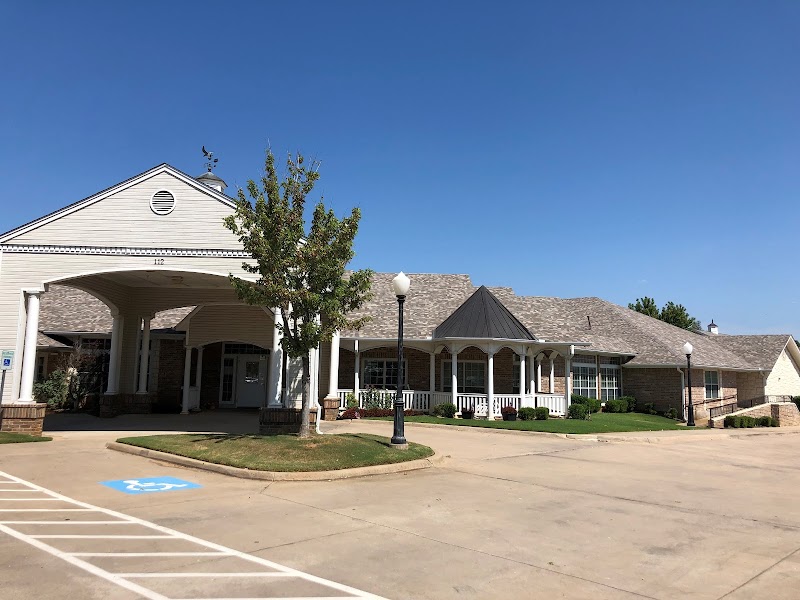
How is Rambling Oaks Courtyard Extensive Care Community Staffed?

CMS rates RAMBLING OAKS COURTYARD EXTENSIVE CARE COMMUNITY's staffing level at 2 out of 5 stars, which is below average compared to other nursing homes. Staff turnover is 51%, compared to the Texas average of 46%.

What Have Inspectors Found at Rambling Oaks Courtyard Extensive Care Community?

State health inspectors documented 26 deficiencies at RAMBLING OAKS COURTYARD EXTENSIVE CARE COMMUNITY during 2022 to 2025. These included: 1 Immediate Jeopardy (the most serious level, indicating potential for serious harm or death) and 25 with potential for harm. Immediate Jeopardy findings are rare and represent the most serious regulatory concerns. They require immediate corrective action.

Who Owns and Operates Rambling Oaks Courtyard Extensive Care Community?

RAMBLING OAKS COURTYARD EXTENSIVE CARE COMMUNITY is owned by a for-profit company. For-profit facilities operate as businesses with obligations to shareholders or private owners. The facility operates independently rather than as part of a larger chain. With 70 certified beds and approximately 44 residents (about 63% occupancy), it is a smaller facility located in HIGHLAND VILLAGE, Texas.

How Does Rambling Oaks Courtyard Extensive Care Community Compare to Other Texas Nursing Homes?

Compared to the 100 nursing homes in Texas, RAMBLING OAKS COURTYARD EXTENSIVE CARE COMMUNITY's overall rating (4 stars) is above the state average of 2.8, staff turnover (51%) is near the state average of 46%, and health inspection rating (3 stars) is at the national benchmark.

What Should Families Ask When Visiting Rambling Oaks Courtyard Extensive Care Community?

Based on this facility's data, families visiting should ask: "What changes have been made since the serious inspection findings, and how are you preventing similar issues?" "Can you walk me through typical staffing levels on day, evening, and night shifts?" "Can I visit during a mealtime to observe dining assistance and food quality?" "How do you handle medical emergencies, and what is your hospital transfer rate?" These questions are particularly relevant given the facility's Immediate Jeopardy citations and the below-average staffing rating.

Is Rambling Oaks Courtyard Extensive Care Community Safe?

Based on CMS inspection data, RAMBLING OAKS COURTYARD EXTENSIVE CARE COMMUNITY has documented safety concerns. Inspectors have issued 1 Immediate Jeopardy citation (the most serious violation level indicating risk of serious injury or death). The facility has a 4-star overall rating and ranks #1 of 100 nursing homes in Texas. Families considering this facility should ask detailed questions about what corrective actions have been taken since these incidents.

Do Nurses at Rambling Oaks Courtyard Extensive Care Community Stick Around?

RAMBLING OAKS COURTYARD EXTENSIVE CARE COMMUNITY has a staff turnover rate of 51%, which is 5 percentage points above the Texas average of 46%. Moderate turnover is common in nursing homes, but families should still ask about staff tenure and how the facility maintains care continuity when employees leave.

Was Rambling Oaks Courtyard Extensive Care Community Ever Fined?

RAMBLING OAKS COURTYARD EXTENSIVE CARE COMMUNITY has been fined $21,640 across 1 penalty action. This is below the Texas average of $33,295. While any fine indicates a compliance issue, fines under $50,000 are relatively common and typically reflect isolated problems that were subsequently corrected. Families should ask what specific issues led to these fines and confirm they've been resolved.

Is Rambling Oaks Courtyard Extensive Care Community on Any Federal Watch List?

RAMBLING OAKS COURTYARD EXTENSIVE CARE COMMUNITY is not on any federal watch list. The most significant is the Special Focus Facility (SFF) program, which identifies the bottom 1% of nursing homes nationally based on persistent, serious quality problems. Not being on this list means the facility has avoided the pattern of deficiencies that triggers enhanced federal oversight. This is a positive indicator, though families should still review the facility's inspection history directly.