West Janisch Health Care Center
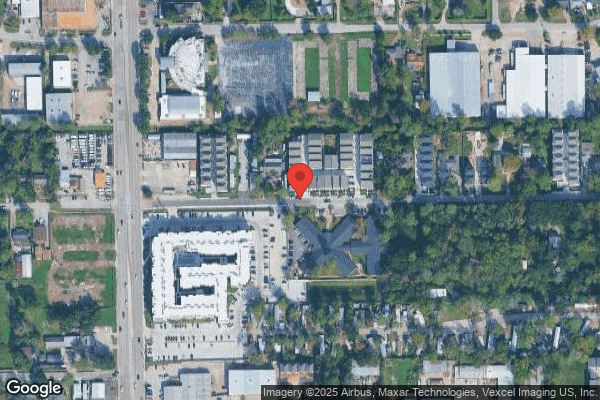
617 W Janisch St, Houston, TX 77018 (713) 696-9093
Non profit - Corporation 116 Beds HEALTH SERVICES MANAGEMENT Data: November 2025
Trust Grade
65/100
#176 of 1168 in TX
Last Inspection: September 2024

Within standard 12-15 month inspection cycle. Federal law requires annual inspections.

Overview

West Janisch Health Care Center has a Trust Grade of C+, which indicates it is slightly above average but may have room for improvement. It ranks #176 out of 1,168 facilities in Texas, placing it in the top half, and #17 out of 95 in Harris County, meaning only 16 local options are better. The facility is improving, having reduced its issues from six in 2023 to two in 2024. Staffing is a concern with a rating of 2 out of 5 stars and a high turnover rate of 70%, significantly above the state average of 50%. In terms of compliance, the facility has incurred $115,978 in fines, which is higher than 83% of Texas facilities, indicating potential ongoing issues. While the RN coverage is average, it is crucial to note that there have been serious incidents, including failures in wound care for multiple residents and a medication error rate of 10.26%, which is above the acceptable threshold. These findings highlight the need for families to weigh both the strengths and weaknesses of the care provided at this facility.

Trust Score
C+
65/100
In Texas
#176/1168
Top 15%
Safety Record
High Risk
Review needed
Inspections
Getting Better
6 → 2 violations
Staff Stability
⚠ Watch
70% turnover. Above average. Higher turnover means staff may not know residents' routines.
Penalties
✓ Good
$115,978 in fines. Lower than most Texas facilities. Relatively clean record.
Skilled Nurses
⚠ Watch
Each resident gets only 21 minutes of Registered Nurse (RN) attention daily — below average for Texas. Fewer RN minutes means fewer trained eyes watching for problems.
Violations
○ Average
10 deficiencies on record. Average for a facility this size. Mostly minor or procedural issues.
★★★★★
5.0
Overall Rating
★★☆☆☆
2.0
Staff Levels
★★★☆☆
3.0
Care Quality
★★★★★
5.0
Inspection Score
Stable
2023: 6 issues
2024: 2 issues

The Good

  • Full Sprinkler Coverage · Fire safety systems throughout facility
  • No fines on record

Facility shows strength in fire safety.

The Bad

Staff Turnover: 70%

23pts above Texas avg (46%)

Frequent staff changes - ask about care continuity

Federal Fines: $115,978

Well above median ($33,413)

Significant penalties indicating serious issues

Chain: HEALTH SERVICES MANAGEMENT

Part of a multi-facility chain

Ask about local staffing decisions and management

Staff turnover is elevated (70%)

22 points above Texas average of 48%

The Ugly 10 deficiencies on record

1 actual harm
Sept 2024 2 deficiencies
CONCERN (D)

Potential for Harm - no one hurt, but risky conditions existed

Comprehensive Care Plan (Tag F0656)

Could have caused harm · This affected 1 resident

**NOTE- TERMS IN BRACKETS HAVE BEEN EDITED TO PROTECT CONFIDENTIALITY** Based on observation interview and record review, the facility failed to ensure comprehensive care plans with the services that ...

Read full inspector narrative →
**NOTE- TERMS IN BRACKETS HAVE BEEN EDITED TO PROTECT CONFIDENTIALITY** Based on observation interview and record review, the facility failed to ensure comprehensive care plans with the services that are to be furnished to attain or maintain the resident's highest practicable physical well-being were developed for 2 of 3 residents (Resident #34 and #28) reviewed for care plans, in that: Resident #34 and #28, who were both identified as high risk for falls and in need of fall mats, did not have the intervention of fall mat included in their care plans. This failure places residents at for not receiving adequate care. Findings included: Resident #34 Record review of Resident #34's face sheet reflected a [AGE] year-old female who was admitted into the facility on [DATE] and was diagnosed with hemiplegia and hemiparesis following cerebral infarction affecting left non-dominant side. Record review of the facility incident log reported, dated 03/10/2024 - 09/10/2024 revealed the Resident #34 had three falls in the past six months, on dates 07/14/2024, 08/03/2024 and 08/07/2024. Record review of Resident #34's care plan reflected the resident was care planned for falls and documented to have an actual fall that occurred on 08/07/2024 but did not include the intervention of a fall mat. Record review of Resident #34's quarterly MDS, dated [DATE], reflected the resident did not have any falls since their prior assessment upon admission. Observations on 09/12/24 at 11:54AM, revealed Resident #34 lying in bed with a fall mat to the side of her bed. Record review of Resident #28's face sheet reflected a [AGE] year-old female who was admitted into the facility on [DATE] and was diagnosed with dementia and metabolic encephalopathy. Record review of the facility incident reported, dated 03/10/2024 - 09/10/2024 reflected the Resident #28 had on fall that occurred on 07/28/2024. Record review of Resident #28's nurses notes reflected the resident on 09/06/2024, that the resident slid off her bed and fell onto the fall mat. Record review of Resident #28's care plan, not dated, reflected the resident was care planned for falls and documented to have an actual fall that occurred on 07/28/202, but did not include the intervention of a fall mat. Record review of Resident #28's admission MDS, dated [DATE], reflected the resident did not have any falls since their admission. In an interview with CNA T on 09/12/24 at 12:00PM, who stated he usually worked often with Residents #34 and #28. He stated he referenced a chart or kiosk to know who needs a fall mat. He stated Resident #34 tended to swing herself to the right while sleeping causing her to slide off the bed and Resident #28 would sometimes throw herself off the bed. If the fall mat was not placed for both of the residents, they could possibly be injured in a fall. In an interview with LVN E on 09/12/24 at 12:08PM, who stated she worked frequently with Resident #34 who rolled out of her bed. She said they keep a wedge to prevent her from rolling off the bed, kept fall mats in place and the bed low. She stated Resident #34 did fall on the end of her shift once. She also said Resident #28 had a history of being confused and rolling herself out of the bed. The fall mat was there when she fell, and she did not have any major injury as a result. She stated the interventions should be listed on the care plan, and because she was new, she would not have known if the fall mat if she did not already see it placed on the floor when she came in. She stated nurses were to at least verbally report needs of patients to the nursing team and bring up pertinent information such as interventions at the morning meetings for the MDS or another staff to note and update the care plan. She said without fall mats residents can experience an increased risk of injury of the head. In an interview with the DON on 09/12/24 12:41PM, who stated that her and the Administrator were responsible for updating the care plans to add new information and resolved interventions that are no longer applicable. Residents can change, they need to keep the care plan interventions updated and they can also attach the task attached to the [NAME] (desktop file system) for the CNAs to reference it as well. Fall mats should have been on the care plan. She stated Resident #34 and #28 both need fall mats, or else they would injure themself in fall. Record review of the facility's policy on Care Plan Revisions Upon Status Change, not dated, reflected, . The comprehensive care plan will be reviewed, and revised as necessary, when a resident experiences a status change . The care plan will be updated with the new or modified interventions .
CONCERN (D)

Potential for Harm - no one hurt, but risky conditions existed

Deficiency F0761 (Tag F0761)

Could have caused harm · This affected 1 resident

**NOTE- TERMS IN BRACKETS HAVE BEEN EDITED TO PROTECT CONFIDENTIALITY** Based on observations, interviews and record review, the facility failed to ensure all drugs and biologicals were stored securel...

Read full inspector narrative →
**NOTE- TERMS IN BRACKETS HAVE BEEN EDITED TO PROTECT CONFIDENTIALITY** Based on observations, interviews and record review, the facility failed to ensure all drugs and biologicals were stored securely for one of two medication carts reviewed for medication storage. The facility failed to keep resident medications in their original containers/packaging located in the medication cart assigned to LVN M. There were 18 loose pills at the bottom of one of the drawers belonging to unknown residents. These failures could affect residents receiving medications placing them at risk of receiving the wrong medication and adverse side effects. Findings included: During observation and interview on [DATE] at 2:45PM, the medication aide cart for the skilled unit which was assigned to LVN M had 18 loose pills of various shapes, sizes, and colors at the bottom of the second drawer from the left of the cart. The loose pills were underneath the medication blister cards that were tightly packed together. LVN M stated her role for the day was to administer medications that were usually assigned to a medication aide. LVN M stated she was responsible to keep the medication cart clean and ensure there were no expired meds and no loose pills. LVN M stated the potential issues were allergic reaction to a resident if loose pills fall out onto the floor and a resident takes it. LVN M stated she did not know but would check with DON on how to dispose of the loose pills. During an interview on [DATE] at 3:15PM the DON who stated the charge nurses, DON and ADON were responsible to check med carts. The DON stated the risks to having loose pills would be not knowing exactly what the pills were for and if a resident were to get a hold of loose pills it could cause side effects, it could cause harm, vital signs could drop, and heart rate could increase. The DON stated the medication supply could run out for that resident and a refill order would have to be placed. The Regional Nurse Consultant stated there would be no extra cost to the resident when reordered. The Regional Nurse Consultant stated that at times pills tend to fall out of blister cards d/t pharmacy packaging when cards are removed or replaced back into the cart. During an interview on [DATE] at 8:30AM, the DON who stated that LVN M did come to her after the loose pills were found and she instructed LVN M to crush the pills then put them into the sharps container. The DON stated, during audits, she ensured carts are checked, that over-the-counter medications were dated, insulins were dated accordingly, blister cards were not ripped, foil intact and made sure liquid medications were not leaking. She stated the DON would do audits weekly and the pharmacist checked carts monthly. The DON stated moving forward, she will check carts more often, conduct in-services for the nurses and medication aides, lift everything out cart and check bottom of drawers for loose pills. Record review of the undated facility policy and procedures for Medication Storage read in part: .It is the policy of this facility to ensure all medications housed on our premises will be stored in the pharmacy and /or medications rooms according to the manufacturer's recommendations and sufficient to ensure proper sanitation .and security All drugs and biologicals will be stored in locked compartments (i.e., medication carts, cabinets, drawers, refrigerators, medication rooms) .
Nov 2023 1 deficiency
CONCERN (E) 📢 Someone Reported This

A family member, employee, or ombudsman was alarmed enough to file a formal complaint

Potential for Harm - no one hurt, but risky conditions existed

Quality of Care (Tag F0684)

Could have caused harm · This affected multiple residents

**NOTE- TERMS IN BRACKETS HAVE BEEN EDITED TO PROTECT CONFIDENTIALITY** Based on observation, record review, and interview, the facility failed to ensure that residents received treatment and care in ...

Read full inspector narrative →
**NOTE- TERMS IN BRACKETS HAVE BEEN EDITED TO PROTECT CONFIDENTIALITY** Based on observation, record review, and interview, the facility failed to ensure that residents received treatment and care in accordance with professional standards of practice, the comprehensive care plan, and the residents' choices for 4 (Residents #1, #2, #3, and #4) of 6 residents reviewed for wound care. -The facility failed to provide wound care services for Resident #1 as ordered for 08/18/23 to 08/19/23, 09/02/23, 09/07/23, 09/10/23, 09/16/23, 09/17/23, 09/25/23, 09/26/23, 09/27/23, 09/28/23, 10/01/23, and 10/14/23. -The facility failed to provide wound care services for Resident #2 as ordered on 10/01/23. -The facility failed to provide wound care services for Resident #3 as ordered for 08/01/23, 8/11/23, 08/24/23, 08/26/23 to 08/27/23, 09/02/23, 09/10/23, 09/16/23, 09/17/23, 09/24/23, 09/26/23, 09/27/23, 09/28/23, 10/01/23, 10/02/2023, and 10/14/23. -The facility failed to provide wound care services for Resident #4 as ordered for 10/01/23 and 10/15/23. This failure could place residents at risk of not receiving adequate care in a timely manner, deterioration of skin, and decreased quality of life. The findings included: Resident #1 Record review of Resident #1's admission Record, dated 10/17/23, revealed a [AGE] year-old female who was admitted to the facility on [DATE]. Her diagnoses included acute hematogenous osteomyelitis (an acute infection in the bone or bone marrow caused by bacteria or fungi) to left ankle and foot, speech and language deficits following cerebral infarction (stroke), slurred speech, hemiplegia, and hemiparesis (weakness on one side of the body) following cerebral infarction (stroke) affecting right dominant side, pressure ulcer of left ankle, unstageable, and pressure ulcer of unspecified site, stage 4. Record review of Resident #1's care plan, undated, revealed the following: - had arterial wound to (L) ankle and foot >potential for wound healing delay r/t claudication of chronic occlusion of LLE arteries >PAD >osteomyelitis. Interventions included treatment as per order and monitor for s/sx of infection. - had a pressure area to location: Sacrum Stage III. Interventions included perform treatment per order. -had Left Inner Ankle Wound x 2 (vascular) and open area to sacrum. Interventions included to provide treatment per physician order. - had Wound to Left Lateral Leg (vascular). Interventions included follow facility protocols for treatment of injury. - had potential for impairment to skin integrity r/t decreased mobility. Interventions included observe and identify any new affected skin area, intervene with treatment as necessary and notify MD. - had an arterial ulcer of the left outer foot. Interventions included monitor/document wound, monitor/document/report PRN any s/sx of infection, and weekly treatment documentation. - had an arterial/ischemic ulcer of the left outer ankle. Interventions included monitor/document wound, monitor/document/report PRN any s/sx of infection, and weekly treatment documentation. Record review of Resident #1's annual MDS assessment, dated 08/08/23, revealed Section C, Cognitive Patterns, C0100, BIMS was unable to be conducted as resident was rarely/never understood. Further review revealed she required one-person physical assist with bed mobility and toileting, and two-person physical assist with transferring. Section M, Skin Conditions, M0150. Risk of Pressure Ulcers/Injuries revealed she was at risk of developing pressure ulcers/injuries. Record review of Resident #1's treatment orders, dated August 2023, included: -Left ankle (inner area) wound, clean with NS, pat dry, apply Santyl and Bactroban cover with dry dressing QD. every day shift for wound care, start date 08/08/23 and discontinued date 08/23/23. -Left foot (inner area) wound, clean with NS, pat dry, apply Santyl and Bactroban and cover with dry dressing QD. every day shift for wound care, start date 08/08/23 and discontinued date 08/23/23. Record Review of Resident #1's TAR dated for August of 2023, revealed wound care treatment on 08/18/23 and 08/19/23 was blank. Record review of Resident #1's treatment orders, dated September 2023, included: - Left ankle (inner area) Arterial wound, clean with NS, pat dry, apply Alginate cover with dry dressing QD. Report any changes to Wound Care Dr and TX Nurse. every day shift for wound care, start date of 08/24/23. -Left foot (inner area) Arterial wound, clean with NS, pat dry, apply Alginate and cover with dry dressing QD. Report any changes to Wound Care Dr and TX Nurse. every day shift for wound care, start date 08/24/23 to 09/13/23. -Left foot (inner area) Arterial wound, clean with NS, pat dry, apply Skin Prep and LOTA. Report any changes to Wound Care Dr and TX Nurse. every day shift for wound care, start date 09/14/23. -Stage 2 Coccyx: cleanse with wound cleanser pat dry, apply ca alginate, cover with dry dressing once a shift and PRN. Report any changes to Wound Dr and TX Nurse. every day shift for wound care, start date of 09/05/23 to 09/07/23. - Stage 3 Sacrum: cleanse with wound cleanser pat dry, apply ca alginate and Santyl, cover with dry dressing once a shift and PRN Report any changes to Wound Dr. and TX Nurse. every day shift for wound care, start date 09/14/23. -Stage 3 Sacrum: cleanse with wound cleanser pat dry, apply ca alginate, cover with dry dressing once a shift and PRN. Report any changes to Wound Dr. and TX Nurse. every day shift for wound care, start date 09/08/23 to 09/13/23. -Stage 2 Sacrum: Cleanse with NS, pat dry, apply zinc and LOTA every shift and PRN. Report any changes to Wound Dr and TX Nurse. every shift for Wound Treatment, start date of 08/23/23 to 09/05/23. Record Review of Resident #1's TAR dated for September of 2023, revealed wound care treatment on 09/02/23, 09/07/23, 09/10/23, 09/16/23, 09/17/23, 09/25/23, 09/26/23, 09/27/23, 09/28/23 was blank. Record review of Resident #1's treatment orders, dated October 2023, included: -Left ankle (inner area) Arterial wound, clean with NS, pat dry, apply Alginate cover with dry dressing QD. Report any changes to Wound Care Dr and TX Nurse. every day shift for wound care, start date 08/24/23. -Left foot (inner area) Arterial wound, clean with NS, pat dry, apply Skin Prep and LOTA. Report any changes to Wound Care Dr and TX Nurse. every day shift for wound care, start date 09/14/23. -Stage 3 Sacrum: cleanse with wound cleanser pat dry, apply ca alginate and Santyl, cover with dry dressing once a shift and PRN. Report any changes to Wound Care Dr and TX Nurse. every day shift for wound care, start date 09/14/23. - Wound Treatment to Left ankle (outer area) Arterial wound Remove old dressing, cleanse with wound cleanser, apply skin prep and LOTA. every day shift for Wound Care, start date 10/12/23. - Wound Treatment to left big toe: cleanse with wound cleanser, apply CA, Honey, and LOTA every day shift for Wound Care, start date 10/12/23. -Wound Treatment to left medial toe. Cleanse with wound cleanser, apply skin prep and LOTA every day shift for Wound Care, start date 10/12/23. Record Review of Resident #1's TAR dated for October of 2023, revealed wound care treatment on 10/01/23 and 10/14/23 was blank. Record review of Resident #1's wound care assessments completed by the Wound Care Physician, dated 08/07/2023 and 10/18/23, revealed the following: -Left, medial malleolus wound improved from 2.7x2.5x0.5 to 0.9x1.4x0.1 -Left, medial midfoot wound improved from 1.3x1.2x0.2 to 0.9x0.9 -Sacrum wound improved from 6.5x3.9x0.1 to 3.9x2.9x0.1 -Left, medial forefoot improved 1.6x1.4 to 1.5x1.2x1 -Left, medial first toe improved 1.6x1.4 to 0.5x0.7 Resident #2 Record review of Resident #2's admission Record, dated 10/17/23, revealed a [AGE] year-old male who was admitted to the facility on [DATE]. Resident's diagnoses included sepsis (infection of the blood stream), type 2 diabetes (high blood sugar) without complications, and pressure ulcer of sacral (below lumbar spine and above tailbone) region, stage 4. Record review of Resident #2's care plan, undated, revealed the following: - at risk for impairment to skin integrity r/t hx of pressure ulcers. Interventions included observe and identify any new affected skin area, intervene with treatment as necessary and notify MD. - pressure ulcer(s) stage 4 to sacrum. Interventions included administer treatments as ordered and monitor for effectiveness. Record review of Resident #2's admission MDS assessment, dated 10/06/23, revealed a BIMS score of 9, indicating moderately impaired cognitive skills. Further review revealed resident required 2-person assistance with toileting, bathing, and dressing. Section M, Skin Conditions, M0150. Risk of Pressure Ulcers/Injuries revealed he was at risk of developing pressure ulcers/injuries. Record review of Resident #2's treatment orders, dated October 2023, included the following: -Stage 4 pressure wound (Sacrum): Cleanse with ns/wc, pat dry, apply Calcium Alginate and cover with dry dressing daily and PRN soiled every day shift for pressure wound, start date 10/01/23 and discontinued date 10/11/23. Record Review of Resident #2's TAR, dated for October of 2023, revealed Resident #2's wound care treatment on 10/01/23 was left blank. Record review of Resident #2's wound care assessments completed by the Wound Care Physician, dated 10/04/23 and 10/18/23, revealed sacrum wound had improved from 10.9x14.6x3.9 to 9.9x13x3.3. Resident # 3 Record review of Resident #3's admission Record, dated 10/17/23, revealed a [AGE] year-old female who was admitted to the facility on [DATE]. Her diagnoses included Alzheimer's disease with late onset, hypertensive heart disease (high blood pressure) with heart failure, pressure ulcer of sacral (below lumbar spine and above tailbone) region, unstageable, and cellulitis (bacterial infection of the skin) of left lower limb. Record review of Resident #3's care plan, undated, revealed the following: - had a pressure area to location: Sacral, 7/29/2023-Unstageable wound to Sacrum. Interventions included perform treatment per order. - had an arterial ulcer of the 4th toe left foot. Interventions included monitor/document wound, monitor/document/report PRN any s/sx of infection, and weekly treatment documentation. Record review of Resident #3's quarterly MDS assessment, dated 09/29/23, revealed the BIMS was unable to be conducted due to resident rarely/never being understood. Further review revealed resident required two-person physical assist with mobility, transferring, and toileting. Section M, Skin Conditions, M0150. Risk of Pressure Ulcers/Injuries revealed she was at risk of developing pressure ulcers/injuries. Record review of Resident #3's treatment orders, dated August 2023, included: - Left 2nd Toe (Trauma wound): Cleanse with normal saline/wound cleanser, pat dry, apply Bactroban and LOTA every day shift, start date 08/09/23 to 08/23/23. - Sacrum (Stage 3): Cleanse with normal saline/wound cleanser, pat dry, apply CA-Alginate and cover with dry absorptive dressing daily. Report any changes to Wound Dr. and TX Nurse every day shift for Wound Treatment, start date 08/25/23 to 08/29/23. - Sacrum (Unstageable pressure injury): Cleanse with normal saline/wound cleanser, pat dry, apply Santyl, apply Alginate and cover with dry absorptive dressing daily every day shift for pressure wound, start date 08/09/23 to 08/24/23. - Wound Treatment- (Arterial) 4th toe on right foot: cleanse with NS or Wound Cleanser, pat dry, apply Alginate to area, and cover with dry dressing. Report any changes to Wound Dr and TX Nurse every day shift for Wound Treatment, start date 08/25/23 to 10/02/23. -Wound Treatment to coccyx area: remove old dressing, cleanse with Vashe, pat dry, apply collagen Santyl & Ca Alginate to wound bed, and cover with bordered gauze dressing every 24 hours for wound, start date 08/01/23 to 08/09/23. -Wound Treatment to left second toe: clean with betadine. Leave open to air. Monitor swelling. every 24 hours, start date 08/01/23 to 08/09/23. Record Review of Resident #3's TAR dated for August of 2023, revealed Resident #3's wound care treatment on 08/01/23, 08/11/23, 08/24/23, 08/26/23, and 08/27/23 was blank. Record review of Resident #3's treatment orders, dated September 2023, included: -Sacrum (Stage 3): Cleanse with normal saline/wound cleanser, pat dry, apply CA-Alginate and cover with absorptive dressing foam daily. Report any changes to Wound Dr. and TX Nurse every day shift for Wound Treatment, start date 08/30/23. -Wound Treatment- (Arterial) 4th toe on right foot: cleanse with NS or Wound Cleanser, pat dry, apply Alginate to area, and cover with dry dressing. Report any changes to Wound Dr and TX Nurse every day shift for Wound Treatment, start date 08/25/23 to 10/02/23. Record Review of Resident #3's TAR dated for September of 2023, revealed wound care treatment on 9/2/23, 9/10/23, 9/16/23, 9/17/23, 9/24/23, 9/26/23, 9/27/23, 9/28/23 was blank. Record review of Resident #3's treatment orders, dated October 2023, included: -Sacrum (Stage 3): Cleanse with normal saline/wound cleanser, pat dry, apply CA-Alginate and cover with absorptive dressing foam daily. Report any changes to Wound Dr. and TX Nurse every day shift for Wound Treatment, start date 08/30/23. -Wound Treatment- (Arterial) 4th toe on right foot: cleanse with NS or Wound Cleanser, pat dry, apply Alginate to area, and cover with dry dressing. Report any changes to Wound Dr and TX Nurse every day shift for Wound Treatment, start date 08/25/23 to 10/02/23. Record Review of Resident #3's TAR dated for October of 2023, revealed wound care treatment on 10/01/23, 10/02/23, and 10/14/23 was blank. Record review of Resident #3's wound care assessments completed by the Wound Care Physician, dated 10/18/23 and 08/07/23, revealed sacrum wound improved from 3.0x1x0.5 to 2.2x0.7x0.2. Resident #4 Record review of Resident #4's admission Record, dated 10/17/23, revealed a [AGE] year-old male who was admitted to the facility on [DATE]. His diagnoses included sepsis (infection of the blood stream), type 2 diabetes mellitus (high blood sugar) without complications, unspecified open wound of penis, and pressure ulcer of unspecified site, unspecified stage. Record review of Resident #4's care plan, undated, revealed the following: - had potential for actual impairment to skin integrity r/t decreased mobility. Interventions included observe and identify any new affected skin area, intervene with treatment as necessary and notify MD. Record review of Resident #4's admission MDS assessment, dated 09/25/23, revealed a BIMS score of 14, indicating intact cognitive skills. Further review revealed resident was a two-person assist with mobility, transferring, and toileting. Section M, Skin Conditions, M0150. Risk of Pressure Ulcers/Injuries revealed he was at risk of developing pressure ulcers/injuries. Record review of Resident #4's treatment orders, dated October 2023, included the following: -Cleanse sacral ulcer with normal saline, pat dry, cover with protective dressing every day shift for sacral ulcer, start date 09/21/23. -Cleanse tip of penis with normal saline, pat dry, apply xeroform, cover with abd pad for gangrene every day shift for gangrene, start date 09/21/23. Record Review of Resident #4's TAR, dated for October of 2023, revealed wound care treatment on 10/01/23 and 10/15/23 was blank. Record review of Resident #4's wound care assessments completed by the Wound Care Physician, dated 10/04/23 and 11/01/23, revealed coccyx wound improved from 4.0x2.9x1.2 to 3.2x1.6x1.0 and his penis wound remained the same at 12.6x7.9x0.2. In an interview on 10/18/23 at 11:51 a.m., Nurse B said she had been working at the facility for 3 ½ months. She said she worked on Station 1 which covered halls 100, 200, and 300. She said she only did wound care once since she started working at the facility. She said she did the wound care for her residents on her hall because they just got a new wound care nurse who was in training. She said she did not know the exact time, but it was within the past three weeks that the wound care nurse started working at the facility. She said it was prior to the new wound care nurse being employed. She said she heard the new DON was the wound care nurse then and had just been promoted to DON. She said the weekend supervisor (she was not sure of the name of the supervisor) also did wound care on weekends. She said if the wound care nurse was not in the building, she did not know who was responsible for doing wound care and said no one ever told her who would be responsible if the wound care nurse not there. She said, they always have wound care nurse. She said she never encountered a situation when the wound care nurse was not at the facility. She said she got three days of training on general stuff - on the care to be provided to residents but did not have any competency checks - like when she did wound care, and someone watched her. She said she was a new graduate nurse, and she still remembered all her stuff and she would watch videos. She said staff were a great support - her fellow workers and the DON. She said she never heard any complaints from the residents about their wounds. She said she never saw any outdated wound dressings. In an interview on 10/18/2023 at 12:10 p.m., Agency Nurse A said she worked the day shift on 09/10/23. She said she did wound care for a couple of the residents but did not quite remember. She said she did not remember documenting them. She said she did not really remember everything from that day. She said she knew that it was her and a nurse on the other side and a nurse in the locked unit. She said she did not think there was a wound care nurse at that time. She said she did not remember having a conversation with anyone about who would be responsible to do wound care if the wound care nurse was not in the building. She said that day was like the first time I ever been to that place and no resident complained to her about their wound. Observation on 10/18/2023 at 1:55 p.m., wound care with the DON for Resident #3- revealed sacrum wound stage 2 had a dressing dated 10/17/23. Surveyor observed for technique and infection control during the wound care and there were no concerns at the time of the observation. In an interview on 10/18/2023 at 3:44 p.m., the Wound Care Nurse said she was hired on 10/10/23 and started working on the floor on 10/12/23. She said she was still in training. She said today was the first day she completed rounds with the wound care doctor who came to the facility every Wednesday. In an interview on 10/19/2023 at 9:10 a.m., Nurse A said she had been working at the facility since June 2023. She said she completed wound care on various days but most of the time during the week and not as much during the weekends. She said wound care was always completed during the first shift, 6:00 a.m. to 6:00 p.m. She said the last time she performed wound care was last Saturday, 10/14/23, for halls 500 and 600. She said there was not a wound care nurse working that day. She said approximately 3 weeks ago, 09/27/23, she was the designated wound care nurse for the entire building, and said she was able to complete wound care on all the residents. She said she also probably performed her own wound care for her assigned residents on 09/02, 09/16, and 09/17. She said on October 15th they had a wound care nurse. She said every time she completed wound care, she went into the computer system and documented it was completed on the TAR. She said she would not document completion of treatment anywhere else unless there was something unusual i.e., change in the wound, in which case she would write a progress note. She said she was bad at remembering to chart the completion of wound care treatments on the TAR. She said the purpose of the TAR was to chart treatments and the instructions for the wound treatment orders. She said if the treatment was not charted then it was not done. She said the potential effect on residents if their wound care was not completed was wound deterioration. In a telephone interview on 10/19/23 at 12:22 p.m. Agency Nurse B said she had been picking up shifts at the facility for over a year and did not do wound care as a floor nurse but said she did do wound care on 10/10/23 when she was working as the treatment nurse. She said she documented all of her treatments on 10/10/23. She said she last worked at the facility on 10/10/23 and worked the 9:00 a.m. to 5:00 p.m. shift. She said she also worked on 09/28/23. She said she worked halls 500 and 600 on 09/28/23 and on 10/10/23. She said on 09/28/23 she did not have to complete wound care because there was a wound care nurse, but she did not remember their name. She said they would specify on the agency app, or the agency would tell them if they needed to perform wound care on the shift they picked up. She said she did not follow-up with the residents to see if they received their wound care treatments on 09/28/23 because she was certain the wound care nurse was there. In an interview on 10/19/23 at 1:31 p.m., the DON said she had been the facility's DON since 10/02/23. She said prior to the new hire of the wound care nurse, she was the treatment nurse from 08/01/23 to 10/01/23. She said the purpose of the TAR was to follow the treatment that was on there and to sign off on it once it had been completed. She said she worked 6:00 a.m. to 6:00 p.m., Mondays-Thursdays, and on Fridays she would only do wounds and would then go home. She said if she was out of the building the nurses on the floor were responsible for providing wound care to their assigned residents. She said on the weekends they used to have a weekend supervisor. She said as soon as the weekend supervisor quit, she made a sign that said nurses were to do their wounds on the weekends they worked. She said the nurses were told verbally, and a sign was posted at the nurse's station. She said agency staff were notified via the same method and that they were responsible for doing their own wound care. She said agency staff were already supposed to be trained on performing wounds and should be advanced in that they go from facility to facility conducting wound care. She said the only documentation they do was on the TAR. She said the TAR was the documentation that showed wound care was completed. In a follow-up interview on 10/19/23 at 2:04 p.m., the DON said she was not scheduled to work on 08/11/23. She said she was out with COVID-19 from 09/24/2023 to 10/01/2023. She stated sometimes when she got pulled from the treatment or if any nurse called out sick, she would work the floor and every nurse would be responsible to do their own wound care for the residents on the floor. In a follow-up interview on 11/01/23 at 12:30 p.m., the DON said the wound care doctor came to the facility every Wednesday. She said there was one day in September, when he texted her on 09/27/2023 at 7:17 a.m., and said he would not be going to the facility because he had a procedure. She said she completed wound care reports every time he saw a resident, he left the reports with the facility, and asked them if they had any questions. She said he would let them know if there were any changes to a resident's orders or if they were staying the same. She said every time he was at the facility, a nurse rounded with him, he would let the nurse know if the wound had gotten better or worse, if the resident needed an air mattress, if they need a vascular order, or anything he thought was needed based on his observation. She said the wound care nurse was no longer working at the facility. She said the last day she worked was on October 24, 23. She said she currently did the Wound Care rounds with the wound care doctor on Wednesdays, and after he was done, she would update the wound care report and orders on that same day. She said during the week, the nurses were doing their own wound care treatments for their assigned halls. She said the facility had a Weekend Supervisor who did wound care treatments for all the residents on the weekends. In a telephone interview on 11/01/23 at 2:16 p.m., Agency Nurse C said she was not sure when she last worked at the facility but believed it was 2 to 3 weeks ago. She said she was not 100% sure but believed she performed a few wound care treatments on 10/01/23. She said she did not follow-up with anyone that day to see if the residents got their wound care treatments. She said the facility did not tell her who was responsible for doing wound care if the wound care nurse was not in the building. She said she honestly did not remember and was not asked anything by facility staff. She said she also worked on 10/07/23 and helped the wound care nurse complete wound care treatments but did not remember the nurse's name. She said if a resident had an order for wound care, she followed the order, and would check it off on the order after it was completed. She said there was not a sign posted at the nurse's station that said if there was not a wound care nurse in the building, the nurses were responsible for doing their own wound care. In an interview on 11/01/2023 at 2:52 p.m., Agency Nurse D said there was only one day, and he was not too sure what day, but believed it was 10/01/2023, that he was initially listed on the schedule to be the wound care nurse. He said he was reassigned that day to be a floor nurse because one of the nurses did not show up. He said as far as he could recall, he never performed wound care for the facility but was not too positive. He said he did not know who was assigned to do wound care on 10/01/23. He said he did not recollect the facility ever telling him that he had to do wound care for his assigned residents if there was not a wound care nurse on shift. He said he did not check with the residents to see if wound care was completed because sometimes, they were not able to verbalize. He said he was not sure if the facility had a wound care nurse on 10/01/23. He said he did not recall ever seeing a posted sign at the nurses' station stating if there was not a wound care nurse, the floor nurse was responsible for doing their own wound care. He said he did not know if there was a weekend supervisor at the facility on 10/01/23. He said if he had to do wound care, he wound go into the computer system, would look at the orders, and would document on the TAR that it was completed. In a follow-up interview on 11/02/2023, Nurse A said she always worked the day shift, 6:00 a.m. to 6:00 p.m. She said sometimes her duties included wound care. She said the DON would let them know when they had to do wound care which happened once in a while. She said the blanks on the TAR did not necessarily mean wound care was not done. She said it could have been done or somebody did it and did not chart. She said in nursing, if it was not charted, it was not done. She said charting was on a different screen, so if you did not go to that screen, it would not get charted. She said it used to happen often, but not anymore. She said it really did not happen often that it was not done or not charted. She said on 10/30/23 she came to work late and worked half a day. She said when she came in on the 30th, no one told her to do wound care. She said she was probably supposed to do wound care that day but did not. She said she did not know she was supposed to do it that day. She said the night shift nurse or day shift could do it. She said sometimes wound care was done on the night shift. She said they communicated during clinical hand off, that wounds did not get done. She said on 10/30/23 she did not tell the night shift that wounds did not get done. She said possibly the DON or ADON may have known about Resident #1 missing treatment that day. She said she had a few in-services on wound care in the last 4 months. She said if wound care was not done, skin breakdown or infection could happen. An attempted telephone interview on 11/02/2023 at 12:28 p.m., with the Wound Care Doctor was made. A voicemail was left requesting a return call. In an interview on 11/02/23 at 1:15 p.m., the Weekend Supervisor said she started working at the facility on 10/15/23. She said she worked weekends from 7:00 a.m. to 7:00 p.m. She said some of her job responsibilities included completing wound care. She said she believed they had a treatment nurse during the weekdays. She said once she completed wound care, she would document it on the TAR. She said if she was not able to work her shift, she would notify the DON. She said she trained with the DON on 10/15/23 and the following weekend with Nurse C. She said if the completion of wound care was not documented on the TAR, it meant it was not done. She said she would have to check her records to see if she did wound care on 10/15/23. She said in order to answer what could happen it a resident did not to get their wound care treatment she would also have to check her records. In a telephone interview on 11/02/23 at 1:48 p.m., Nurse C said she had been working for the facility since May 2021 and worked during the week and weekends. She said she worked 6:00 p.m. to 6:00 a.m. on Thursday, 10/26/23. She said she did not remember if she had to do wound care that day. She said if a resident's dressing came off, she would redo the wound care. She said she remembered having to do a redressing for Resident #2 on 10/26/23. She said she did not have to do wound care because the facility had a wound care nurse. She said she had not seen any outdated dressings as far as she could remember. She said on Thursday, 10/26/23, she completed wound care for resident in room [ROOM NUMBER]. She said she did not remember who was responsible for wound care on 10/26/23. She said she thought the nurse did wound care for Resident #4 that day. She said the DON told her that if the wound care nurse was not in the building, the nurses were responsible for completing their wound care. She said once wound care was completed, it was checked off on the TAR. She said if it was not checked off on the TAR, it meant it was not done. She said if wound care treatment was not completed, sepsis and/or an infection could set in. In an interview on 11/02/23 at 2:08 p.m., Agency Nurse E said there was never a wound care nurse when she worked. She said she worked on the weekends and usually worked the day shift from 6:00 a.m. to 6:00 p.m. She said the last time she worked was in September 2023. She said she received a notification from the agency that she did not complete all of the residents' wound care treatments. She said she did not know there was a different screen that she had to go into to see who needed wound care treatments. She said she had no idea about the treatment tab in their computer system. She said throughout providing care for the residents, she noticed residents that had wounds and questioned the nurse. She said the nurse showed her where to look in the computer system. She said she never noticed any outdated dressings. She said when she logged on for her shift it would tell her if she had residents that had wounds. She said she never received training from the facility on their computer system. She said she completed whatever she could see in the system. She said if there was not a wound care nurse in the building, she was never told who was responsible for completing wound care. She said once wound care was completed, she would check it off on the TAR. She said it was very possible she missed doing wound care treatments in August 2023. She said if wound care was not checked off on the TAR, it ultimately meant it was not done and/or someone forgot to check it off. In a follow-up interview on 11/02/23 at 2:49 p.m., the DON said there had been no negative outcomes with Residents #3 and #4. She said Resident #4's sacrum wound was improving, and his penis wound was not going to improve because those wounds just did not normally heal as told by the wound care doctor. She said this was disc
Aug 2023 3 deficiencies
CONCERN (D)

Potential for Harm - no one hurt, but risky conditions existed

Assessment Accuracy (Tag F0641)

Could have caused harm · This affected 1 resident

**NOTE- TERMS IN BRACKETS HAVE BEEN EDITED TO PROTECT CONFIDENTIALITY** Based on interview, and record review, the facility failed to ensure the MDS assessment was accurately completed for 1 of 15 res...

Read full inspector narrative →
**NOTE- TERMS IN BRACKETS HAVE BEEN EDITED TO PROTECT CONFIDENTIALITY** Based on interview, and record review, the facility failed to ensure the MDS assessment was accurately completed for 1 of 15 residents (Resident #50) reviewed for MDS assessments, in that: - The facility failed to ensure Resident #50 was accurately assessed to not need translation services although she could only communicate in the Russian language. This failure placed residents at risk of not receiving adequate services and/or care. Findings included: Record review of Resident #50's face sheet revealed an [AGE] year-old female who was admitted into the facility on [DATE] and was diagnosed with dementia and stage 1 pressure ulcer of sacral region. Record review of Resident #50's comprehensive MDS assessment, dated 06/26/2023, revealed the resident was noted to be rarely/never understood, therefore had no BIMS score. The resident was also assessed to not need or want an interpreter to communicate with a doctor or health care staff and preferred language was not identified. In an interview with Resident #50 on 08/08/2023 at 9:45AM, the resident did not respond to surveyor's questions when asked in English. In an interview with Resident #43 on 08/08/2023 at 9:45AM, the resident stated Resident #50 had been her roommate for a while, and Resident #50 was able to communicate but was only able understand and speak in her native language. She stated the staff usually had to call her family member or use a translation app to communicate with her. In an interview with Resident #50 on 08/08/2023 at 11:45AM, with a use of a translator over the phone, the resident was able to respond stating that she was doing well and had no complaints. In an interview with RN A on 08/10/2023 at 9:44AM, she stated to communicate with Resident #50, she had called Resident #50's family member to encourage her to eat. She stated the resident would often respond by shaking her head yes or no but required translation for almost every interaction except basic yes or no questions, like offering food or medicine. The resident only speaks back in Russian. RN A stated they had not run into a situation where Resident #50's family member had not been reached over the phone to translate. In a phone interview with the Corporate MDS Nurse on 08/10/2023 at 11:34AM, she stated if a resident did not speak English, she would expect to see the answer, Yes to the MDS question regarding the resident's need for translation services to communicate with health care staff. She stated the resident's specific language should have also be identified on the MDS. She stated the risk of not accurately assessing communication barriers was an impact on care, especially for residents who are more dependent on the staff for providing direct care. The corporate MDS Nurse stated the facility used the RAI manual for guidance on MDS assessments. In an interview with the Administrator on 08/10/2023 at 2:34PM, she stated Resident #50 was able to respond to her when miming. She stated the resident was very observant and quiet, and she had a family member who would help translate for her, and when he was not available, another family member or friend was available to help them with translation. She said the resident did need translation services for effective communication, especially when encouraging her to eat. She stated they have not been in been a situation before in which either of these family members were unavailable to translate for them over the phone and she has not thought as far as how they would communicate with her if none of them were available in the time of an emergency. Record review of the RAI Manual, dated October 2019, revealed, . Language barriers can interfere with accurate assessment . When a resident needs or wants an interpreter, the nursing home should ensure that an interpreter is available An alternate method of communication also should be made available to help to ensure that basic needs can be expressed at all times, such as a communication board with pictures on it for the resident to point to (if able) . 1. Ask the resident if he or she needs or wants an interpreter to communicate with a doctor or health care staff. 2. If the resident is unable to respond, a family member or significant other should be asked .
CONCERN (D)

Potential for Harm - no one hurt, but risky conditions existed

ADL Care (Tag F0677)

Could have caused harm · This affected 1 resident

**NOTE- TERMS IN BRACKETS HAVE BEEN EDITED TO PROTECT CONFIDENTIALITY** Based on observation, interview, and record review, the facility failed to ensure residents received adequate care to maintain h...

Read full inspector narrative →
**NOTE- TERMS IN BRACKETS HAVE BEEN EDITED TO PROTECT CONFIDENTIALITY** Based on observation, interview, and record review, the facility failed to ensure residents received adequate care to maintain highest practical physical and psychosocial well-being for 1 of 15 residents (Resident #27) reviewed for ADL care, in that: - The facility failed to ensure Resident #27 did not have long fingernails with black grime packed underneath the nails. This failure placed residents at risk of experiencing a decreased quality of life and an increase risk of infection. Findings included: Record review of Resident #27's face sheet revealed a [AGE] year-old female who was admitted into the facility on [DATE] and was diagnosed with dementia, glaucoma, and hemiplegia and hemiparesis. Record review of Resident #27's comprehensive MDS assessment, dated 07/16/2023, revealed the resident had a BIMS score of 99, indicating the resident's cognition was not intact or the resident was rarely or never understood during the BIMS assessment. It also revealed the resident was dependent on staff for personal hygiene. Observation and interview with Resident #27 on 08/08/2023 at 9:52AM revealed Resident #27 lying in a geri chair. The resident stated they had been cutting her nails and shaving her but was found to have long fingernails, approximately a quarter-inch past the nail bed with black grime packed in three of her of nails on the right hand and under all of her nails on the left hand. When the surveyor pointed out the condition of the resident's nails, Resident #27 agreed and said her nails needed to be cut. In an interview with CNA J on 08/08/2023 at 9:59AM, she acknowledged the Resident #27's nails were very dirty and would not like it if her nails were to look similarly to hers. She said the residents' showers days were usually on Tuesday, Thursday and Saturday but they could clean the resident as needed. In a phone interview with CNA W on 08/10/2023 at 9:06AM, she stated she worked with Resident #27 on the 2-10 PM shift on 08/07/2023 and it was not Resident #27's bath day on Monday. She said she usually never cut residents' nails, including Resident #27's nails. She stated she only wiped resident hands down with a cloth to clean them. She stated she didn't notice the condition of Resident #27 nails and could not recall whether they were dirty or not. She stated she had never been instructed to cut any resident's nails before but believed that it was the job of a specialist to do to avoid injury. In an interview with RN A on 08/10/2023 at 9:44AM, she stated CNAs, nurses, and the wound treatment nurse all took part in nail care. She stated she worked on Tuesday, 08/08/2023, with Resident #27 and generally looked at all her residents' nails once a day. She stated grooming and nail care usually occured on their shower days. She stated she did not notice Resident #27's nails while working on Tuesday. She stated nails were to be clean for infection control purposes, especially if the resident was touching their mouth and face. She said black grime under the nails are to be cleaned and CNAs are usually the first to notice them and clean them. In an interview with the DON on 08/10/2023 at 2:05PM, she stated shower days were Tuesdays, Wednesdays and Thursdays for Resident #27 and nurses, CNAs, and treatment nurses were responsible for monitoring residents' hygiene. She stated it was up to mainly the nurses and CNAs to check if the residents need nail care on at least the shower days. She said nail care was important for infection prevention, good hygiene and to prevent the residents from scratching themselves. Record review of the facility's policy on ADL, dated March 2018, revealed, Residents who are unable to carry out activities of daily living independently will receive the services necessary to maintain good nutrition, grooming and personal and oral hygiene.
CONCERN (E)

Potential for Harm - no one hurt, but risky conditions existed

Unnecessary Medications (Tag F0759)

Could have caused harm · This affected multiple residents

**NOTE- TERMS IN BRACKETS HAVE BEEN EDITED TO PROTECT CONFIDENTIALITY** Based on observation, interview, and record review, the facility failed to ensure that the medication error rate was not five pe...

Read full inspector narrative →
**NOTE- TERMS IN BRACKETS HAVE BEEN EDITED TO PROTECT CONFIDENTIALITY** Based on observation, interview, and record review, the facility failed to ensure that the medication error rate was not five percent or greater. The facility had a medication error rate of 10.26 % based on 4 errors out of 39 opportunities, which involved 2 of 6 residents (Resident #167, Resident #26) reviewed for medication errors. 1. The facility failed to ensure Medication Aide A administered medications as ordered to Resident #167 by administering Ferrous Sulfate 325 mg instead of the ordered Ferrous Fumarate 325 mg (medication for low red blood cells). 2. Medication Aide A failed to administer medications as ordered to Resident #26 by omitting the ordered Potassium Chloride ER 8 mEq (medication for build-up of fluid in the body's tissue). 3. Medication Aide A failed to administer medications as ordered by Resident #26 by omitting the ordered Vitamin B Complex (medication for Vitamin deficiency). 4. Medication Aide A administered Vitamin D 25 mcg to Resident #26 without a physician order. These failures could place residents at risk of not receiving the desired therapeutic effect of their medications and side effects of medications that were not intended for the residents to receive. Resident #167 Record review of Resident #167's Face Sheet dated 08/09/2023 revealed, a [AGE] year-old male, that admitted to the facility on [DATE] with diagnoses which included fracture to the left hip, multiple fractures of the ribs, and pain. Record review of Resident #167's admission MDS assessment with the ARD (assessment reference date) date of 08/10/2023, revealed a BIMS score of 15 indicating intact cognition. Record review of Resident #167's Baseline Care Plan dated 08/05/2023 revealed, he was receiving antibiotic therapy and did not self-administer medications. He required one person assistance with personal hygiene, toilet use, dressing and bathing. He required two-person physical assistance with bed mobility. Record review of Resident #167's order sheet signed by the resident's Physician on 08/08/2023 at 9:44AM, revealed a telephone order dated 08/05/2023 at 2:19AM for Ferretts Oral Tablet (Ferrous Fumarate) give 325 mg by mouth two times a day for anemia with breakfast and dinner. The order was confirmed by RN B. An observation on 08/09/2023 at 8:50AM revealed, Med Aide A preparing for administration of medications to Resident #167. Med Aide A retrieved one tablet of Ferrous Sulfate 325 mg and placed into one medication cup along with four other medications. Med Aide A prepared the Miralax 17 gm powder and mixed it with 8 oz of water into a cup and entered Resident #167's room. Med Aide A administered all six medications to Resident #167. Resident #26 Record review of Resident #26's Face Sheet dated 08/09/2023 revealed, a [AGE] year-old male, that admitted to the facility on [DATE] and initially admitted on [DATE]. His diagnoses included metabolic encephalopathy (a brain dysfunction), chronic deep vein blood clots to the lower extremity, diabetes, enlarged prostate, urinary tract infection, muscle wasting and cognitive communication deficit. Record review of Resident #26's admission MDS dated [DATE] revealed, a BIMS score of 12 out of 15 indicating he had moderate cognitive impairment. He required extensive assistance with 2 persons for bed mobility, dressing, toilet use and personal hygiene. He required total assist with 2 persons for transfers. Record review of Resident #26's Order Summary Report of active orders dated 08/09/2023 at 11:31AM revealed Potassium Chloride ER oral capsule 8 mEq, give one capsule by mouth one time a day for edema, order date 08/08/2023, Vitamin B complex oral tablet order date 07/16/2023, give one tablet by mouth in the morning for Vitamin Deficiency and Vitamin B12 oral tablet (Cyanocobalamin) give 2 tablets by mouth in the morning every Monday, Wednesday, and Friday for Vitamin Deficiency order date 07/16/2023. Further review revealed there was no order for Vitamin D 25 mcg tablets. An observation on 08/09/2023 at 9:00AM revealed Med Aide A preparing for administration of medications to Resident #26. Med Aide A retrieved one tablet of Vitamin D 25 mcg and placed into one medication cup along with Omeprazole 20 mg capsule, Allopurinol 100 mg 2 tablets, Carvedilol 25 mg tablet, Colestipol 1 gm tablet, Aspirin 81 mg tablet, Ferrous Sulfate 325 mg tablet, Furosemide 20 mg tablet, Gabapentin 300 mg two capsules, Losartan Potassium 25 mg tablet, Vitamin B-12 two tablets. Med Aide A entered Resident #26's room and administered the medications that were in the medication cup. In an interview on 08/09/2023 at 2:13PM, Medication Aide A was asked about the medications given to Resident #167 and Resident #26. Medication Aide A stated she was unable to get into the computer to view past medications administered. Medication Aide A stated, Resident #167's had a bottle of Ferrous Fumarate tablets at one time, and it was completed. Medication Aide A stated that Ferrous Sulfate 325 mg was in stock and can be given in replacement of Ferrous Fumarate. When ask who gave the instructions to give Ferrous Sulfate 325 mg, she did not reply with an answer. Medication Aide A stated she recalled giving the Potassium Chloride to Resident #26 and that she took the blister pack away before the surveyor could look at it. She stated that there was a Potassium Chloride tablet taken from the blister pack and that was the one she administered in the morning. In an interview on 08/09/2023 at 2:14PM, Medication Aide A removed the bottles of Aspirin 81 mg, Ferrous Sulfate 325 mg, vitamin D 25 mcg and Vitamin B-12 500 mcg from the top drawer of the medication cart and stated those were the floor stock medications she gave to Resident #26. When asked about why she did not administer Vitamin B Complex. Medication Aide A stated she was unable to go back into the computer to find past orders administered. When asked about why she gave Vitamin D 25 mcg to Resident #26 without an order, Medication Aide A stated she was unable to go back into the computer to find past orders administered. In an interview on 08/09/2023 at 2:15PM, LVN K stated the Iron supplement given to Resident #167 should match up with the physician order for Ferrous Fumarate 325 mg. LVN K stated, We can always call the physician to change the order to what we have in stock. LVN K stated she was not here and that it was the admitting nurse's responsibility to put orders in correctly. In an interview on 08/10/2023 at 7:50AM, the DON was asked who was authorized to make changes to the Ferrous Fumarate 325mg to Ferrous Sulfate 325mg for Resident #167, she stated the order needed to be fixed and did not know who didn't catch the issue. She stated that Ferrous Fumarate was interchangeable with Ferrous Sulfate, and this was what the pharmacy wrote on the sheet. She stated the assumption was that the medication aides knew these two drugs were interchangeable. When asked exactly how much Ferrous Sulfate was equivalent to Ferrous Fumarate 325mg, she stated it was written on the list from the pharmacy that they were interchangeable. When asked what she expected the Medication Aide to do prior to administering the iron supplement, she stated that the order would be corrected because the two iron supplements were interchangeable. The DON stated prior to administering any medication, she expected the Medication Aide to verify the medication, verify the order and pass medications using aseptic technique. The DON stated she spoke with Medication Aide A who told her that she did not give Vitamin D to Resident #26 and pulled out the bottle of Vit B Complex when she realized she retrieved the wrong bottle. The DON stated Medication Aide A told her that she did give Resident #26 Potassium Chloride on 08/09/2023 at 9:00AM. The DON stated she had only been at the facility for 2 weeks and was still getting to know the residents. She stated she would have to follow up with the physician about the reason Resident #26 was ordered Potassium Chloride ER 8 mEq. She stated generally, the potential risk to a resident if they did not receive Potassium Chloride was cardiac issues. She stated all members of Nursing Administration would oversee to ensure the Medication Aides were following the policy for Medication Administration. Record review of the Iron Preparation list from the Pharmacy, revised on 06/2012 revealed one tablet of Ferrous Fumarate 200mg was interchangeable with 1 tablet of Ferrous Sulfate 325mg. The equivalent iron preparation for Ferrous Fumarate 325mg was 3 tablets of Ferrous Gluconate 325mg. Further review revealed there was no equivalent Ferrous Sulfate dose for Ferrous Fumarate 325mg. In an interview on 08/10/2023 at 8:00AM, the Administrator stated medication administration was not her area of expertise, but she would expect the Medication Aide would first verify the medication order to make sure it was the right medication, right route, right dose and to follow facility policy and procedures. The Administrator stated it was ultimately the facility's responsibility to clarify the physician order for the iron supplement for Resident #167. She stated she would expect the nurse to contact the physician and it would be the physician's decision whether to substitute a medication or not. She stated she would expect if the Medication Aide found a discrepancy, to stop and get clarification by notifying the charge nurse and DON who would then contact the physician. The Administrator stated the Ferrous Fumarate 325mg was not interchangeable with Ferrous Sulfate 325mg, on the list of iron supplements from the pharmacy and that we made the mistake. The Administrator stated she did not like that the Medication Aide lied about administering Vitamin D and not administering Vitamin B Complex, that there would be nothing wrong with just being honest. In a telephone interview on 08/10/2023 at 9:19AM, the Physician C stated she was not right in front of her computer but typically Ferrous Sulfate was ordered and the iron supplement for Resident #167 was not written correctly. Physician C stated the order had been corrected. Physician C stated Resident #26 was put on Lasix. She stated residents tended to lose some potassium, and that was why she added low dose Potassium Chloride. Physician C stated she was keeping an eye on his kidney function as well. Physician C stated there was no risk if Resident #26 missed a dose of Potassium d/t he was getting potassium in the foods he was eating. Physician C stated she had ordered labs for Resident #26 next week as a follow up. Physician C stated there was no risk to Resident #26 if he missed receiving Vitamin B complex d/t he was also receiving Vit B-12. Physician C stated she would have to look at Resident #26's records as she was not in front of her computer to see what the risks would be for receiving Vitamin D if he did not need it. She stated if Vitamin D was given without an order, she would expect the facility to follow facility policy and procedures. She stated she expected the Medication Aides/Nurses who pass medications to check the resident's medication list to ensure they were giving the correct medication. Record review of the facility policy and procedure for Administrating Medications, revised on April 2019 read in part: Medications are administered in a safe and timely manner and as prescribed .2. The director of nursing services supervises and directs all personnel who administer medications and/or have related functions .4. Medications are administered in accordance with prescriber orders .6. Medication errors are documented, reported, and reviewed by the QAPI committee to inform process changes and or the need for additional staff training .10. The individual administering the medication checks the label THREE (3) times to verify the right resident, right medication, right dosage, right time and right method (route) of administration before giving the medication . Record review of the facility In-Service Training Report dated 07/18/2023, conducted by the ADON for Medication Aides on the topic of Medication Administration/Availability, revealed the summary of training session: Med Aides please make sure you are notifying your charge nurse for any medications that is not available. Ensure you are notifying and asking questions about any medications you are not sure about to reduce errors/omissions. Further review revealed Medication Aide A signed the training. Record review of the Med-Pass Observation Checklist for Medication Aide A, dated on 06/072023 and observed by LVN T, revealed the technique #6. Correct medication verified by visual check of medication, label and MAR was checked as met.
Aug 2023 2 deficiencies 1 Harm
SERIOUS (G) 📢 Someone Reported This

A family member, employee, or ombudsman was alarmed enough to file a formal complaint

Actual Harm - a resident was hurt due to facility failures

Quality of Care (Tag F0684)

A resident was harmed · This affected 1 resident

**NOTE- TERMS IN BRACKETS HAVE BEEN EDITED TO PROTECT CONFIDENTIALITY** Based on observation, record review and interview the facility staff failed to ensure residents received treatment and care in a...

Read full inspector narrative →
**NOTE- TERMS IN BRACKETS HAVE BEEN EDITED TO PROTECT CONFIDENTIALITY** Based on observation, record review and interview the facility staff failed to ensure residents received treatment and care in accordance with professional standards of practice, the comprehensive care plan, and the residents' choices for 1 of 3 residents (CR#1) reviewed for wound care. -The facility failed to establish wound care services for CR#1 as ordered from 07/24/2023-07/25/2023. This failure could place residents at risk of not receiving adequate care in a timely manner, deterioration of skin, and decreased quality of life. Findings included: Record review of Resident CR#1's face sheet revealed a [AGE] year old female who was admitted into the facility on [DATE], readmission date on 08/06/2022, with a principal diagnosis of cerebral infarction, also known as a stroke, and secondary diagnosis of diabetes mellitus. CR#1 was discharged on 07/29/2023. Record review of CR#1's MDS, dated [DATE], revealed the resident had a BIMS score of 5 indicating residents' cognition was severely impaired in Section C. Section I revealed CR#1 was triggered for Diabetes Mellitus. Section I revealed that CR#1 was triggered for risk of developing pressure ulcers, with no current venous or arterial ulcers, and treatments in place for a pressure reduction device for the bed. Record review of weekly skin observation completed by LVN E dated 07/19/2023, revealed no new wounds to be identified. Record review of progress note completed by LVN A dated 07/24/2023 stated, Wound DR notified of PT wounds. Record review of wound care assessment completed by the Wound Care Physician dated 07/24/2023 revealed the following for CR#1: Acute Left Medial Ankle Arterial Ulcer that measured at 3cm in length and 2.5cm in width with no onset date provided. Acute Left, Medial Foot(proximal) Arterial Ulcer that measured at 1.5cm in length and 1.5cm in width with no onset date provided. Orders: Wound Dressing paint with betadine and leave open to air daily. Plan of Care discussed with facility staff. Follow up next week. Record Review of Resident CR#1's MAR dated for July of 2023, revealed that CR#1 did not receive wound care treatment on 07/24/2023 or 07/25/2023. Record review of Resident CR#1's physician order summary, dated 08/02/2023, revealed the resident had orders to: -Cleanse Wound #1 (left inner ankle) and Wound#2 (left Lateral Leg) with normal saline, pat dry, apply betadine and have open to air daily every day shift for unstageable wound with a start date of 07/26/2023. -Portable 2 view x-ray of left lower extremity involving left inner ankle to rule out osteomyelitis(infection) with a start date of 07/26/2023. -Left Lower Extremity duplex scan with start date of 07/27/23. -Left Lower Extremity duplex scan with start date of 07/28/23. Record review radiology exam results dated 07/27/2023 of the left tibia and fibula with no evidence of infection. Record review radiology exam results dated 07/27/2023 of the doppler performed on left lower extremity with no abnormalities found. Record review radiology exam results dated 07/28/2023 of the doppler performed on left lower extremity with abnormalities found. Record review of SBAR completed by LVN A dated 07/29/2023, revealed abnormal arterial study confirmed, physician notified with recommendation to transfer to ER, and family notified. Record review of Resident #CR#1's undated care plan, revealed: Focus: [CR #1] has left inner ankle wound x2. Goal: [CR#1] will maintain or develop clean and intact skin by the review date. Interventions: Monitor/document location, size and treatment of skin injury. Report abnormalities, failure to heal, s/sx of infection, maceration etc. to MD. Provide treatment per physician order. Specialty mattress to bed. Pressure reduction mattress. Turn and reposition per facility protocol and PRN. Use a draw sheet or lifting device to move resident. Record review of CR#'1 medical records from a local hospital dated 07/29/2023 that indicated that resident presented with a nonhealing wound to the left medial ankle with no palpable pulses on the dorasalis pedis on left foot. MRI indicated, non pressure wound of left ankle, osteomyelitis, and peripheral artery disease. In a phone interview with RP for CR#1 on 08/01/2023 at 11am, she said that facility did not notify her that CR#1 had a wound to her foot. She said that she observed the wound on 07/29/2023 while visiting, and CR#1 was sent to the hospital the same day because of the wound. In a phone interview with LVN E on 08/01/2023 at 11:12am, she said that she started at the facility on 02/08/2023 as the wound care nurse. She said that she works Monday -Friday from 8:30am-5pm. She said that she completes all weekly skin assessments and wound care for the residents. She said that the floor nurses complete wound care when she is not in the building, and her last day at work was 07/19/2023. She said that she completed a weekly head to toe skin assessment of CR#1 on 07/19/2023, with no new wounds identified. In a phone interview with Physician C on 08/01/2023 at 4:07pm, he said that he is the wound care doctor for the facility. He said that he was notified by nursing staff on 07/24/2023 while rounding that CR#1 had a new wound identified to the left ankle. He said that he assessed the wound to be arterial with Eschar, that was warm to touch, with pulse present. He said that he gave orders to treat the wound with betadine. He said that he ordered x-ray and doppler, to confirm if there was infection or blood flow issues to leg, but the results showed no sign. He said that there was a delay in treatment as he gave verbal orders to the nurse assigned to CR#1, verbal orders for treatment. He said that it could take 1-2 weeks for the wound to progress, but could progress faster due to issues with blood flow. He said that he was notified CR#1 was sent out to the hospital after abnormal doppler results were received by primary doctor. In a phone interview with Physician B on 08/01/2023 at 12:48pm, he said that he is the primary doctor for CR#1, he said that he was not made aware that CR#1 had new wounds identified until 07/26/2023. He said that the Wound Care doctor was following CR#1 for the wound, and order x-ray and doppler on the lower extremities. He said that he was contacted with results of x-ray that had no signs of infection. He said that he was contacted on 07/29/2023 with abnormal results from the doppler. He said that gave order to send CR#1 to hospital due to concerns of Peripheral Vascular Disease. He said if he were contacted when wound was first identified he would have told staff to consult wound care doctor. In a telephone interview with Physician D on 08/02/2023 at 11:49pm, she said that she is the Medical Director for the facility. She said that she was contacted to assessed CR#1 as a part of QAPI on 07/28/2023 to address wound care. She said that there was a concern that CR#1's wound was not identified timely and reported to wound care doctor. She said that she assessed CR#1 with no concerns for infection but she had concerns with poor circulation. She said that CR#1 had x-ray and doppler that revealed no concern for infection or blood flow. She said that when she assessed CR#1 she saw some discoloration, she gave order to repeat doppler, and the results were abnormal. She said that CR#1 was sent out to the hospital on [DATE] after results were confirmed. She said that she estimated the wound to be 1 week old, and the wound could have progress faster due to circulation issues. She said that if staff identified the wound on 07/24/2023, and resident did not receive treatment until 07/26/2023 that is a concern as treatment was delayed. She said that staff should have notified the family, primary physician, and wound care doctor once the wound was identified. In an interview with LVN A on 08/02/2023 at 12:39pm, she said she has worked at the facility for 3 months. She said that she first saw that CR#1 had two wounds to her left ankle on 07/24/2023. She said that she noticed the wound while assisting the CNA F with transfer of resident for bed bath. She said that the CNA F said that the wound was not present when she gave the previous bed bath. She said that the wounds were circular, dark in color, and she held her hand up to show the size that was a little larger than a quarter. She said that she did not see any discoloration of the foot, the foot was warm to touch, and pulse present. She said that the facility has a treatment nurse that completes wound care on all residents. She said that when the treatment nurse is out, the floor nurses must complete wound care. She said that the treatment nurse was not in the building on 07/24/2023. She said that she notified Physician C while he was in the building rounding, and he said that he would assess the resident. She said that when a new wound is identified the appearance should be documented. She said that the primary doctor, wound care doctor, and family should be notified. She said that the Treatment Nurse, ADON, and DON are to be notified. She said that Physician C assessed CR#1 on 07/24/2023 , but she did not remember if he provided orders. She said that she should have followed up with Physician C before he left the building or contacted him by phone to confirm treatment orders for CR#1. She said that she did not notify the family or primary doctor after the wound was identified. She said that she did not notify the ADON or DON when the wound was identified. She said that she did not document the appearance of the wound observation in a progress note, skin assessment, or SBAR. She said that she should have completed the tasks, she got busy, and she did not follow up or complete tasks. She said that because she did not complete the tasks CR#1's treatment was delayed. In an interview with DON on 08/02/2023 at 1:49pm, she said that she started at the facility on 07/26/2023. She said that the facility has a treatment nurse that completes wound care and weekly skin assessments on all residents Monday-Friday. She said that the Weekend supervisor completes wound care on Saturday-Sunday. She said that if the treatment nurse is out during the week the floor nurses were responsible for completing wound care and skin assessments. She said that the Treatment Nurse has been out since 07/19/2023. She said that when a wound is identified the nurse should document the appearance, notified the physician, wound care doctor, family, and DON. She said that if the DON is not available the ADON should be notified. She said that on 07/26/2023 the floor nurse assigned to CR#1 brought to her attention that resident had a wound to left ankle that had not been there when previously worked. She said that she instructed the floor nurse to notified primary doctor, wound care doctor, and family. She said that she reviewed progress note completed by LVN A, but resident did not have treatment orders in place, skin assessment, or SBAR. She said that LVN A did notify Physician C, but she did not follow up to confirm orders for CR#1 that caused delay in treatment. She said that LVN A did not notify the ADON or DON at the time that CR#1 had a wound. She said that CR#1 was sent out to the hospital on [DATE] after testing confirmed there was no blood circulation to the left leg. She said that each resident was assessed for new skin issues that may not have been identified. She said that she initiated an in-services, notified the medical director, held a QAPI, and PIP was put in place to address wound care. She said that LVN A will receive disciplinary action. In an interview with CNA F on 08/02/2023 at 4:15pm, she said that she started at the facility in 2018. She is assigned the hall where CR#1 was housed while admitted to the facility. She said that she first saw resident to have wound on 07/24/2023 when LVN A was helping her with transfer of CR#1. She said that CR#1 had wound to her ankle, but she could not remember if was located on the right or left. She said that the wound was dark in color close to the skin color of CR#1. She said that she would report a new wound to the floor nurse or wound care nurse depending on who was in the building. She said that she did not have to report the wound because the floor nurse was present, and the wound care nurse has not been at work for a few weeks. She said that the wound care doctor was in the building the same day, and the floor nurse said that she was going to have the wound care doctor look at the wound. She said that when she gave CR#1 a bed bath on 07/21/2023 she did not see the wound. Record review of facility policy, Medication and Treatment Orders dated July 2016 read in part, 7. Verbal orders must be recorded immediately in the resident's chart by the person receiving the order and must include prescribers last name, credentials, the date and the time of the order. Record review of facility policy, Pressure Ulcers/Skin Breakdown-Clinical Protocol dated July 2016 read in part, 2. In addition, the nurse shall describe and document/report the following: a. full assessment of pressure sore including location, stage, length, width and depth .d. current treatments .e. All active diagnoses Record review of facility policy, Change in a Residents Condition or Status dated February 2021 read in part, 3. Prior to notifying the physician or healthcare provider, the nurse will make detailed observations and gather relevant and pertinent information for the provider, including (for example) information prompted by the Interact SBAR communication Form
CONCERN (D) 📢 Someone Reported This

A family member, employee, or ombudsman was alarmed enough to file a formal complaint

Potential for Harm - no one hurt, but risky conditions existed

Notification of Changes (Tag F0580)

Could have caused harm · This affected 1 resident

**NOTE- TERMS IN BRACKETS HAVE BEEN EDITED TO PROTECT CONFIDENTIALITY** Based on observation, interview, and record review, the facility failed to immediately consult with the resident's physician and...

Read full inspector narrative →
**NOTE- TERMS IN BRACKETS HAVE BEEN EDITED TO PROTECT CONFIDENTIALITY** Based on observation, interview, and record review, the facility failed to immediately consult with the resident's physician and notify, consistent with his or her authority, the resident representative when there was a significant change for 1 of 3 residents (Resident CR#1) reviewed for notification of changes. The facility failed to notify Resident CR#1's responsible party on 07/24/2023 when a new wound was identified on the left ankle. This failure could place residents who experience a change in condition at risk of responsible party not being informed in care decisions. Findings include: Record review of Resident CR#1's face sheet revealed a [AGE] year old female who was admitted into the facility on [DATE], readmission date on 08/06/2022, with a principal diagnosis of cerebral infarction, also known as a stroke, and secondary diagnosis of diabetes mellitus. CR#1 was discharged on 07/29/2023. Record review of CR#1's MDS, dated [DATE], revealed the resident had a BIMS score of 5 indicating residents' cognition was severely impaired in Section C. Section I revealed CR#1 was triggered for Diabetes Mellitus. Section I revealed that CR#1 was triggered for risk of developing pressure ulcers, with no current venous or arterial ulcers, and treatments in place for a pressure reduction device for the bed. Record review of progress note dated 07/24/2023 read in part, Wound DR notified of PT wounds. Record review of wound care assessment completed by the Wound Care Physician dated 07/24/2023 revealed the following for CR#1: Acute Left Medial Ankle Arterial Ulcer and Acute Left, Medial Foot(proximal) Arterial Ulcer. Orders: Wound Dressing paint with betadine and leave open to air daily. Plan of Care discussed with facility staff. Follow up next week. Record review of Resident CR#1's physician order summary, dated 08/02/2023, revealed the resident had an order to: -Cleanse Wound #1 (left inner ankle) and Wound#2 (left Lateral Leg) with normal saline, pat dry, apply betadine and have open to air daily every day shift for unstageable wound with a start date of 07/26/2023. Record review of Resident #CR#1's undated care plan, revealed: Focus: [CR #1] has left inner ankle wound x2. Goal: [CR#1] will maintain or develop clean and intact skin by the review date. Interventions: Monitor/document location, size and treatment of skin injury. Report abnormalities, failure to heal, s/sx of infection, maceration etc. to MD. Provide treatment per physician order. Specialty mattress to bed. Pressure reduction mattress. Turn and reposition per facility protocol and PRN. Use a draw sheet or lifting device to move resident. In a phone interview with RP for CR#1 on 08/01/2023 at 11am, she said that facility did not notify her that CR#1 had a wound to her foot. She said she observed the wound on 07/29/2023 while visiting. In an interview with LVN A on 08/02/2023 at 12:39pm, she said she first saw CR#1 had two wounds to her left ankle on 07/24/2023. She said she worked at the facility for 3 months. She said when a new wound was identified the appearance should be documented. She said the primary doctor, wound care doctor, and family should be notified. She said the Treatment Nurse, ADON, and DON are to be notified. She said she notified Physician C on 07/24/2023. She said she did not notify the family or primary doctor after the wound was identified. She said she did not notify the ADON or DON when the wound was identified. She said she did not document the appearance of the wound observation in a progress note, skin assessment, or SBAR when the wound was assessed on 07/24/2023. She said she did not complete the tasks which caused a delay in CR#1's treatment. In an interview with DON on 08/01/2023 at 1:49pm, she said that she started at the facility on 07/26/2023. She said that when a wound is identified the nurse should document the appearance, notified the physician, wound care doctor, family, and DON. She said that if the DON is not available the ADON should be notified. She said that on 07/26/2023 the floor nurse assigned to CR#1 brought to her attention that resident had a wound to left ankle that had not been there when previously worked. She said that she instructed the floor nurse to notified primary doctor, wound care doctor, and family. She said that she reviewed progress notes completed by LVN A who identified the wound initially on 07/24/23. She said that LVN A documented that she notified the wound care doctor but not the family or DON . She said that LVN A did not notify the ADON or DON at the time that CR#1 had a wounds identified. She said that LVN A did not follow up on treatment orders after CR#1 was assessed by the wound care doctor on 07/24/2023. She said that because she did not complete the tasks CR#1's treatment was delayed. She said that LVN A did not follow the facilities protocol, and she will receive disciplinary action. Record review of facility policy, Change in a Residents Condition or Status dated February 2021 read in part, .4. Unless otherwise instructed by the resident, a nurse will notify the residents representative when: b. there is a significant change in the resident's physical, mental, or psychosocial status; .
Jun 2022 2 deficiencies
CONCERN (D)

Potential for Harm - no one hurt, but risky conditions existed

Infection Control (Tag F0880)

Could have caused harm · This affected 1 resident

Based on observation, interview and record review, the facility failed to maintain an infection prevention and control program designated to provide a safe, sanitary, and comfortable environment and t...

Read full inspector narrative →
Based on observation, interview and record review, the facility failed to maintain an infection prevention and control program designated to provide a safe, sanitary, and comfortable environment and to help prevent the development and transmission of communicable disease and infection for 2 (MA C and MA D) of 2 staff reviewed for infection control. MA C failed to disinfect the blood pressure cuff between blood pressure checks for Residents #22, #5, #21, and #9. MA D failed to disinfect the blood pressure cuff in between blood pressure checks for Residents #21, #50, #25, #123, and #124. These failures could place residents at-risk of cross contamination which could result in infections or illness. Findings included: Observation on 06/21/22 at 11:13 AM revealed MA C performing blood pressure check on Residents #5, MA C failed to sanitize the blood pressure cuff before or after use. Observation on 06/21/22 at 11:20 AM revealed MA C performing blood pressure check on #21, MA C failed to sanitize the blood pressure cuff before or after use. Observation on 06/21/22 at 11:30 AM revealed MA C performing blood pressure check on #9. MA C failed to sanitize the blood pressure cuff before or after use. Observation on 06/21/22 at 12:03 PM, MA C performed bedside finger stick glucose check on Resident #22. MA C failed to sanitize the glucometer before or after using it on Resident #22. Interview attempted on 06/22/22 at 12:45 PM with MA C was unsuccessful. She was an agency worker and was not available for interview. Observation on 06/22/22 from 7:55 AM to 9:00 AM revealed MA D performed morning medication pass, during which time she checked the blood pressures on Residents #21, #50, #25, #123, and #124 without cleaning the blood pressure cuff between each resident use. Interview on 06/22/22 at 12:35 PM with MA D stated reusable equipment, like blood pressure cuffs, should be sanitized with wipes between each resident use in order to prevent transmitting an infection from one resident to another. She stated if she forgot to wipe the cuff it was because of her workload making her have to hurry in order to pass morning medications, and the presence of the surveyor made her more nervous. Interview on 06/23/22 at 9:05 AM with the DON revealed her expectation was that staff would sanitize all reusable equipment between each resident use. She stated not doing so placed residents at risk of cross-contamination of infections from one resident to another. Sanitizing equipment is part of infection control and staff are educated on this upon hire and yearly. Review of the facility's Standard Precautions policy, revised October 2018, reflected the following: Resident-Care Equipment Resident-care equipment soiled with blood, body fluids, secretions, and excretions are handled in a manner that prevents skin and mucous membrane exposure and transfer of microorganisms to other residents. Reusable equipment was not used for the care of more than one resident until it has been appropriately cleaned and reprocessed. Review of the facility's Infection Prevention and Control Program policy, dated October 2018, reflected the following: An infection prevention and control program was established and maintained to provide a safe, sanitary and comfortable environment and to help prevent the development and transmission of communicable disease and infections Important facets of infection prevention include .(3). Educating staff and ensuring that they adhere to proper techniques and procedures
CONCERN (D)

Potential for Harm - no one hurt, but risky conditions existed

Deficiency F0914 (Tag F0914)

Could have caused harm · This affected 1 resident

**NOTE- TERMS IN BRACKETS HAVE BEEN EDITED TO PROTECT CONFIDENTIALITY** Based on observation, interview, and record review the facility failed to ensure full visual privacy by having ceiling suspended...

Read full inspector narrative →
**NOTE- TERMS IN BRACKETS HAVE BEEN EDITED TO PROTECT CONFIDENTIALITY** Based on observation, interview, and record review the facility failed to ensure full visual privacy by having ceiling suspended curtains or furniture designed to give privacy for 1 (Resident #71) of 46 dually occupied rooms reviewed for privacy. The facility failed to ensure Resident #71 had privacy curtains in her room. This failure placed residents at loss of privacy and dignity and decreased quality of life. Findings included: Review of Resident #71's face sheet date 06/23/22 revealed the resident was a [AGE] year-old female admitted to the facility on [DATE] with diagnoses of hemiplegia and hemiparesis (severe or complete loss of strength) following cerebral infarction affecting right dominant side. Review of Resident #71's MDS dated [DATE] revealed she had a BIMS score of 0 indicating she was severely impaired in cognition. Resident #71required total dependence and 2+ persons physical assist for dressing, toilet use and personal hygiene. Review of Resident #71's care plan dated 06/09/22, reflected resident has an ADL self-care performance deficit r/t right Hemiparesis/hemiplegia, recent surgery, morbid obesity, aphasia, dysarthria. Interventions included: Resident requires total assistance from two staff to turn and reposition in bed at regular intervals and as necessary. Observation on 06/23/22 at 10:04 AM, Resident #71 door was open, and surveyor could see the resident from the hall. The resident was laying on bed A with her gown up and was exposing her brief. The staff entered the room and covered Resident #71and closed the door due to resident not having a privacy curtain. Observation on 06/23/22 at 11:45 AM, Resident #71 was in her room sitting in her recliner falling asleep. An attempt was made to interview resident however resident would not respond. There was no privacy curtain for the resident. Interview on 06/23/22 at 11:47 AM, CNA A stated Resident #71 had moved yesterday afternoon to room [ROOM NUMBER]. She stated when they provide care to a resident, they use the privacy curtains and close the door for privacy. CNA A stated Resident #71 should have a privacy curtain. CNA B stated Resident #71 did not have a privacy curtains that should be in front of her bed. CNA A stated she was not aware Resident #71 did not have a privacy curtain. CNA A stated maintenance puts the privacy curtains up. Observation and interview on 06/23/22 at 11:52 AM, the Maintenance staff stated each room should have 3 privacy curtains. He looked at Resident #71's room and he stated the resident did not have a privacy curtains or the rail to put one. He stated Resident #71 room was remodeled, but could not state when the remodel was completed. The Maintenance staff stated Resident #71 was moved yesterday afternoon and was unaware there was a privacy curtain or that needed one. He stated each resident should have a privacy curtains due to her privacy care. Interview on 06/23/22 at 11:55 AM, the Administrator revealed she was just made aware Resident #71 did not have a privacy curtain. She stated she did not realize she did not have one yesterday when she was moved to that room. She stated that room was remodeled back in 2021 due to the ice storm. She stated each room should have a privacy curtains due to dignity. Record review of the facility's policy Confidentiality of Information and Personal Privacy revised dated October 2017, reflected, Our facility will protect and safeguard resident confidentiality and personal privacy. The facility will strive to protect the resident's privacy regarding his or her: d) personal care.
Understanding Severity Codes (click to expand)
Life-Threatening (Immediate Jeopardy)
J - Isolated K - Pattern L - Widespread
Actual Harm
G - Isolated H - Pattern I - Widespread
Potential for Harm
D - Isolated E - Pattern F - Widespread
No Harm (Minor)
A - Isolated B - Pattern C - Widespread

Questions to Ask on Your Visit

  • "Why is there high staff turnover? How do you retain staff?"
  • "Can I speak with families of current residents?"
  • "What's your RN coverage like on weekends and overnight?"

Our Honest Assessment

Strengths
  • • Licensed and certified facility. Meets minimum state requirements.
Concerns
  • • Multiple safety concerns identified: 1 harm violation(s), $115,978 in fines, Payment denial on record. Review inspection reports carefully.
  • • 10 deficiencies on record, including 1 serious (caused harm) violation. Ask about corrective actions taken.
  • • $115,978 in fines. Extremely high, among the most fined facilities in Texas. Major compliance failures.
  • • 70% turnover. Above average. Higher turnover means staff may not know residents' routines.
Bottom line: Mixed indicators with Trust Score of 65/100. Visit in person and ask pointed questions.

About This Facility

What is West Janisch Health Care Center's CMS Rating?

CMS assigns West Janisch Health Care Center an overall rating of 5 out of 5 stars, which is considered much above average nationally. Within Texas, this rating places the facility higher than 99% of the state's 100 nursing homes. This rating reflects solid performance across the metrics CMS uses to evaluate nursing home quality.

How is West Janisch Health Care Center Staffed?

CMS rates West Janisch Health Care Center's staffing level at 2 out of 5 stars, which is below average compared to other nursing homes. Staff turnover is 70%, which is 23 percentage points above the Texas average of 46%. High turnover can affect care consistency as new staff learn residents' individual needs. RN turnover specifically is 75%, which is notably high. RNs provide skilled clinical oversight, so turnover in this role can affect medical care quality.

What Have Inspectors Found at West Janisch Health Care Center?

State health inspectors documented 10 deficiencies at West Janisch Health Care Center during 2022 to 2024. These included: 1 that caused actual resident harm and 9 with potential for harm. Deficiencies causing actual harm indicate documented cases where residents experienced negative health consequences.

Who Owns and Operates West Janisch Health Care Center?

West Janisch Health Care Center is owned by a non-profit organization. Non-profit facilities reinvest revenue into operations rather than distributing to shareholders. The facility is operated by HEALTH SERVICES MANAGEMENT, a chain that manages multiple nursing homes. With 116 certified beds and approximately 71 residents (about 61% occupancy), it is a mid-sized facility located in Houston, Texas.

How Does West Janisch Health Care Center Compare to Other Texas Nursing Homes?

Compared to the 100 nursing homes in Texas, West Janisch Health Care Center's overall rating (5 stars) is above the state average of 2.8, staff turnover (70%) is significantly higher than the state average of 46%, and health inspection rating (5 stars) is much above the national benchmark.

What Should Families Ask When Visiting West Janisch Health Care Center?

Based on this facility's data, families visiting should ask: "How do you ensure continuity of care given staff turnover, and what is your staff retention strategy?" "Can you walk me through typical staffing levels on day, evening, and night shifts?" "Can I visit during a mealtime to observe dining assistance and food quality?" "How do you handle medical emergencies, and what is your hospital transfer rate?" These questions are particularly relevant given the facility's high staff turnover rate and the below-average staffing rating.

Is West Janisch Health Care Center Safe?

Based on CMS inspection data, West Janisch Health Care Center has a clean safety record: no substantiated abuse findings (meaning no confirmed cases of resident harm), no Immediate Jeopardy citations (the most serious violation level indicating risk of serious injury or death), and is not on the Special Focus Facility watch list (a federal program monitoring the lowest-performing 1% of nursing homes). The facility has a 5-star overall rating and ranks #1 of 100 nursing homes in Texas. While no facility is perfect, families should still ask about staff-to-resident ratios and recent inspection results during their visit.

Do Nurses at West Janisch Health Care Center Stick Around?

Staff turnover at West Janisch Health Care Center is high. At 70%, the facility is 23 percentage points above the Texas average of 46%. Registered Nurse turnover is particularly concerning at 75%. RNs handle complex medical decisions and coordinate care — frequent RN changes can directly impact care quality. High turnover means new staff may not know residents' individual needs, medications, or preferences. It can also be disorienting for residents, especially those with dementia who rely on familiar faces. Families should ask: What is causing the turnover? What retention programs are in place? How do you ensure care continuity during staff transitions?

Was West Janisch Health Care Center Ever Fined?

West Janisch Health Care Center has been fined $115,978 across 2 penalty actions. This is 3.4x the Texas average of $34,239. Fines at this level are uncommon and typically indicate a pattern of serious deficiencies, repeated violations, or failure to correct problems promptly. CMS reserves penalties of this magnitude for facilities that pose significant, documented risk to resident health or safety. Families should request specific documentation of what issues led to these fines and what systemic changes have been implemented.

Is West Janisch Health Care Center on Any Federal Watch List?

West Janisch Health Care Center is not on any federal watch list. The most significant is the Special Focus Facility (SFF) program, which identifies the bottom 1% of nursing homes nationally based on persistent, serious quality problems. Not being on this list means the facility has avoided the pattern of deficiencies that triggers enhanced federal oversight. This is a positive indicator, though families should still review the facility's inspection history directly.